
My visit to Sannenzaka and Ninenzaka was perhaps one of the more polarizing experiences I had in Tokyo. I'll say it upfront, I think the visit was worth it but I could see why most travelers think that it's a tourist trap. Today, I'll be talking about my walk through these iconic streets and why I think you might want to consider adding a visit here to your itinerary (if you’ve yet to add it that is).
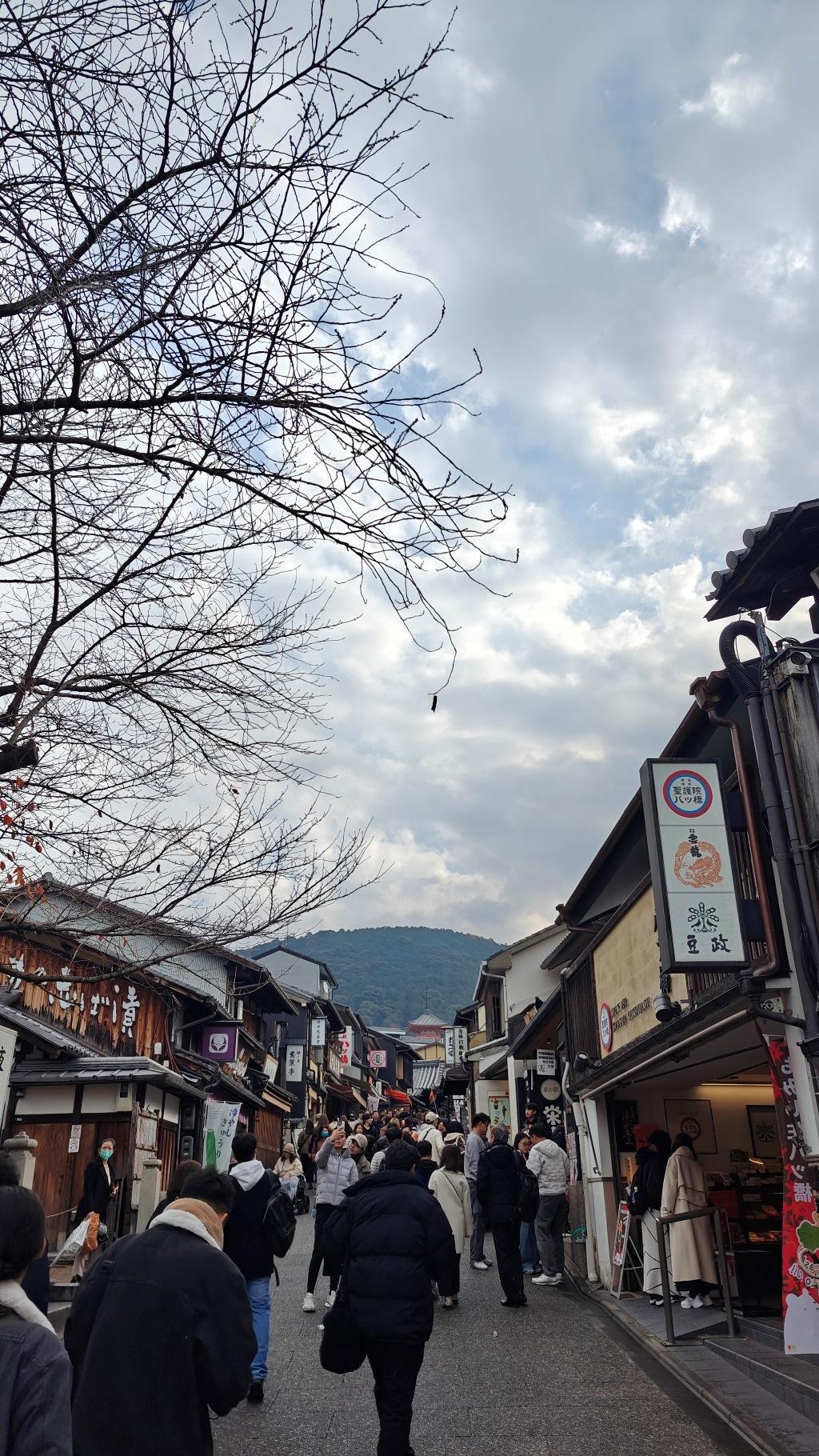
You could say that Kiyomizu-dera (you can check out my write-up of that temple as well) is synonymous with Sannenzaka and Ninenzaka. These locations are relatively close and most people would even recommend visiting them on the same day since that's more efficient. It’s advised that you take a bus to any of the Kiyo-michi (Kiyomizu-michi) or Gojo-zaka (this is just in front of a Family Mart) stations and then walk from there.
Strolling Sannenzaka & Ninenzaka: Food, Shops and Tips
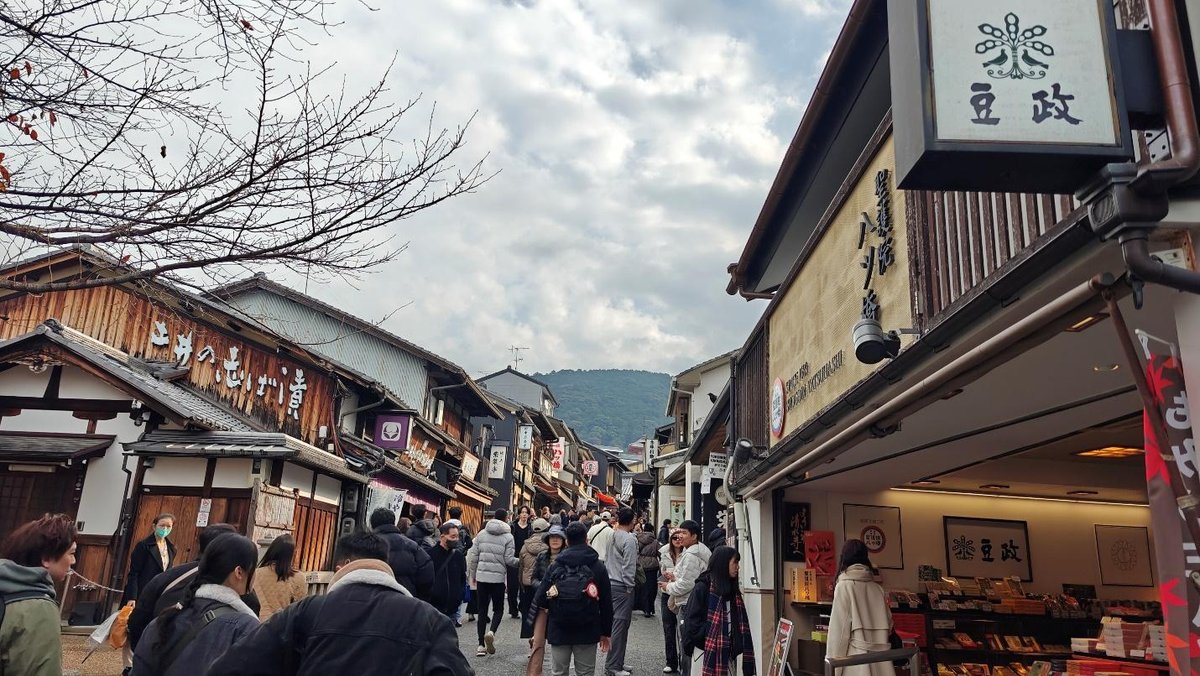
So where I’m standing in this image is the Sannenzaka Path starting point. Take note though that the specific path shown here is Kiyomizu-zaka which leads directly to Kiyomizu-dera. As for the Sannenzaka Path, it’s actually to the left and as you’ll see later, it’s every bit as vibrant as this street.
So the question you’re probably asking is should you first go to Kiyomizu-dera before exploring Sannenzaka and Ninenzaka? Most of the stuff I researched online talked about exploring the historic lanes first before heading to Kiyomizu-dera. Personally though, I think it really doesn’t matter which of these you choose to go first.
Both are guaranteed to have plenty of people just because of how popular the place is. If you really want to explore these historic lanes with smaller crowds then I’d recommend coming here just before Kiyomizu-dera opens (so before 6:00AM).
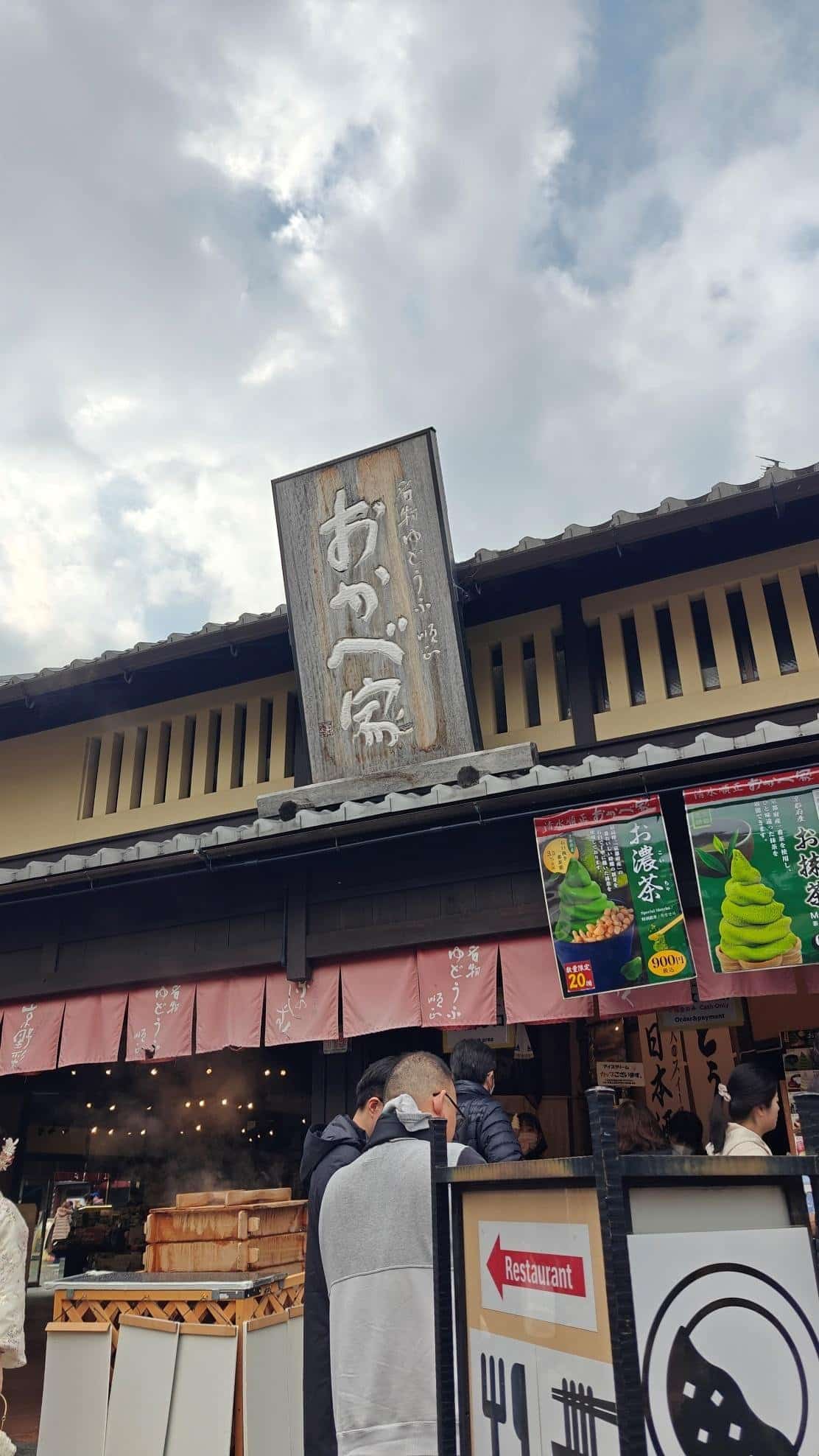
As for me, I actually went up through Kiyomizu-zaka first then Kiyomizu-dera. After that, I had to go down through Kiyomizu-zaka before I went to the area in the first image and then explored Sannenzaka and Ninenzaka. This store in the image is one of the establishments that I passed by going up.
Called Okabeya, it specializes in Yudofu which is a traditional Kyoto tofu dish.
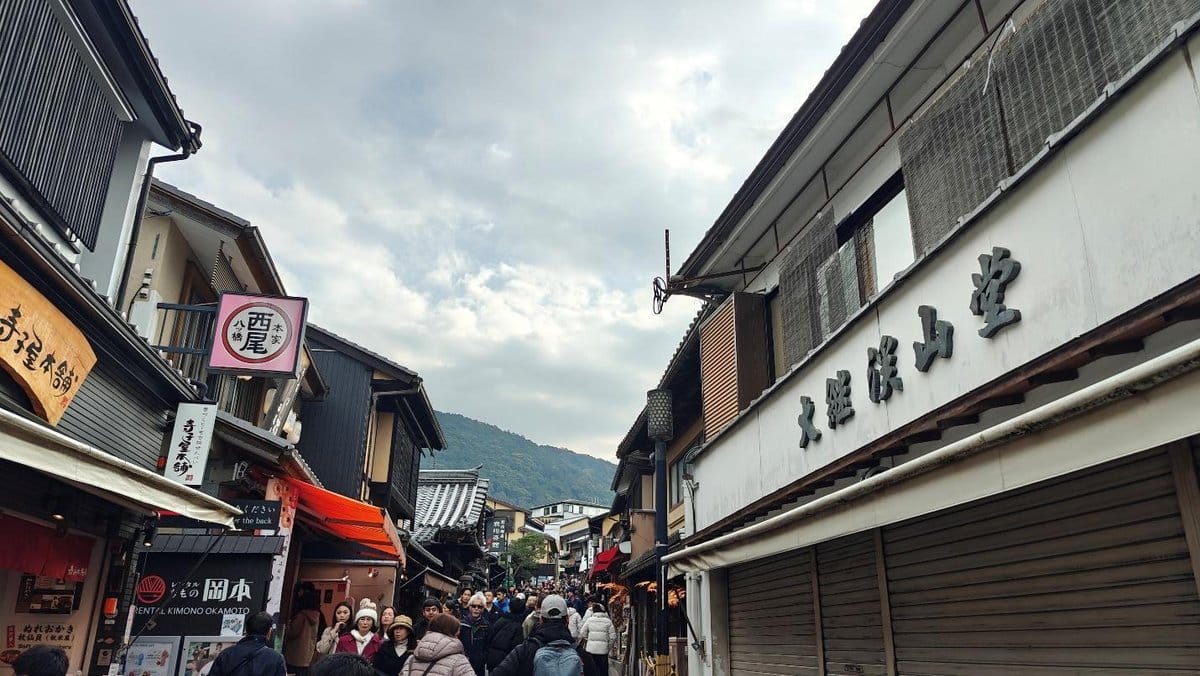
There were a lot of people during my visit and I was told that the crowd that I saw would have been larger during the mid to late November peak season. Foot traffic was fast-flowing during my walk but it could be a different matter with more people. If you brought kids then I highly recommend you keep an eye on them at all times as they might get lost in this sea of people.
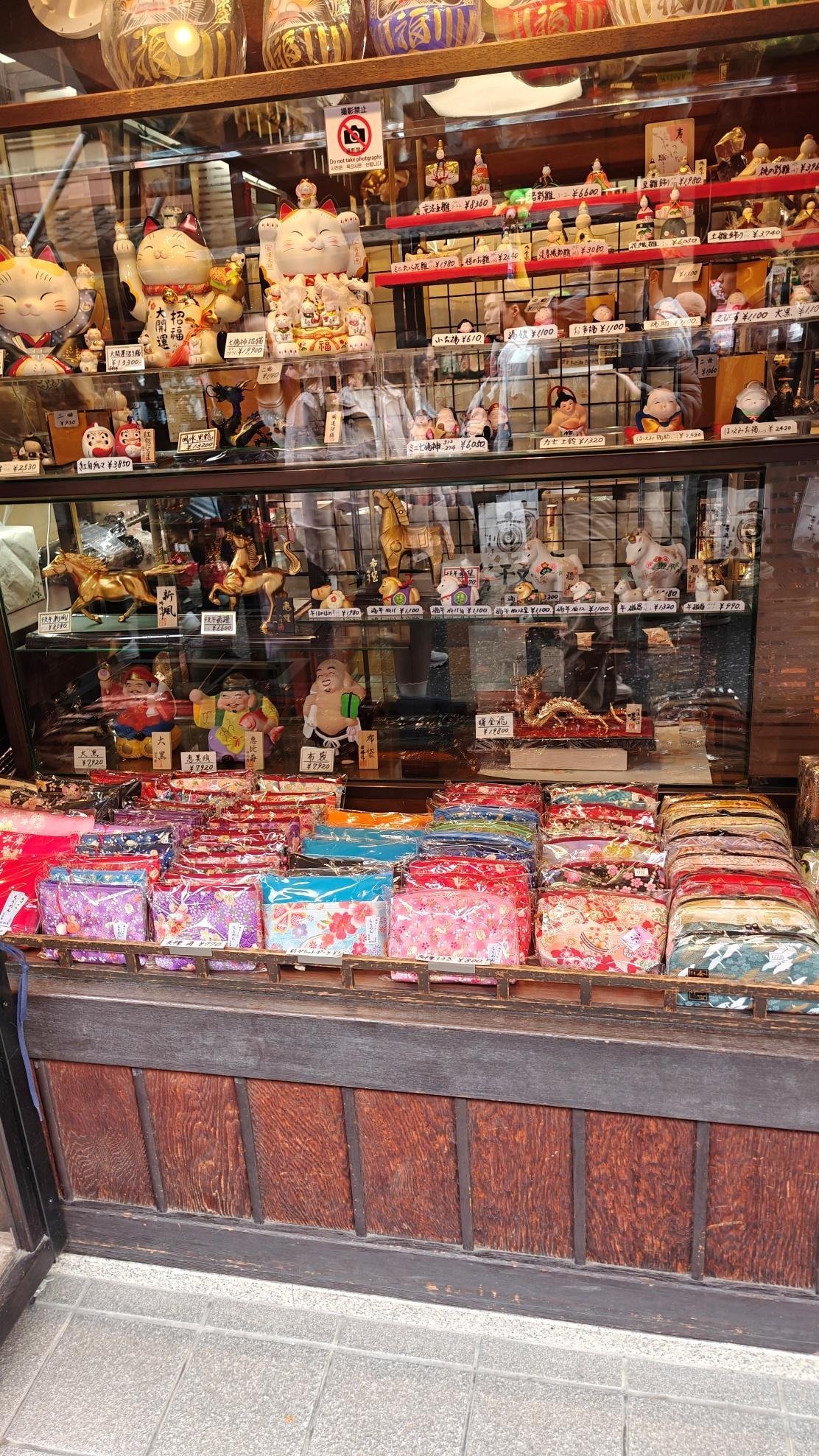
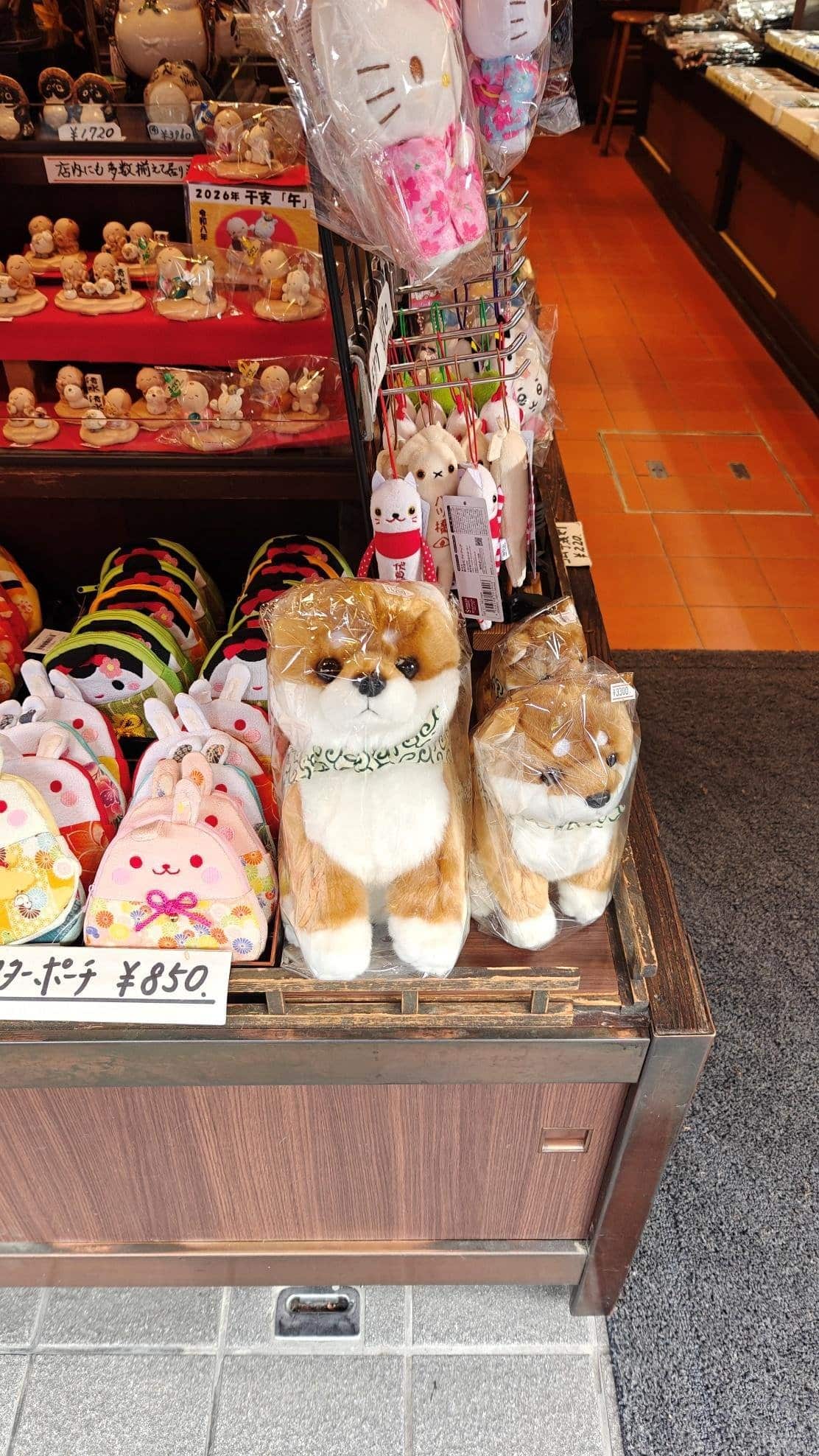
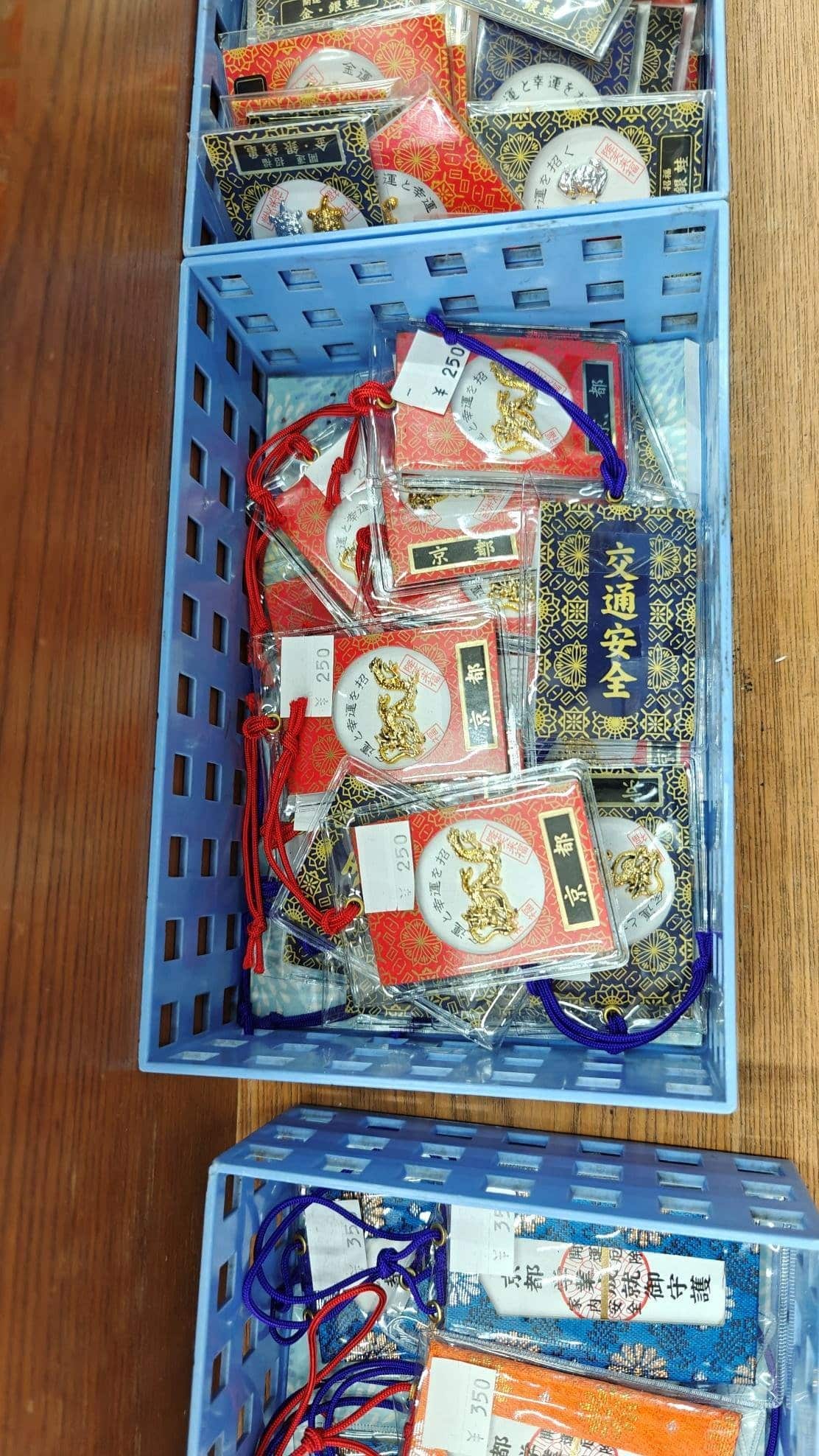
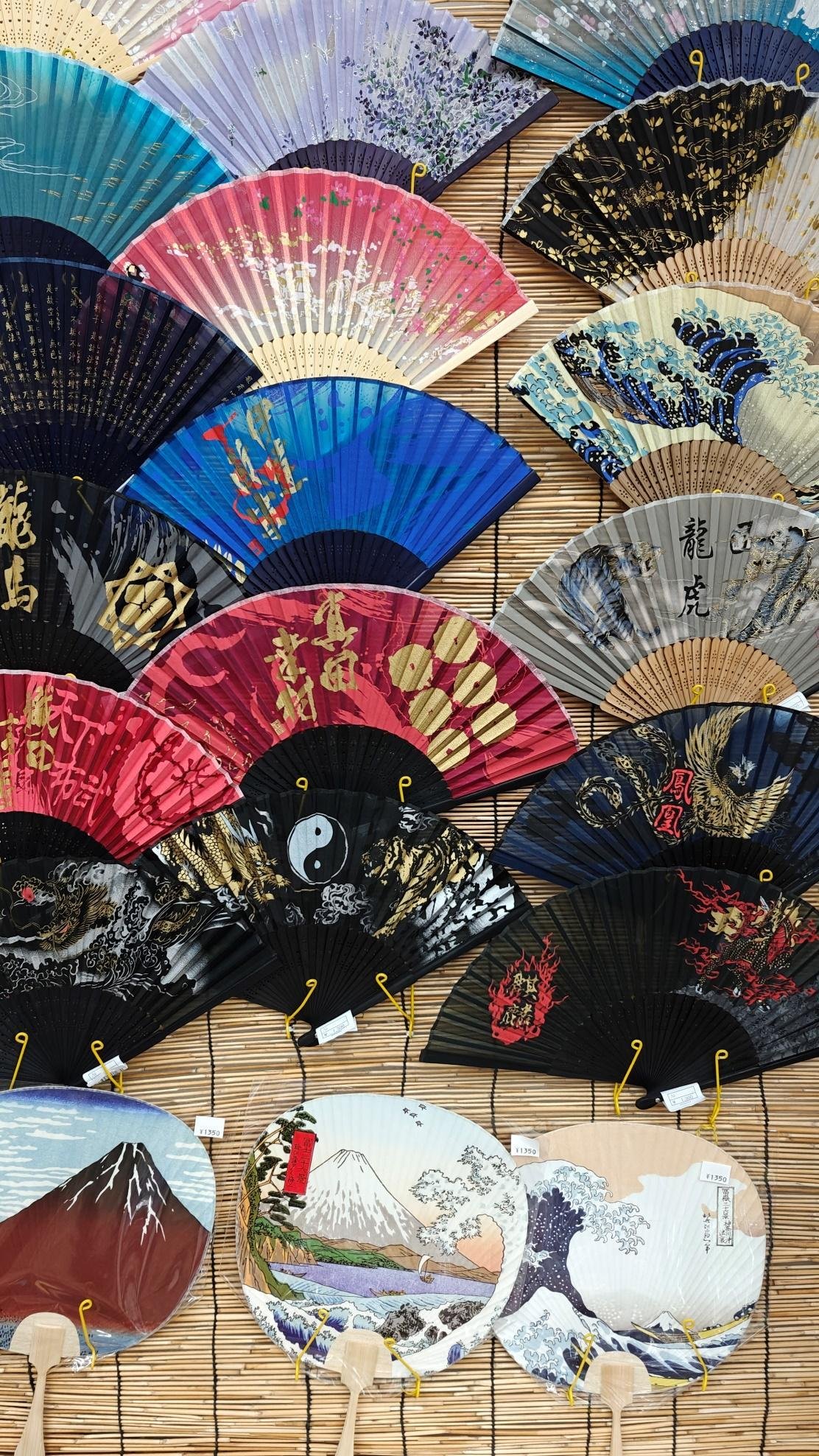
It’s not just food stalls that you’ll find here in Kiyomizu-zaka. There are a number of shops that sell nearly everything from religious souvenirs, stuffed toys and plushies, traditional folding fans (called Kyo-sensu), ceramics (Kyo-yaki or Kiyomizu-yaki), as well as green tea. That said, Kiyomizu-zaka is most notably a food haven so expect there to be plenty of stores that sell street food and other Kyoto delicacies here.
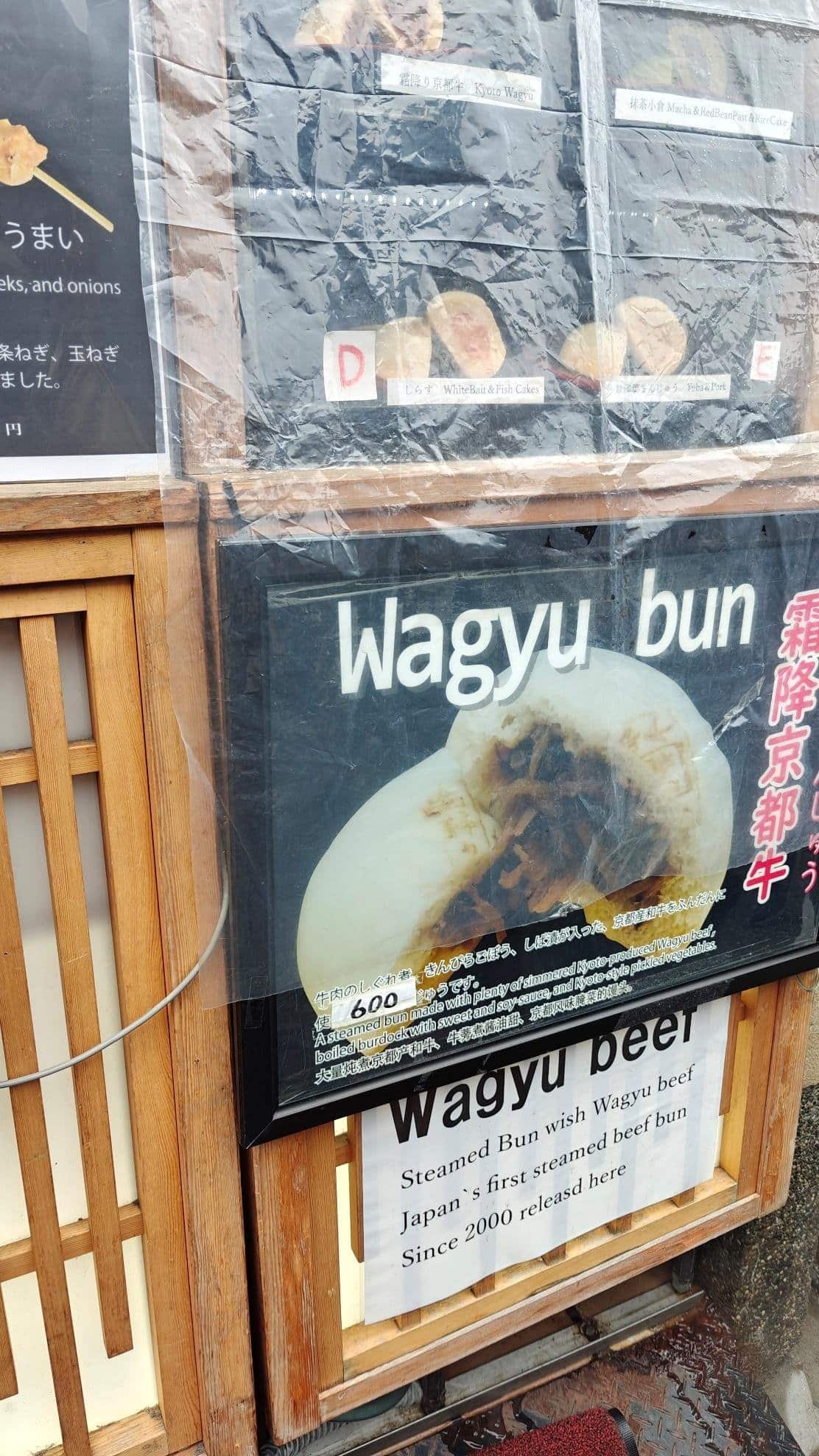
Oftentimes, you’ll find a building with a number of establishments in its storefront. This particular sign showing a wagyu beef bun is on one of the stalls in the building that’s just in front of the Mori Touki-Kan main shop. Another prominent stall here is that of Hokyu-an which specializes in freshly made fish cakes.
It’s kind of hard to not notice these two stalls as there’s usually a customer or two stopping by to order.
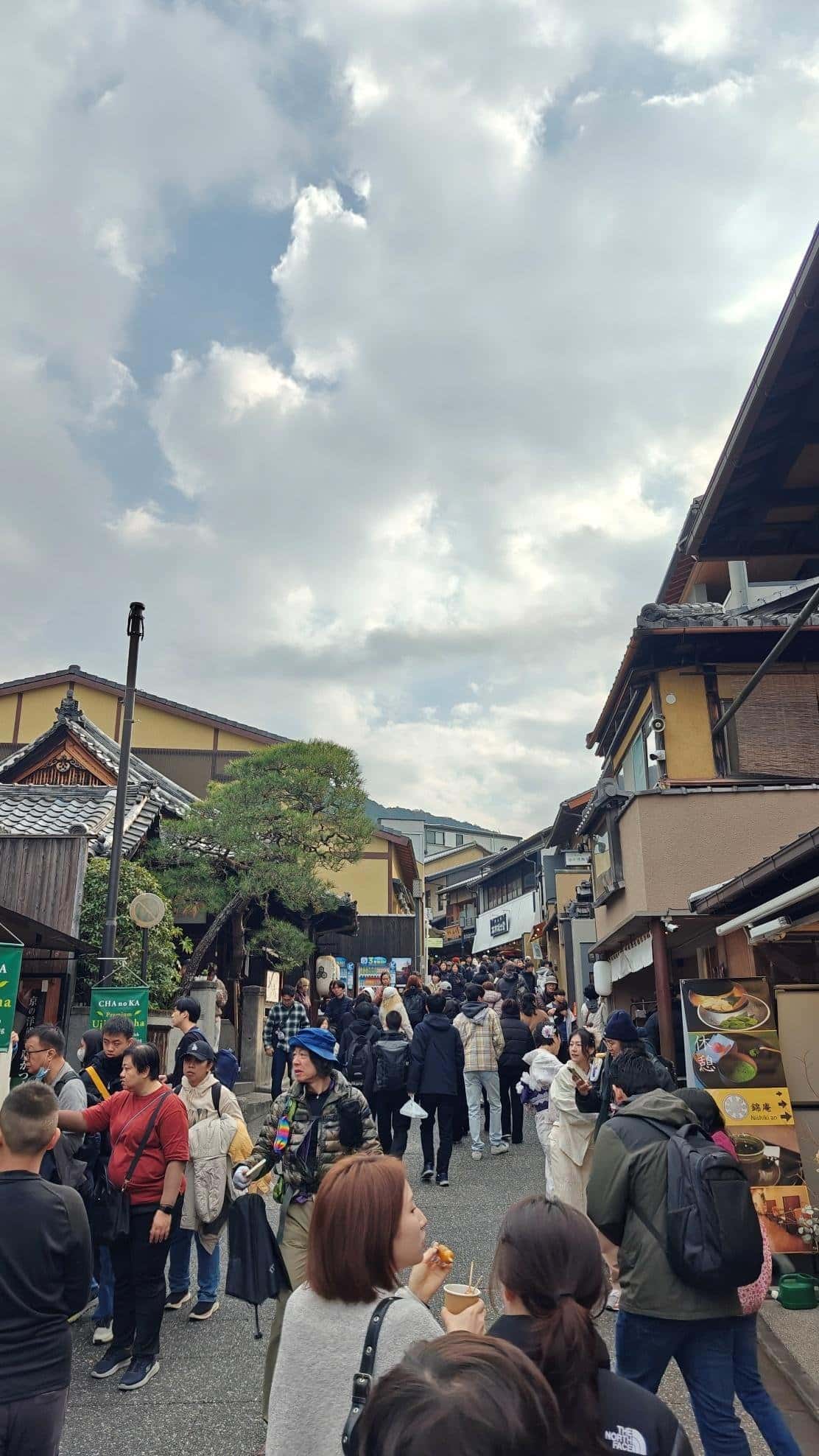
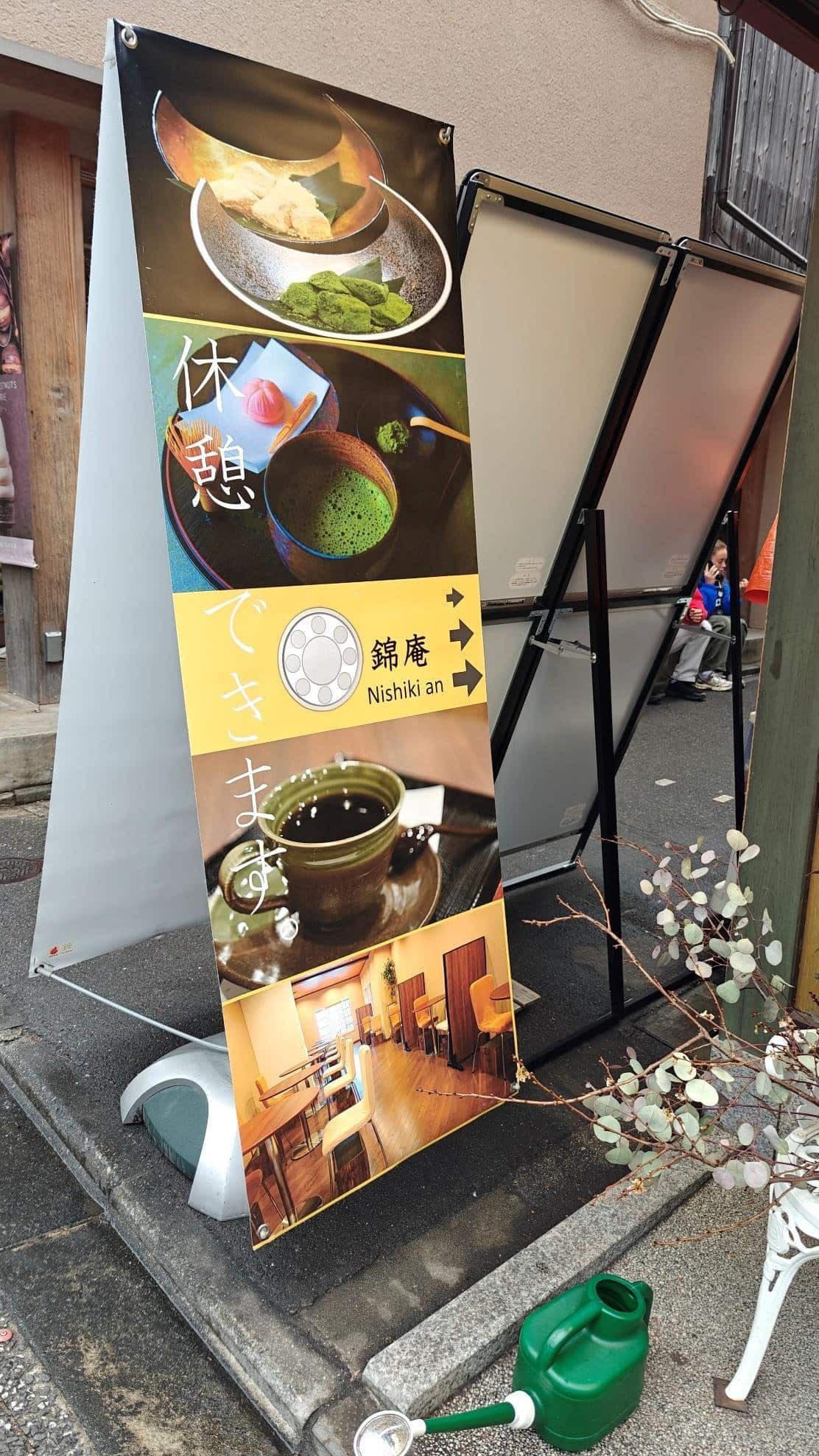
Kiyomizu-zaka also has side streets that you might want to check out. This one is just a couple of steps past (if you’re going to Kiyomizu-dera) the building that had the Hokyu-an stall. The standee shows a sign advertising a cafe called Nishiki-an which serves warabi-mochi, tea, and lots of food that you’ll likely end up posting on your IG timeline.
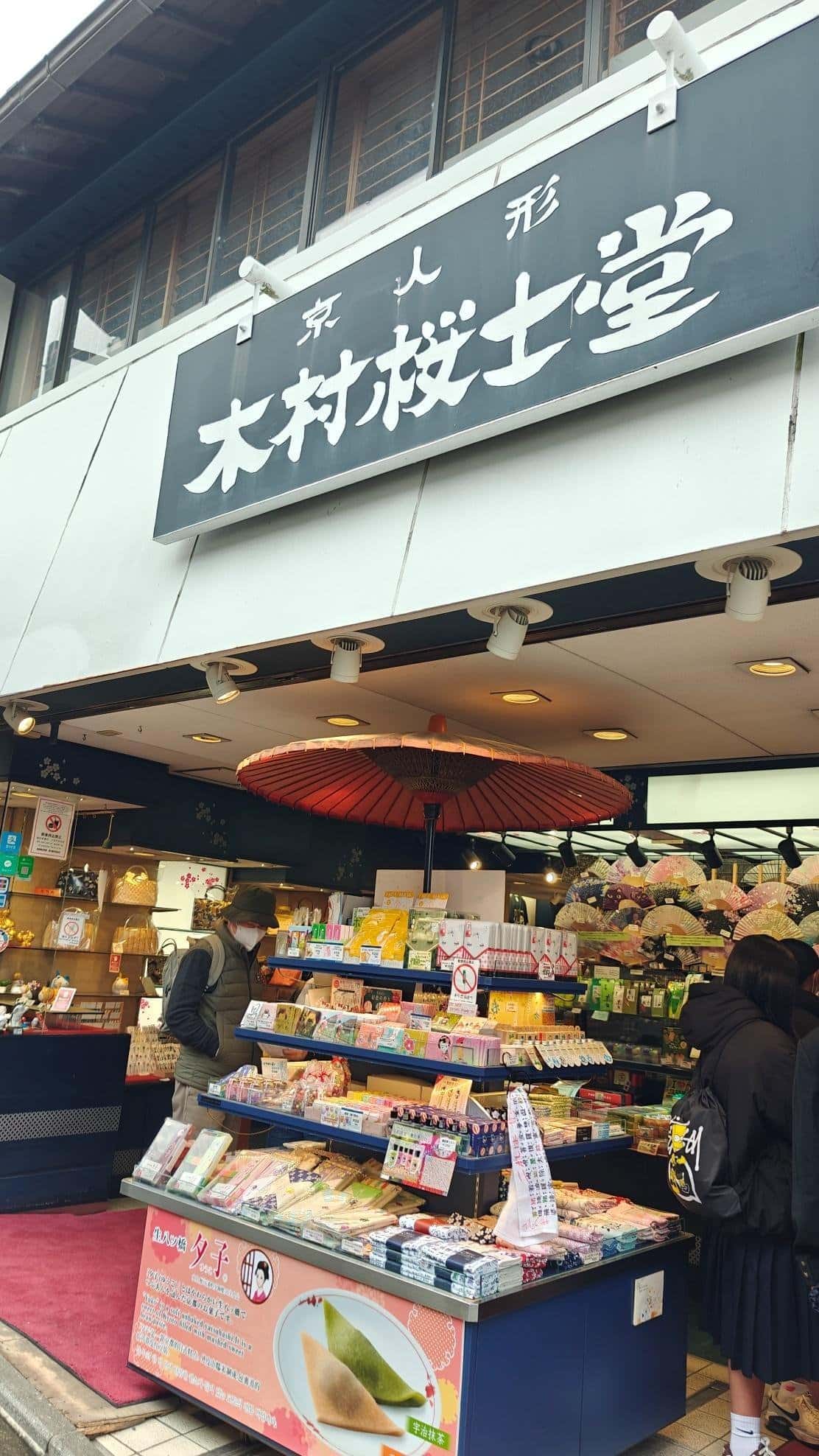
Continuing on, I came across this store called Kimura Ohshido. It’s a store that specializes mainly in Kyoto Ningyo or high-quality, handcrafted Kyoto Dolls. I personally think this is a great place for buying souvenirs as it also sells other items like Kyo-sensu, kokeshi dolls, plush toys, charms, and even handcrafted bags.
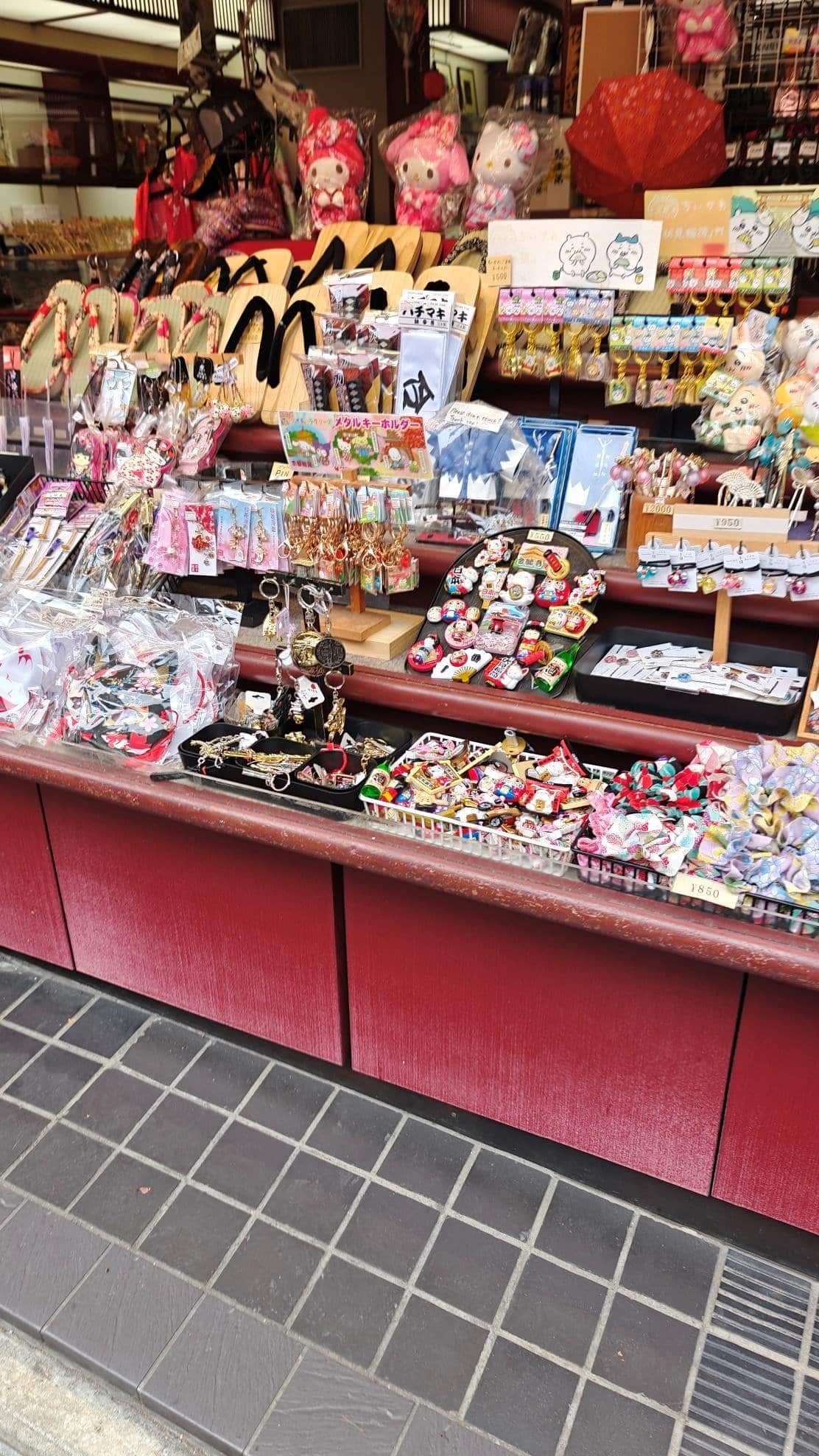
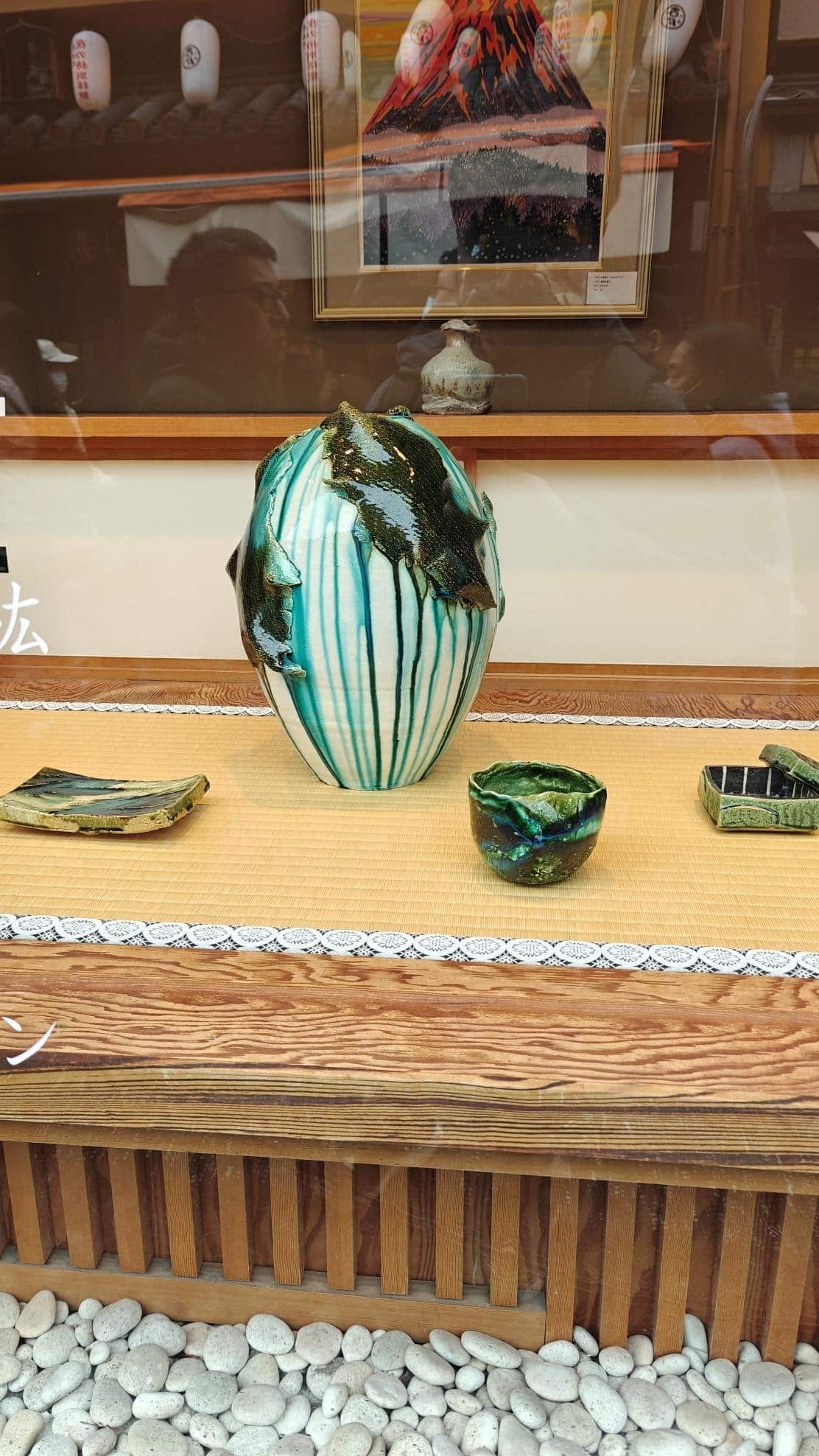
This is the storefront of Asahido Honten which is considered one of the most reputable establishments selling Kyo-yaki or Kiyomizu ware in Kyoto. I will say, the ceramics on display here looked really nice though I also couldn’t help but think that they probably cost quite a lot judging by the craftsmanship. The store is actually quite close to the entrance of Kiyomizu-dera.
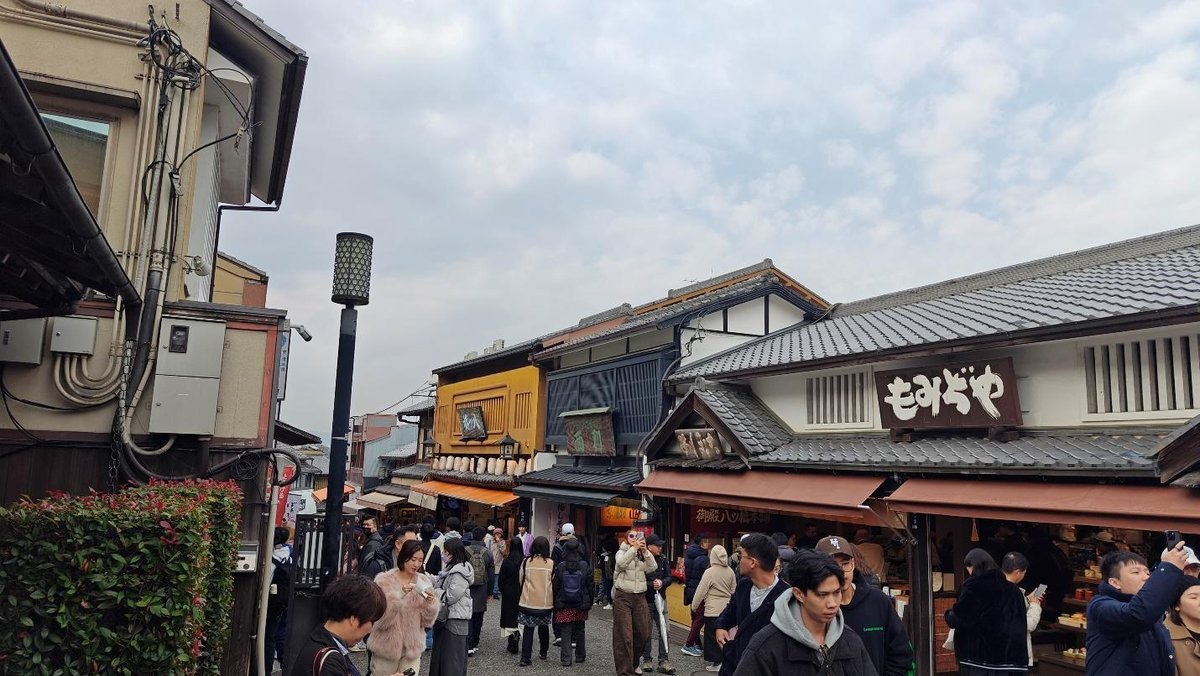
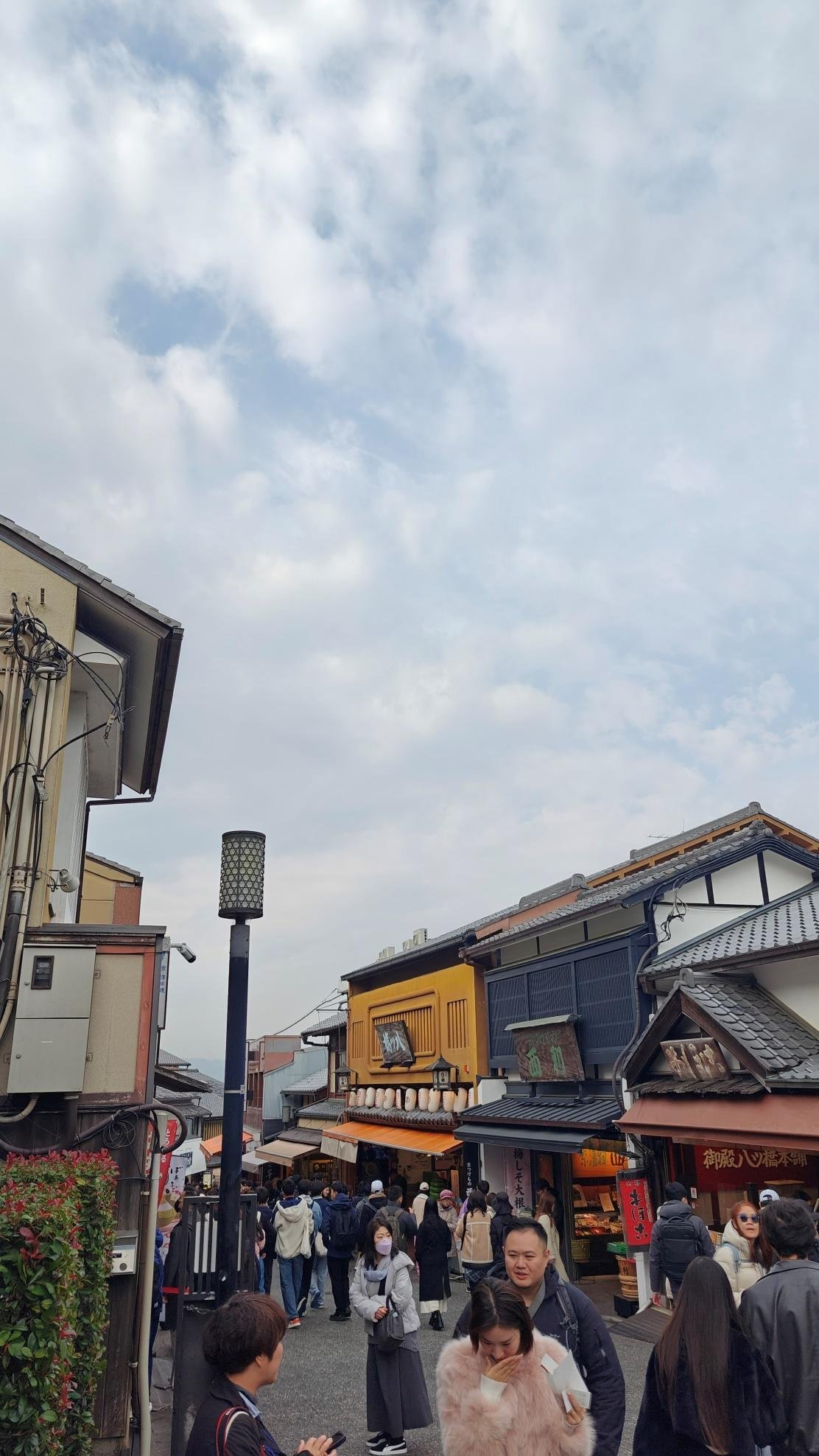
Across the street from Asahido Honten is a confectionery shop called Honke Nishio Yatsuhashi. In this image it’s the store with a gold/orange colored exterior and lanterns placed on its awning. The store specializes in a traditional confection called yatsuhashi.
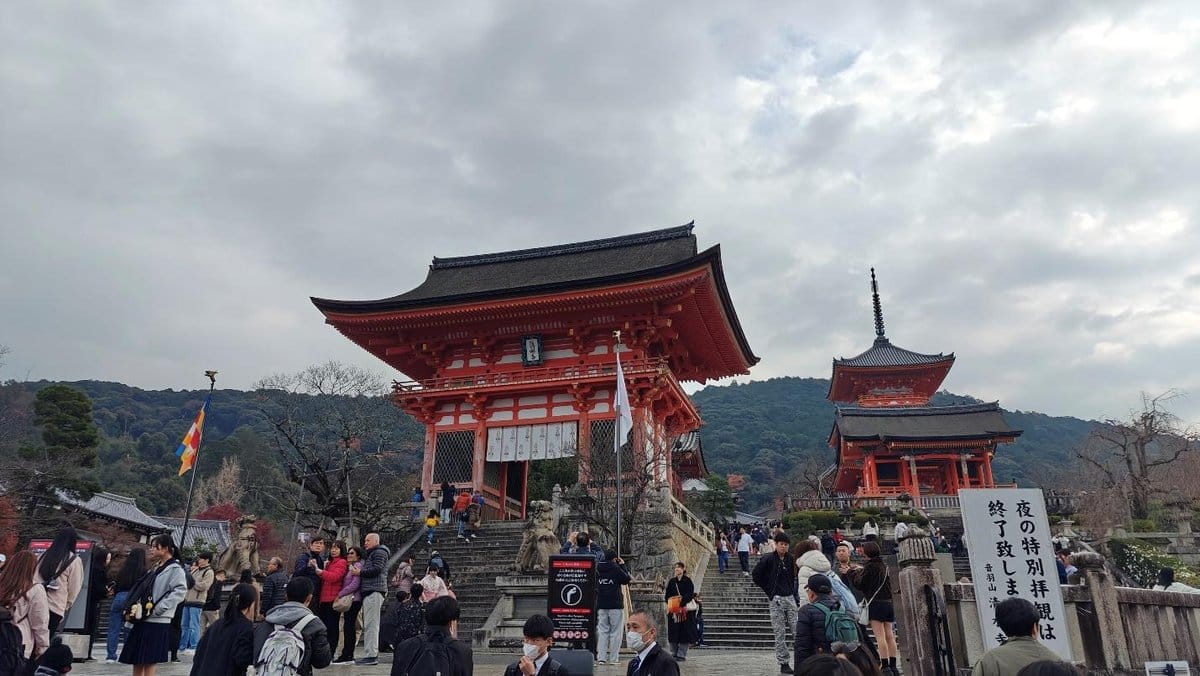
1 kiyomizuderaFrom the vantage point in the image I shot earlier, you can also see the entrance of Kiyomizu-dera. I already talked about this Buddhist temple and how I think it’s well worth visiting in another write-up so make sure you check that out as well. Long story short, this has some of the best views here in Kyoto (especially in spring and autumn) and you’ll only need to shell out 500JPY to enjoy everything it has to offer.
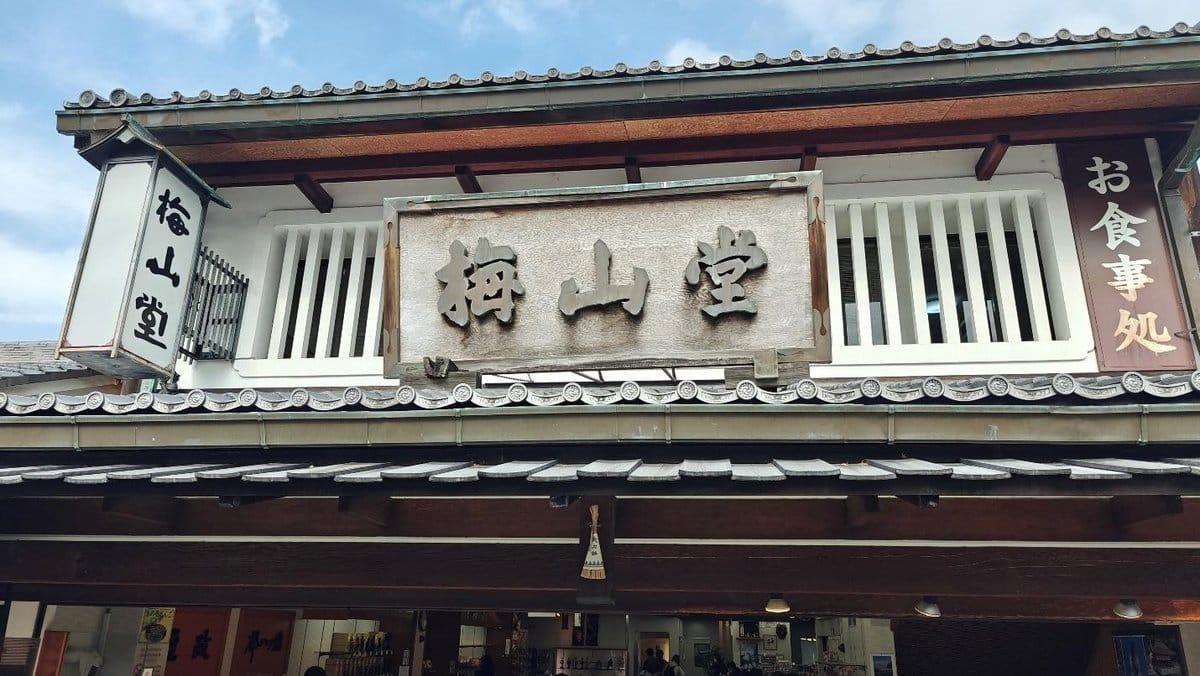
After my Kiyomizu-dera visit, I then proceeded to walk back down Kiyomizu-zaka so that I can then proceed to Sannenzaka and Ninenzaka. Whereas earlier the stores that I checked out were on the left side of the street (when looking down it), this time around, I get to focus on the establishments to my right. The first one that stood out to me was this establishment called Baizando which was a combination of restaurant and souvenir shop.
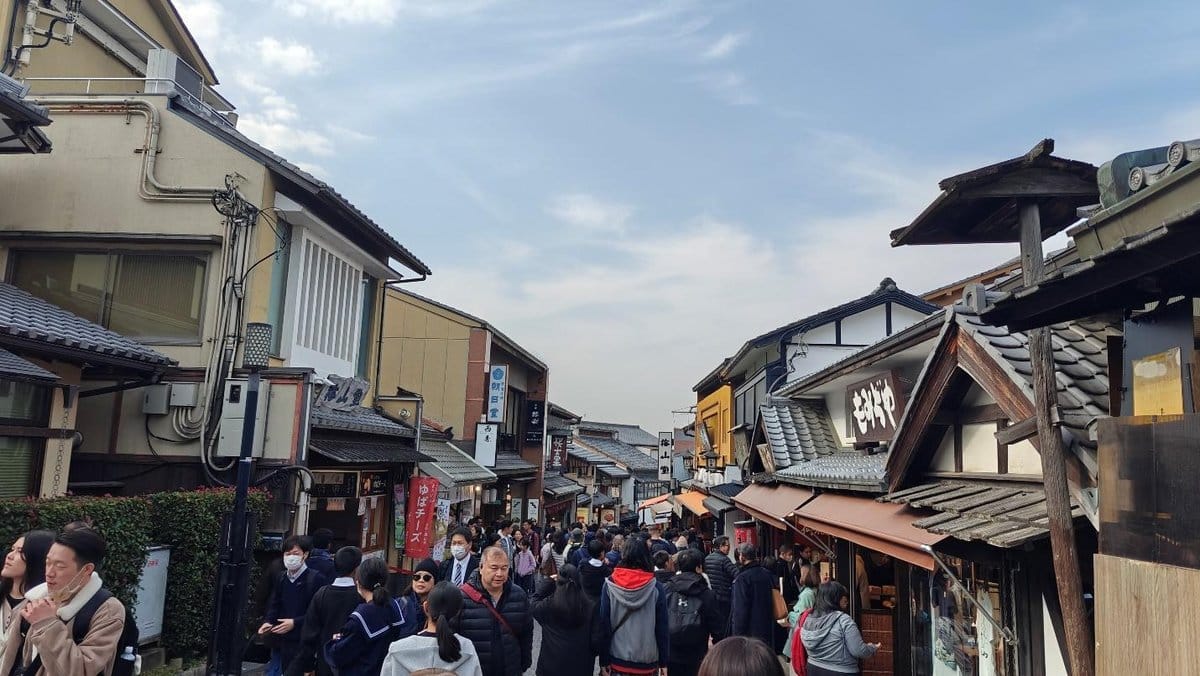
Now from this point on I kind of had a hard time taking shots of the establishments’ facades. There was quite a bit of foot traffic so I couldn’t really stand on the streets taking pictures while people were trying to also use the narrow path. As I was waiting for the foot traffic to subside a little, I then decided to take shots of the various souvenirs that you can find inside of Banzaido.
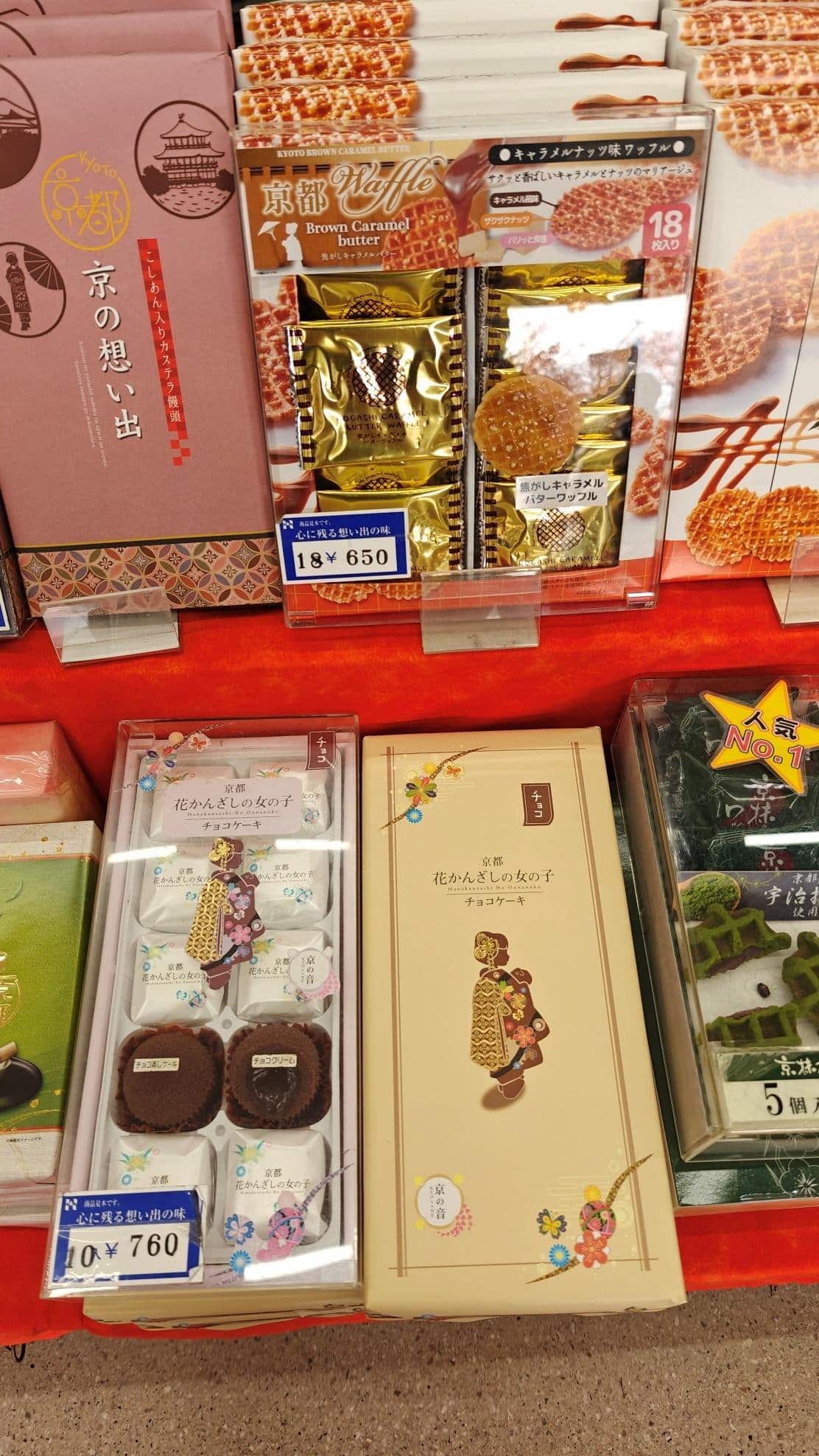
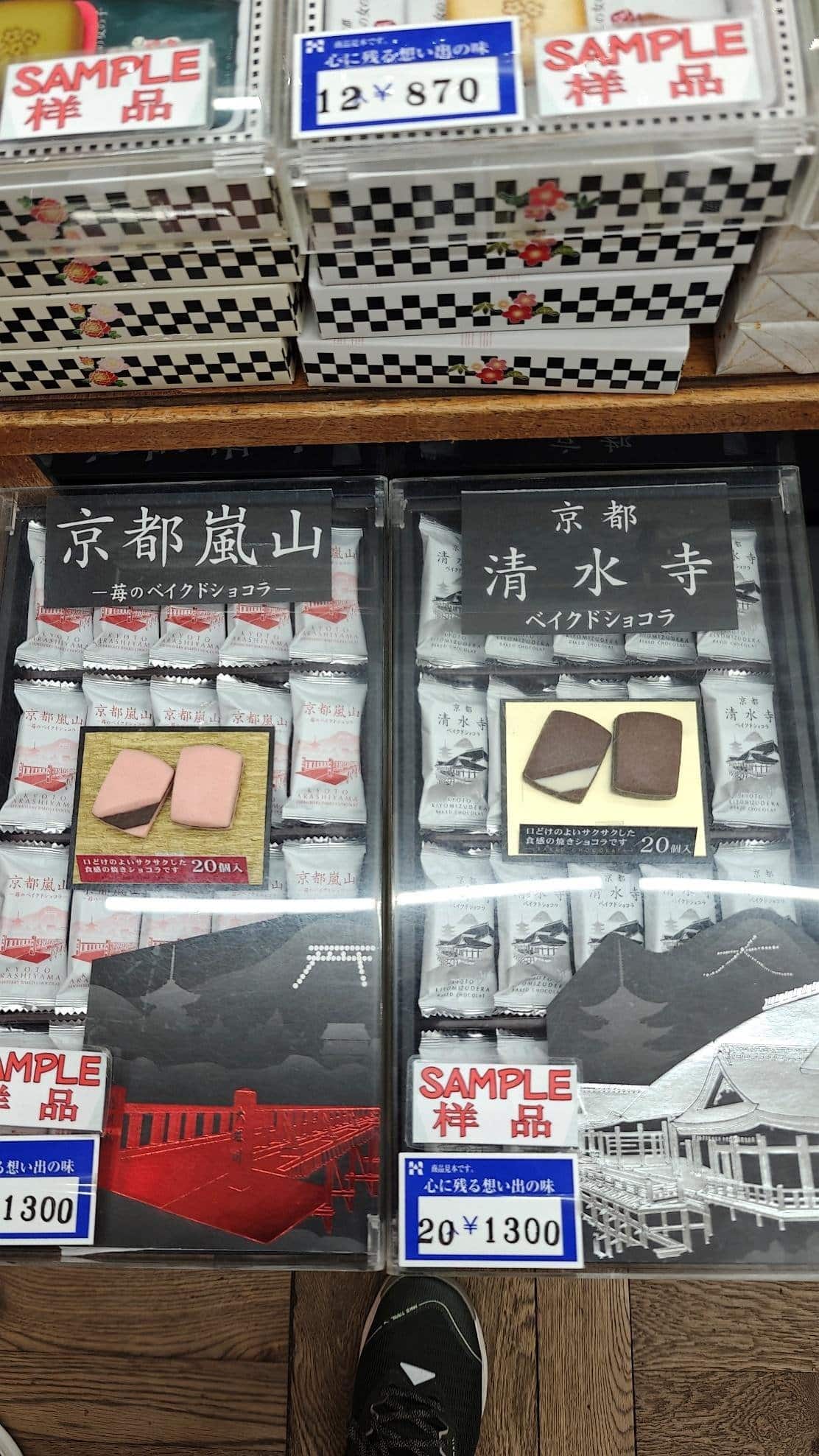
One of the first items I noticed were these snacks. I was honestly feeling quite hungry seeing the chocolate cup cakes from Hanakanzashi no Onnanoko which I think is a popular brand here in Kyoto. At just 760JPY for a 10-piece pack, this seemed like a really good buy.
Take note that this price can go even lower since food is eligible for tourist tax-free spending.
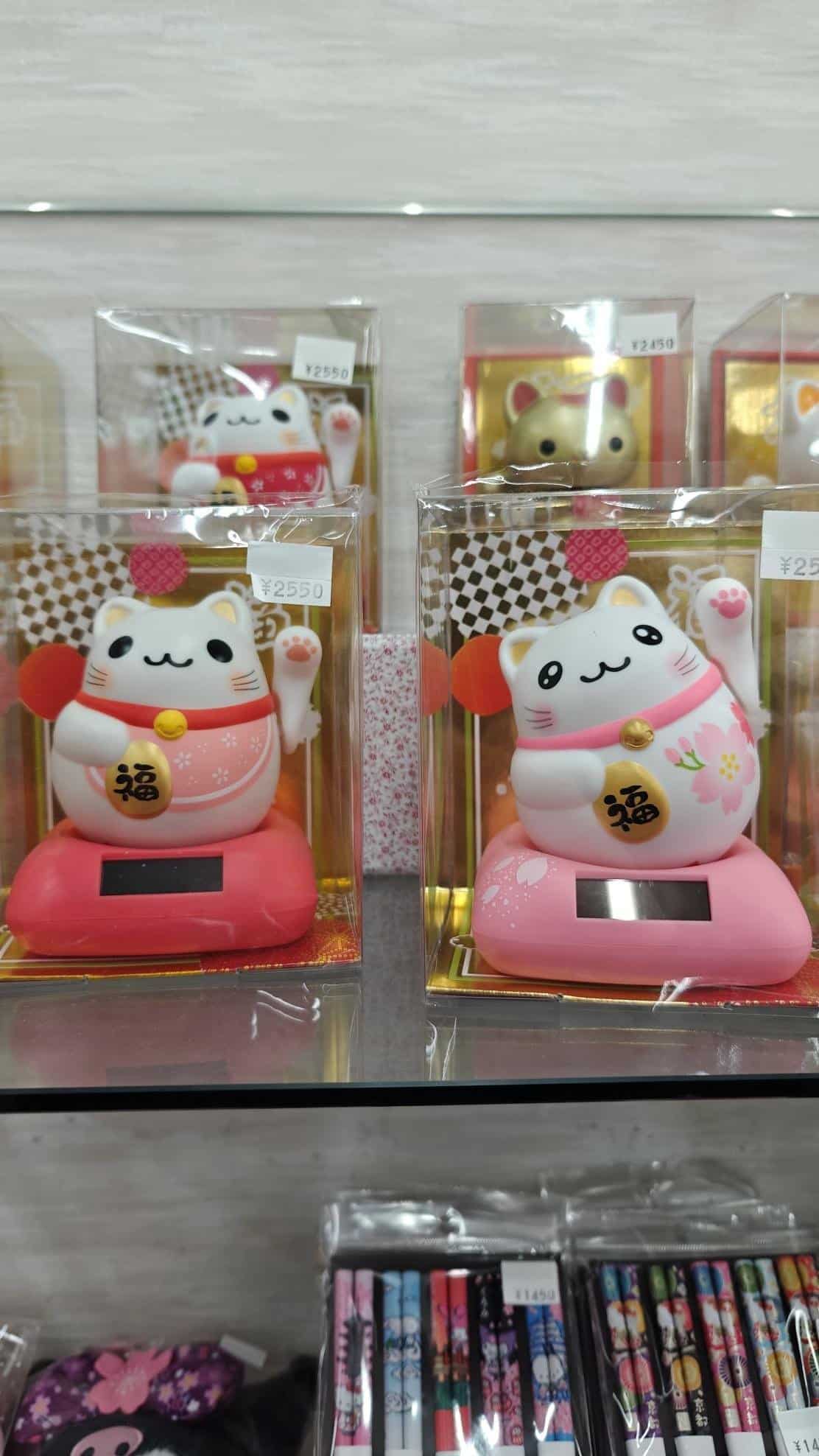
Now while food is indeed eligible for tax-free spending, you will still need to make sure that you spend at least 5000 yen at a store before they exclude the tax from the amount. If your food purchases fall short, you could always get these solar powered maneki-nekos. Also known as beckoning cats, these are very popular in Japan and are said to bring prosperity, good luck, and wealth to whoever has them in their homes.
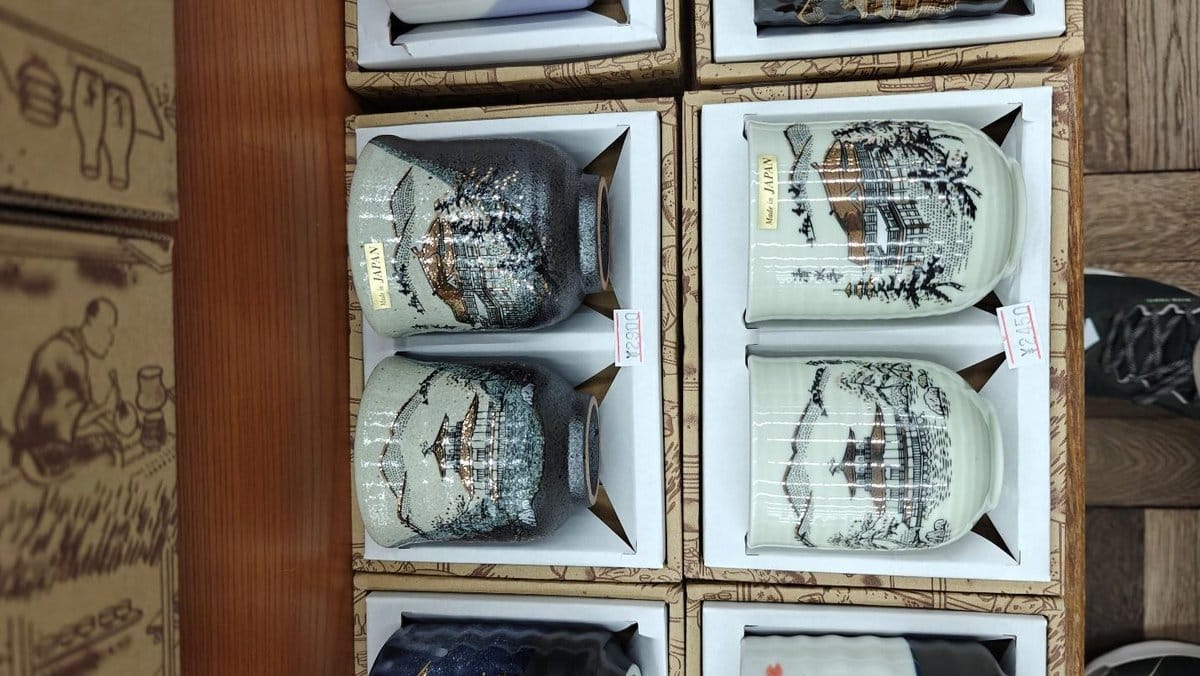
If Asahi-do Honten’s Kyo-yaki are a little too expensive, you could opt for these instead. The price for a pair varies with some going for 2450 JPY while others can top out at 2900 JPY. Personally, I think these would make for memorable souvenirs as they can serve both practical and ornamental purposes.
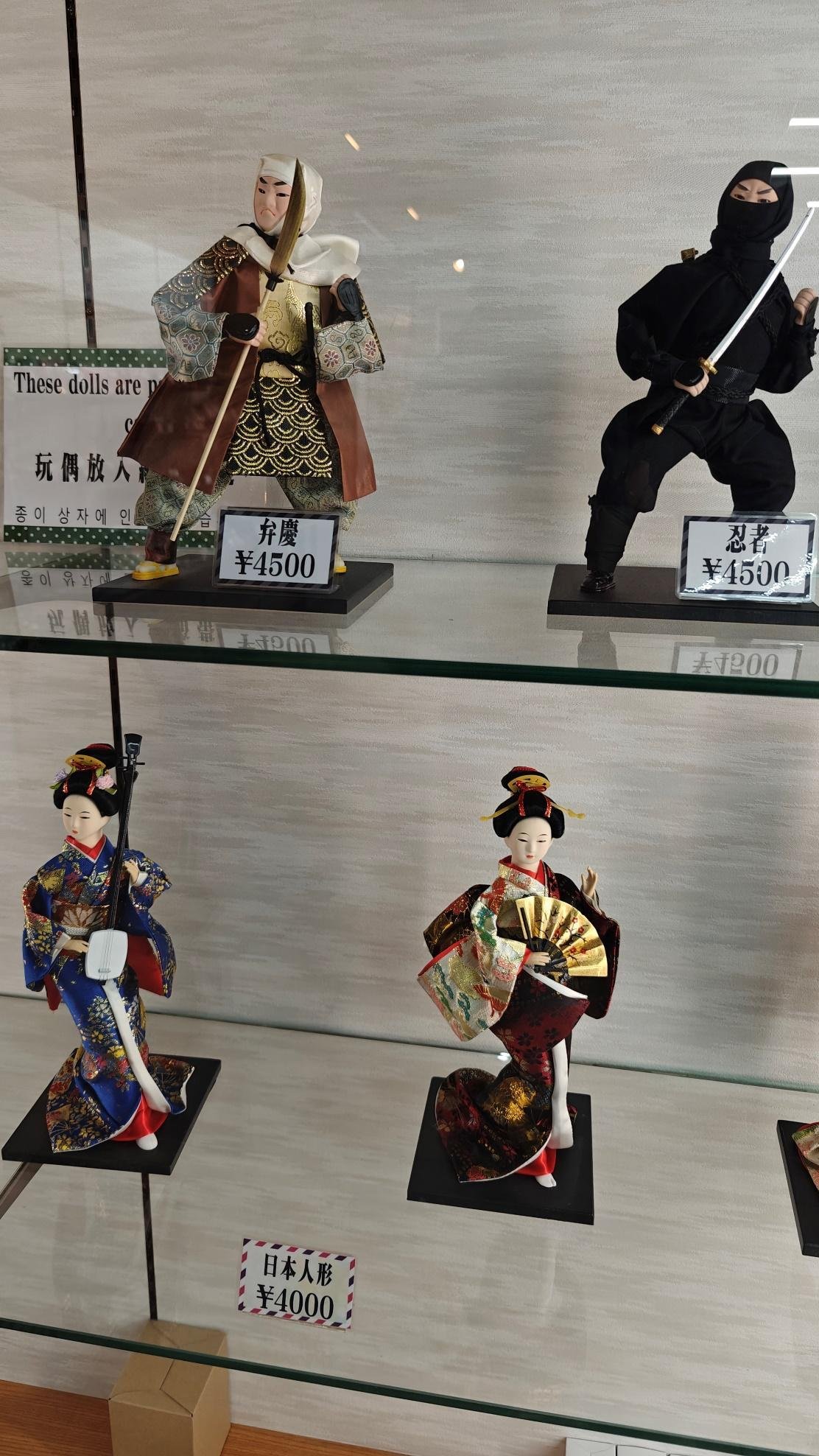
If you’re just looking for something ornamental or something that can be placed on a shelf for others to admire then I think these Kyo Ningyo dolls might be worth checking out. I particularly loved the detail on the dresses of these dolls and at 4000 to 4500 JPY, they actually are reasonably priced. Similar dolls on eBay typically go for upwards of 5500 JPY while these could go even lower with tax-free shopping.
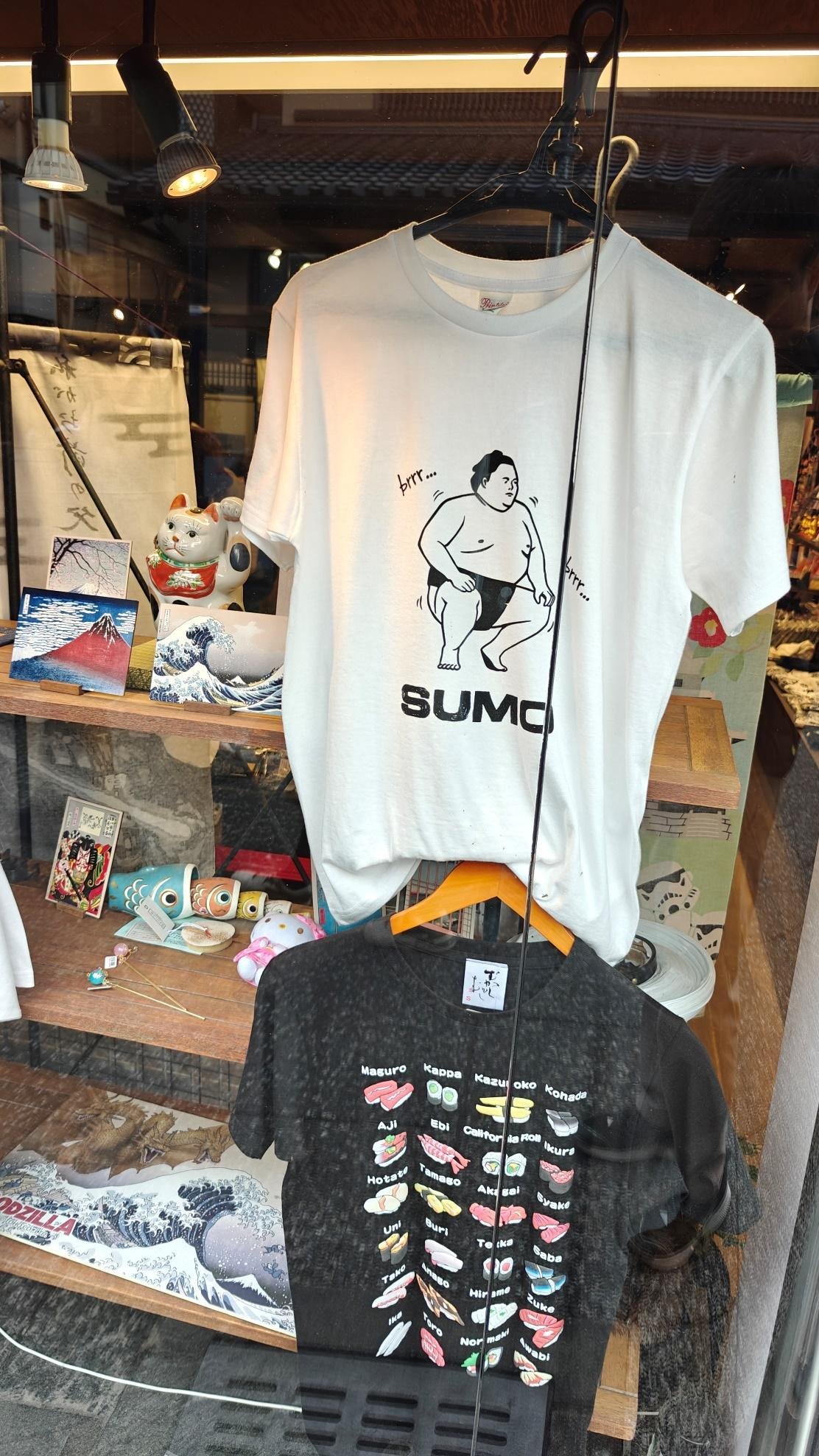
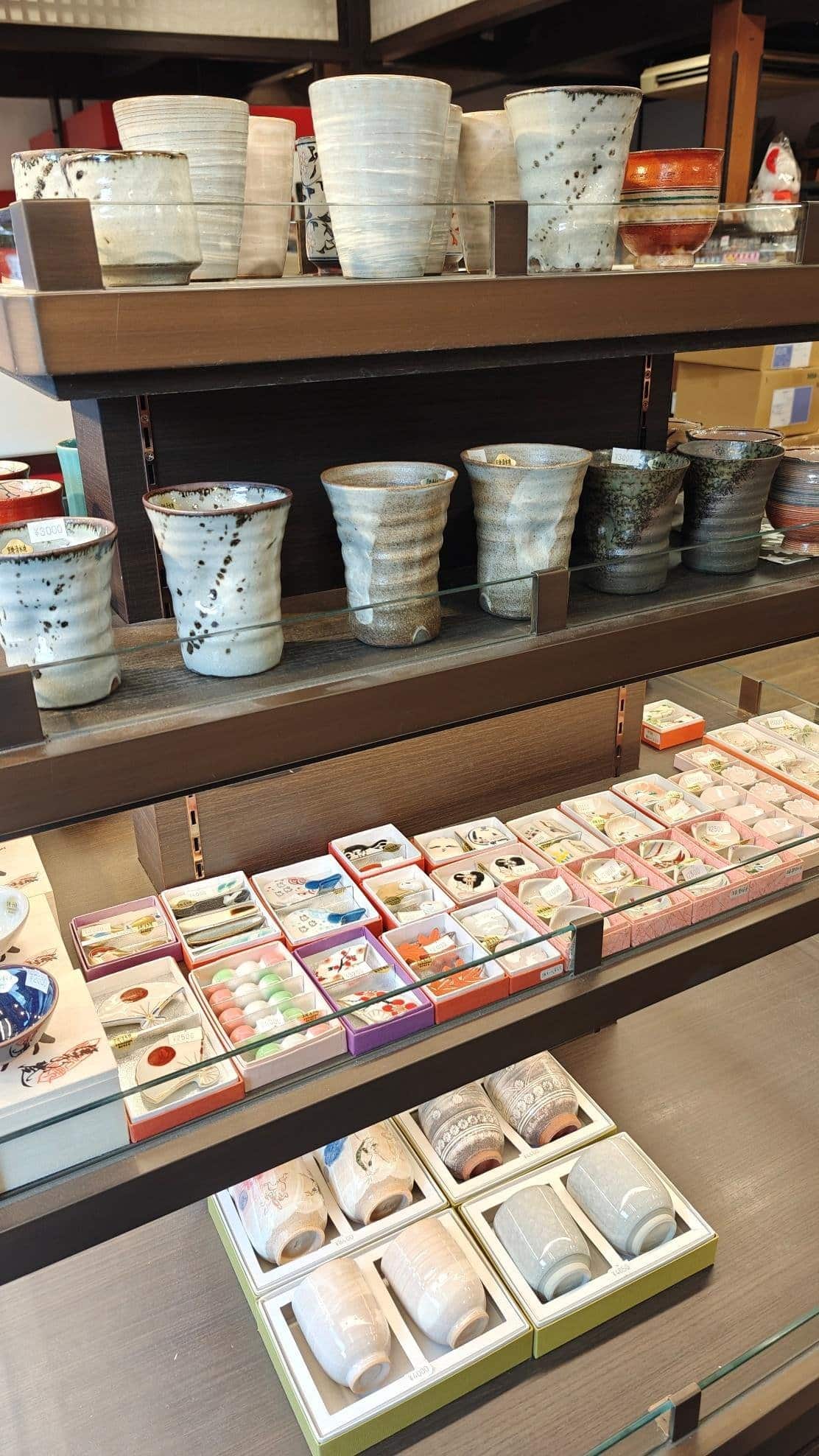
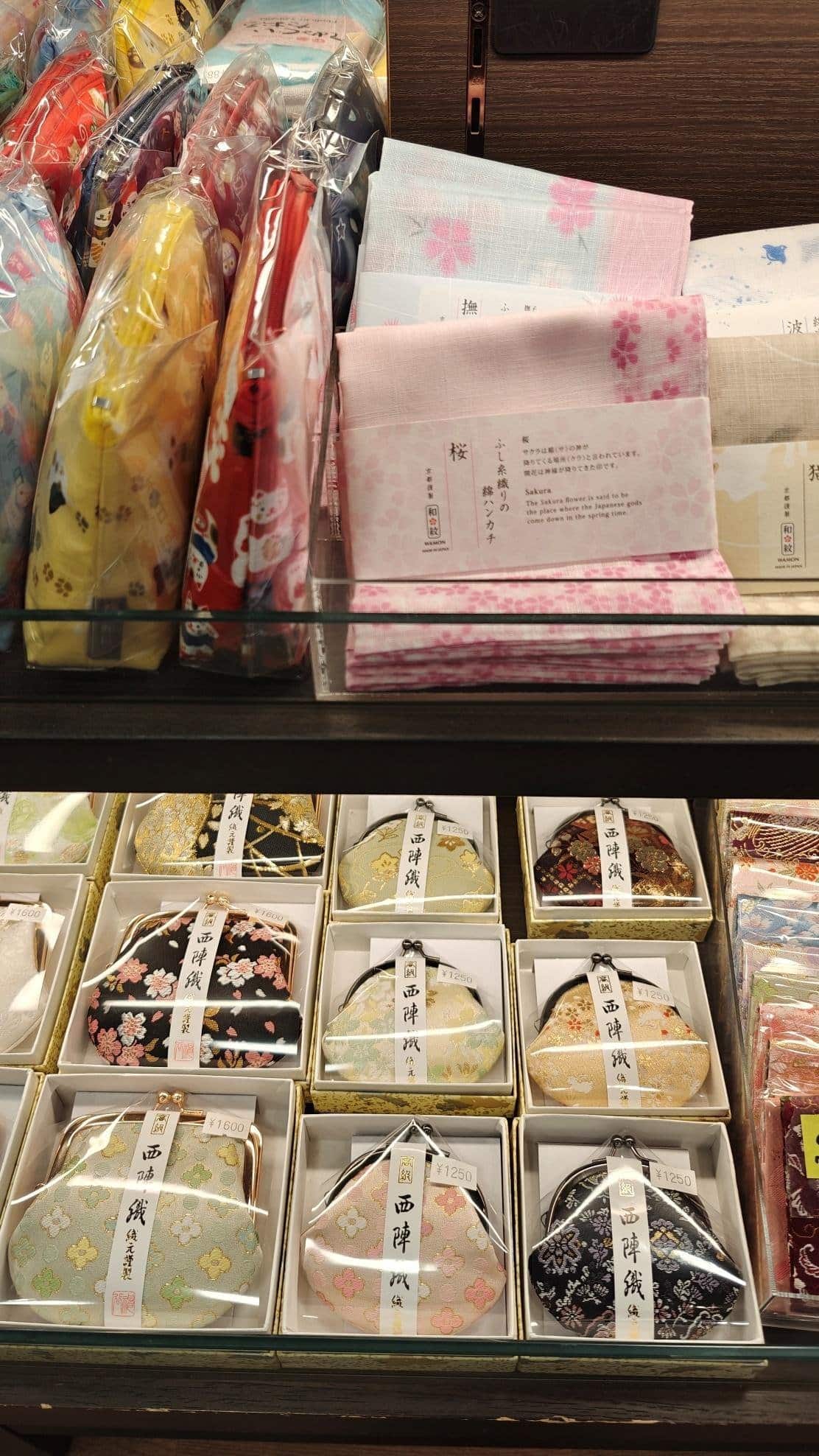
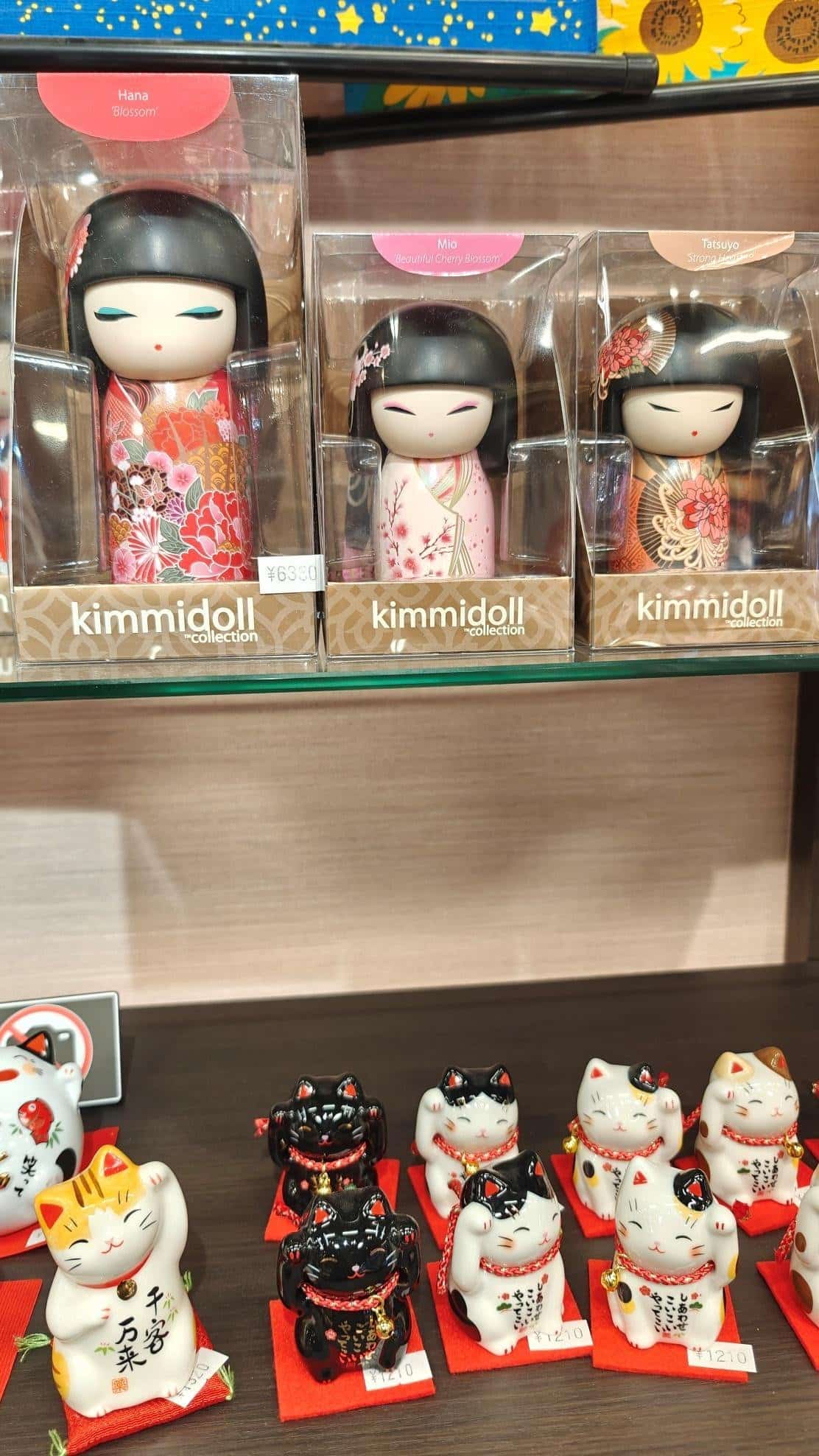
So this is quite interesting to see. The store actually has Kimmidoll kokeshi dolls. While kokeshi dolls are distinctively Japanese in origin, Kimmidoll as a brand is actually not.
It’s an Australian brand though it’s surprisingly popular in Japan. The ones shown here are also considered collectibles though they’re not considered as traditional.
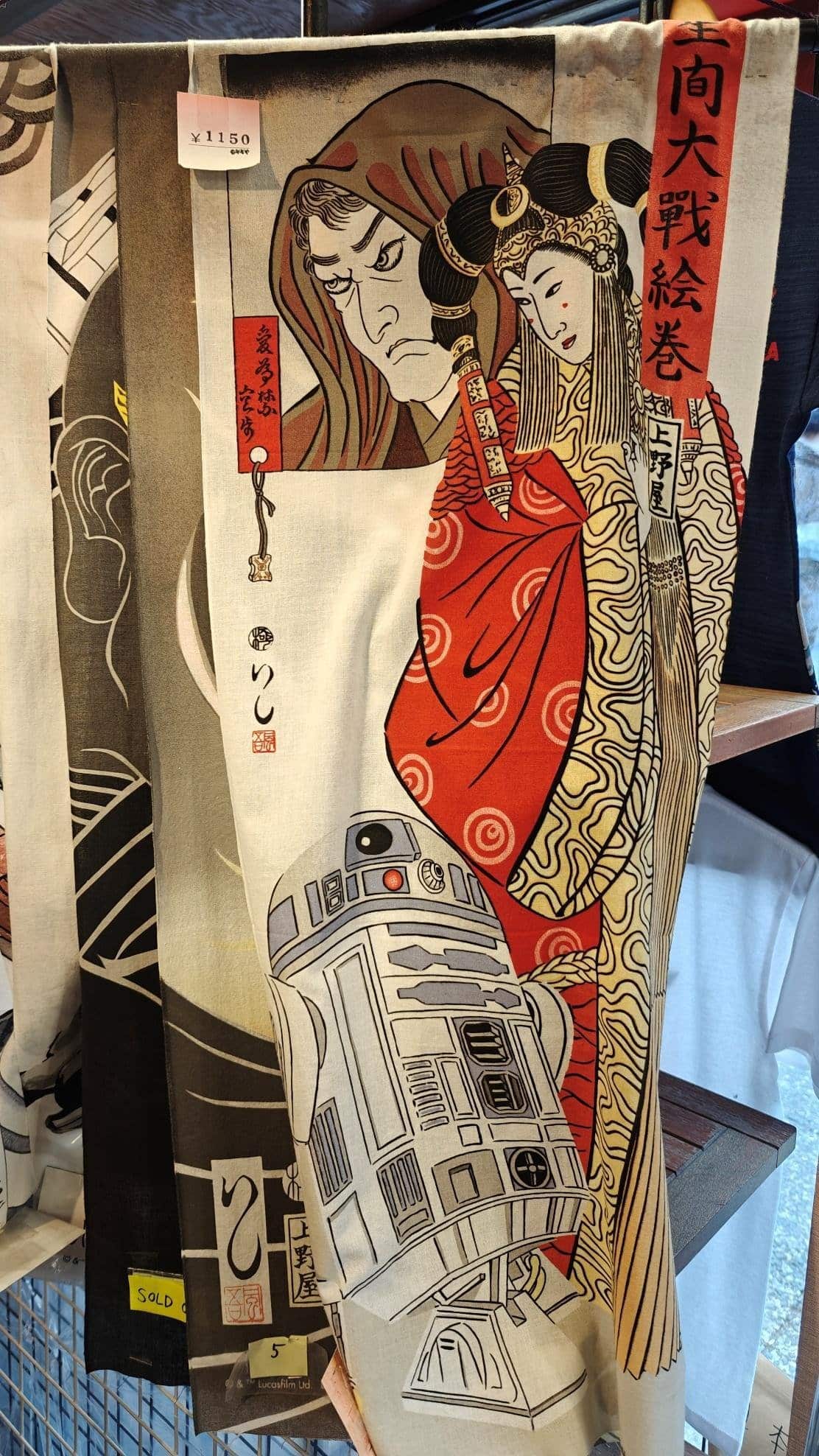
Now here’s something that might interest cinephiles. It’s a hanging scroll (kakejiku) of R2D2, Anakin Skywalker, and Padme Amidala from the second Star Wars trilogy. I don’t know why but I really liked this sort of whimsical take on these iconic characters.
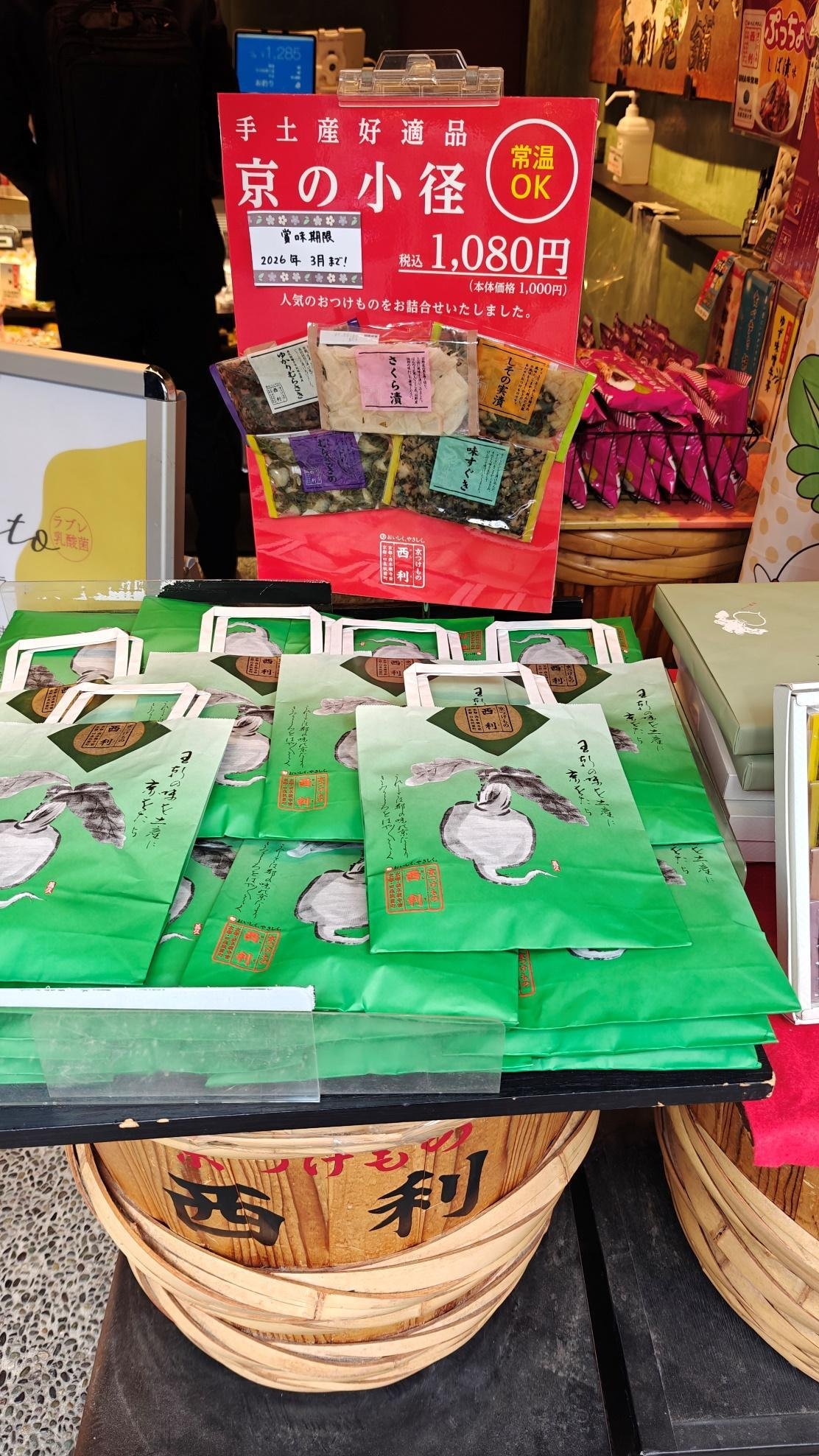
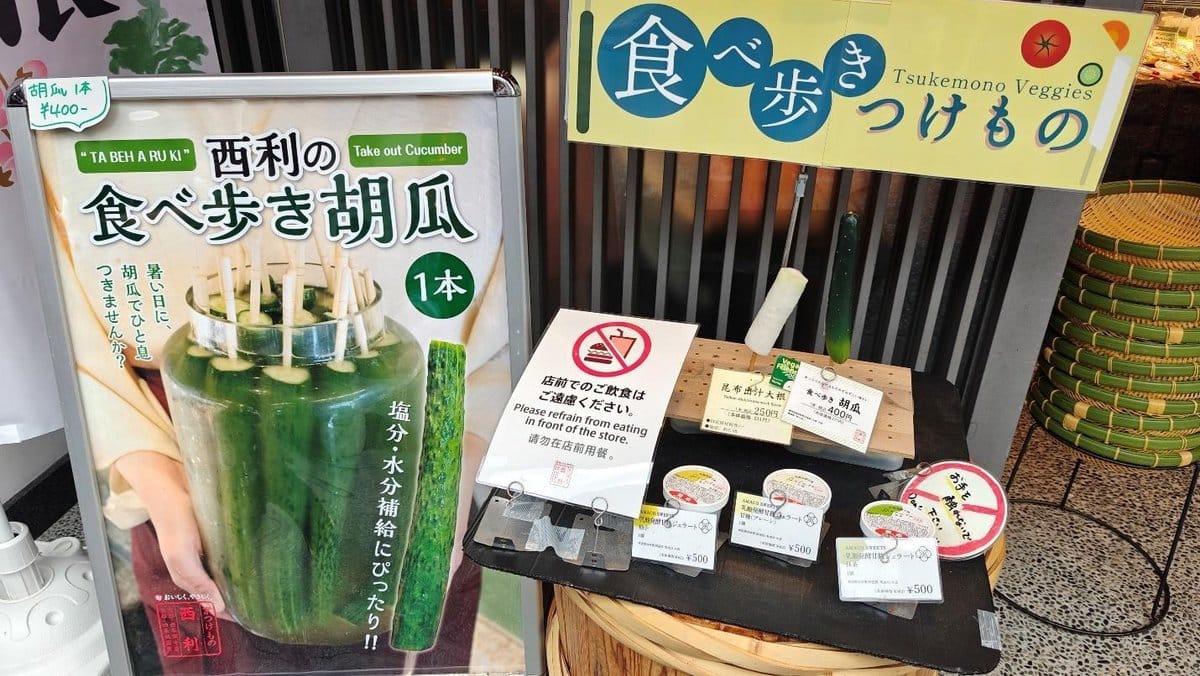
Aside from its temples and shrines, Kyoto also is known for its pickles. Known as Kyo-tsukemono, this style of pickling is said to have been heavily influenced by Buddhist shojin ryori (temple cuisine). The dried pickles in this image (as well as the takeout pickled cucumber in the next image) are all sold at a store called Nishiri just right next to Baizando.
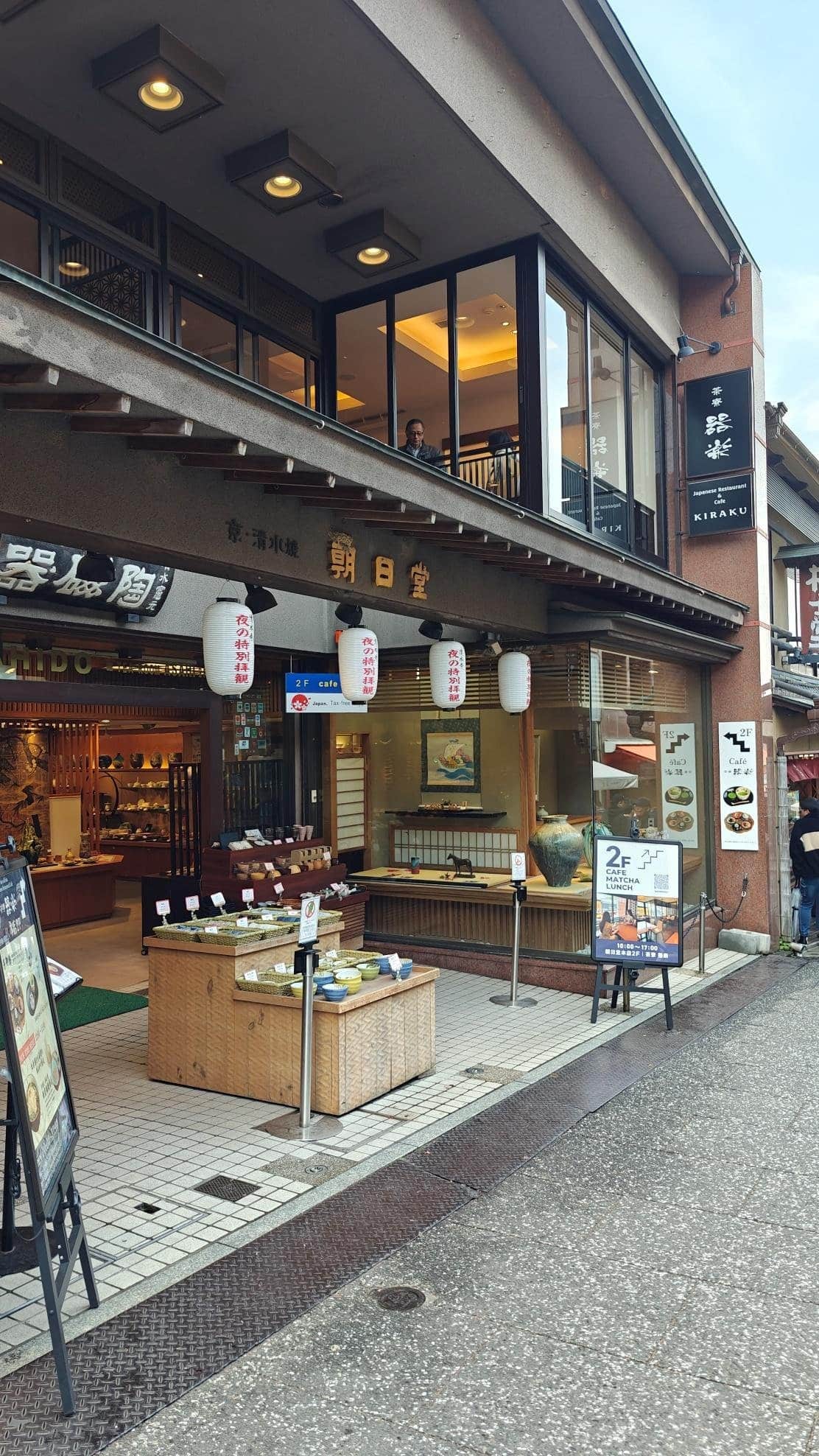
Another look at the Asahi-do Honten building. Like I said earlier, most buildings have two or more establishments sharing them. This one has a branch of a Kyoto cafe and restaurant called Kiraku on its second floor.
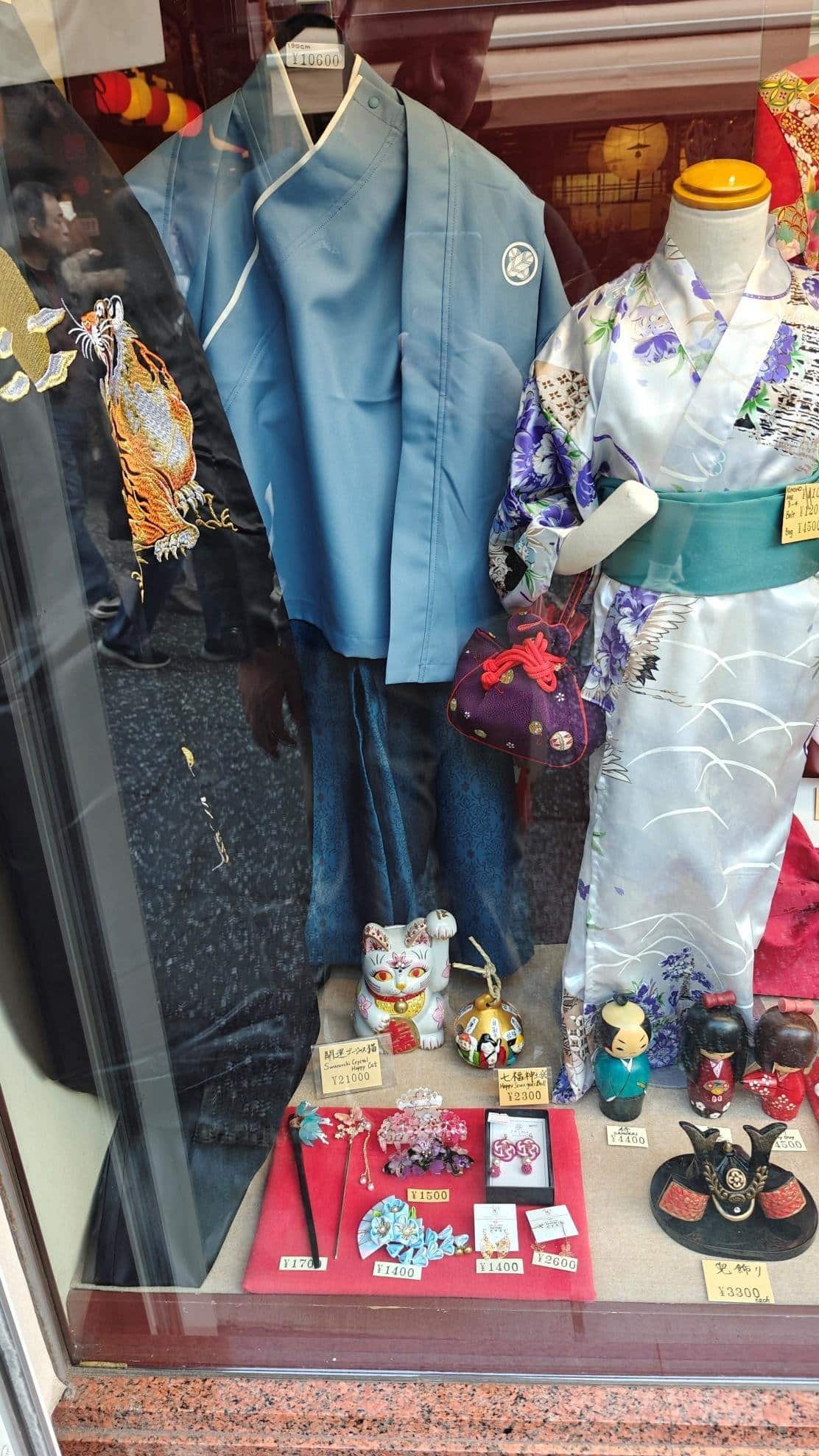
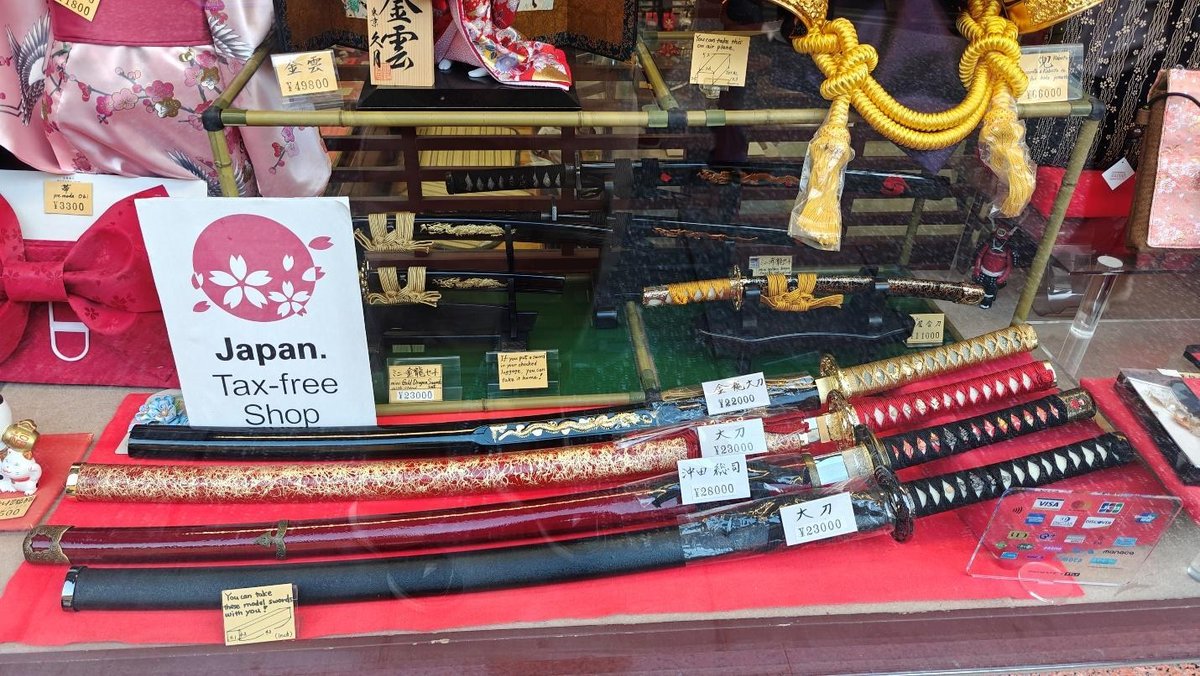
This is from the shop earlier that had really large geta (Japanese wooden sandals) on display. Called Oshido (not to be confused with Kimura Oshido), the shop is what I would call a Japanophile souvenir hunter’s paradise. Perhaps the most interesting of the items sold here are the replica swords.
Like the Asahi-do Honten building beside it, there’s a restaurant on the second floor of this one called Sakura
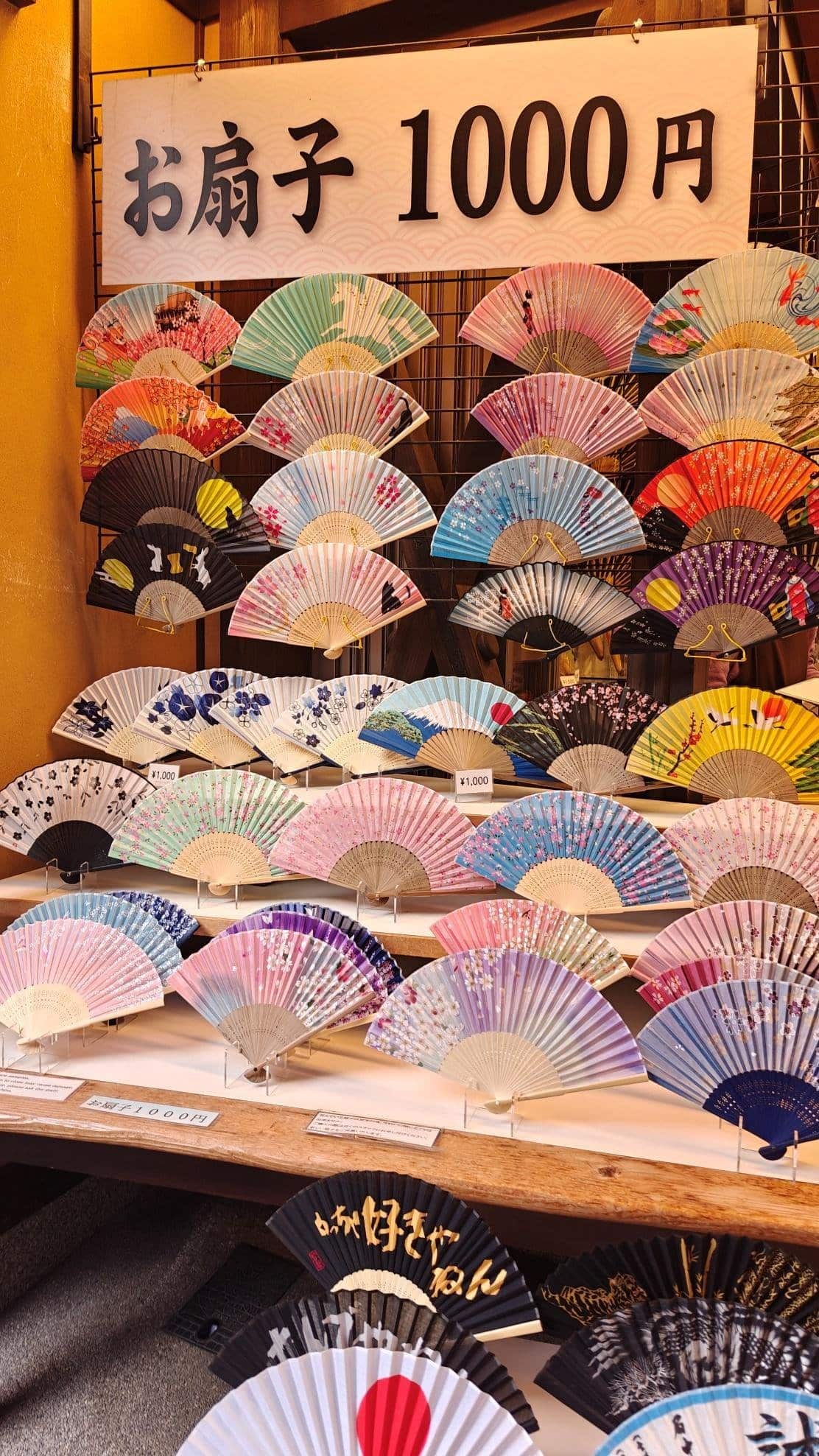
Across the street from Oshido is another store selling Kyo-sensu. What I like about these fans is that regardless of the design, each of them cost 1000 JPY. Now, most people might think that’s too much but this pricing is par for the course for these fans which I think are the mass-produced and not the handcrafted kind.
As for the exact name of the store, it only really says Sensu-ya and my phone’s translation app can’t seem to decipher the calligraphy on its sign.
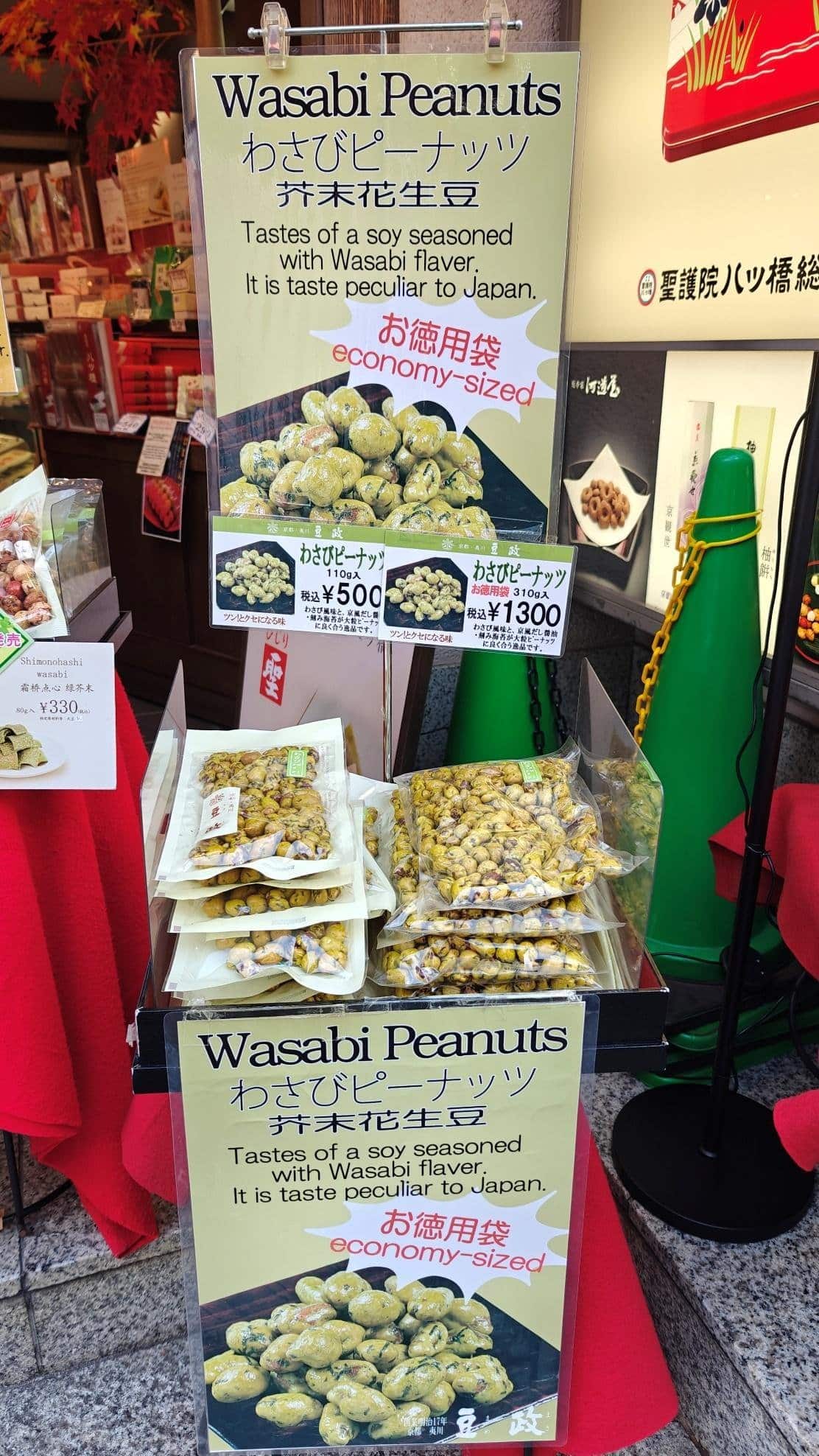
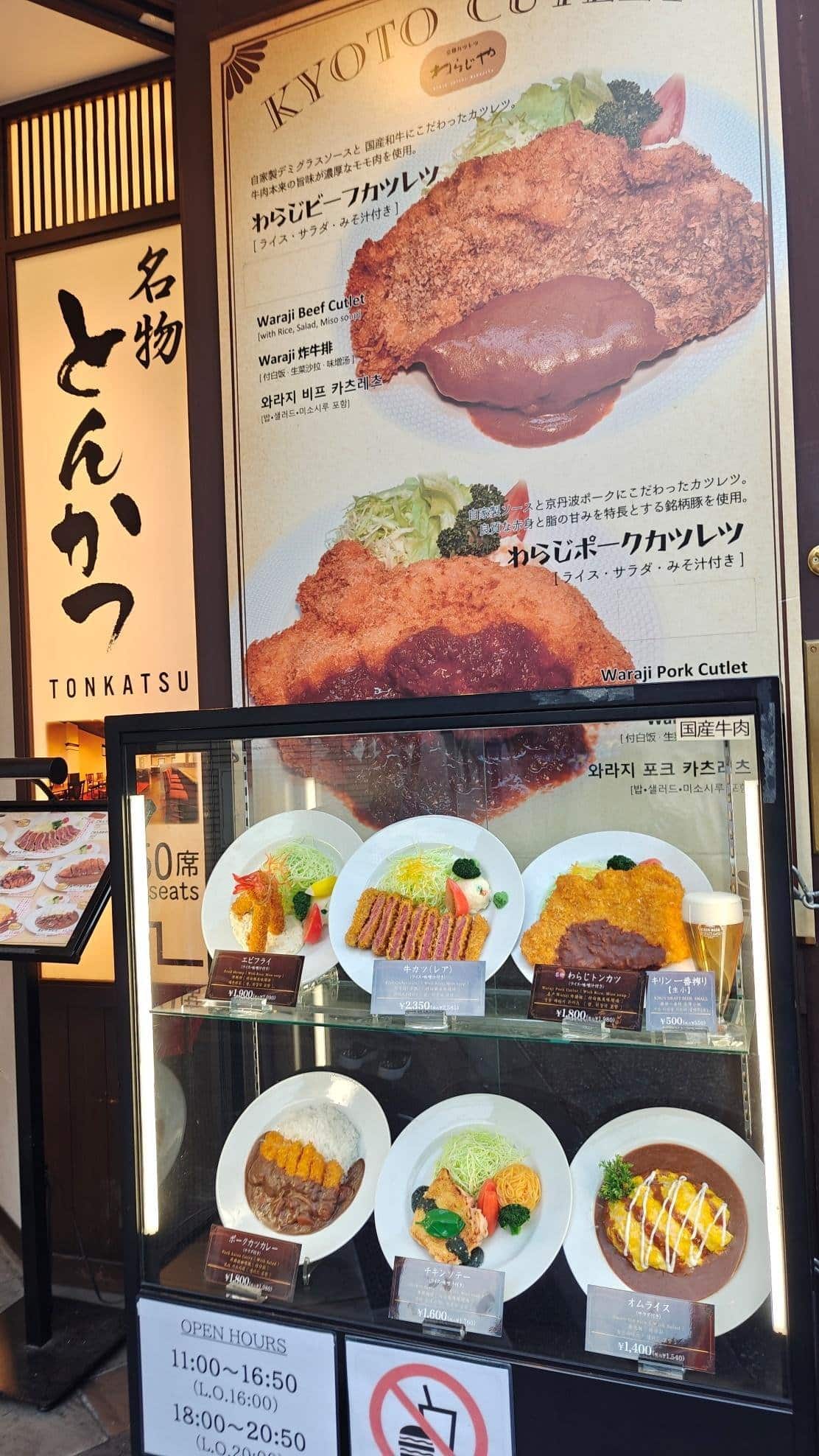
For some reason, these Shokuhin sampuru for Kyoto Cutlet Warajiya really had me salivating. At this point I’d been walking for some time and was low-key hungry. I still had to go to Sannenzaka and Ninenzaka though so I had to put off going up to the second floor where the restaurant was.
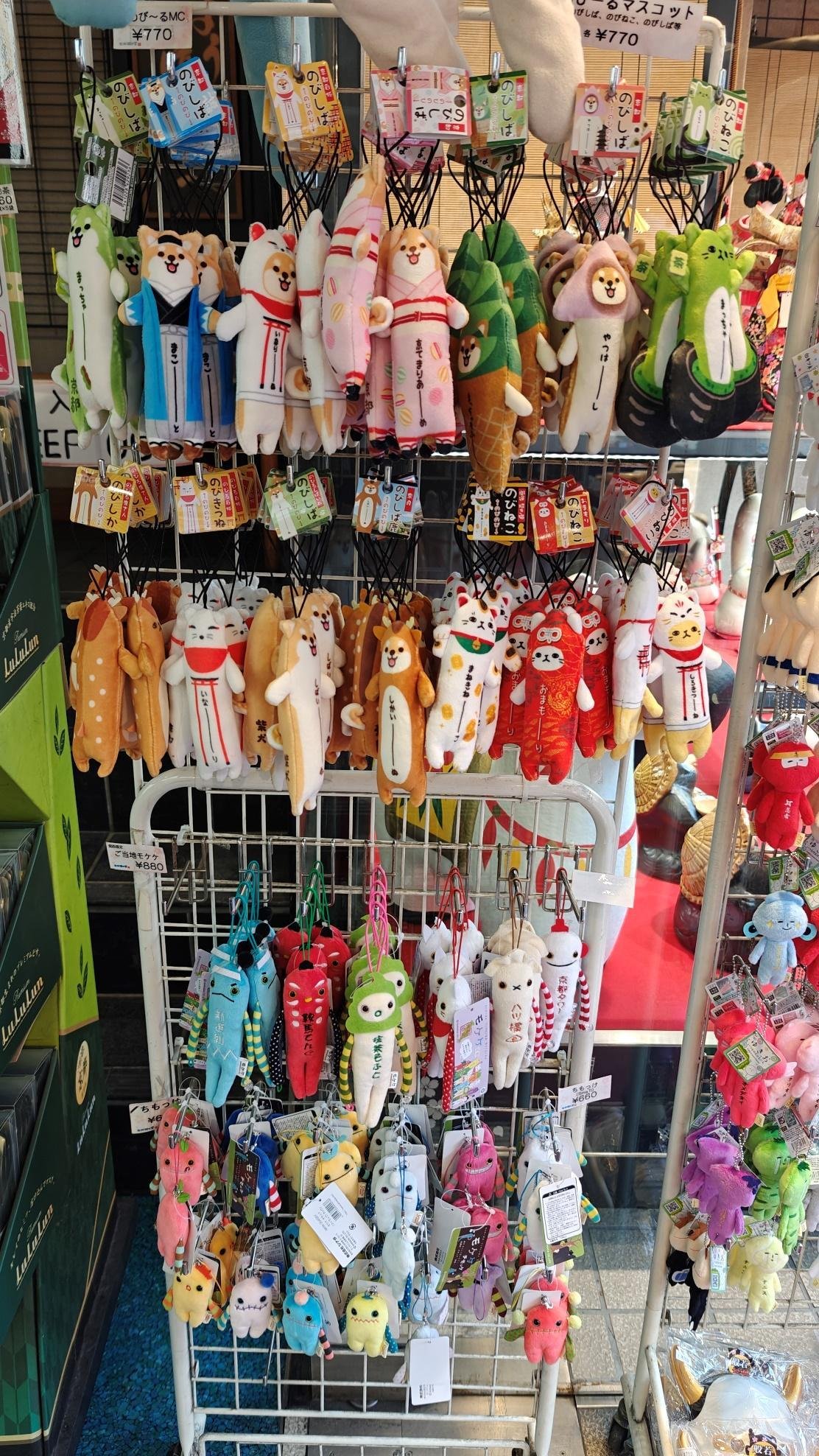
On the opposite side of the street from the Kyoto Cutlet Waraji building you’ll find two other souvenir shops. One is another branch of Baizando while the other is called Chujo Shiyozan. The items sold at Chujo Shiyozan’s seemed more interesting though with the gold maneki-neko with oversized and muscular hands getting a solid laugh from me.
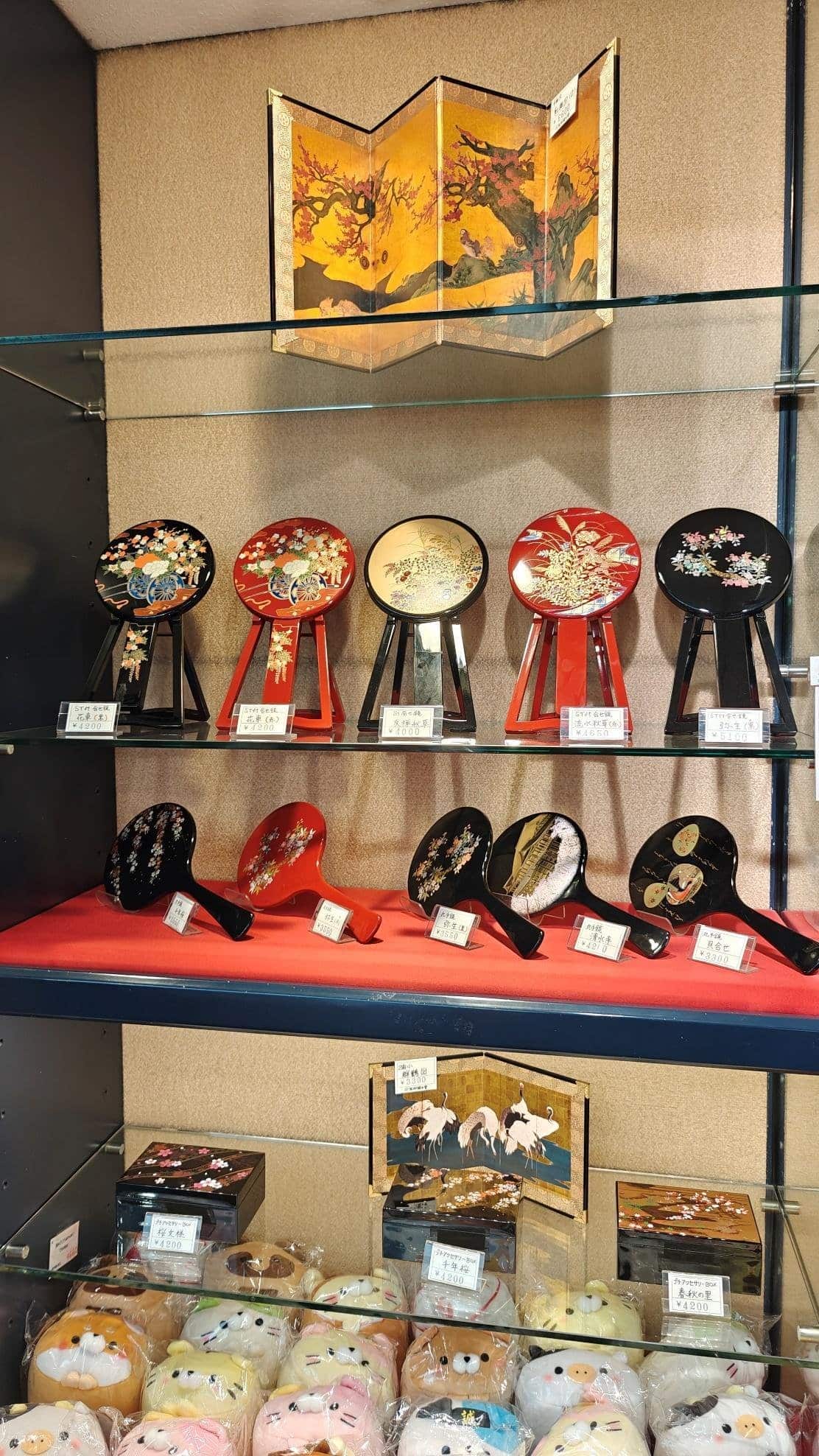
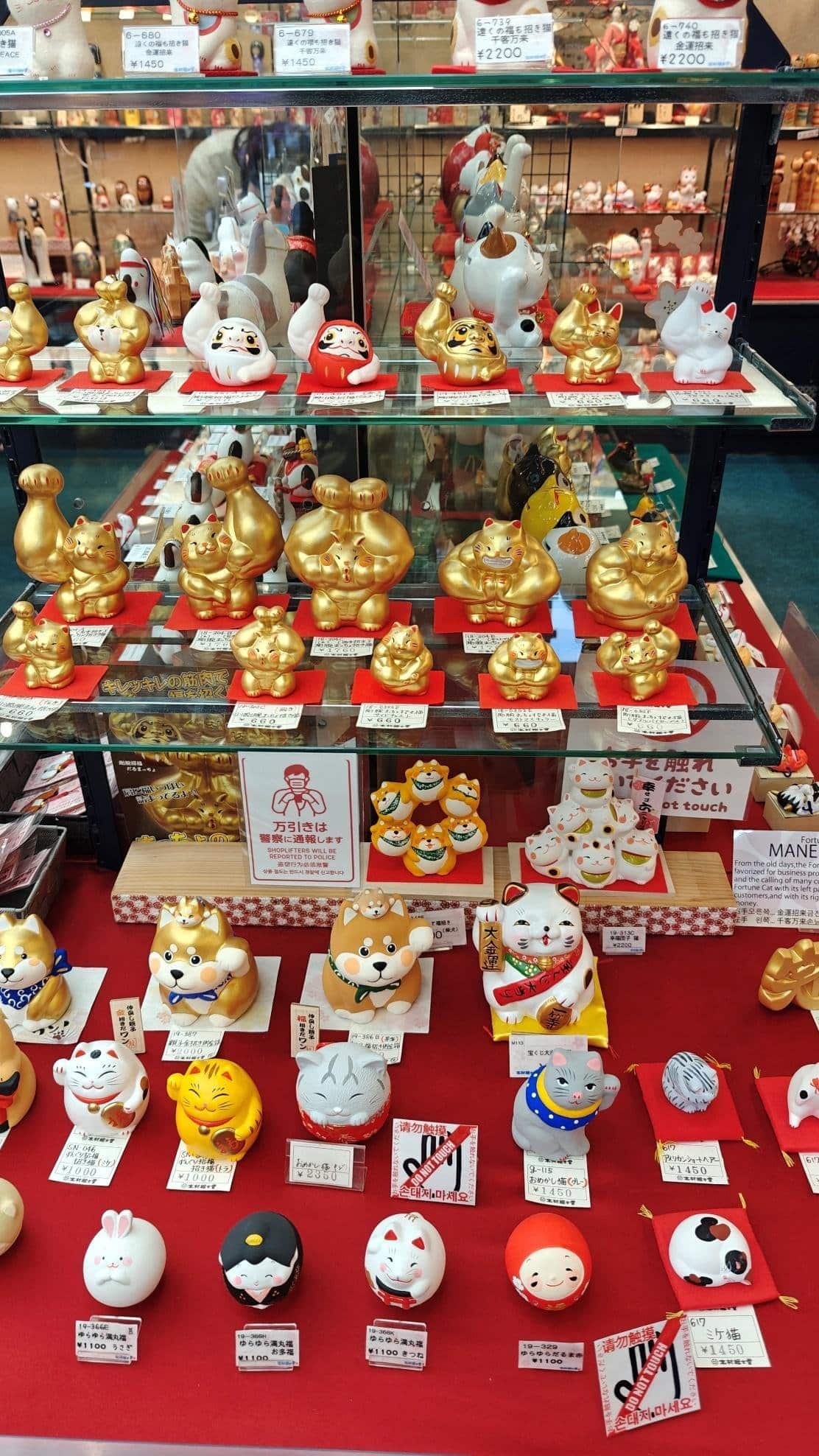
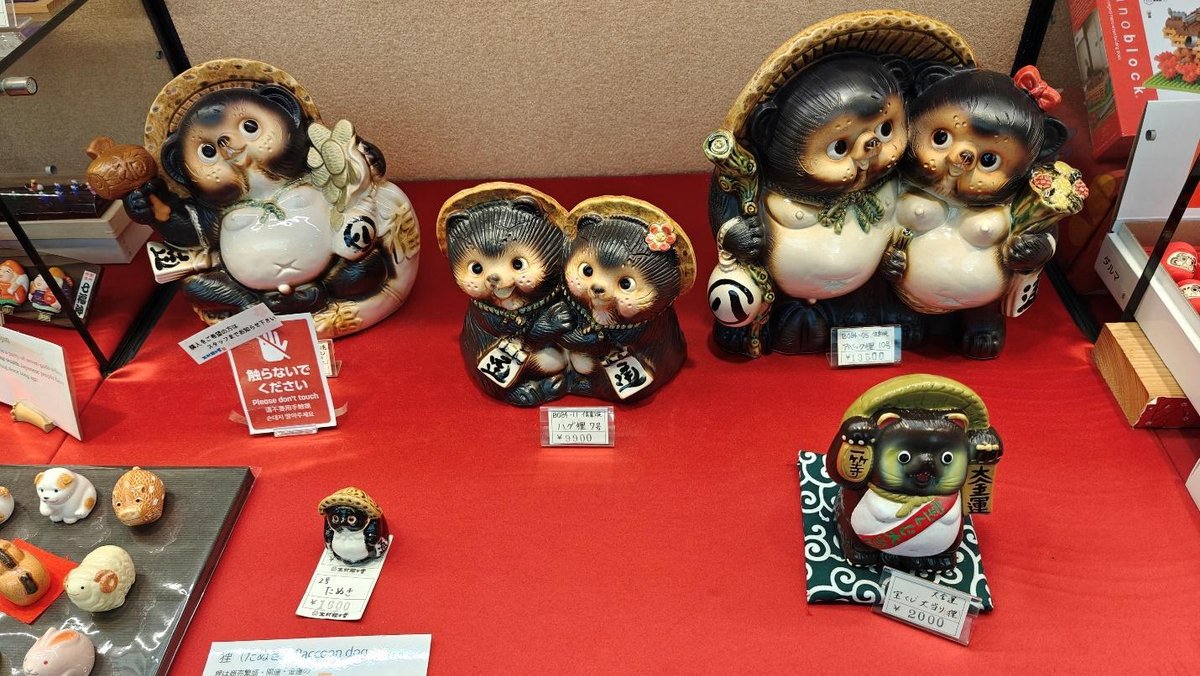
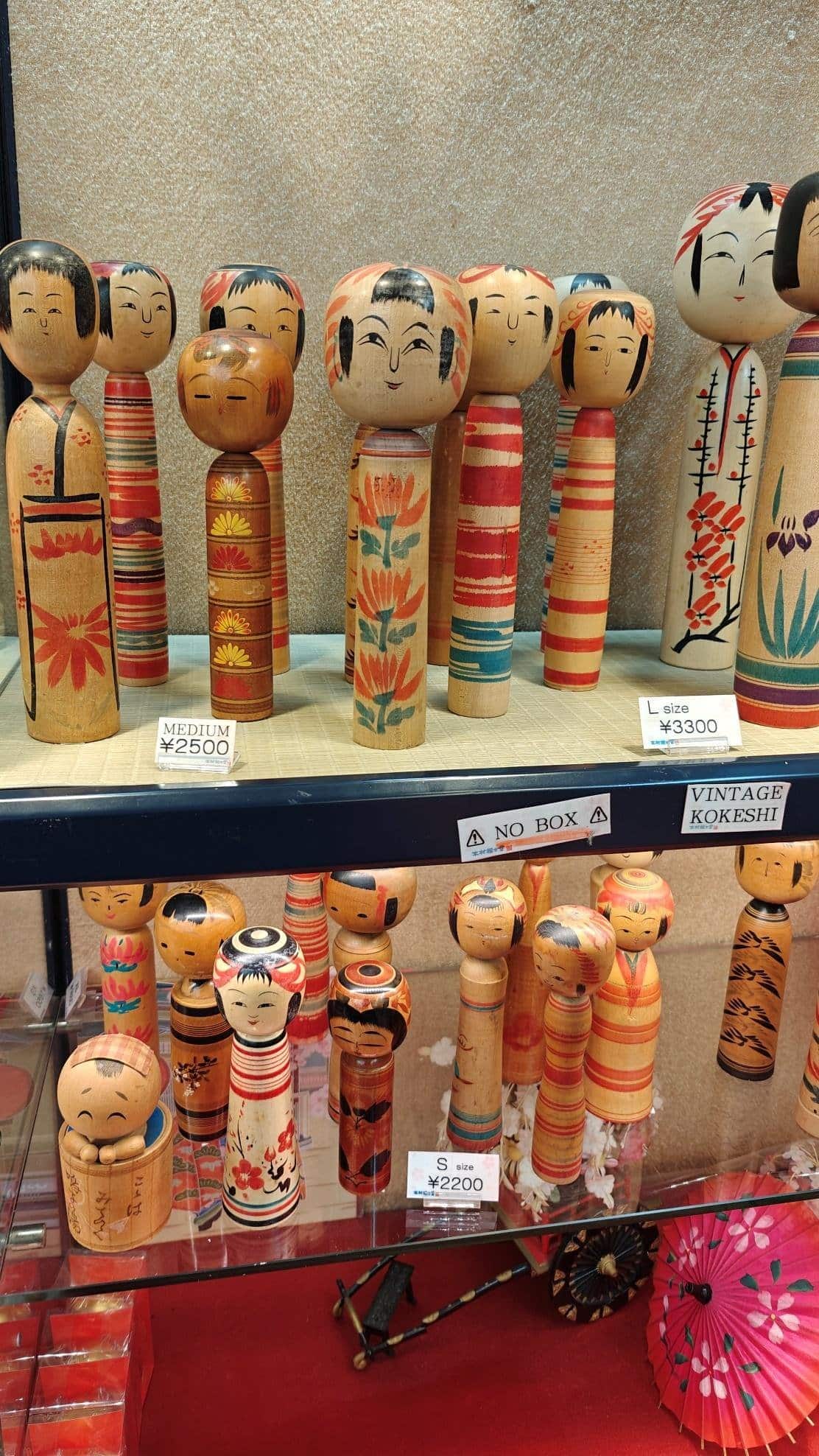
So these are what traditionally made kokeshi dolls look like. I’m not sure if they’re collectibles but I will say that they have a certain rustic charm that the modern kokeshi dolls from earlier lacked. Moreover, they’re also about 50% cheaper and I’d wager, are more ecologically friendly.
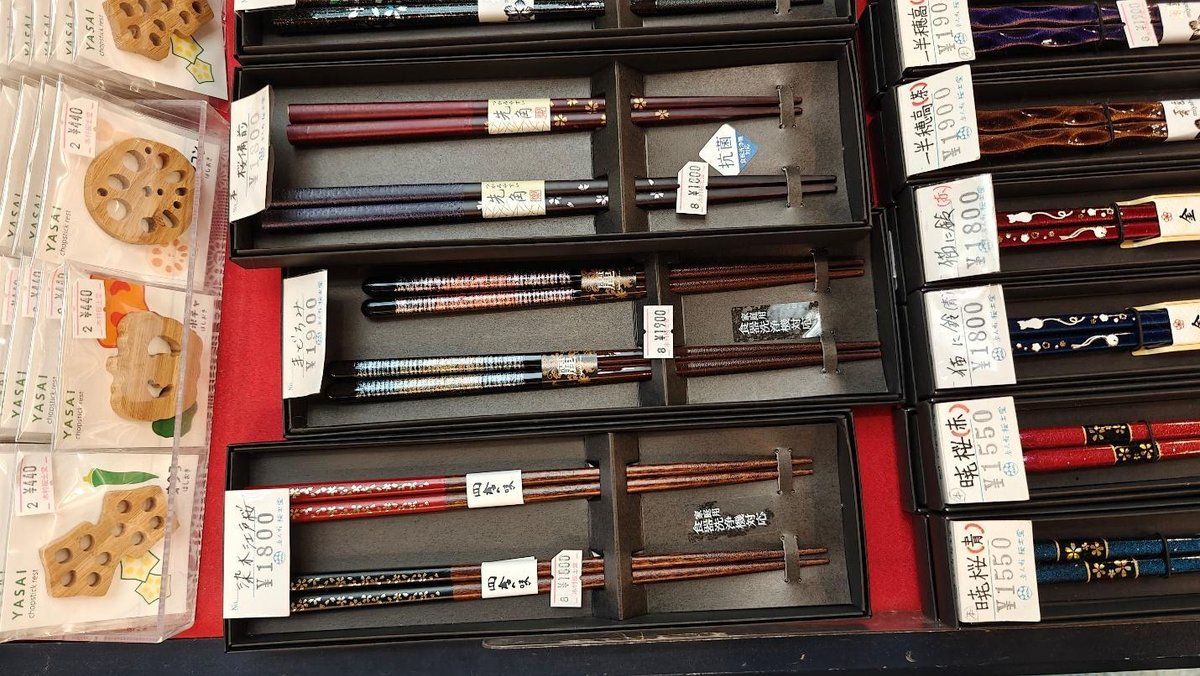
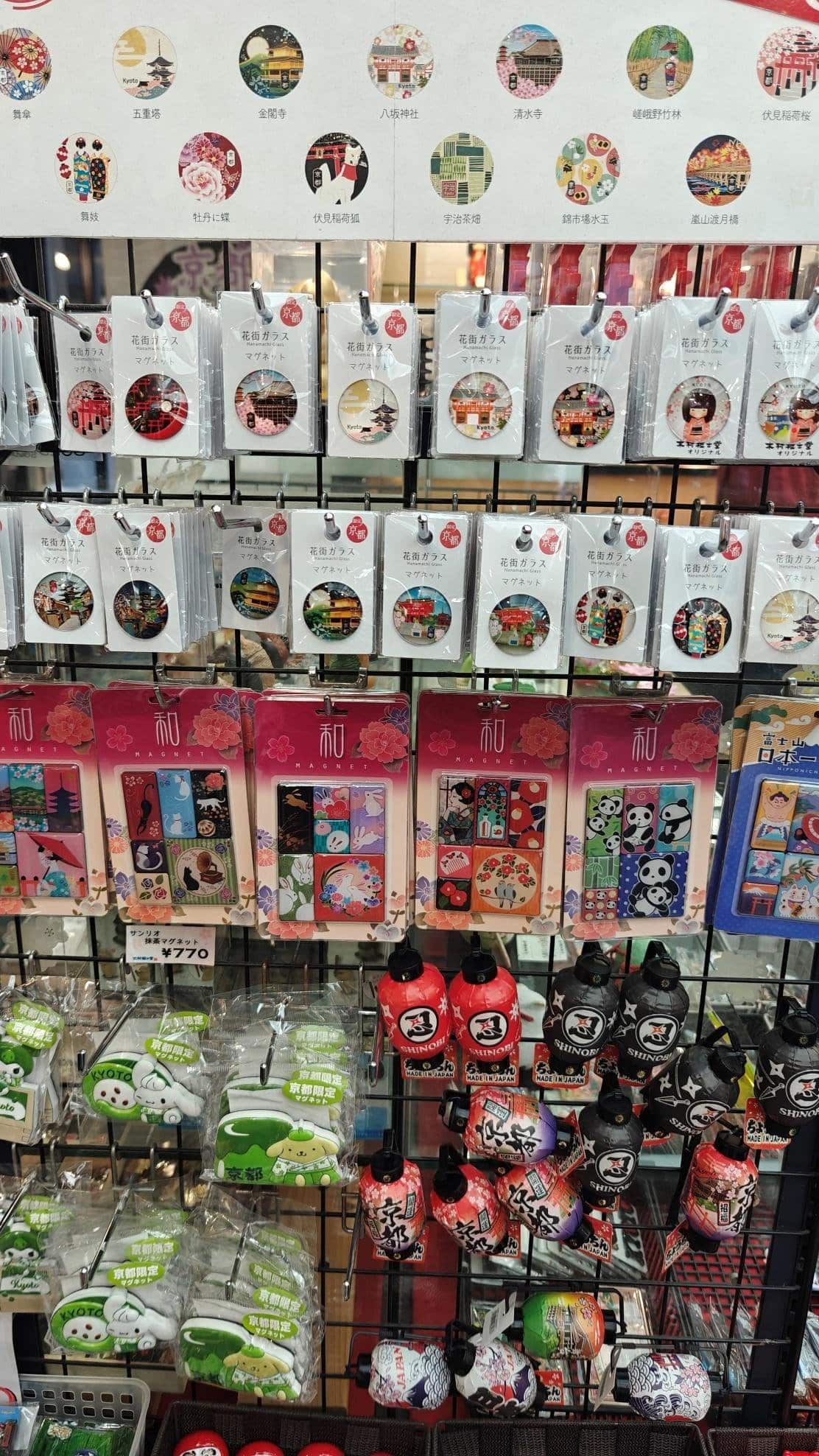
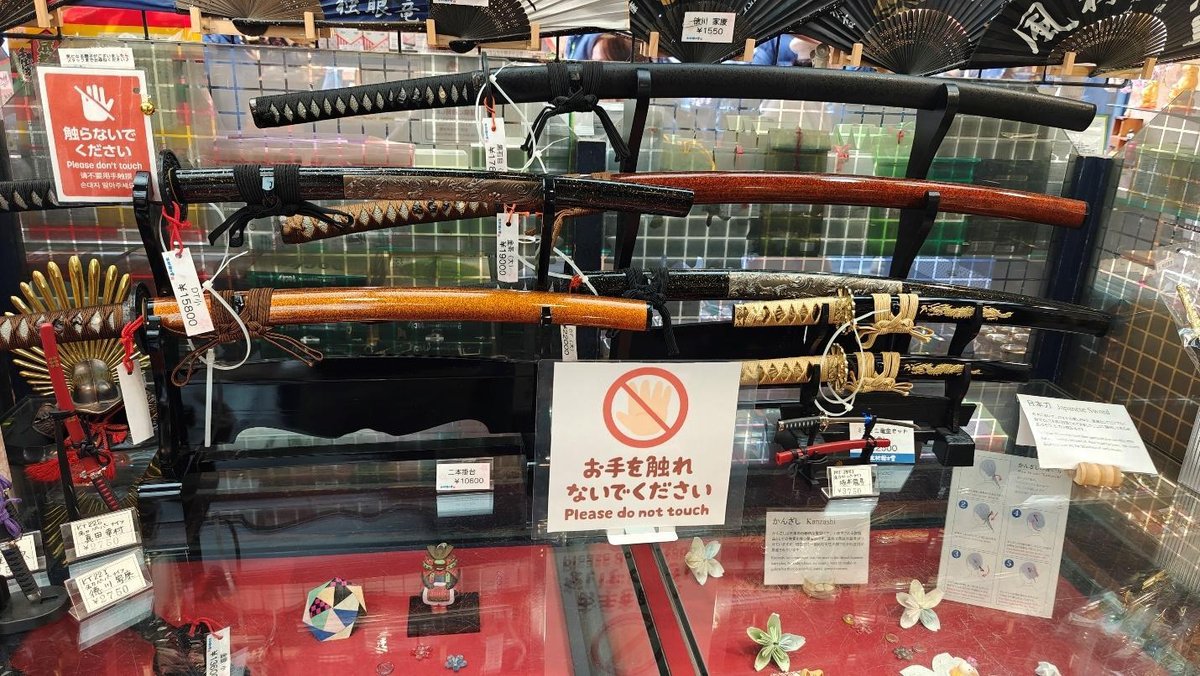
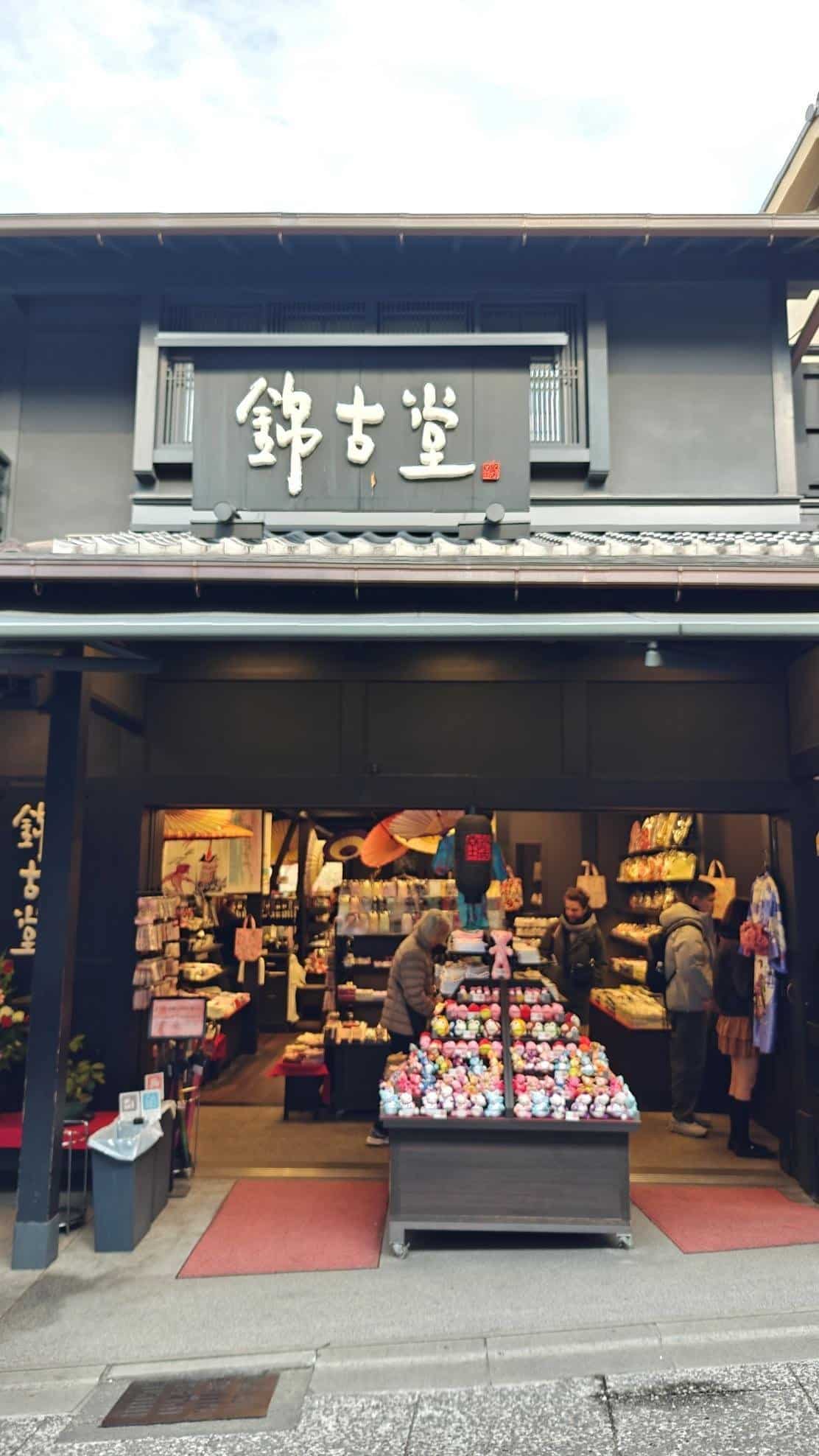
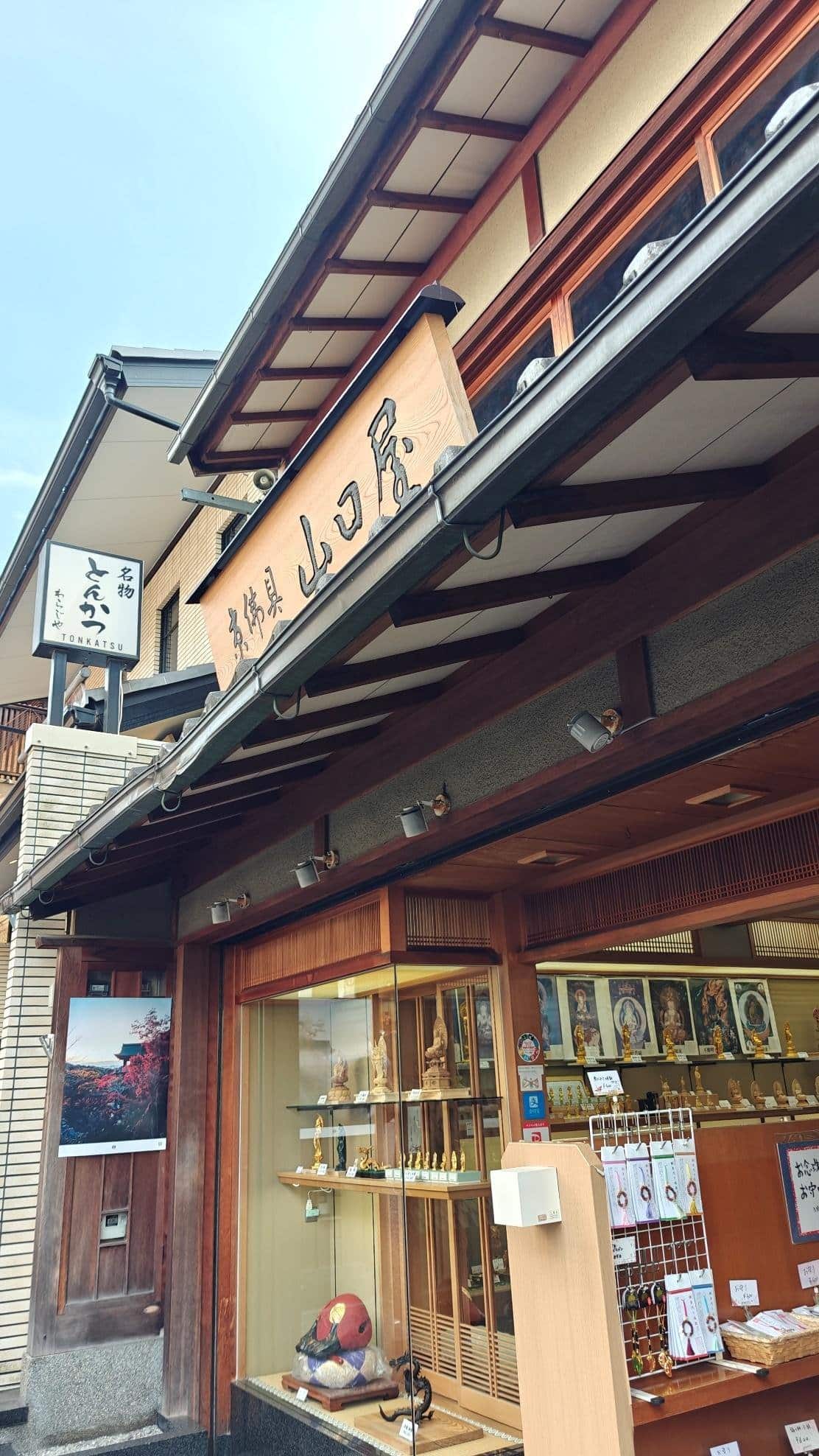
Beside the Kyoto Cutlet Warajiya building is this Buddhist supplies store called Yamaguchiya that sells mokugyo (“wooden fish” drum for Buddhist chants as well as small statues of the Buddha and bodhisattvas). Next to this, you’ll find a restaurant cafe called Kiyomizu Kyoami which has some mouthwatering pastries as well as refreshing green tea.
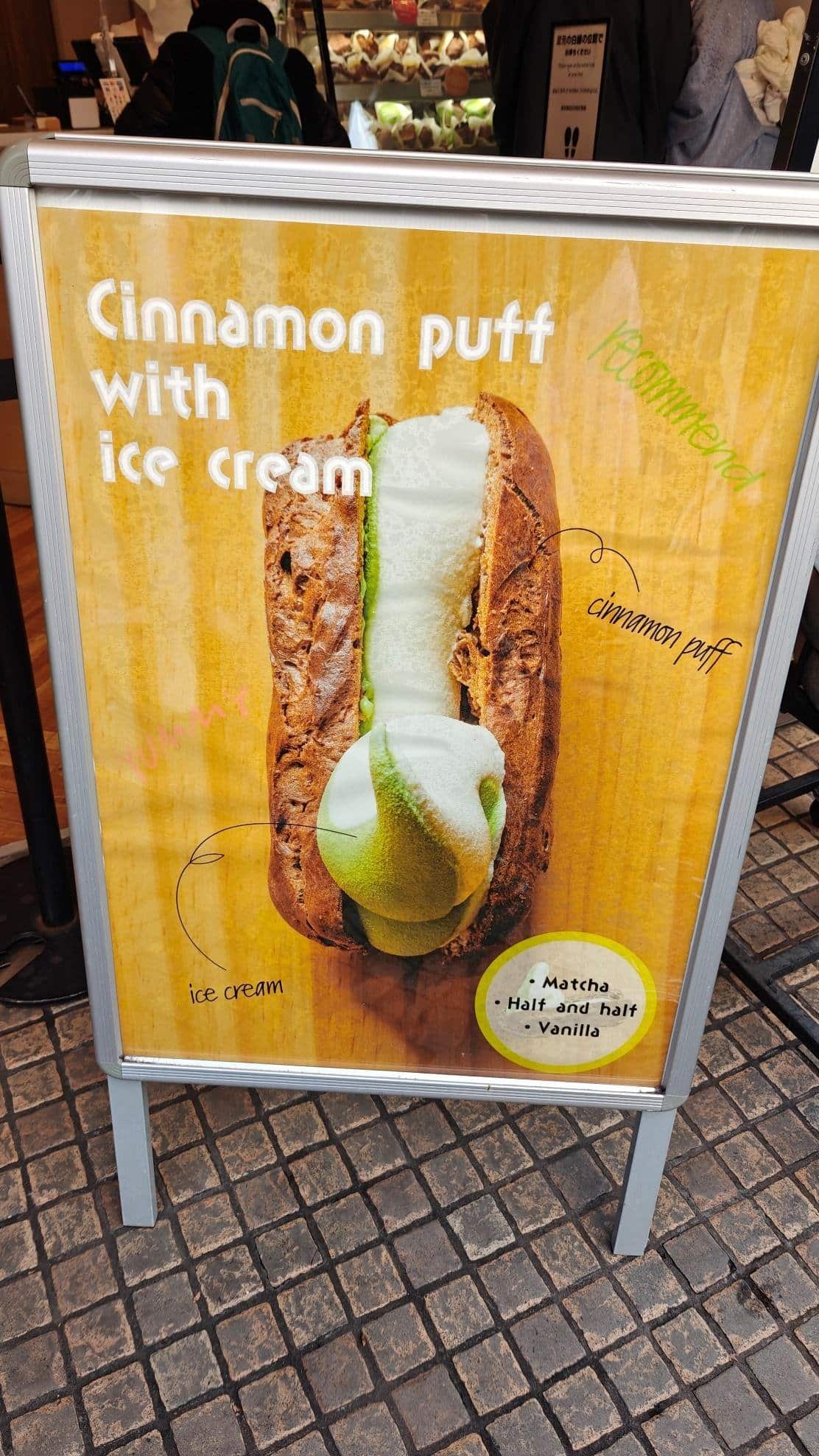
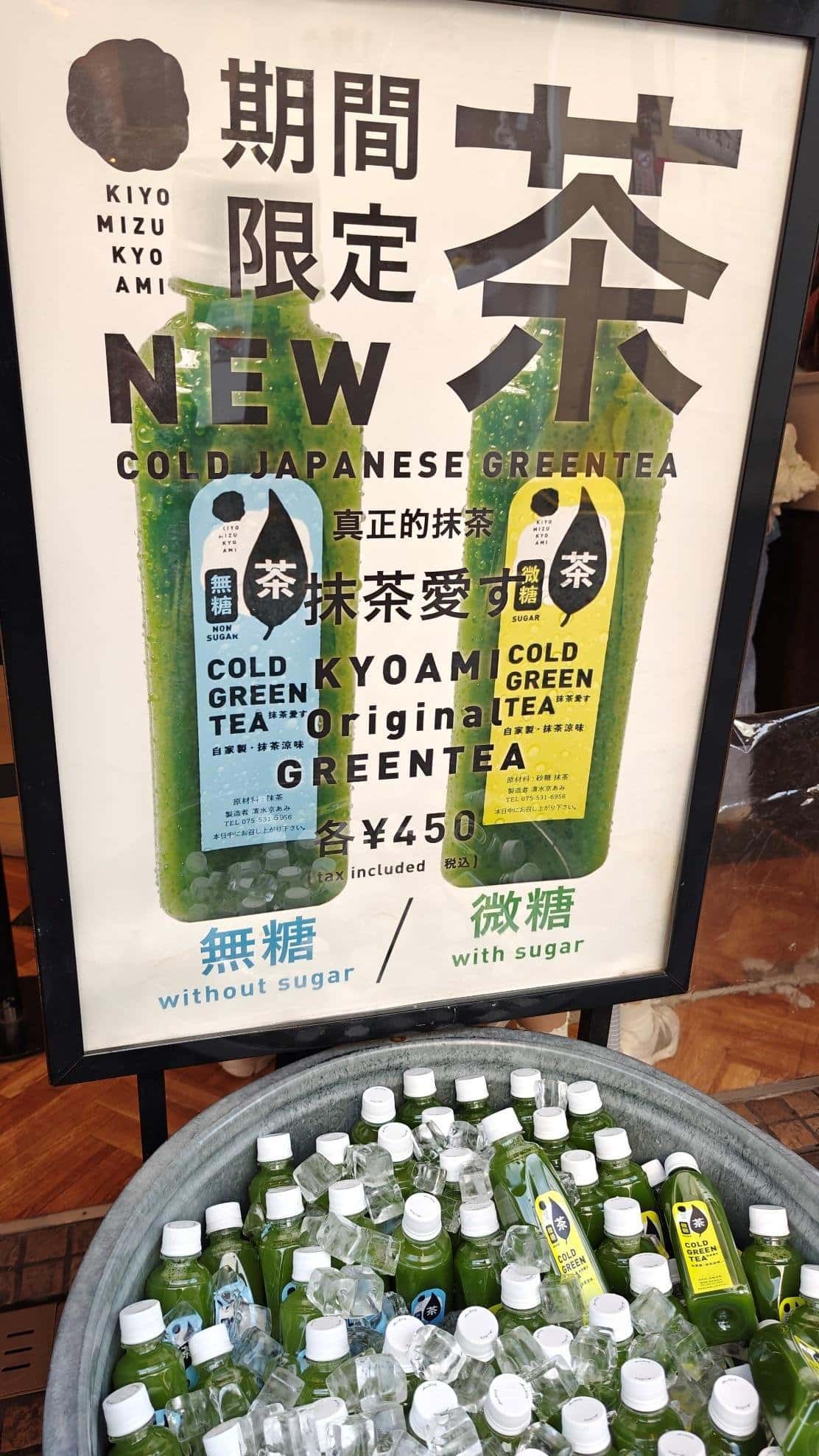
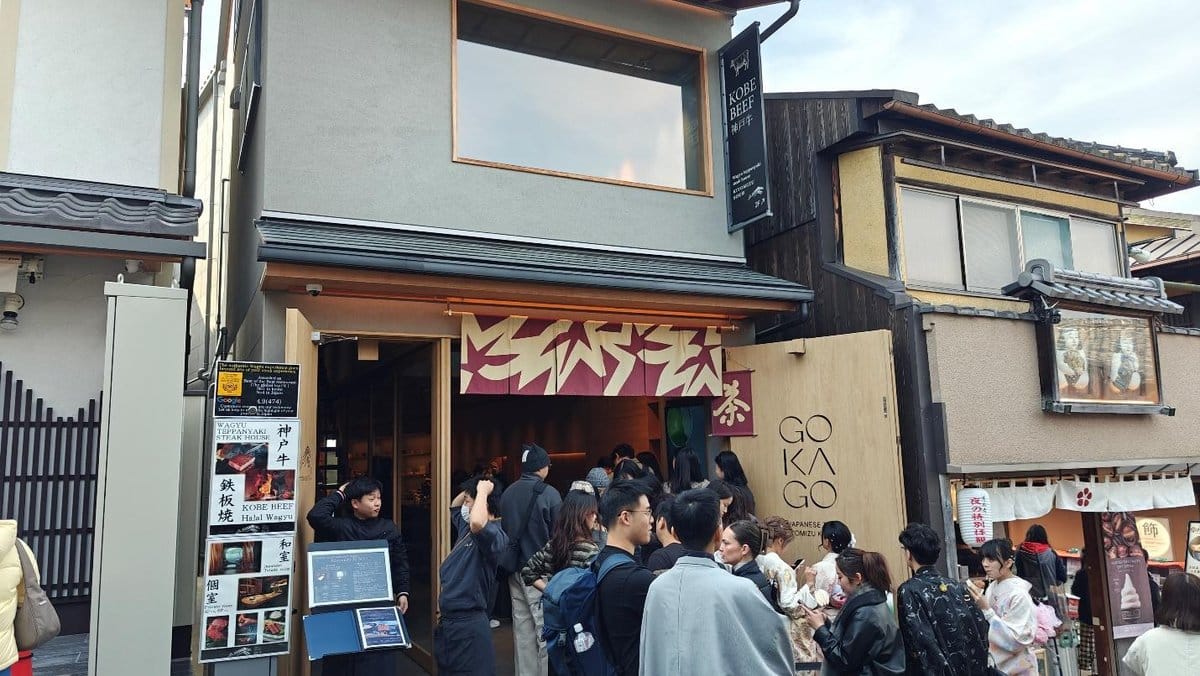
Here you’ll find a building housing two high rated establishments in the area. On the first floor is a cafe called GOKAGO that serves tea-centric items such as Extra Rich Matcha Latte and Hojicha Ice Cream. Go up to the second floor at Wagyu Teppanyaki Steakhouse Kiyomizu SOU if you’re craving wagyu.
Just make sure to not blow out your budget here though as the beef can get pretty expensive (though it’s said to be very much worth it if you believe the reviews)
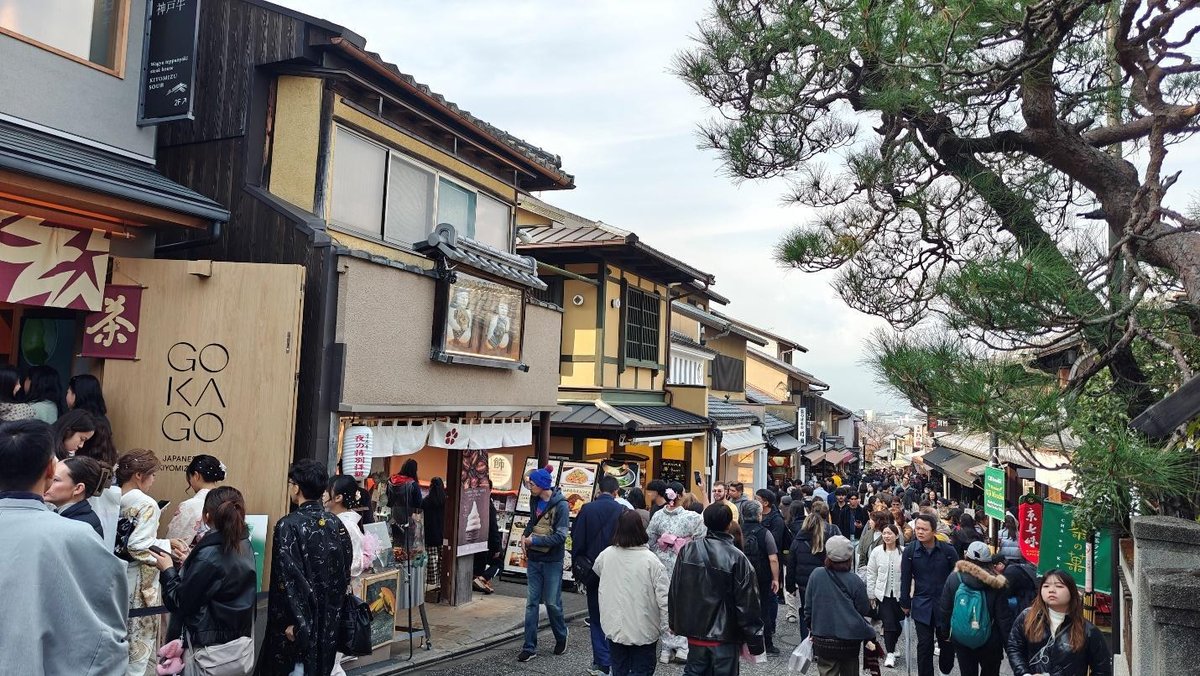
From this area, you can see just how busy Kiyomizu-zaka is. It’s even more impressive that this is an off-peak season crowd. Just imagine how packed the whole place is in mid-November.
Check that, you actually won’t need to imagine that you can see Sannenzaka and Ninenzaka just brimming with people in later pictures.
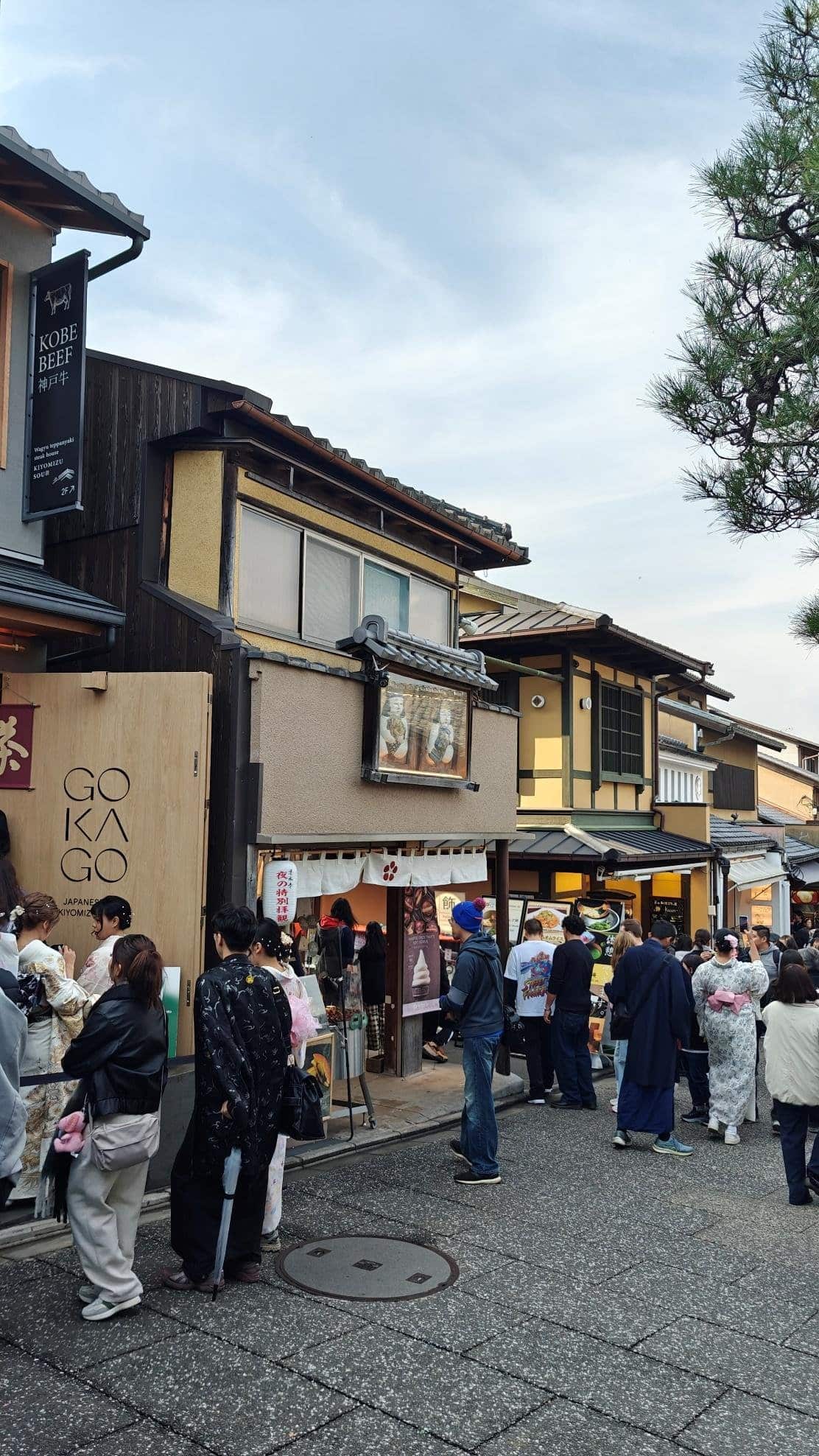
One thing that I also really liked here were the people strolling around and wearing yukata. There are actually shops here that rent them out but I heard that they take a while to put on (around 5-15 minutes). If I get fortunate enough to return, I just might decide to rent one out and experience these historic streets in them.
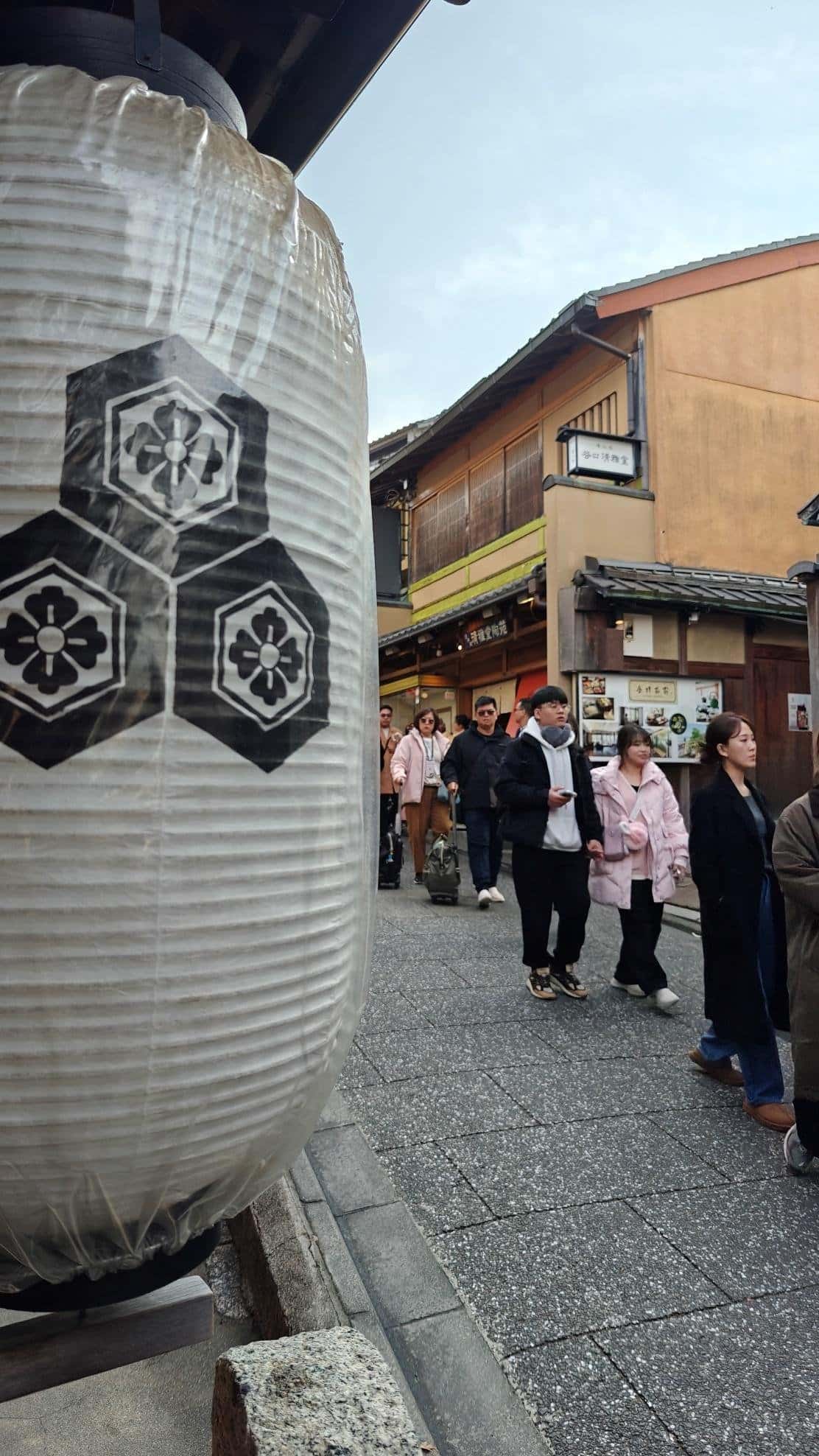
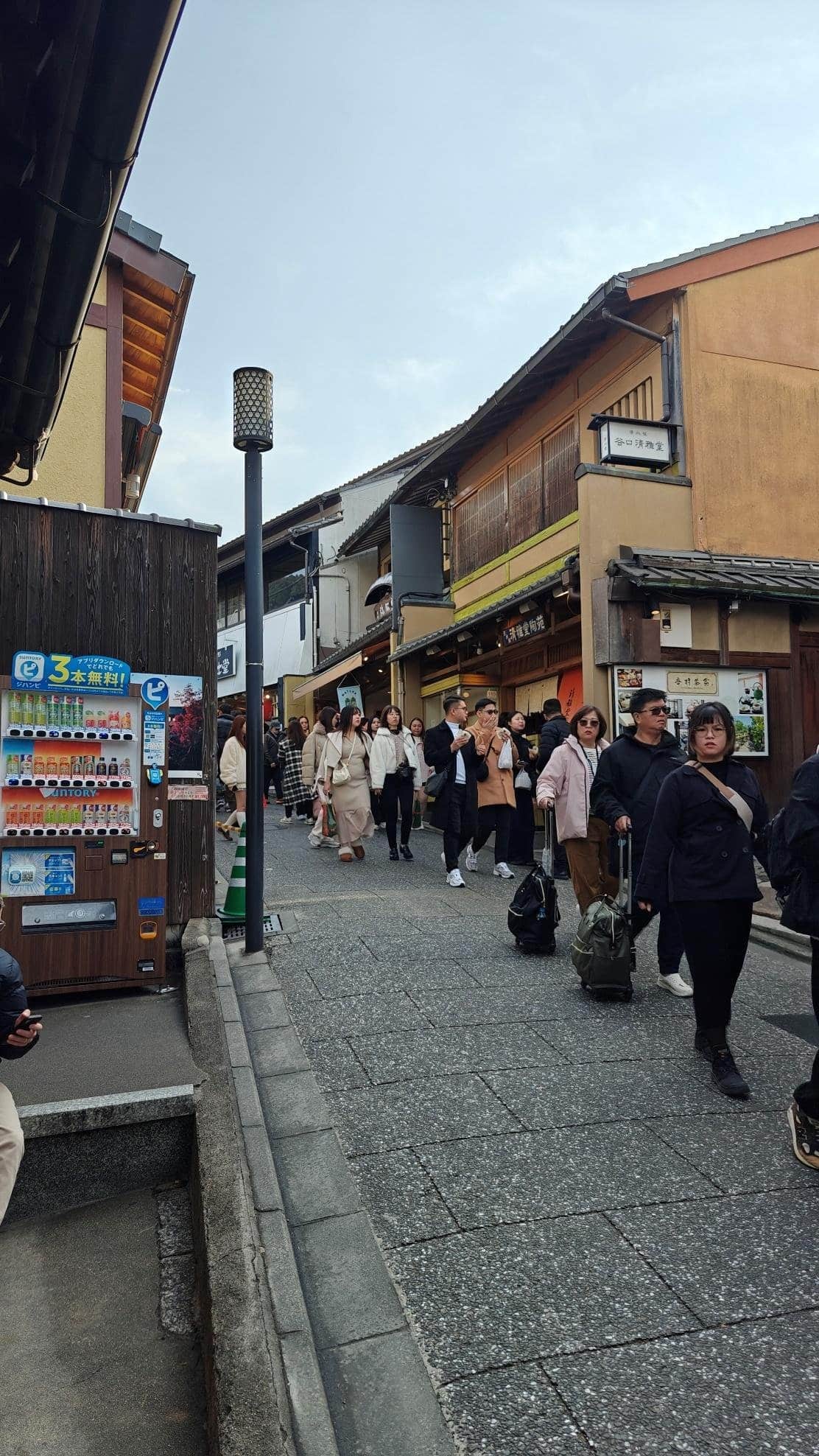
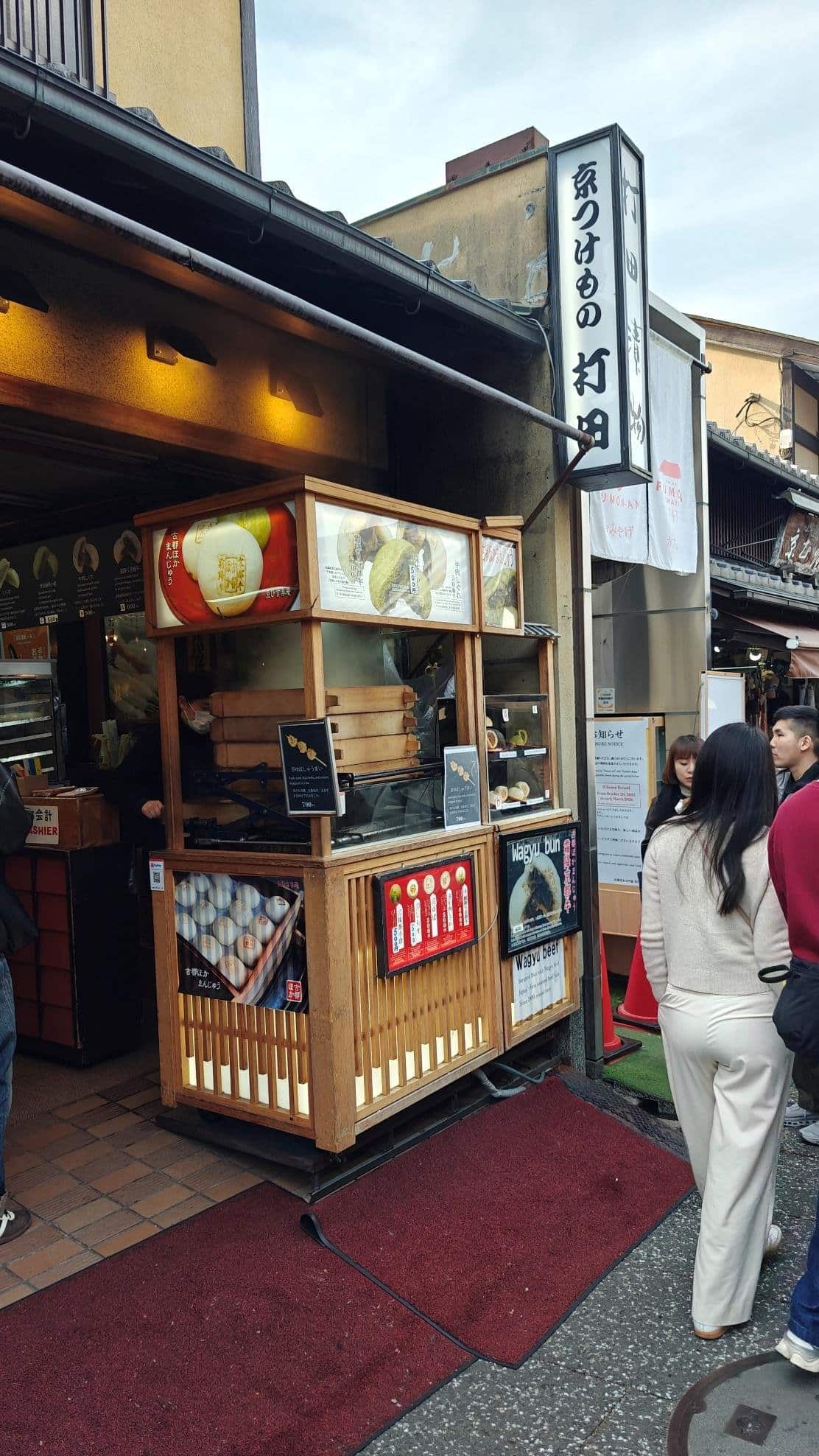
Oh look, we're back at the stall selling Wagyu beef buns. This only means that we’re close to Sannenzaka. Now if you haven't eaten yet and you're already at this point then I really suggest you have something to eat first.
The Sannenzaka and Ninenzaka Paths are a little longer than Kiyomizu-zaka and more importantly, they're quite narrow. This means that foot traffic can oftentimes be really slow.
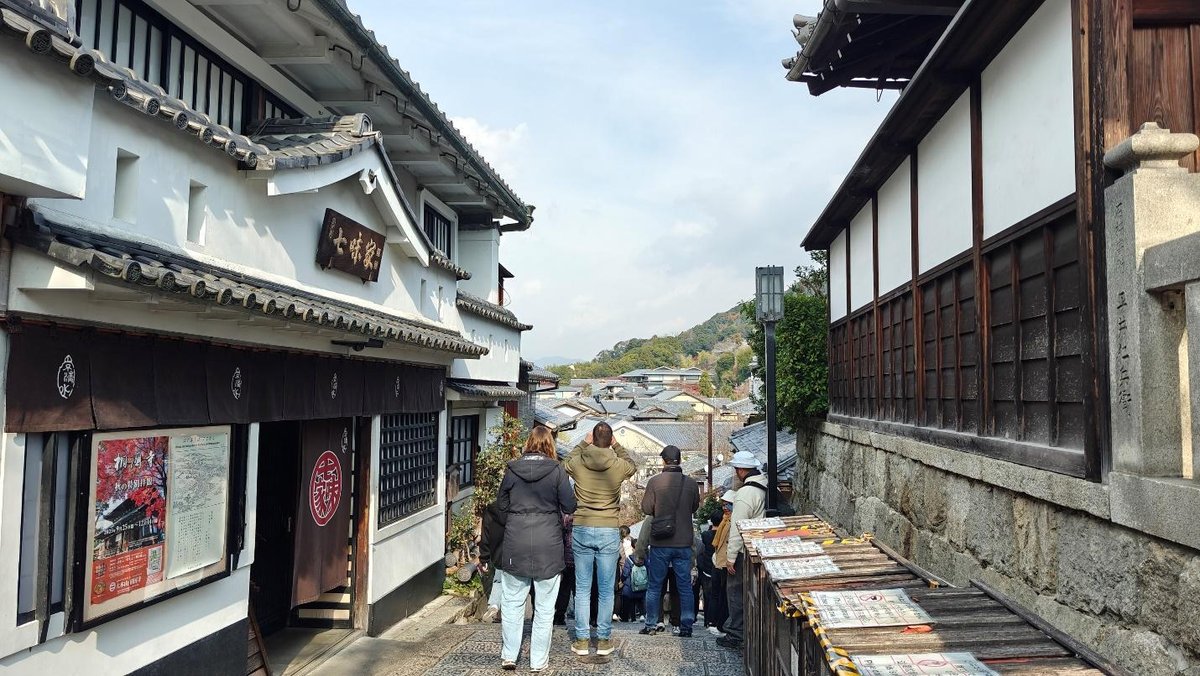
So this is what the start of the Sannenzaka Path looks like. As you've probably noticed, the path is really narrow. When I saw this I initially thought that it would be a relaxing walk…
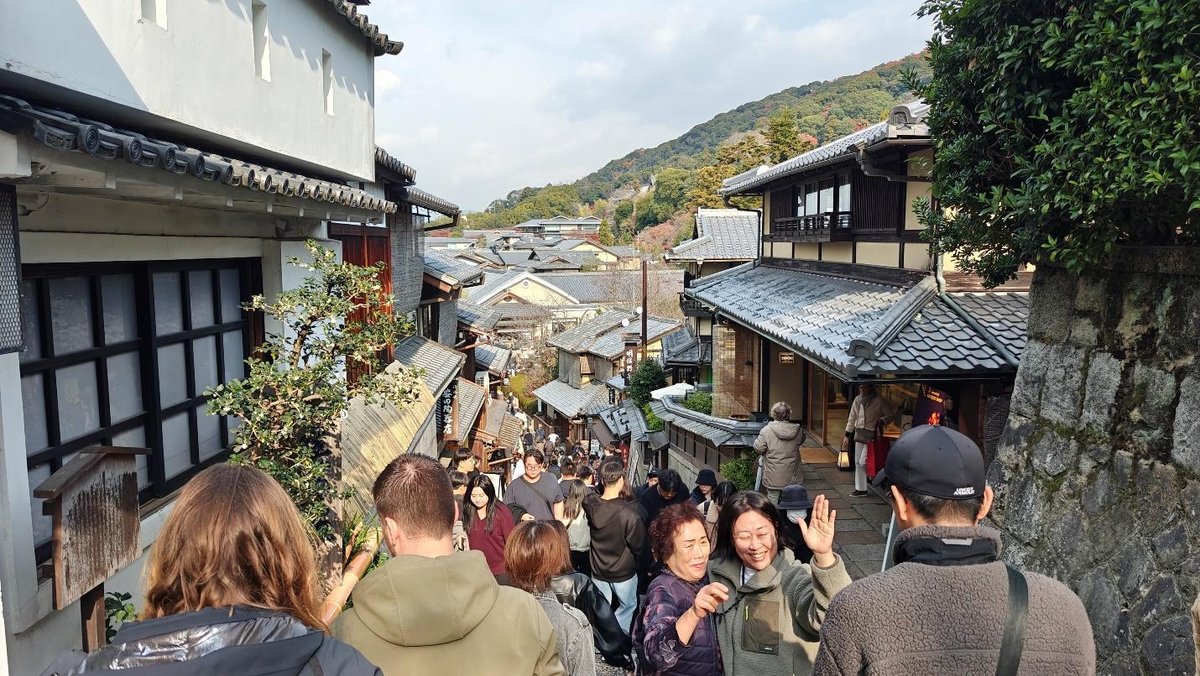
Those initial impressions vanished once I got to the stairs and saw the crowd below. It wasn't total chaos but there were really plenty of people. Like I said earlier, the narrow path makes foot traffic really slow and oftentimes you'll see people posing for pictures and holding it up more.
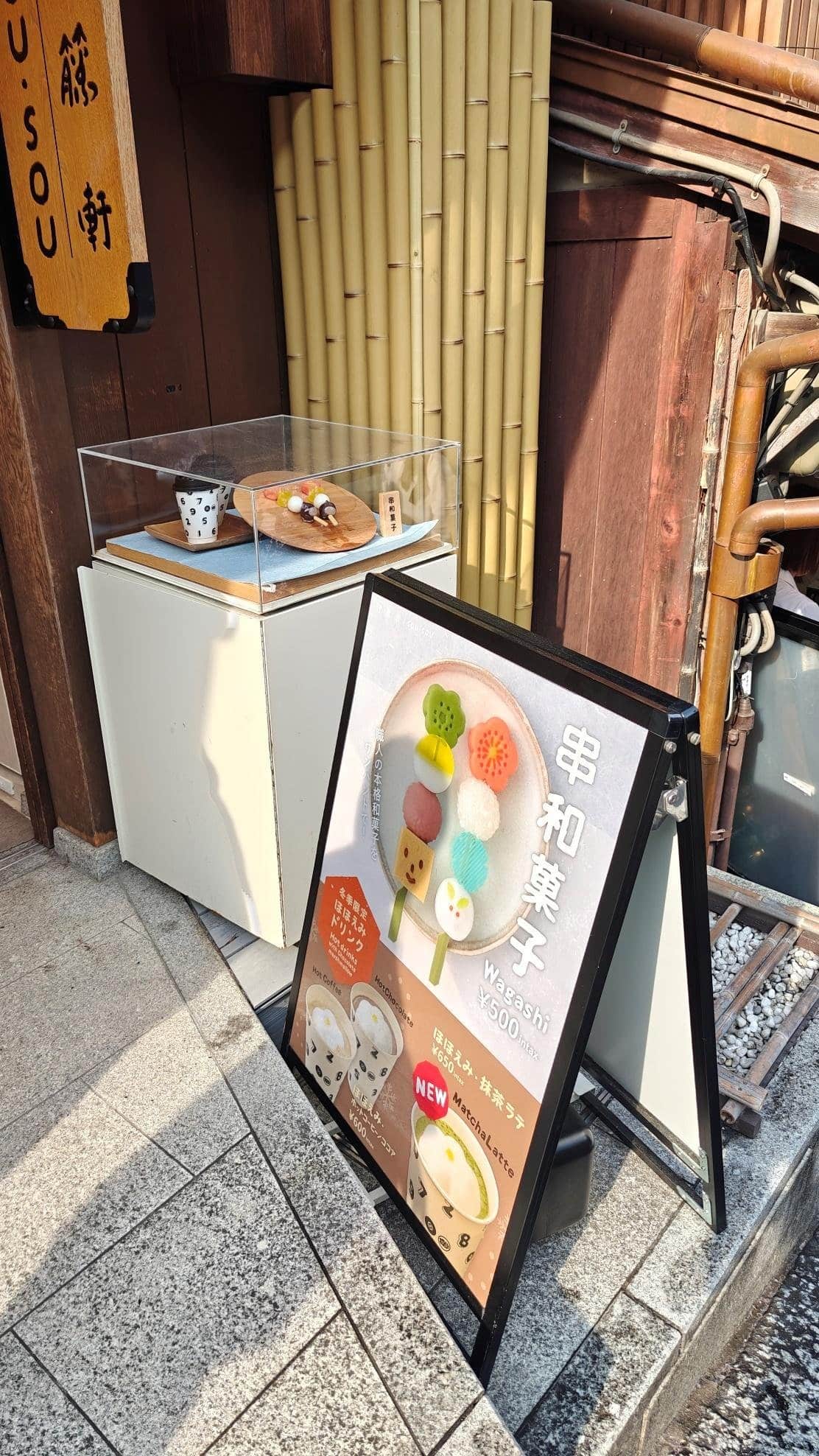
Anyway, if the crowds really bother you then there are a number of establishments here that you could rest in. For example, this Itoken x SOU * SOU store that you'll find to your left as you're going down has these super cute wagashi and Matcha Latte drinks.
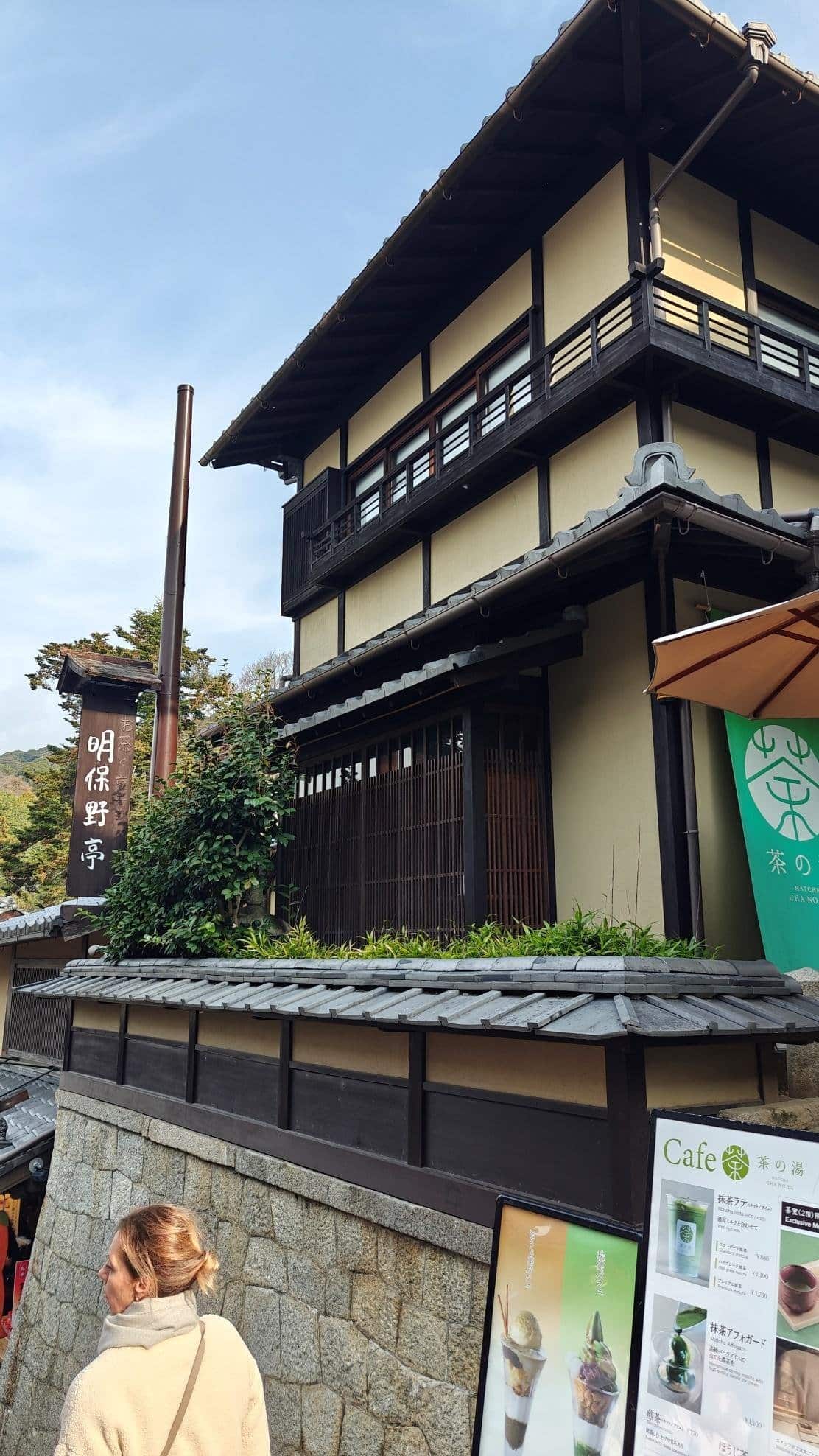
Across the path from Itoken SOU * SOU is another of the many well-preserved machiya here in Sannenzaka. If I'm not mistaken, this one has a store selling Japanese antiques like samurai armor, coins, and kyo-yaki among others.
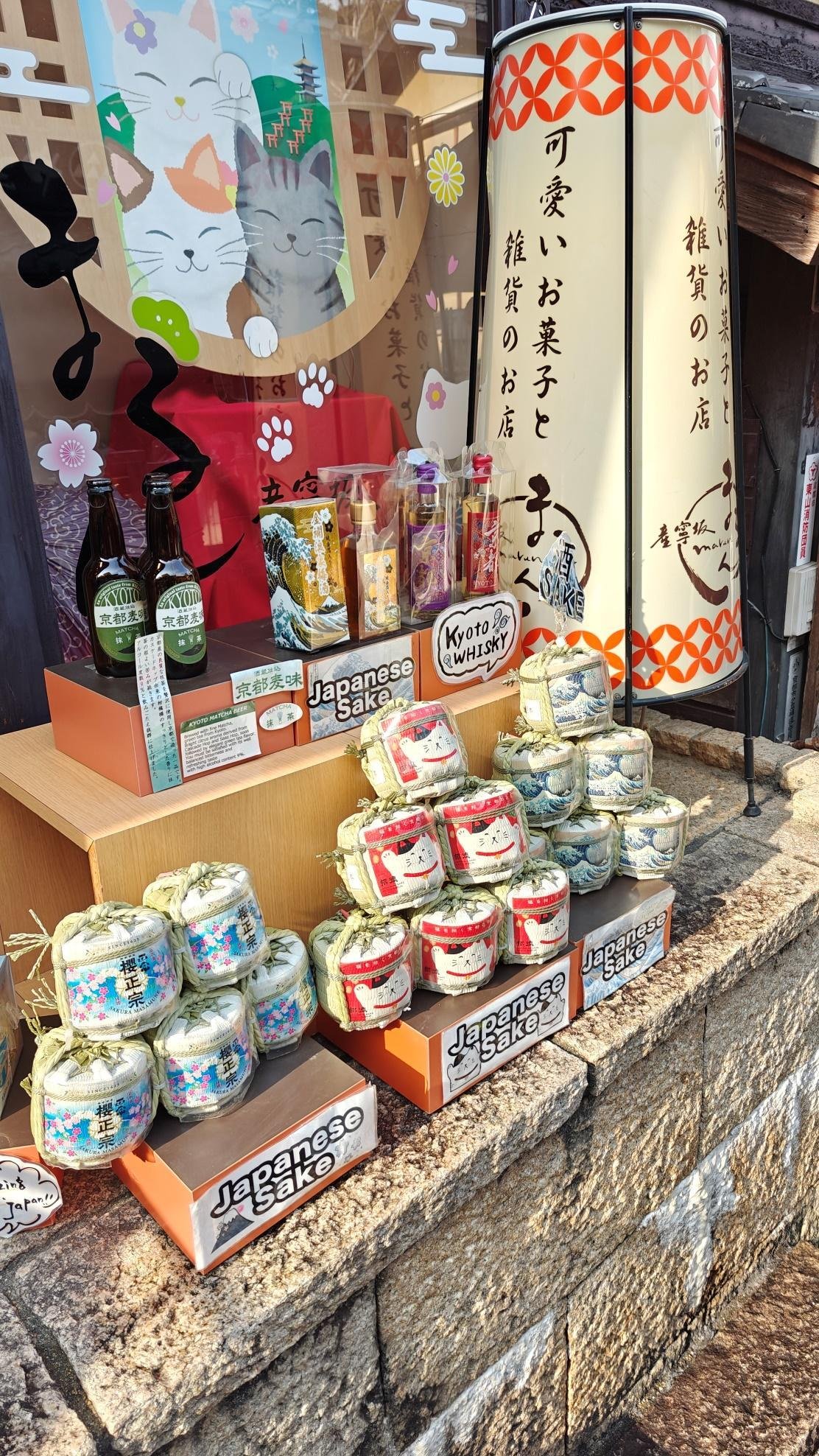
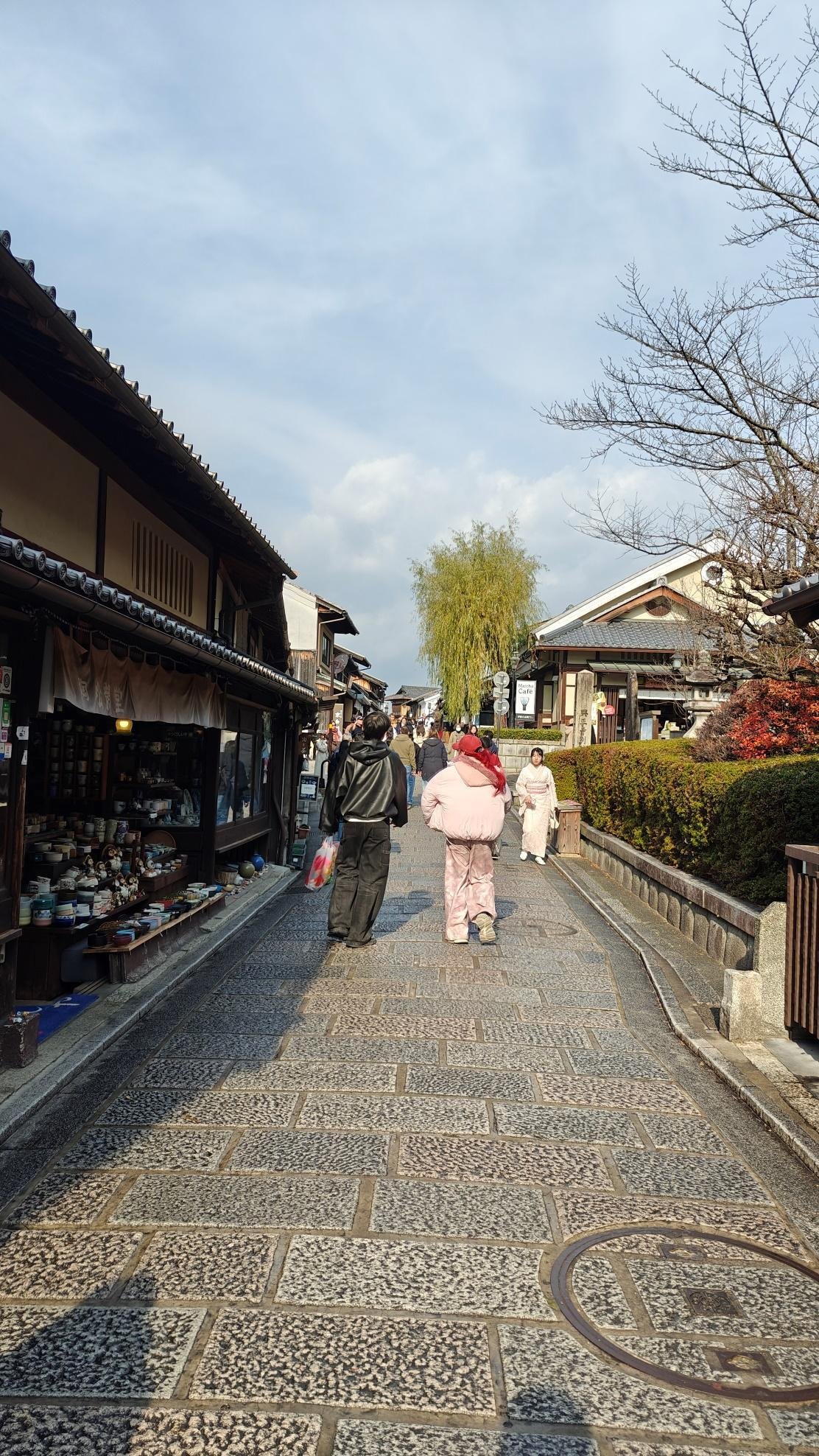
Since it was off-peak season when I visited here, not every section of the Sannenzaka Path was filled with tourists/travelers. When I got down this stretch of the path had noticeably few people milling about. I'm not too sure but maybe the people here didn't want to accidentally topple the kyo-yaki on display at the store (I think it's called Shoindo) on the left.
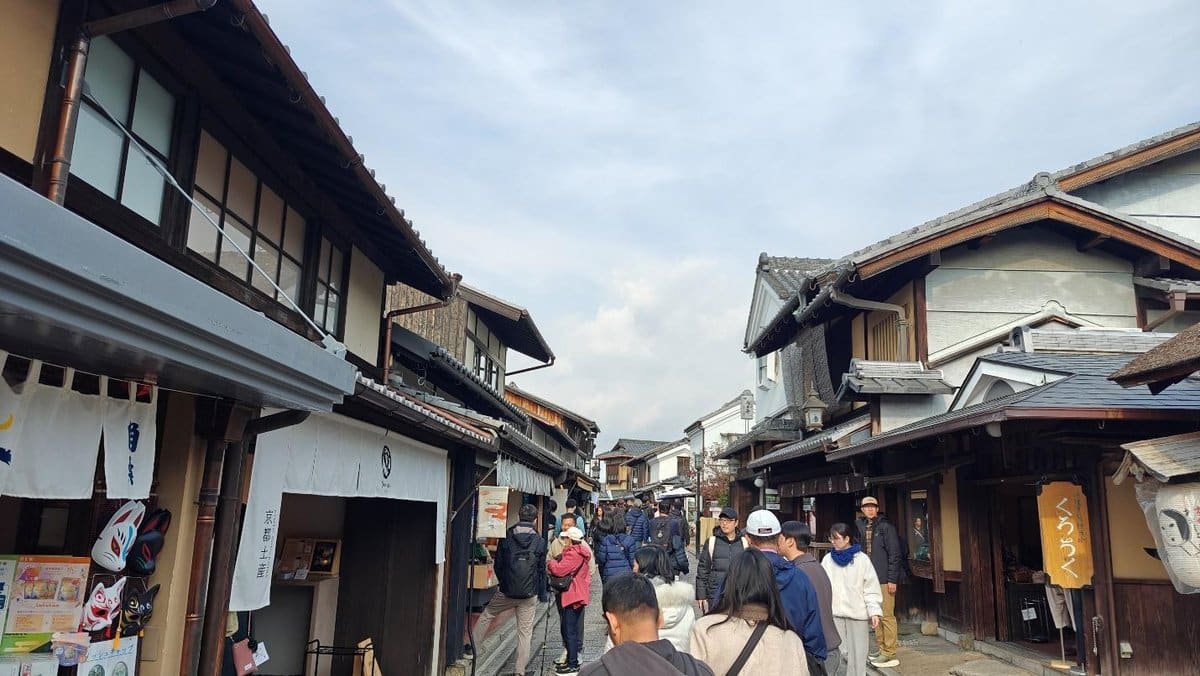
I eventually came across a crowd again following the Sannenzaka Path. In this section, the path was noticeably wider and much like Kiyomizu-zaka, each side was lined with food establishments and stores selling souvenirs. There's even a store called John's Blend on the left side of the image (second from the foreground) that sells perfumes and other fragrances.
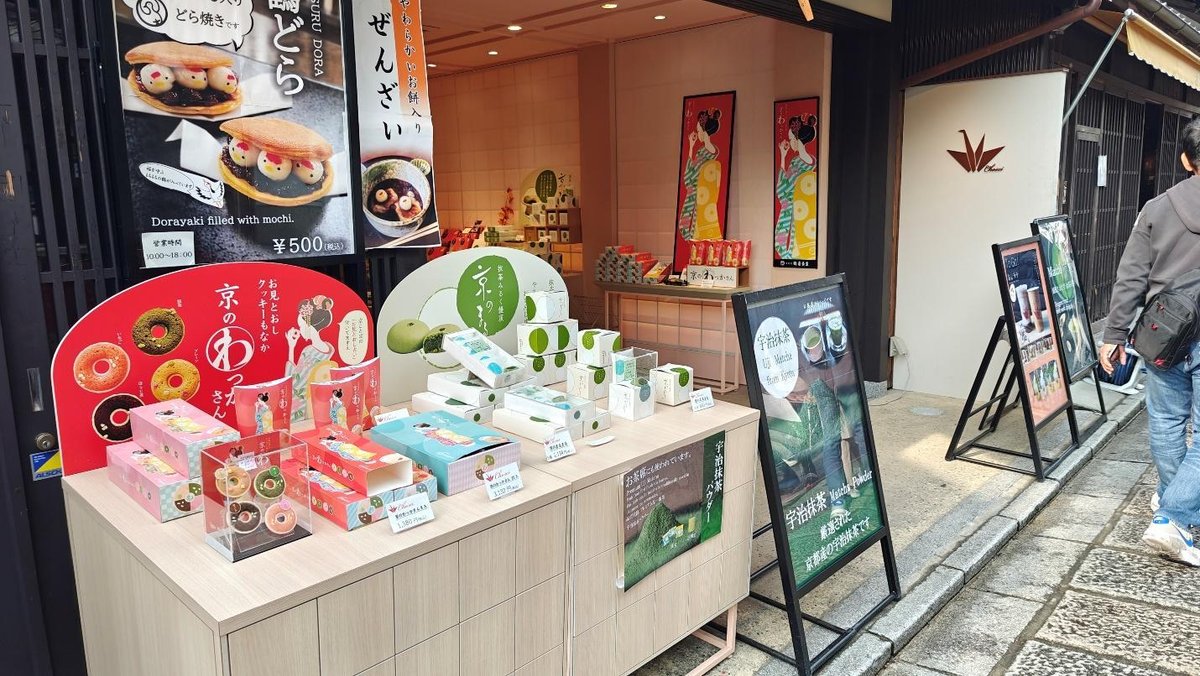
If you're looking for traditional Japanese sweets and pastries with a modern twist then there's also this bakery and cafe called Chosei that's a store over from John's Blend. They have this mochi-filled dorayaki called tsurudora. Also called crane (tsuru) mochi dorayaki, mochi filling in this snack is shaped like birds and overall it just looks really cute.
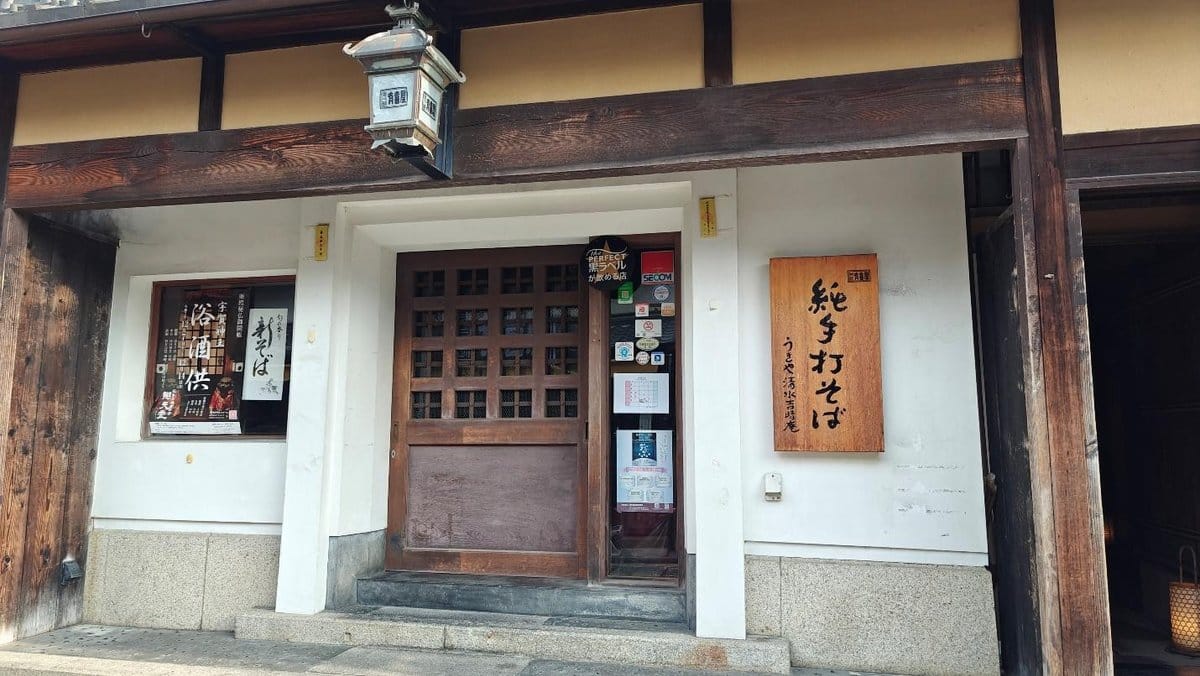
Looking back, I think Sannenzaka is much more laid back despite the foot traffic being rather slow at times. Quite honestly, it can still get crowded but the shops are much less crowded. My guess is, people will typically spend their time and money in Kiyomizu-zaka not knowing that there is some great traditional food and ambience waiting for them here.
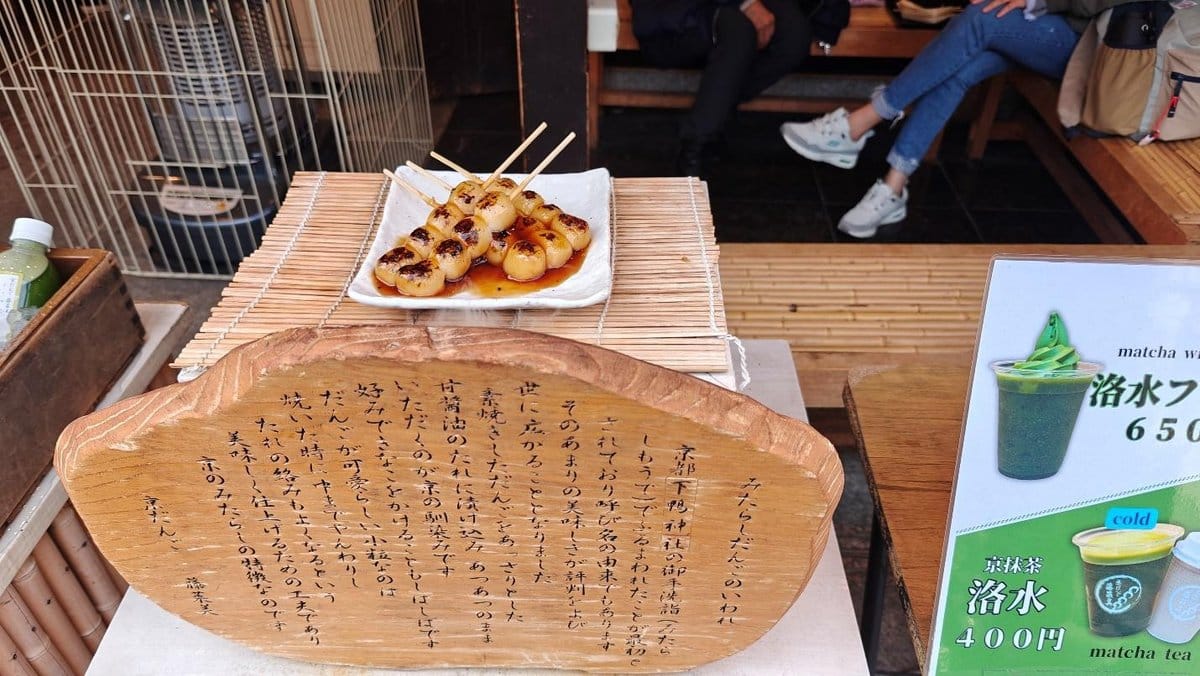
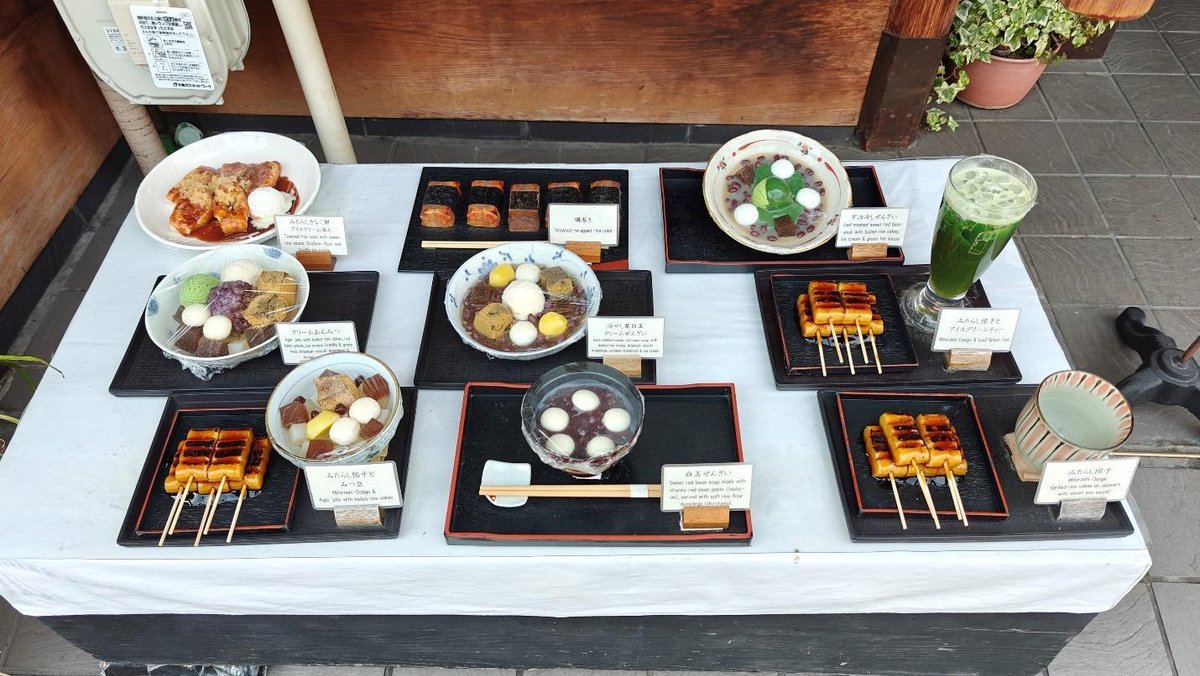
A store over from Chosei you can find some mitarashi dango. The store is called Fujinami and it also sells matcha flavored drinks as well as soft-serve ice cream.
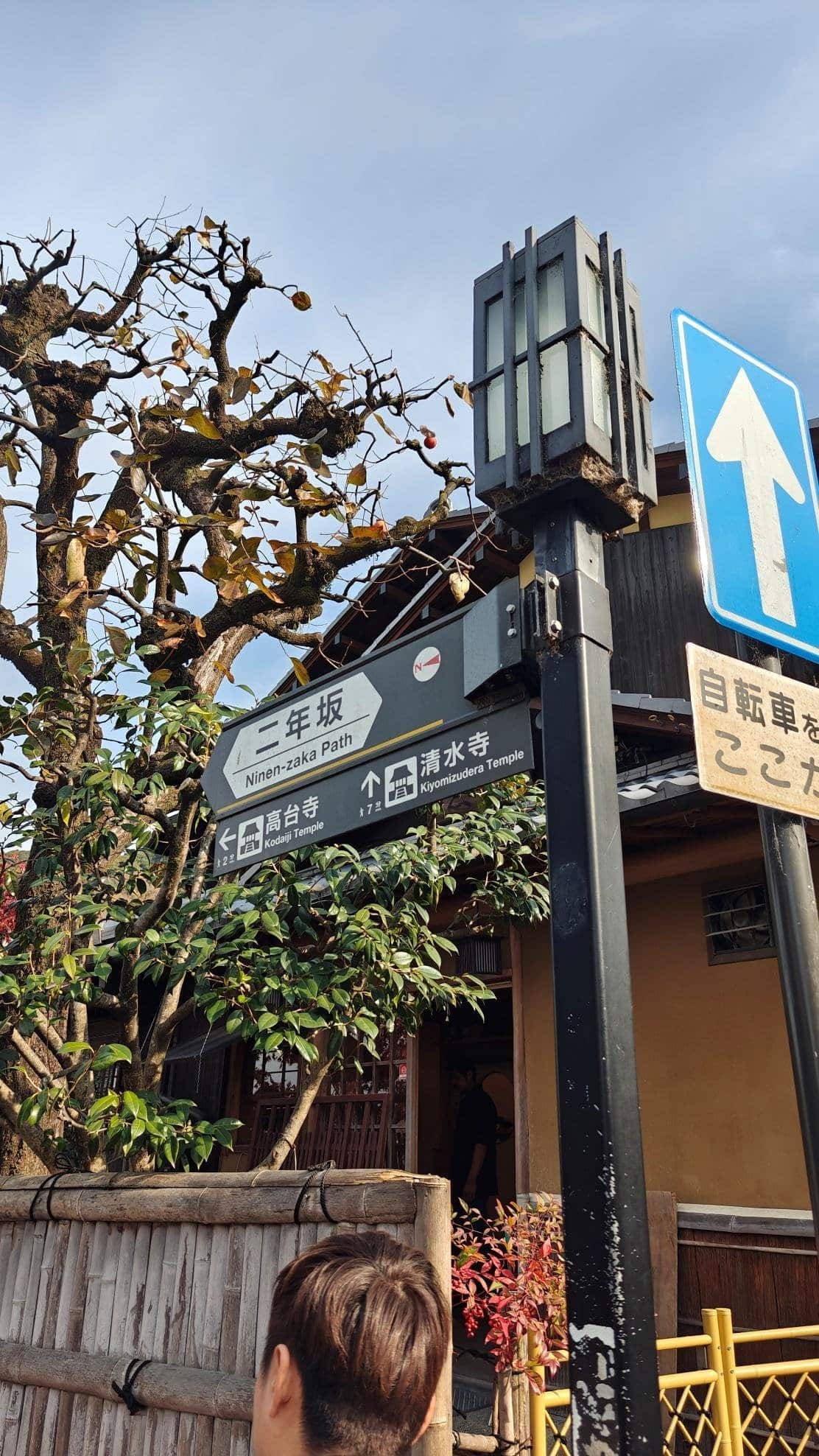
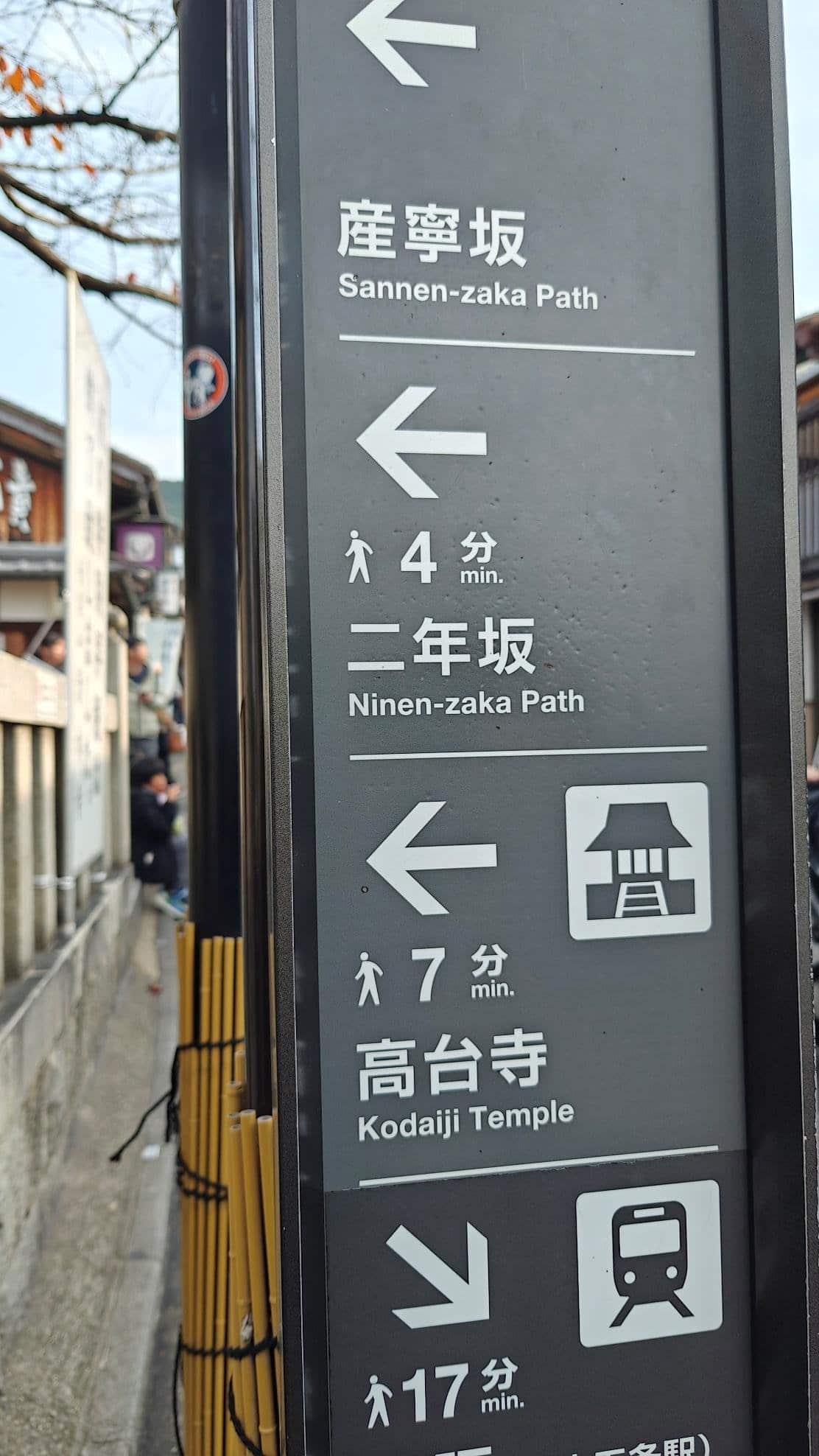
Just like that, I found myself at this signpost that marks where the Ninenzaka Path starts. Again, my expectation was that there would be fewer people here. Much like when I went down the steps in Sannenzaka though, a crowd of people greeted me.
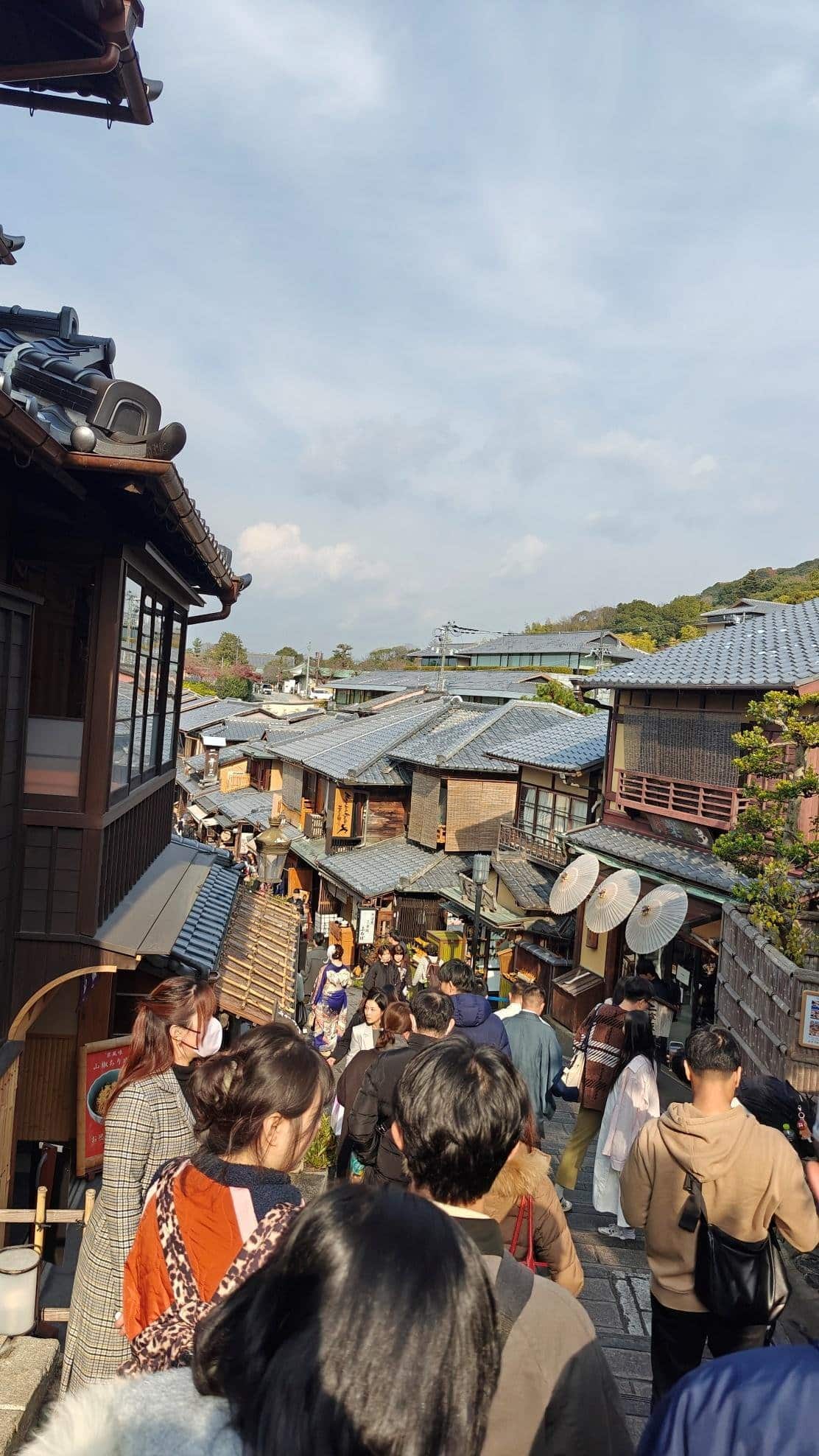
To be fair though, the foot traffic here was pretty okay. The path was a little wider and my guess is that most of the people who get to this point are already quite tired from all the walking. They're probably in a hurry and so they kind of just pass by and don't linger as much.
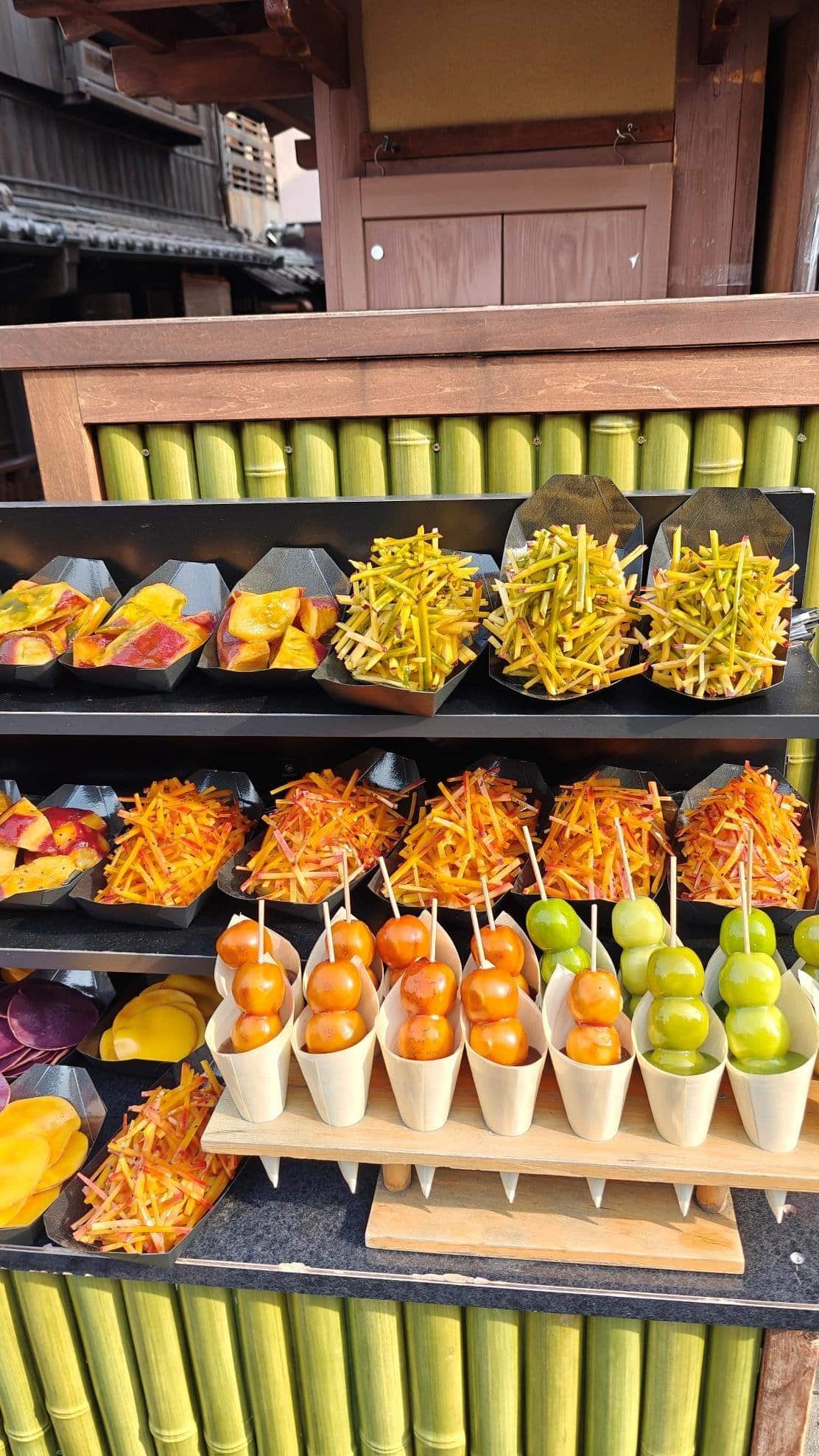
And it's actually a shame that that's the case because Ninenzaka was perhaps the most colorful of the three streets. This stall had these colorful dango and what looked like french fries but are actually imokenpi. This is a traditional snack made from sweet potatoes that's been sliced really thin and then deep fried.
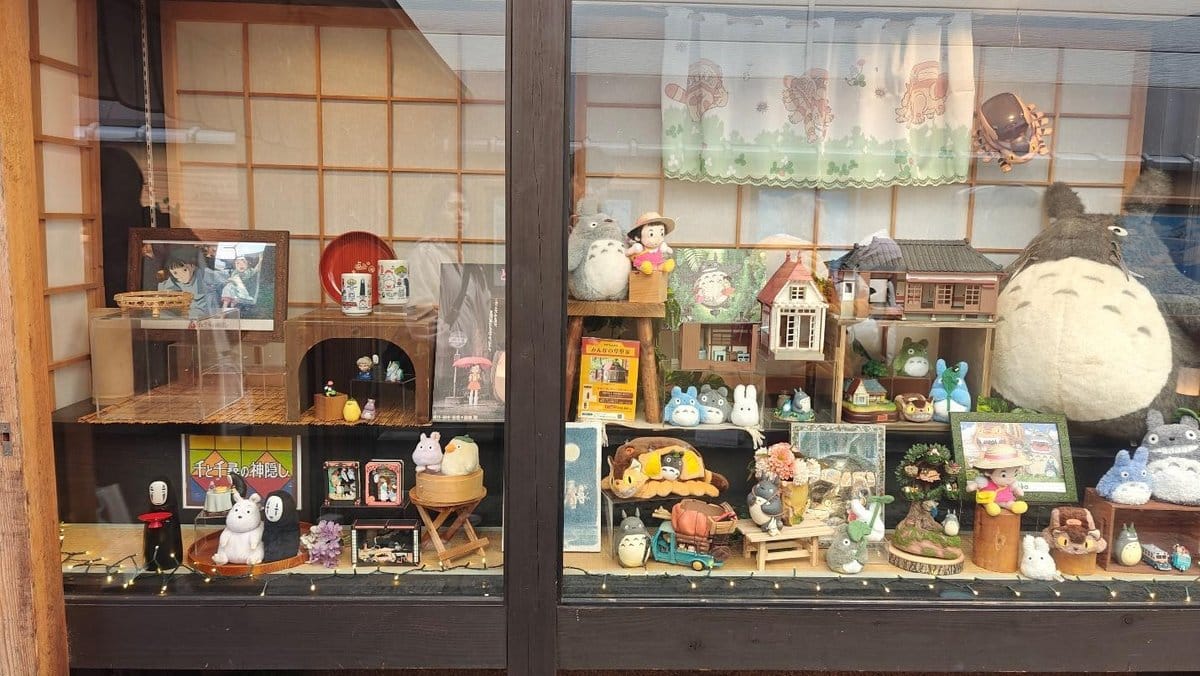
If you're a Studio Ghibli fan then you might also want to explore Ninenzaka as it has an official merchandise store here called Donguri Kyowakoku. You just need to follow the Ninenzaka Path past the Starbucks branch (yes, there's a Starbucks here as well!) and look for a display featuring plush toys and drawings of Totoro as well as other iconic Studio Ghibli characters. The shop itself isn't that large though I think it is marginally bigger (at least its facade/exterior) than some of the shops that I'd passed gettting to here.
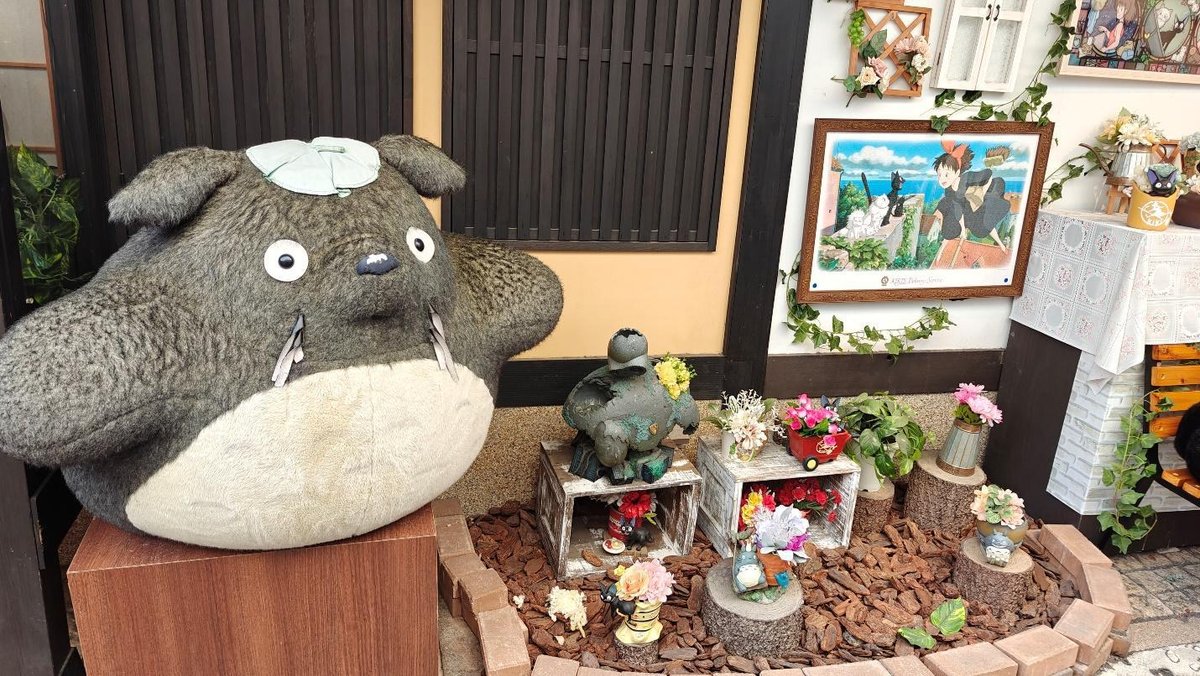
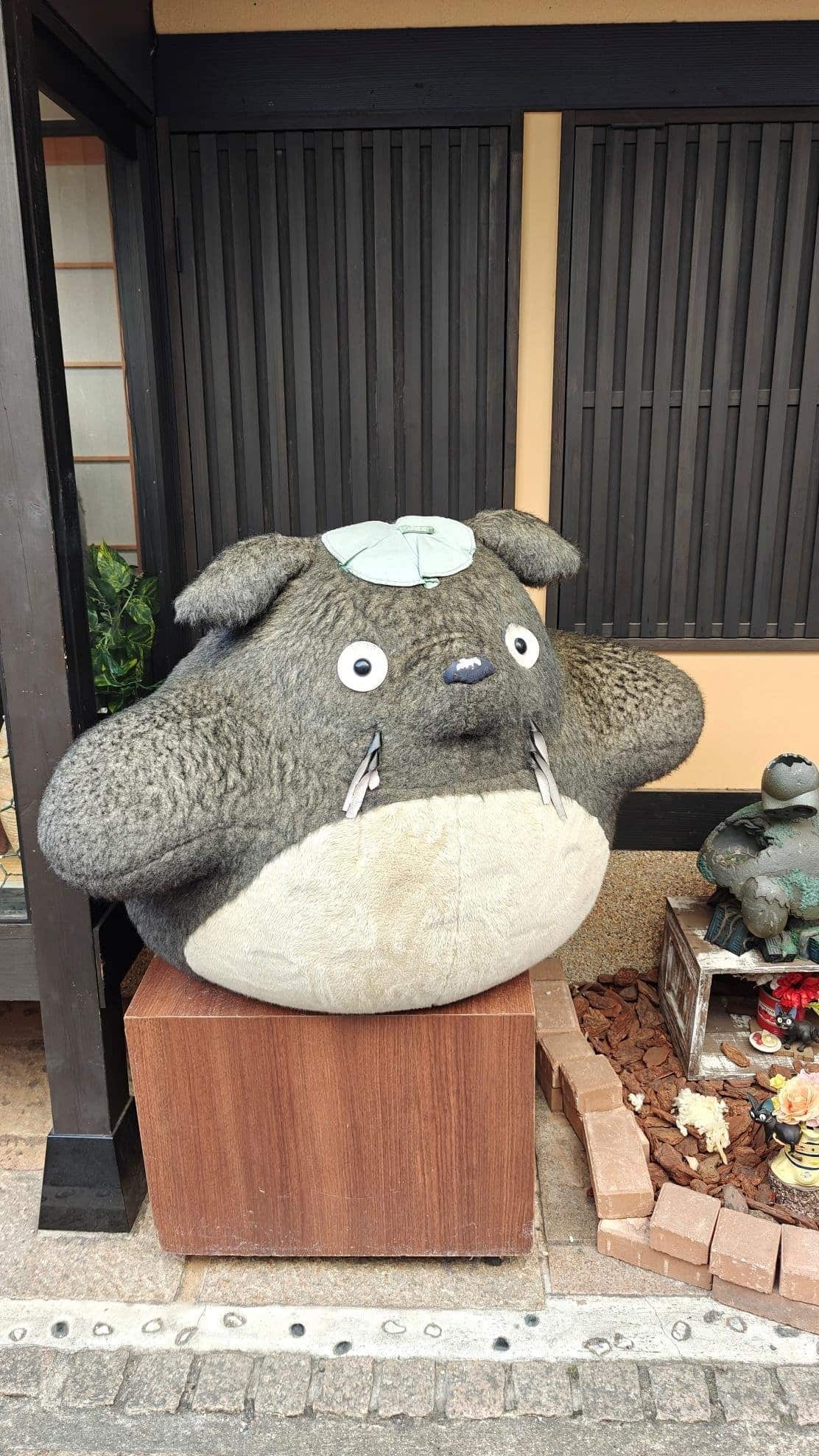
This Totoro plush toy was arguably one of the most eye-catching in this outdoor display. If I'm not mistaken, the only way you can get one of these is through these official stores as I've tried searching online and couldn't find one that was similar. Donguri Kyowakoku also sells these online but I think shipping is limited to addresses in Japan.
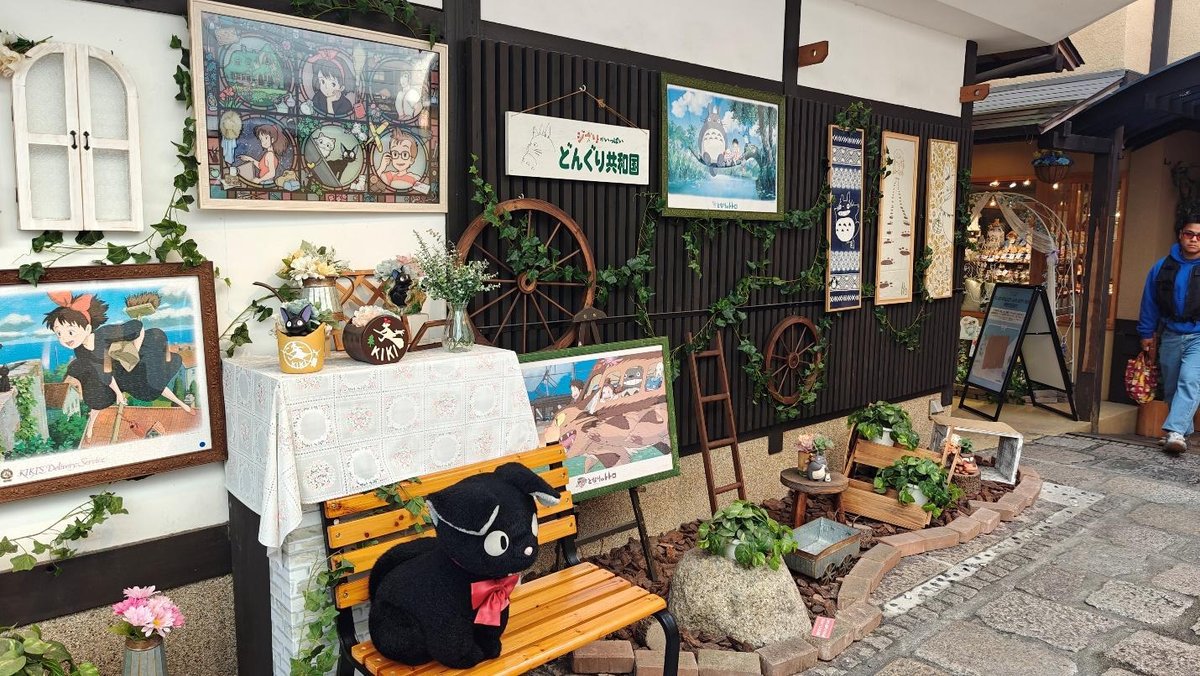
While I do like Totoro, I think the cutest looking plush toy here is this one of Jiji. I mean just look at the little guy sitting on the bench! Anyway, this was the last picture I took of the Ninenzaka Path as my battery was starting to run out.So, was Sannenzaka and Ninenzaka worth it?
I'd say if you're able to come here in the off-peak season like I did then it’s actually a good addition to your itinerary. First off, walking through these historic streets is free though with so many shops you might find yourself spending more than your budget. Kidding aside, these streets really have plenty to offer.
Whether it's souvenirs, food, or just scenic views, you're bound to encounter these as you walk through here. Of course, you'll also encounter crowds and that's probably one of the things that might put you off. Even with this con, I think you won't regret visiting Sannenzaka and Ninenzaka.Anyway, what do you think of my Sannenzaka, Ninenzaka, and Kiyomizu-zaka experience?
Have you had the chance to experience these streets as well? If yes, then we'd really appreciate it if you shared your experience with us and our readers down in the comments section!