
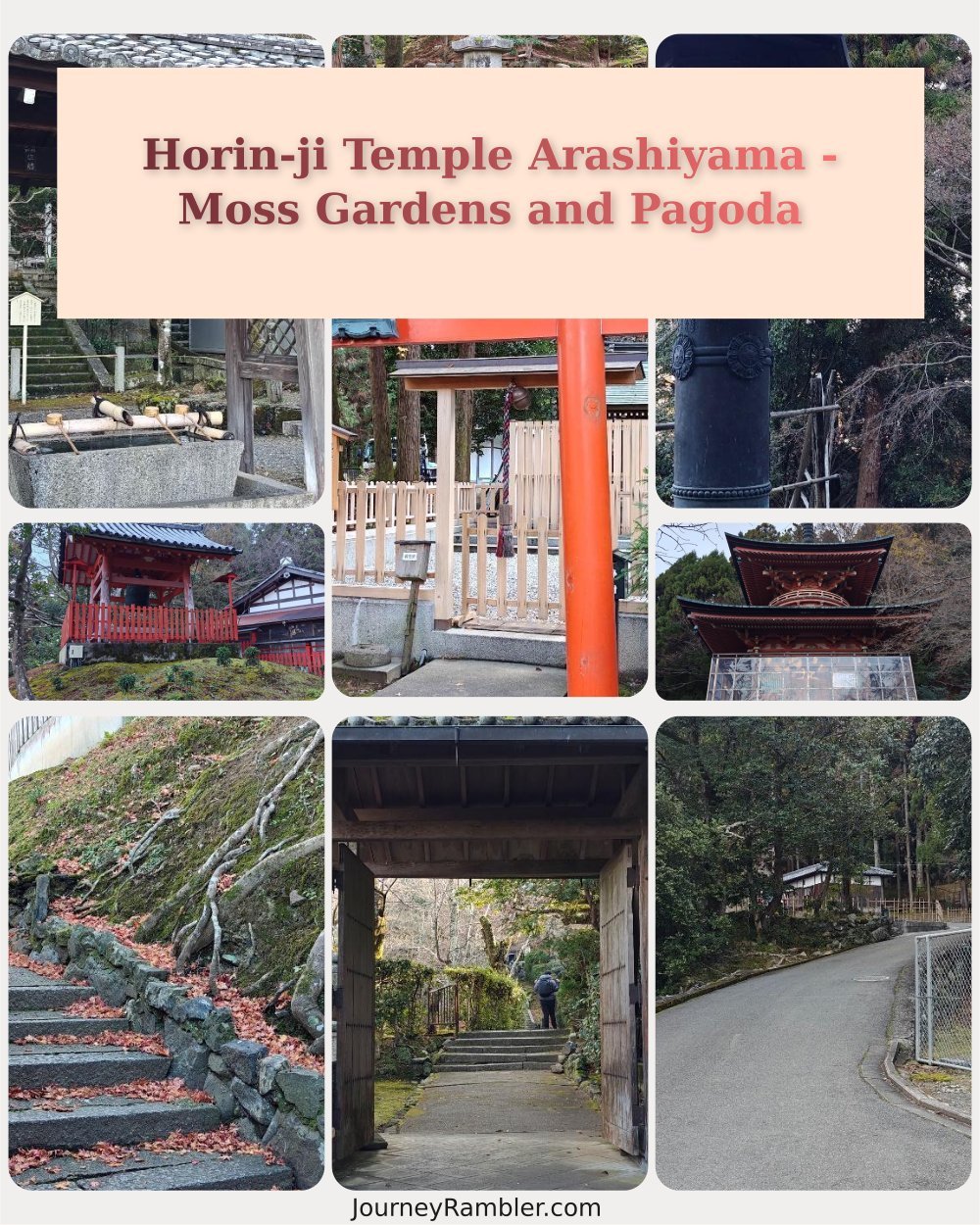
It’s not as popular as the other temples and shrines I’ve visited in Kyoto but I think Horin-ji Temple is probably the most charming. Found in the Arashiyama Nakaoshitacho scenic district, it was one of the landmarks here that I ended up visiting after spending time at the Arashiyama Park Nakanoshima Area. While my time here was brief, I came away amazed by the temple’s scenery and vibes.
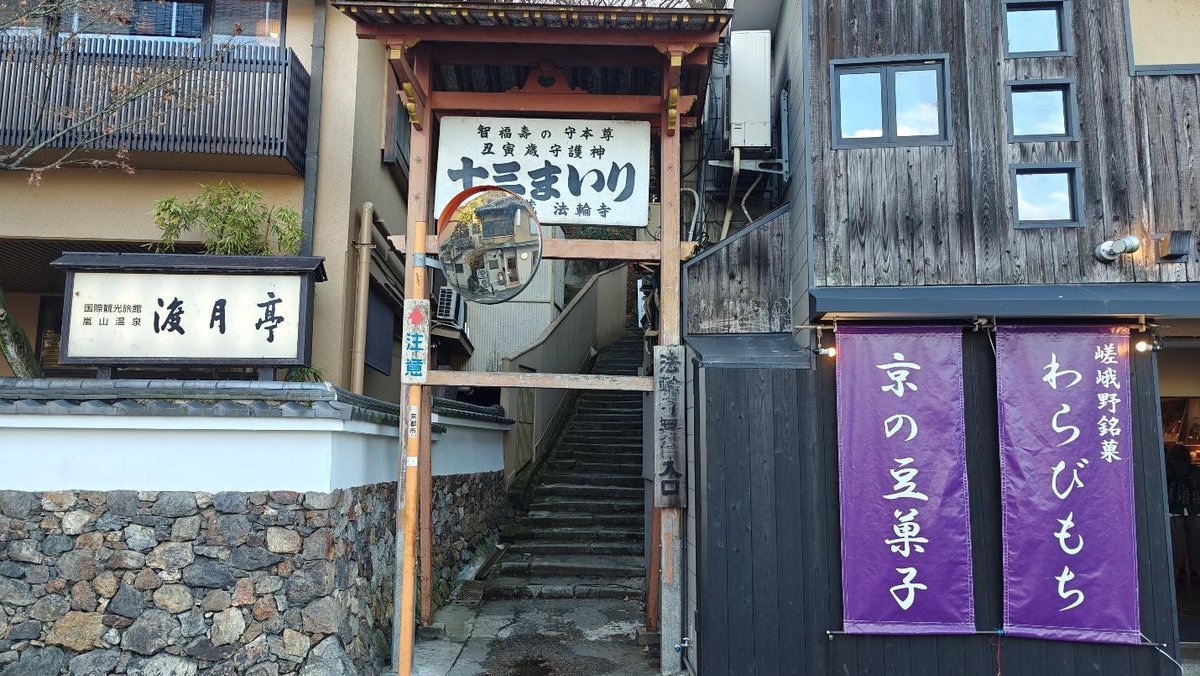
The easiest way to get here is to just head to the Togetsukyo Small Bridge. Make sure to keep your eyes open for this small alleyway. It is going to be one of the first things you’ll see once you get past the bridge from the Nakanoshima Area but it’s also easy to miss due to how small it is.
To the right of this alleyway is a building housing a traditional Japanese confectionery shop called Hourandou and to the left is the onsen ryokan area of Togetsutei (a 4-star hotel).
Quiet Horin-ji Temple with a Pagoda and Garden
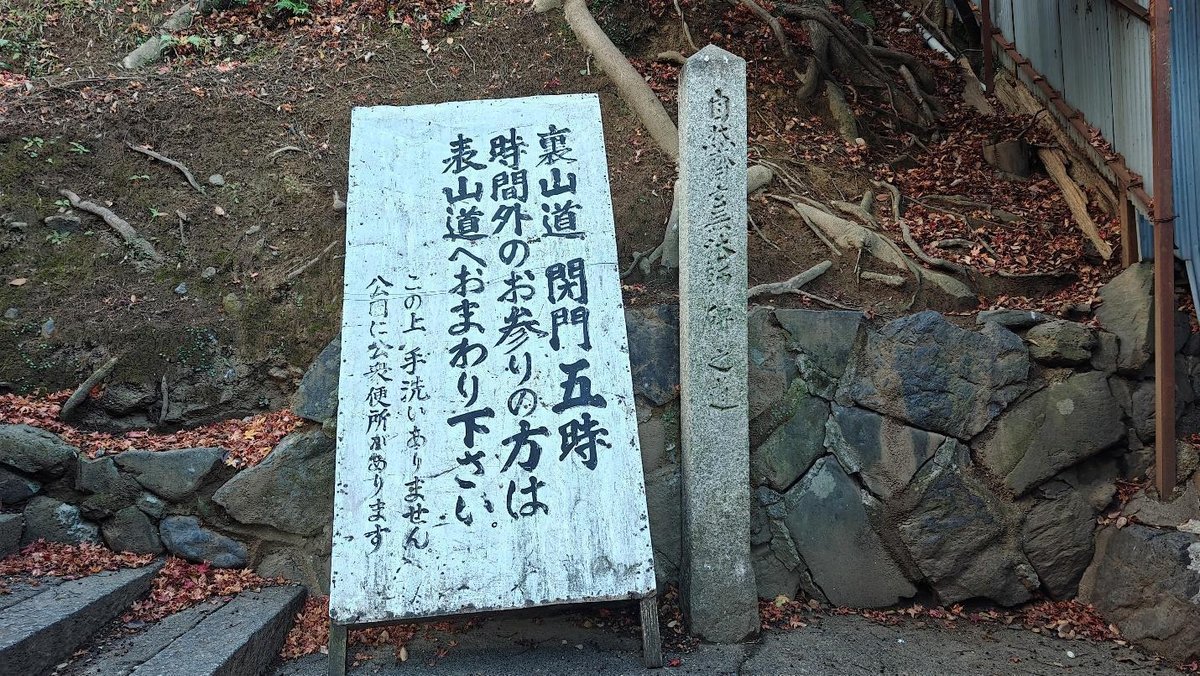
This was the sign that greeted me when I entered that small alleyway. It just says that this is the back entrance to the temple and that it closes by 5:00pm. If you do get here after that time, you’re going to have to head to the main entrance further along the Utano Arashiyama Yamada Line (the road that you’ll be on after crossing the Togetsukyo Small Bridge).
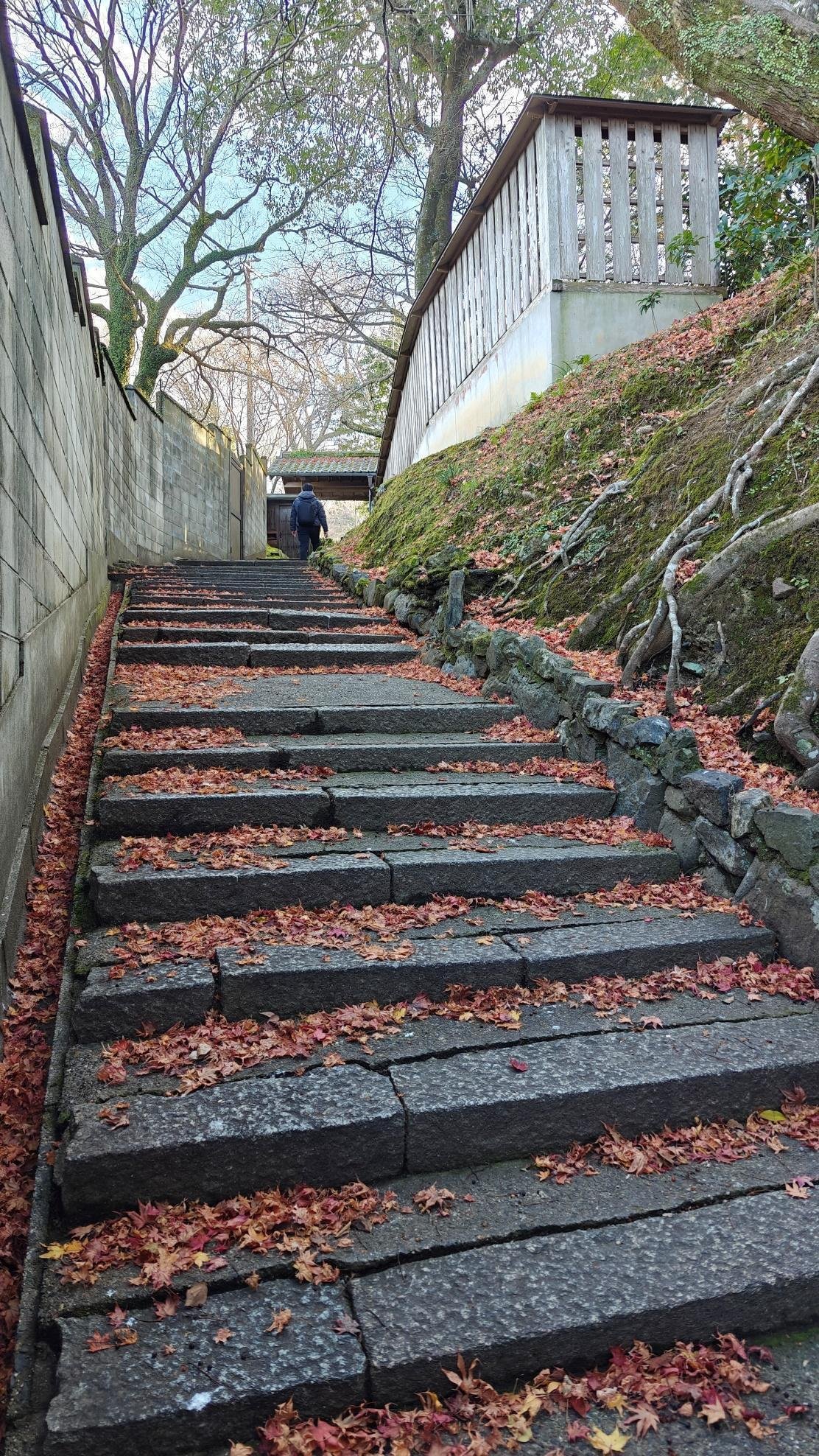
The path here was just so scenic thanks to all the fallen leaves. As you climb up, you’ll also get to see the trees (Japanese maple if I’m not mistaken) that these leaves came from. Going up these steps, I couldn’t help but think how great the view here would look during the peak of the fall foliage season.
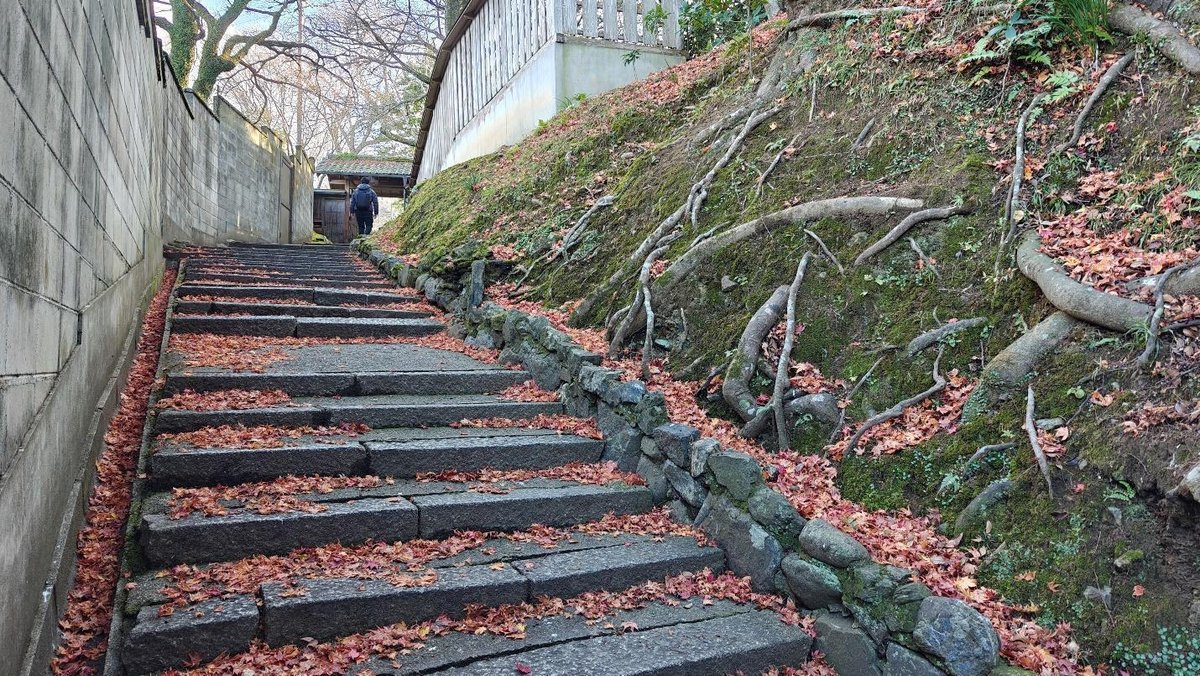
Despite the scenic view, this back entrance was noticeably quiet with there being relatively few people. Aside from one or two other individuals, I think it was only me and the group I was with that visited here. I guess the fact that the back entrance was easy to miss could be a reason why not many people tend to visit.
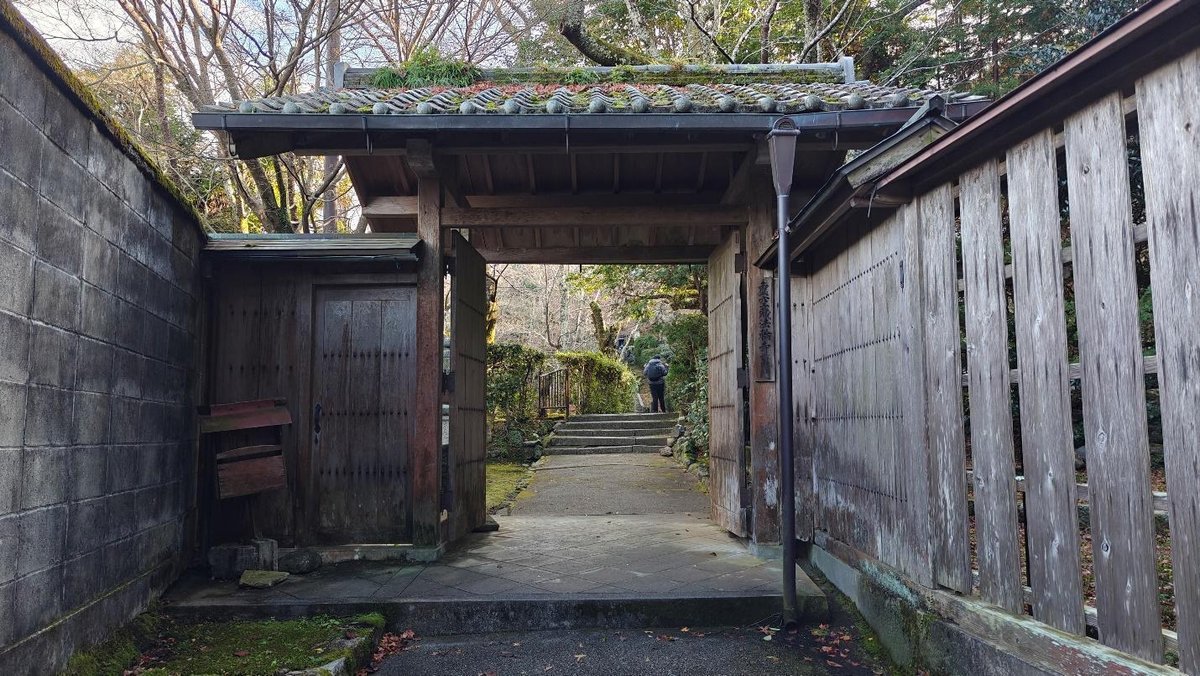
Here’s the gate to Horin-ji Temple. Although I could see it going up the steps, I was still surprised at how modest the gate is. If you’ve seen and read about my visits to Yasaka Shrine and Chion-in Temple (among others), you’d know how impressive the gates on those are.
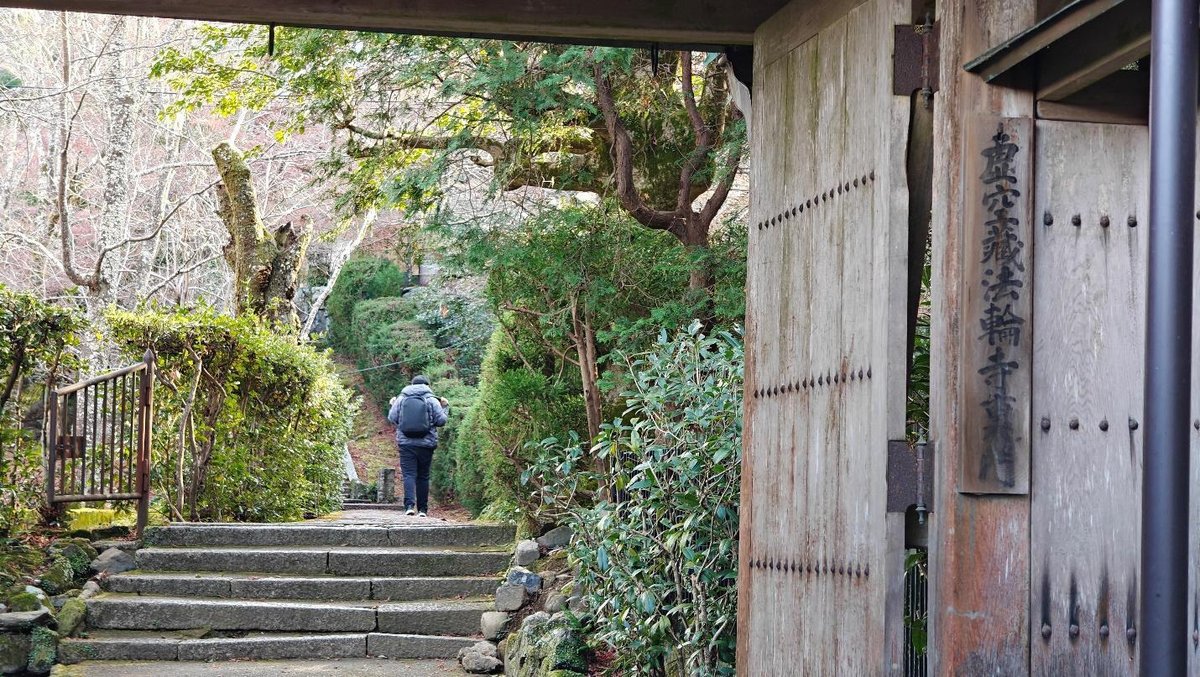
Of course, the scale of a gate doesn’t necessarily mean that the temple or shrine is insignificant. In the case of Horin-ji Temple, its gate might be relatively small but the views inside it are not only relaxing but quite charming as well. The first thing I saw when I got close was this glimpse of the garden within that seemed like it was awash with the afternoon light.
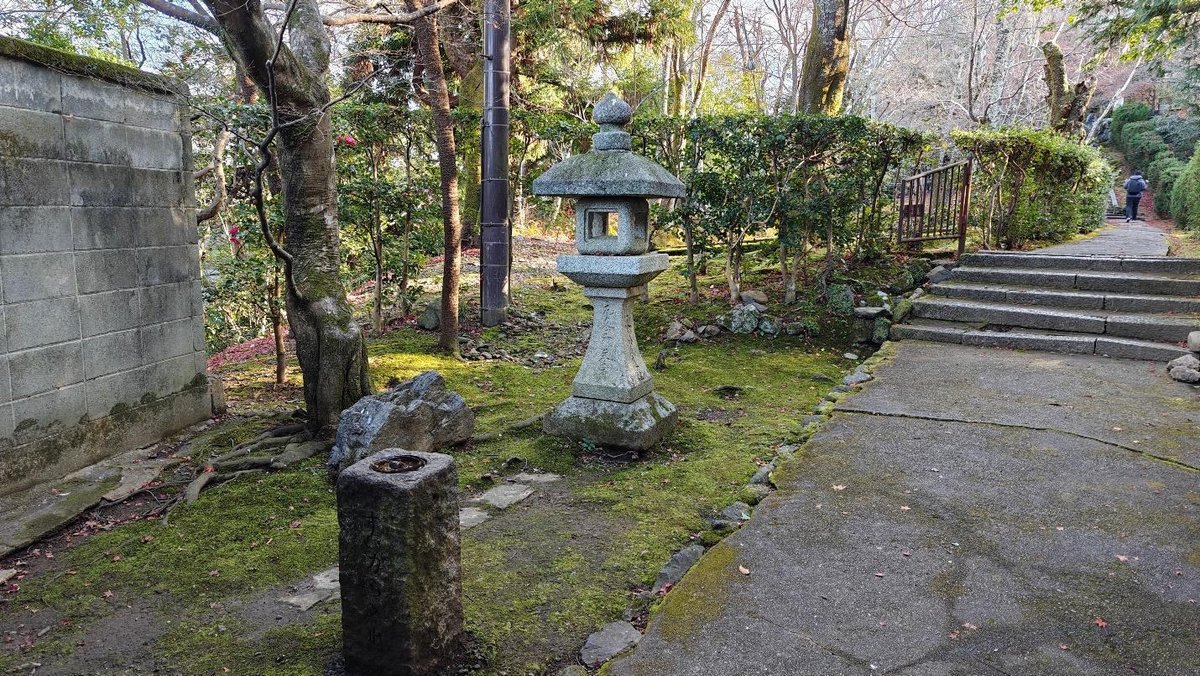
As you walk in, one of the first things you’ll notice is how serene this place is. I initially thought that the serene atmosphere was due to this place essentially being the back of the temple complex. Turns out, this is the temple complex’s general vibes.
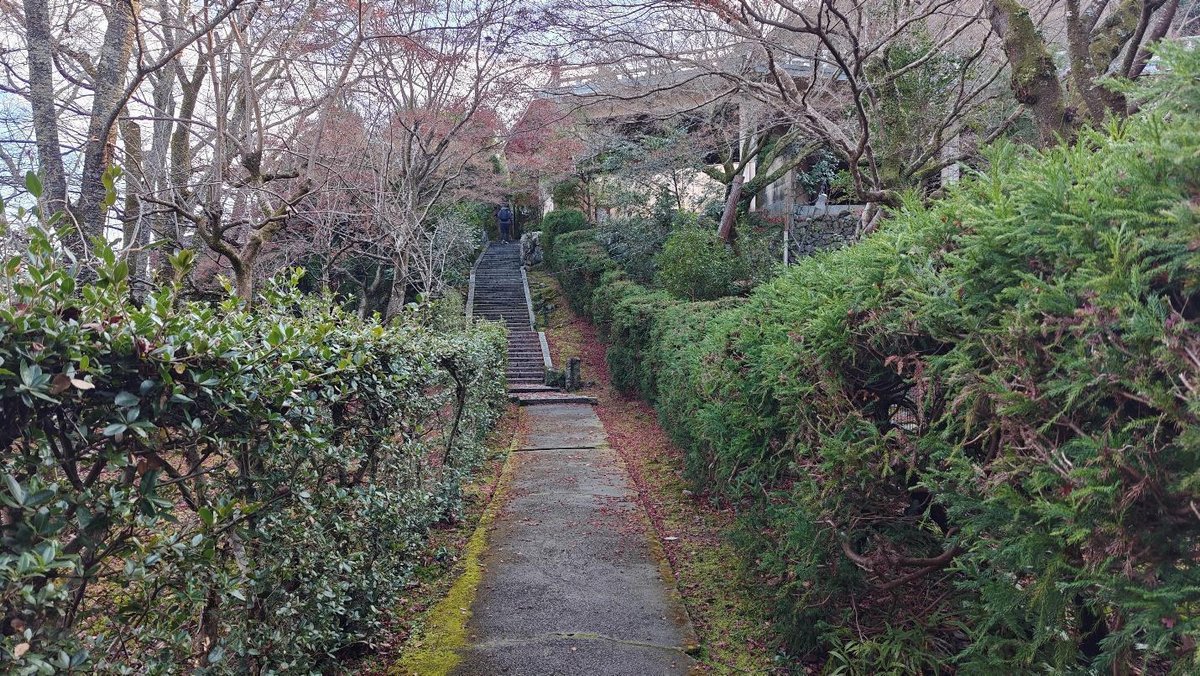
Following the path, I was particularly intrigued by these hedges. I’ve been to plenty of traditional temples, gardens, and shrines here in Japan and I don’t think I’ve seen many of these. A lot of the time, pathways either don’t have any barriers or are lined with a traditional fence (like the hogaki that lined the Arashiyama Bamboo Forest Path).
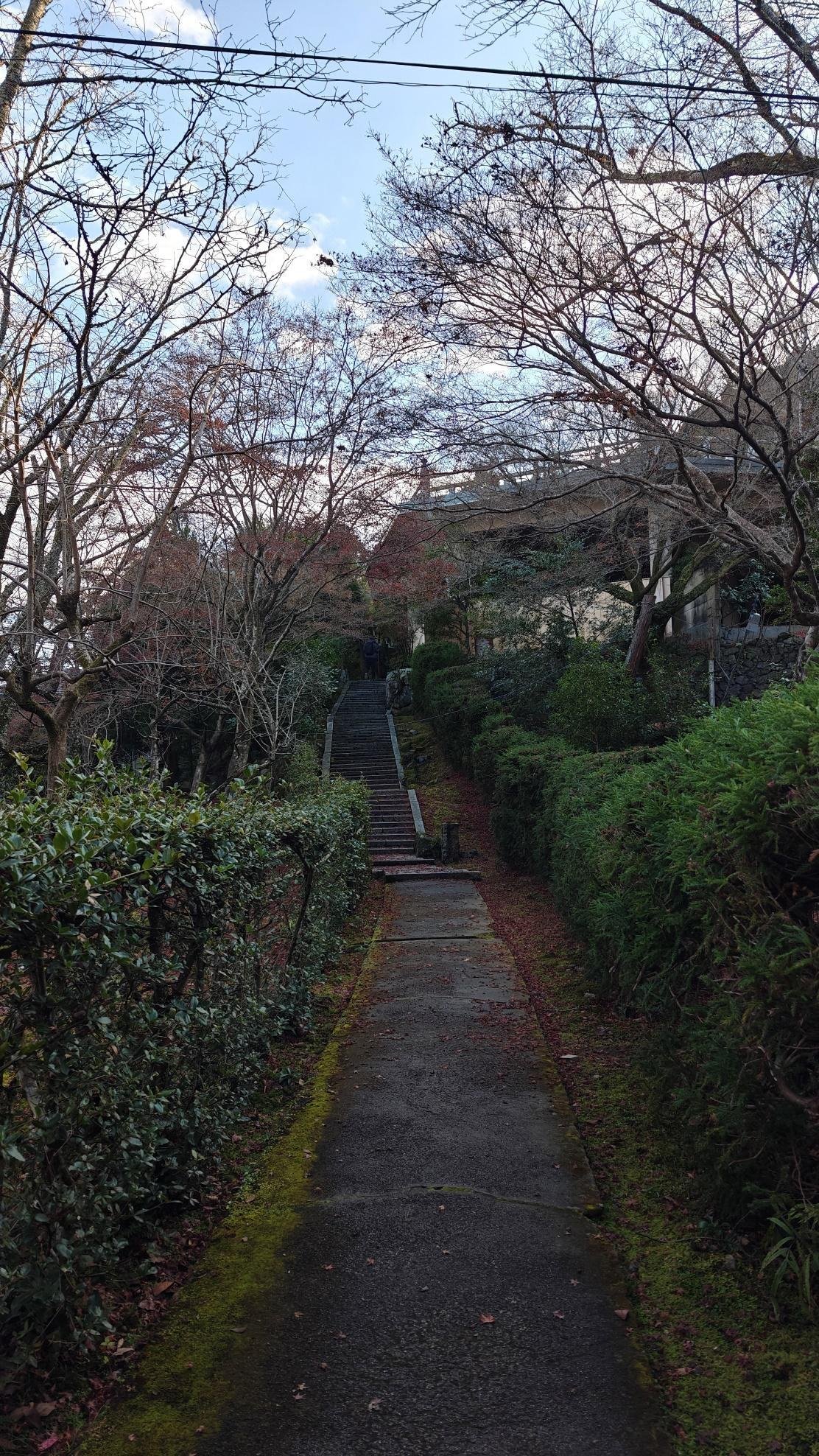
I’m not sure if it was just me but the hedges here (along with the scenery) somehow made walking through the path a contemplative experience. If you’re an introvert or just aren’t a fan of large crowds then you’ll undoubtedly love walking through here. Personally, I liked how the calming atmosphere here is a huge contrast to the activity in Arashiyama Park Nakanoshima Area and Togetsukyo Bridge.
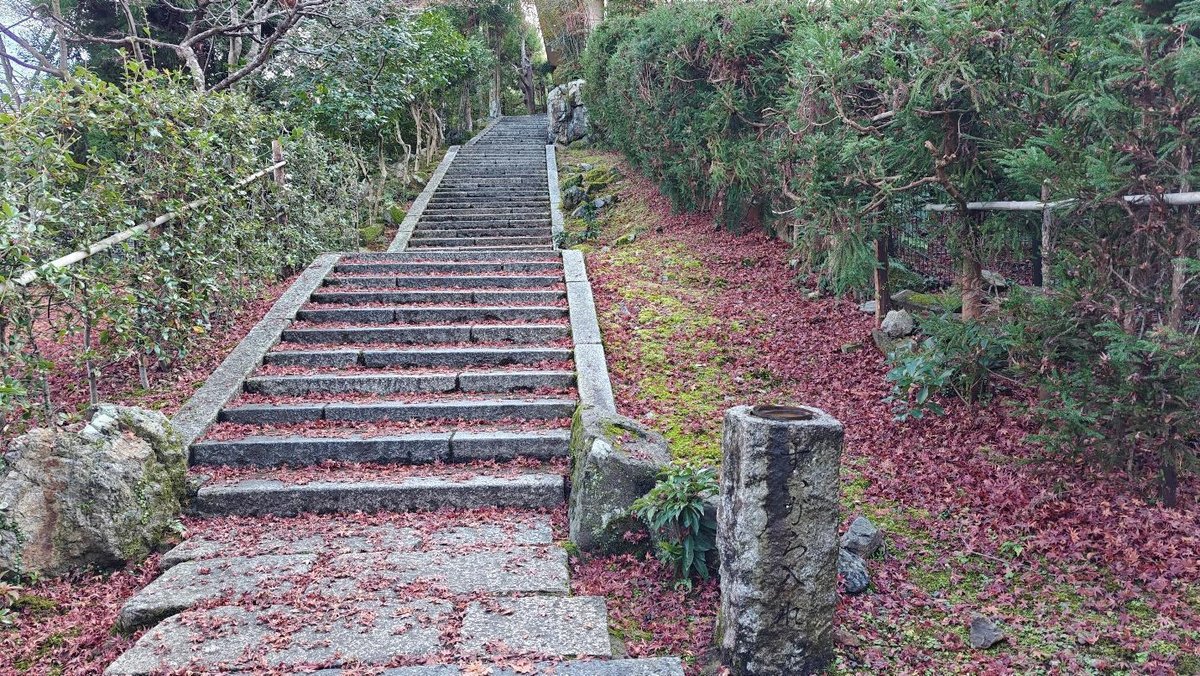
The end of the path presented me with another set of steps. This was a rather long climb but it should be easy enough for anyone with an average fitness level. Just make sure you don’t go up in a hurry and you should find yourself at the top in no time.
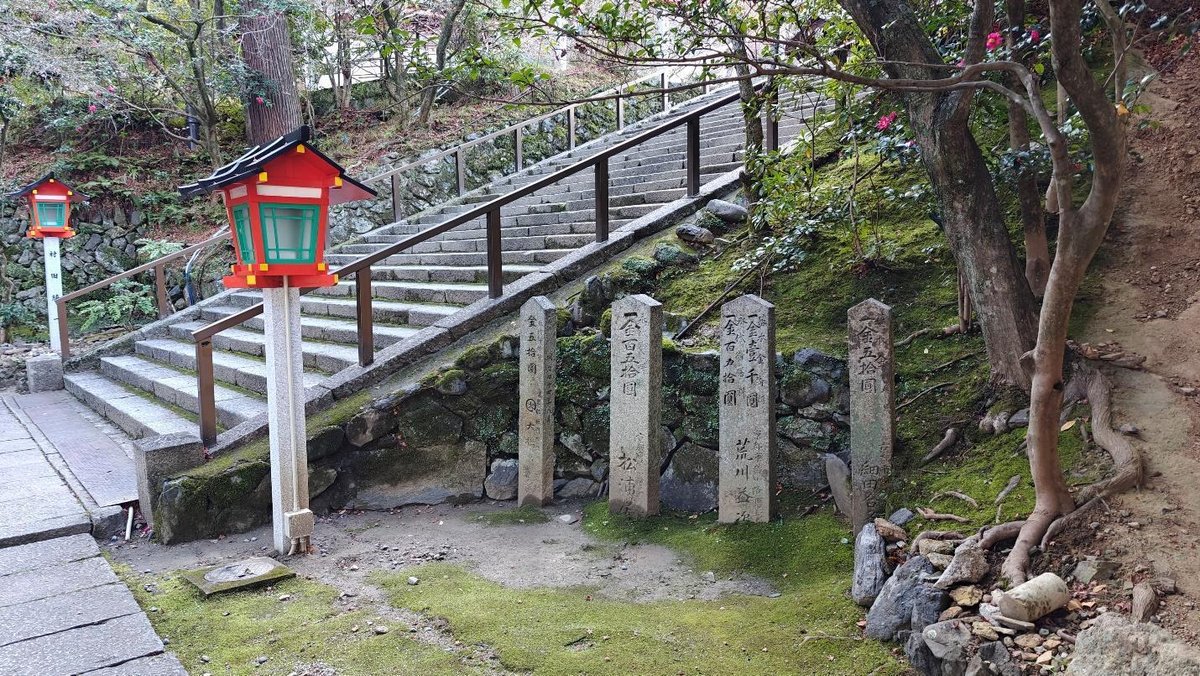
At the top, I found a tight path that eventually led to a gate that opened up to the area you see above. This is the Horin-ji Omotesando or Main Approach and the stairs you see in the image lead up to the main temple complex. Off to the side of the stairs are stone markers that indicate donations made by the temple’s worshipers.
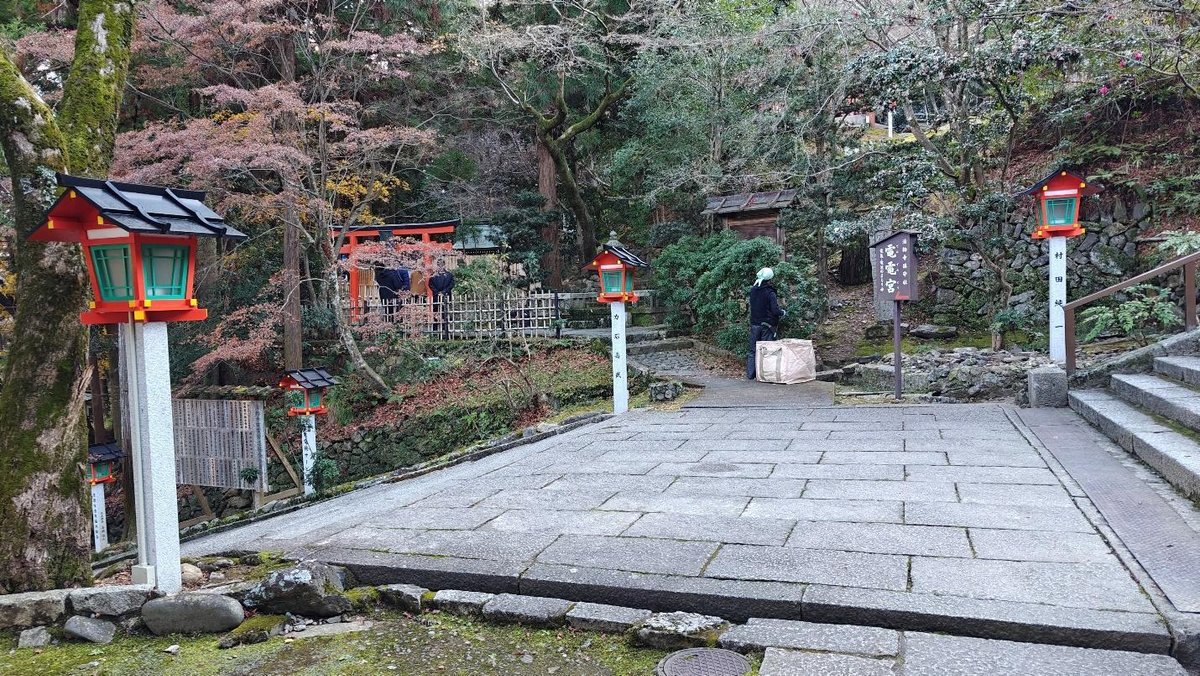
Opposite the gate that led to this landing in the Omotesando is a path that leads into a shrine. So this is not surprising as there are a number of Shinto shrines that are also in close proximity to Buddhist temples especially here in Kyoto. This one is actually quite special though and you’ll get to know why a bit later.
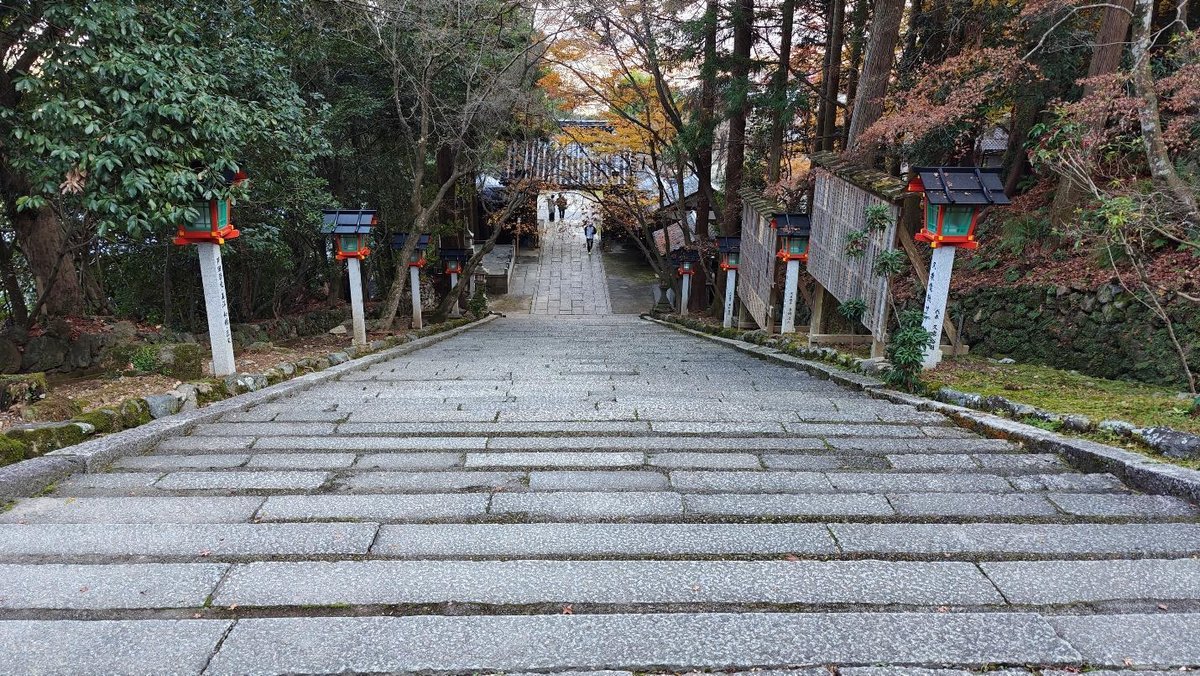
Here you can see the gate of the Main Entrance. The climb here isn’t that steep but it is quite long and it’s one reason why you might want to use the back approach instead. Personally, I prefer the back approach (or Urasanado) but the Main Approach also isn’t that bad.
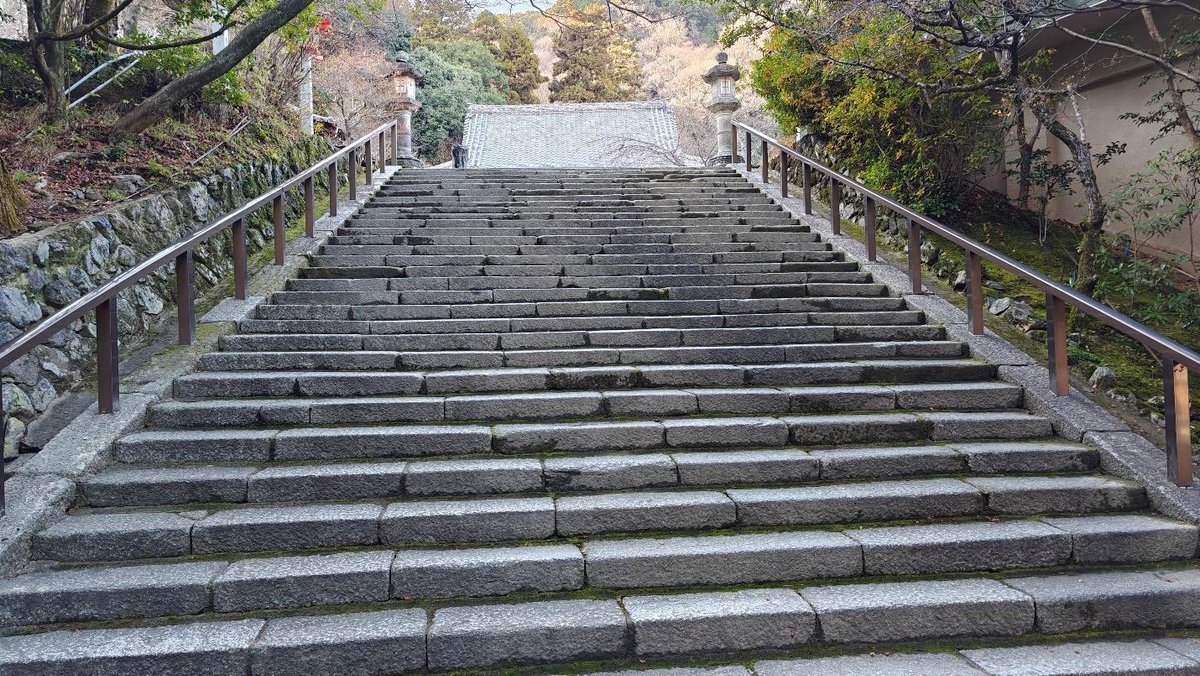
This is what the steps going up to the main temple grounds look like. I’ll say this, the picture doesn’t really do the view justice. The afternoon sun was illuminating the tops of the trees in the background and it honestly was such an ethereal sight.
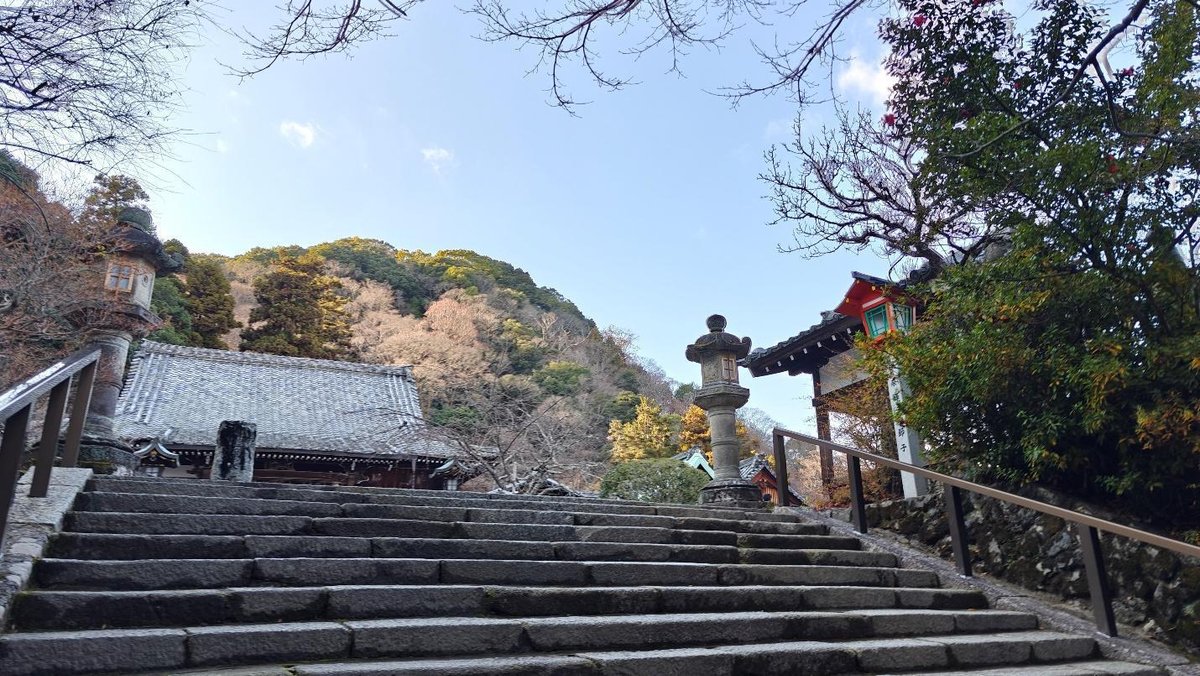
Here you can sort of see what I was talking about in the previous image. I sort of had to catch my breath for a while though not because I was tired from the climb. Maybe the best way to describe what I was feeling was that the climb had views that sort of filled me with this sense of awe and appreciation for being there.
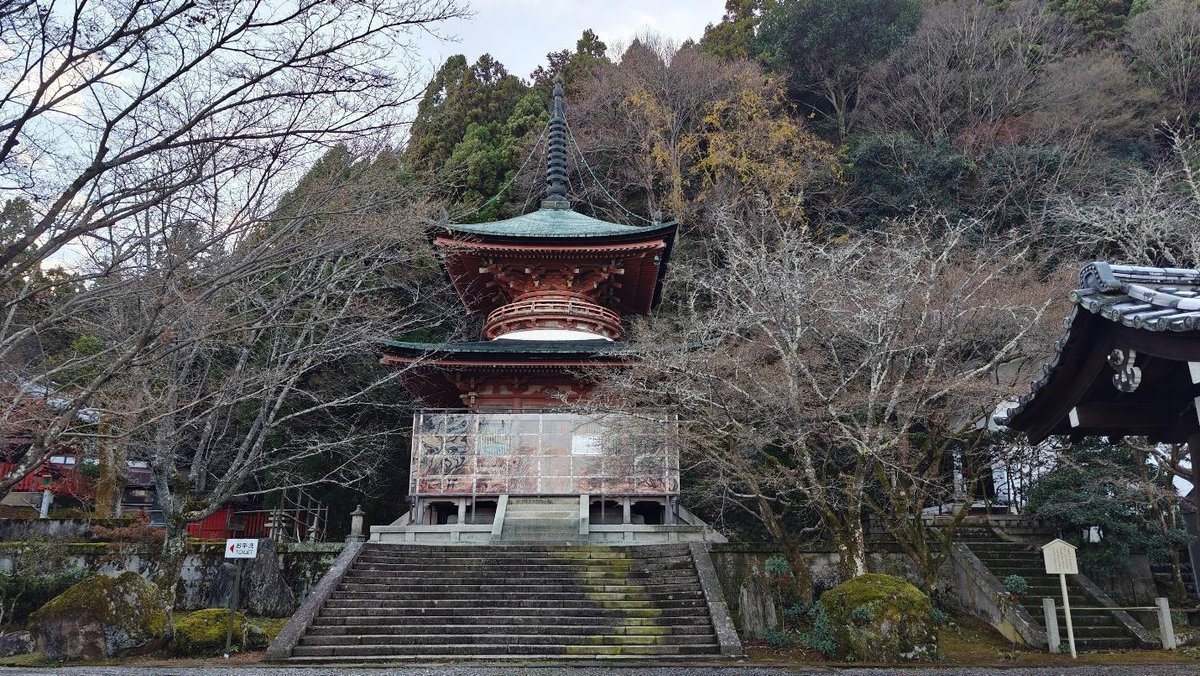
After getting up to the main temple grounds, I looked to the left and saw this Tahoto. While it kind of looks similar to the one I saw in Chion-in Temple, its design is actually a lot more complicated (especially with rafters on its top floor roof). From what I’ve read, the enshrined deity (Kokuzo Bosatsu) here is also different from the Tahoto in Chion-in Temple.
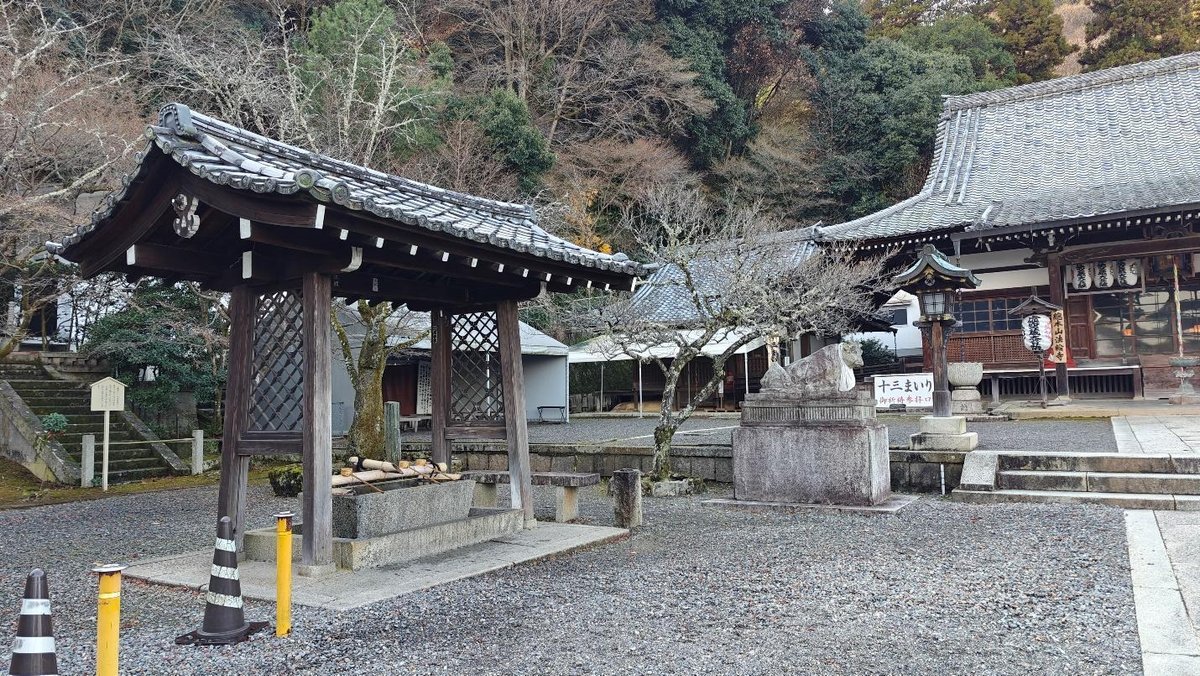
To the right and in front of the Tahoto is Horin-ji Temple’s Chozuya. As with a lot of temples and shrines, this is where worshipers wash their hands before getting close to the buildings and/or offering their prayers. The chozuya here was rather small which isn’t really surprising considering the size of the temple.
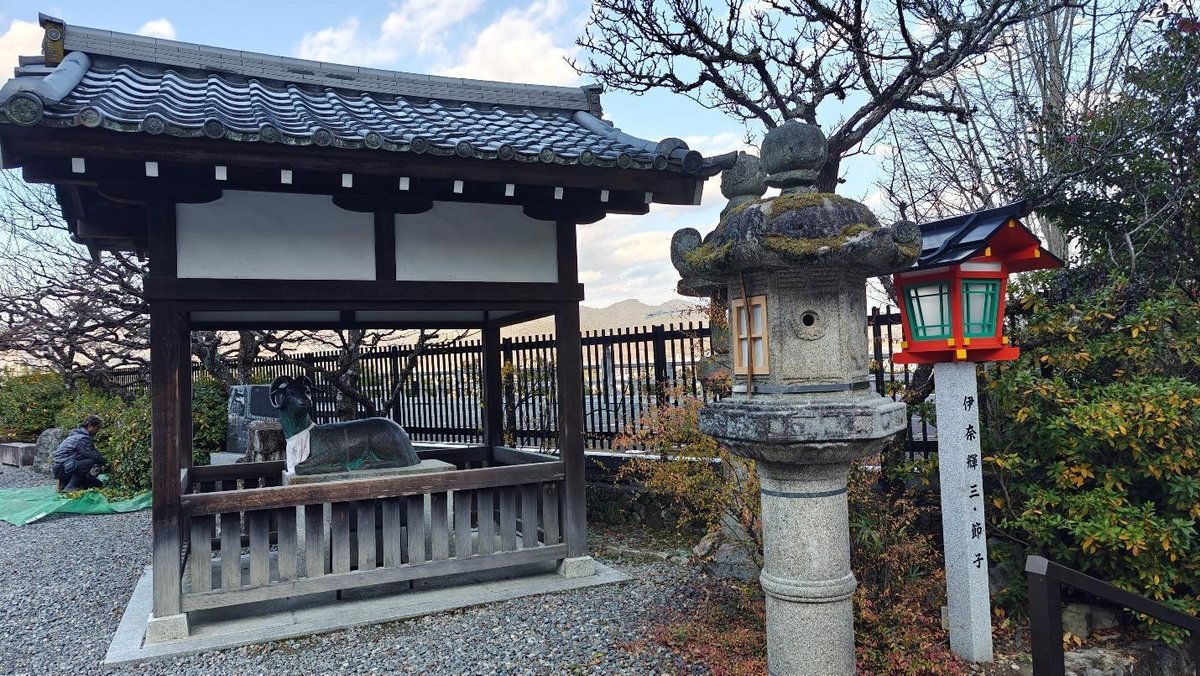
Looking to my right, I saw this pretty intriguing structure that had a statue of a sheep. Then in the background, you can see an area called the Butai or Stage. This area is essentially an observation deck and directly below it is the path that I walked earlier that led to the Main Approach.
To get inside, you’ll just need to walk straight past the statue and you should see the gate that serves as its entrance.
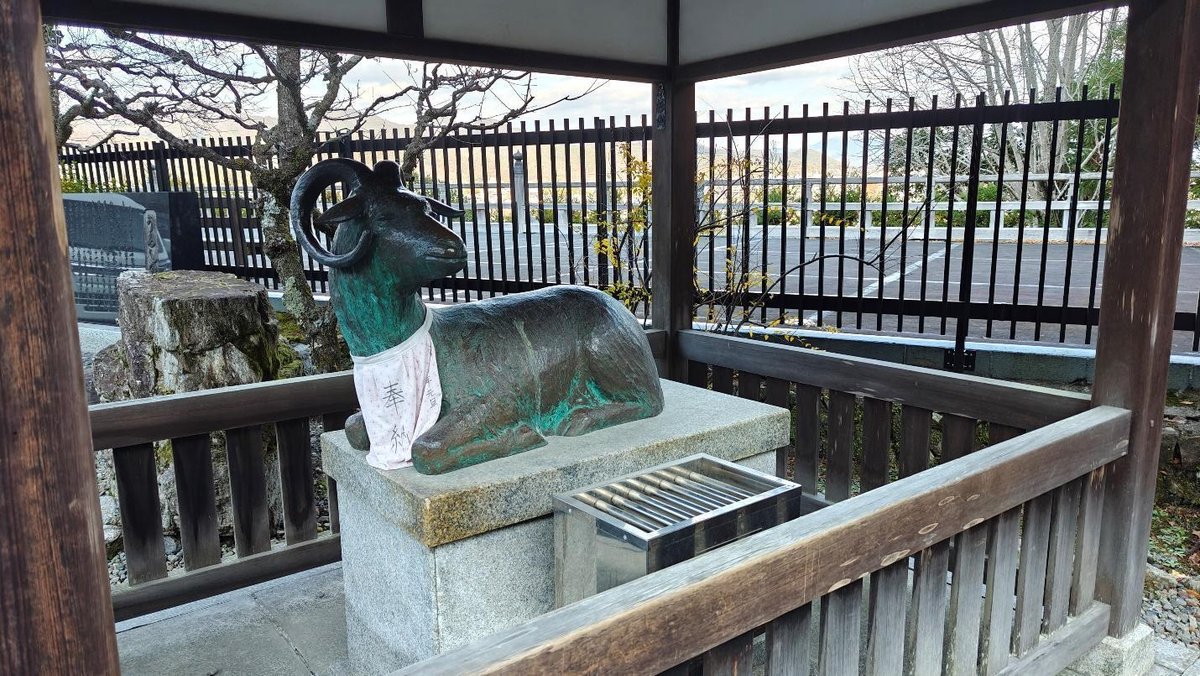
Now you’re probably wondering what the statue is here for. The sheep is actually considered as a messenger or guardian animal of Kokuzo Bosatsu and by touching it is said to make you wise and skilled. As for the Stage, it has a nice view of the Saga Arashiyama and Arashiyama Nakaoshitacho scenic districts that you might want to check out.
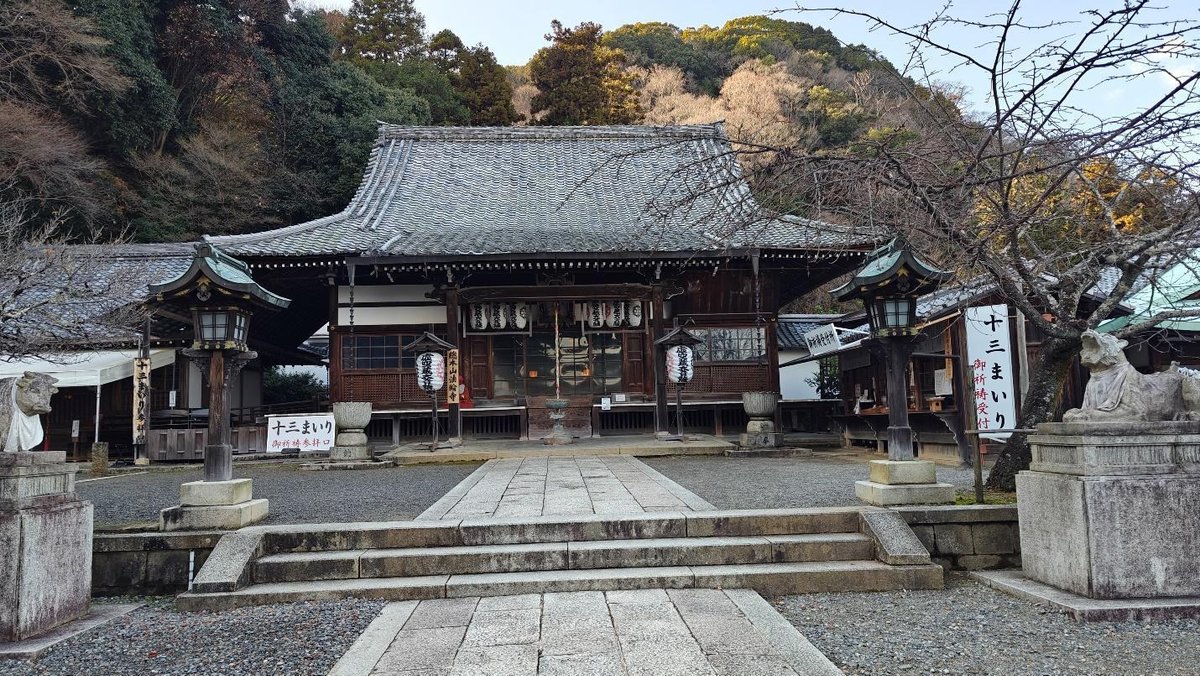
Finally, we take a look at what I think is Horin-ji Temple’s Main Hall. I say that I think it is because looking at the map of the temple, it doesn’t actually say what the building is called. In fact, you’d be hard pressed to find maps of the temple online even though it’s actually quite old.
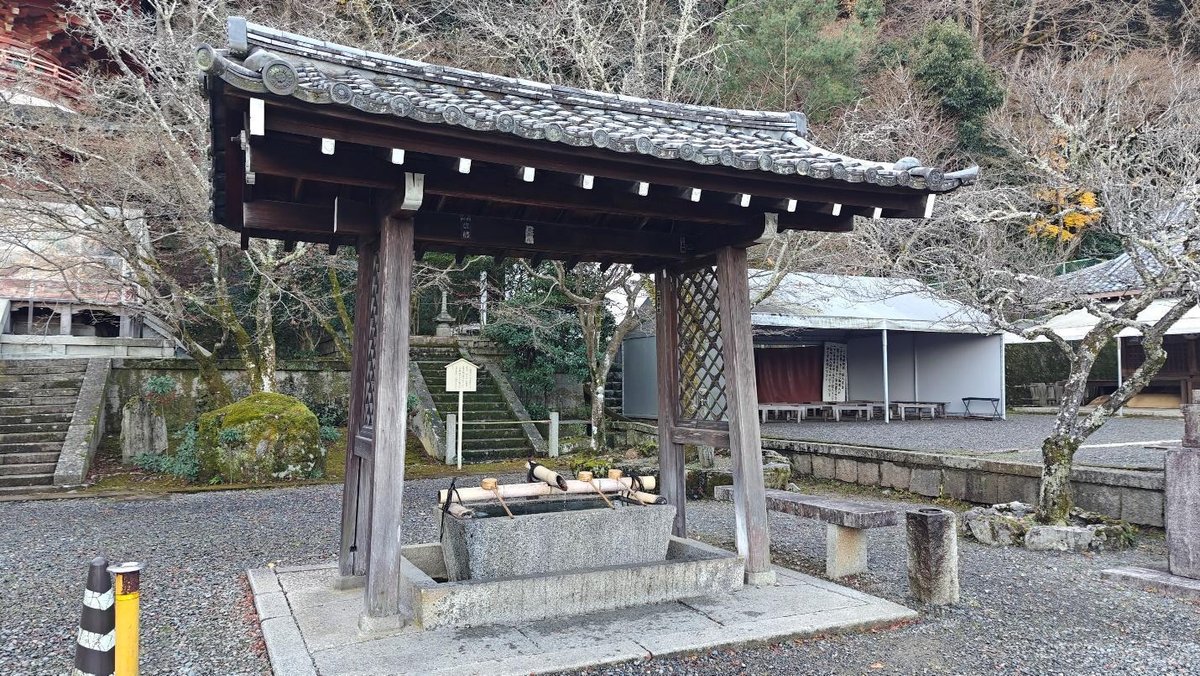
This is a closer look at the Chozuya that you saw earlier. Behind it you can see a glimpse of the Tahoto Pagoda to the left and what I initially thought was a rest area to the right. It’s not shown but to the right of the rest area is the Daikokudo which is a hall dedicated to Daikokuten.
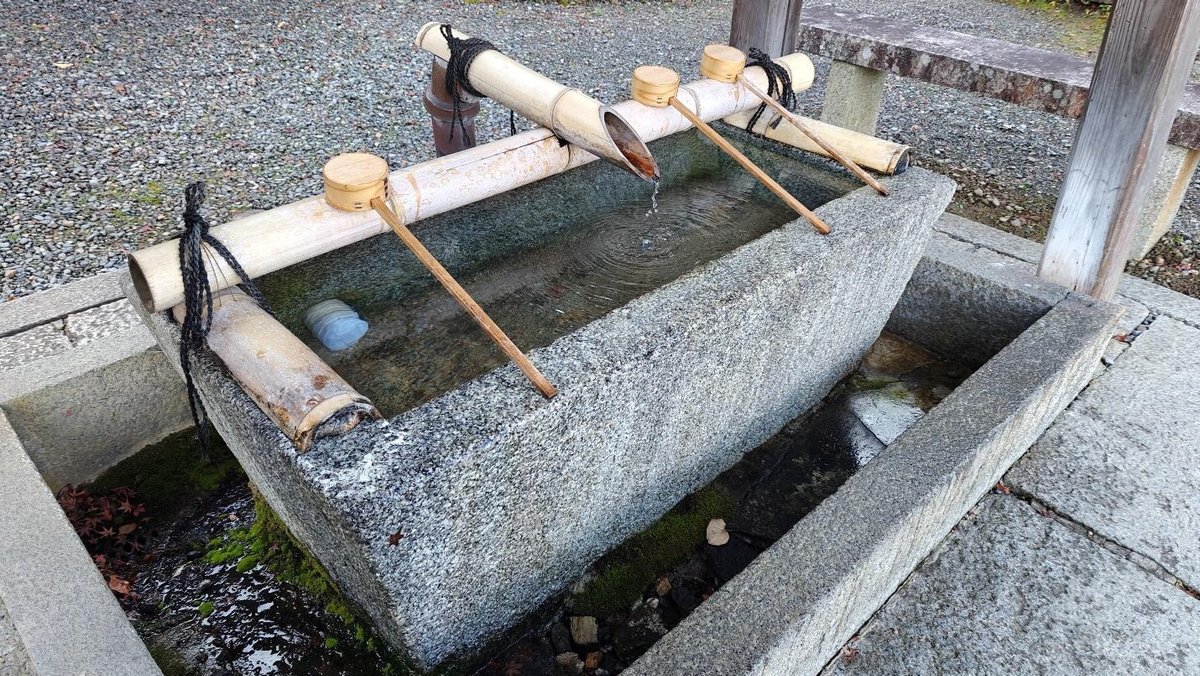
As you probably know, these long handled wooden ladles are called hishaku. Almost all of the chozuya and temizuya that I’ve been to have these for use by the worshipers and/or pilgrims. On a side note, the chozubachi here looked like it was well maintained as opposed to some that I saw that had moss on their sides.
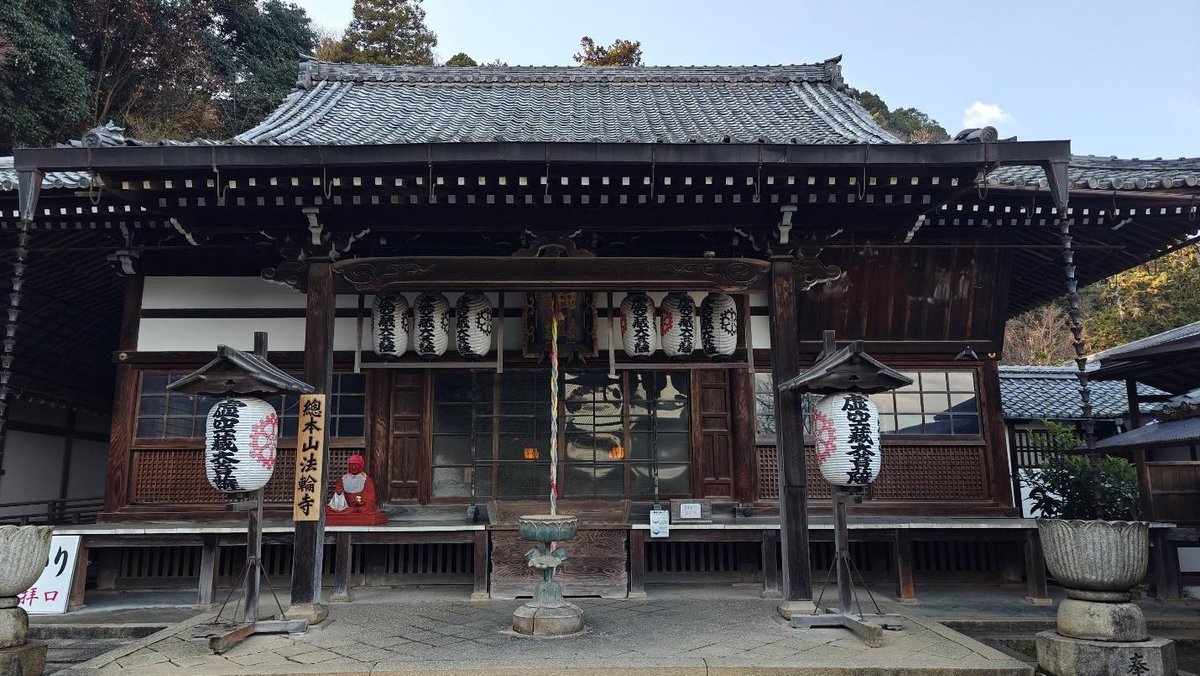
This is what the front of the Main Hall looks like up close. You probably noticed the red statue with a red cap and white bibs on the engawa. It’s a statue of Binzuru who was an Arhat or enlightened disciple (of the original Buddha) and is best known to be a healer of both mental and physical ailments.
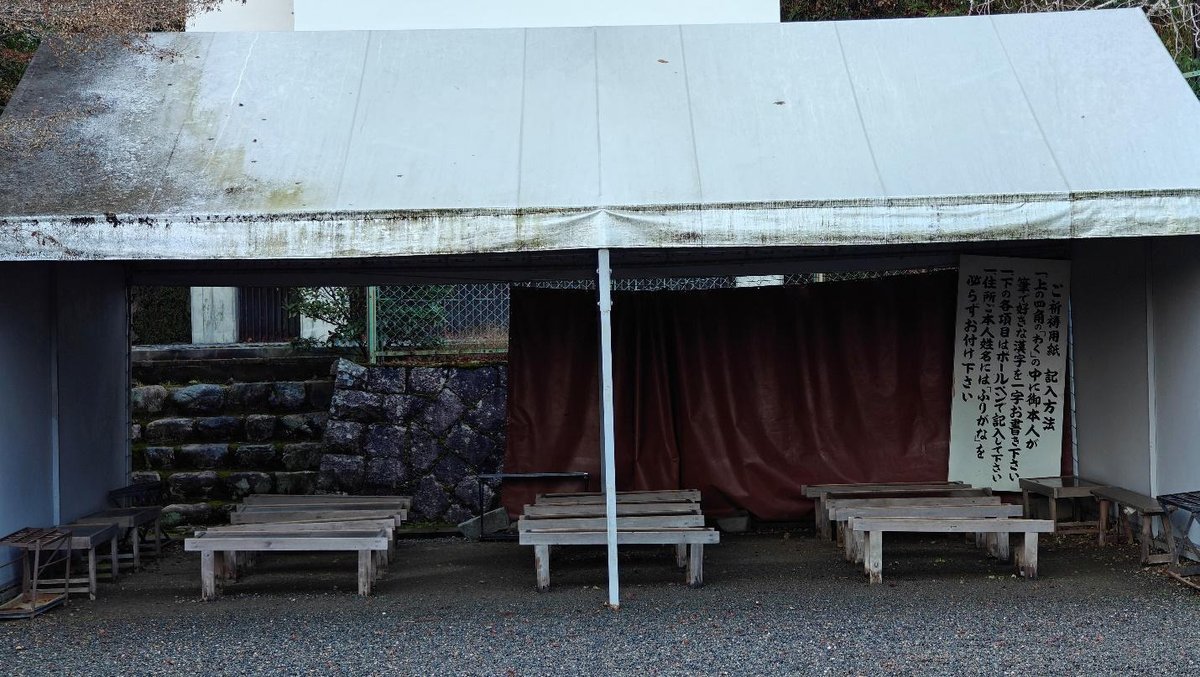
So this is what the “rest area” that I thought earlier was, looked up close. Upon closer inspection, I saw that there was a sign here with a rather lengthy inscription. Using the translation app on my phone, I realized that this was more than a rest area.
The sign is actually instructions for filling out prayer application forms and this area is likely for that purpose.
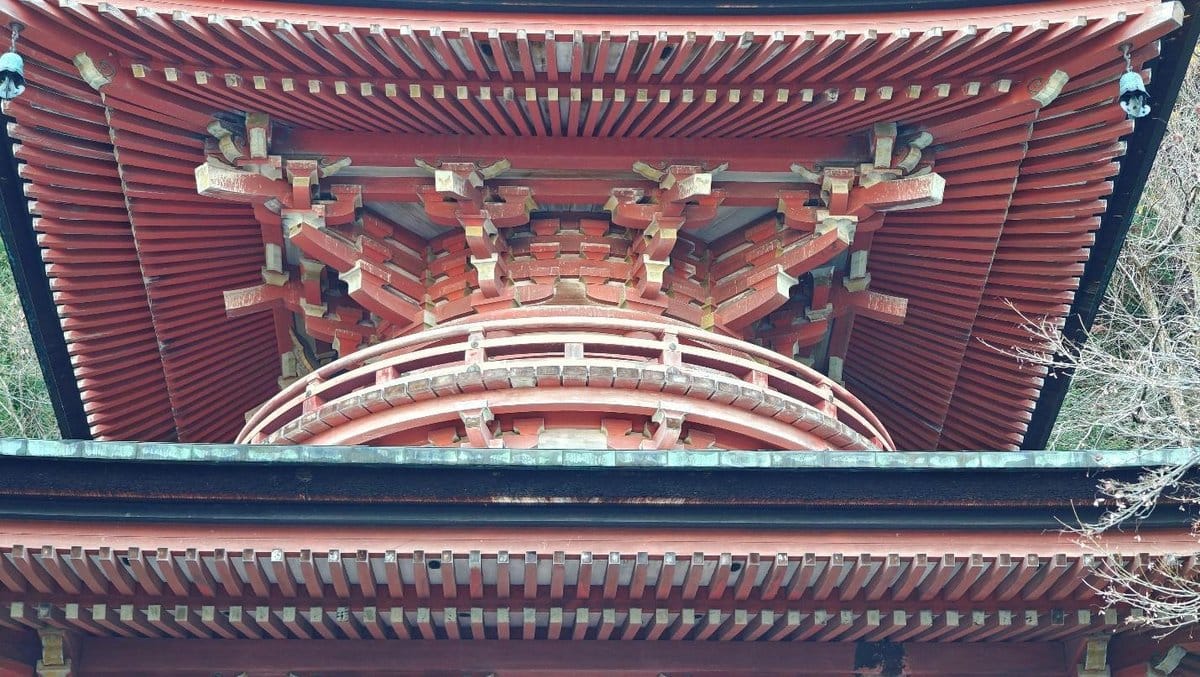
After checking out the area near the Main Hall, I started moving my way back to the Tahoto Pagoda. Here you can see the rafters that I was talking about earlier. This was surprisingly really detailed and intricate though you could also see that it’s admittedly not in the best shape.
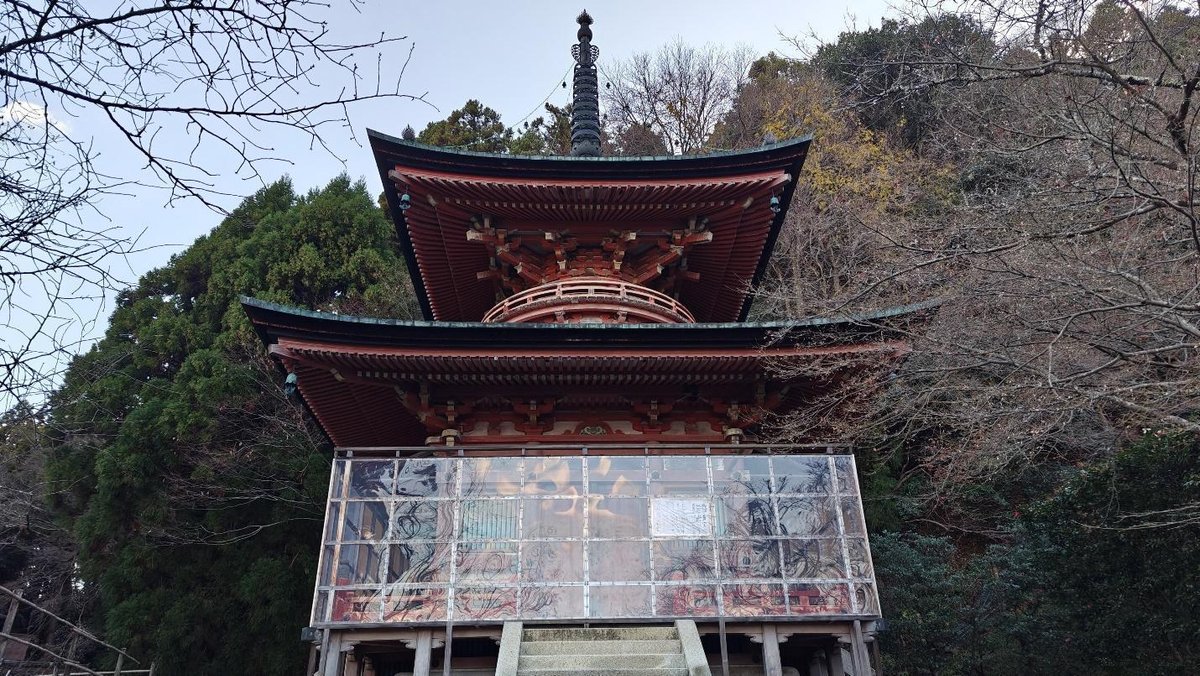
The current state of the Tahoto is probably why it has this protective see-through barrier around its engawa. There was actually a sign on the barrier though I wasn’t able to take a picture of it up close. It’s likely that the sign has an explanation as to why the pagoda is the way it currently is.
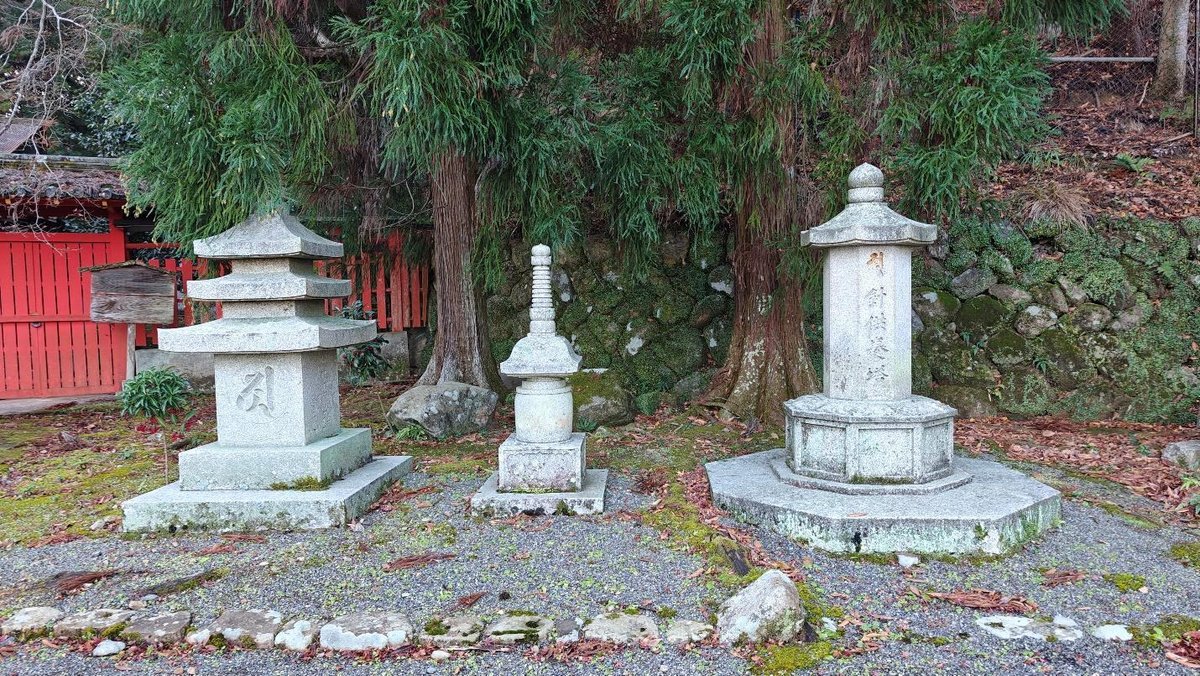
Directly to the left of the pagoda are these three stone monuments. I’m not sure what these are specifically for though I have seen similar in the shrines, temples, and gardens that I’ve been to in Japan. The ones here looked to be relatively new or it could be that they’re just really well maintained.
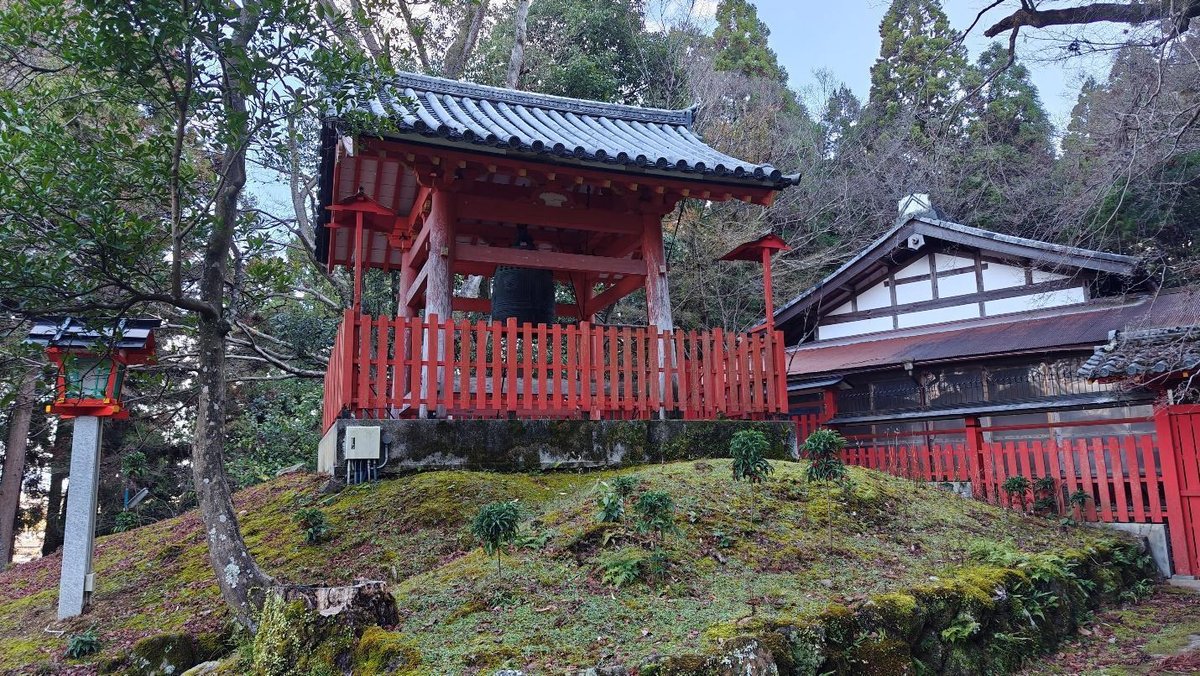
This is Horin-ji Temple’s shoro and behind it is a building that isn’t listed on the guide maps that I saw. If you look closely at its columns, you’ll see the vermilion paint has peeled off. I’m guessing that like the Tahoto Pagoda, this building might be due for a renovation.
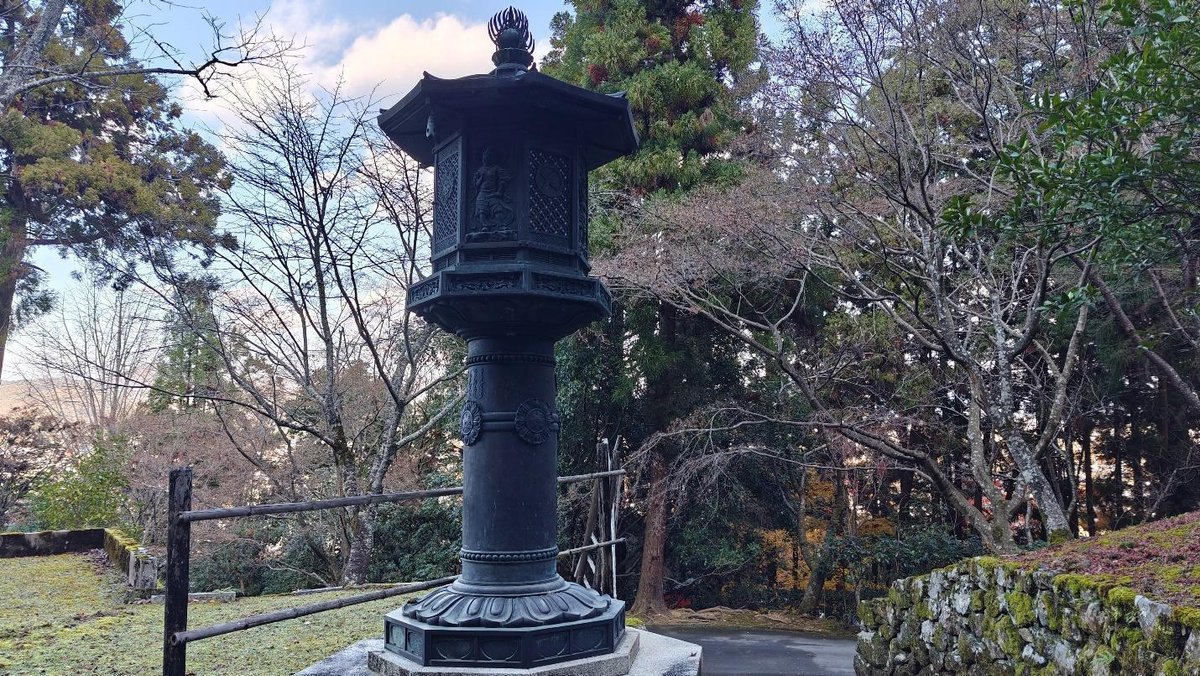
Opposite the shoro is this bronze lantern that features intricate details. It’s on a narrow path that leads to a wider one that you can sort of see in the back. You could sort of go down the hill from there and get to the next landmark but I wouldn’t recommend this as it’s more of an informal path and you might get scolded by the temple’s groundskeeper if they happen to see you.
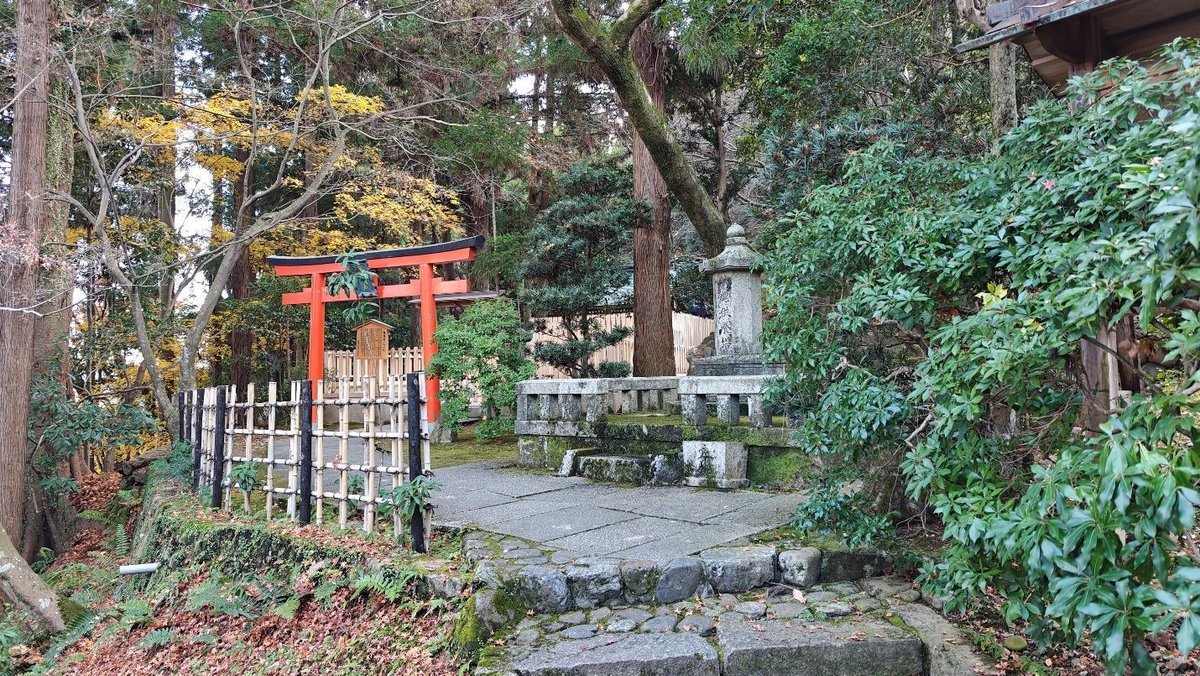
So this is the other unique landmark that you’ll find here at Horin-ji Temple. As you can see from the torii gate, this is a Shinto shrine and the deity enshrined in it will surprise you. To get here, I just went down the Omotesando and turned right on the first landing from the top (opposite the entrance/exit to the Urasando).
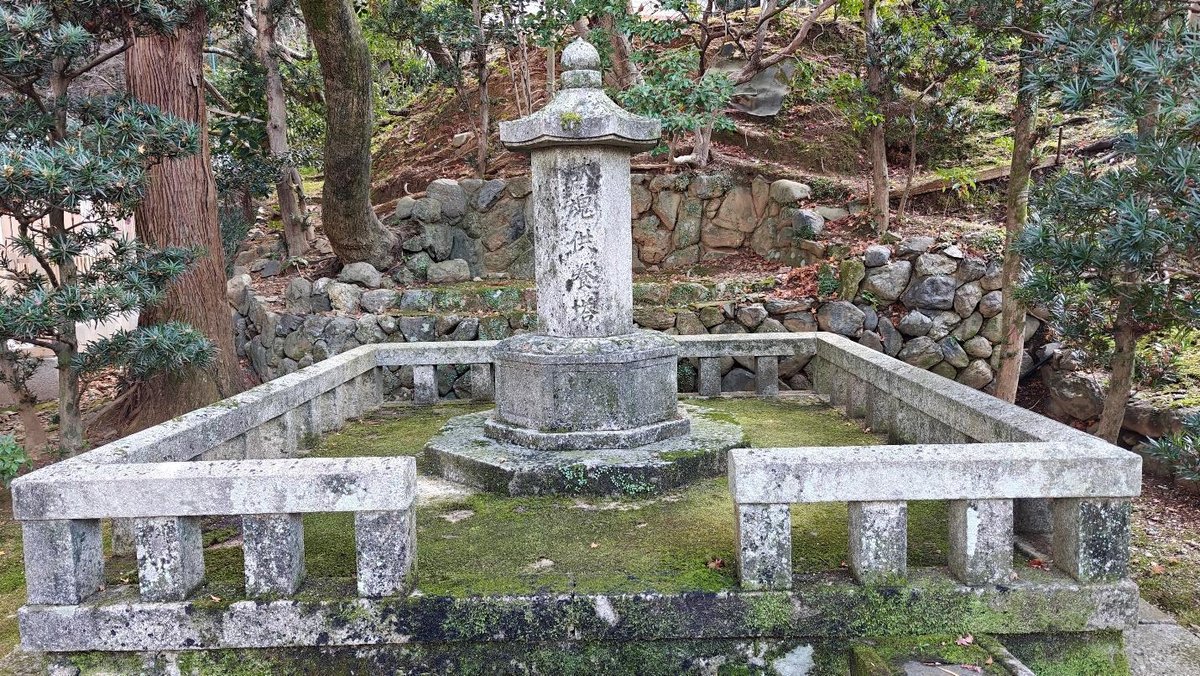
Before reaching the shrine, I came across another stone monument. Behind it, you can sort of see a hillside path that would lead you back to the area that has the shoro and the Tahoto Pagoda. As for the stone monument, I’m not entirely sure who it’s supposed to be for.
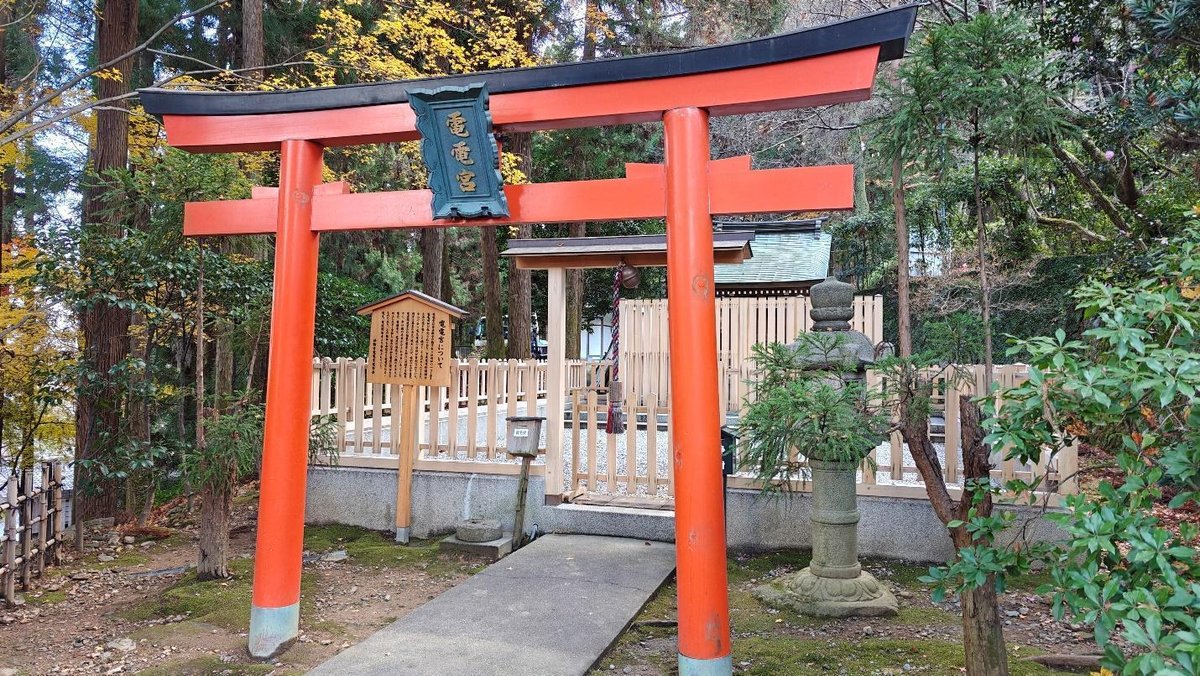
I finally reached the Dendengu Shrine. Unlike most Shinto shrines that I’ve been to, this is unique because it’s dedicated to a relatively new deity named Denden Myojin. And what is Denden Myojin the god of, you ask?
He’s actually the guardian of electricity, computers, and electrical engineering.
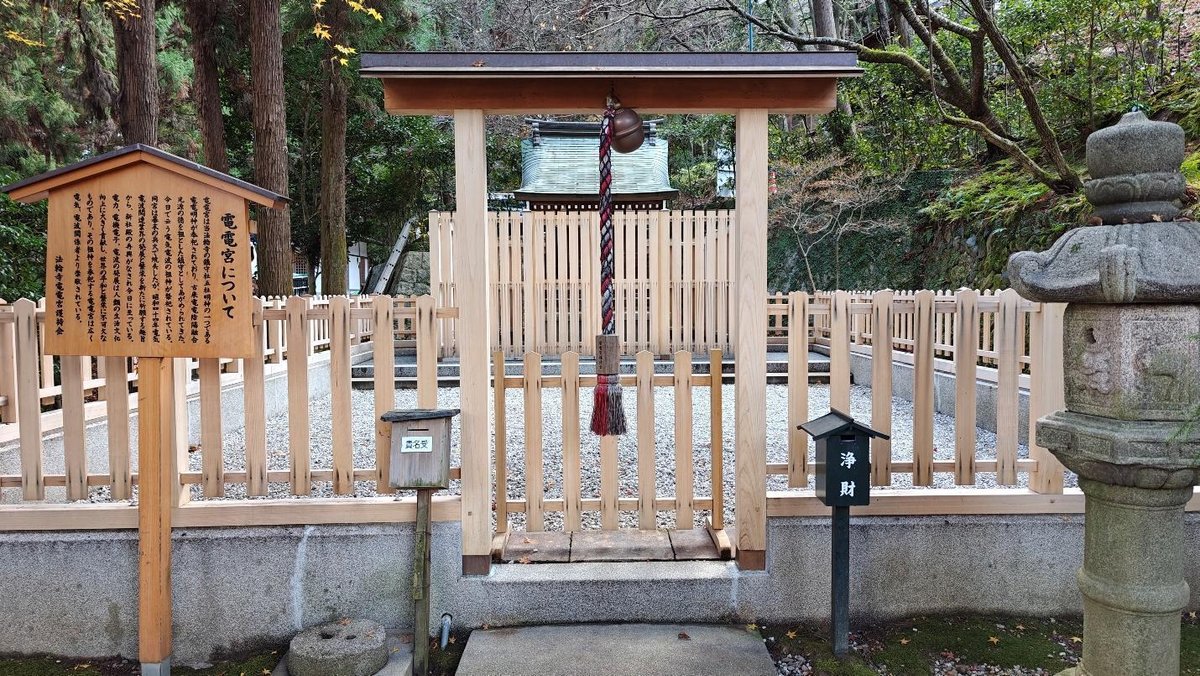
The shrine is relatively simple and it actually reminded me of the numerous sub-shrines in Fushimi Inari Taisha. What was striking though is how small the saisen-bako was here. I’d typically see large saisen-bako or offering boxes in similar shrines but here it’s just two small boxes with the black one specifically for monetary donations and the other for worshipers’ prayer letters/wishes.
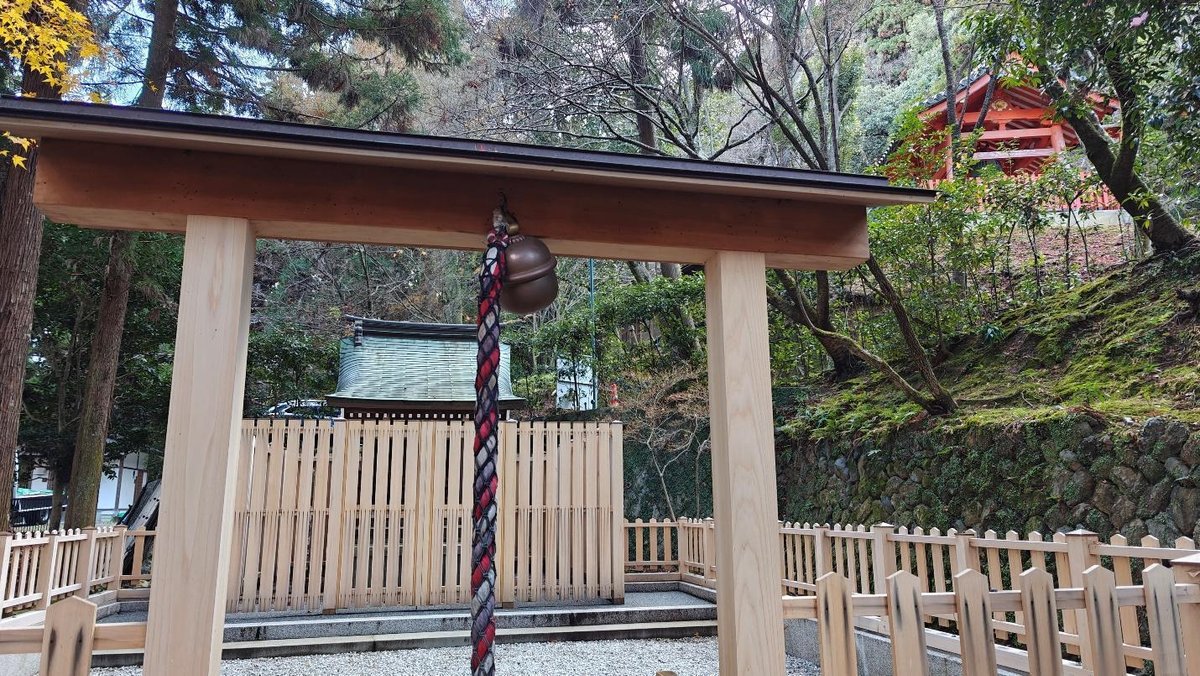
This is the bell or suzu that you ring after putting in your donations and prayers in their respective boxes. It’s much smaller than the ones I’d seen so far during this Japan trip though it’s understandable considering how relatively new the shrine is. From this vantage point, you can also see a glimpse of the Shoro that I went to earlier.
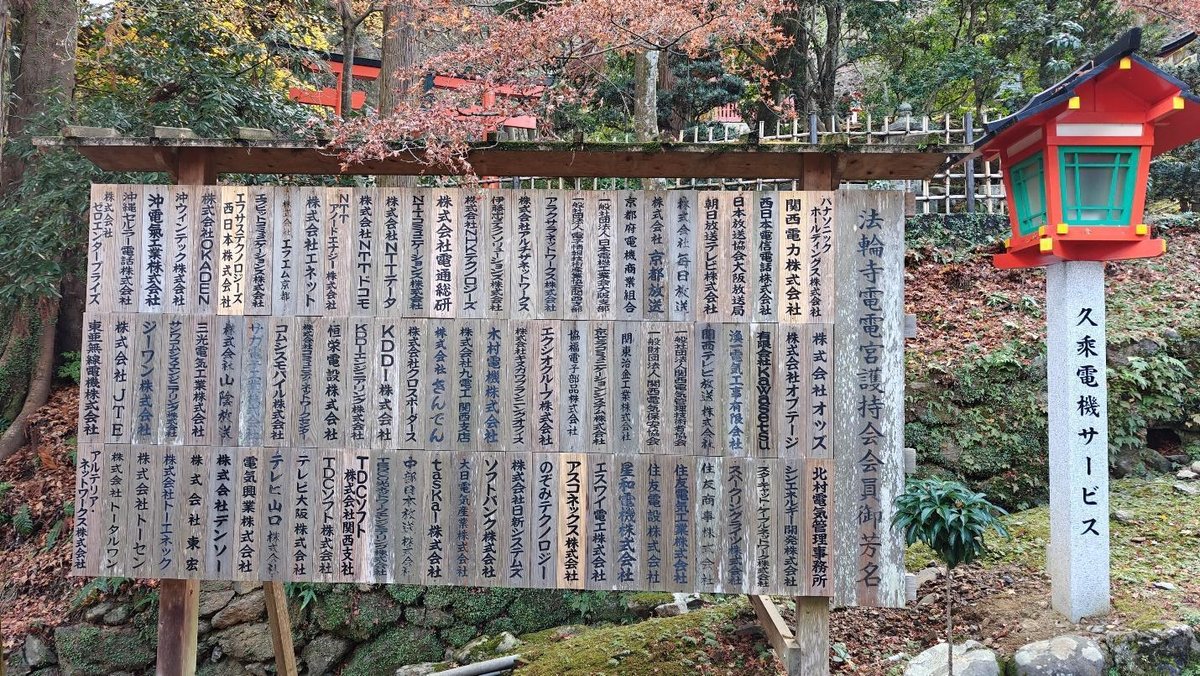
After that visit to Dendengu Shrine, I decided to head back down the steps of the Omotesando. Along the way, I came across this rack that featured rectangular pieces of wood with inscriptions. Apparently, this is the member and donor board for Horin-ji Temple Dendengu Association and it actually features prominent companies such as Panasonic Holdings Corporation, Softbank Corp., NHK Technologies Inc., and NTT Communications Corporation (just to name a few).
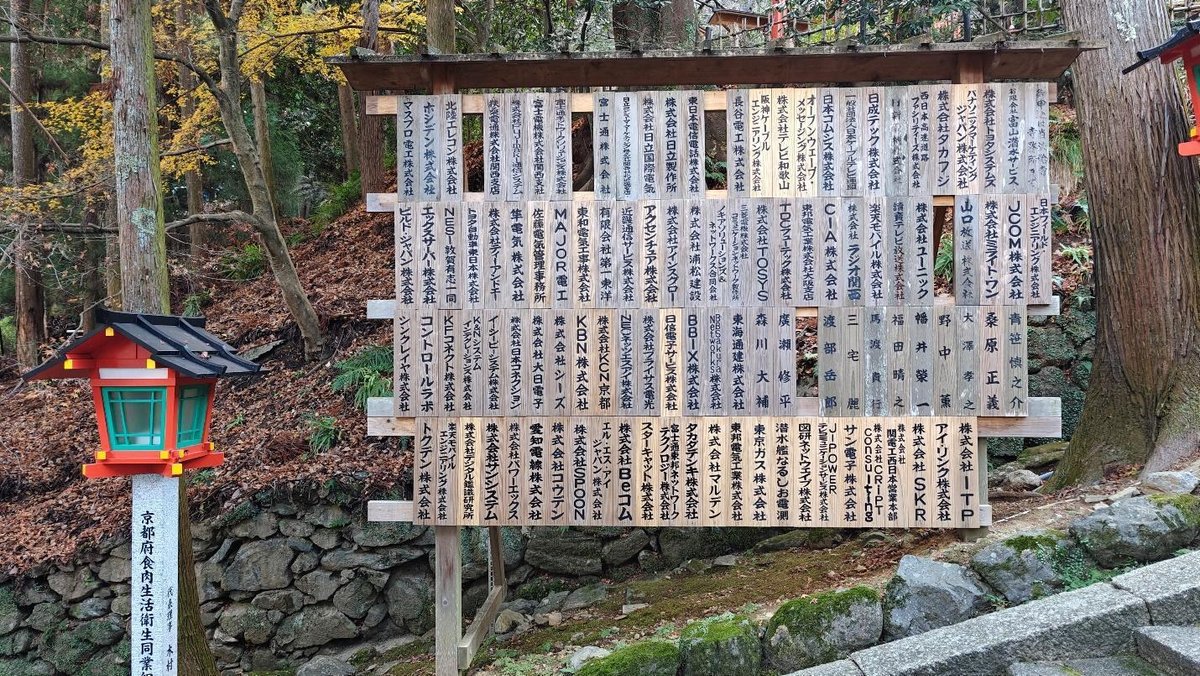
There were actually so many companies that were featured here that they needed a second board to accommodate them. I also noticed that a lot of the stone lanterns here also featured inscriptions indicating who donated them. This is par for the course as I also observed this practice in other shrines and temples (notably Fushimi Inari Taisha’s Senbon Torii).
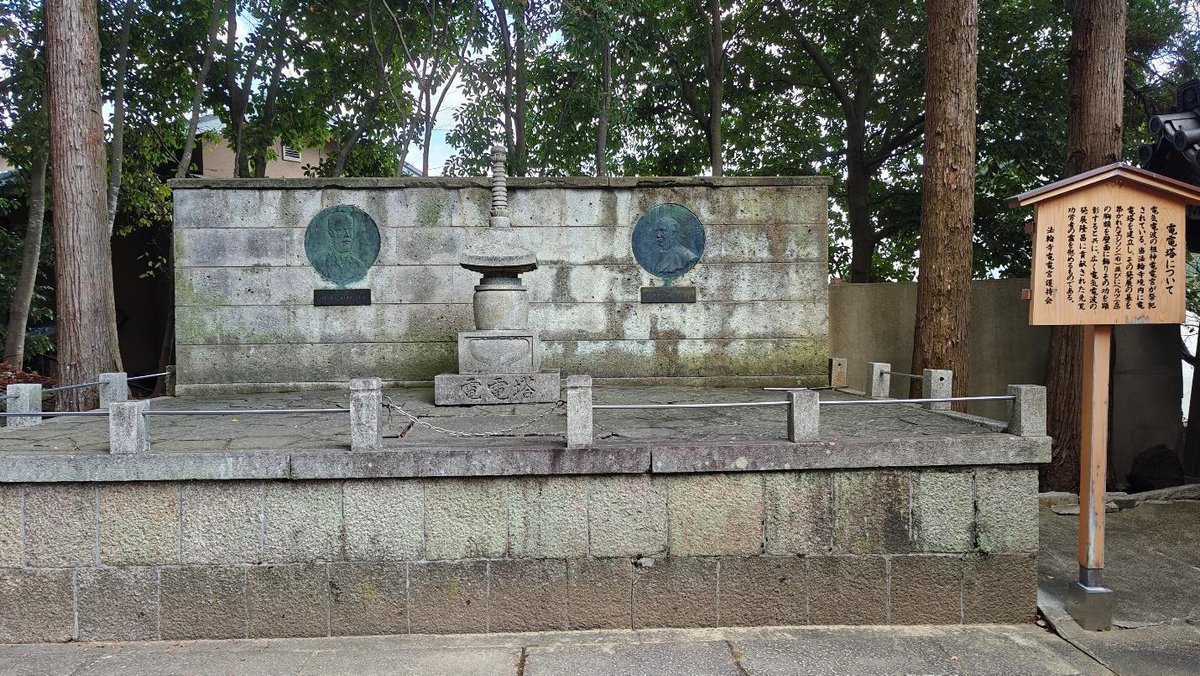
Just before getting to the Horinjisanmon, I came across another interesting landmark. This is the Denden-to Pagoda and as you can probably infer from its name, it's a monument dedicated to electricity much like the Dendengu Shrine. Instead of being dedicated to Denden Myojin though, it honors Thomas Edison and Heinrich Hertz (you can see an engraving of their busts behind the pagoda).
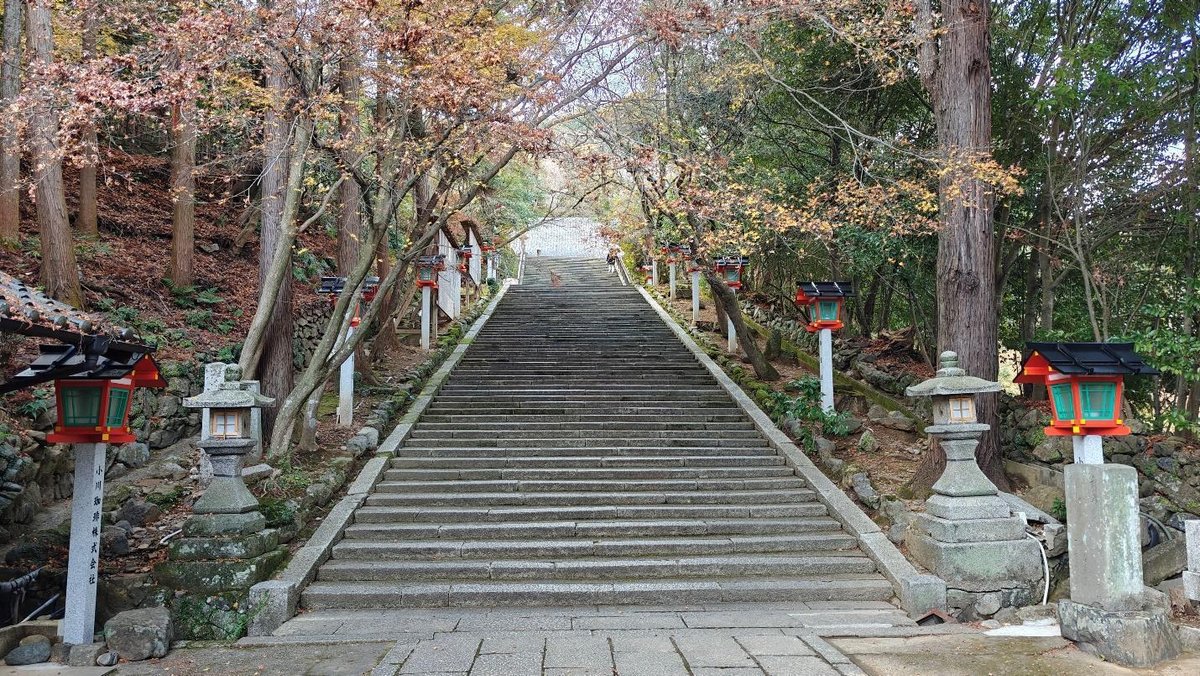
This is the view from the level of the Denden-to Pagoda. The walk down was honestly not that hard though not having any railings meant I had to be extra careful. Again, this really shouldn't be a problem for individuals of average fitness levels.
If you're not too keen on going down here though, you could always just exit from the Urasando or Back Approach that I used to get into the temple grounds.
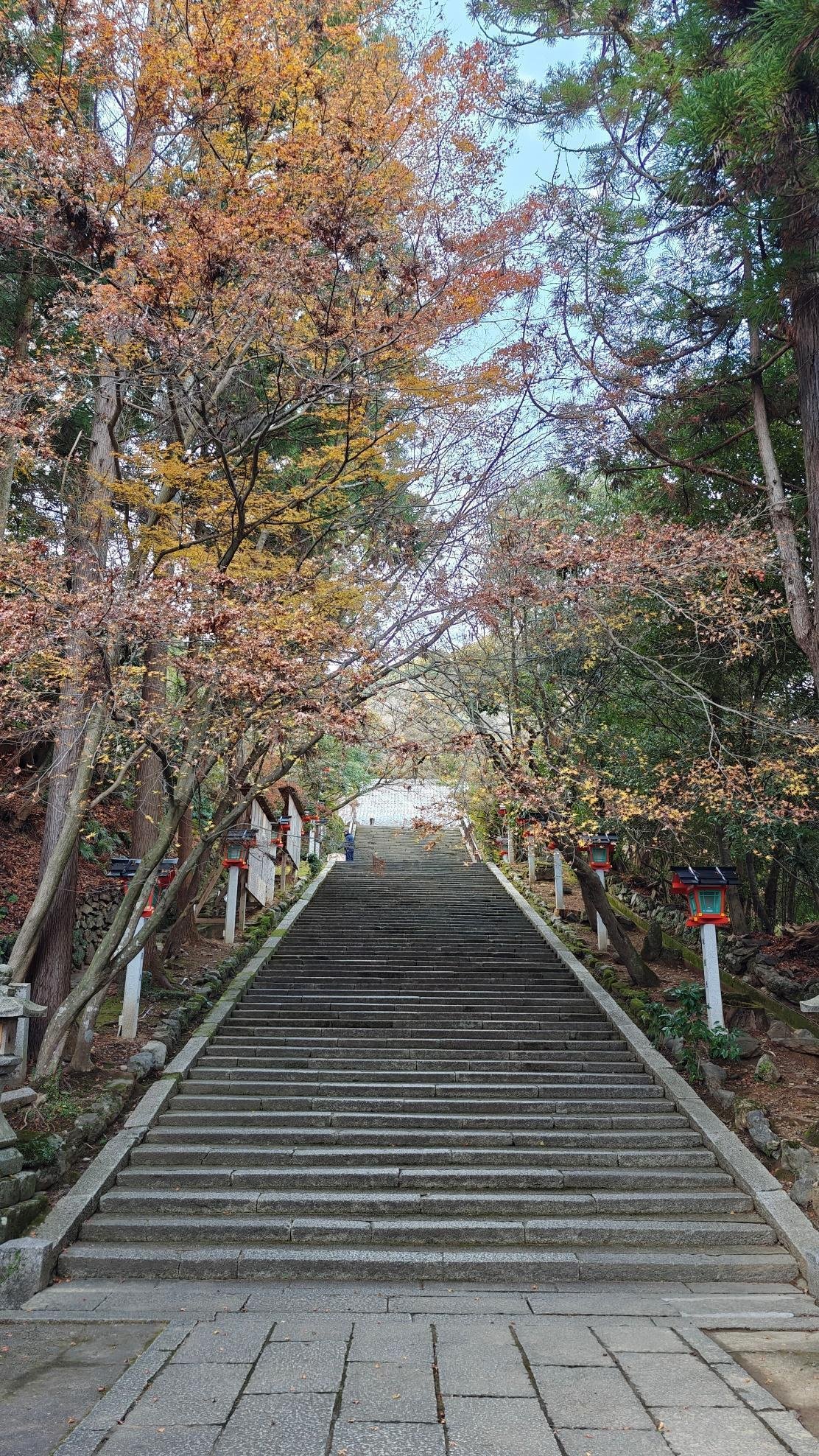
Personally though, I would try to either go through the Omotesando just for its scenic views. I mean just look at this! Like the Nakanoshima Area of Arashiyama Park, I wonder how awesome the views here would look during spring.
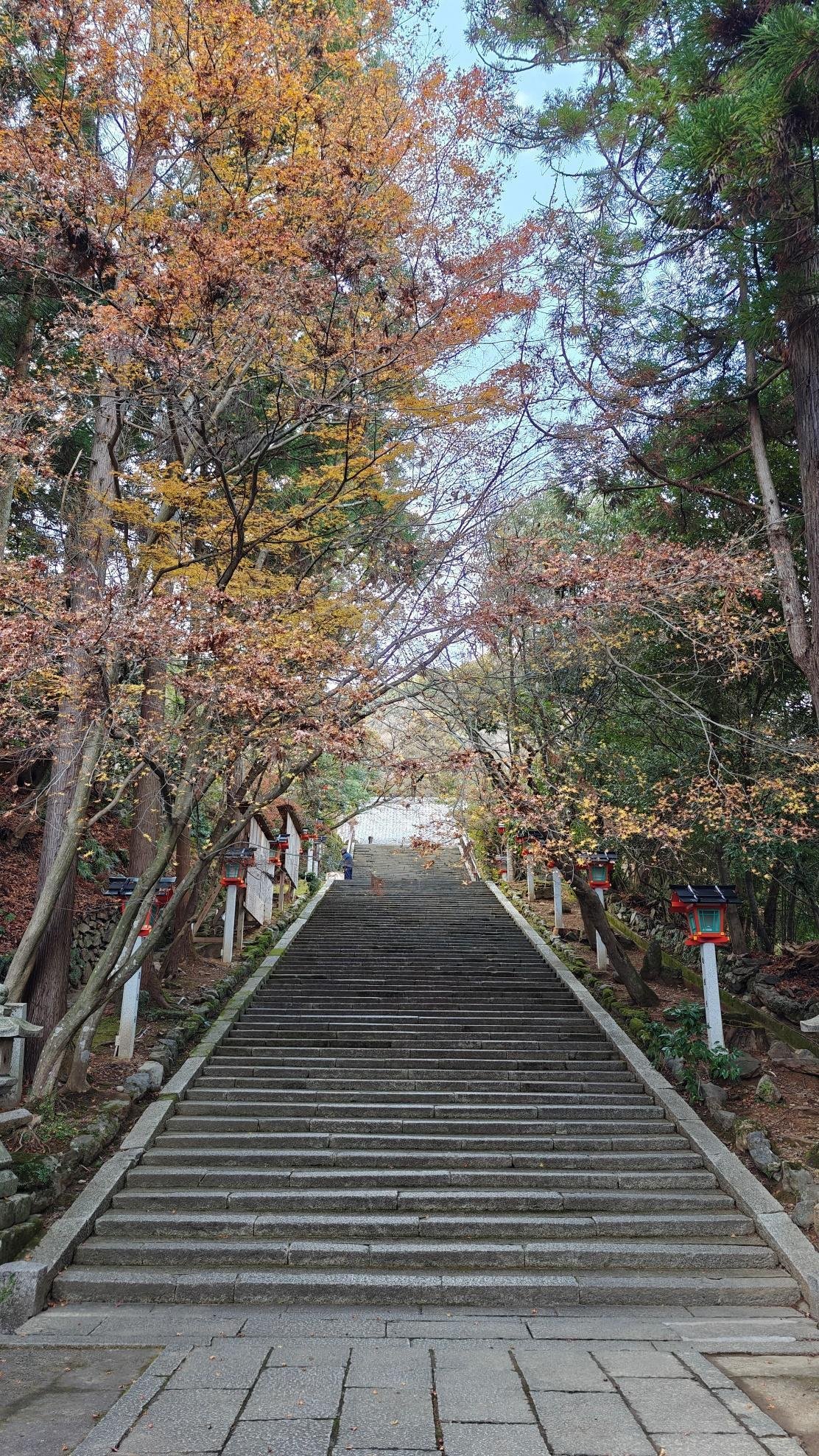
Speaking of spring, I've read that the temple is quite popular during that season. Aside from the sakura, people also come here for Jusan Mairi. Also known as the Thirteen-Year-Old Pilgrimage, this event is typically celebrated from March 13th up until May 13th and involves children turning 13 visiting the temple to pray for maturity and wisdom.
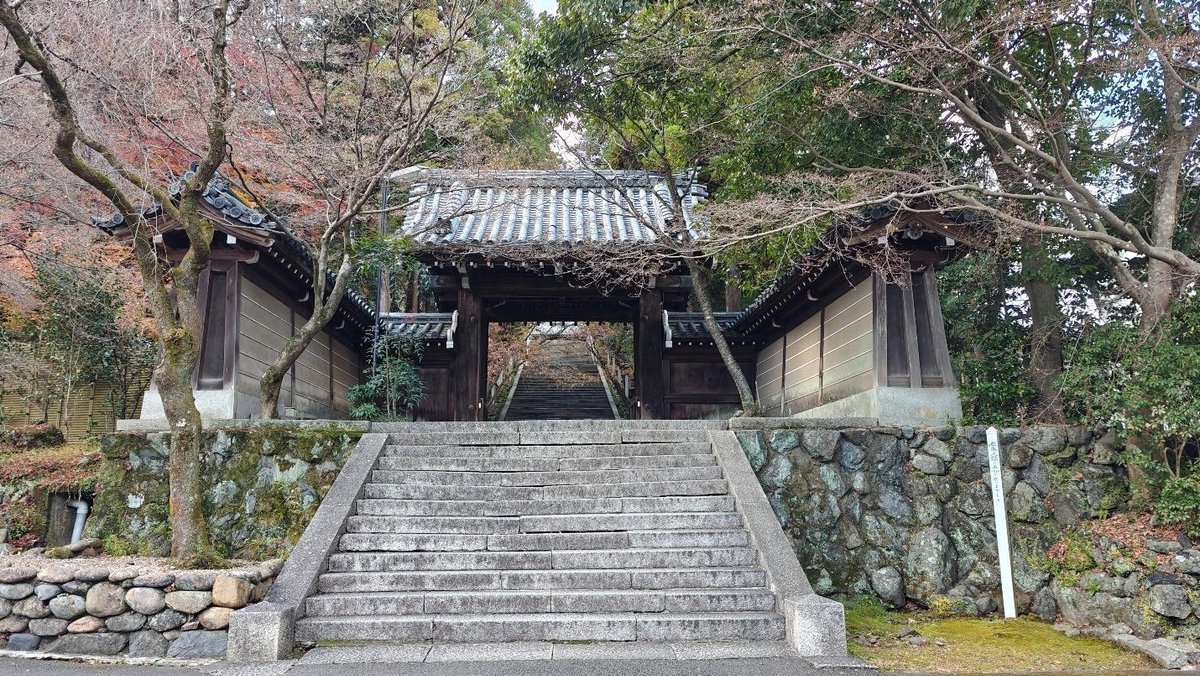
Finally, I passed through the Horinjisanmon which ended my visit to Horin-ji Temple. The gate is actually quite nice though it's obviously not as grand as the ones in Yasaka Shrine and Chion-in Temple. Much like everything here, it has that ethereal quality that perfectly captures the passing of the seasons.
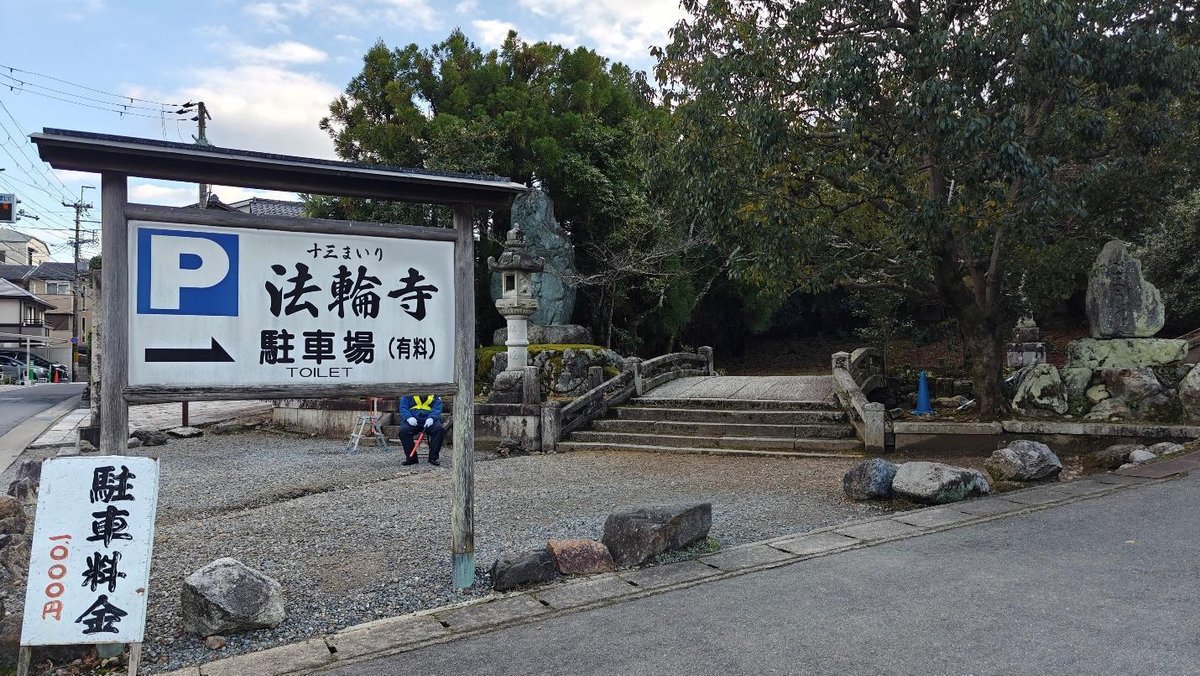
A short walk from the Horinjisanmon and I found myself at the Utano Arashiyama Yamada Line. You can actually see a glimpse of this road on the left. There's also a huge sign here pointing to the main gate as well as the parking lot and public toilet.
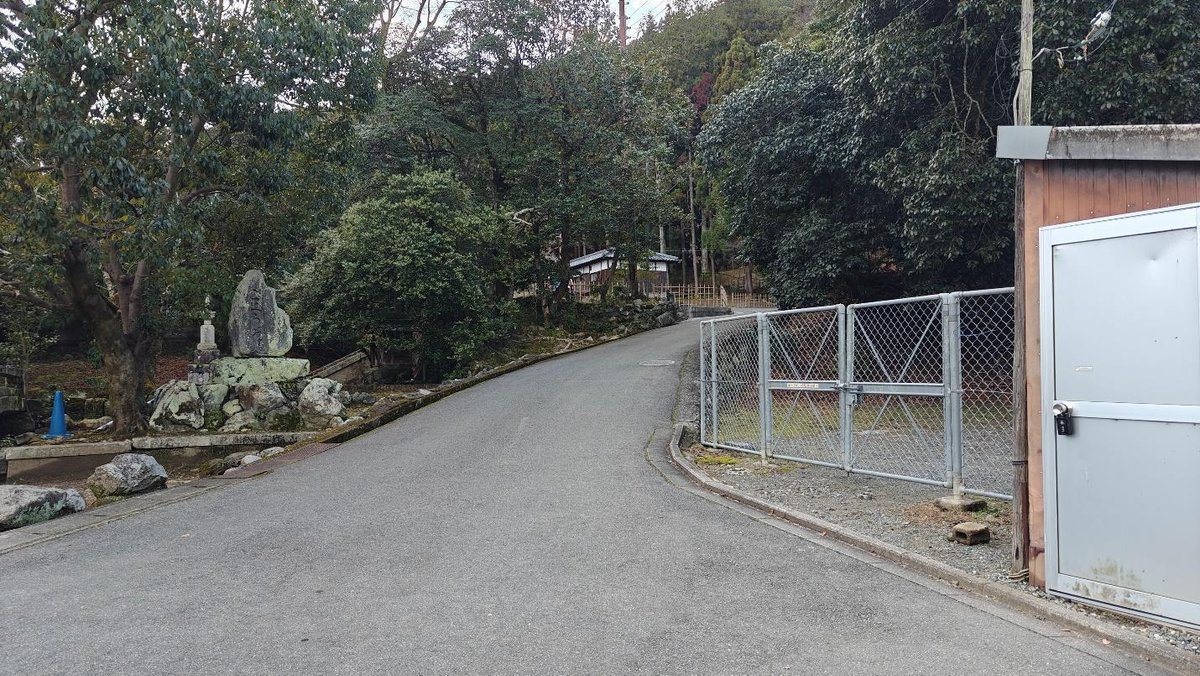
This is the path that leads up to the Horinjisanmon and you can actually sort of see the parking area and public toilets from here. You might have also noticed a path earlier with a small bridge just behind the sign in the previous image. If I'm not mistaken that was the original main path while the one shown here is relatively new and was made mainly for vehicles.
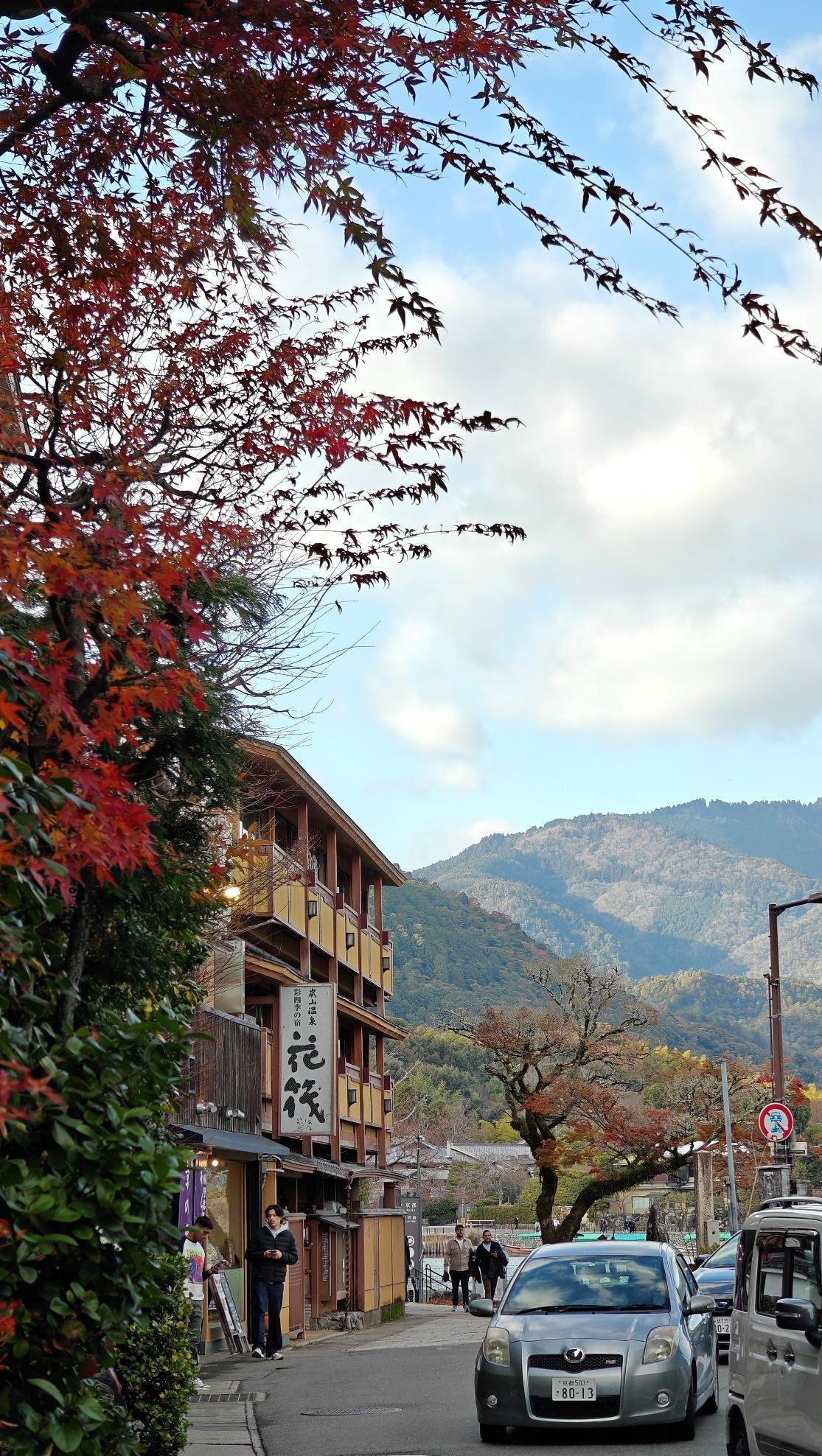
With my visit to Horin-ji Temple finished, I found myself headed back to the area where I started. It was getting busy at this point in the afternoon with vehicle traffic slowly starting to build up on the Utano Arashiyama Yamada Line.So what do I think about Horin-ji Temple and is it worth visiting? I don't think it's a must-visit but if you do end up going I don't think you'll regret your decision.
It's a relatively small temple so there aren’t that many things you can do aside from appreciating the buildings/surroundings and enjoying the view from the Butai. I could totally see people skipping this to spend more time on the Katsura River with Arashiyama Tsusen’s rowboats or feeding the monkeys at Arashiyama Monkey Park.
That said, it's a really nice temple with charming and peaceful vibes that is also great for relaxing and recharging after a day's worth of walking around the Arashiyama area.Have you ever had the chance to visit Horin-ji Temple?
If yes, what was your visit like? We'd be more than happy to hear about your thoughts and experiences down in the comments!