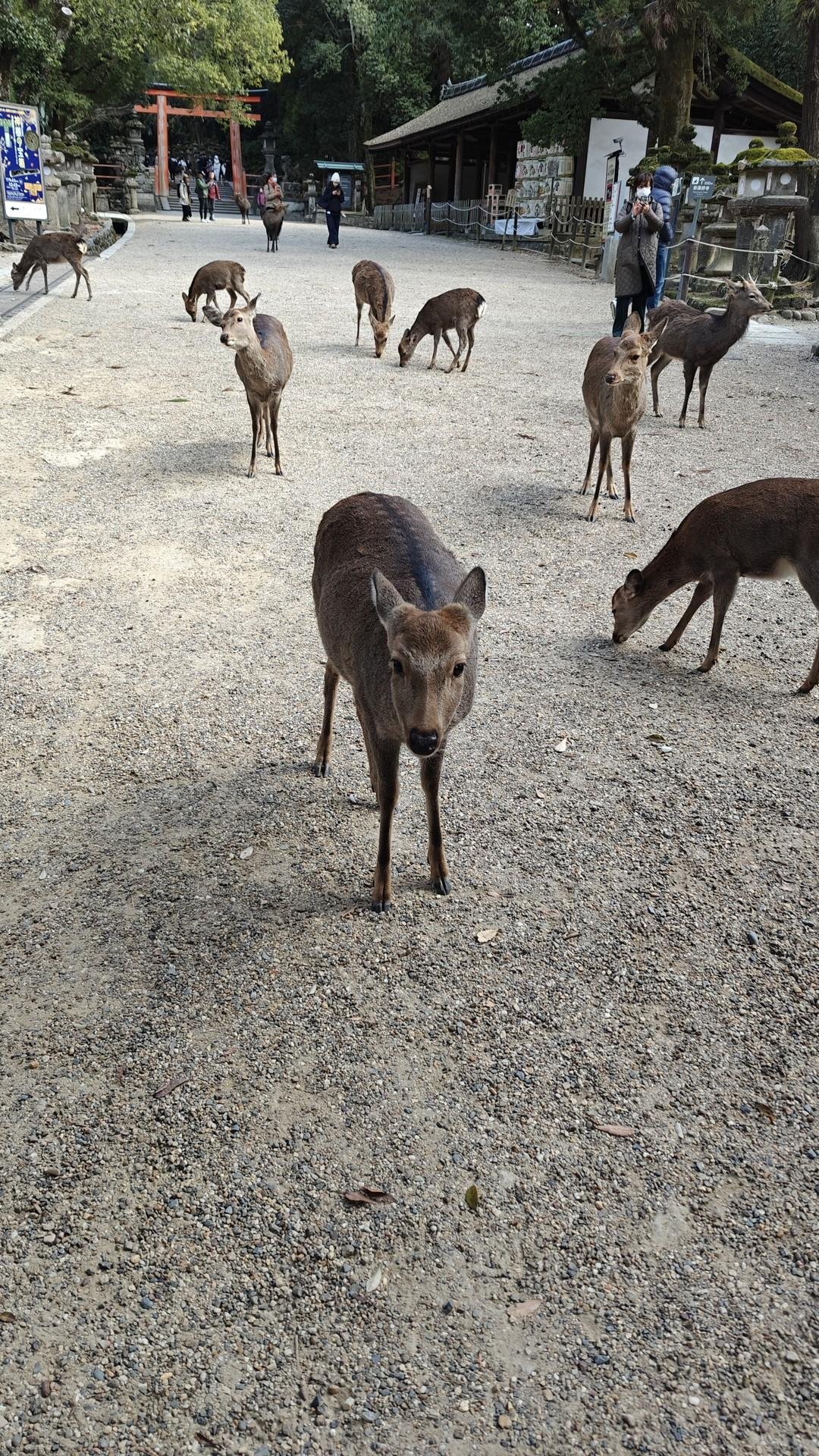
The first impression that I have about Kasuga Taisha is the deer that simply walk around with the crowd right beside the torii gate. I arrived at the shrine on a day when Nara was quite busy probably because of the season and these deer were simply doing their own thing while visitors passed by them. One deer stood right by the people who crossed the gate and none seemed to care, here it's simply usual.
Because the place is a UNESCO World Heritage Site and one of the most famous places in all of Nara I expected big crowds but the deer mixed between the people gave everything a different feeling than the other shrines that I visited.
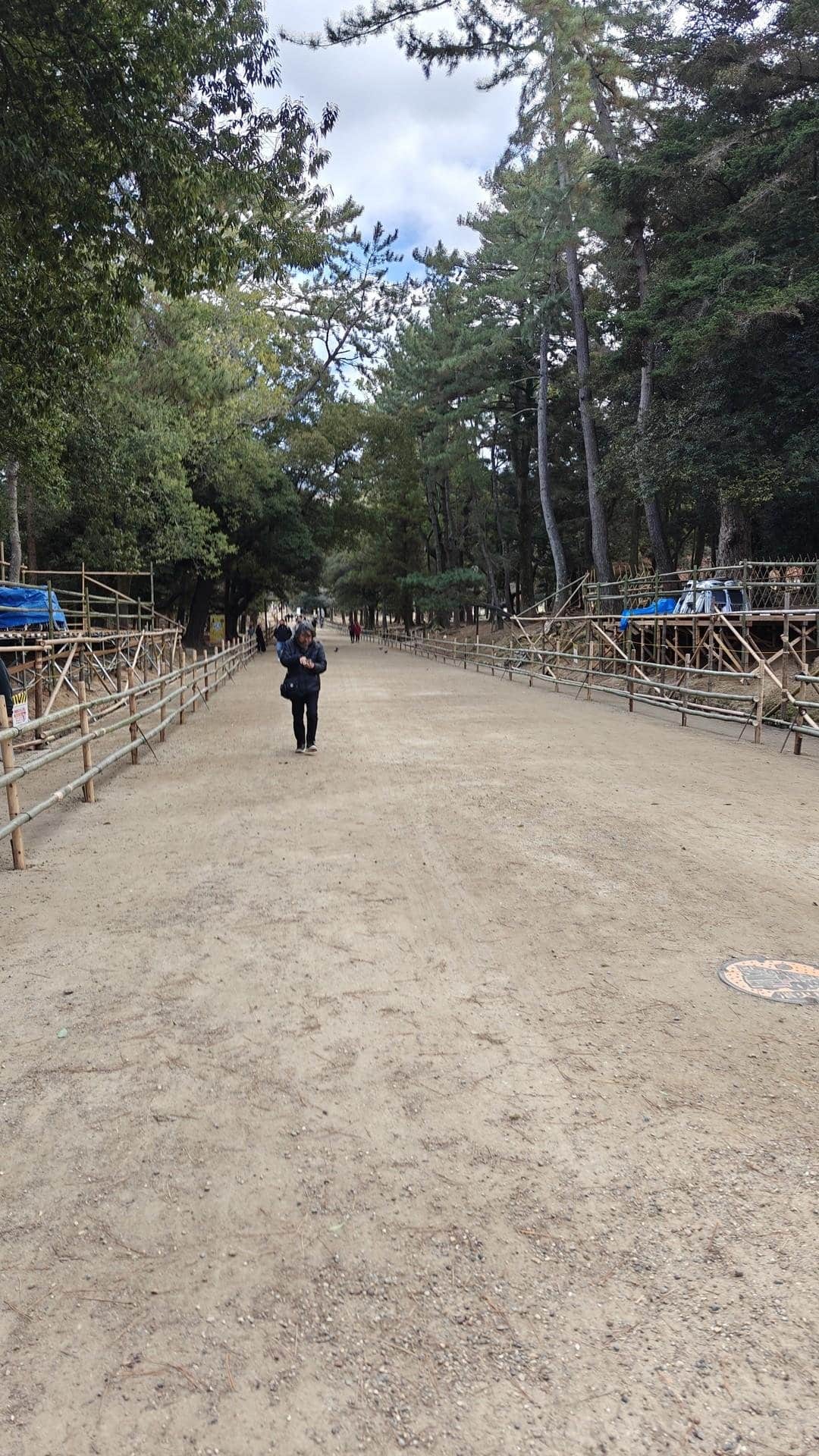
The walk to the shrine lasted quite long. Through a wide dirt path in the woods with bamboo fences on the sides and people that all went in the same direction.
A Walk with Deer and Stone Lanterns
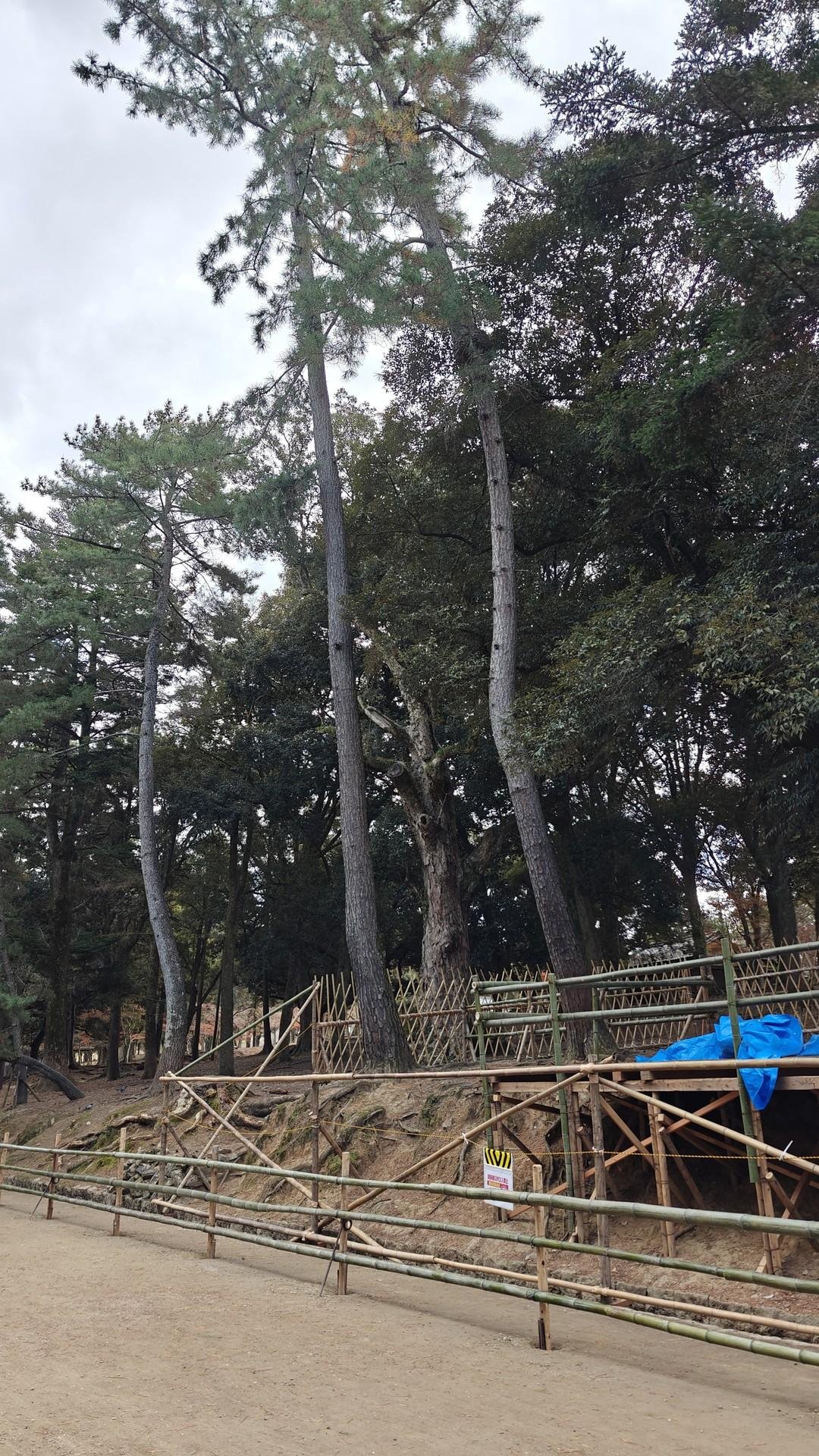
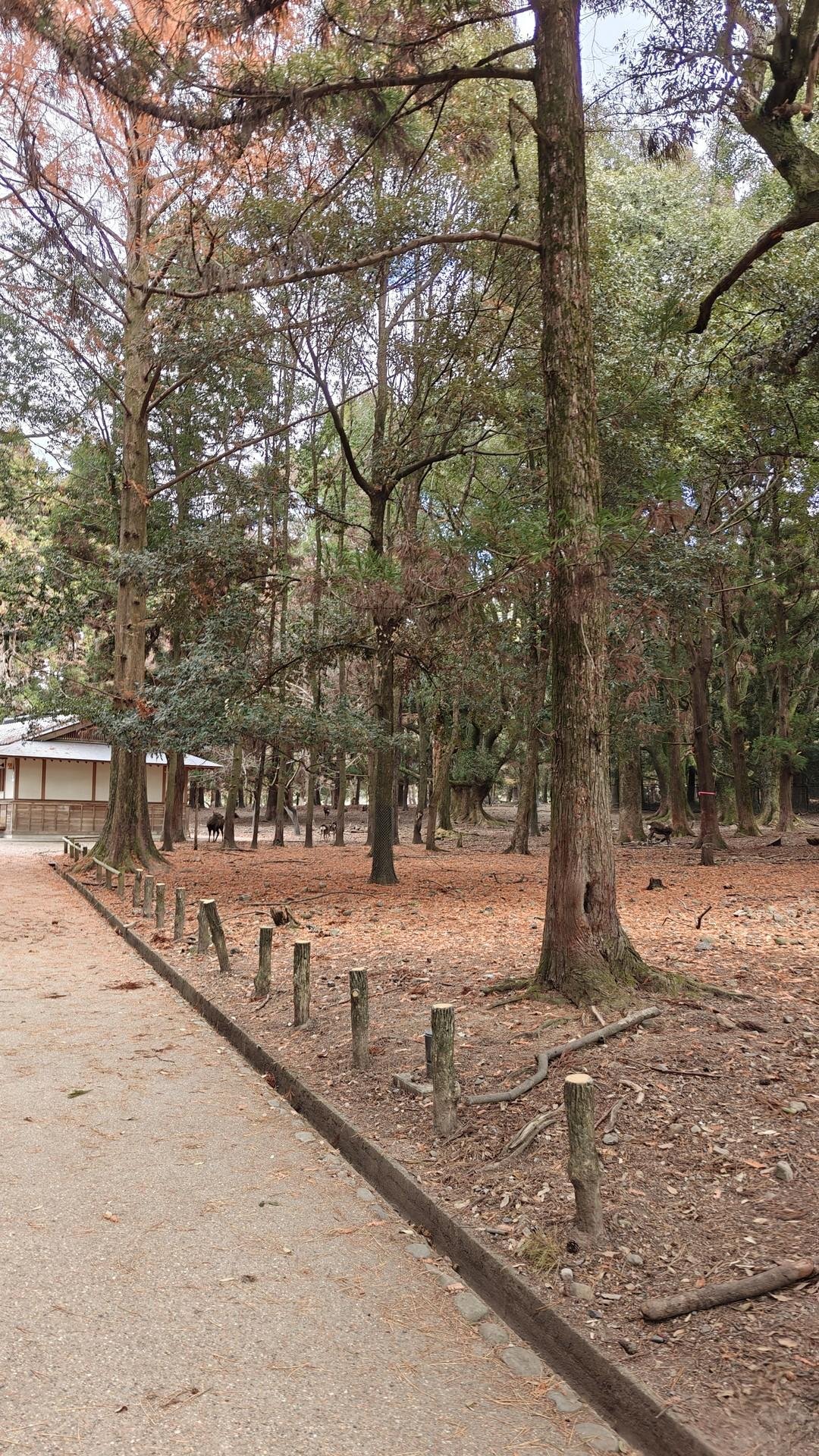
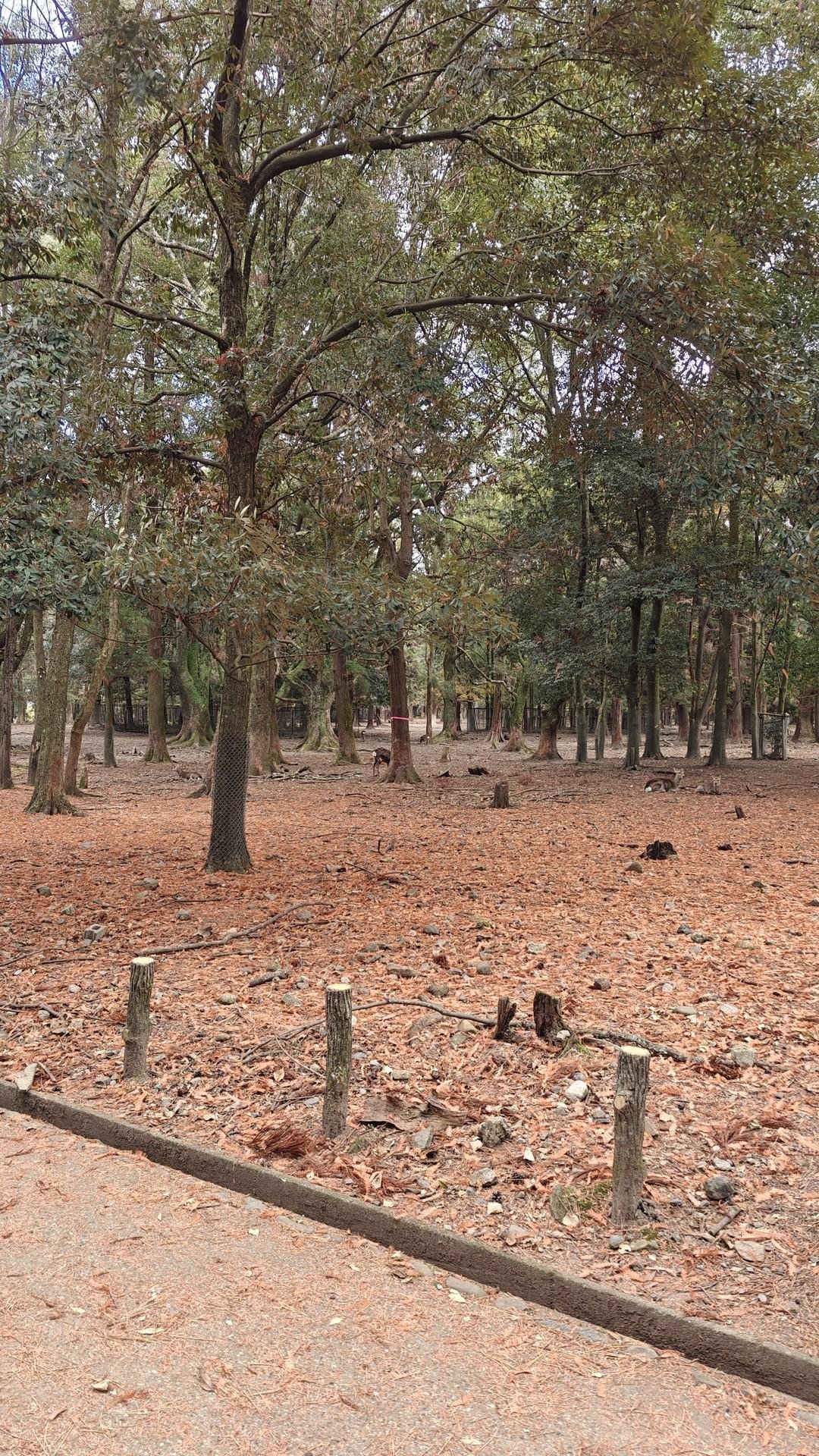
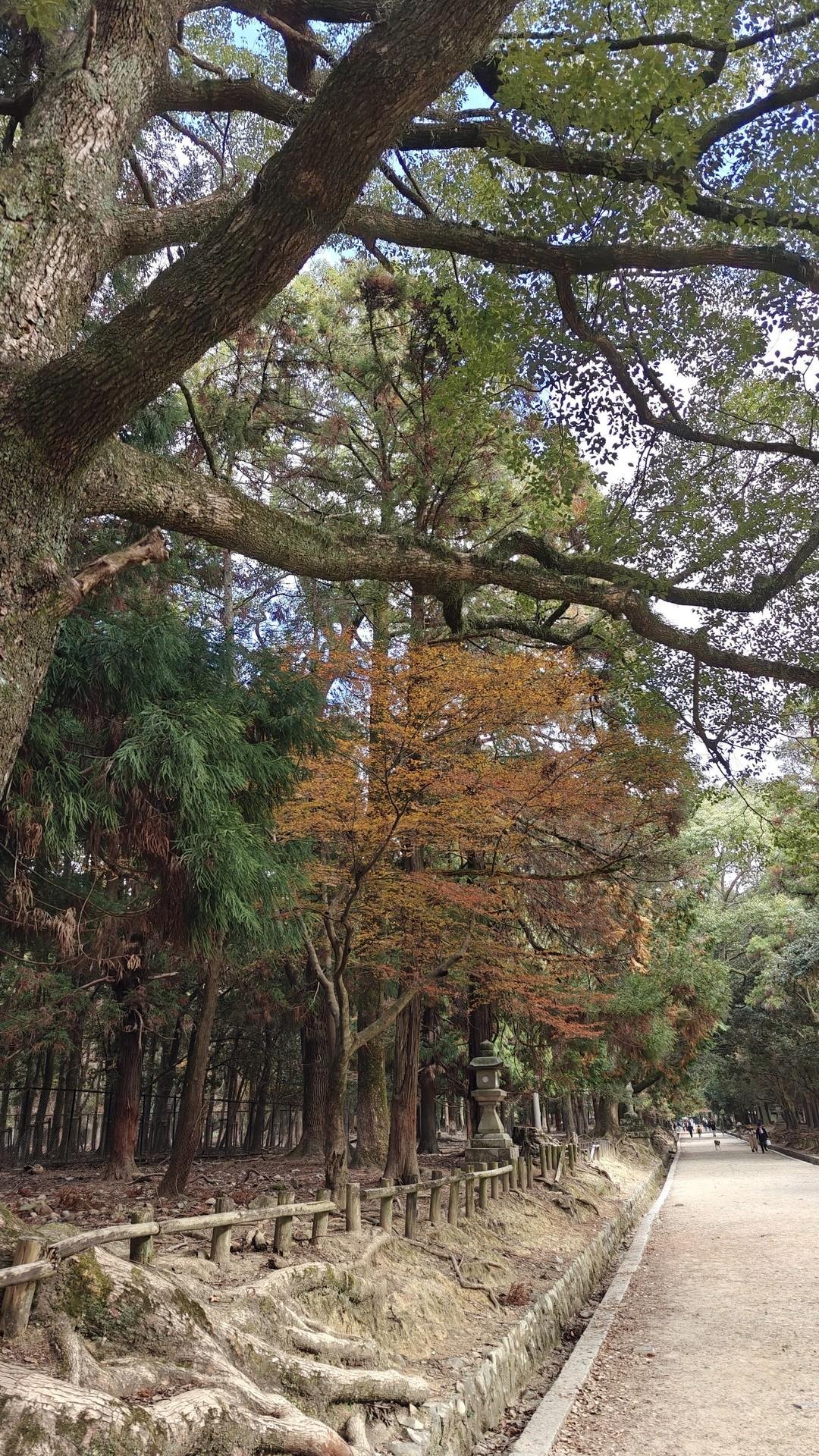
Deeper in the woods everything became really quiet and I saw a few deer that simply walked between the trees. The ground was covered with soft and thick fallen leaves everywhere. I liked that part of the way more than the main path because it felt like the forest simply swallowed all the noise up.
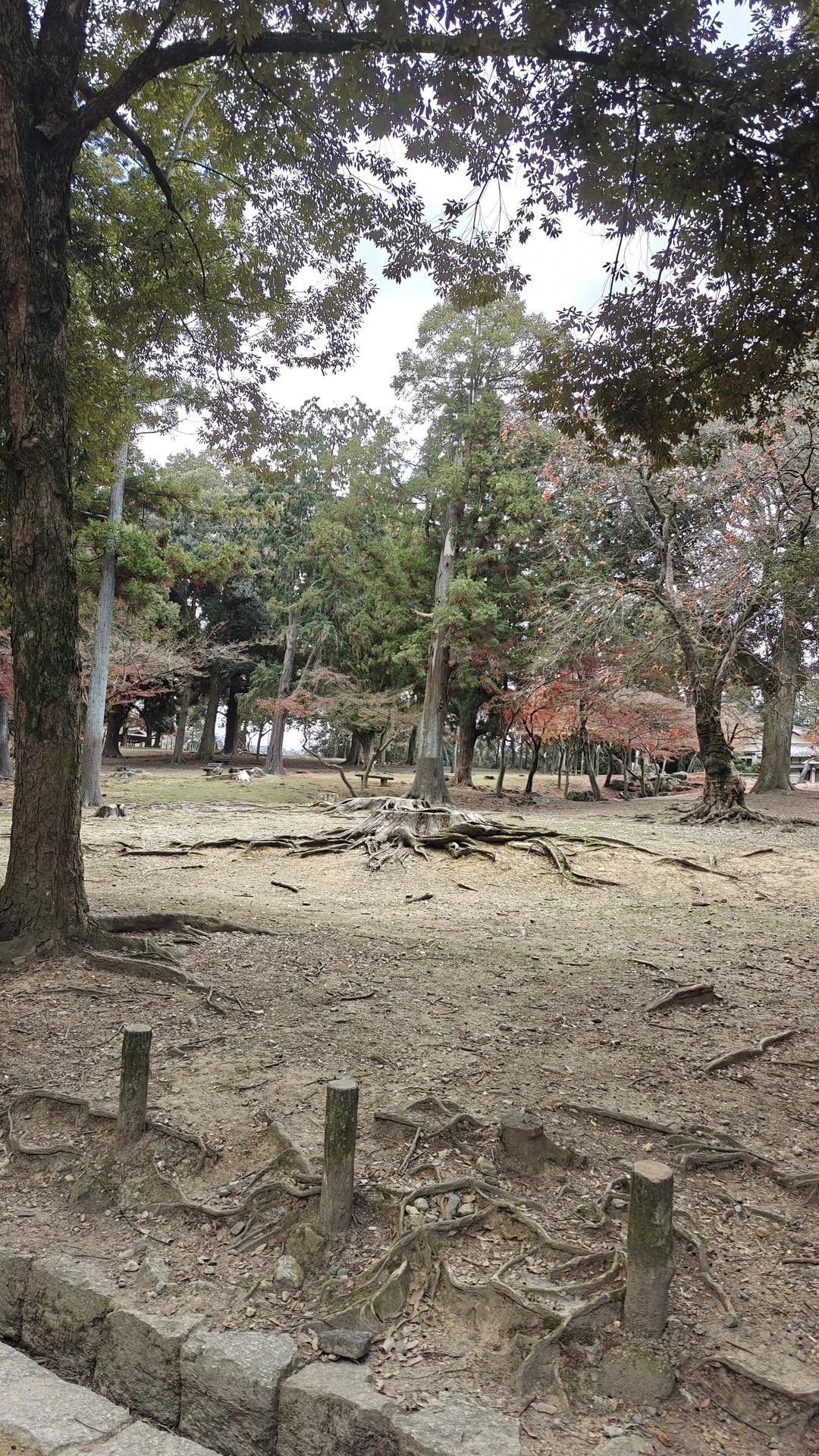
A quiet clearing in the forest with trees whose roots are all over the ground. Kept walking.
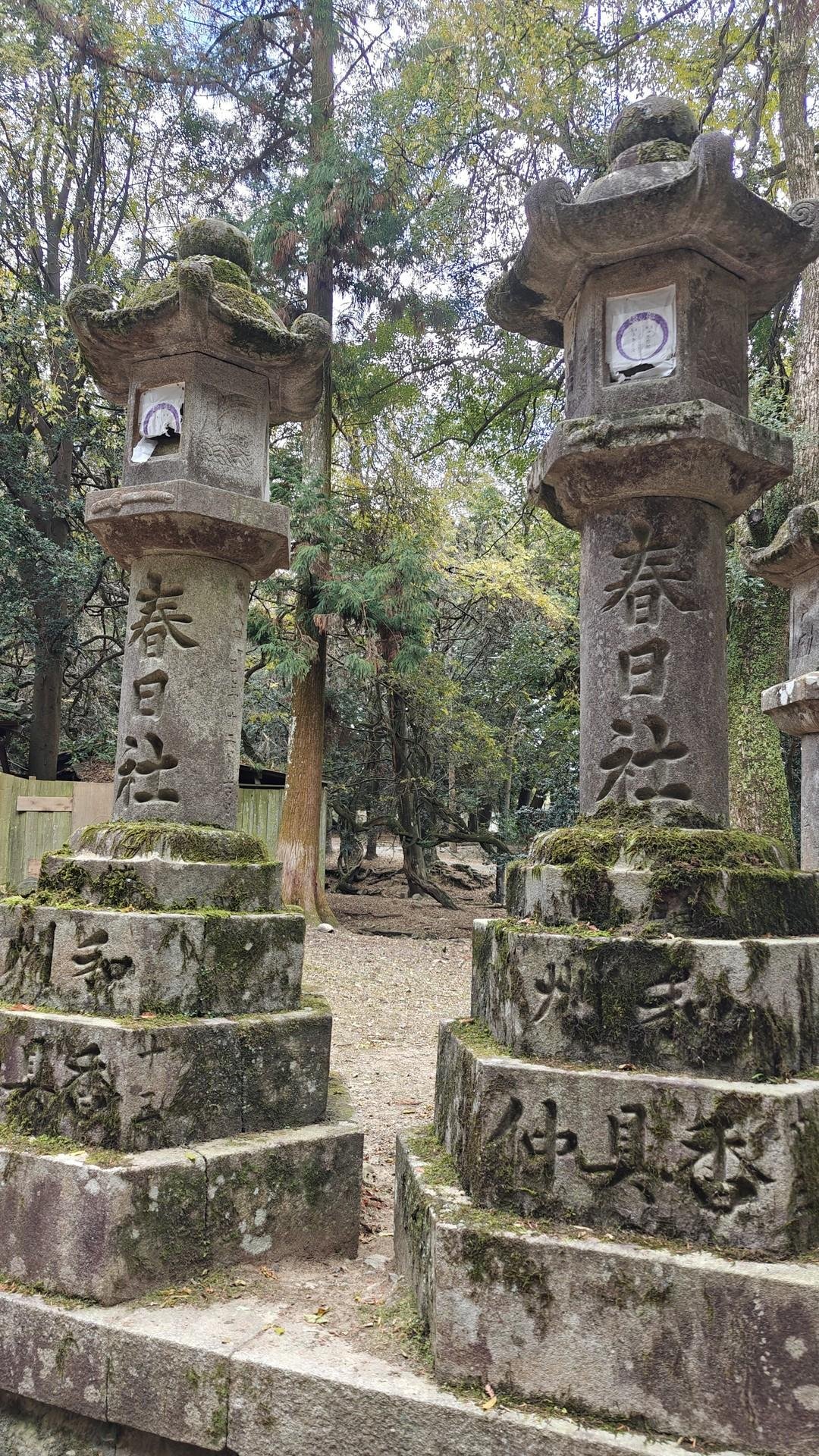
Then the stone lanterns started to appear along the path. Moss thick and old covered all of them. I think that Kasuga Taisha has around 3000 stone and bronze lanterns in total but I cannot remember the exact number.
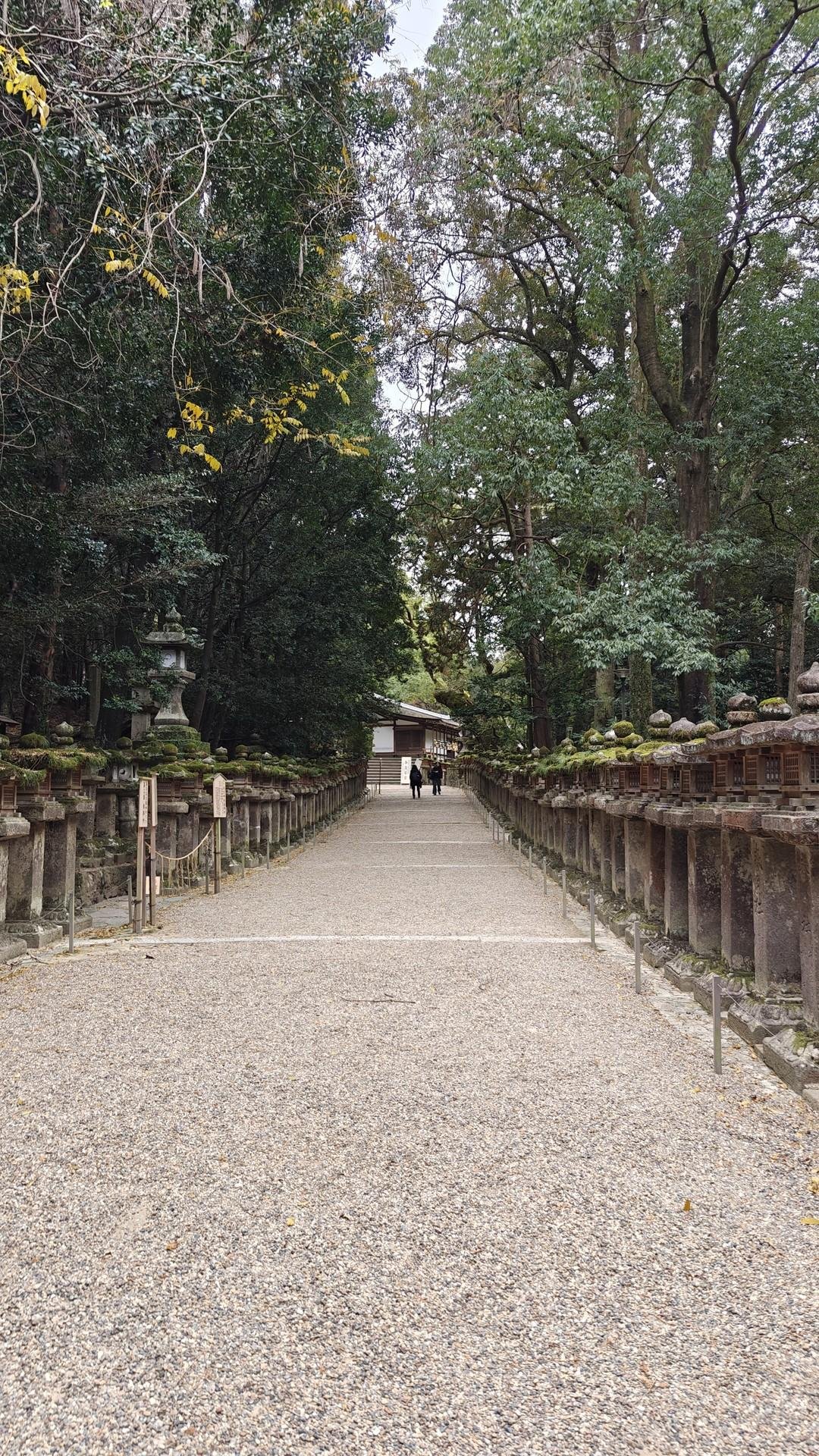
The path through the woods with those lanterns on both sides and the big old trees was one of my favorite parts of the whole visit mostly because it was quiet compared to other spots in Nara.
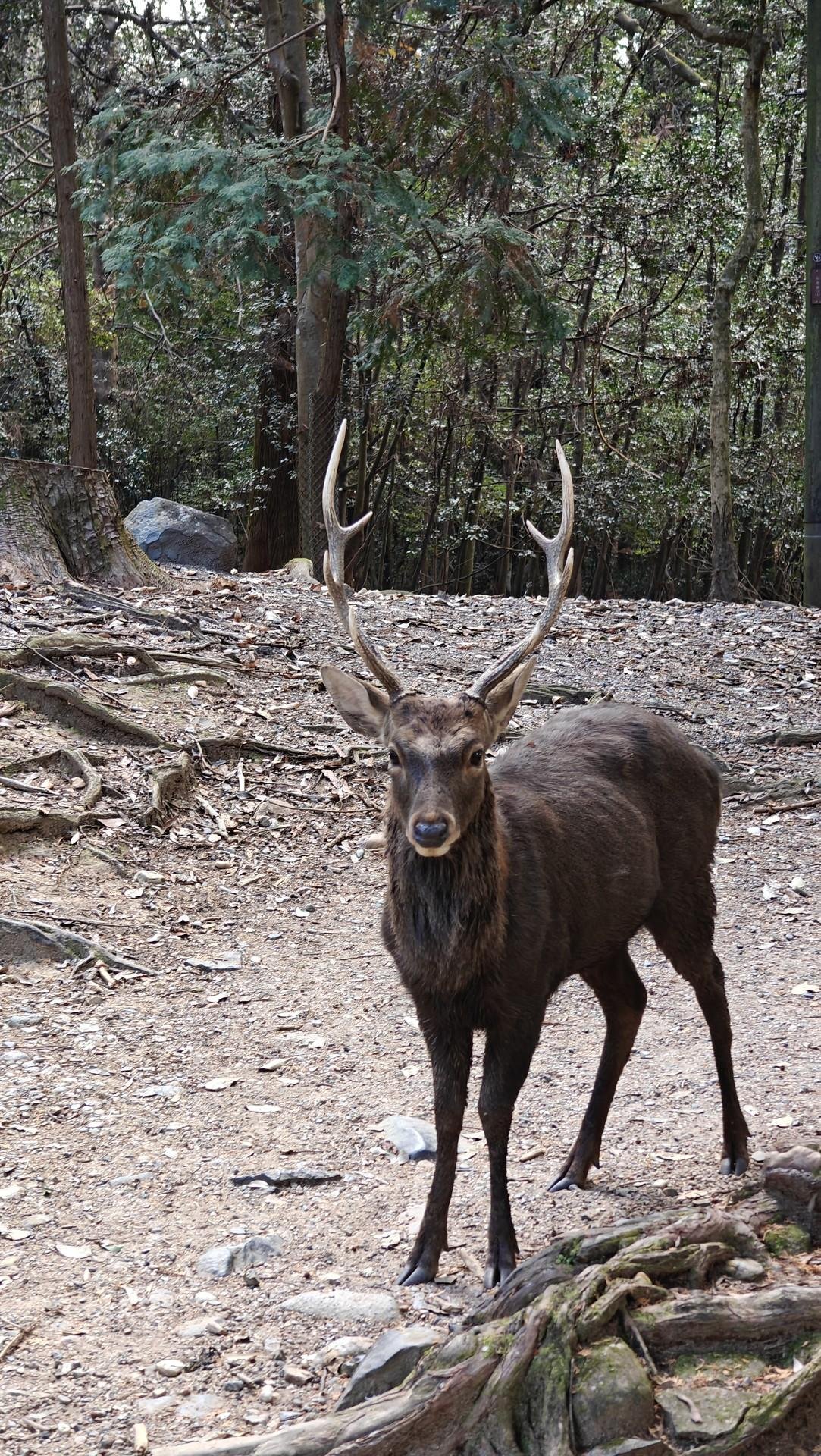
A deer with tall branching antlers stood right in the center of the forest path simply looking at me. I spent a lot of time trying to picture it well.
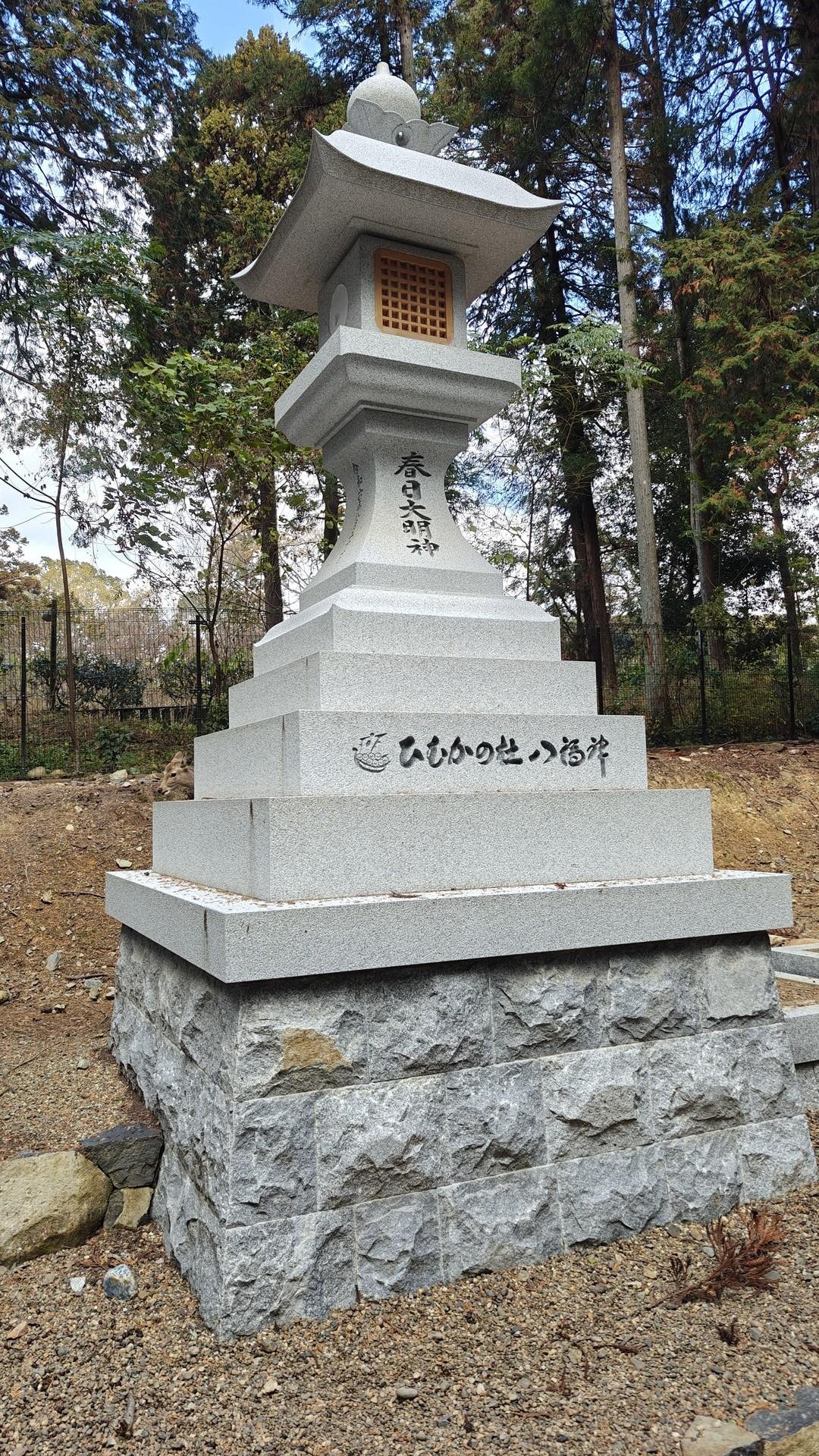
A stone lantern with Japanese writing carved in it surrounded by trees.
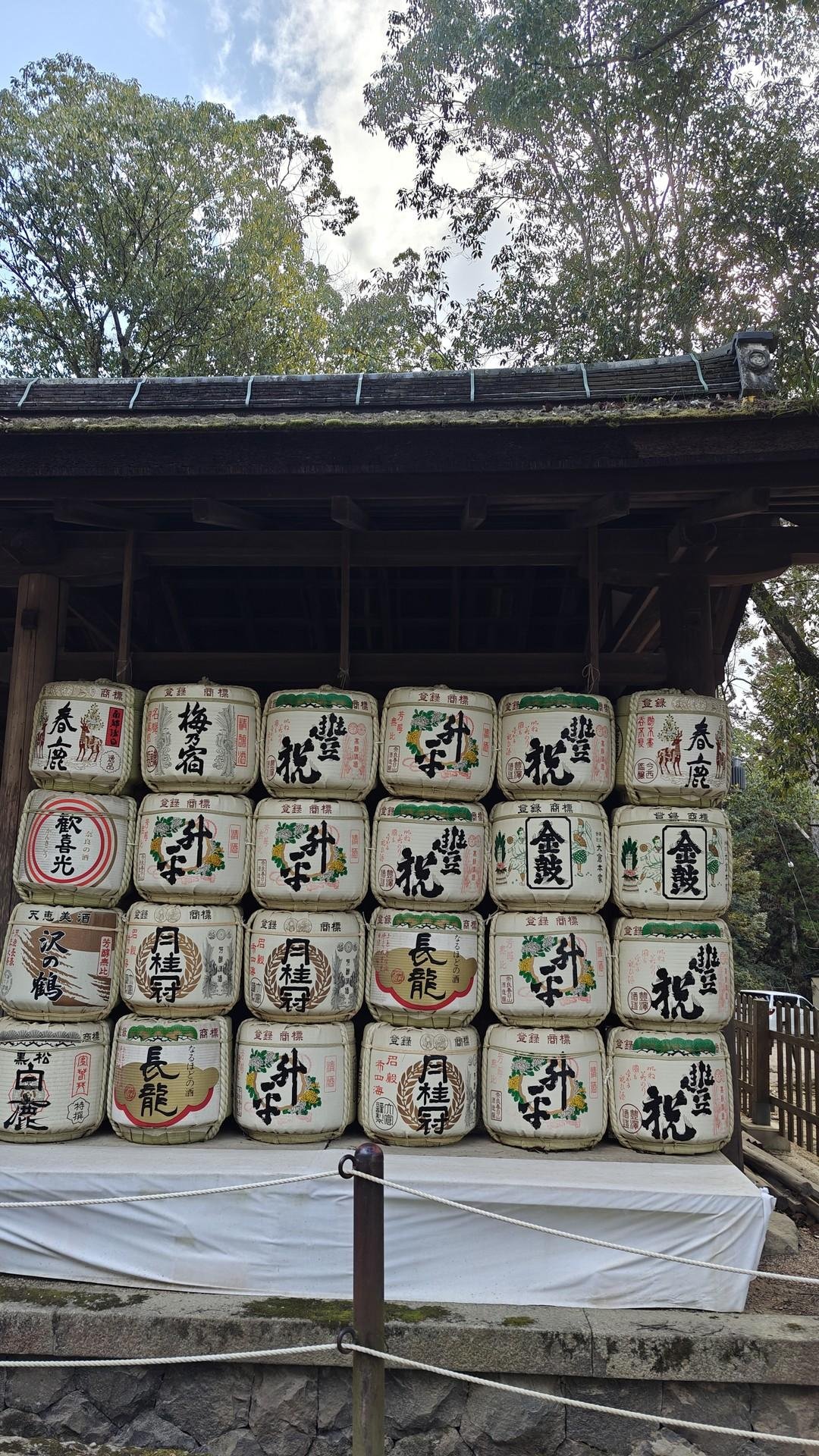
Sake barrels in a big display near the trees. The labels on all of them were different and I wondered which companies they come from and whether the shrine actually uses all of them.
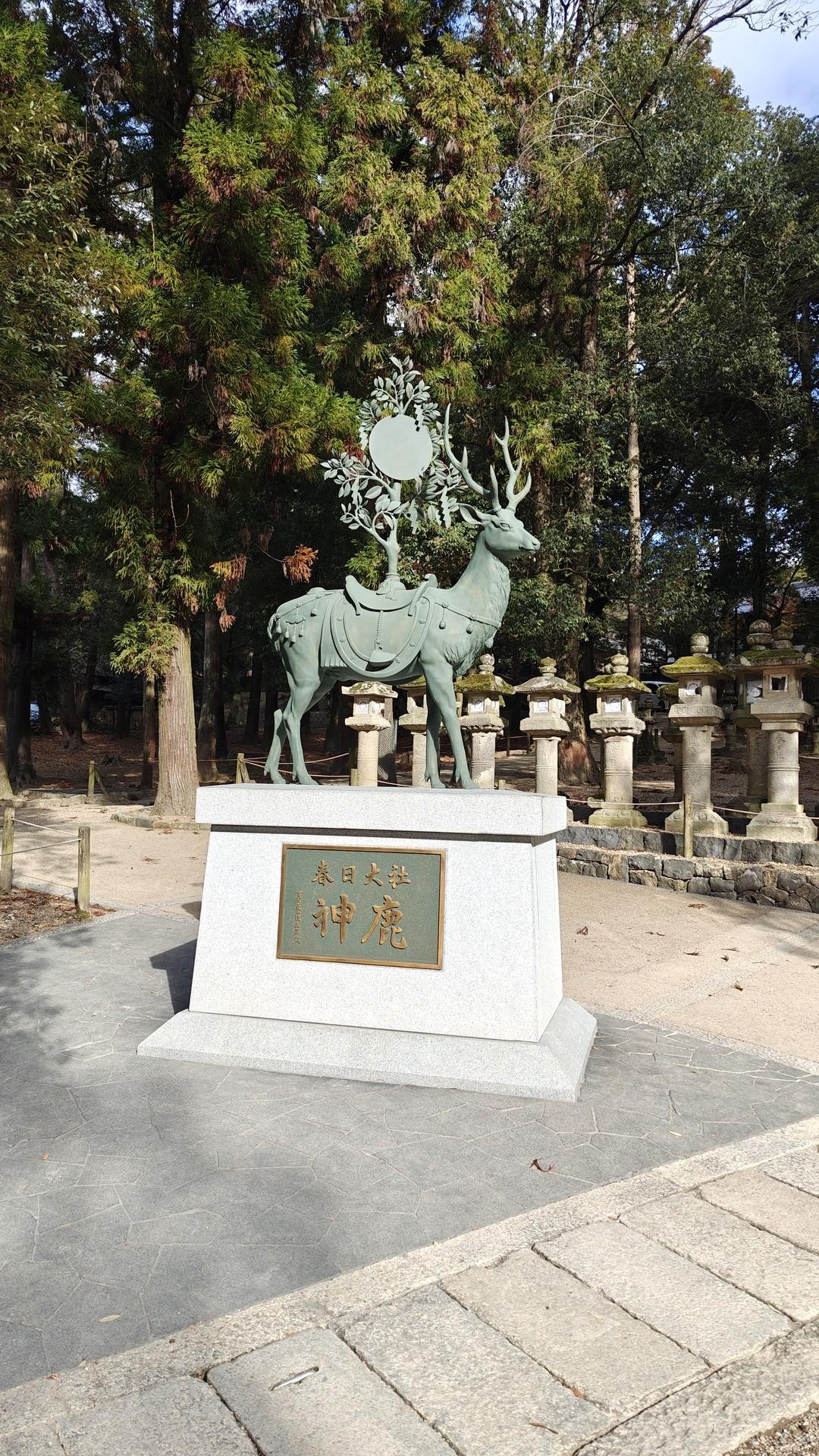
A bronze deer statue surrounded by stone lanterns. The deer are actually considered messengers of the gods here at the shrine which explains why they are everywhere in Nara both real and as statues.
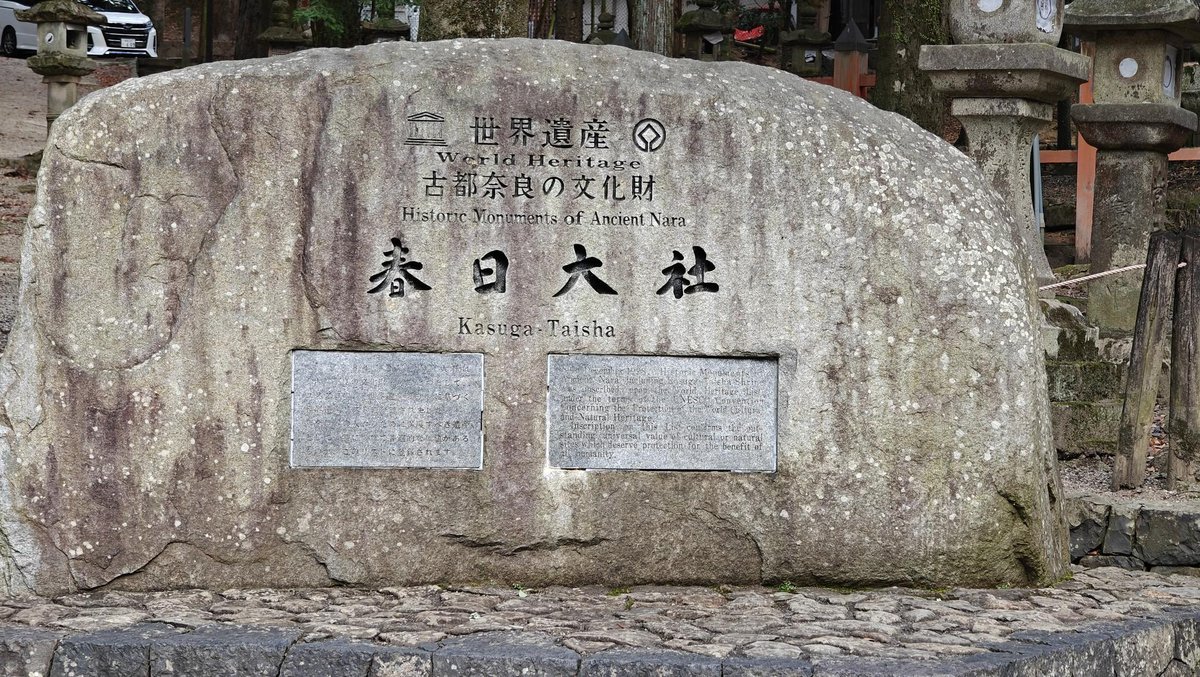
The stone sign near shows the World Heritage status and I think that the history of the shrine goes back more than a thousand years though I do not remember the exact date of the first building.
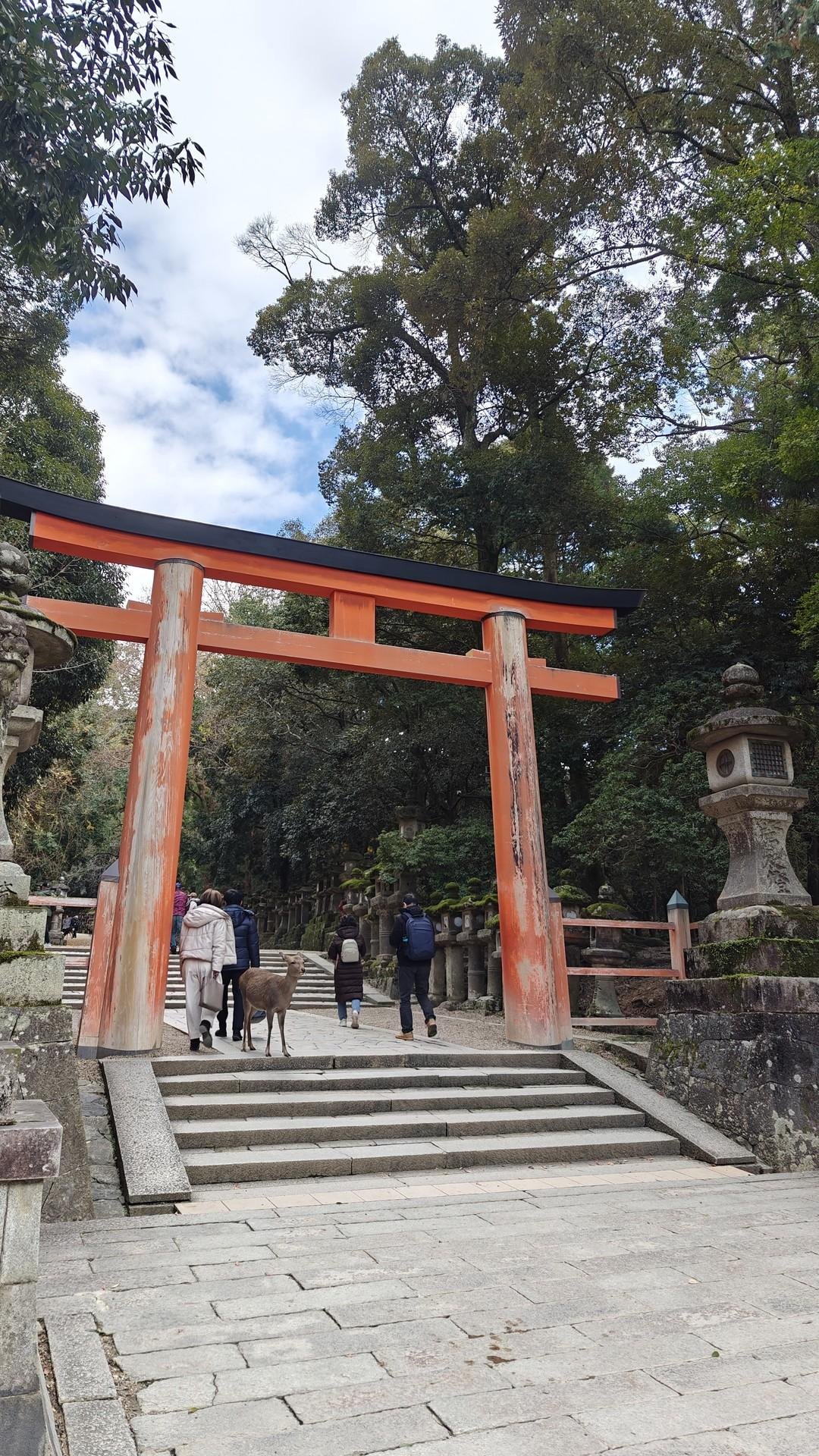
Not gonna lie the warning about male deer and their actions made me a little nervous. Biting and kicking apparently. I thought about skipping Nara Park entirely after reading that but obviously I never did.
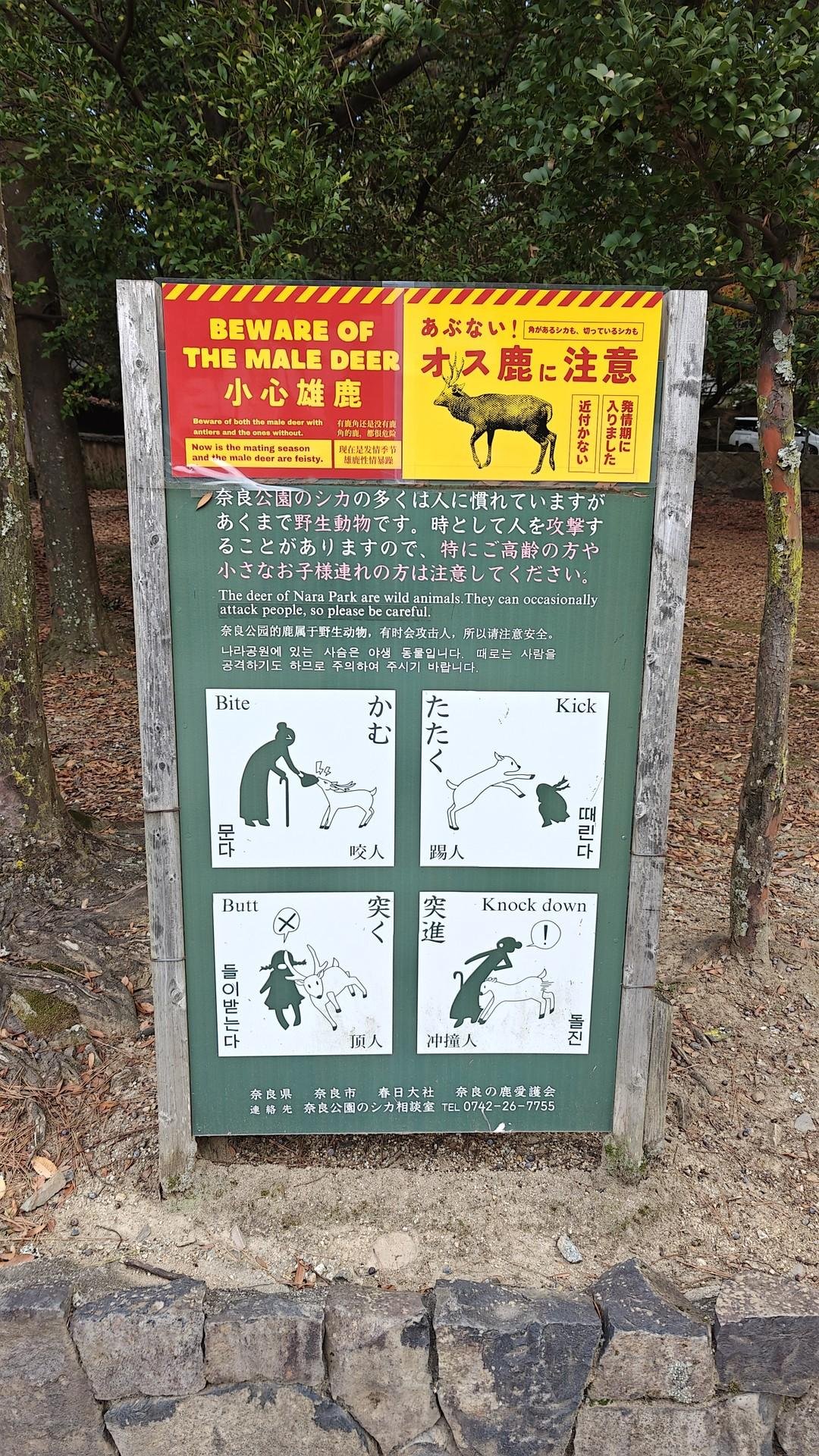
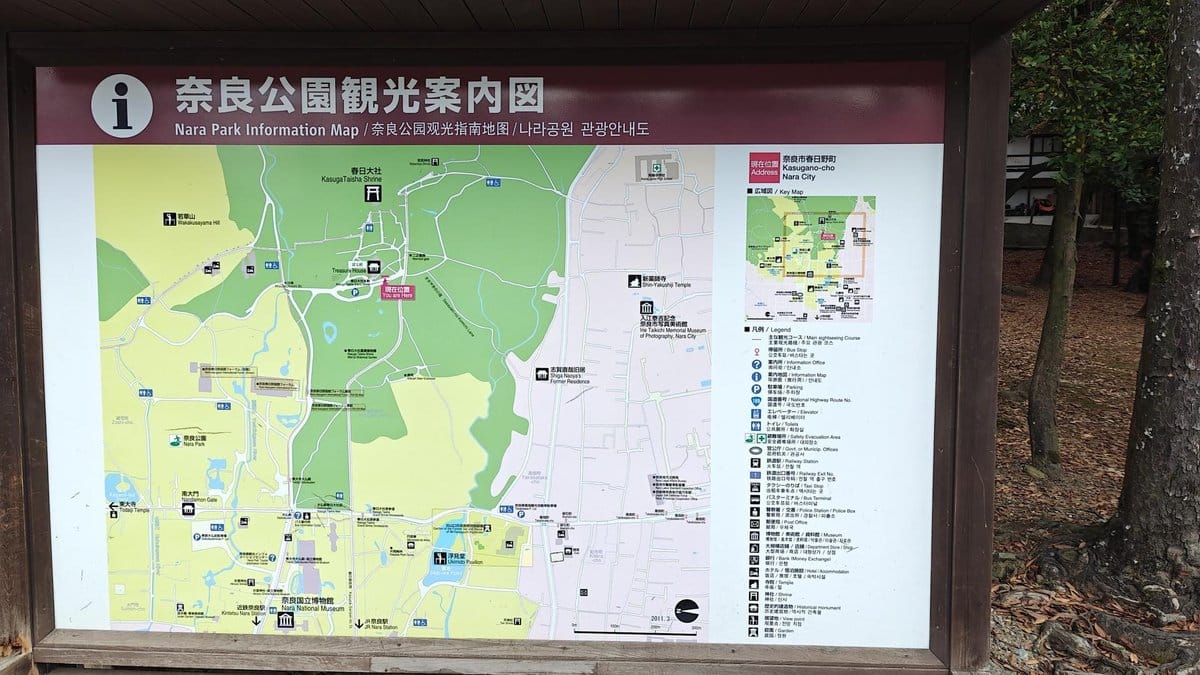
More deer walk beside the stone lanterns. The stone deer statues mixed with the real ones were kind of funny and the fallen leaves everywhere on the ground gave the whole area an old and worn feeling in a good way. I noticed that most of the shrines that I visited in Japan do not have so many animal statues simply just placed around the grounds.
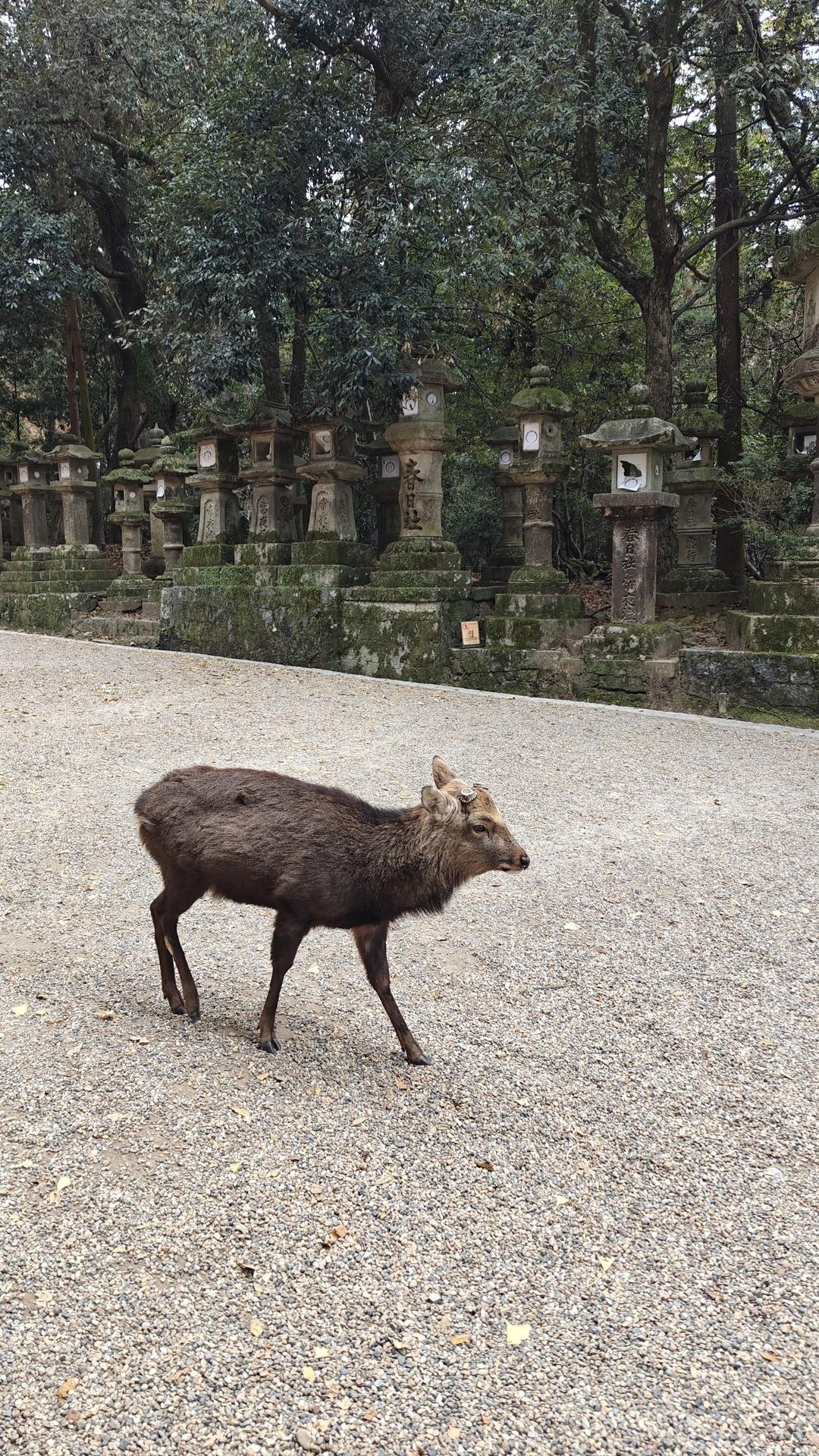
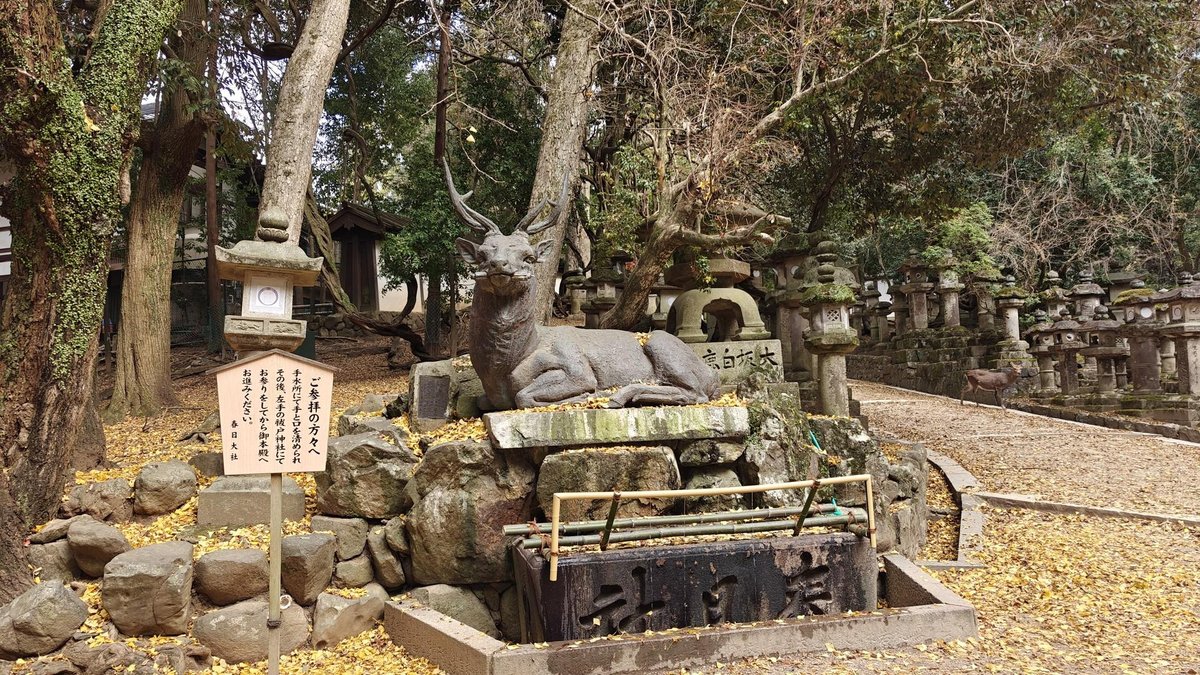
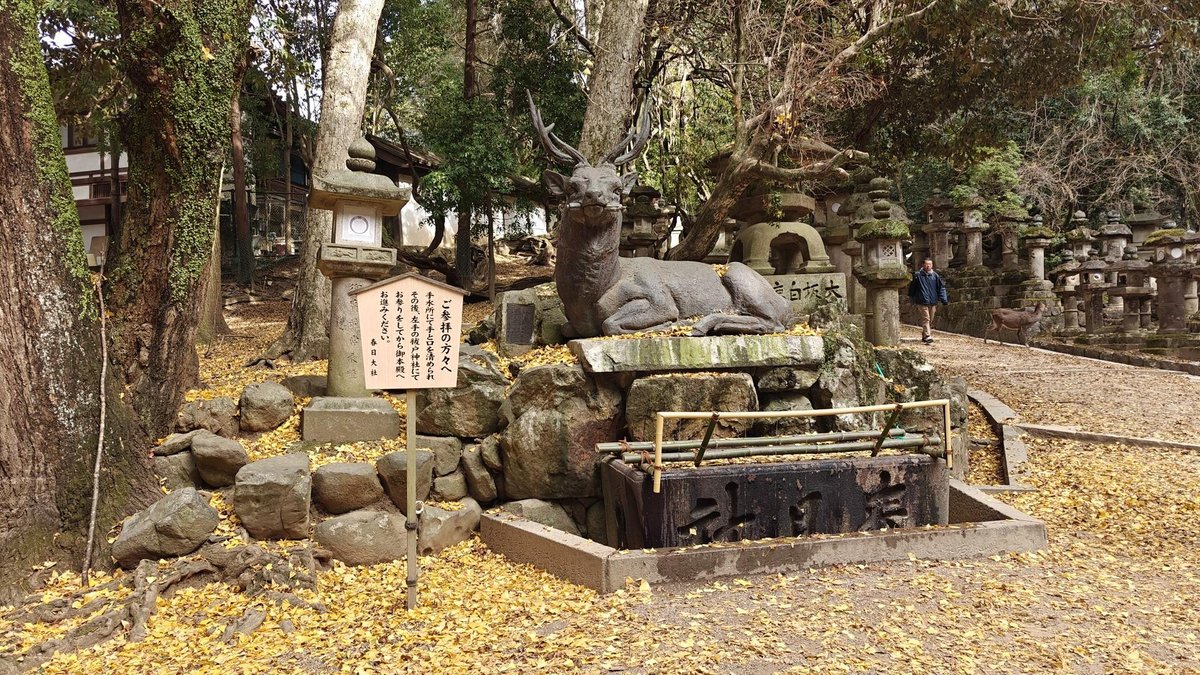
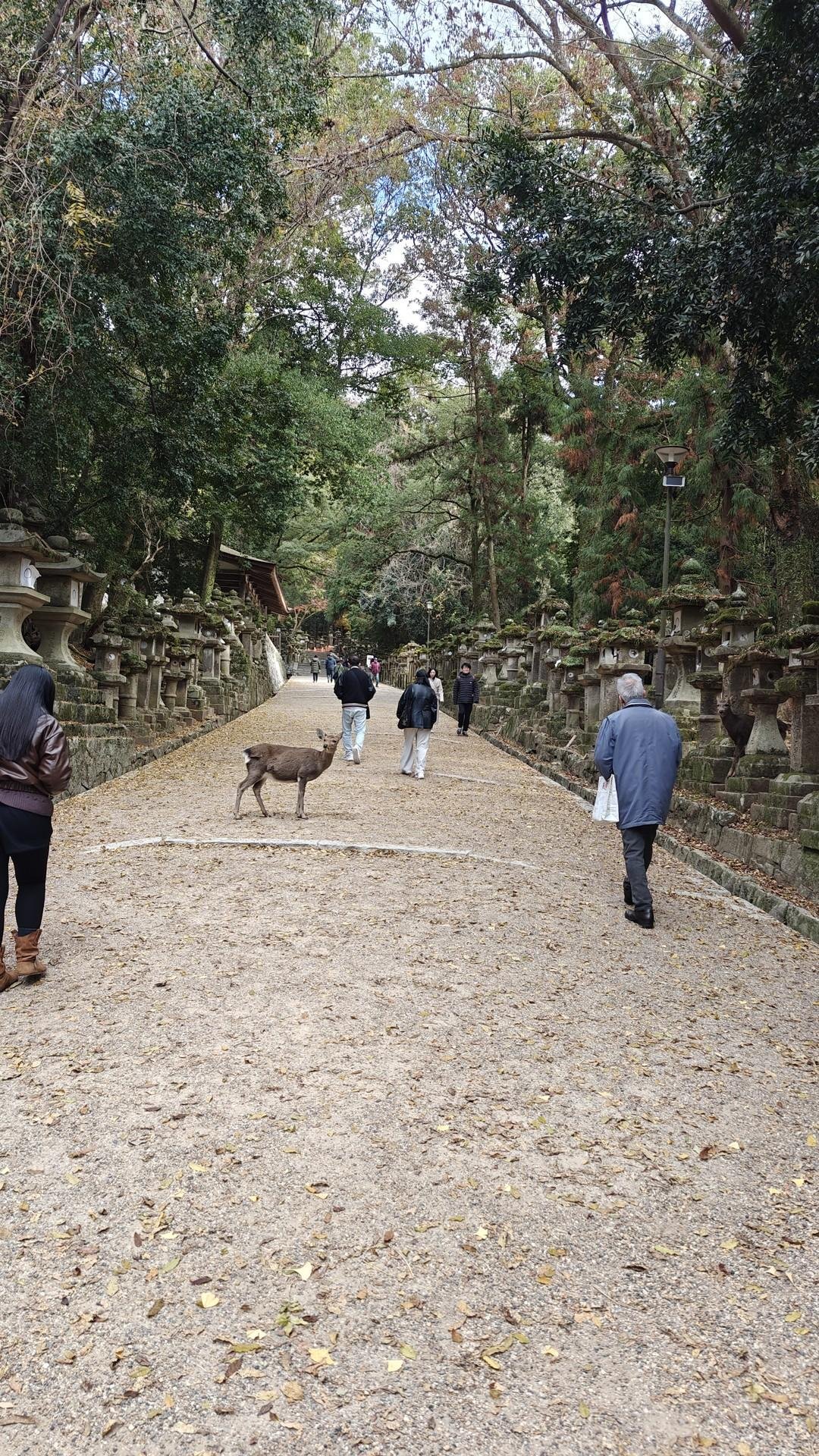
The path lined by lanterns with all those fallen leaves stayed the most memorable part of the whole visit for me because it simply went on nonstop. People walk along it with deer that join them. Last time during my visit to Tōdai-ji, I also saw the approach of stone lanterns but this felt longer and more wooded.
I do not know how far the path really goes I did not measure it but it took a bit of time.
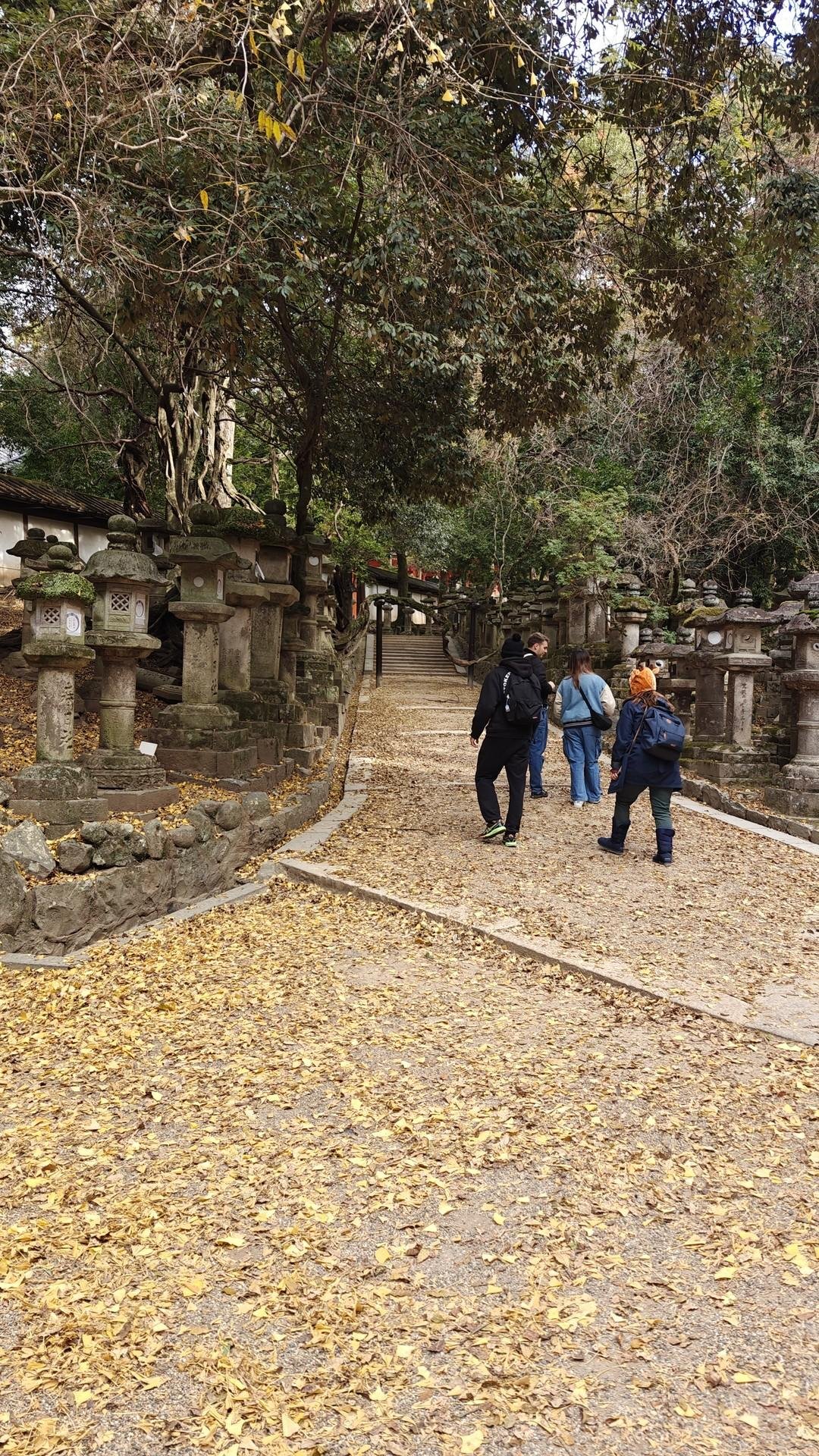
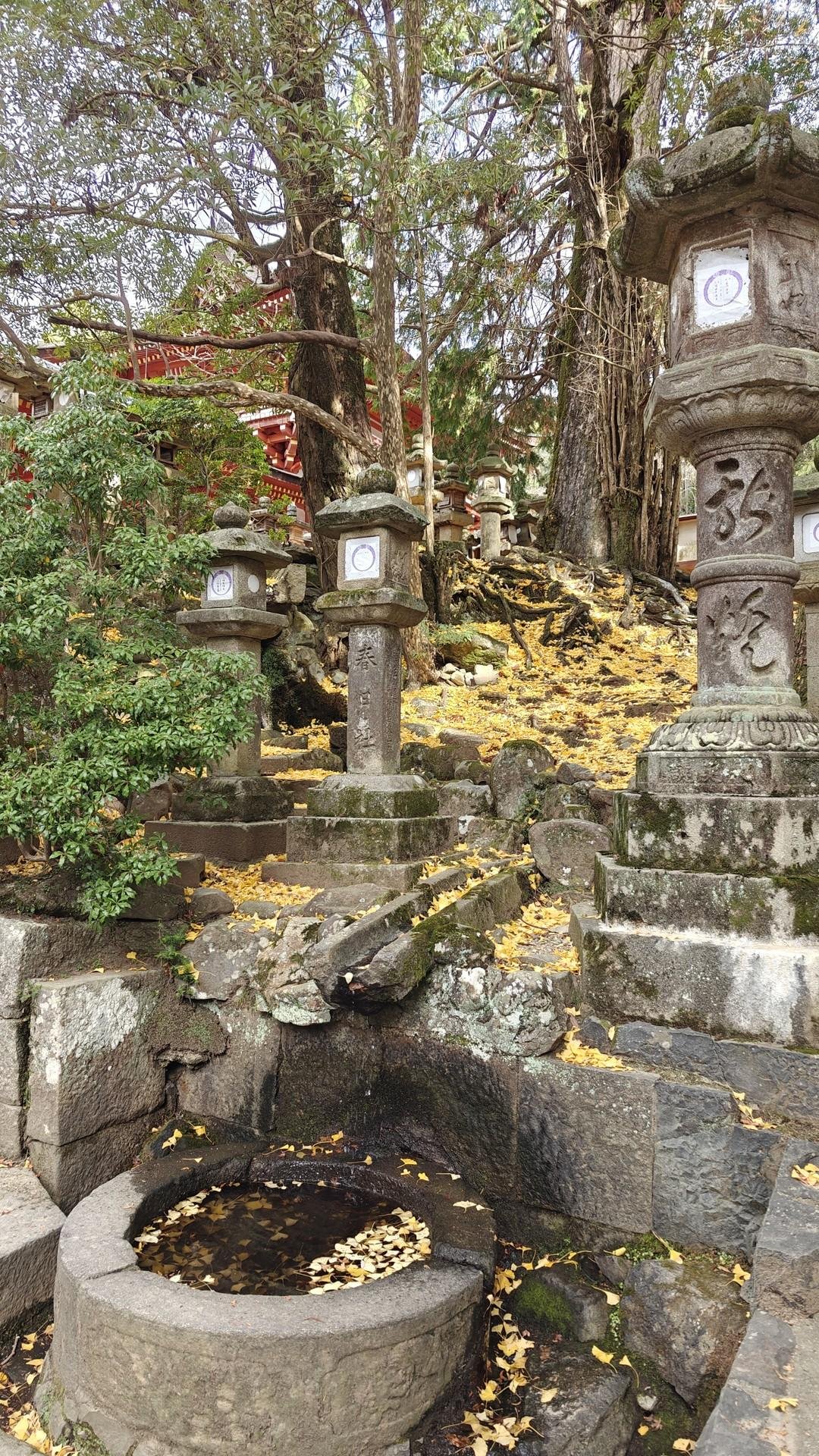
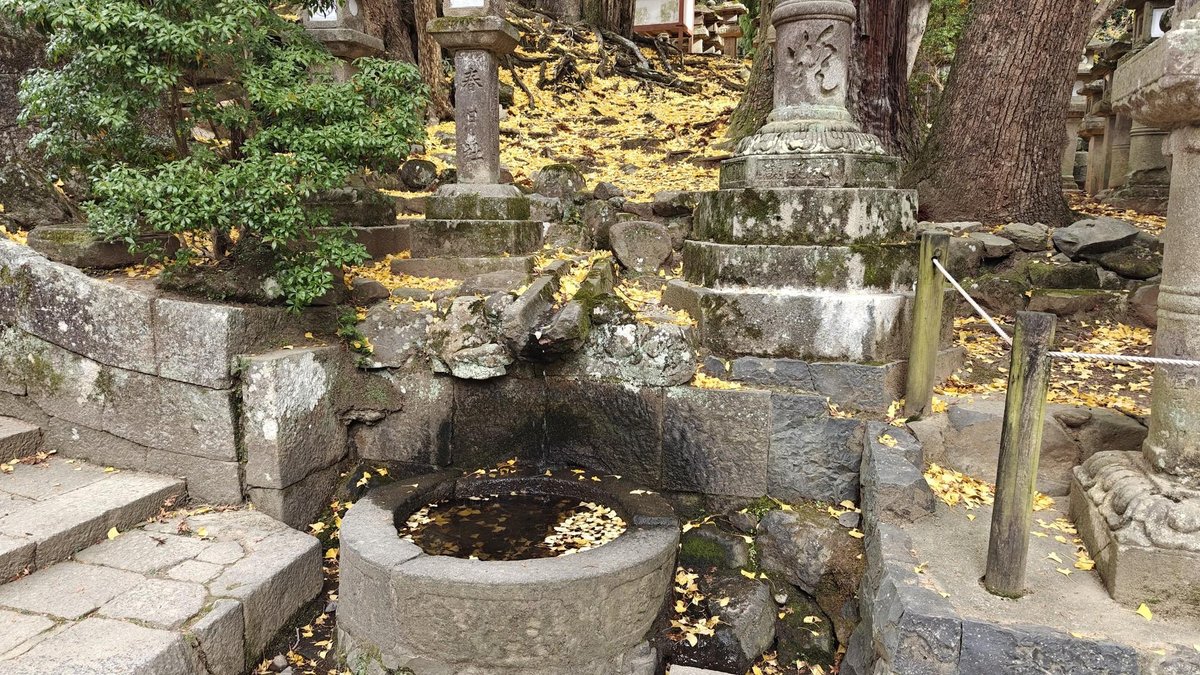
Stone steps go up. They were steeper than they looked from below and the lanterns went up along both sides. A small stone bowl with leaves around it near the steps.
Wonder how often they clean these out.
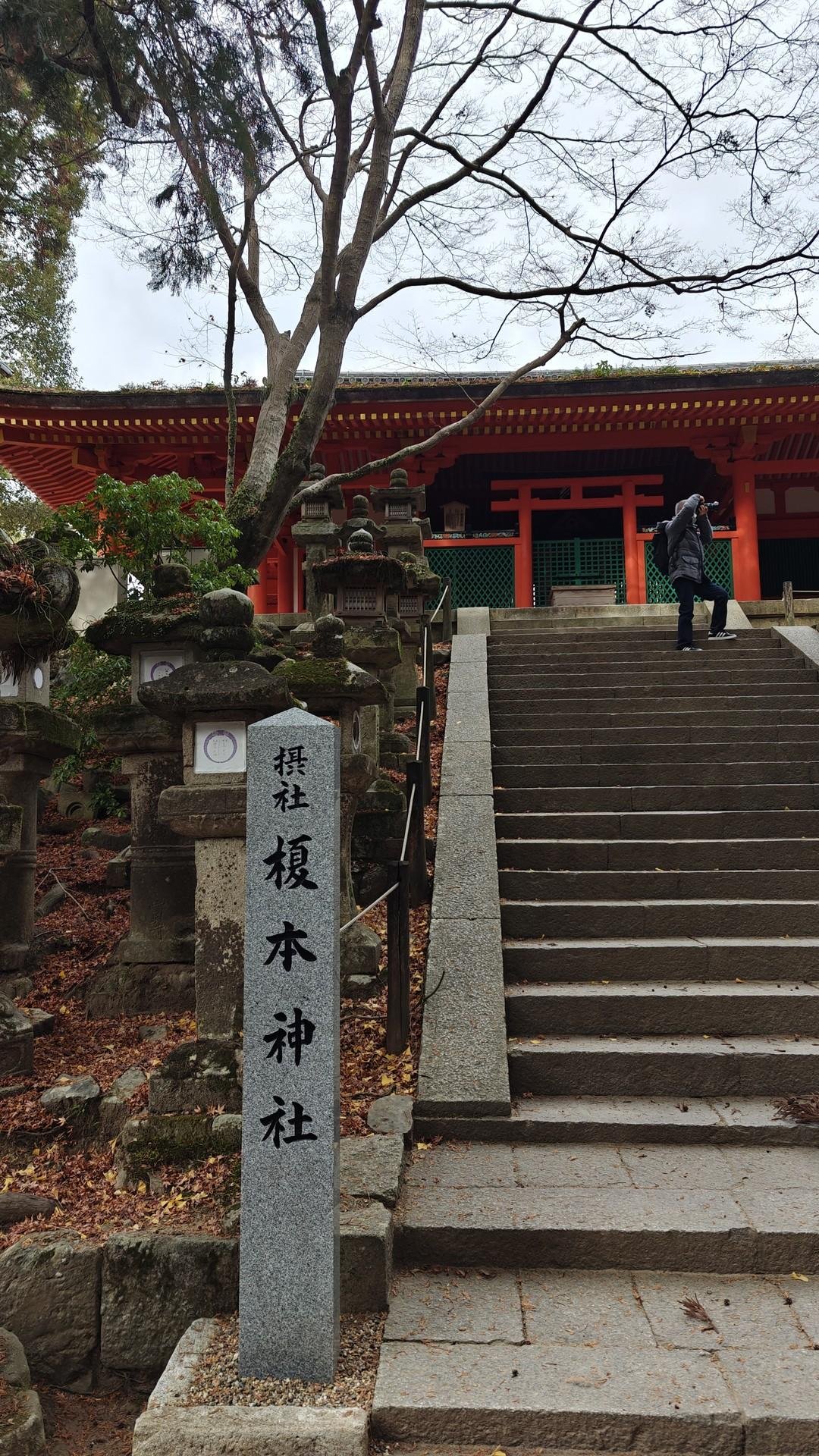
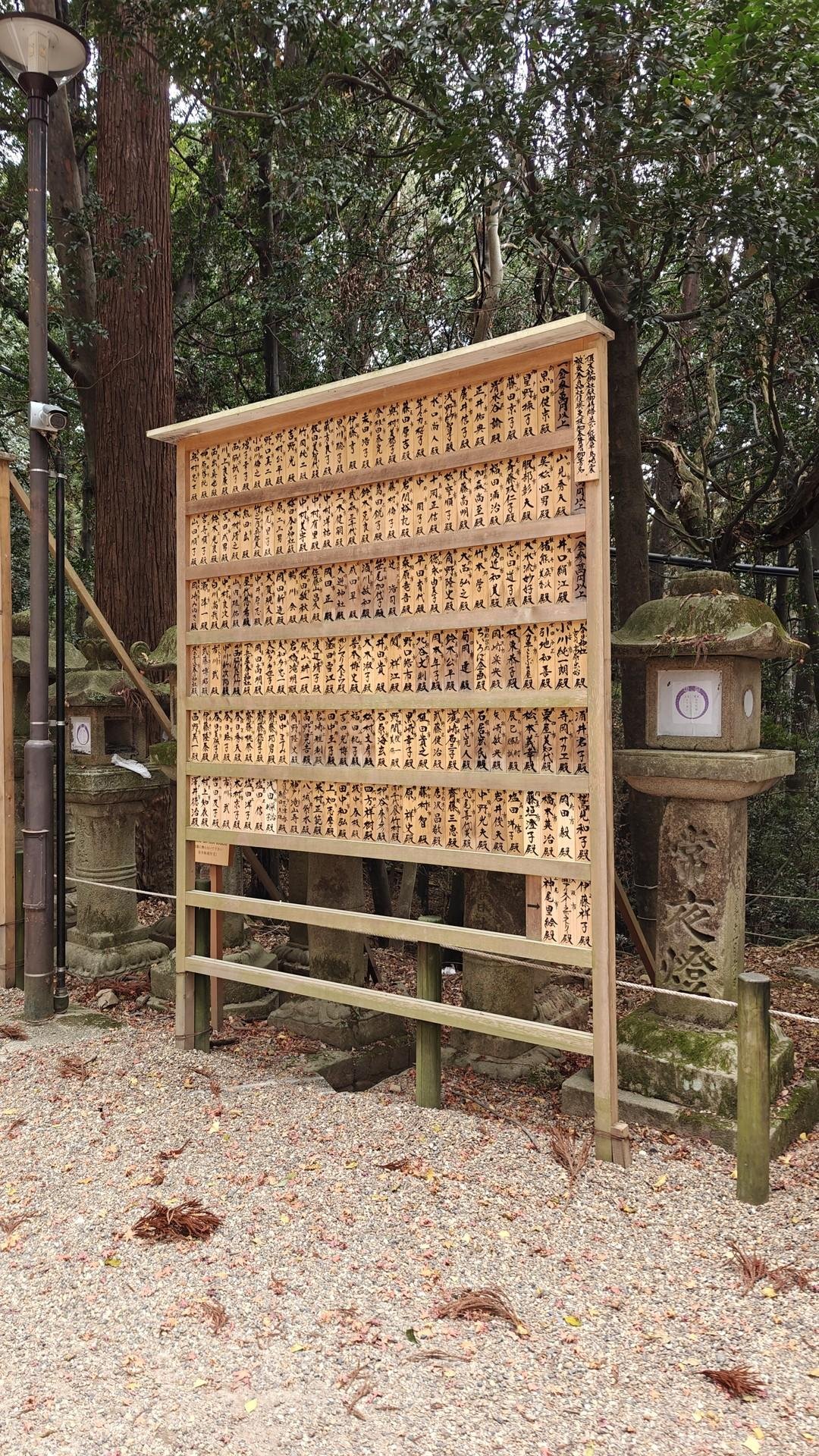
I kept climbing.. All visitors went in the same direction.
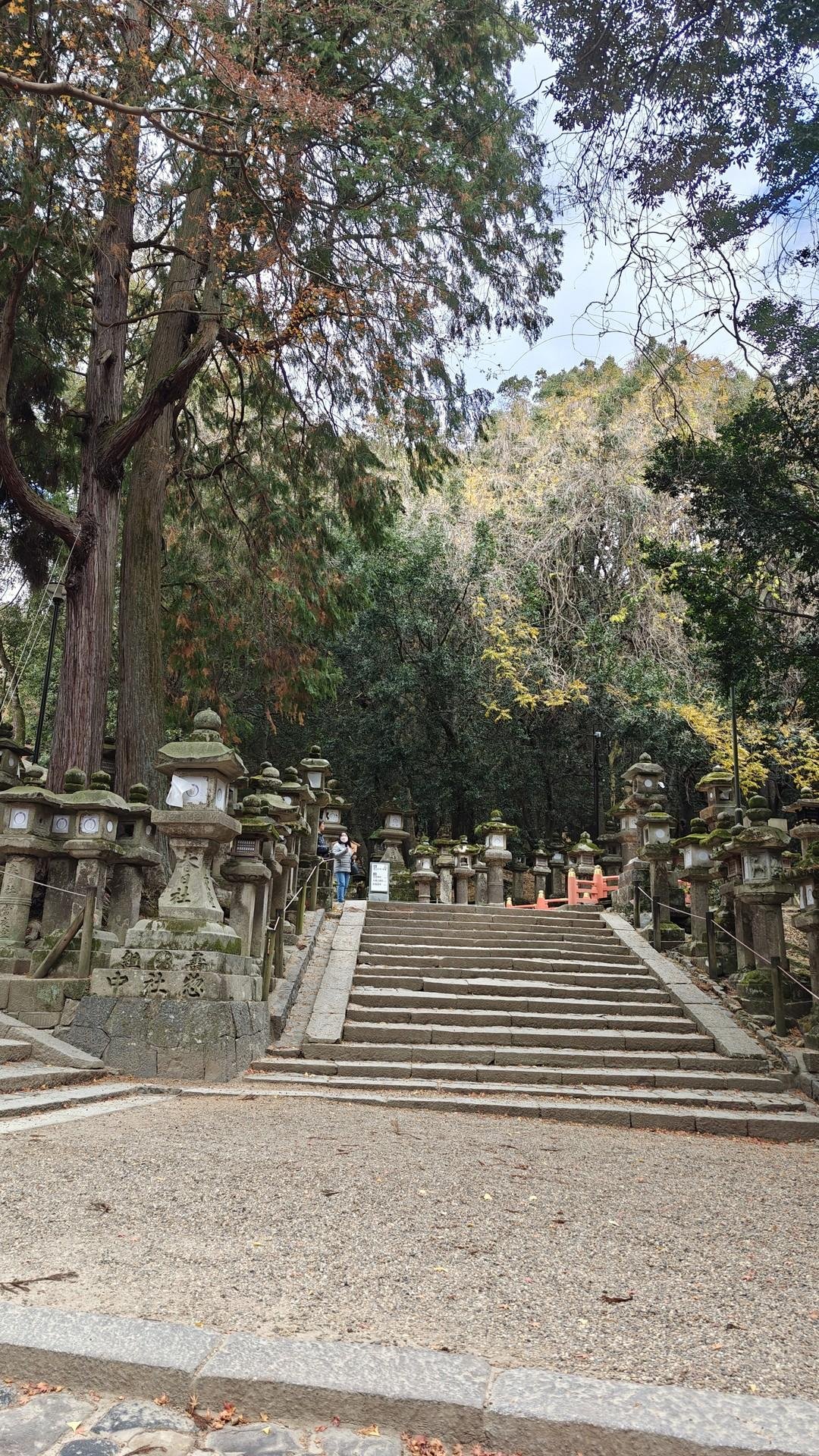
Then came the Chumon Gate. A big entrance with many people that go through it. The shrine got four deities placed inside which was new information for me before I arrived.
I probably should read more about the place before coming.
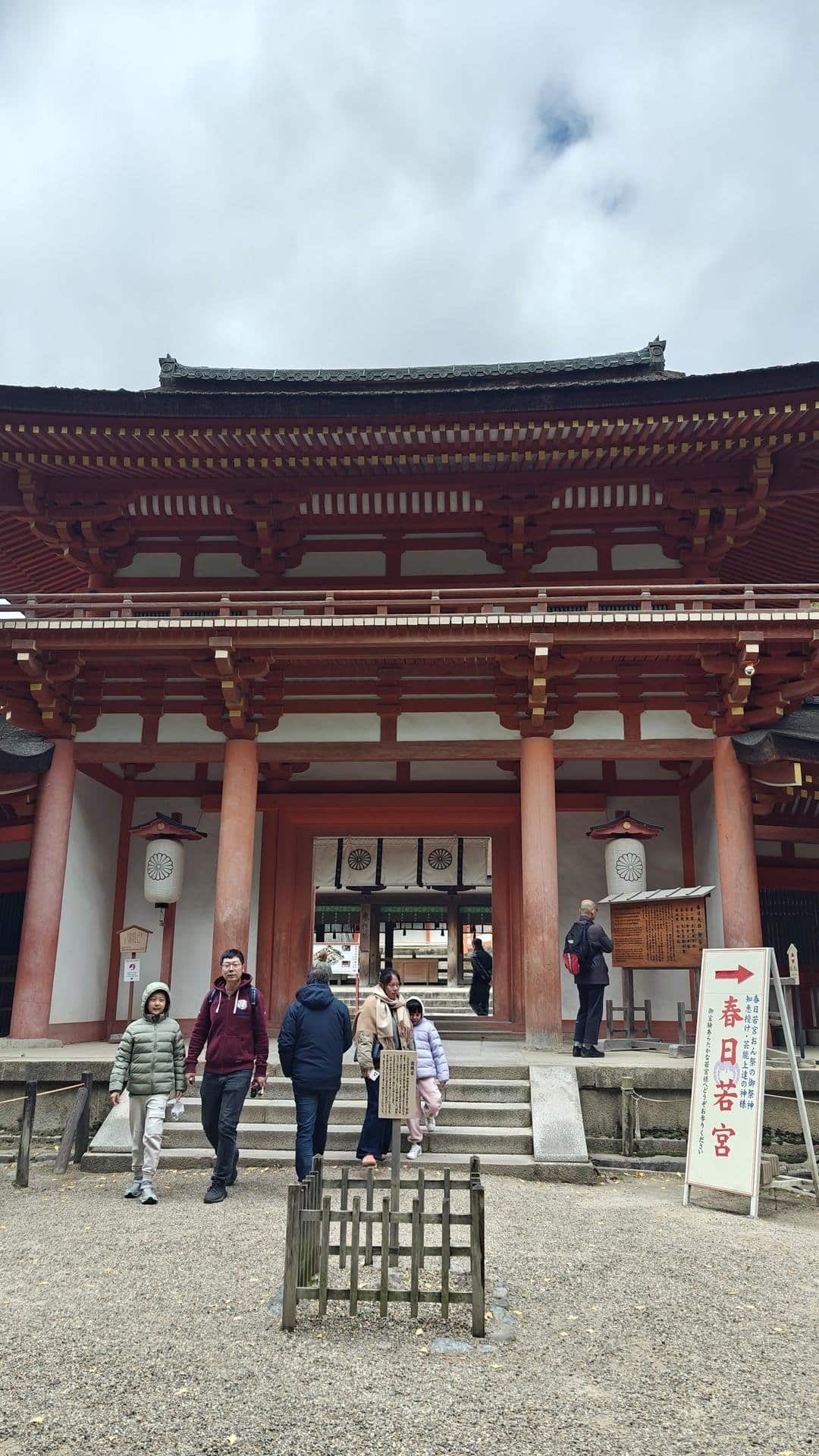
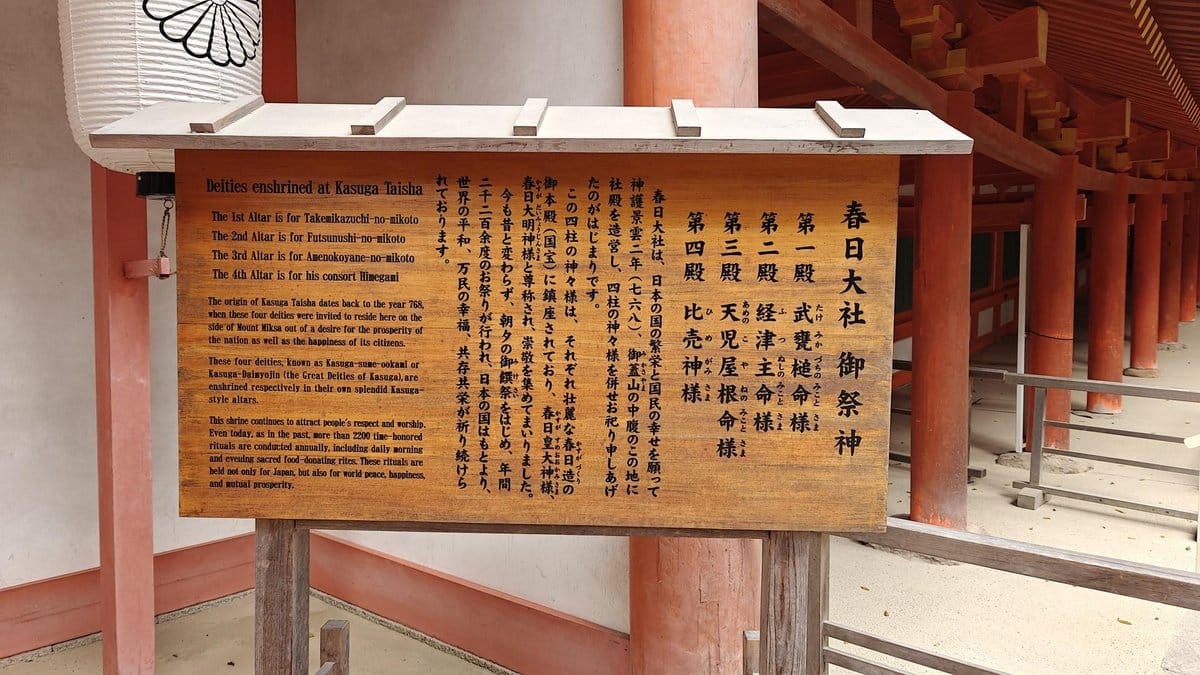
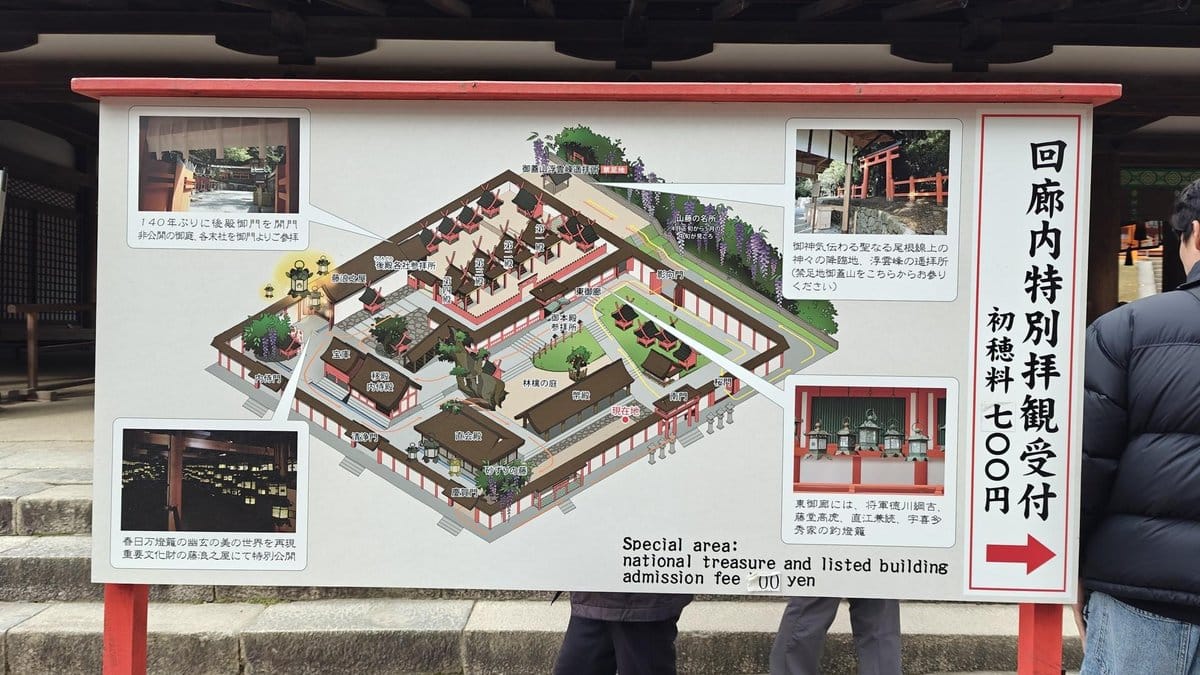
I kept walking through the shrine grounds.
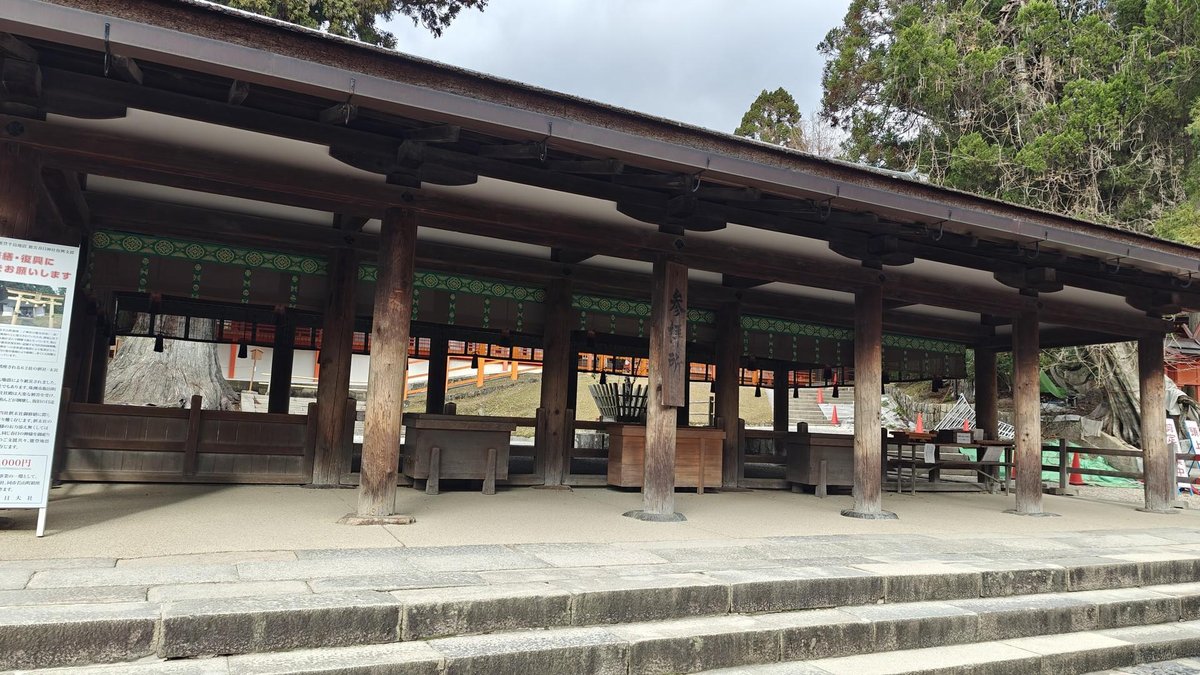
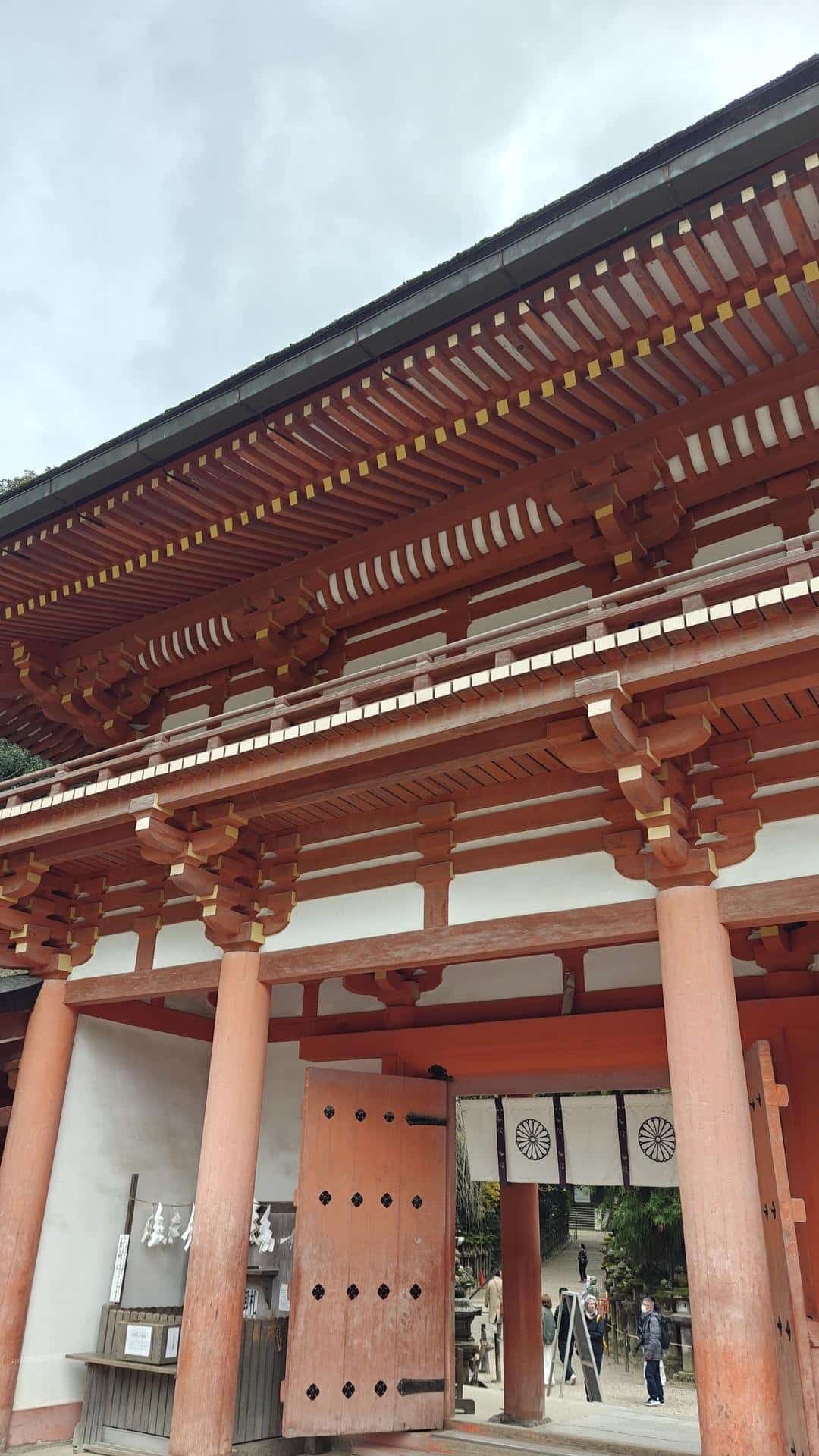
The walk through the inner gate with all those detailed carvings on the beams was quite cool. The area after it had people that go from all sides and tall trees right beside the buildings. Kasuga Taisha was originally built by the Fujiwara family one of the strongest families in old Japan which is pretty interesting to think while you simply walk around.
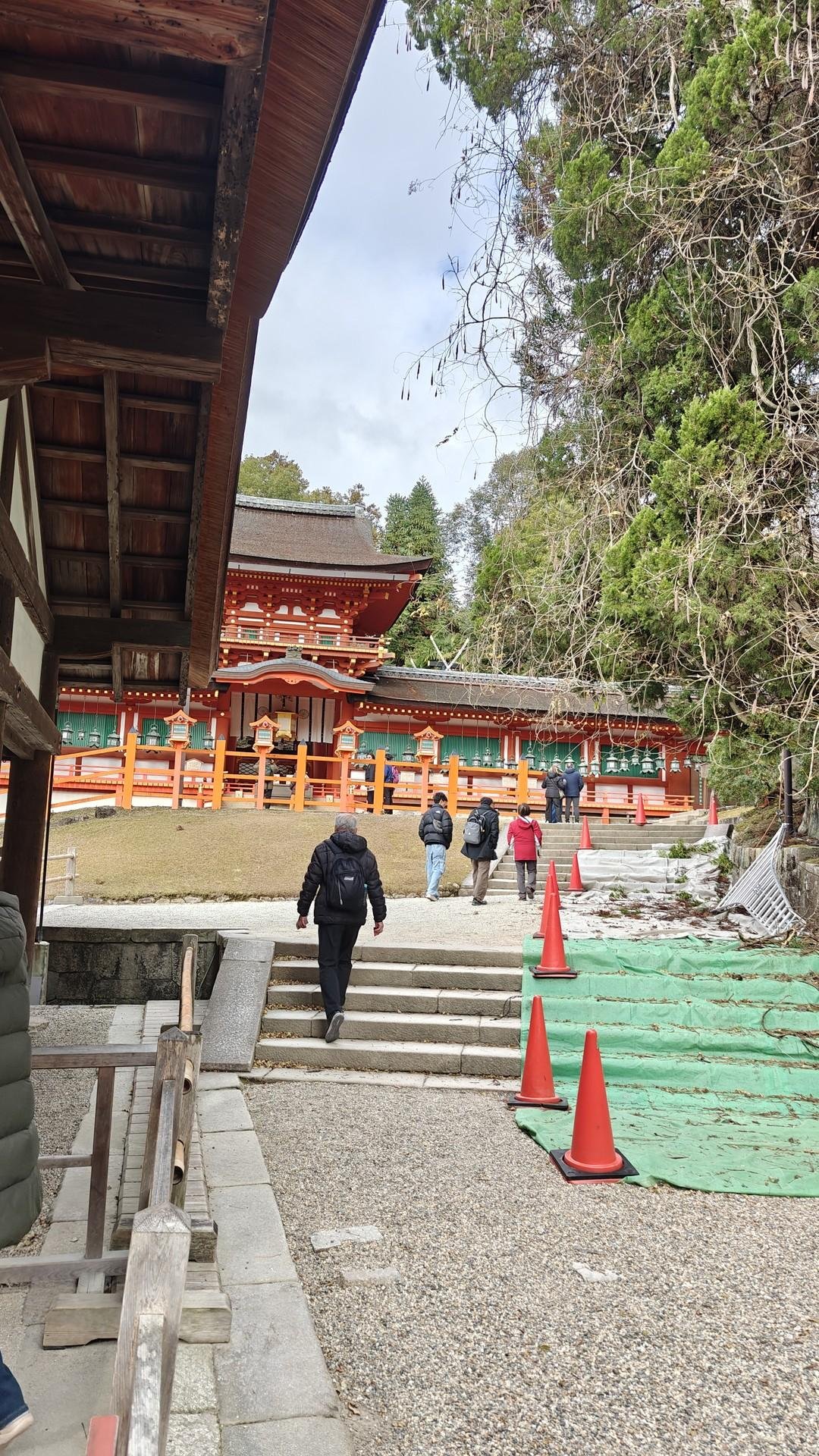
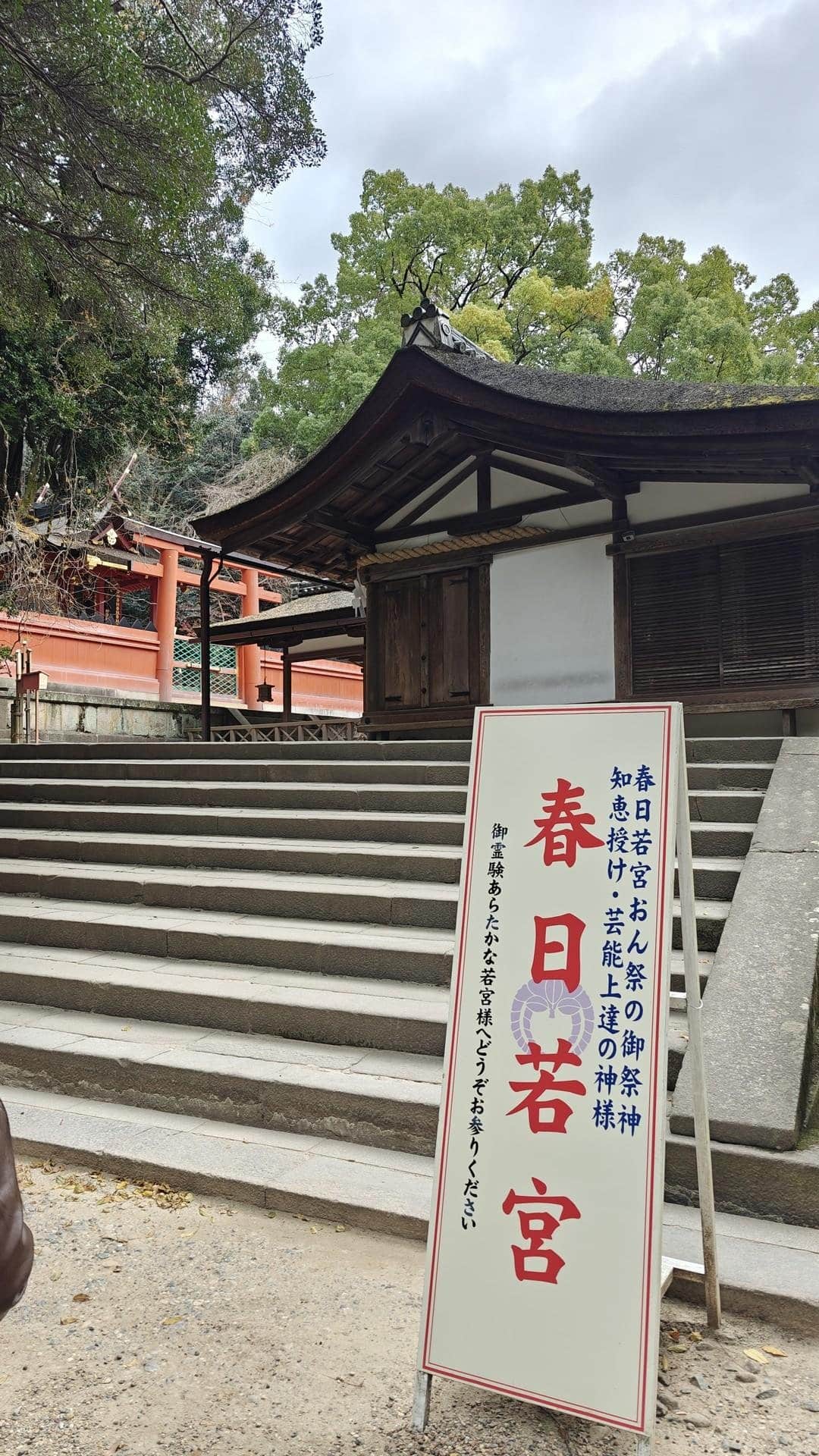
Wakamiya Shrine up some steps surrounded by trees and very quiet. The main hall had wooden signs and decorations out front. I almost skipped Wakamiya because I was not sure whether it is a separate thing or part of the main shrine but it was right there so I went up.
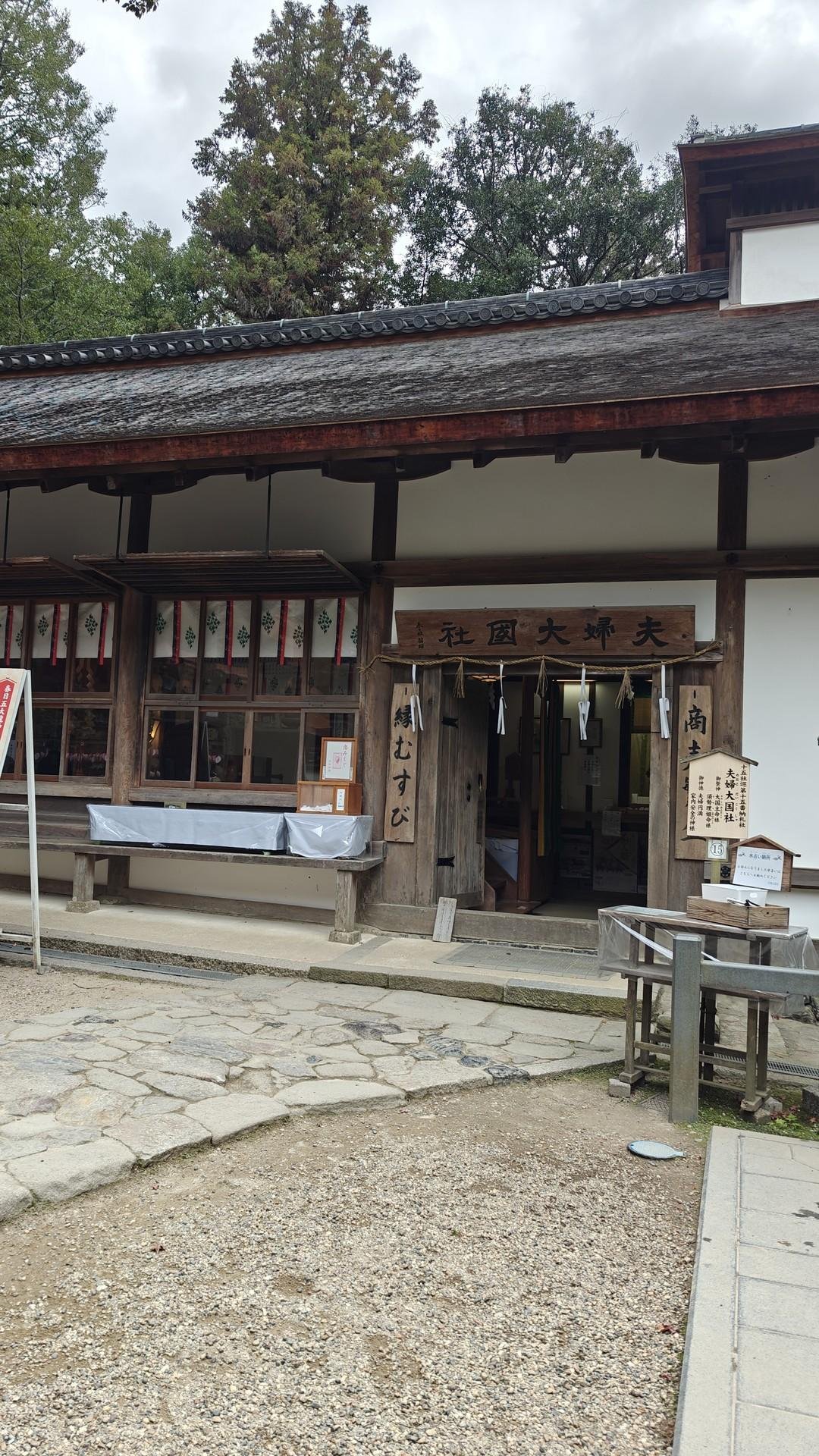
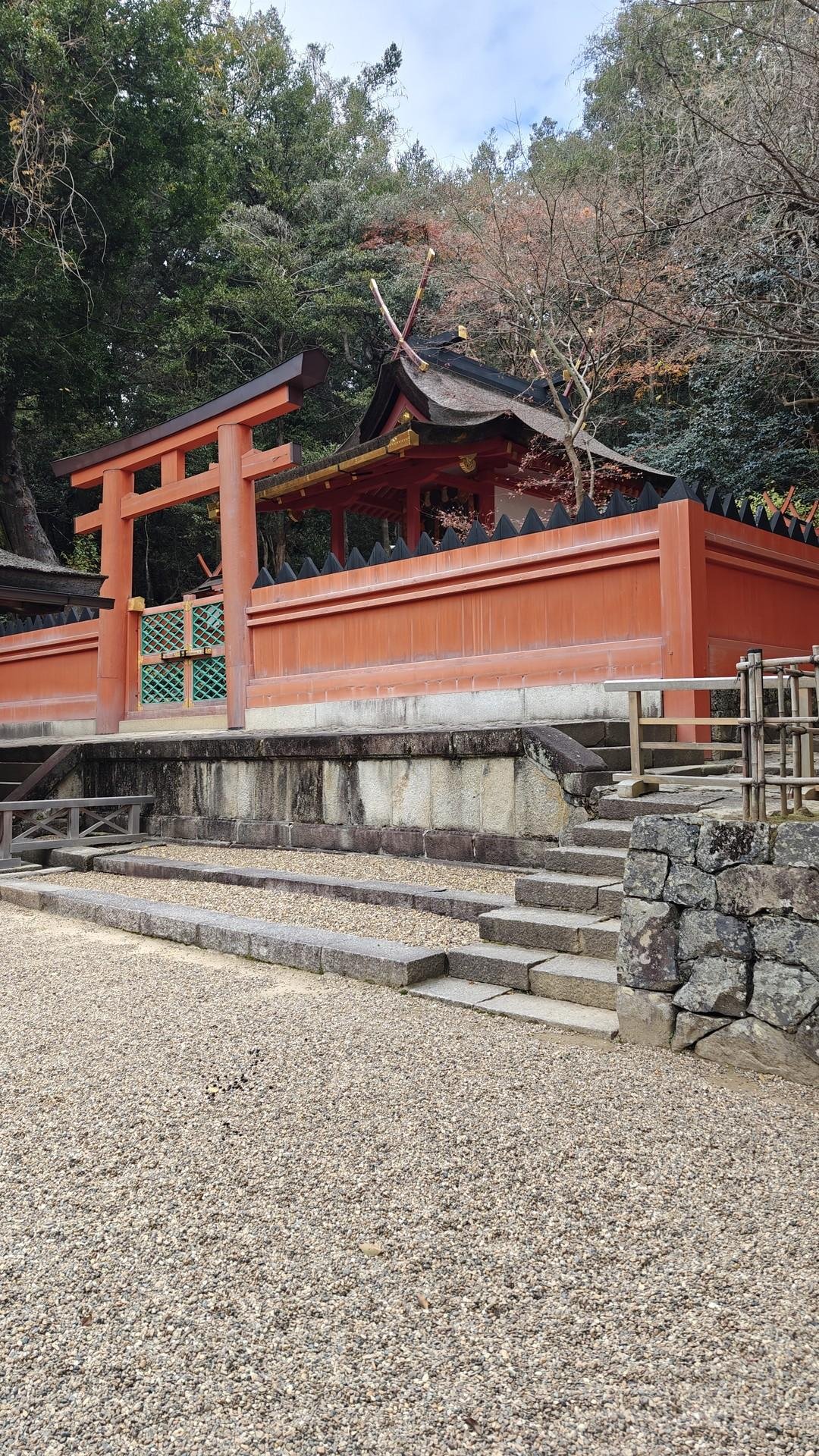
Kinryu Shrine up another set of stone steps with a small torii gate and lanterns that line the way. I noticed that many smaller shrines inside the grounds have their own torii gates which reminded me of Fushimi Inari Taisha in Kyoto where they got torii gates everywhere too although obviously on much bigger scale. Not sure how many smaller shrines are in the whole Kasuga Taisha area but I saw quite a few.
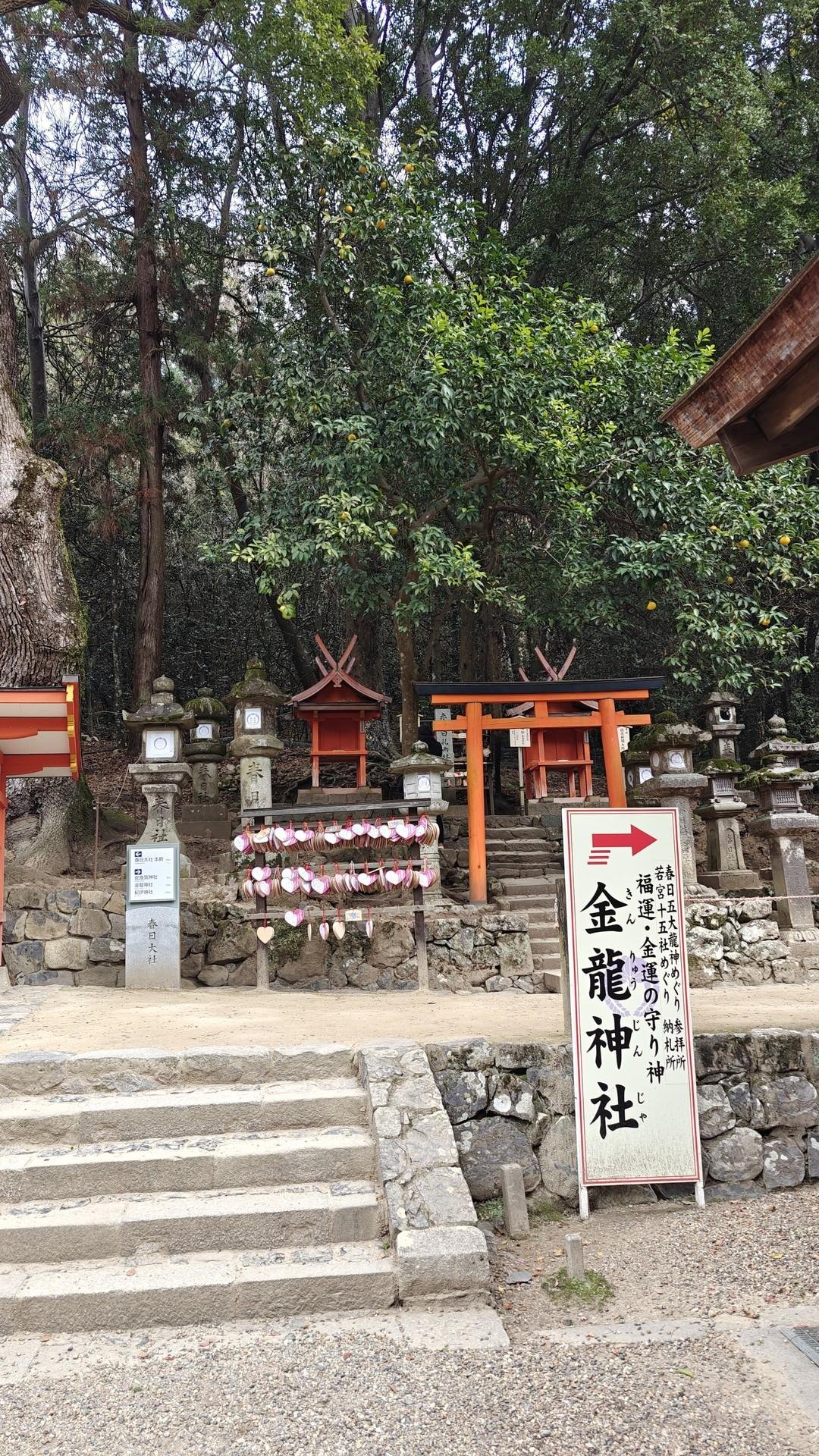
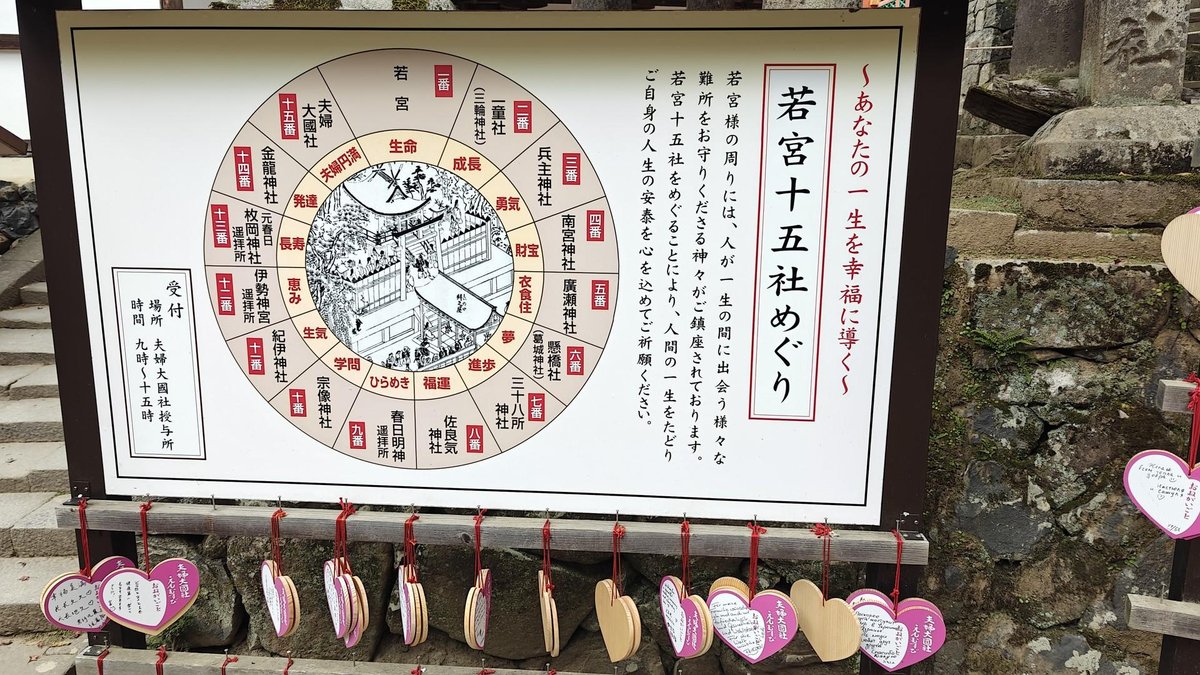
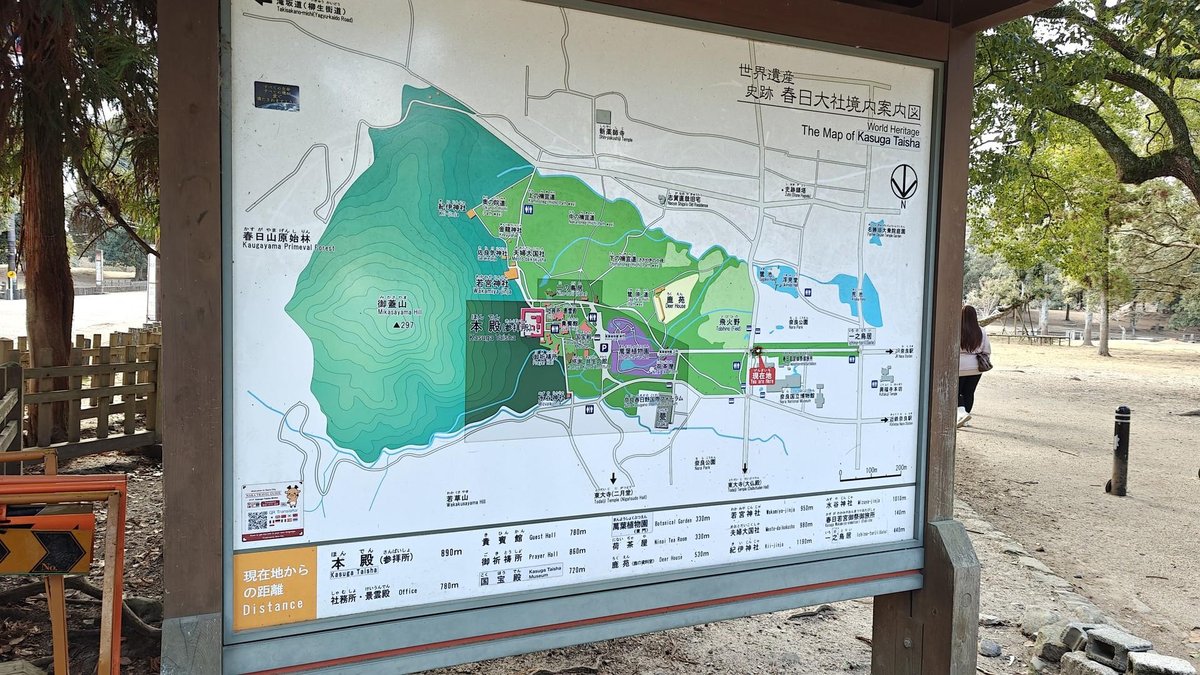
Heart-shaped ema plaques hang near a map of all the shrines in the grounds. I always read what others write on ema boards. Some of them are really personal and some are simply funny.