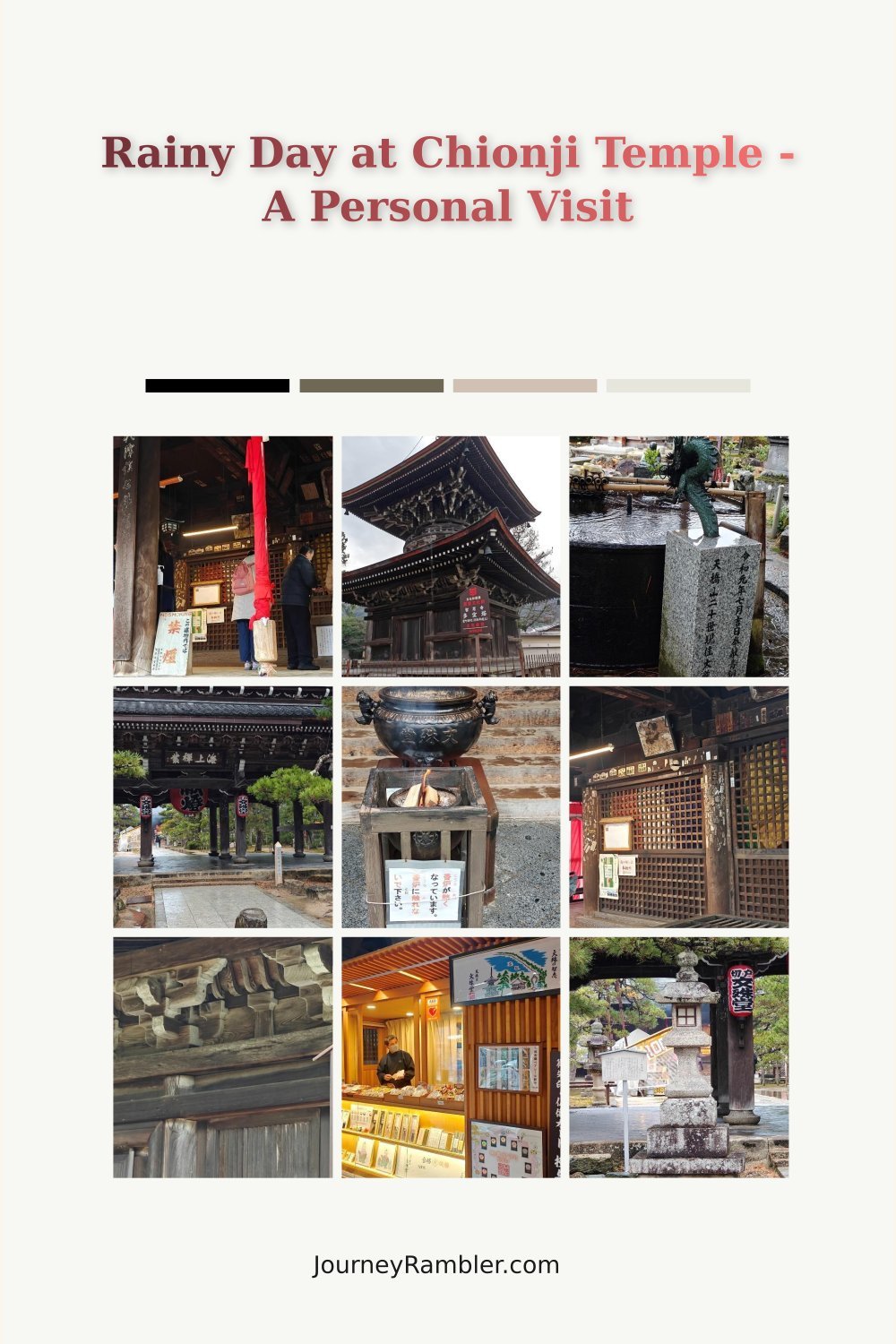
With the Amanohashidate just nearby, it's kind of understandable how most people overlook Chionji Temple. You'll need to remember though that being overlooked (at least among foreign visitors) doesn't necessarily mean that this local landmark is bad. On the contrary, I actually ended up loving my visit to this Myoshin-ji Buddhist temple.
Much like the Kaisenkyo Bridge and Amanohashidate sandbar, getting to Chionji Temple is going to be relatively easy.
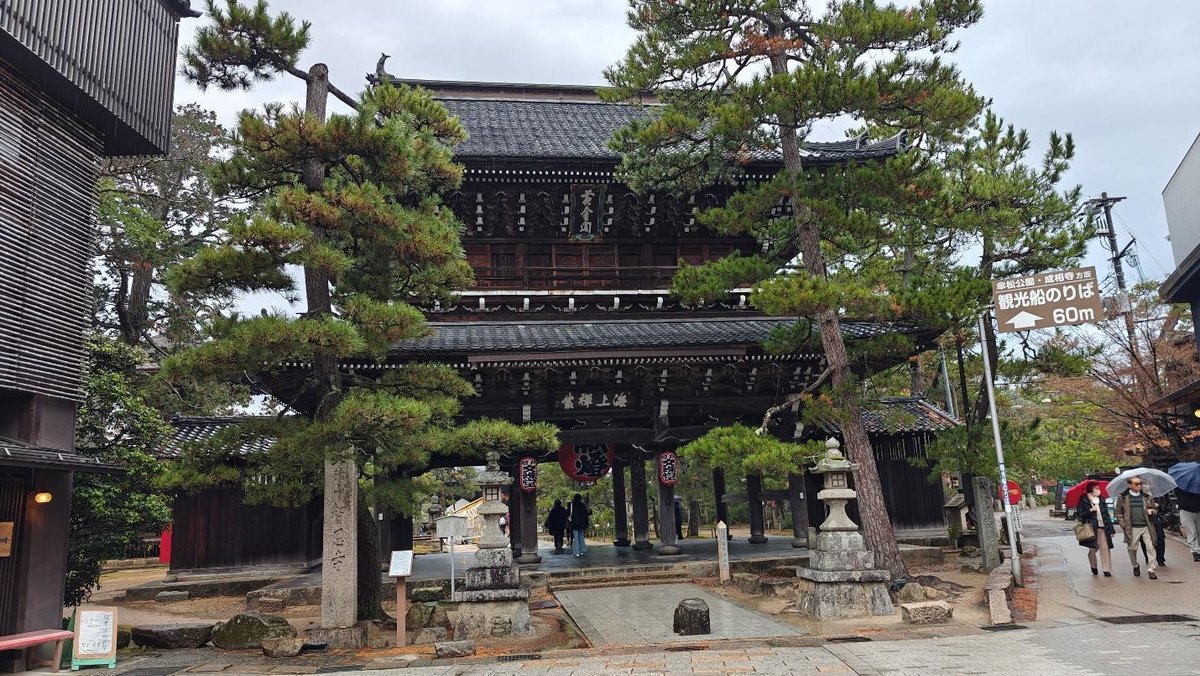
It’s just a walking distance from the Amanohashidate Station in Miyazu’s Monju district. In fact, you should be able to see the Chionji Sanmon Gate just before you turn right to get to the Kaisenkyo Bridge.
Walking Around Chionji Temple with My Umbrella
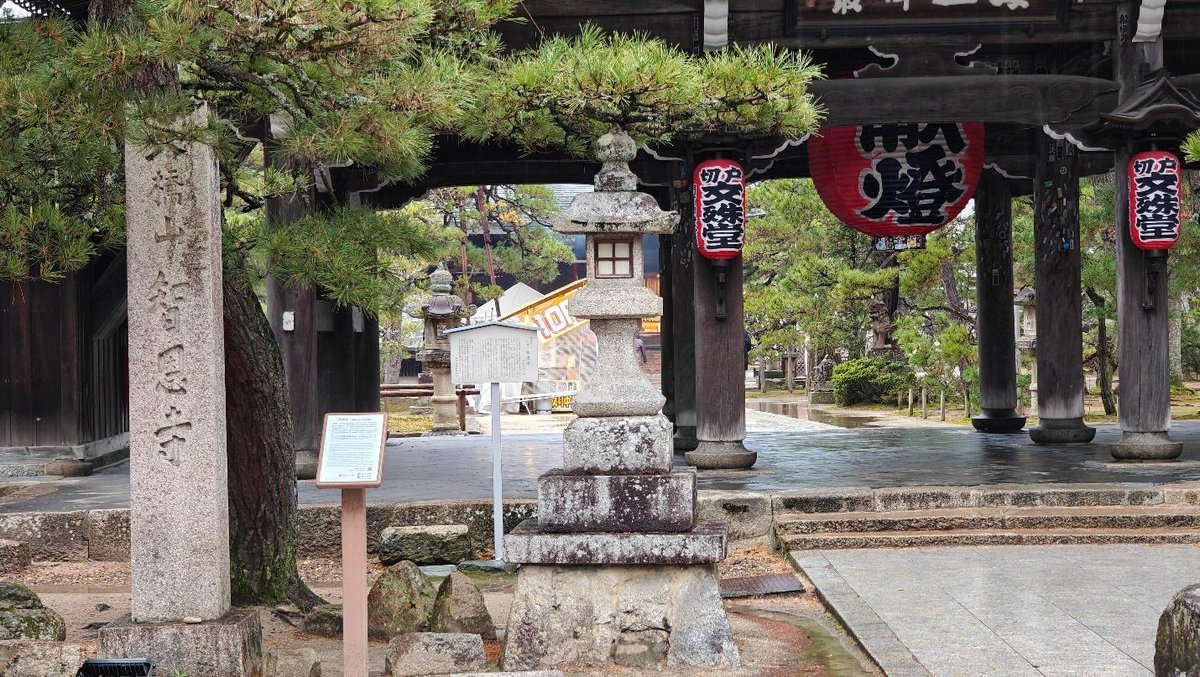
Most Buddhist temples I’ve been through usually have an approach just before you reach their main gates. Chionji is different though as the gate is visible and accessible from the street. In a way, this kind of setup makes it actually feel more like a park rather than a temple.
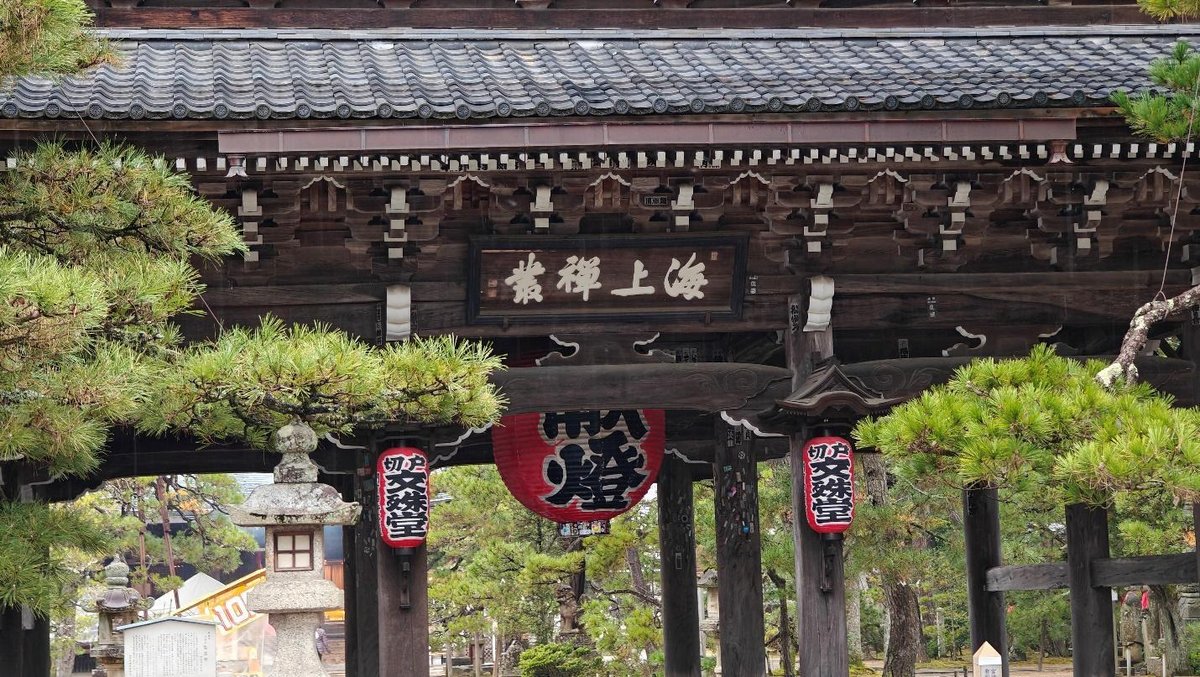
Being accessible also doesn’t mean Chionji Temple is inferior to other temples that I’ve been to. The Sanmon Gate is proof of this as it’s not only large but also intricately detailed. Constructed sometime in the mid-1700s, the gate is considered the largest in the Tango or Kyoto by the Sea region (composed of Miyazu, Kyotango City, as well as Ine).
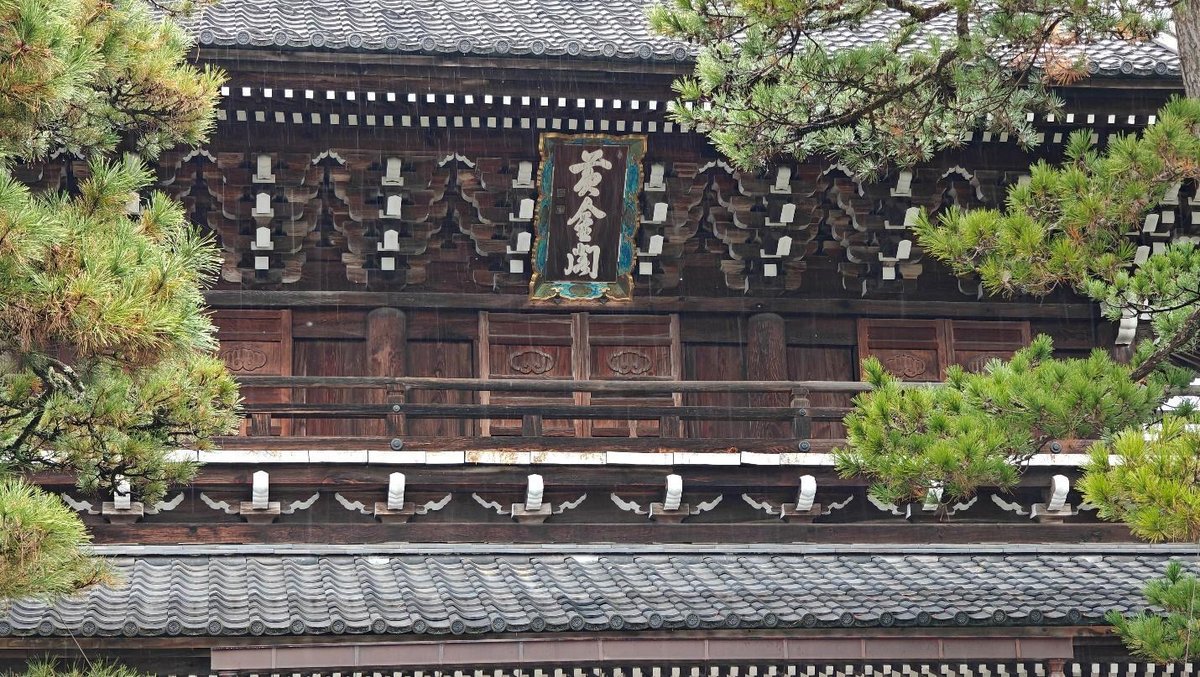
So I just found out about this now but this Sanmon Gate is actually a type of nijumon or two-story gate. In this image, you can see the railings of the second floor which also feature intricate rafters and joinery typical of traditional Japanese architecture. One thing that I read about the second floor is that there are statues of Shakyamuni Buddha and 16 arhats enshrined in it.
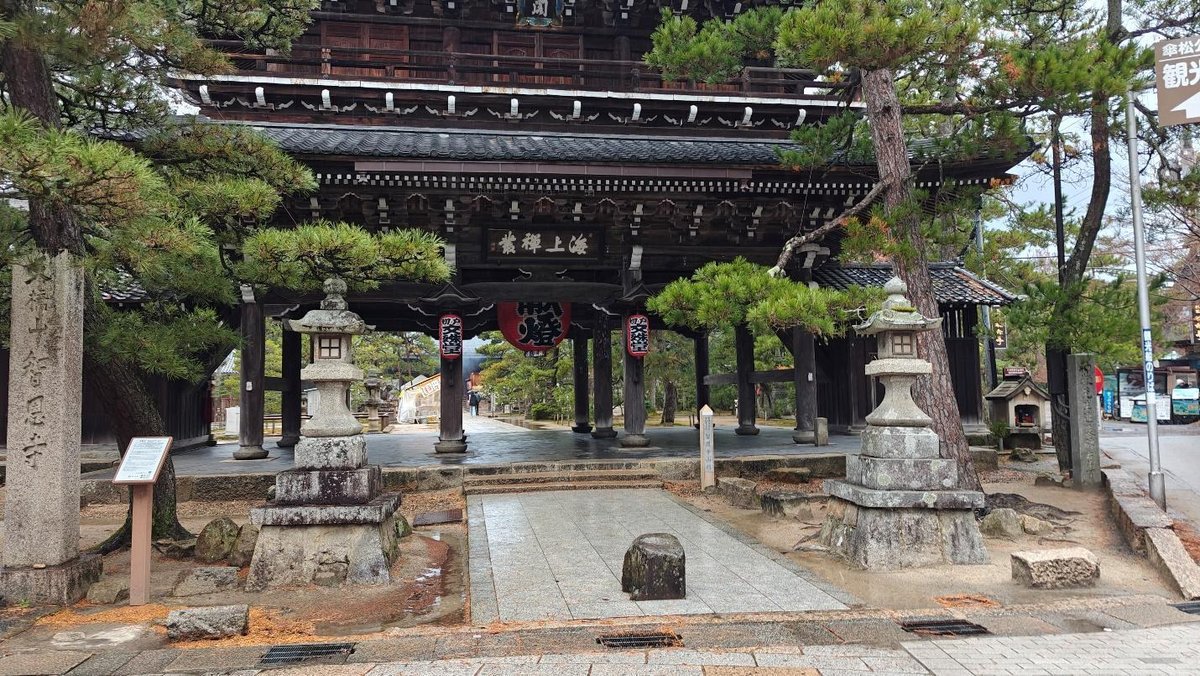
So if you’ve read my write-ups of Amanohashidate Beach and Kasamatsu Park then you’re probably aware of the rainy weather that I had to contend with during those visits. It was pretty much the same with my Chionji visit since this was also on the same day. Thankfully, I had an umbrella with me so I still managed to enjoy this temple visit.
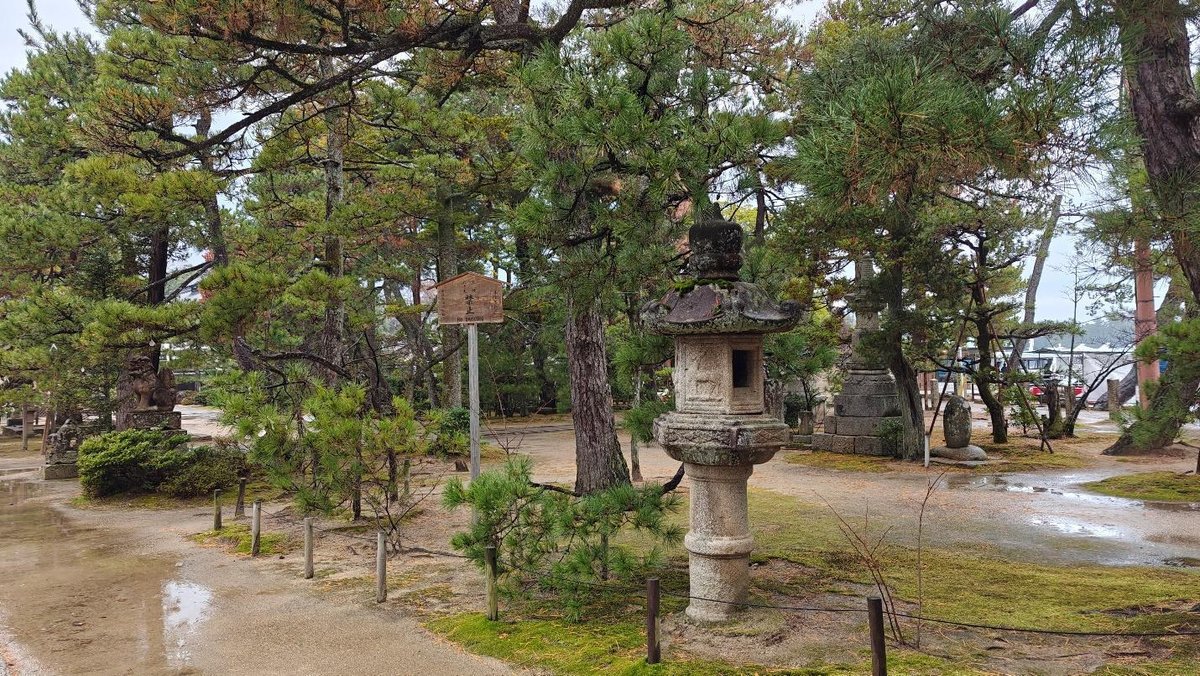
Speaking of Amanohashidate, one feature of Chionji Temple that it shares with the scenic sandbar nearby is its pine trees. Walking through its gardens, you’ll notice an abundance of these trees just about anywhere you look. It was actually kind of surprising considering the temples and shrines that I’ve visited typically have more sakura than pine trees.
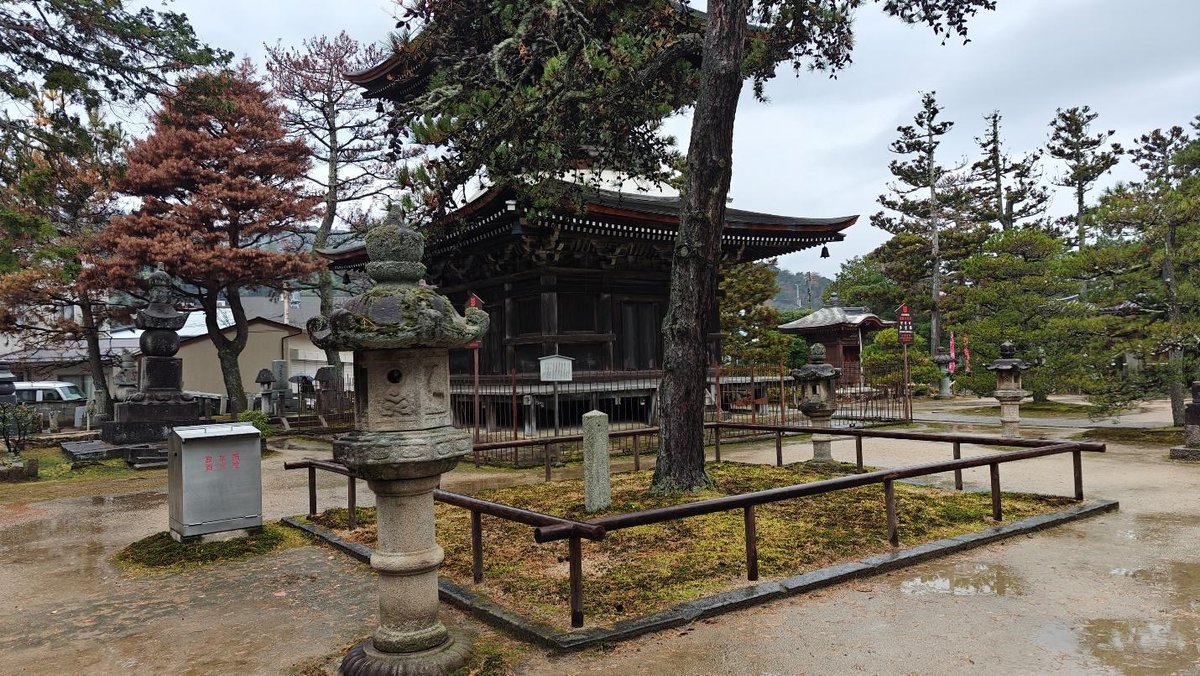
Before reaching the temple’s main hall, I came across these two interesting landmarks. The first is a pine tree with a small monument right next to it. I’ve been told that the tree was actually planted to commemorate the visit of a Crown Prince of the Royal Family.
As for the building behind the tree, that’s the Chionji Tahoto which is actually a designated National Important Cultural Property.
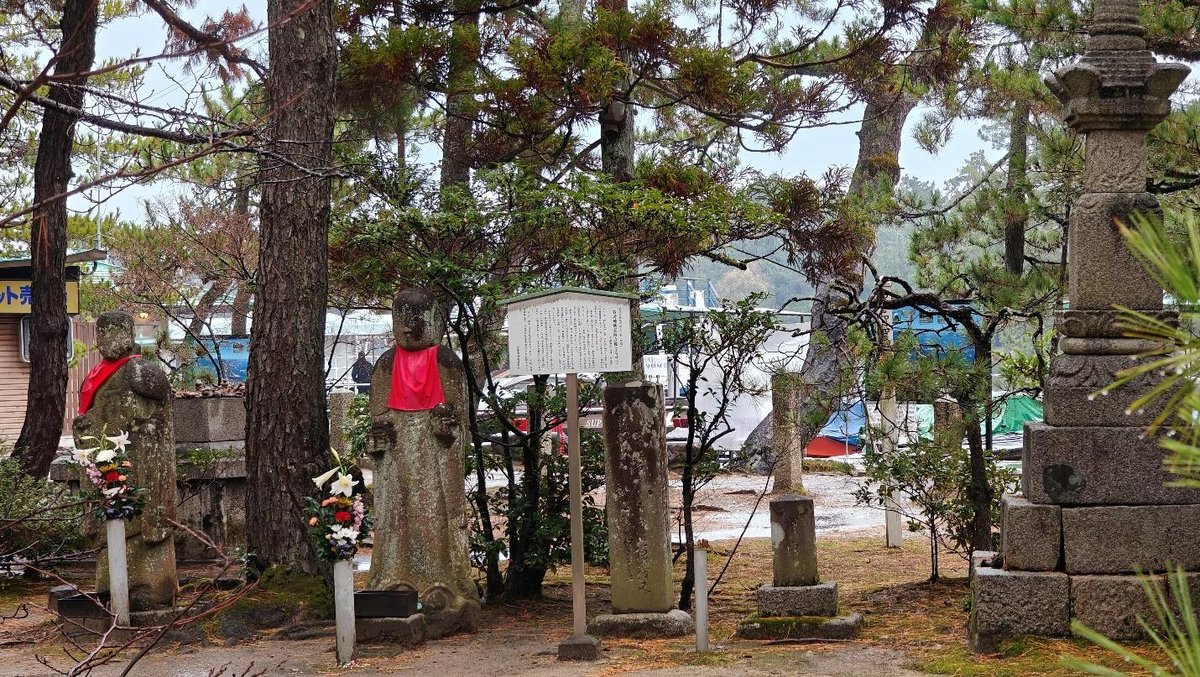
Opposite the pine tree commemorating the Crown Prince’s visit were these Standing Stone Jizo Bodhisattva statues. Initially, I thought these were just your run-of-the-mill jizo statues but they actually are quite old. According to the sign just beside the statues, these have been around since the early 1400s which make them even older than the Sanmon Gate.
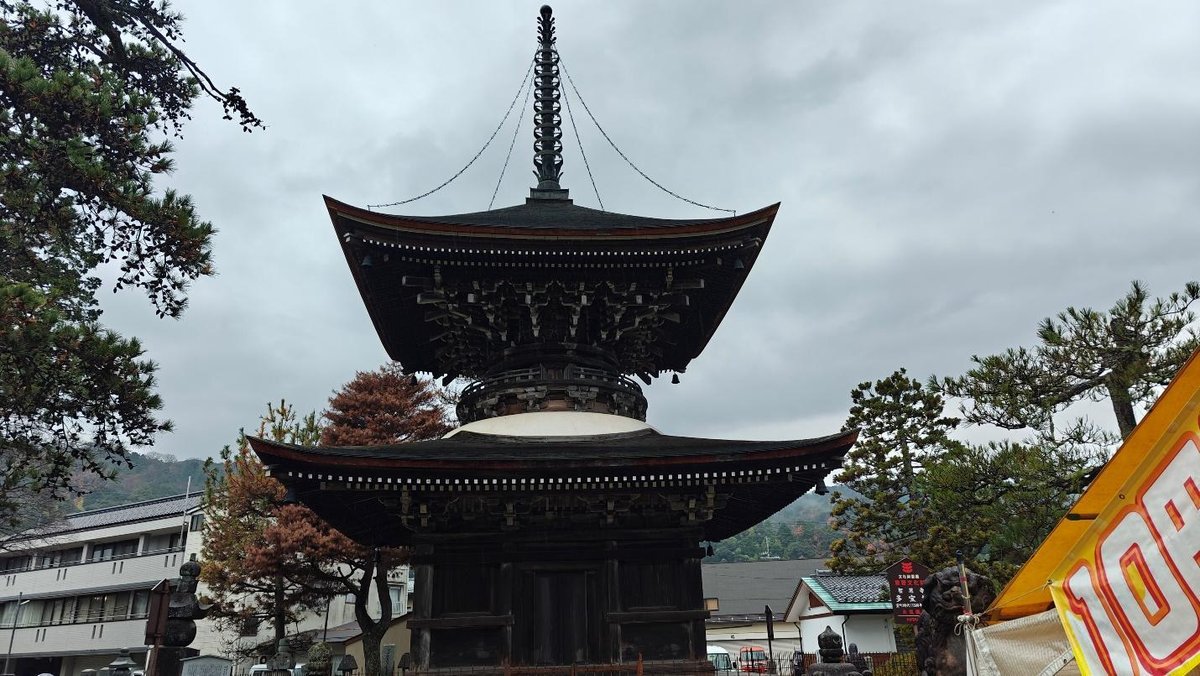
After checking out the jizo statues, I then took a closer look at the Chionji Tahoto. Much like the statues, this building is rather old having been built in 1501 and thus being the oldest structure that you’ll find in the city. Enshrined in the pagoda is a statue of Dainichi Nyorai who is considered as the Buddha that is said to have created all life.
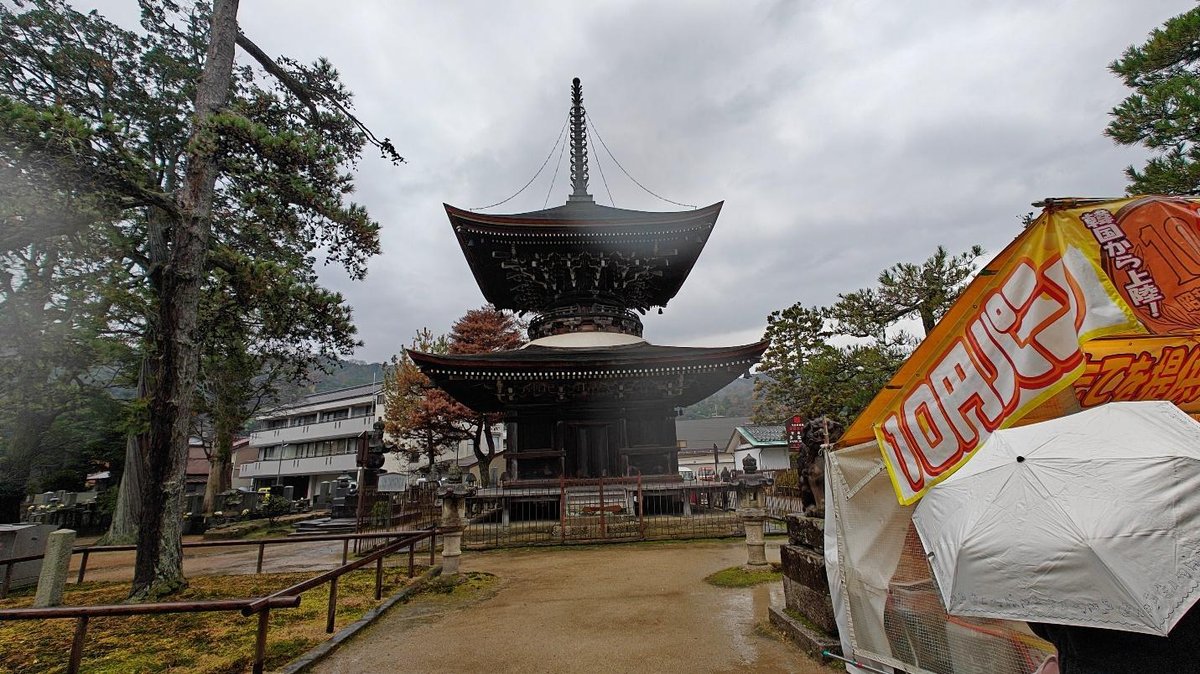
Despite its age, the pagoda really looks like it’s in great condition (at least from this distance). What’s even more striking though is how “out there” it looks compared to most other pagodas I’ve seen. Typically, similar pagodas have a scenic background of trees and other traditional architecture.
Here at Chionji though, the Tahoto is charmingly incorporated in the Monju vista and you can actually see some of the more modern buildings and even the occasional motor vehicle in the background.
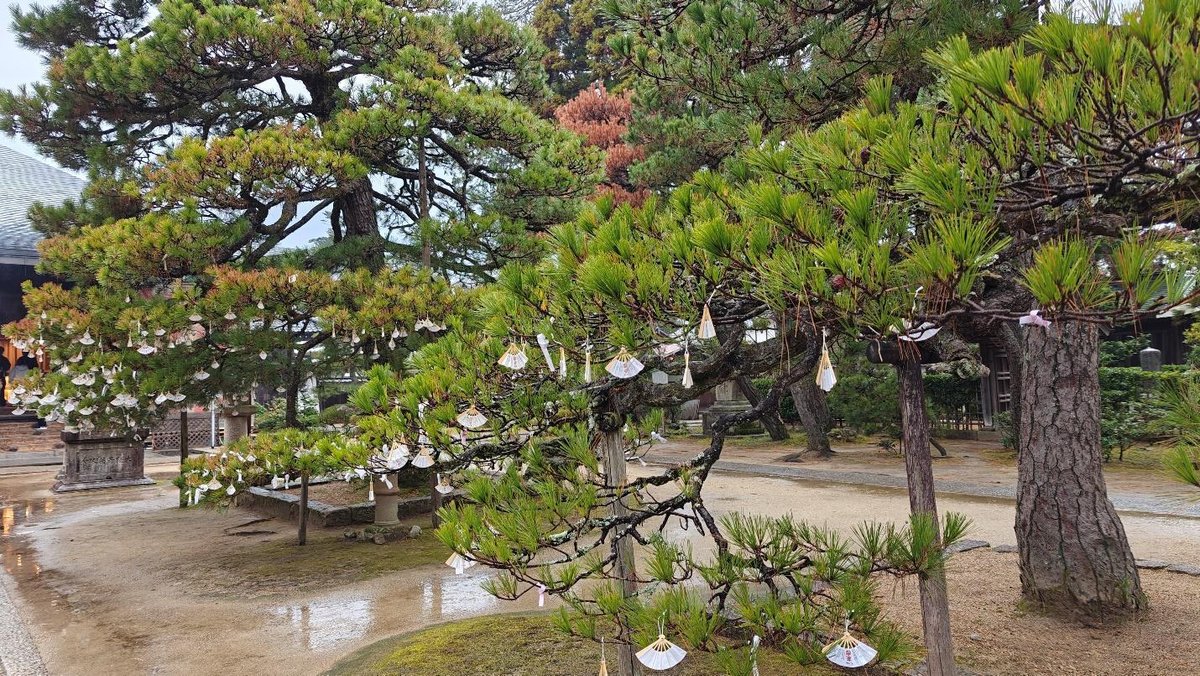
Another thing that stood out in the Chionji Temple grounds are the trees that had these decorations on them. Well, I initially thought they were decorations but they actually aren’t. If I’m not mistaken, these are a type of omikuji called Suehiro Sensu that are shaped like a folding fan.
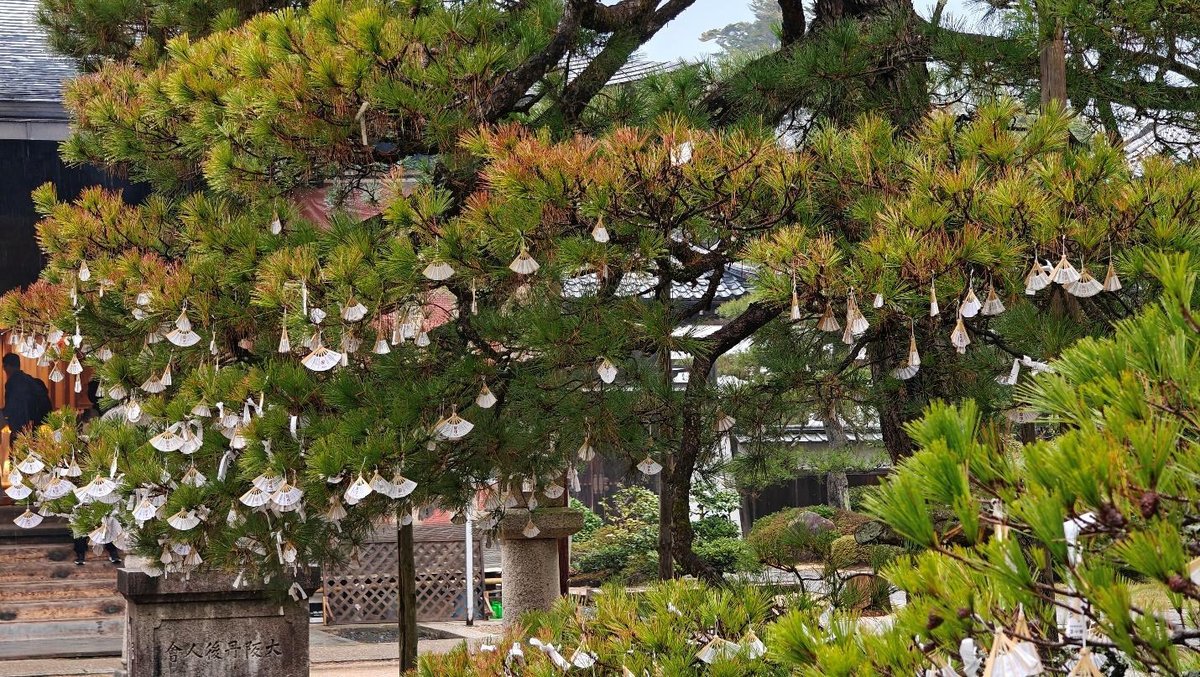
As for why there are plenty of them here, well it has to do with the Bodhisattva enshrined here in Chionji Temple. You see, the temple is considered one of the three great temples dedicated to the Bodhisattva Monju Bosatsu. In Buddhist belief, he is venerated as the Bodhisattva of Wisdom and so many students come here praying for academic success.
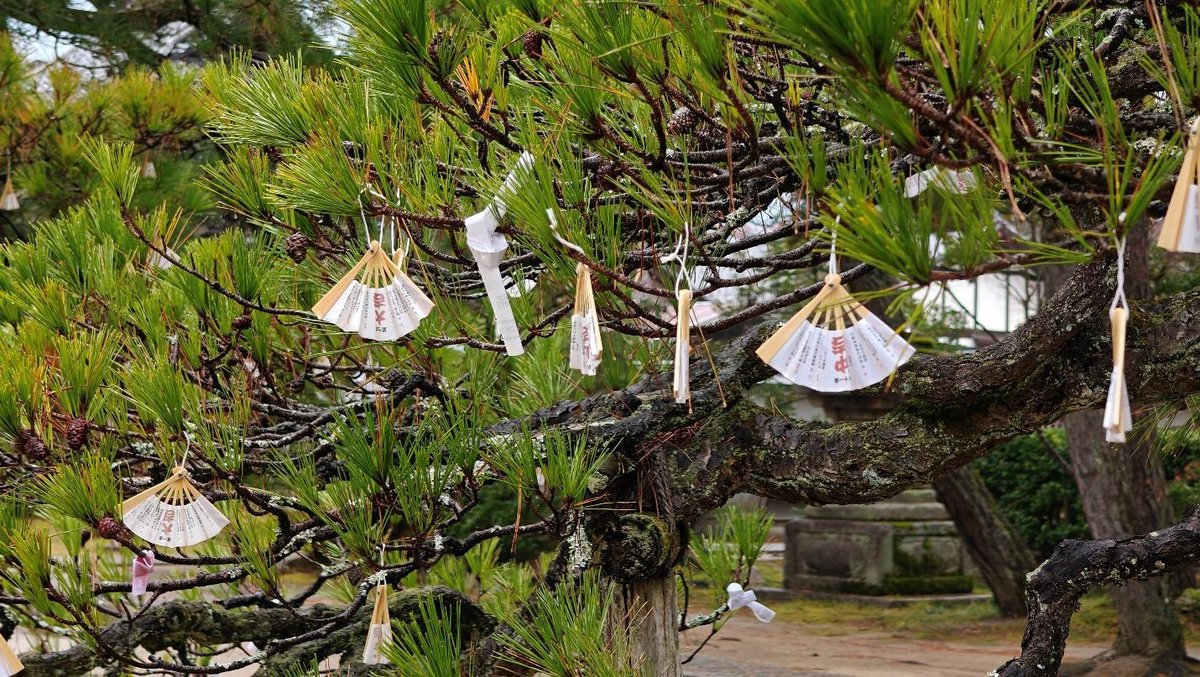
Visitors typically tie the omikuji that have bad fortune on pine trees or at the shrine/temple’s designated omikuji kake. Apparently, that’s not the case here at Chionji Temple as people also hang Suehiro Sensu omikuji that have good or great fortune (instead of bringing that fortune home). I read that this is done to create a lasting connection with Monju Bosatsu as well as to keep the visitor’s fortunes flexible.
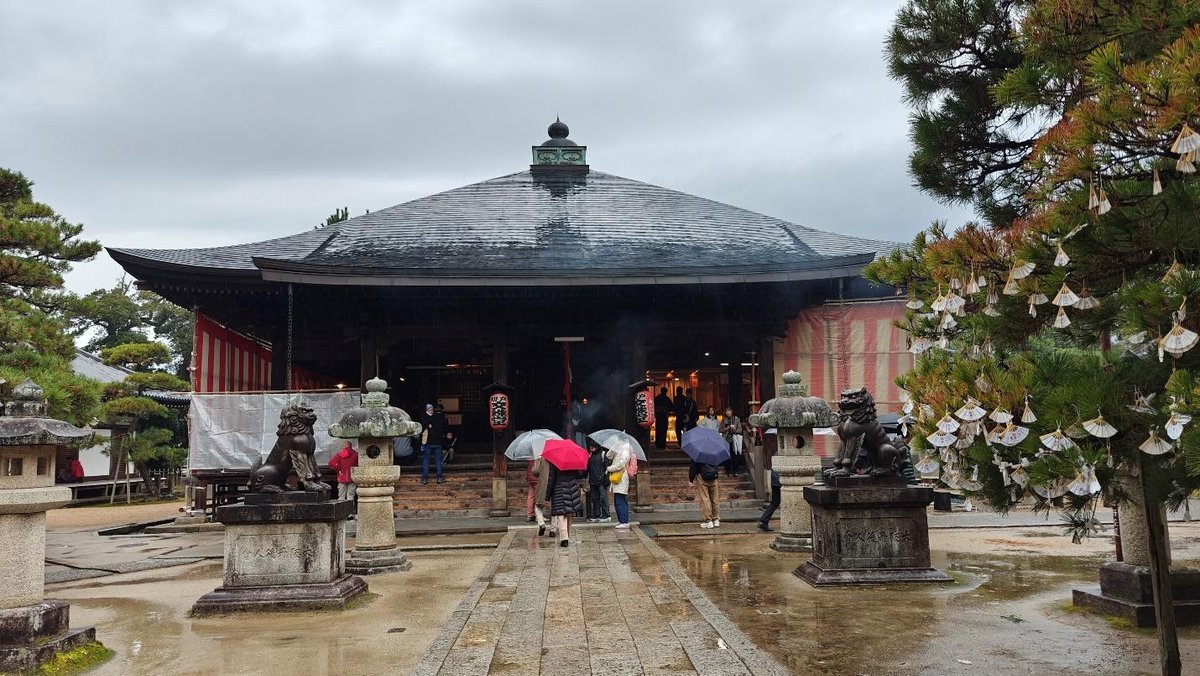
A short walk from the pine trees with omikuji hanging from them is the Monjudo. This serves as the main hall of the temple complex and as mentioned earlier, this is dedicated to the Bodhisattva Monju. Now the temple has been around since the 9th century but the current Monjudo is a reconstruction completed in the 17th century.
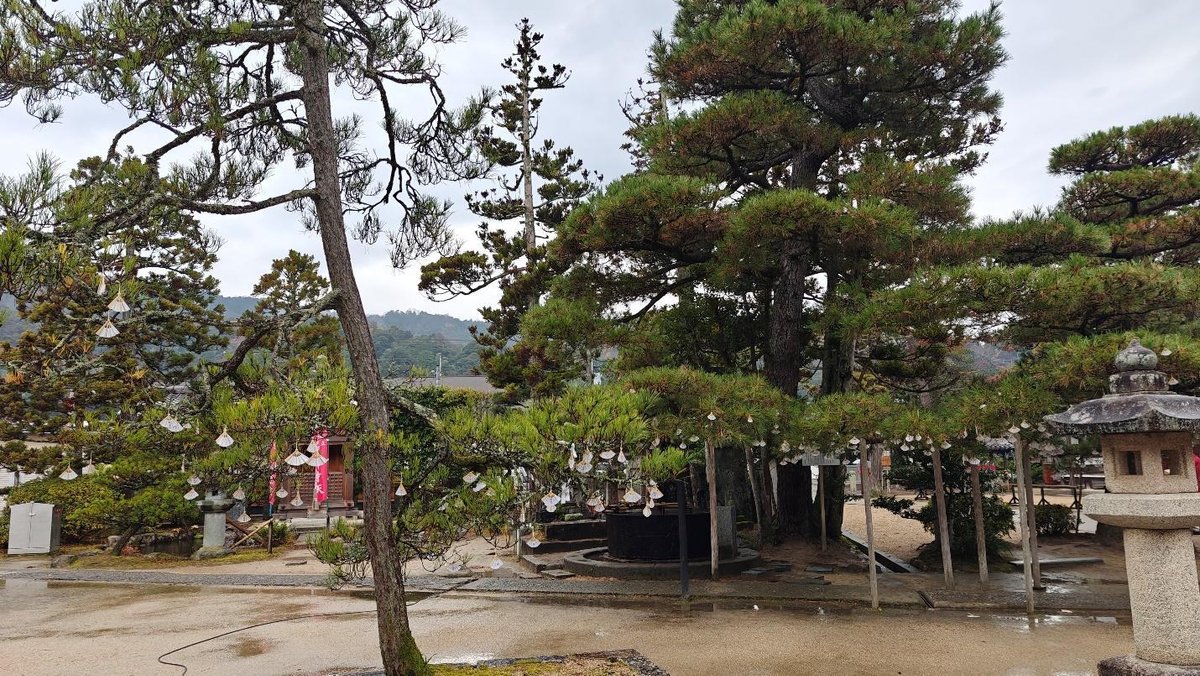
Before proceeding to the Monjudo, I made sure to check the surrounding area just because I actually found it quite interesting. One area (to my left if I was facing the Monjudo) that I found really mysterious was this one in the image above. It’s not quite noticeable but under the shade of the tall pines was what looked like a chozubachi.
My guess about it ended up right though what was surprising was the chozubachi’s history (which I’ll be talking about in depth later).
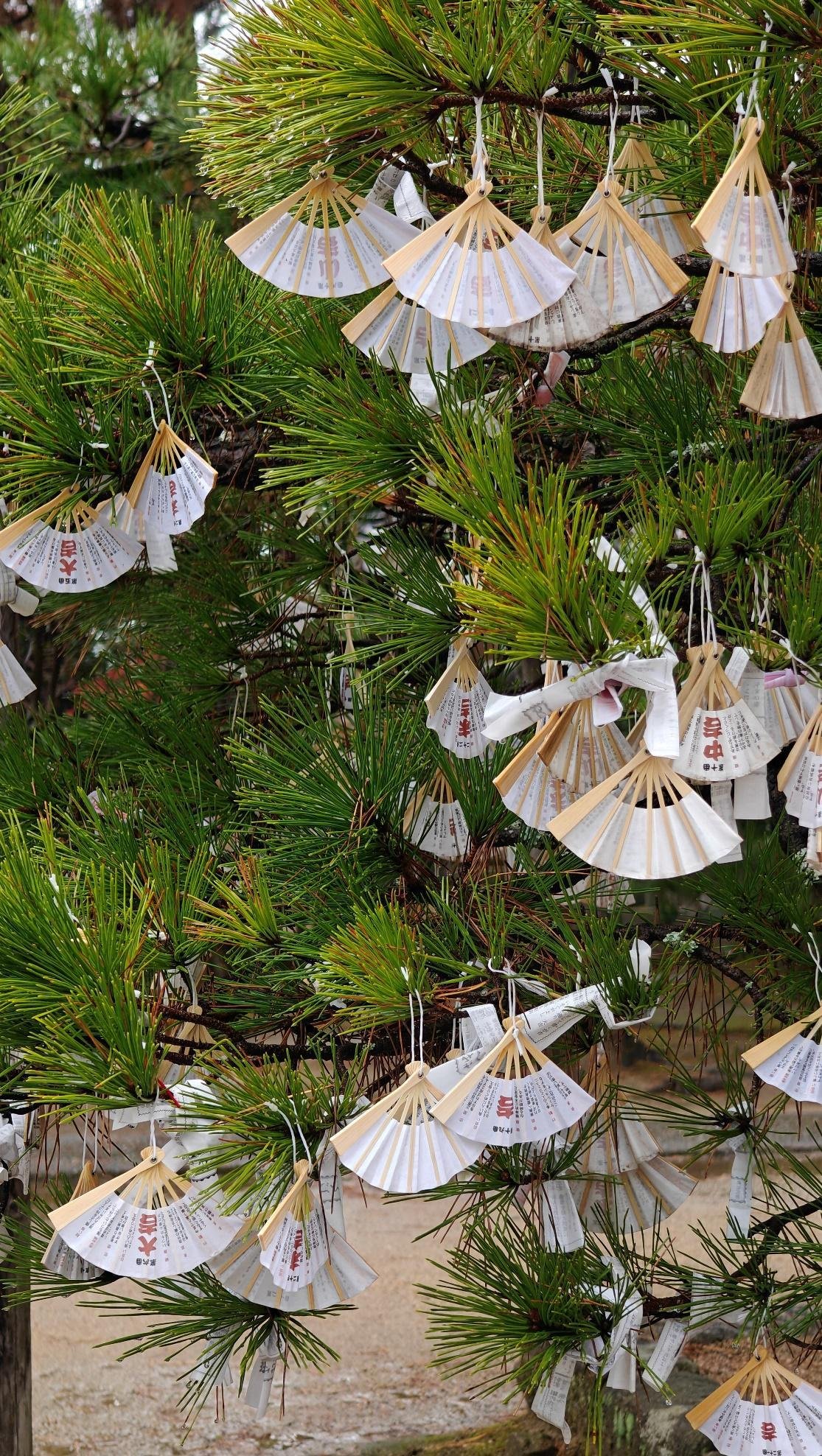
So earlier I said that people mainly came here to pray for academic success. “Many people” is kind of an understatement as there were really plenty of Suehiro Sensu omikuji hanging from the pine trees in the temple’s courtyard. I was told that this is par for the course here especially prior to the entrance exam season (January to March) starting.
This kind of made sense considering this visit was sometime in December.
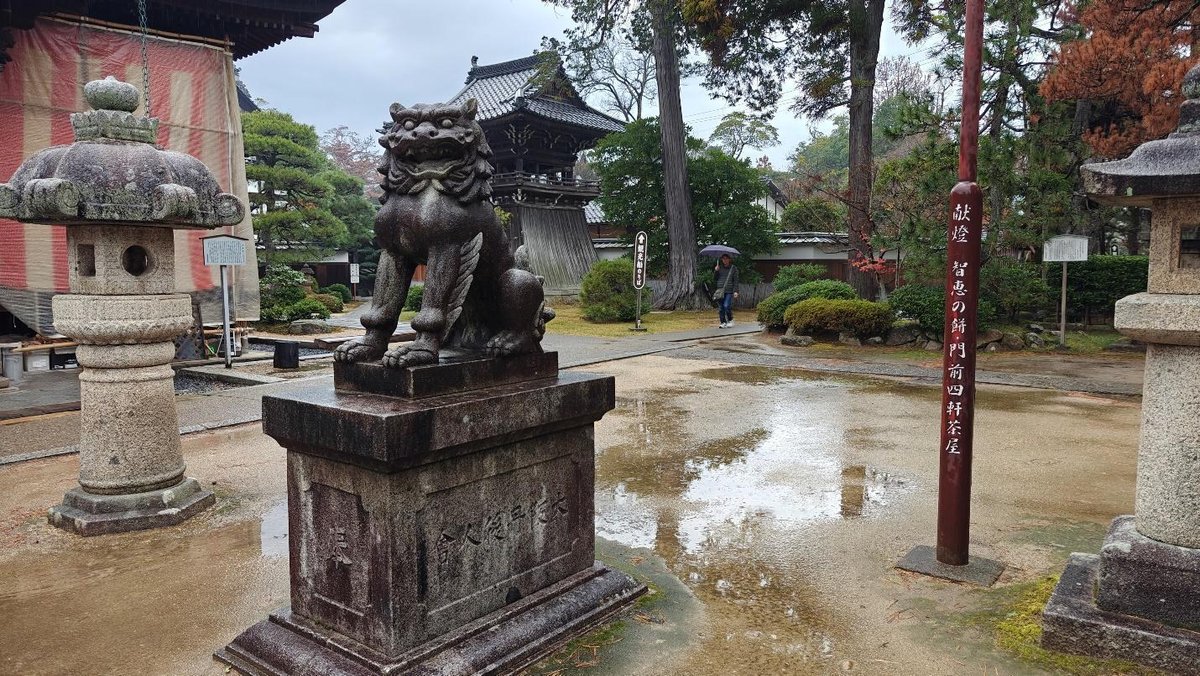
Another noticeable building you’ll see in the courtyard is the Chionjishoro. It’s kind of hard to see it in this image thanks to the komainu blocking part of it but in person the bell tower actually looked quite stunning. Its first floor also had a similar covering as the one I saw in Nazen-ji Temple.
Unlike that bell tower though, the bell here is actually visible on the second floor.
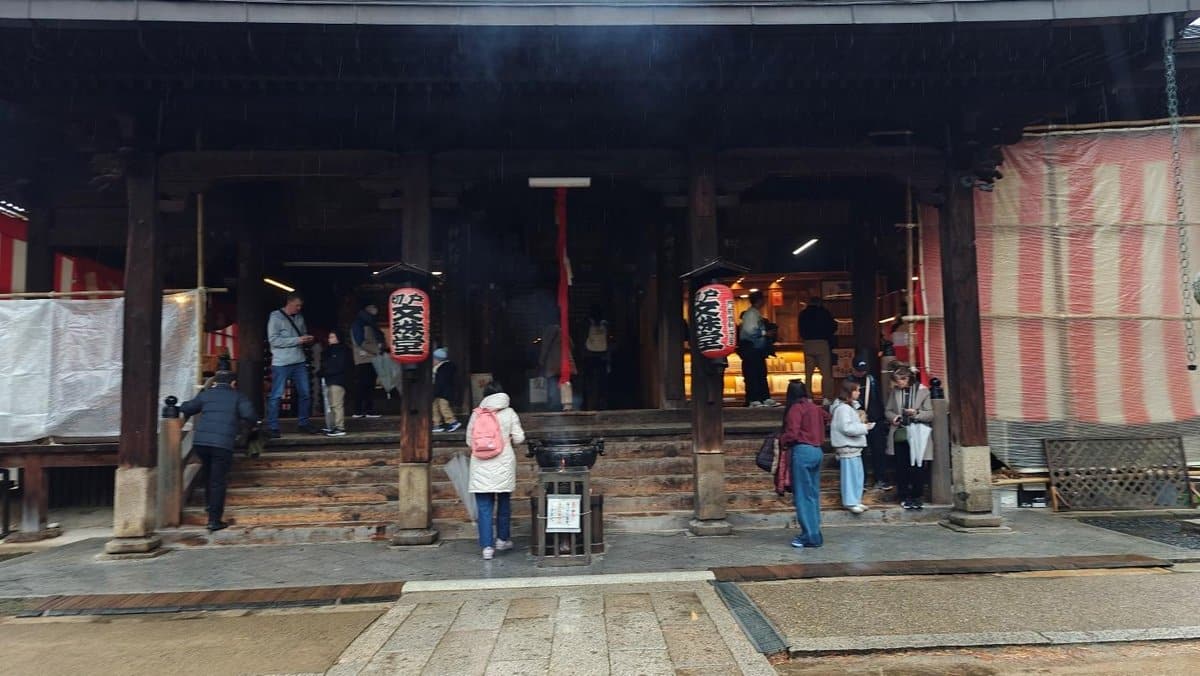
After appreciating the views in the courtyard, I then moved to the Monjudo. Despite the rain, it was actually a little busy at the time of my visit. Despite its age, the building actually looked like it was still in great condition with there being some minor signs of wear and tear on the pillars and stairs.
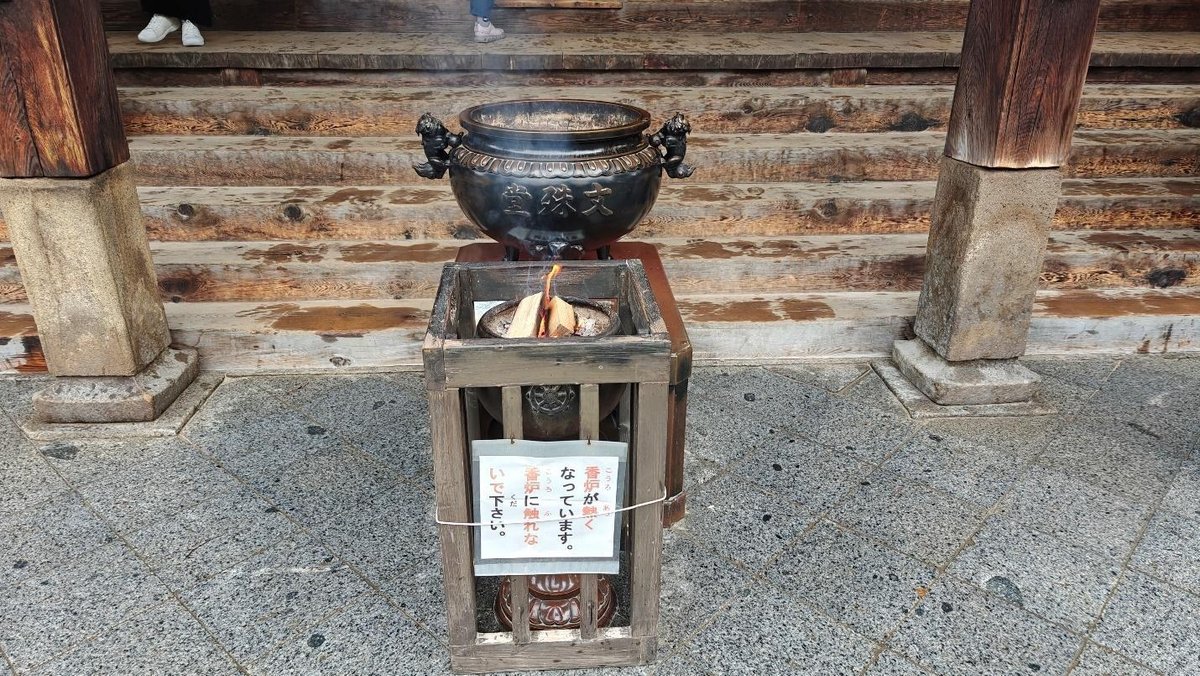
Before going up the steps, you’ll be greeted by this koro or incense burner. It actually has a sign cautioning worshipers to not touch it since it’s apparenty quite hot. Similar to washing hands in a temizuya or chozuya, burning incense in front of the Main Hall is a symbolic act of purifying oneself in preparation for entering a sacred space.
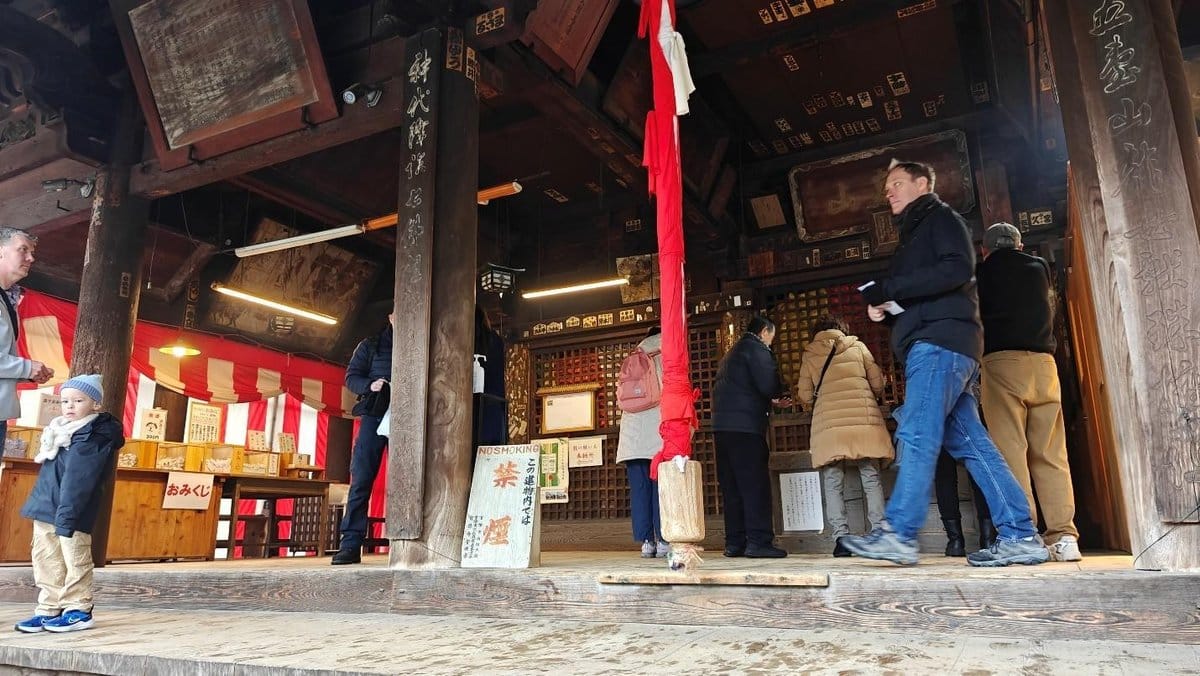
Here you’ll find the Suzu-o or bell cord connected to the Suzu or bell. Like in other temples, you pull on this after dropping your donation on the saisenbako (it’s what the three people in the background are congregating around). After ringing the bell, you then bow deeply two times, clap your hands twice, and with your hands clasped, you can then say your prayers to the enshrined deity.
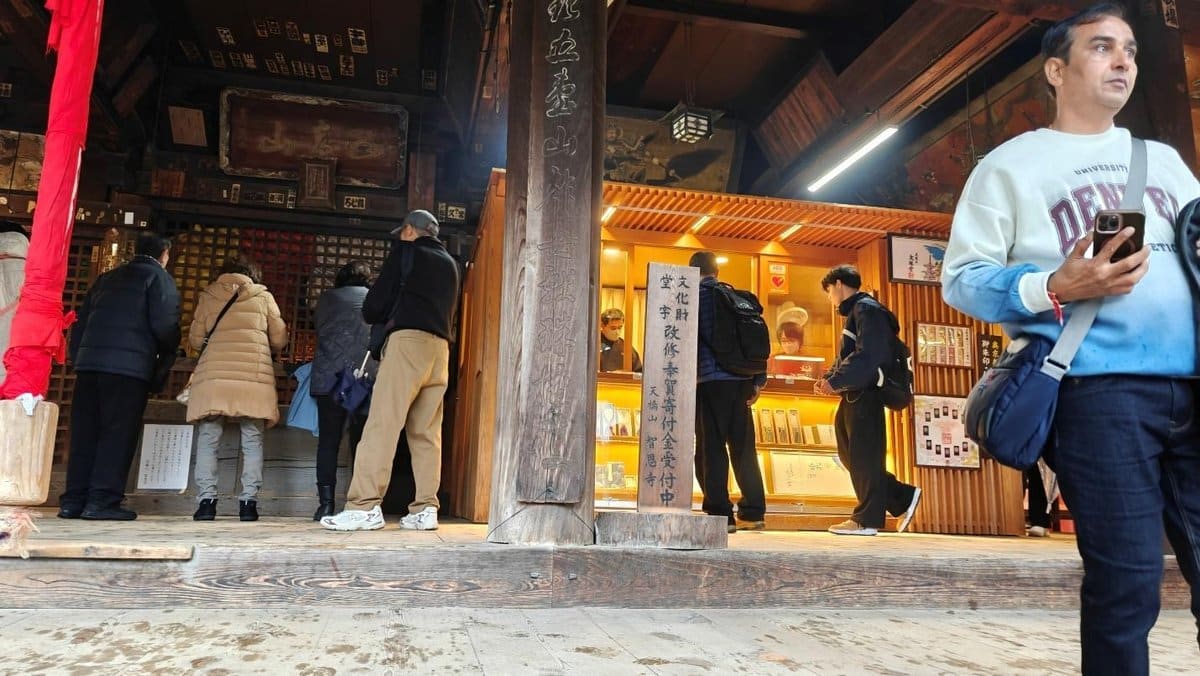
To the right of the saisenbako is a booth selling charms for people taking the entrance exams. I’m not too sure if these actually work but considering how people still flock here to buy them so there’s a chance it might be true, right? As much as I’d like to believe it actually works the truth might be that people who end up passing probably just studied real hard.
Still, I don’t think its neccesarily bad to pray here and get charms even if you’ve been studying.
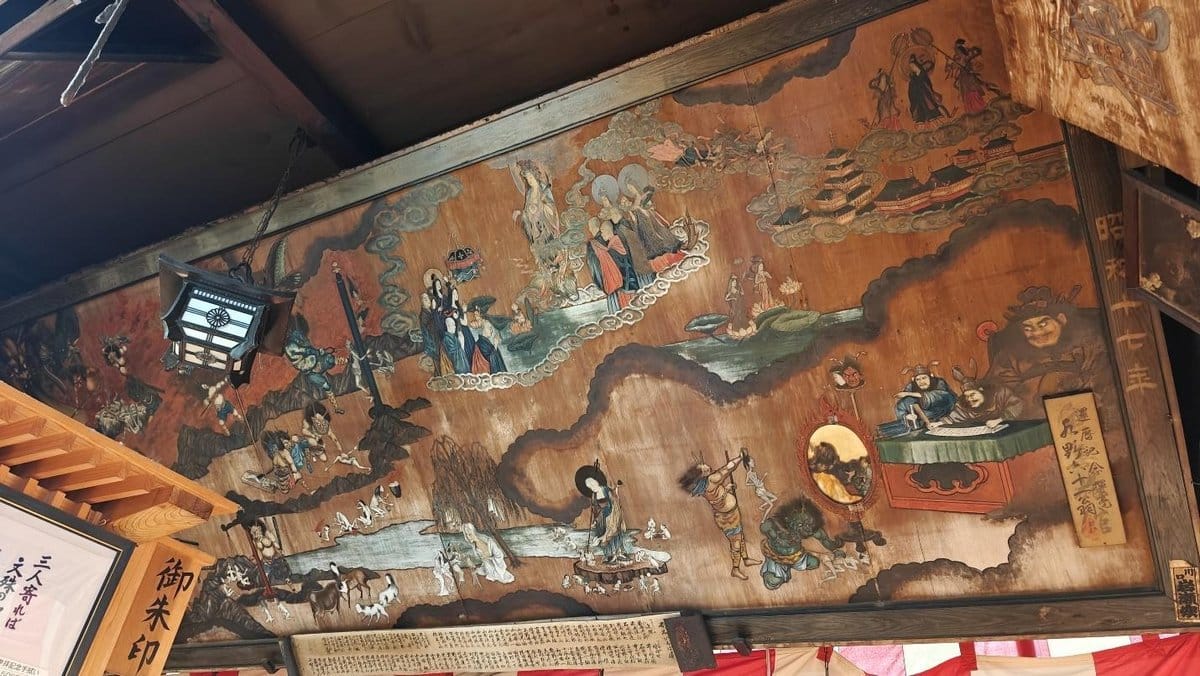
In the ceiling to the right of the booth selling charms is a large painted panel featuring scenes from what I think is Buddhist mythology. I’m not quite sure what exact events these depict Bodhisattvas in Naraka or the Hell Realms. Unfortunately, there doesn’t seem to be any information (at least on the English-speaking internet) on the age of these paintings or even their history and connection to the temple.
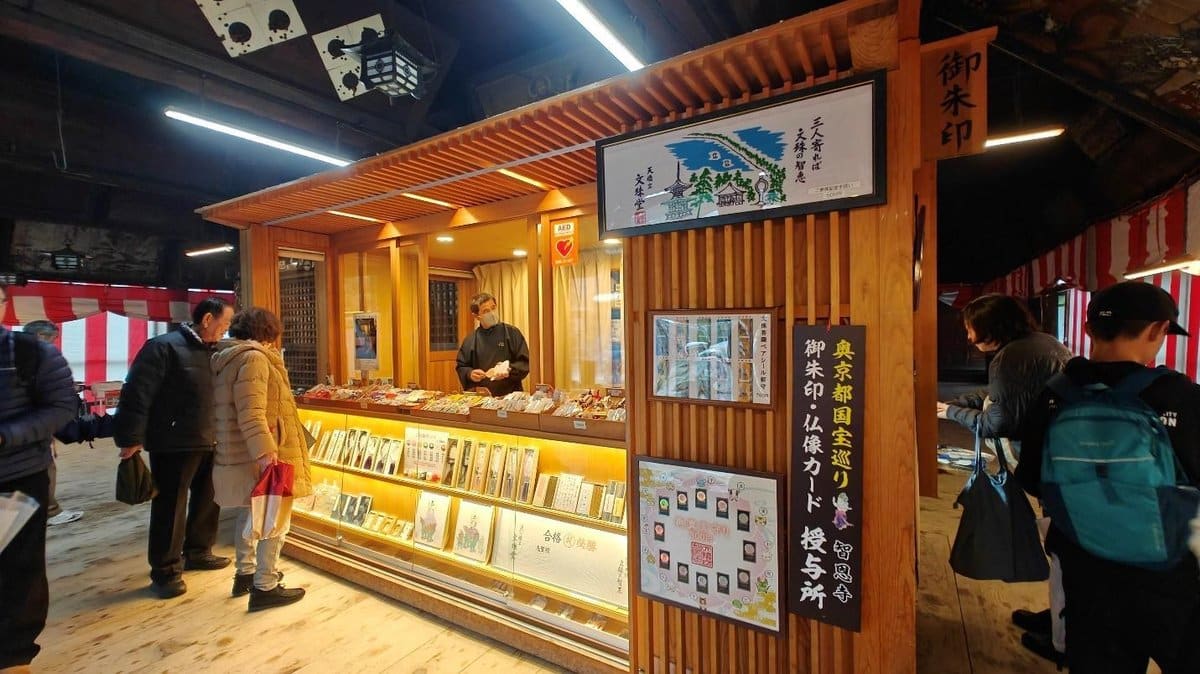
Now if you have a goshuincho with you then this is also where you’ll need to present it. Like a lot of temples and shrines, Chionji Temple also issues goshuin. Aside from goshuin stamps, the temple also has Buddha statue cards which I’m honestly not that too familiar with.
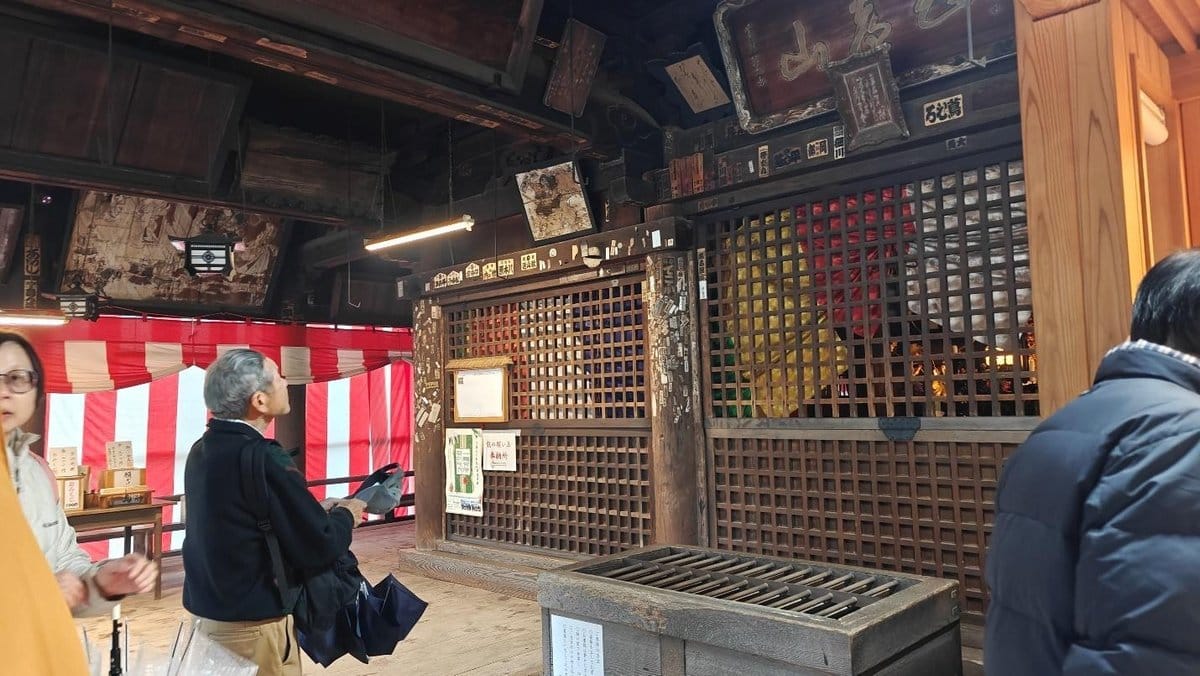
Here’s the saisenbako and, in the background, you’ll see where the omikuji are displayed. These omikuji typically cost around 300JPY to 500JPY which makes them priced similarly with the ones from the shrines and temples I’ve been to. On a side note, I actually expected for the worshipers here to be a lot younger but it seems like parents also come here to pray for their kids’ entrance exam success as well.
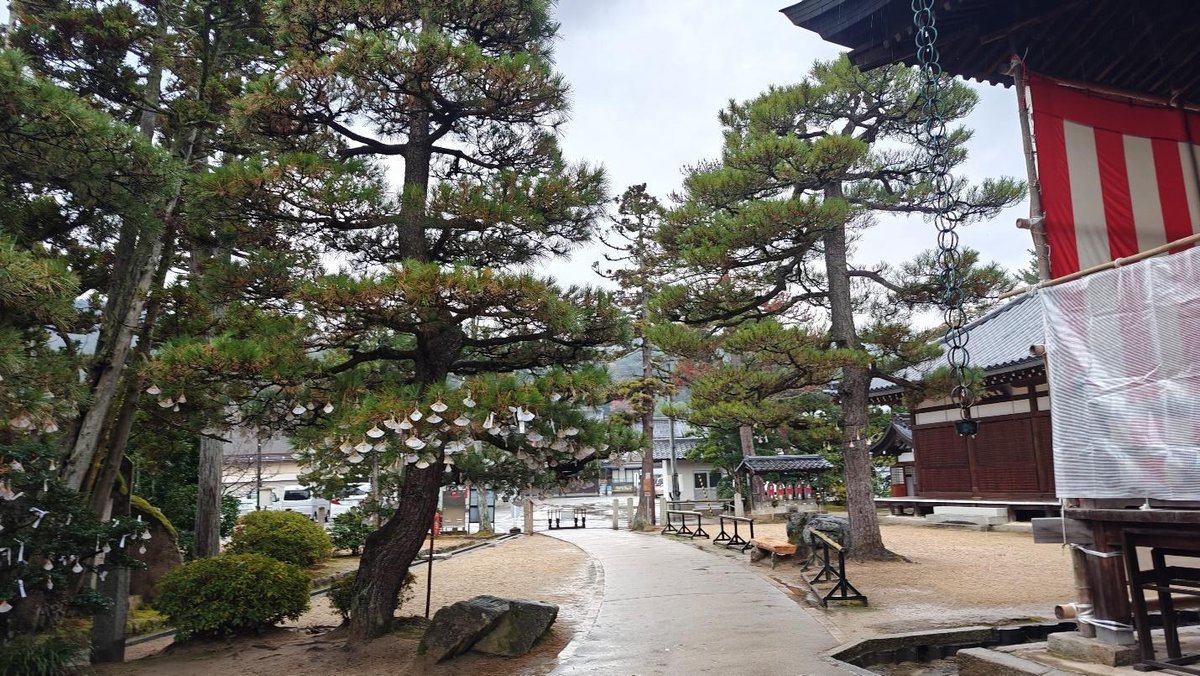
After observing the Monjudo, I decided to check out the chozubachi I saw earlier. To get there, I turned right immediately after going down the stairs of the Monjudo. Now the temple actually has a pretty neat design where there’s a path on either side of the Monjudo leading to an exit (one of which you can see in the image above).
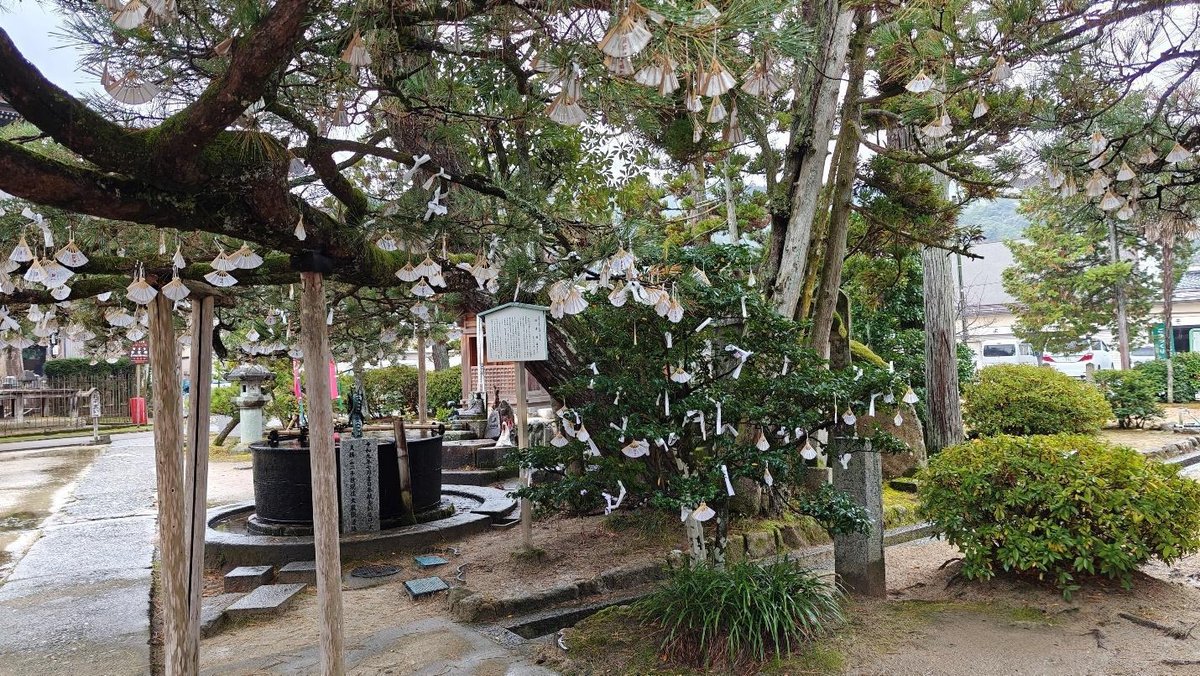
Of course I wasn’t exiting yet so I followed the path and turned left. This brought me to this really large tree whose branches actually needed supports. What’s nice though is that the supports actually form a shaded pathway that then leads to the chozubachi I talked about earlier and another of the temple’s landmarks.
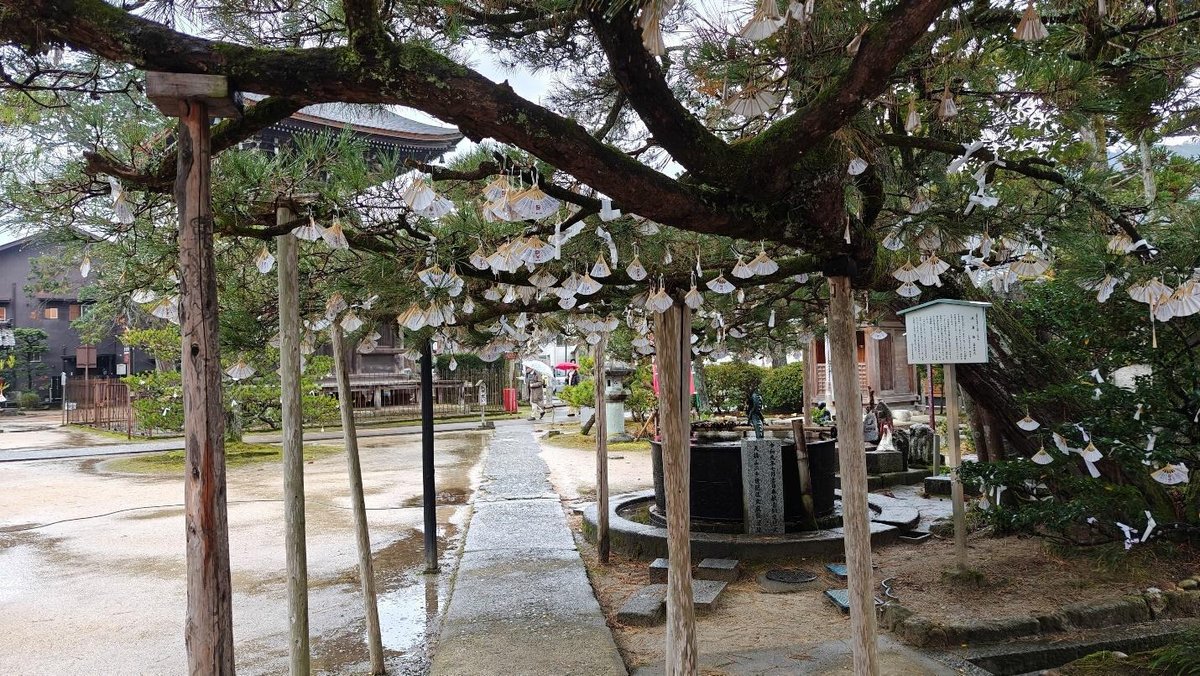
So this is the pathway made from the branches supports that I was talking about. I initially was scratching my head as to why these supports were here. Then I realized that these probably served a similar function to yukitsuri.
Since Miyazu actually experiences lots of snow, these supports ensure that this specific branch doesn’t fall down once snow accumulates on it.
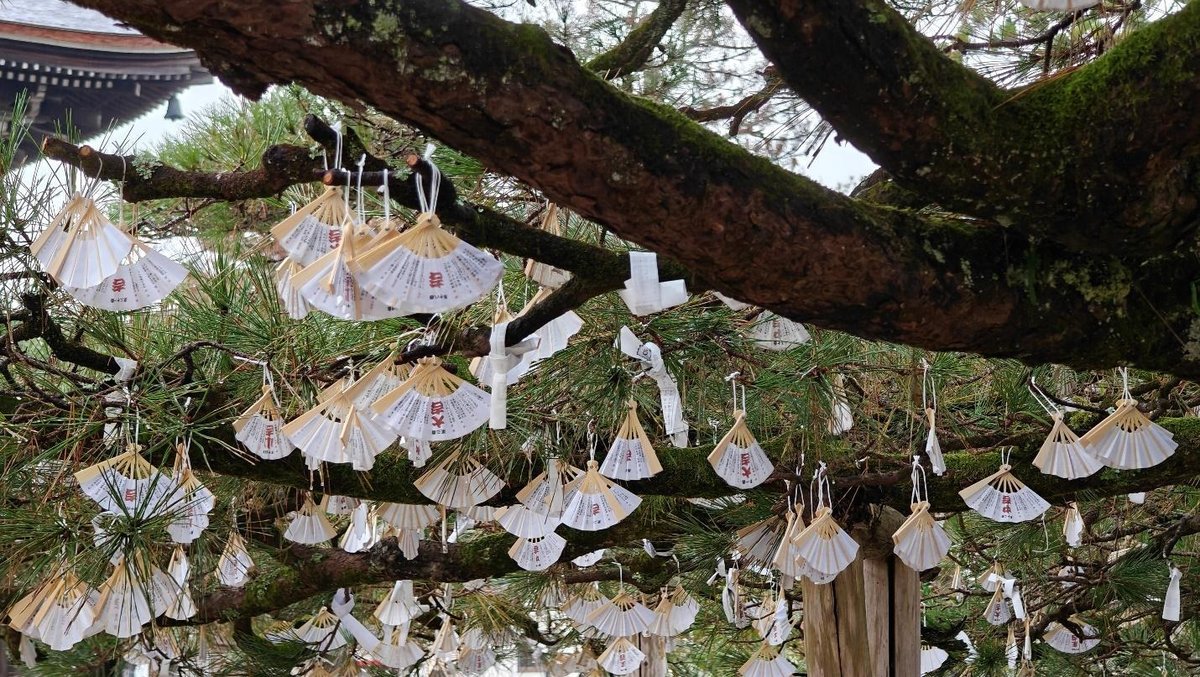
This tree wasn’t spared from getting Suehiro Sensu omikuji on its branches. Now that I think about it, the branches probably get heavy from these as well. It’s all the more reason for these branches to have the supports.
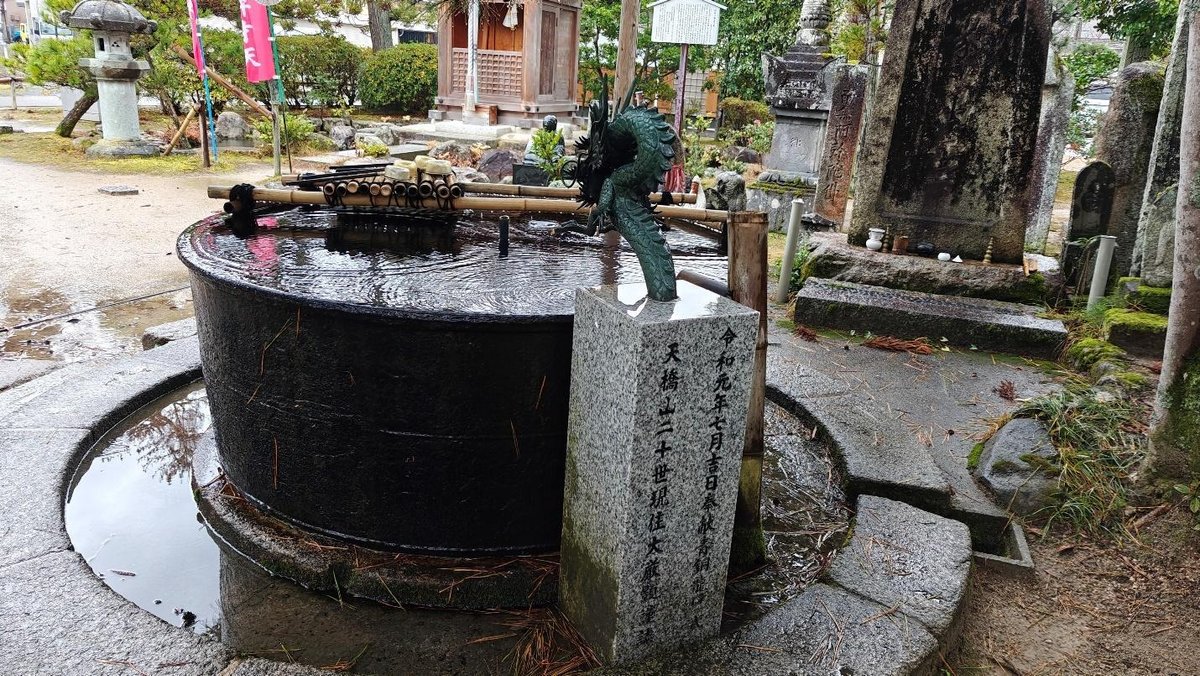
I finally found myself at the chozubachi. Owing to the rain, I actually decided to skip this initially and head straight to the Monjudo. At this point though, the rain wasn’t as strong so dropped by just to see it up close.
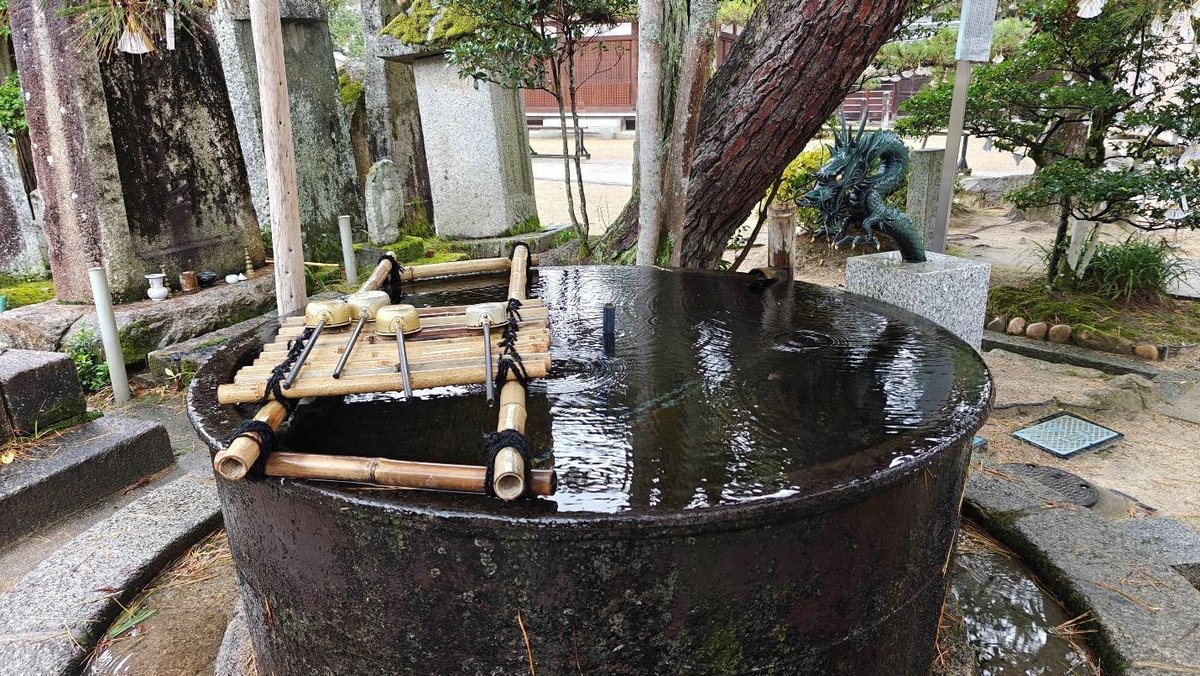
Now I said earlier that this wasn’t your typical chozubachi and that’s because it’s actually an iron bath tub. Also called Yu-no-fune, this isn’t an iron bath tub that you’d see just about anywhere. This is actually more than 700 years old and it’s been around since the Kamakura period.
Moreover, it also has sort of a twin that’s about as old as it is (though that currently serves a more ornamental/decorative function) that can be found at Nariaiji Temple.
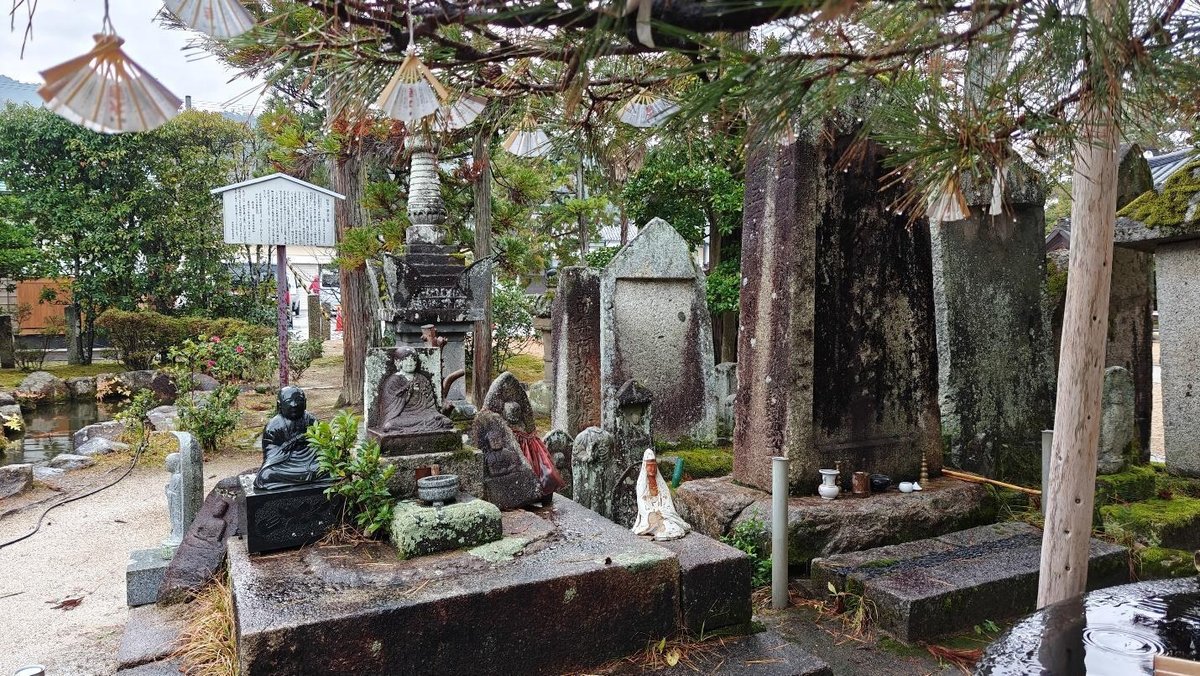
Past the Yu-no-fune is another group of Buddha statues and some large stone memorials. You’ll also notice that behind the Buddha Statues is a stone pagoda called Hokyointo with a sign beside it. That’s actually the site that’s said to be where the famous gunnery expert Inatomi Ichimusa was laid to rest.
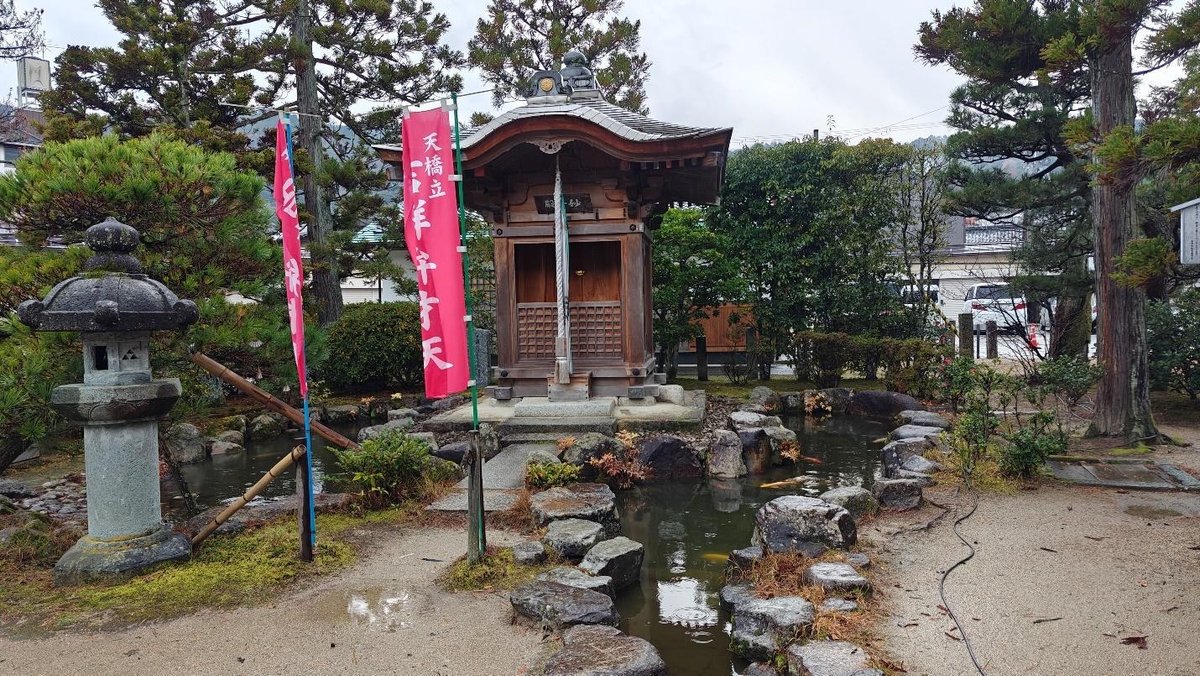
A couple of steps from the tomb is the Chionji Myoenden. Based on my research, it seems like the syncretic deity Benzaiten is enshrined here. What I liked about this shrine though is its pond/moat.
I think it’s actually the only one that I saw here which is kind of surprising since a lot of the Buddhist temples I’ve visited typically have at least two.
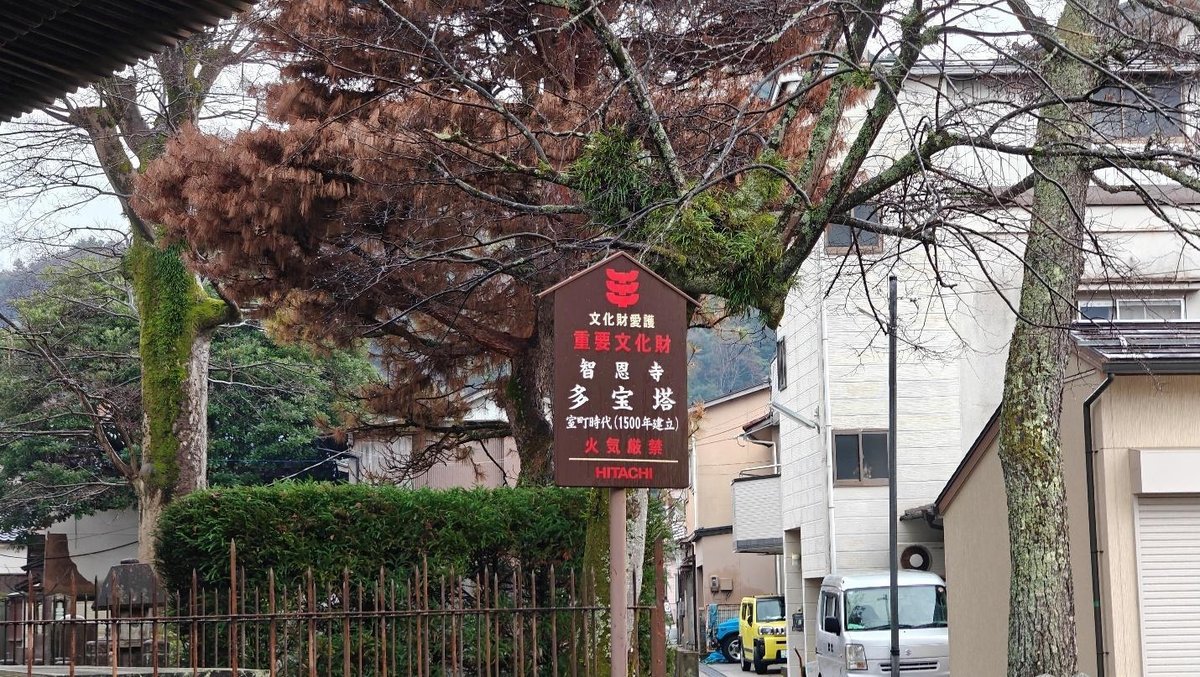
Now if you follow the path from the Myoenden, you’ll find yourself close to the public parking lot exit and the Chionji Tahoto. If you want you can actually exit from here and after a short walk, you should be able to get back to Amanohashidate Station. That said, I wasn’t quite ready to get back yet so I decided to see more of the pagoda up close.
So you probably noticed the signboard featuring Hitachi branding. Companies actually regularly donate in exchange for having their branding or logo shown in the shrines’ or temples’ buildings/premises. A pretty prominent example of this (aside from the Hitachi branding in the sign above) would be the kazaridaru you’d typicall find in places like Heian Jingu Shrine or Hachimangu Tsurugaoka in Kamakura.
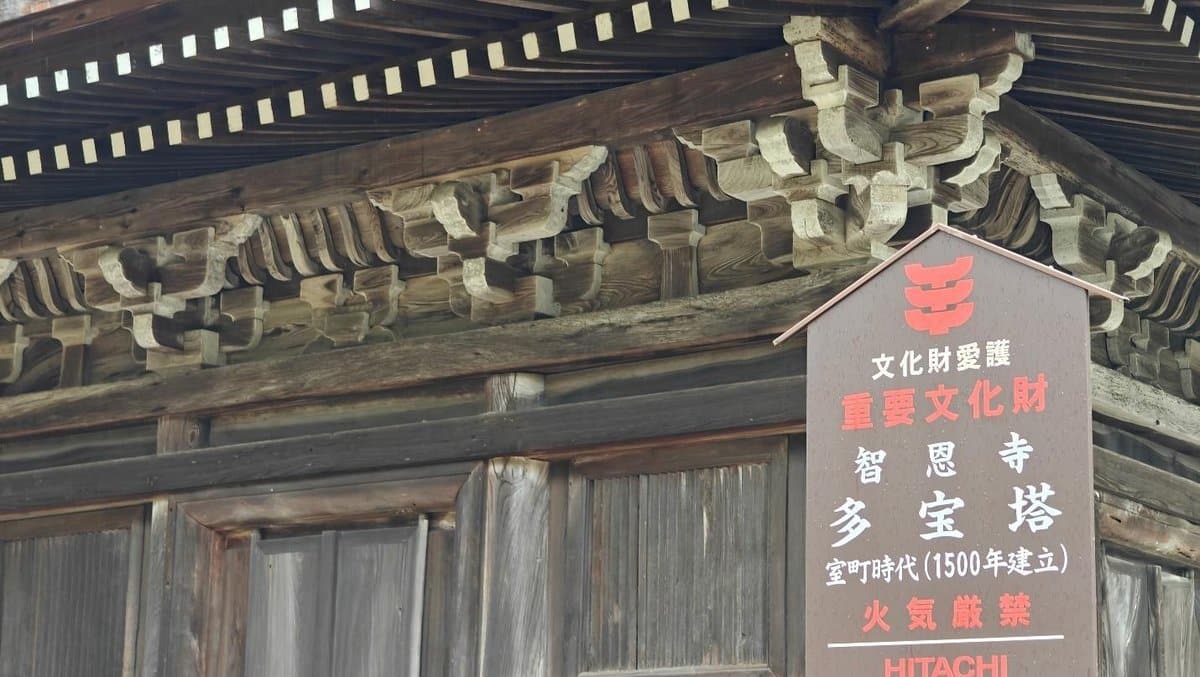
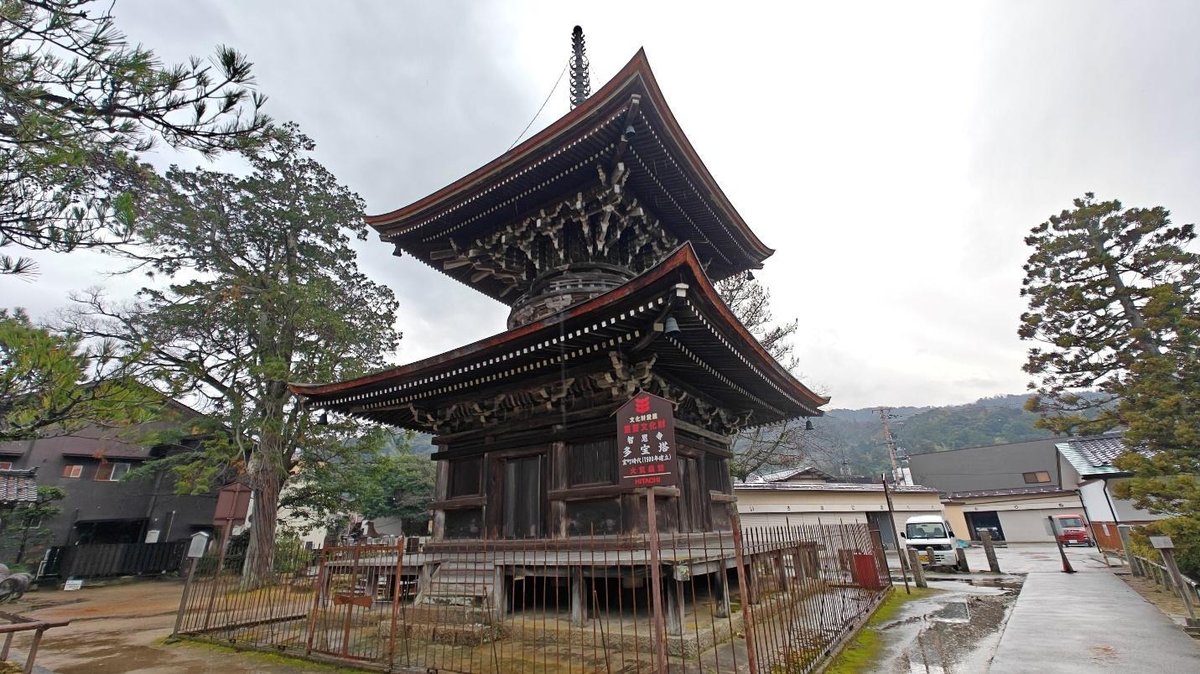
Here you can see the details of the Tahoto up close (as well as the sign talking about how old it is). So I did say that the pagoda looked like it was in pristine condition from afar. Up close though is another matter.
You can actually see signs of wear and tear on it if you looked closer.
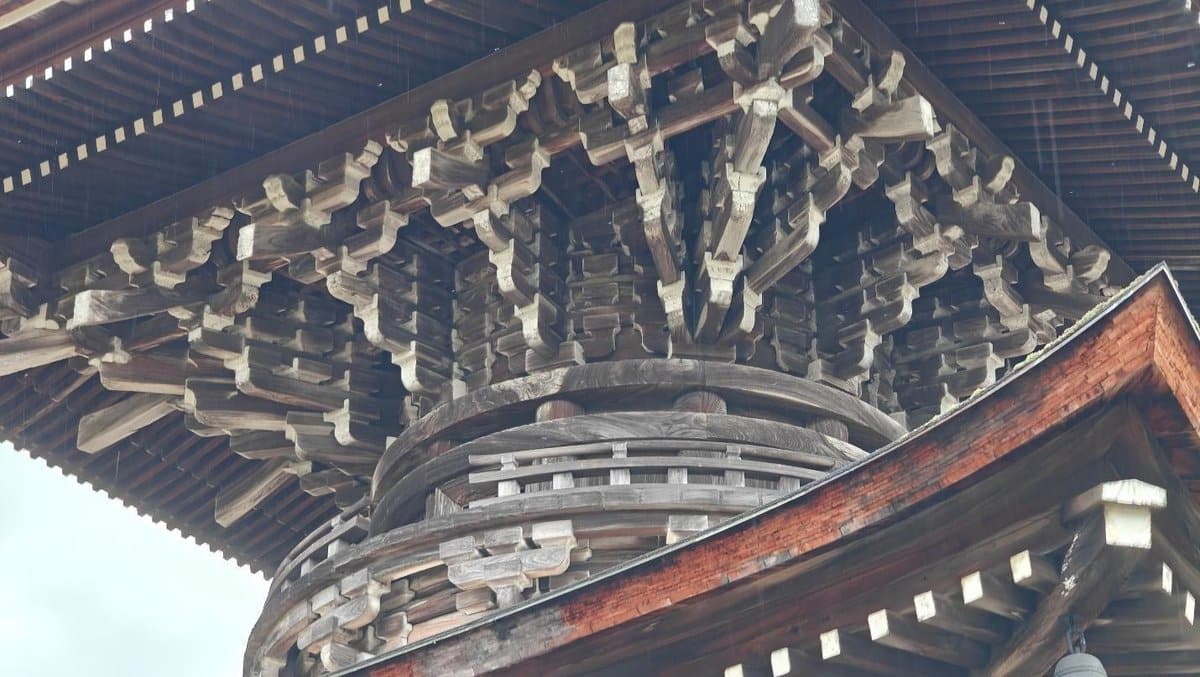
That said, it’s obviously to be expected for a building that’s more than 500 years old. Despite its looks, I think the pagoda is even more impressive up close. It’s cylindrical upper/second story has these intricately detailed bracketing and rafters that you simply won’t find in newer buildings.
It’s also not that apparent from the image but another feature of the pagoda that really interested me was its use of thatch for its roofing rather than tiles.
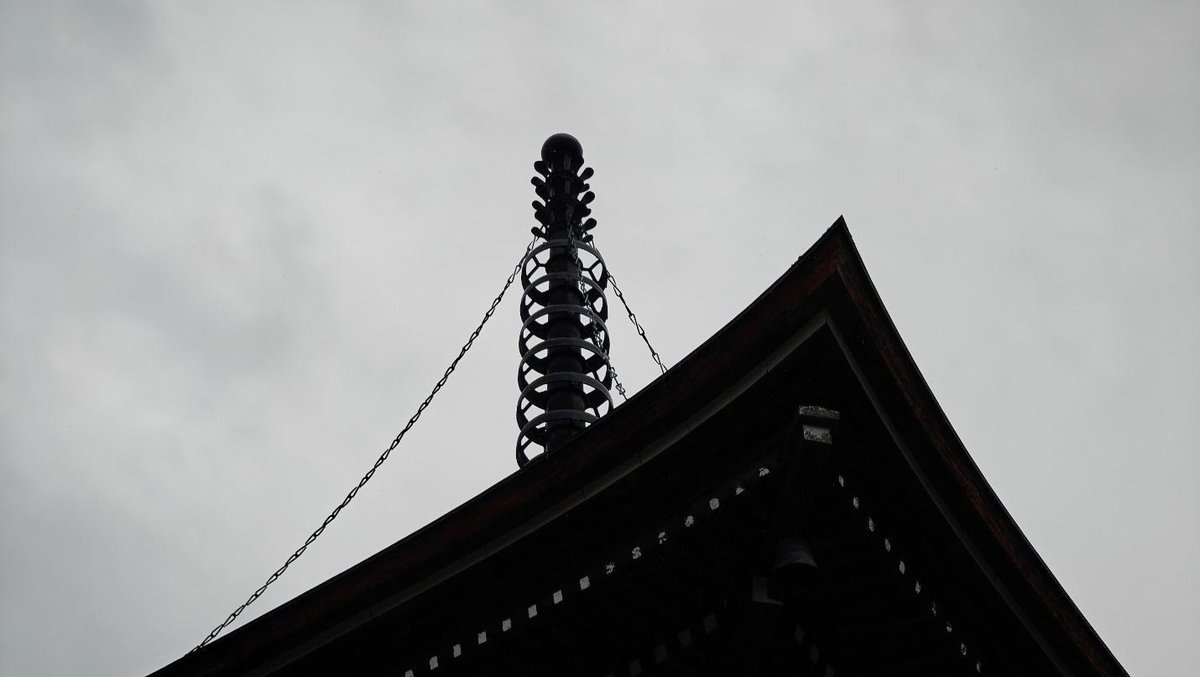
This is the sorin or finial of the Chionji Tahoto. From my research, this actually serves a symbolic and religious meaning. According to Buddhist tradition, the major parts of the sorin represents the five elements/virtues which also symbolize the journey to enlightenment.
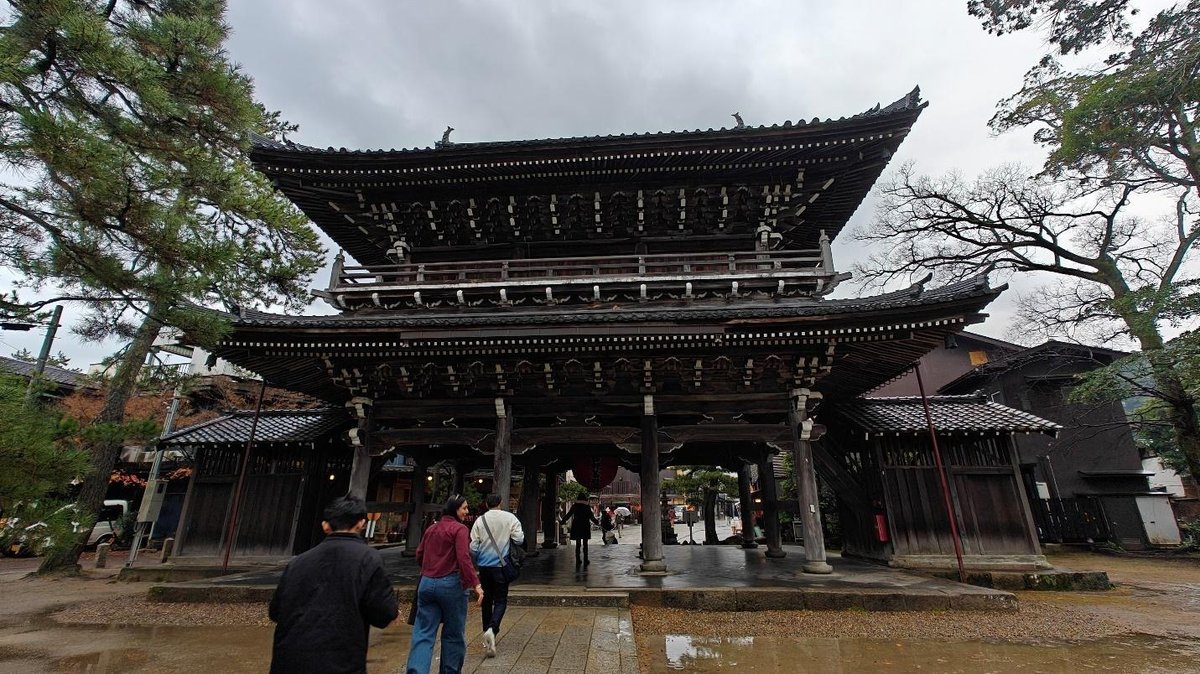
Following the path past the Tahoto pagoda I then find myself back at the Chionji Temple Sanmon Gate. Now that I think about it, this actually looks like a miniaturized version of the Sanmon Gate at Chion-in Temple. Much like that, this gate has sanro (the two small support buildings) on either side where you can enter to go up the second floor.
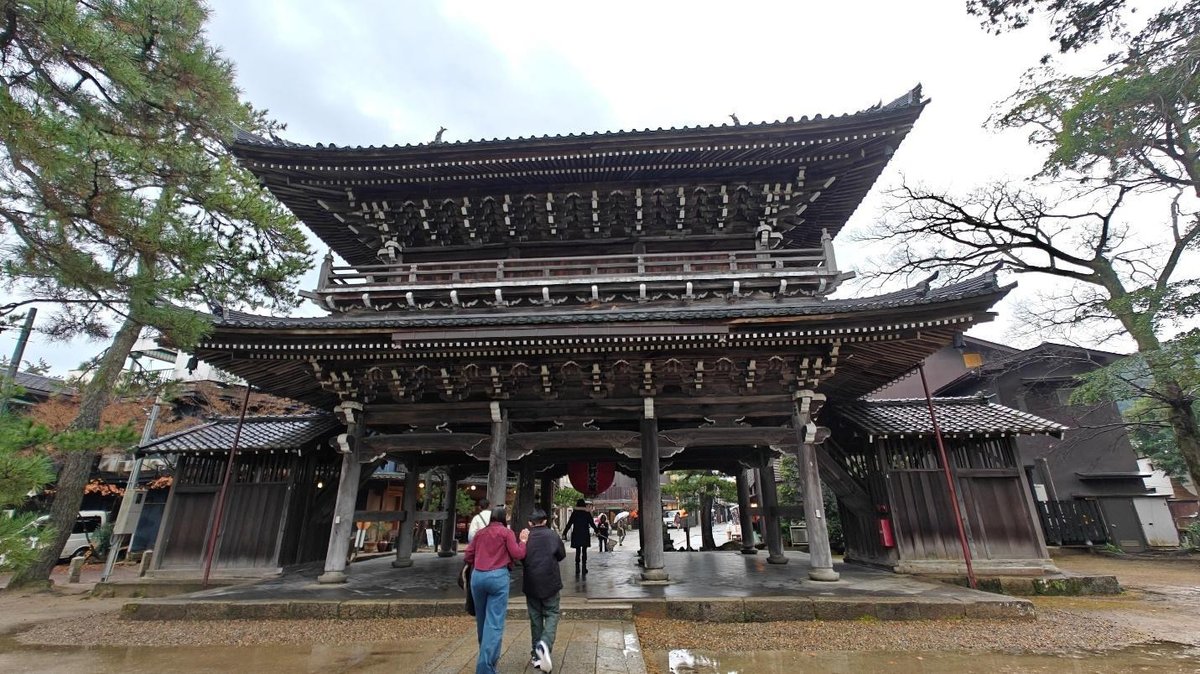
It was still raining when I found myself back at the Sanmon Gate. That said, the sky was actually starting to clear up and the rain was definitely not as strong as when I started this visit. Even with it though, I actually still had a positive experience here at Chionji Temple.
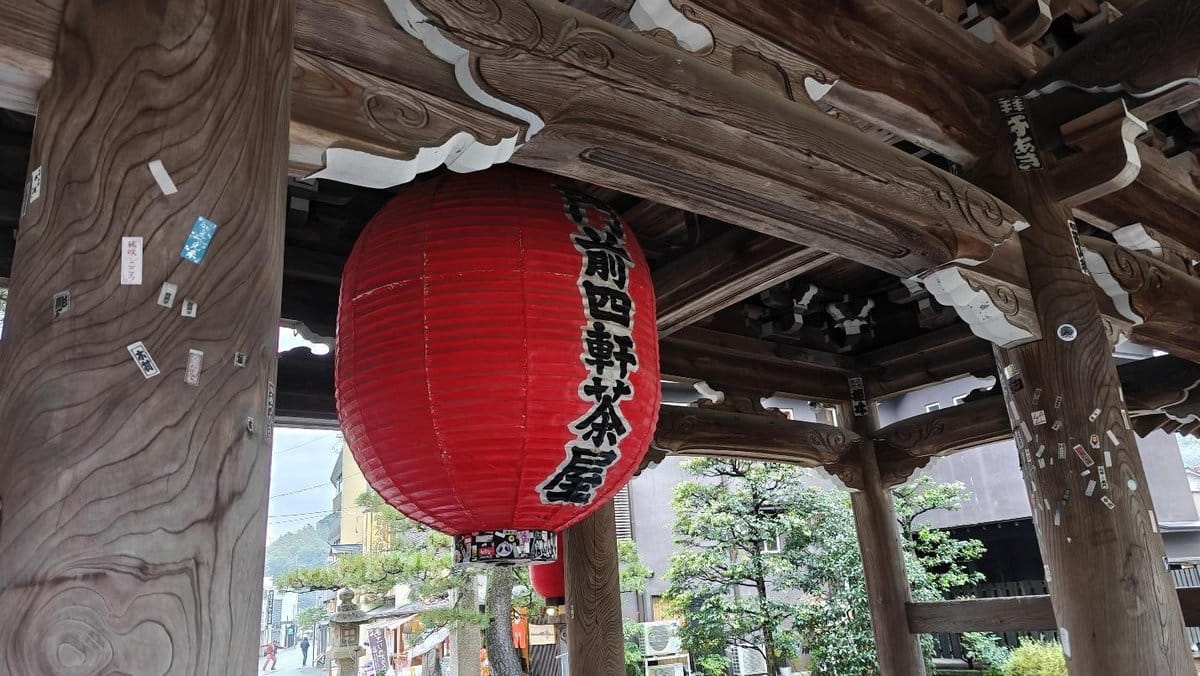
I expected Chionji Temple to be so-so and was pleasantly surprised at how charming and historically relevant it was. The visit was rather short which was actually great since it allowed me to spend more time in the other notable landmarks here. Perhaps the only drawback for me is that it didn't have any sakura trees.
That said, there are plenty of places in Kyoto where you can find sakura so I really don't think this is an issue. Overall, I'd say that this visit was worth it even if I didn't have any entrance exams that I needed to pass.Do you think you'll be dropping by Chionji Temple if you happen to find yourself in Miyazu? If yes, then make sure to sound off on your reasons for choosing to visit this temple down in the comments!