
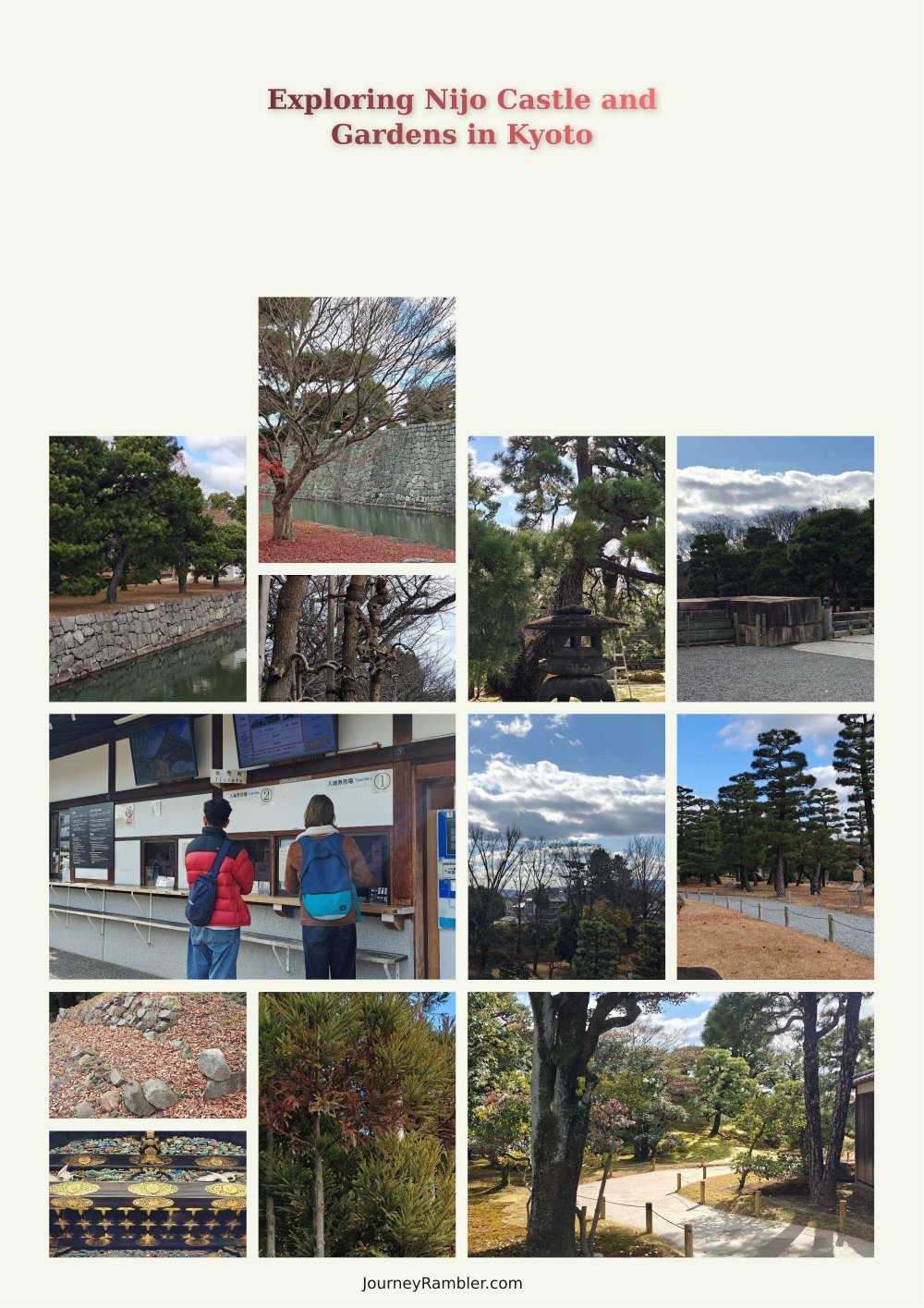
Nijo Castle and the gardens surrounding it was one of the more memorable landmarks that I visited in my recent Kyoto trip. If you’re tired of the hundreds of shrines and temples here then a visit to this castle is going to be a great “sensory reset” of sorts. Today, I’m going to be taking you on a tour of the castle complete with the pictures I took as well as my thoughts on this iconic and historical landmark in Kyoto.
Before we get to the tour of the castle though, let’s first talk about how to get here. As with a lot of the landmarks here in Kyoto, it’s relatively easy to get to Nijo-jo or Nijo Castle. Probably the easiest would be to take a bus at Kyoto Station that goes through the Nijo-jo mae bus stop.
Other than that, you can also opt to take the Kyoto Municipal Subway Tozai Line (also from Kyoto Station) and stop at Nijo-jo mae Station.
Walking Around Nijo Castle and Garden
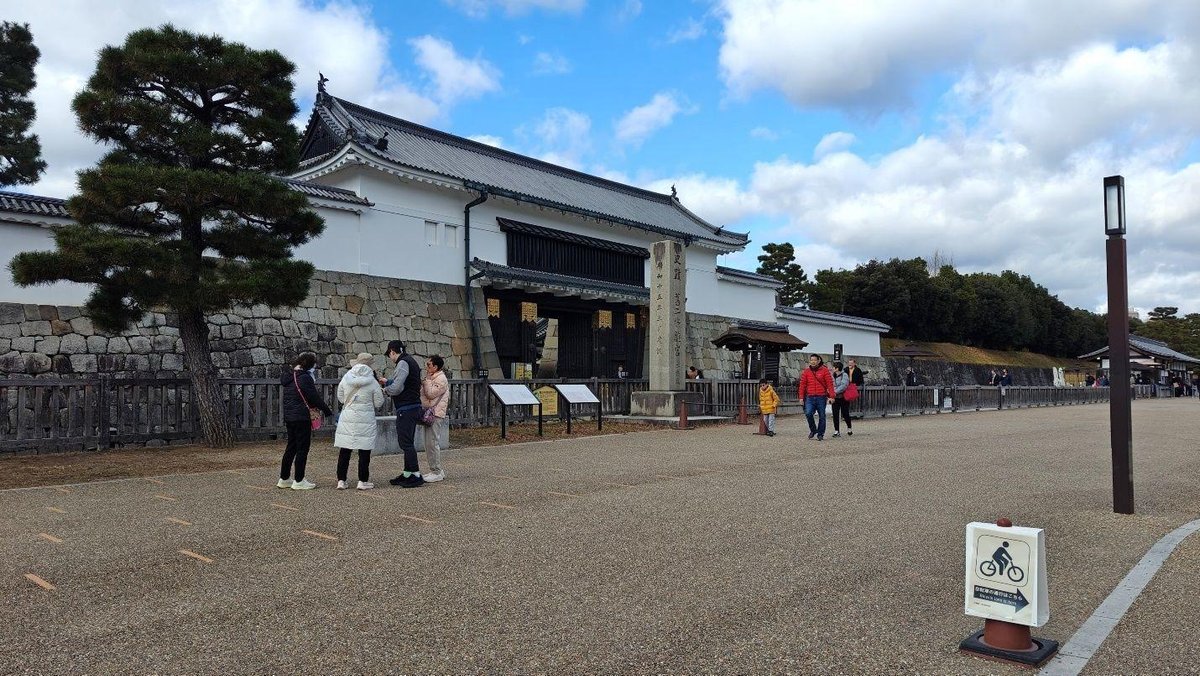
Taking the bus will get you directly in front of the castle’s Higashi Ote-mon but will also take much longer. In contrast, the subway is much faster though you will need to walk just a short distance to get to the Higashi Ote-mon entrance. Taxis are also an option but they are considerably more expensive than the first two.
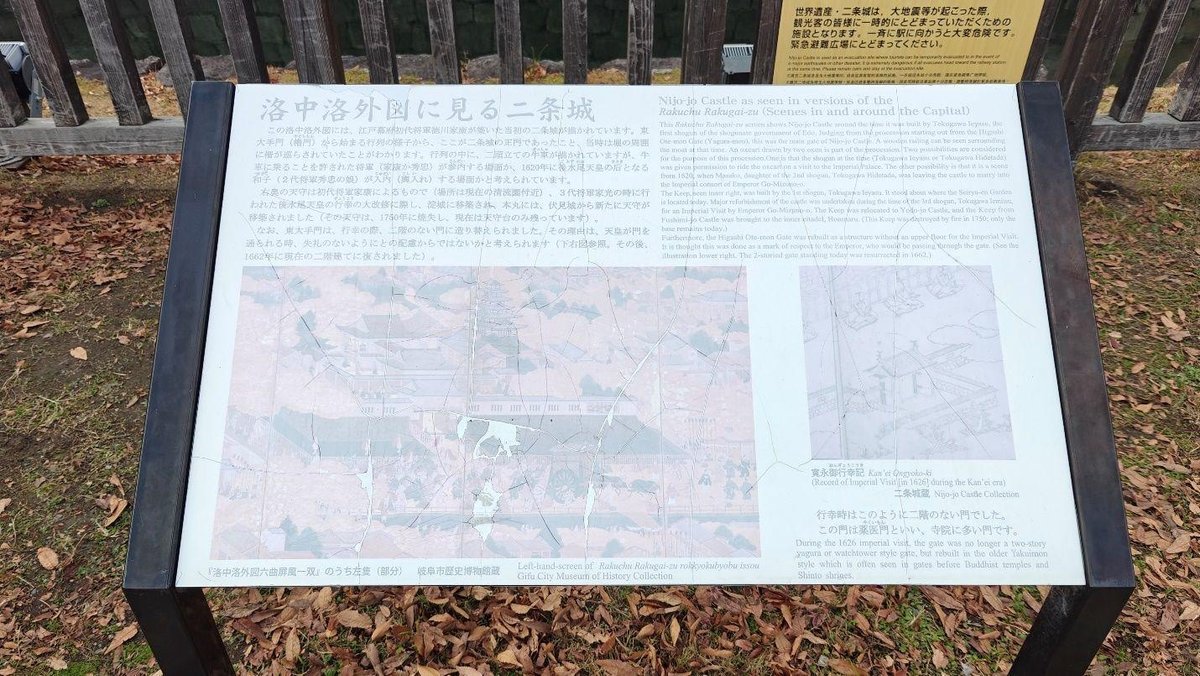
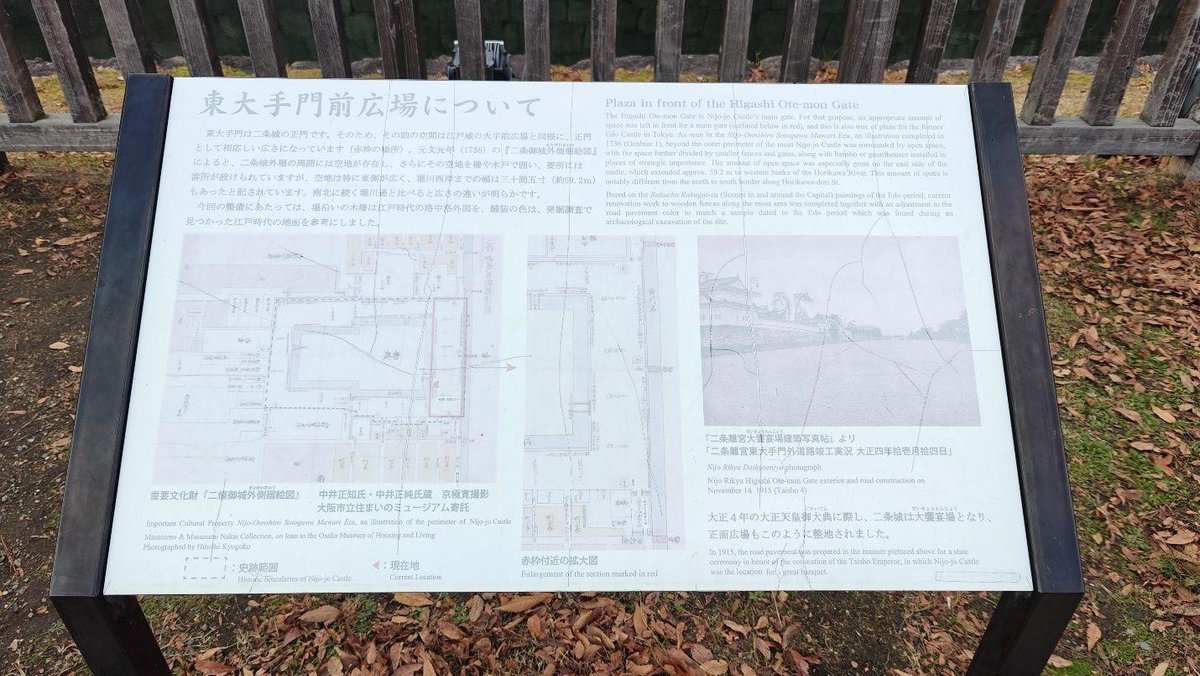
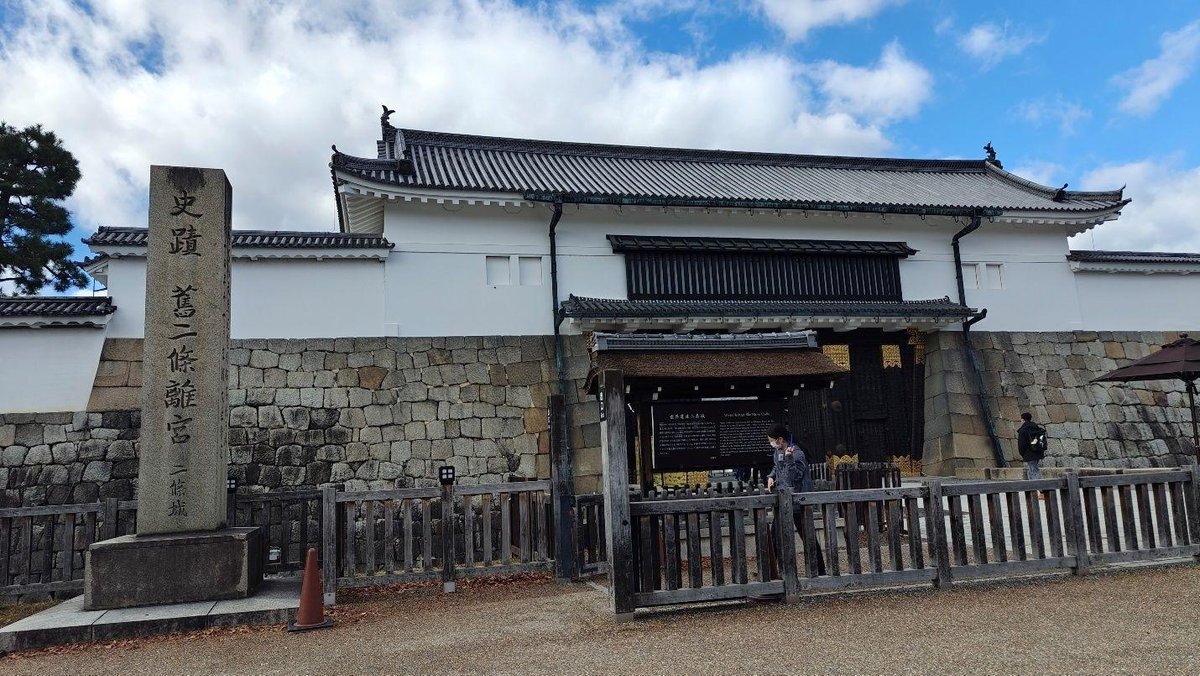
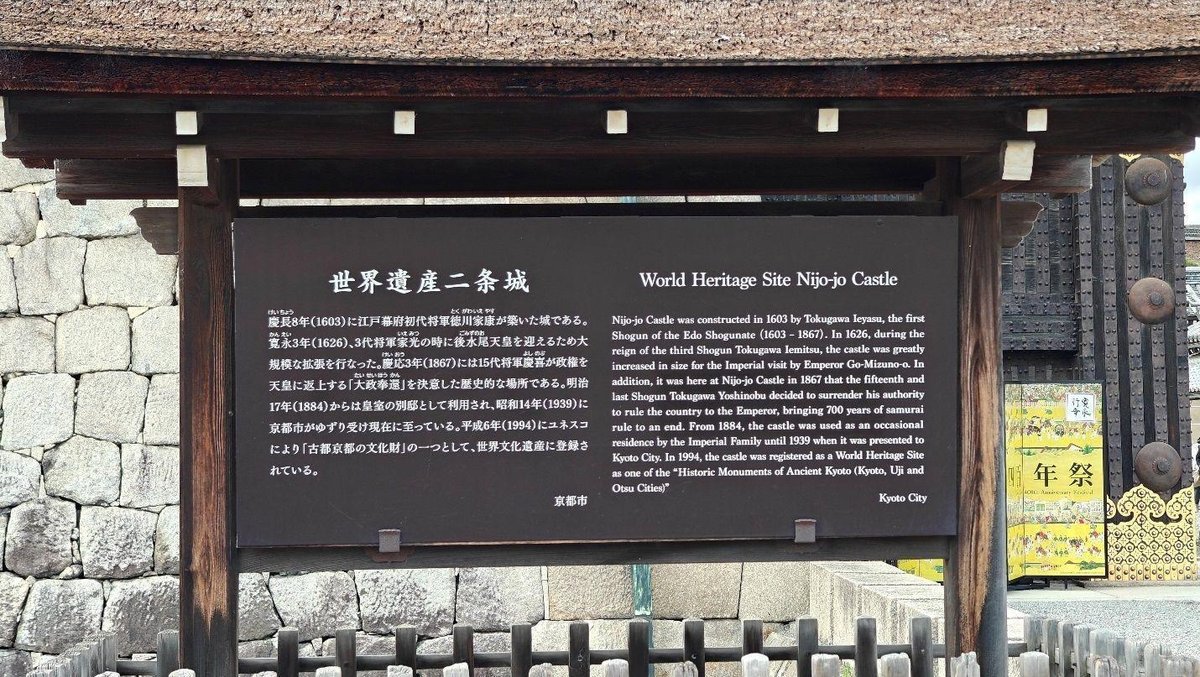
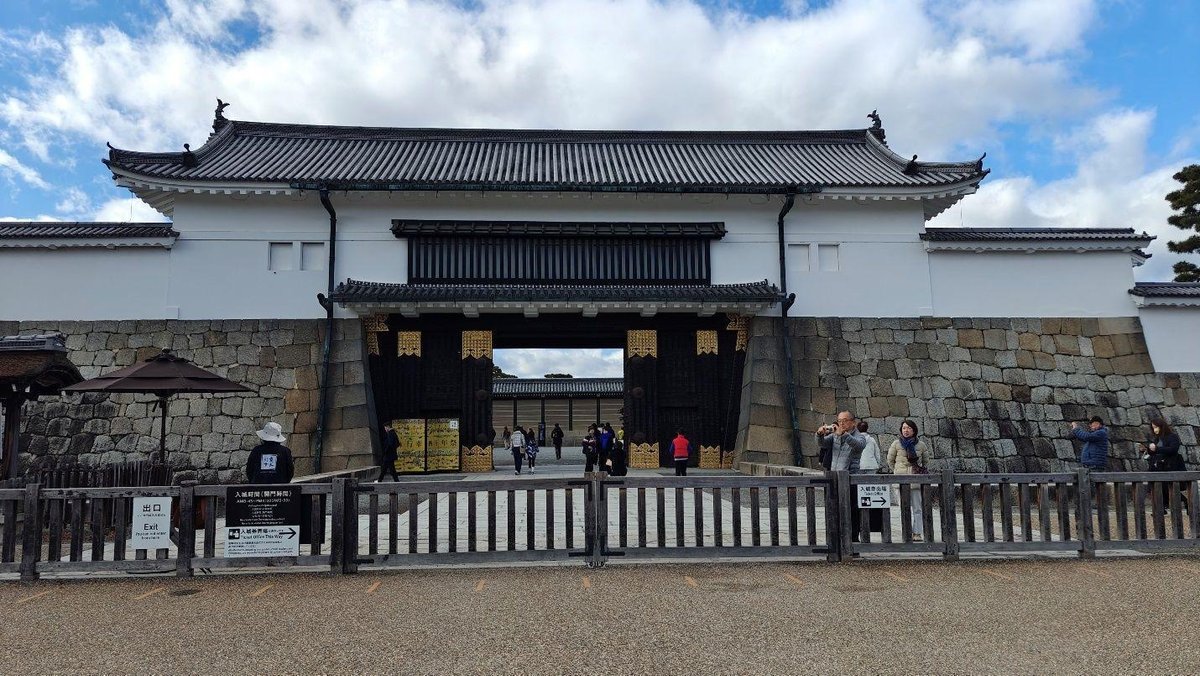
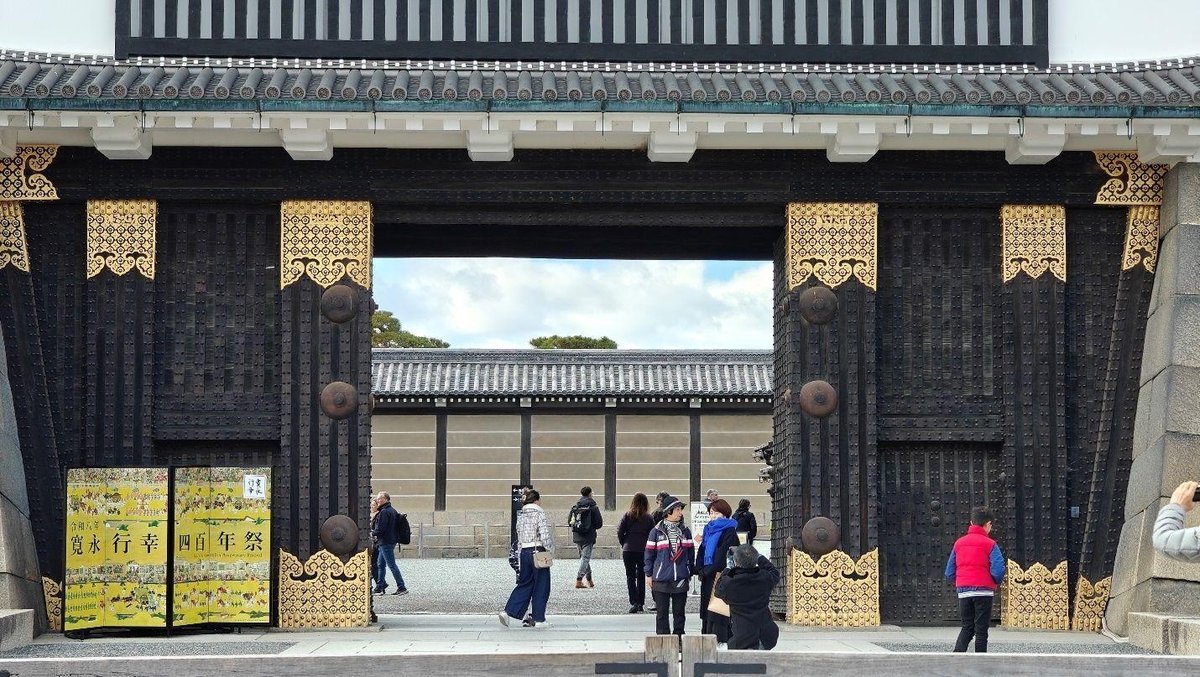
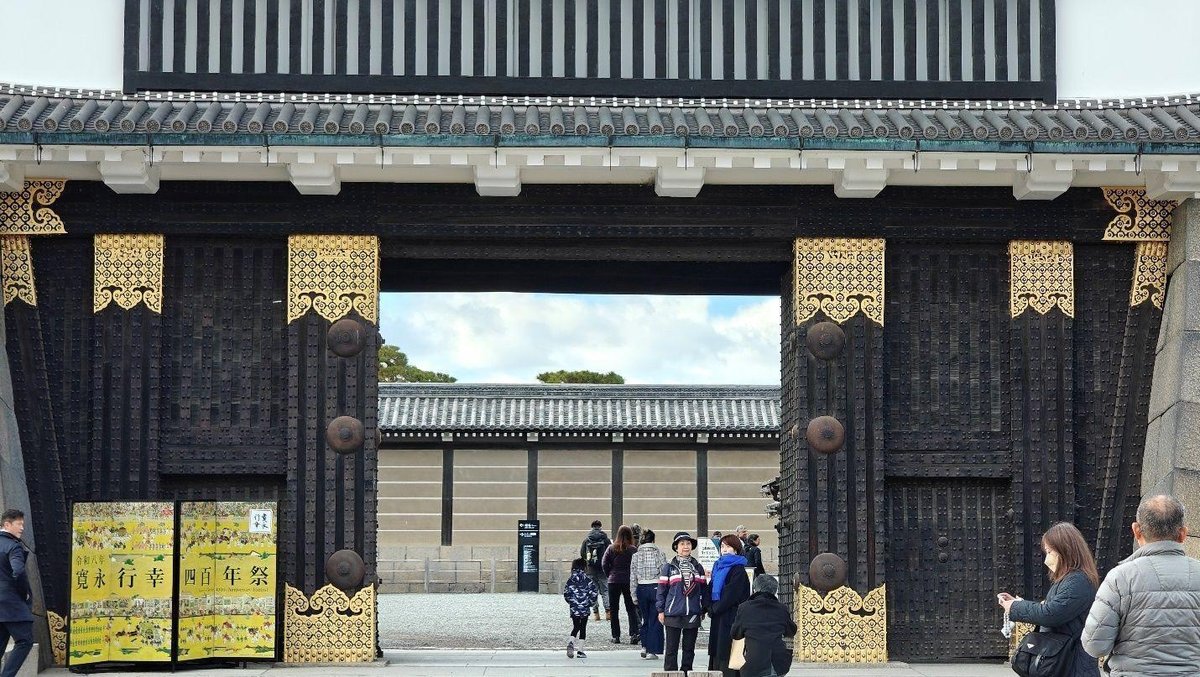
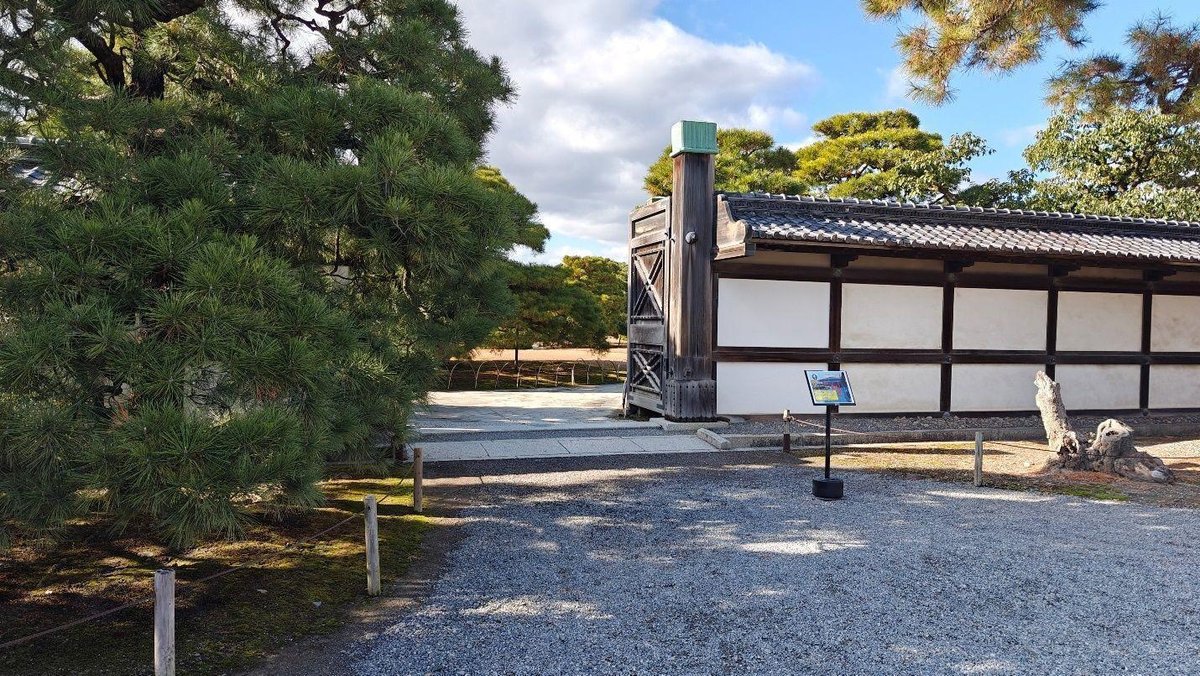
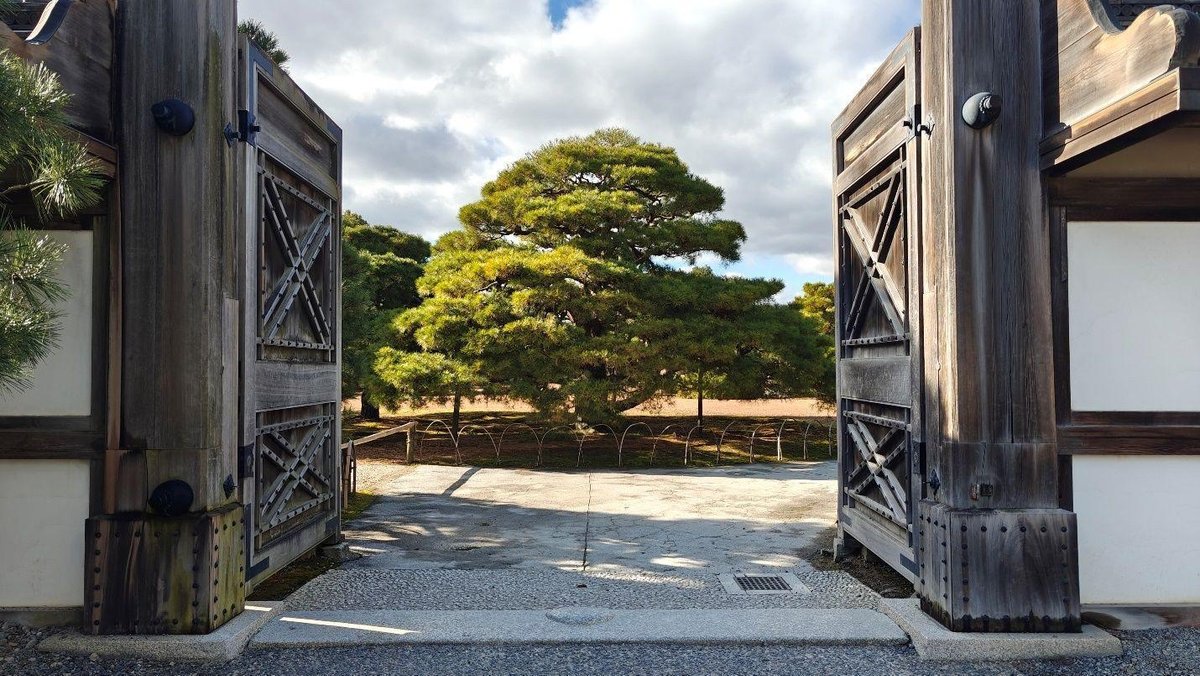
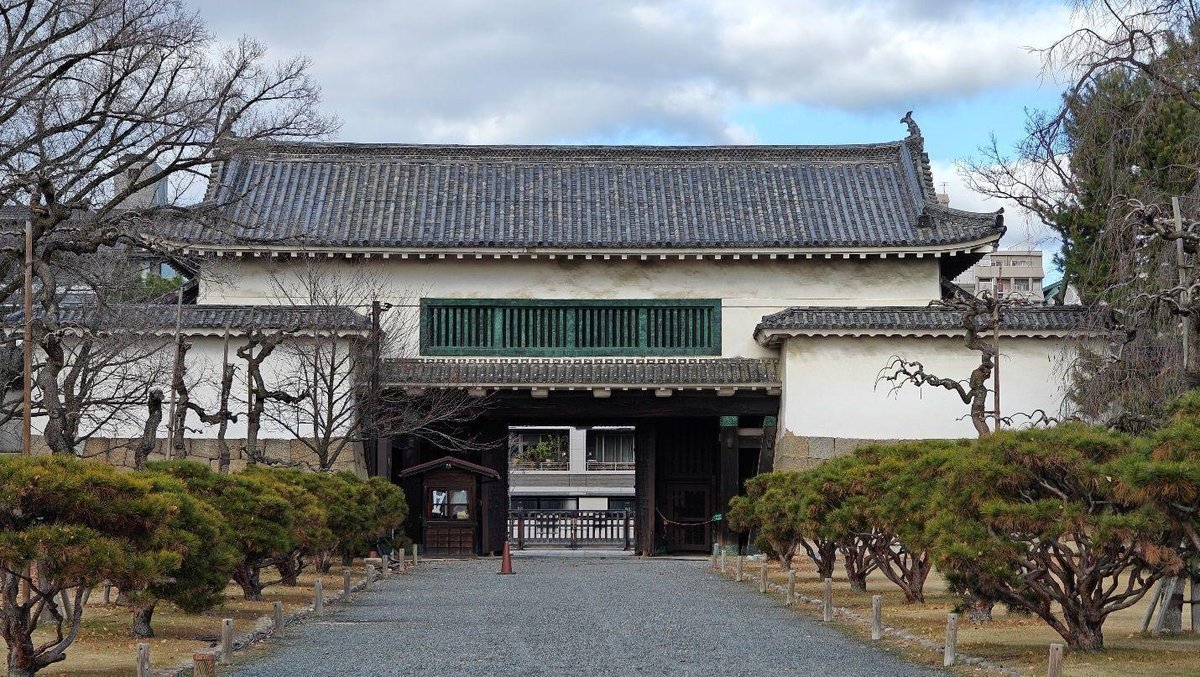
You’ll find signs which feature the history of the Higashi Ote-mon entrance just beside the stone monument that serves as Nijo Castle’s marker. At first glance, the entrance itself doesn’t look that grand but if there’s anything that my travels have taught me, it’s to never judge a book by its cover. Upon closer inspection, the gate’s doors actually look quite intricate featuring goldleaf details reminiscent of Higashi Hongan-ji’s Amida-do mon and Goei-do mon.
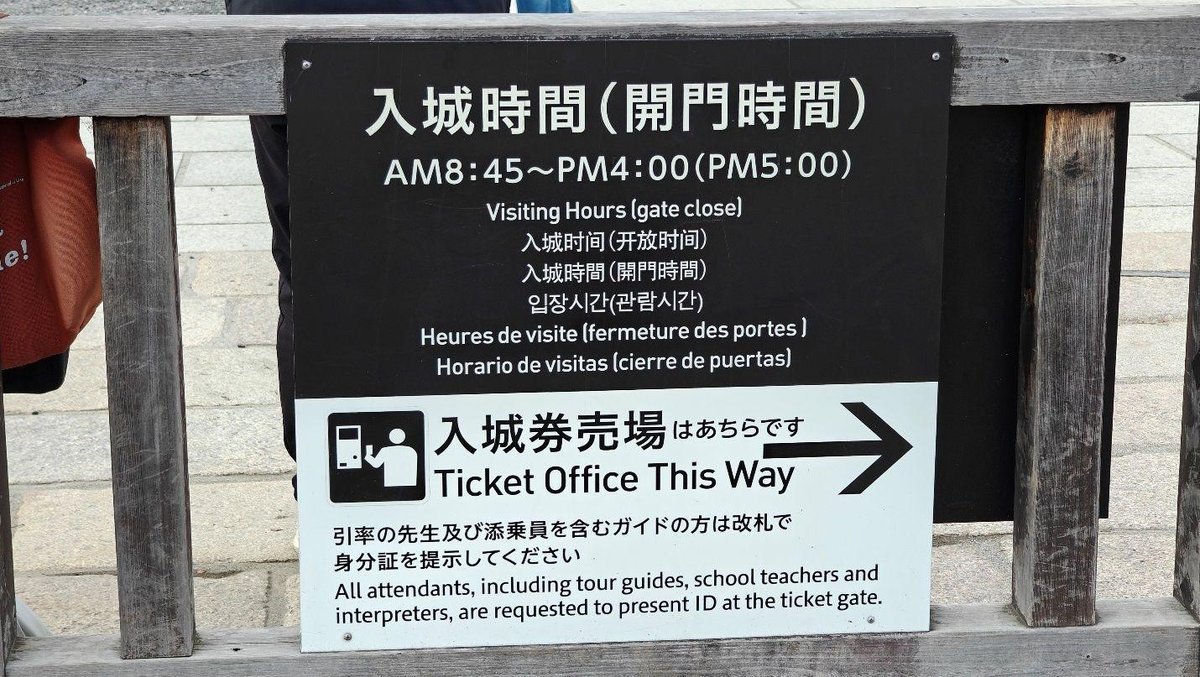
Before you can get inside of Nijo Castle, you’ll first need to purchase admission from the ticketing office. It’s a short distance to the right of the gate (if you’re facing it) and, depending on the season, could have long lines on it. My visit was in early winter so there weren’t that many people here.
That said, it’s typically not as busy compared to sites like Fushimi Inari Taisha or Kiyomizu-dera.
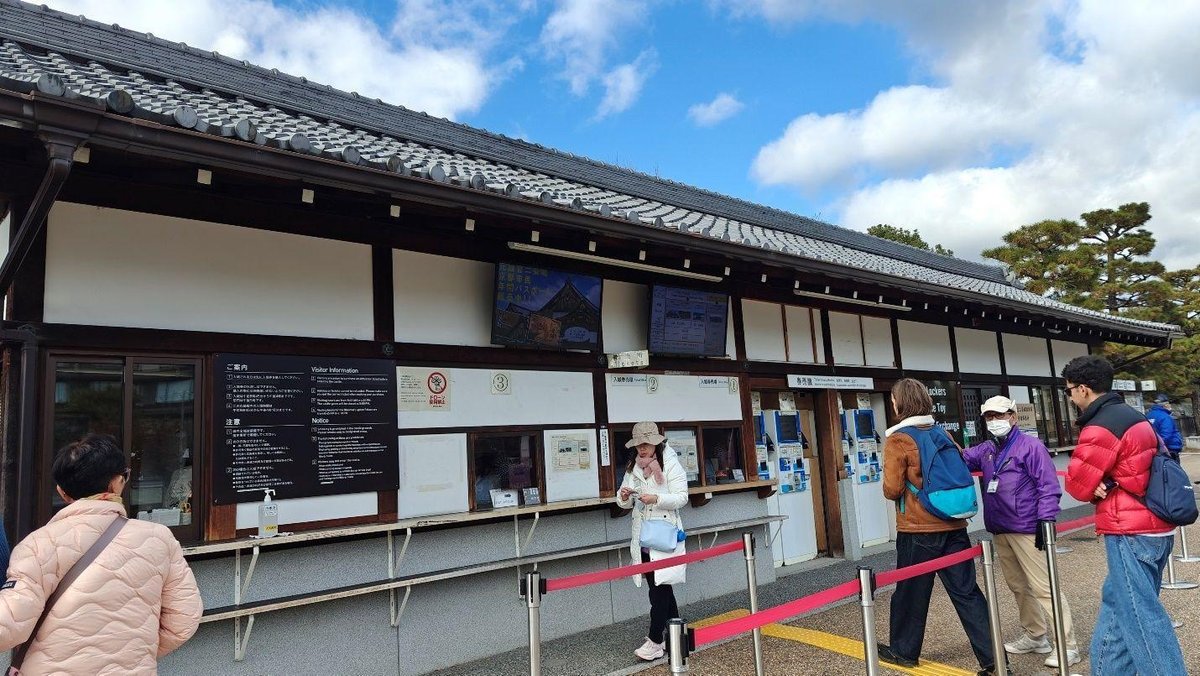
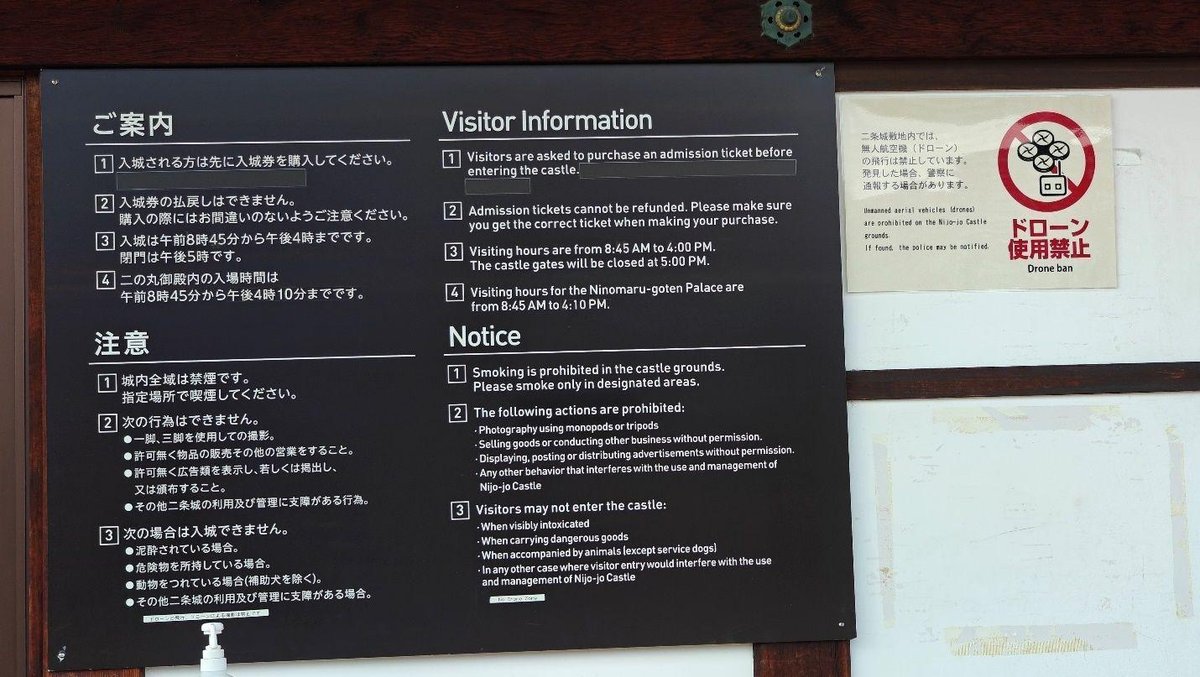
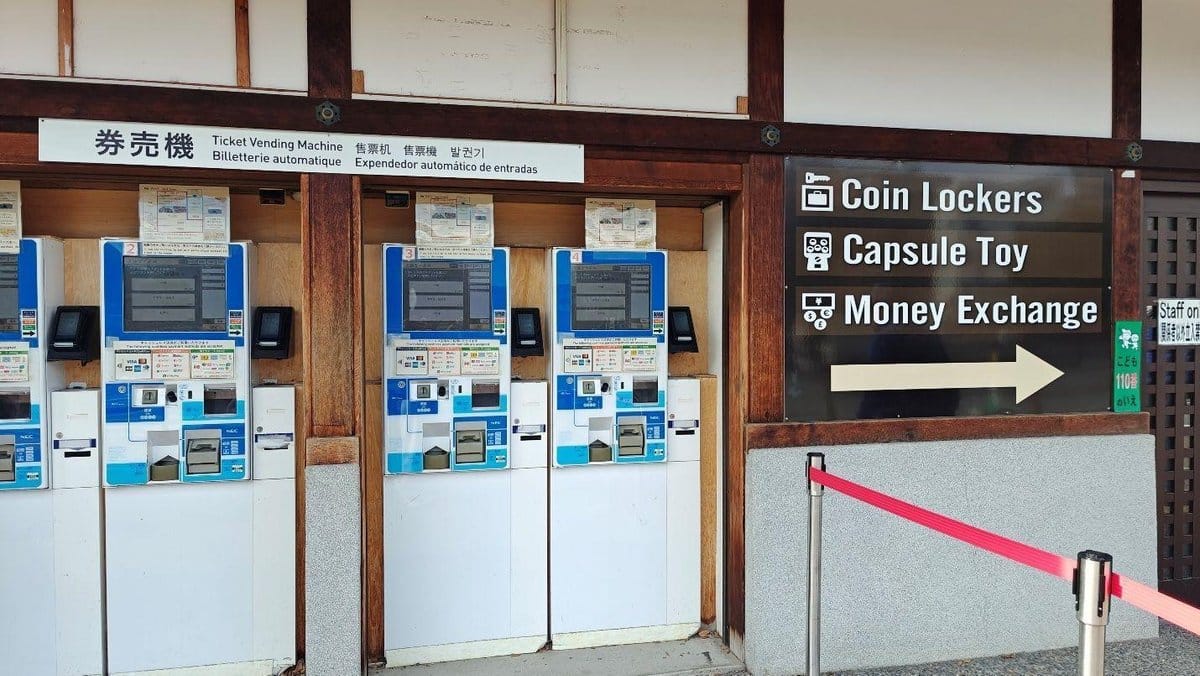
The building housing the ticket booths also has coin lockers and a money exchanger. If you’re looking to get a souvenir, there’s a capsule toy (gachapon) vending machine here as well. Since there weren’t that many people, I managed to get my tickets relatively quickly.
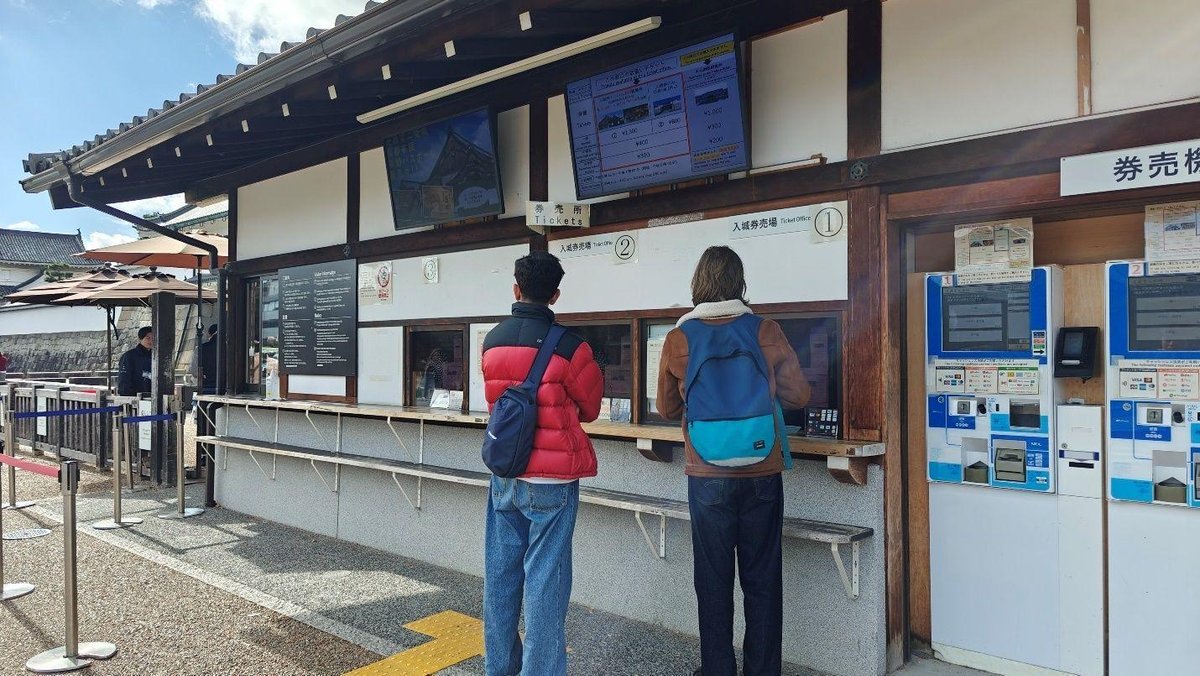
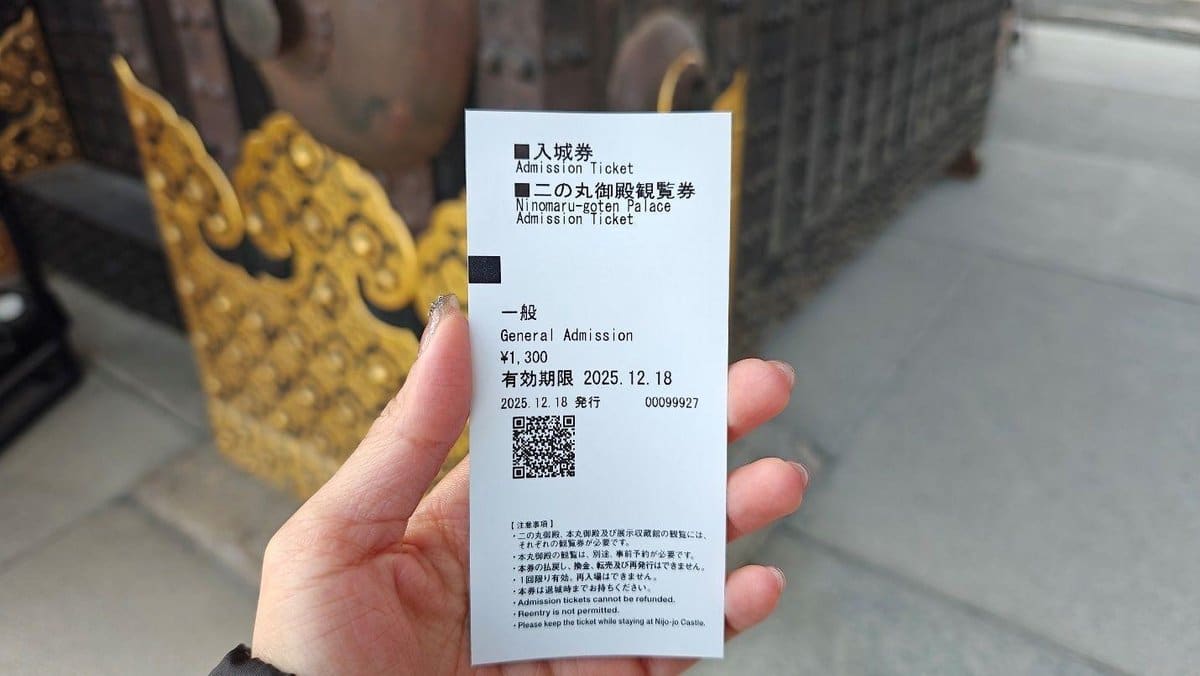
You can choose between two admission types at the ticket booth. The first is the grounds only admission which costs 800JPY for adults. If you want to include admission to the Ninomaru-goten Palace then you’re going to need to shell out 1300JPY which is what I ended up getting.
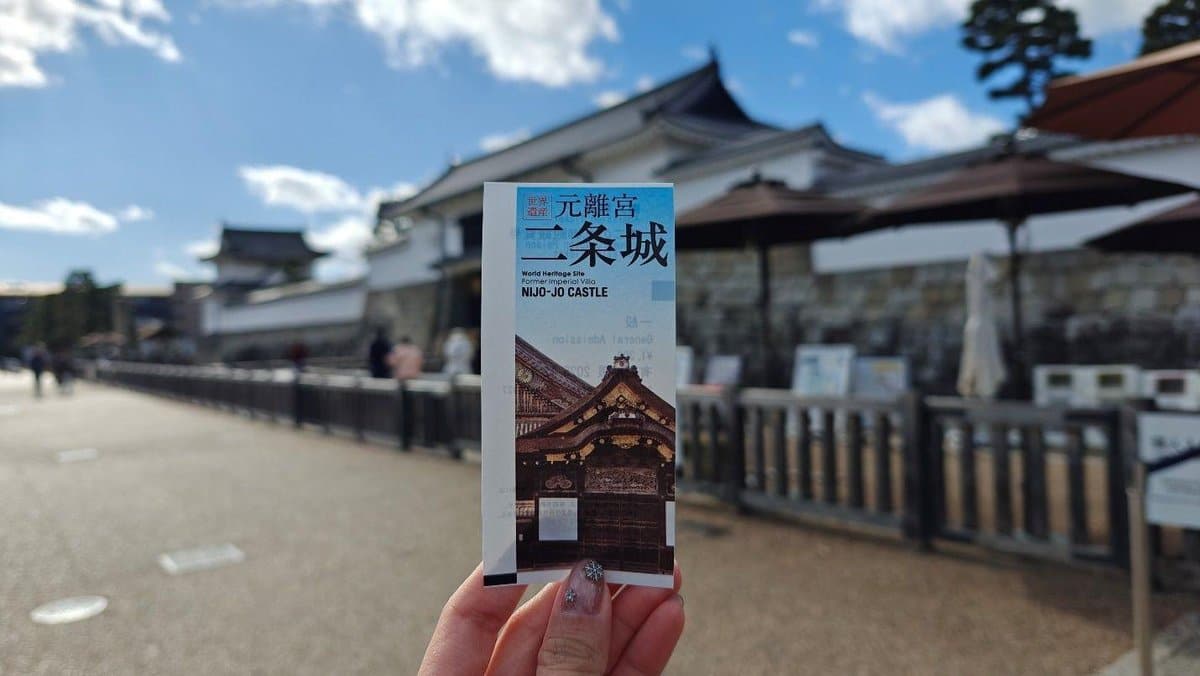
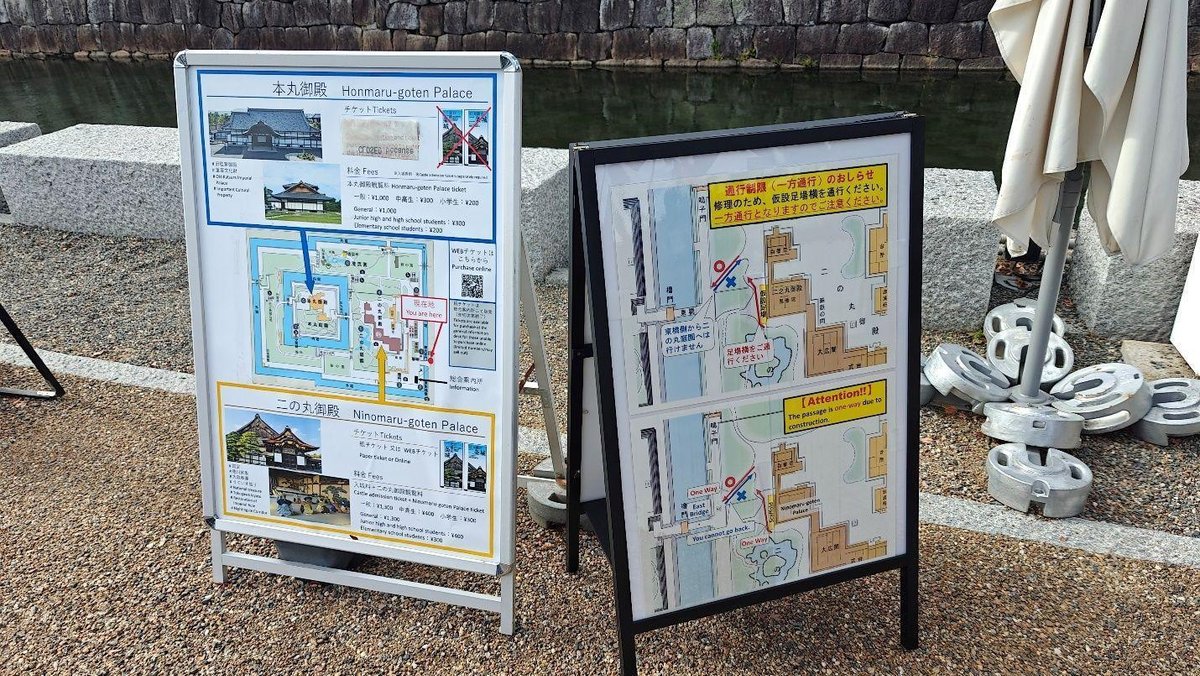
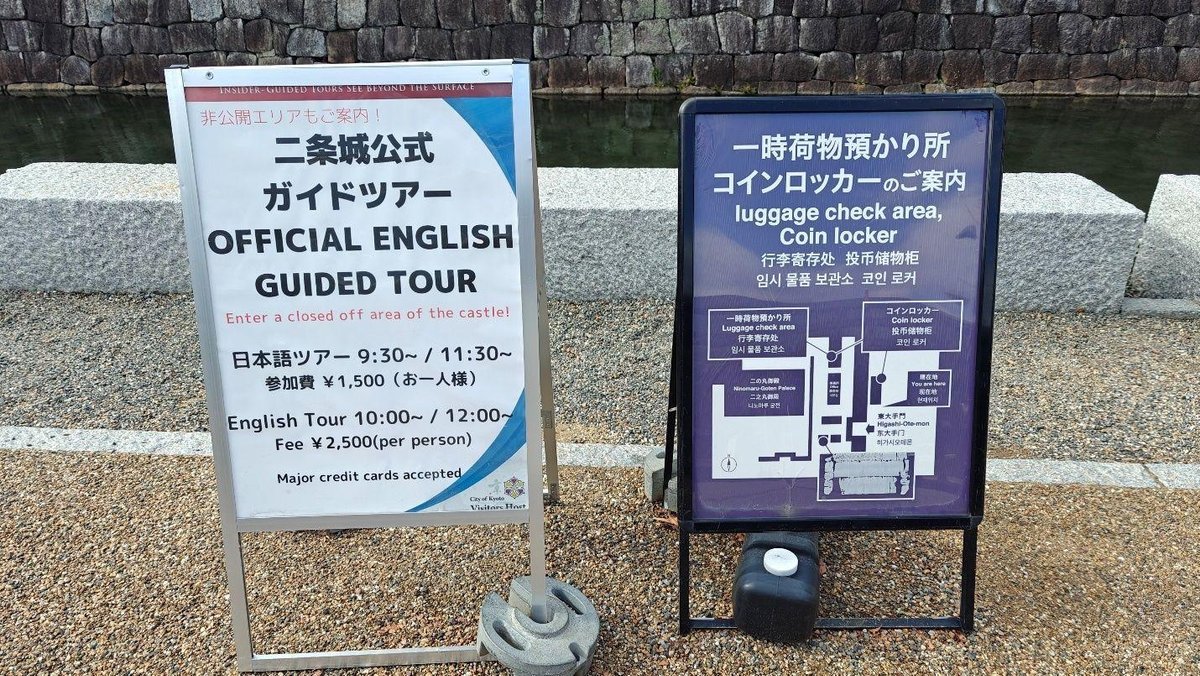
After paying and getting your ticket, you can then proceed to the path leading to the Higashi Ote-mon entrance. Here you’ll notice guidemaps and infographics that you might want to take pictures of. If you want an official English guided tour then there are daily schedules for 10:00AM and 12:00 Noon that will cost 2500 JPY to join.
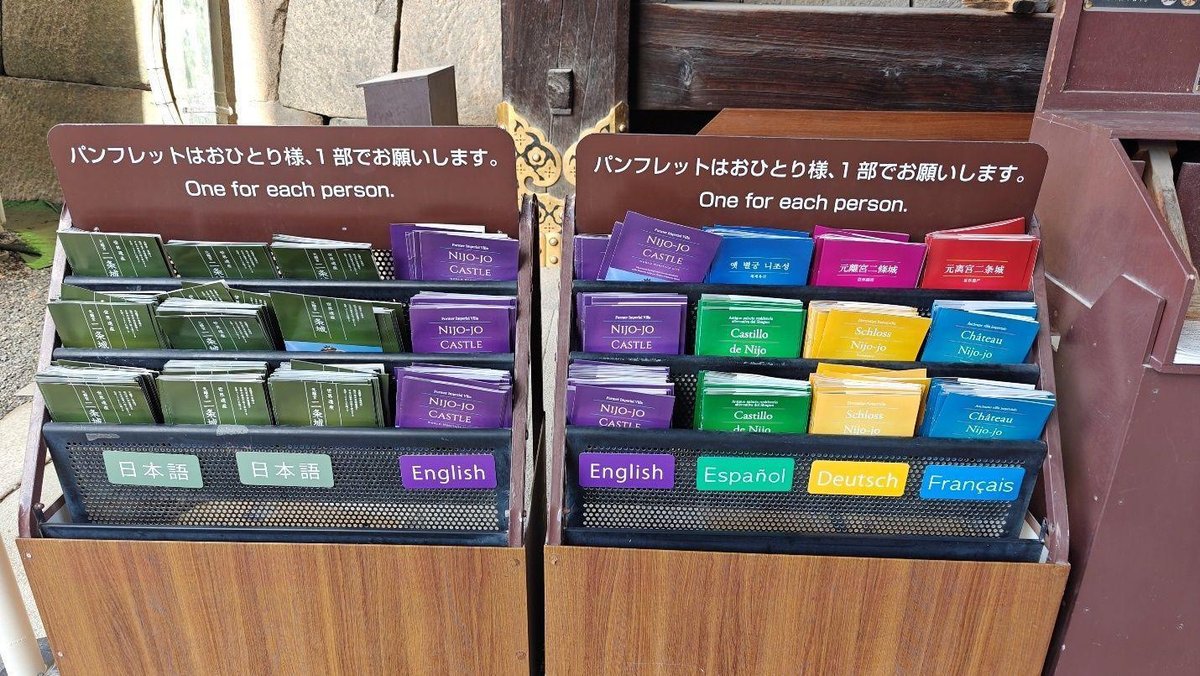
Now if the English guided tour is a little too much, you could always just get these Nijo-jo Castle brochures/pamphlets. These feature information about the castles as well as the history and landmarks found in it.
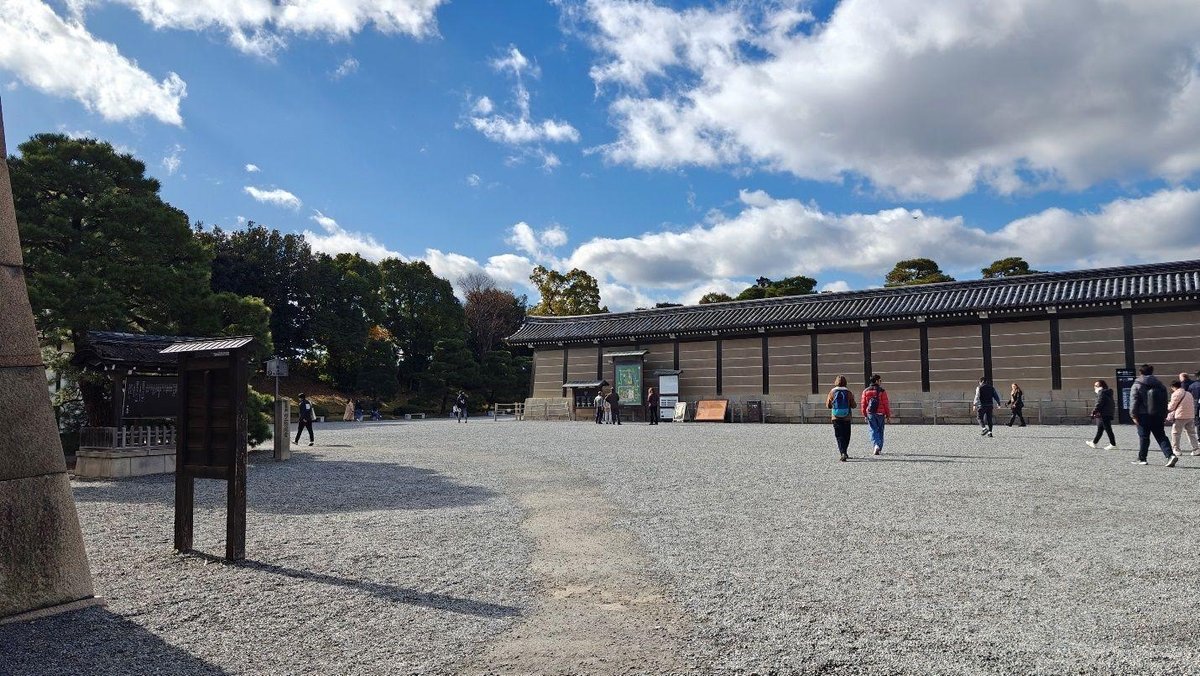
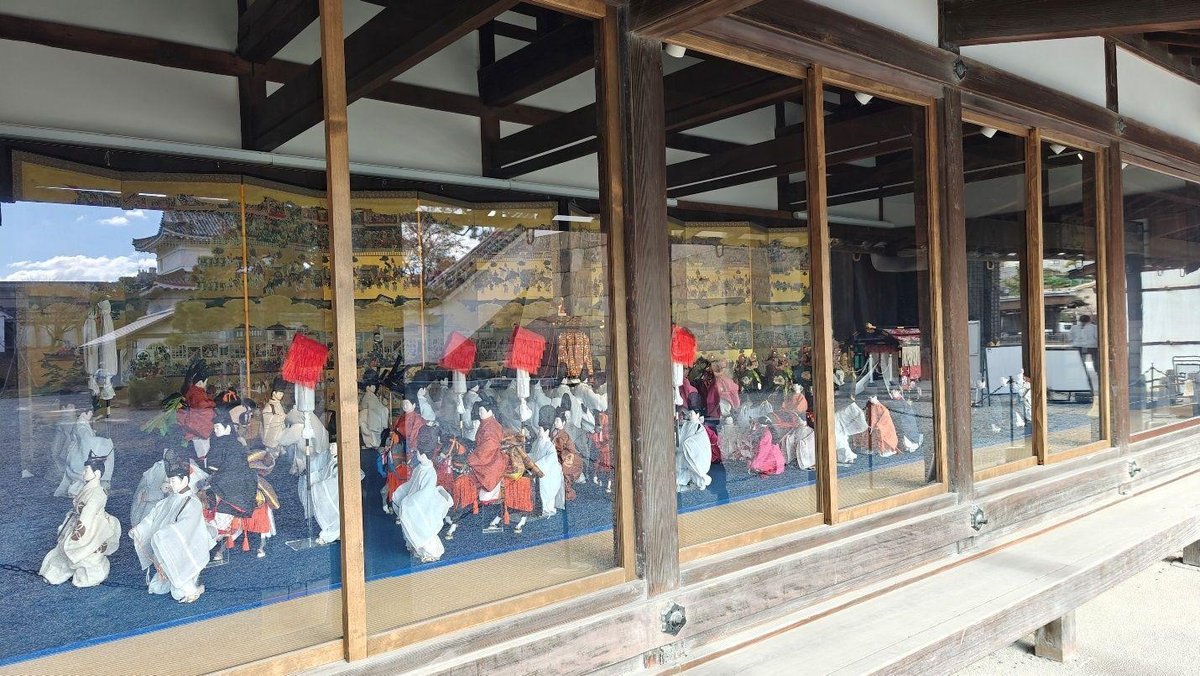
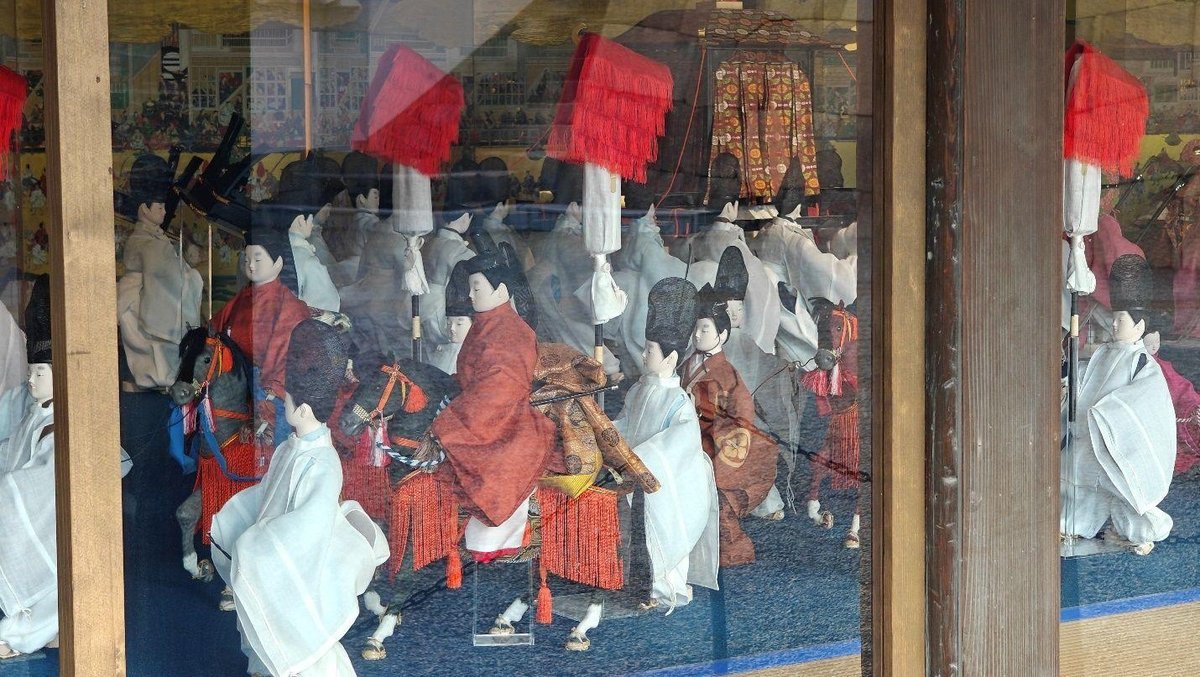
Upon entering through the Higashi Ote-mon, one of the first structures you’ll come across is the Ban-sho. Also known as the Guardhouse, this structure dates back to 1663 and is the only one of nine to have survived. As of the time of my visit, it had a Hina Ningyo display depicting what I think might have been the imperial court at that time.
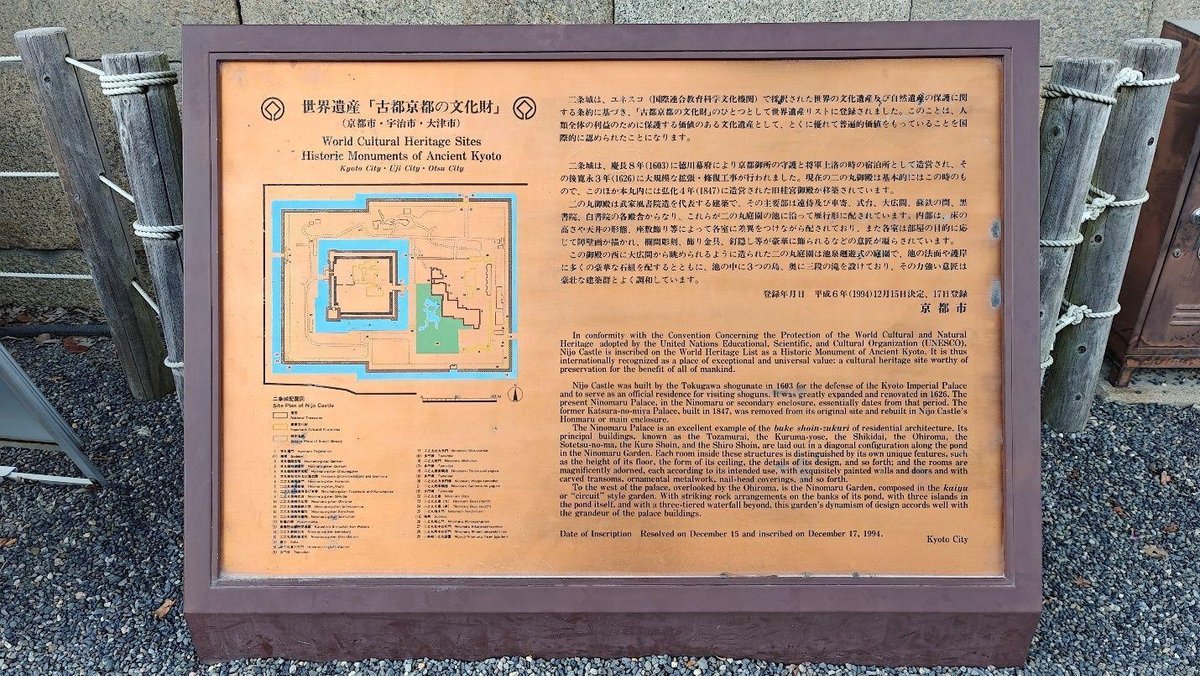
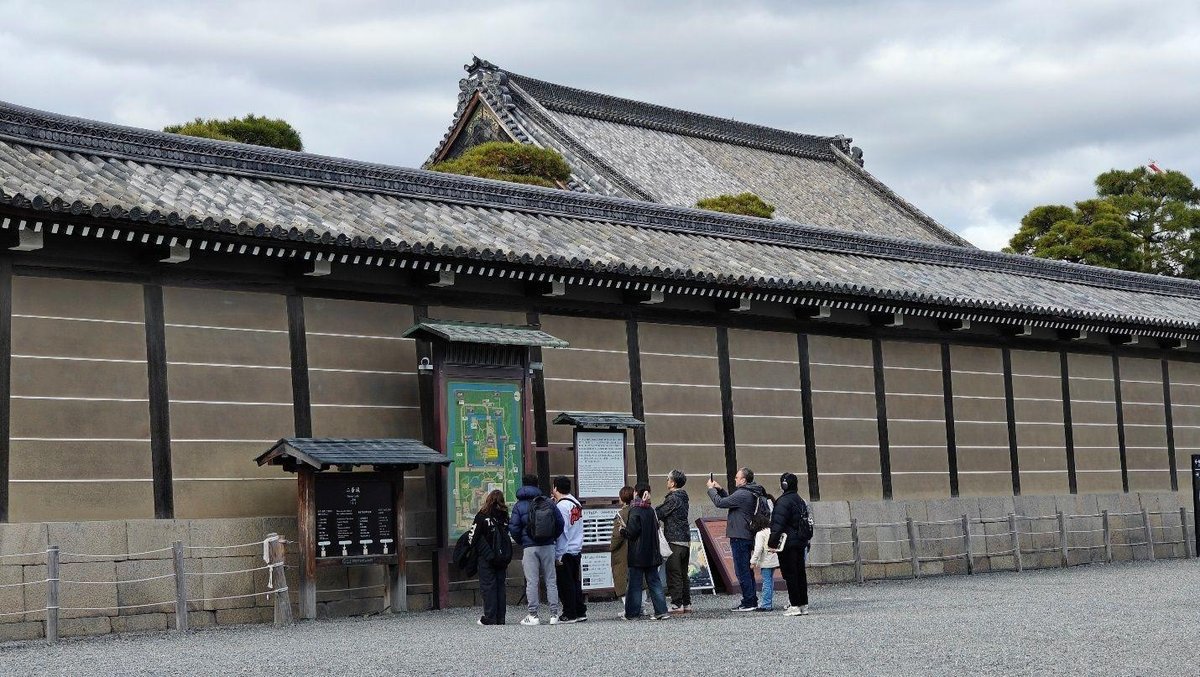
Here’s a plaque with a map of Nijo Castle as well as an inscription in both English and Japanese detailing a bit of its history and its status as a World Cultural Heritage Site. The inscription also talks of the major landmarks/buildings within the castle complex like the Ninomaru Palace, Ohiroma, and Sotetsu-no-ma (just to name a few).
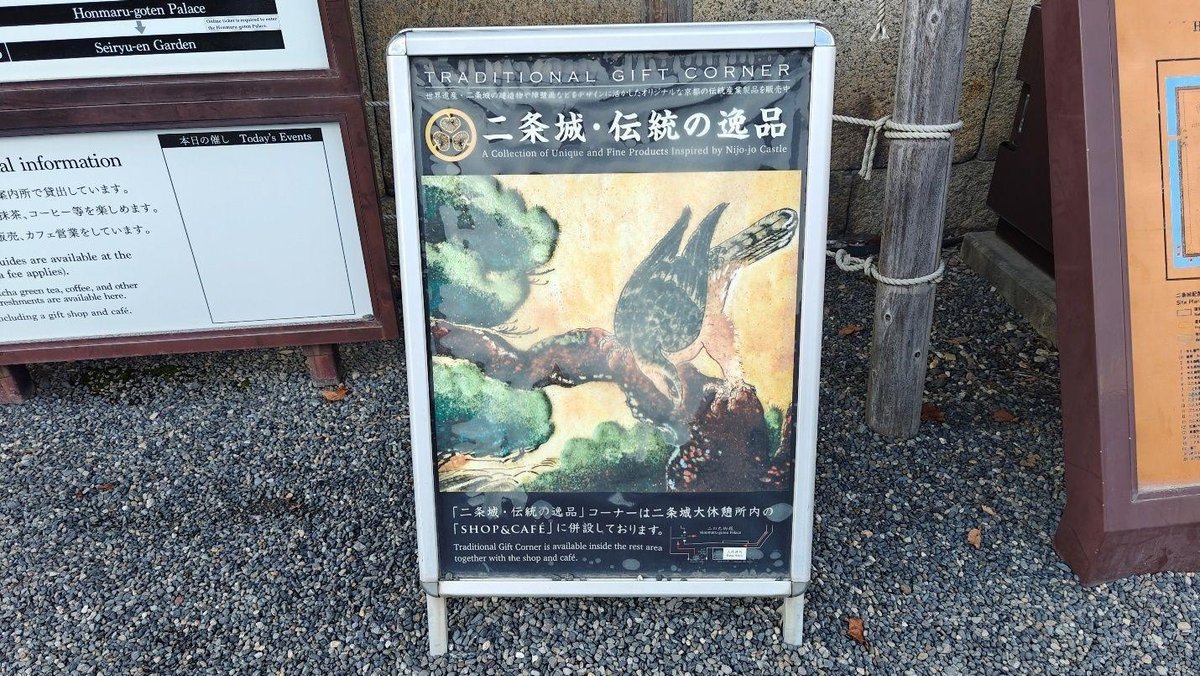
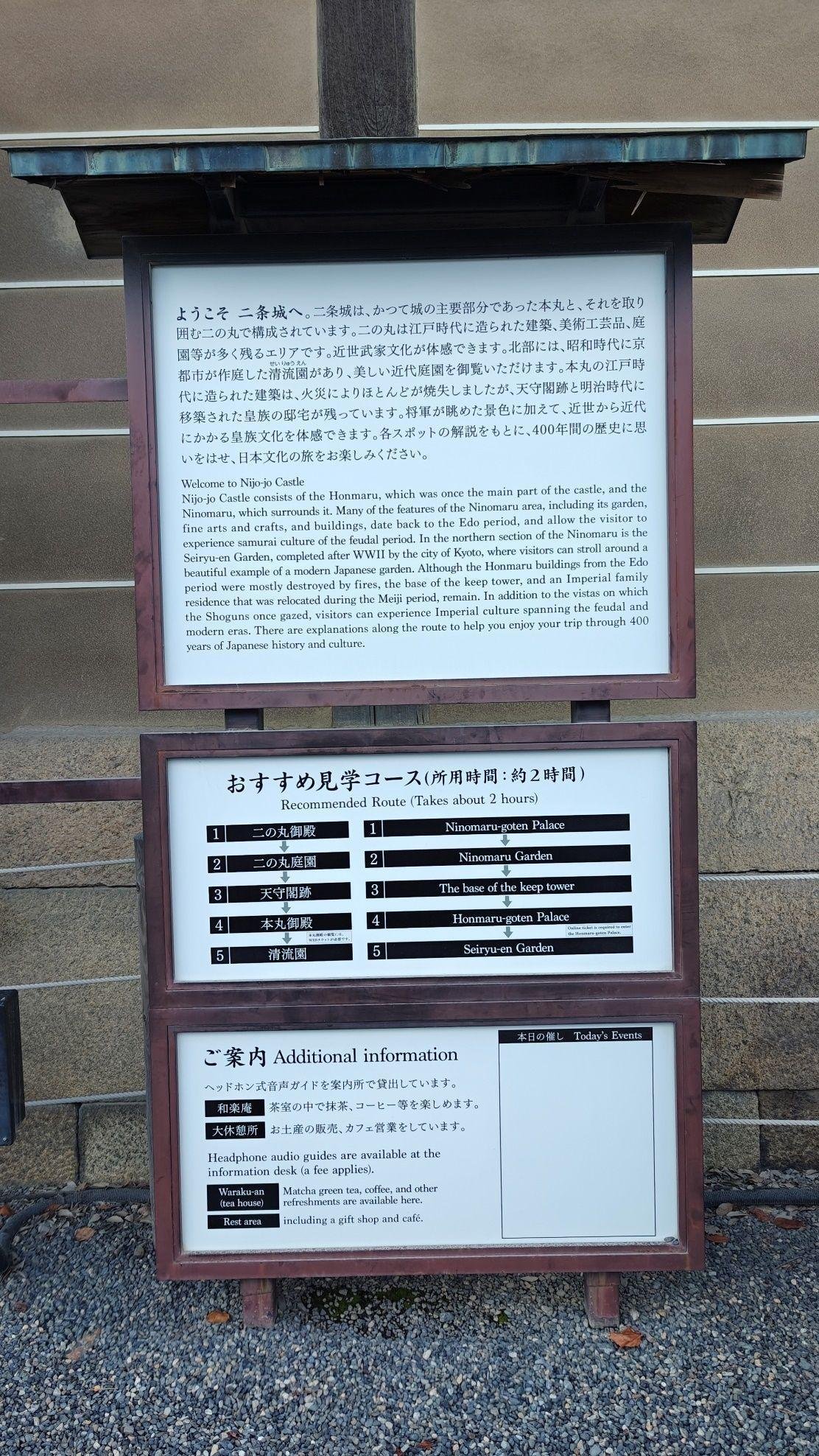
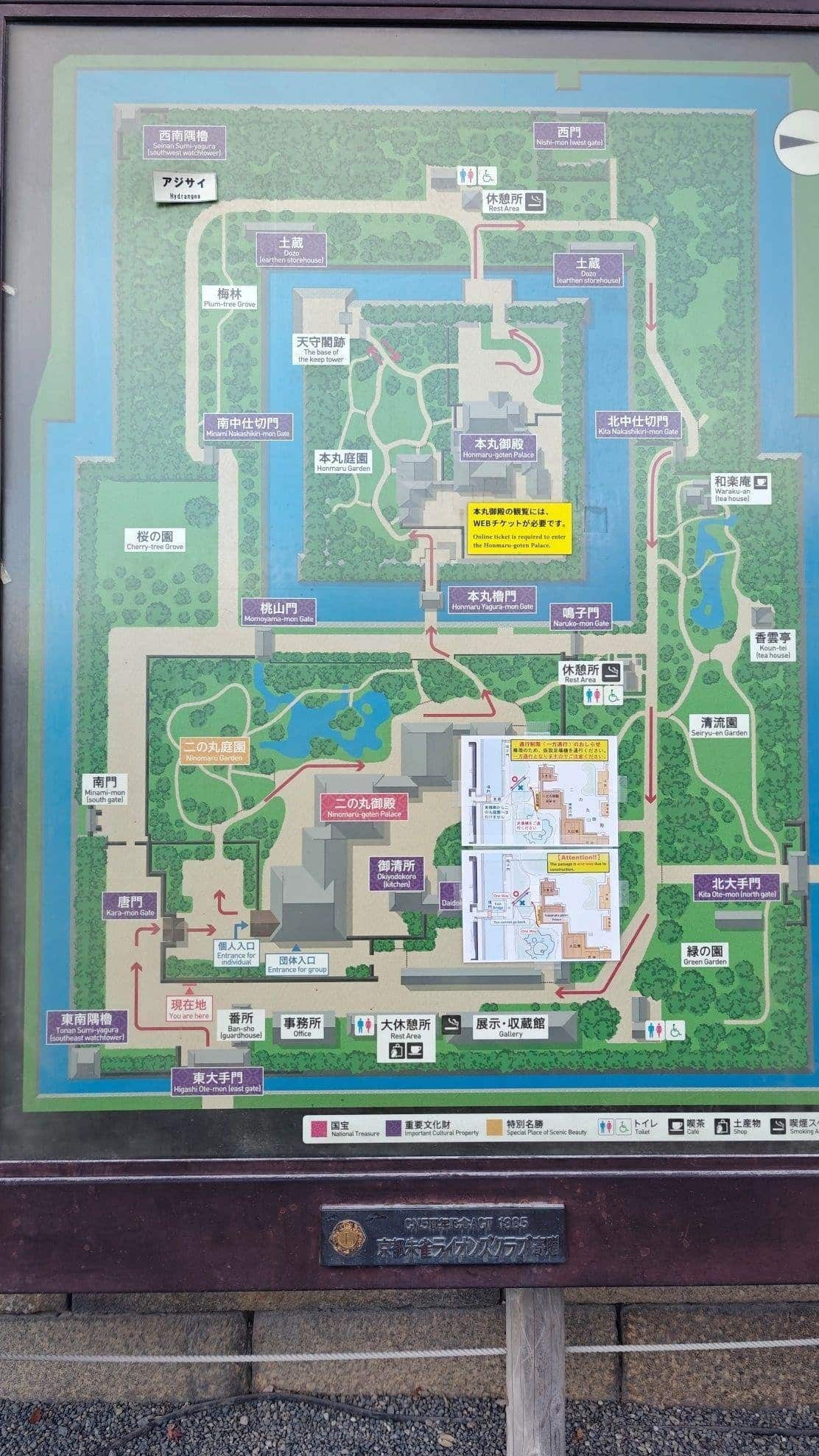
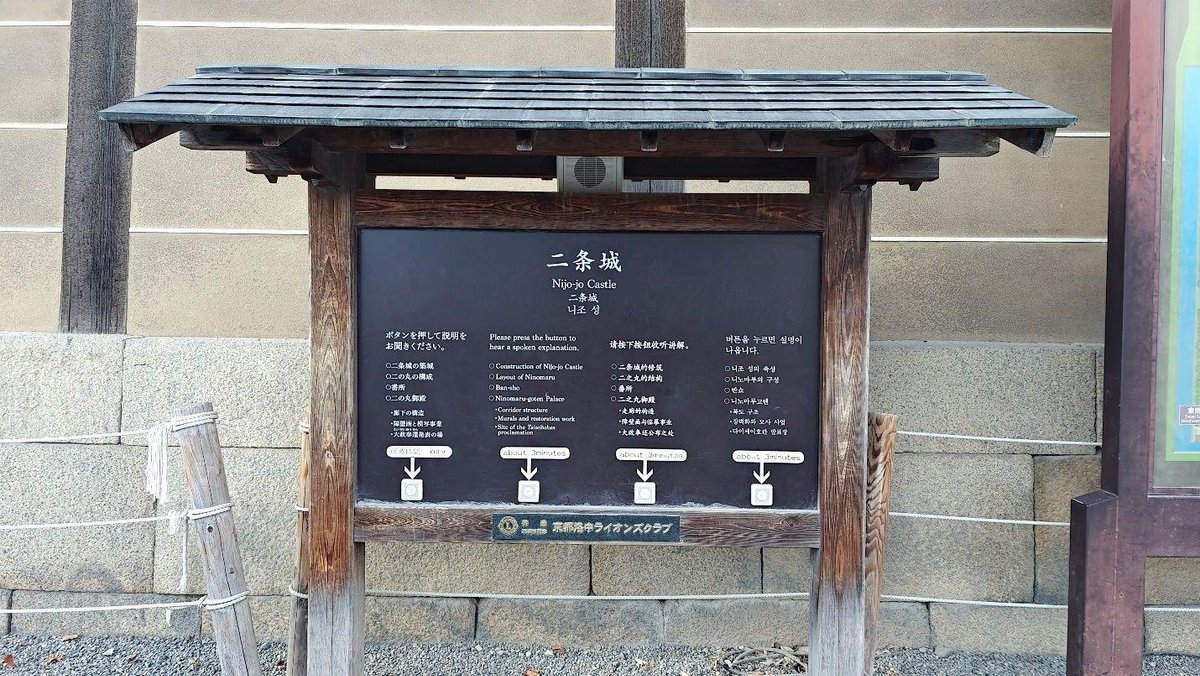
After checking out the Ban-sho, I then followed the path headed to the Kara-mon Gate. Just before getting there though, I found a more detailed guide map showcasing the landmarks, buildings, as well as a suggested route for visitors to follow. Then from here, I turned around and checked the Tonan-Sumi-Yagura or Southeast Watchtower.
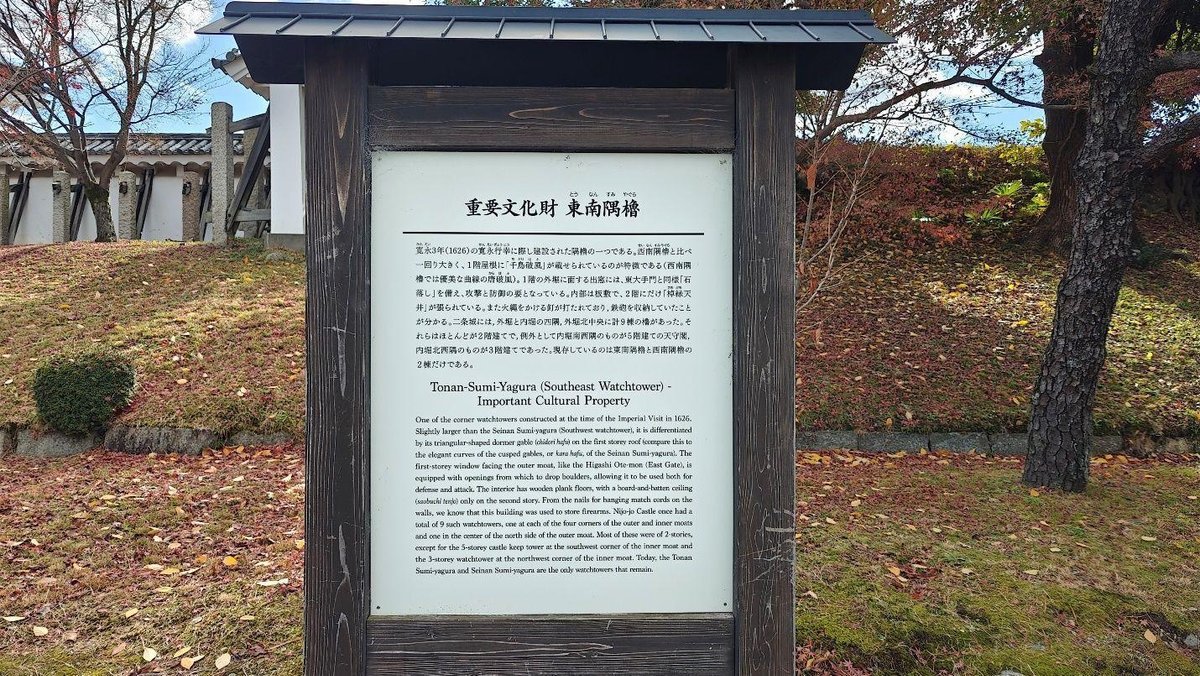
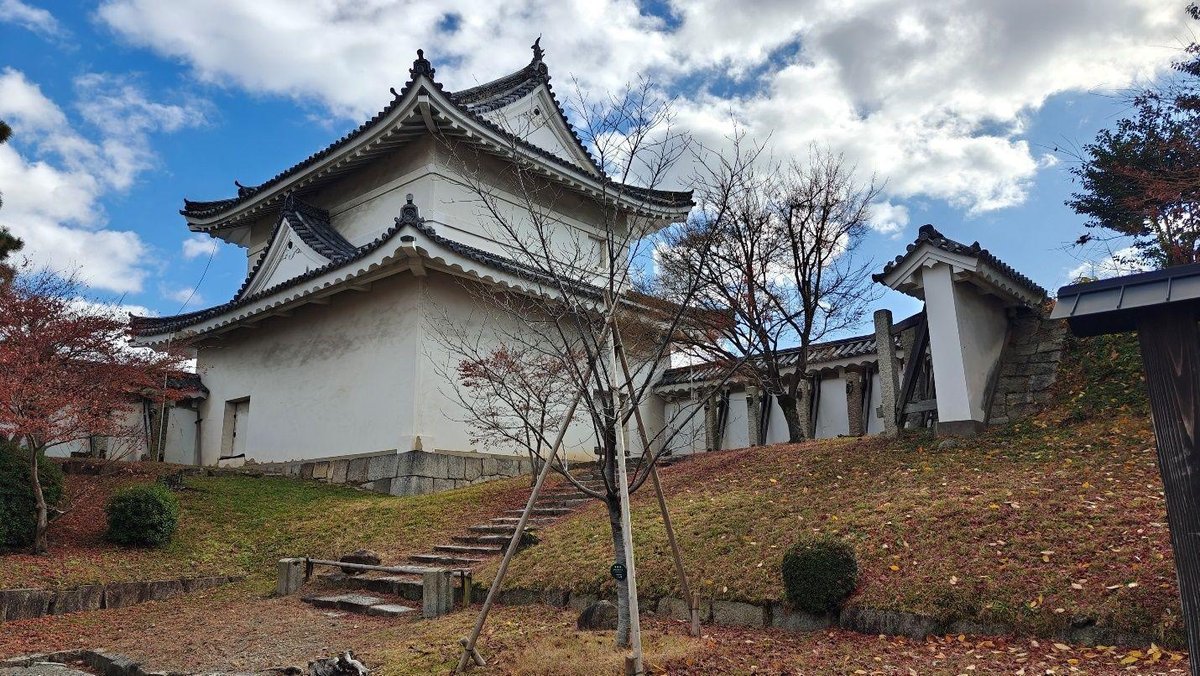
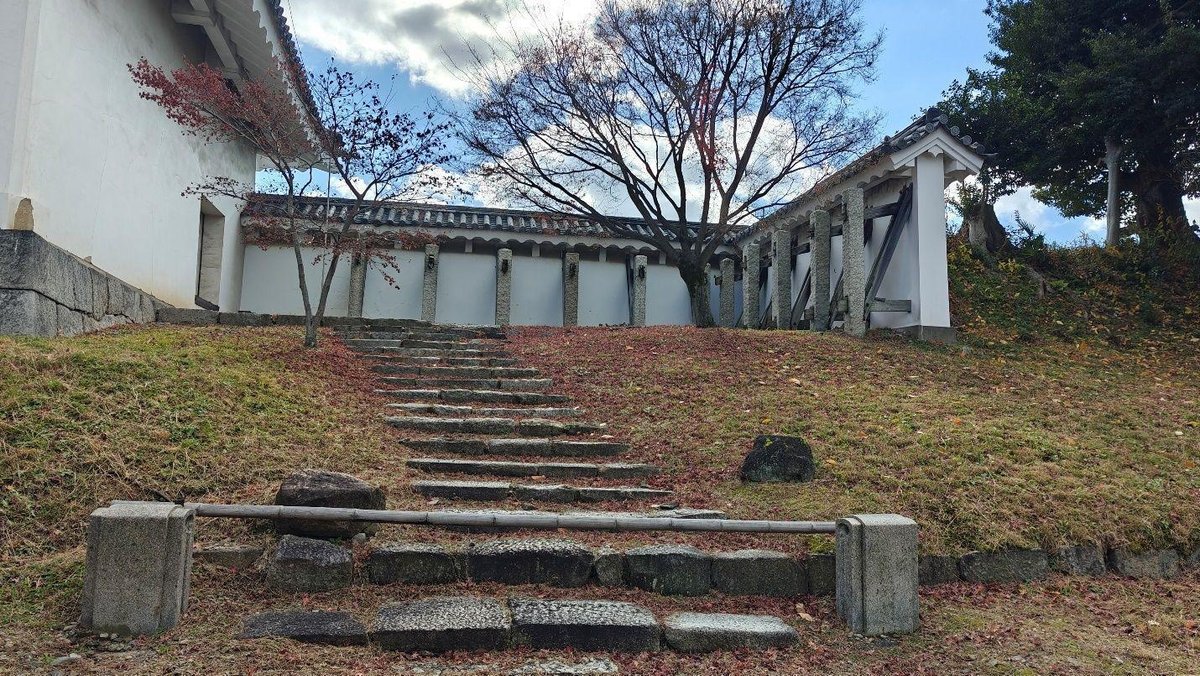
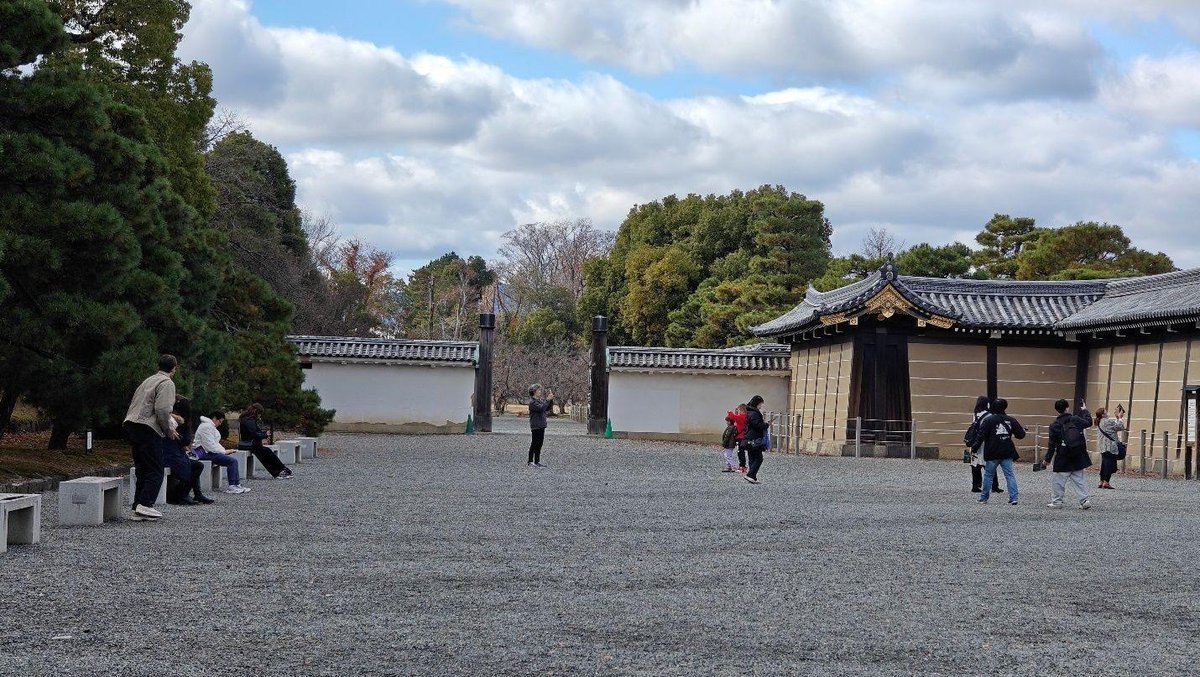
The area around the Tonan-Sumi-Yagura was surprisingly peaceful though the watchtower itself looked rather plain (at least when compared to Kanazawa Castle’s Hishi Yagura). Unlike Kanazawa Castle’s watchtower though, this one is actually still the original structure. Built some time in 1626, it is one of two watchtowers (along with the Seinan-Sumi-Yagura) that was left standing out of a total of nine.
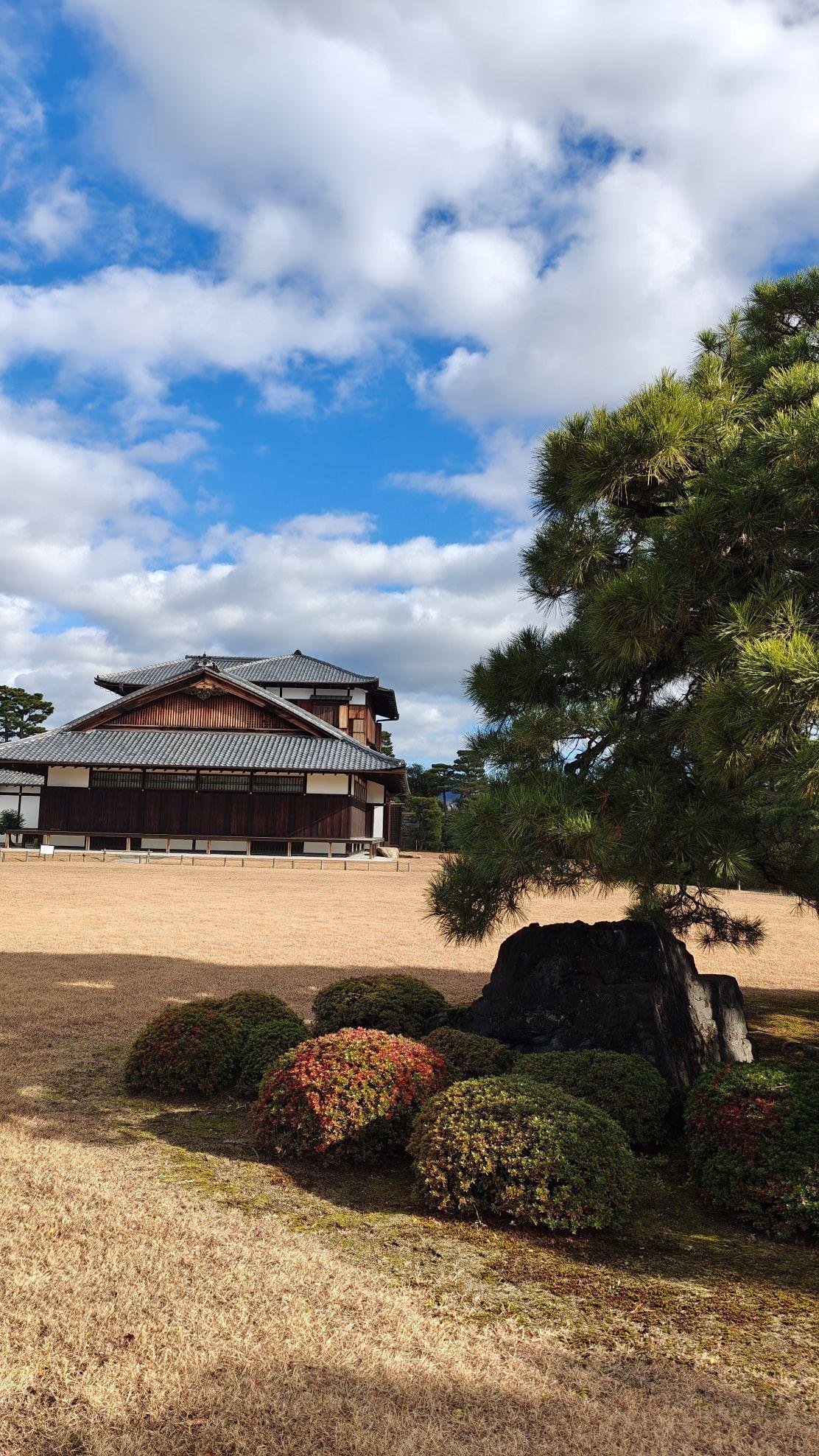
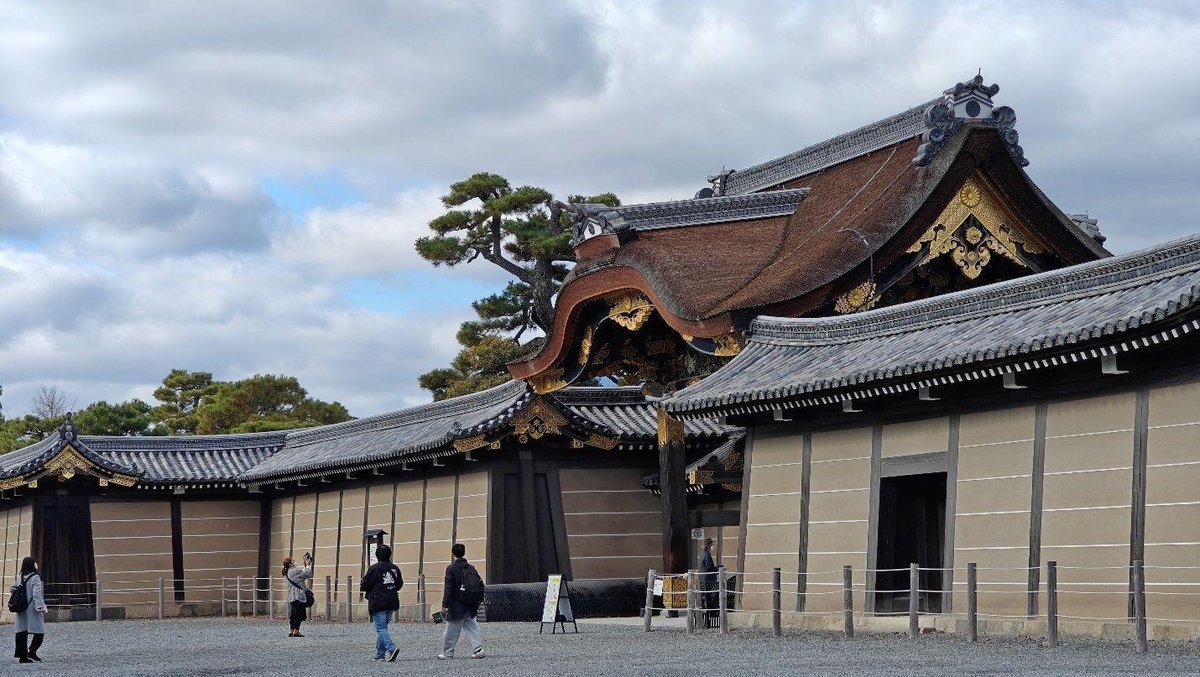
From the Tonan-Sumi-Yagura area, you can catch a glimpse of the hulking Kara-mon Gate which leads to the Ninomaru-Goten Palace and Ninomaru Garden areas. Due west from the area is an entrance that leads to the Minami-mon Gate and a walking path that goes around the Honmaru-goten Palace.
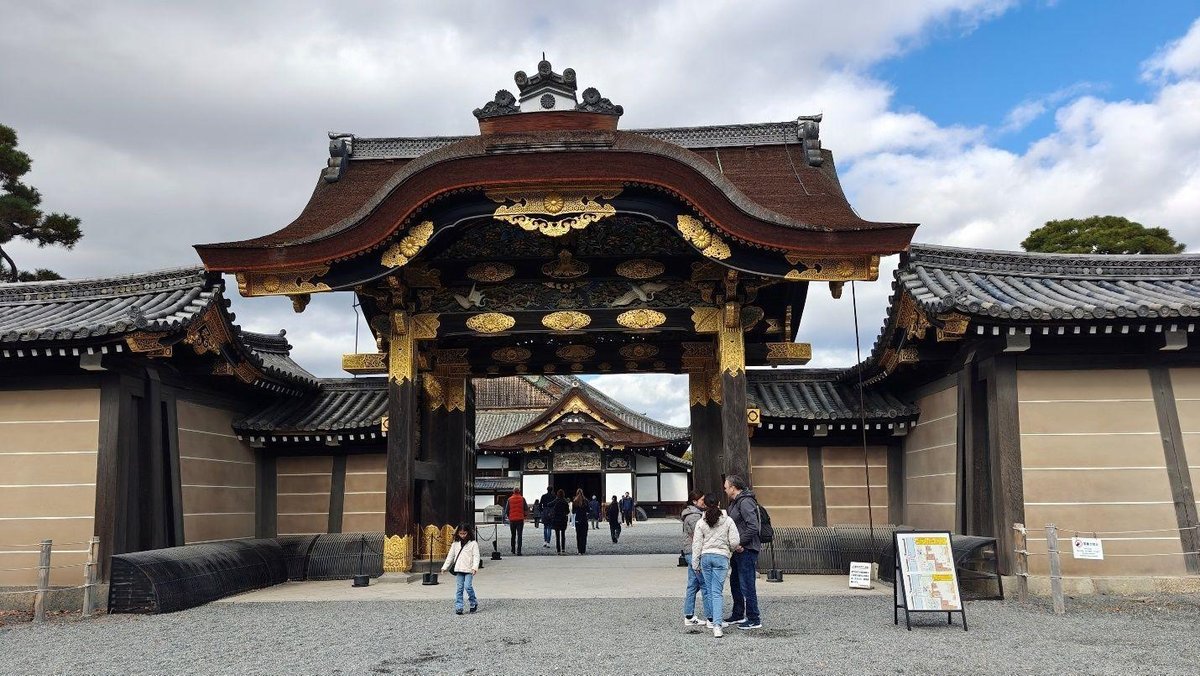
Seeing the Kara-mon now, it looks a lot like the Amida-do mon at Higashi Hongan-ji. It’s much more colorful and intricate though as well as being older by a couple of centuries. Completed in 1626, it is an example of the karahafu (hence the name karamon) or undulating bargeboard style of gate which the Amida-do mon also is.
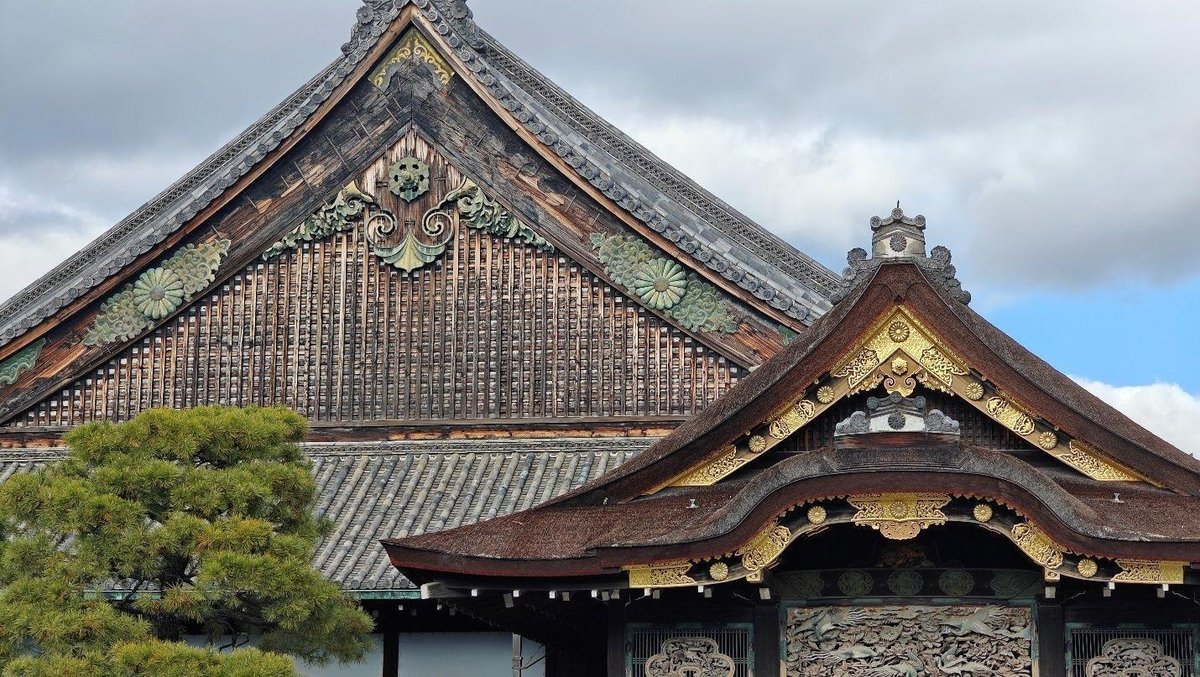
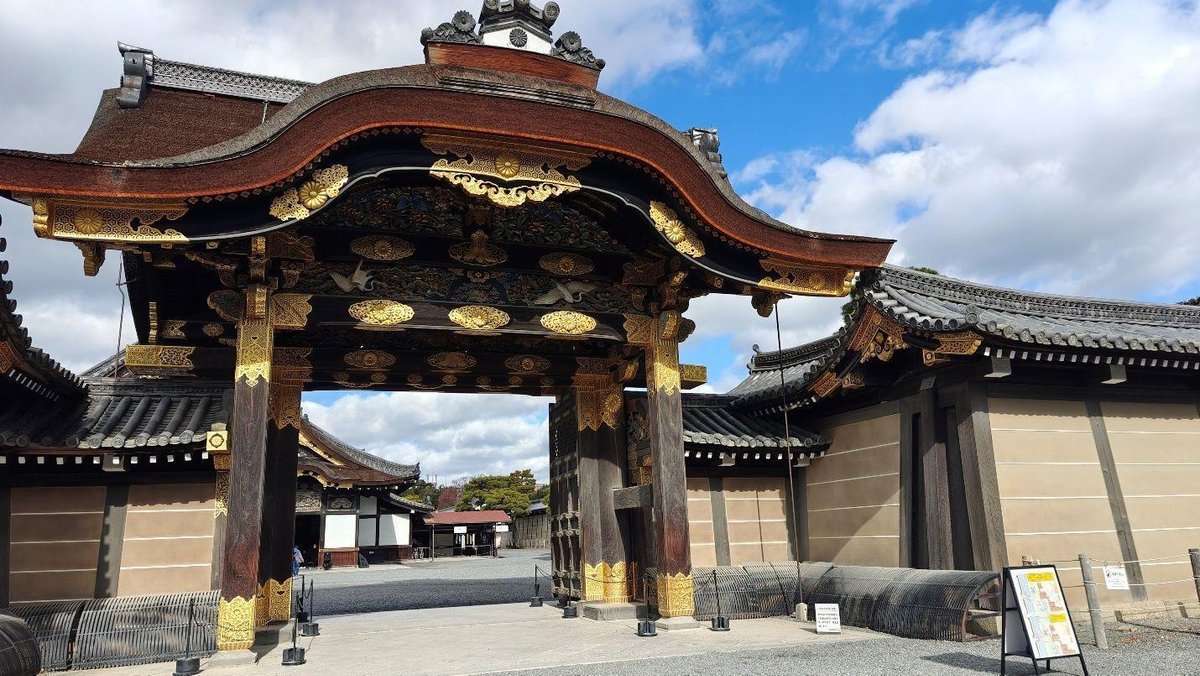
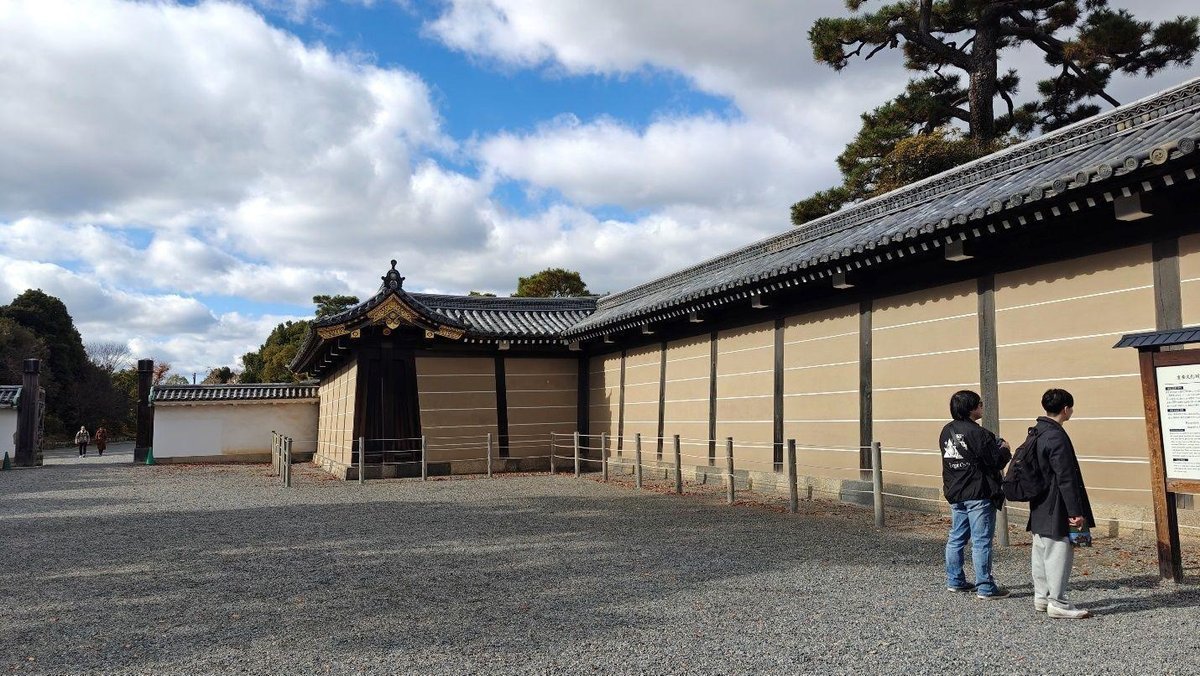
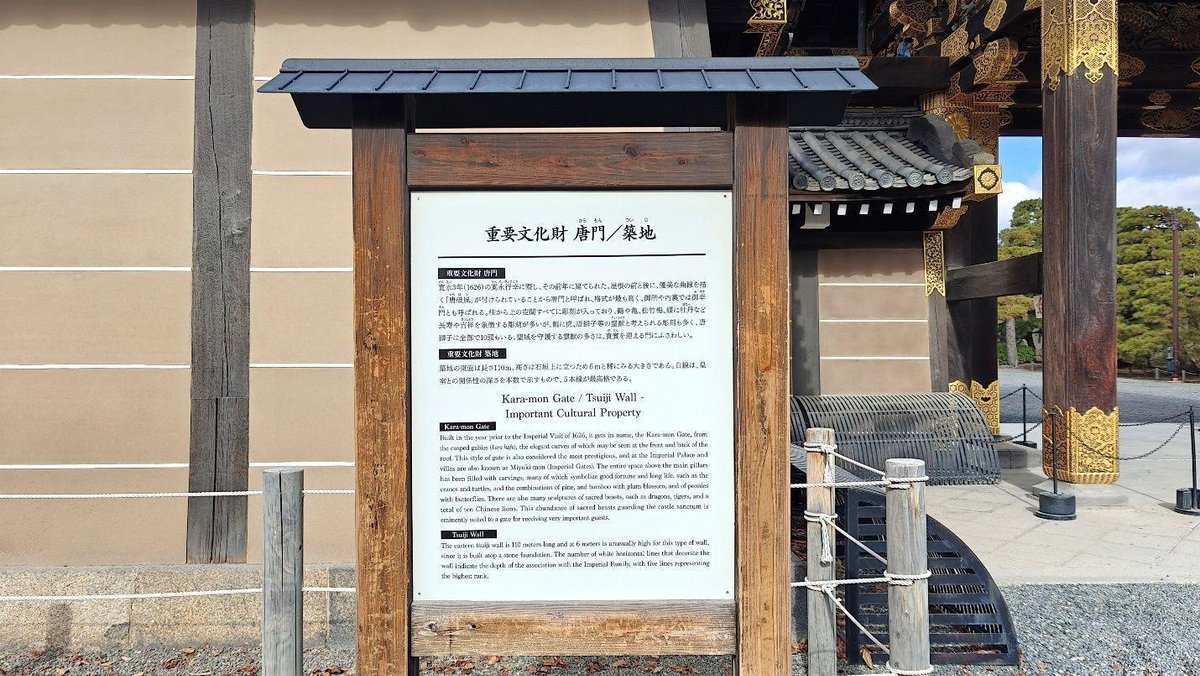
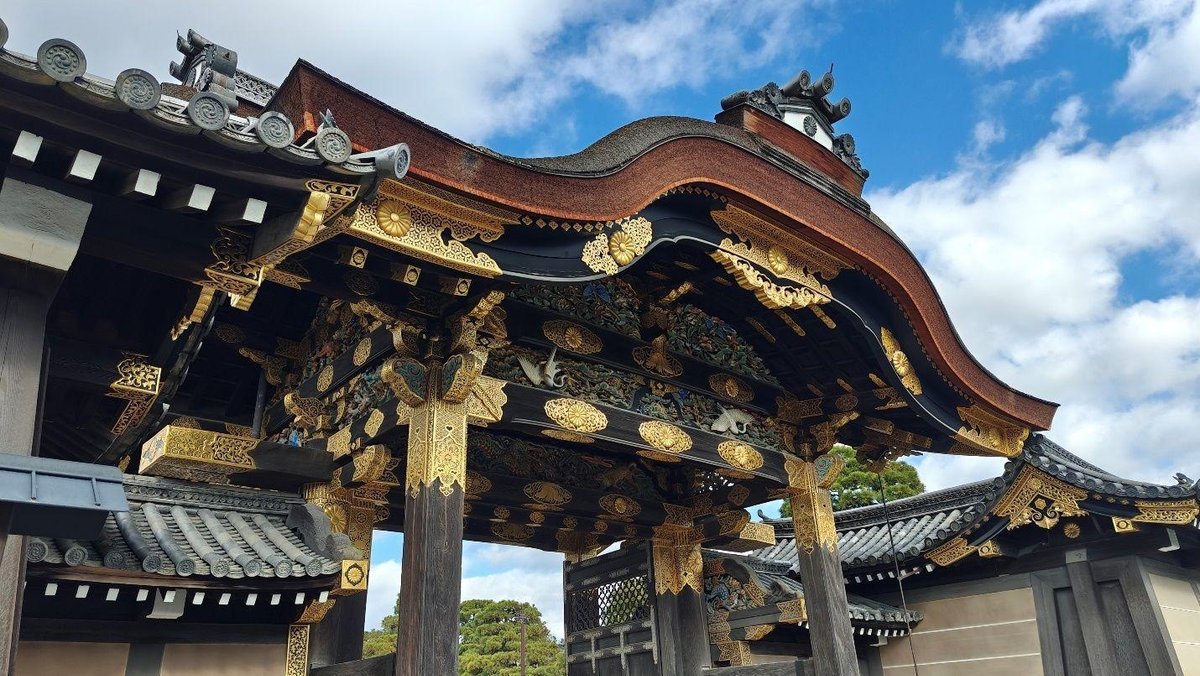
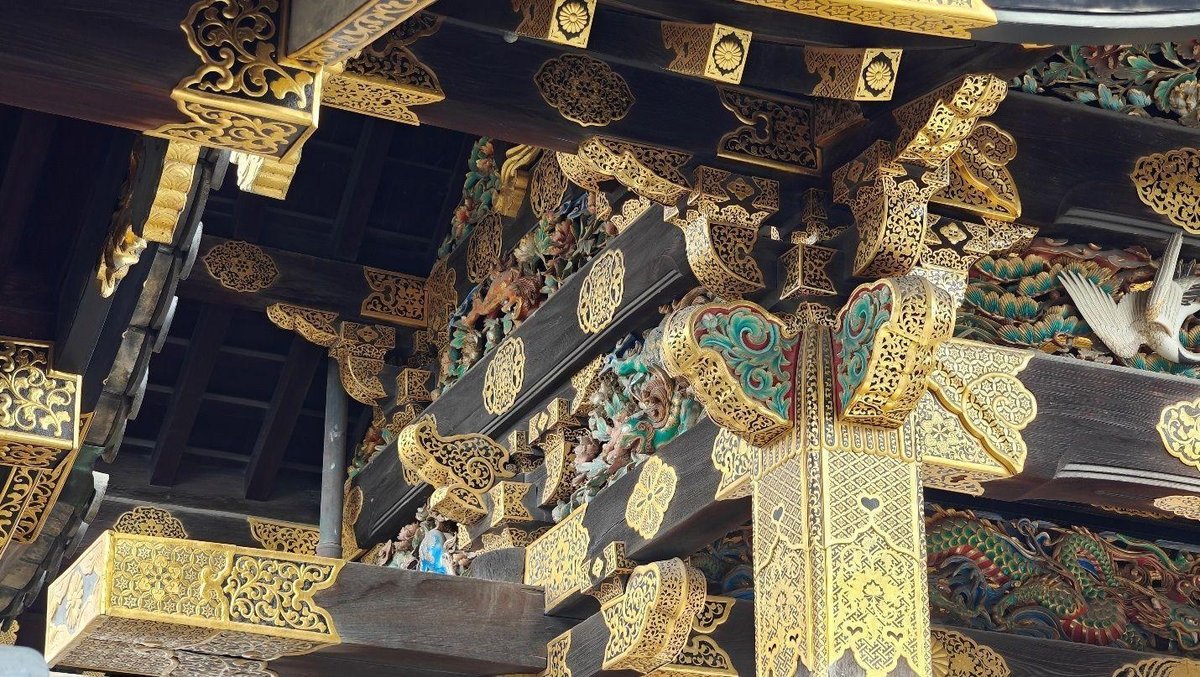
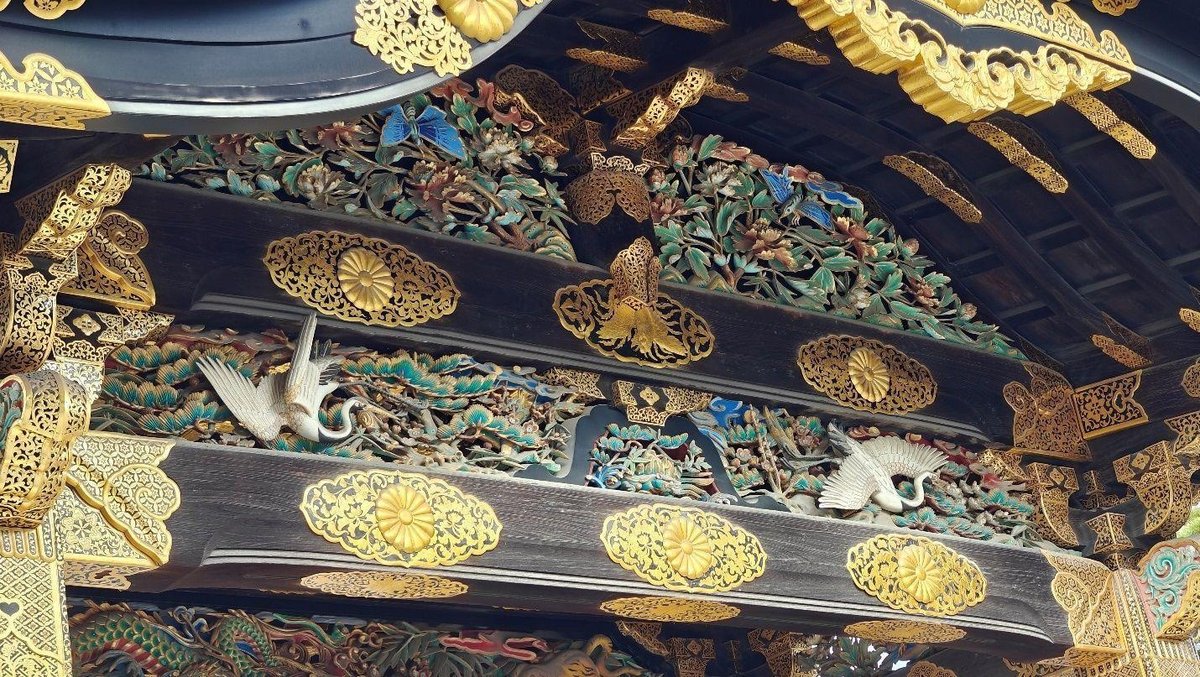
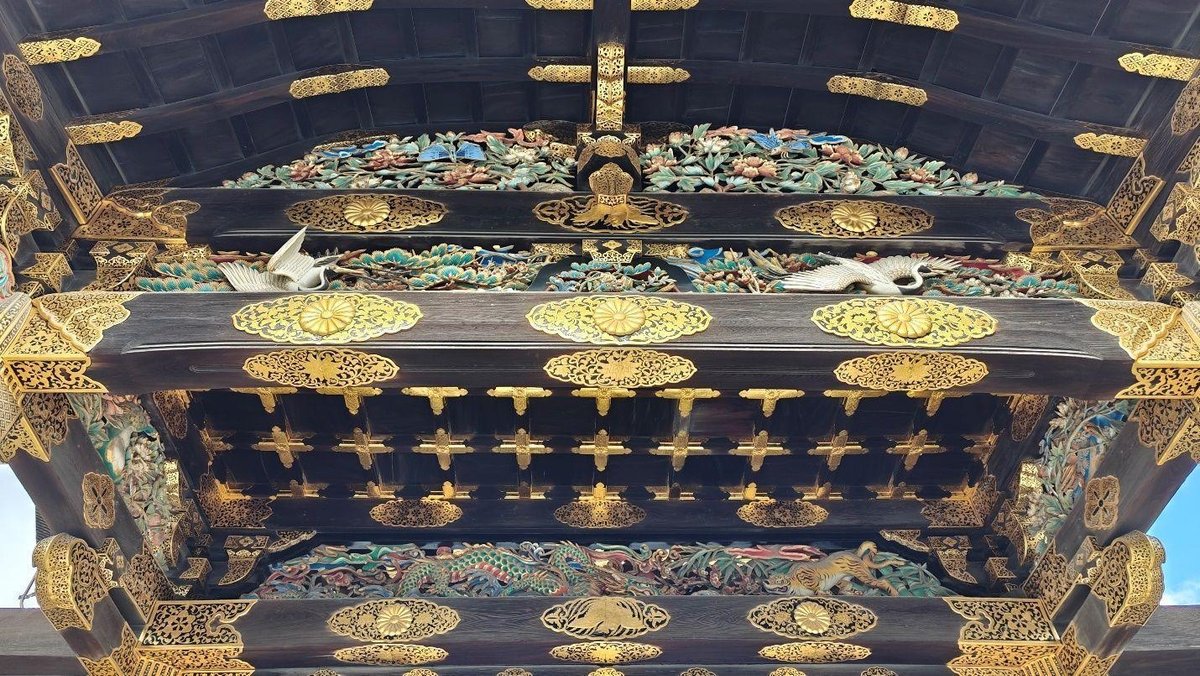
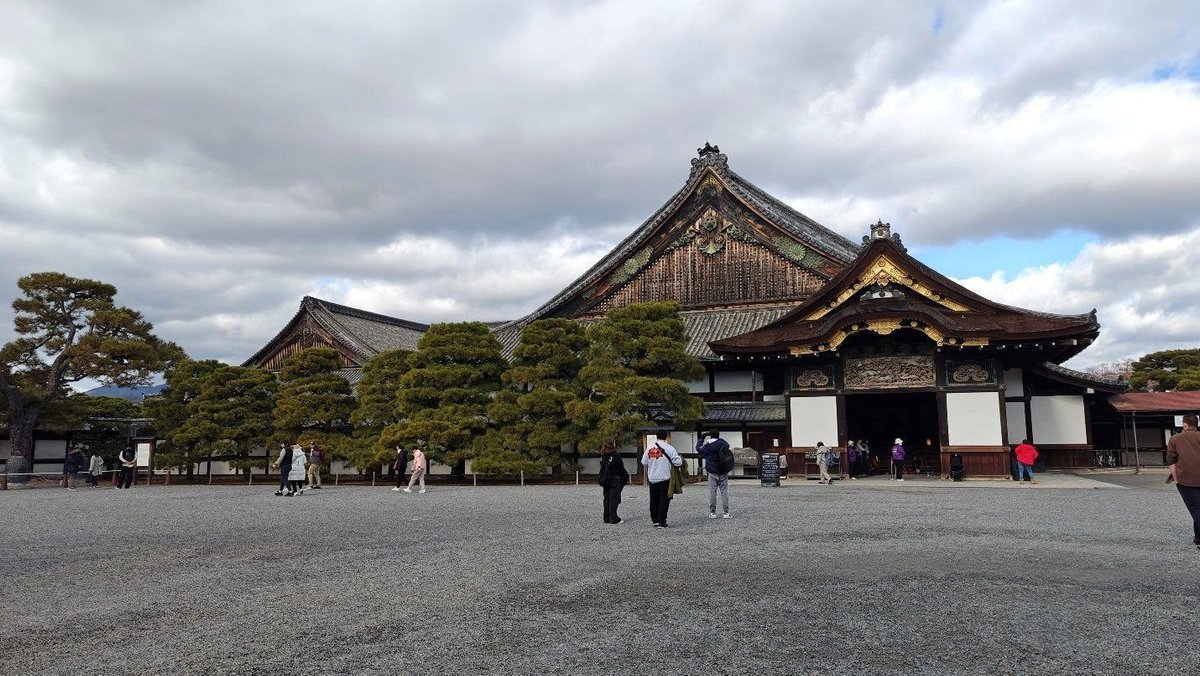
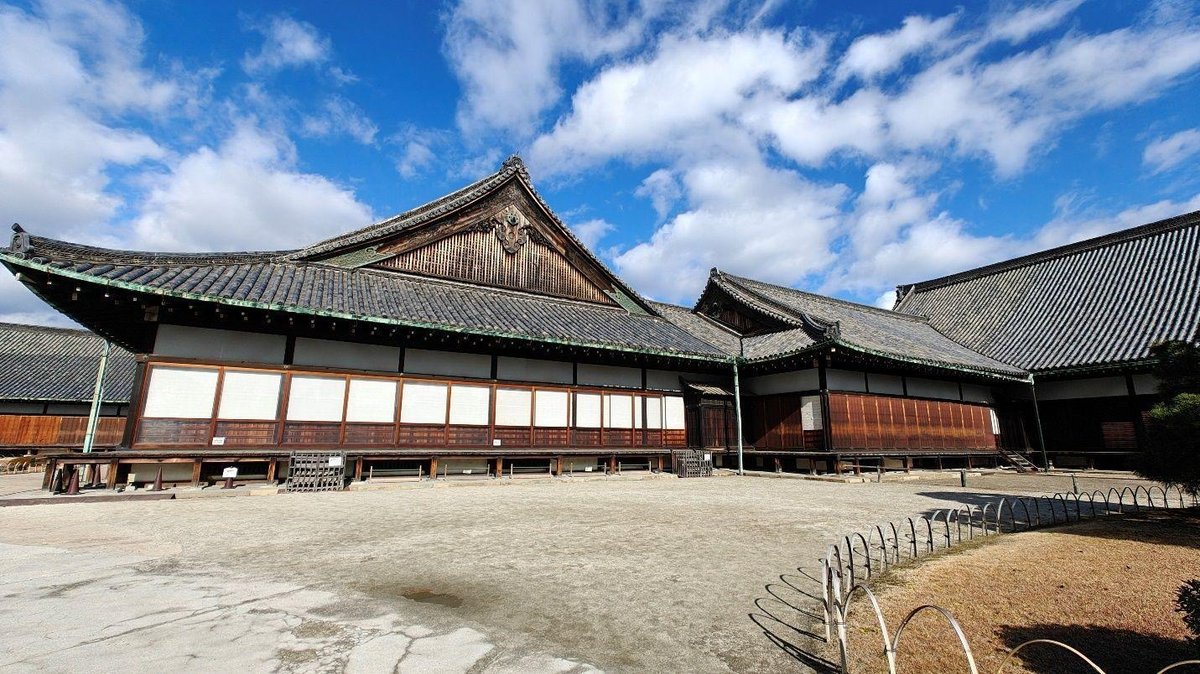
So if you’ve ever been to Higashi Hongan-ji, you’re probably noticing its similarities to the Ninomaru-goten Palace (pictured above). I tried looking it up and sure enough, the Tokugawa shogunate that built the palace actually had a hand in the making of the temple complex. That’s why they both have karahafu gates and feature similar architectural motifs.
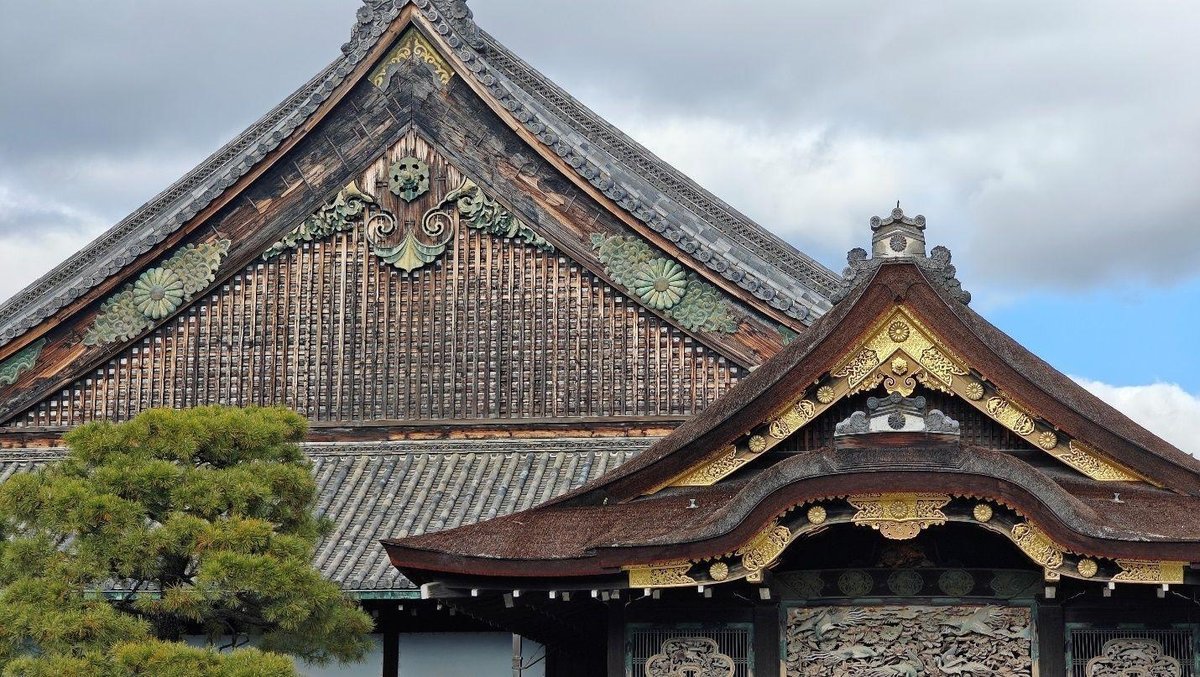
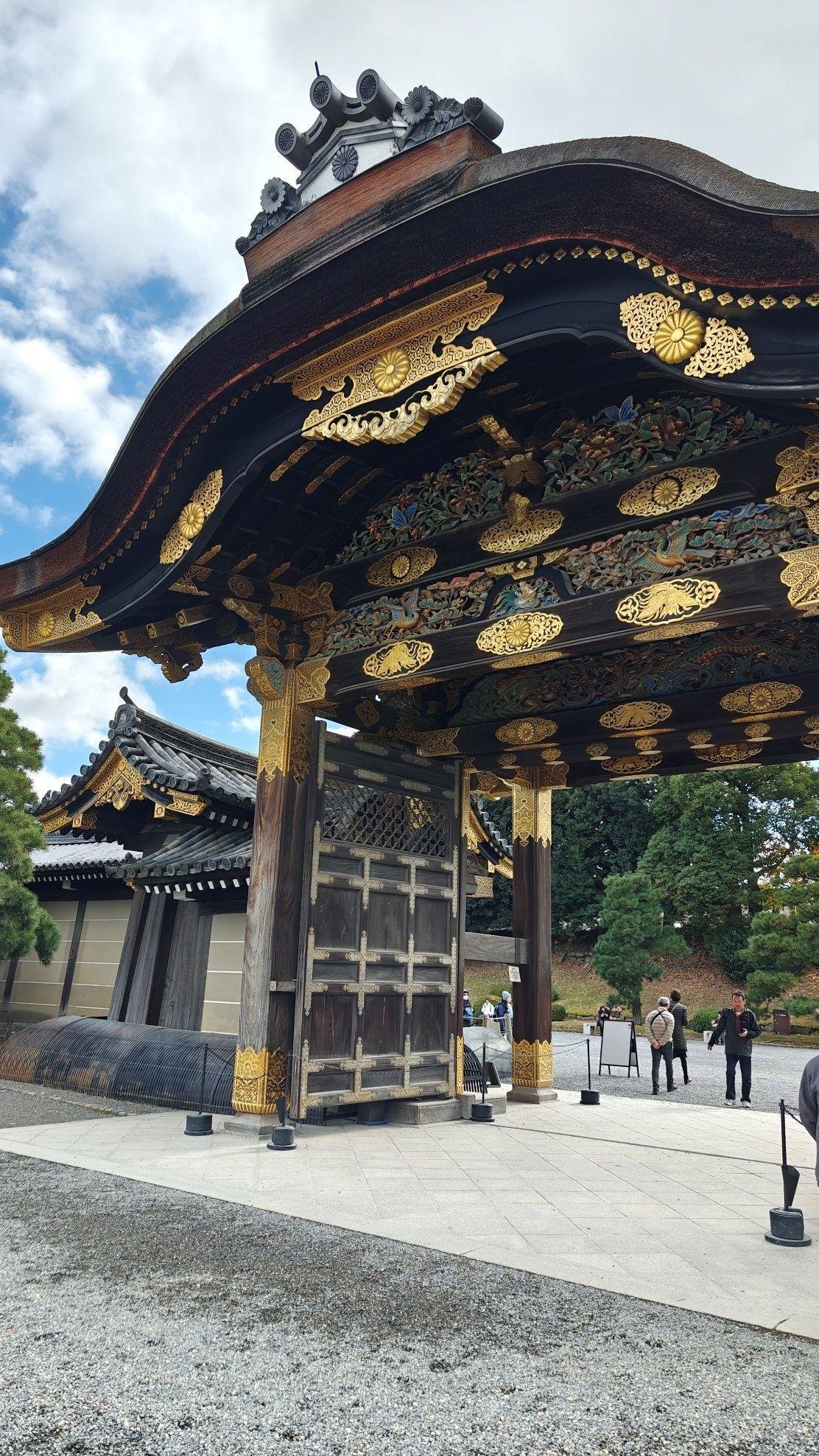
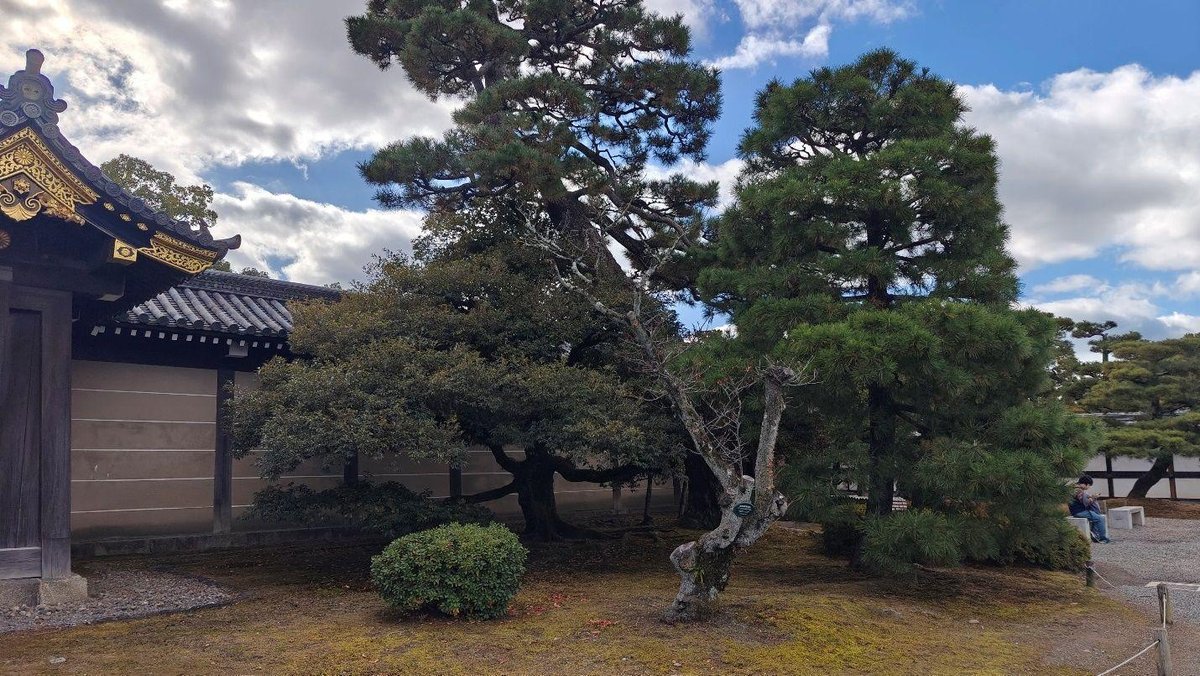
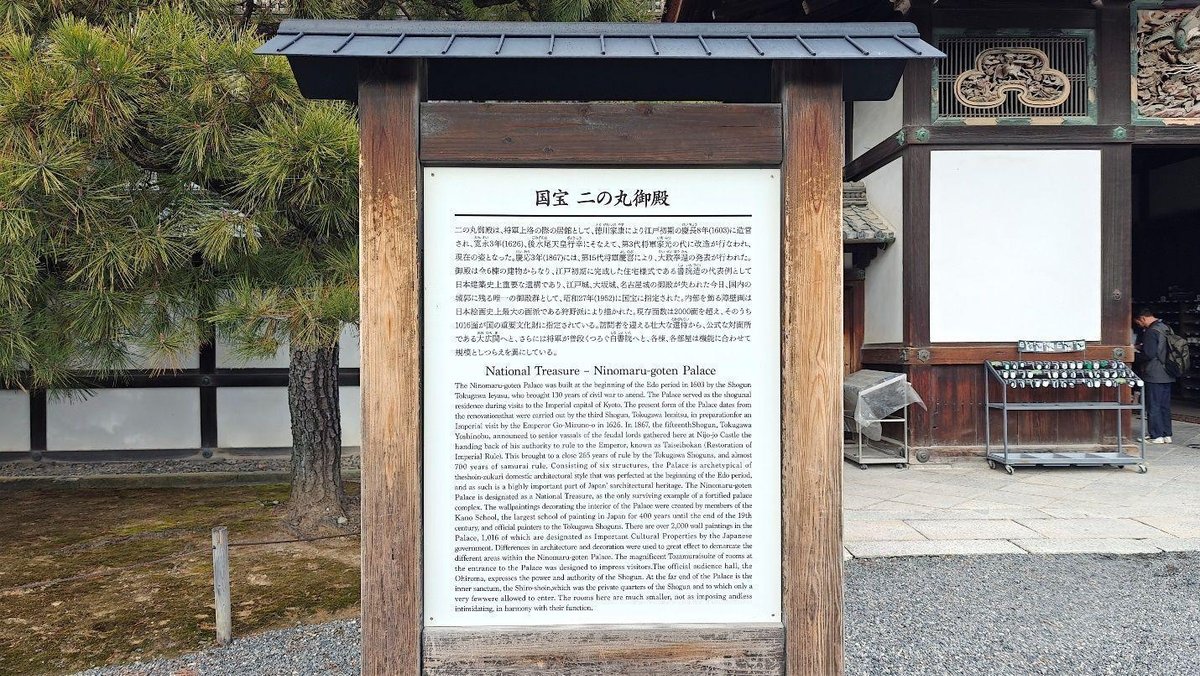
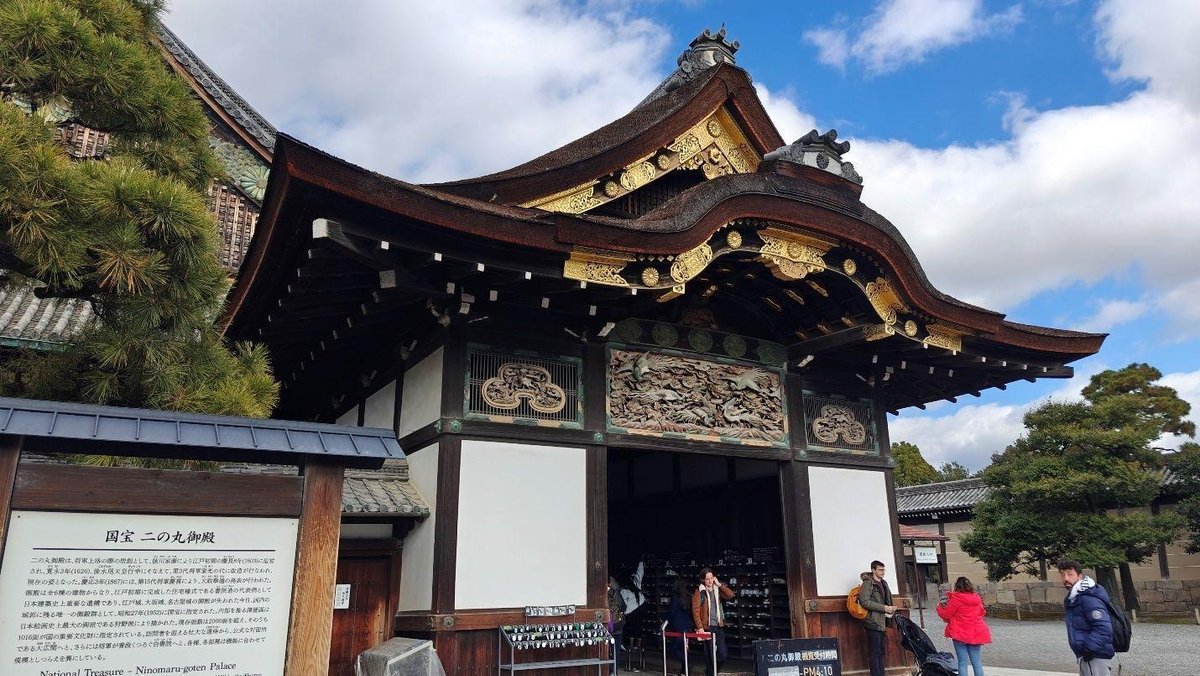
While Higashi Hongan-ji’s buildings are only designated National Important Cultural Properties, the Ninomaru-goten Palace here at Nijo Castle is classified as a National Treasure. Aside from its age, it’s also pretty historically relevant as it’s the only fortified residence of a shogun that happened to survive the centuries. Not only that, it was constructed by the first Shogun, Tokugawa Ieyasu.
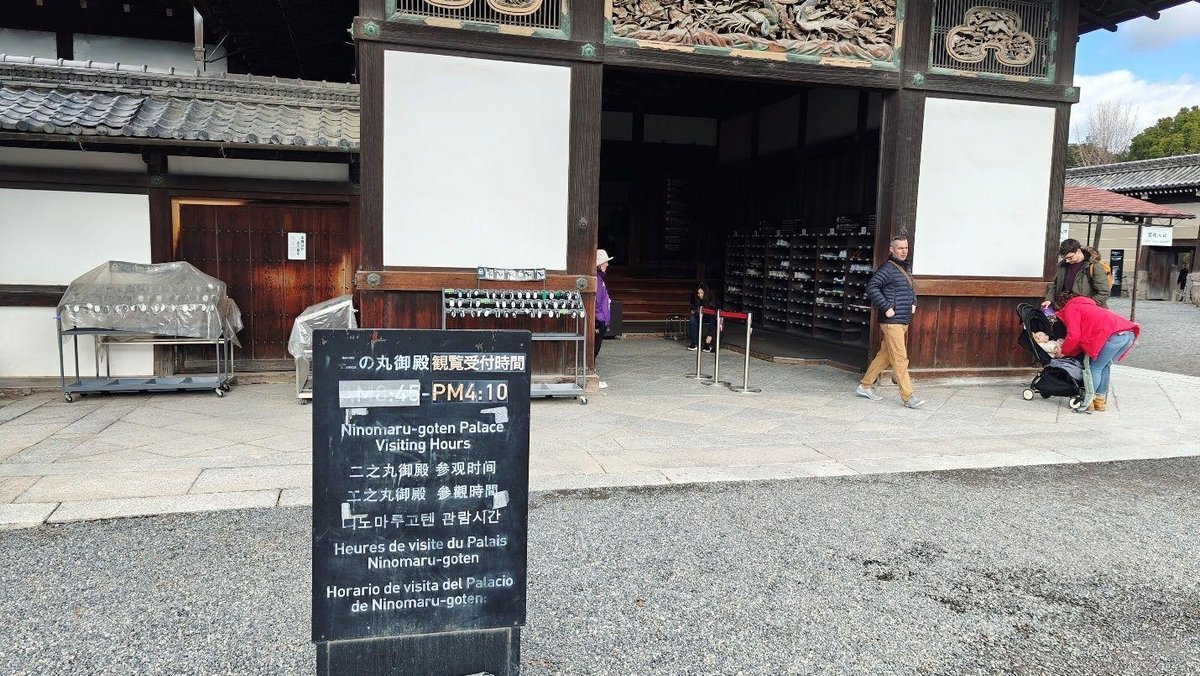
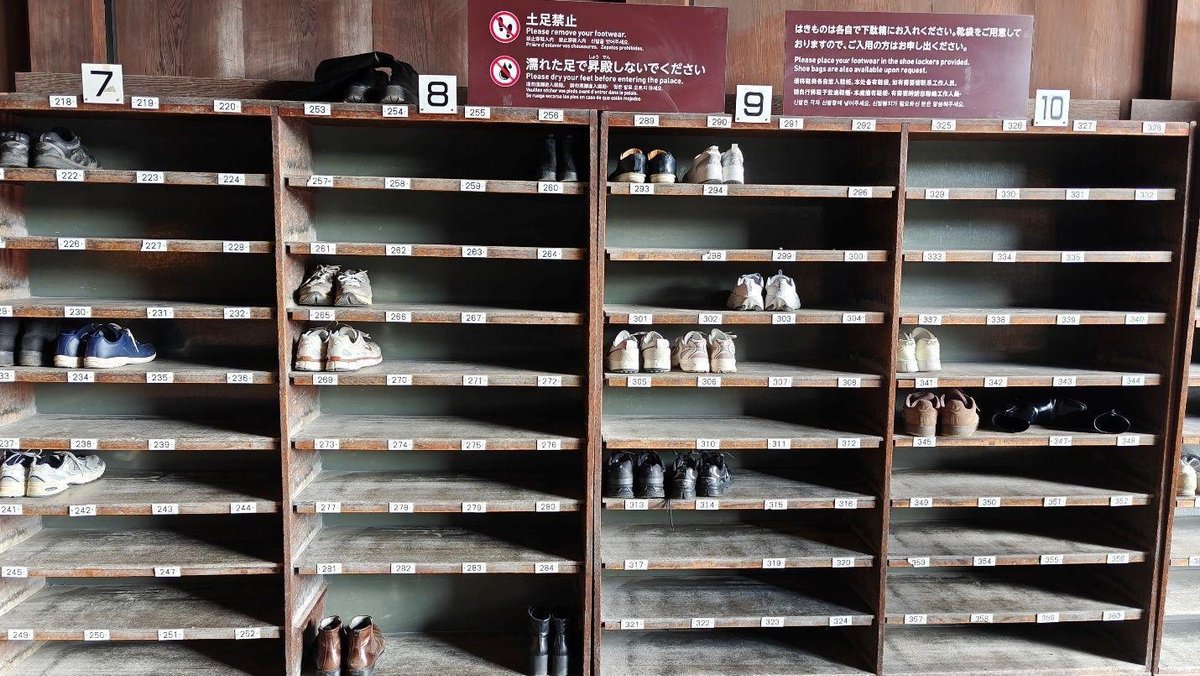
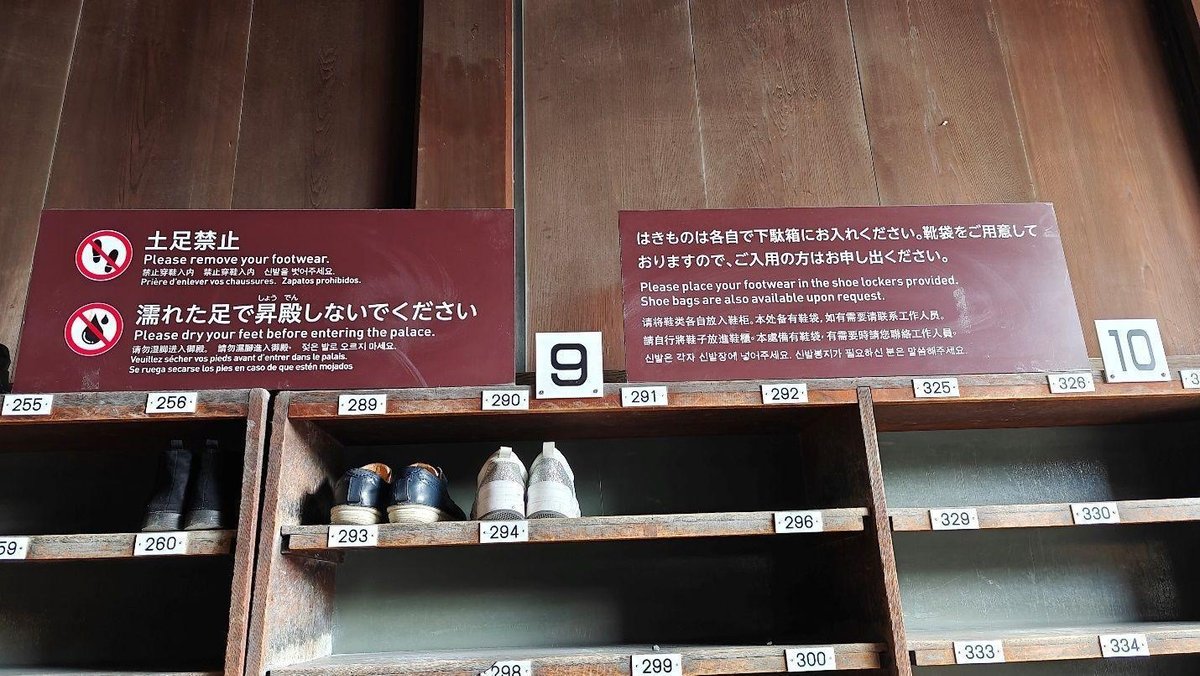
If you paid 1300JPY for admission then you can enter the Ninomaru-goten Palace from this Kurumayose or carriage entrance. What makes the palace notable (aside from its age and being designated a National Treasure) is its unique floorboards called uguisubari (or nightingale floors). These floors were designed to make high-pitched sounds whenever people stepped on them making it one of the earliest forms of home security systems.
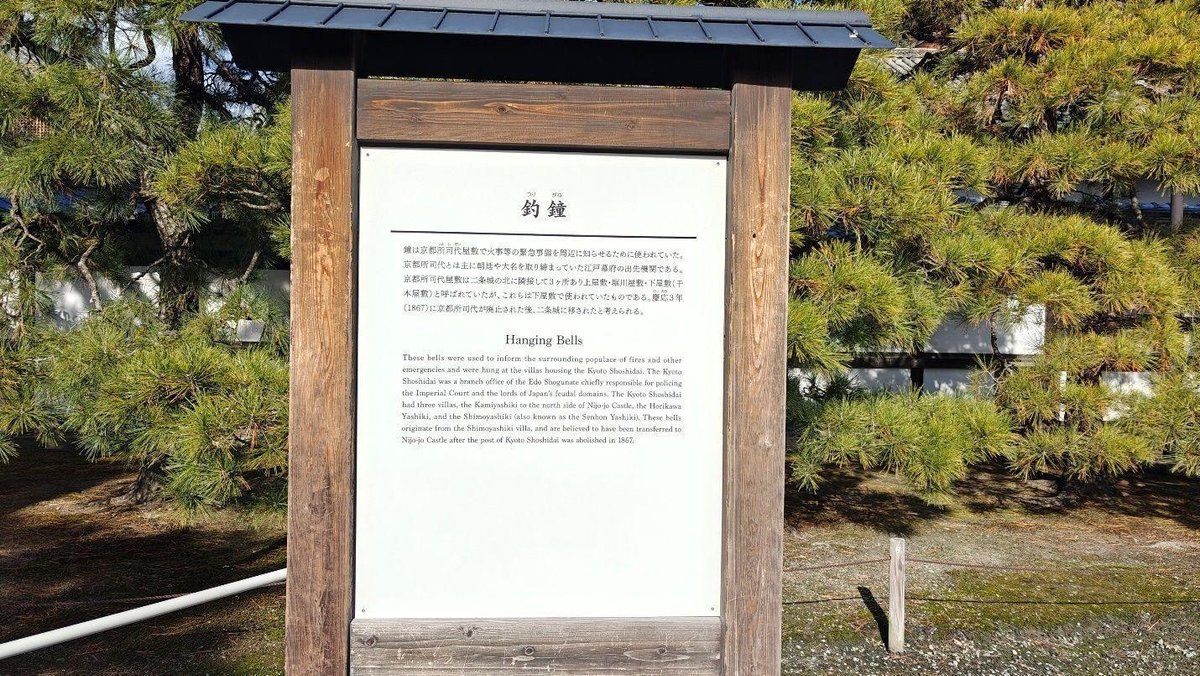
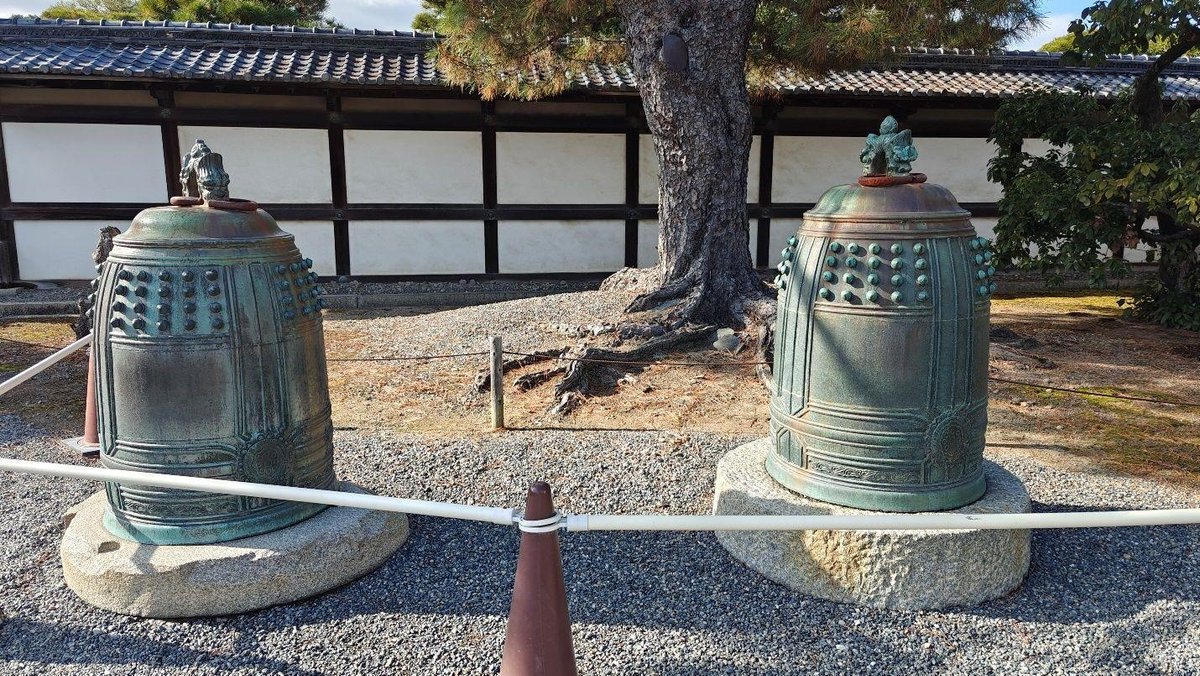
To the west of the Kurumayose, I came across two sets of bells. These were much smaller than the ones I found in the various shrines and temples that I visited and they actually served a different function. Called the Kyoto Shoshidia yashiki Tsurigane, these bells were used for security as well as a form of emergency management (fires and earthquakes).
As its name implies, the bells were set up at the Kyoto Shoshidai’s (the military governor-general of the city appointed by the Shogun) villa (yashiki).
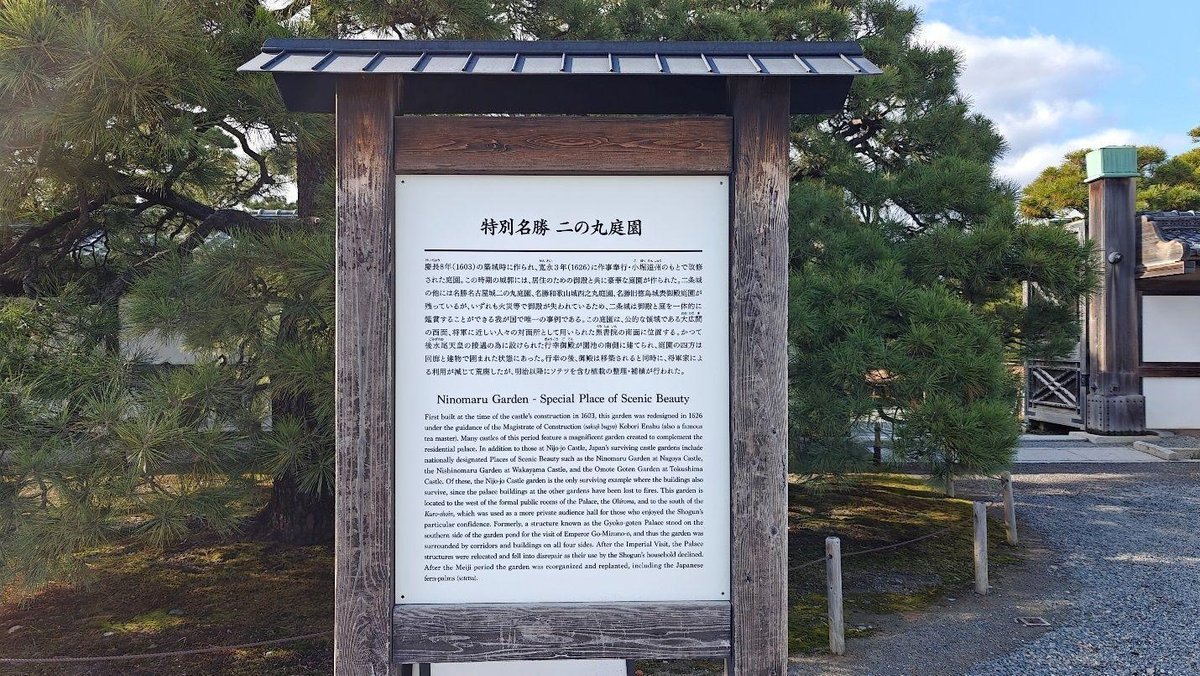
Just beside the Kyoto Shoshidai Yashiki Tsurigane was the entrance to the Ninomaru Garden. This is one of three main gardens in the castle complex and is said to be heavily influenced by Zen principles. Its creator is Kobori Enshu, a tea master famous during early Edo period who also was a daimyo and a garden designer.
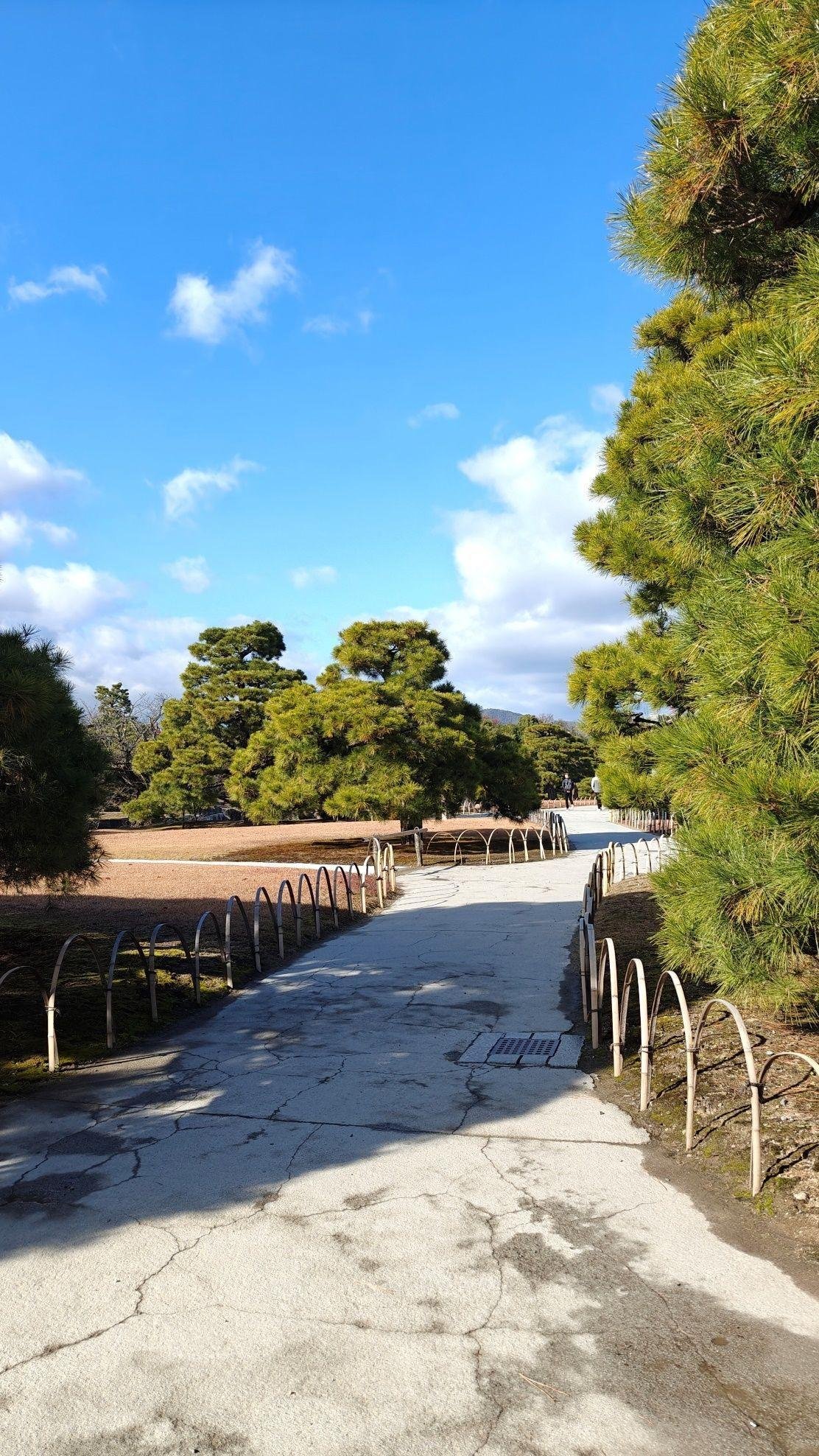
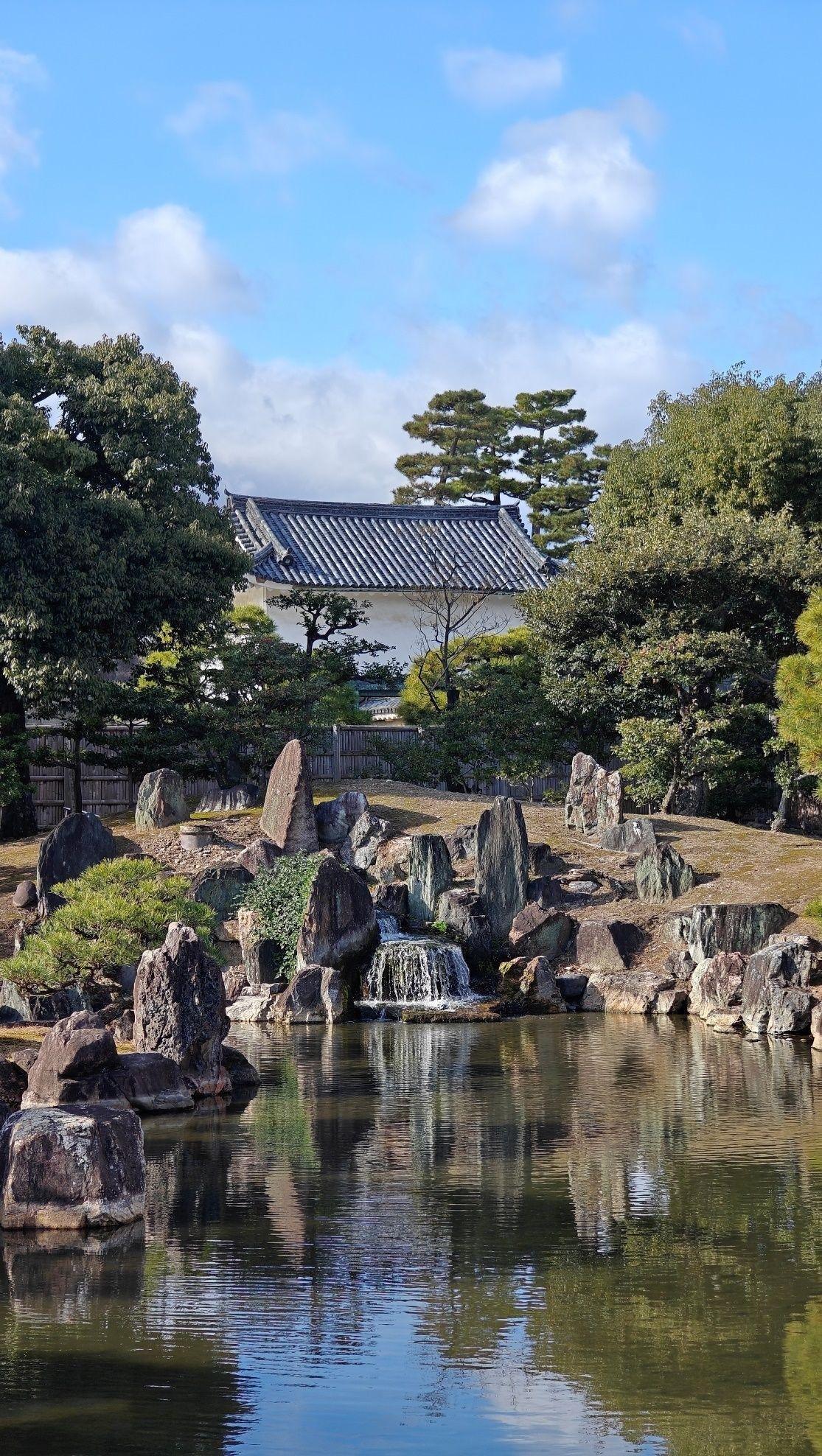
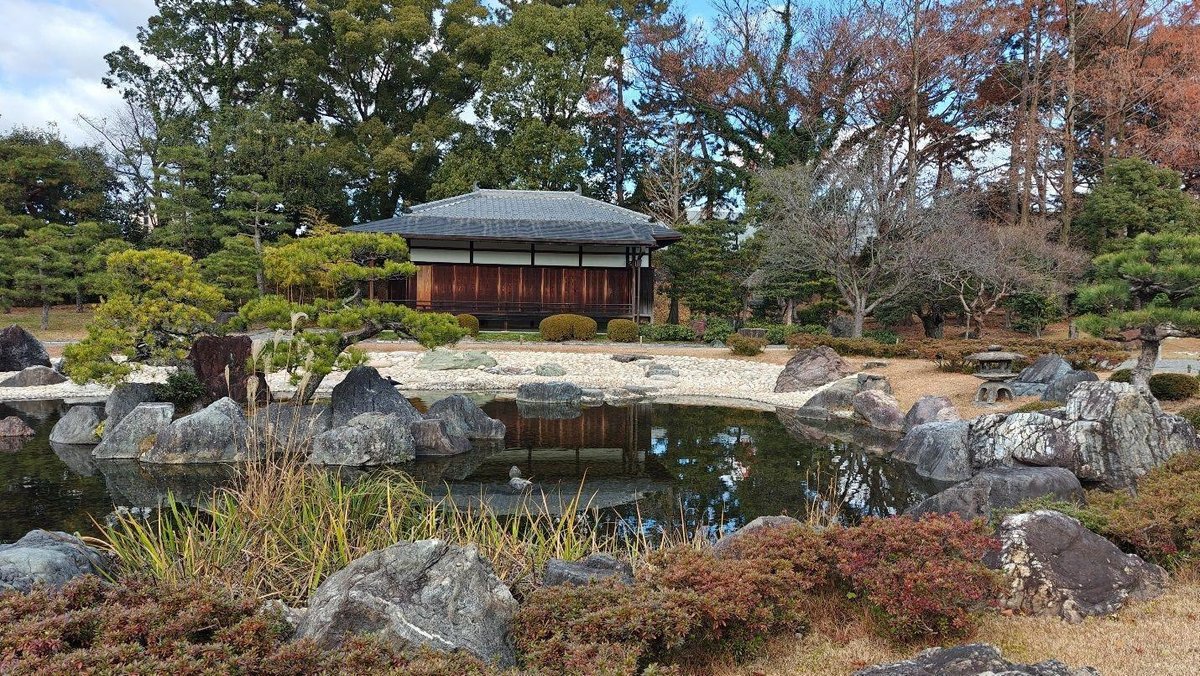
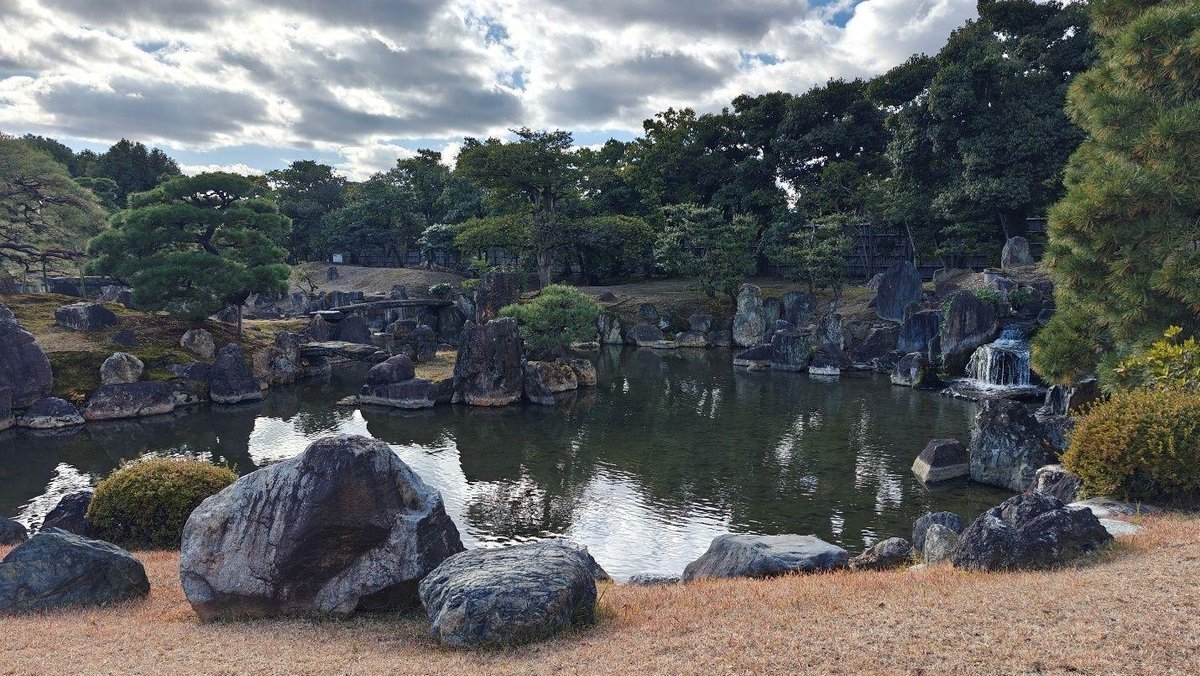
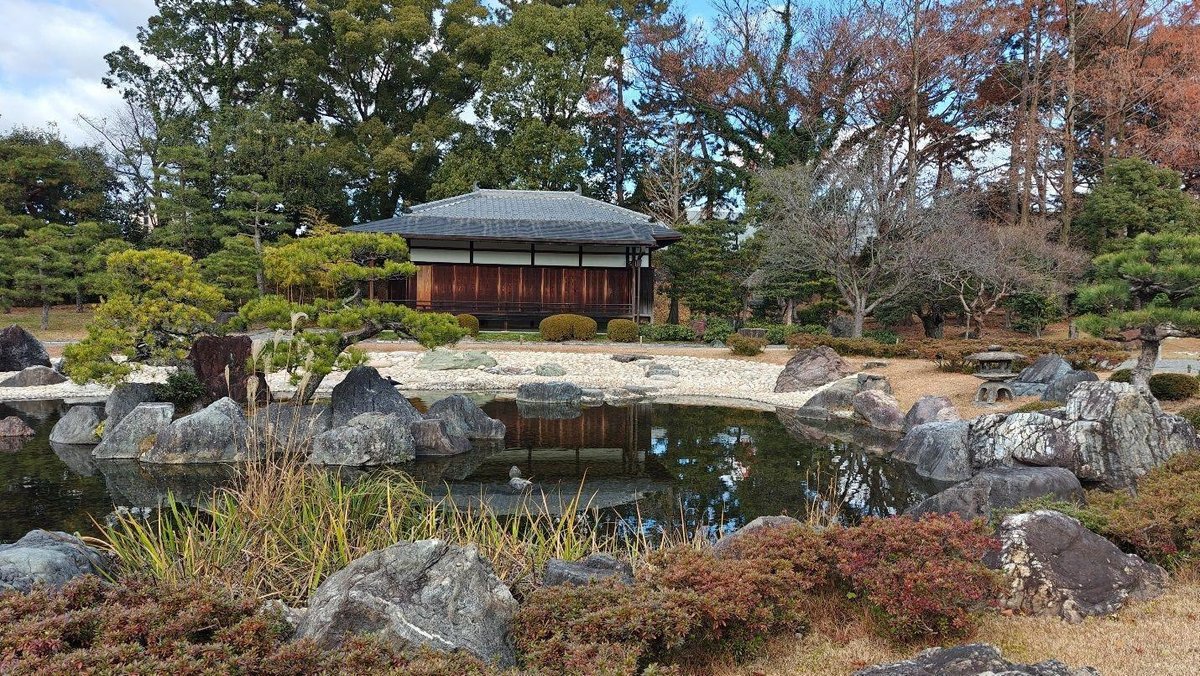
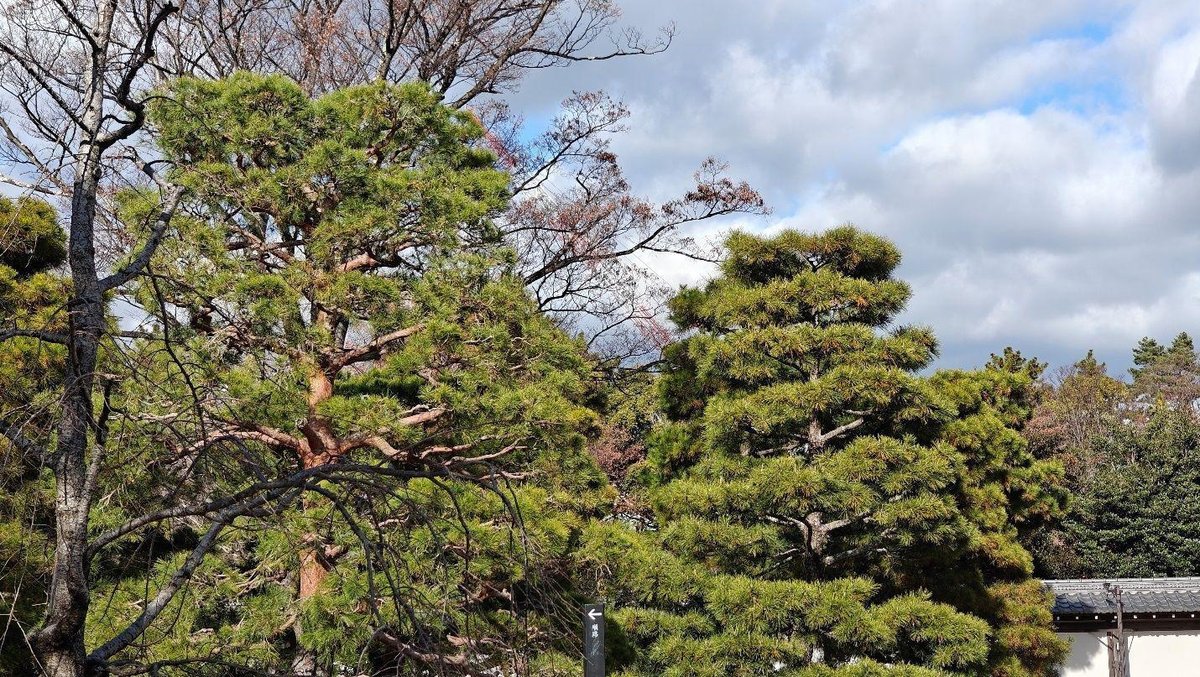
While it is more of a chisen kaiyu (strolling pond) rather than a karesansui (raked gravel) garden, Ninomaru Garden still features a lot of Zen elements. For one it’s very minimalist featuring very little in terms of plants and shrubs. Instead, it has a plethora of large trees along with Iwagumi (symbolic rock arrangements) in its pond.
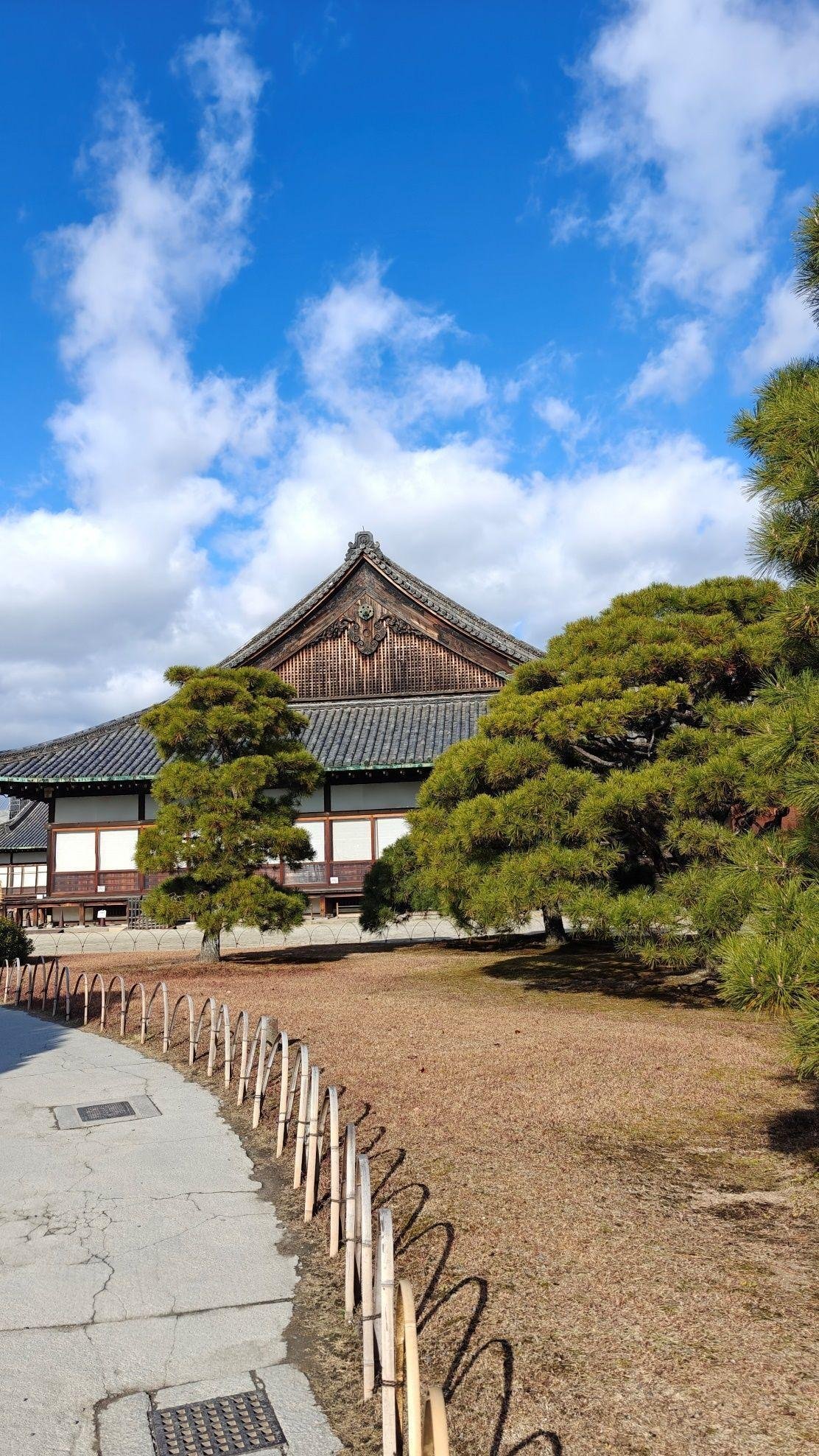
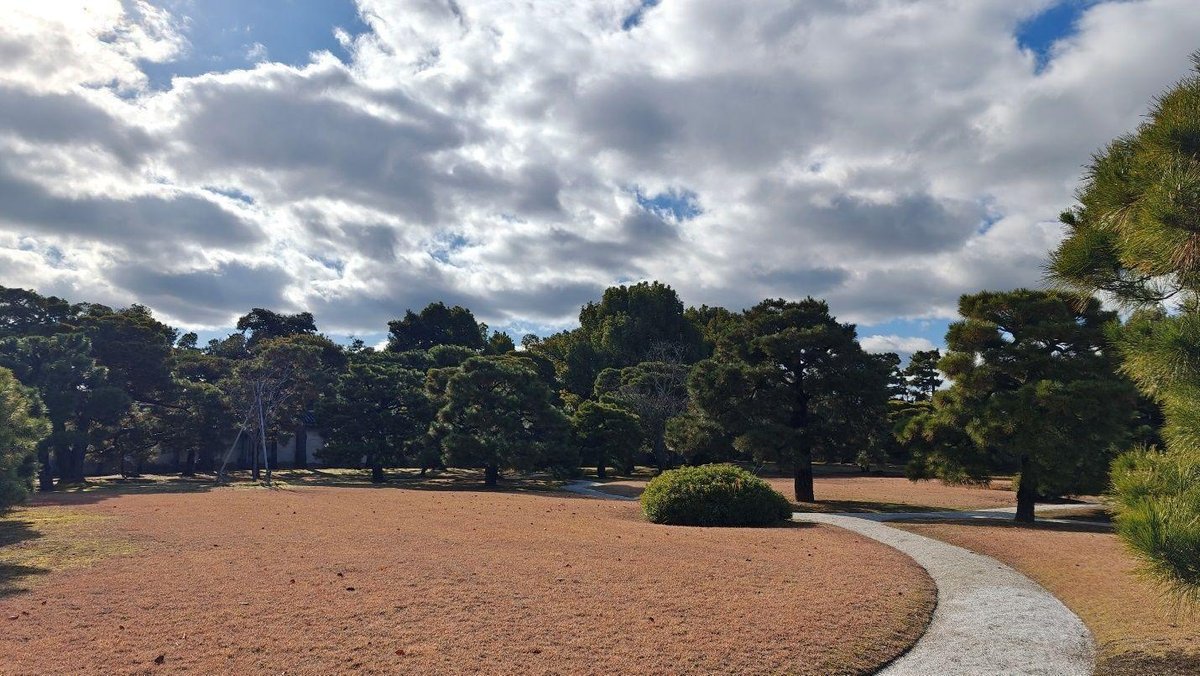
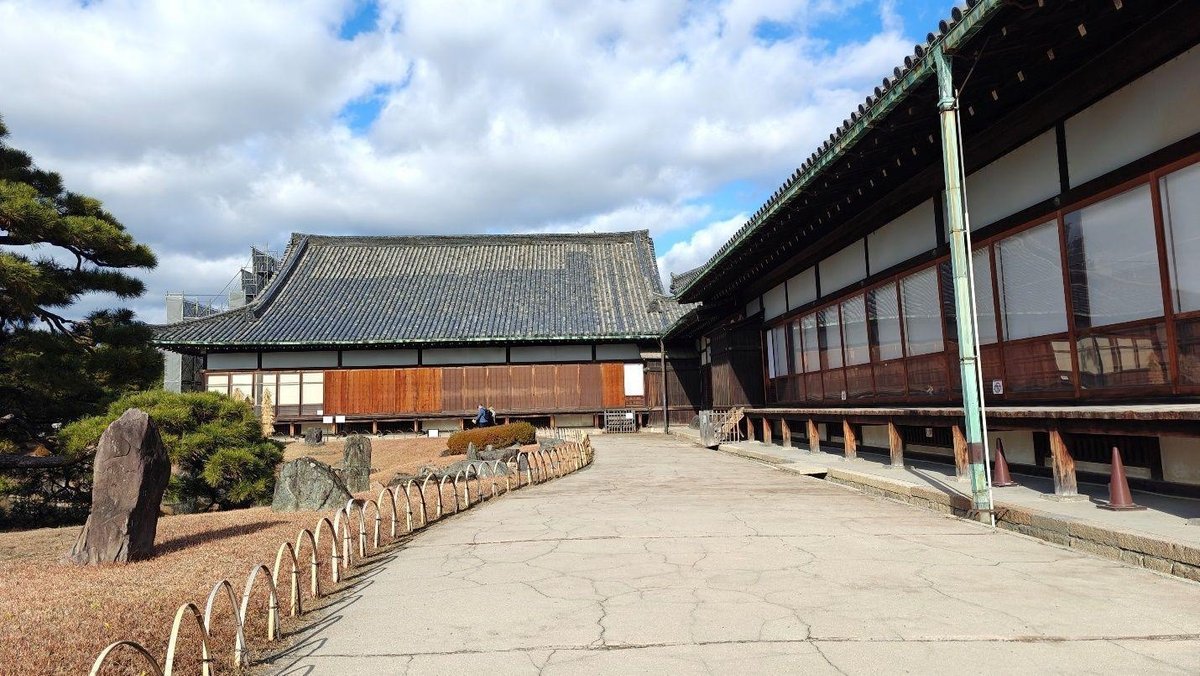
If I were to describe the Ninomaru Garden, I’d say it would be quite scenic but also very accessible. For a strolling pond garden, it’s quite easy to walk around here since it’s very flat and has very few level changes unlike say, Ginkaku-ji or Kiyomizu-dera. The scenery is also very balanced with views of the Ninomaru-goten Palace, the garden’s ponds, and the evergreen trees that dot its landscape.
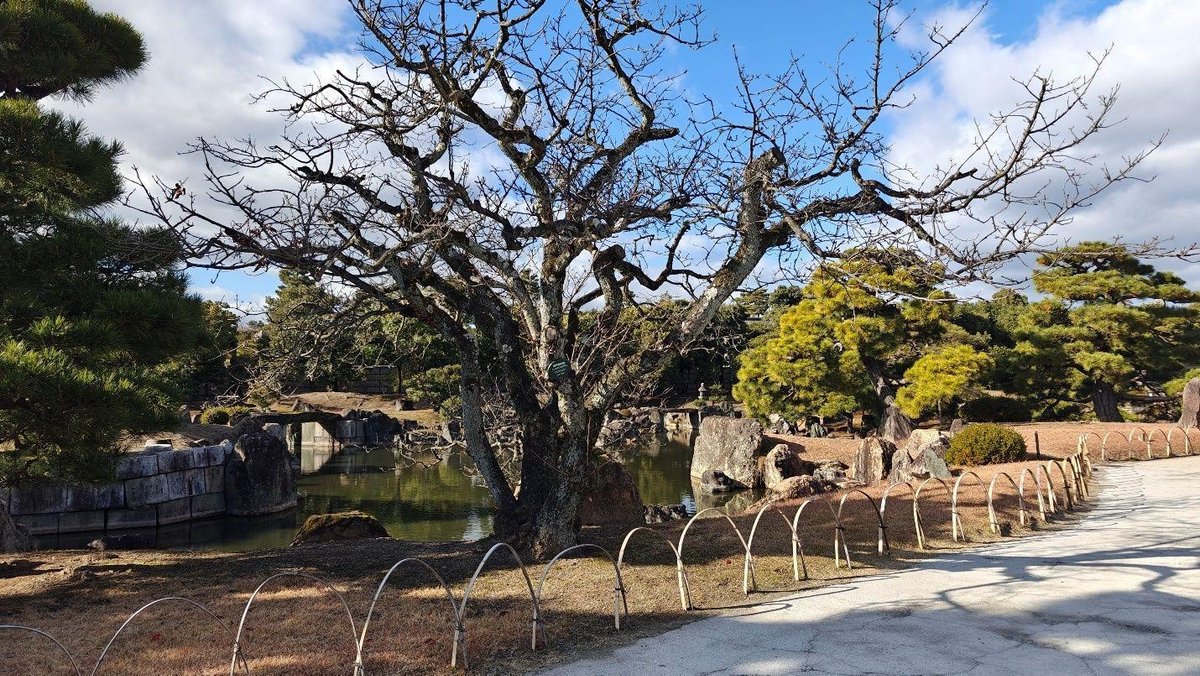
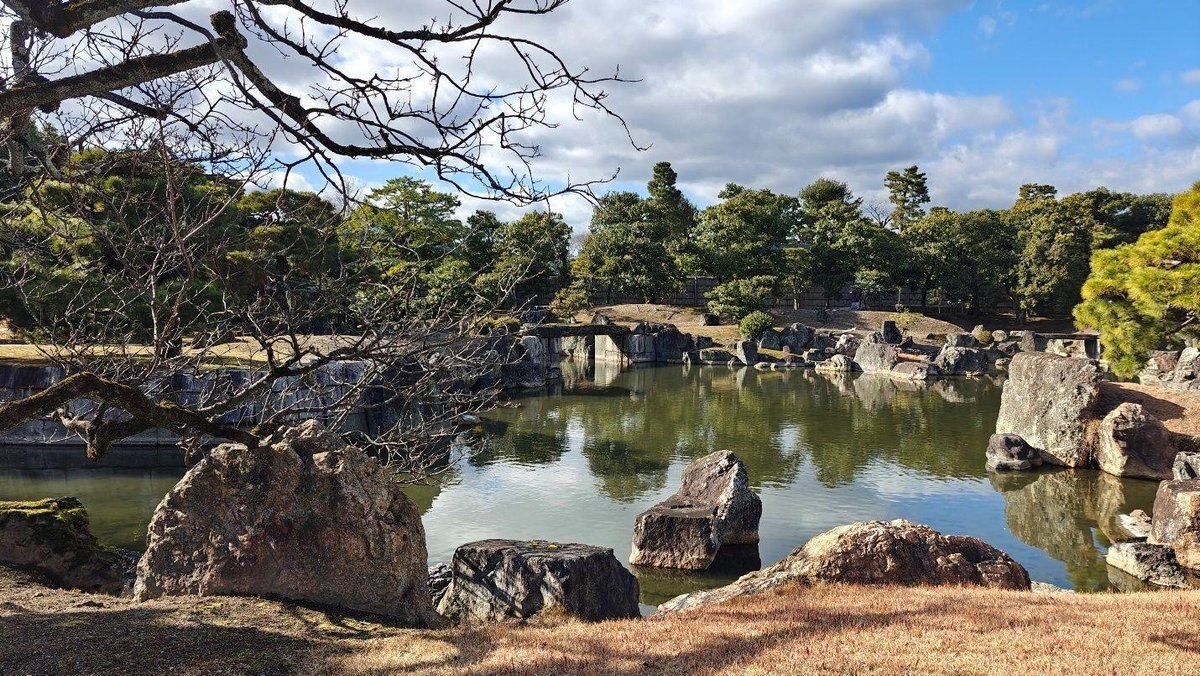
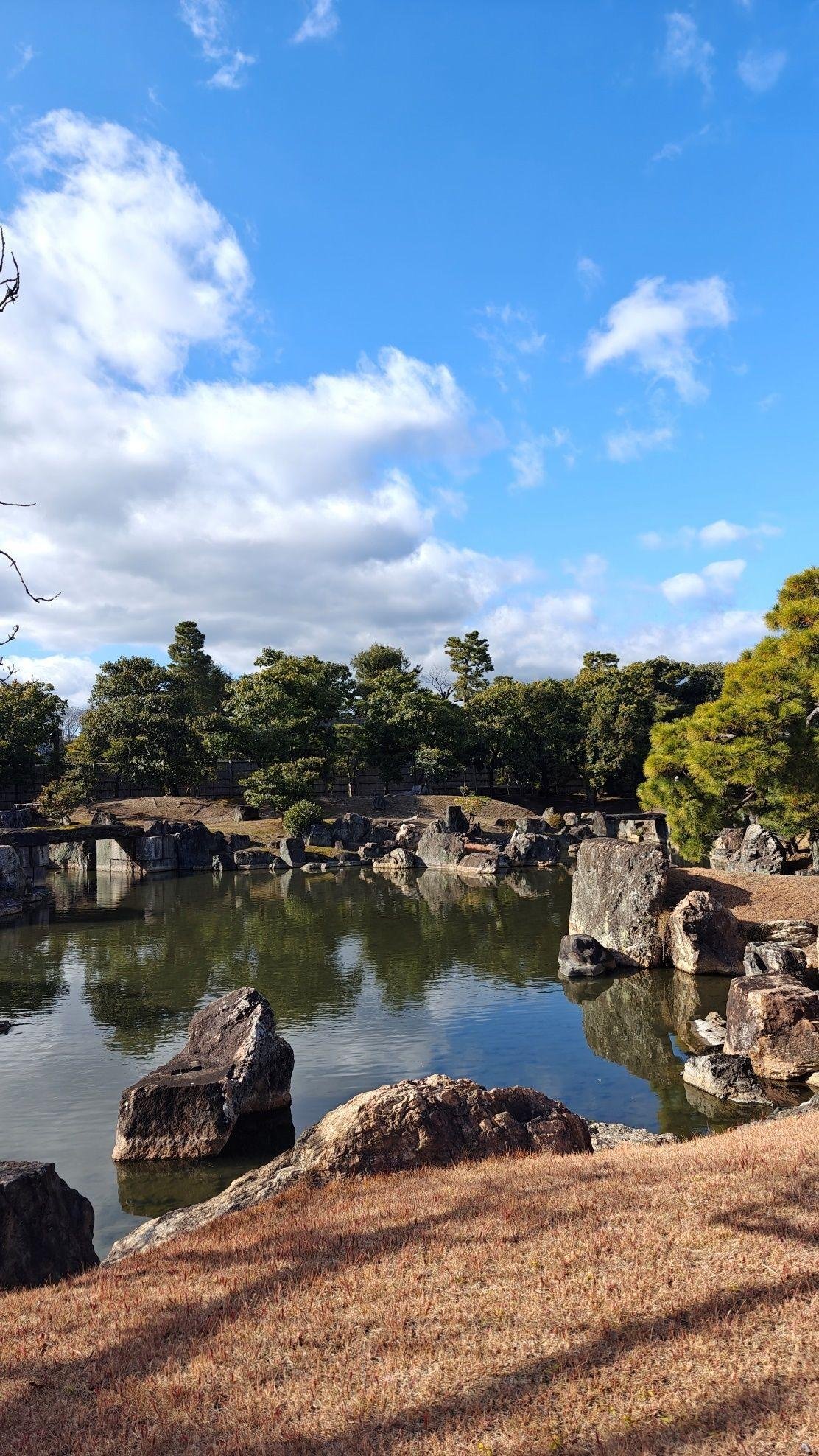
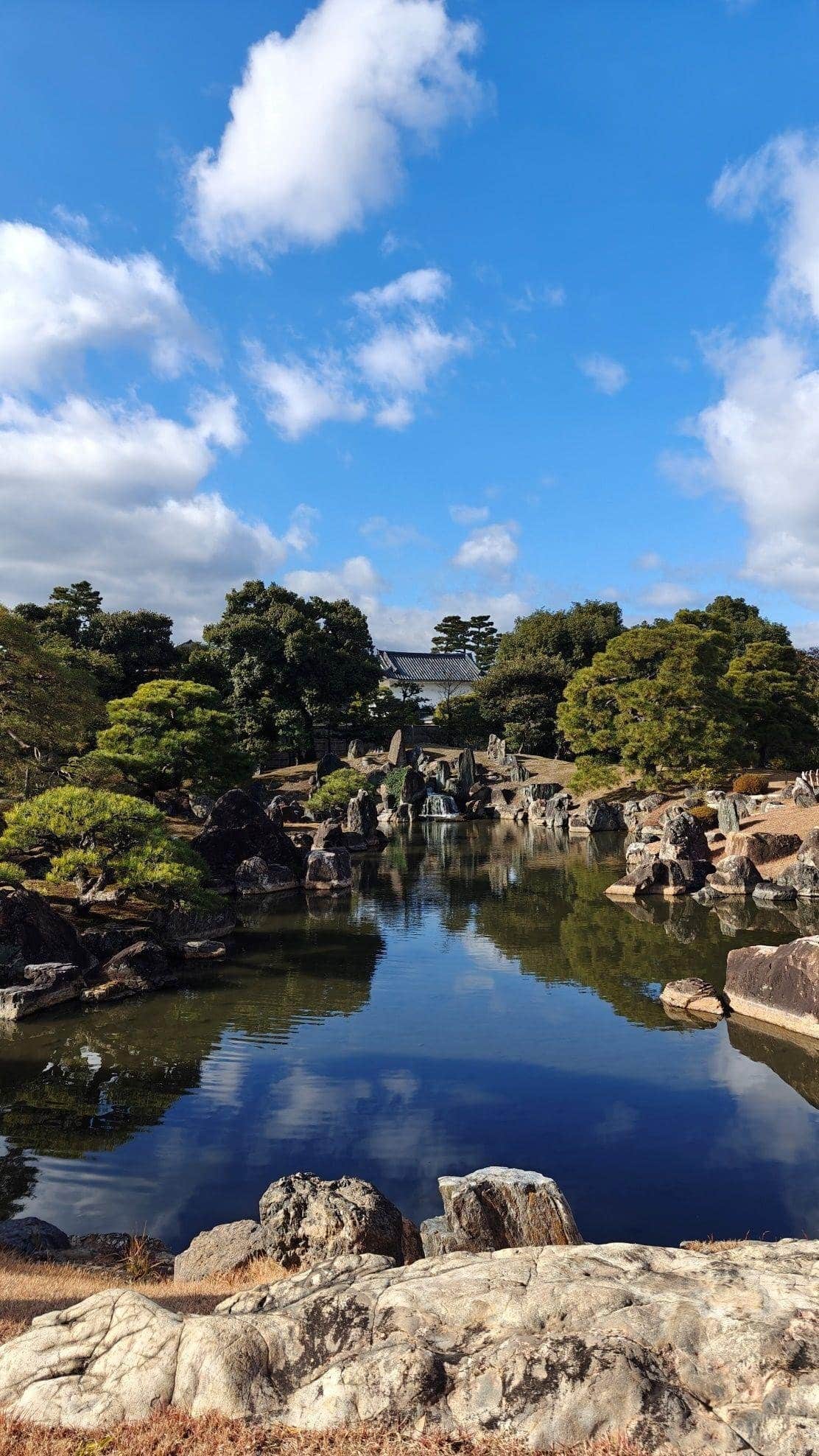
The pond is arguably one of the most notable features of the Ninomaru Garden. Its rock formations reminded me a lot of the karst landscapes I saw in China and New Zealand. The water of the pond was also quite serene and reminded me of the much larger Kyoko-chi Pond in Kinkaku-ji due to how it reflected the sky and surrounding landscape on its surface.
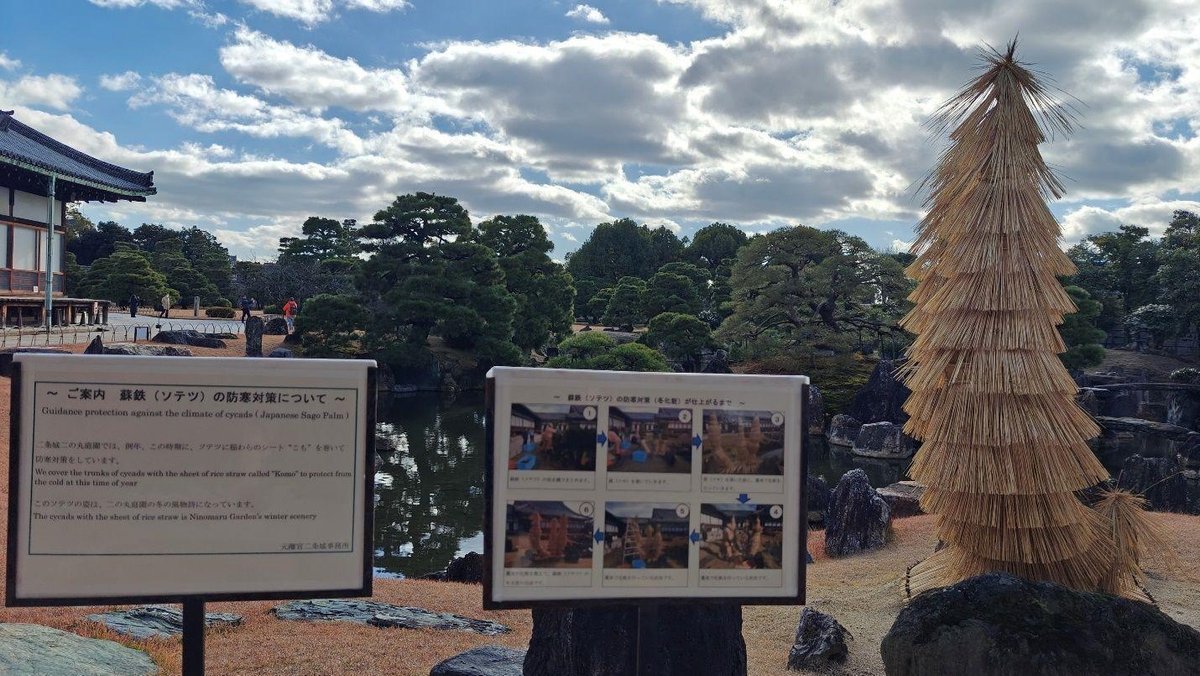
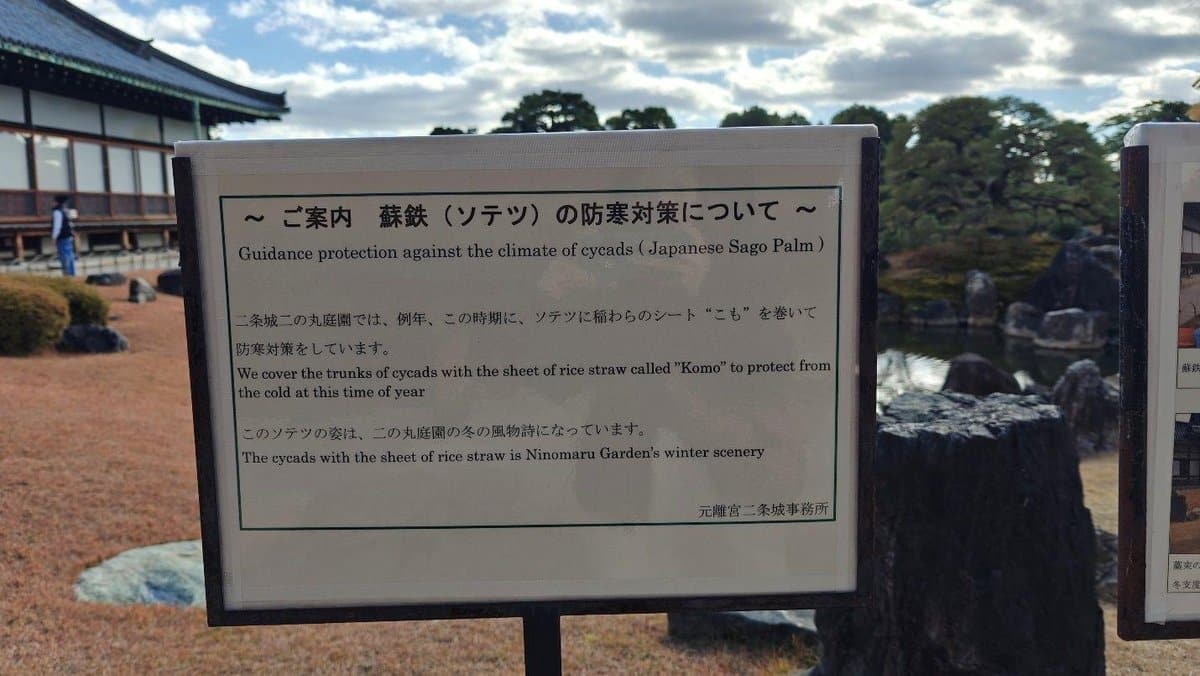
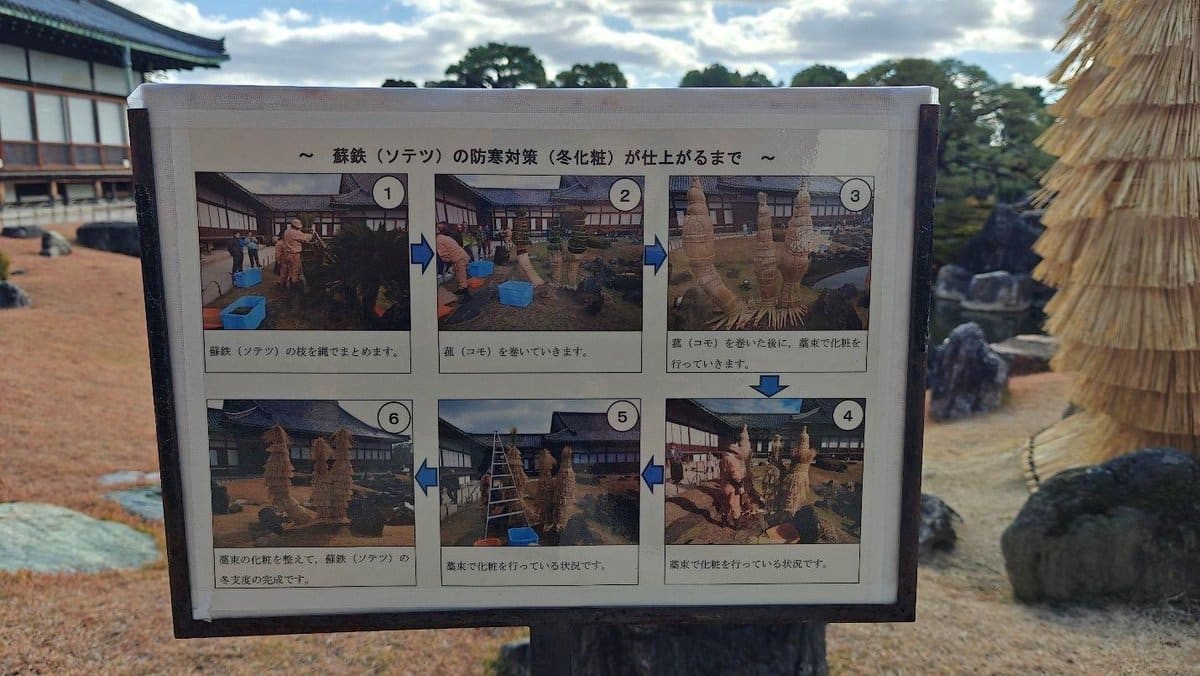
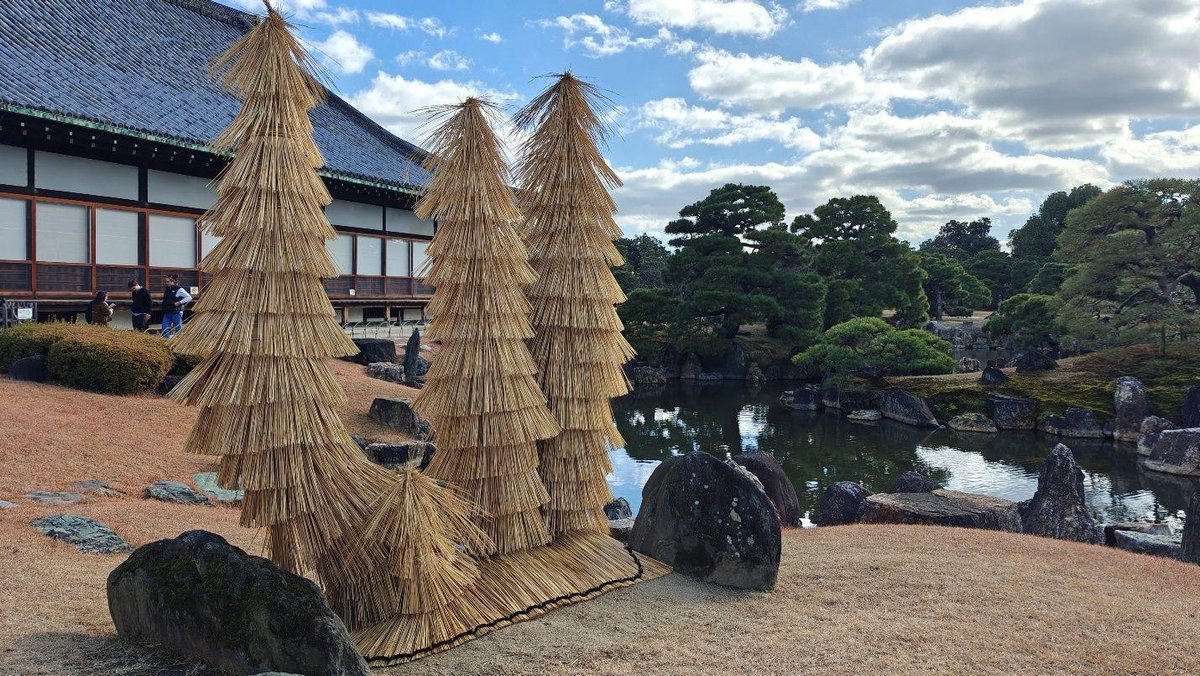
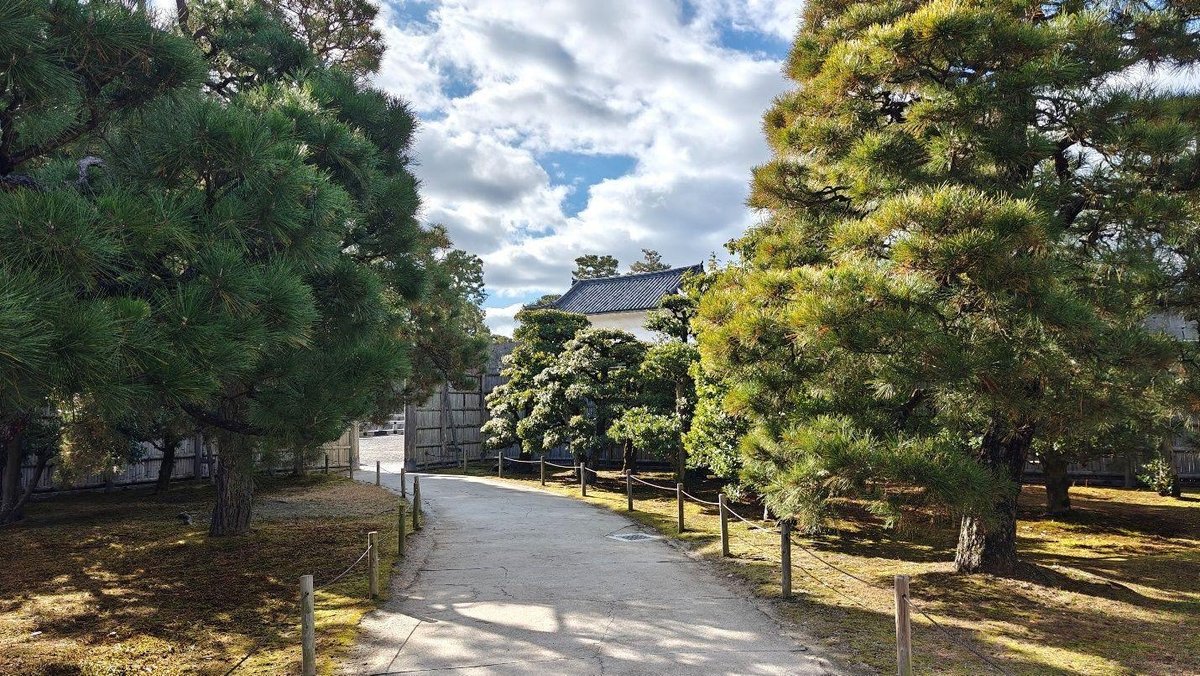
You might think this is a decoration but it’s actually shimo-yoke or frost protection. The straw here is called komo and it’s wrapped around Japanese Sago Palm to protect them from the winter weather. From this area, it was then a short walk past the area of the garden with possibly the densest concentration of trees to the Honmaru Yagura-mon Gate area.
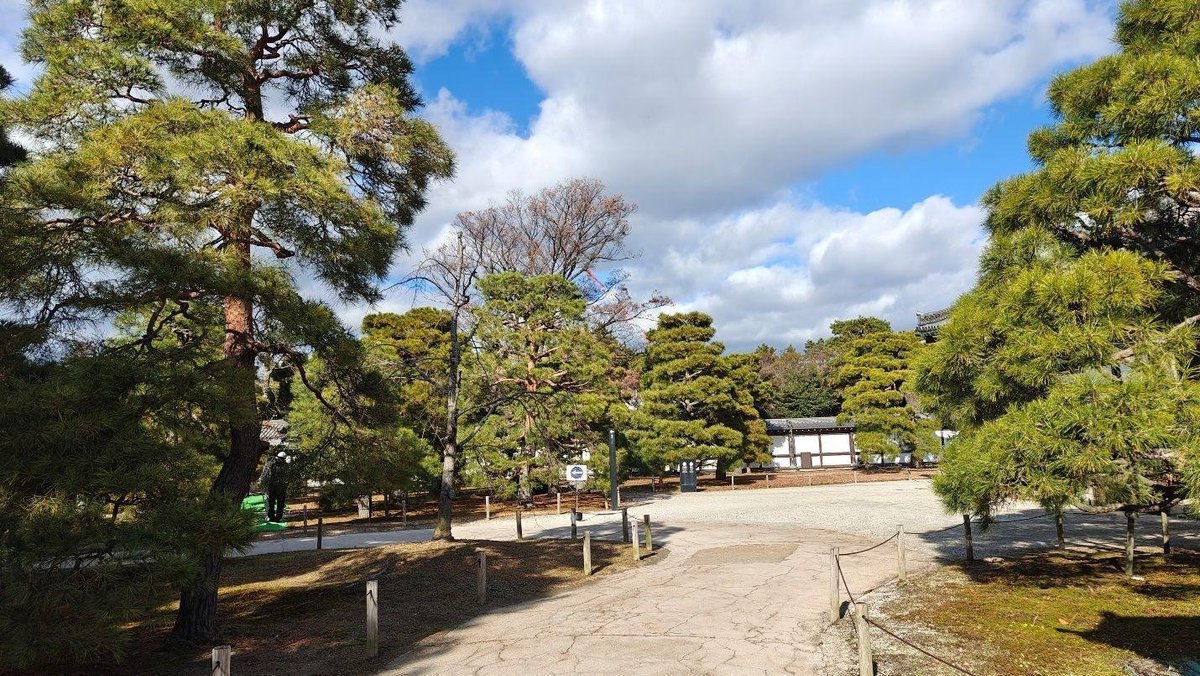
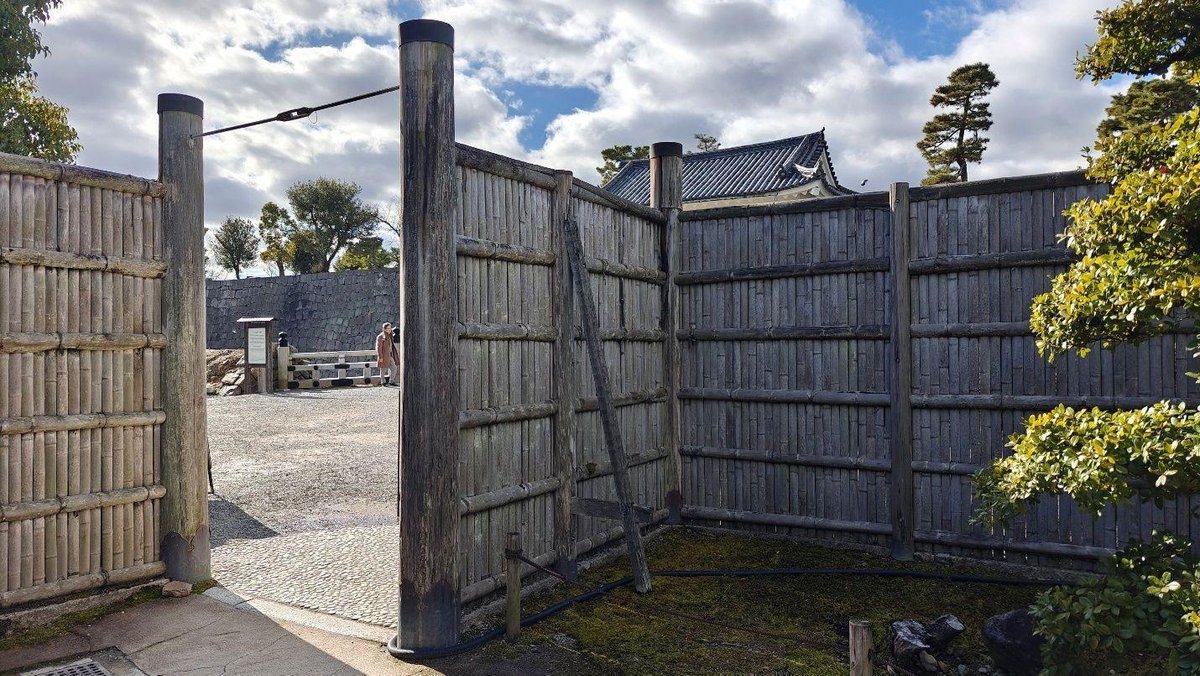
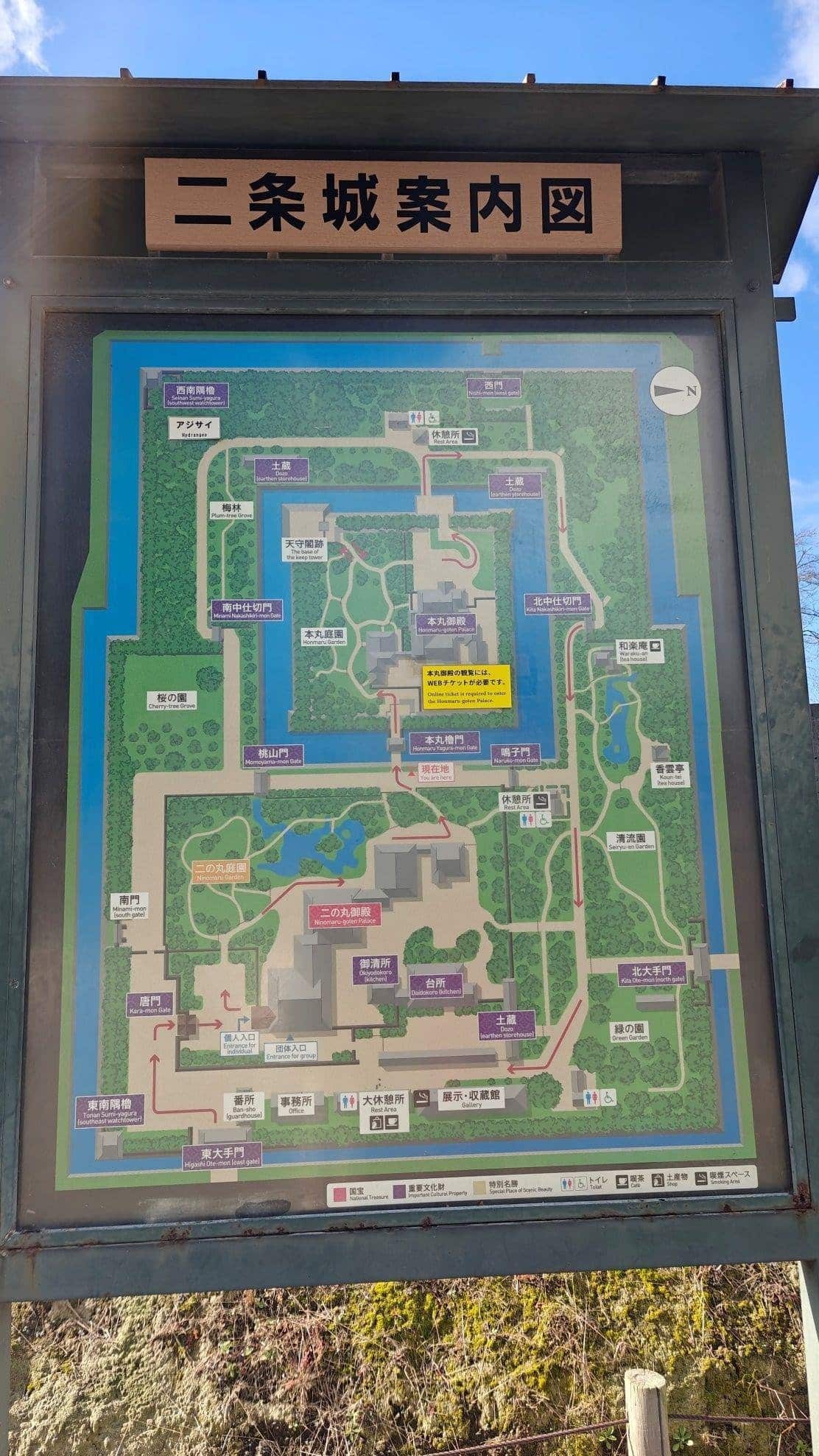
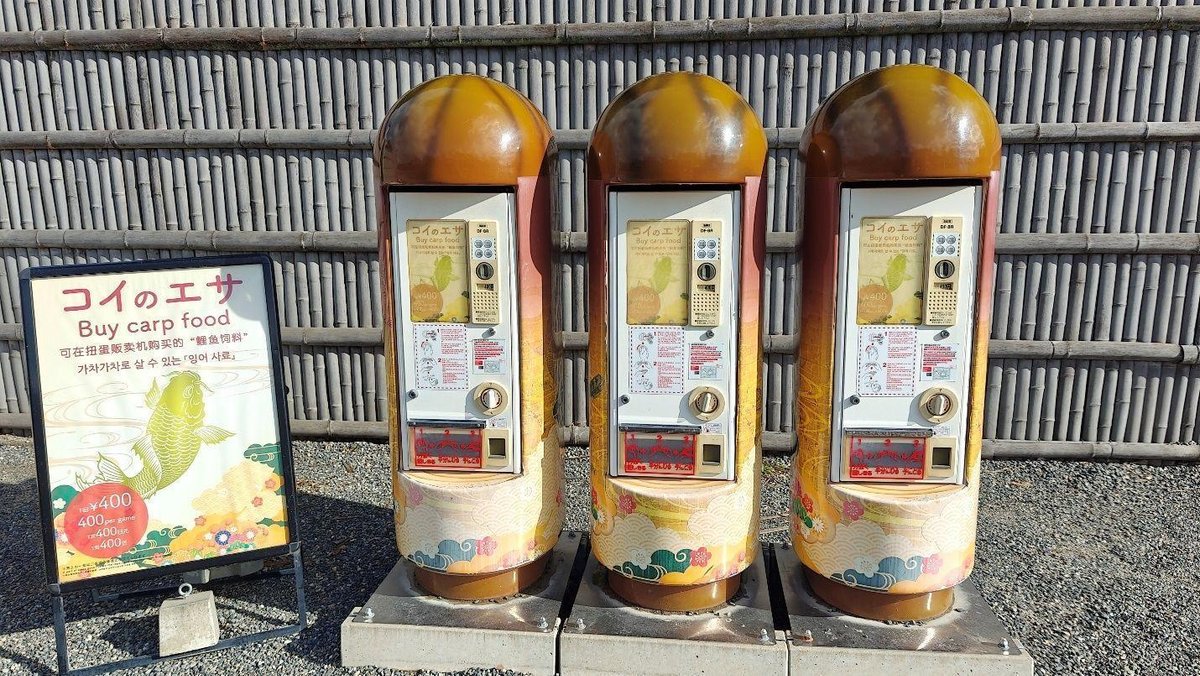
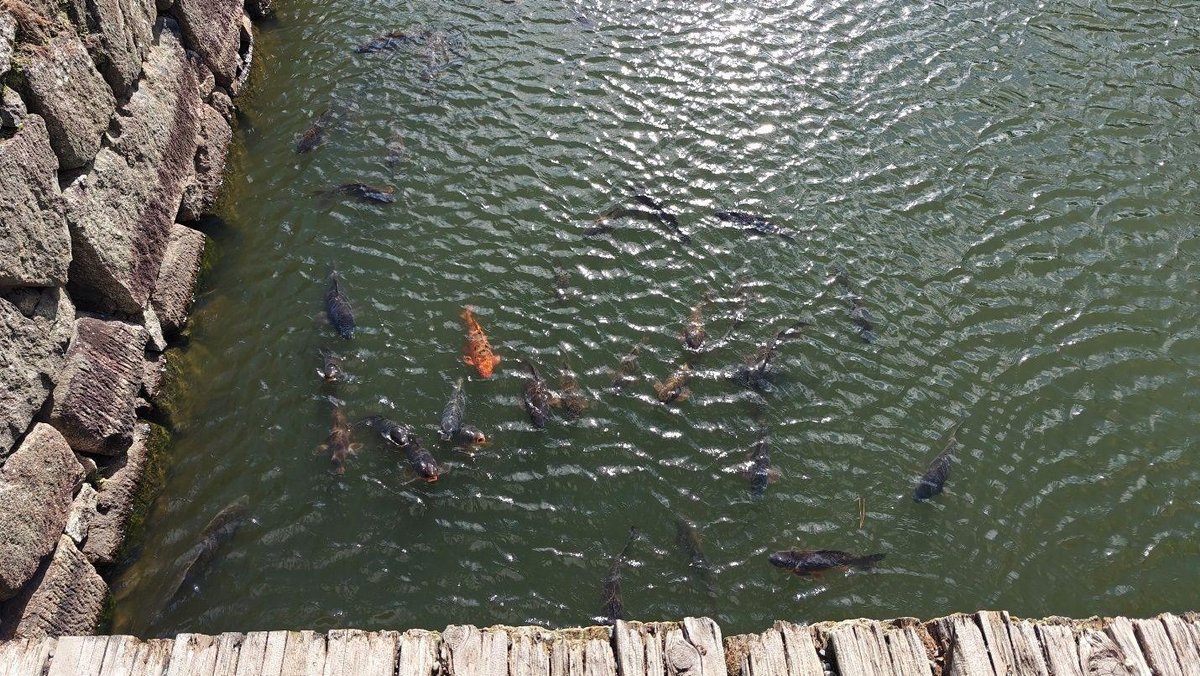
So now I’m directly in front of the Honmaru Yagura-mon Gate which is the main entrance to the Honmaru Palace. Around this area, you’ll also find vending machines for carp food as the moat (called the Uchibori) that you’ll need to cross to get to the East Bridge has plenty of the colorful fish swimming in it. As for the Honmaru-goten Palace itself, it’s actually considered the Main Palace here at Nijo Castle even though Ninomaru-goten Palace is technically older.
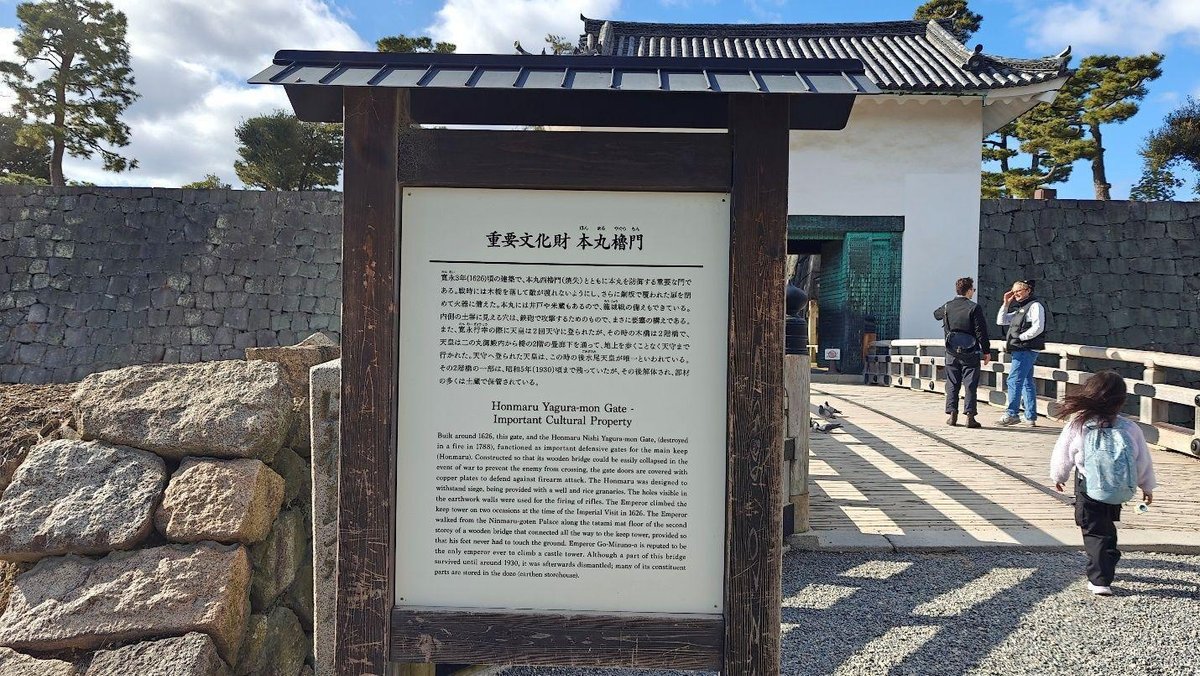
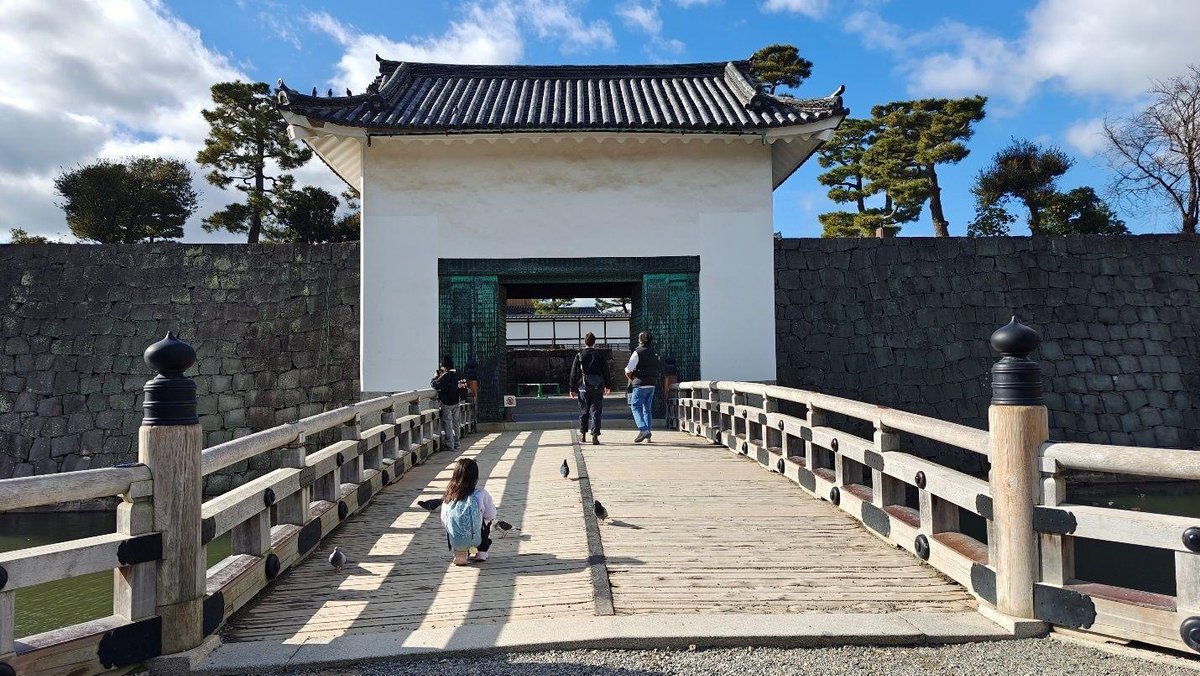

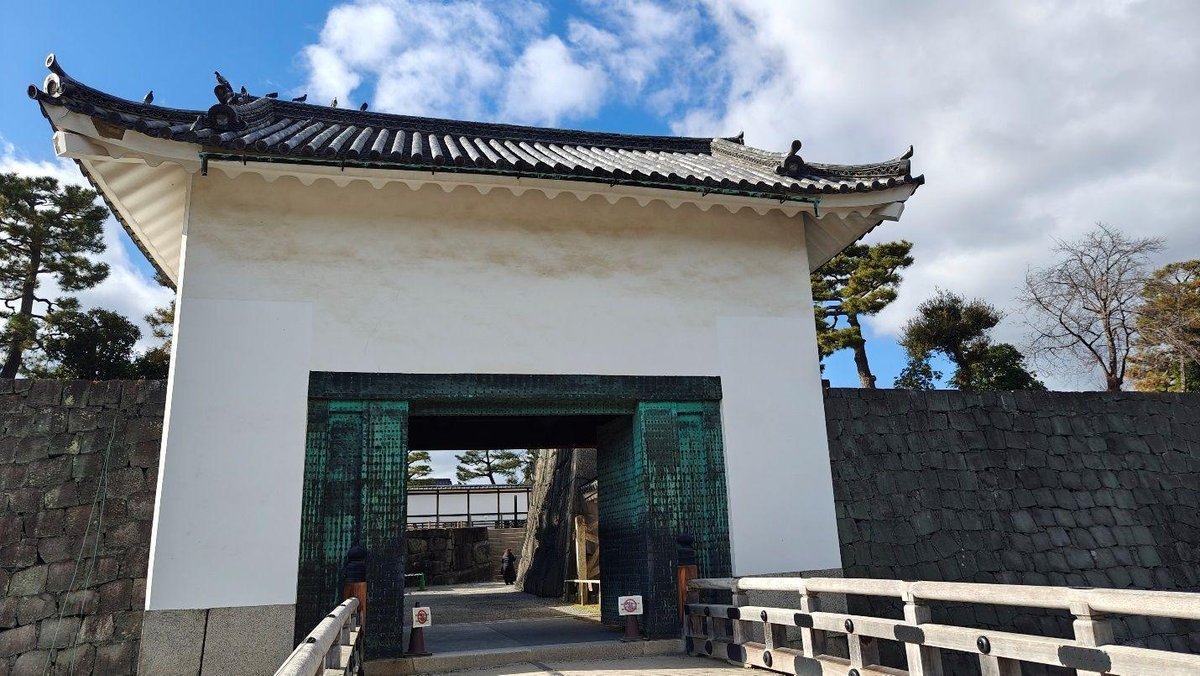
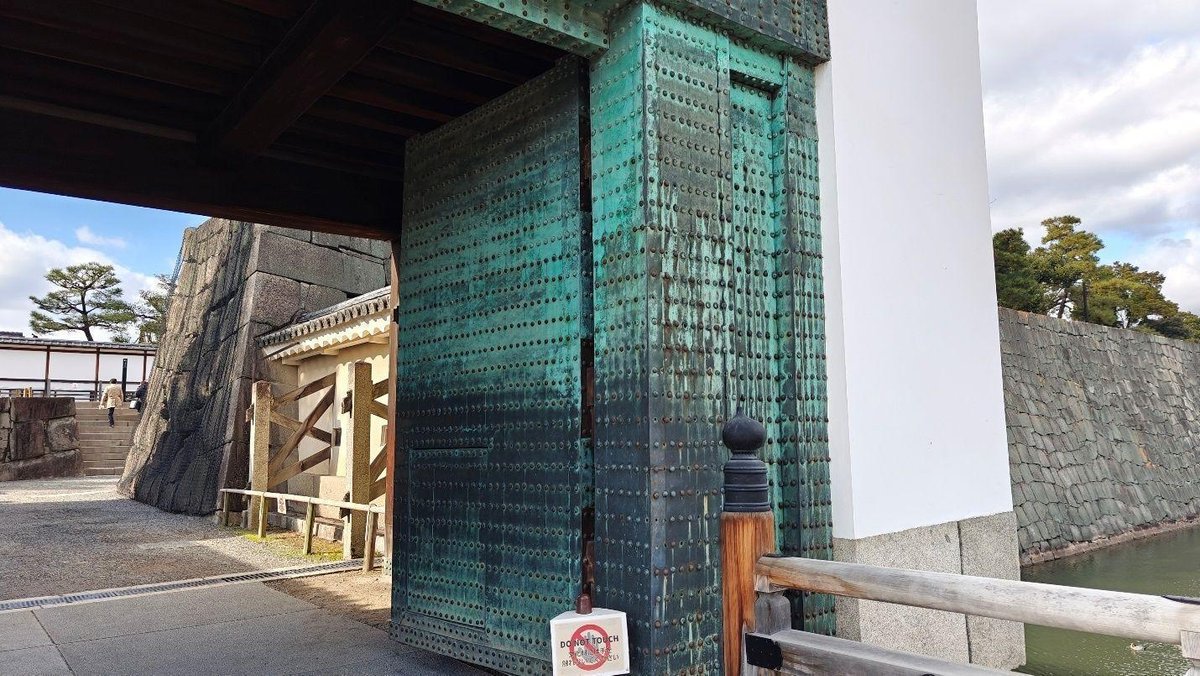
The Honmaru Yagura-mon Gate is particularly notable because of its copper cladding that’s said to be fire resistant. Unfortunately, the gate here isn’t the original since that was destroyed in a 1788 fire. Passing through this, you’ll then catch sight of the Honmaru-goten Palace (or at least some of its buildings).
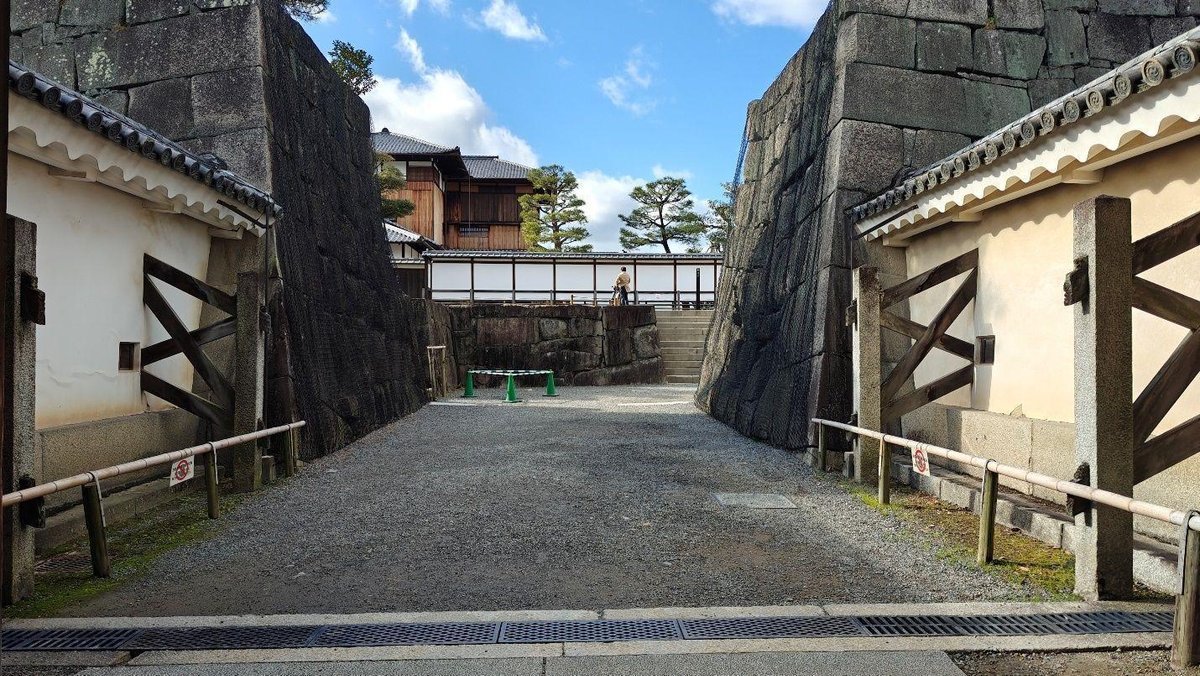
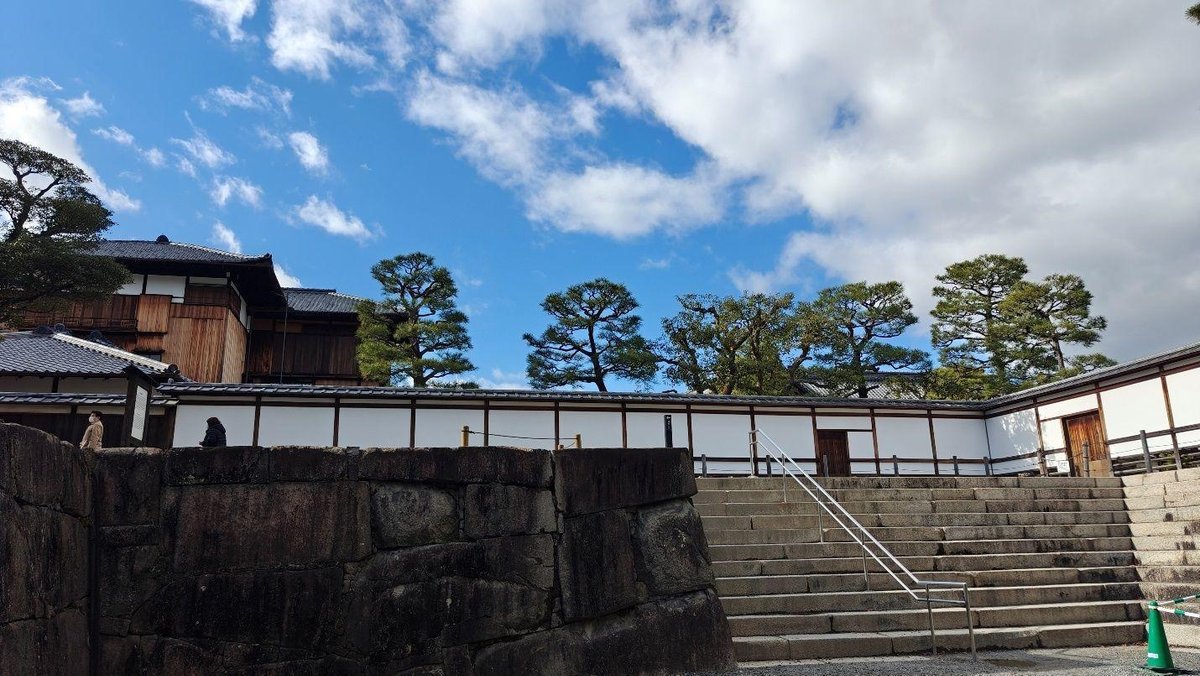
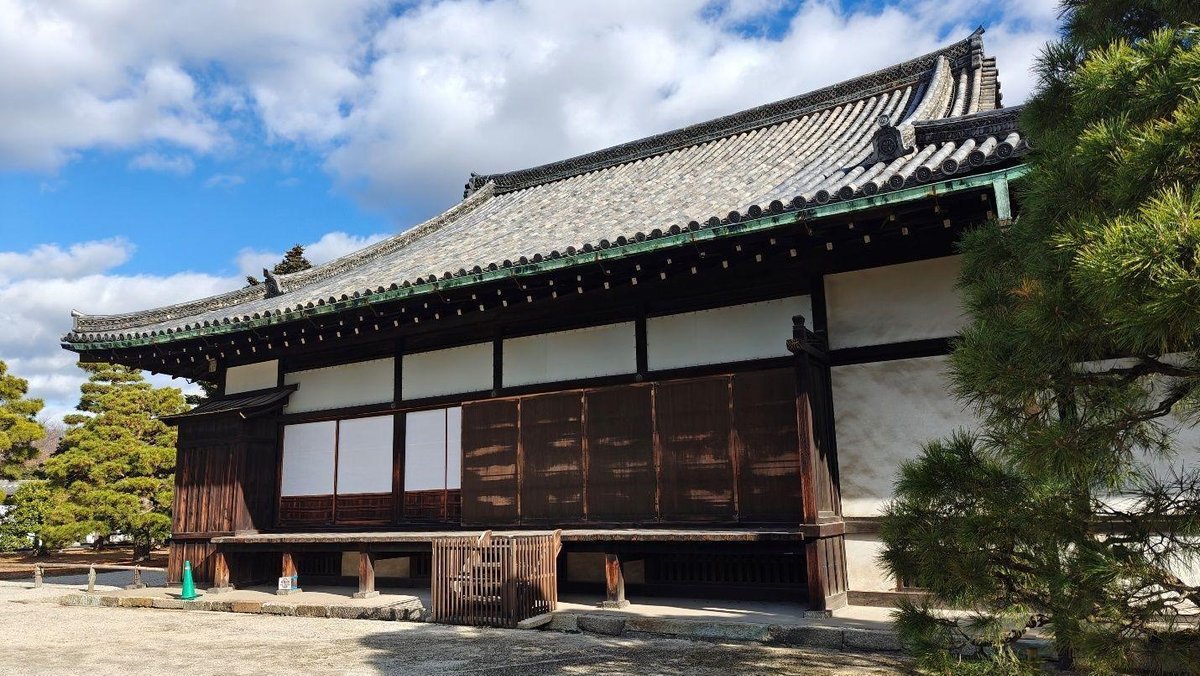
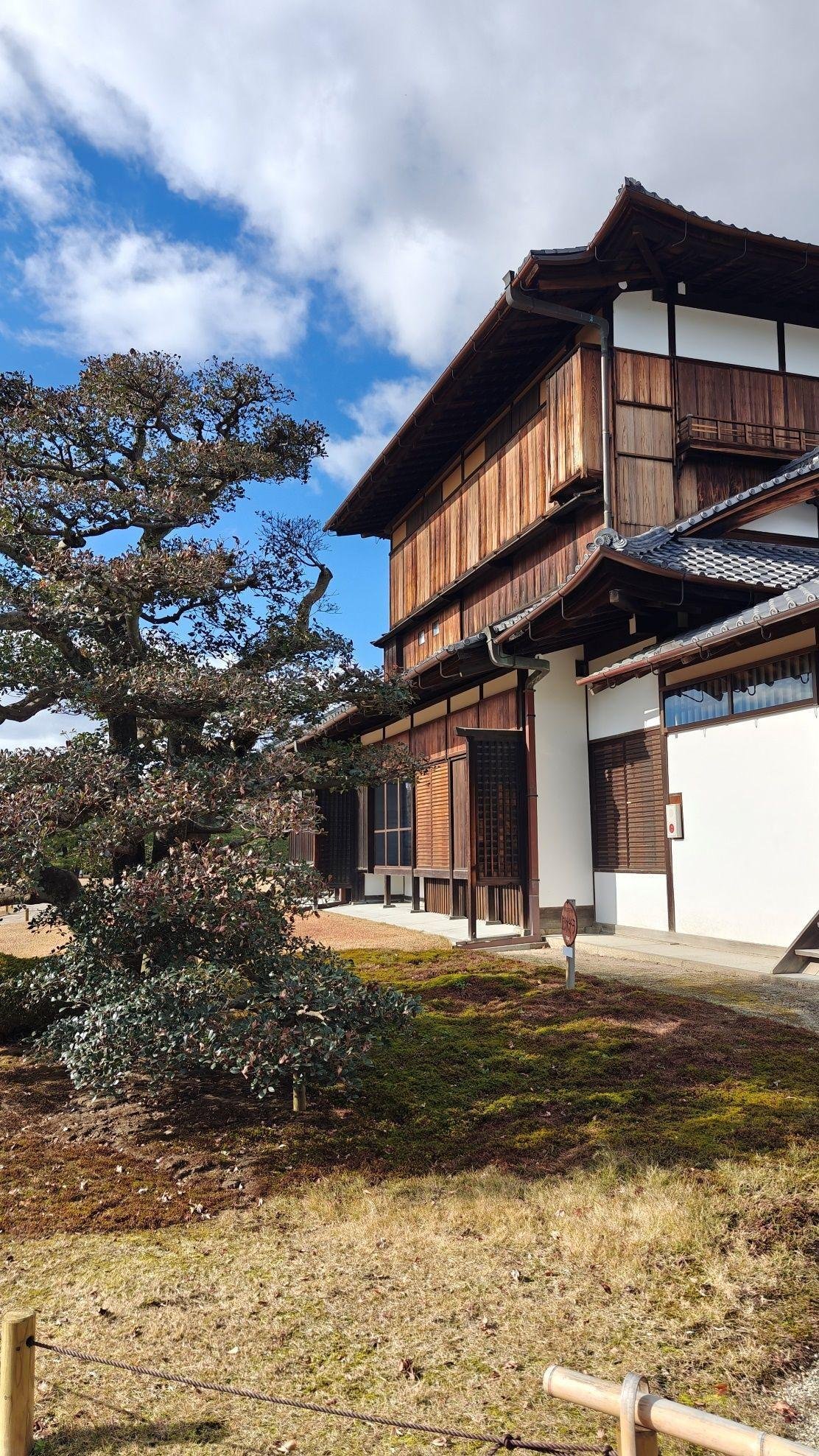
So to get to the Ninomaru-goten Palace, you’ll just need to follow the path that will lead you up these steps. Now the first building of the palace that you’ll come across (seen in the image above) will be the Otsune-goten. In total, the palace has 6 buildings and unfortunately, the 1300JPY ticket won’t get you access to these areas.
To check these out, you’re going to need to purchase web tickets (from the official Nijo-jo Castle website) in advance.
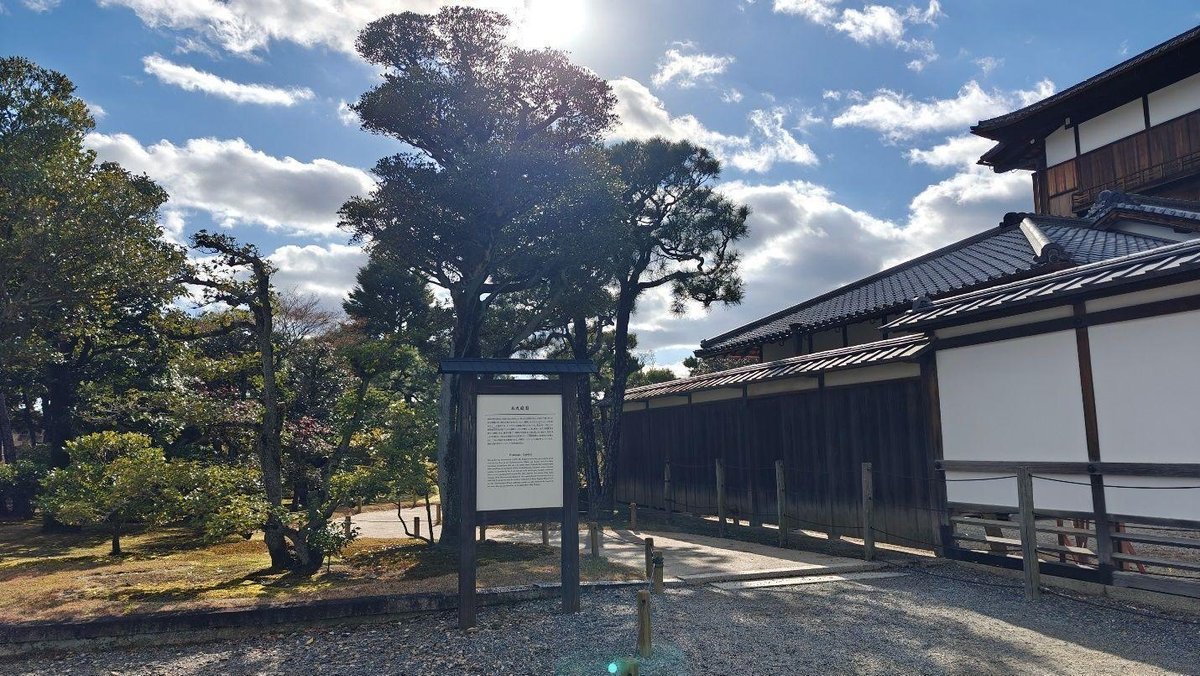
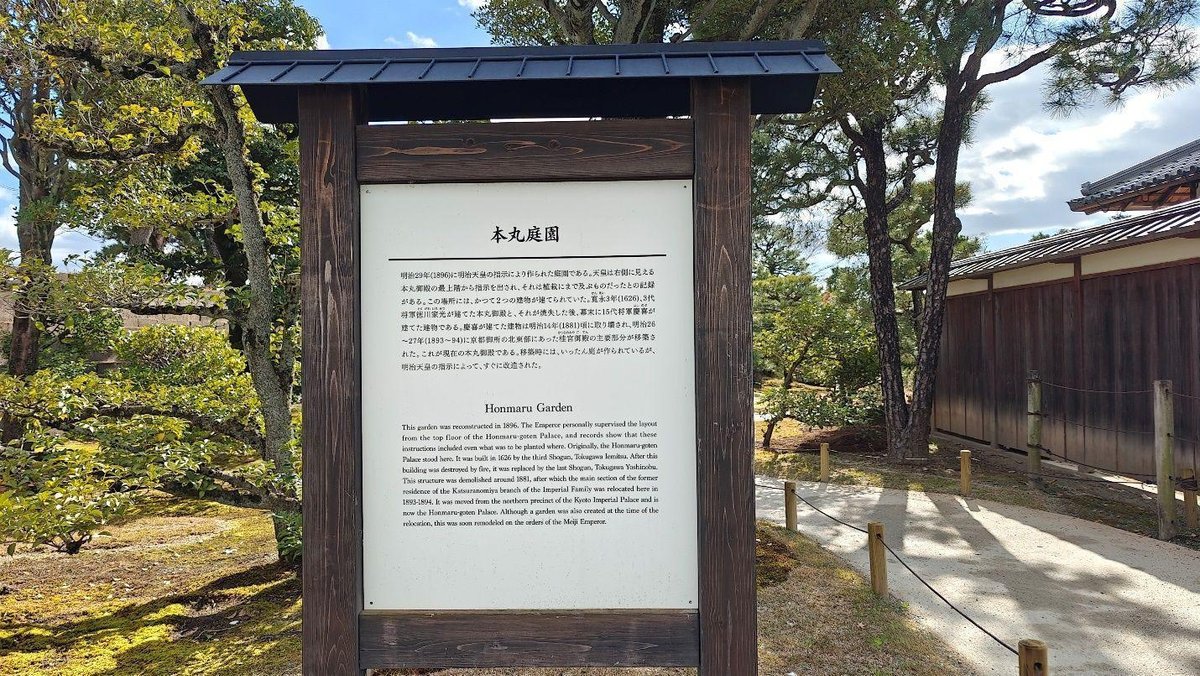
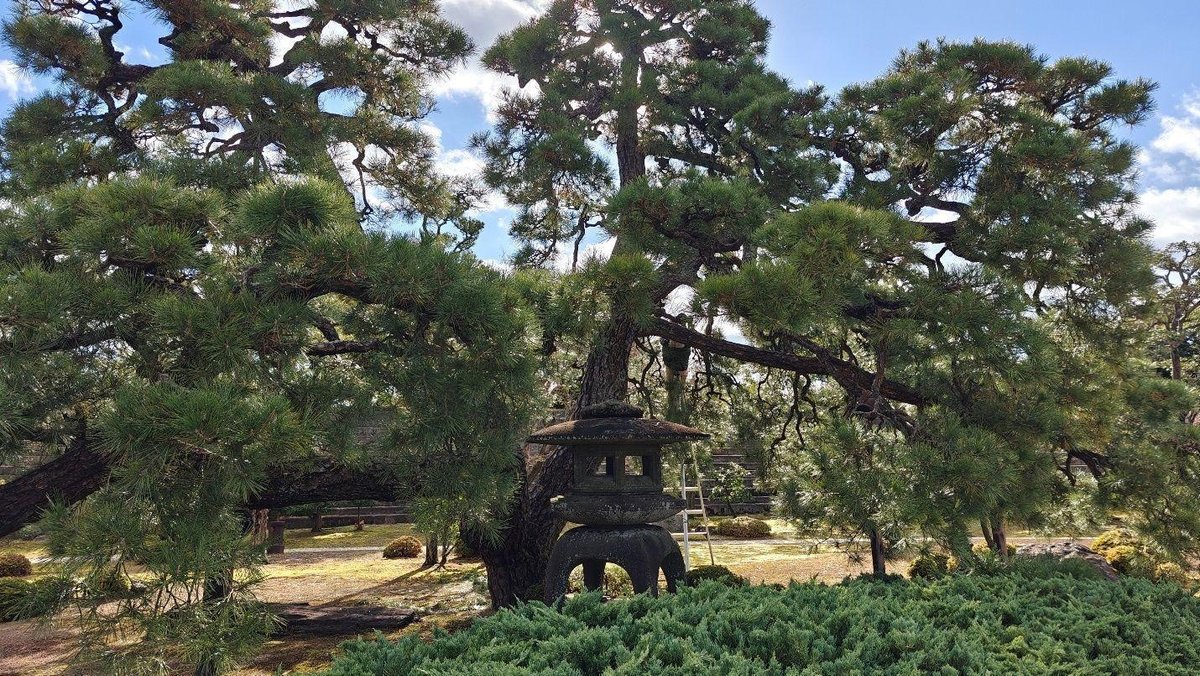
Thankfully, access to the Honmaru Garden is still free so you can still come here provided you purchased either the 800JPY or 1300JPY tickets. The garden is a lot smaller than the Ninomaru Garden and they’re actually aesthetically different. I think this has to do with the fact that this is relatively new compared to the Kobori Enshu designed garden in the grounds of the Ninomaru-goten Palace.
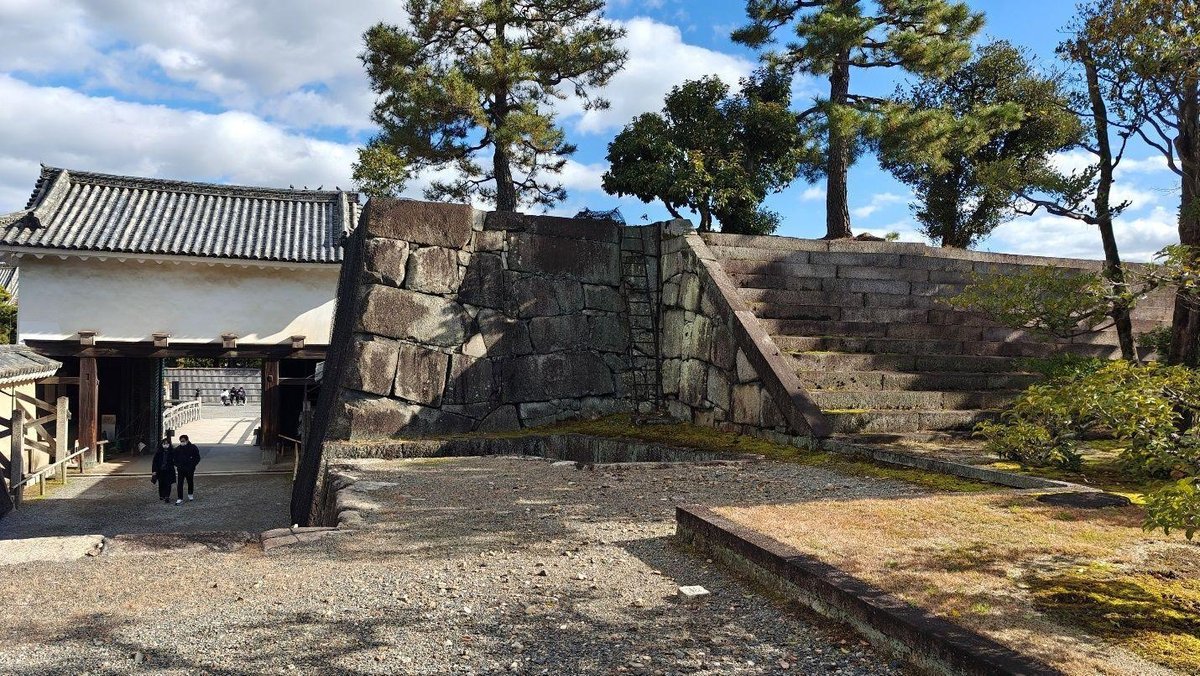
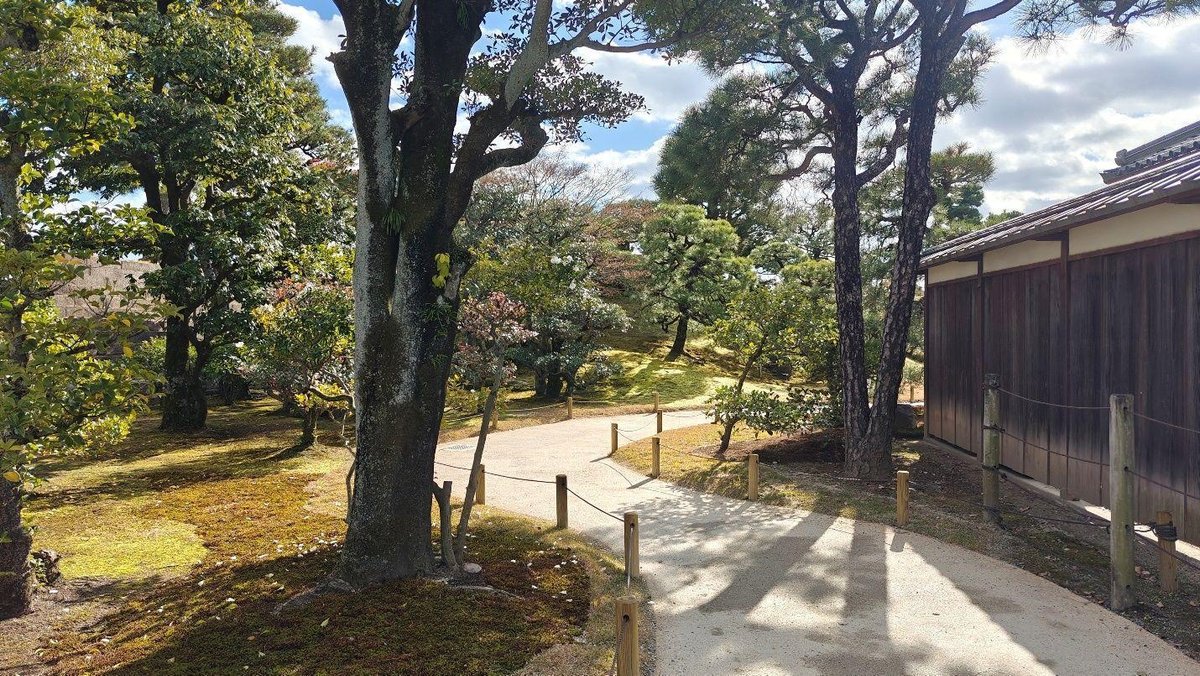
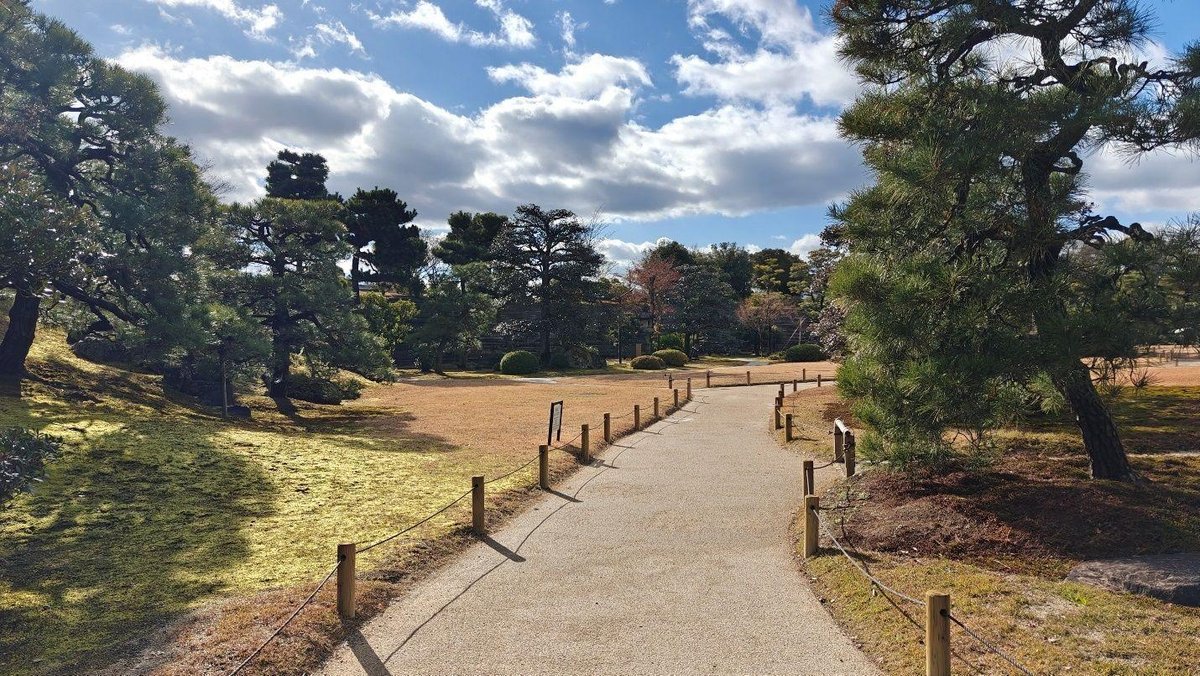
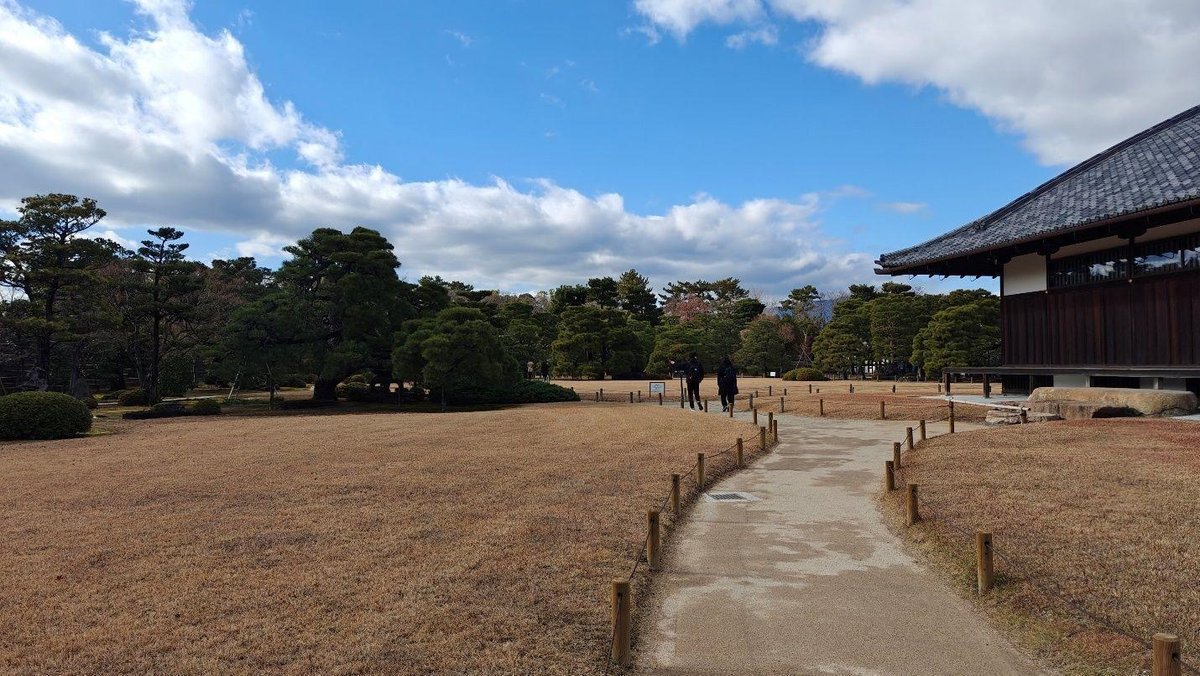
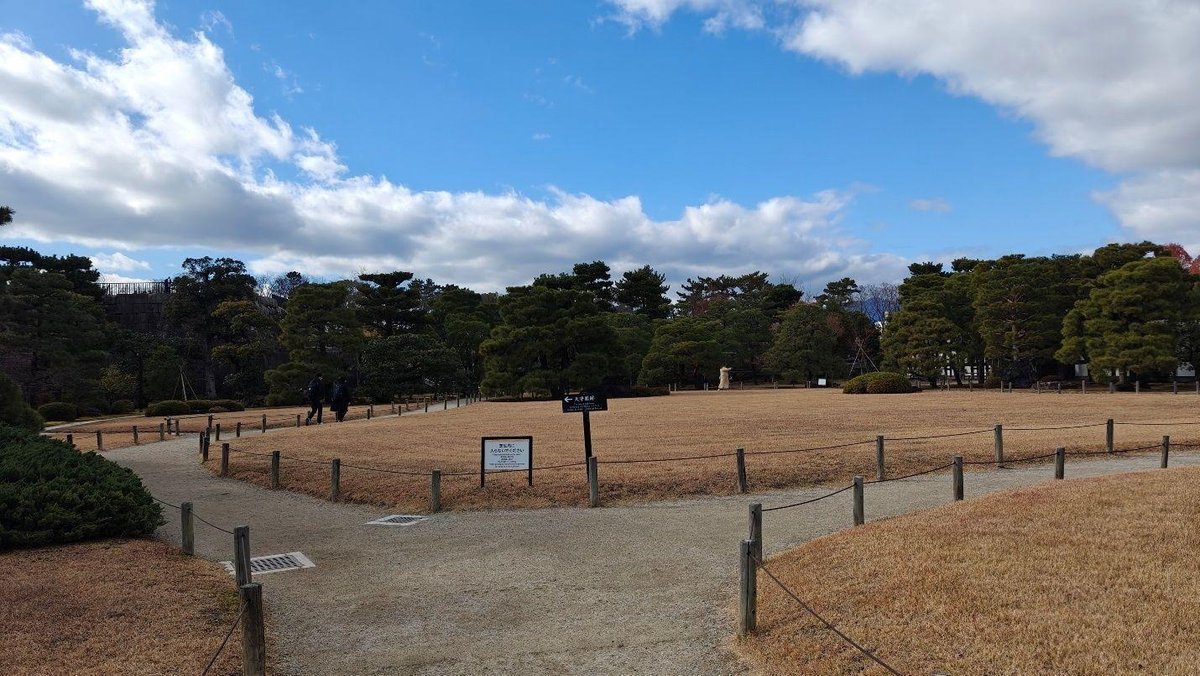
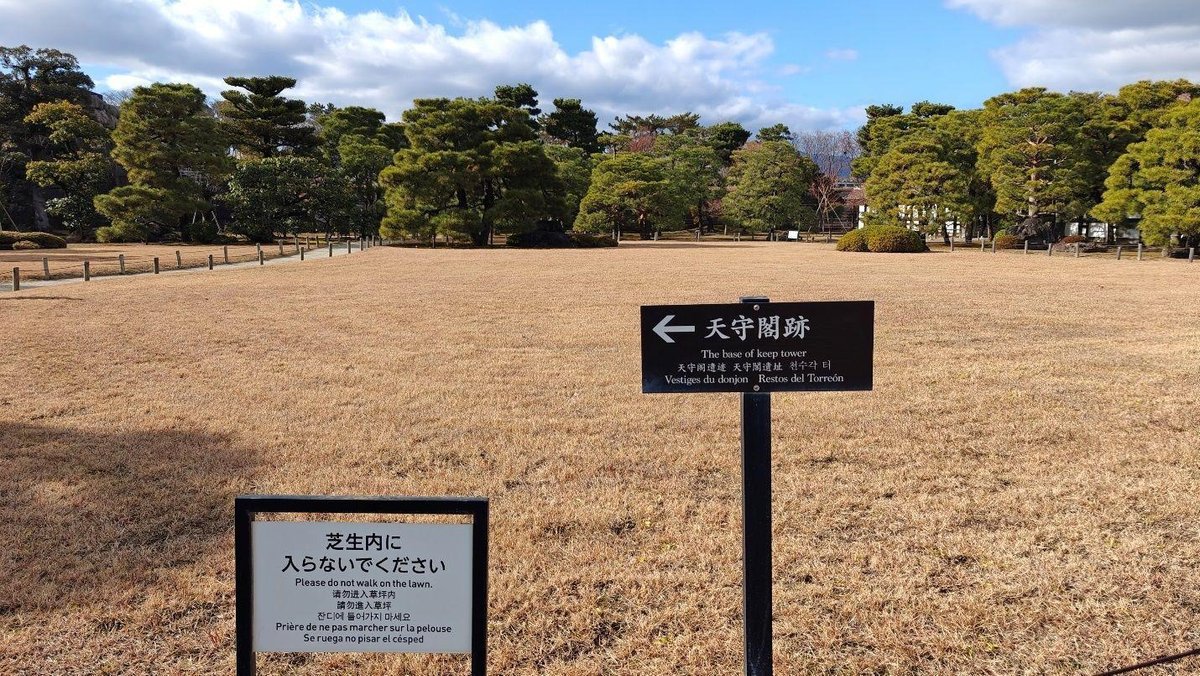
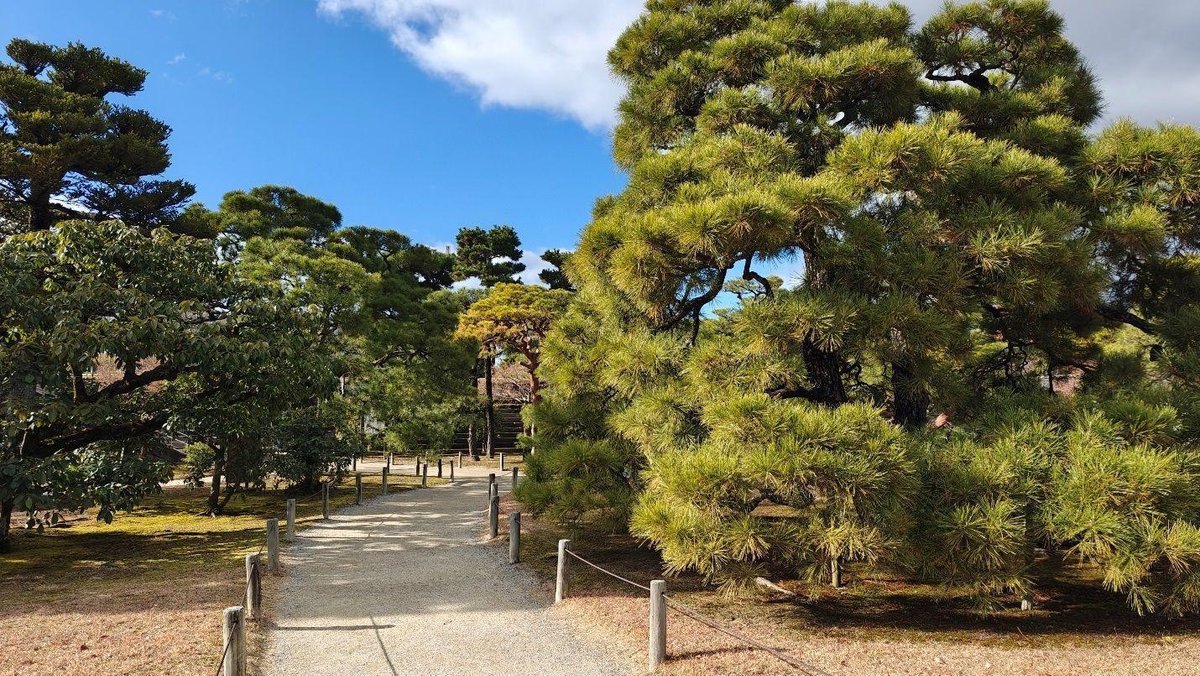
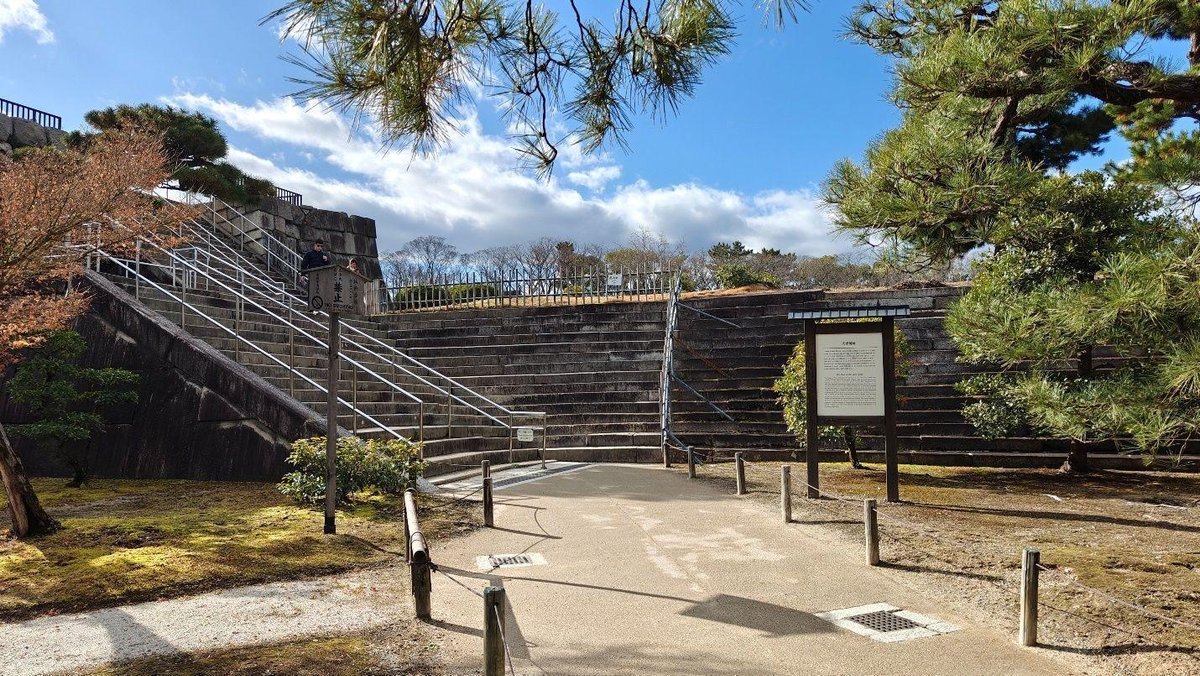
So the southeast corner of the Honmaru Garden was where I came across the Ruins of Tenshukaku. This is what remains of a 5-story Tower Keep that was completed along with the rest of Nijo Castle in 1603. After getting struck by lightning in 1755, the tower burned down in a fire in 1788 and all that remains of it now is its foundation.
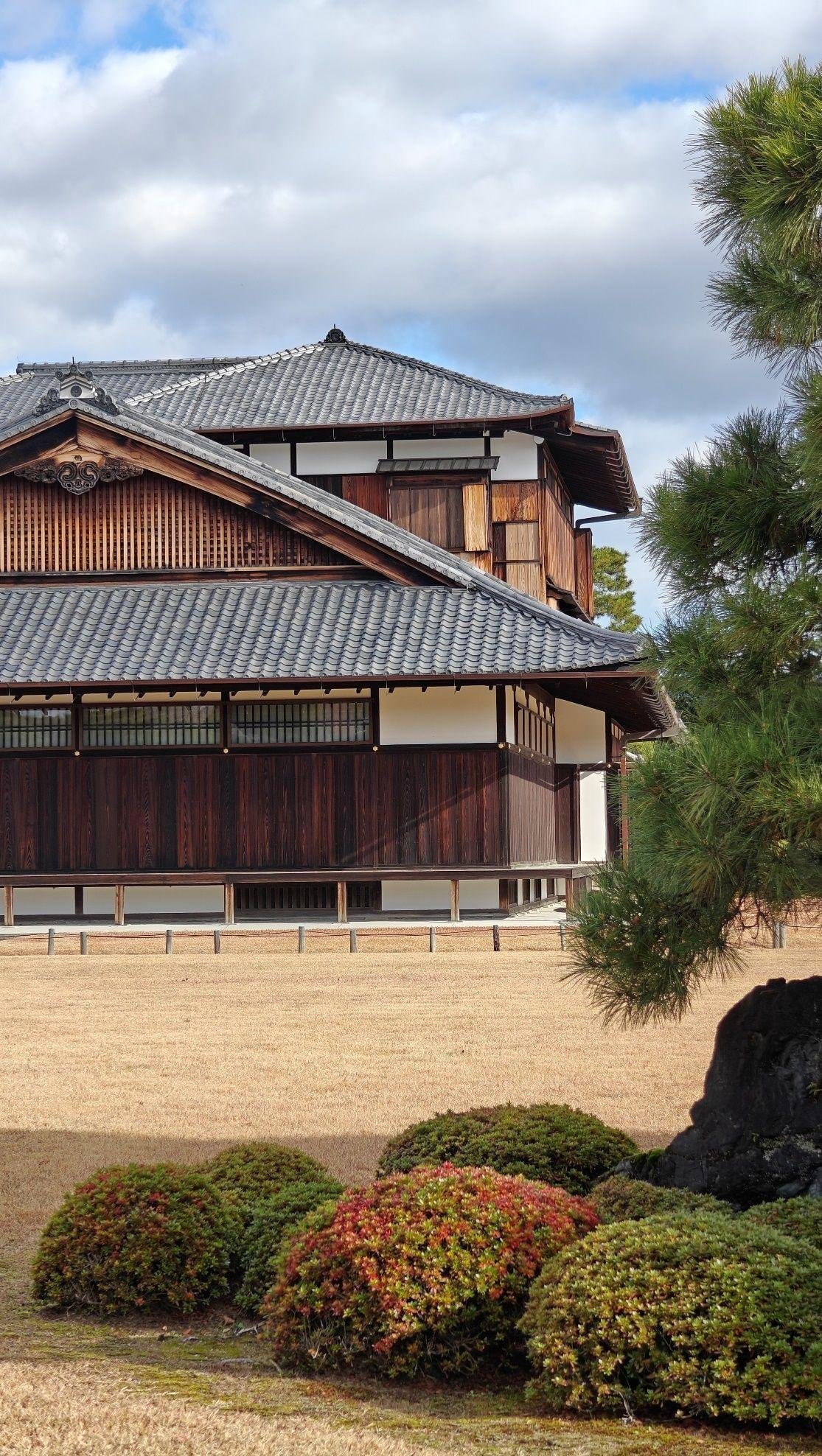
That said, it arguably has one of the best views of the Honmaru-goten Palace and the areas surrounding it due to the elevation.
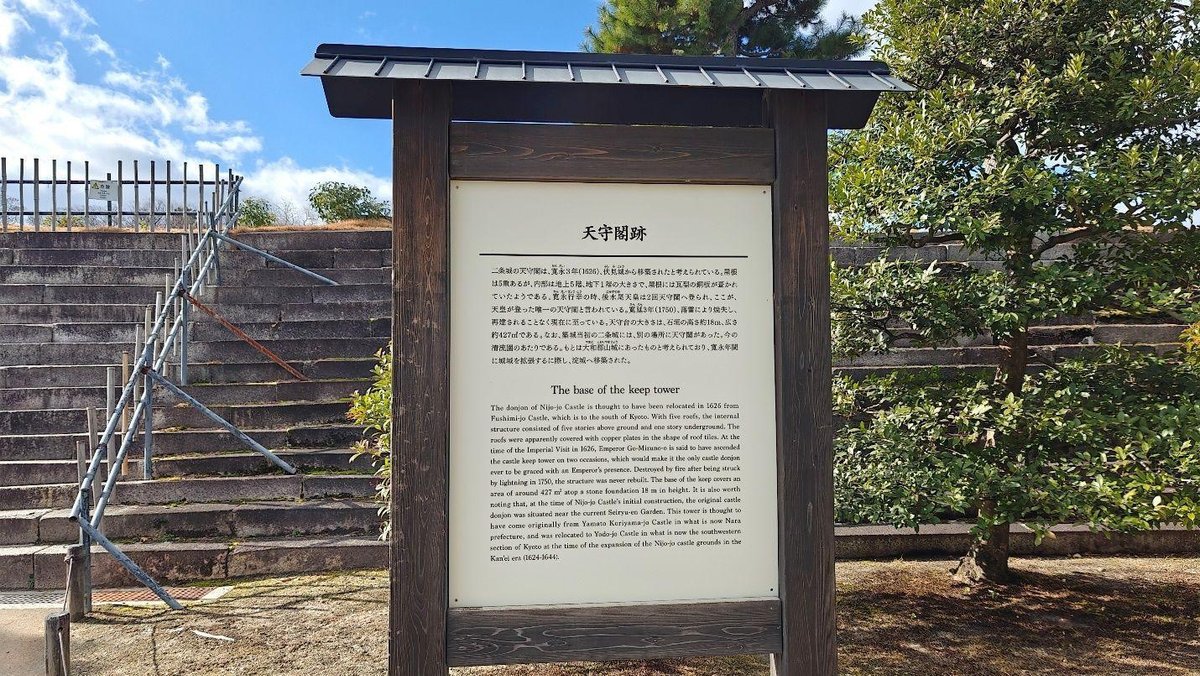
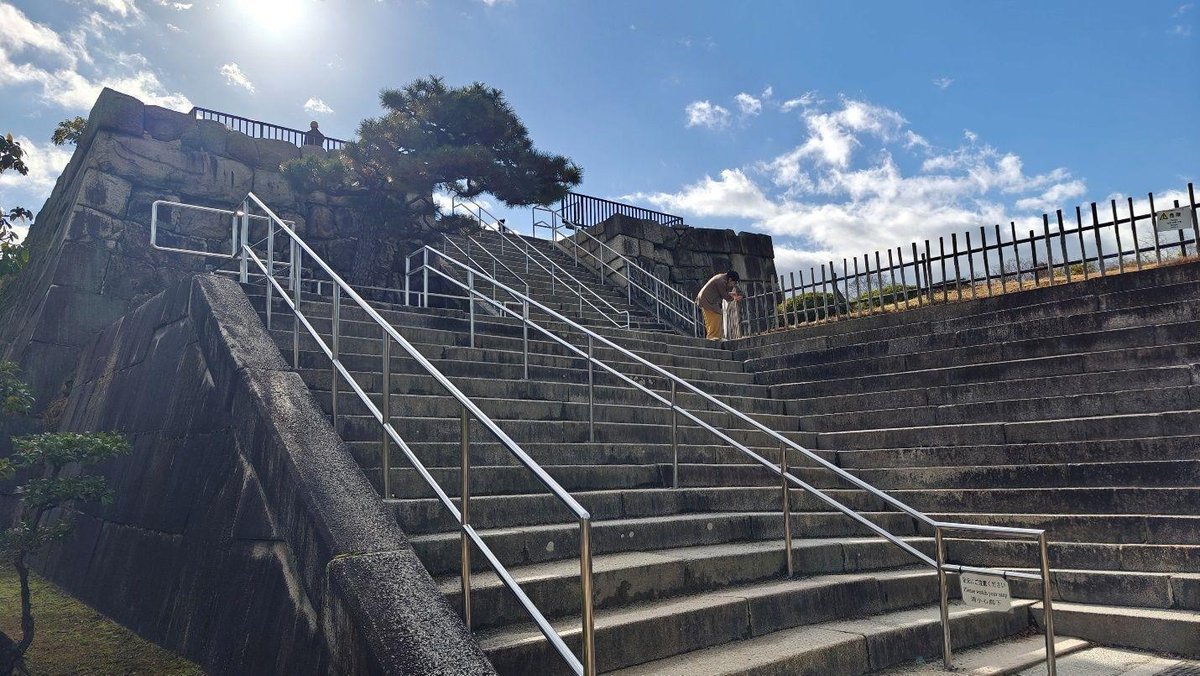
One thing you’ll need to remember with this landmark though is that it’s not really accessible for visitors with disabilities/on wheelchairs. The steps are rather steep though they are relatively easy to get up on for able-bodied visitors. I think that the effort going up here is more than worth it though and it’s an area I’d definitely recommend that you not miss.
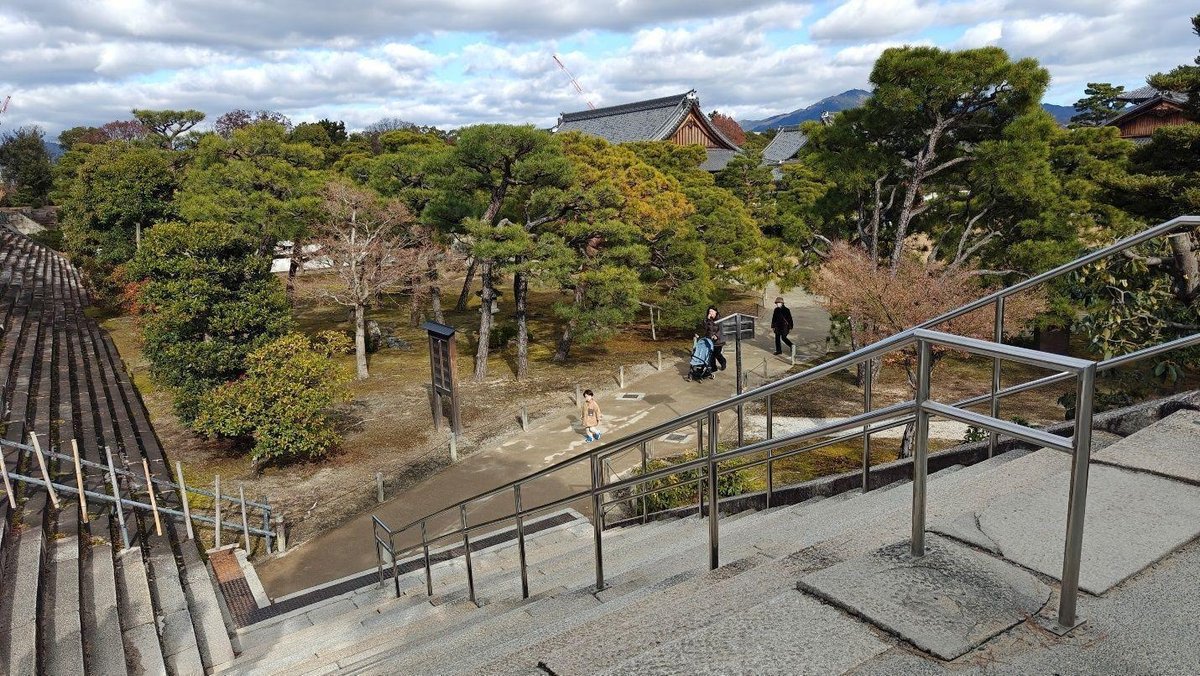
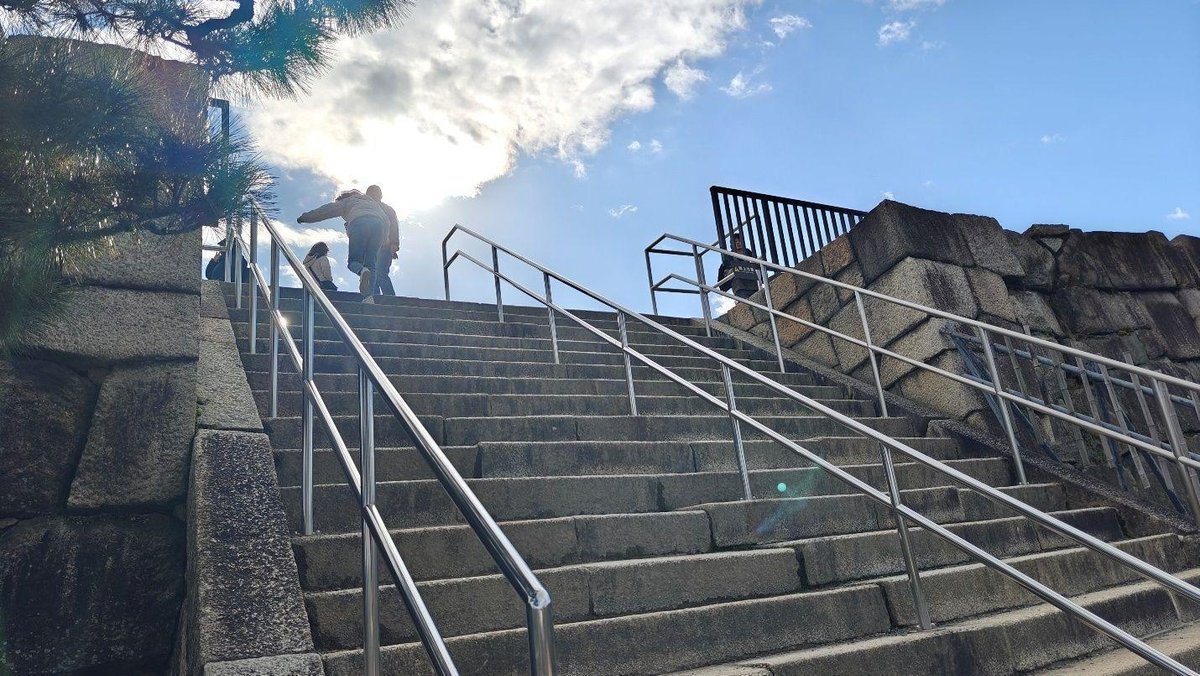
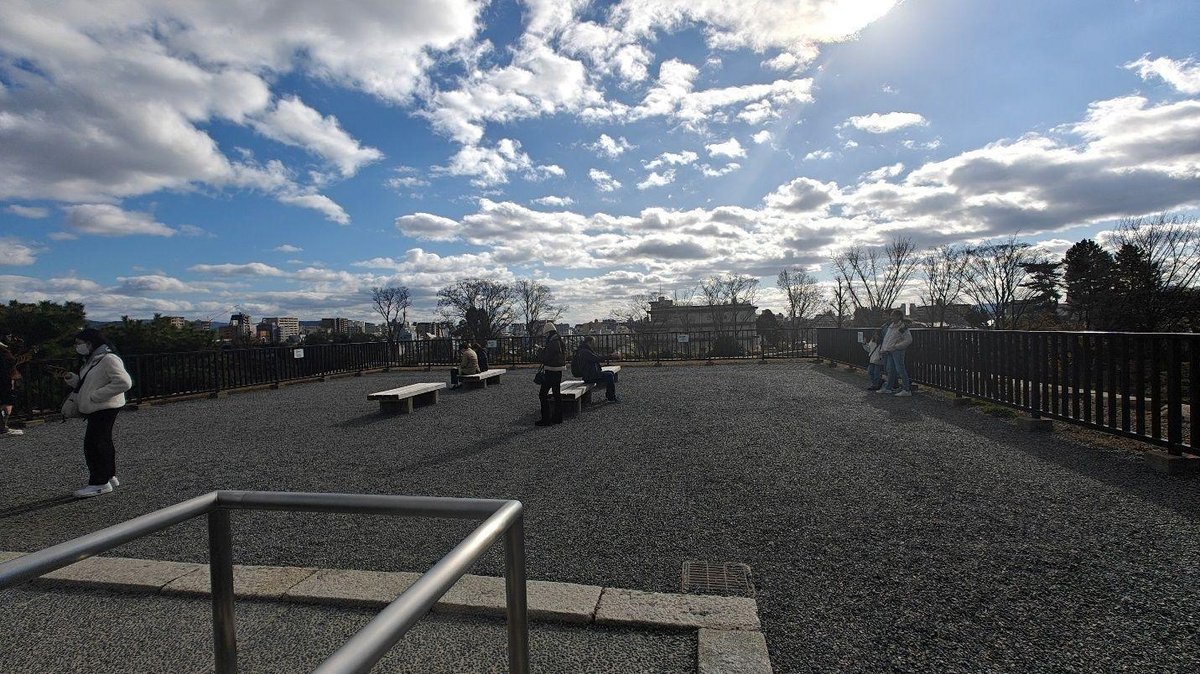
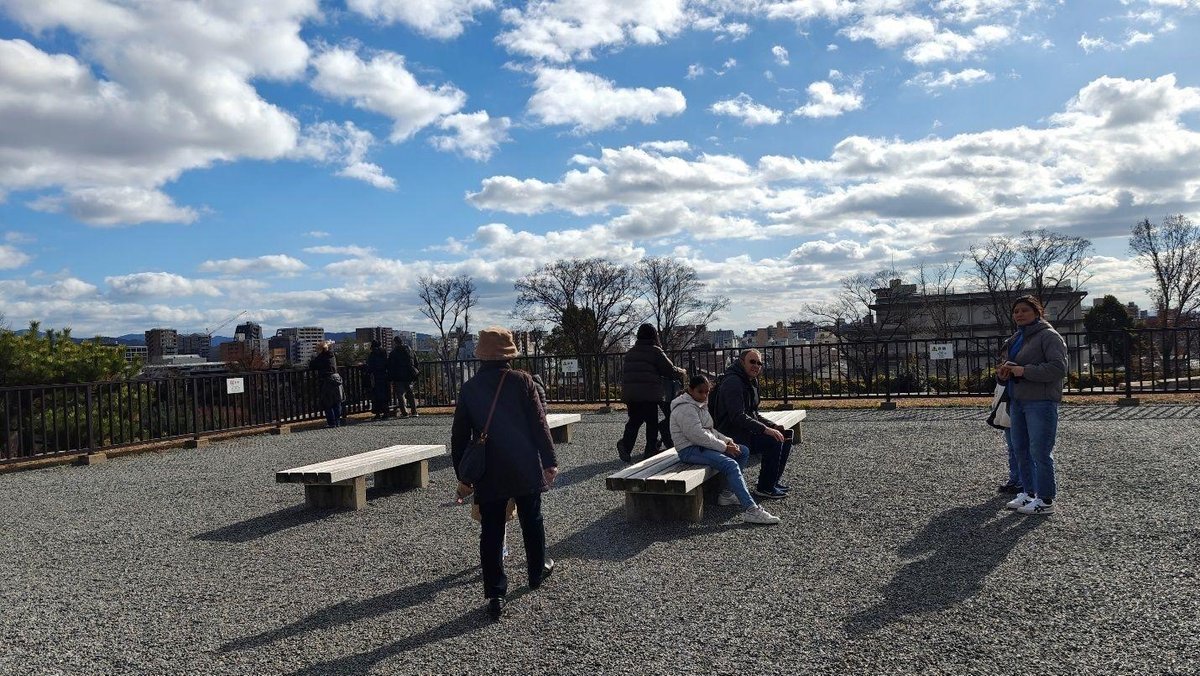
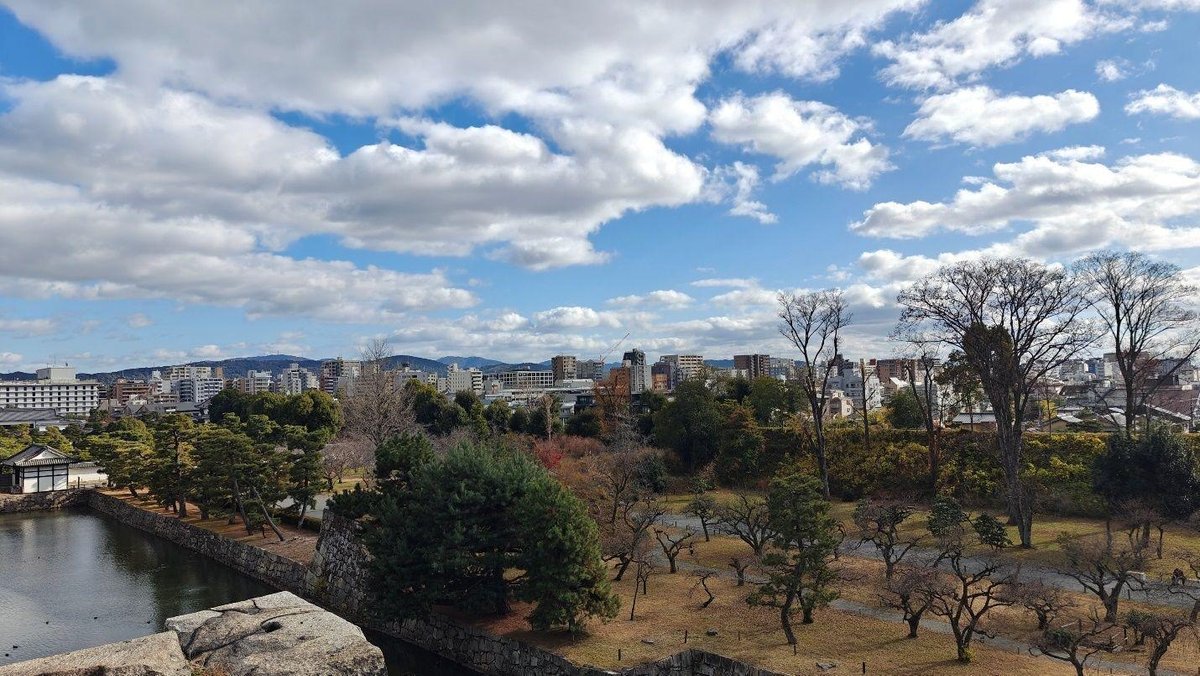
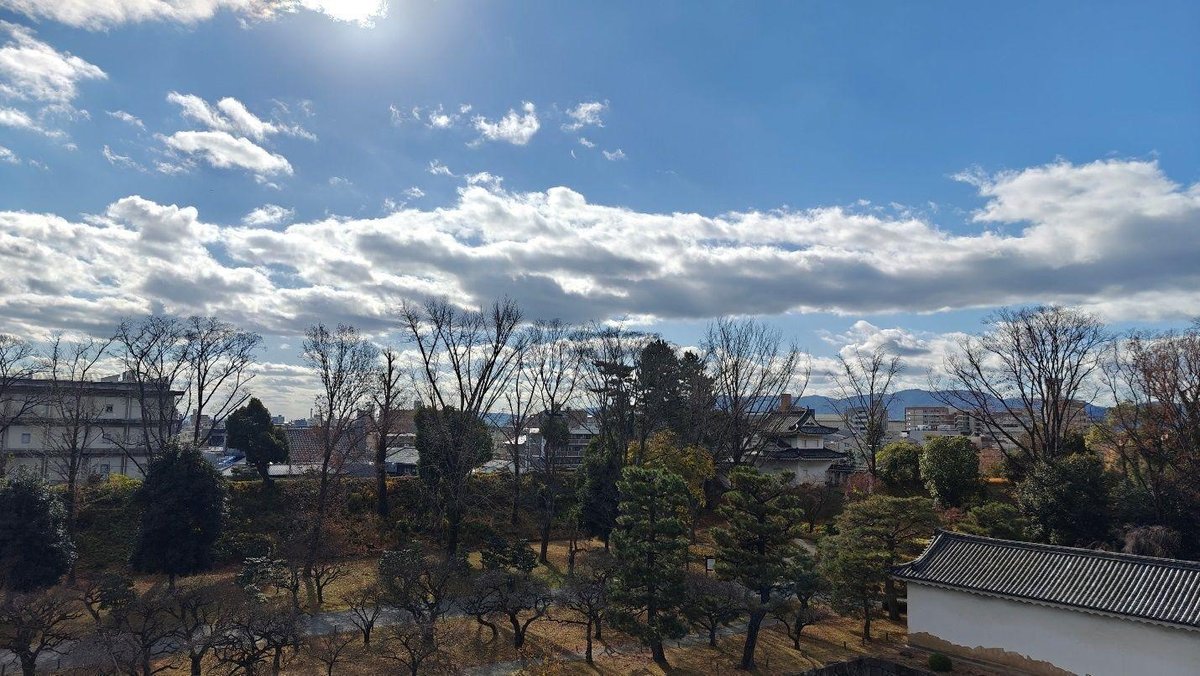
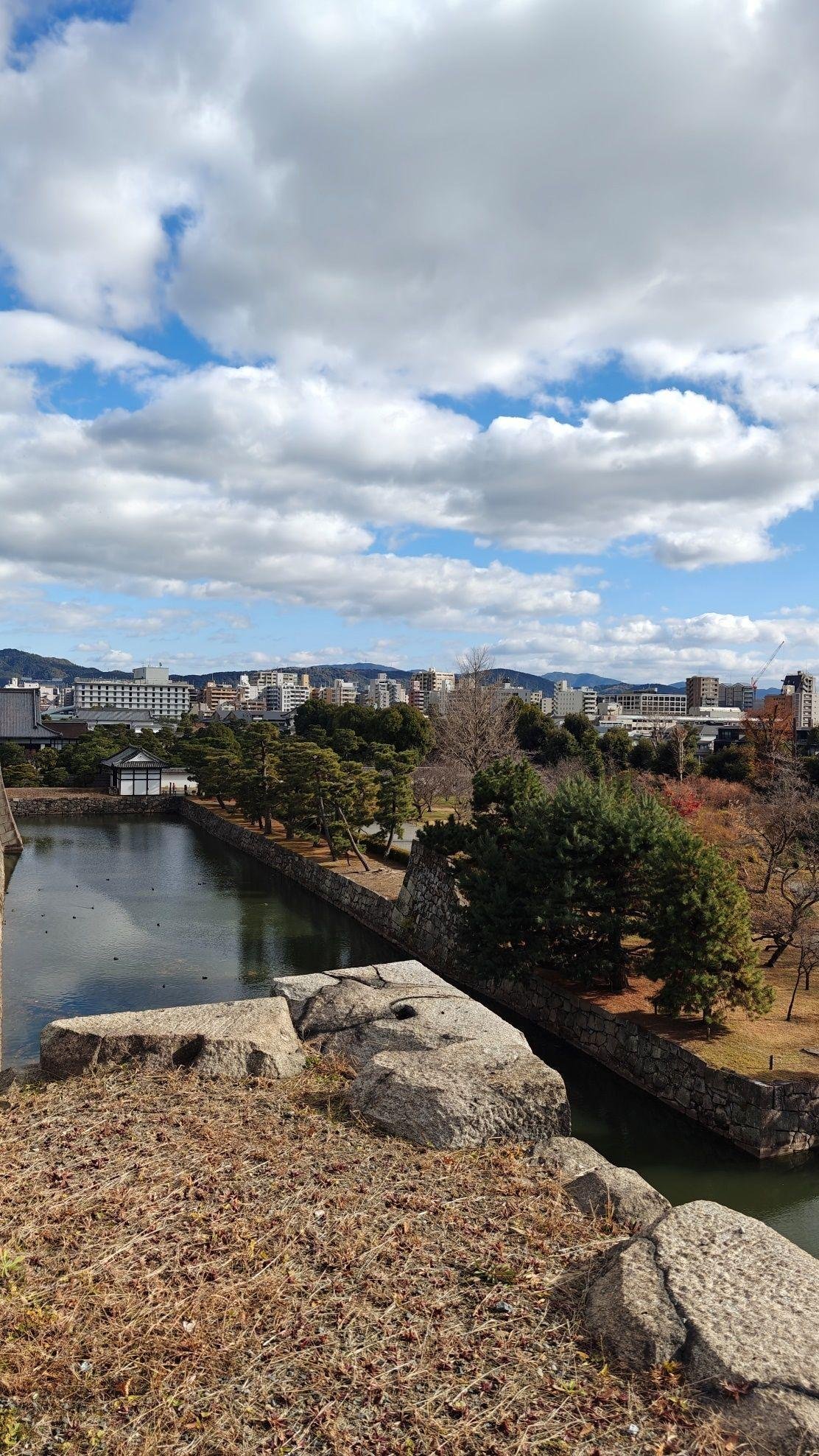
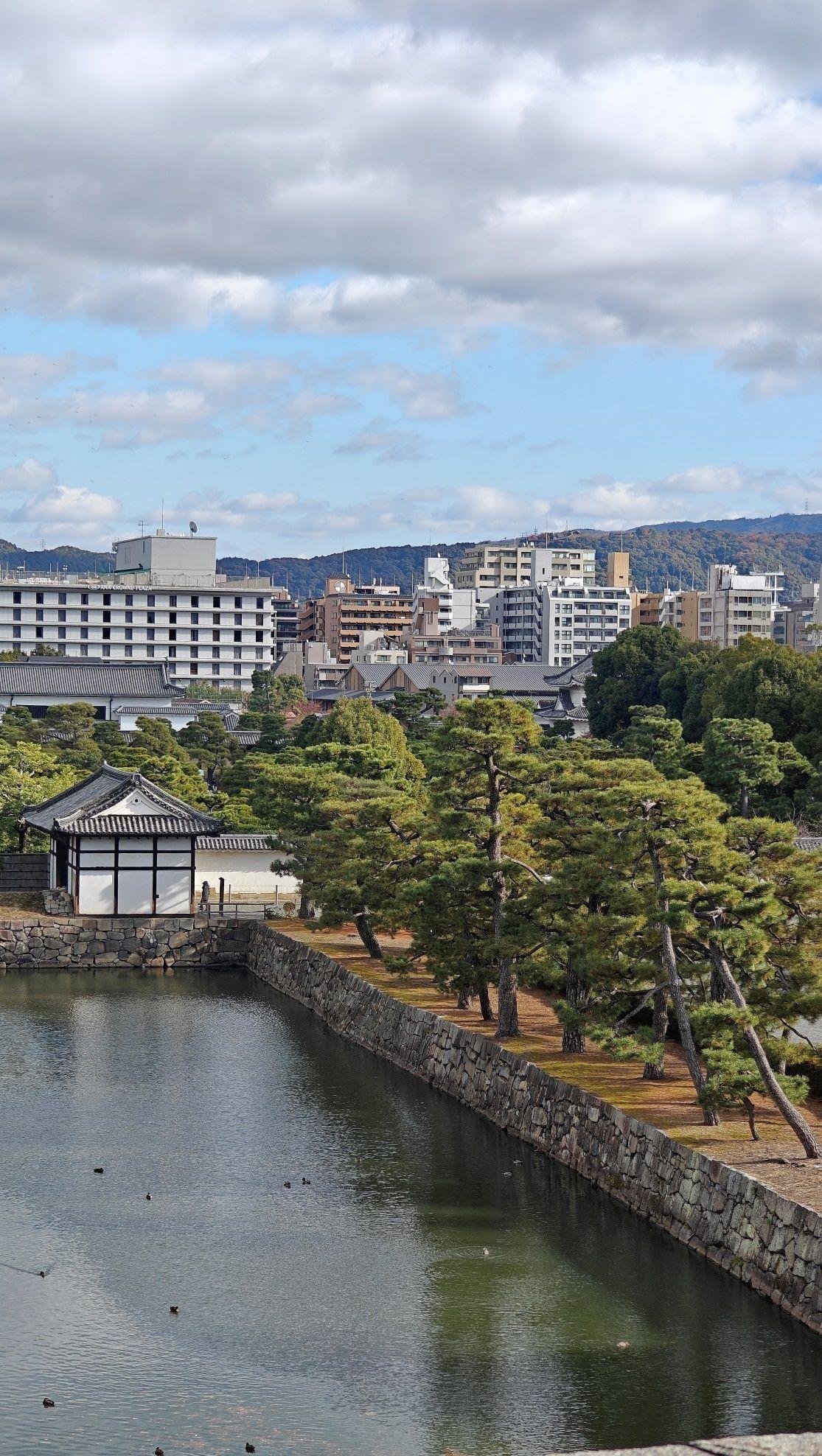
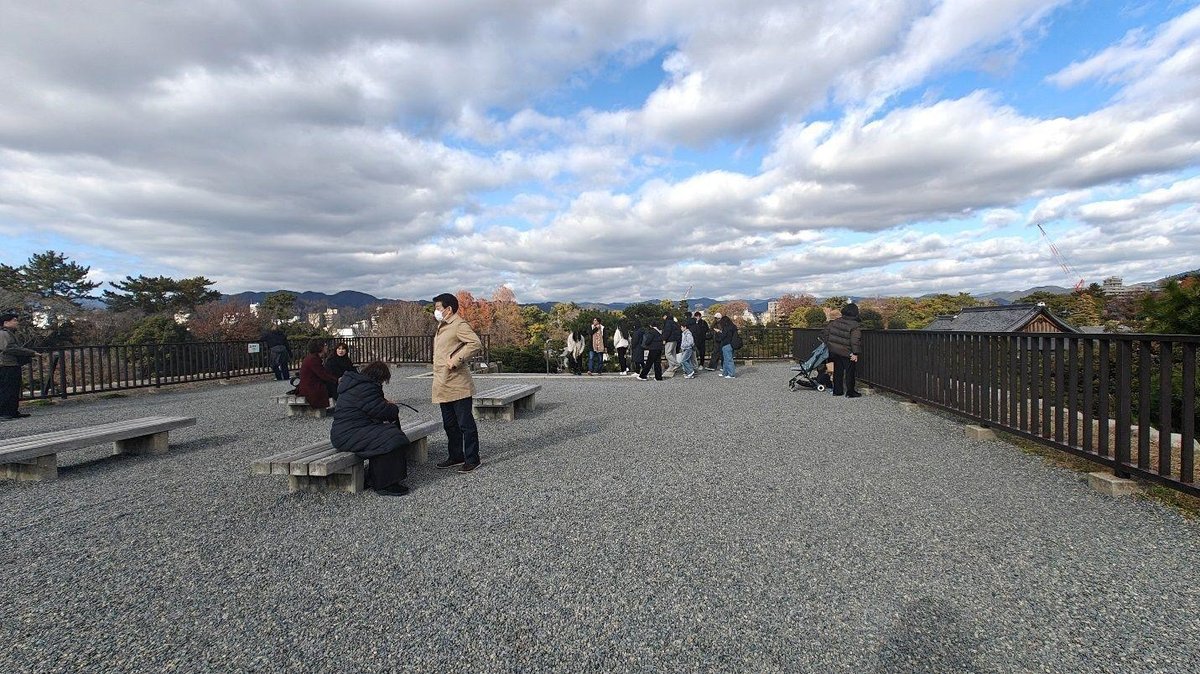
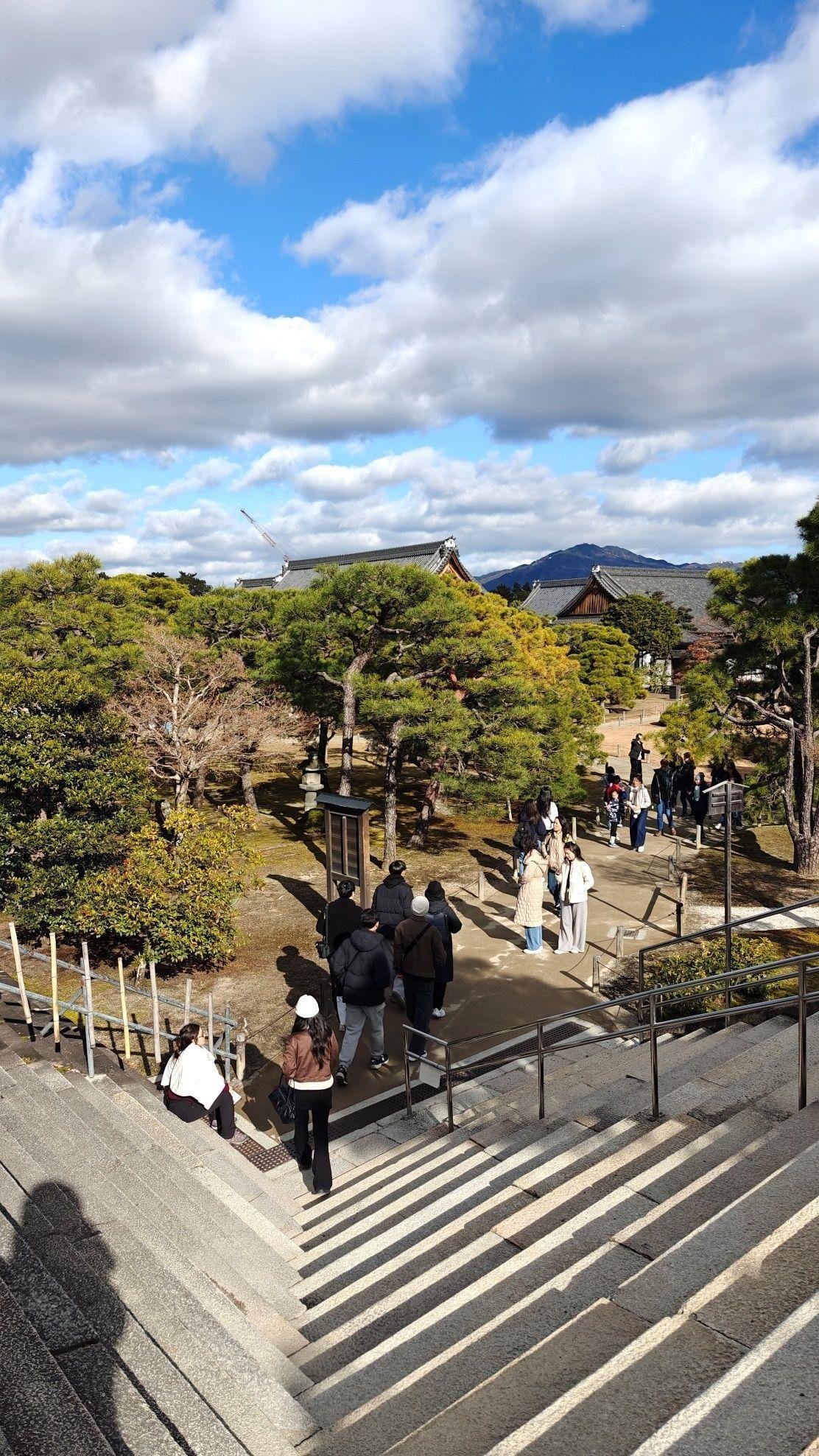
Thanks to its views, the Ruins of Tenshukaku arguably is one of the most popular areas in Nijo Castle. As you can see above, there were quite a number of people coming and going here during my visit. Thankfully though, it typically doesn’t get as crowded as Kiyomizu-dera or Fushimi Inari Taisha.
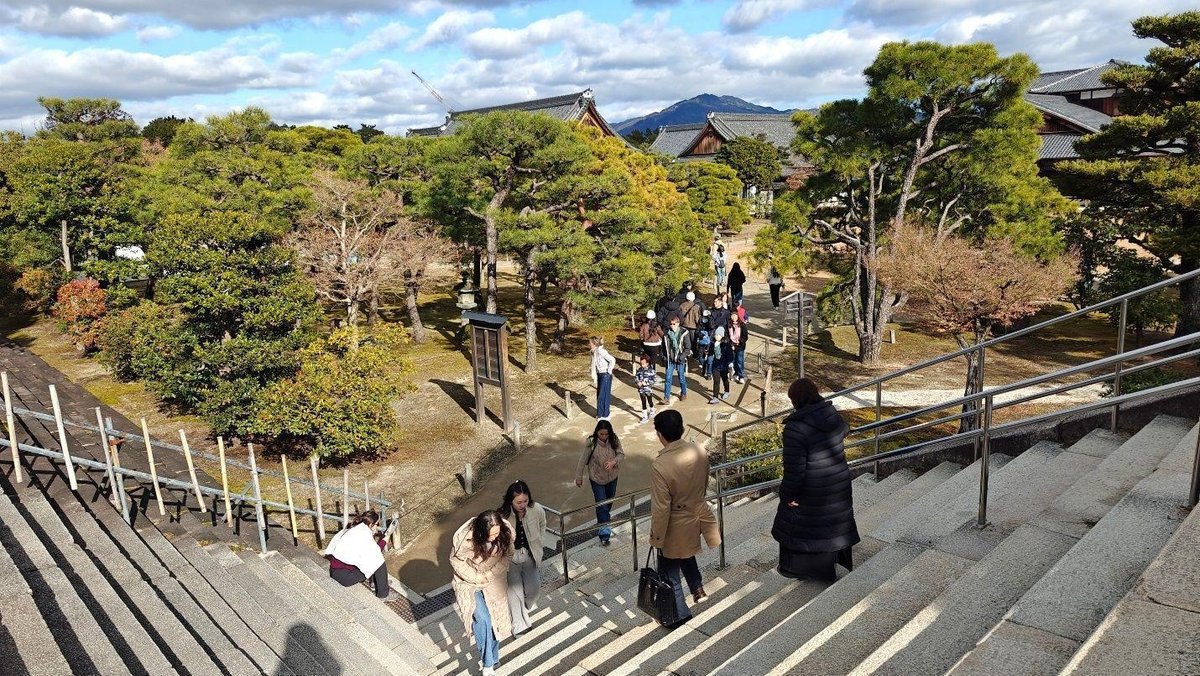
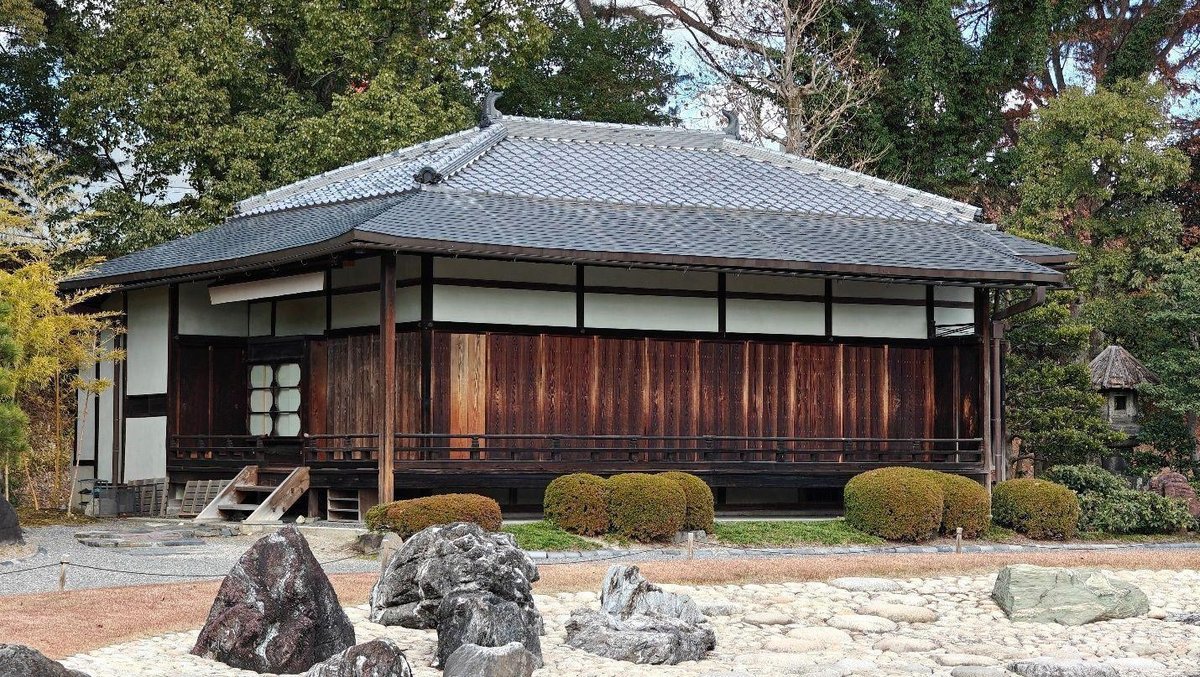
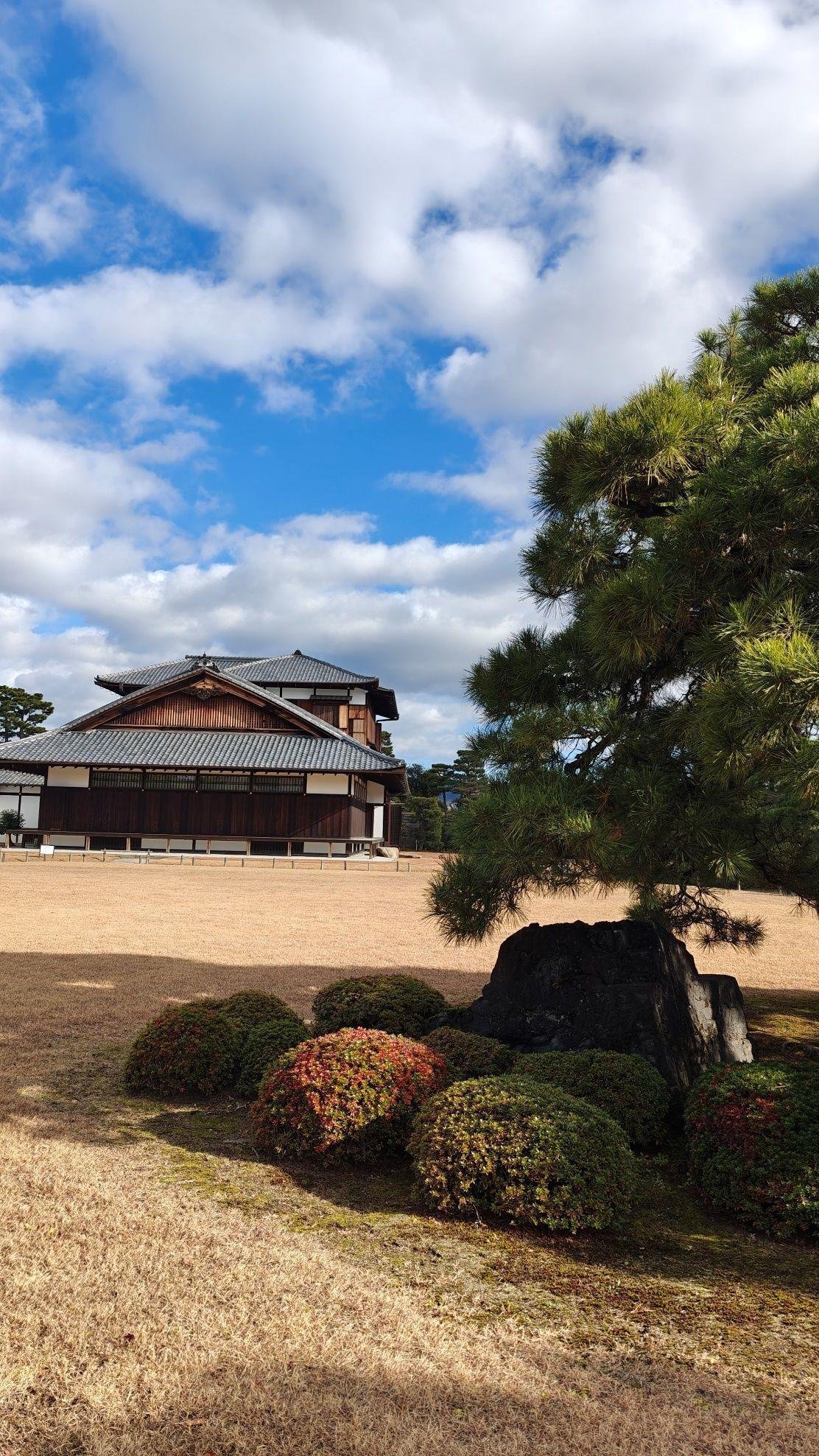
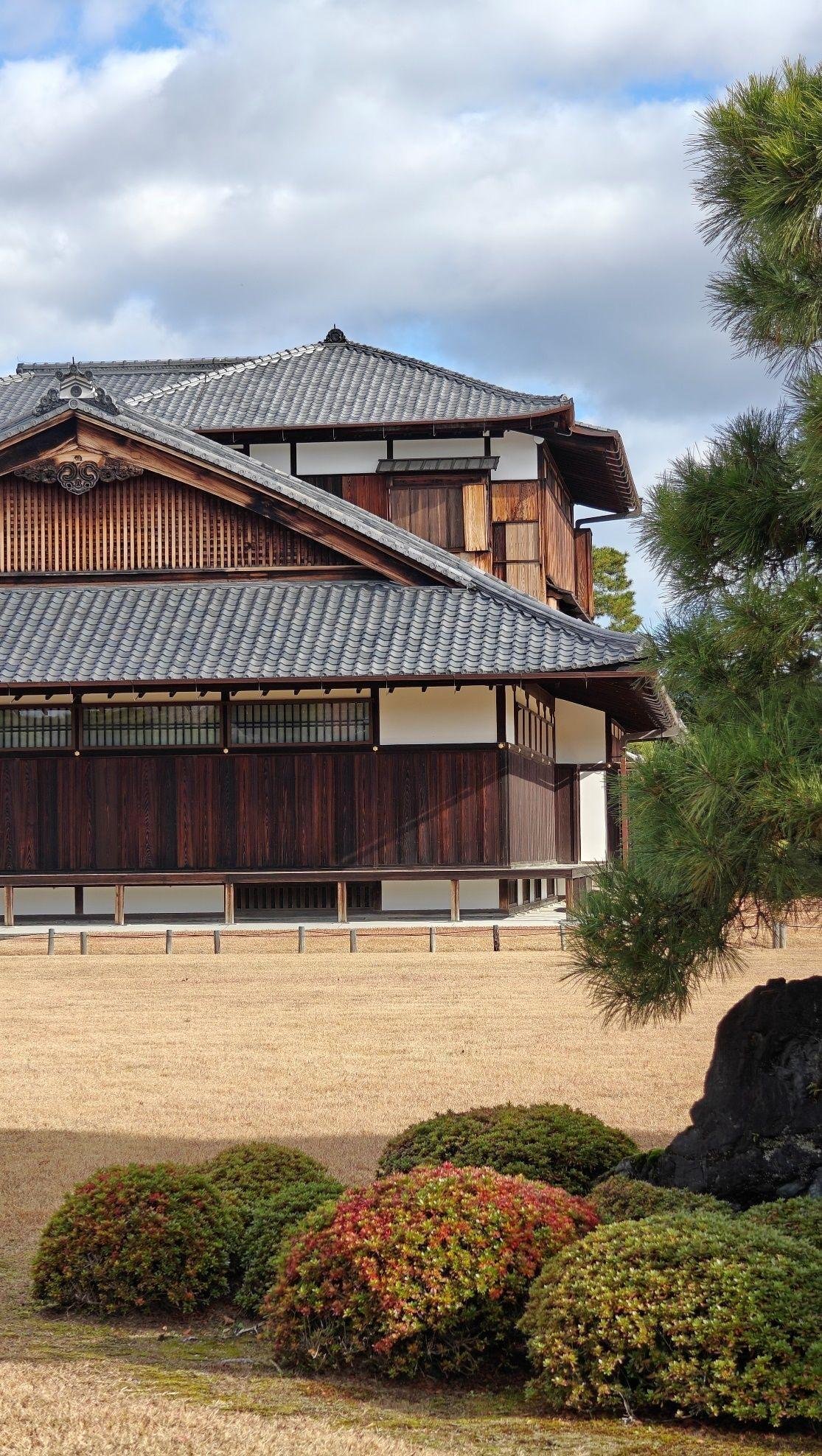
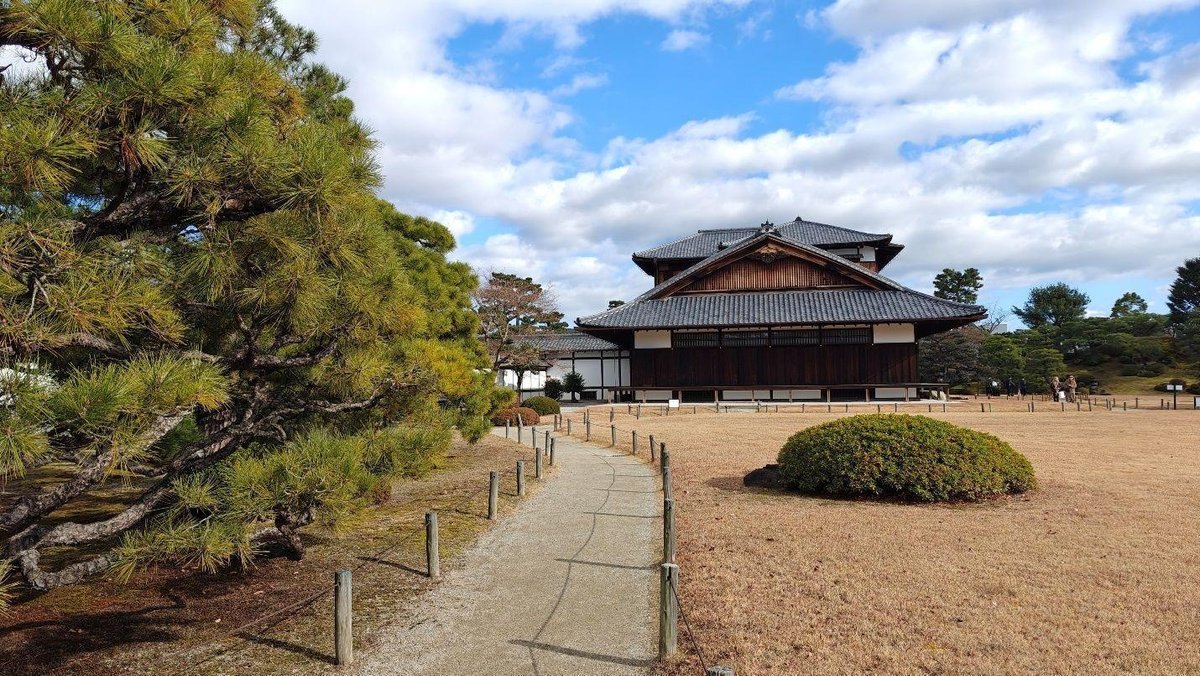
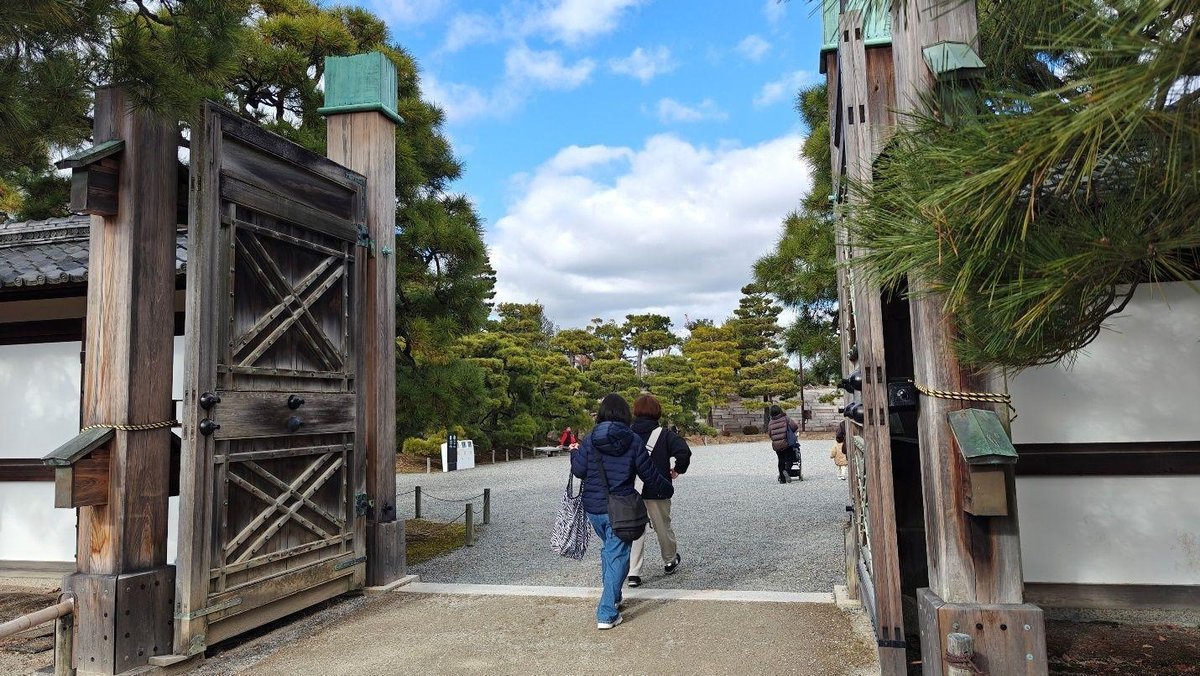
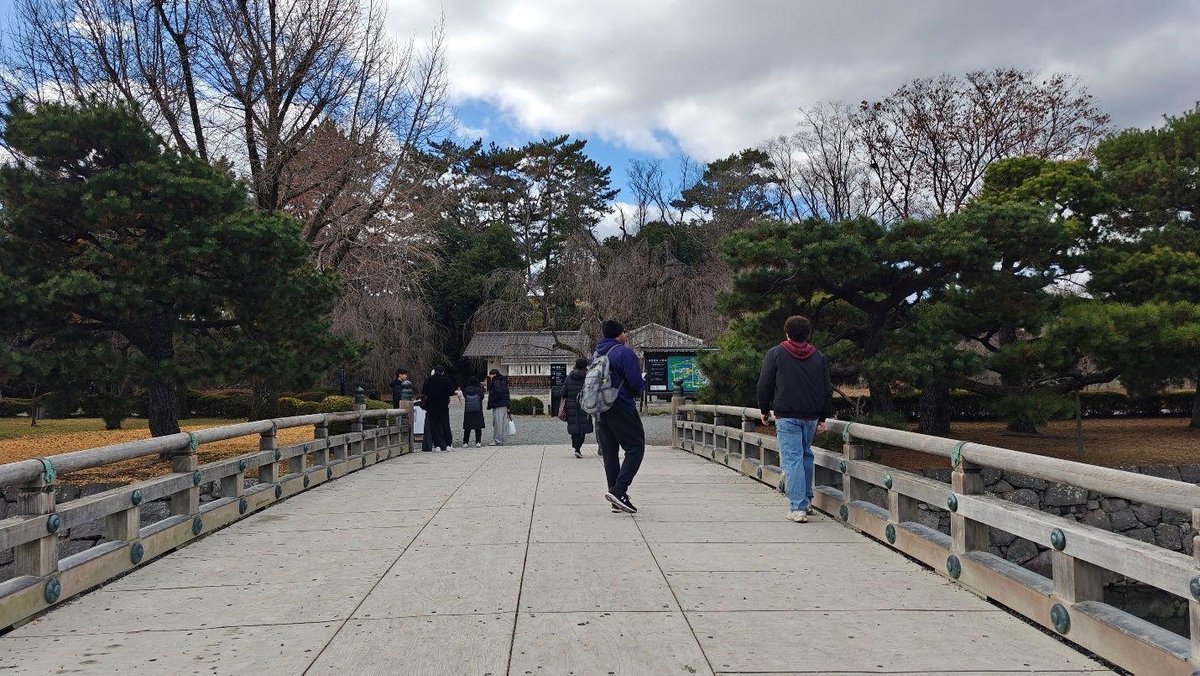
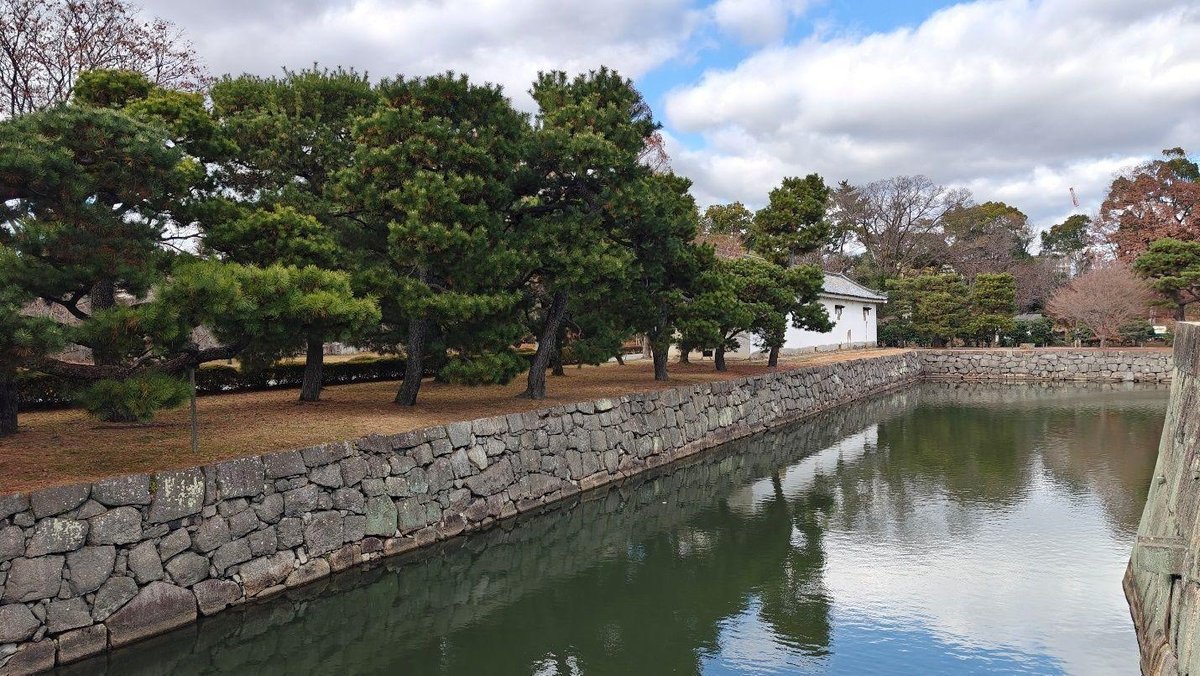
After appreciating the views from up the Ruins of Tenshukaku, I finally proceeded to go to the next area in the suggested walking route. To get there, I needed to first make my way to the West Bridge. The way there is actually also quite scenic with the most memorable view for me being that of passing by the Honmaru Nishi-Koguchi or Main Keep West Gate.
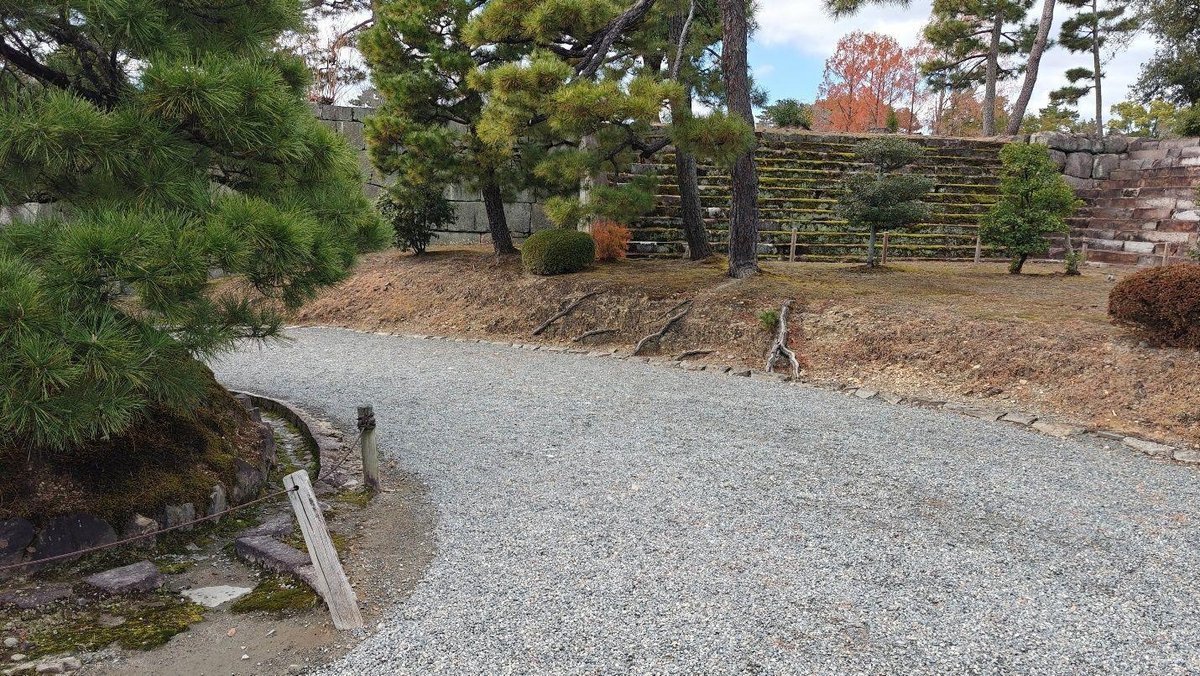
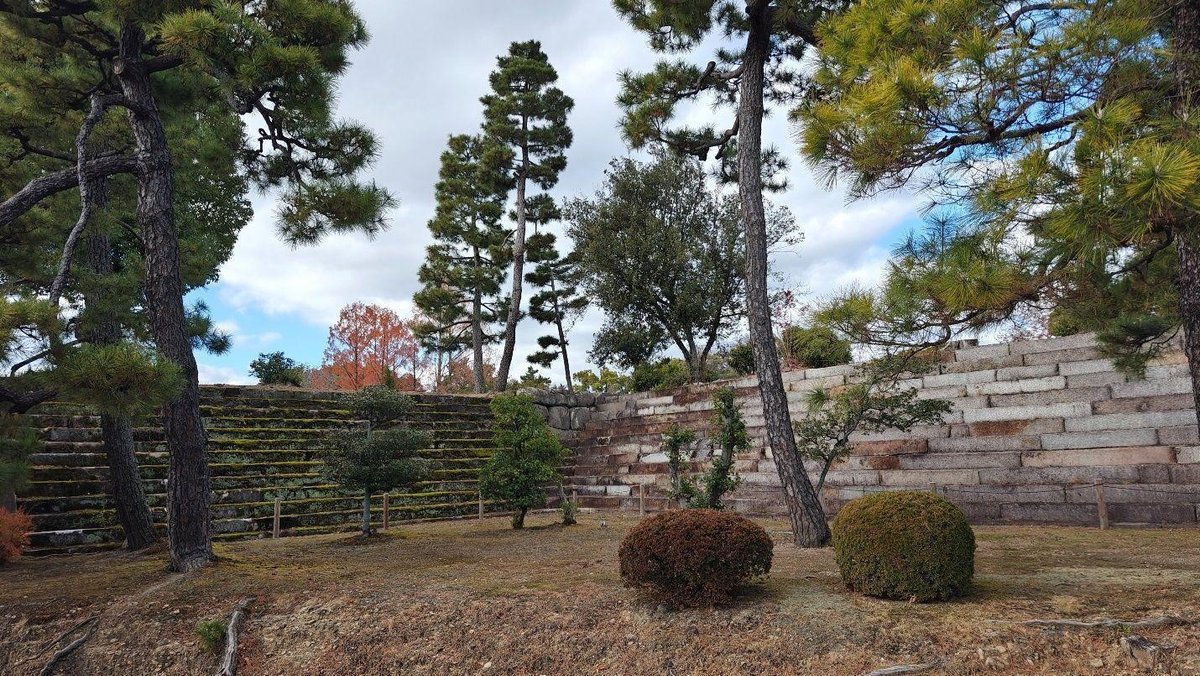
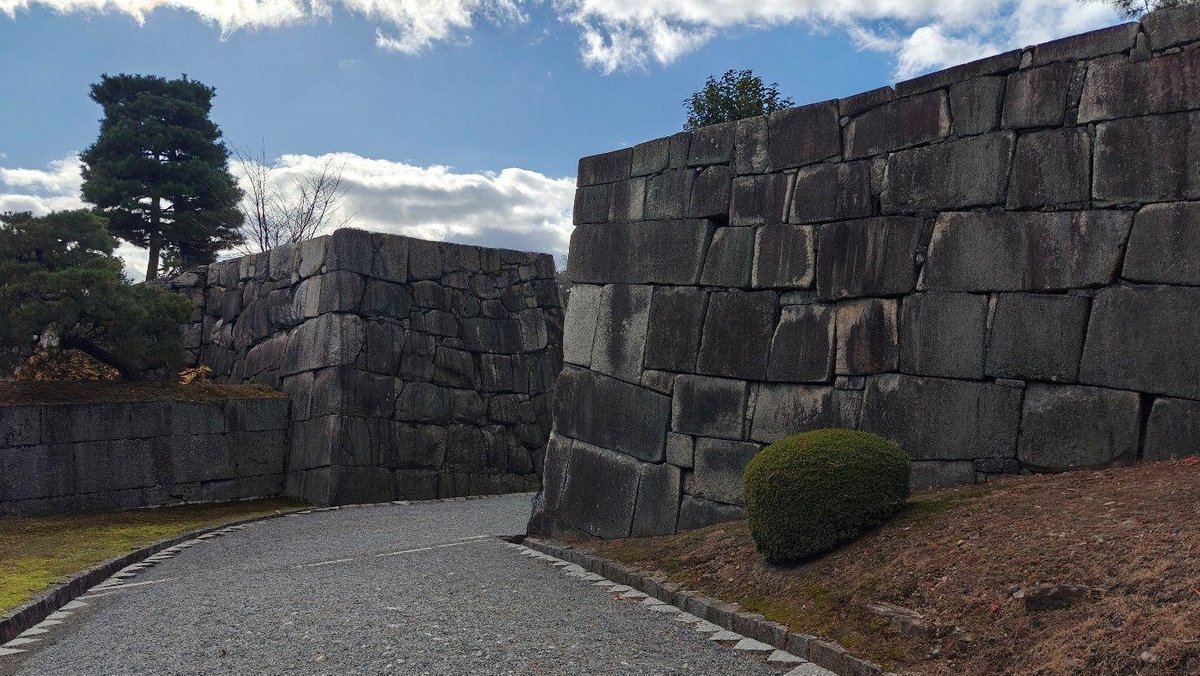
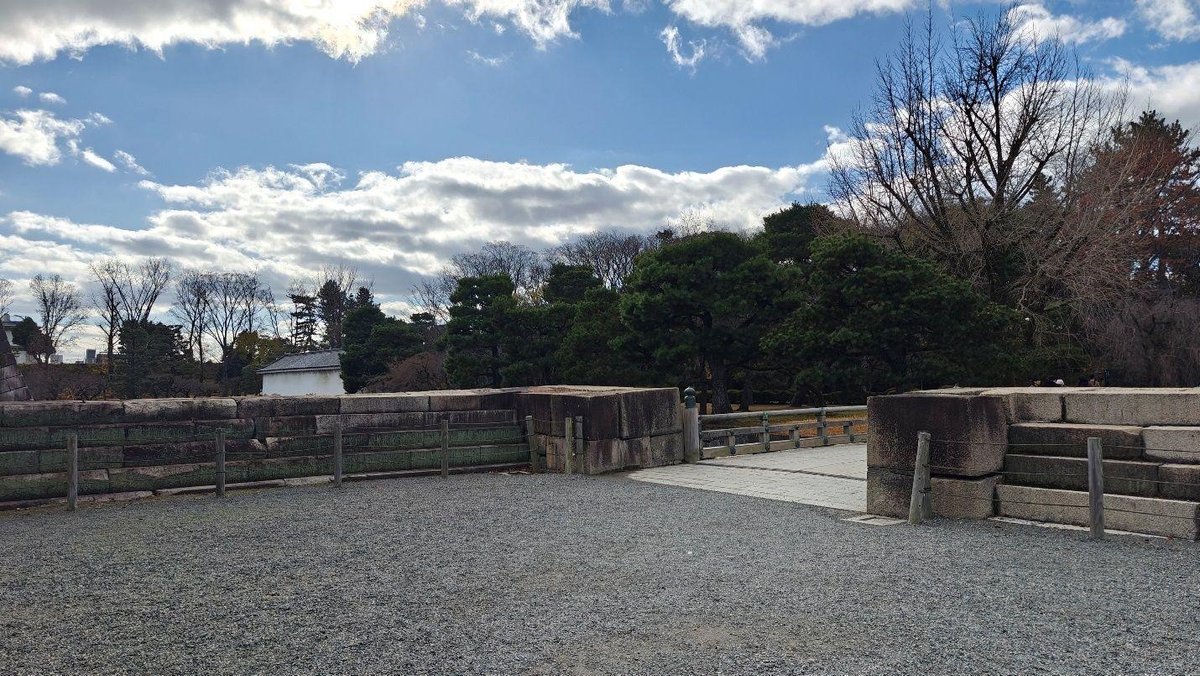
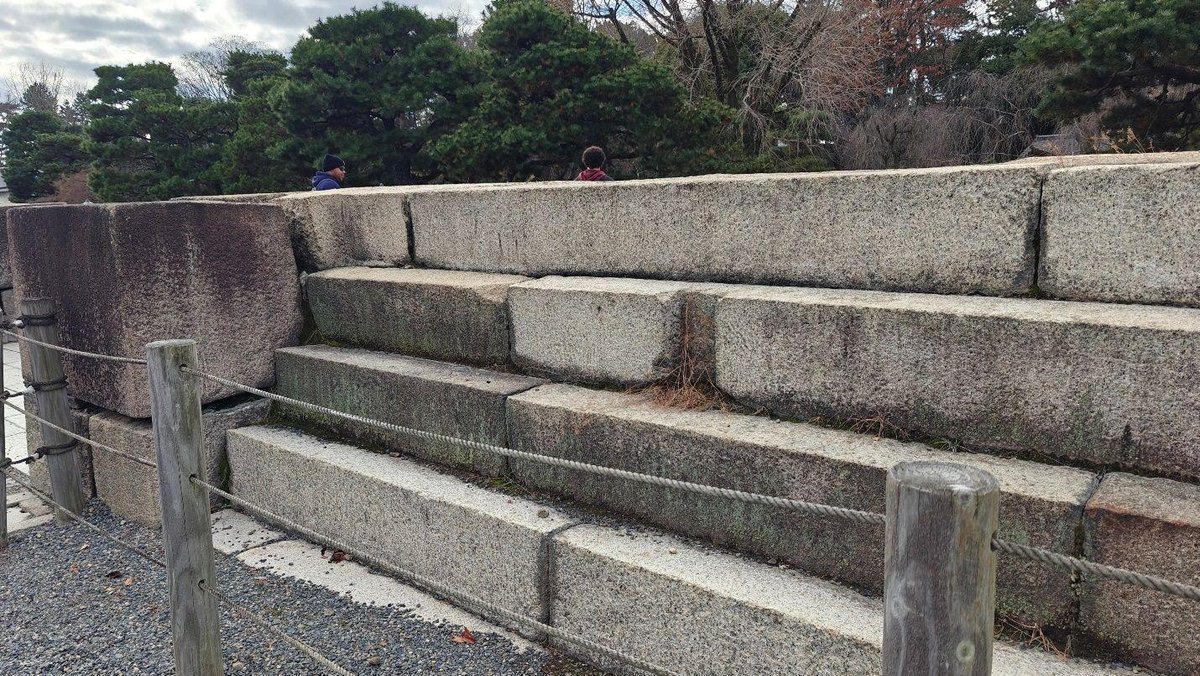
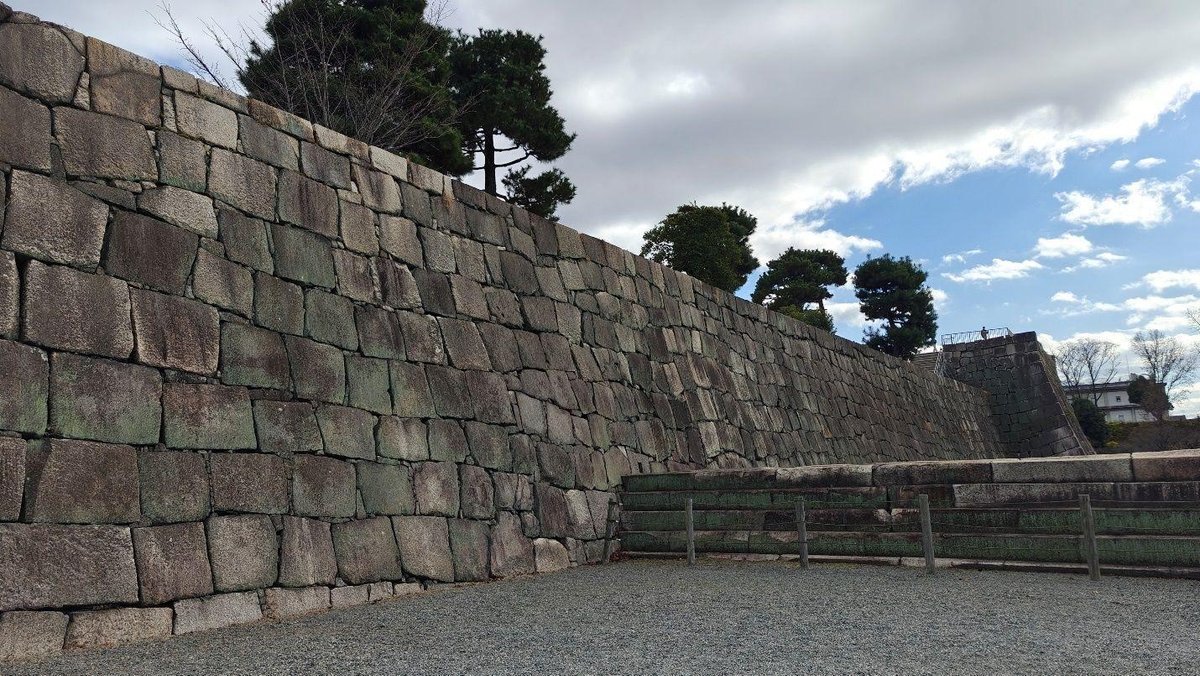
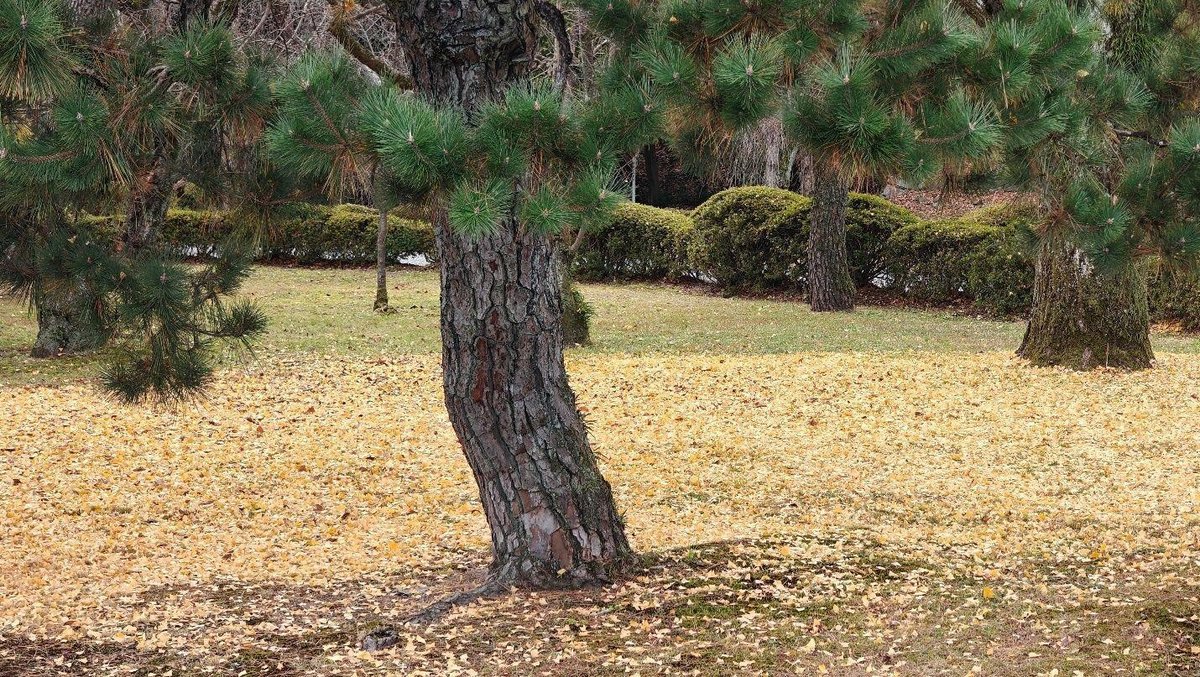
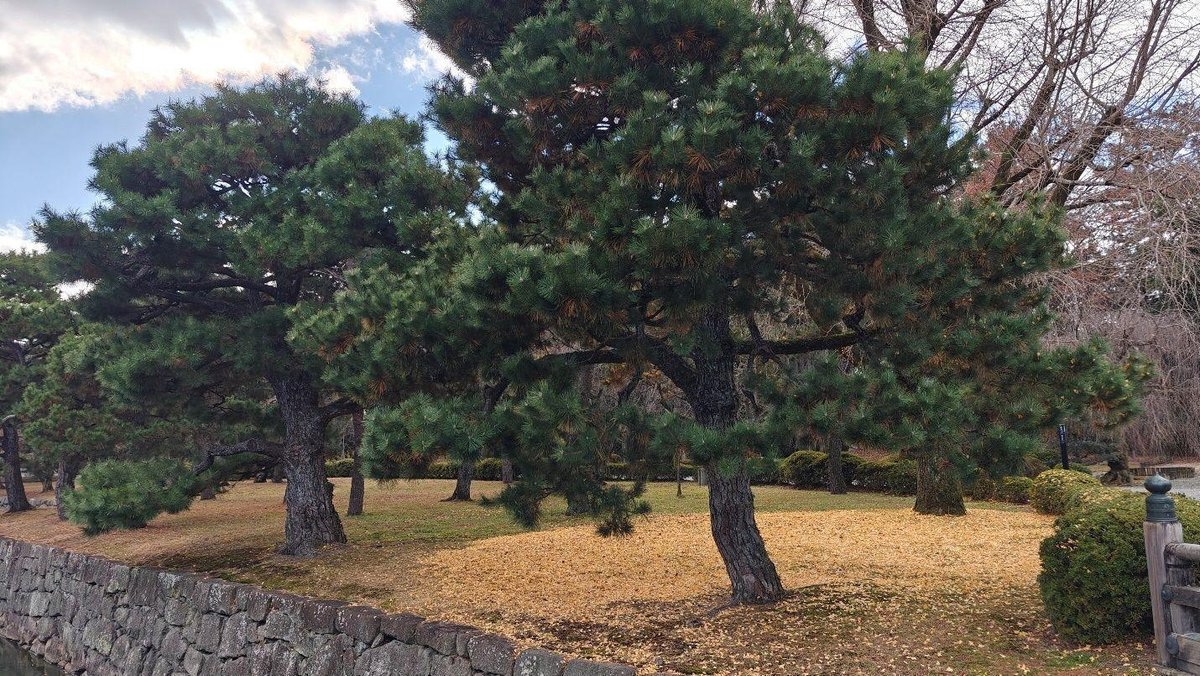
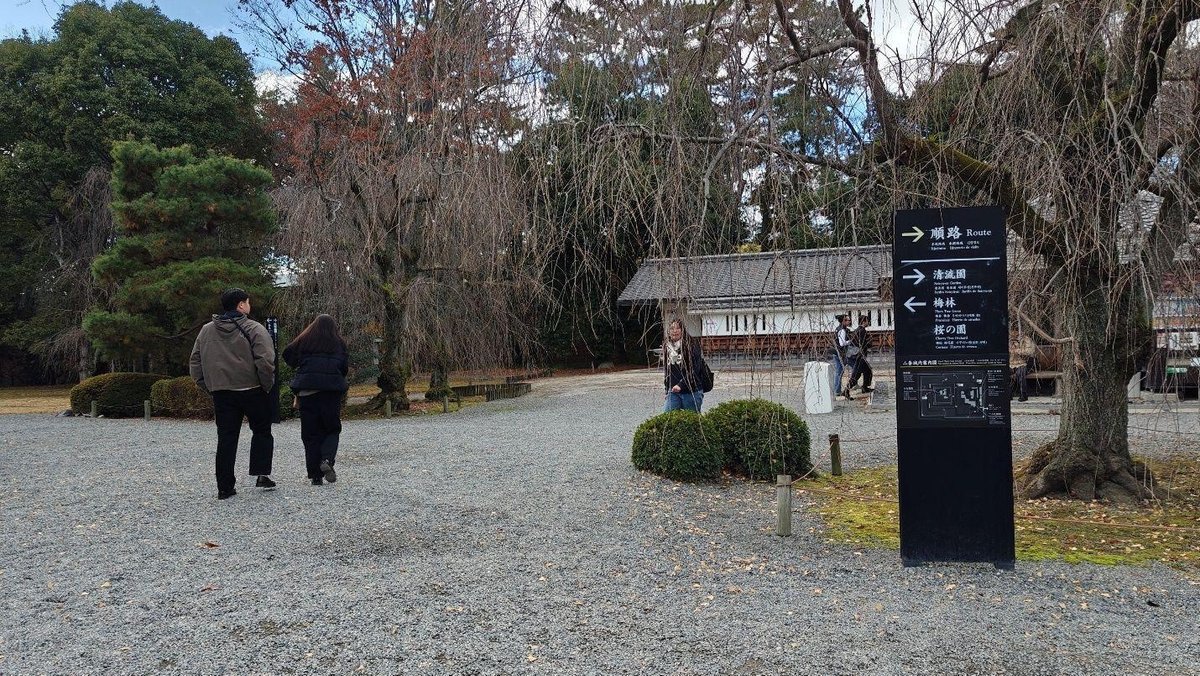
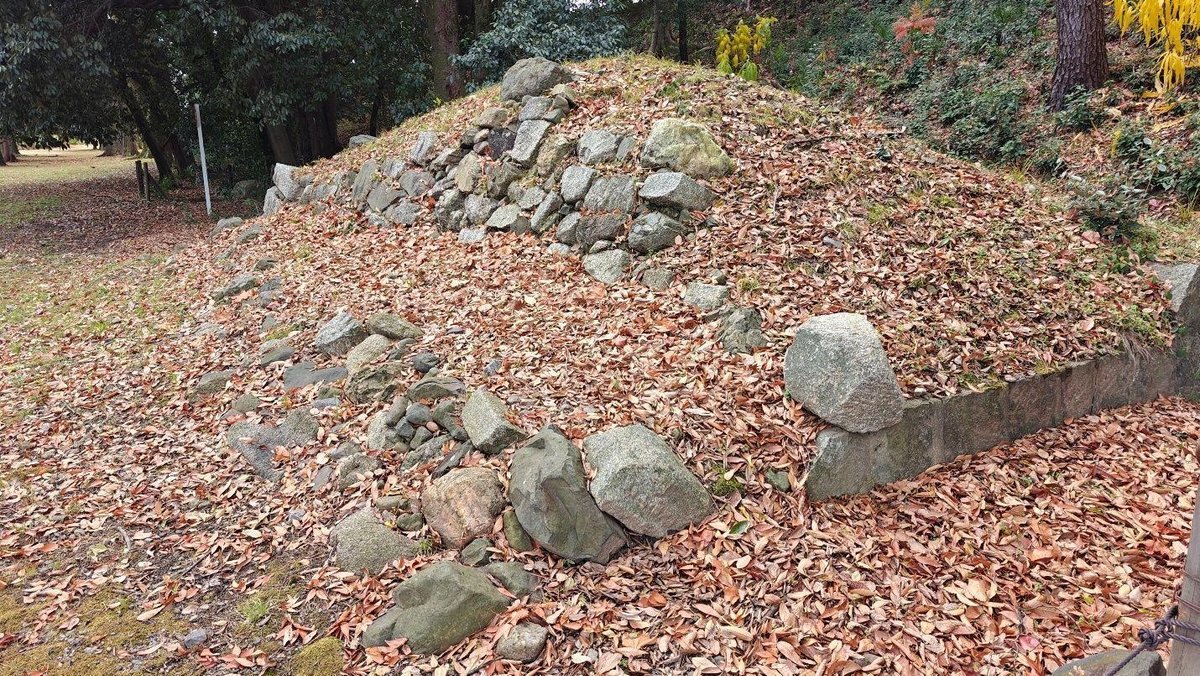
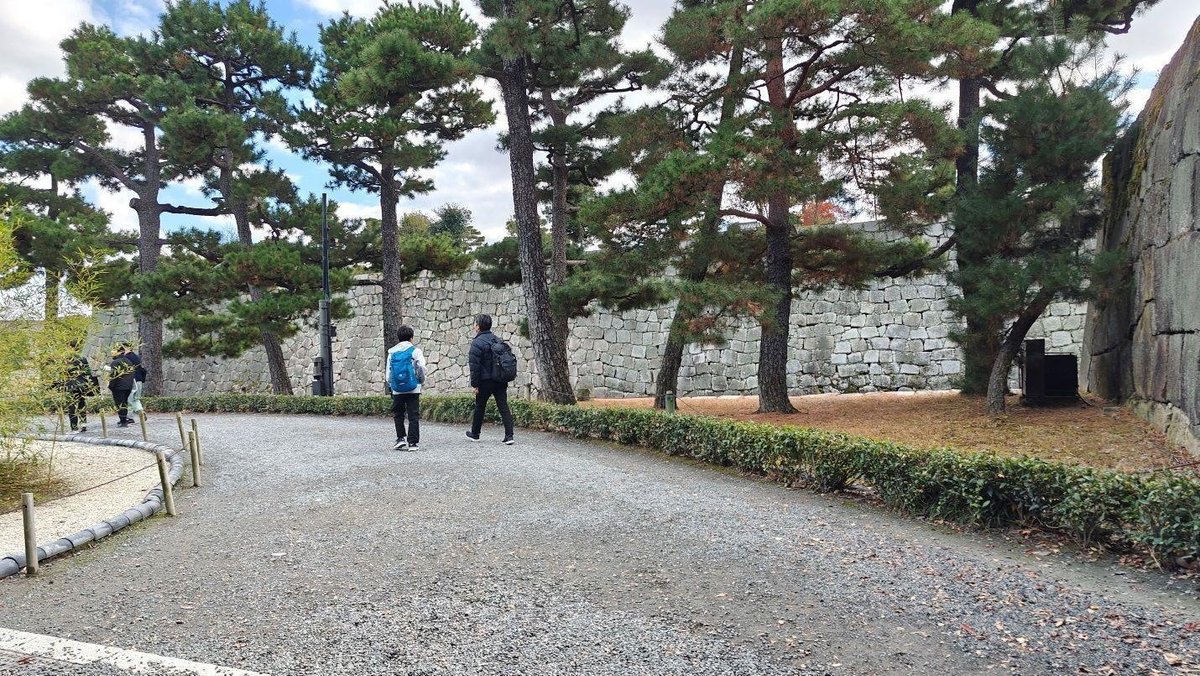
After going past the West Bridge, I found myself in the northwestern area of the Nijo Castle complex. The notable landmarks here are the Relocated Stone Wall of the Former Nijo Castle, The Nishi-mon Gate, and the North Dozo. Of these, the Relocated Stone Wall is probably the most inconspicuous as from afar, it looked like just a bunch of rocks piled on top of the other.
In truth though, these are much older than most of the buildings I’d come across before this point. This pile of stones is a remnant from the final years of the Muromachi period and is said to be from the castle that preceded Nijo-jo Castle.
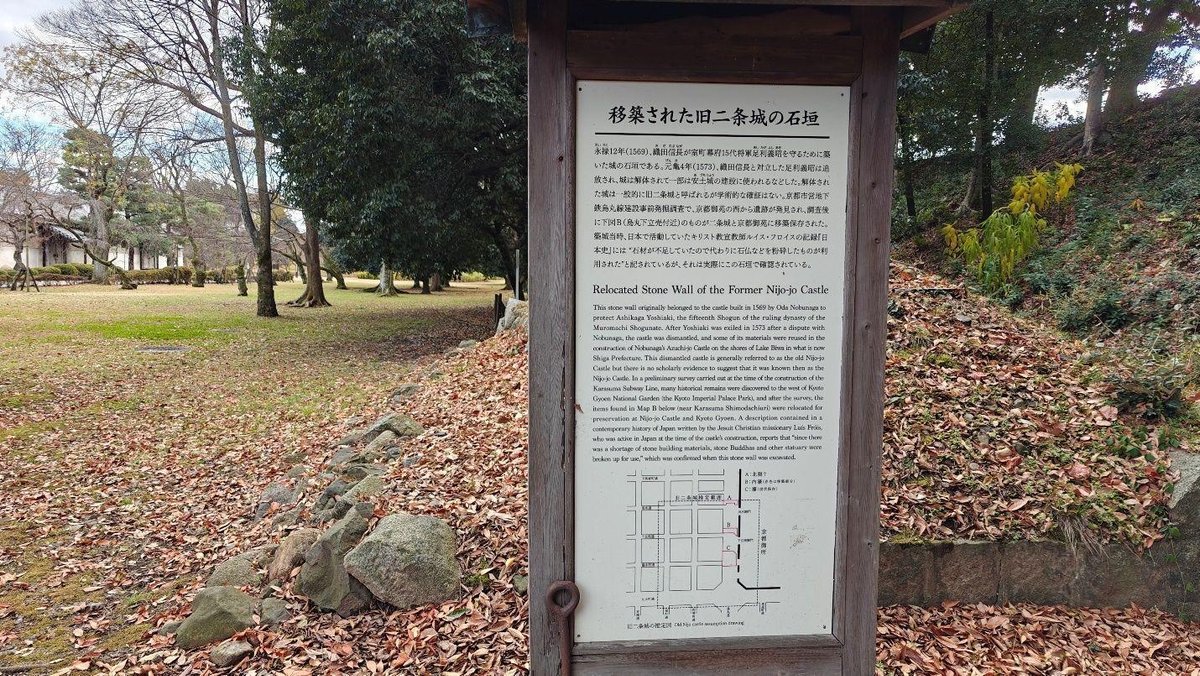
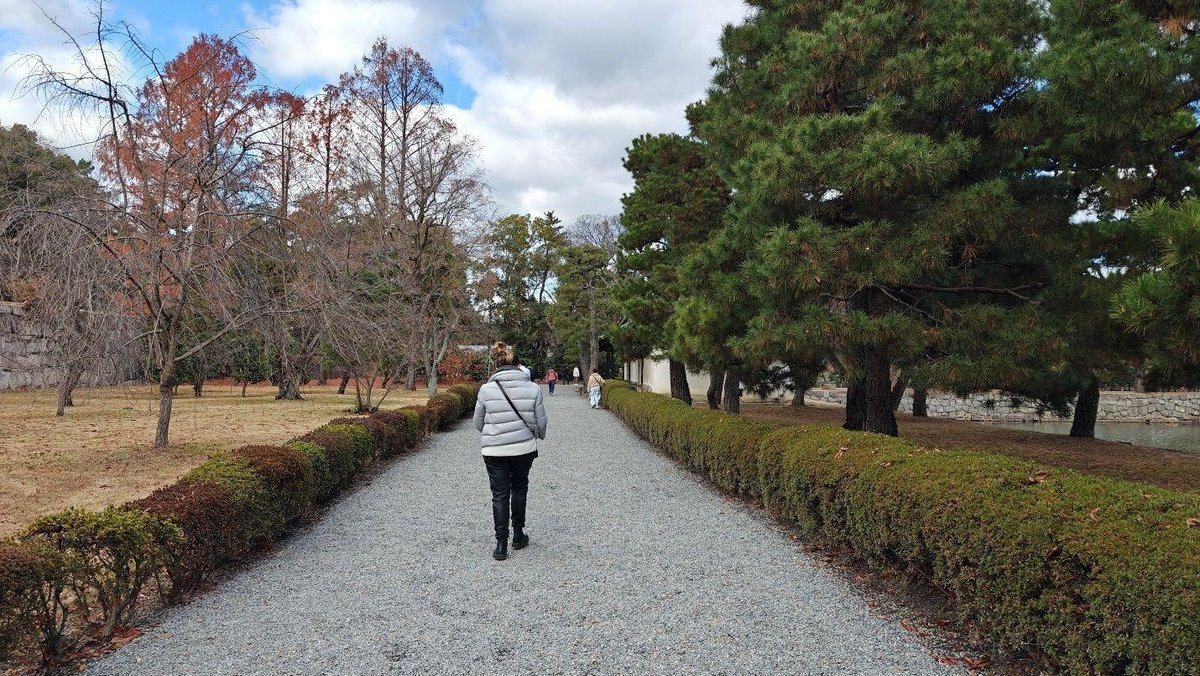
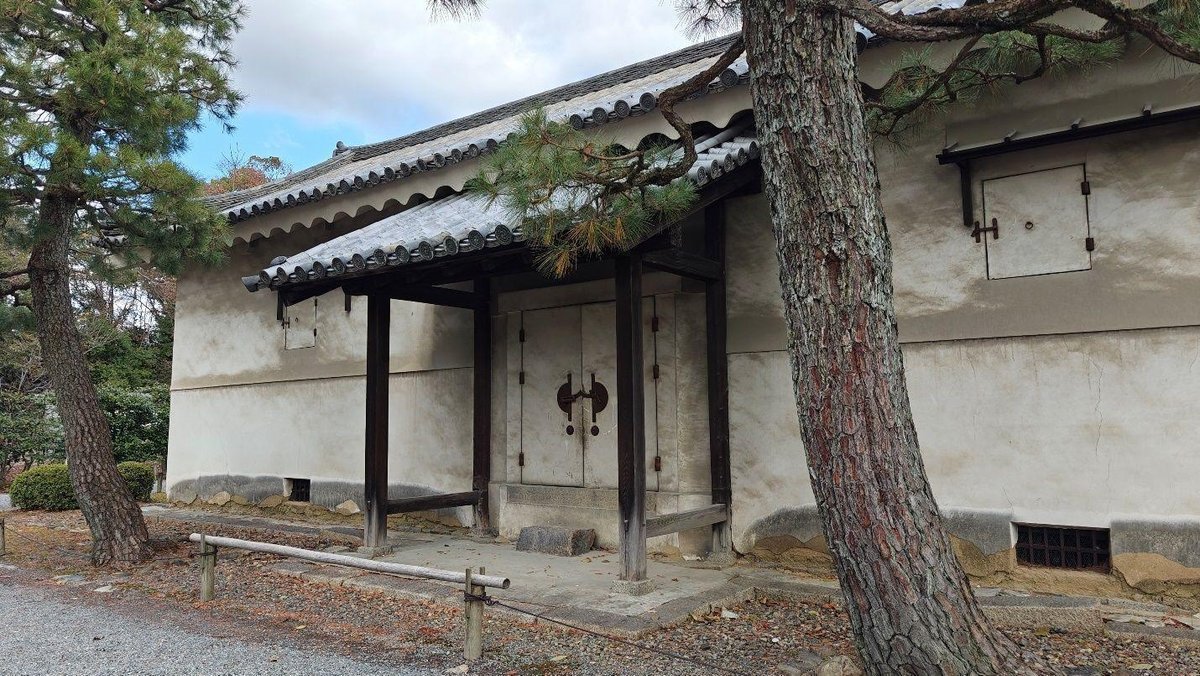
From the Relocated Stone Wall of the Former Nijo Castle, I then followed the path north to get to the North Dozo. The path was lined on one side with sakura which unfortunately had very little fall foliage by the time of my visit. As for the North Dozo itself, it was relatively unassuming as it was really just a storehouse for rice when it was still in use.
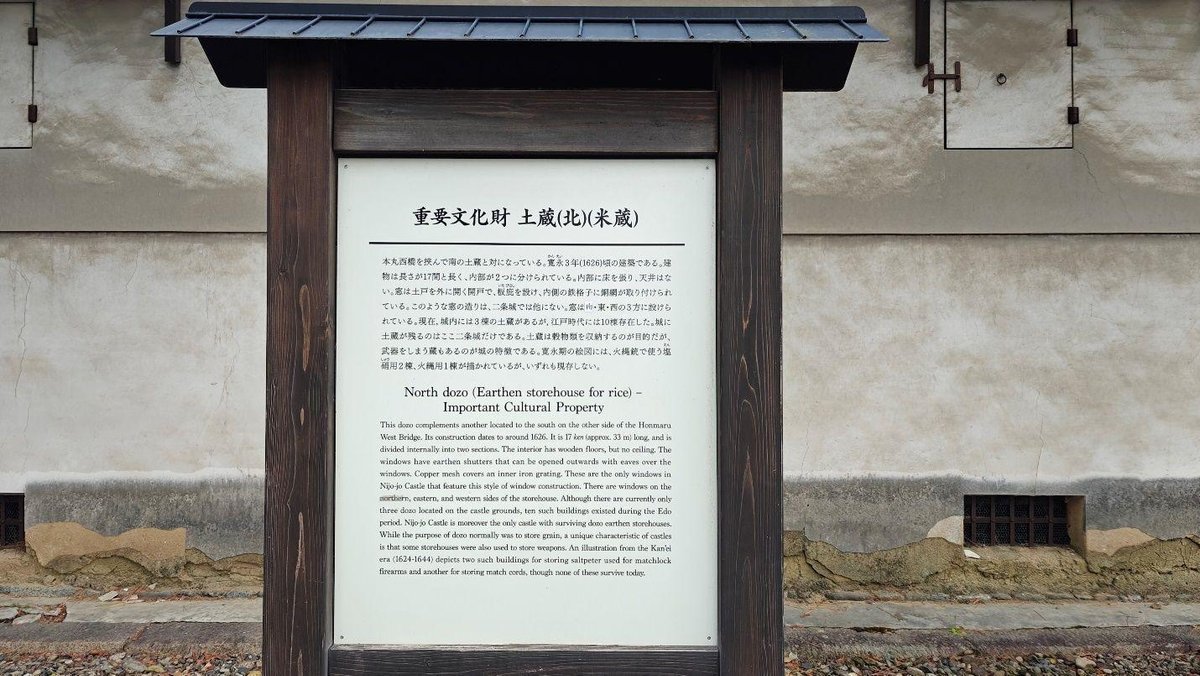
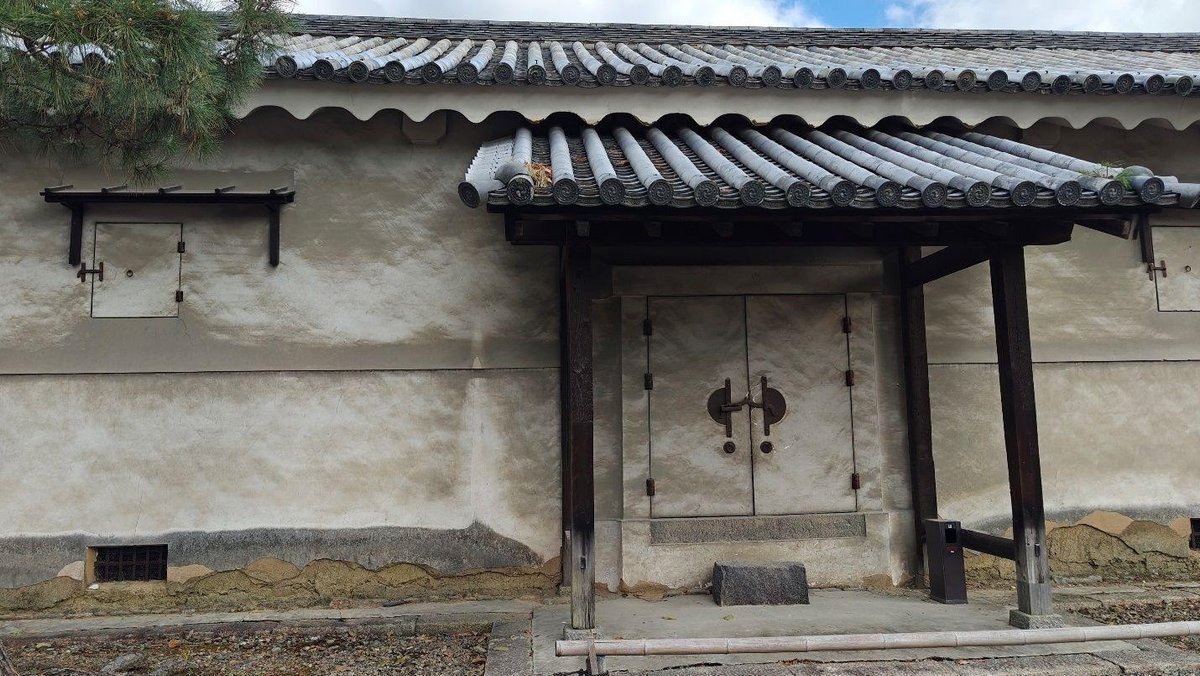
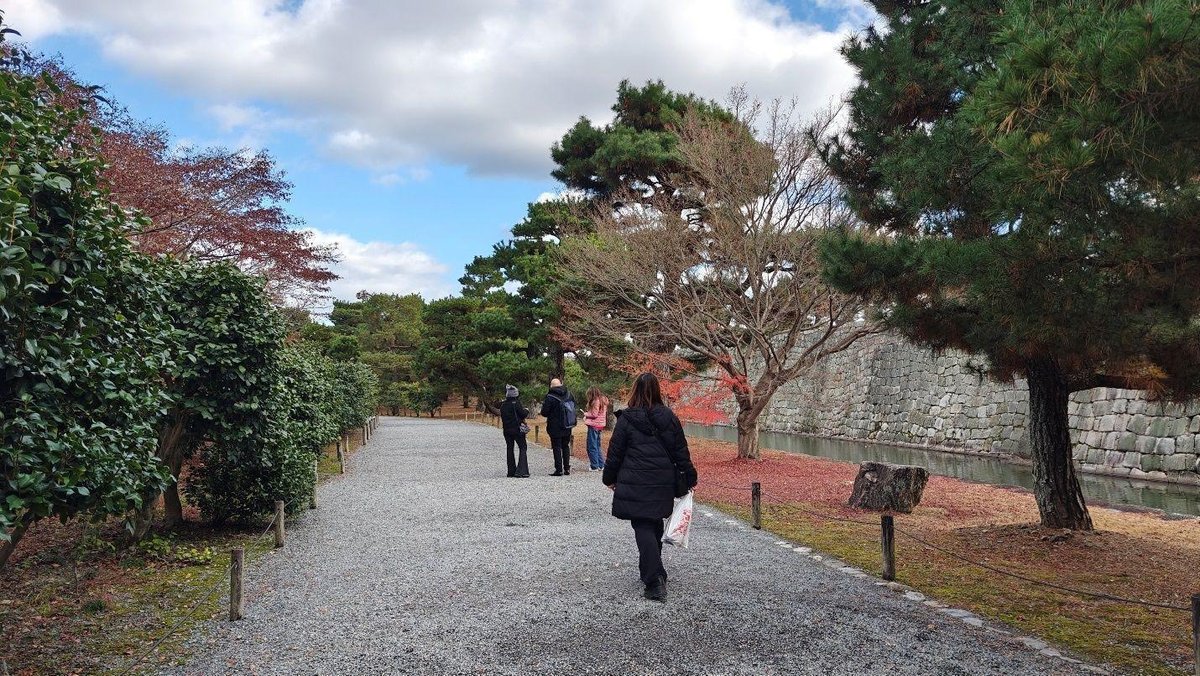
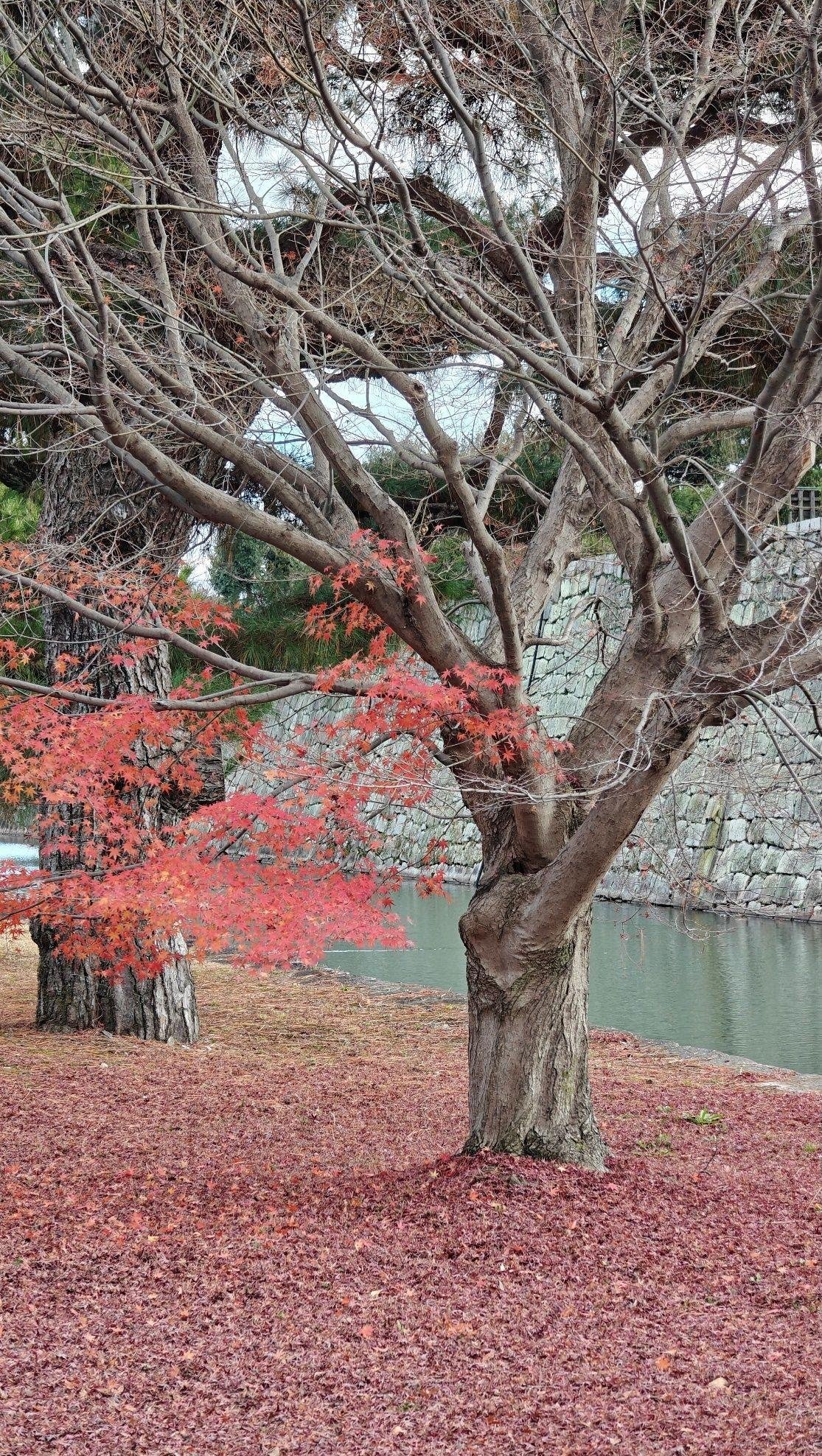
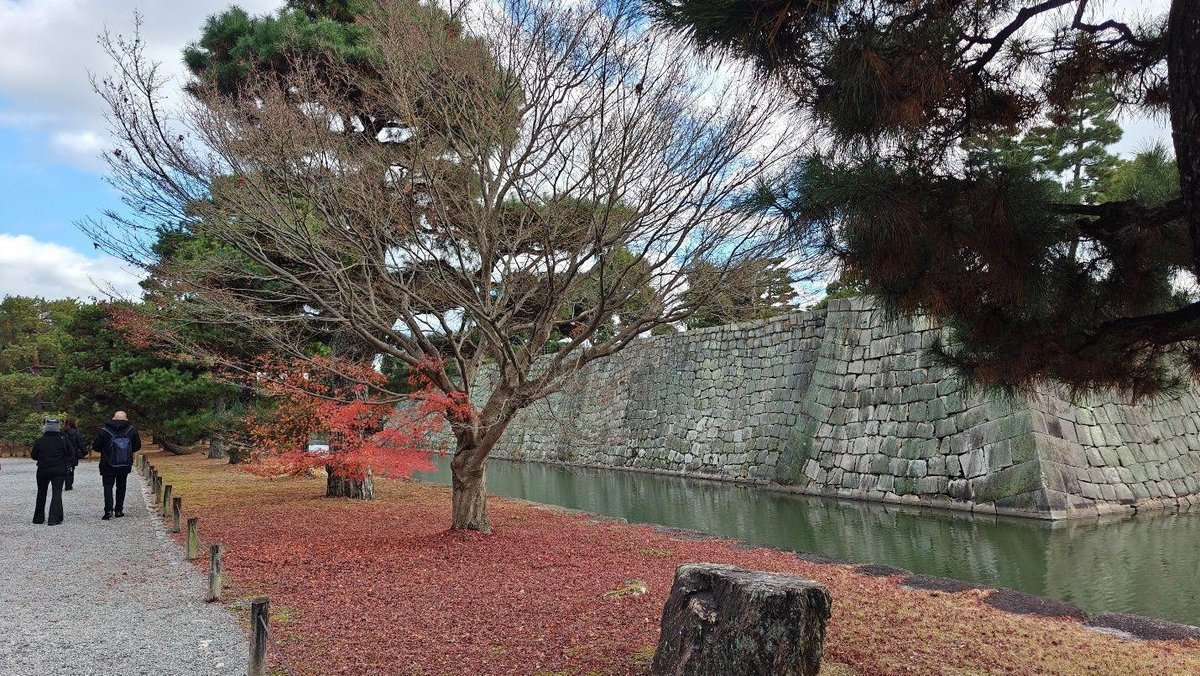
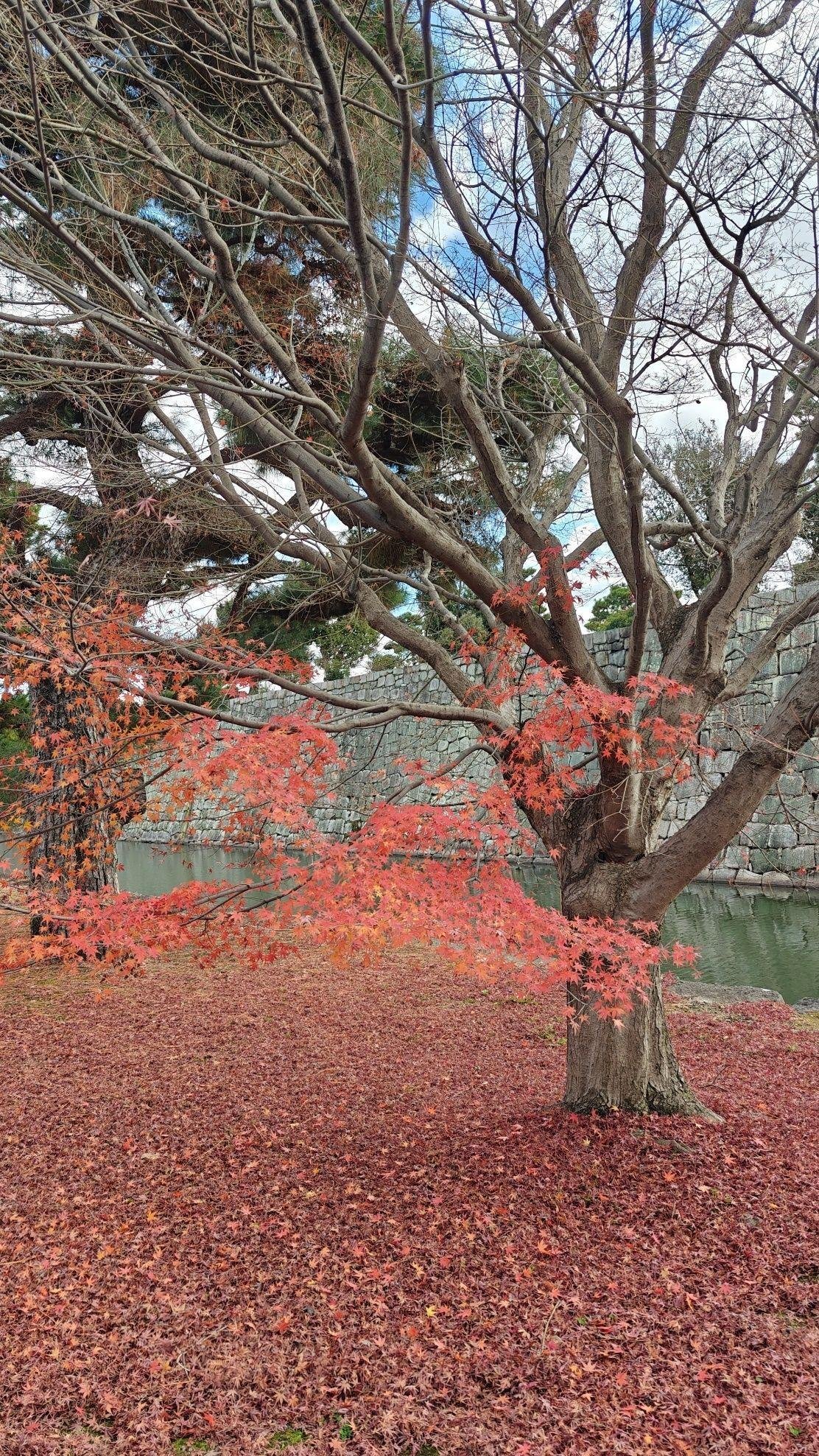
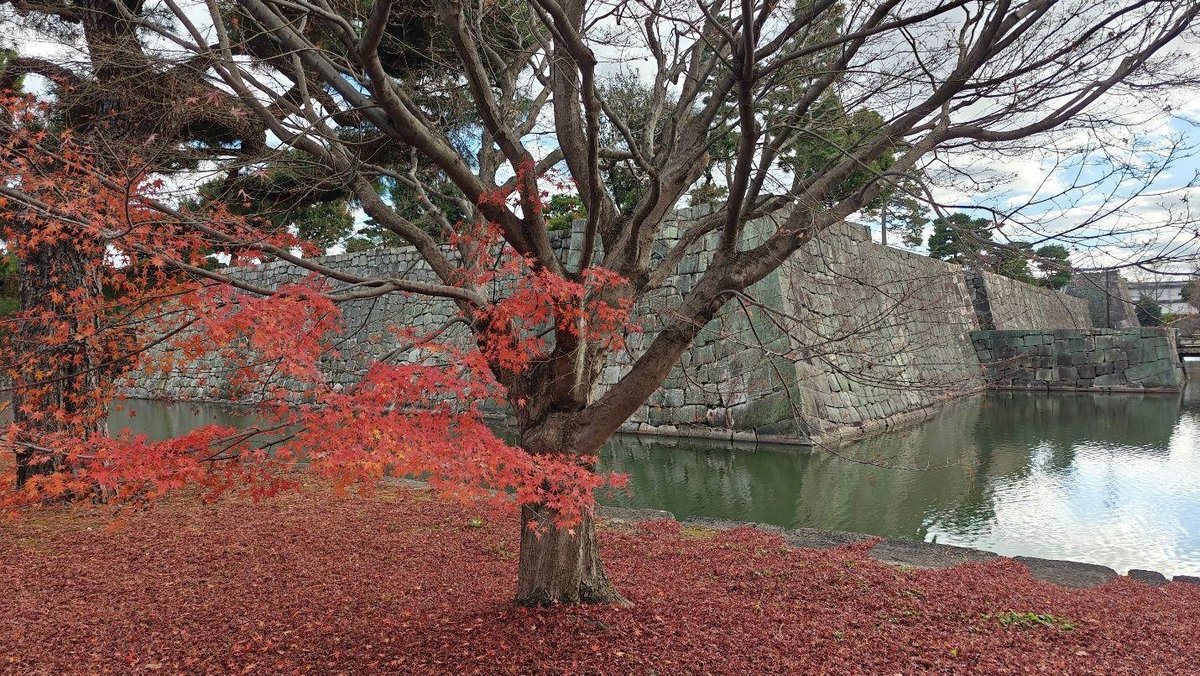
After passing by the North Dozo, the path then turned to the east which was the start of the northernmost section of the Nijo-jo Castle complex. There were actually a lot of landmarks here and even some establishments that served tea and food. Before I talk about those though, I’d like to point your attention to this sakura.
It was one of the few that still had some of its fall foliage albeit only very few were left. I think that if you’re planning to come here for the sakura then the best seasons would be late fall and spring (which unfortunately, are also the busiest for Kyoto).
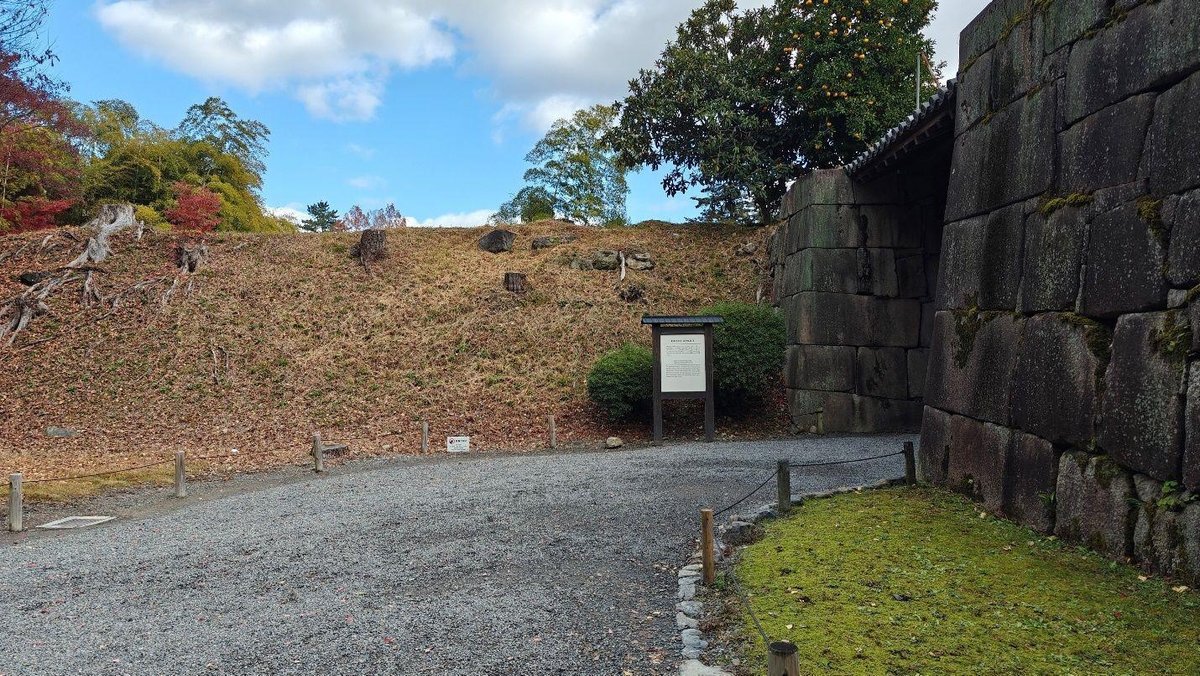
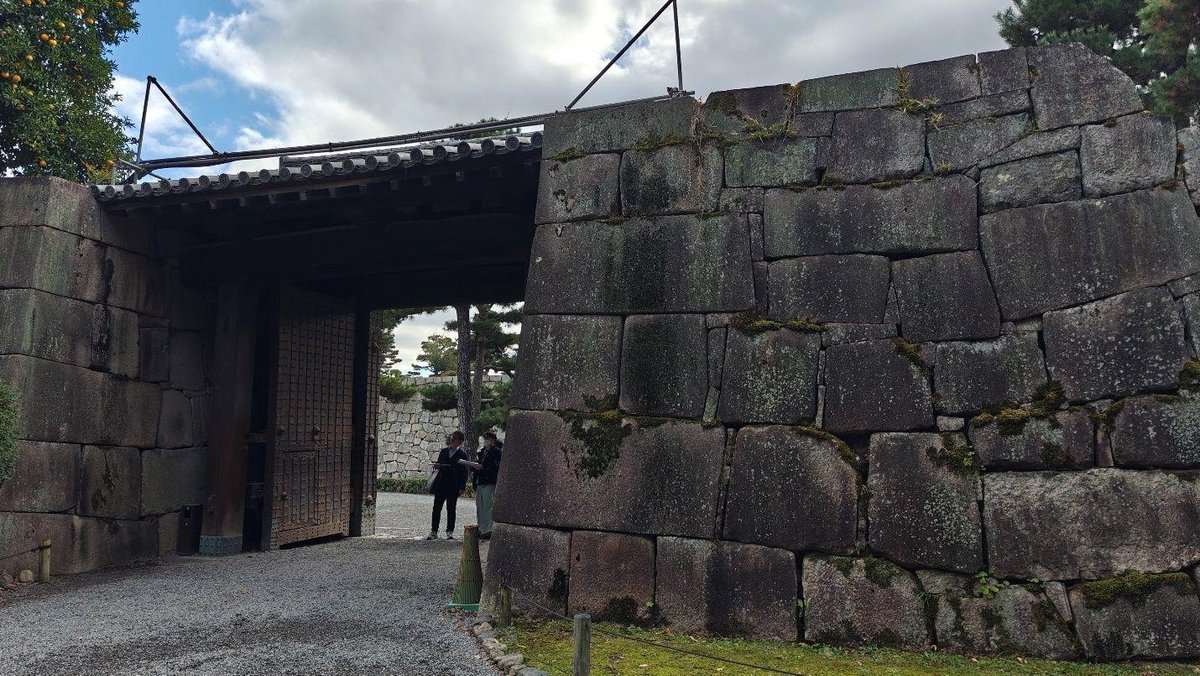
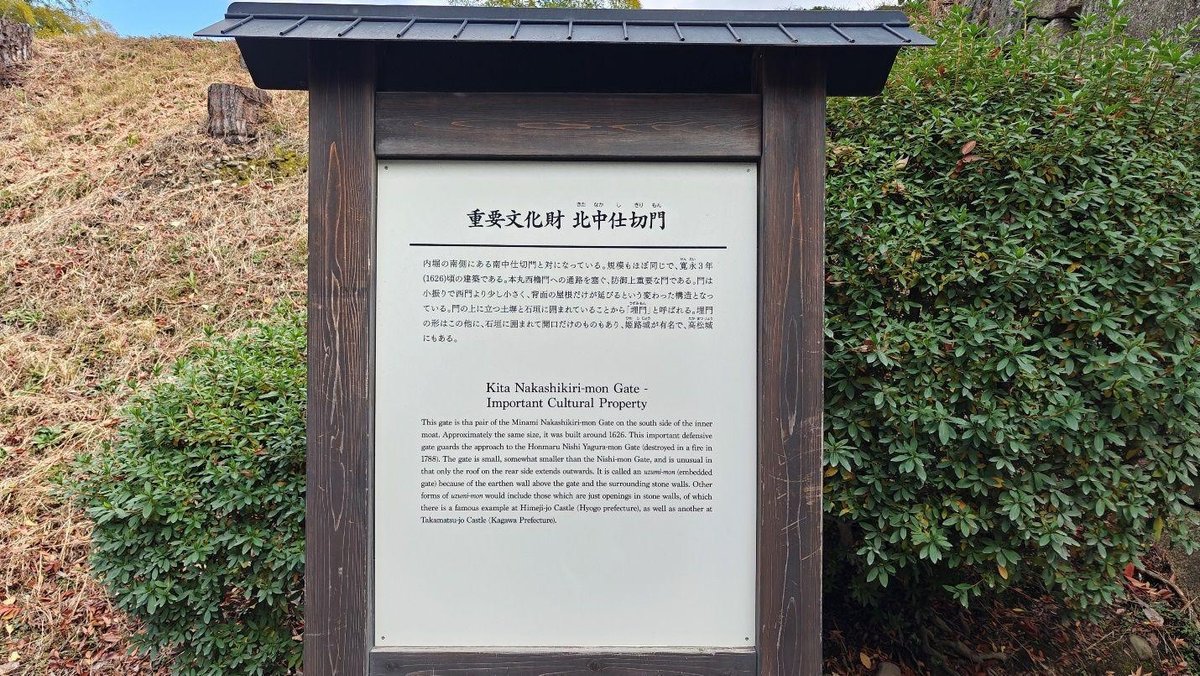
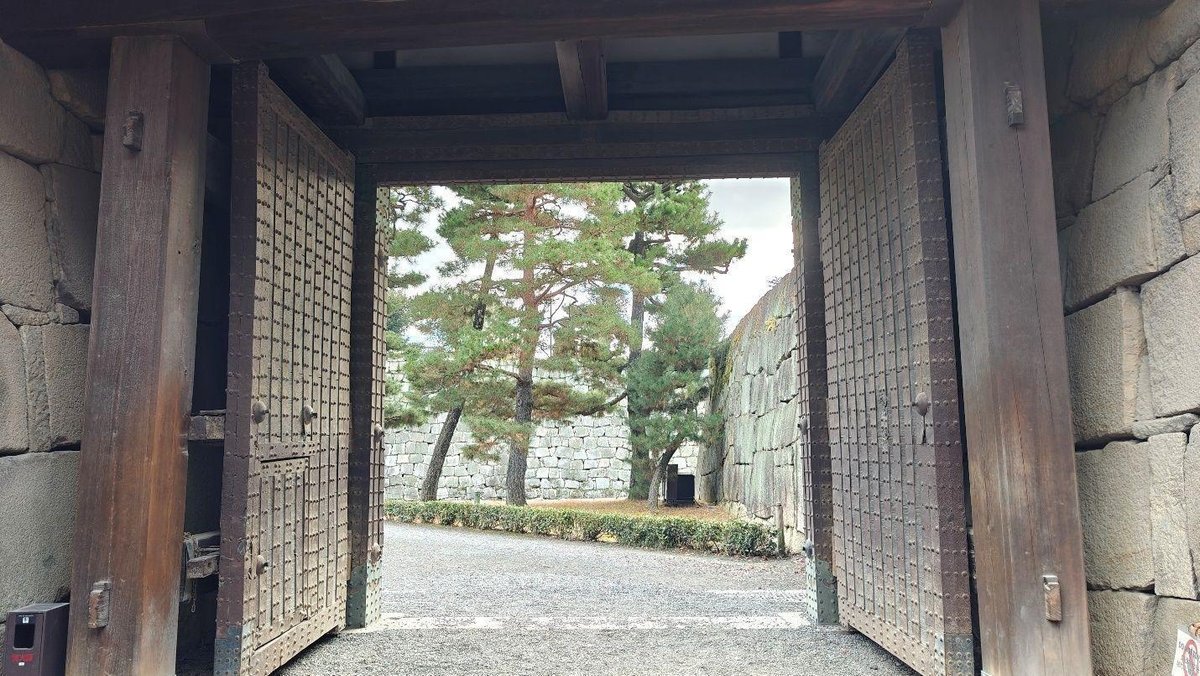
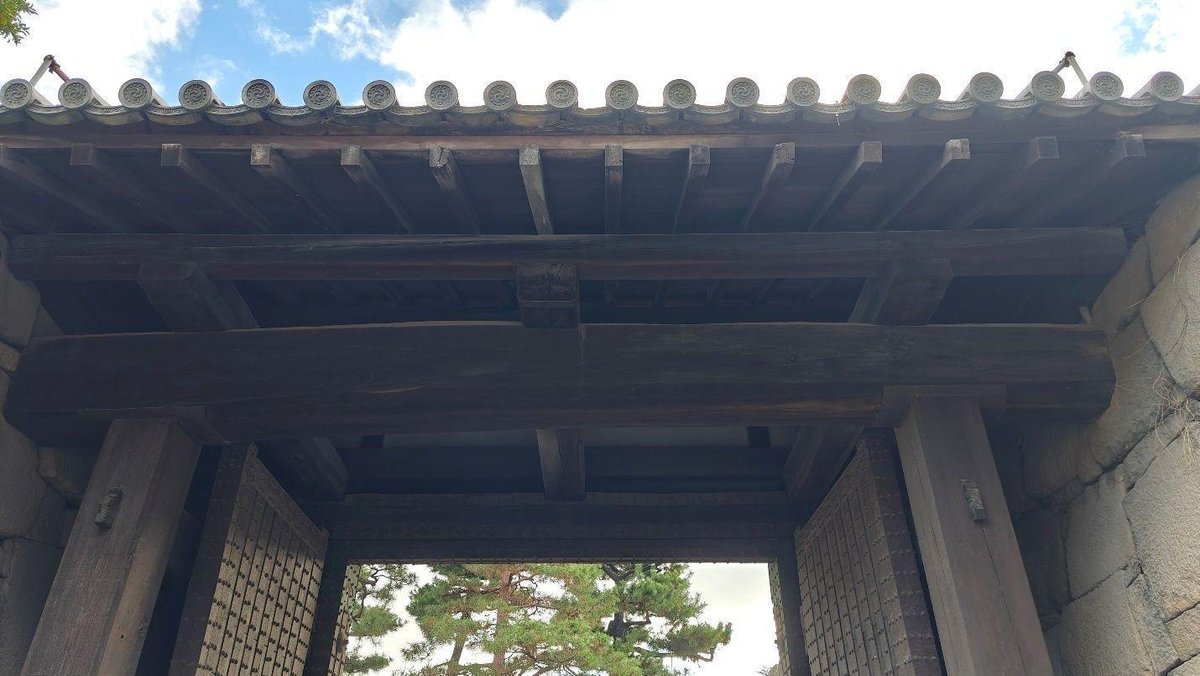
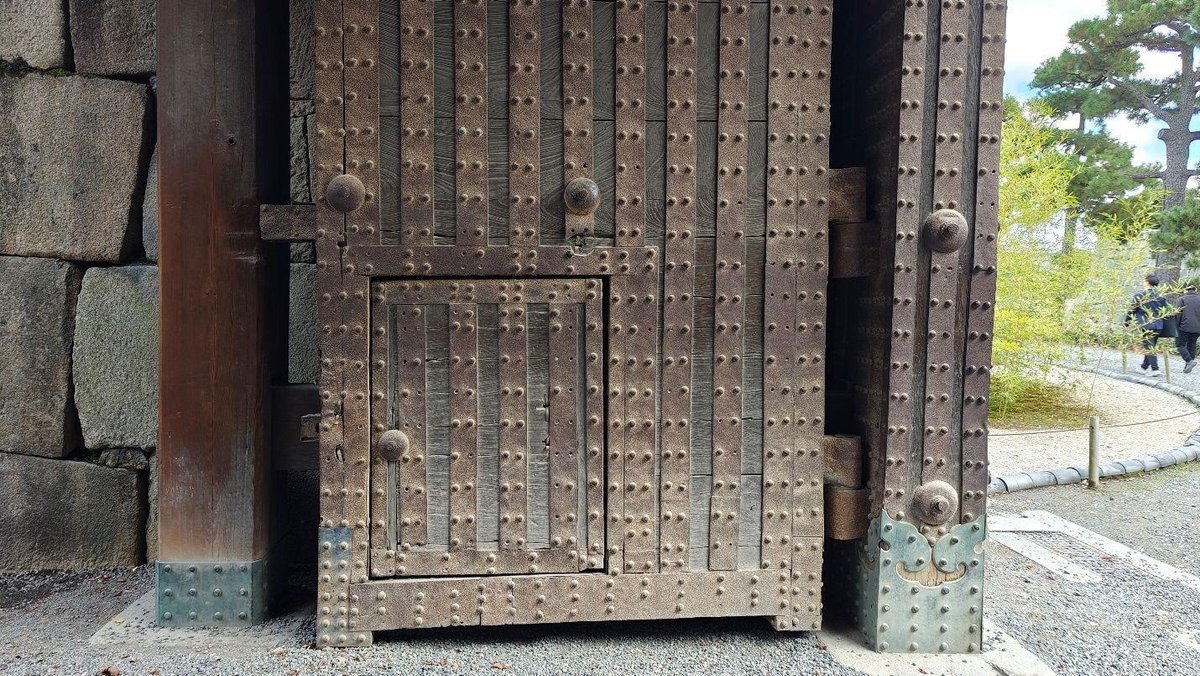
Eventually I came across one of the landmarks in Nijo-jo Castle’s northernmost area. The Kita Nishikiri-mon Gate is another Important Cultural Property that dates back to 1626. It looks really weathered and the doors were actually quite imposing.
Passing through here, you’ll eventually come across landmarks like the Seven Rocks of Kamo and the Seiryu-en Garden. Close to these landmarks are establishments like Sabo Maeda (teahouse next to the Seven Rocks of Kamo) and the Koun-tei (Kyoto-style Japanese restaurant that’s accessible from Seiryu-en Garden).
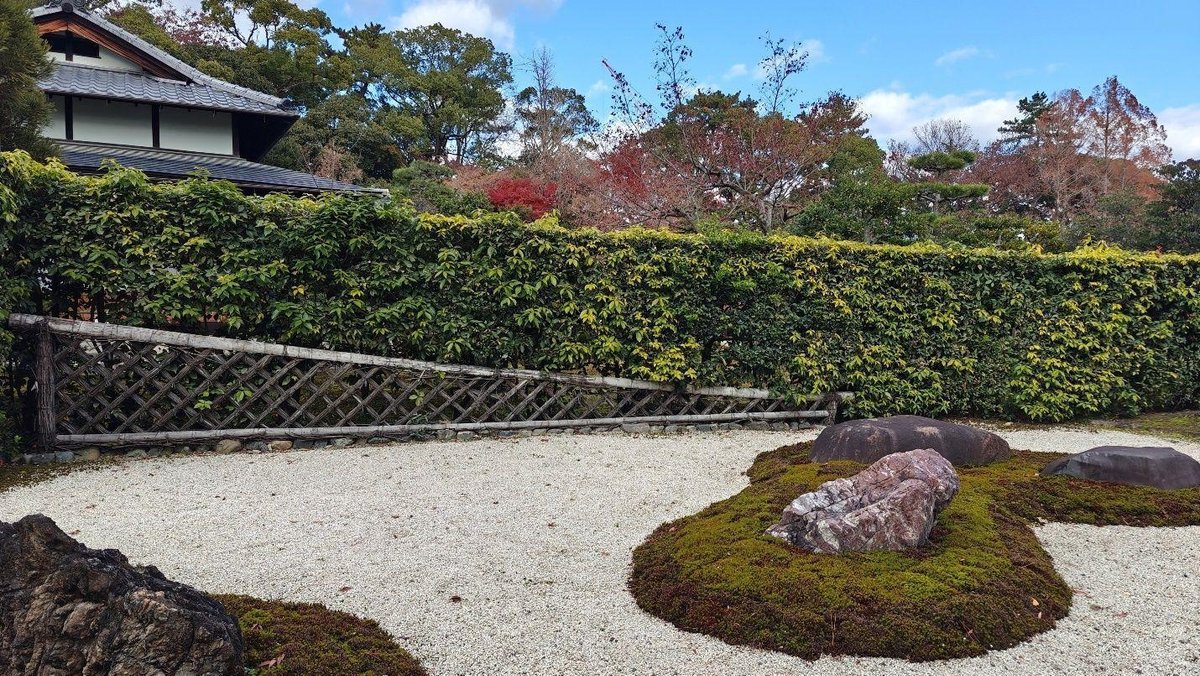
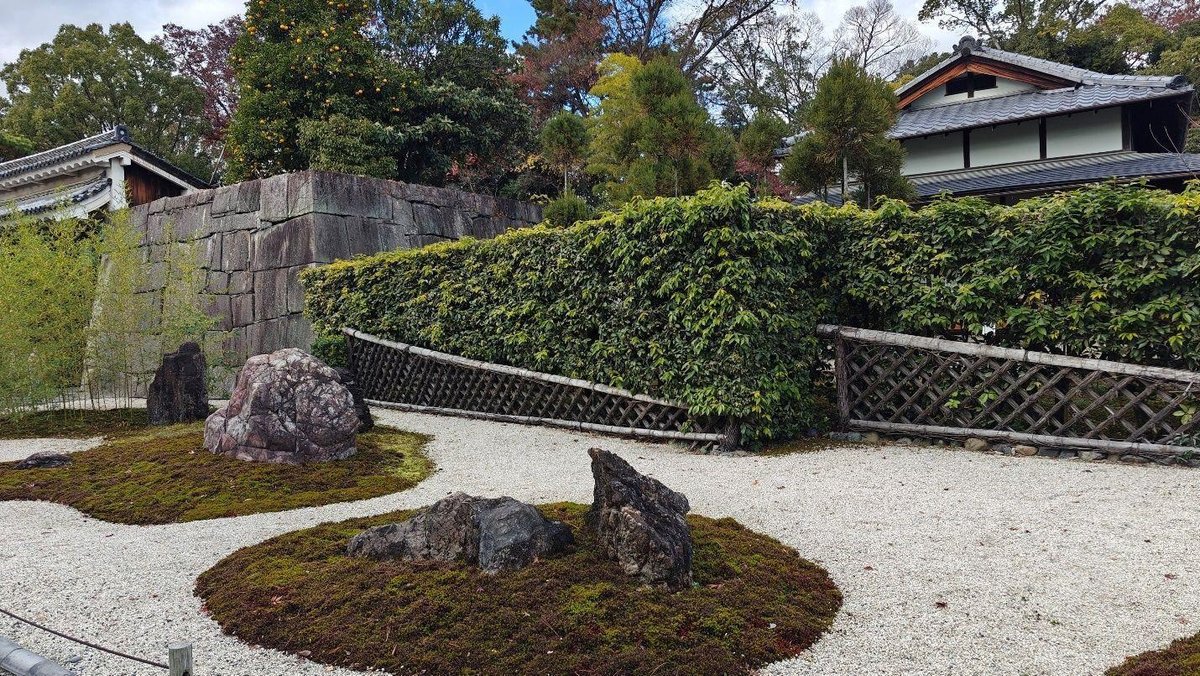
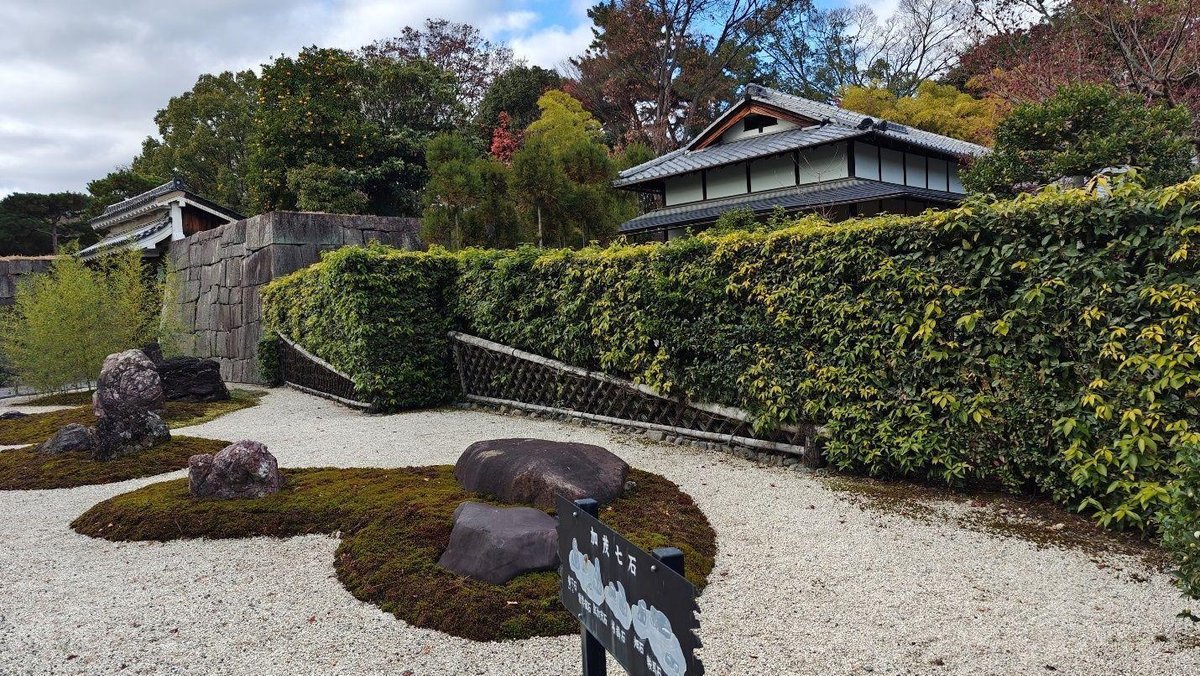
The Seven Rocks of Kamo and Sabo Maeda will be the first things you’ll see after passing through the Kita Nishikiri-mon Gate. The rocks are actually the seven types of stones that are found in the Kamo River system in Kyoto. These are quite popular in prestigious gardens and are also held in high regard by suiseki enthusiasts.
As for Sabo Maeda, it’s a tea room/cafe that also offers wagashi or traditional Japanese sweets.
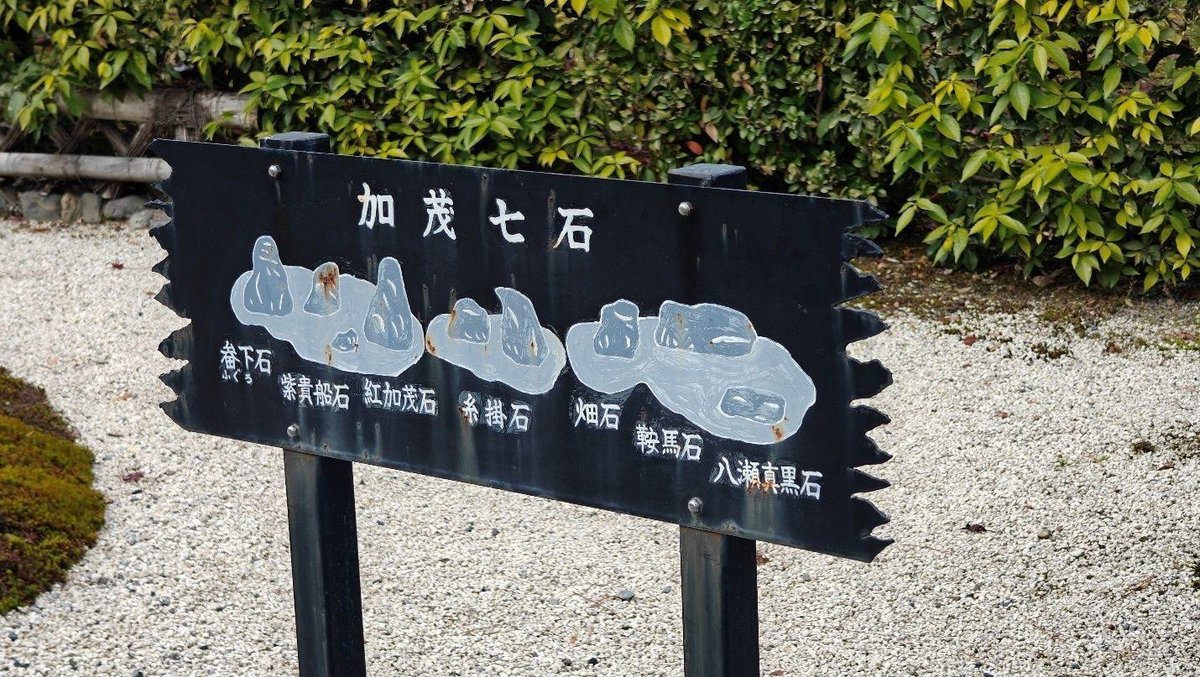
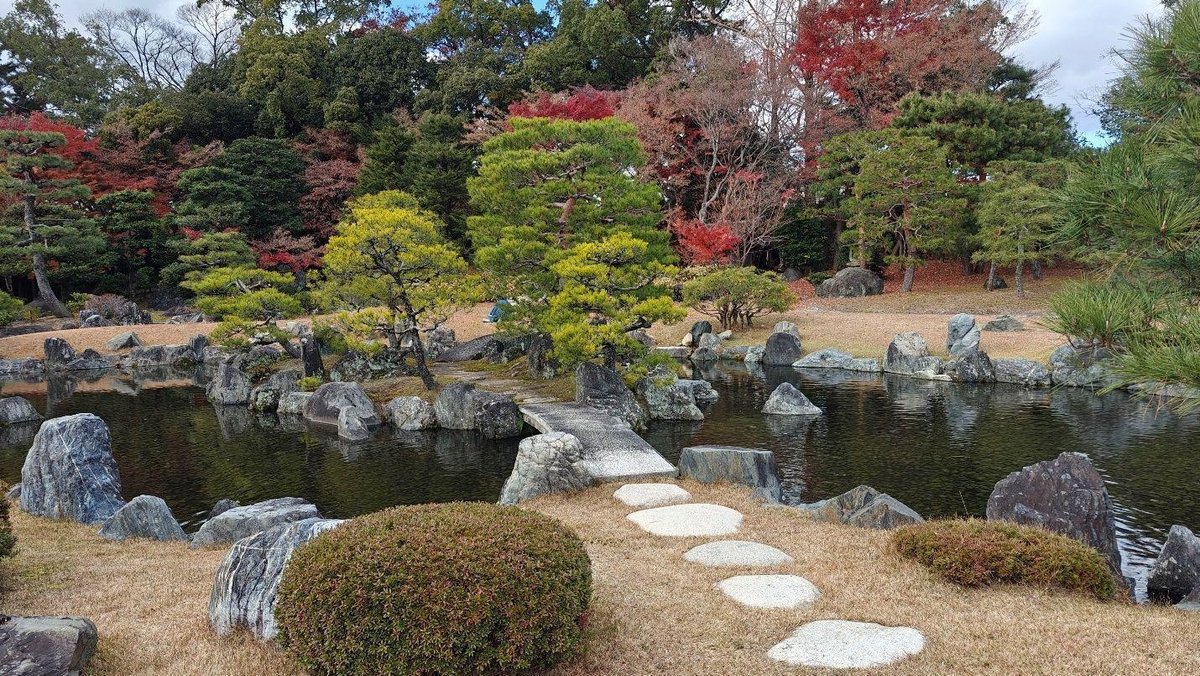
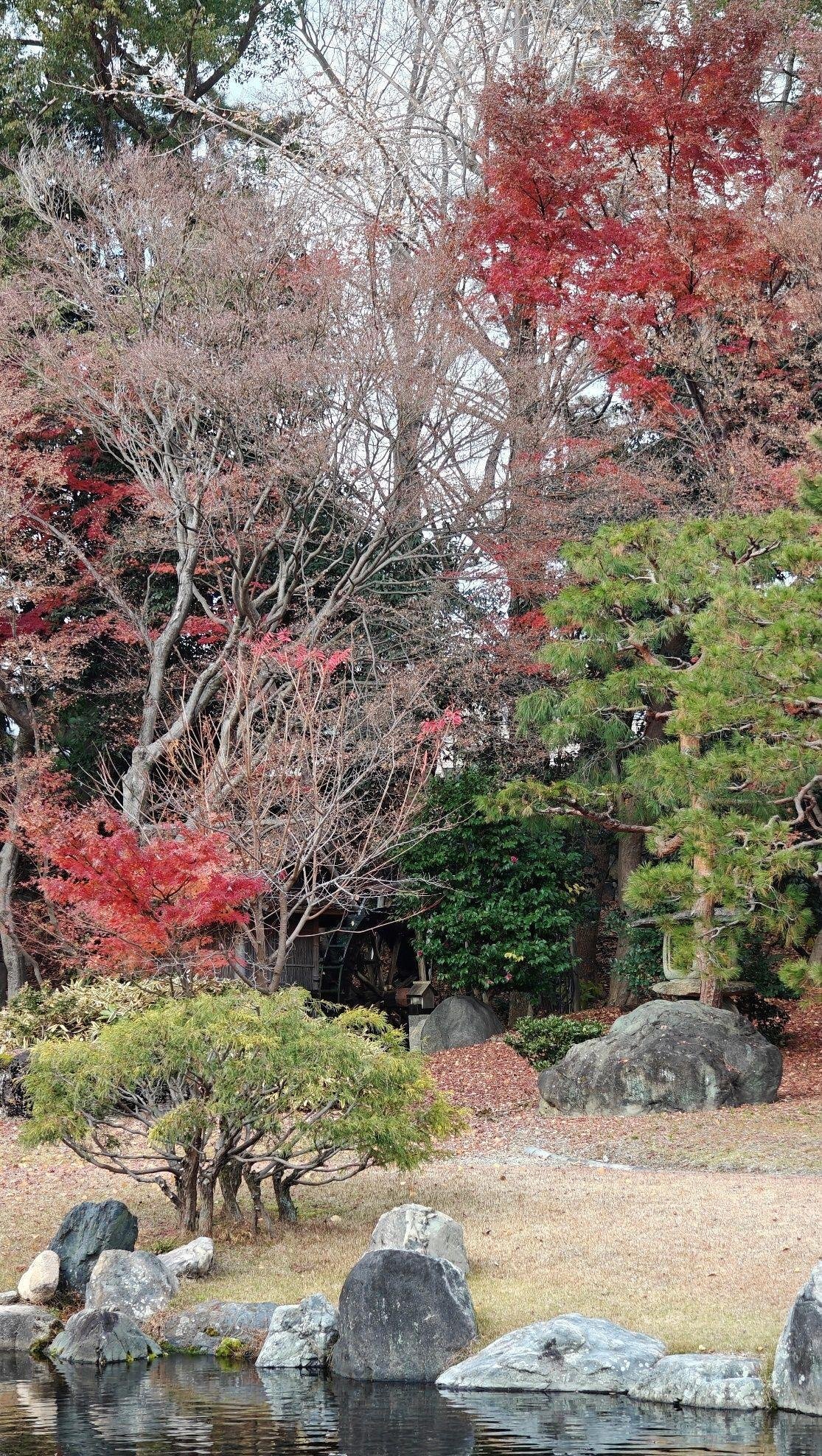
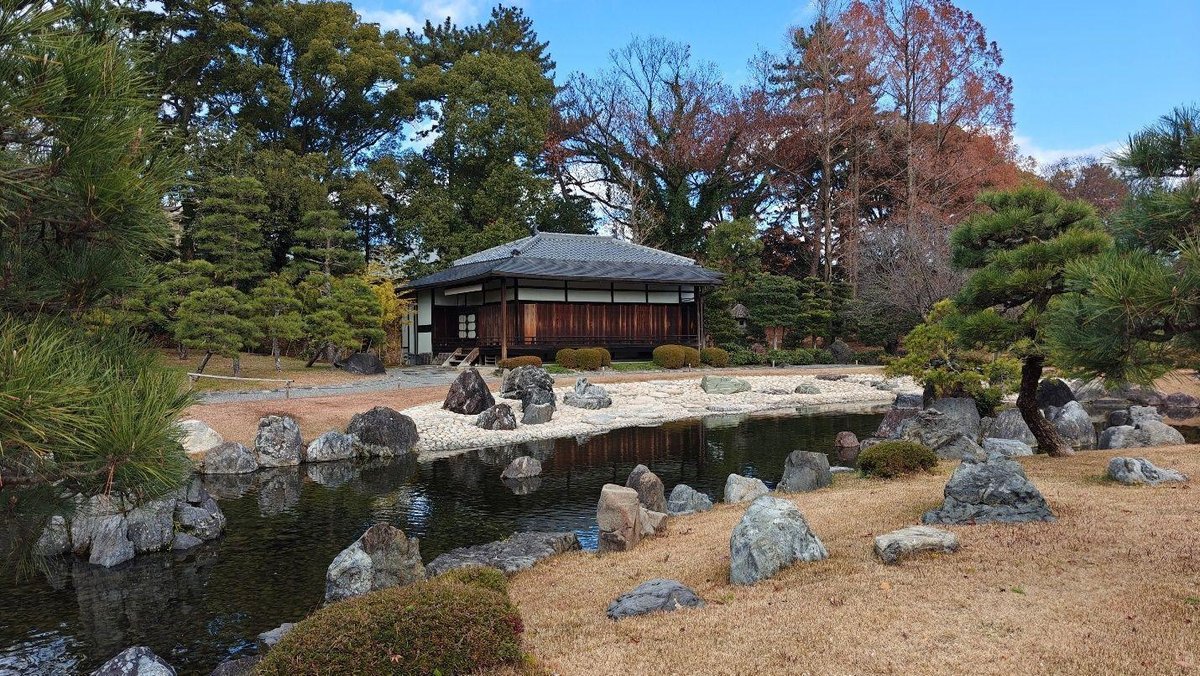
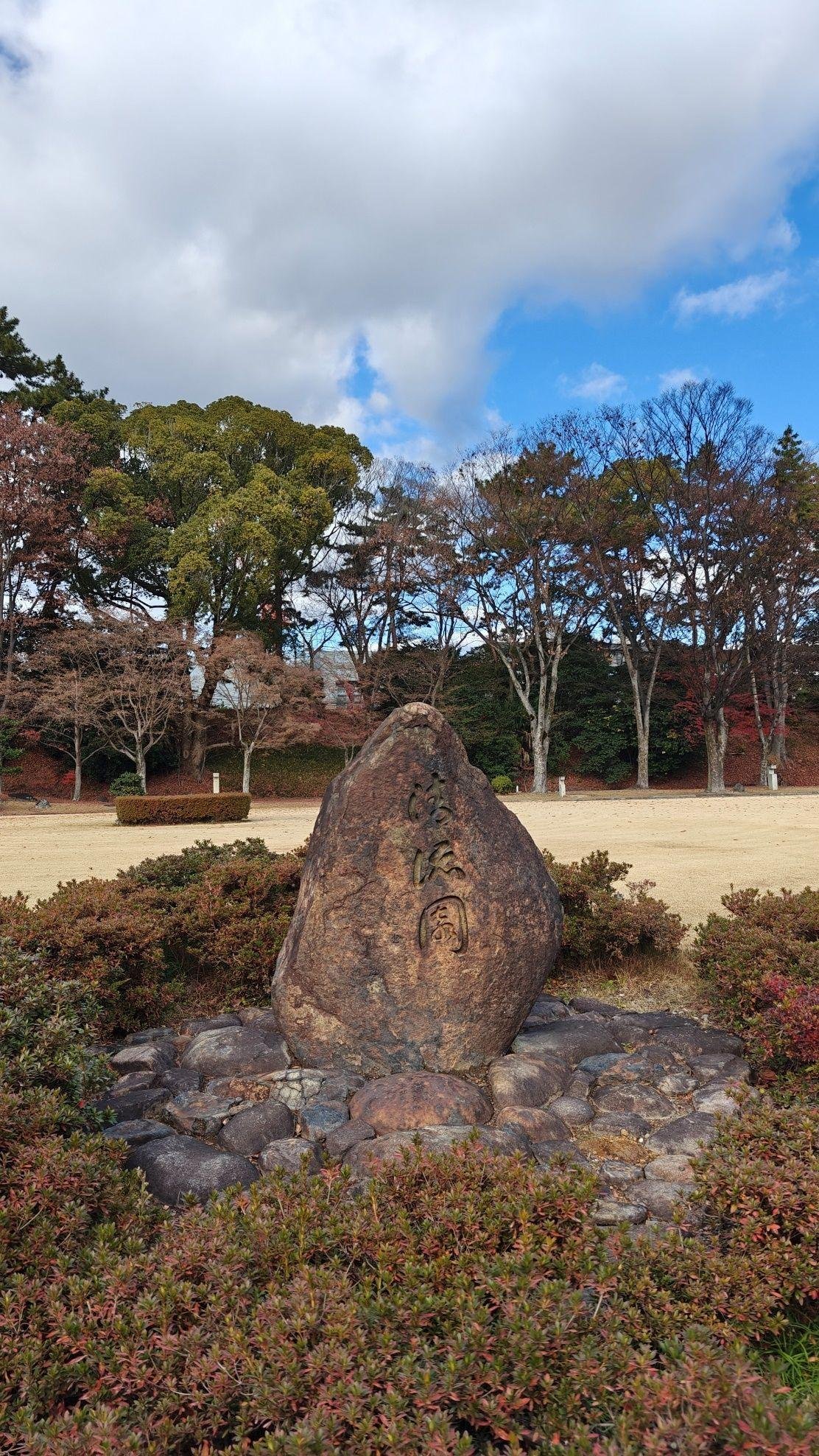
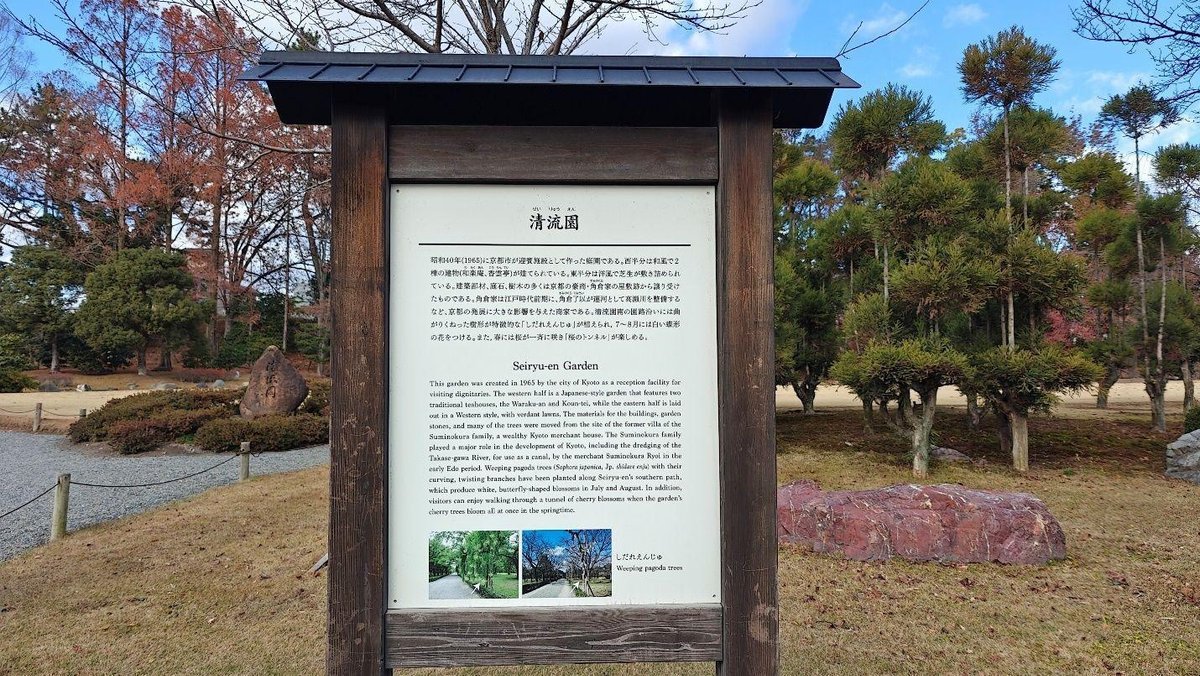
Seiryu-en Garden and Koun-tei are also just a couple of steps past Sabo Maeda and the Seven Rocks of Kamo. Seiryu-en is quite possibly one of the best gardens here at the castle complex and it reminded me quite a bit of Ginkaku-ji’s Jinkyo-ike (the central pond surrounded by the Ginshadan, Kogetsudai, and the Silver Pavilion/Ginkaku). Behind the garden is a restaurant called Koun-tei.
Unlike the Sabo Maeda, entry to this establishment is by reservation only. At the very least, you’re going to want to book by 3:00PM of the day prior to your reserved date. As for its menu, expect very traditional Kyoto-style cuisine.
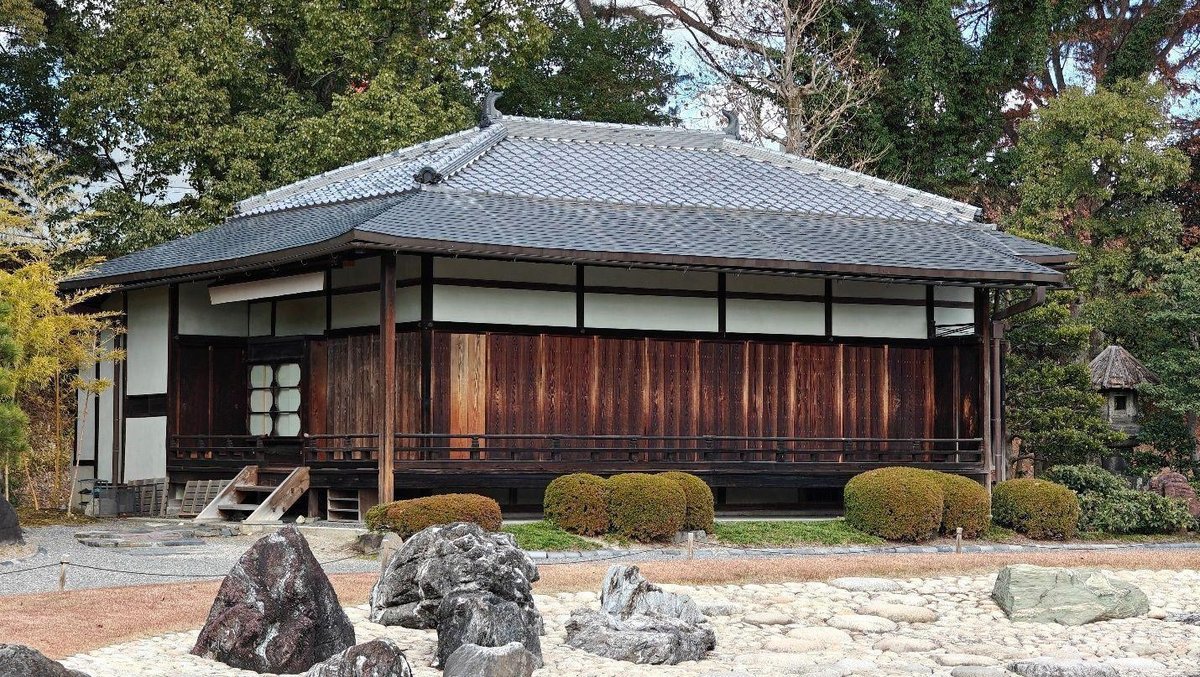
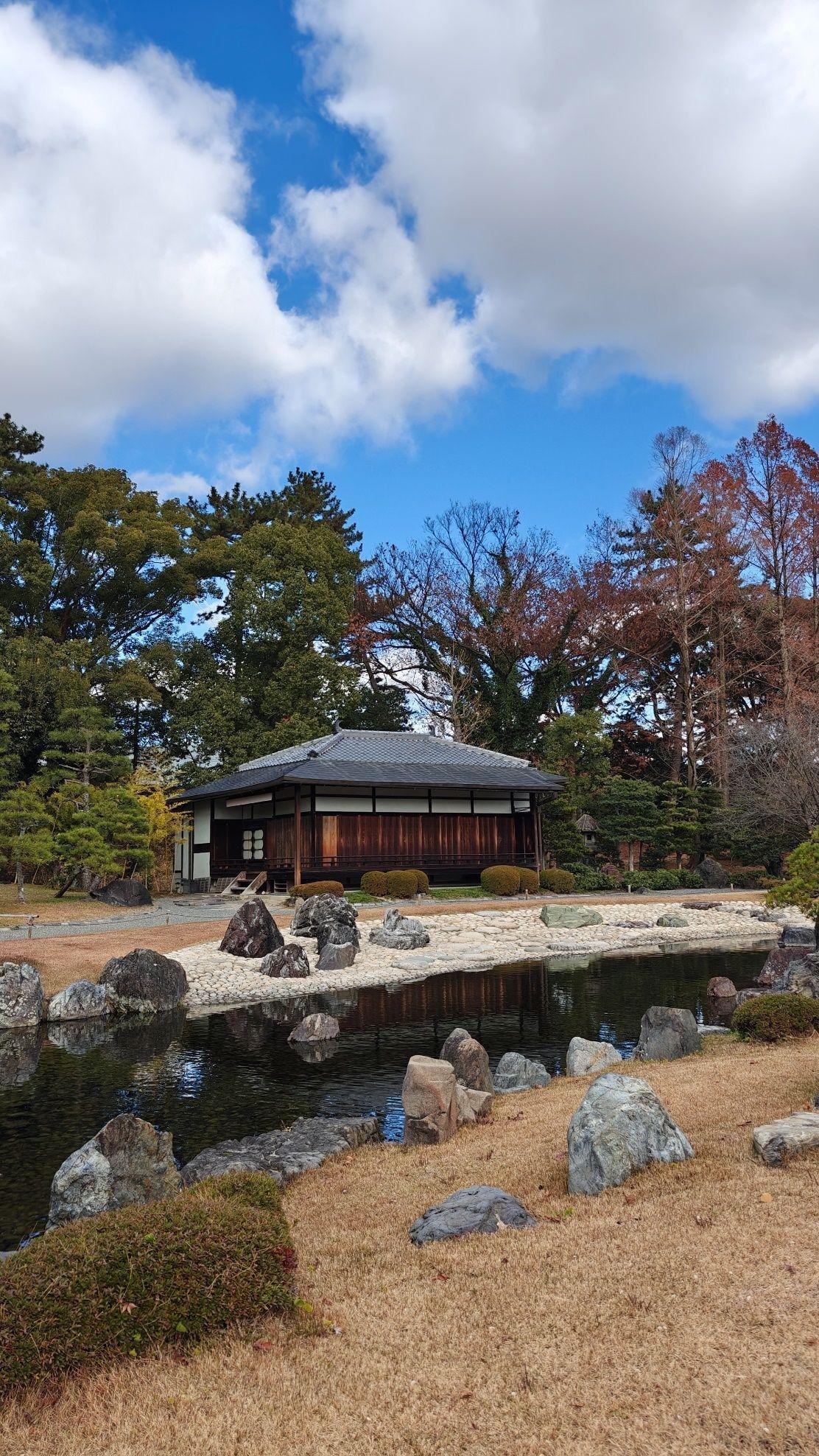
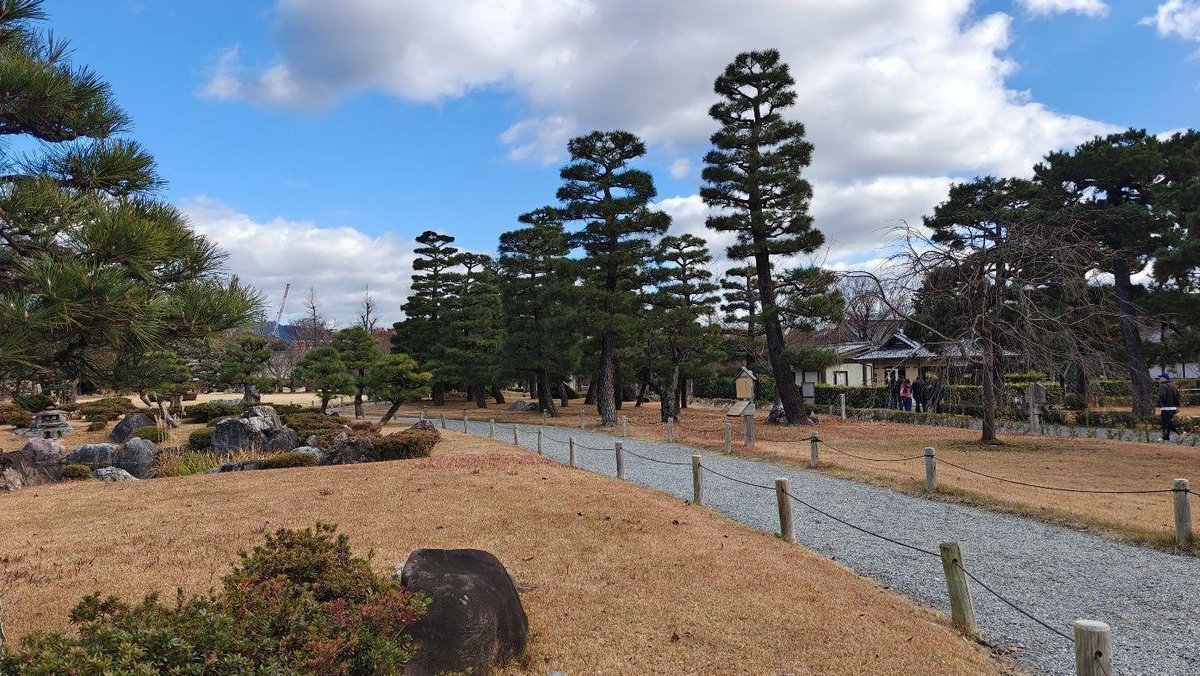
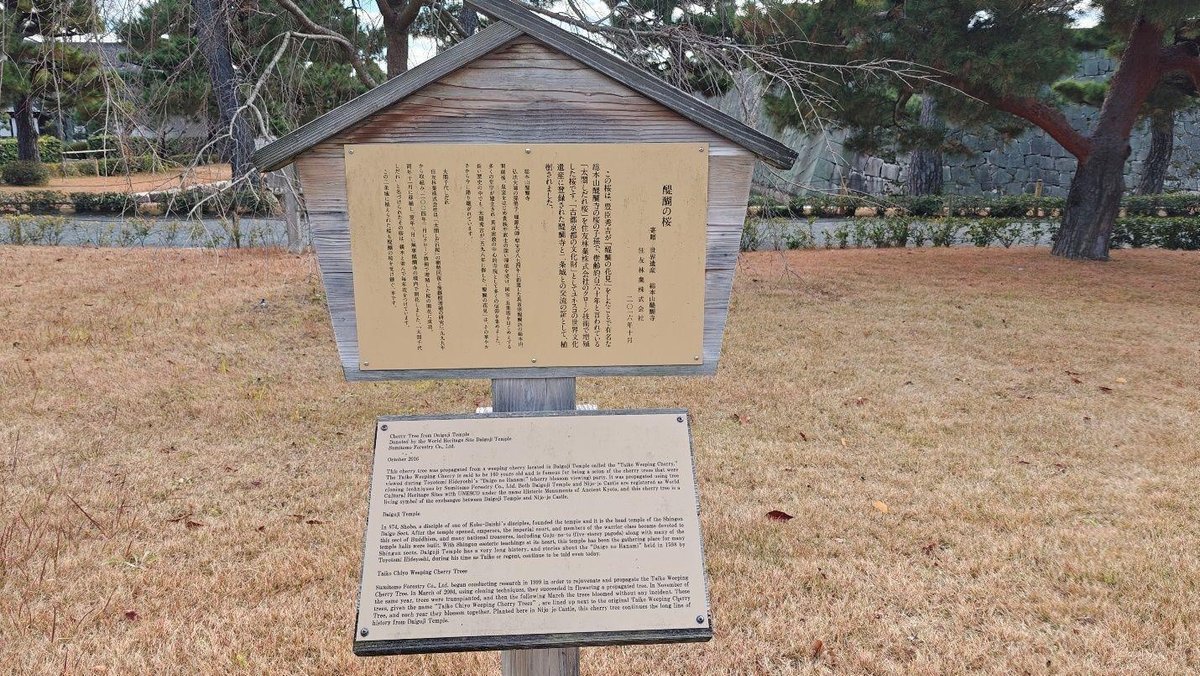
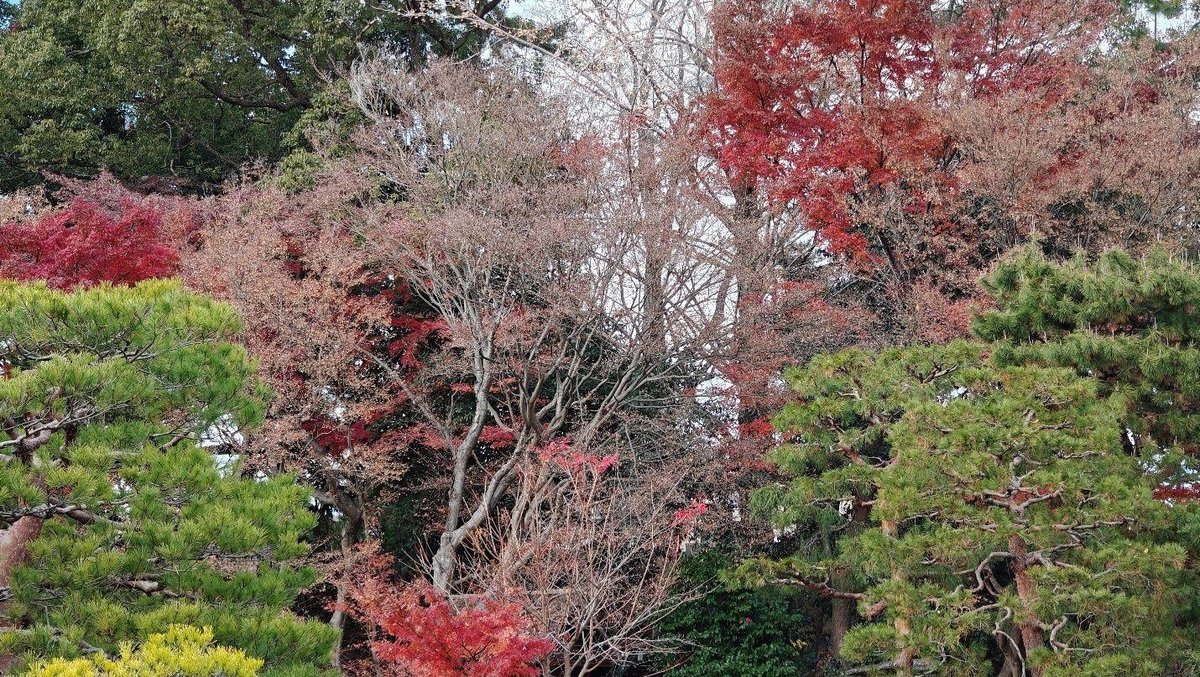
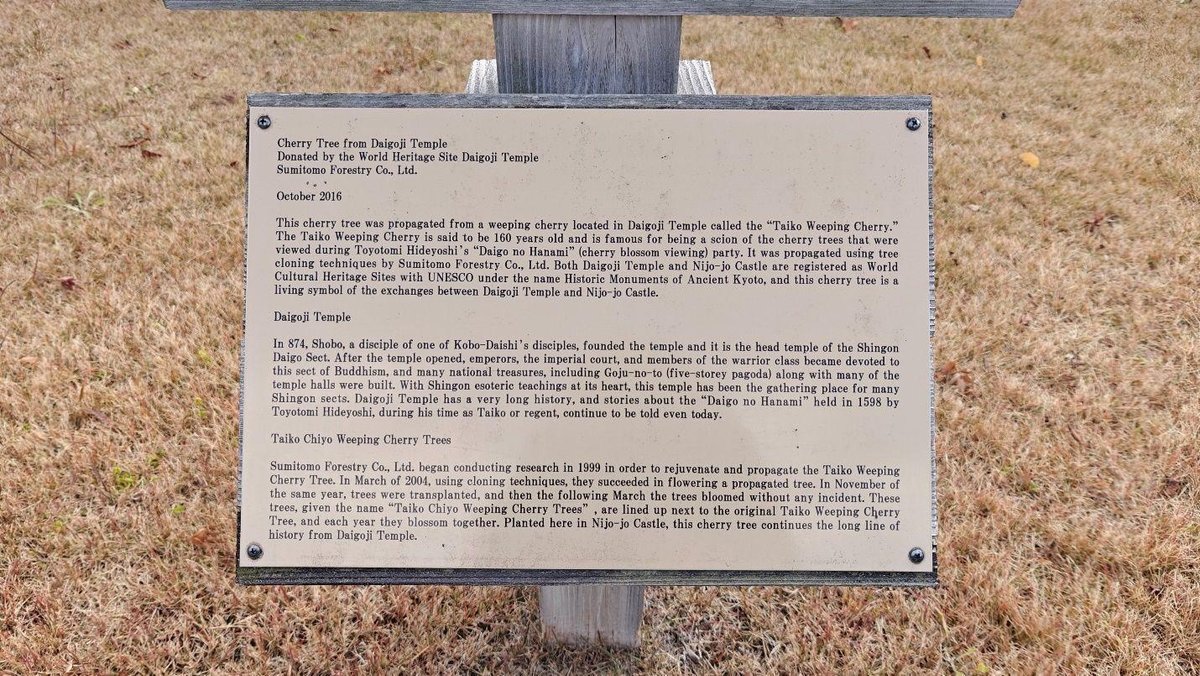
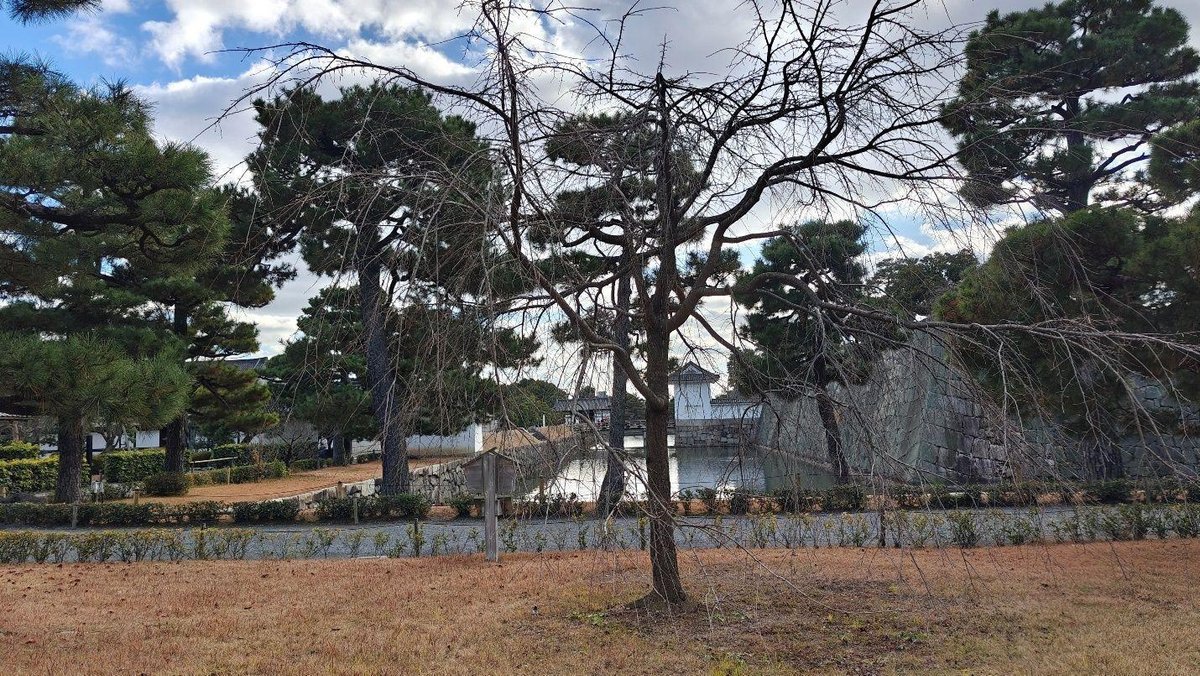
The area around Seiryu-en also features plenty of sakura with some even coming from Buddhist temples. Just behind the sign, you’ll see a glimpse of a weeping cherry donated from Daigo-ji Temple which also happens to be in Kyoto. Again, this means that it’s going to look really good during the spring and fall seasons here.
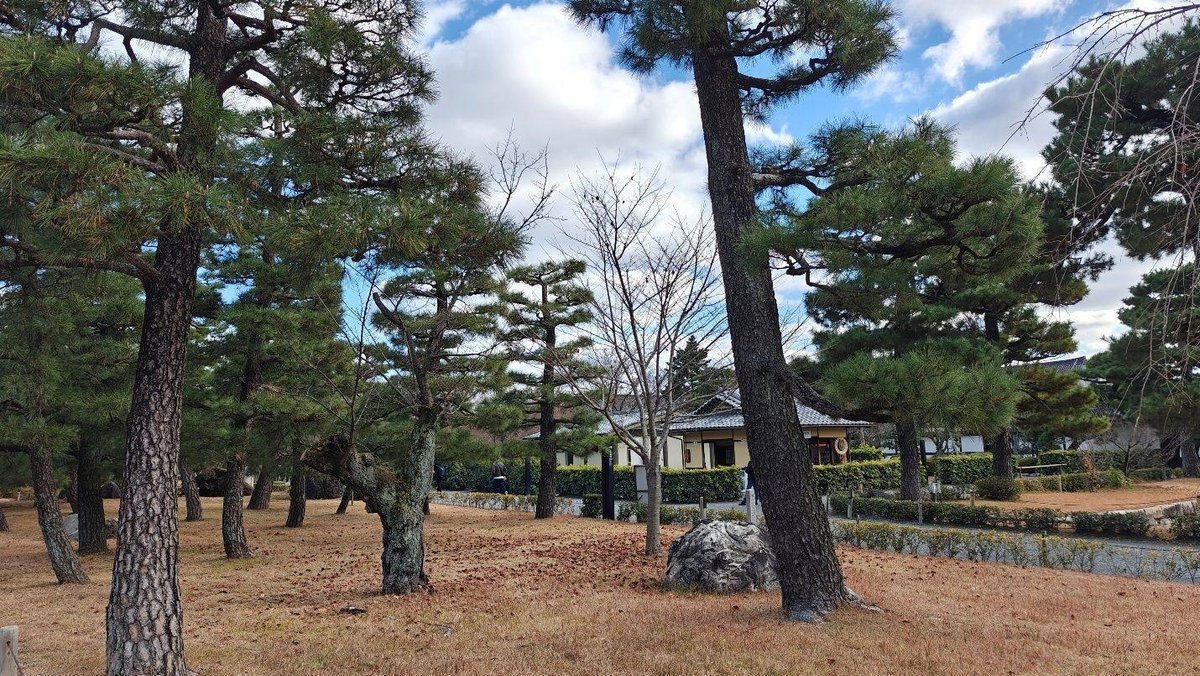
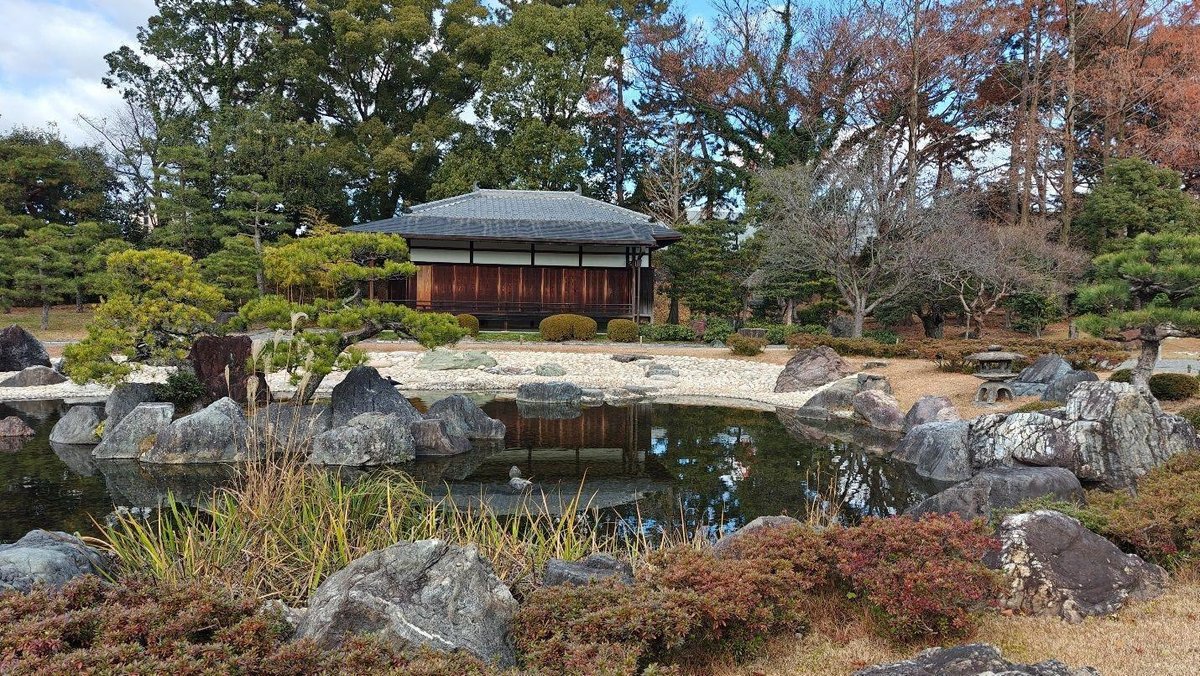
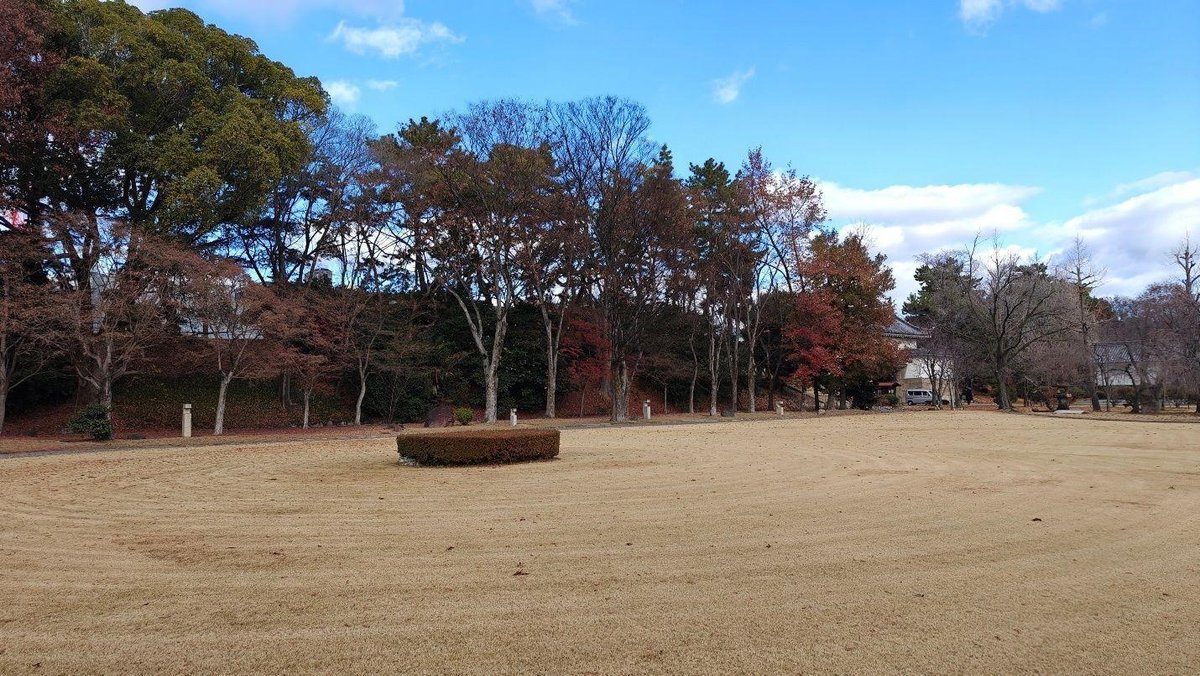
So earlier, you saw the Western side of Seiryu-en which featured a more traditional Japanese layout with a pond, a good number of trees, and some rocks/stones. Off to the side of that though is another section of Seiryu-en that is inspired more by Western minimalist gardens. Instead of gravel, it only has a grass lawn with what looks like a manicured bush at its center.
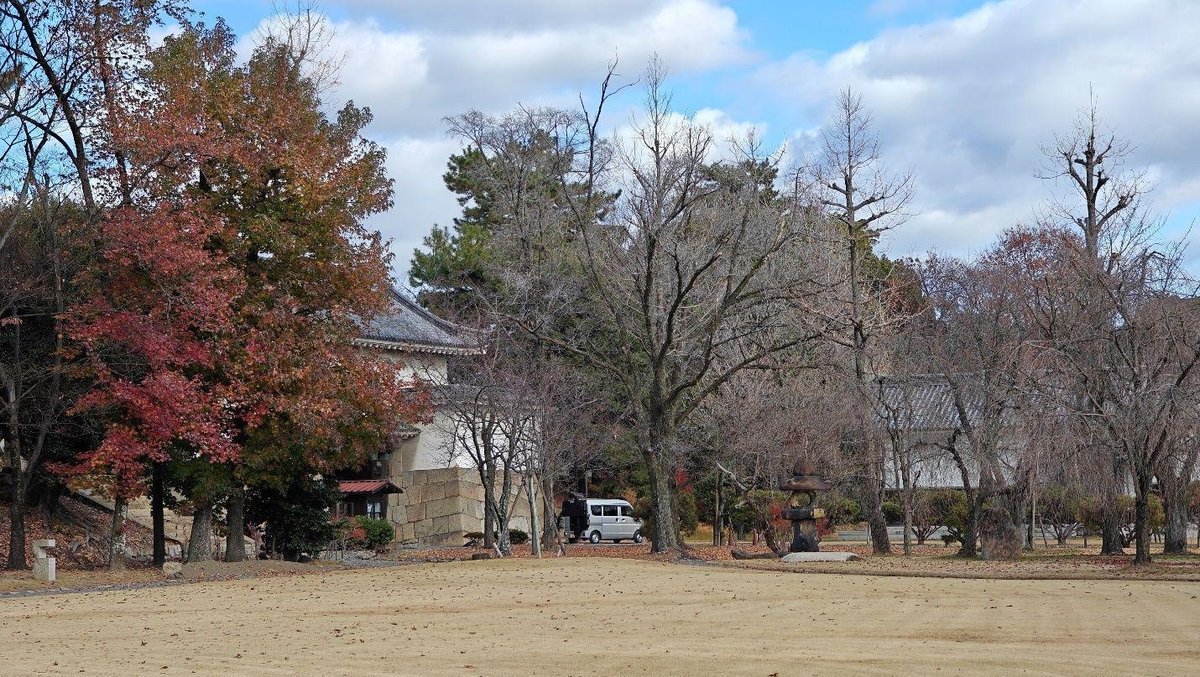
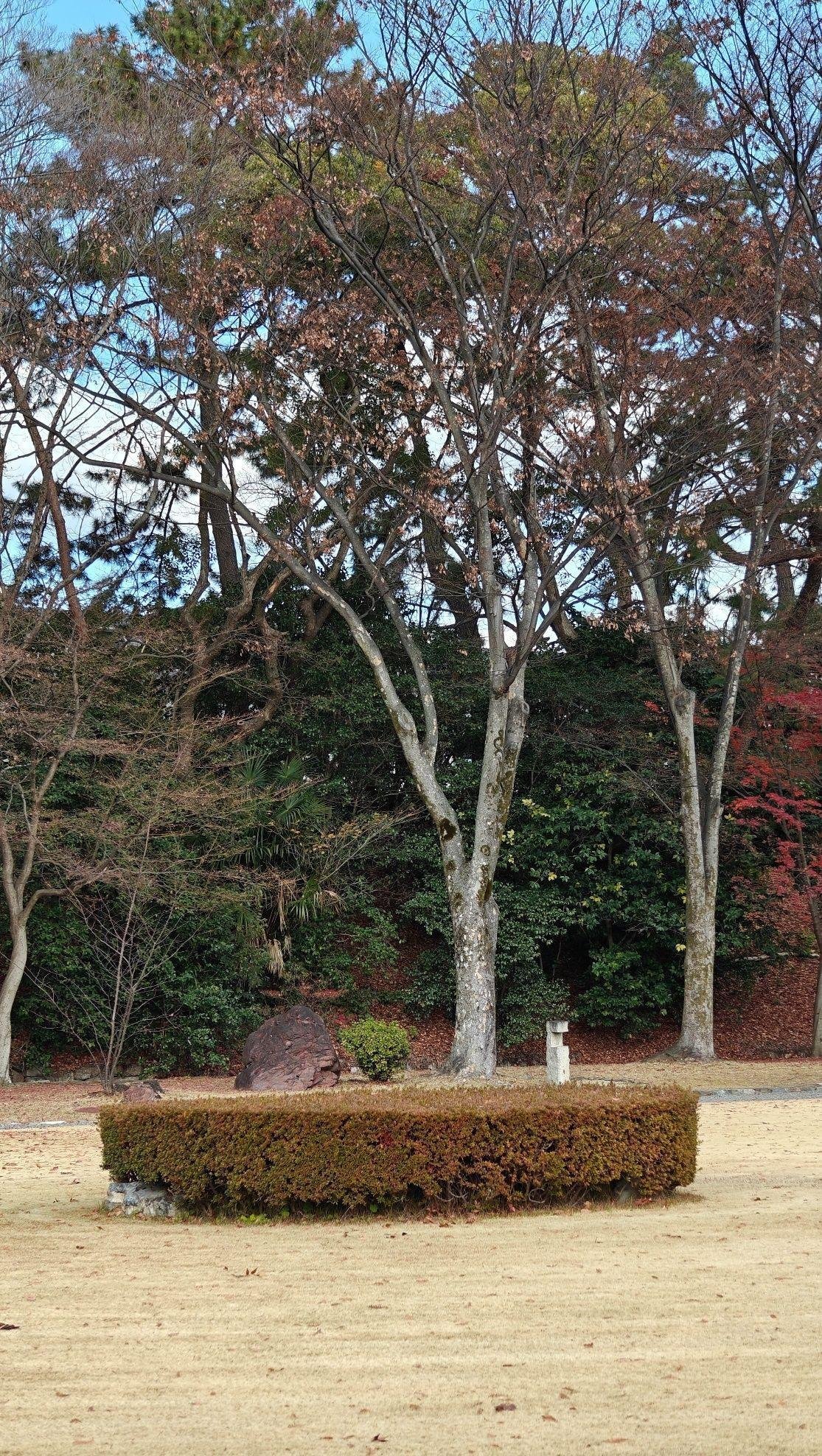
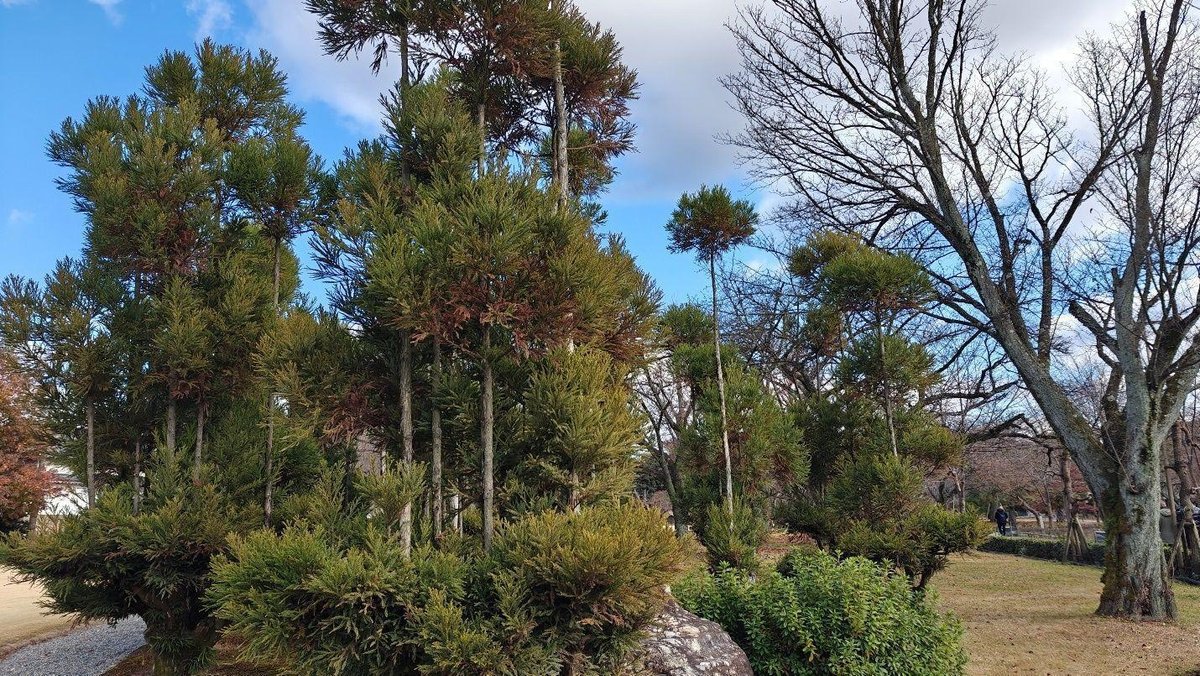
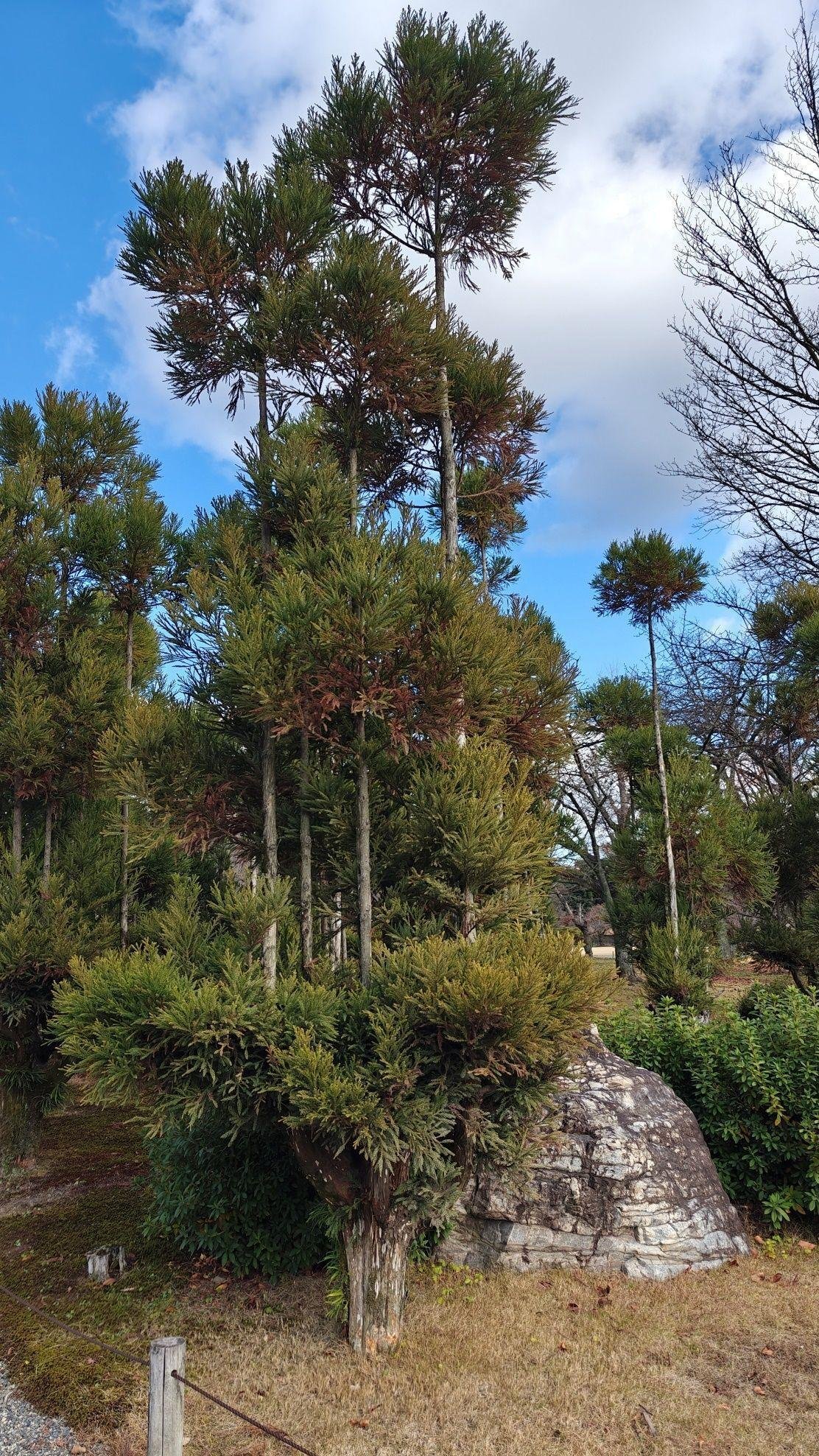
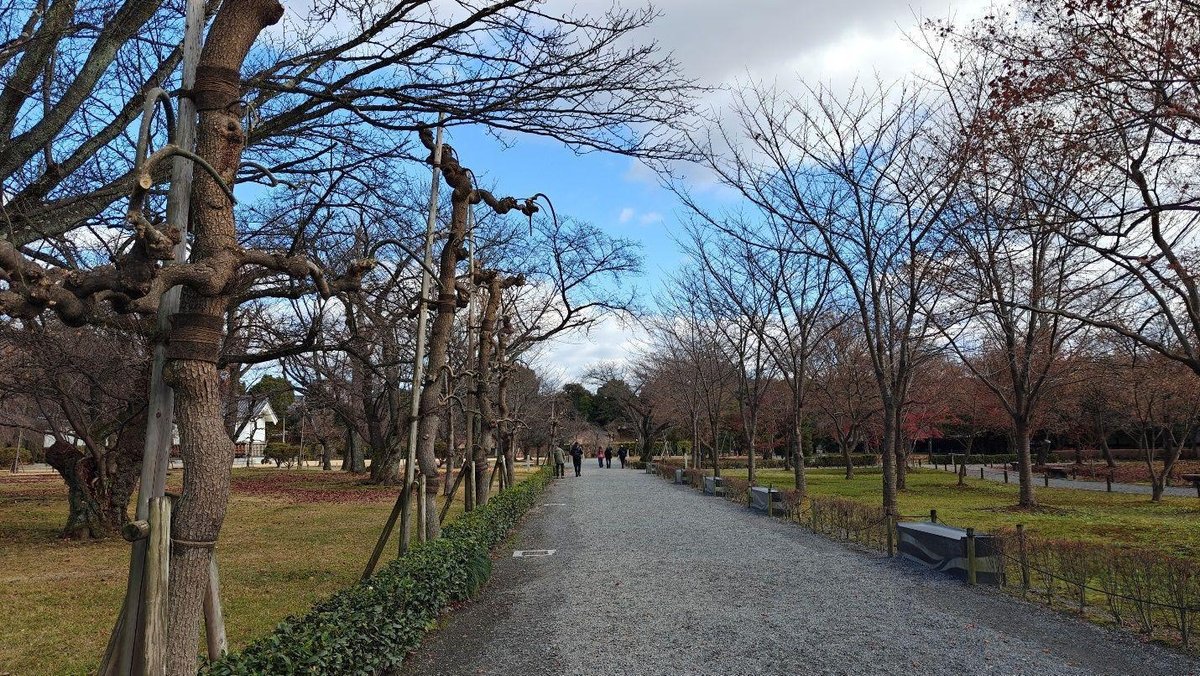
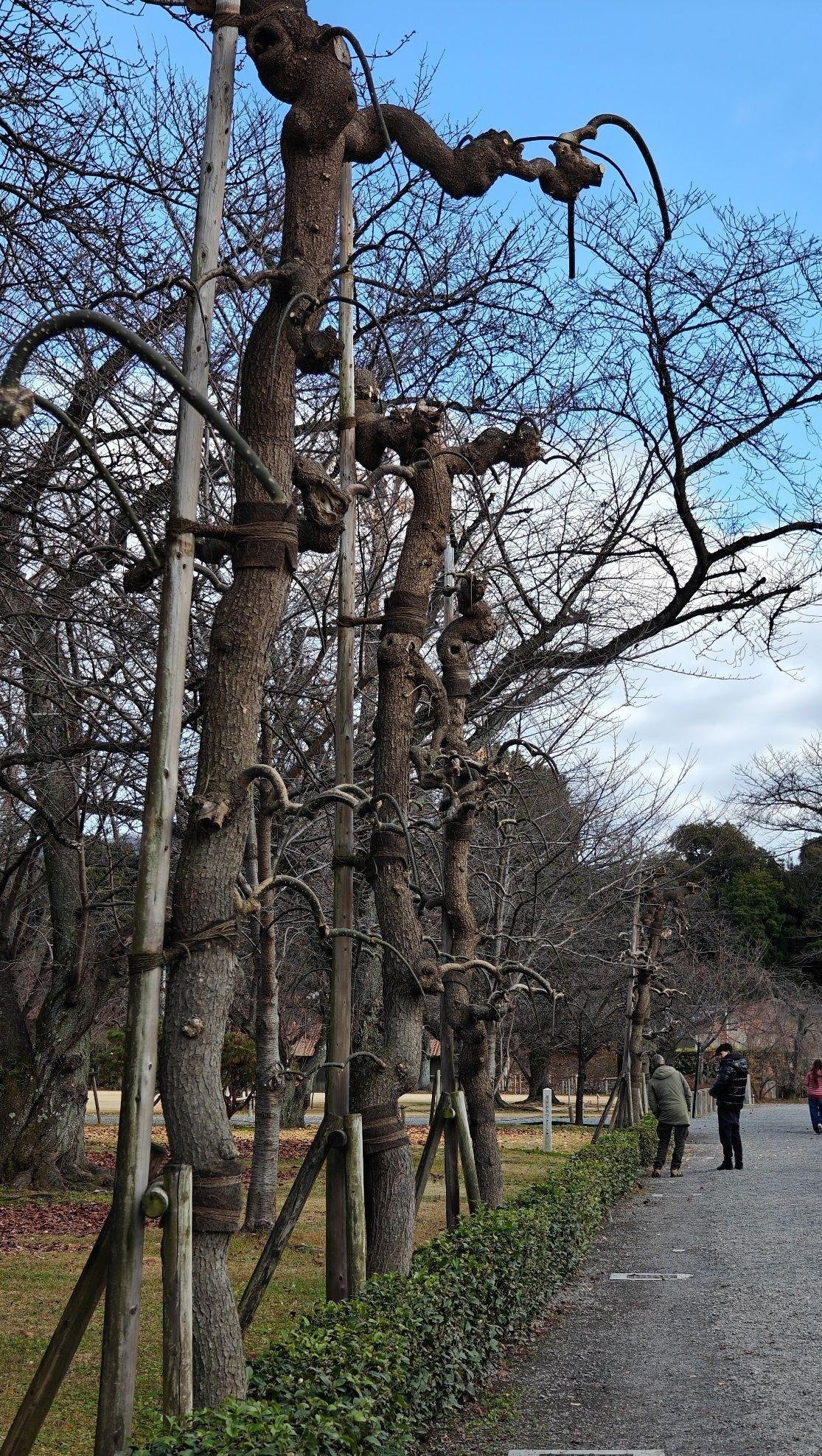
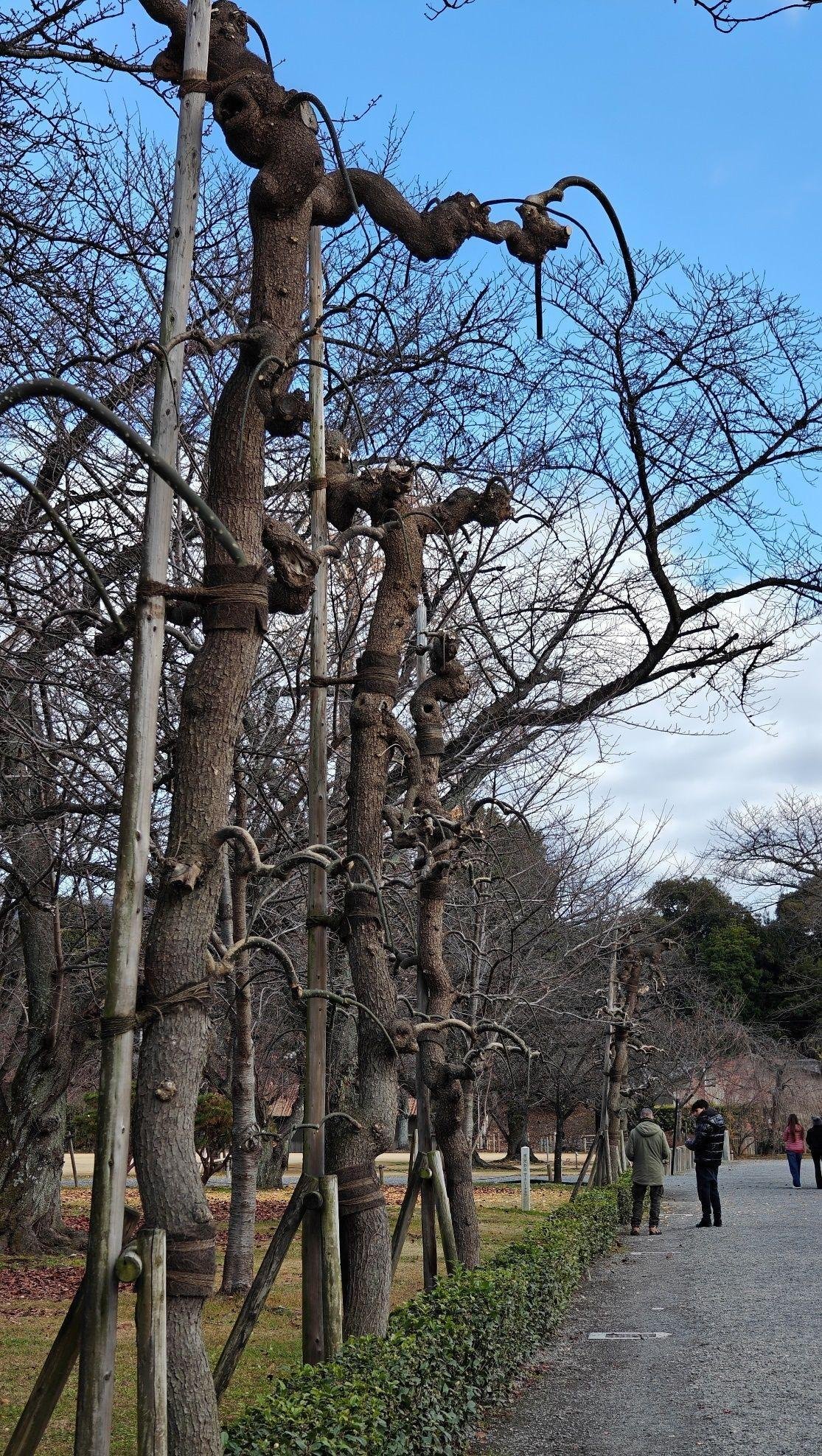
On the southern end of the garden are the weeping pagoda trees. These are quite different from weeping cherries as they don’t bloom and their leaves are perpetually green. They also have these supports that are supposed to encourage them to grow at a specific height.
Once they’ve grown high enough (which usually takes quite a long time), their branches will then start drooping down/cascading much like weeping willows and weeping sakura.
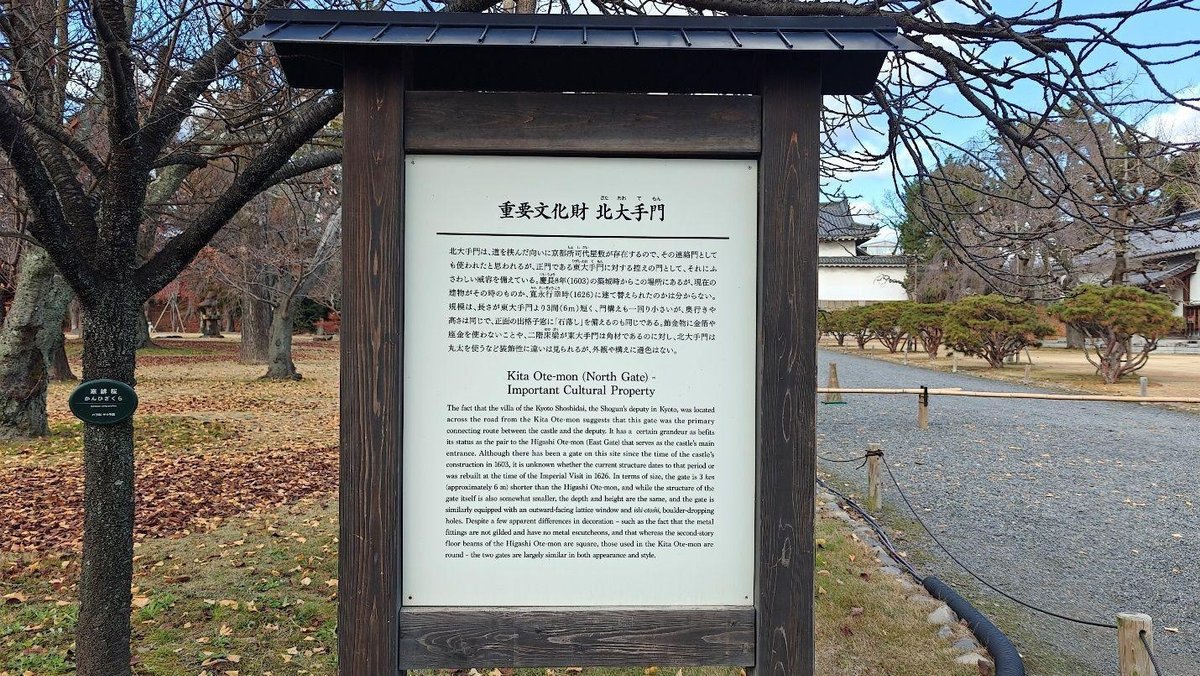
The last landmark I came across in the northern section of Nijo Castle was the Kita Ote-mon. Pretty much like the Higashi Ote-mon, this gate also dates back to when Nijo-jo Castle was first completed. Back in the day, this used to be the Northern entrance but it’s now closed off to visitors.
It’s not as ostentatious though it’s still very large and imposing. From here, I then followed the path south to get back to the Higashi Ote-mon to finally exit Nijo Castle.
I think Nijo-jo Castle is a must-visit. It’s one of the few (or maybe the only one, I’m not too sure) castles in Kyoto that is actually listed as a UNESCO World Heritage Site. Aside from the centuries-old buildings and scenic gardens, I think one thing the castle has going for it is the fact that it’s not as crowded as most other landmarks in the city.
The cost of entry is a bit steep compared to most shrines and temples but I think the couple hundred yen extra is quite worth it. And while it does have sakura, it’s actually one of the few places in the city that would still look amazing if it didn’t have any. Like many people, I think Nijo-jo Castle is a quintessential landmark that you should definitely try visiting at least once when you’re in Kyoto.Anyway, what did you think of my Nijo-jo Castle visit?
Would you be including this iconic and historic landmark on your itinerary? We’d definitely love to read your thoughts about this Kyoto destination down in the comments!