
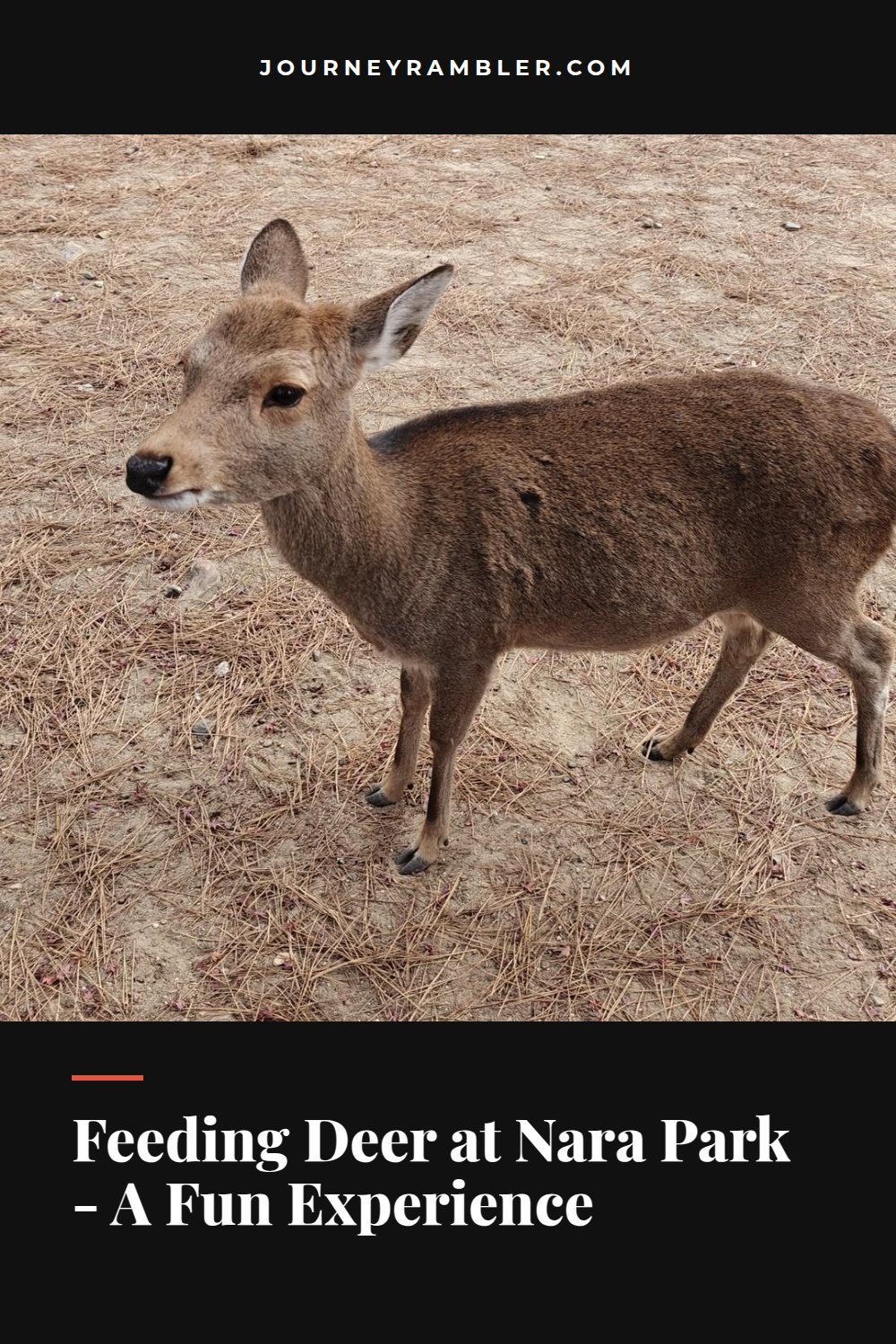
Aside from Kasuga Taisha and Manyou Botanical Garden, the main reason you’d want to visit Nara Park is its deer.
I actually managed to play around with a couple of them during my visit to Manyou Botanical Garden and it was quite the experience.
As always, I took a couple of pictures of my adventures during that visit so if you’re interested in seeing them as well as reading about my experience then make sure to scroll down!
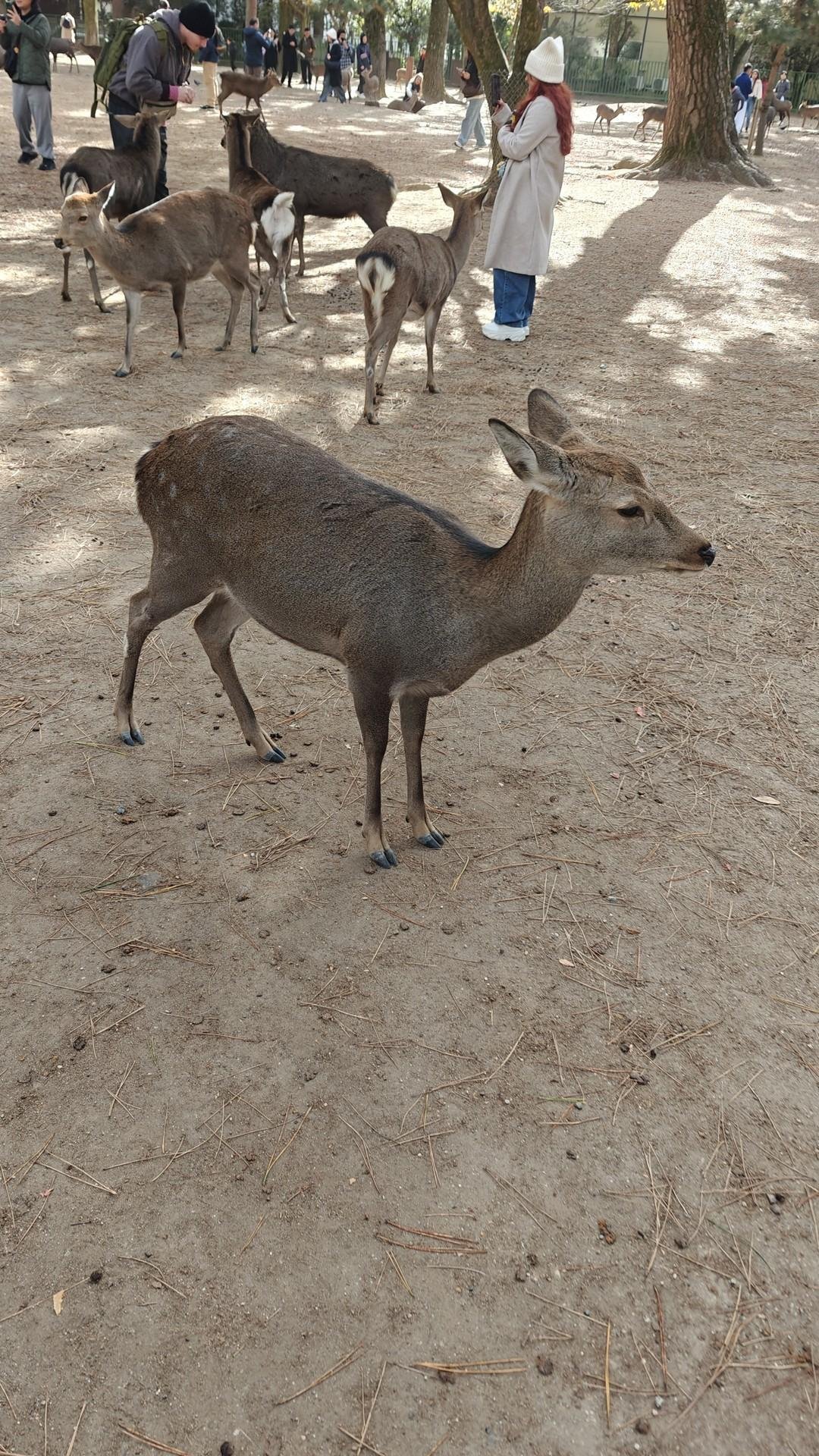
If you read my writeup of my visit to Manyou Botanical Garden then you should have an idea of how to get to Nara Park. There are actually a number of bus stops within the park though I personally ended up getting down at the Nara-Kasugano Kokusai Iraka-mae stop. The reason for this was that it was the closest to Manyou Botanical Garden.
You can actually get down on the other stops if you’re only after seeing the deer.
Feeding Deer at Nara Park
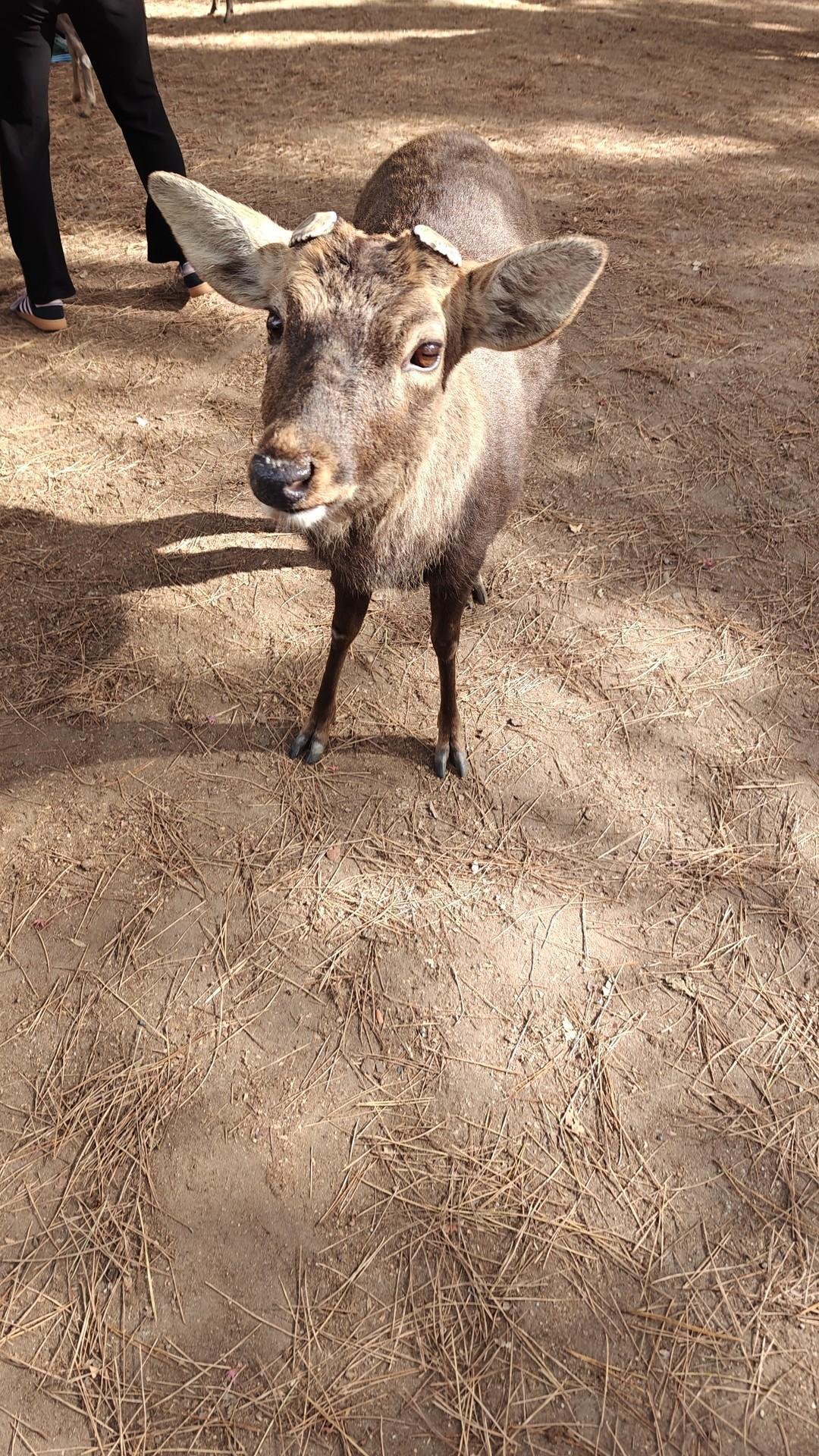
So I said earlier that the bus stop you get down on isn’t a problem and that’s because the whole park is overrun with deer. The specific species found here are Sika deer and they’re quite small compared to deer you’ll find in the West. Here you can see one of the adult males that decided to go up to me.
Although these guys are still considered wild, they are still very friendly.
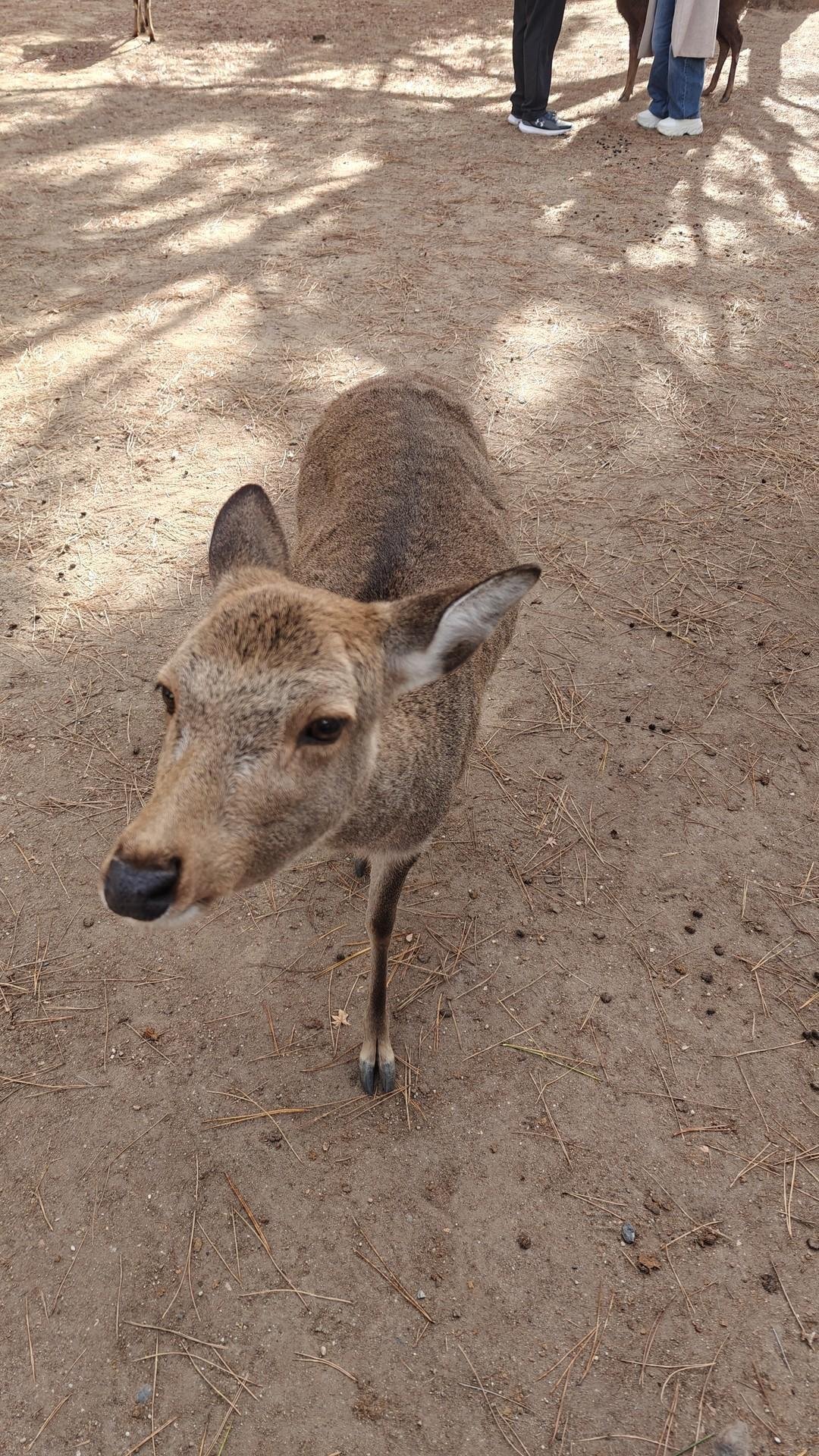
As this friendly doe was getting close to me, I then noticed something about the ground here at Nara Park. I saw little mention of it when I was researching before this visit so the sheer amount of deer droppings kind of surprised me. Thankfully I wasn’t wearing any fancy shoes during this visit so you might want to take note of that when you plan yours.
There are thousands of deer here and they kind of do their business on the park’s grounds.
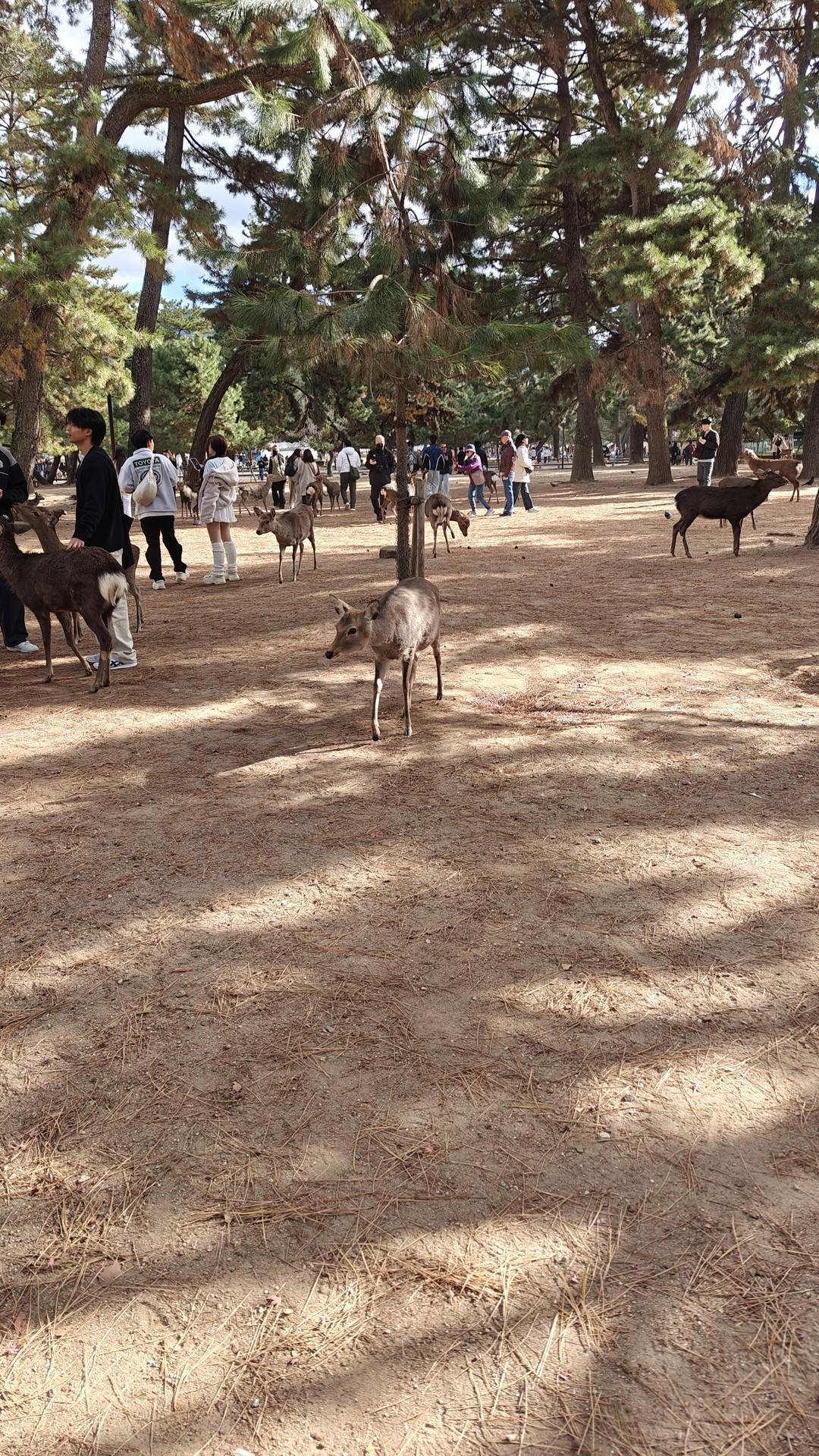
That said, it’s not like the Sika cover the whole grounds with their droppings. I’ve also learned that the droppings actually are dealt with naturally. There are a multitude of dung beetles here that break down the deer droppings and turn them into natural fertilizer.
Unfortunately, the beetles just aren’t able to keep up with the sheer volume of the droppings so that’s why you get the sight from the previous image.
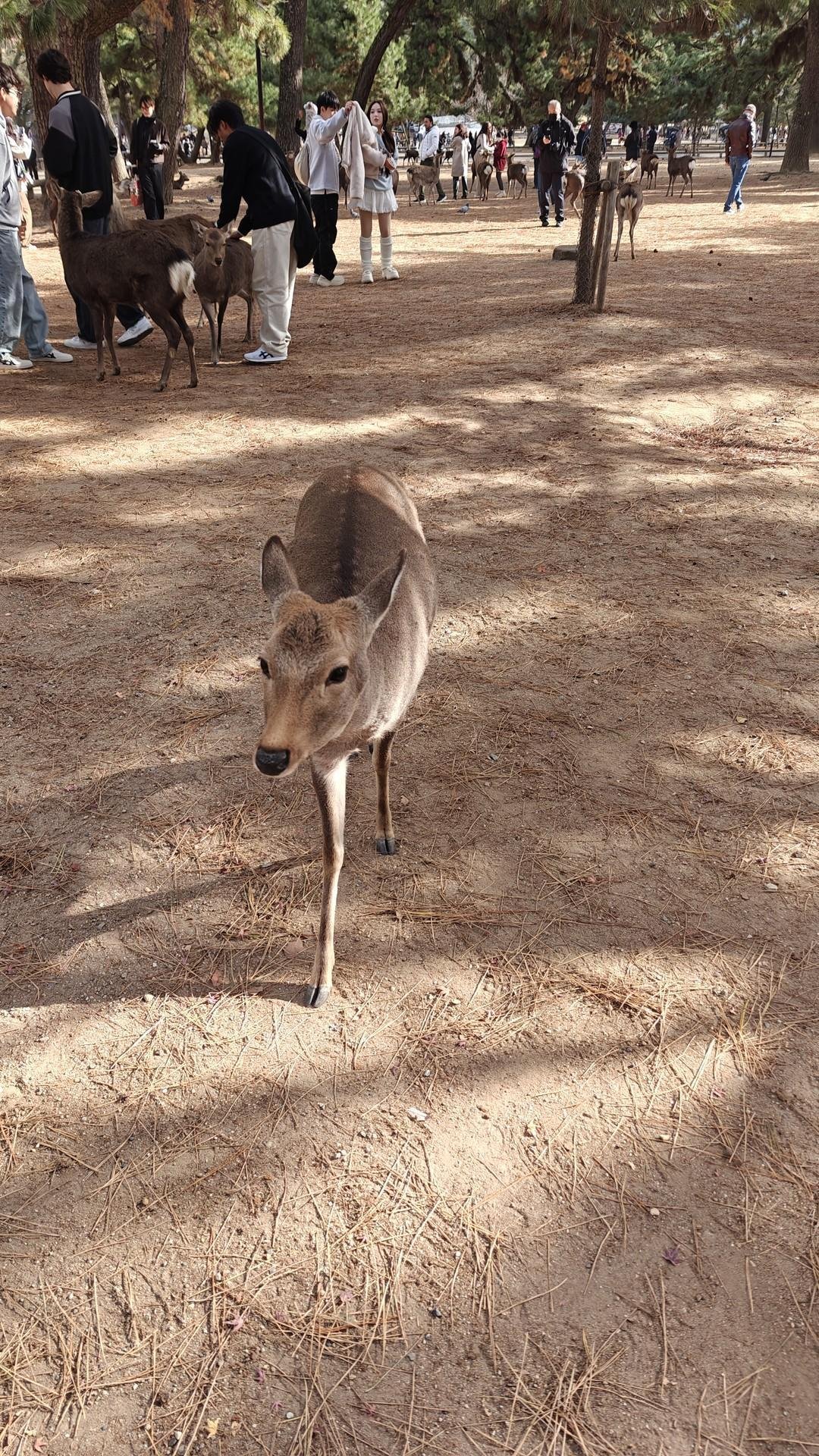
So what can you do with the deer here in Nara Park? As I mentioned earlier, these animals are considered wild so is petting them okay? I personally think you shouldn’t go around petting them since animals in the wild are known to have parasites like fleas and lice.
That said, it is generally considered okay to pet the deer here. Even though they are wild, they’re so used to people that some won’t even mind a pet here or there.
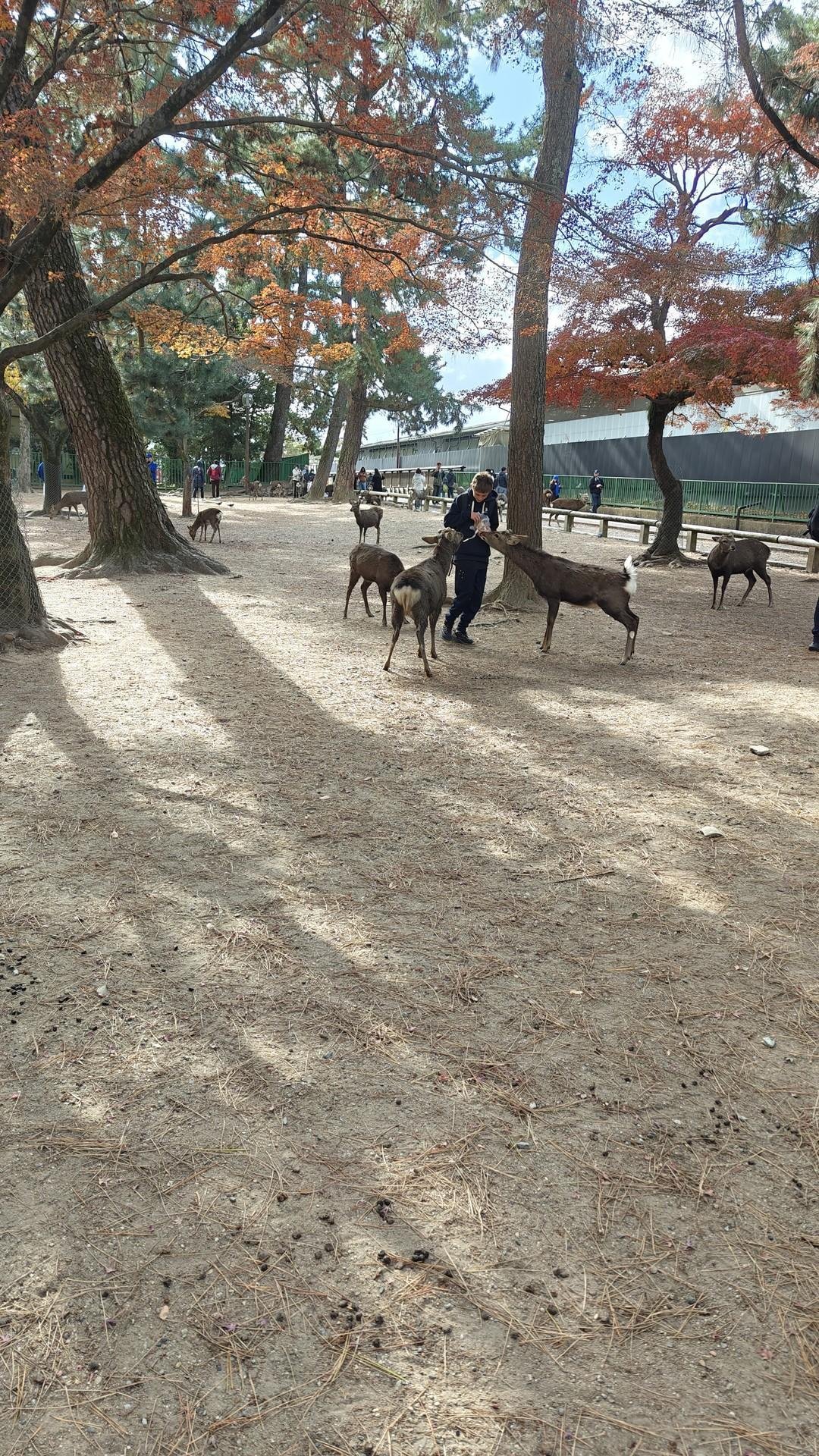
Even with the deer and the constant stream of people, there was still this sense of peace here at Nara Park. Maybe it was the interaction between the animals and people but you really get a sense that there was something special about this place. On a side note, the park is also great for either koyo (fall/autumn viewing) or hanami (spring/sakura).
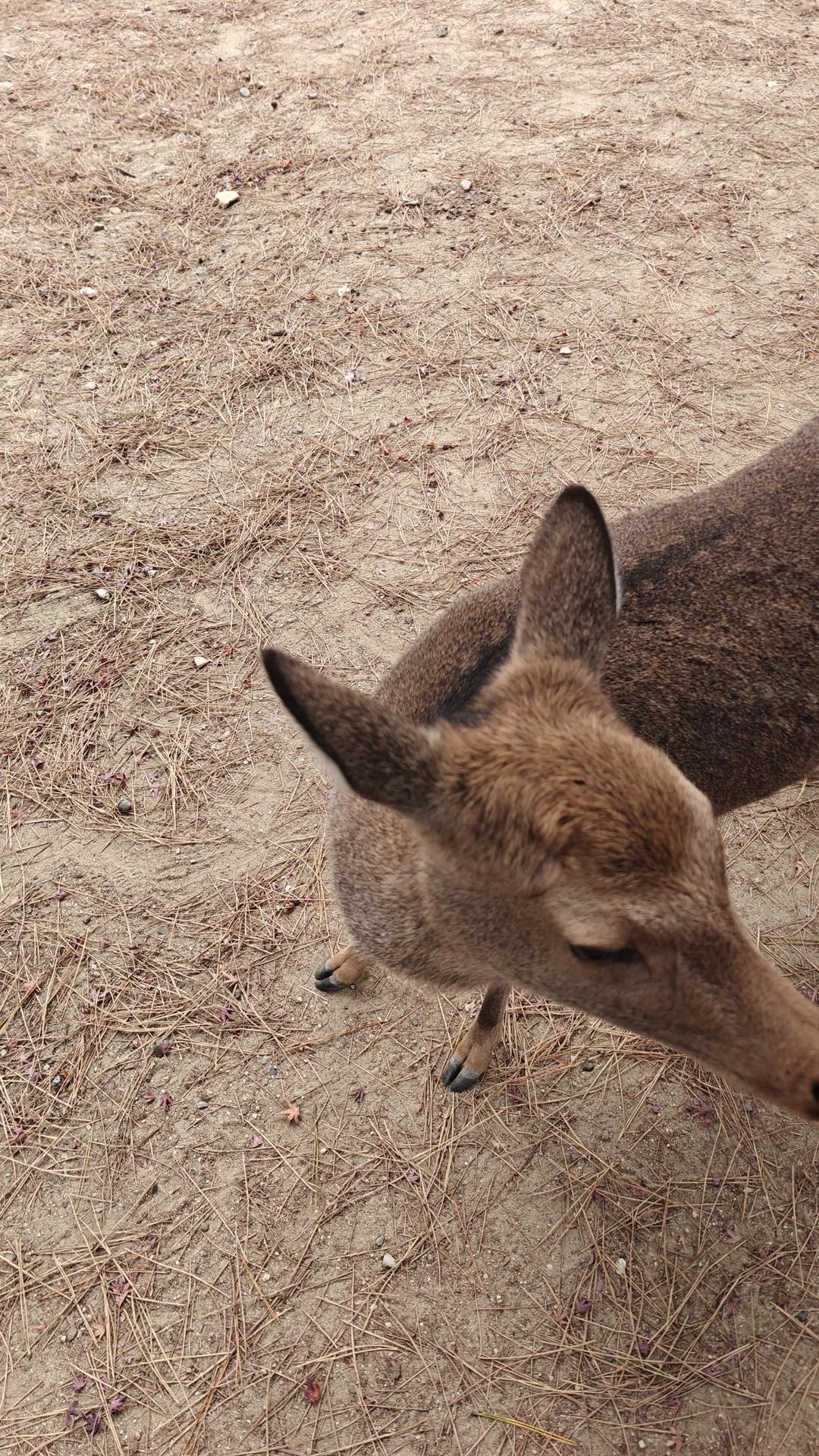
Oh look, another deer trying to get close to me. I was expecting the deer to be a little wary of me but the ones here simply aren’t scared of people. This was really interesting to me so I dove into the history of the park and was actually surprised at what I found out.
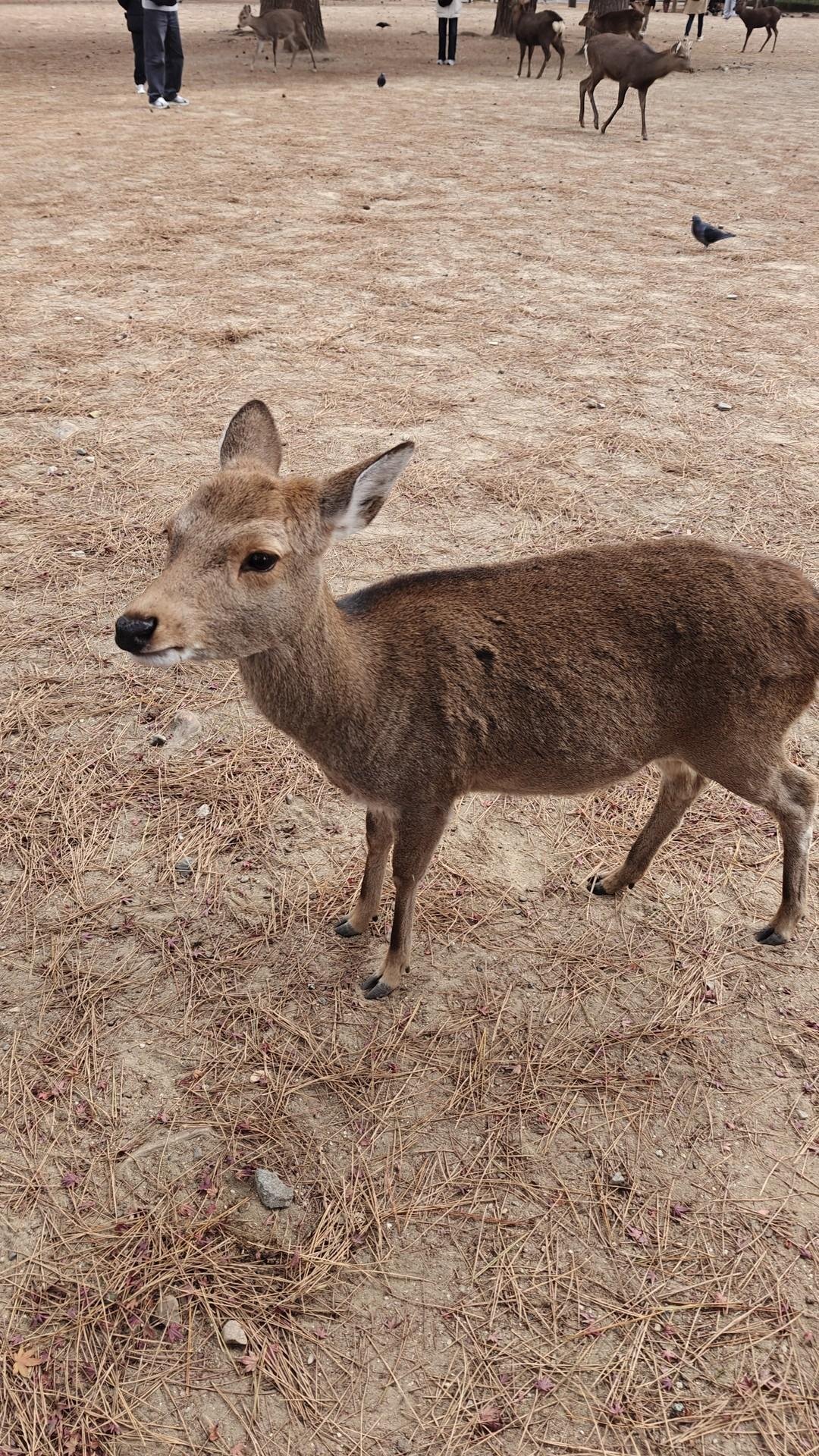
Officially, the park itself has only been around for about 146 years. The area where the park is in though has been home to the deer here for over a thousand years! Revered as messengers of the gods in Shinto tradition, the deer here were protected to the utmost.
At some point people caught killing any of the deer here were punished with death.
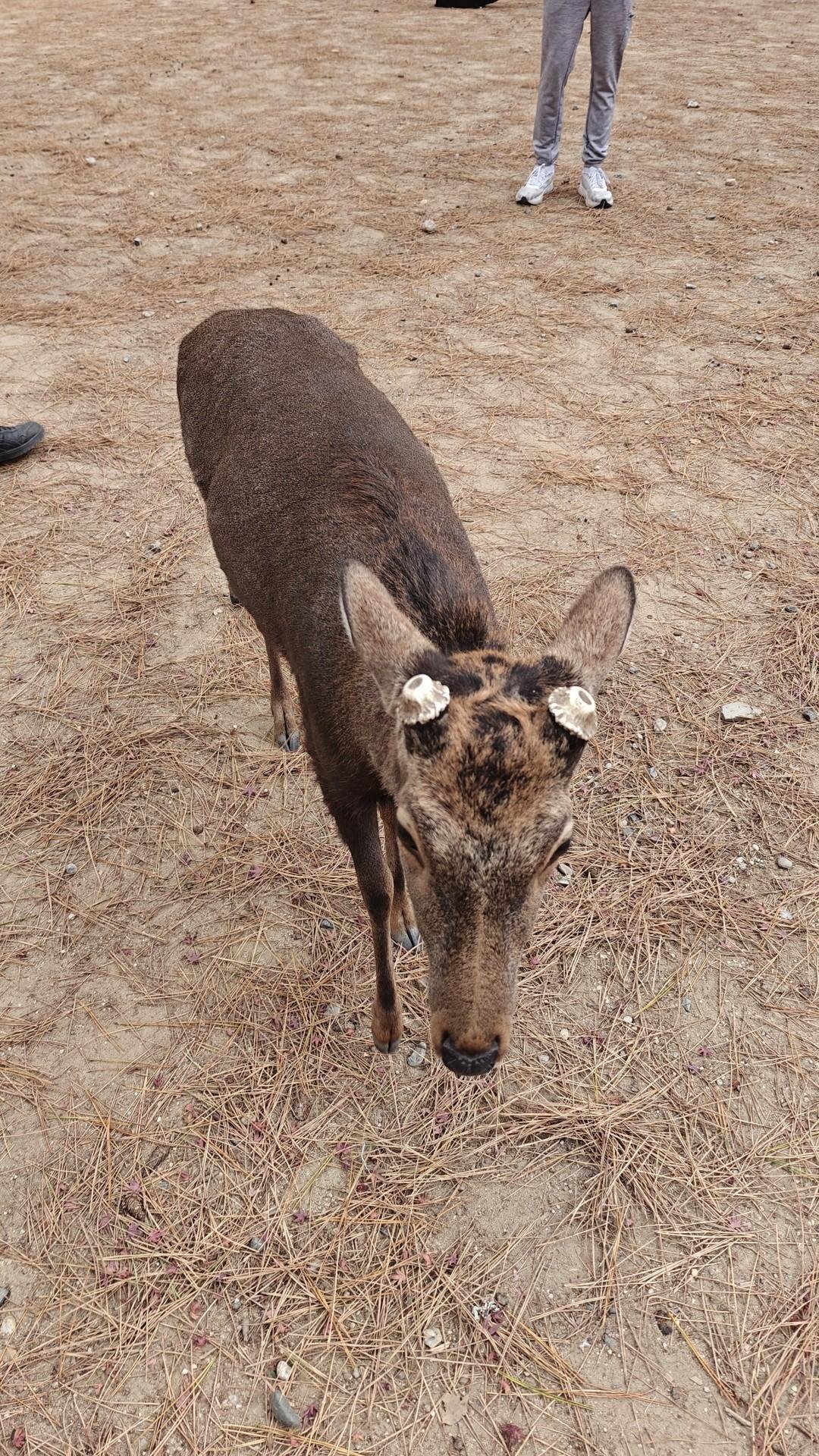
When I initially saw the dehorned bucks (the male deer) here I was kind of worried. I thought they might have felt pain when their horns were cut off. Thankfully, I was told that the horns actually don’t have any nerve endings so at most the deer would only feel discomfort during the dehorning process.
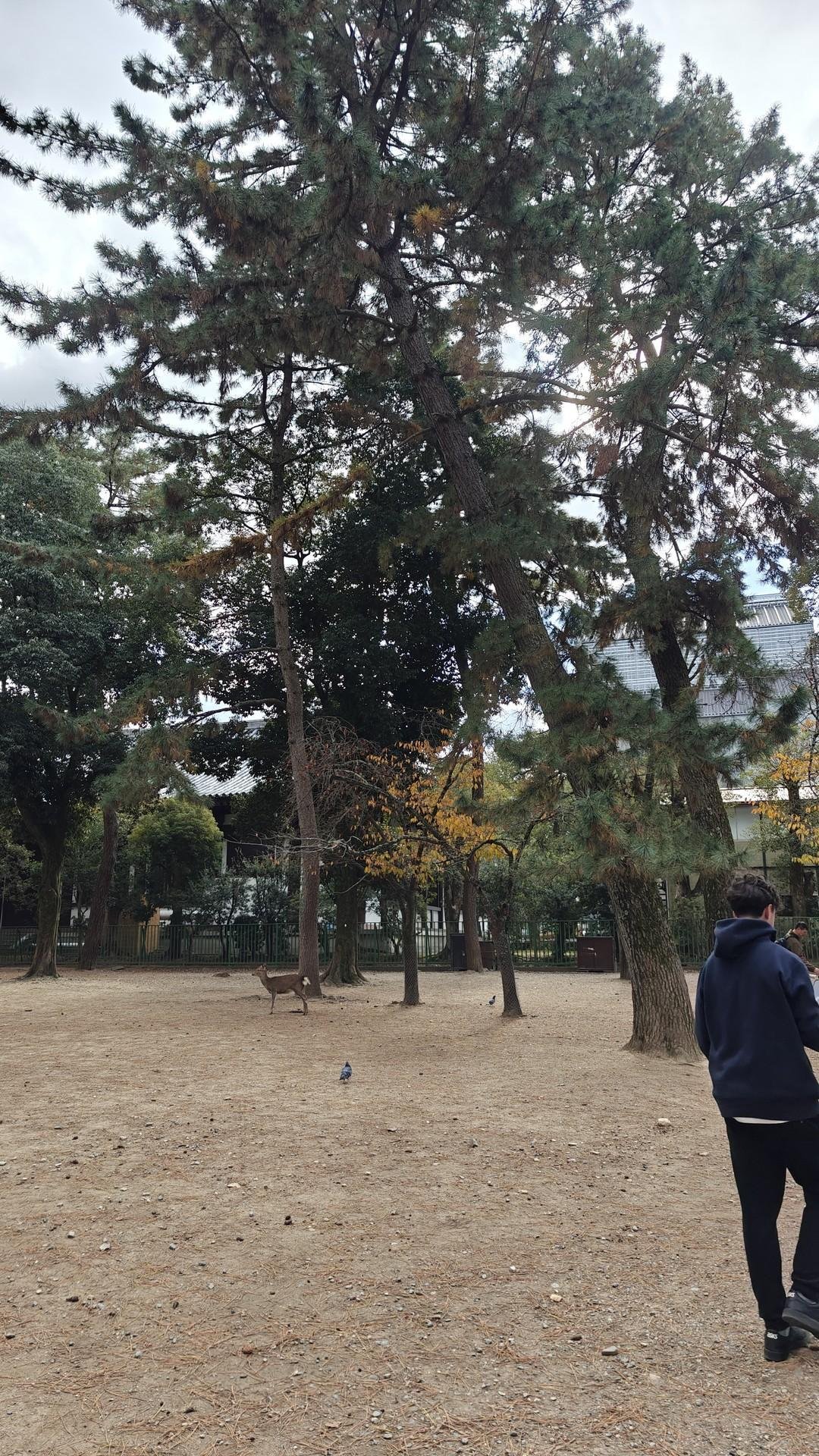
Another thing that I particularly liked about Nara Park is that there are plenty of buildings and establishments within it. These range from shrines (like Kasuga Taisha), gardens, and there are even inns as well as dining establishments all within walking distance. Whether you should be staying here or not though will be completely up to your itinerary.
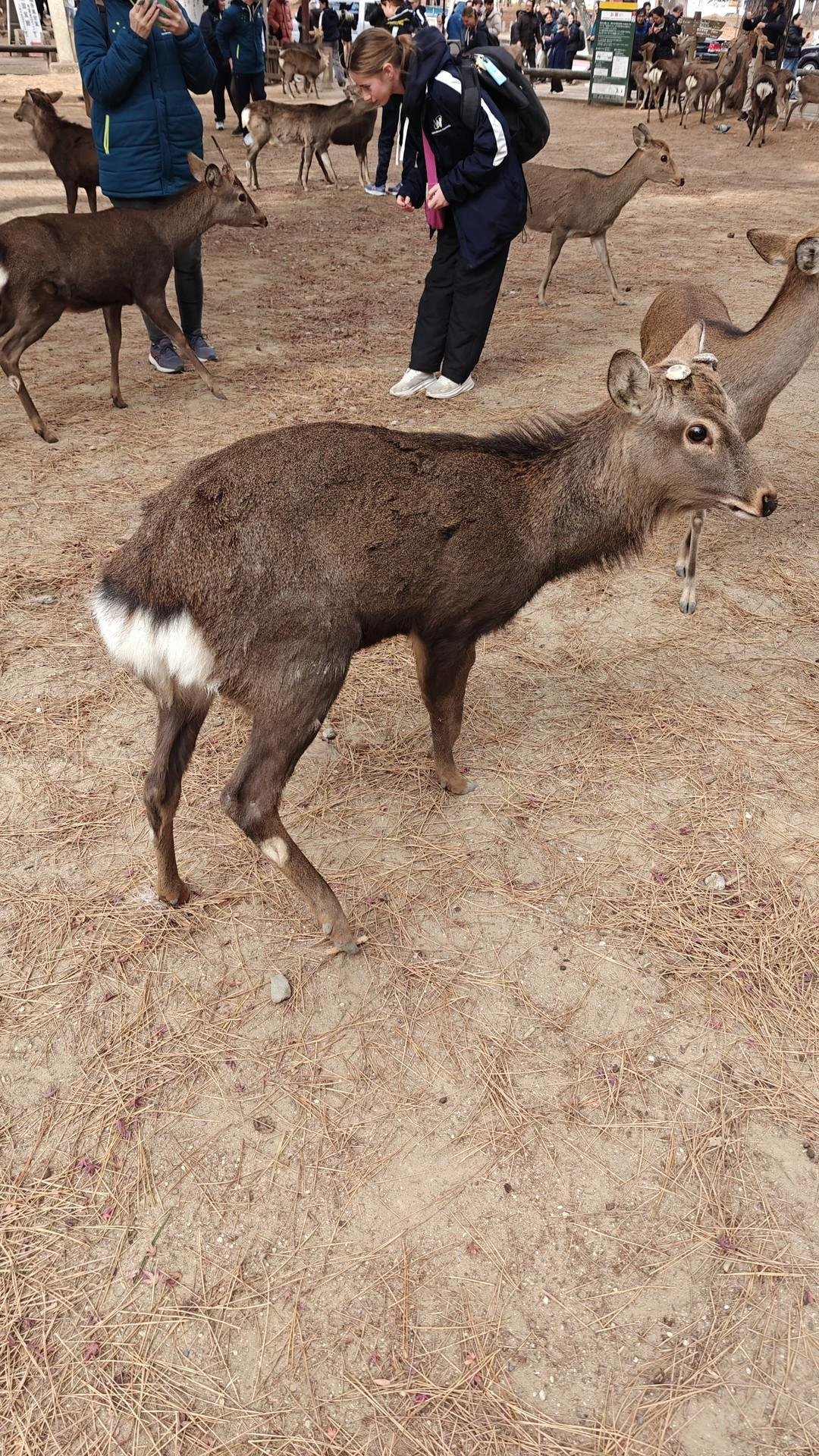
Since Nara Park is popular, you should expect plenty of people during your visit. Personally though, this wasn’t as bothersome as other landmarks that I’ve been to (I’m looking at you, Kiyomizu-dera!). The park is so large that it actually doesn’t feel crowded.
Moreover, people typically only come here as part of their day trip so the crowd volume usually fluctuates.
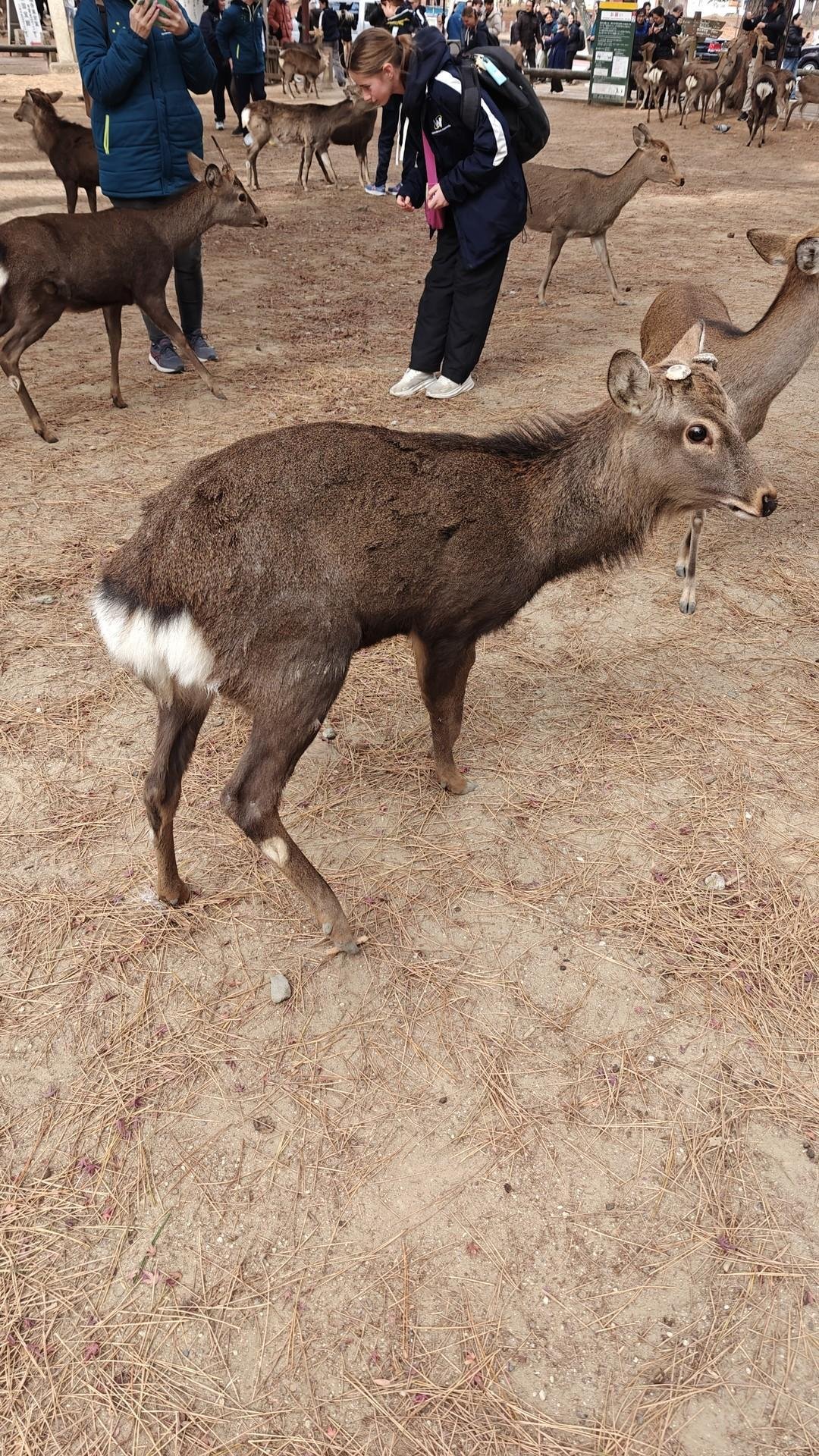
So one of the most peculiar and endearing habits of the Sika deer here at Nara Park is their bowing. This is actually a behavior they acquired over generations as a means to beg for food. I’m not quite sure when this was observed though as there aren’t any records but it’s probably safe to say that they’ve been doing this for at least a hundred years (if not more) considering how long they’ve been interacting with humans in this area.
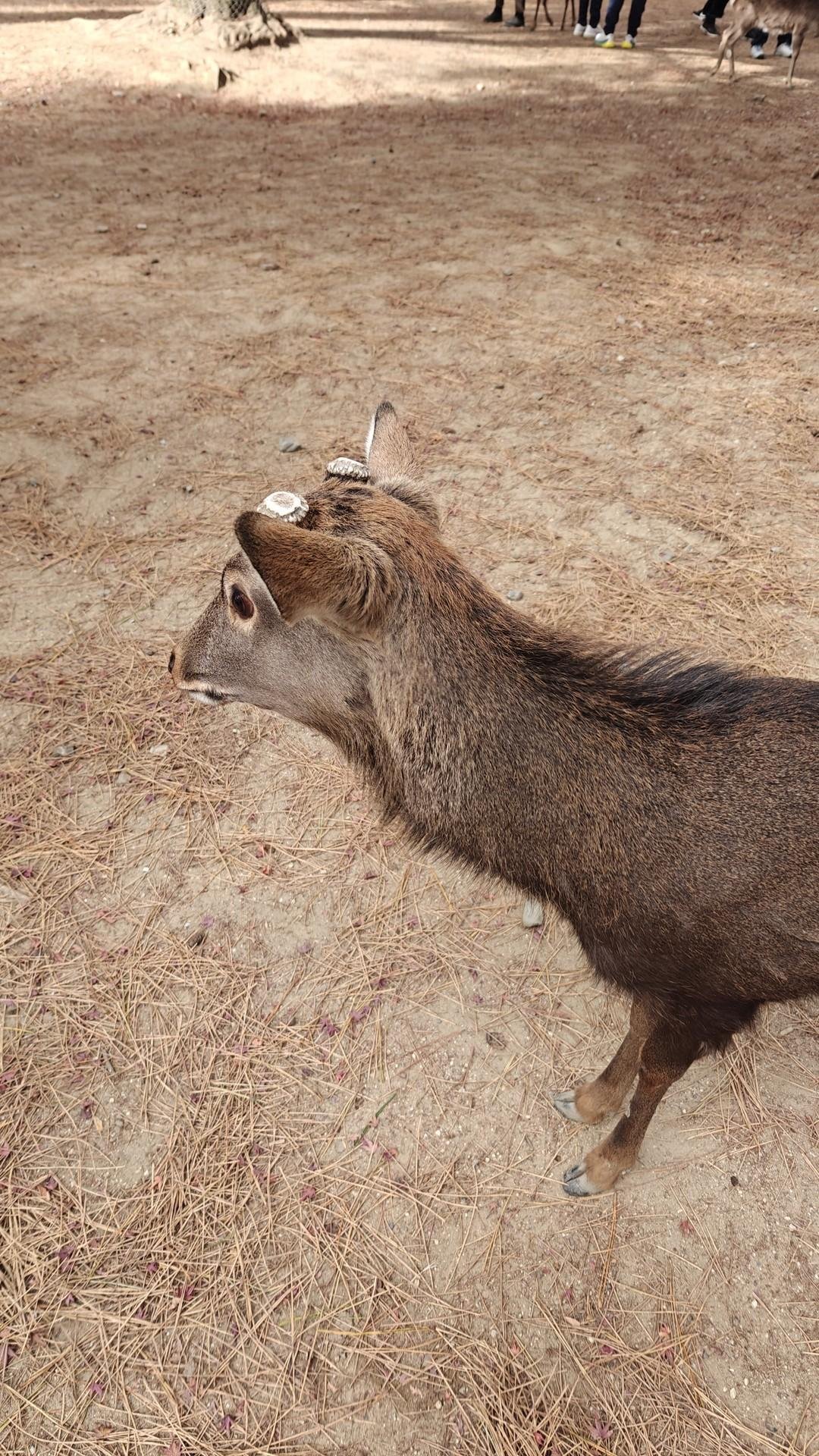
Now the deer being friendly doesn’t necessarily mean that they won’t attack people. In fact, there are dozens of incidents yearly where visitors end up with scratches, kicks, and sometimes bites. The thing is, the incidents are almost always because the victims disrespected the deer either by feeding them wrong, teasing them, or petting them incorrectly.
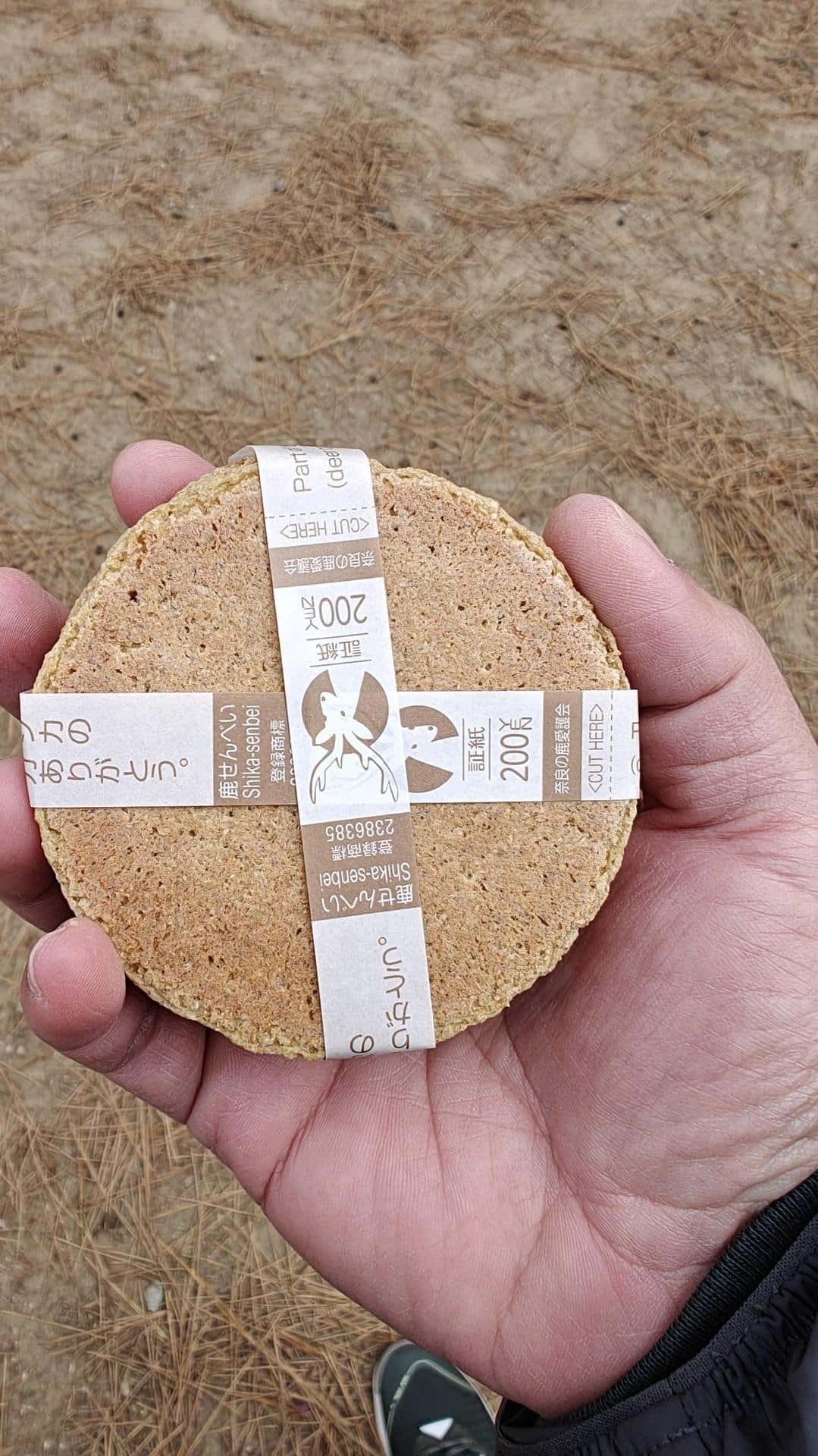
Speaking of feeding, the only food that you’re allowed to give out to the deer here are these shika senbei (deer crackers). These are specially made wheat flour and rice bran crackers formulated so that they don’t contain any salt, sugar, or oil. You can purchase these from kiosks and vending machines scattered throughout the park.
A typical pack like the one in the image above is actually quite cheap at only 200JPY.
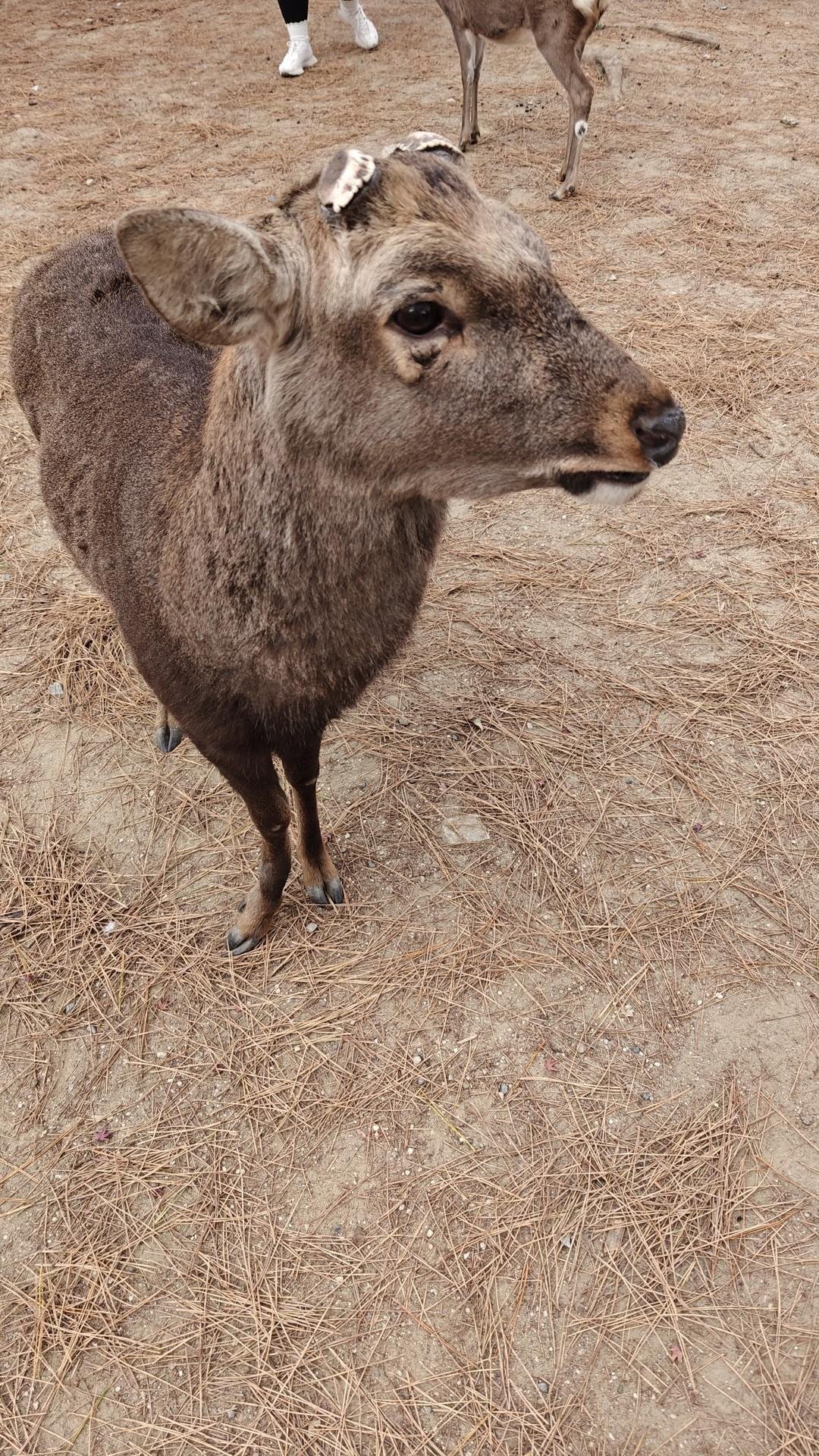
While it might seem tempting to give the deer here your leftover chips or bread, these foods are seriously bad for these animals’ health. Another thing that you ought to be mindful of is your trash. Deer are opportunistic foragers so you can bet they’ll munch on anything on the ground that’s within reach of their mouth.
As such, make sure that you dispose of any trash in any of the park’s designated bins (usually found near the bus stops).
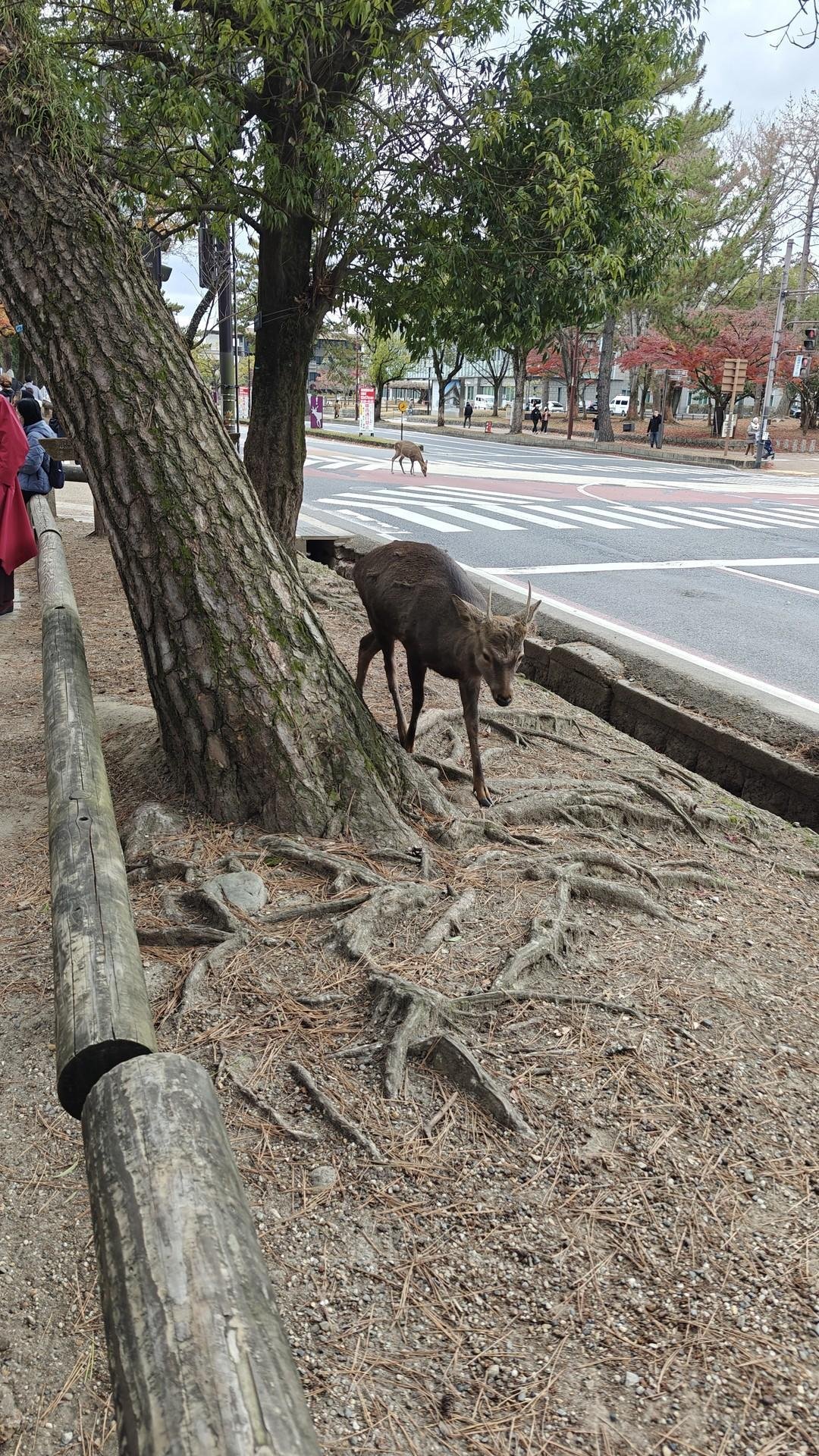
Due to their numbers, not all of the male deer in Nara Park are dehorned. As such, you’re bound to come into close contact with one of these horned fellas at some point. Now despite their horns, these deer are still relatively friendly unless they’re provoked or attacked.
If you do come across one, you would do well to be doubly cautious while interacting with it.
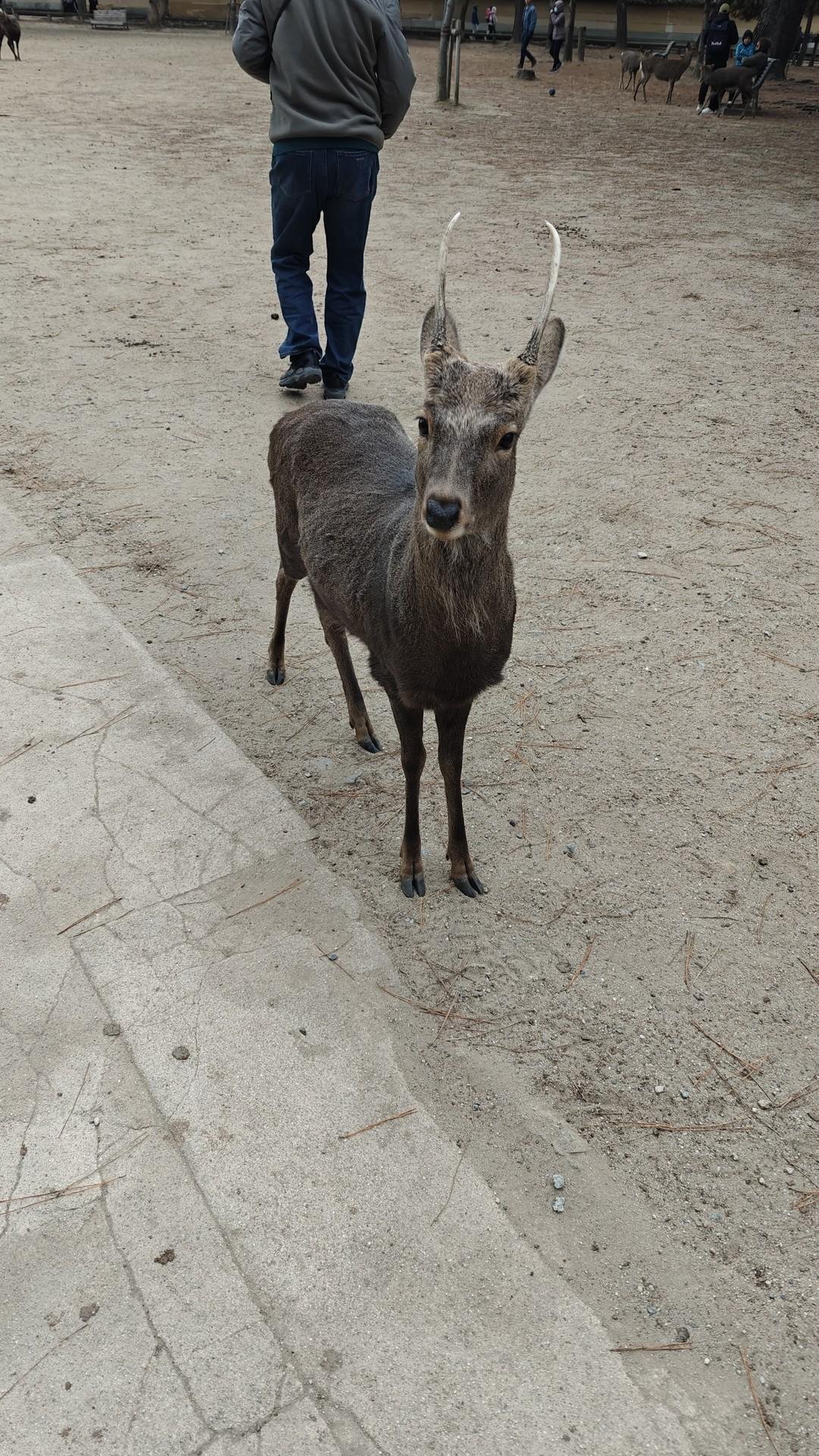
And that ends my visit to Nara Park! It was quite short but it was more than enough time to meet new animal friends here. There’s really not much to say about the park other than it’s worth the visit.
Aside from the deer, there are also a number of shrines here (notably Kasuga Taisha) as well as the Manyou Botanical Garden (which I already wrote about) that you could also check out. I would definitely recommend spending a day here especially if you’re staying in Kyoto as it’s only a couple of minutes by bus from the city (if you’re in Osaka then you can take a train instead).Ever visited Nara Park before? If yes then please share your thoughts and experiences visiting this iconic landmark in Nara down in the comments!