
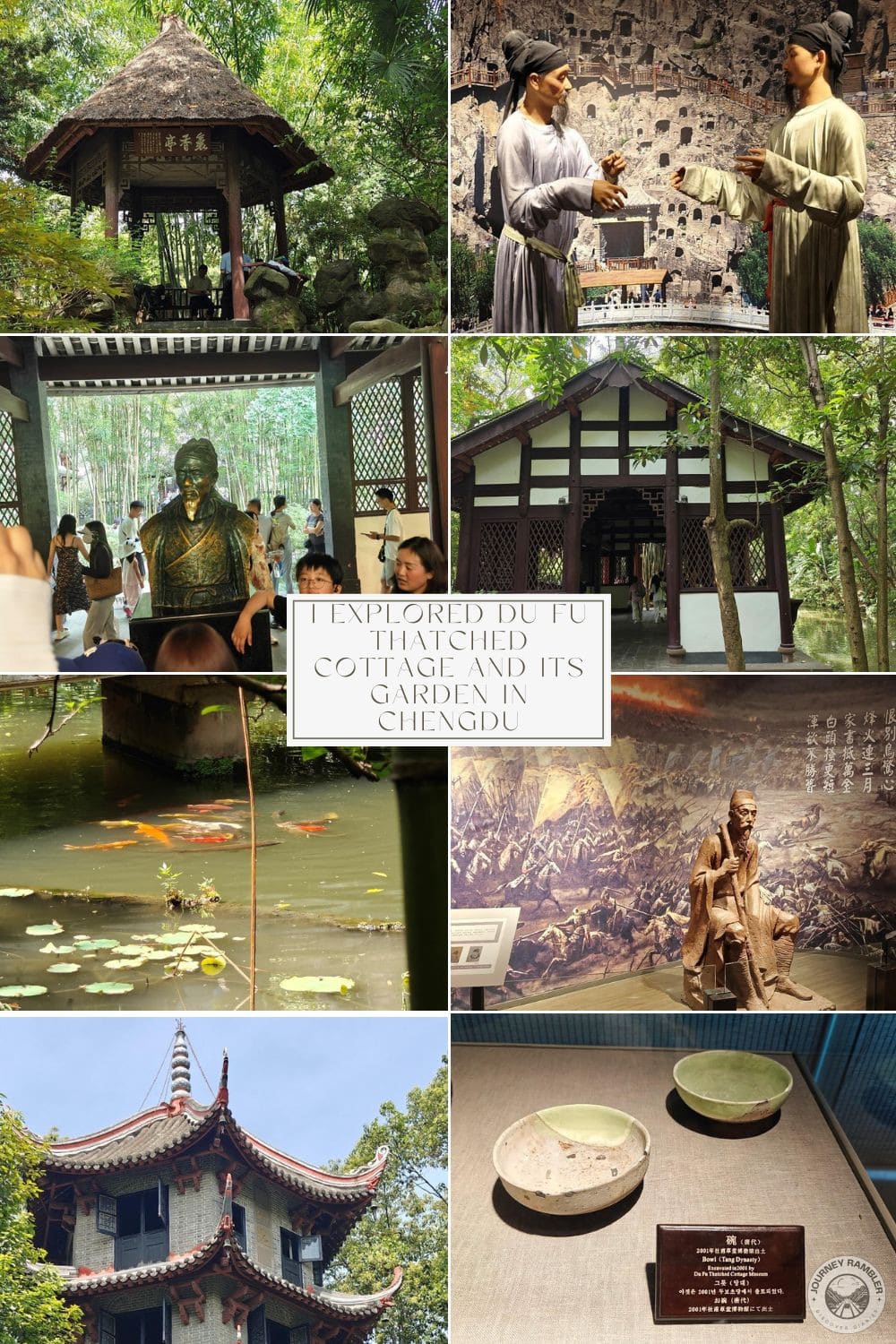
The Du Fu Thatched Cottage and the scenic area it’s located in was arguably one of the most relaxing museums/parks that I visited when I was in Chengdu. Dedicated to the Tang Dynasty poet Du Fu, it features traditional Chinese architecture, gardens, as well as streams that all combine to give you a tranquil and meditative experience. What’s even greater about this is that it’s actually quite close to the city center.
Du Fu Thatched Cottage and Its Garden: A Very Relaxing Scenic Area in Chengdu
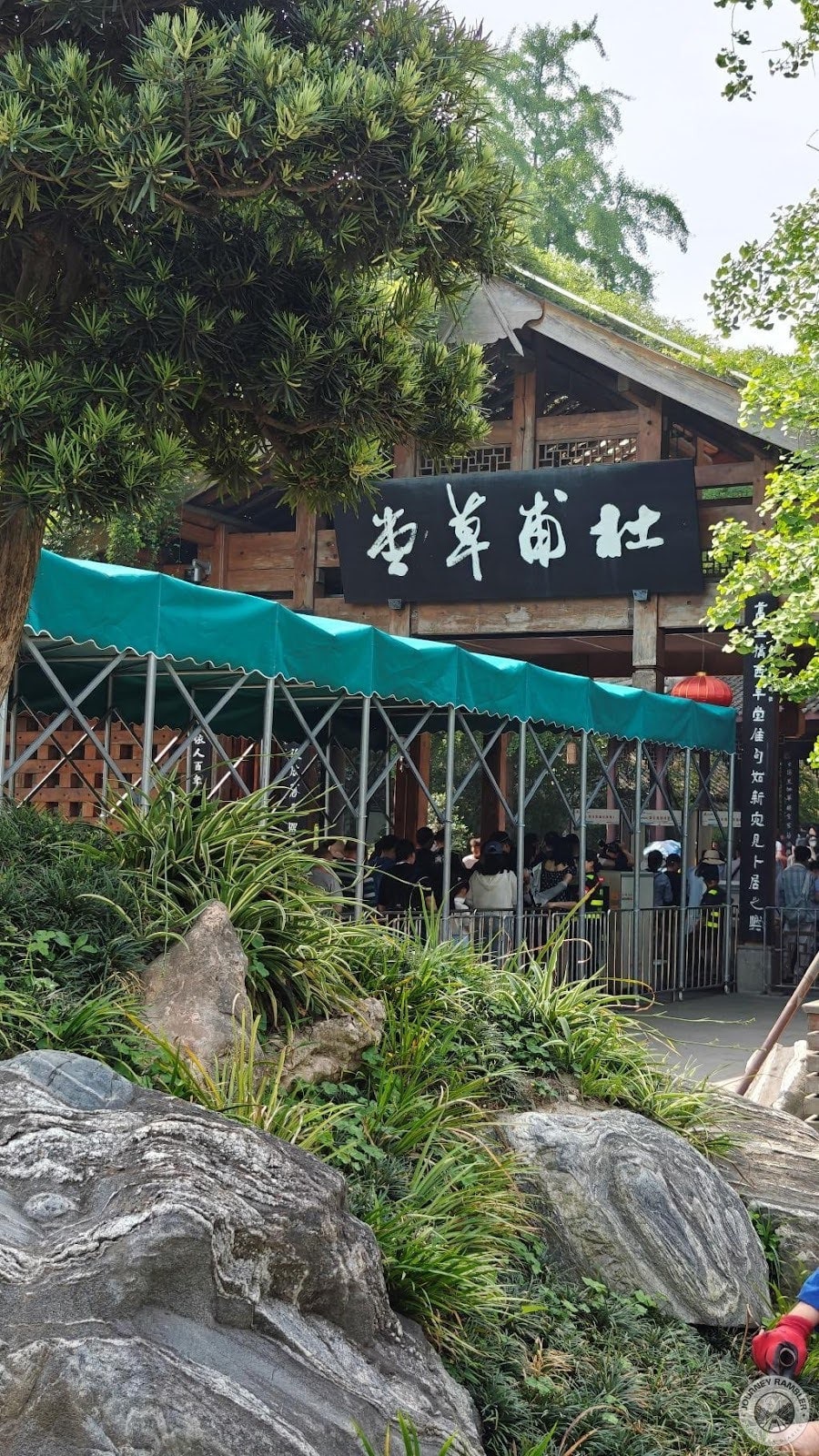
Unlike Sankeien Garden which is a little ways off from Yokohama’s city center, Du Fu Thatched Cottage is actually within Chengdu’s urban area. It’s in the Qingyang District which is just 3 kilometers from the city center so getting here is relatively easy. If you’re familiar with the city’s metro line then the Caotang Road North station is just a 15-minute walk from here. Conversely, you could also just get here via taxi, ride-share, or get a tour package that offers hotel pickups.
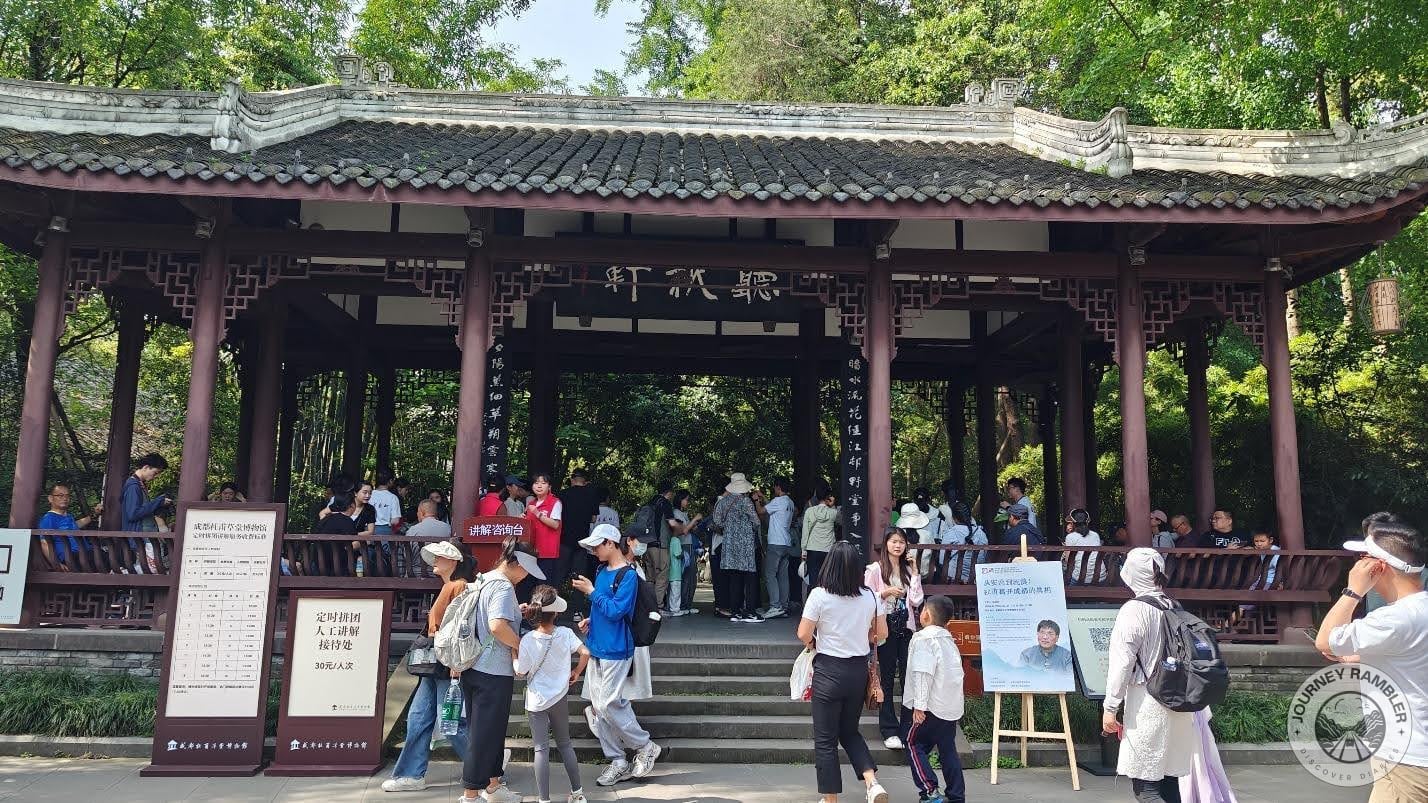
After purchasing your tickets (you can sort of see people lining up at the ticketing office in the previous image) and getting inside the entrance, you’re then going to see this pavilion. Here you can join timed and guided group tours that cost around 30 CNY. This isn’t compulsory though so you can still get around the area by yourself if you’re not inclined to join.
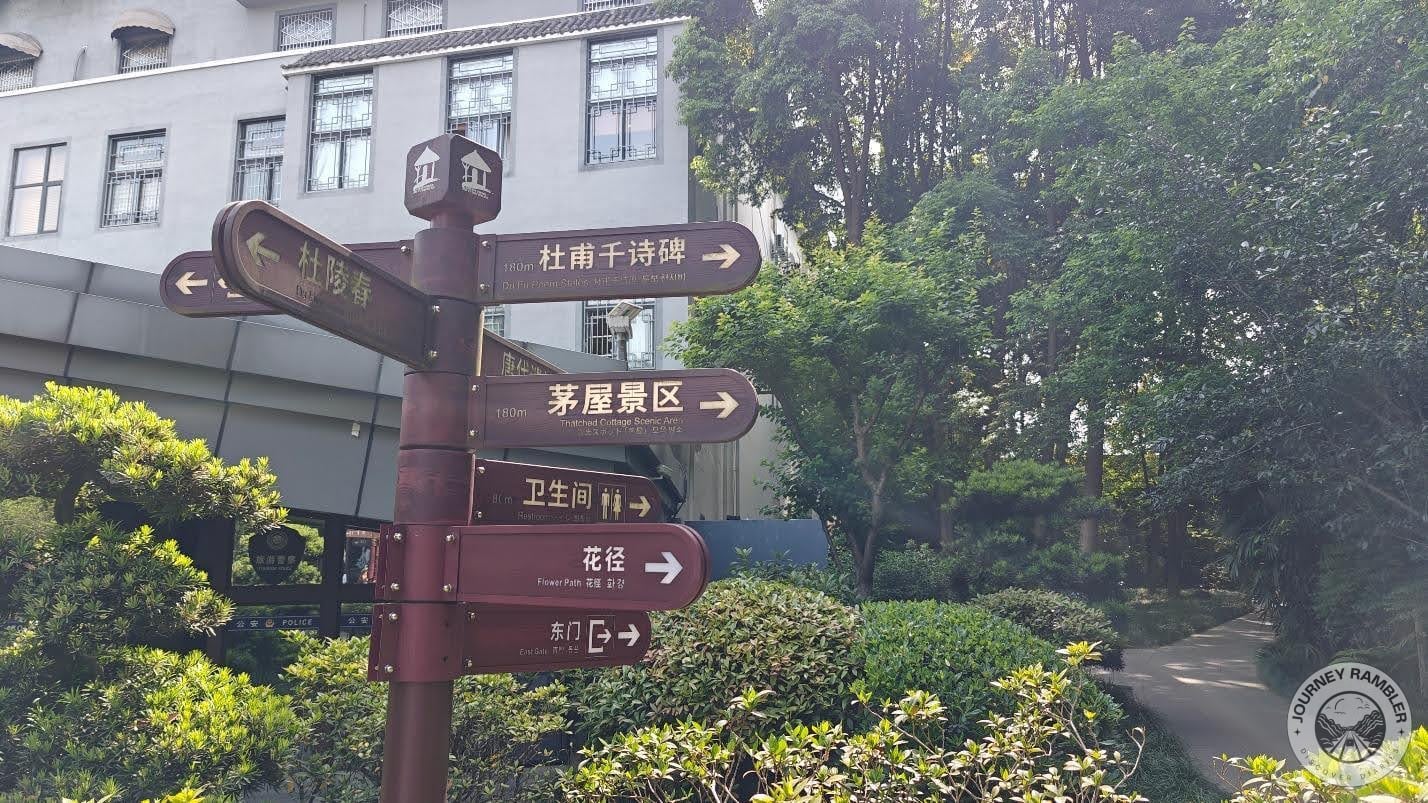
In front of the pavilion is this sign post which has directions to the notable attractions in this park. During my visit I decided to head east so I followed the path in the background. As for why I went there? Well you’ll see in the next couple of images.

So this is the building that the path from earlier brought me to. It’s called the Tang Dynasty Site and it’s pretty much an excavation site that has archaeological ruins dating back to the time Du Fu was here. You’d think this would be a boring place to be in but there are actually some genuinely nice relics here that you might find yourself getting interested in.
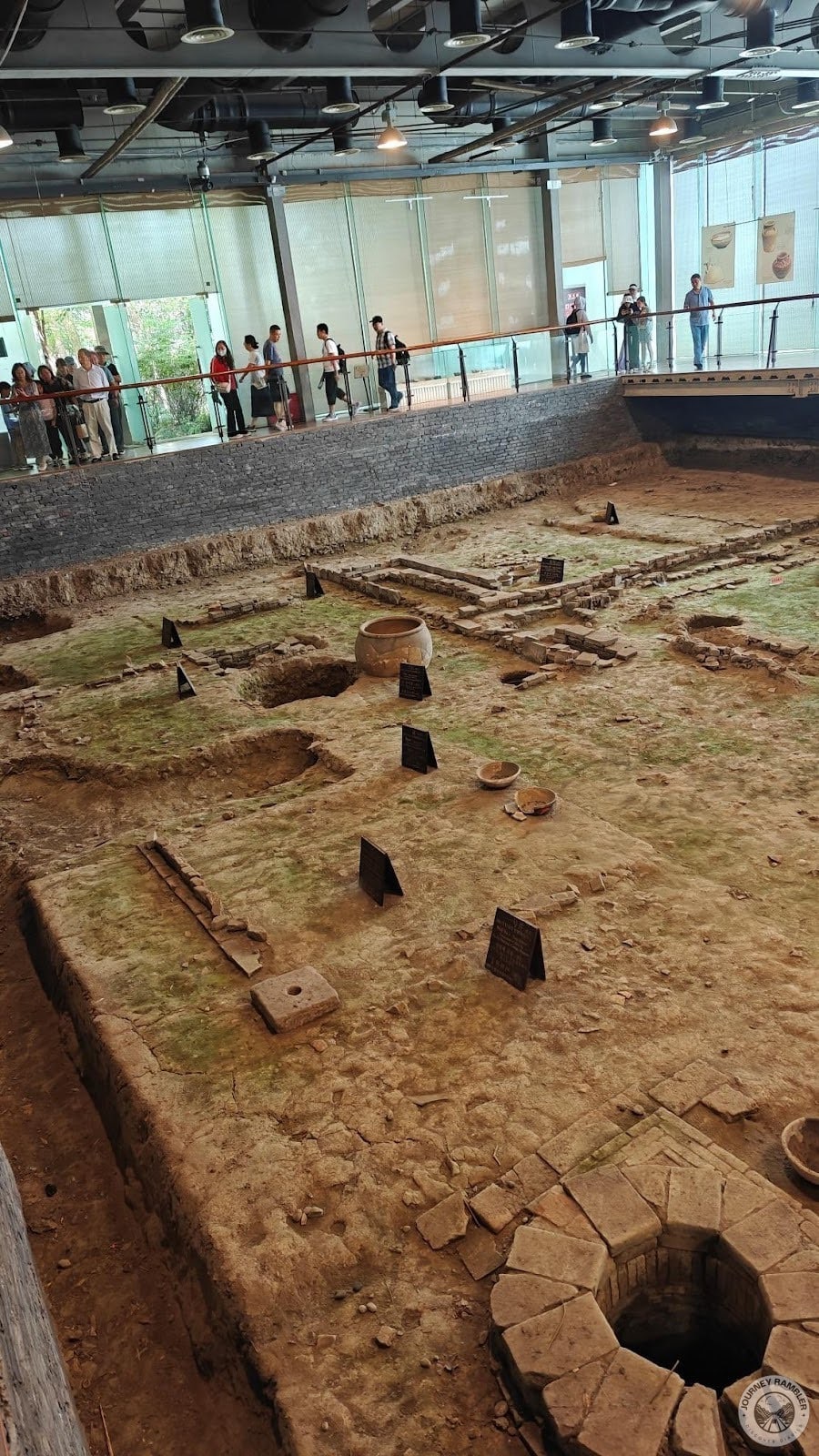
Here’s what the inside of the Tang Dynasty site looks like. Unfortunately, there aren’t any upright structures left here at the site though there are still plenty of earthenware like pots and vases. Moreover, you can still see the outlines of the buildings/structures’ foundations.
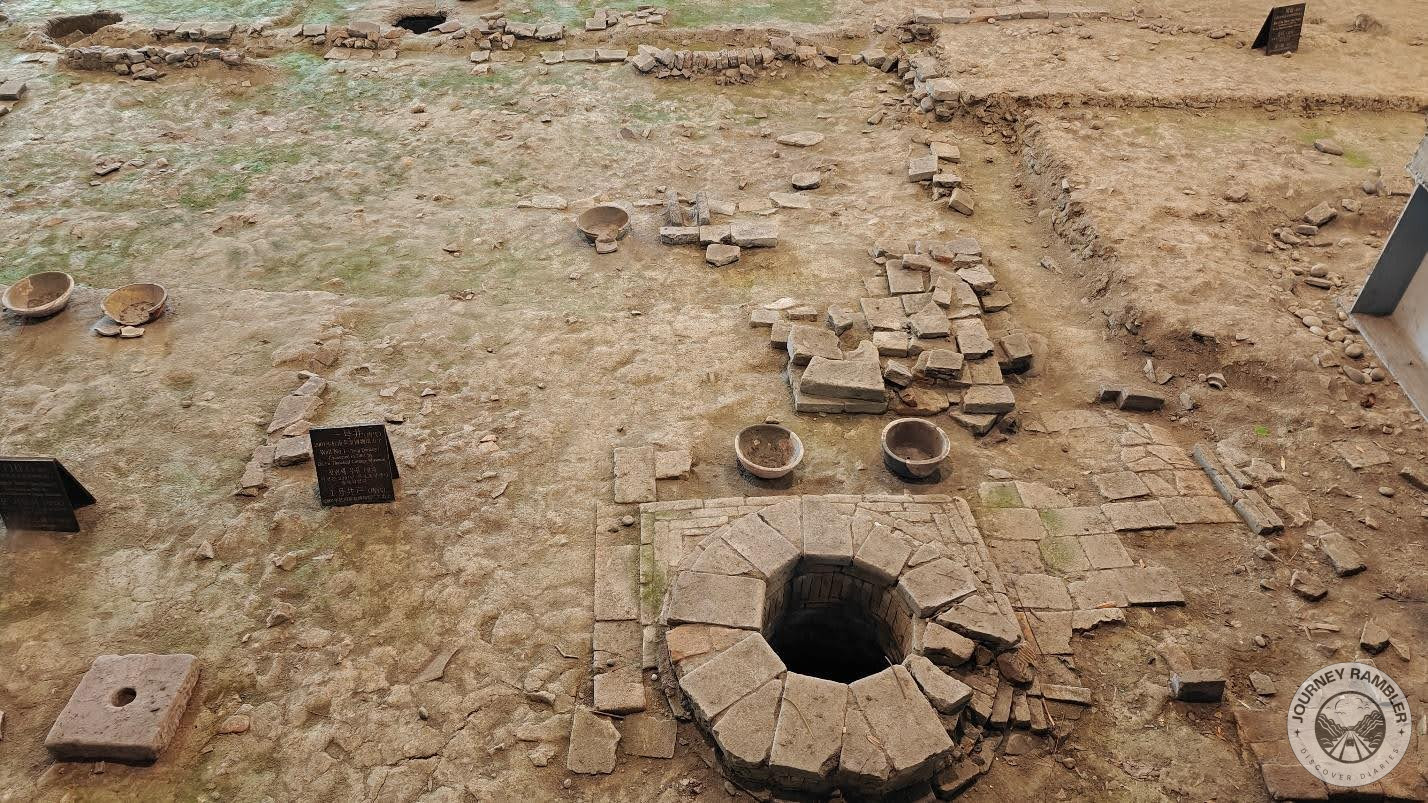
Now I’m not an archaeologist so I’m not really sure what this stone-lined hole on the ground is. My guess is that it used to be a well where the residents of the structure might have taken their drinking water. On a side note, you can also sort of see the brick pavers that must have surrounded the well.
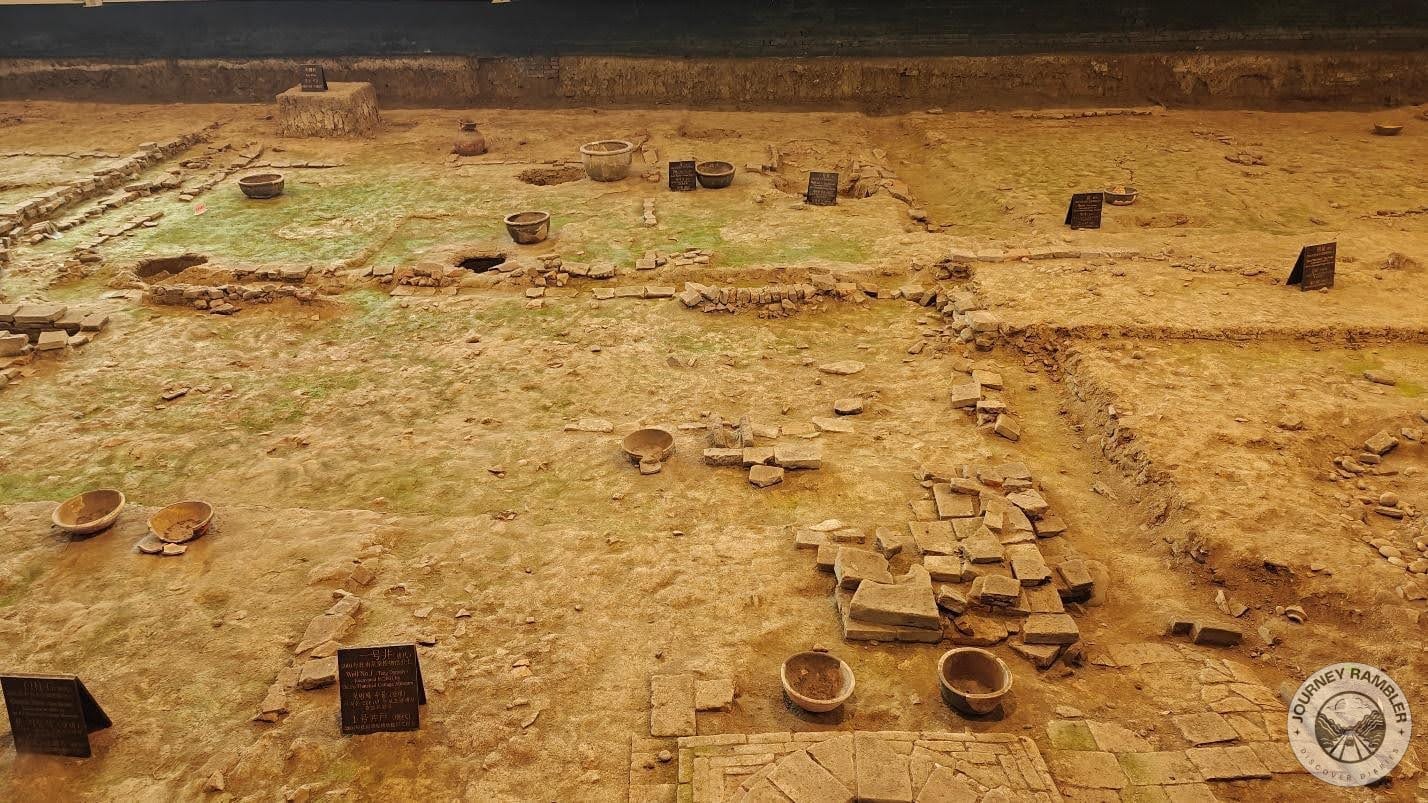
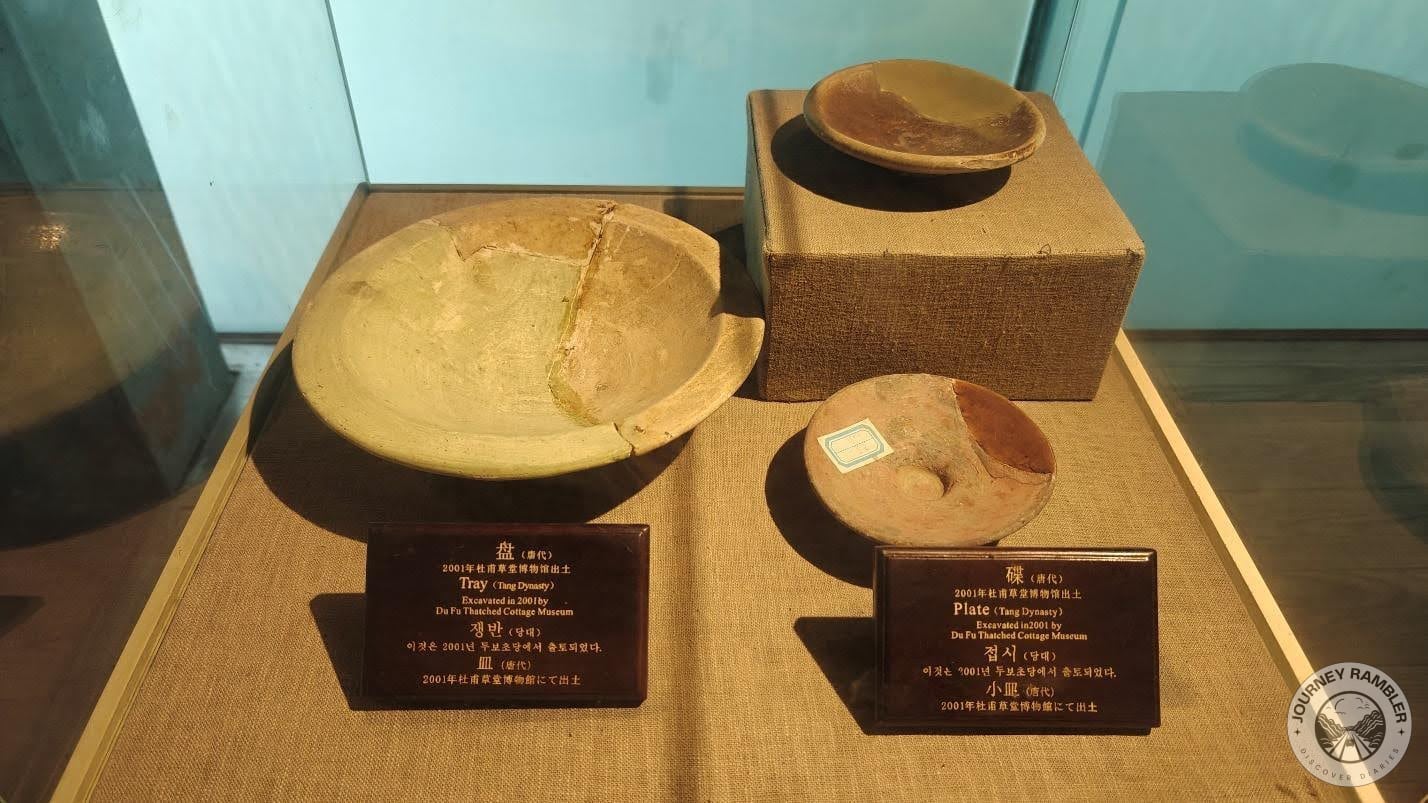
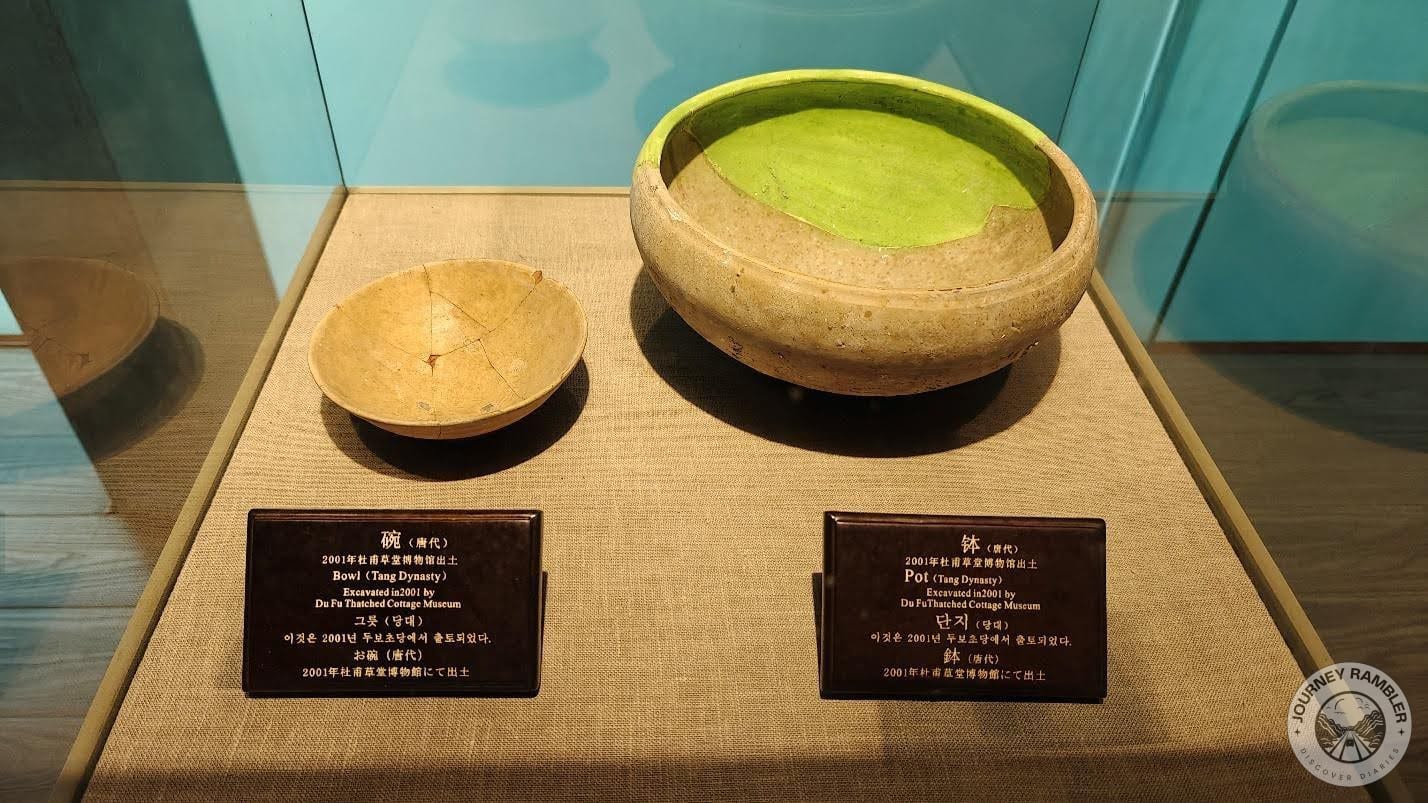
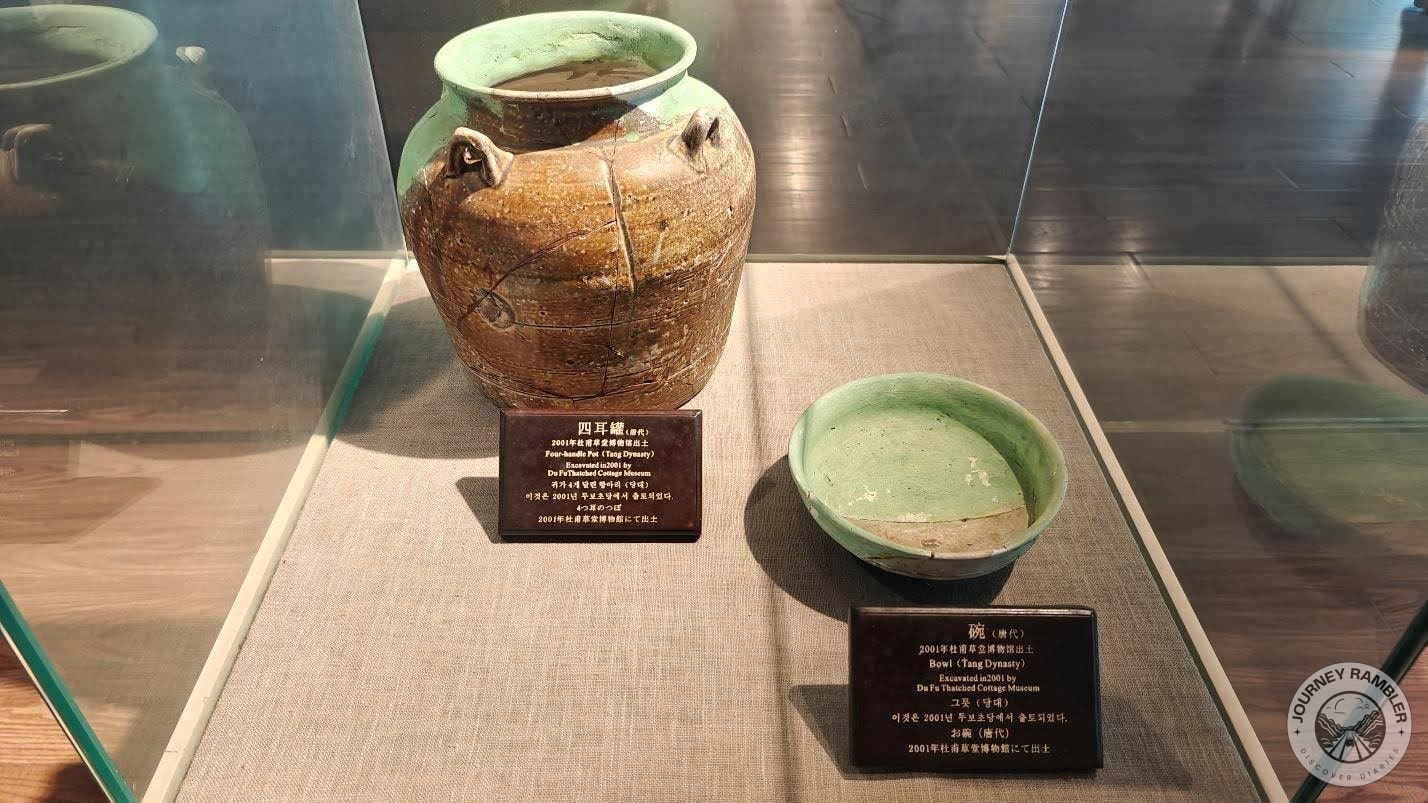
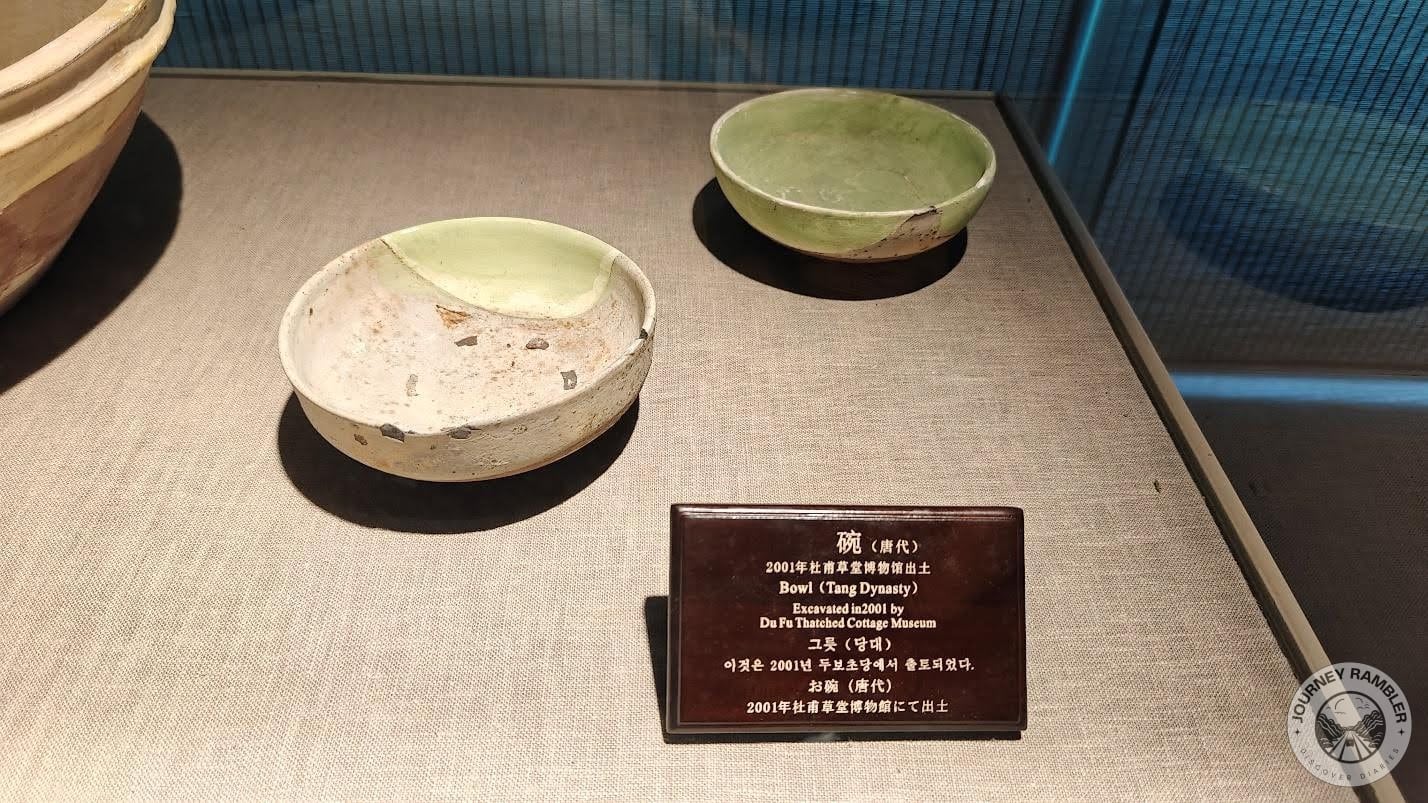
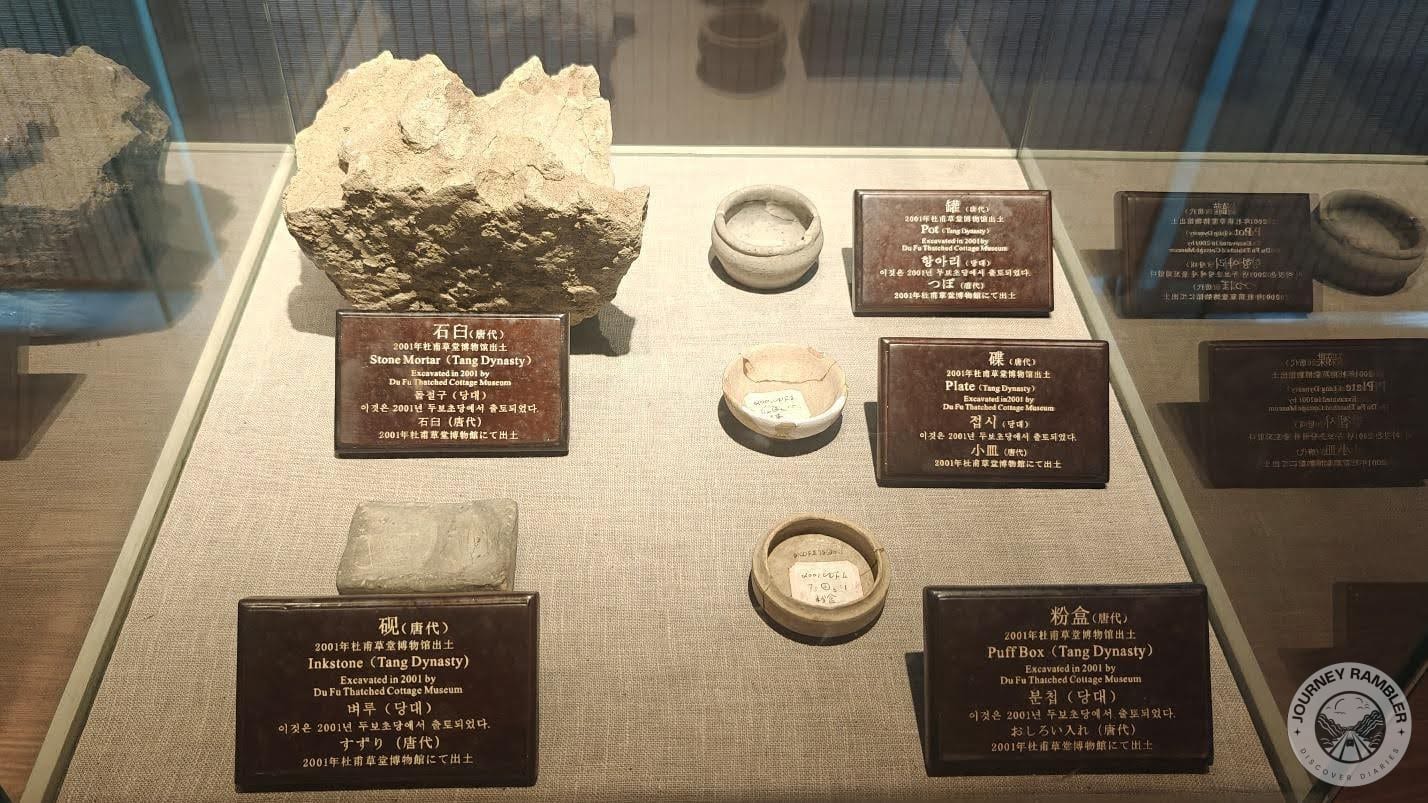
Aside from the excavation site, there are also displays that feature the various Tang Dynasty-era pottery that you’ll find here. You’ll notice that a lot of these were excavated in 2001 which was the last time (if I’m not mistaken) that a large-scale excavation was done in the area. Take note though that while the majority of the relics here are from the Tang Dynasty, other historical and archaeological evidence point to other dynasties like the Ming and Qing having had influence here at some point in time.
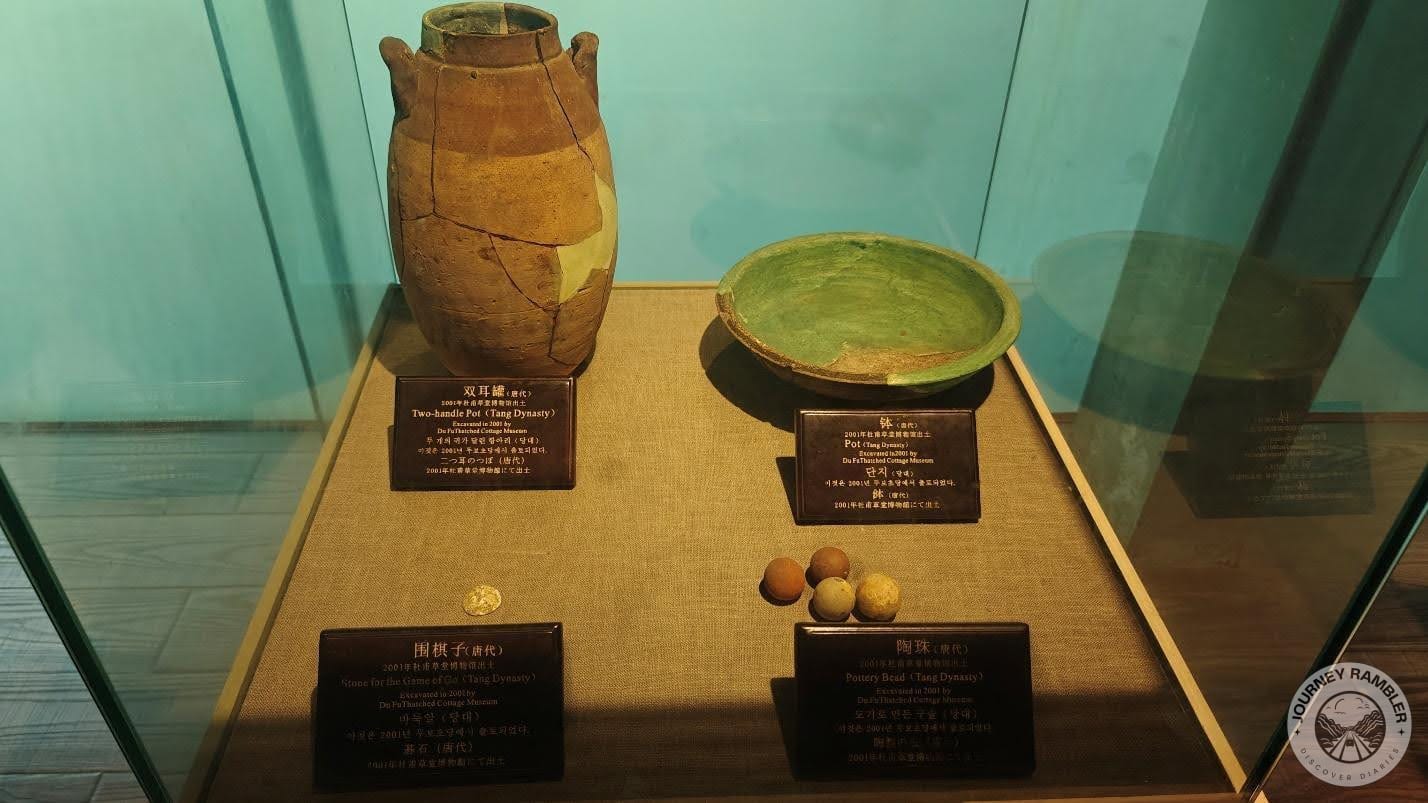
One thing that was really interesting about the pottery here was how well preserved they looked. I’ve read though that these might not be the originals and could just be replicas. Regardless, it still looks kind of surreal that something akin to these earthenware were used by people here more than a millennia ago.
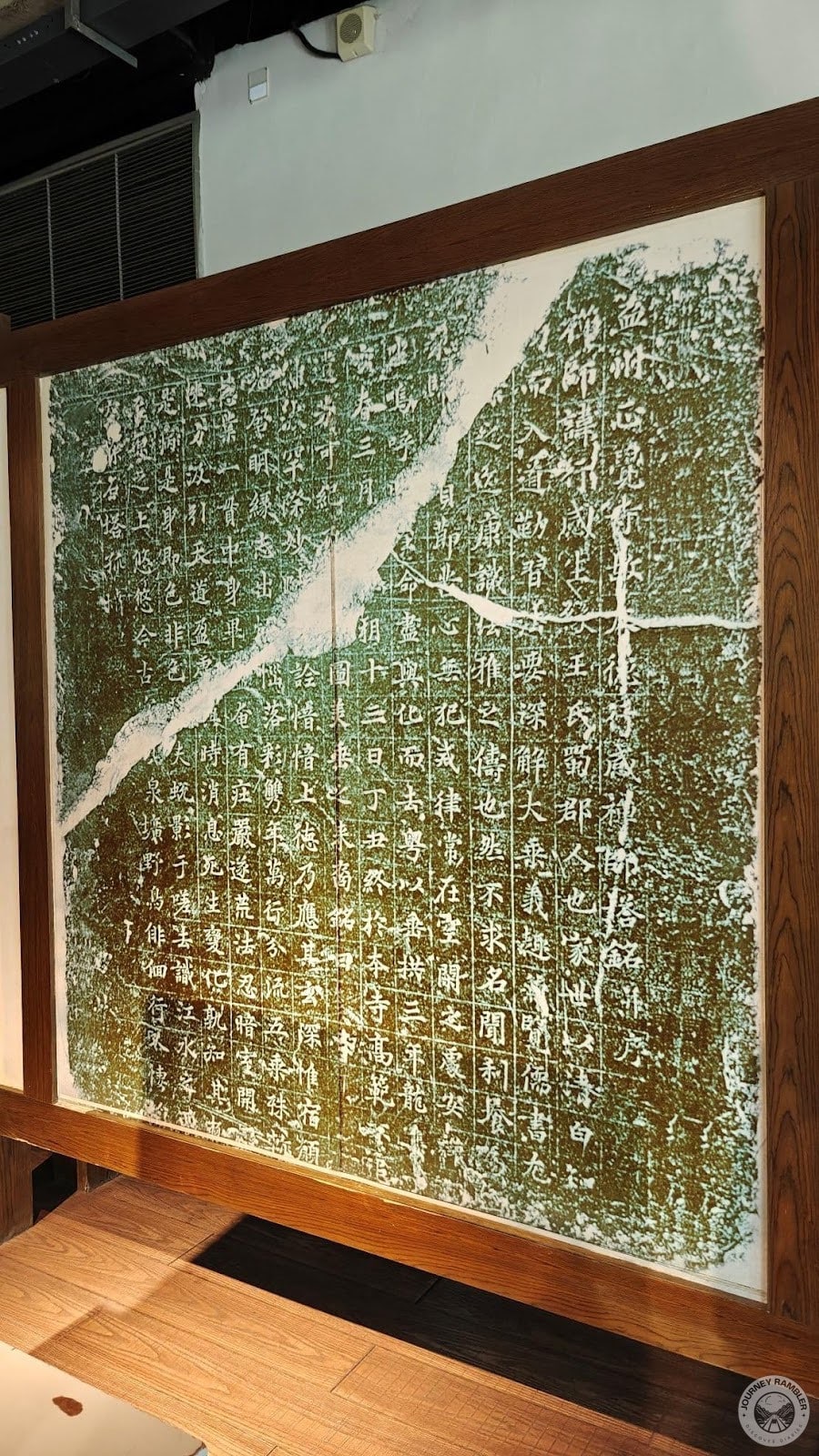
This was another interesting display at the Tang Dynasty Site. At first I thought this was calligraphy from a scroll but in actuality, it was a rubbing from a Tang Dynasty stele. As for the stele itself? I’m actually not sure if it’s still here in the scenic area or if it’s already someplace else for safekeeping.

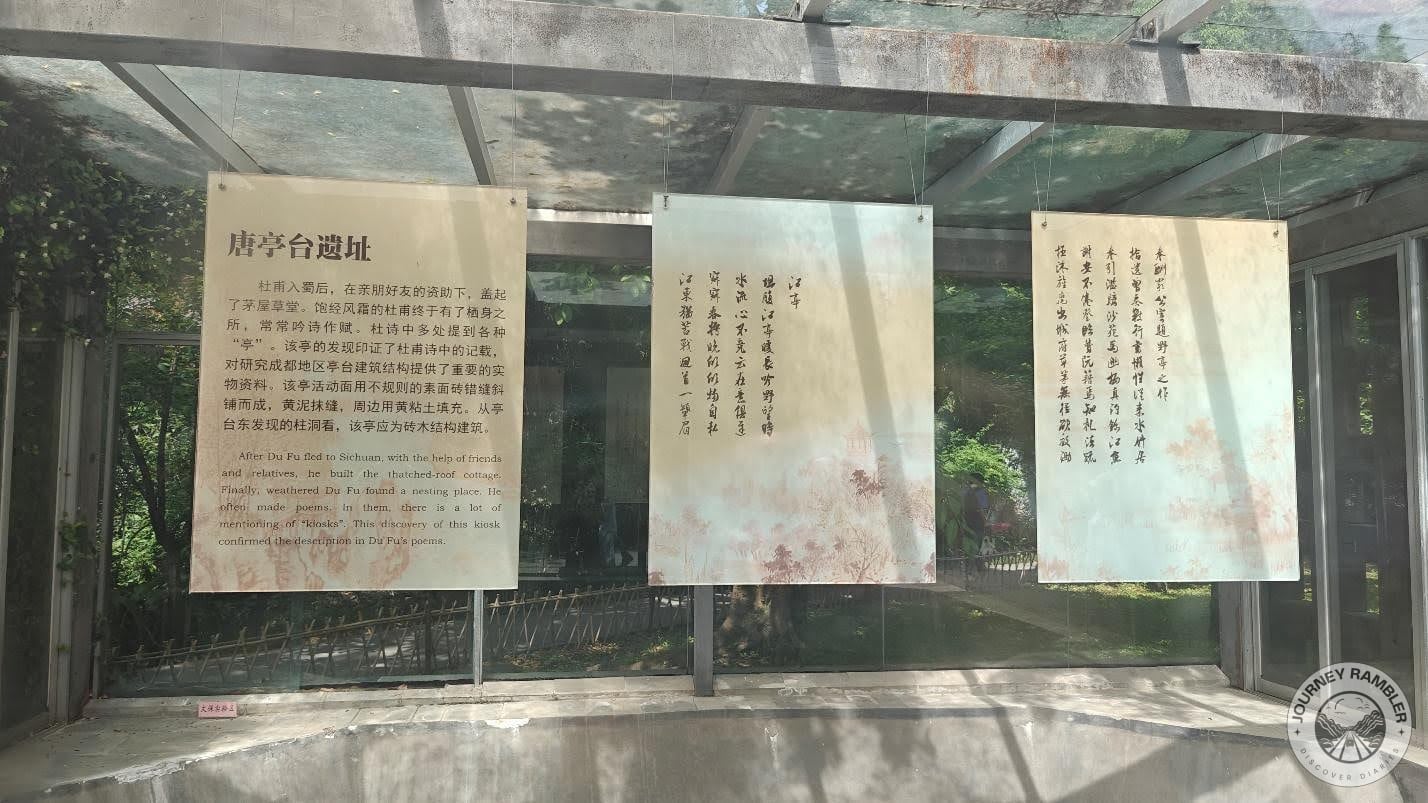
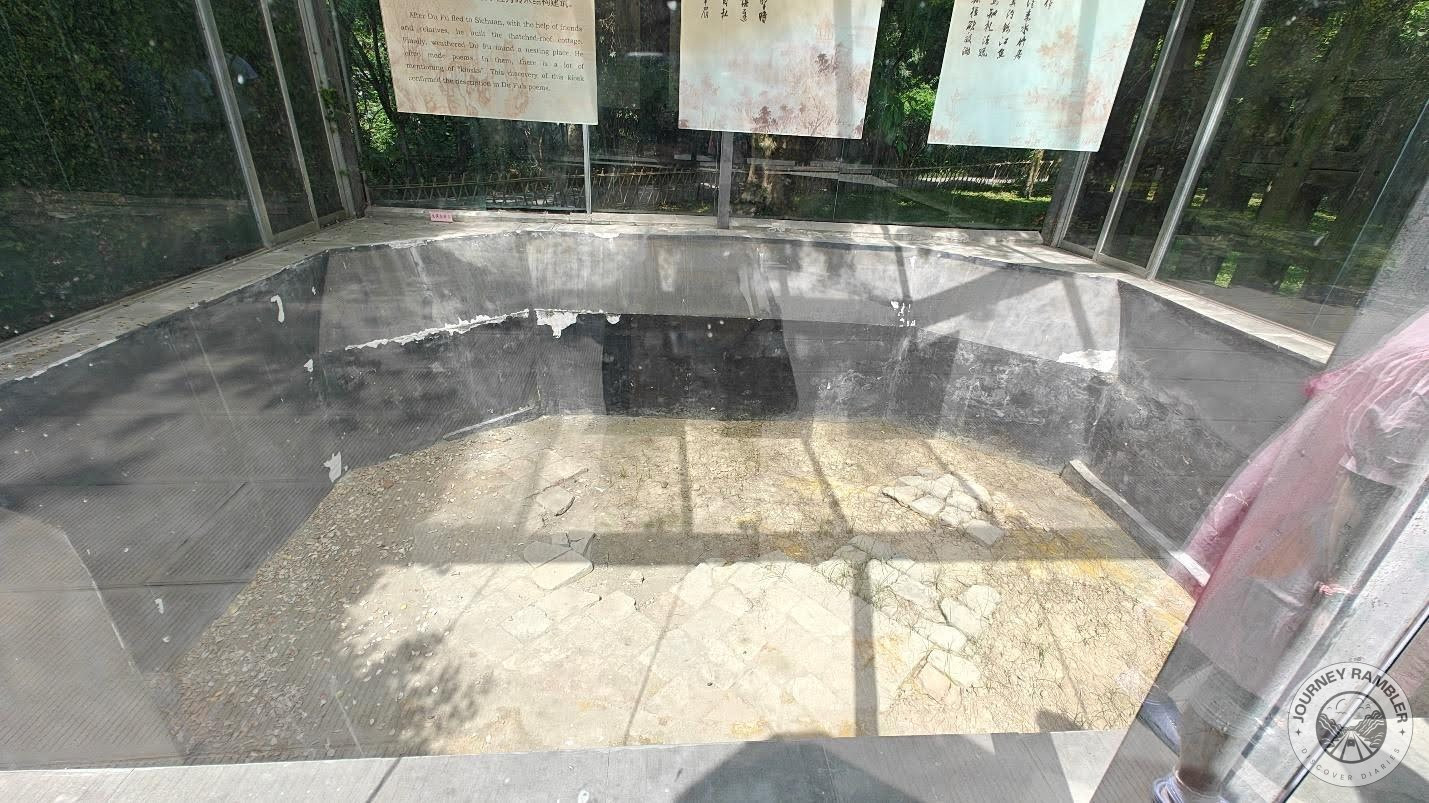
After checking out the inside of the Tang Dynasty Site building, I was looking around outside and came across this display. According to the sign here, it’s apparently one of the kiosks that Du Fu regularly mentions in his poems. Much like with the excavation inside, there’s so little left of the kiosk with only the brick pavers indicating that there used to be a structure here.
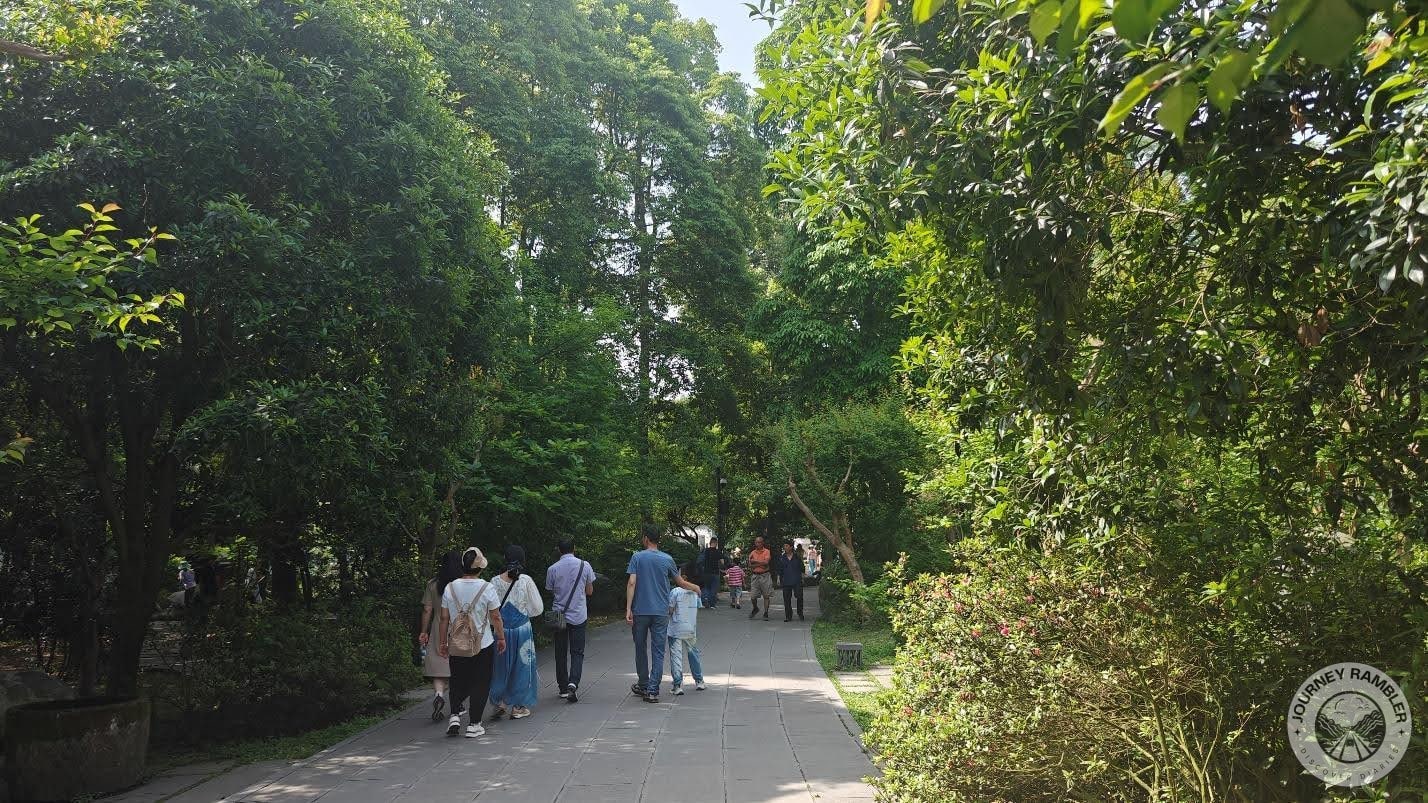
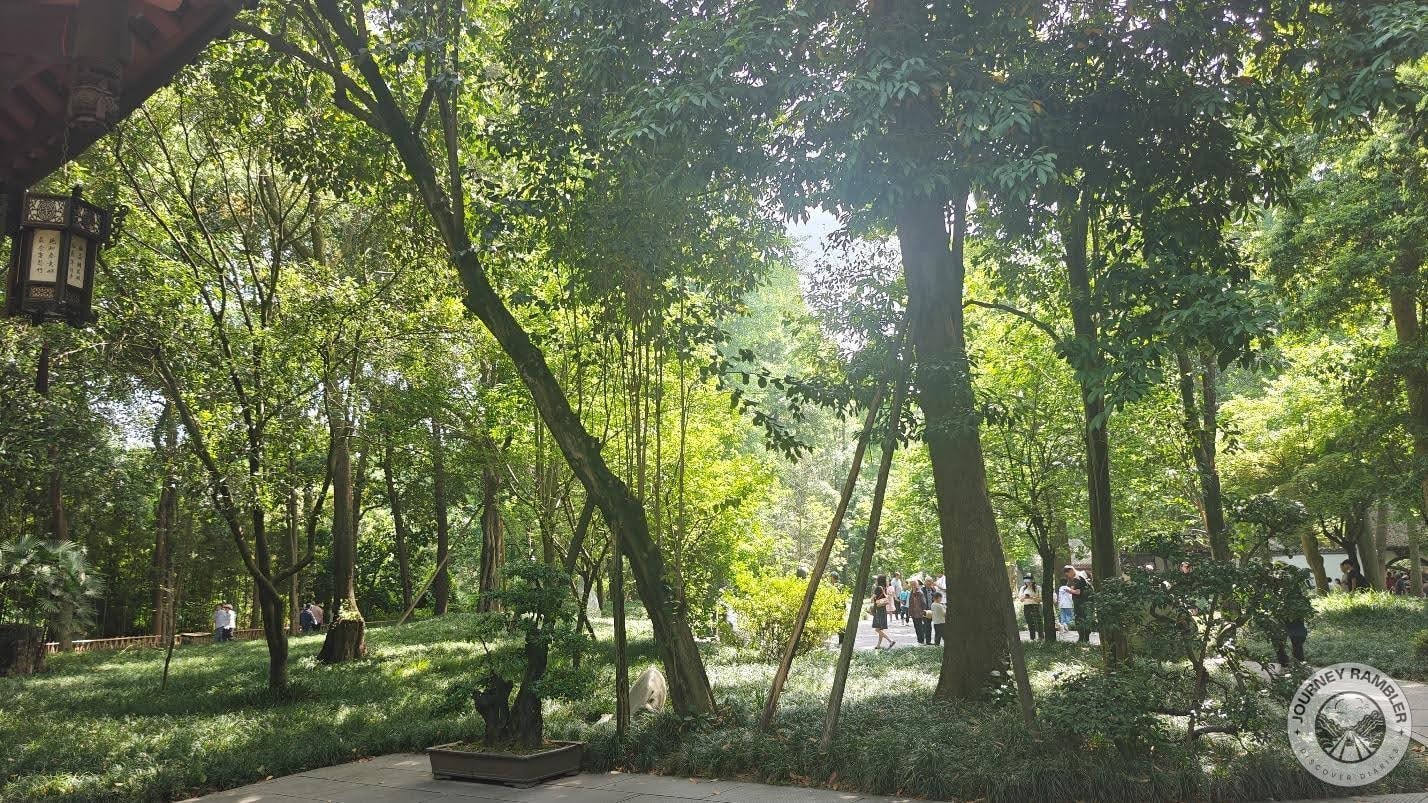
Before going to the Thatched Cottage Scenic Area, I had to check out the surrounding pathways and gardens. The walk here was actually quite relaxing thanks to the abundance of trees and plants. In a way, it really reminded me of my time at Sankeien Garden in Yokohama.
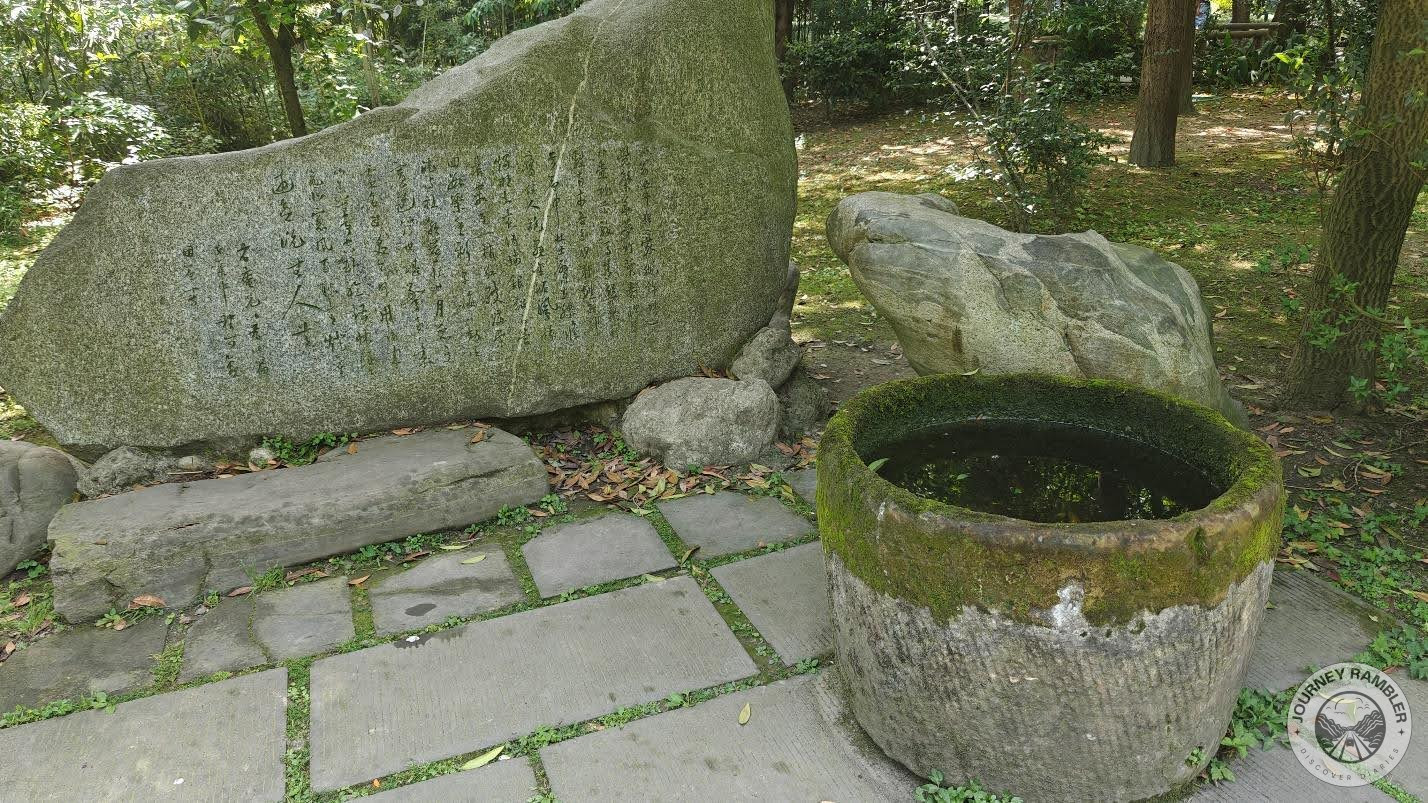

Perhaps a major difference between this place and Sankeien Garden is how this place seems to have a more “curated” look. Now this doesn’t necessarily mean that Du Fu Thatched Cottage is inferior. I actually think that it feels geared more to accommodate tourists thanks to pavers on its pathway and how organized the area seems to be.
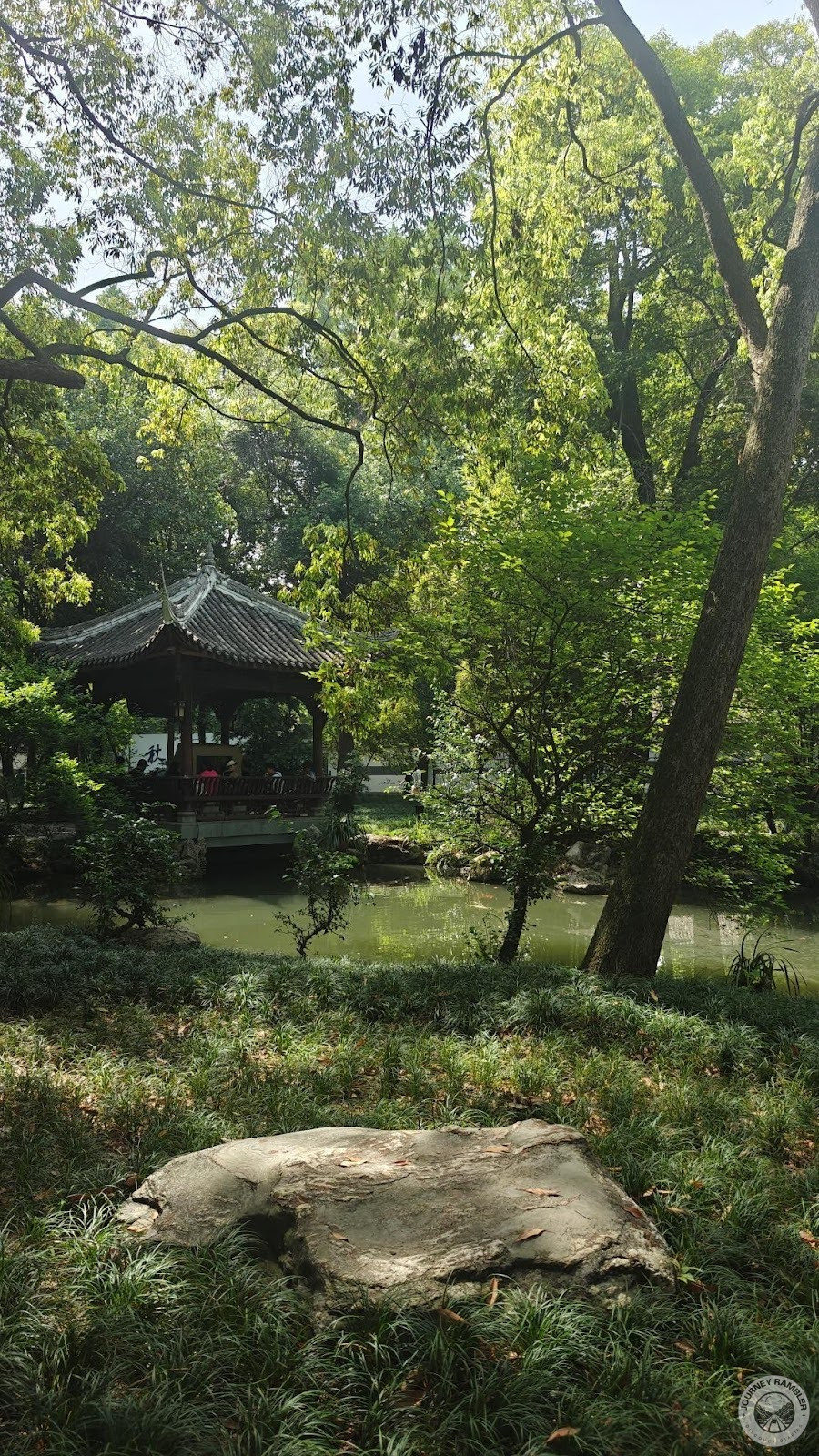
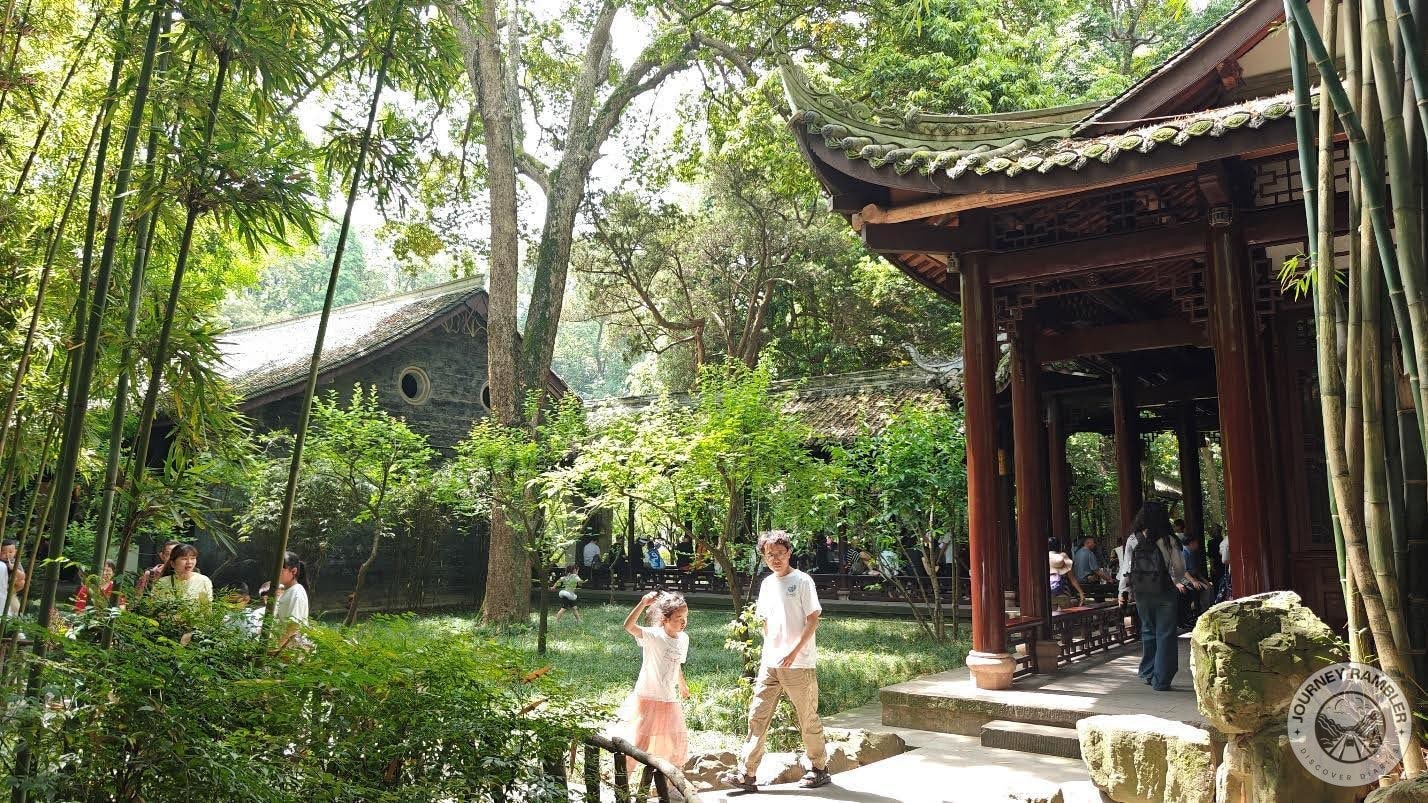
Another notable difference between here and Sankeien Garden would be the pavilions. Don’t quote me on this but I think you’ll find at least one pavilion in any of the major areas here at Du Fu Thatched Cottage. These are great for resting as well as appreciating the views.
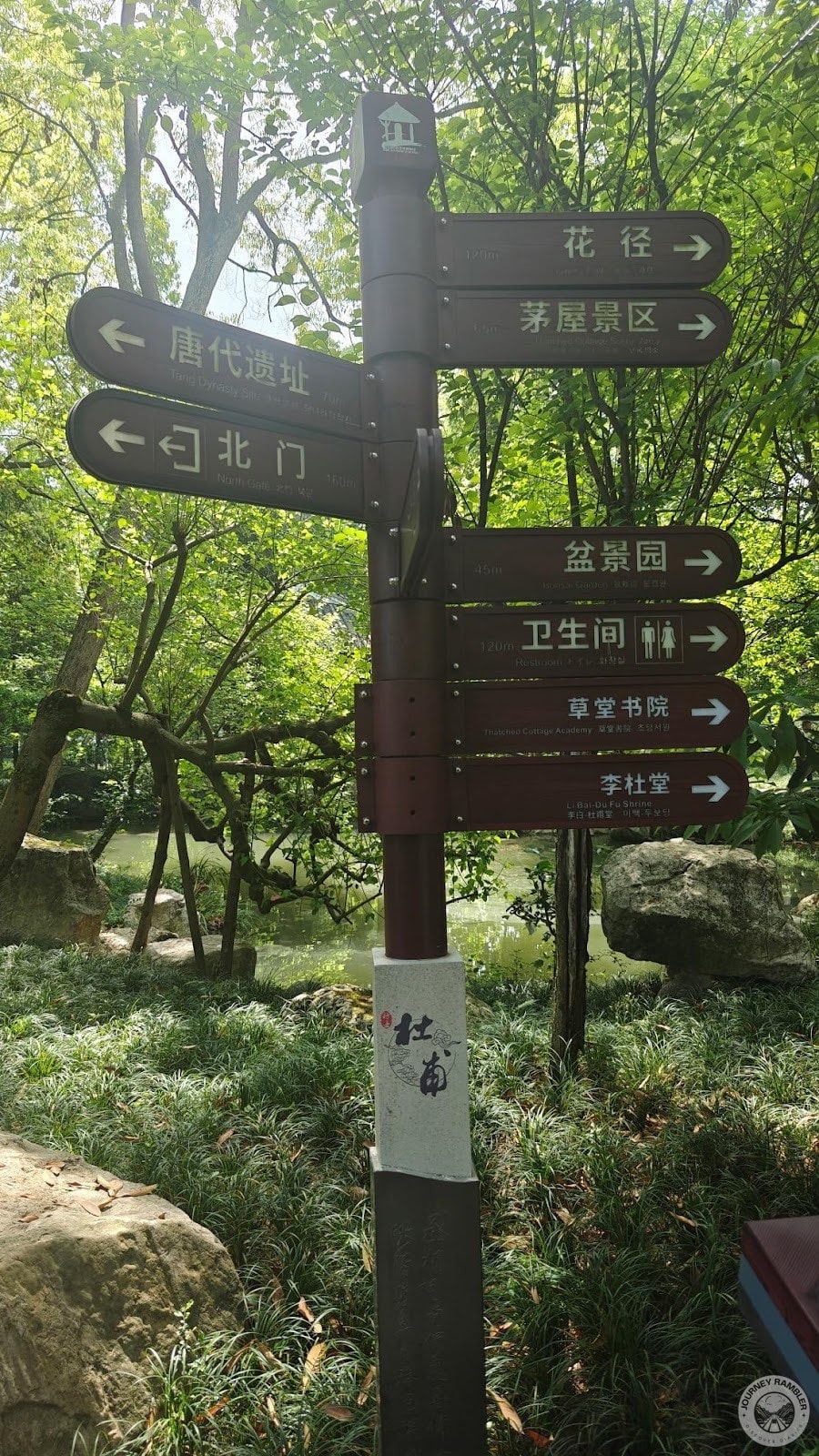
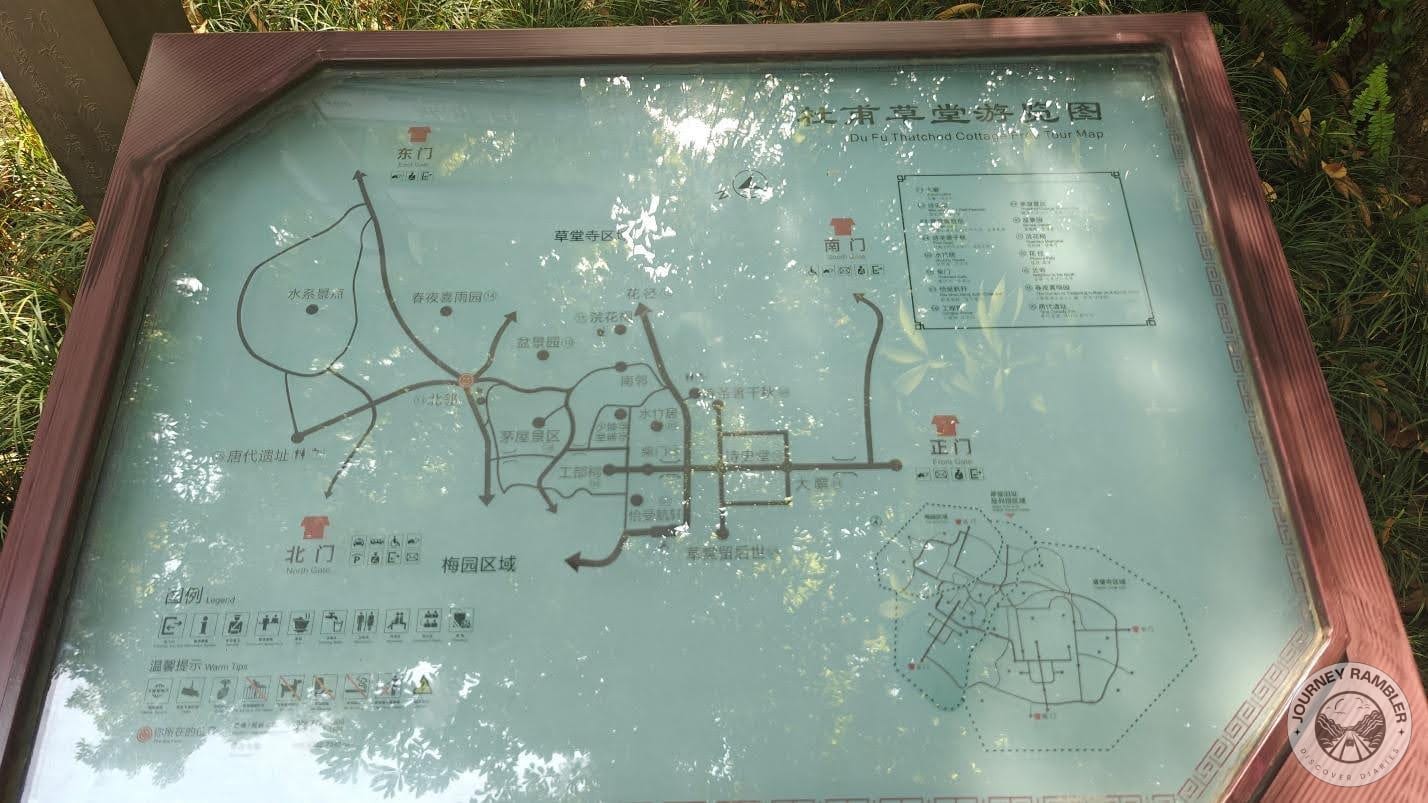
Just before passing the bridge going to the Thatched Cottage Scenic Area, I came across another signpost. Here you’ll see signs with directions to the notable areas up ahead as well as to the areas that I just passed through earlier (the North Gate and the Tang Dynasty Site). At this point, it was still a very leisurely walk and my legs were pretty much raring for more.
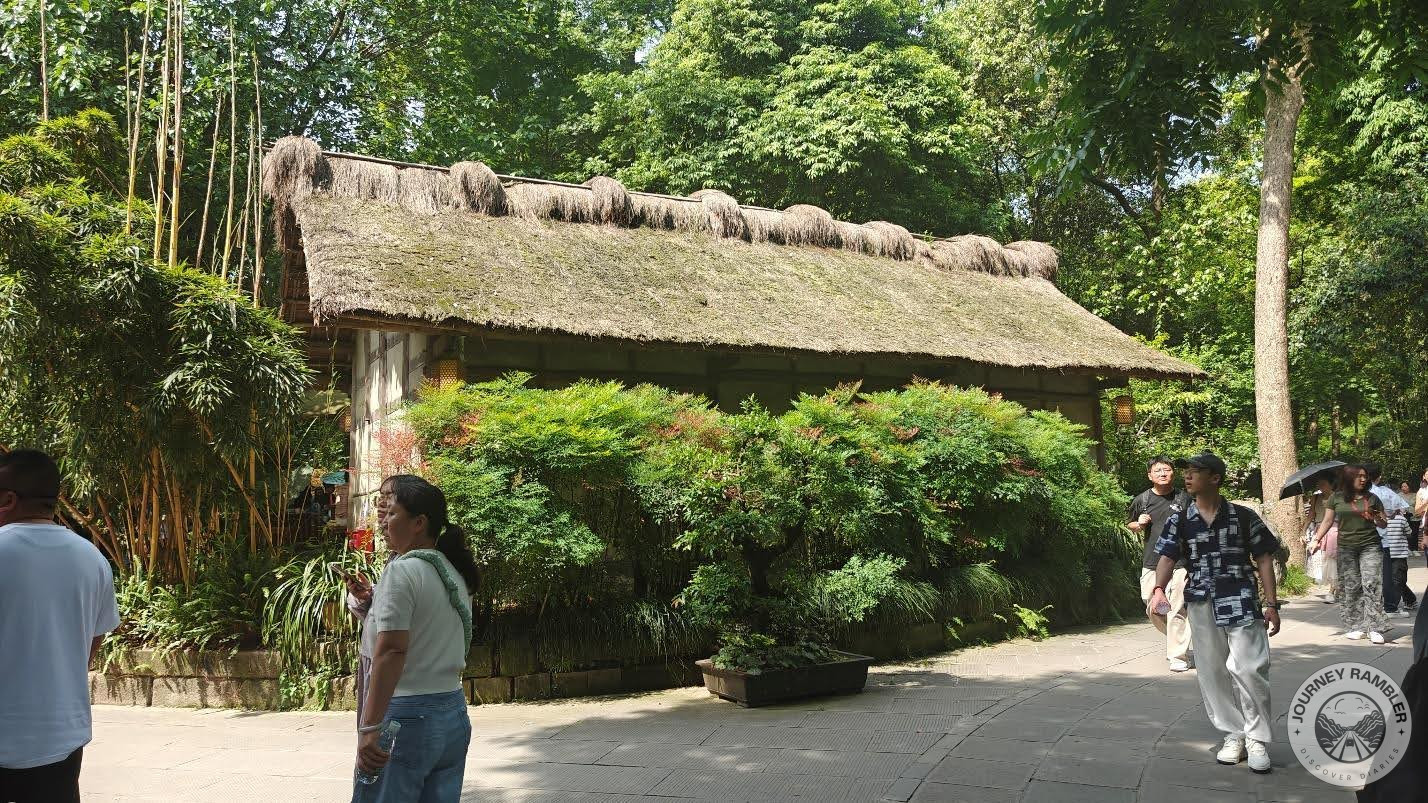
After passing the small bridge, you’re then going to come across this area. Now if you’re feeling thirsty or want something to eat, the cottage that you see in this image actually serves tea. Of course, we’ll check that out later. Suffice to say, it can be a little busy especially during warmer weather.
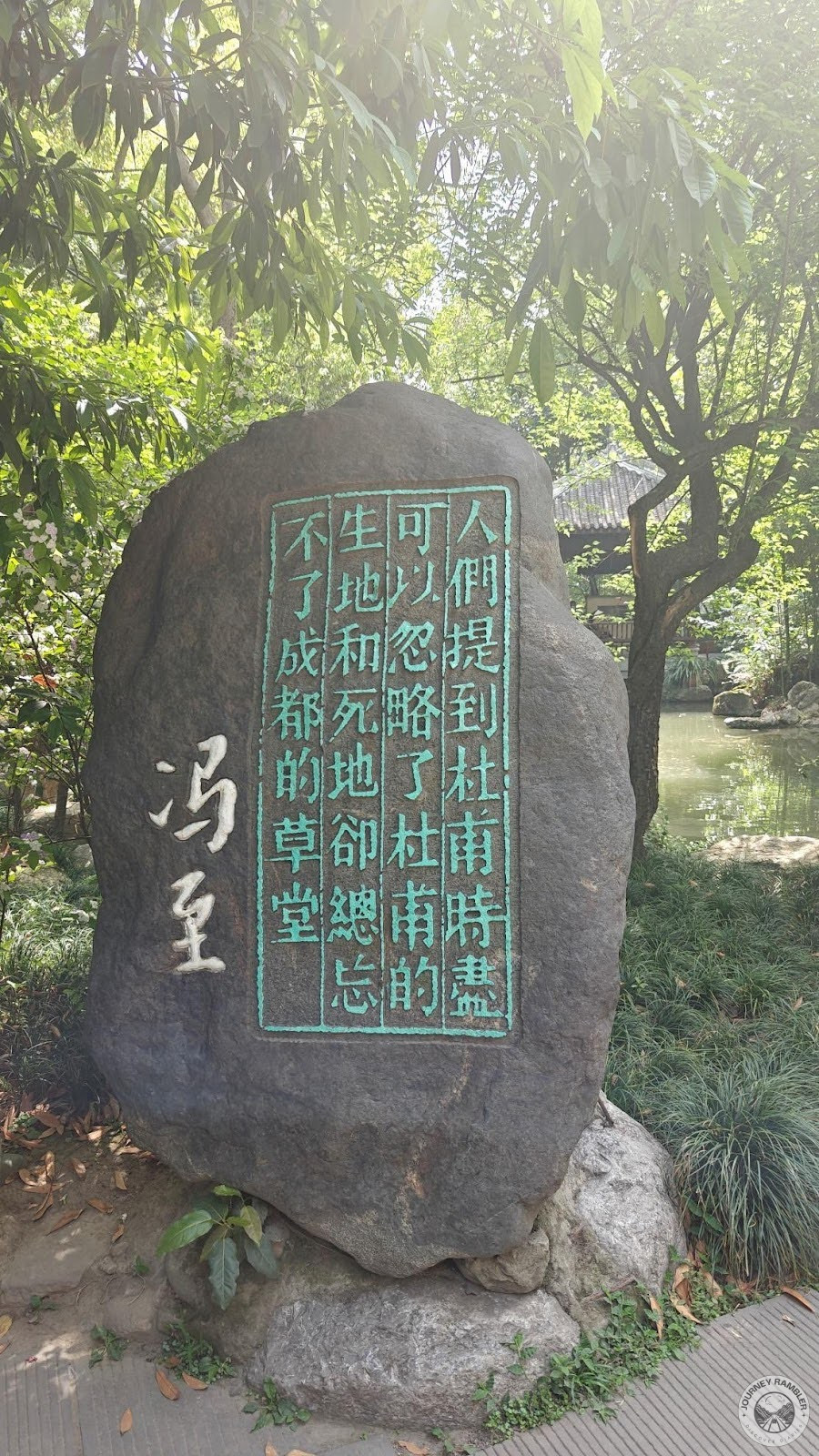
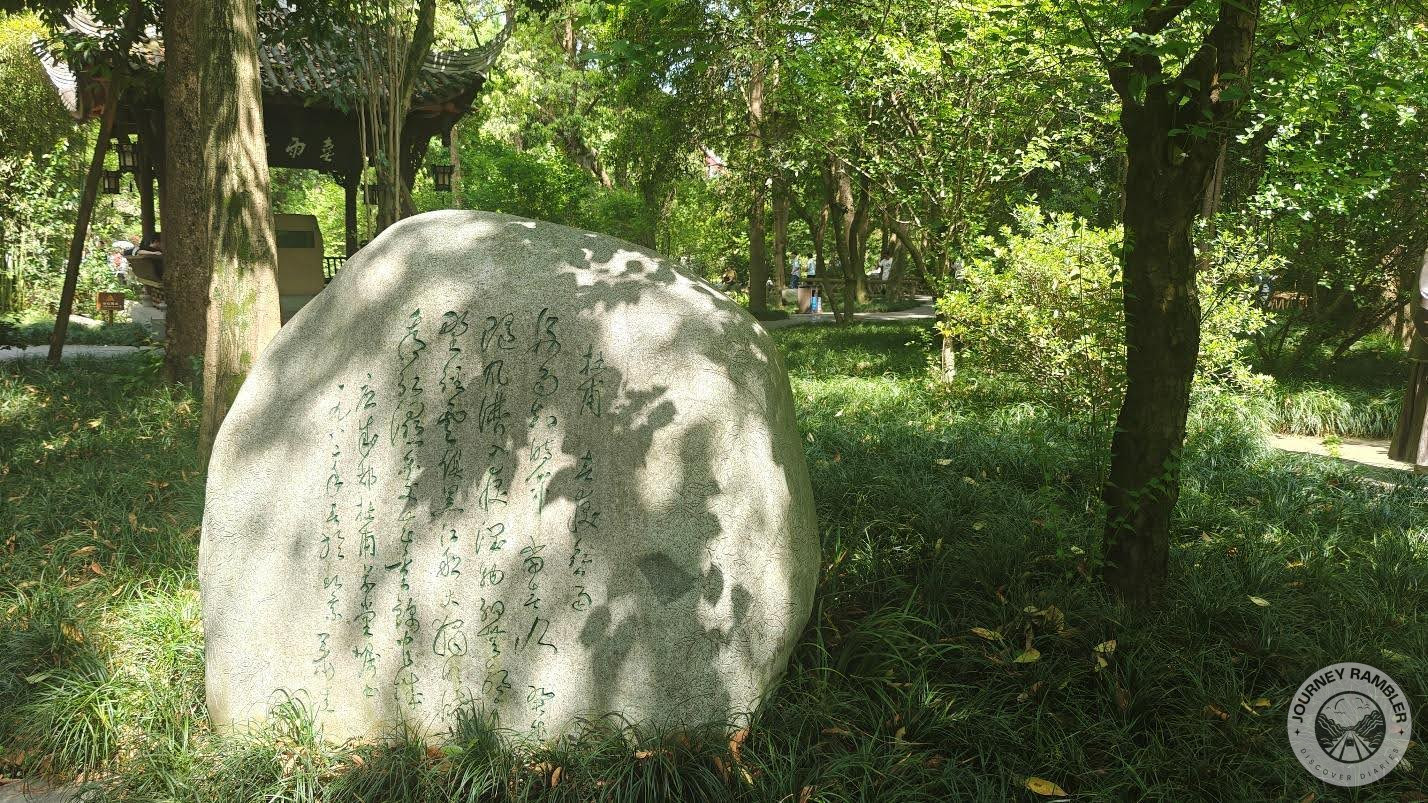
Here’s an interesting stone set in an upright position with some inscription painted on it. Roughly translated, it talks about Du Fu and how people remember his thatched cottage in Chengdu more than even the place of his birth or death. A lot of this had to do with the fact that a significant portion of his work was made here. Moreover, this place features prominently in a majority of the 200 or so poems which further reinforce its importance in Du Fu’s history.
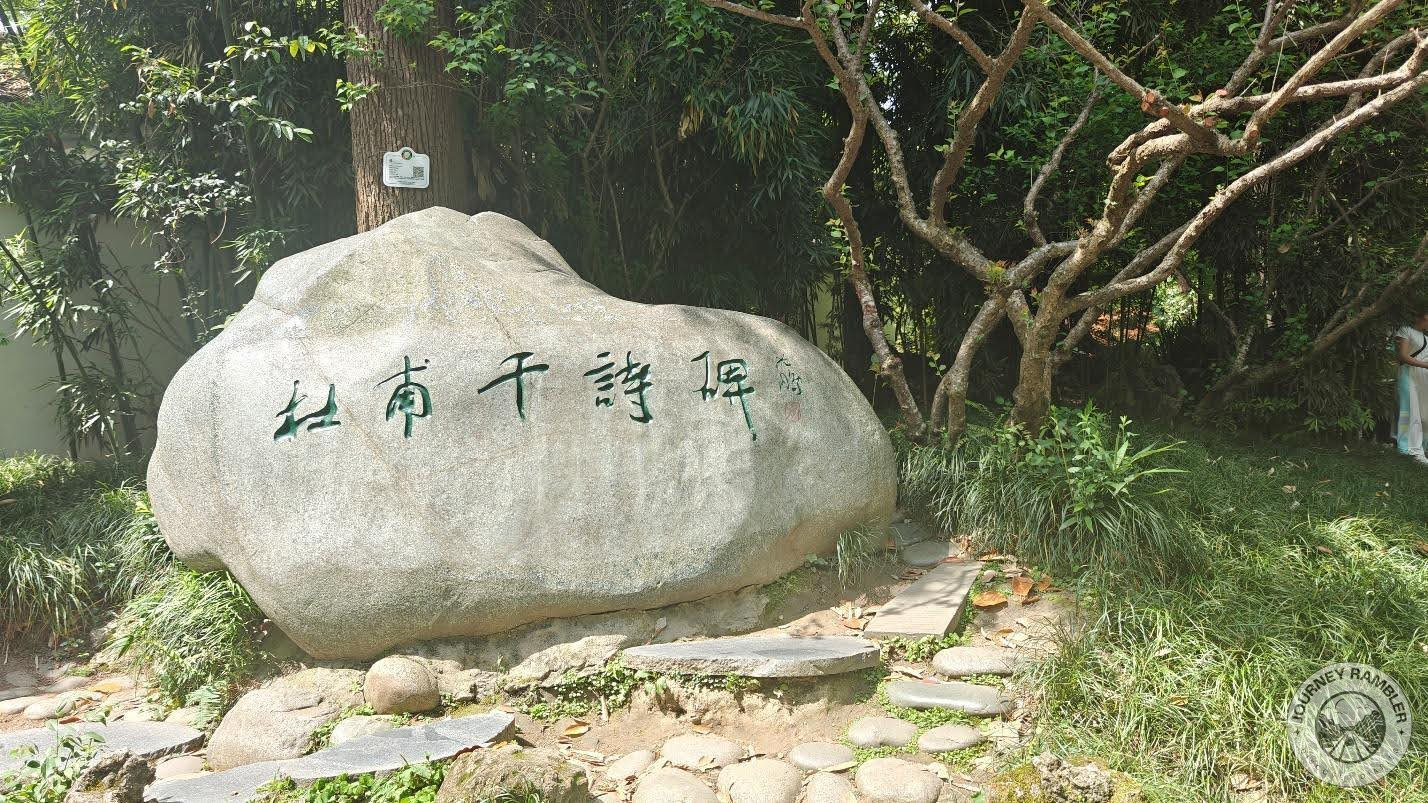
This is another large stone with engravings on it. Unlike the first one though, this serves as a marker for the Thousand Poem Stele Forest. Of course, this isn’t exactly a forest but rather an area that’s replete with steles engraved with Du Fu’s works. As you’ll see later on, these poems are found everywhere from walls to stones in the various gardens in the area.
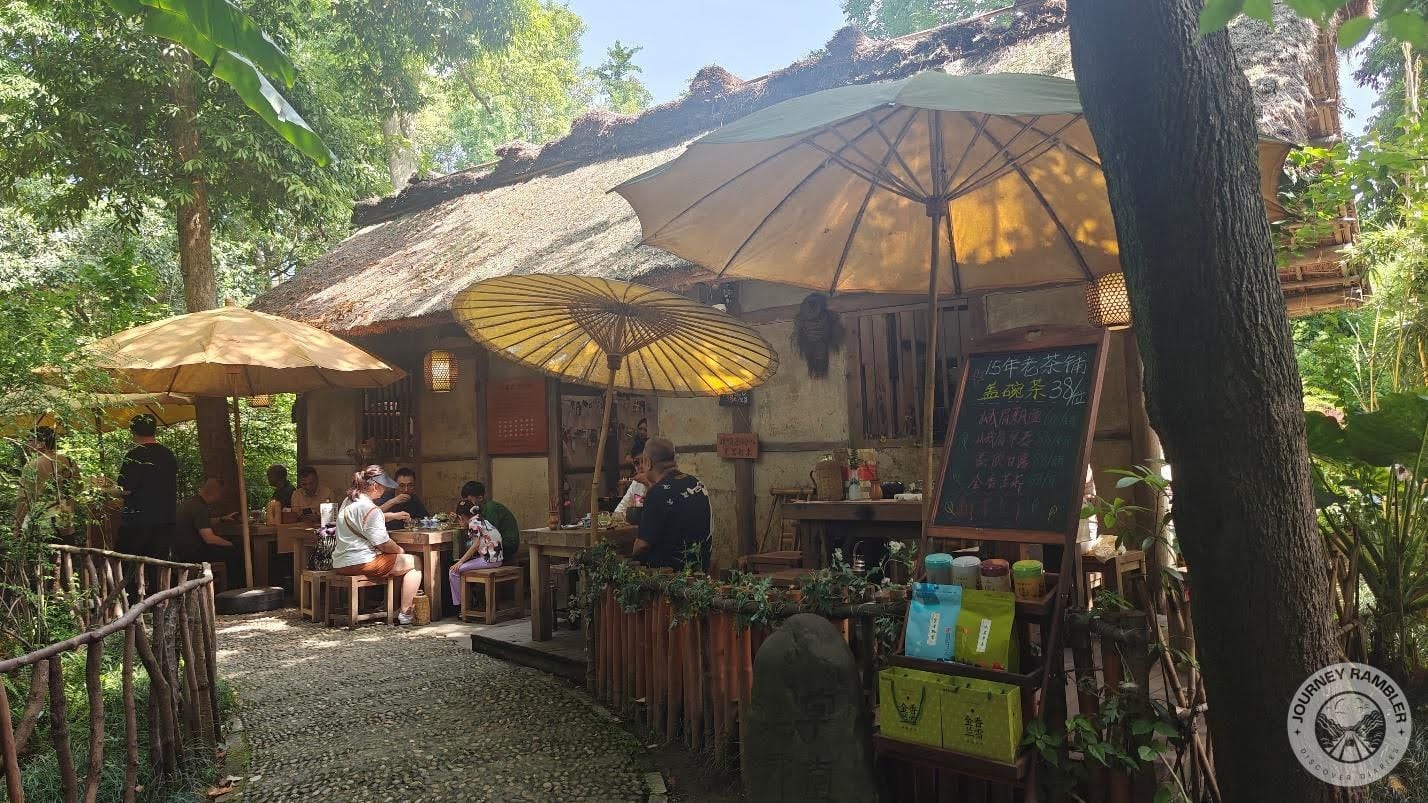
This is the thatched cottage that offered tea that I talked about earlier. So the tea here is served in gaiwan which is a bowl that serves as a vessel for both brewing and drinking. What most people might not know is that the use of the gaiwan actually became popular during the Tang Dynasty and the lid specifically was said to have been an invention by a daughter of a general (Cui Ning) from Chengdu.
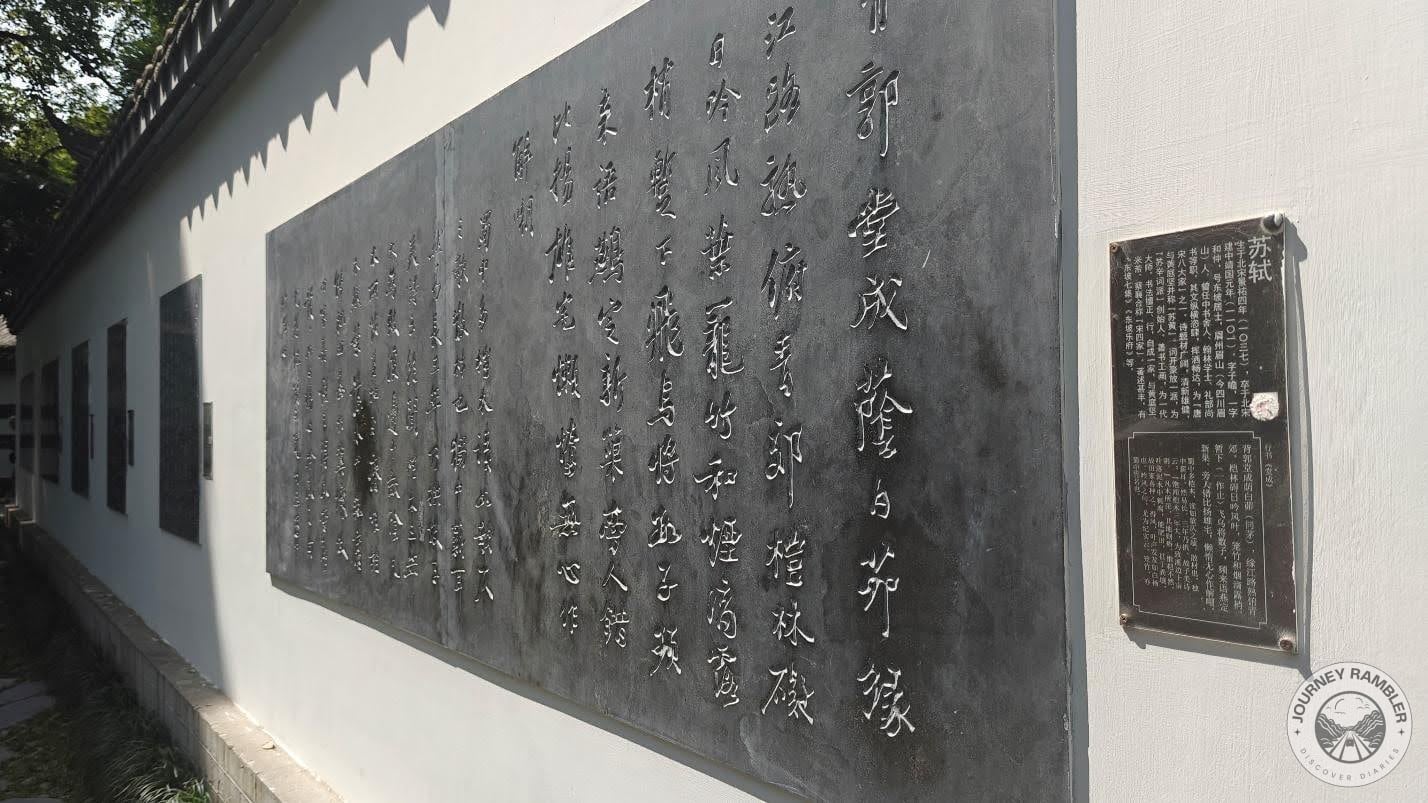
So these are the steles with Du Fu’s poems that I was talking about. The walls here are replete with them and unfortunately, there are no English translations. That said, you can easily just whip out your phone and use a translation app if you want to read them. Some of the nuance of the poems are obviously going to get lost in the translation but I think there are plenty of sites and forums online discussing their meaning.
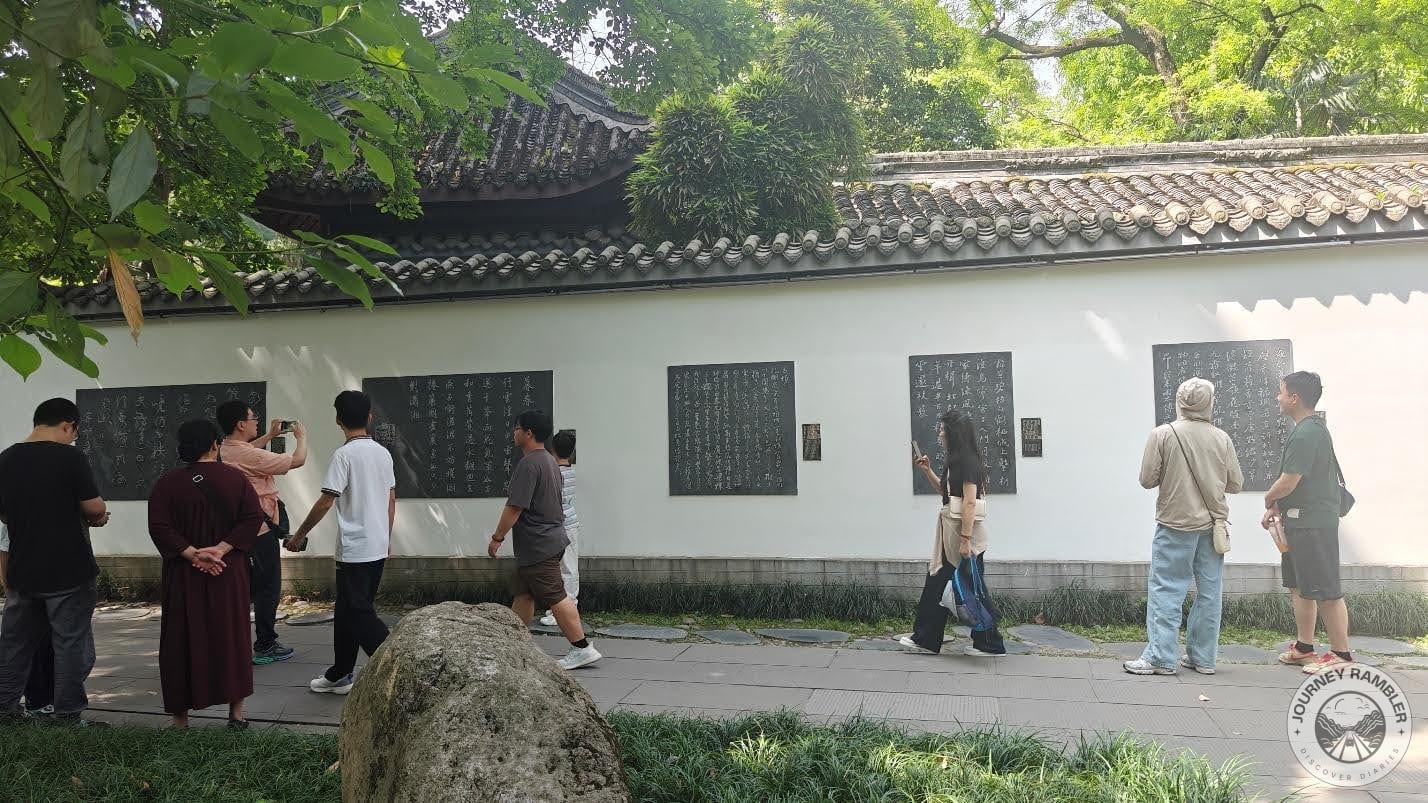
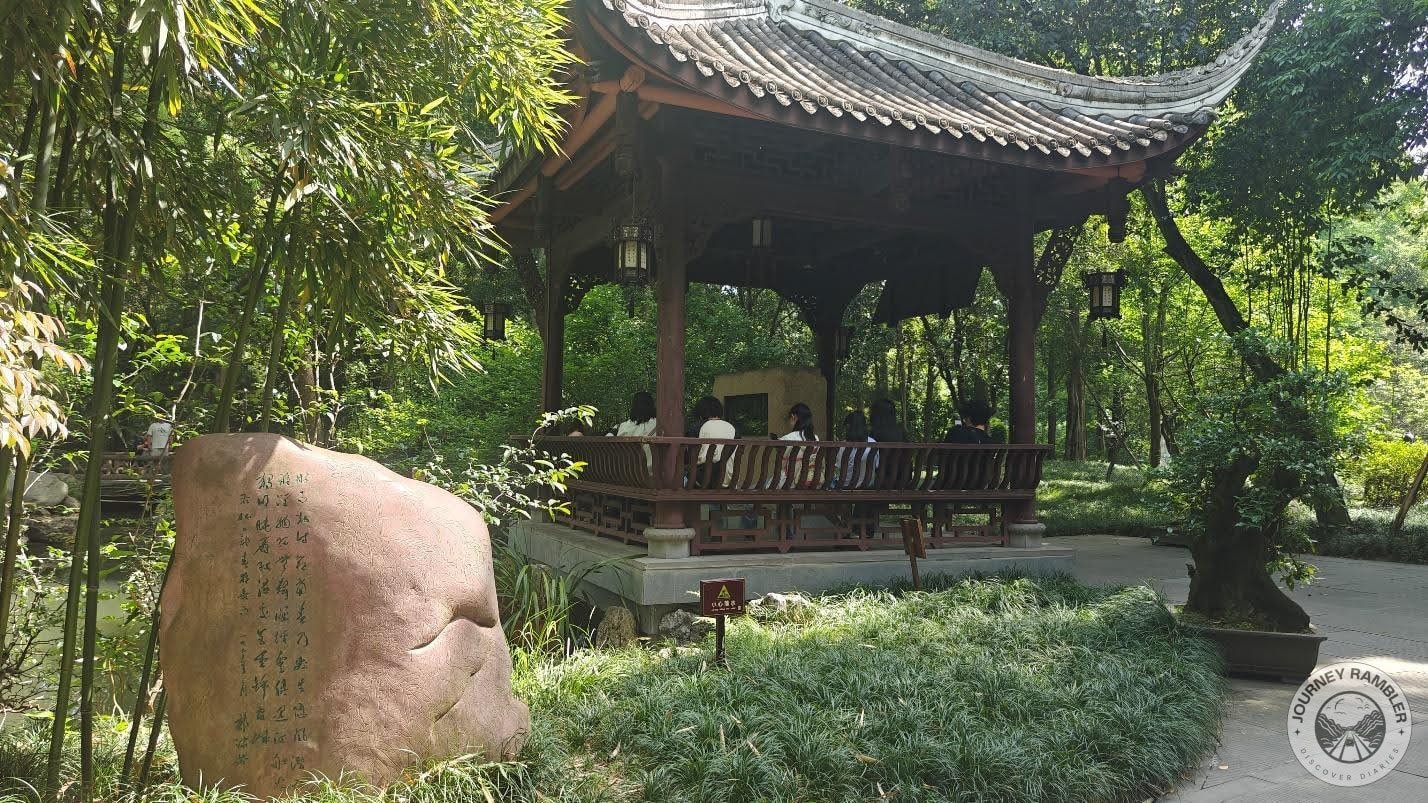
By following the wall to the east, I eventually came across this garden. This was just opposite from the wall and it also featured stones with inscriptions of Du Fu’s writings as well as more stone steles. There are a number of translations for the garden’s name but the one that really stuck to me was The Garden of Delighting in Rain on a Spring Night. From what I understand, this was actually taken from one of Du Fu’s works.
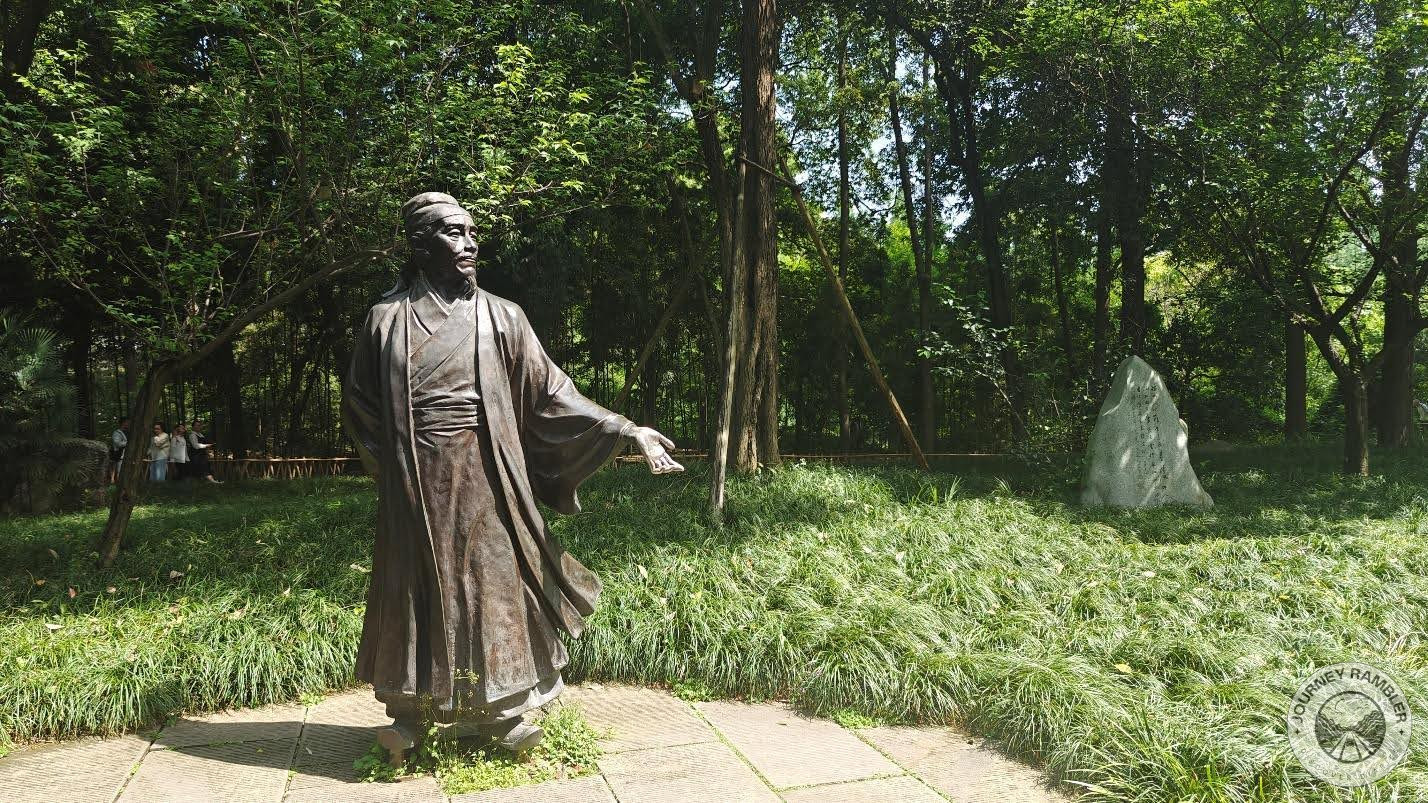
Of course, Du Fu Thatched Cottage wouldn’t be a memorial for Du Fu if it didn’t have a statue of him. Now, I’m not quite sure how old the statue is but it does seem like it was made sometime in the 20th century (I could be wrong). The pose is probably one of its best features as it looks like he’s proudly trying to tell visitors to gaze upon the garden’s soothing views.
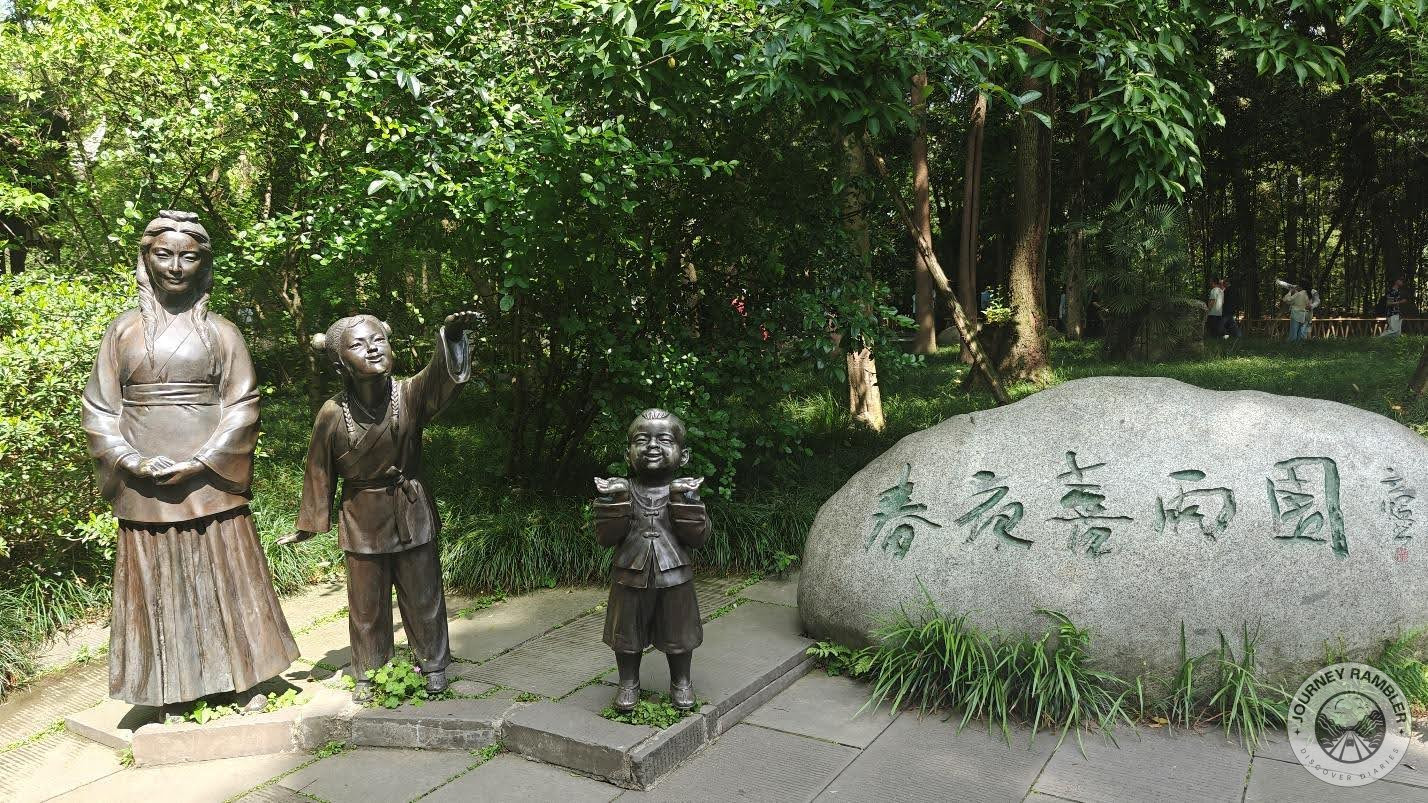
Just beside Du Fu’s statue is the marker for the garden as well as the statues meant to represent his wife and children. I read that Du Fu was said to have been happy when he lived in Chengdu and I guess the statue of his wife and children are testament to that. Unsurprisingly the poem that the garden is named after is also one of the more popular examples of his own account of the happiness and peace he experienced in his 4 years in the city.
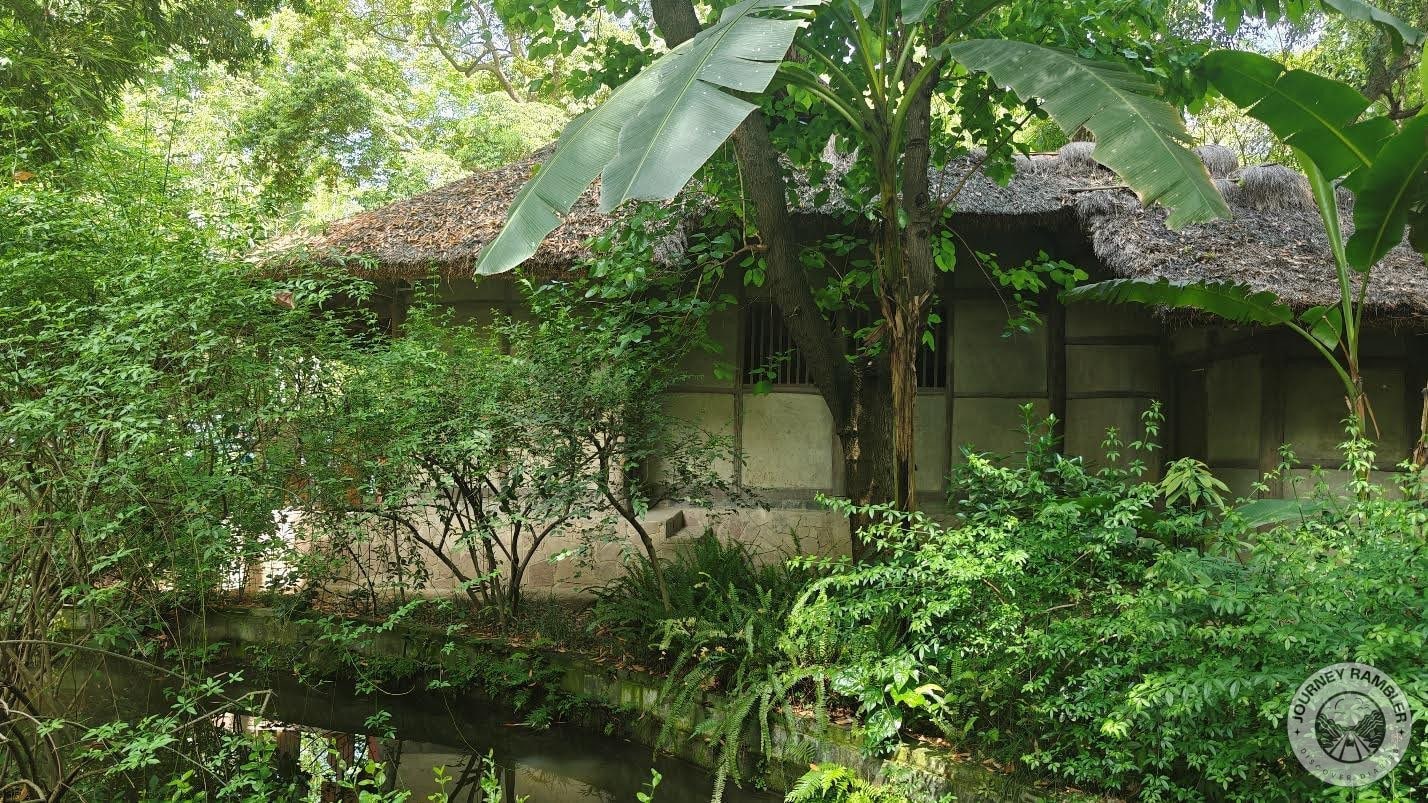
After that visit to the Garden of Delighting in Rain in the Spring Night, the next landmark I visited was the recreation of Du Fu’s Thatched Cottage itself. This is near the teahouse though you won’t be able to access it from there. There was no need to worry though as I just followed the path (you can see it in the succeeding images) and I found myself in the thatched cottage in no time.
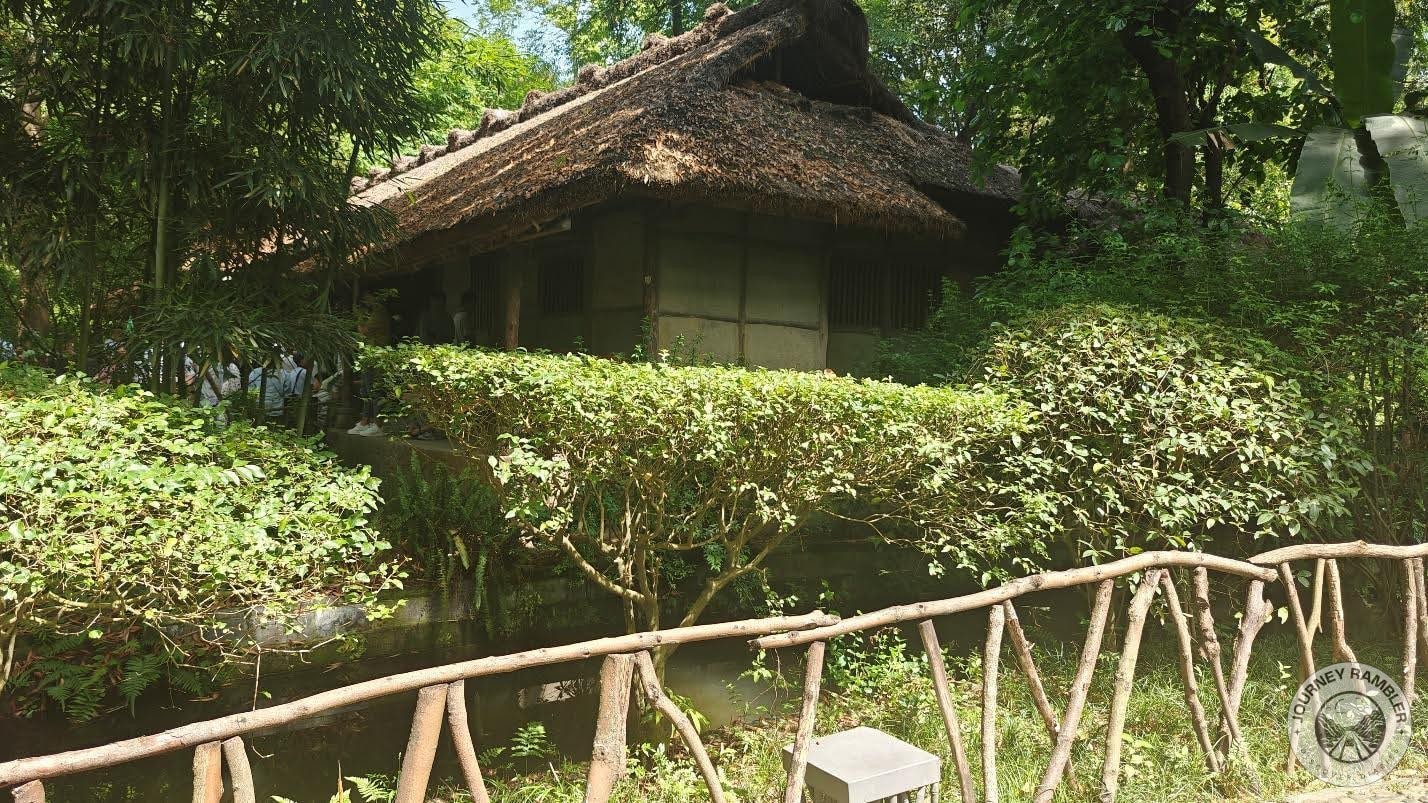
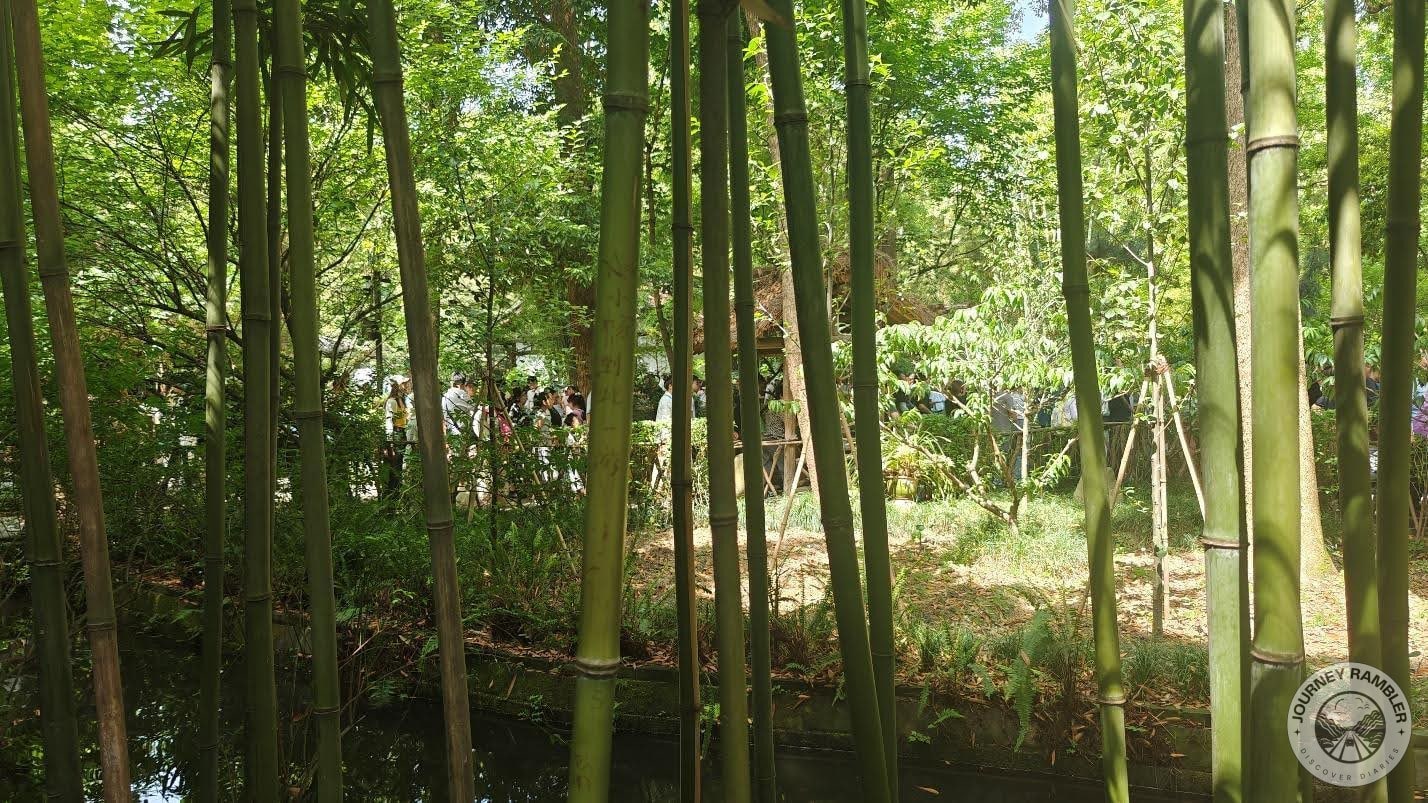
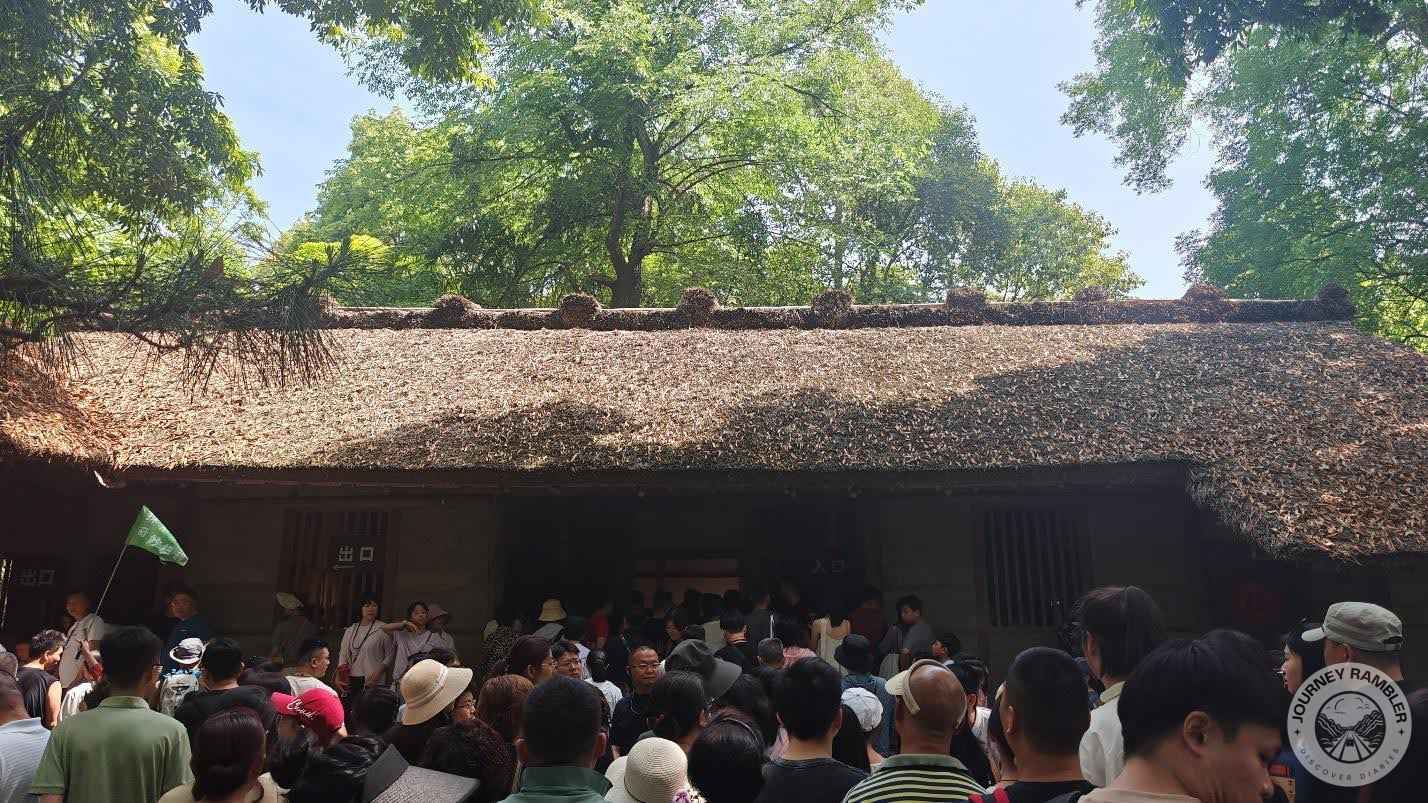
I finally reached the Thatched Cottage Scenic Area and boy was it crowded. You might not believe this but I’ve been told that this actually isn’t as crowded when compared to holidays. As you would expect from this many people, it was a little noisy here though thankfully there weren’t any loudspeakers blasting music.
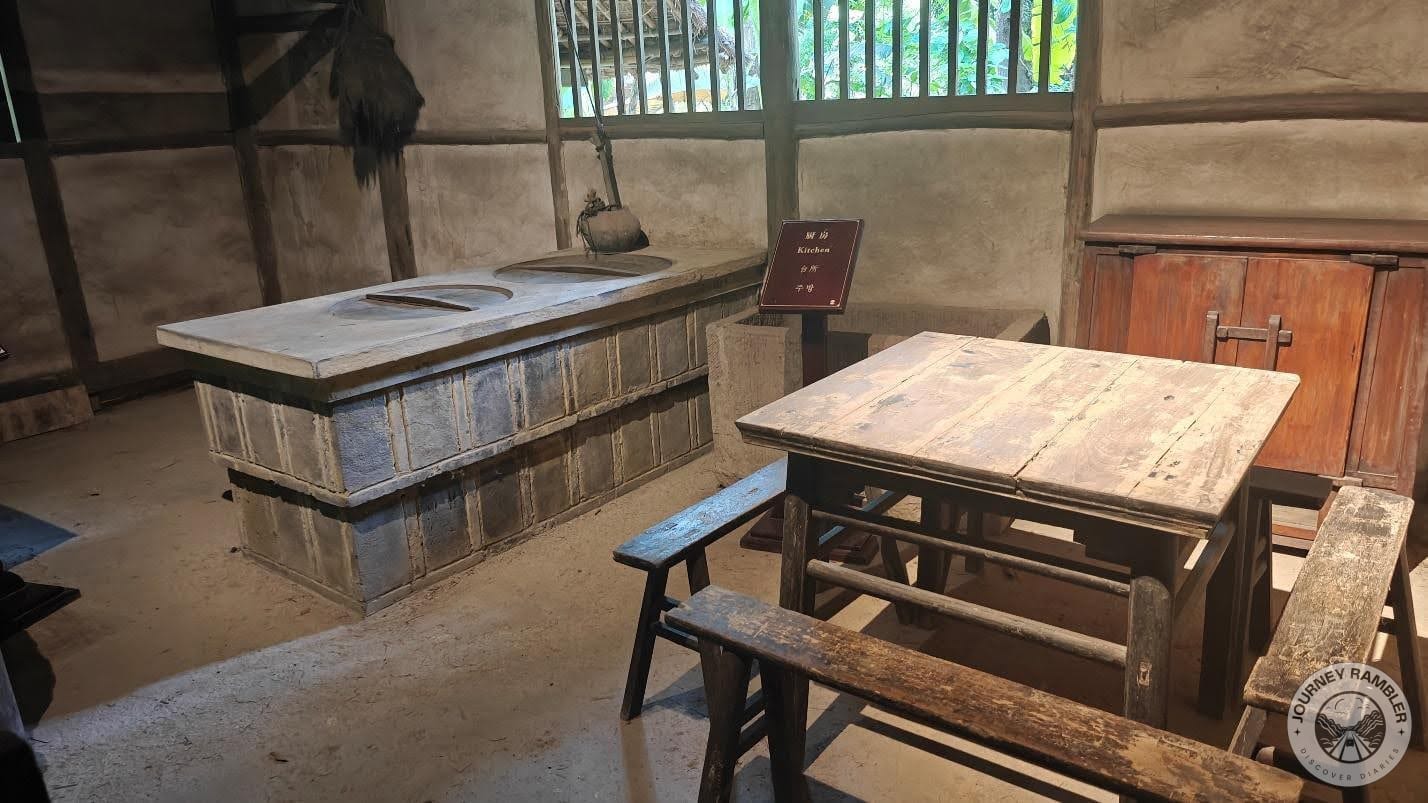
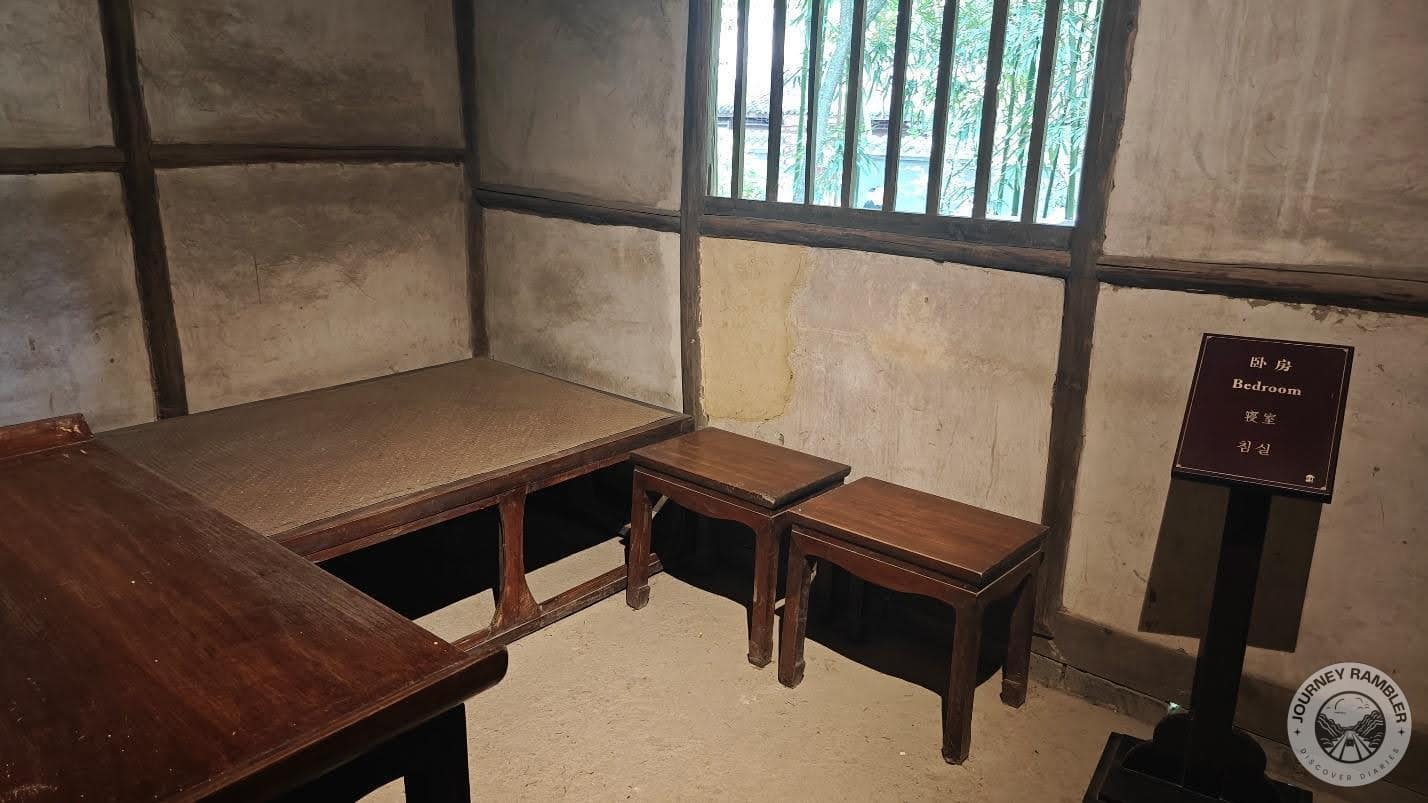
As for the inside of the thatched cottage, it actually reminded me of the interiors of the gasshou-zukuri houses I visited in Japan (both in Sankeien and Shirakawago). Even though this is a reconstruction, I still felt really genuine. I’m not sure if it was just me but I felt a sense of nostalgia by being here.
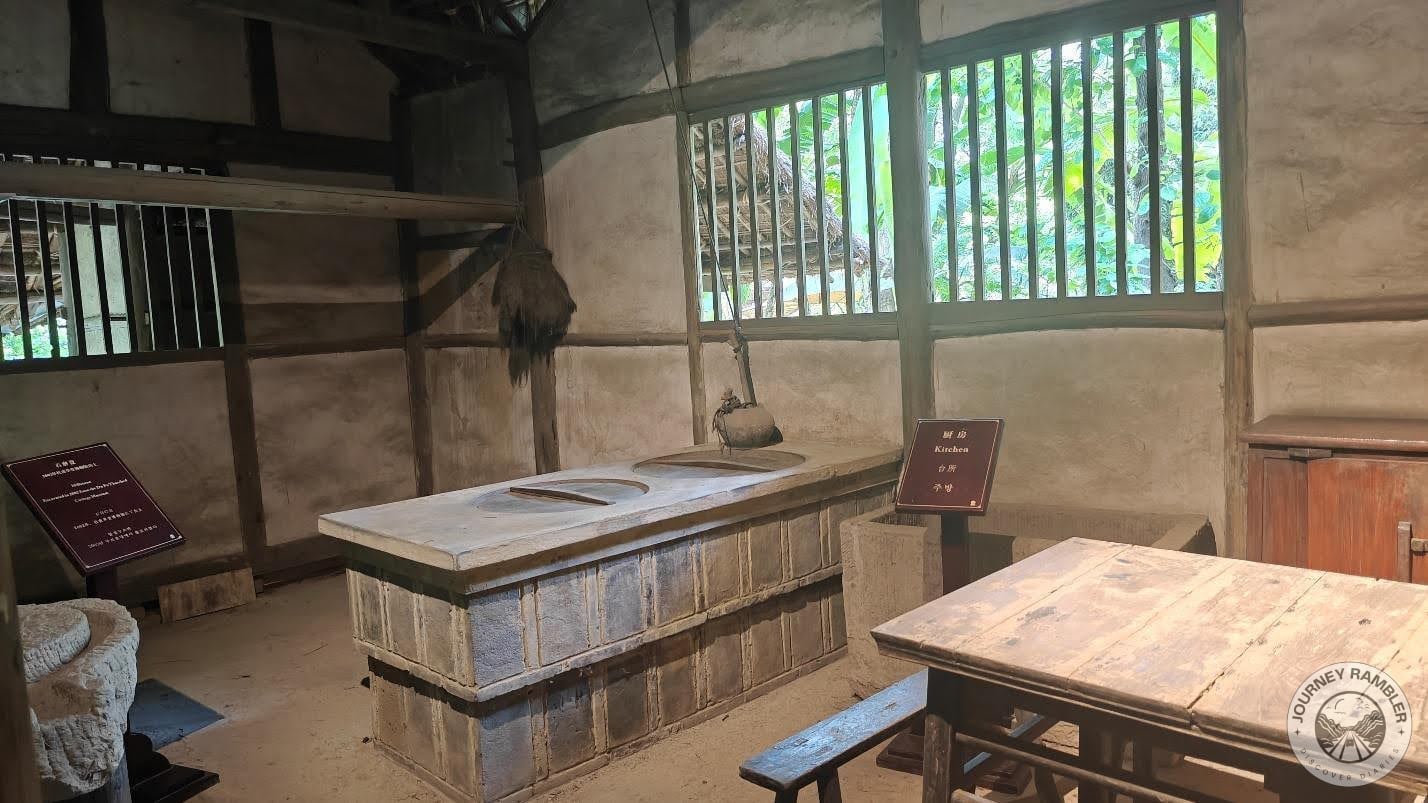
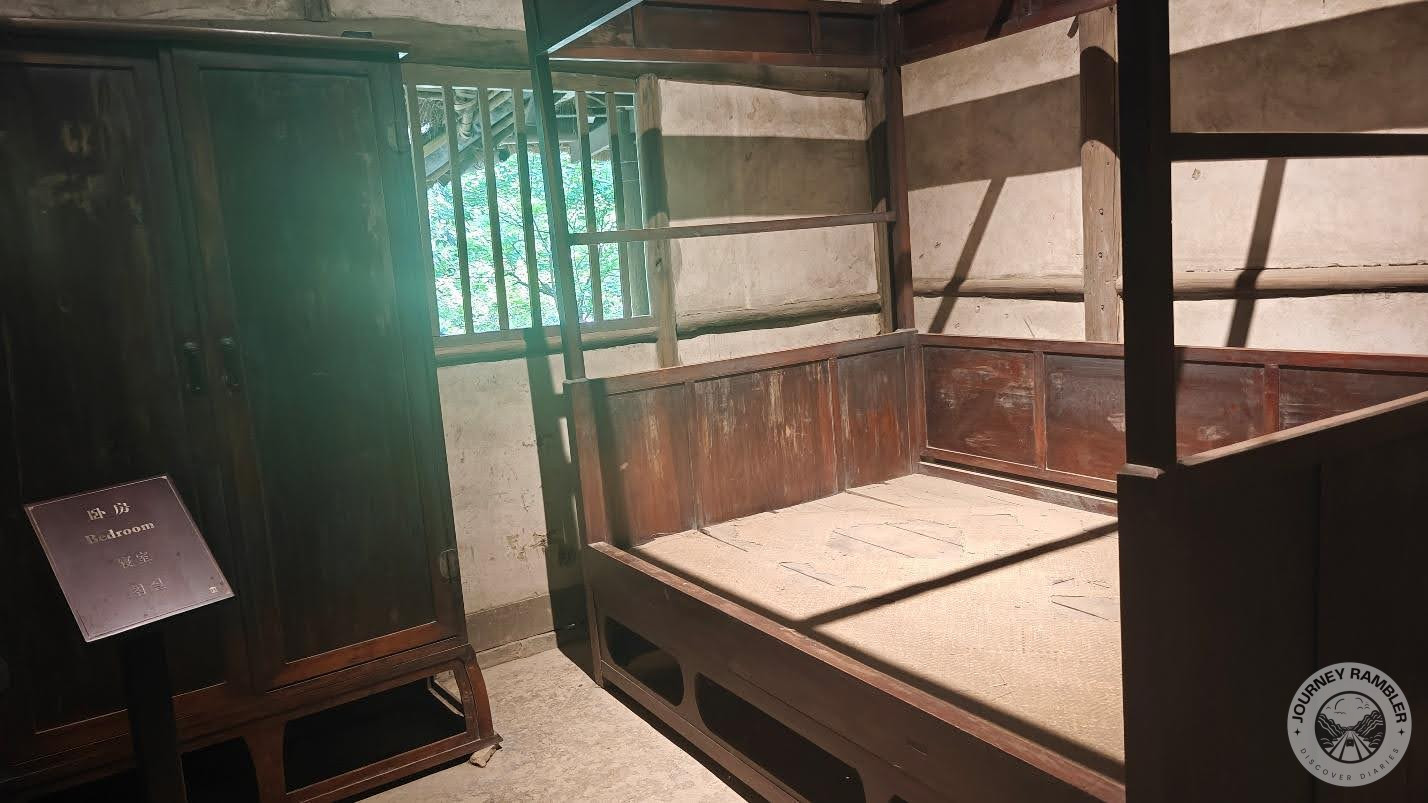
Perhaps the only thing that really breaks the immersion of the place is the lighting. This is kind of understandable though as without the electrical lights it can be a little dark inside the thatched cottage. Additionally, the lighting allows you to really take a closer look at the various period accurate furniture here.
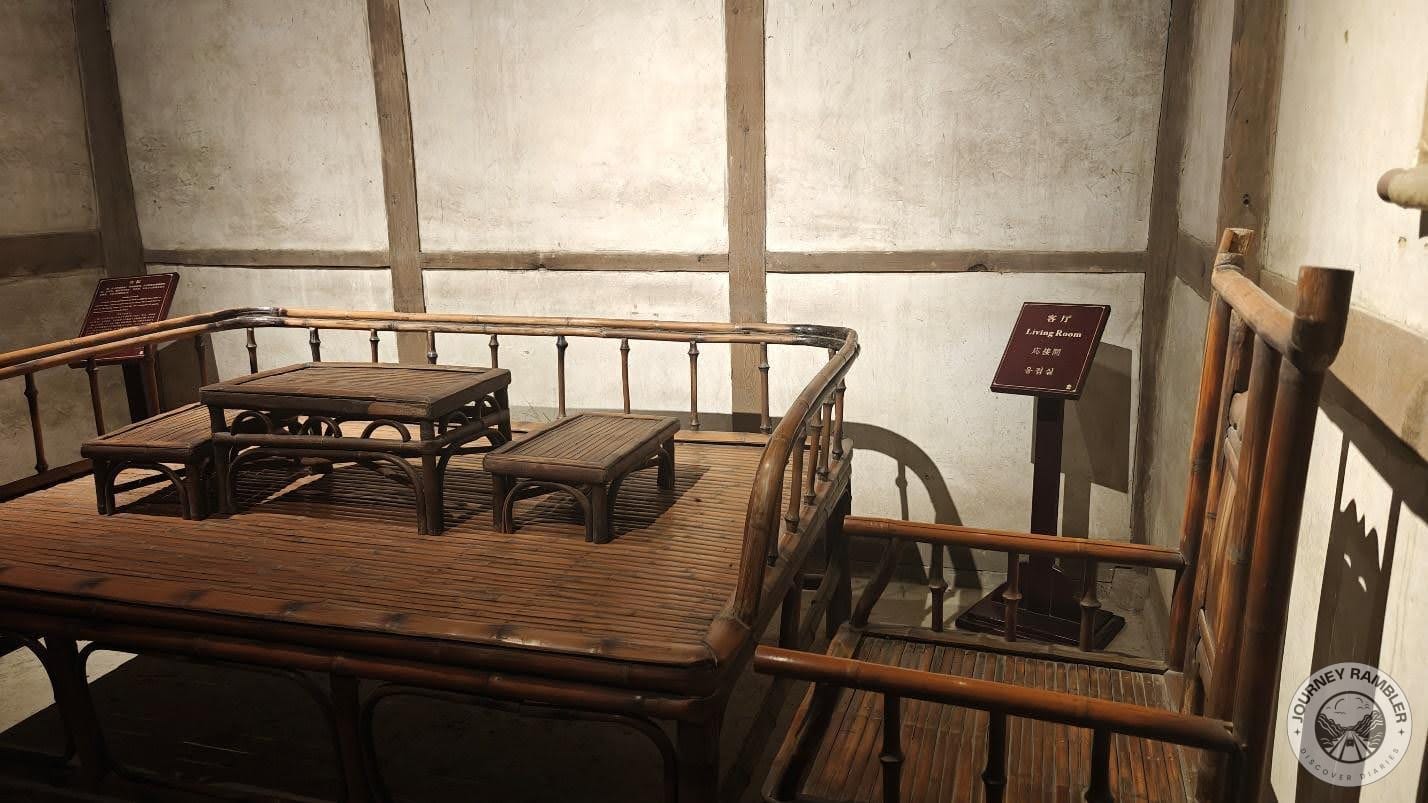
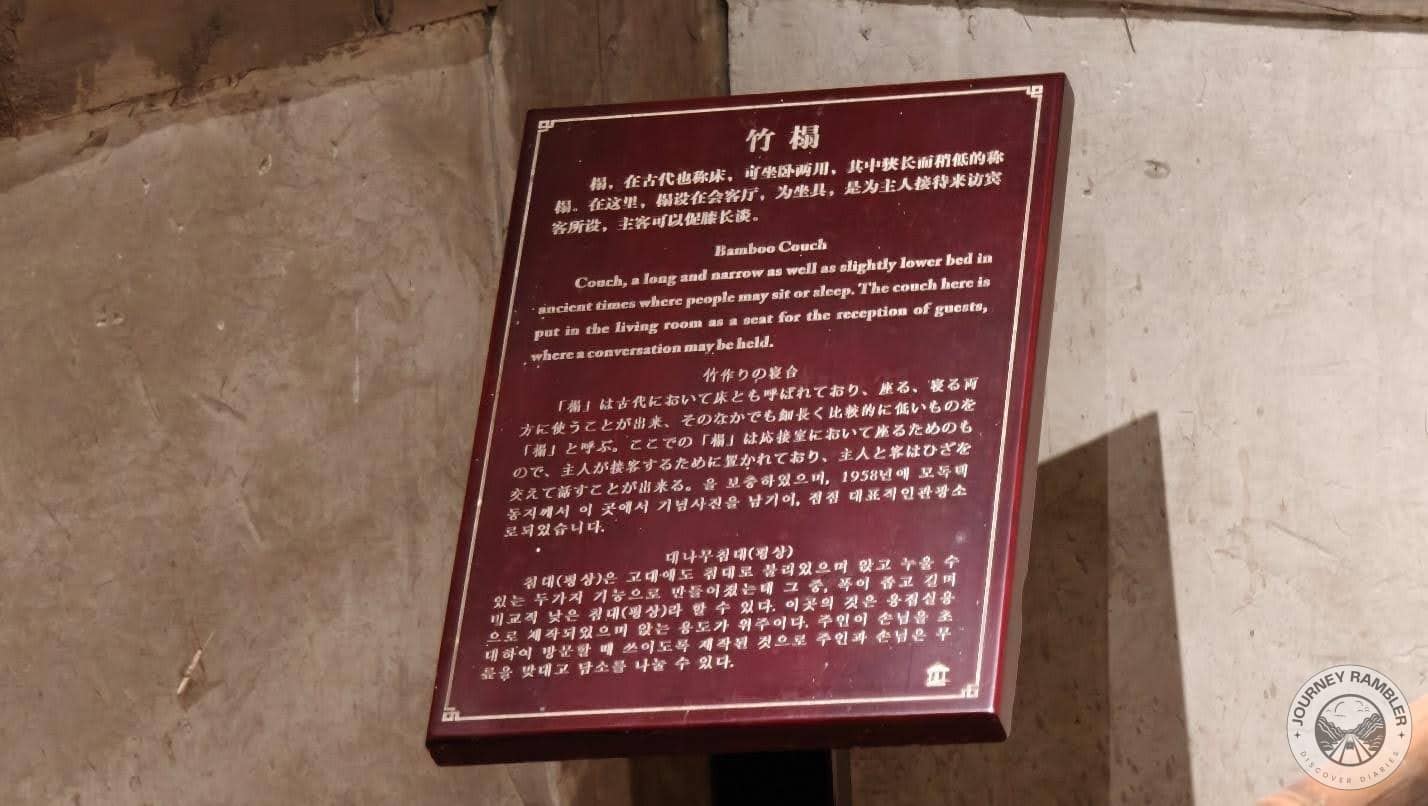
So this is perhaps one of the most intriguing pieces of furniture inside the thatched cottage. Located in the living room, this couch was quite possibly one of the largest that I saw. Rather than a couch, it seemed more like an elevated platform just because of how big and wide it was.
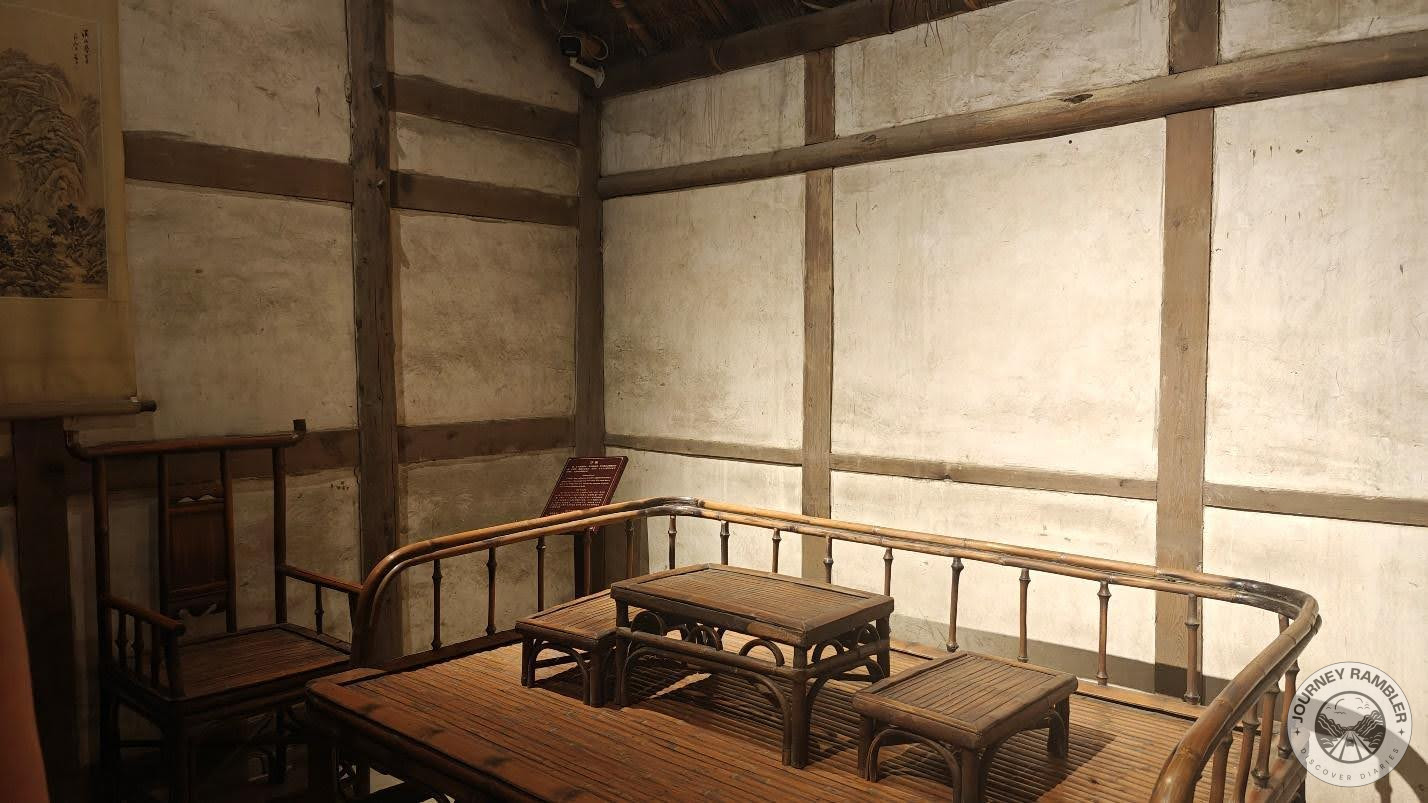
Further making it look large were the smaller couches and table that were on top of it. Apparently, the purpose of this setup was for receiving guests. I would imagine, the guest and the host would then sit on the smaller couches and possibly drink wine or tea while discussing the concerns/events of the day.
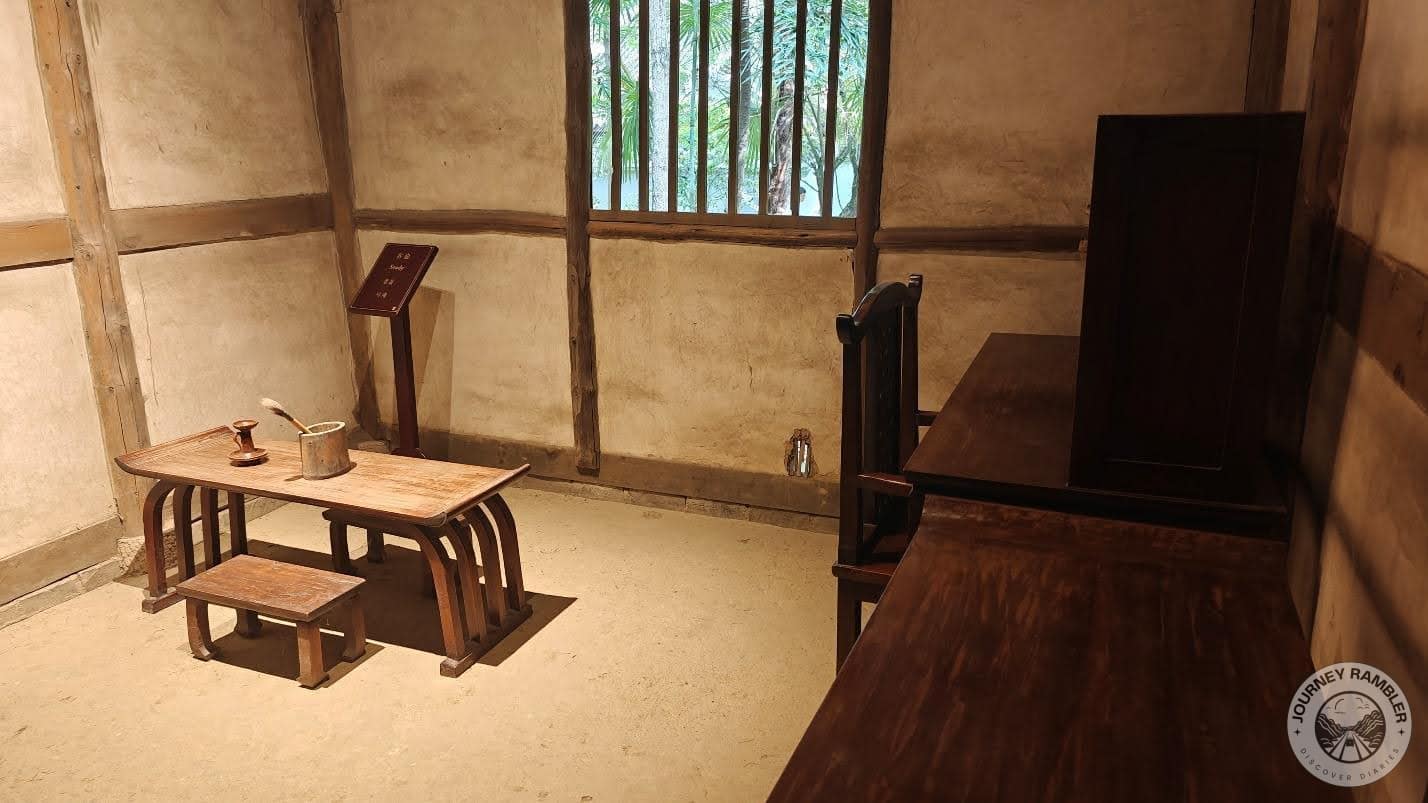
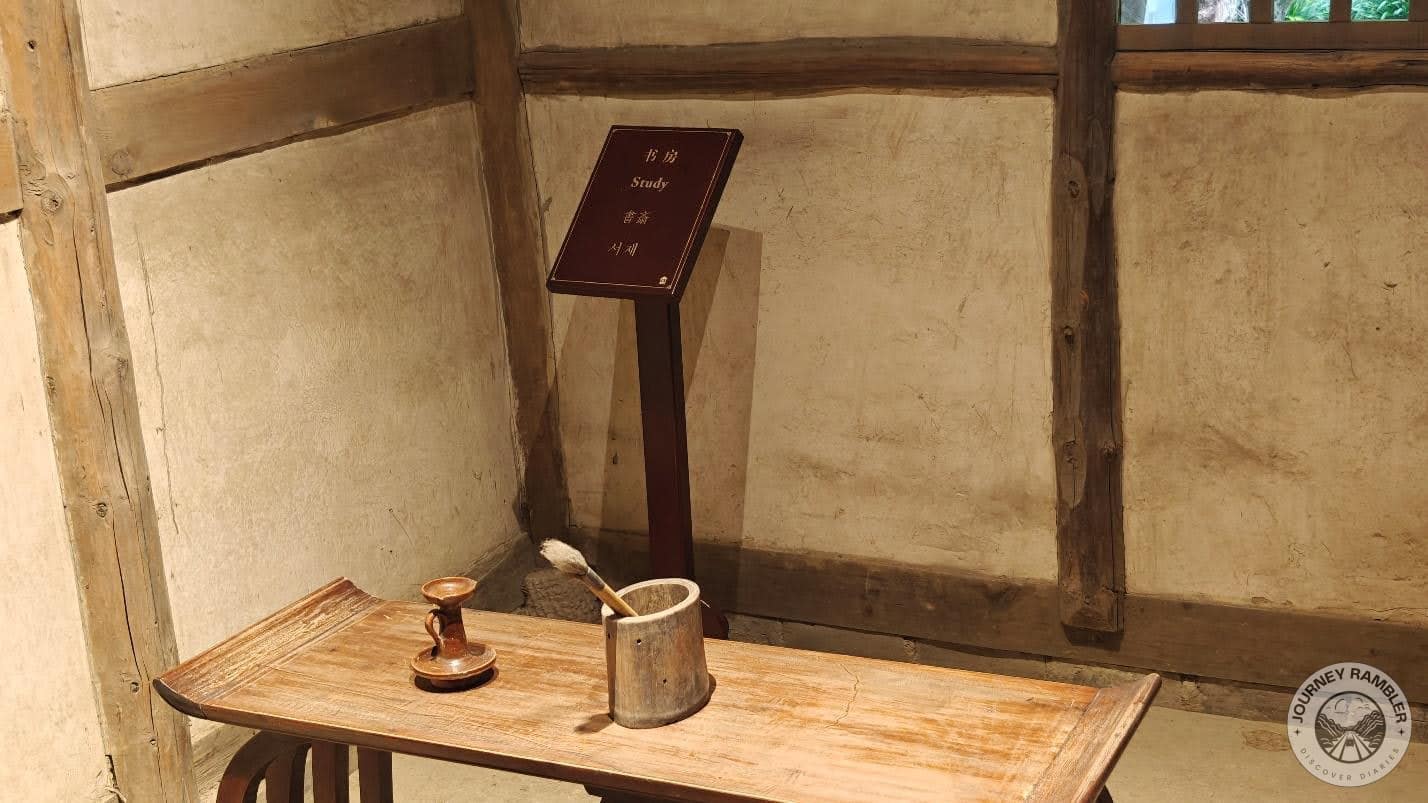
One of the last rooms that I visited was the study. I think this is where Du Fu would have likely written his poems so as not to be disturbed. The room looks very cozy and I think it would have been one of the better lit areas of the house if the electrical lights were taken out.
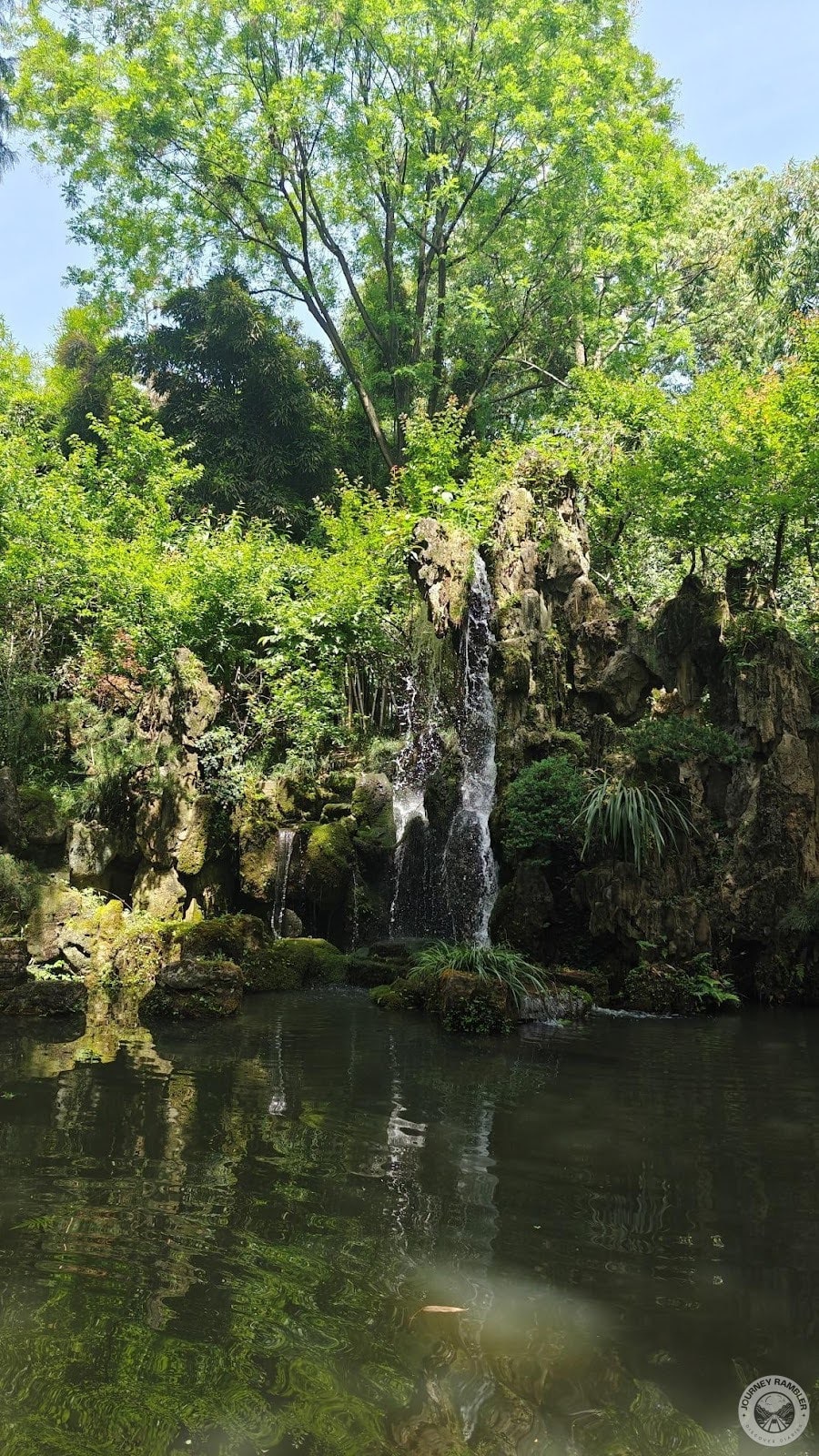
Since there were still plenty of people lining up, I decided to exit the Thatched Cottage Scenic Area and check out the other landmarks here. While walking, I was again reminded of Sankeien Garden when I saw this pond. I actually wanted to stay around here for a while but then I realized there were still plenty of areas that I hadn’t visited.
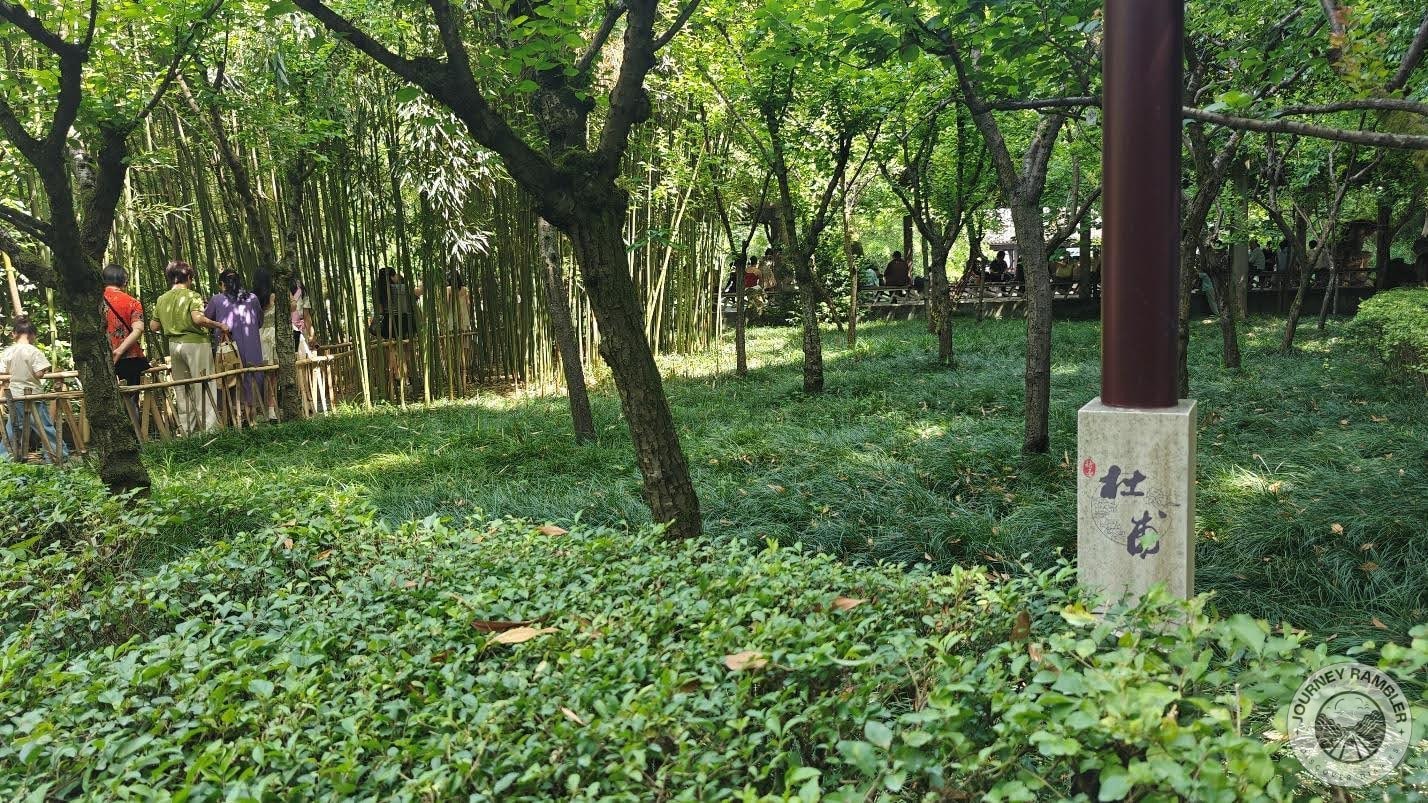
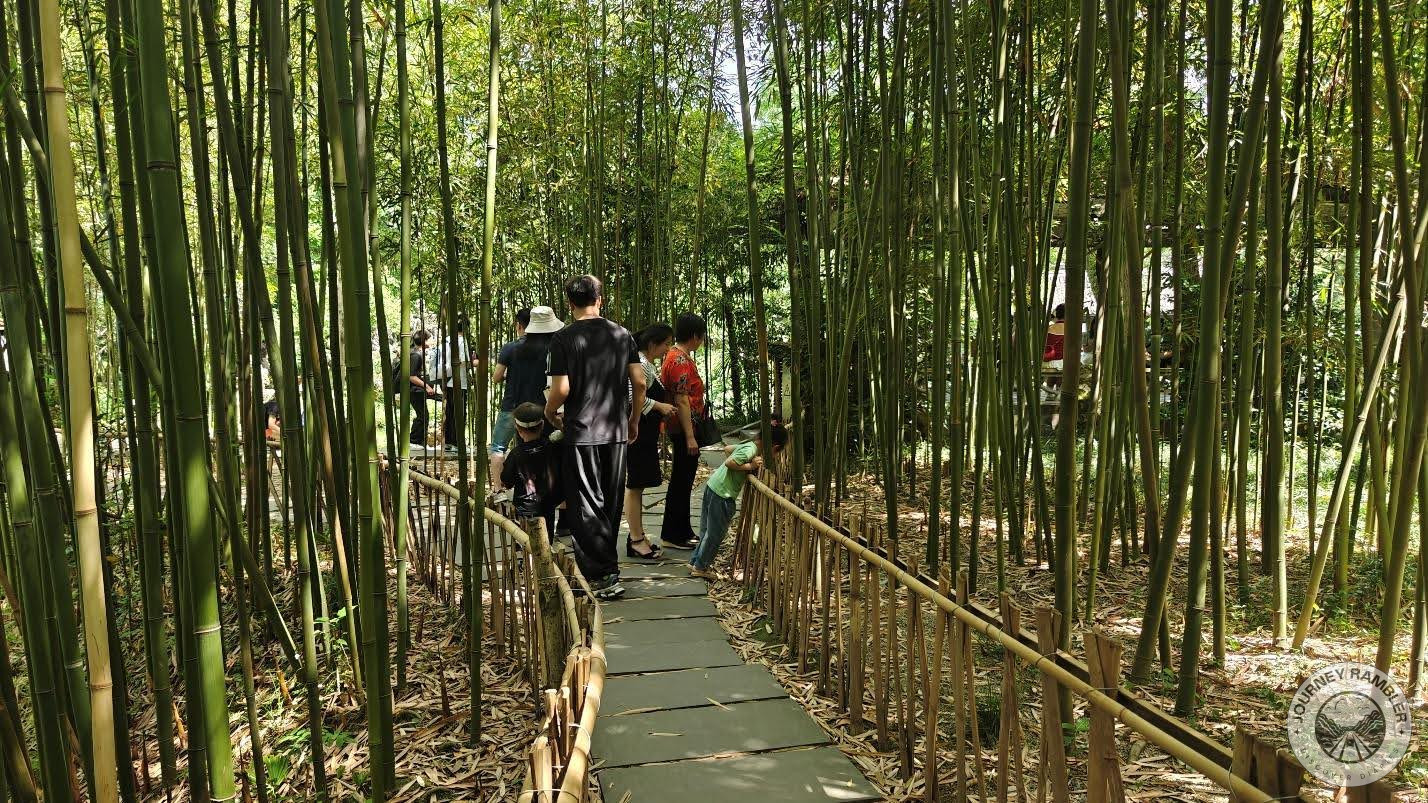
The next landmark I was going to check out was the Panoramic View (or sometimes called Overlook) Pavilion. It’s at the northwestern end of the park and is actually quite close to the North Gate. Along the way, you’ll find this path that has this small grove of bamboo on either side. It’s actually quite scenic though the path is relatively short.
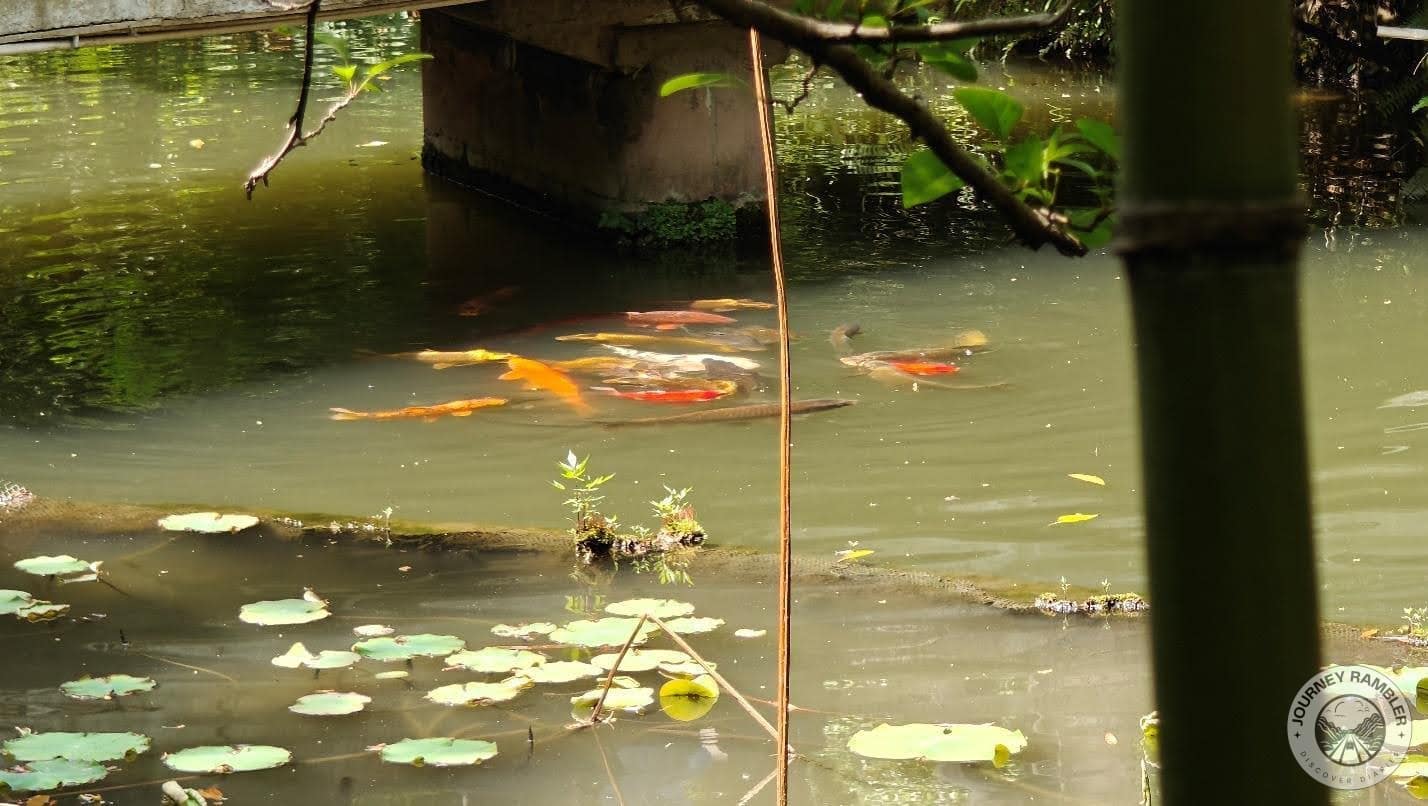
Before crossing over to where the Panoramic View Pavilion is, I came across the Lotus Pond. This was actually quite large and was seemingly full of koi. The water wasn’t really clear but this is usually par for the course for the ponds that I’ve seen both here and even in Japan.
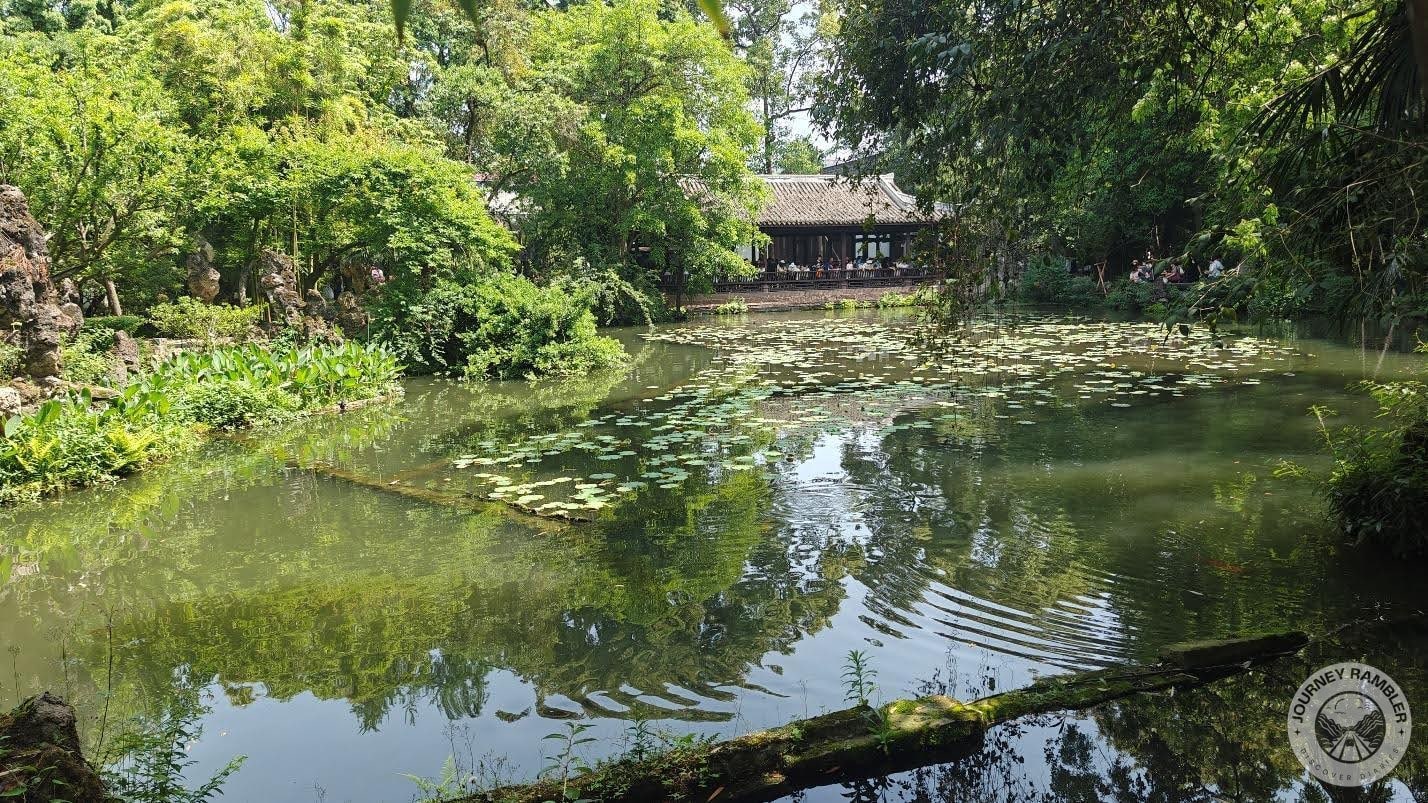
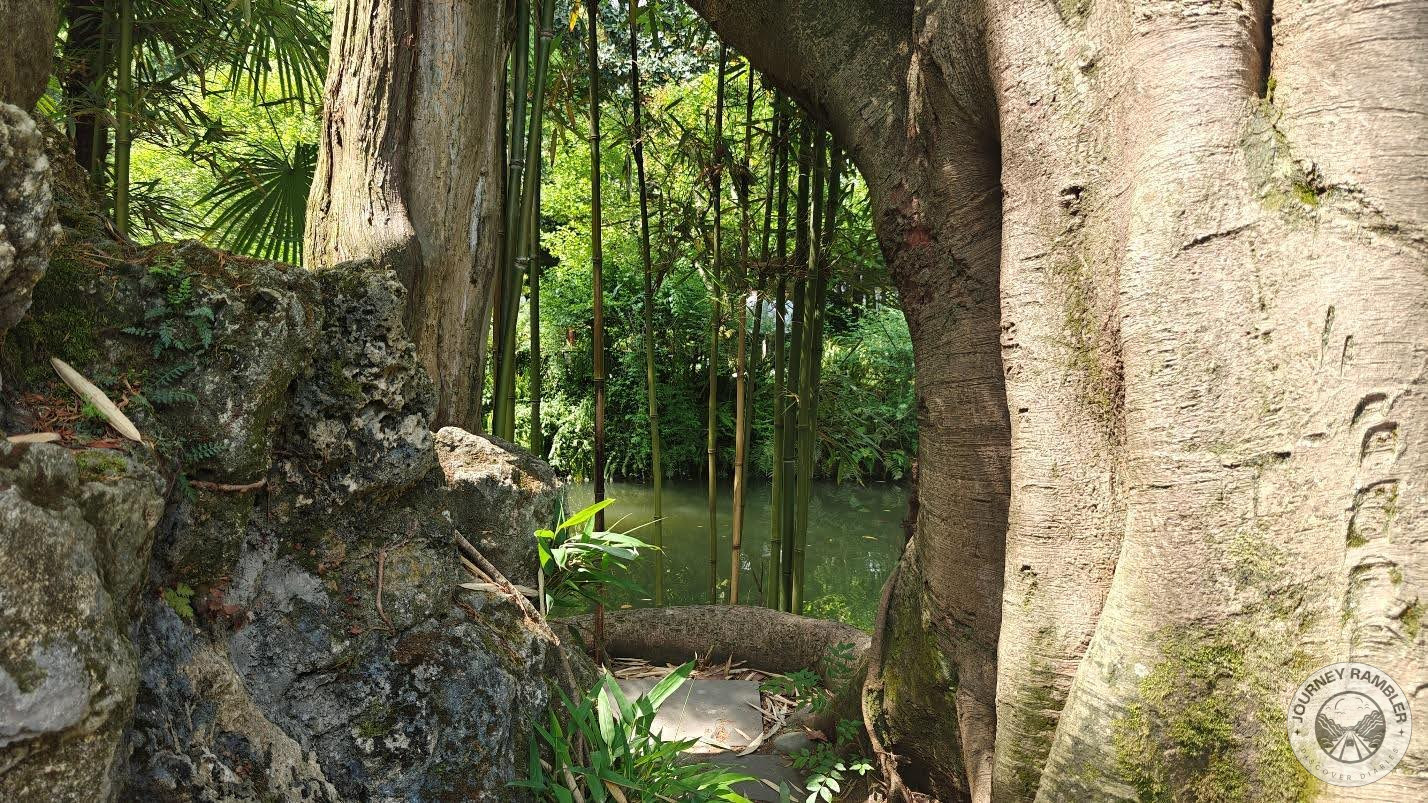
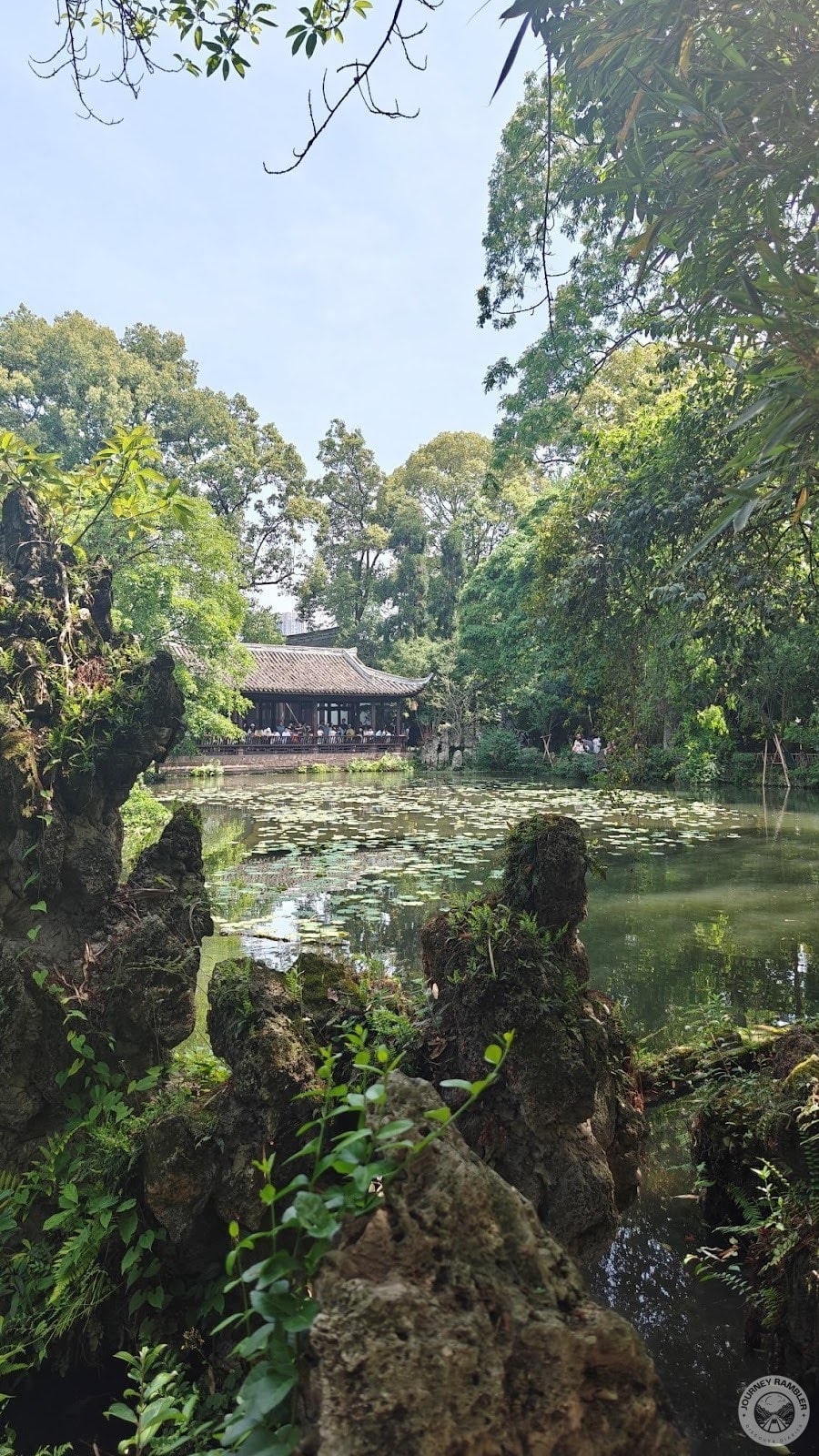
From here you can see the Waterside Pavilion close to the North Gate. When I took the image, there was a seemingly high number of people there. Looking back, those might have been visitors who had already finished their tours and were taking a rest just before they went home.
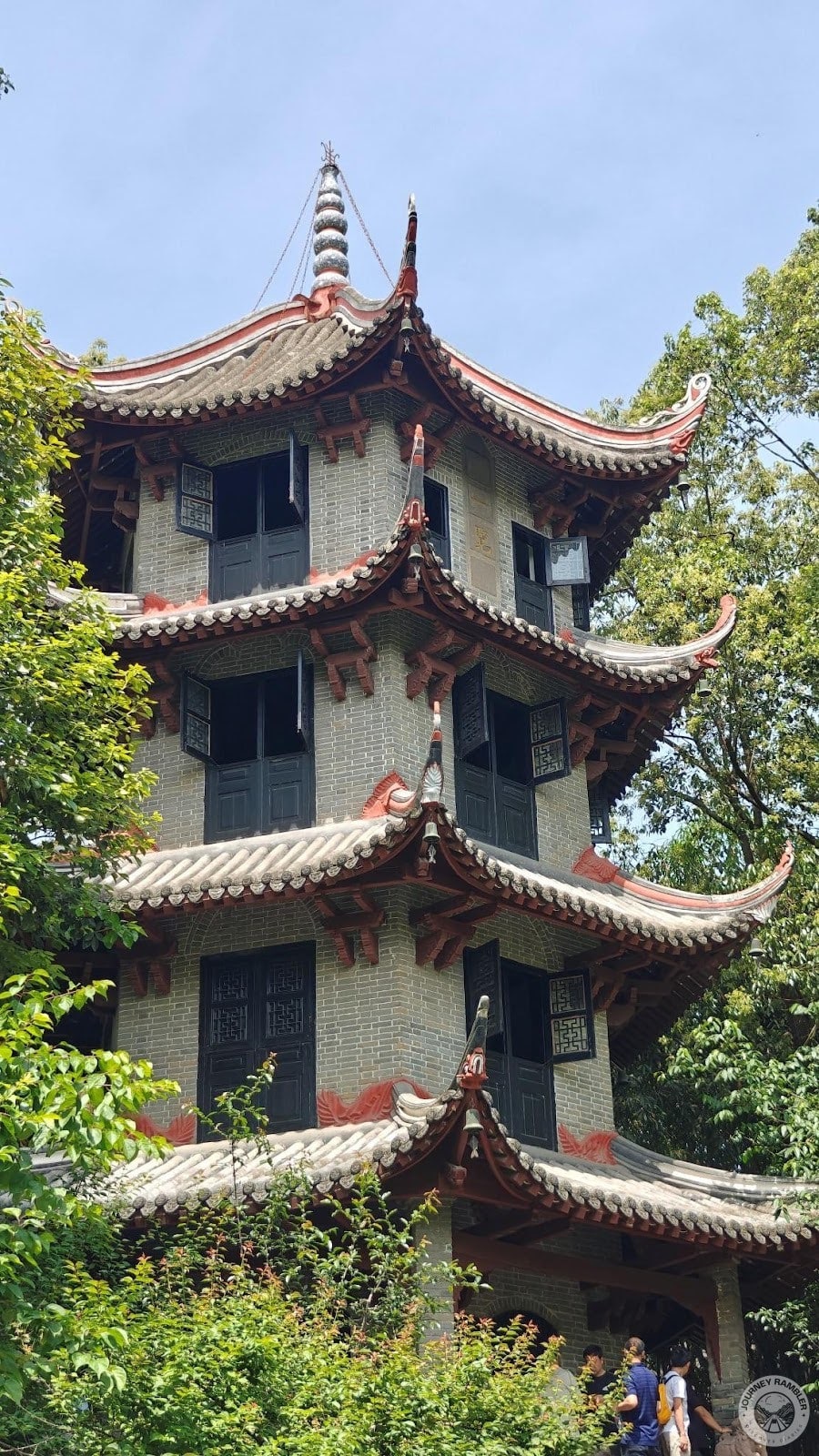
A short walk from where I took the last image is the Panoramic View Pavilion. I honestly thought that it was going to be similar to the pavilions that I’d seen earlier but it technically looks more like a pagoda. Unfortunately, it wasn’t open when I got there so I decided to check out more of the other areas and landmarks.
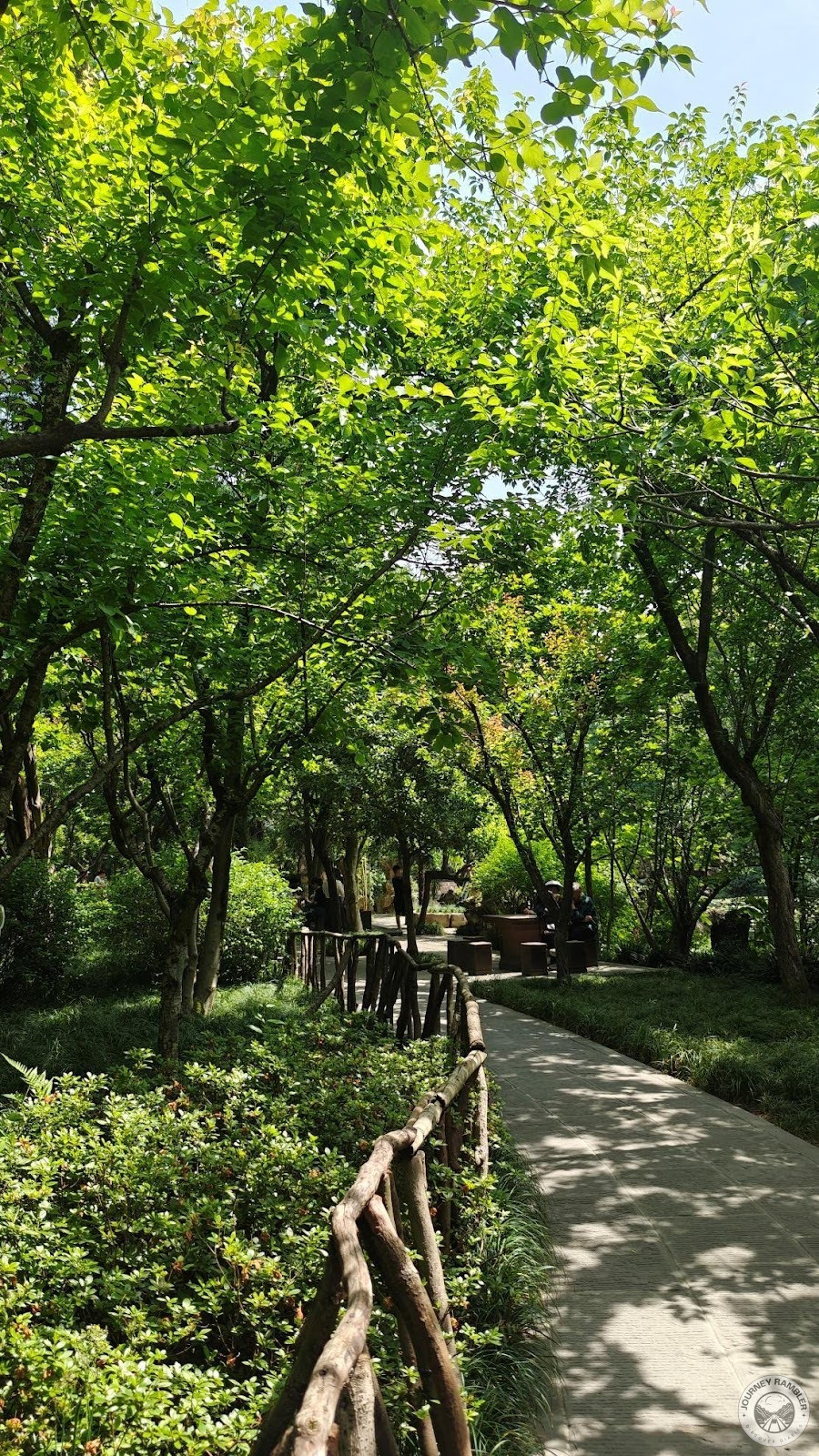
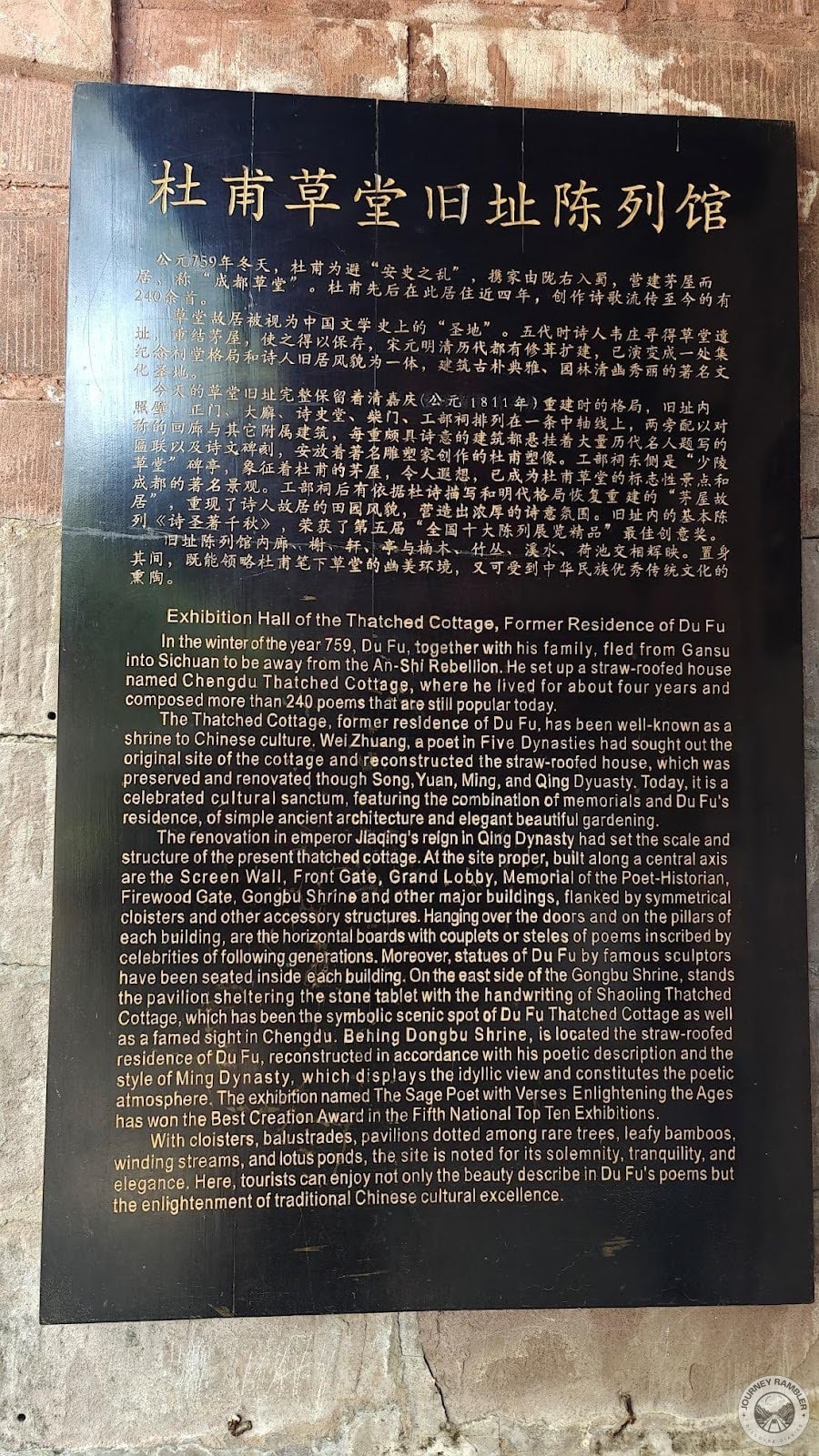
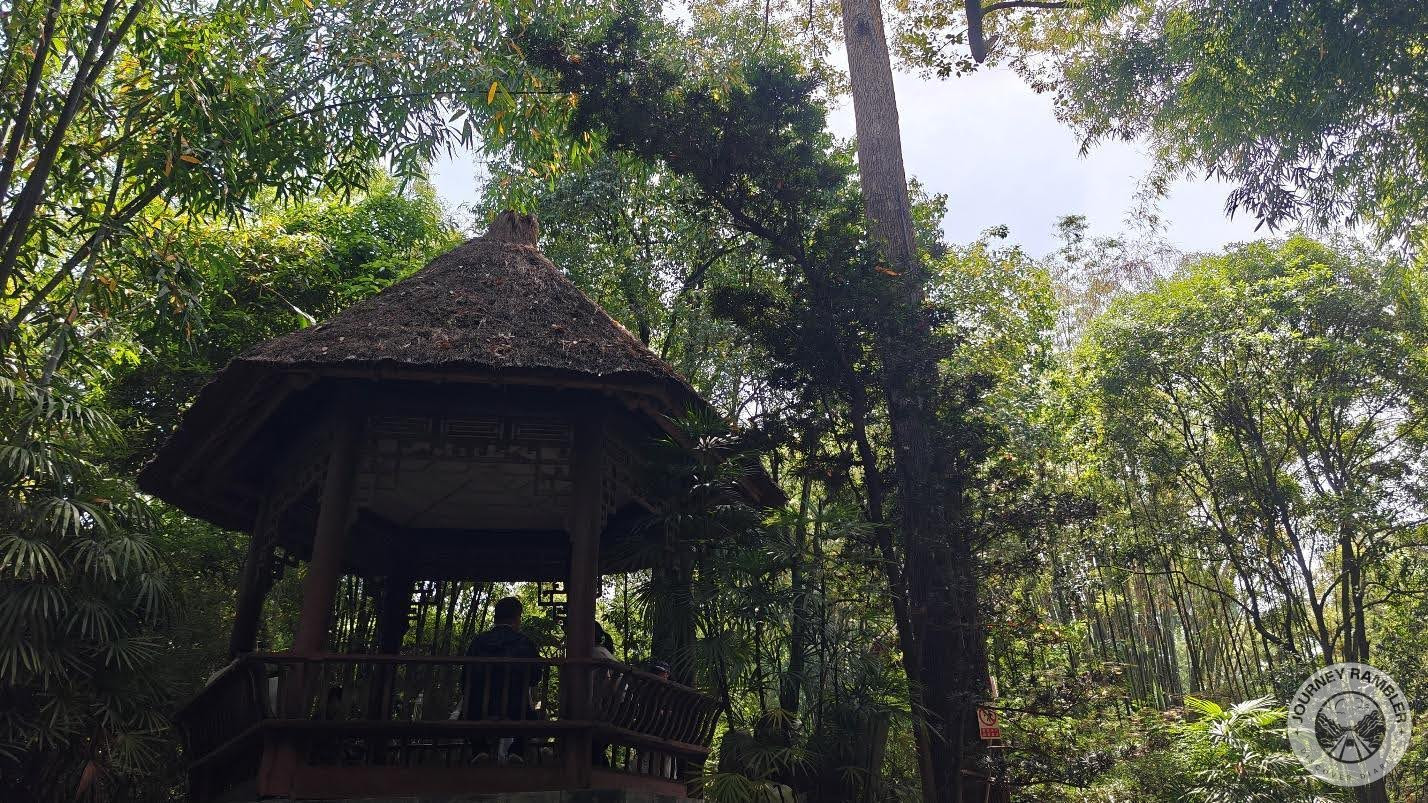
Called the Fragrance Pavilion, this is very close to another Waterside Pavilion. As for where you can find these buildings, they’re actually a part of the Thatched Cottage Scenic Area. The Fragrance Pavilion was a particularly nice place to rest in since it was elevated which meant scenic views and relatively fresher air.


This is the other Waterside Pavilion that I was talking about. It’s not as crowded as the other one that I took a shot of earlier but there was still a sizable crowd here. While not many people are familiar with him in the Western world, he’s absolutely beloved in China with his works and popularity even reaching Japan and Korea.
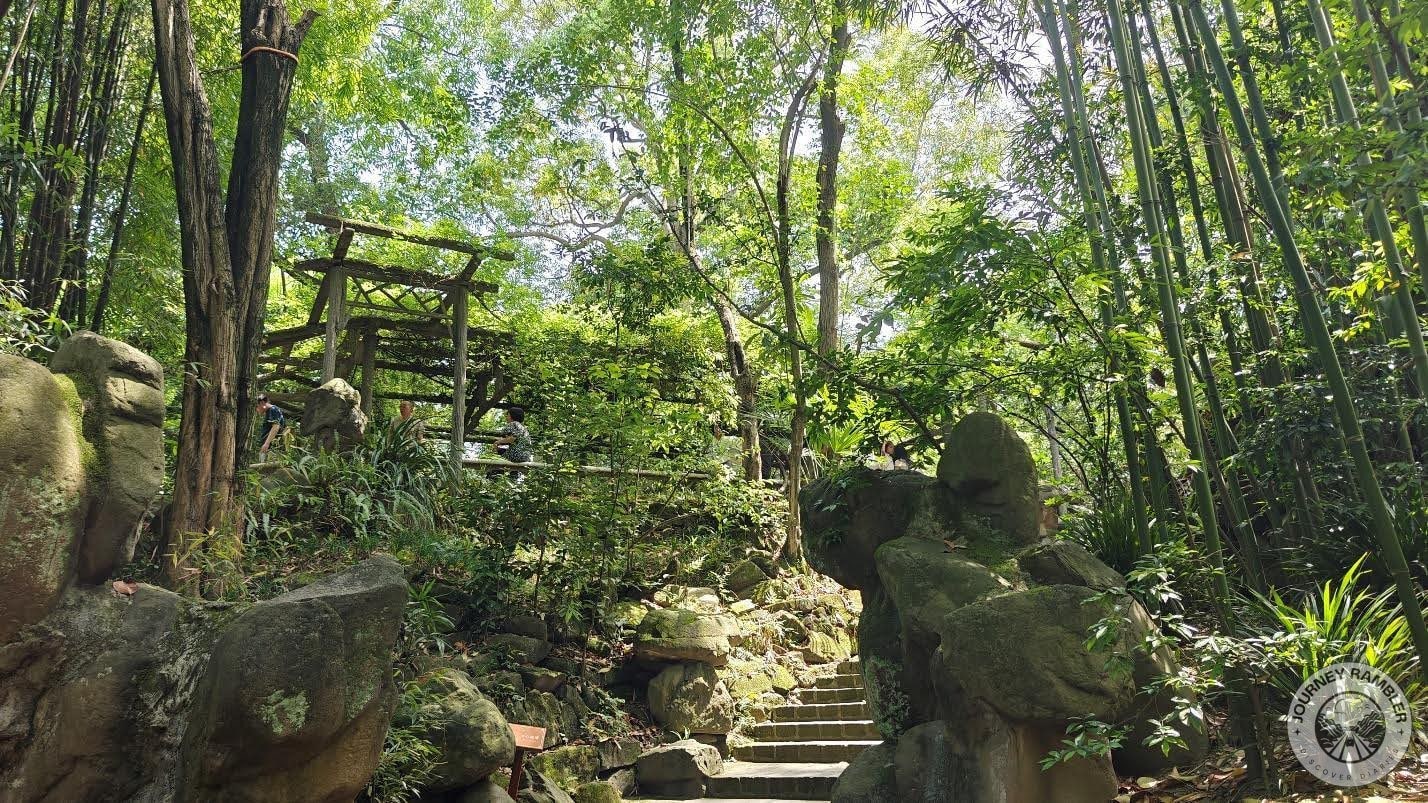
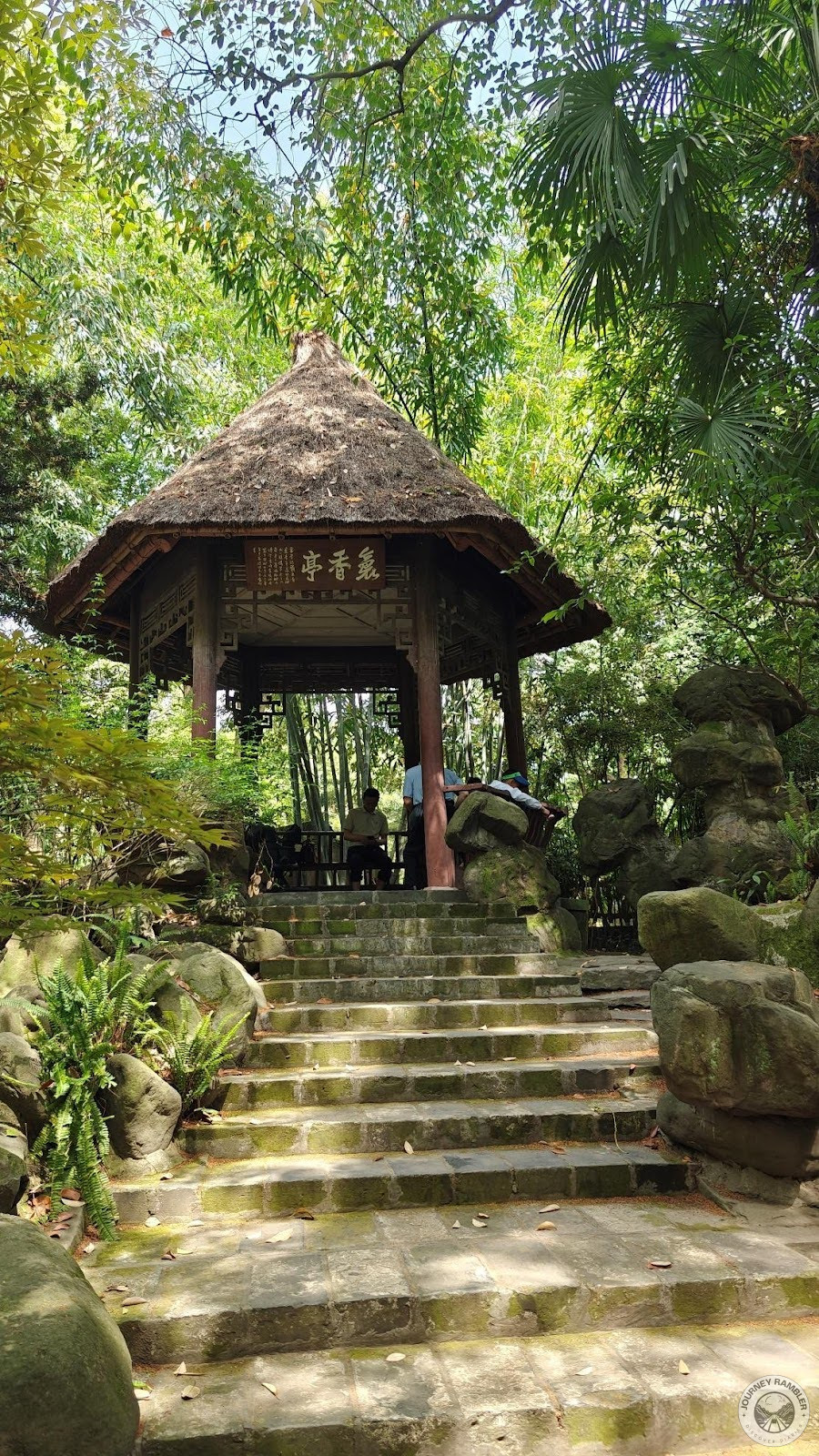
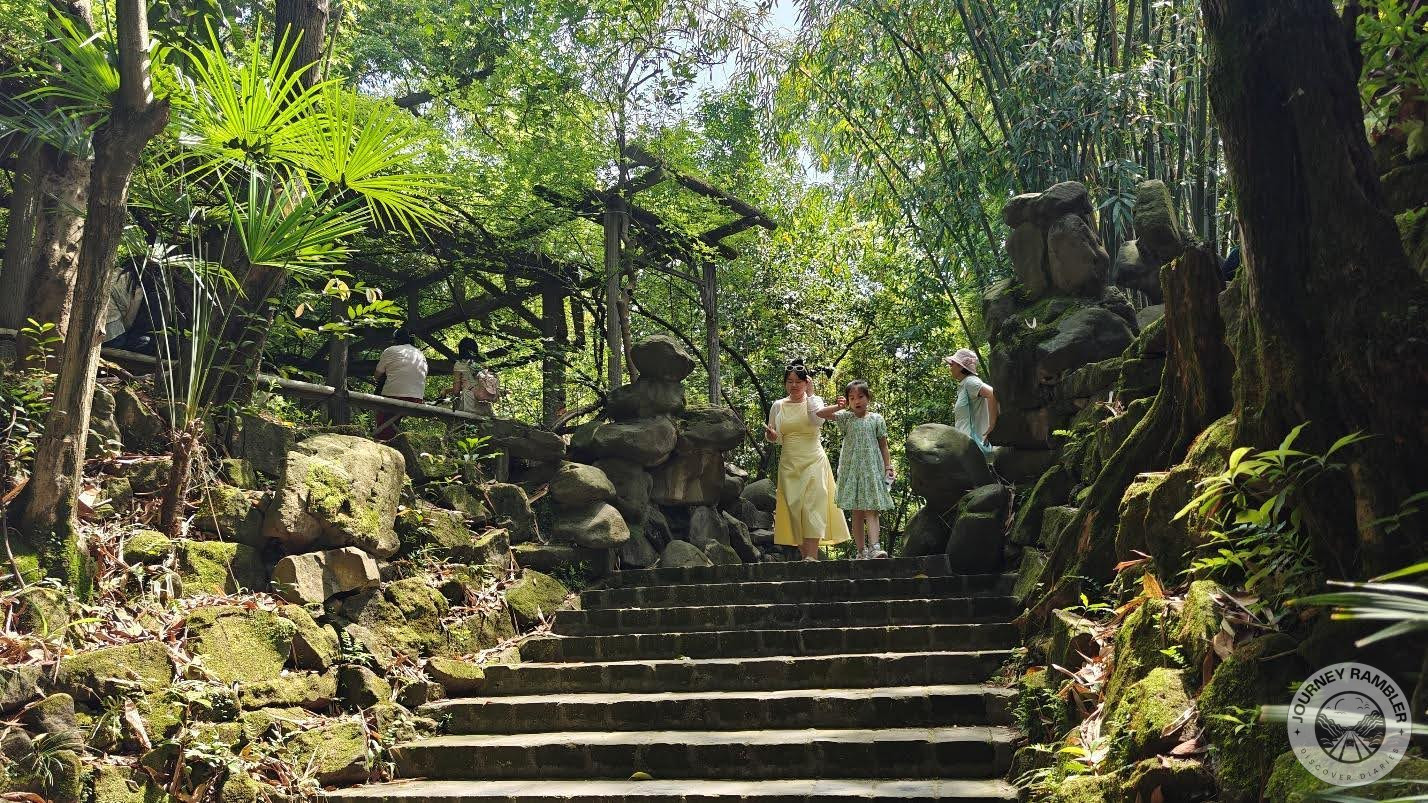
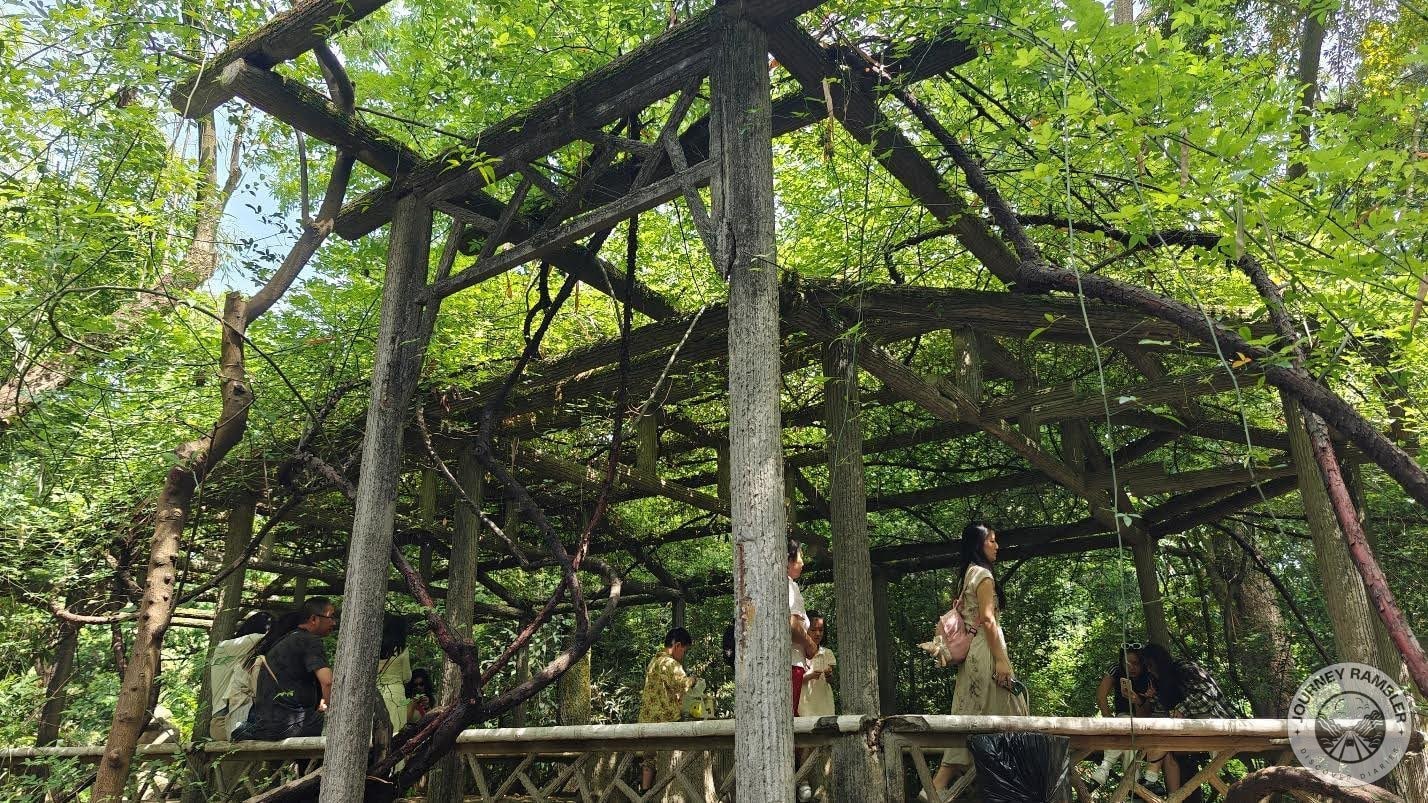
This is what the Fragrance Pavilion looks up close. It’s actually quite small compared to the other pavilions that I came across so seating here is going to be rather limited. There is a more modern pergola across the pavilion which you can access from the set of stairs adjacent to the one you see here.
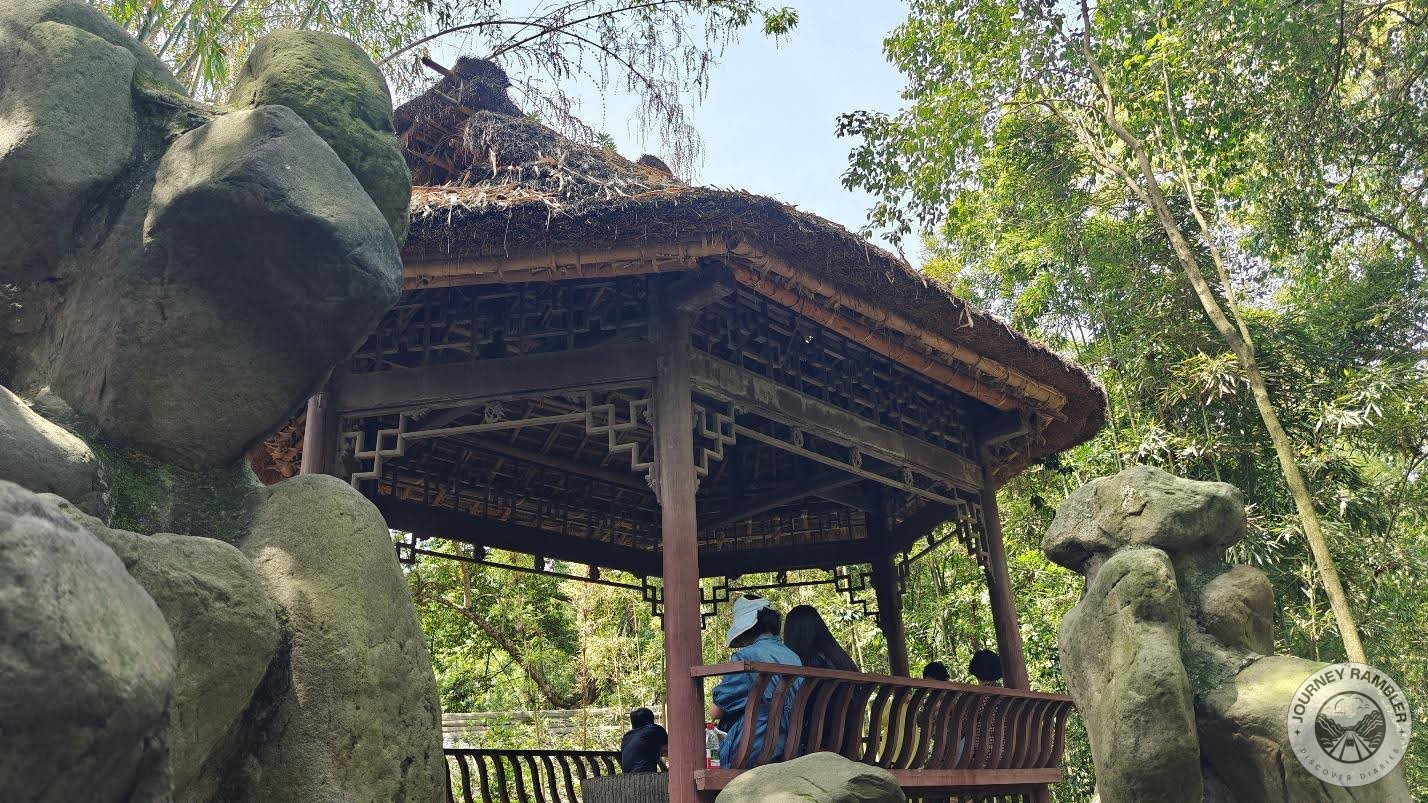


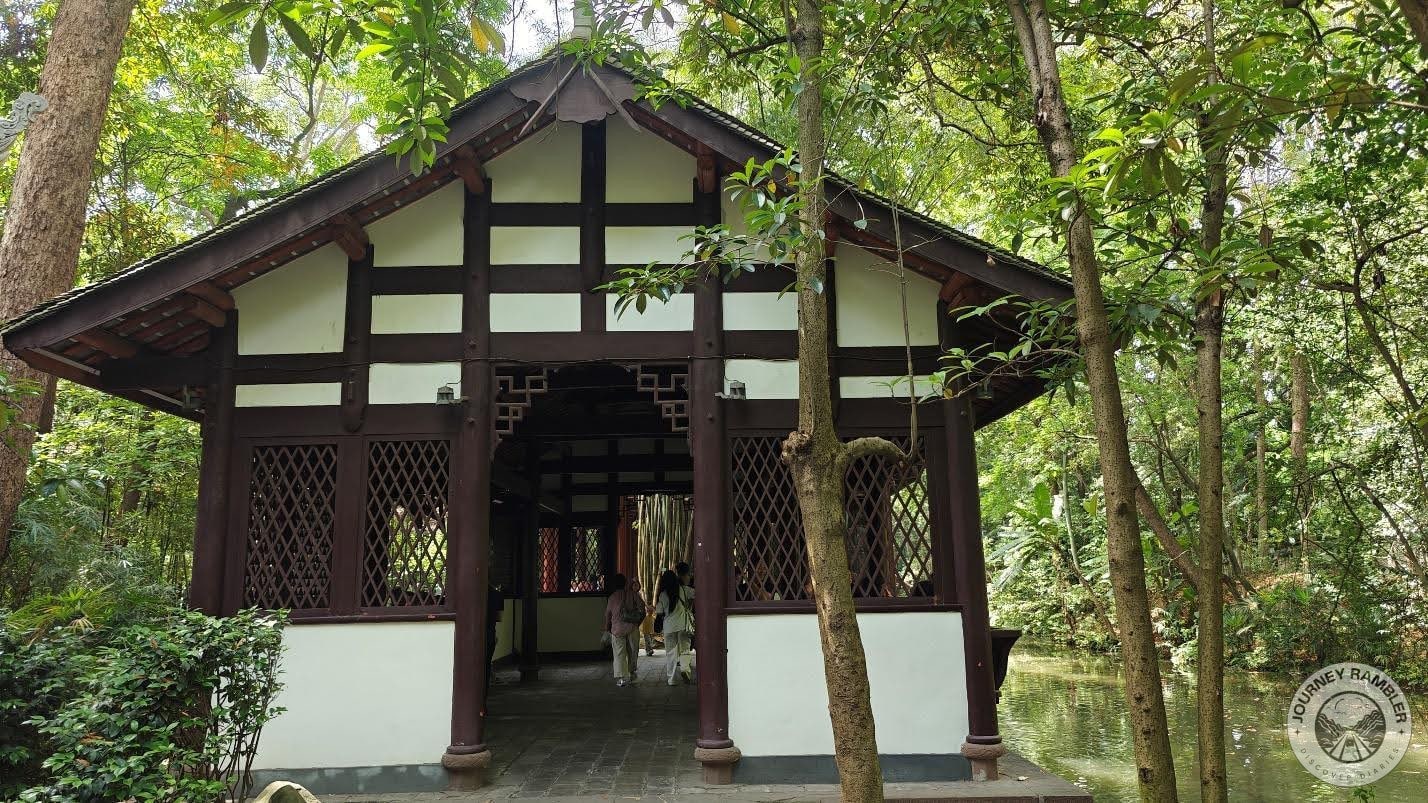
Another notable structure that you’ll come across here is the Waterside Balustrade. From what I understand, the balustrade refers to the railings on the side of the building that are meant to keep people from falling into the water. The current iteration of the balustrade is more like a pavilion and according to the sign in the next image, it’s a reconstruction that was completed during the Qing Dynasty.
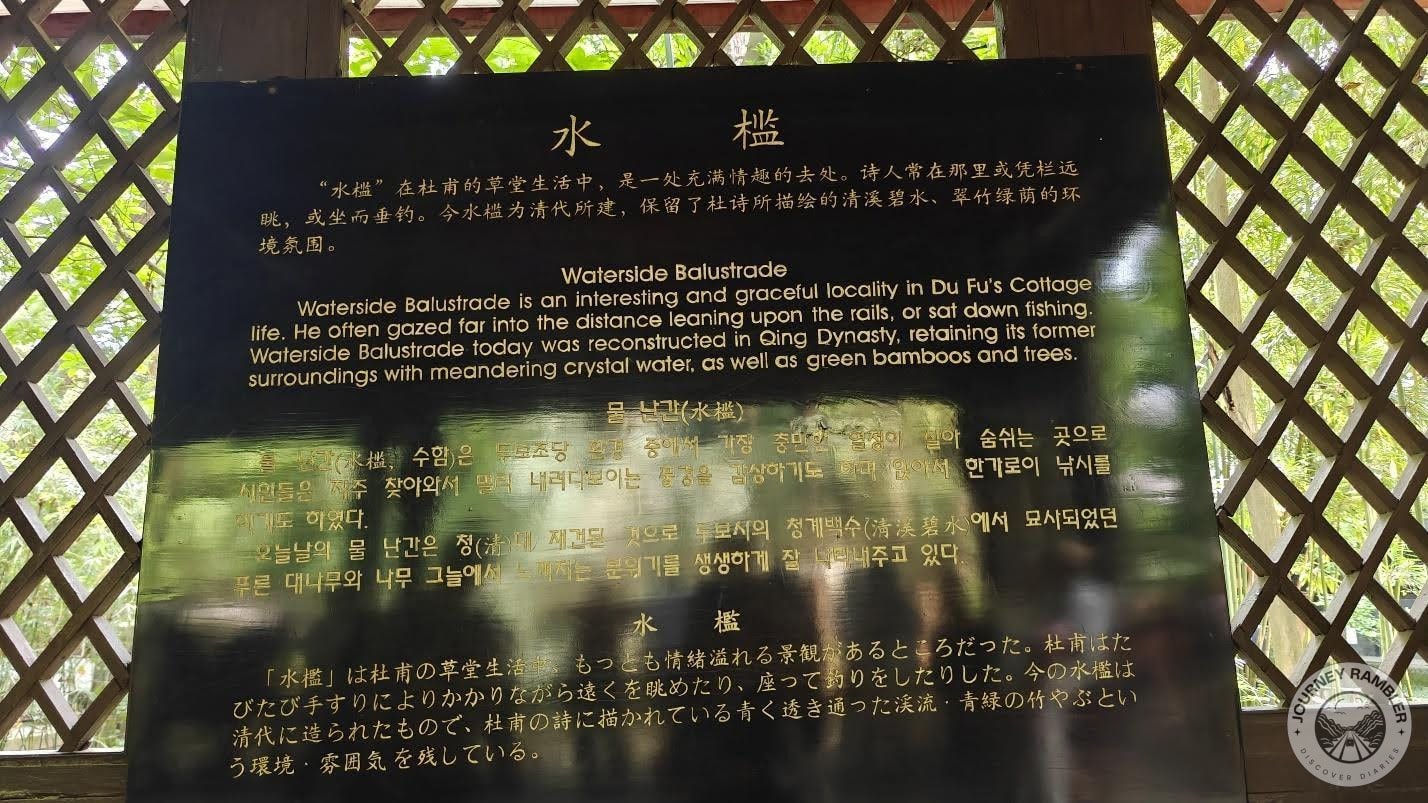
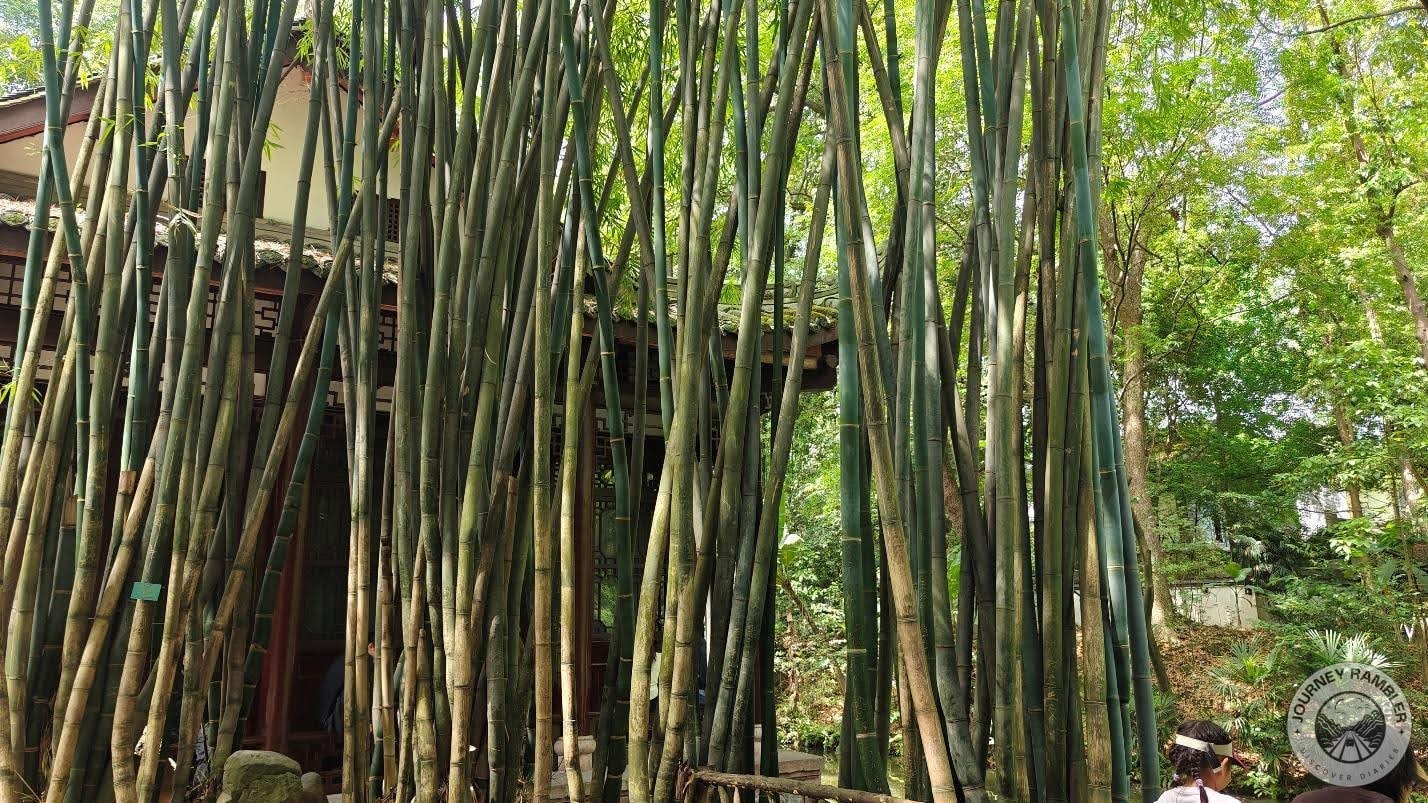
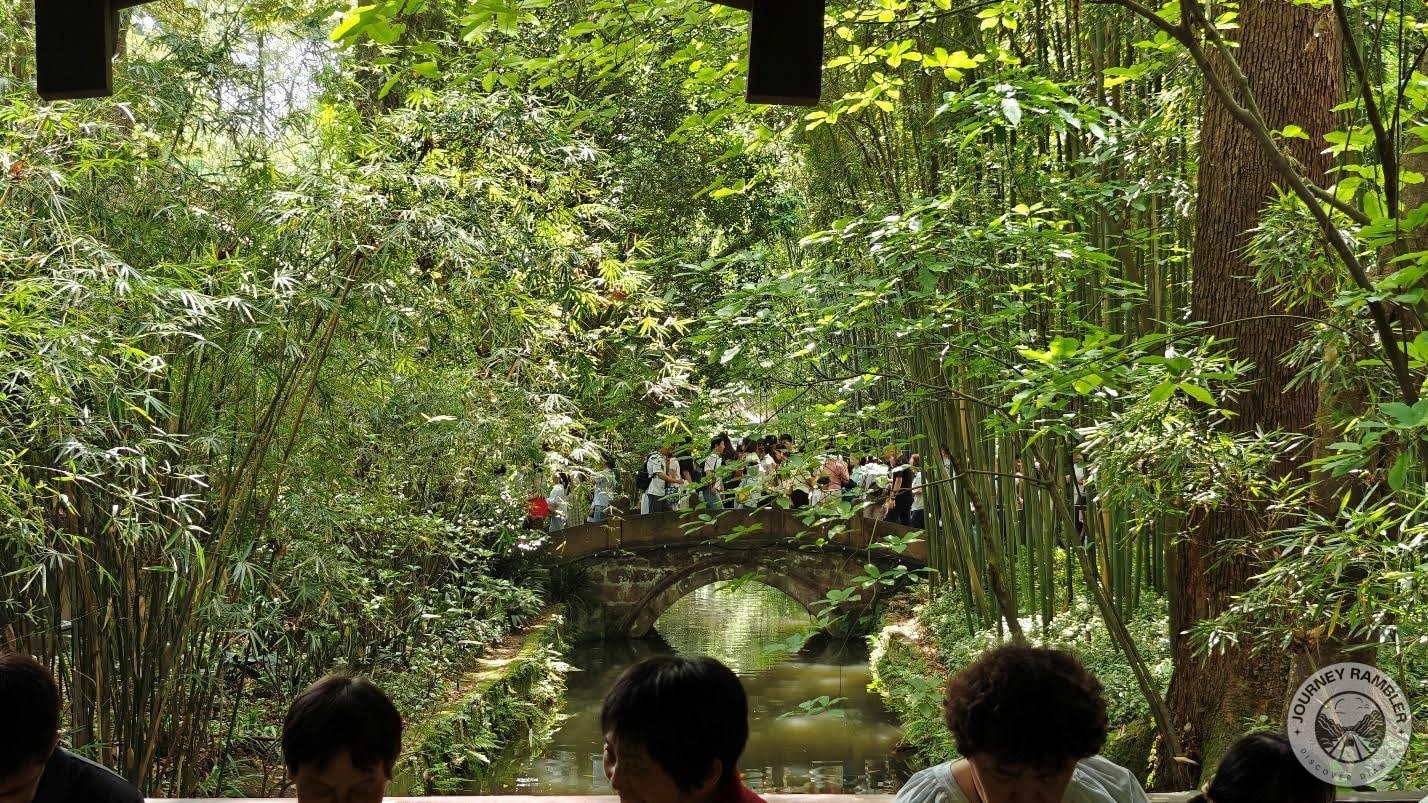
From the Waterside Balustrade, you can then see the bridge connecting the Firewood Gate to Memorial Hall of the Poet-Historian. That area was supposedly my next destination but seeing the number of people crossing the bridge, I decided to wait a little more. When it seemed like the crowd was getting smaller, I then decided to go check the area out.
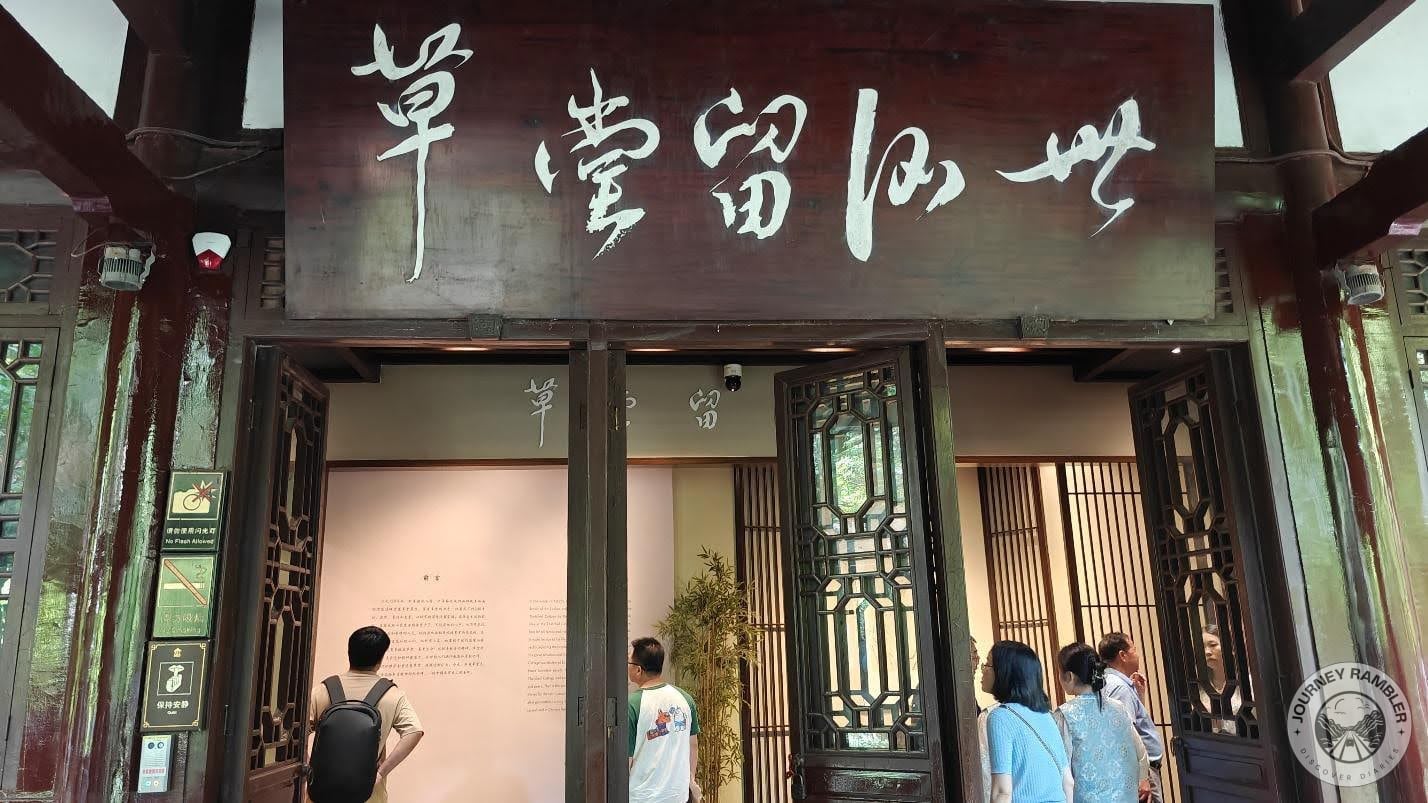
There are two exhibits here at the Memorial Hall of the Poet-Historian. The first of these is this one called The Thatched Cottage Honored by All Generations. In a nutshell, it’s basically a museum that features displays dedicated to Du Fu that chronicle his life and his works. If you’re not familiar with the Poet Saint then this is a great place to learn about his life and his importance to Chinese culture and literature.
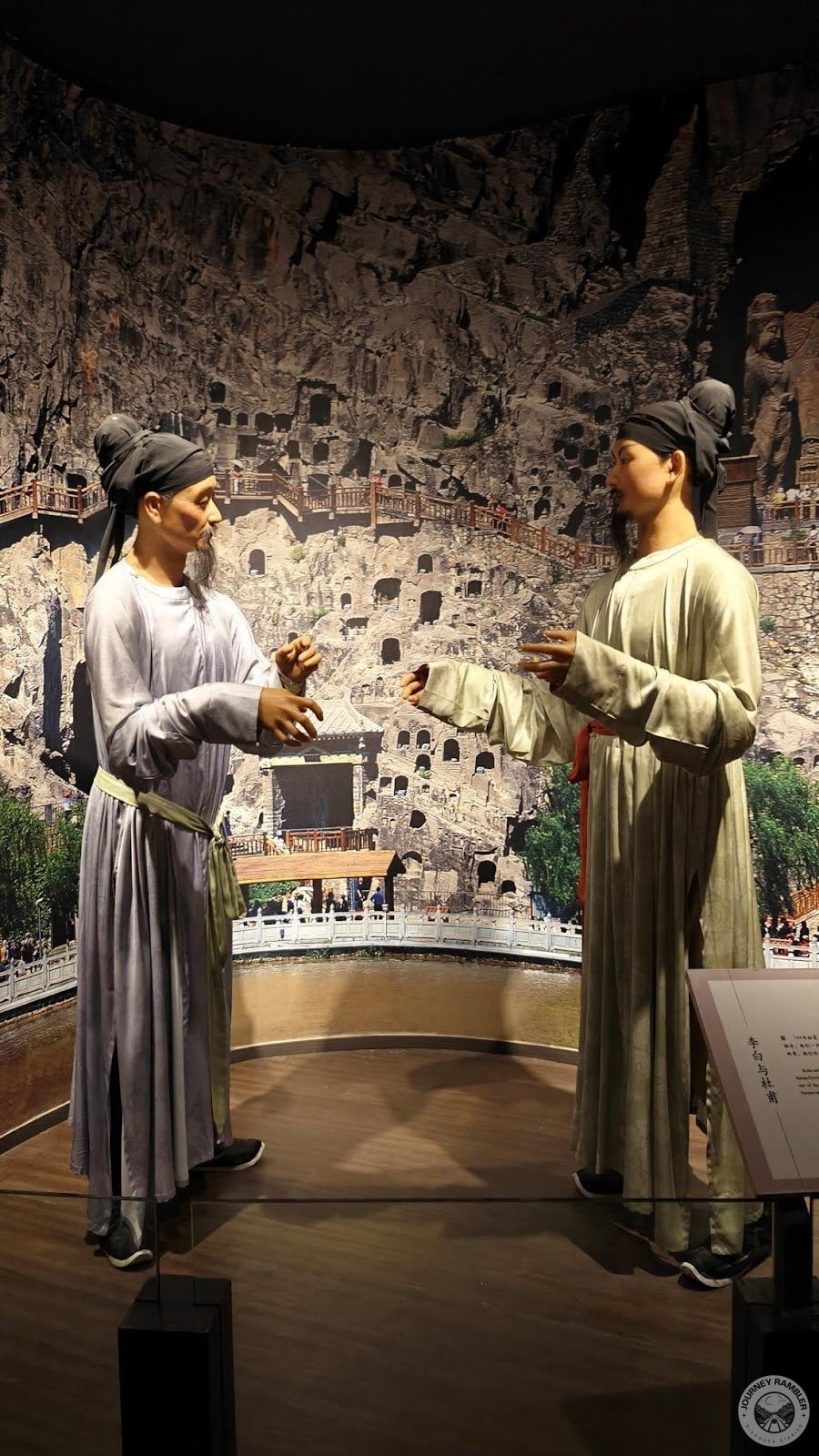
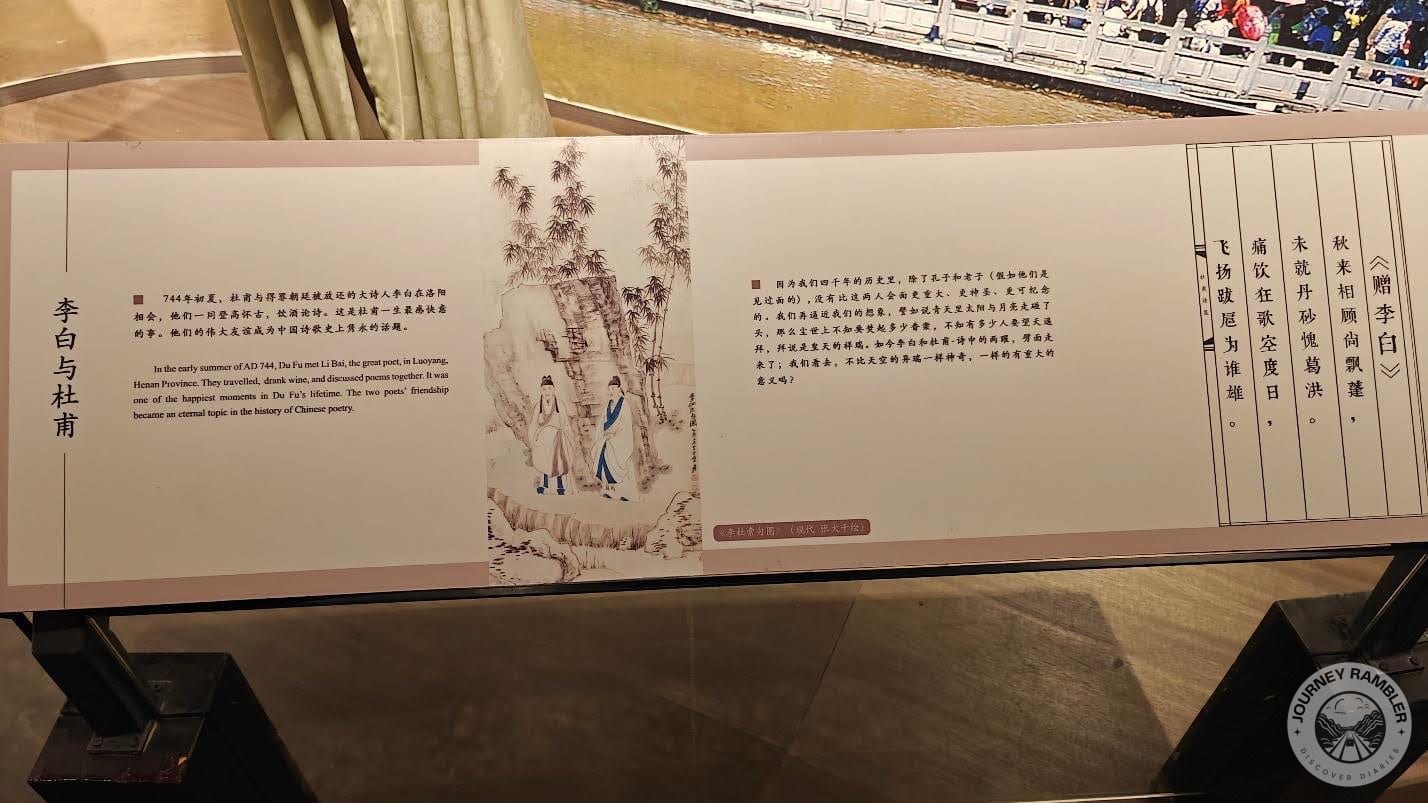
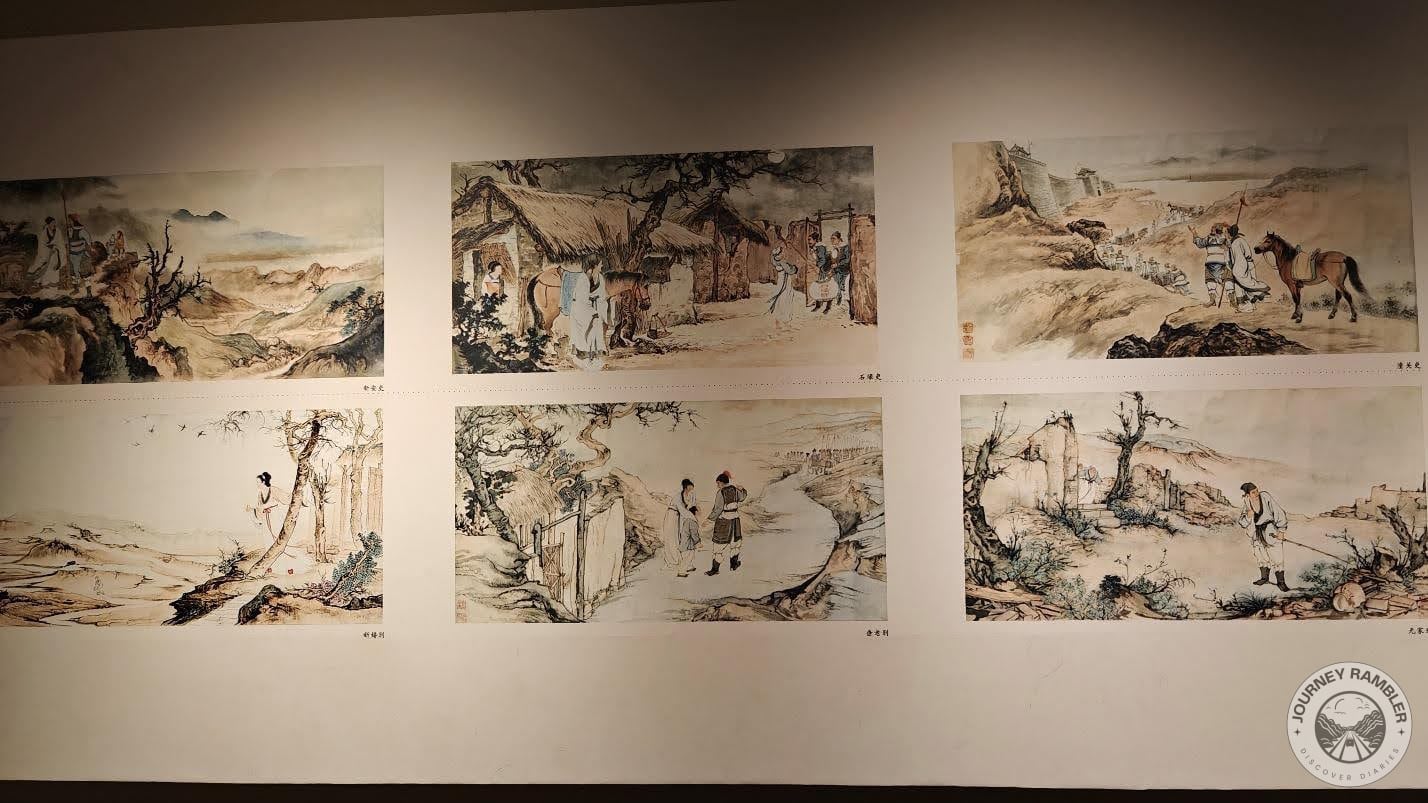
What I really liked about the displays here were the artworks as well as the statues. I’m not sure if the paintings here (in this specific image at least) are woodblock prints but they have a level of detail that I find really pleasing to look at.
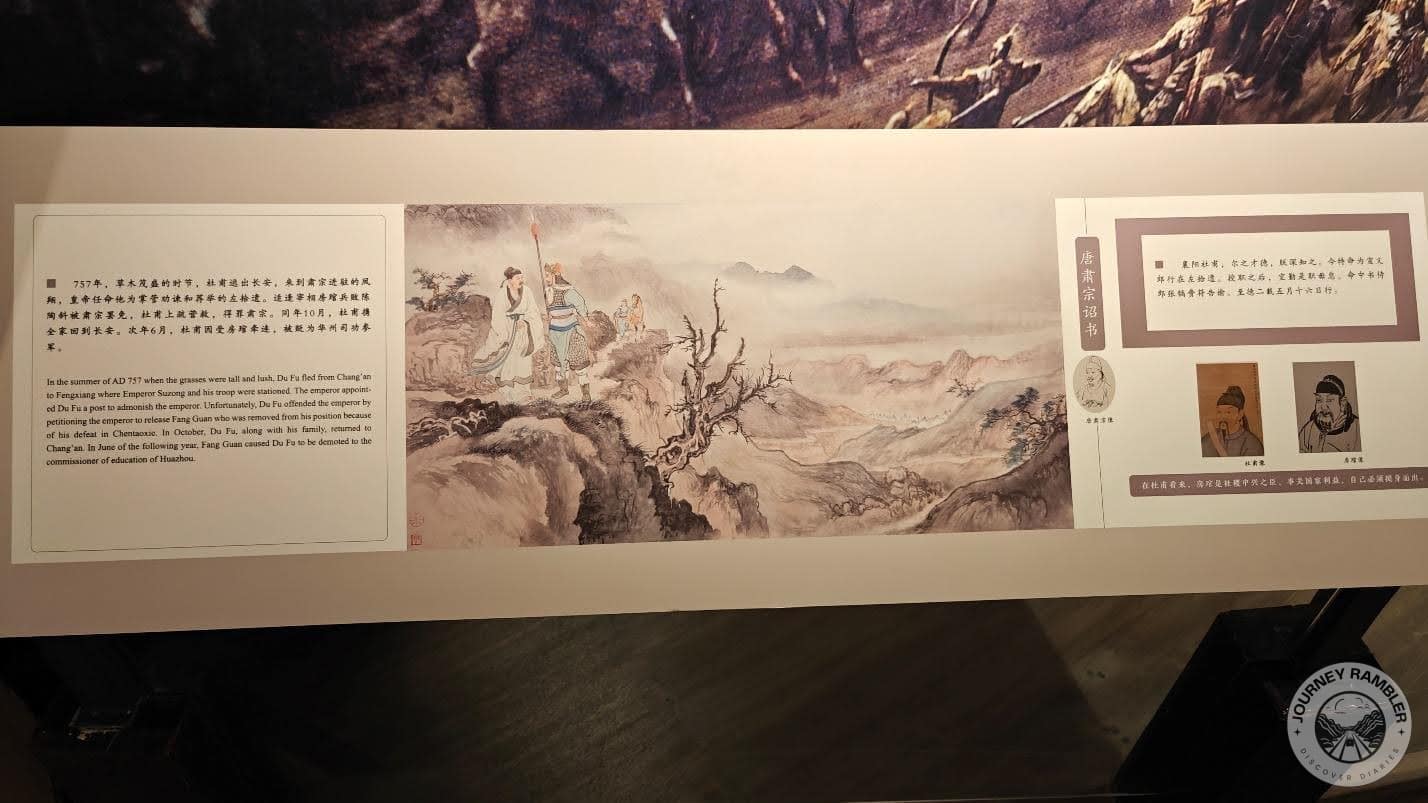
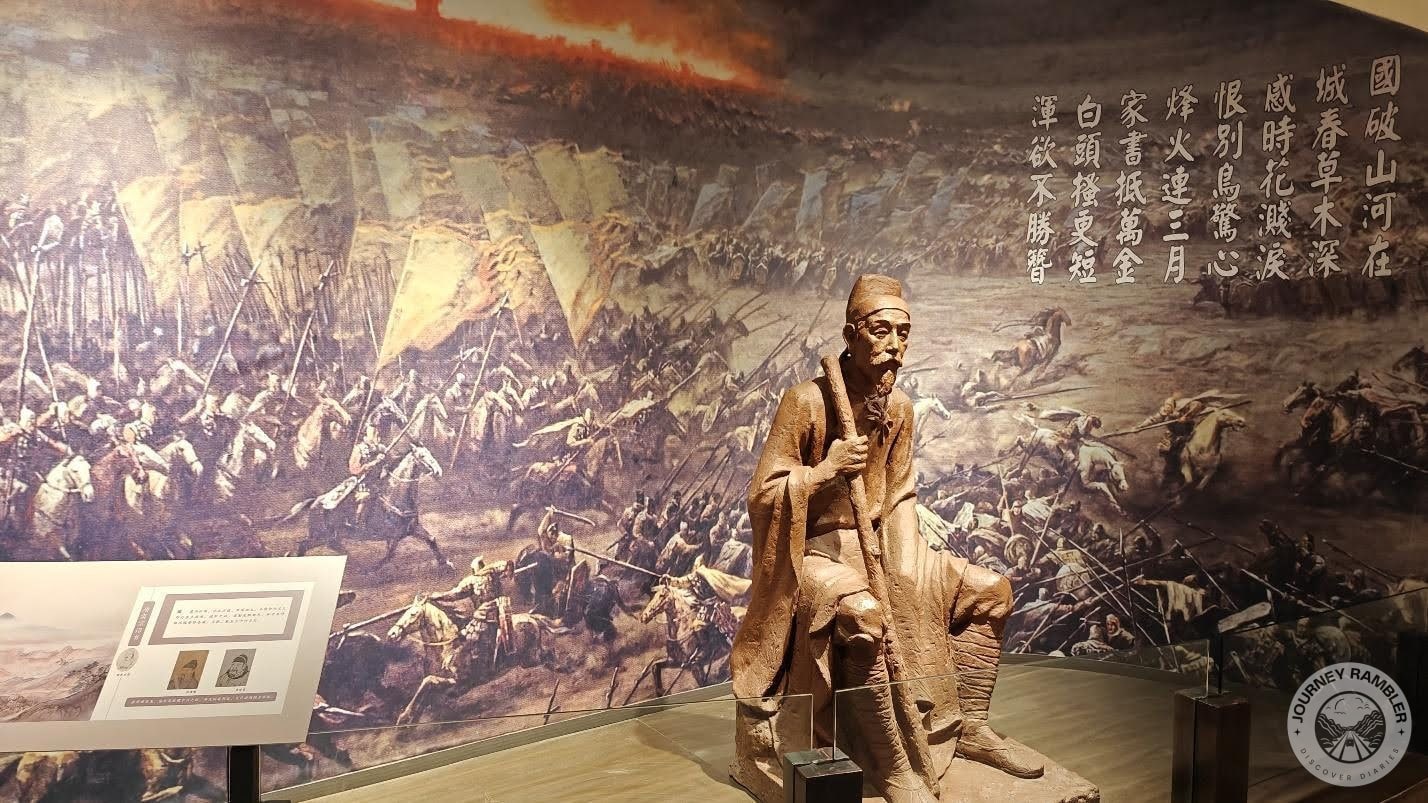
This is probably one of my favorite displays here. It shows a statue of Du Fu sitting on a stool with a large print of a painting behind him. The print also has an inscription of his poem “Spring View” superimposed on it which I found really fitting for the depicted scene of carnage. Basically this is a poem that talks about the loss of hope amidst a country broken by war and Du Fu’s own aging. In a way, I think this is similar to what people nowadays are doing with their doomposting on social media. The main difference probably is that the danger that war posed was more palpable in Du Fu’s time than the age that we’re living in right now.
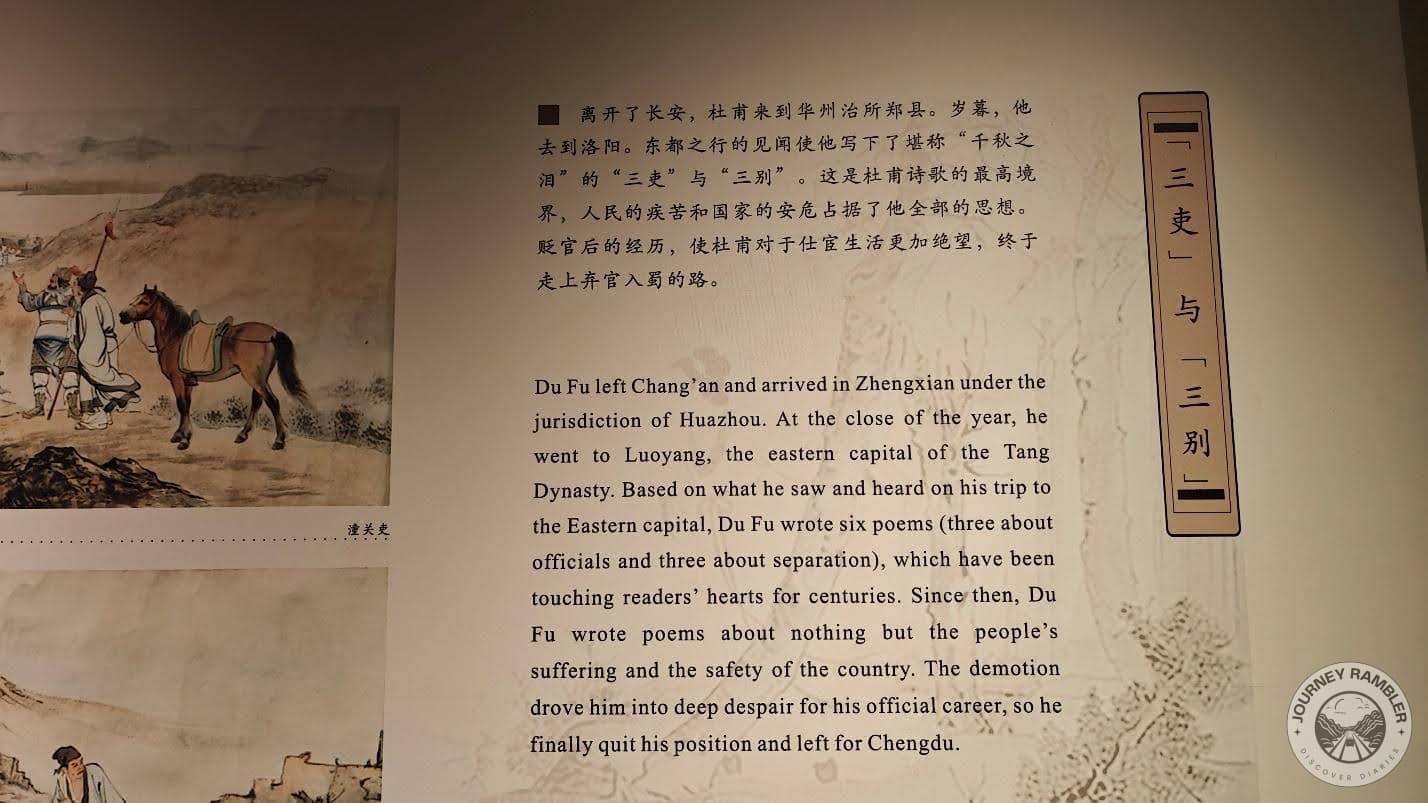

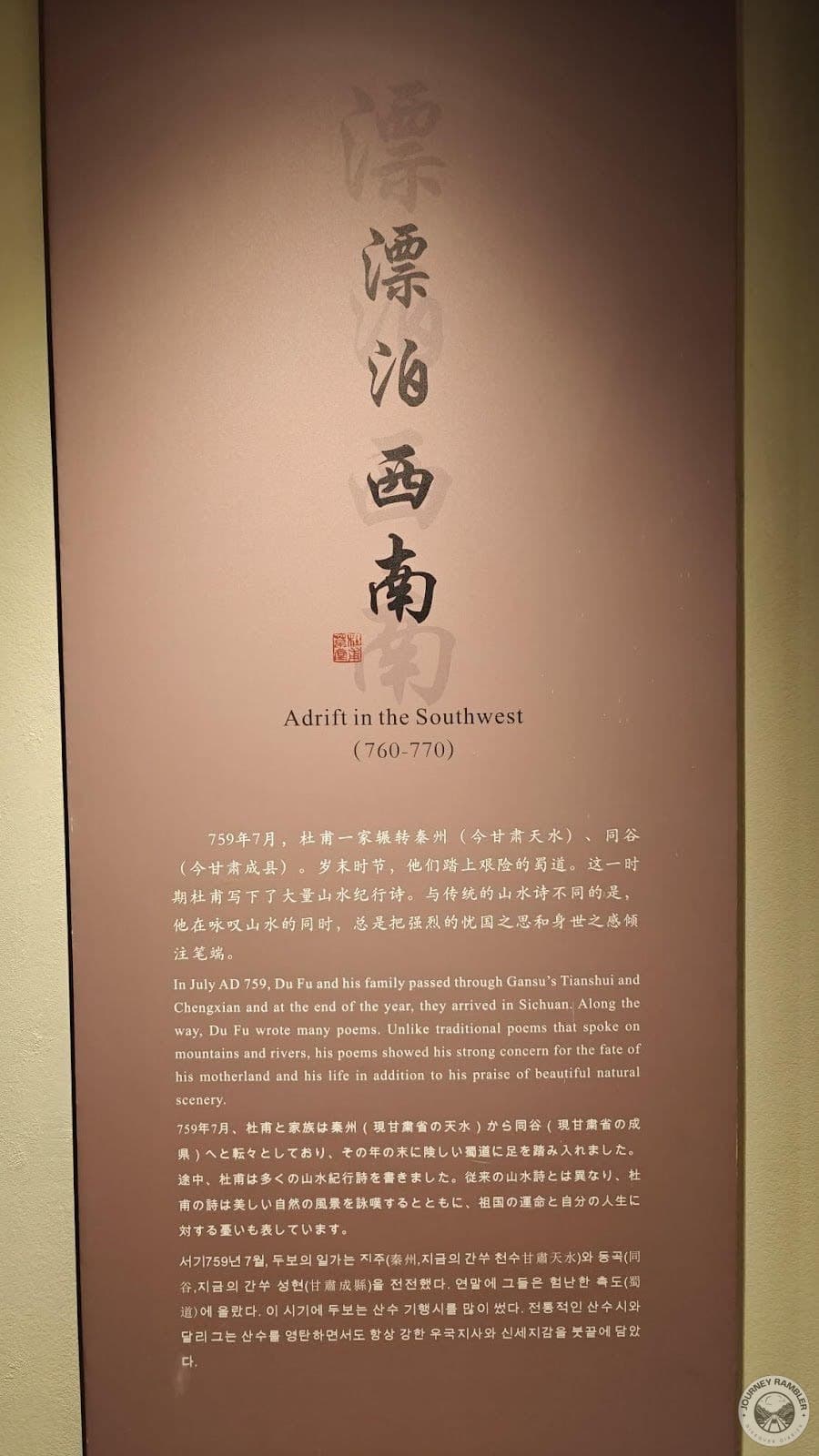
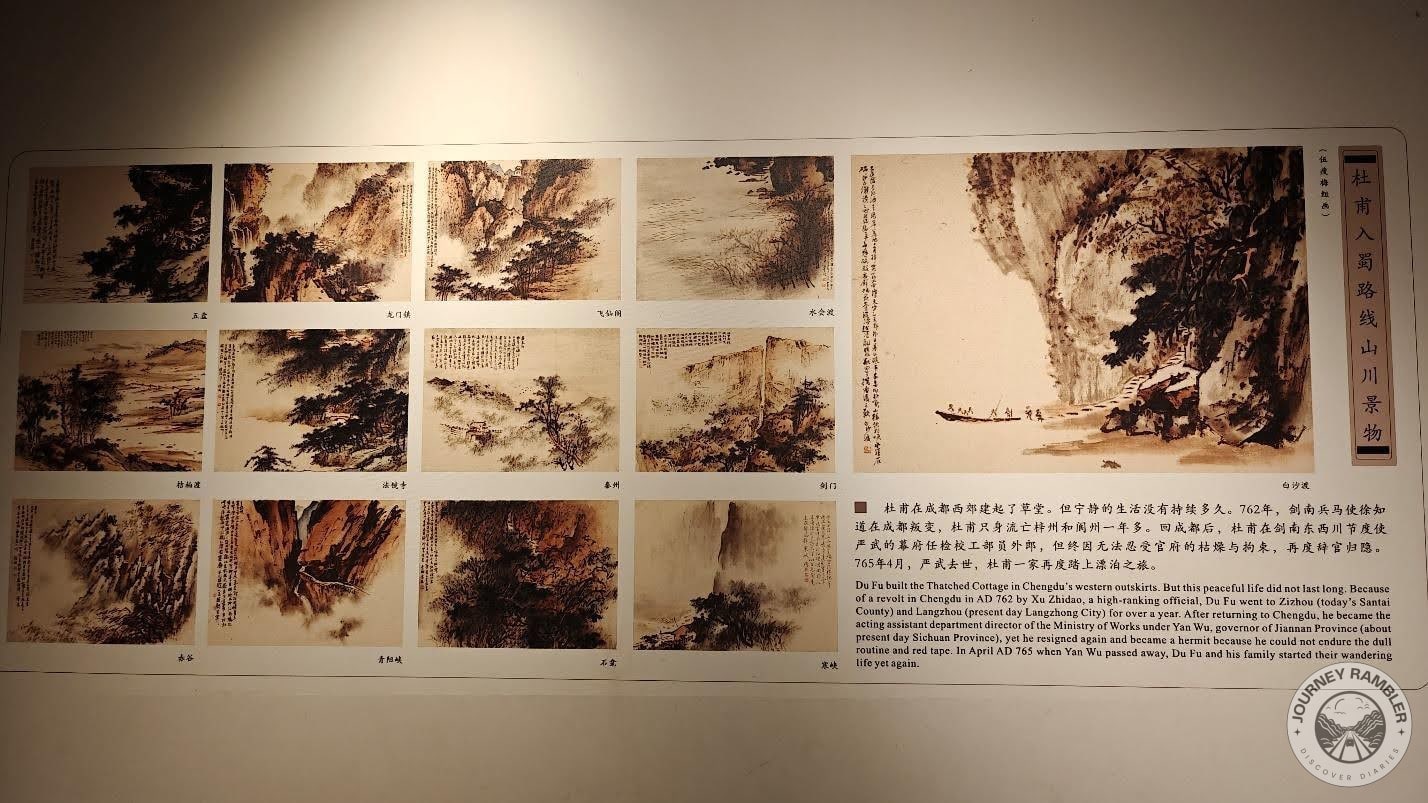
Now you can actually exit from the Memorial Hall of the Poet-Historian by going to its Grand Lobby. From there it’s then just a short walk to the Front Gate exit. That said, I still had to go to another area before I called it a day so I exited through the Flowery Path instead.
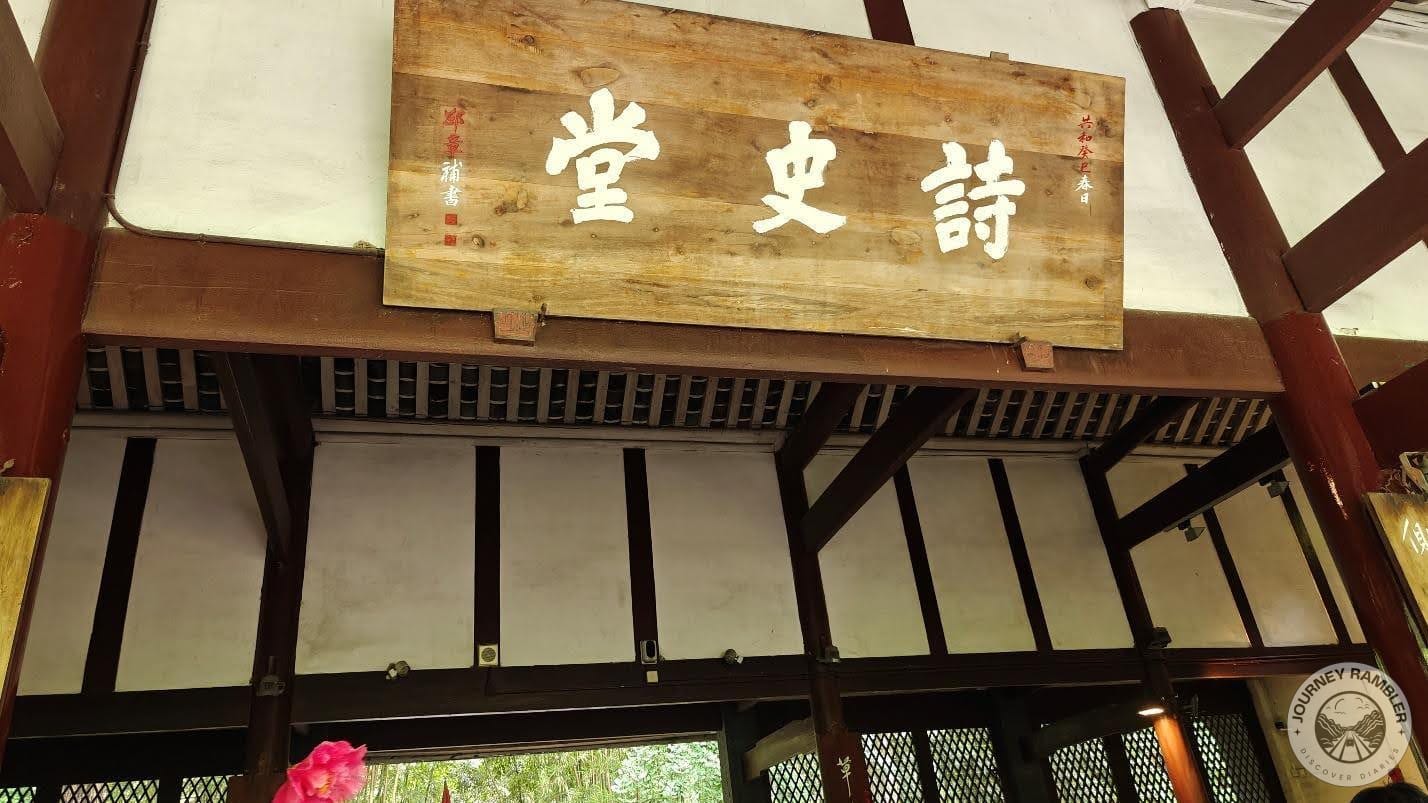
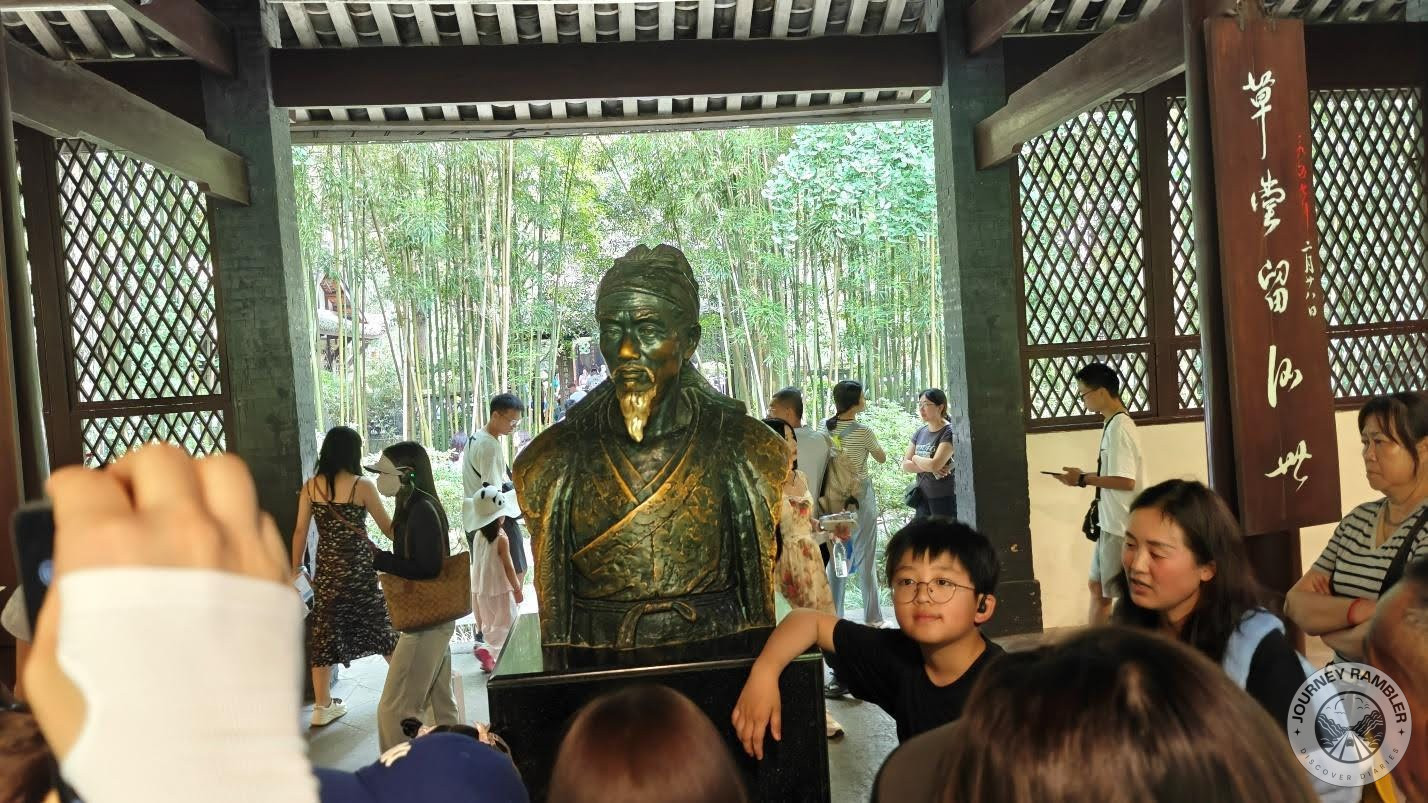
Following the Flowery Path then brought me to the Hall of Odes which had this bust of Du Fu. The crowd wasn’t as packed here as most of the people seemed to be on their way out. There was a line of people looking to take a picture beside Du Fu’s bust but they also didn’t take long. From here, you can walk straight south and you’ll then find yourself at the South Gate exit.
For me, Du Fu Thatched Cottage in Chengdu is an easy recommendation if you’re in the city. It’s very accessible and there are just a ton of things that you can do here. I think this is also one of the few landmarks that aren’t as tourist-y and tacky. In fact, the people who visit here seem to be mainly composed of local tourists so they tend to be more reverent of the place which is probably why it’s not as noisy. One thing you might want to take note of though, while the paths were mostly flat, there were areas that I think PWDs might have a hard time accessing (e.g. the bridge connecting Firewood Gate to the Memorial Hall of the Poet-Historian). Otherwise, I can’t recommend this place enough since admission is relatively cheap at 50CNY.
Ever had the chance to visit Du Fu Thatched Cottage in Chengdu? If yes then we’d appreciate it if you shared your experience as well as any tips with our community down in the comments section!