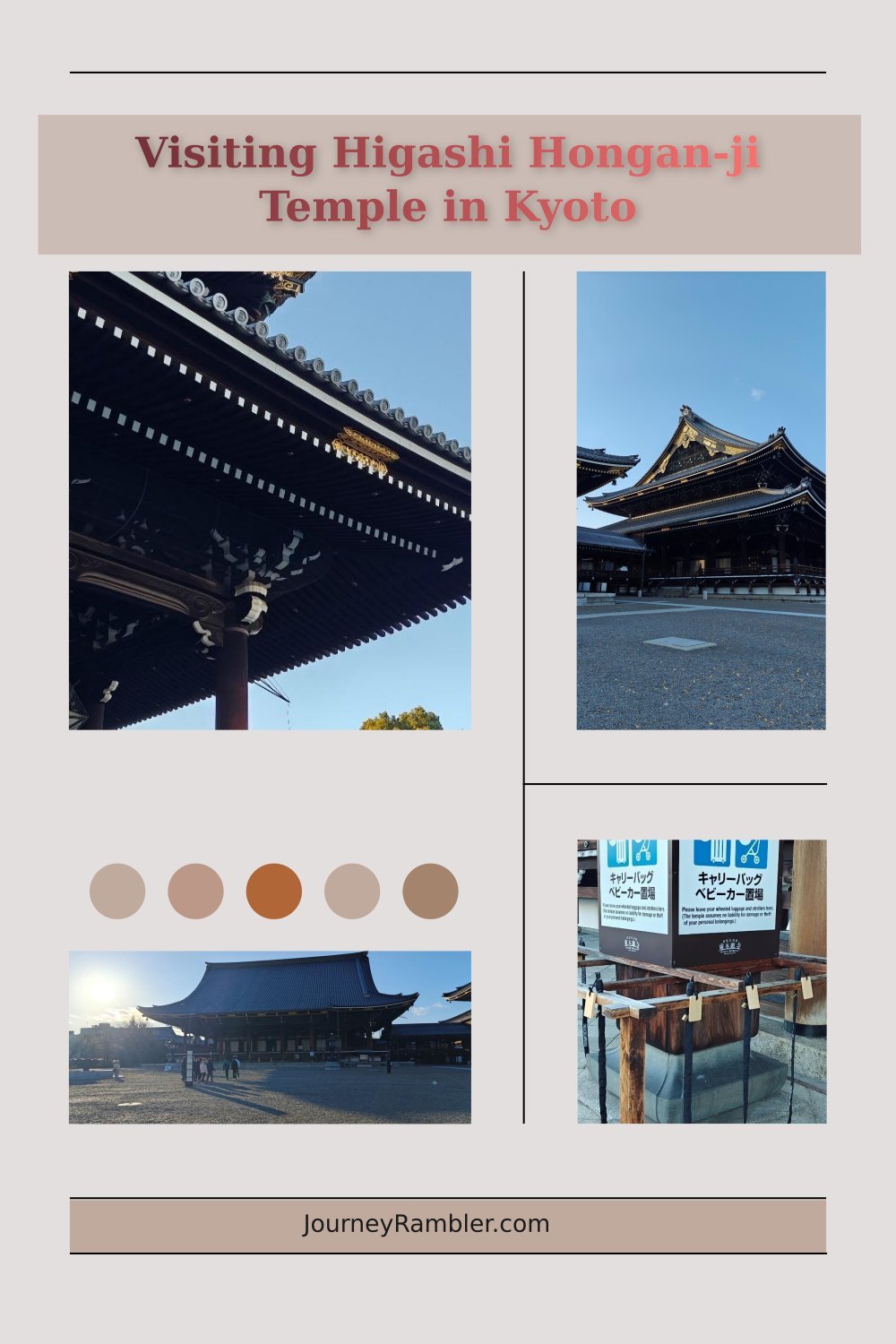
Higashi Hongan-ji is quite possibly the best looking Buddhist temple in Kyoto that you might have never heard of. While it is quite popular among locals, not many foreign visitors actually know about it. I think this is a shame because it was one of the more memorable temples I visited during my recent Kyoto trip.
Today, I’ll be talking about that visit and hopefully, you get to see and experience the temple through this write-up.
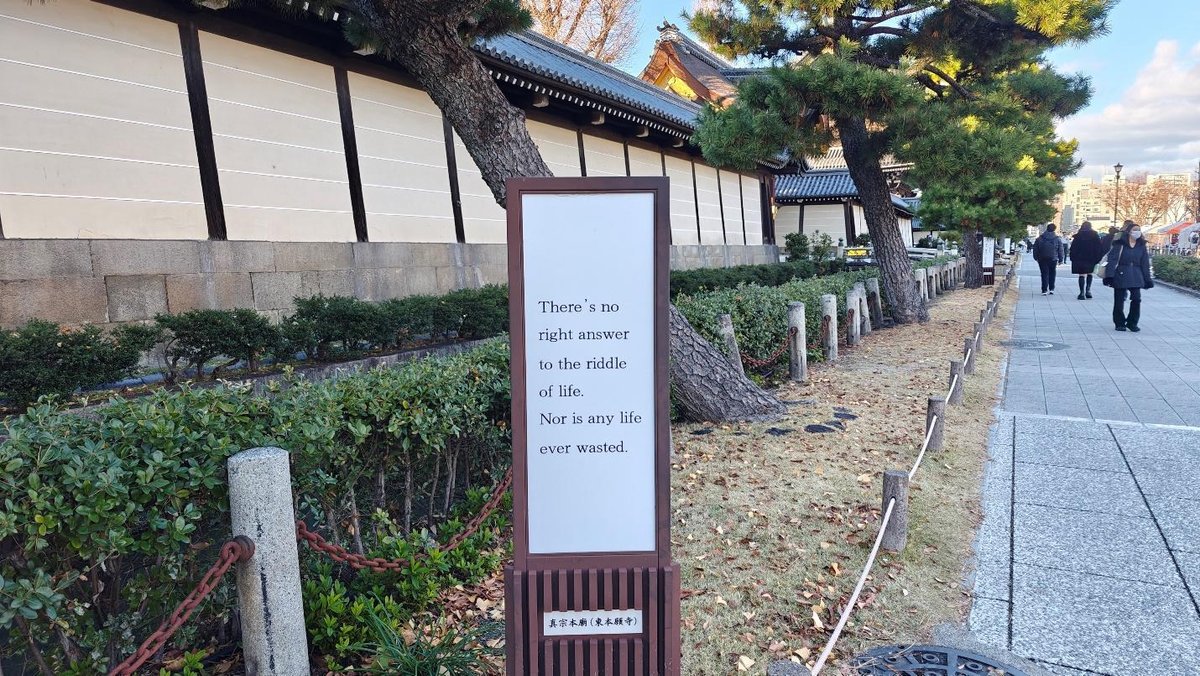
It’s extremely easy to get to Higashi Hongan-ji. The temple is to the north of Kyoto Station and you can actually walk all the way there in about 5 to 10 minutes. Now despite being in the middle of the city, the walk to get here was surprisingly peaceful with there being so few people around.
My Visit to Higashi Hongan-ji Temple in Kyoto
Though Higashi Hongan-ji is quite close to Kyoto Station and the Nidec Kyoto Tower, it’s also the only temple/shrine in the area.
I think the closest to it is the Toyokuni Shrine and Hoko-ji Temple complex and that’s easily a 30-40 minute walk. There are other landmarks close by like Shosei-en Garden but it’s not like Kiyomizu-dera or Fushimi Inari Taisha where other attractions are within a short walking distance.
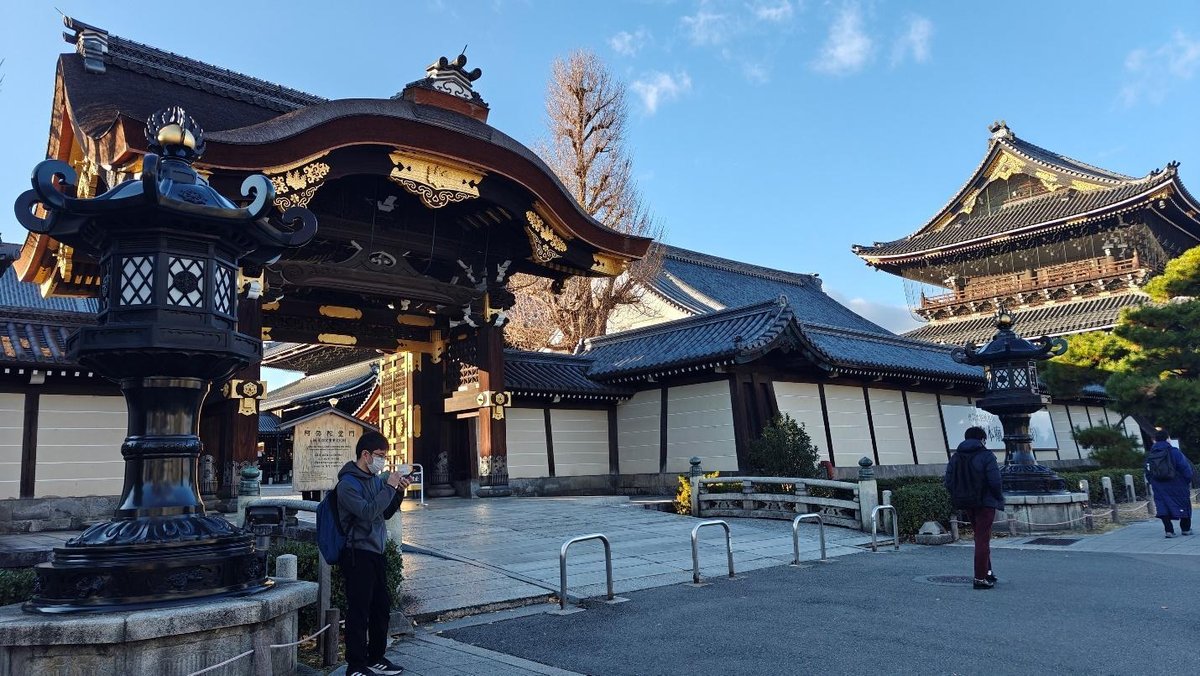
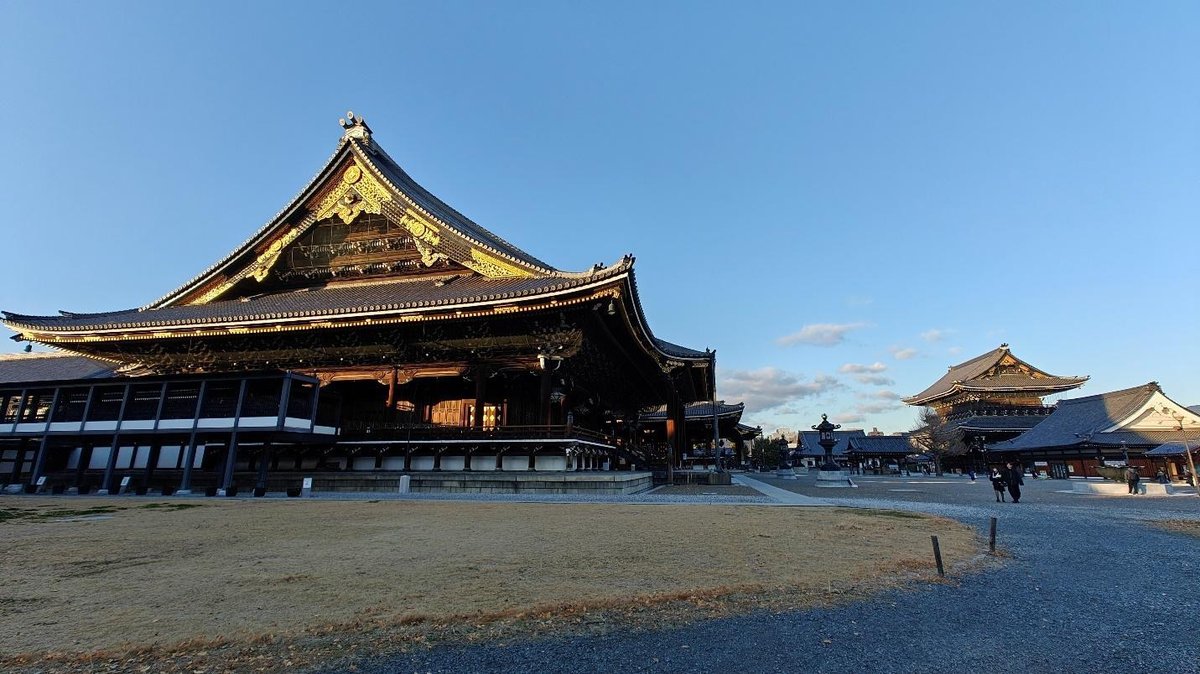
After a short walk from the Kyoto Station direction, I finally came across the two structures that Higashi Hongan-ji is known for. To the left is the Amida-do mon or Amida Hall Gate and I’d be lying if I didn’t think it looked amazing. As the sunlight touched its gold details, the gate seemed as if it were glowing and radiating.
Then a little farther off along the pedestrian walkway was one of the largest gates in Kyoto, the Goeido-mon.
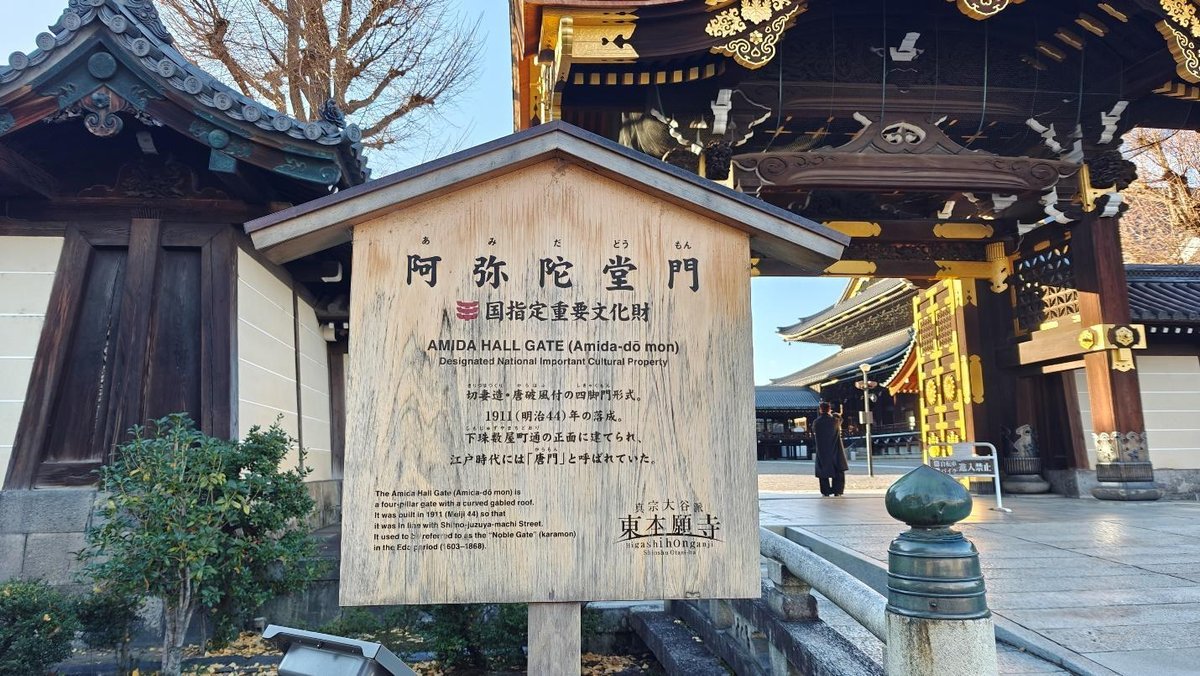
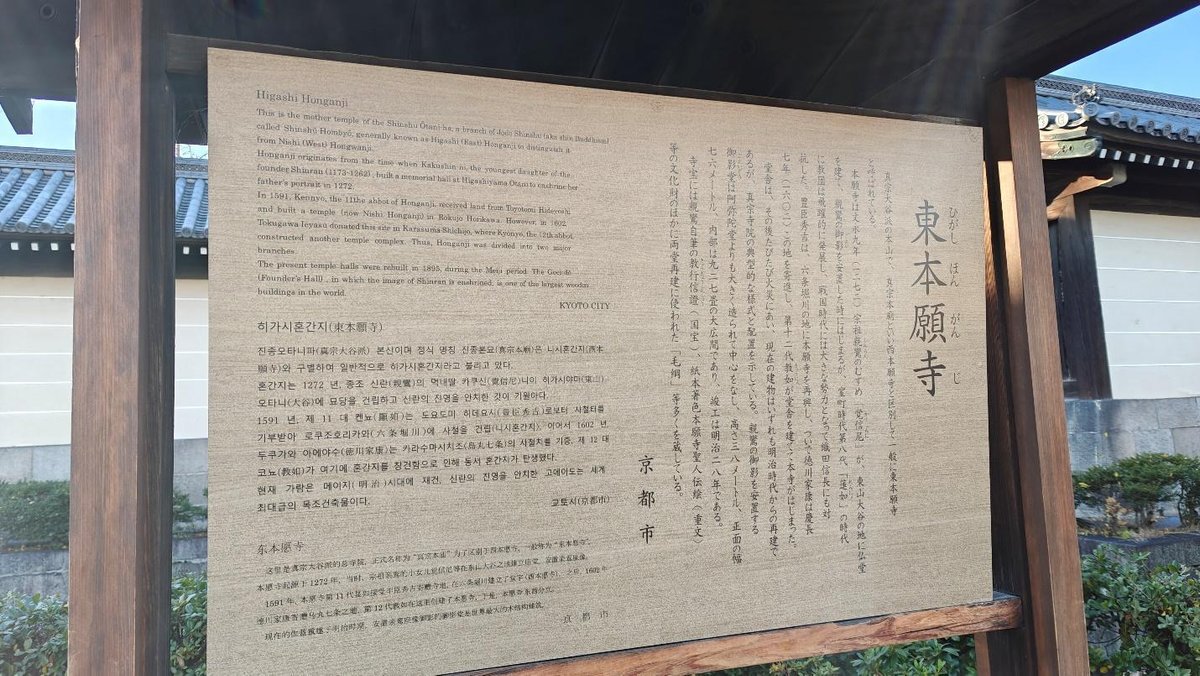
Here’s a sign featuring a description of the Amida-do mon. Apparently, the gate is relatively new having been completed in 1911. Another interesting bit of information about the gate is that it’s actually a reproduction.
The original gate that it copied used to be a part of Fushimi Castle and was given to the Higashi Hongan-ji Temple by Tokugawa Ieyasu.
As you’ll learn while reading this write-up though, the original Amida-do mon was burned down in a fire in 1864. Kyoto has always been prone to fire due to how densely concentrated its buildings were. Higashi Hongan-ji wasn’t any different and it suffered its fair share of fires over the years after it was completed.
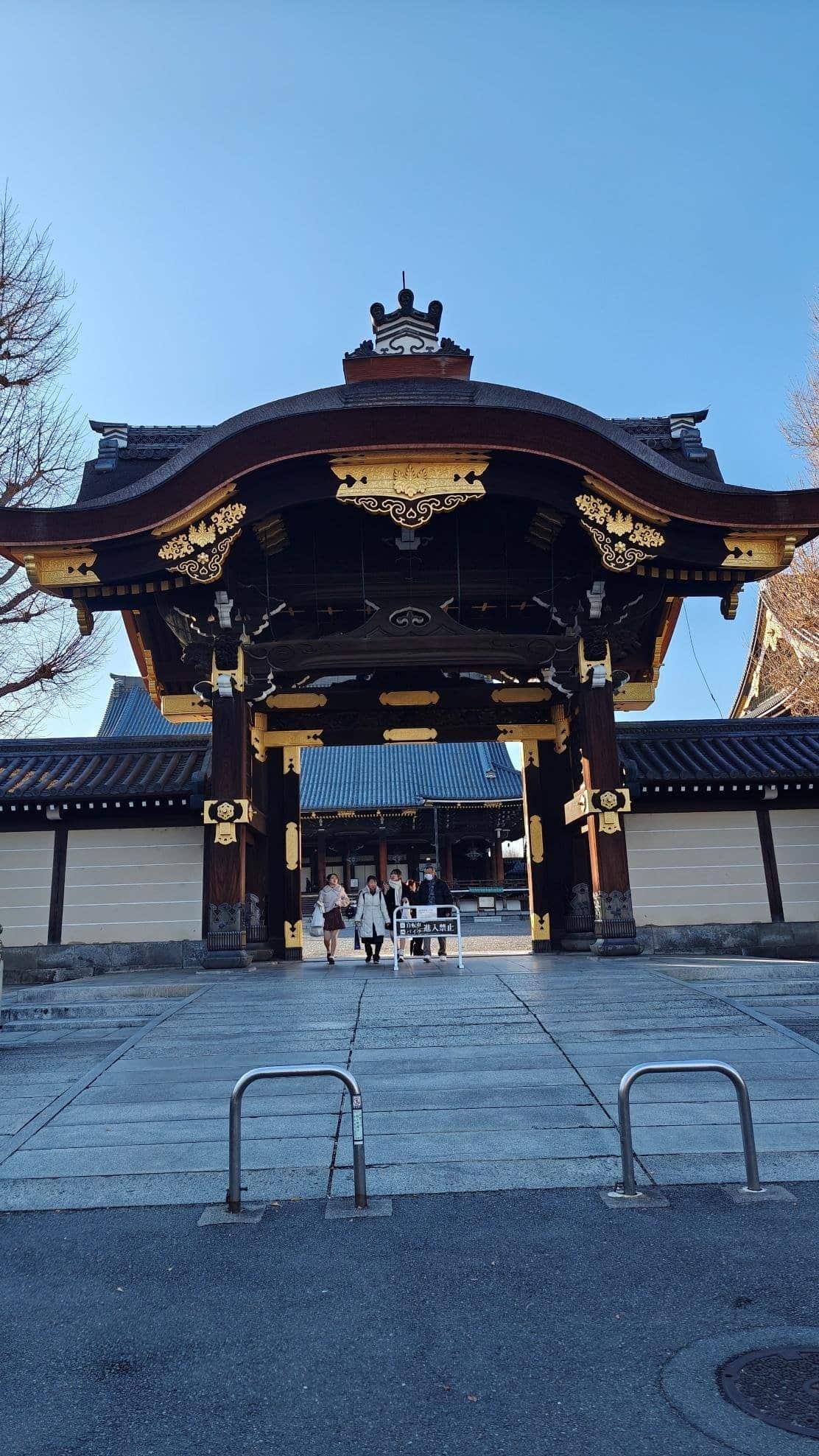
While its size relative to other gates might suggest otherwise, the Amida-do mon actually is not the main entrance to the Higashi Hongan-ji temple complex. That honor goes to the Goeido mon which you caught a glimpse of earlier. Now, it might not be the main entrance but you could still enter through it nonetheless.
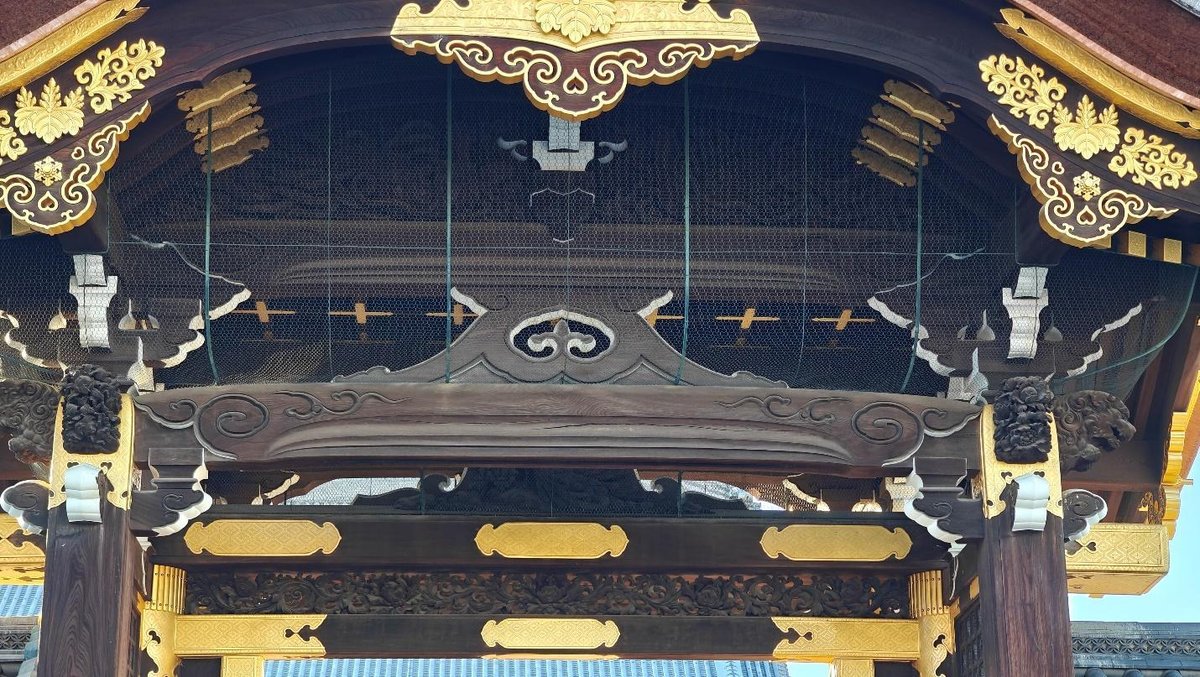
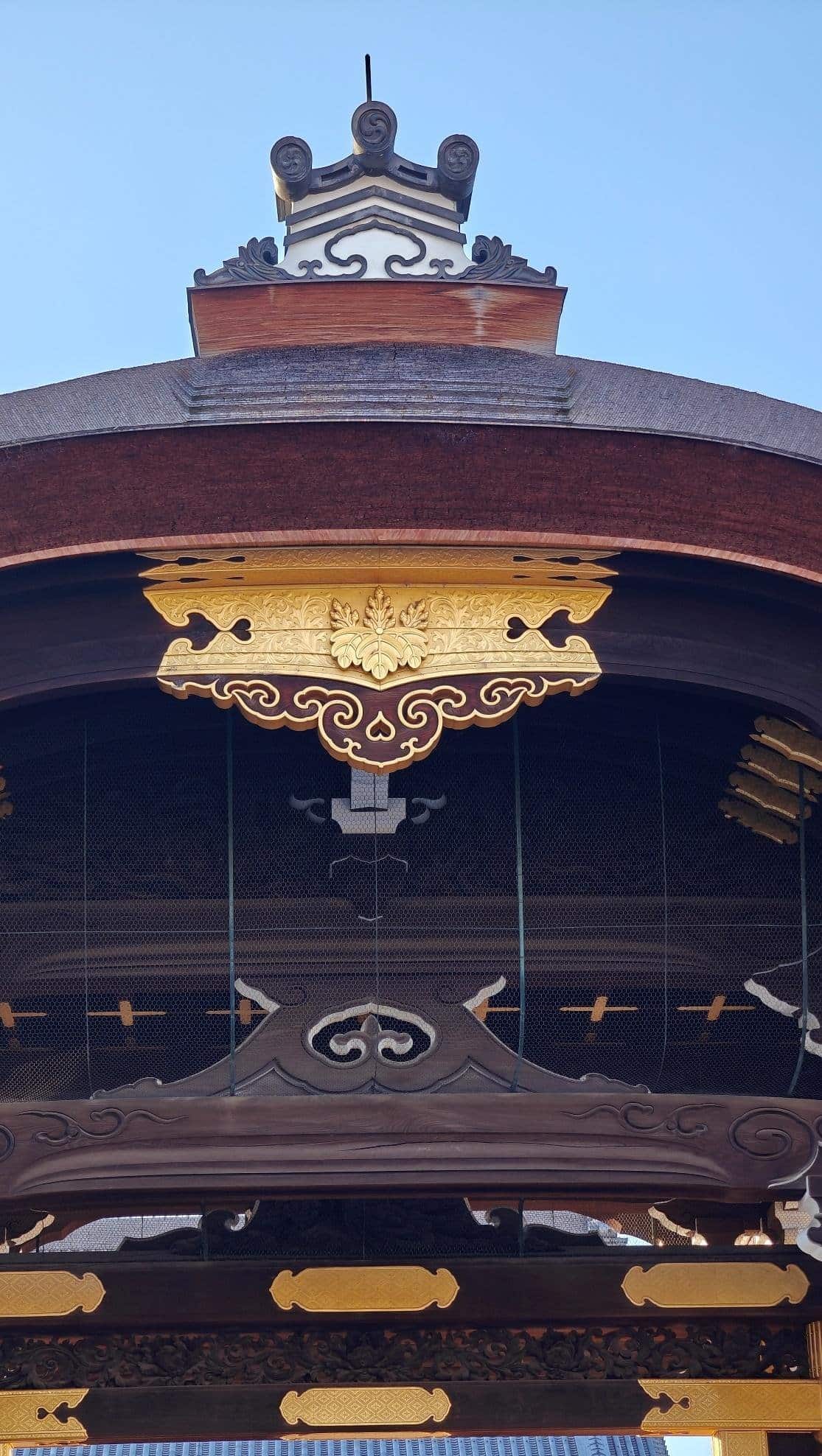
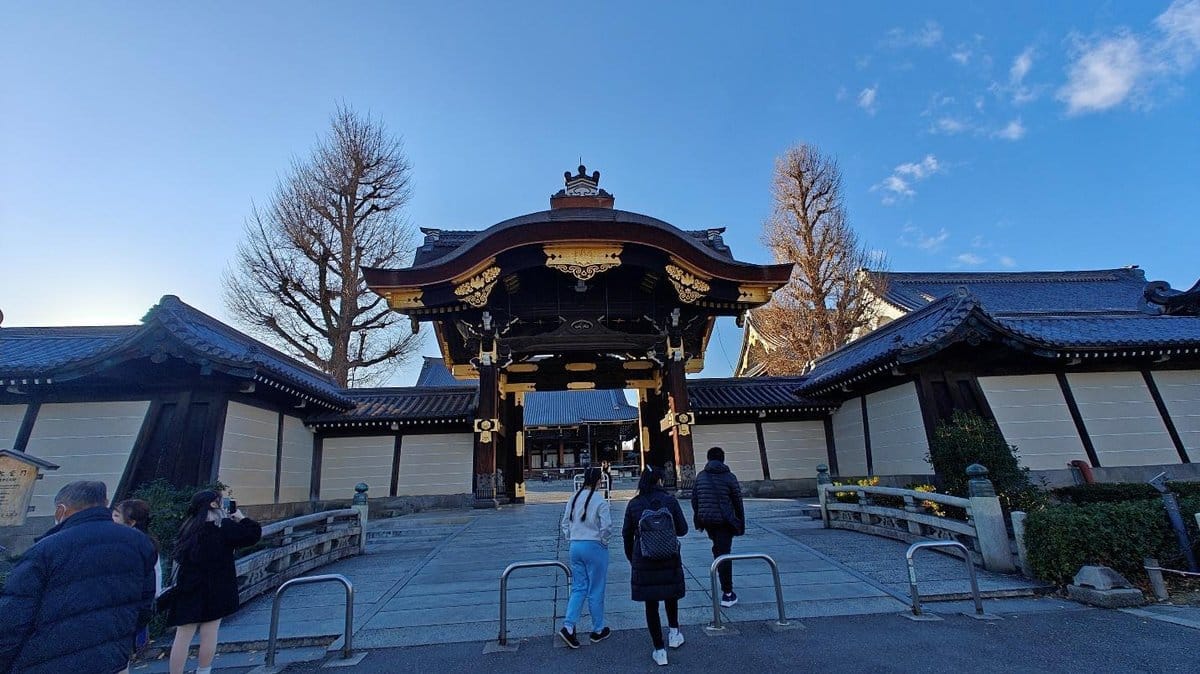
When I first saw the Amida-do mon head on it looked absolutely otherworldly (in a good way of course). Thanks to its gold covered details, it gave this feeling that I was walking into a special place. As it turns out, this is actually by design as the architecture of the gate is said to mirror the Pure Land’s grandeur.
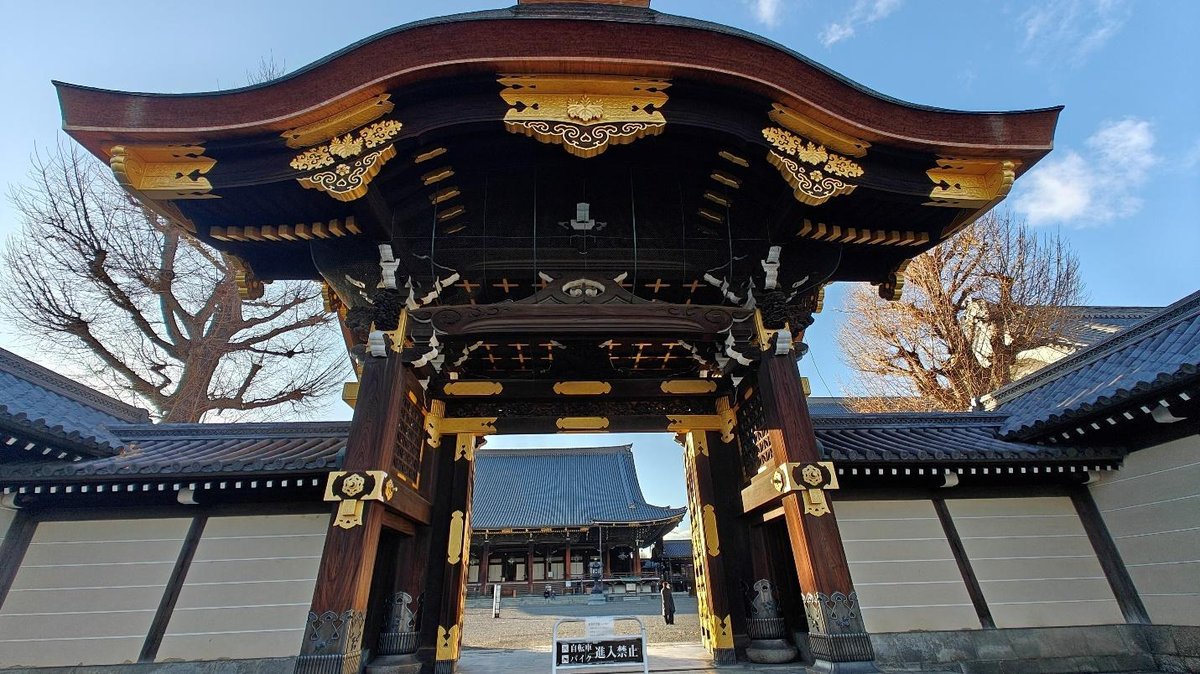
Other than the gate, the trees in the background also managed to catch my eye. The tree on the right in this image particularly looked like its branches were made of gold due to how it’s illuminated by the afternoon light. As for what these trees are, I’m not quite sure.
I’ve read online that they’re supposed to be sakura but I think they’re too tall.
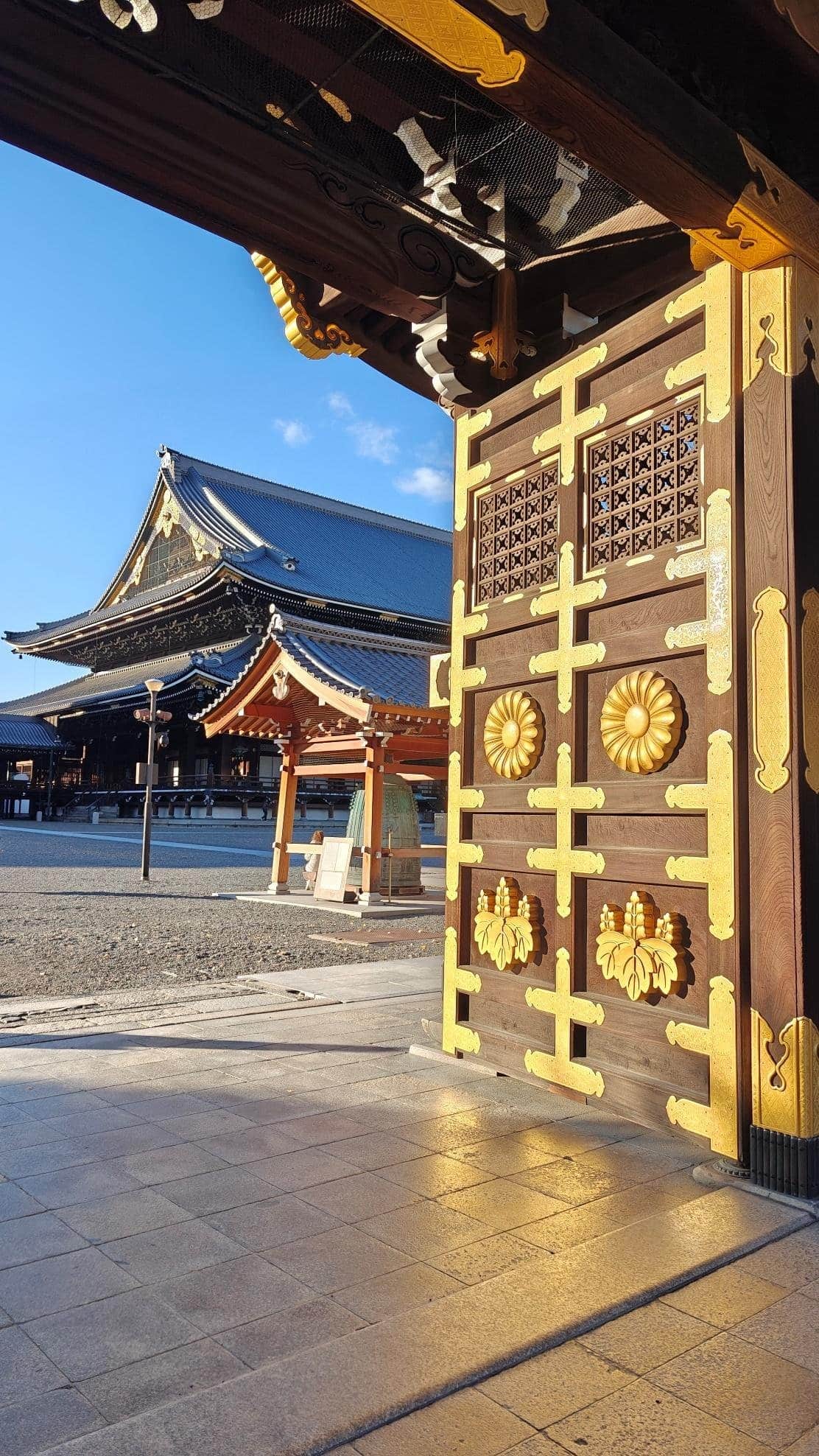
Here’s a closer look at the doors of the Amida-do mon. Now you’re probably wondering if they used real gold on it. According to a majority of the sources I read online, this isn’t solid gold but rather gold leaf.
This isn’t exactly surprising considering how it could end up being a security nightmare if real solid gold was used on the door’s details. Even Kinkaku-ji’s Golden Pavilion opted to use gold leaf instead of solid gold.
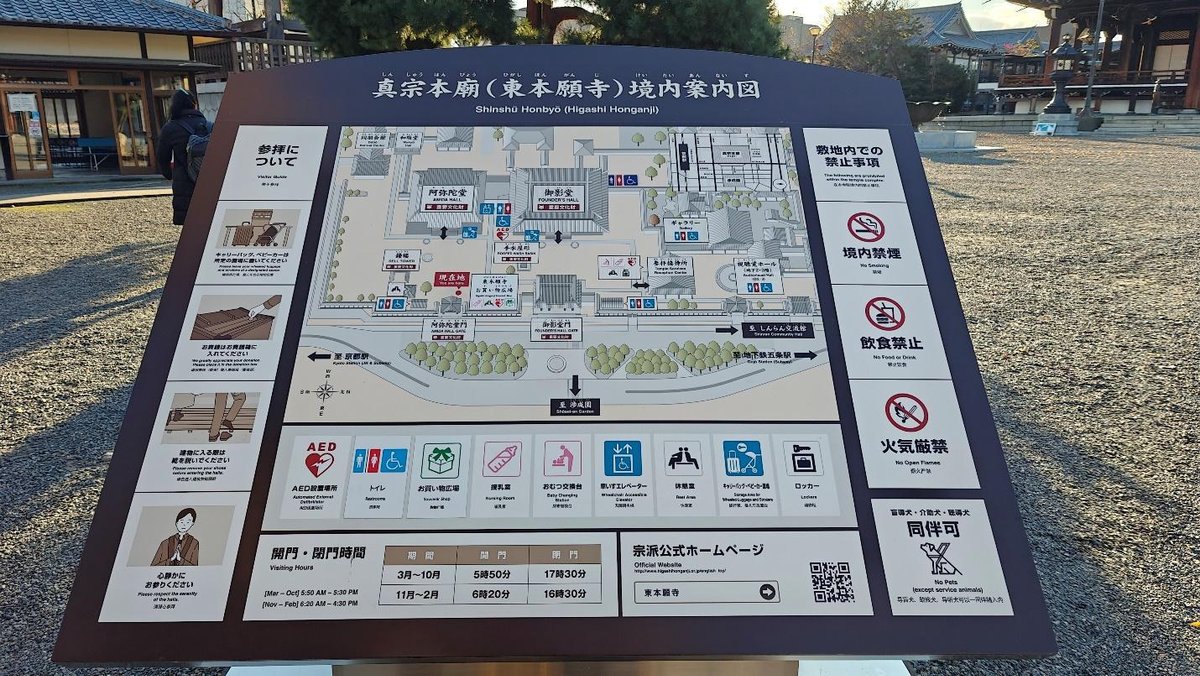
Aside from the Keicho-era Bell, one of the first things I came across after entering the Amida-do mon was the temple complex's guide map. Viewing the map, I initially thought that the temple was small but really, it's quite expansive (at least in terms of land area). A big contributor to its size is the scale of its buildings like the Amida-do and the Goei-do.
If we're not including its gardens then I think Heian Jingu Shrine actually has a much smaller land area than Higashi Hongan-ji.
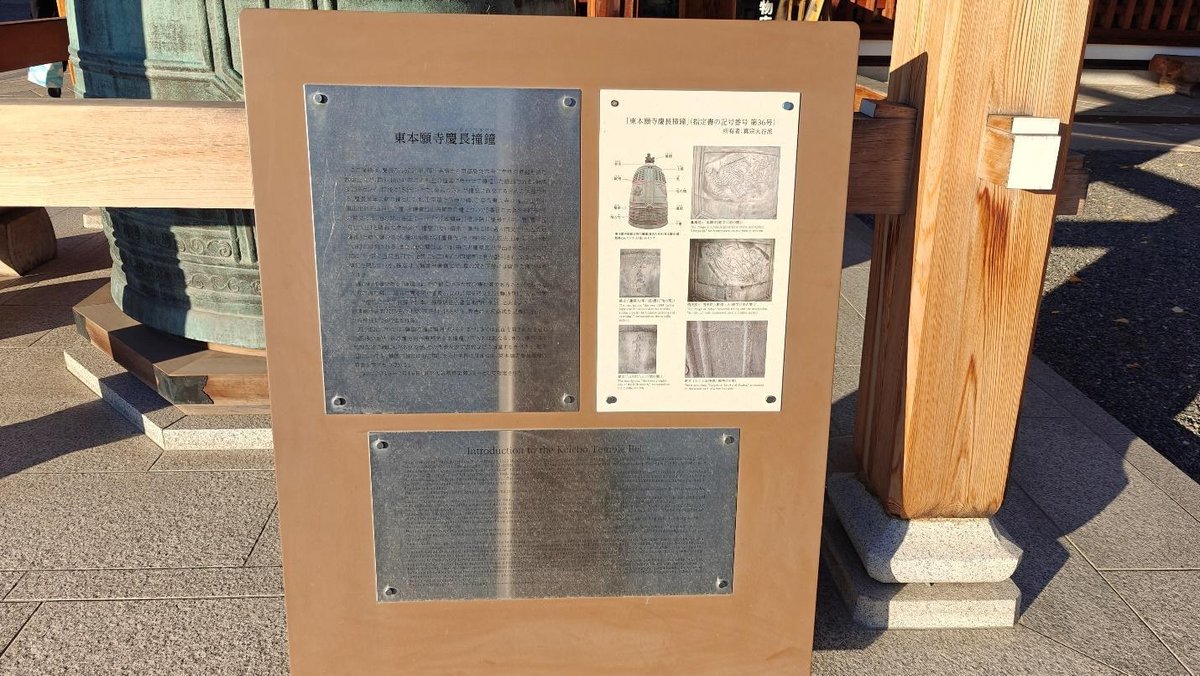
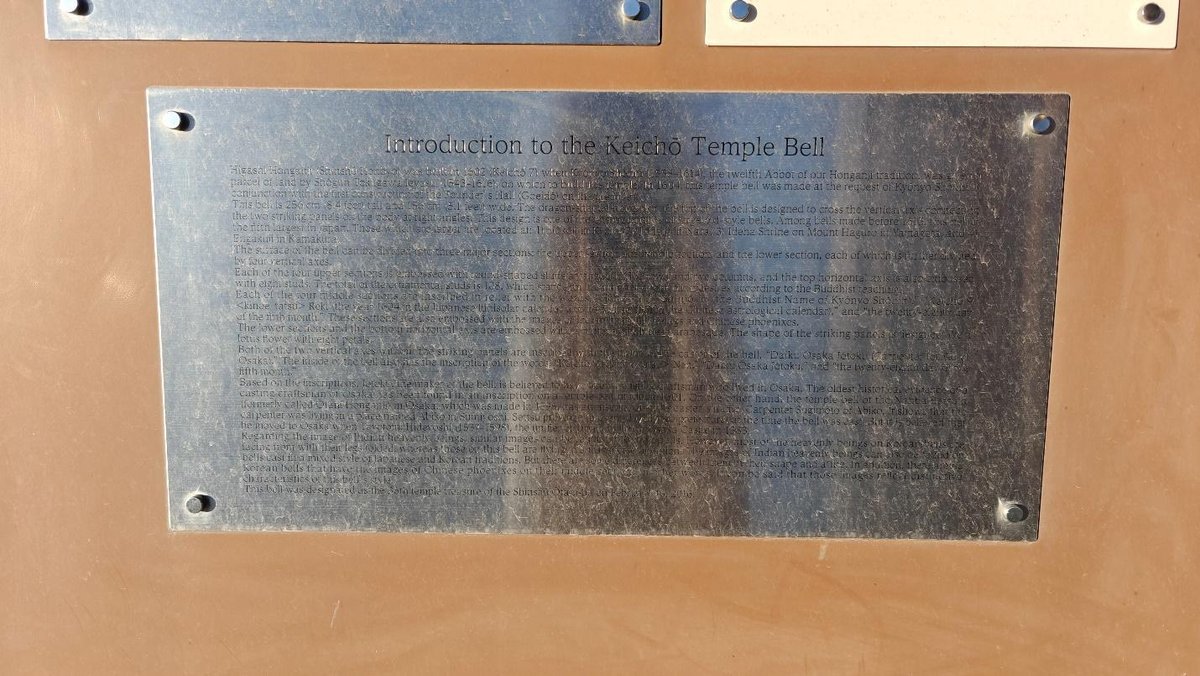
Anyway, here’s the bell that was in the background of that picture featuring the Amida-do mon's door. According to the sign just beside it, this is a bonsho or temple bell made during the Keicho era (specifically some time in 1612). Much like the Amida-do mon, the bell features some really nice details and looks like it's also well maintained.
I've seen most temples keep their bells away from visitors but this one is pretty much out in the open.
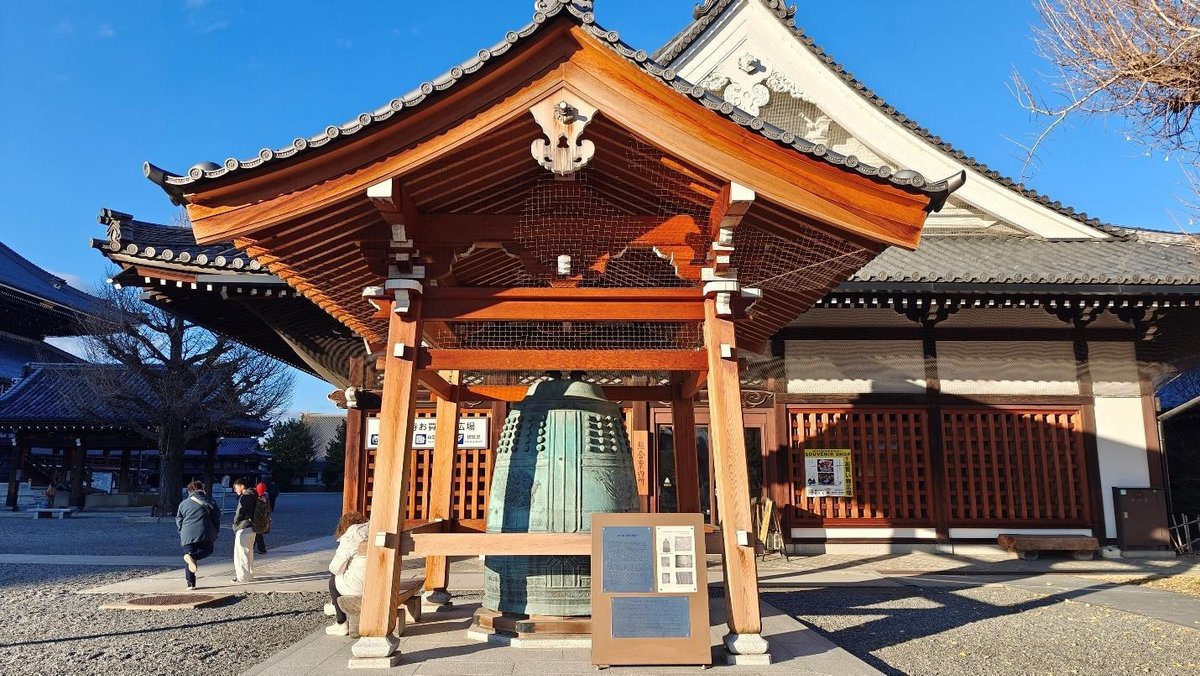
To illustrate just how accessible the bell is, there's actually a small bench beside it where visitors can sit and have their pictures taken with it as a background. The pavilion that houses the bell also looks beautifully detailed though I'm not sure if it's as old as the Keicho-era artifact that it's housing. Behind the temple (in this picture) is the souvenir shop/Buddhist supplies store.
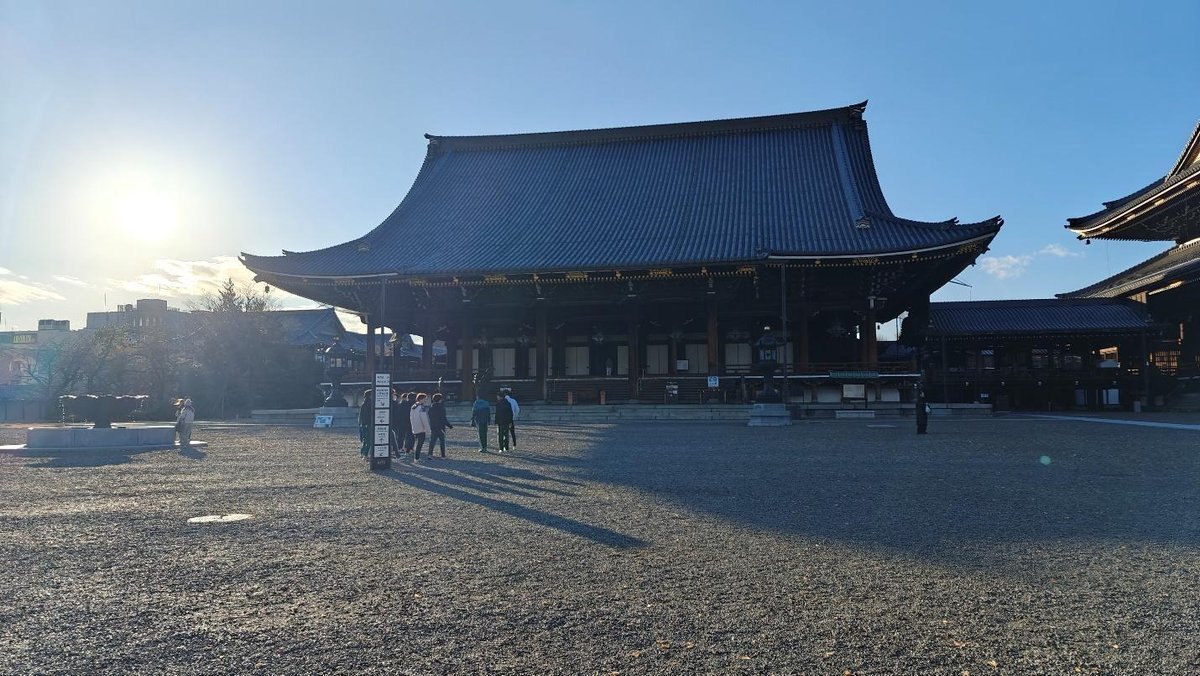
If you're wondering why the gate is called Amida-do mon then you'll only need to look at the name of the first building that you'll see as you enter it. I'm not sure if it's the same with other Jodo Shinshu temples but for Higashi Hongan-ji, the Amida-do mon leads directly to the Amida-do or Amida Hall. Now in most of the temples and shrines that I've been to, a building this size would typically be considered as the main hall.
While the Amida-do might look large, it actually dwarfs in comparison to the other notable buildings in the temple complex.
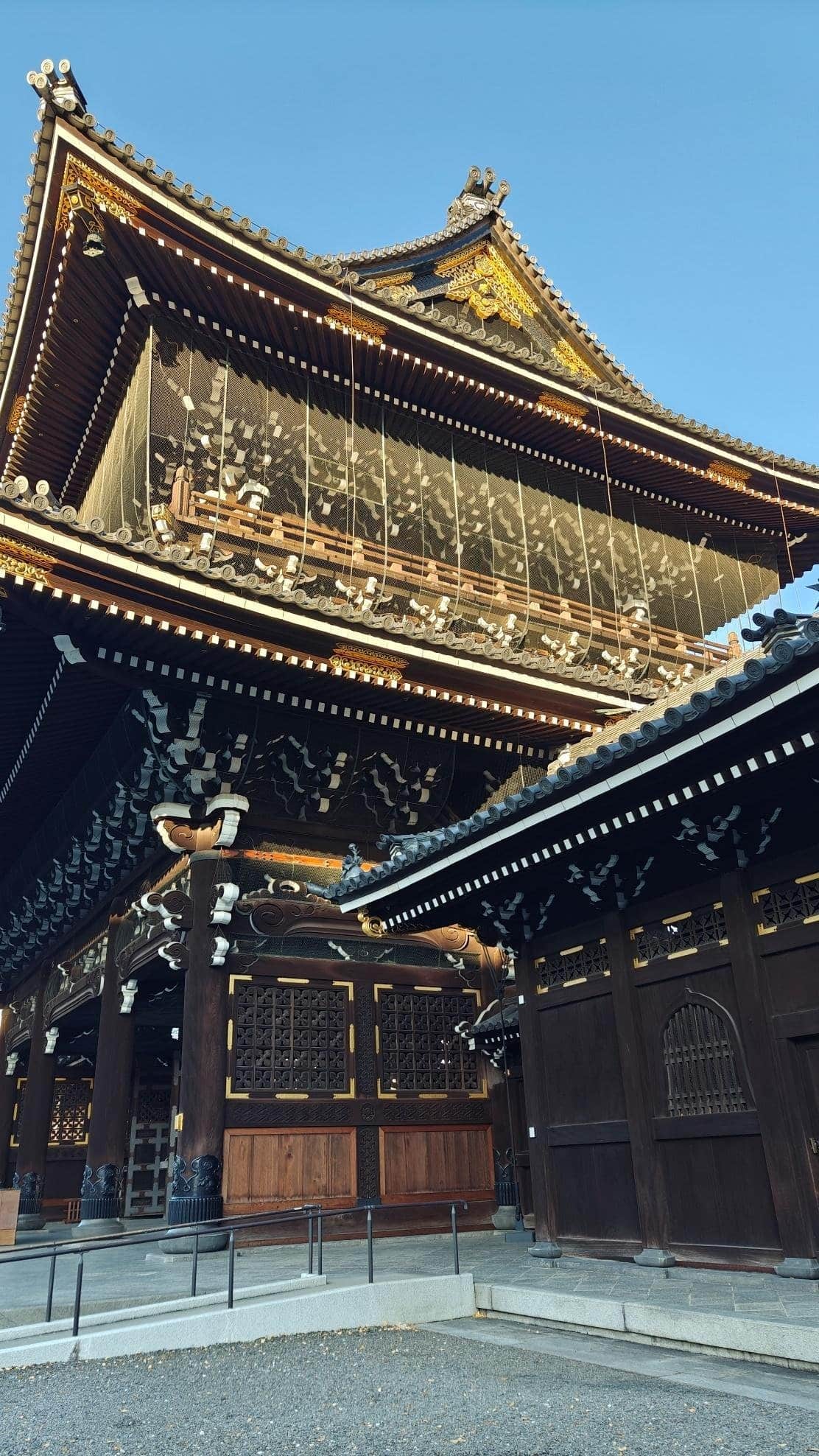
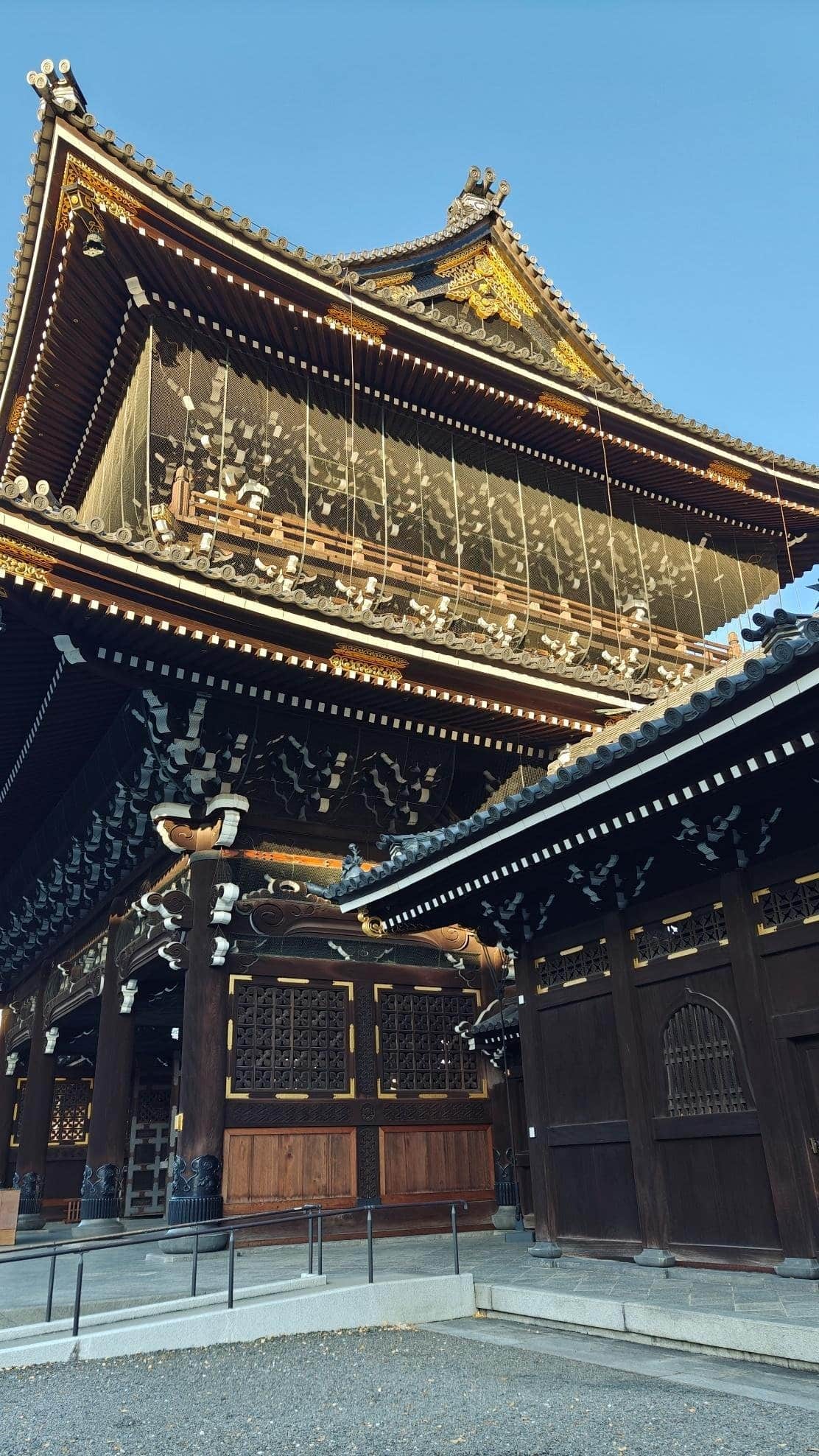
While not exactly larger than the Amida-do, the Goei-do mon is impressively tall. It's not as massive as the Chion-in Sanmon Gate but it's definitely taller. In fact, this is the tallest wooden temple gate not only in Kyoto but also in the whole of Japan (at least most sources say it is).
Like the Amida-do mon, the Goei-do mon was also completed at the same time in 1911.
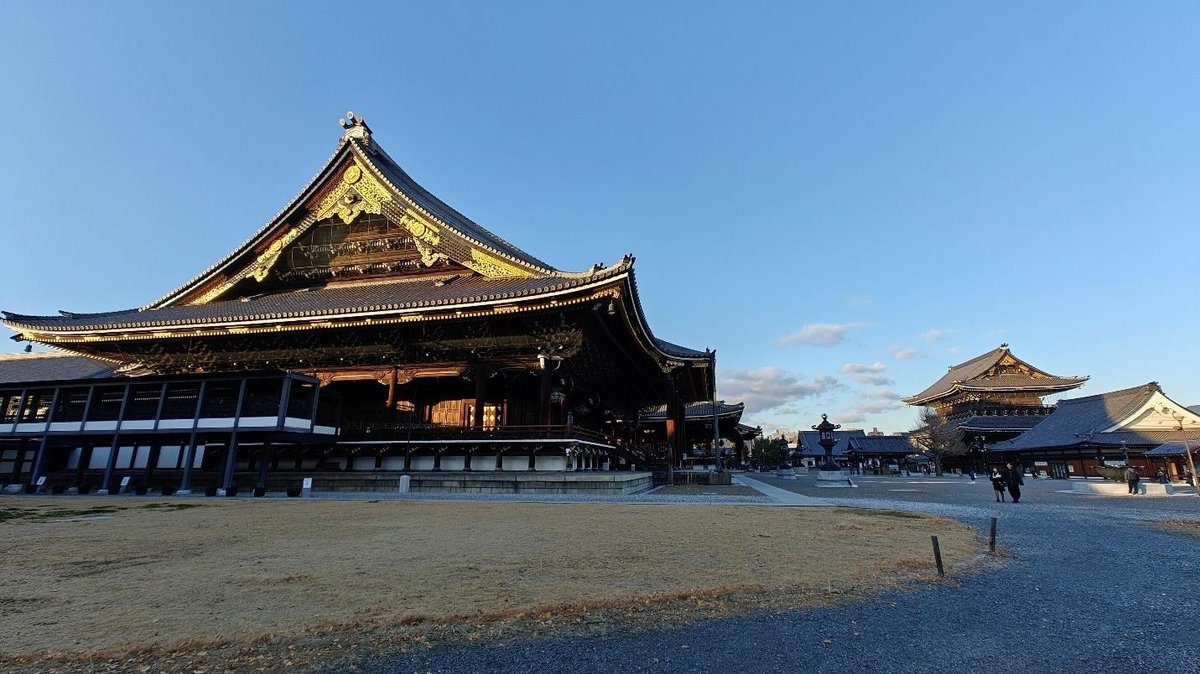
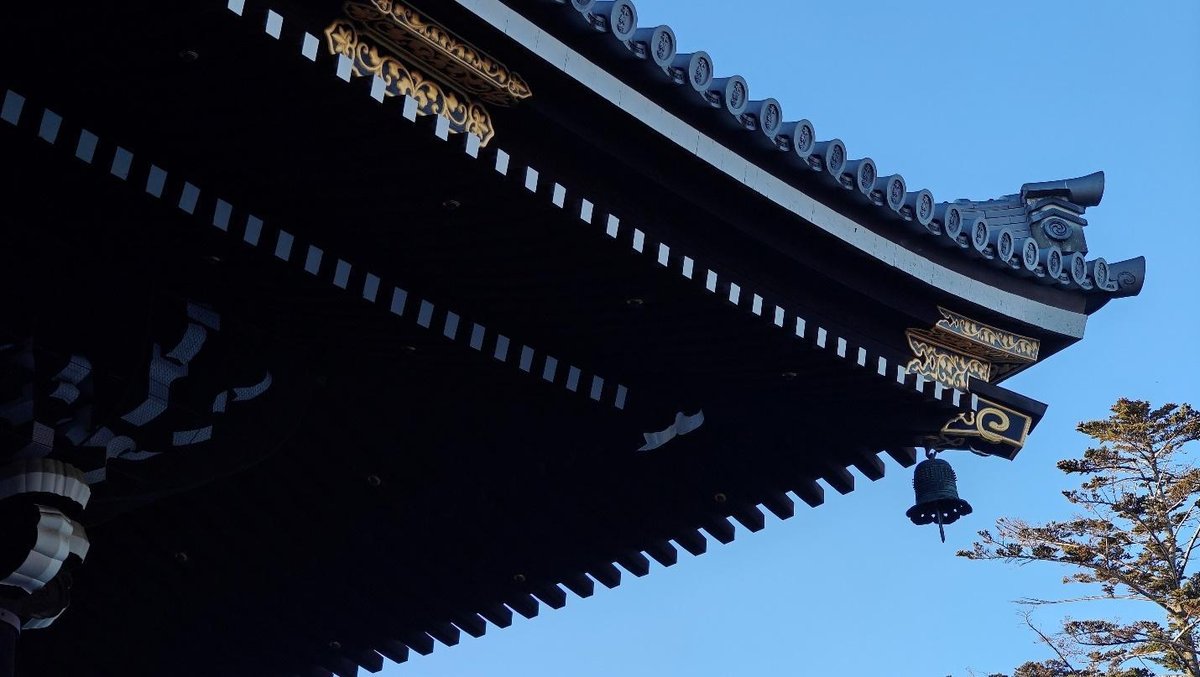
The Goei-do mon is not only tall and imposing, it also boasts of extremely detailed architecture. More impressive than its size is the level of detail for its rafters and other joinery. This was probably one of the more detailed temple gates that I've had the good fortune to see with my own eyes.
On a side note, the sanro (buildings located on either side of the gate with stairs leading up to its second floor) look much larger than the ones I saw in Chion-in’s Sanmon.
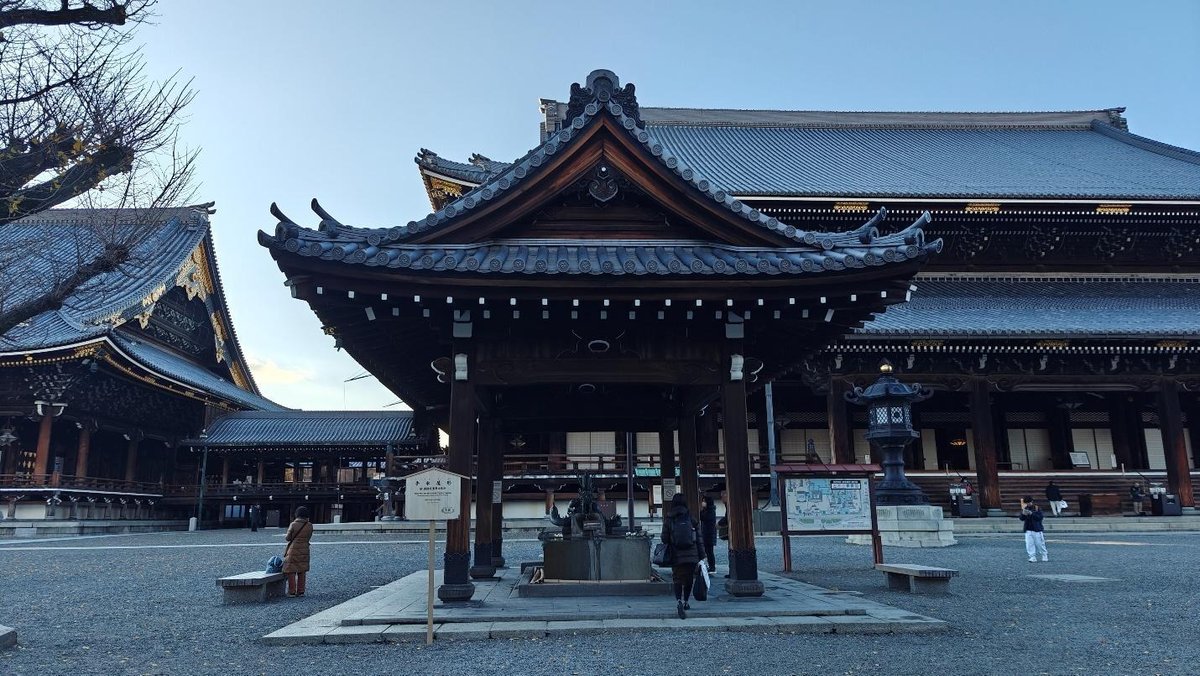
If you enter through the Goei-do mon then one of the first things you'll see to your left would be this chozuya. What struck me the most about this is how large it looked compared to the ones that I'd seen in other shrines and temples. You can actually see its size in relation to one of the visitors passing through the pavilion in this image.
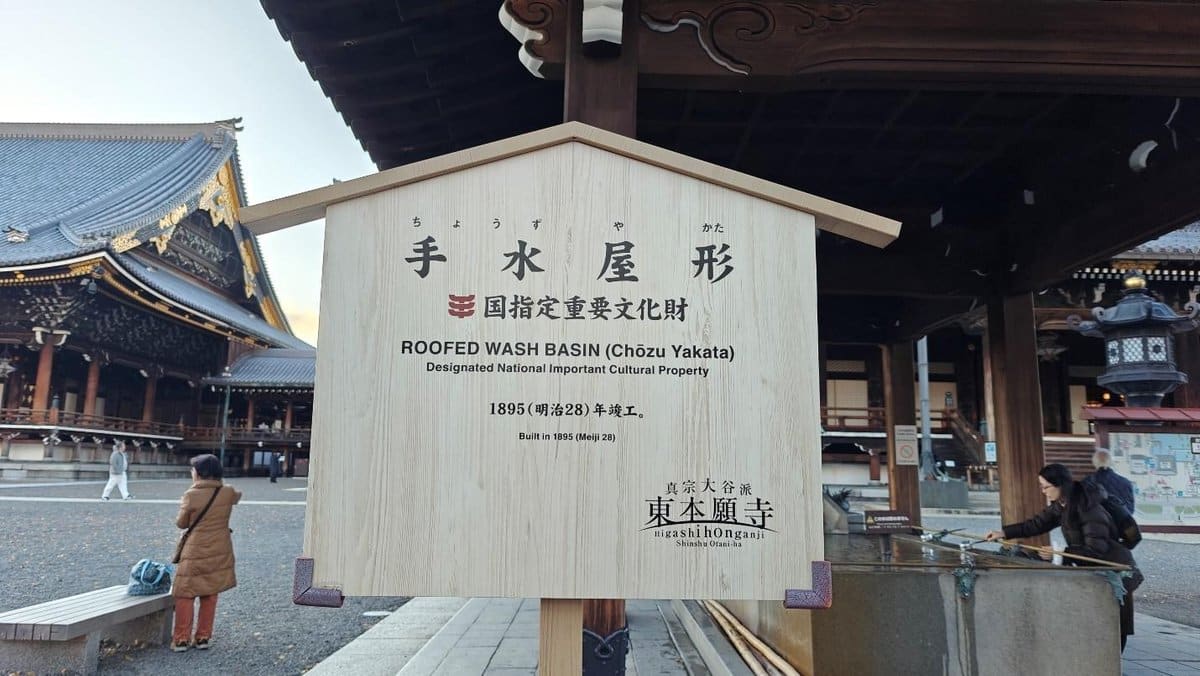
Known as the chozu yakata (essentially the same as a chozuya), this water ablution pavilion was also completed in the same year as the Amida-do and Goei-do. Much like the two larger buildings, the Japanese government designated this chozuya as a National Important Cultural Property. As for why this is, you'll actually get to see the answer in the next image.
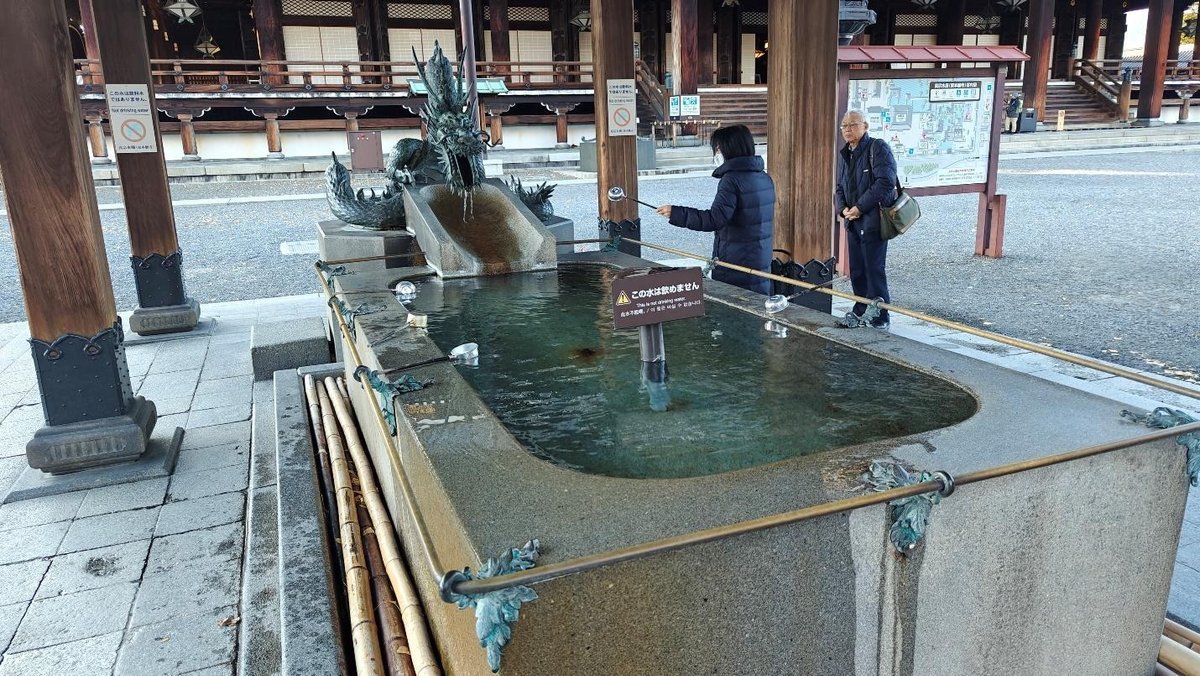
Aside from the scale of the pavilion, the chozubachi or water basin itself looks like nothing that I've ever seen before. Like nearly everything here at Higashi Hongan-ji, the basin is extremely large and features a dragon fountainhead that’s feeding it water. I tried to look it up and there's actually a name for these types of fountainheads.
Called Shoryu Tosuiko, these draw on the representation of dragons as guardians of water as well as protectors of shrines and temples.
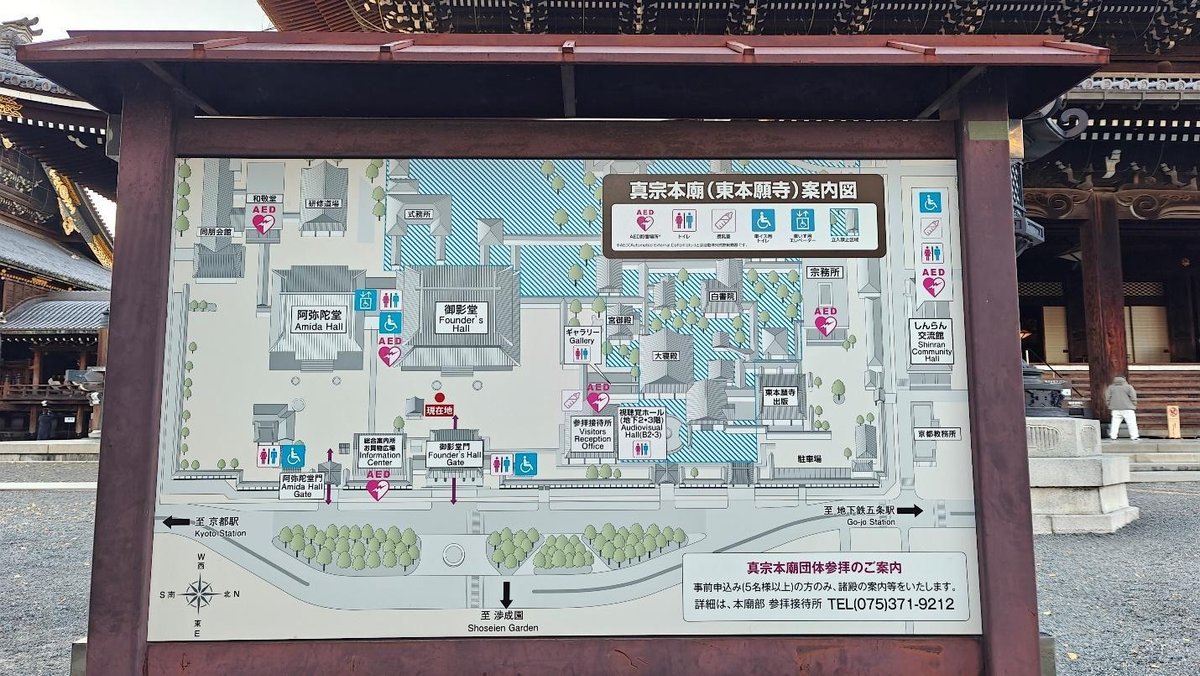
Just beside the chozuya and in front of the Goei-do is the second guide map that I came across here at Higashi Hongan-ji. It's pretty similar to the previous map I saw earlier with really the only difference being that it doesn't have the same layout and lacks the warnings on the side. Oh, and the small red dot indicating the map's location is also obviously different.
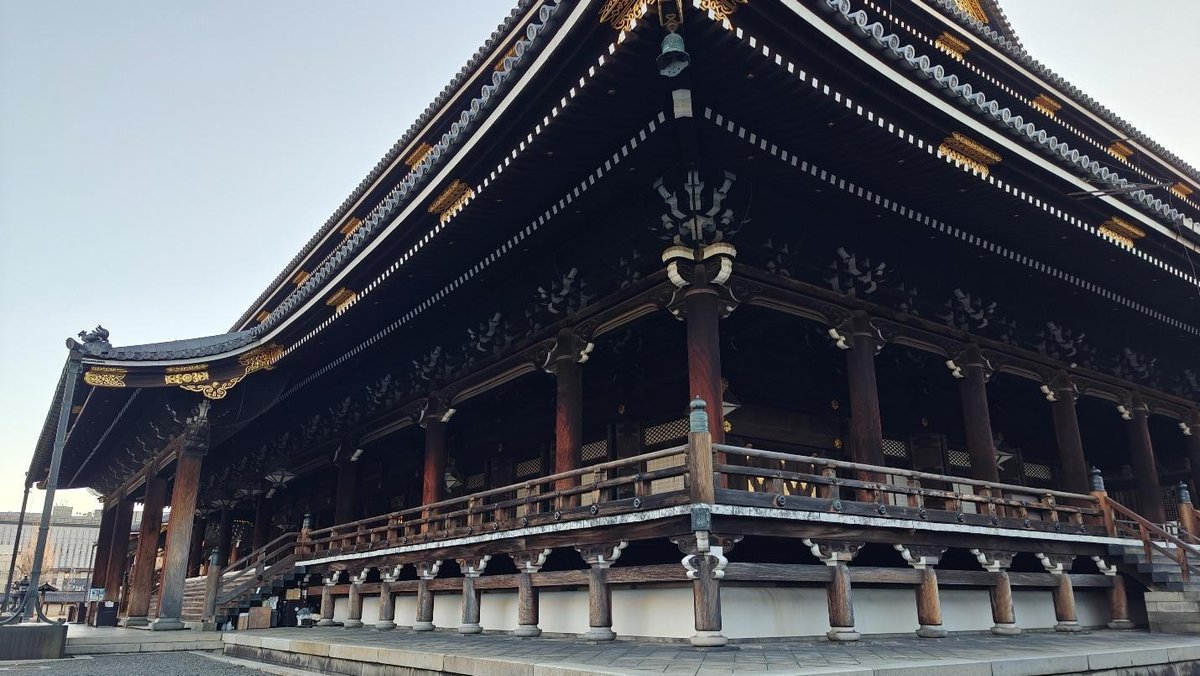
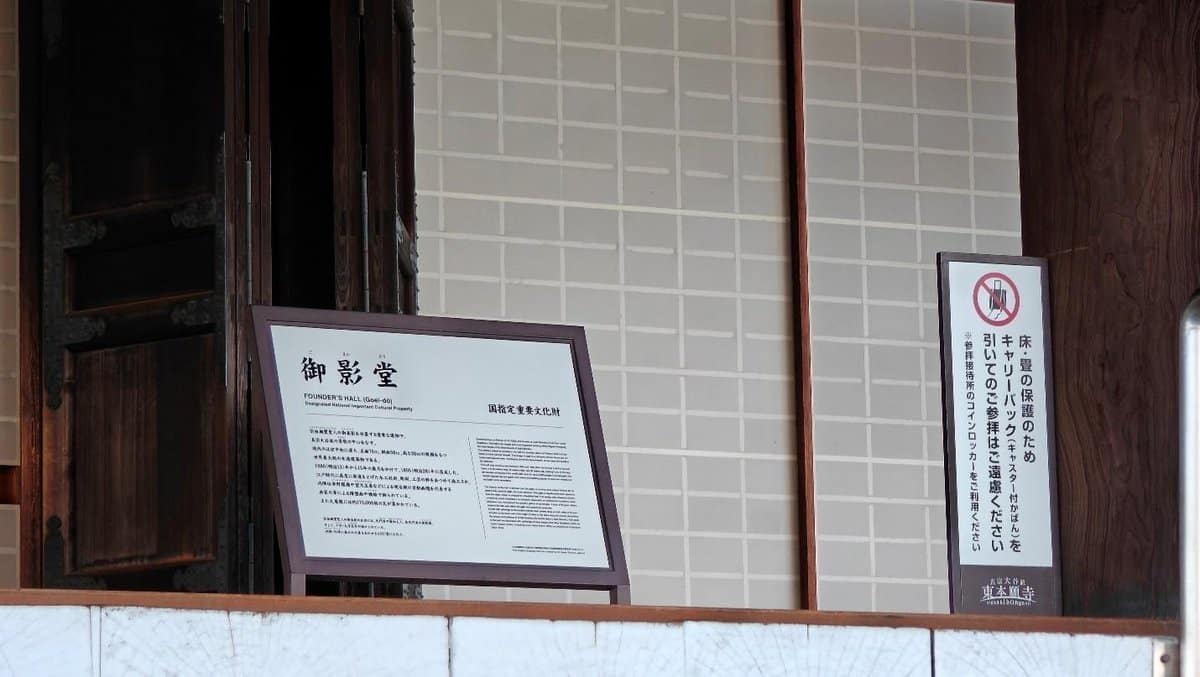
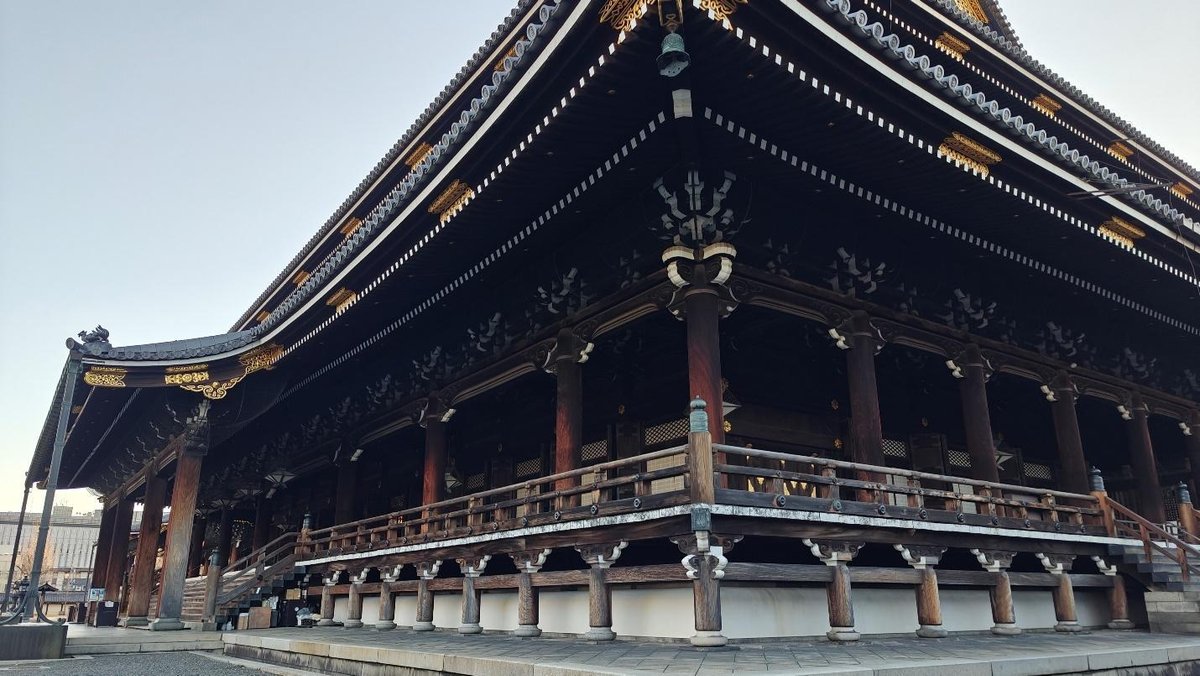
After checking out the guide map, I then moved a couple of steps to the right and got this solid shot of the Goei-do or Founder's Hall. I talked about Chion-in having one of the largest buildings with its Miei-do but Higashi Hongan-ji actually has it beat with this. From what I read, the Goei-do (which also functions as the temple's Main Hall) is nearly twice as large as the Miei-do.
That said, the latter actually is a designated National Treasure whereas the Founder's Hall is (like mentioned earlier) still classified as a National Important Cultural Property.
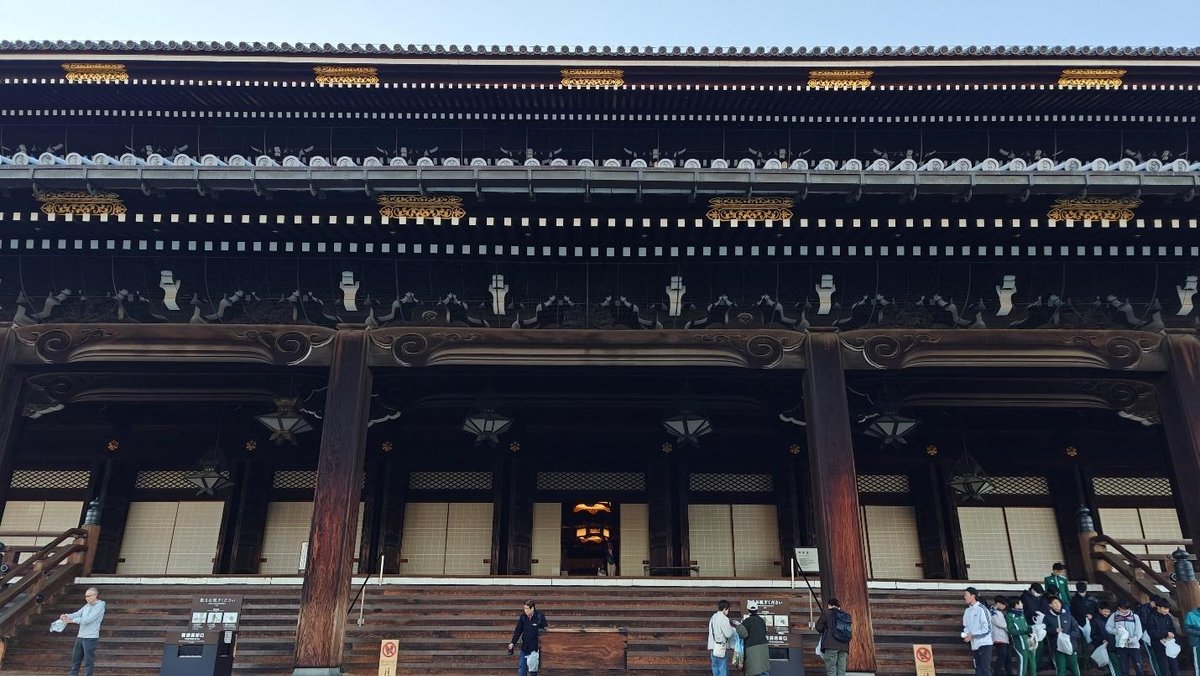
So you might be wondering why the Goei-do hasn’t been designated as a National. I wondered this as well so I went ahead and researched why. It turns out, the reasons for its current designation are quite simple: the building (as well as the Amida-do) are relatively new and lack the artistic/aesthetic uniqueness of the original to be considered as National Treasures.
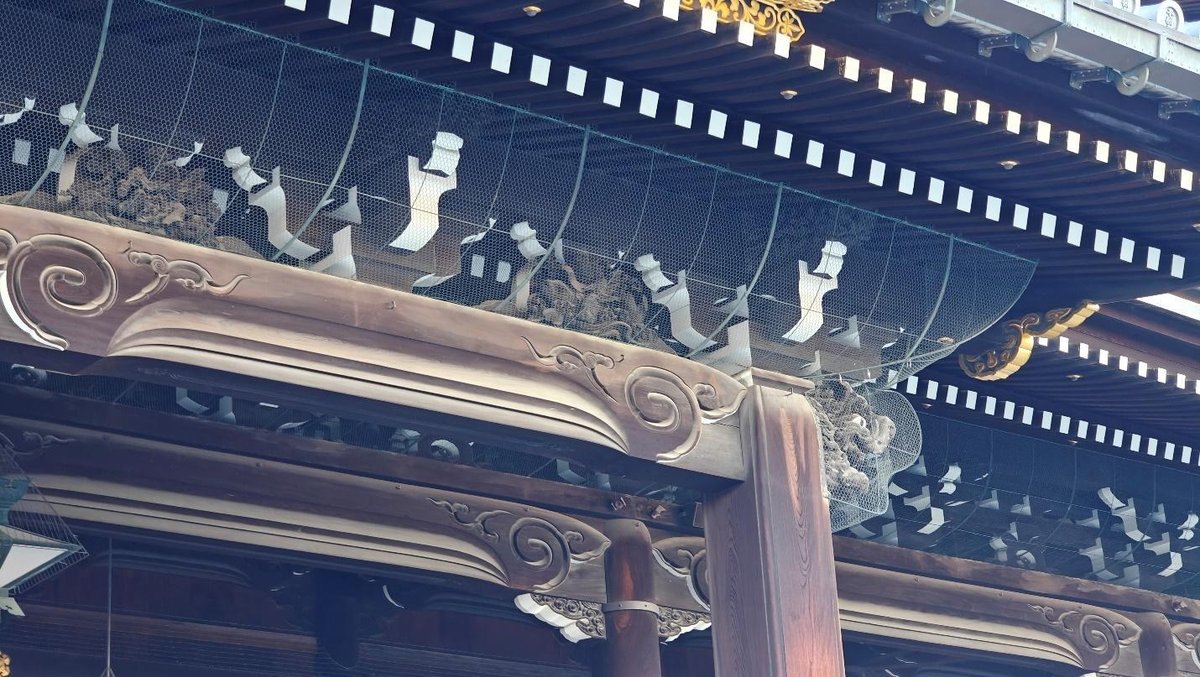
While its details are undoubtedly aesthetic and pleasing to see, it’s still beat in age by the Miei-do in Chion-in which has been around since 1639. Eventually, I think the building will get a National Treasure designation so long as nothing untoward happens to it.
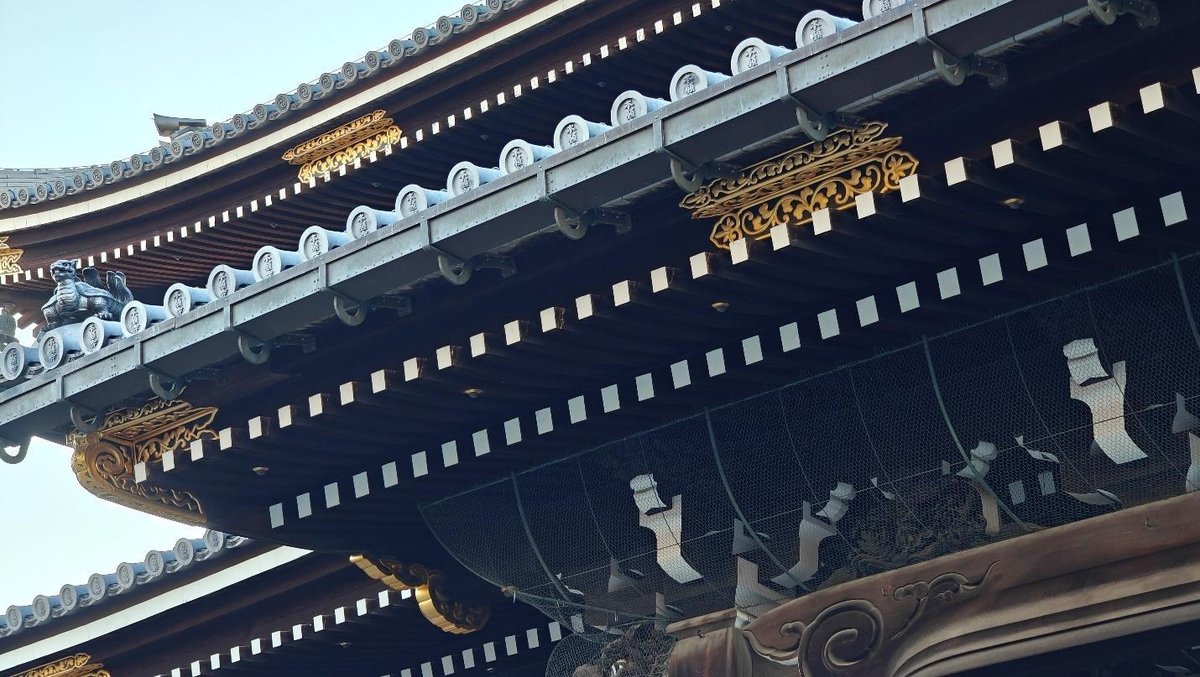
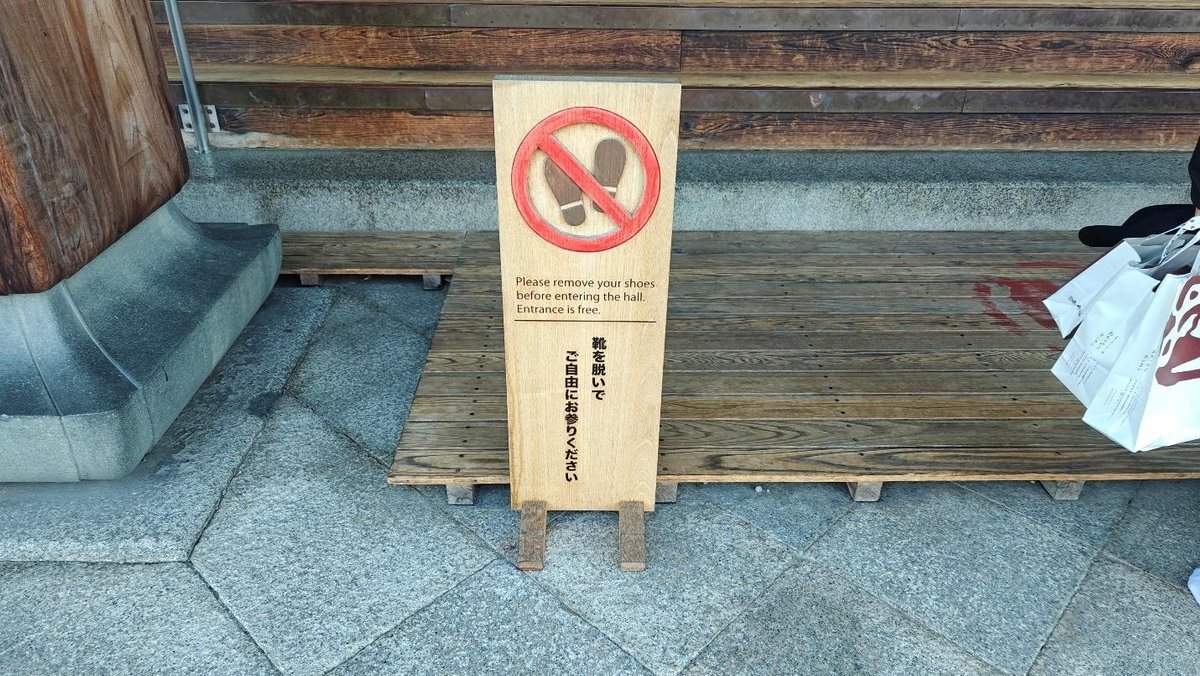
Of course, the Goei-do isn’t just for admiring from afar. Like a lot of the temple Main Halls that I’ve visited, you can actually enter the building and walk around its engawa. That said, you will need to remove your shoes as it’s considered disrespectful and unhygienic to do so.
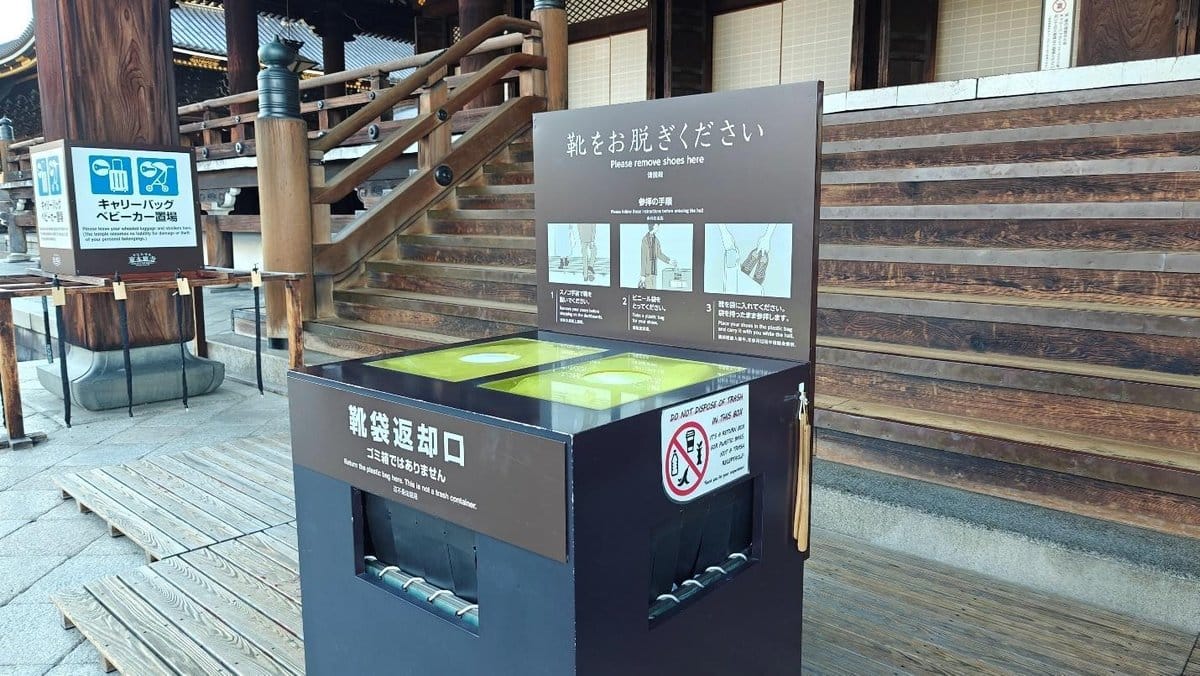
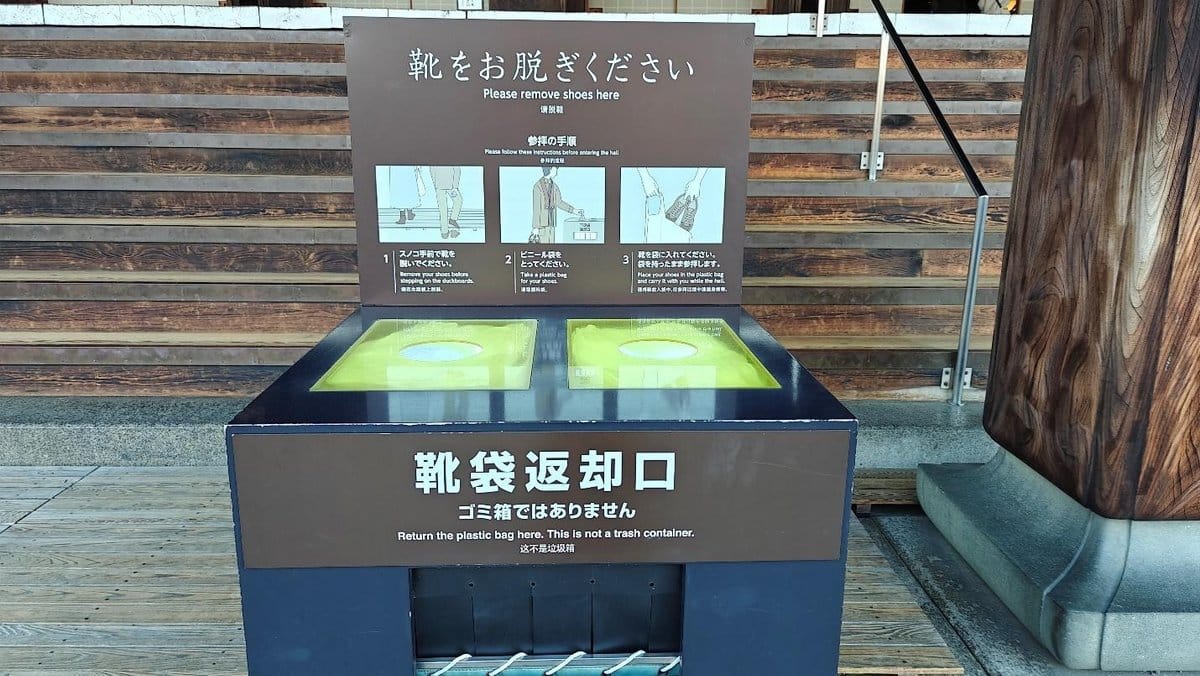
To ensure that you won’t lose your shoes, there’s a dispenser for plastic bags just before the stairs leading to the engawa. You’ll need to take off your shoes before you get a plastic bag from the dispenser. Once you have the plastic bag you’ll then need to place your shoes inside it and you can then bring it while walking around the Goei-do’s engawa.
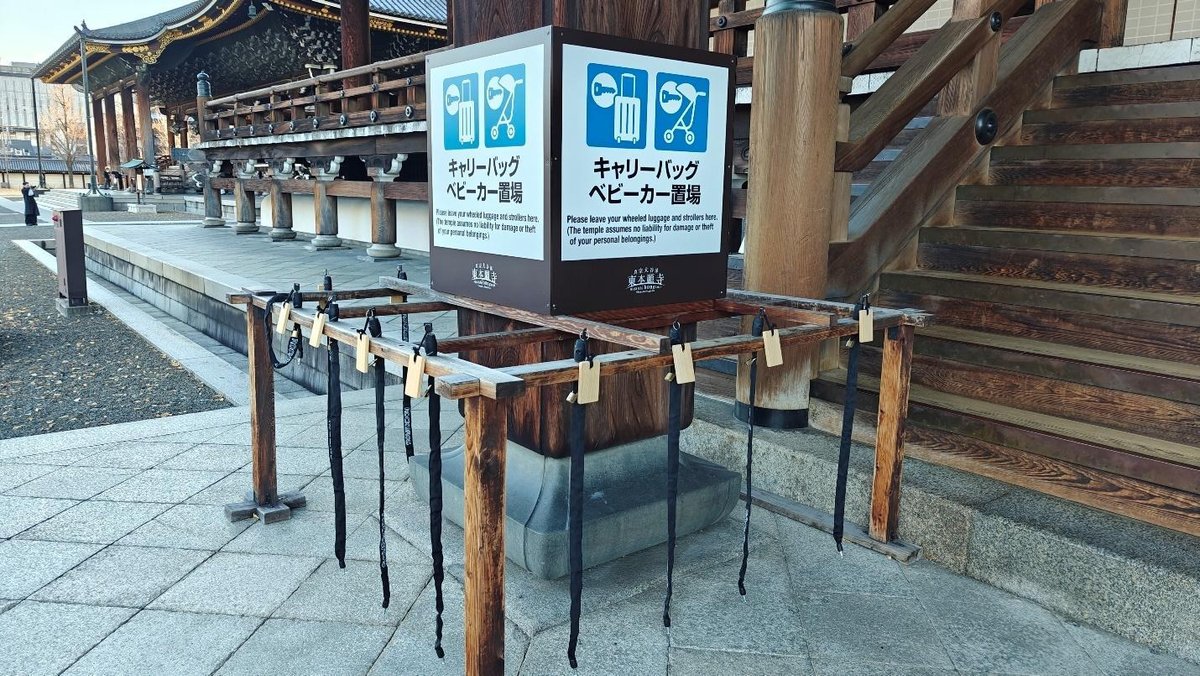
Other than a plastic bag dispenser for your shoes, there’s also a storage area for luggage and strollers. I don’t typically bring my luggage to the places I visit so I didn’t end up using this. That said, I would understand why people would still have their luggage on their visit considering how close the temple is to Kyoto Station.
Some visitors might make this their first stop once they reach the city so it is kind of understandable that this storage area is a thing here.
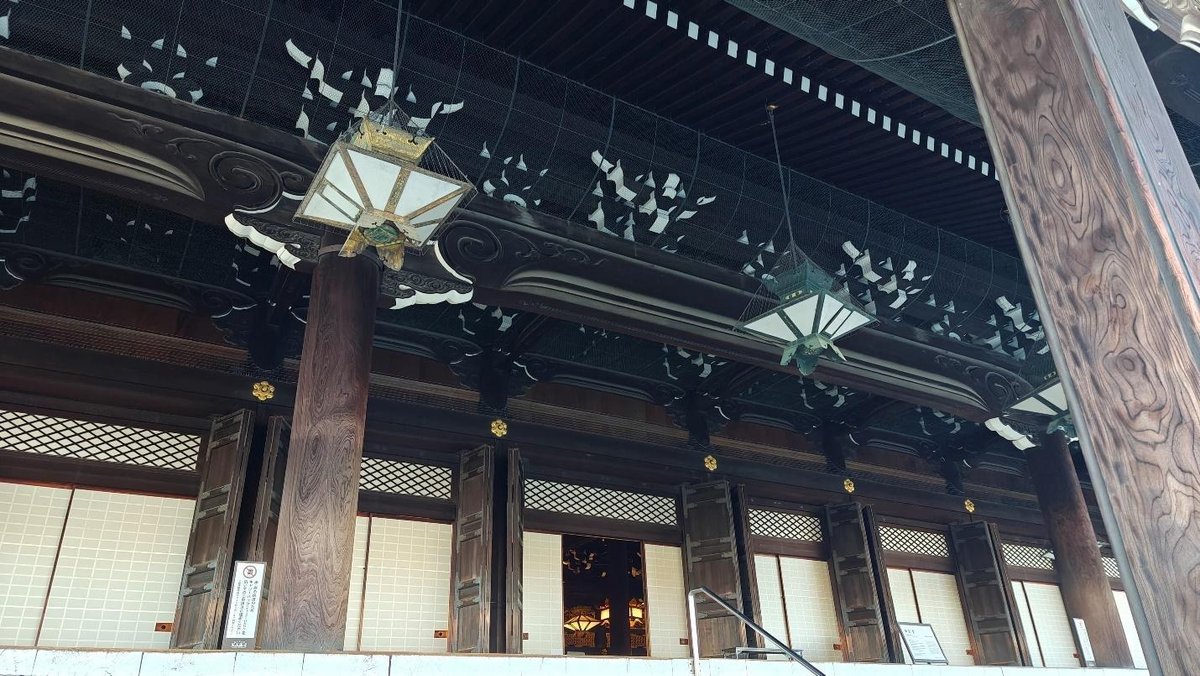
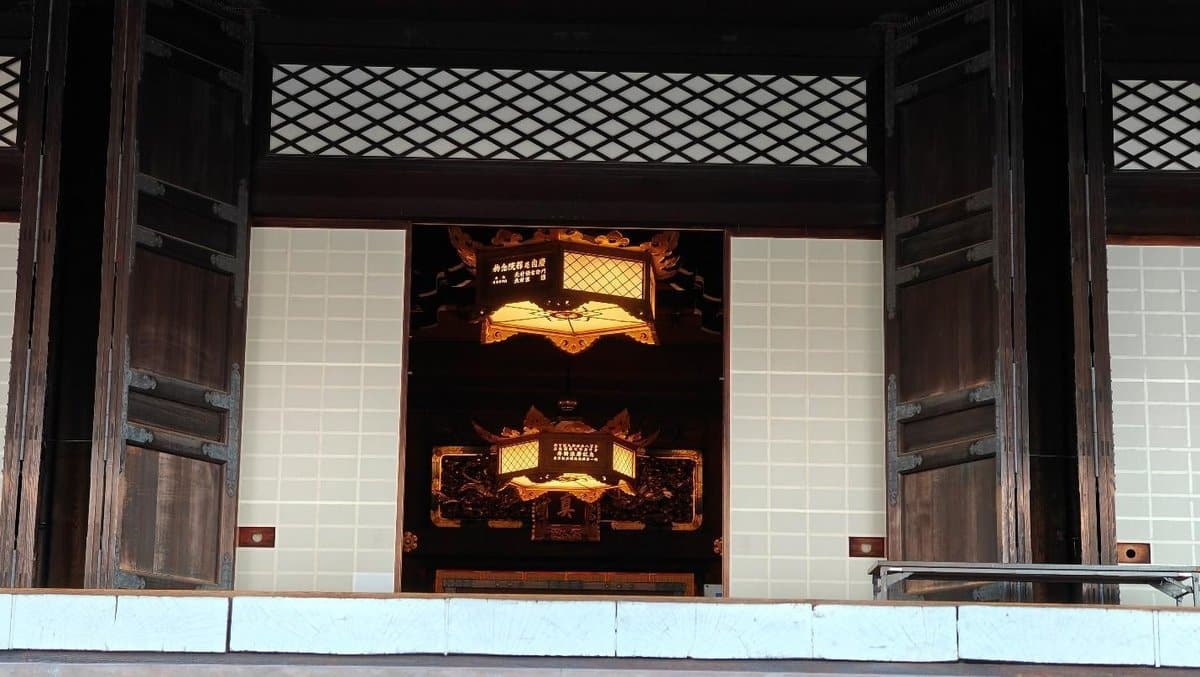
One thing about the Goei-do that’s unlike most of the shrines and temples that I’ve been to is that it’s actually open for visitors. And I’m not just talking about its engawa. Visitors can actually join the morning service or Jinjo Hoyo that’s held here at 7:00 AM daily.
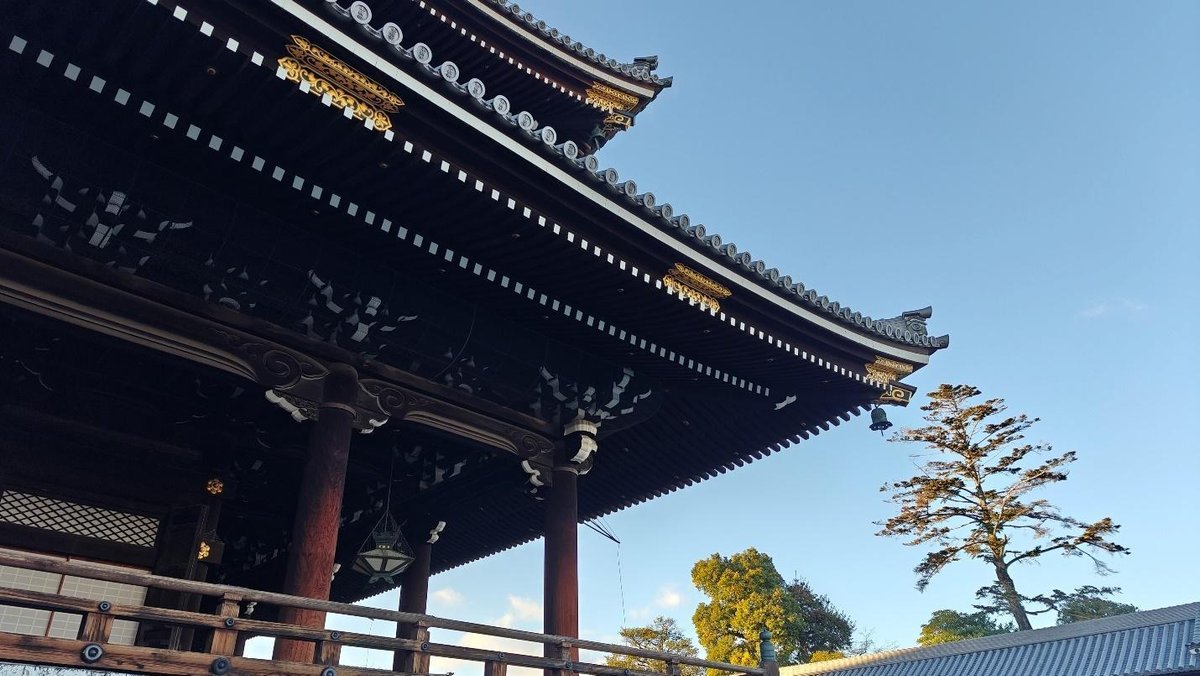
If you’re like me and couldn’t find the time to come here in the early morning then you’re still free to get inside or stay out and just appreciate the details of the building and its surroundings. From its pillars, beams, rafters, and joinery, the Goei-do is one of the few old buildings that I’ve been to that still look pristine. Of course, I think it’s understandable that it looks this way considering that while it’s over a hundred years old, it’s still relatively new compared to other notable shrines and temples.
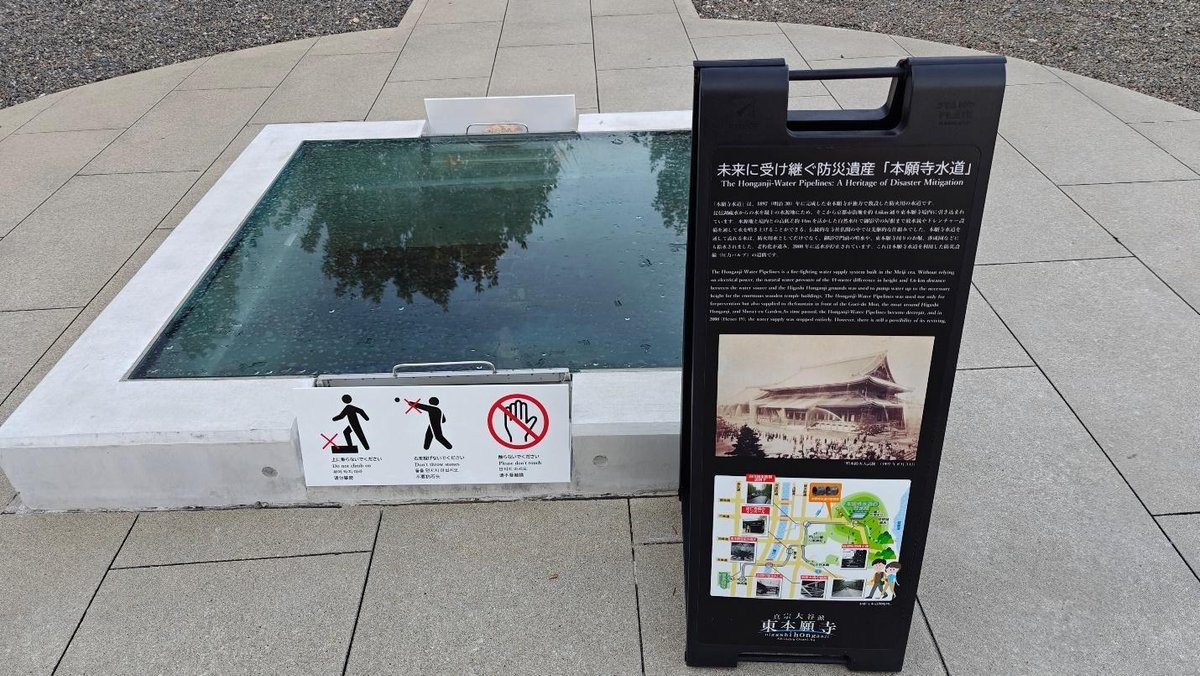
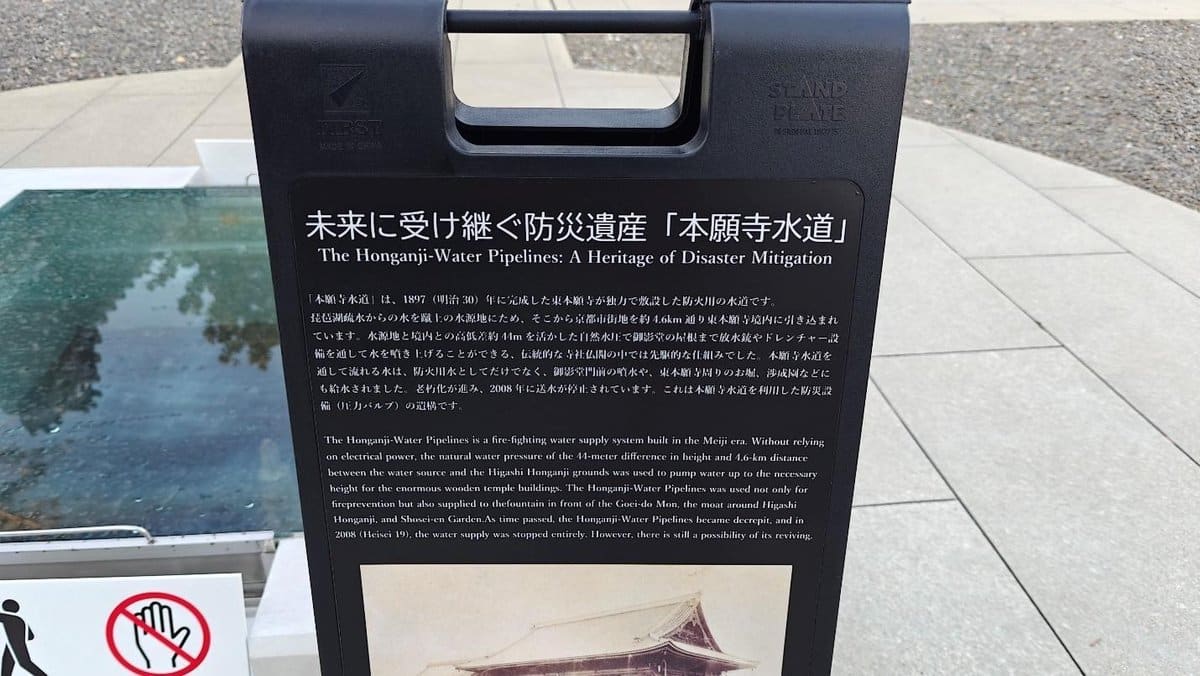
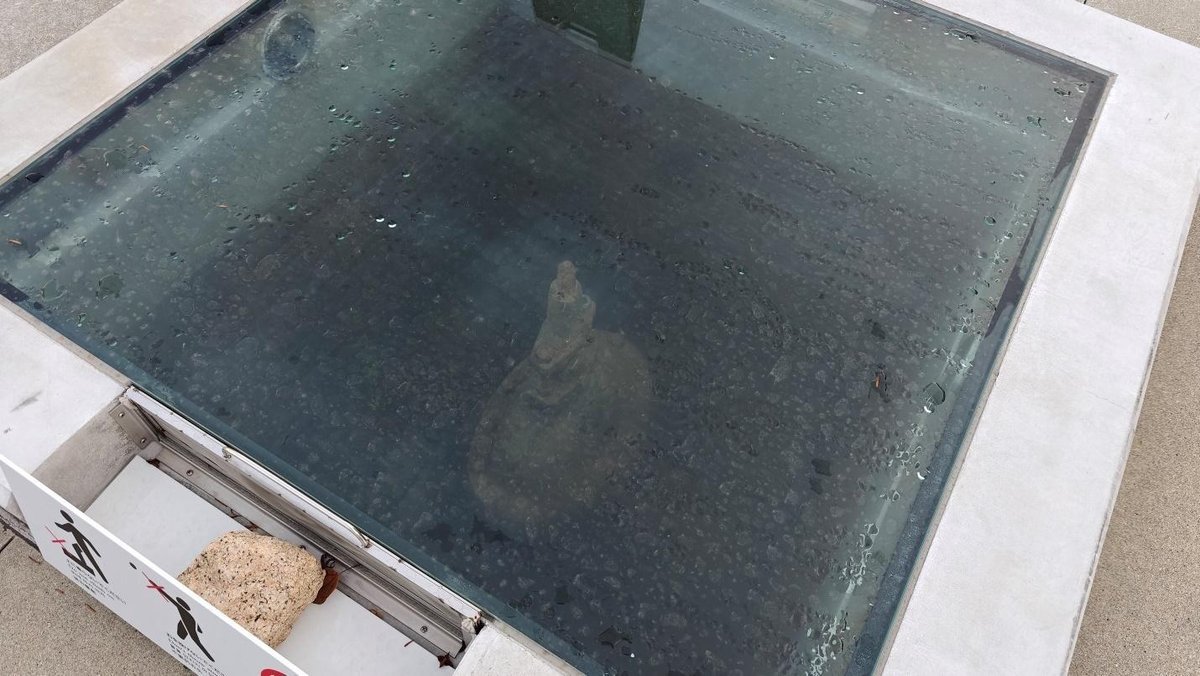
So this was probably one of the most intriguing displays here at Higashi Hongan-ji. Apparently, this is part of the temple complex’s water pipelines. This actually functions similarly to Shirakawa-go’s fire sprinklers but instead of using modern plumbing solutions, it relied on natural water pressure to mitigate fire damage.
Unfortunately, this system eventually became broken-down and was eventually replaced with more modern fire prevention systems and infrastructure.
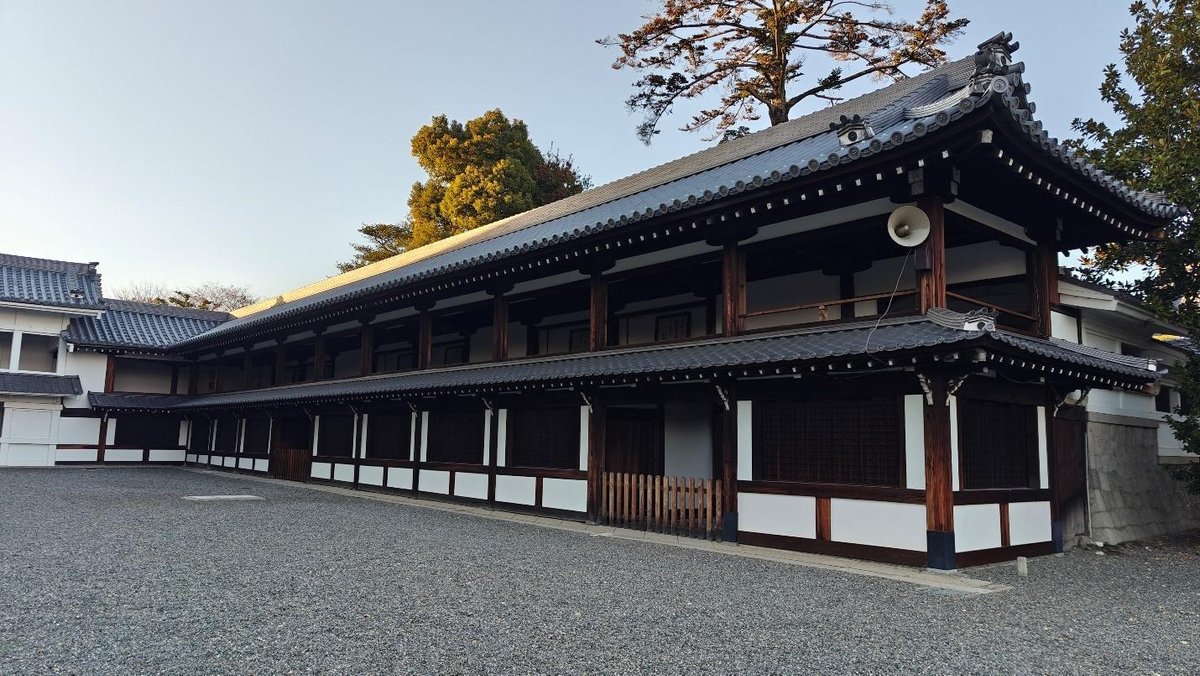
To the right of the Goei-do is the Takaroka Corridor. If you look at the guide map, it’s the centermost building in the complex. In addition, the building also serves as a border dividing the temple complex into the worship areas (Amida-do and Goei-do) and the administrative buildings.
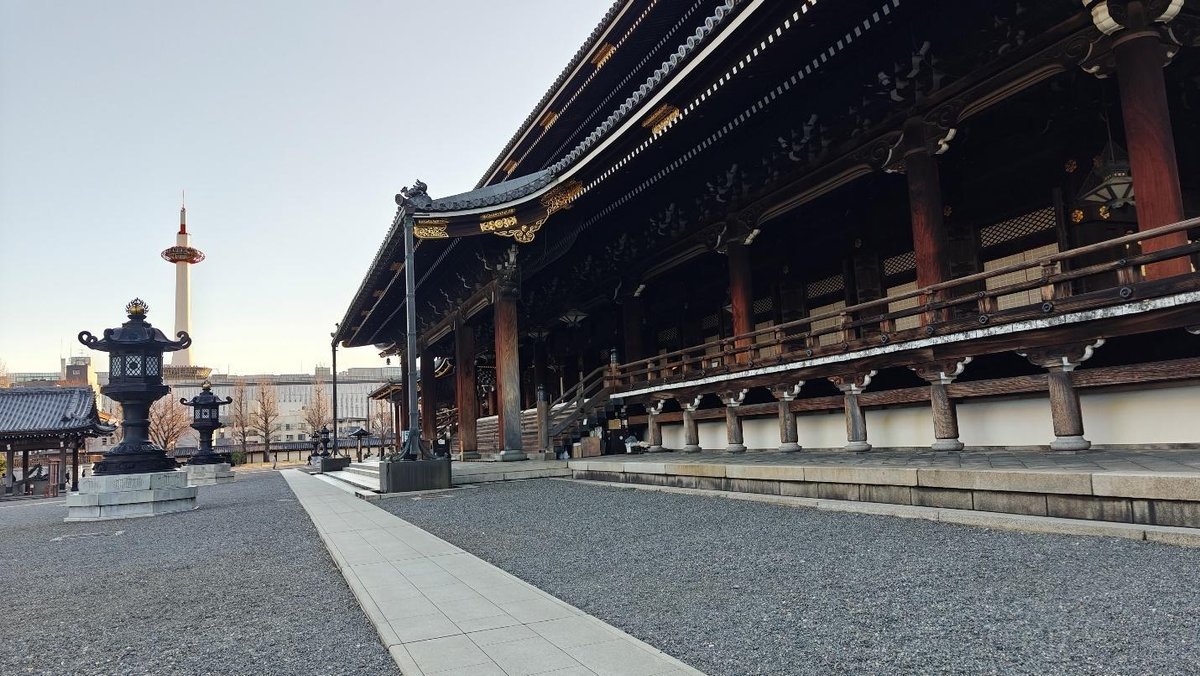
Opposite the Takaroka Corridor is this view of the Goei-do and, off in the distance, the Nidec Kyoto Tower. Now if you’re looking to visit Higashi Hongan-ji then I’d recommend checking out Kyoto Tower as well. If you’re coming from Kyoto Station then you’re probably passing by the tower first so might actually be better off giving it a visit first.
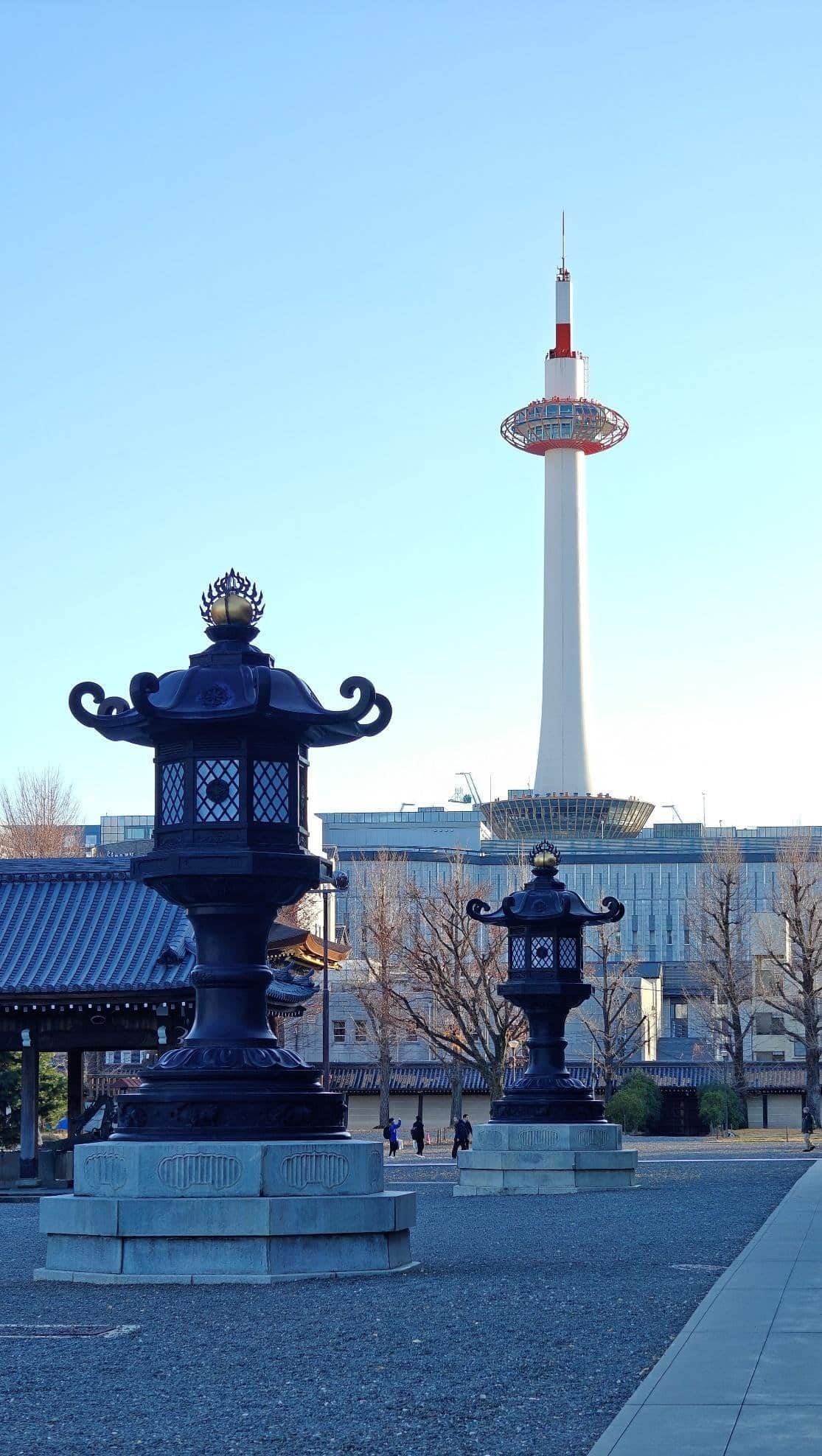
Kyoto has very high-rise buildings and Kyoto Tower is actually the tallest of them all. What’s actually interesting about the building is that it’s not considered a skyscraper even though it towers above everything in the horizon. To be considered a skyscraper, a building needs to be at least 150 meters tall and Kyoto Tower just sits below that number at 130 meters.
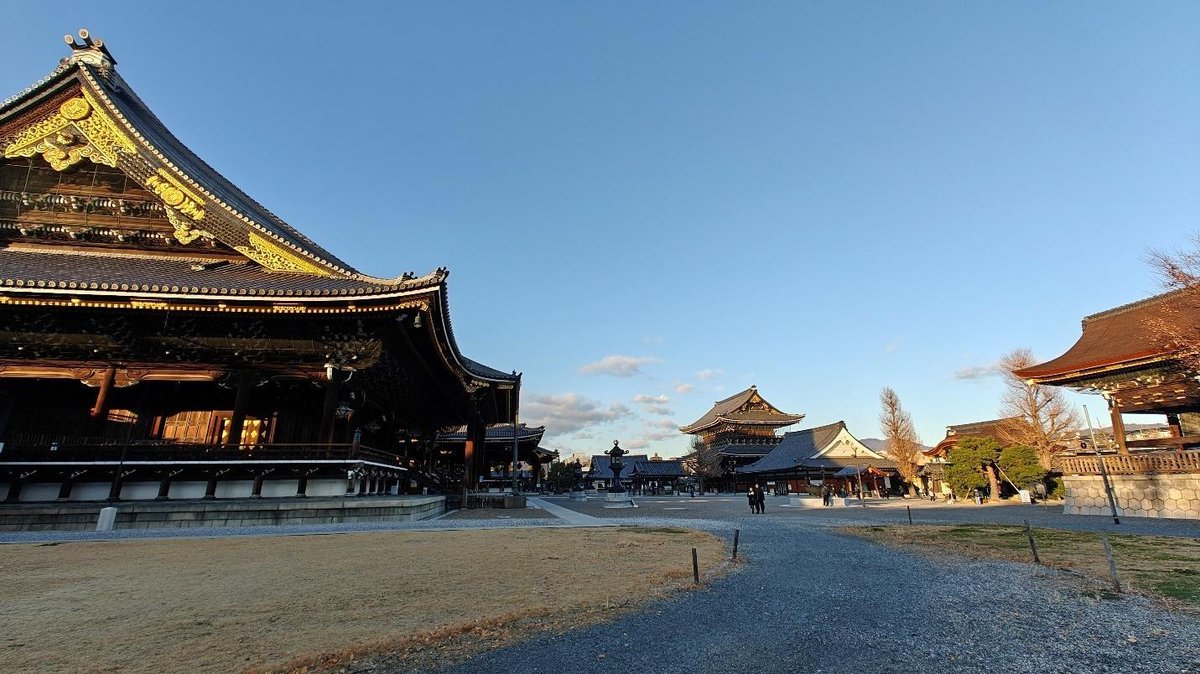
As the afternoon deepened, the Goei-do mon seemed to look even more spectacular. The sun’s late afternoon light reflecting on the gold leaf details of the gate is honestly one of my favorite memories of this recent Japan trip. Seriously, just for this alone I’d recommend a visit to Higashi Hongan-ji Temple.
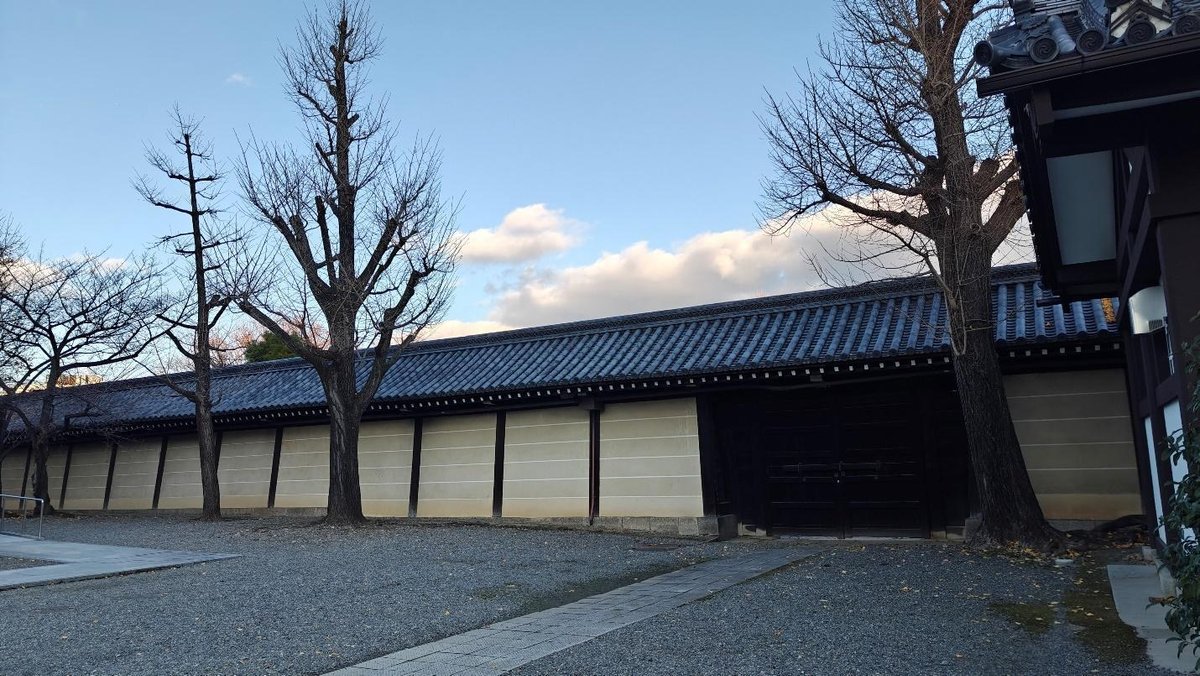
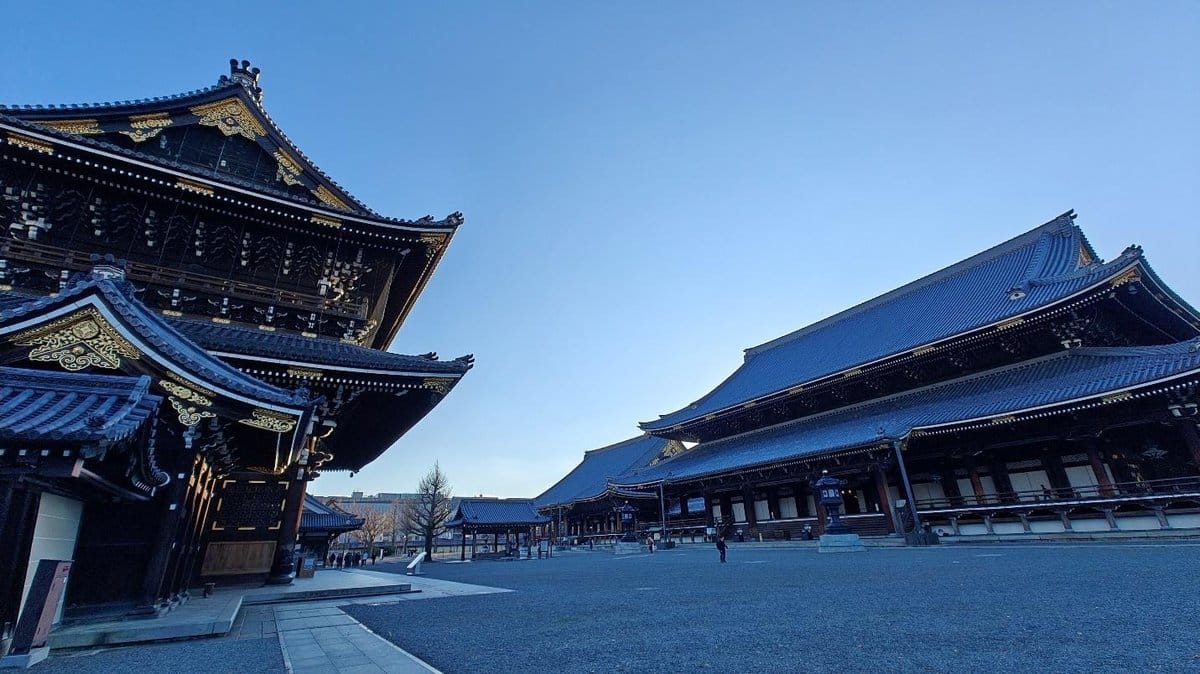
Here you can see the Goei-do mon, the Goei-do, the chozuya/chozu yakata, and the Amida-do. Of all these buildings, the one with arguably the most intricate detail was the Goei-do mon and there’s actually a reason for this. When it was rebuilt in 1911, it was meant to be a testament of the Jodo Shinshu followers’ devotion, engineering skills, wealth, and resilience after the temple went through numerous fires.
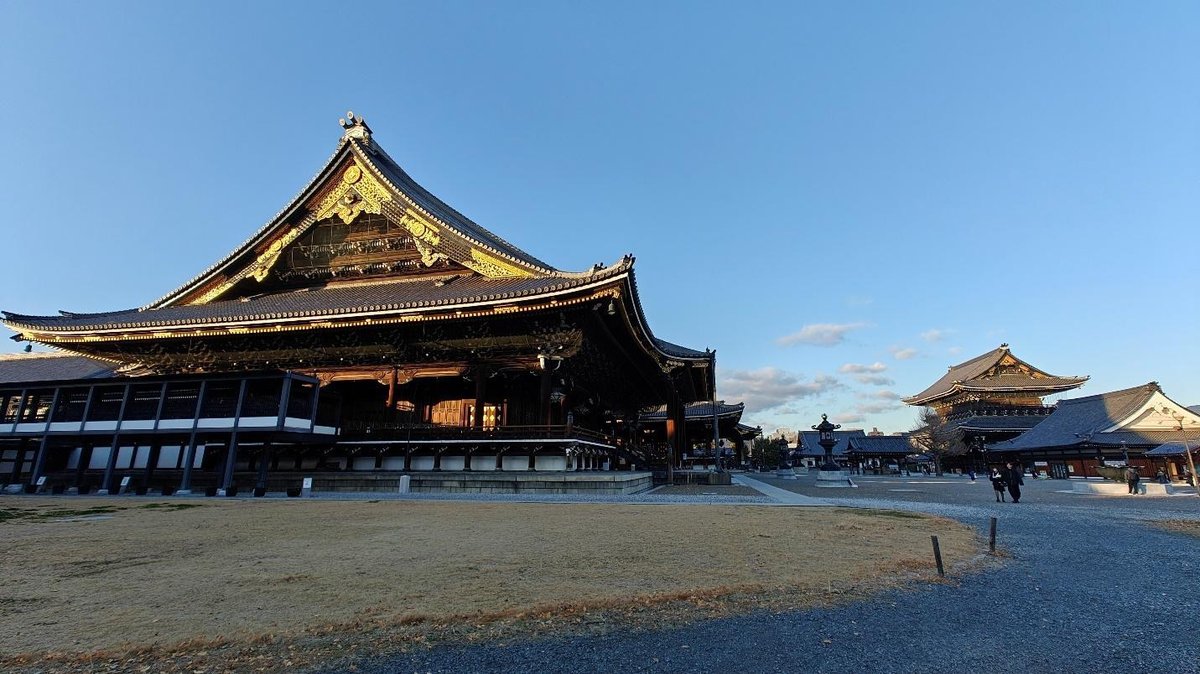
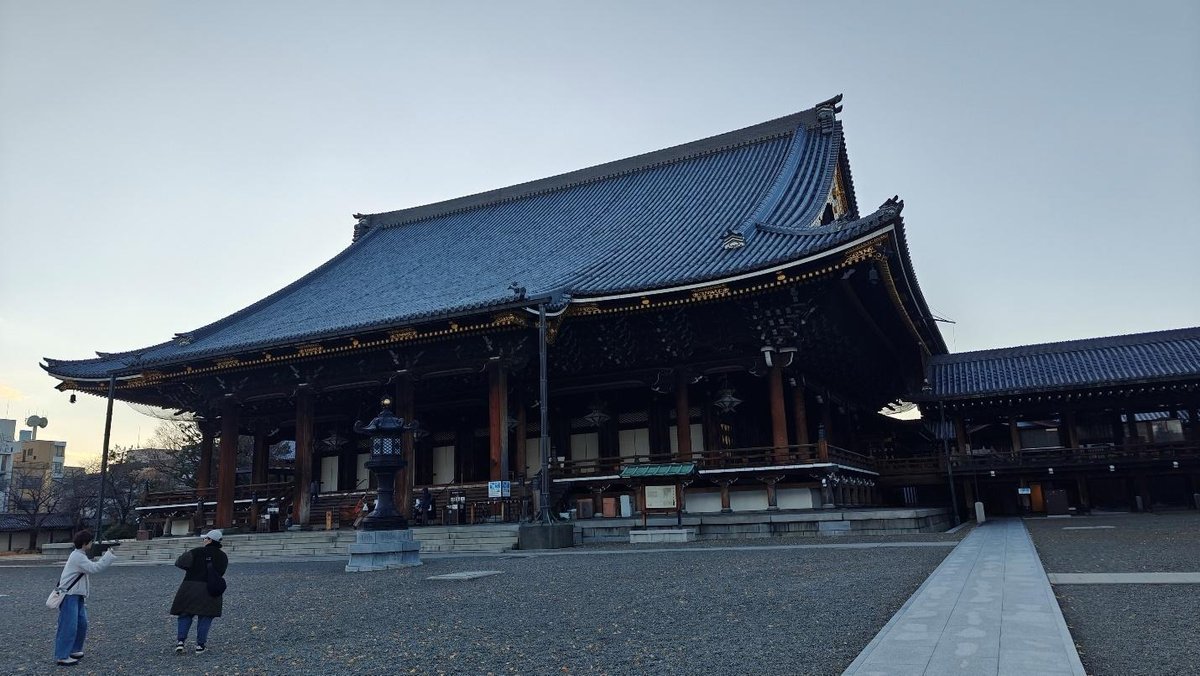
One thing that you’ll notice about the Amida-do and Goei-do is that they’re actually connected. The structure that makes this possible is the Tsukuriai Corridor which you can actually see off to the side of this image. Much like with the two buildings here, it is possible to walk through the corridor.
Later on, you’ll see what the structure looks like up close.
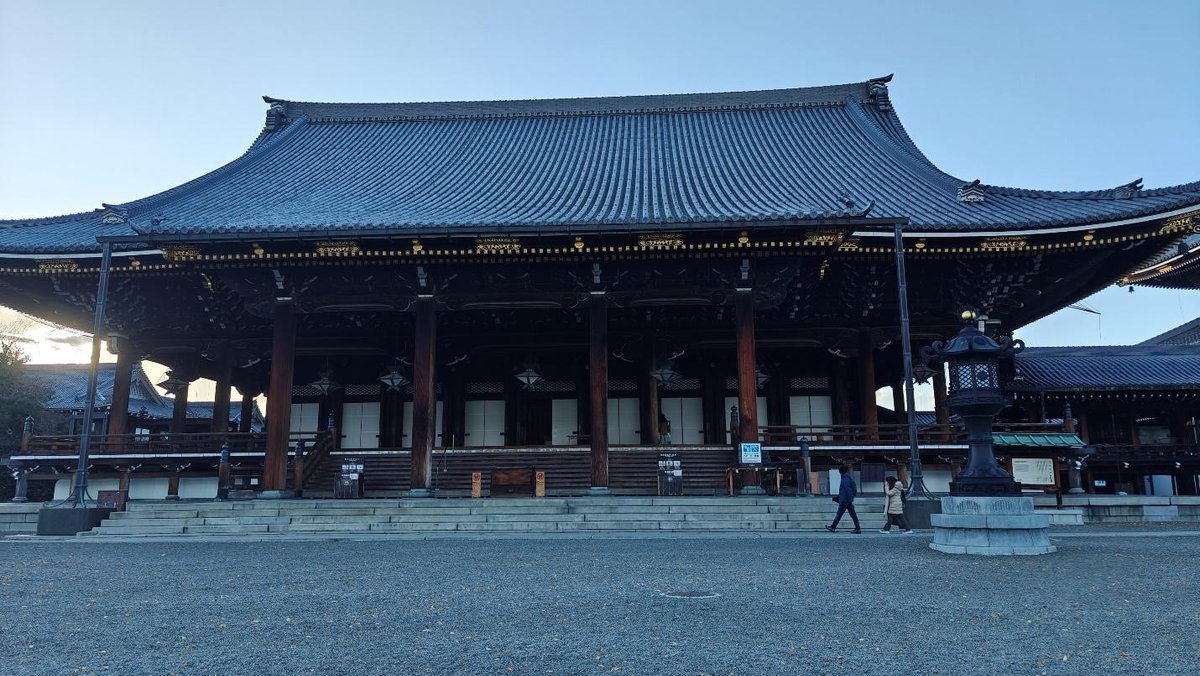
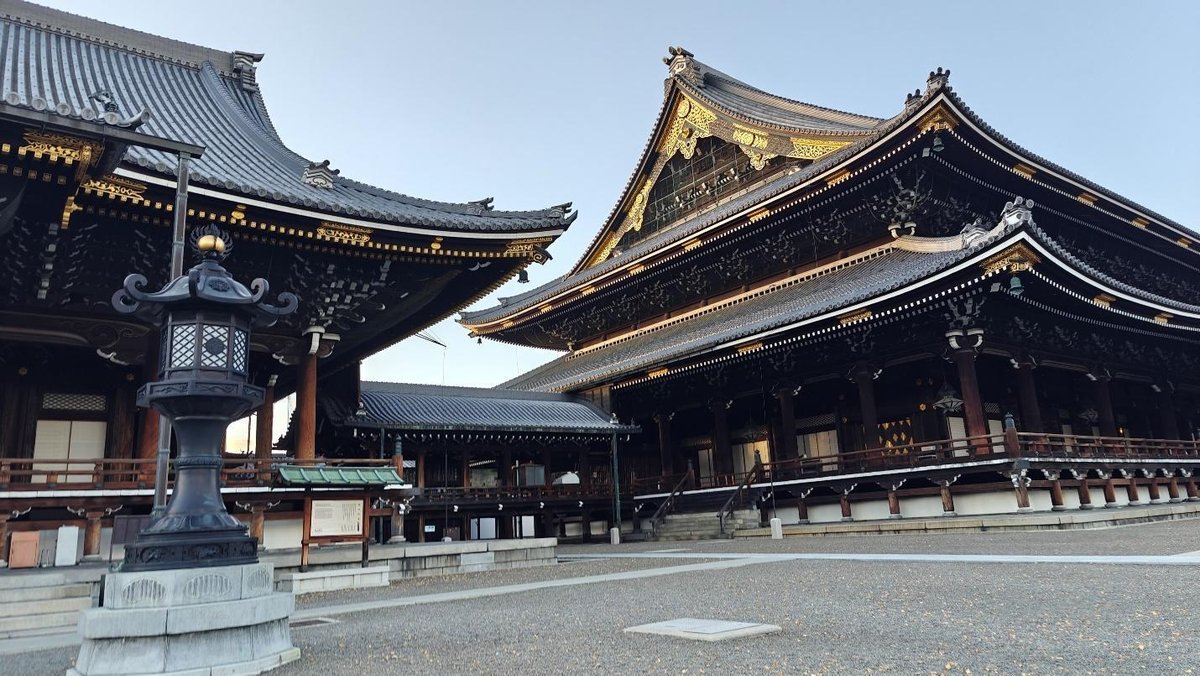
Similar to the Goei-do mon, both the Goei-do and Amida-do look stunning in the late afternoon light. Personally though, I still think the Goei-do mon is the best looking building in the temple complex (at least at this hour of the day). I will say that both buildings pictured here do have their own charms and you’ll probably enjoy them more since they have a much larger area for exploring.
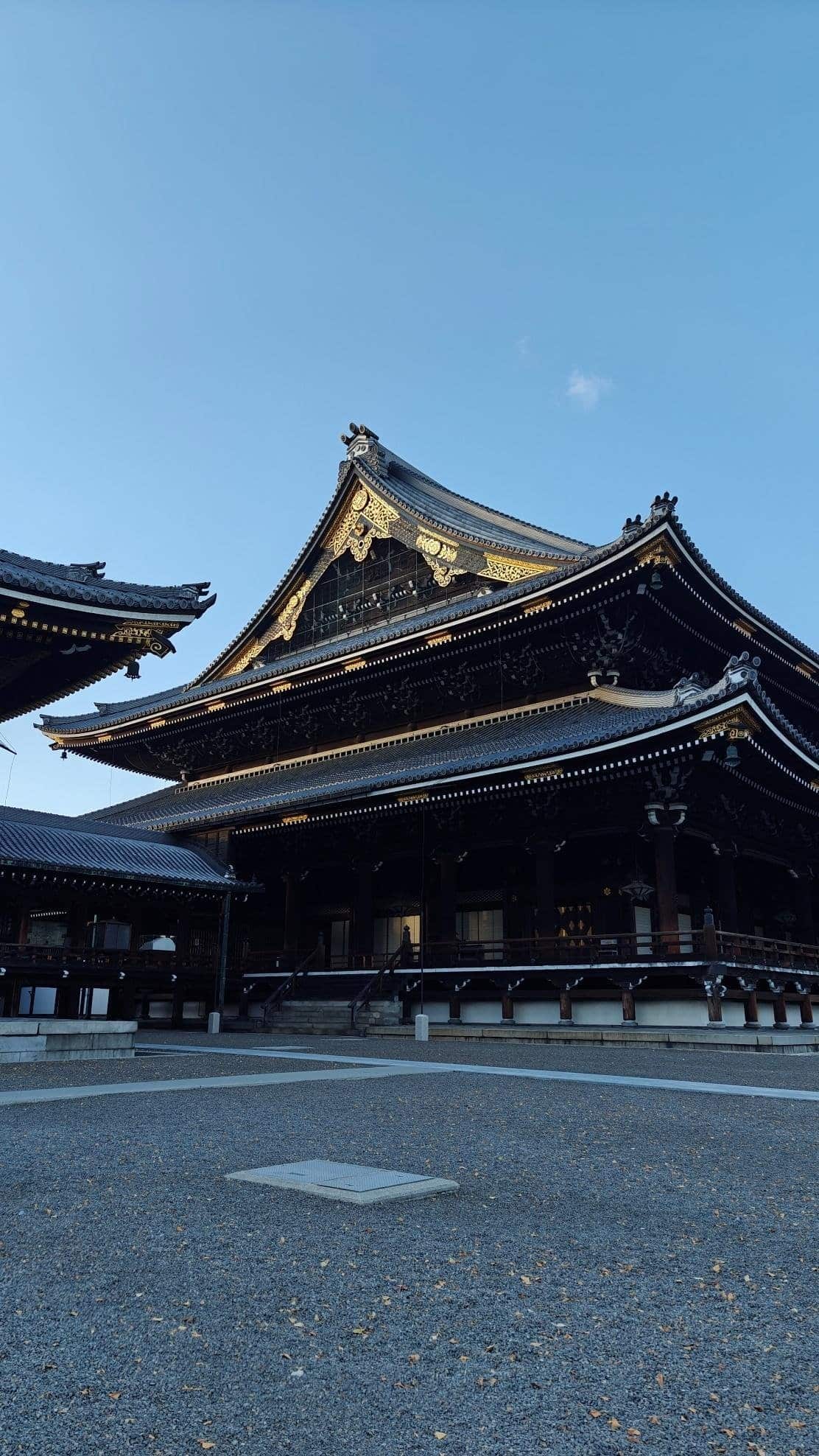
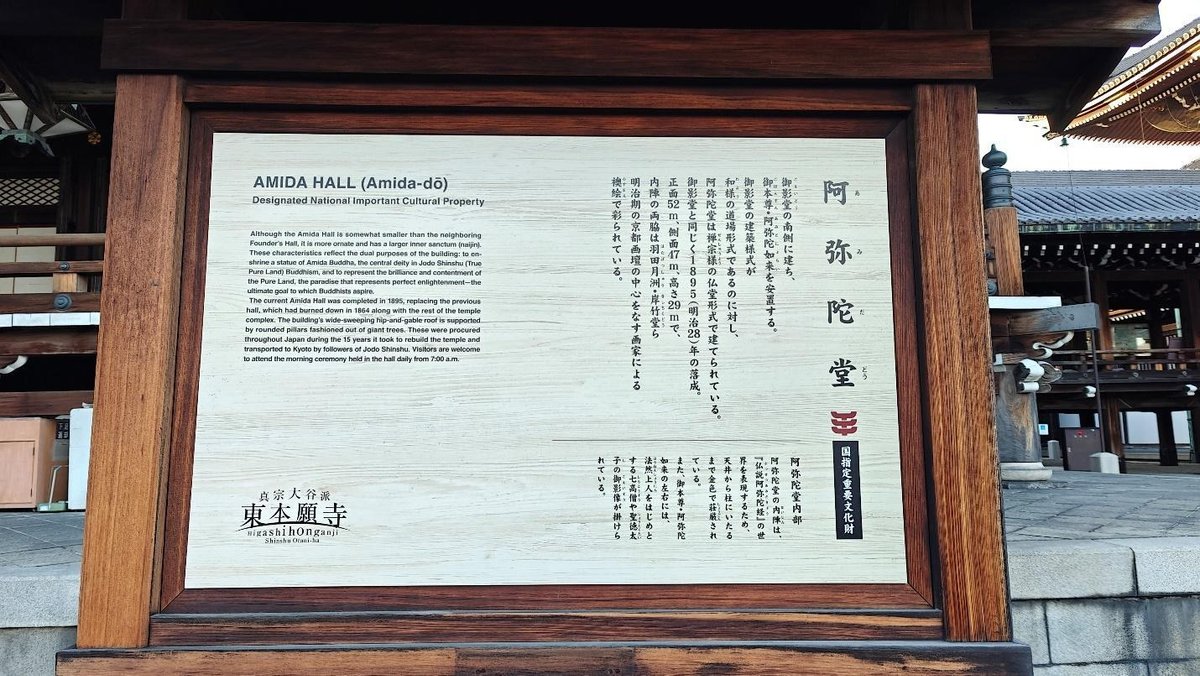
Since I was done checking out the Goei-do, I then decided to get closer to the Amida-do. It’s not as evident from afar but the joinery on its ceiling is actually much more intricate. It’s not just that, the building also has an inner sanctum that’s much larger than the Goei-do’s.
Enshrined here (like with all the other Amida-do that I’ve visited) is a statue of Amida Buddha, considered the central figure in Jodo Shinshu Buddhism.
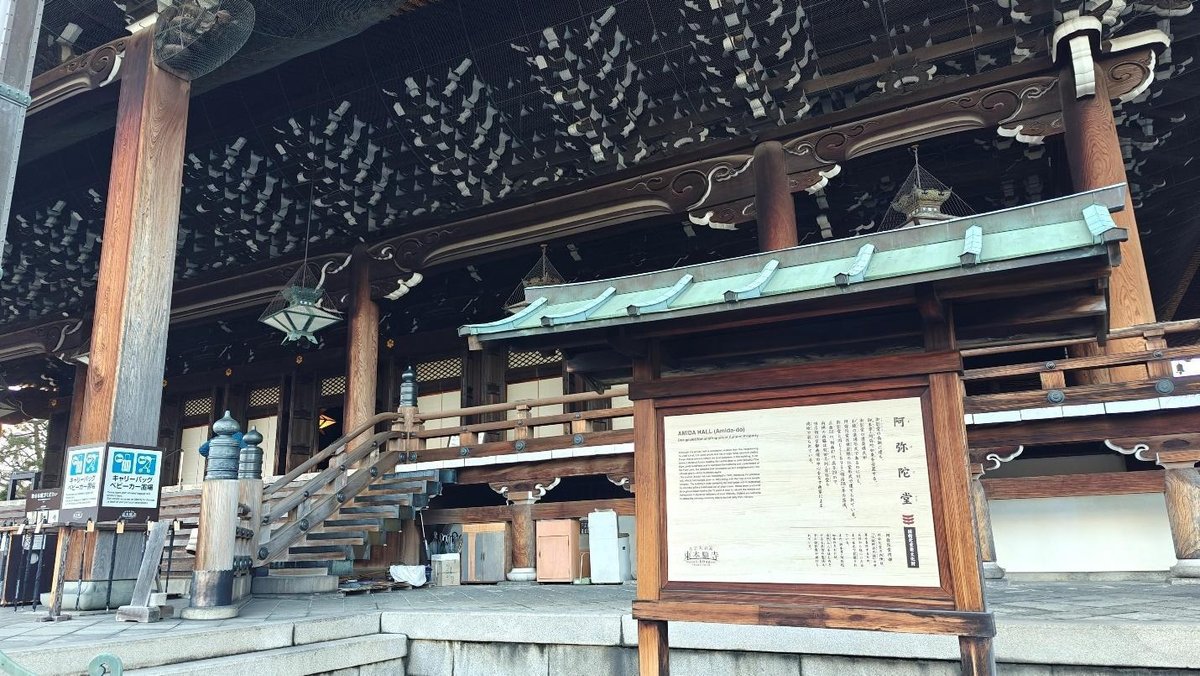
Like in Chionin Temple, the entrance of the Amida-do faces the eastern direction. This means that you'll be facing the western direction if you're actually facing the hall's entrance.
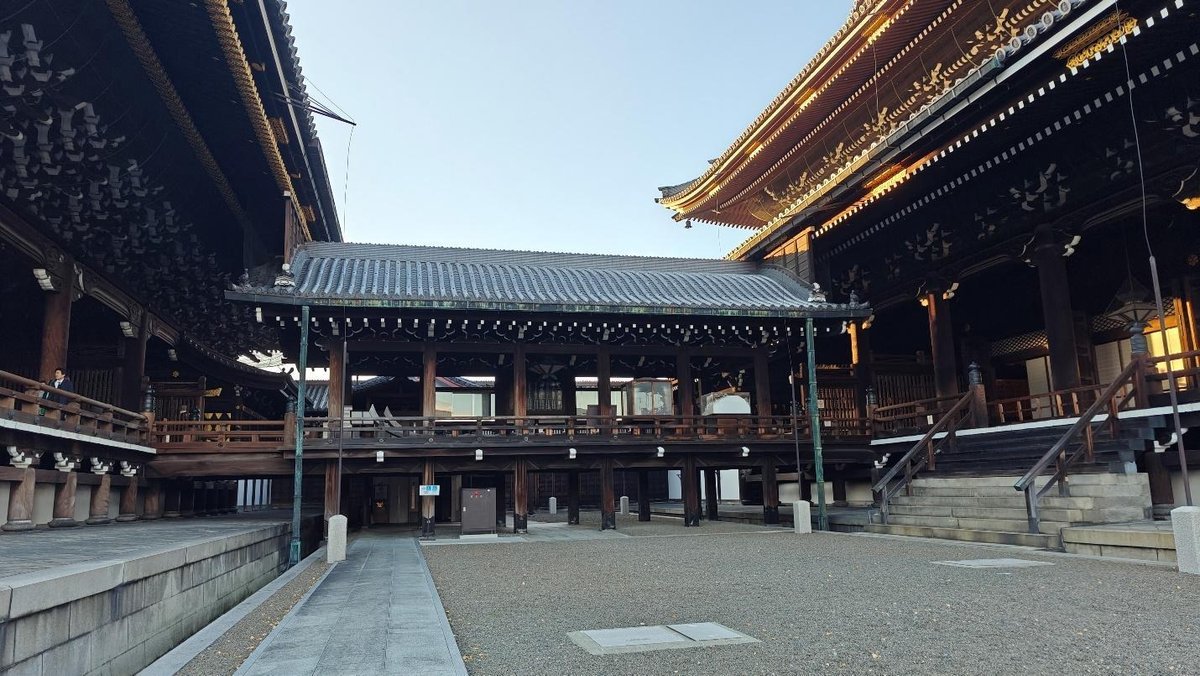
Here is a closer look at the Tsukuriai Corridor that I was talking about earlier. There are actually some artifacts on display in the corridor itself that dates back to the reconstruction of the buildings here in 1895. The steps off in the right are unfortunately closed off so you won't be able to get to the corridor from here.
You're going to have to go up through the main steps of either the Goei-do or the Amida-do.
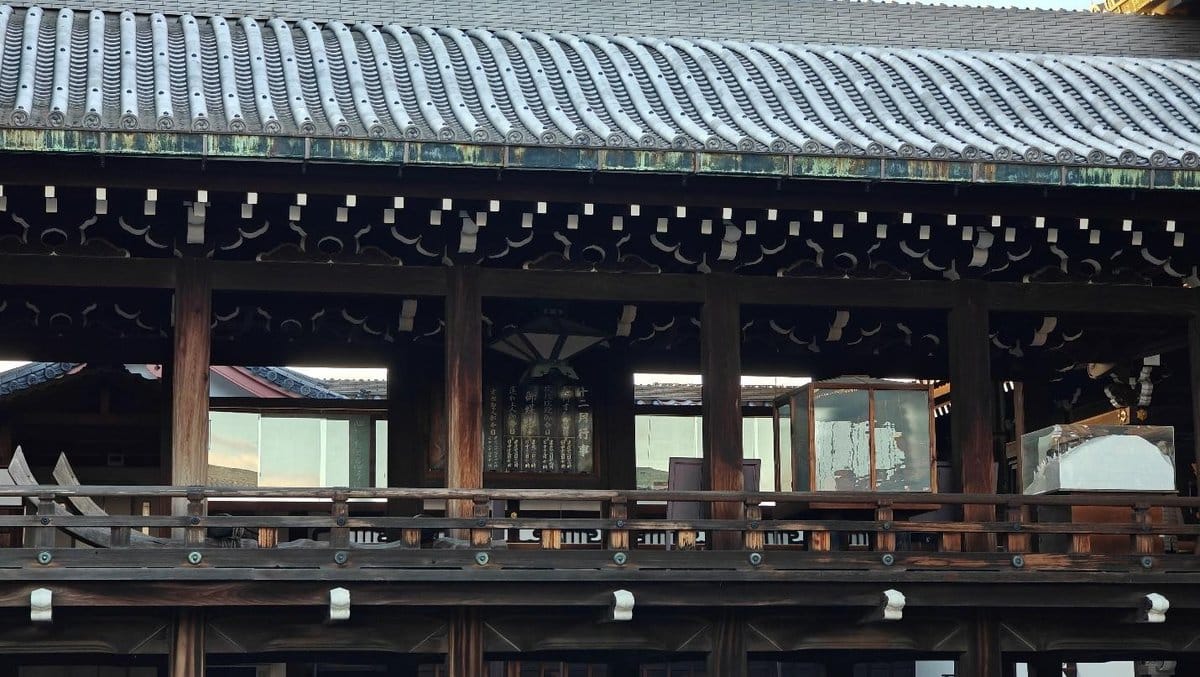
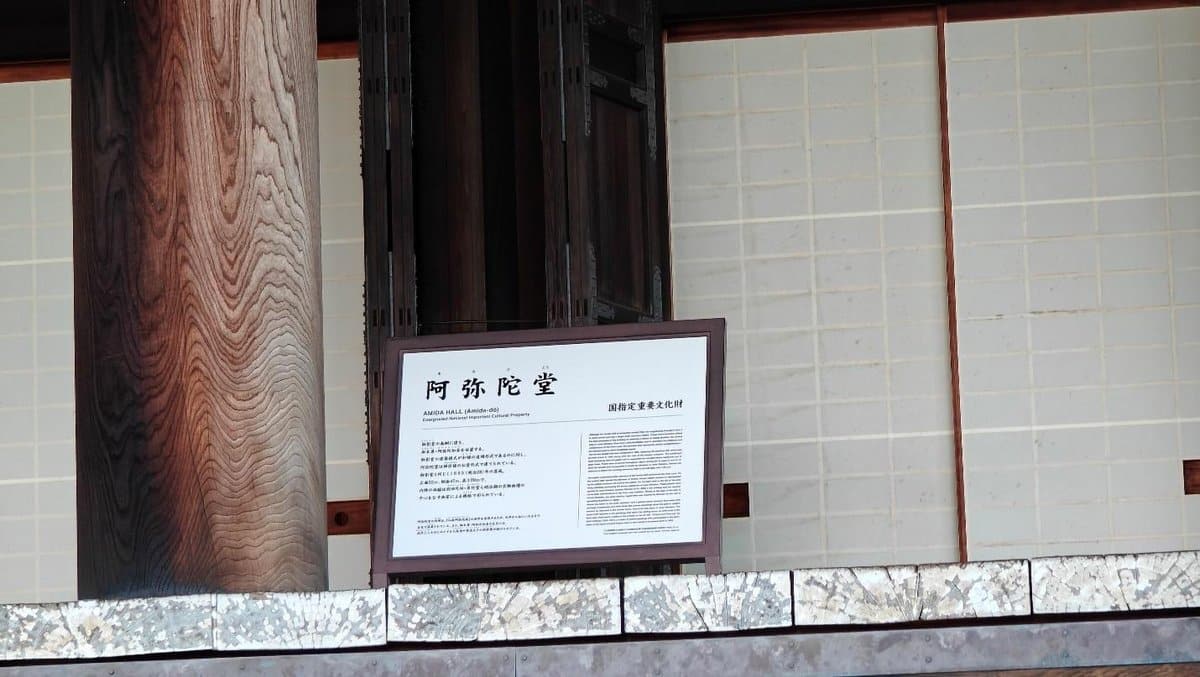
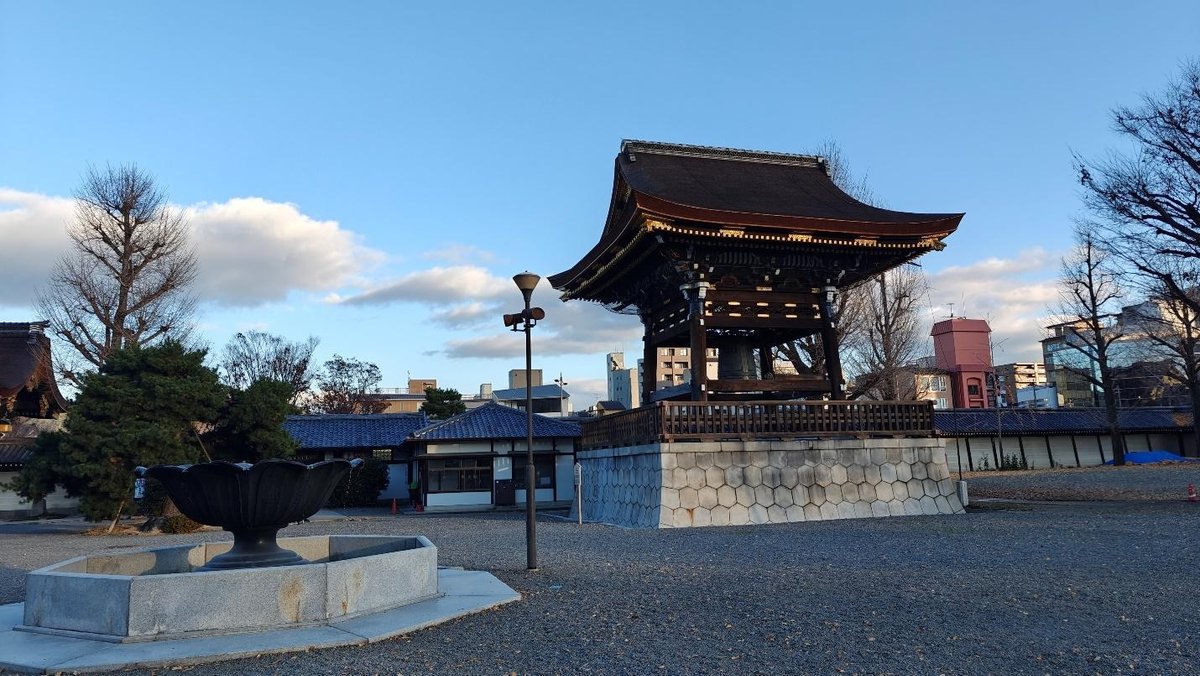
In the southernmost area of the temple complex I came across Higashi Hongan-ji's lesser known landmarks. The fountain on the left is called the Lotus Fountain while the structure on the right of the image is the temple's Shoro. Unlike a lot of the buildings here, the fountain is relatively new.
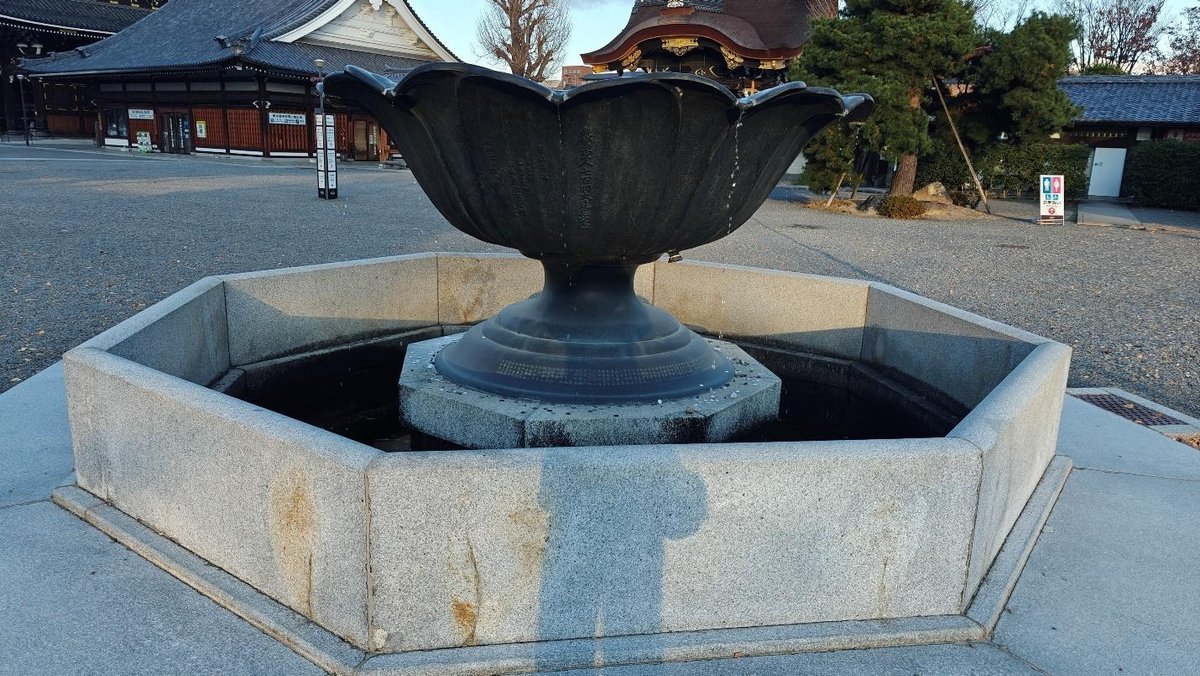
The Lotus flower is closely associated with Amida Buddha so it's not surprising that it's featured prominently in this fountain. In fact, you can also see lotus flower motifs both in the Amida-do and Goei-do. Now one interesting thing about this installation is that it's actually also used by visitors as a wishing fountain.
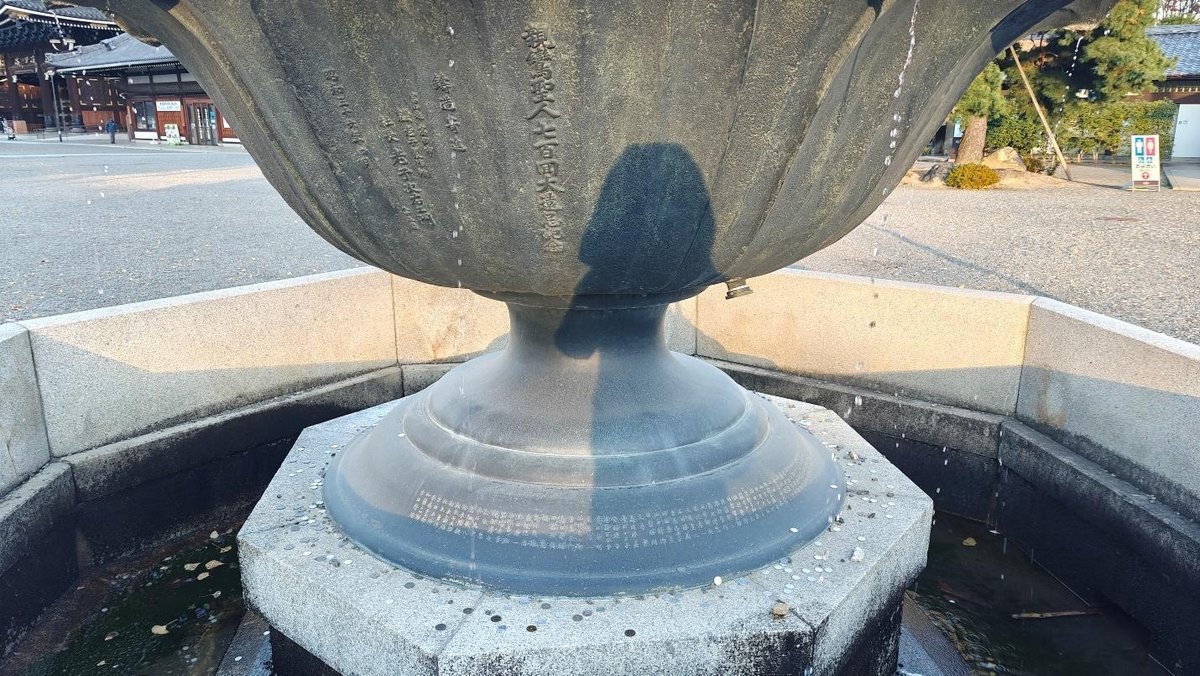
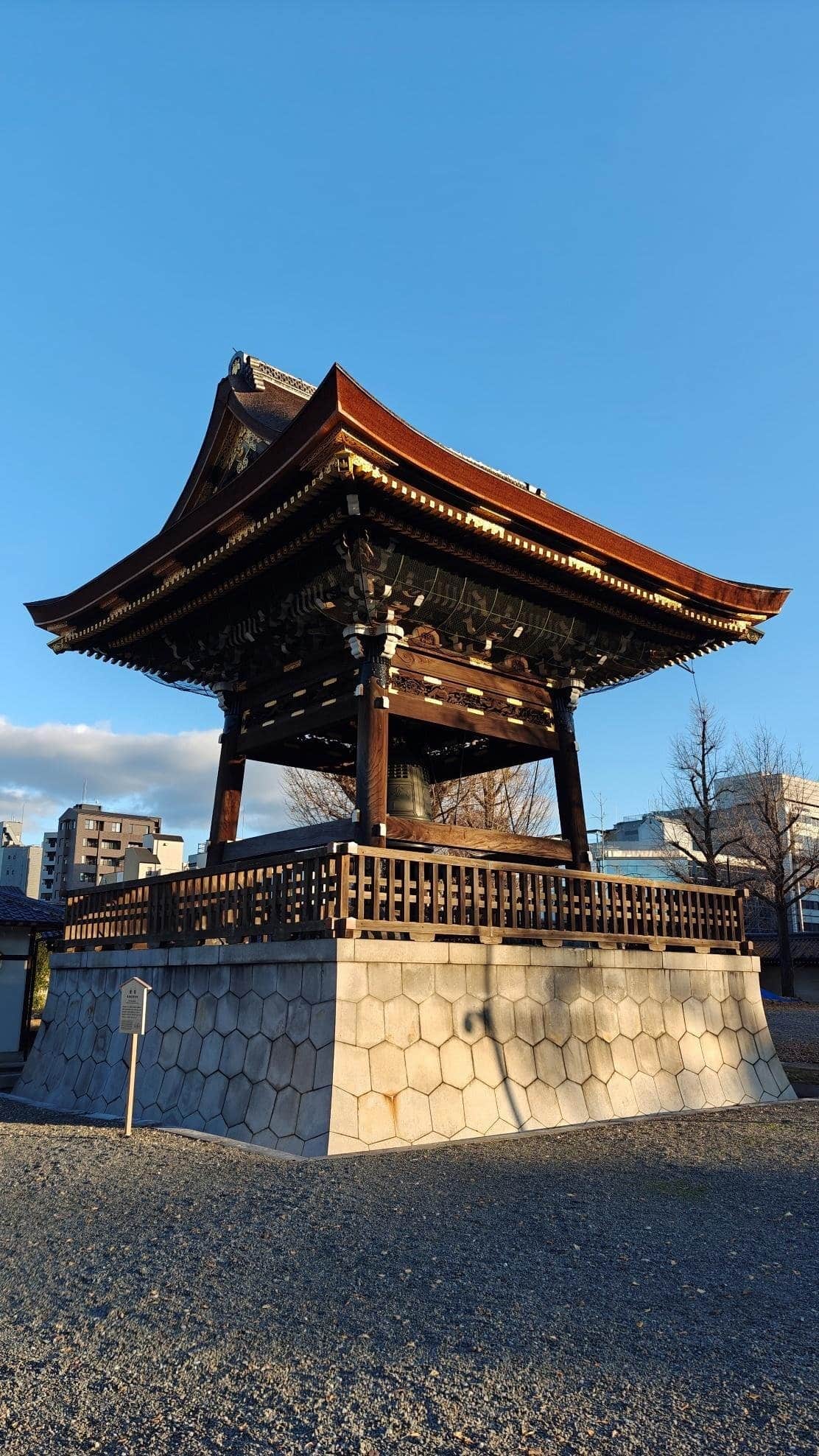
As for the Shoro, it's actually older than both the Goei-do and Amida-do by one year. Like both the main buildings, the Shoro is a reconstruction and is a designated National Important Cultural Property. While it originally had a Keicho-era Temple Bell (like what was on display near the Amida-do mon), the one that's on it right now is relatively new and was cast in 2010.
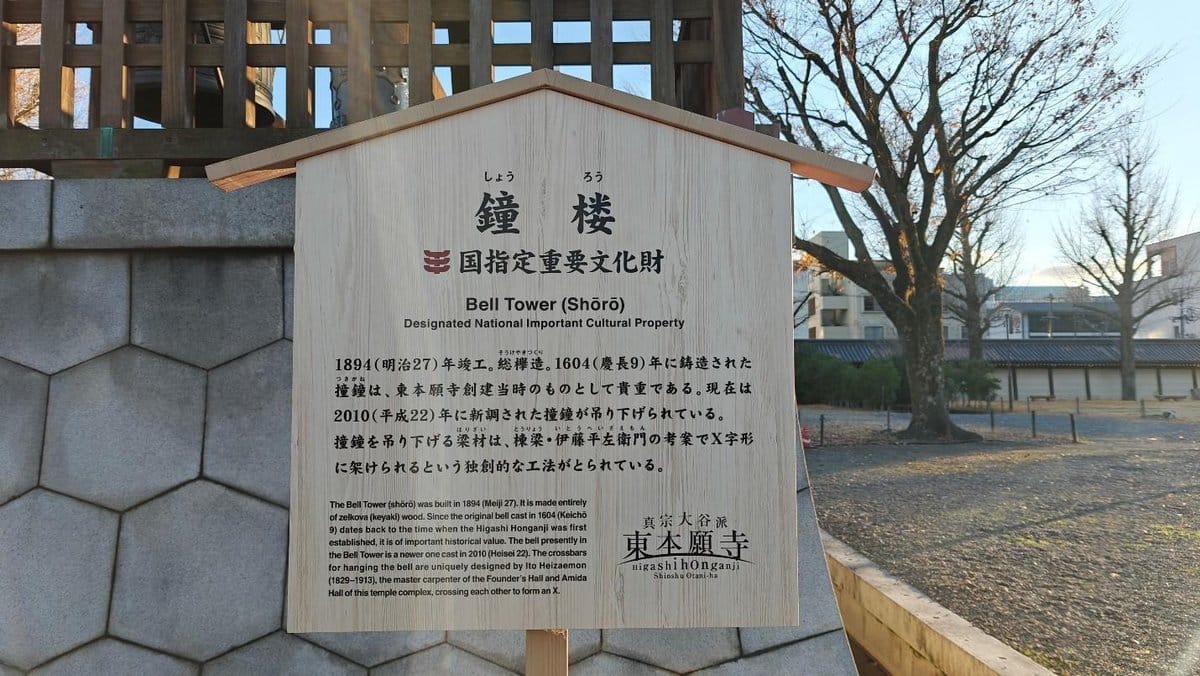
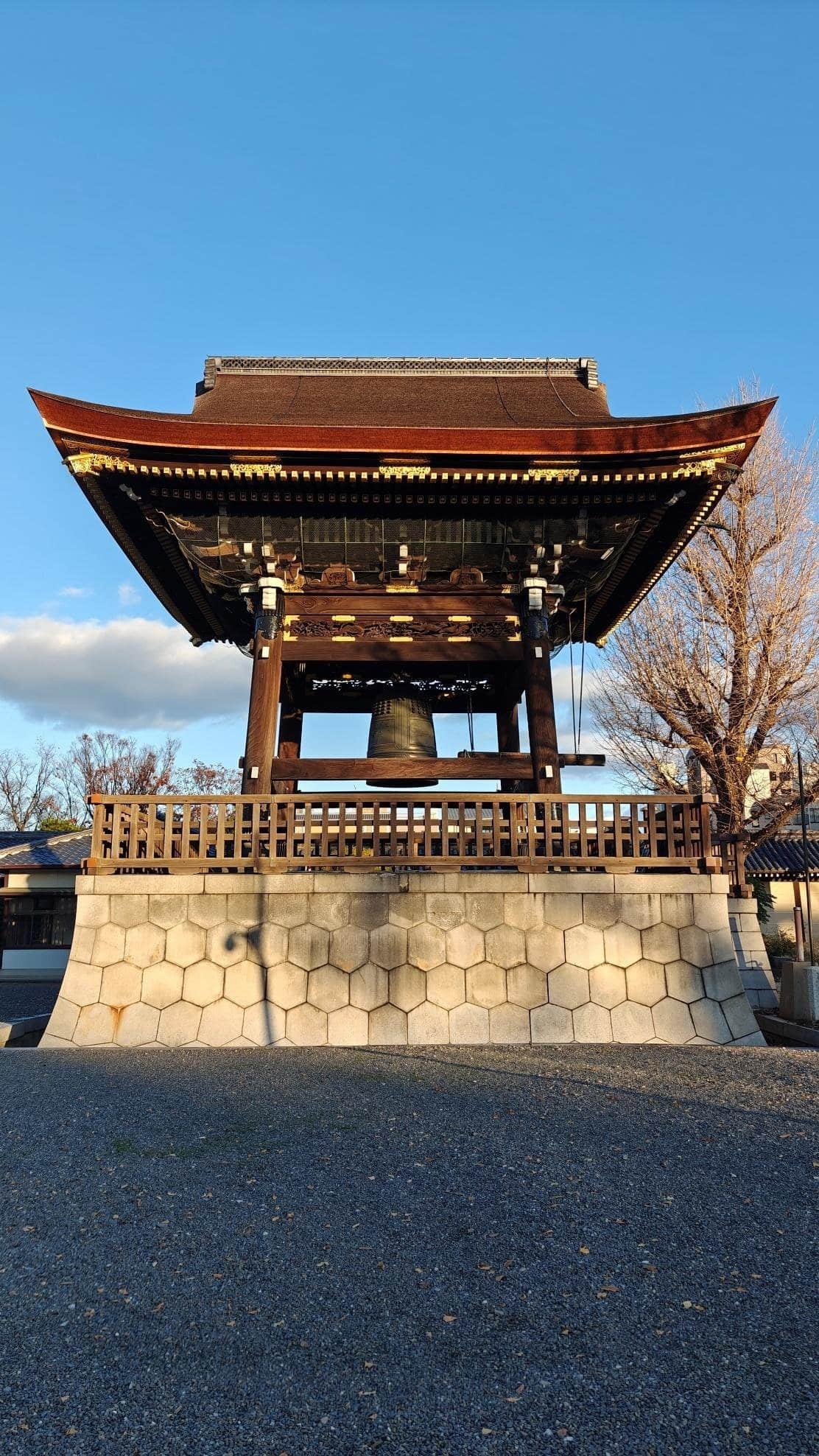
The Shoro is perhaps one of the most unassuming and underrated landmarks here at Higashi Hongan-ji. It’s definitely not as flashy as the other buildings that I'd seen that day but its stone foundation really gave it a strong silhouette that made it stand out.
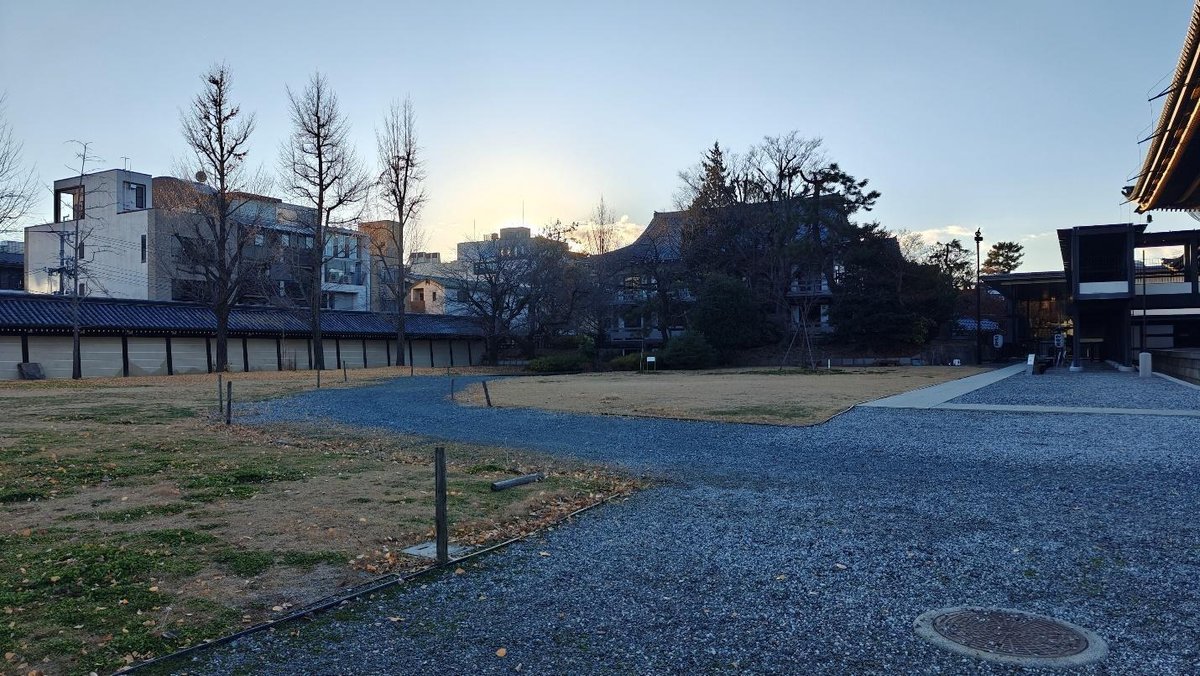
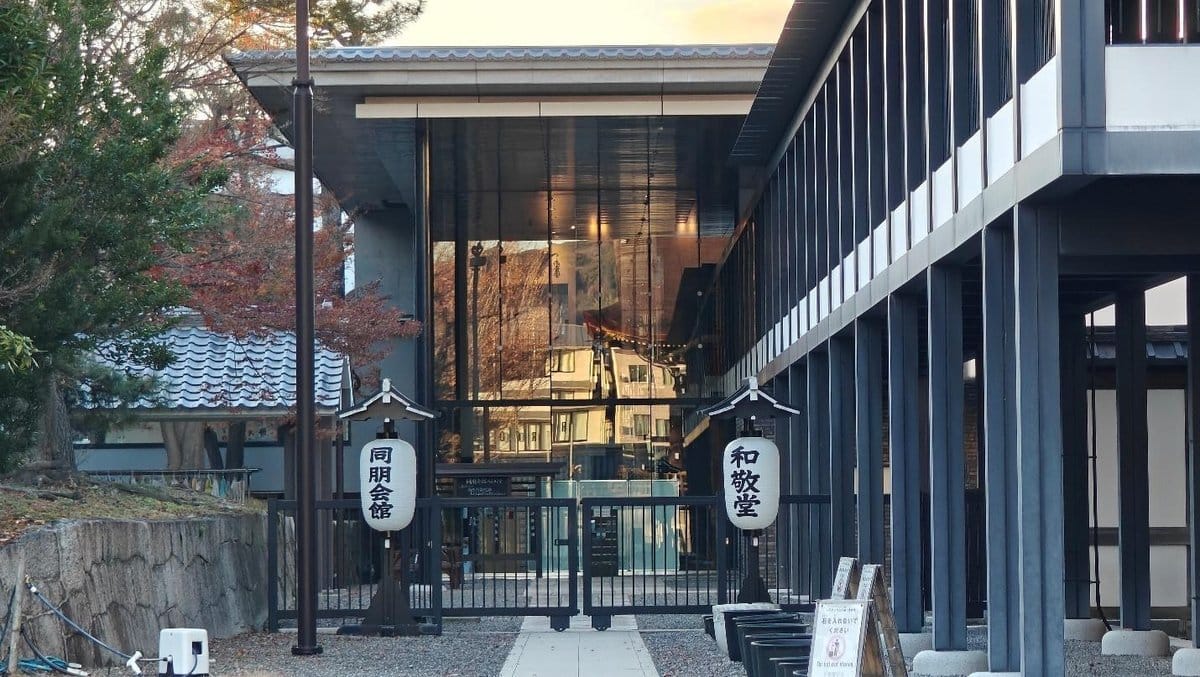
Beside and behind the Amida-do is a pathway that leads to an area where you can find the Wakeido and Dobo Kaikan. These spaces are mainly for the sect's laypeople and are typically used for lectures, training, exhibitions, and ceremonies. I actually wanted to see these areas up close but the gate looked like it was already closed.
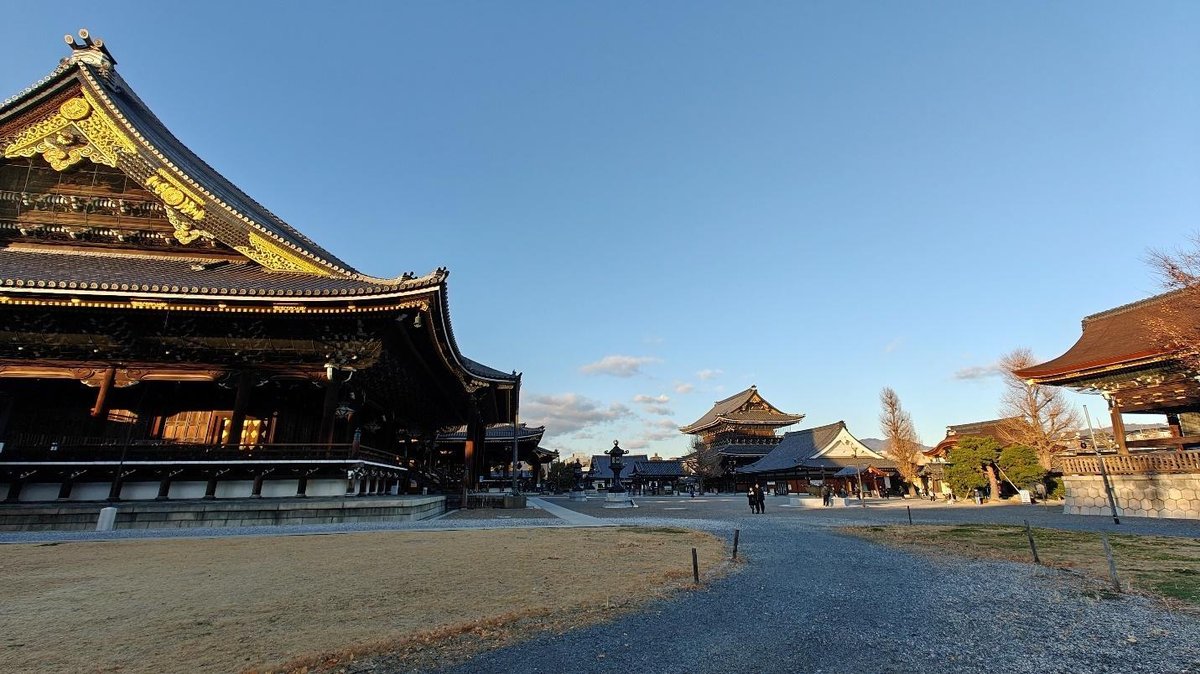
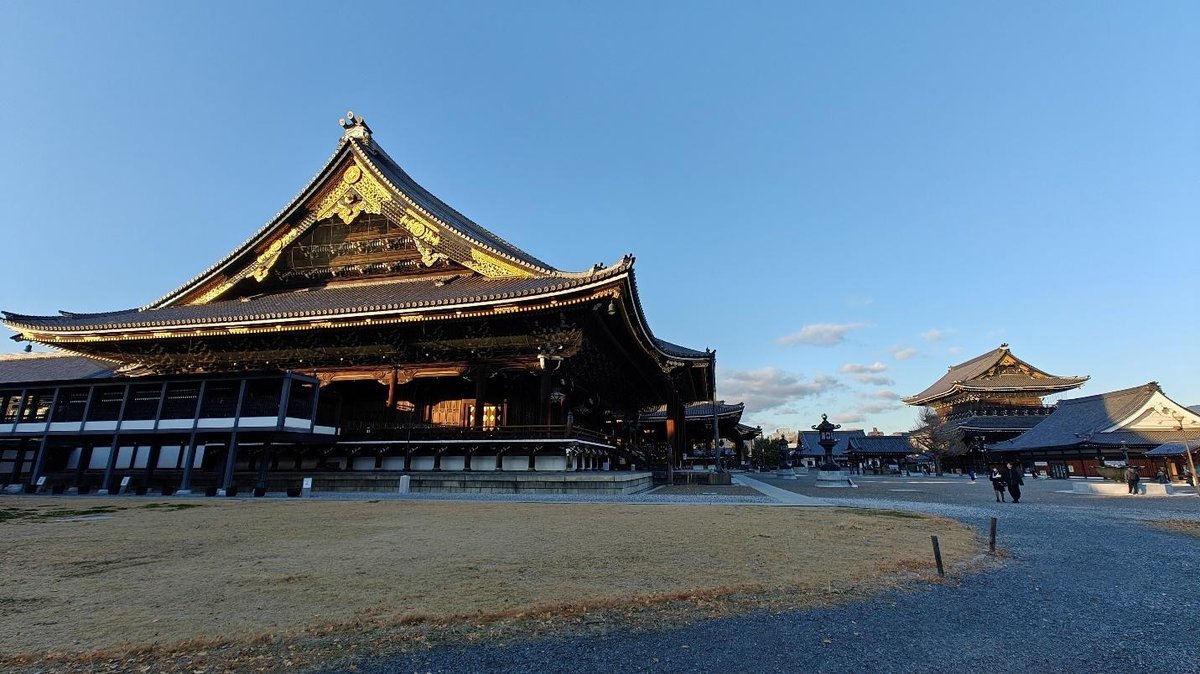
And with this, my visit to Higashi Hongan-ji ended. It was definitely a memorable experience and quite different from some of the shrines and temples that I'd visited before and during this trip. The temple complex is expansive but only half of it was really open to the public.
That half though had some really nice views and buildings that I think are worth checking out. If you do plan to come here, make sure you do so in the afternoon for fewer people/smaller crowds.Ever been to Higashi Hongan-ji? If yes then make sure to head to the comments section and share your experiences as well as tips on how to best enjoy this Jodo Shinshu Buddhist temple smack dab in the heart of Kyoto.