
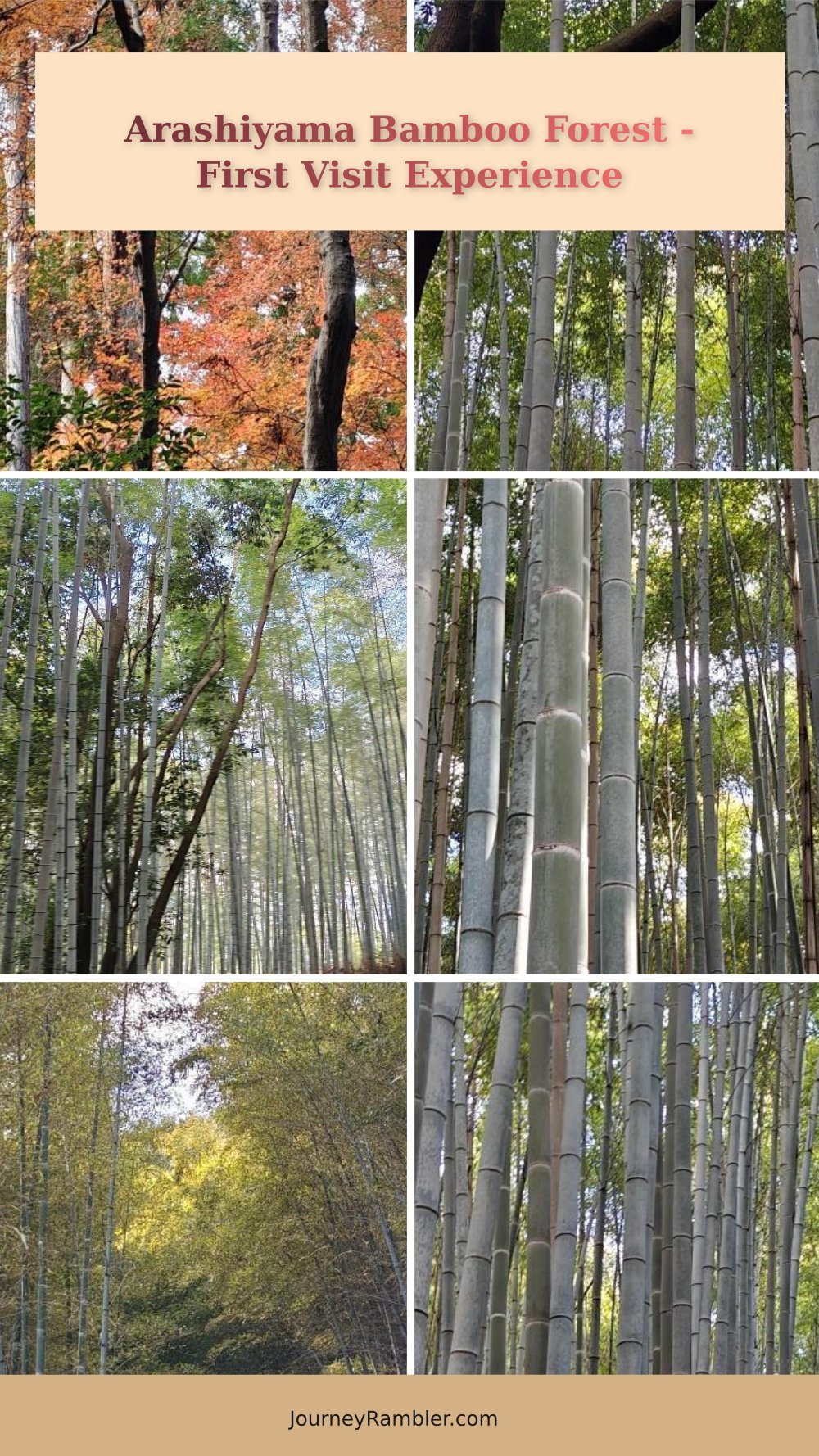
A visit to Kyoto isn’t complete without dropping by the Arashiyama Bamboo Forest. I’d been meaning to visit here for the longest time and I finally was fortunate enough to do so back in December of 2025. While it wasn’t the first scenic bamboo grove that I’d visited last year, I think it was arguably the most memorable.
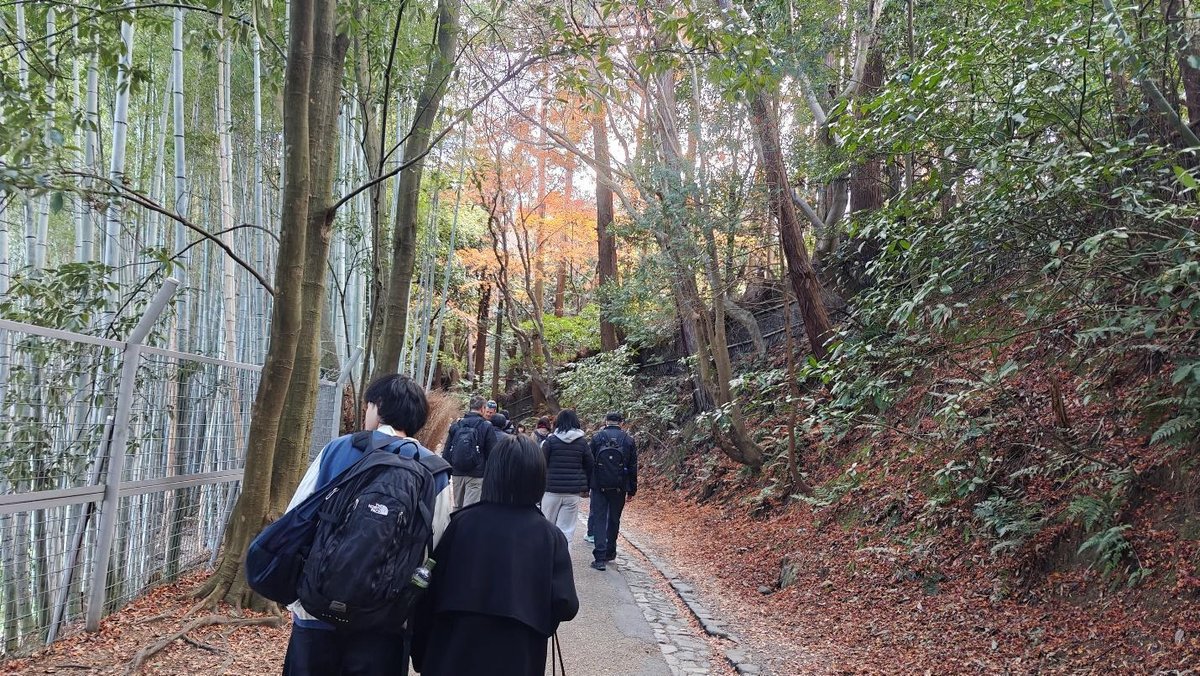
It was relatively easy to get to the Bamboo Forest, especially since I took the Sagano Scenic Train and stopped at the Torokko Arashiyama Station.
Once you step out from the station, just turn to your left and then you'll see the path that leads up to the Bamboo Forest. The path here looks very rustic and it actually didn’t feel like this area was still part of Kyoto proper.
Visiting Arashiyama Bamboo Forest
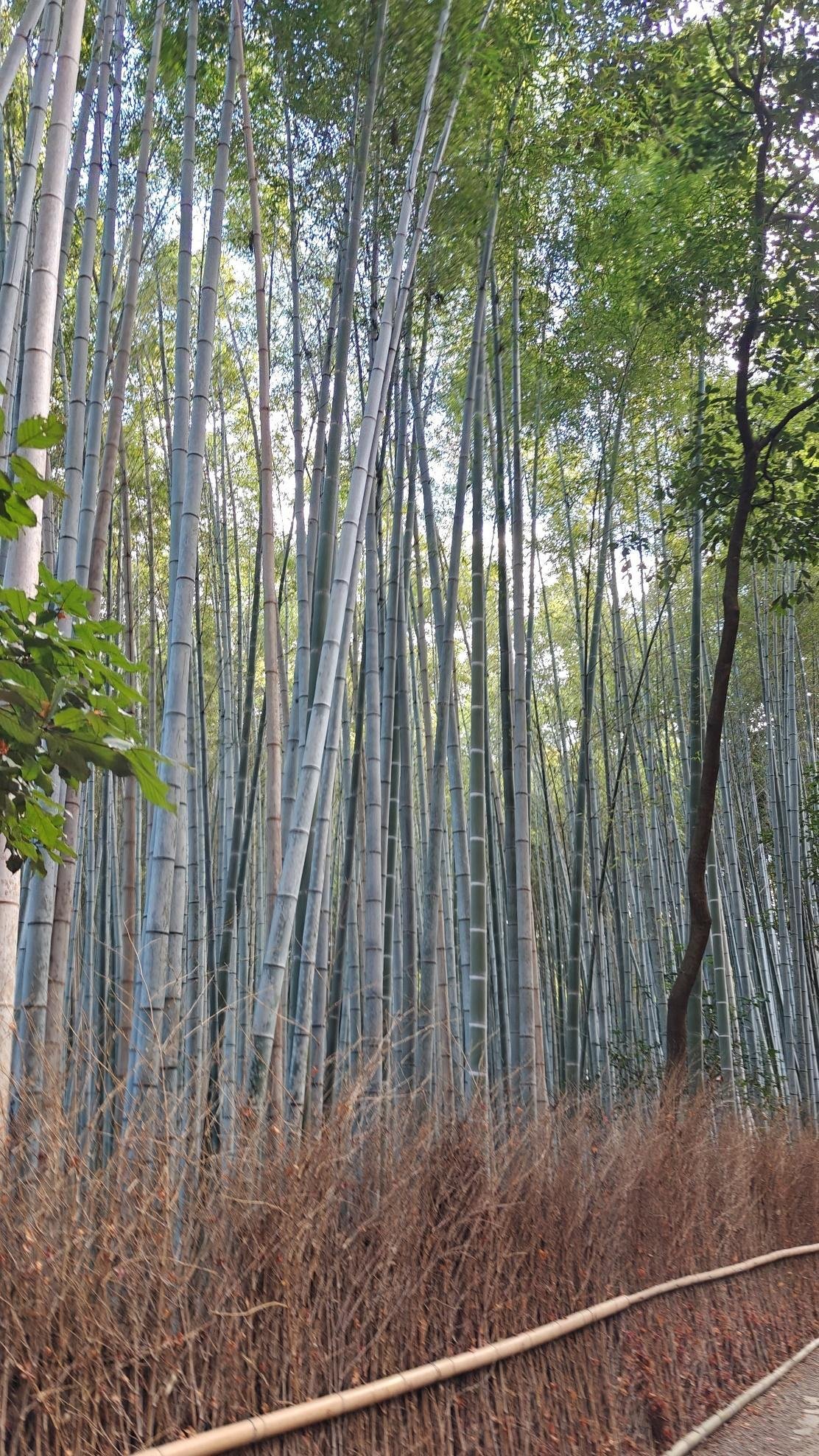
This was still far from the center of the forest yet you could already see the bamboo just drowning out the view of the sky with their height. Earlier in the year (2025) I'd visited Hokokuji Temple and that place also had a similar bamboo forest. My initial impression upon seeing the bamboo here in Arashiyama though was that they seem even taller.
I tried looking it up and found that the bamboo you can find here is actually the same as the ones found in Hokokuji. If I remember correctly, this is the Moso bamboo variety which is said to have originated from China and Taiwan. As for why the ones here look much taller, I’m not really sure.
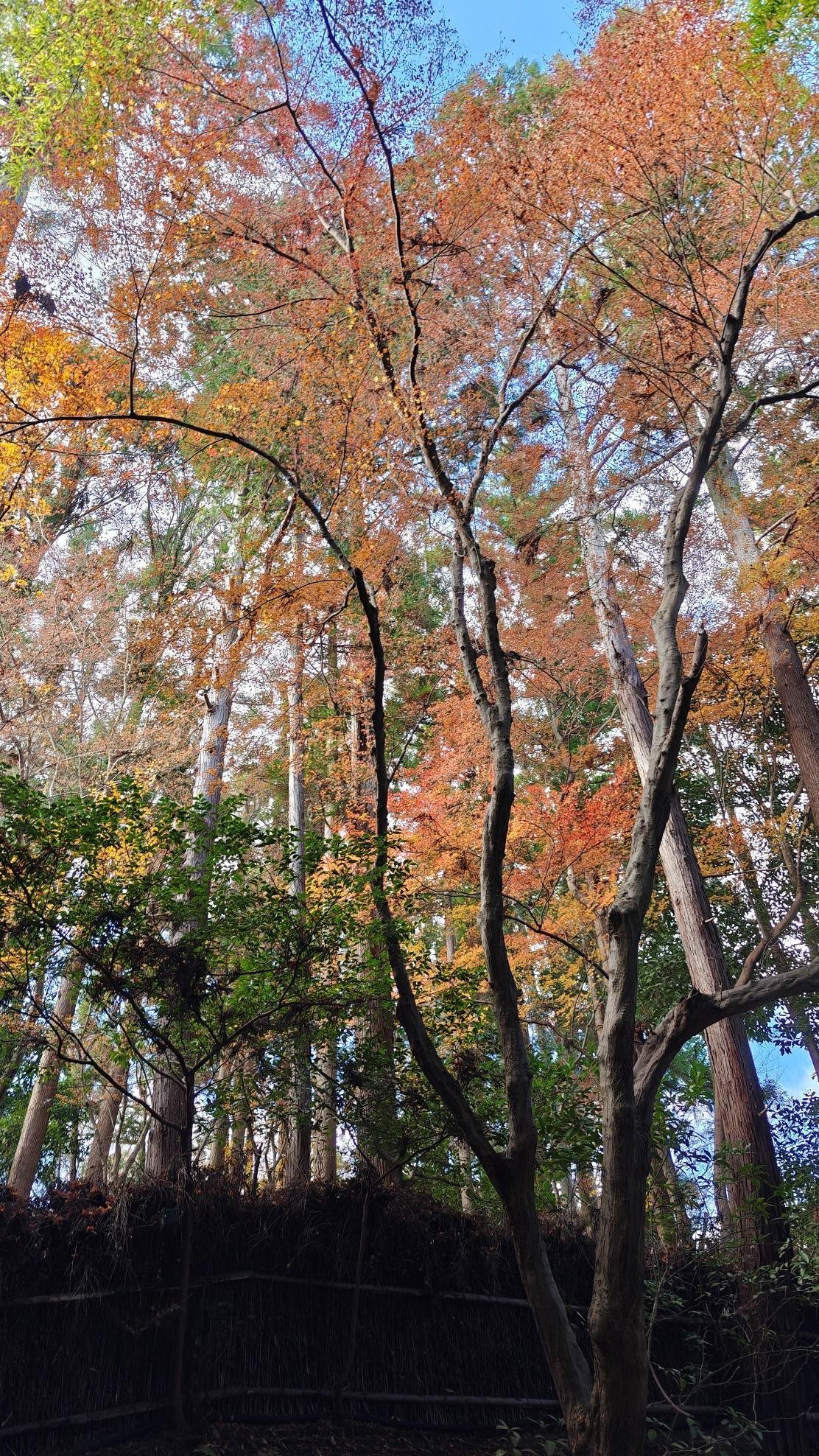
While the left side of the path was nothing but bamboo, the right was quite different. The whole section on the right leading up to the entrance to the Bamboo Forest was an embankment that had trees still with their fall foliage at the top. These are actually part of another attraction here called Okochi Sanso (this encompasses the former home and garden of Japanese jidaigeki or period drama actor Denjiro Okochi).
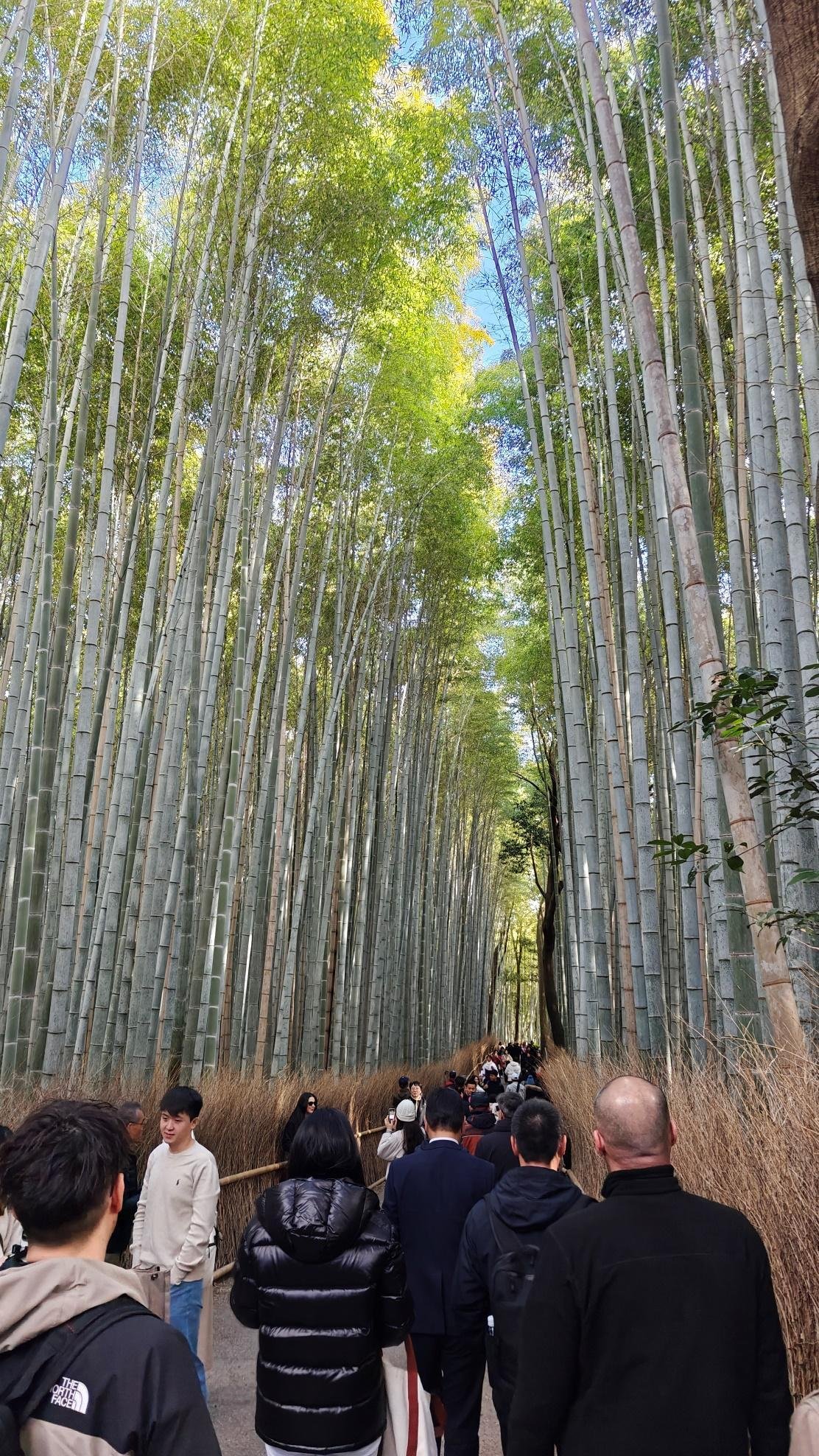
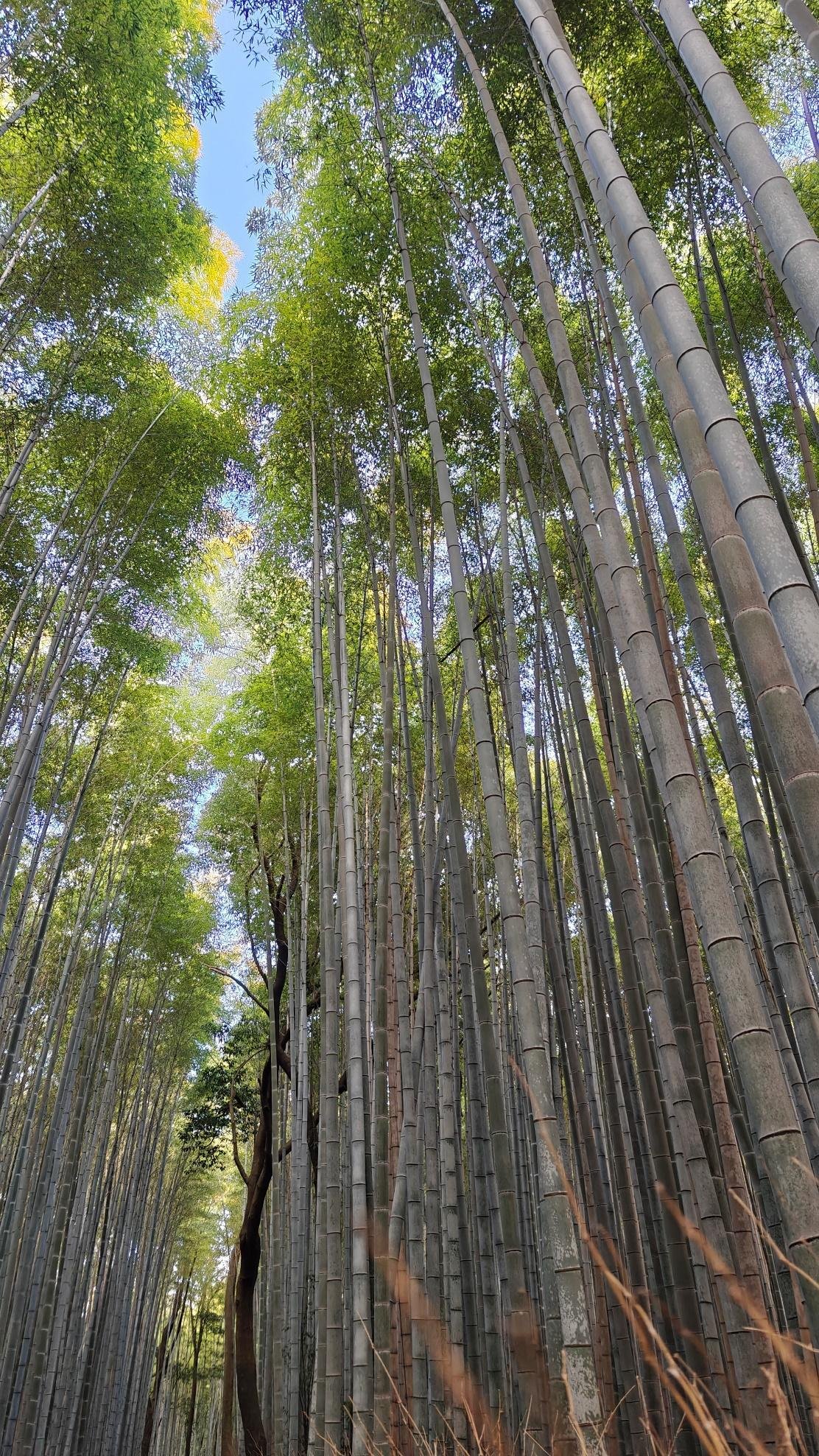
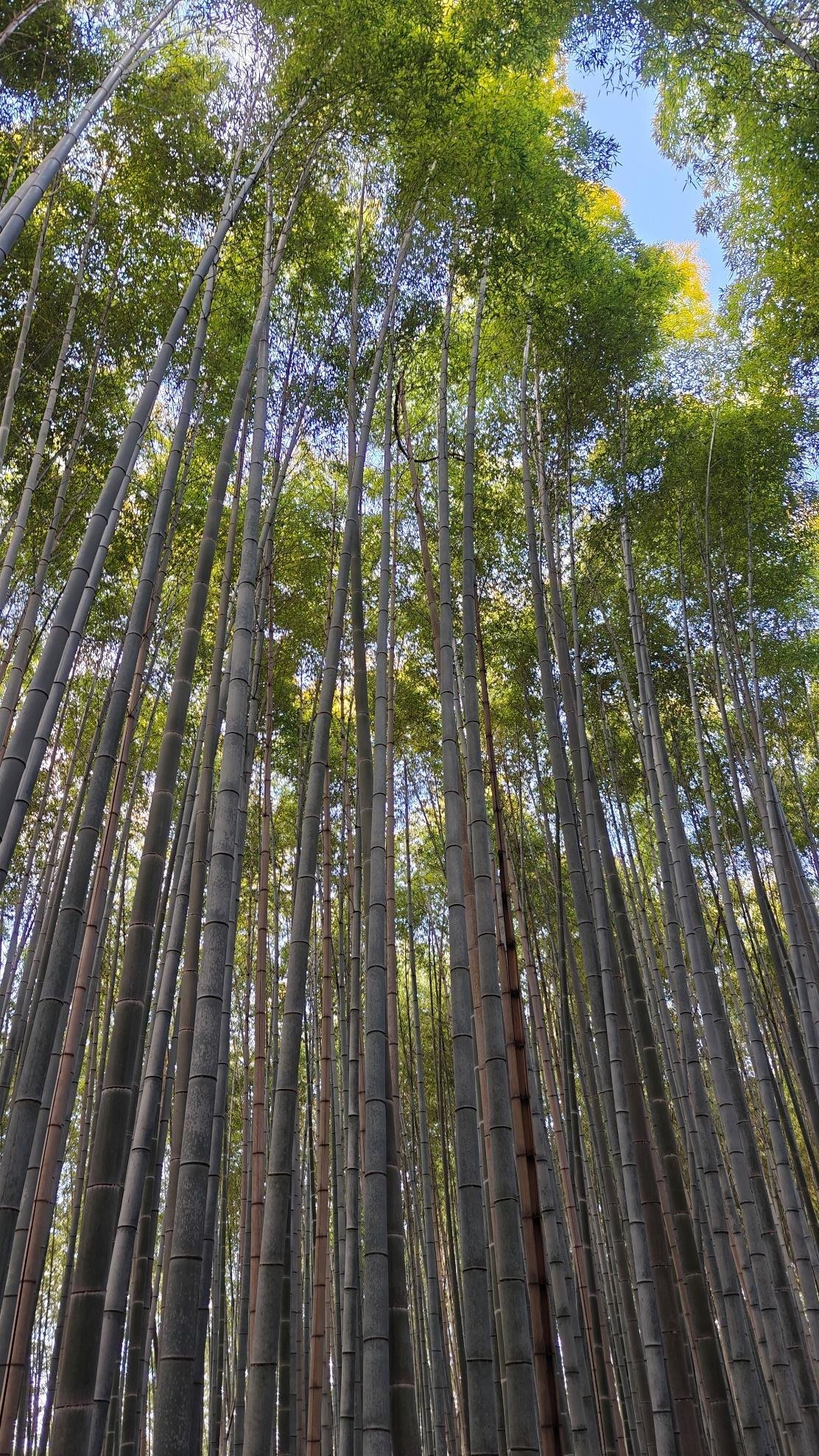
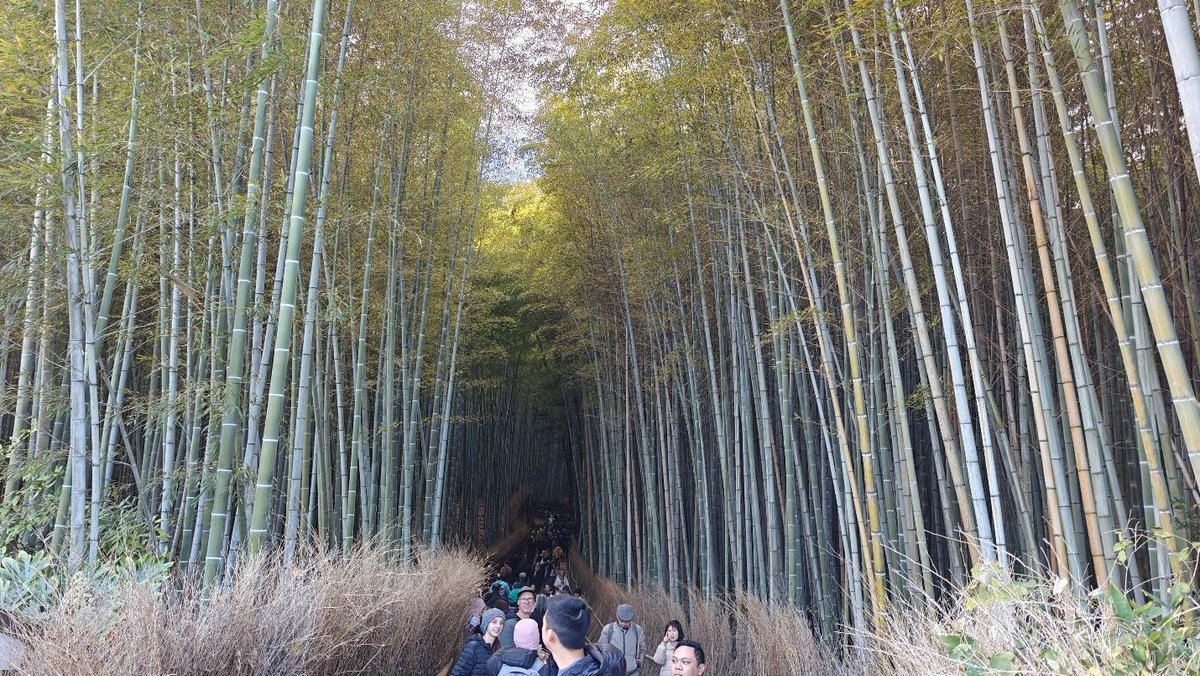
After a short walk, I then found myself at the entrance of the Bamboo Forest. If you've seen my writeup of Hokokuji Temple, you'd automatically notice just how significantly taller the bamboo here is. I particularly liked how the leaves at the very top of the bamboo look like they're glistening as they catch the sunlight.
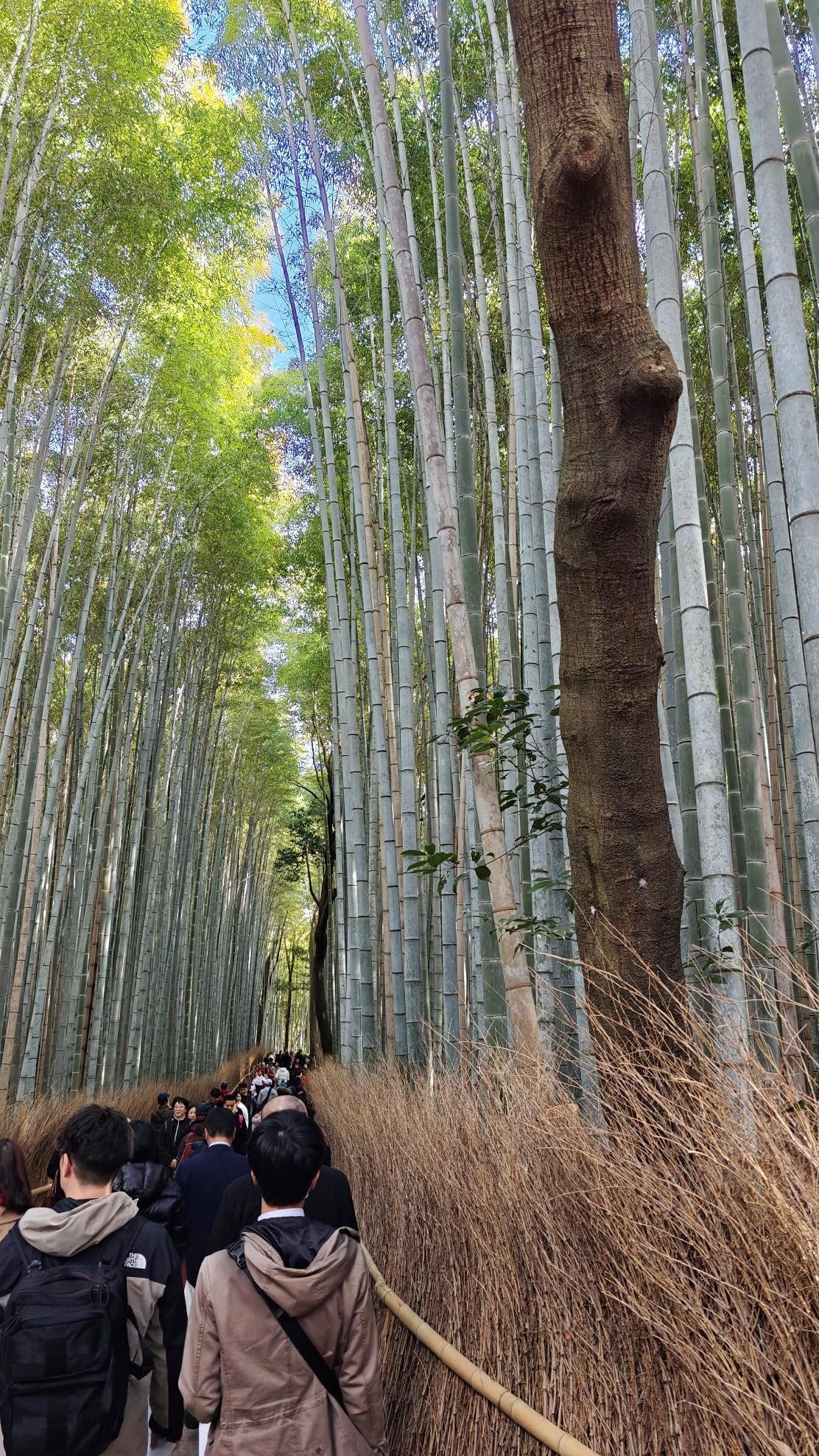
So I was expecting there to be plenty of people here and I was actually right. Unlike some of the attractions here, the Bamboo Forest is open to the public. Combine that with having some really nice views then it's bound to be teeming with travelers.
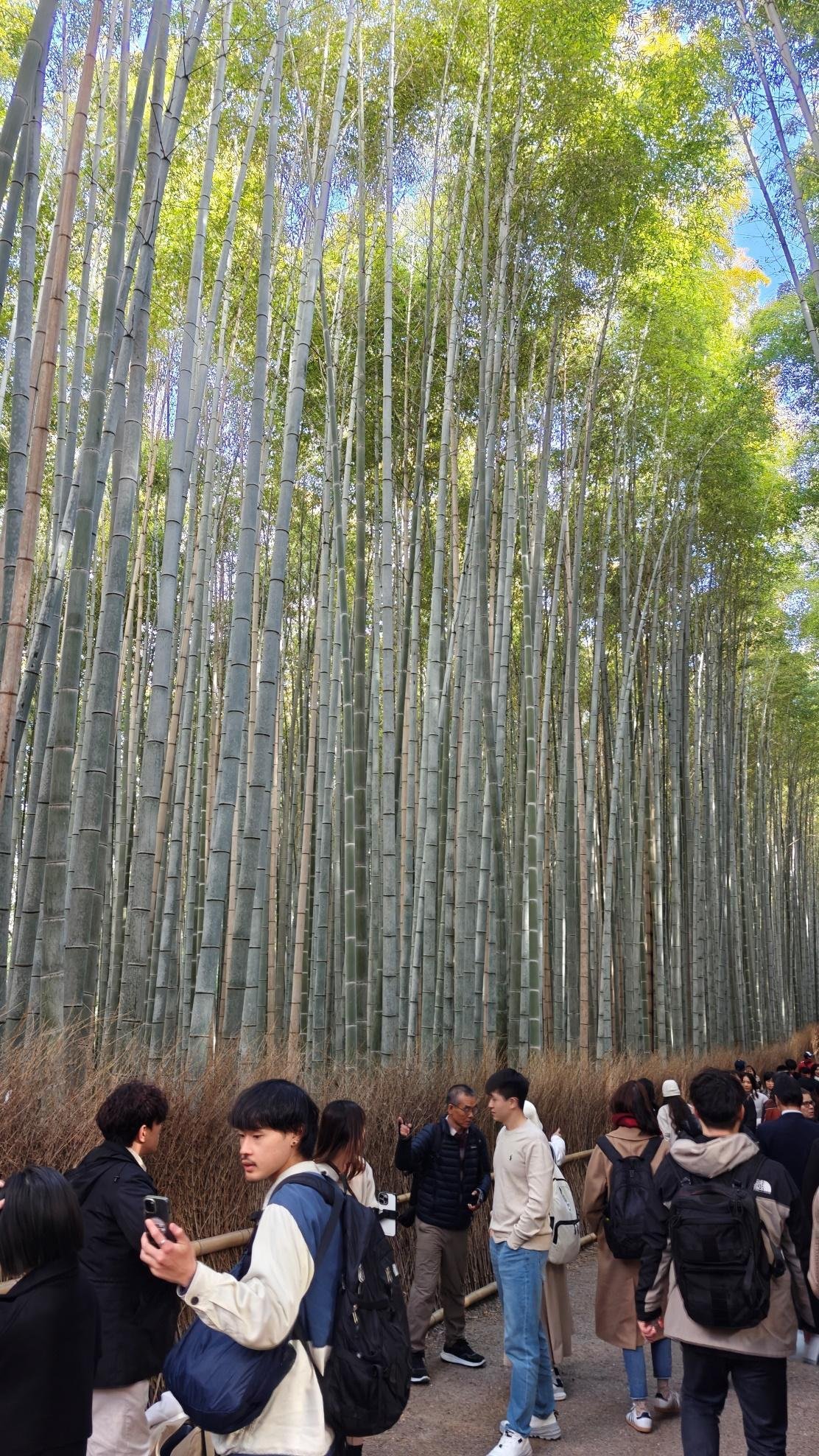
Despite the crowd, the atmosphere here was still pretty laid back. People weren't jostling for position as the pathway was actually quite wide. Moreover, foot traffic was actually fast moving despite there being plenty of people stopping every now and then to take pictures.
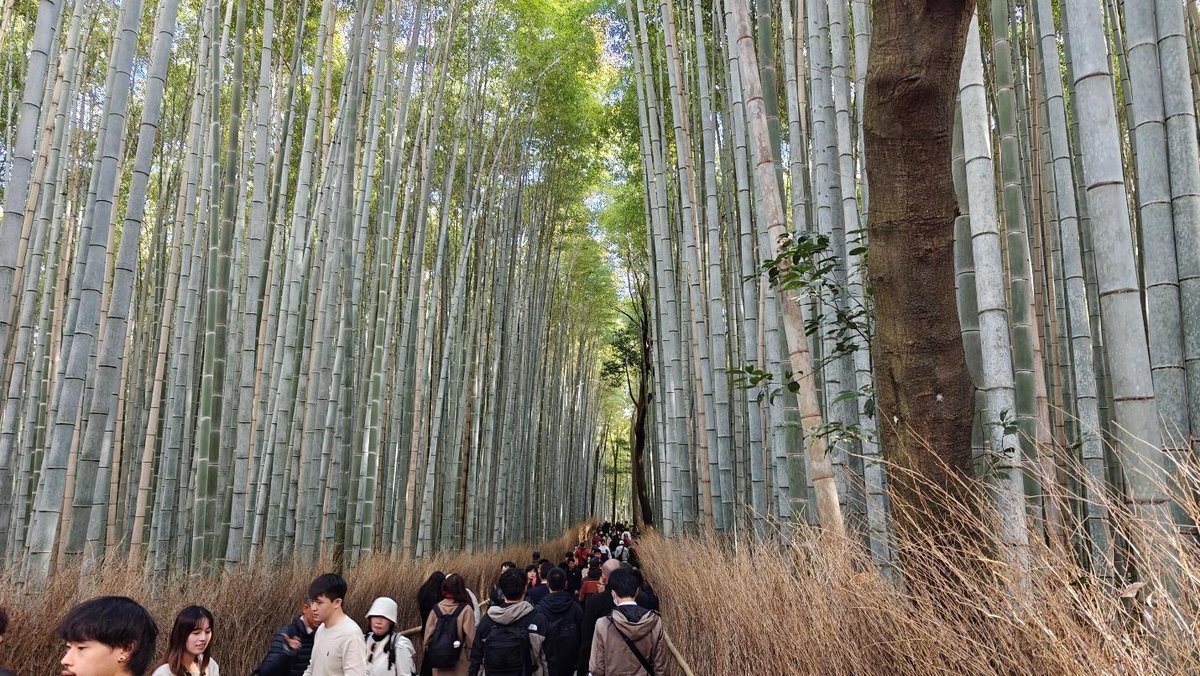
Another concern I had was seeing the bamboo withered due to this visit being at the start of winter. Well, it turns out that Moso bamboo actually doesn't wither even during the winter season. It's a perennial plant that's actually quite hardy.
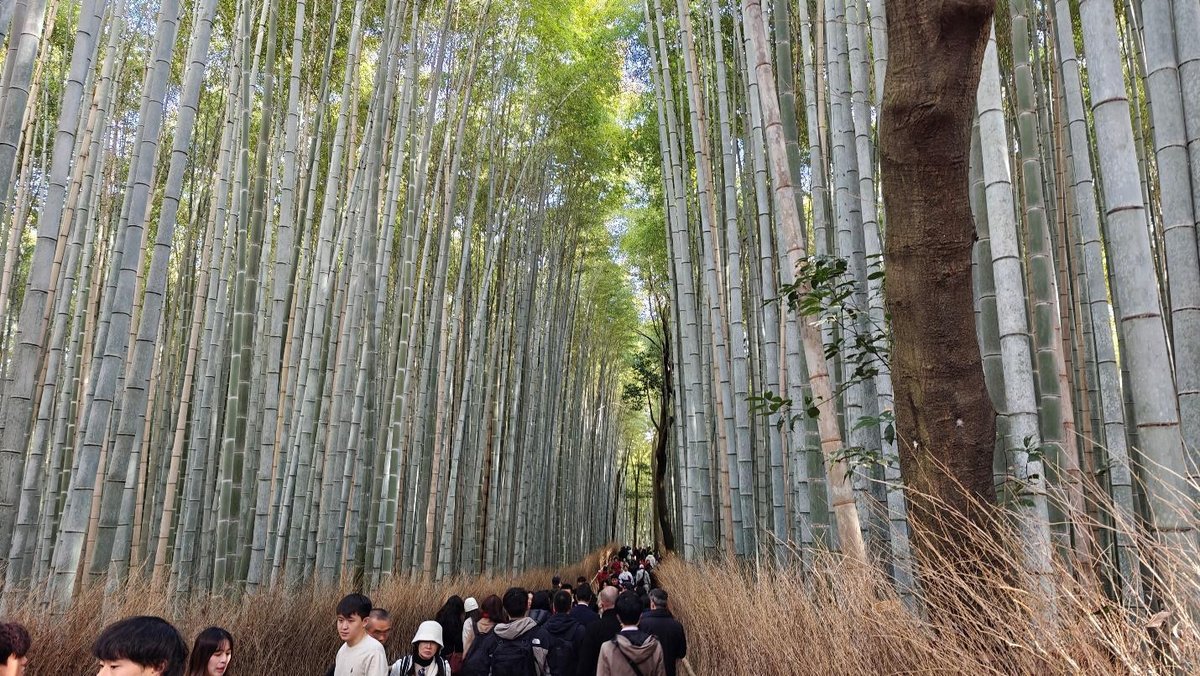
Now as for the best time to visit the Bamboo Forest, I've read that you can opt for either a spring or early winter visit. Personally, I think any season is great if this is just the only area you'll be visiting. That said, you likely aren't visiting Kyoto just to get a glimpse of only this location.
If you do plan to visit the Bamboo Forest, I think it would be better to plan your schedule and itinerary around Tenryu-ji Temple as well as the nearby Arashiyama Park and Gardens instead. As I said earlier, the bamboos here typically stay more or less the same the whole year round. Depending on the season though, Tenryu-ji and Arashiyama Park and Gardens can end up looking drastically different.
A visit in the late fall and early winter will be the most comfy thanks to the cooler weather. This is also the peak of the koyo season which is a great time for observing the fall foliage in both Tenryu-ji Temple as well as Arashiyama Park and Gardens. Now I've read that the Bamboo Forest also looks stunning in snow but you might have to wait until January or February.
Spring on the other hand means sakura season and it's probably going to be one of the busiest times of the year in Arashiyama. You're likely going to find the Bamboo Forest to be a little more crowded as people use it to get to Tenryu-ji or Arashiyama Park since those areas have some of the best sakura viewing locations in the district. It's not going to be as comfy as autumn/early winter due to the crowds but it's probably going to be the best in terms of stunning views for those areas.
I initially wanted a spring visit but looking back, I think this early winter trip here to Arishayama Bamboo Forest was the right call. It’s not that I prefer fall foliage over the sakura season though. After seeing the winter crowd here, I could just imagine how crowded it’s going to get in the spring.
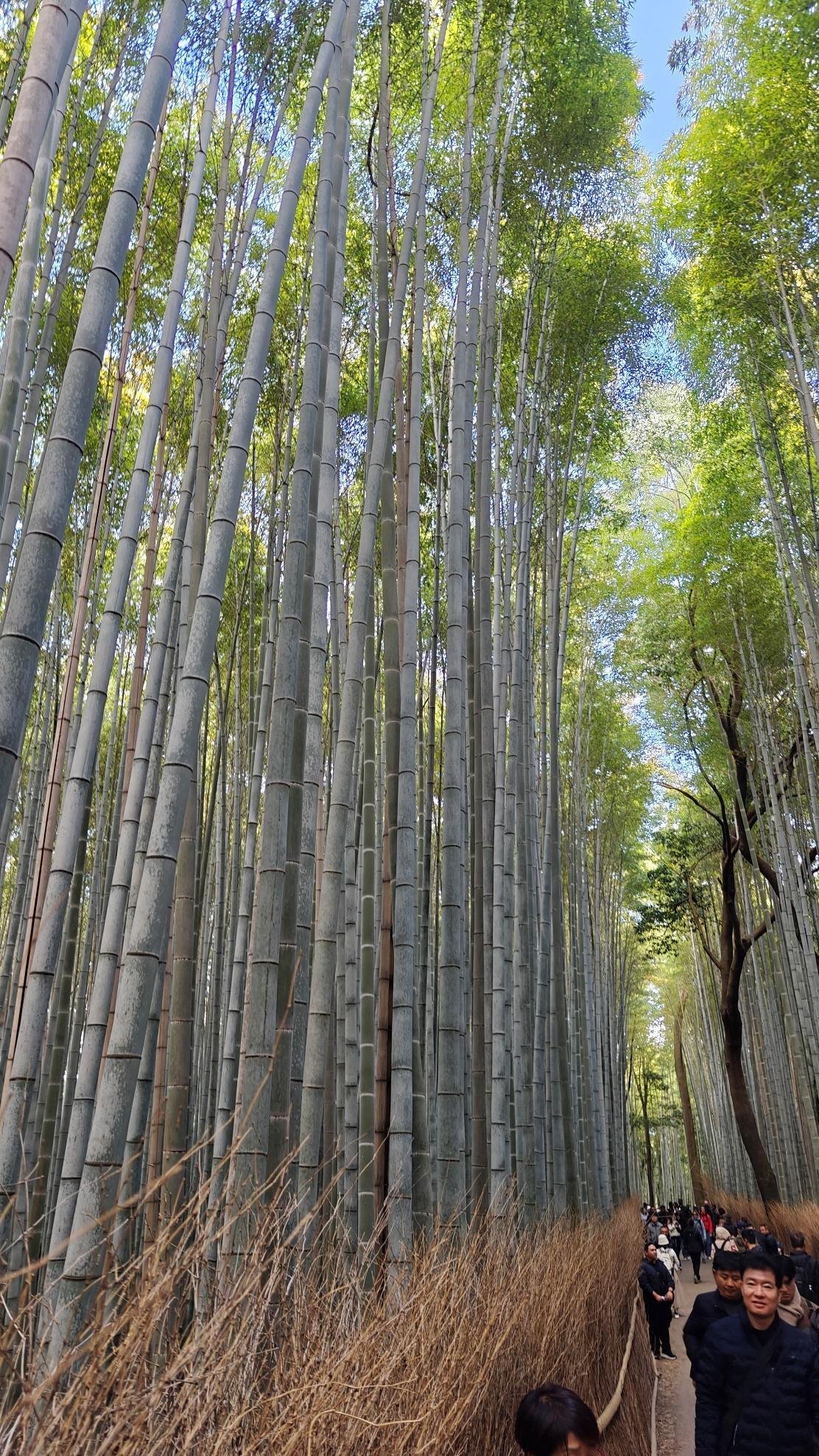
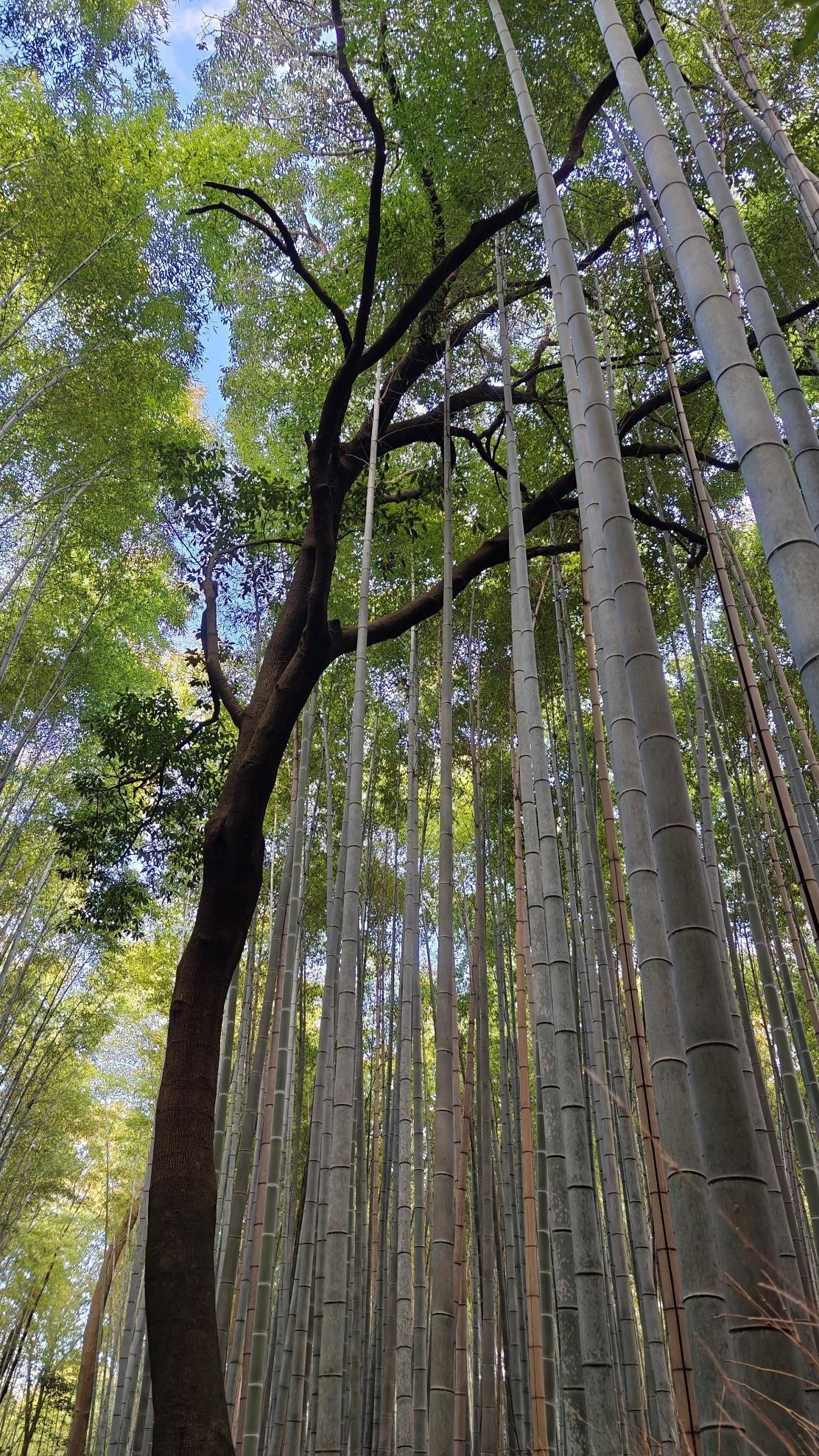
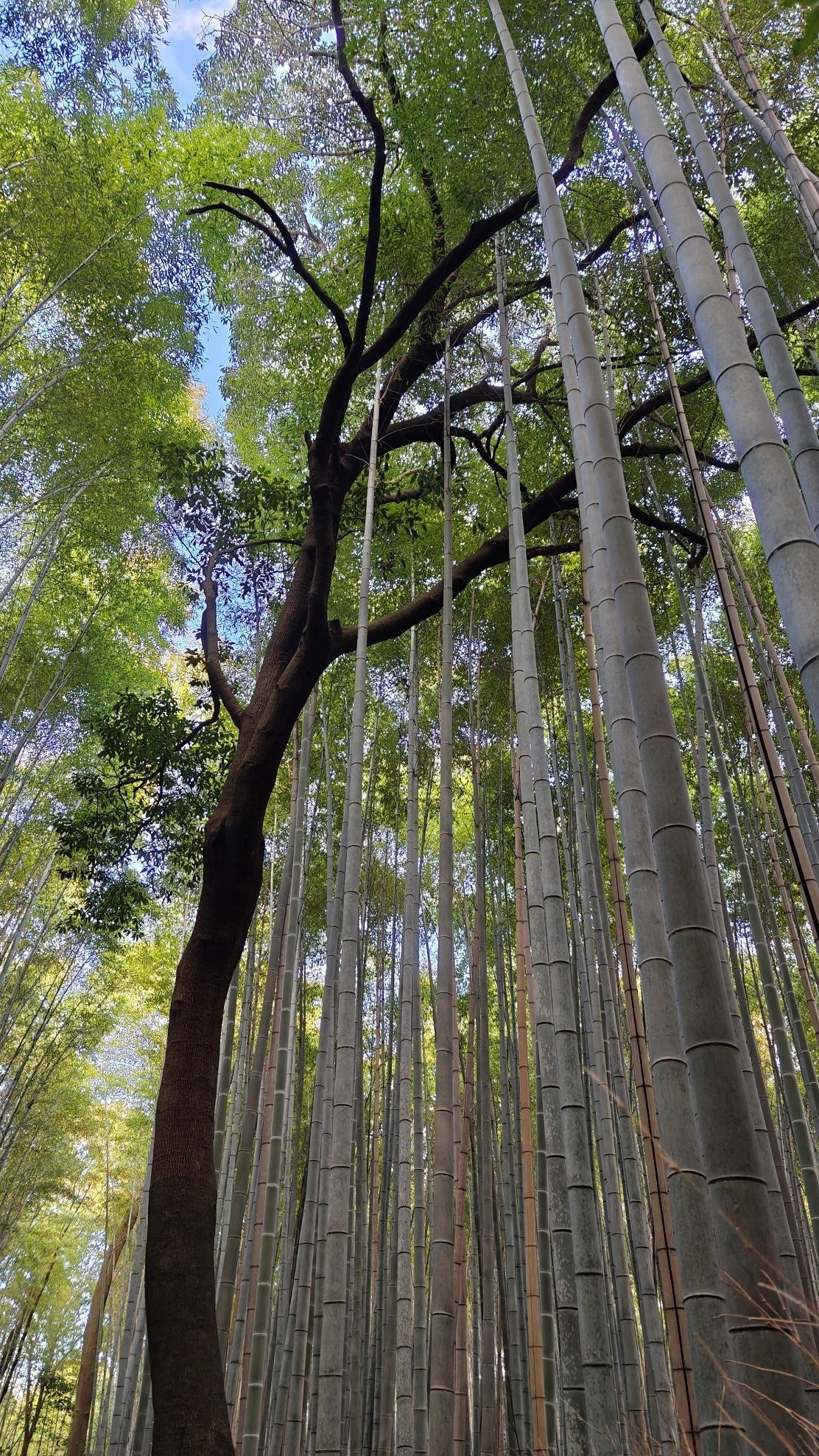
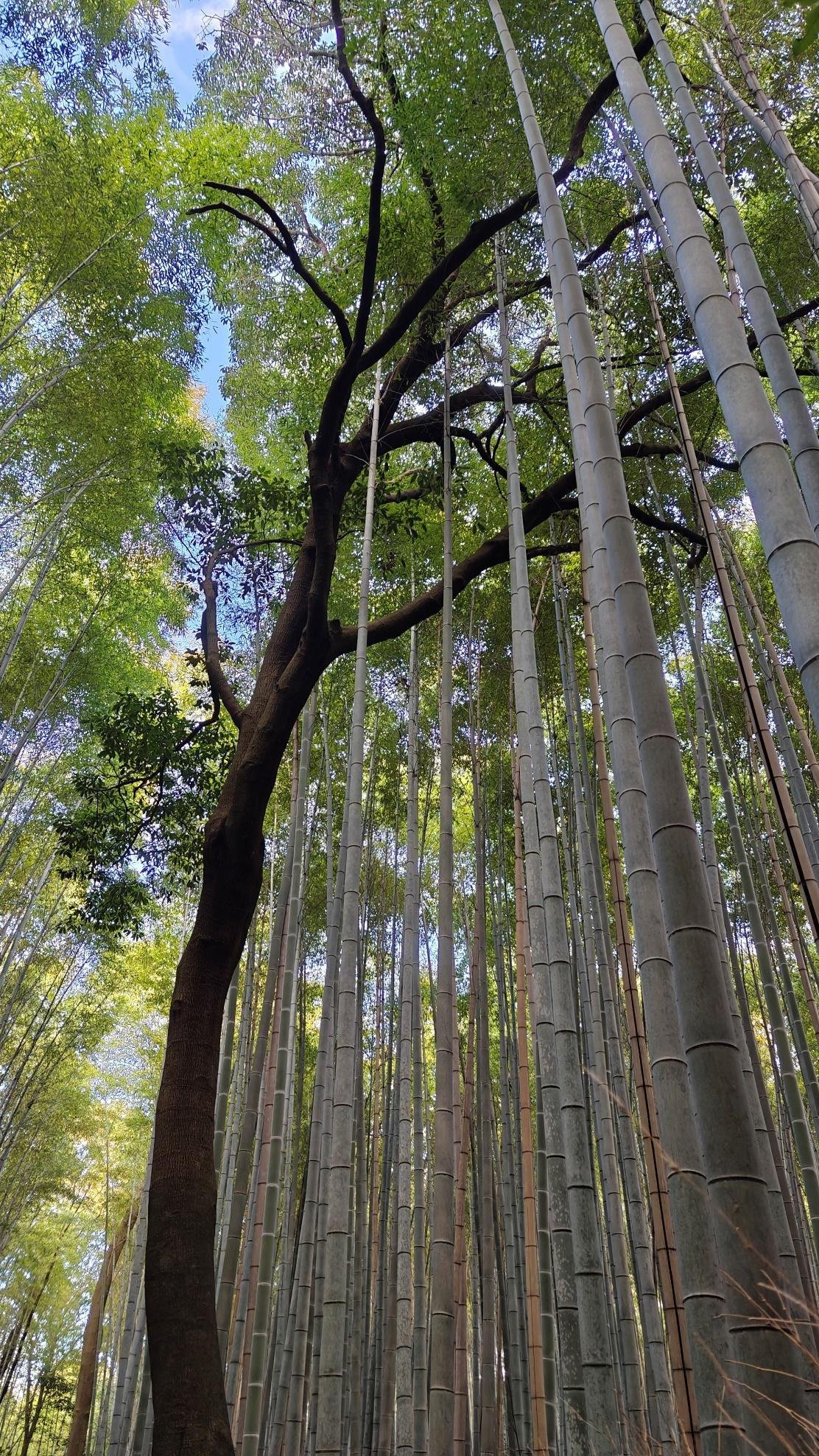
So bamboo isn’t the only plant that grows here. If you look closely, there are trees every couple of meters or so that are more or less as high as the bamboo. I’m not quite sure what these trees are but they do a great job of breaking the monotony of the view.
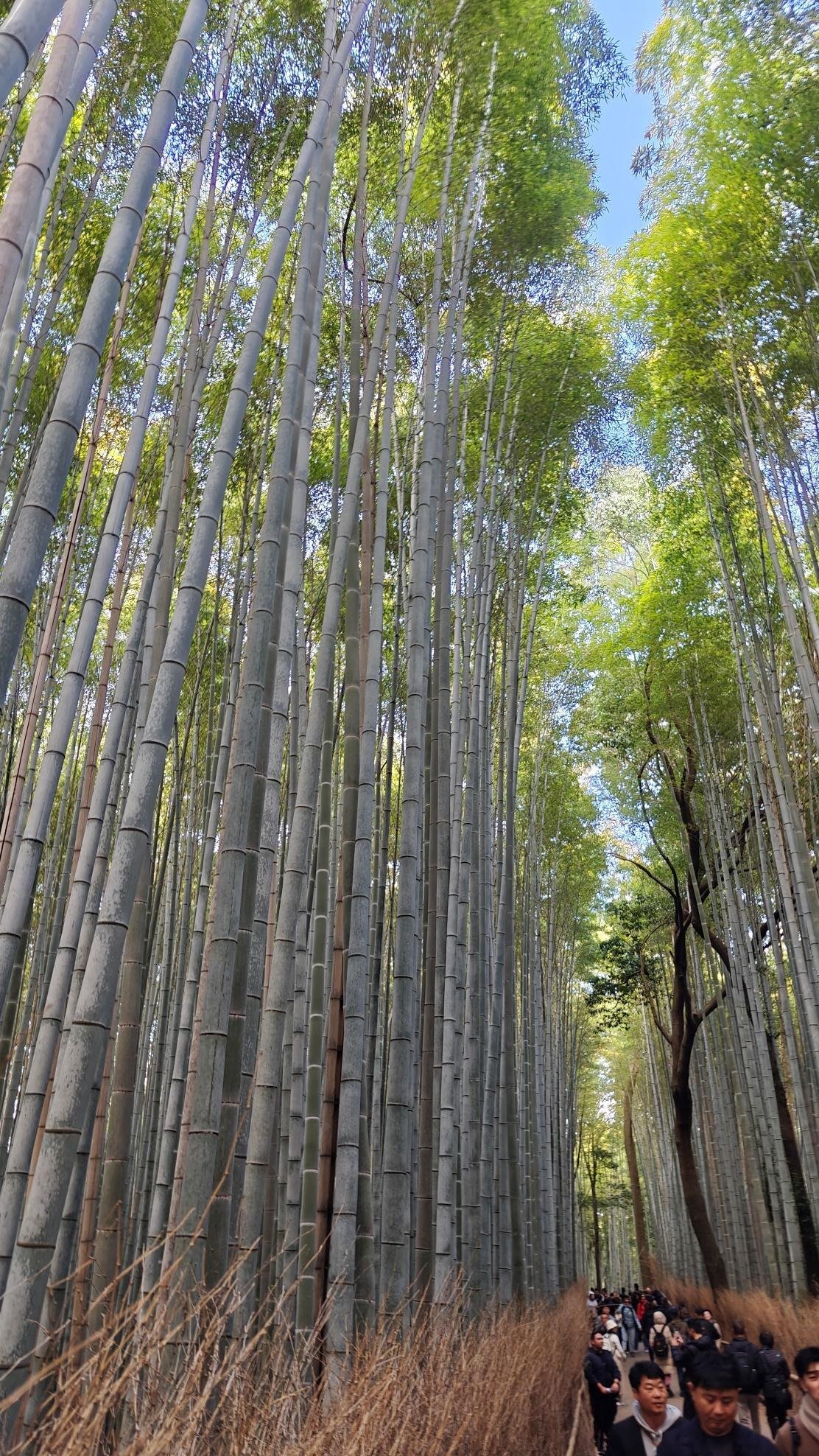
You’ve also probably noticed the mass of twigs lining the path. Initially, I thought that these were just plants that died due to it being winter. Then I remembered that these were also at the Hokokuji Bamboo Grove.
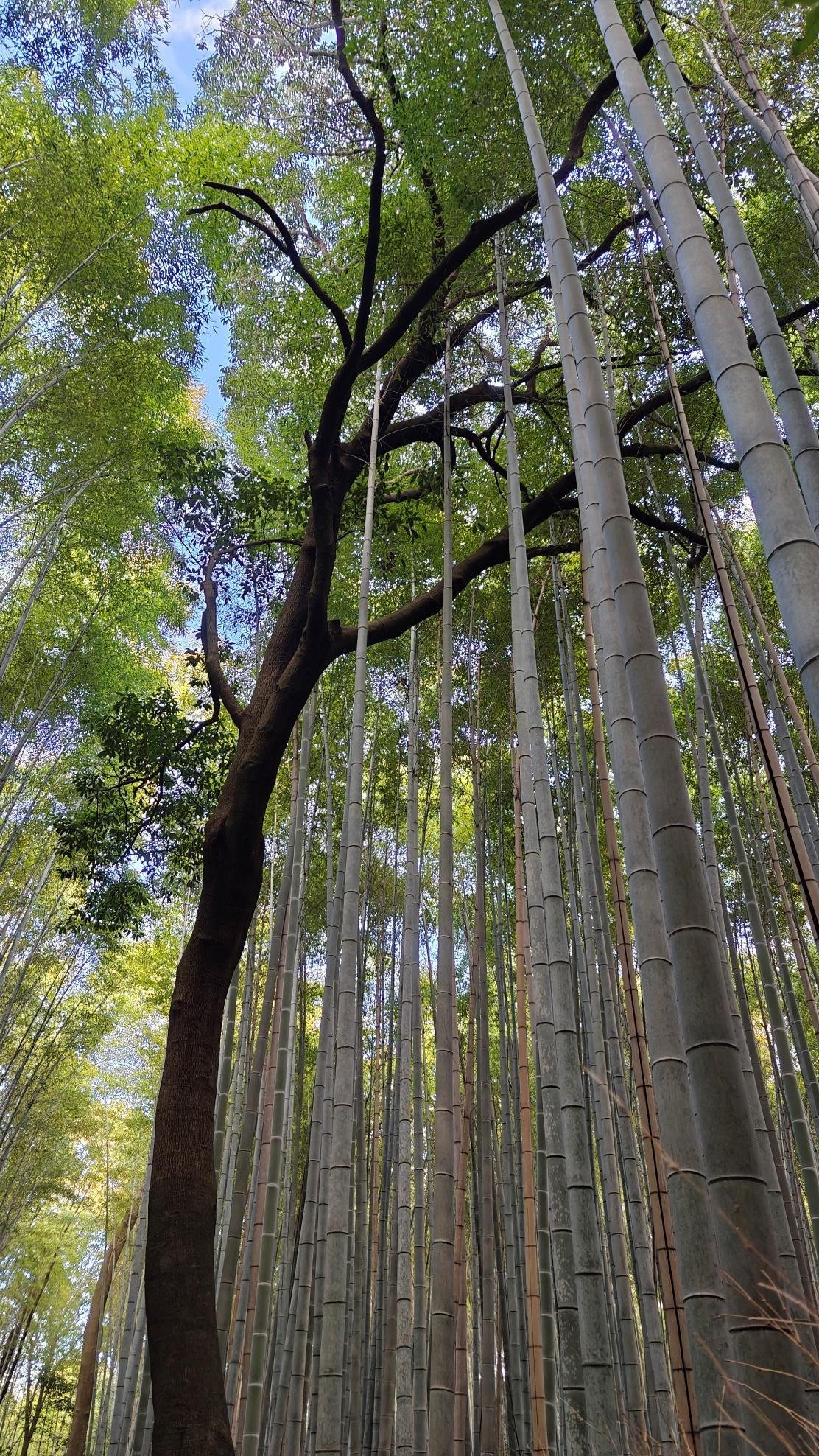
Before I discuss what the mass of twigs that were lining the path are, let’s take a look at one of the trees that I mentioned earlier. As you can see, the tree is as tall as the bamboo here. Moreover, it also seems like a perennial since its leaves were still intact and green even though it was past fall when I took this picture.
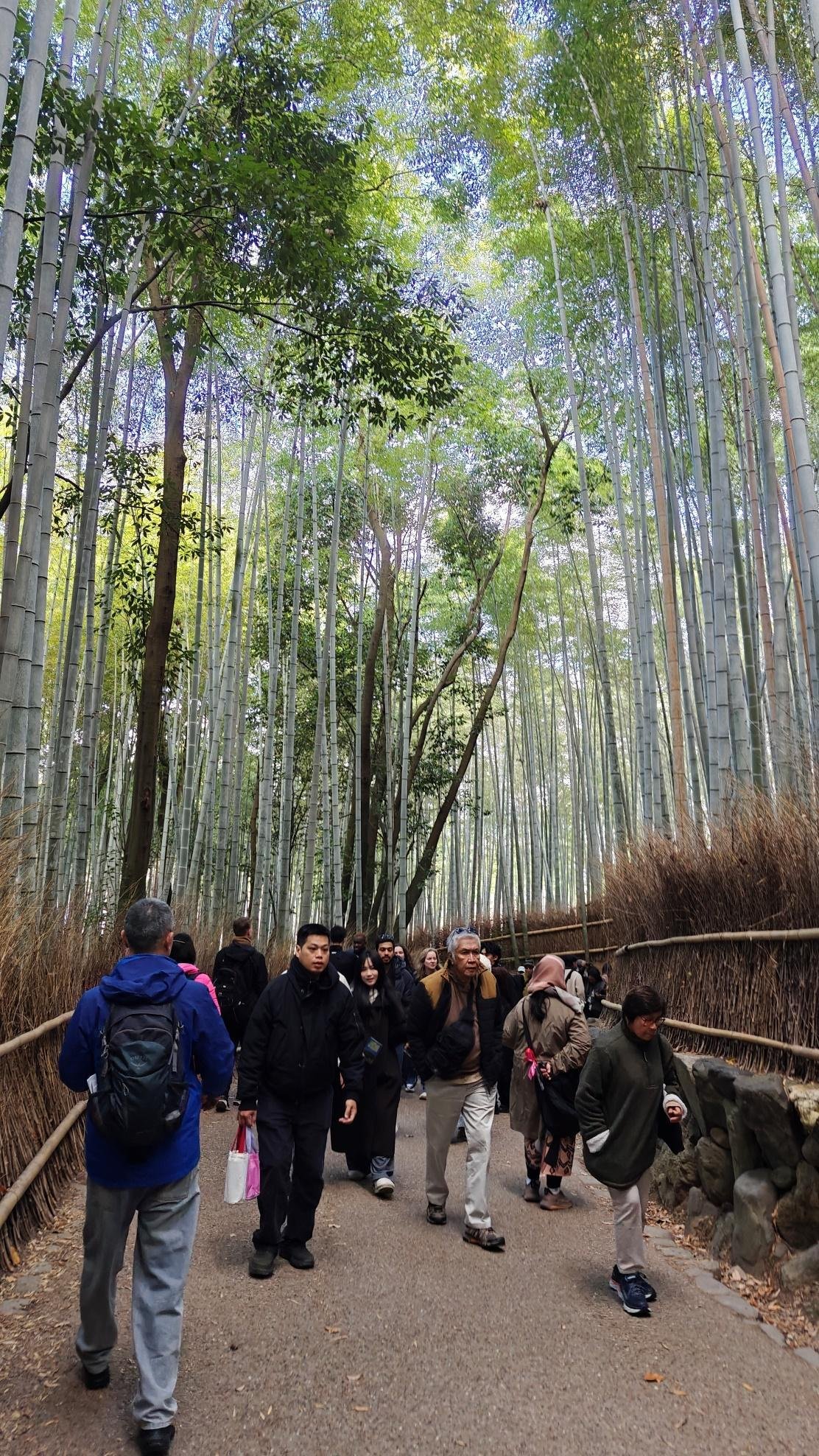
Here you can see the twigs that I was talking about. These are actually part of a traditional Japanese fence called Hogaki and they’re made from twigs/long branches taken from the bamboo here. It might seem like a random fence but they are surprisingly labor intensive and actually require expert craftsmanship to make.
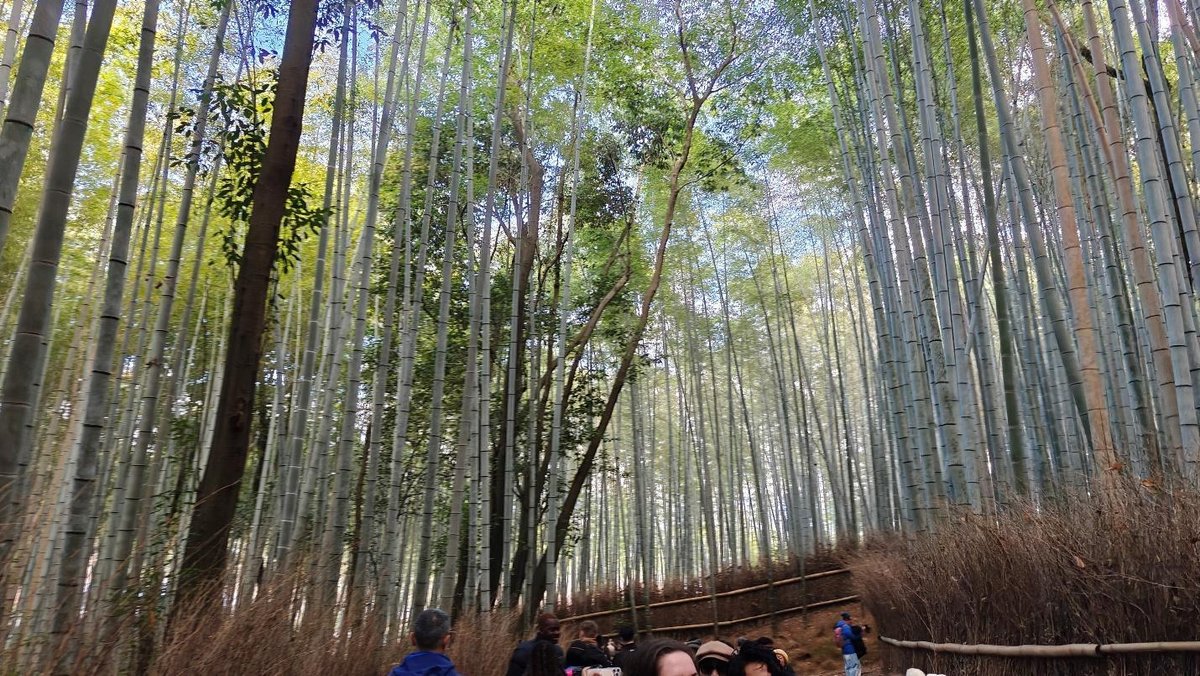
So an interesting tidbit of info that I found out while researching about Hogaki or sometimes called Hoki-gaki is that it grew in popularity sometime in the 1500s here in Kyoto. Its use coincided with the popularity of sukiya architecture and chado/tea ceremony culture which were both highly influenced by Zen Buddhism (nearby Tenryu-ji is run by Zen Buddhist monks). Honestly, it’s quite interesting how such a simple-looking fence has such a rich history and how it’s seemingly still seeing use even to this day.
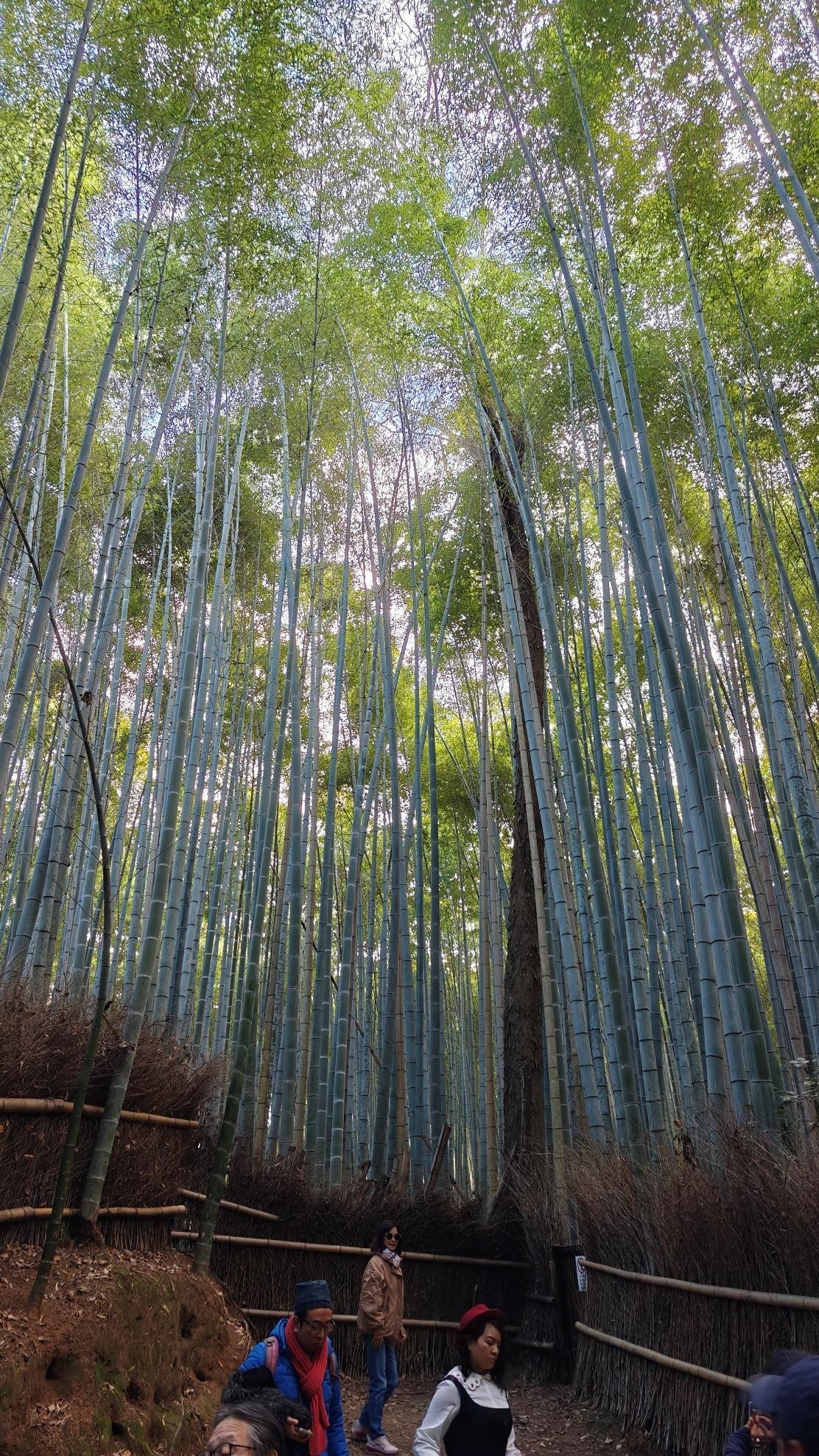
Going back to the Bamboo Forest Path, you’ll know you’re about halfway through it once you come across this bend. The concentration of the bamboo here starts to get denser and so you’ll notice that it’s not as well lit. Don’t worry though as it’s a pretty short distance from the Tenryu-ji Temple entrance from this point.
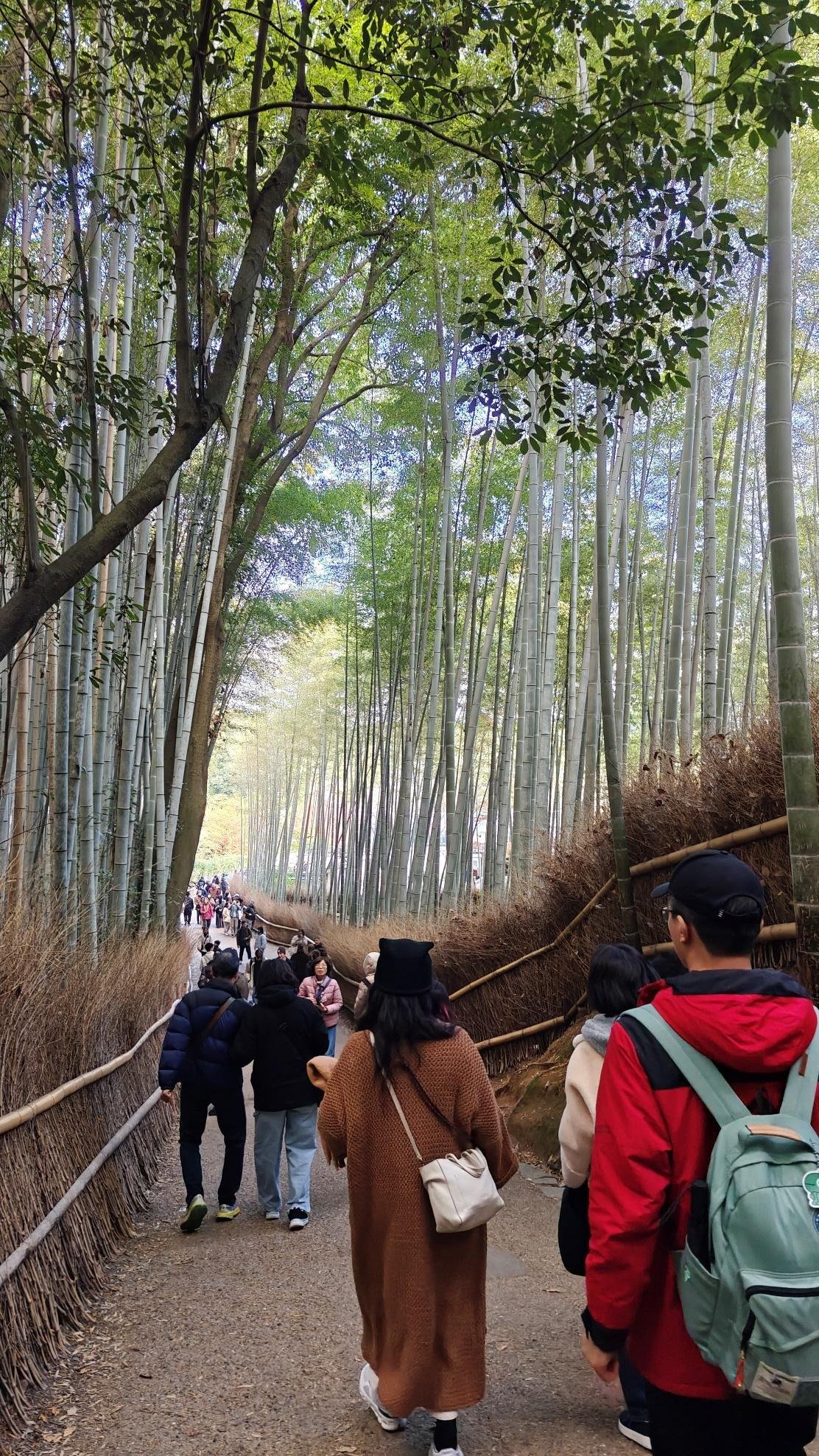
Here you can see the end of the Bamboo Forest Path. You’ll also notice that there are still a good number of people on the path that, like me, are heading towards Tenryu-ji Temple. Again, the path is actually quite wide so foot traffic from both directions was relatively fast.
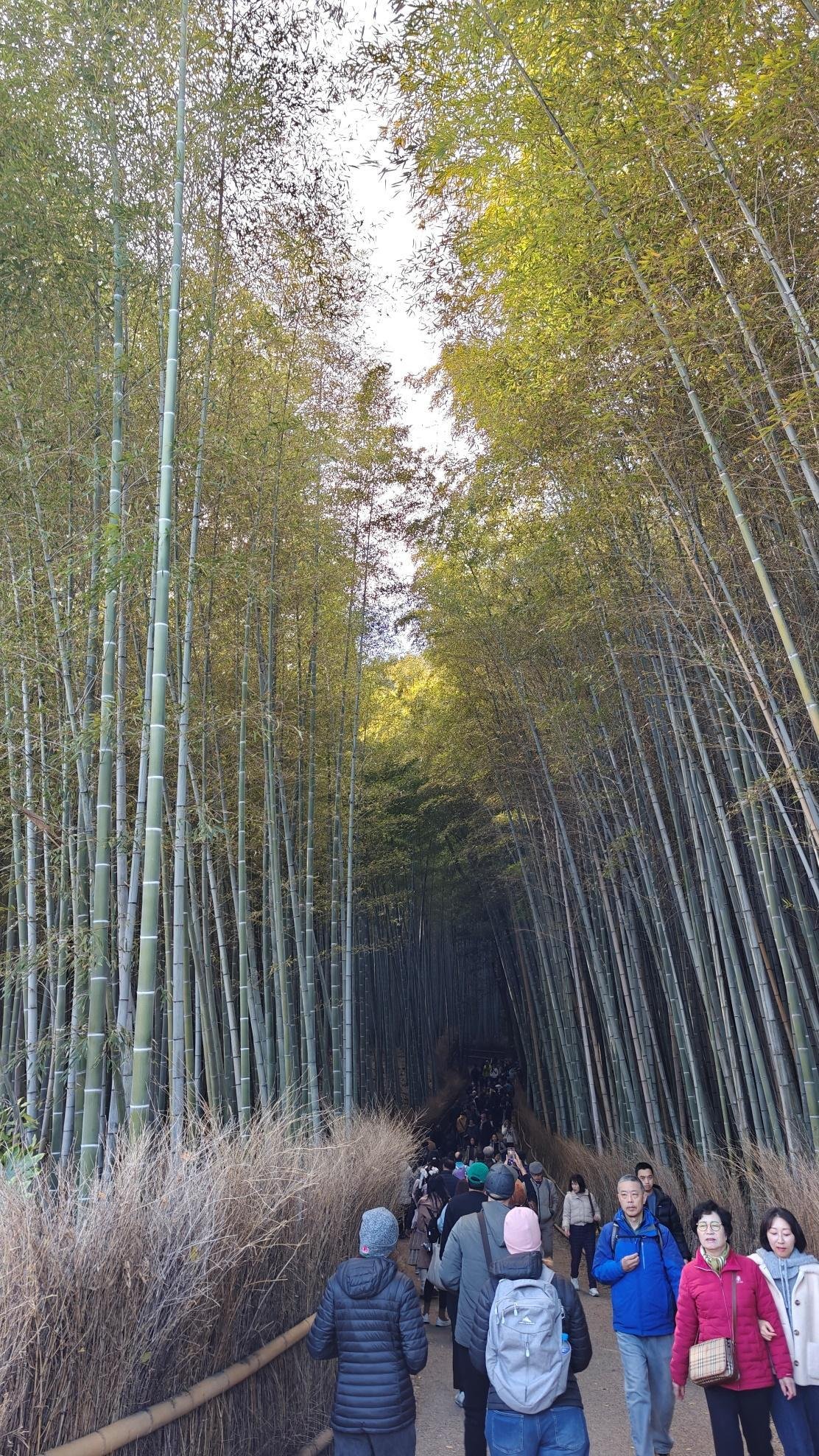
This is what the bend that I talked about earlier looks like if you’re heading towards it from the direction of Tenryu-ji Temple. Like I said earlier, the bamboo in the area is quite dense so it’s not an ideal spot for taking pictures because of the bad lighting. Moreover, you can kind of end up blocking the foot traffic if you did decide to stop there just to take pictures.
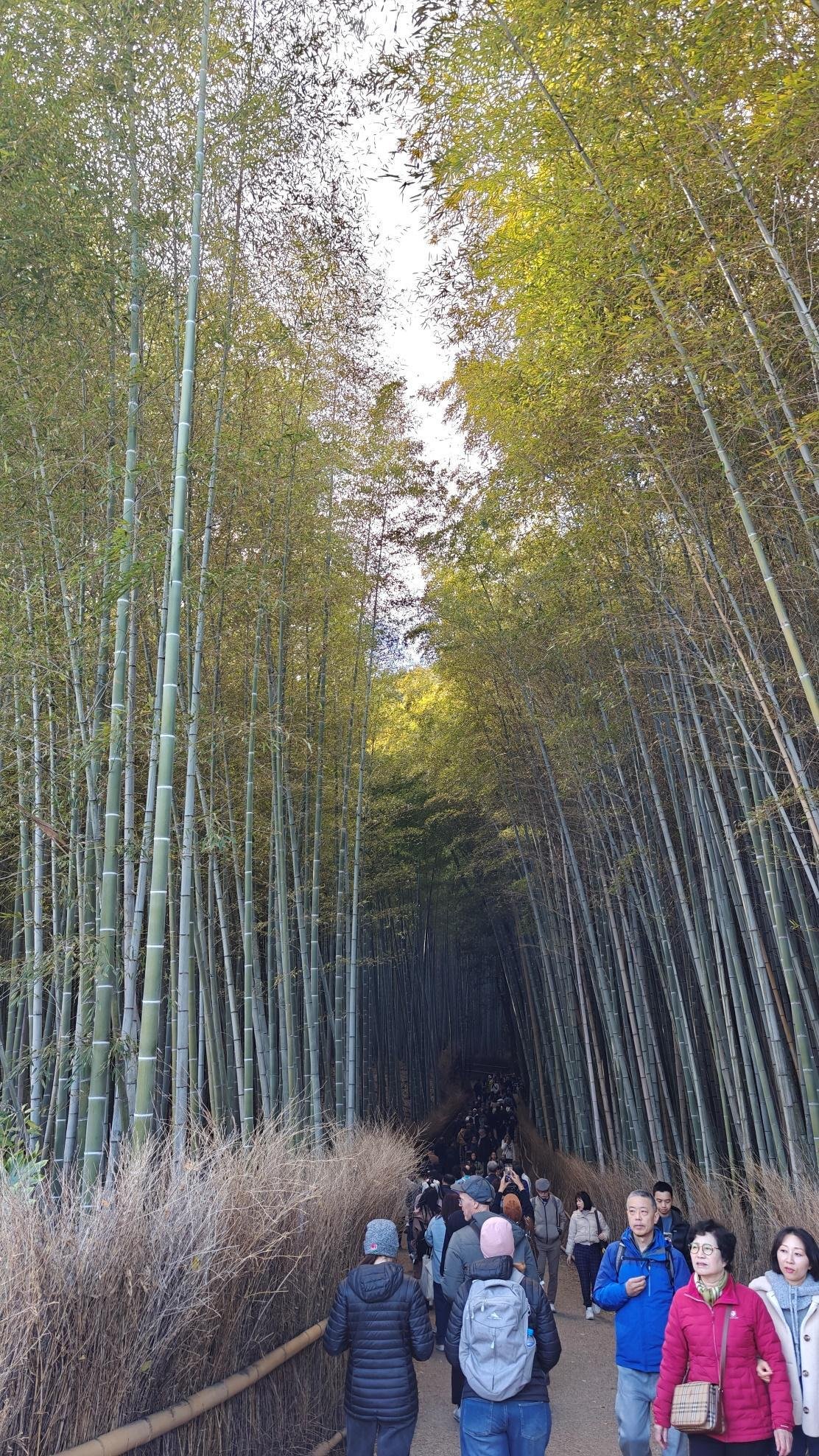
I reckon it took me 15-30 minutes to get from the entrance of the Bamboo Forest Path up until this point. If you’re in a hurry and don’t want to take pictures then you might even be able to make it in about 10 minutes. Personally though, I made sure to take my time and just enjoy the sea of bamboo as I was walking through the path.
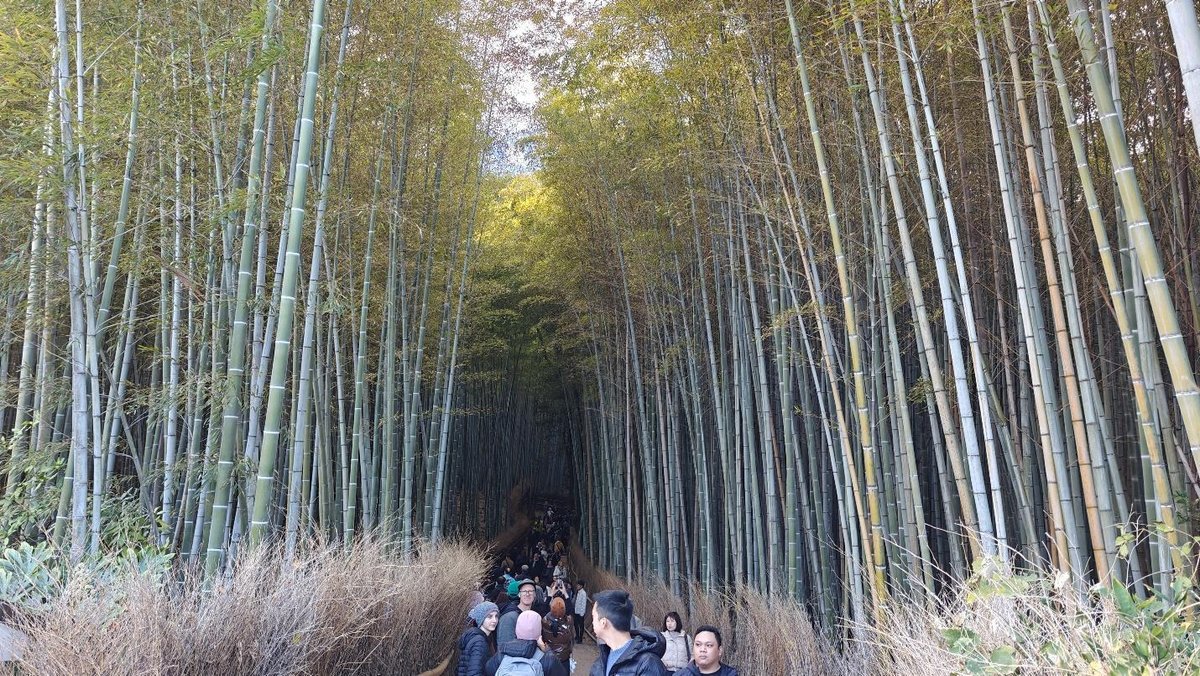
Now from this point, people typically will head to Tenryu-ji Temple since its entrance is just to the left of this image. You also have the option to just follow the path up until you get to the Ruins of Danrin-ji Temple. Up north from there is the Sagatenryuji Tateishicho district which has a Bamboo Forest Trail where you can actually get inside a bamboo grove and get to have a much closer look at these gorgeous plants.
That ends my walk through the Bamboo Forest of Arashiyama (or at least a section of it). It was undoubtedly a really pleasant experience that I think is worth recommending especially if you plan on visiting Tenryu-ji Temple. The only issue you might have with a visit here would probably be the crowds since it is a rather popular spot.
You could come here really early in the morning though if you want there to be fewer people.Will you be planning to go through the Bamboo Forest of Arashiyama when you visit Kyoto? Make sure to sound off in the comments section if you’ve already included this place (or why you didn’t) in your itinerary.