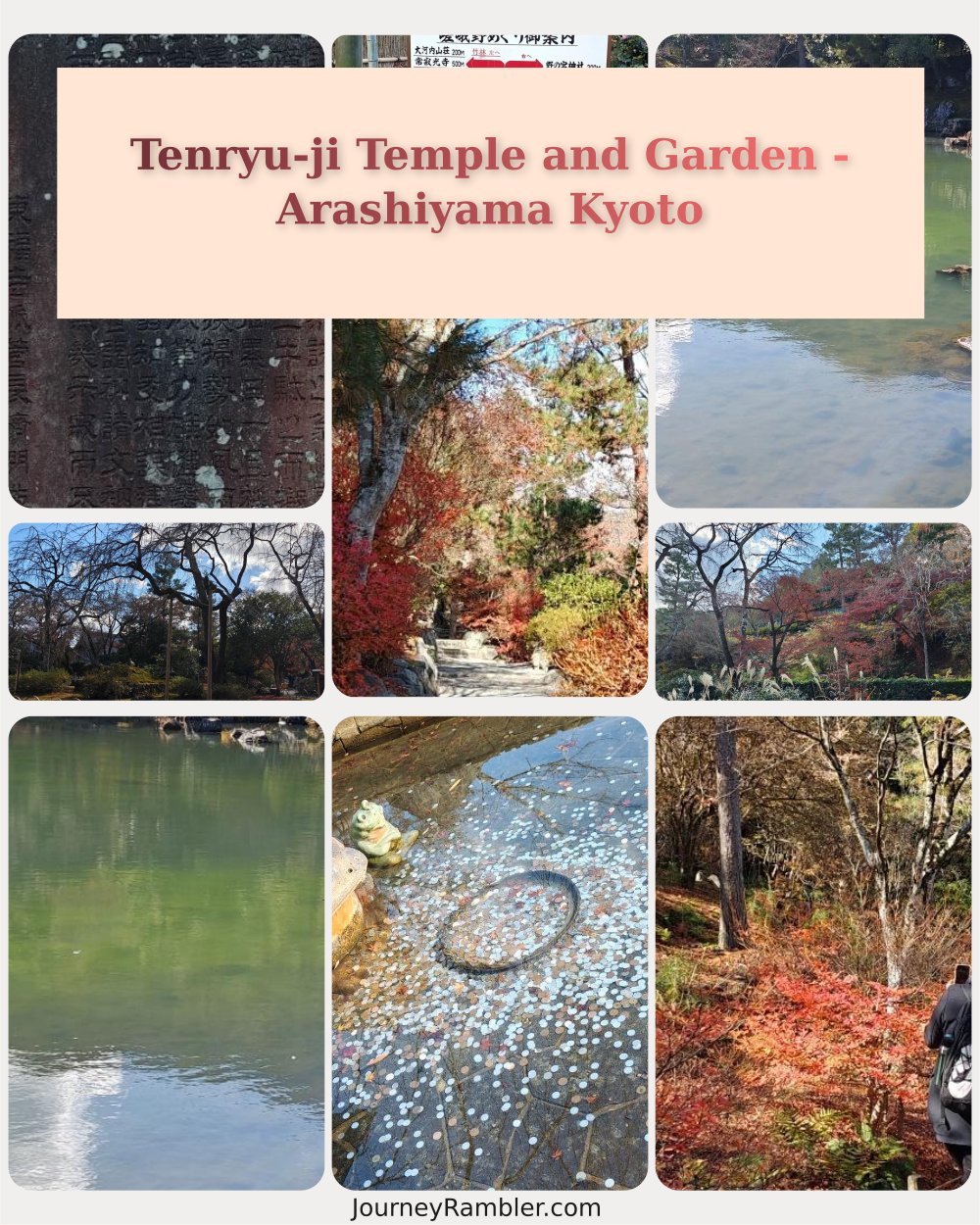
After spending some time there, I think that a visit to Tenryu-ji Temple and Garden in Arashiyama is an experience worth having when you’re in Kyoto. While not as popular as Kiyomizu-dera and Fushimi Inari Taisha, it is by no means inferior. I was able to visit during the start of winter and loved the scenery here.
Today, I’m going to be sharing pictures and my thoughts of that visit. So if you’re interested, make sure to read on further!
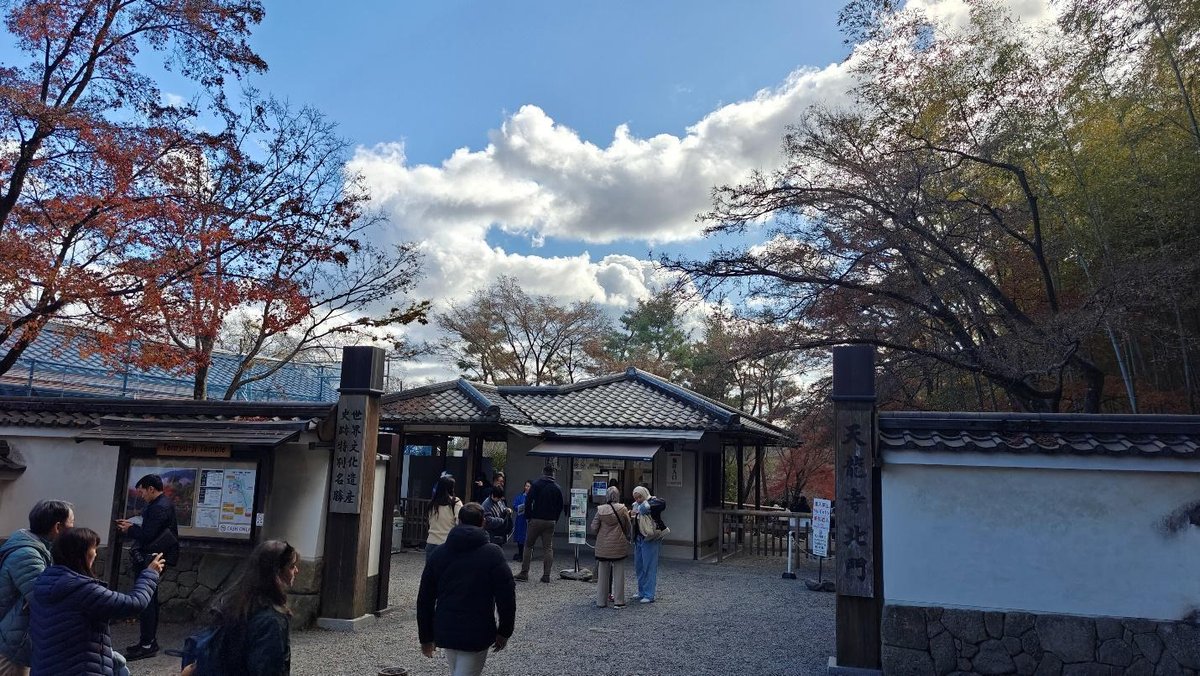
Located in Arashiyama, Tenryu-ji is one of a number of attractions that you can find in this scenic district and is definitely the most popular temple here. Since this is still part of Kyoto, getting here is relatively easy due to the availability of public transport options. In my case, I went with the scenic option and got here via the Sagano Romantic Train which has a stop from Torokko Arashiyama Station.
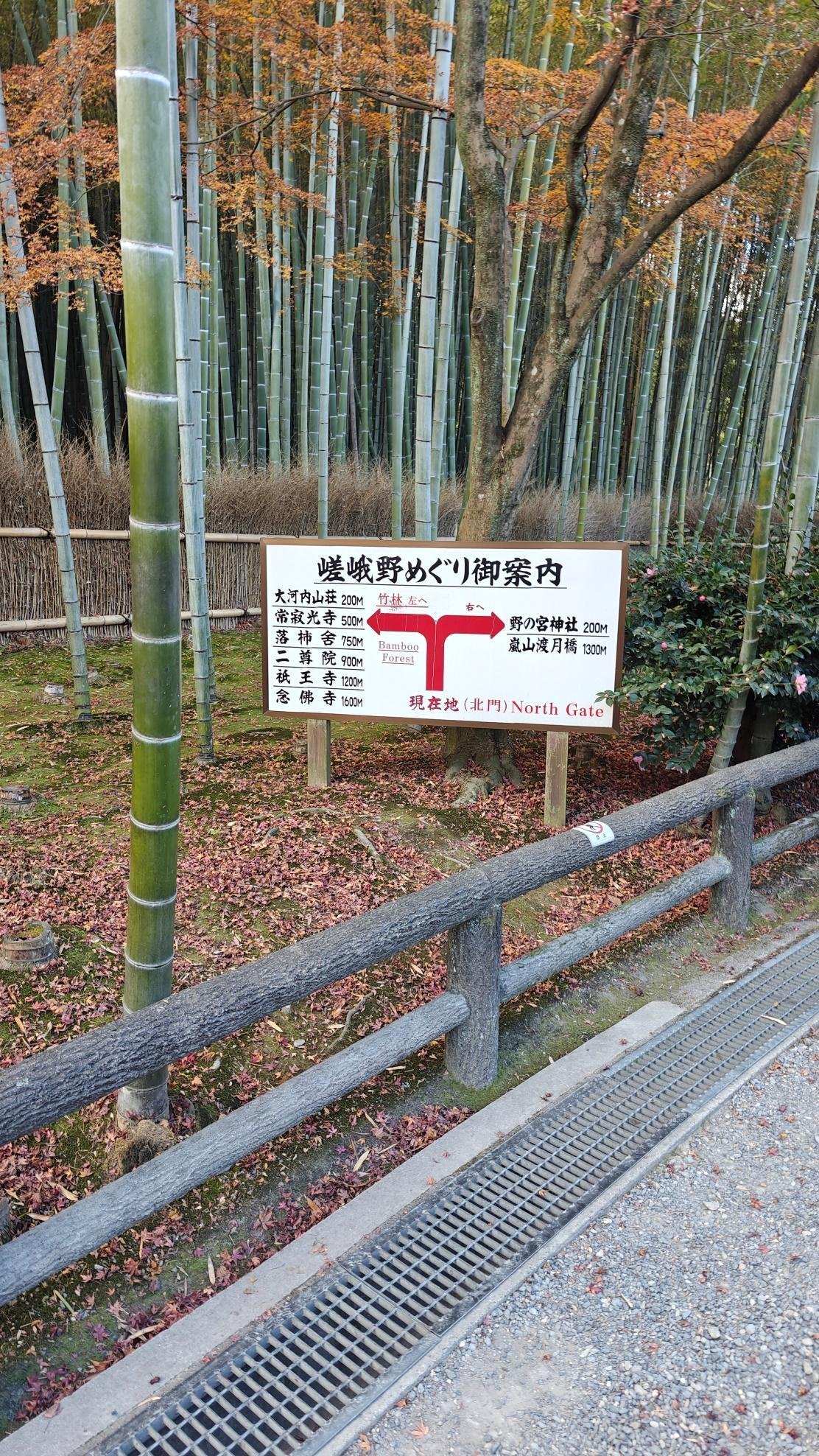
From there, I then walked past the Arashiyama Bamboo Forest before finally reaching the North Gate entrance of Tenryu-ji Temple shown above.
Oh and in case you’re wondering, I also have write-ups for both the Sagano Romantic Train and Arashiyama Bamboo Forest so make sure to read those as well!
What to See at Tenryu-ji Temple and Garden
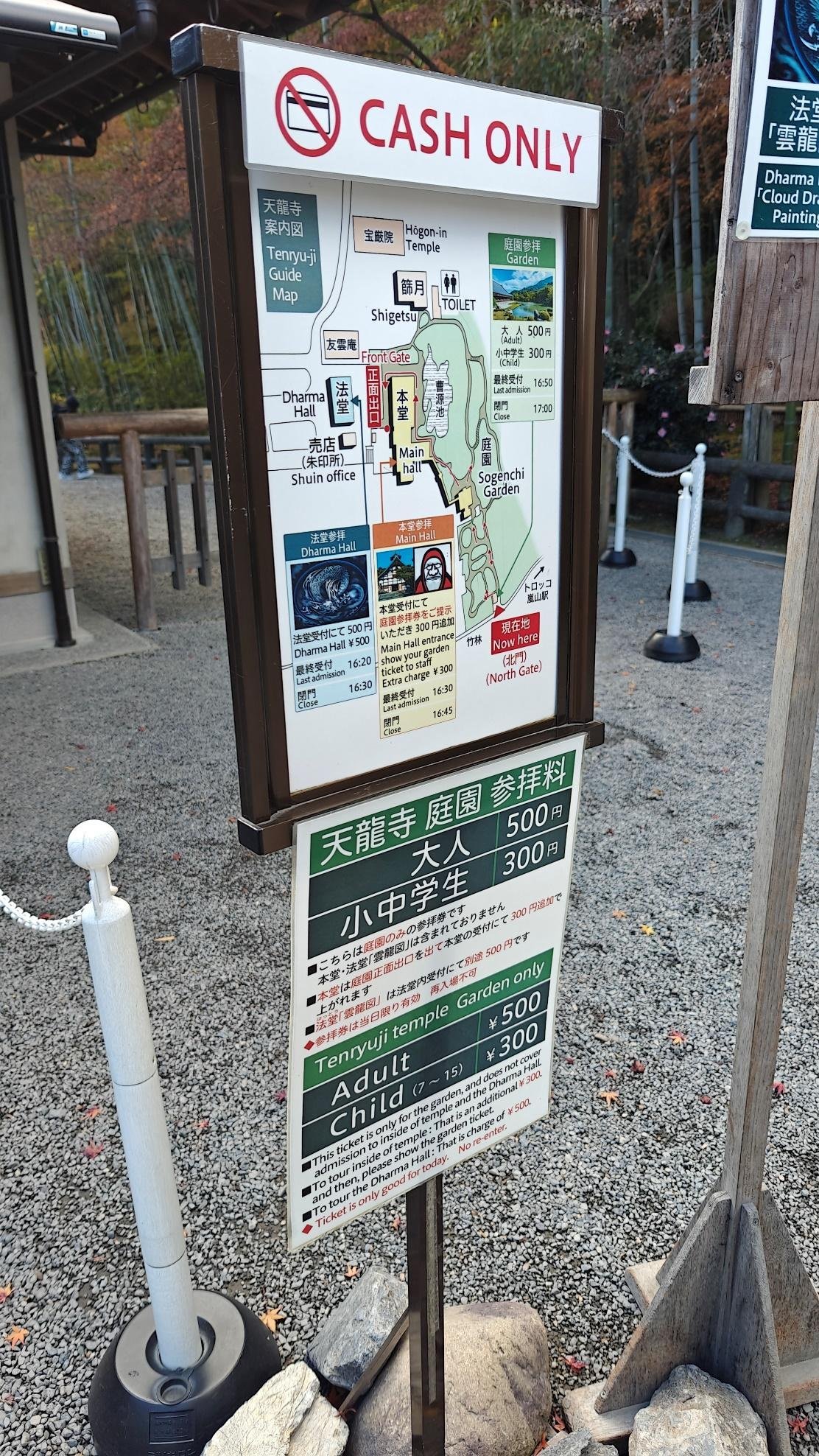
Here’s the guide map for Tenryu-ji Temple which is just in front of the ticket booth at the entrance. Unlike Yasaka Shrine and Fushimi Inari Taisha, the temple requires you to pay for admission. At just 500JPY though, you’ll have access to its Sogenchi Pond Garden though you will have to pay additional if you want to get into the Main Hall and Dharma Hall (300JPY and 500JPY respectively).
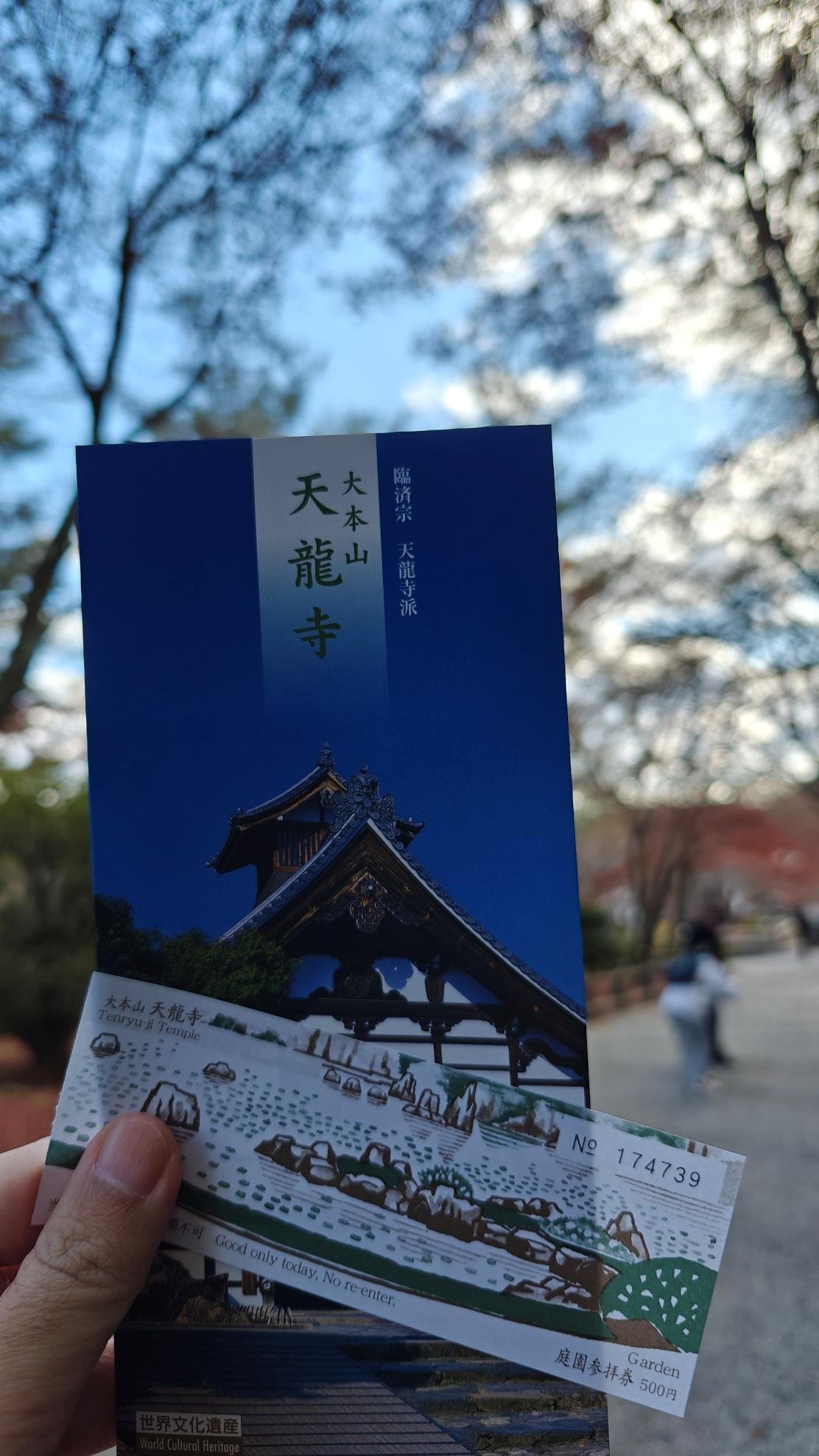
I got a ticket for just the Sogenchi Pond Garden and my reasoning for it at that time was that I really didn’t know what to expect inside the Main and Dharma Halls. Moreover, I read that it’s not allowed to take pictures inside these areas as cameras and camera phones are banned to protect the art on display there. If given the chance to visit again though, I’m probably going to get a ticket to really experience these areas.
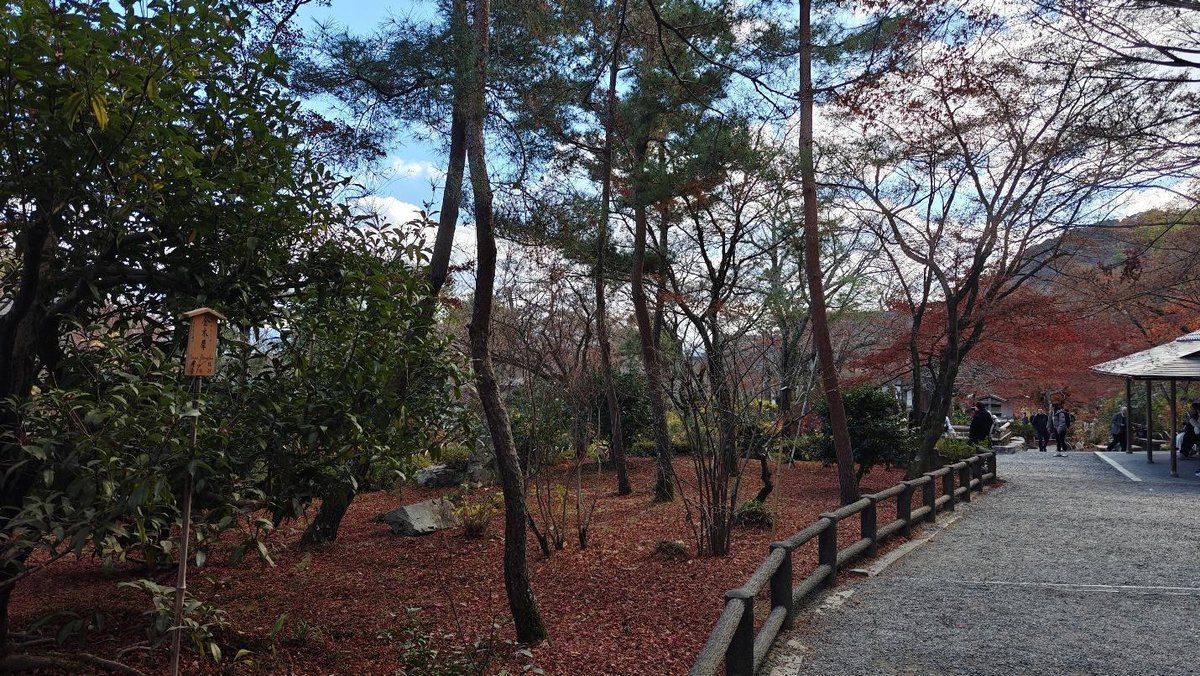
After going past the entrance, I was then greeted by the sight of the Garden of Hundred Flowers or Hyakka-en to my left and the Arashiyama Bamboo Forest to my right. The Hyakka-en is still considered a part of the Sogenchi Garden and it’s said to have more than a hundred varieties of plants hence its name. As for the Arashiyama Bamboo Forest, it’s actually just adjacent to the temple complex and like I mentioned earlier, the path you take to get here actually goes through it.
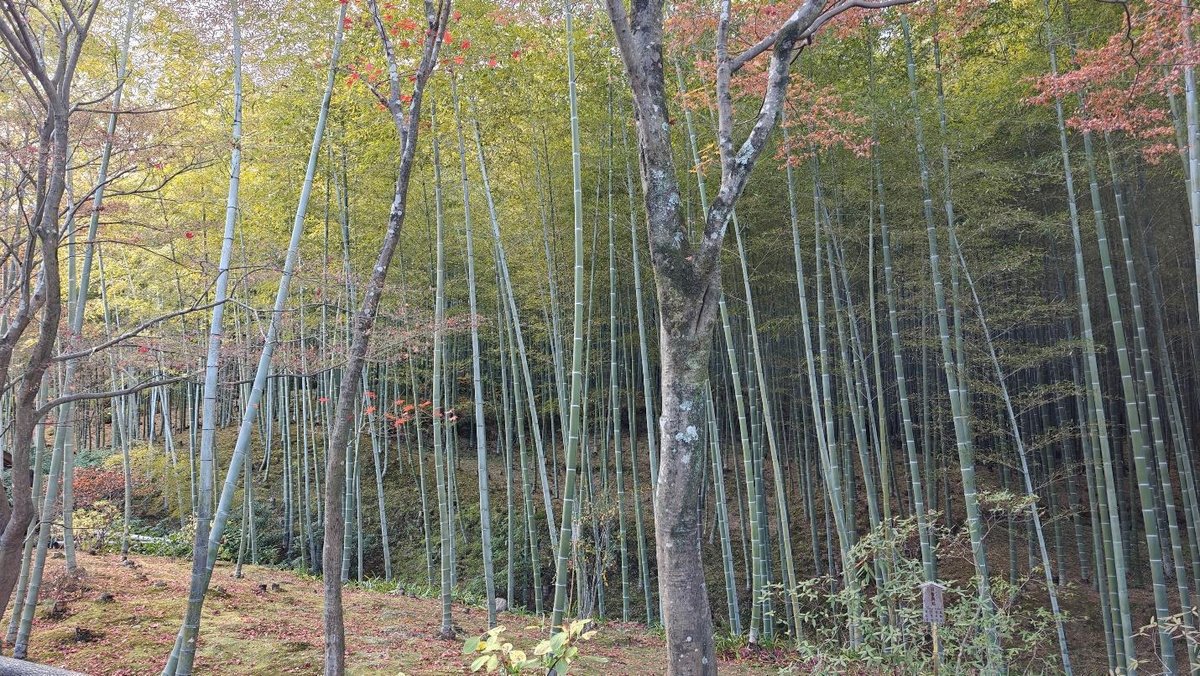
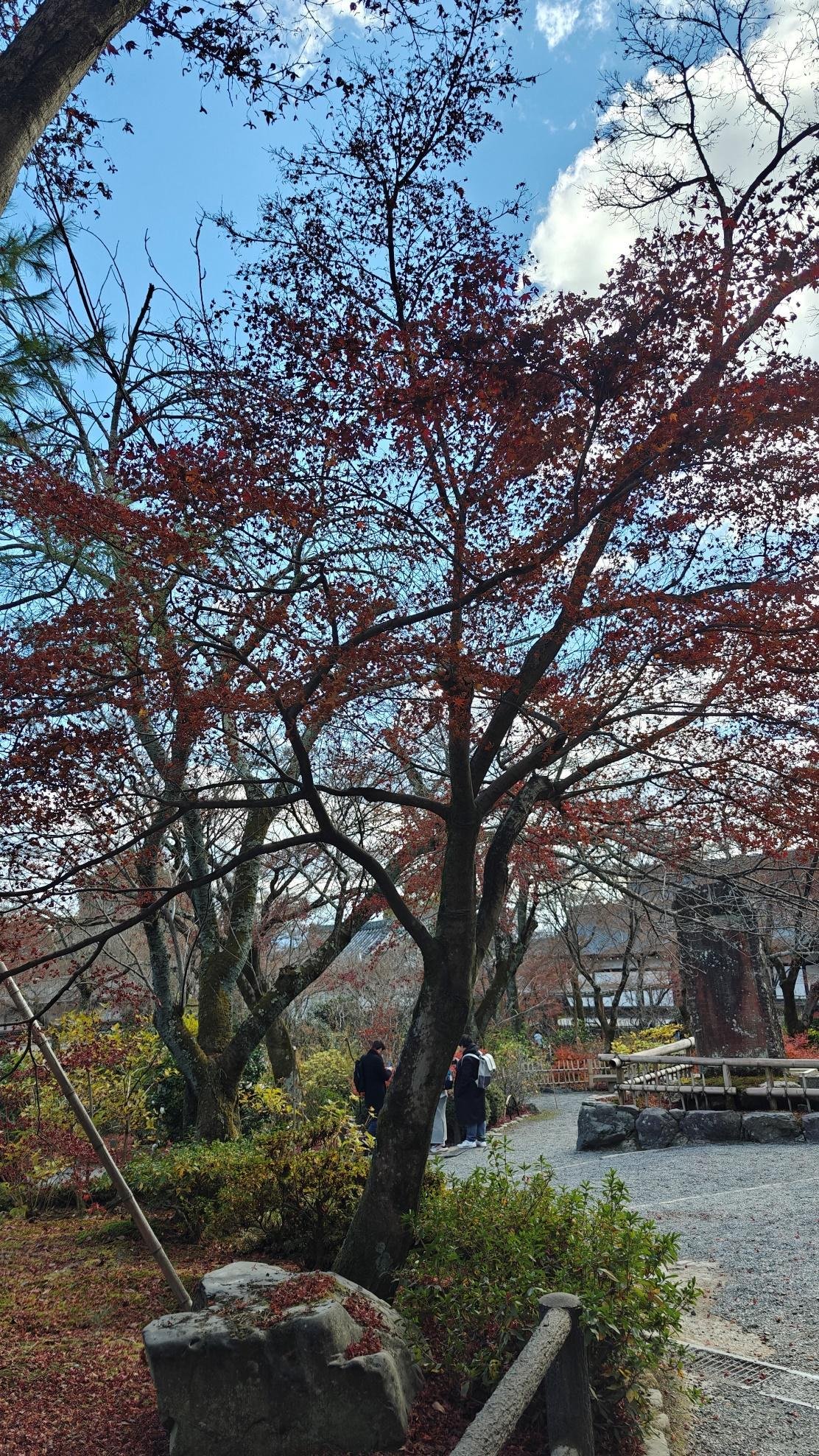
My visit was in early December so I still was able to witness the fall foliage here at the Hyakka-en. As for when it’s best to come here, I’ve read online that it’s great during the spring. I think it’s really just going to bowl down to if you prefer the cherry blossoms or the spring foliage.
Regardless of the season, I think you can expect the scenery even in this section should be really nice.
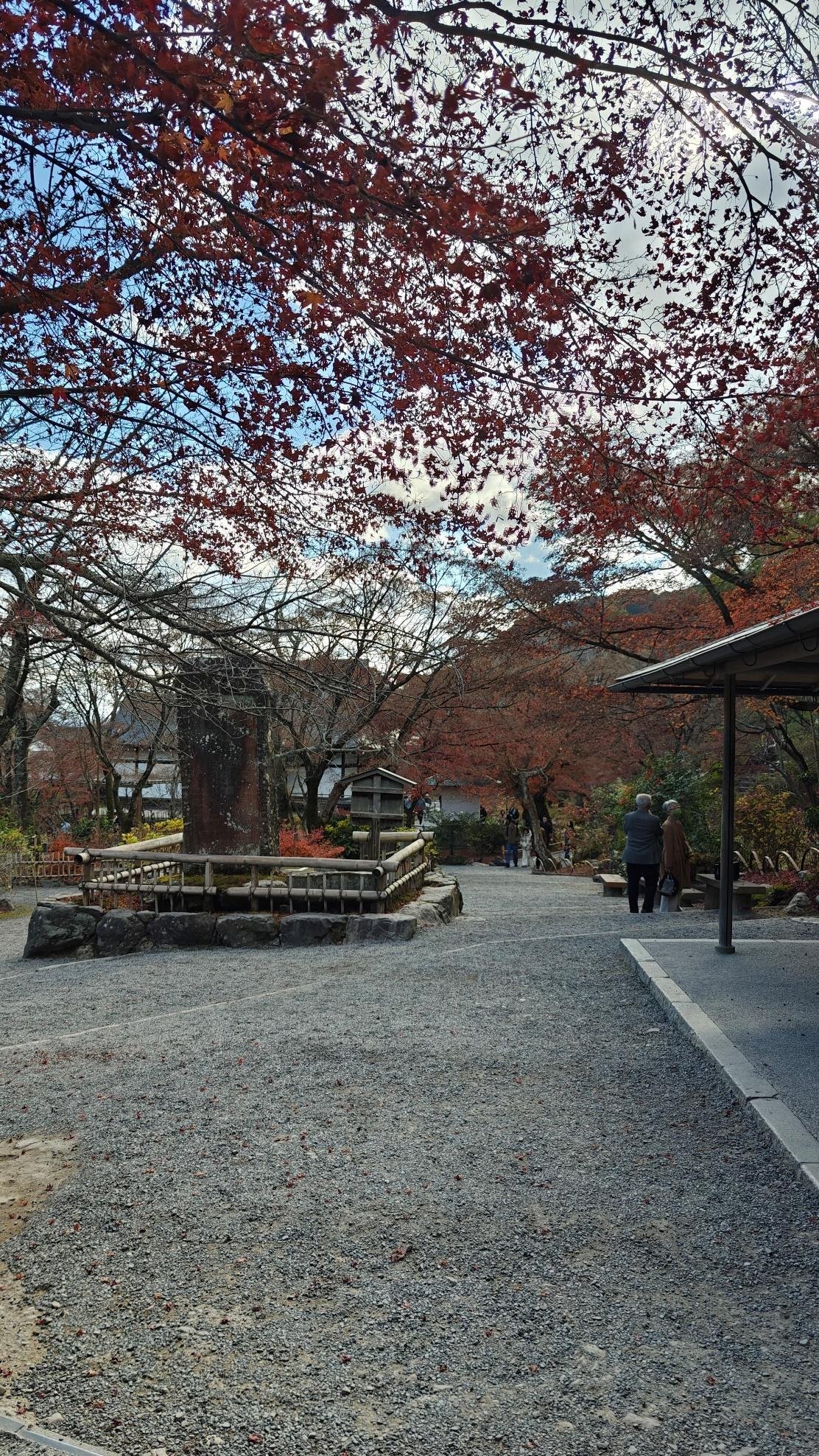
Speaking of the Suzuriishi, it's actually the area that has a large stone tablet enclosed by a small bamboo fence. This area is smack dab in the center of an intersection which features a detour leading to the Hyakka-en (on the left) and one to the Tahoden and Main Hall (forward). It's not shown but on my right is a hut that has benches for you to rest in.
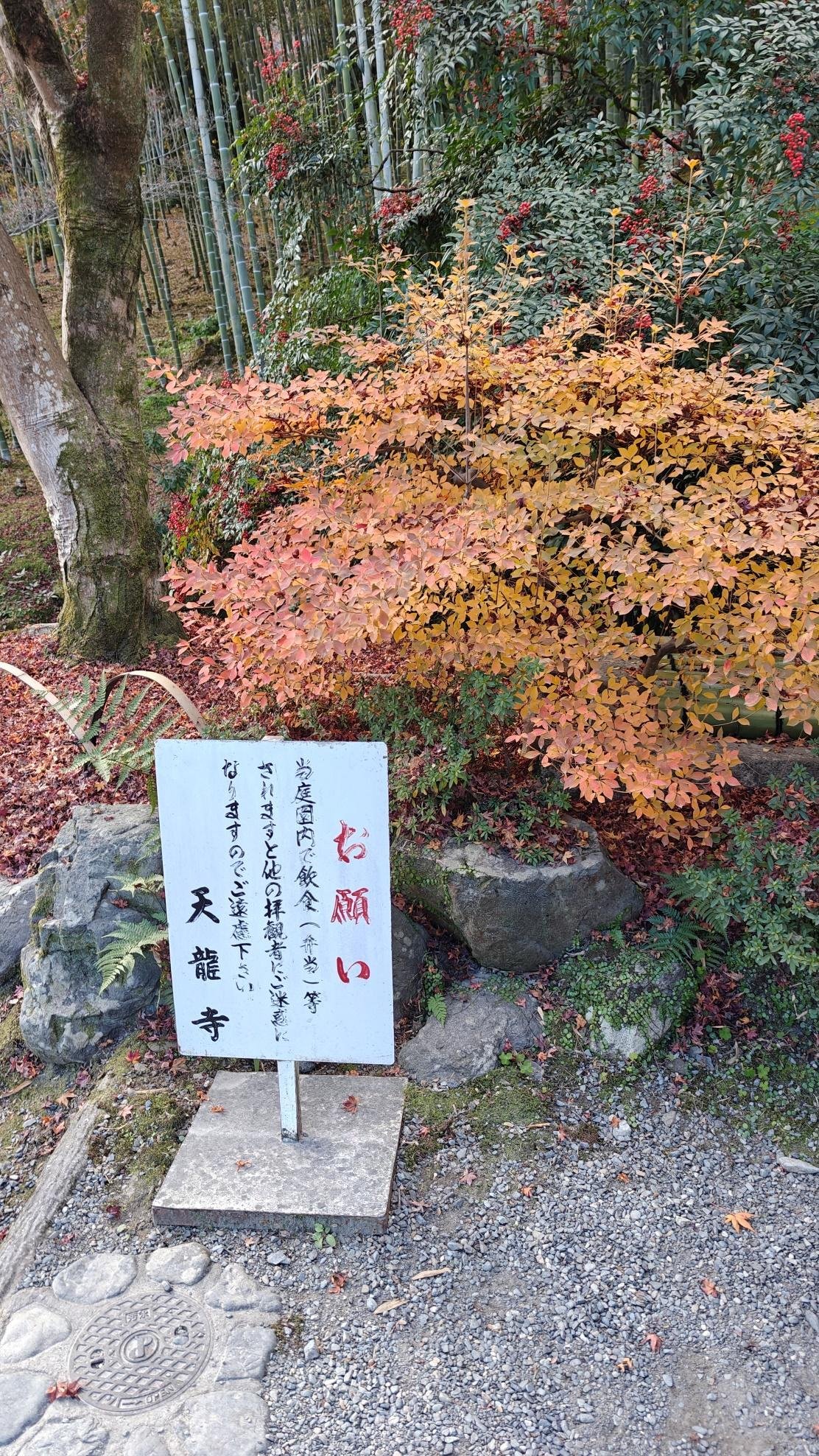
Just before getting to the area where the Suzuriishi is, I came across this sign. It’s basically a warning to not eat in the garden area as a consideration for other visitors. That said, it would have also been great if there was a translation of this warning in English as not many visitors might not be mindful enough to use something like Google Lens to decipher what the sign says.
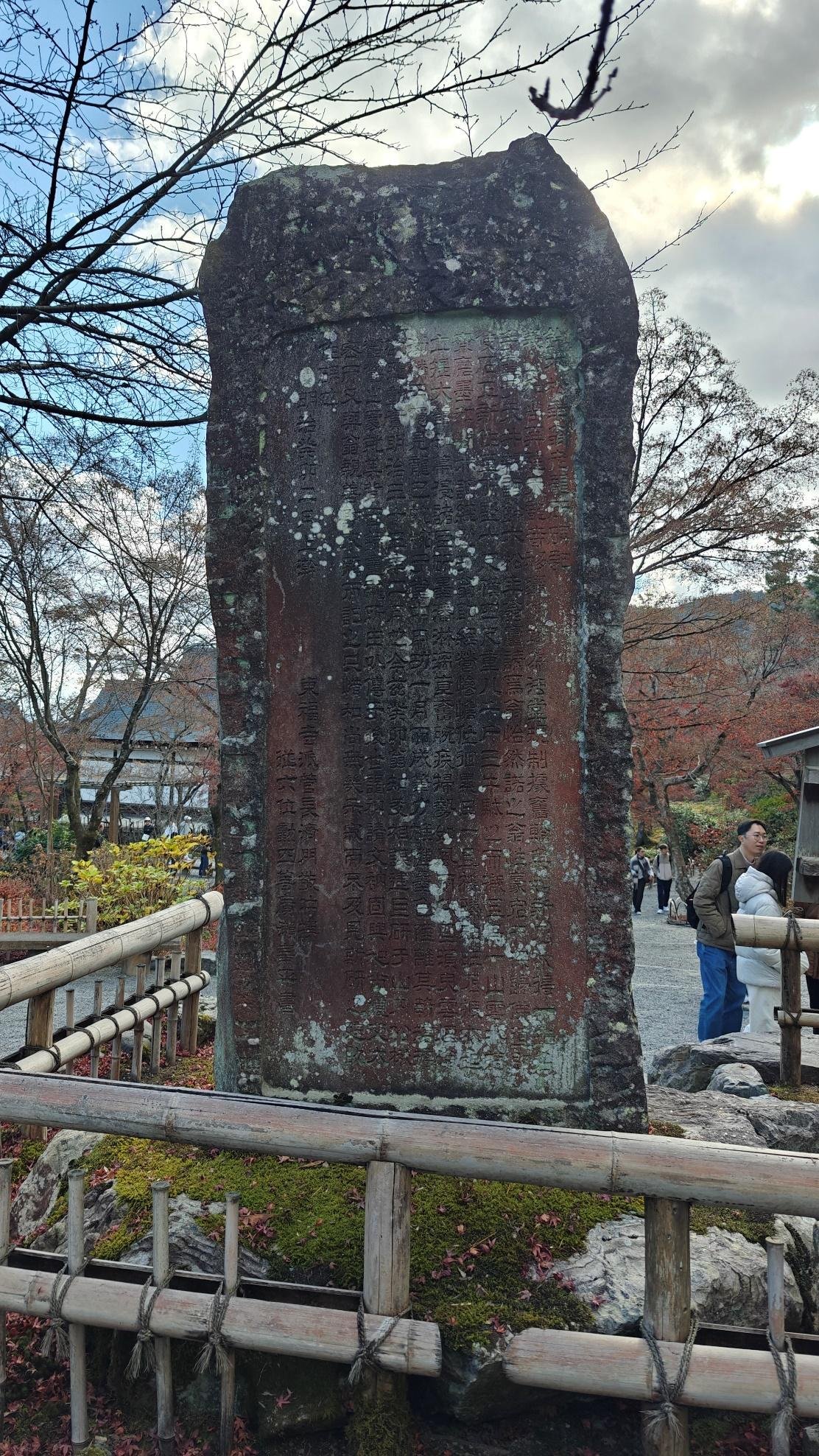
So this is the Suzuriishi up close. I’m not entirely sure if it’s the name for the large stone tablet or the chozubachi behind it. Unfortunately, there also was no sign with a description or explanation for the stone tablet’s presence or what is inscribed on it.
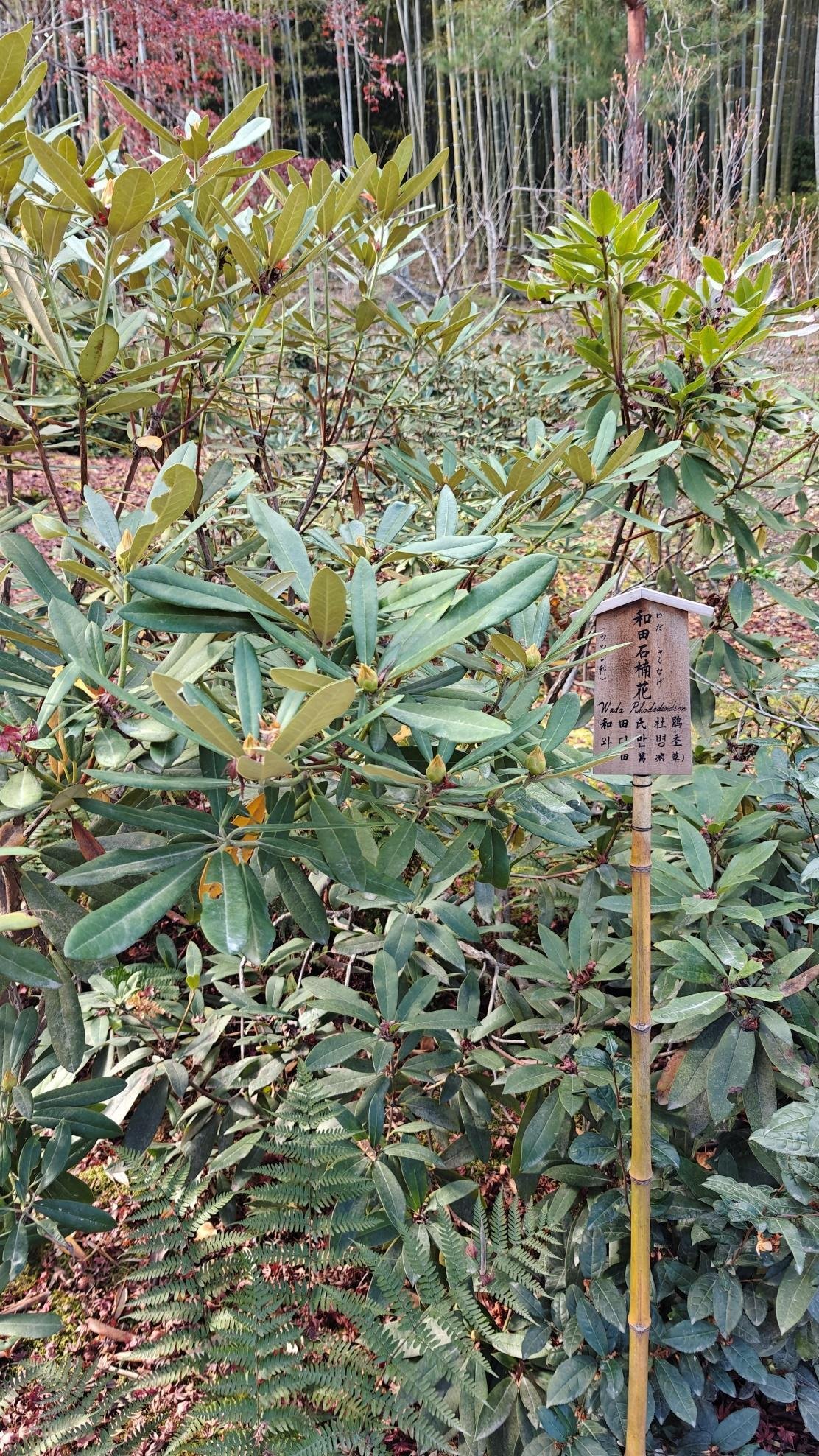
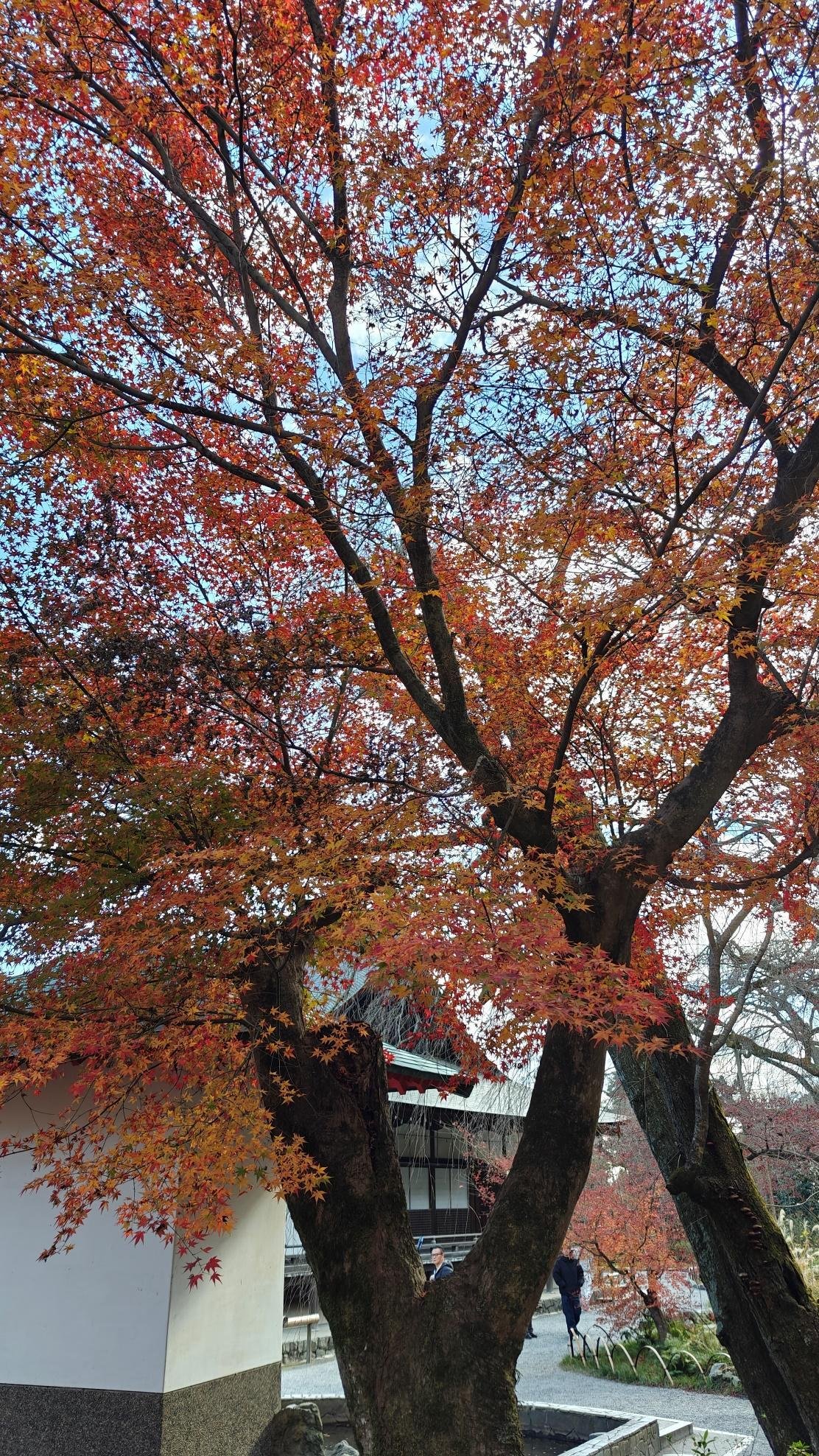
Now while I was quite interested in knowing the names of some of the trees and plants here, I was quite anxious to see the exterior of the Main Hall. Just a couple of steps past the Suzuriishi and I could now see the Tahoden or the Hall of Many Treasures. If you paid for the 300 JPY access to the Main Hall then you can also check out this building which has the Emperor Go-Daigo enshrined in it.
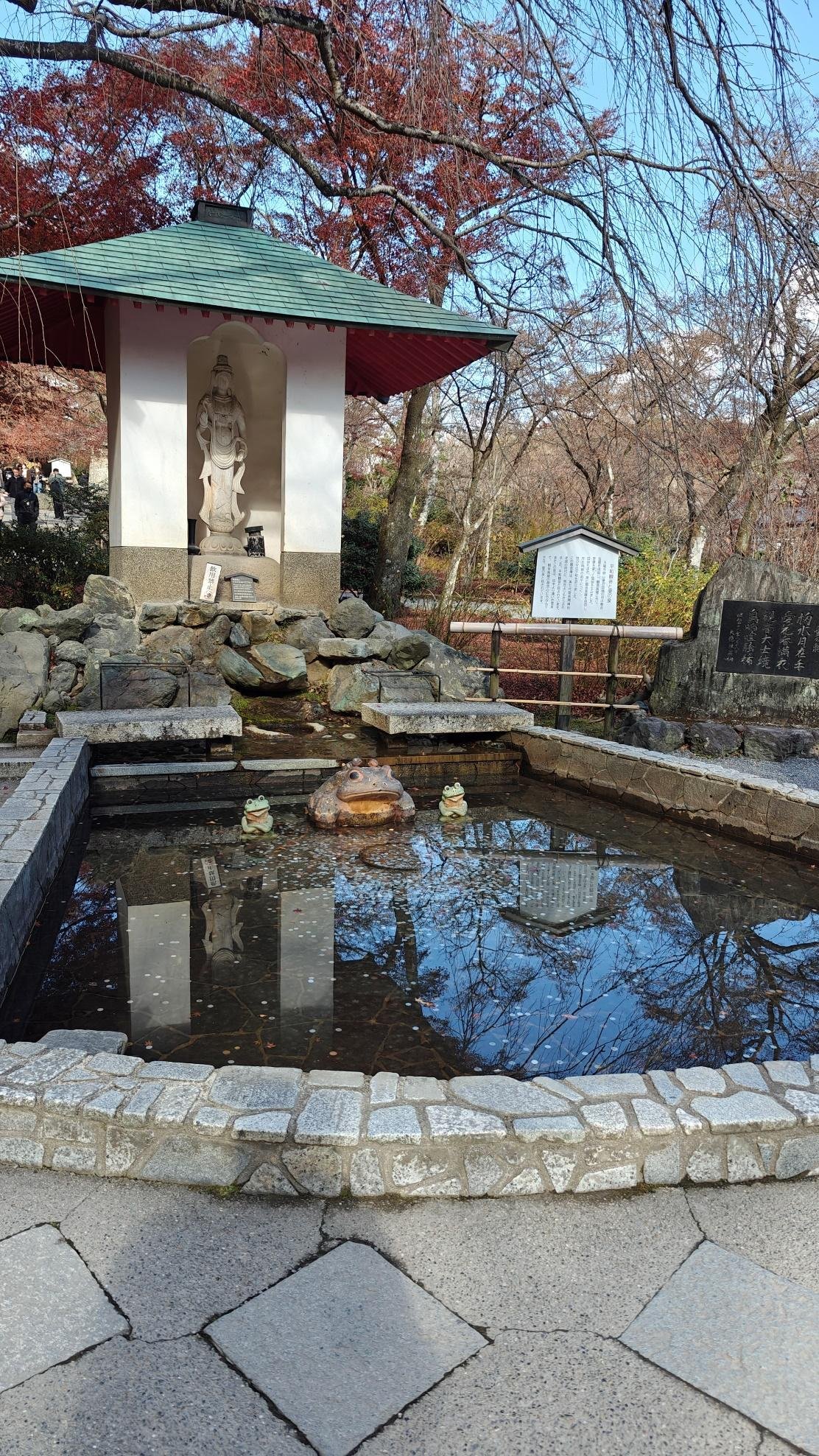
Before the Tahoden though, you'll come across this pond with frog statues on it. Behind the pond is a larger statue of Kannon, the Bodhisattva of Compassion and Mercy. I read online that the pond also functions as a fountain but it wasn't turned on during my visit.
What was noticeable though was that you could clearly see plenty of coins (likely from visitors to the temple complex) at the bottom of the pond.
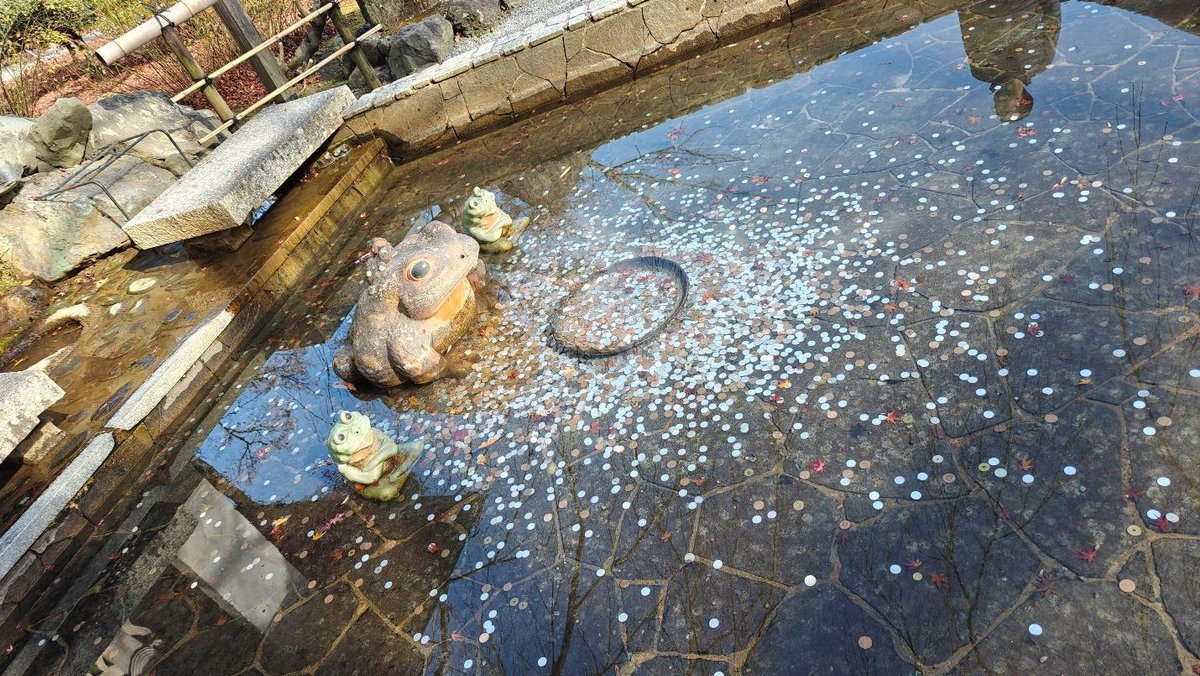
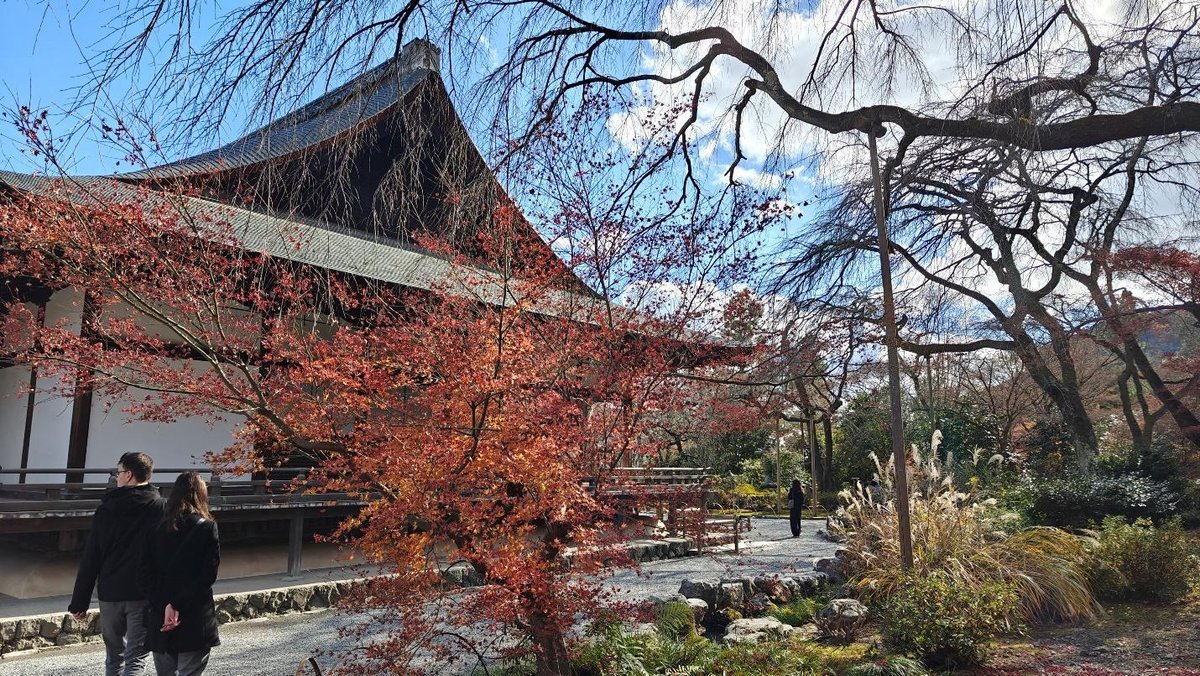
The pond and the Kannon statue are both facing the Tahoden which is actually one of the most unique buildings inside a Buddhist temple that I'd ever visited. Typically, a Buddhist temple would have a Buddha or Bodhisattva enshrined in its buildings. Like I said earlier though, this one is instead dedicated to an emperor.
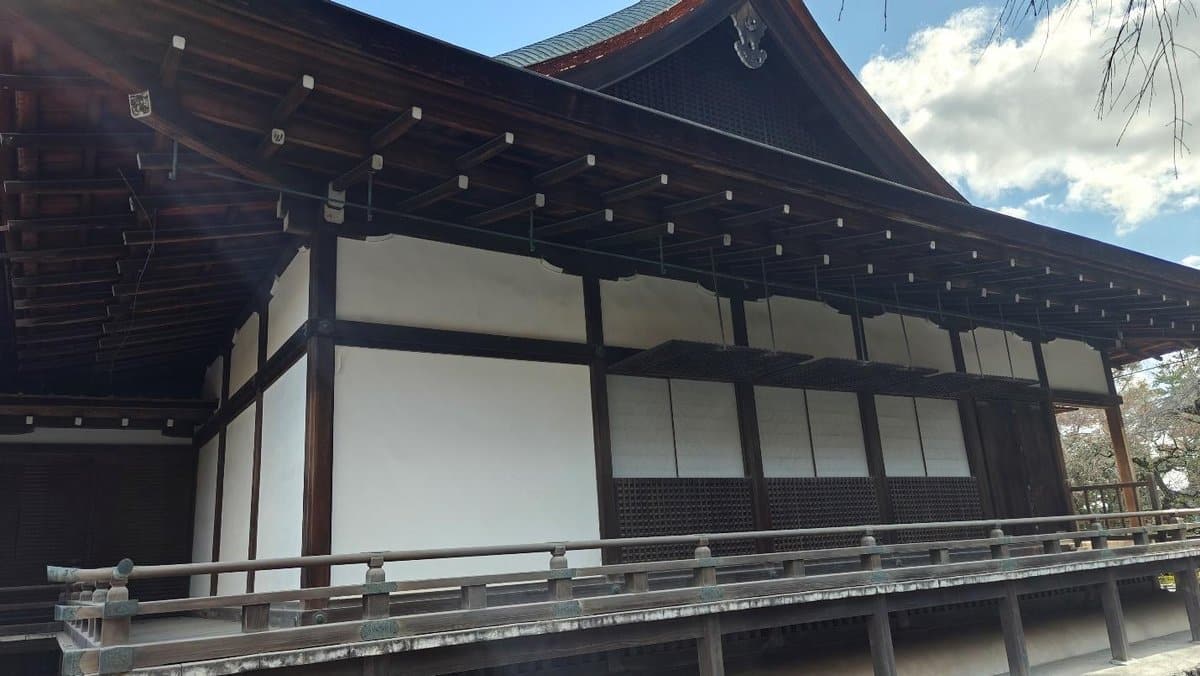
What's even more interesting is that it wasn't even Emperor Go-Daigo who founded the temple. Rather, it was his former ally turned rival Ashikaga Takauji who established it in his honor after his death in 1339. While not the only Buddhist temple dedicated to a deceased emperor, Tenryu-ji is still quite unique thanks to the rich history behind its founding.
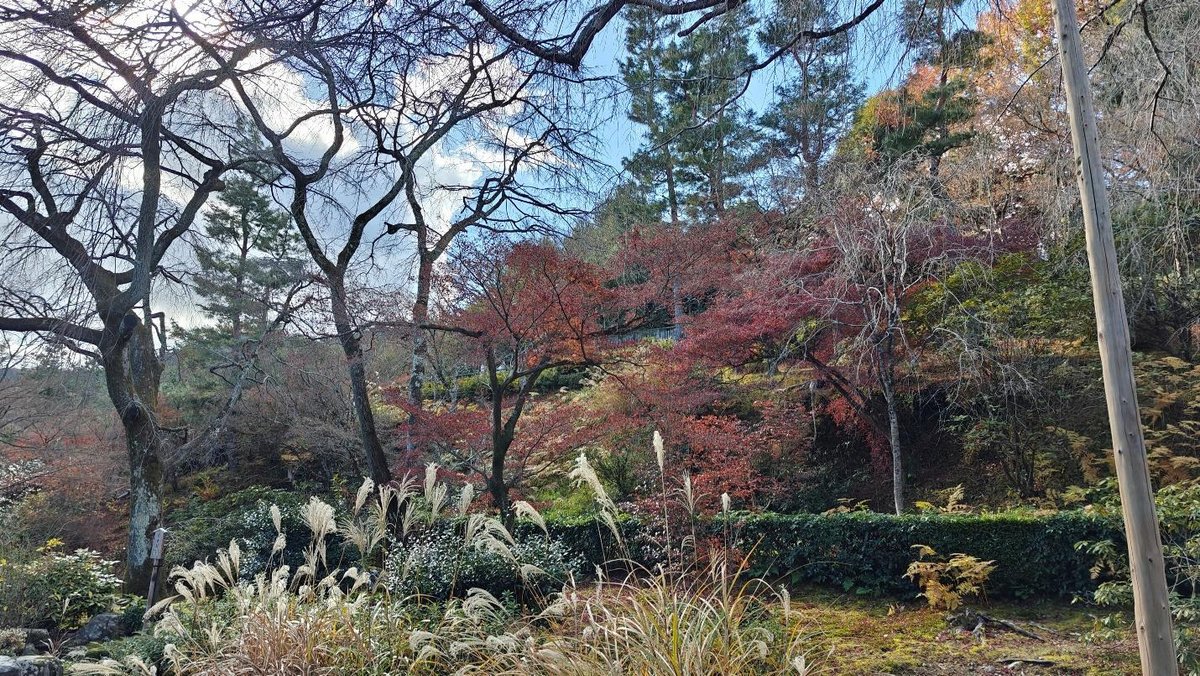
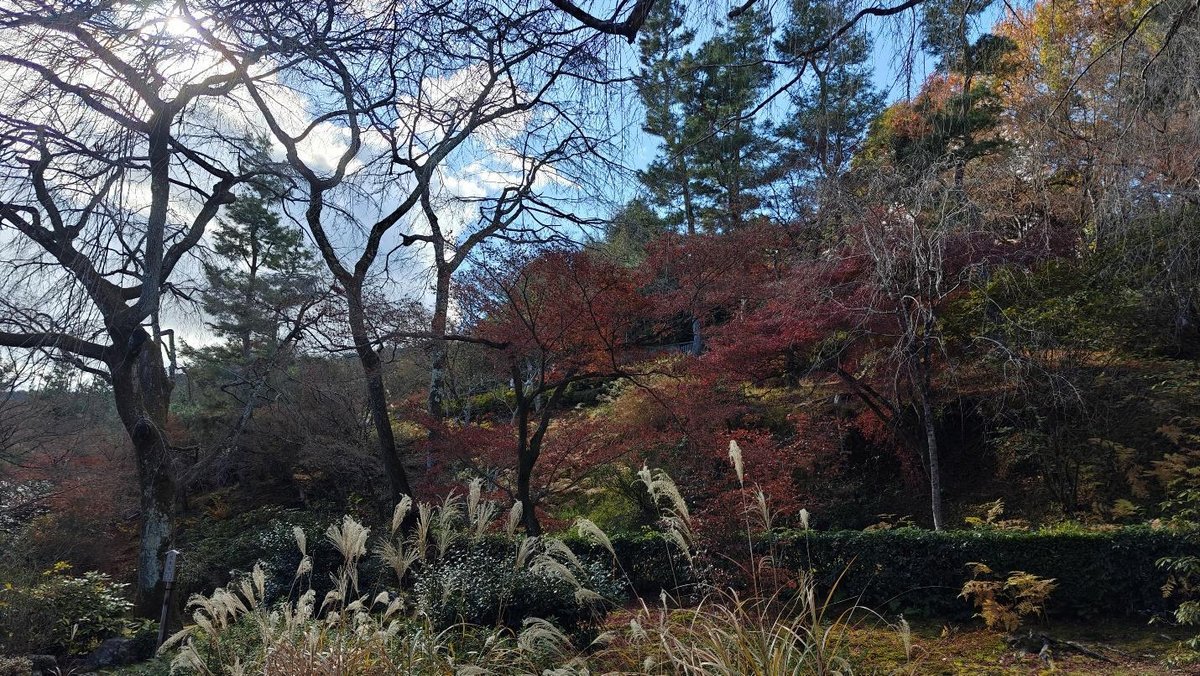
One feature of Tenryu-ji Temple that was really noticeable was the denseness of the flora. In particular, the area around the Tahoden had this amazing selection of shrubs, grass, and other trees that made me feel like I was in a forest instead of a Buddhist temple. Undoubtedly the best looking of the plants in this area though is the popular Yoshino cherry.
A majority had already shed their fall foliage when I visited but come spring these will drown the area with the pink from their blossoms.
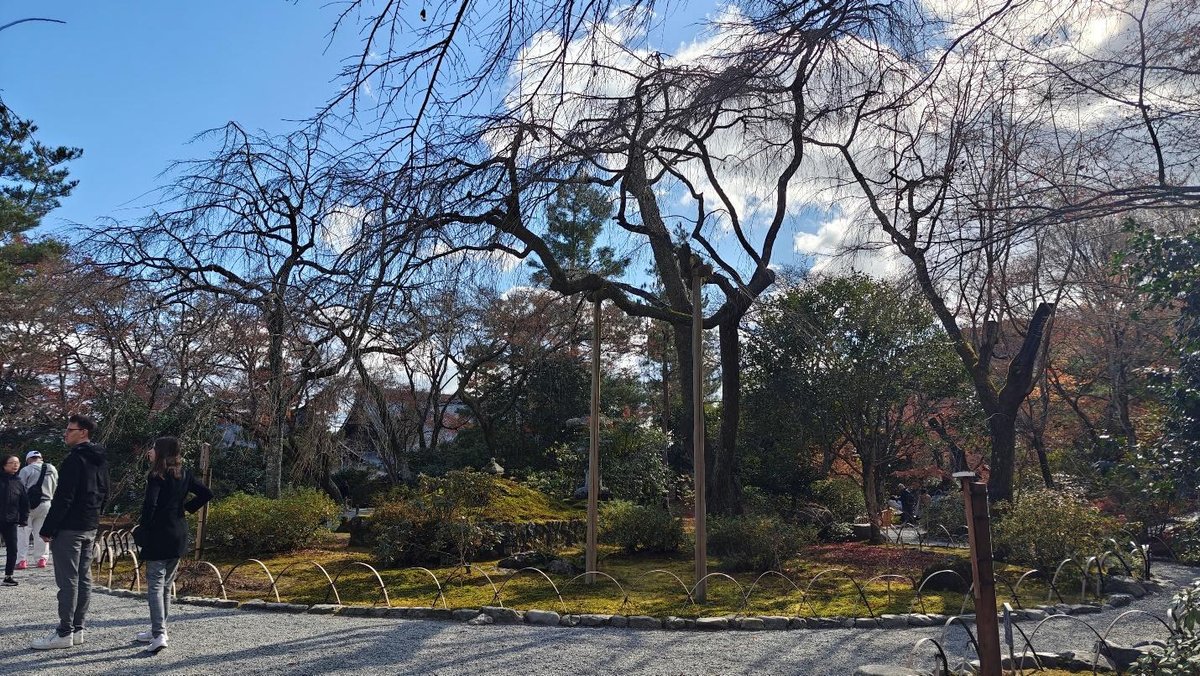
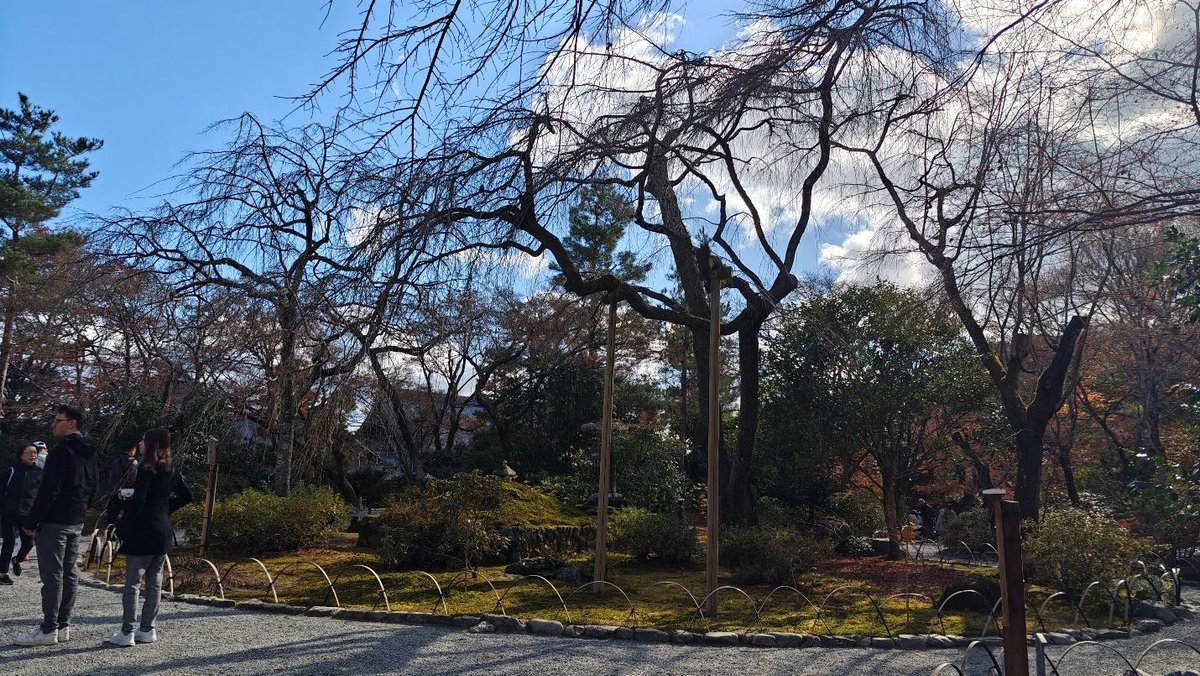
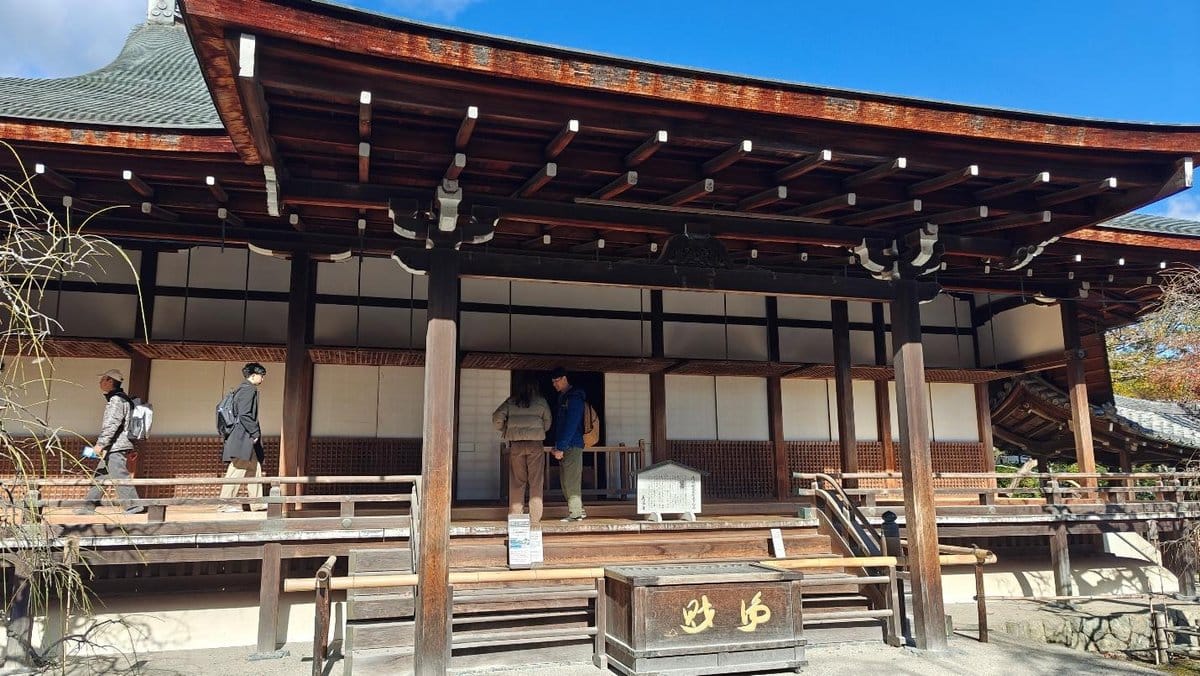
Here you can see the window where you can view the shrine of Emperor Go-Daigo. If you’ll notice though, the short set of stairs leading up to the engawa or veranda is closed off so you won’t be able to get inside from here. To get inside, you’ll have to pay for access to the Main Hall and from there you can walk back here.
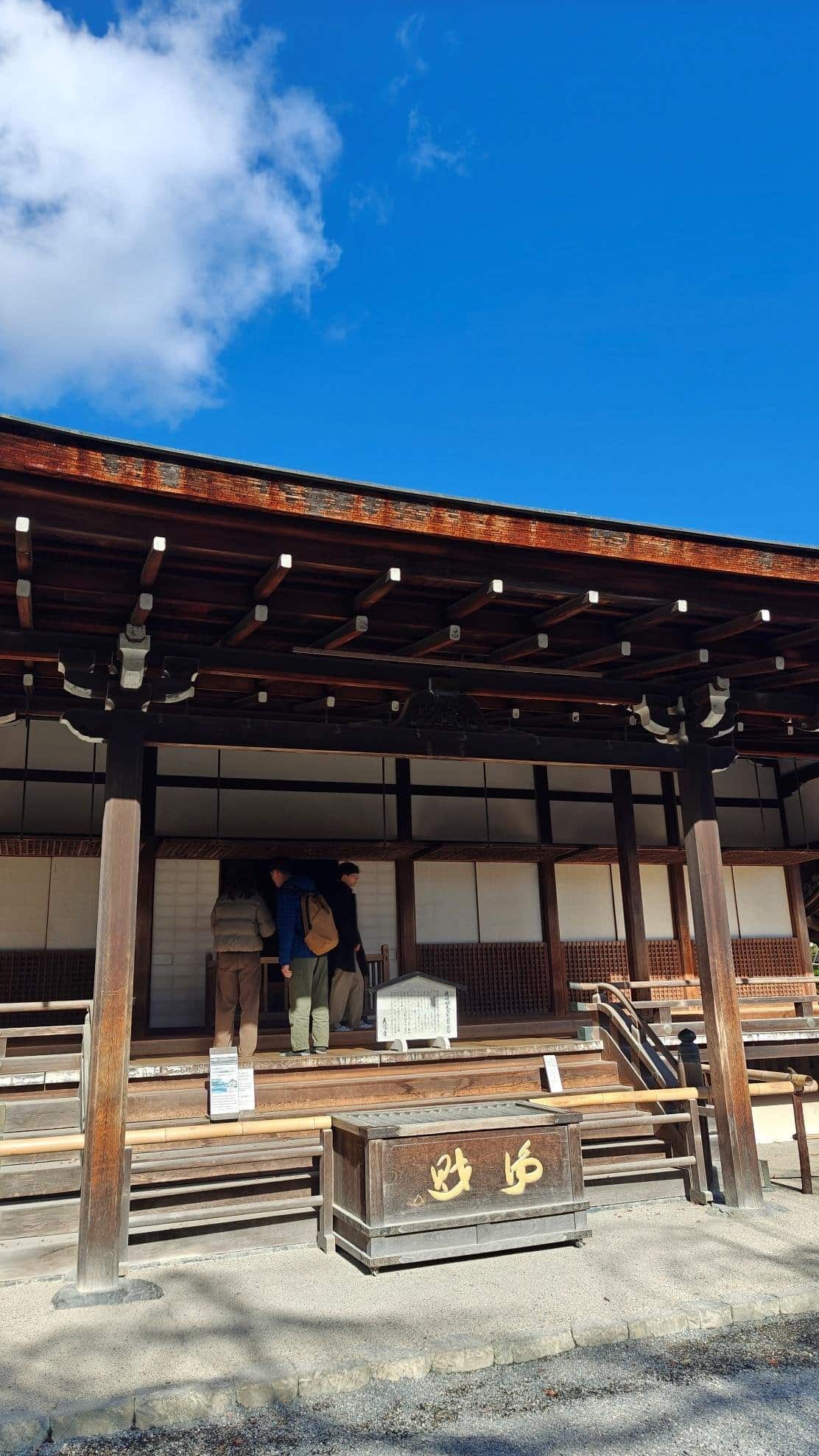
I will say though that the shrine is actually quite nice. I’ve seen images of it online and I particularly liked how the walls inside are painted with murals. There’s also a small statue of Emperor Go-Daigo inside that is also quite impressive to look at (especially the altar in front of it).
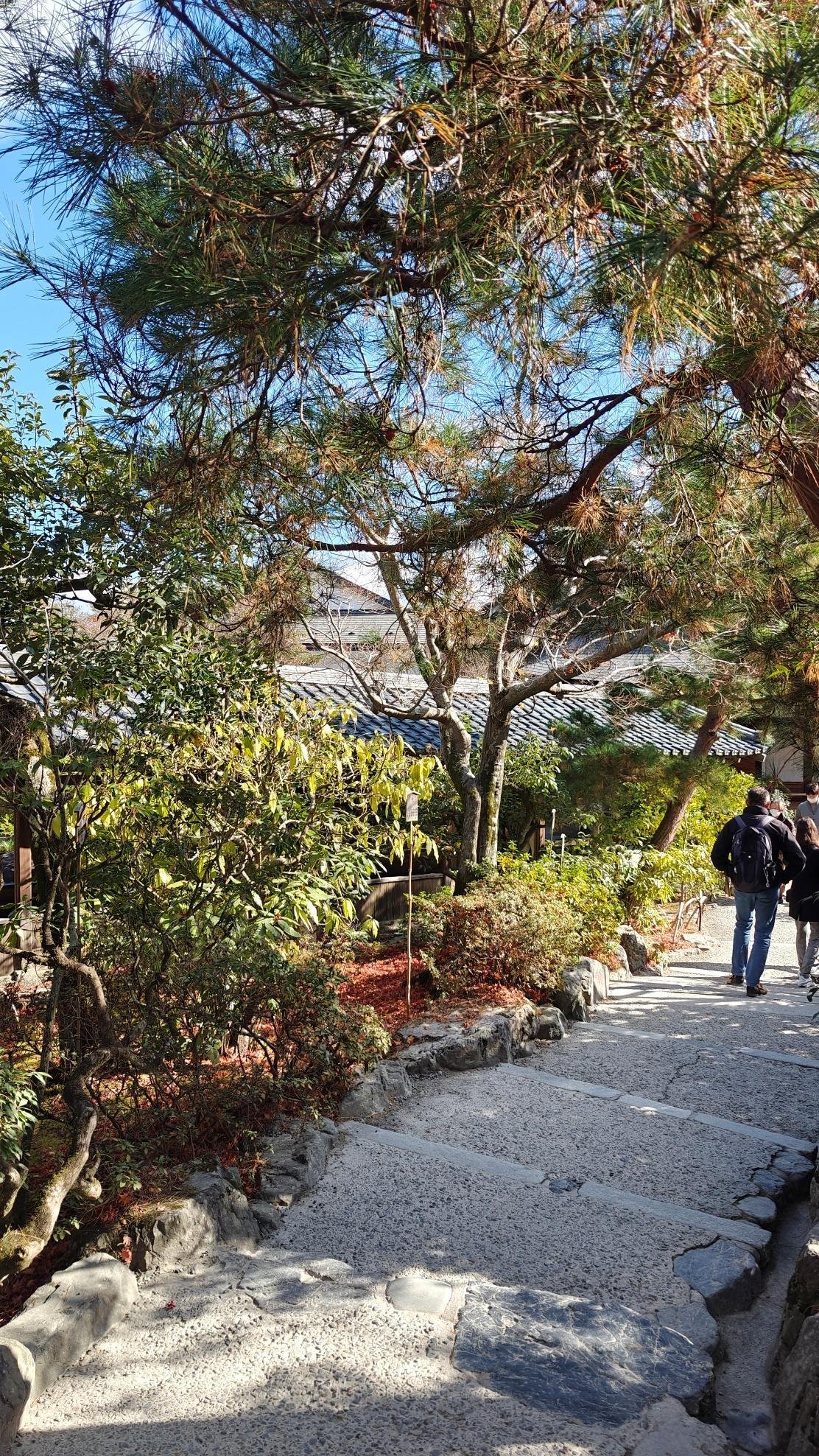
After admiring the Tahoden, I then proceeded to follow the path (see picture above) towards the Main Hall. It’s not that noticeable from this angle but there’s also a covered pathway parallel to this that connects the Main Hall and the Tahoden. If you paid for access to the Main Hall then this is how you can get to the Tahoden to see Emperor Go-Daigo’s shrine.
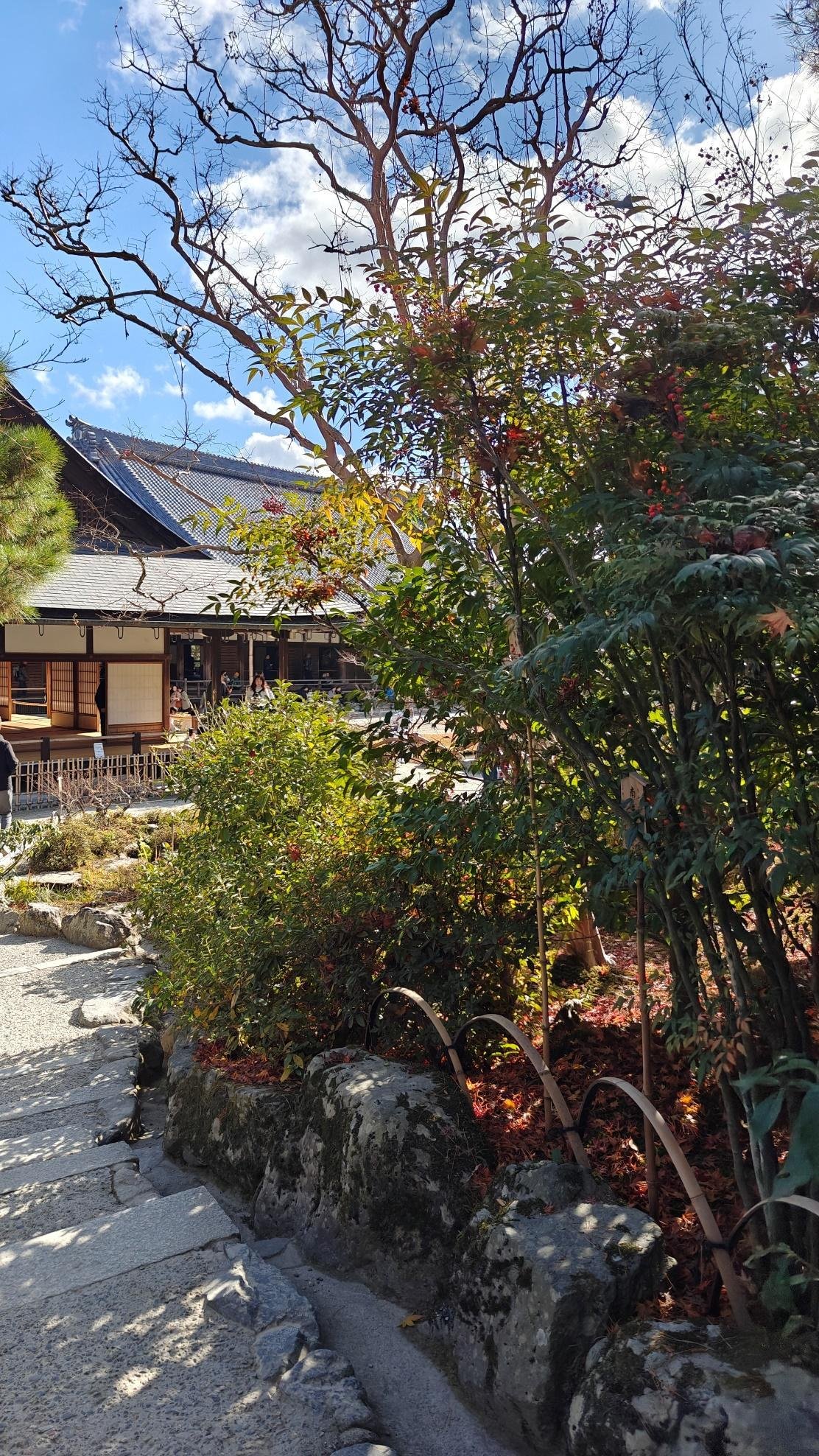
Speaking of the Main Hall, this is a glimpse of it near the end of the path that I followed. The building actually looks quite large as you can even see even before you get to this point. That said, I think Chion-in Temple’s Mieido is still the largest and most impressive that I’ve seen at least during this trip.
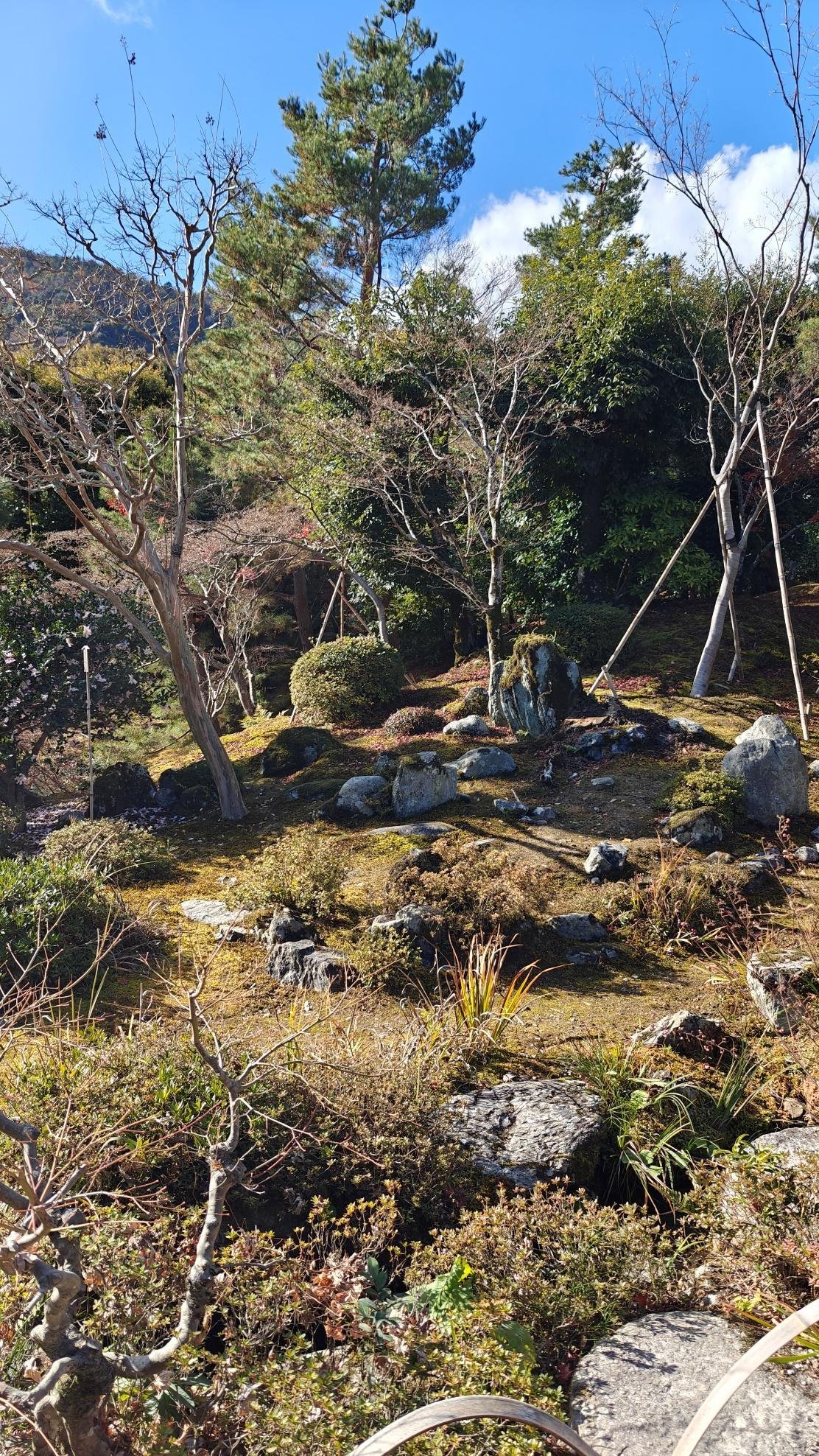
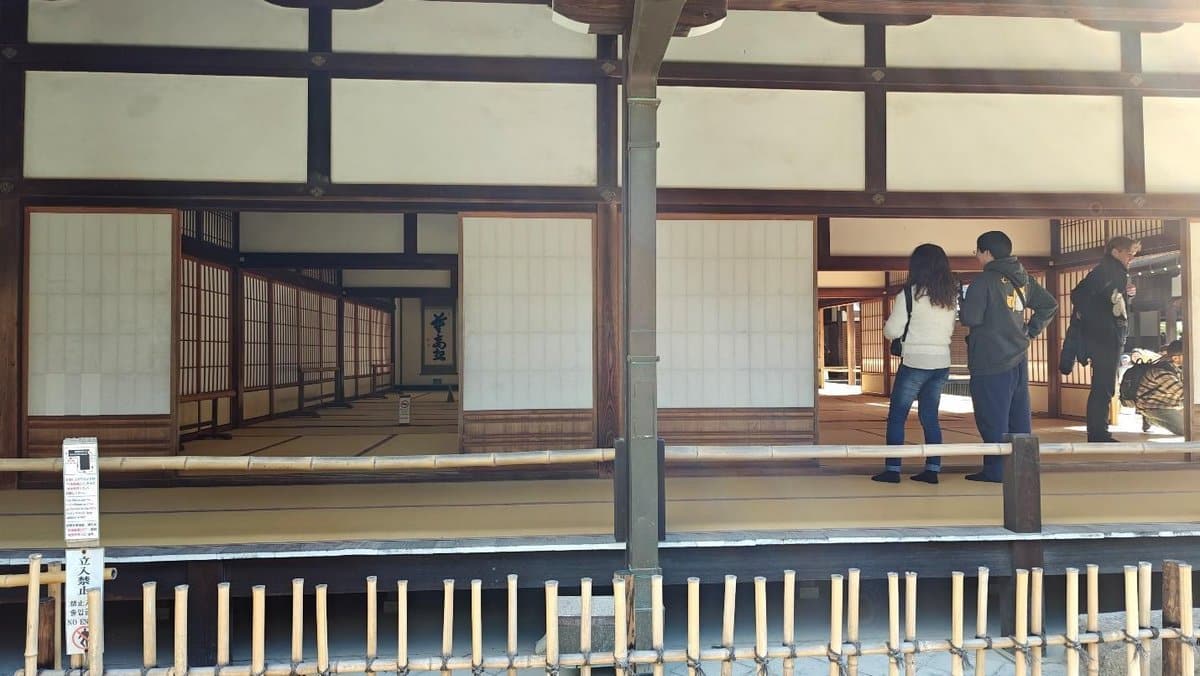
I finally found myself in the Main Hall. Well this really isn’t the inside of the building but rather just outside of it as like the Tahoden, it’s cordoned off. Now if you’re wondering where you can purchase tickets for access to this area of the building, you’ll just need to go to the Kuri which has an entrance facing the east.
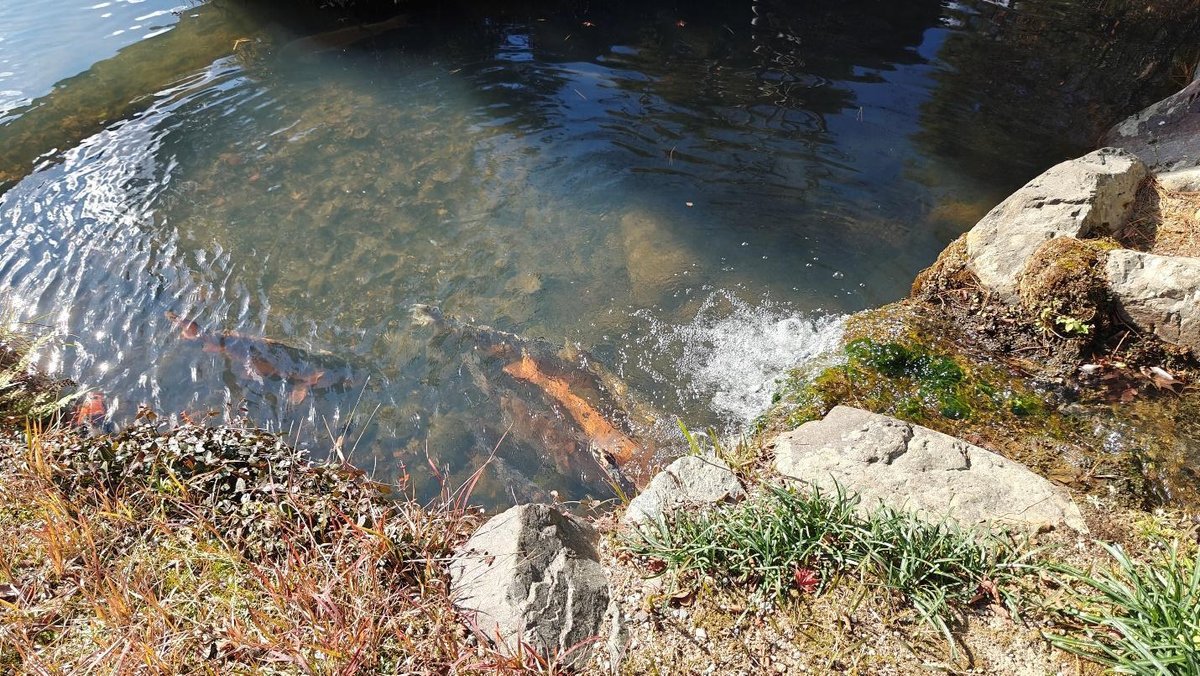
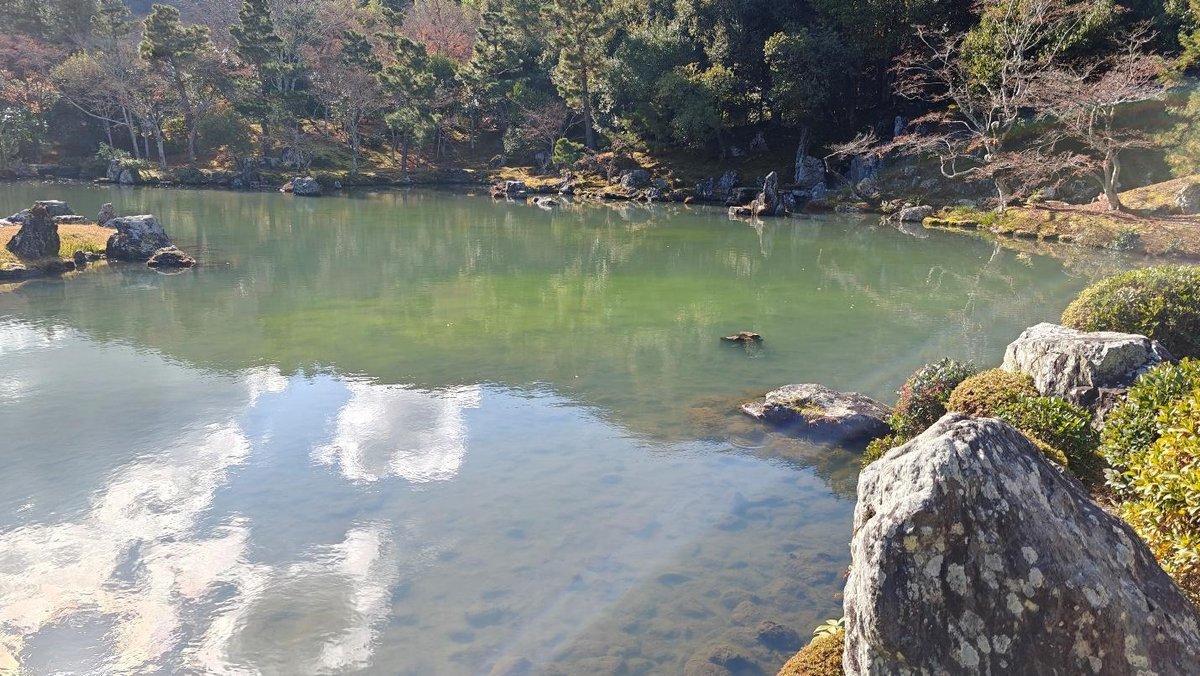
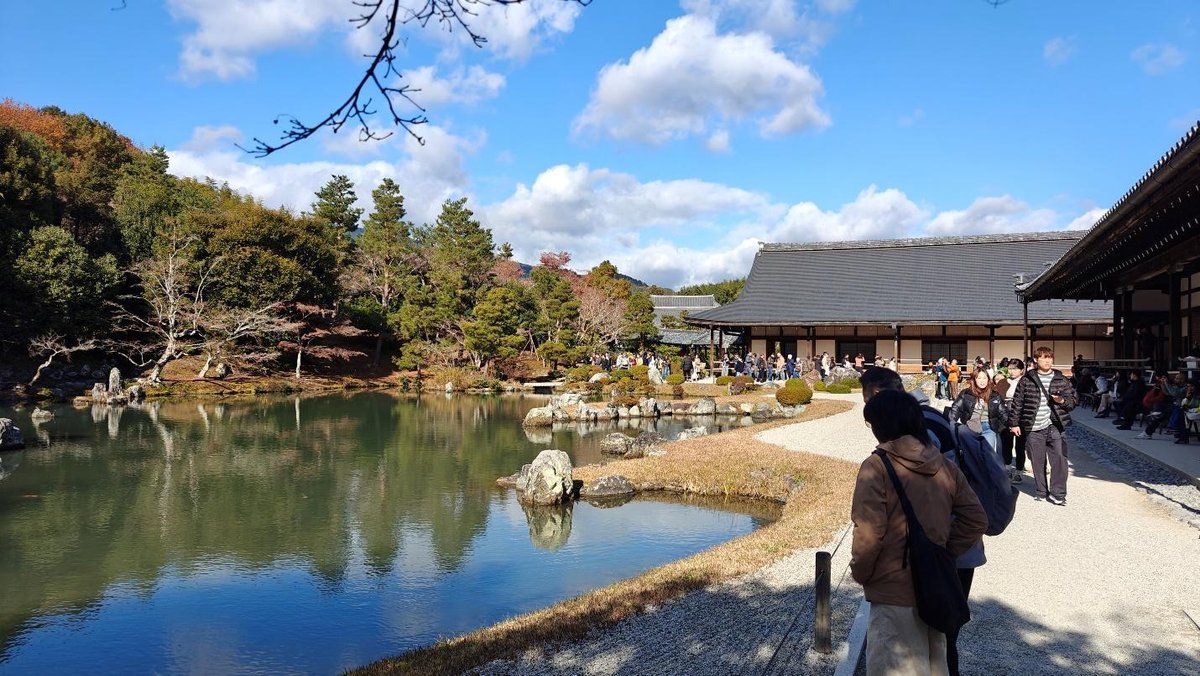
Before we talk about the Main Hall, let’s discuss the pond first. It’s one of the first things that I noticed (and no doubt you will as well) when I got here to the Main Hall area. Honestly, to say that it was absolutely mesmerizing to look at is an understatement.
I think I could have stayed here the whole day just admiring it! Now, I honestly don’t think this was the best looking pond that I’ve seen here in Japan but there was no denying it was one of the few that made me feel at ease.
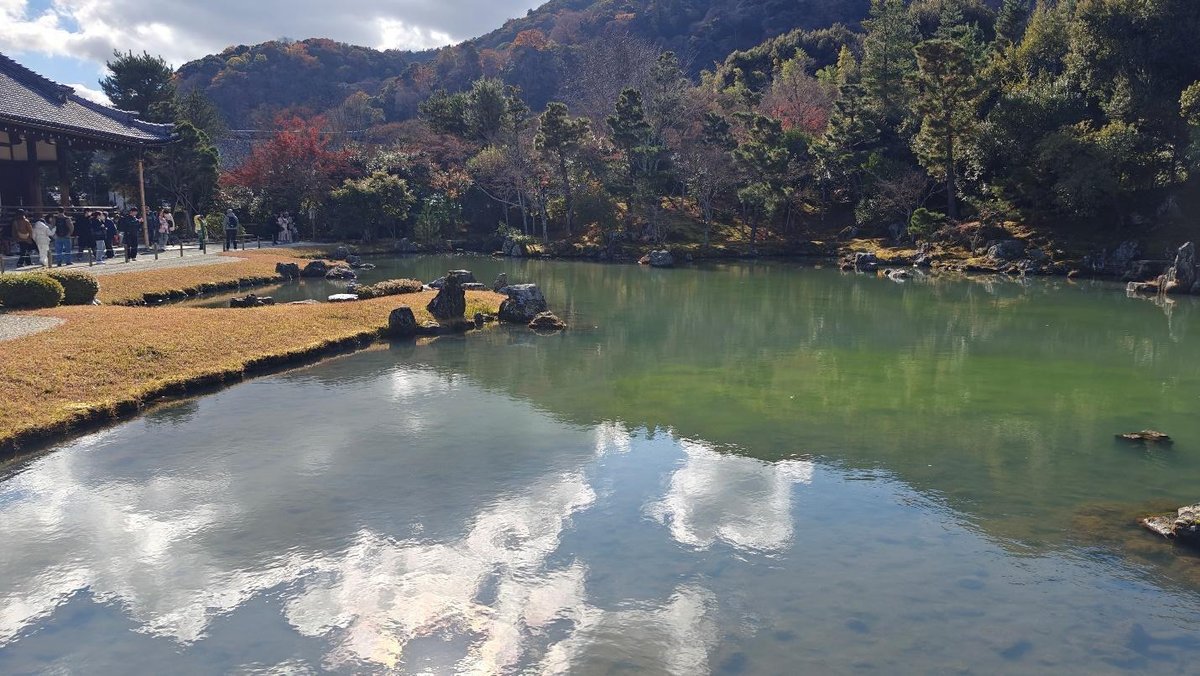
I mean just look at this sight! It isn’t as reflective as Kinkaku-ji’s Kyoko-chi (Mirror Pond) but you should still be able to see the surrounding trees and the skies reflected on its surface. One thing that I also liked about the pond is that you know it’s man-made but at the same time it also looks so natural.
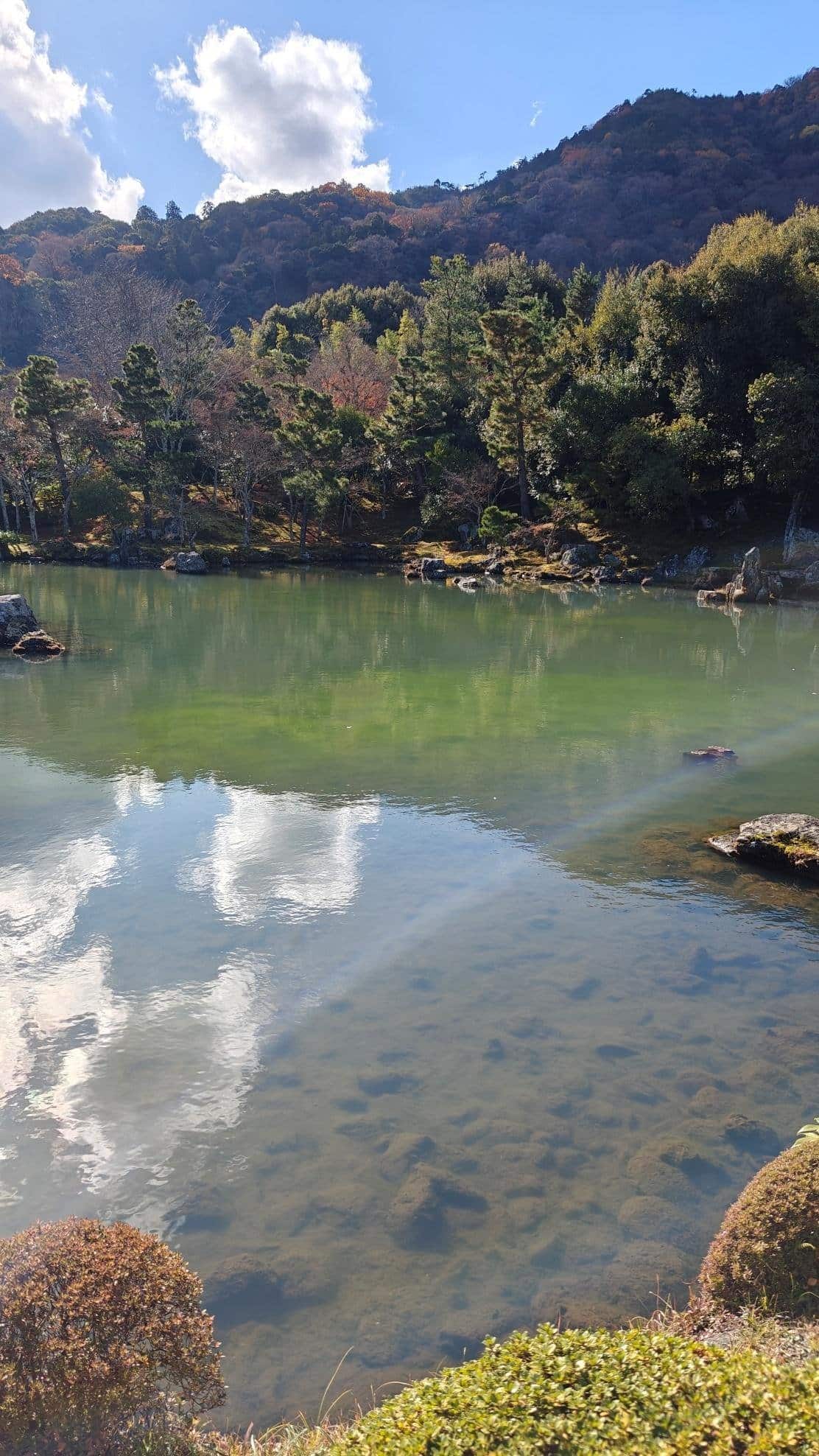
I read that the pond and garden was designed by the Zen master Muso Soseki who was tasked by Ashikaga Takauji to also serve as Tenryu-ji Temple’s first head priest. It was actually Soseki who convinced the shogun to build the temple as a means of appeasing Go-Daigo’s spirit. Not only that, he also was instrumental in rekindling the trade between Japan and China’s Ming Dynasty to ensure funding for the building of the temple.
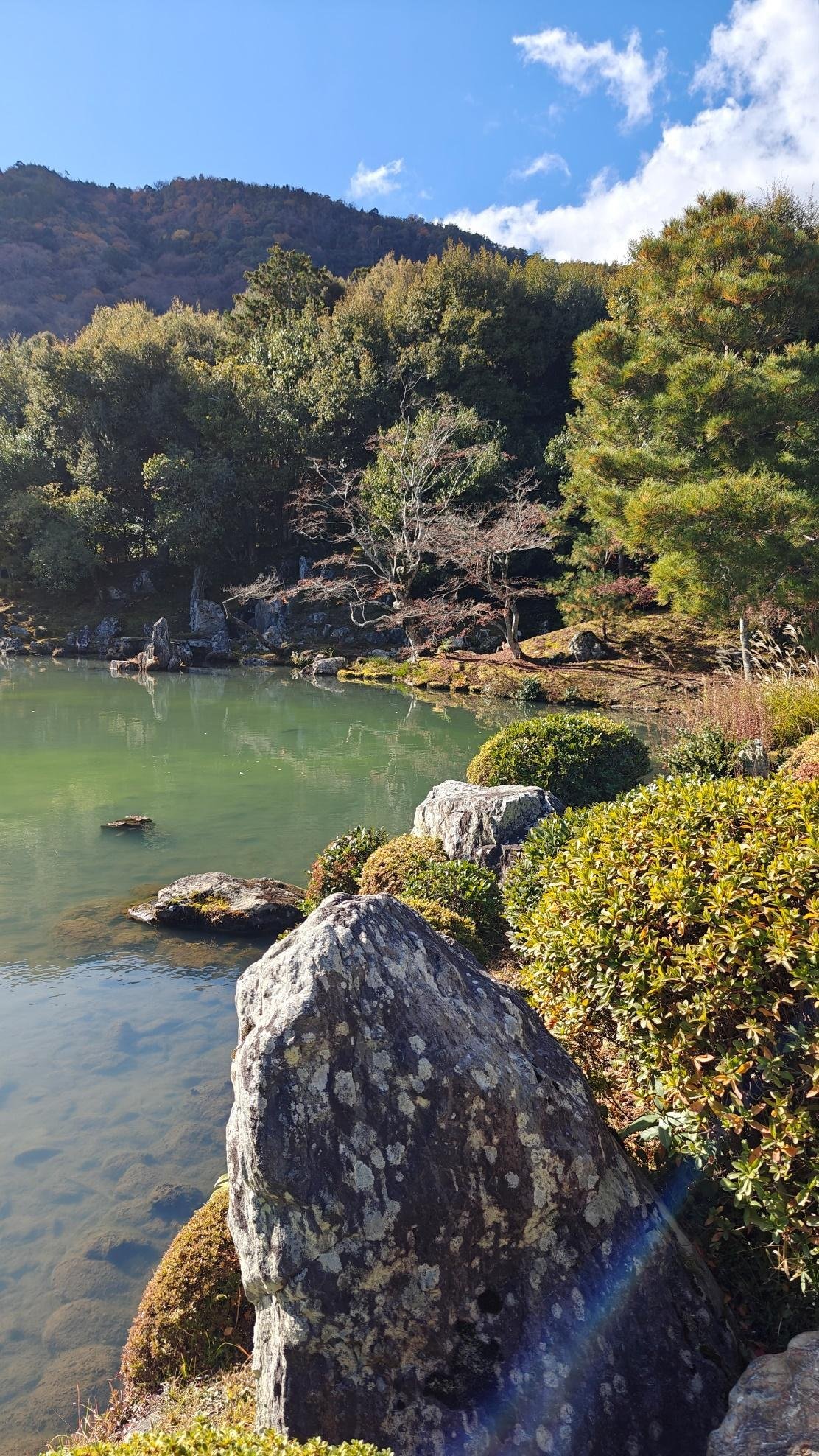
I think one reason why the pond looks so natural is because it was designed that way by Muso Soseki. Muso Soseki used a technique called shakkei or “borrowed scenery” to frame the pond in a way that it looks like an extension or part of the Arashiyama mountains in the background.
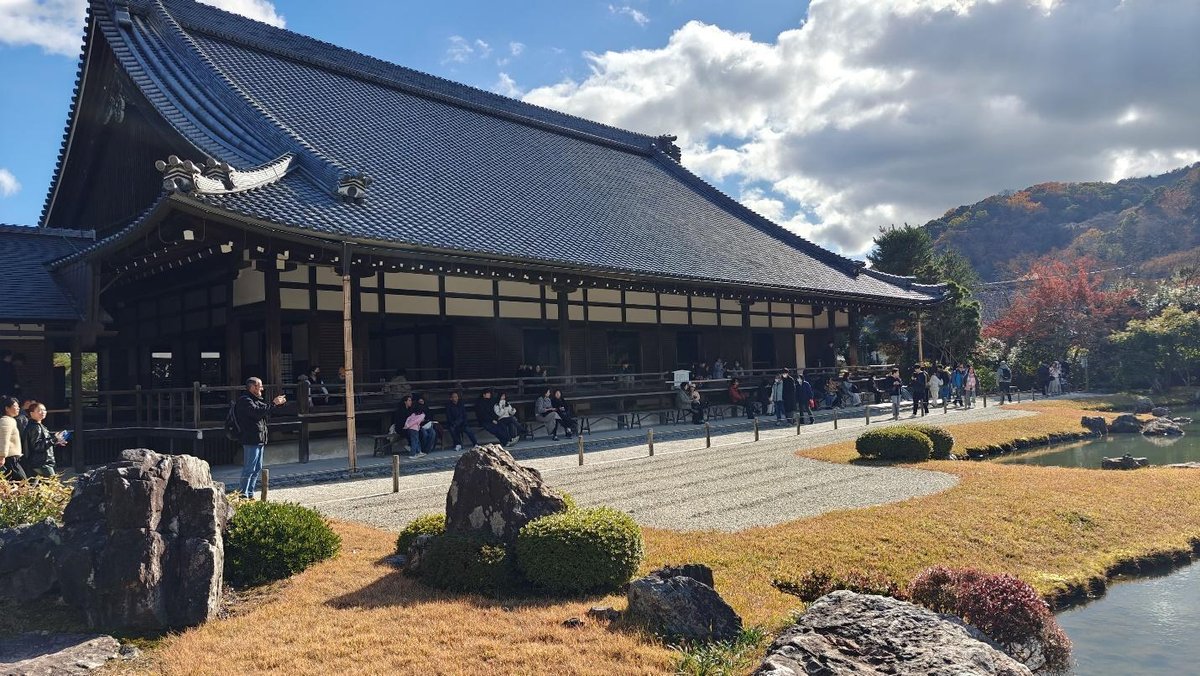
Now let’s take our focus on the Main Hall itself or rather, the viewing area below the Main Hall’s engawa. Aside from access to the Tahoden, one of the reasons why people choose to pay 300 JPY for a Main Hall ticket is that the engawa facing the Sogenchi Pond Garden has arguably one of the best views in this area. That said, there are also seats just below the engawa where you could get a similar view without needing to pay extra.
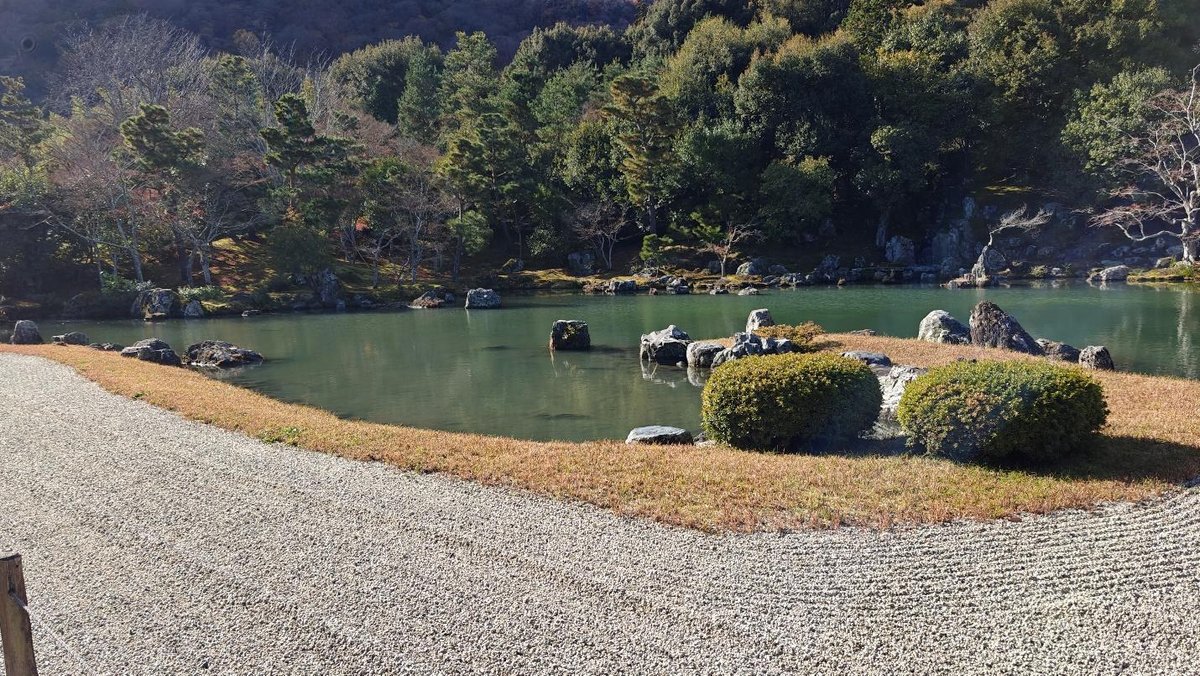
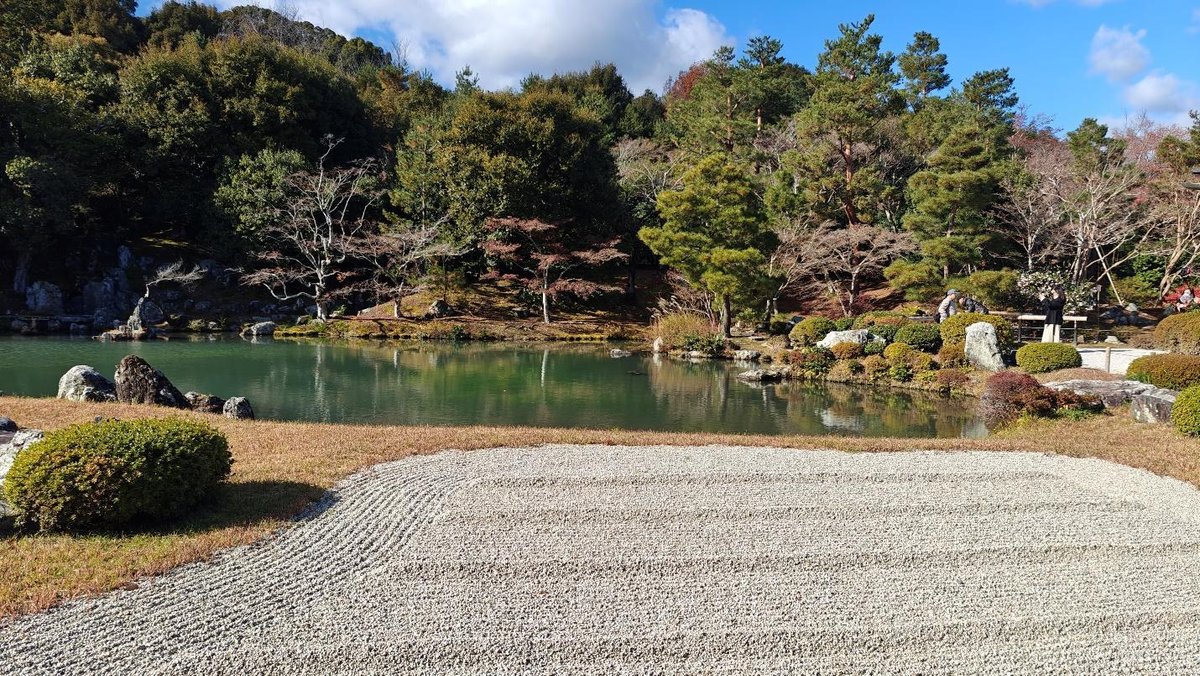
And this is the view of the Pond Garden that I was talking about. It’s pretty much identical to what you’ll see from the Main Hall’s engawa though admittedly, the benches here won’t be as comfortable. That said, 300 JPY is a relatively small amount for access to the Main Hall and Tahoden so I wouldn’t necessarily say it’s not worth it to get inside these areas.
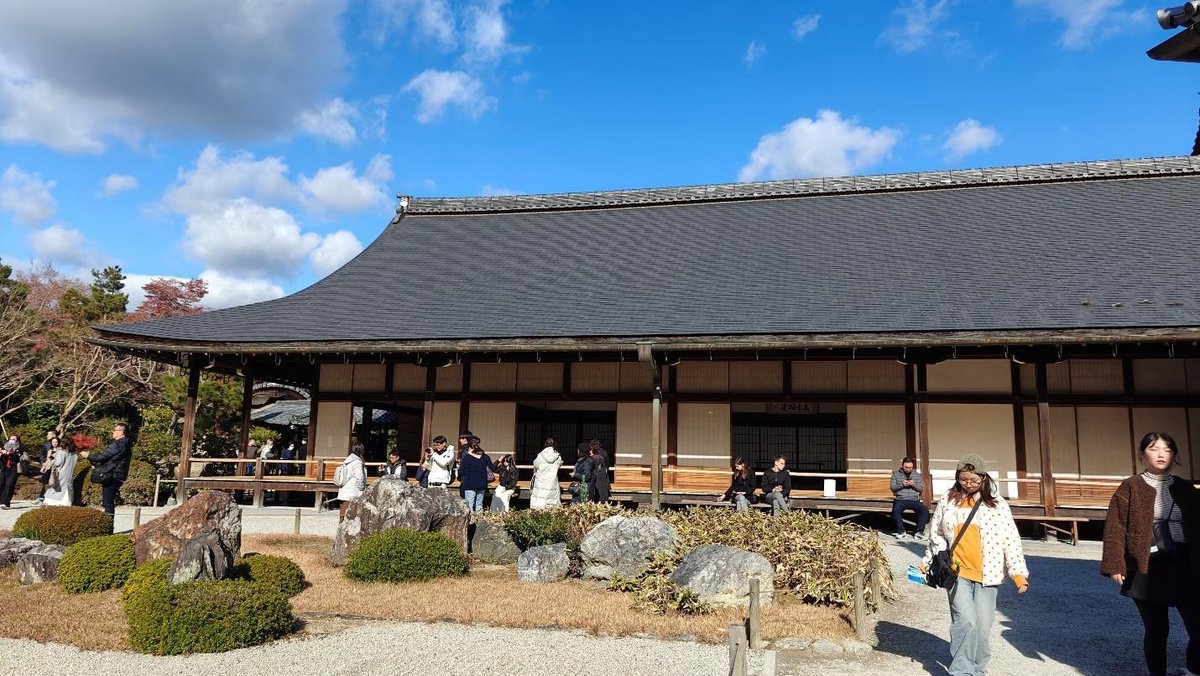
Here you can see part of the Kuri. Specifically, this is the Kohojo or the Small Abbott’s Quarters and on the map it’s north of the Pond Garden. On the other hand, the area earlier that I attributed as the Main Hall is also called the Daihojo or the Large Abbott’s Quarters and is facing the Pond Garden’s eastern side.
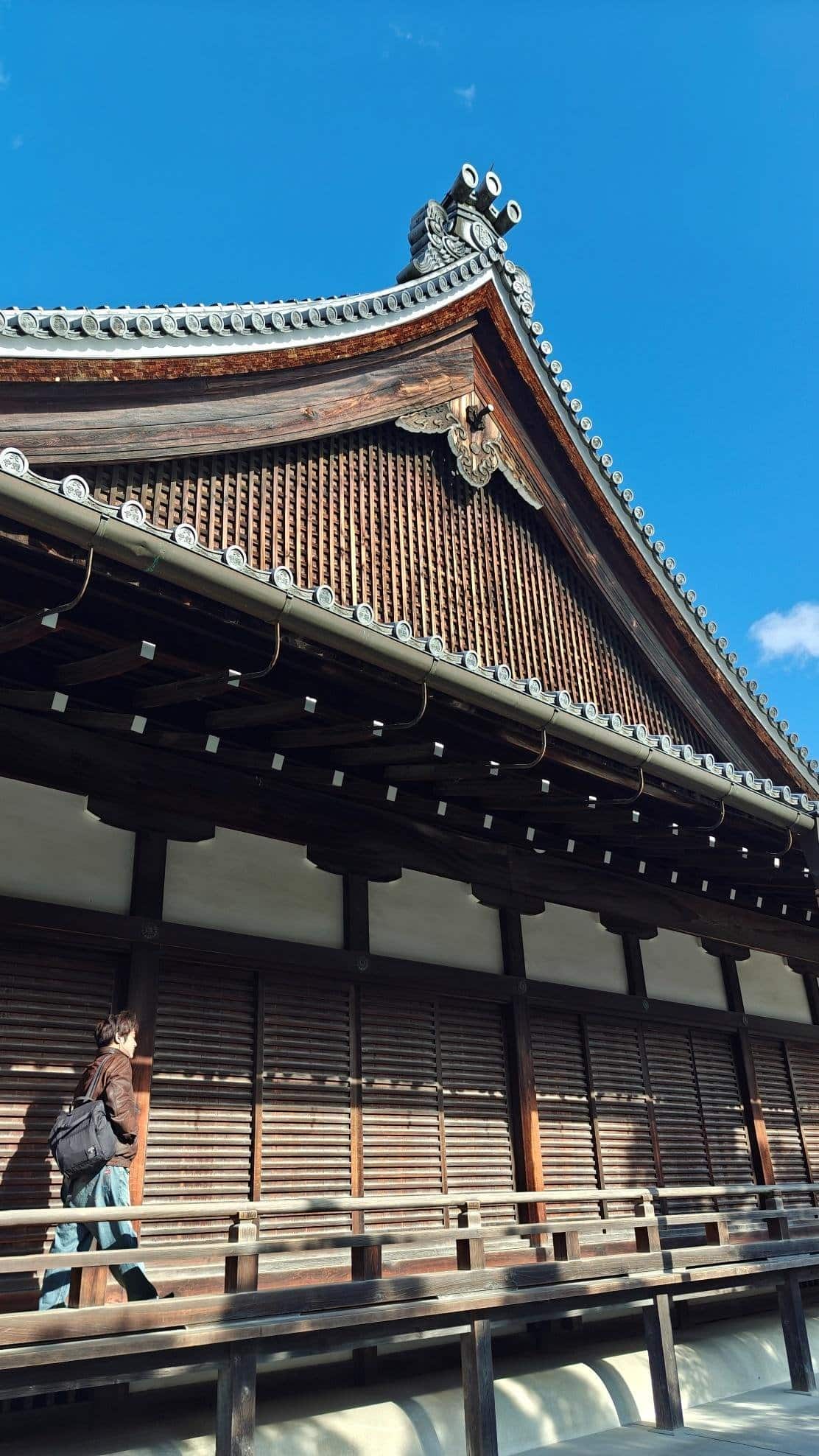
After some time in the Pond Garden area, I rounded the corner of the southern end of the Main Hall. The path that I’m on actually leads to the entrance of the Kuri where you can buy tickets to get inside the Main Hall. Moreover, the path also leads to an area where you’ll find the temple’s karesansui style garden.
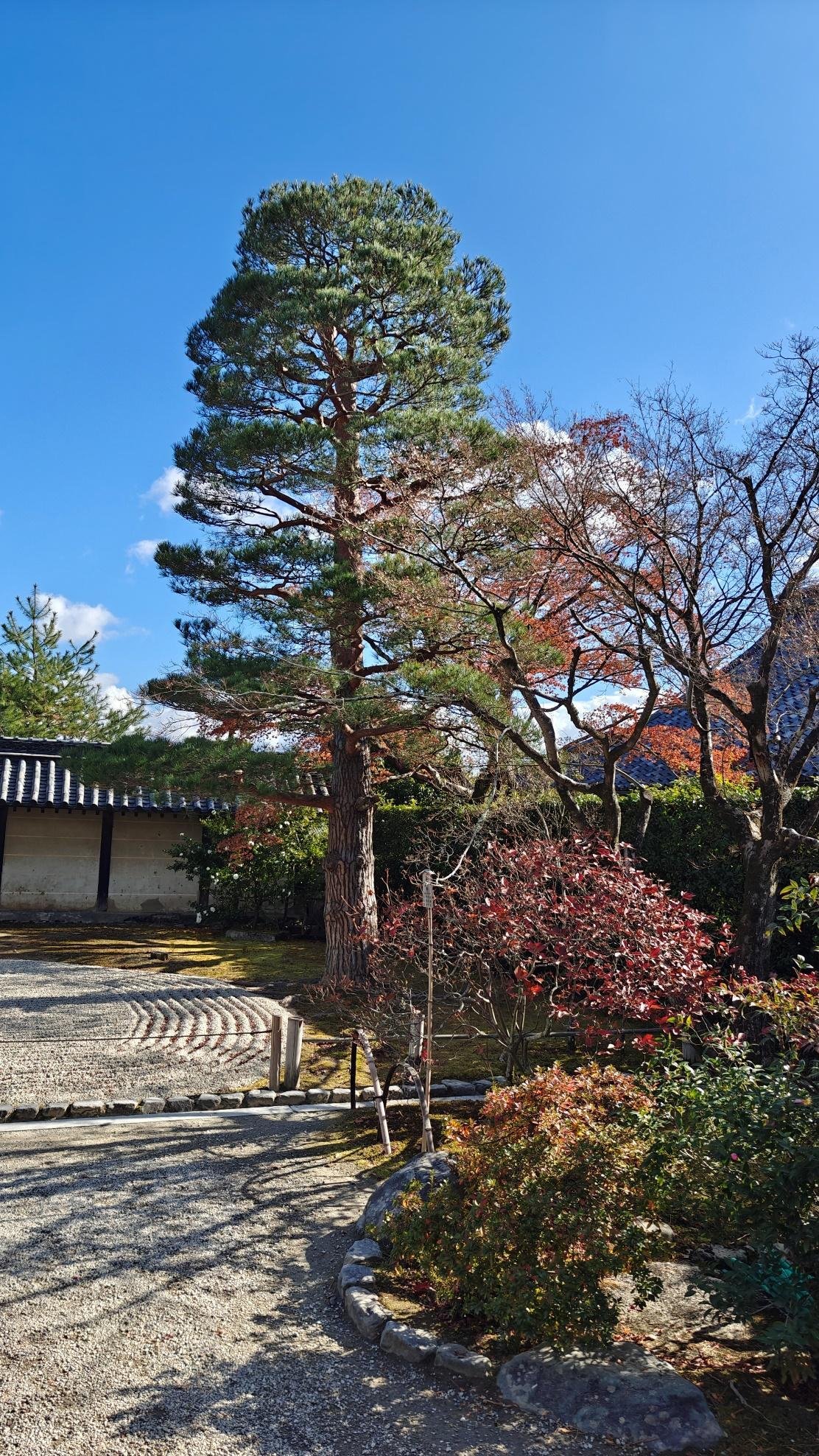
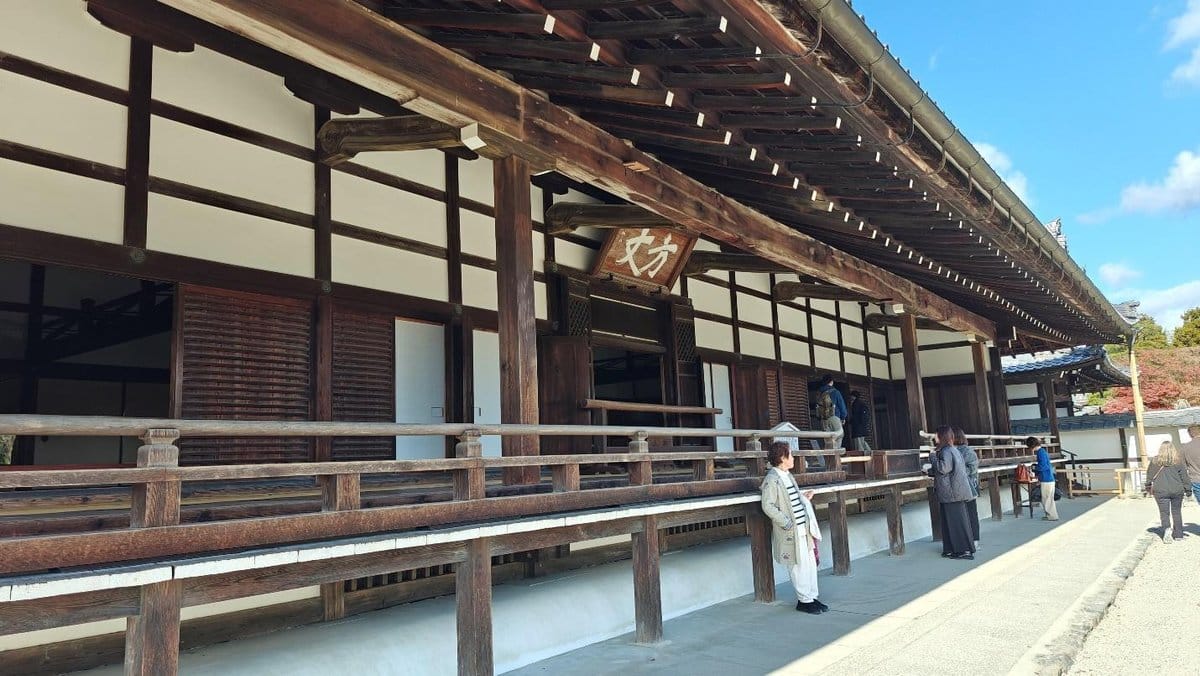
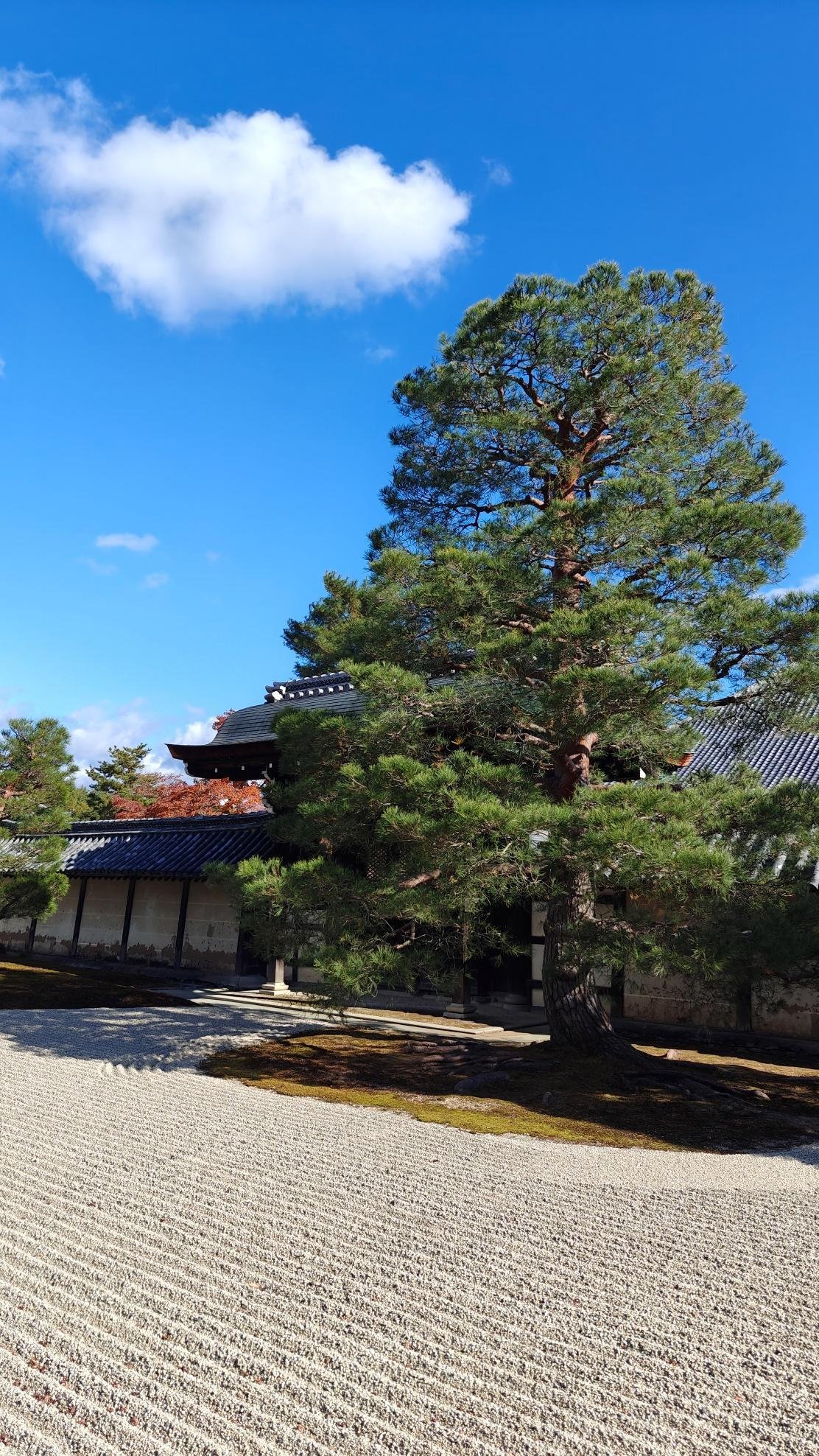
Once I rounded the southern end of the Main Hall, I found myself at the side of the building that’s facing the eastern direction. Actually, just opposite from this is where you’ll find the Dharma Hall though line of sight to that building is blocked by a high wall with a traditional gate. In between that wall and this side of the Main Hall is a karesansui or dry landscape garden that’s most often associated with Zen Buddhism.
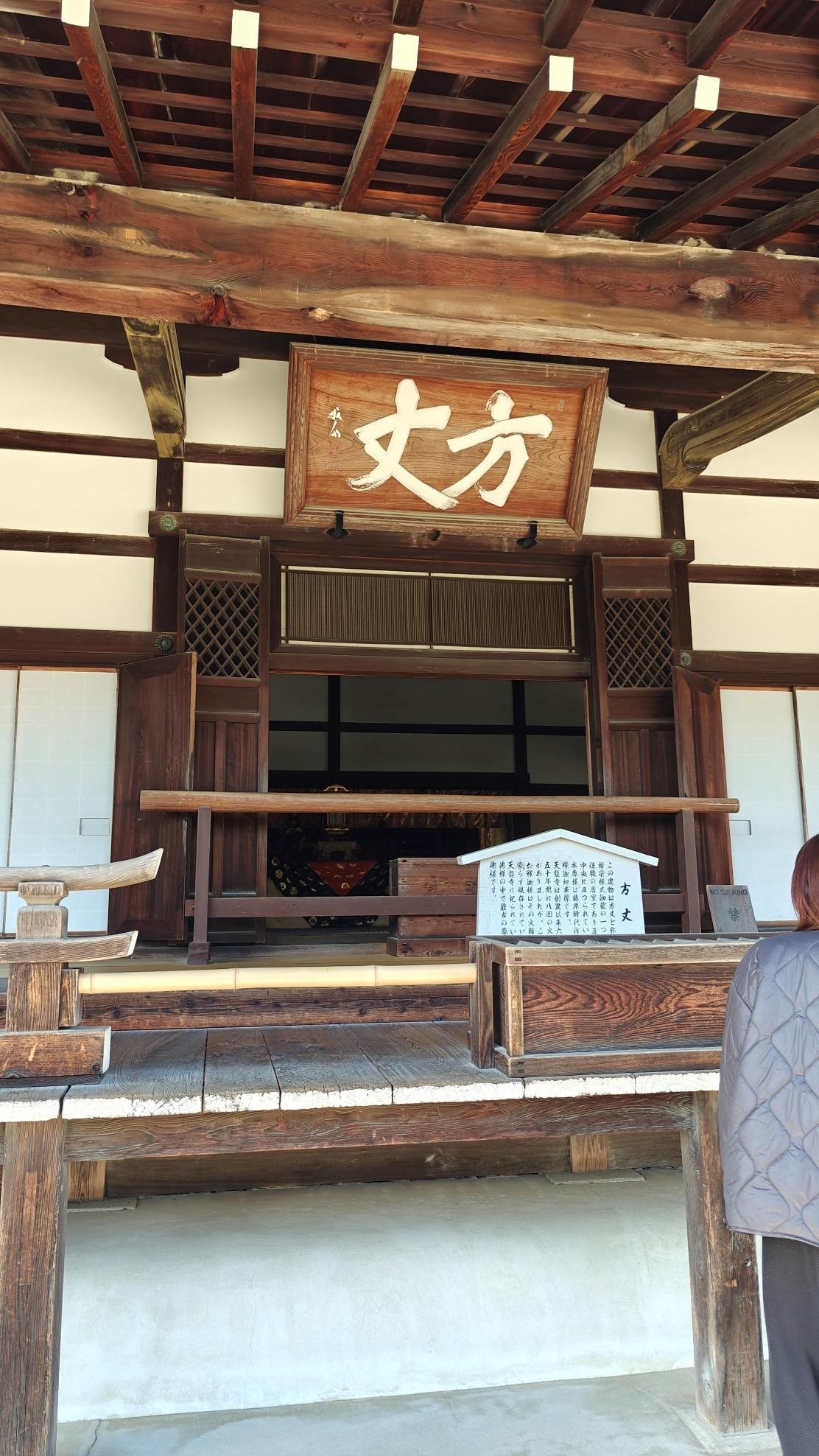
What’s notable about this side of the Main Hall is this opening where you can see an altar dedicated to the Shakyamuni Buddha. Now most Buddhist sects typically have a Buddha that they venerate the most such as the Jodo sect with Amida. For Zen, it’s Shakyamuni Buddha who they consider as the founder and exemplar of their sect’s beliefs.
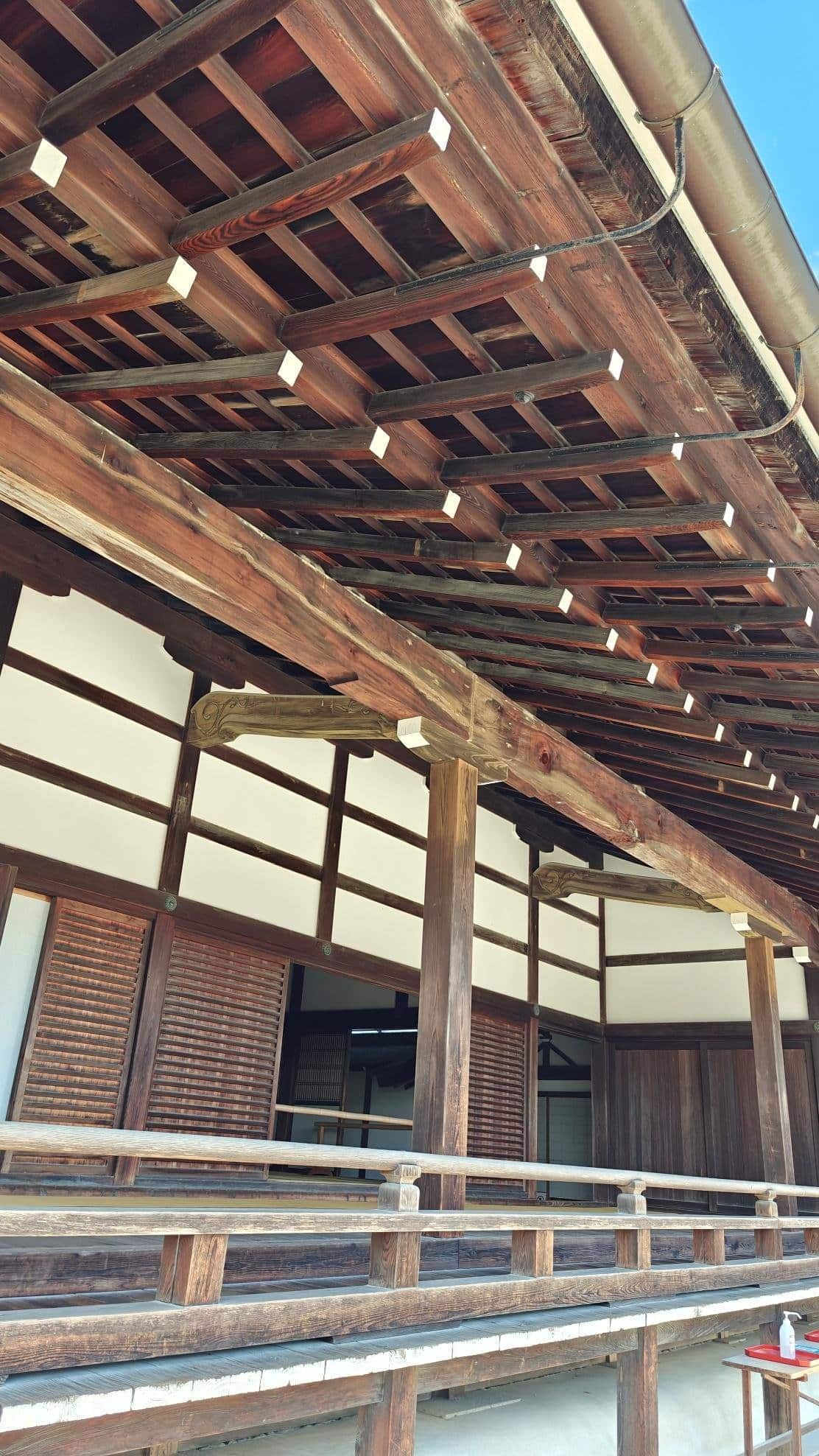
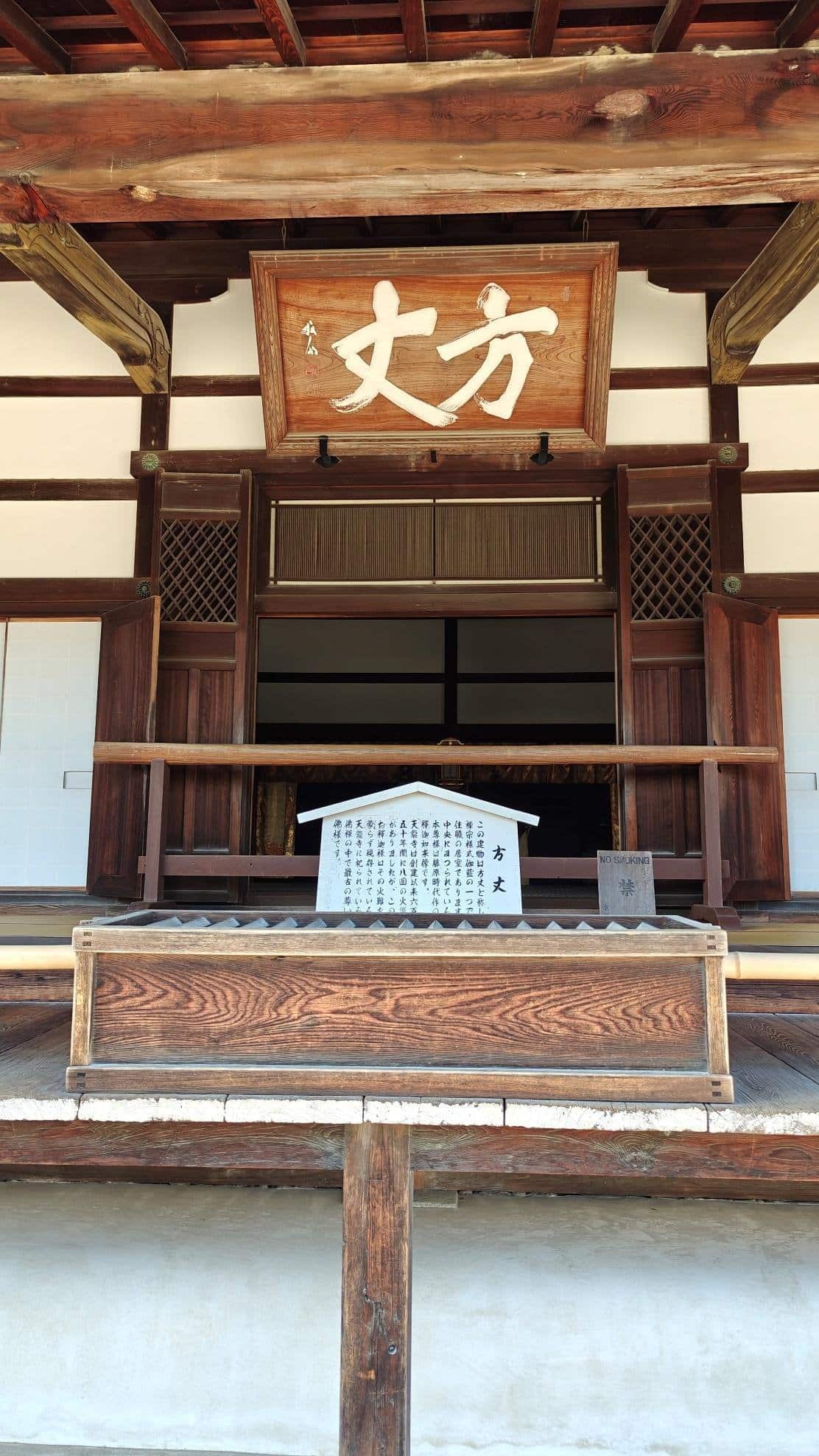
Much like Emperor Go-Daigo’s shrine, there’s a saisenbako here where you can drop your monetary offerings. Of course, this isn’t compulsory especially if you’re not even a practitioner of the religion.On a side note, the inscriptions on the plaque are actually quite interesting as it talks about the Shakyamuni Buddha statue here having survived from the fires that had beset the temple throughout its history.
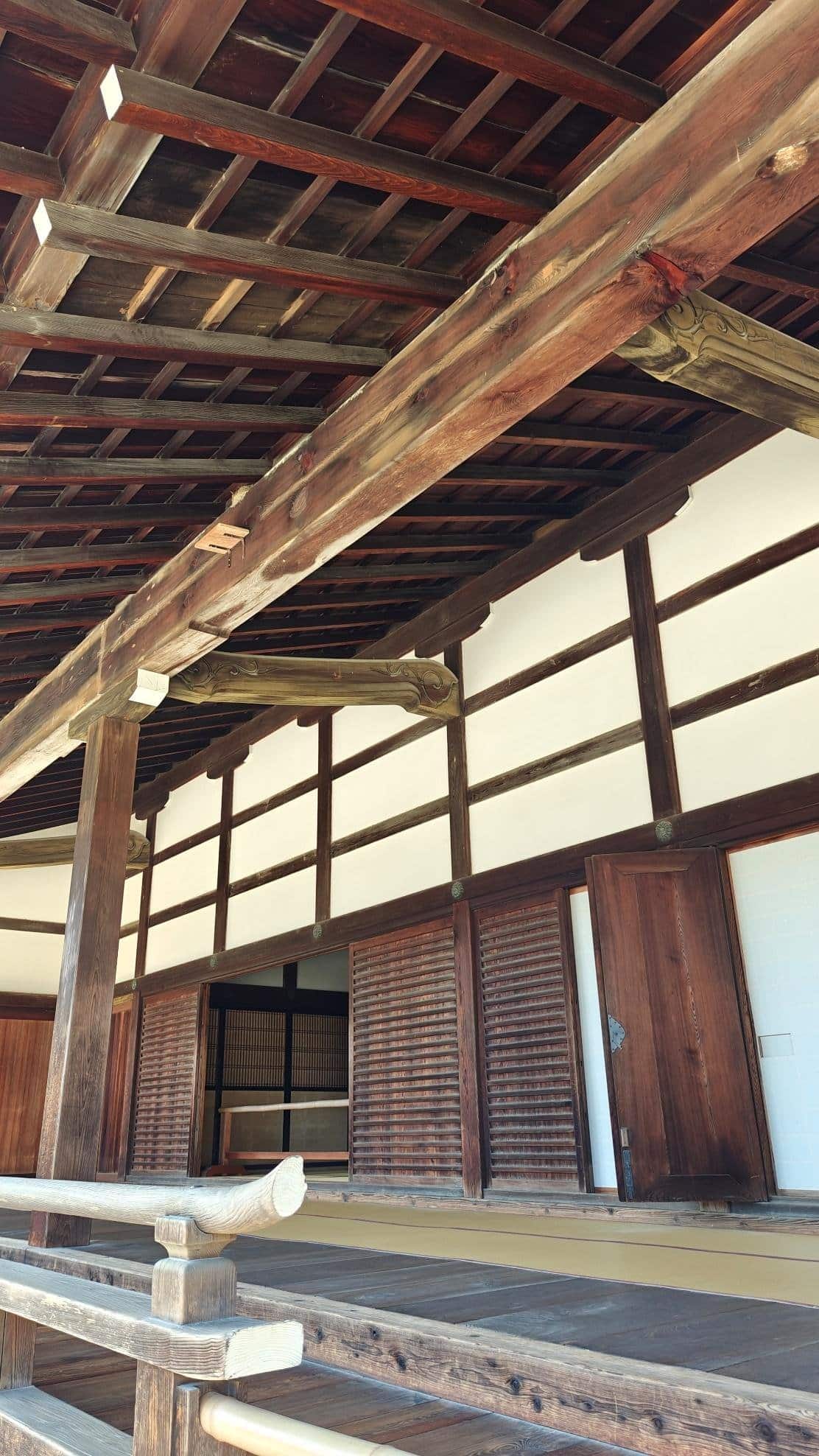
According to the inscription in the plaque from the previous image, this Main Hall has been reconstructed a whopping 8 times since 1339. As with a lot of traditional temples and shrines, the cause for the reconstructions was damage due to fires. That’s why you'll notice that right next to the plaque from earlier is a “No Smoking” sign.
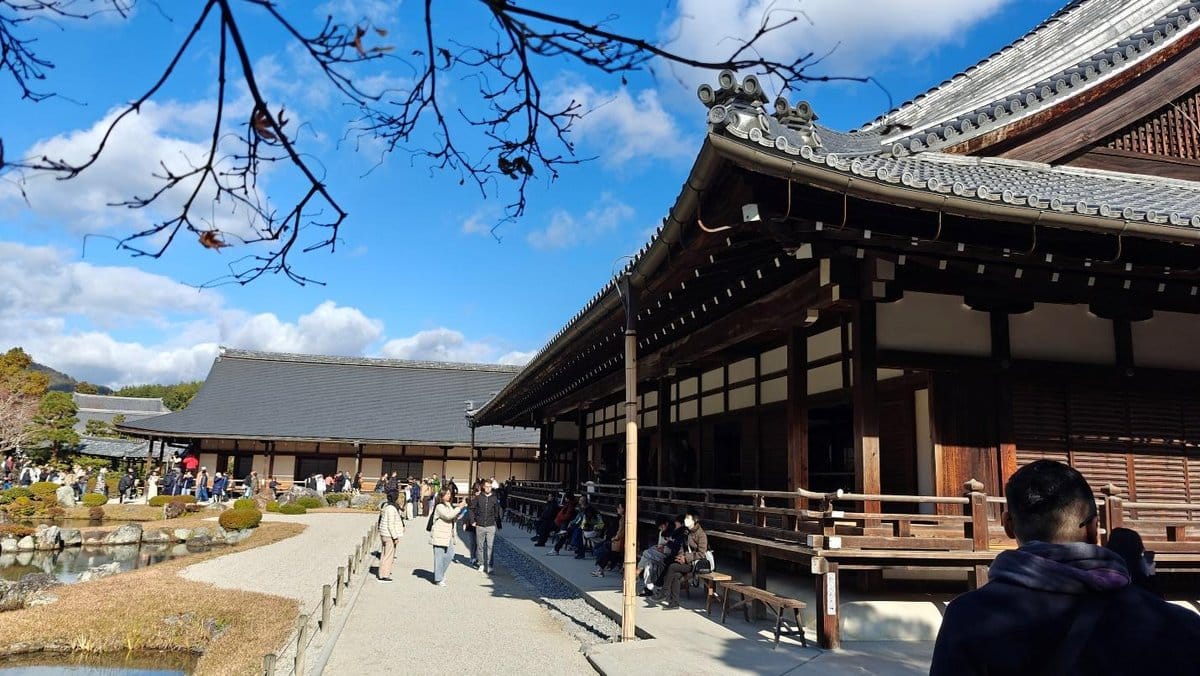
The next area I wanted to visit was the garden to the west of the pond. From the karesansui garden, I went back the path and found myself again at the Pond Garden with a view of the Daihojo and Kohojo. At this point in my visit, it looked as if more people were here though the crowd was significantly smaller than the ones in Fushimi Inari Taisha and Kiyomizu-dera.
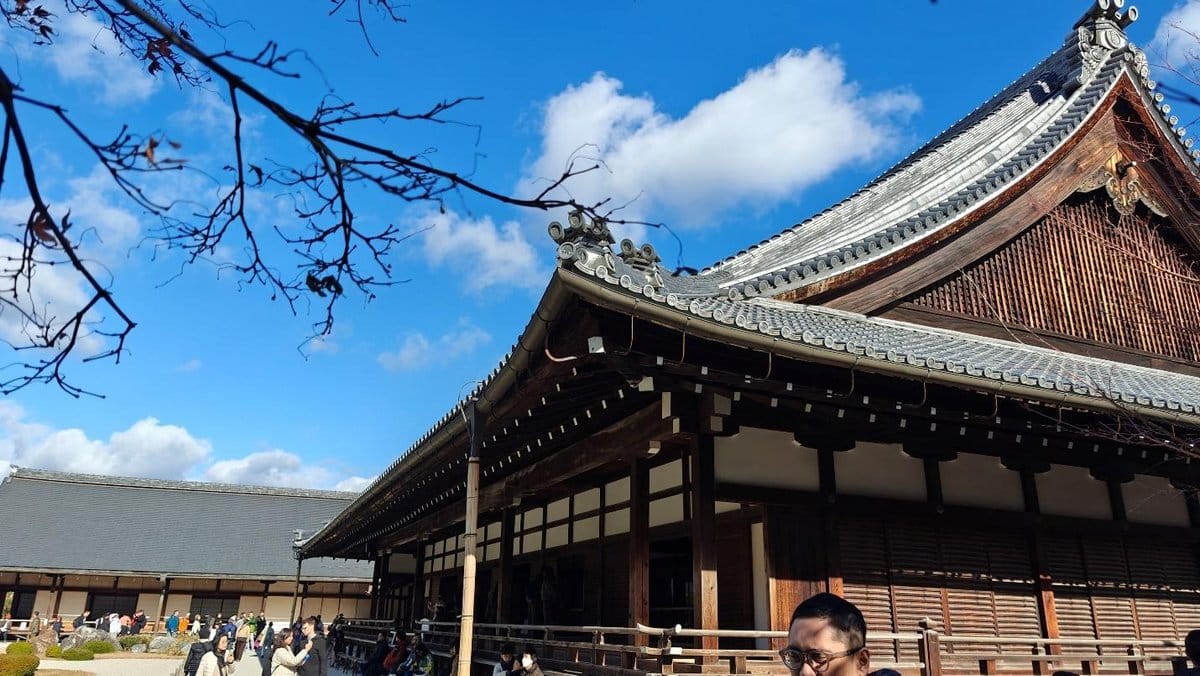
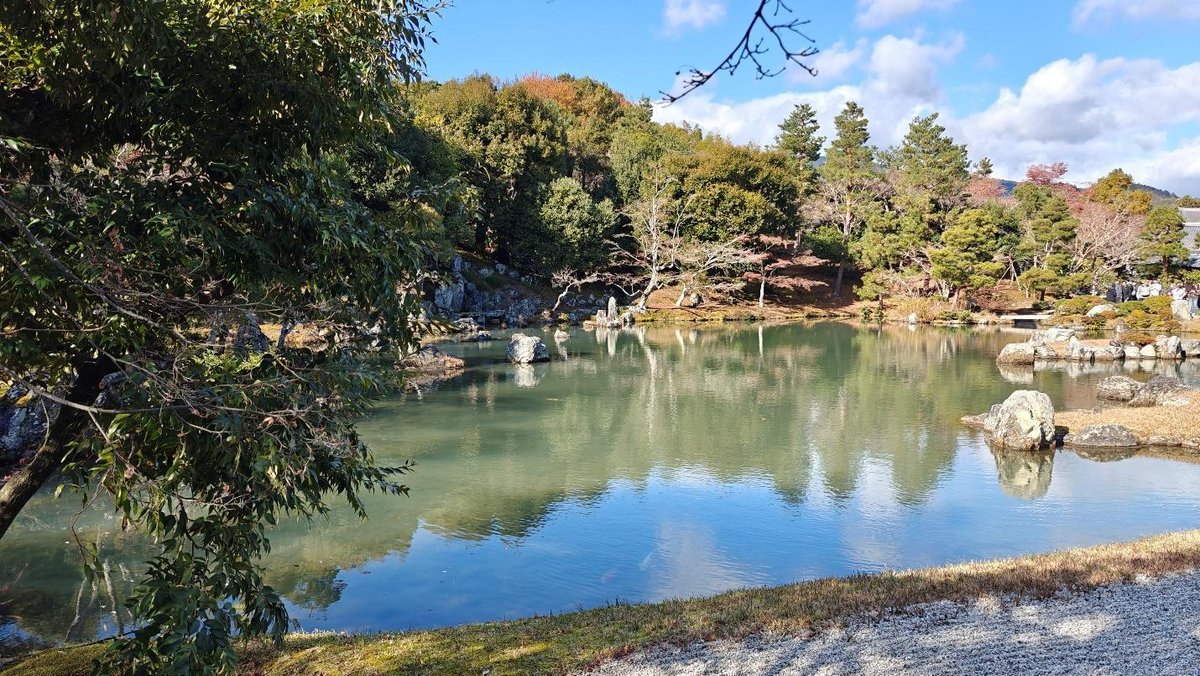
Here’s a view of the pond from the area south of the Main Hall. Behind this vantage point is another path that goes around the pond and into another garden. Now I loosely describe it as a garden since it's really more apt to call it a mini-forest.
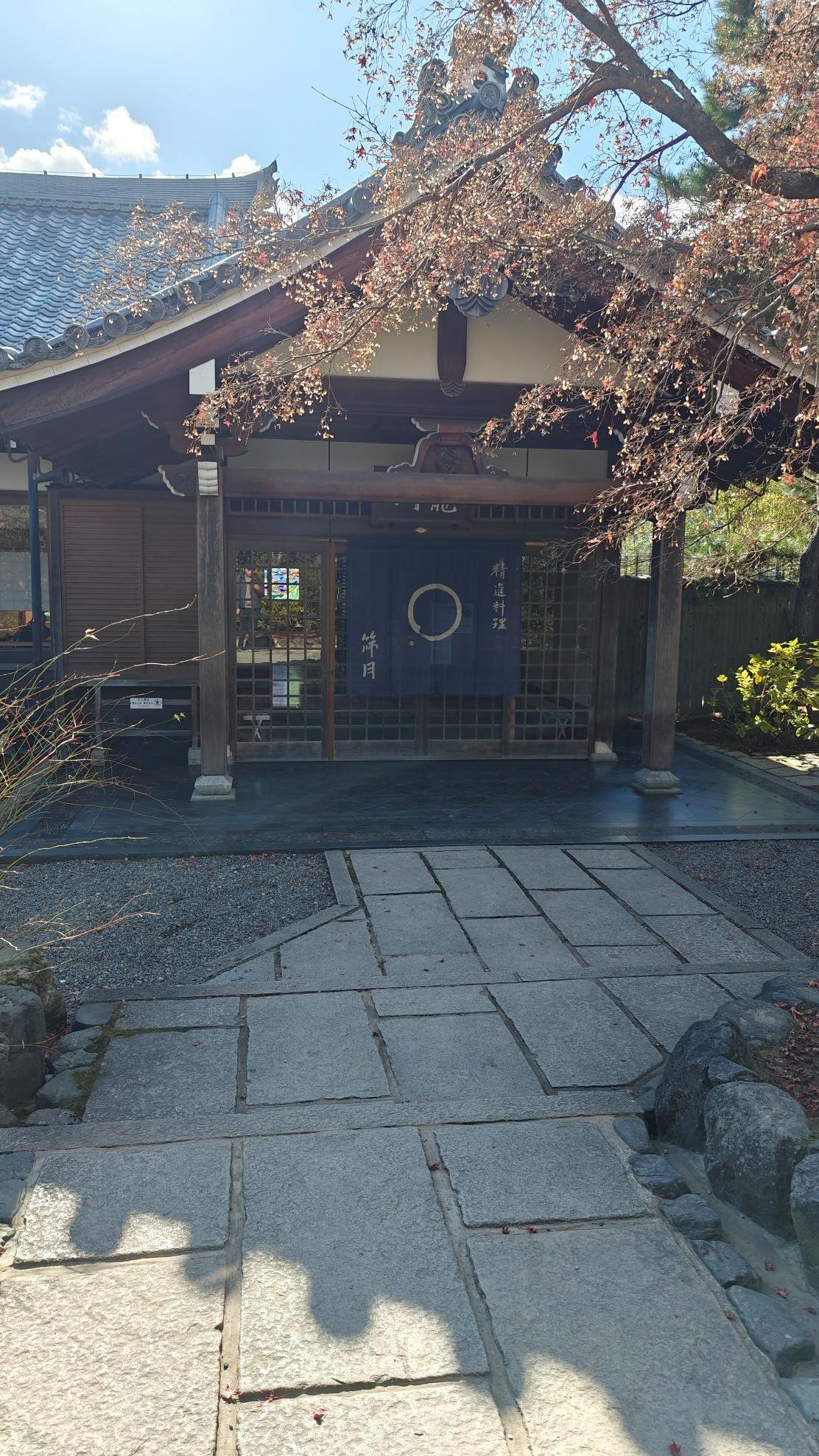
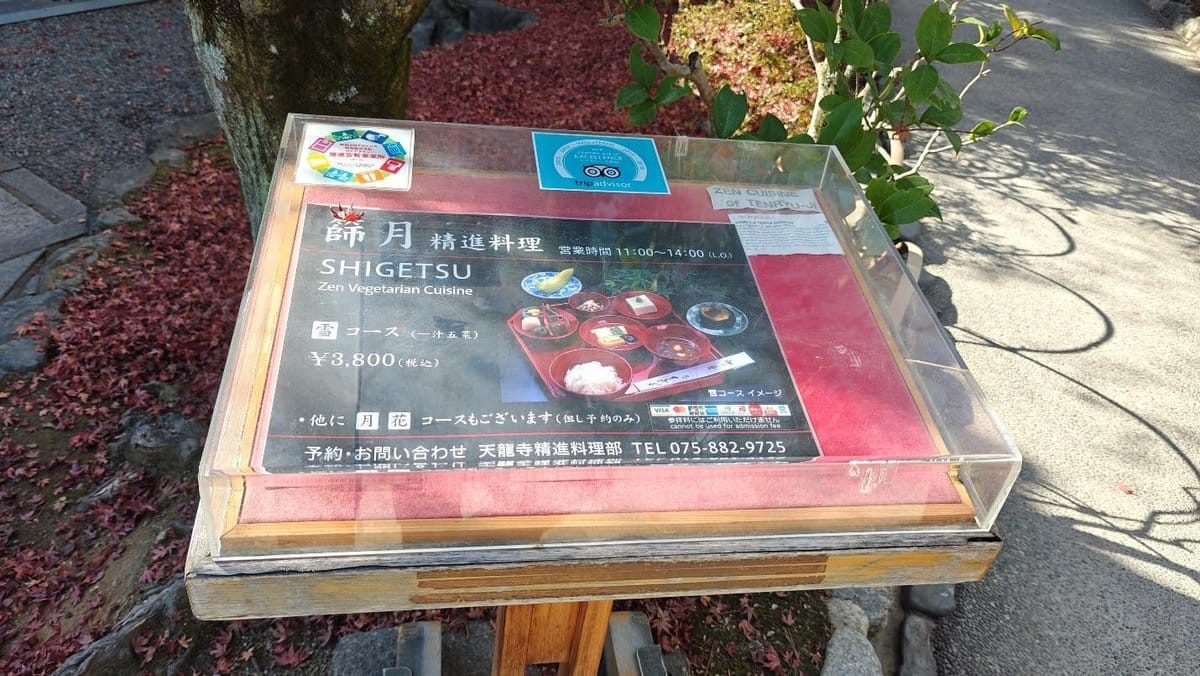
On that very same path that I mentioned earlier, you'll come across this establishment called Shigetsu. It's a vegan restaurant that primarily serves shojin ryori. What's impressive about it is that it actually has a Michelin Bib Gourmand which means that you can expect the food to be not only delicious but also affordably priced.
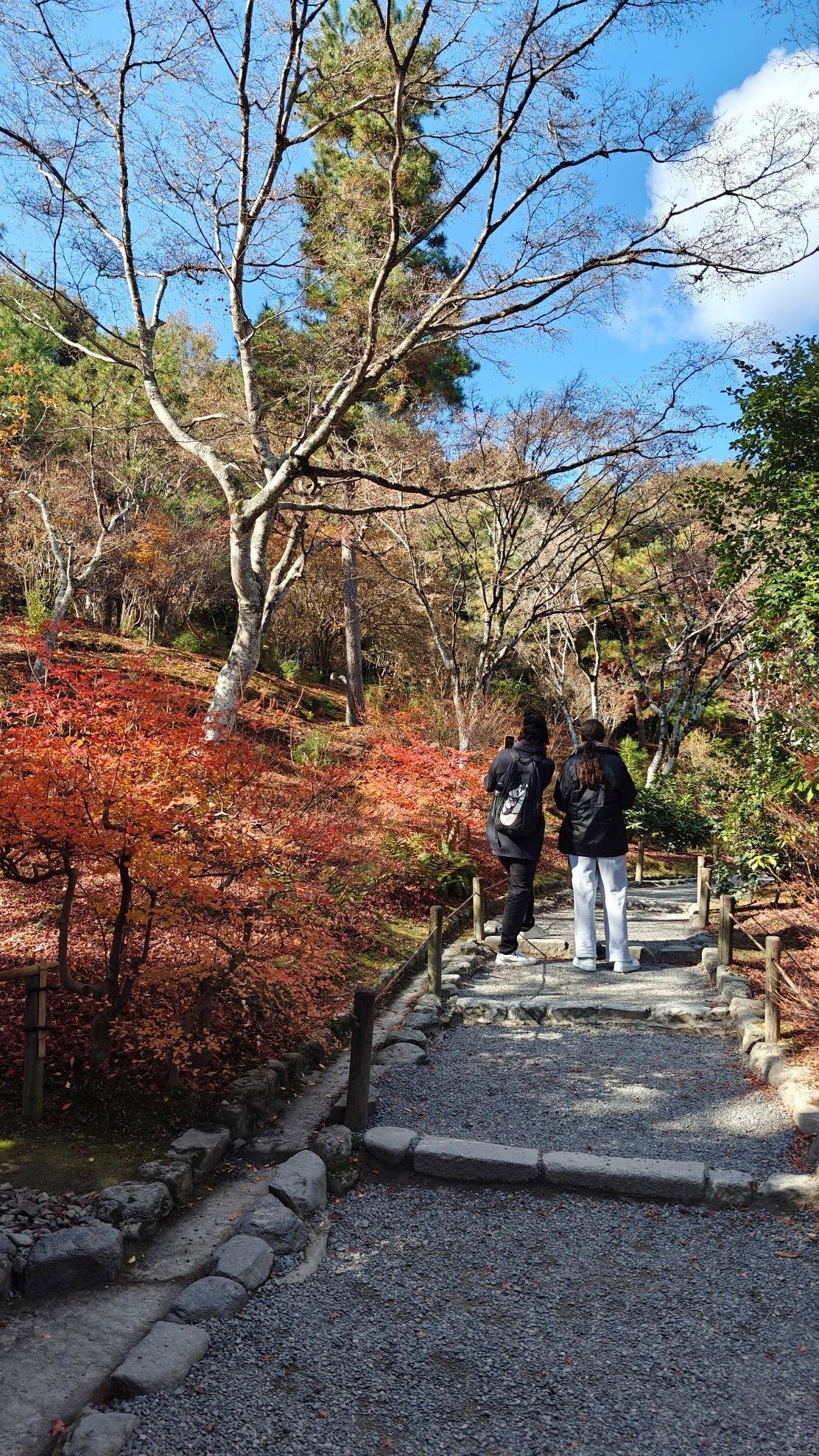
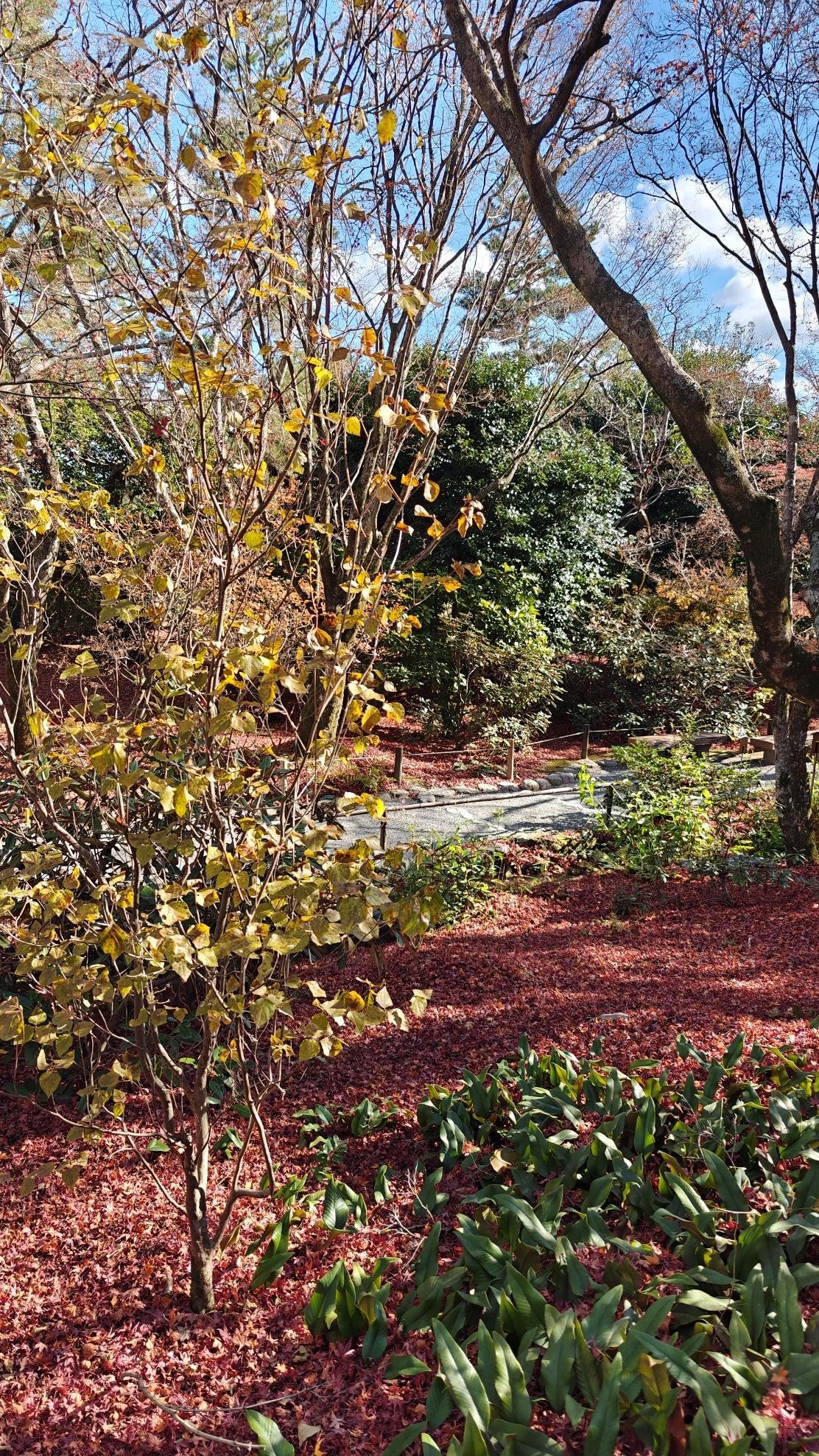
Moving past Shigetsu, I then found myself in the garden. The fall foliage here was honestly quite mesmerizing. I will say though that if I came here about a week or two earlier then the views would be out of this world.
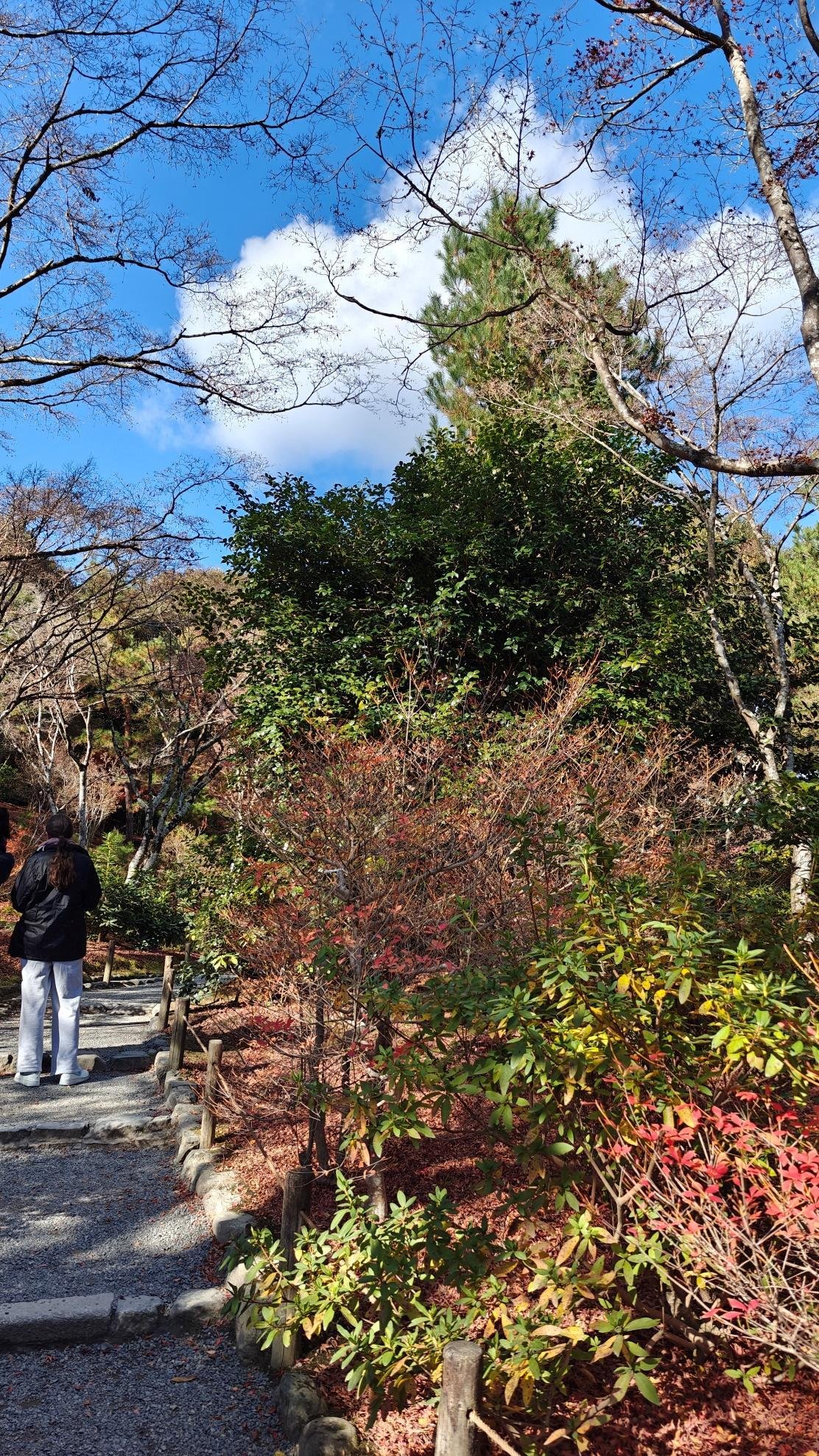
A lot of the trees here had already shed their leaves and I couldn't help but think just how colorful these must have been at the height of fall. As for the names of these plants and trees, you'll find that some of them will have placards and signs. What was interesting to learn about these is that there are quite a few of them that aren't considered native species.
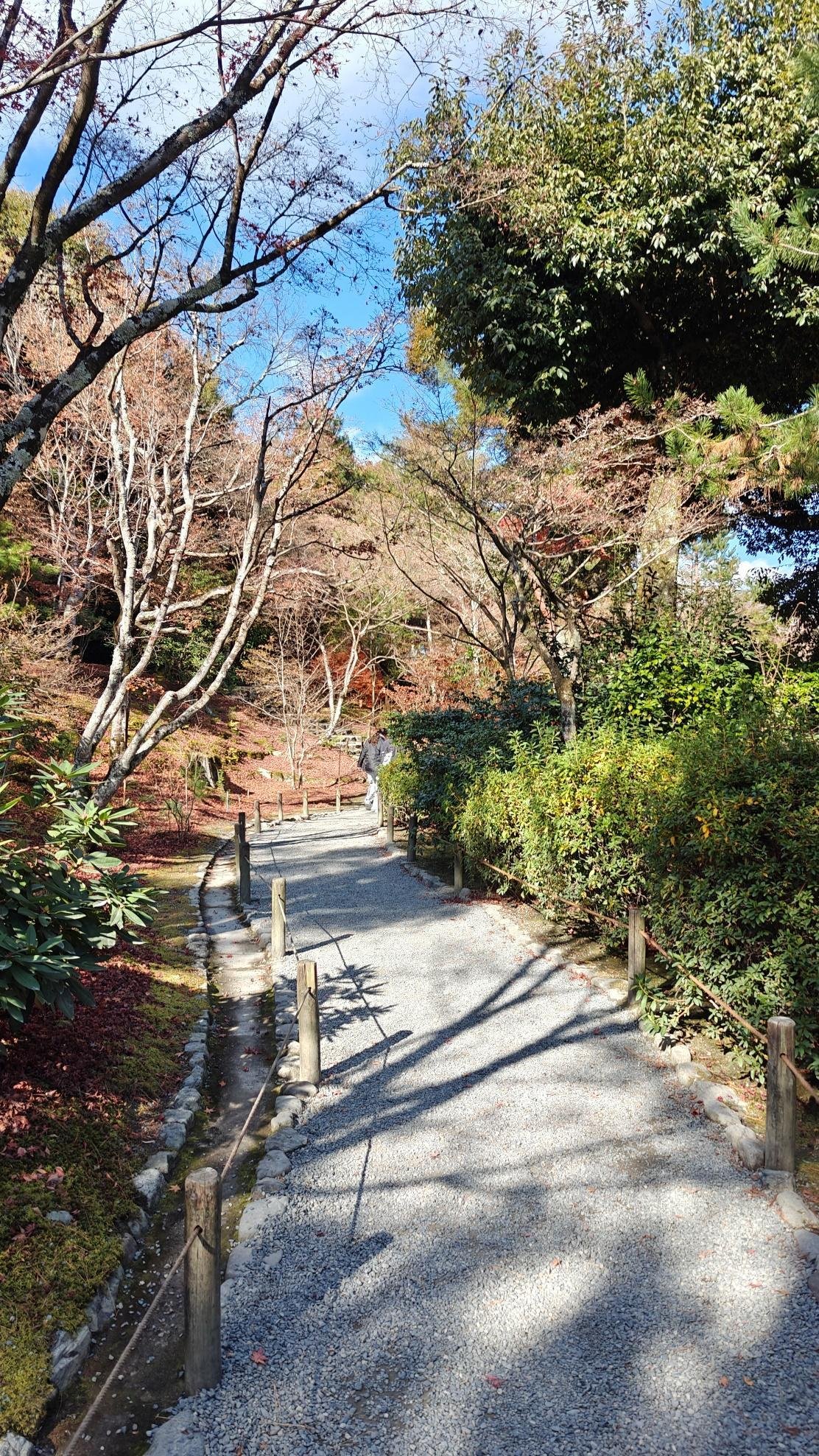
Going back to the path, at some point it actually branches off into two. Here you can sort of see the stairs of one of those two paths in the background. If you opted to go to the elevated path (on the left), you’ll eventually find yourself back at the Suzuriishi.
Stay the course on the right and you’ll end up back at the Yoshino cherry grove just in front of the Tahoden.
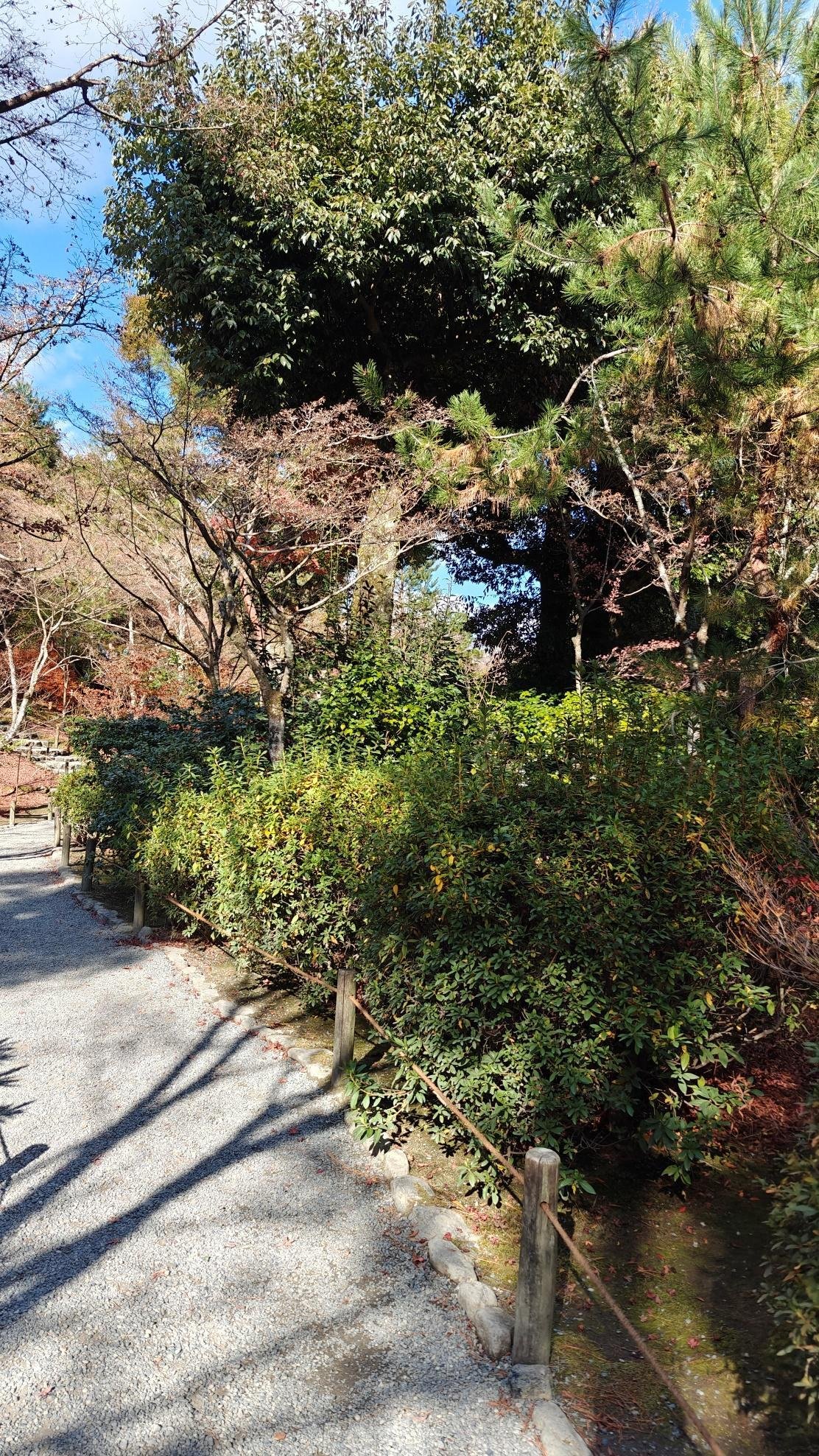
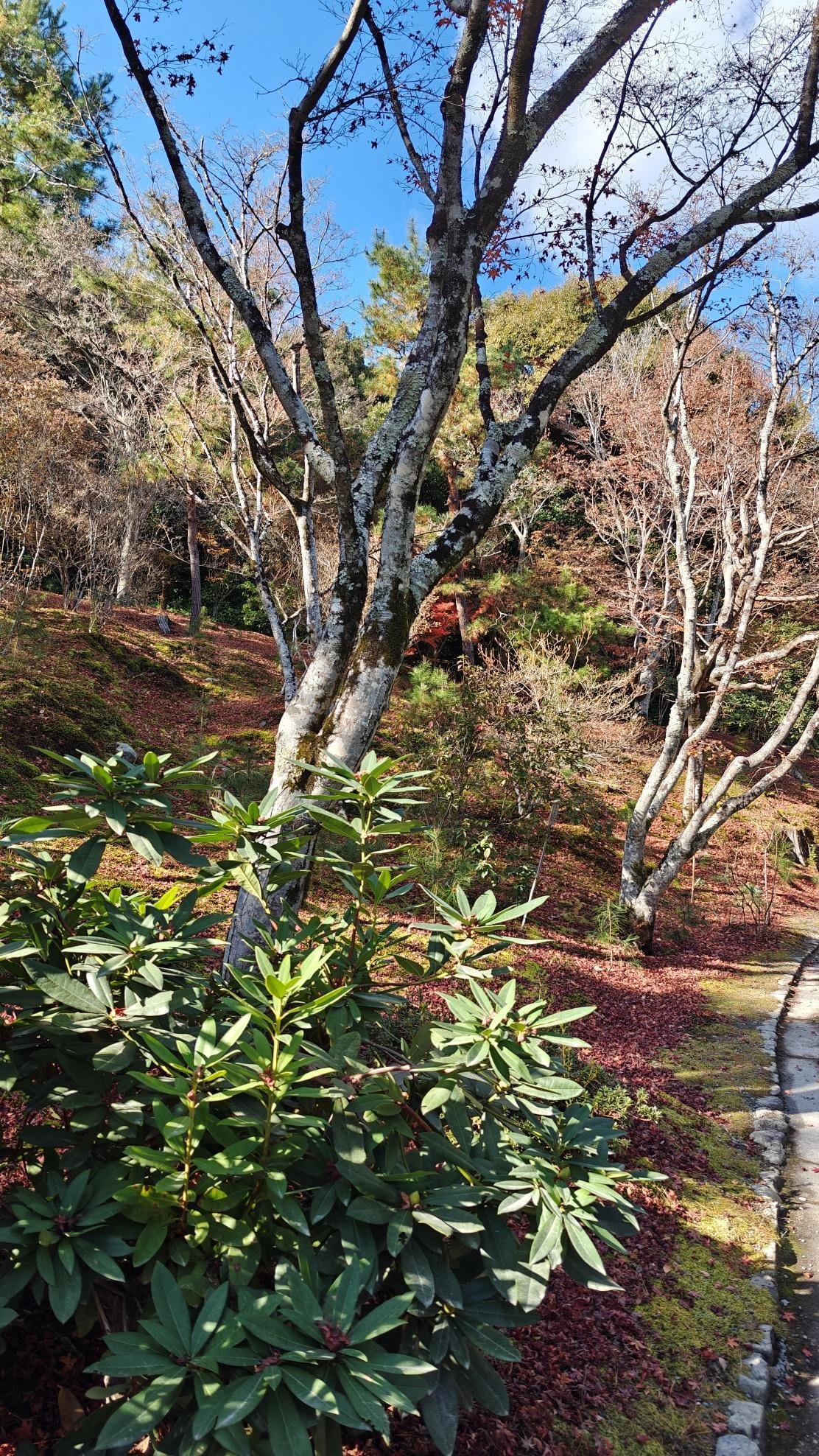
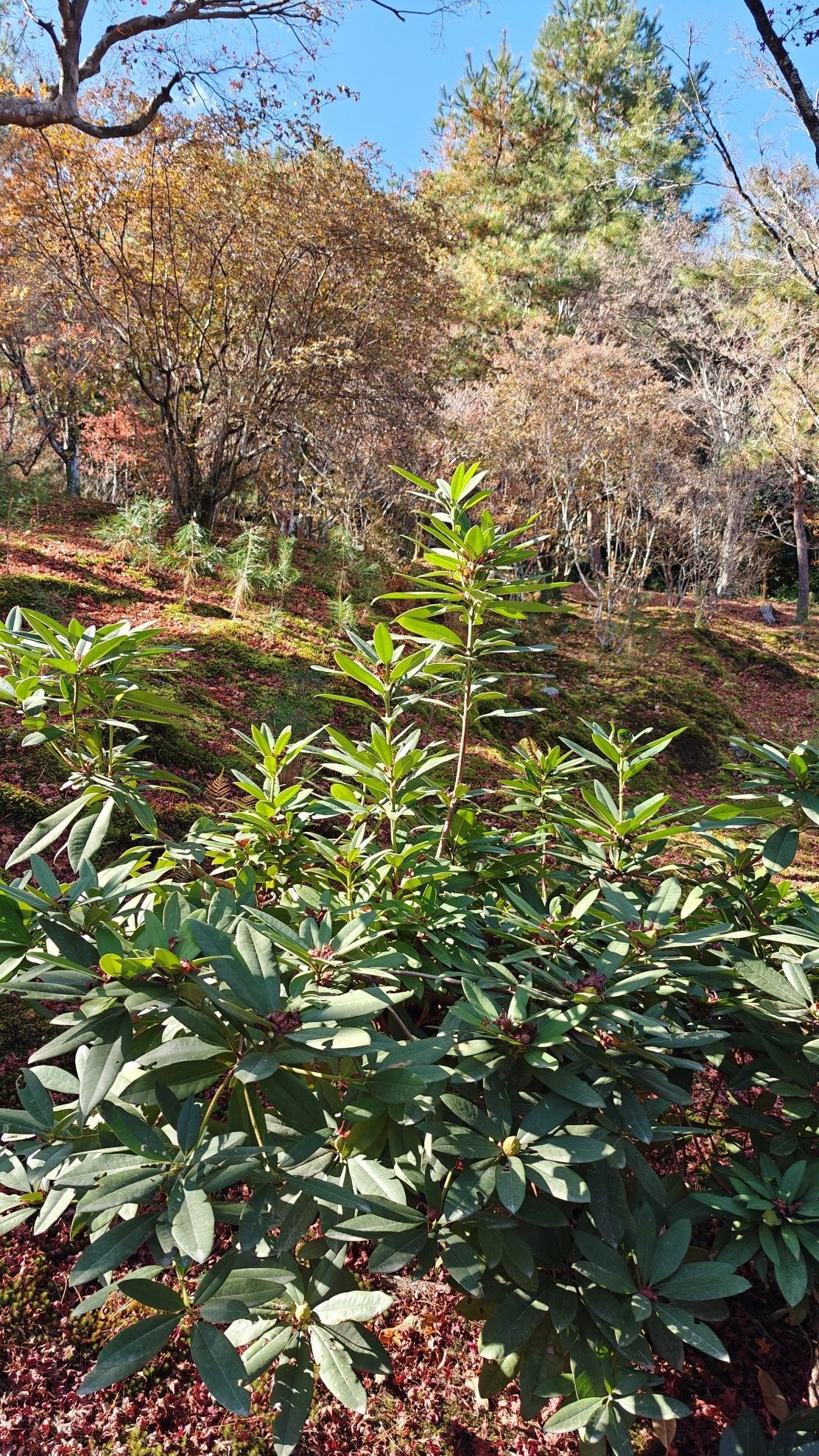
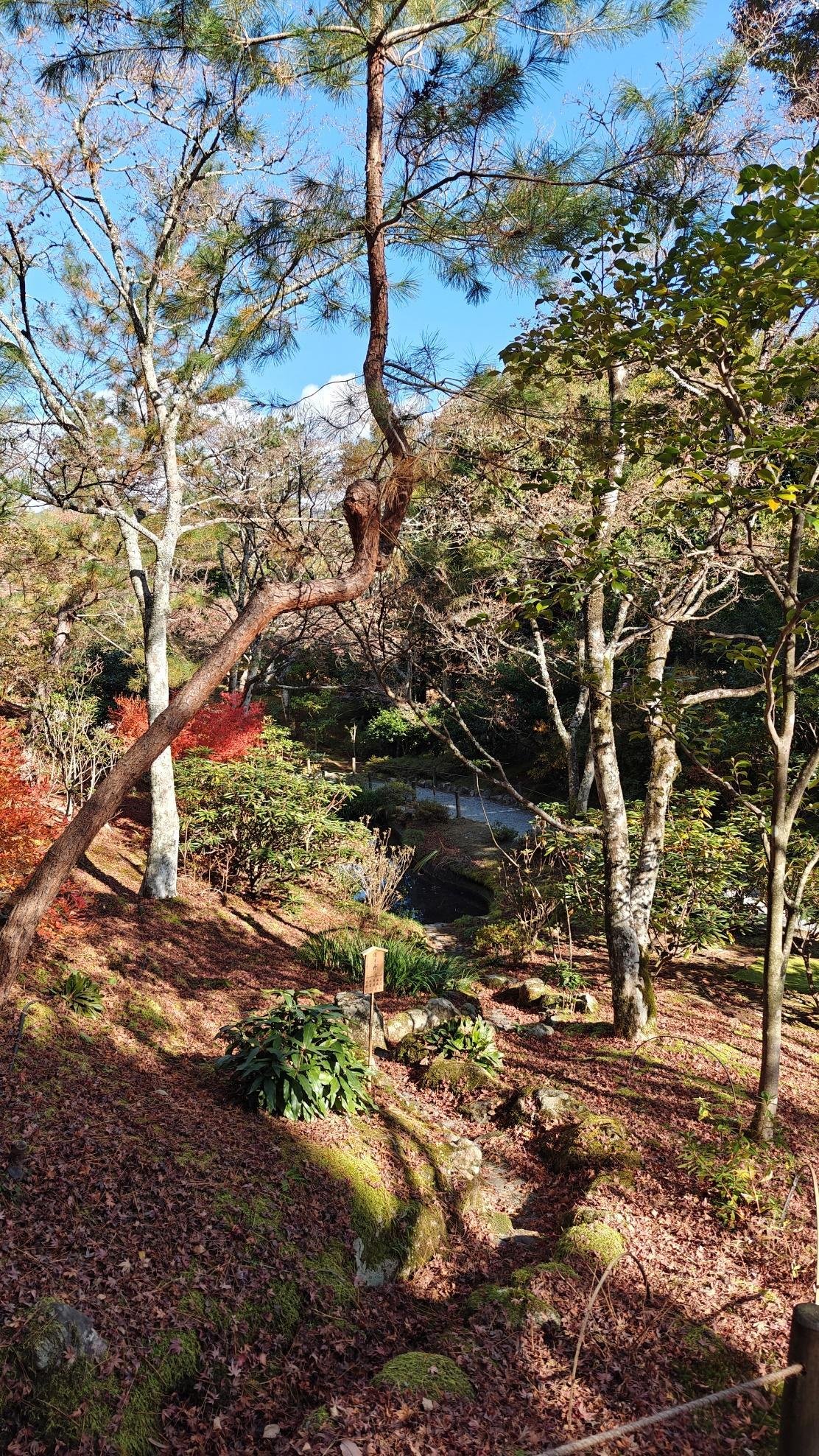
I decided to head up the elevated path and was somewhat surprised to realize how different this whole area was to the rest of the temple complex. In some ways, it actually reminded me of Sankeien Garden in Yokohama. Of course, Sankeien was a lot larger in terms of land area but they both had this rustic atmosphere that made walking around so satisfying.
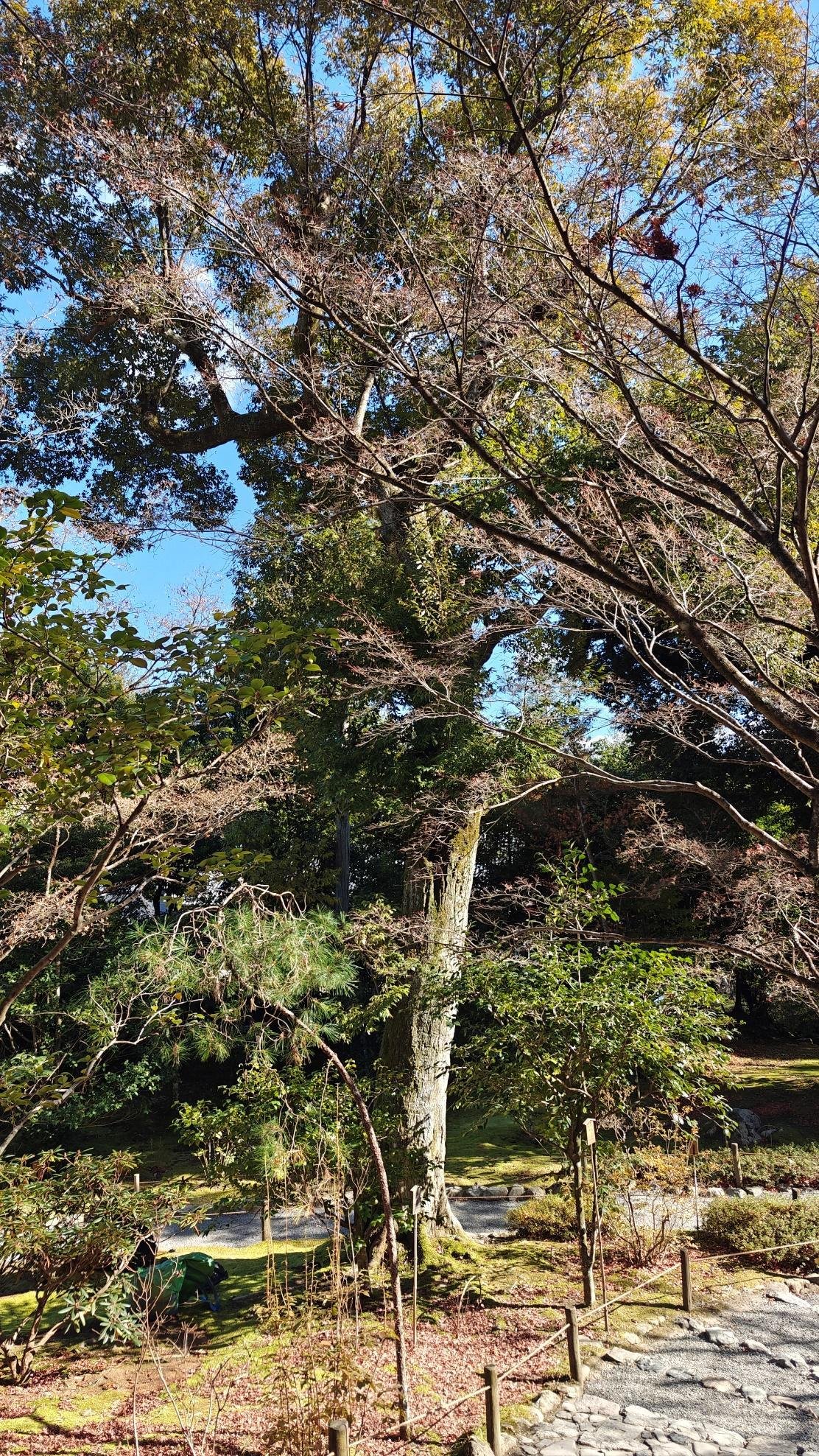
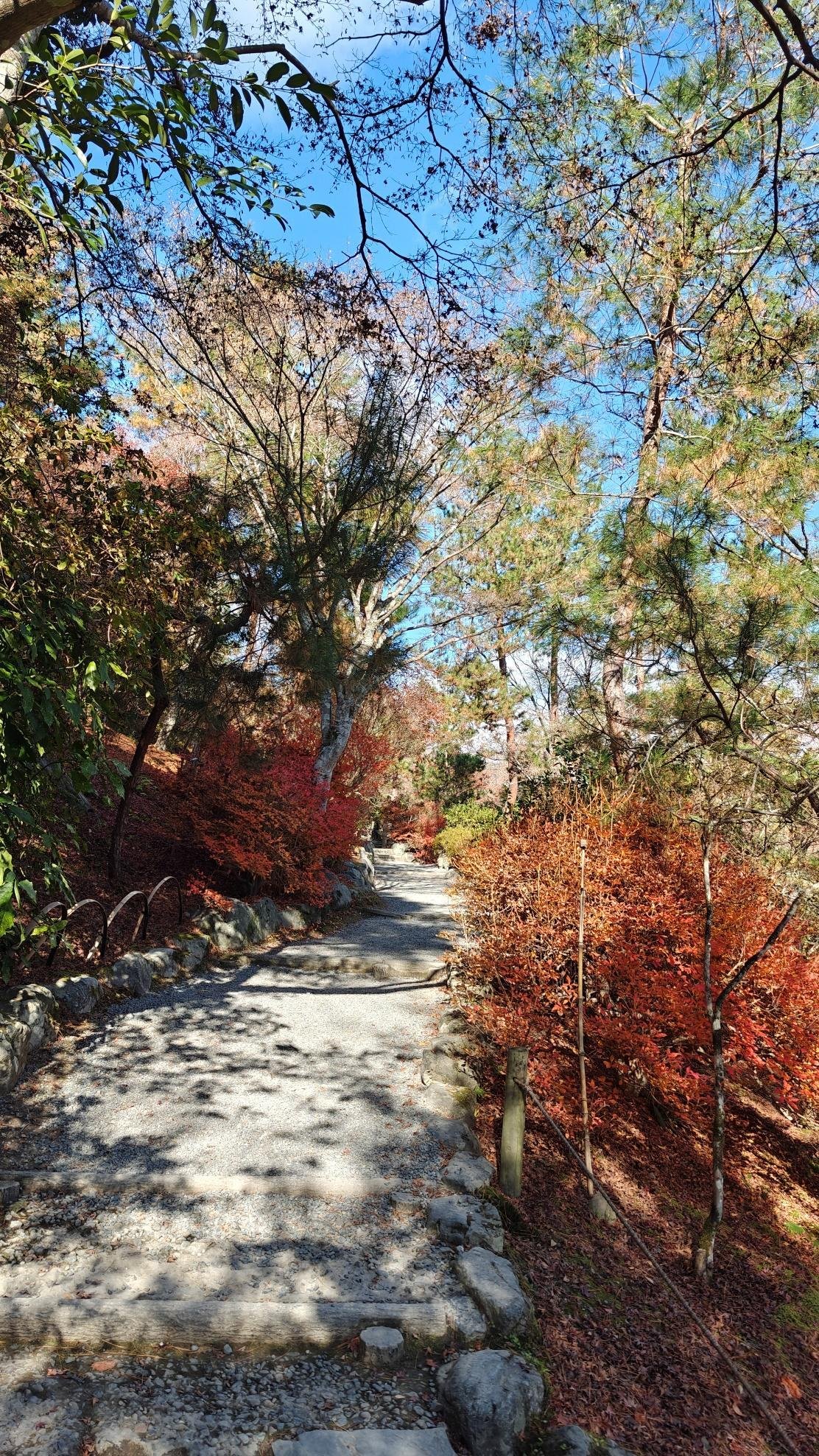
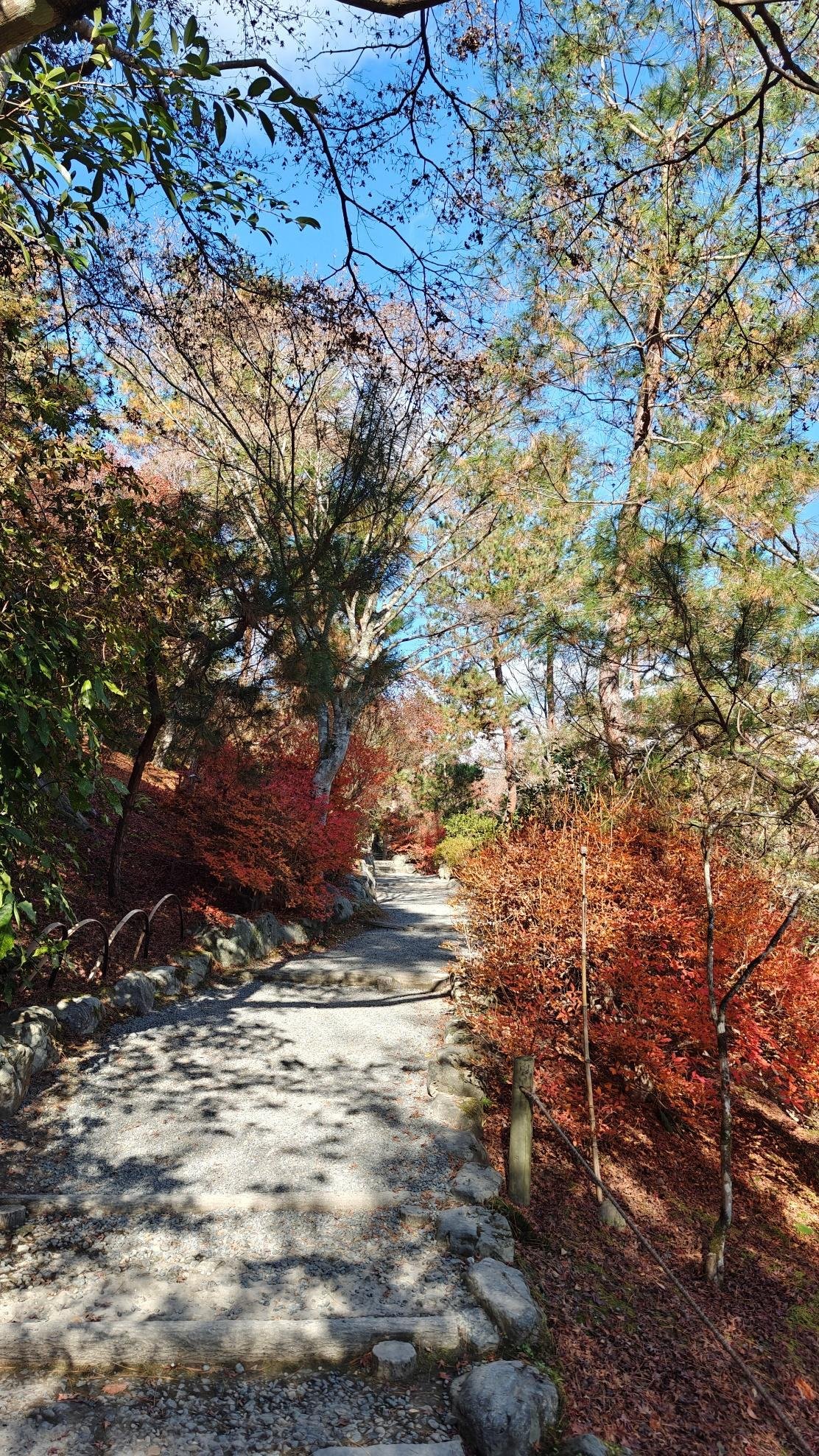
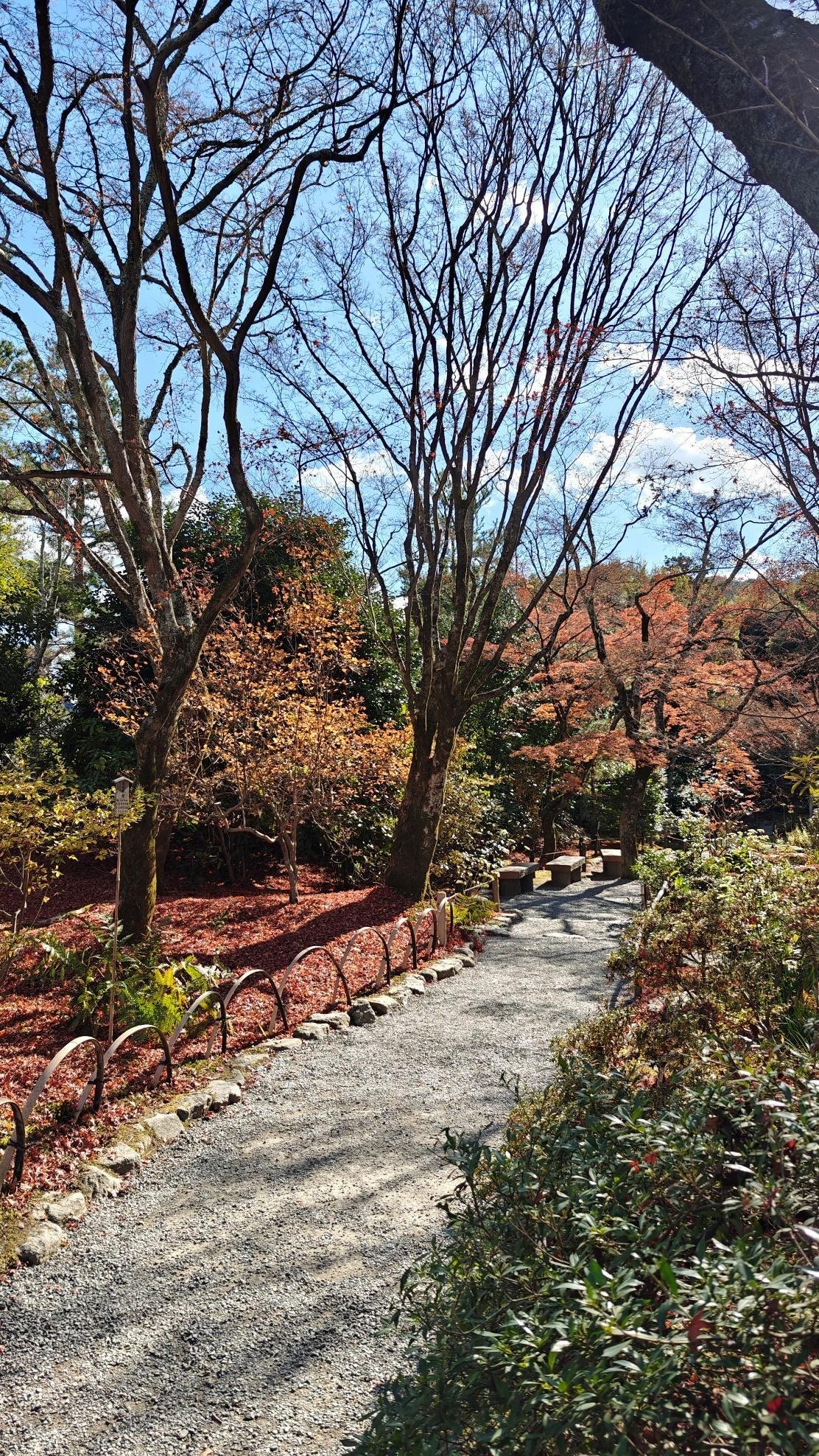
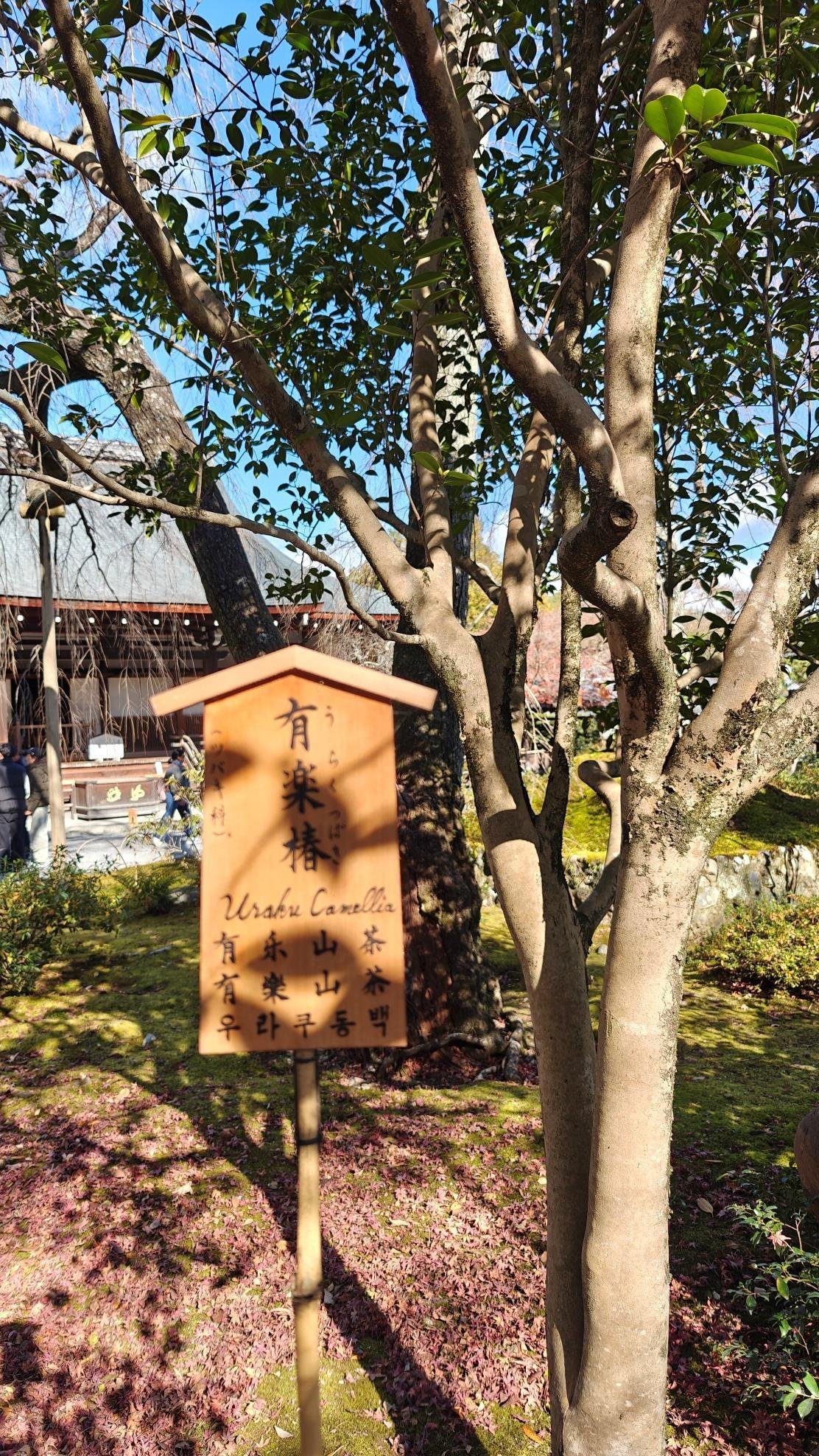
Now there's also a section in the elevated path where it branches off into two. The left leads to the Suzuriishi while the path to the right will merge with the other path from way earlier that I said takes you to the Tahoden. Since I still had plans to check out the Kuri, I took the path down and found myself back at the Yoshino cherry grove in front of the Tahoden (you can see saisenbako for Emperor Go-Daigo's shrine in the background).
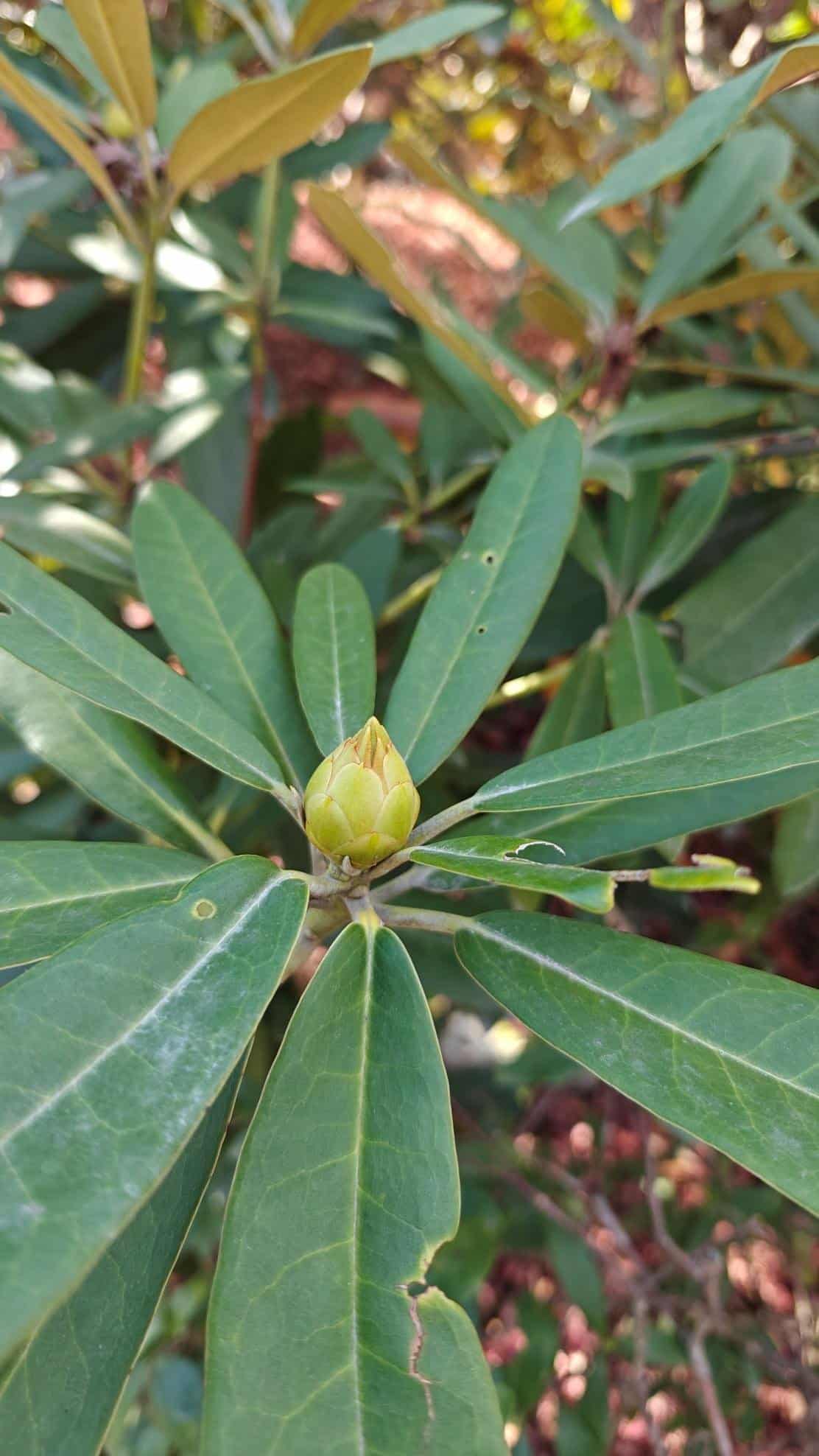
Now I said that this was a Yoshino cherry grove but it also has other trees here as well. In the previous image you saw a sign for the Uraku Camellia whose buds you can see here. Interestingly, this tree species has been around for more than 400 years though the sources I read aren't quite sure if it's an endemic species.
Another surprising characteristic of this tree is that it’s one of the few that blooms in the late winter season.
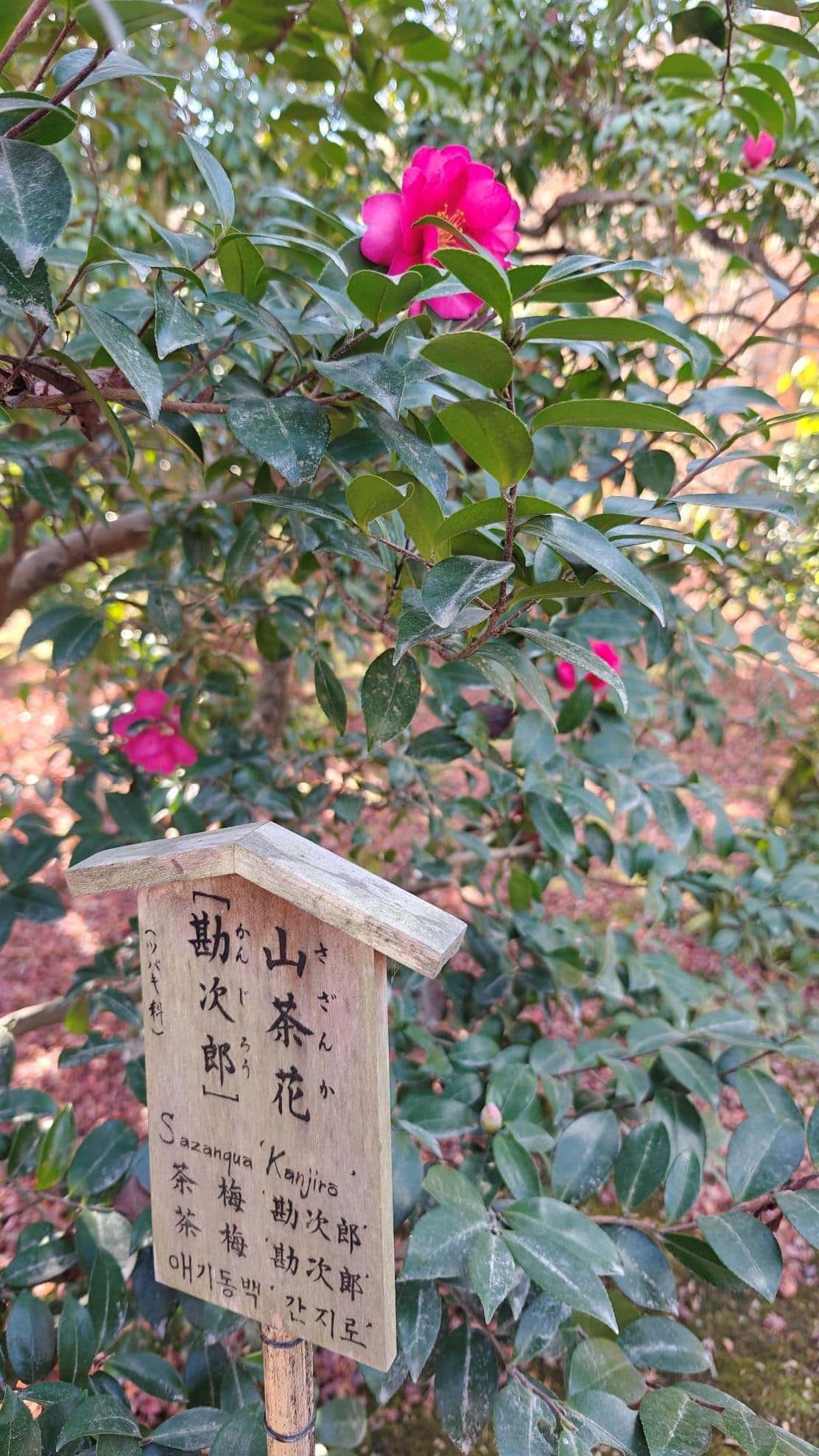
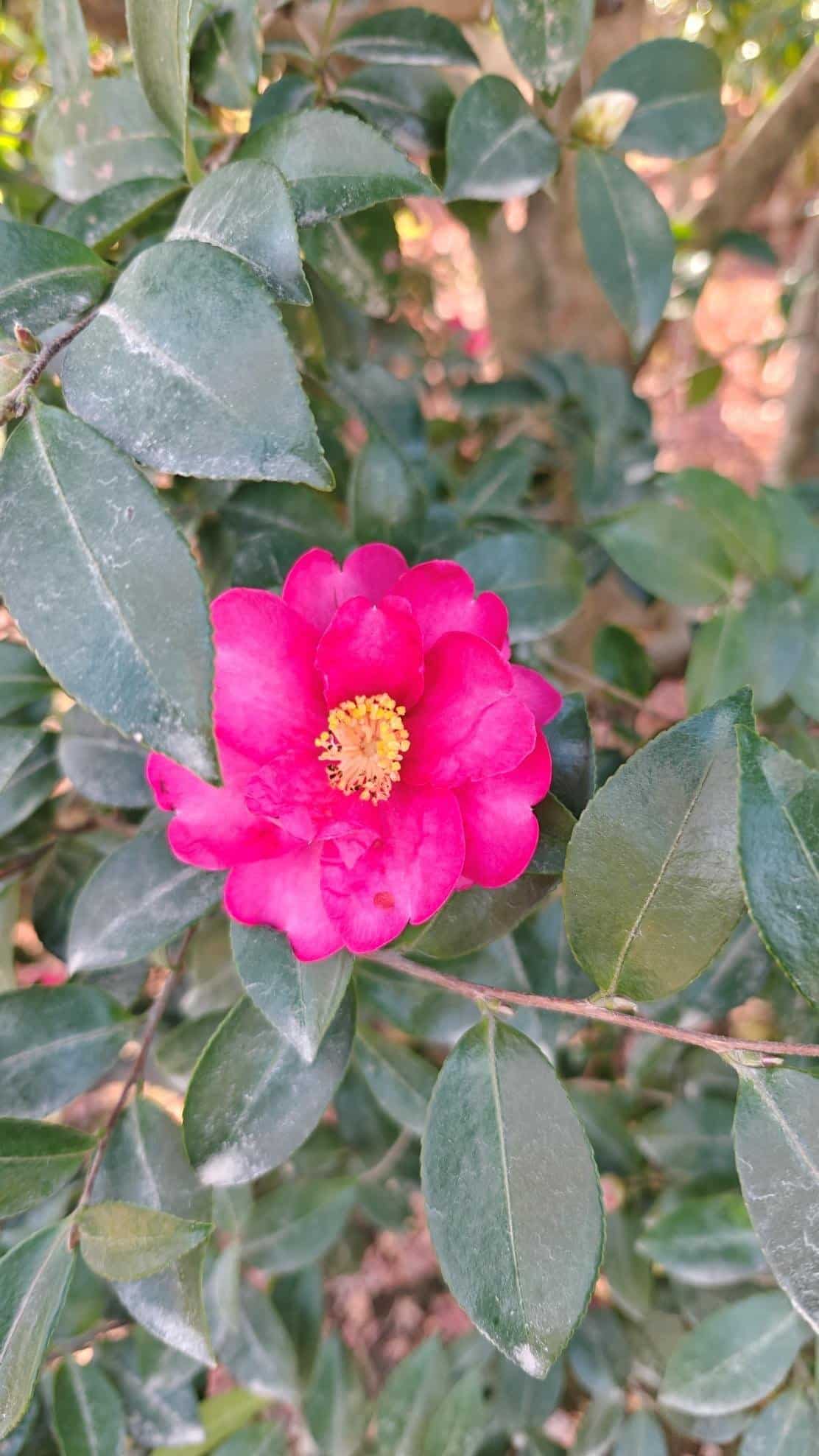
Another plant that caught my eye in this area was the Sasanqua Kanjiro (shown in the image above). Like the Uraku Camellia, this evergreen also blooms during winter. You'll see its flowers much earlier though as they typically start coming out in the late fall.
By early winter, they help brighten gardens like these with their deep pink flowers.
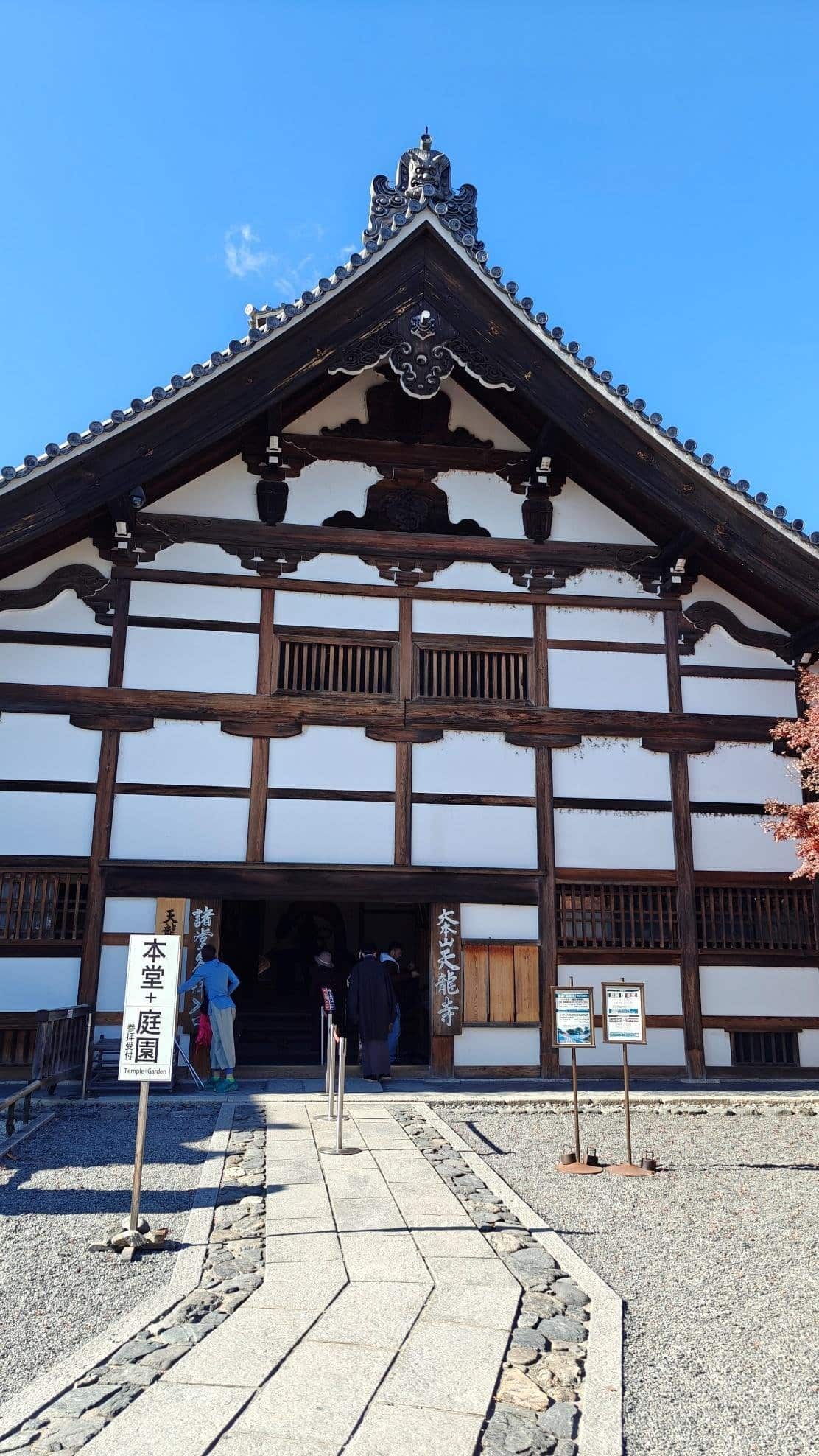
Of course, visiting Tenryu-ji Temple wouldn't be complete without a picture of the Kuri. As I said earlier, this is where you can purchase tickets for access to the Main Hall. From here, you can get to the Daihojo quite easily.
Behind it is the Kohojo and there's also a covered pathway that leads to the Tahoden that you can access from here.
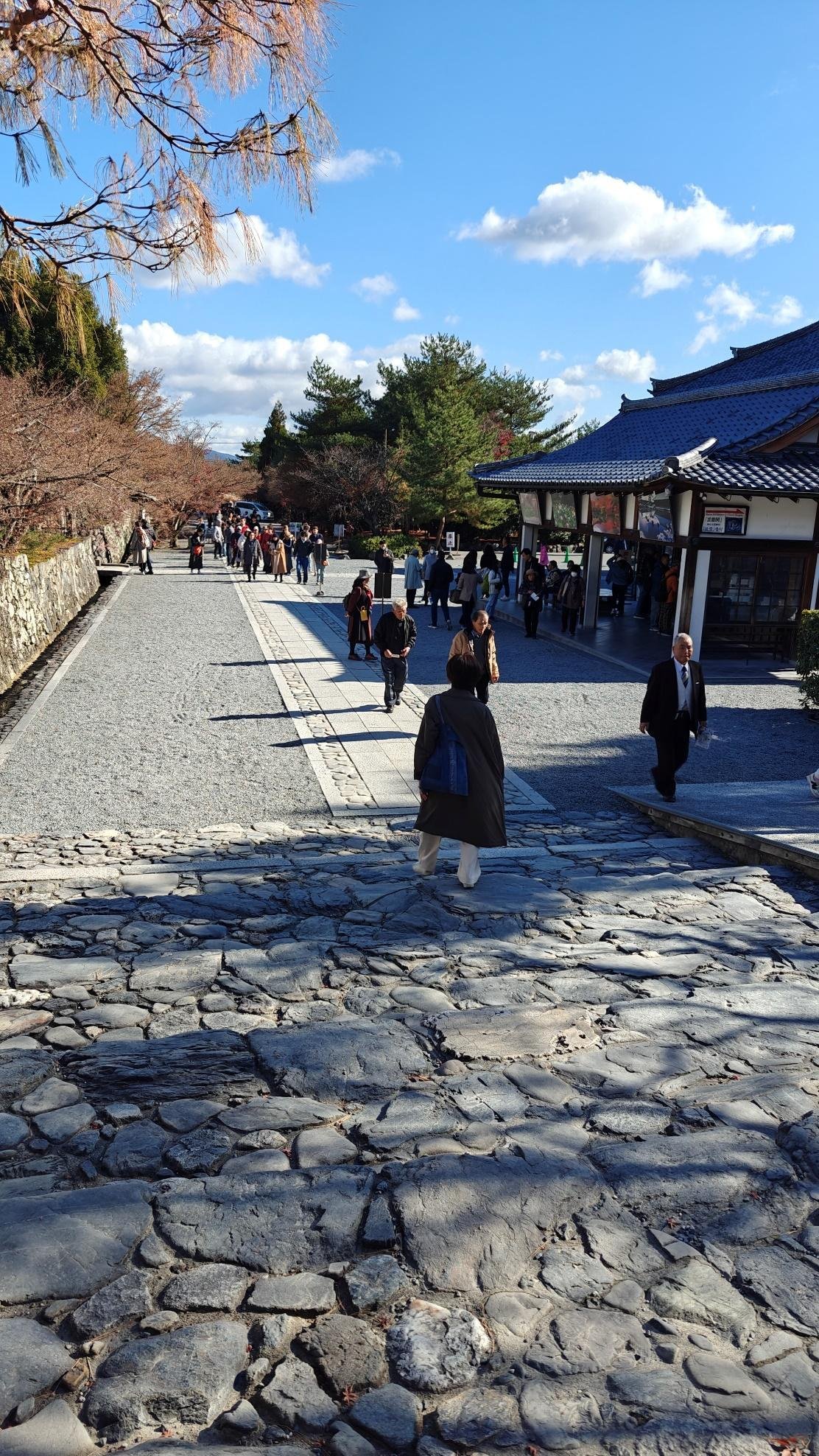
This is the pathway leading up to the Kuri. To the right is the temple's souvenir shop. From here there are actually a number of other shrines and temples that you can get to.
Turn right after going past the souvenir shop and you'll find Tenryu-ji Temple's Dharma Hall. There's also a small path to the left that you can enter to get to Shoganji Temple and a Hachimangu shrine.
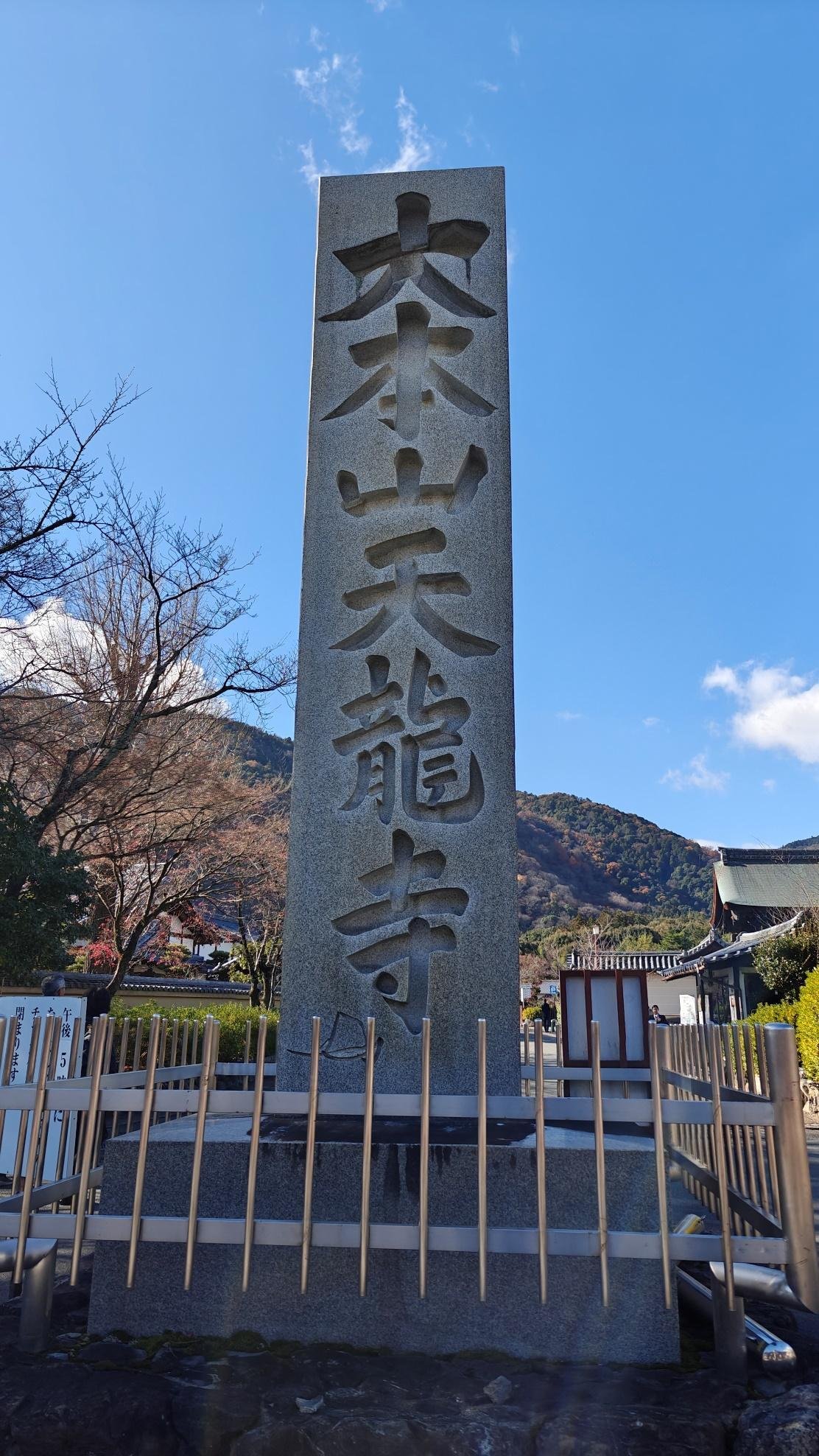
And so my visit to Tenryu-ji Temple ends with this image of its stone marker. The temple was honestly not that large but it was definitely still worth visiting just because of the vistas and views. In particular, the Sogenchi Pond Garden is arguably one of the best gardens that make use of the shakkei technique that I've ever seen in my Kyoto visit.
Save for some stairs in the garden behind the pond, Tenryu-ji is also relatively easy to walk around in. Perhaps my only gripe is that you need to pay to get inside the Main Hall. Considering how many fires the temple has been subjected to though, the relatively low additional fee to get access to the Main Hall (as well as the separate admission fee for the Dharma Hall) is quite understandable.Have you had the chance to visit Tenryu-ji Temple?
If yes, then share your experiences and thoughts about this Zen Buddhist temple with us and our readers down in the comments!