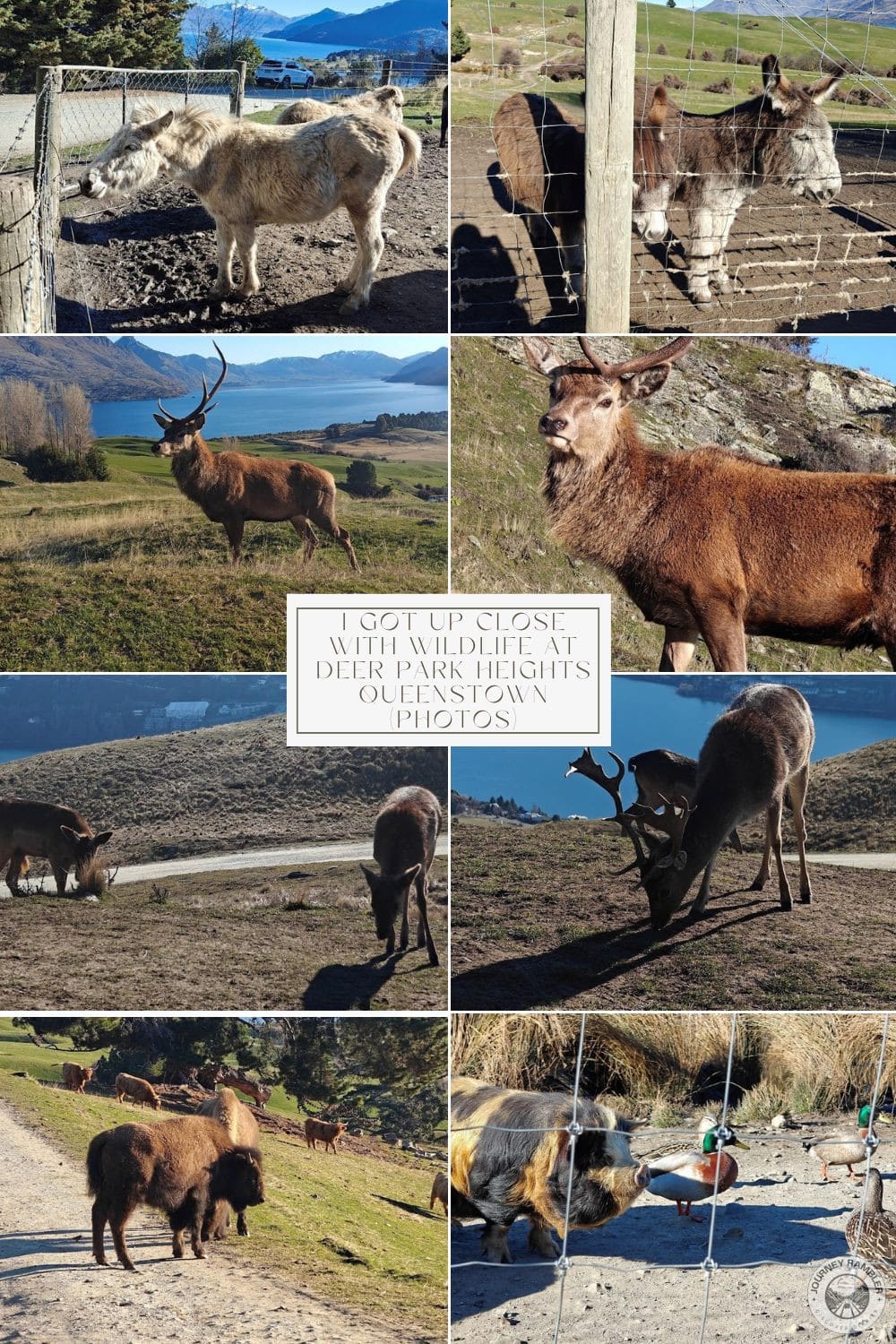
My visit to Deer Park Heights in Queenstown was arguably one of the most unexpected experiences I’ve ever had in New Zealand. So what do I mean when I say unexpected? Well, the property is located within Queenstown’s city limits yet it feels like you’re in a rural setting when you’re there. Today, I’m going to detail some of the memorable sights and interactions I experienced during my visit.
Deer Park Heights Queenstown: Getting up Close With Wildlife in New Zealand
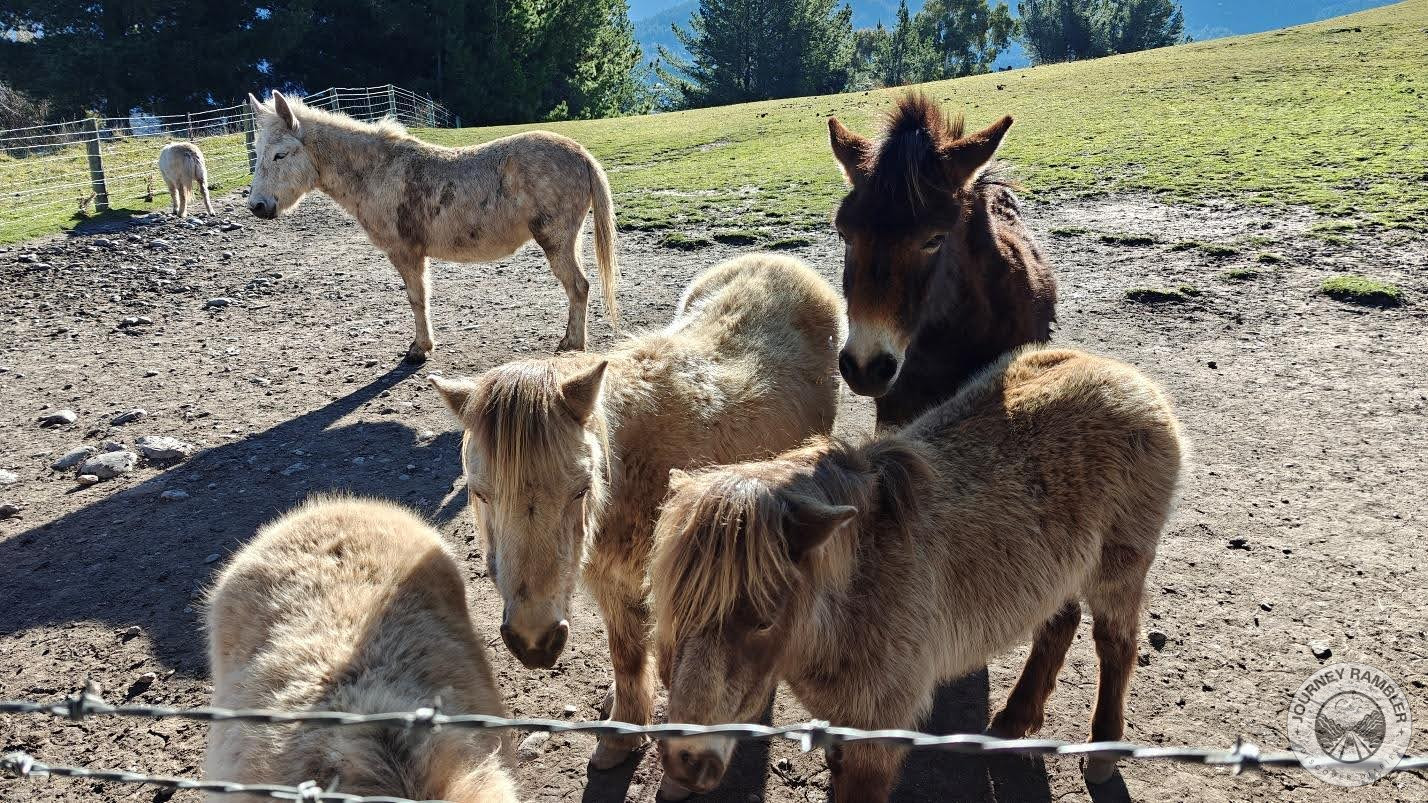
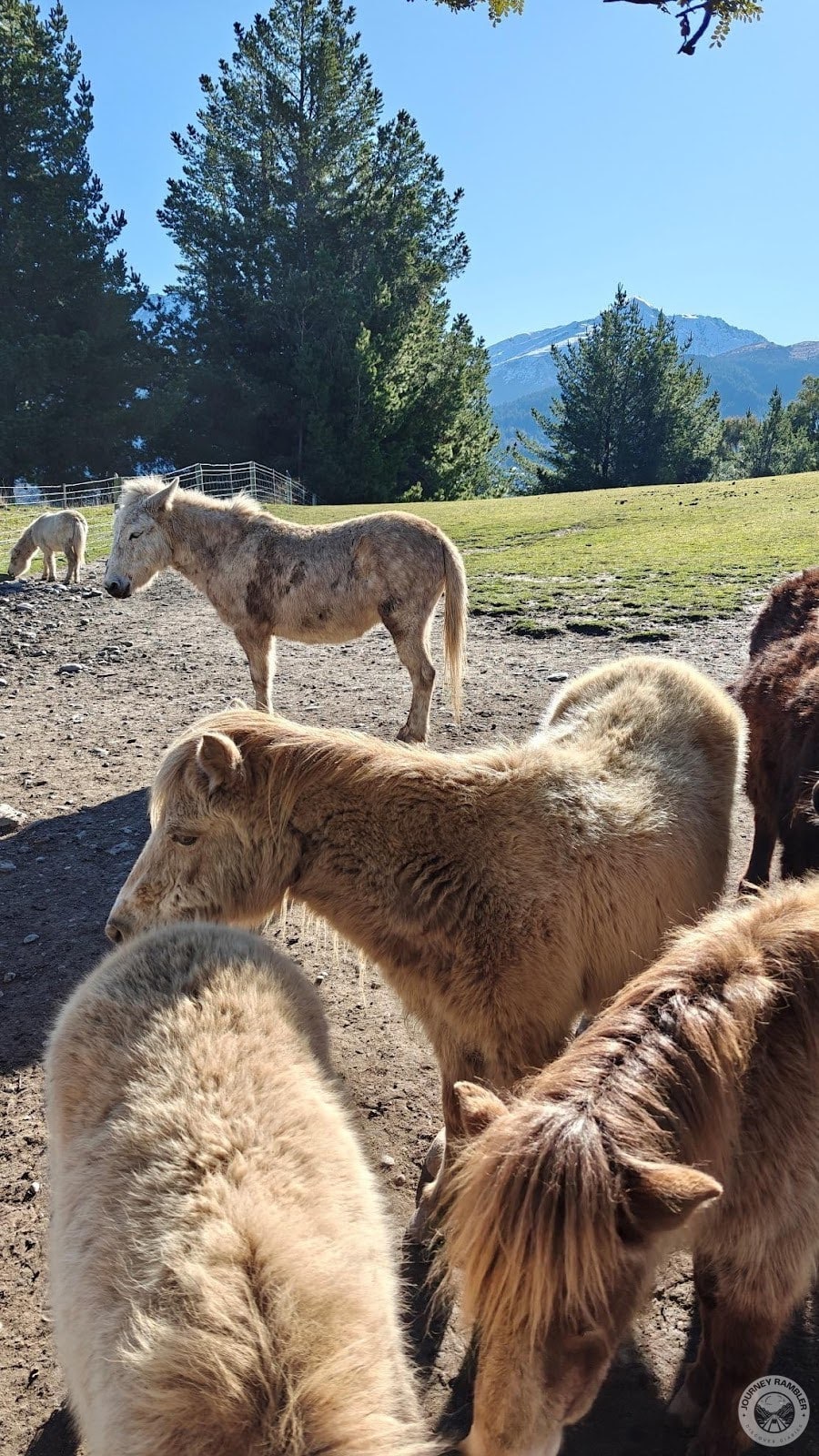
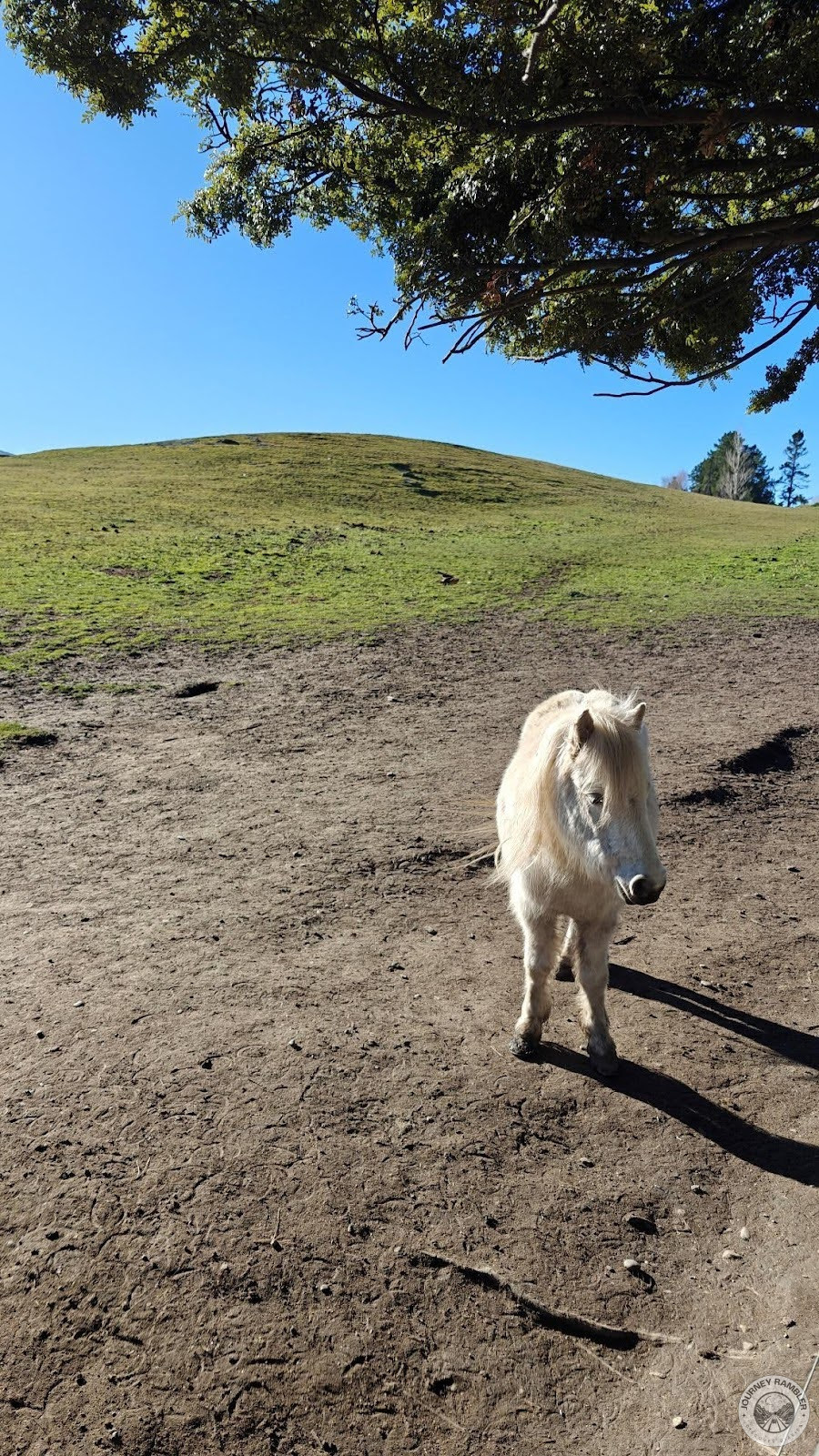
While it features plenty of animals, Deer Park Heights isn’t really a zoo. Rather, it’s more akin to a farm or a ranch. As you drive up the hill to this location, one of the first animals that you’ll come across will be these miniature horses. They looked well behaved and you could tell that they were quite used to visitors. That said, the farm does warn that they can get frisky during feeding time so if you brought kids along then you might want to be extra careful.
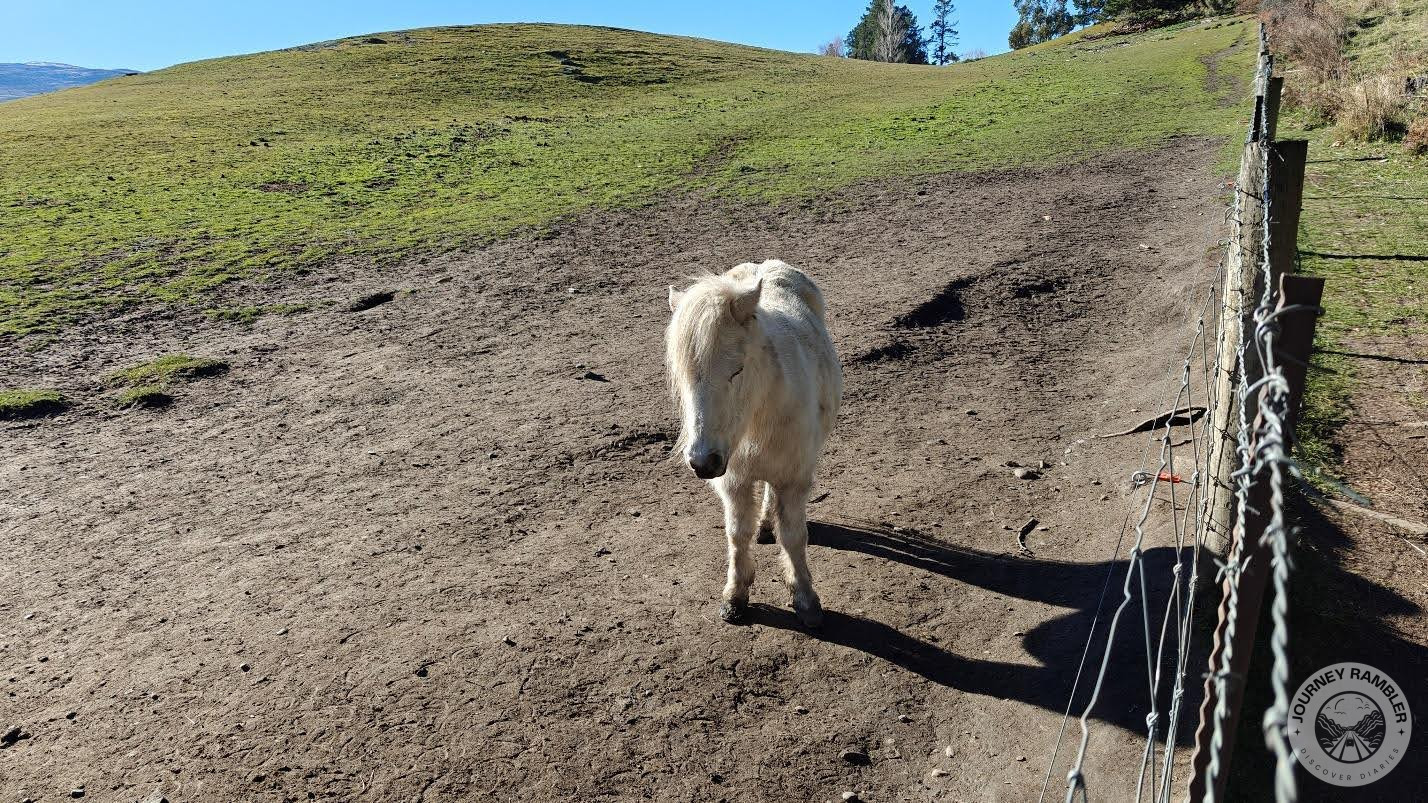
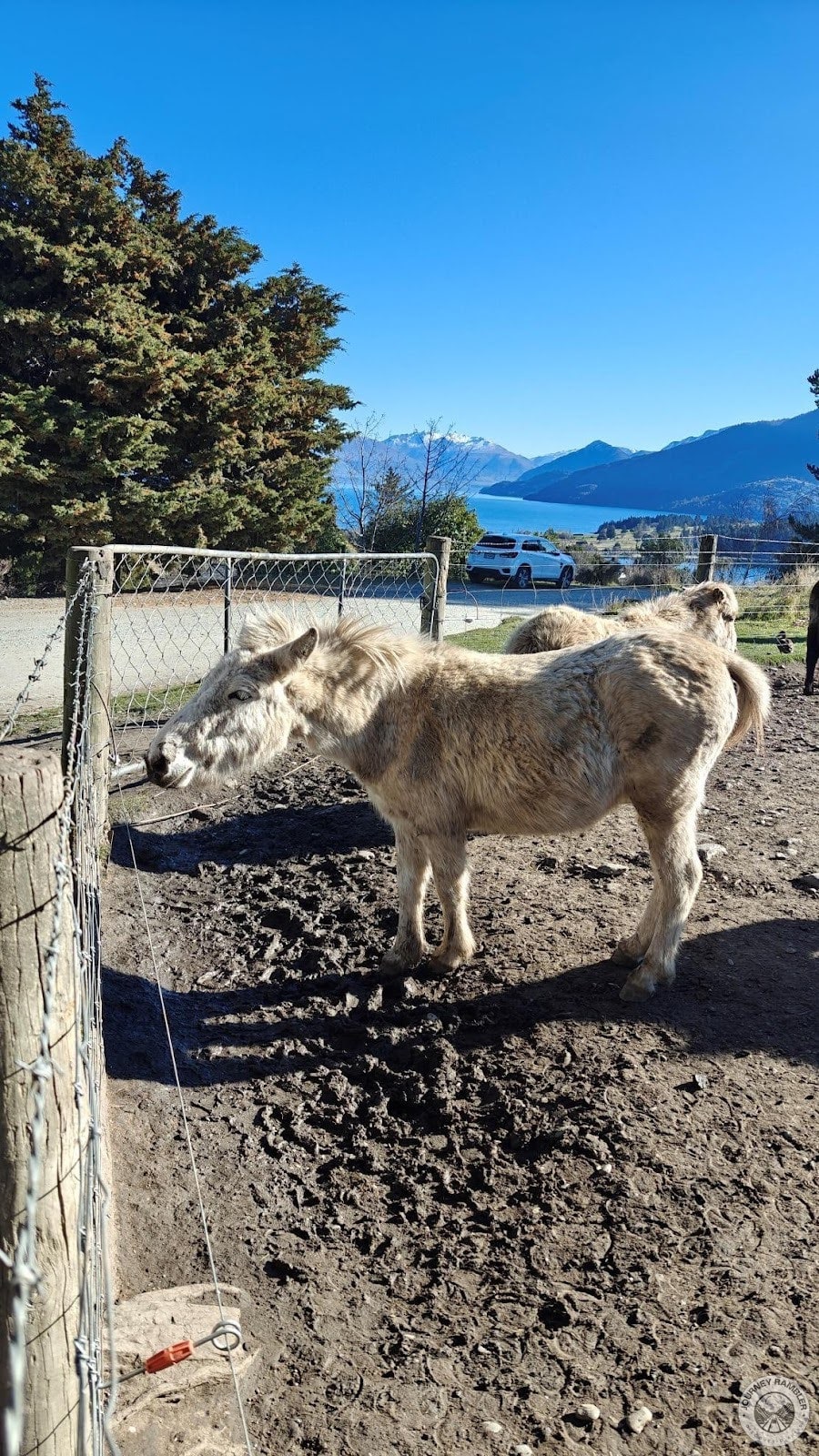
Here you’ll notice the access road leading up to Deer Park Heights. Unlike most attractions in Queenstown, there aren’t any public buses that go through here. You’ll need to somehow find or rent a private vehicle to take you here as management also doesn’t allow tours (so no tour packages with coaches/buses).

Queenstown Hotel Recommendations Based on My Own Stay
🔹 DoubleTree by Hilton Hotel
🔹 Holiday Inn Queenstown Airport
Expedia.com
Read: 12 Things to Do in Queenstown
I don’t know about you, but there’s just something about these miniature horses that make them look so cute to me. It might be the combination of their expressive eyes and their really small size. Whatever the case might be, they made for a great welcome to Deer Park Heights.
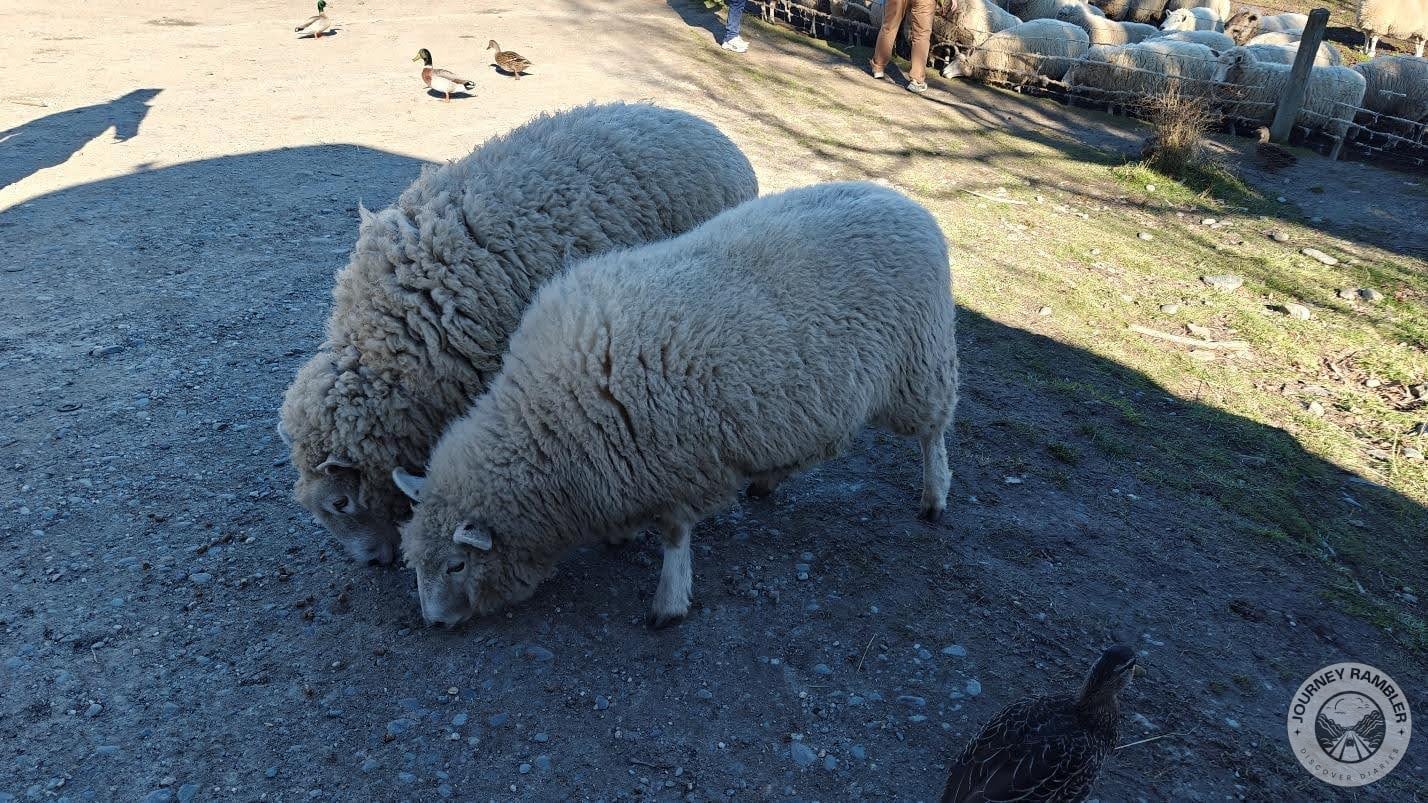
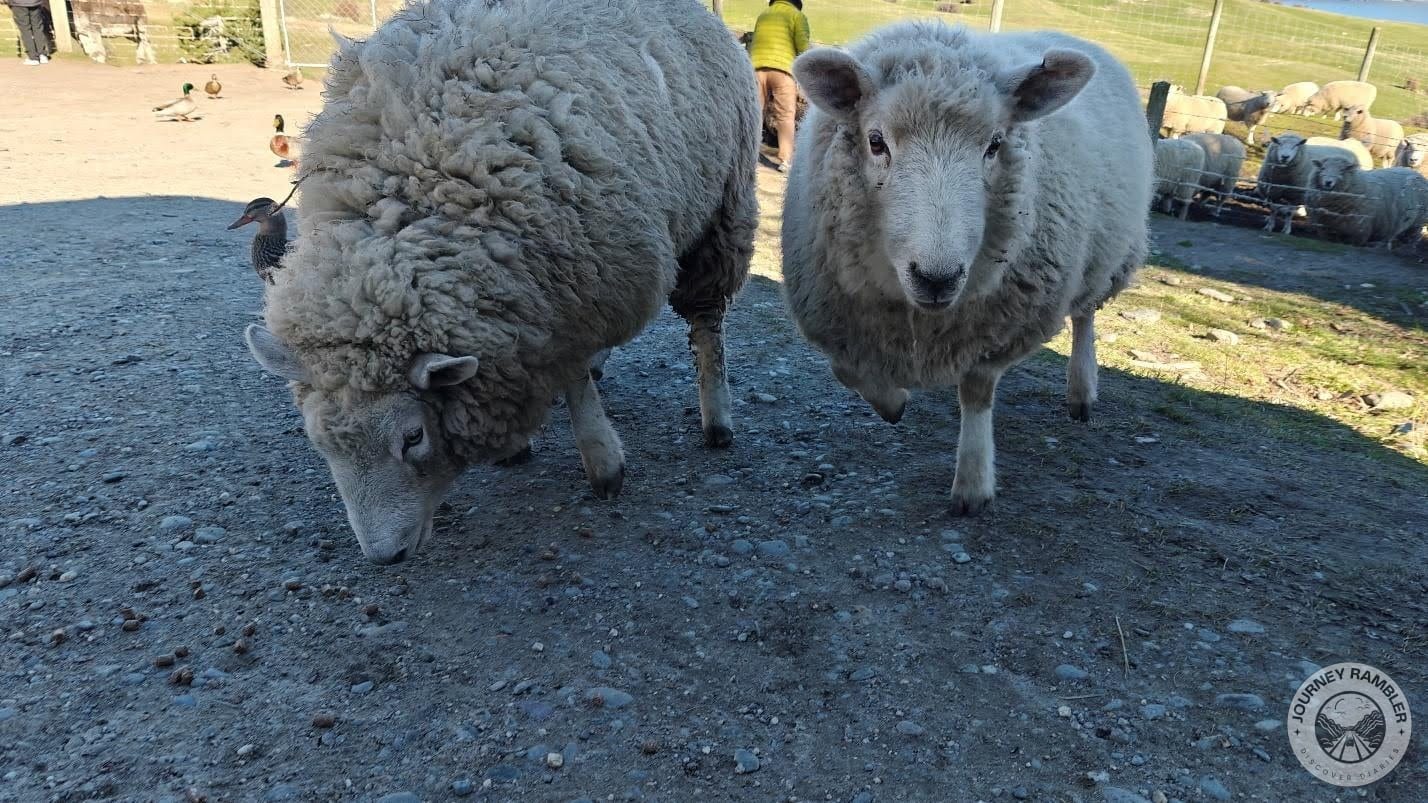
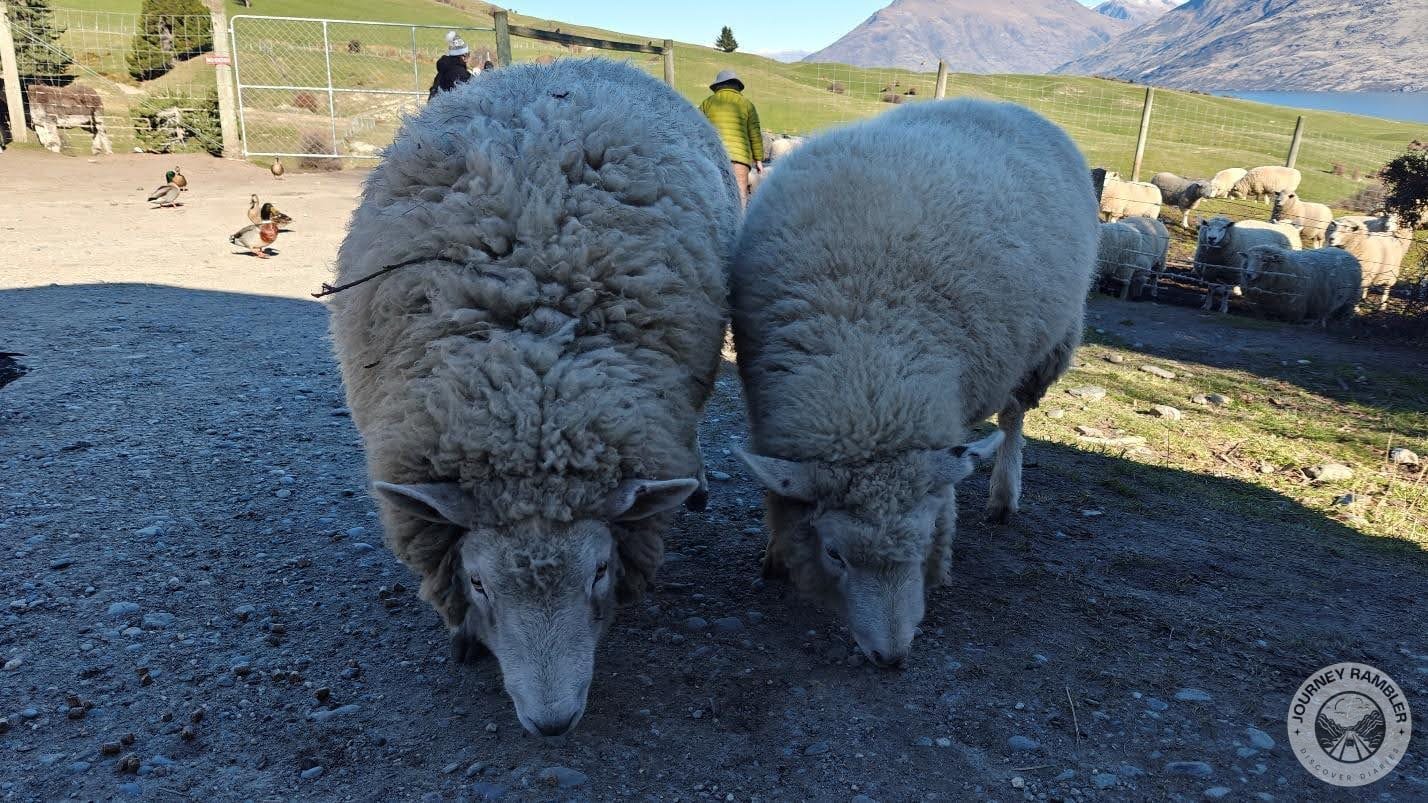
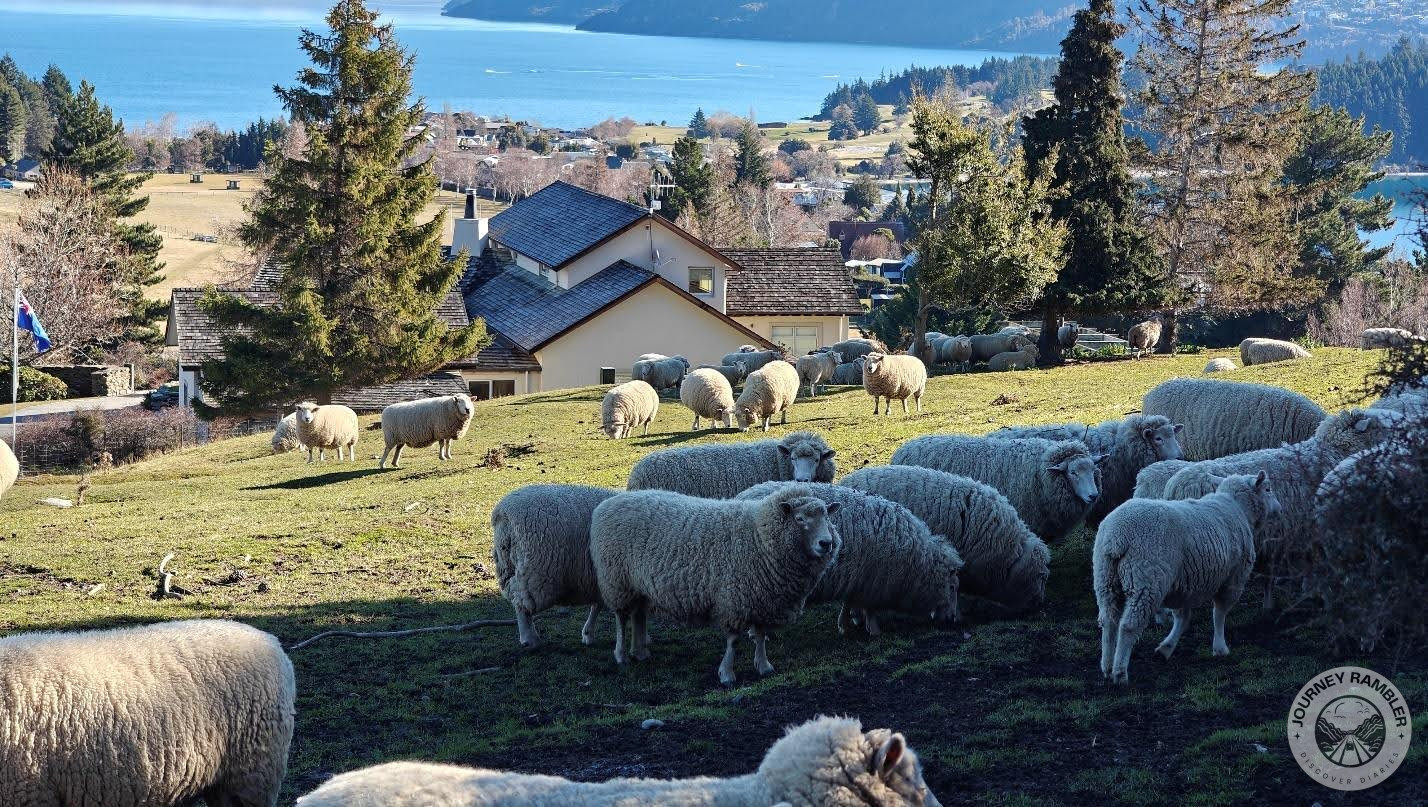
Now this wouldn’t be a visit to New Zealand without any sighting of sheep. I might be misremembering but this is probably only the second or third time these animals were featured across my writeups of this New Zealand trip. Anyway, these were also very docile animals and they were pretty used to the presence of people.
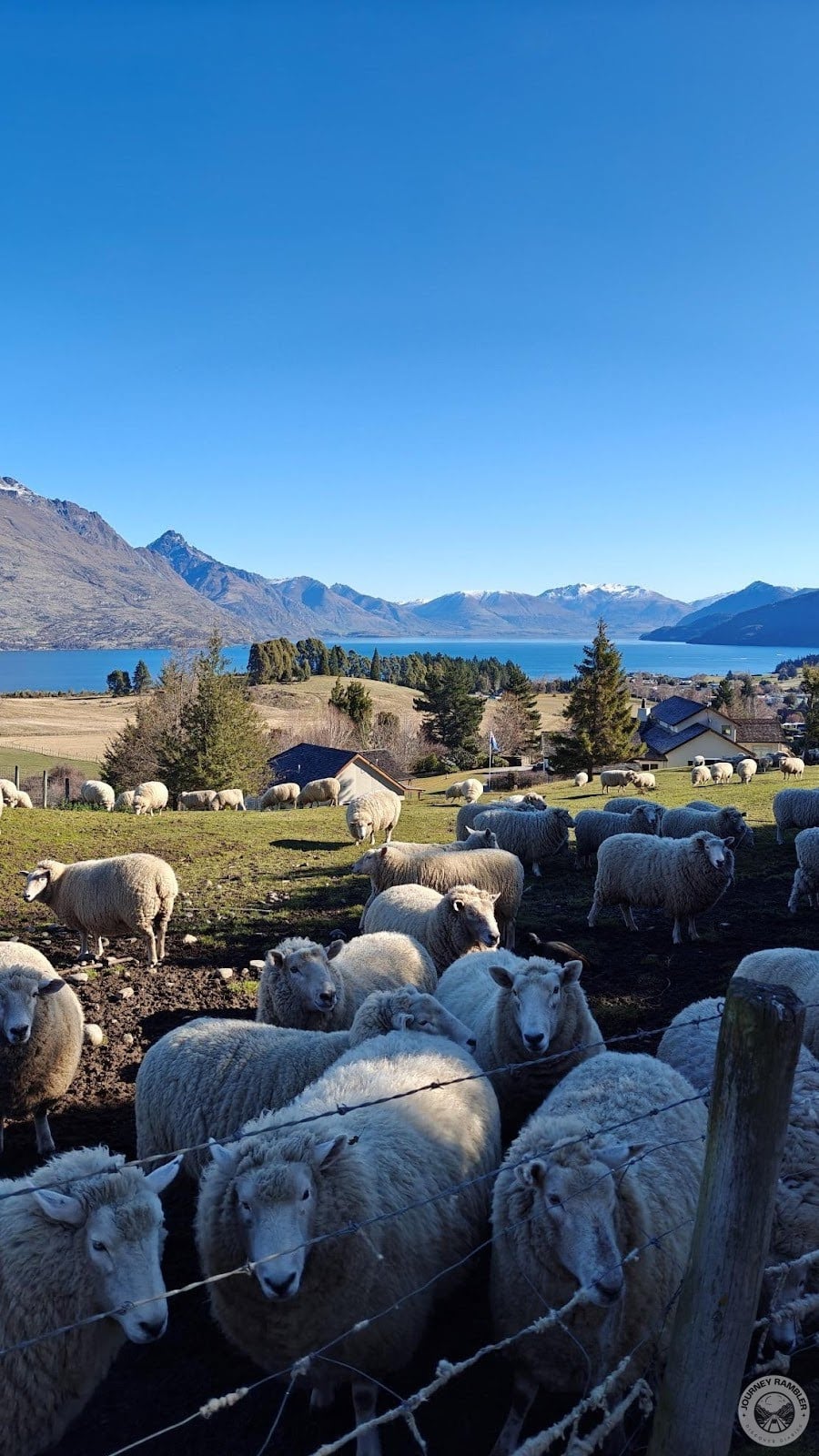
It’s not just animals that you’ll be seeing here in Deer Park Heights. You’ll also get to see some really nice views of the section of Lake Wakatipu called the Kelvin Peninsula as well as the Kelvin Heights residential area/suburbs. Actually, the whole ride going to this place was quite scenic and something that you can look forward to if you ever have plans to visit.
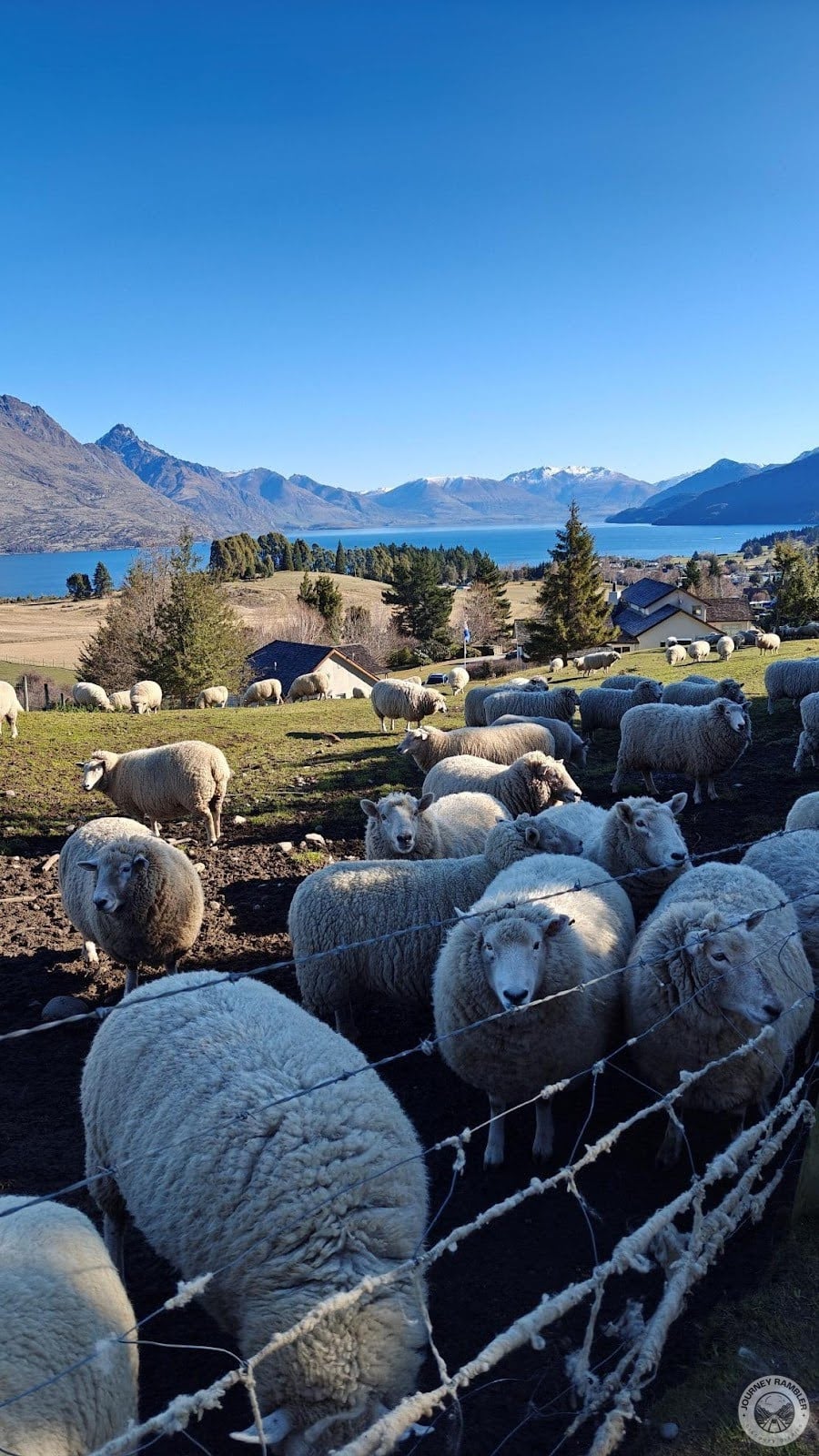
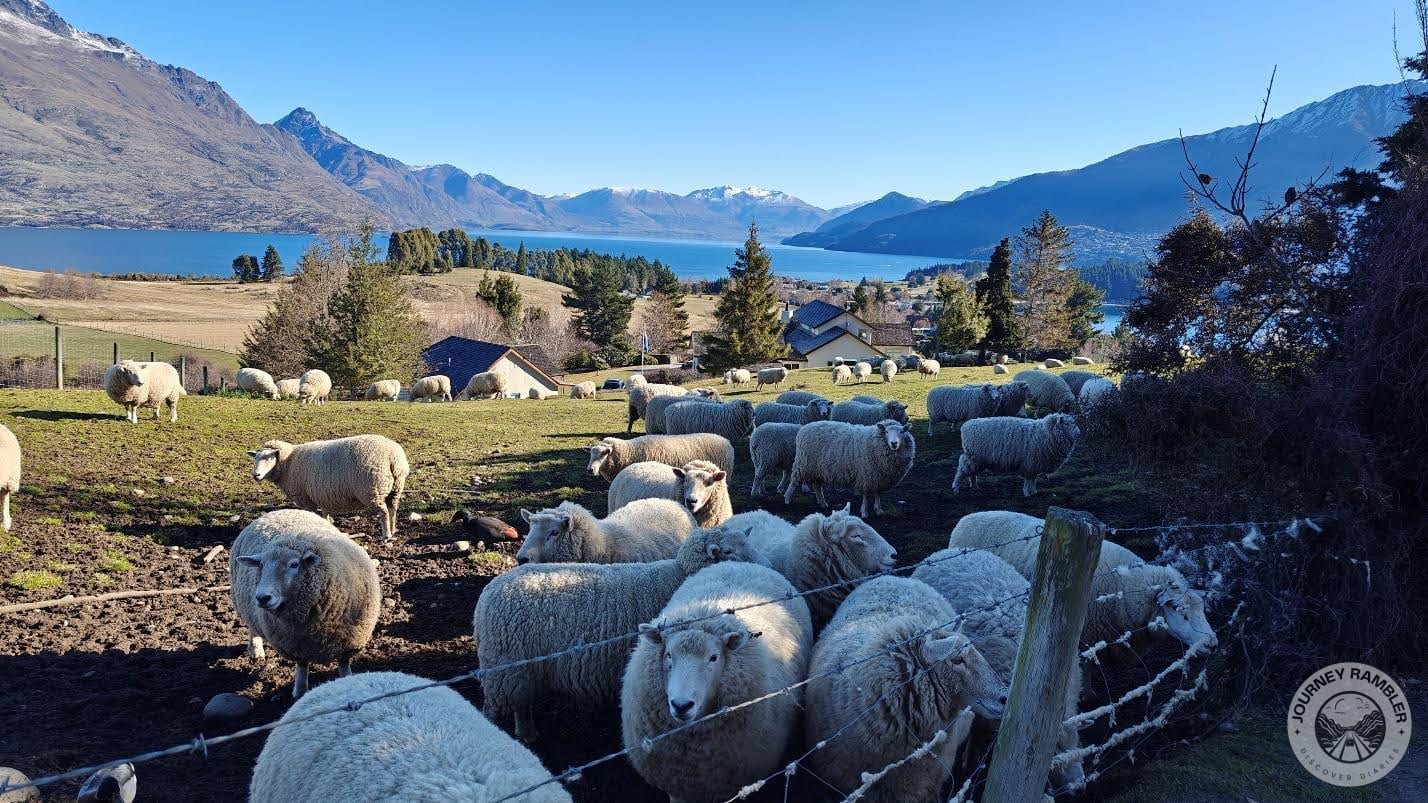
Now if you’re wondering, this enclosure for the sheep is right across the road from where you saw the Miniature Horses earlier. I was kind of surprised that these sheep were here though as they weren’t mentioned in the map of the Deer Park Heights website. That said, it was still nice seeing them here.
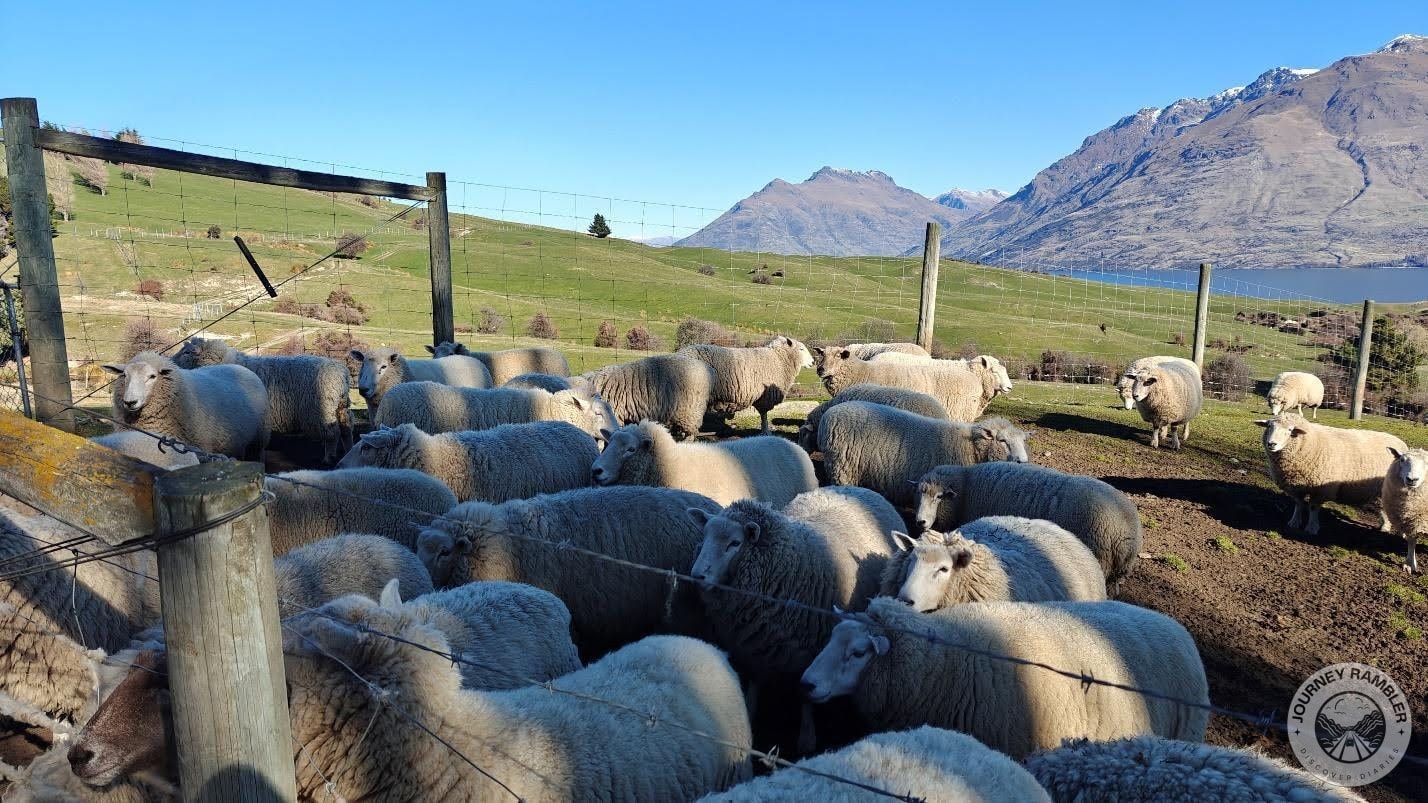
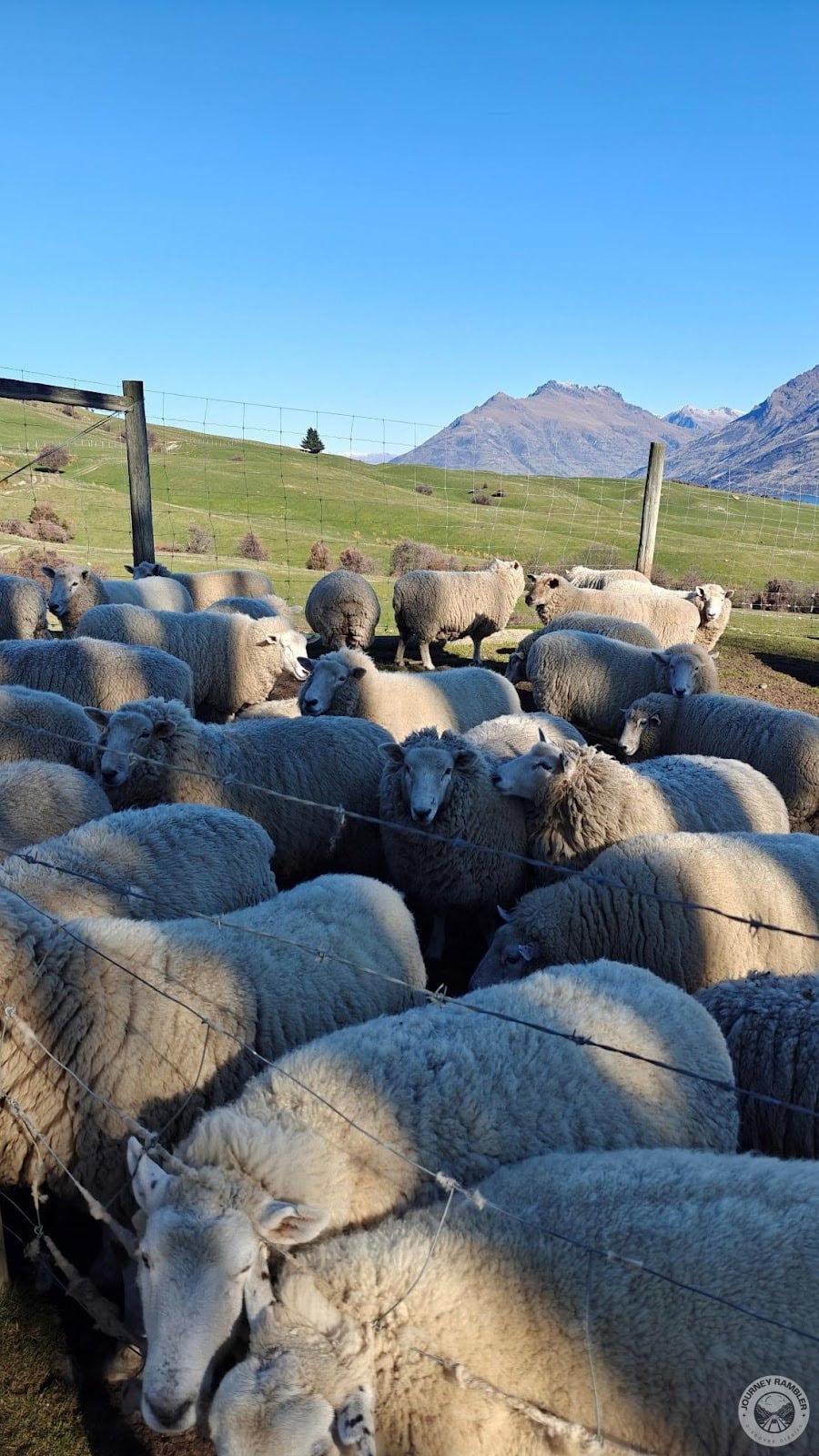
I’m not too familiar with sheep so I’m not sure what breed this might be. Most likely, these are New Zealand Romney since that’s the most common breed in the country. Regardless of their breed, these sheep did look very healthy and it seemed like they were properly cared for here.
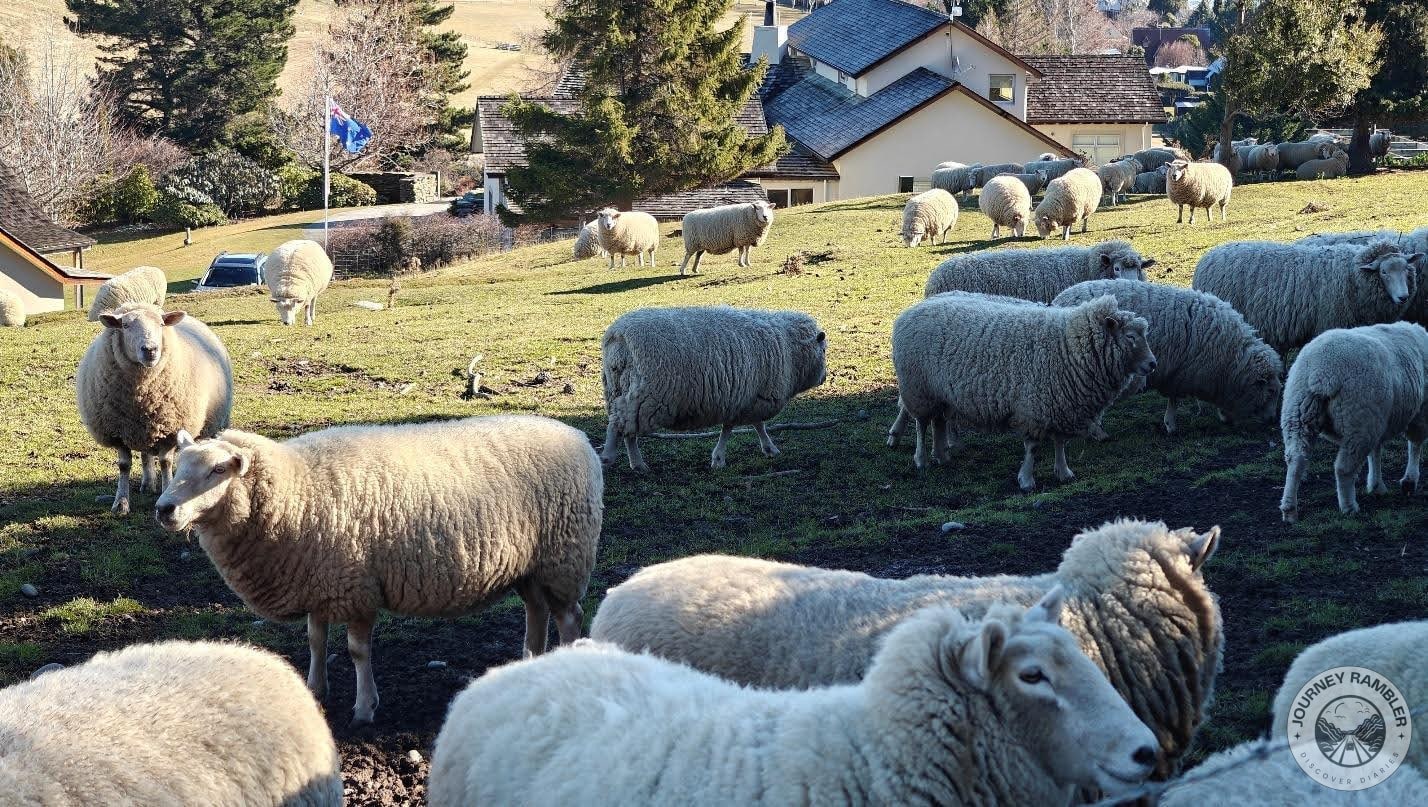
One thing that I really liked about Deer Park Heights is just how close it is to the Kelvin Heights suburbs. I’ve visited plenty of rural places this past year and I don’t think I’ve ever seen a ranch/farm and suburb this close to each other. Now if you’re staying in one of the inns in Kelvin Heights then it’s going to be relatively easy to just walk up here and enjoy watching the animals and the view of Queenstown and Lake Wakatipu.
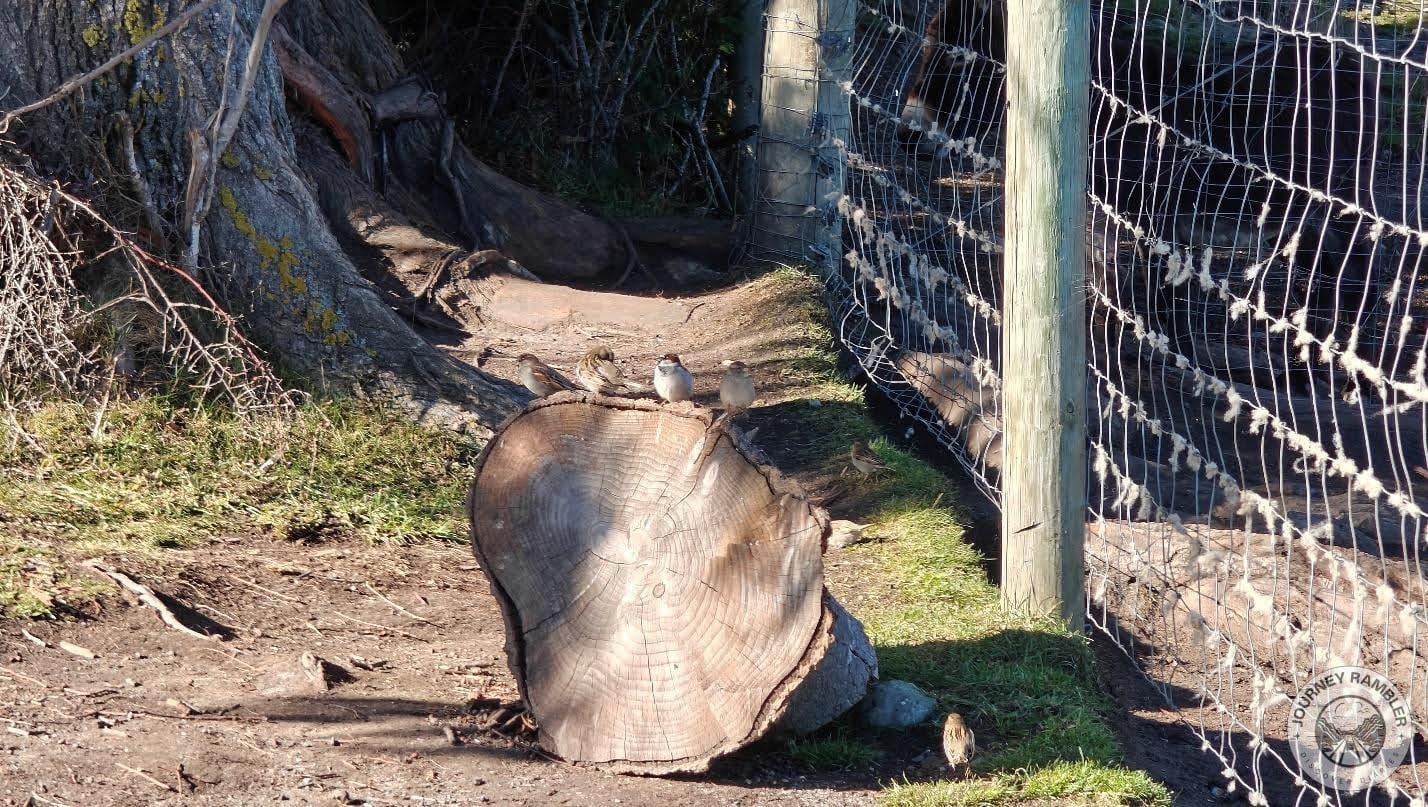
On the same side of the road as the sheep, you’ll come across the enclosure for the donkeys. Here’s a sawed off tree trunk just outside that enclosure that features a number of birds just seemingly chilling and minding their own business. Unlike most of the larger animals here, I don’t think these birds are owned by Deer Park Heights.
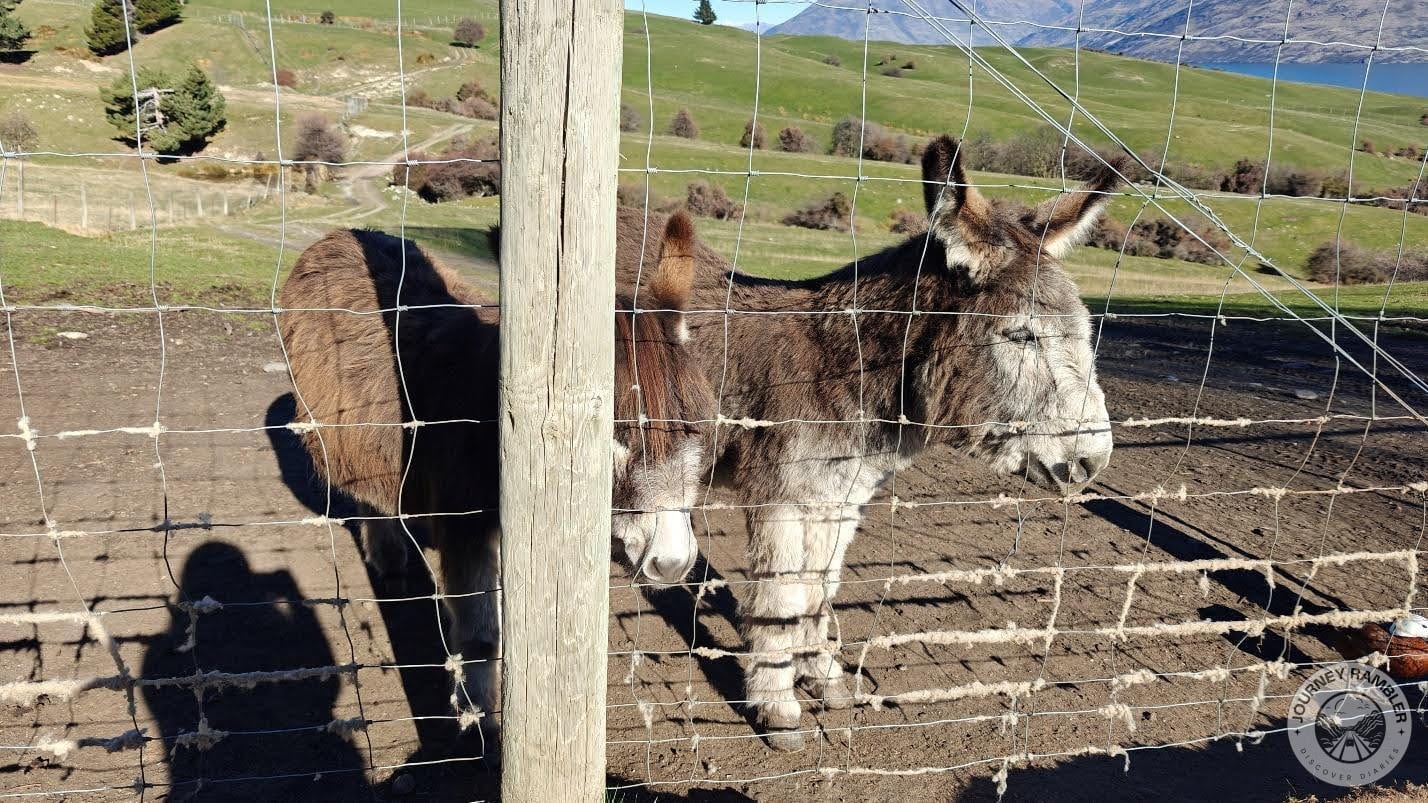
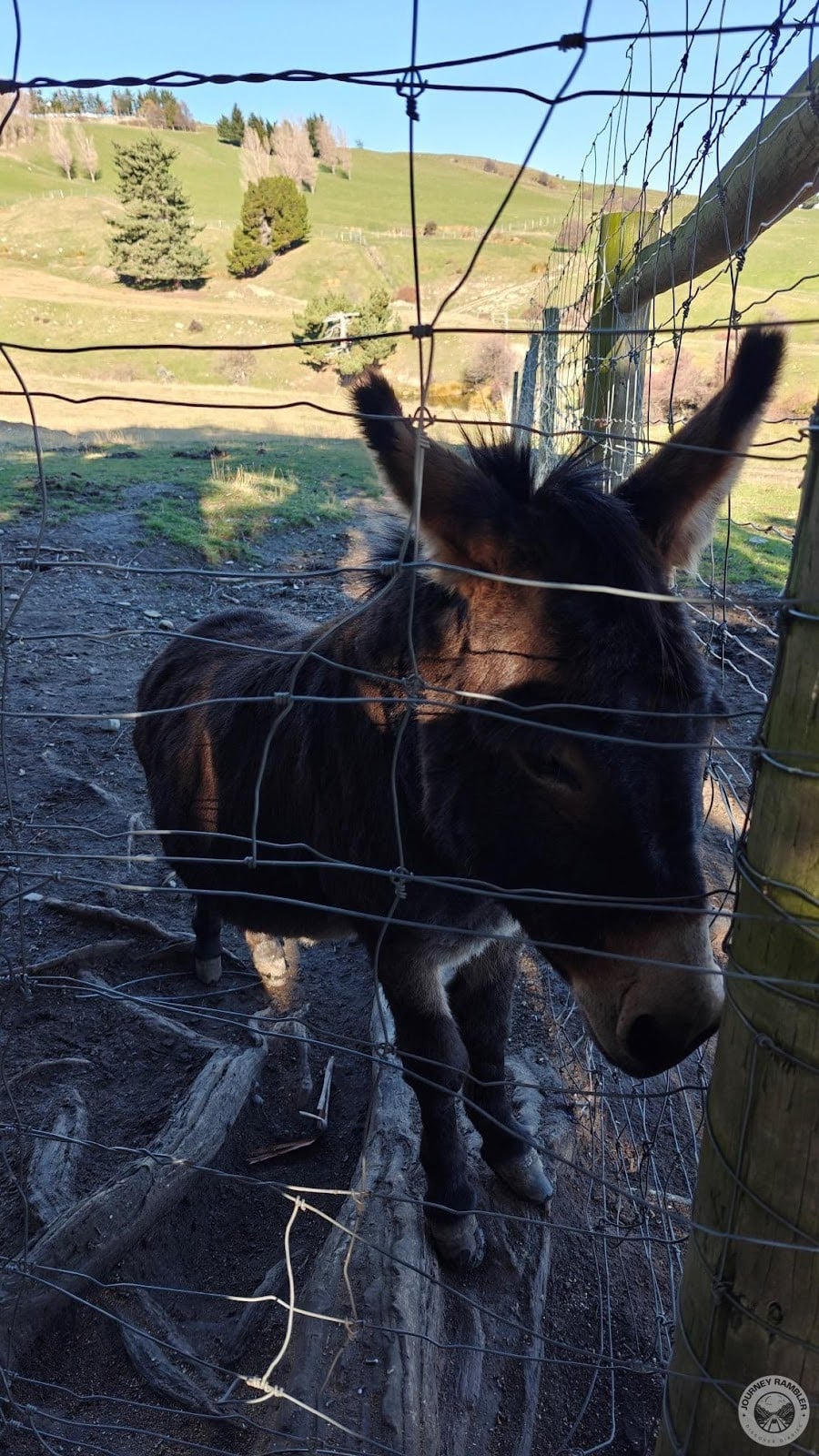
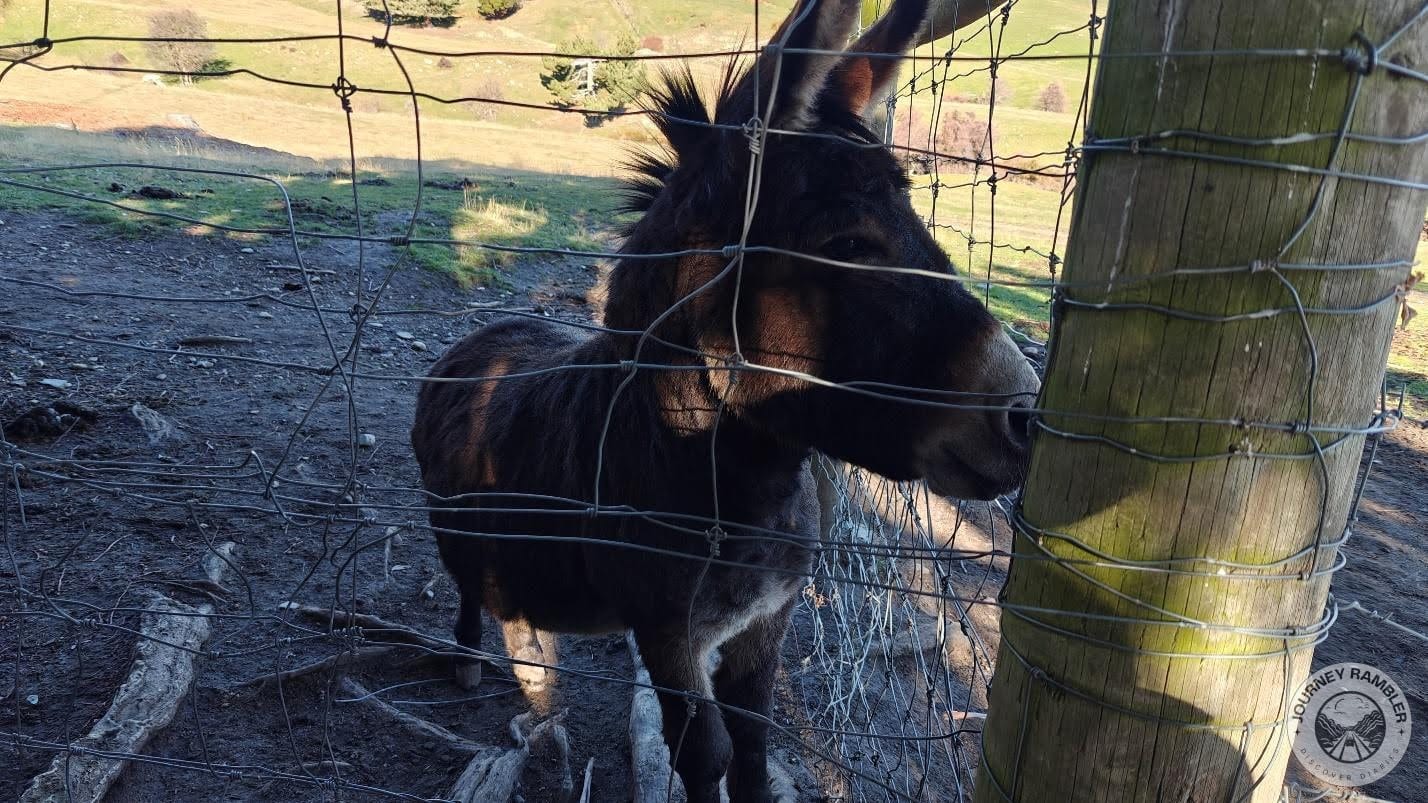
Of course, this wouldn’t be a donkey enclosure without the donkeys. These little guys are a little larger than the miniature horses though I’d say they’re equally adorable. Unlike the miniature horses, these guys are much safer to feed. That said, you’re still going to want to exercise caution if you do plan to give them treats.
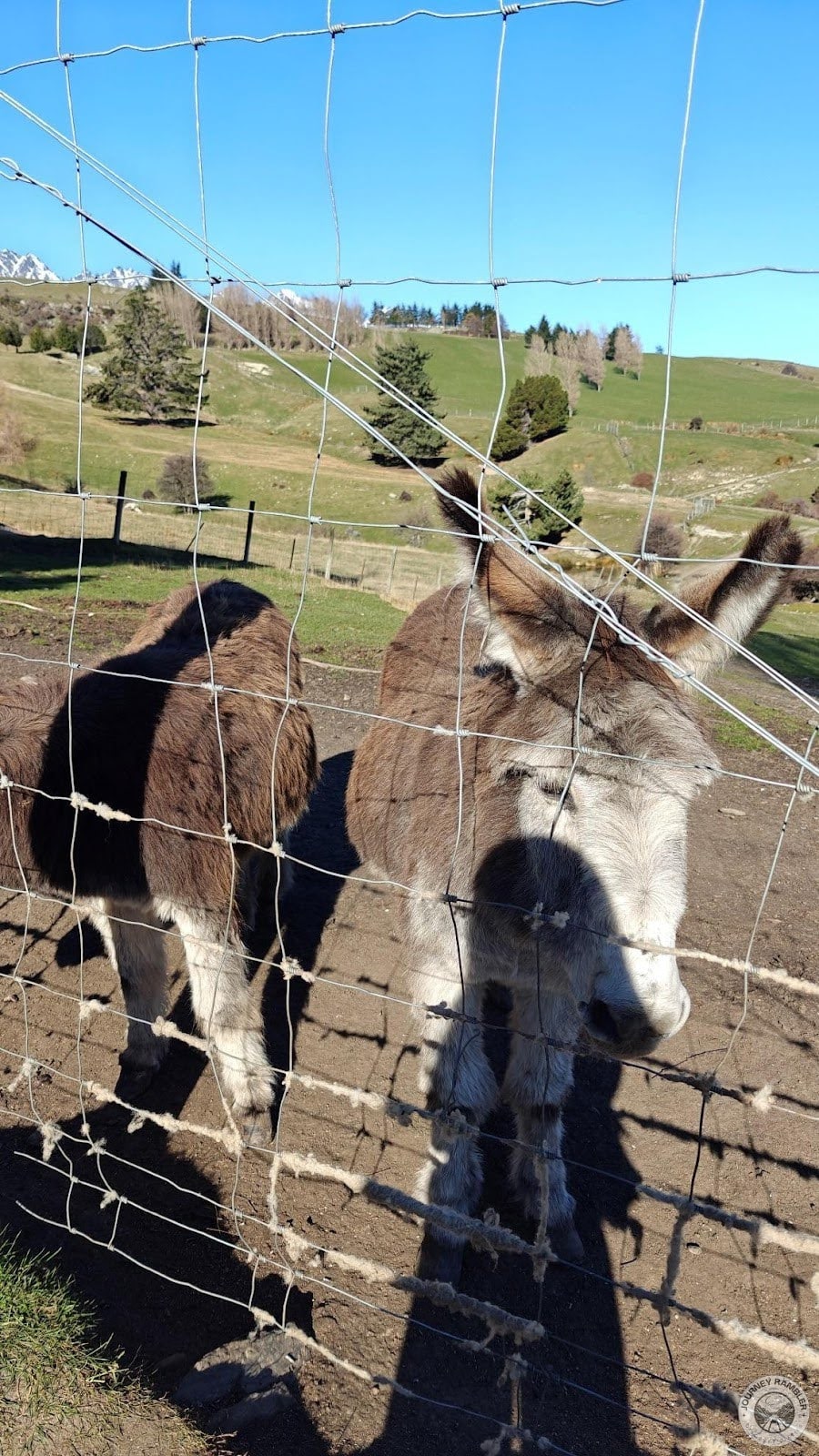
One thing you’ll notice with these guys is that they’re very communicative. Some were braying excitedly when I got close. They display this type of behaviour especially when they’re excited (during feeding time) or when they want to get you to notice them. Donkeys are work animals so they’re usually keeping busy by wandering the surrounding fields here at Deer Park Heights.
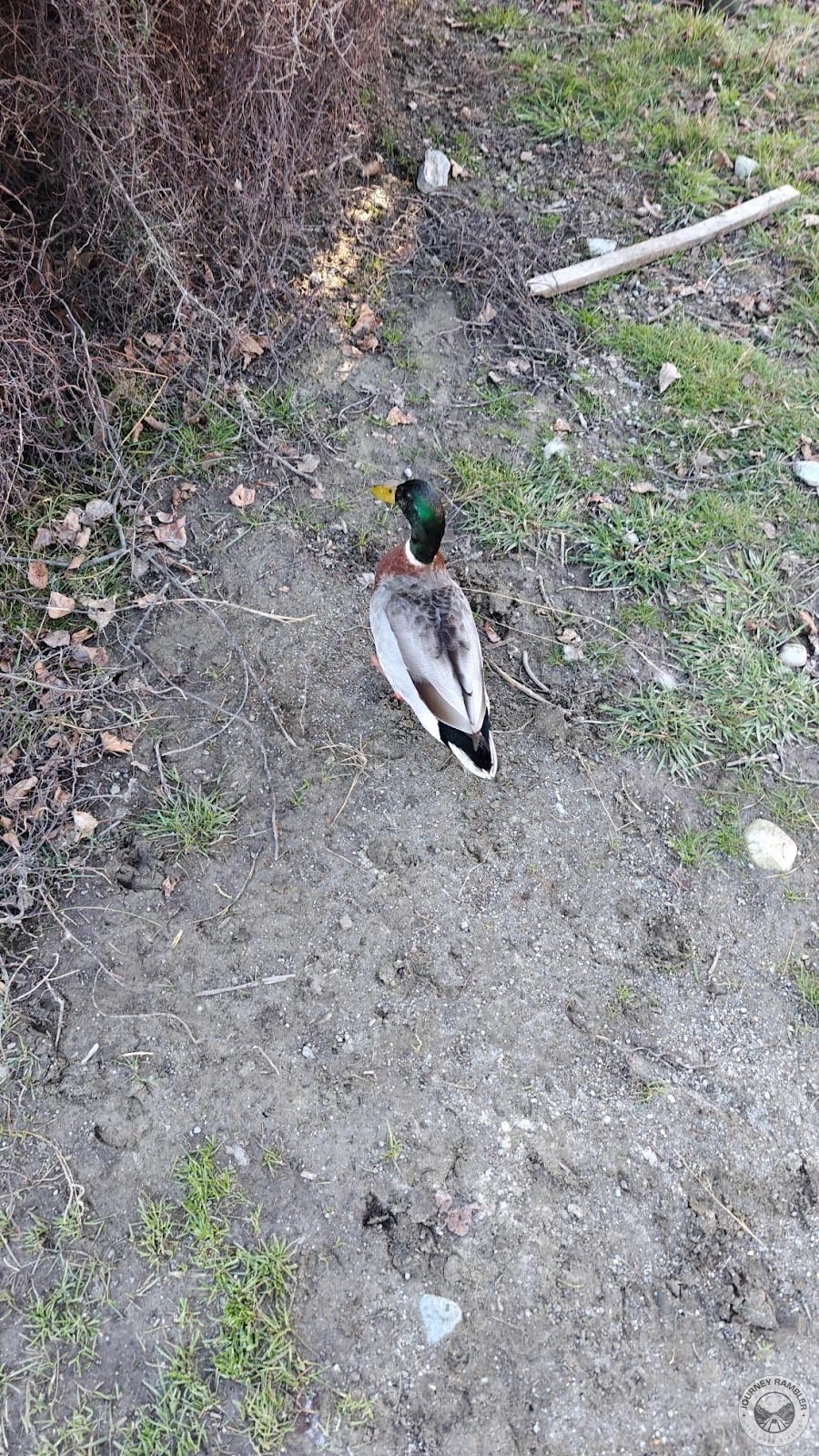
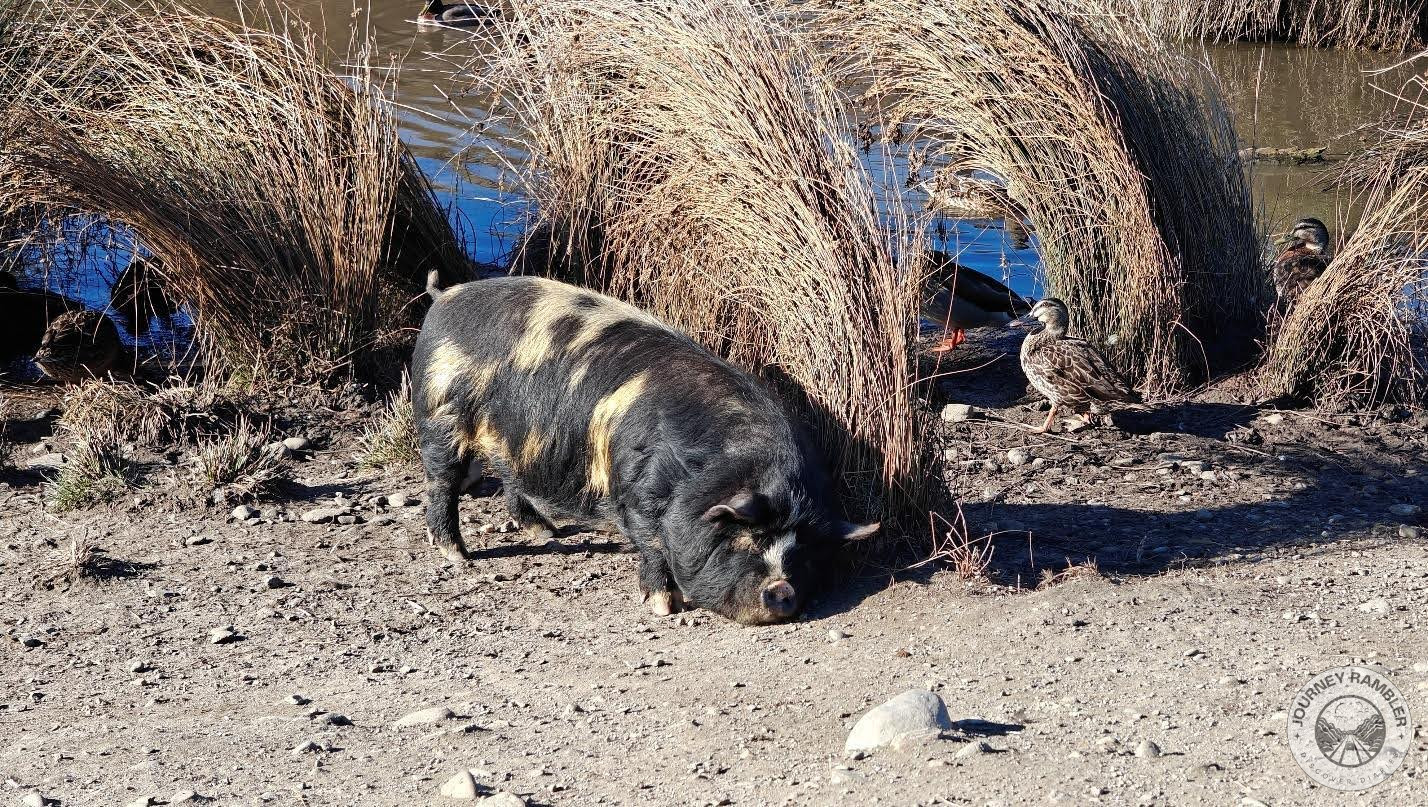
Other than the birds from earlier, you’ll also find ducks just casually walking around here. This one is a Mallard and it’s actually considered an invasive species here in New Zealand. The breed was introduced as game birds during the time Europeans started settling the country and has since contributed to the decline of the native grey duck.
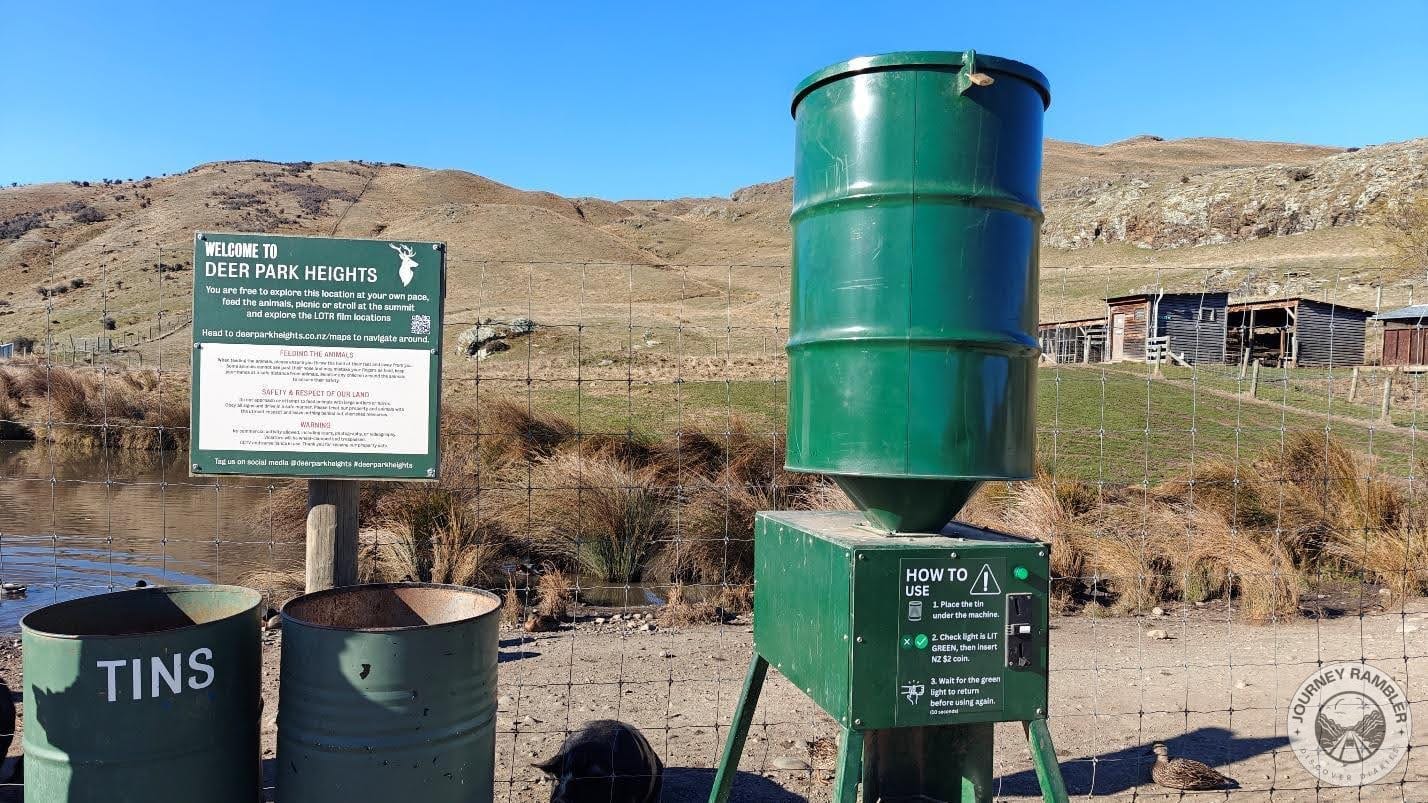
A short drive from the entrance of Deer Park Heights (using the left-most road), you’ll come across this feeding area. Now you can walk here (from the entrance) but I personally wouldn’t recommend it especially if you arrive at noon. If you do decide to walk then make sure to apply plenty of sunscreen.
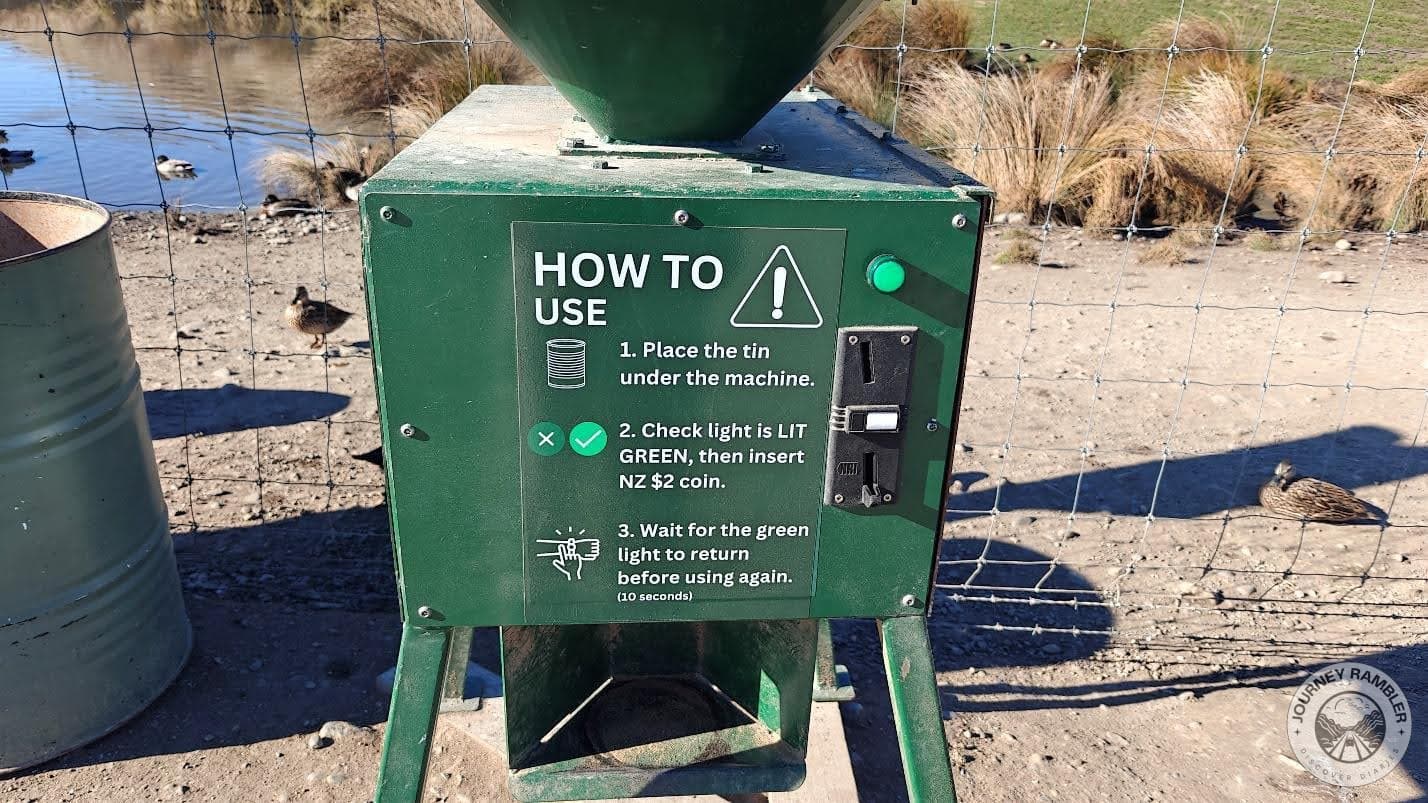
The feeding area has this dispenser for animal feed. It’s pretty easy to use as you’ll just need to place a tin (you can get one from the barrel on the left of the image) under the dispenser and then insert 2NZD on the coin slot. If you followed the instructions, you should then have plenty of feed to distribute to the animals behind the enclosure.
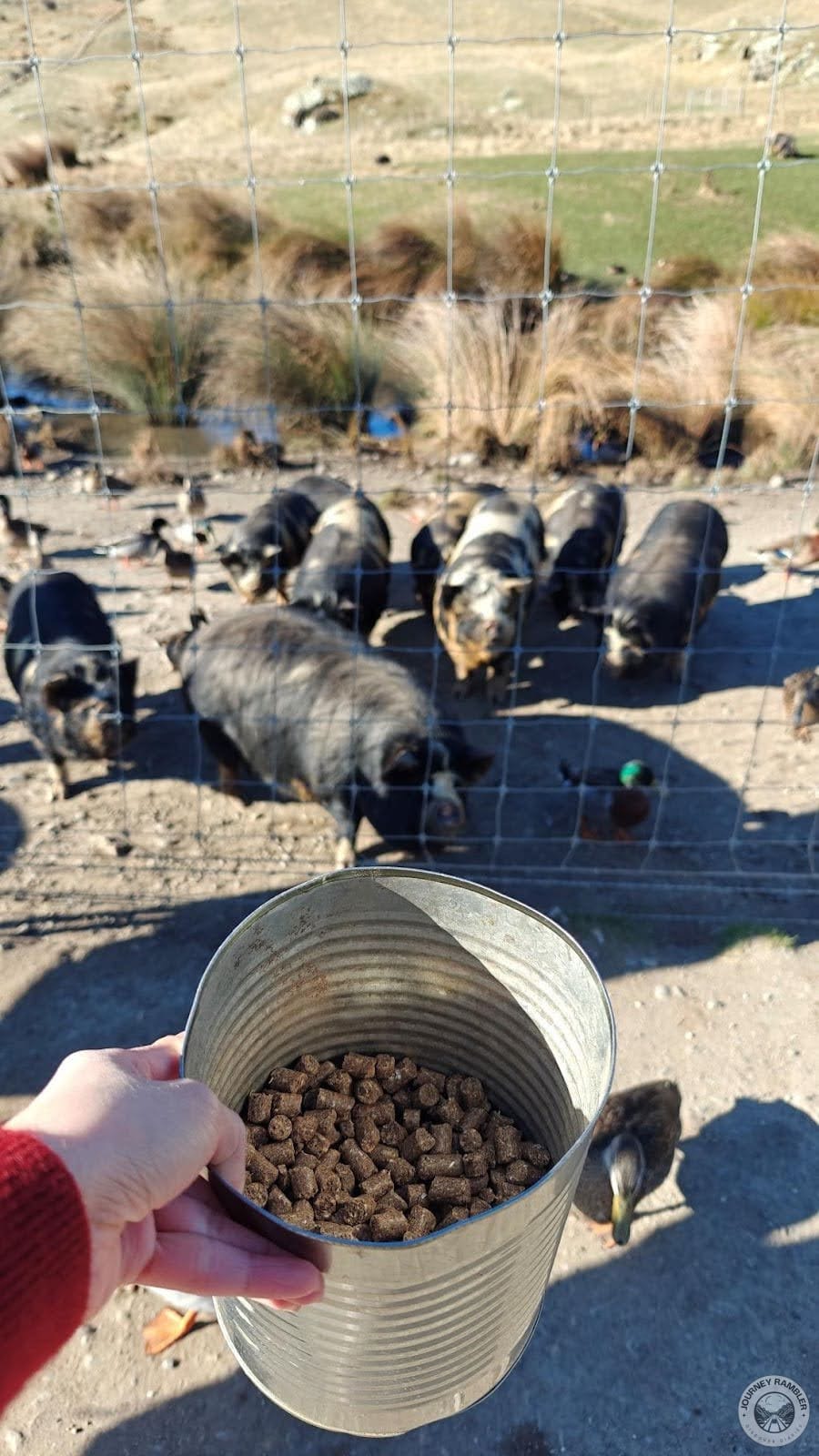
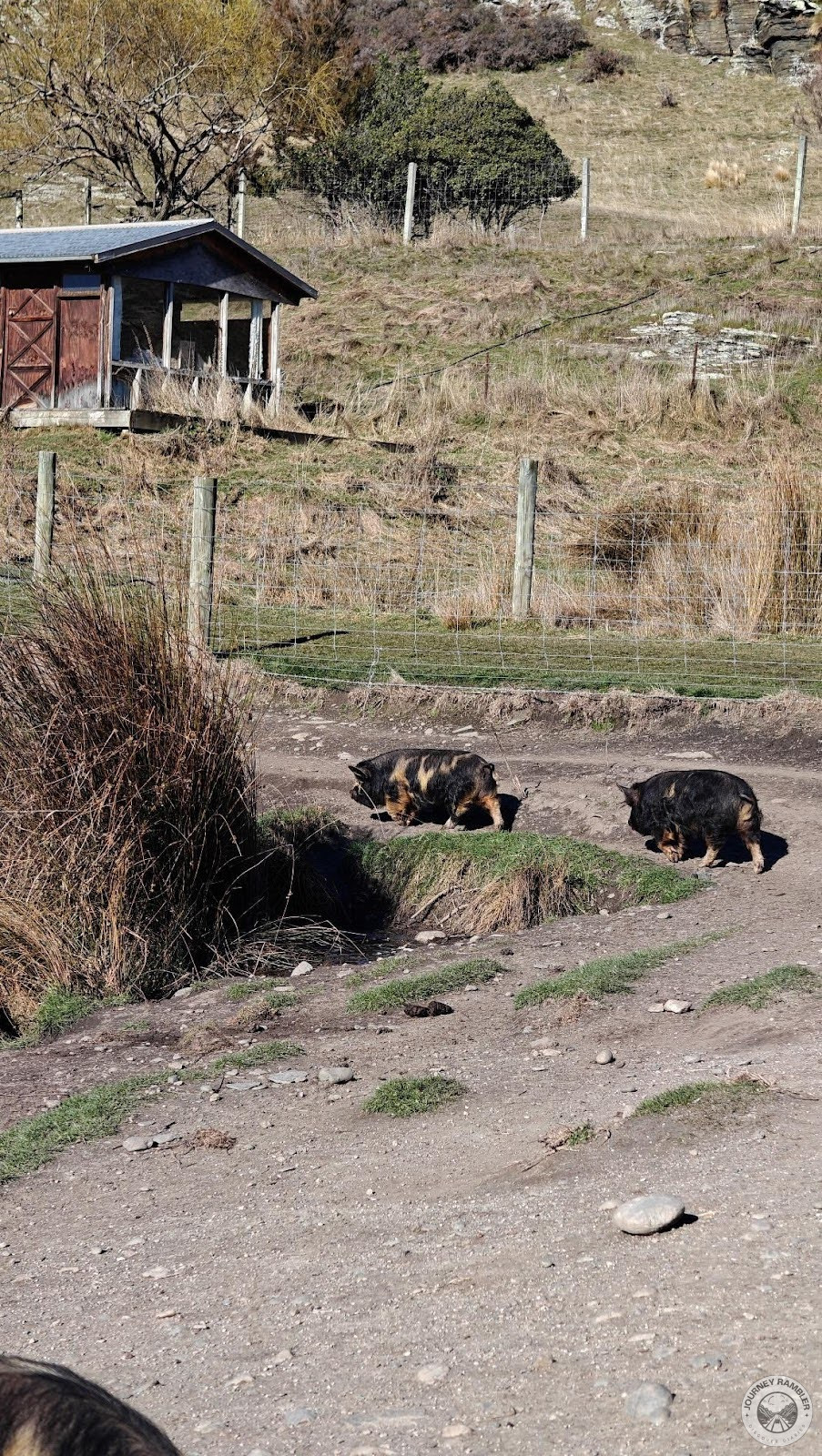
This is how much you get for 2NZD and I honestly thought that it was one of the best purchases I’d made in New Zealand. It was just so fun to see the animals enjoying the food as you threw it at them. During my visit, the majority of the animals present were the Mallards and the Kunekune Pigs. Oftentimes, they’d also be joined by goats.
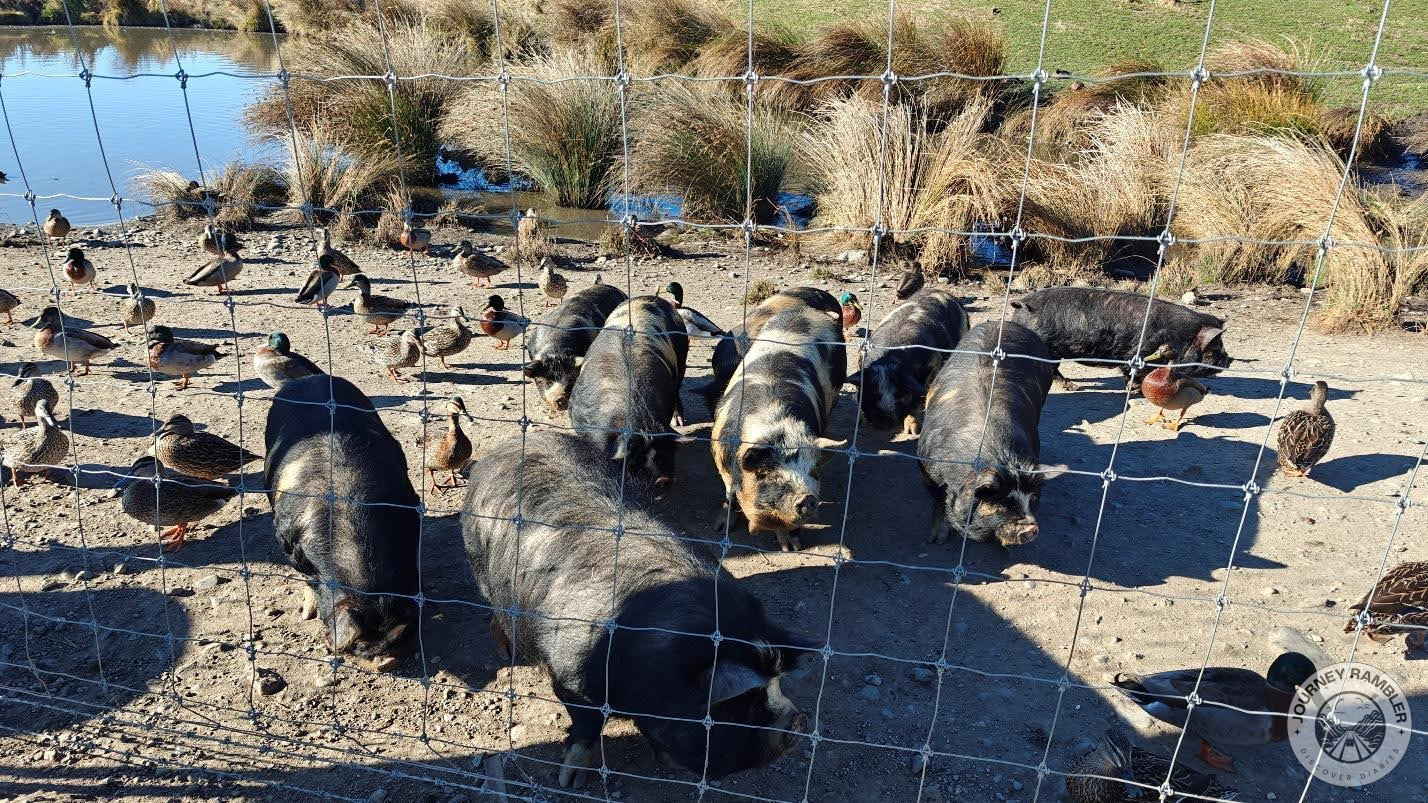
The Kunekune are probably one of the cutest pig breeds that I’ve ever laid my eyes on. They kind of look like pot bellied pigs but are actually larger. That said, they are still smaller than the common pig breeds you see in farms.
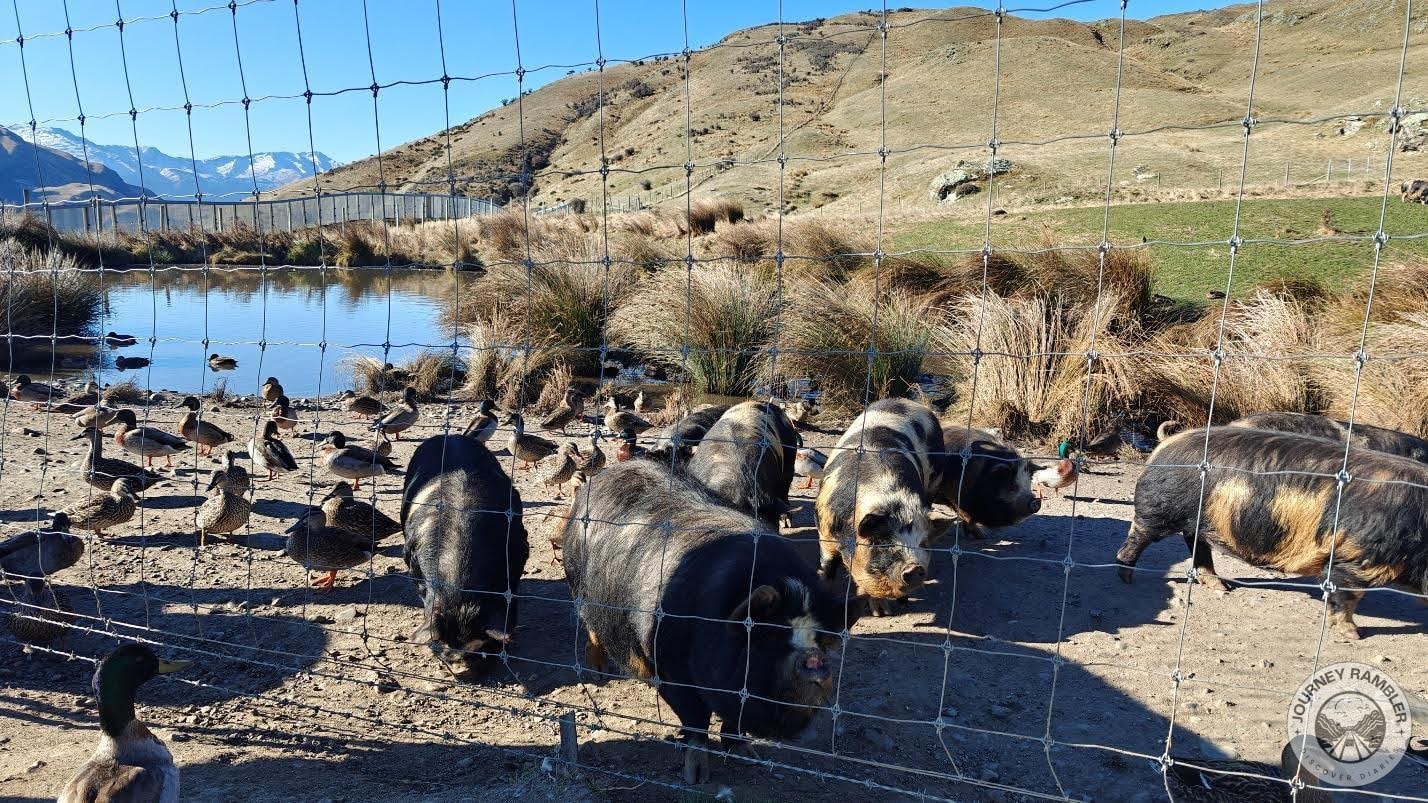
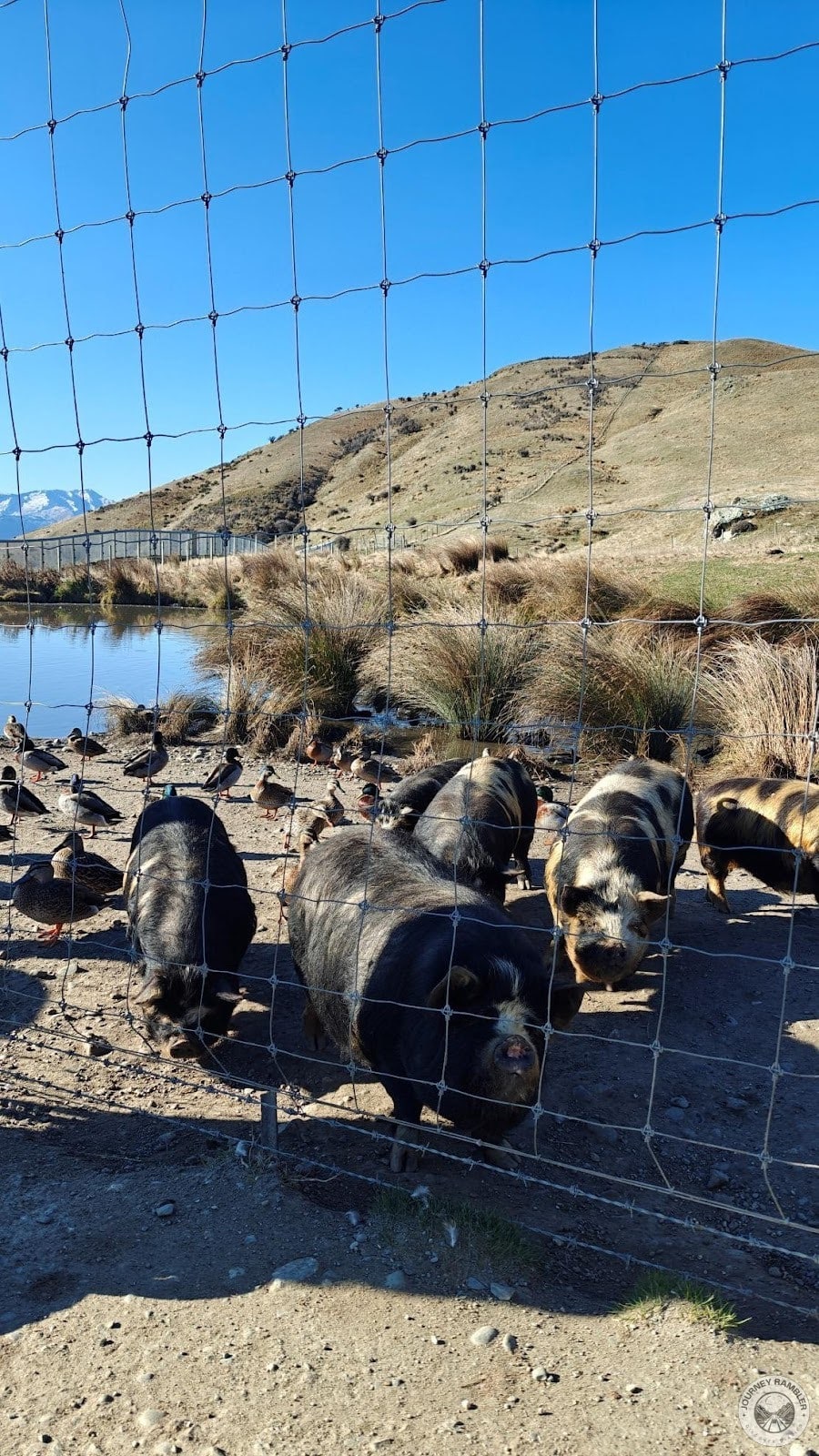
I also forgot to mention this about Kunekune but they’re actually very interesting. So while they’re not considered endemic to New Zealand, they are still a breed that’s native to the country. How did this happen you ask? Well, their ancestors were said to have been a breed of Asian domestic pig that was brought over during British colonization. The current Kunekune breed was then developed from those pigs by the Maori and now it has distinct characteristics and behaviors.
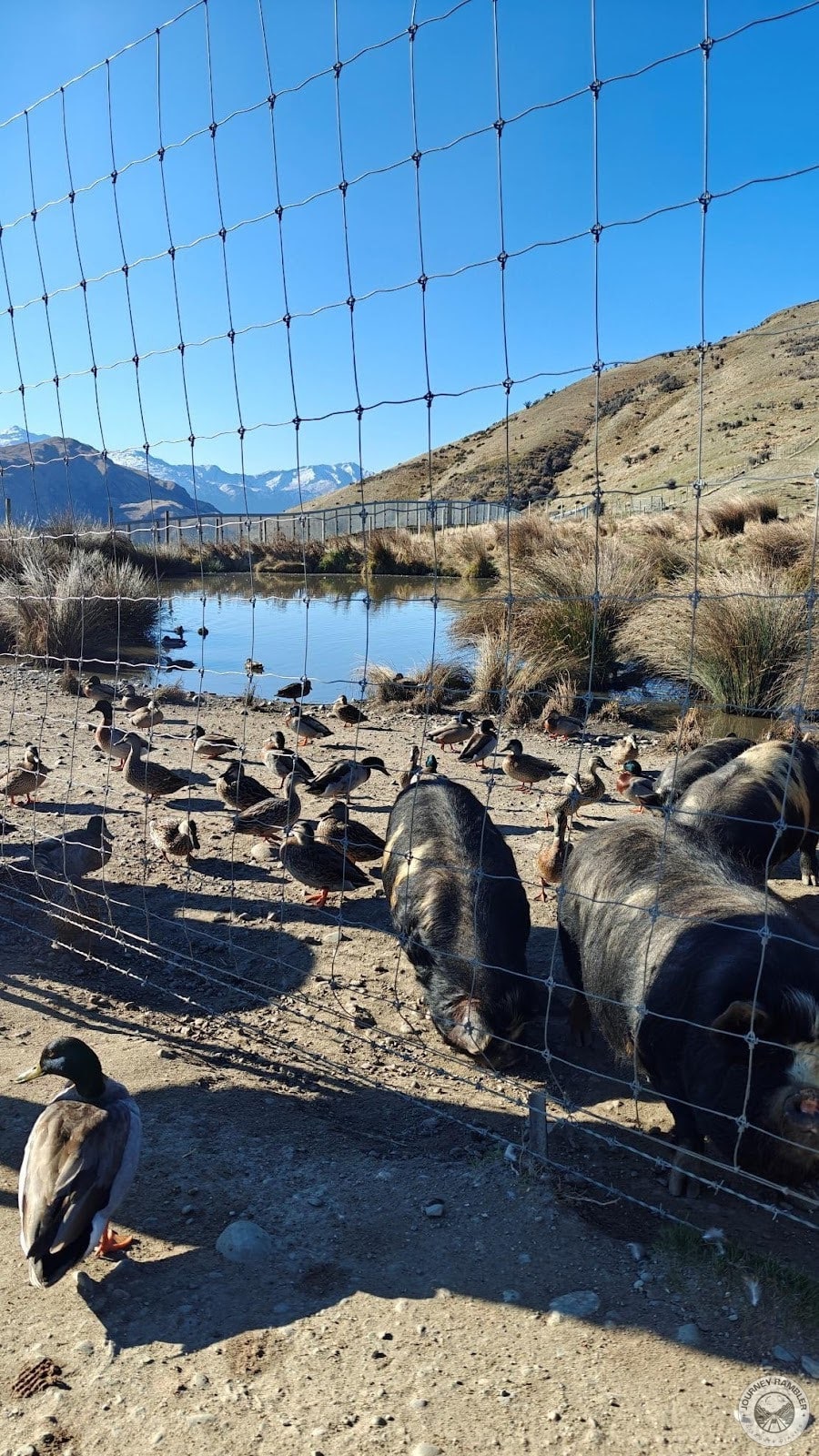
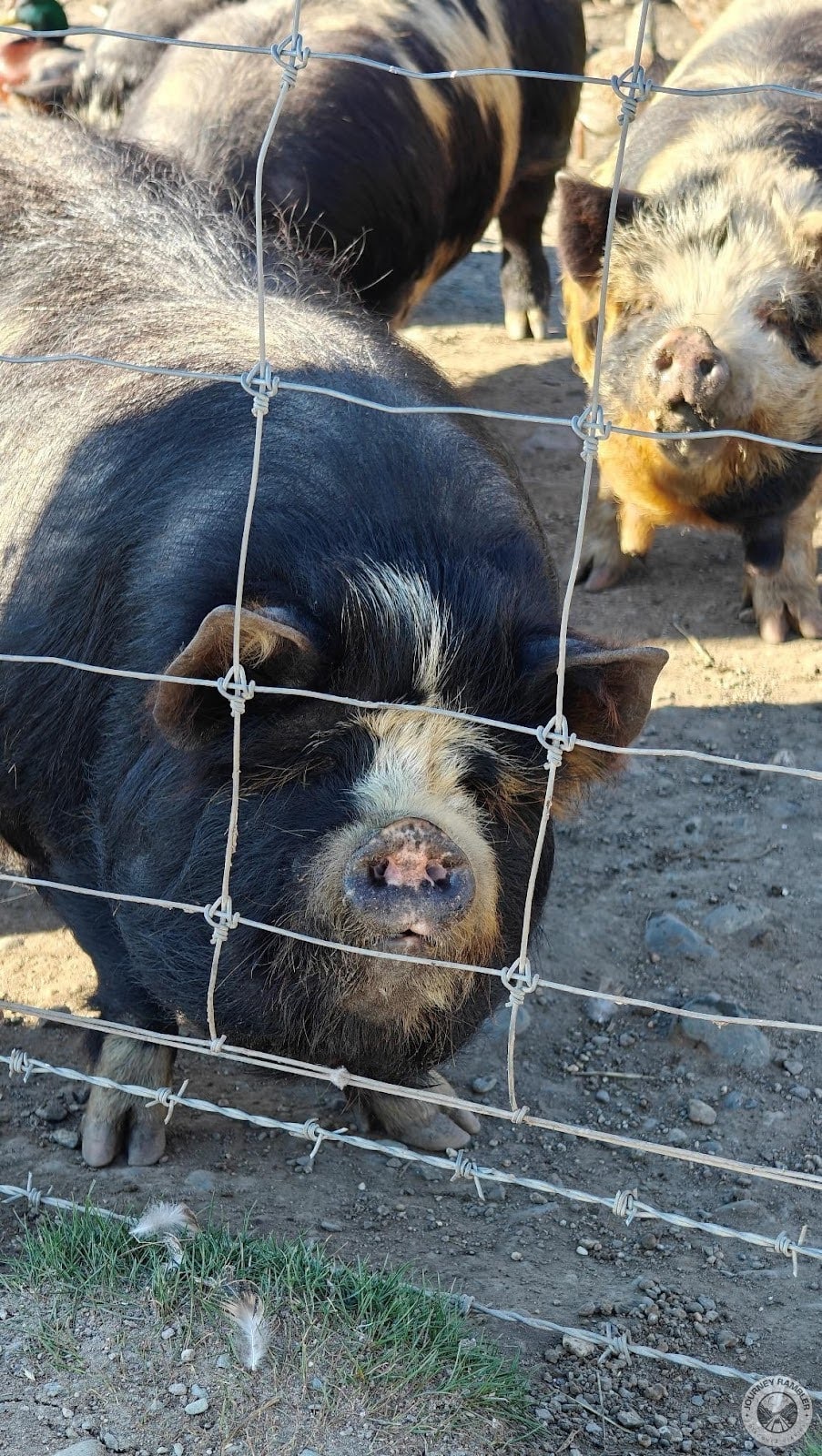
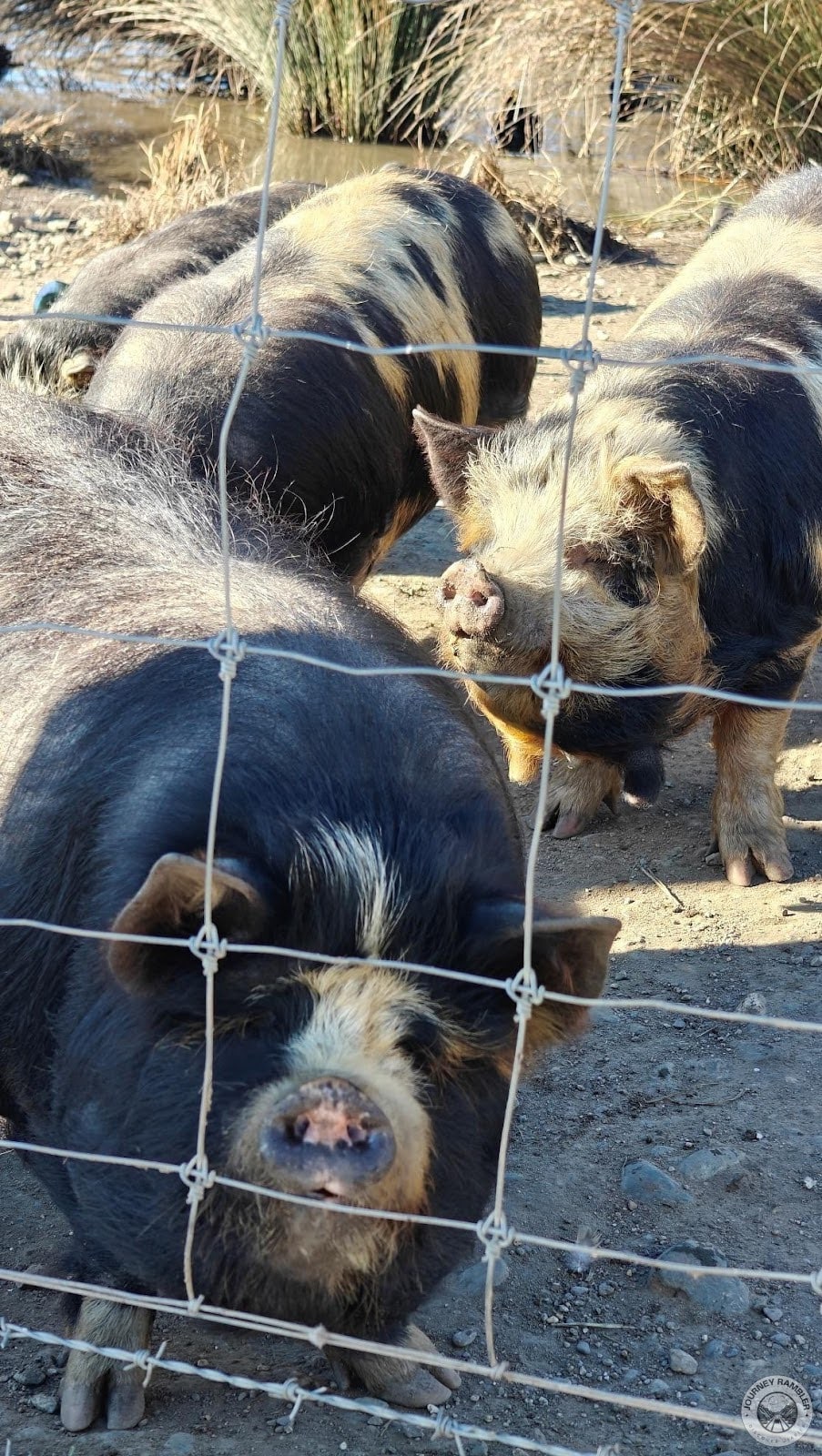
Throughout Australia, the Kunekune are raised for their meat and it’s no different here in Deer Park Heights. From what I found scouring the internet, the farm raises these as well as the deer and goats to be used as meat for export. As to whether the animals are butchered here though, I initially was not quite sure.
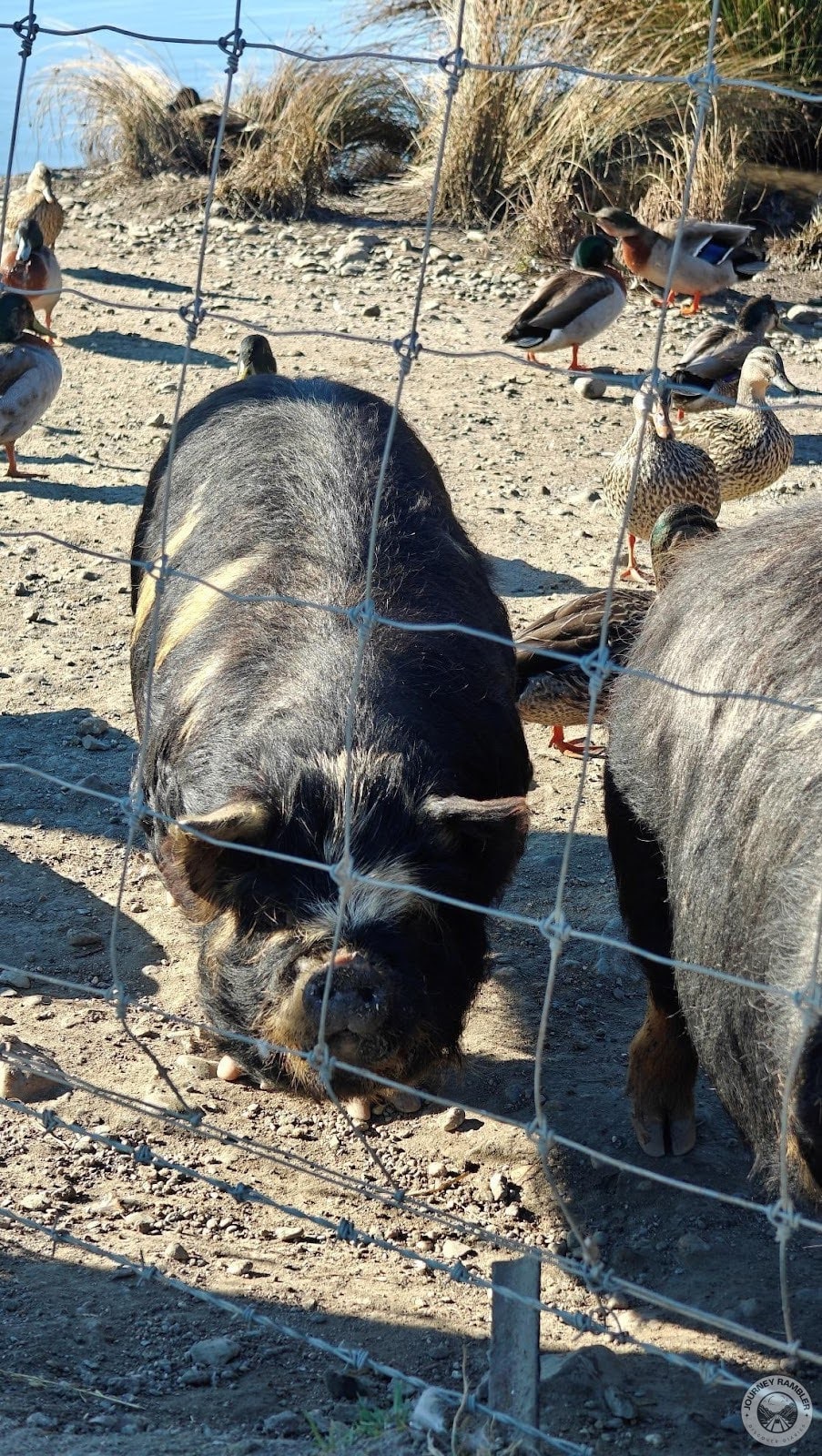
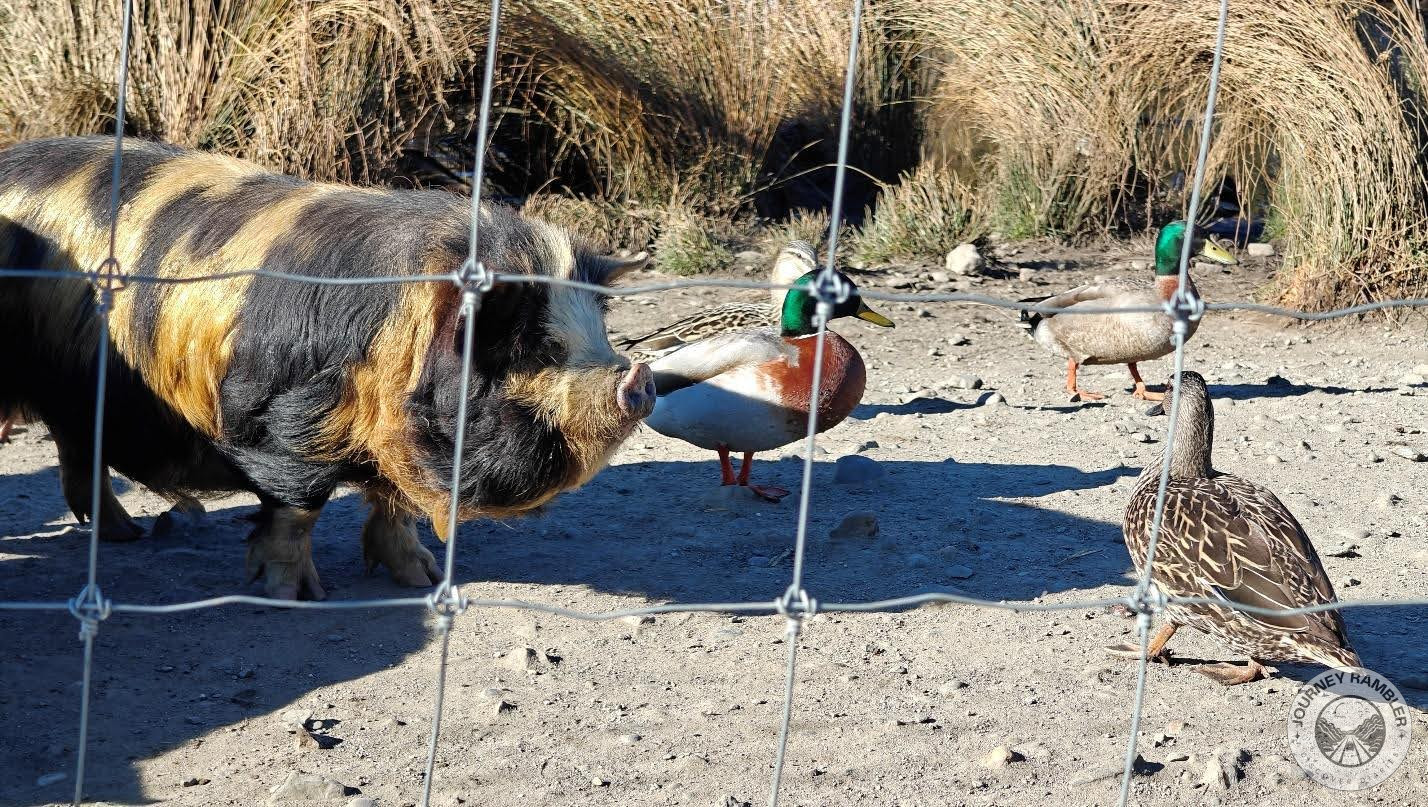
I’m not going to lie, finding out that these cute animals were destined for the slaughterhouse did put a damper on my excitement. That said, it is what it is. I do take some comfort in knowing that for their stay here, they did seem like they were enjoying their lives.
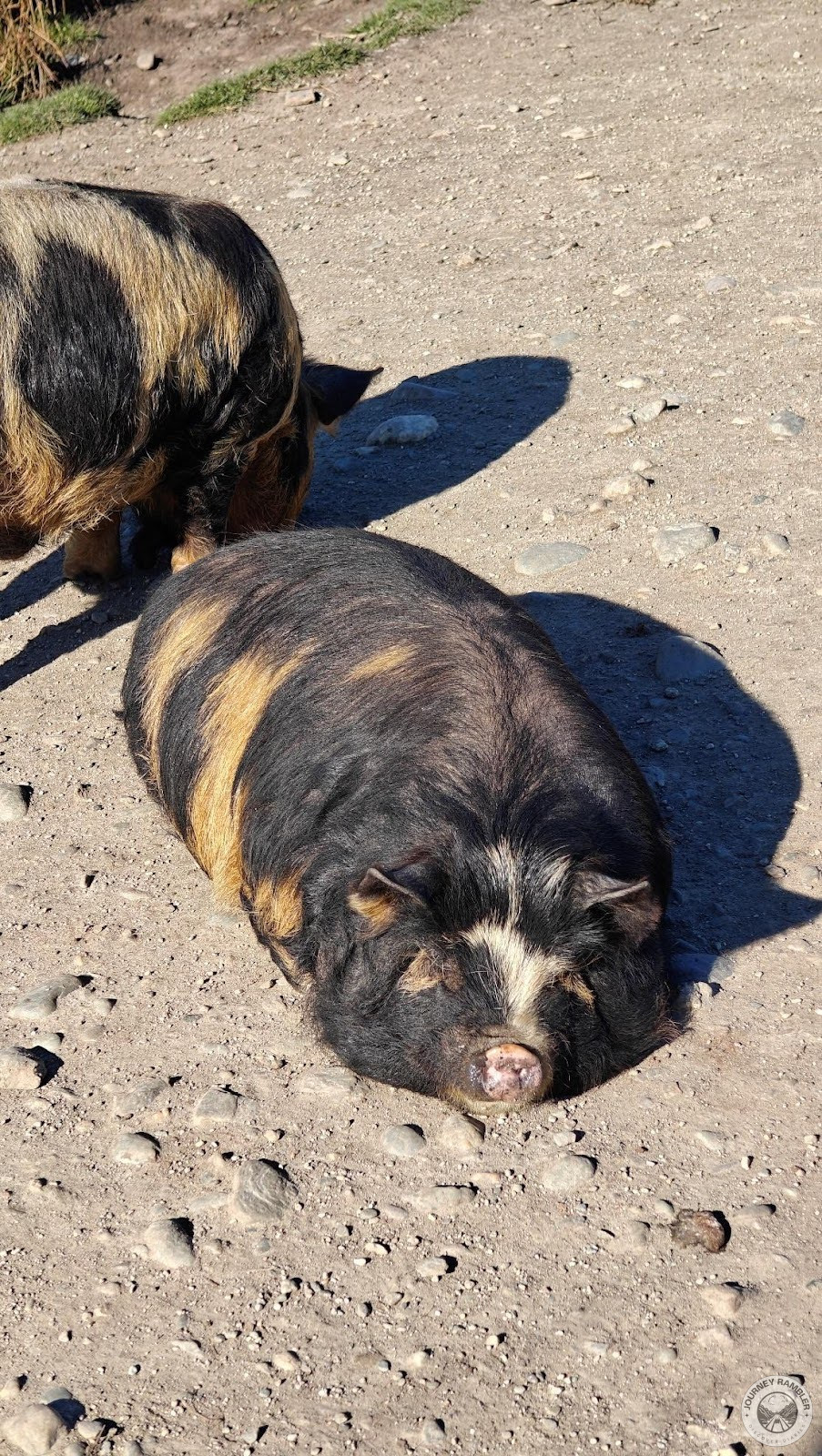
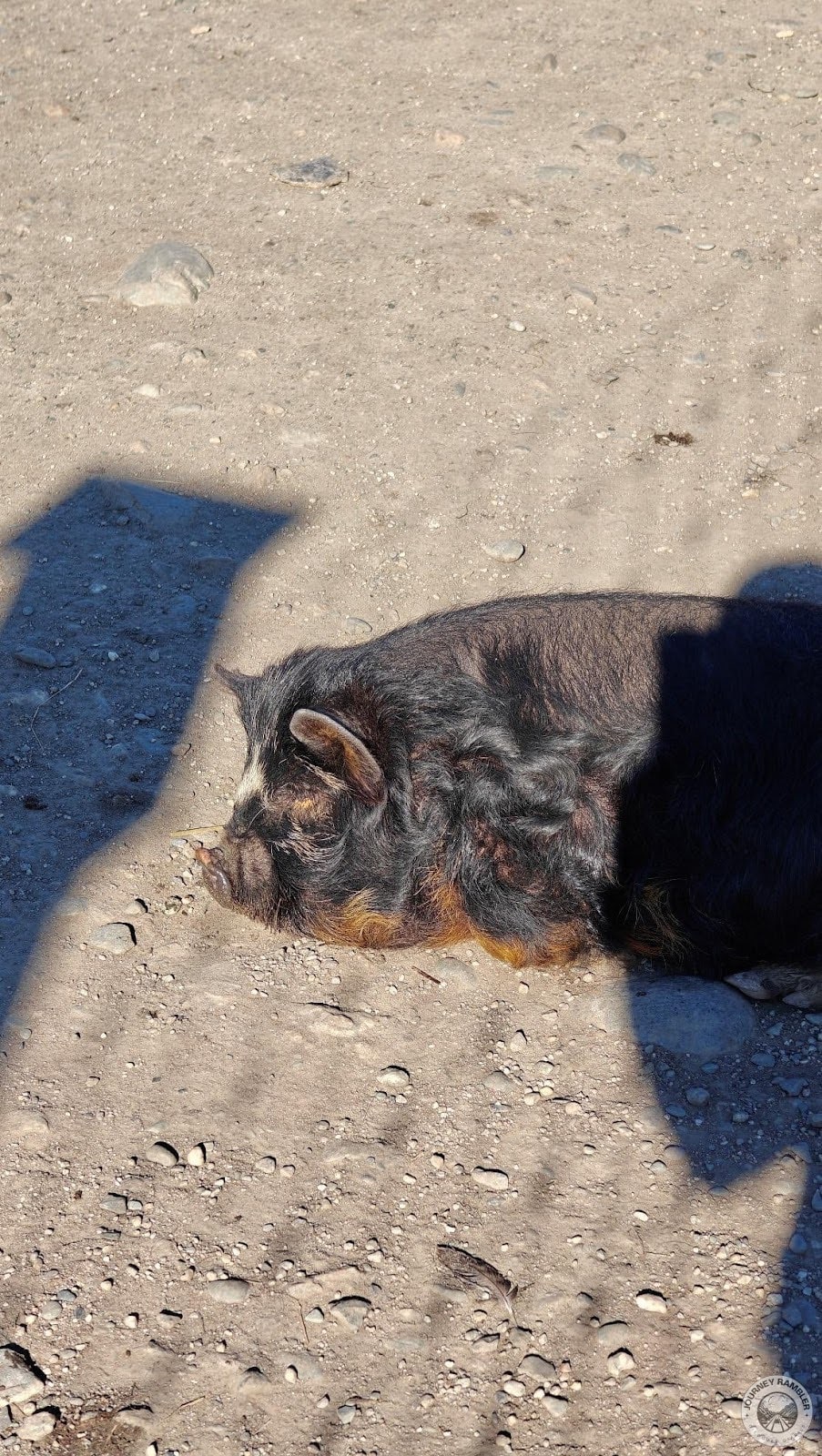
Scouring the Deer Park Heights website further, it does mention that it is a finishing farm. This means that it only raises the animals (the pigs, goats, and deer) and that it is very likely that they’re then sent to a slaughterhouse once they’ve reached maturity or are large enough. For the duration of their stay here though, you can sort of rest knowing that the farm cares for them really well.
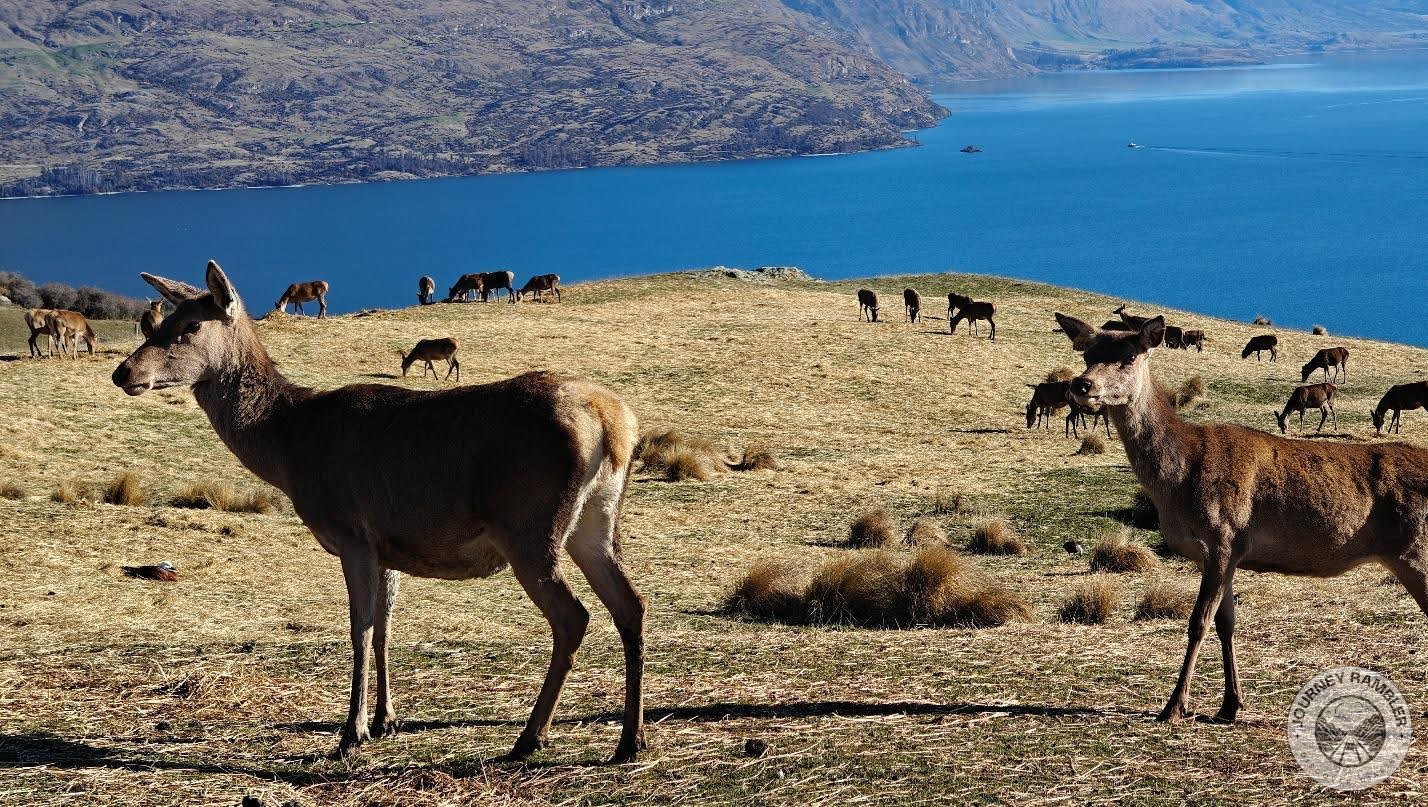
Just a little further along the road, I came across the deer. I mean, you can’t actually call this Deer Park Heights without featuring any deer right? Anyway, these are specifically Red Deer and much like the Mallards, they’re considered an invasive species here in New Zealand.
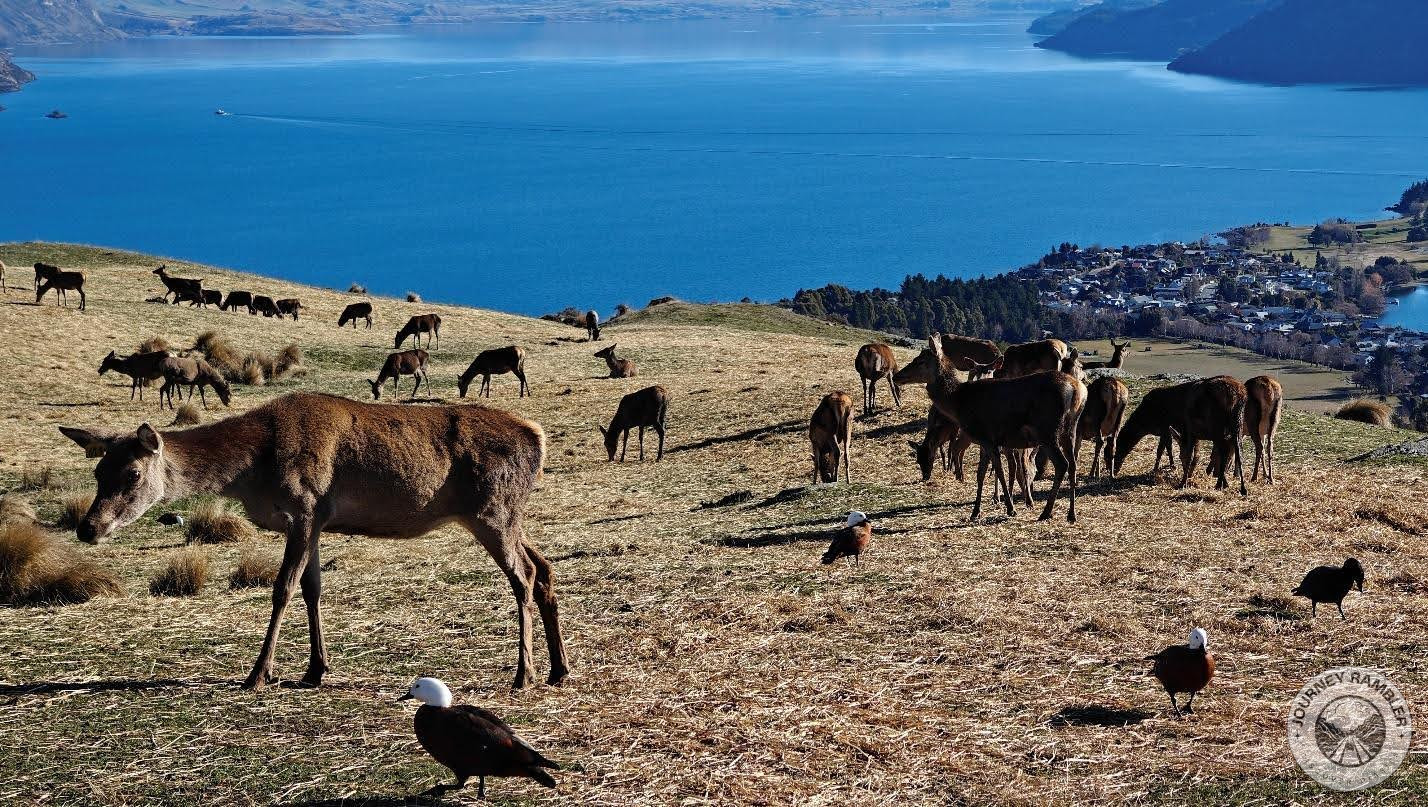
Along with the deer, I also saw another species of duck. These are Paradise Shelducks and unlike the Mallards and Red Deers, they’re actually endemic and native to New Zealand. Compared to the Mallards though, the shelducks weren’t as numerous.
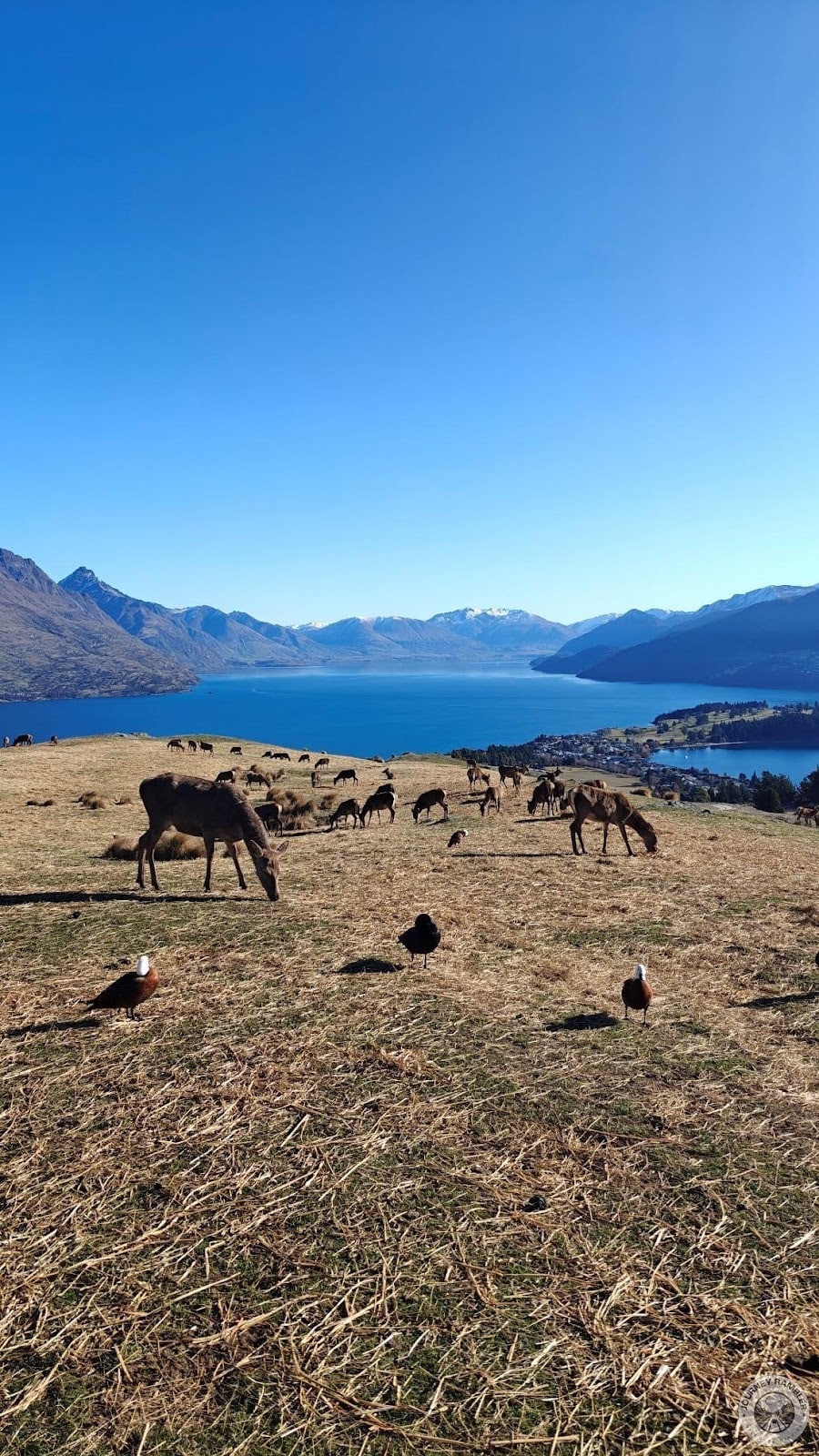
Speaking of numerous, you’ll notice just how many Red Deers there are here. As I said earlier, these animals are an invasive species and I guess this is one way for New Zealand to control their populations. If left unchecked, these animals pose a significant threat to the country’s native ecosystems since they don’t have any natural predators here.
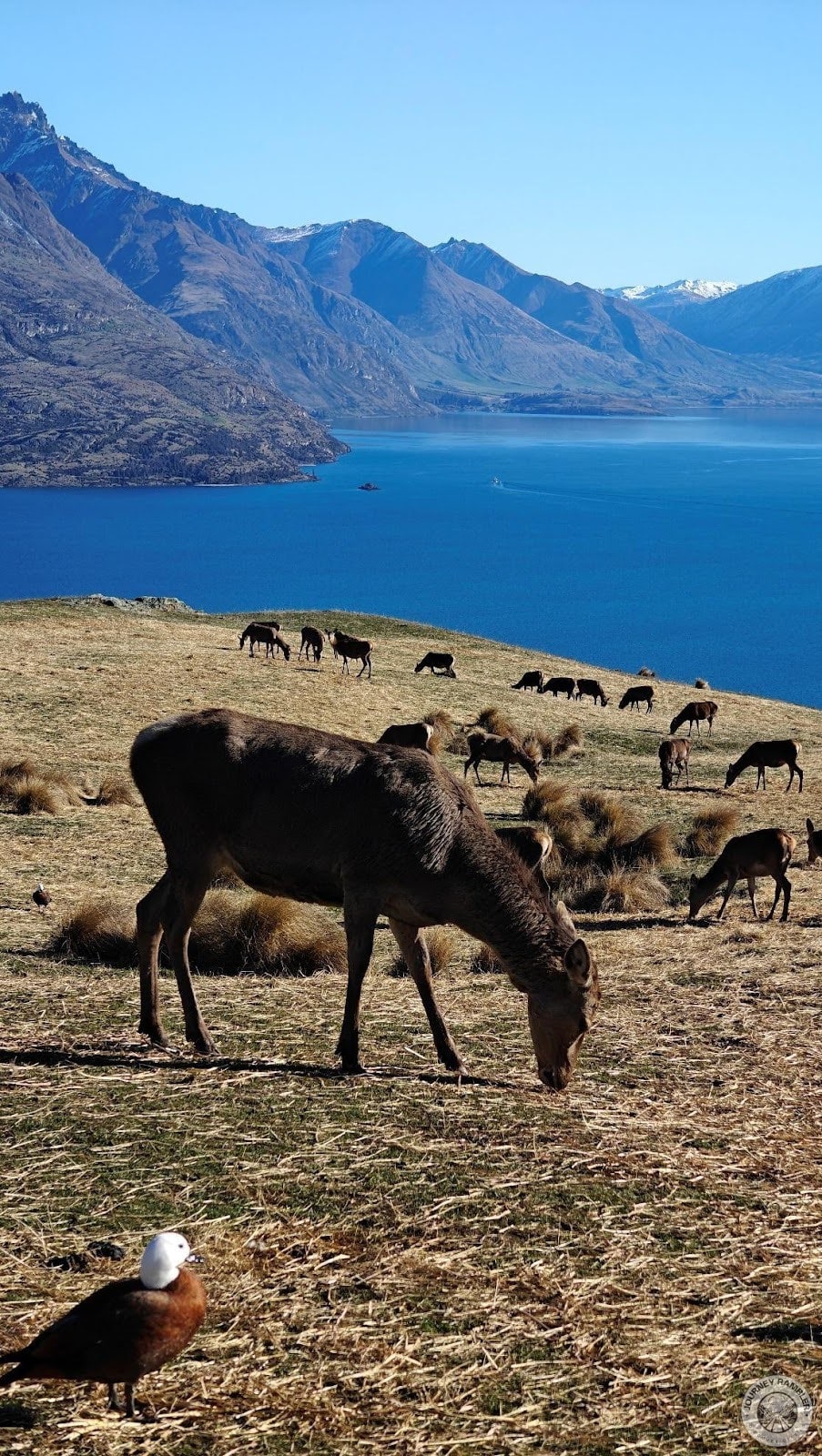
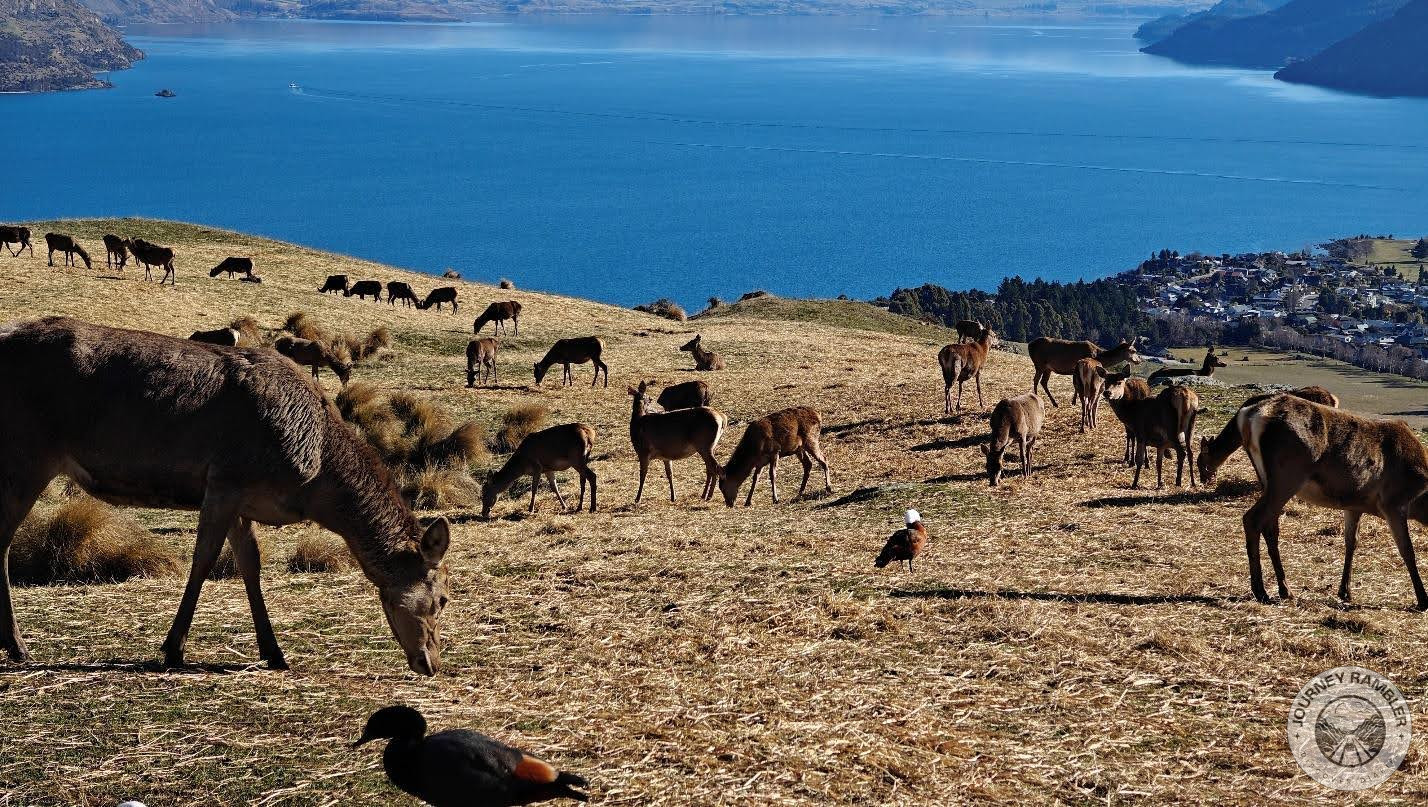

Before I talk any further about red deer, I’d like to point out just how nice the view here is. From here, you can see the tip of the Kelvin Peninsula as well as some of the residences in the Kelvin Heights suburbs. Then surrounding the peninsula is the blue and pristine waters of Lake Wakatipu that honestly look so inviting.
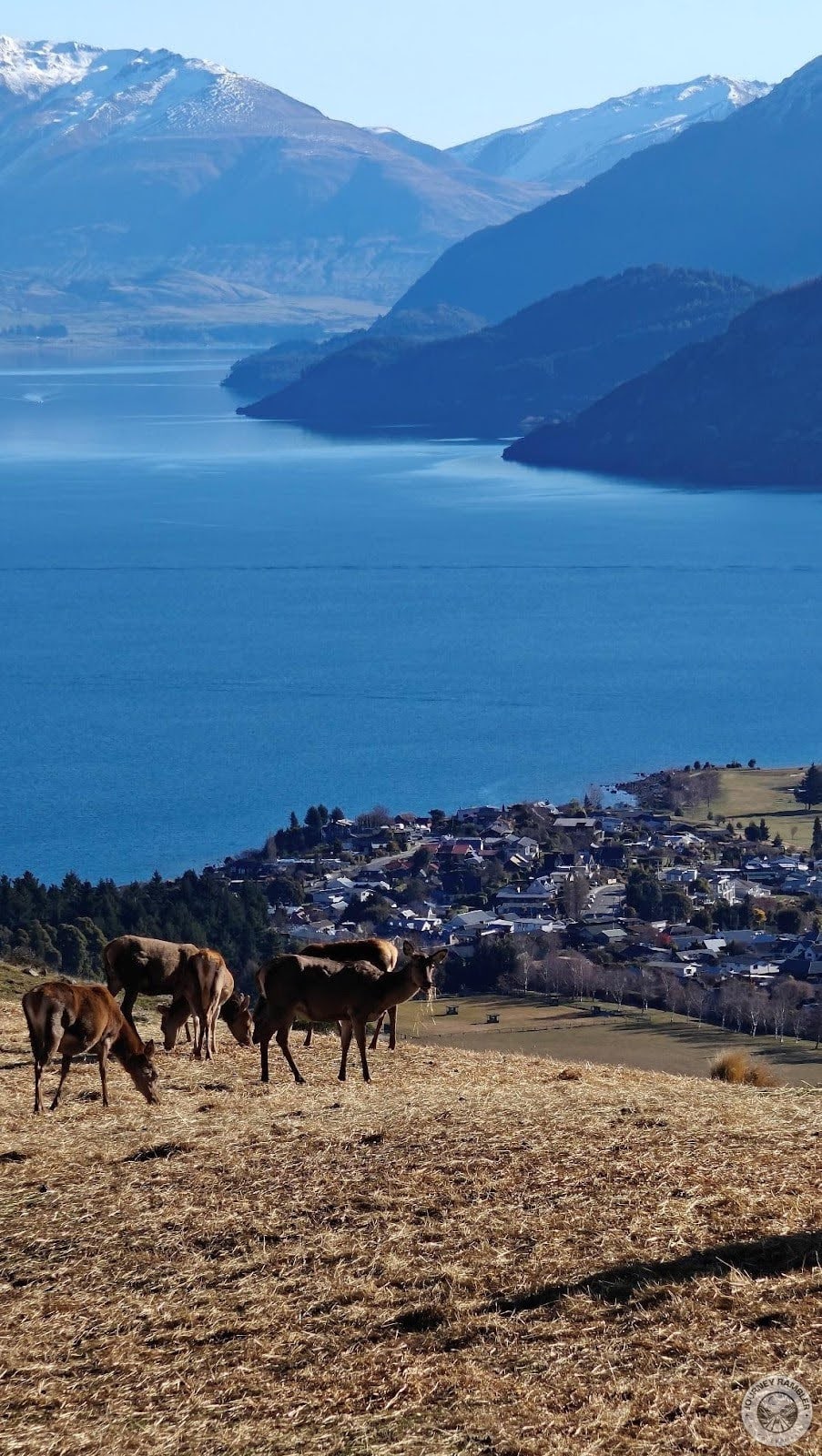
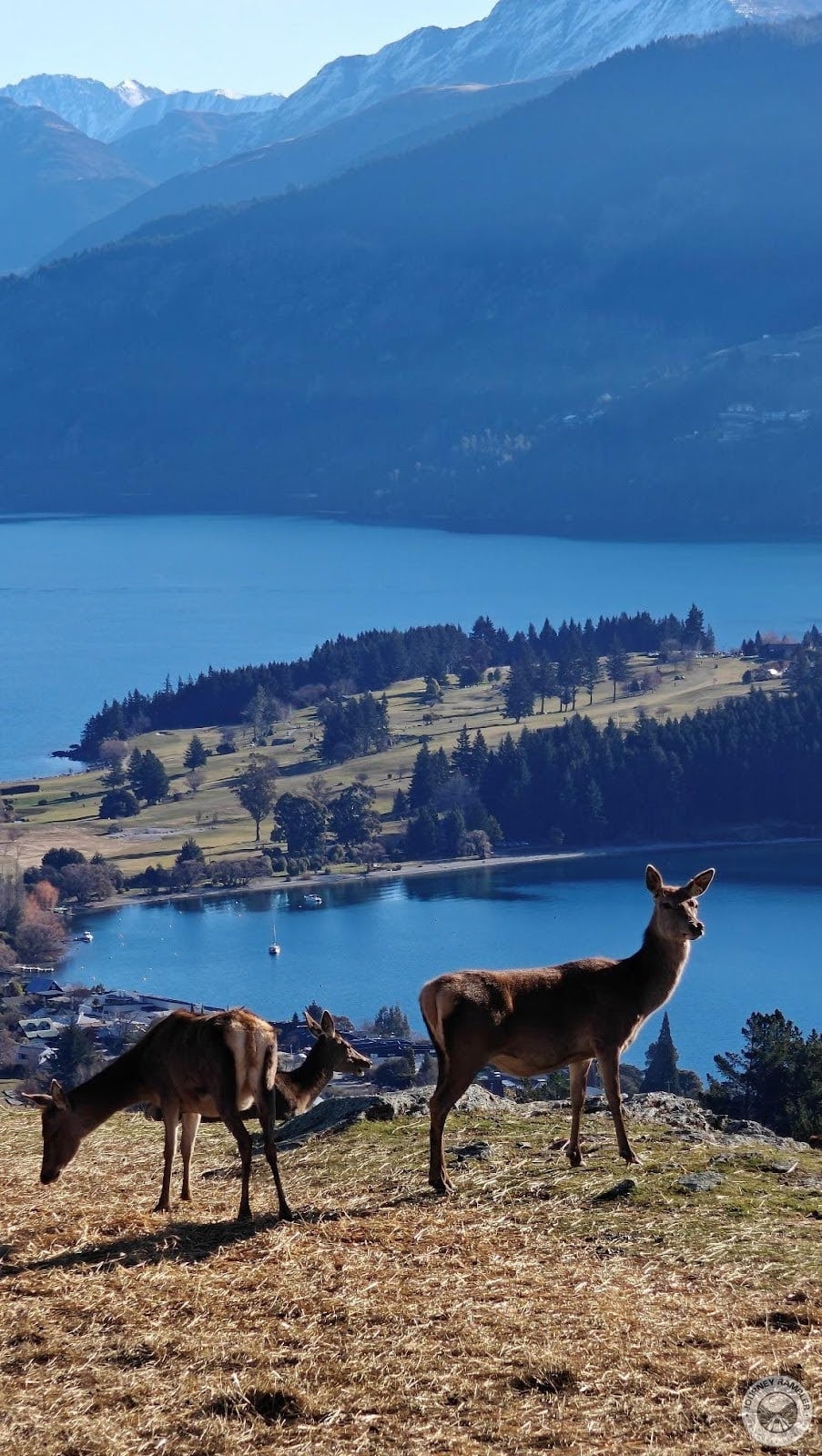
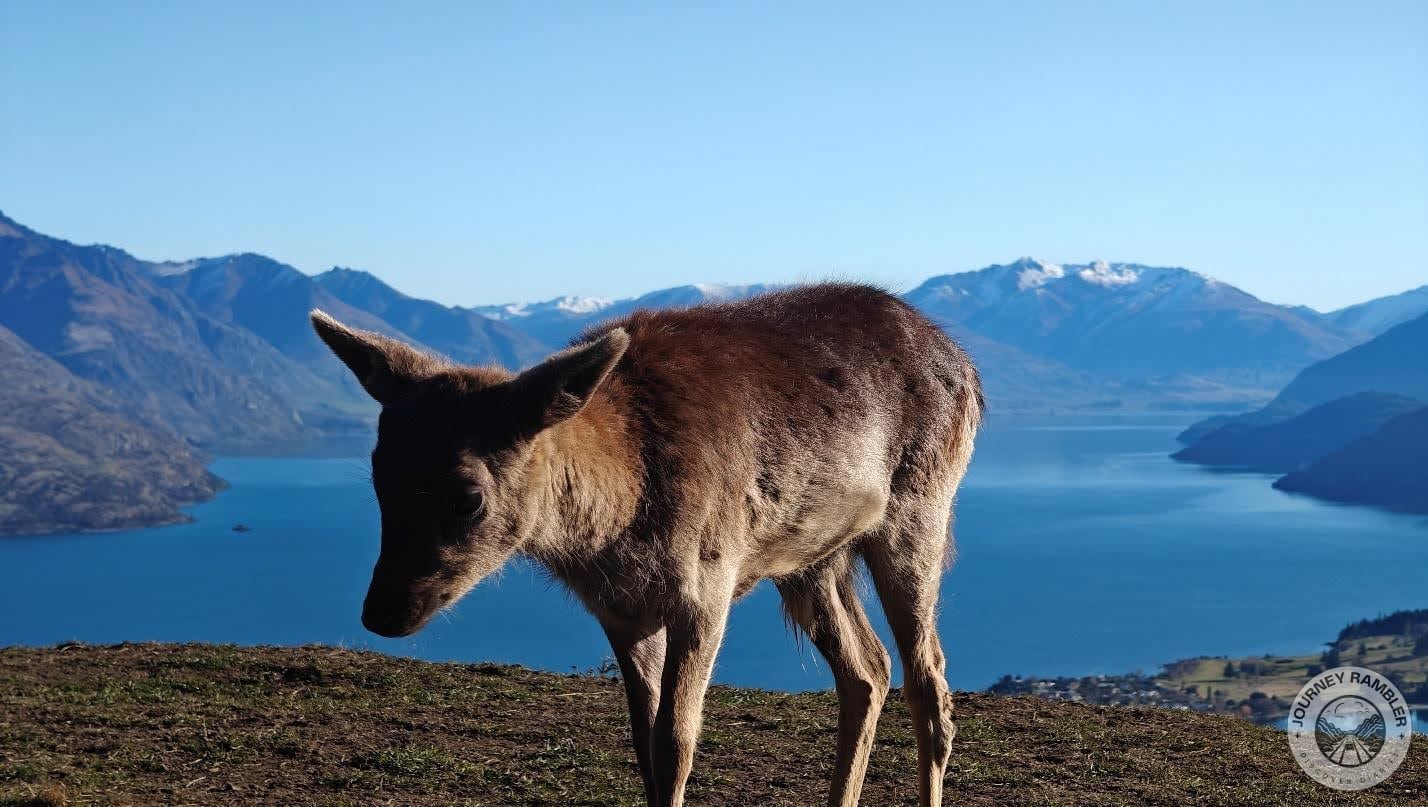
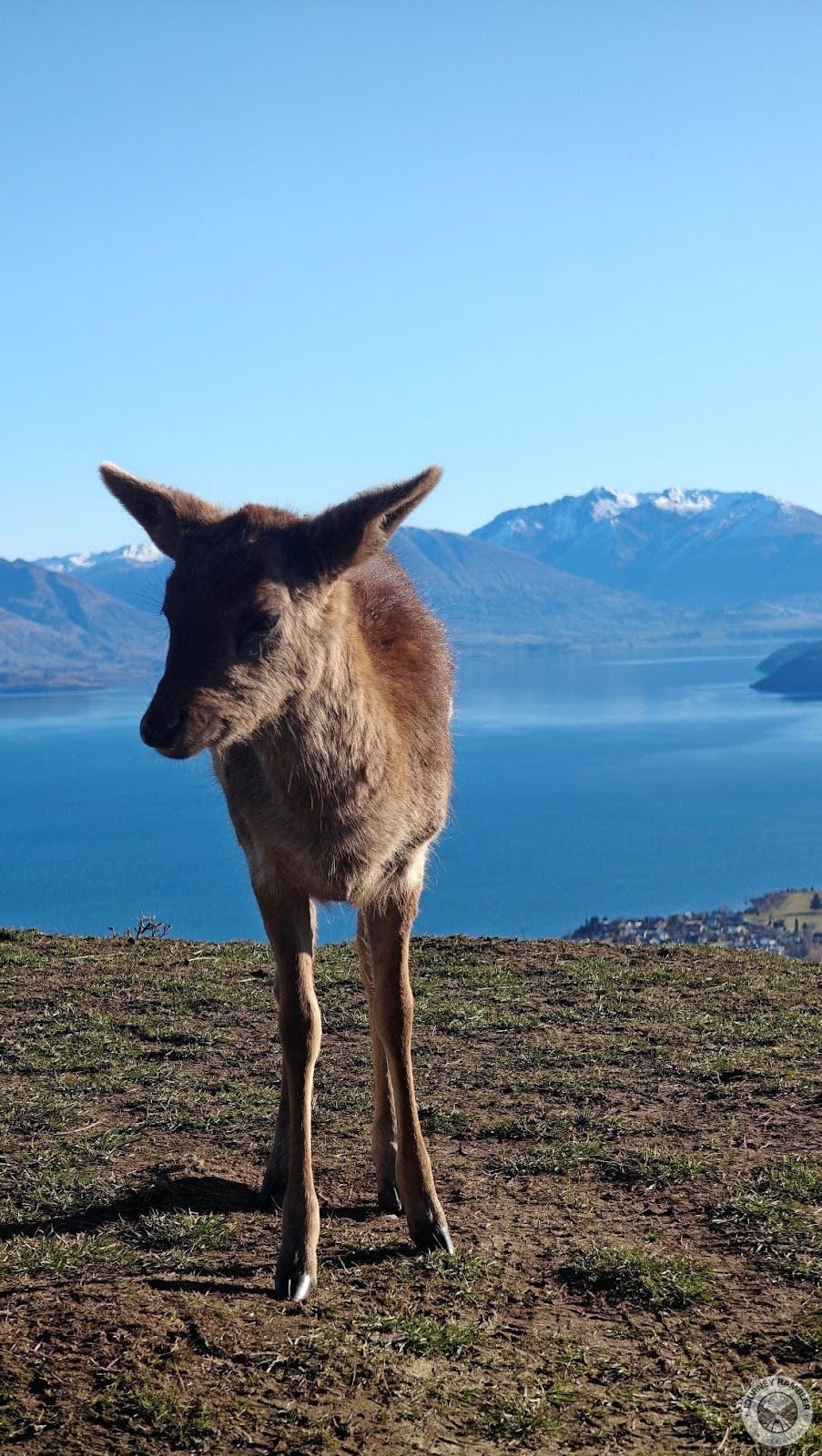
If you haven’t noticed yet, the deer here don’t have any horns or antlers. These are does and they’ve been purposely separated from the stags (which have antlers) for management purposes. Again, the red deer population here in New Zealand needs to be controlled and one way to do that is by separating the males from the females.
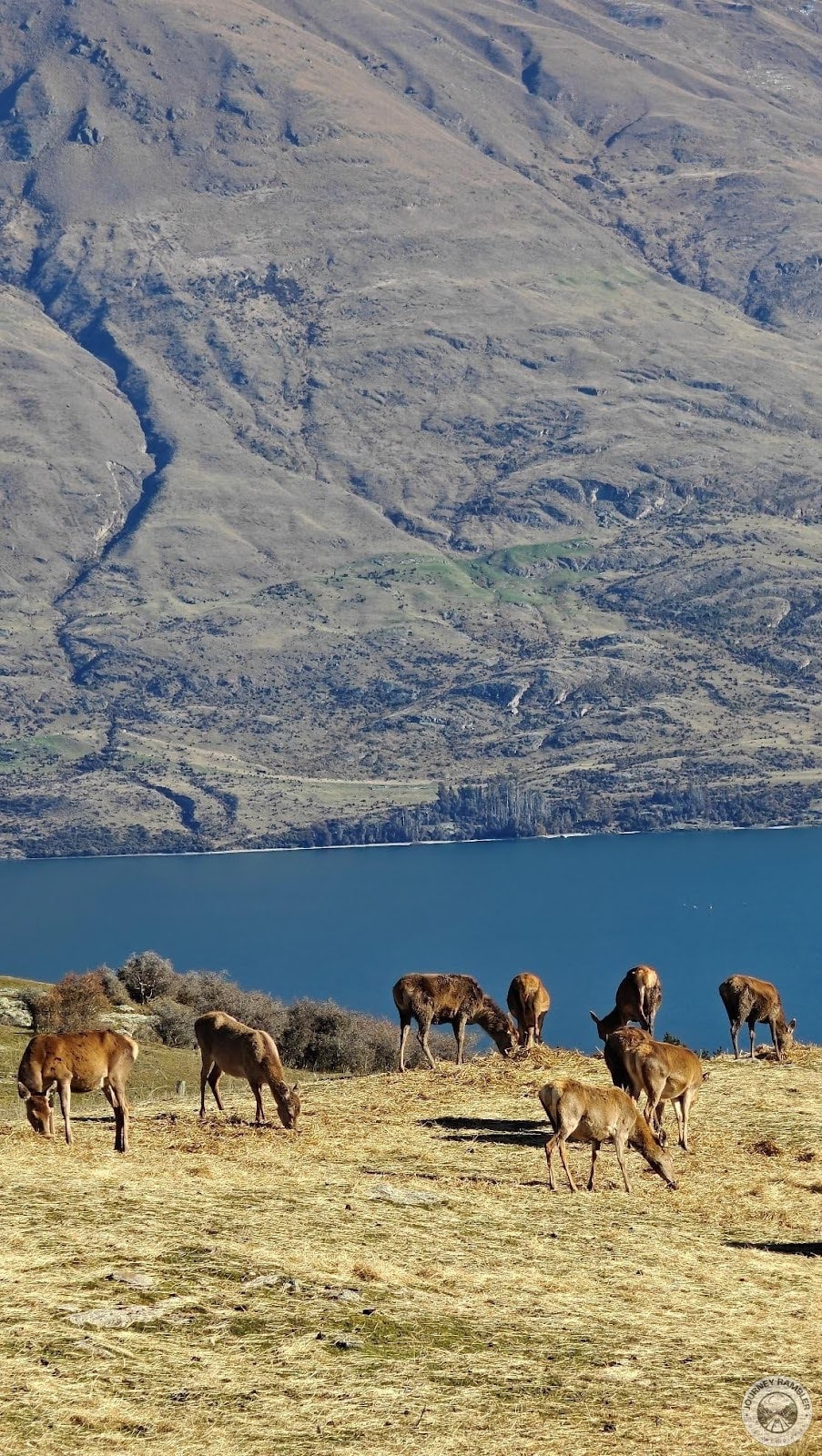
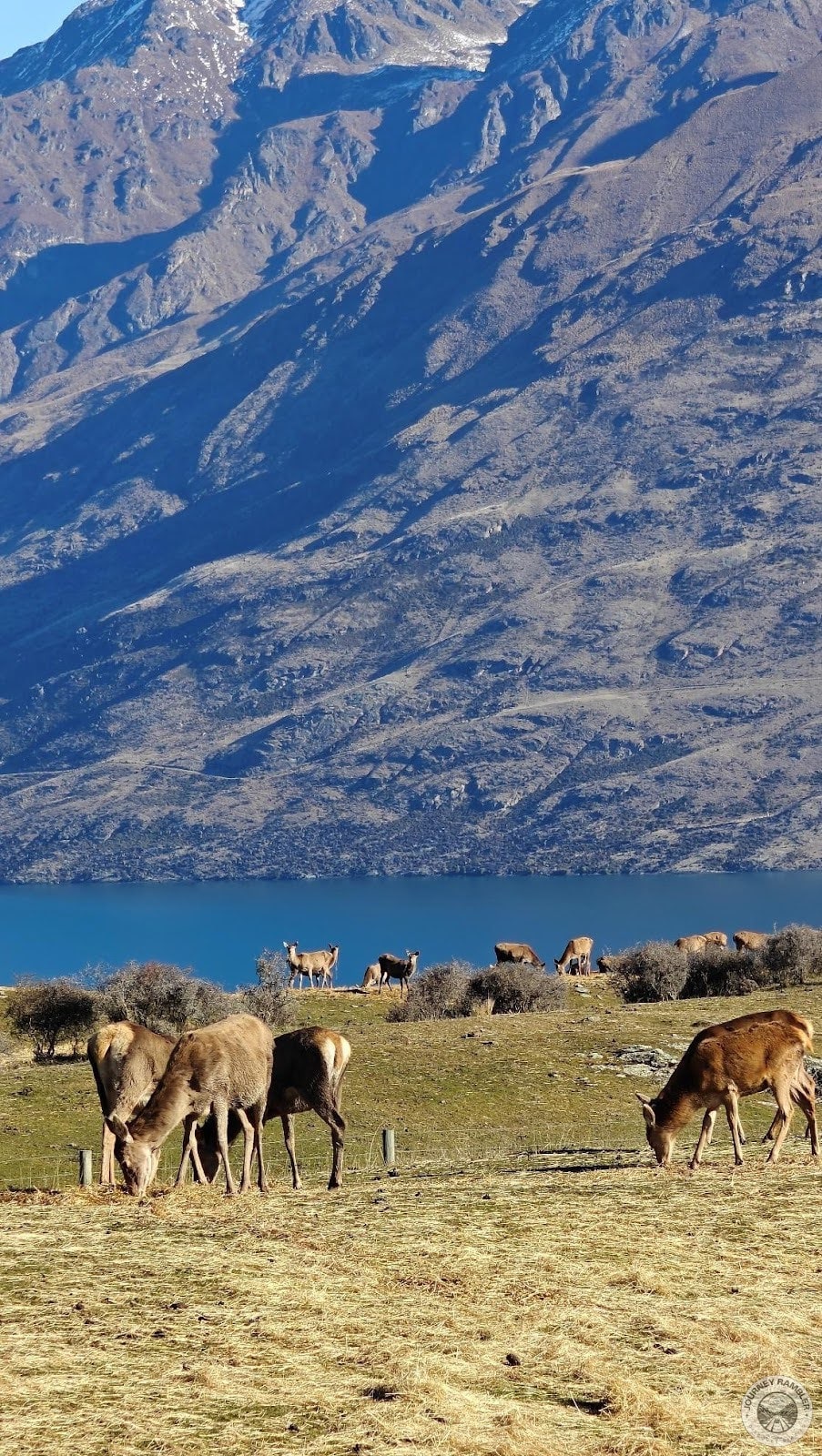
Unlike the Kunekune Pigs, feeding the deer here is actively discouraged. These animals are much more timid than the animals here that I’ve talked about earlier. In fact, the farm warns that some of these deer can behave aggressively if you try getting overly close to them.

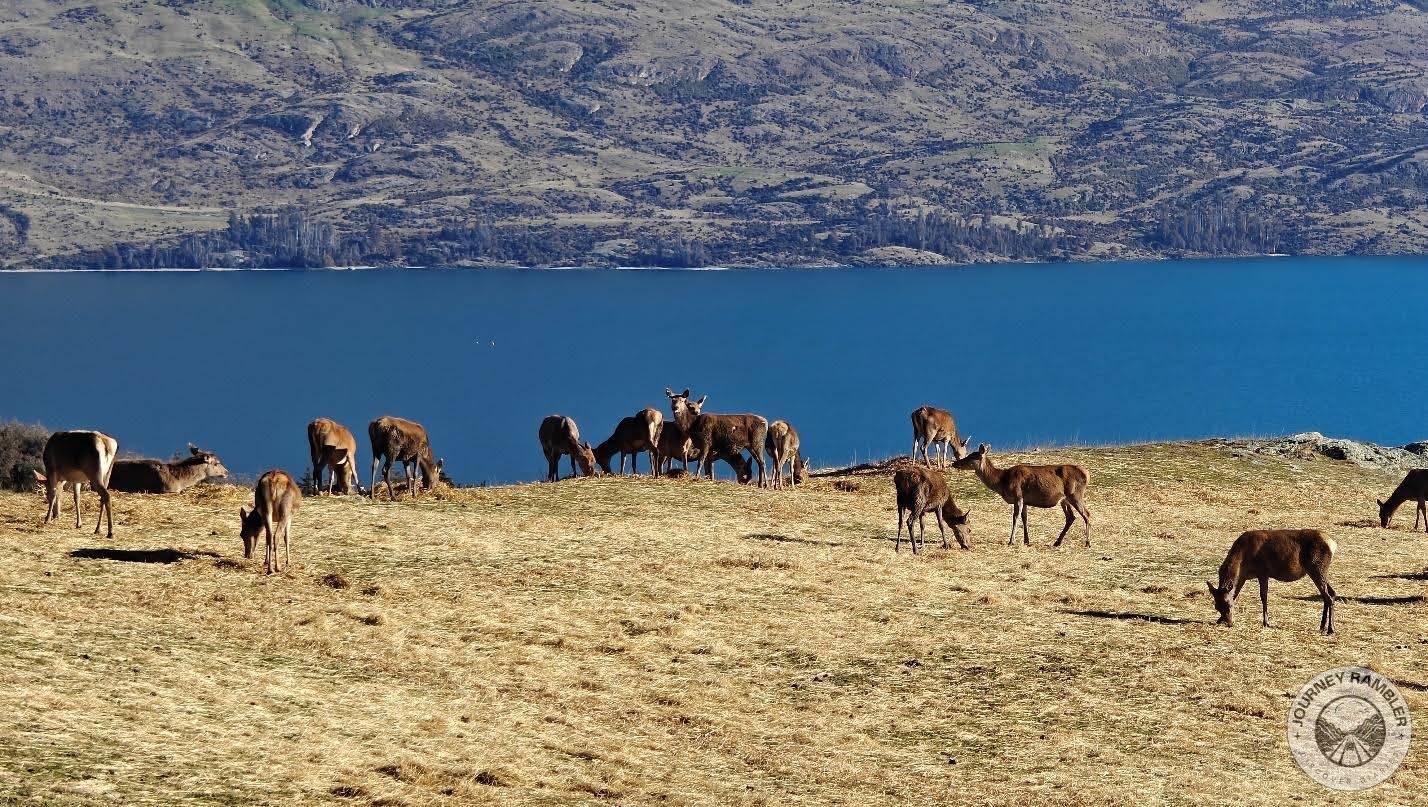
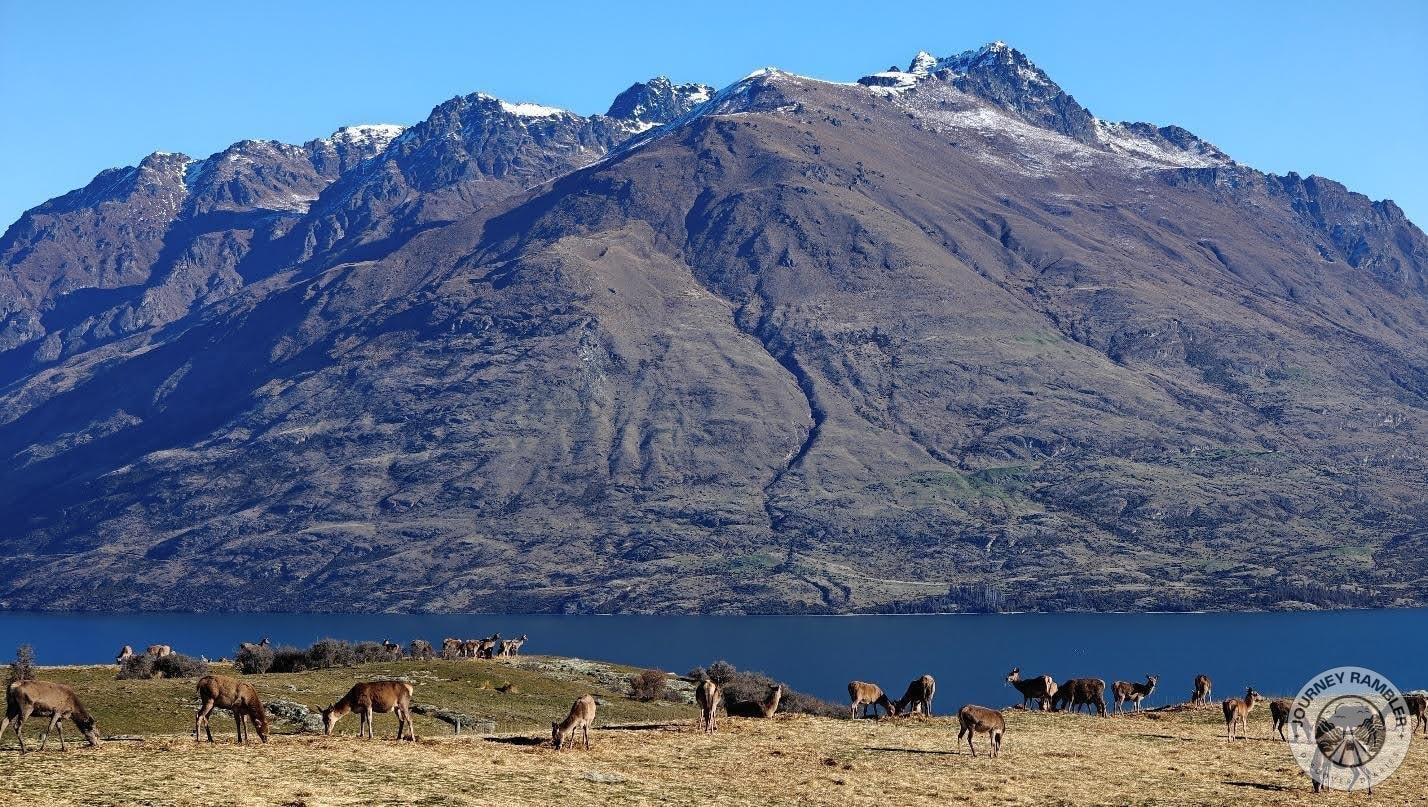
Personally, I’m just fine with staying far from these animals. While they are farmed here, they’re still not considered fully domesticated. I honestly wouldn’t want to get mauled by any of the doe here much less the stags.
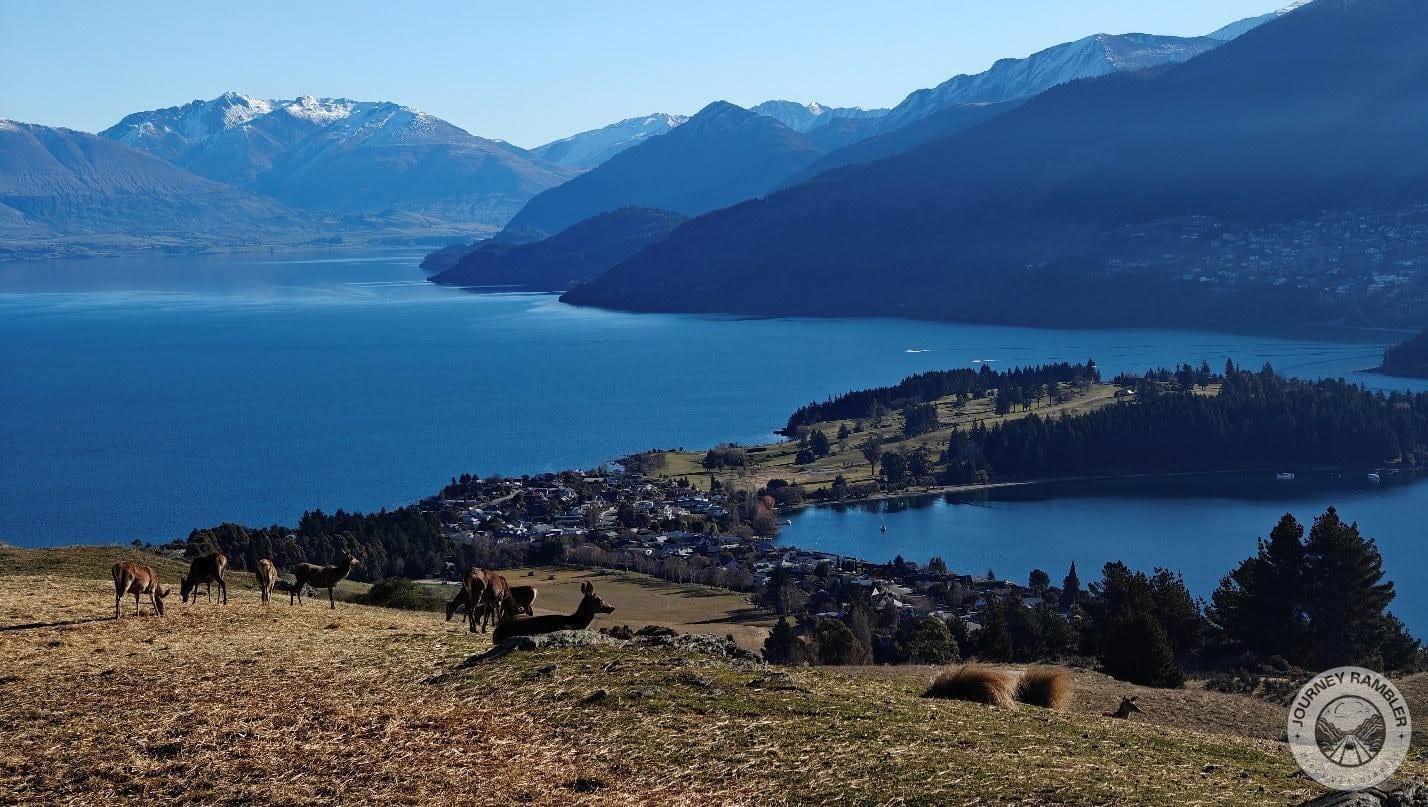
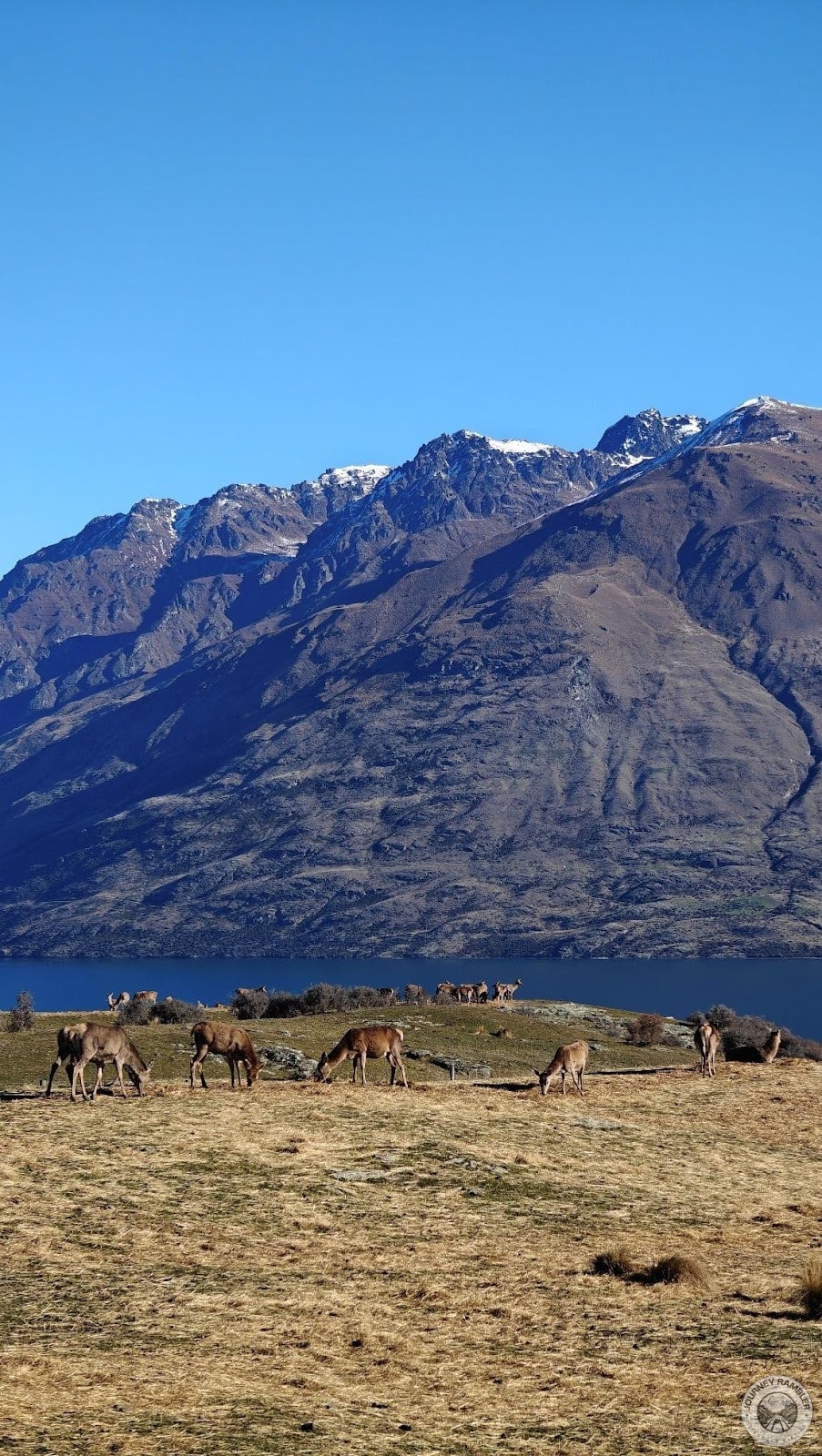
Despite not being native to New Zealand, I will say that red deer kind of fit in the country’s physical landscape. Or at least, they seem like they’re a natural fit here at Deer Park Heights’. Looking at them here with the lake and mountains in the background, you’d think that they’re actually in their native range in Europe.
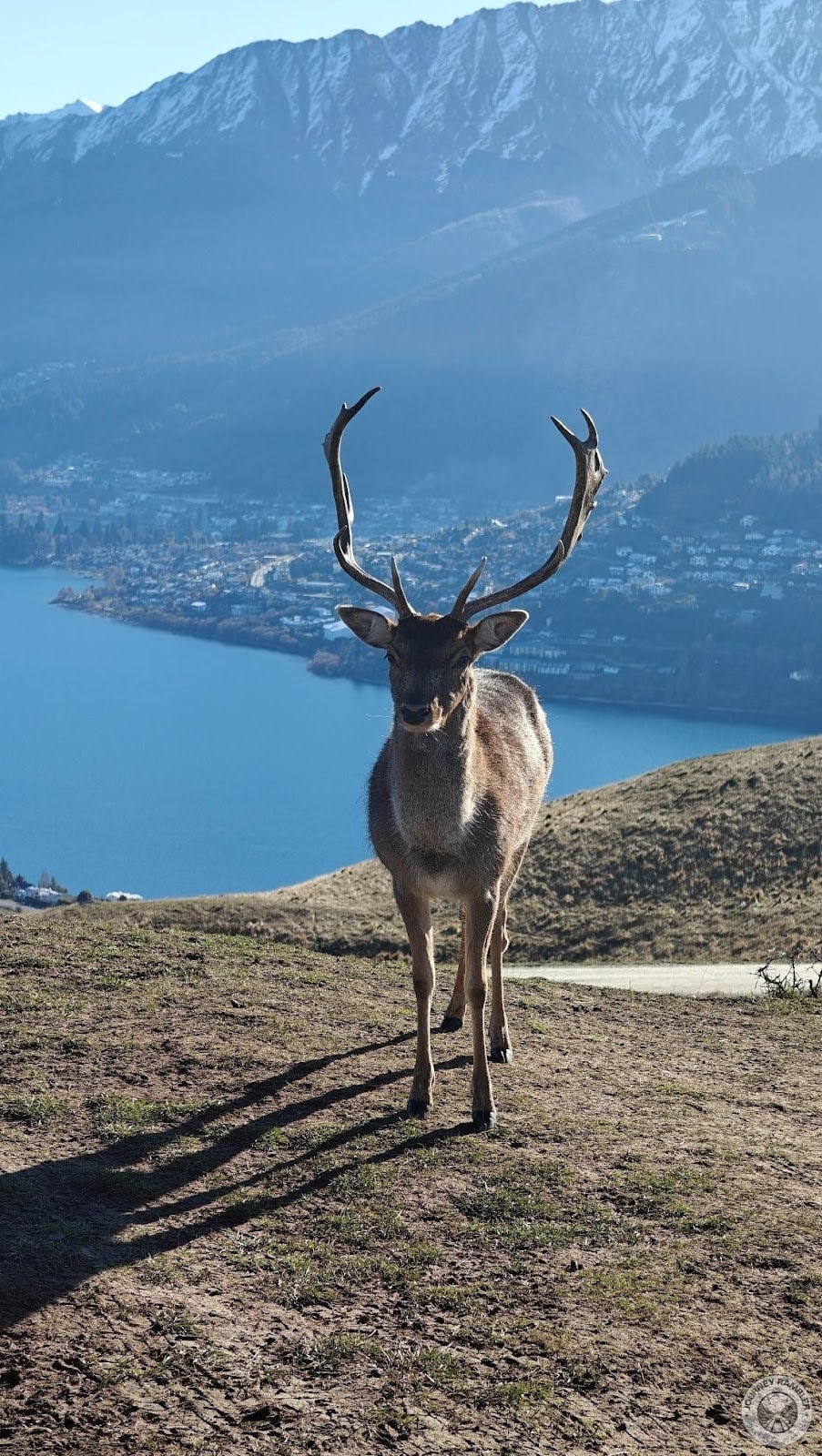
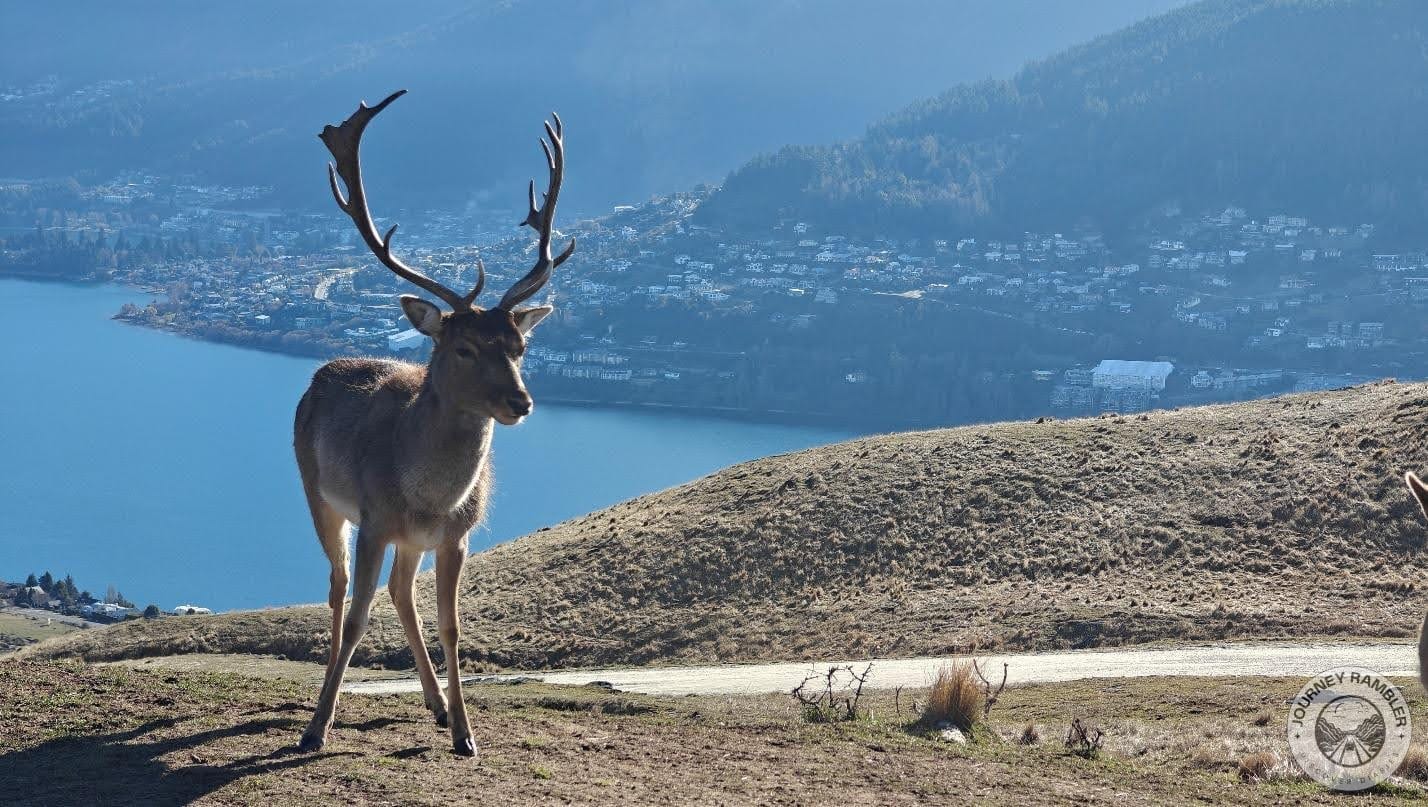
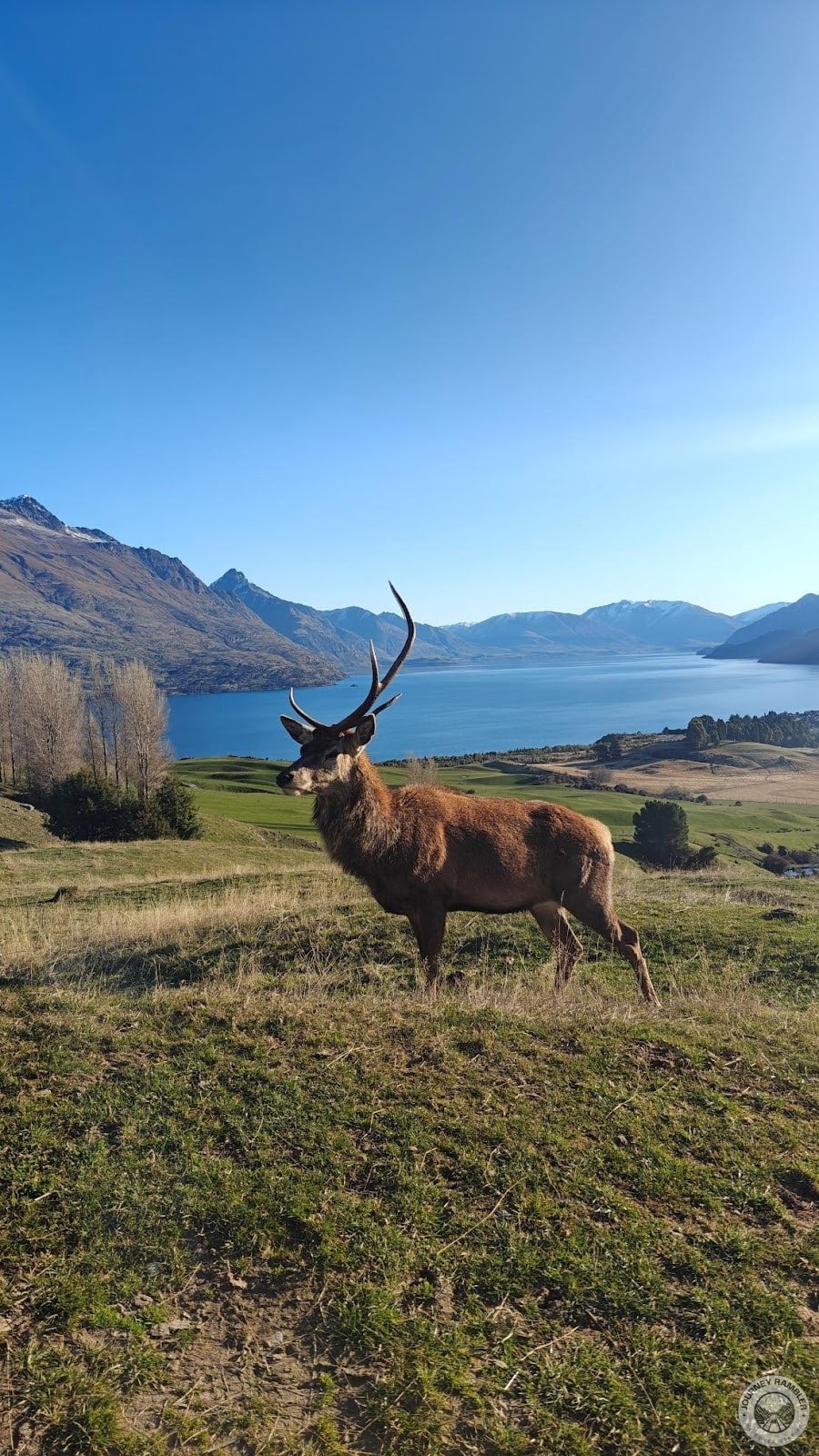
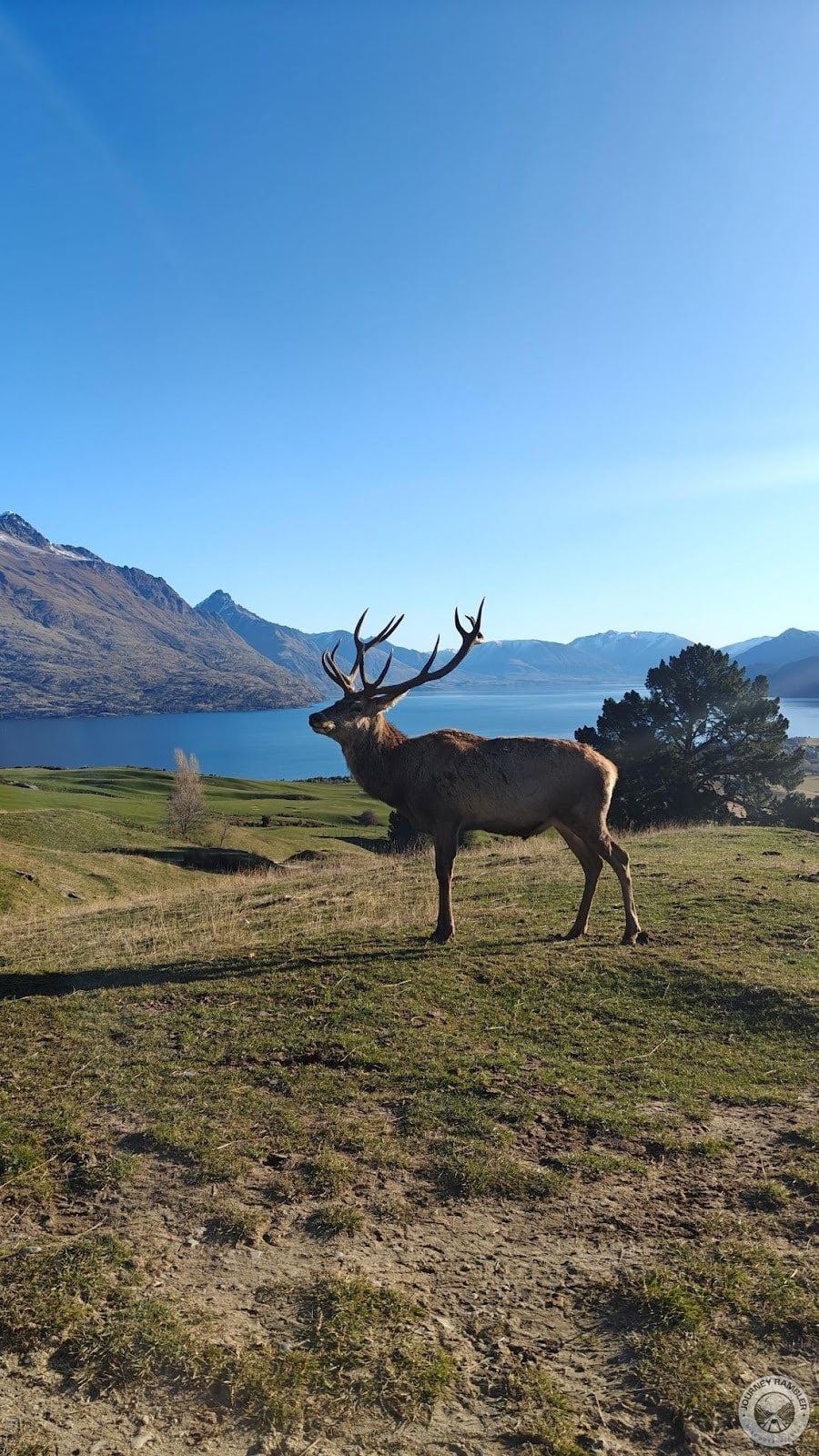
A little ways off from the does, I was able to see the stags. This one had his majestic antlers on and just looked very imposing and impressive. His pose with Queenstown as well as the mountains in the background actually made this one of my favorite images in this whole New Zealand trip.
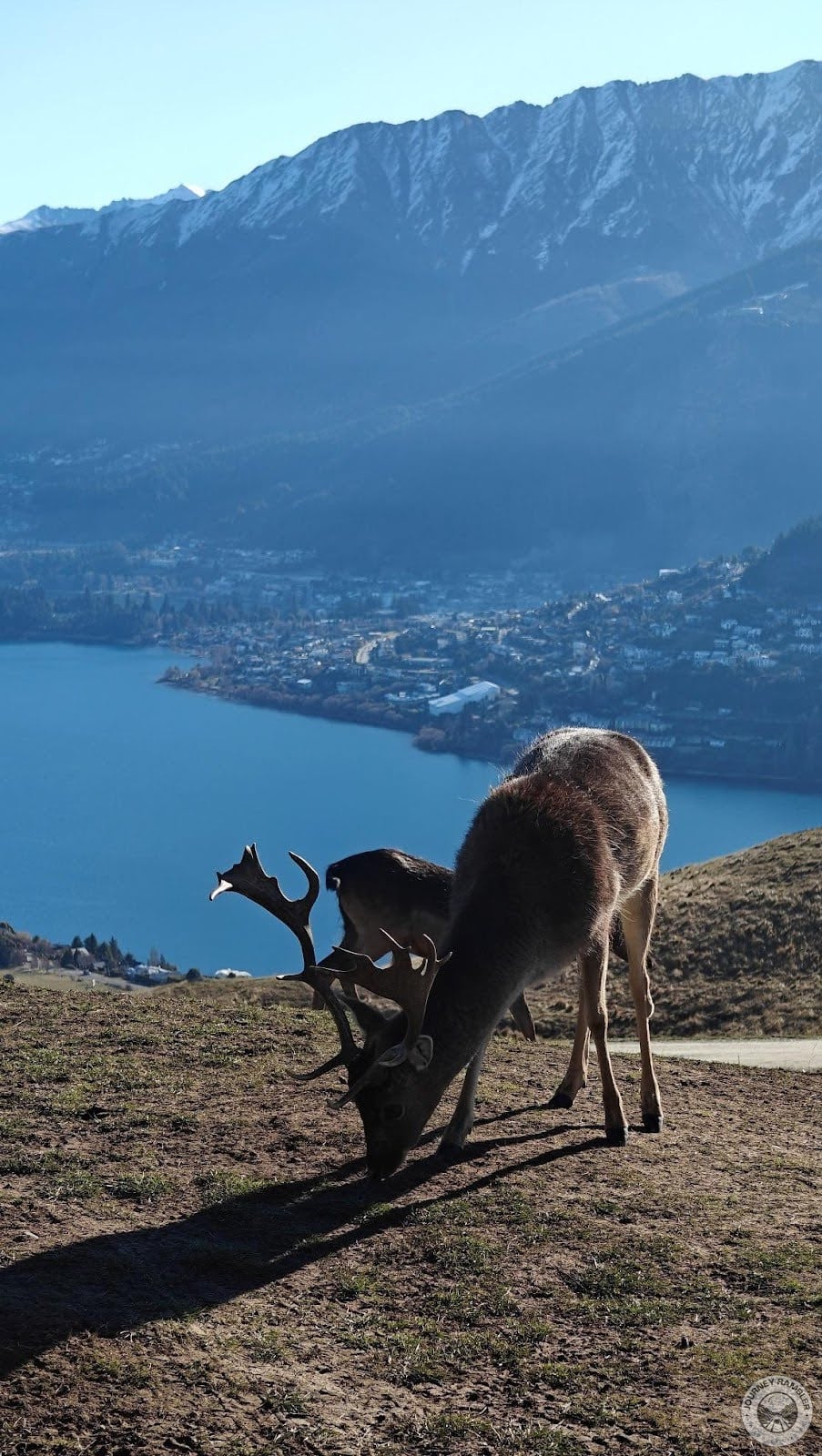
No check that, this was the best shot I took on this whole trip… Yeah, this particular section of Deer Park Heights really had plenty of jaw-dropping views that I think make the farm worth the visit (and car rental).
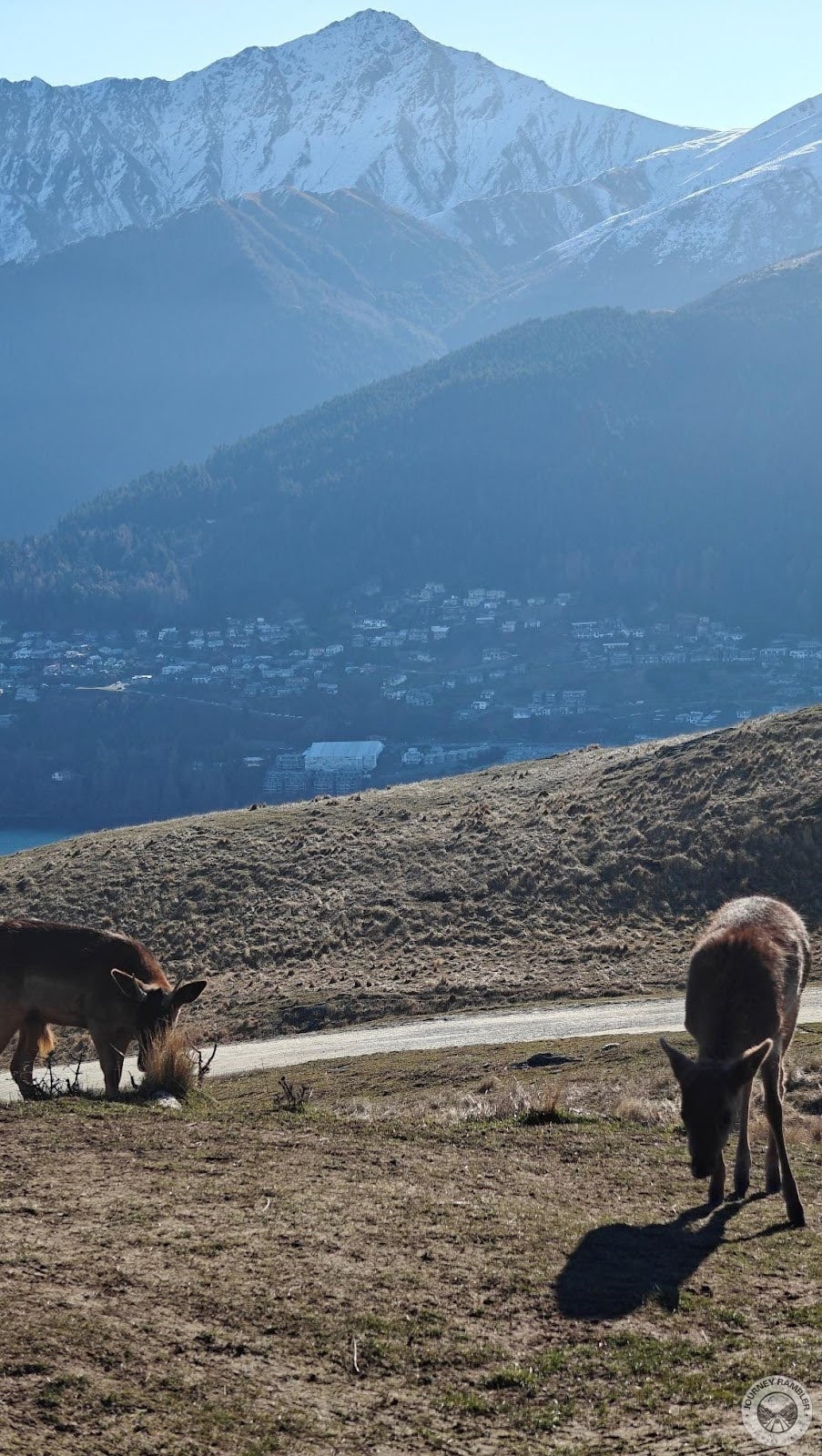
So you’re probably wondering why there are females here when I said earlier that they were segregated from the stags. Simply put, these are juvenile stags that have yet to grow their antlers. A tell-tale sign that they’re stags is the presence of hair (noticeable on the one in the left) in their crotch area.

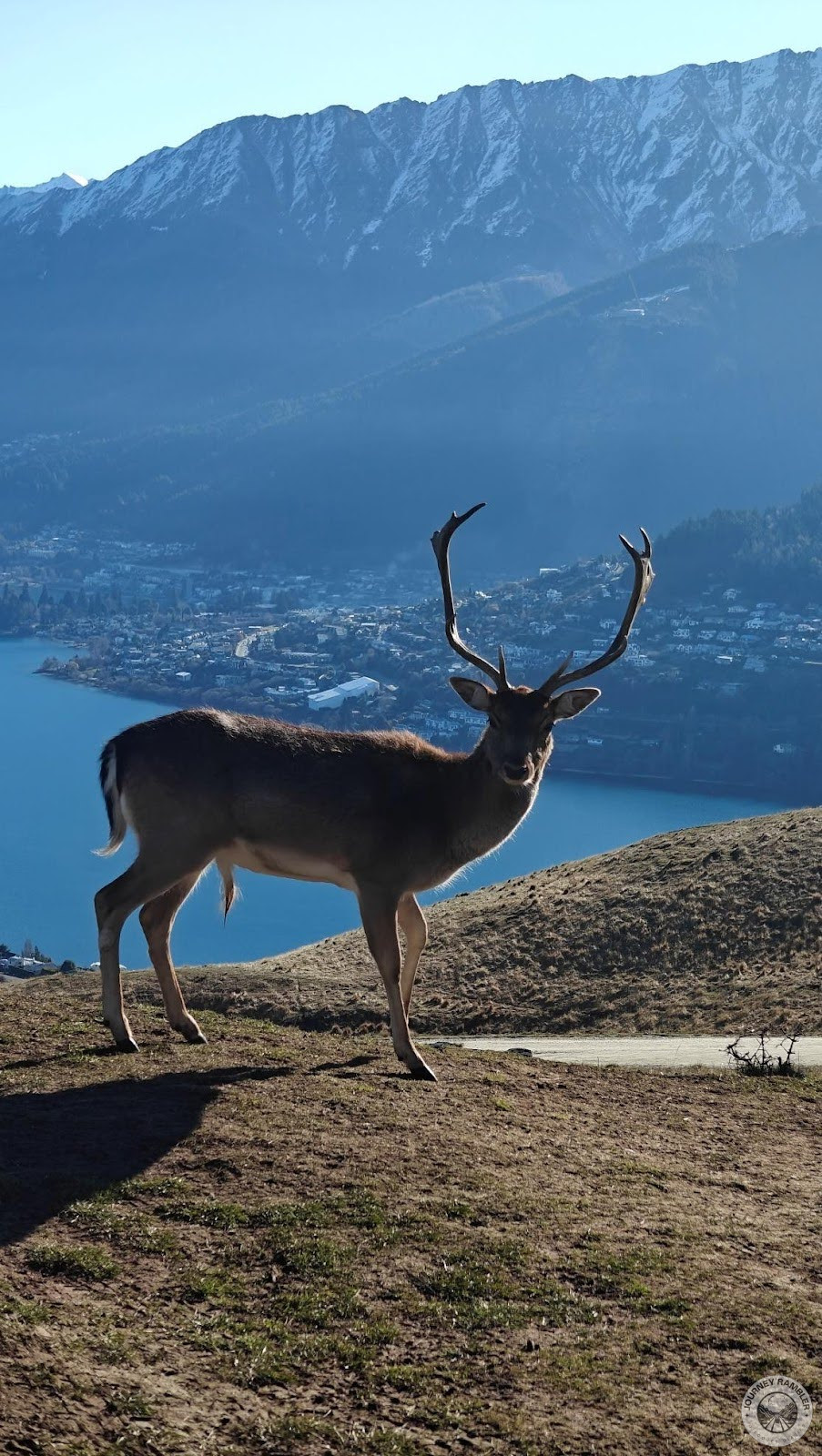
I’m really not sure which looks more majestic, this particular stag or Queenstown and the mountains in the background. There was just something during this visit that made a lot of the pictures I took stand out. Maybe it was the quality of the light or it could’ve also been just the animals and the place itself. Whatever the case may have been, this trip was definitely worth the time and effort.
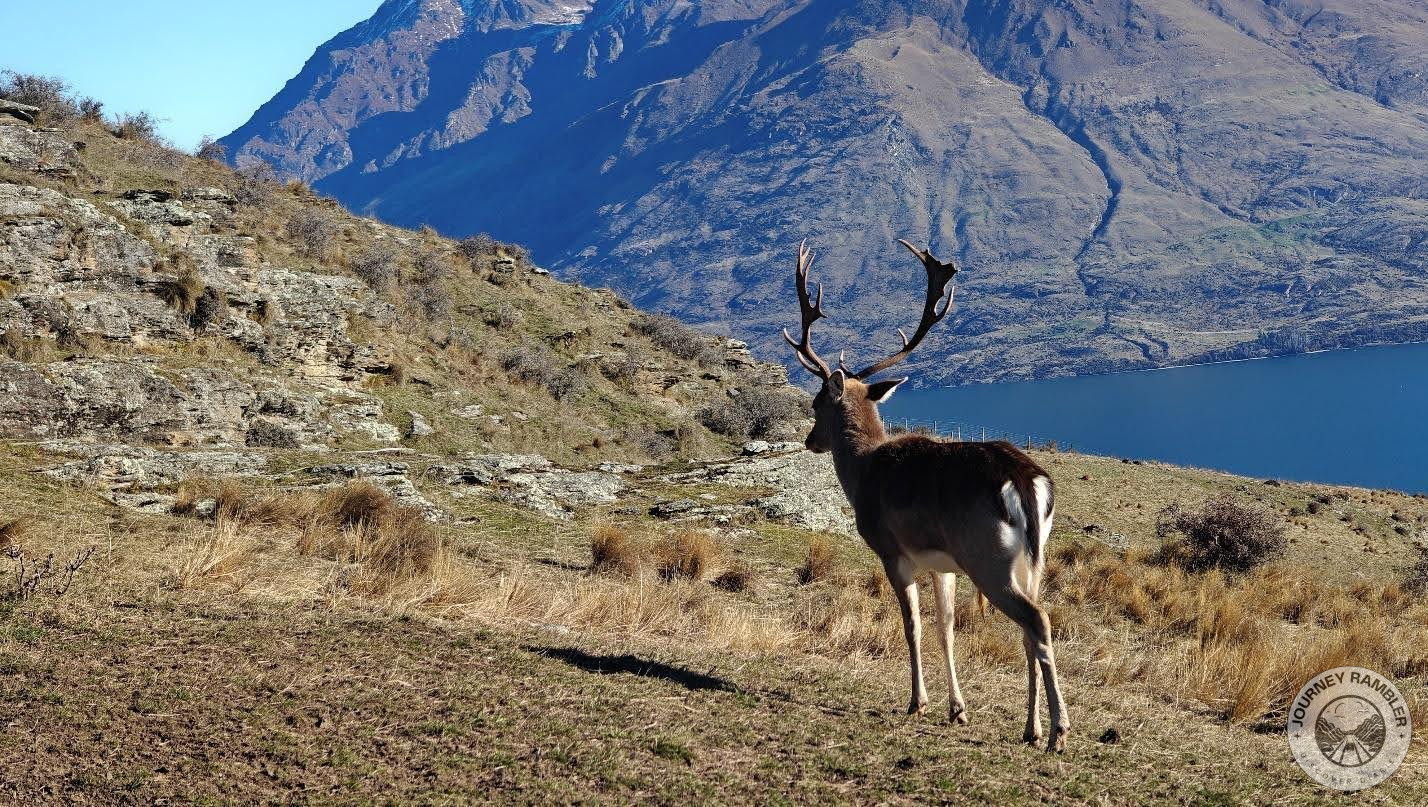
After being amazed at the views here, I took one last picture of the stags in this section of their space/enclosure (don’t worry we’ll get to meet more of these majestic creatures later). I was honestly quite surprised at how “free” these animals were here. Still there was that lingering dread that they were ultimately going to end up as someone’s meal.
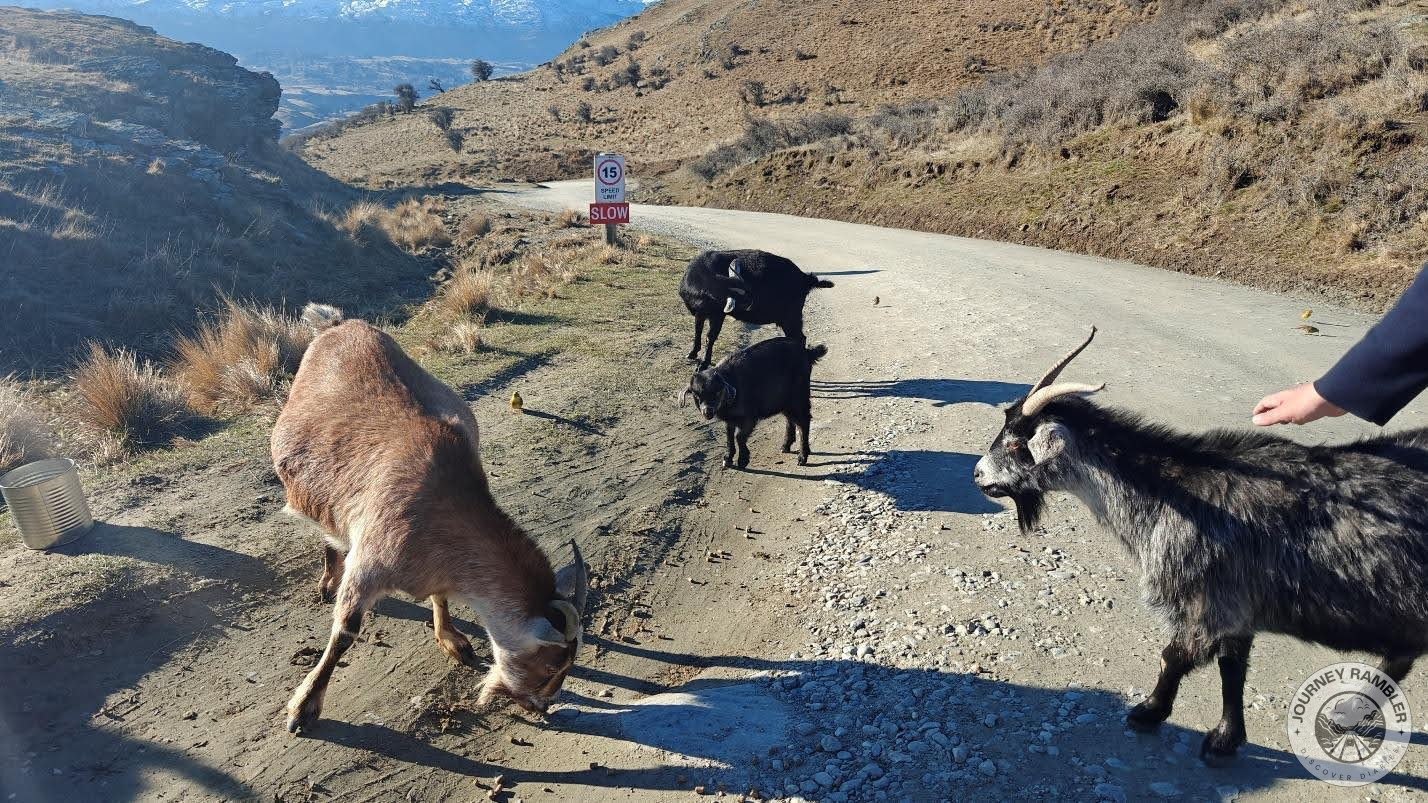
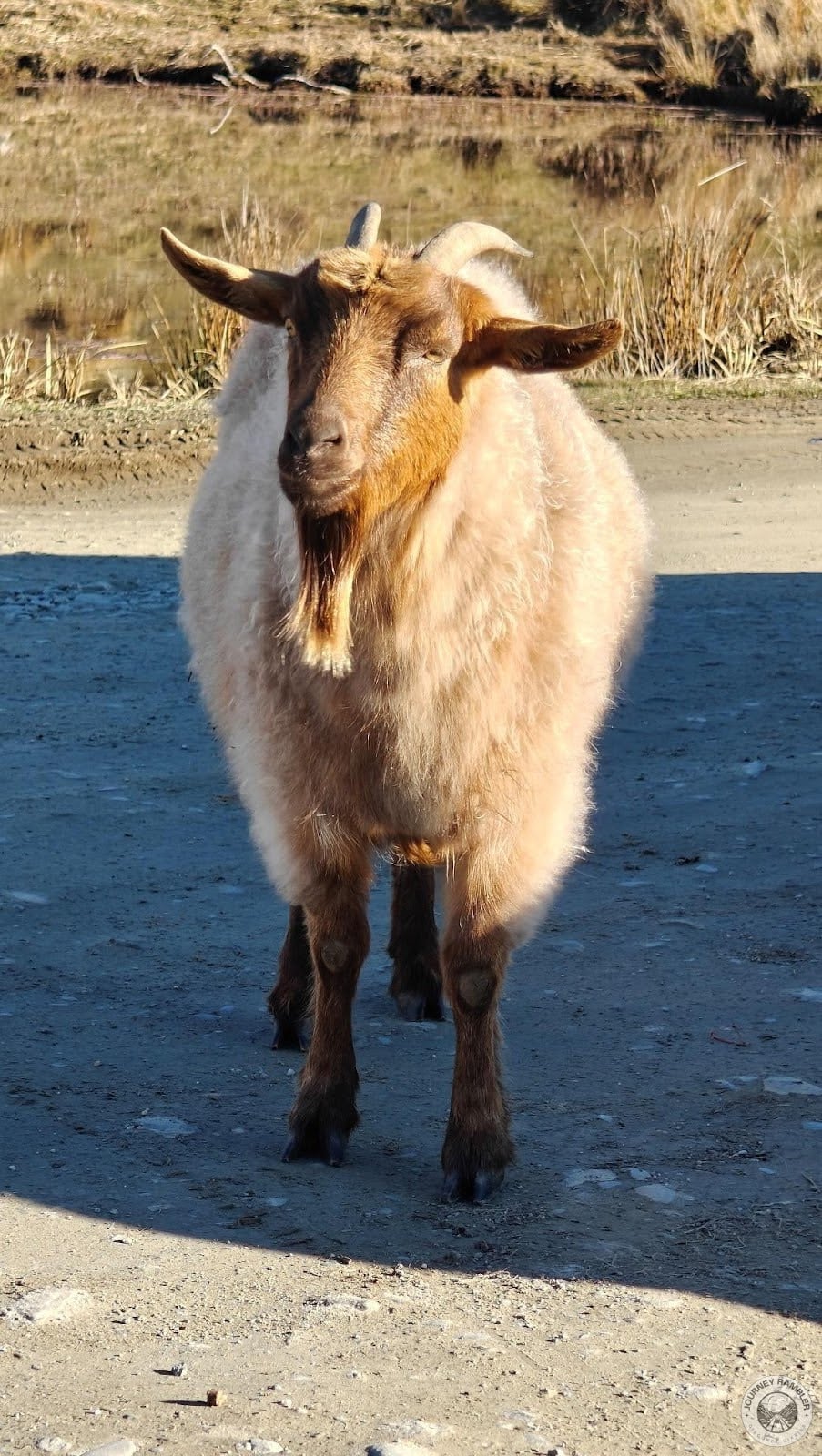
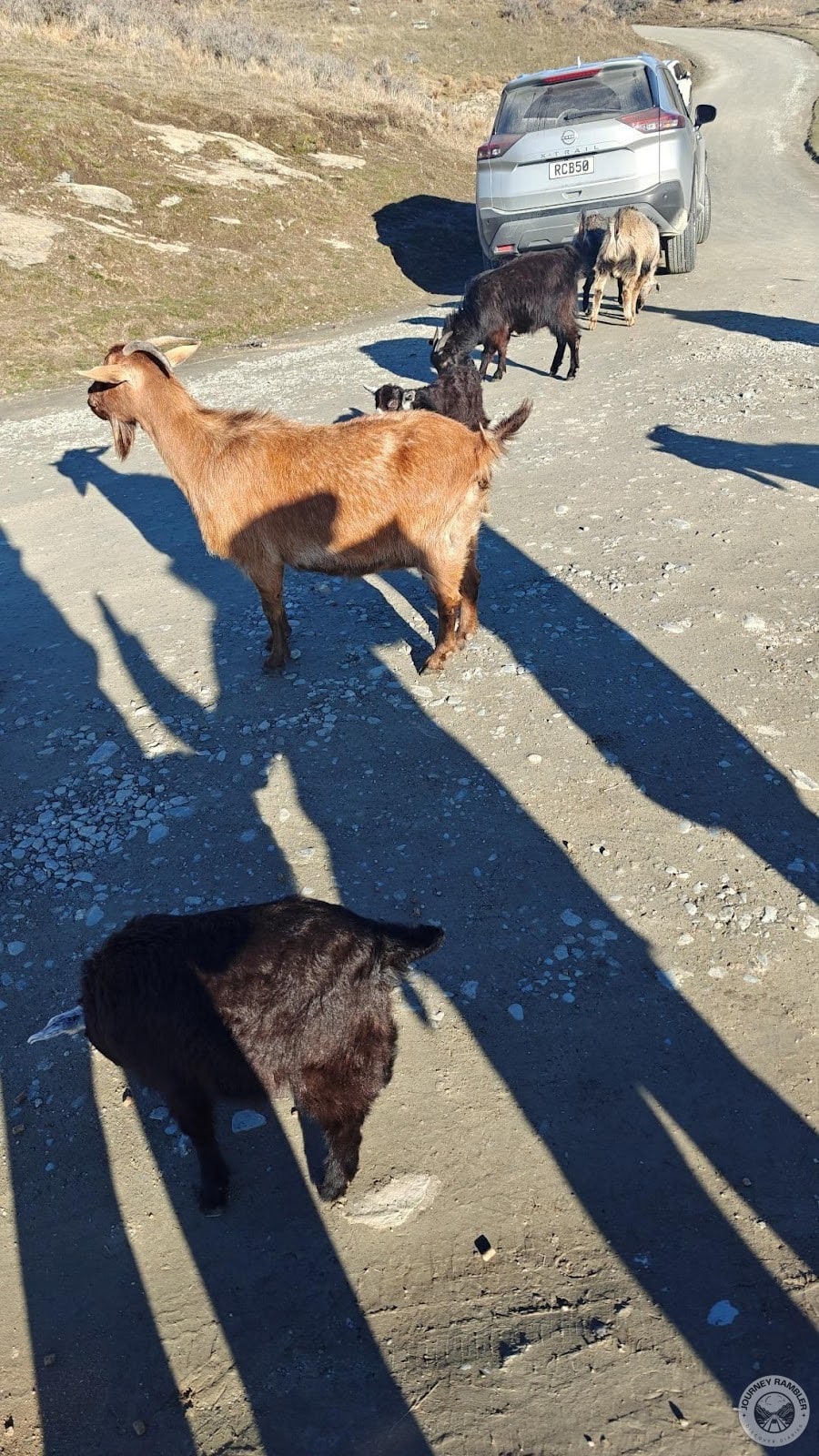
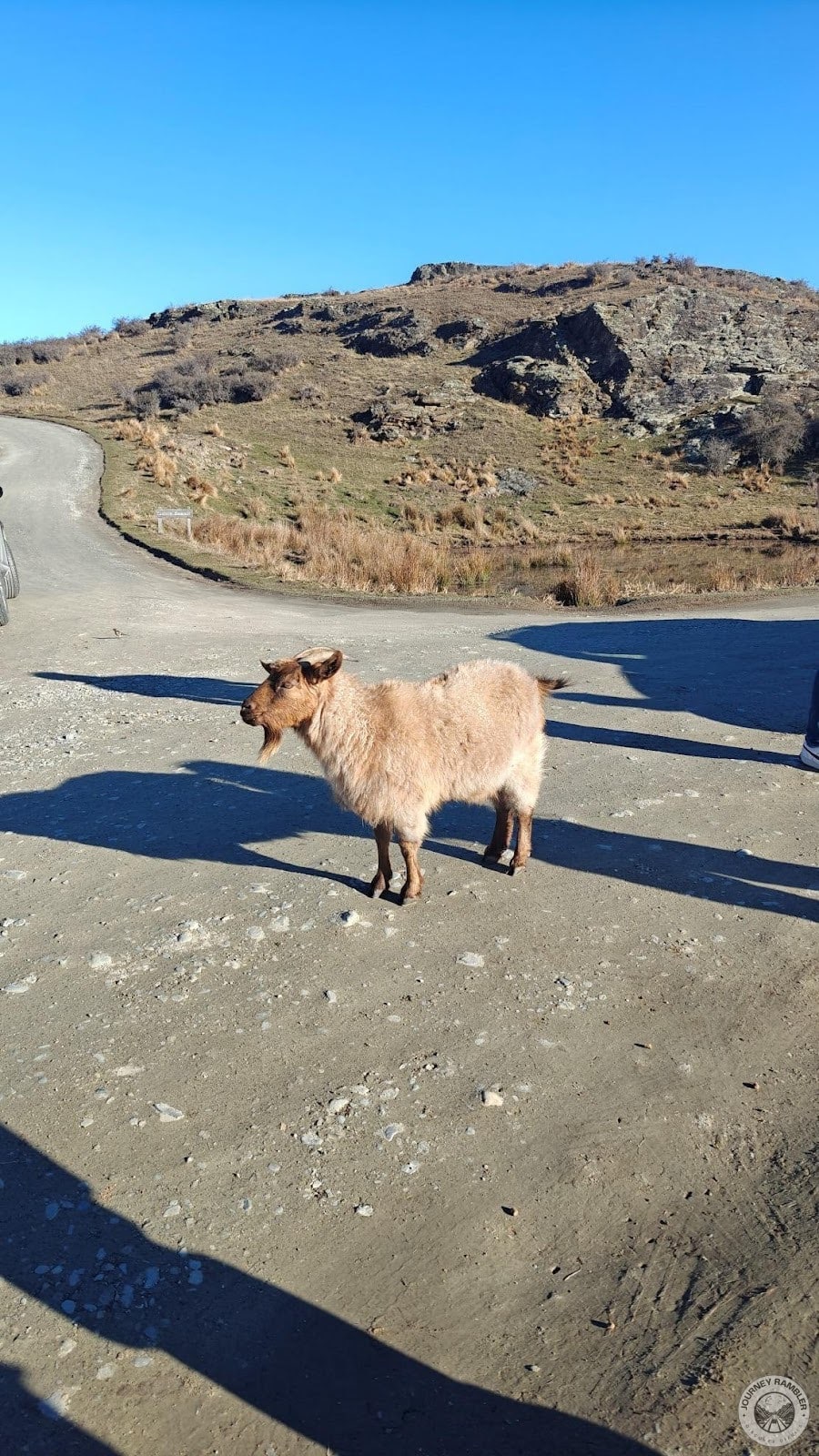
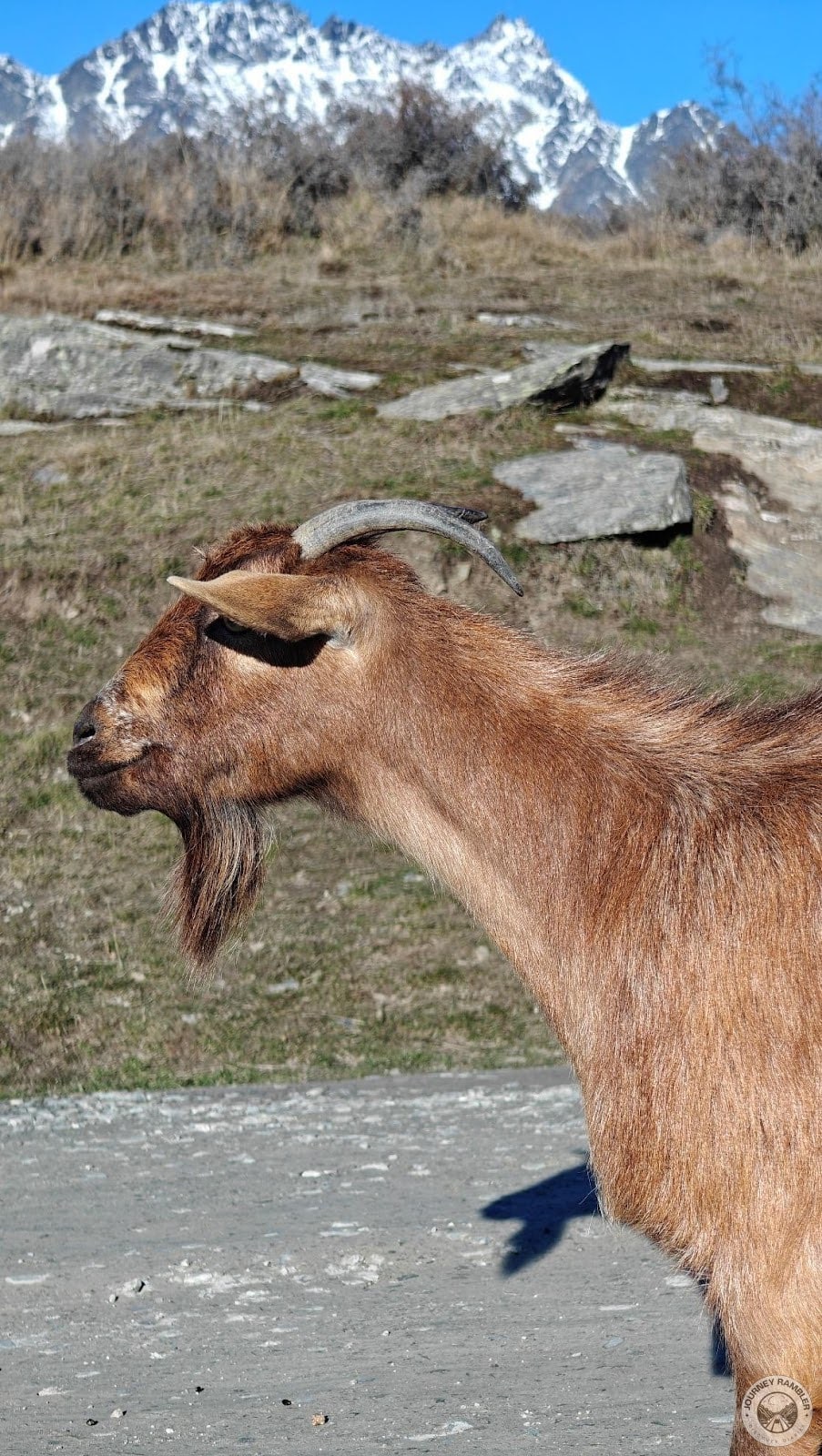
Well, that reflection ended up getting a little heavy so take a look at these goats playing to lighten up the mood. Seriously, these guys were so playful and they seemed to have this energy that was so infectious. The farm notes on its website that the goats on the property were feral but the ones that greeted us looked like they were used to people.

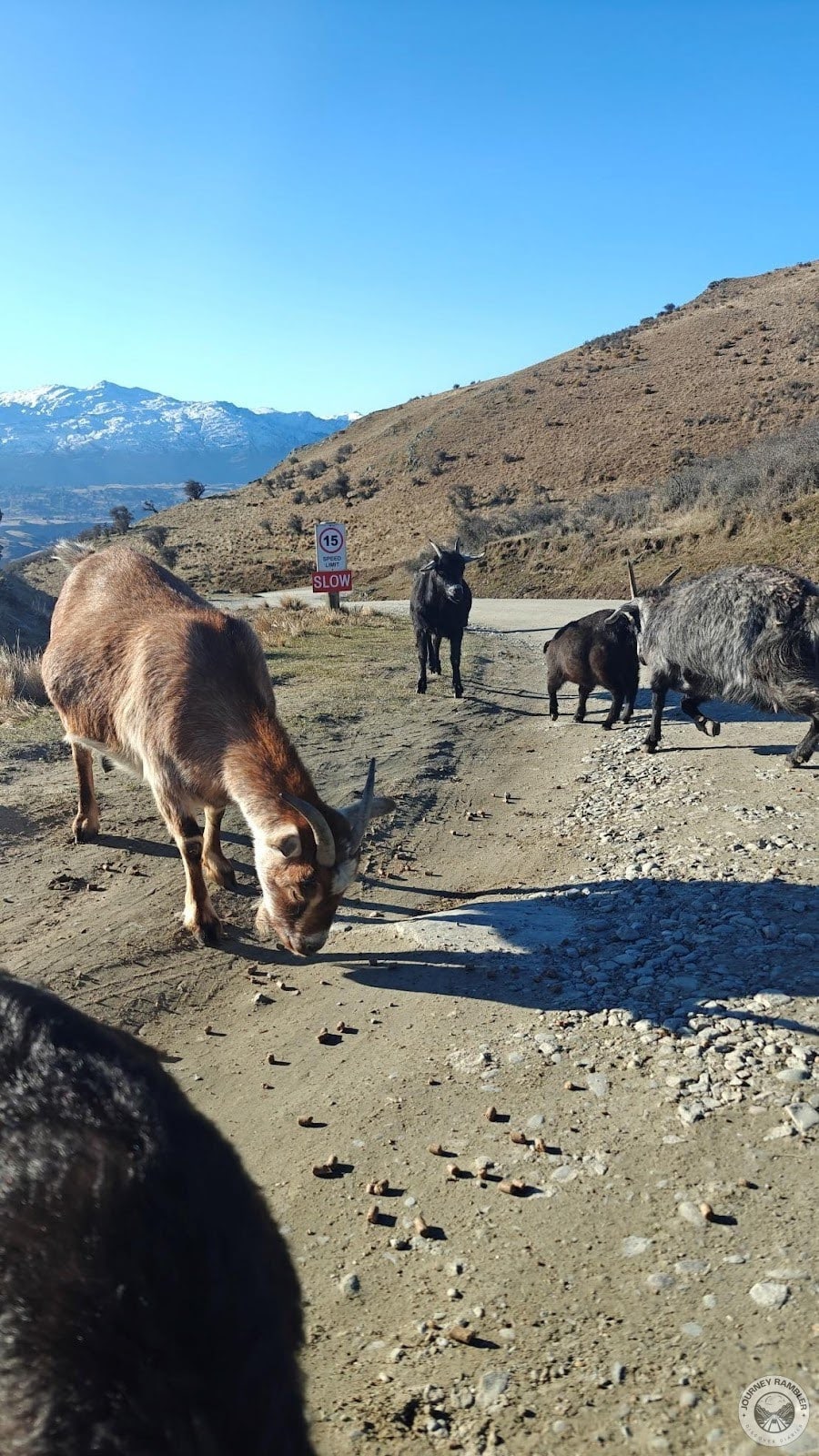
These guys were like highway bandits but they were so adorable that I honestly just gave in and surrendered some of the animal food that I got from the animal food dispenser earlier. One thing the farm stresses about these animals is to not feed them near your cars. The rationale for this is that the goats could end up scratching the cars or worse, they might even jump up on them.
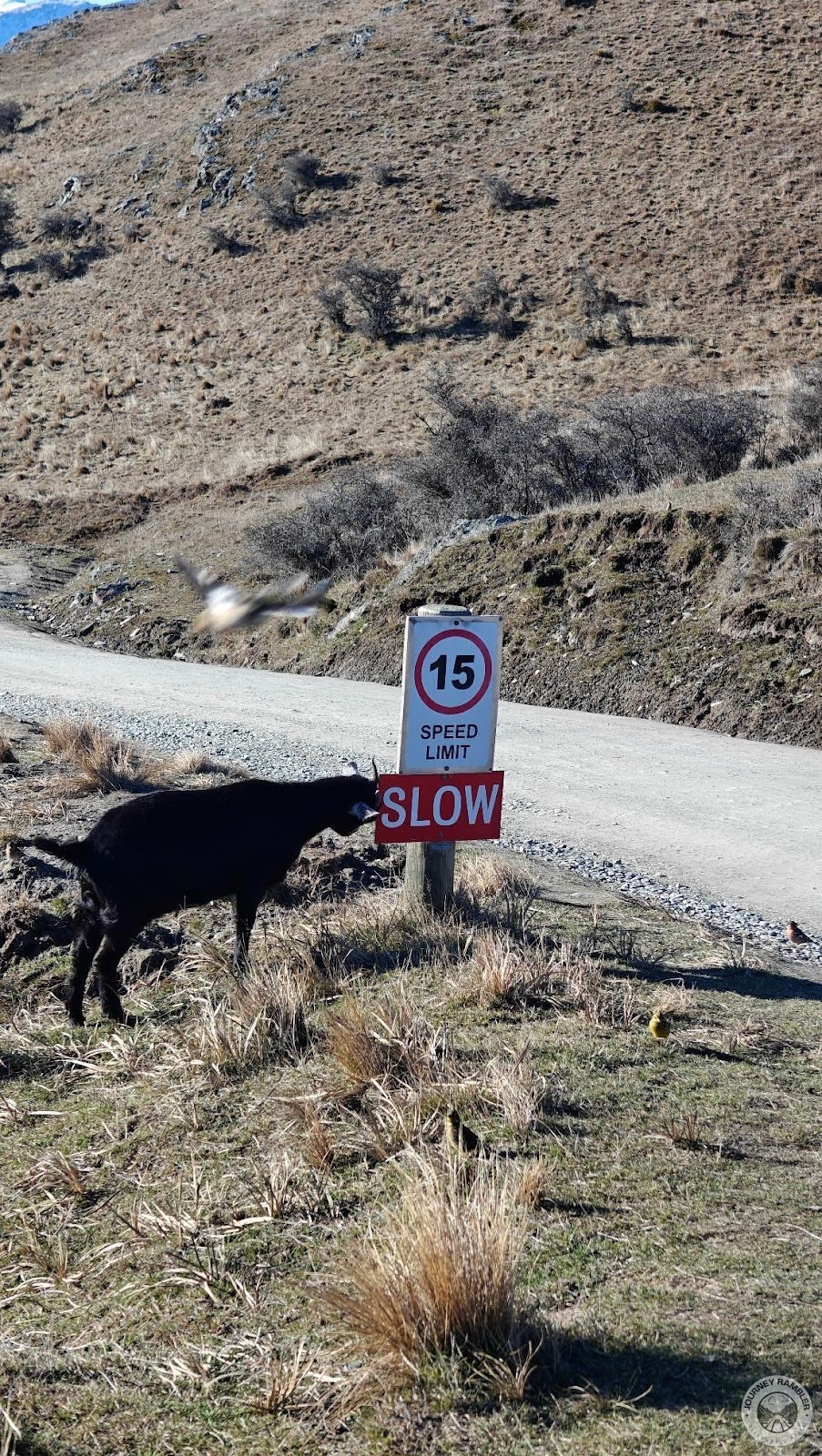
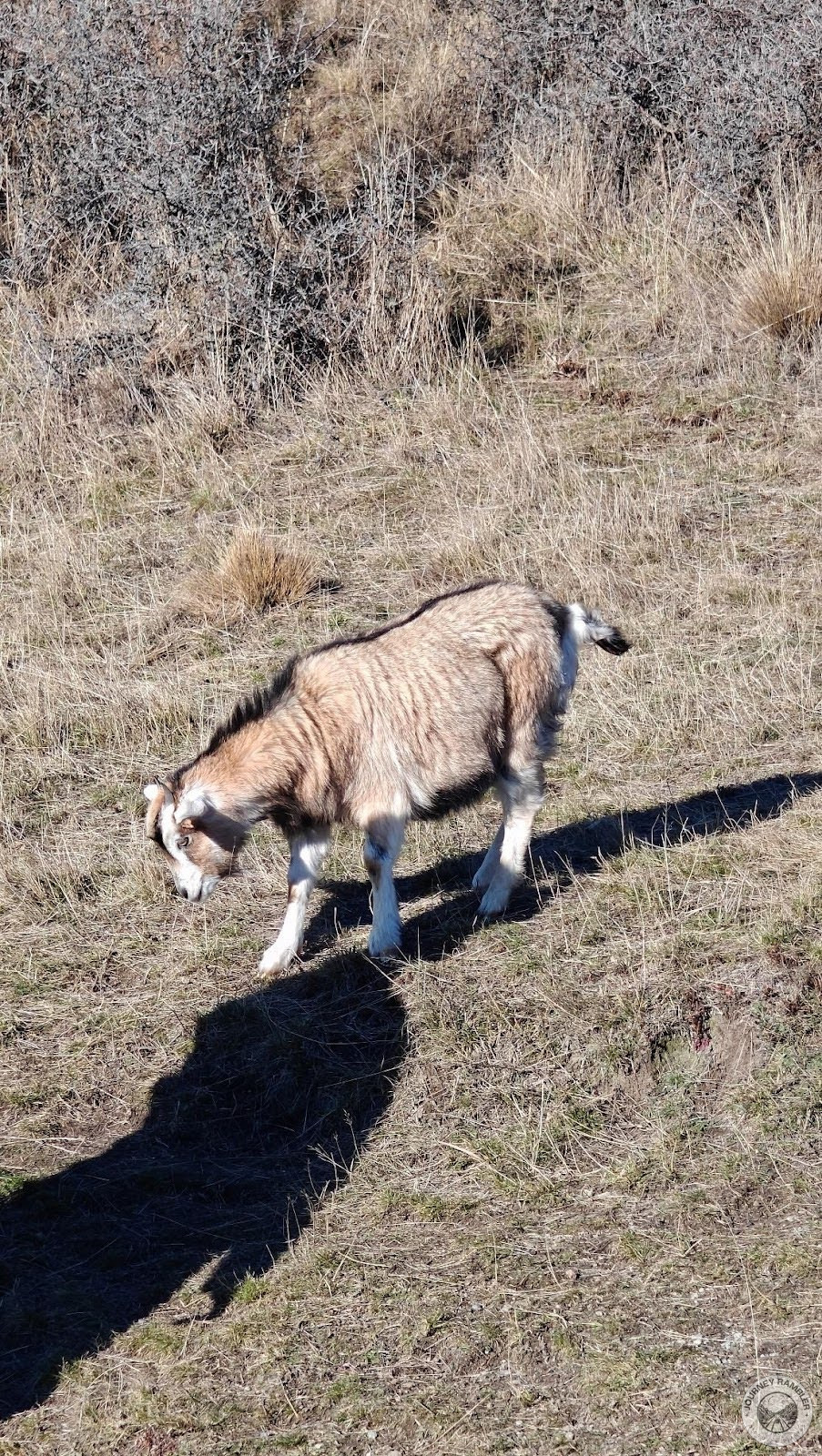
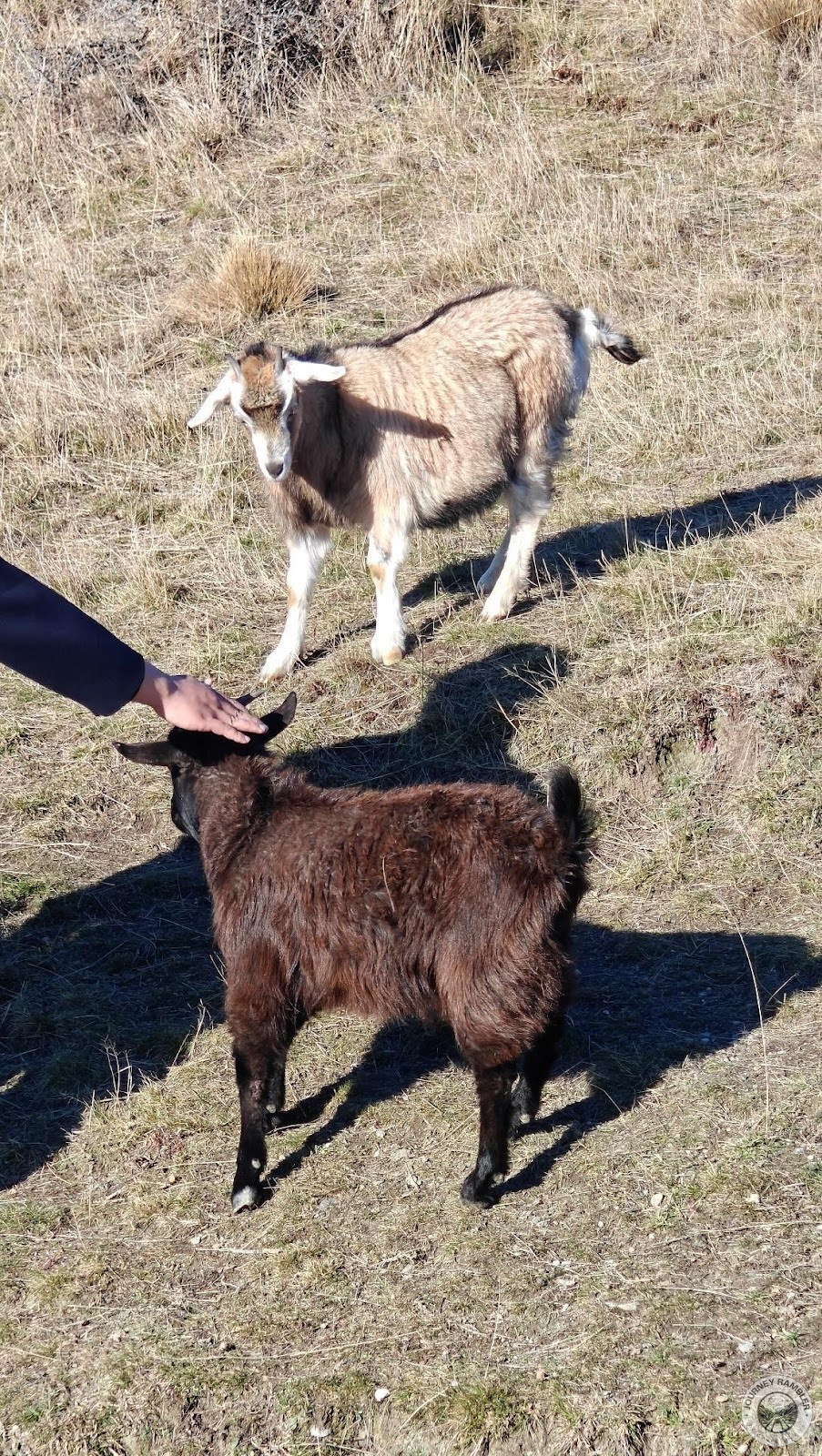
Here’s one of the visitors patting a goat on the head. At first I couldn’t actually believe that they would allow humans to get close but it turns out they actually have no issues with being patted on the head. I will say though that you might want to keep close watch of your kids if you do end up bringing them here.
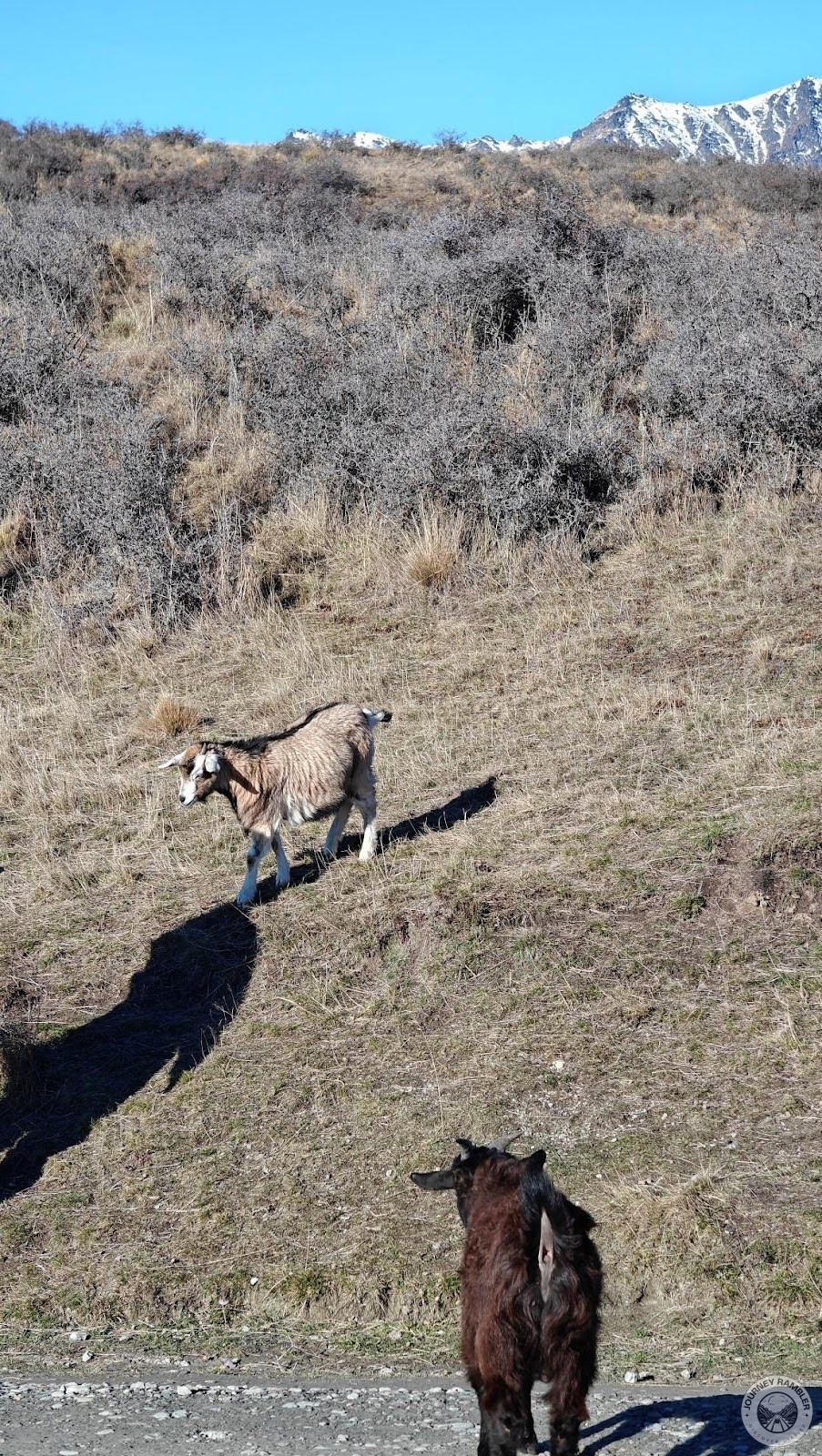
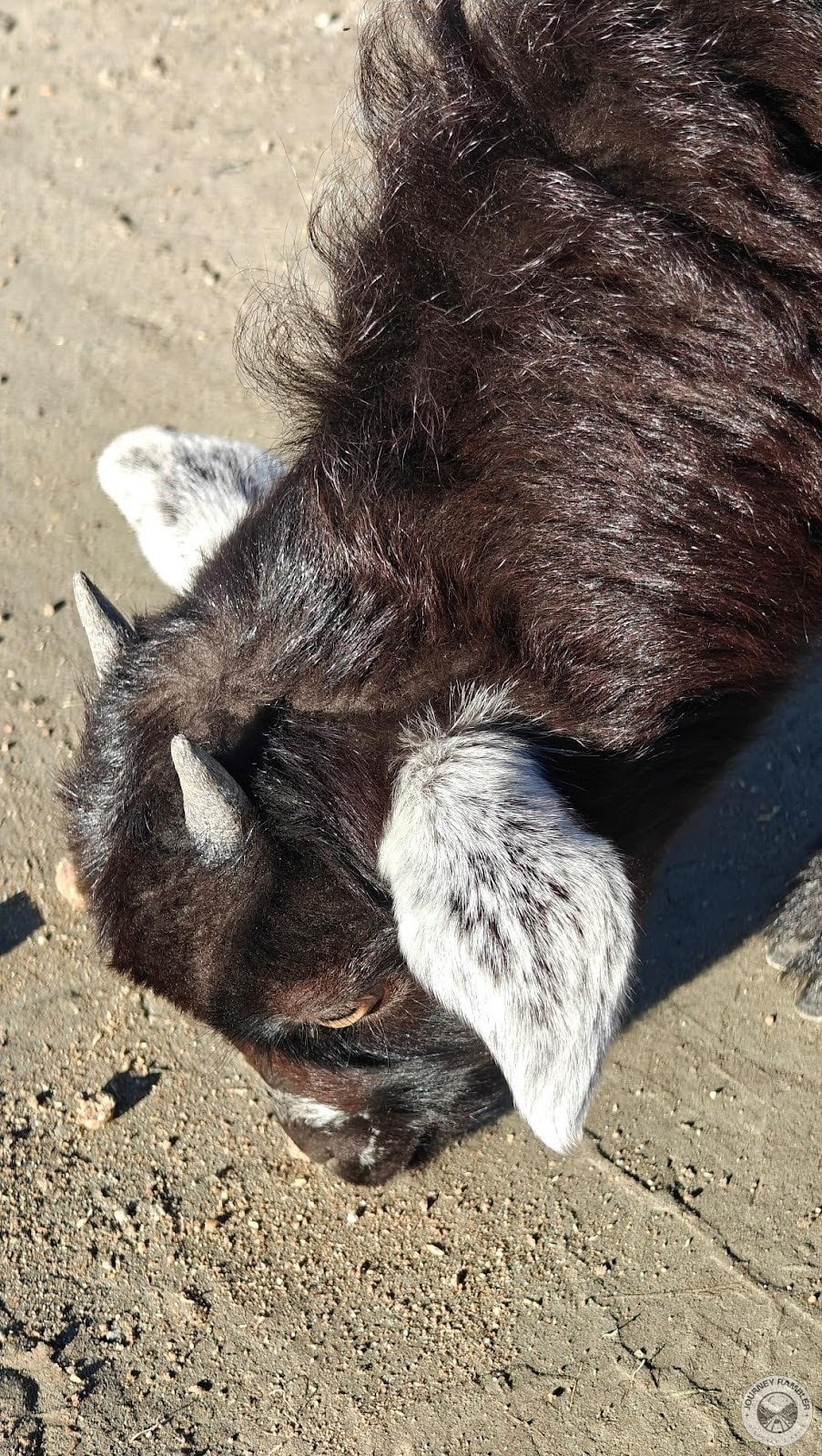
Speaking of kids, did you know that a goat’s children is also called that. Here you’ll see a pair of these kids which I think might actually be twins. The farm actually talks about twins usually being birthed by their goats on their website.
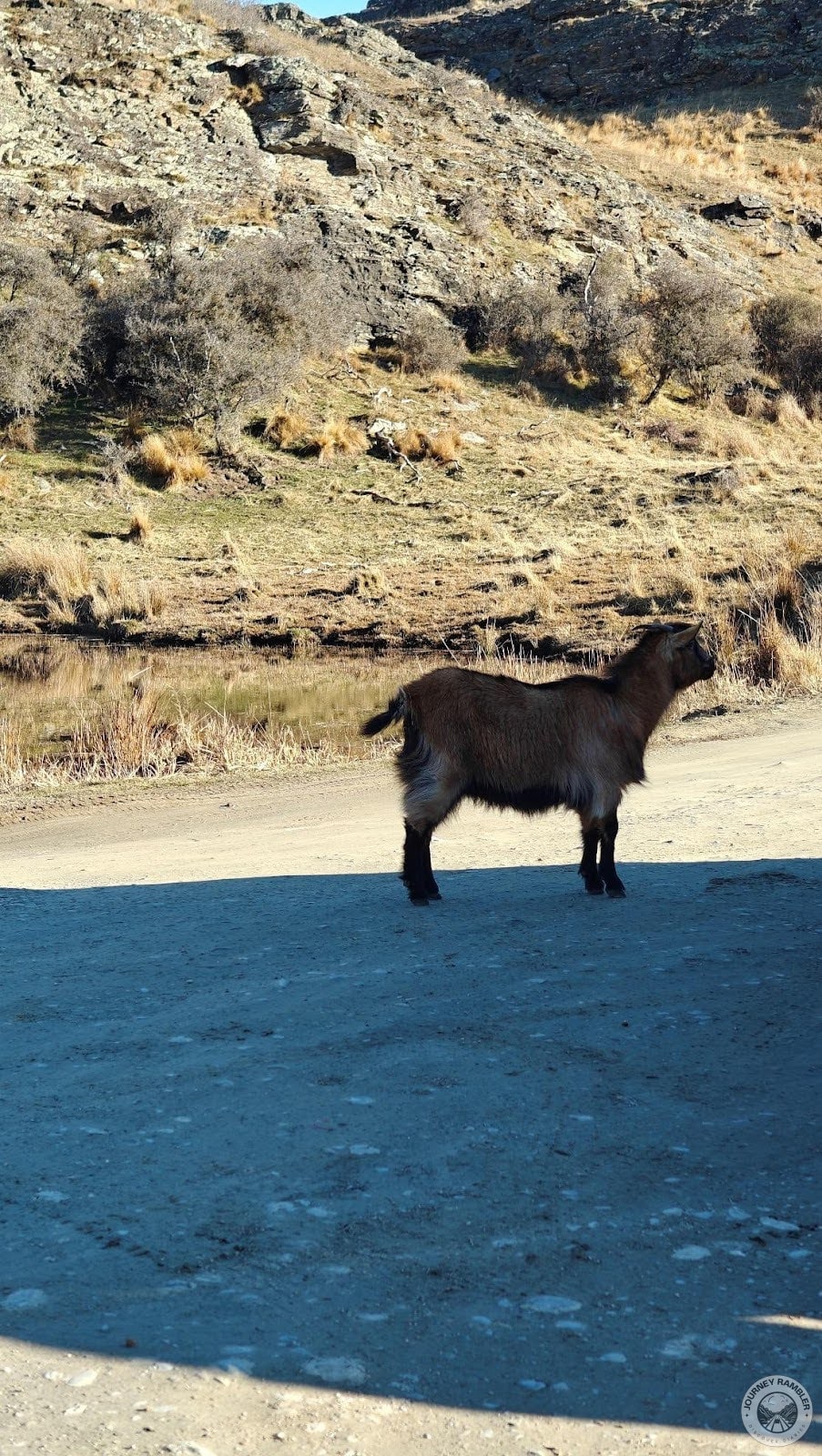
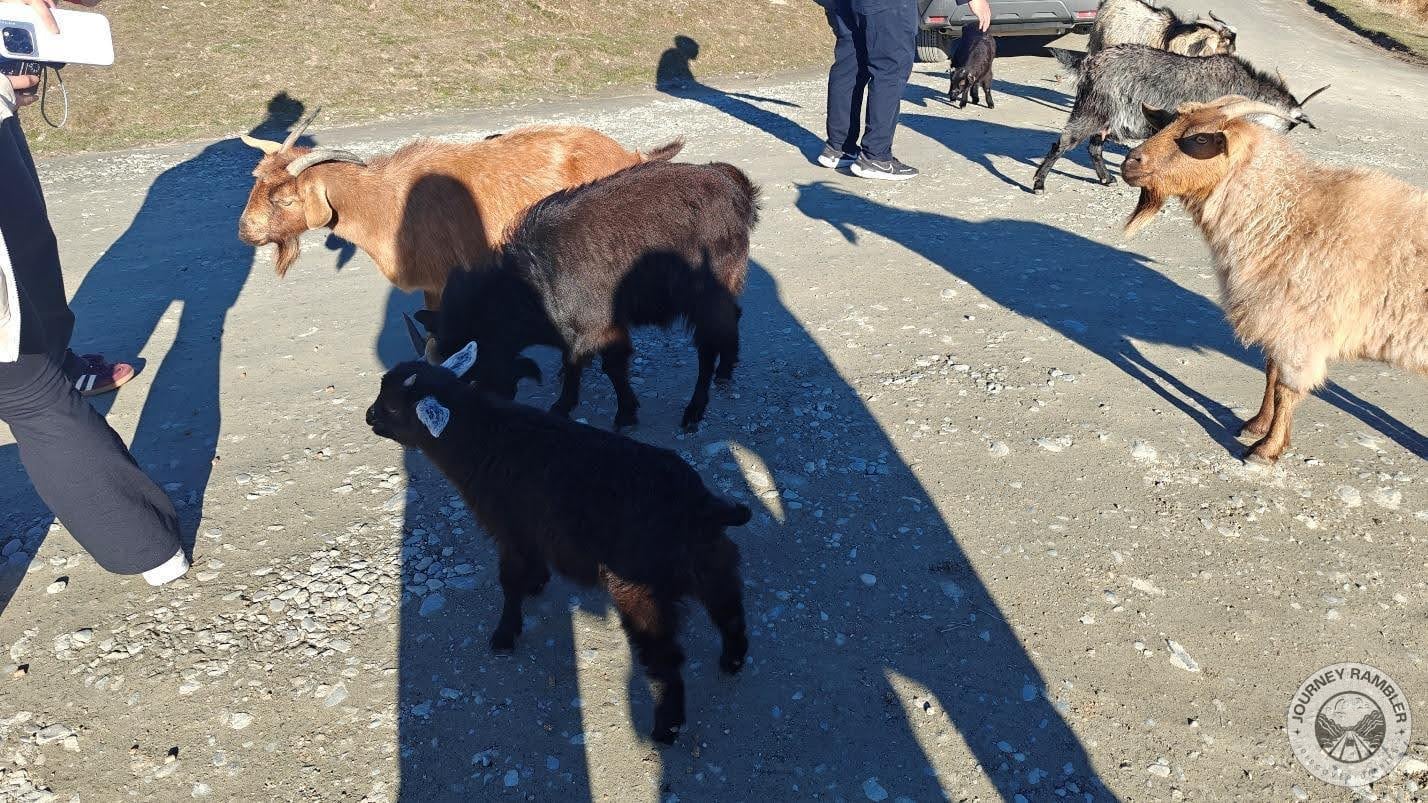
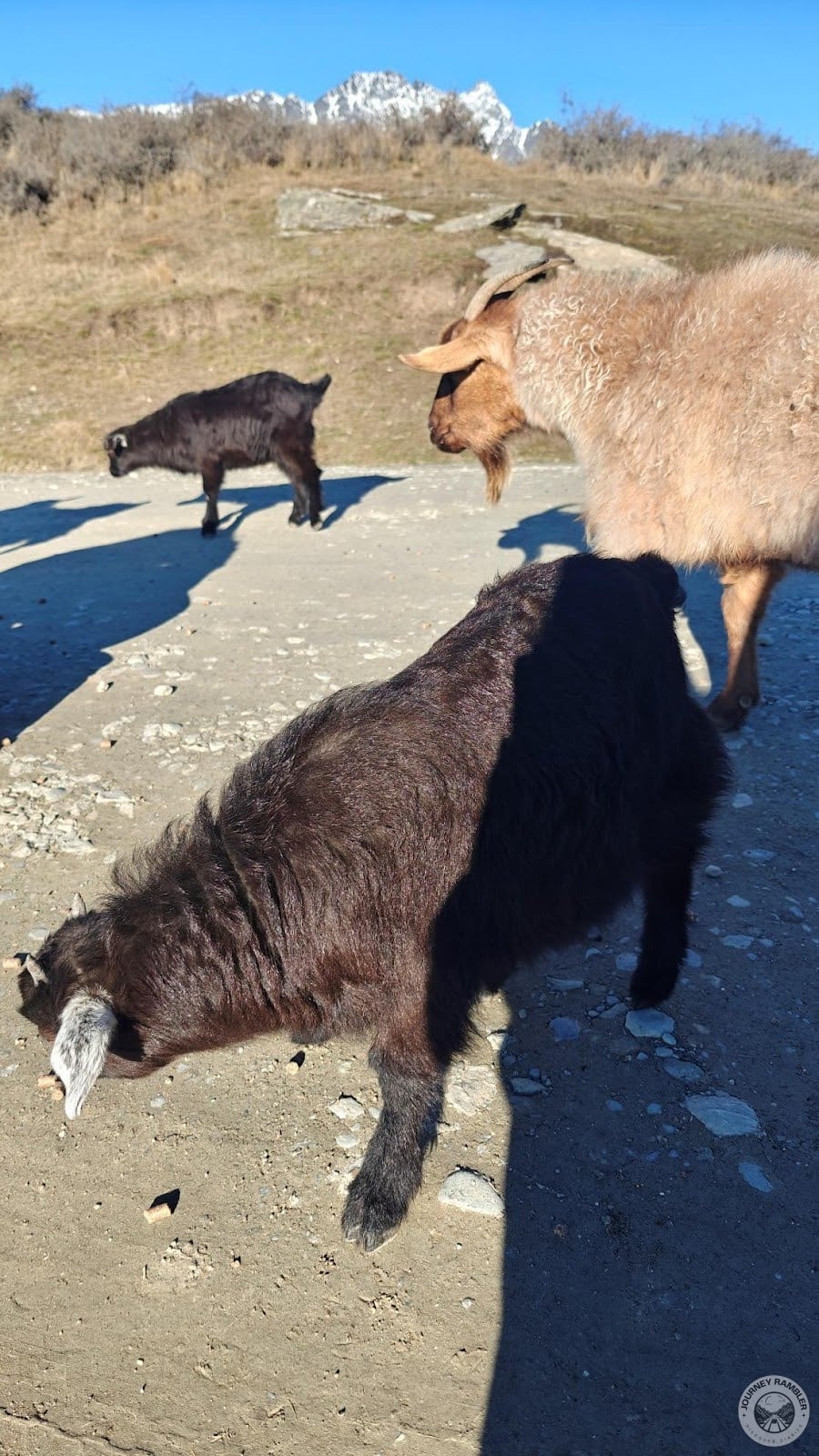
I guess the two kids in the picture are an example of the pair of twins that the farm talked about on its website. As for these goats’ breed, I’m actually not sure as the website doesn’t seem to mention it. The only clue they gave out is that the goats were said to have come from Skippers Canyon (which is another attraction in Queenstown).
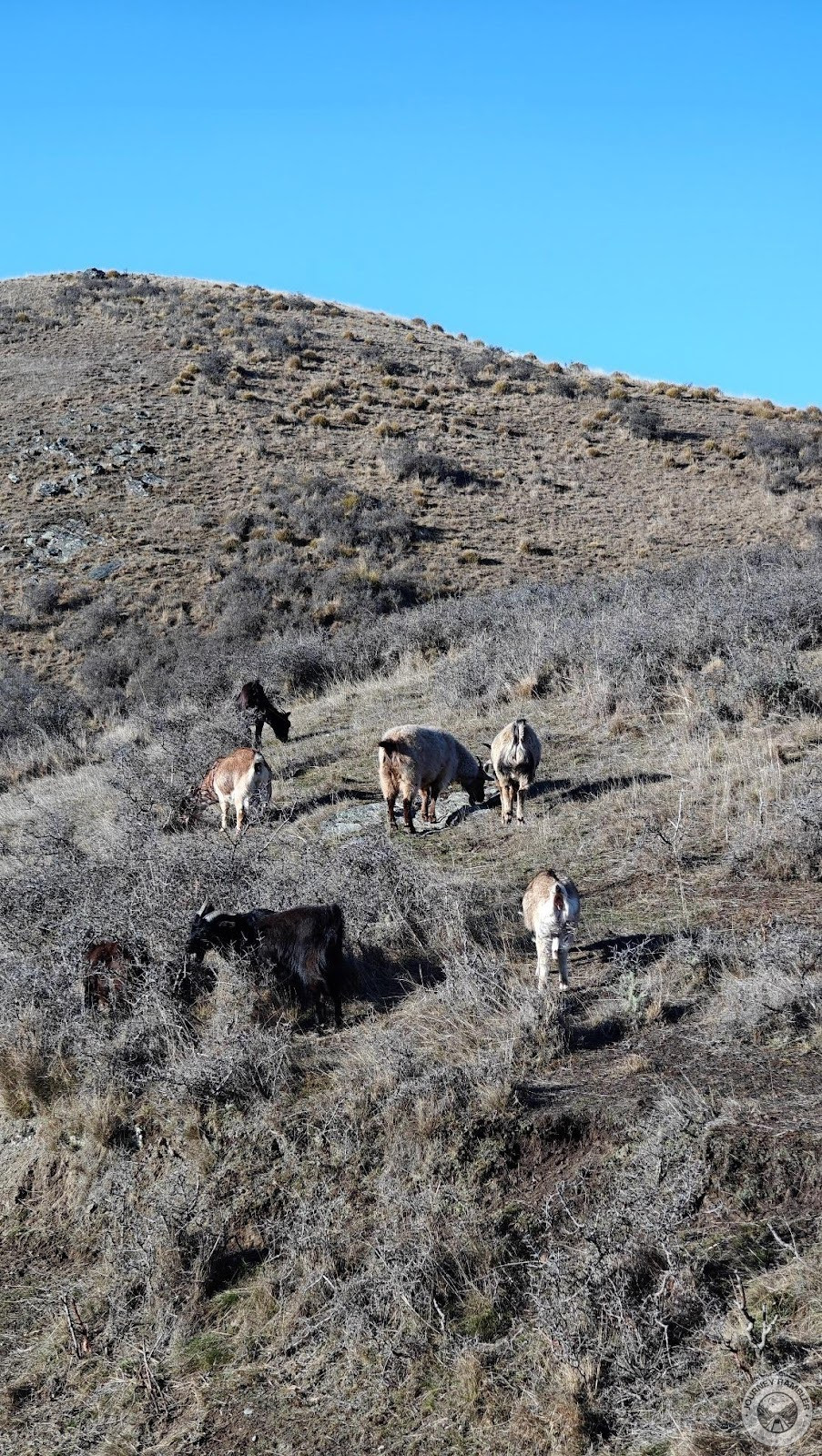
After a while, the goats eventually lost interest in us and went back up to graze on the hills. Noticing this, the group I was with decided to then head back to the entrance though not through the way we came. Instead we were going to loop back using the road that was to our right when we were at the entrance.
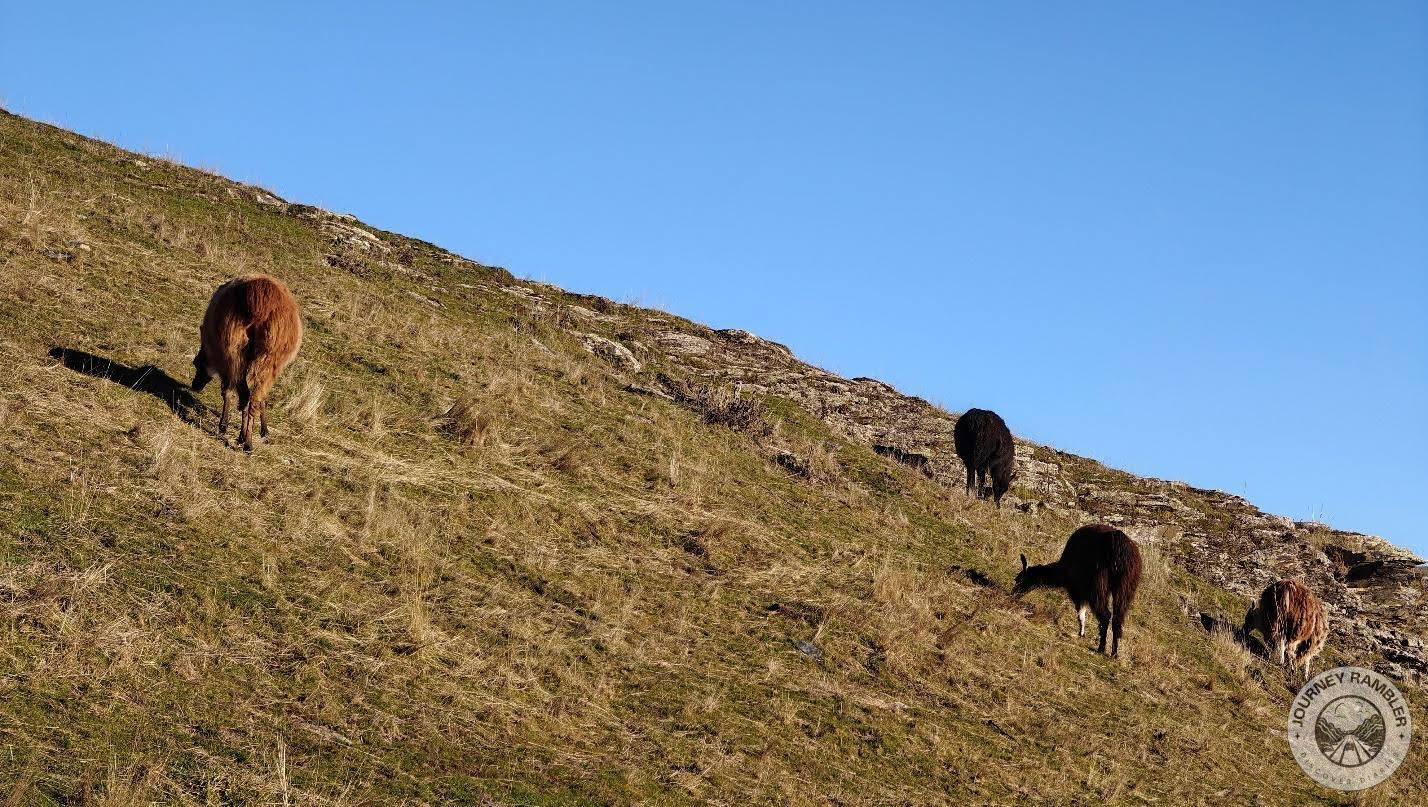
One of the reasons why the group decided on the route back to the entrance was because it featured even more animals. The first of these that we saw were the alpacas. Unlike the other animals that we’d seen up until this point, these alpacas seemed uninterested in interacting with us so I just took a couple of pictures and we ended up continuing.
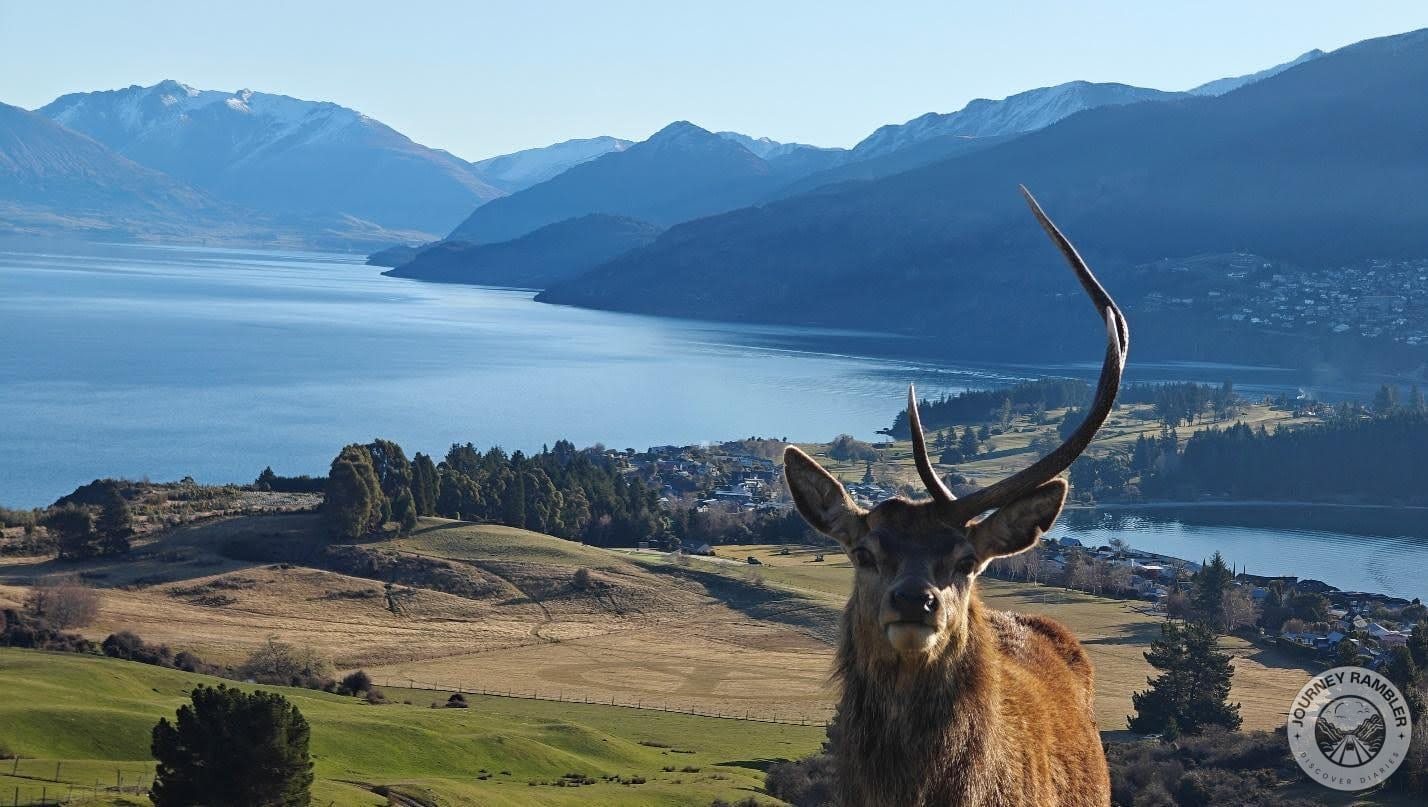
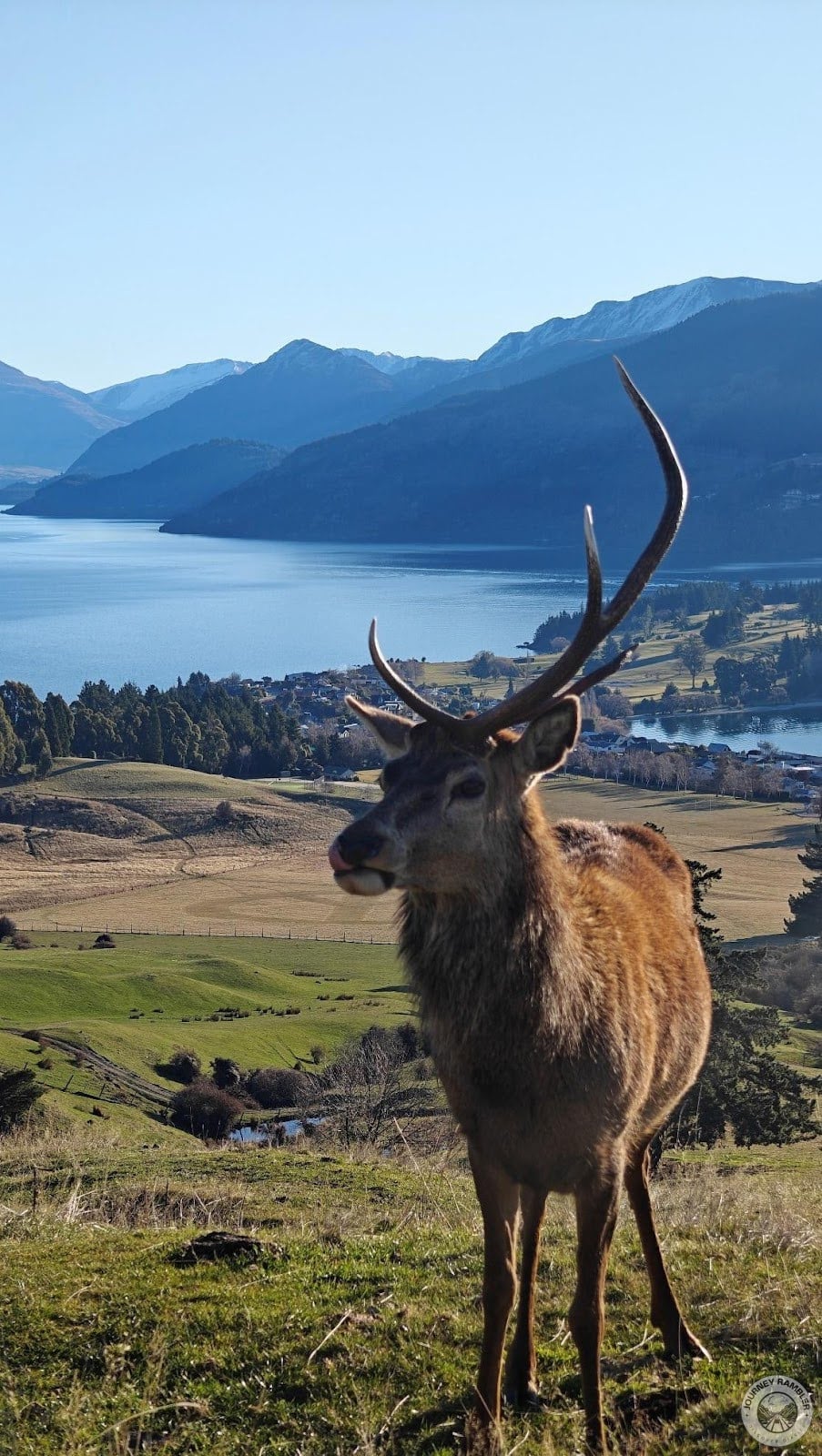
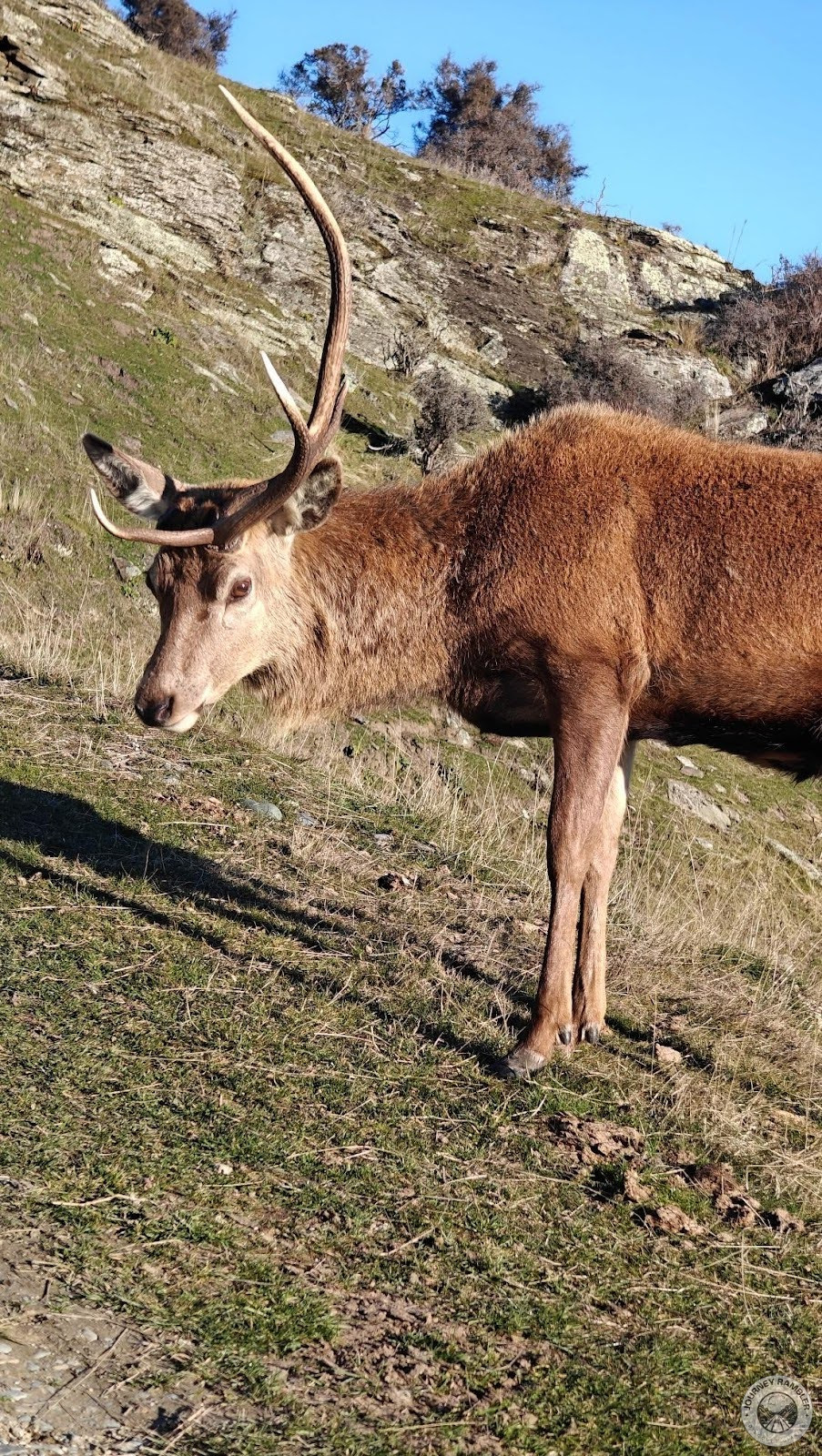
We again came across the stags’ territory and this particular individual managed to immediately get our attention. I mean, with that look I bet anybody would look twice when they see this guy. Now don’t you worry as the stag likely just shed the other half of his antlers.
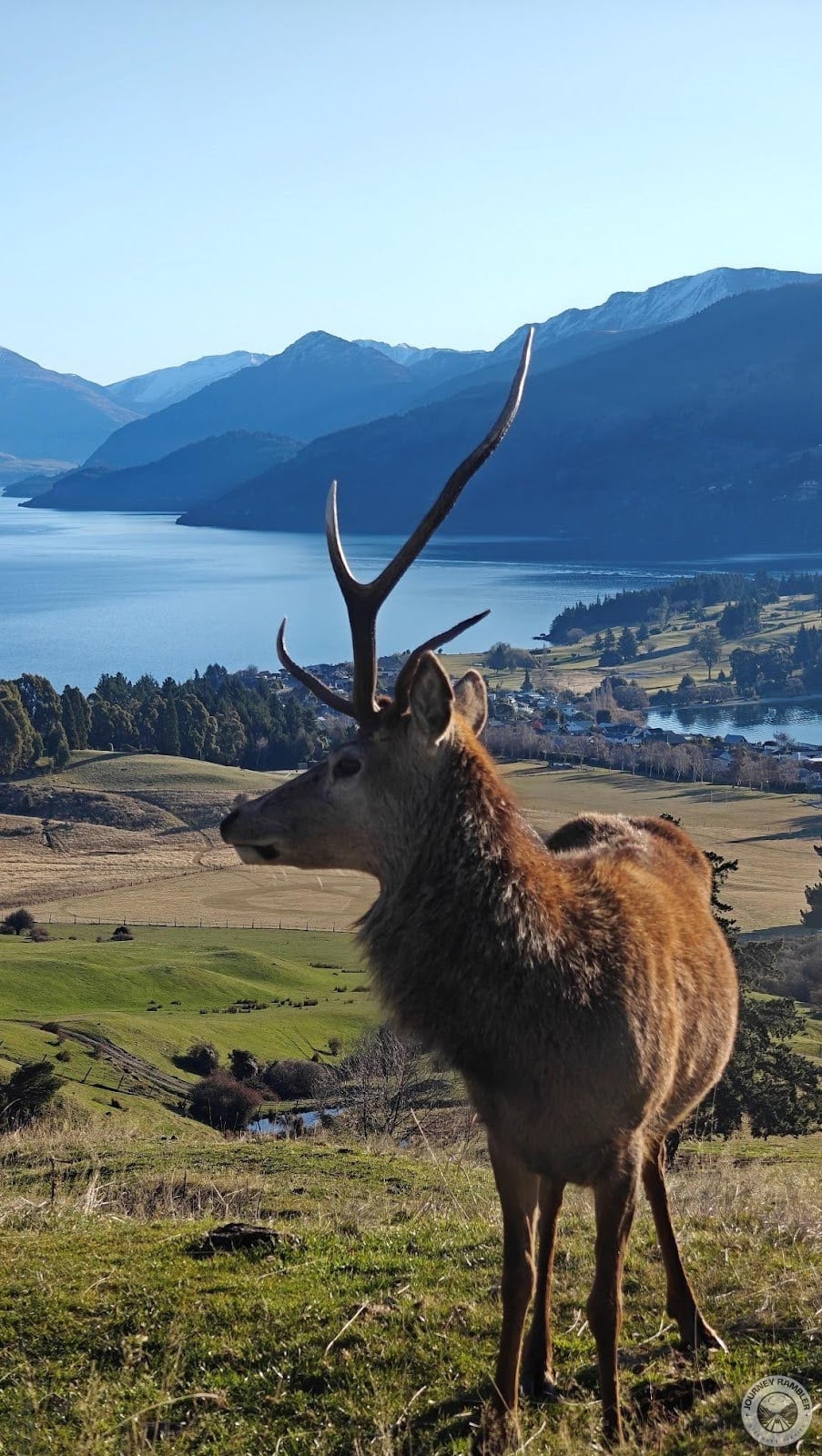
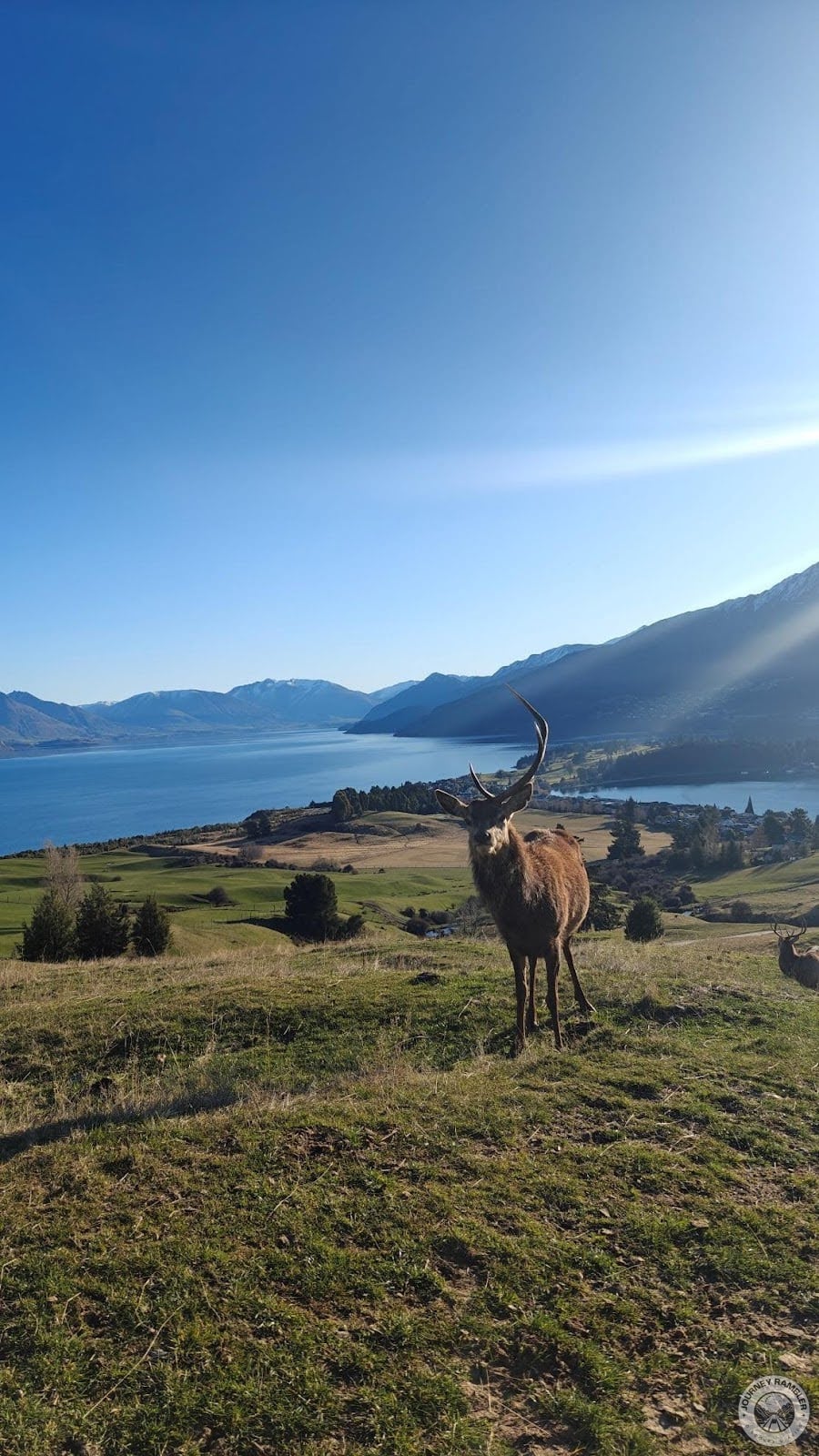
Shedding antlers is completely normal and stags usually do this annually. This one probably just shed his and he’ll likely regrow it in the next couple of months. Talk of antlers aside, would you just look at that background!
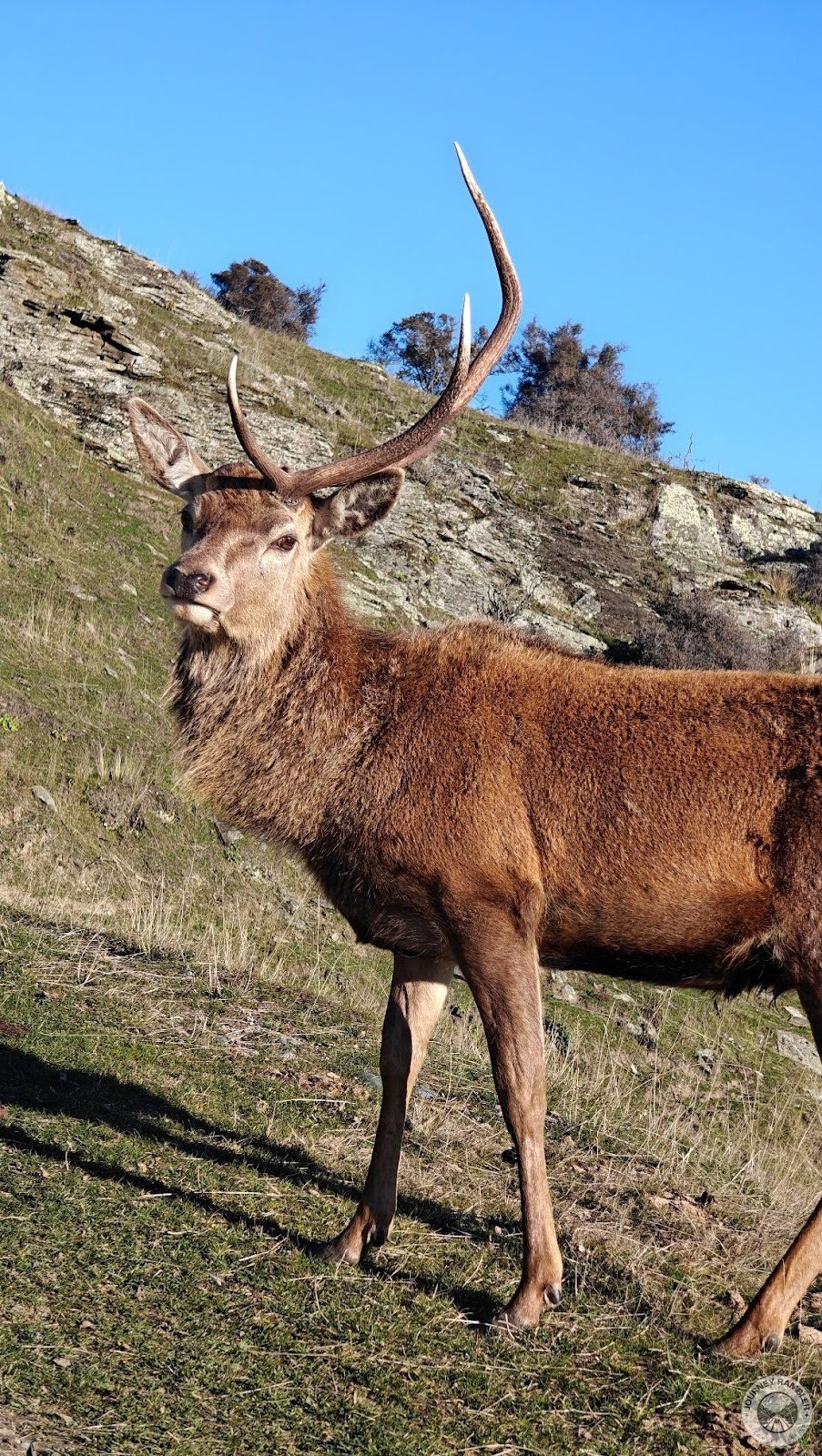
Now back to that stag that just shed its antler, I decided to observe him for some time and he actually seemed to be enjoying the attention. I’m pretty sure that if this guy was human, he’d be a model just based on how photogenic he is. Take note though that you probably wouldn’t want to stare at any of the stags here as they might perceive it as provocation.
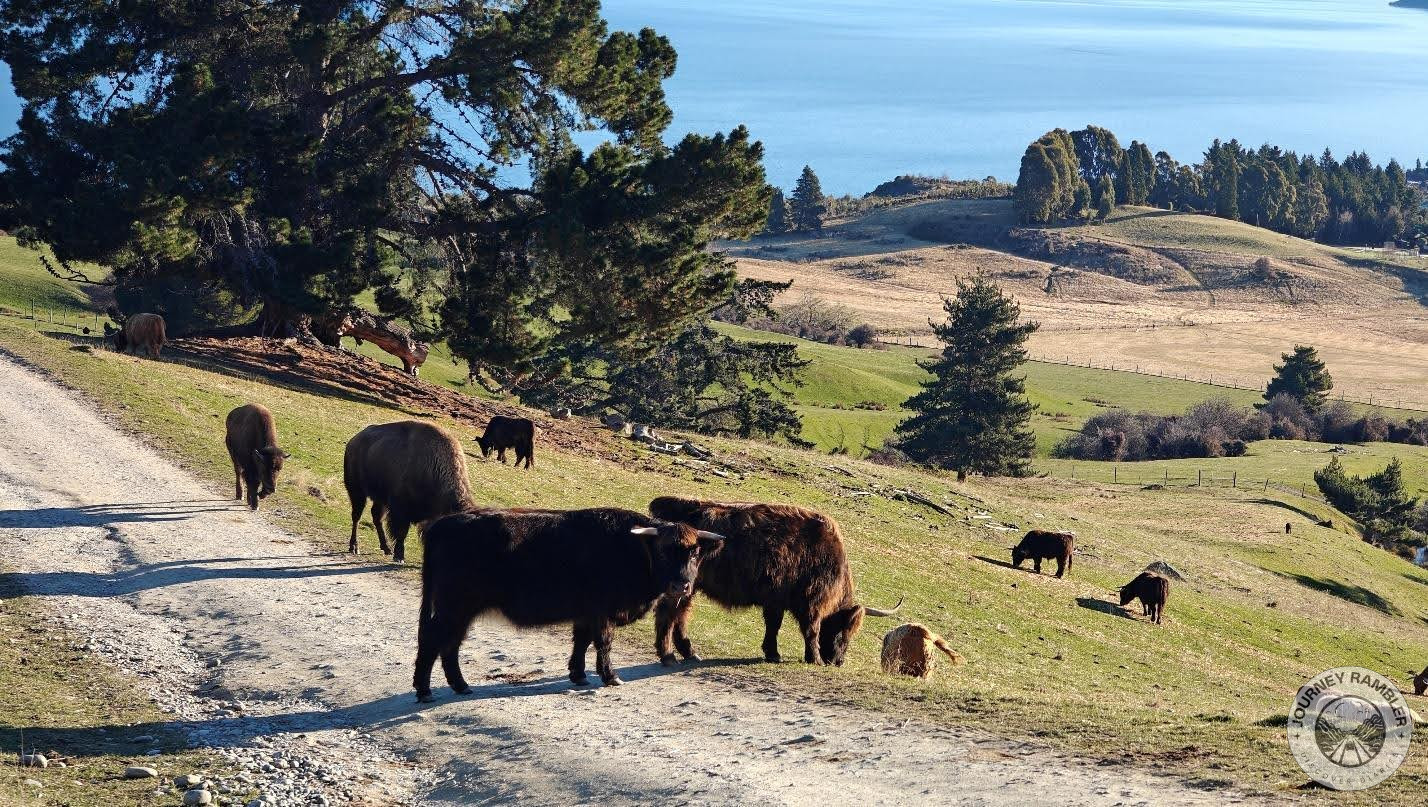
The next set of animals we saw were these Highland Cattle and American Bison. This was an open area and it is worth noting that you’re discouraged from disembarking out of your car here. While Highland Cattle are generally docile and calm, the same can’t be said for American Bison.
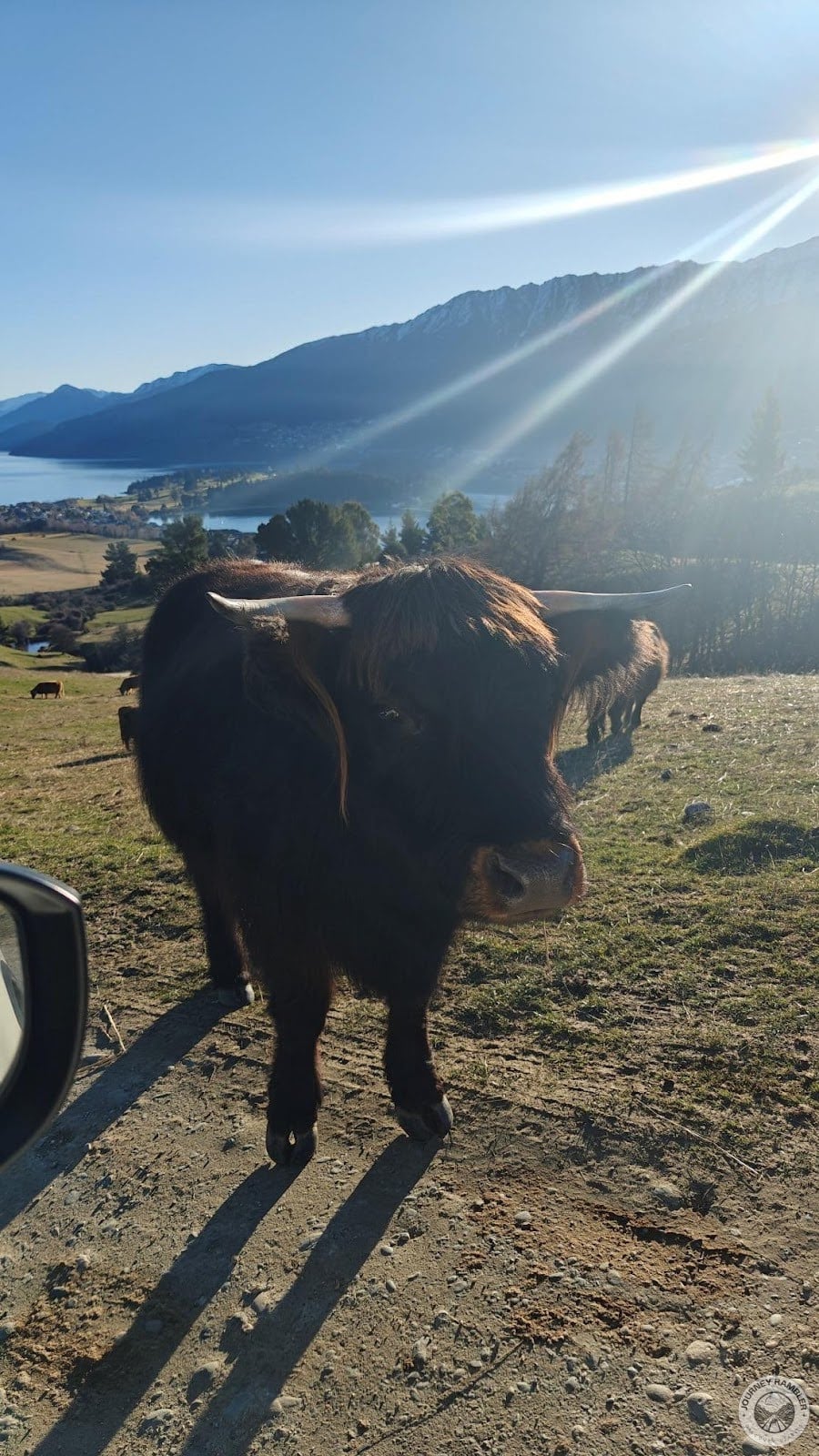
Here’s one of the Highland Cattle up close. As you might have noticed, I took this shot while still inside the car. It’s not as evident in the image but this was one big bovine and I just couldn’t take the risk even if it looked really friendly.
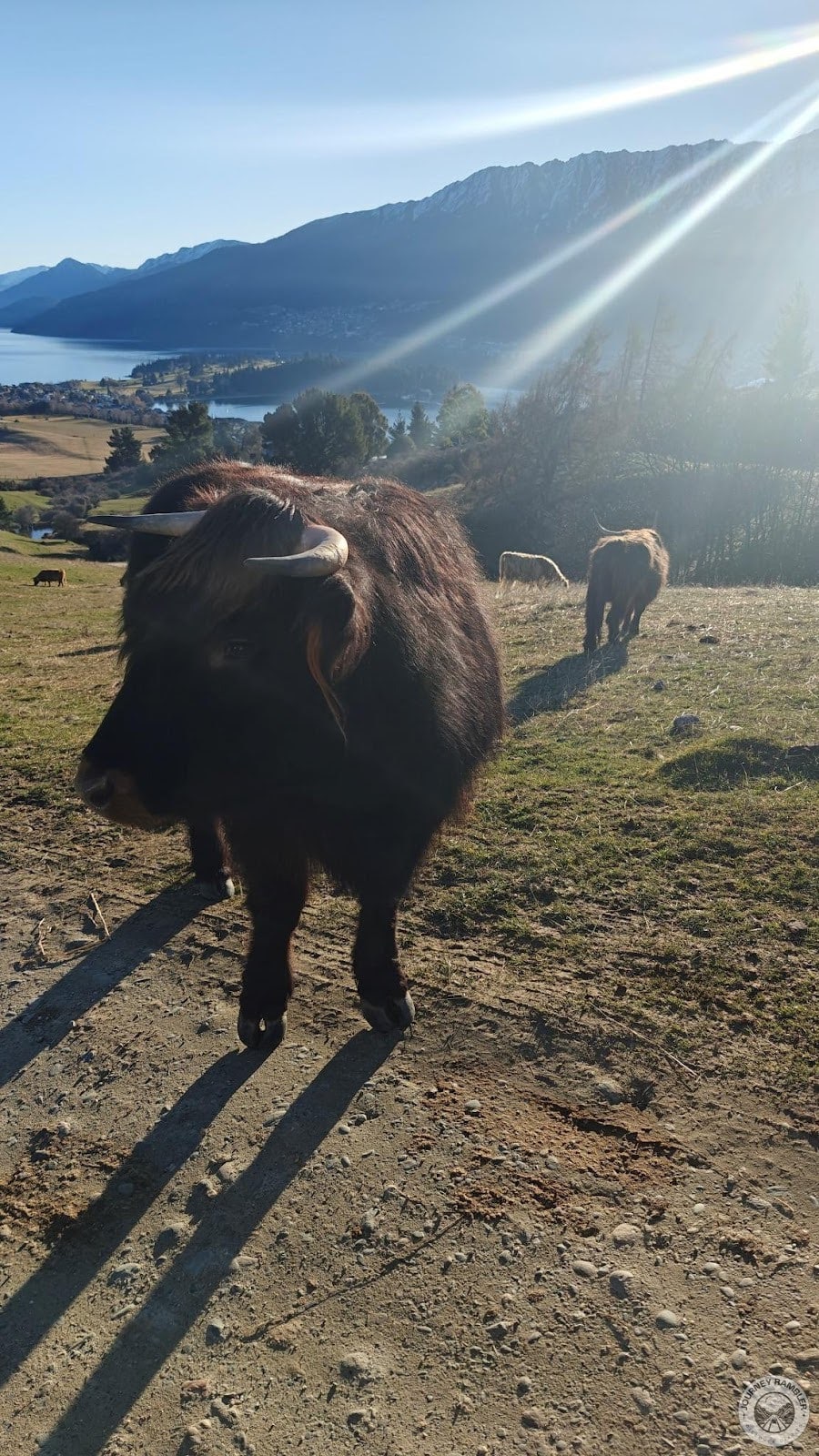
Aside from going outside and approaching the Highland Cattle, you also shouldn’t be feeding them. Looking back on this encounter, I think some people might have handed out one too many feeds to these animals as some (like the guy in the image) have seemingly been more interactive with humans.
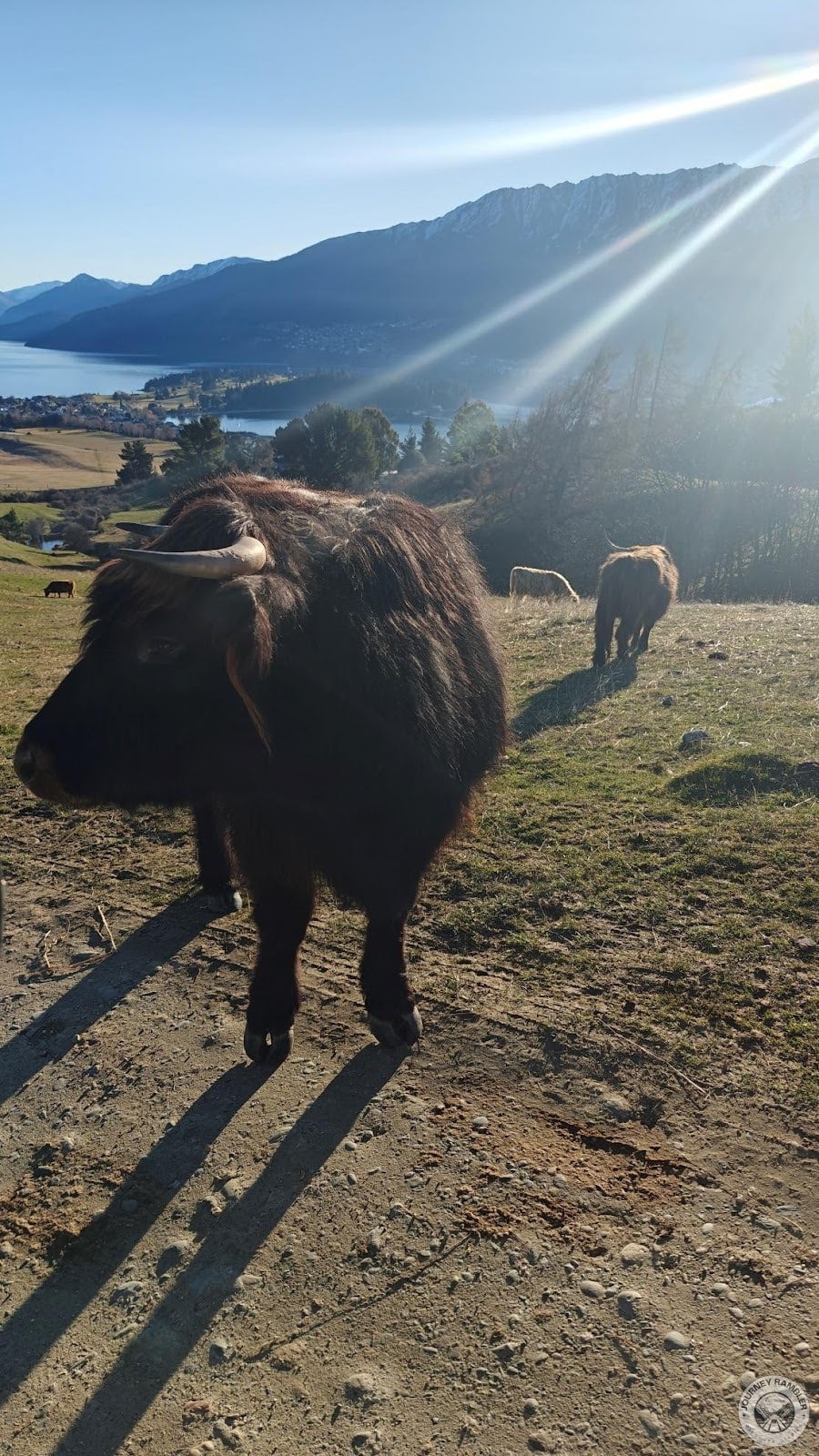
Alternatively, this could have just been a male that was trying to guard its territory. Regardless of what its intentions were though, it was still kind of scary to be that up close and personal with such a large creature that could potentially maim me. So again, stay inside your cars when you pass by here folks!
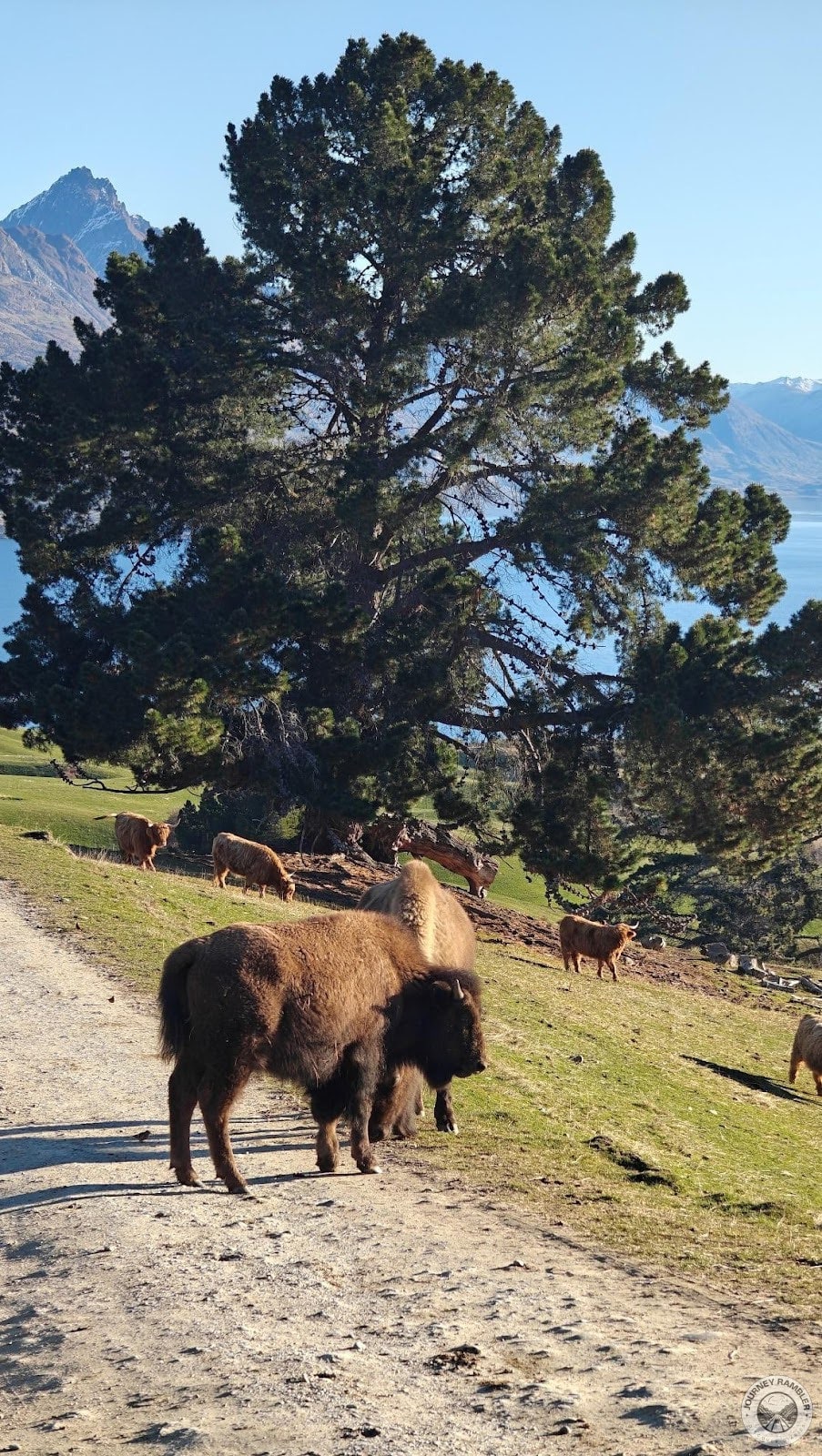
I mentioned this place had American Bison and you could actually see one in this image. Now you might be wondering why these animals are kept together with the Highland Cattle. Reading up online, I found that keeping these two bovines is actually okay as both don’t compete in terms of foraging. This is thanks to both animals’ differing diets and how they use their shared habitats.
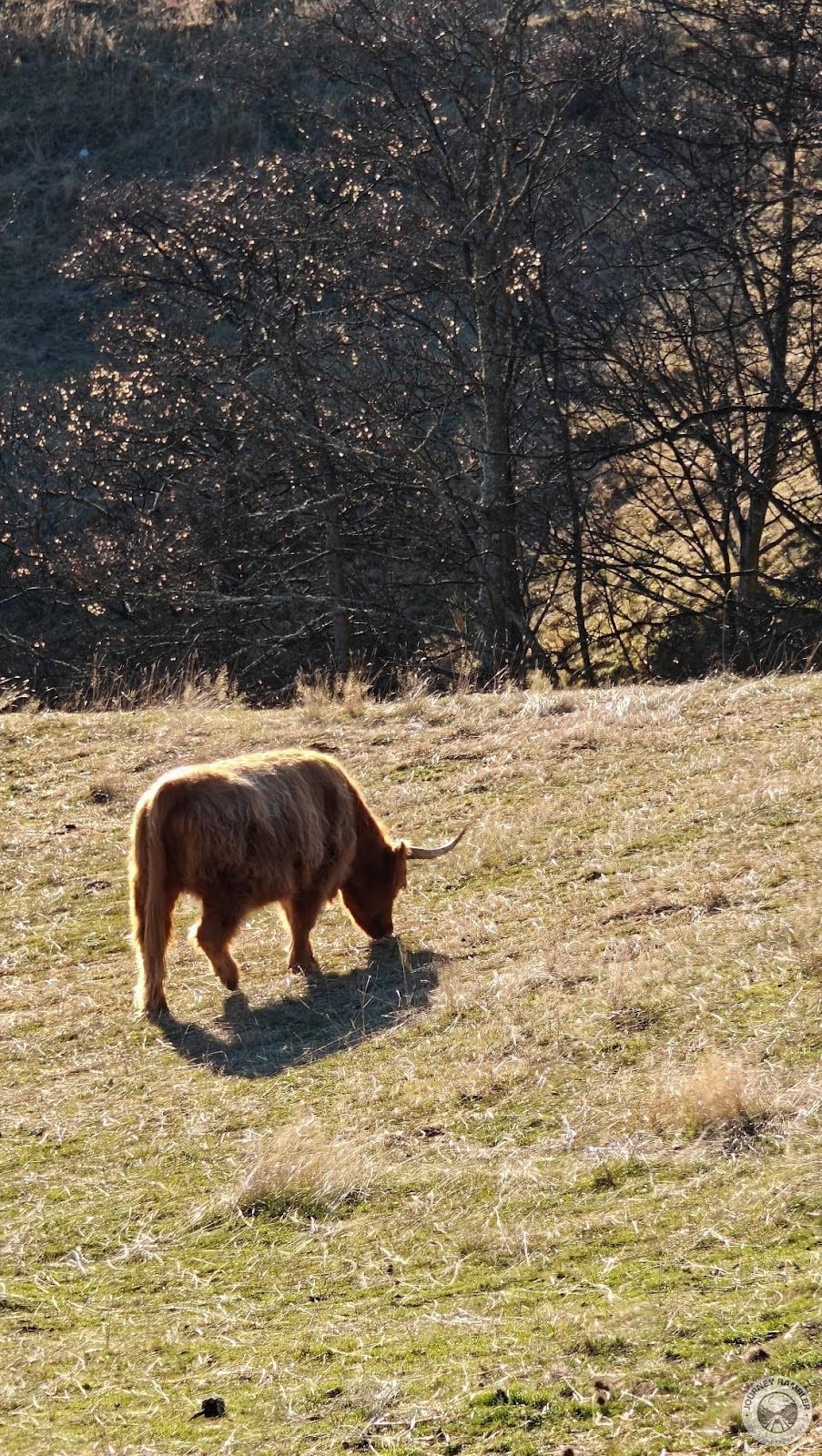
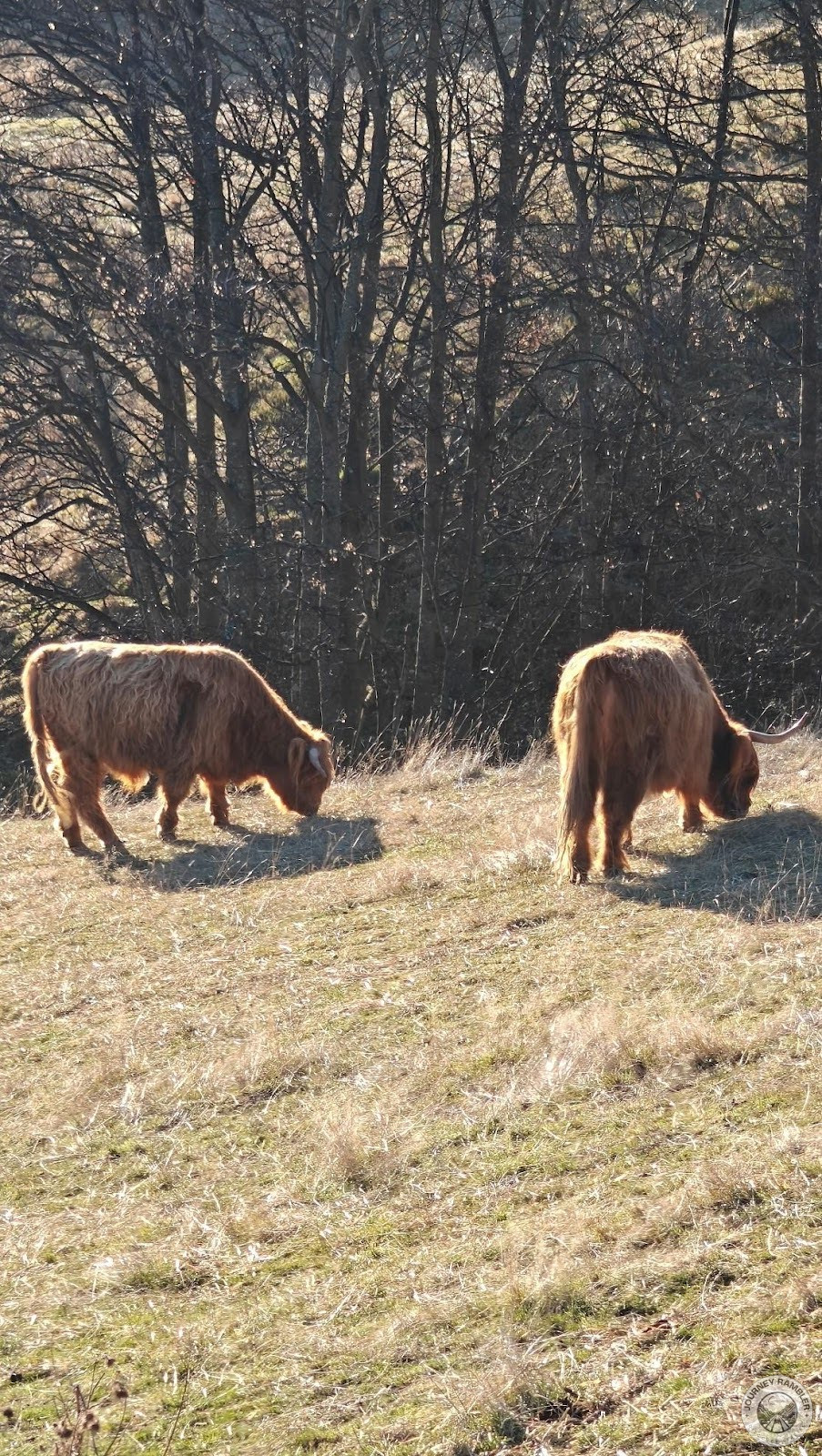
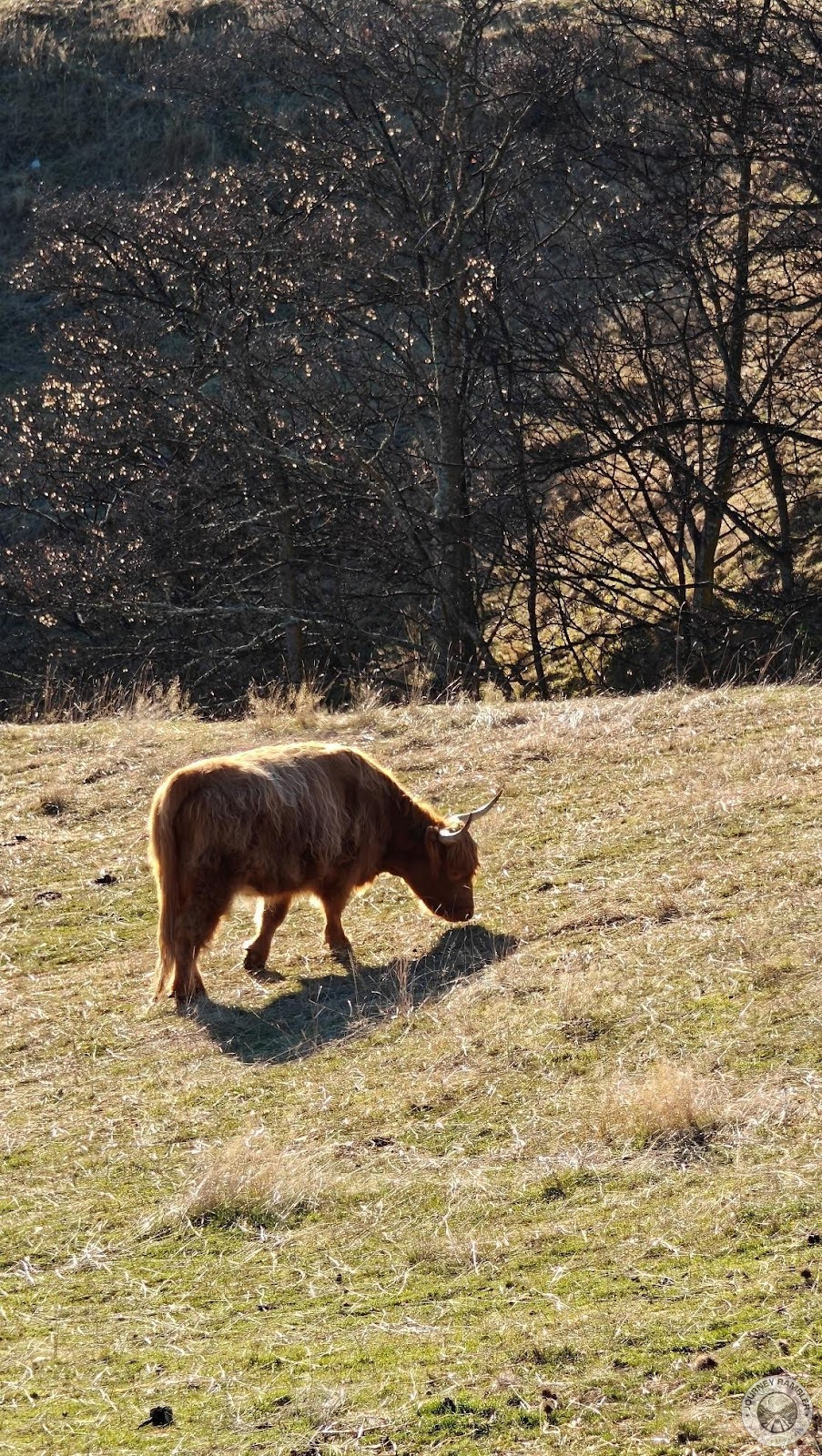
One way to differentiate the American Bison from the Highland Cattle is by looking at their horns. The latter has longer horns that are quite long and are typically pointing forward with a wide arc. On the other hand, the American Bison has horns that are pointing up and are much smaller (like in the previous image).
After the bovines, our group found ourselves back at the entrance of Deer Park Heights and we proceeded to then end the tour. Overall, this was a short yet eventful experience that I think people should check out if they can (or more importantly, if they’re in Queenstown).
I honestly enjoyed every minute though I was a bit sad knowing what fate awaited these animals even if some of them were considered invasive and/or pests. That said, I do think Deer Park Heights is doing the right thing by providing the animals here with their own place where they can run free at least up until when they can’t anymore.
How do you feel about Deer Park Heights’ treatment of animals? If you’ve ever experienced a tour of this farm then make sure to share what you think of the animals and its operations down in our comments section.