
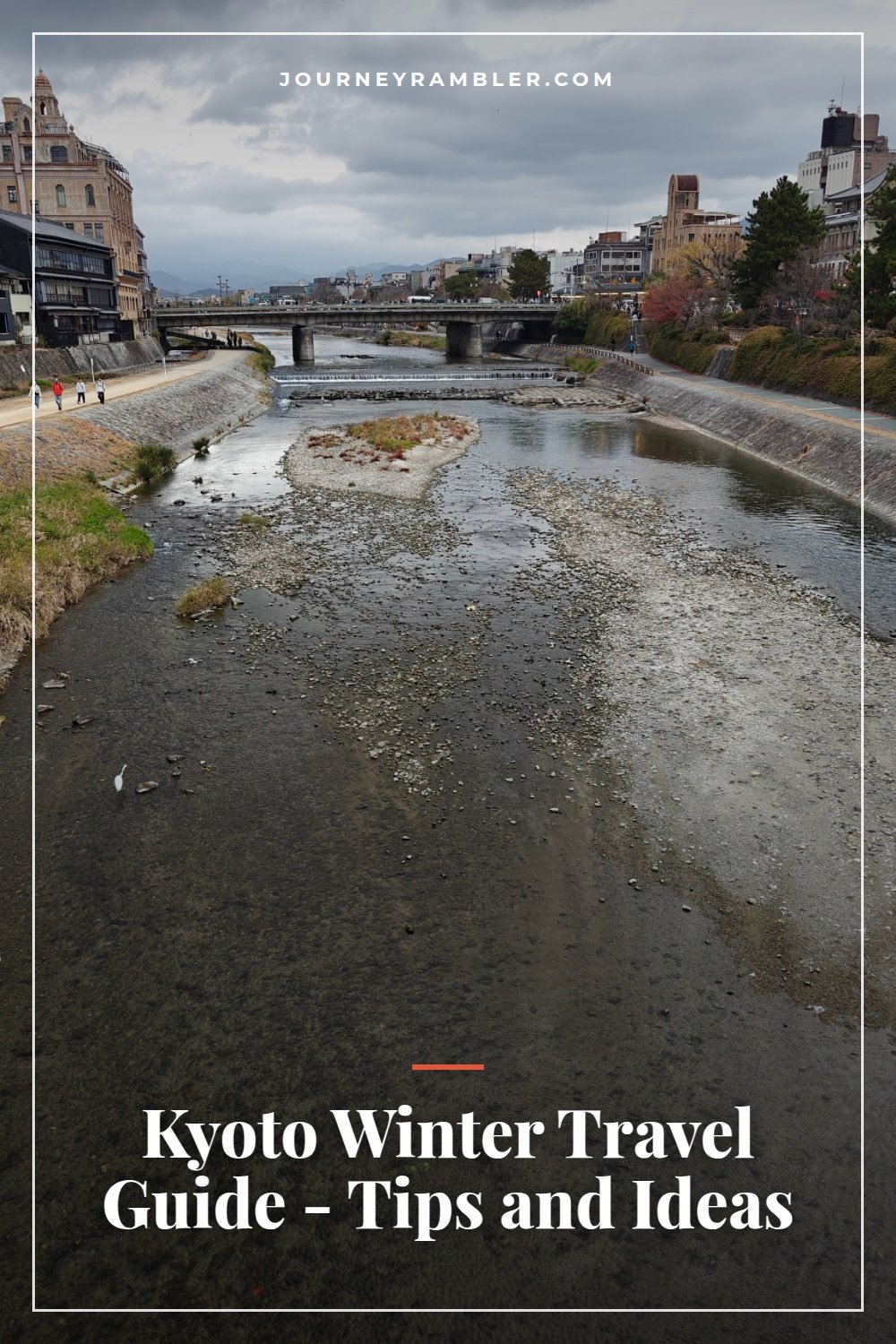
You know what people say? They say Kyoto is wonderful in autumn, when fire-colored maple leaves fill city and gates of all the temples are crammed full of people. Or they say Kyoto is beautiful in springtime, when sakura trees burst into bloom and entire city becomes flooded with pink petals.
Well, I’ve been spending time here during winter now, too. And let me tell you: it’s a whole other city. Yes, it is quieter.
It is absolutely greyer. But also more silent and spacious and full of those little moments that vanish when everyone are pushing past each other for the same photograph. Don’t expect magic, don’t expect to wake up every morning to snow-dappled temples and some kind of magically transformed wonderland.
Winter in Kyoto is simply cold, maybe rainy, and incredibly, impossibly real. But so is life, isn’t it? That’s why I come back.
Why Kyoto in Winter Is Great
The City Empties Out
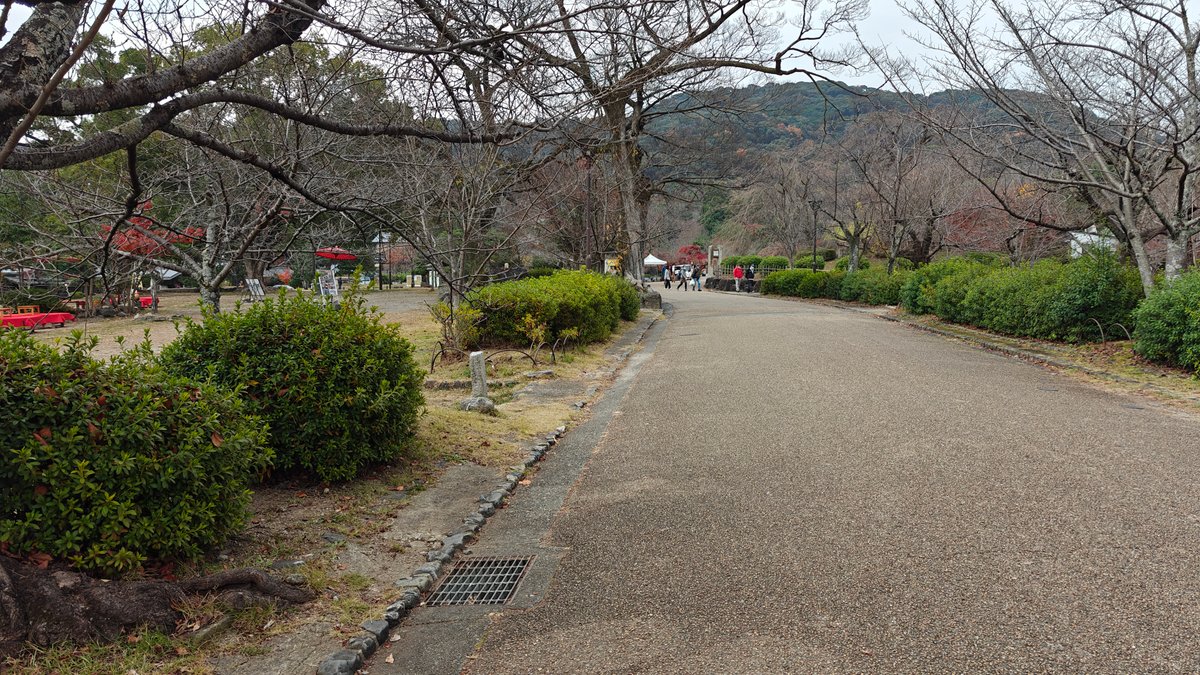
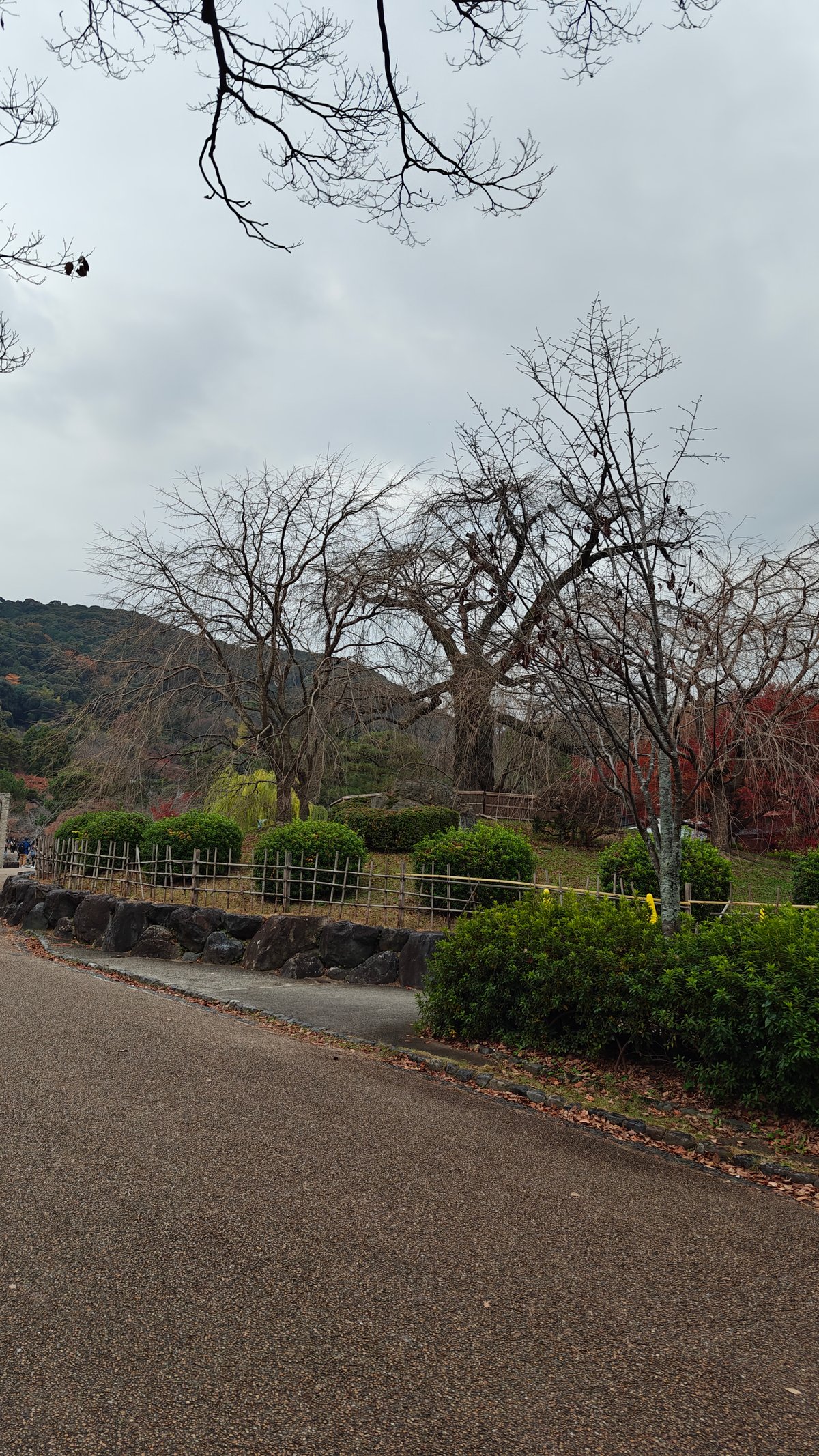
What struck me first was how spacious it all seemed. In November, gardens were as shoulder-to-shoulder: now in January, they was spread out all around me. I walked down a gravel path in a temple and heard only sound of my feet.
At a pond’s edge, I stood there for ten minutes without anyone stepping into my picture. On one grey afternoon, I went walking in a park whose bare trees was lined up like soldiers; I had the place entirely to myself for an hour. Without color, there is no one to chase it, so what remains?
It is just you, the cold air, and architecture.
Everything Gets Wrapped Up
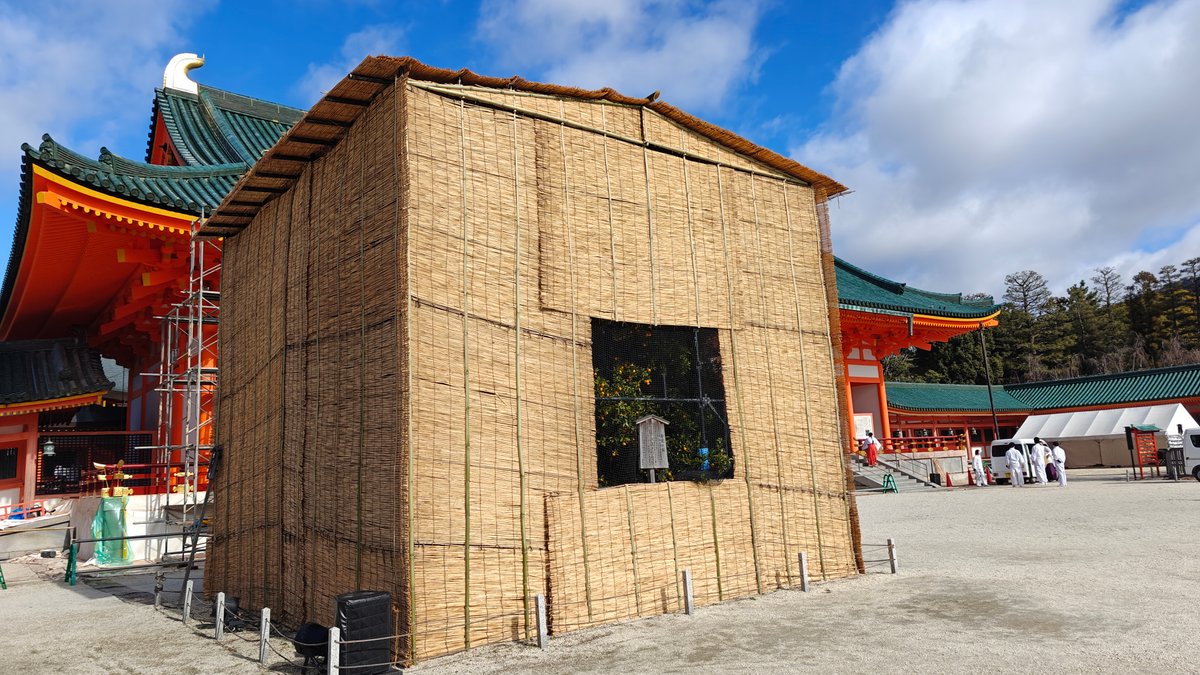
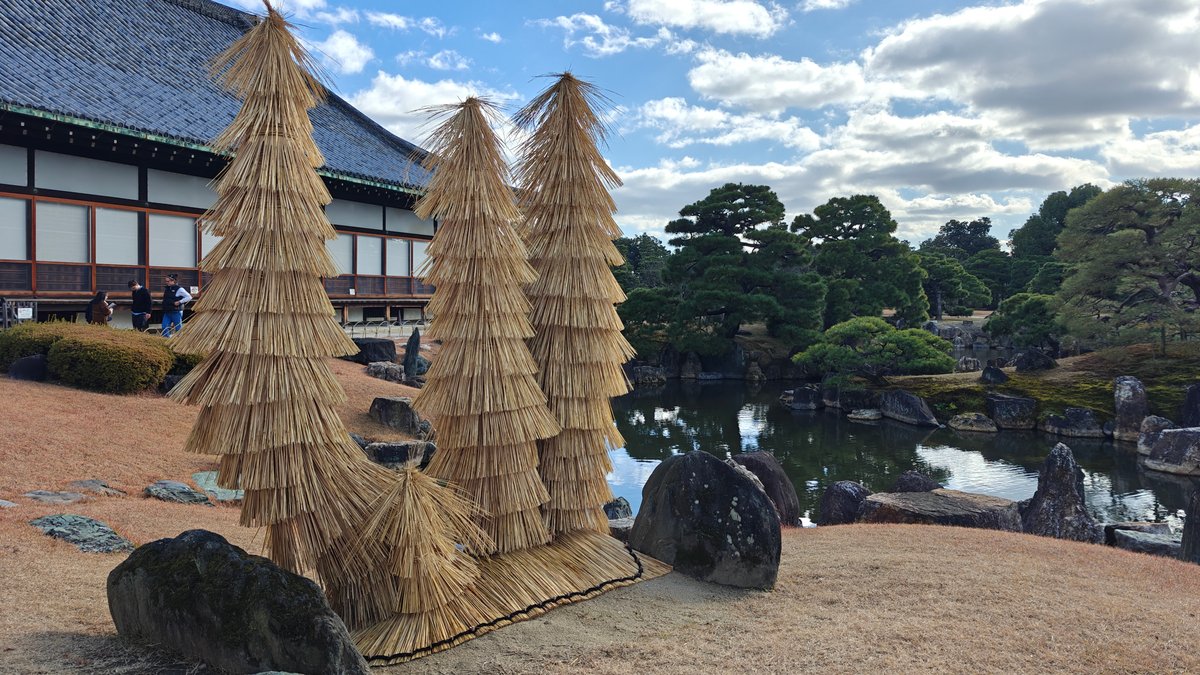
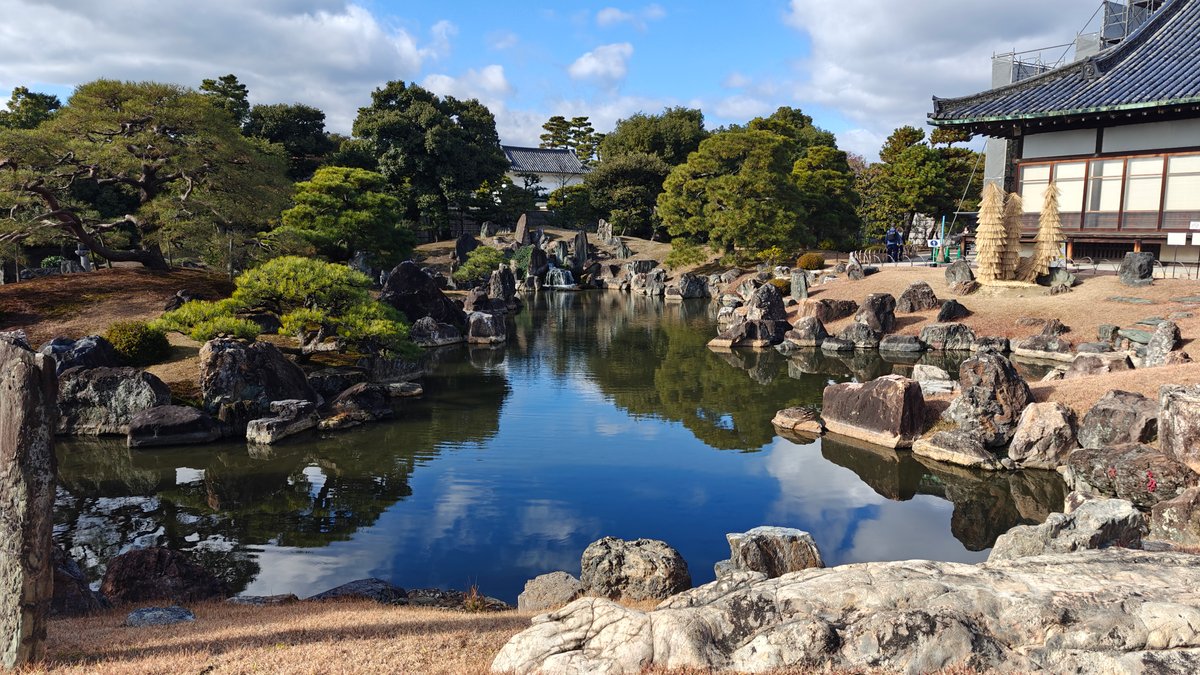
I didn’t expect the winter coverings, but they are everywhere. Trees are tied to bamboo-framed cradles. Palms are wrapped in tight straw capes.
Pines from the gardens is bound up like parcels, awaiting spring. All these mummified plants standing guard seemed a little odd at first, but then I began to see it, too: as more of the season’s texture, not decoration, simply quiet proof that gardeners is still out there, tending things, even if nobody’s looking. The ponds turn still and glassy.
Mornings are sharper. Things slow down and pull inward.
The Famous Spots Still Work
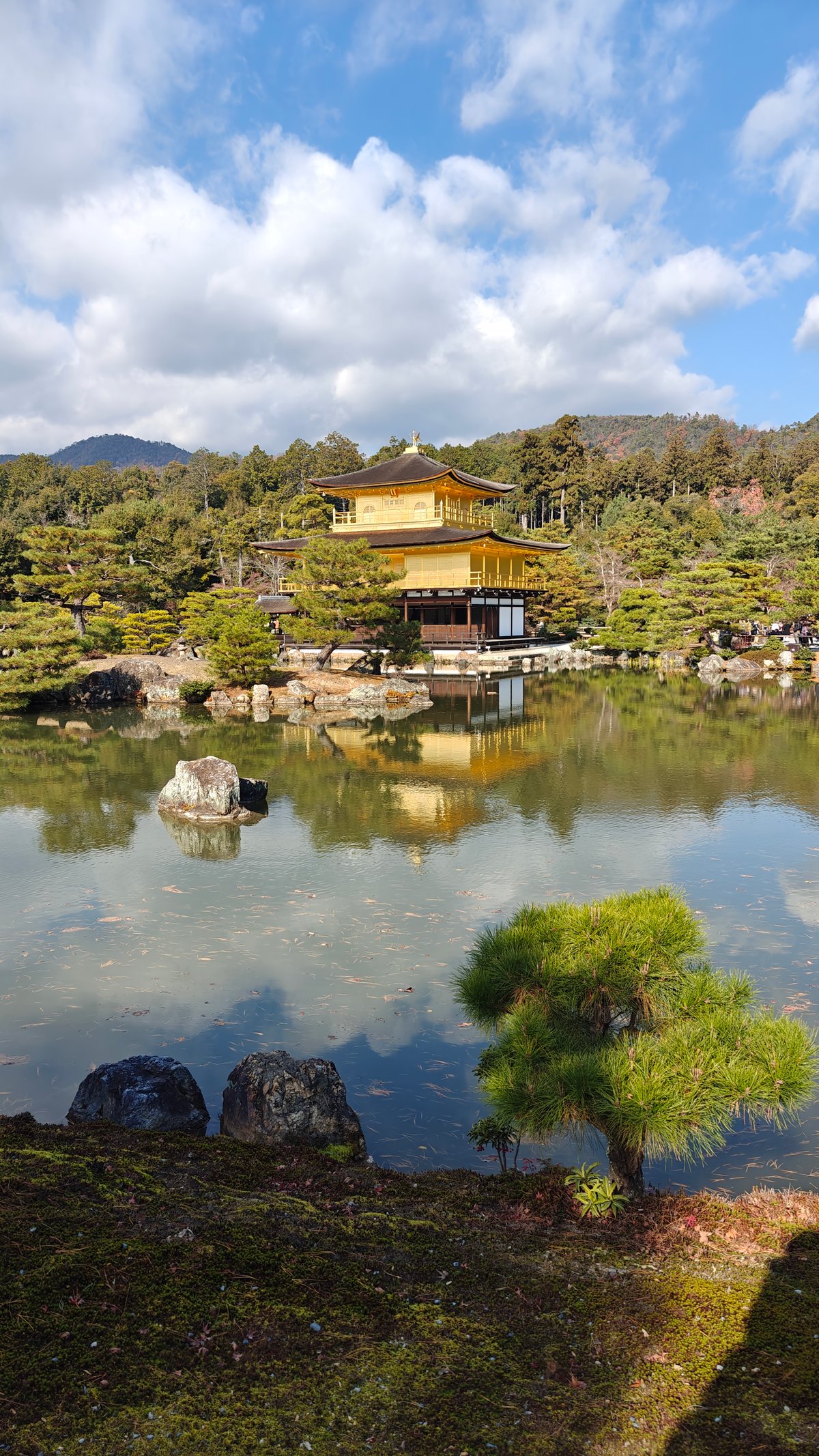
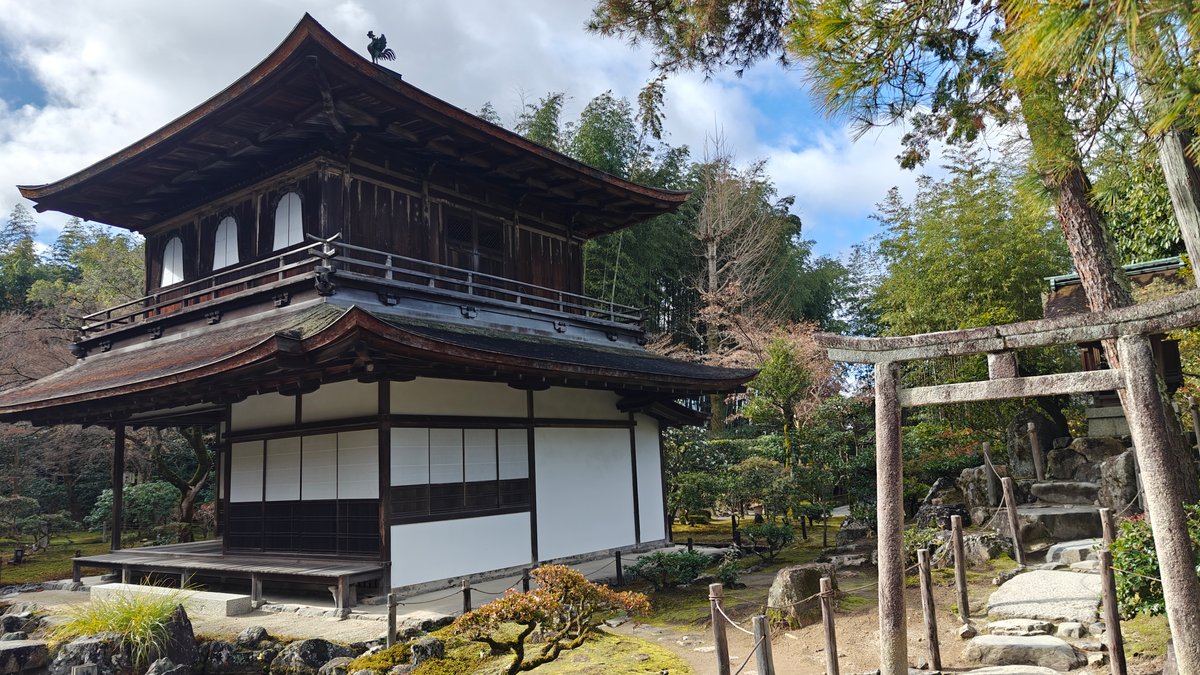
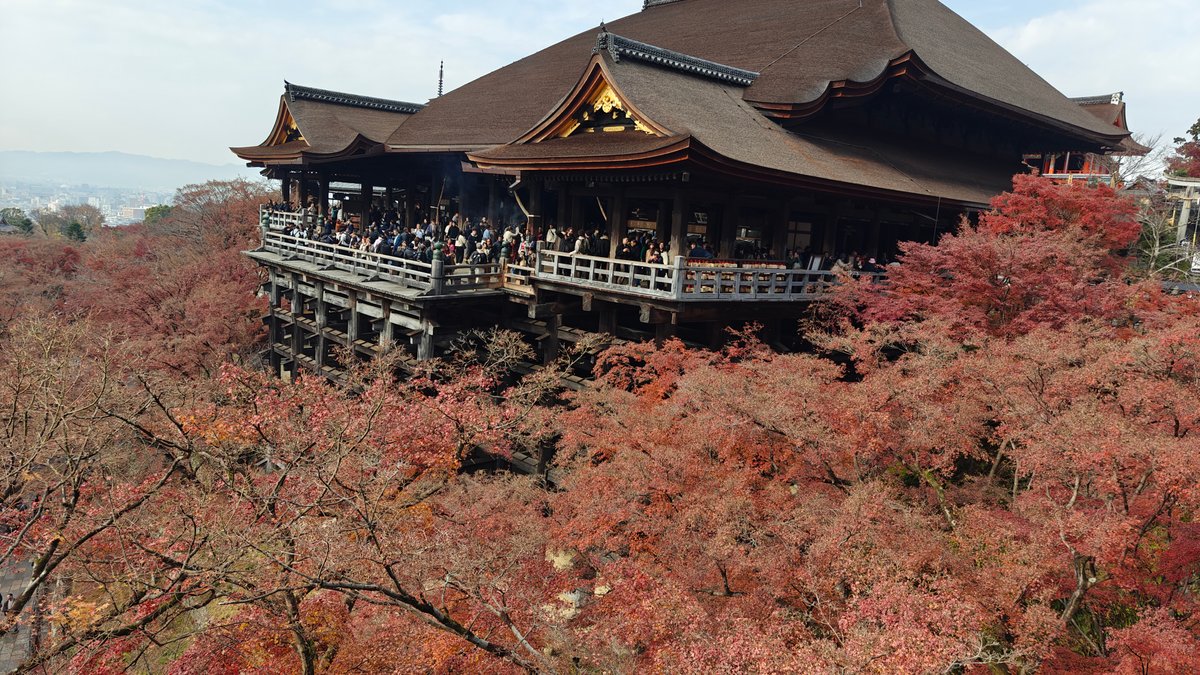
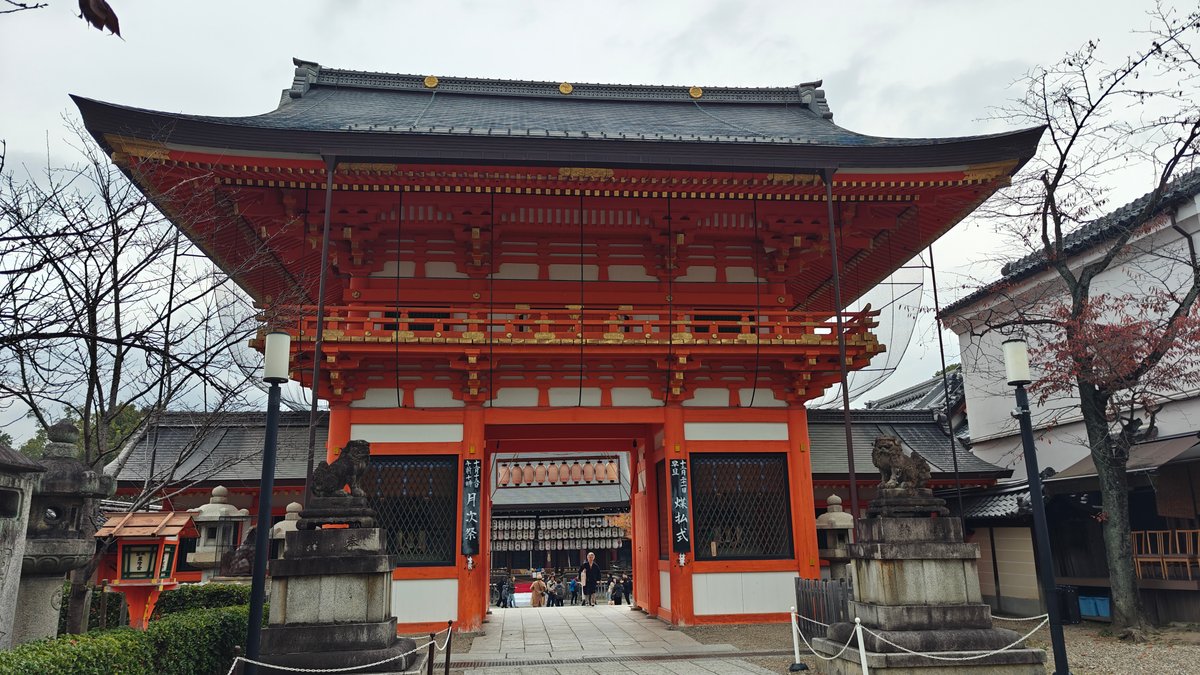
Winter doesn’t mean no big temples. I’m not going to pretend that they goes away. They don’t.
And they’re still awesome and amazing and totally worth seeing. But the light makes all the difference. Flat overcast skies smooth out reflections and flatten the colours.
What looked like a postcard-perfect pavilion on a bright sunny day is now something I’d actualy want to sit with for a while.
When It Rains, It Really Rains
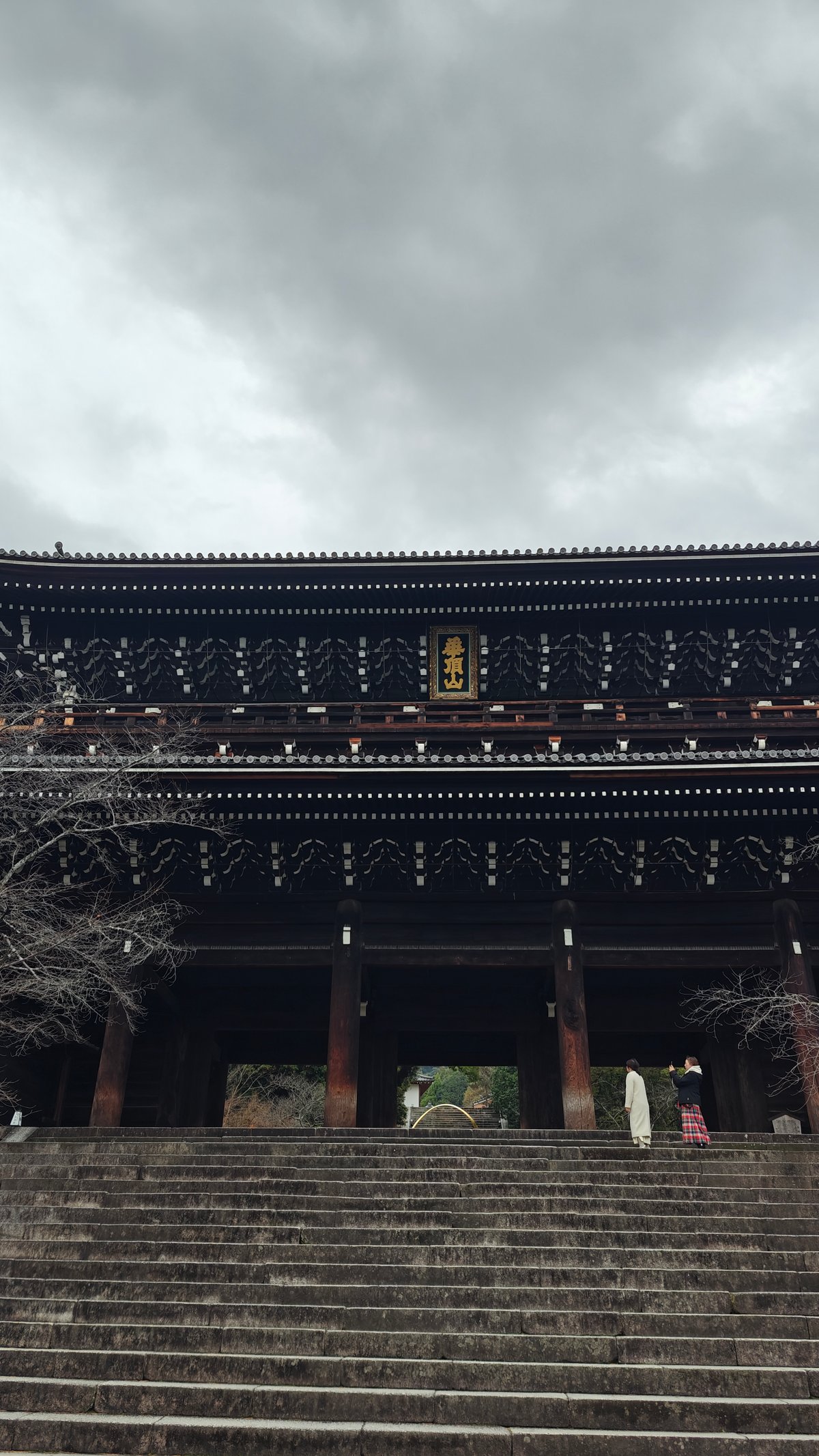
And on a cold December morning I found myself in one of the northern temples and barely saw another person. Not even one. The pond lay perfectly still.
The grey trees in the woods behind stood bare. It didn’t feel like sightseeing so much as just being somewhere. Winter in Kyoto is so good because off the weather.
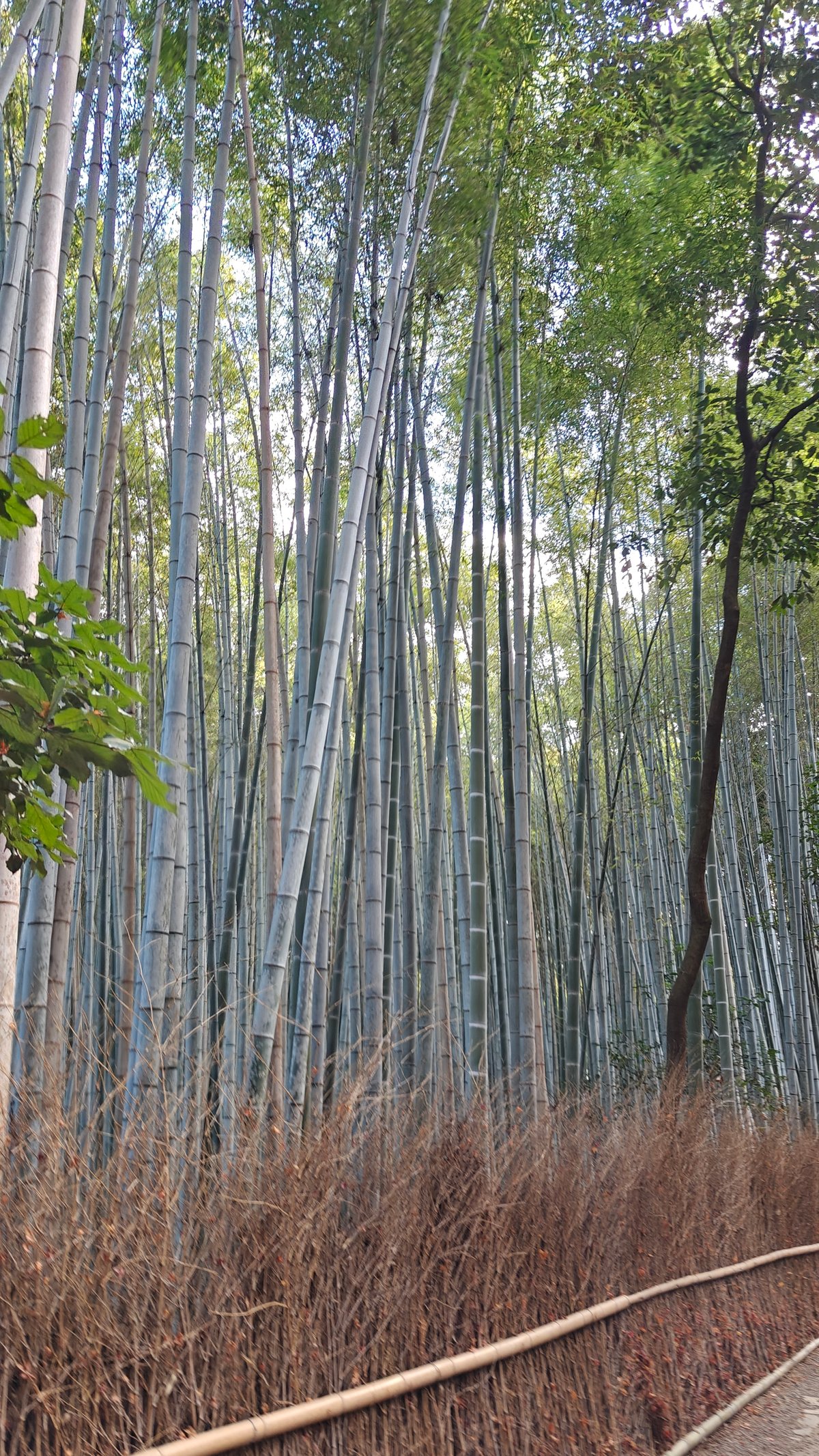
Because not only is it cold, but it’s also damp. Steady grey rains sometimes come down and don’t let up until evening. I spent a couple of those out, shoes soaking, umbrella raised high, camera hoping for dryness as I walked through bamboo forest and under shrine gates.
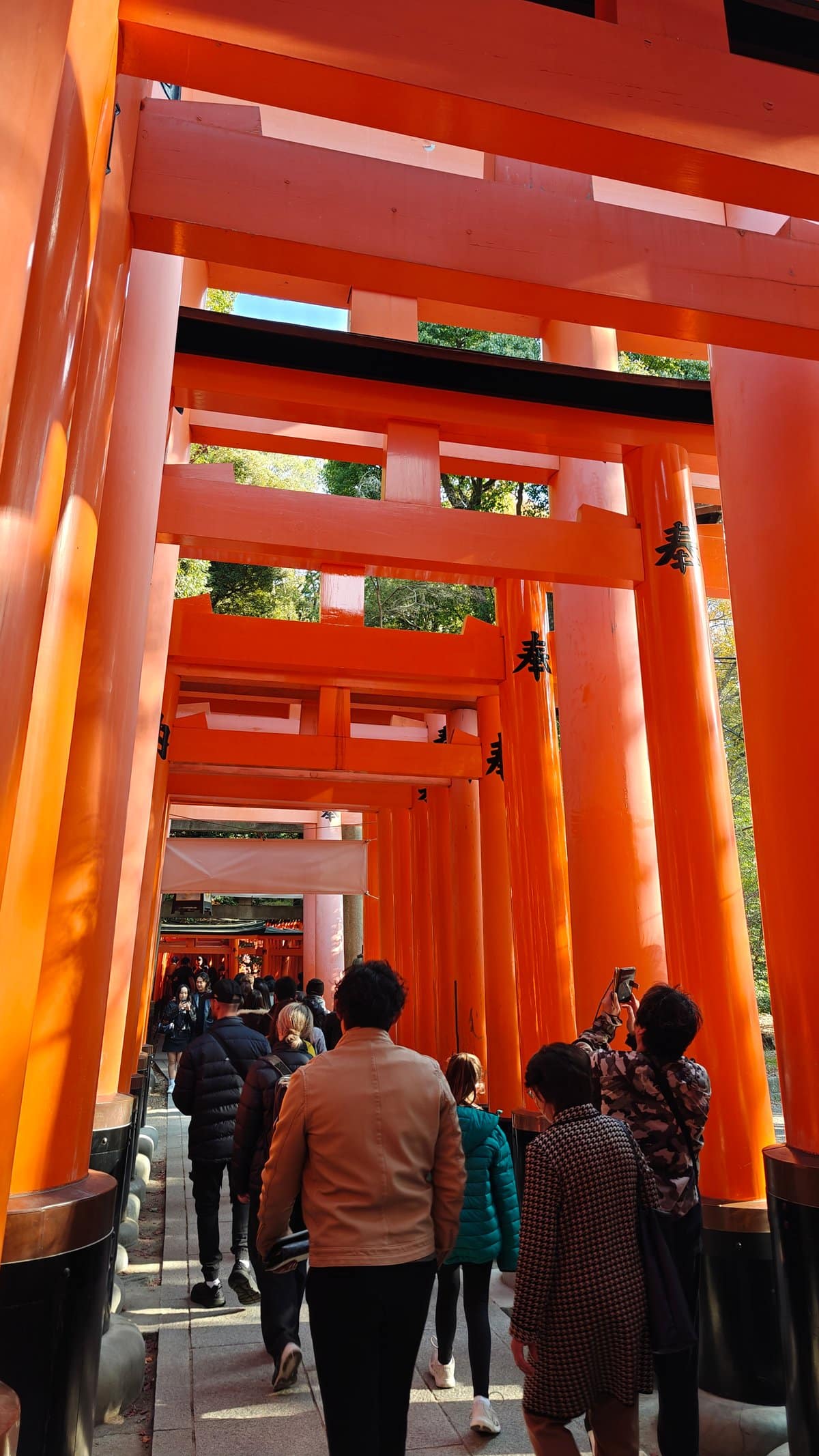
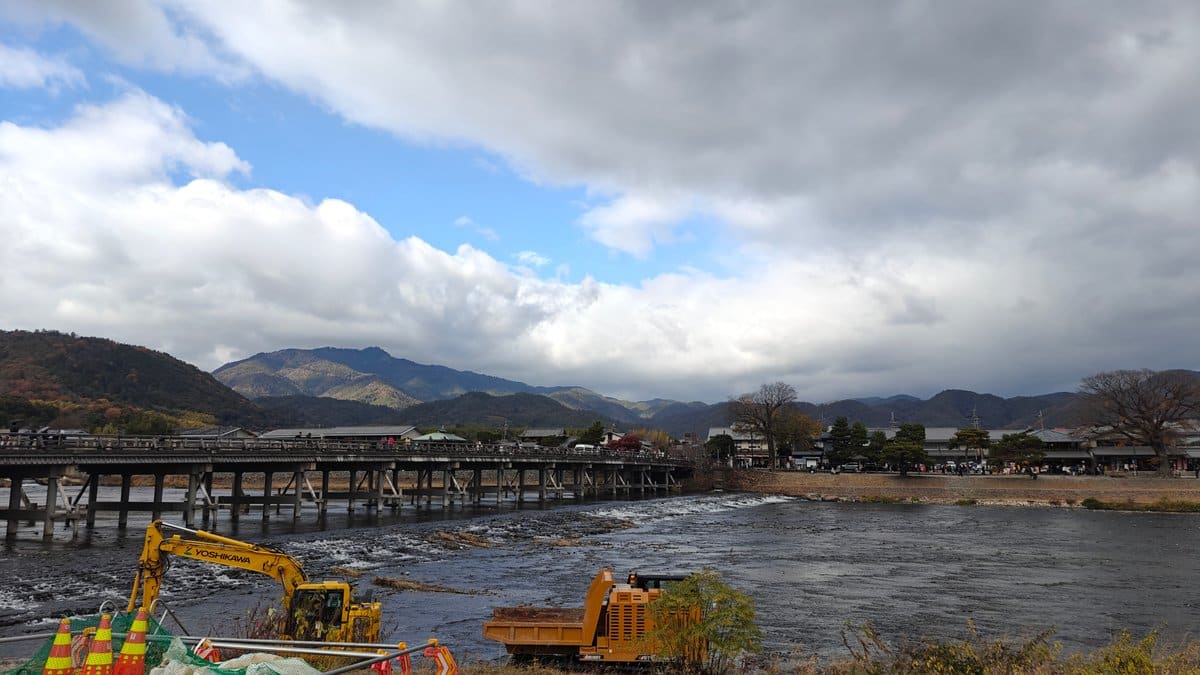
And really, the rain clears things out too. The bamboo drips, the stone steps blacken, the torii gates gets darker and slicker. One rainy afternoon, I stepped out into a downpour in Arashiyama.
I crossed one of their red bridges with no one else around, except for a few similarly soaked tourists who had clearly made the same mistake I did. But it was worth it for the quiet.
The Day Trips Get Easier
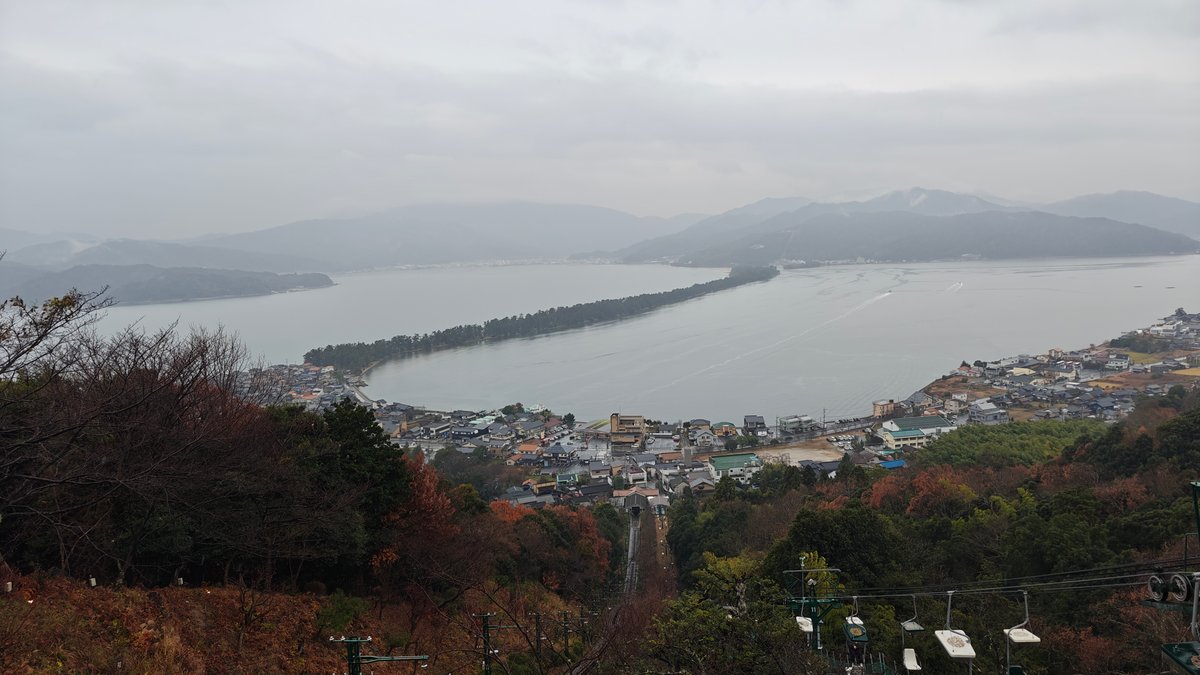
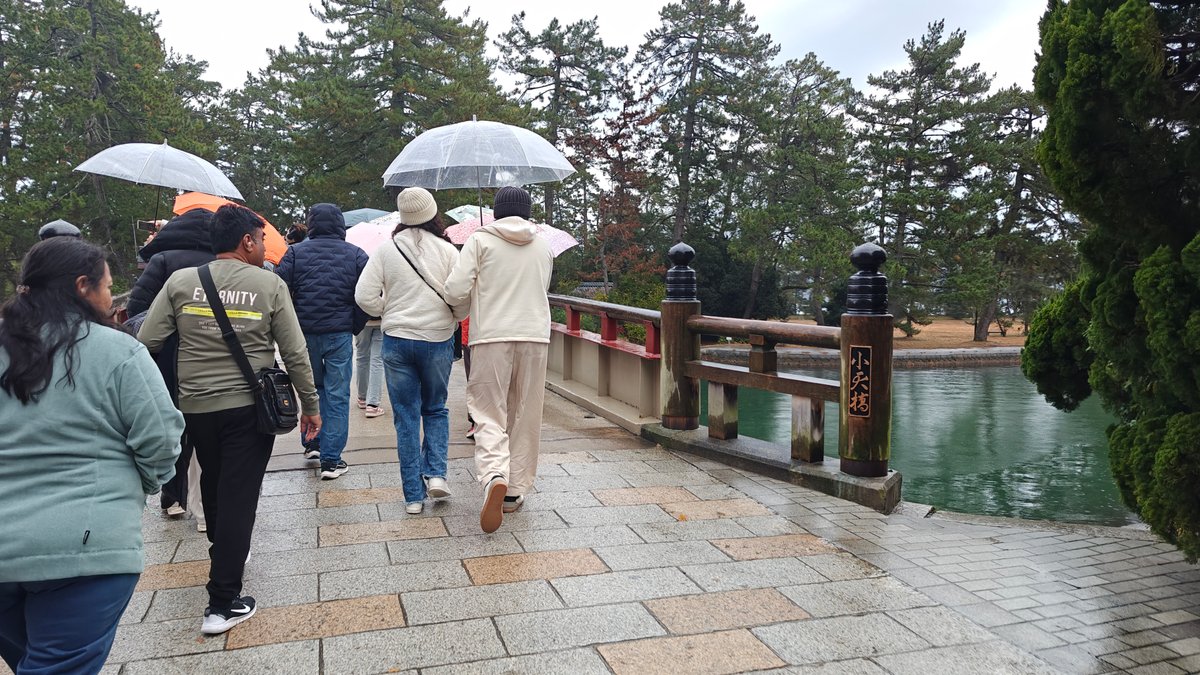
In fact, in the off season, it’s even possible to escape city for a daytrip, something that can be difficult during high season. On an early January morning, I boarded a train north to view sandbar of Amanohashidate, where the viewing platform was practically deserted. Under a winter sky, the whole view lay before me, pale and misty.
There was no line of people waiting impatiently behind me. This is a definite perk of traveling in the off season; when Kyoto is not demanding all your attention, the surrounding region open up.
The Food Hits Harder
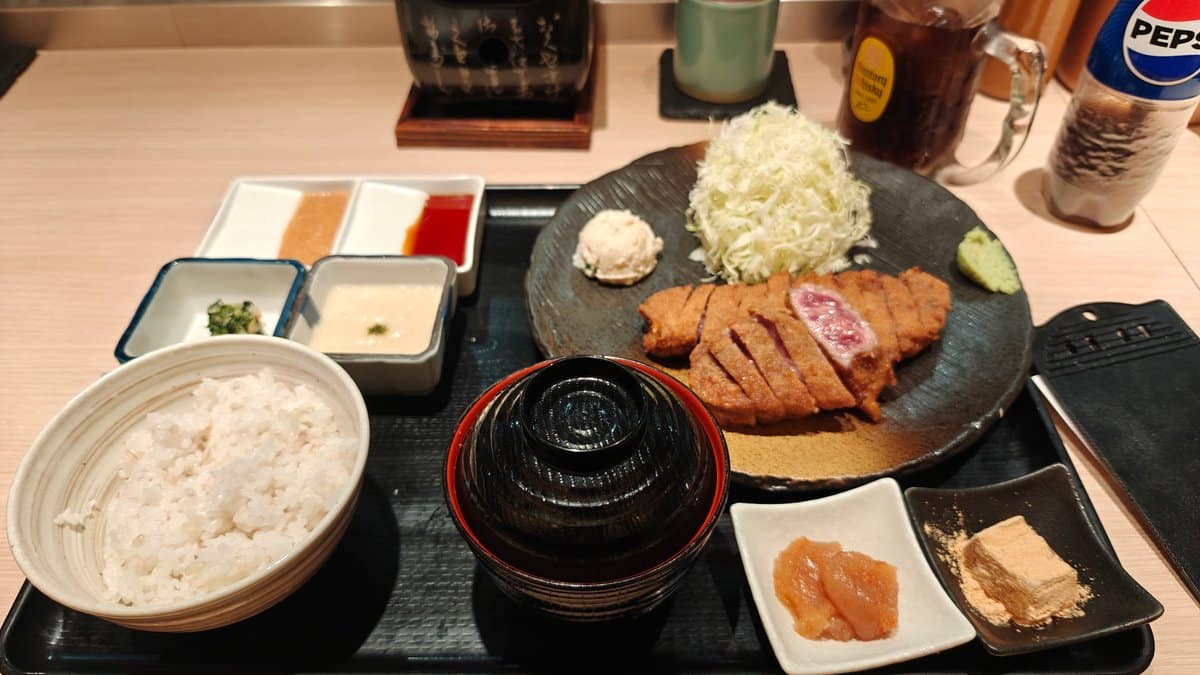
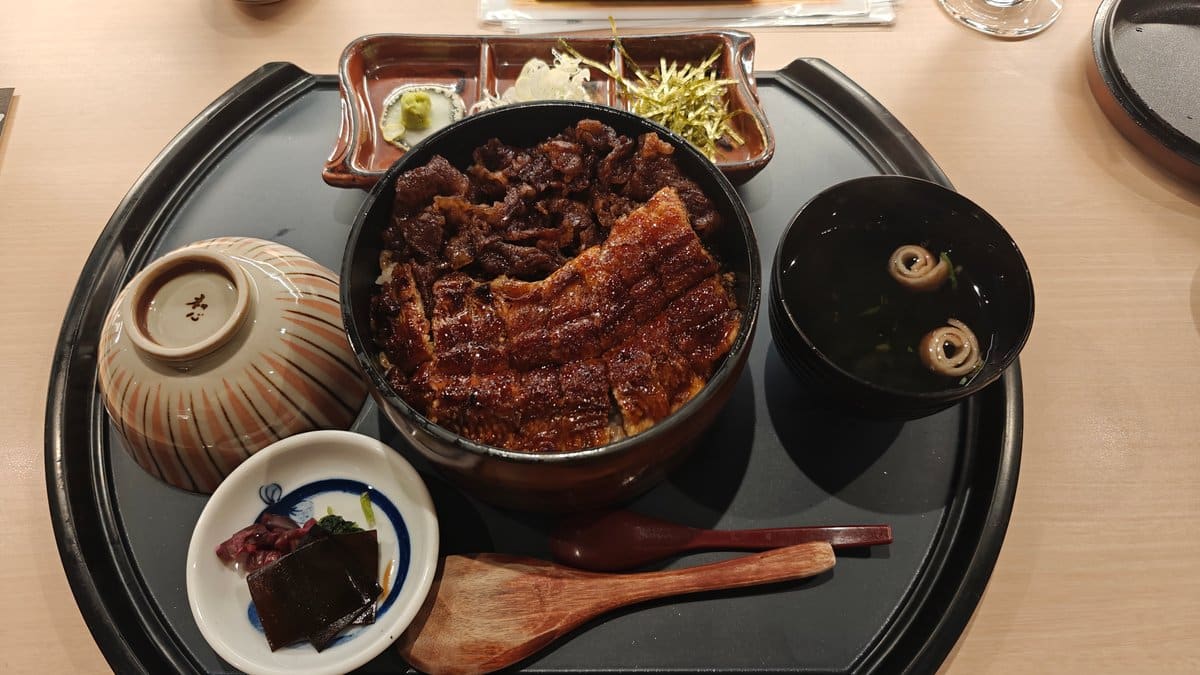
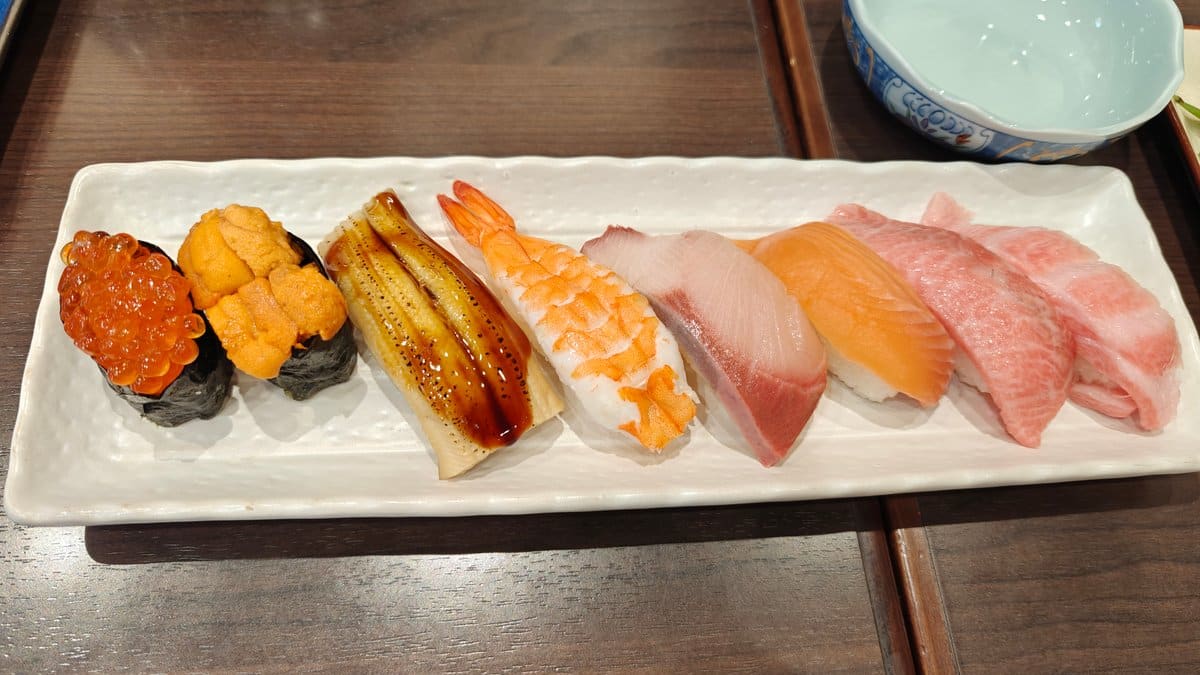
Don’t get me wrong, there’s nothing better than cold weather making everything taste better. After freezing my arse off on a walk around town that morning, a plate of fried cutlets, sizzling away, seemed the most sensible choice I had made for weeks. A steaming bowl of grilled eel over rice was hot, savoury goodness after hours in the damp.
Sushi even tasted sharper for some reason; perhaps simply because I was thoroughly cold and thoroughly hungry. The food of winter in Kyoto is not fancy kaiseki, not special seasonal dishes, it’s simply about sitting down somewhere dry with a warm something under your nose while your fingers defrost.
The Evenings Feel Different
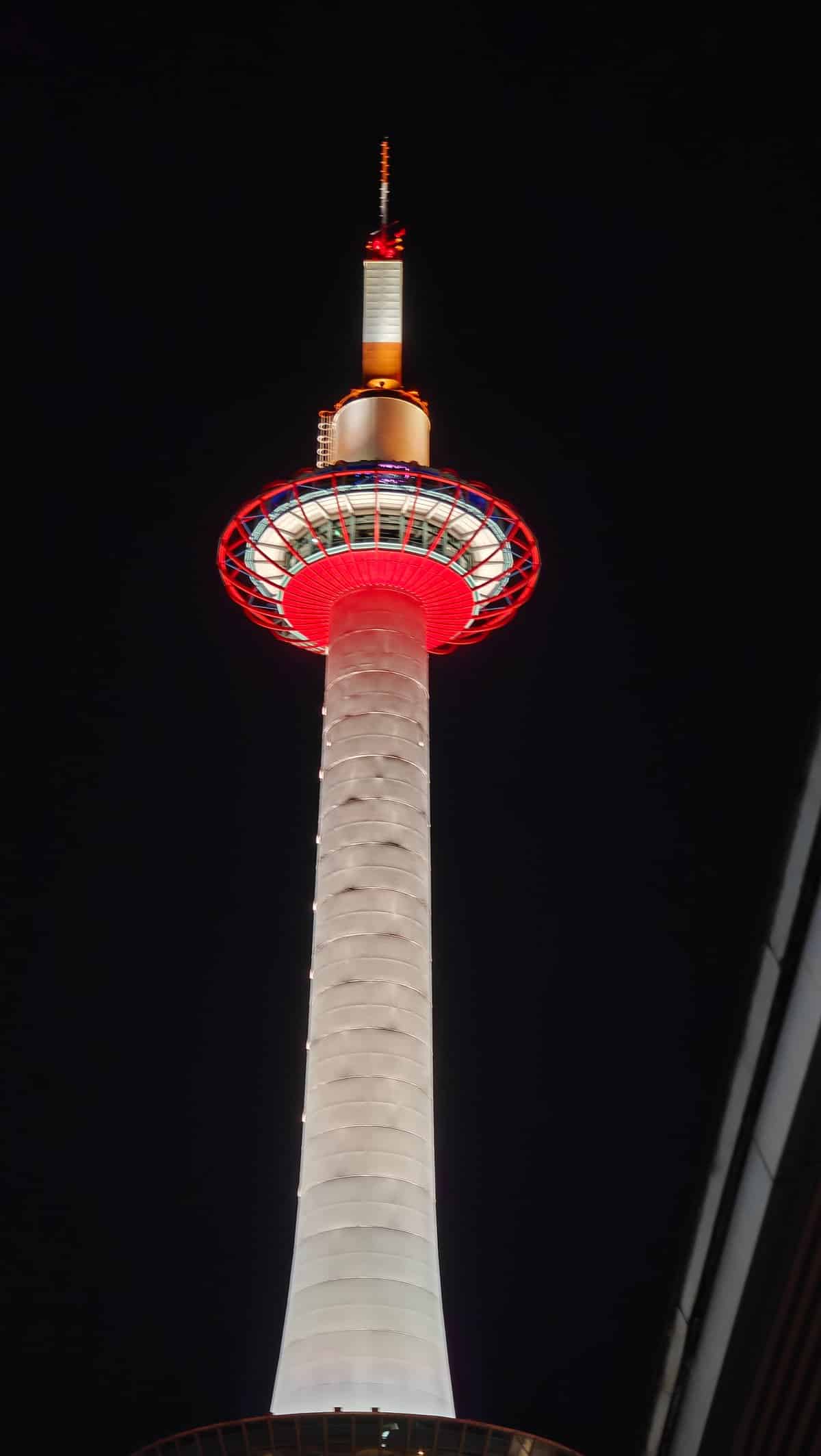
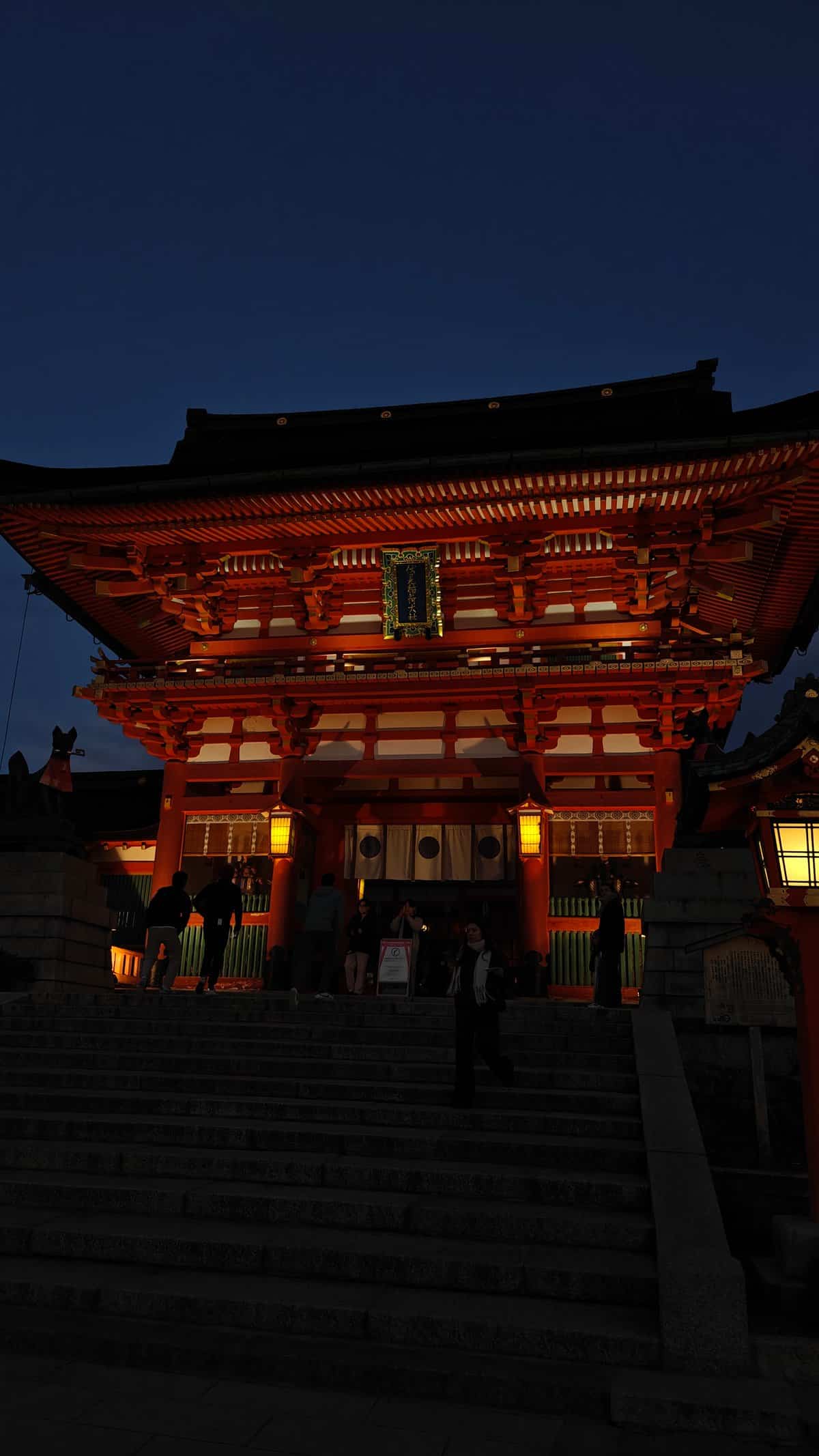
And then the sun sets, and it gets really cold. Yet somehow winter nights has their own kind of atmosphere that I wasn’t anticipating. There are fewer people out and lights warm up the darkness.
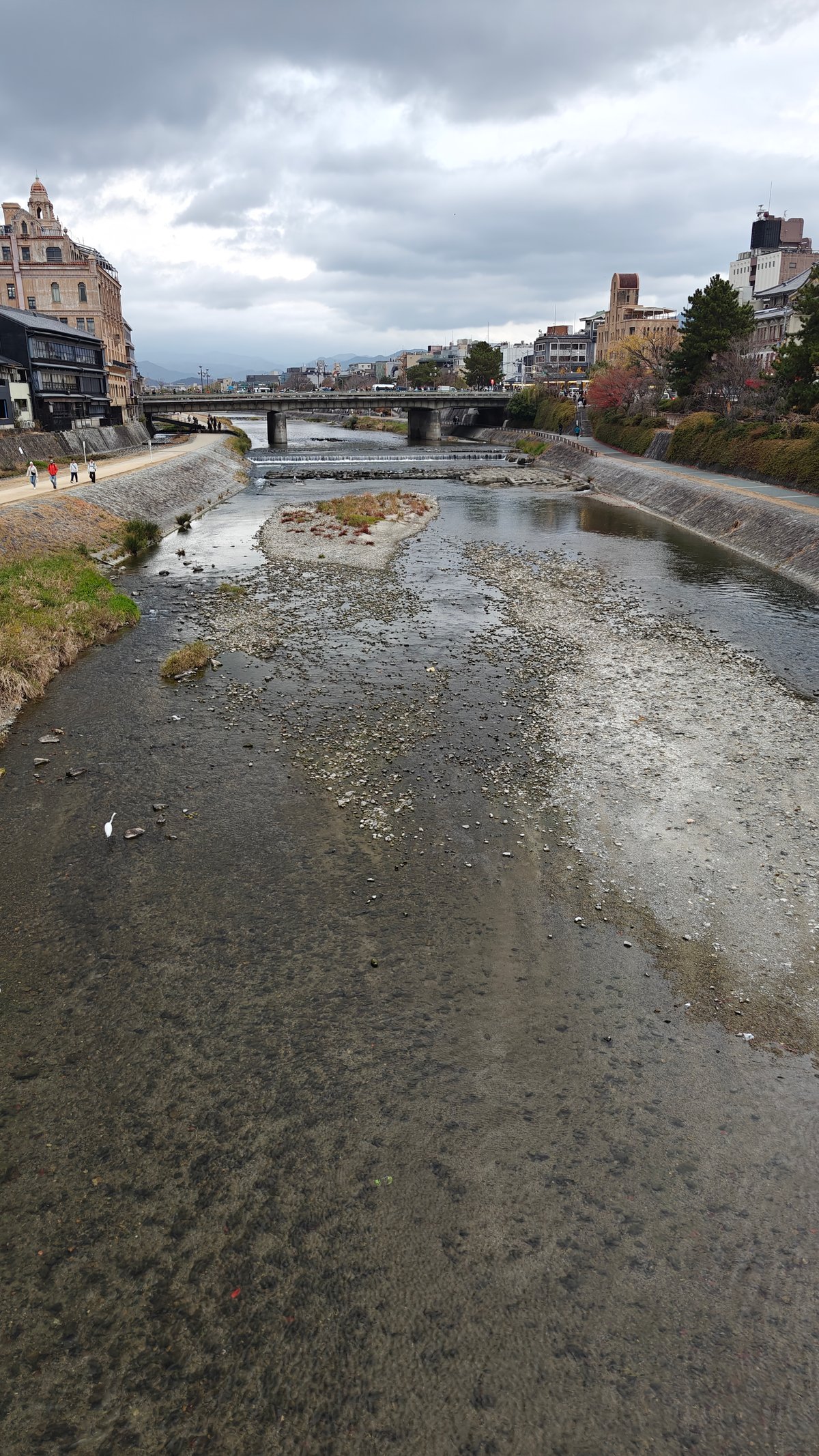
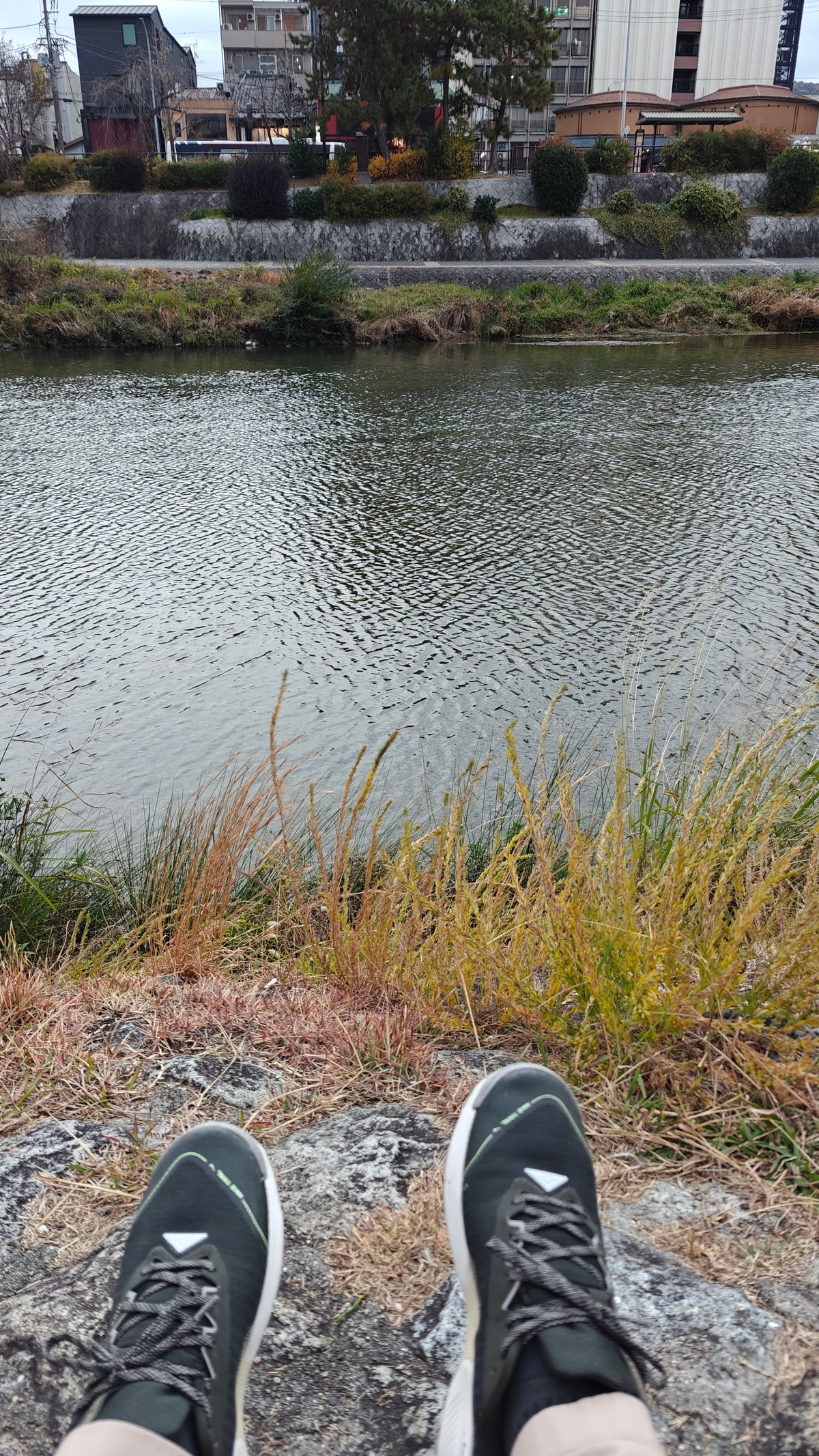
A rare illuminated shrine gate peeks out as some sort of landmark in an otherwise silent landscape. One evening, after dinner, I walked back to the river with my hands jammed in my pockets, and entire city seemed private and still. Winter doesn’t put on a big show.
It simply settles in and allows you to wander through it at your own speed. I get it; not everybody like Kyoto in the winter. It’s grey and cold.
Half of the famous sights are hidden by clouds or covered in straw. But if you can give up the colour for the space, and the sun for the stillness, then it is one of the best times to visit this city, as someone else entirely, away from the postcards. That’s why I keep coming back here, and that’s also why I find more in its hushed corners than I ever did in its crowded ones.
Have you visited Kyoto during the winter months? Are you considering it? What was your biggest surprise (or what will be holding you back)?