
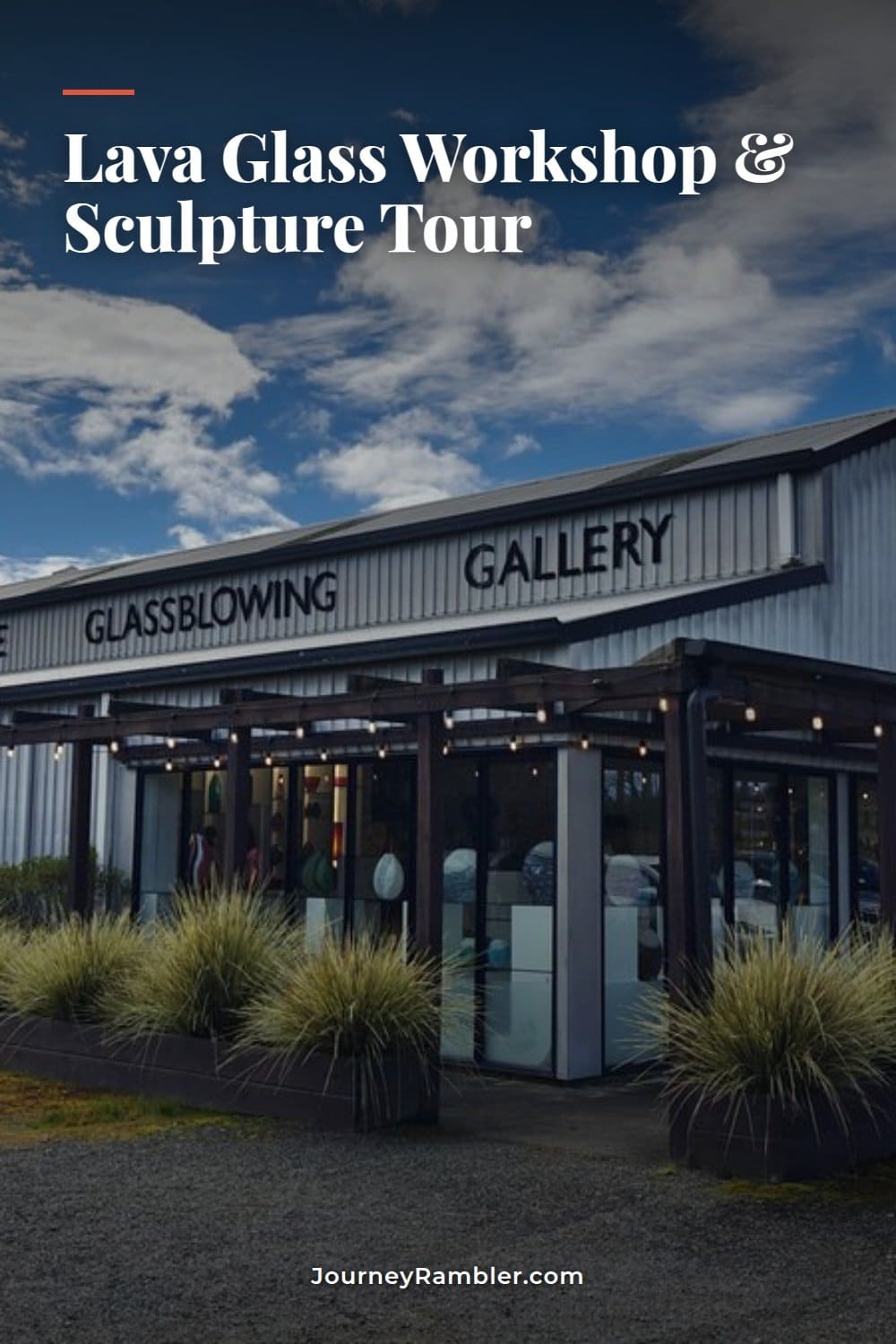
I Watched Glass Being Blown at Lava Glass, Then Walked Through 600 Sculptures In Taupo, I had planned on visiting a glass shop. It was actualy pretty cool. I spent most of the afternoon there watching them work with molten glass and roaming around their garden, which was jam-packed with handmade sculptures.
I pulled off the main road and stopped in for “just a minute,” but I left several hours later. It was so awesome that I wondered how I’d lost all that time. Lava Glass is one of those places you think you’re going to spend 10 minutes browsing and end up leaving two hours later wondering where the heck the time went.
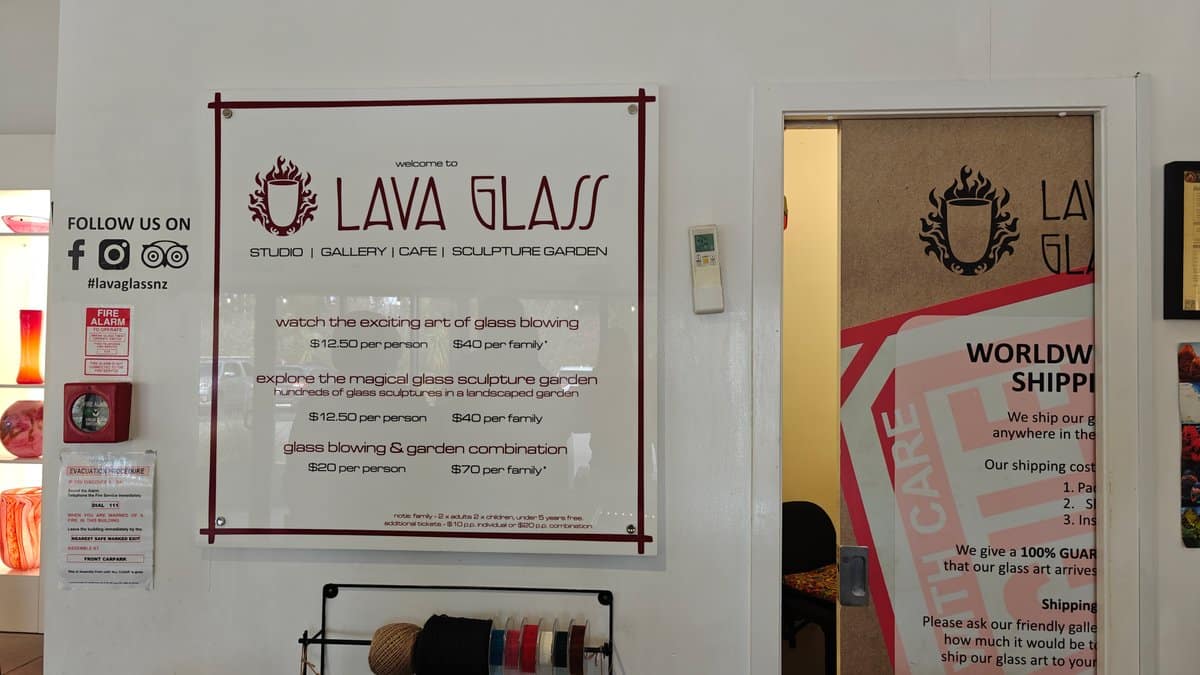
Now, normally I don’t do craft studios/gift shops but this place was another story. Not only is the sculpture garden in the back of the studio super strange and much larger then anticipated, but we also got a chance to see a glassblowing demo which was really cool. Seriously, who knew that they have 600 pieces outside?
My Surprise Visit to Lava Glass Studio
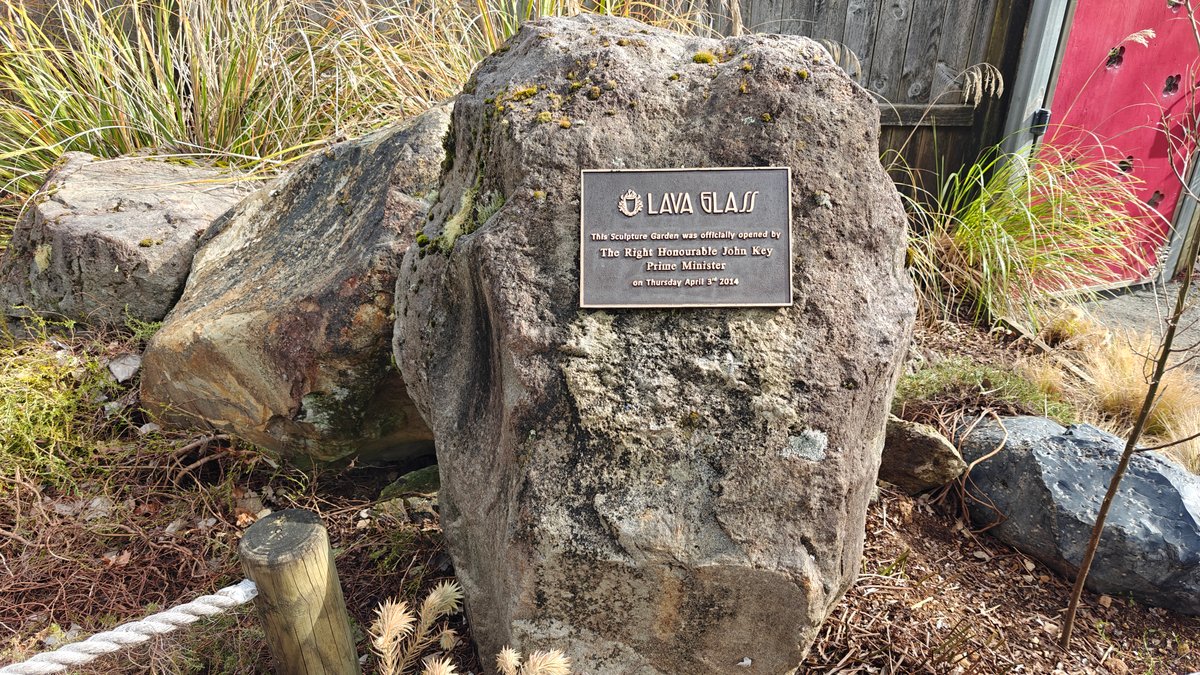
Lava Glass
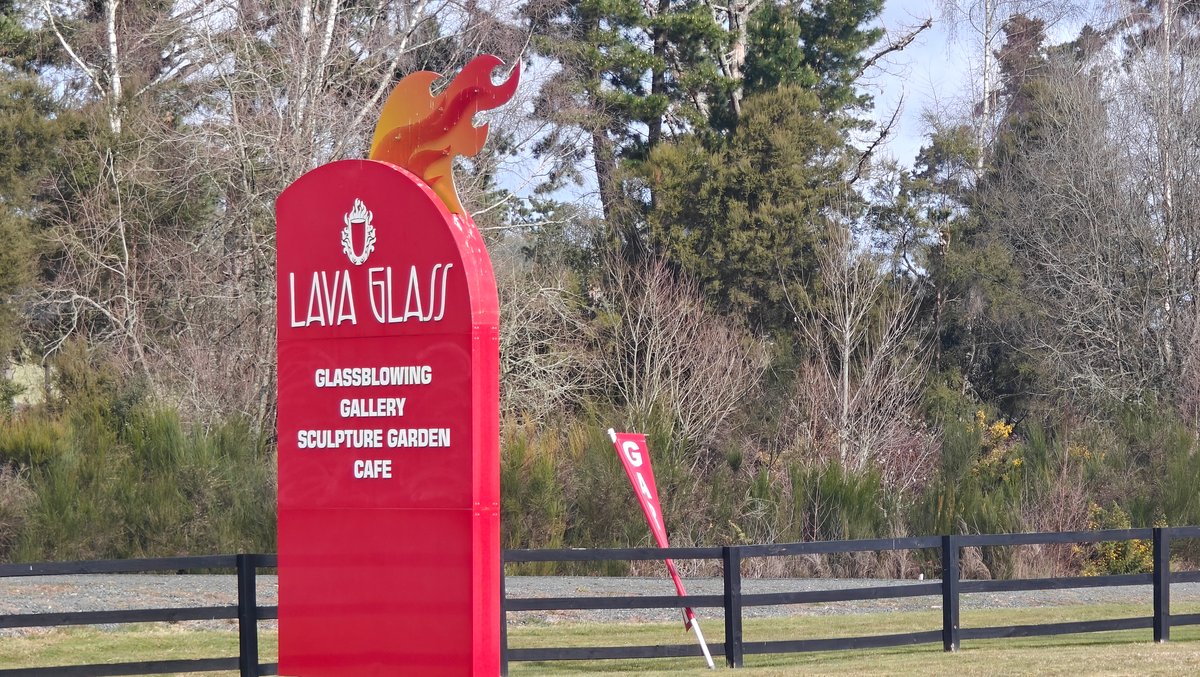
Me! I didn’t know until I began wandering around and found more hidden in every crevice. Walking in, I didn’t know quite what to expect, but I spotted the entrance marker from the road which led me into the car park.
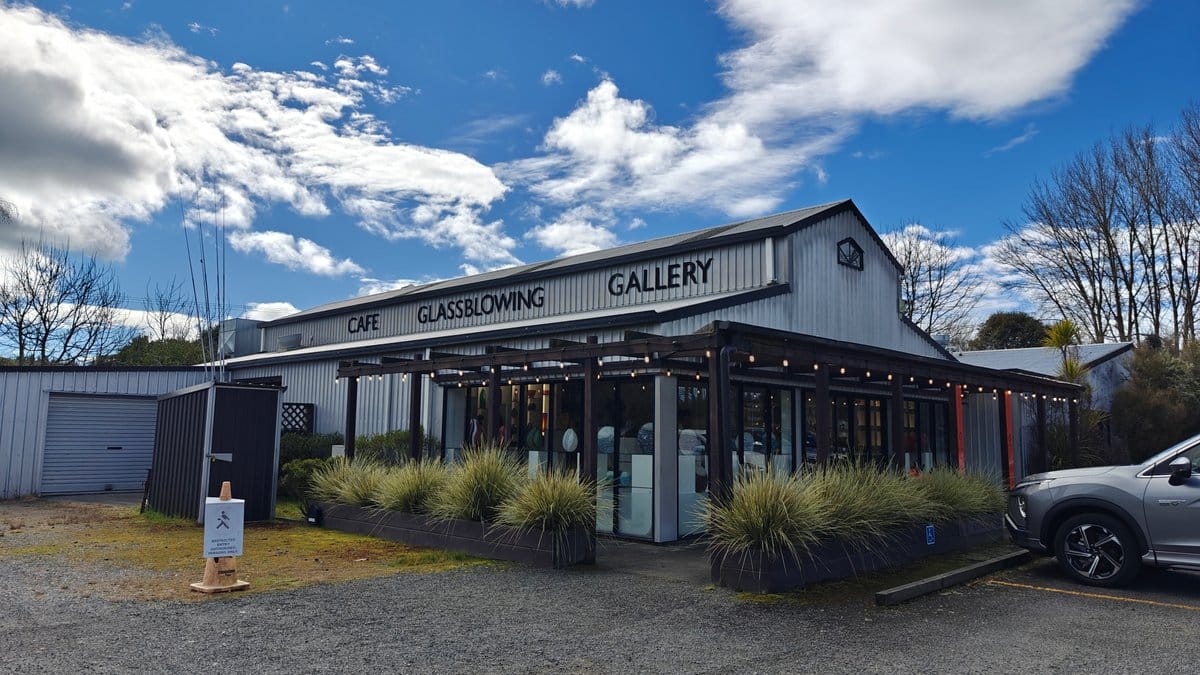
Outside it was a fairly unassuming building, a neat looking studio with an associated workshop.
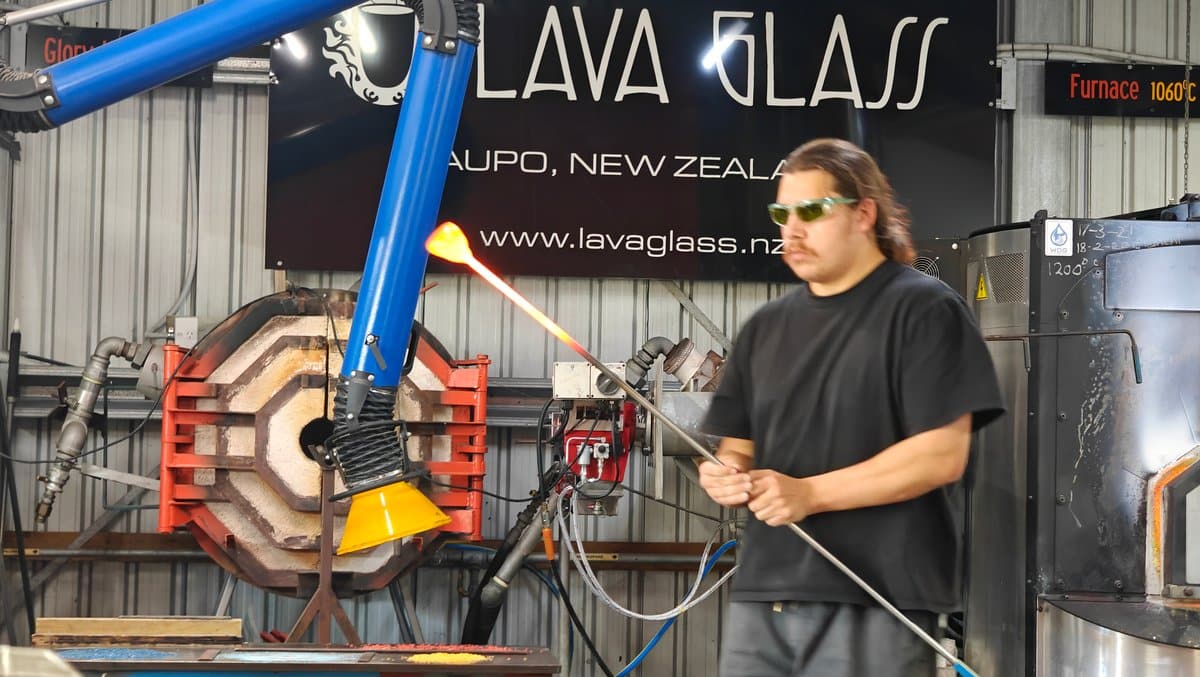
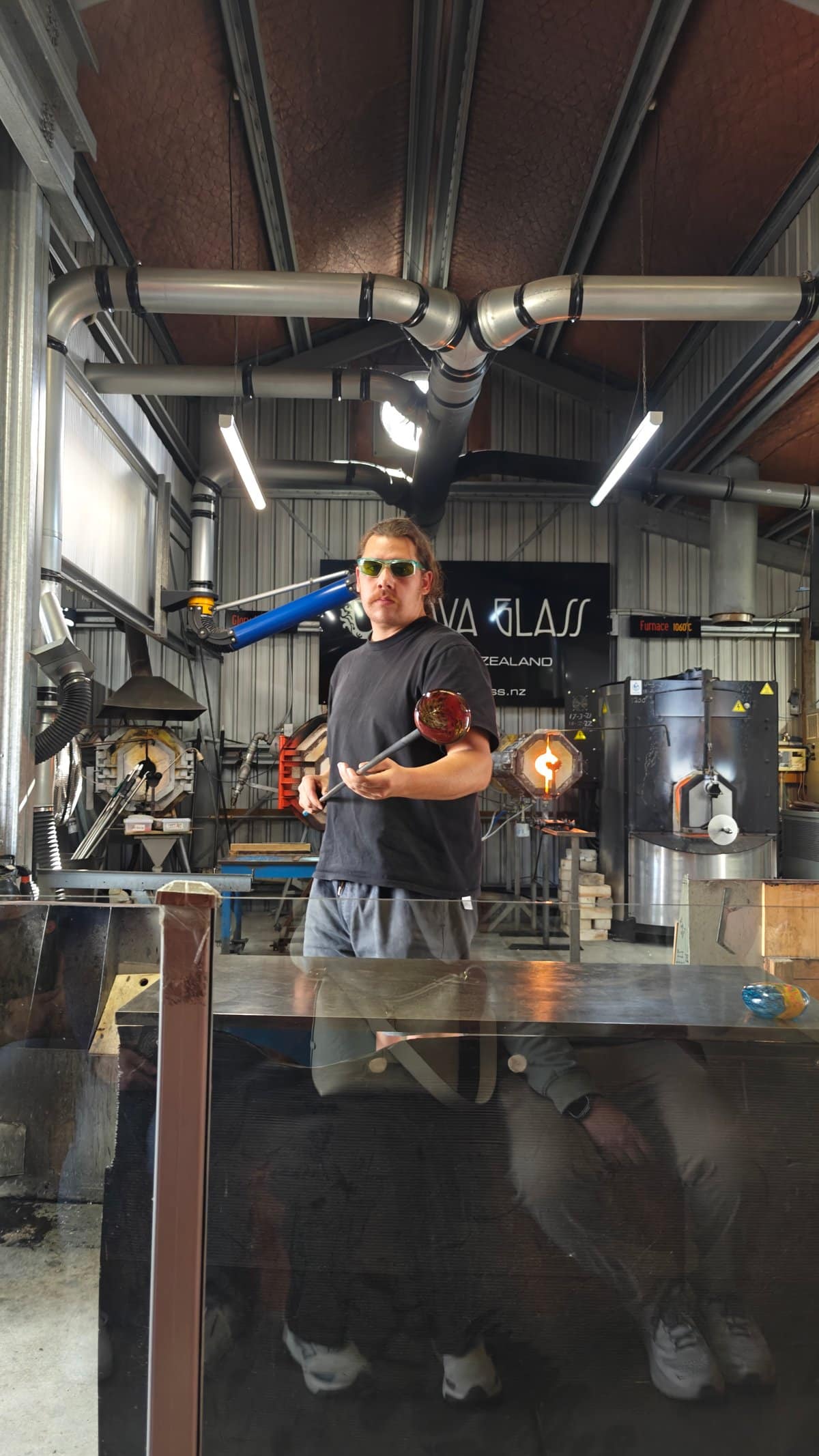
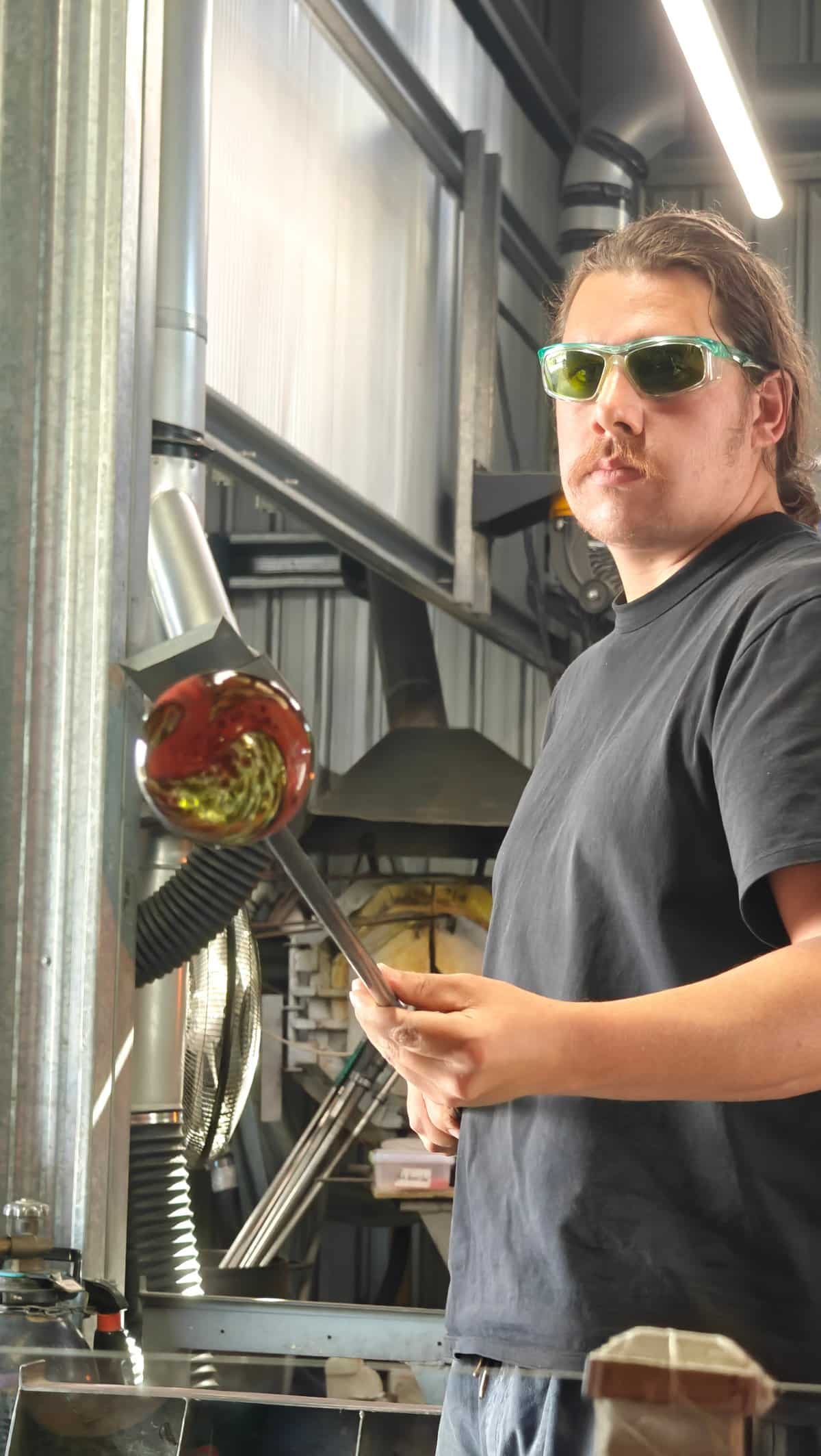
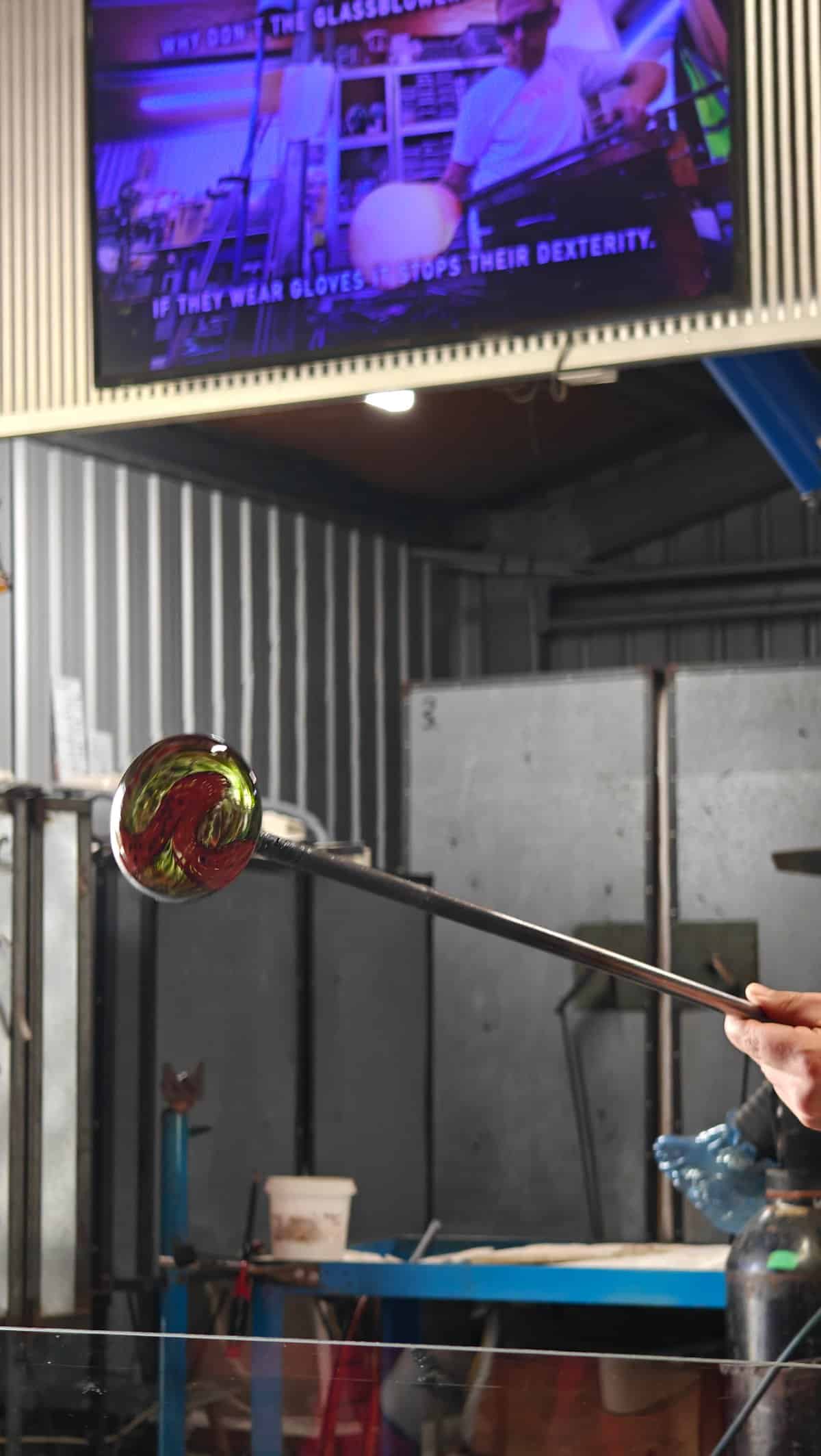
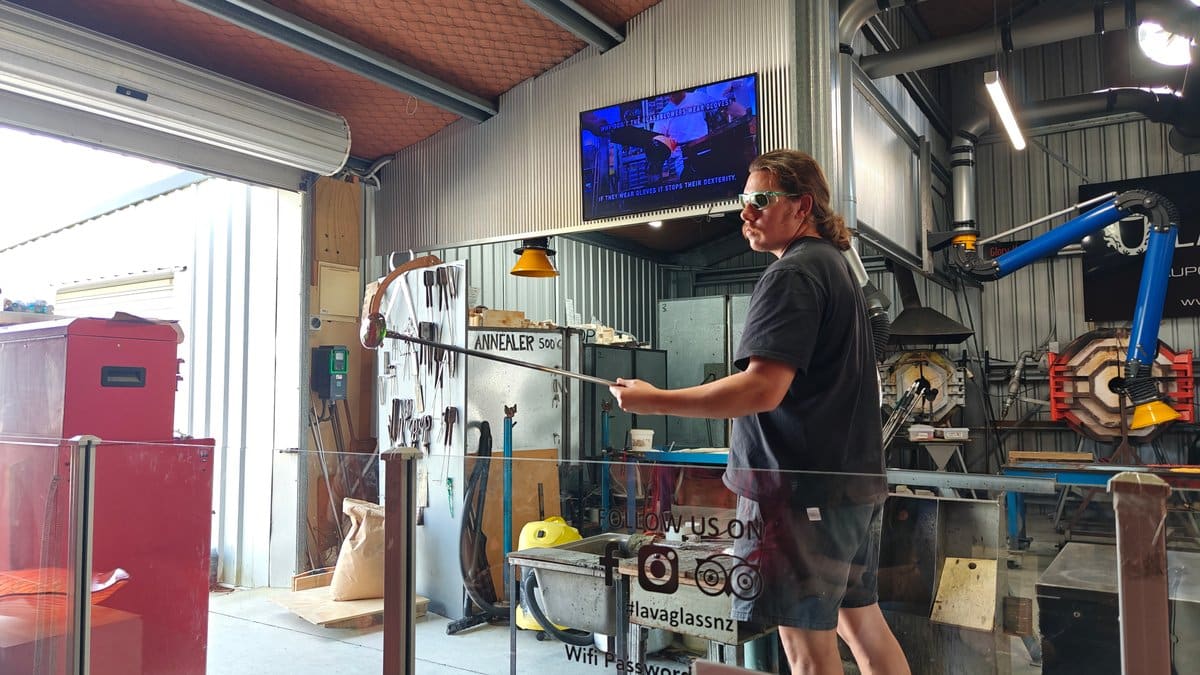
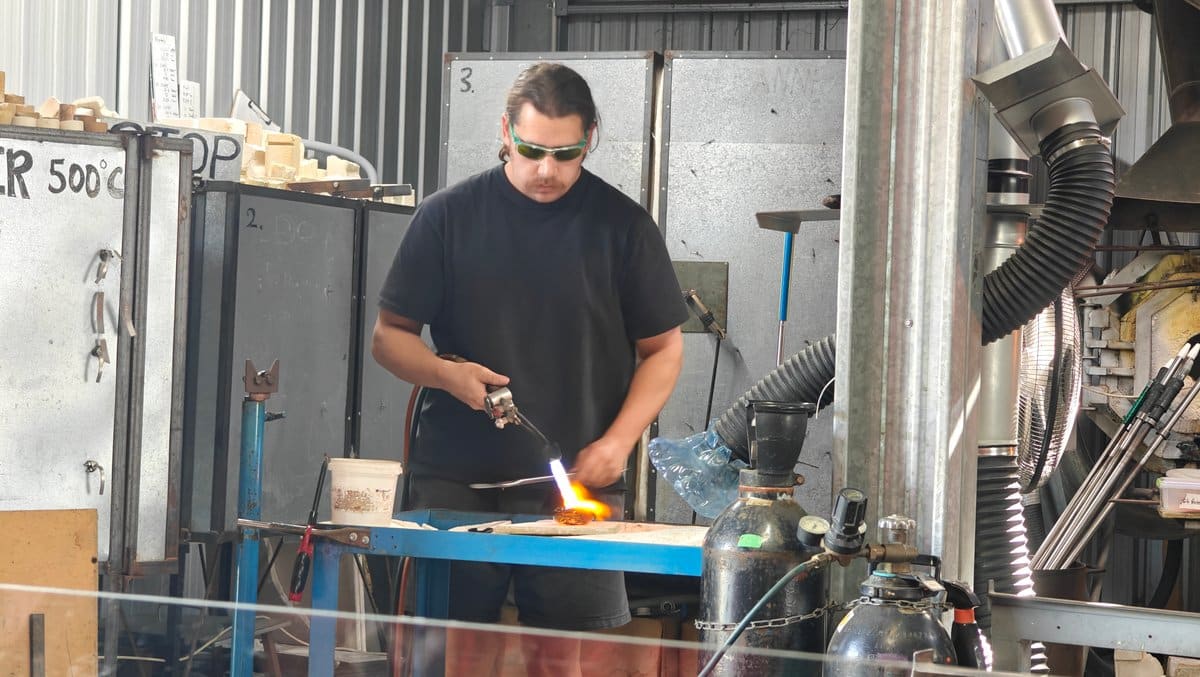
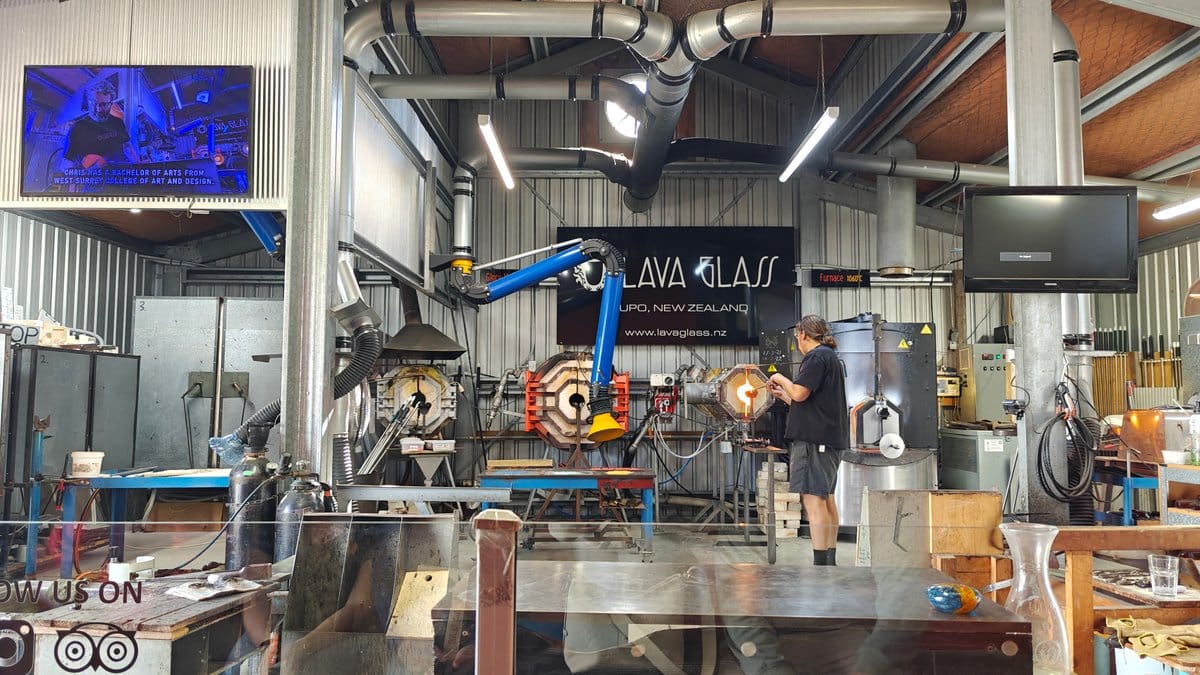
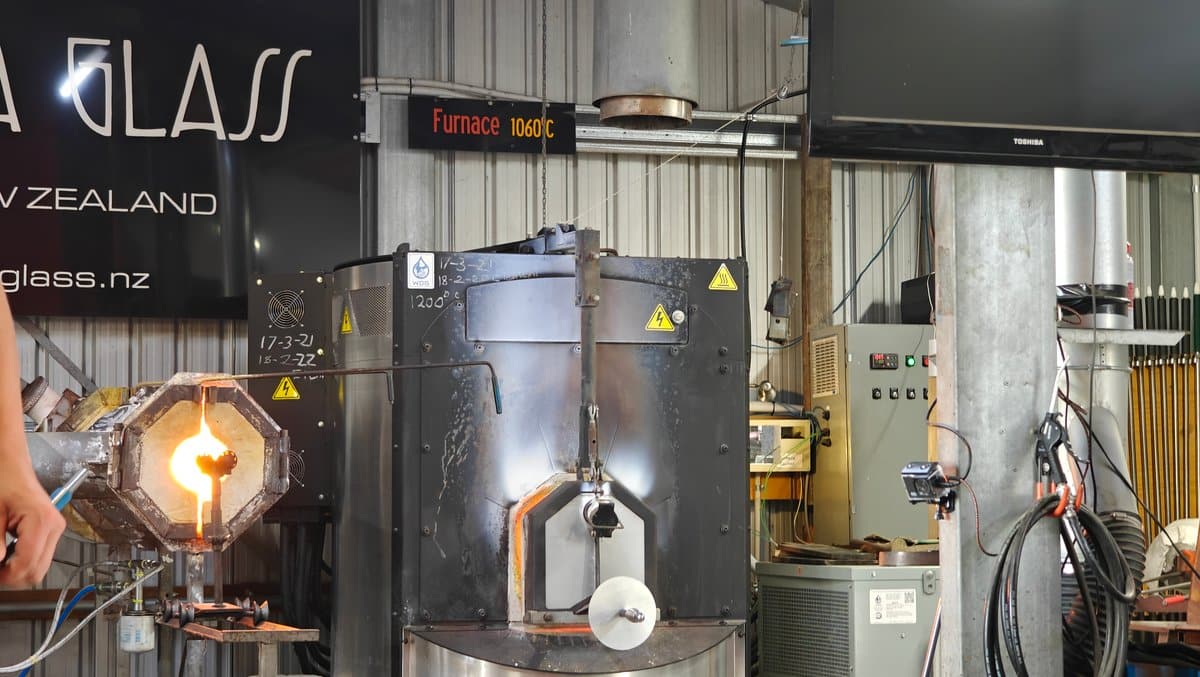
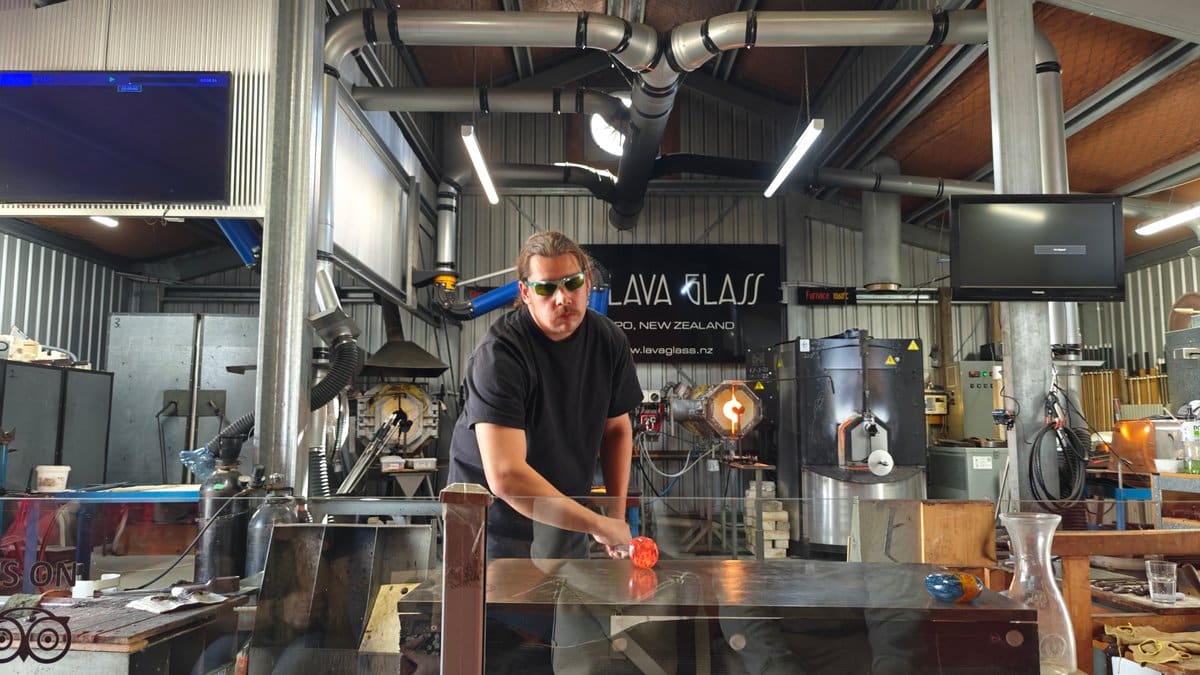
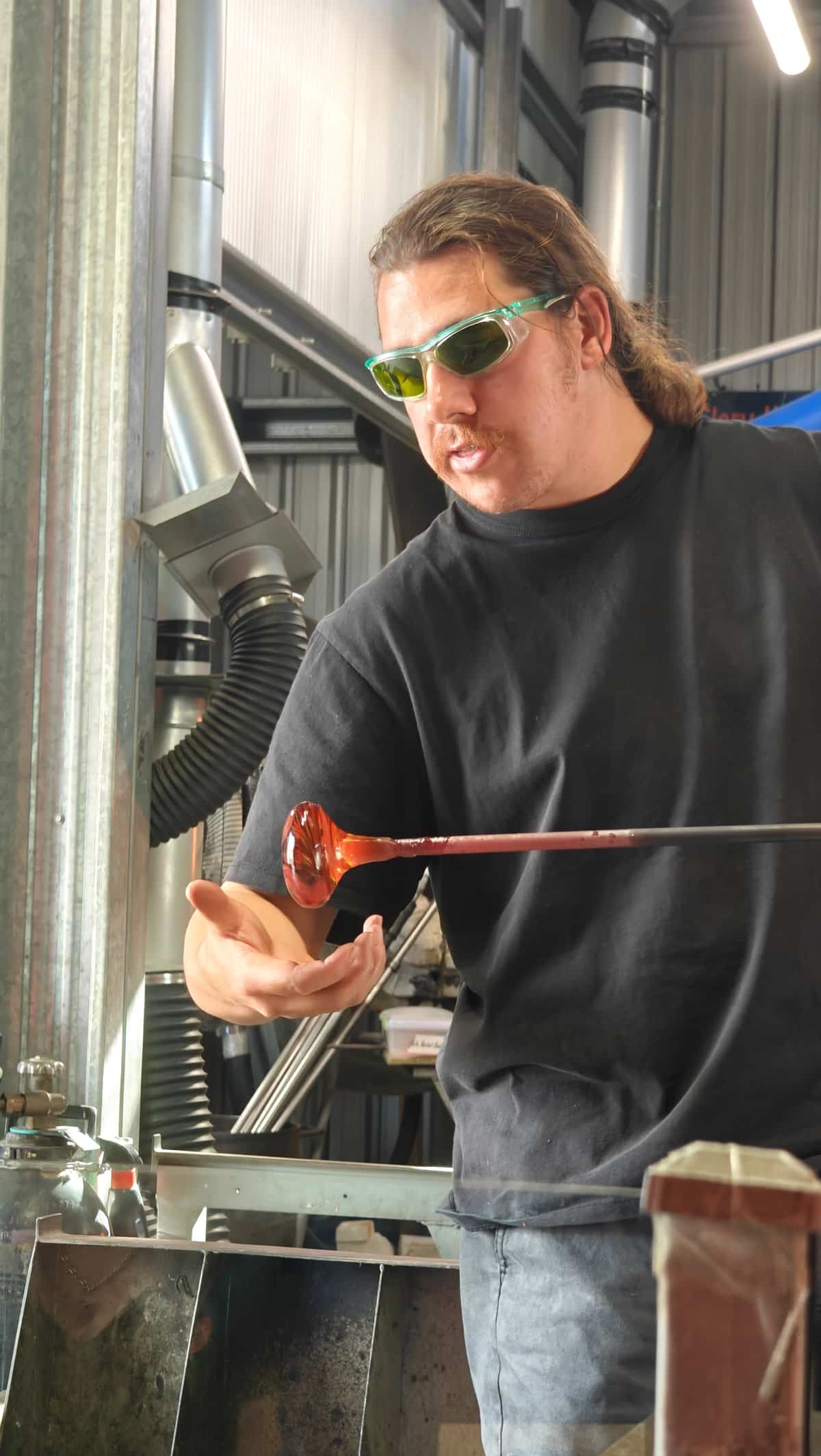
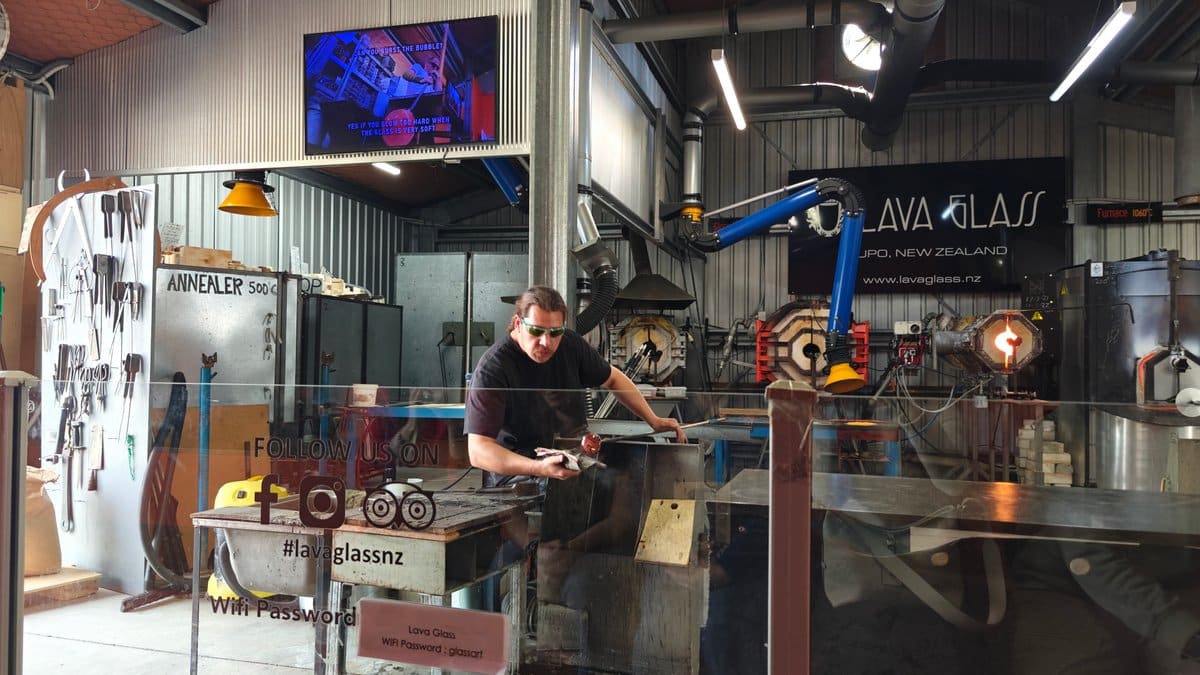
As I entered I could already sense the heat coming from somewhere within. When I got there, they was doing a glassblowing demo which turned out to be one of my favorite parts because I stood there for like 20 minutes watching them. There’s an actual artist blowing on a blowpipe at a bench and twisting this blob of molten glass that is literally glowing.
I’ve never seen glass glowing like that before; it’s all liquid-like, sagging and moving around as he turns the pipe. Then he keeps going back to the furnace to heat it again, forming it into shape with his torch and tools, and it’s so physical the entire time. Everything has to be done in the right order, smoothly, or else the piece will droop the wrong direction.
Between stages, he happily explained what he was doing when I asked a couple of questions. Even from several metres away, I could feel the heat radiating from the furnace. It was strangely mesmerizing watching as he pulled the red-hot glass out and worked with it until it cooled down.
While I don’t know if I would be patient enough to do this myself, I could understand how others became in love with it.
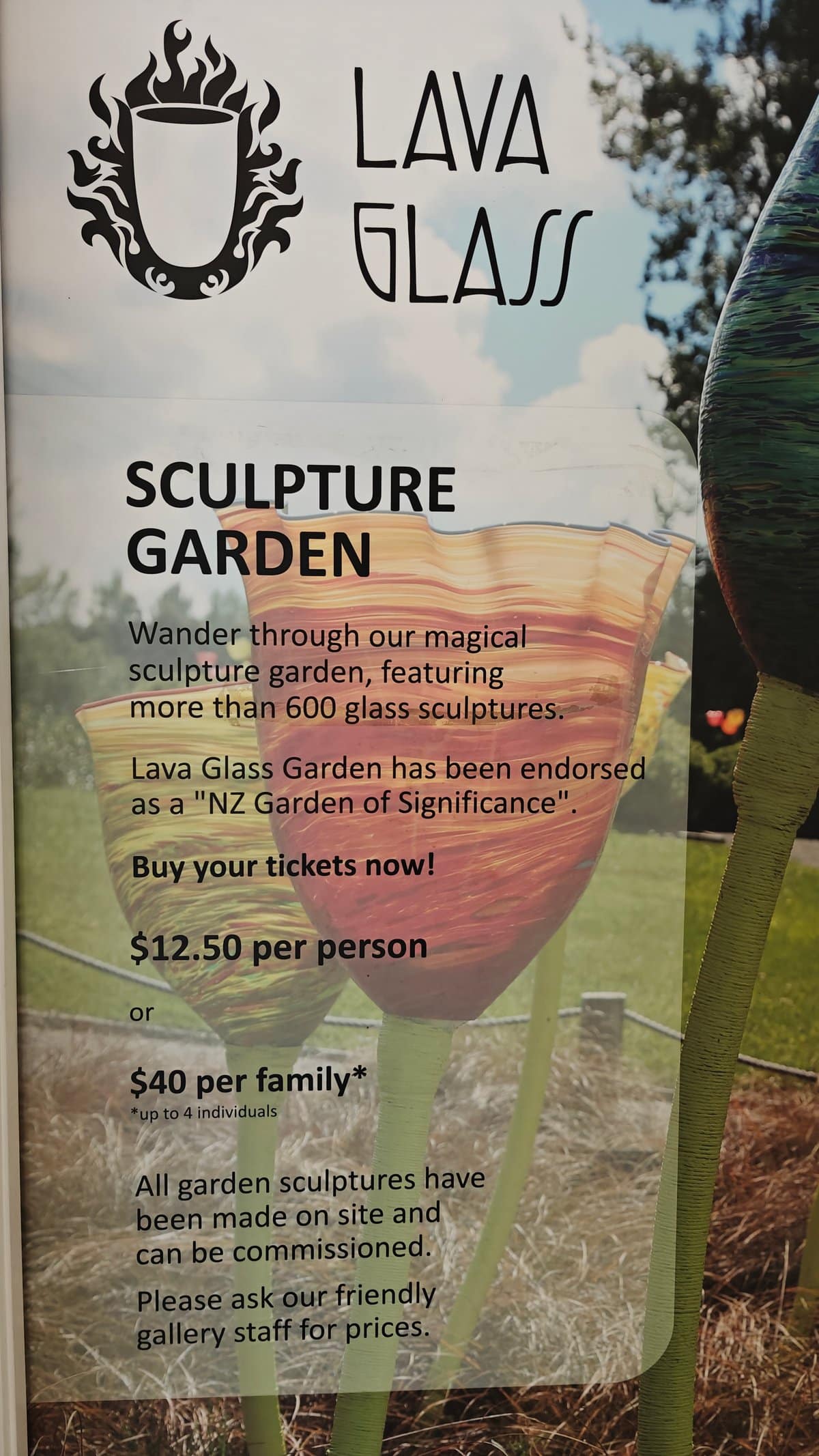
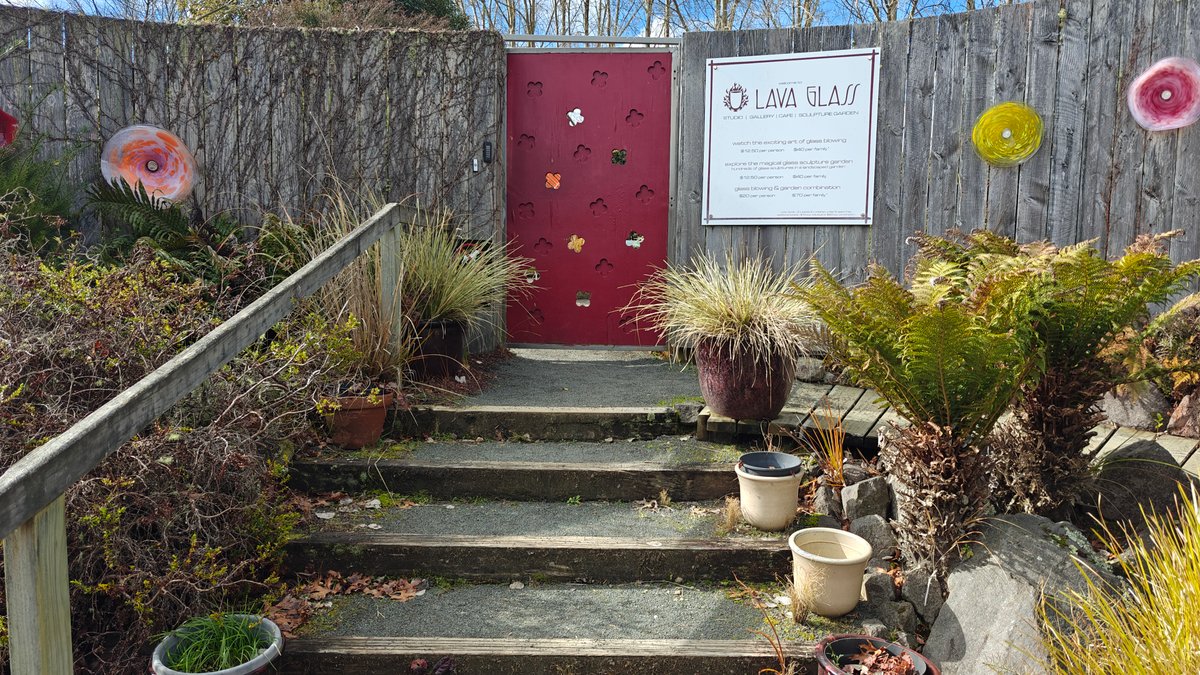
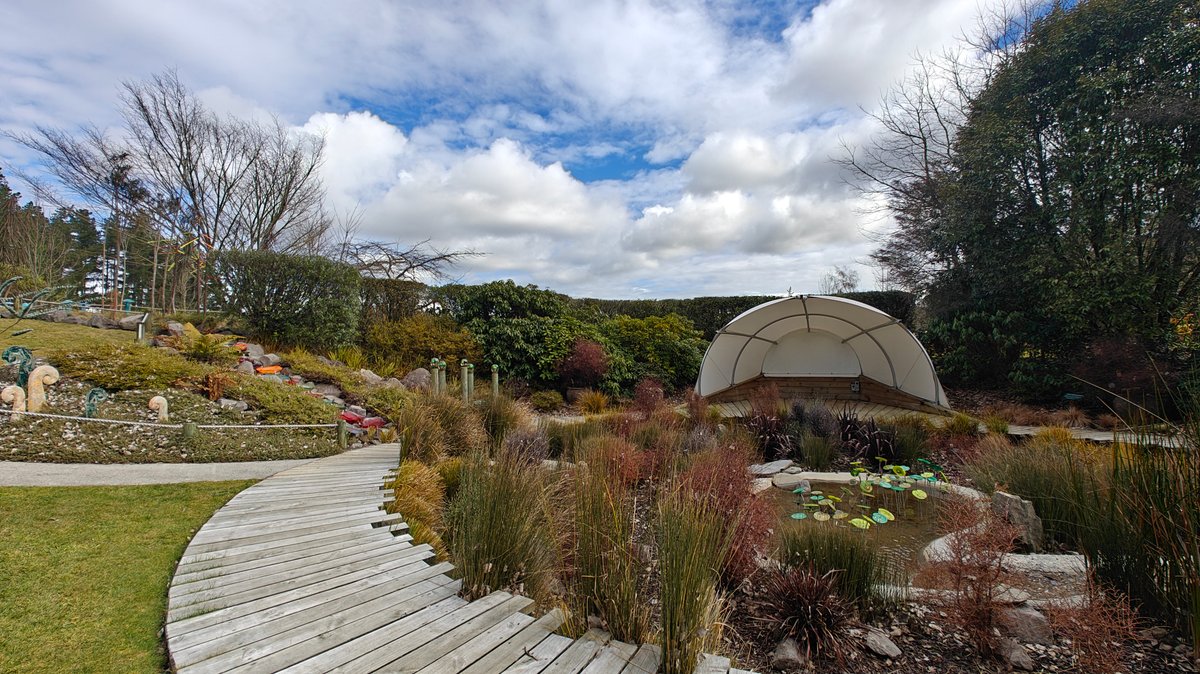
I saw the sign for the sculpture garden after the demo and thought, oh well, I’ll just go have a quick peek. But then the path took me down some stairs behind the studio, and it was like, oh no, this is not going to be quick. The garden wound through paths in every direction, looking like a couple of acres spread out before me from above.
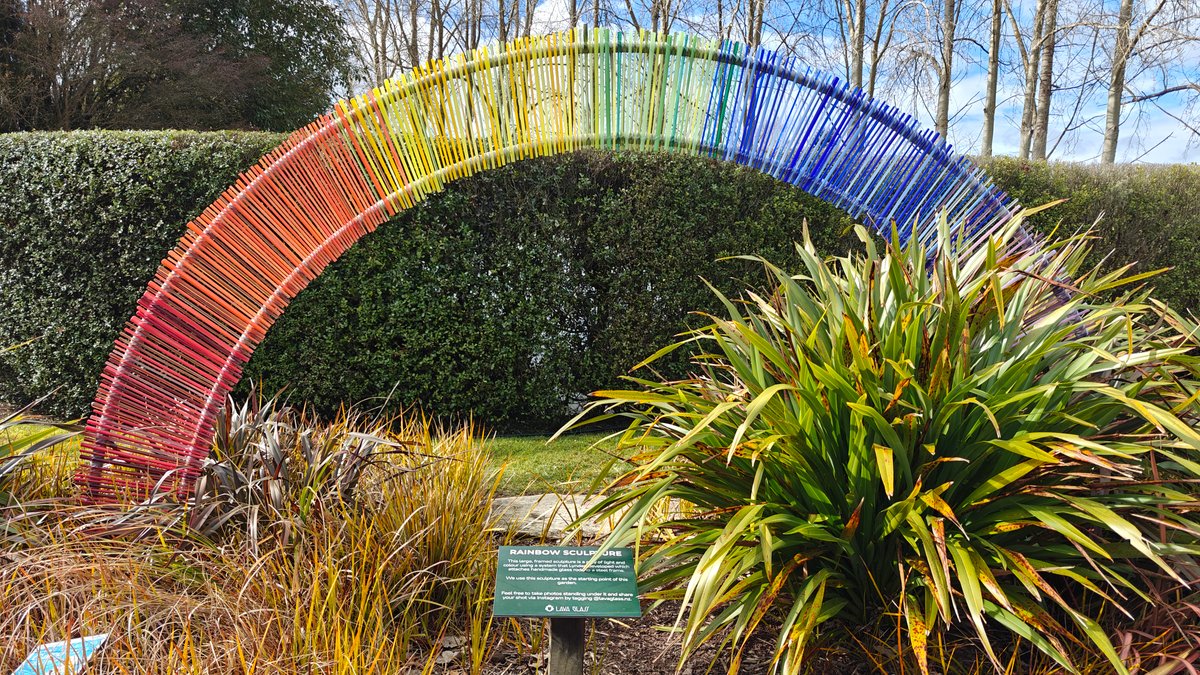
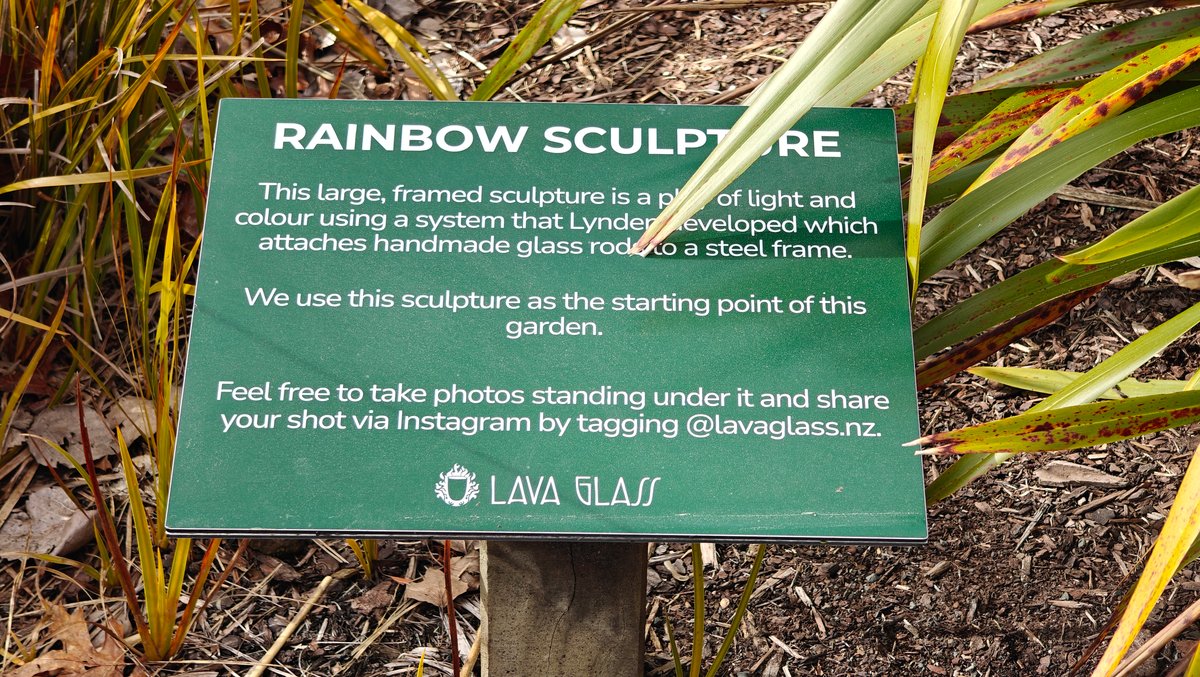
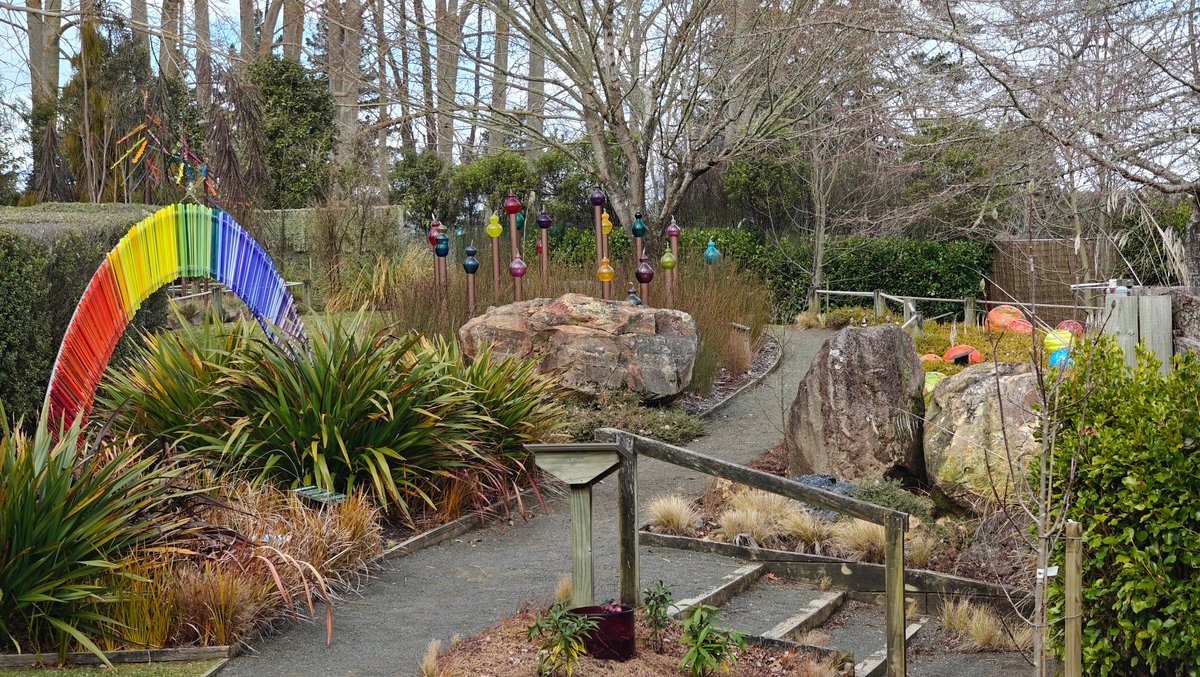
This is one of the first installations I saw: an entire arc made from glass rods, hundreds of them standing in a row. How did they get all those rods to stand up like that? I really didn’t know, so I stopped and read the sign about how it was put together.
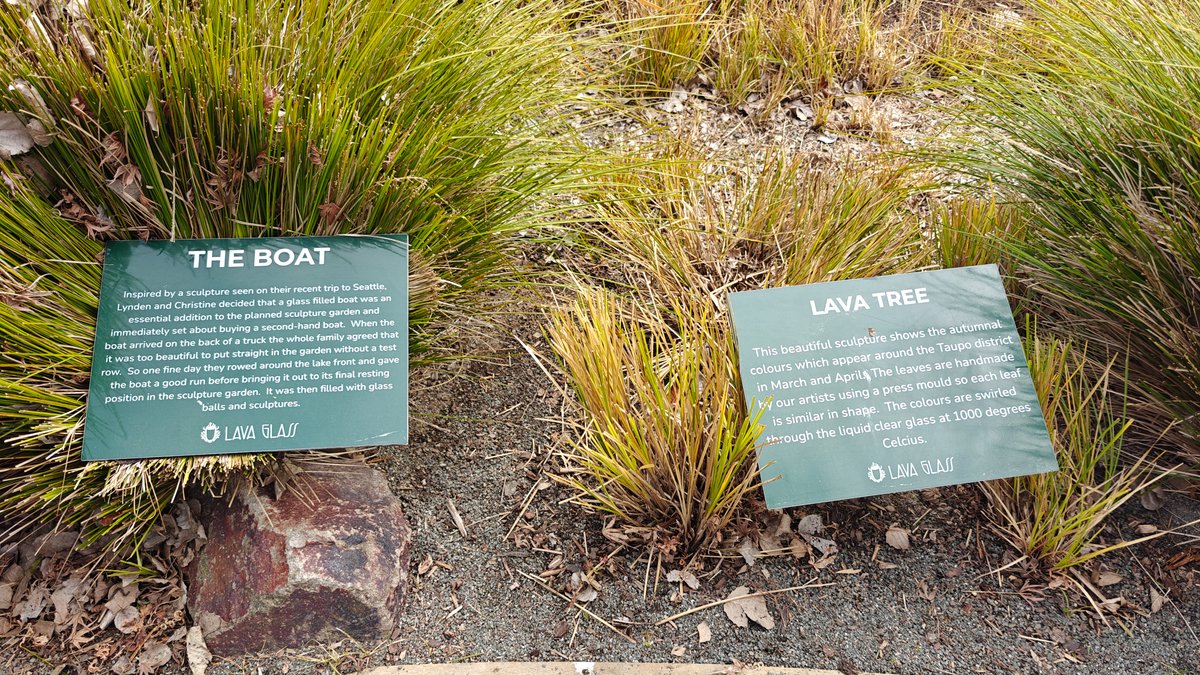
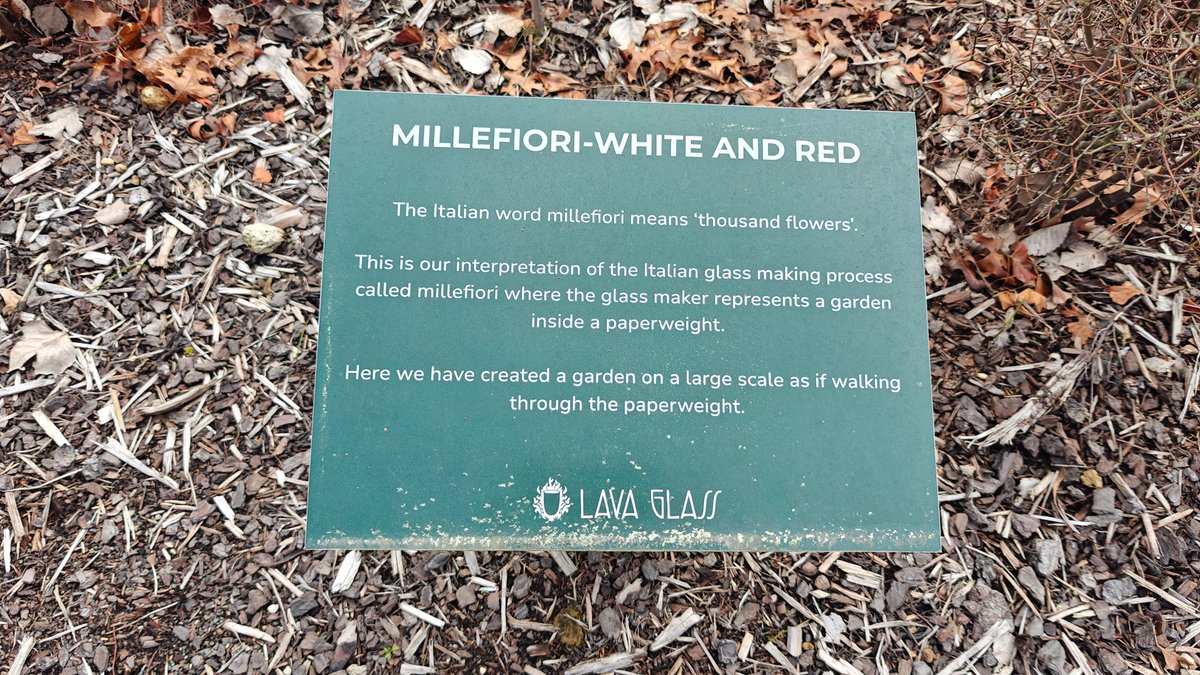
Half the time I didn’t know what I was looking at until I read the explanation. These little plaques was in every section of the garden and were helpful.
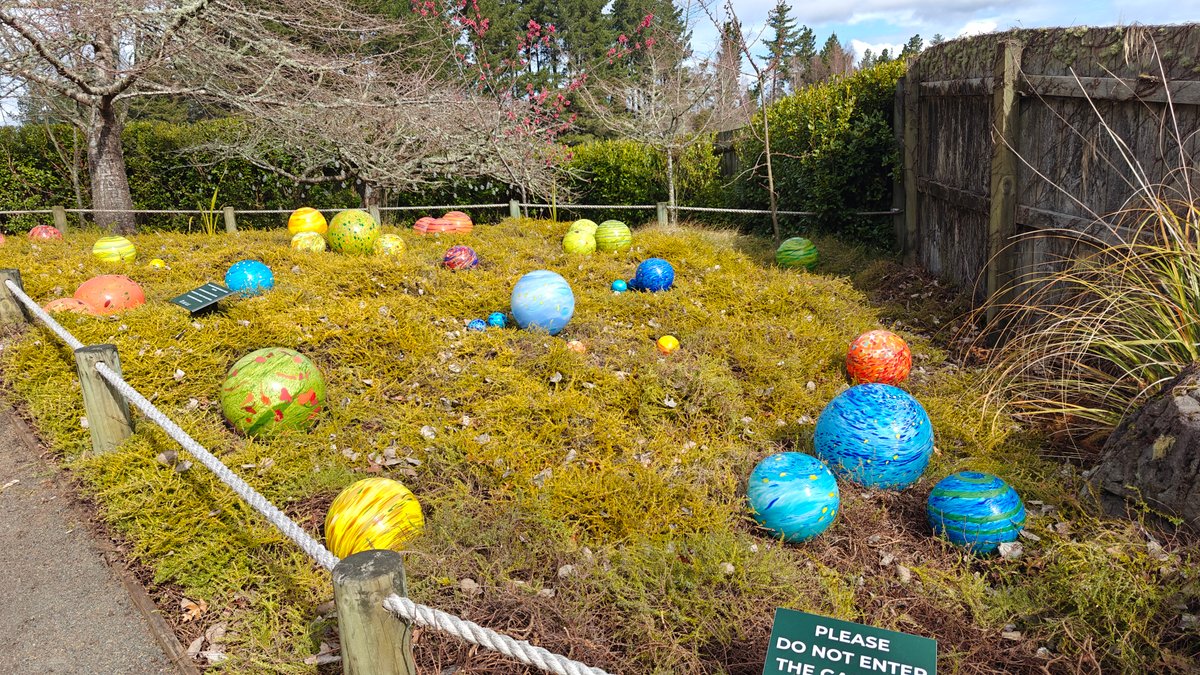
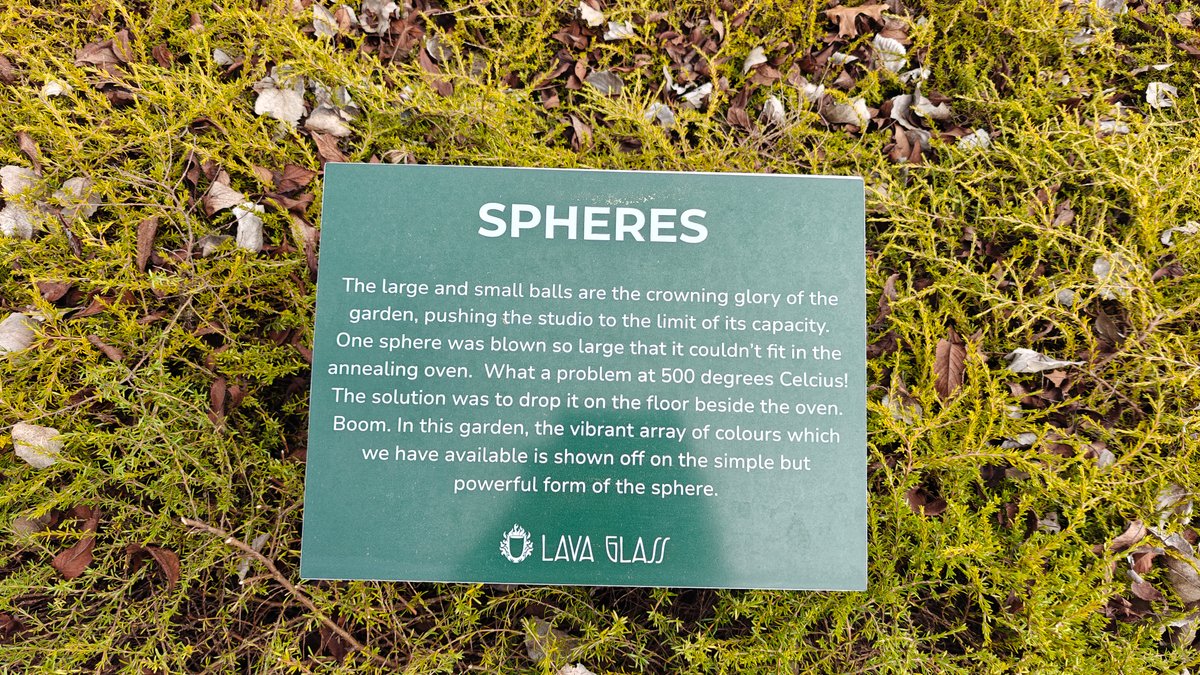
Glass spheres was all over the grass, like marbles being played with by people using bowling balls instead. Some were as big as my head. I couldn’t stop myself from wanting to pick them up and feel them to see if they really were glass or perhaps some sort of resin.
Turns out they were real glass, and so heavy they’d been in place for years. There were hundreds of them, dotting the lawn, and others hidden in garden beds farther along.
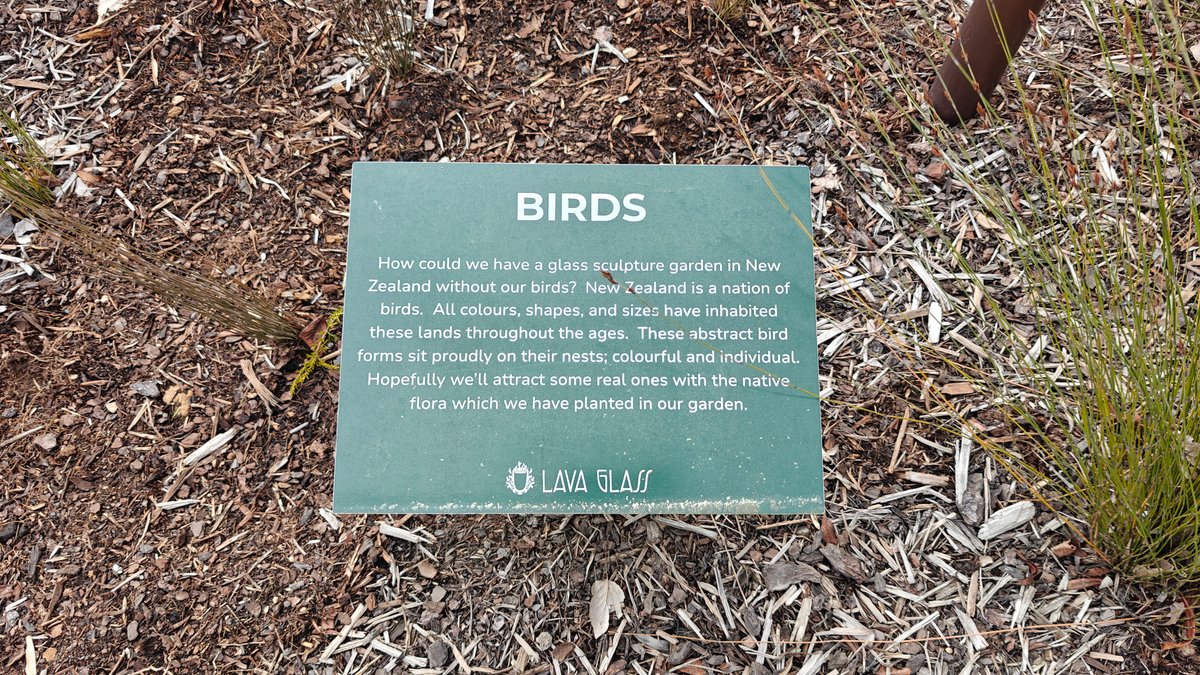
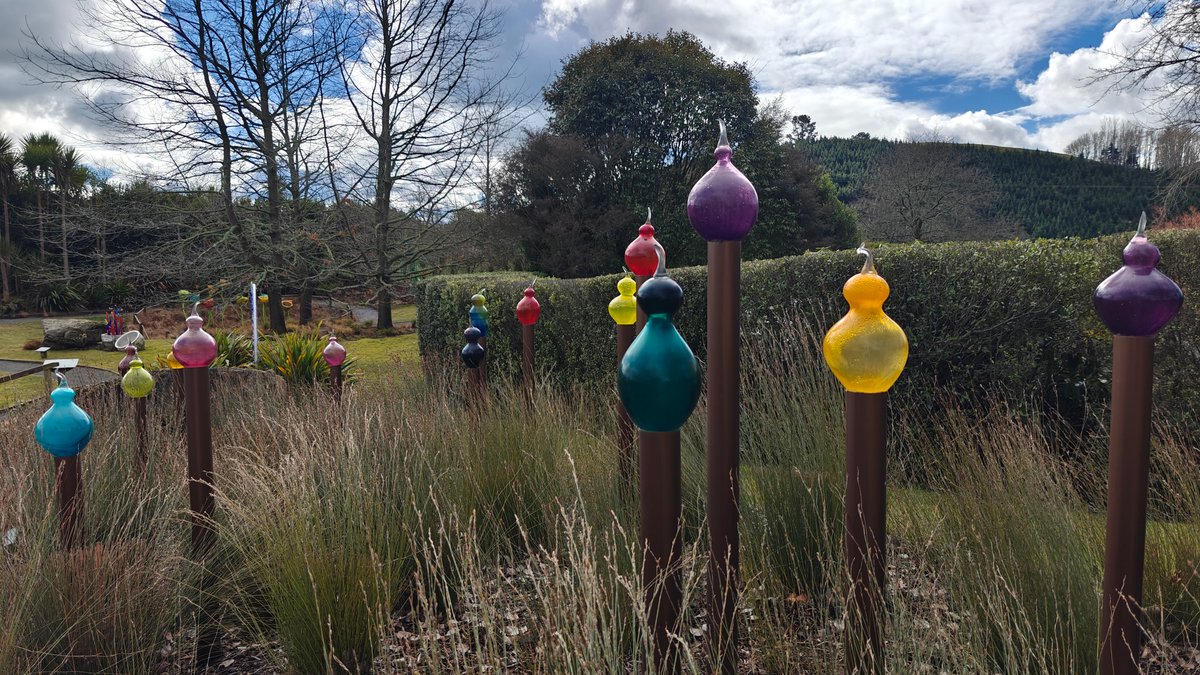
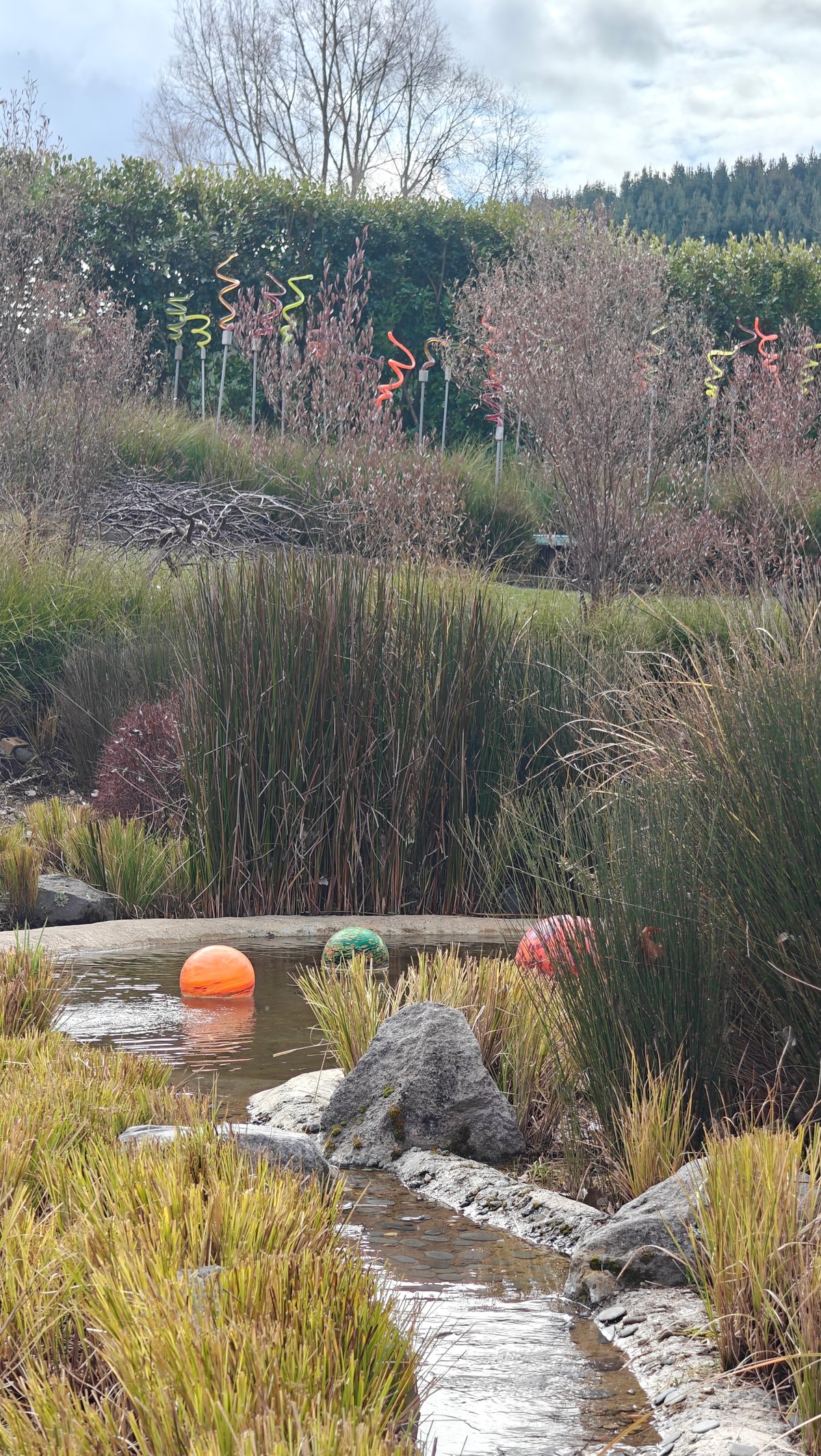
One area was filled with bird sculptures placed throughout the trees, looking like small flocks sitting here and there on posts or branches. I nearly missed some because they blended in so well. They varied from very abstract to very detailed, all with a bit of translucence that made them catch the light.
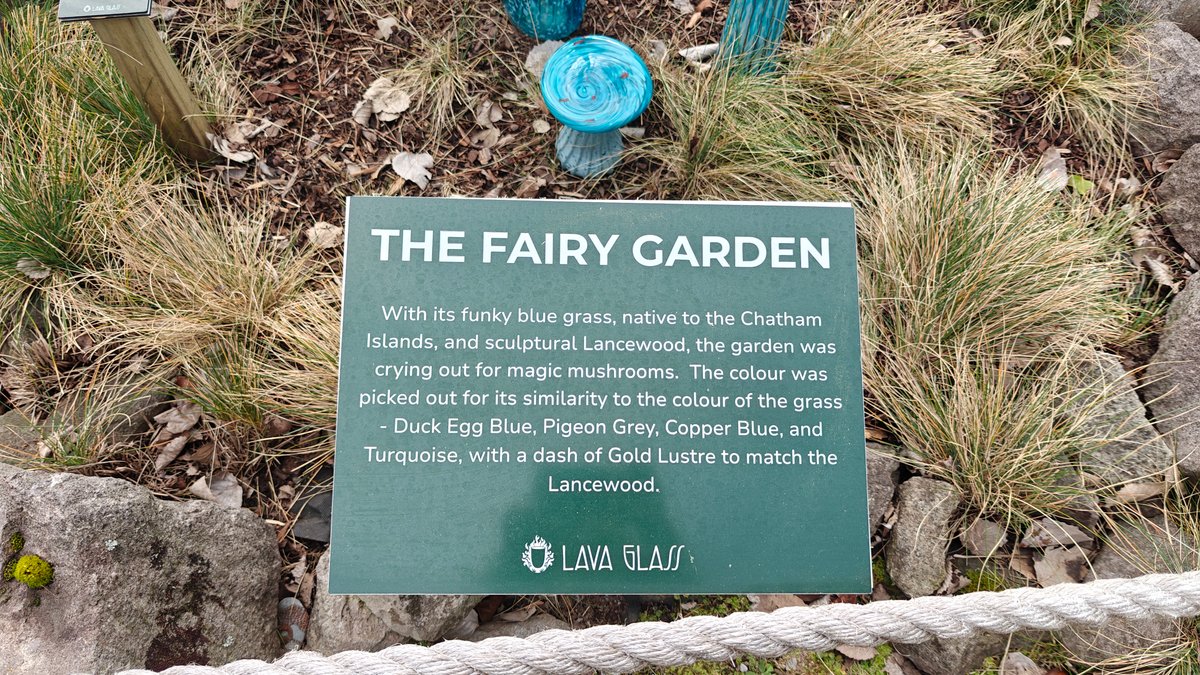
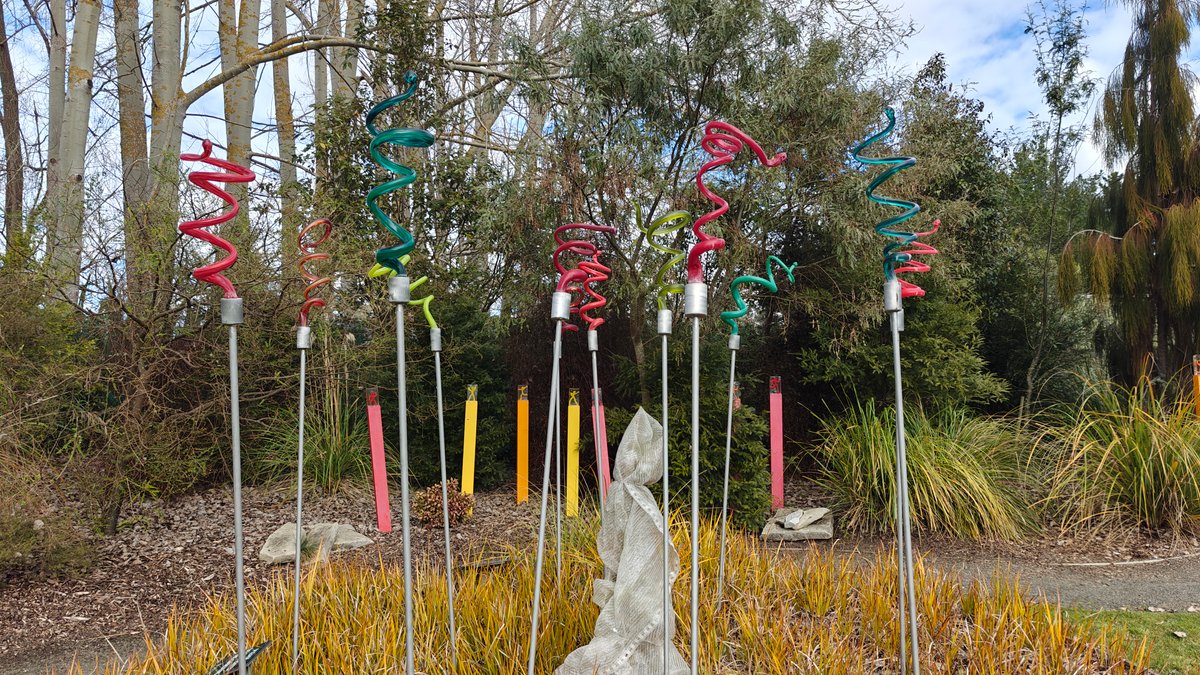
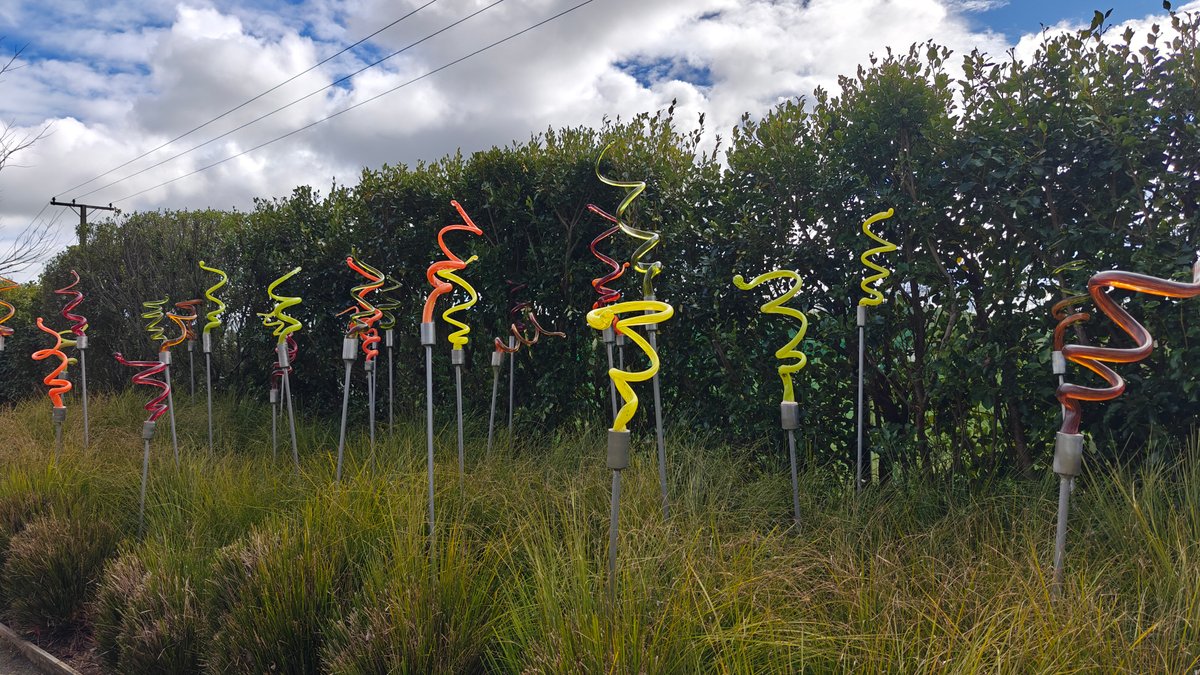
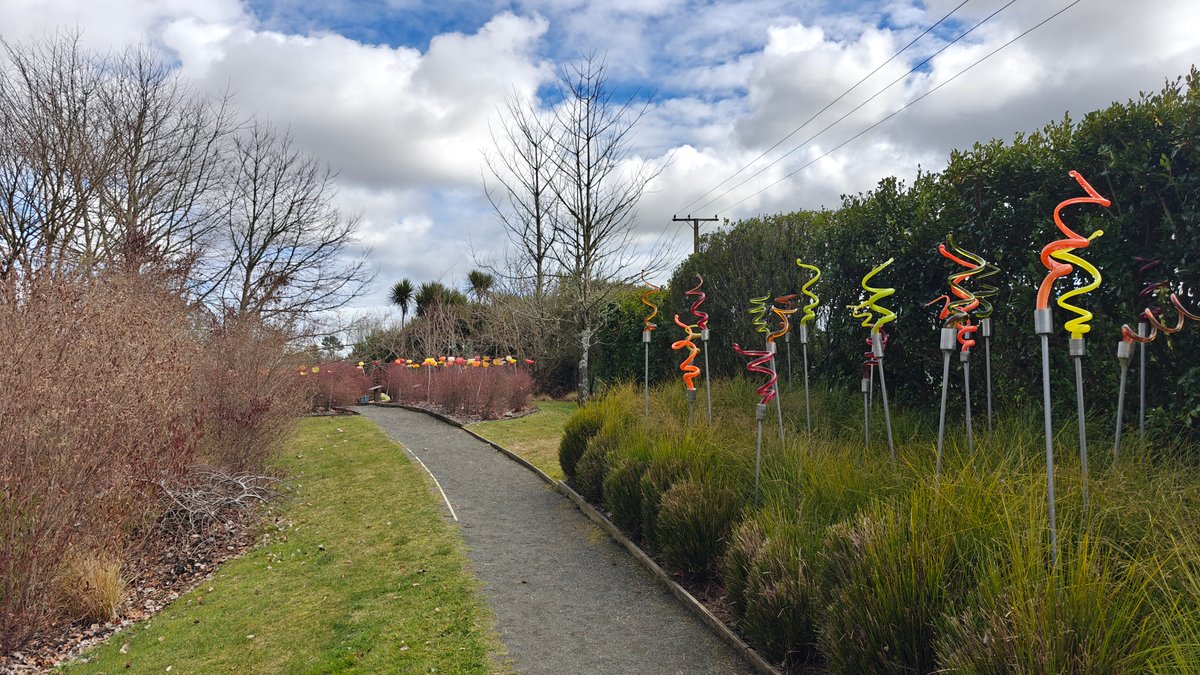
They had labeled one entire area the fairy garden. It wasn’t really a garden at all; just beds filled with glass rods (instead of flowers). All these weird glass reeds stood up straight, hundreds of them.
Some of them were curled on top, some were straight. They were all standing straight up.
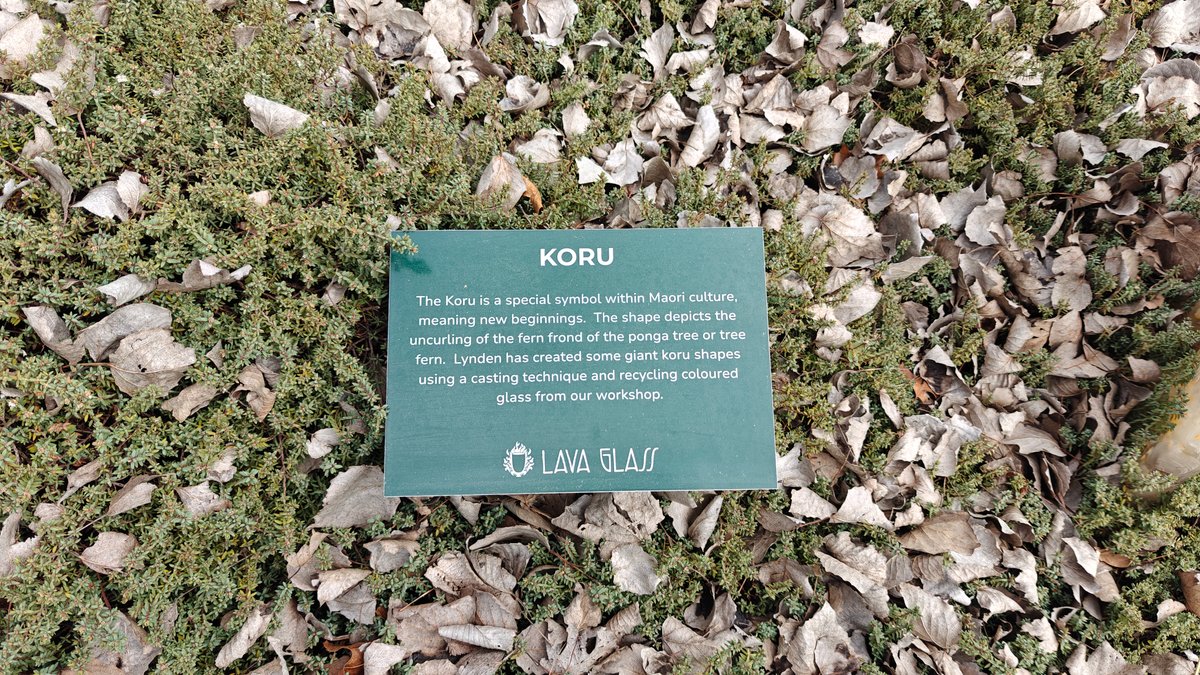
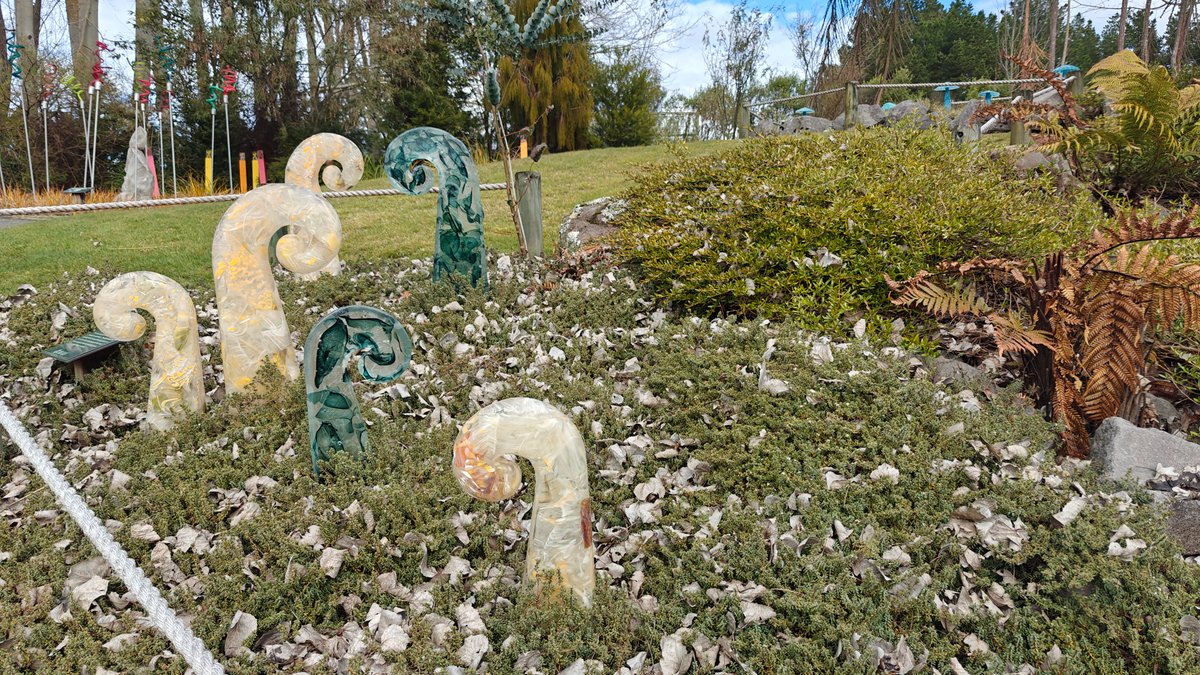
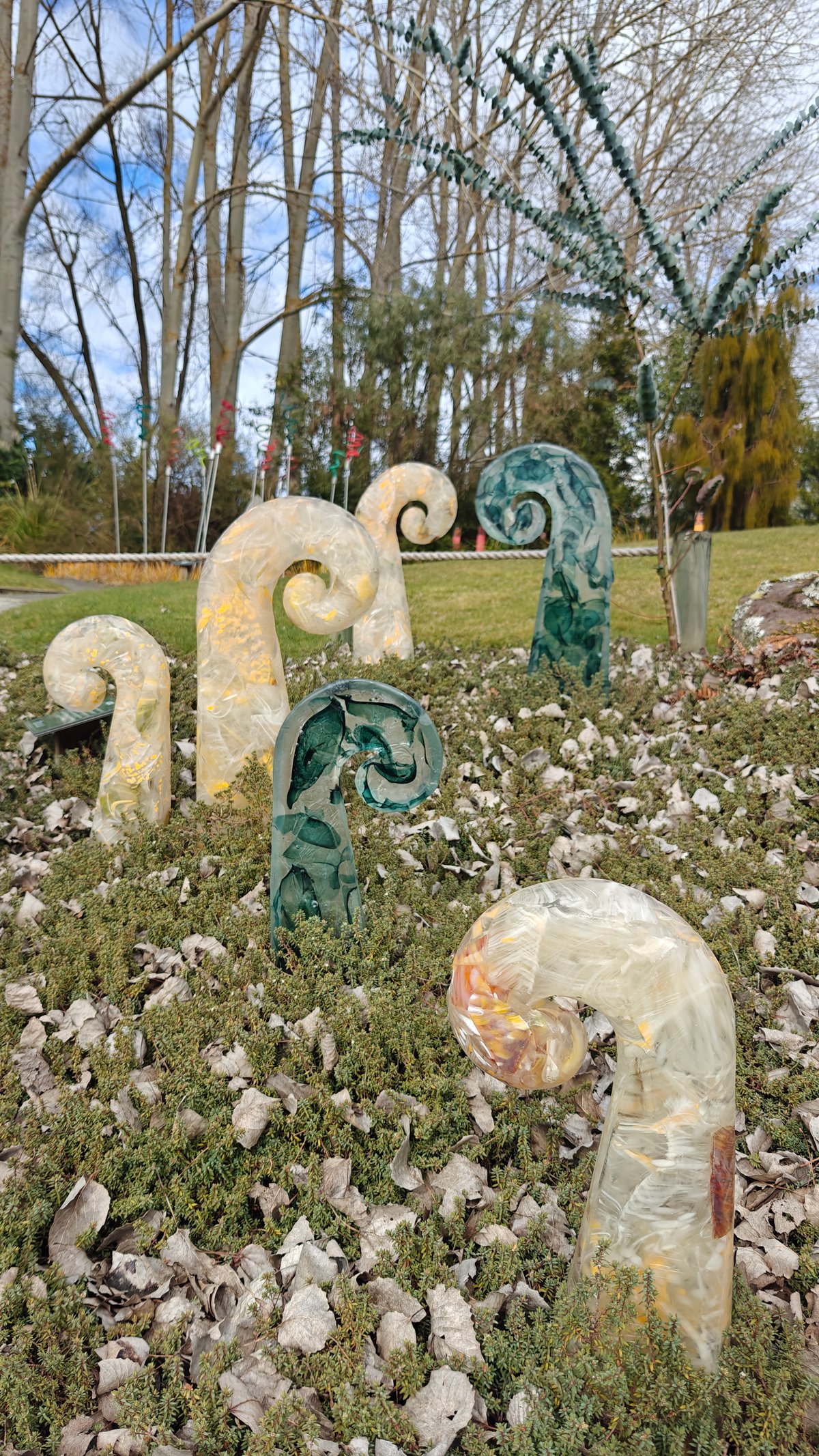
There was a narrow path to walk through the beds and it was kind of like walking through a very strange crop field. In some areas they were lined up by height and it would ripple as you looked down the rows. These are some of my favourite pieces, the koru spirals set onto a bed of white stone.
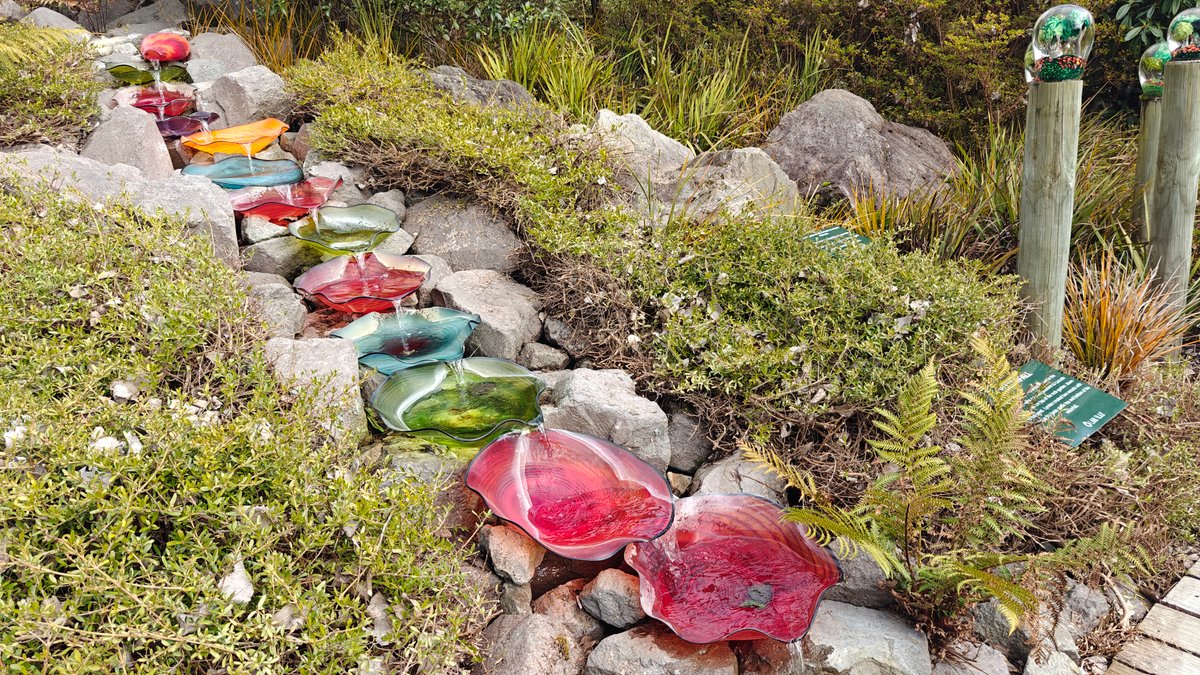
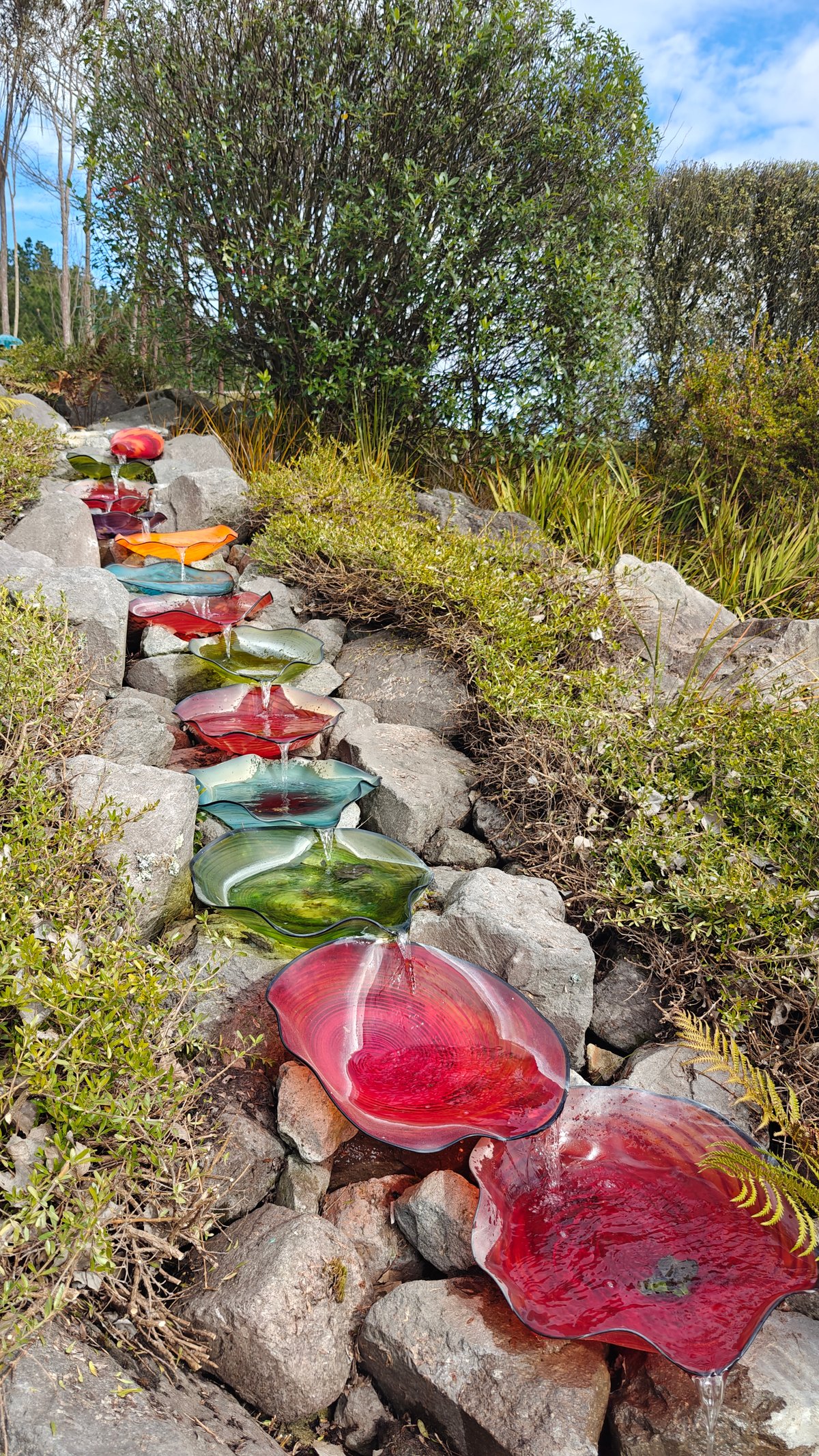
The spiral form is a traditional one here and I love how they’ve done that in glass which makes it feel totally different. Each of the spirals looked like a frozen wave resting on the stone, almost wet with how they caught the light. Turning a corner, there was a rockery, and a waterfall made entirely out of glass platters cascading down.
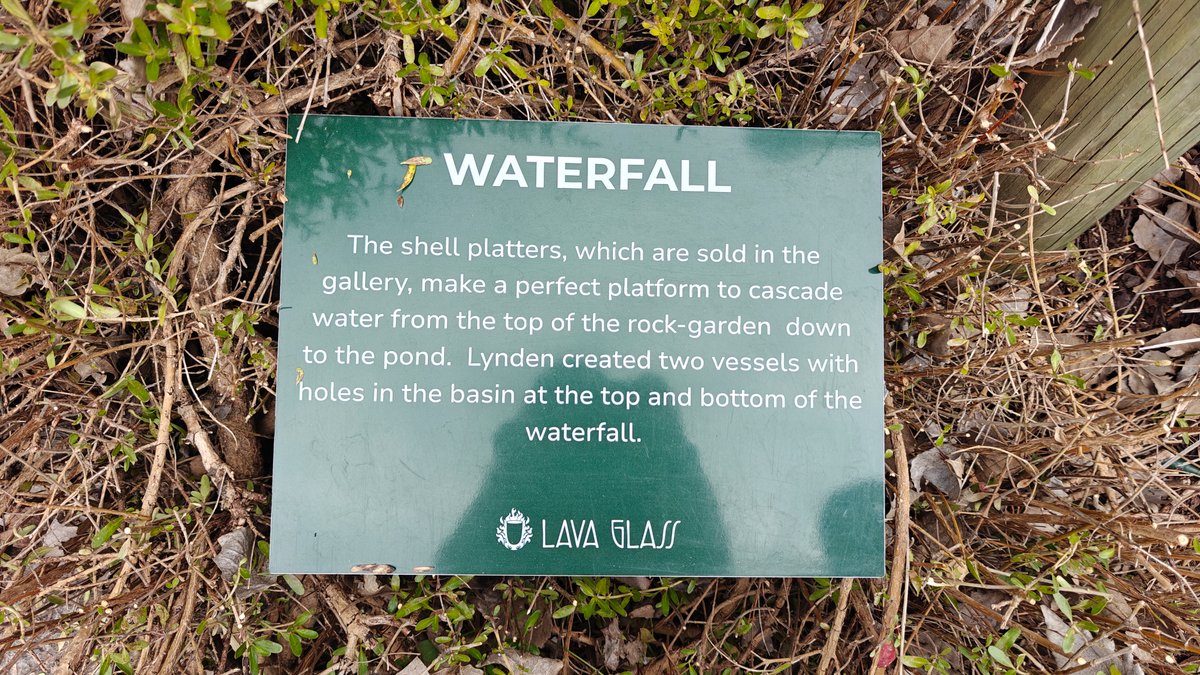
My brain struggled for a moment to process what I was seeing, I kept trying to see it as water but it was obviously solid. Someone had taken great care to get the angles right so that the layers of platters gave the appearance of flowing water.
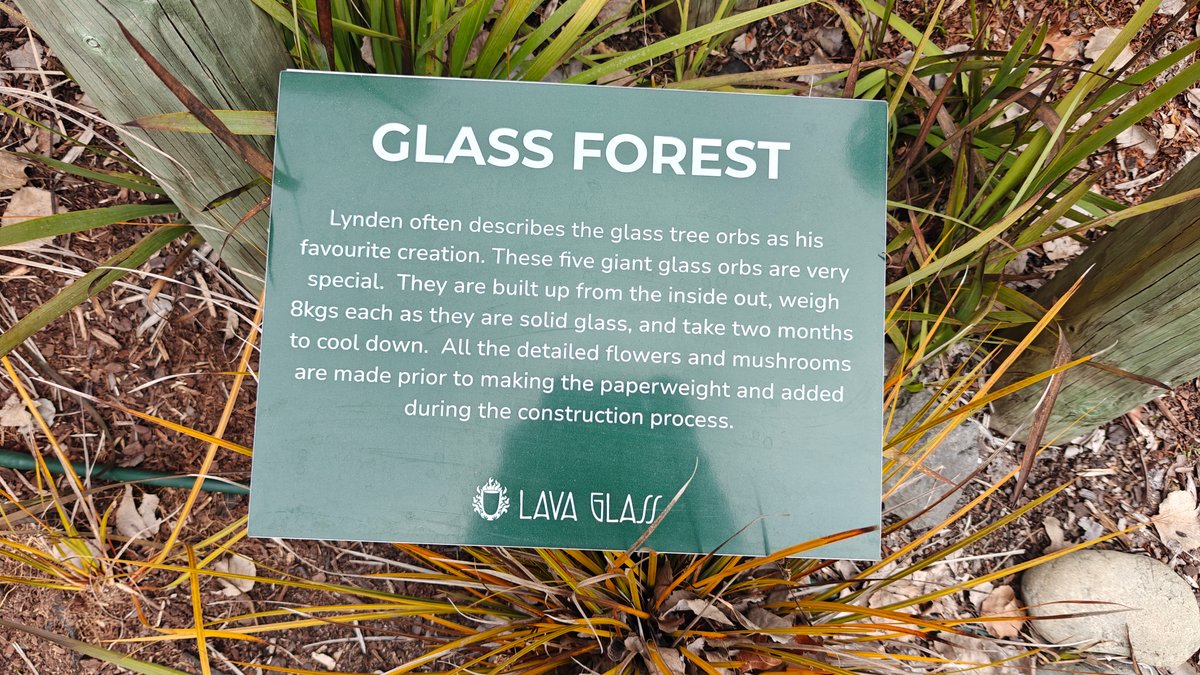
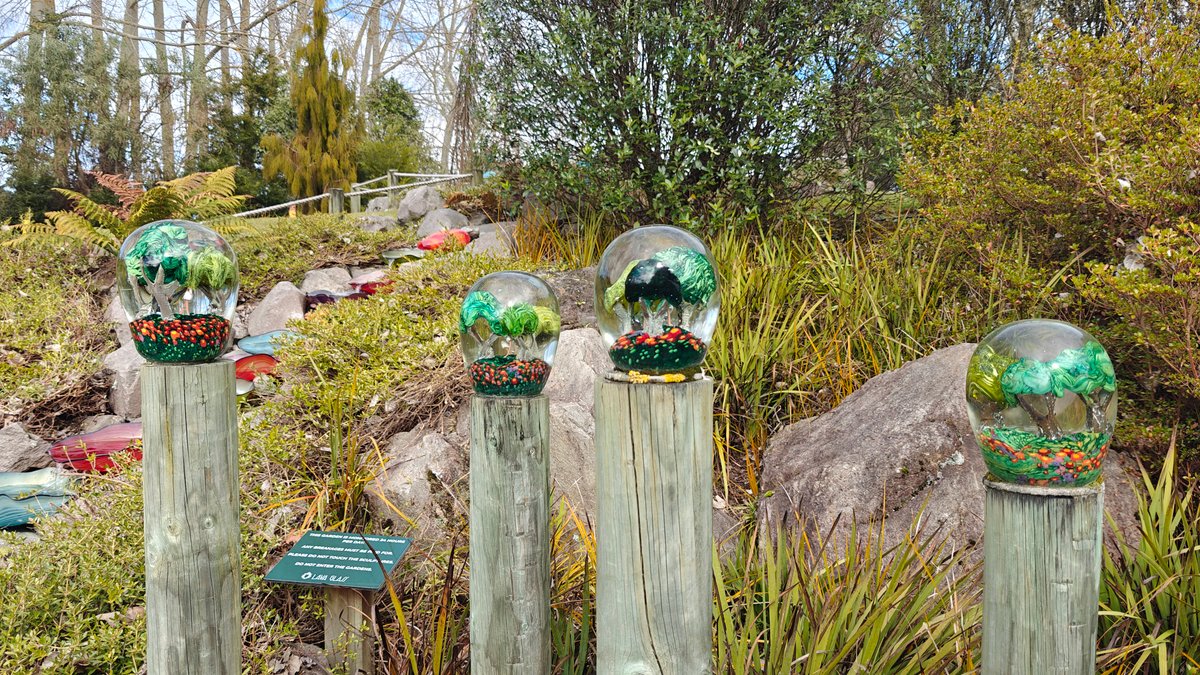
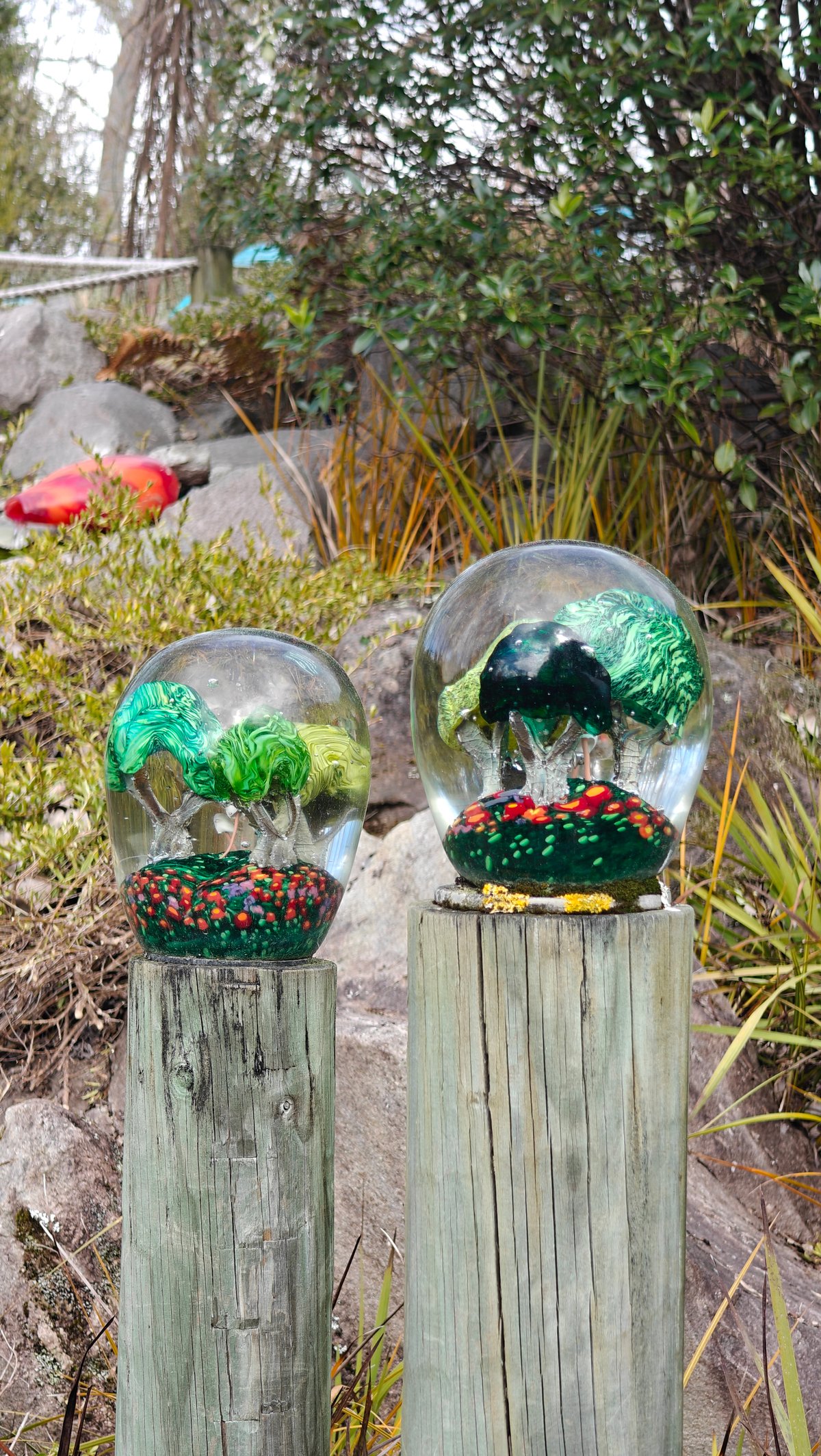
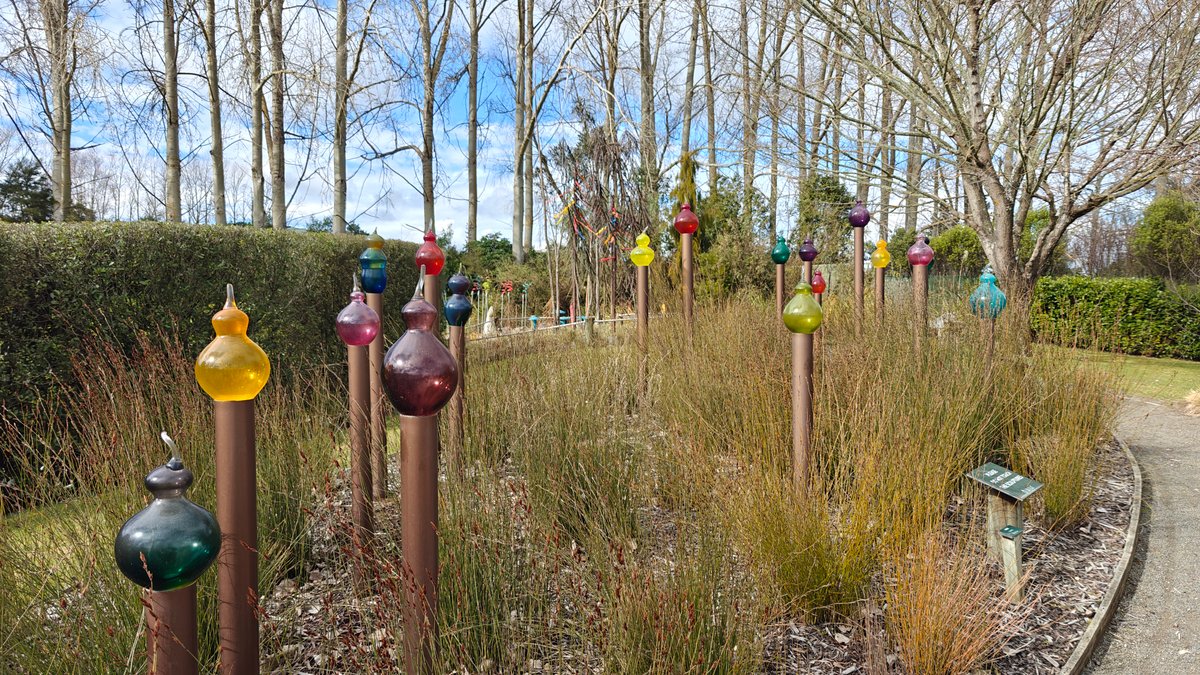
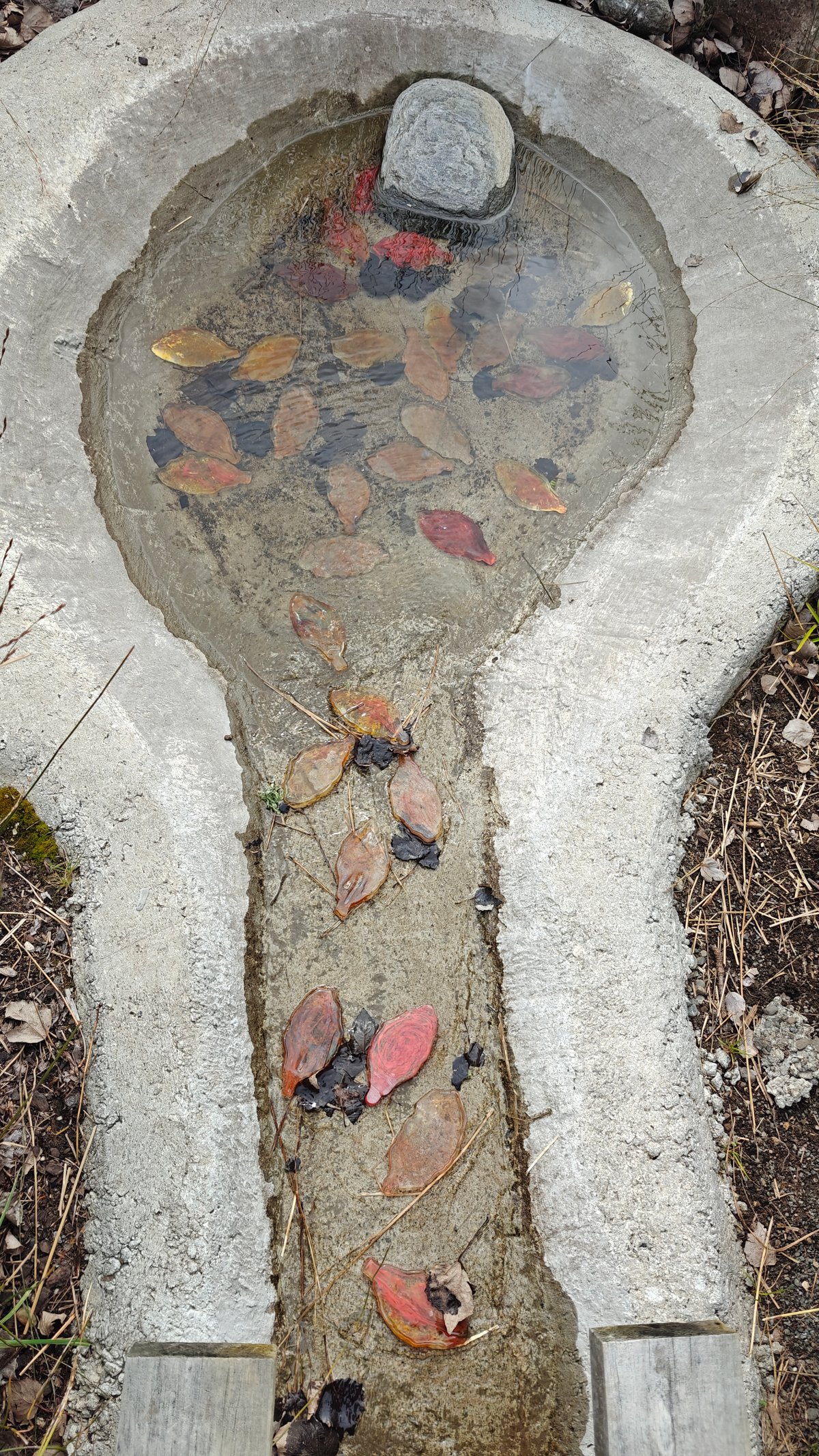
Nearby was a stone basin full of glass leaves, and I realised that the whole area was designed as a sort of water feature, only without any actual water. Then there were those enormous glass orbs mounted on timber posts in a glass forest. Like some giant lollipops, they loomed above me and I leaned forward to inspect every swirl and detail within them.
You could look right through the glass and still see patterns and layers captured inside. How do you pick up something that large when making glass?
I wondered.
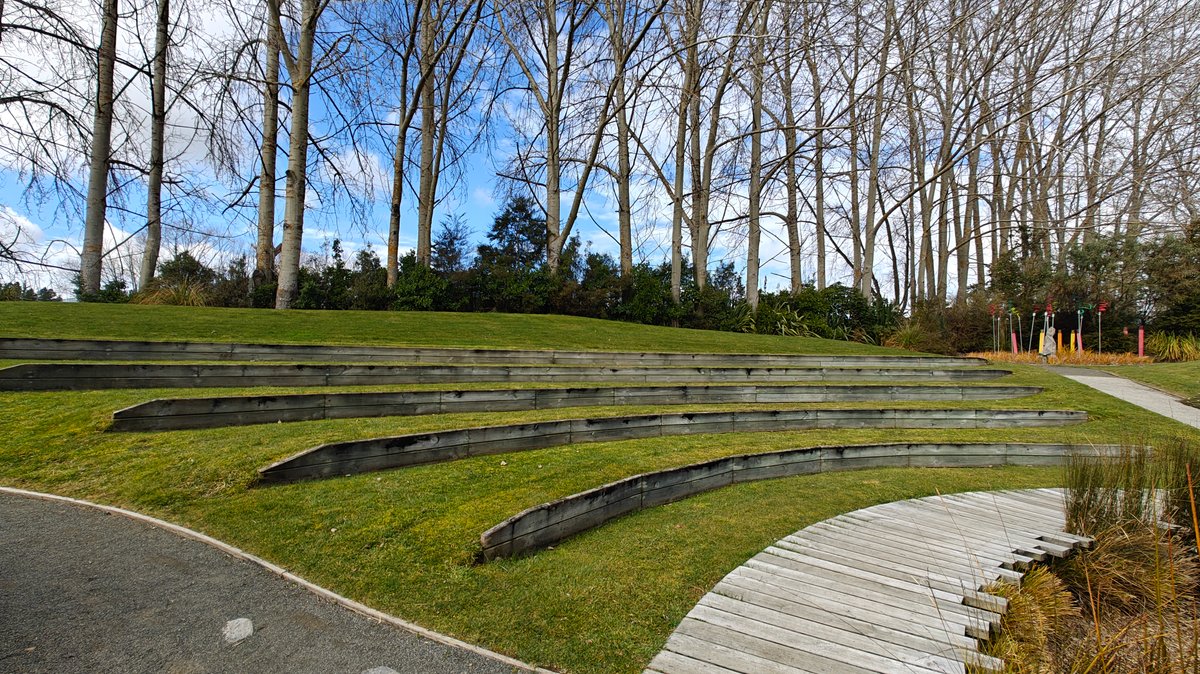
Then it wound on again, past another section with some more of those glass balls in the stream (or balanced so as to appear to be floating in the stream). Finally, we emerged onto this little amphitheatre carved out of the hillside. There were just grass terraces, but they provided a view back across part of the garden.
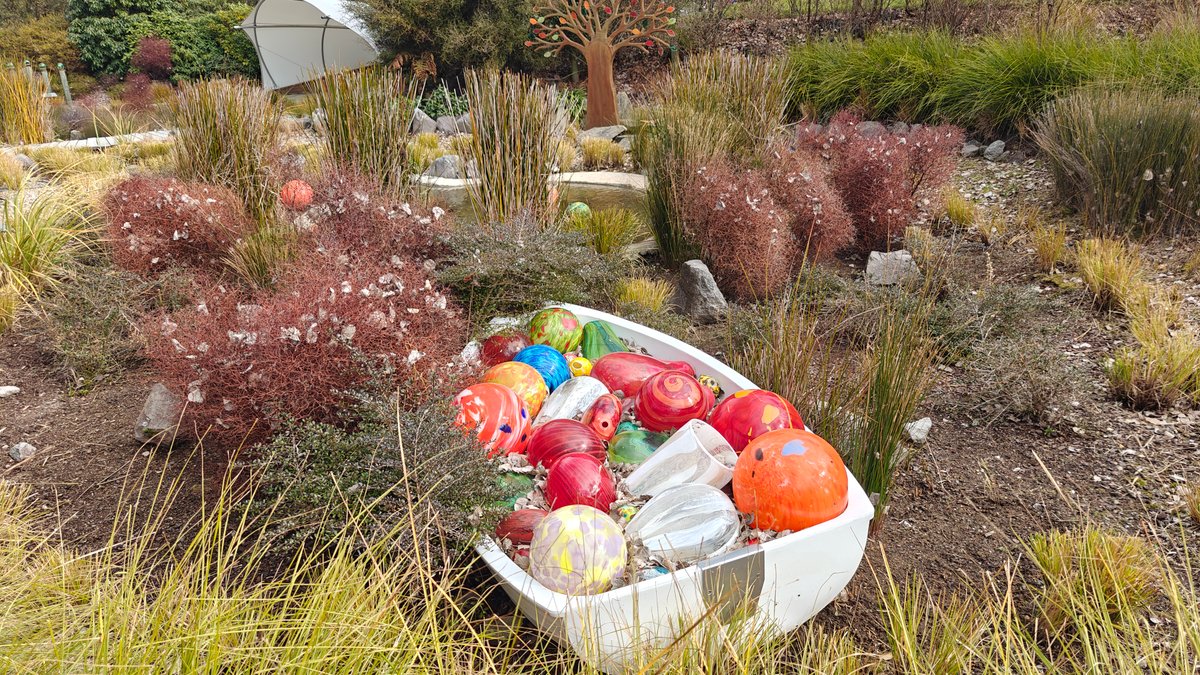
I sat down for a moment to enjoy it. The entire place felt like someone’s very big backyard project that got completely out of hand. And someone had put a bunch of glass balls in an old boat, dozens of them stacked up as some strange catch of the day.
What did it mean?
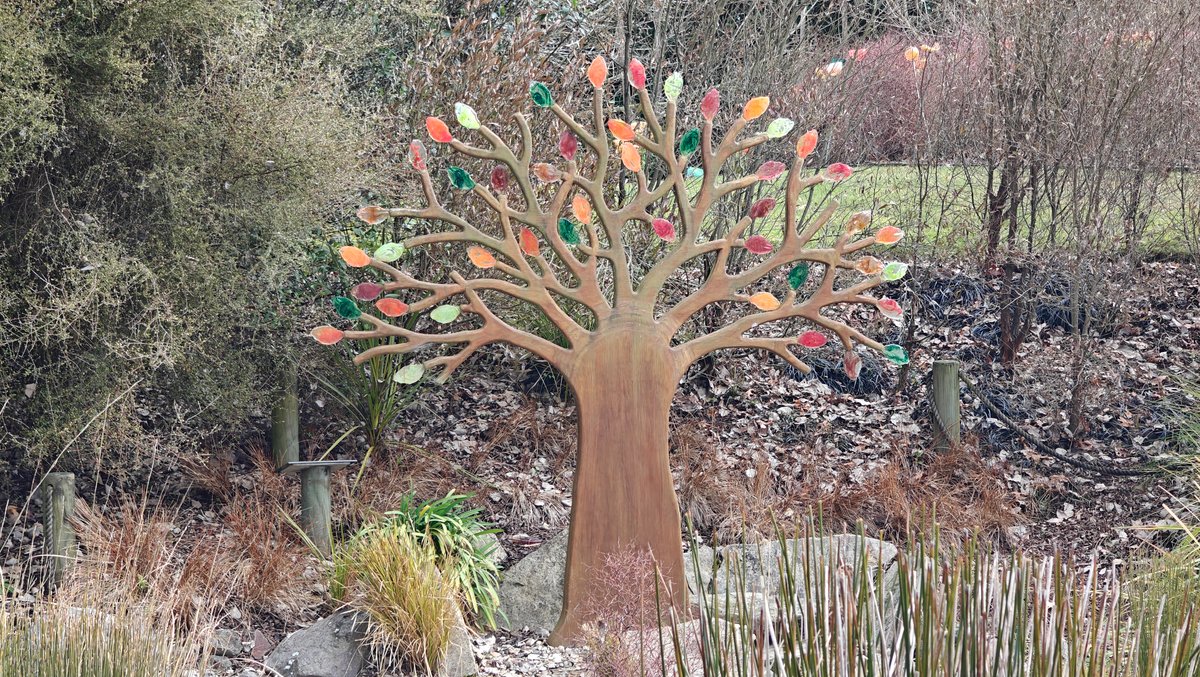
Who knows, but it looked good. And the boat was so weathered, it had likely been there for years. Somewhere near the middle section, there was a tree that was completely made of glass.
Each leaf was suspended from a metal branch. It seemed fragile, but I imagine it was sturdier than it looked. Everything had to hold up to the elements and the occasional curious tourist out here.
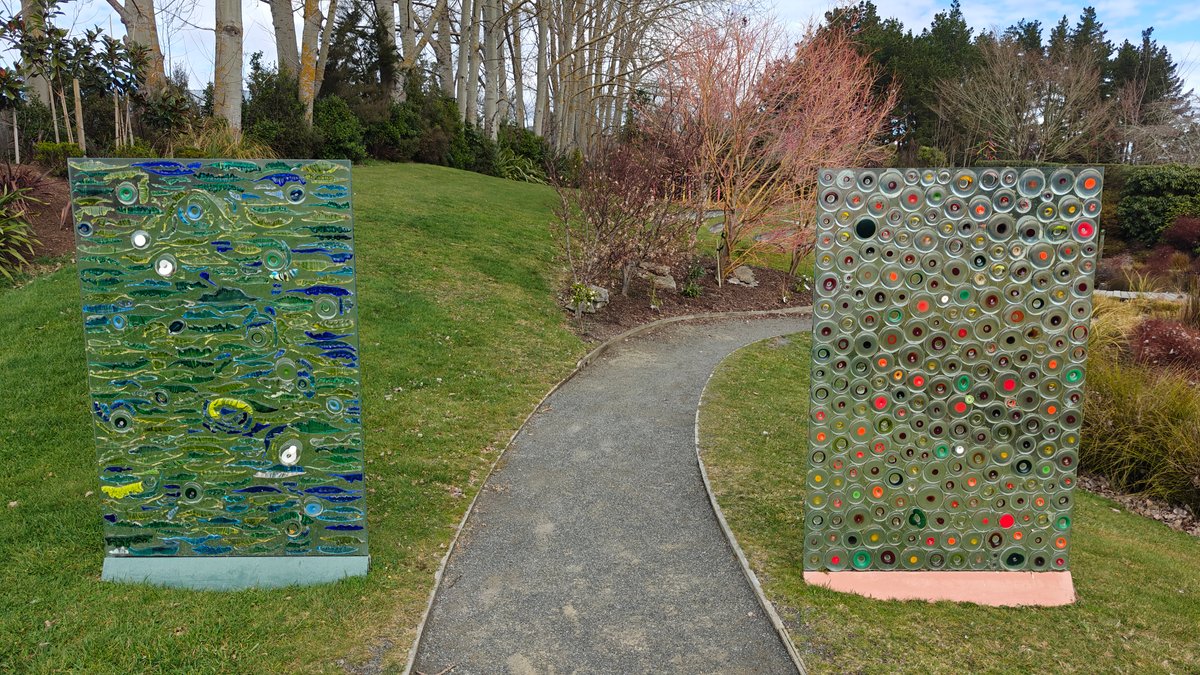
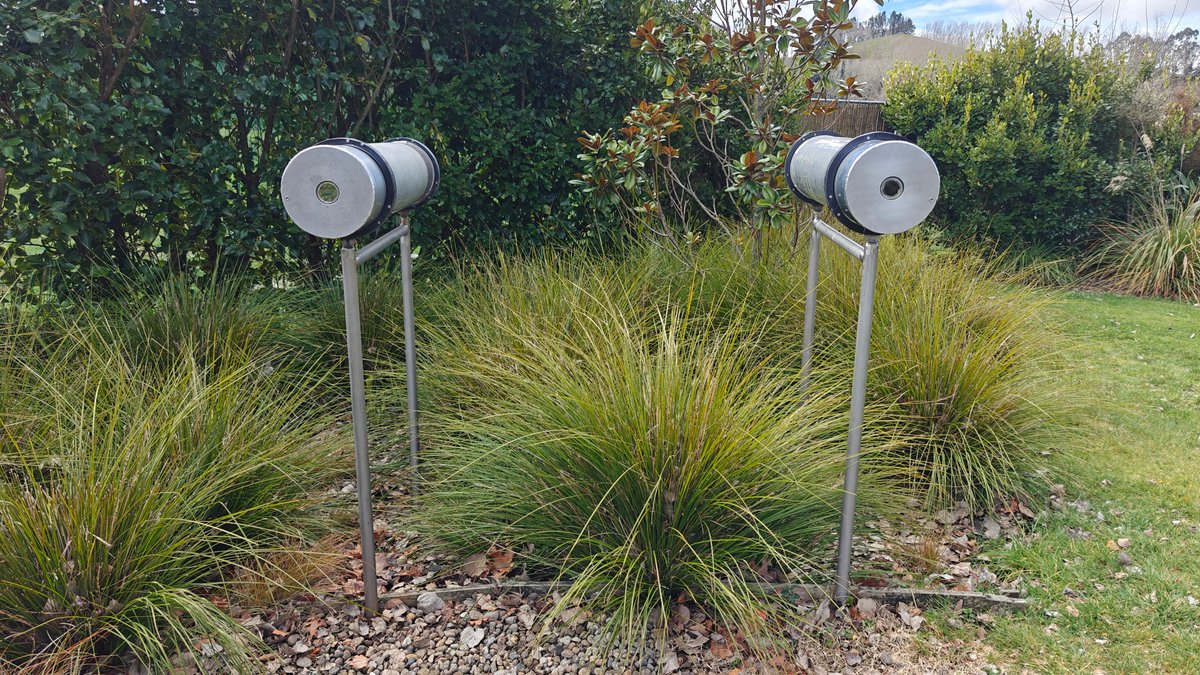
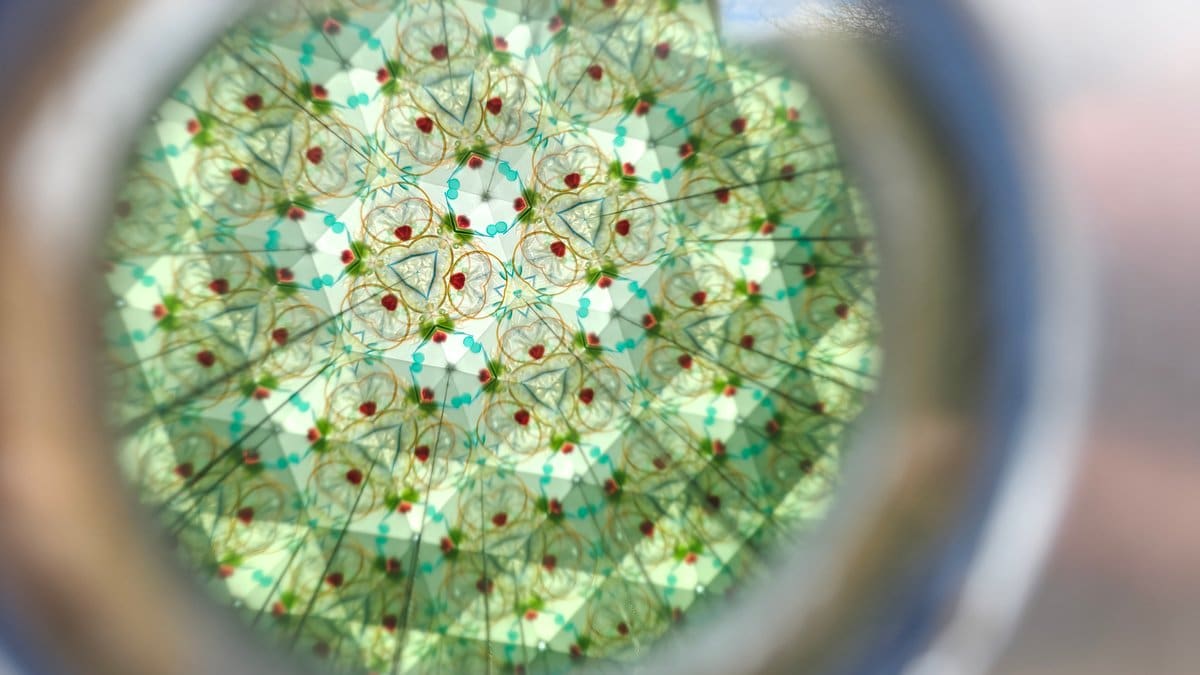
There were also these giant kaleidoscopes mounted on posts (the ones where you look in and twist around). I turned one a few times, watching as the patterns changed. What came into focus through it was pretty cool; just geometric shapes fracturing and reforming.
I know this is the type of thing that would keep kids busy for hours but even I played with it for a good minute or two.
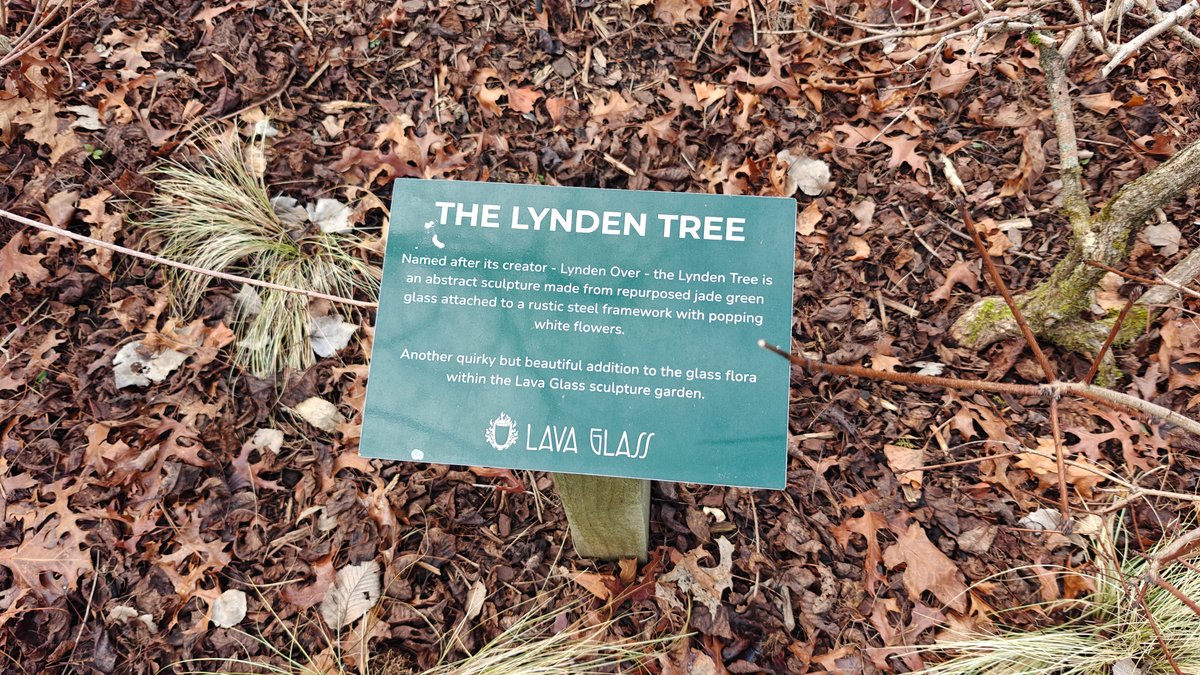
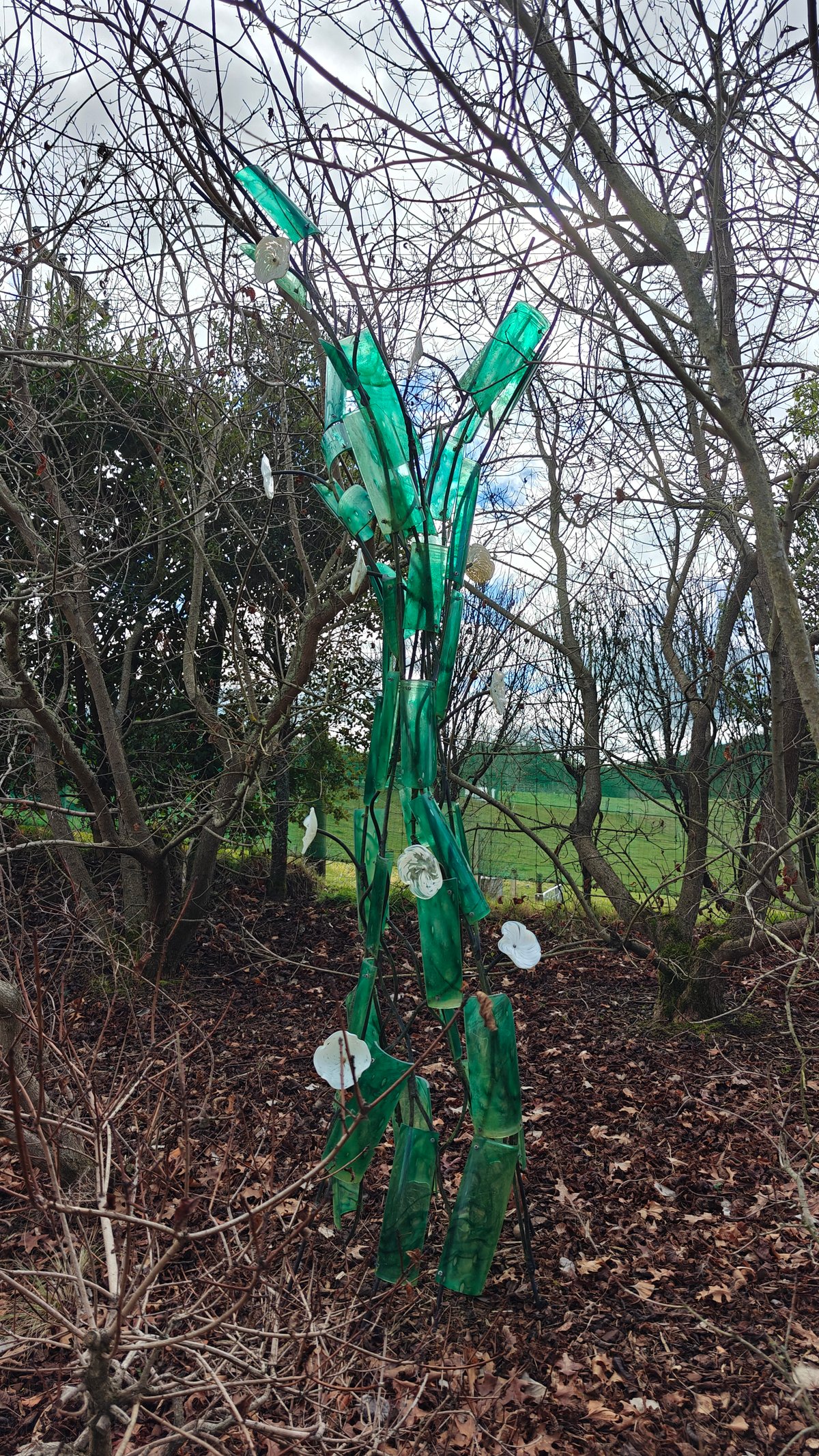
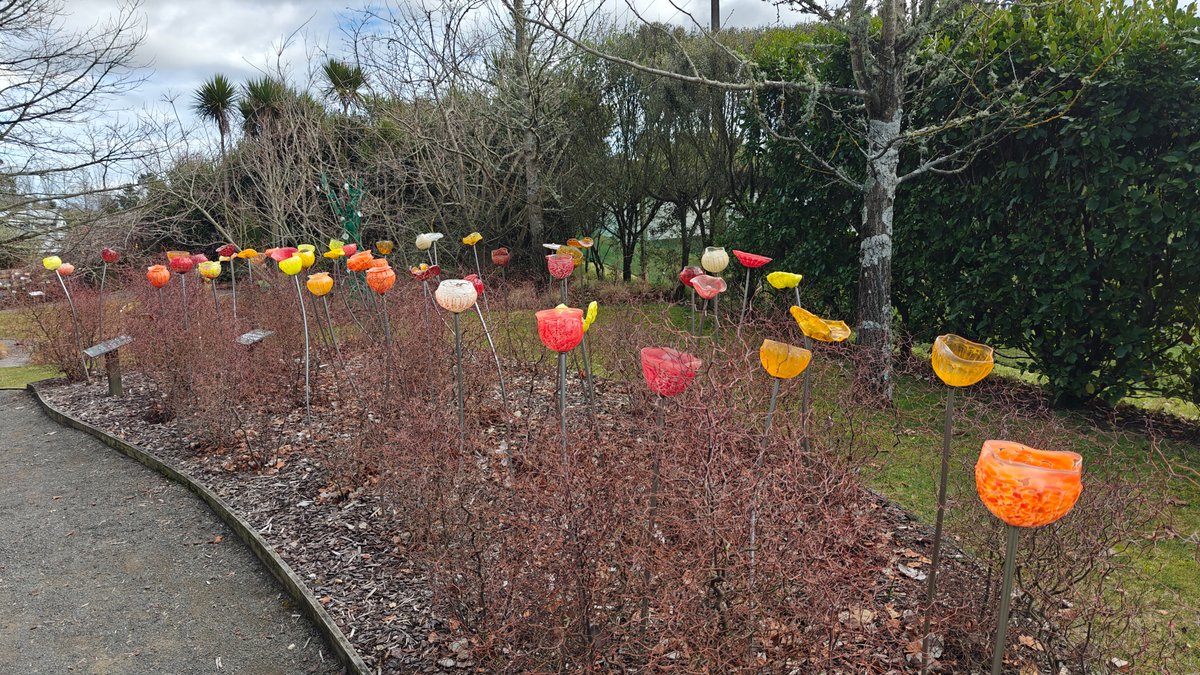
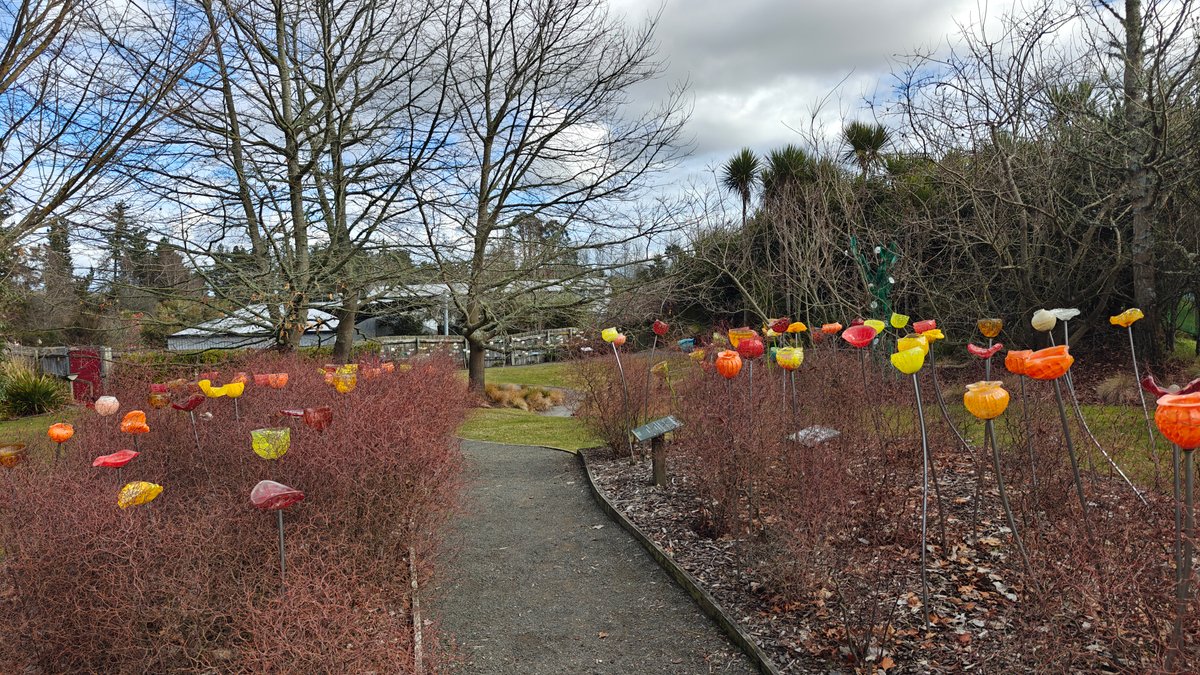
There were glass flowers in more beds; chunky oversized ones, delicate-looking little ones, and all kinds of variety. There’d be another clump of something every few metres, and it’s surprising how good the detail was up-close, so I kept stopping to have a look. ) with another piece of glass embedded in its branches.
I forget what the plaque said (something about a memorial or dedication), but it stood out against the otherwise bare winter tree.
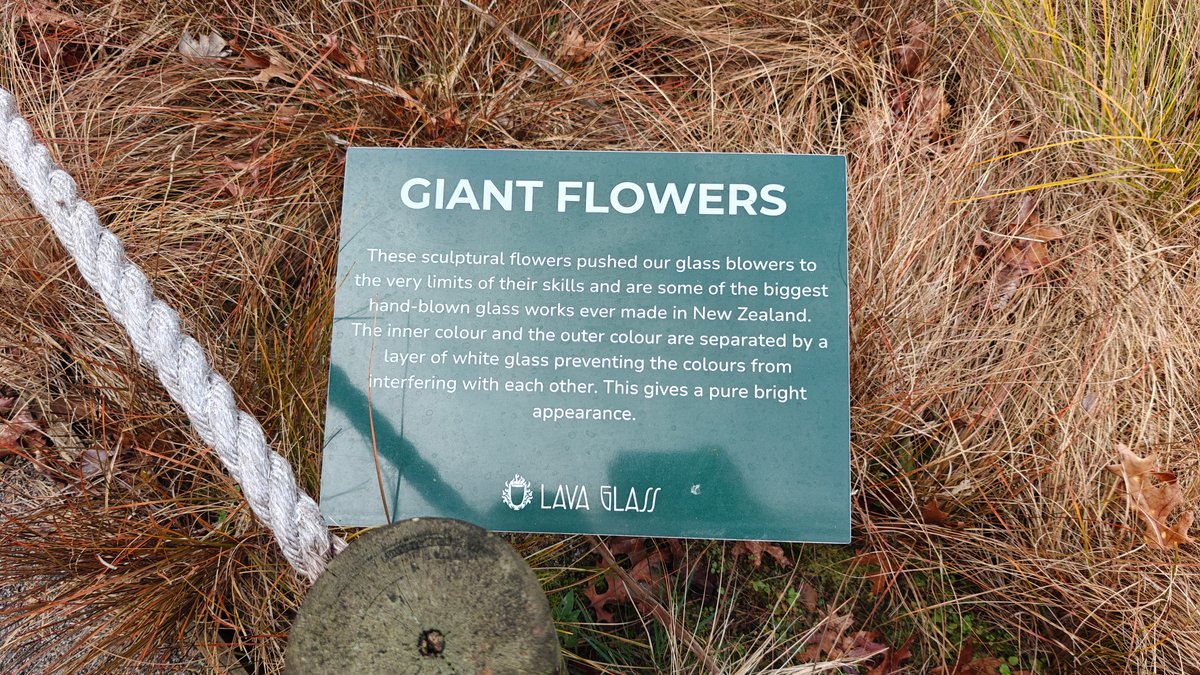
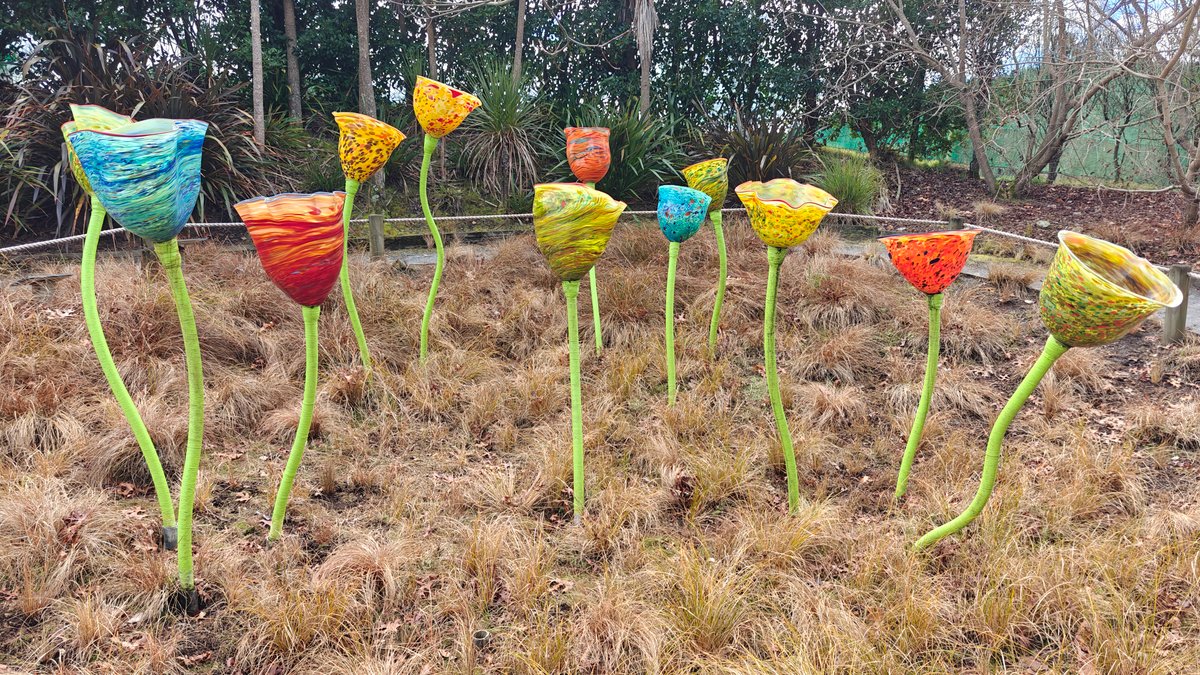
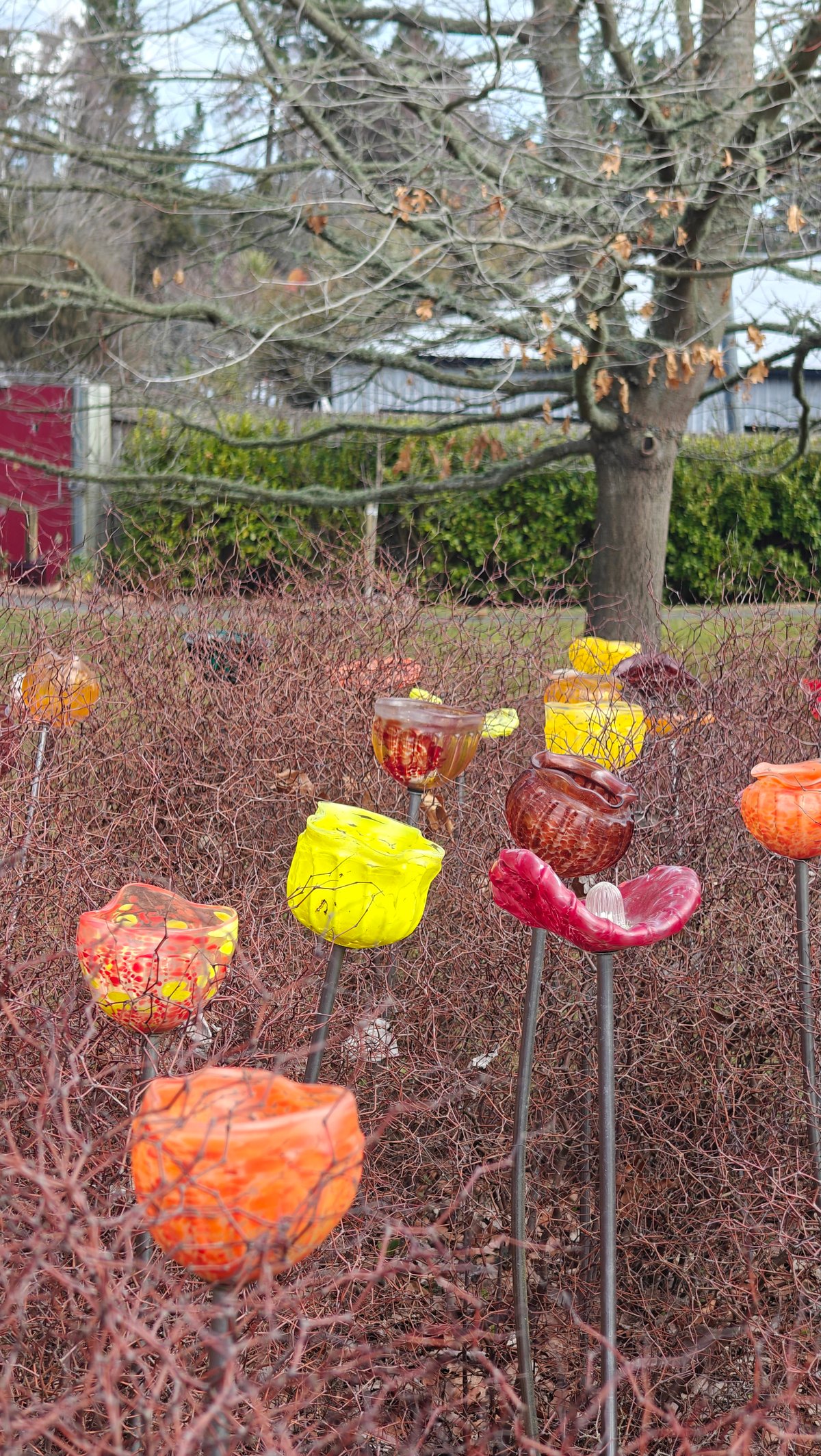
The Giant Flowers at the end of the path had great big blooms on metal stems, and they were bigger than I was tall. They looked a little ridiculous, to be honest, but in a good way. Somebody went all-in on the scale.
Respect.
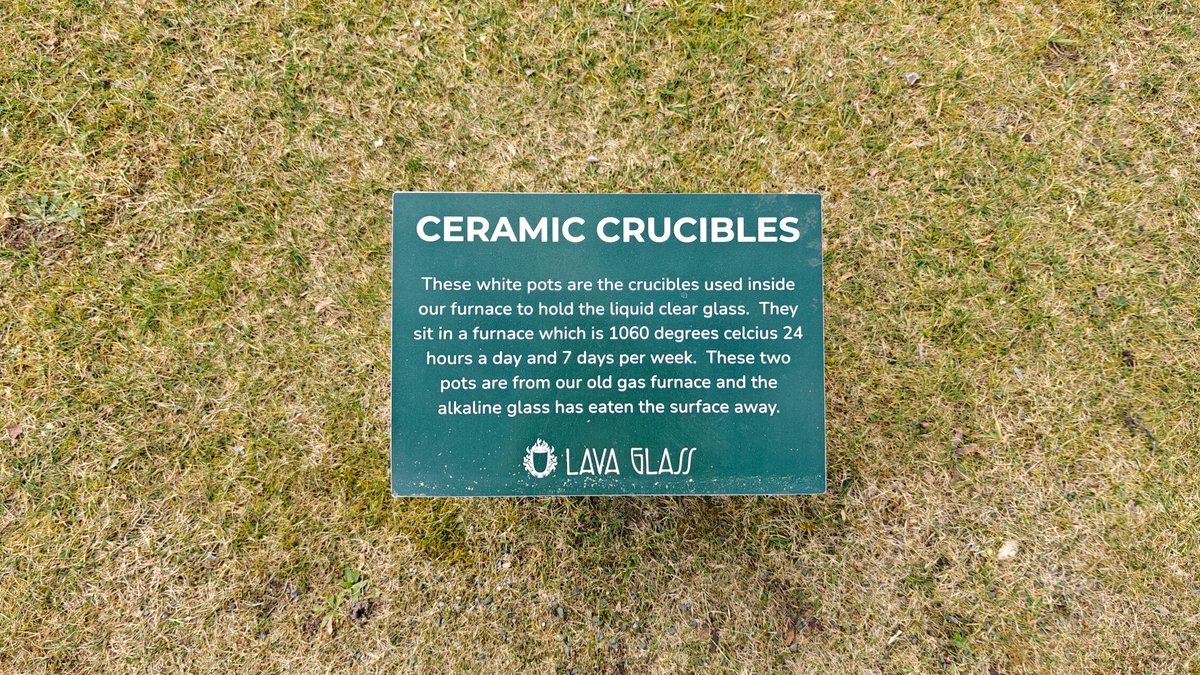
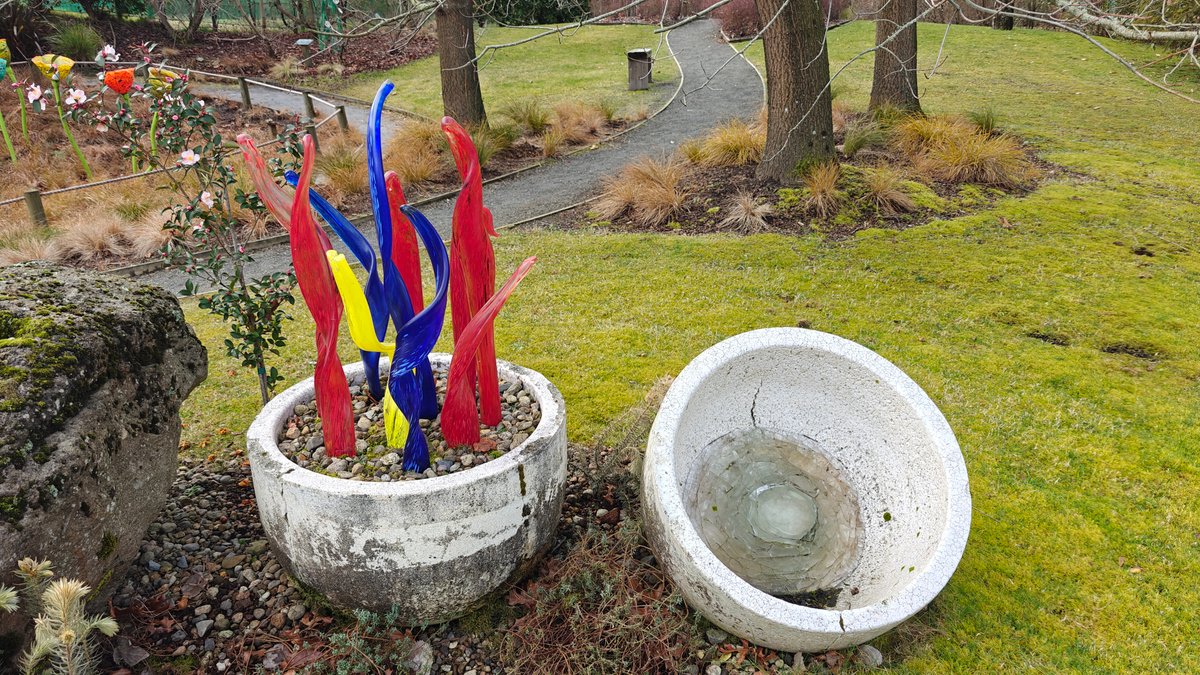
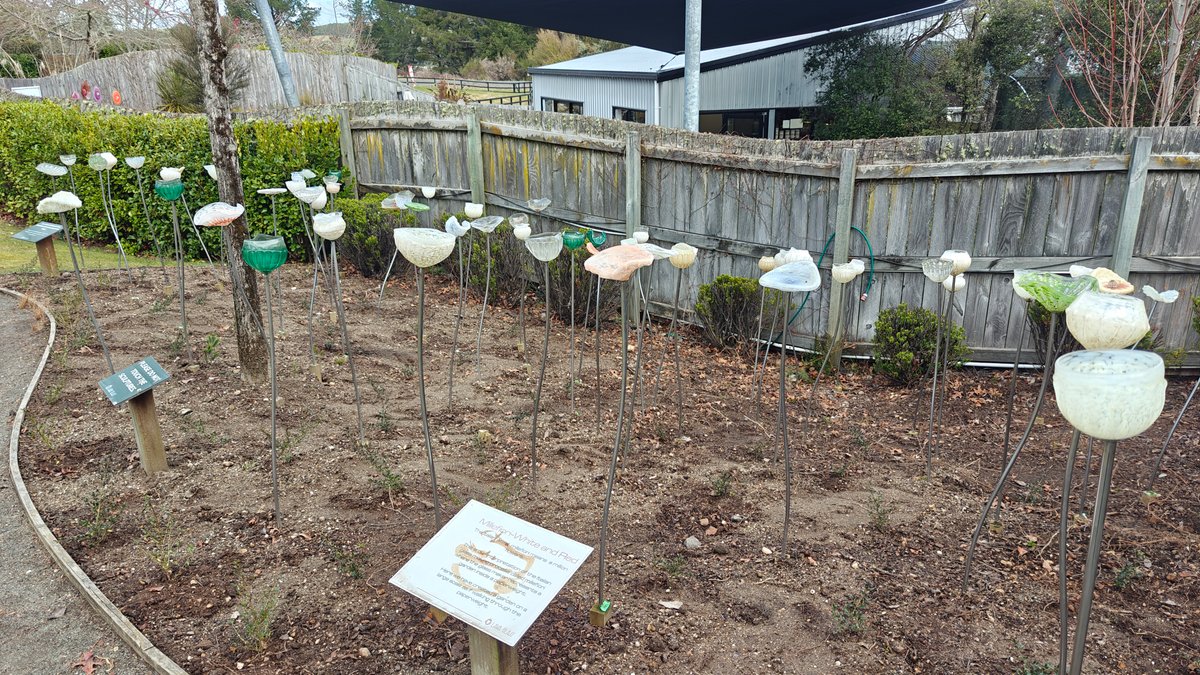
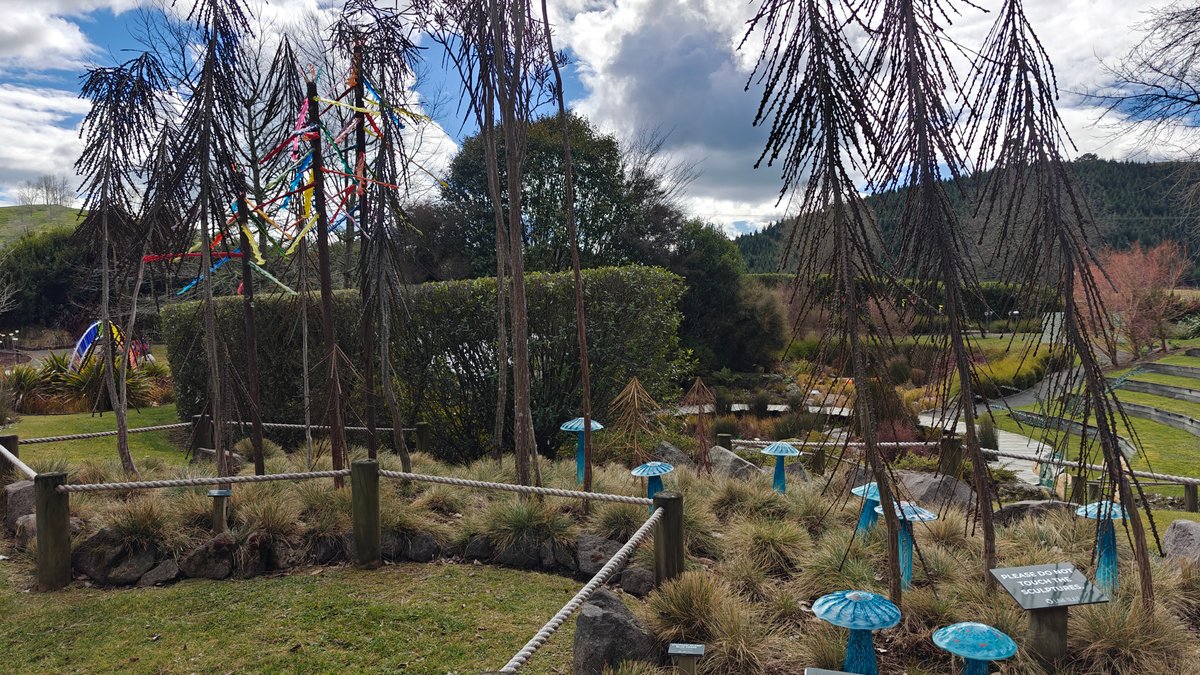
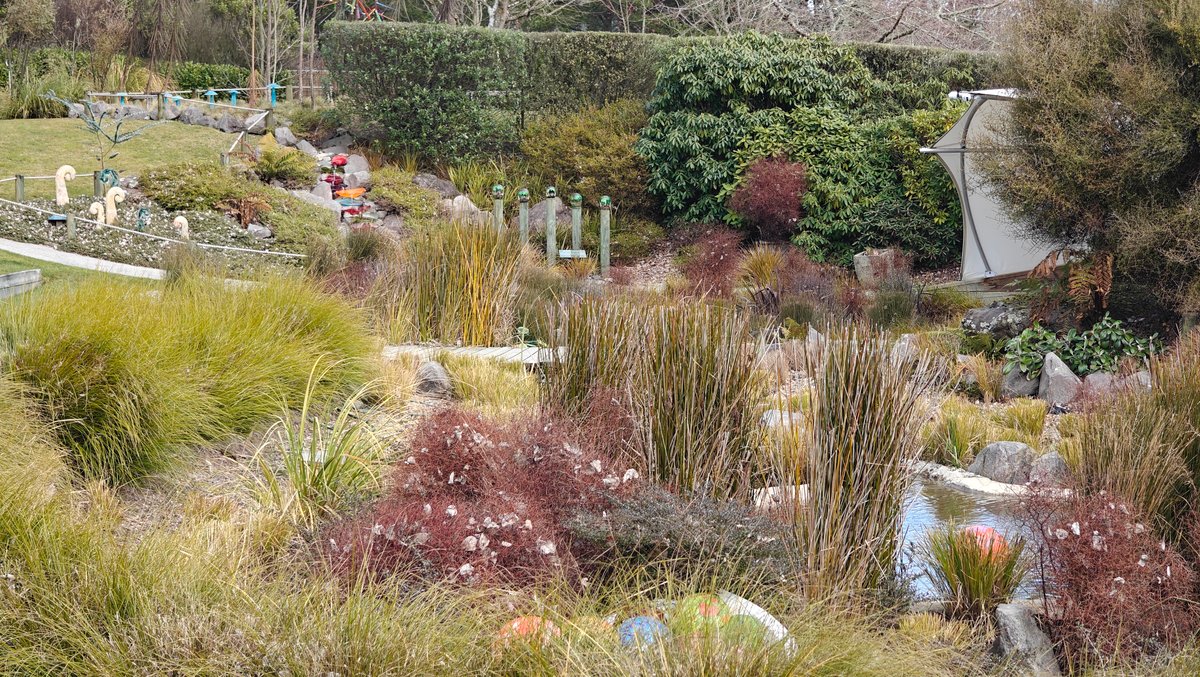
And then there were some old ceramic crucibles (the actual pots in which they melt their glass) that had been repurposed as planters, each planted up with a bunch of glass spikes. Nice touch: making the tools of the trade part of the garden, too. By now I’d wandered almost an hour, and was barely beginning my return trip to the entrance.
No wonder they claimed 600 sculptures; it wasn’t sounding like an exaggeration at all by this time. Not that I’d counted them all; far from it, but there were pieces wherever you looked.
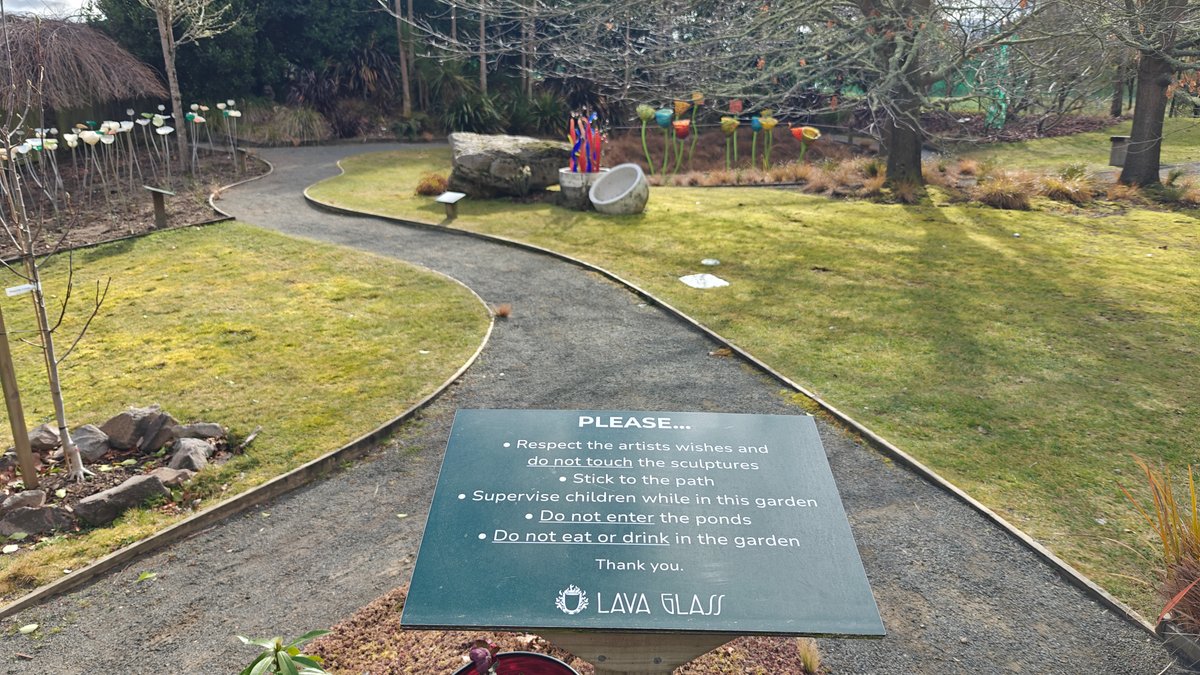
On my way out there was a sign with the garden rules, you know, the standard: don’t touch everything, stay on the paths kind of thing. Though to be fair, with all that glass about, I could see their point. I went back via the studio, fighting the urge to purchase an item or two from the shop (which I just about managed).
Then away I went, feeling as if I’d somehow stumbled across something actualy interesting by accident. I went in for a fast tourist visit, but I left after a proper afternoon. Lava Glass was a worthwhile stop if you find yourself driving through Taupo with some time (an hour or two) on your hands.
It’s not just the glassblowing that’s interesting (that would be cool by itself), but it’s also the odd garden. I didn’t think I’d like walking around gazing at sculptures as much as I did. Ever seen glassblowing in person?
Is it as weirdly satisfying as it is to me?