
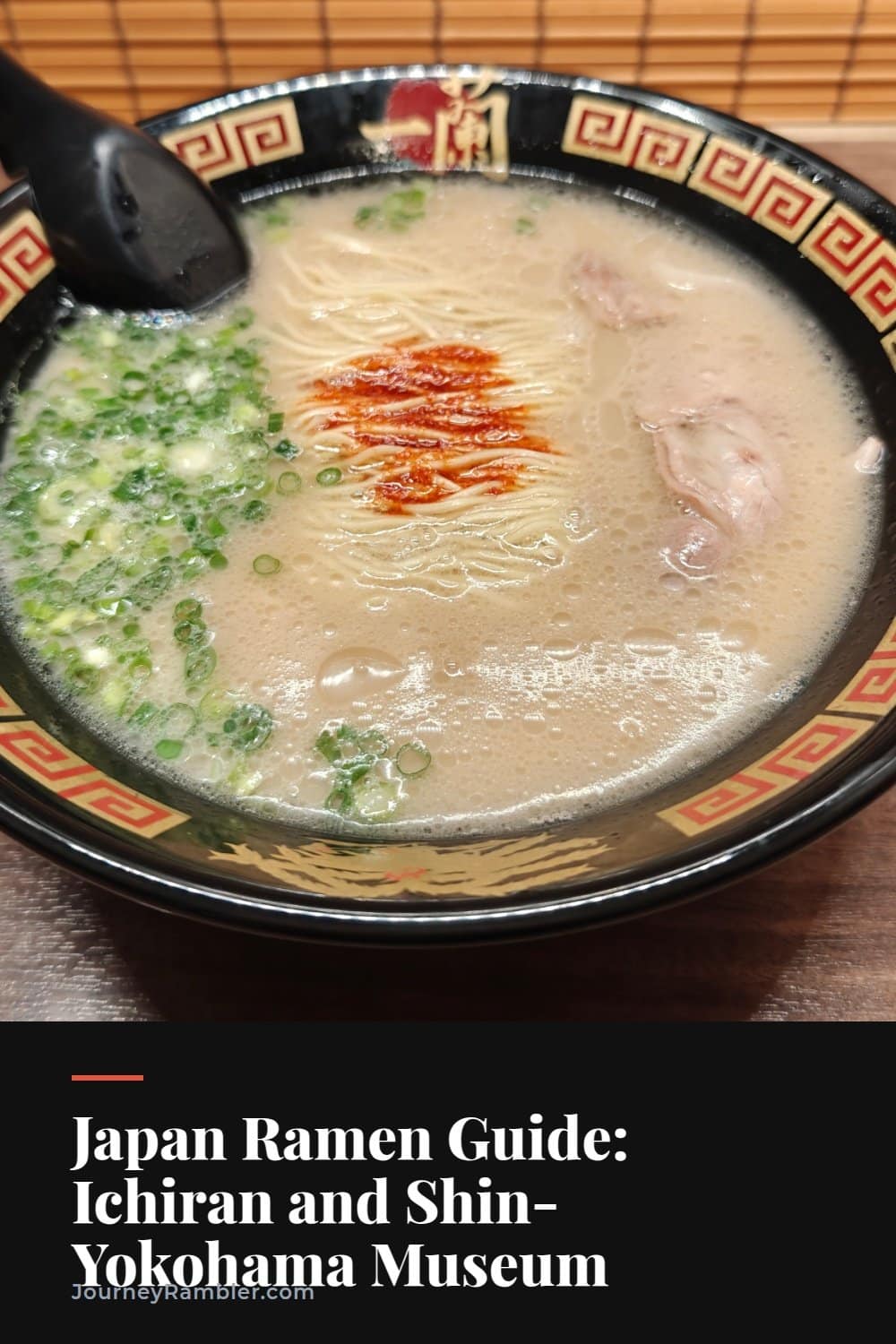
In Japan, I ate lots of ramen. I mean lots. Probably more than anyone would be proud to admit.
I’ve slurped up tonkotsu, shoyu, miso, tsukemen, and styles I had no idea even existed before they were set down in front of me. I ate everything in between, from family owned restaurants where the chef knows your face to little booths for one person where nobody talks to you. There’s just this thing about ramen (it’s not all the same thing).
Each chef have their own take on it. Each region has theirs. And truthfully, it’s why I kept going back.
Ramen isn’t just about saying, “Here’s where to go.” It is more like this: here is what I got, here is what they got right, here is what I tried, and here is what I learned after far too many bowl.
My Ramen Eating Journey in Japan
Tonkotsu Is the Gateway
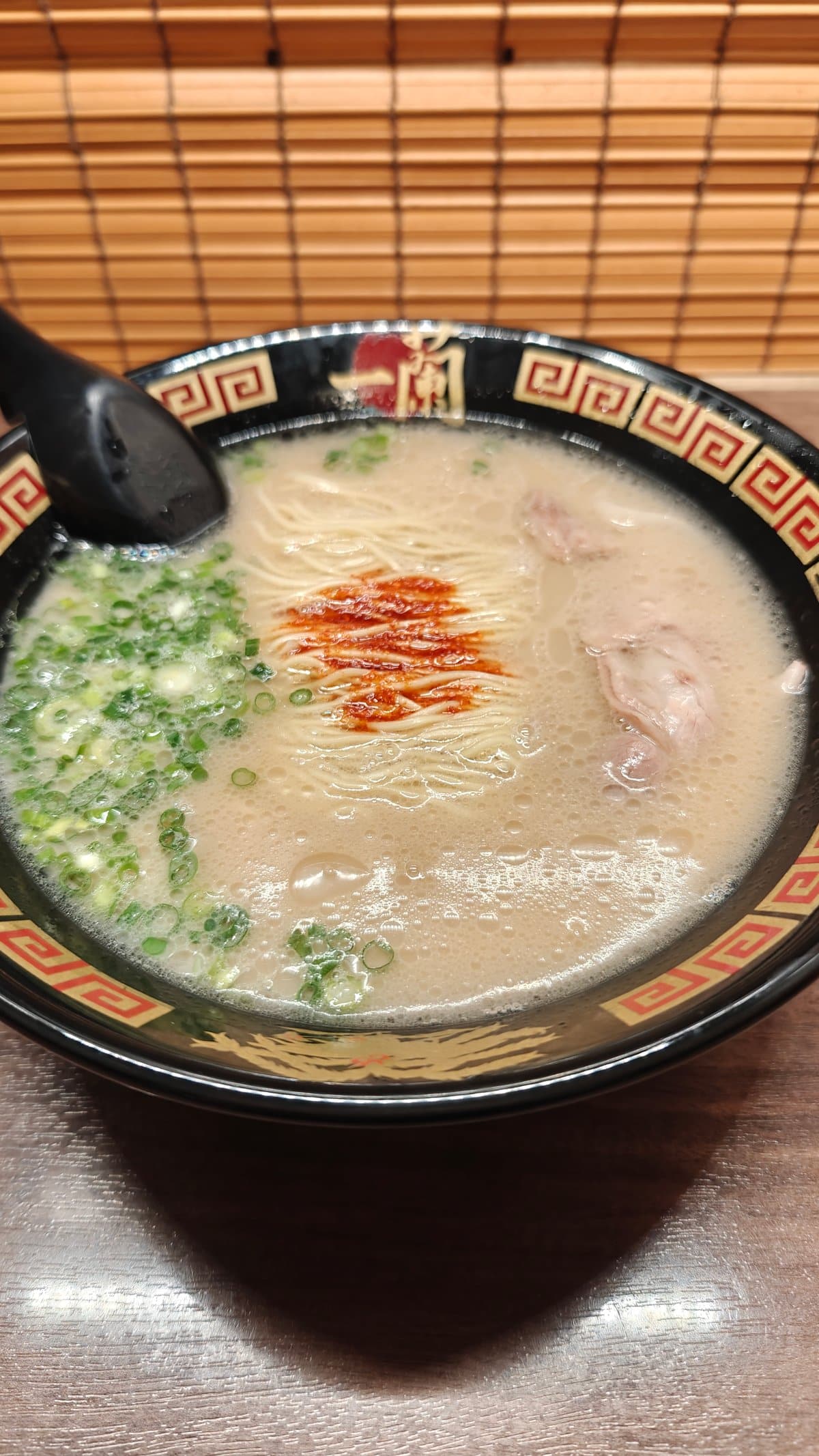
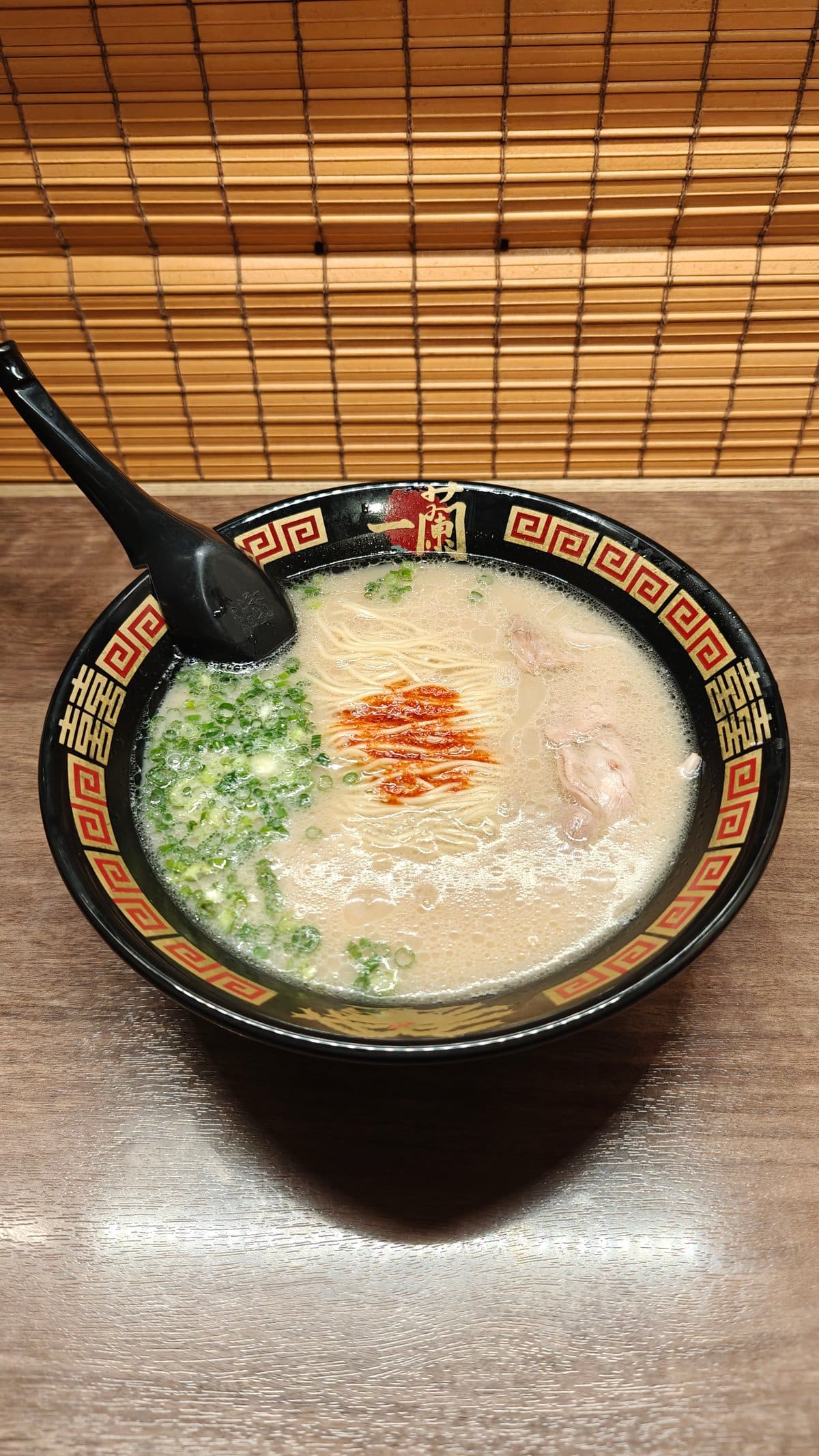
Everyone starts with tonkotsu. It’s the kind of ramen people imagine when they imagine Japan: the thin noodles, the rich and creamy pork broth, the softly set egg that breaks just so. In every city, I ordered it again and again, and each time were different.
Some was salty, some were intense; some were almost sweet and rich. The noodles also differed, sometimes I got something springy and firm, other times something softer. I discovered the importance of asking for Katame (firm noodles), because I liked them that way.
Tonkotsu taught me how there is endless variations on even the most popular style, and that just because name is the same doesn’t mean your next bowl will taste like the last.
The Solo Booth Changes Everything
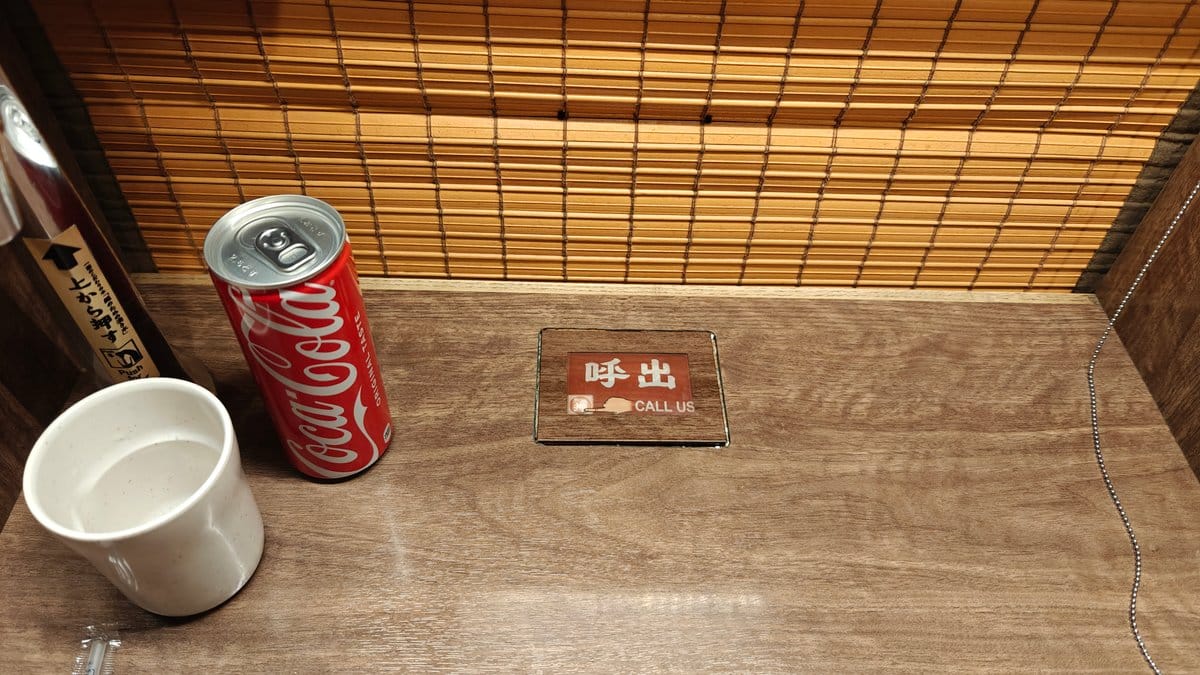
At first I wasn’t convinced by sitting alone in one of their tiny booths, but in all honesty it quickly became my favorite way to have ramen. No distractions, no small talk, just you and your bowl. You select your dish from a vending machine, give them your ticket and wait a few minutes as it comes through a little window.
Suddenly, I noticed everything: how the toppings were plated, the texture of the noodles, the flavour of the broth. I know that sounds strange, but there was something about being silent that amplified what I tasted. I noticed if the pork slice were cut thick or thin, if I caught the hint of bitterness from the garlic oil, if I really enjoy the flavour of the broth.
It wasn’t just a gimmick, and each meal turn into a legitimate tasting session. After getting over tonkotsu though, I realized ramen was highly regional.
Regional Styles Are Their Own Language
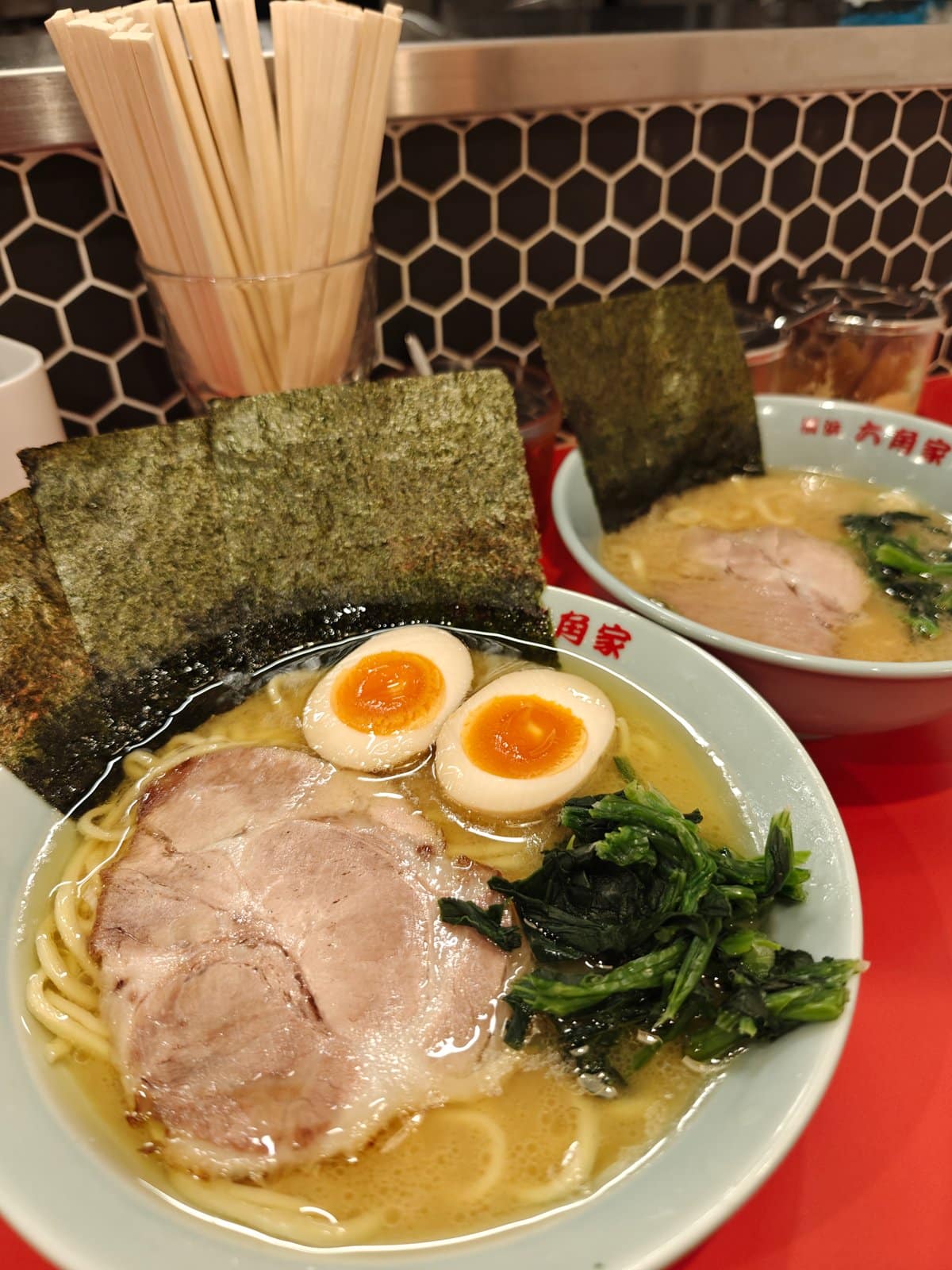
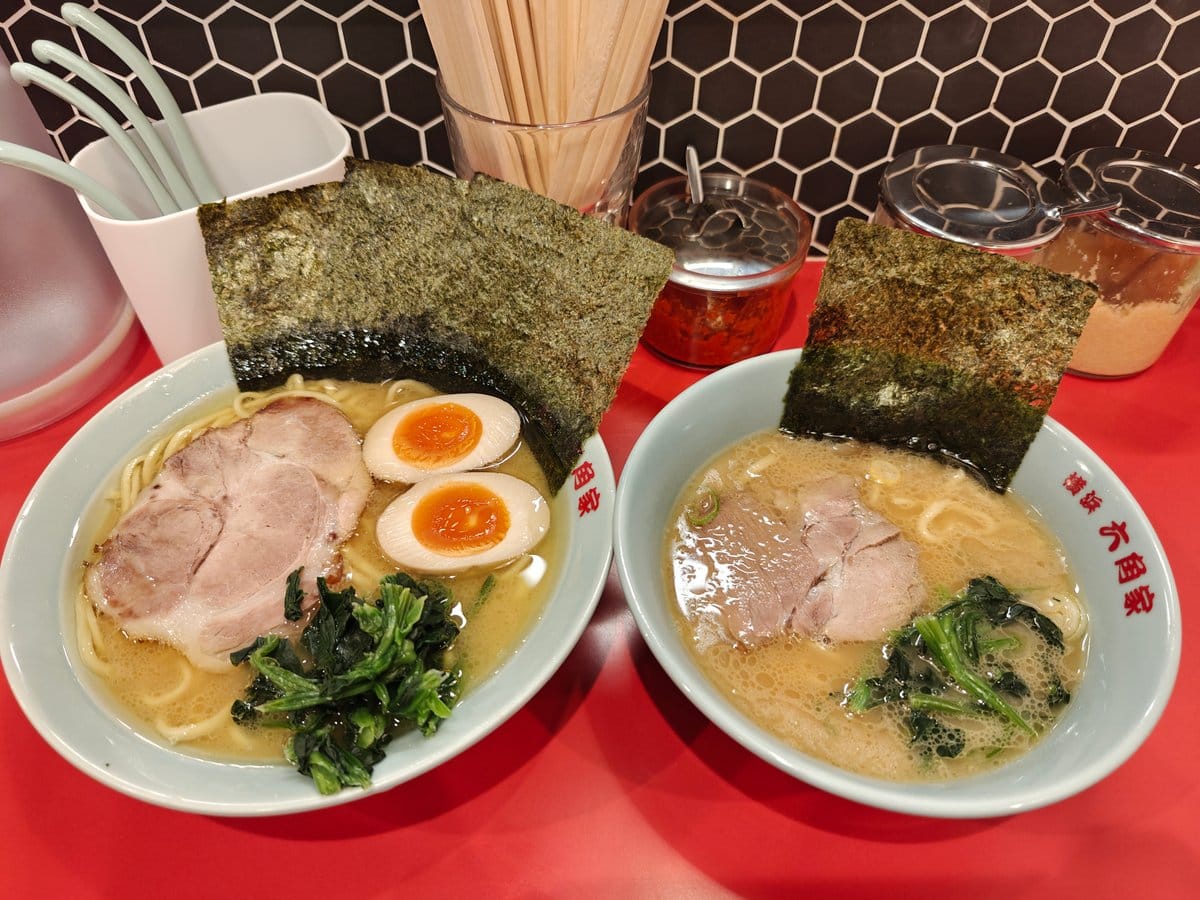
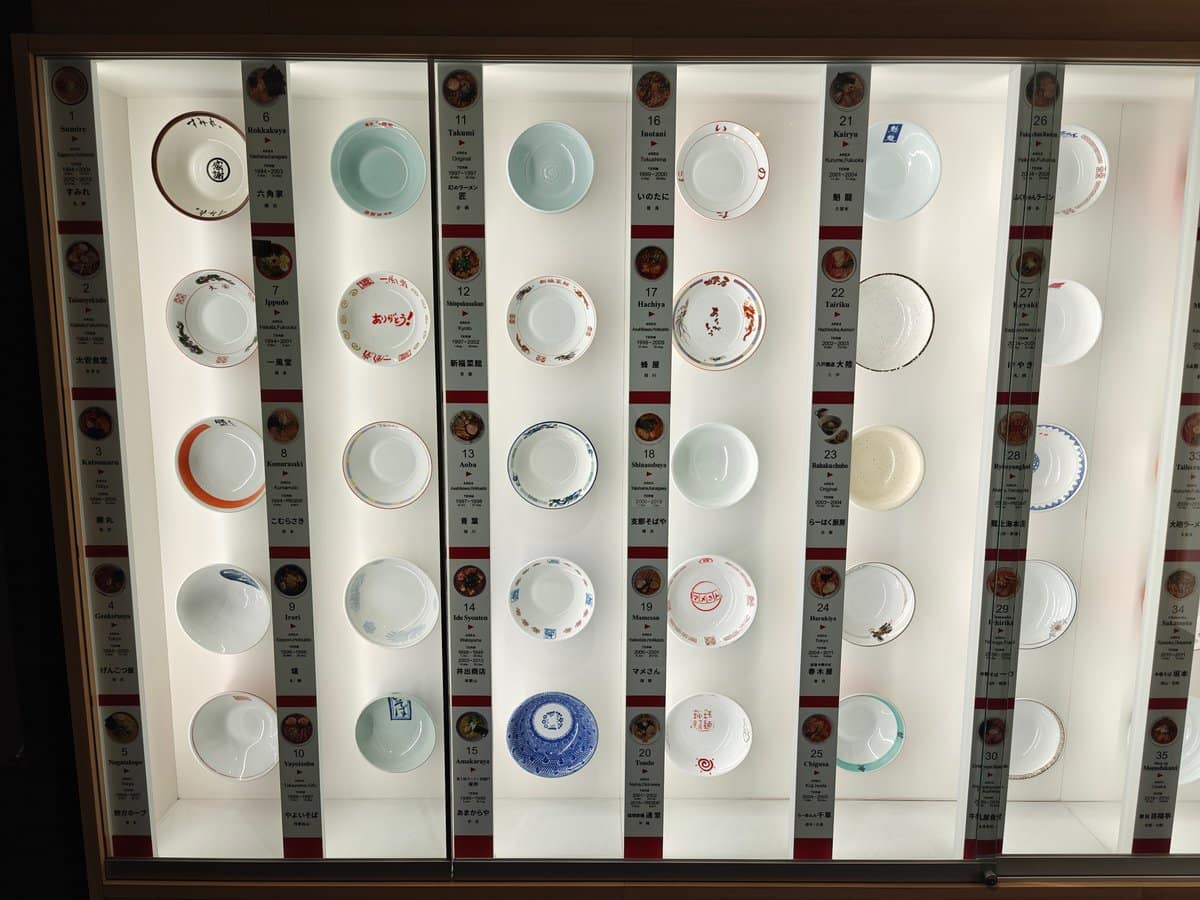
Each variety spoke its own language. Iekei ramen took me by the throat. Noodles you could chew, a thick creamy broth with pork and soy sauce, spinach on top, nori on the side.
Heavier. Saltier. Nothing delicate about it.
I ordered it twice in one week. And then another. I couldn’t believe how different this felt compared to the lighter bowls I had been enjoying.
Shoyu was almost gentle by contrast, clean, clear, based off soy. Some were plain, some had sesame and yuzu added in. Once I saw a veggie-forward version of tonkotsu that replaced much of the pork with kelp and mushrooms.
Surprisingly good. Each style had rules but every chef bend them slightly.
Spice Levels Are Not a Game
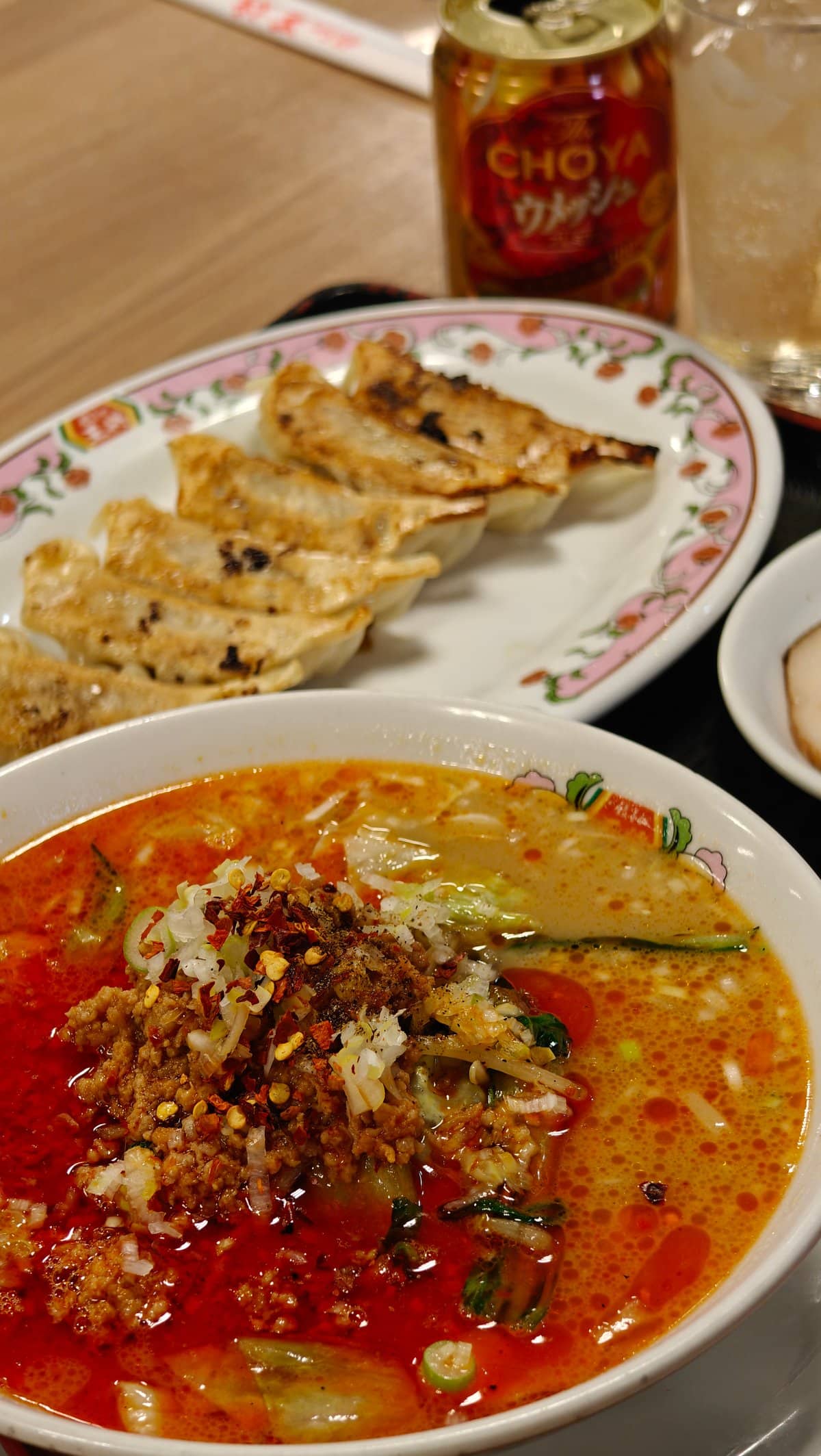
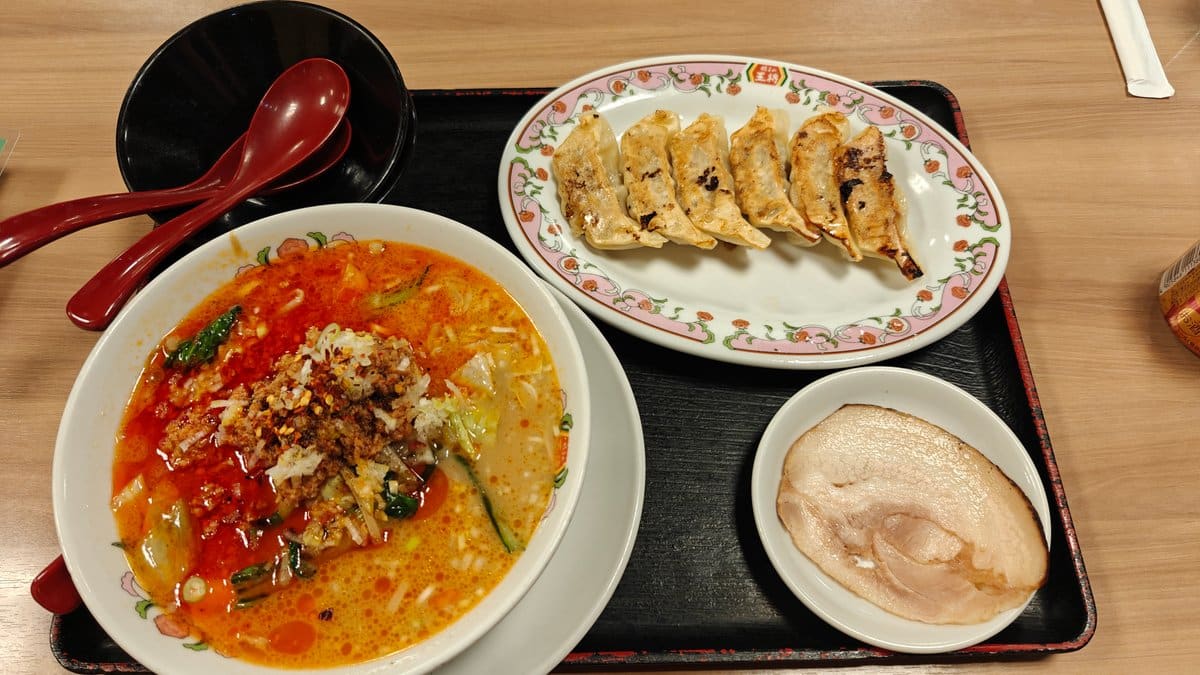
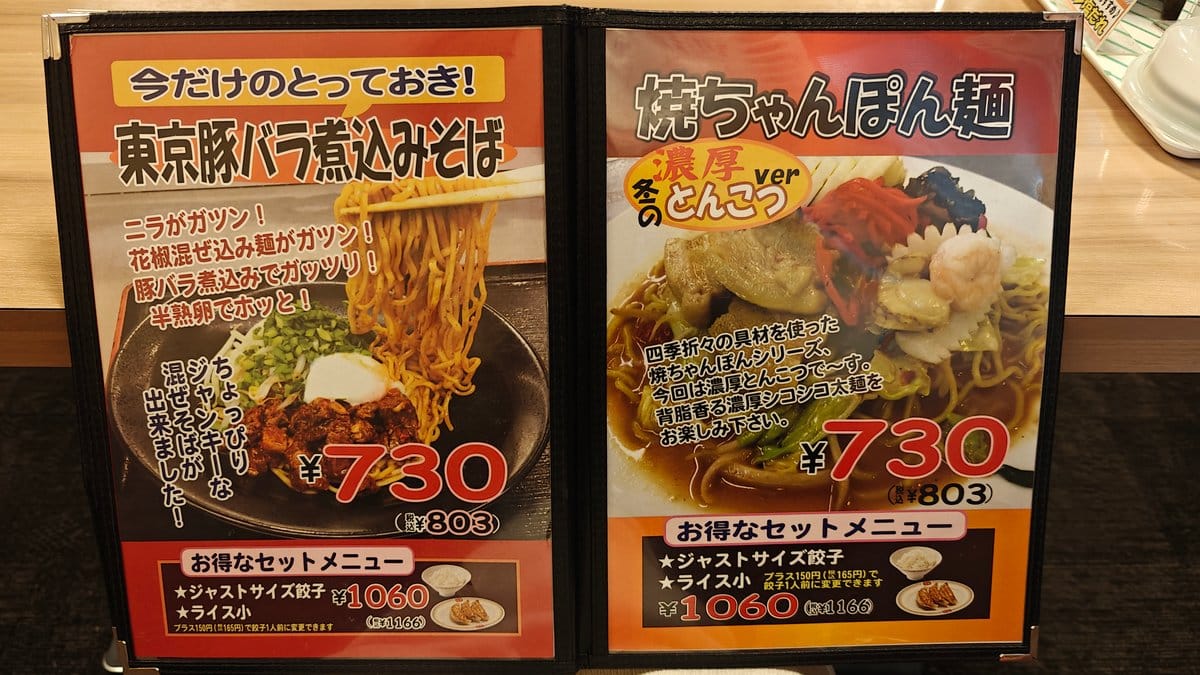
Japan didn’t pull any punches when it came to spice. And I actualy thought I could handle it, but I was wrong. I am a fan of spicy things, but what about Japan’s spicy ramen?
Nope. Japan doesn’t introduce you to the spice gently, it kicks you in the sinuses. There were times I’d order spicy miso and spend the initial five minutes trying to breathe through the fumes.
It wasn’t just hot; it also had garlic, ginger, and occasionally a slow-building and lingering fermented chilli paste. I had to learn how to pace myself and take breaks. I also learned to order gyoza on the side to help cool my mouth between each bite.
I began requesting medium instead of max from some of the places who let you choose. That said, The spice did open up an entirely different dimension. The broth became more complex, the pork tasted more rich, the noodles more satisfying.
Did I stop ordering it? No. Just with a bit more respect.
Dry Noodles Are Underrated
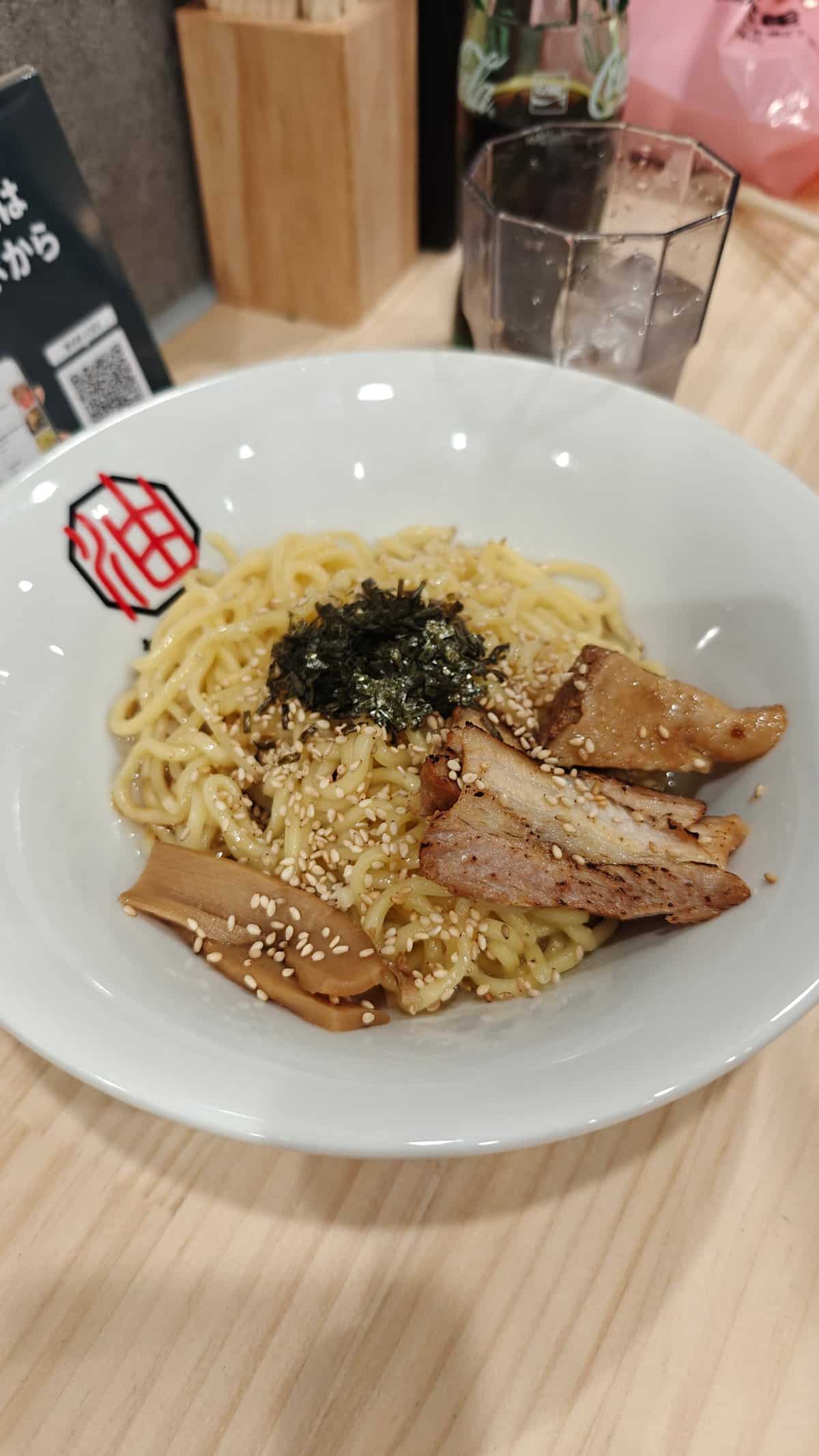
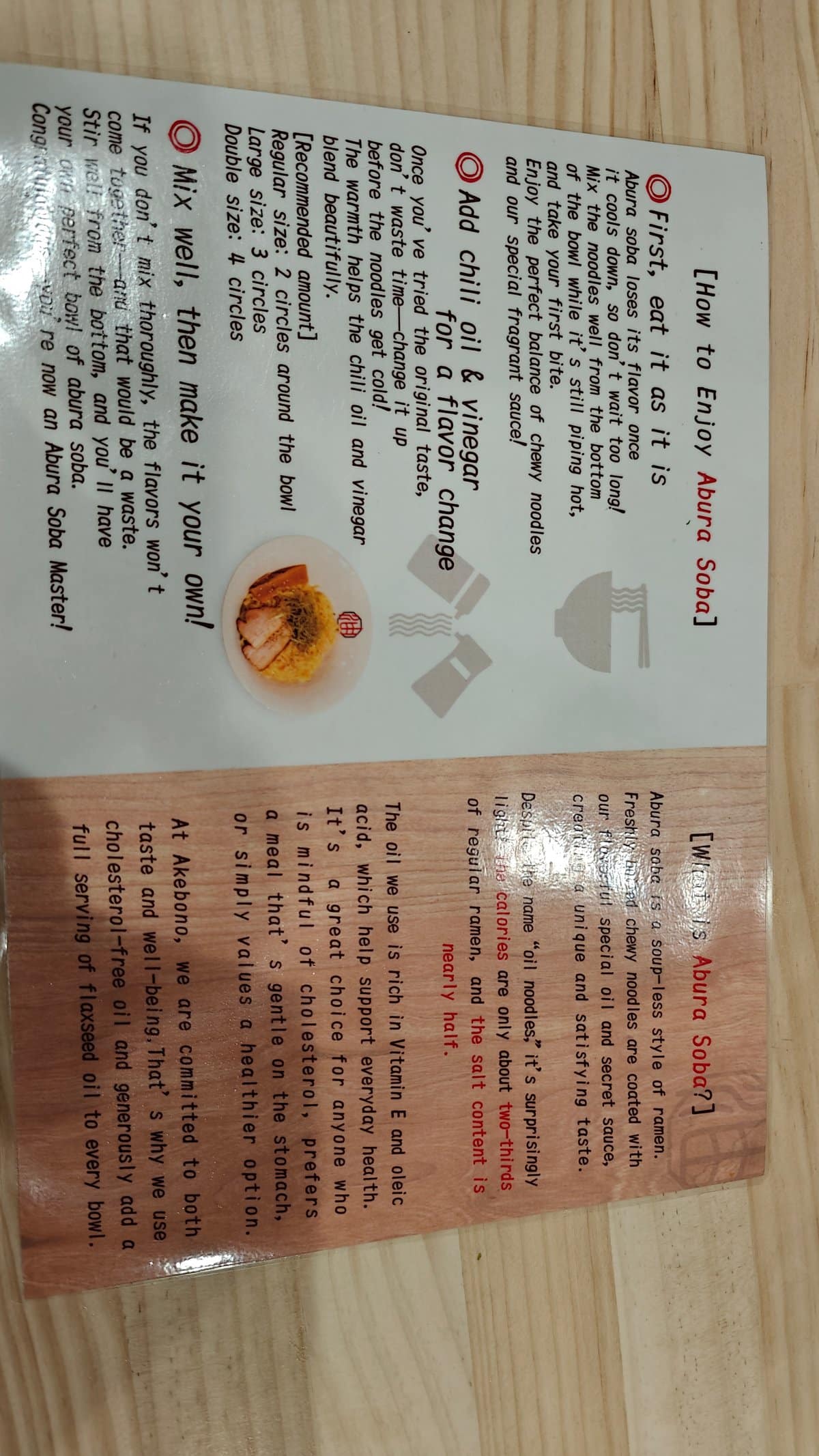
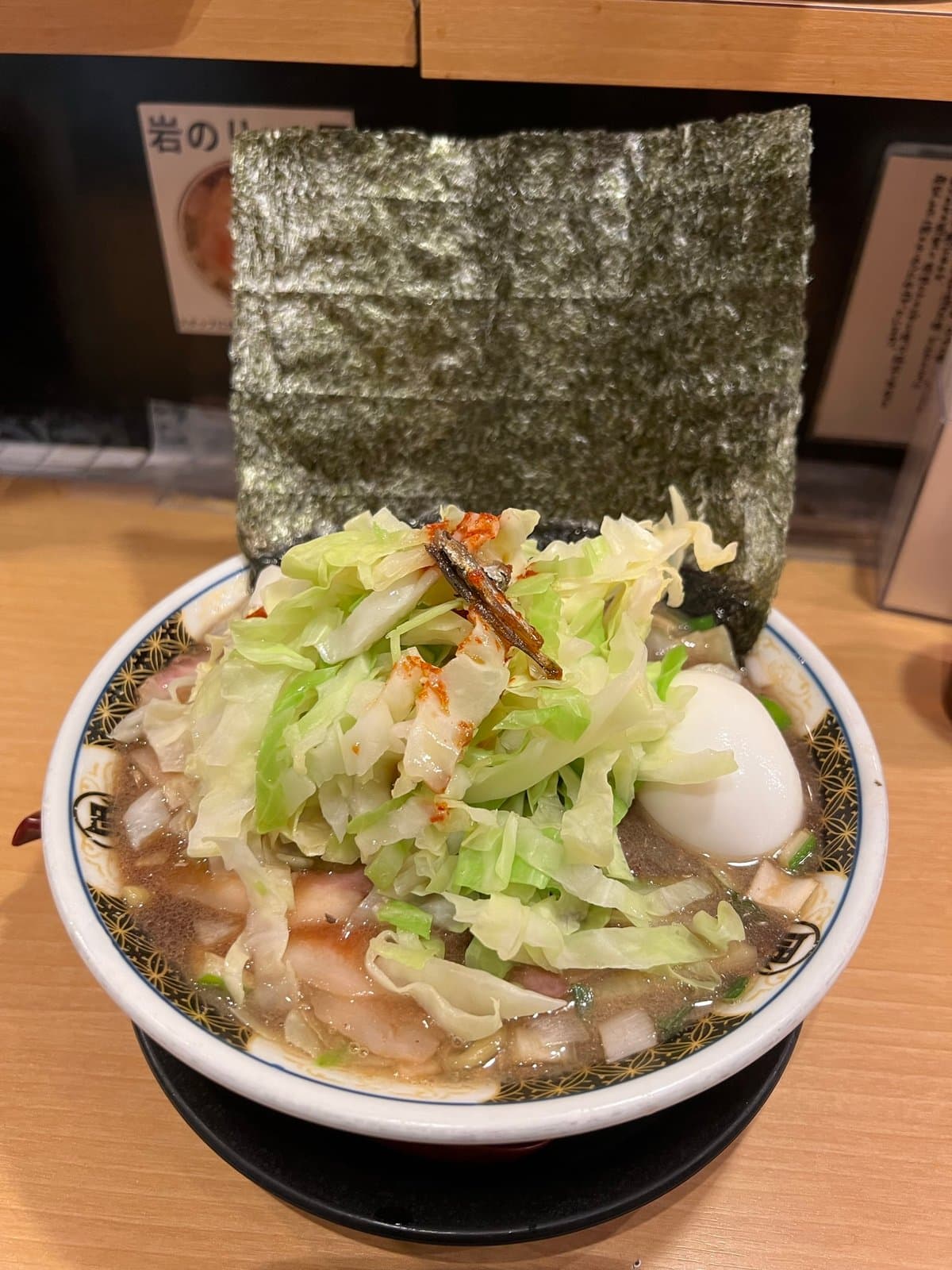
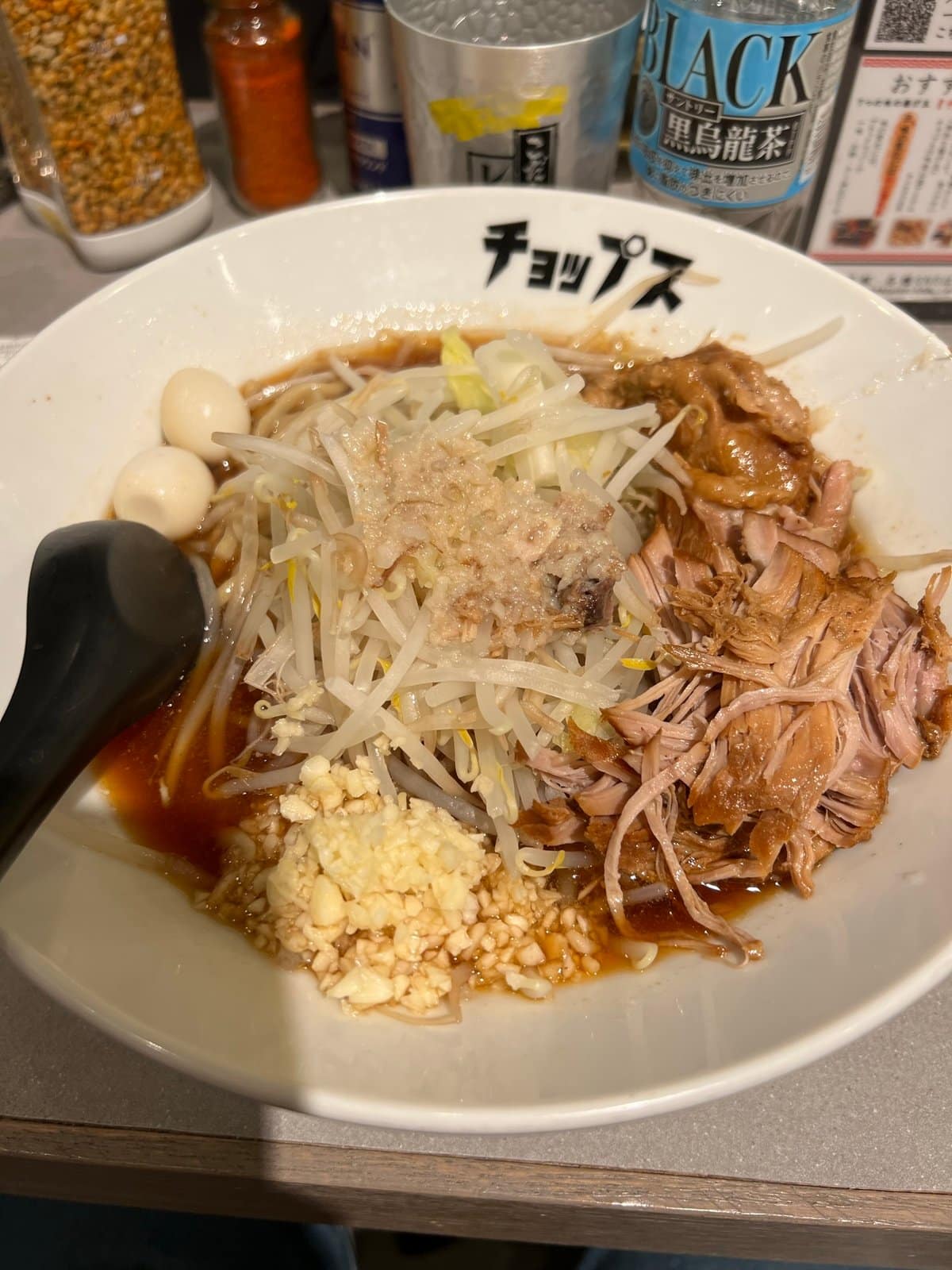
There’s not always soup in your ramen. Then there’s abura soba, or oil noodles. They arrive without any soup whatsoever.
It is just a pile of noodles topped with things and a puddle of vinegar-soy at the bottom. A card came from the shop telling me what to do, which is good as I would of just tucked in and been missing the entire point. Stir everything together, pour on some vinegar and some chilli oil if you like, and then you’re left with something that’s far from soup ramen: a stickily rich, deeply savoury dish.
Mazesoba was similar but heavier, thicker noodles, a raw egg yolk, ground pork, garlic chips. I stirred everything together, cracked open the yolk and had an intensely rich, almost pasta-like dish. The Jiro-style ramen was somewhere in-between, it technically contained broth, but it was hidden beneath a mound of pork, bean sprouts, and cabbage.
To find my noodles, I had to dig underneath the vegetables. They weren’t as popular as their tonkotsu counterparts, but that’s probably because you have to dig around for them. That said, they were equally (and occasionally more) delicious.
You Can Take It Home
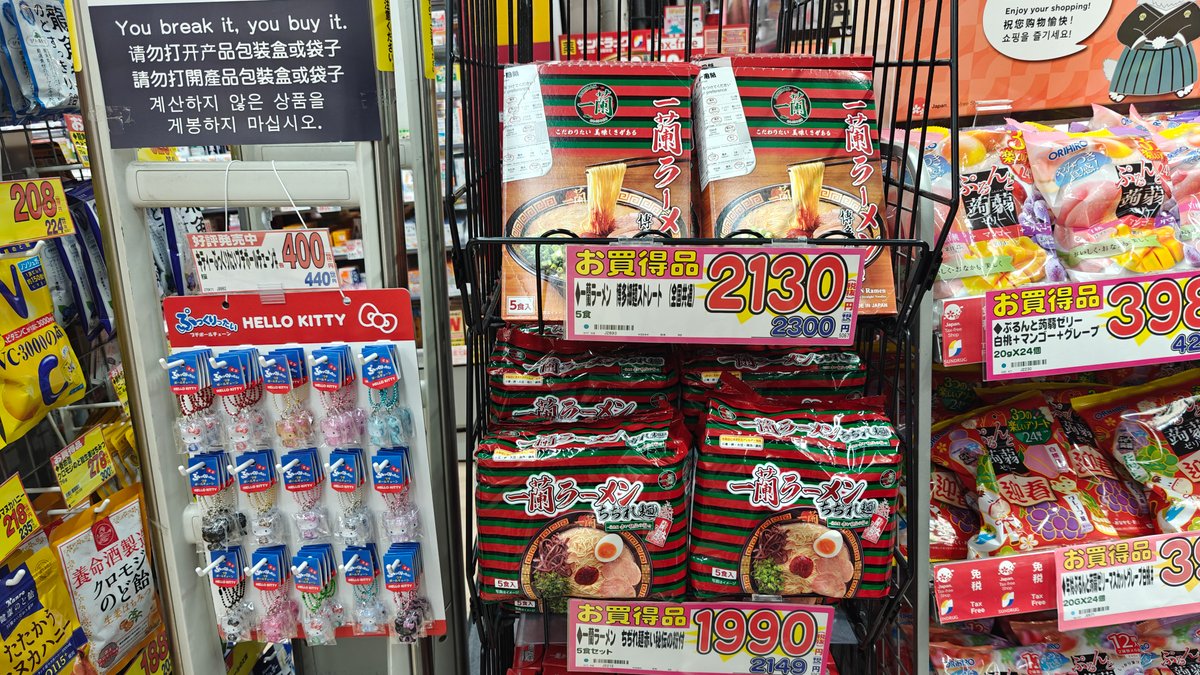
Some of the ramen shops even sold their own packages. They included the real deal ramen, a bag of actual broth concentrate, and directions on the box. instant ramen that’s worth caring about?
Who knew! I picked up a couple of those to take home as souvenirs. Months later when I got around to making one, it came out so shockingly similar to the real thing.
It was close enough that I remembered the steam and the quiet of the booth.
Every Bowl Teaches You Something
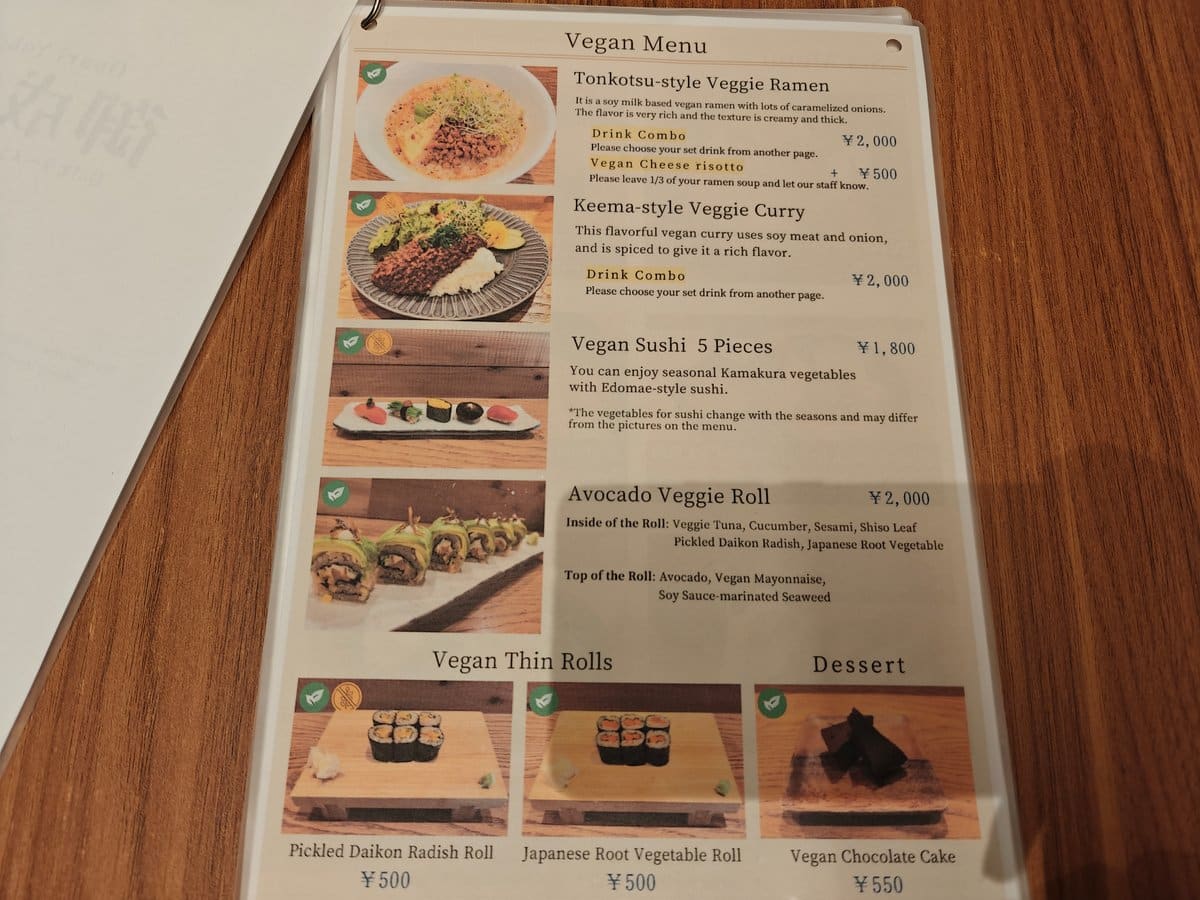
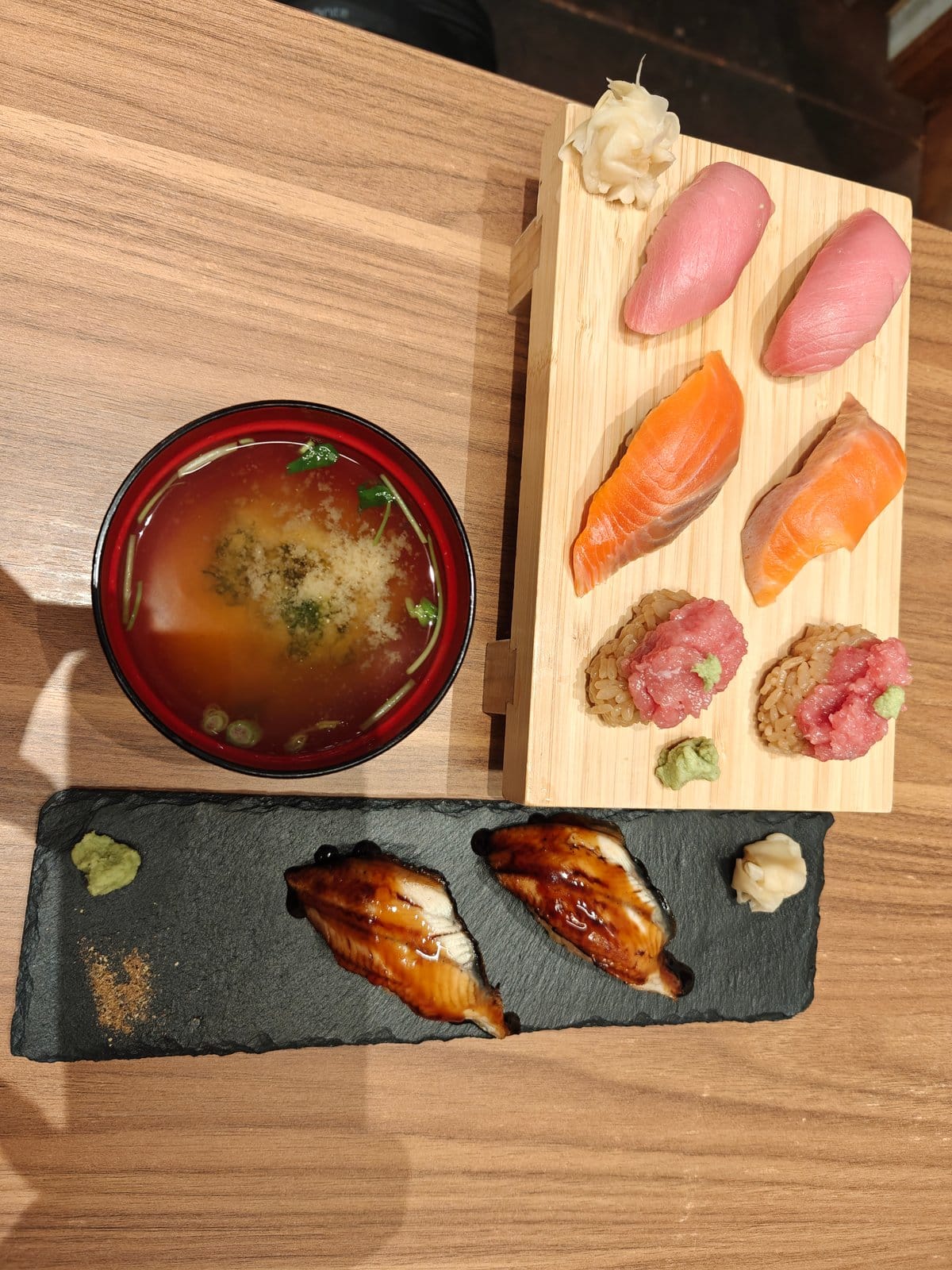
It wasn’t perfect, but it was close enough to remind me of the booth, the steam, and the quiet. Once I had ramen with sushi too, two separate meals stuffed onto one plate, but it still kind of worked. The ramen was rich and the sushi was light.
Together they made sense in a way I never expected. I have eaten ramen in hole-in-the-wall shops with three seats and a silent chef, in tiny train station stalls, and in polished chain restaurants. Perfect bowls, just-okay bowls, bowls so bad I couldn’t even finish them.
But I learned from every one of them: how to slurp without thinking about it, how to read a menu with no English, how to know when the broth has sat too long or when the noodles are too soft. I learned that ramen is nothing precious. It is fast food, cheap food, and food that is everywhere, and that is exactly what makes it worth paying attention to.
The details count. Noodle firmness, garlic oil or no garlic oil, extra egg or extra pork, they all add up, and after a dozen bowls, I could taste the difference. After a couple dozen, I had preferences.
Ramen in Japan isn’t a singular experience. It’s a hundred tiny experiences, each a bit different, and each worth taking seven minutes to enjoy. I don’t think I’ll ever stop trying to figure out which one is my favorite.
So what’s yours? Have you eaten a bowl of ramen in Japan that’s changed the way you think about it?