
This is Auckland Zoo. The main reason I visited the zoo was that I wanted to see a kiwi. It’s the national bird of New Zealand!
When are you going to get to see the national bird if not while you’re there? My quest to tick off just one iconic animal turned into a full afternoon of wandering through surprisingly diverse habitats. I became totally enthralled with animals I never thought I’d be interested in.
The zoo is located in Western Springs, near the city centre. It is close enough to feel like an easy escape, but far enough away that you feel like you’ve left Auckland. With little idea of what to expect other than the kiwi house, I bought my ticket from the front gate and went inside.
The surprise is that it is more than just a zoo. It is a well-planned and surprisingly large park that takes its conservation mission seriously.
My Surprise Day at the Zoo
Auckland Zoo
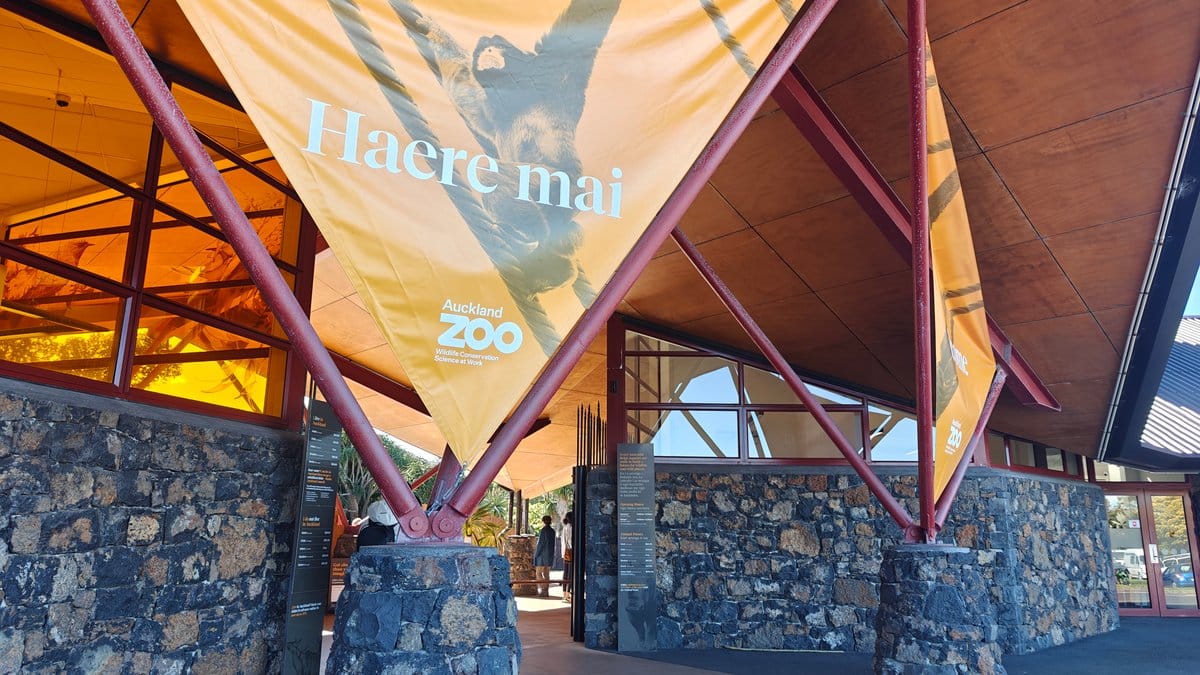
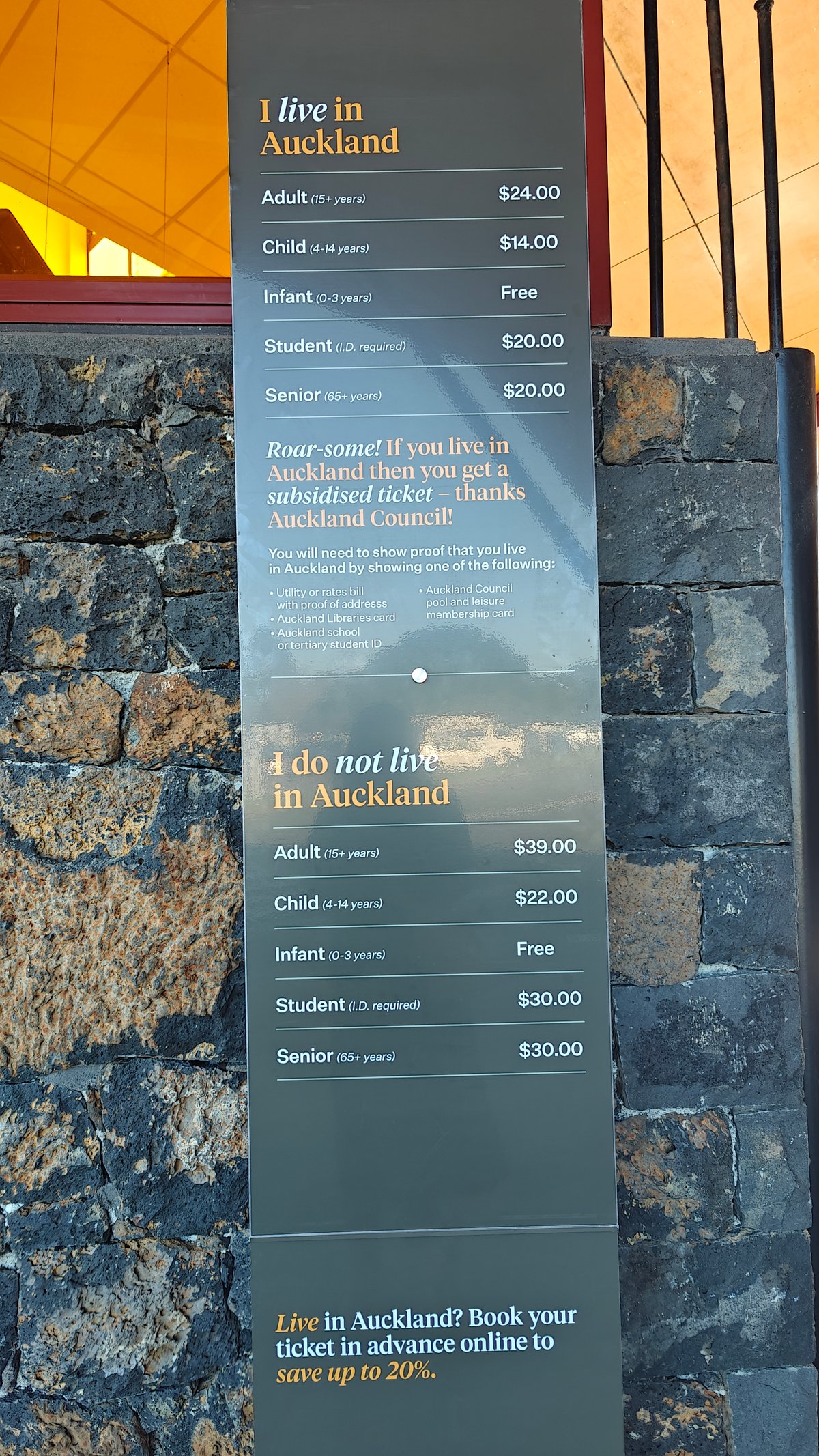
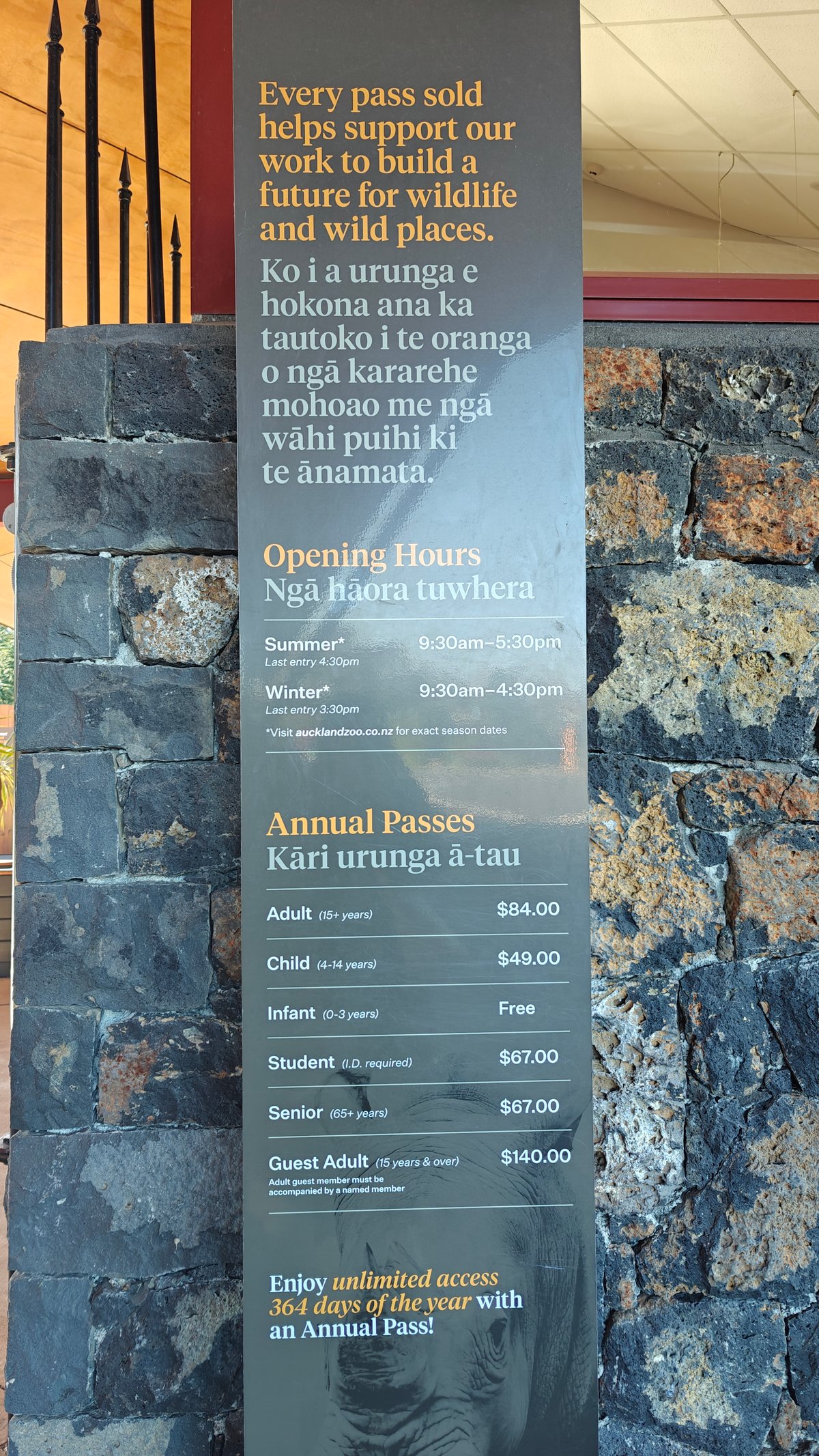
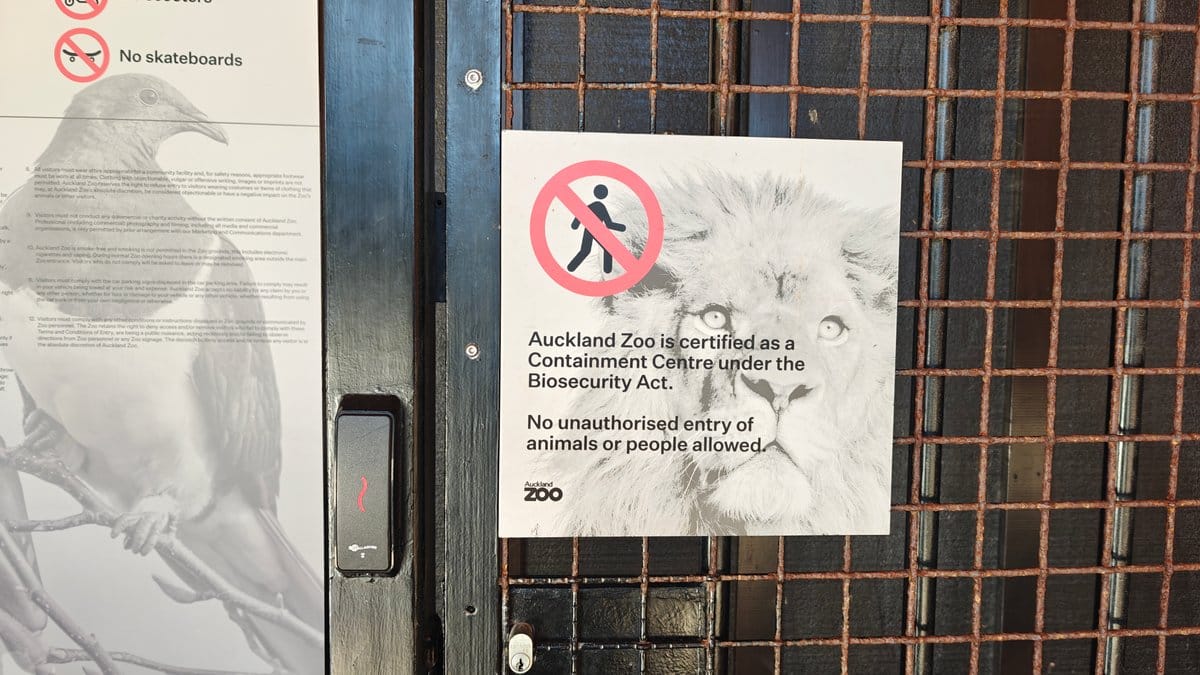
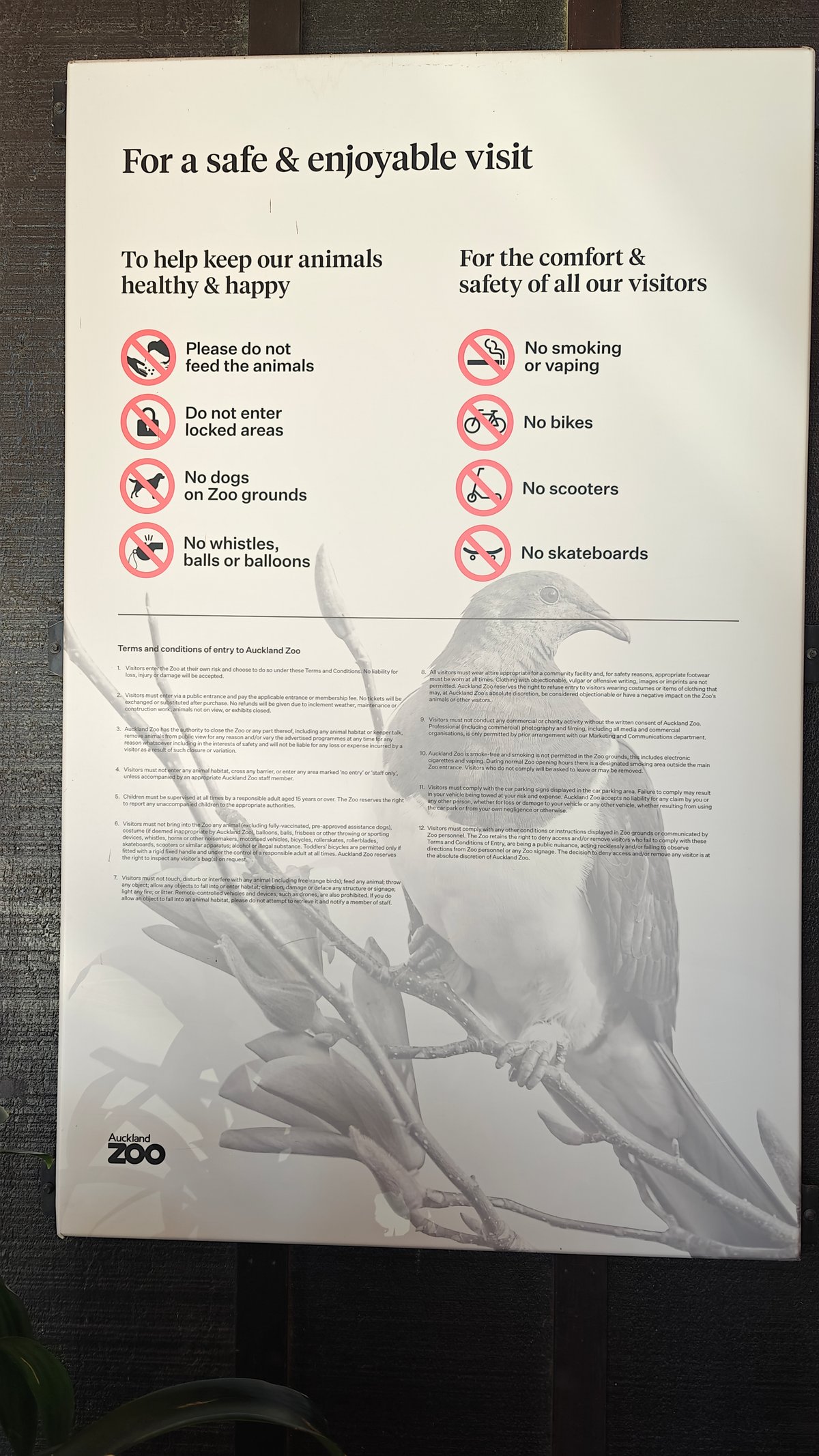
All admission fees supports habitat preservation and breeding programs, and the signage reflects this. The kiwi came last for me, but it was only one of several highlights. In fact, I spent far more time here then expected.
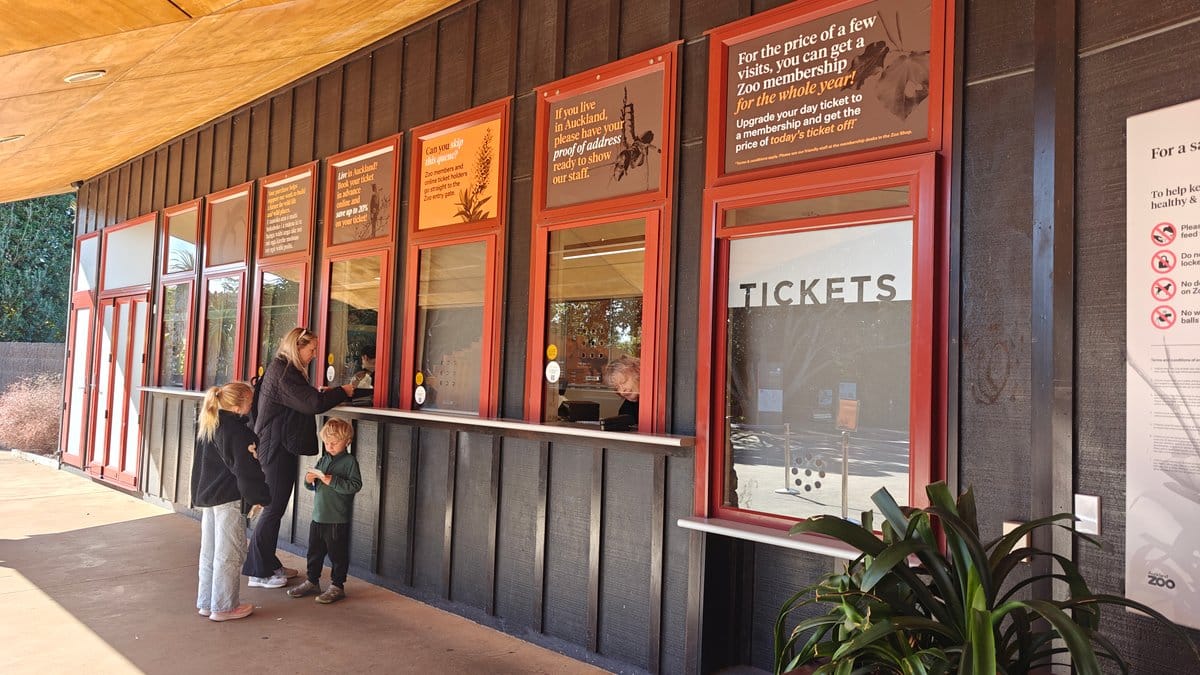
There was a slight queue on arrival (I got there mid-morning) but buying tickets wasn’t too complicated. As I waited, I took note of the entrance panels. They explained the conservation message and various ticket options.
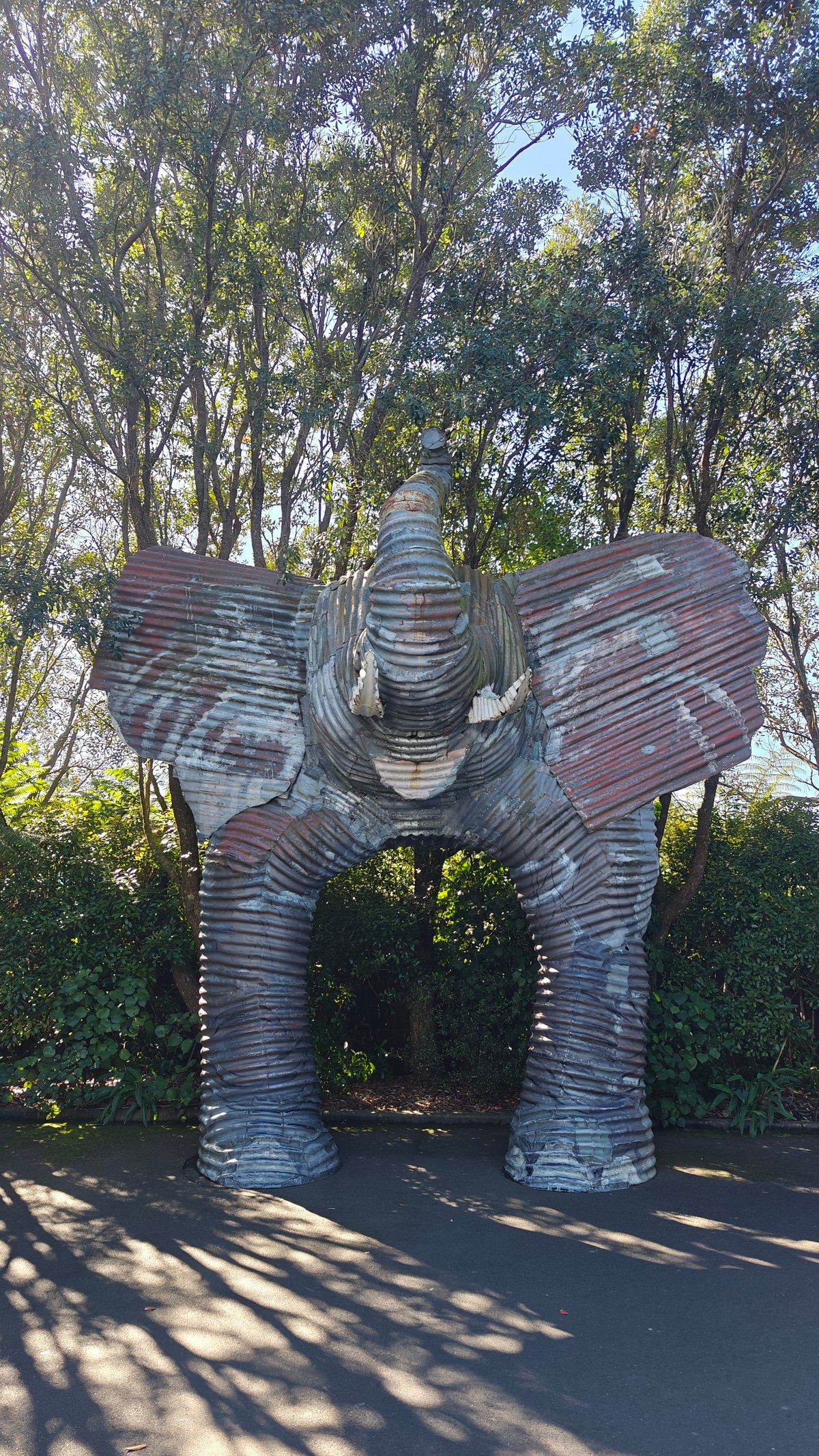
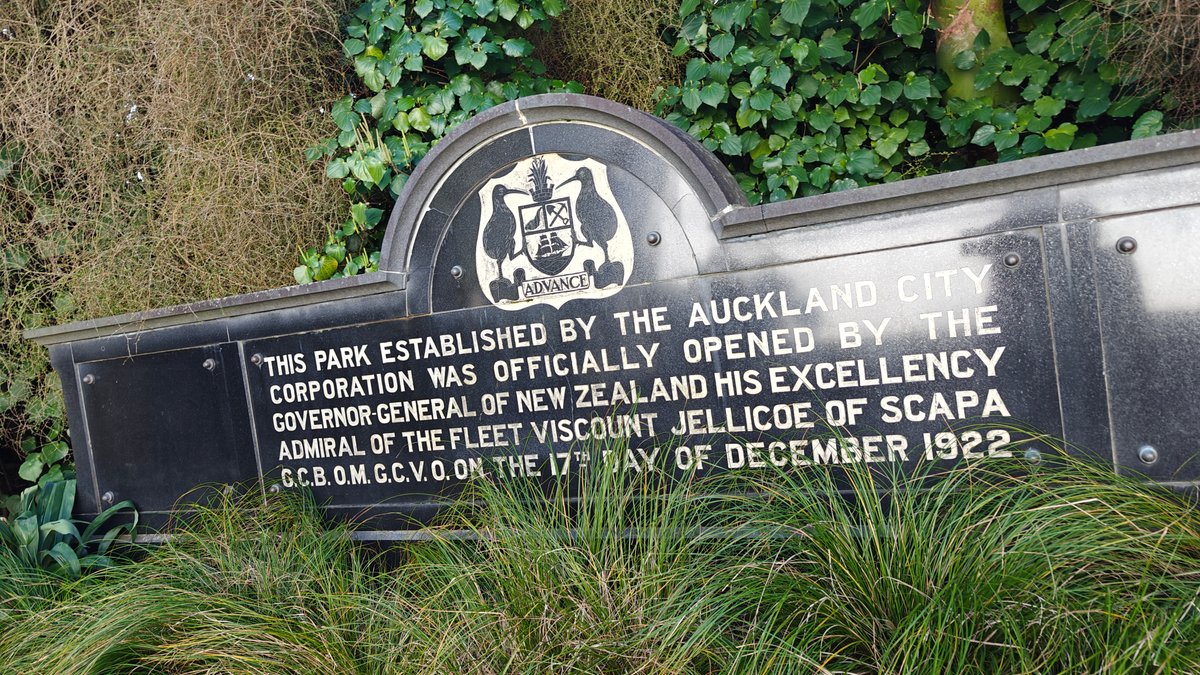
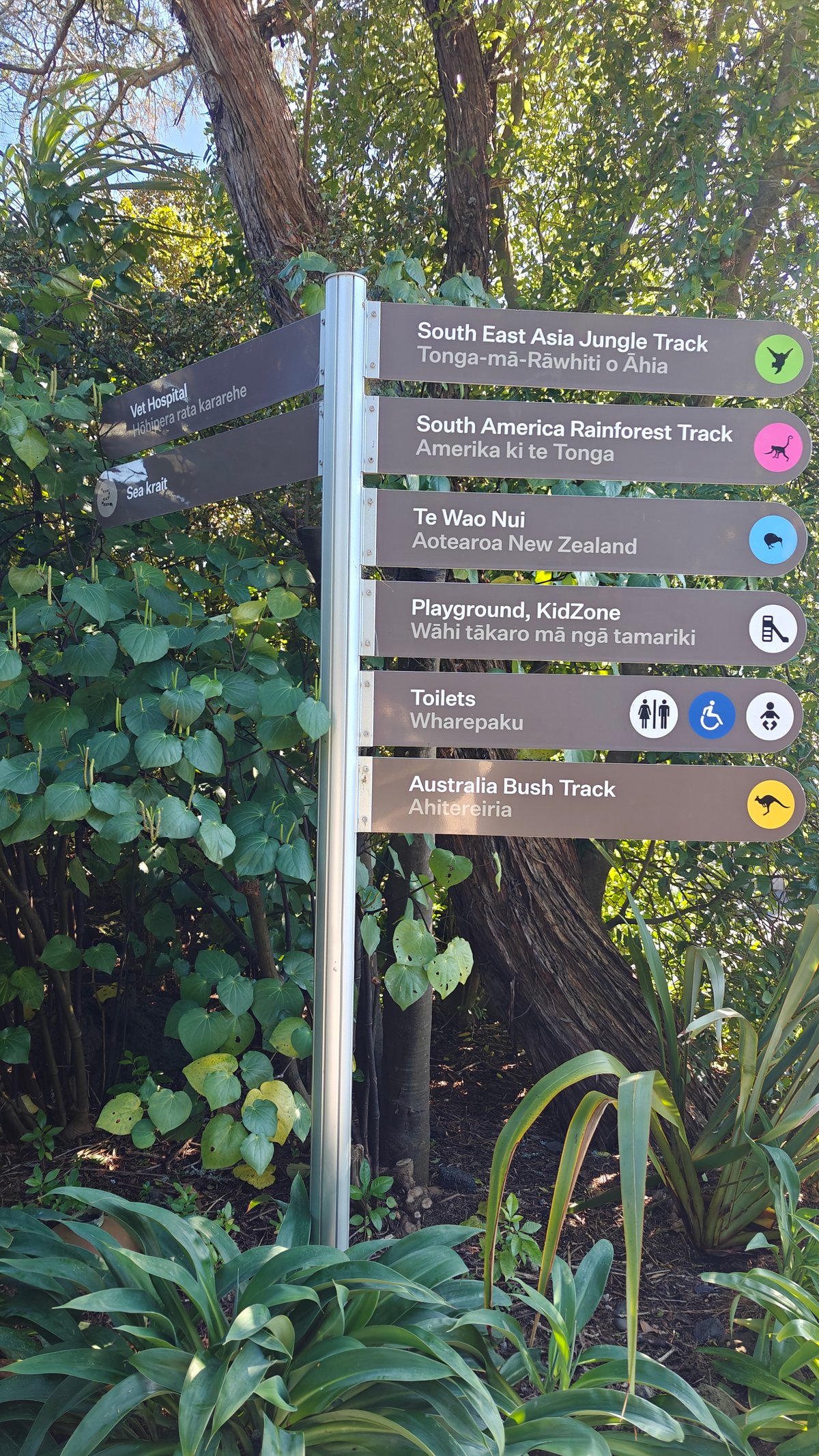
It felt less like a sales pitch and more like a reminder of what the place was realy about. Through the entrance, I saw a bronze plaque detailing the history of the park, and a rather charming corrugated-iron elephant sculpture. The wayfinding posts came in handy, directing me towards each of the zones, so I headed for South East Asia first and worked my way around from there.
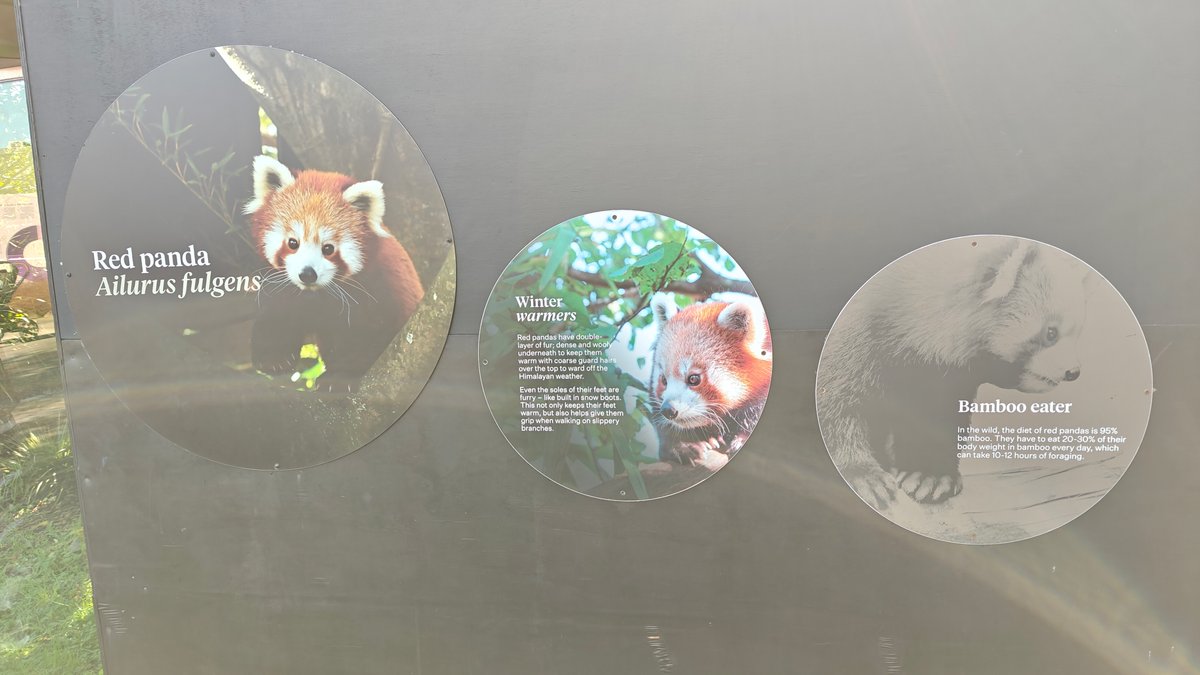
First stop: the red panda enclosure, where I lucked out… There was one up high on a branch, slowly but carefully making its way about, as red pandas do.
The interpretive panel was more detailed than I’d anticipated, and I was glad to see that the zoo wasn’t dumbing it down for anyone. Red pandas is one of those animals that always seem to be doing something that looks a bit silly in the best possible way.
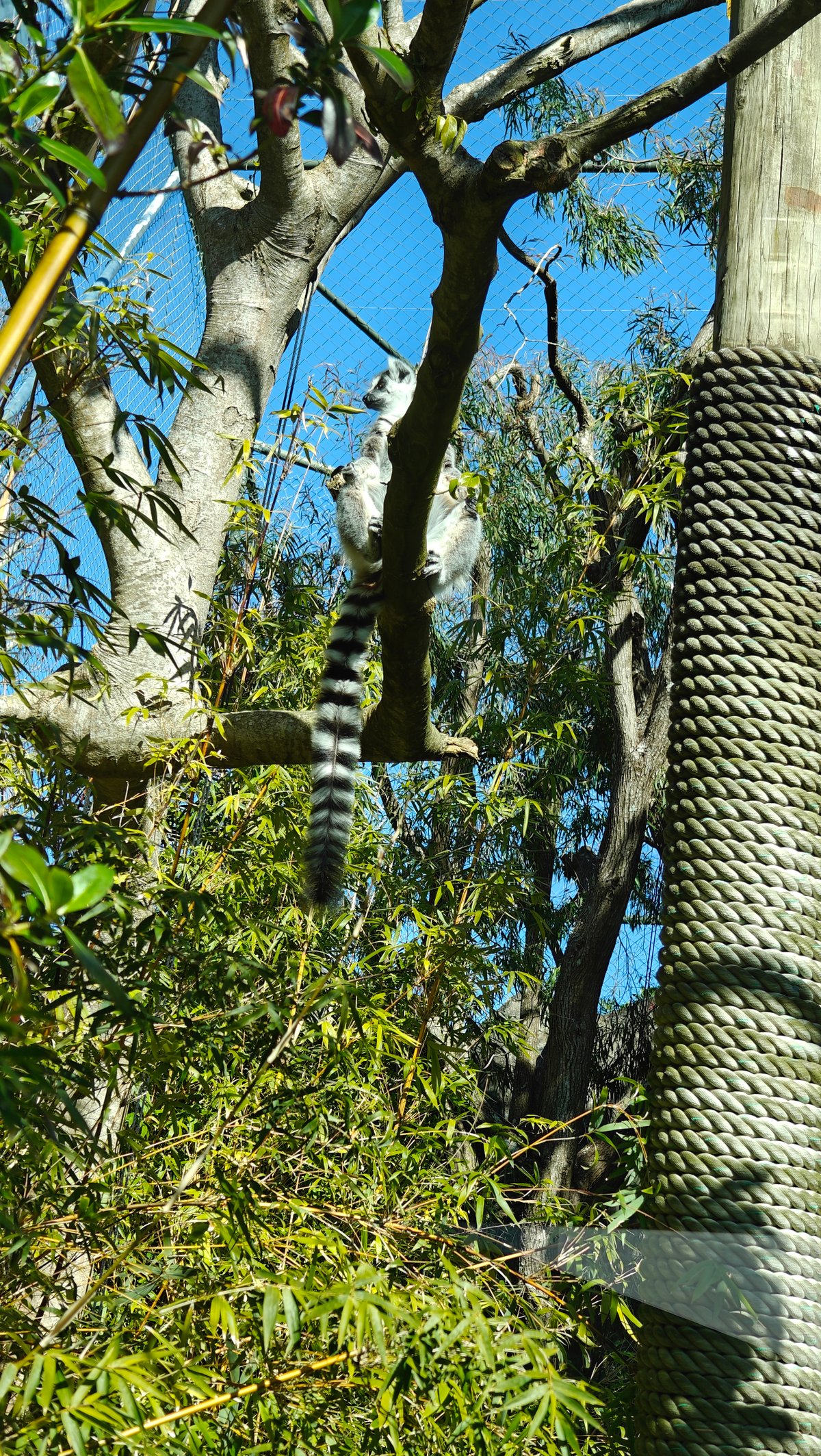
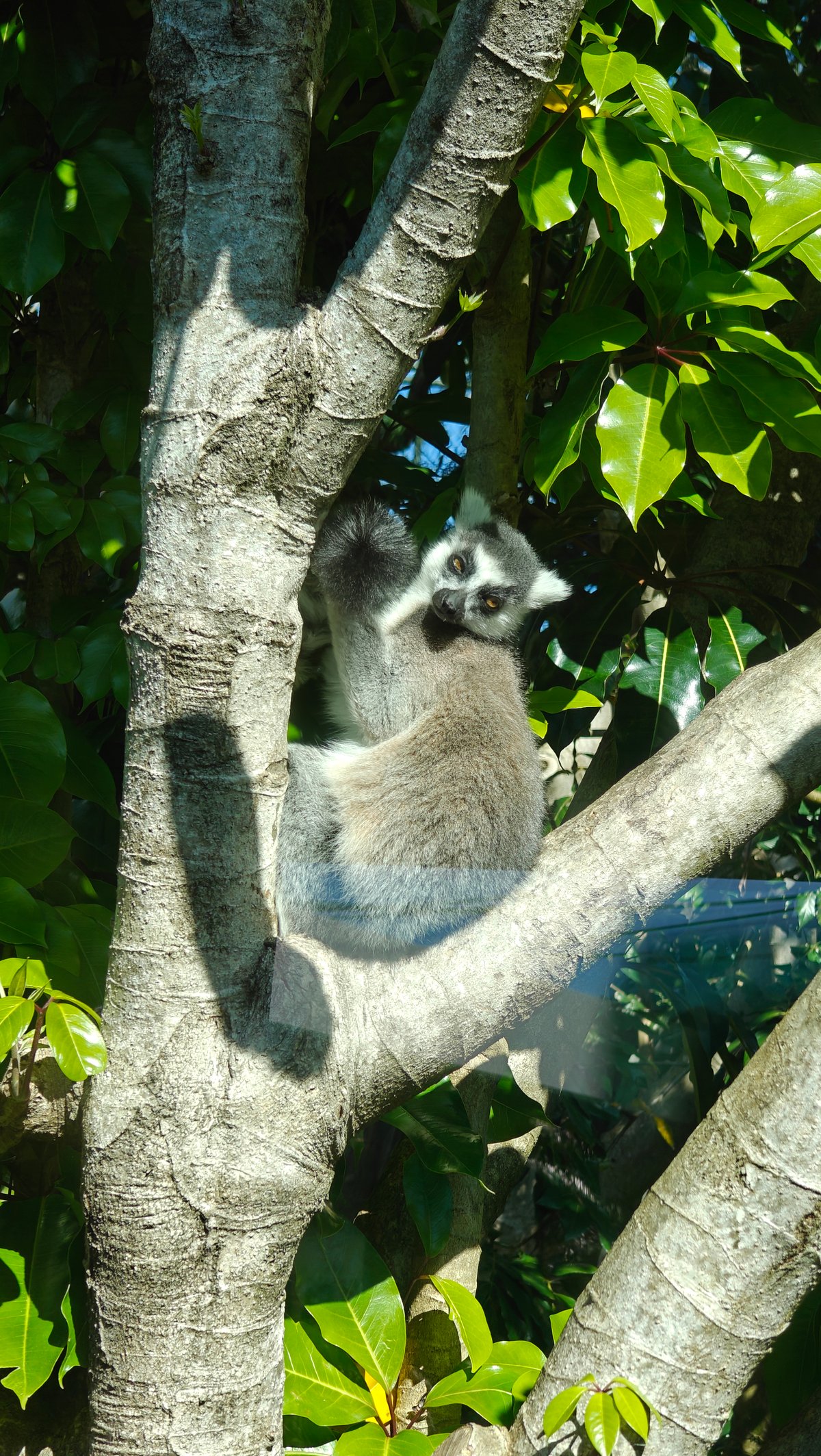
Watching this one climb around the trees was strangely calming. Further down I saw another crocodilian lying very still behind the wire. Nearby, a ring-tailed lemur sat on a tree trunk with its characteristic coiled-up tail.
And farther on again, I saw a reptile that looked so real I wasn’t even certain it was alive until it blinked. That’s what reptiles do, when they’re not moving, they look utterly phony. I spent more time at the tiger enclosure than I had intended.
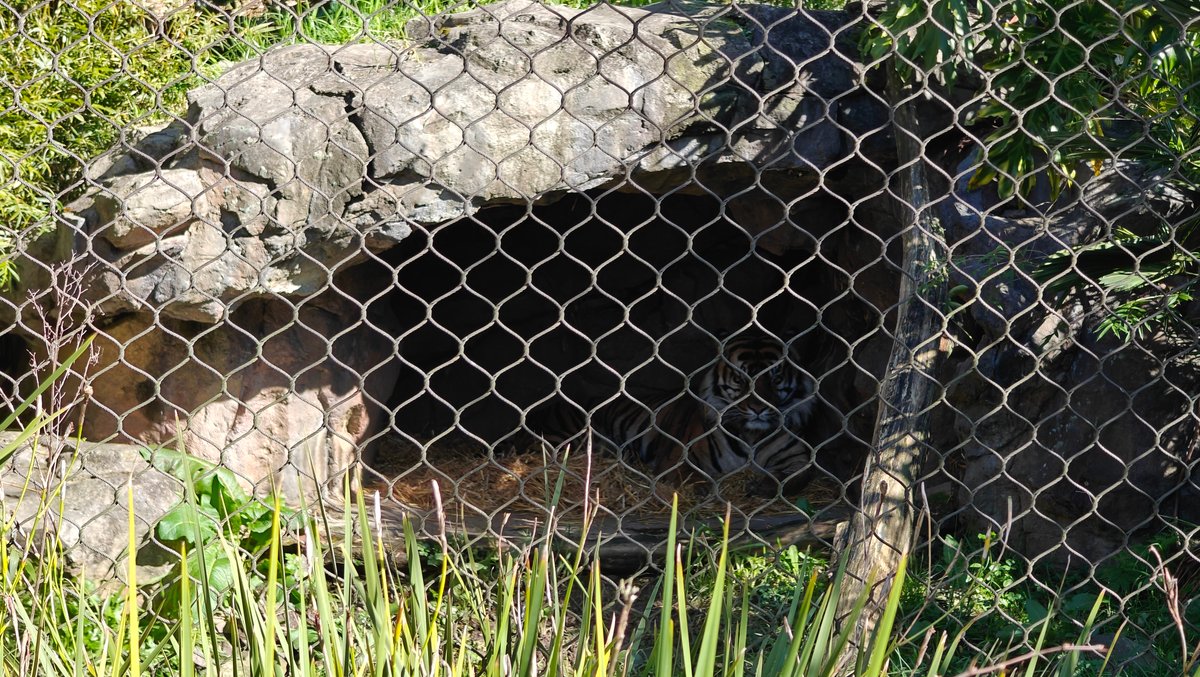
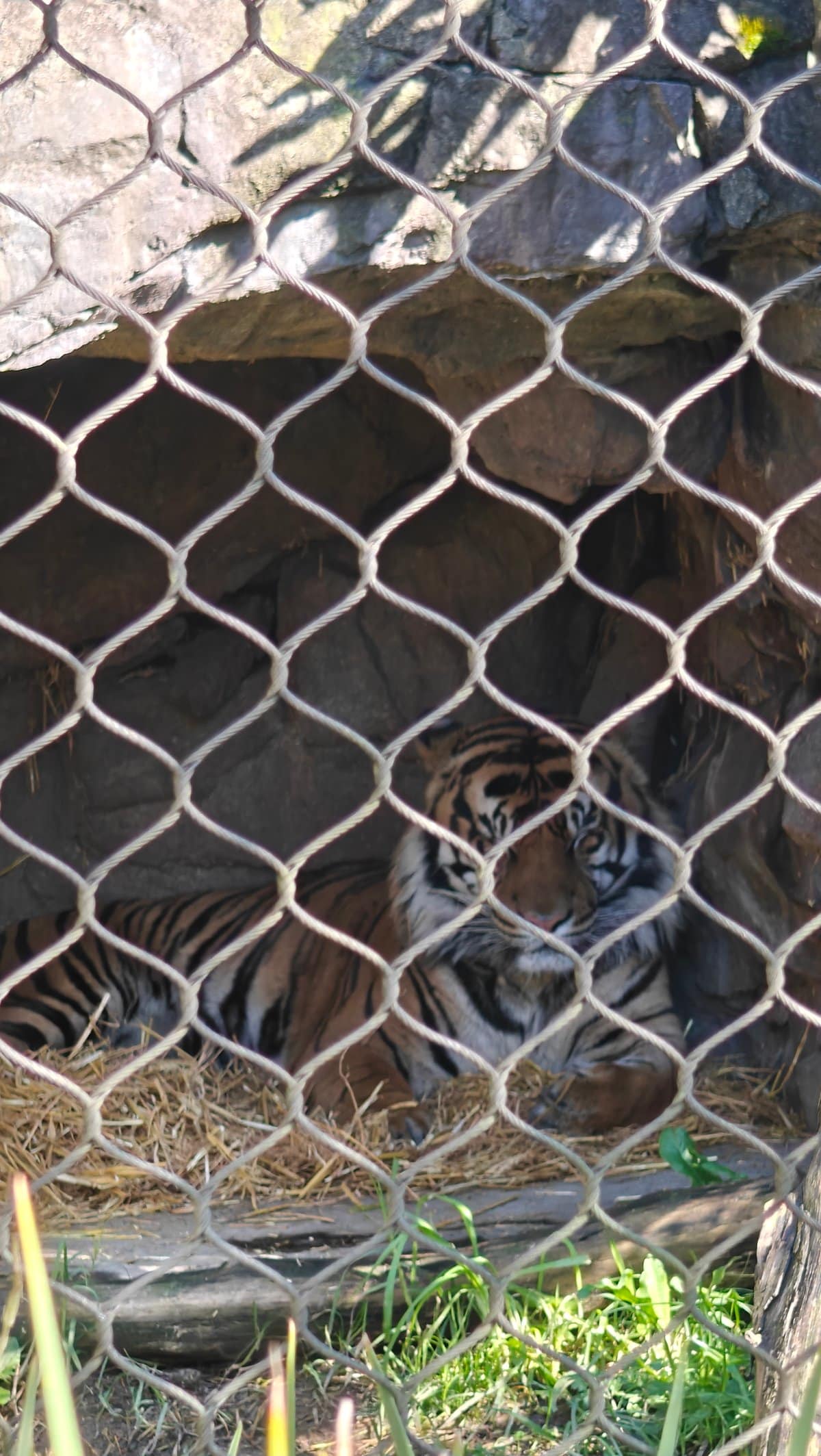
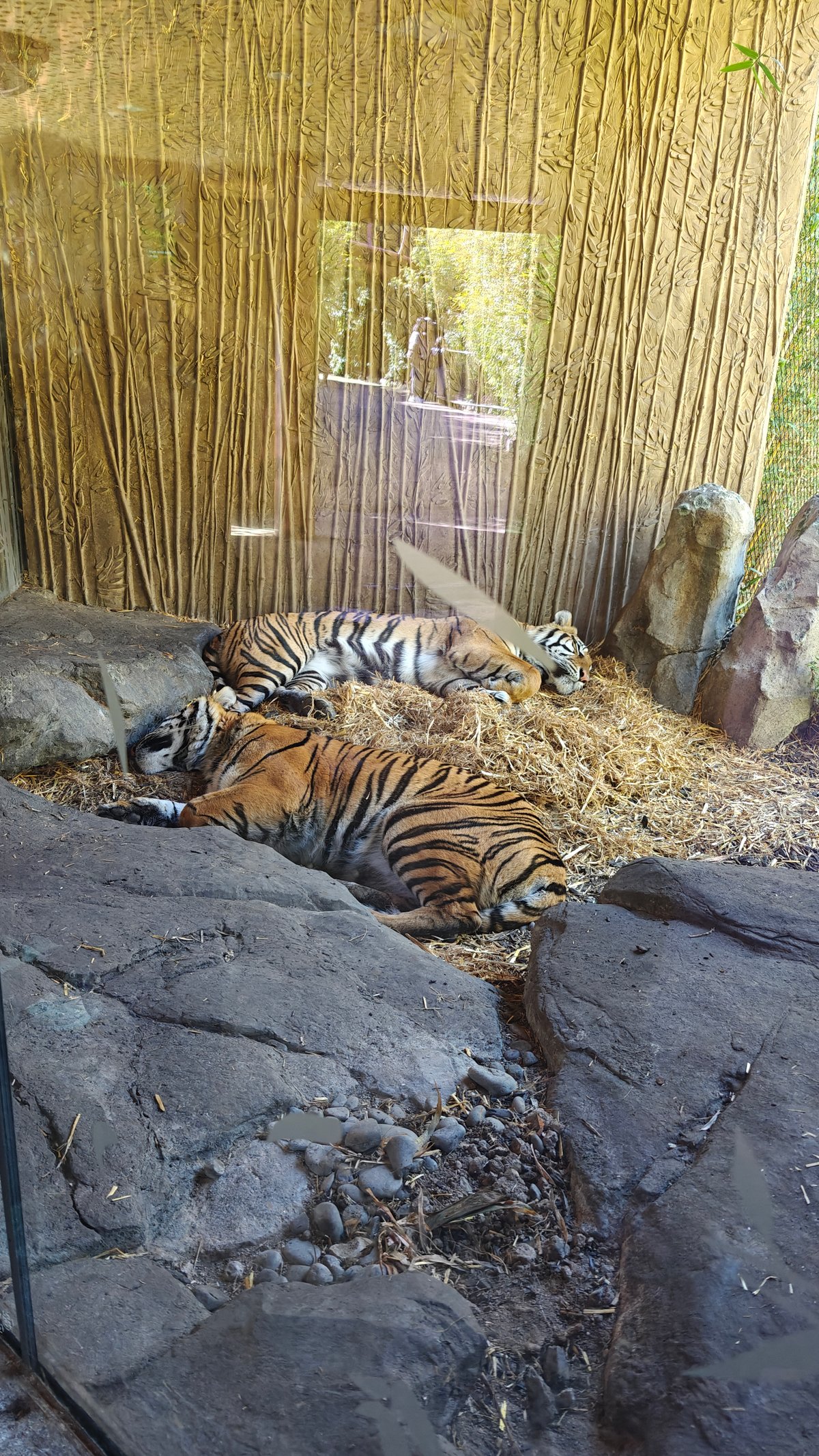
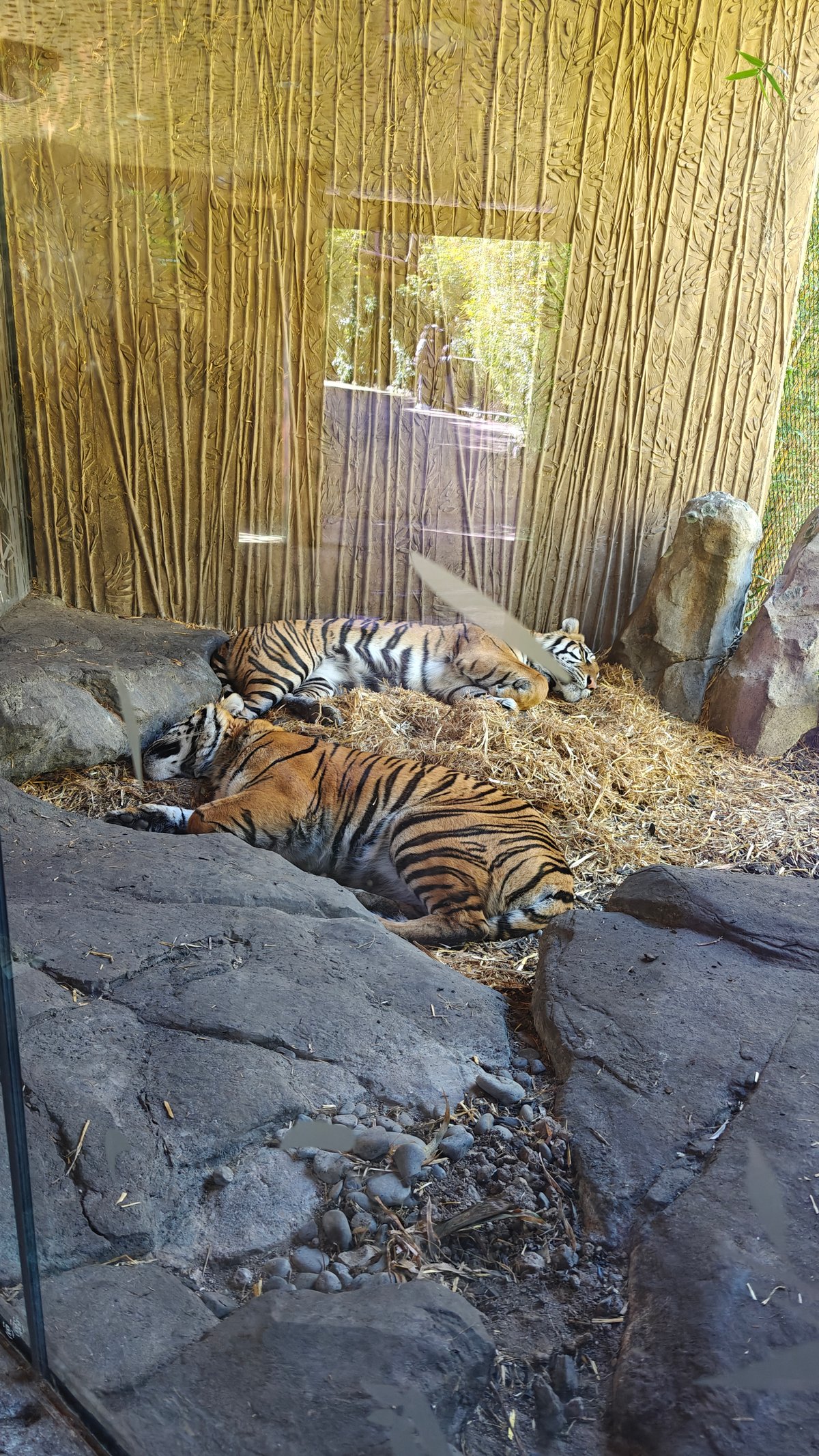
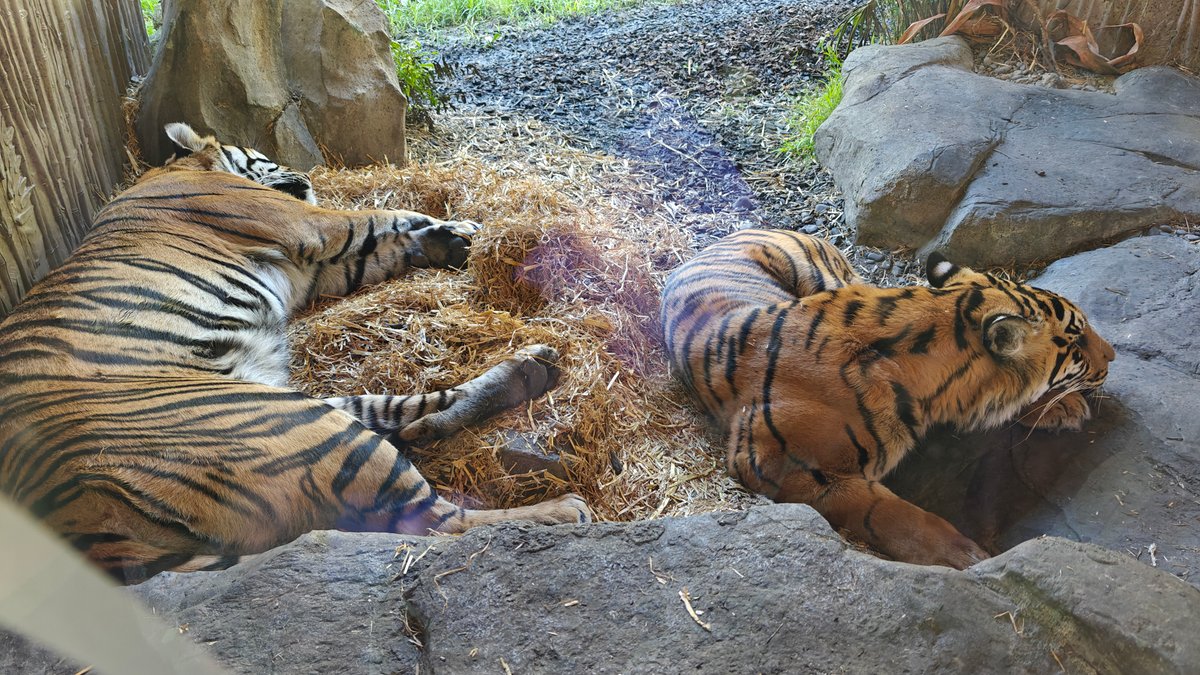
There were two tigers lounging on the rocks, totally relaxed, and I stood there watching them for a good ten minutes. You could see the individual stripes on one of them, who was lying down right next to the chain-link fence.
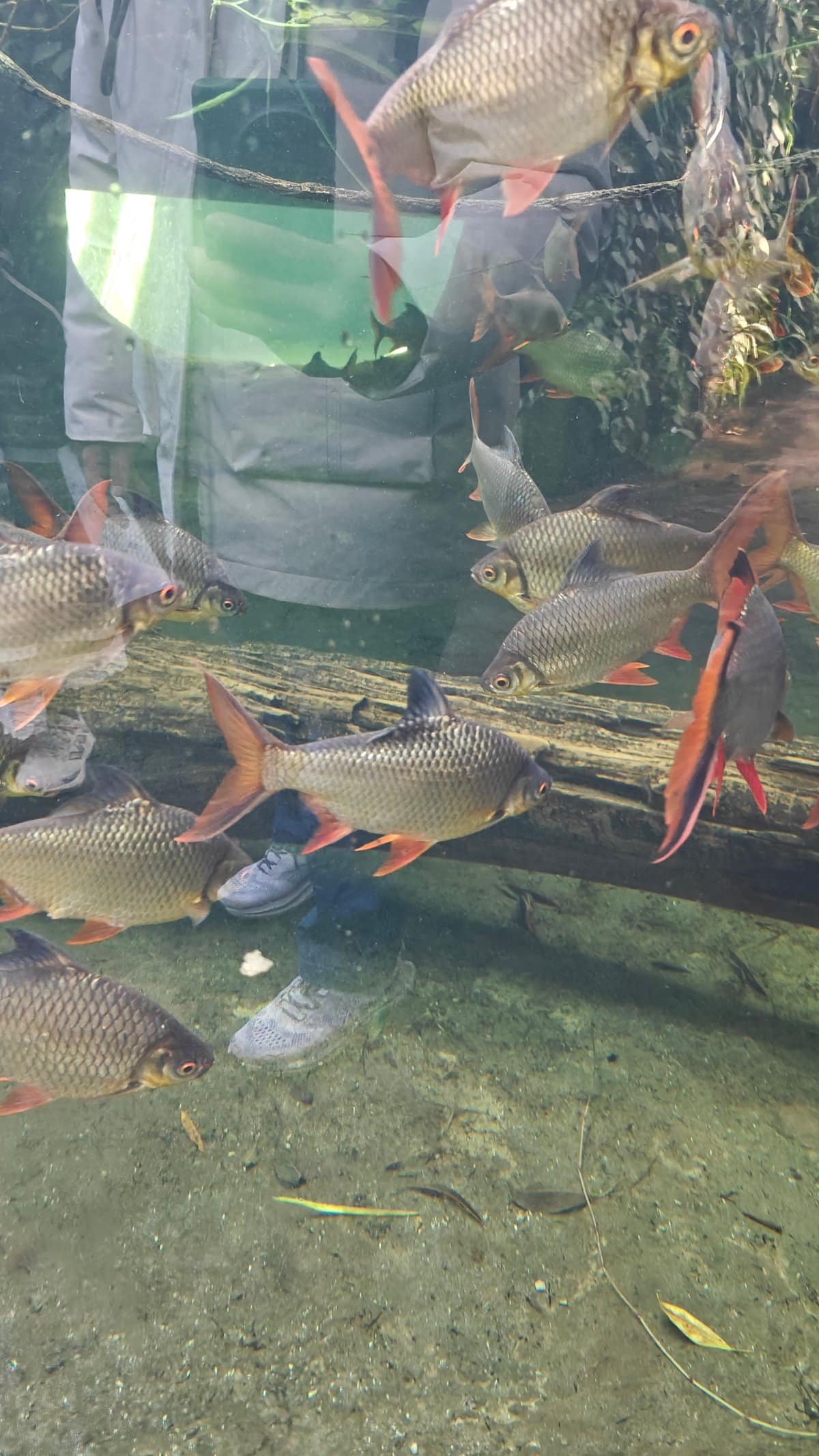
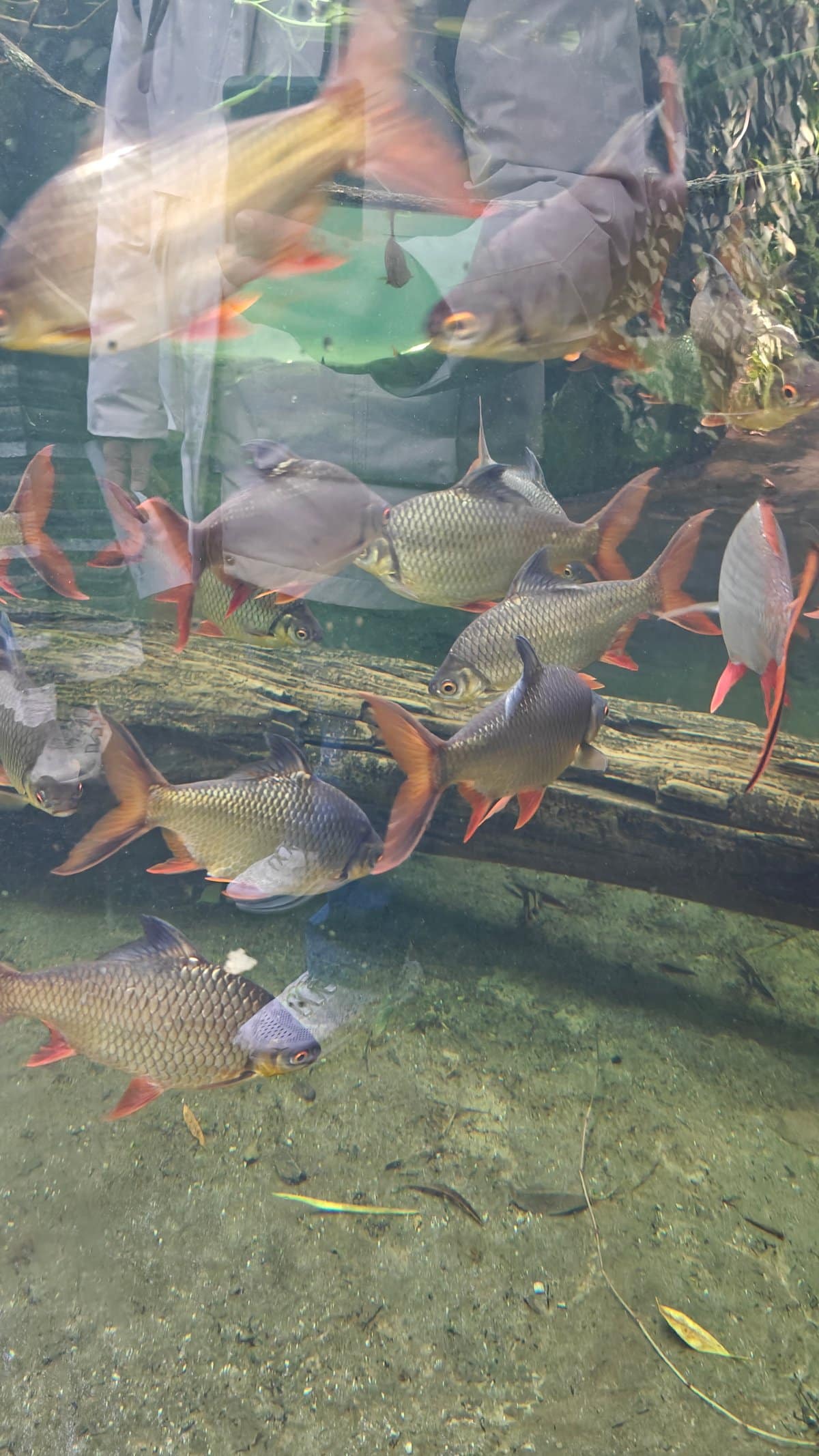
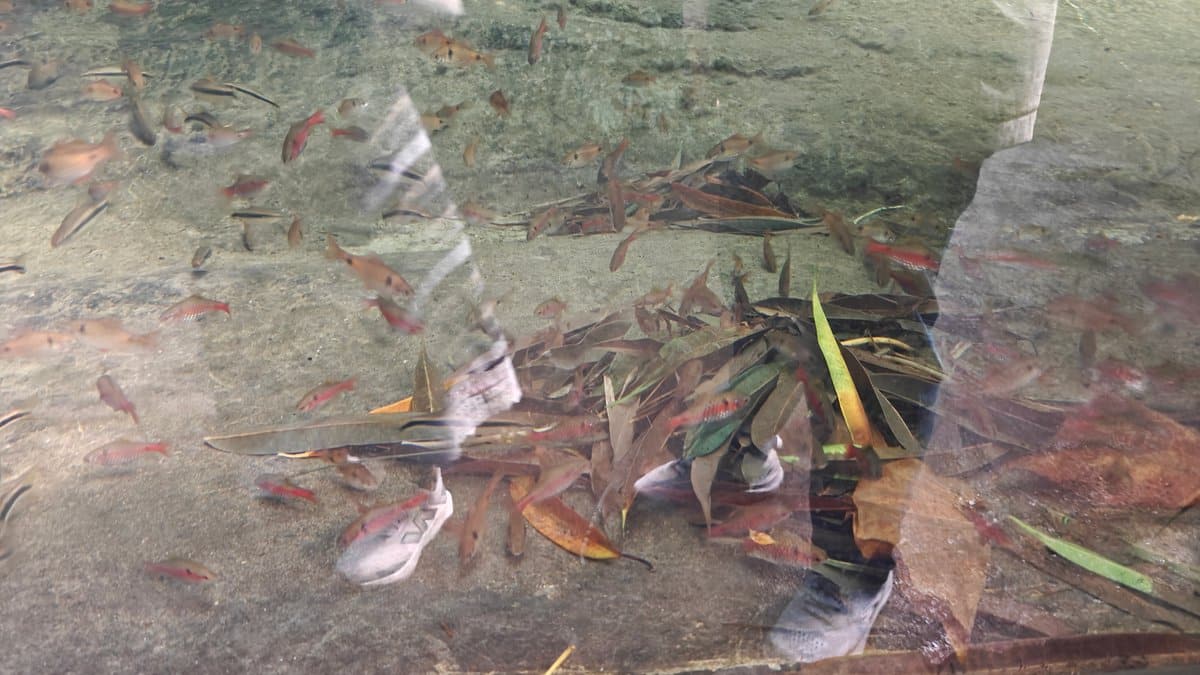
Then the other moved around and they settled down side-by-side, like giant house cats soaking up the sunlight. Unless you’ve seen one in real life, it’s hard to remember how large they really are. One section went past an aquarium filled with fish and wading birds (and some more freshwater tanks where you could see schools of fish swimming around behind glass).
Nothing fancy, but I liked the quiet of it, a nice break from the larger animal exhibits.
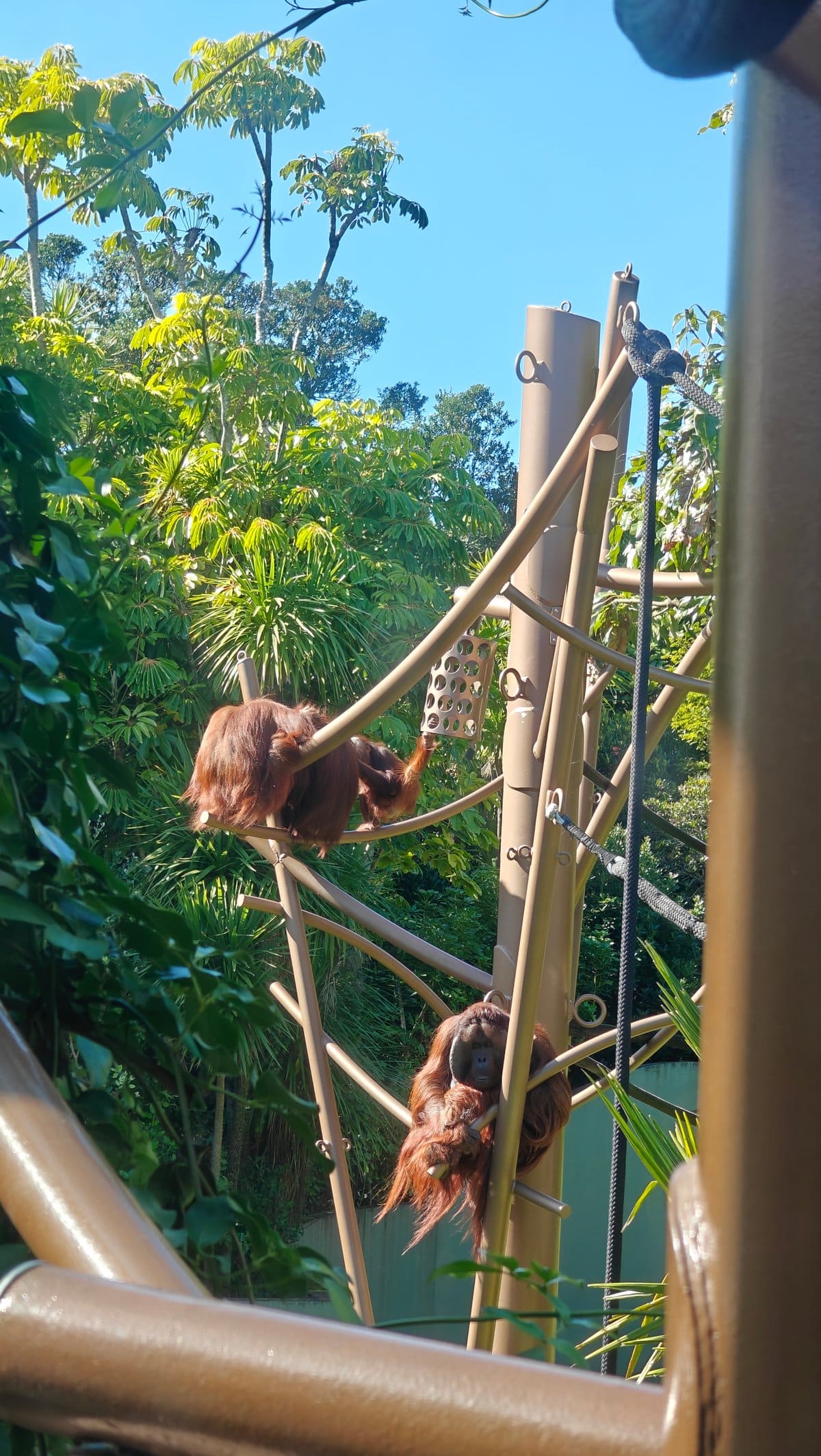
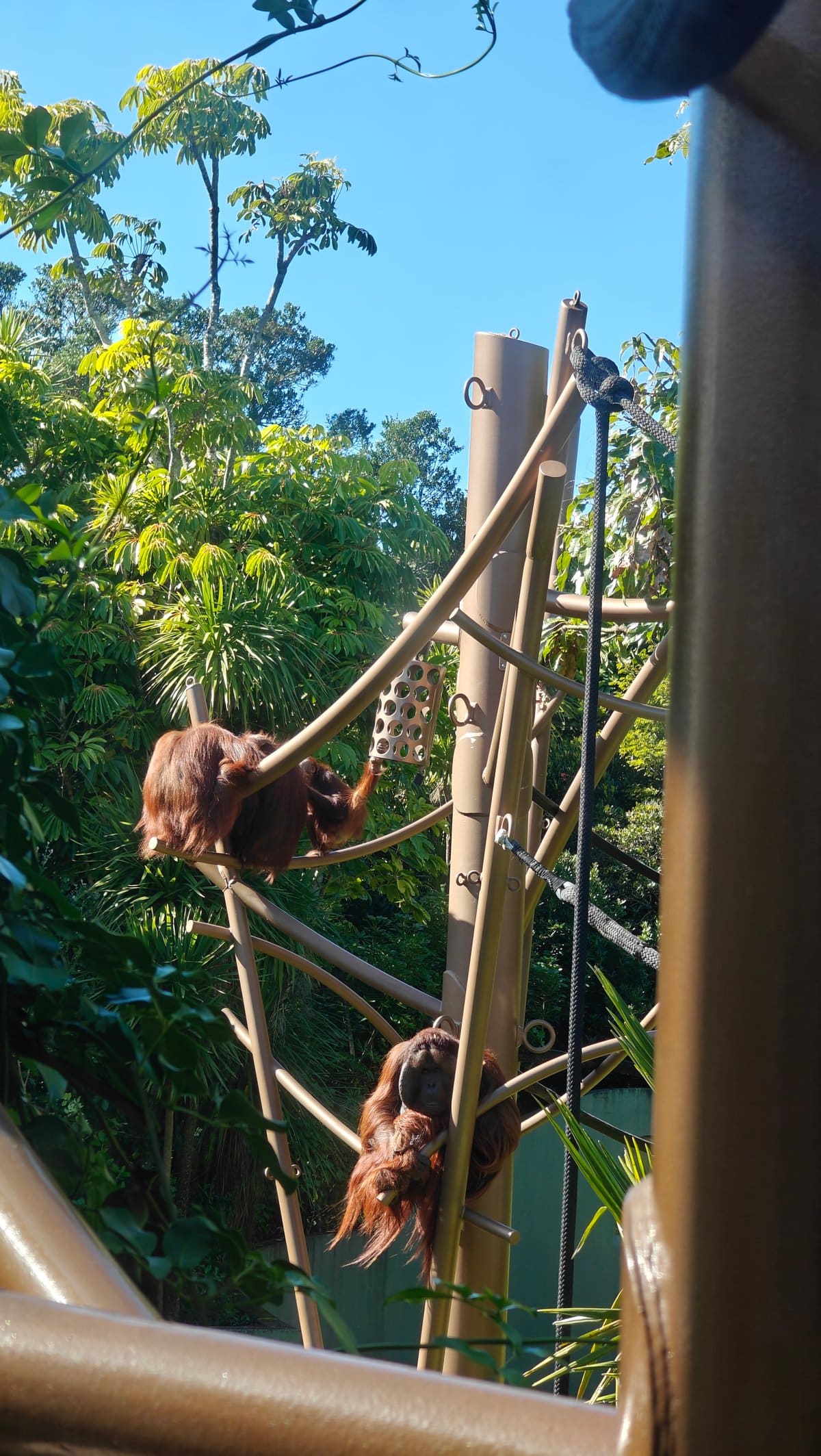
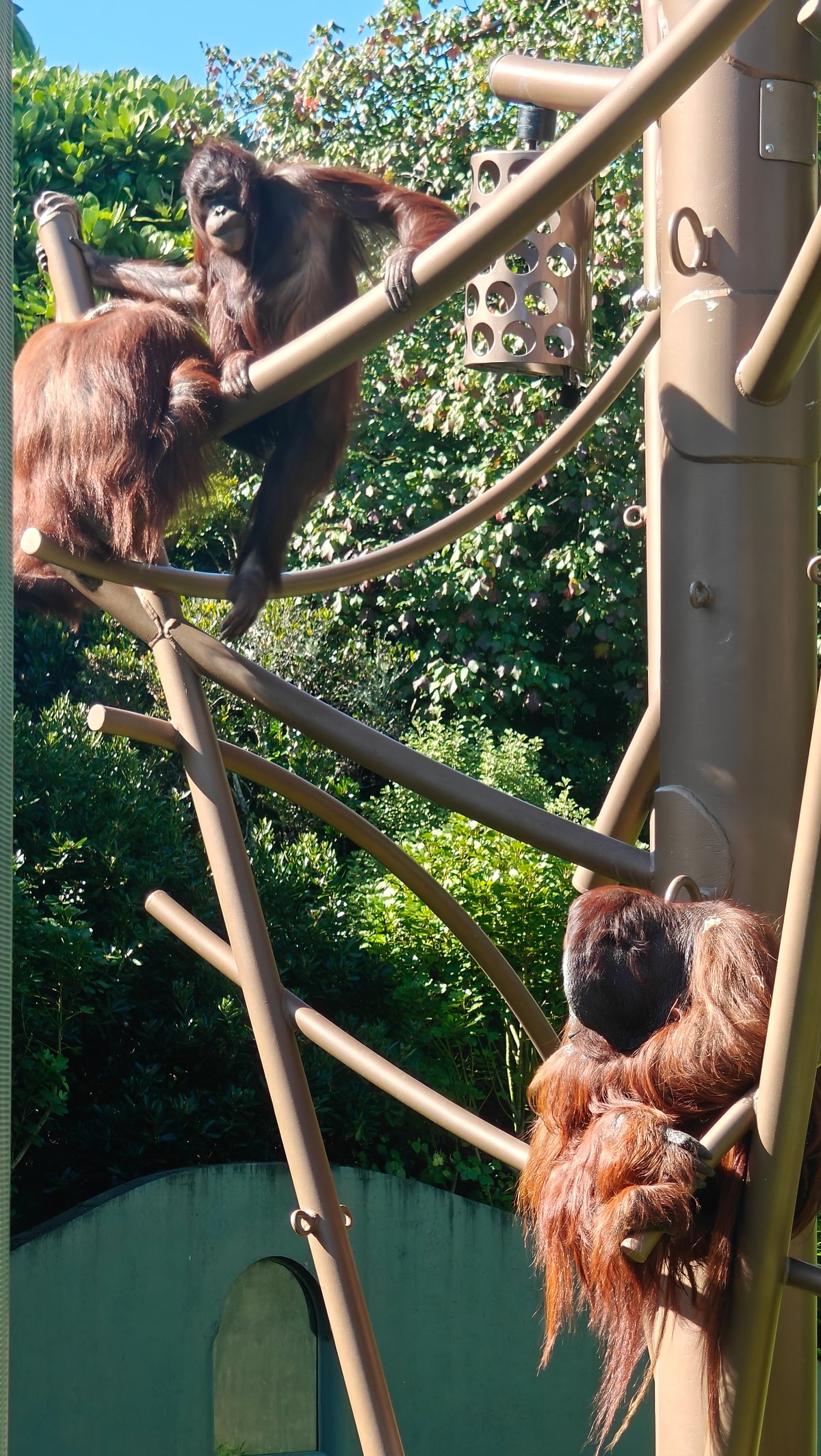
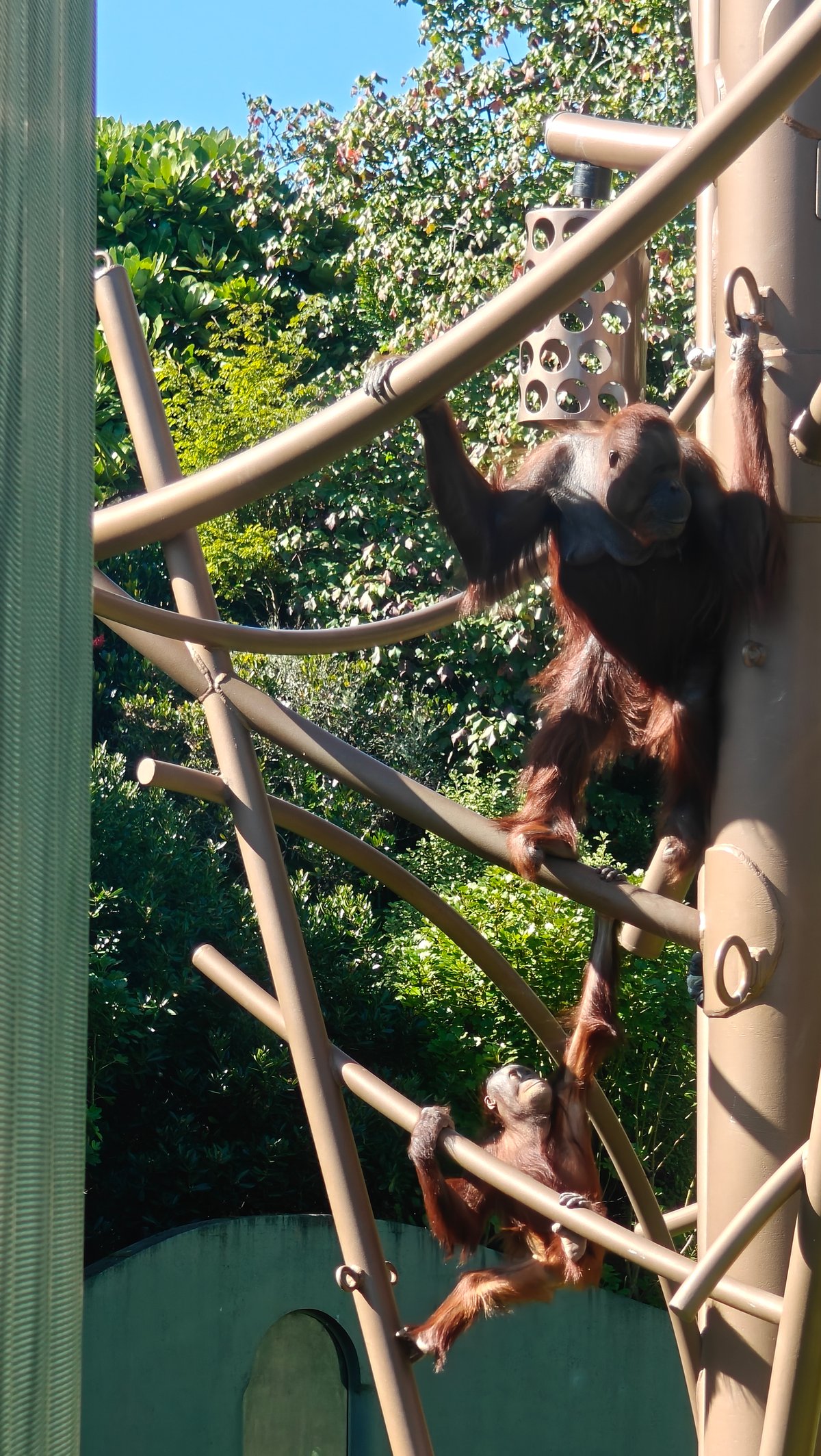
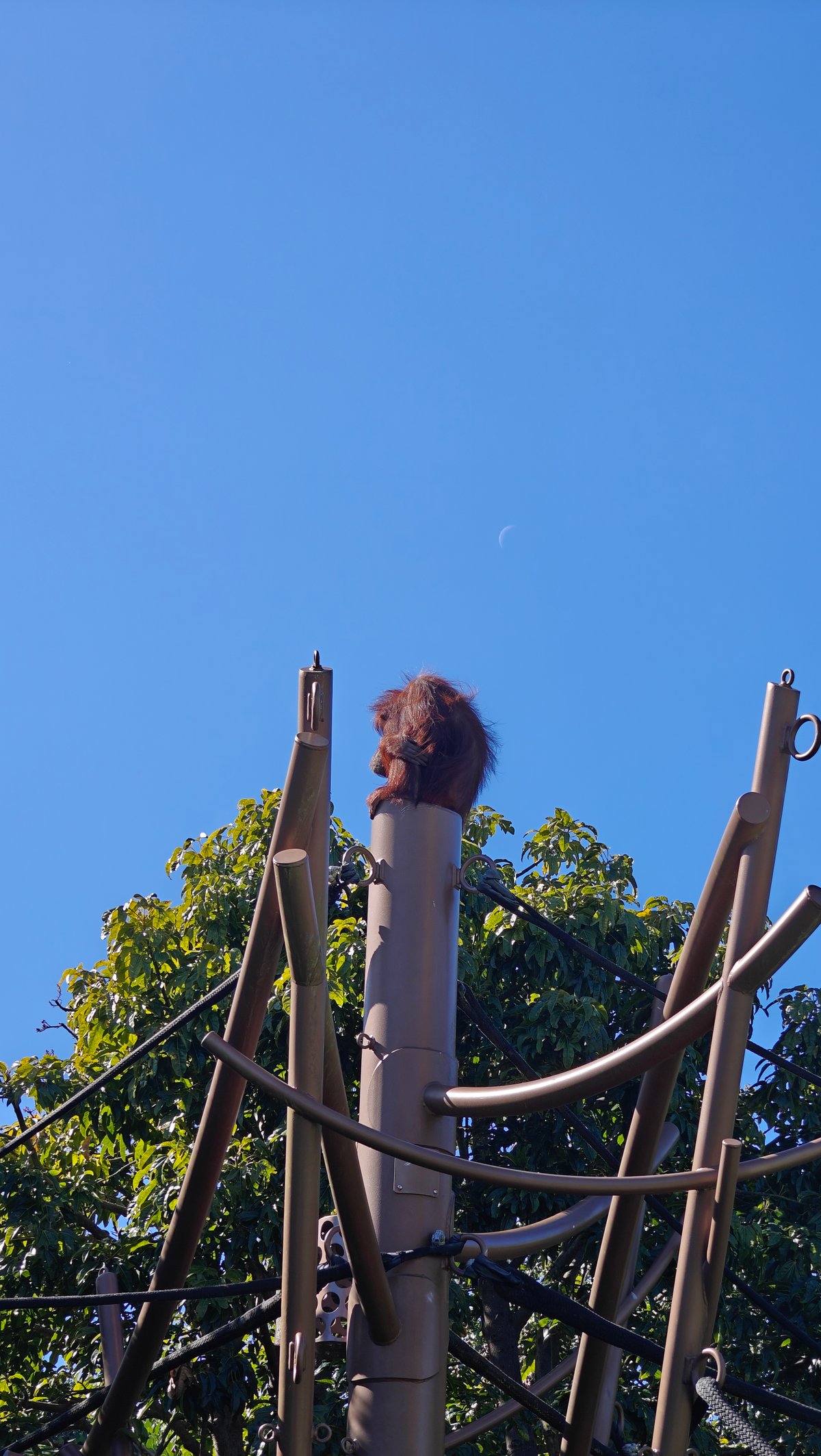
I also found myself hanging around the orangutans section. They swing along those poles, climbing up the frame as if it’s nothing although it must be difficult. They perch high on the frame just to stare back at all the humans staring at them.
They climb so high you can barely see them, silhouetted against the blue of the sky. At one stage two of them was sharing the frame. And then I found myself simply standing there, phone in my hand.
I was not taking pictures. Which is what I do. But, I did get some later, how could you not?
They are that engaging.
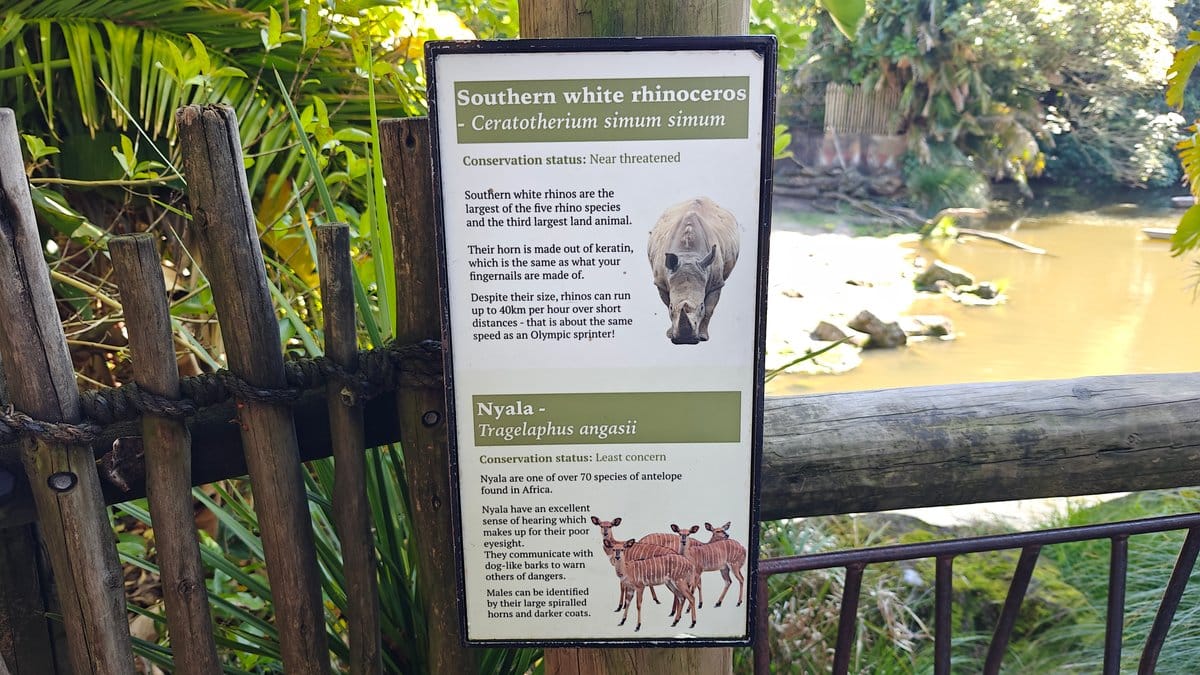
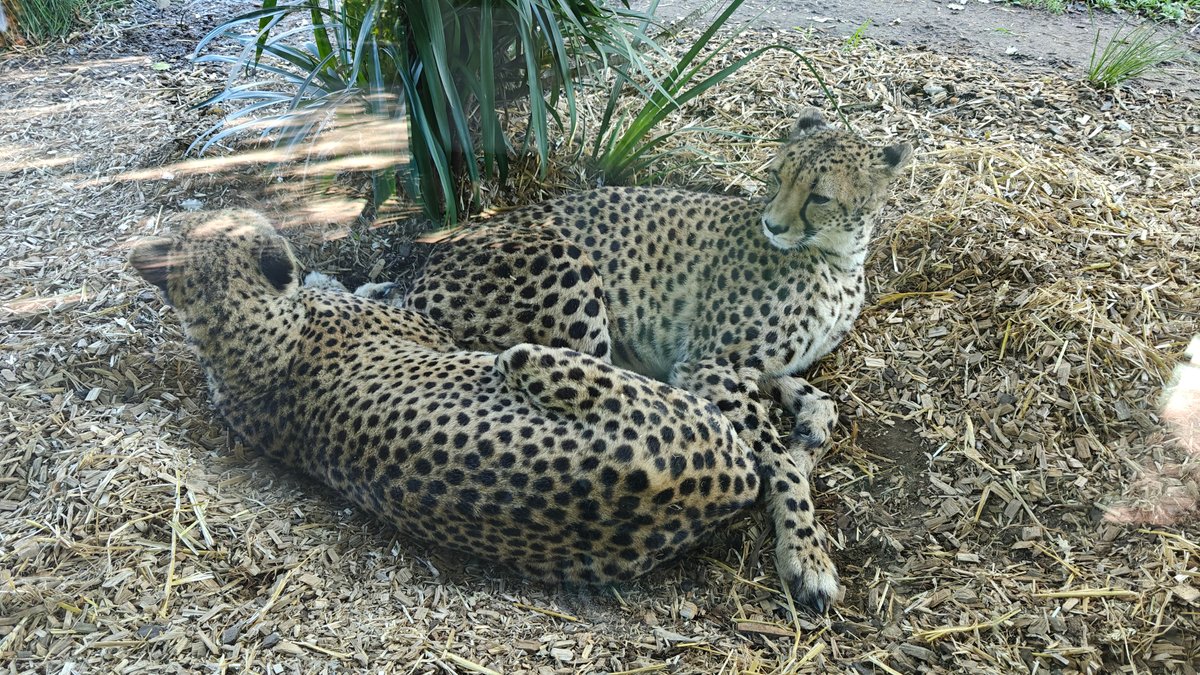
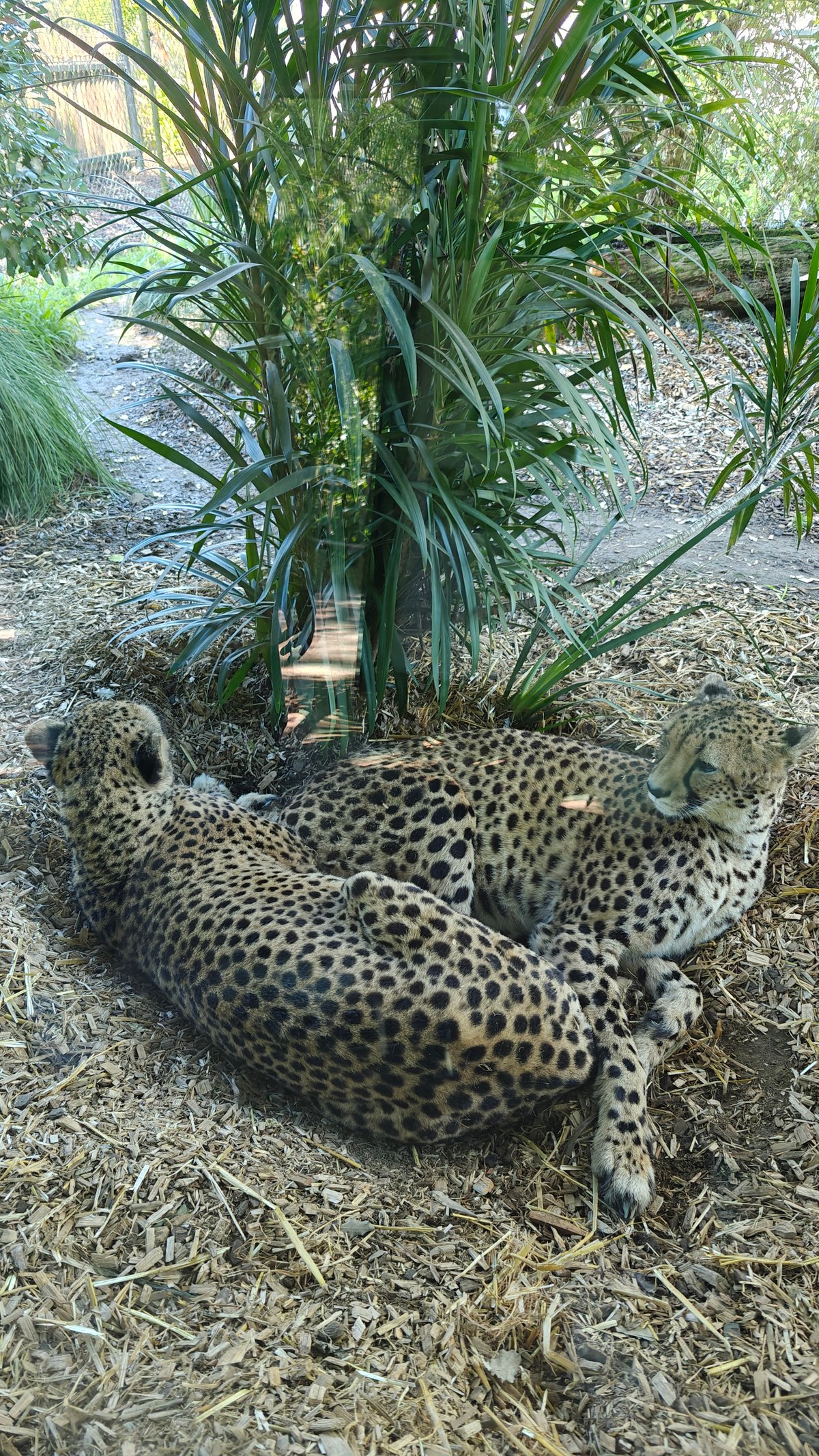
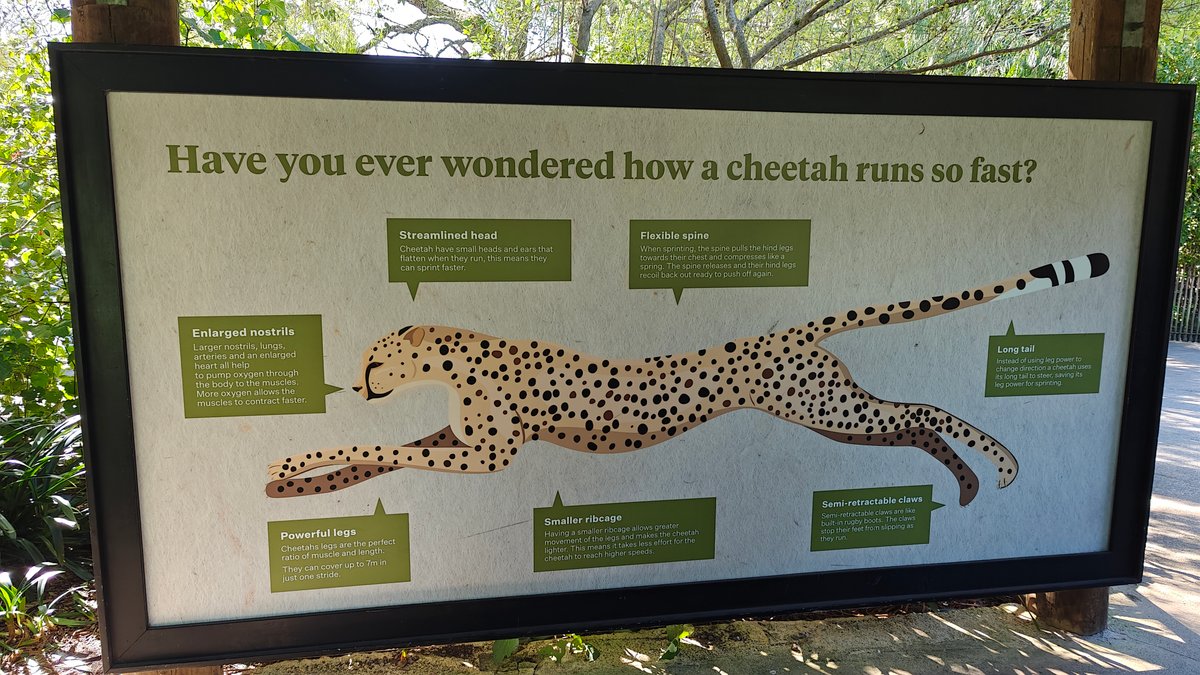
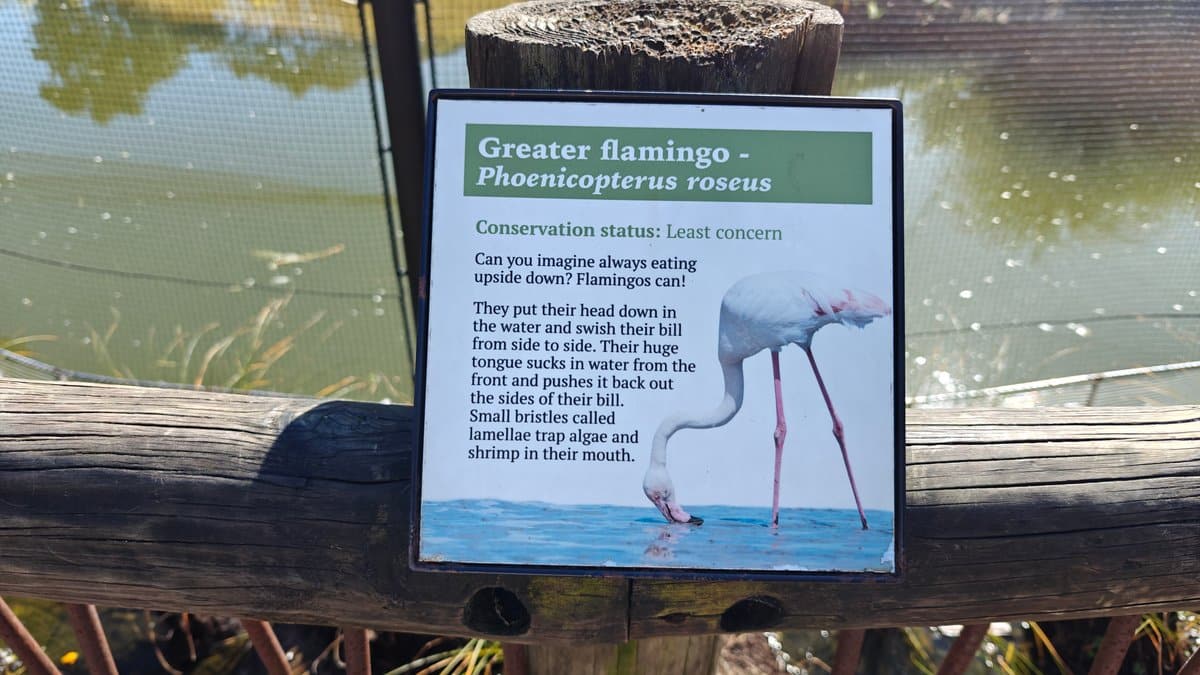
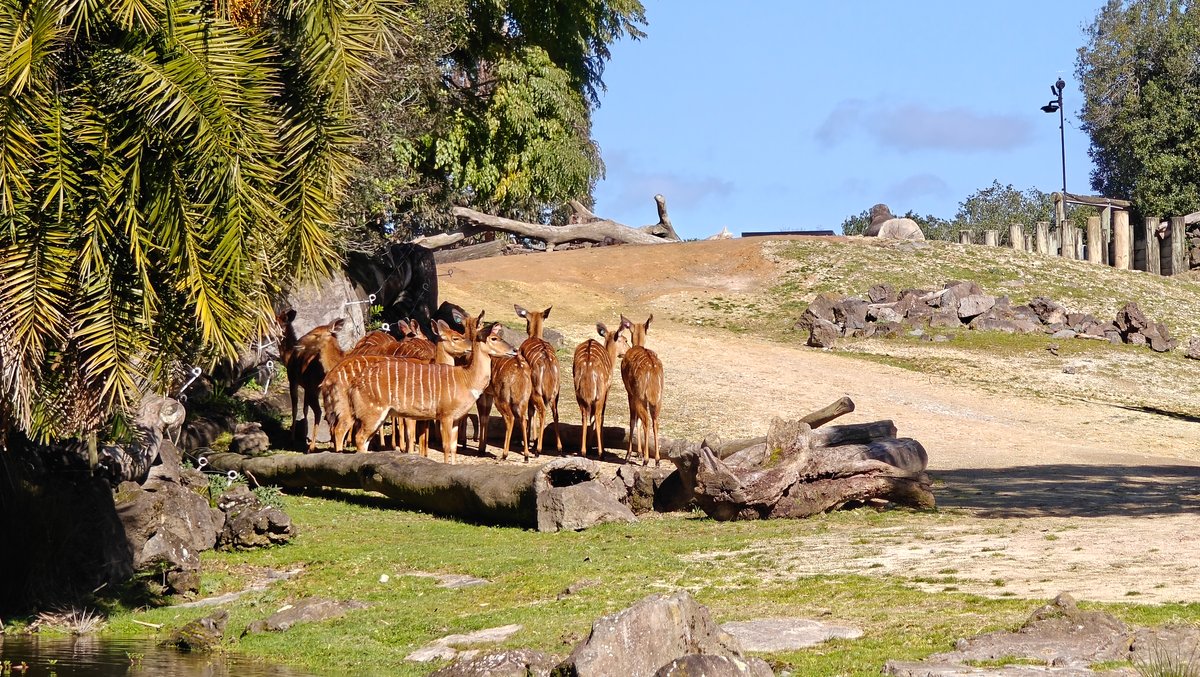
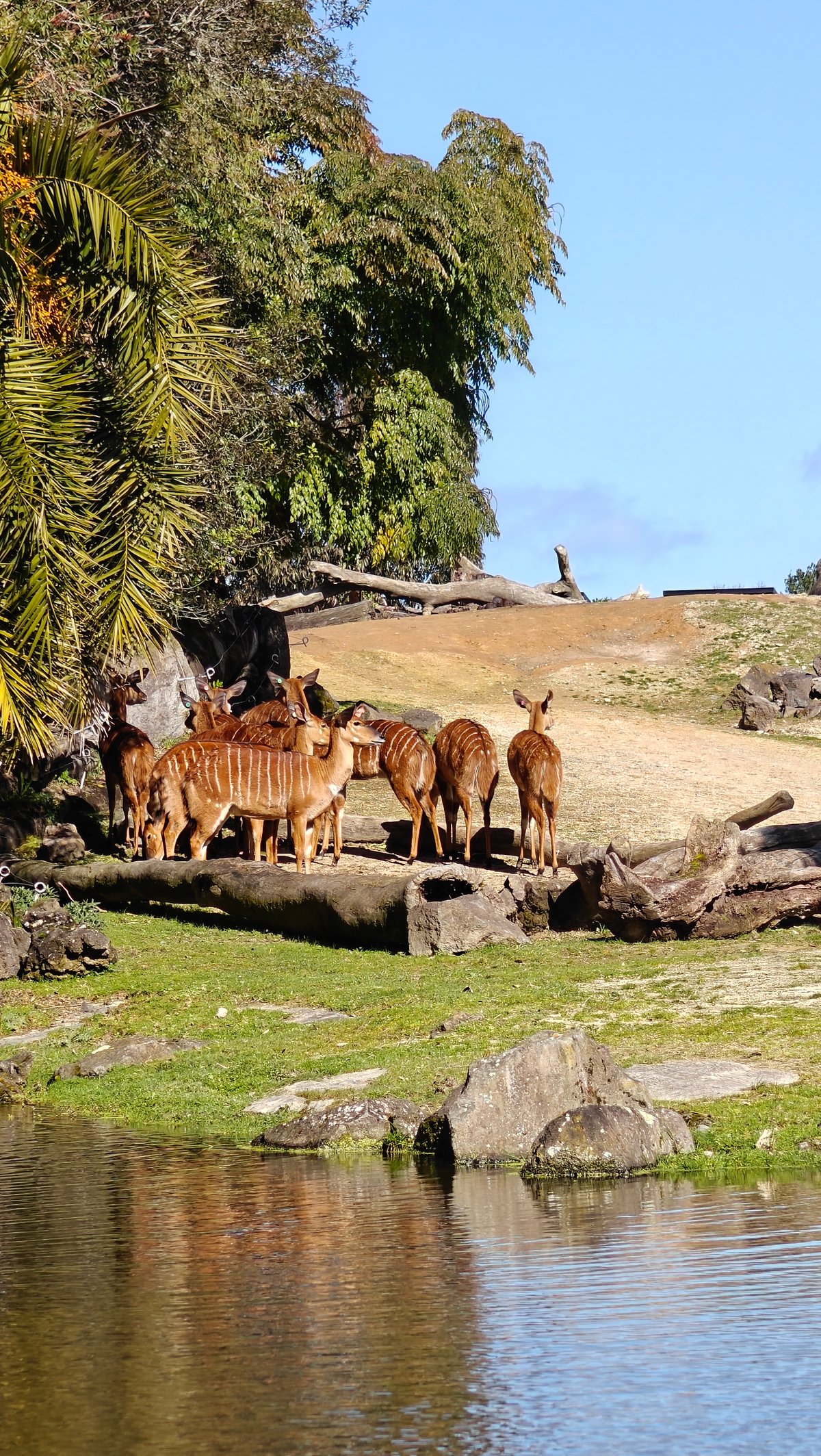
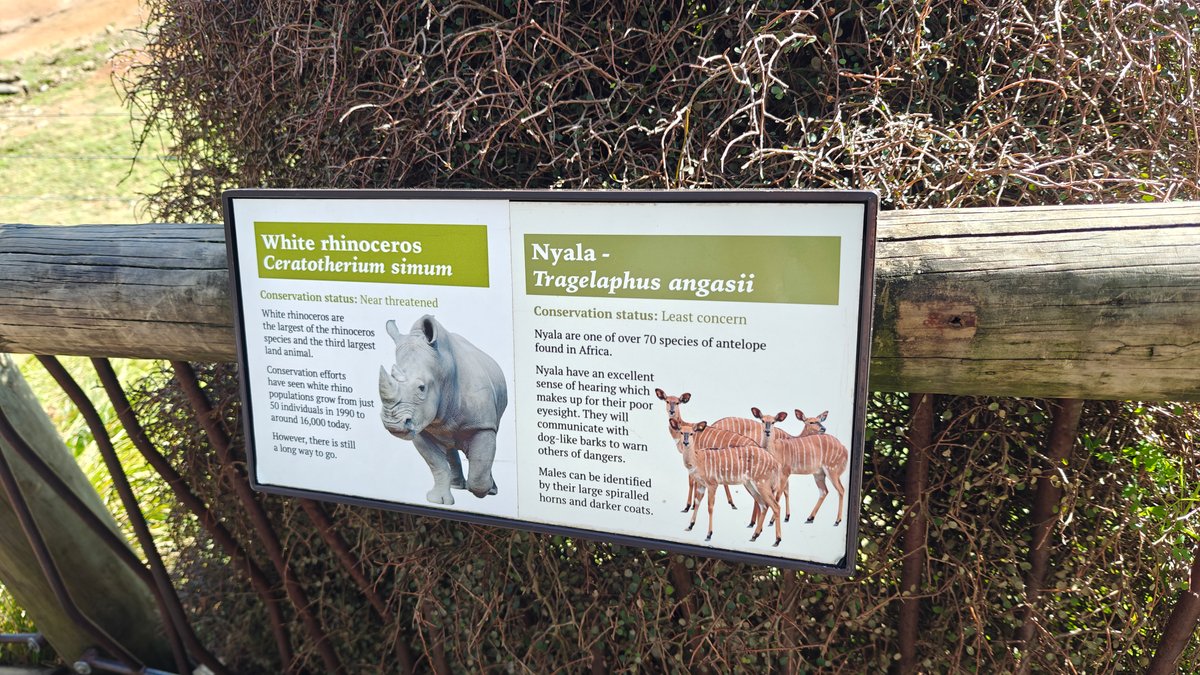
A couple of nyala stood beside the water, while others grazed calmly on the savannah enclosure as I passed. I had no idea what they were until I read the interpretive panel; it was nice to learn about an animal that I’d never really considered before. There were two cheetahs stretched out lazily underneath a tree, sprawled out in the grass in the shade.
Unfazed by the group of people clustered around the fence, the cheetahs appeared to be half asleep. Cheetahs is always far more delicate creatures than you imagine. Their long limbs and lean muscles are made for running, yet they are somehow incredibly chilled when stationary.
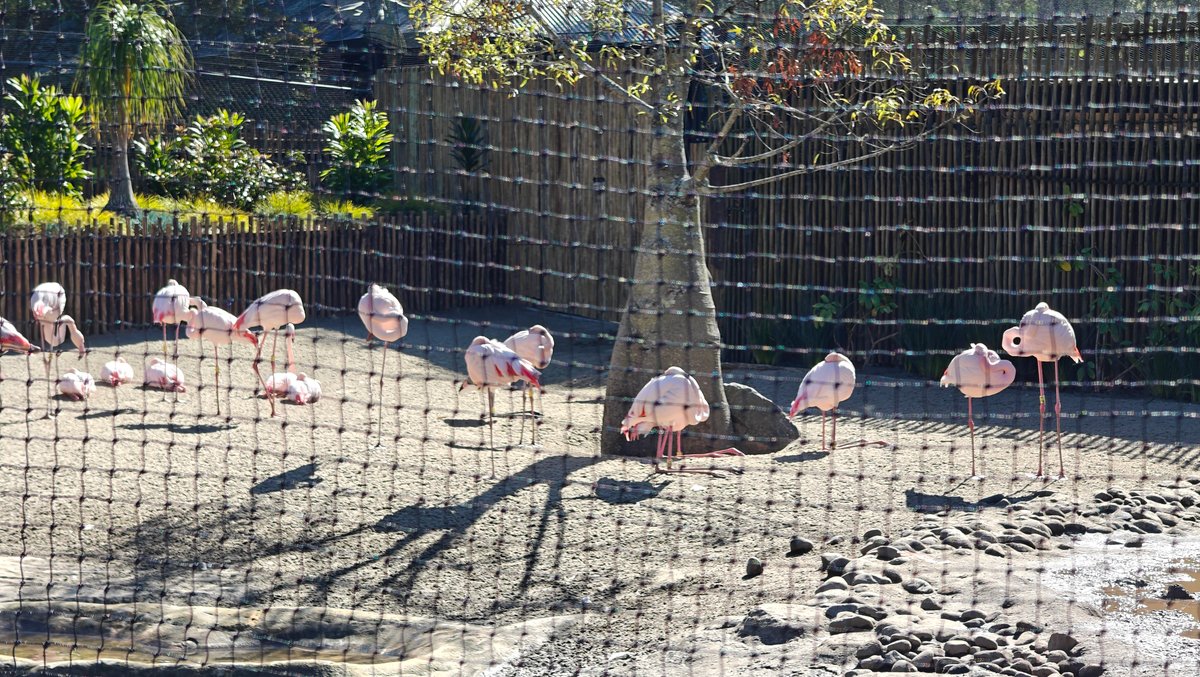
Flamingos: At another display panel I read that flamingos stand on one leg all day long (though not at night), so I went over to see them and asked myself again what they’re up to. They were just standing there in the flamingo habitat, doing nothing but standing on one leg as usual. And I’m sorry, but I never did get it from the interpretive panel, though it’s probably there somewhere.
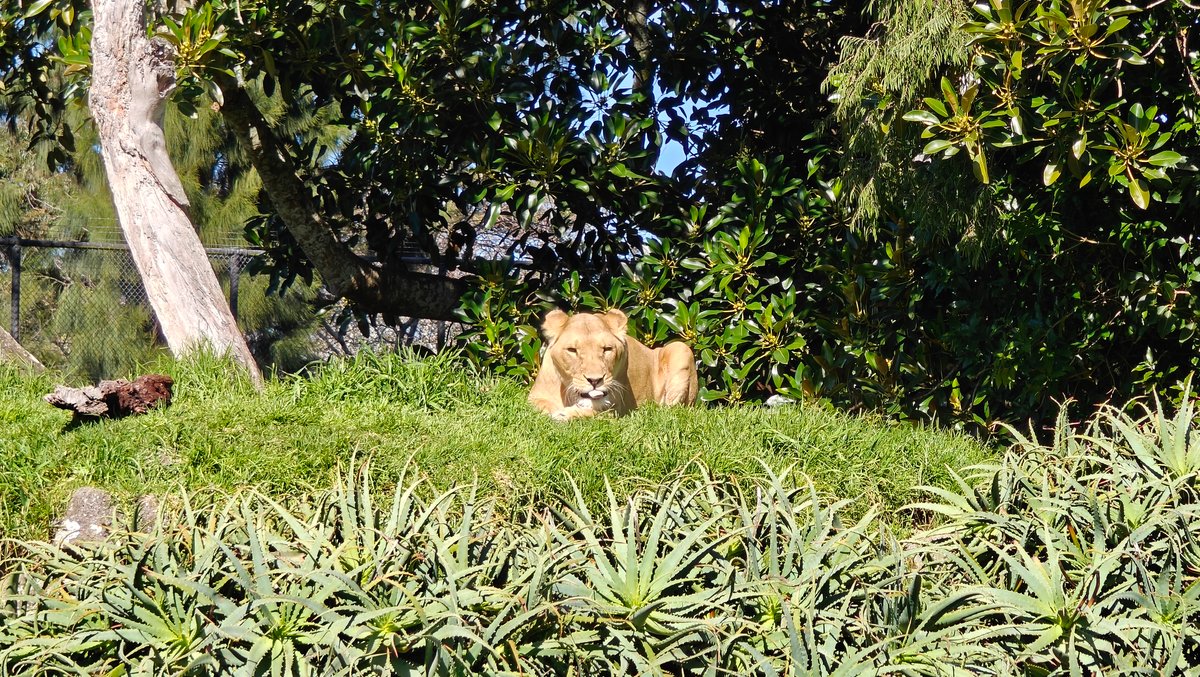
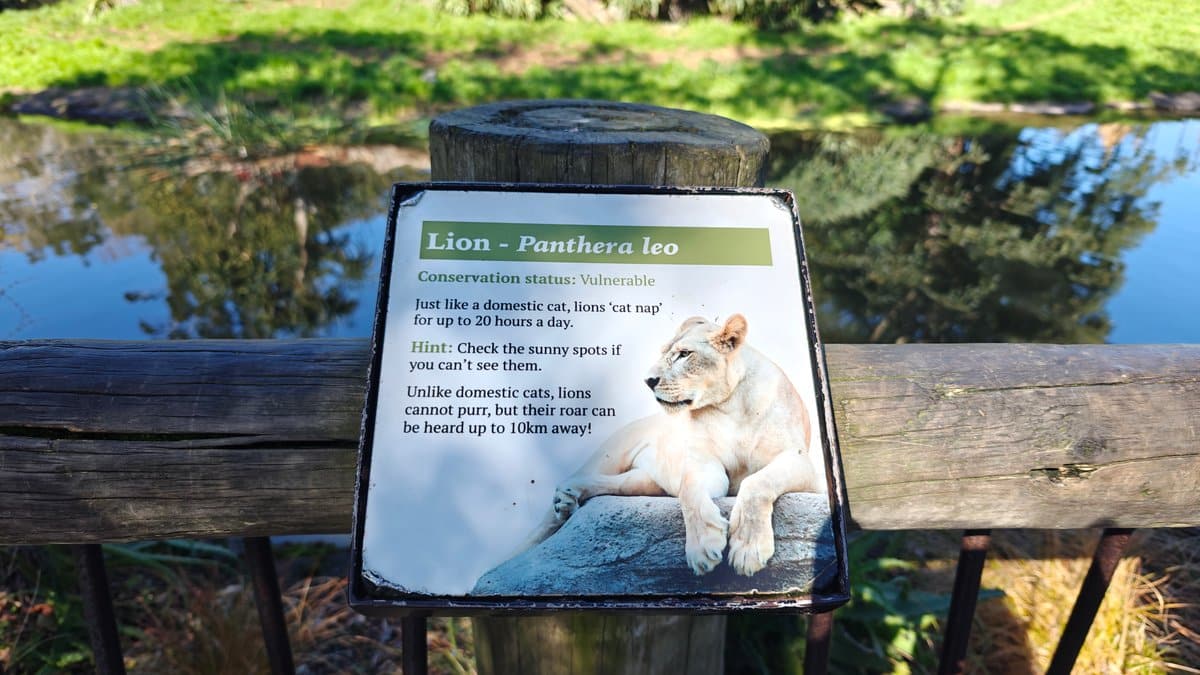
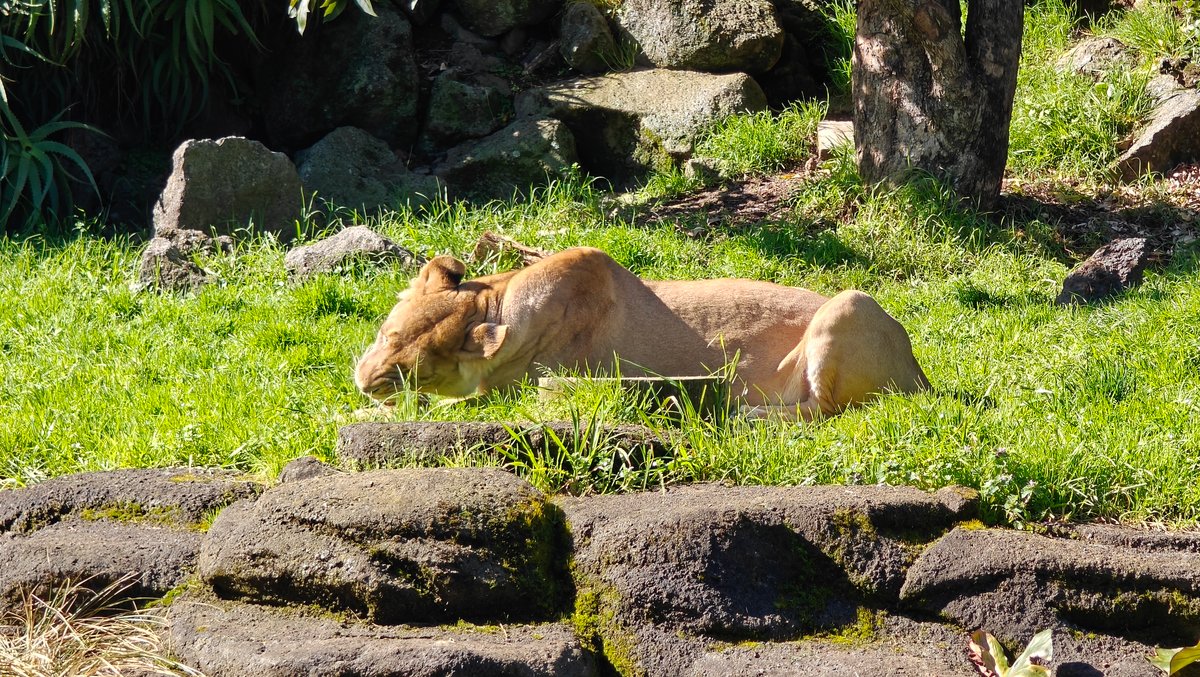
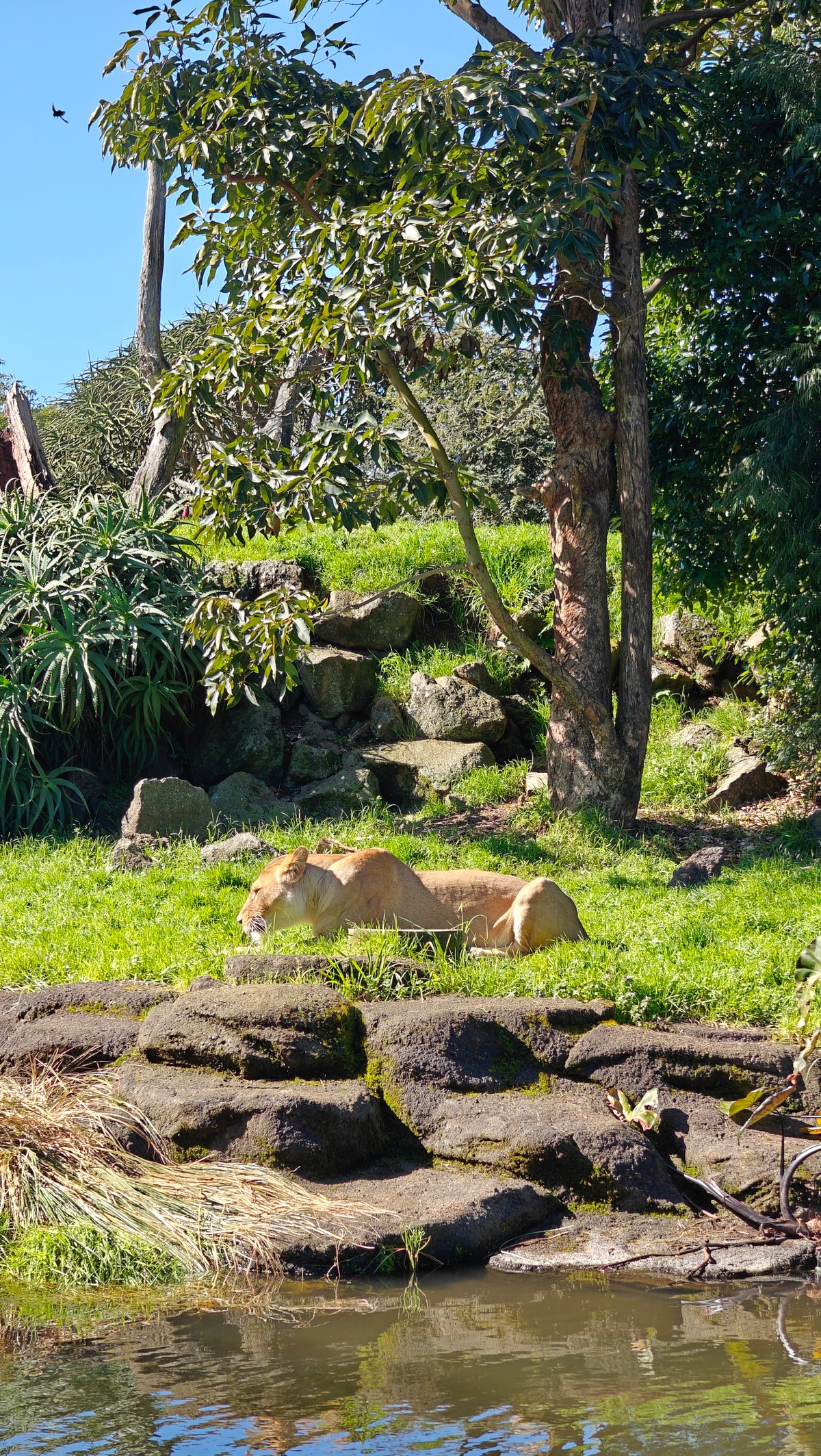
What I got is how odd flamingos are in person versus lawn ornaments. In any case, the lions were set up over a couple of spaces, and I saw them in various locations. One was napping in his yard, another was stretched out on the rocks, and yet another was sunning himself in the grass.
As it turns out, lions sleep a lot during the day (I guess that makes sense) so although I was kind of hoping to see some action, it was still pretty cool to see a lion up close. Even if he is napping. The lion’s panel explained the conservation issues they have, and it was a nice reminder that zoos like this aren’t just keeping animals on display.
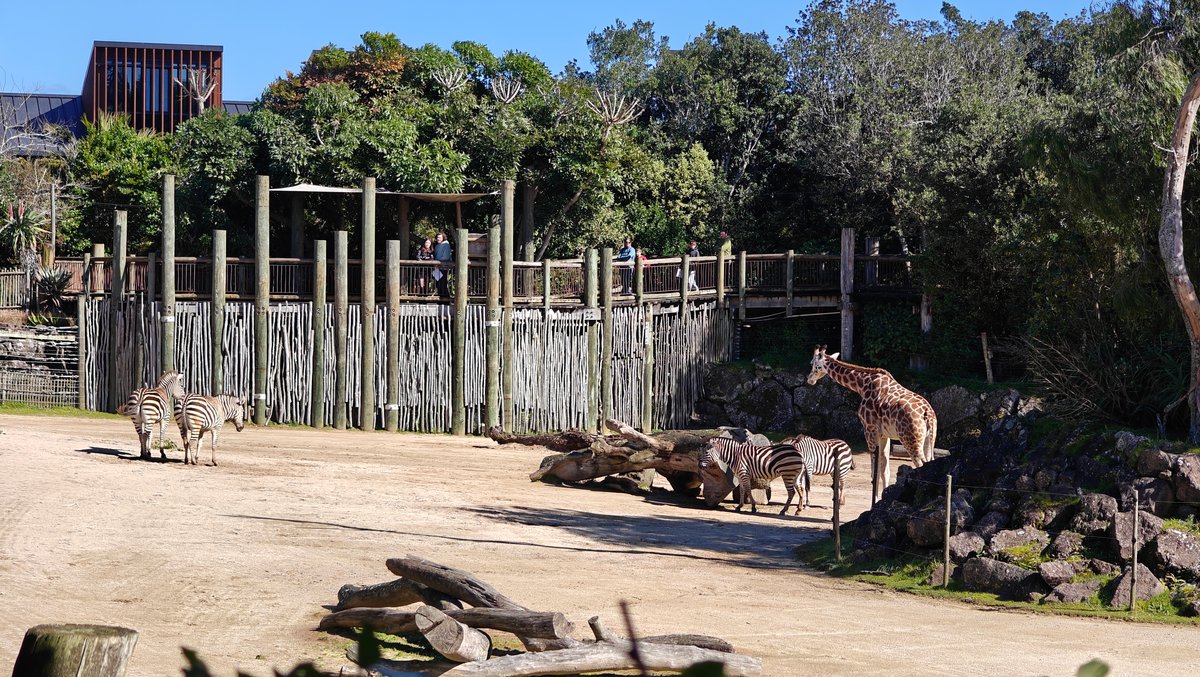
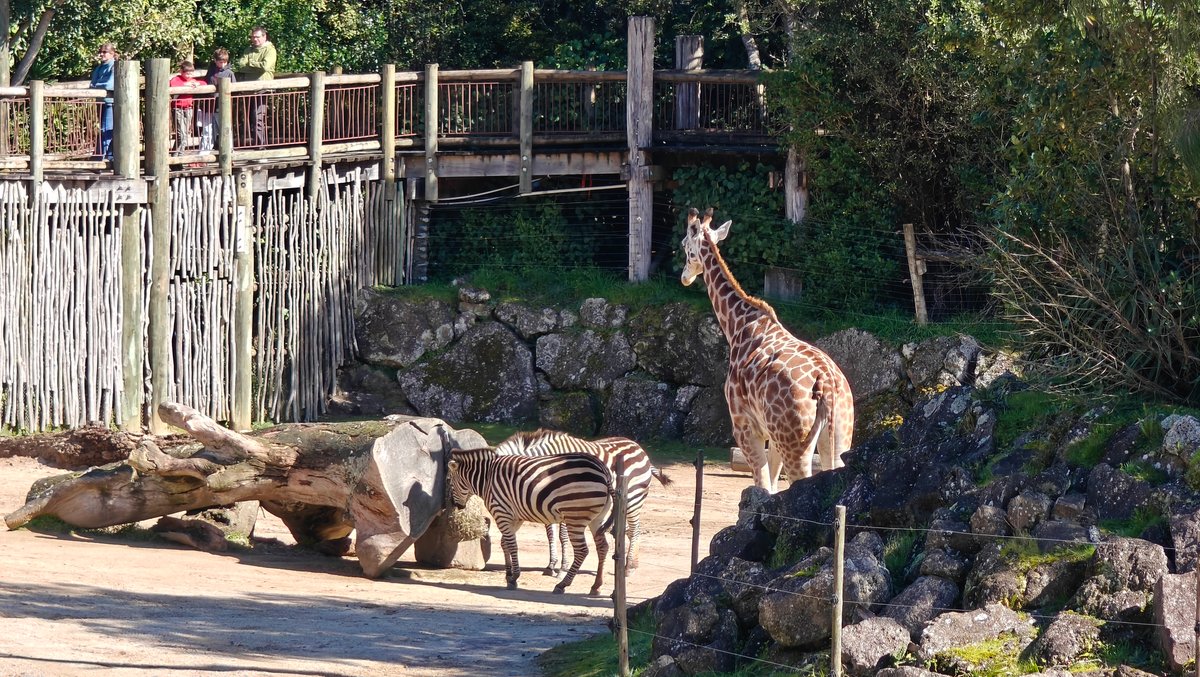
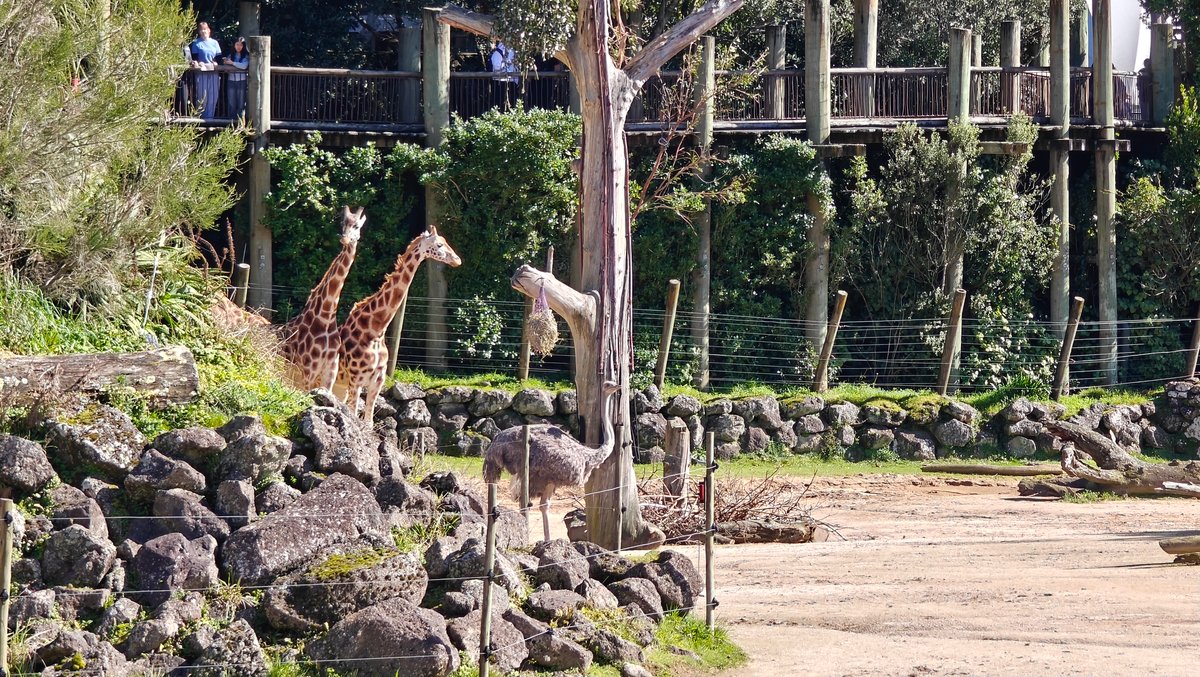
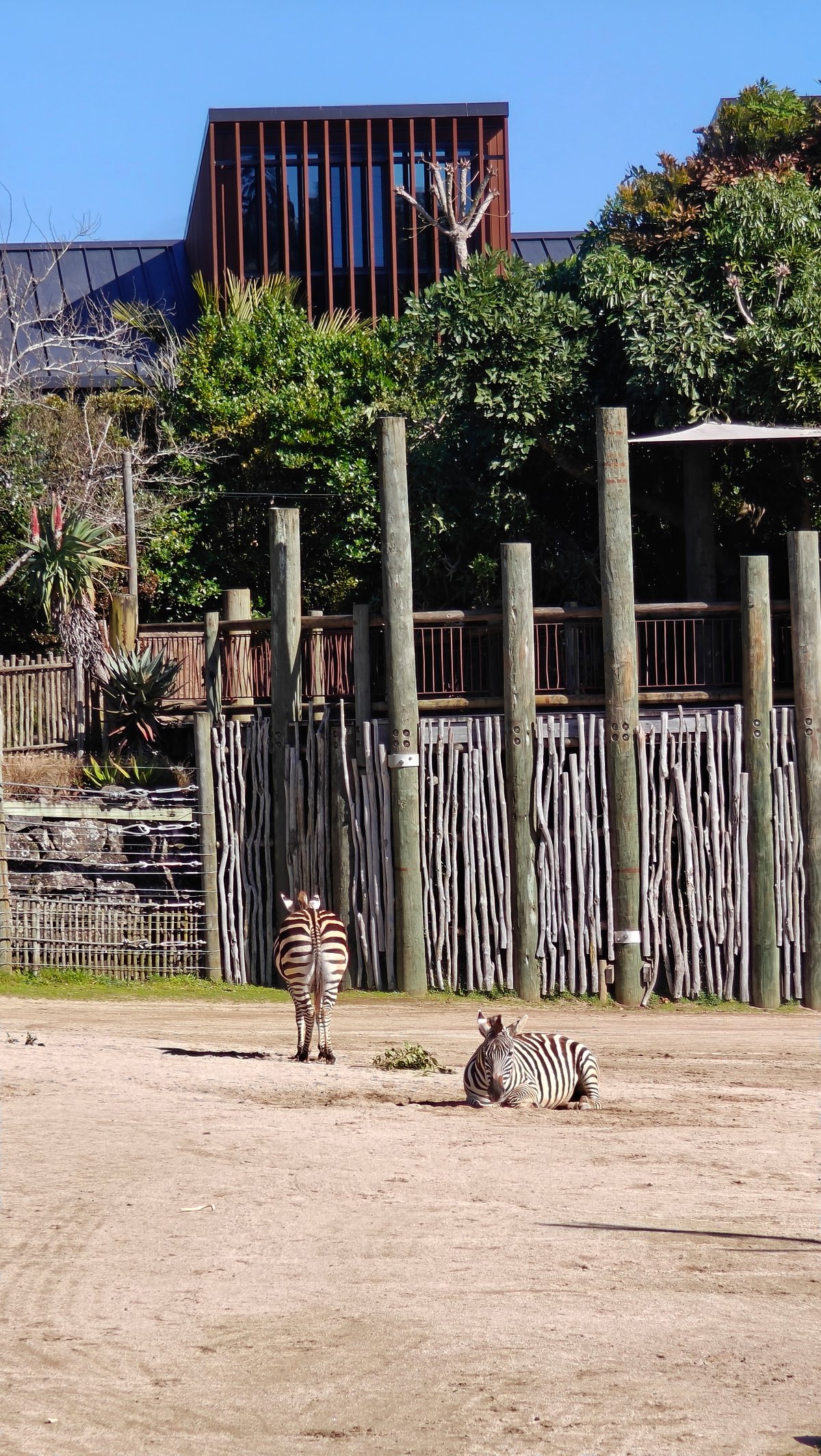
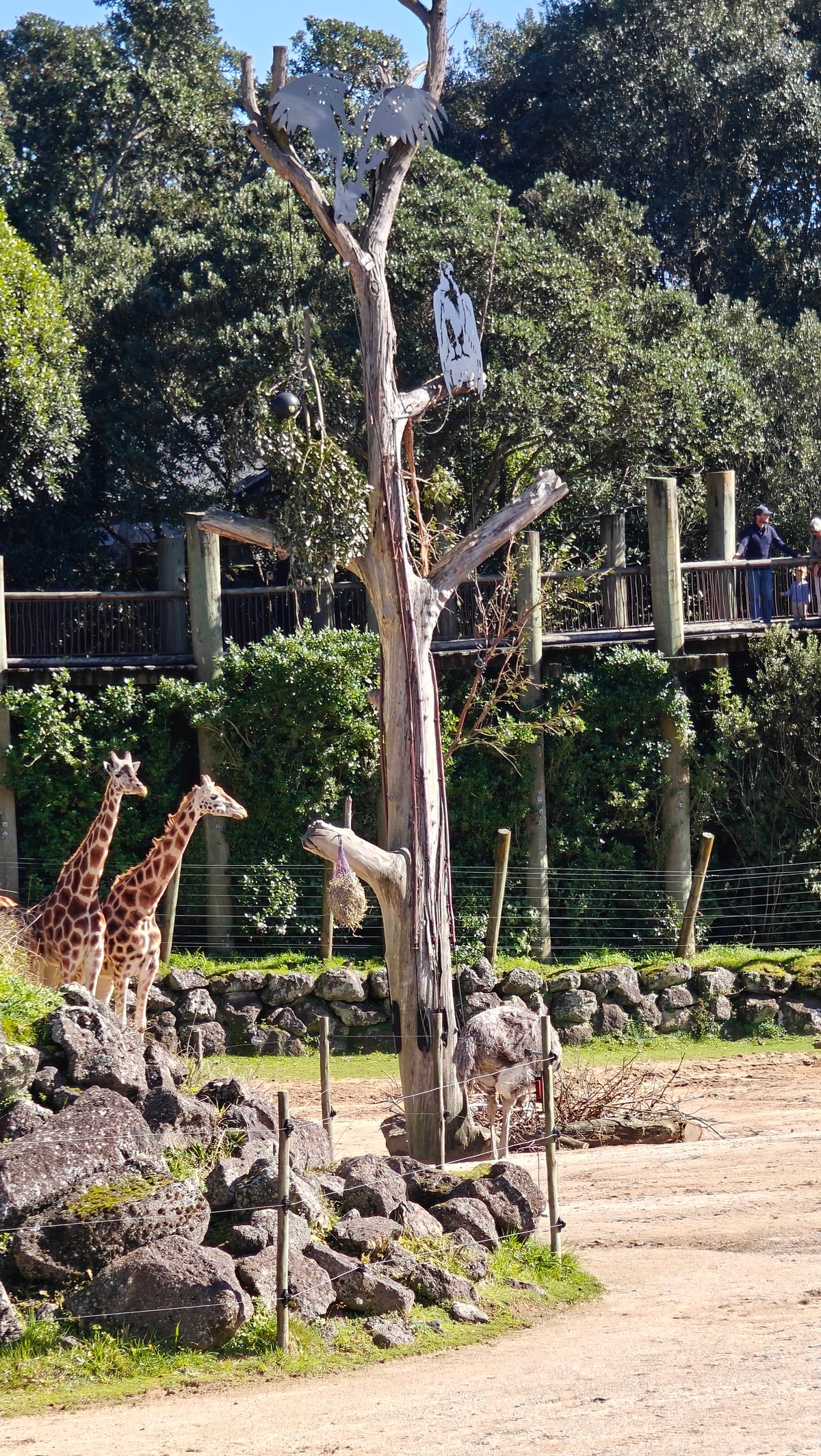
One of my larger highlights was the savannah enclosure. There were giraffes and zebras mingling throughout, grazing, walking around, seemingly having established their own routines. At times they were together, and at others they were apart.
A giraffe would stand next to a dead tree, neck bent downward as it ate whatever was on the ground, while zebras would graze near him. Another two stood together in front of the visitor building, and then there was another passing by with a zebra following right after. Although I was clearly still peering over a fence, it felt very natural and open.
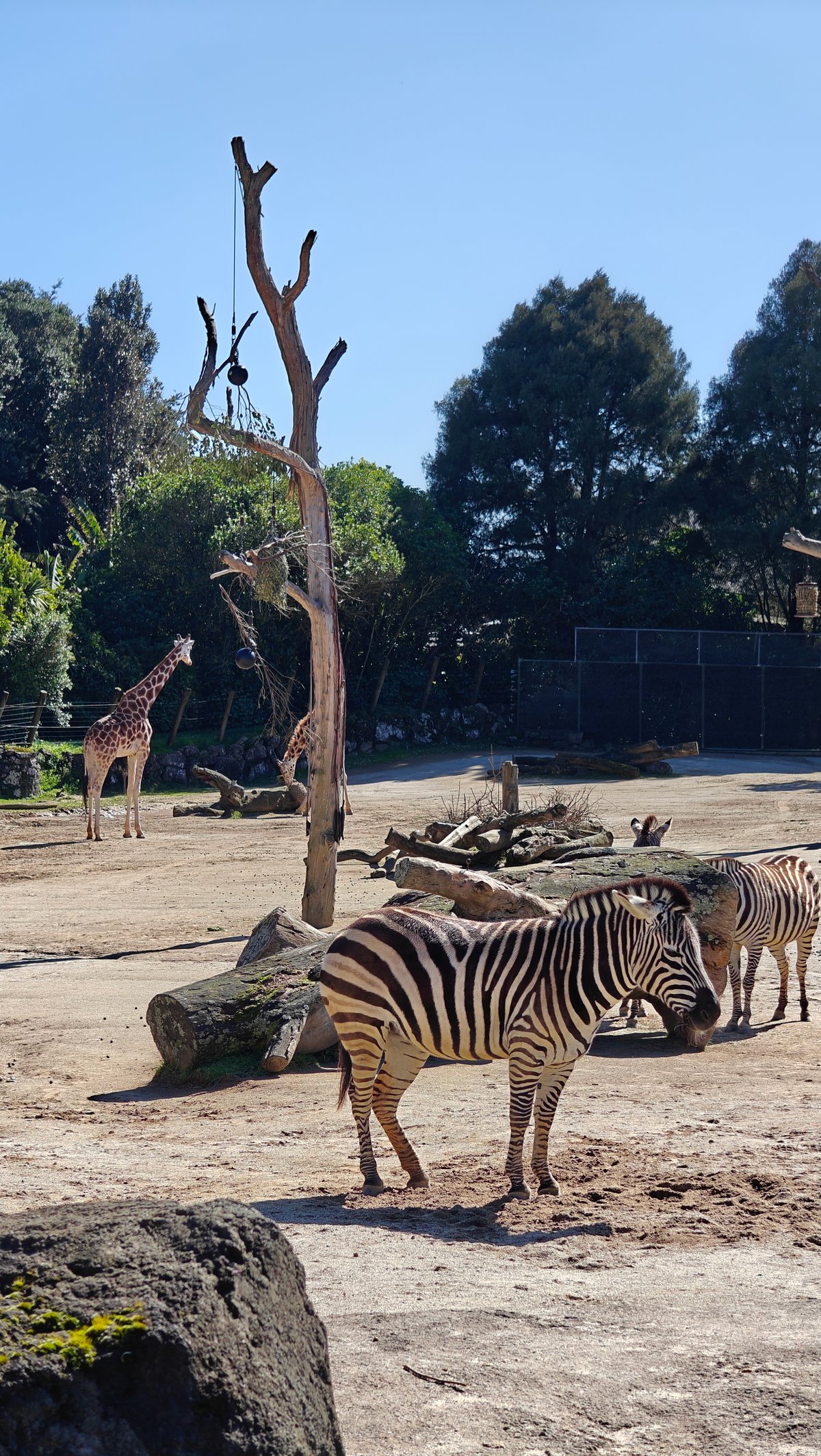
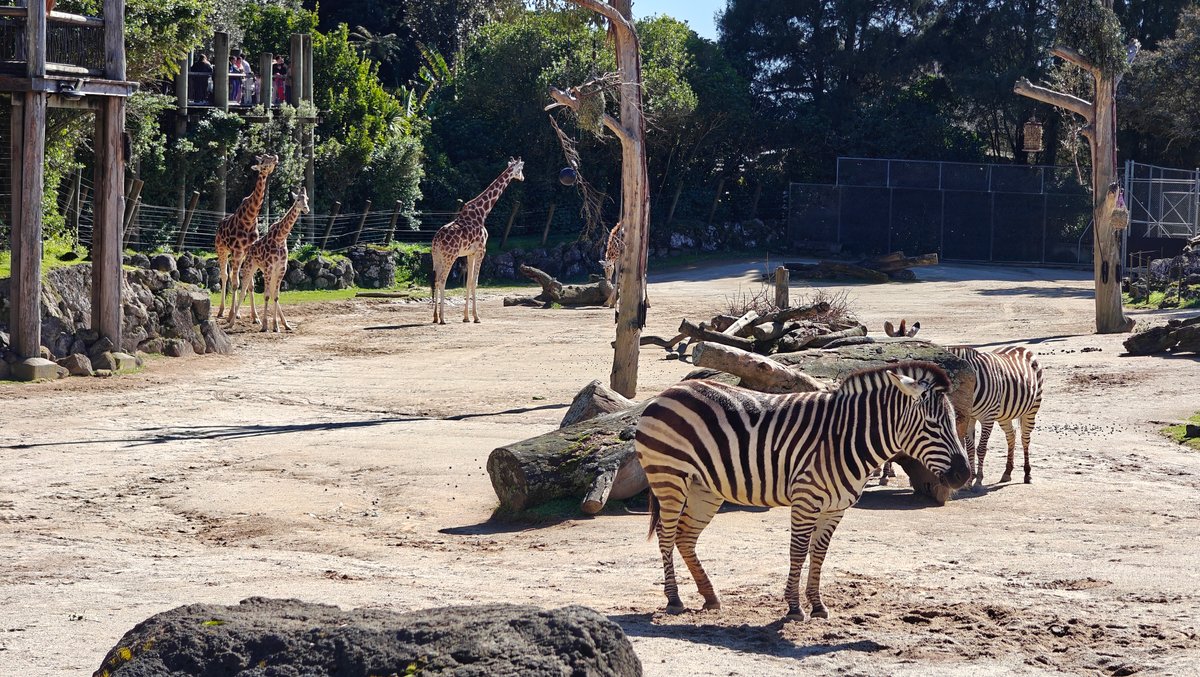
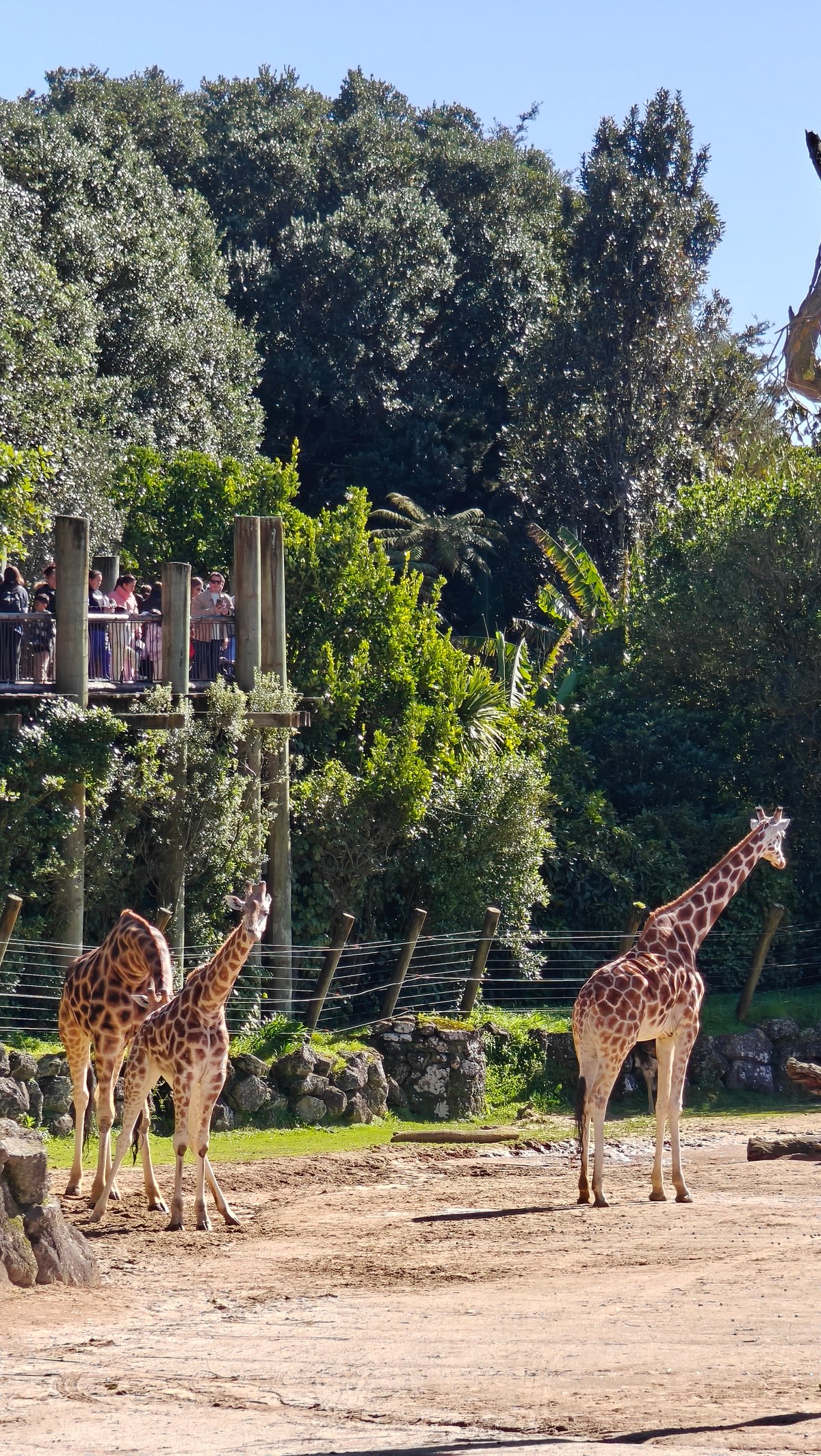
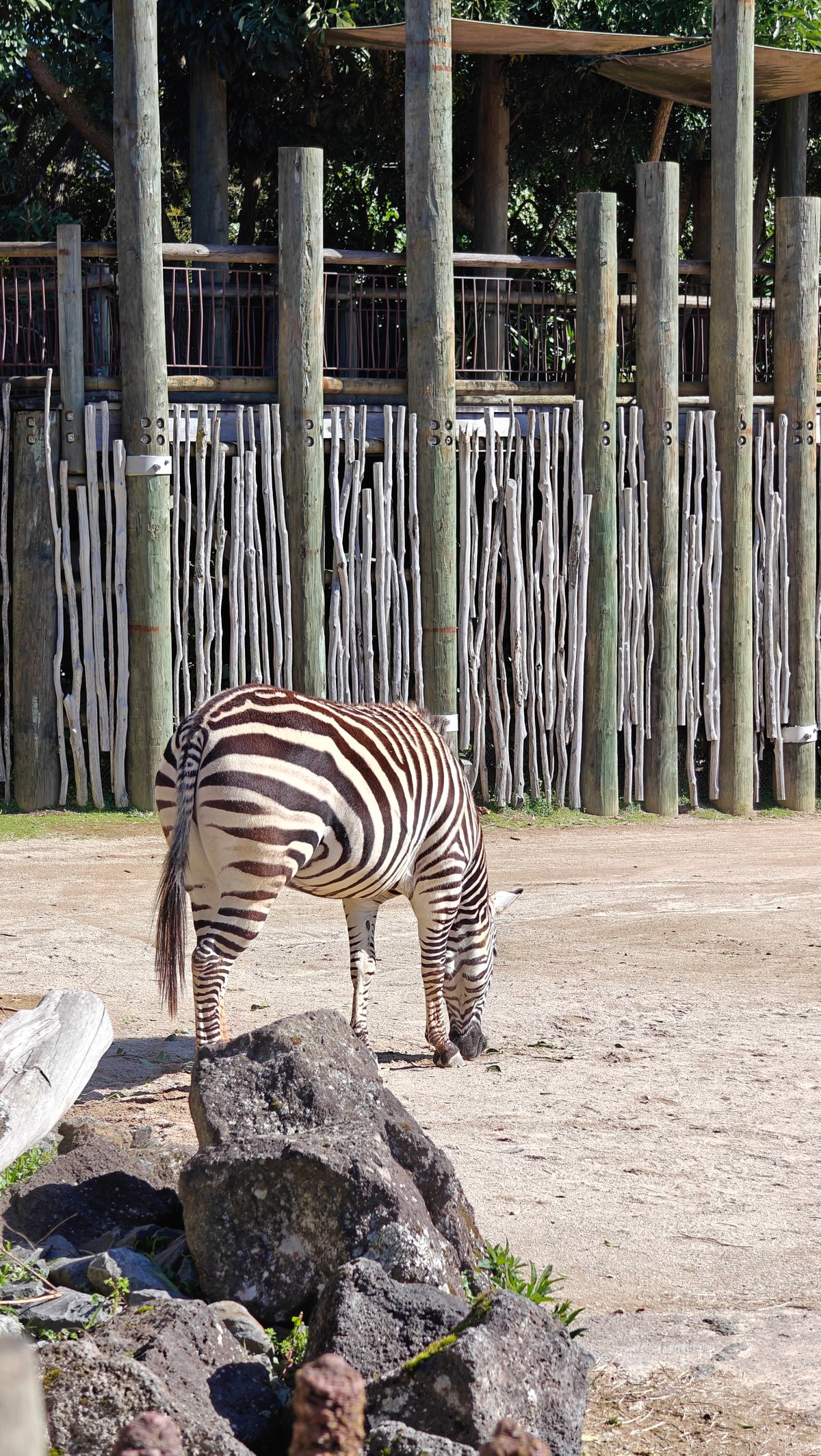
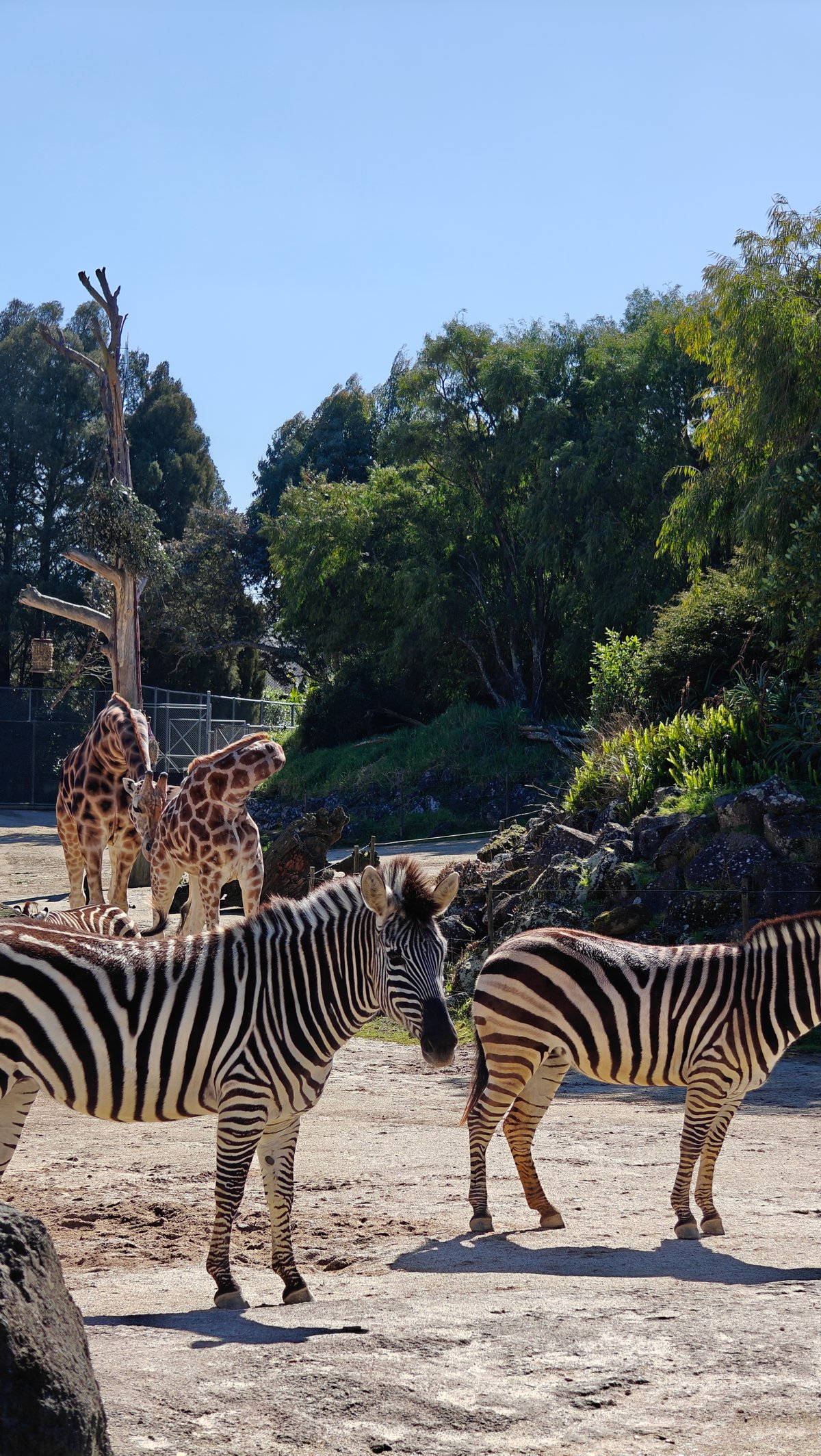
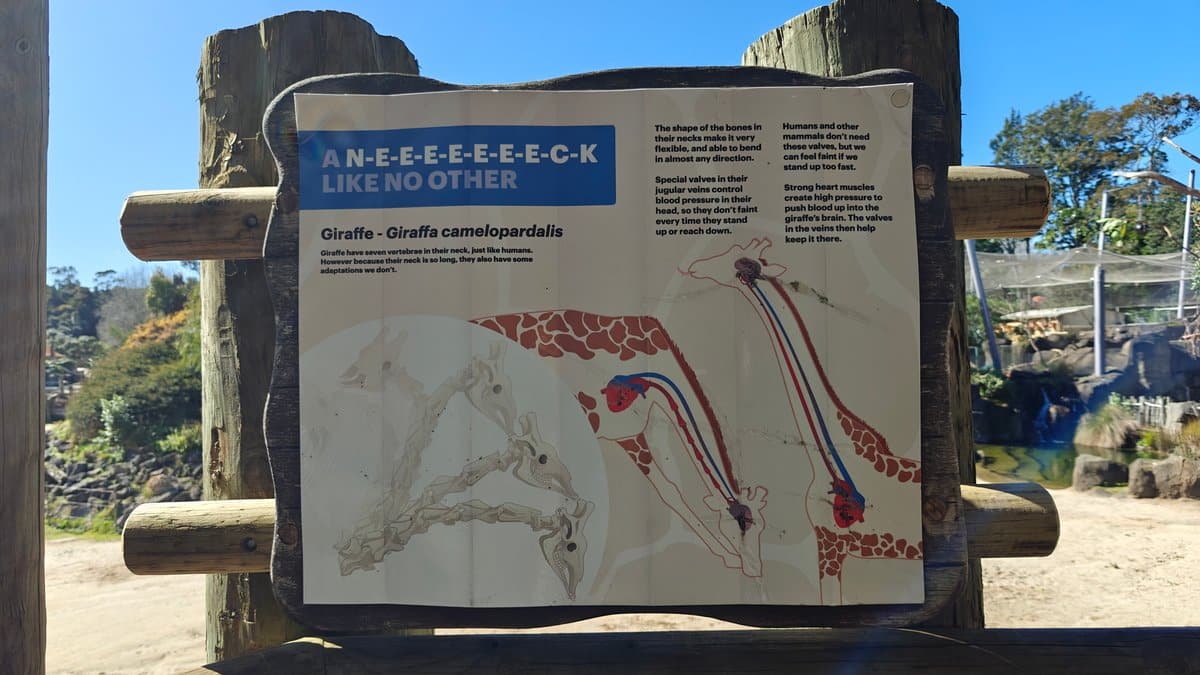
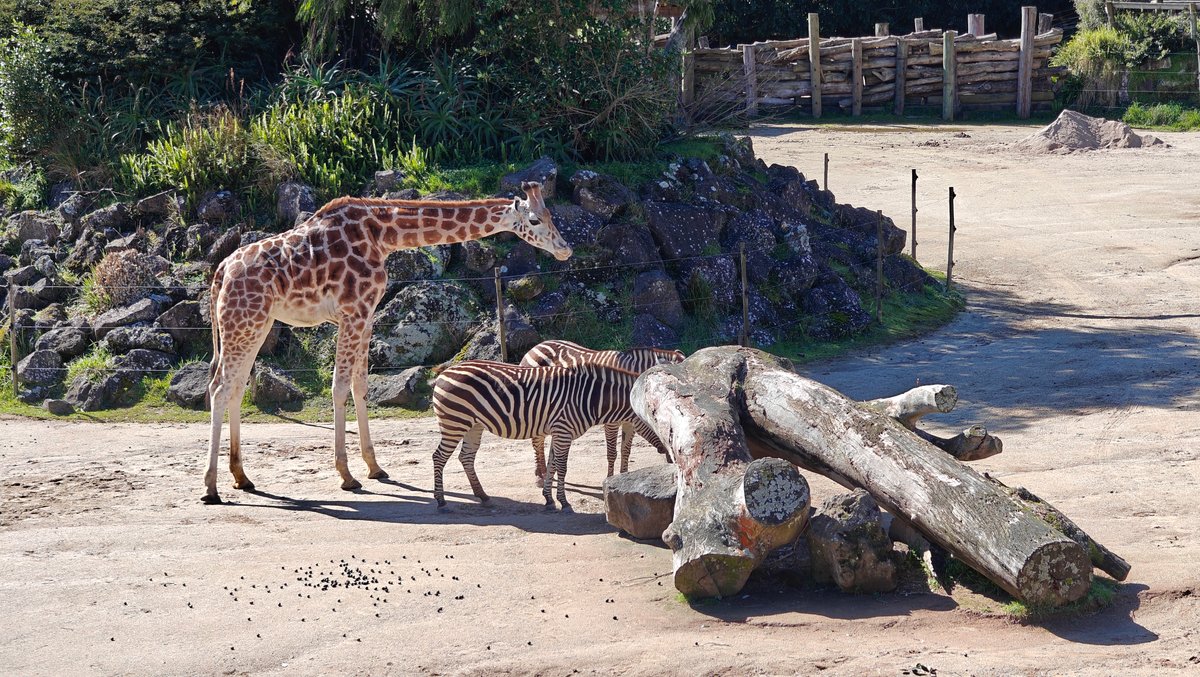
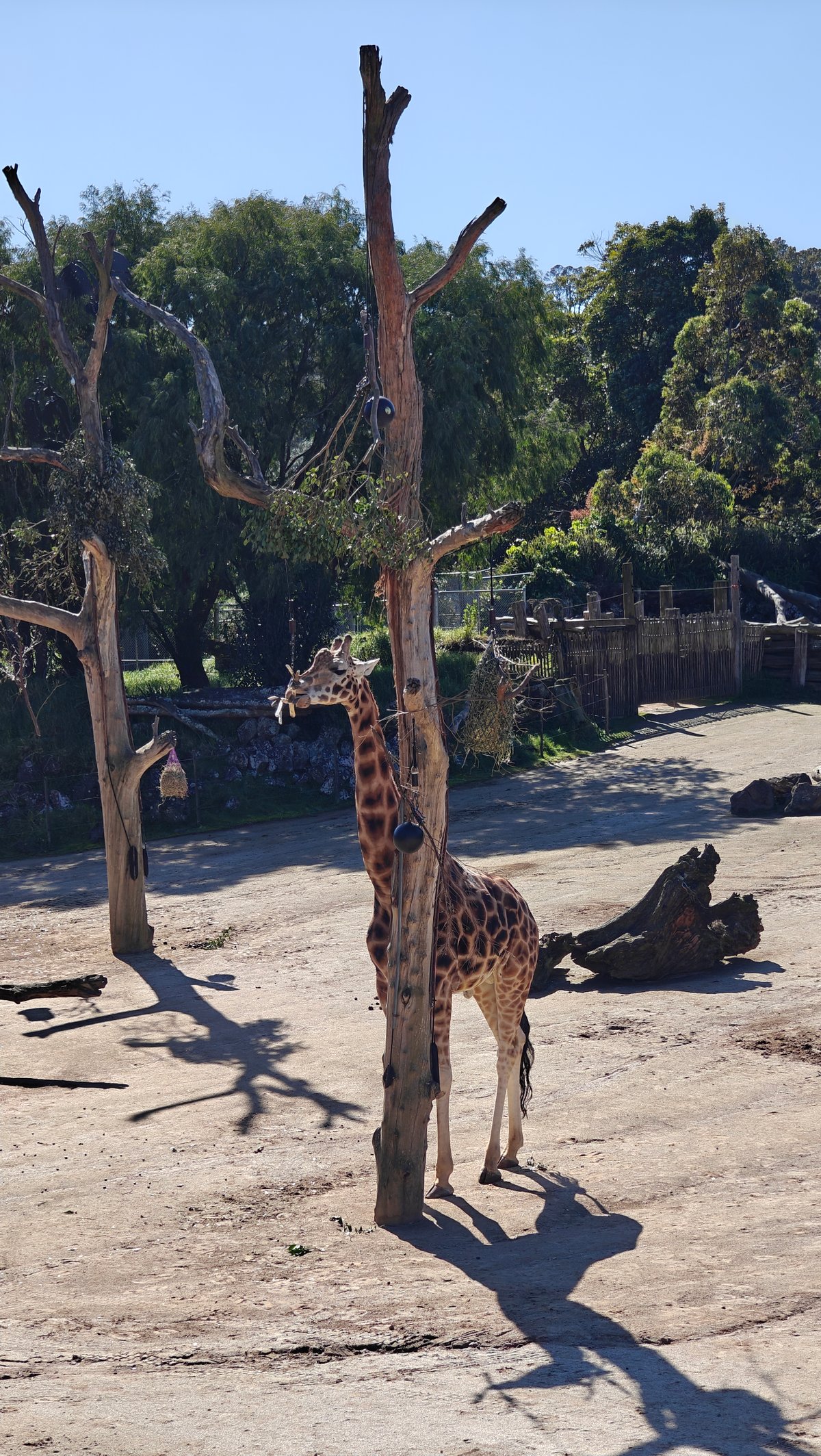
On all the viewpoints, there were zebras; standing next to dead logs, grazing just in front of the timber barriers, hanging out with the giraffes. There is an interpretive panel on giraffe necks that I thought would be boring, but it wasn’t: I read the entire thing. That’s the sort of detail you think you know, but when you go a little deeper, the panel explains how their necks work and how they evolved.
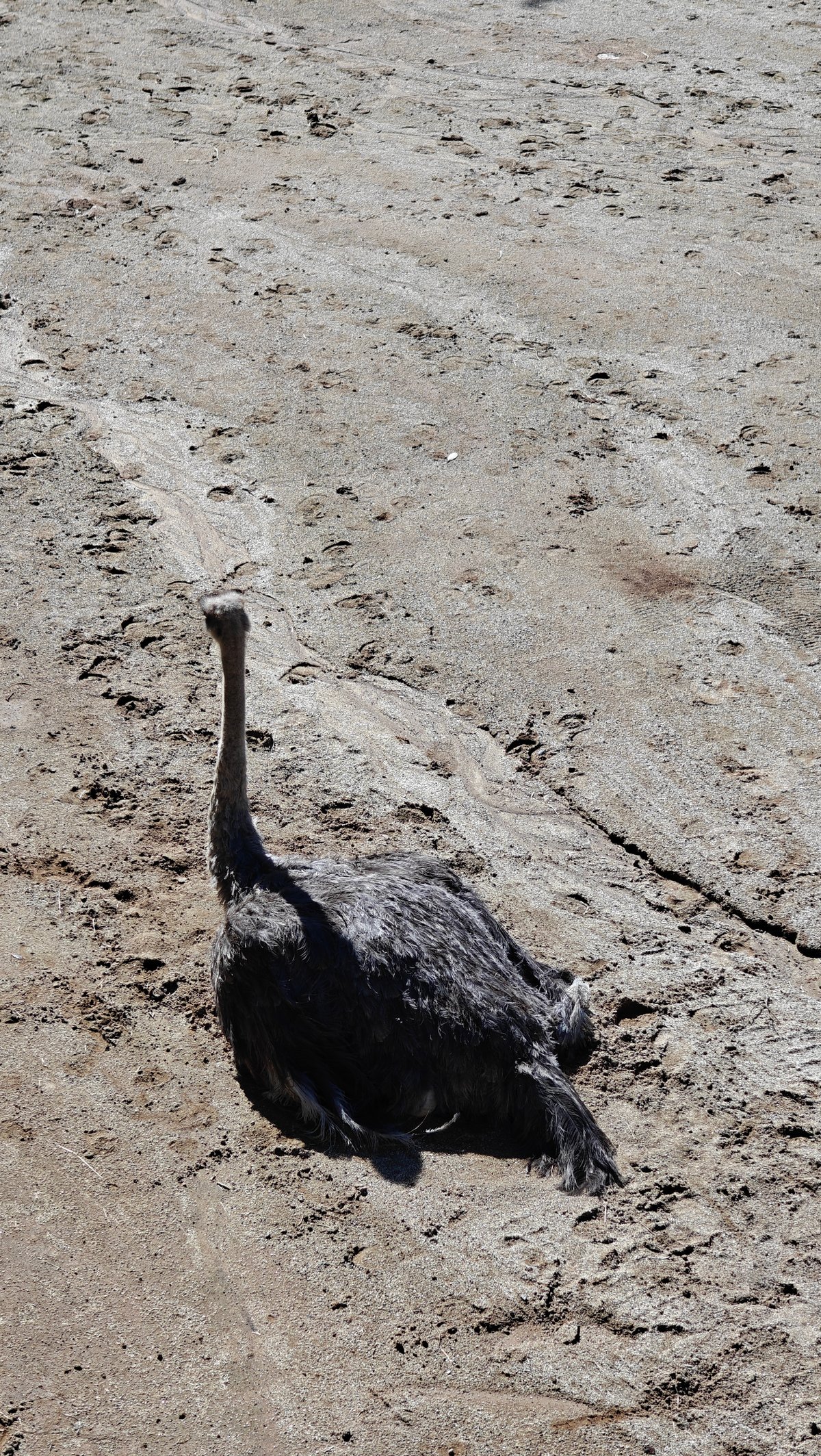
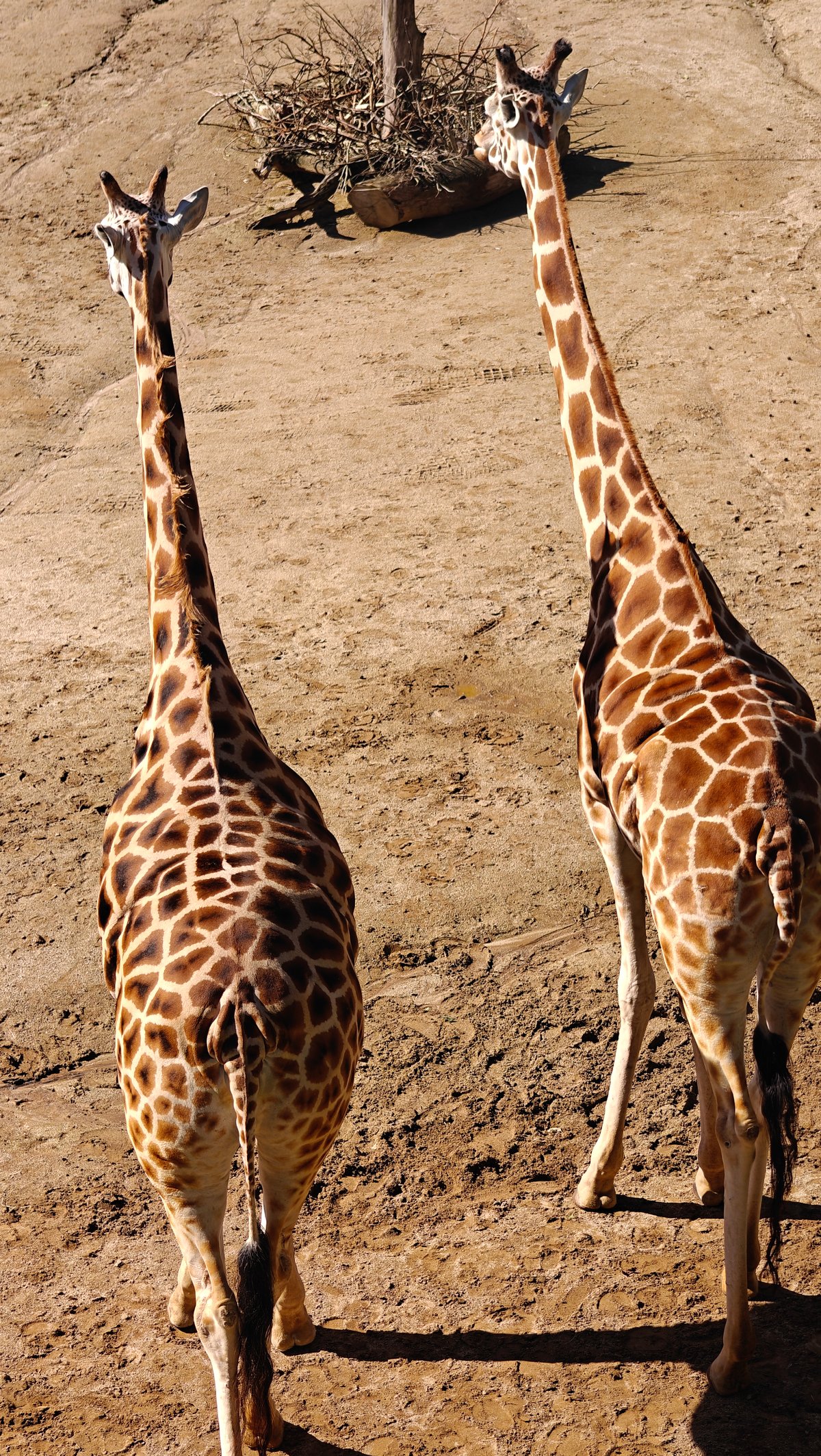
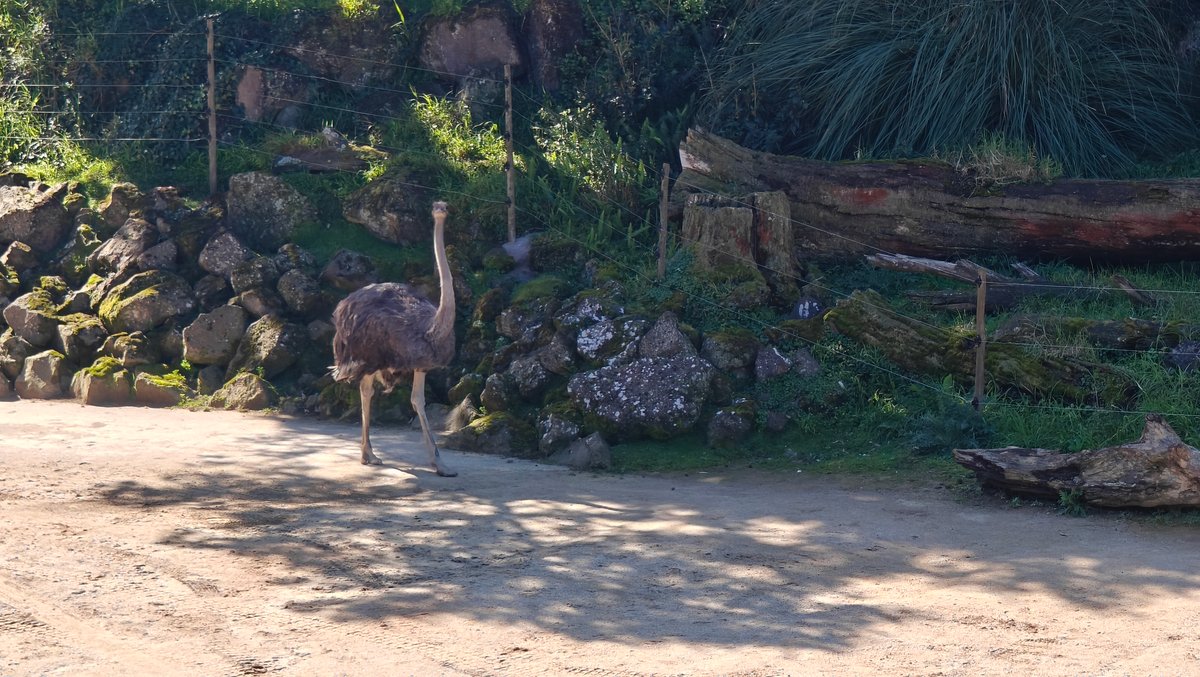
The first time I caught a glimpse of an ostrich, it was just sitting down on the sand; the next time I saw one, it was walking around the rocks. The things are absurdly large birds, and I am forever a little unnerved by their dinosaur-ness. In another area, there were two more giraffes standing side by side.
I continued to go back to various views of the same enclosures as the animals moved about.
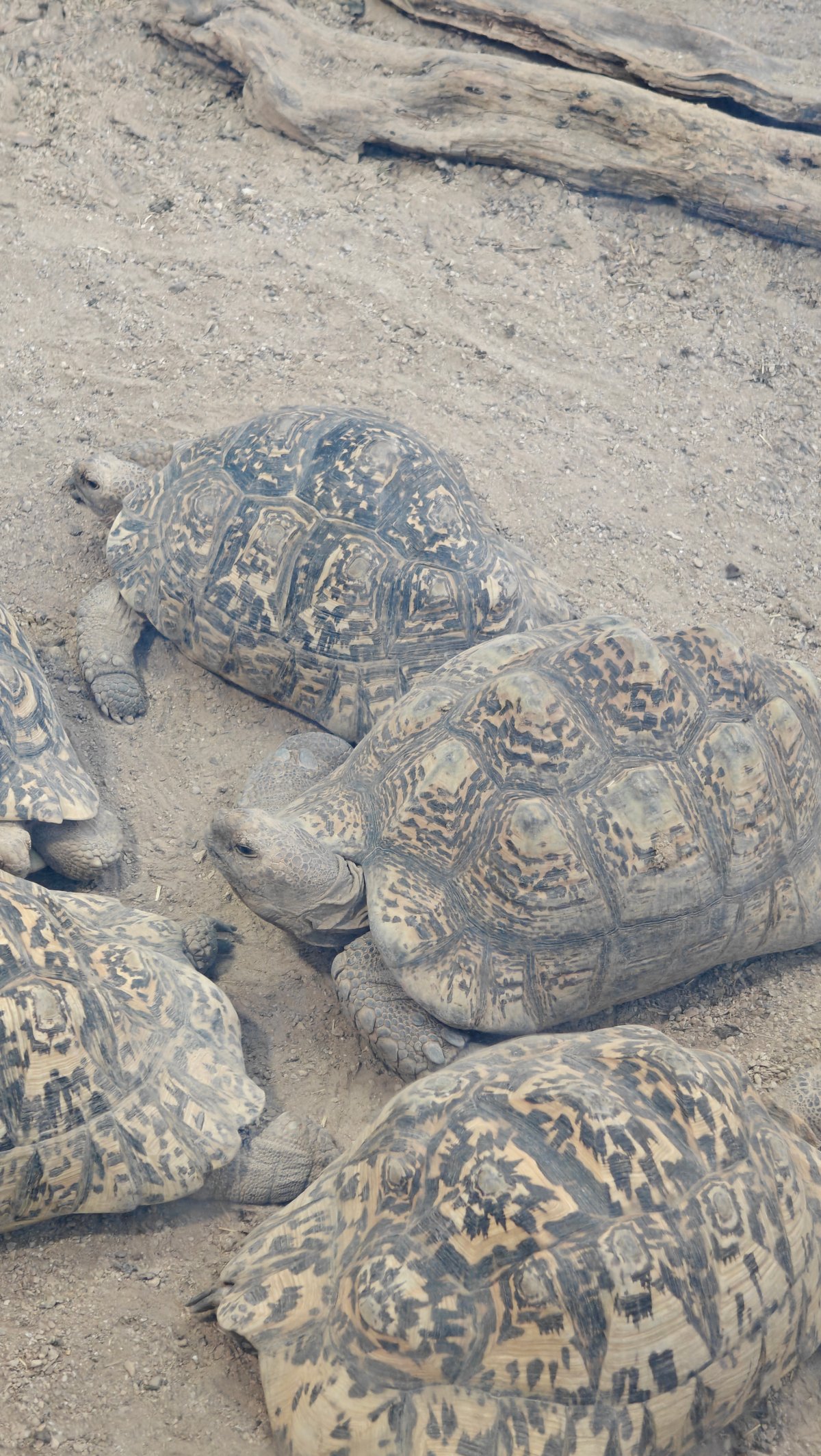
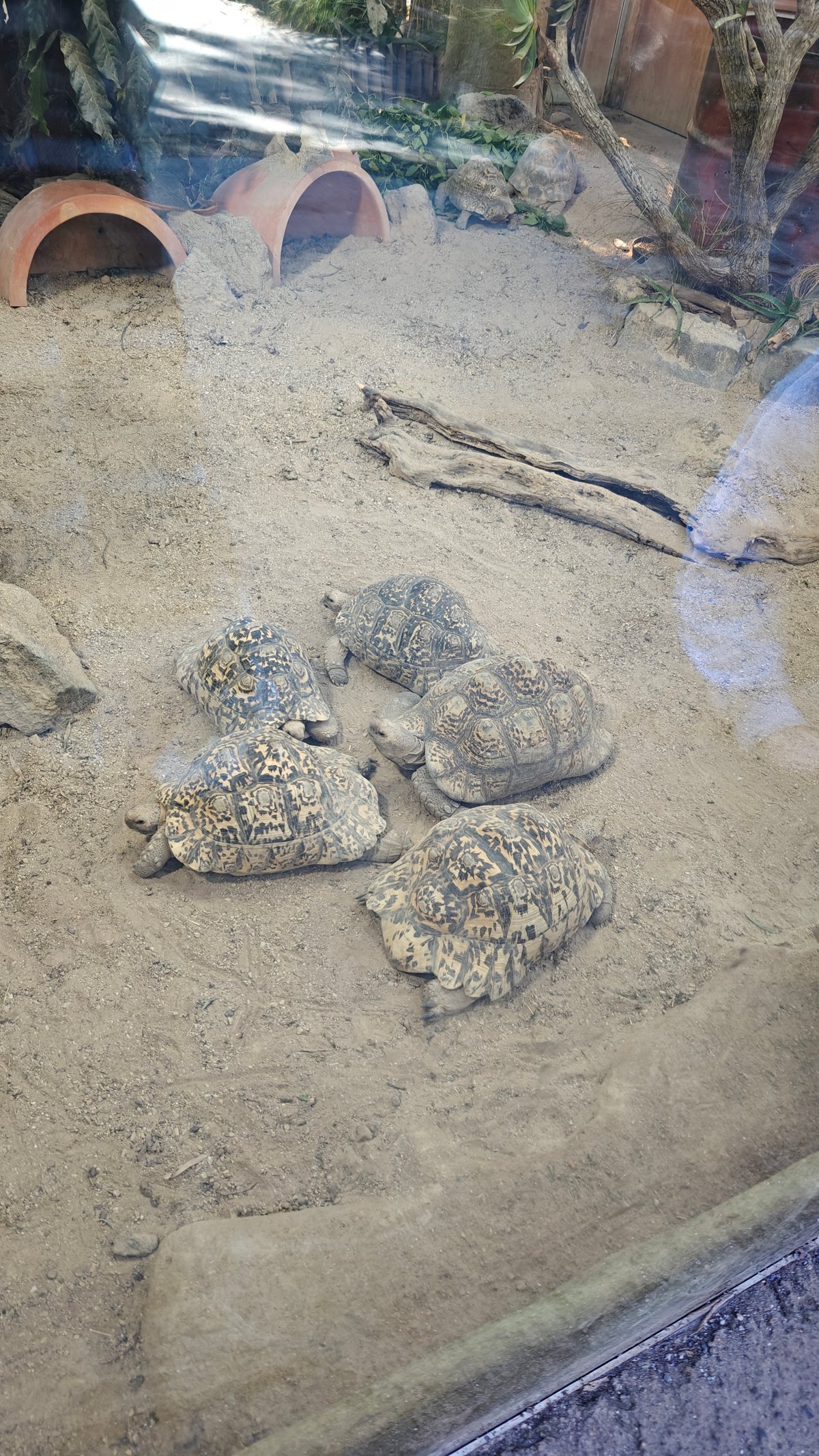
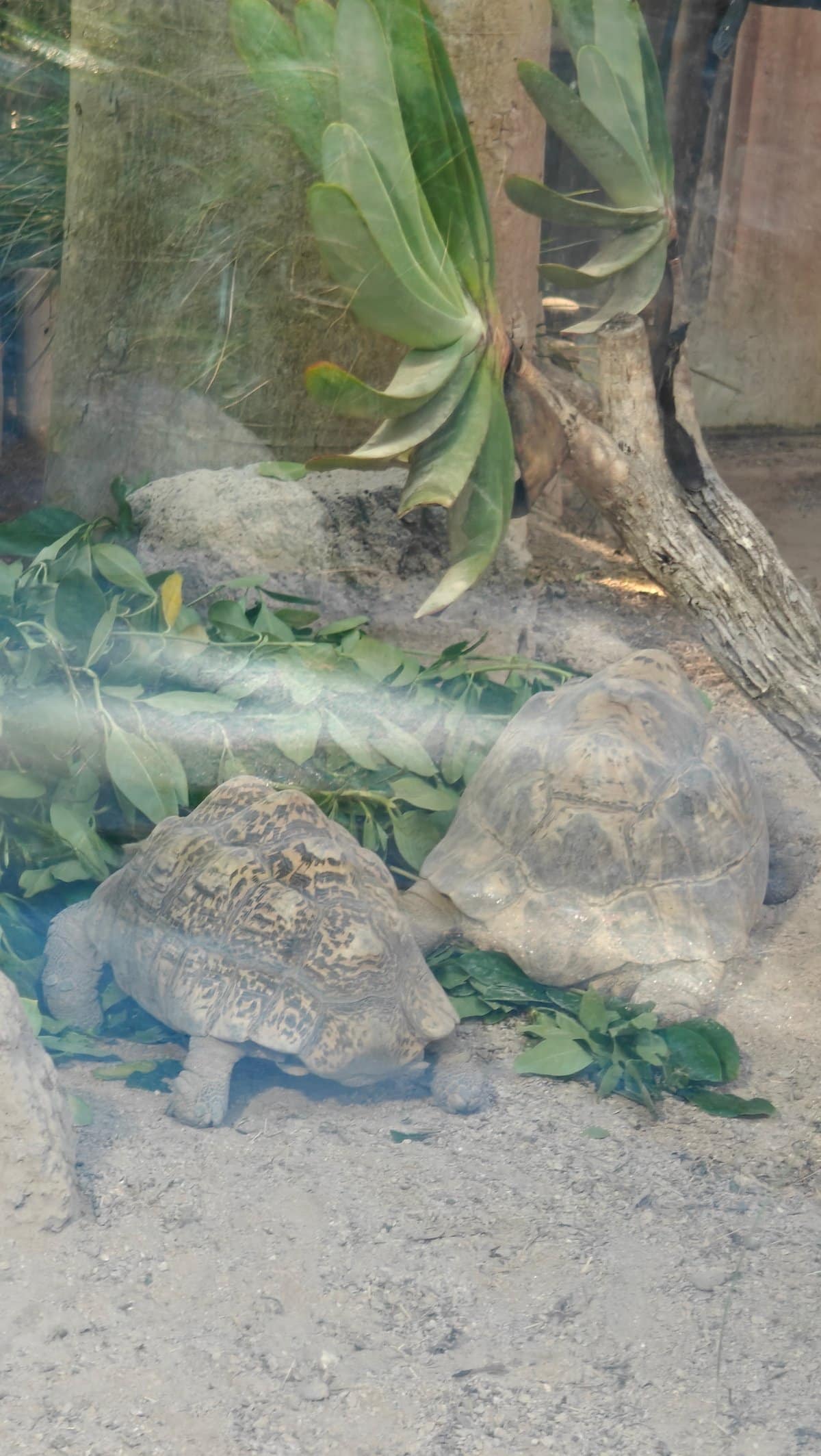
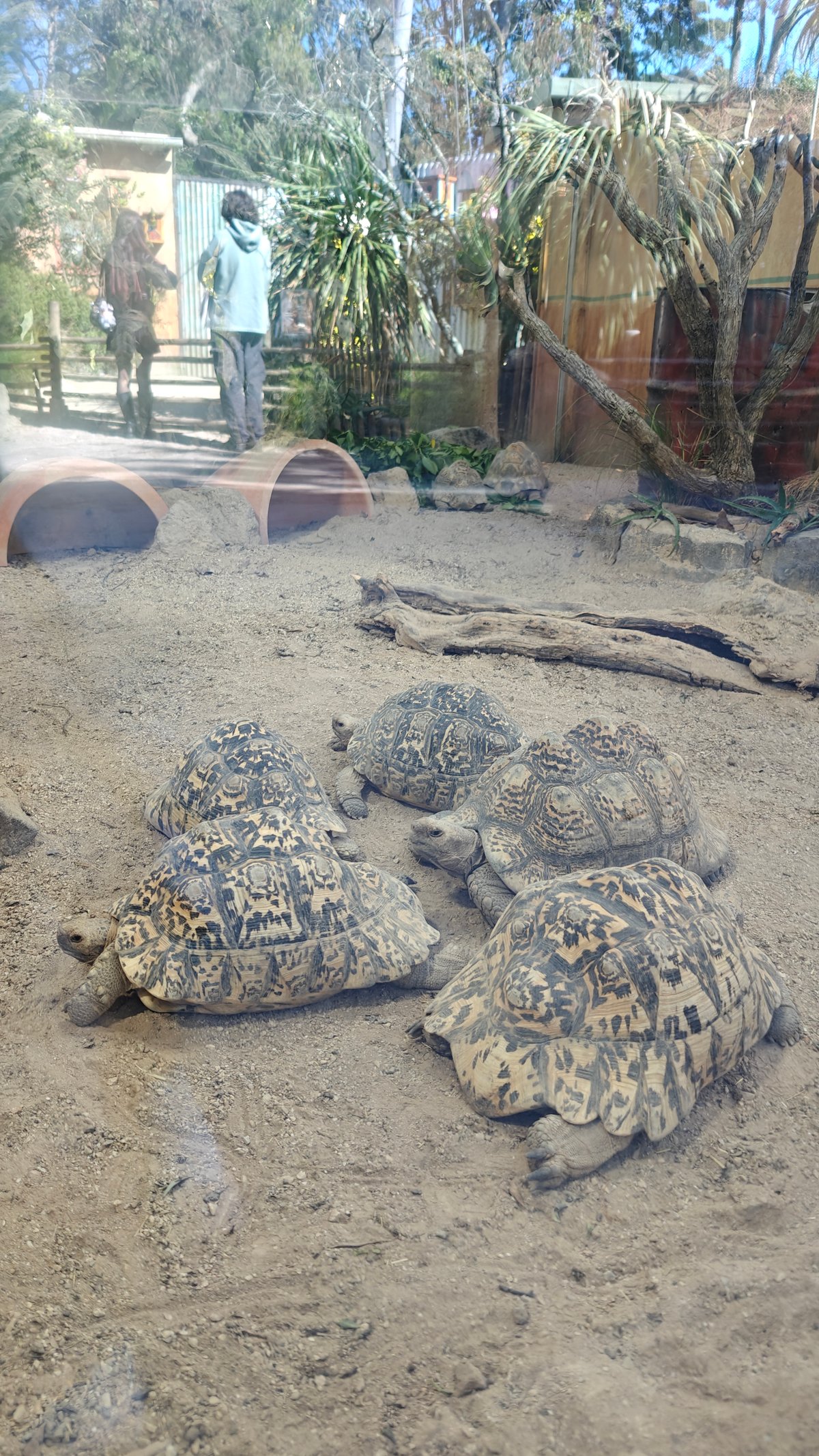
One of the leopard tortoises was hiding amongst the plants. Another was behind glass in the viewing section. Another was lying on the sand in several locations.
Tortoises is oddly calming for me to watch, they never seem to be in a hurry. Ever. A display case with a tortoise shell gave me context I would not of had otherwise.
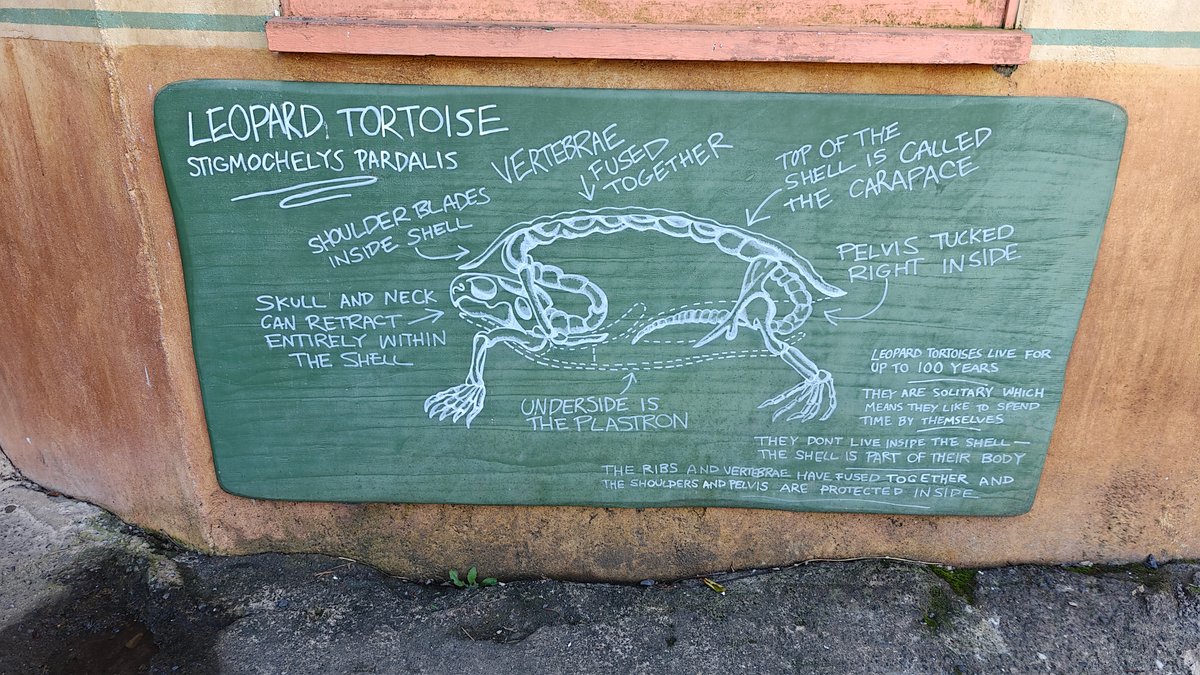
A panel on Stigmochelys pardalis also taught me something new about shell structure. Now I’m leaving knowing more about shell structure than I ever knew I’d want to know.
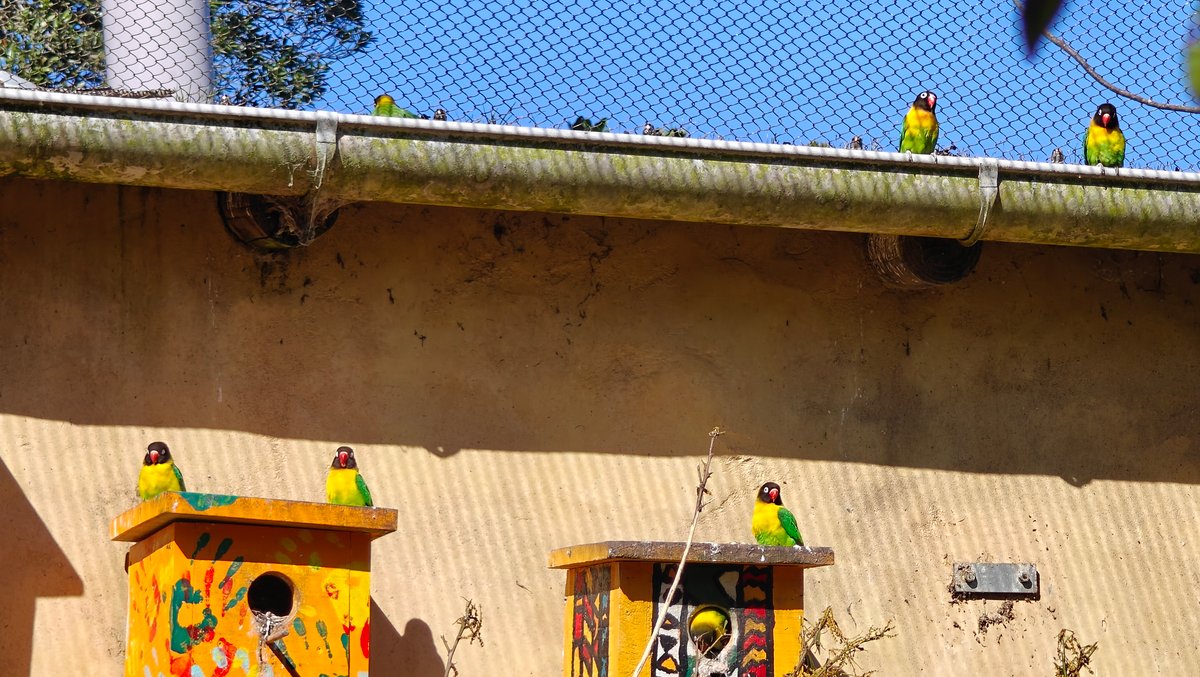
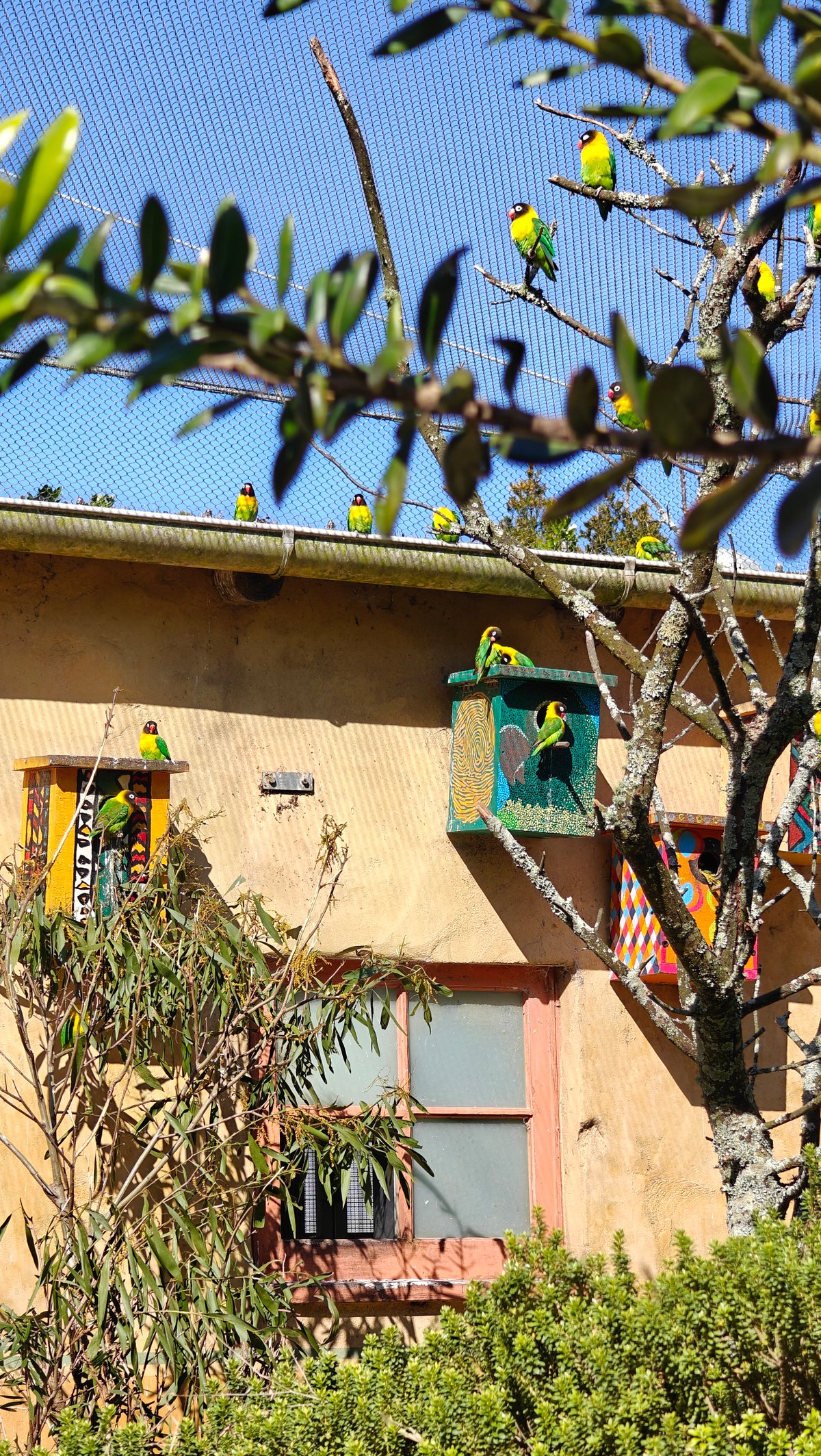
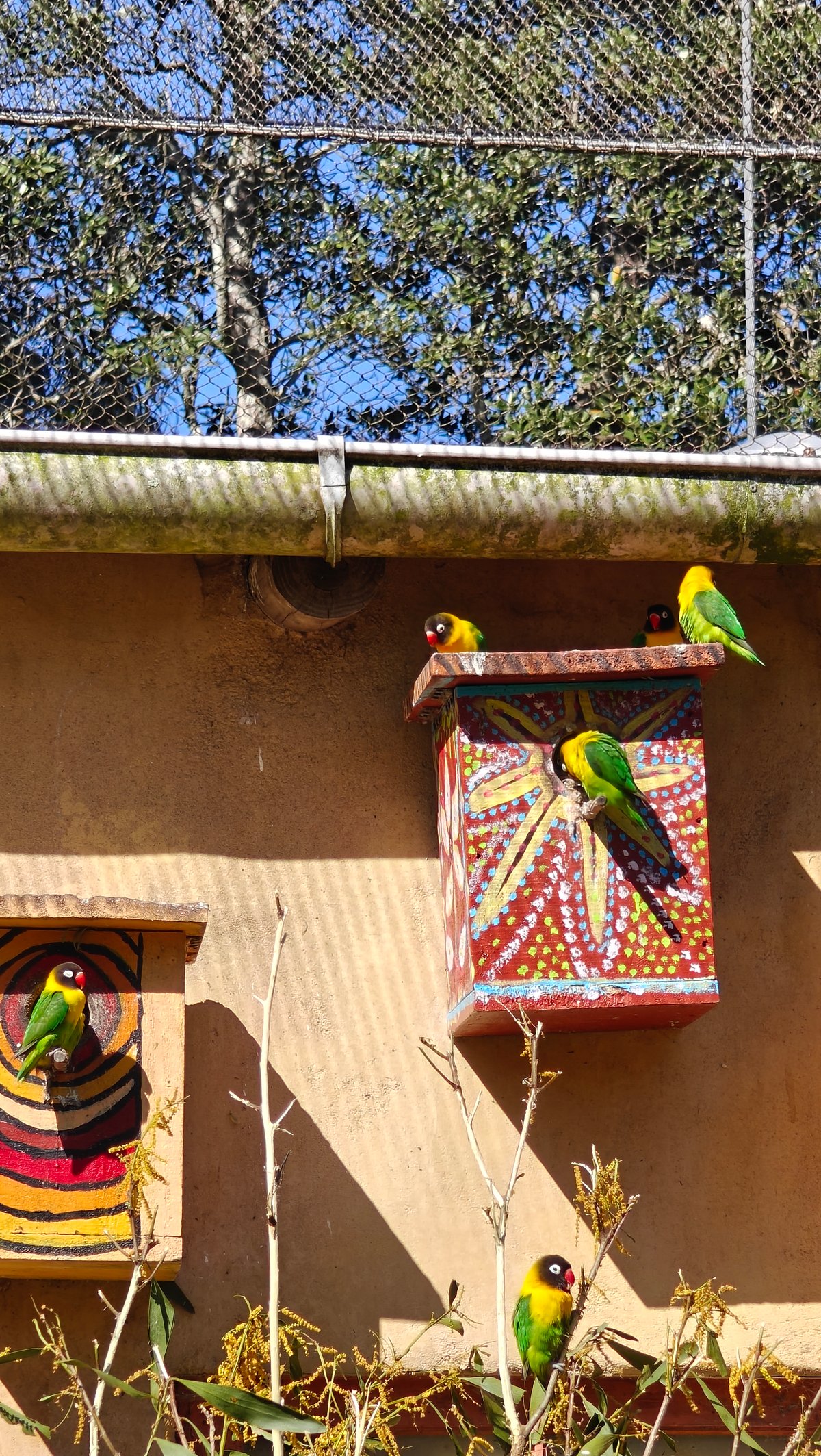
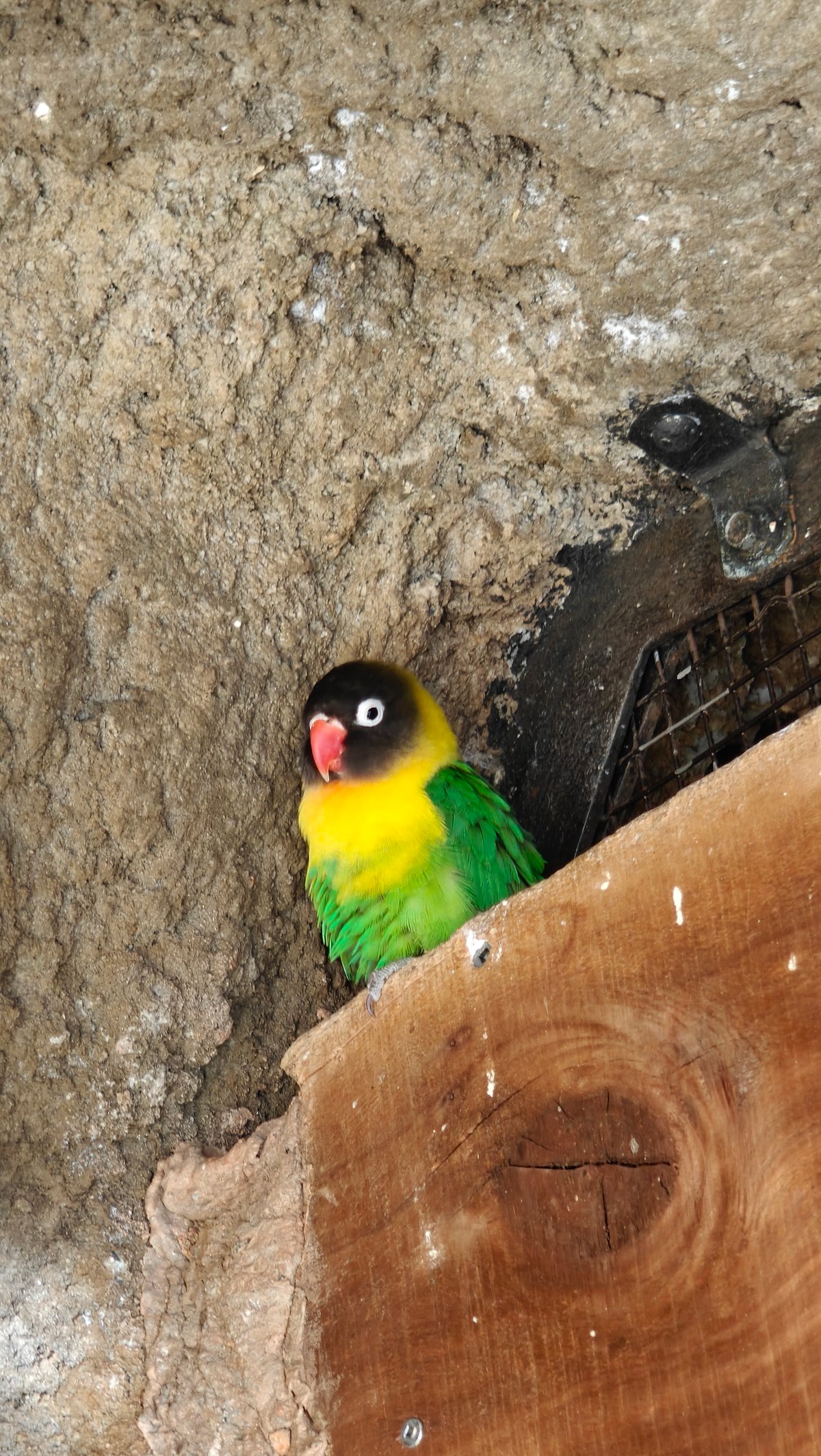
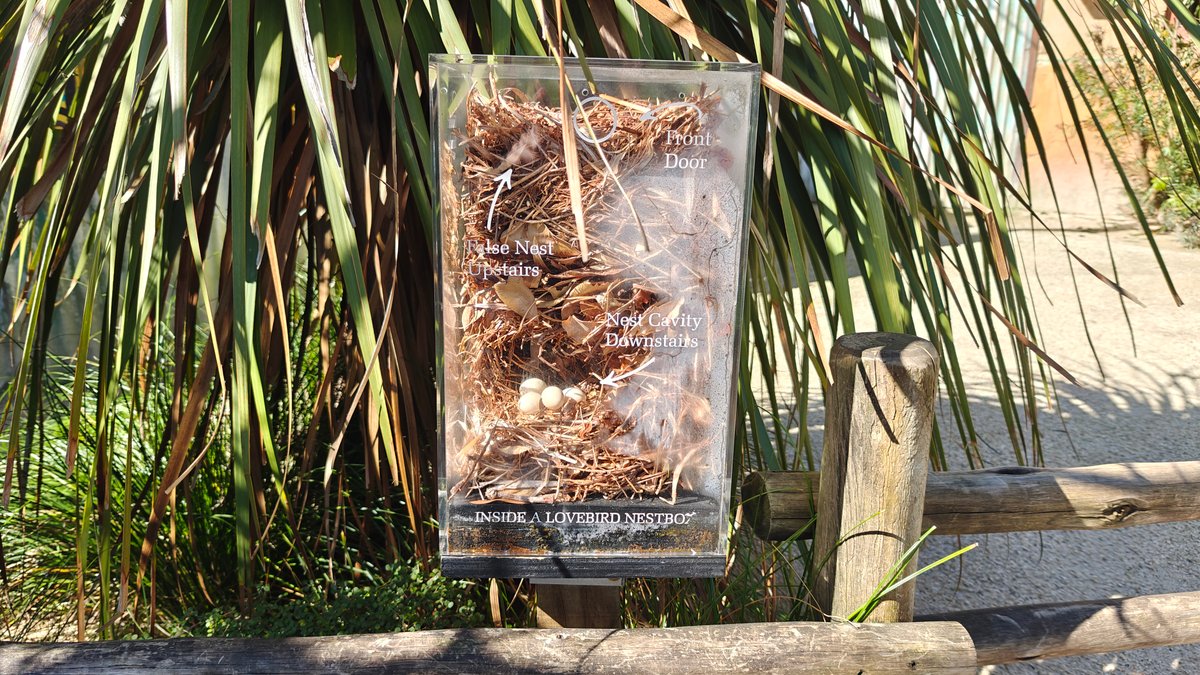
All throughout their aviary there were lovebirds sitting on the painted branches. They were also in the trees and even tucked into the painted nesting holes. They are little busy birds who just don’t seem to ever stop.
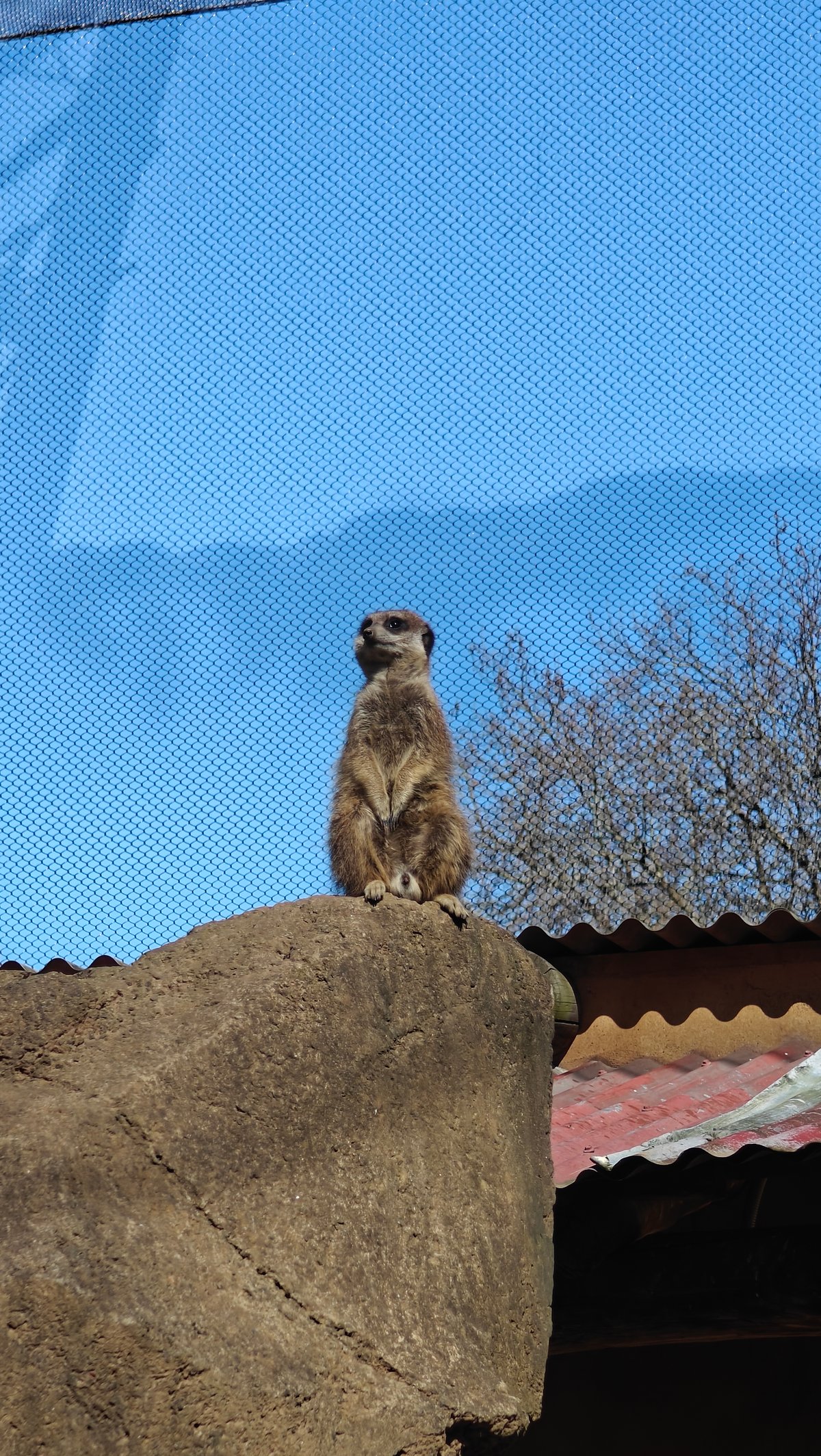
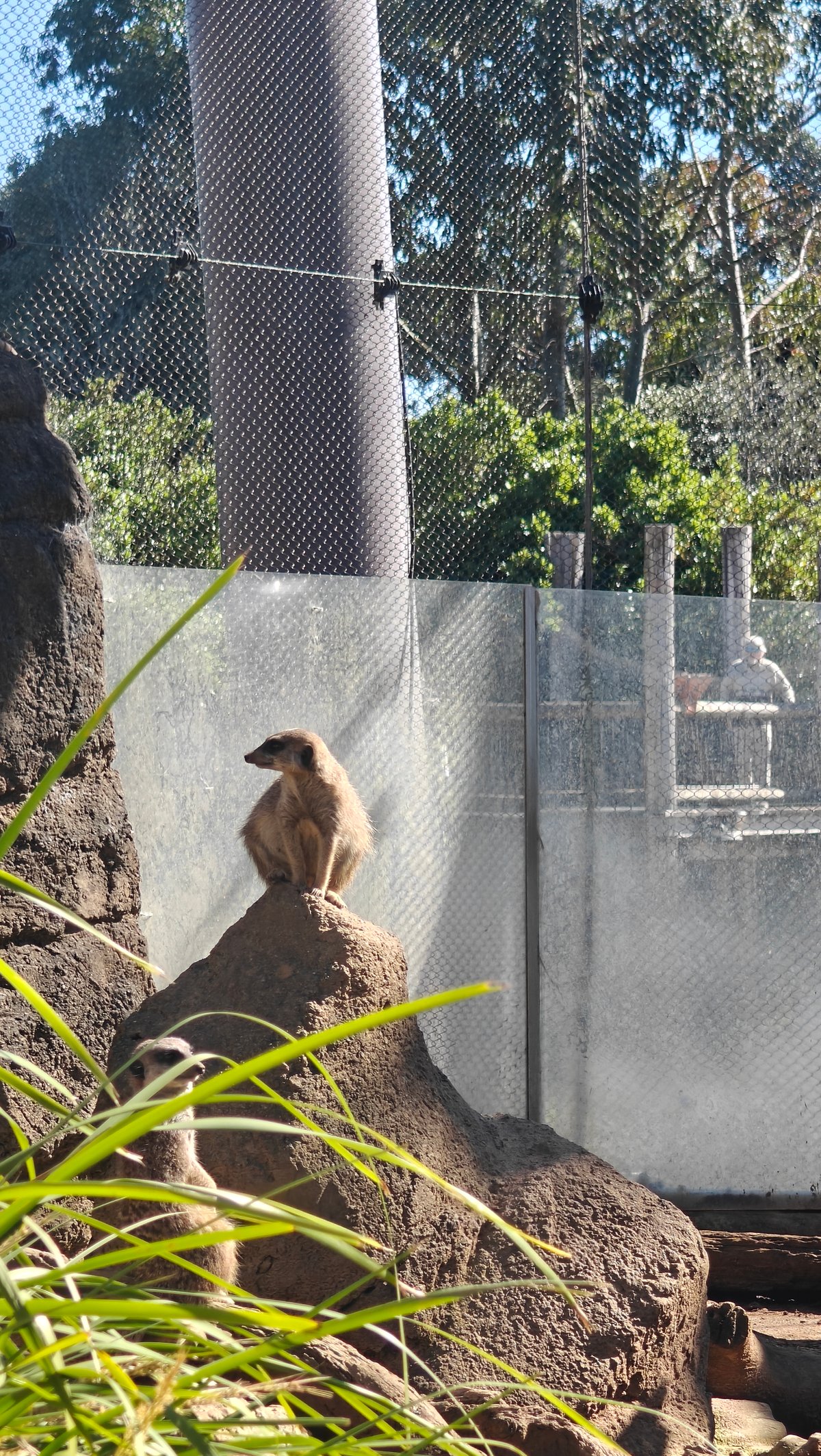
Hopping from one perch to another with so much energy for such tiny birds. One meerkat was up on a termite mound behind the fence. This is classic meerkat behaviour, always on the lookout.
Another was standing sentinel on a rock. They’re ridiculous and serious at the same time. They’re one of those animals that everyone loves, and I get it: they’re ridiculous and serious at the same time.
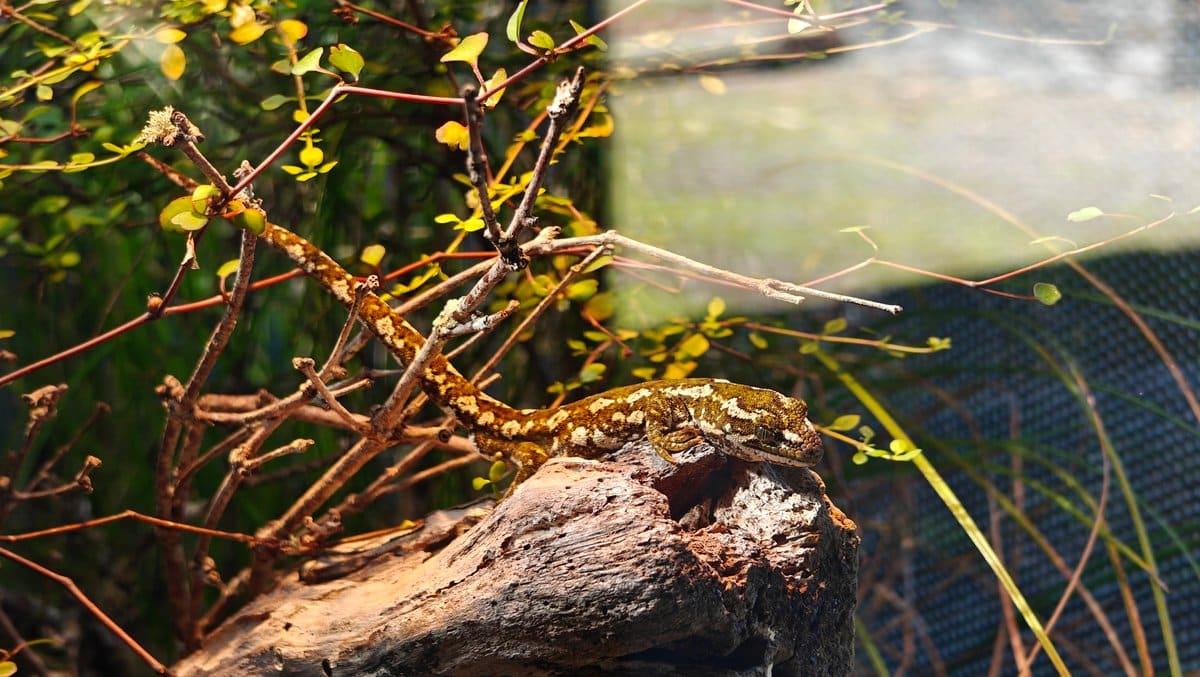
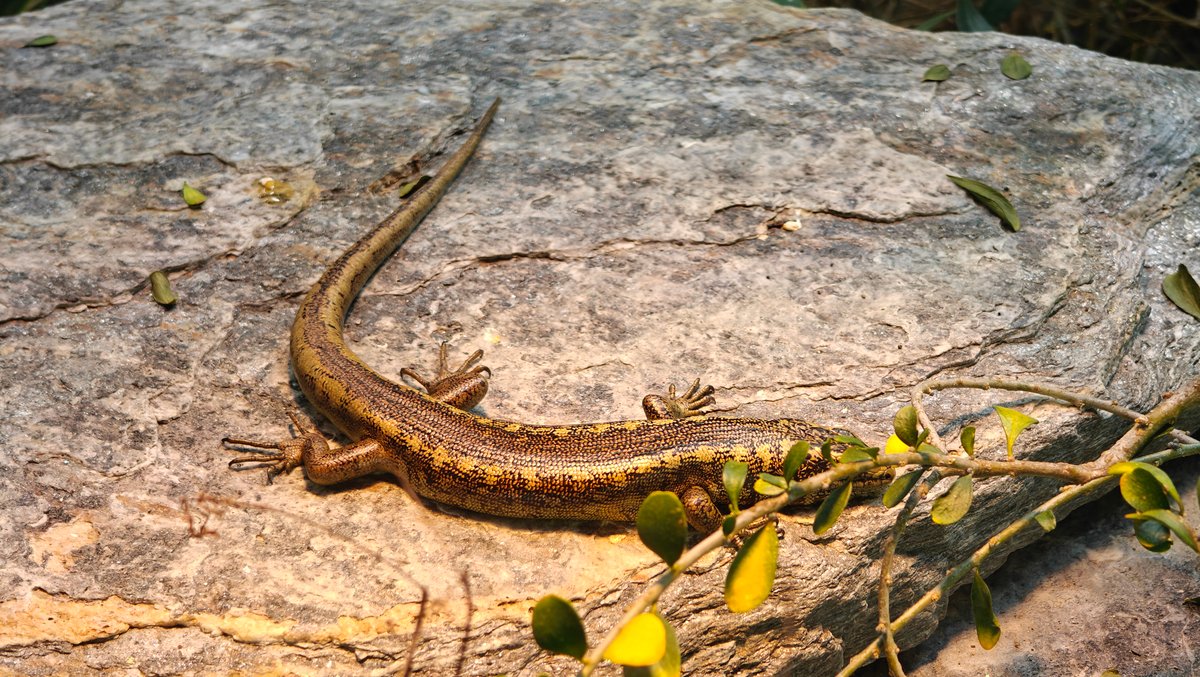
There was also a skink basking in a rock and a jewelled gecko on a branch in one of the other sections.
I missed them because they’re all small enclosures and easy to overlook unless you’re looking for them. The zoo is doing a good job of showcasing not only the international animals but those found locally as well, which makes for some really interesting reptiles here in New Zealand.
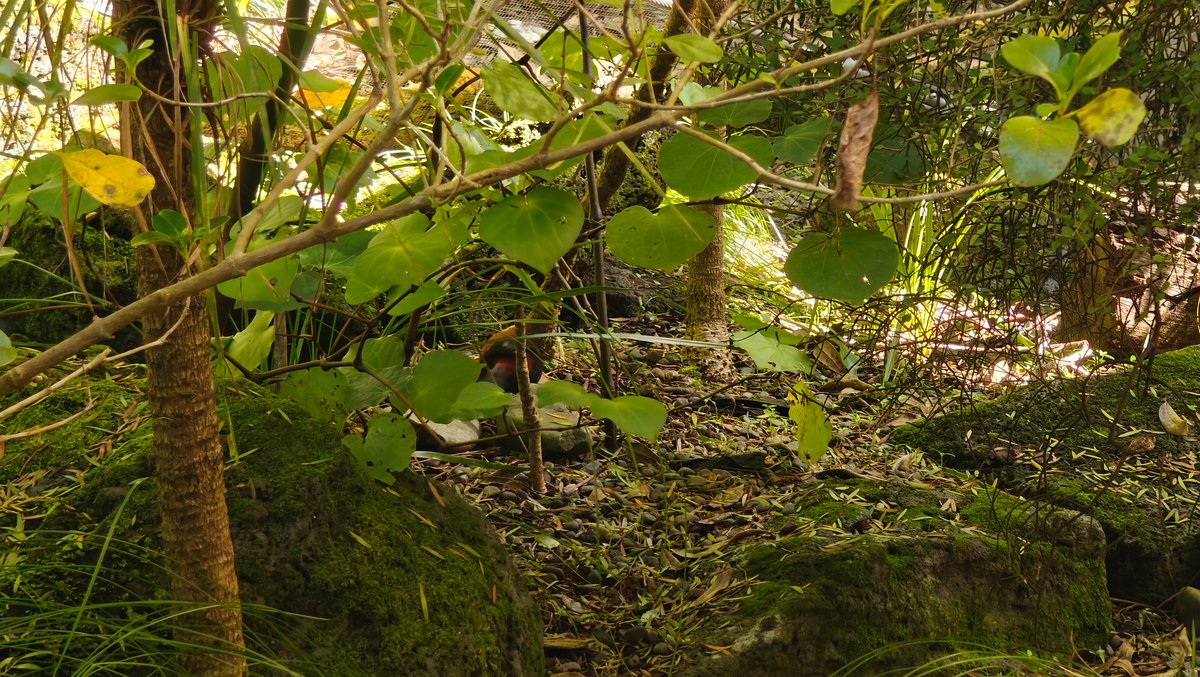
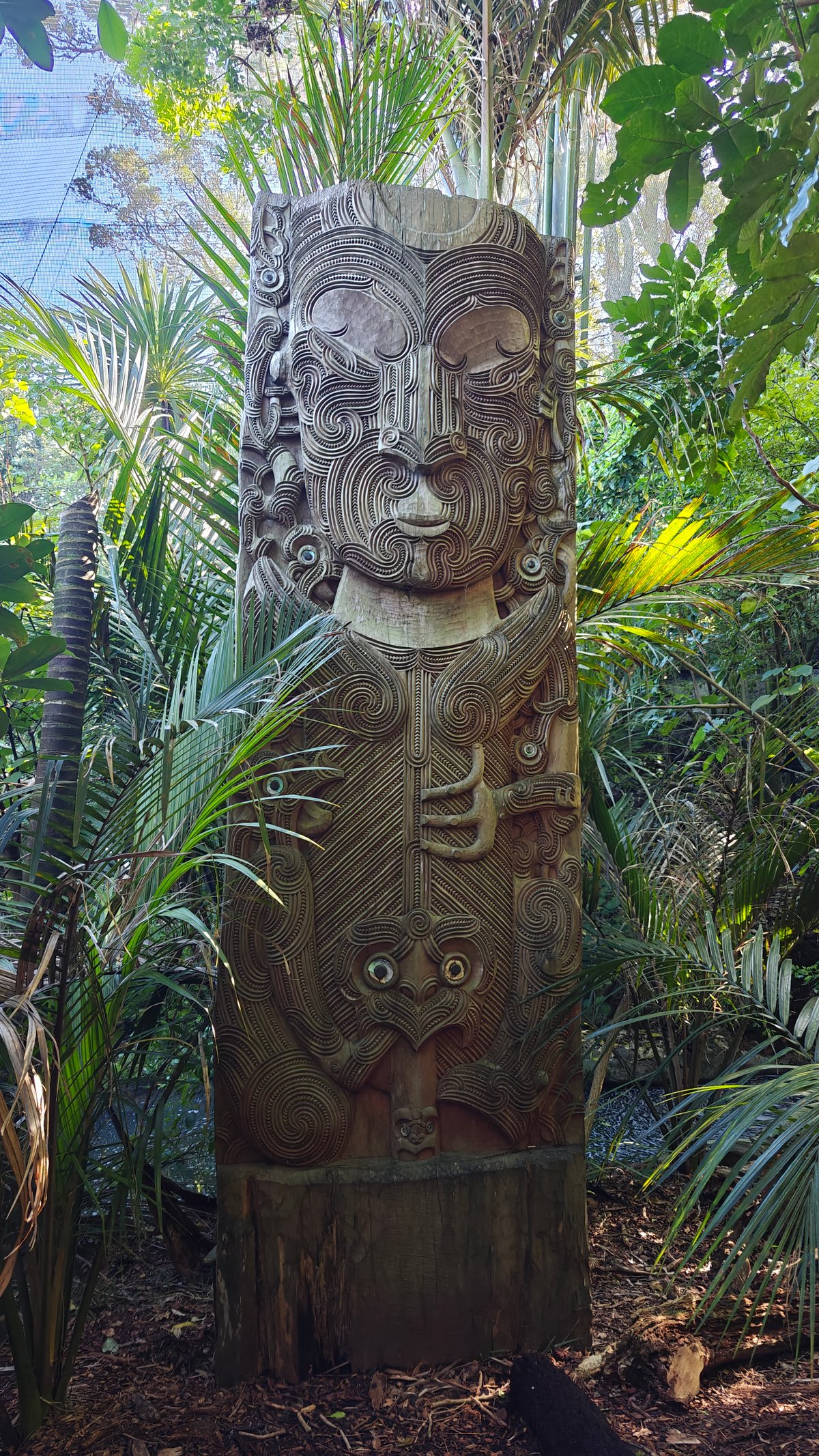
It was a green, quiet walk-through aviary filled with ferns and bush, with a carved pou rising from the palms of the forest. More about the native environment than spectacle, it felt like walking into another section of the zoo altogether. And then, after all of this, I got to the kiwi house.
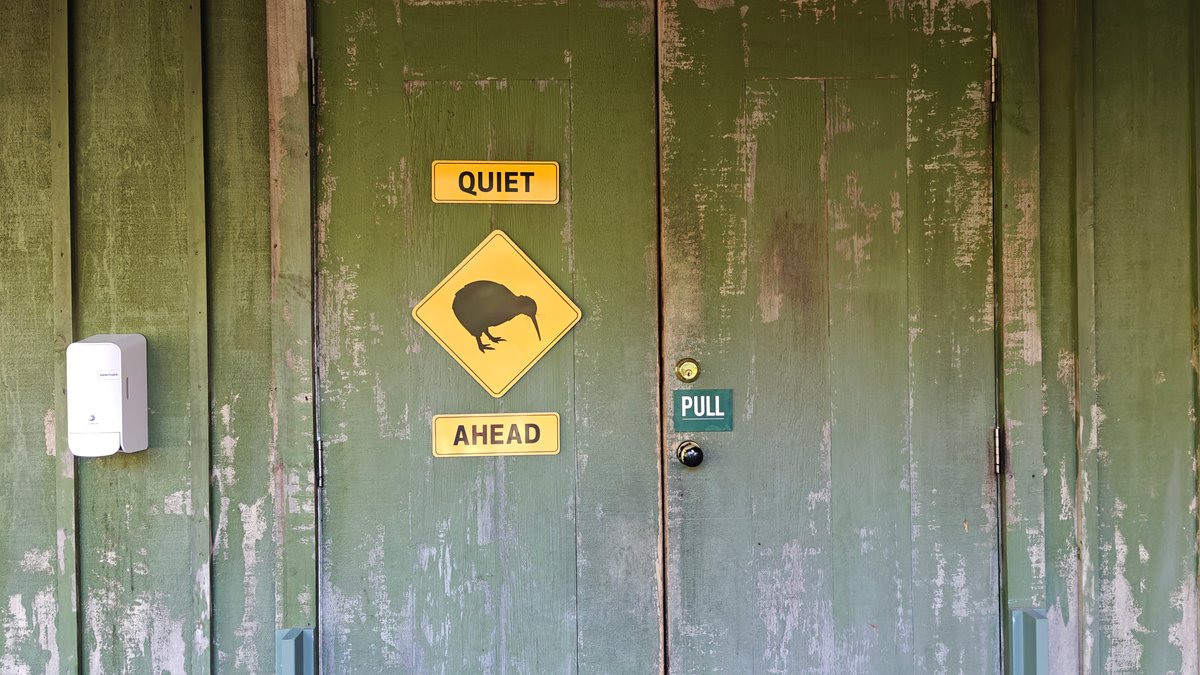
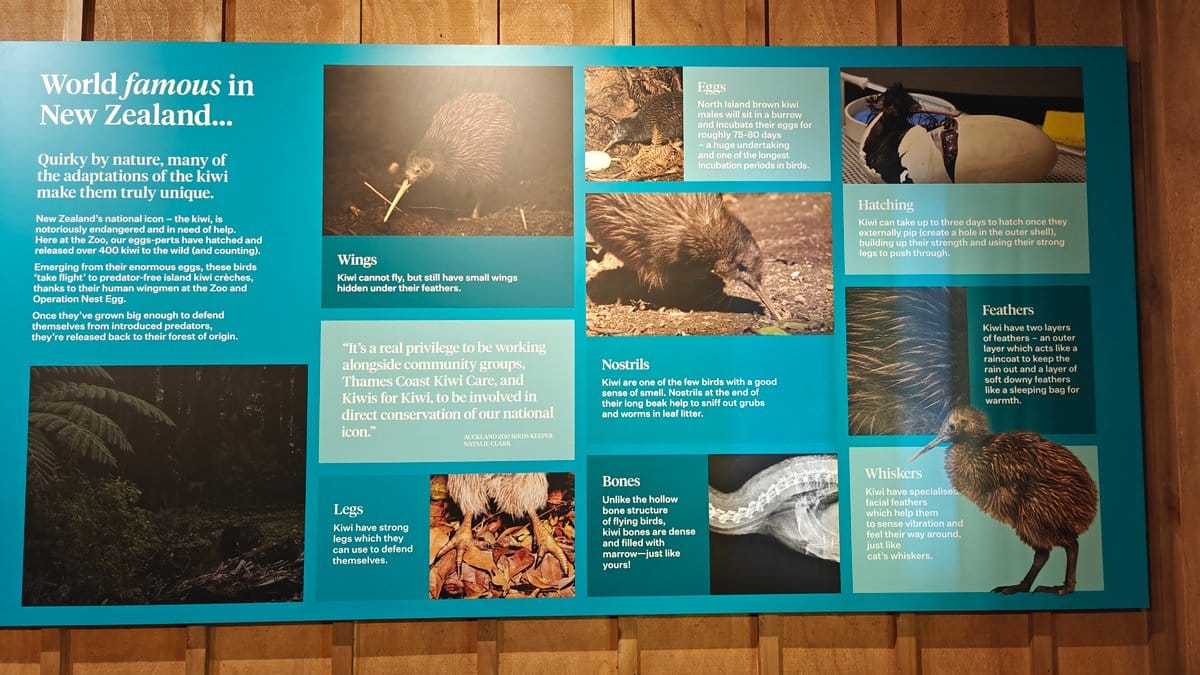
Kiwis are nocturnal animals, so the house is darkened (to simulate nighttime) and the sign on the door told me to hush. I walked in, let my eyes adjust, and made my way down the viewing trail. According to the interpretive sign, kiwis are “world famous,” which is true; the bird is synonymous with New Zealand now.
Eventually I saw one rooting around in the leaves with its long beak. I watched it as it rooted around some more. It was weird: here was an animal I’d grown up hearing about but had never actualy laid eyes on before.
The kiwi was smaller than I imagined, more rounded out, more ungainly. It was totally focused on what it was doing, ignoring everyone staring at it. I lingered too long, not because I needed to see anything, but because that seemed to be why I came.
And the kiwi didn’t let me down.
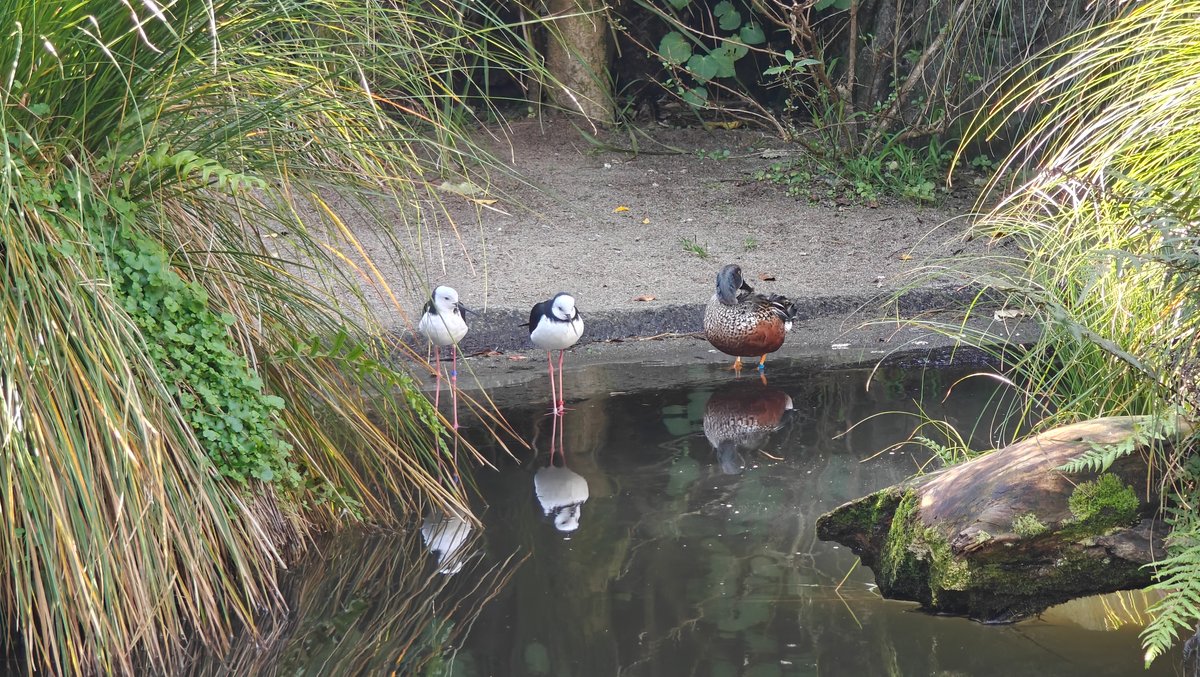
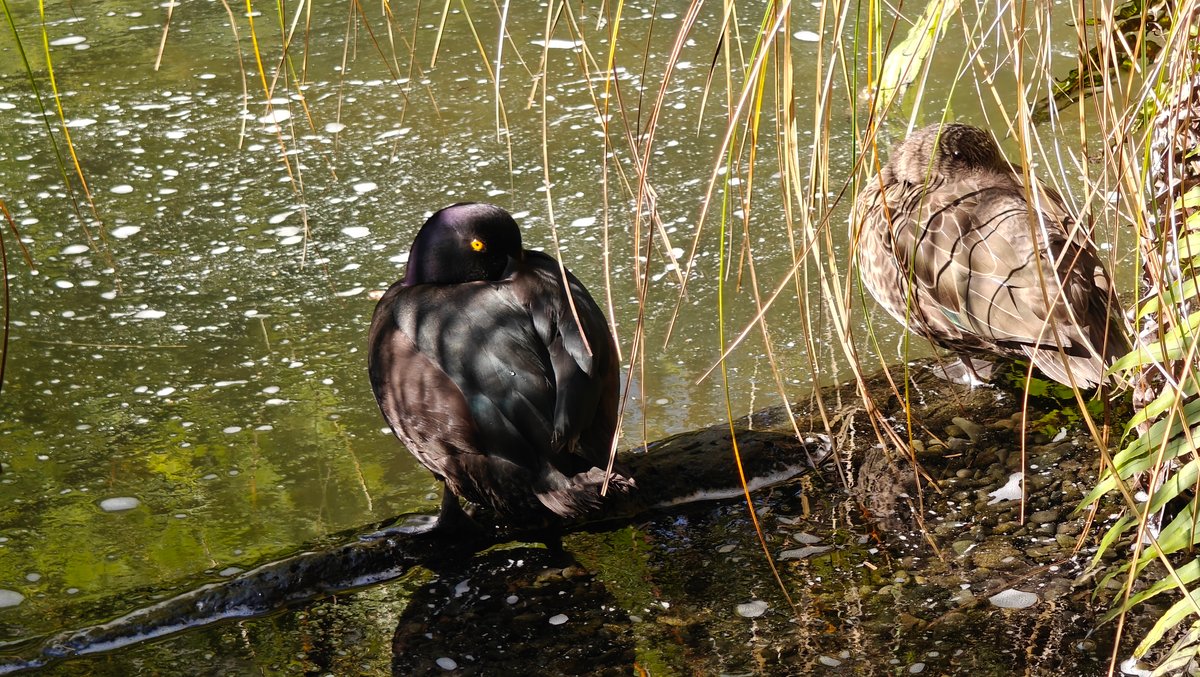
Out of the kiwi house, I saw some other native birds: a pair of pied stilts by a pond and a duck with scaup at the water’s edge, not as famous as the kiwi but equally worth taking time for.
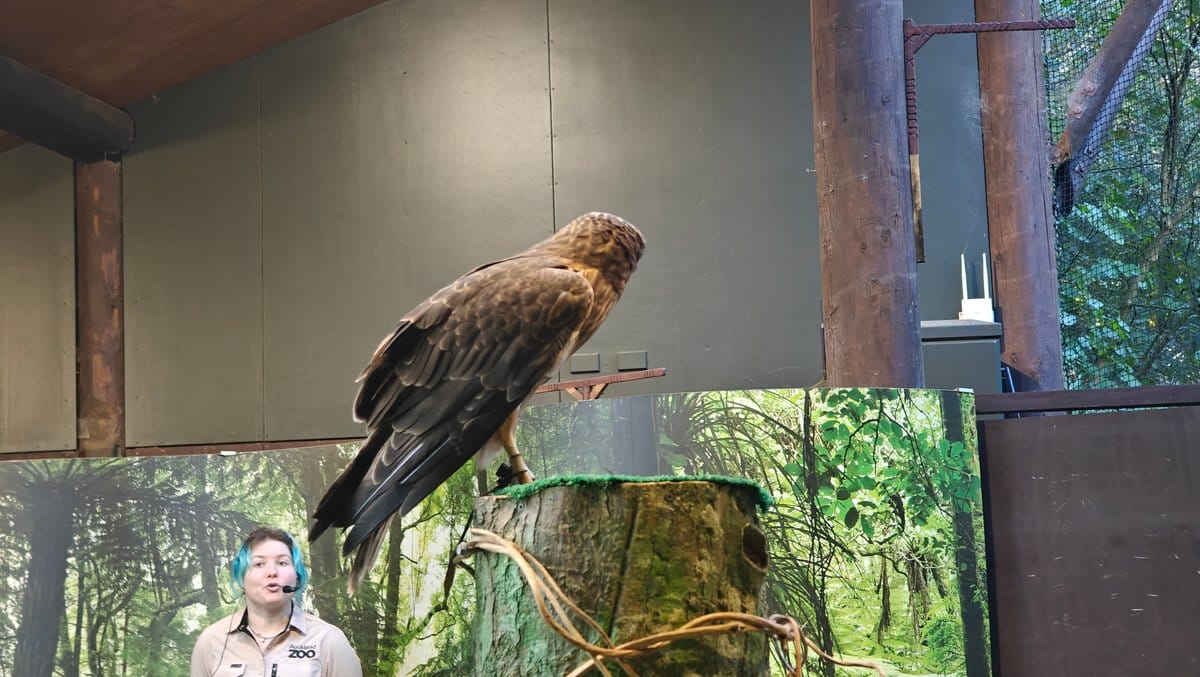
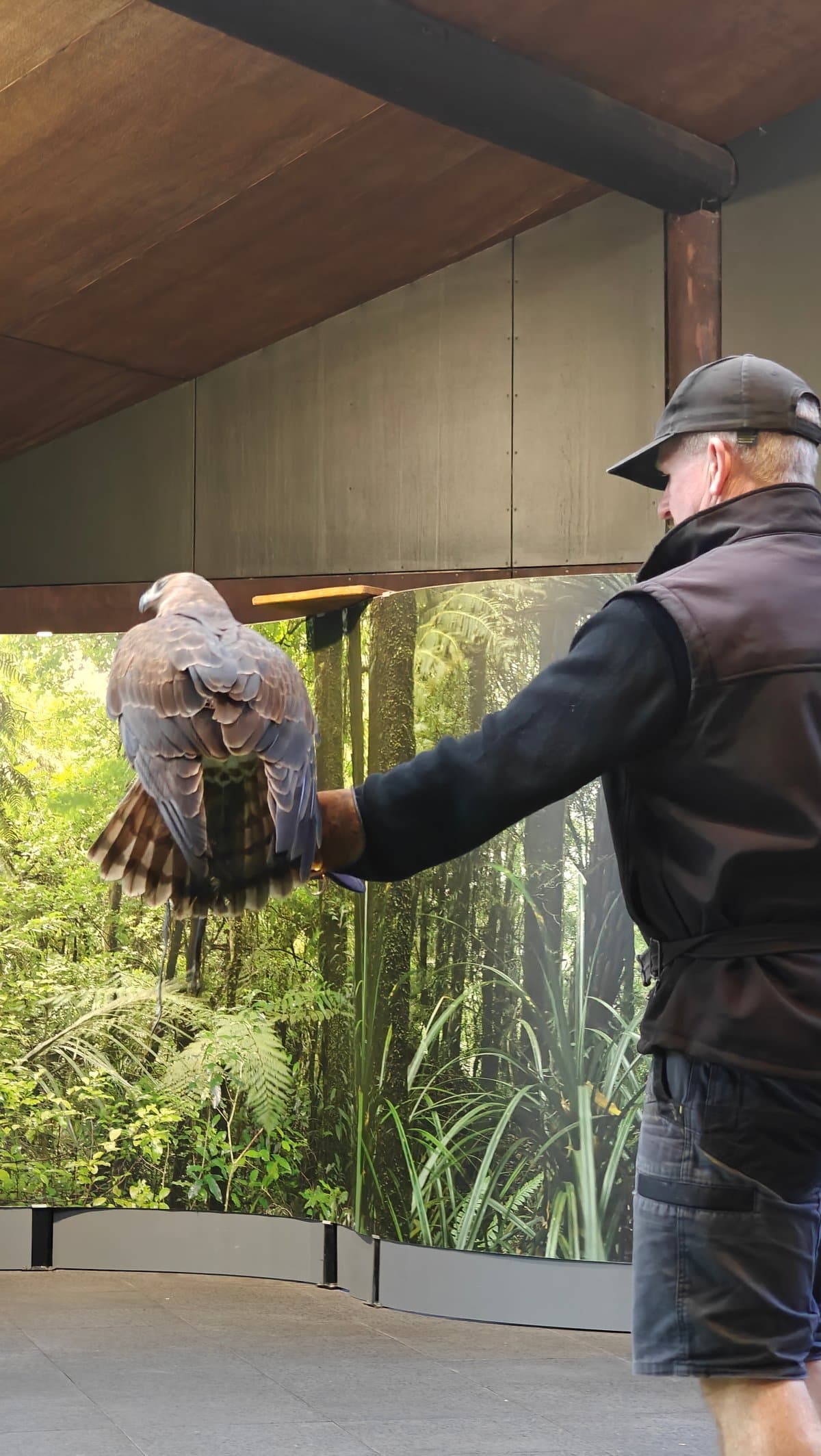
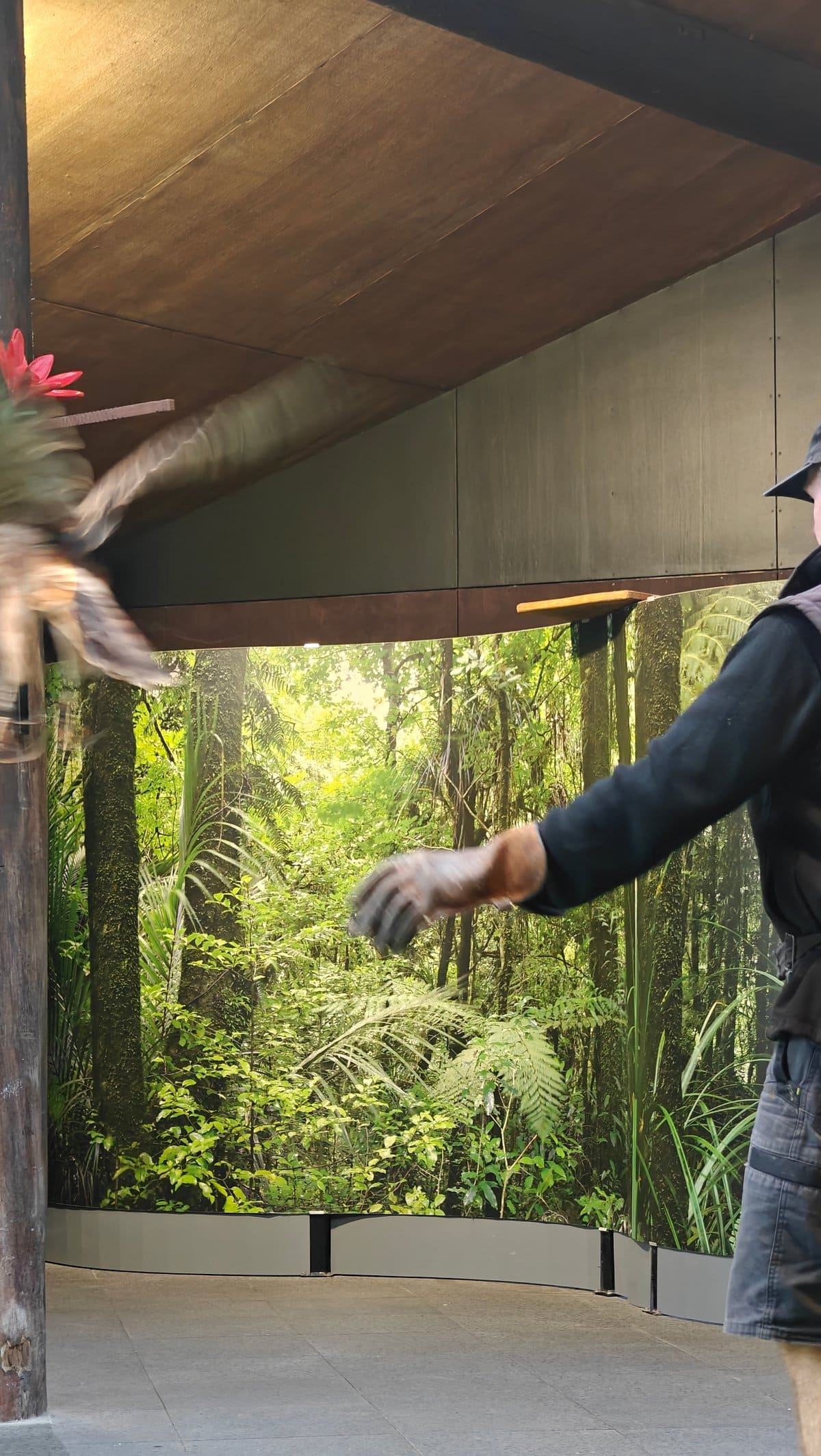
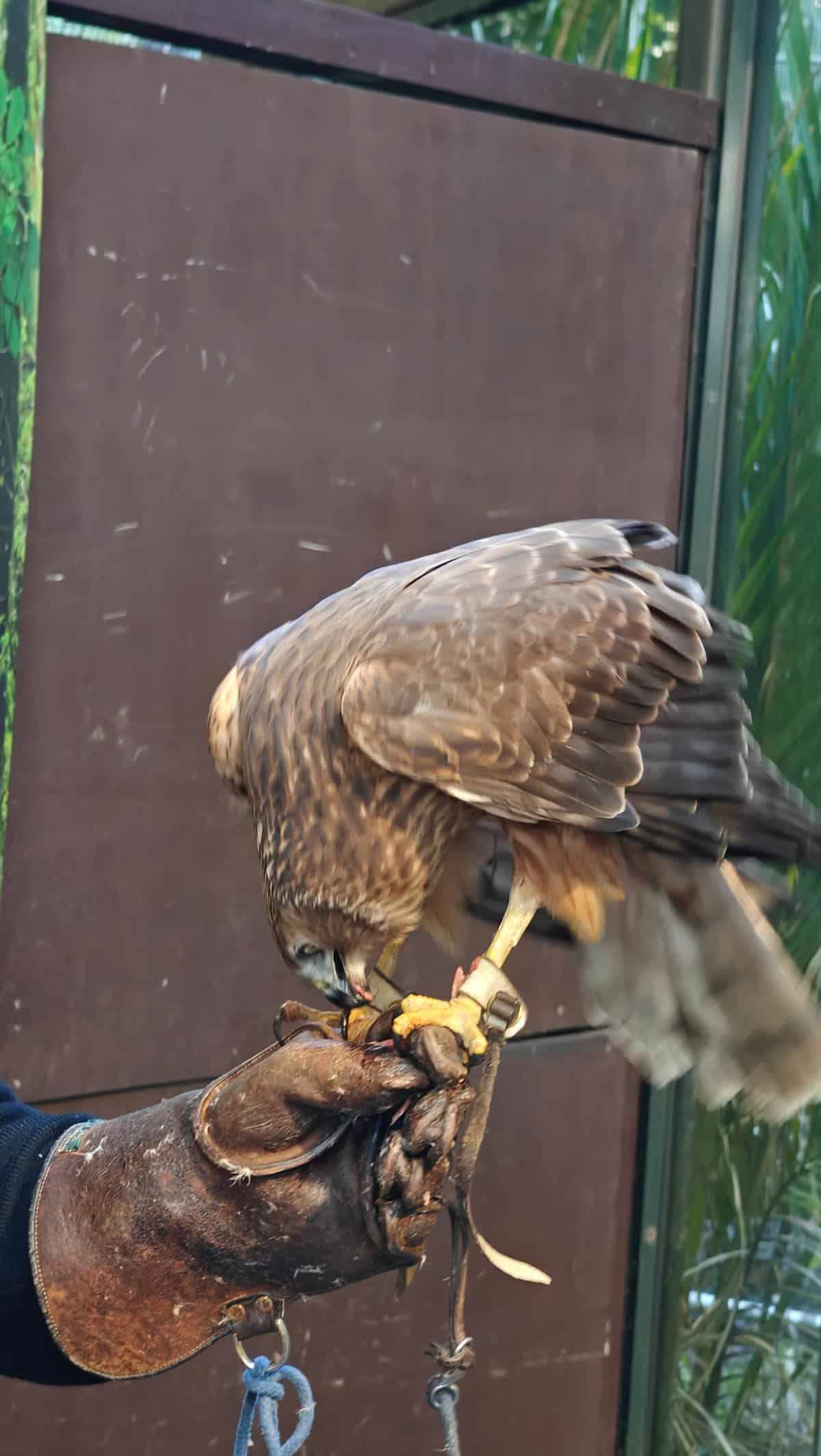
And so I found myself in the bird show arena (a handler was there working with raptors). A harrier sat perched, then the handler held another raptor on the glove and sent it into the air. It soared through the air and came back down to grab onto the glove again as he brought it down.
There were no tricks here. It was just a quick little show that was more educational than anything else. I liked that it was less circus and more real knowledge of the birds themselves and how they behave.
A couple of hours later, I left Auckland Zoo. I saw the kiwi for which I’d come, and a heck of a lot more besides. While it’s not the largest zoo I’ve ever visited, the layout works well, and the conservation aspect is felt in a way that doesn’t feel fake, just genuine.
If you find yourself in Auckland and have an afternoon to spare, it’s worth going; particularly if, as was my case, you want to know more about the animals you normally never get to see up-close. Have you been to Auckland Zoo, or do you have another zoo that surprised you with what it has to offer? I’d love to hear about it in the comments.