
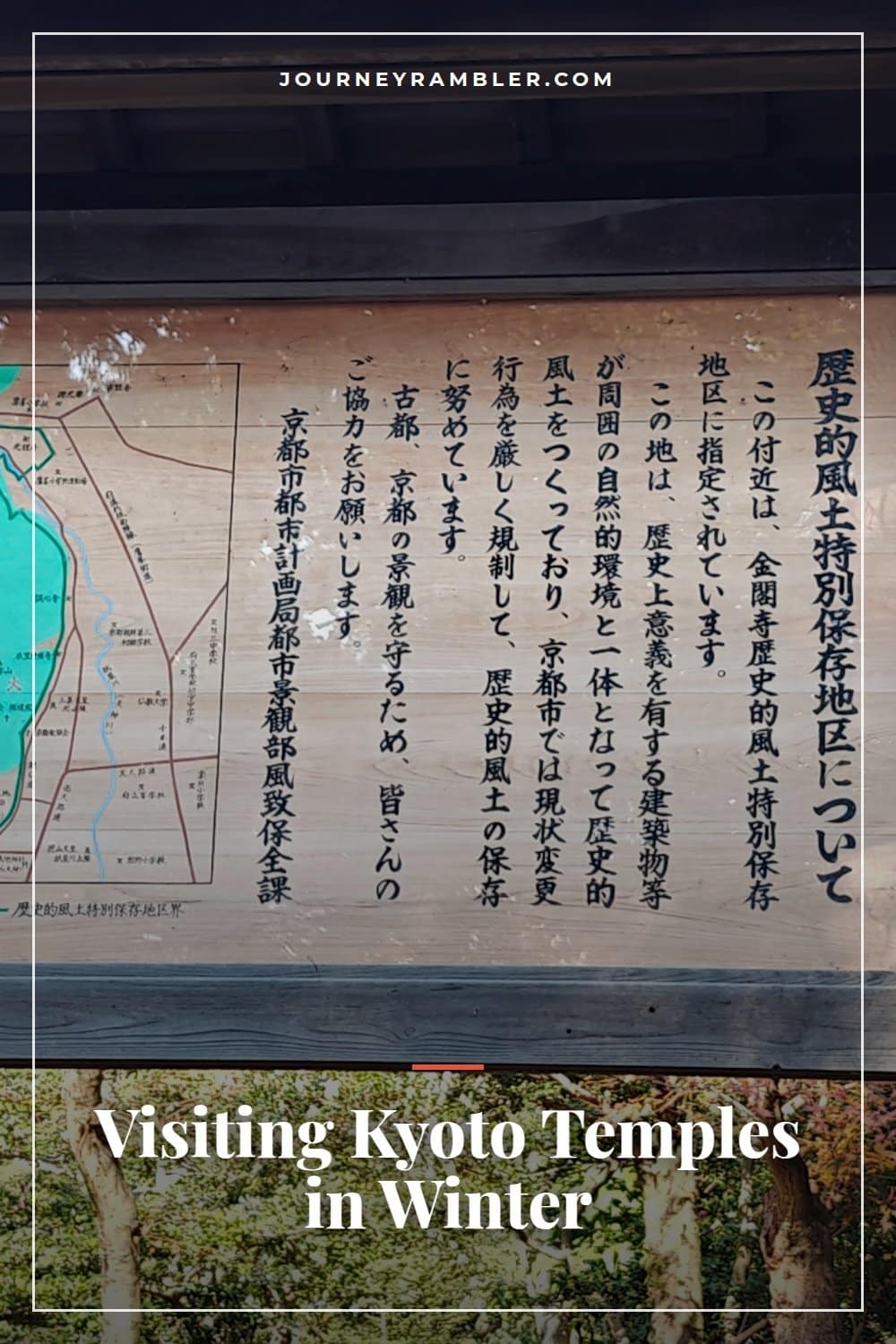
Kyoto in winter is perhaps one of the best times to visit. The air was crisp, and the crowds were thinner then I anticipated. There’s something about grey skies and bare trees that makes these old temple grounds even more peaceful.
I didn’t go chase autumn colours or cherry blossoms, I simply wanted to see these places as they are in their quiet season. In total, I visited ten temples during my stay; including some of the most famous ones you’ve probably heard about along with a few that were nearly deserted upon my arrival. They each had there unique character, and I’m happy I didn’t attempt to see them all in one day.
My Trip to Kyoto Temples in Winter
Golden Pavilion Kinkaku-ji
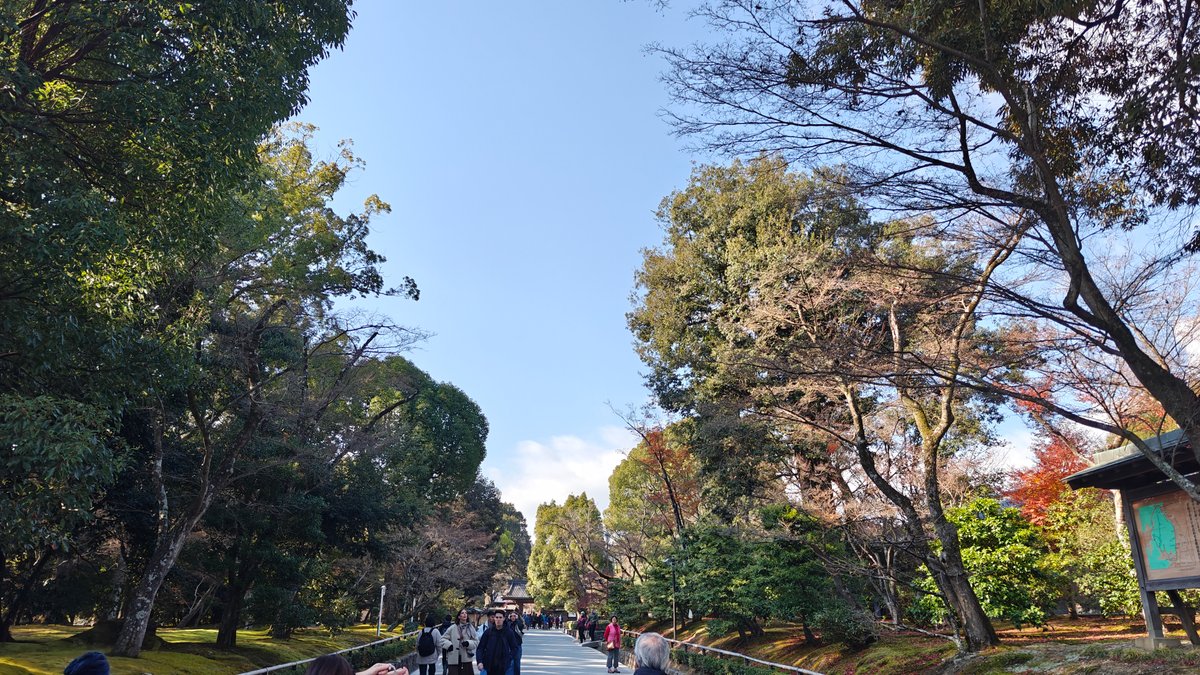
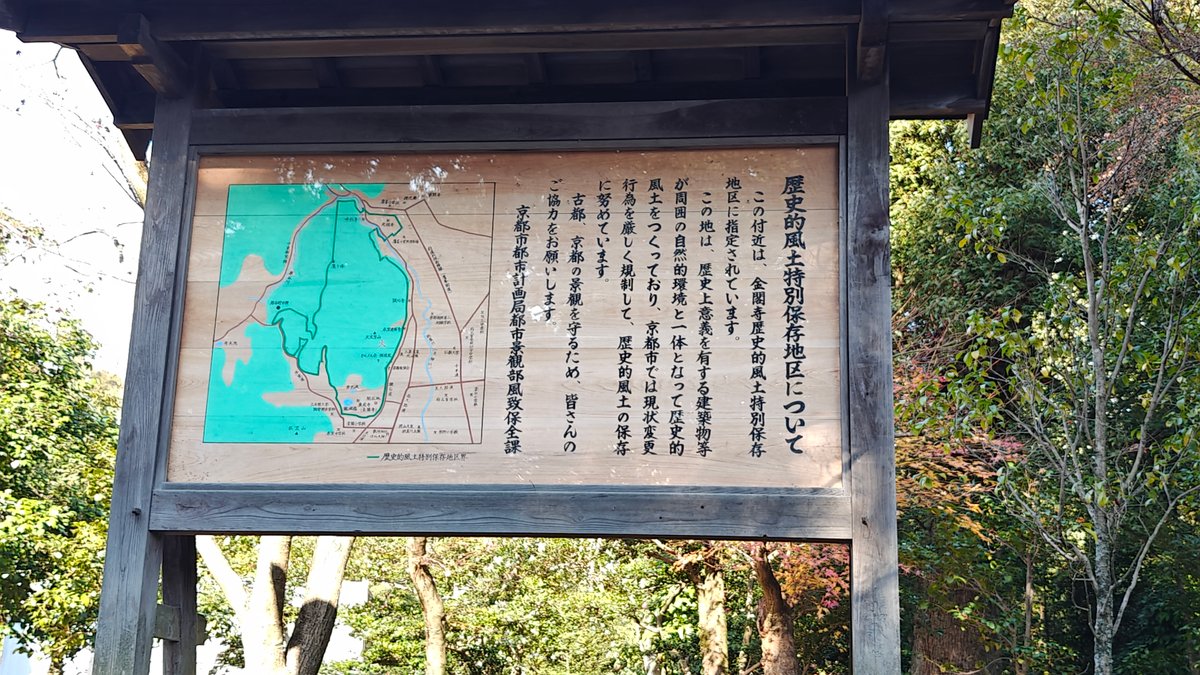
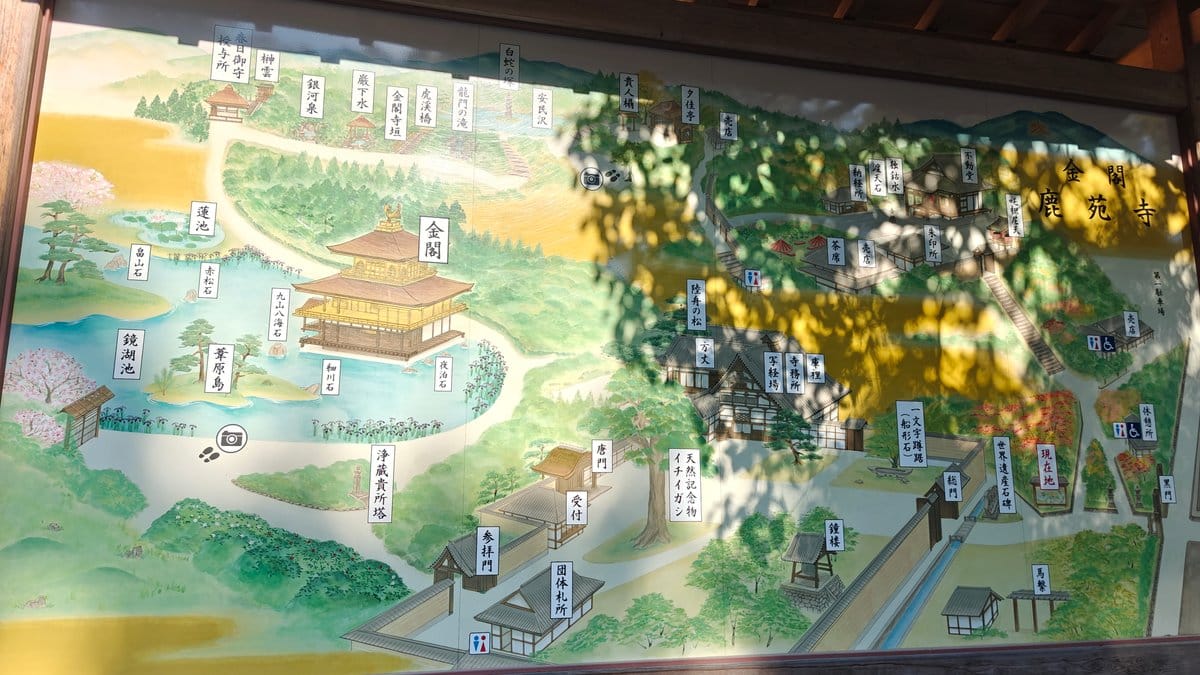
Even in winter, there was lots of people about (though it was a bit more calming walking up from the tree-lined approach that I’d expected). I picked up a map at the front entrance and did some orienting. The grounds are larger than you’d think from photographs.
The pavilion itself is actualy located further back towards the pond.
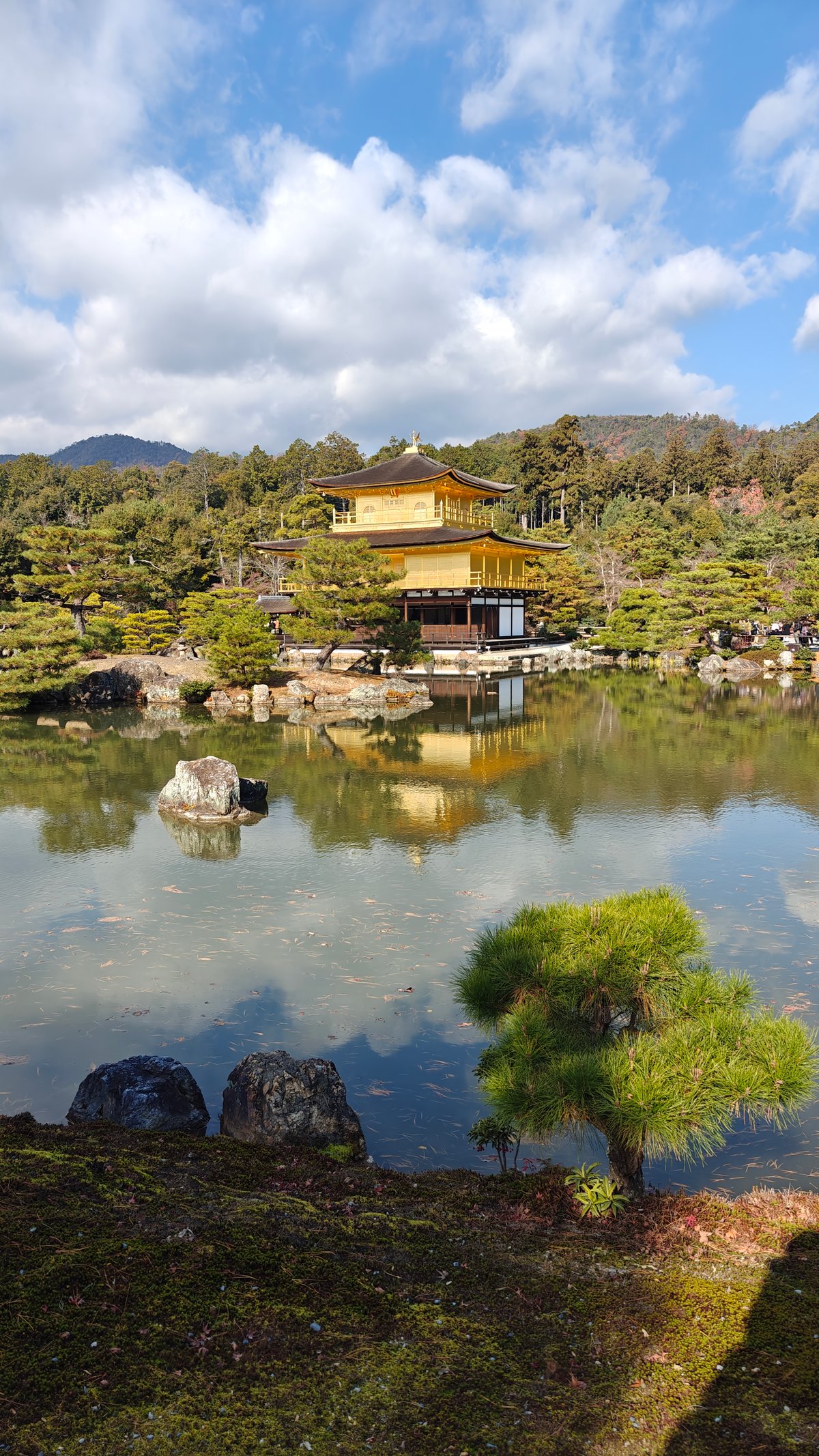
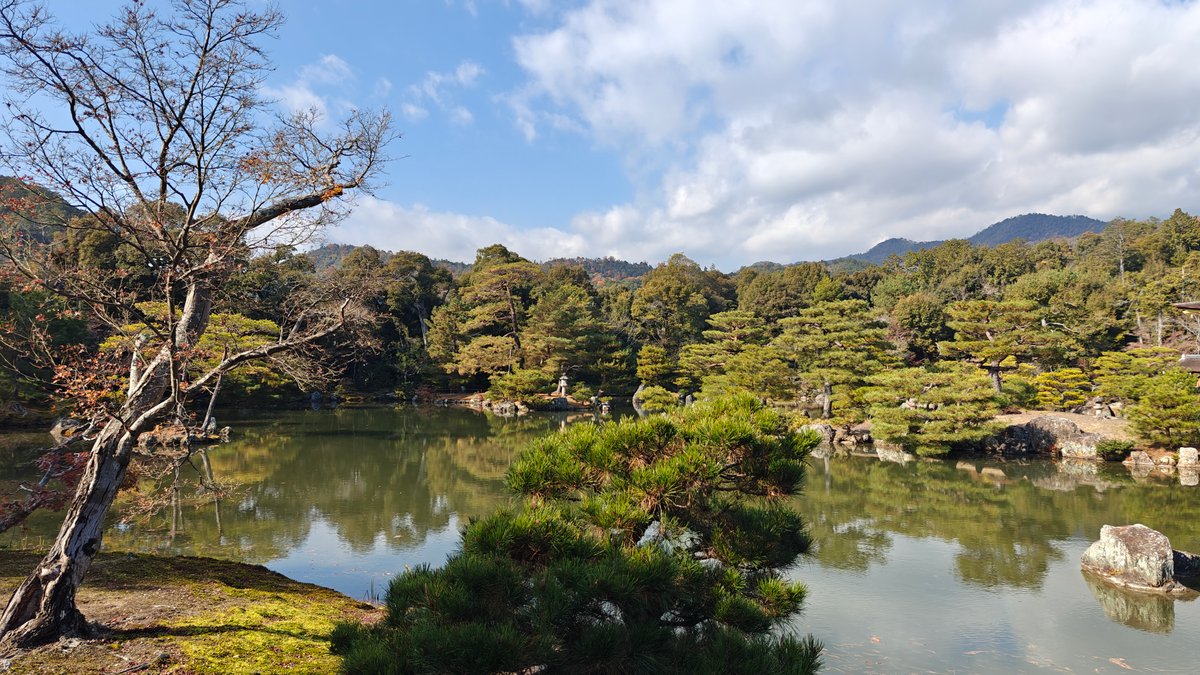
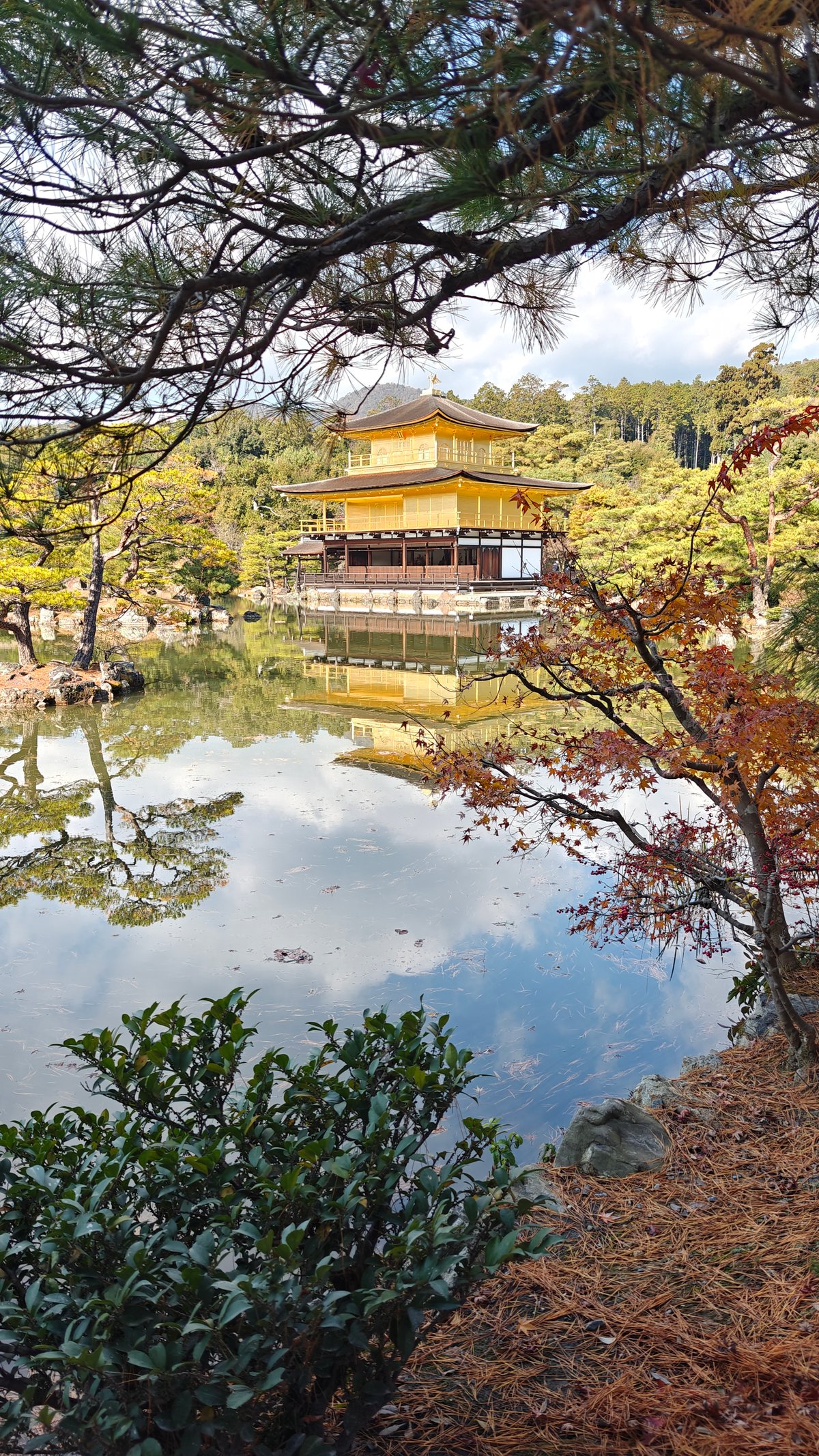
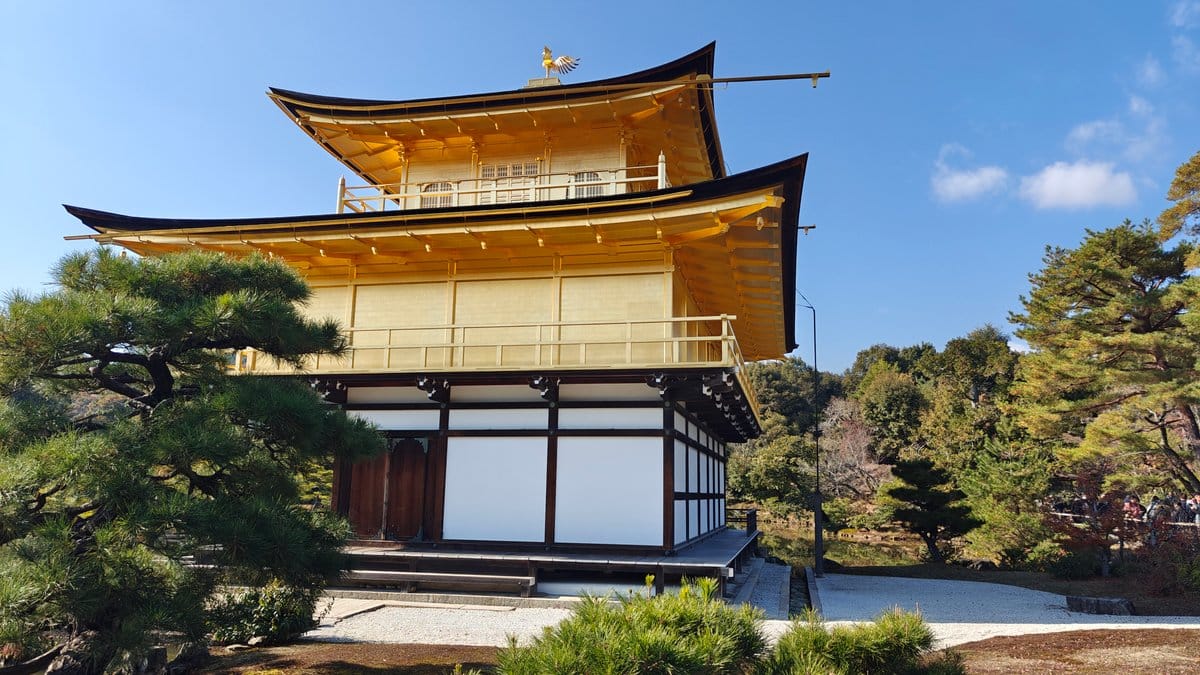
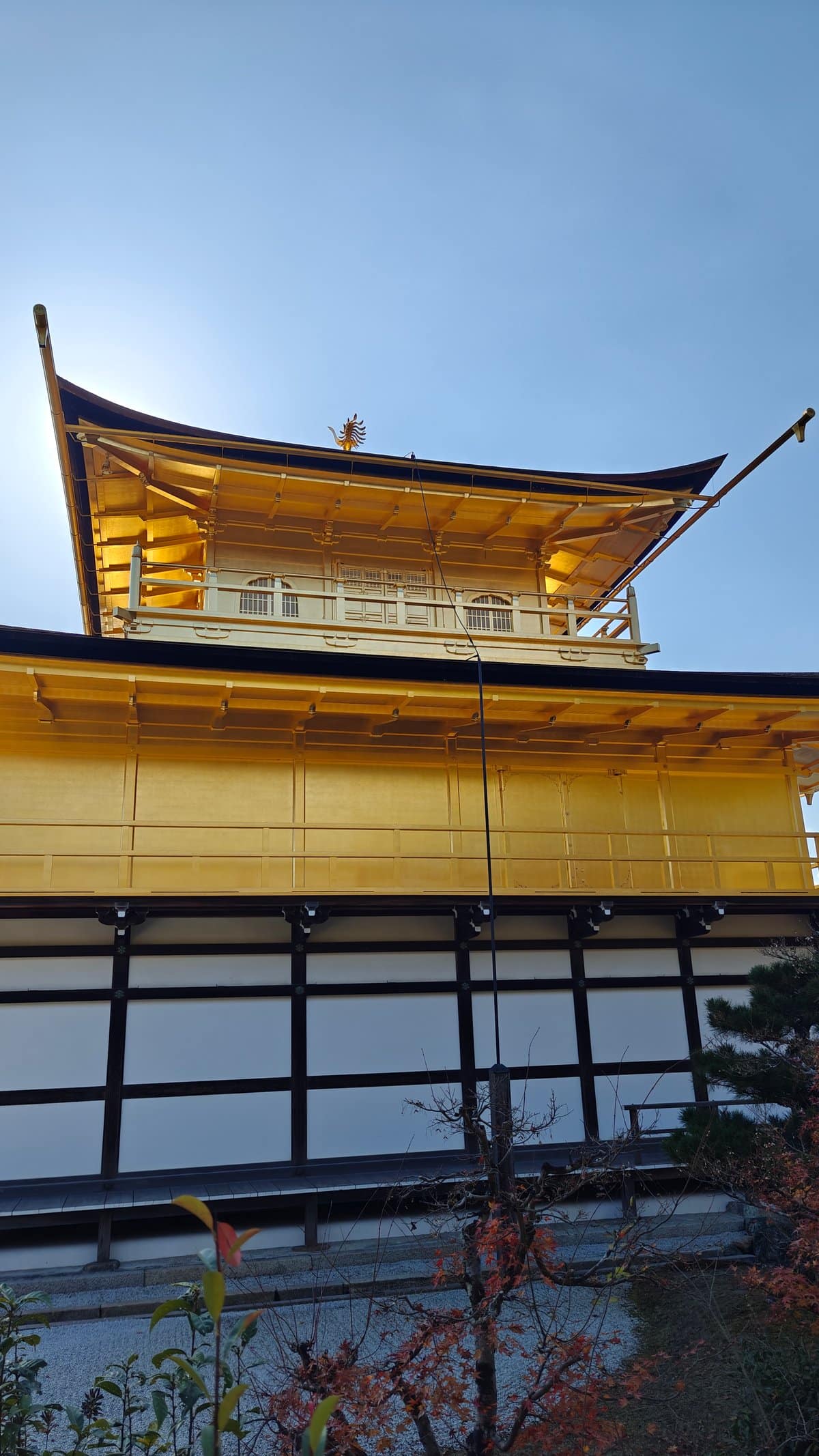
And then you turn the corner and there she is, just off the water’s edge. I’ve seen a thousand photos before arriving, but standing out front staring at the real thing was something else entirely. The water was perfectly calm in the pond that morning.
The little sunlight piercing through the grey skies reflected off building and was caught by the phoenix atop the building. There’s no need for exaggerations here: the entire building literally shines. I strolled along the walkway circling the pond and truthfully the side shots, framed by pine trees, were equally good if not better than the iconic head-on picture.
Fewer leaves obstructed view, which worked in my favor since it was winter.
Ginkaku-ji
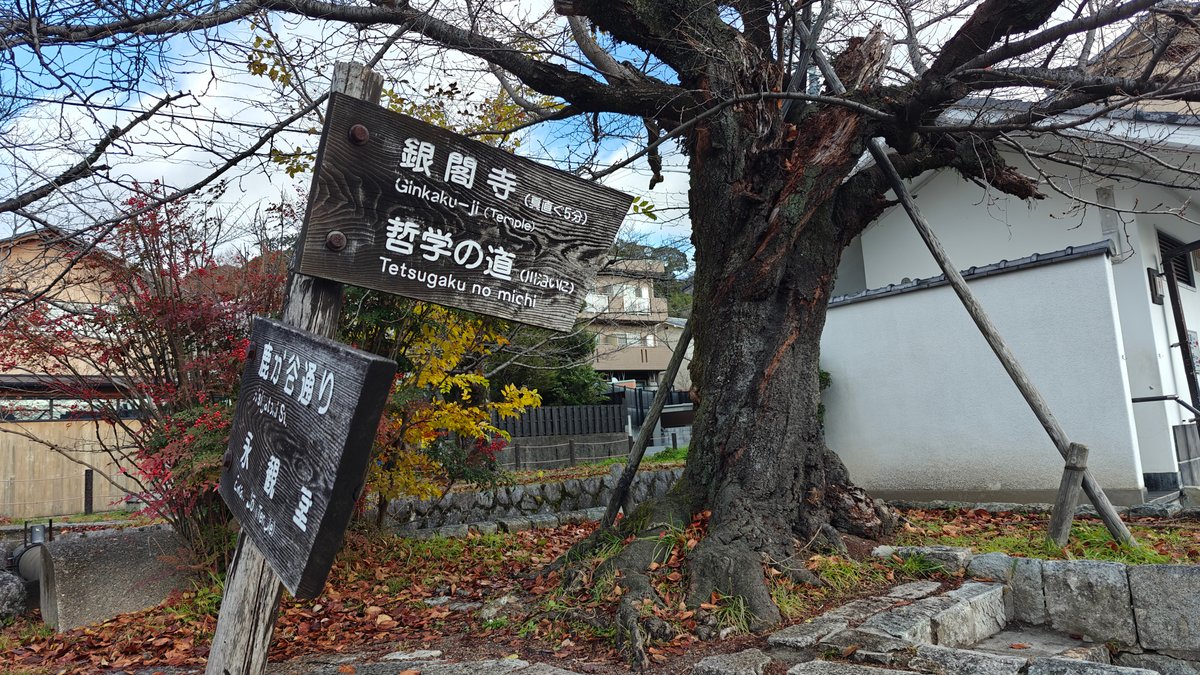
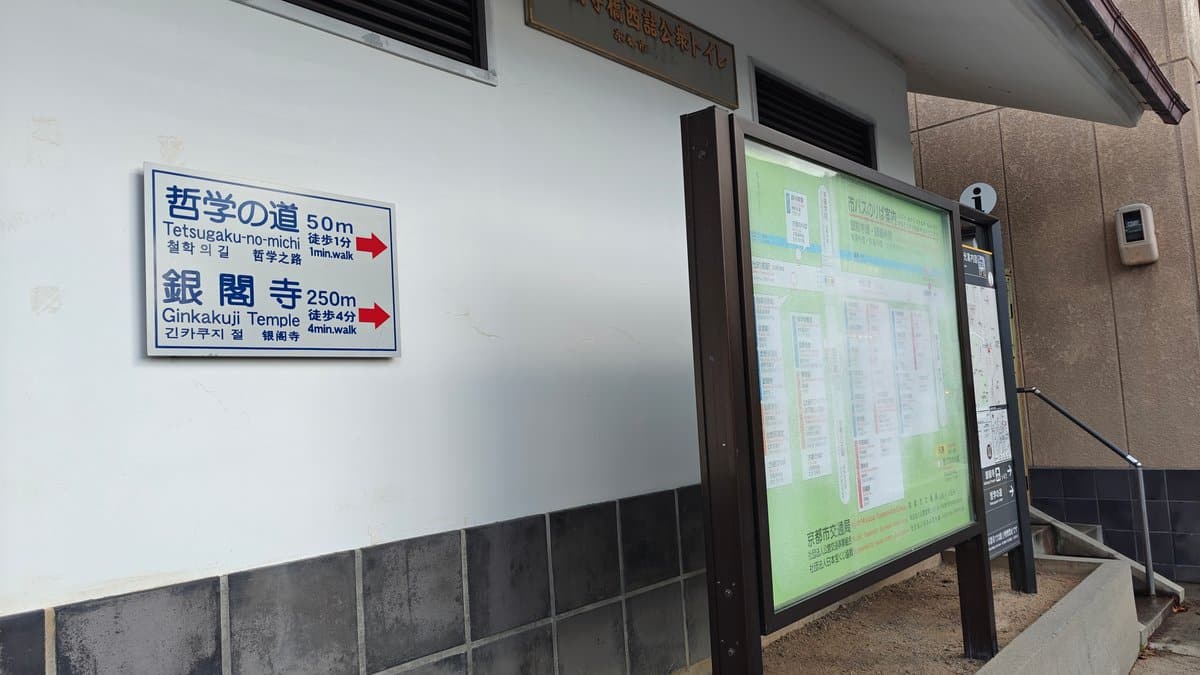
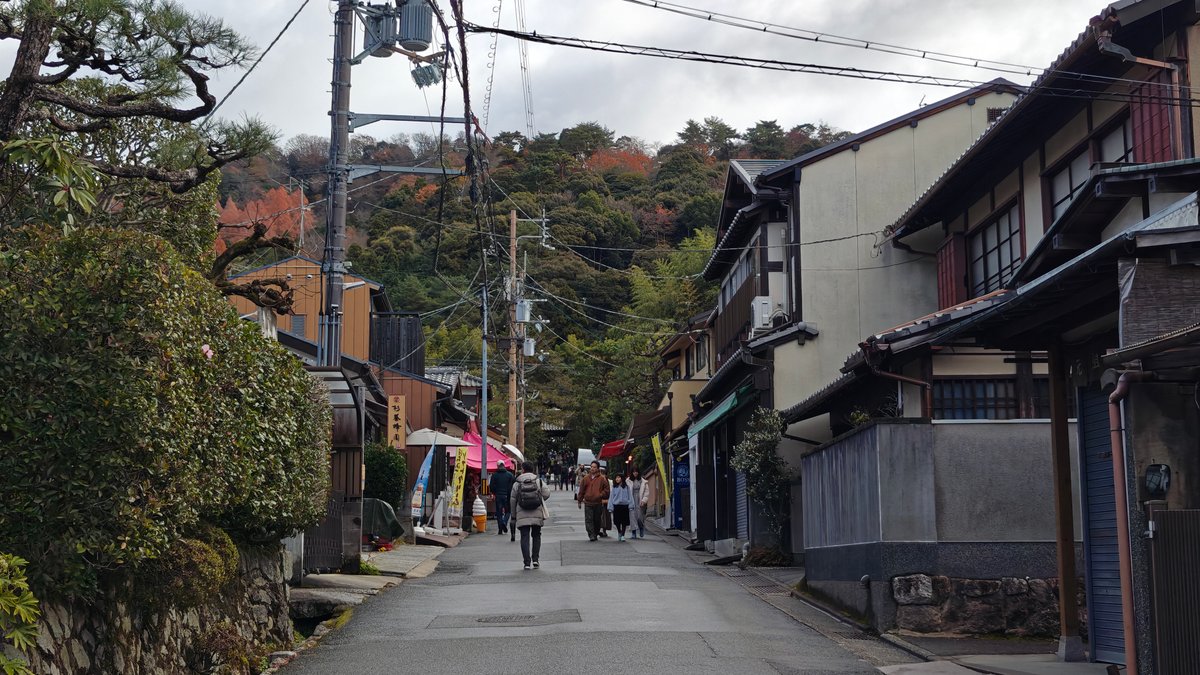
From there, it was across town to Ginkaku-ji. I walked down a nice tree-lined street full of little shops that led to the entrance.
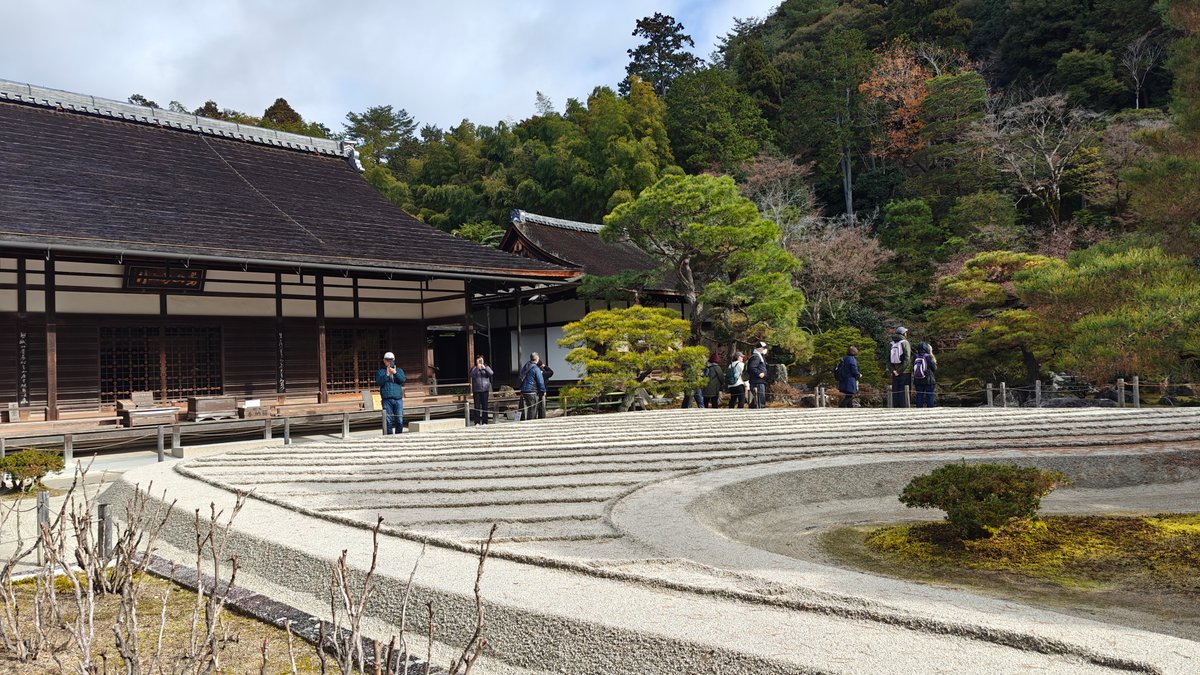
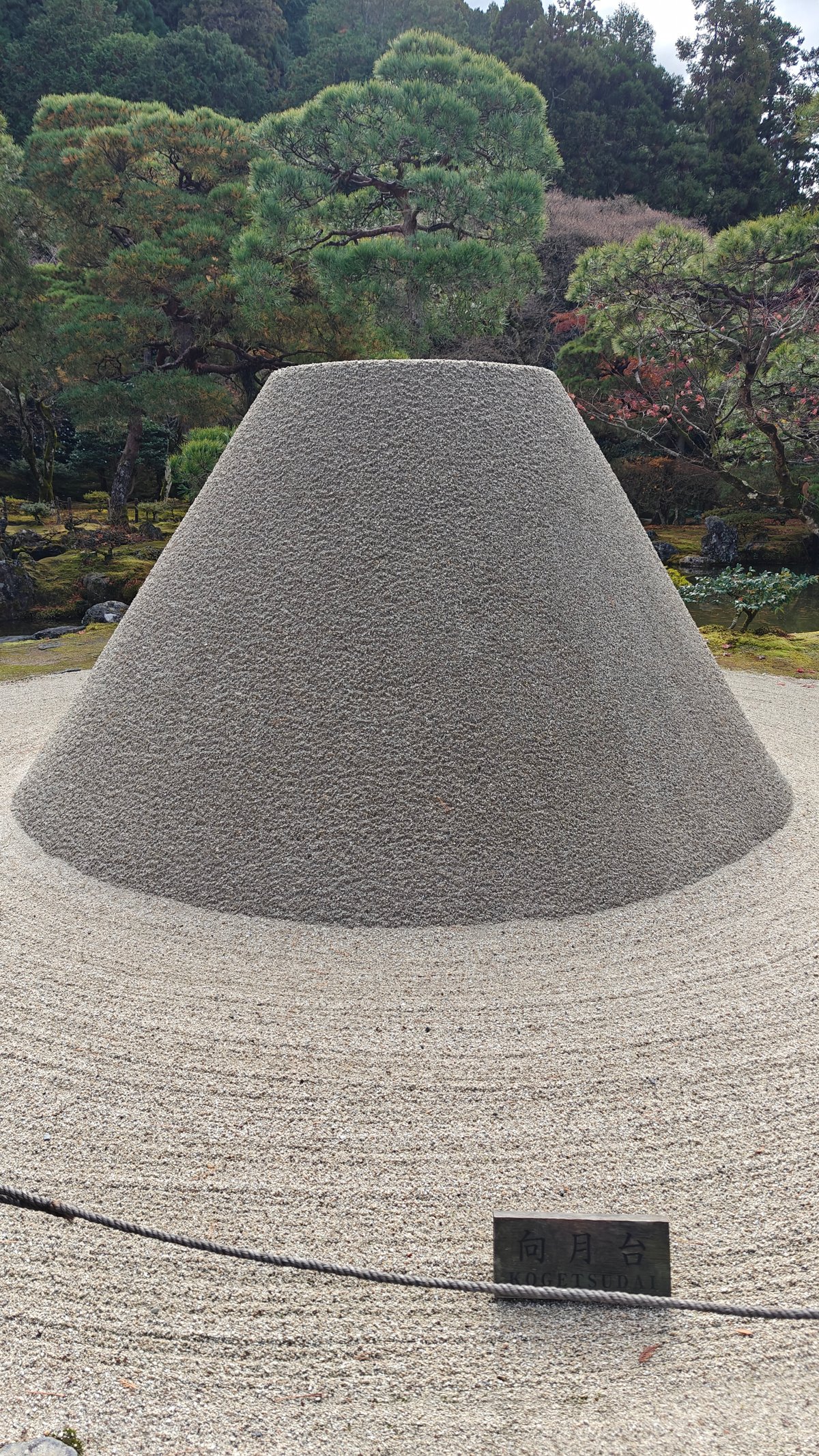
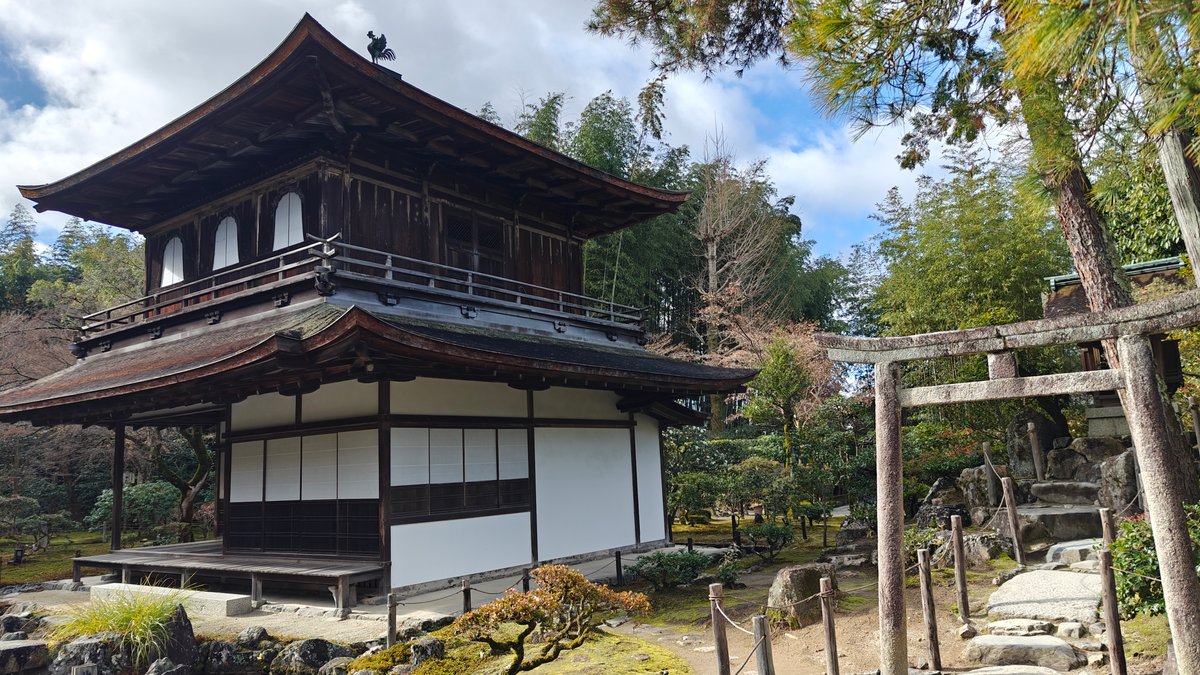
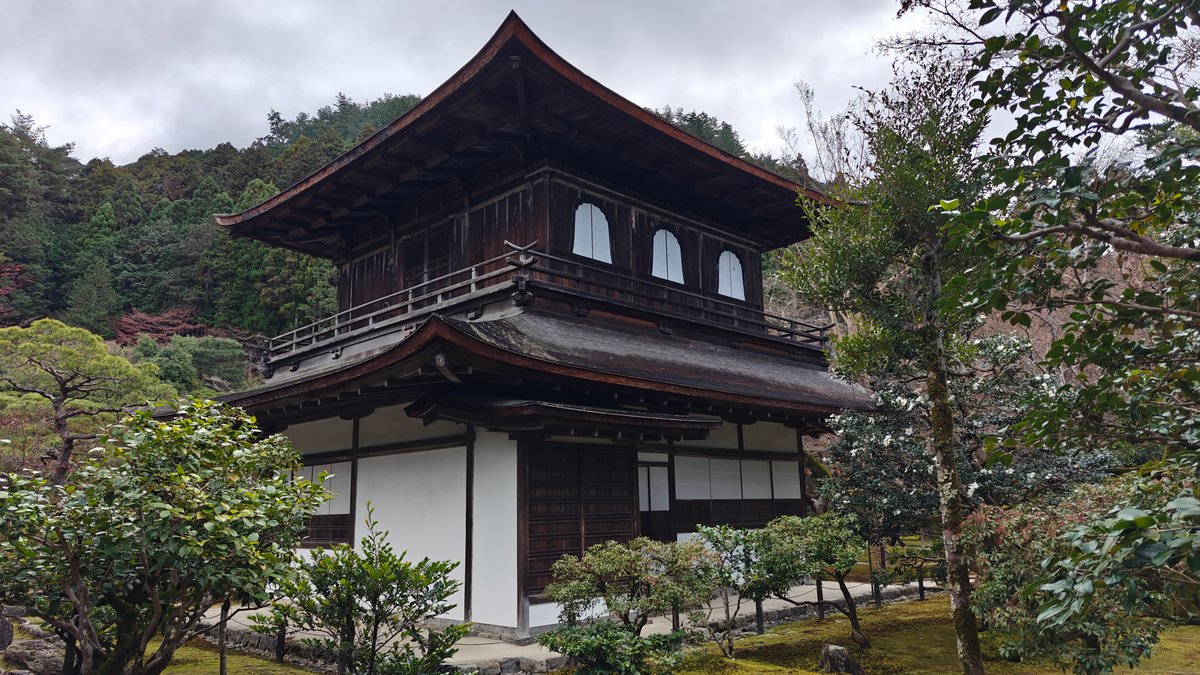
Then, I reached temple. If visiting both at once interests you, the signs will lead you back to the Philosopher’s Path from here as well. I actualy liked Ginkaku-ji better because it’s so much quieter in tone than Kinkaku-ji.
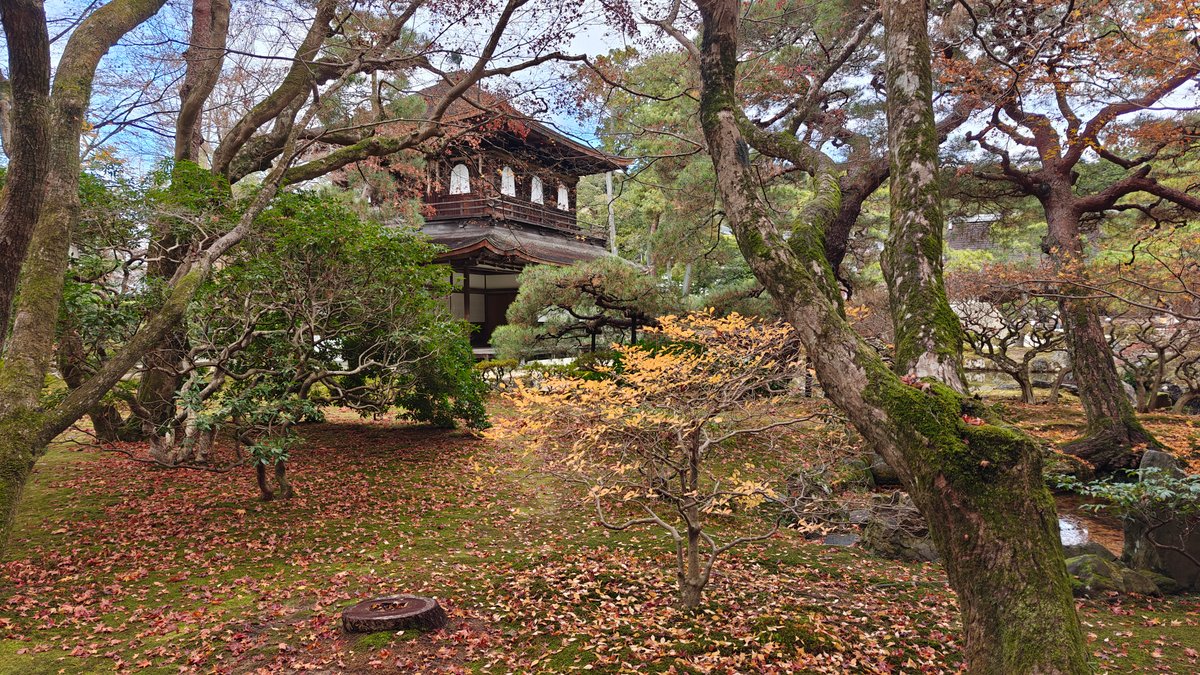
As its name says, there’s nothing silver about the Silver Pavilion here, it’s all about garden surrounding it that makes this place. There’s an immense sand cone in the courtyard that gets raked into perfect shape, and I saw one of the groundkeepers working on it as I stood there. Old trees and moss surround the pavilion, which rest low and simple over a pond.
Upstairs, I took the path through the hillside garden and stopped several times to just stare back down at the pavilion. Even though there were people visiting, the entire space was calm and not rushed at all.
Kiyomizu-dera
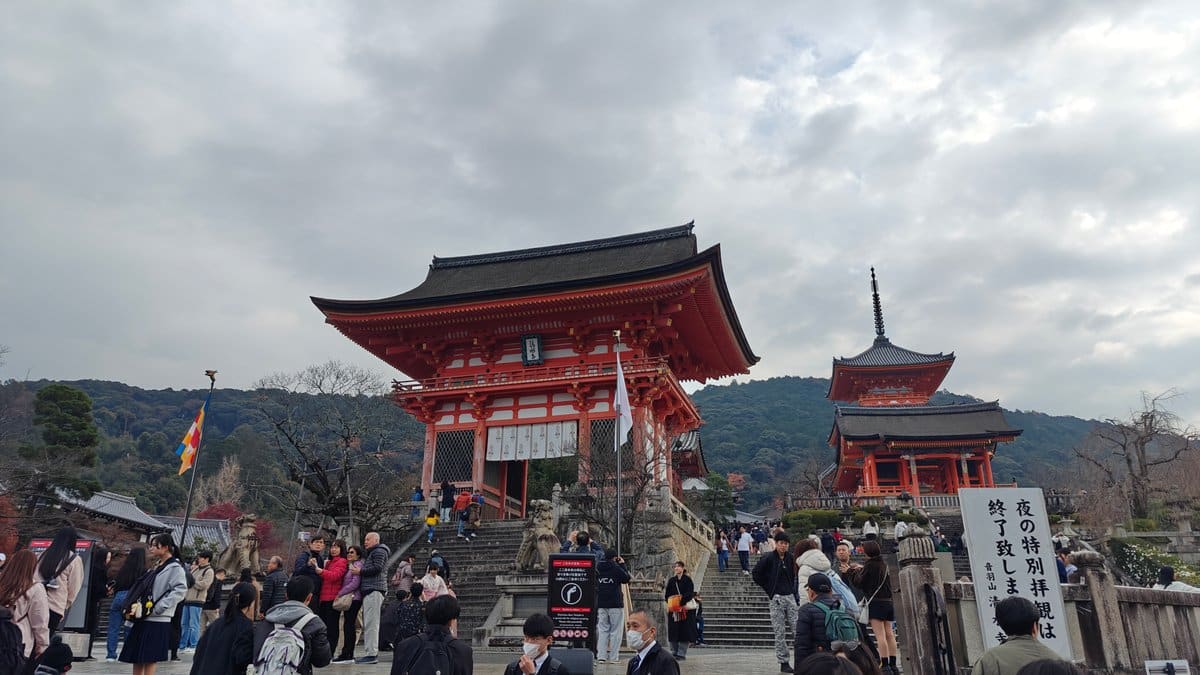
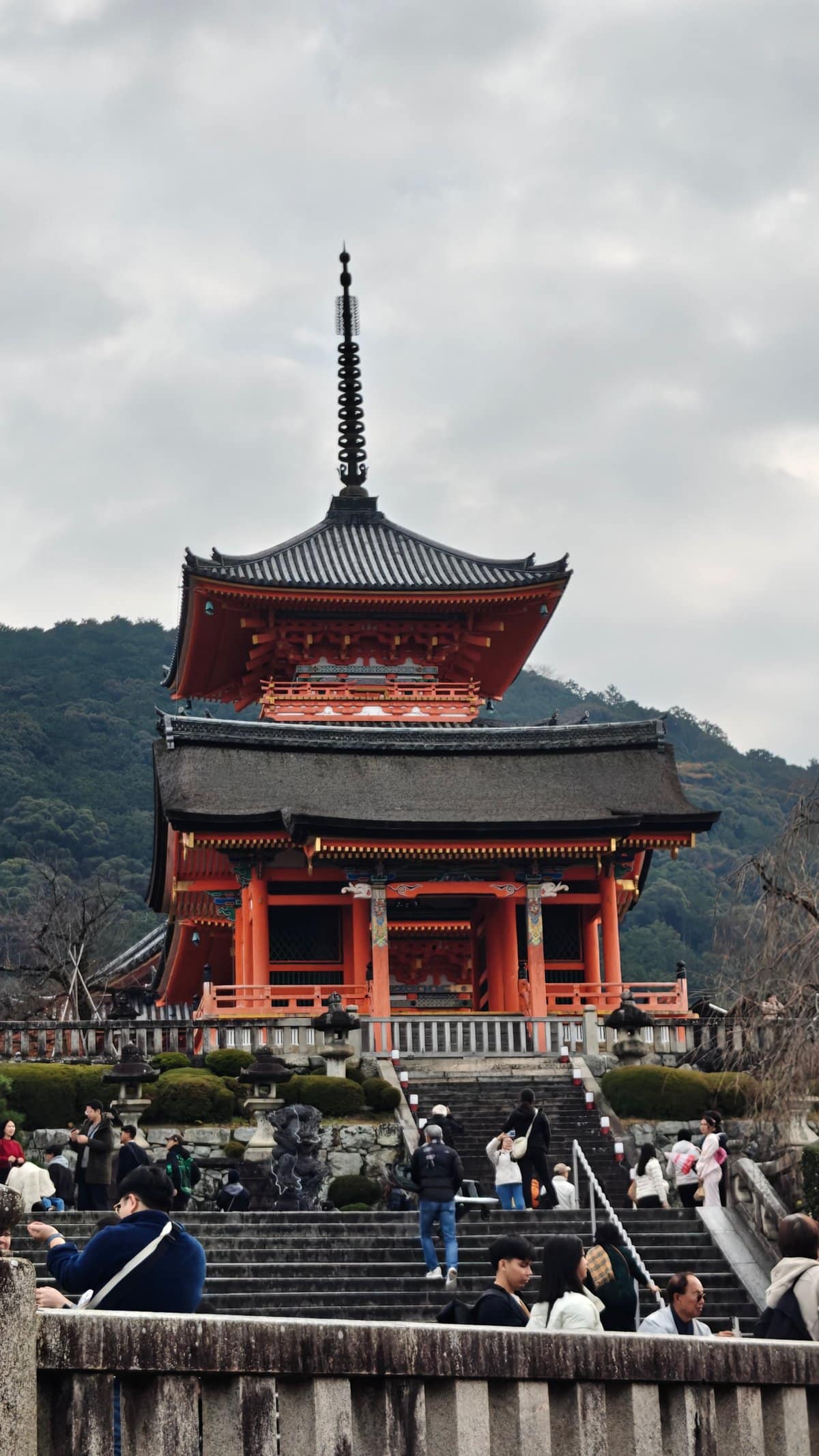
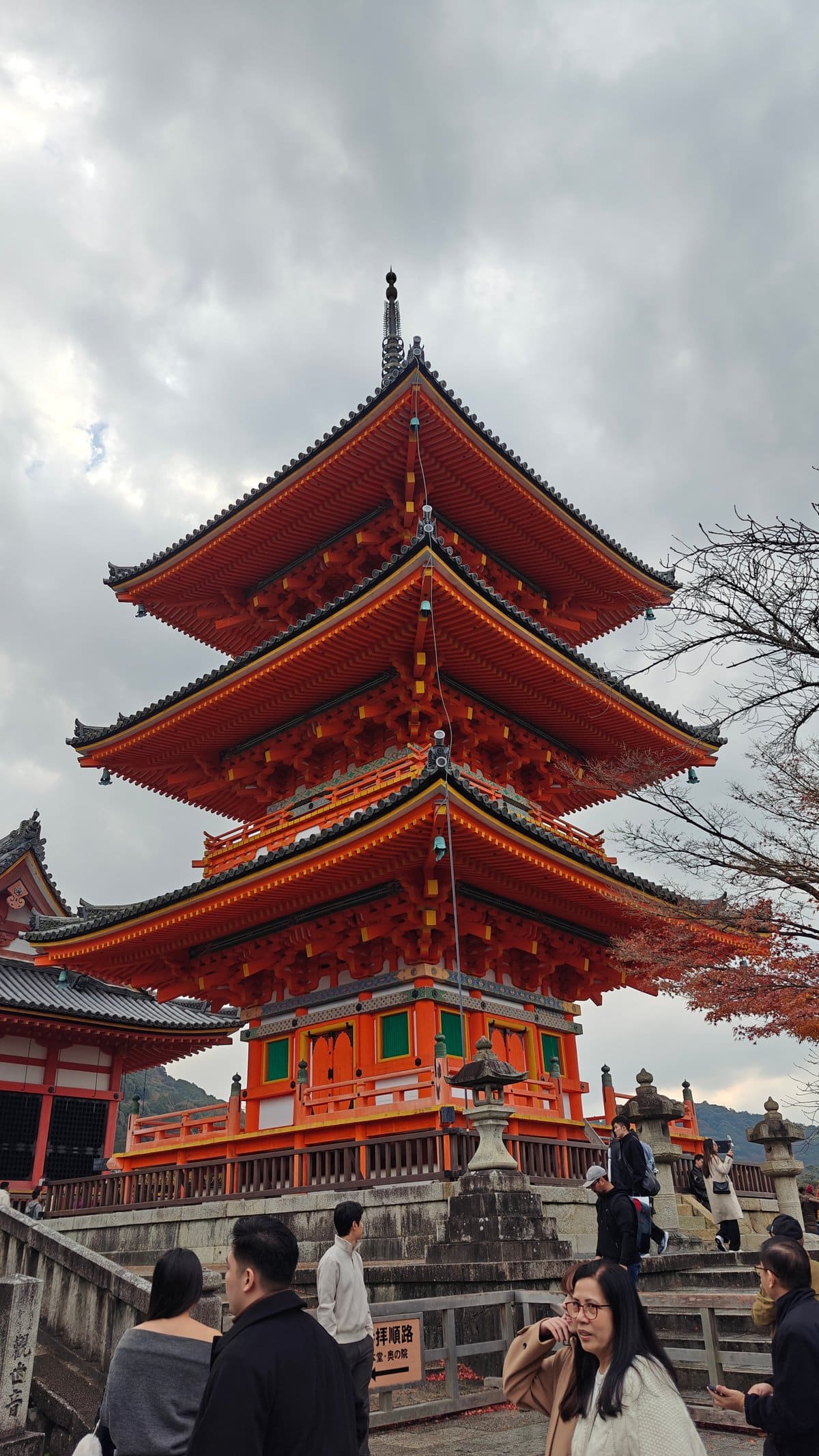
To get to Kiyomizu-dera, you walk along a street of small houses with narrow alleyways. You then go up onto a hillside where this temple is perched. As you climb the stairs, the pagoda rise up before you, looking pretty cool in the wintry skies.
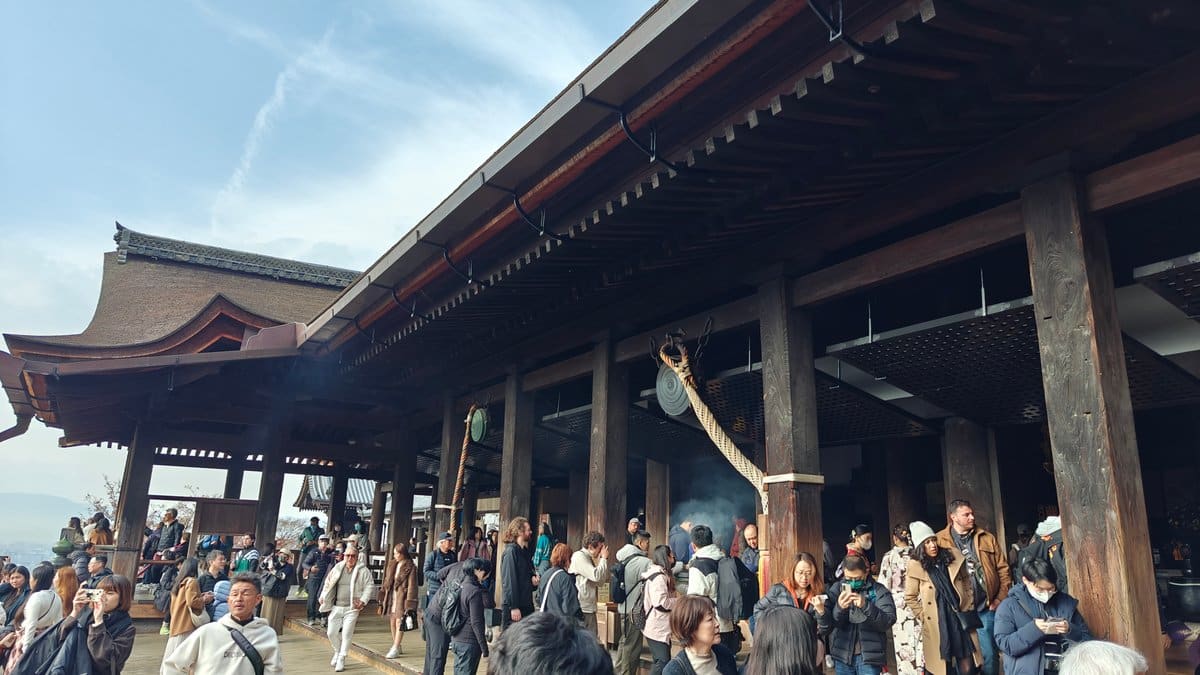

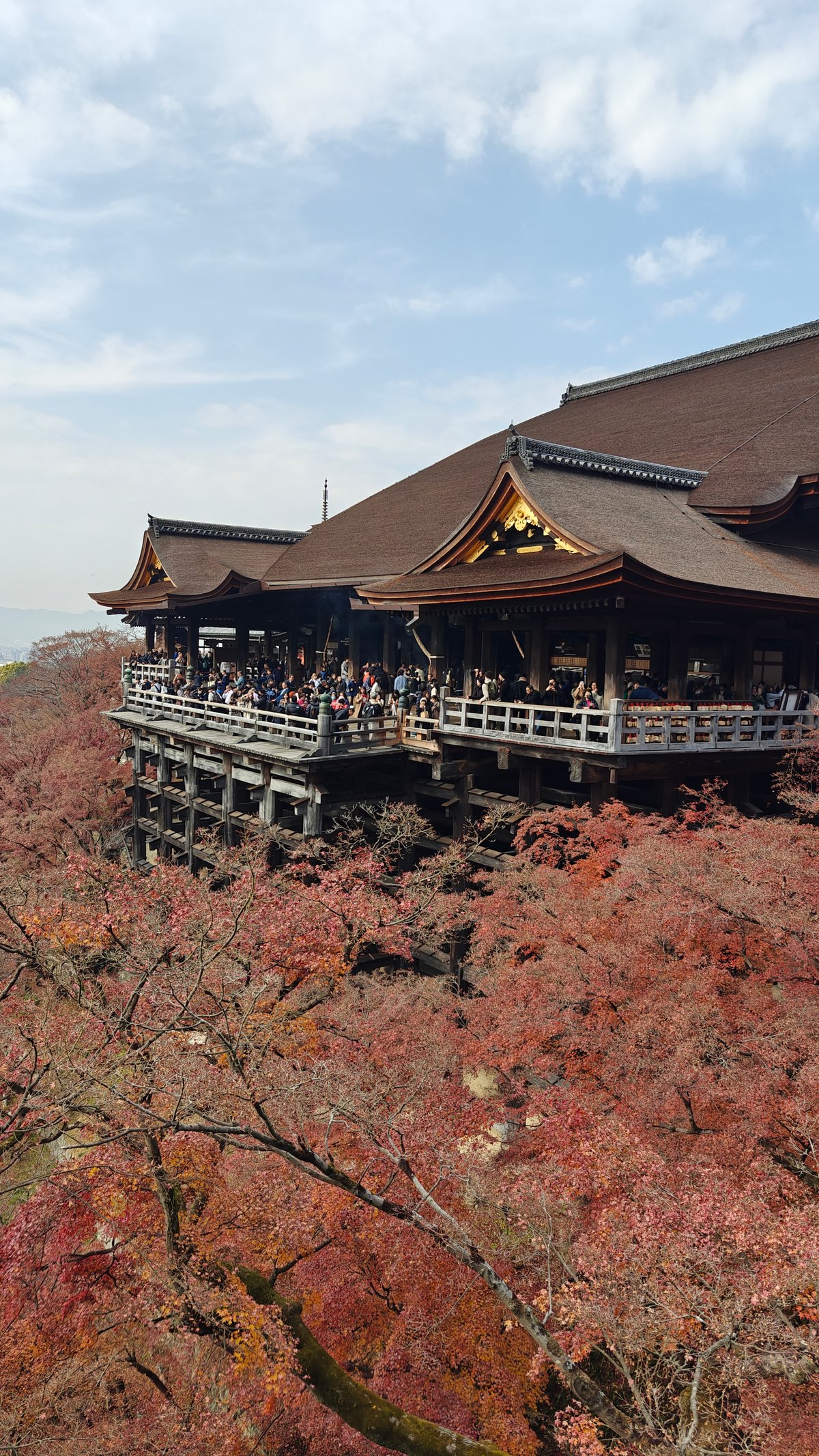
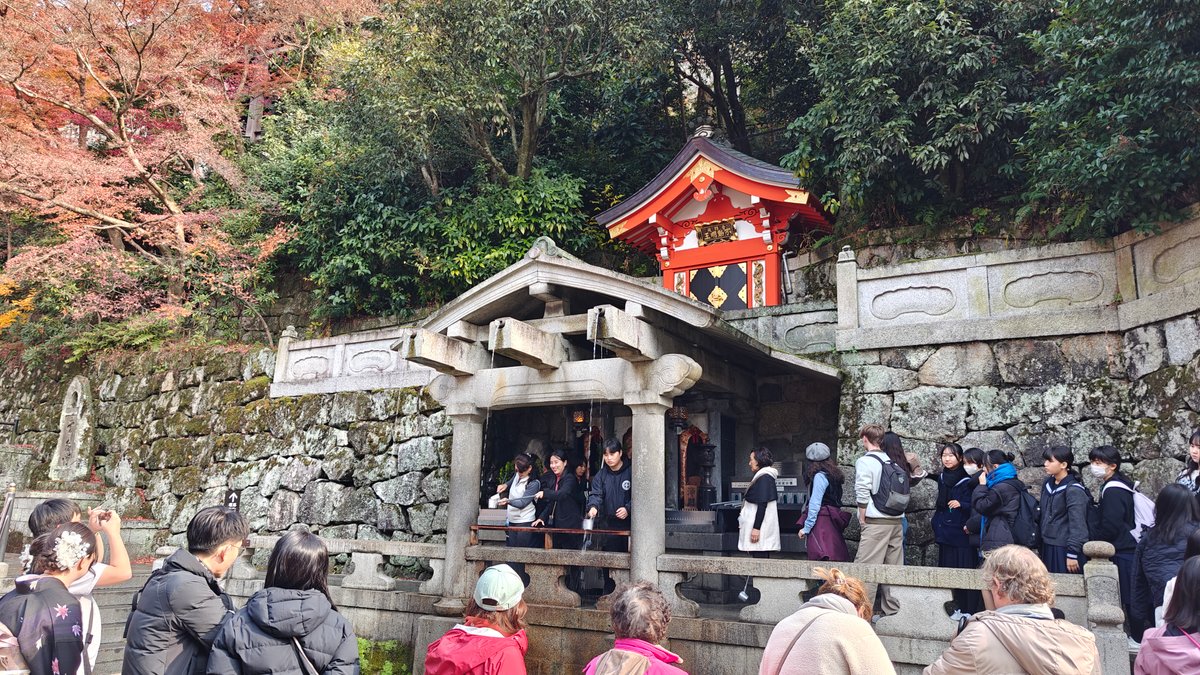
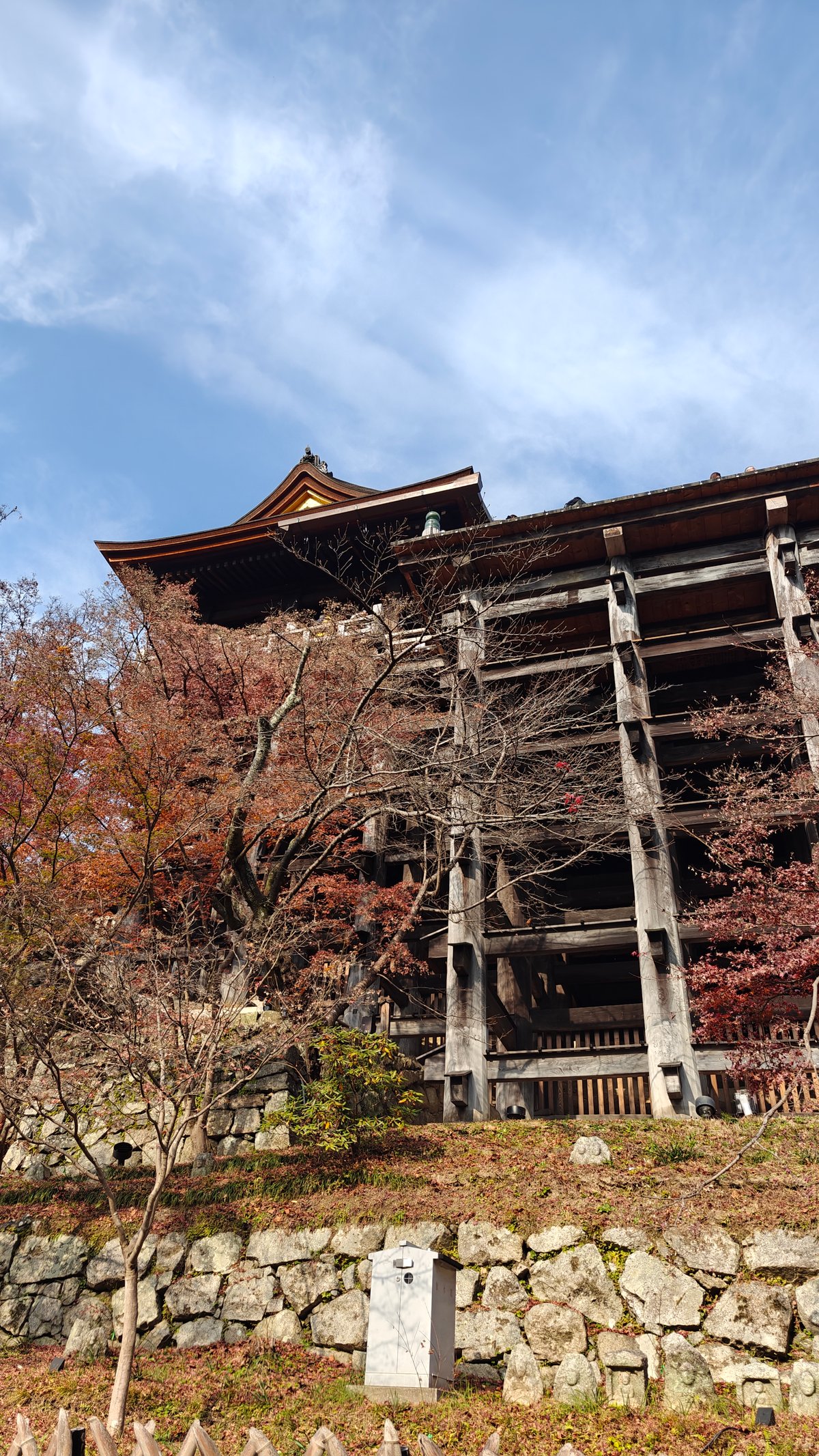
I stood for quite some time marveling at the massive wooden columns that hold up the famed stage, which projects outward from the hillside. From down below when you walk beneath it, you get a sense of the incredible amount of engineering required to construct this all those centuries ago with not a single nail. After that, I visited the Otowa waterfall, where visitors queue up to drink from one of its three waterfalls…
Each said to provide a different type of fortune. If you have the time, plan on spending at least an hour (and more like two) here.
Nanzen-ji Temple
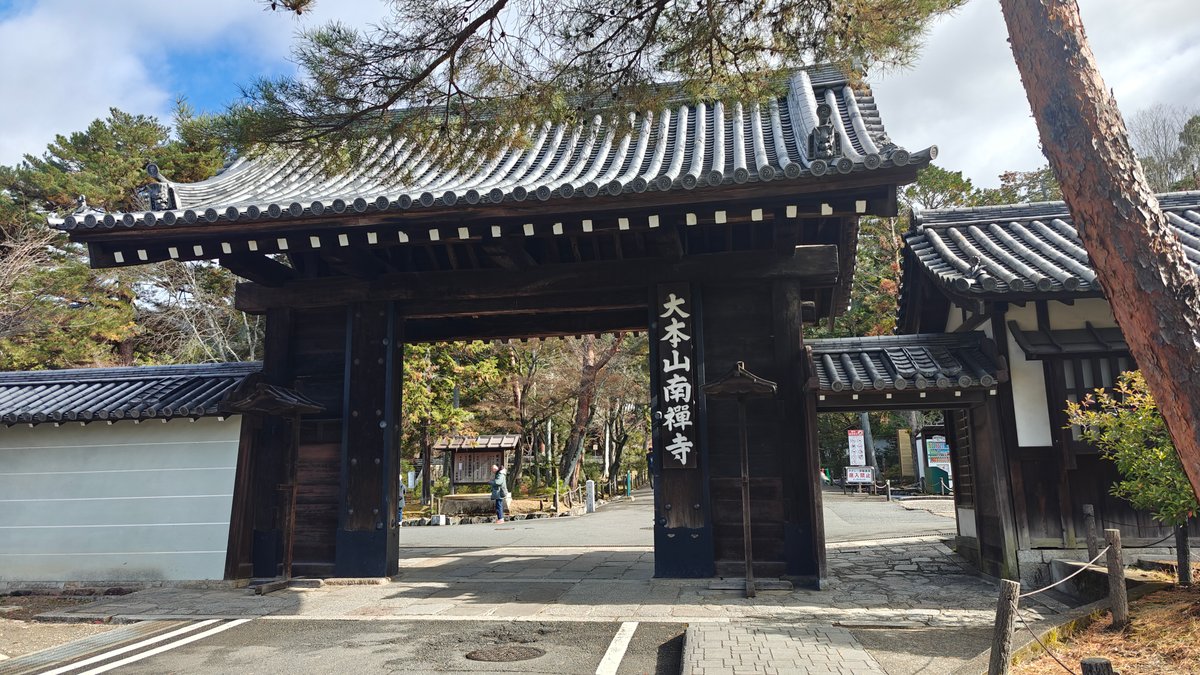
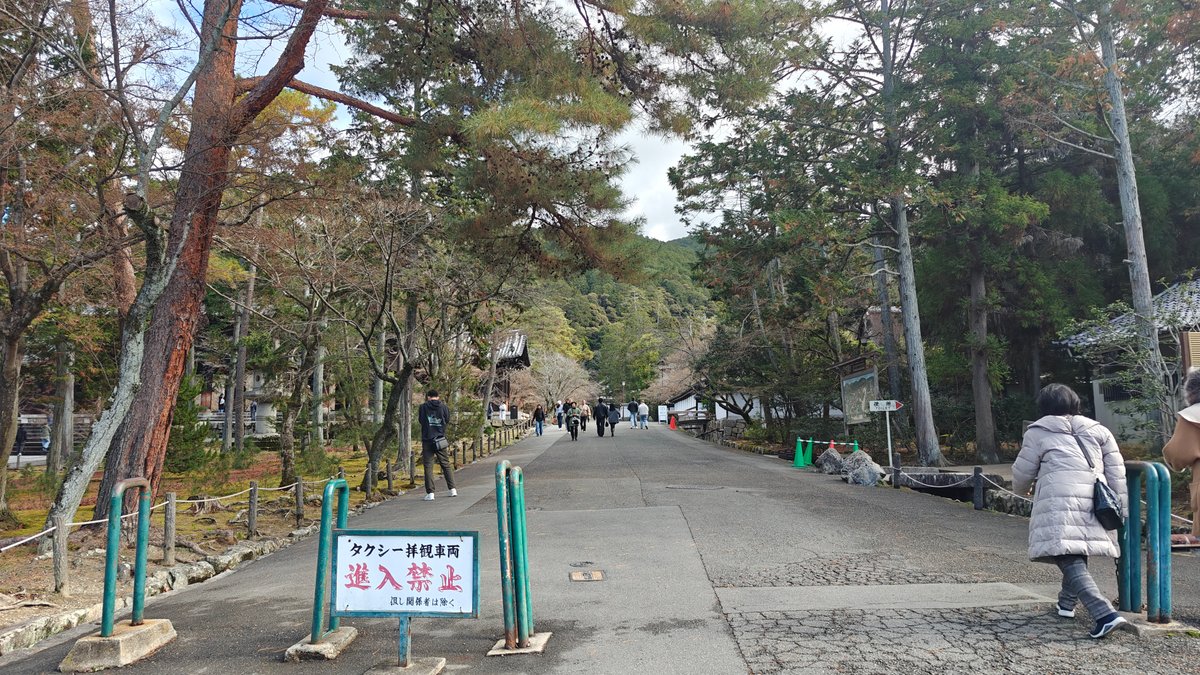
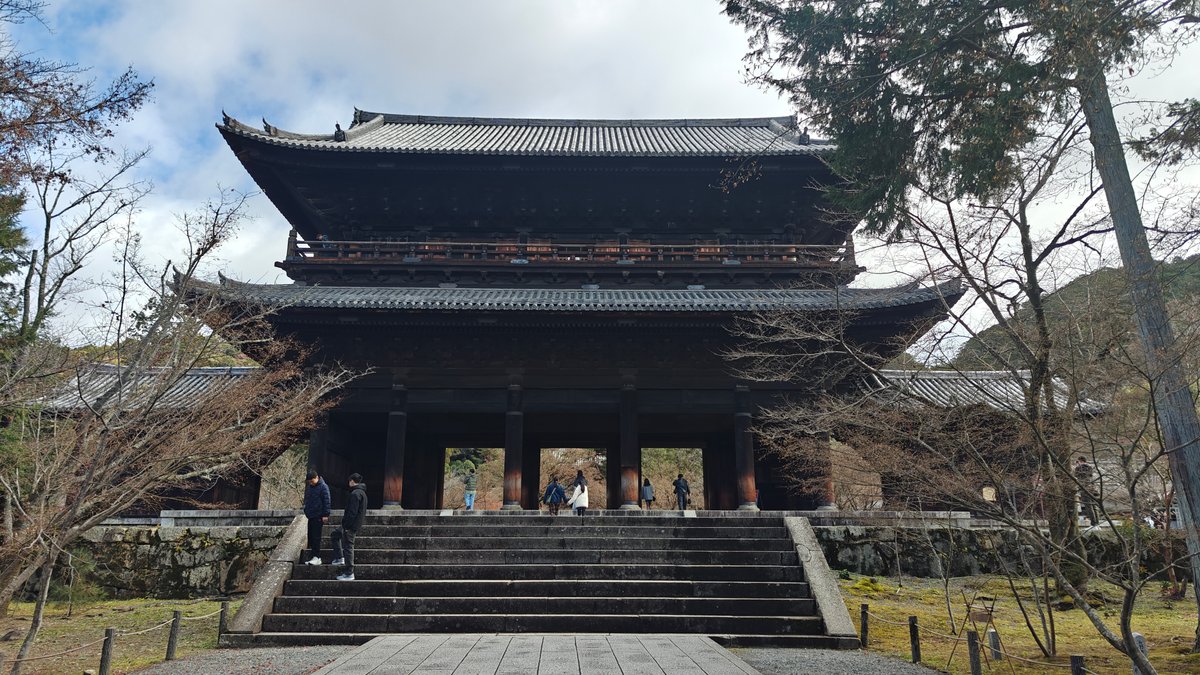
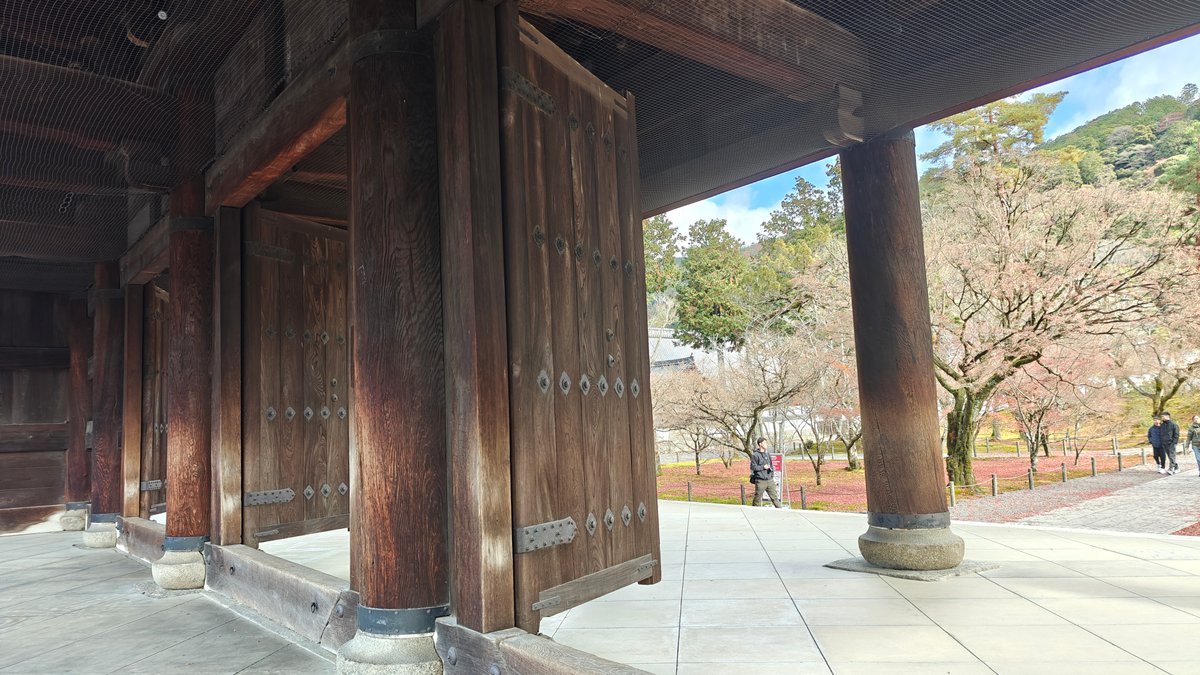
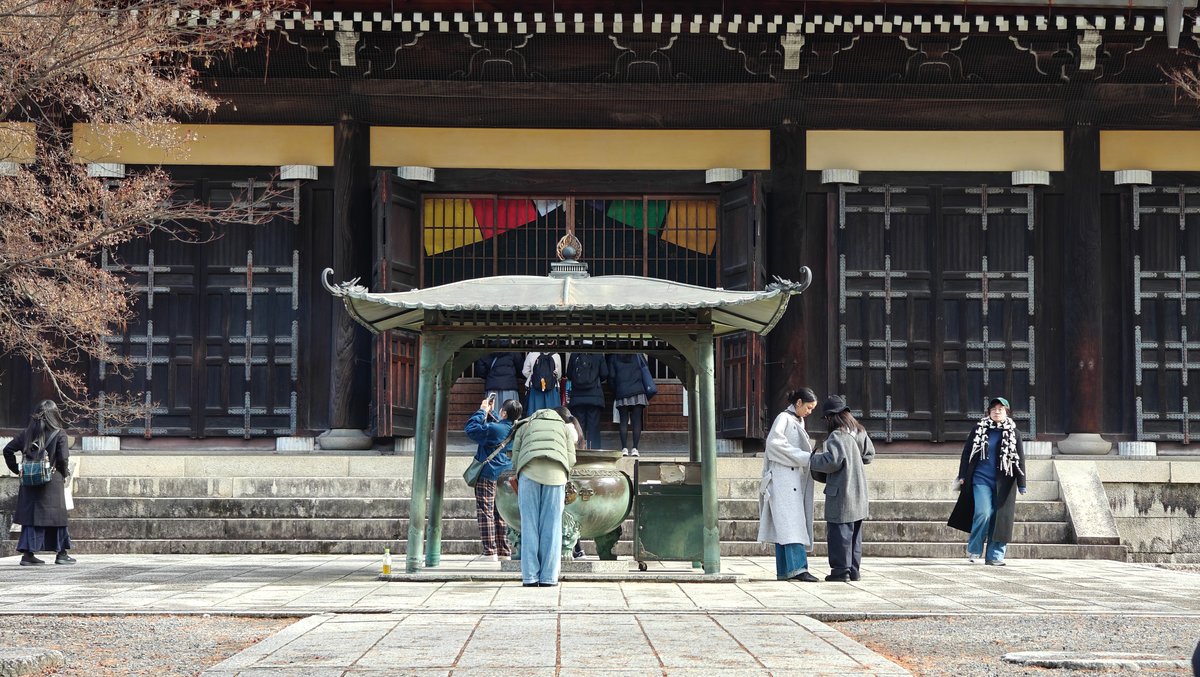
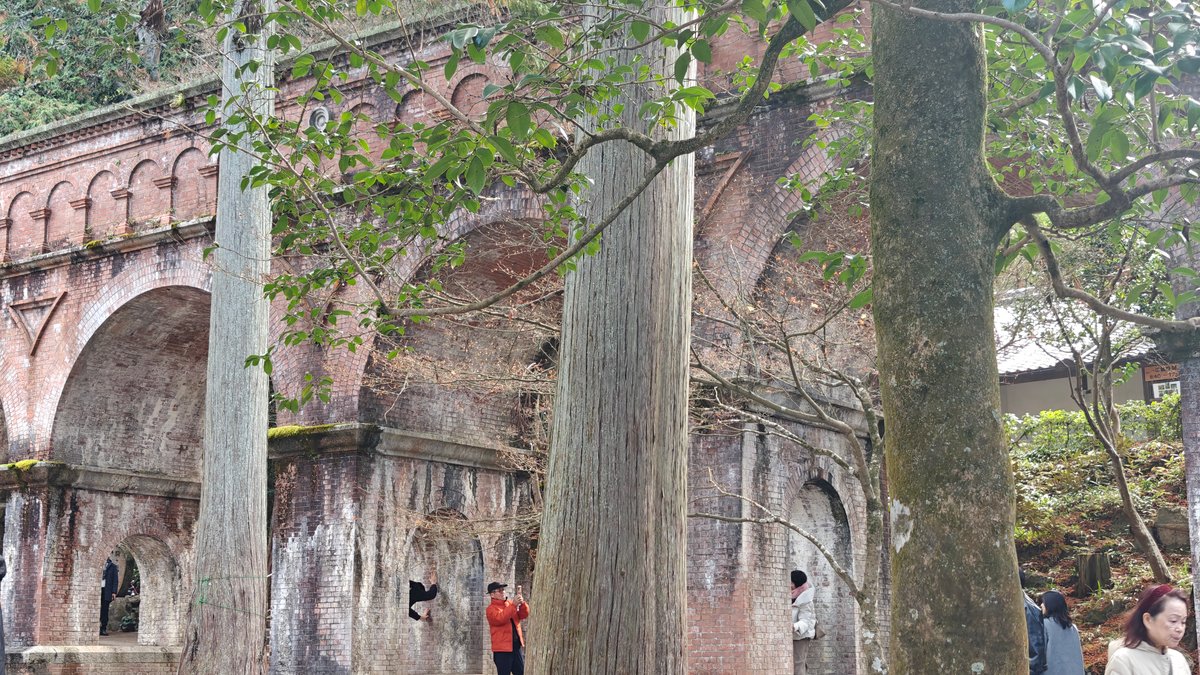
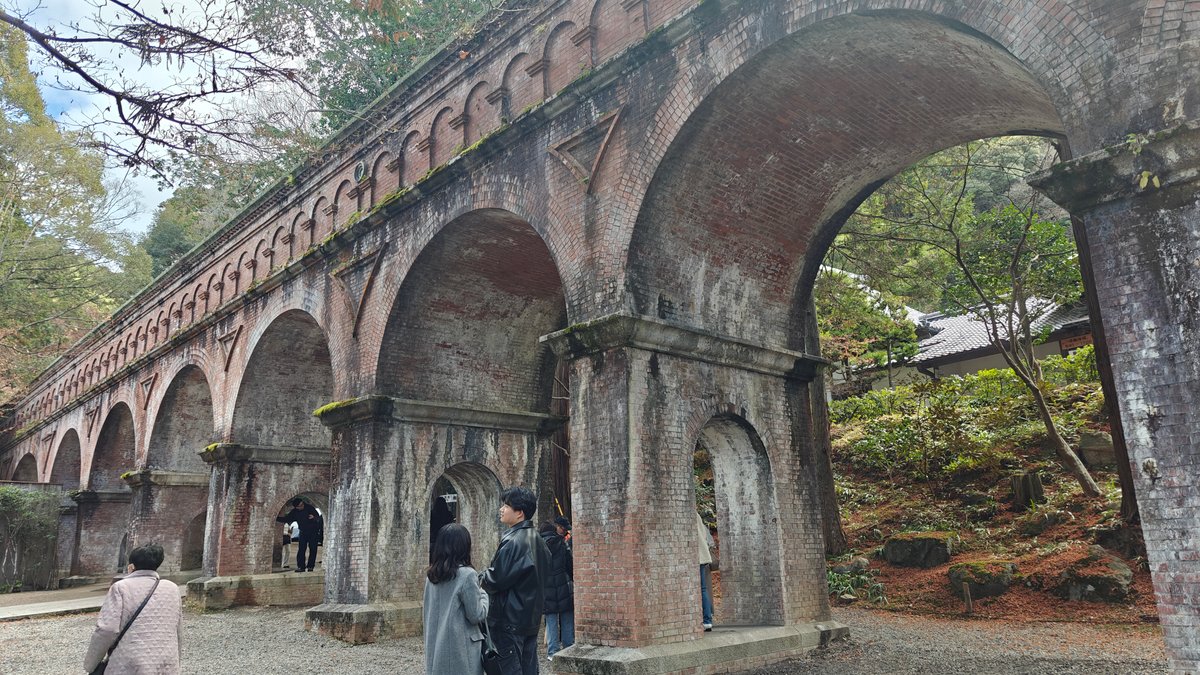
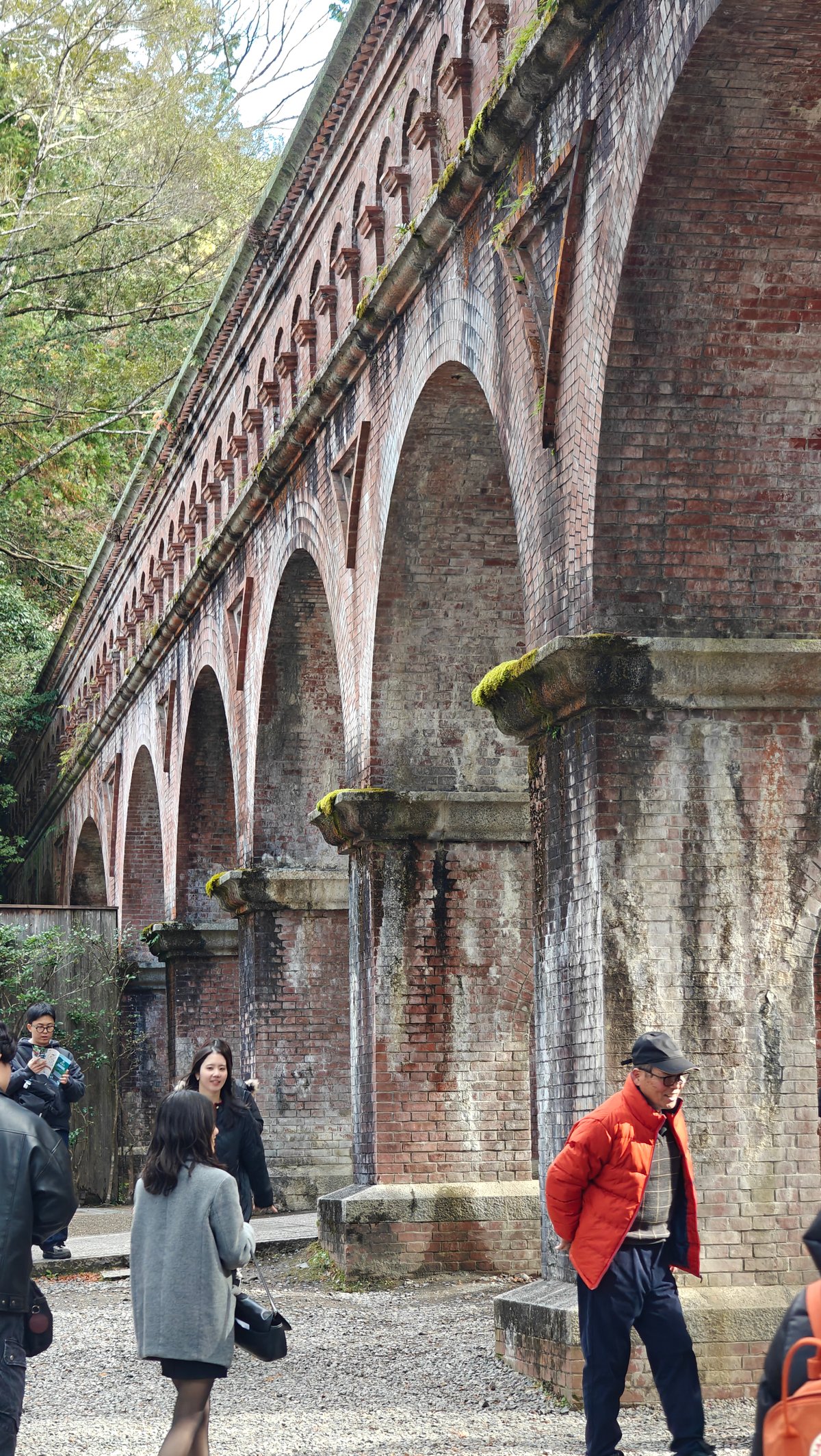
It’s a big place and worth seeing thoroughy. The Sanmon gate at Nanzen-ji is massive, there’s no way of knowing its size until you walk under it, which you should do because then you get to climb it for some views over the grounds. When I was there, the bare trees lined a wide, quiet gravel path leading up to the gate.
Beyond it, the main hall sits in a large courtyard with an incense burner out front where people would stop to pray. The thing that really impressed me about here, though, was what they had hidden around the back: an aqueduct! It was a line of brick arches that were entirely out of place in a temple, though I guess it was built during the Meiji period to bring water into the city.
I walked through it and followed along it a bit and, while the contrast between the traditional wooden buildings and this structure is a little strange, it ended up being a welcome diversion.
Tenryū-ji Temple
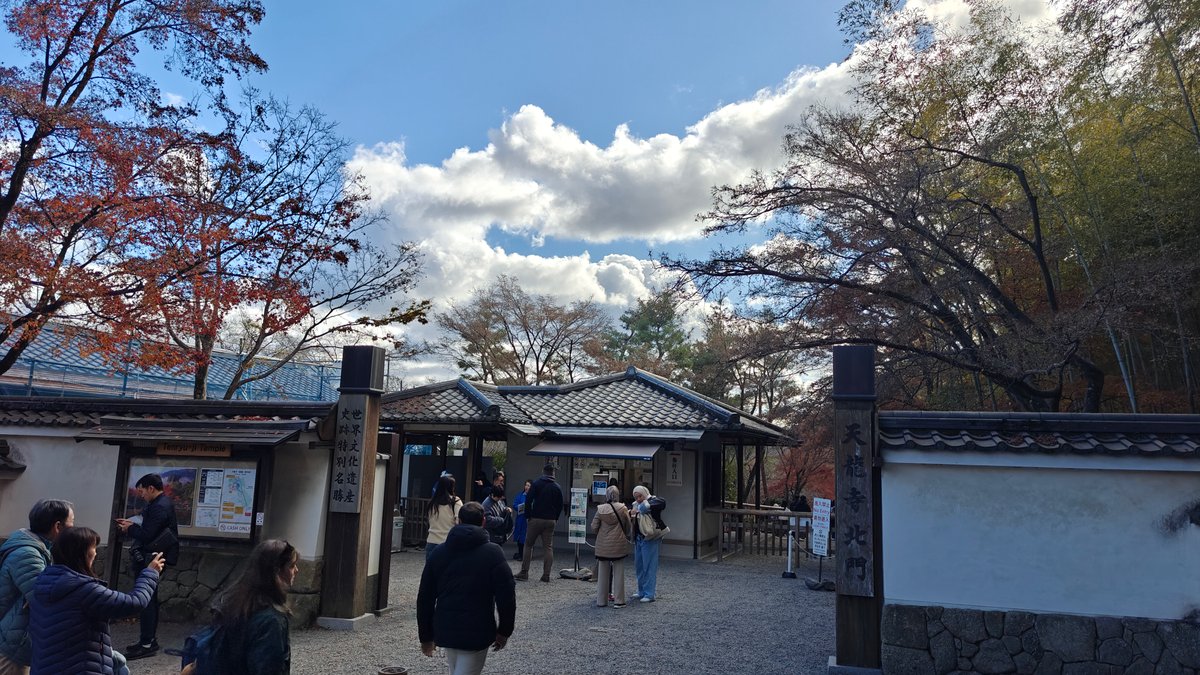
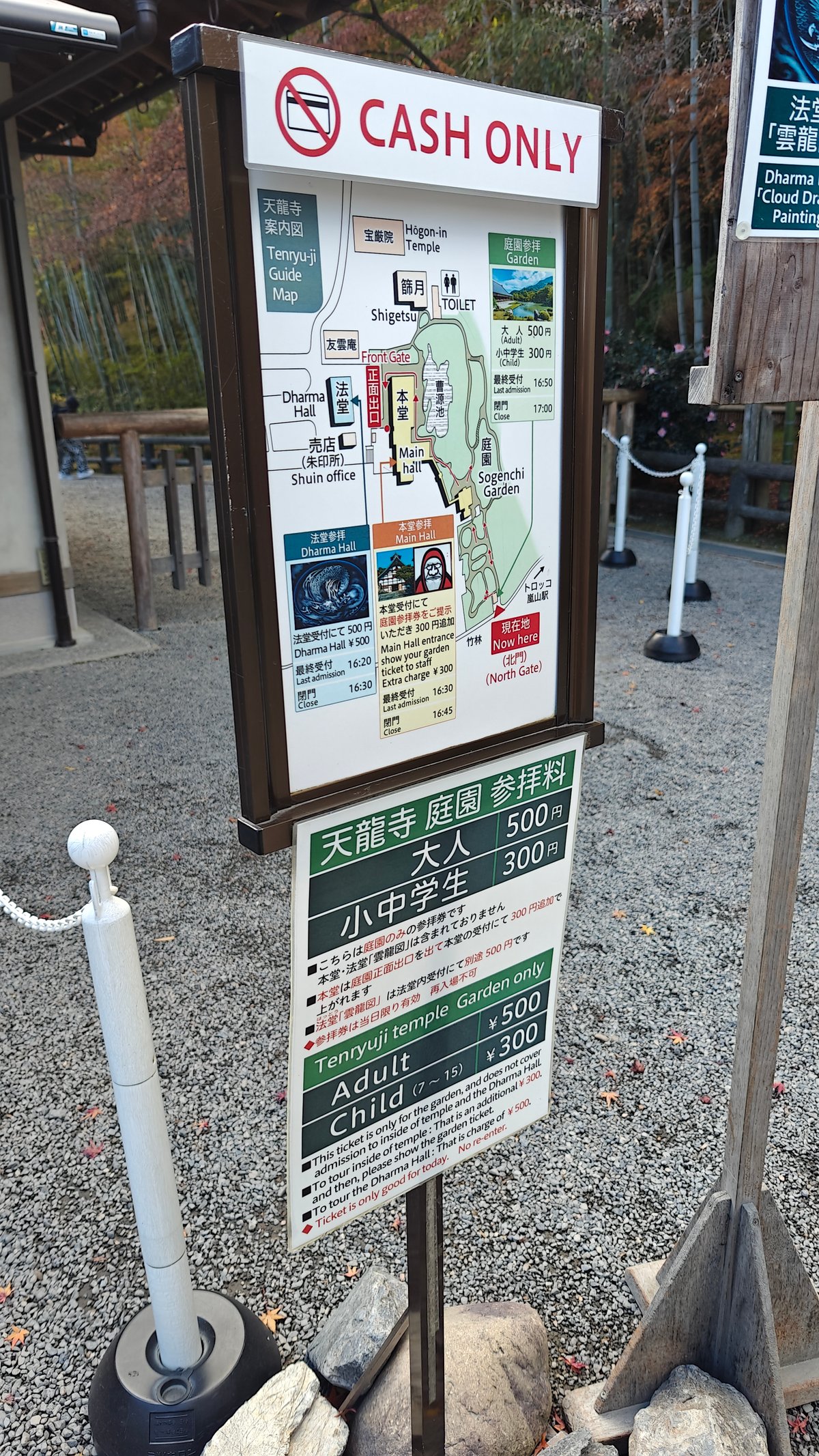
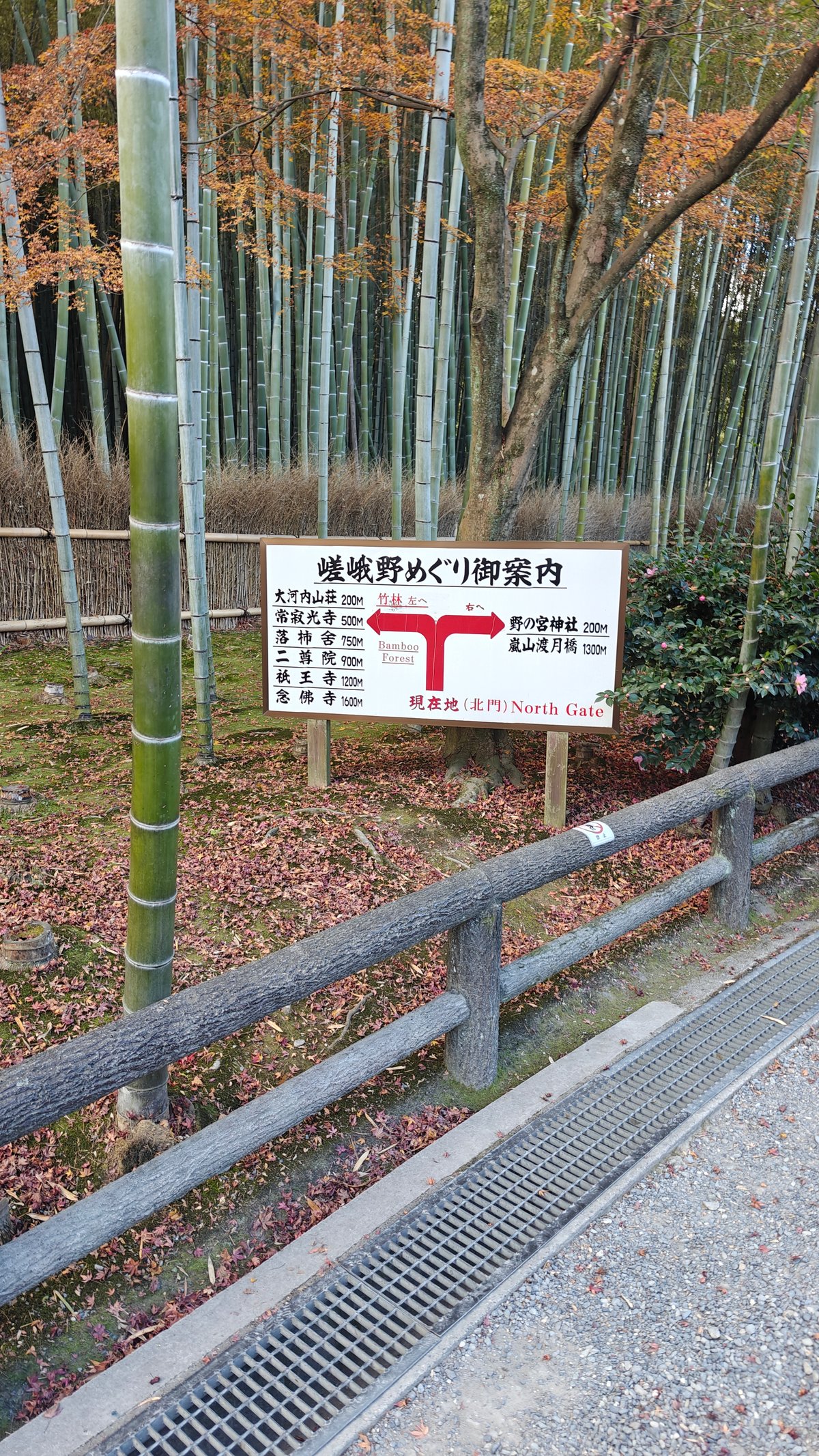
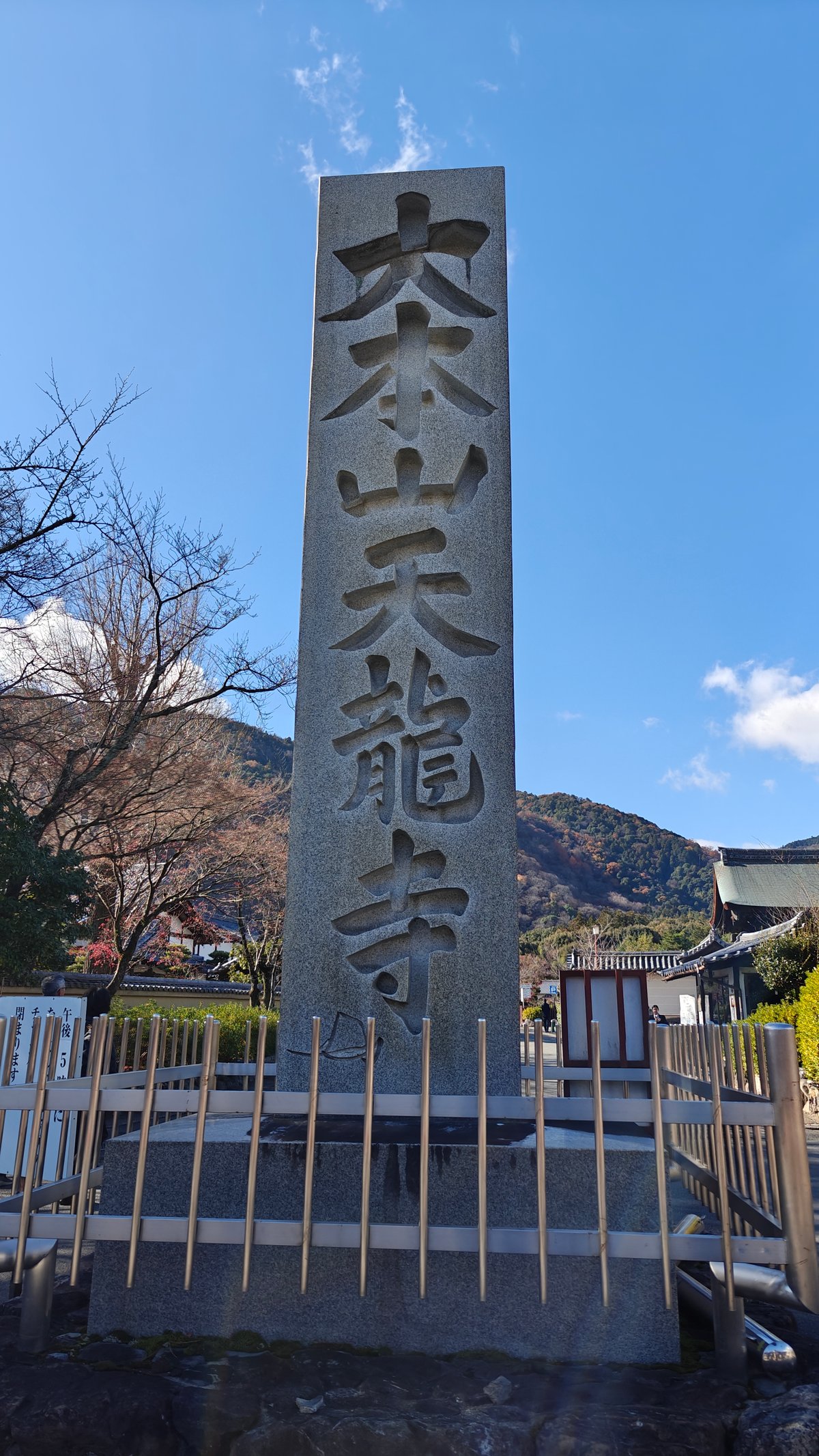
Another thing: Tenryū-ji (out in Arashiyama) has a very clear sign at the entrance telling you that their admission for the garden is cash only. No problem; I had plenty of yen. If you plan on exploring around the Sagano area after, there’s a map board near the ticket area that shows all the sights.
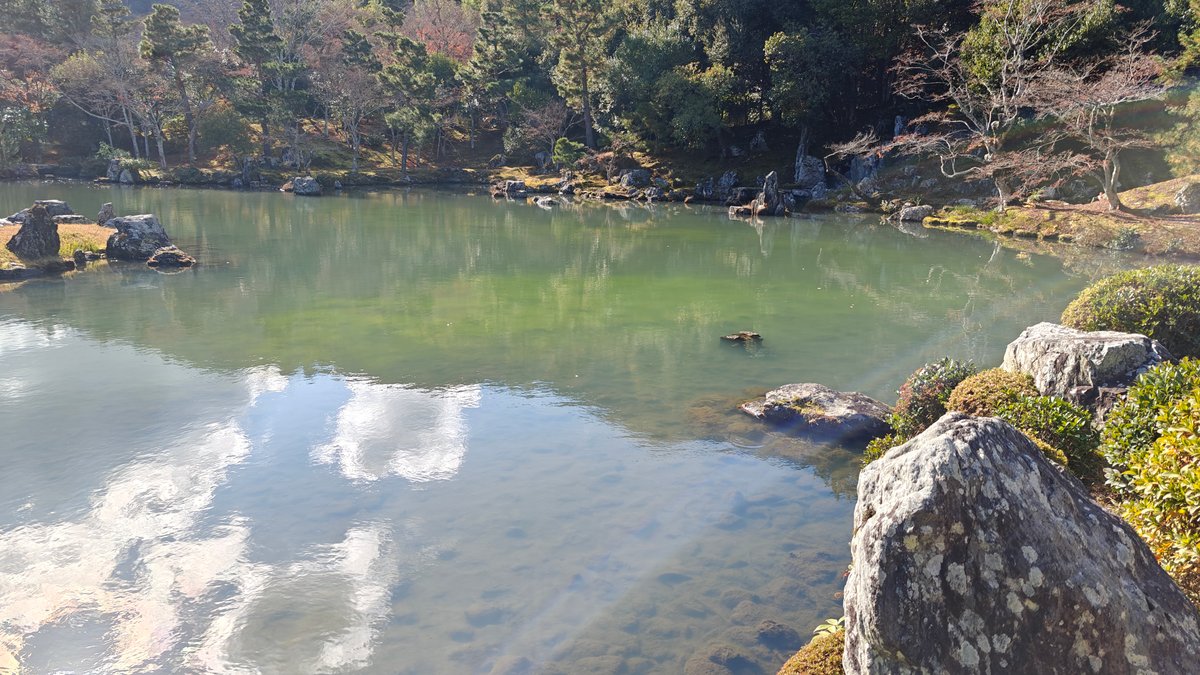
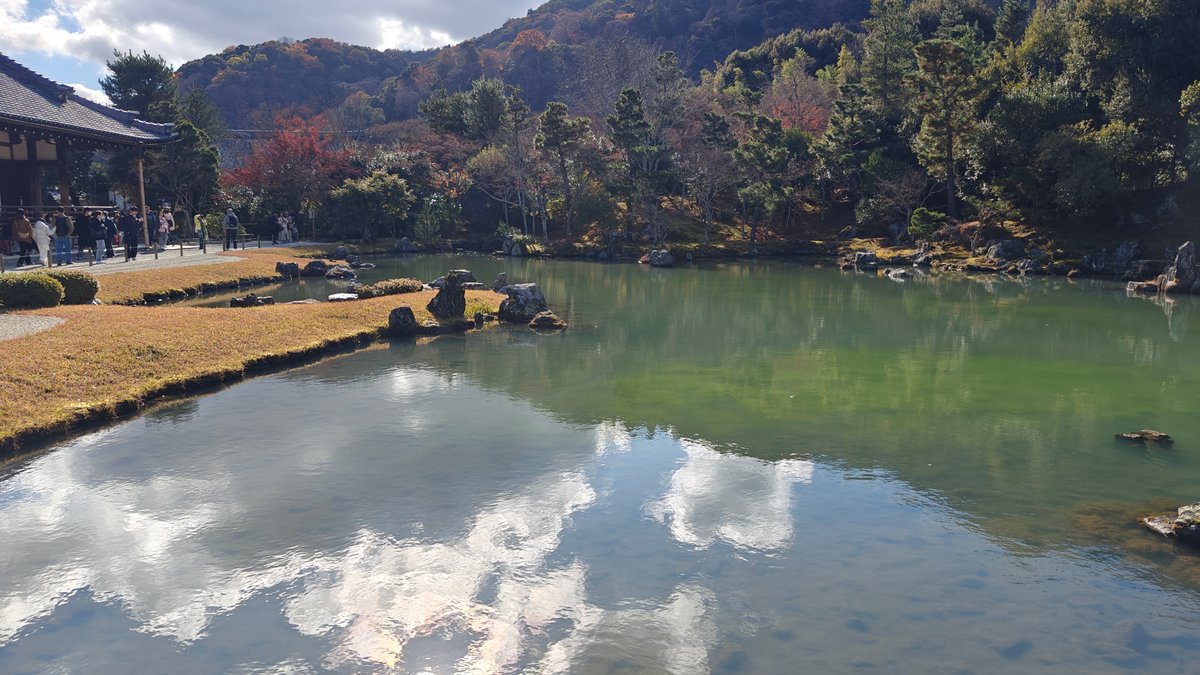
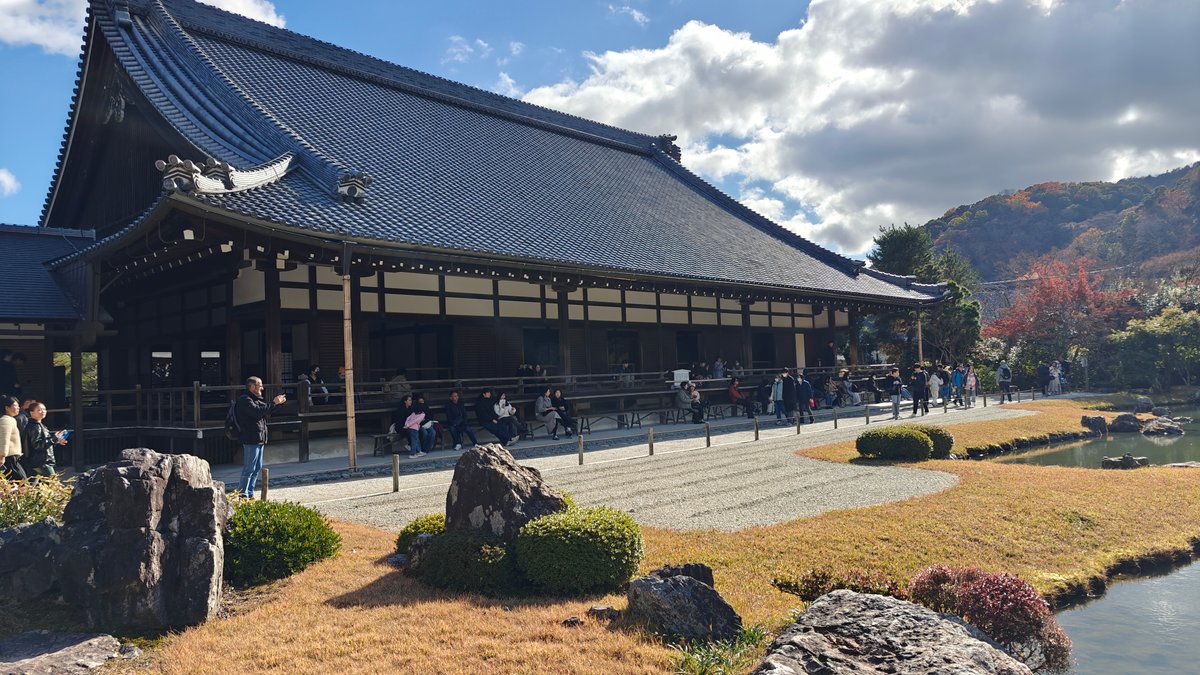
Of all the gardens I saw on the entire trip, I think my favorite was the pond garden here. I spent some time sitting on the wooden veranda, which was designed to be seen from the main hall, staring out into the water and watching the mountains reflecting off of it. There’s something natural about the garden, unforced, with islands and rocks placed just so, without being fussy about it.
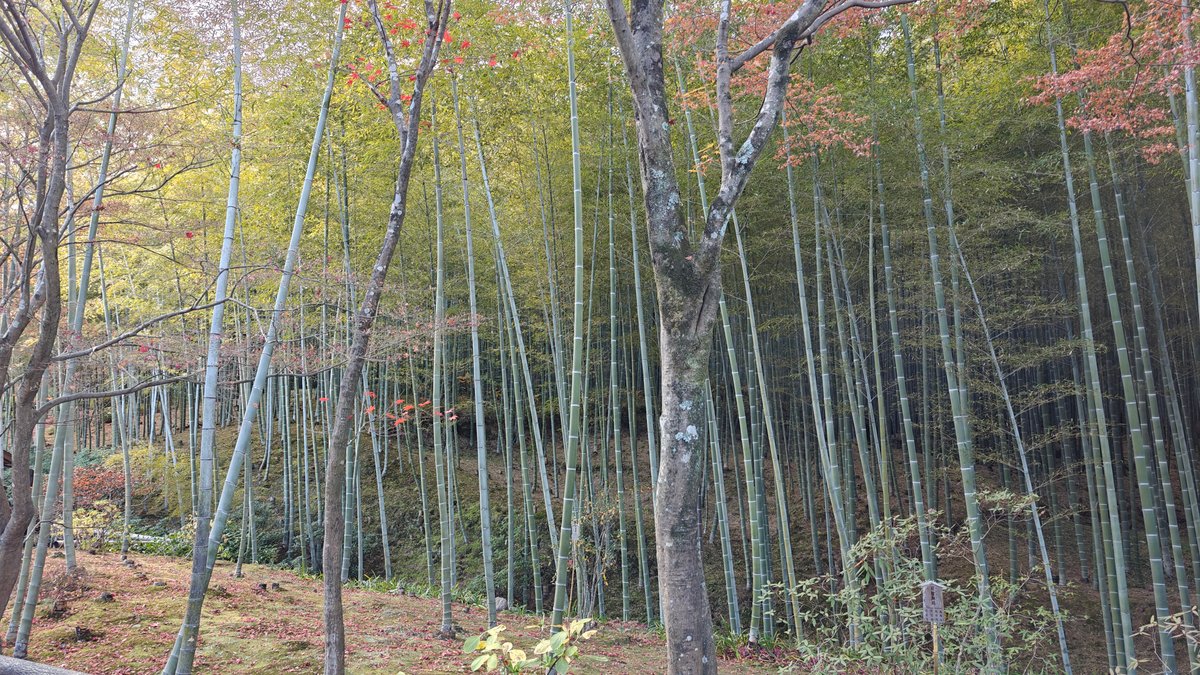
And then there’s the little bamboo grove in back of the temple. It is a nice bonus to have, as it’s a lot more quiet than the well-known one nearby. I’m glad I paid the garden fee, it’s big and takes time to see the grounds.
Chion-in Temple
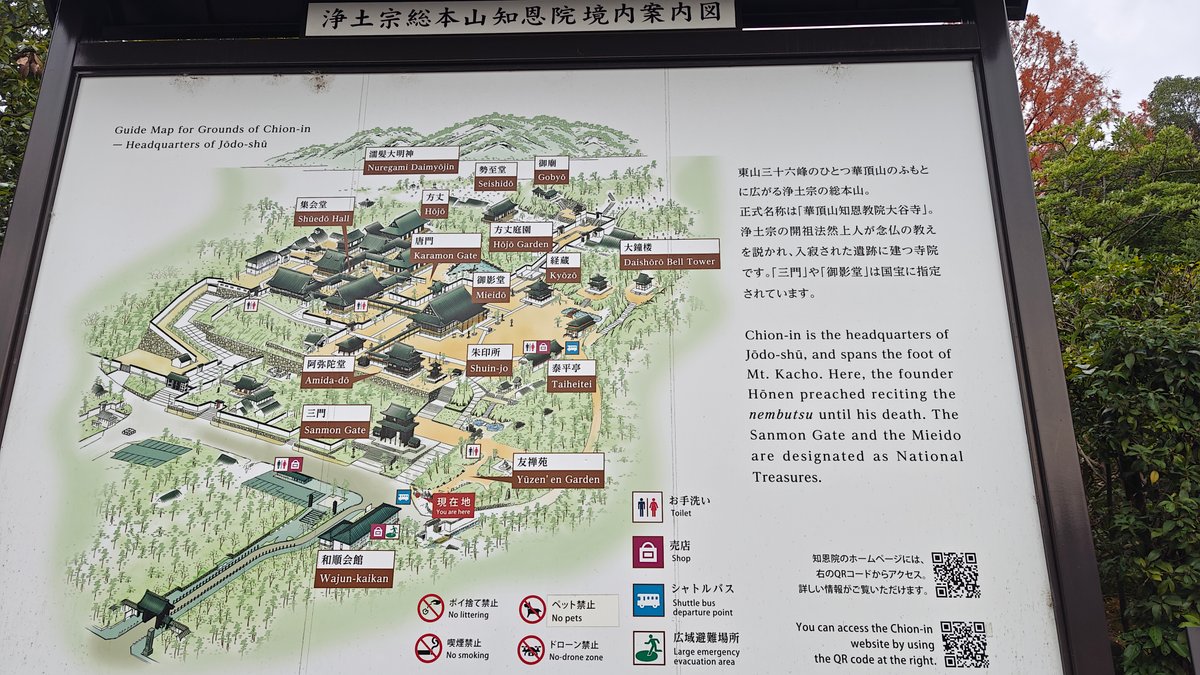
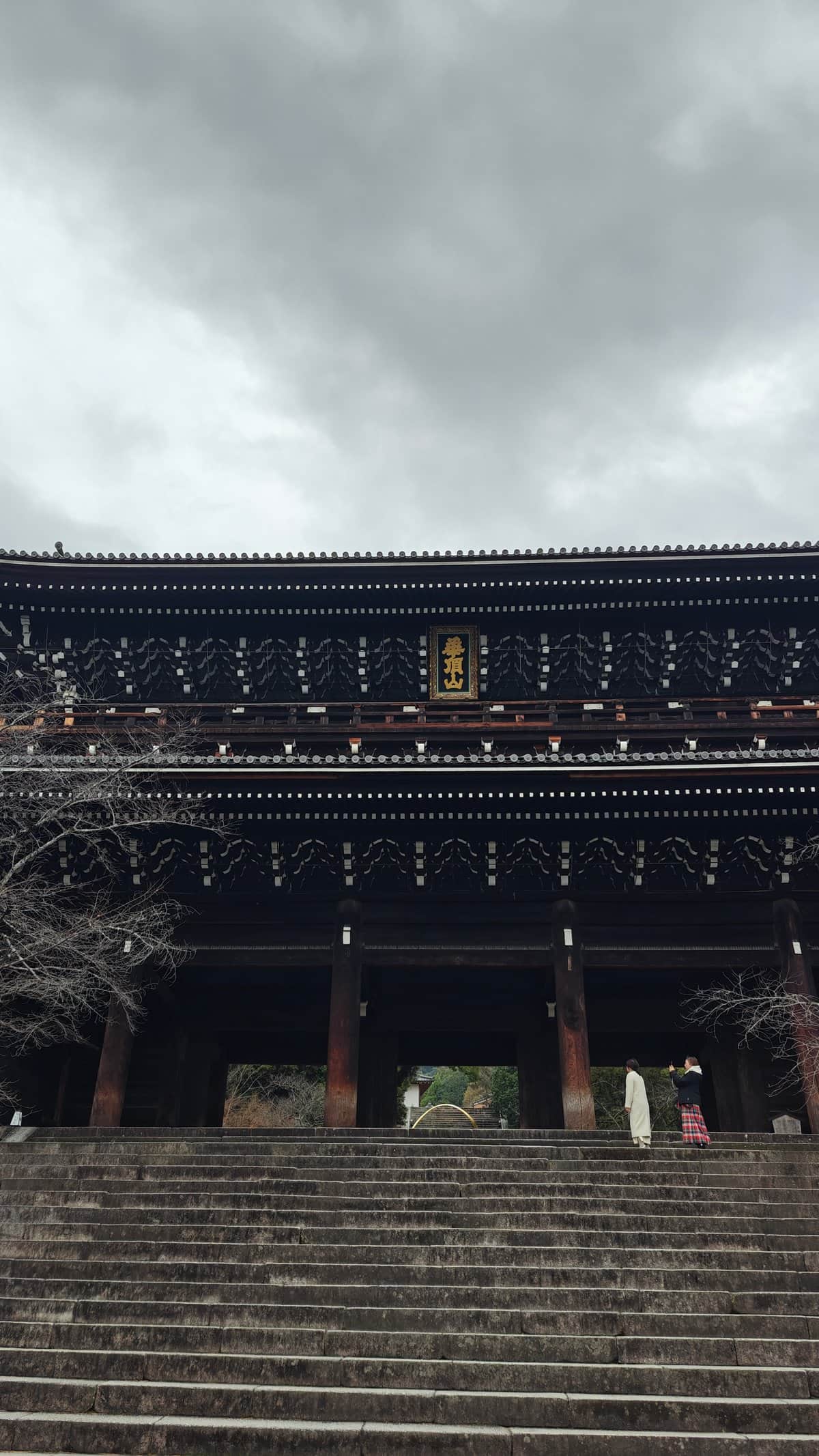
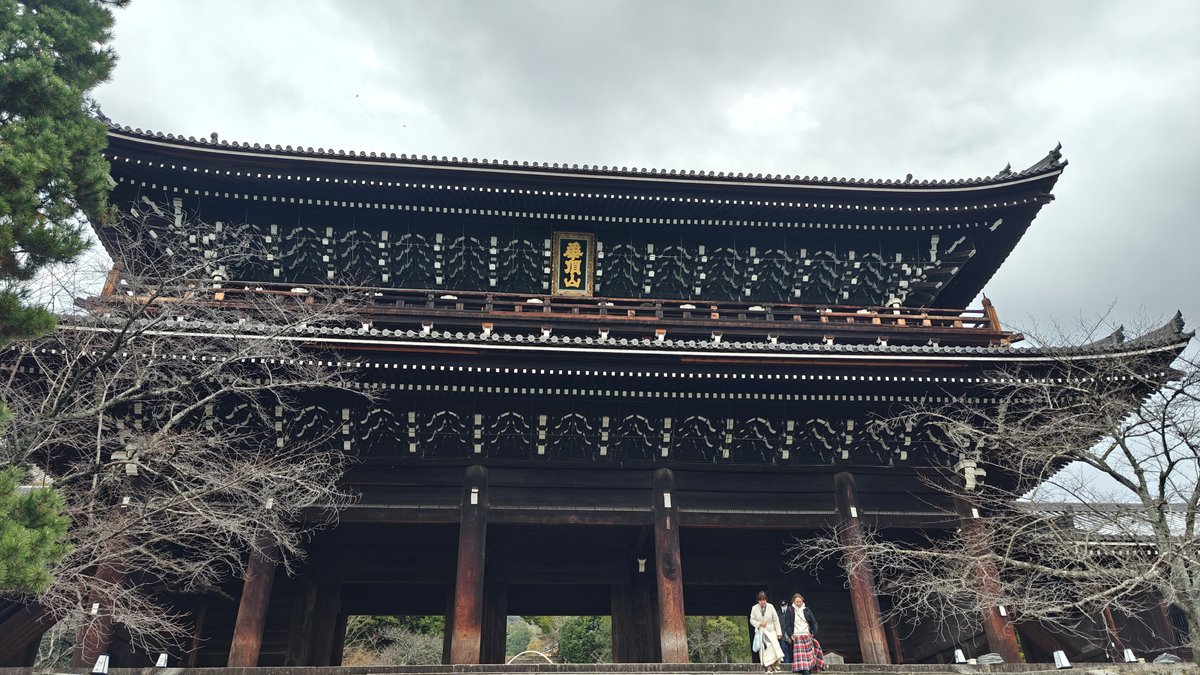

The entrance to Chion-in was pretty big too (it’s one of the biggest temple gates in all of Japan), and the staircase leading up to it is something of a cardio session. It got me pausing halfway through to admire the view backwards, then once more when I reached the top. Looking at the gate from outside, I admired the stacked wooden eaves and bracket layers above my head.
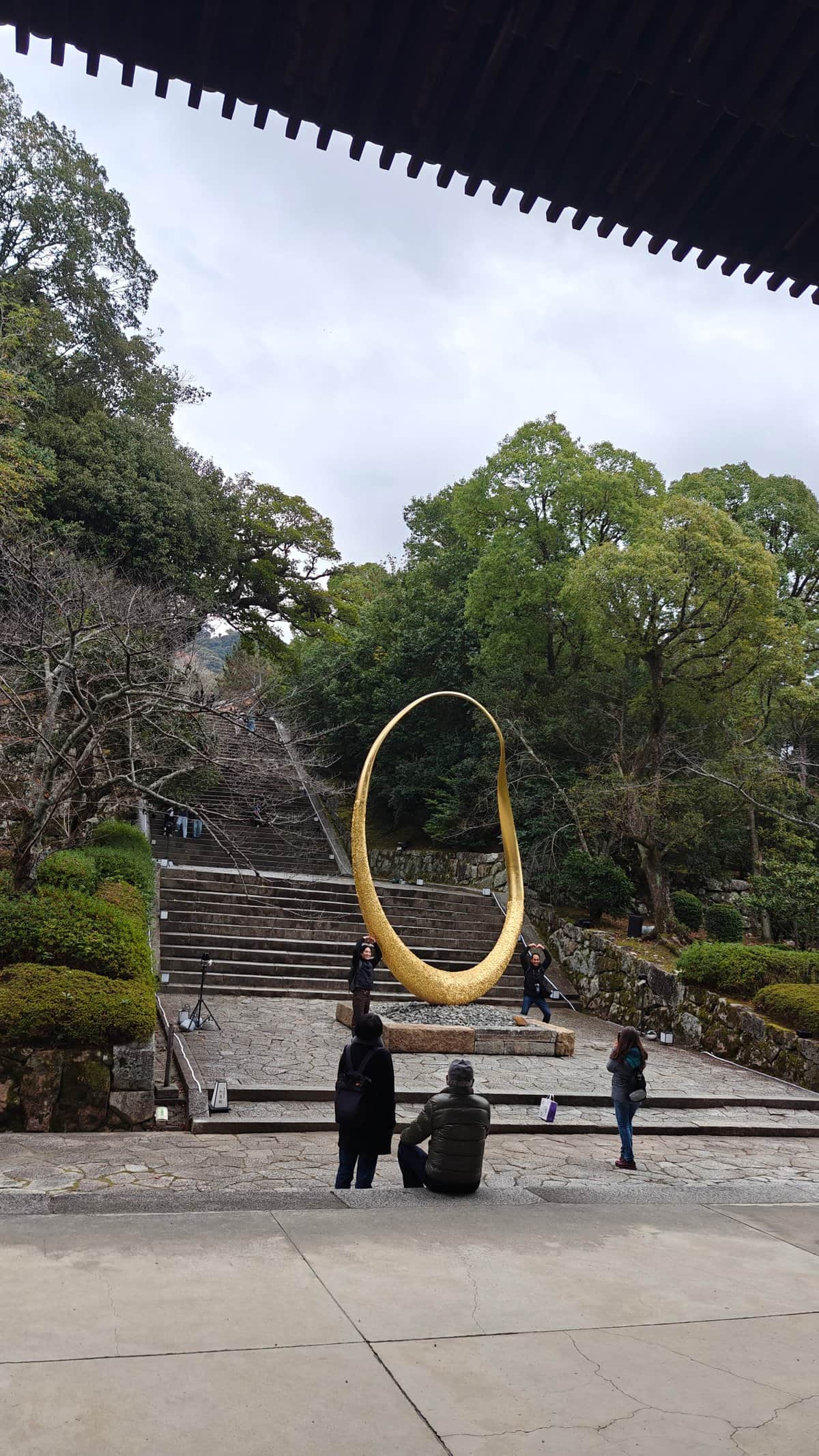
Within the temple grounds, I spotted a massive bronze ring sculpture hung beneath one of the buildings, no idea what that meant, but it caught my eye.
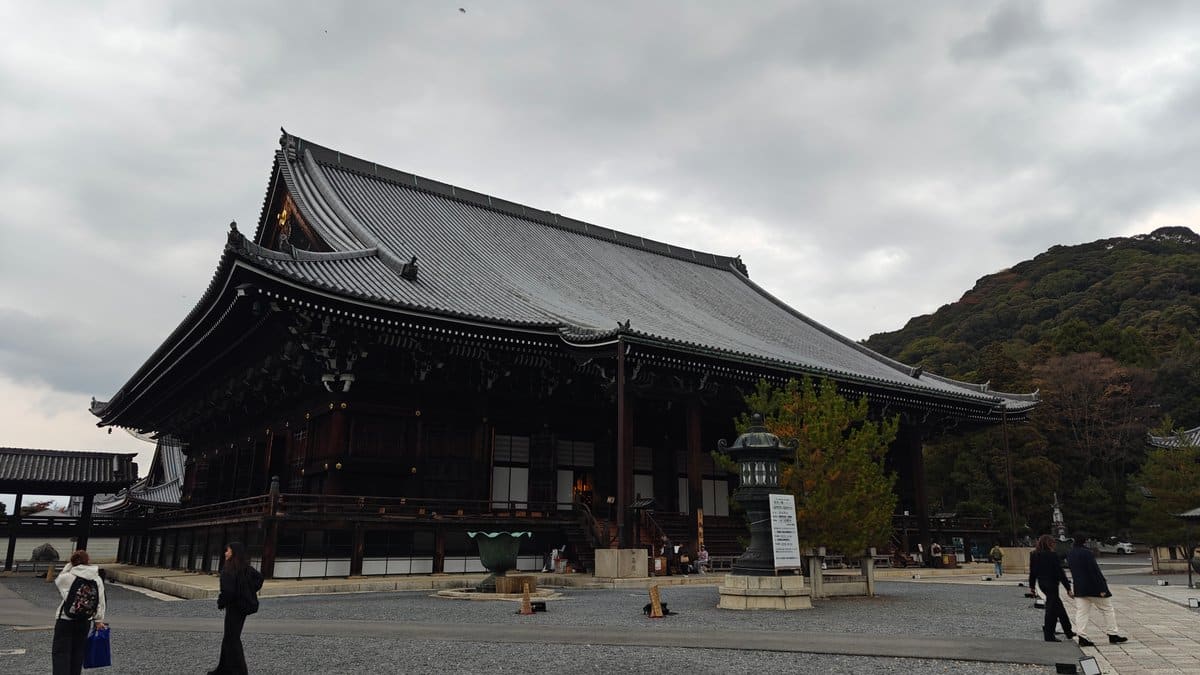
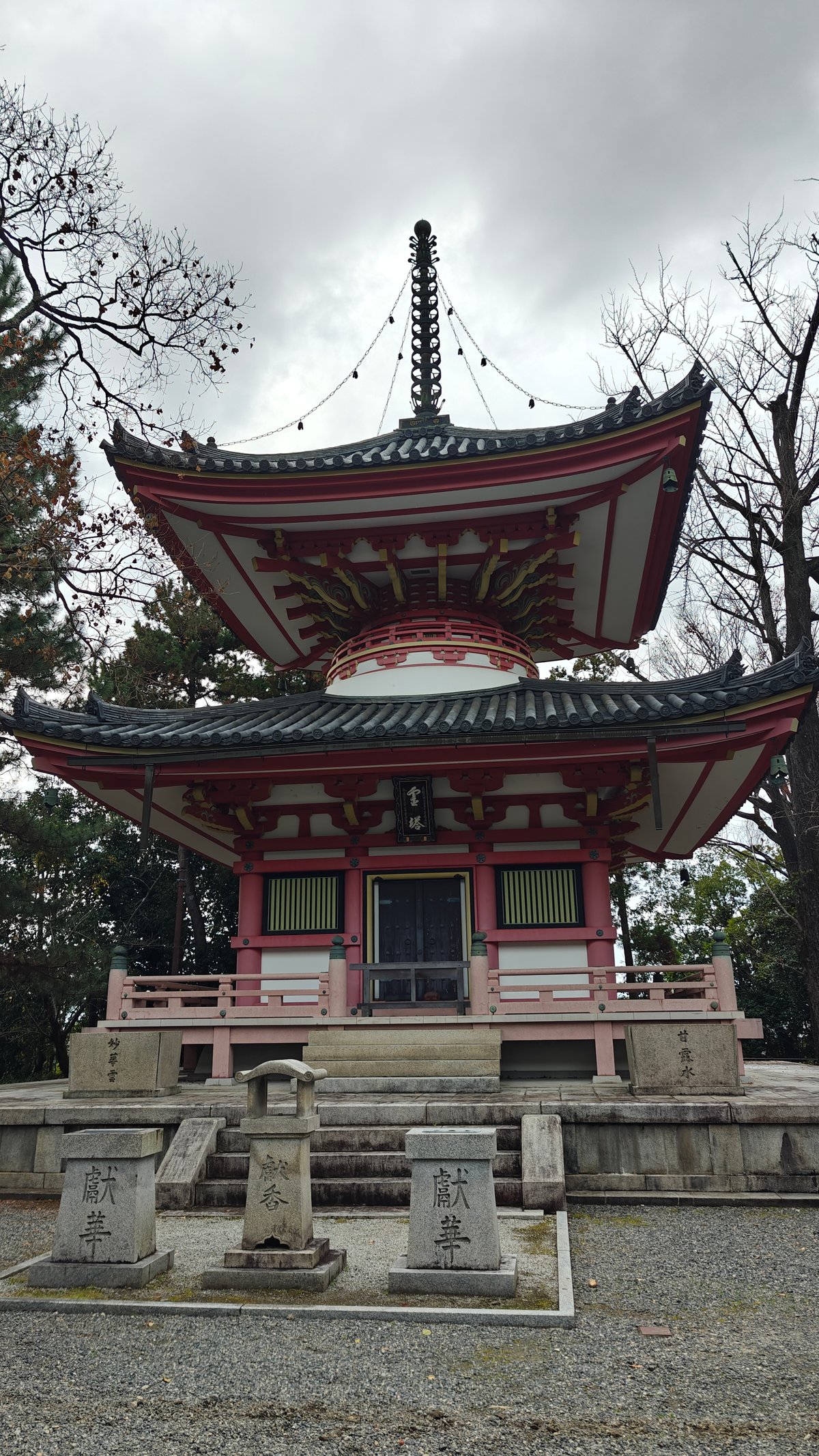
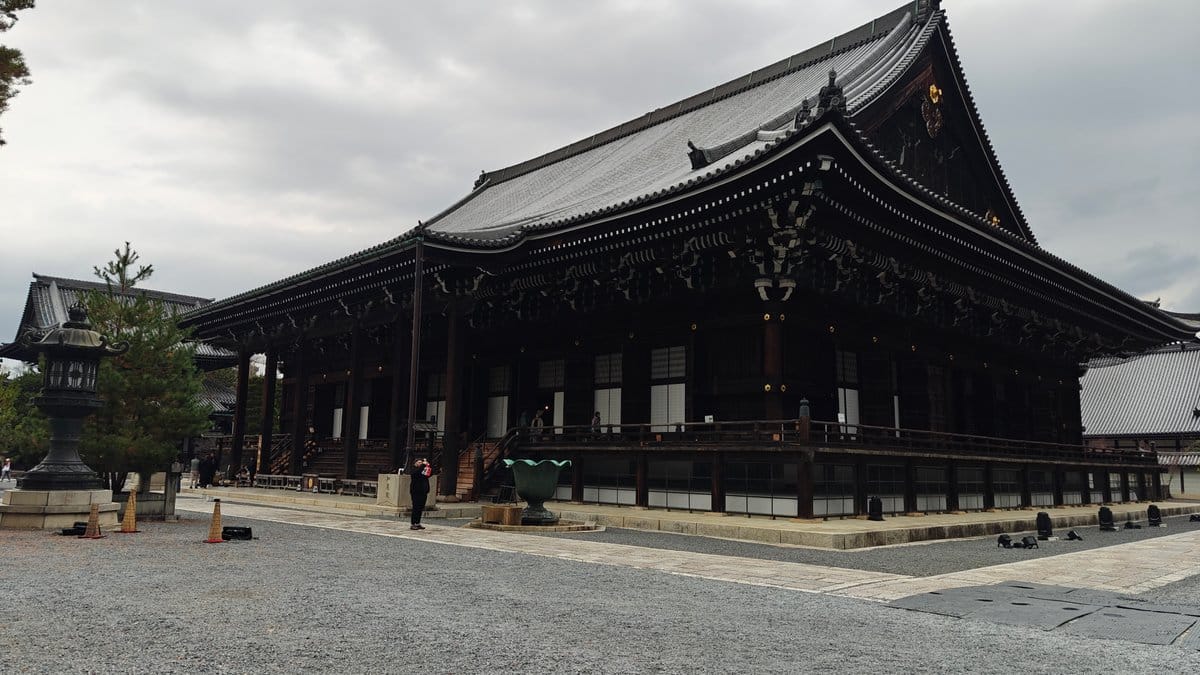
As I walked around trying to grasp how huge the place was, I saw an enormous, open-air courtyard in the middle of the main hall. In one corner of the grounds is a smaller pagoda that I nearly didn’t notice. With fewer foreign tourists than some of the more famous destinations, I enjoyed that Chion-in felt a bit more lived-in and less polished.
It felt less like a museum and more like locals were coming and going here to pray.
Higashi Hongan-ji Temple
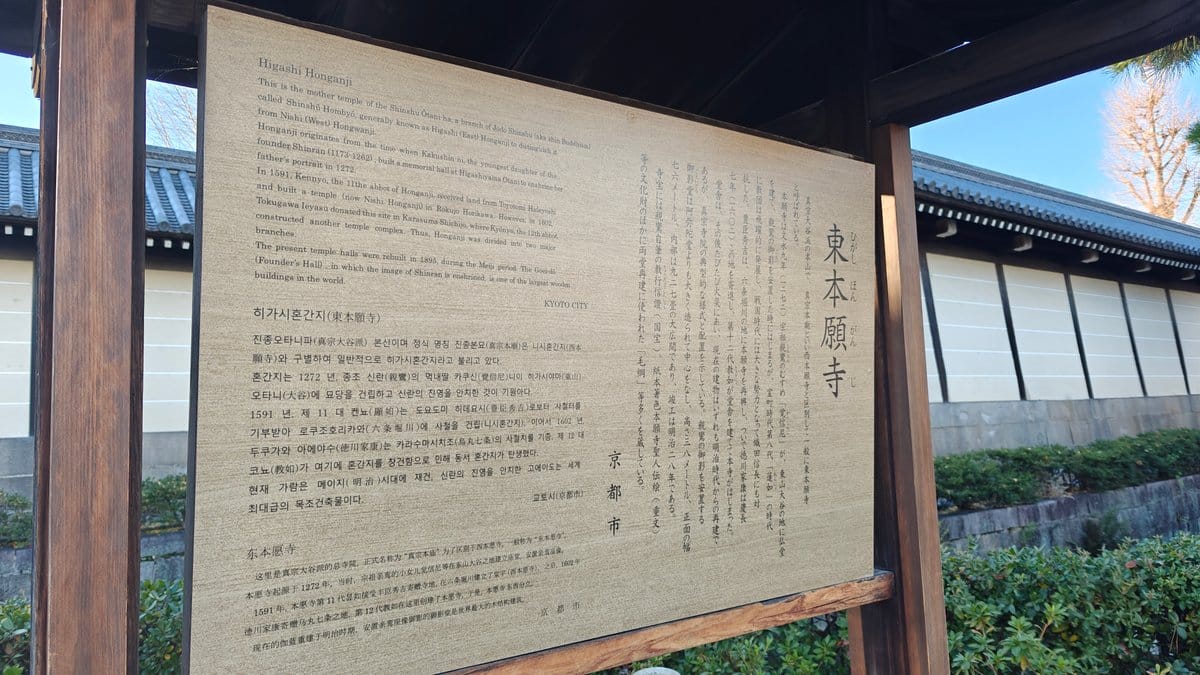
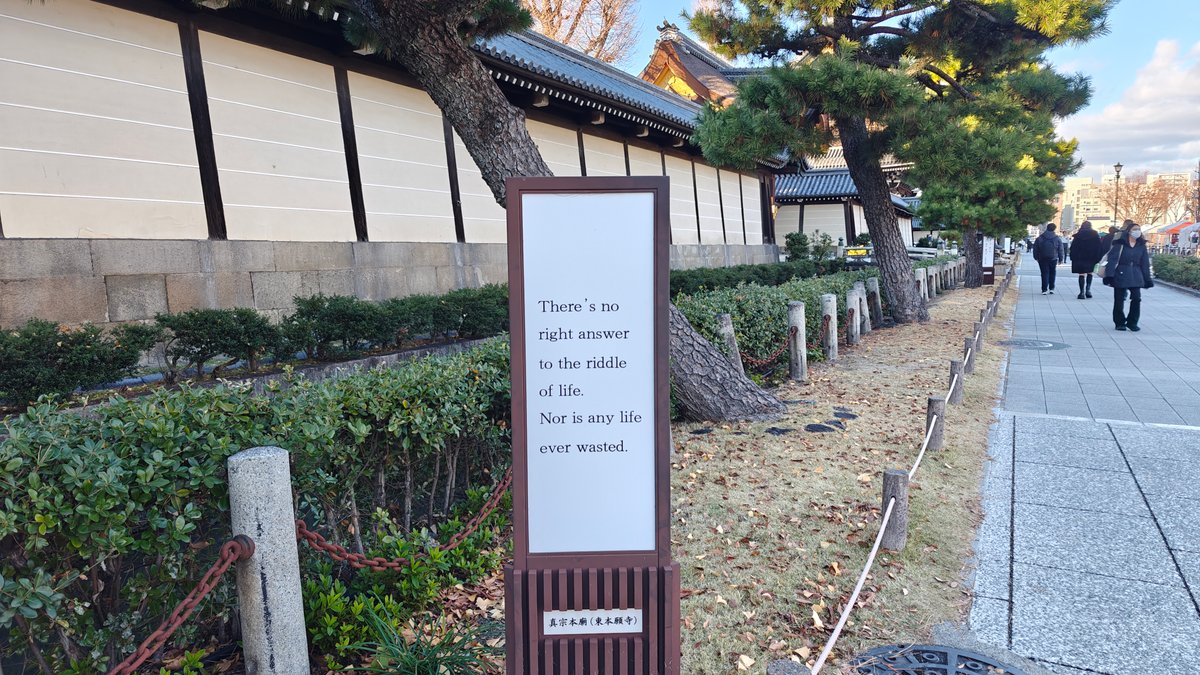
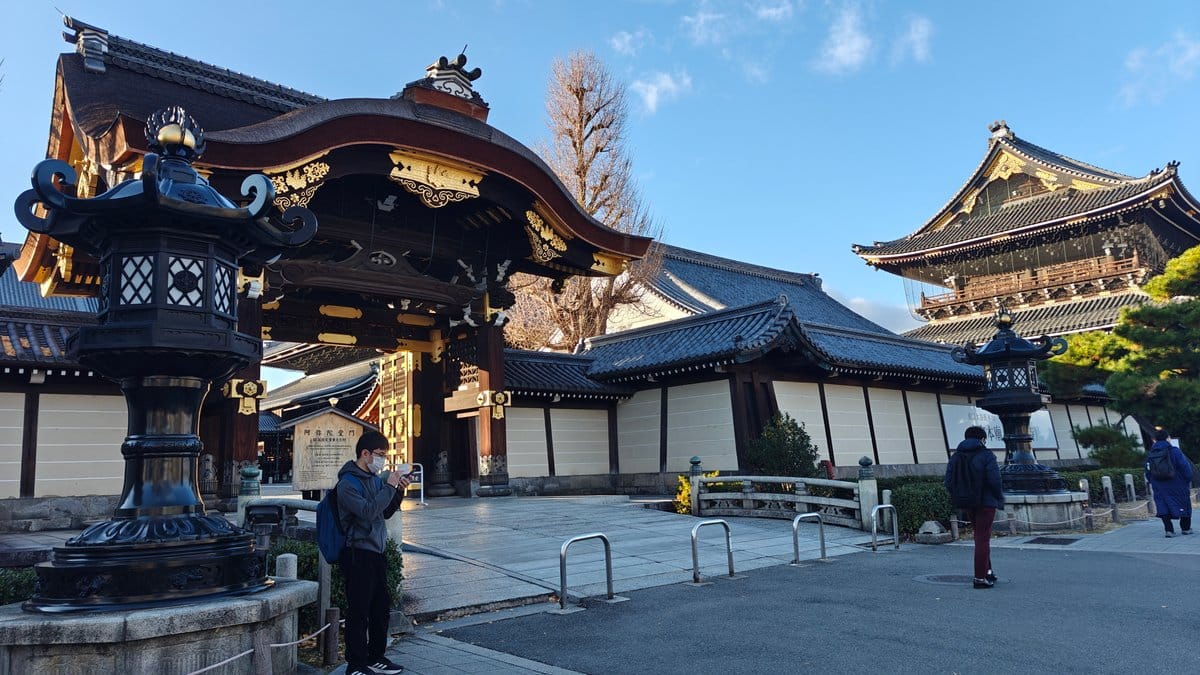
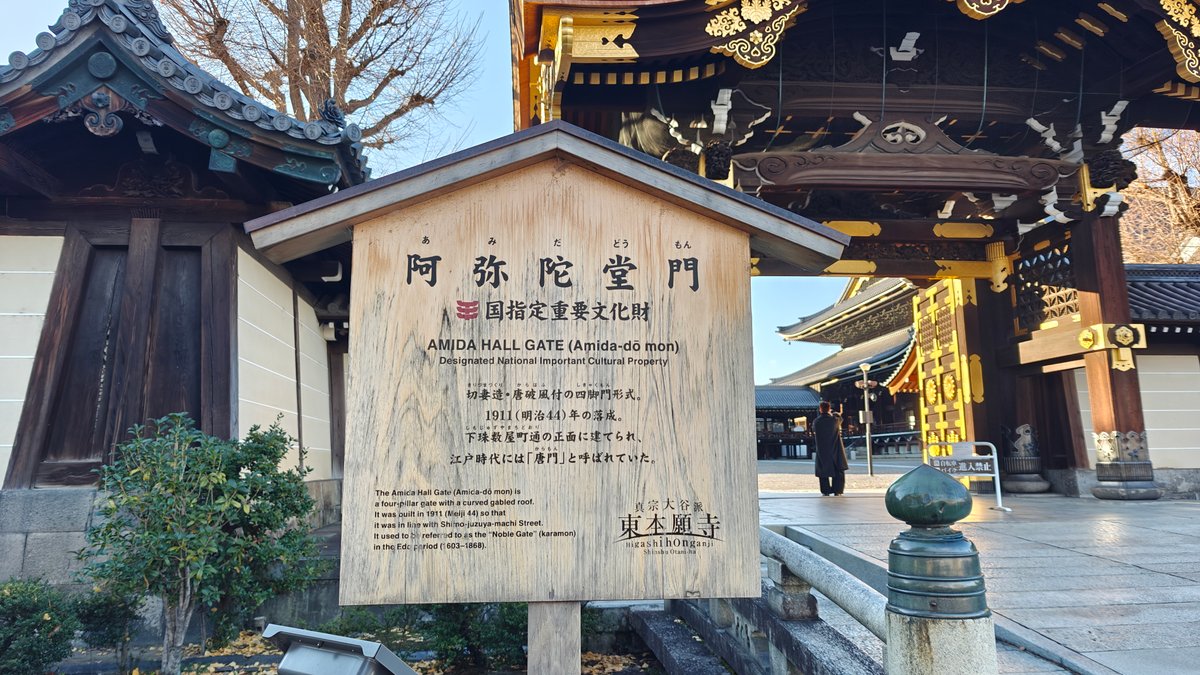
Conveniently located just outside of Kyoto Station, Higashi Hongan-ji lies smack bang in the center of city and is an easy place to visit as you pass through on your way to something else. From the main gate, there’s a long wooden corridor that leads into the Amida-dō hall (marked by a sign).
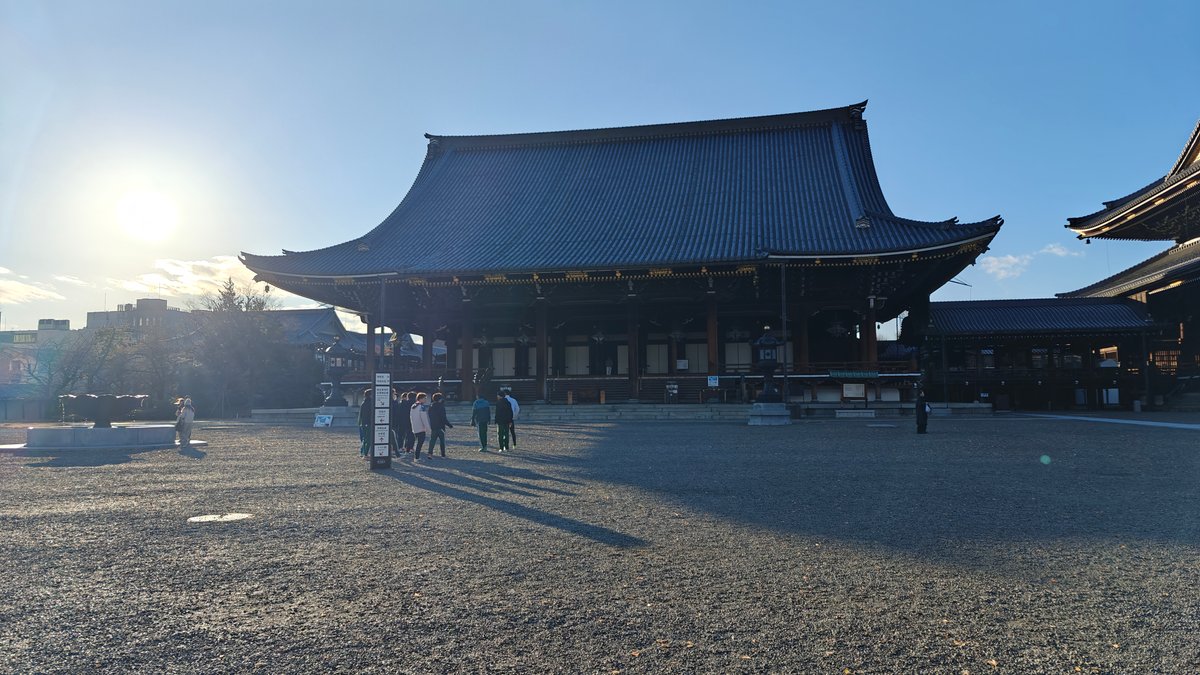
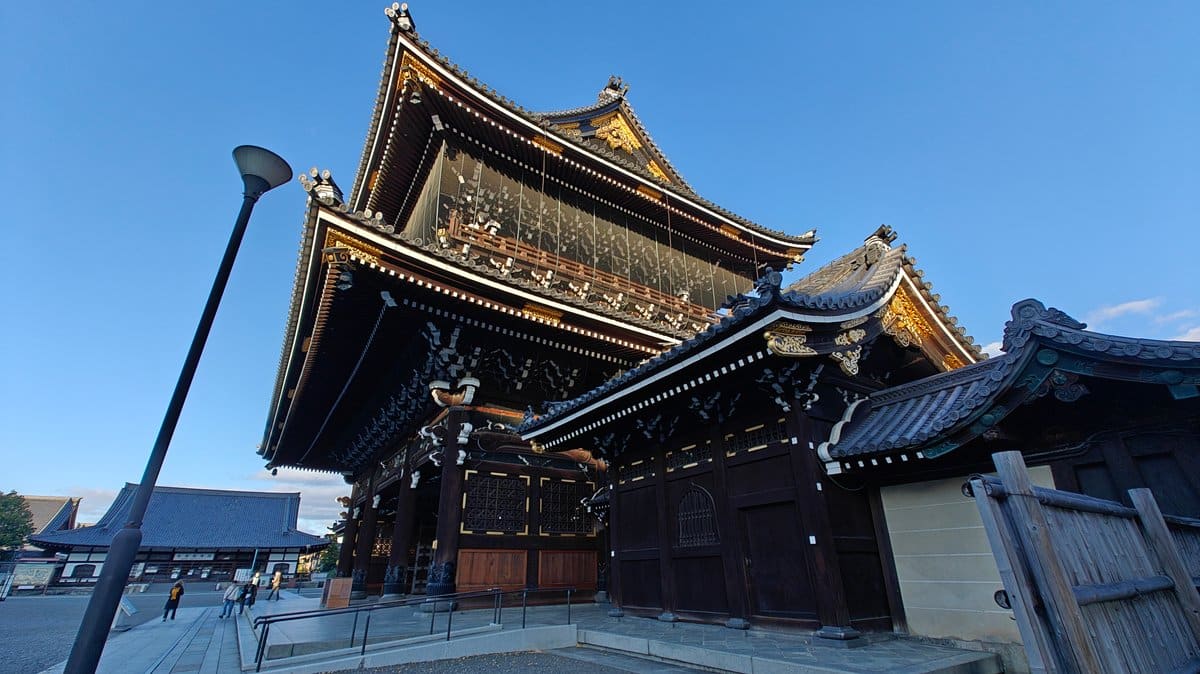
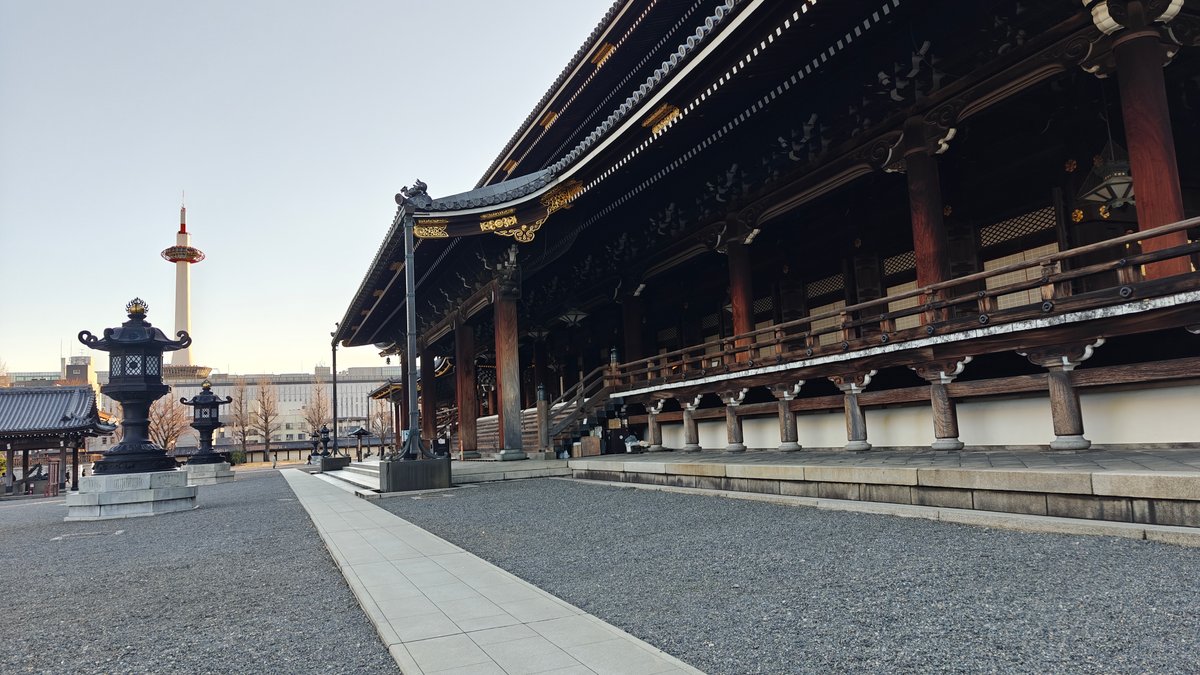
It’s an incredibly huge wooden building (one of the biggest I’ve ever been in) that you are welcome to enter and sit down on the tatami if you like. I did for a while. I spent a few minutes in there just listening to the quiet and watching people come in to pray.
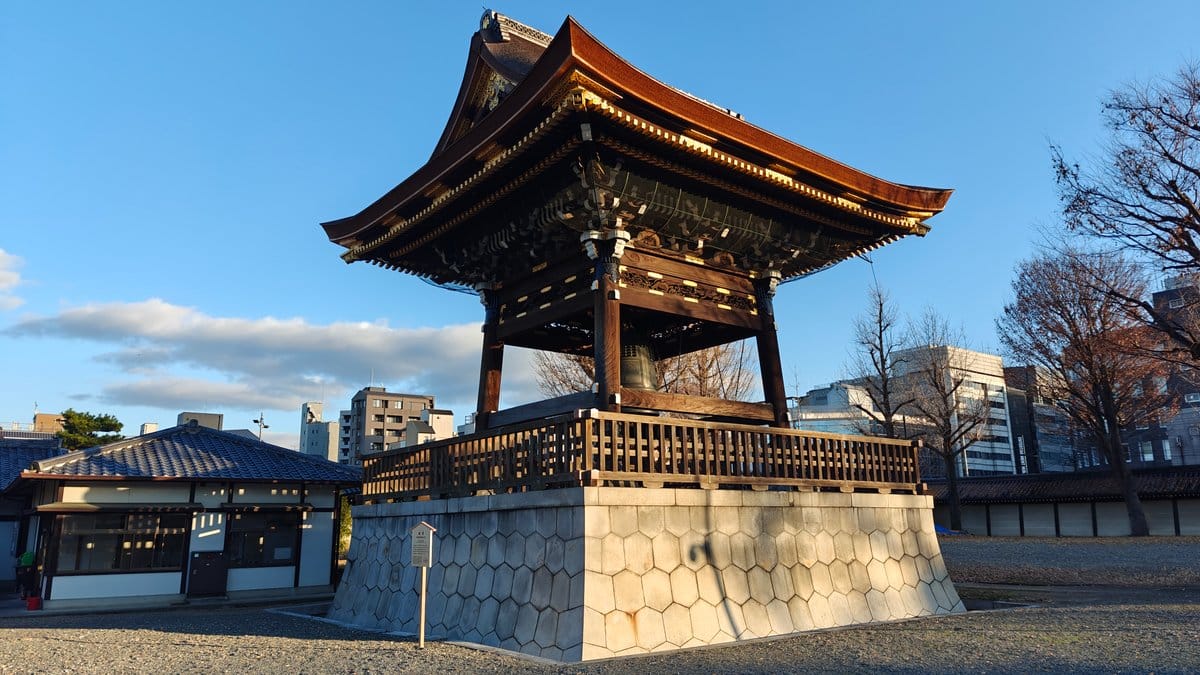
From certain angles outside, you can even spot Kyoto Tower in the distance behind the roofline; a strange combination of old and new. Also be sure to check out the bell tower, whose eaves have detailed carvings. This temple sees a fair number of local and tourist visitors since it’s centrally located and free to enter, but I never found myself packed in with other people during my visits.
Kenninji Temple
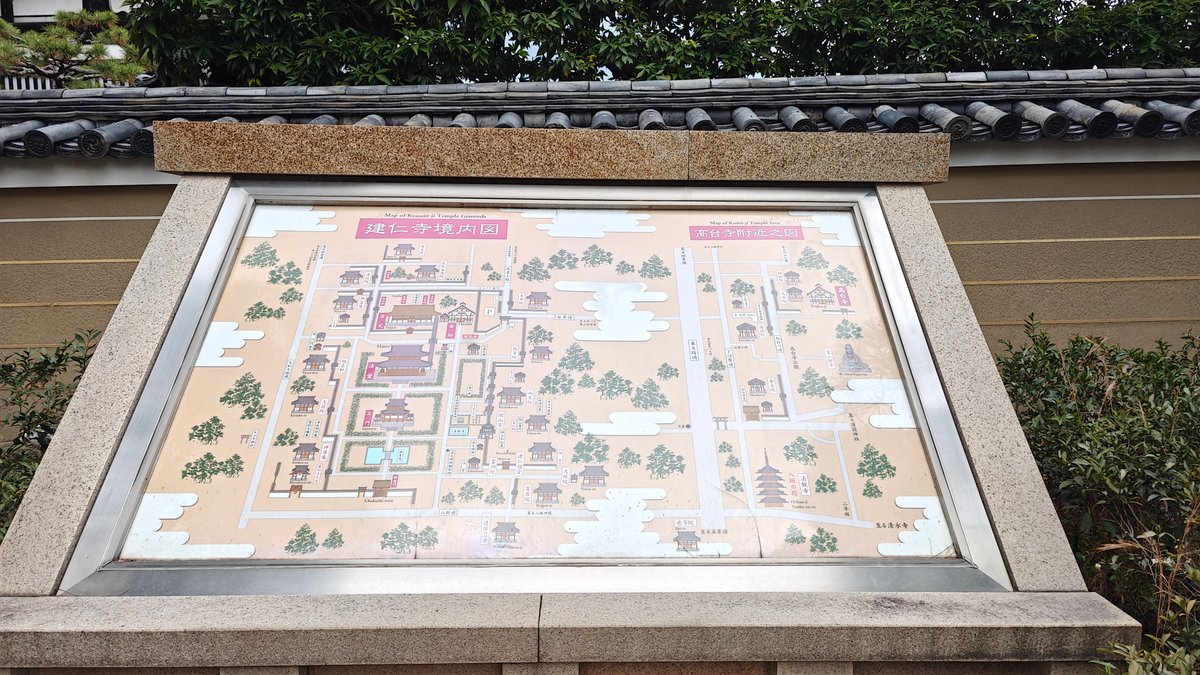
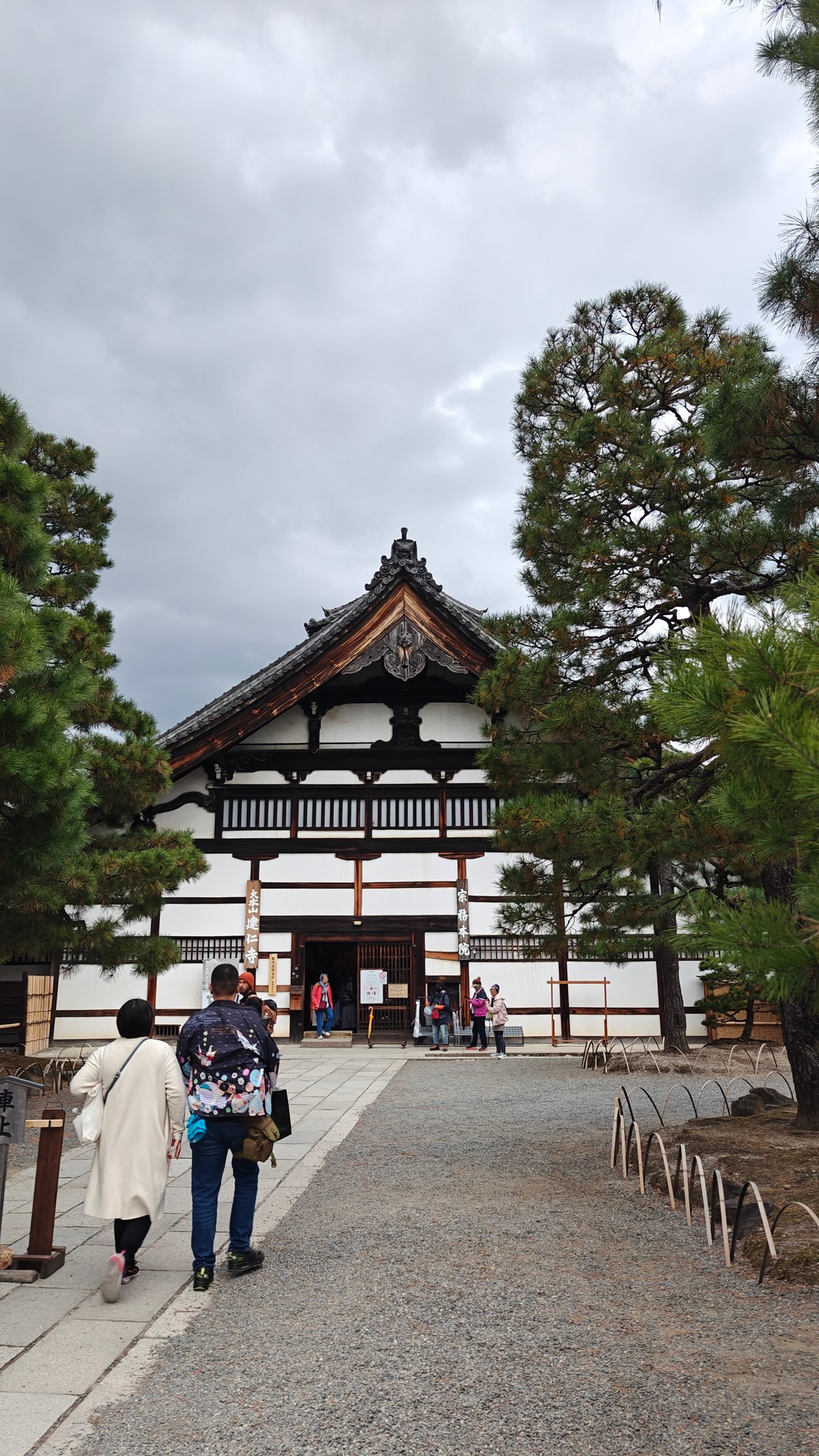
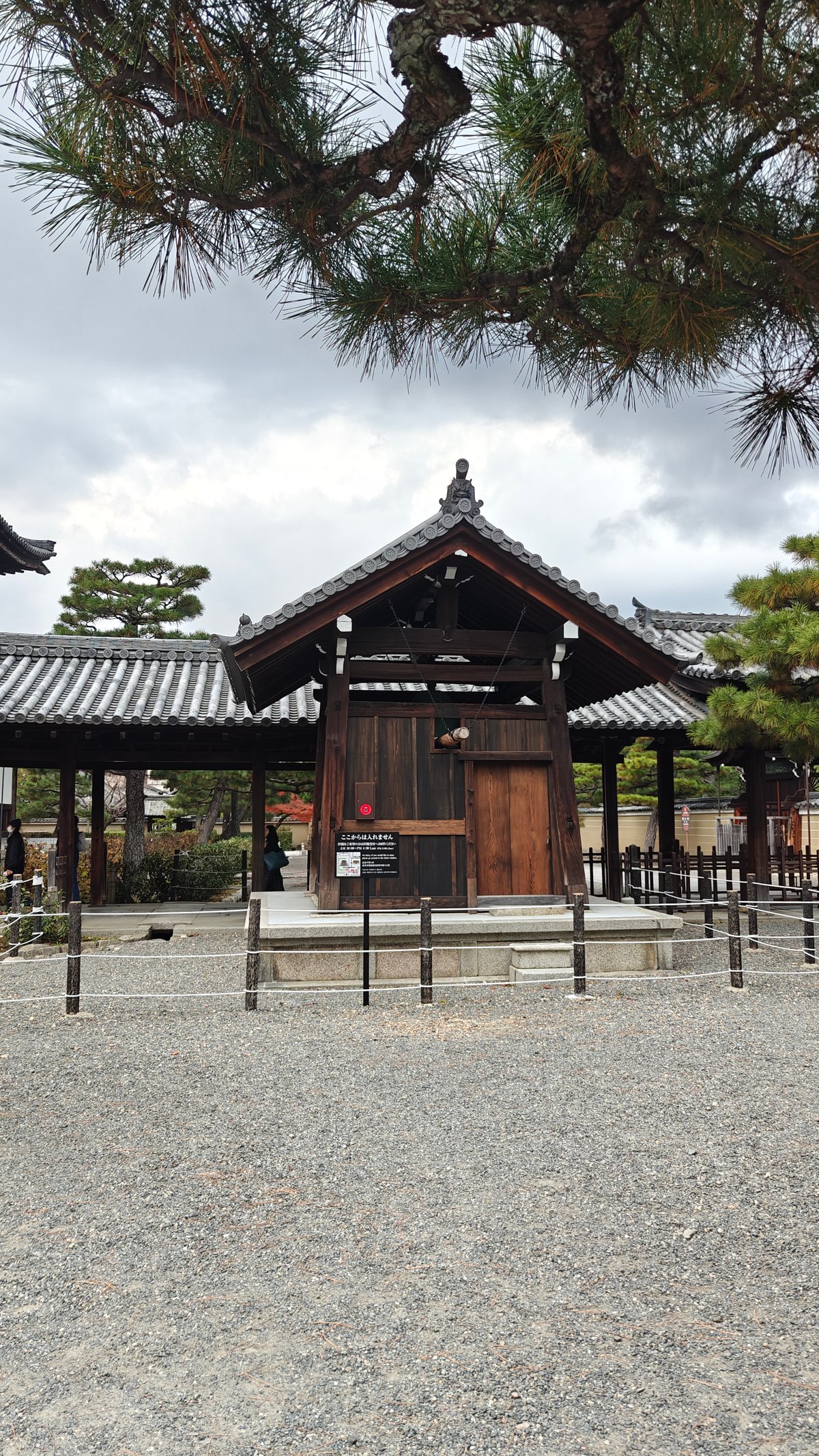
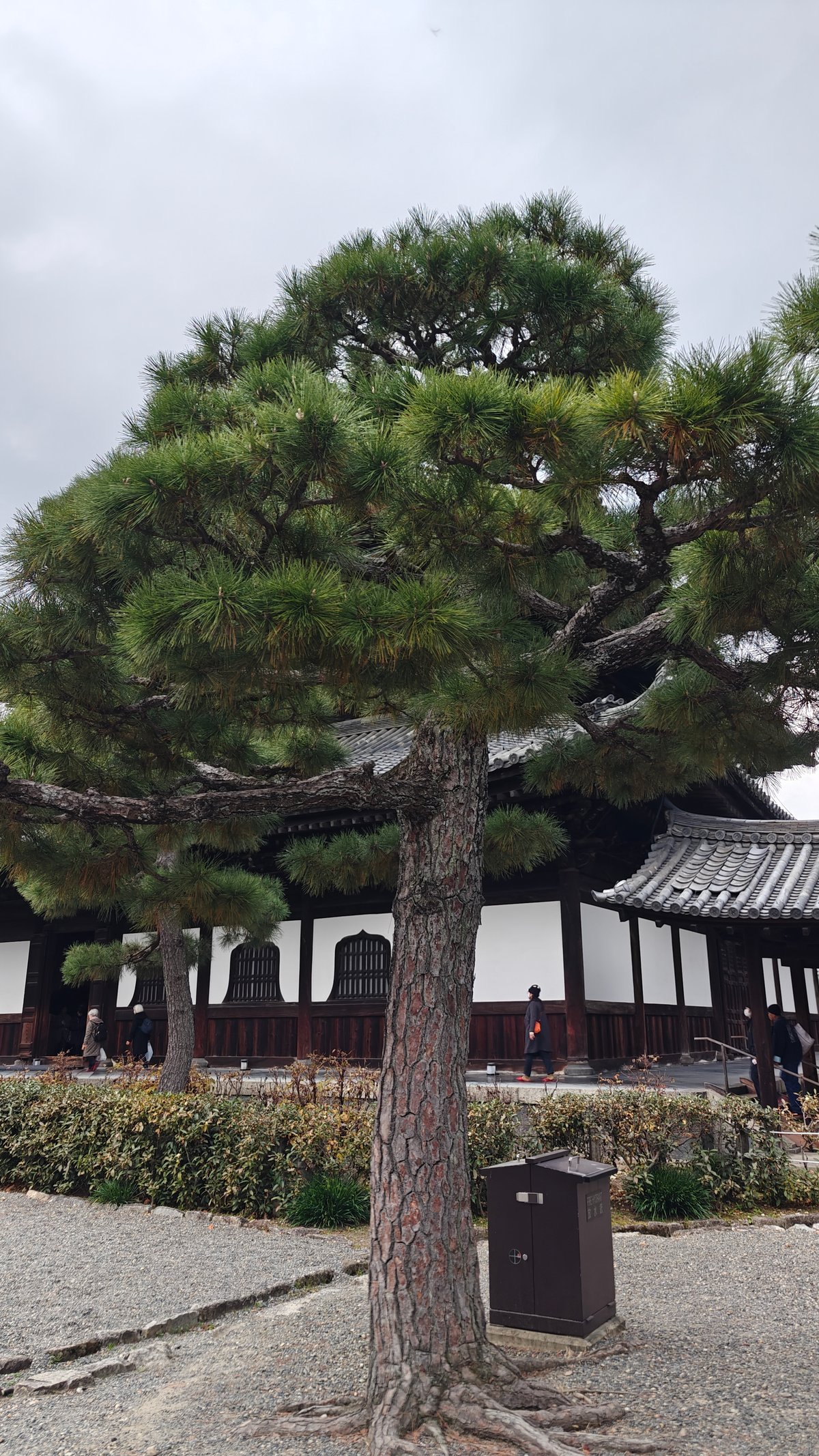
Located in Gion, Kenninji is one of Kyoto’s oldest Zen temples, but you would never guess it from the exterior… It doesn’t make too big of a fuss and quietly sits there. Following the map board, I reached main administrative building.
I continued on into the grounds, passing some really old pine trees that framed the halls and a bell tower.
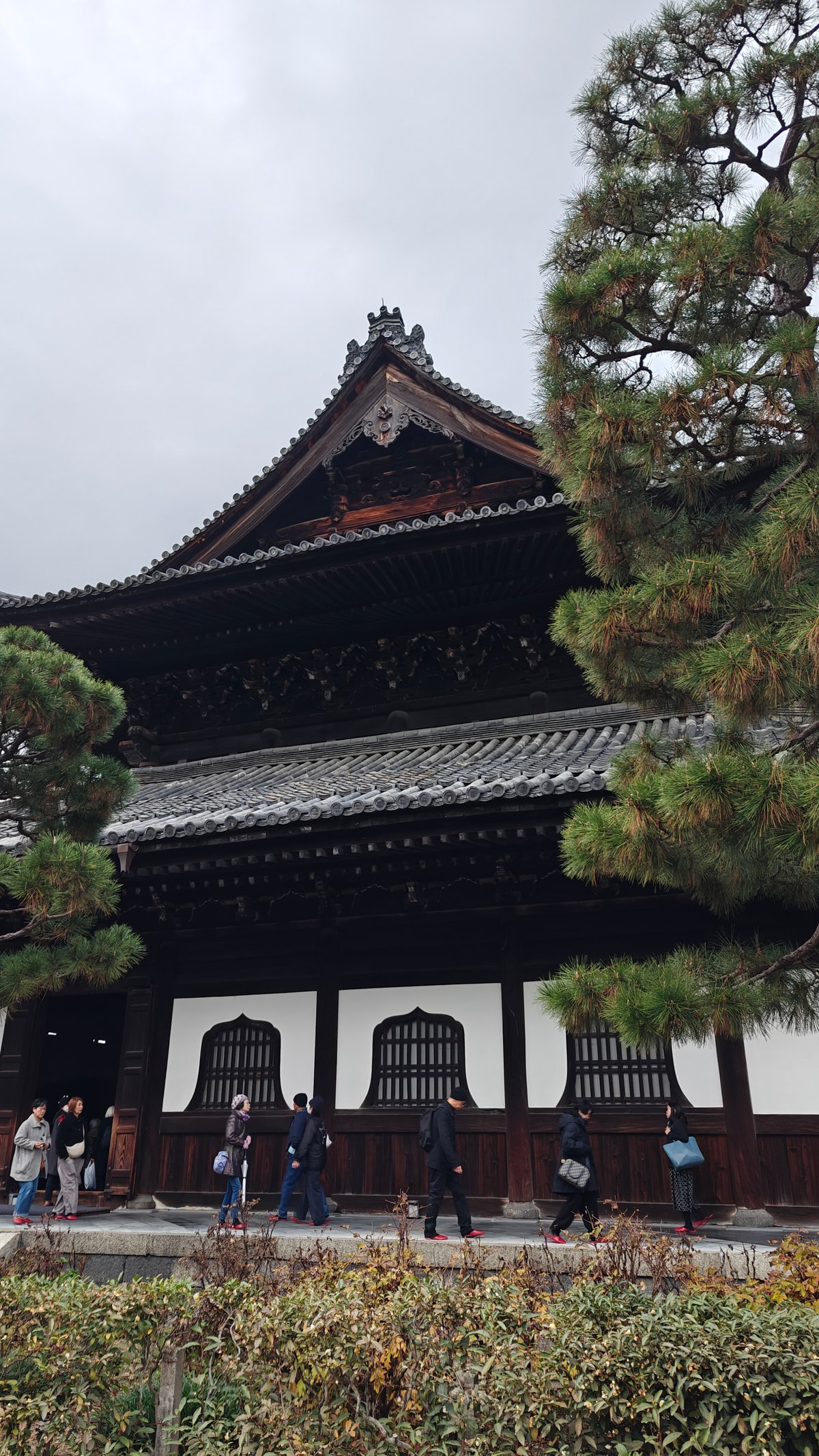
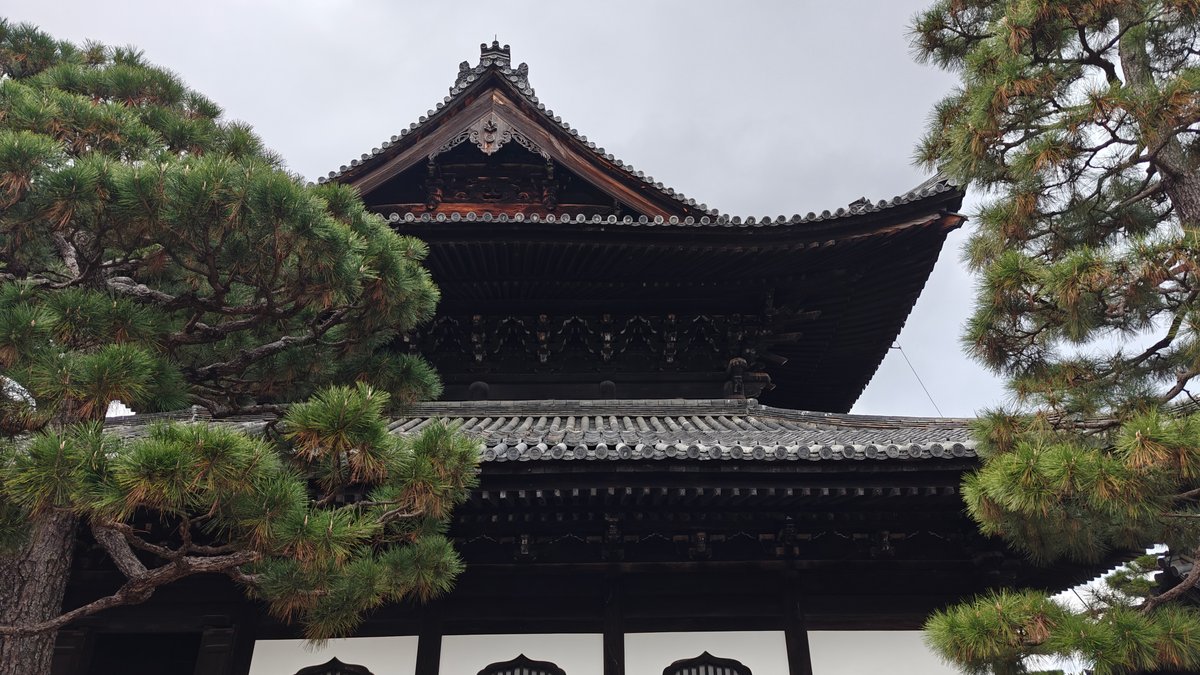
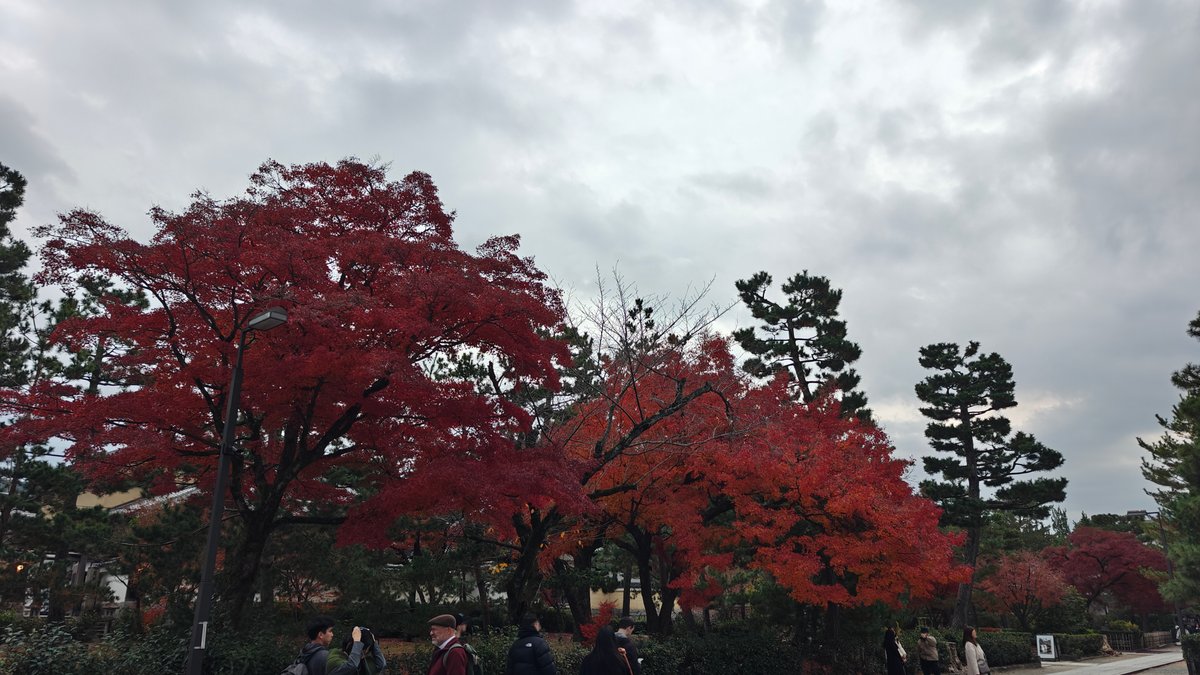
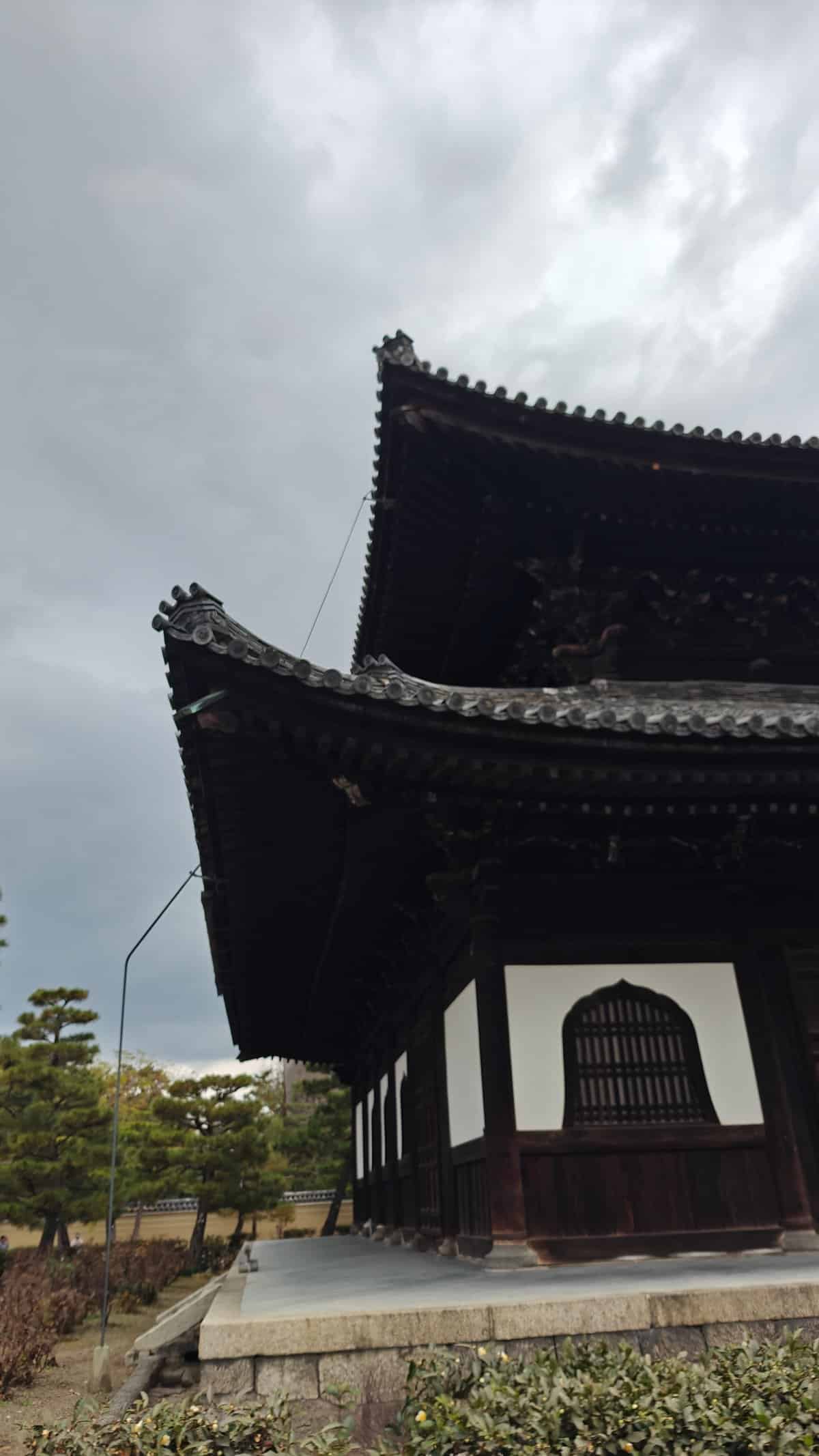
The highlight of all was the Dharma Hall, which, incidentally, I wandered around for quite a long time, getting photos from various perspectives. As you can see, it’s got that traditional temple detail on its roof and eaves. I also saw a few splashes of fall color hanging onto the maple trees among the pine (I went in early winter).
There are also some notable painted screens within the temple. I didn’t enter them, choosing instead to save my money by not going inside the interior halls this time, but even just wandering the grounds made me feel at peace. Add to that a dramatic winter sky, and it helped create an atmosphere.
Hōrin-ji Temple
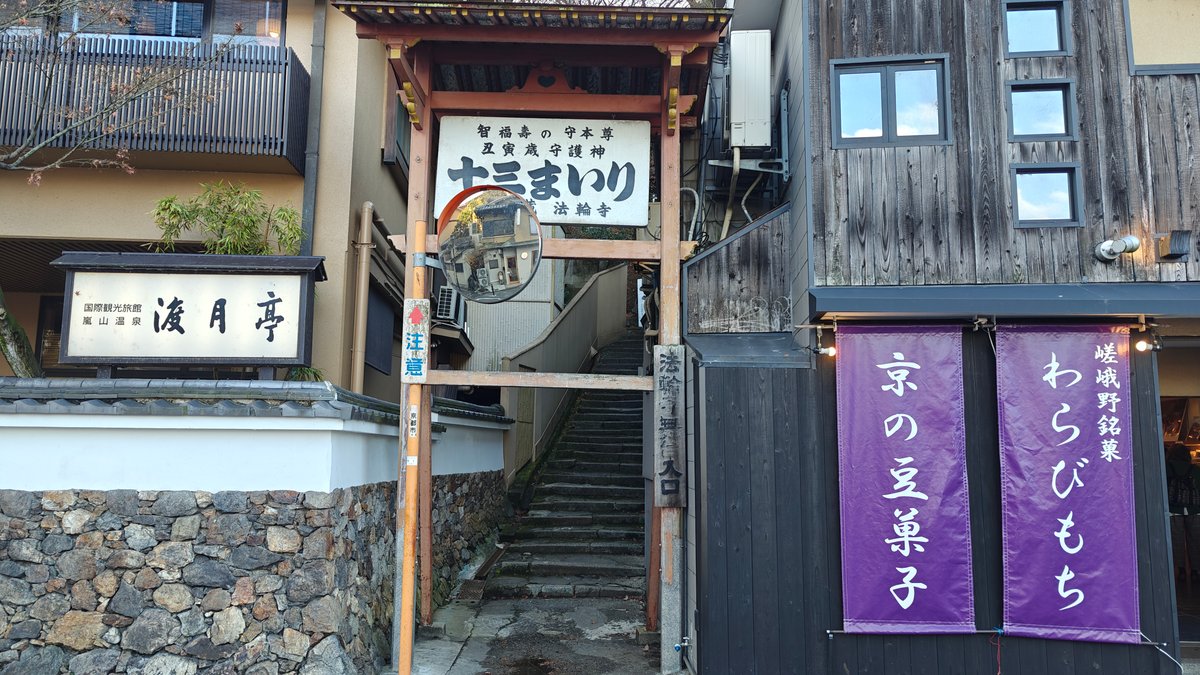
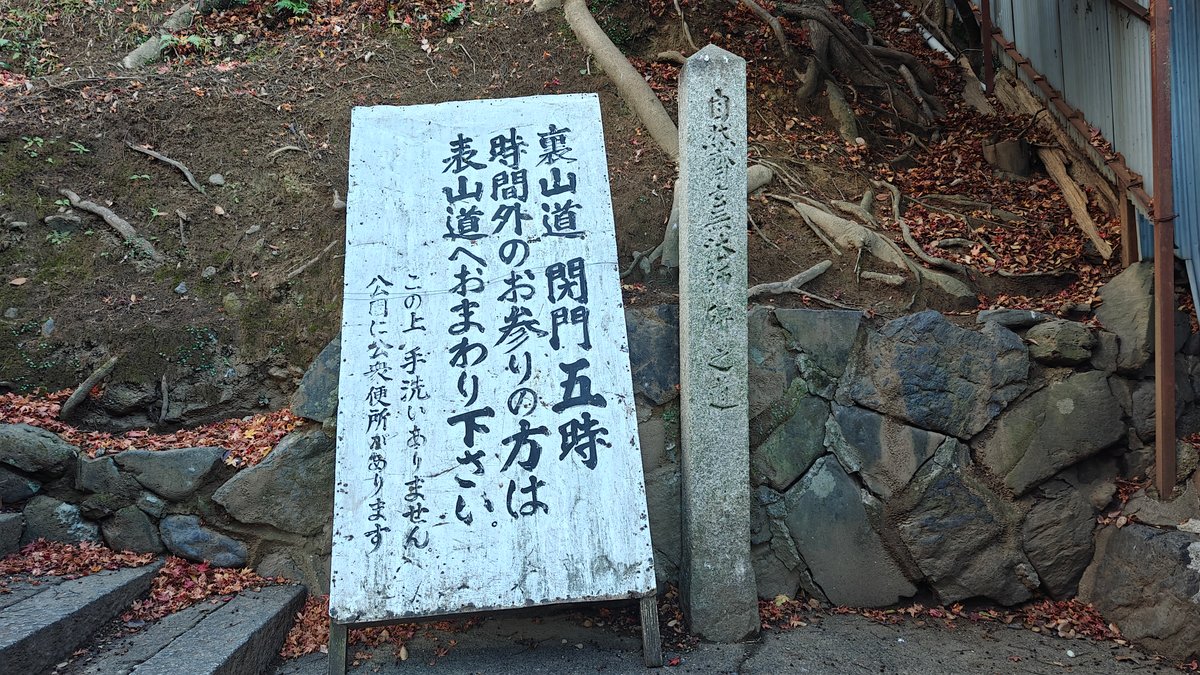
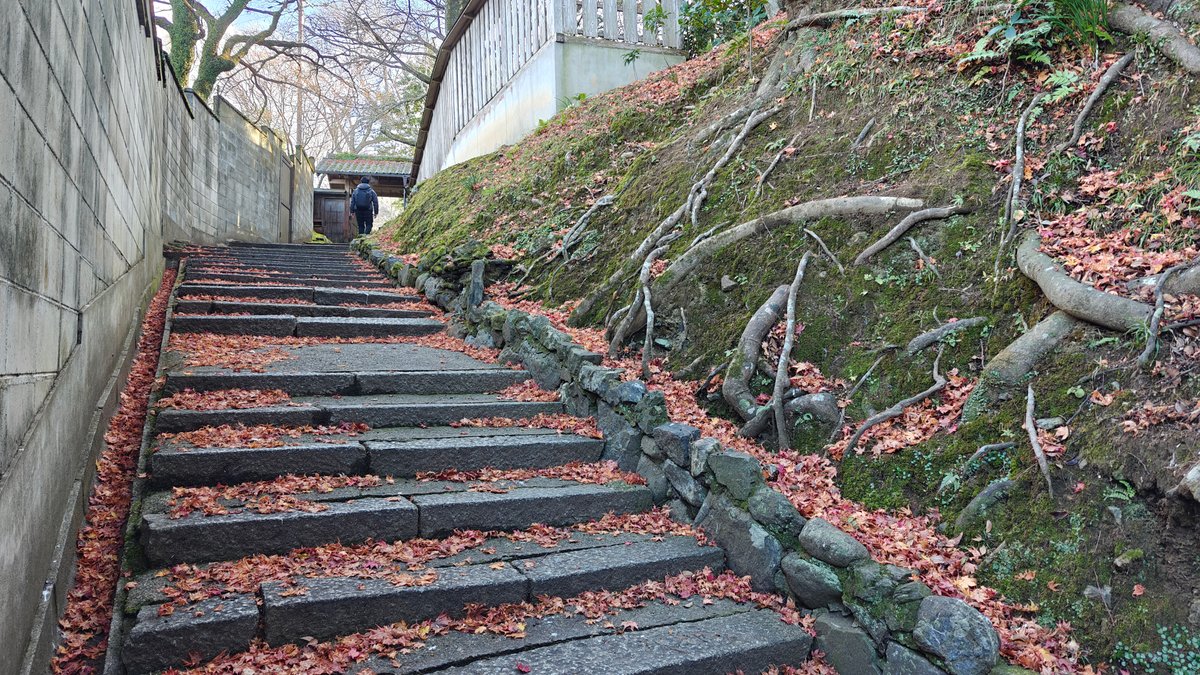
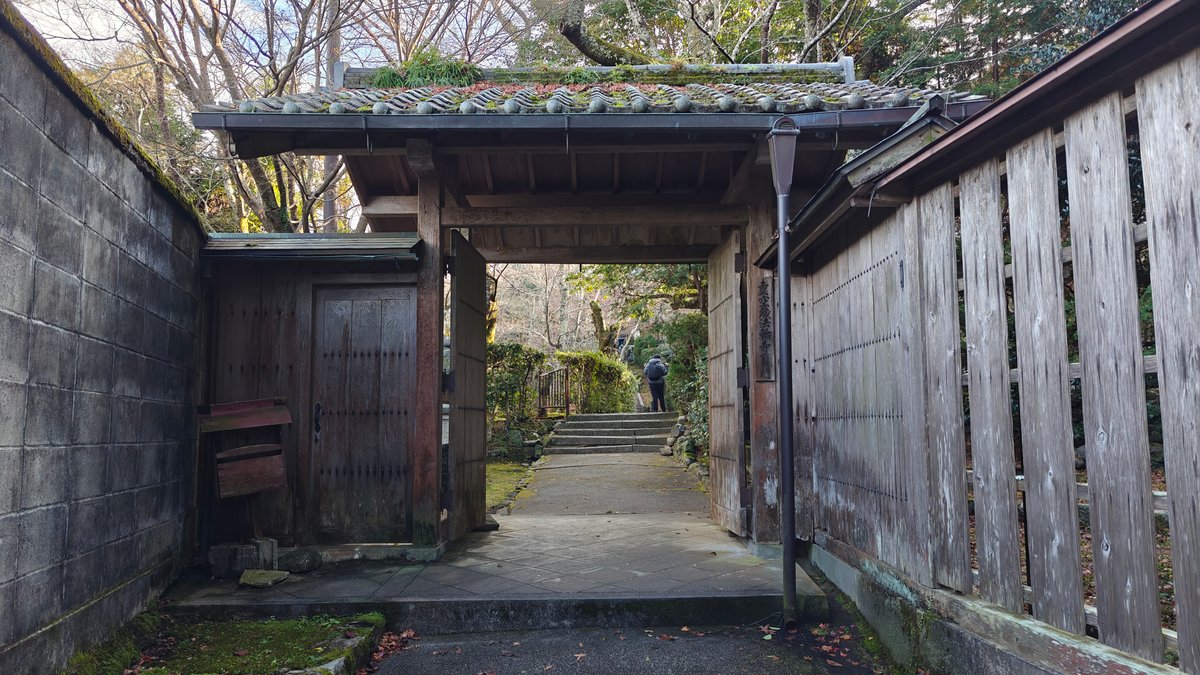
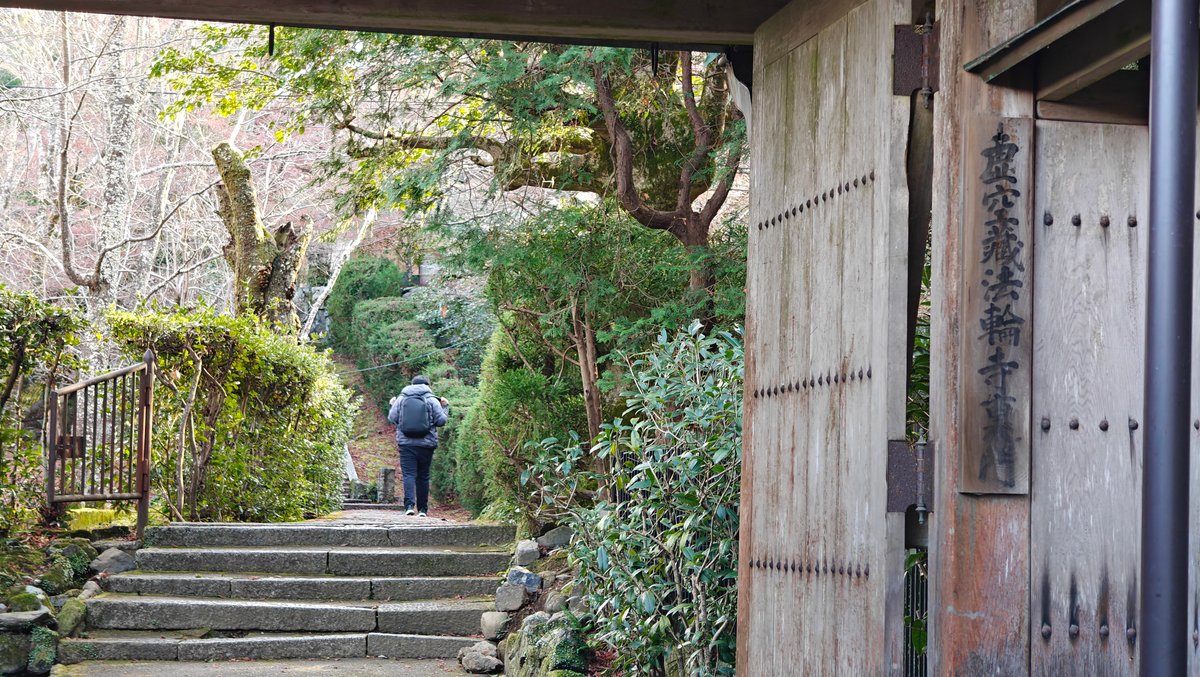
Arashiyama’s Hōrin-ji sits high on the hillside and up a steep set of stone stairs, by this point, I’d been walking all day so I was tired and considering skipping it entirely. Fortunately for me, I pushed on anyway and found that the climb past the old wooden gates and mossy slope made me feel as if I had stepped out of the bustle of tourists down below.
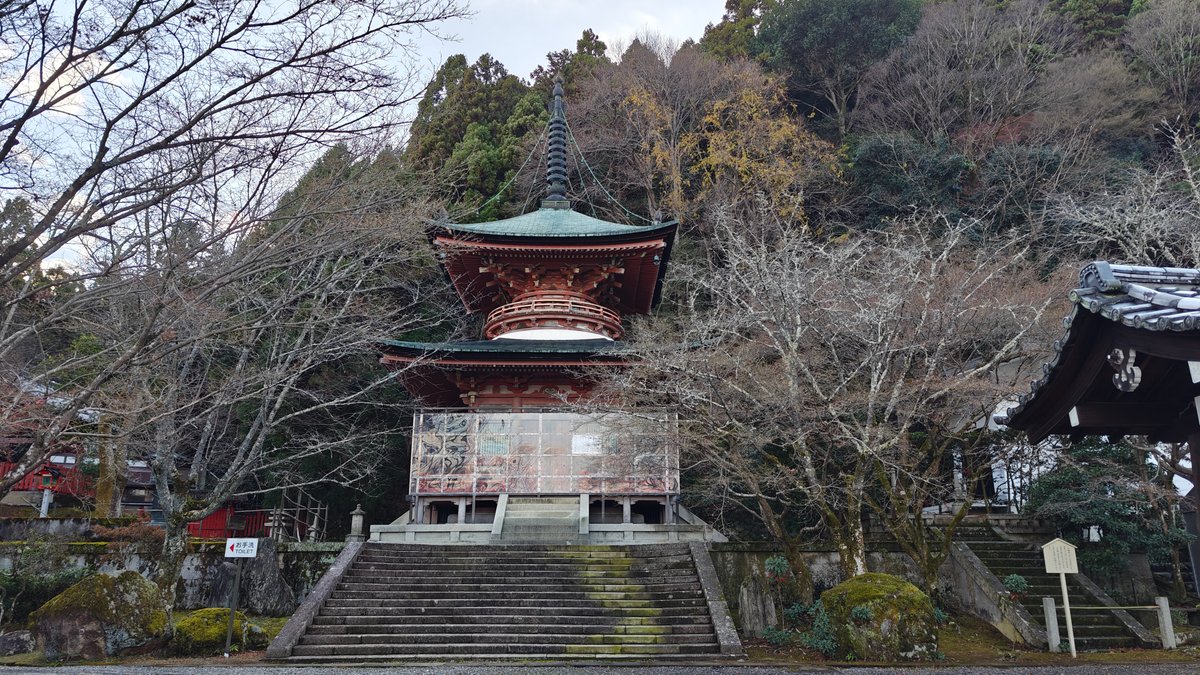
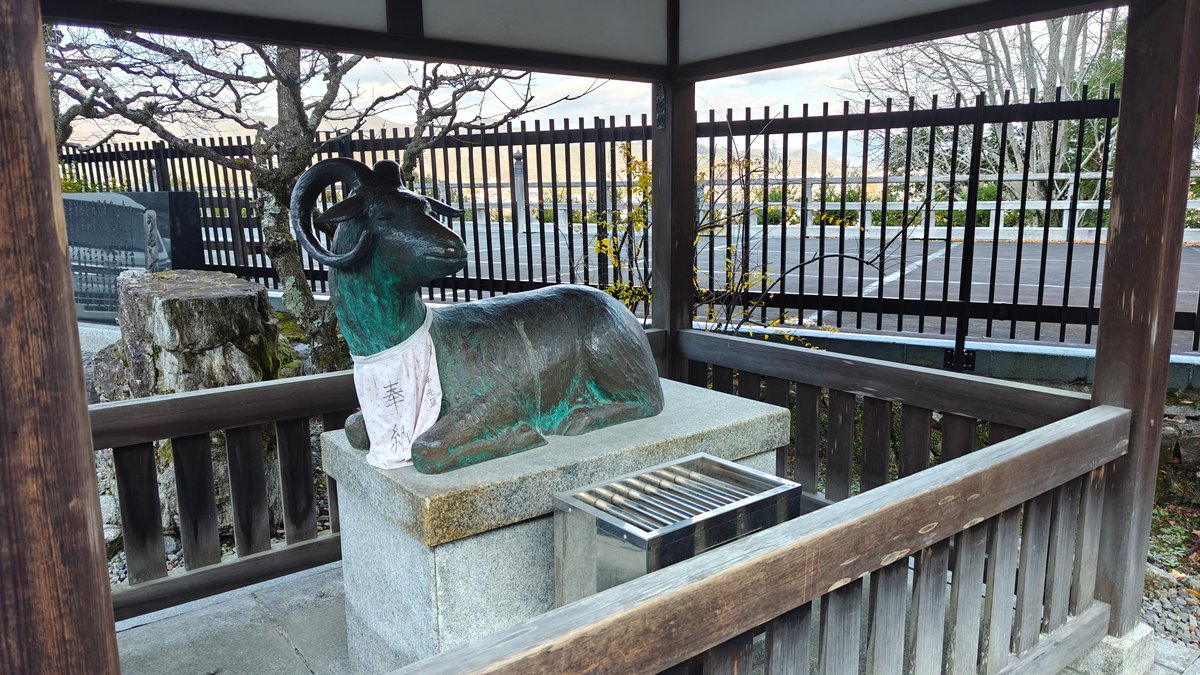
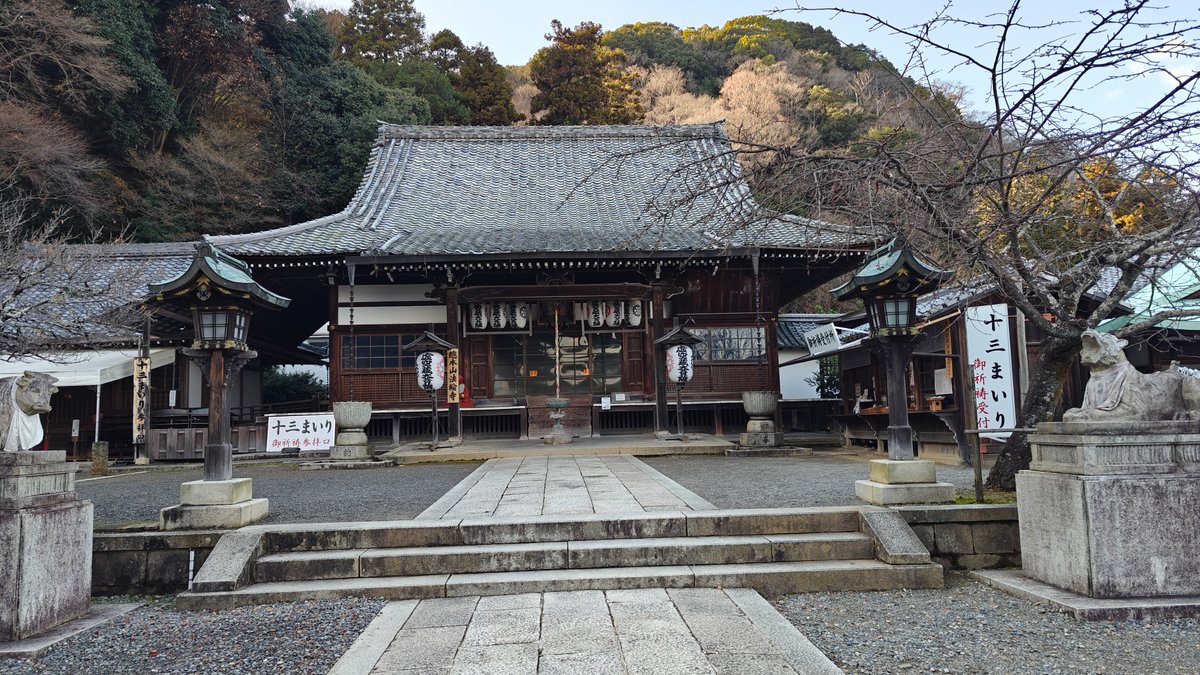
A bronze statue of an ox stands at the top. Everyone rubs it to bring good luck, which is why it has been worn smooth in spots by countless hands over the years. A two-storey pagoda is also here.
At the rear is the main hall, where I was the only person (or one of three or four) there at that point. It’s a small temple, but its quietness and hillside location made it memorable. If you visit later in the day, be aware that the back path shuts at five; check the noticeboard by the entrance.
Chionji Temple
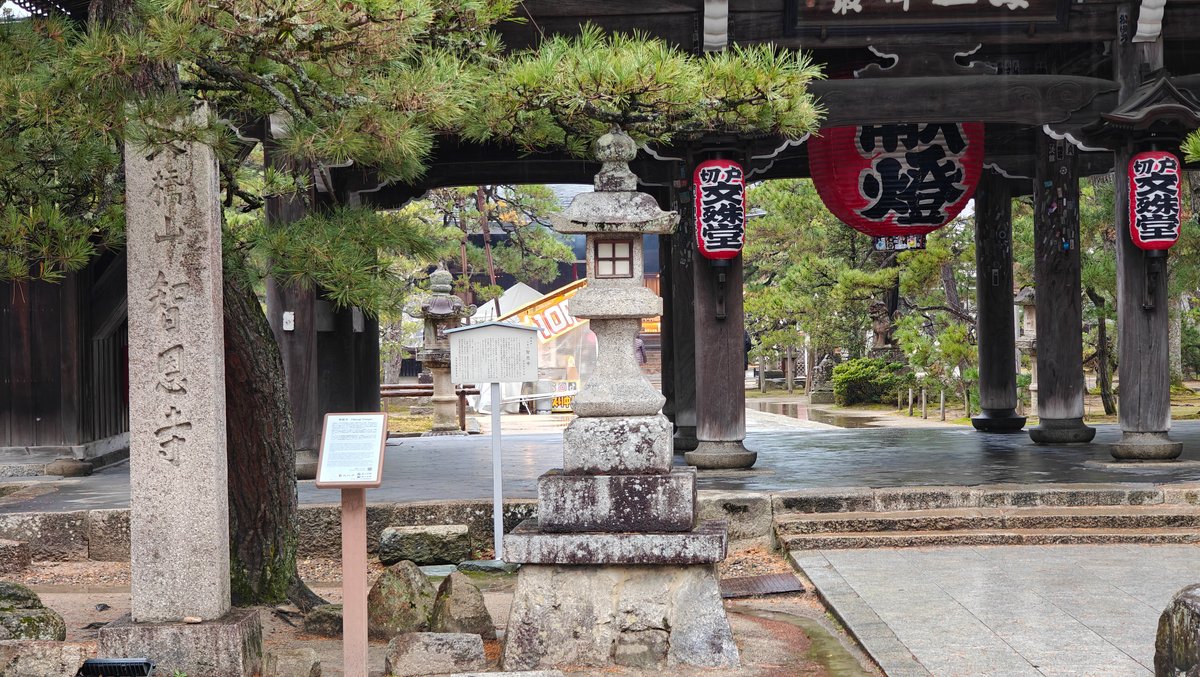
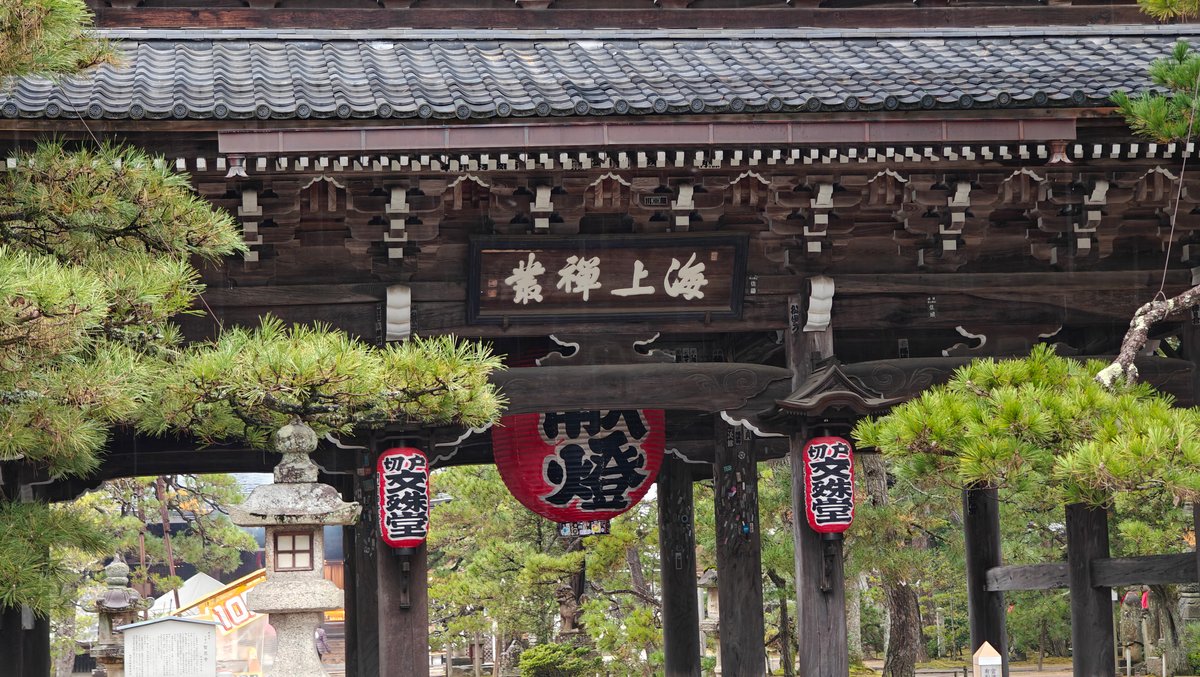
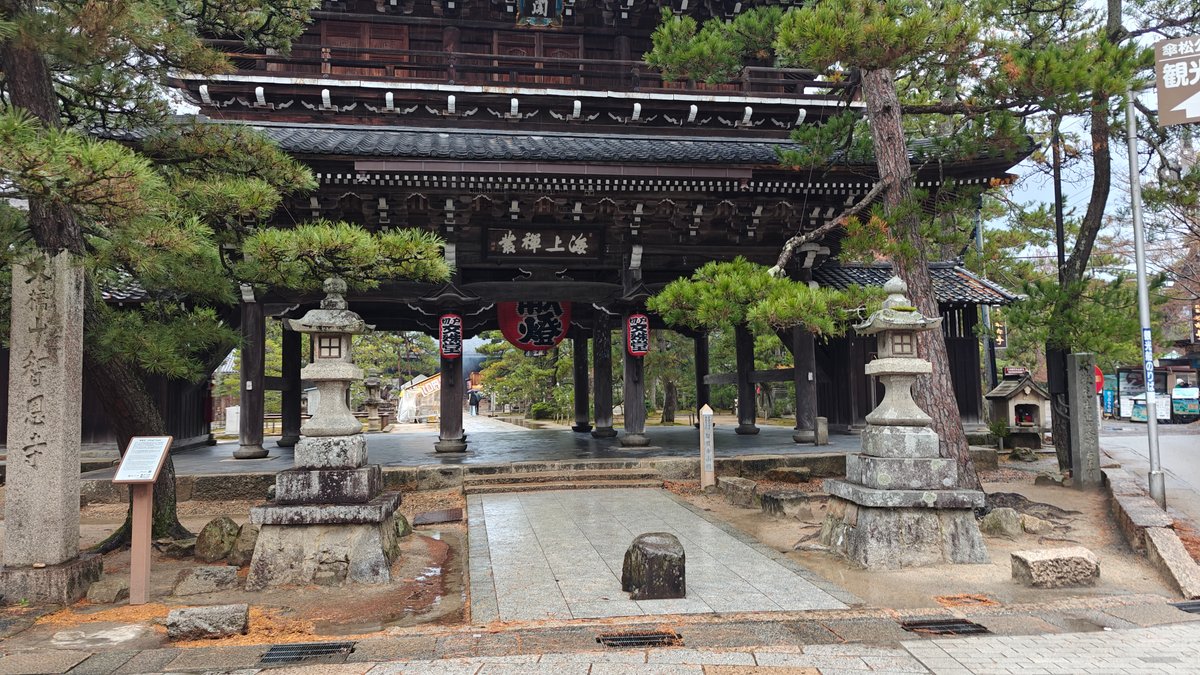
Chionji is located on the hillside above the famous sandbar in Amanohashidate, north of Kyoto city, where I spent a day.
The temple has a striking two-storey Sanmon gate at its entrance, which you can walk through for a view straight through to the temple grounds beyond.
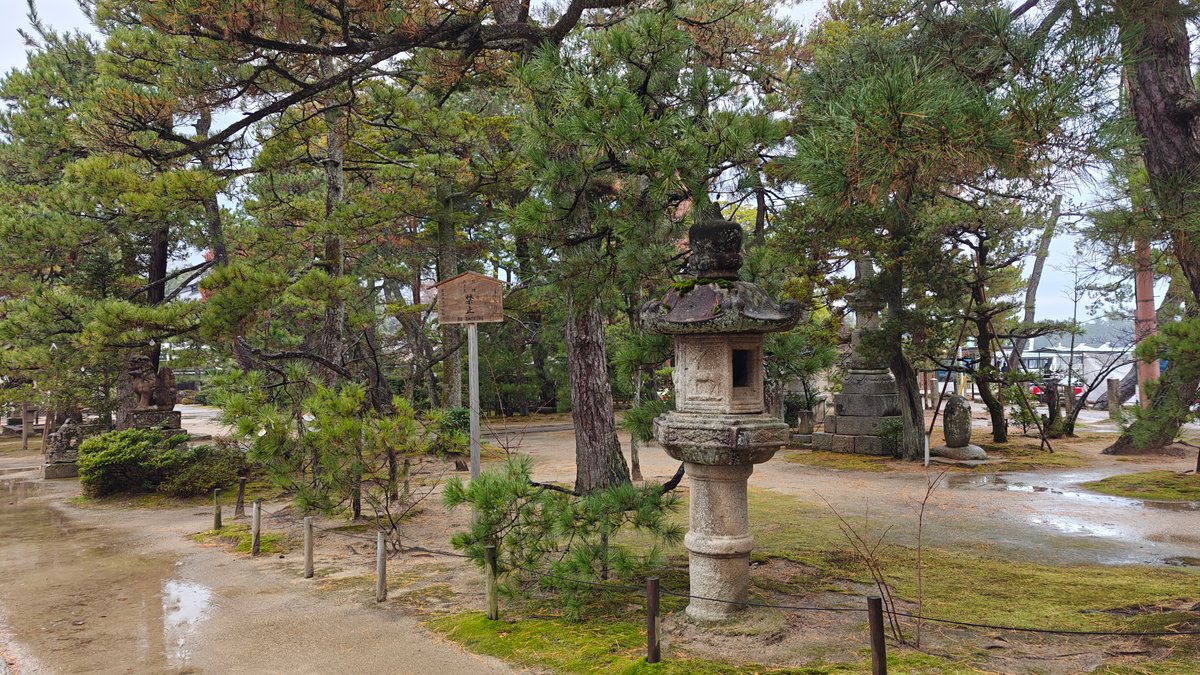
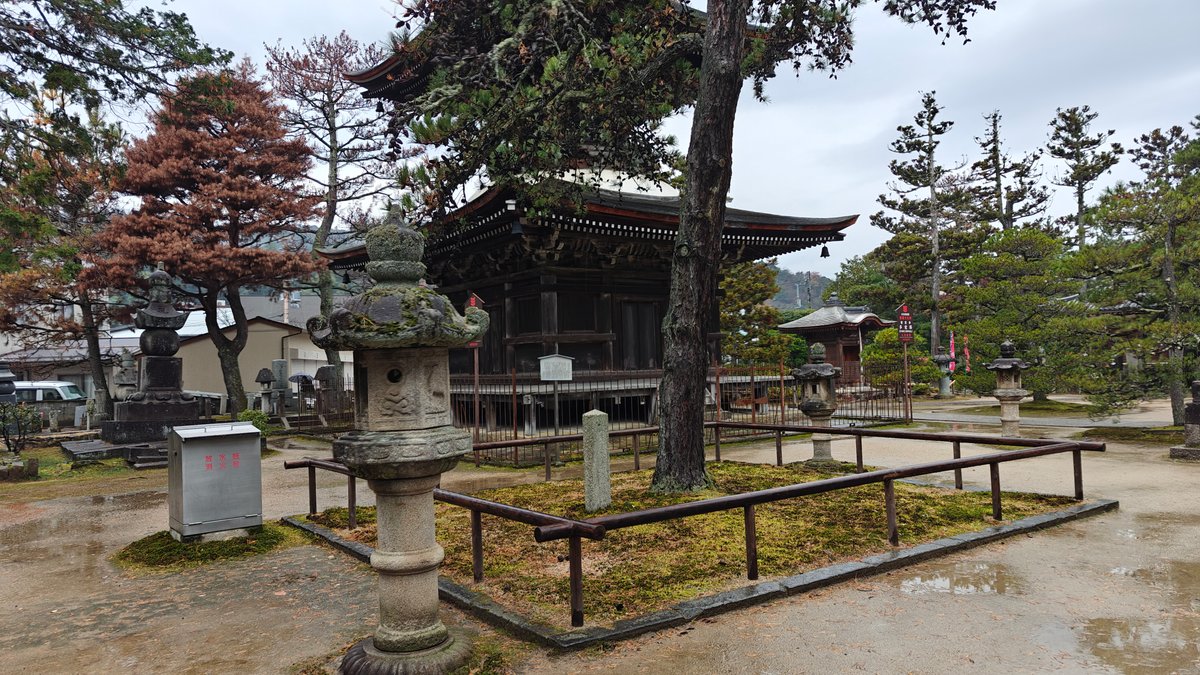
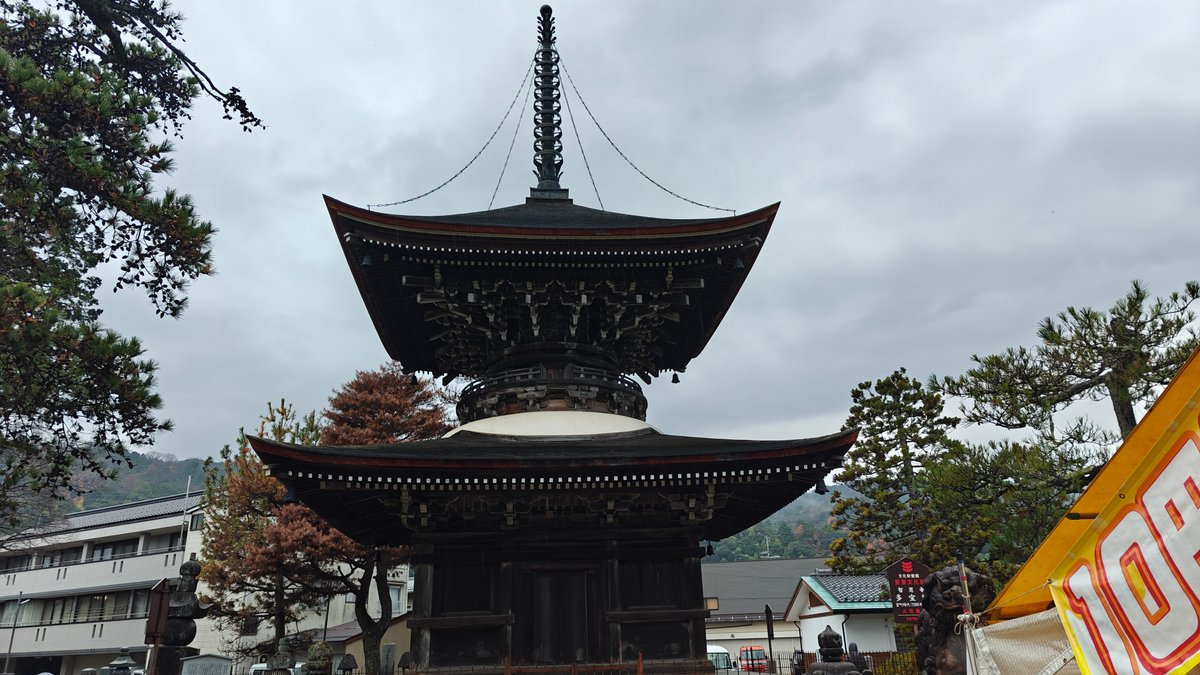
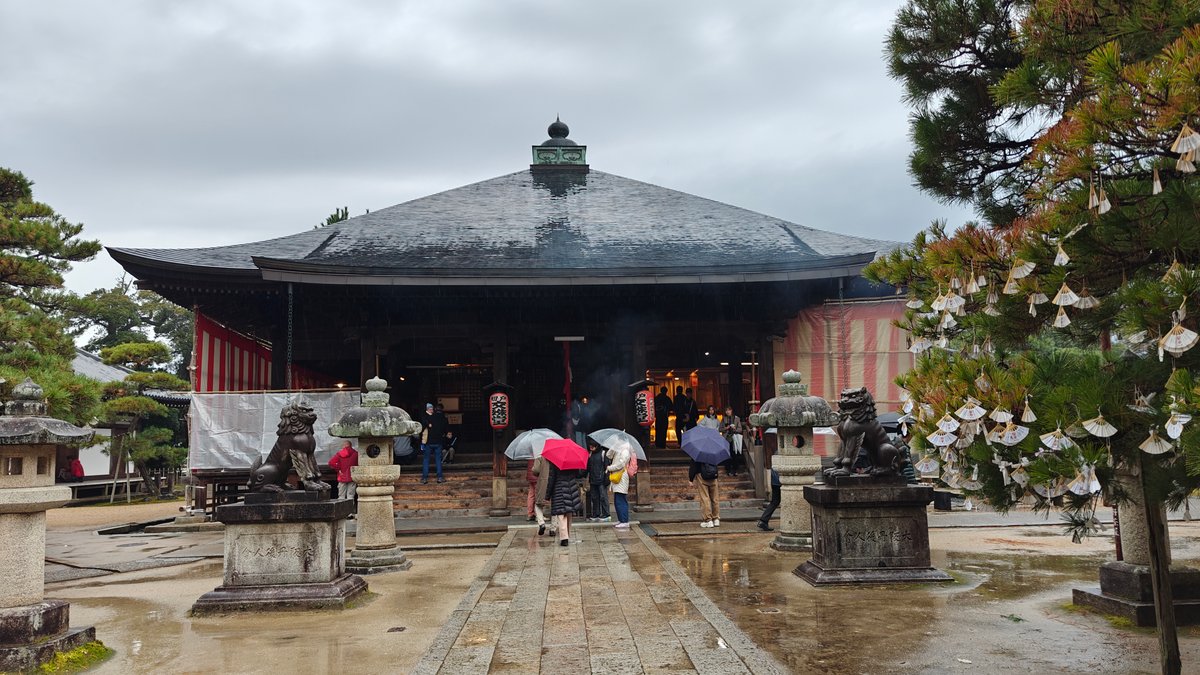
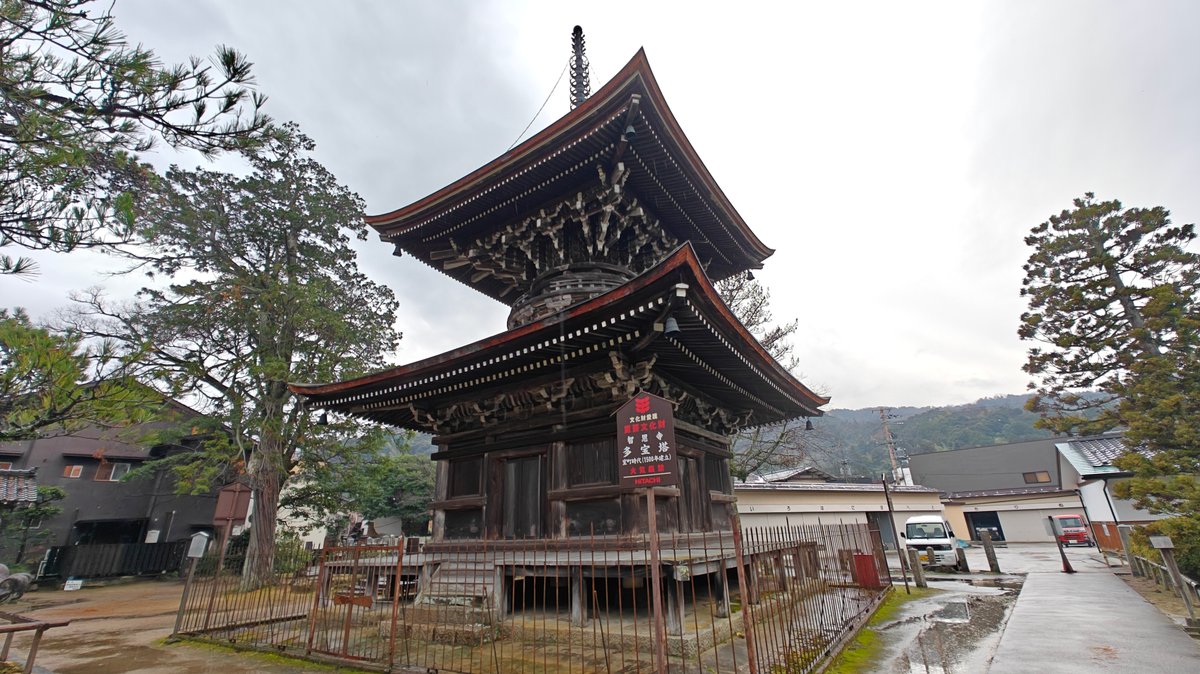
The grounds are dotted with stone lanterns and monuments scattered between old pine trees. One of the more photogenic spots was the pagoda here; I noticed several people stopping to snap some pictures at various vantage points. When I visited there were only a small number of visitors in the main hall (Monju-do) but it never felt busy.
They say this temple specializes in blessings regarding wisdom, which is why occasionally you’ll find students visiting here prior to exams. It’s worth a visit because of its location on the hillside. You end up going up and down a little bit, but the view out across the pine-covered grounds makes it worth it.
There wasn’t really one specific festival or season that I timed my visit for, I simply wanted to experience the temples when they’re less crowded. Winter certainly did not disappoint. There were no crowds, so I felt relaxed.
Each temple offered its own unique thing to see, whether that was a quiet garden, a spectacular building, or even just a nice hillside spot with a great view. The next time I’m in the region, I think I’ll be visiting a couple more here. Have you ever visited Kyoto’s temples?
What were some of your favorites?