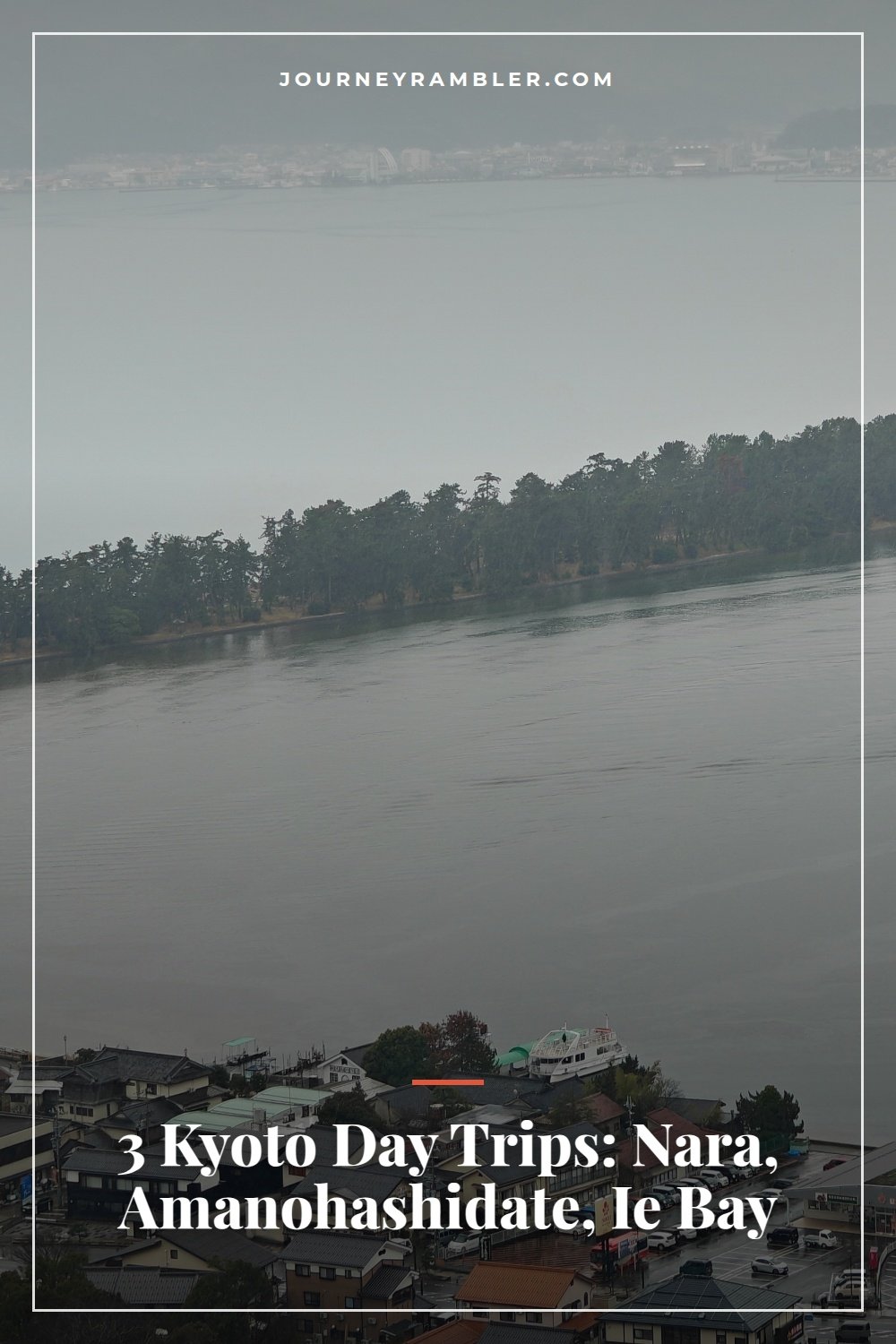
I actualy took these three day trips from Kyoto (Nara, Amanohashidate, and Ine Bay). However, Kyoto is a fantastic place to use as a base for some day trips to other locations that feel completely different than the city. During several visits, I’ve crossed off three day trips I had been meaning to do forever: visit Nara to feed the deer, go see the famous sandbar at Amanohashidate, and wander around the fishing village of Ine Bay.
All were easily possible in a day trip from Kyoto but note that Amanohashidate and Ine are up north so require slightly more effort to get to. To be honest, I enjoyed all three as a welcome break from temple-hopping around the city. Of these three, Nara is the most popular and easy, whereas Ine and Amanohashidate were quieter (though not necessarily that much better weather-wise when I visited).
My Three Day Trips From Kyoto
Nara Park
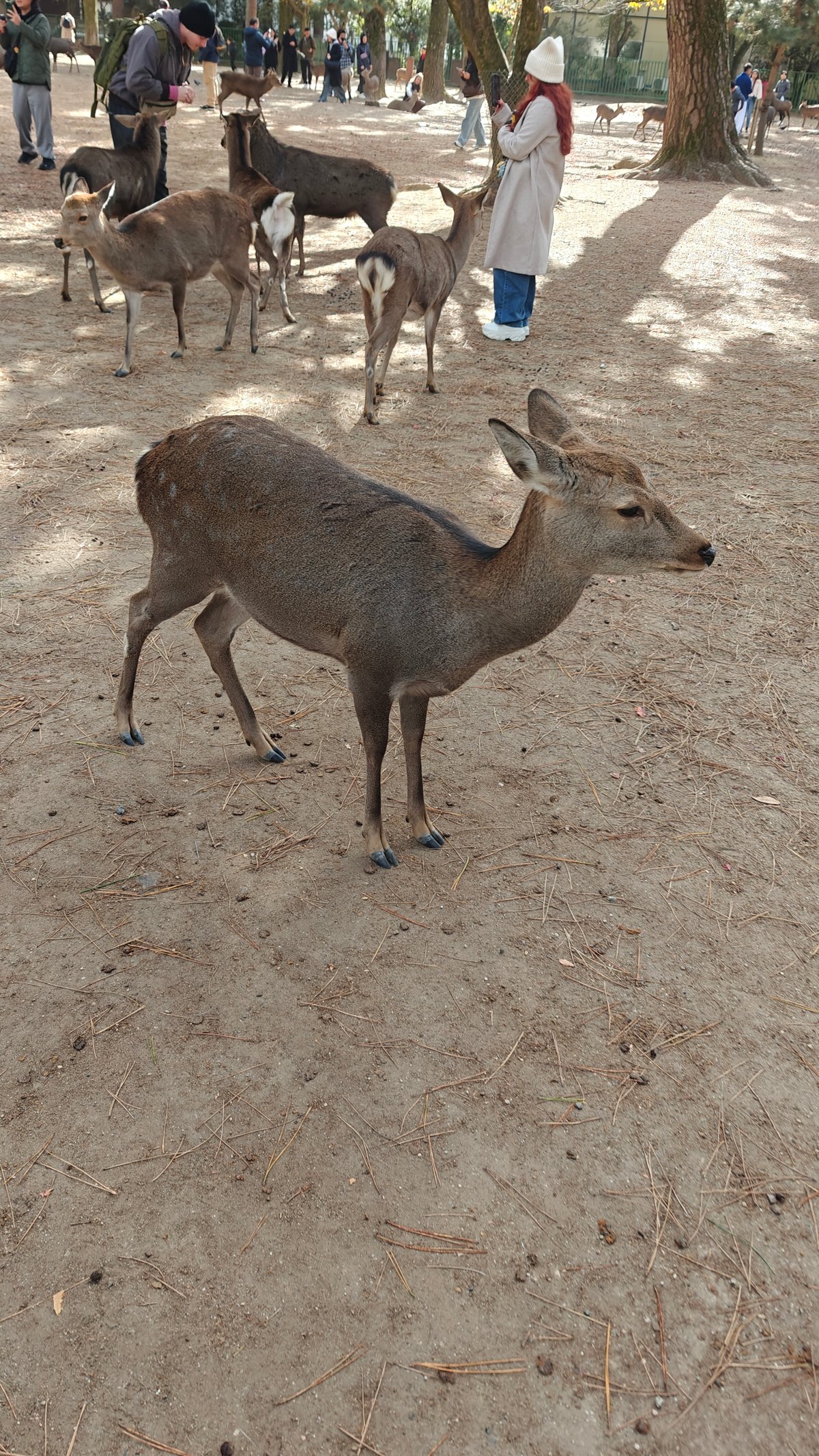
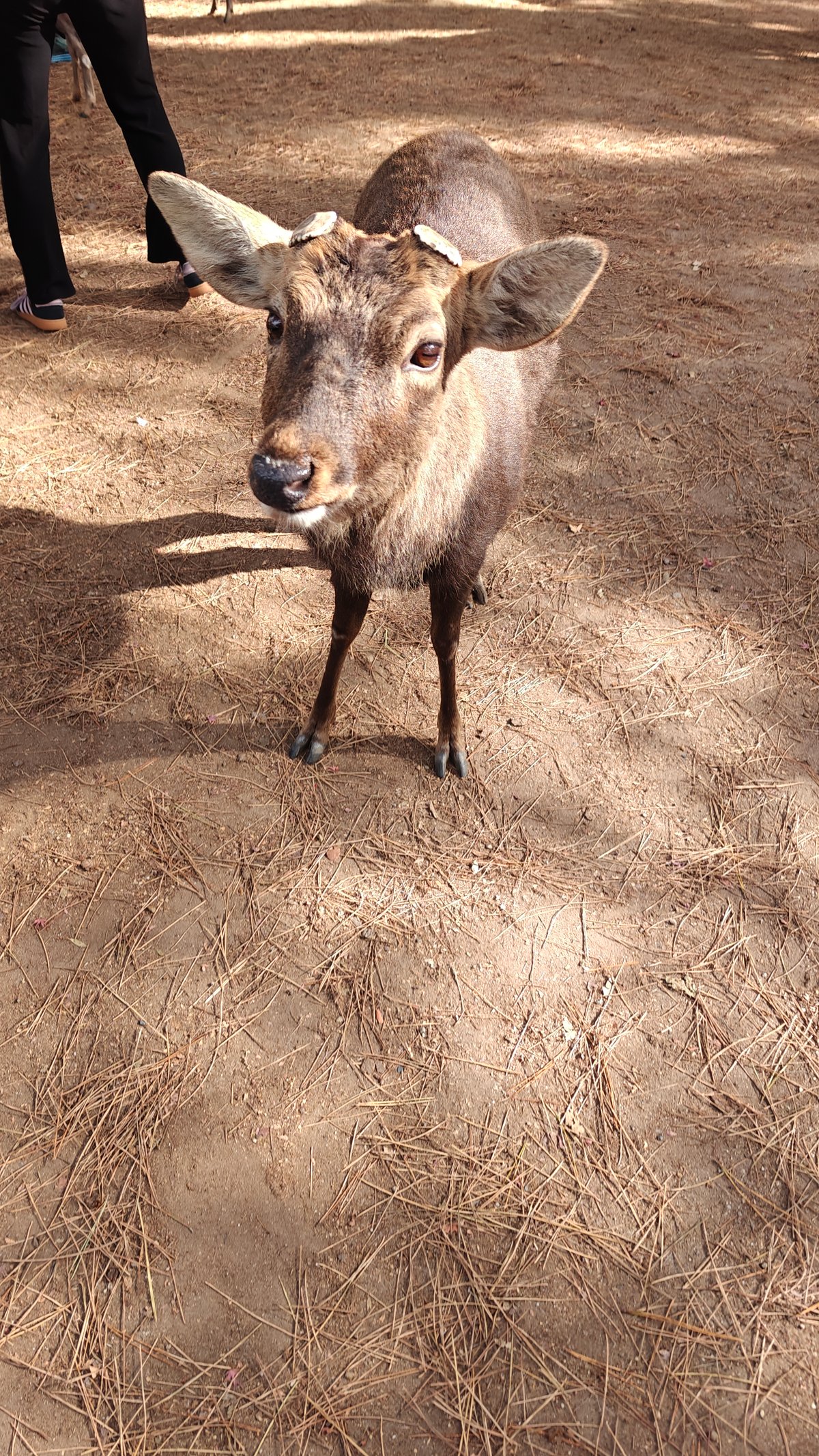
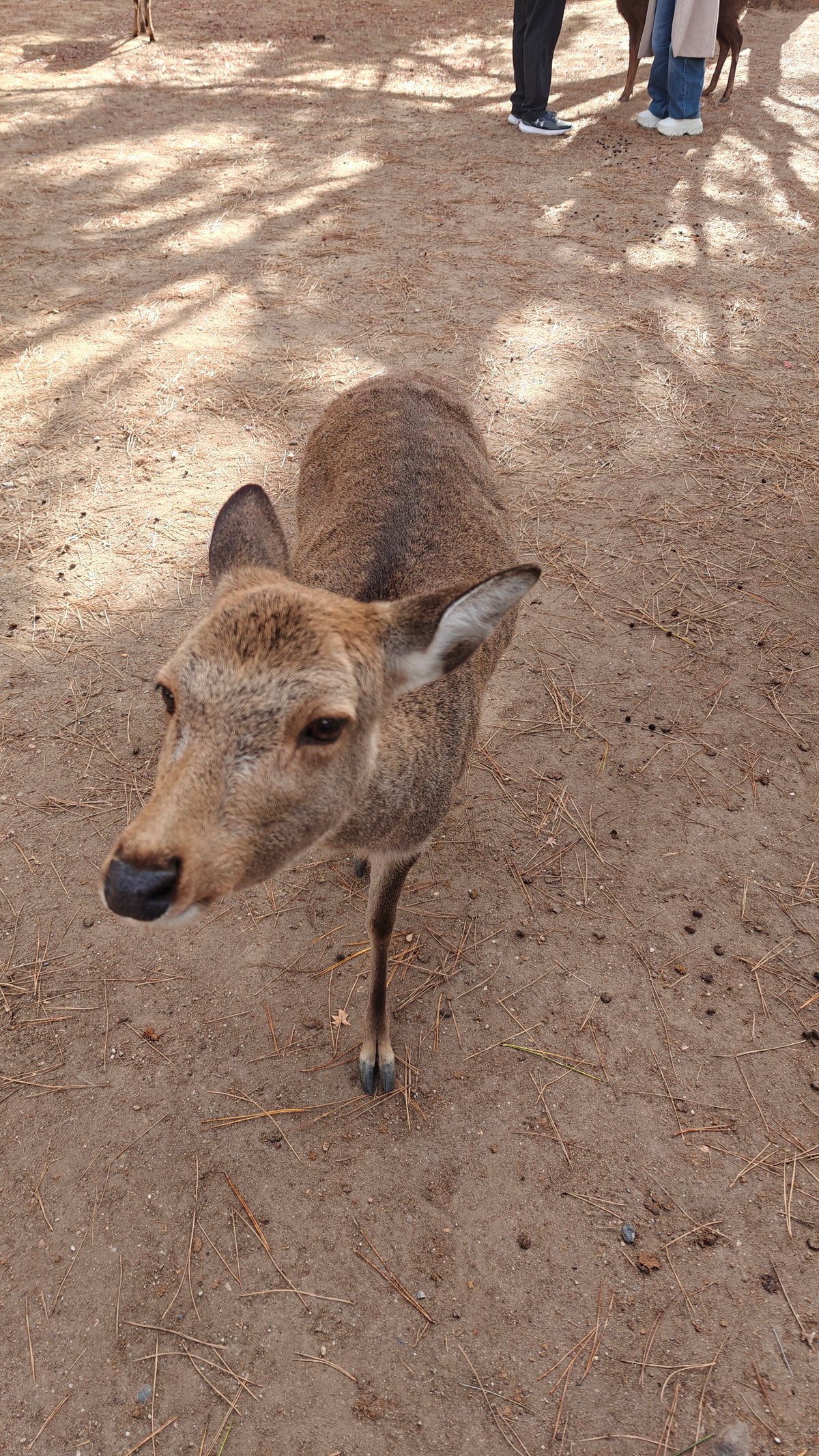
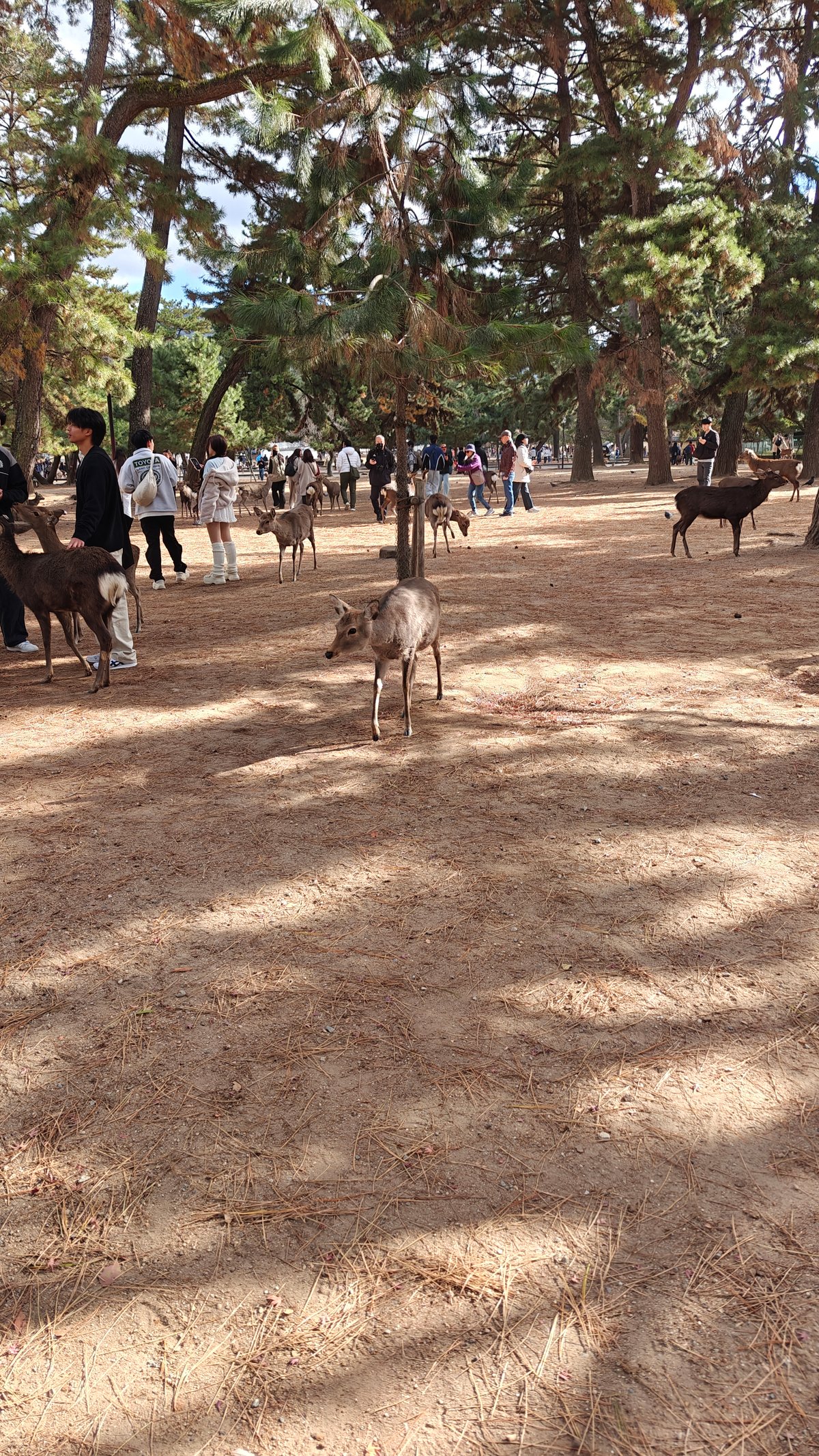
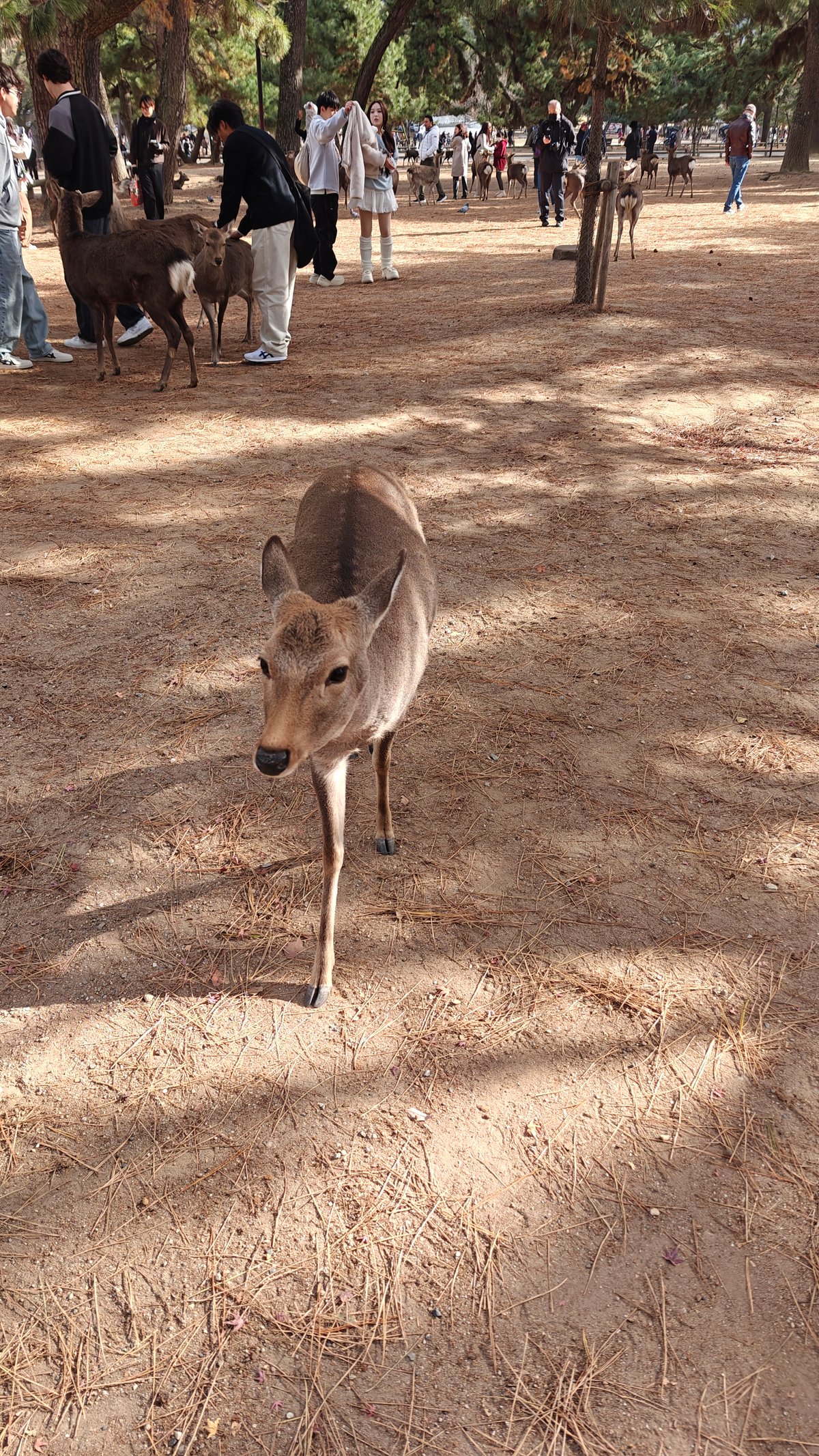
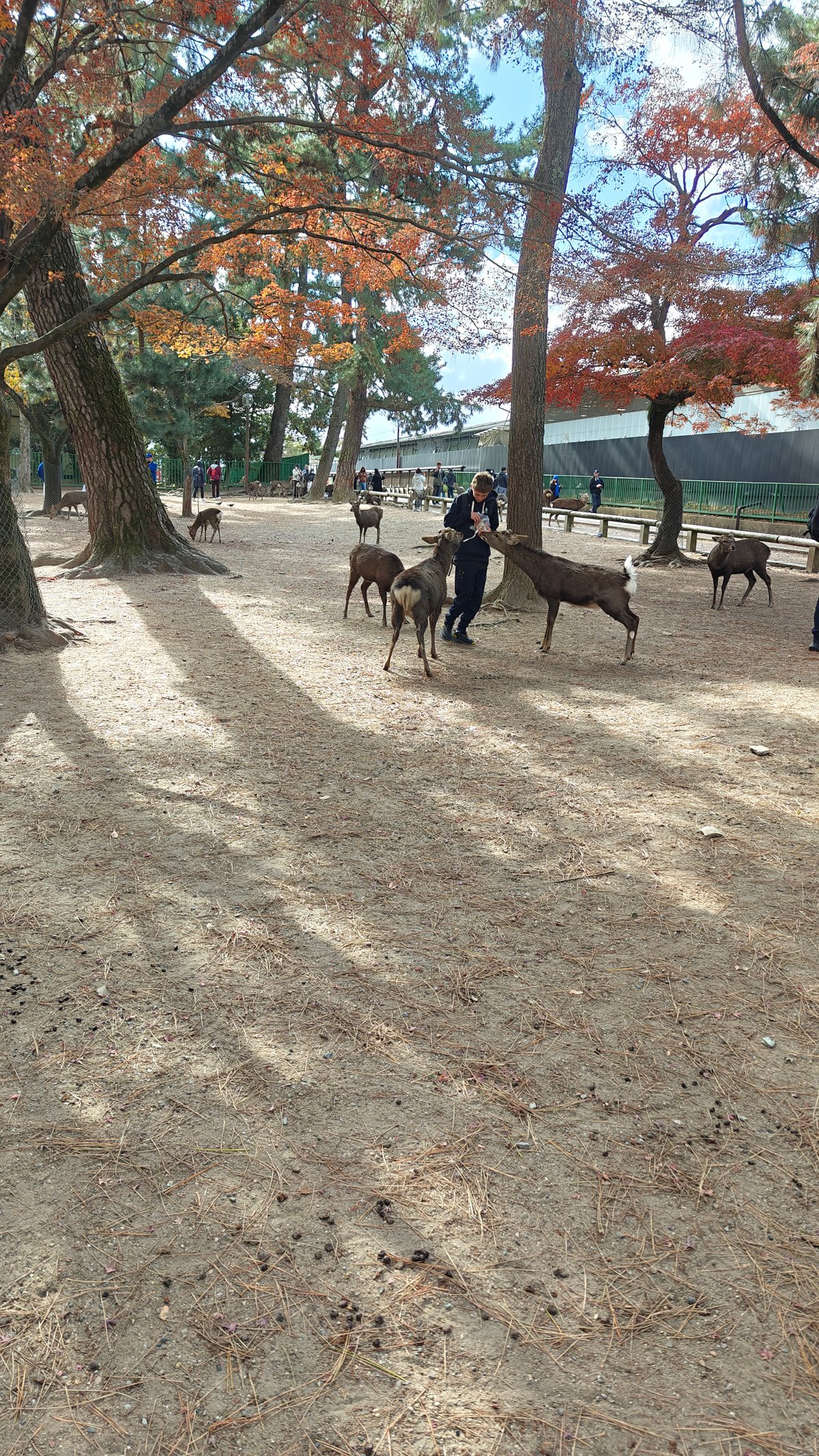
The deer are Nara’s claim to fame. And they is everywhere. As soon as you enter the park, there they are: sleeping on the lawn, walking the streets, staring at you in an effort to see if you have some crackers.
While they are used to humans, they remain wild creatures, and will bow if they think you have something and get a little aggressive if it takes you too long to give them whatever you have. I saw several tourists whose clothes was nibbled and bags nudged because they took too long.
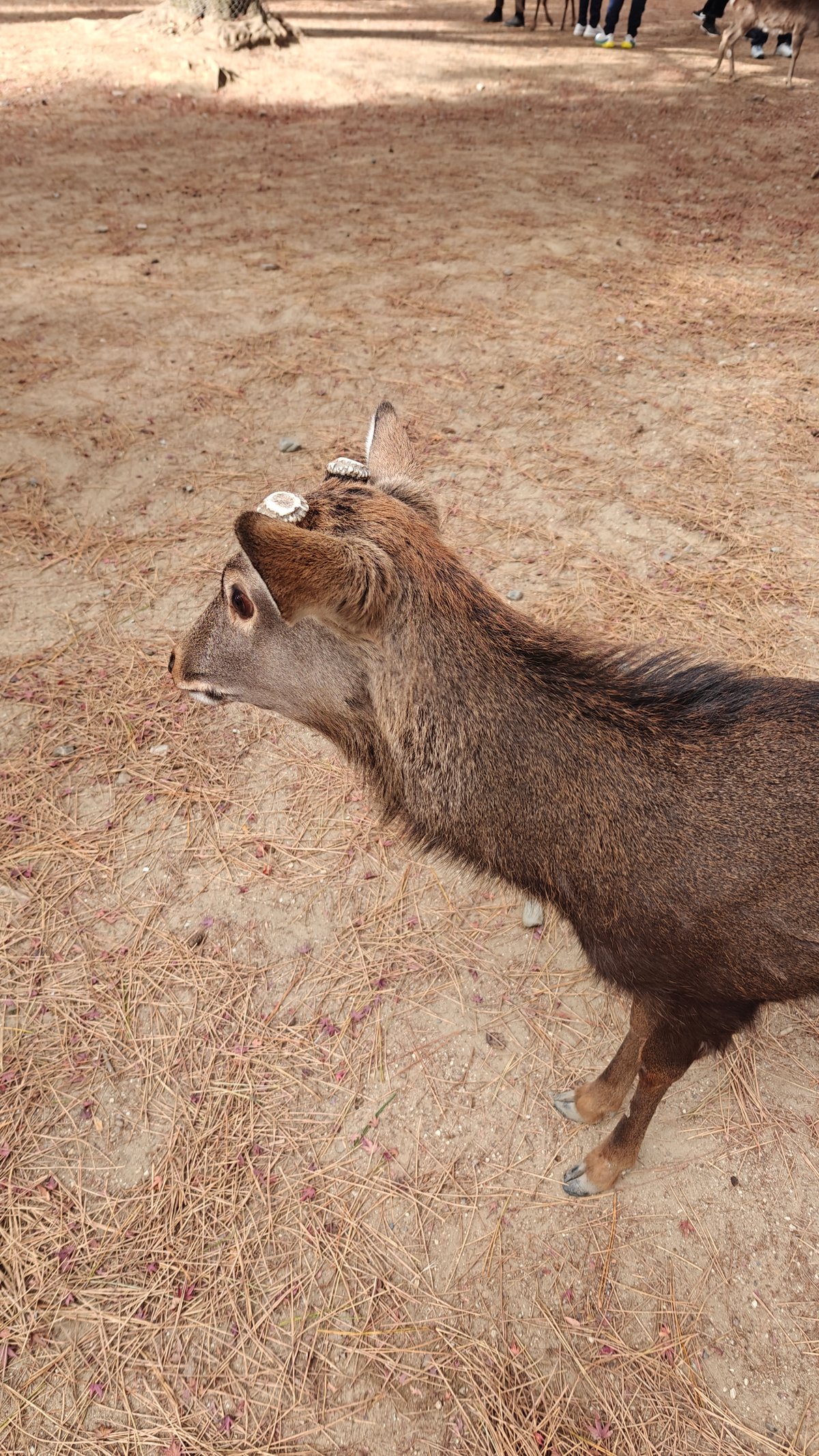
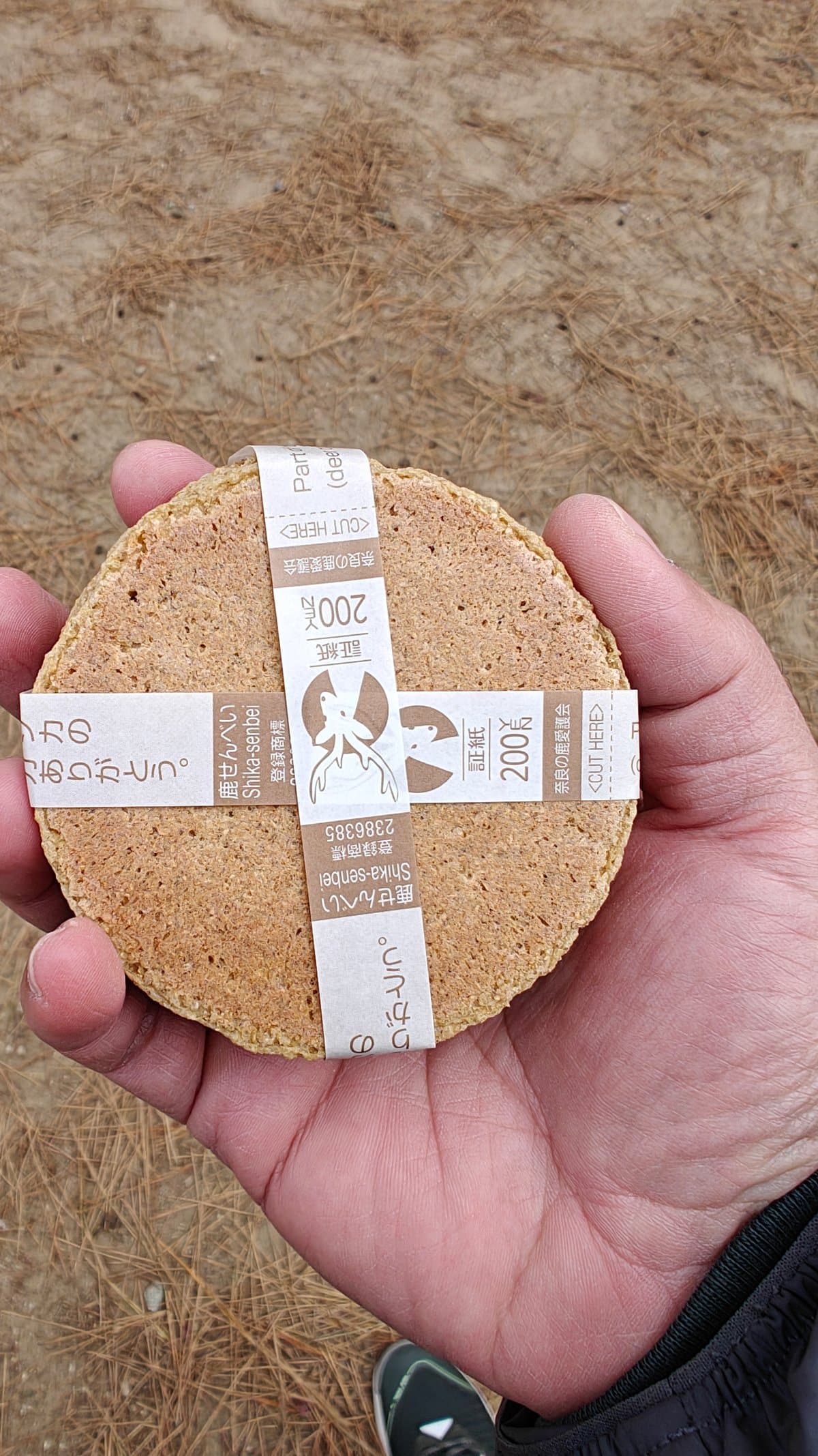
Vendors throughout the park sell Shika senbei cracker snacks for a couple hundred yen. As soon as you pull them out, you’ll be surrounded by deer who recognize the stack of crackers in your hands. They’re courteous while eating their snack from you but lose interest very quickly when it’s finished and move on to someone else.
Todai-ji Temple
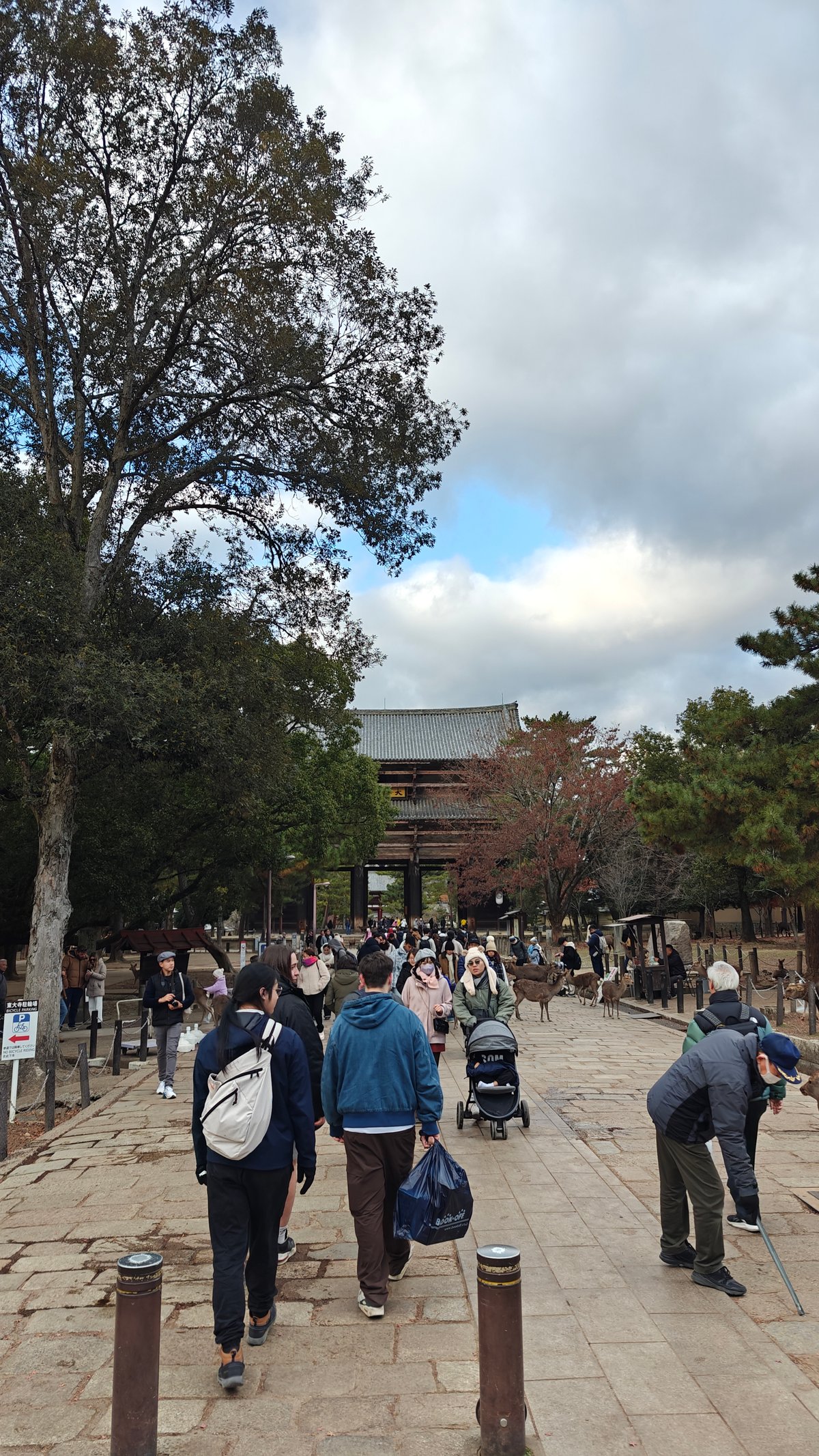
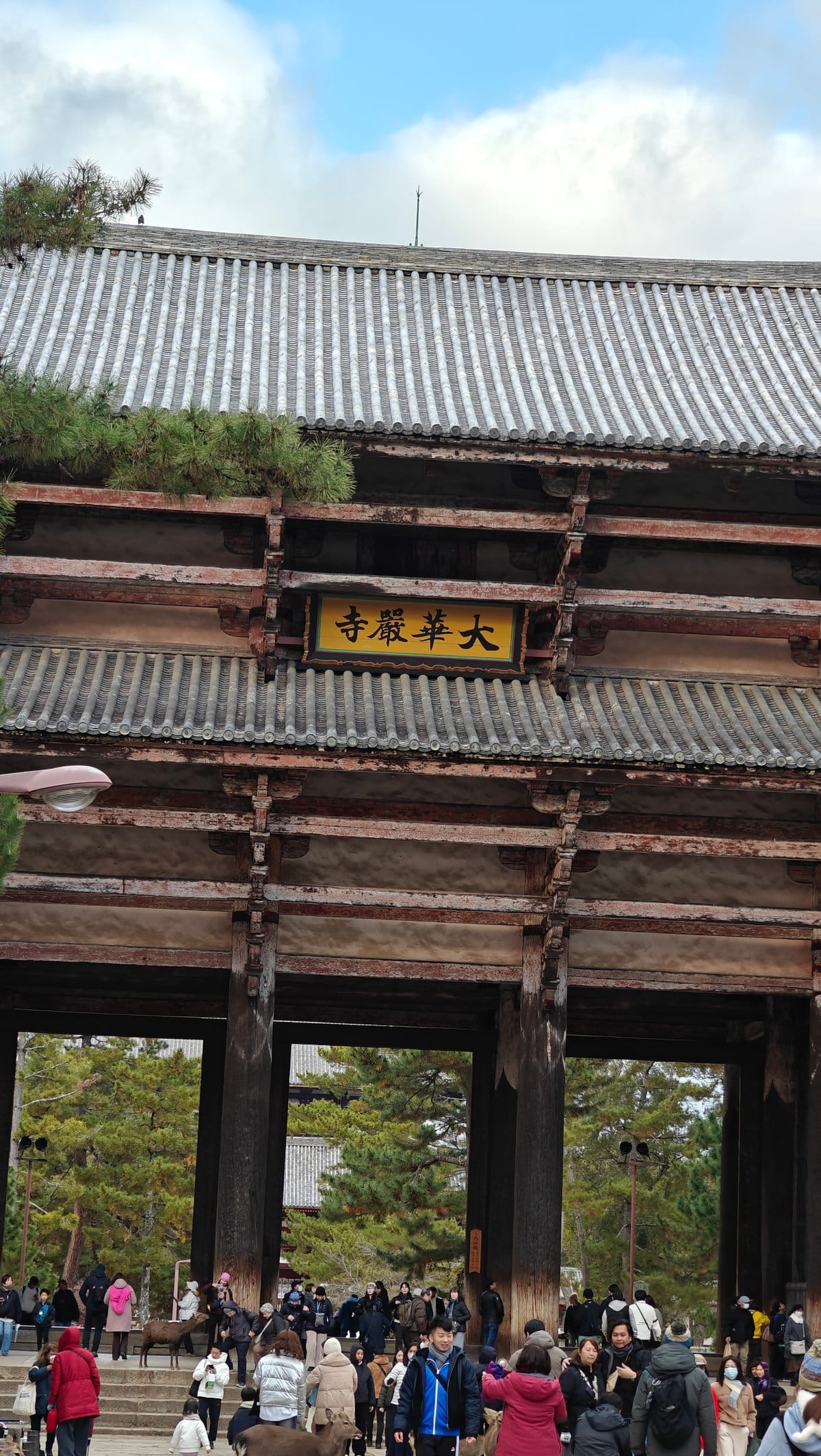
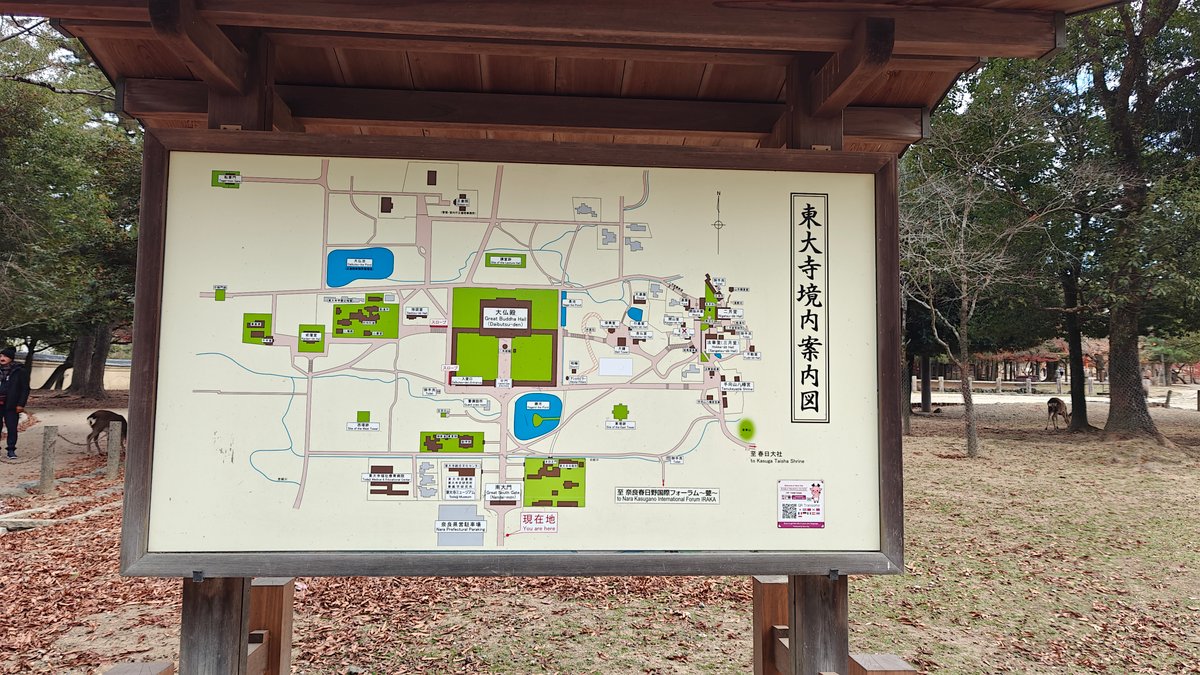
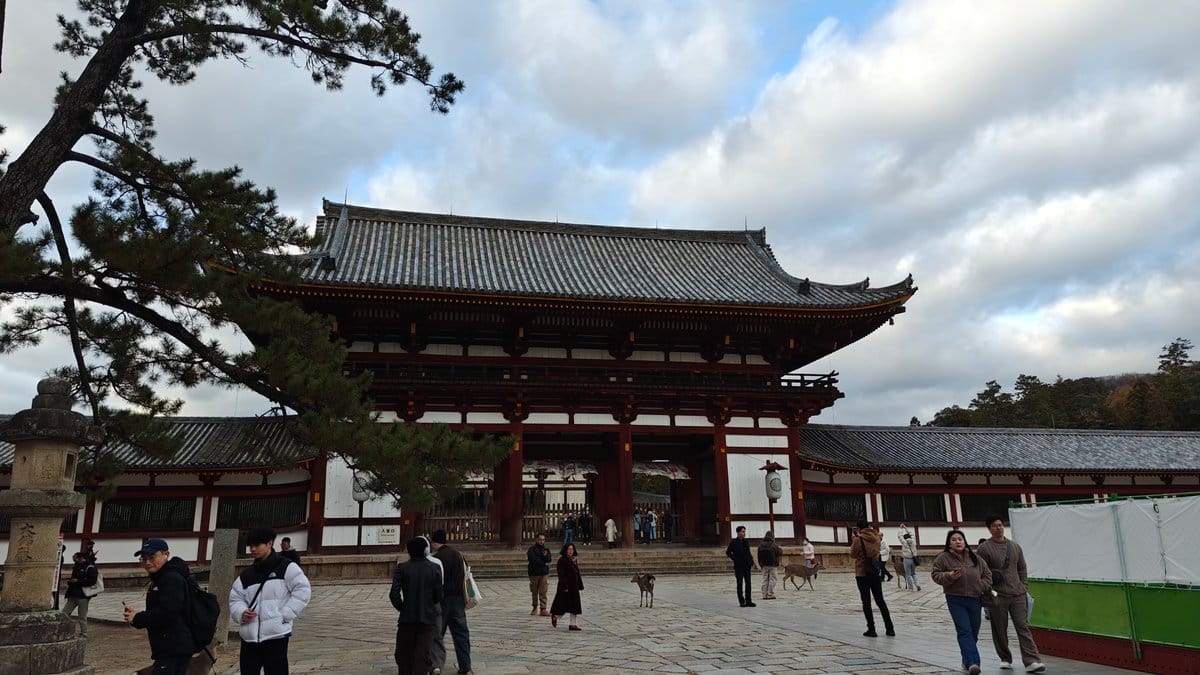
You walk down a path lined with trees and rows of stone lanterns. There are also some deer, of course. Eventually, you arrive at Todai-ji.
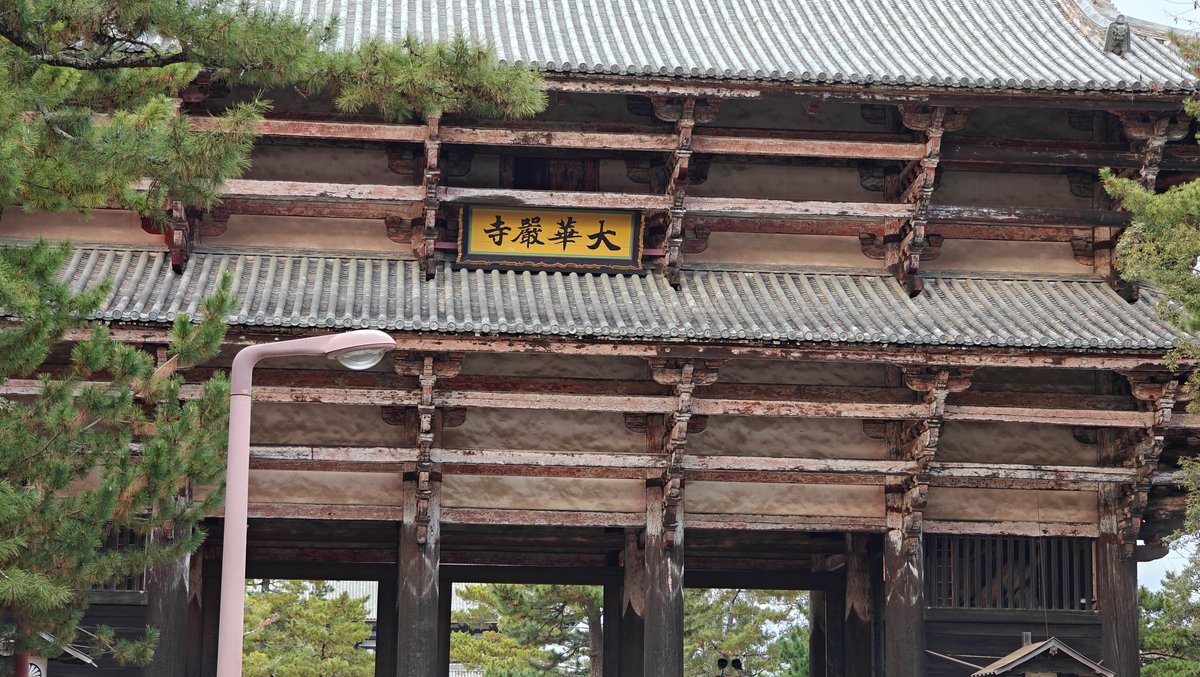
Its giant gate (Nandaimon) is impossible to overlook. Tucked within are imposing statues of guardians and dark wooden beams.
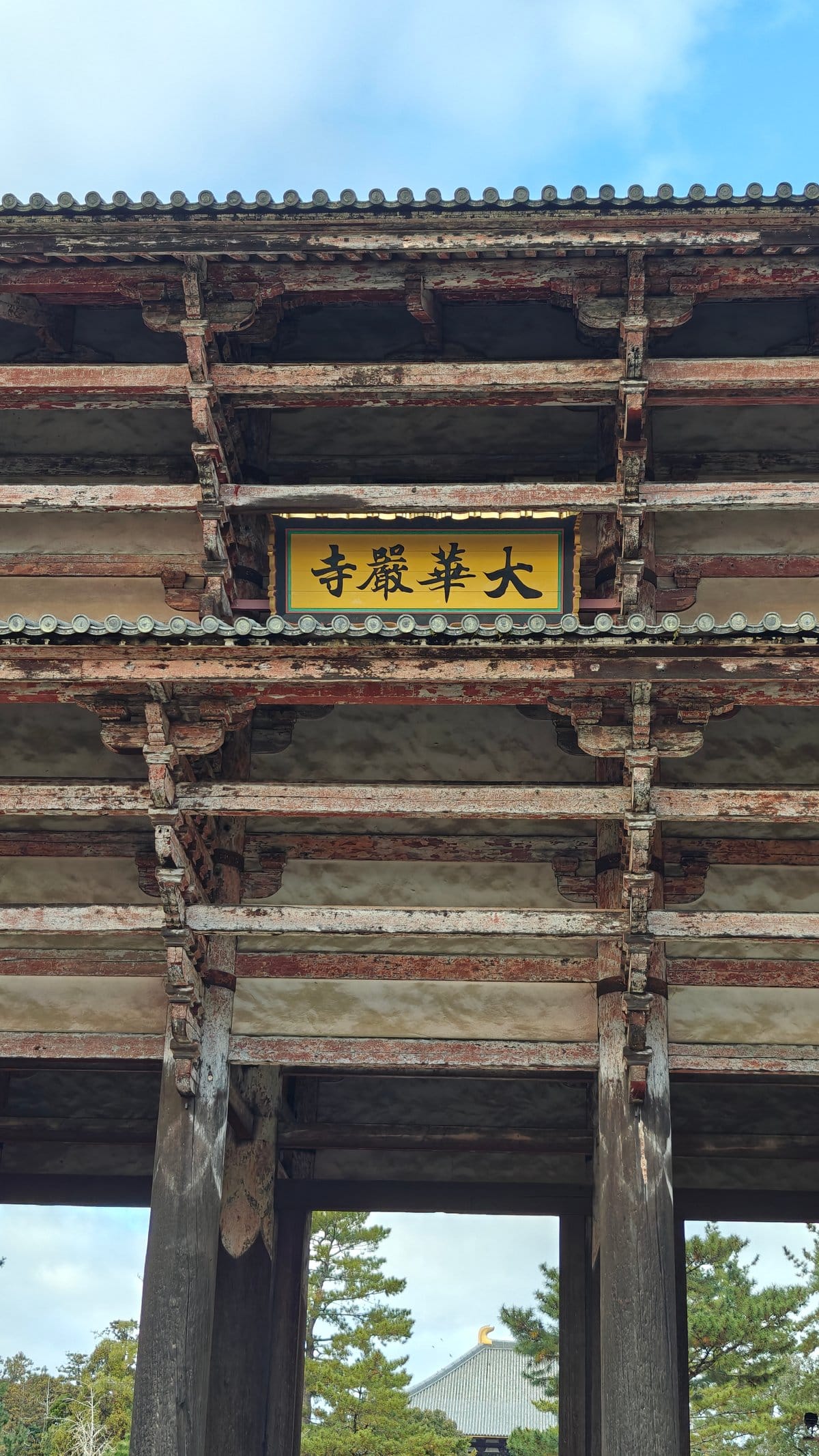
Even from afar, the detail and size of the Nio guardians are impressive. I just stood gawping upwards for awhile. The path widens beyond the gate to give you your first decent glimpse into the inner grounds.
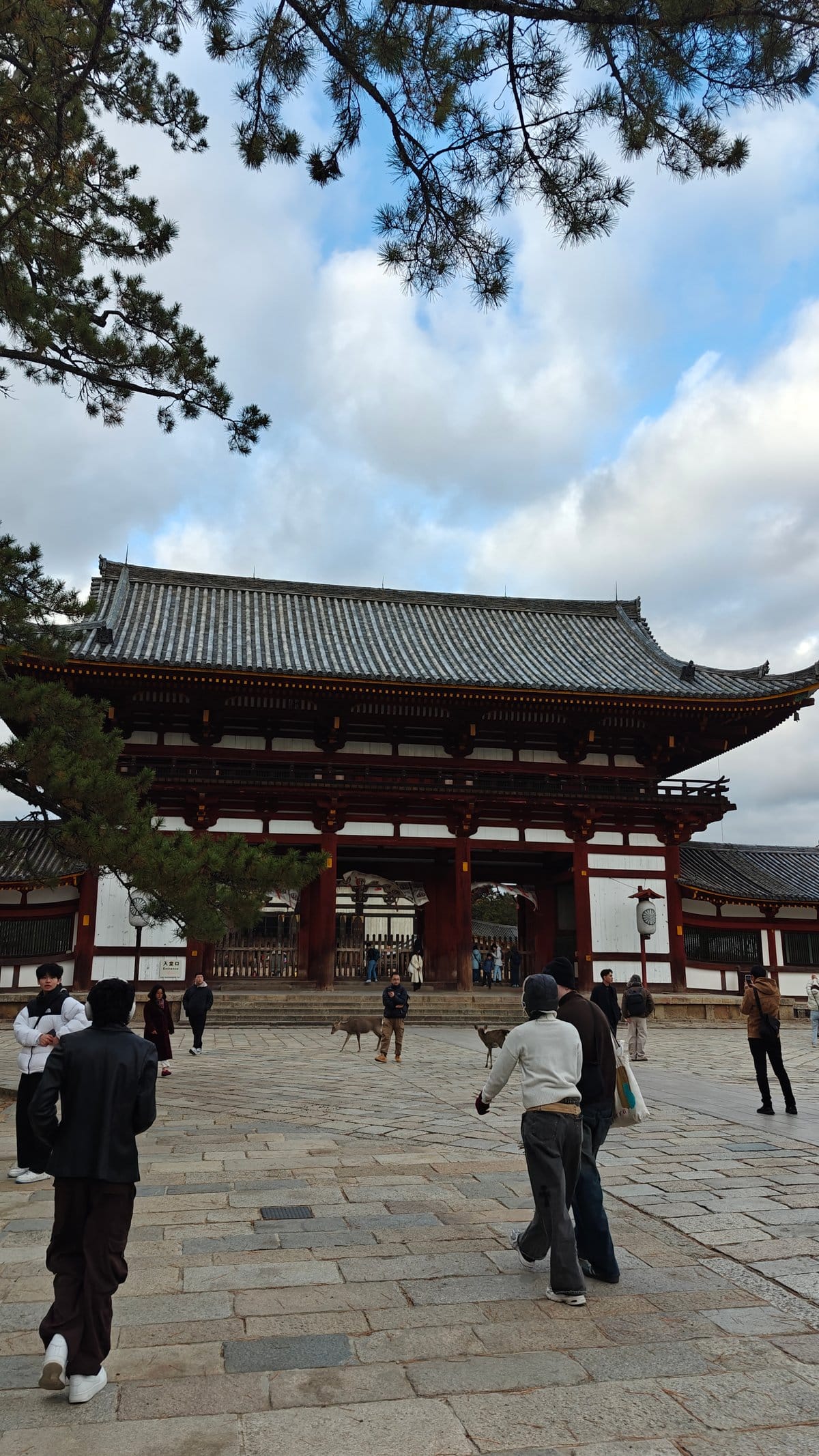
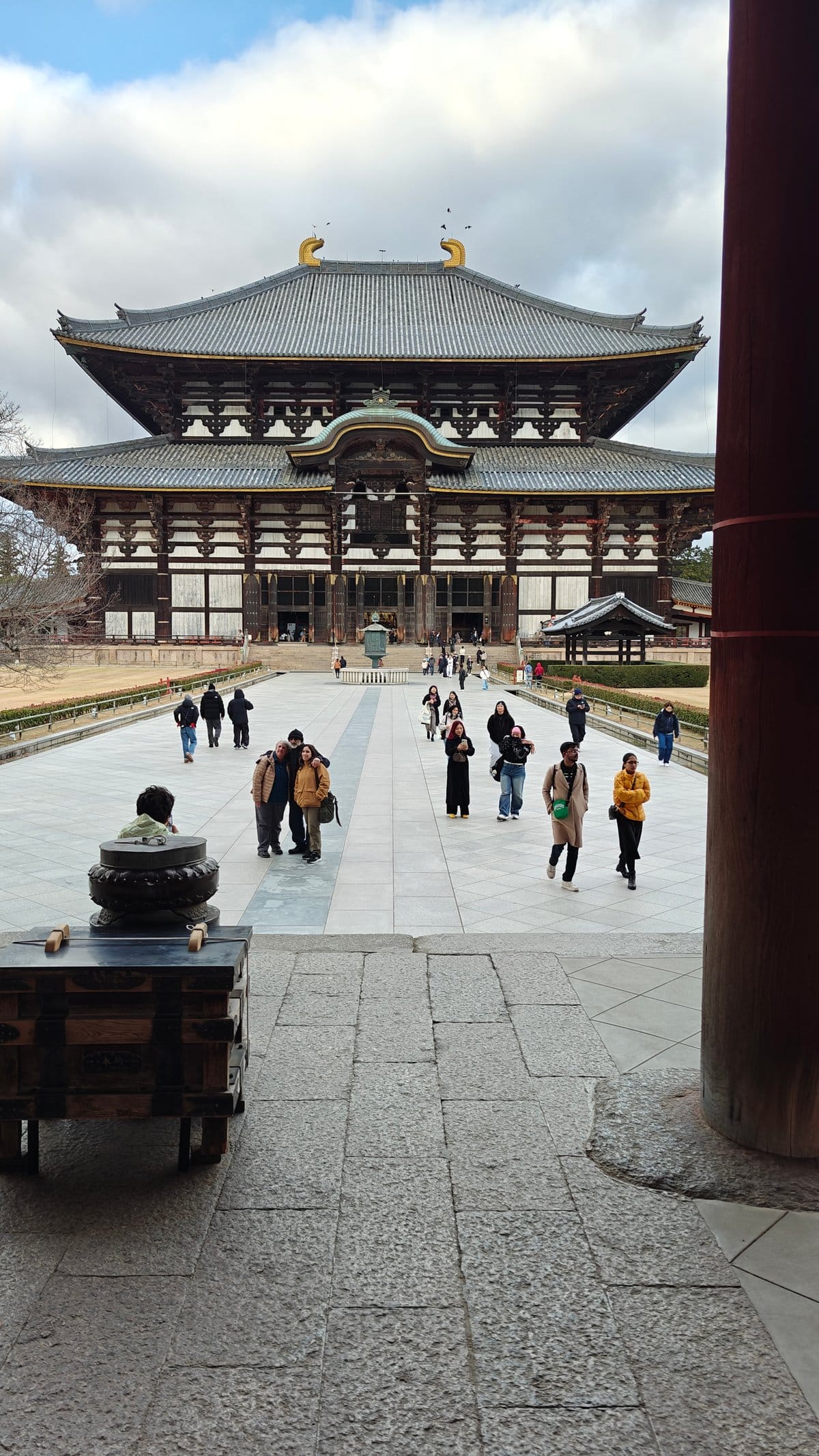
As you stand there looking at the Great Buddha Hall (Daibutsuden), you’ll realize that it really is huge. This building is one of the world’s biggest wooden structure and I was glad I paid for admission so I could get a closer look at the giant Buddha. The hall fills up and you end up shuffling around with other people but, if you came this far, it’s worth doing.
Kasuga Taisha
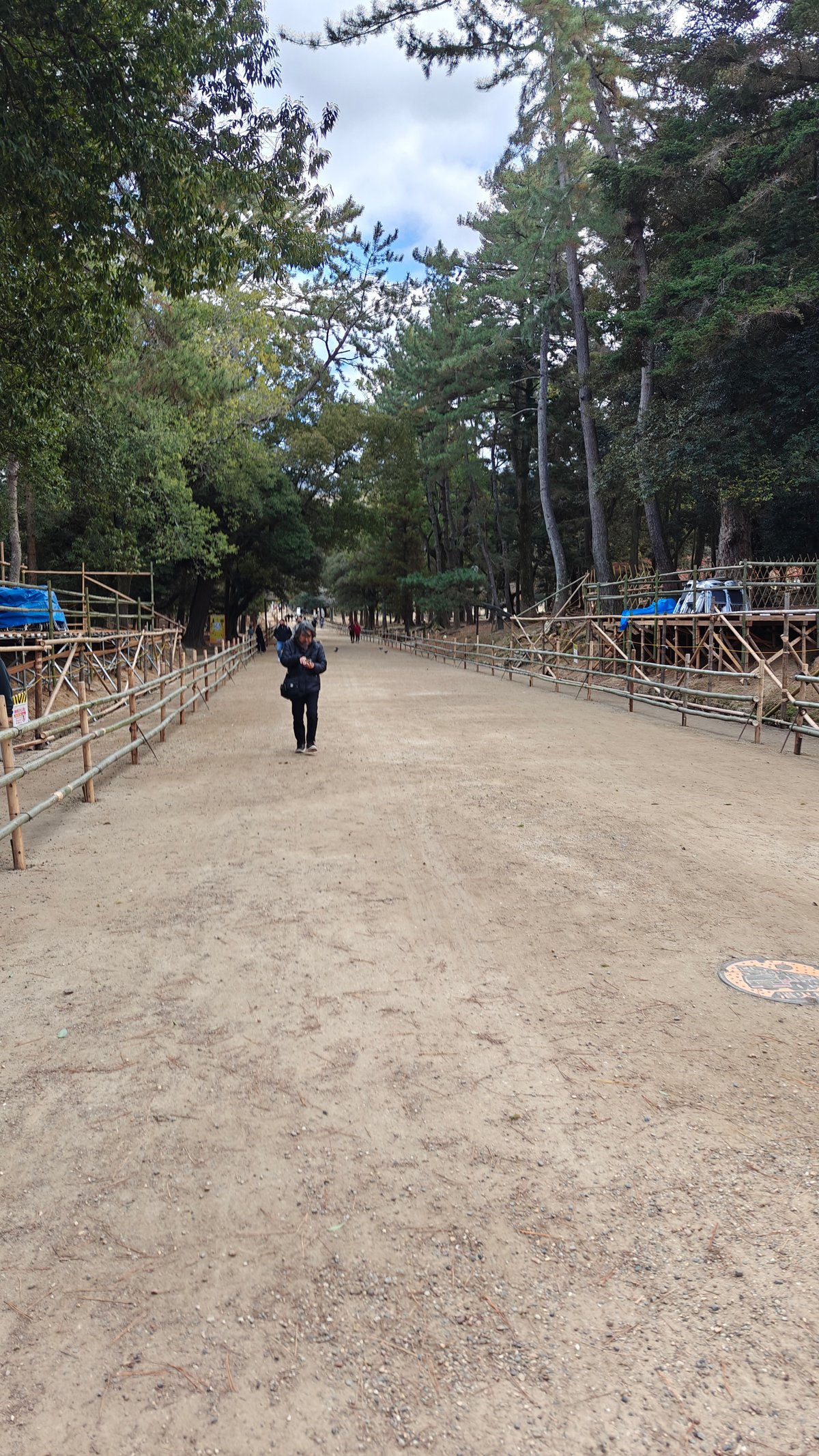
Kasuga Taisha is located deeper on the wooded hillside from Todai-ji.
Hundreds of stone lanterns line the path up to it (many of them buried beneath the trees and grown over with moss). It’s a more peaceful pathway compared to the rest of the park, and the forest is thicker and cools as you go.
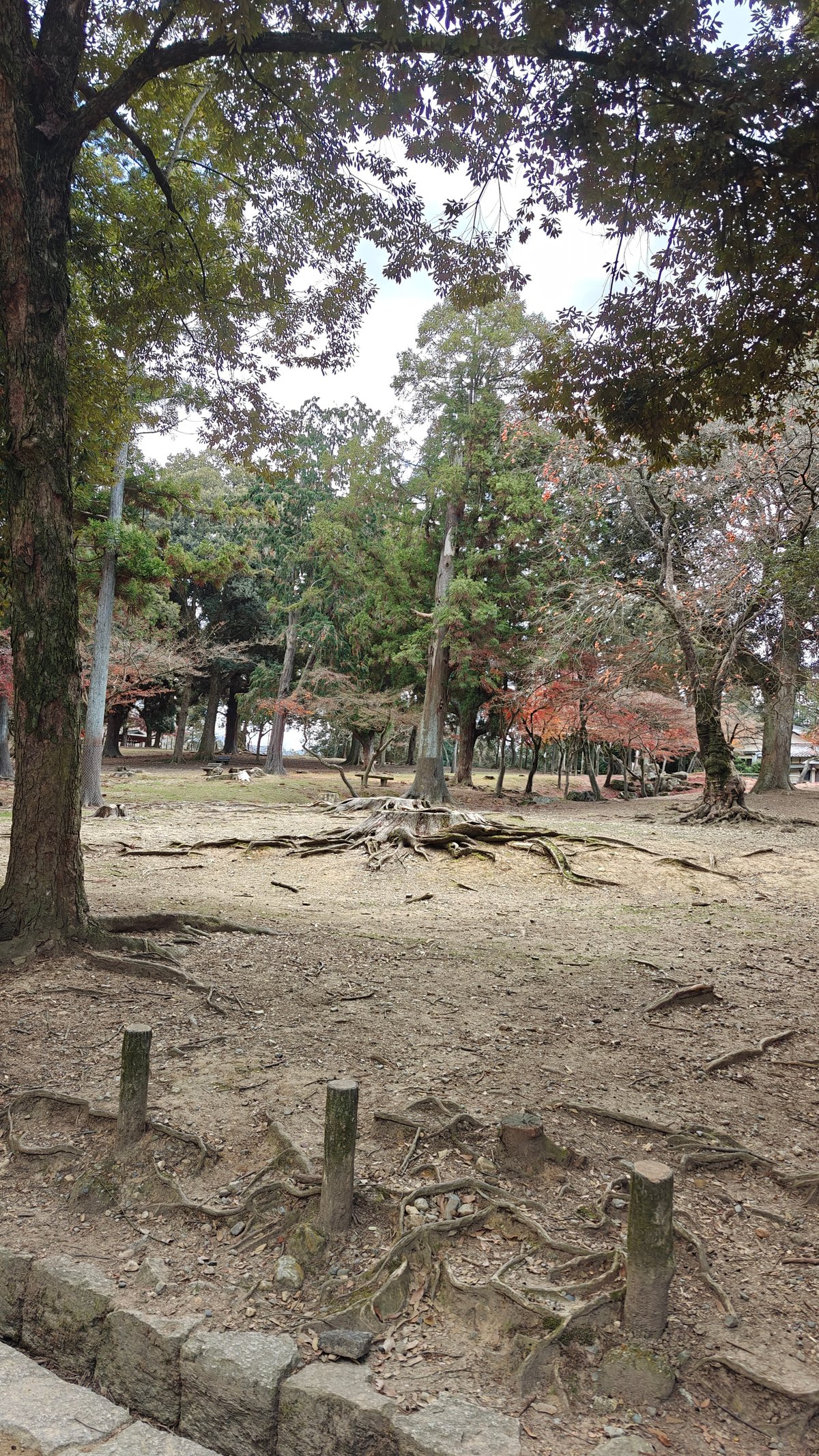
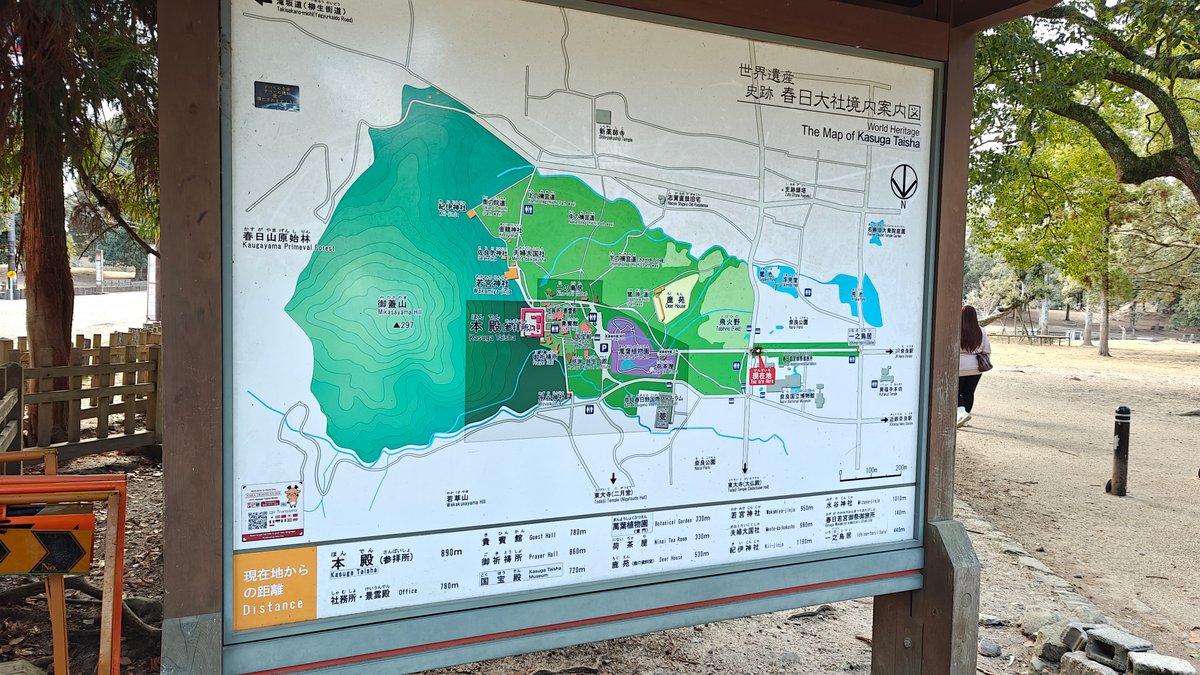
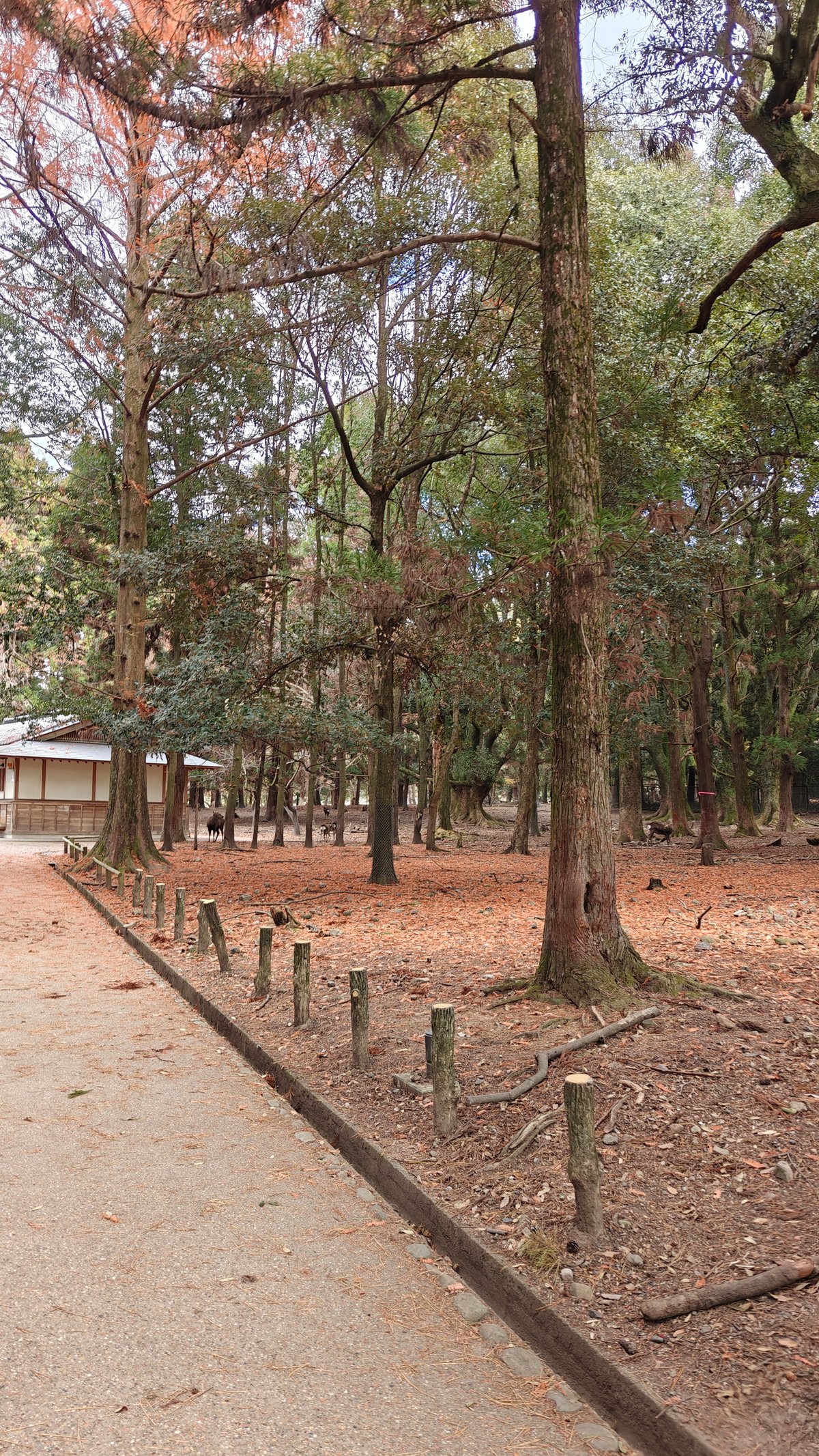
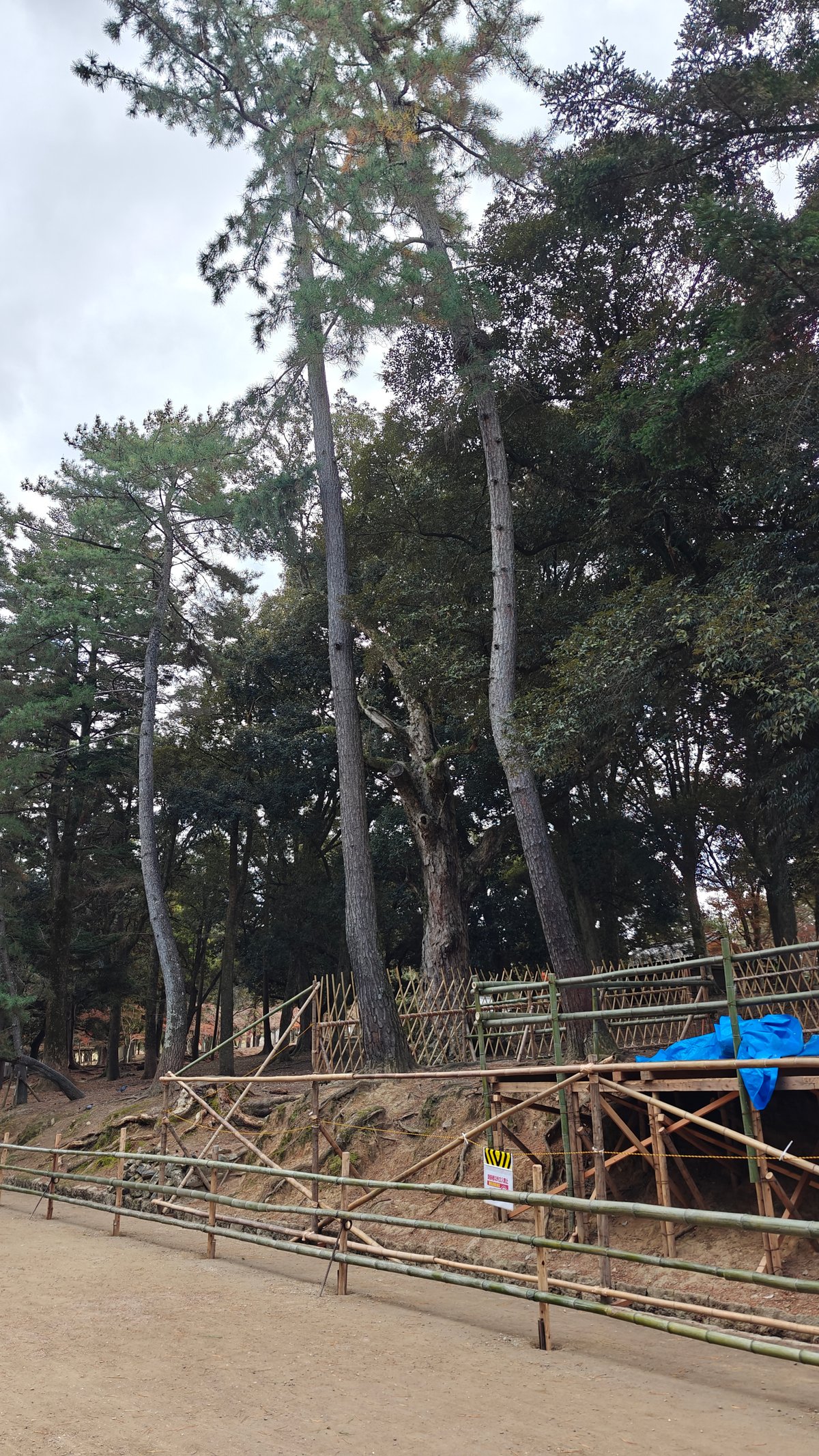
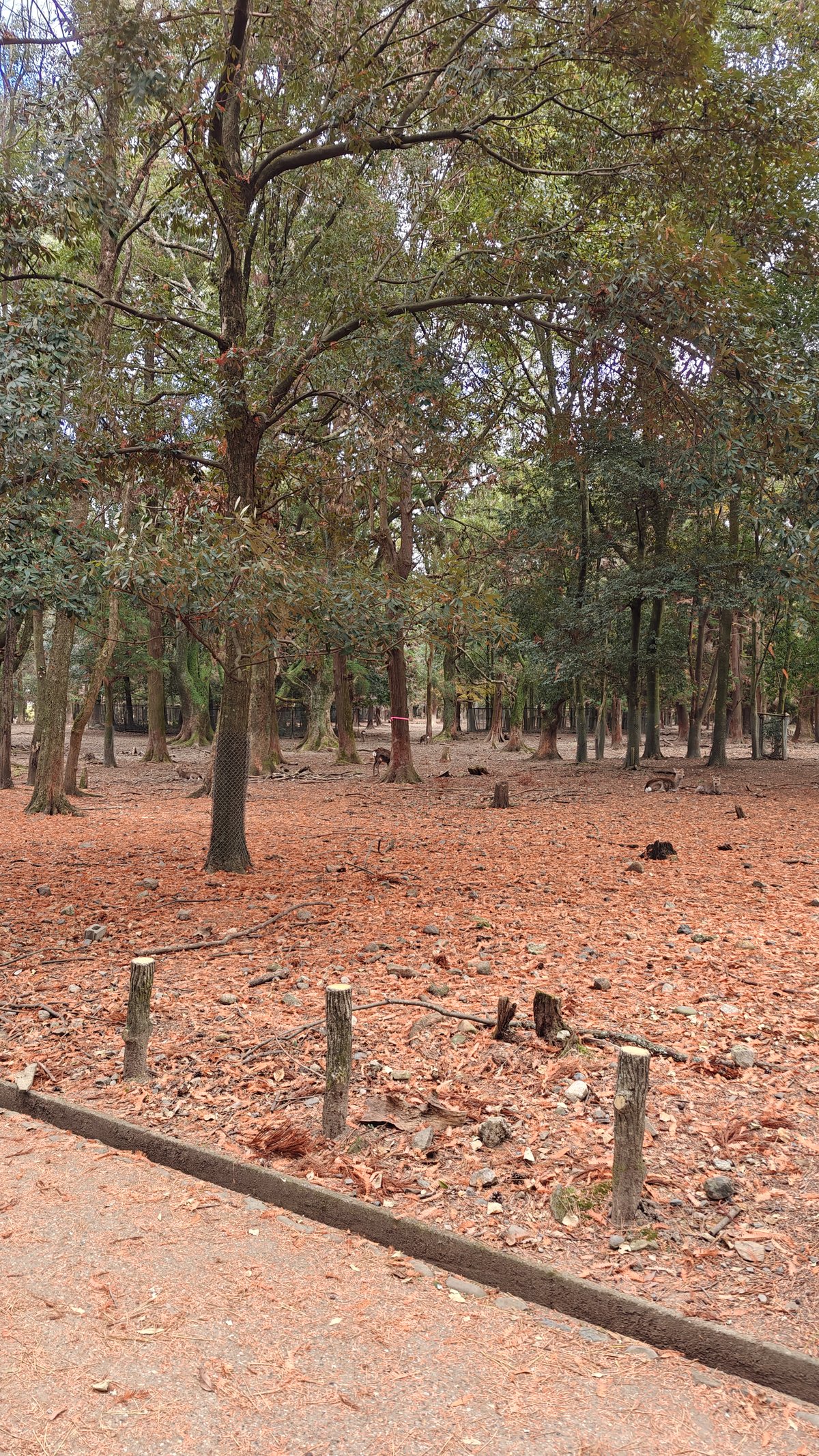
The forest is filled with tall cedars, and there are deer grazing in the open spaces between them and the torii gates you walk past. There are some ancient-looking trees with sacred ropes tied to them, showing they are special. It’s all very peaceful and slightly remote from the more popular sites closer to Todai-ji.
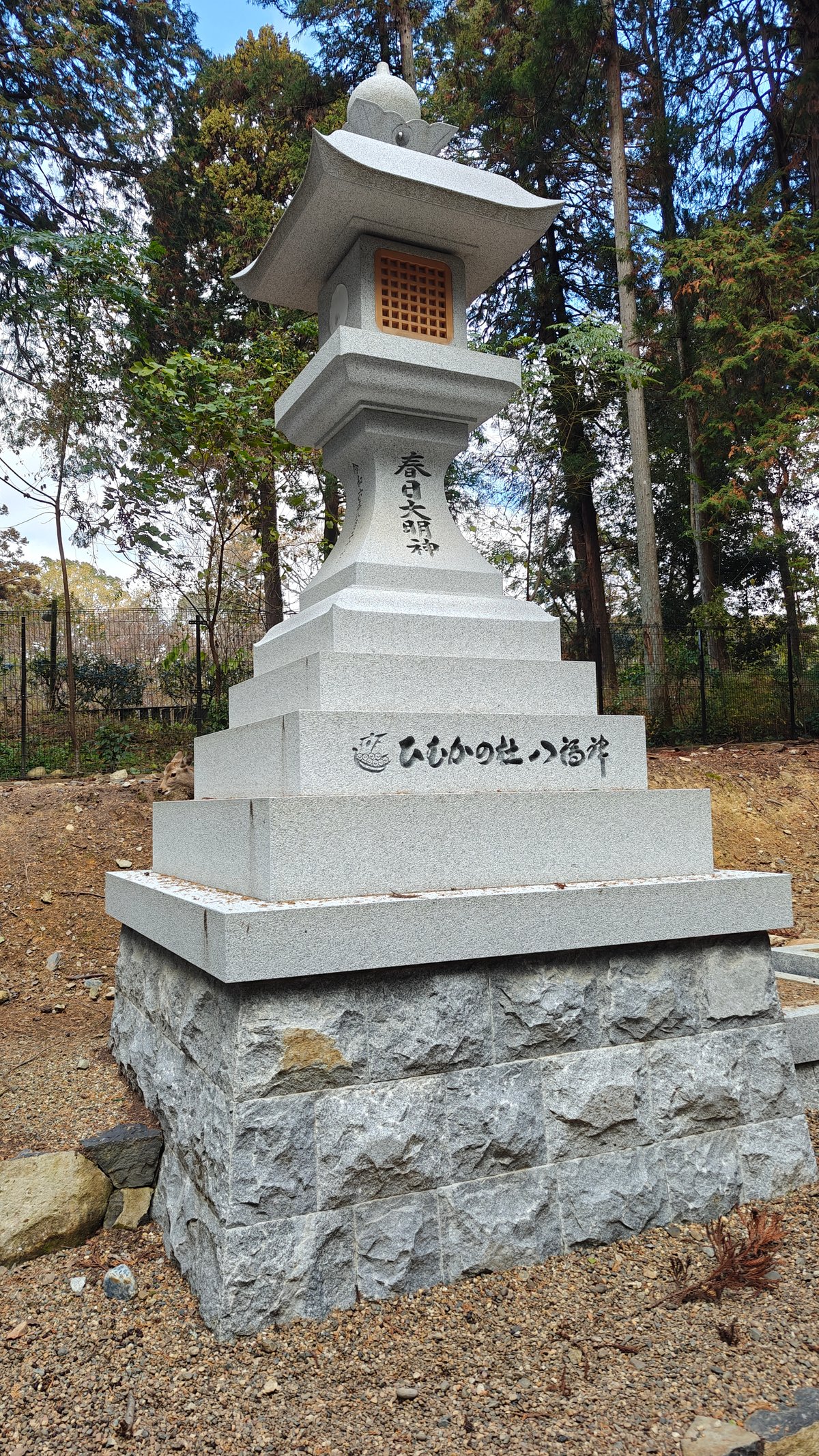
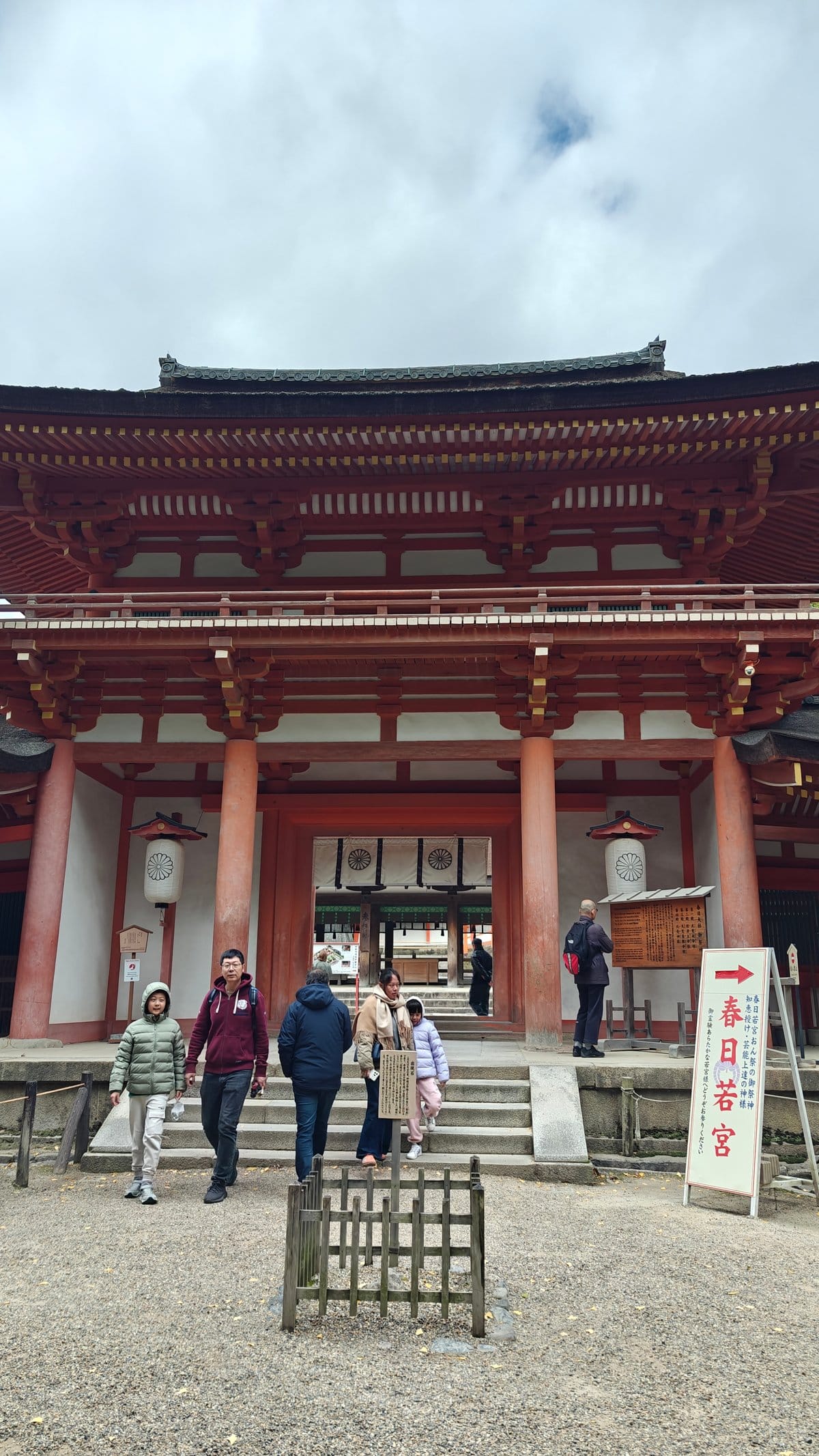
Rows of bronze lanterns hang from the covered corridors inside the shrine complex. They light them all up during some festivals, but even when they aren’t lit they’re impressive. The combination of dim light shining through the eaves and the repetition made the entire place feel thoughtful.
I walked around slowly, just taking it all in.
Manyou Botanical Garden
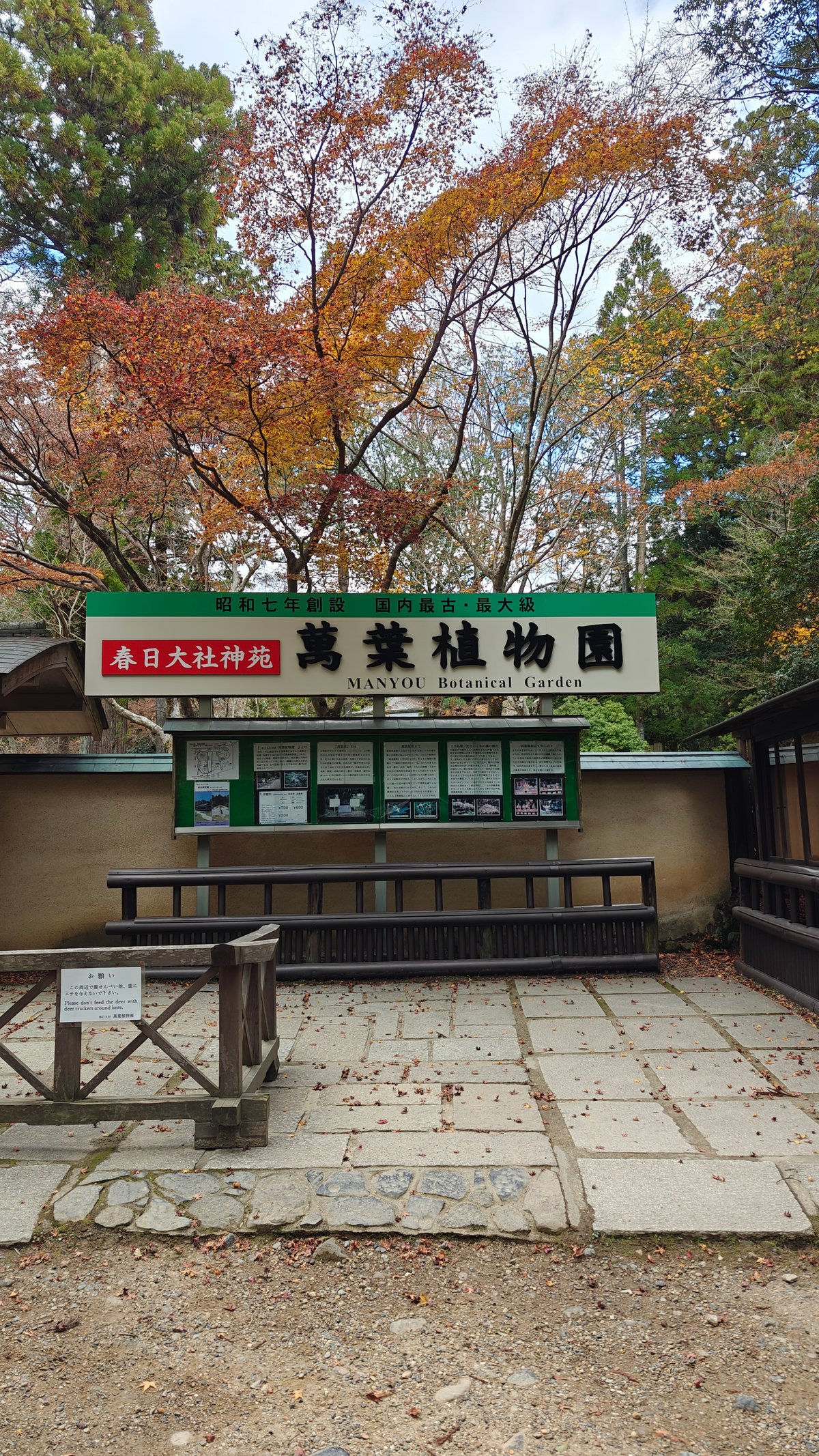
The Manyou Botanical Garden is tucked right next to Kasuga Taisha.
Originally I didn’t plan on going in, but the entrance fee was reasonable and I had time, so I thought: why not? The garden is best seen in fall when the trees are peaking (which is what I saw), but it’s really good any time of year.
Unlike the busy crowds at the temples, there weren’t many people here at all, which was welcome relief.


I loved walking beneath the canopy where the light dappled down on me and I often had entire sections to myself.
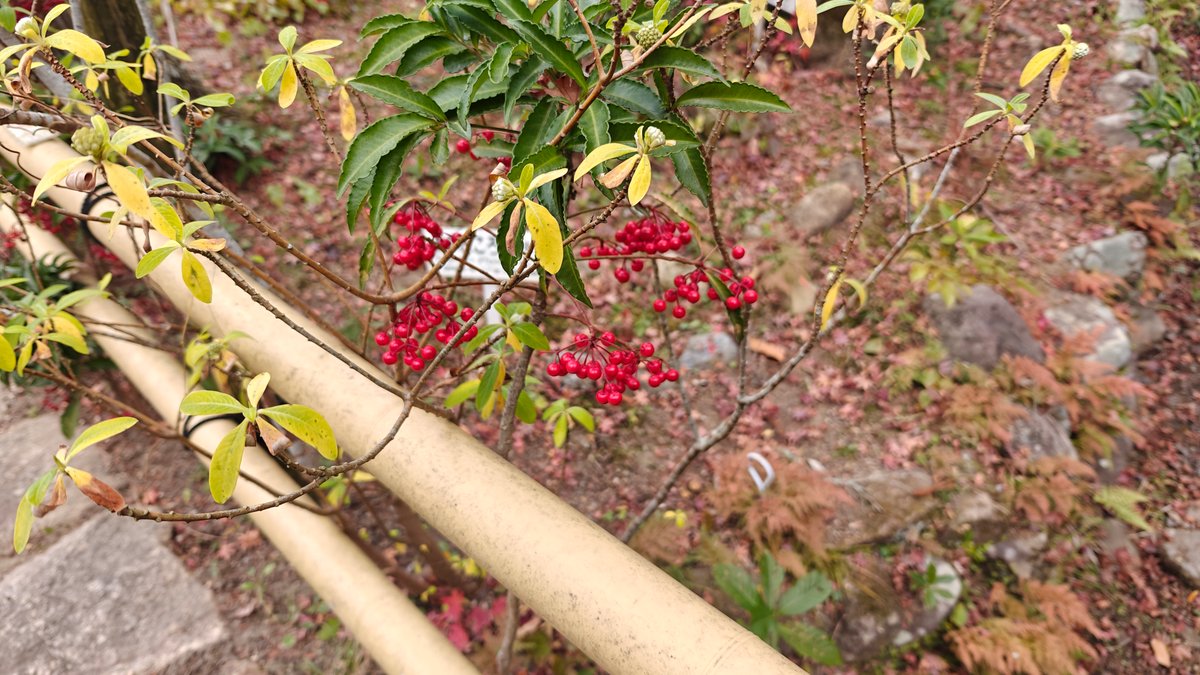


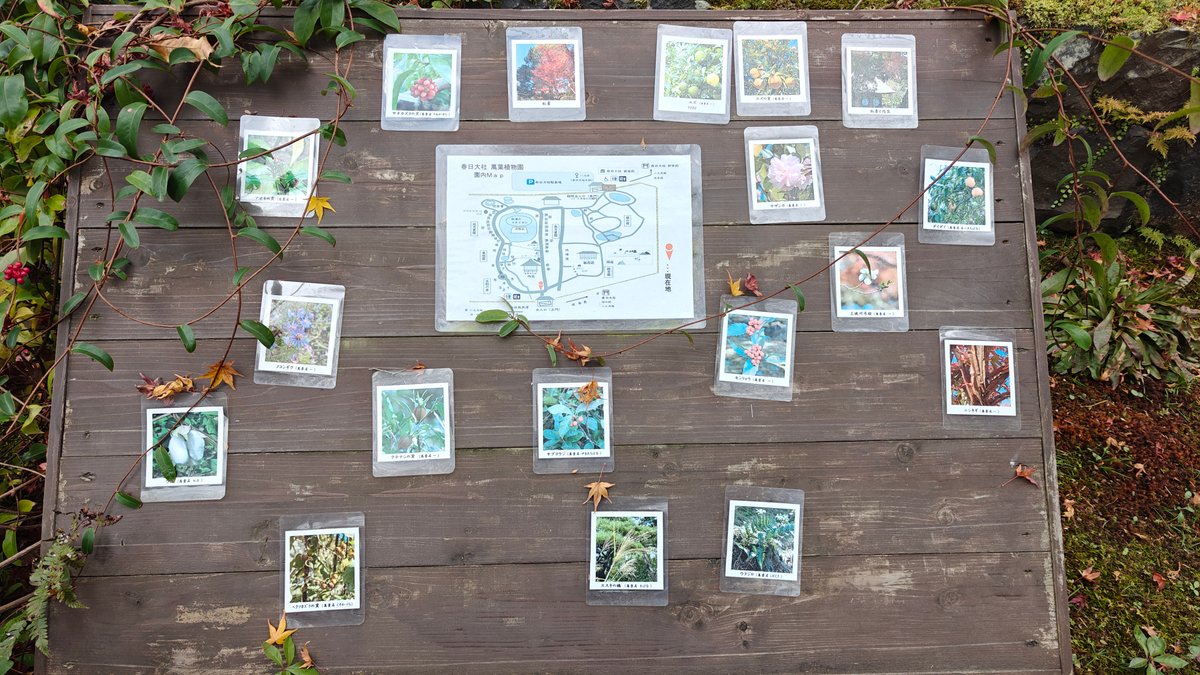
Other parts of the garden had ponds, other parts had flower beds, and other parts had little blooms sprinkled about. There are also plants used in classical Japanese poetry, marked by little labels explaining where they’re featured in those poems. I couldn’t read all of them, but it was still interesting to see the organization of the garden.
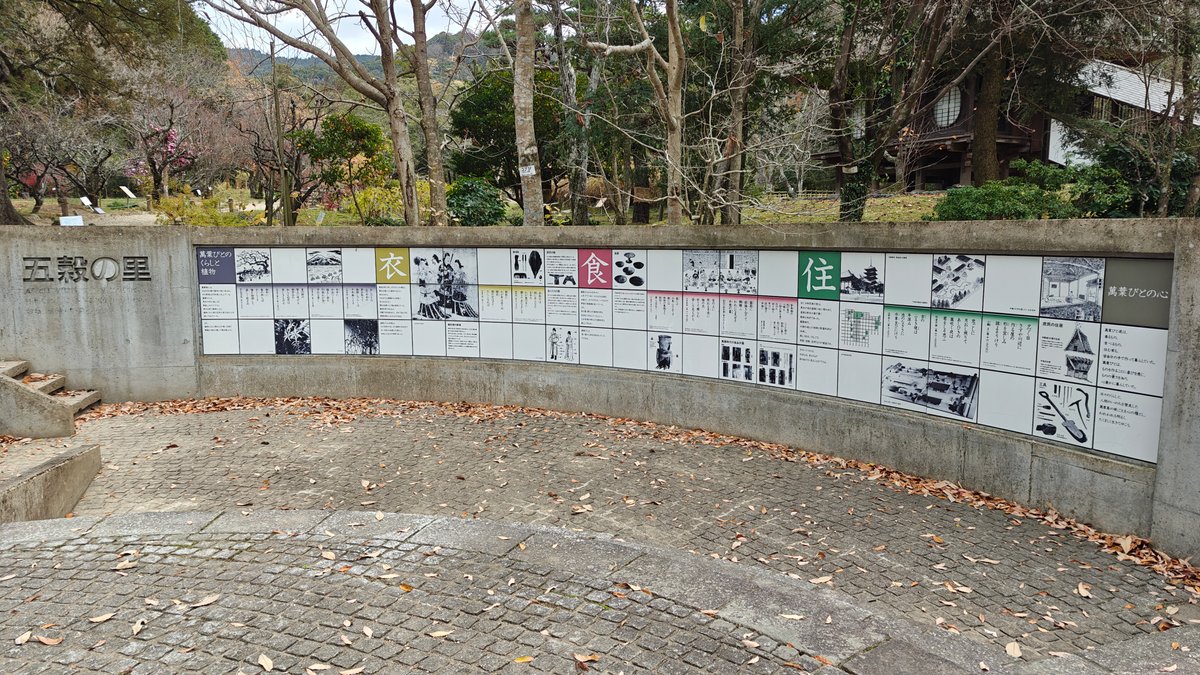
When the wind quieted down the pond reflected nicely. I took a seat on one of the benches for awhile before venturing out again. It’s a small garden, but it’s a pleasant detour if you happen to be nearby anyway.
Yonezawa Beef Teppanyaki
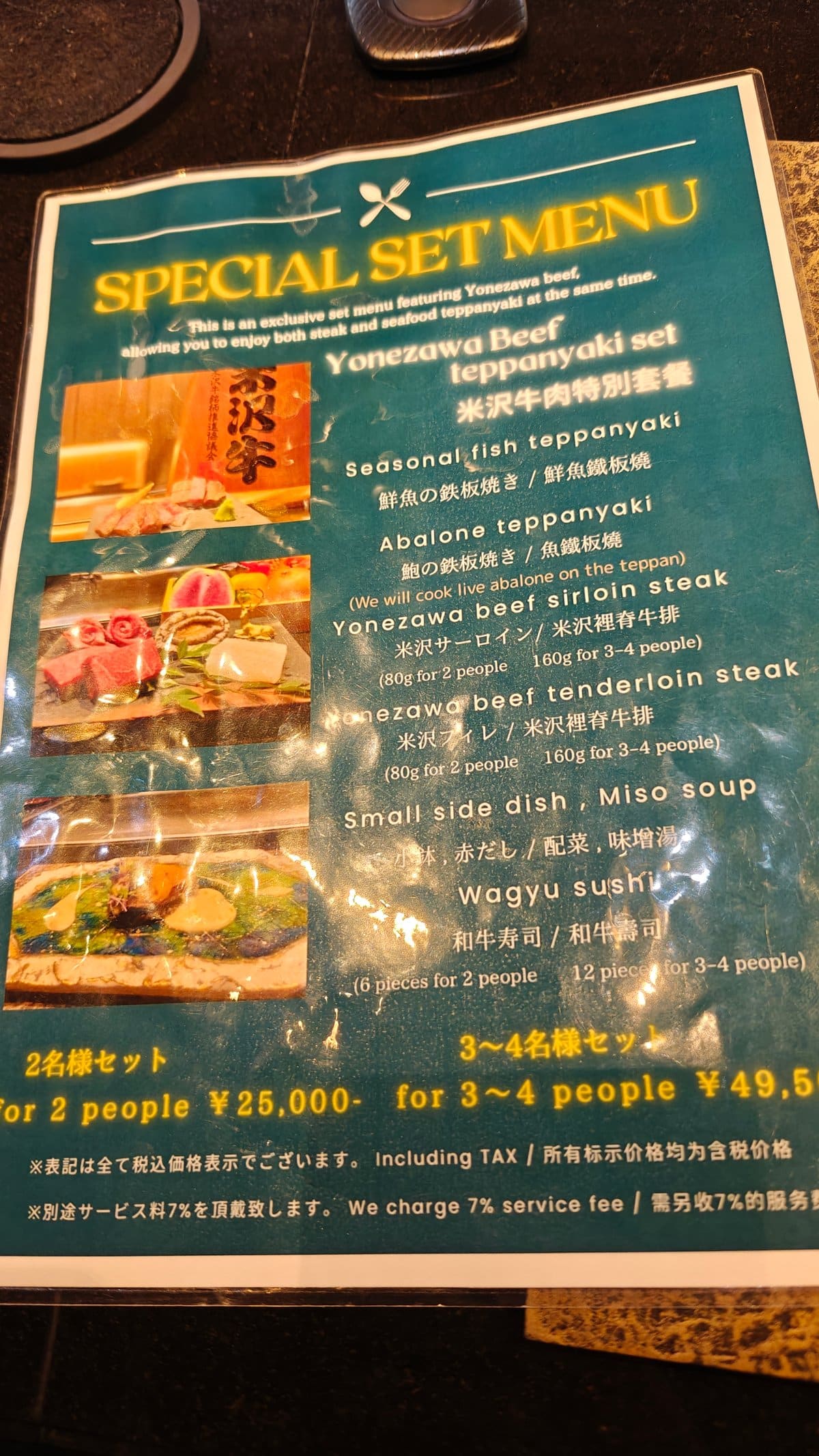
In Nara, I splurged a little for lunch and had a teppanyaki meal at a restaurant specializing in Yonezawa beef. They have a few different set menus to choose from, and I went for one of those, several courses prepared right in front of me.
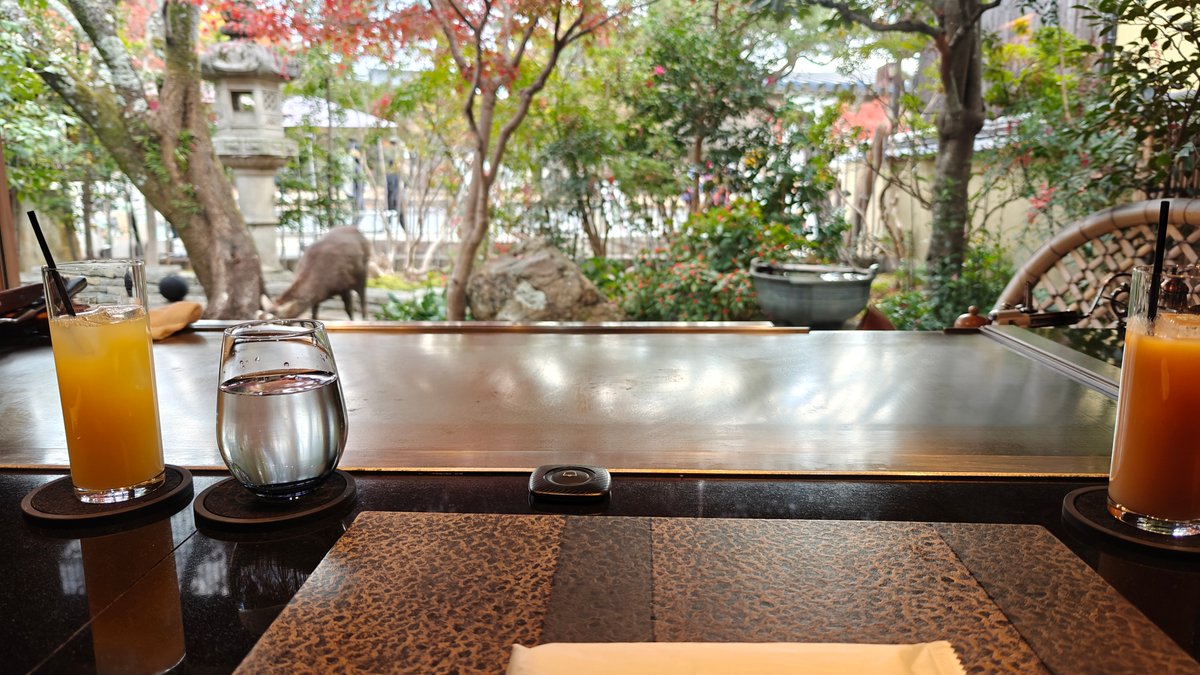
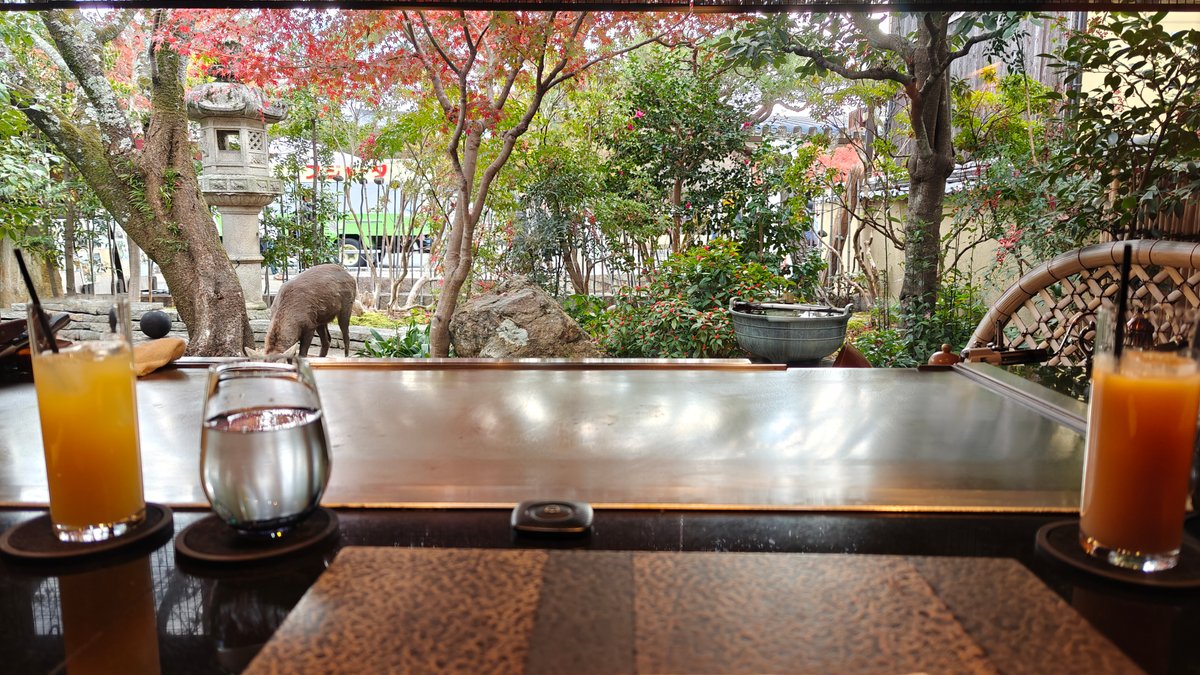
First, the seasonal fish was seared on the hot iron and plated with a sauce. Well-cooked and delicate, it made for a nice start.
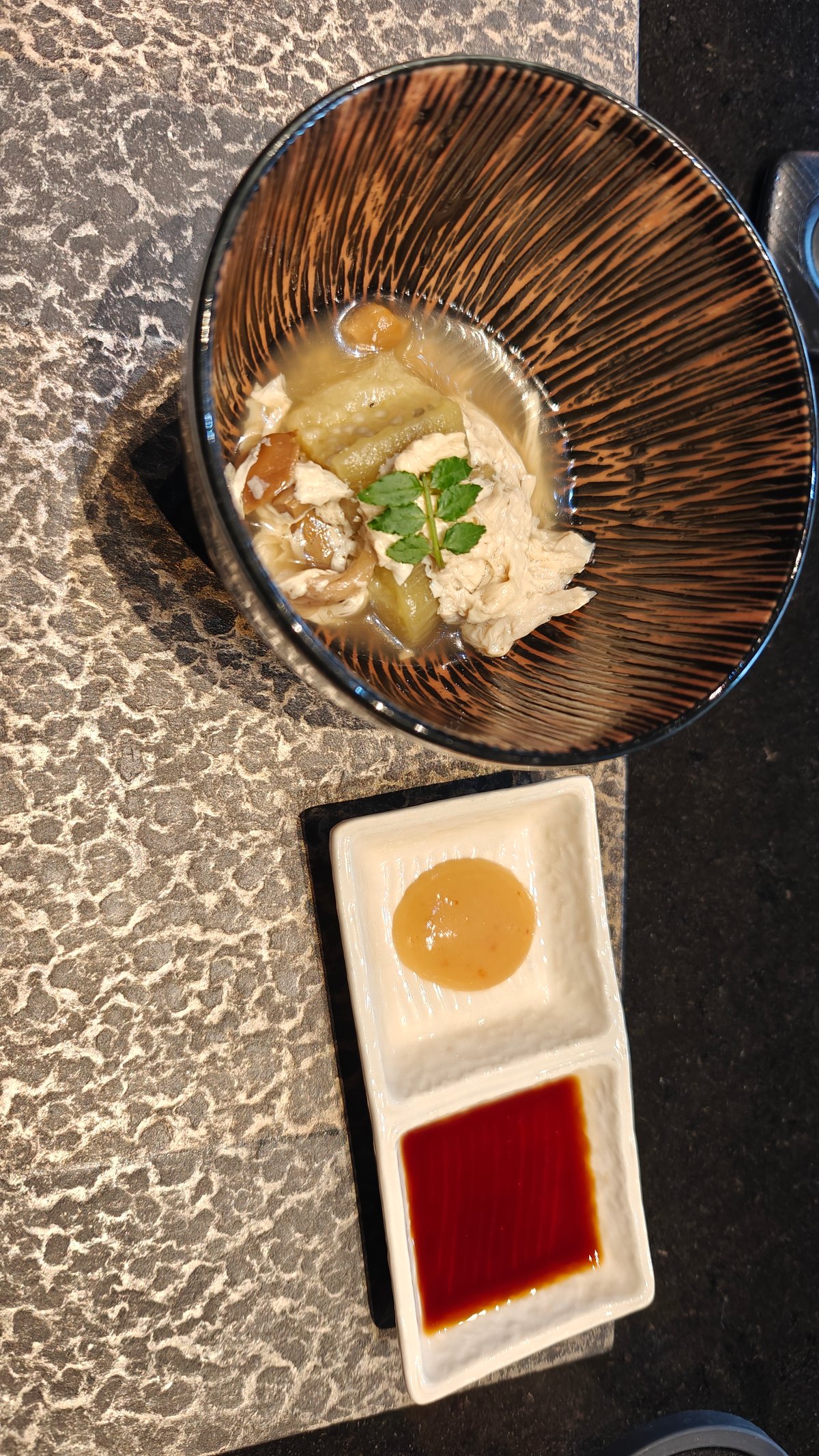
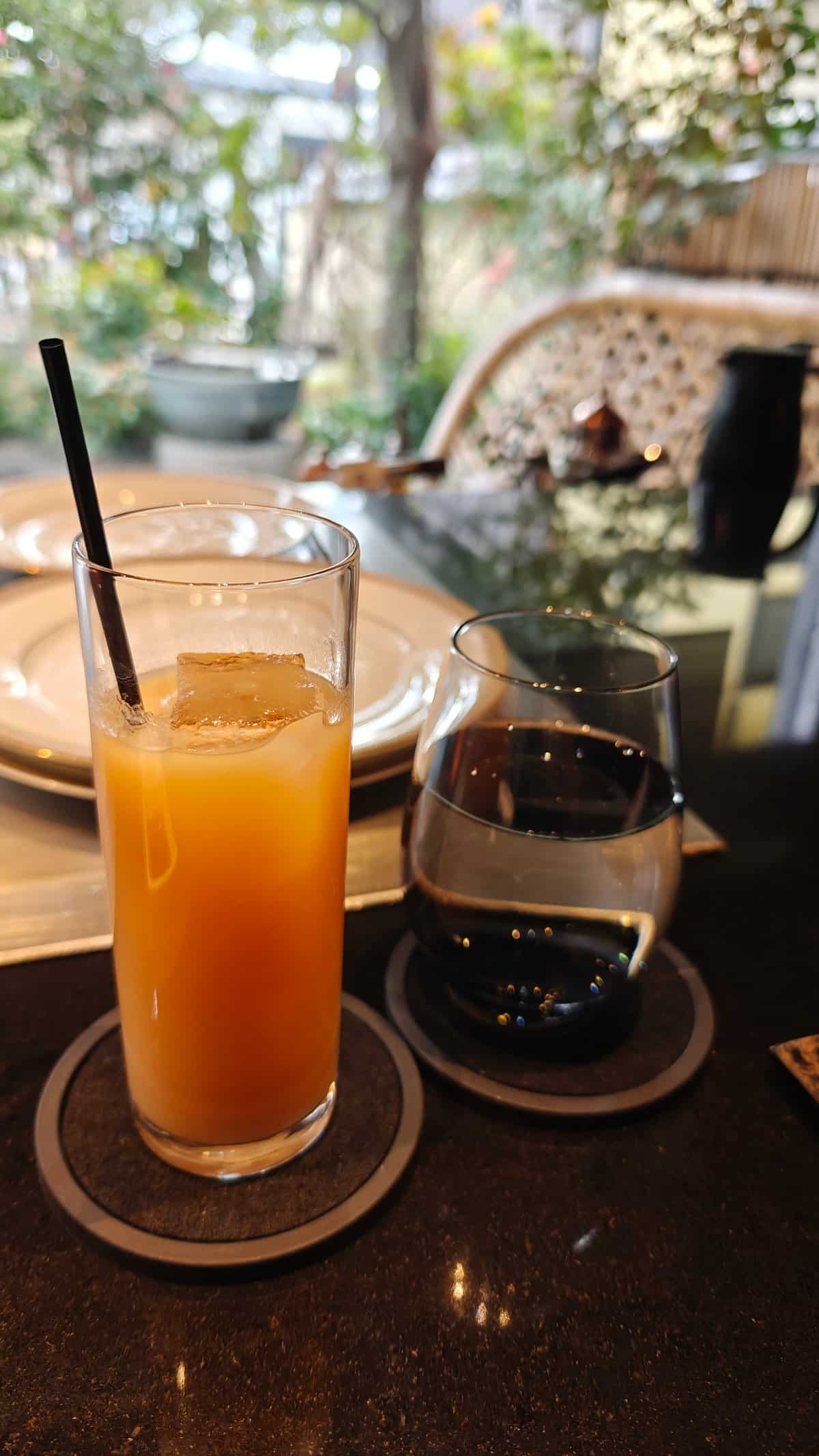
Up next is abalone cooked with slices of lemon. Half the fun of watching it come together is seeing it sizzle on the grill. The chef knew just how long to let it cook in order to keep it tender.
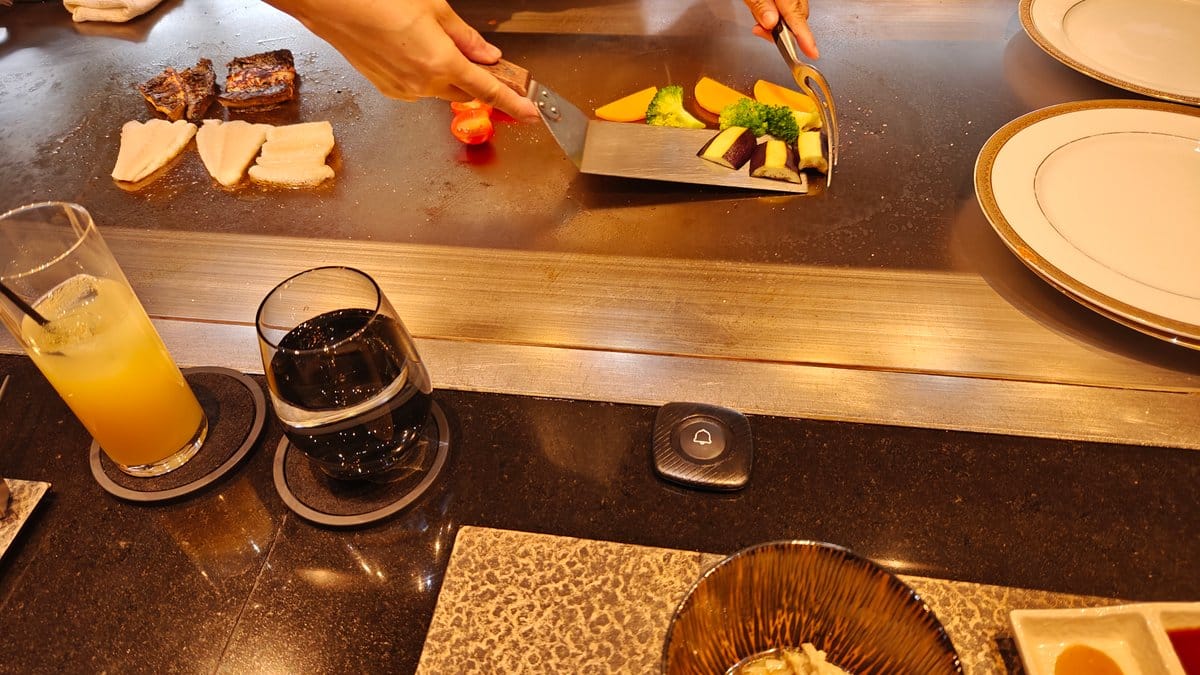
Then came tofu and vegetables, which sounds boring but was honestly some of the best-cooked vegetable I’ve ever had. The chef flipped and moved everything around with absolute precision.
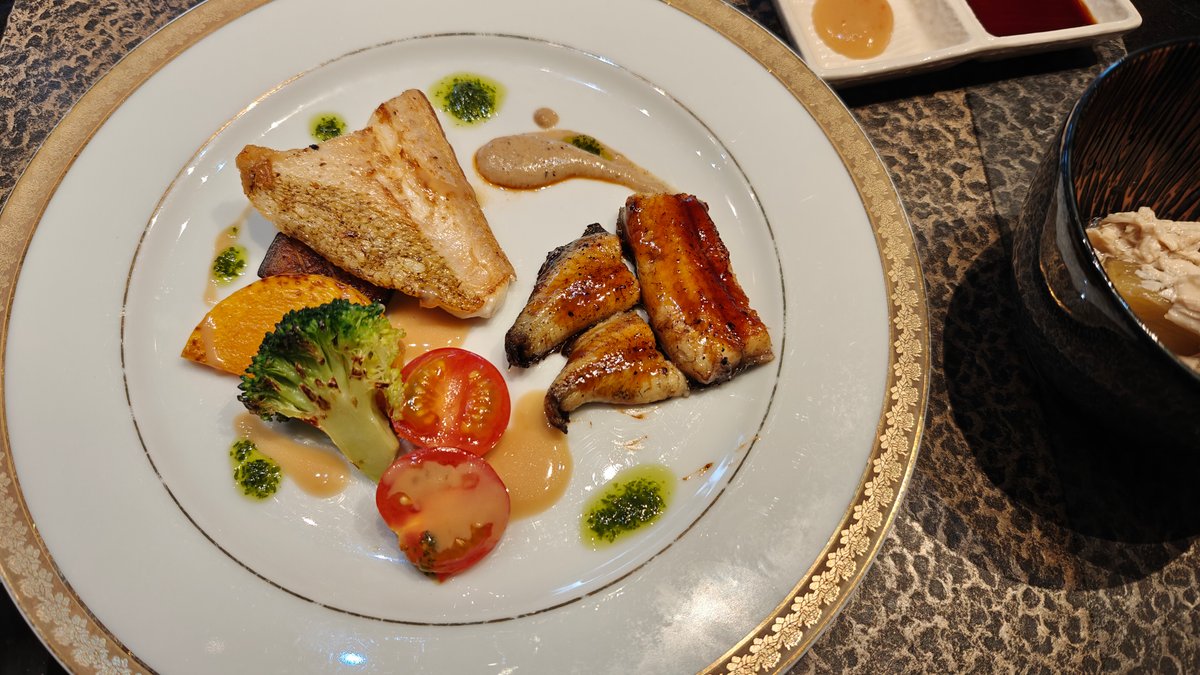
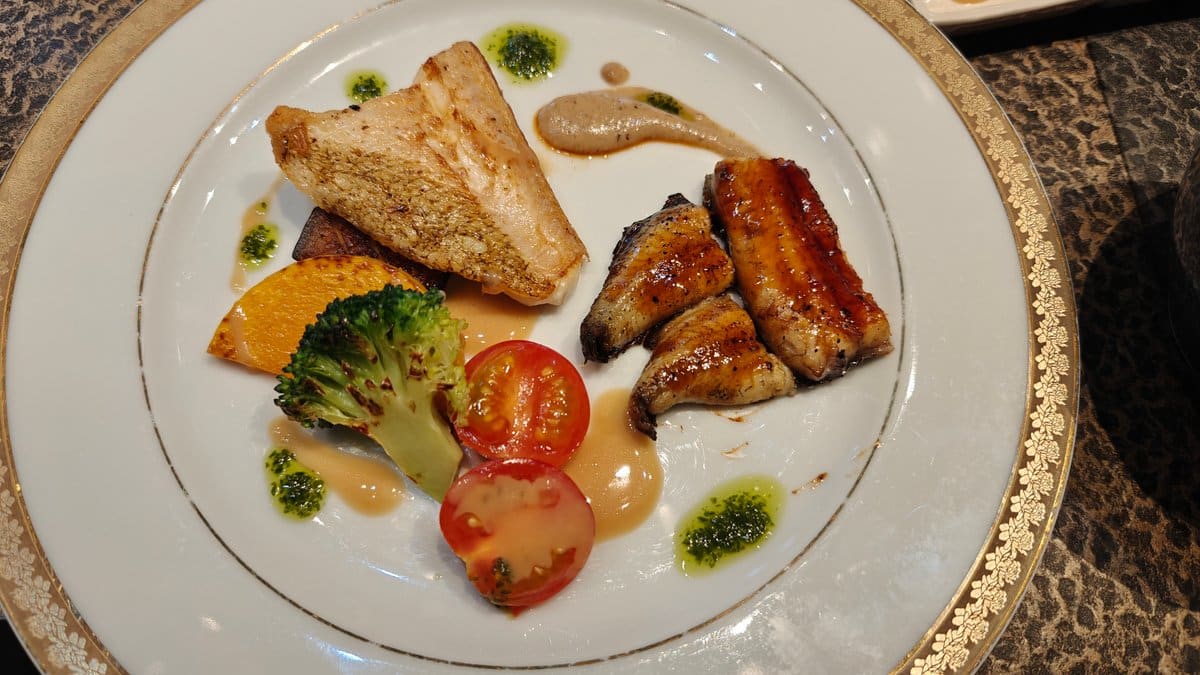
And finally, the star of the show: the Yonezawa beef. The beef was beautifully marbled, cooked quickly on each side, and sliced up by the chef, before they presented it to me with some salt, garlic chips, and a few sauces. It was rich, buttery and exactly as good as you’d imagine, although not particularly cheap.
Worth it though if it’s a special lunch out you’re after. Up in northern Kyoto Prefecture (a couple of hours by train from Kyoto city), Amanohashidate is a place to visit. It was raining when I went there, so not perfect conditions, but it wasn’t enough to spoil my trip.
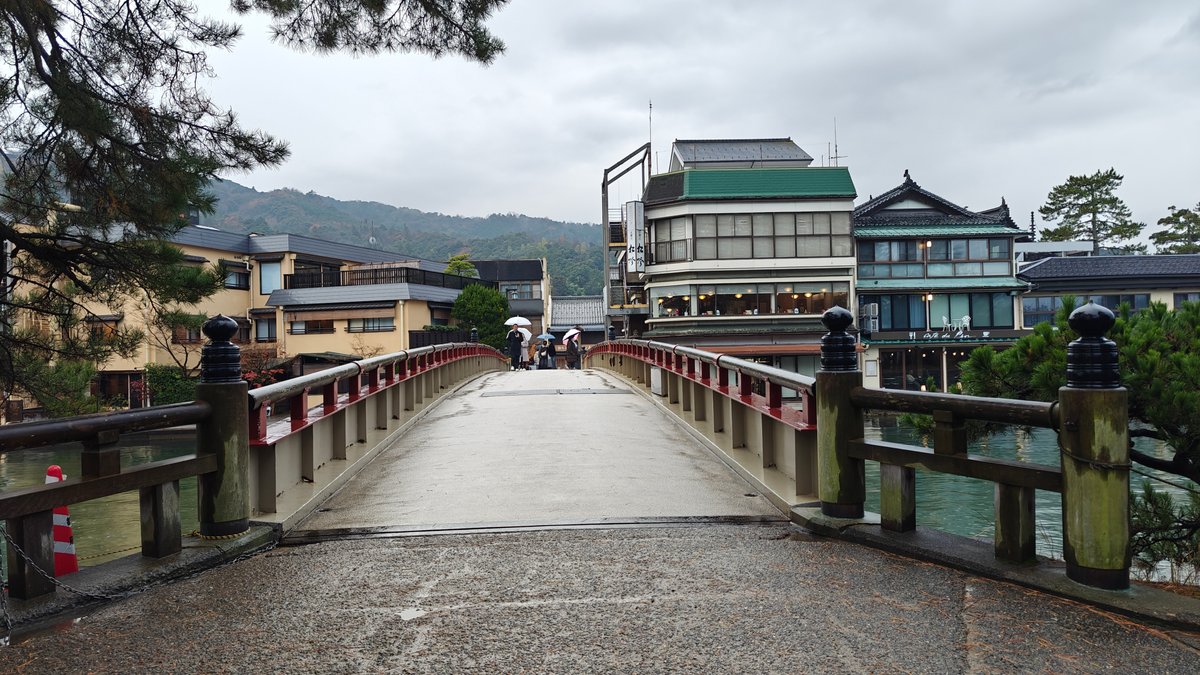
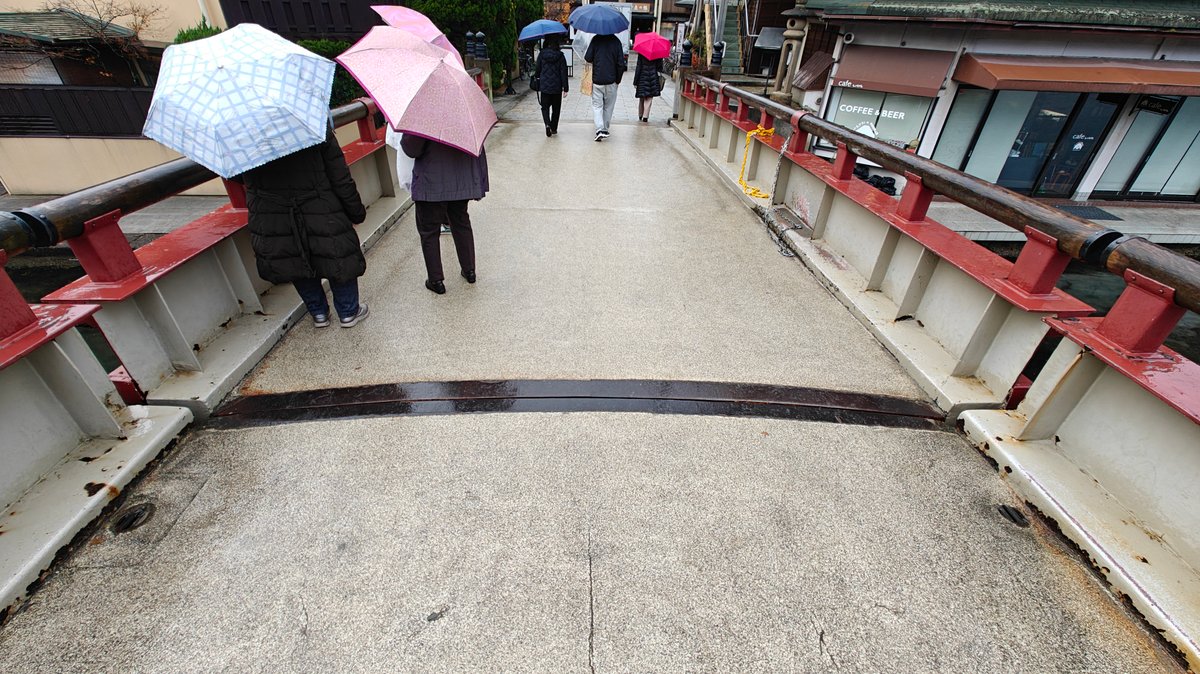
It’s famous here for its long pine tree-covered sandbar stretching across the bay, and you can walk the entire length if you want. The trail then heads out to the sandbar proper. I crossed the rotating Kaisen Bridge that allows boats to pass, and headed into the forest.
It was drizzling, but walking beneath the pines was serene.
Amanohashidate Beach Kaisen Bridge
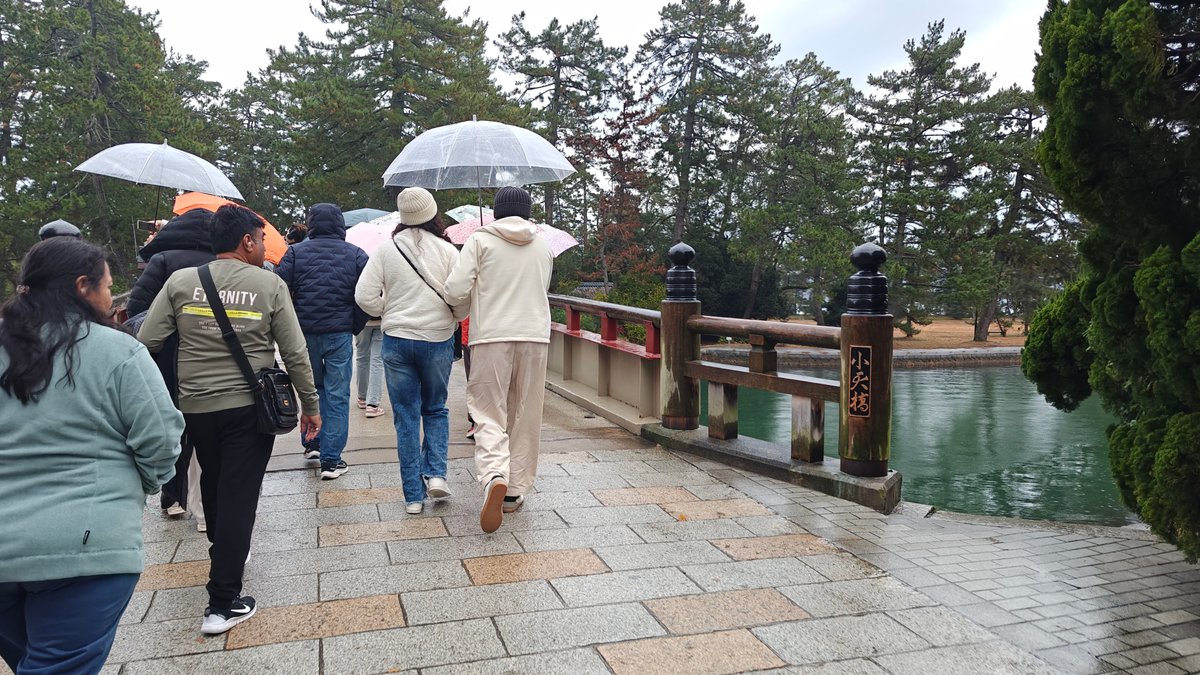
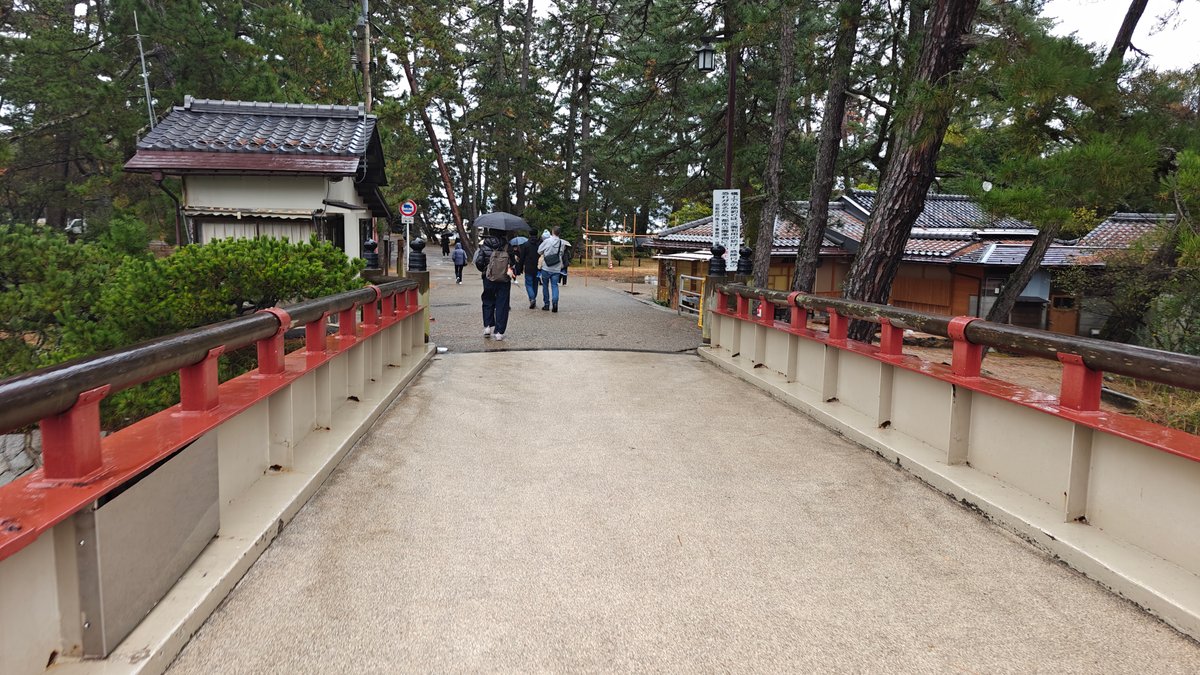
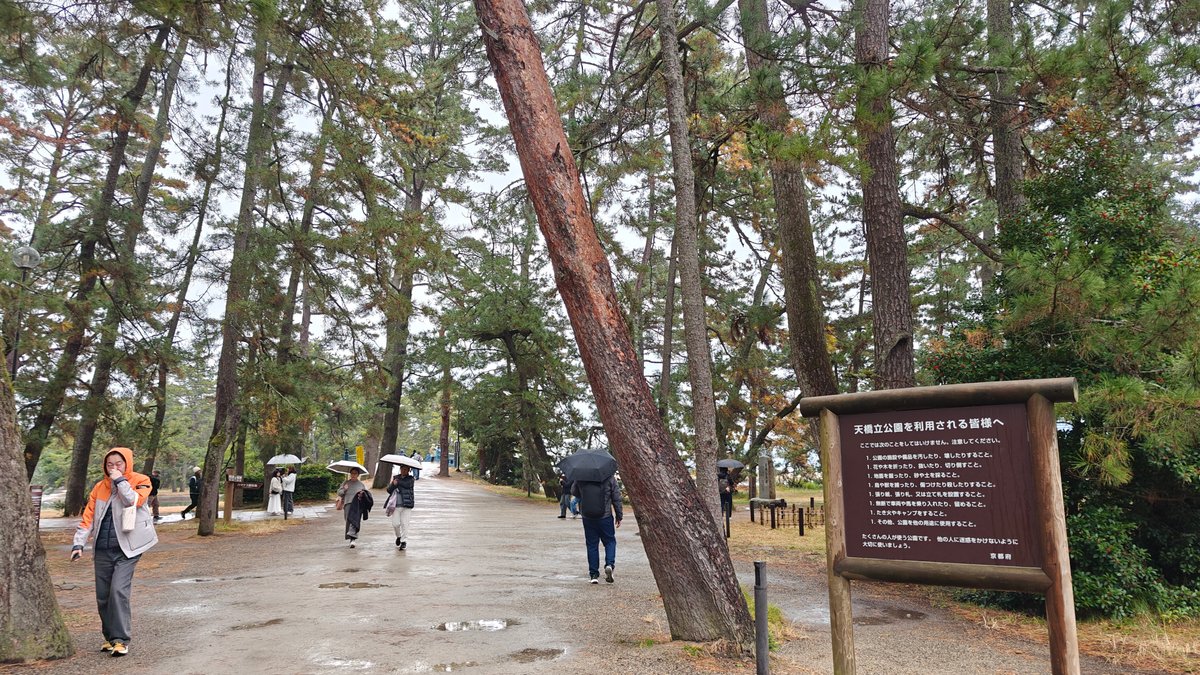
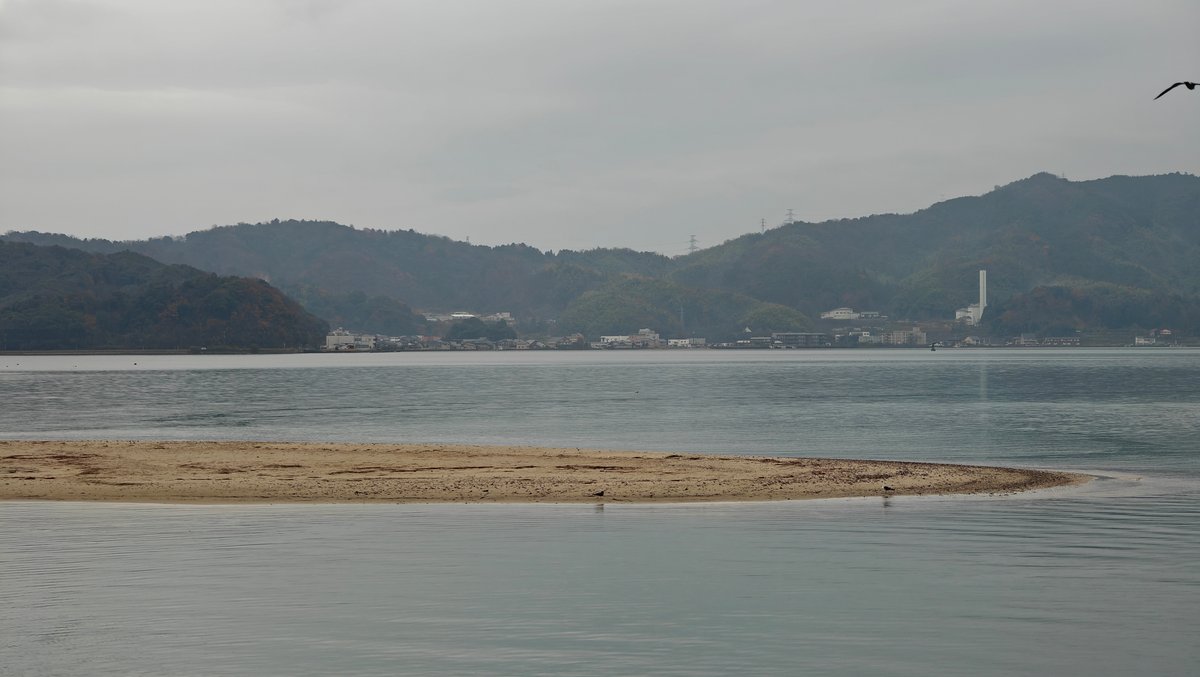
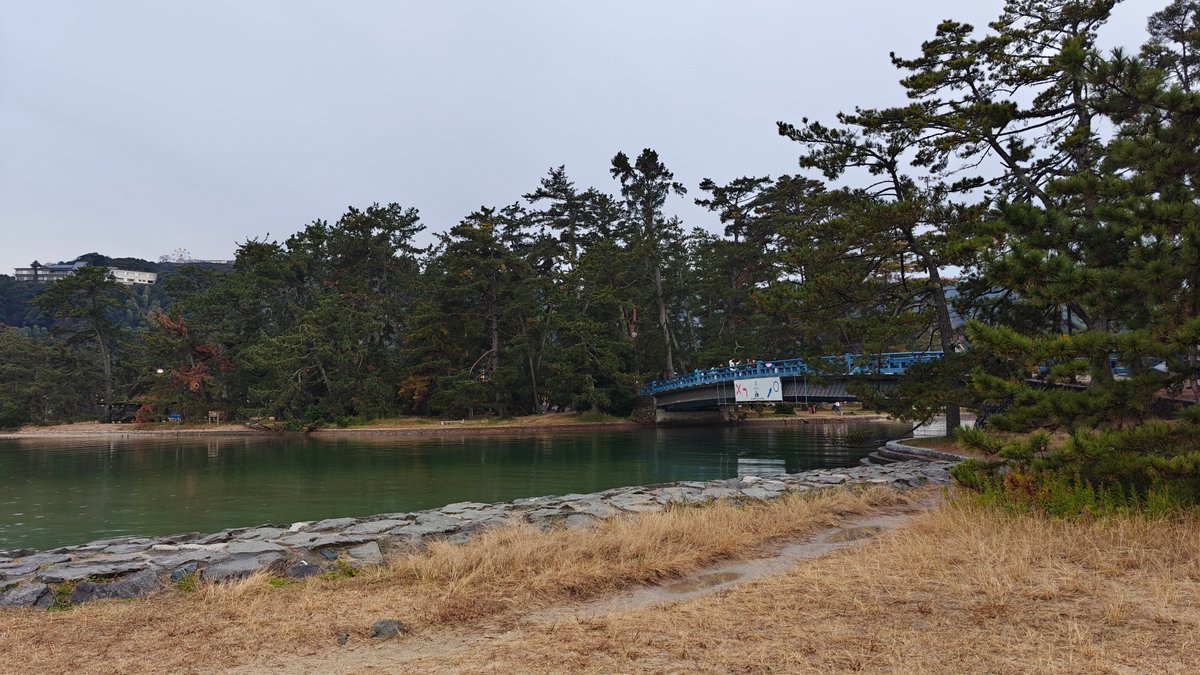
I looked out at the bay on one side and the beach on the other. The water was still, and the sand was bright. There were lots of people there visiting and leaving the island as well, and I saw them swing the deck out so that they could let a boat through.
It’s a neat little piece of engineering and cool to watch in action. If you stroll at a leisurely pace it only takes about half an hour or so to walk all the way back down the sandbar.
It will take longer if you take time to check things out.
Amanohashidate Kasamatsu Park
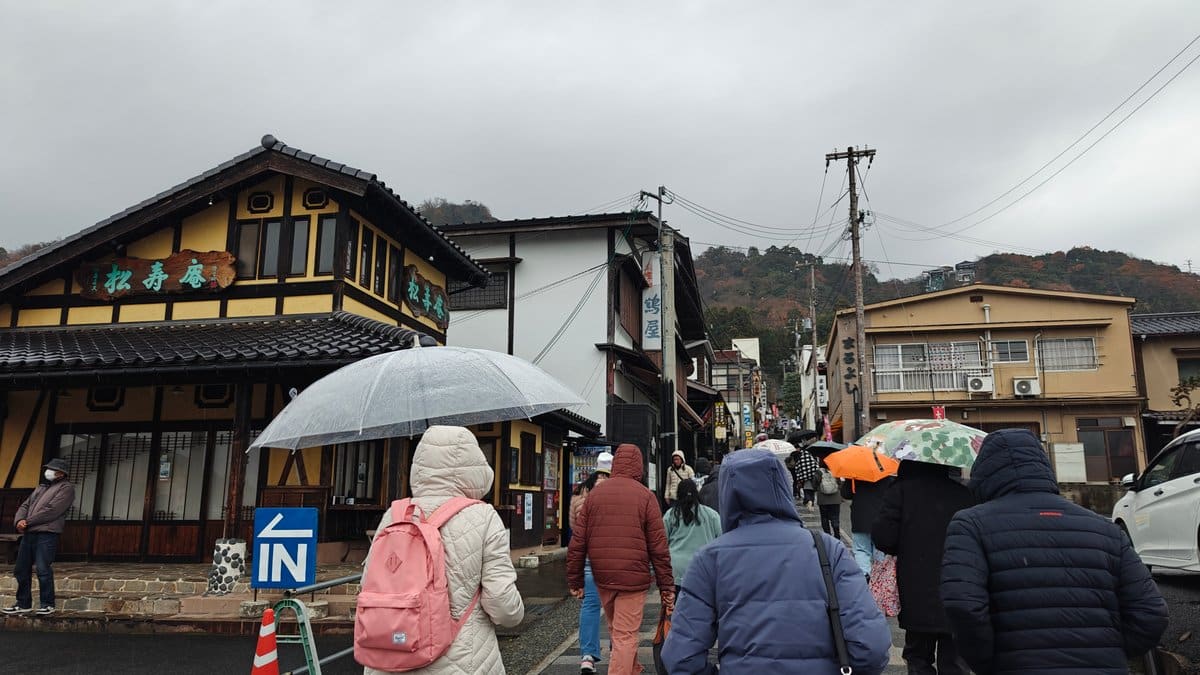
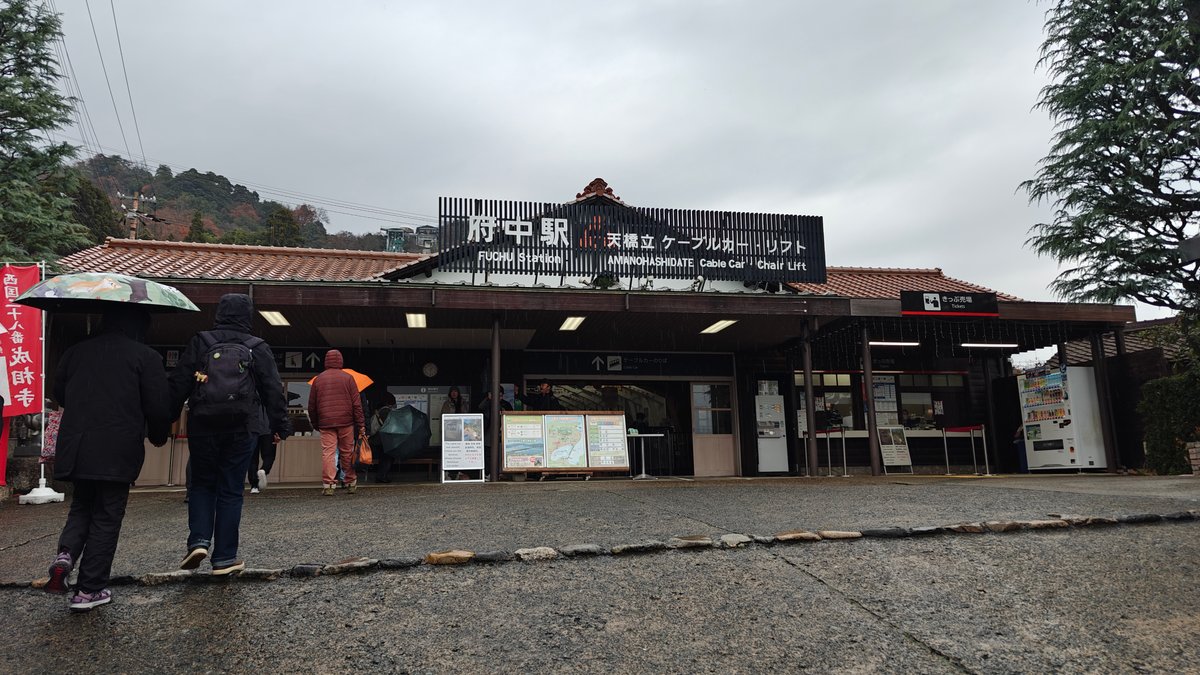
On the other side of the bay is Kasamatsu Park where you can go for that iconic shot of the sandbar itself. From Fuchu Station there’s a cable car going all the way up the hill (it’s pretty steep). By now it was raining fairly heavily, leaving the streets slick and wet.
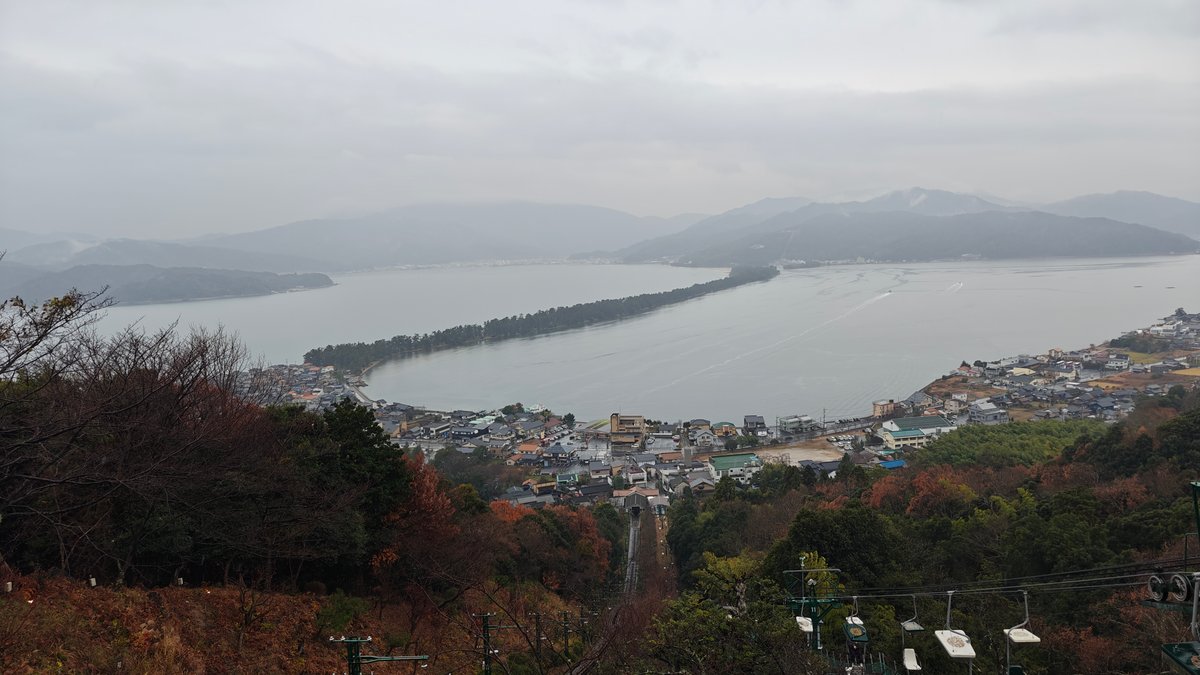
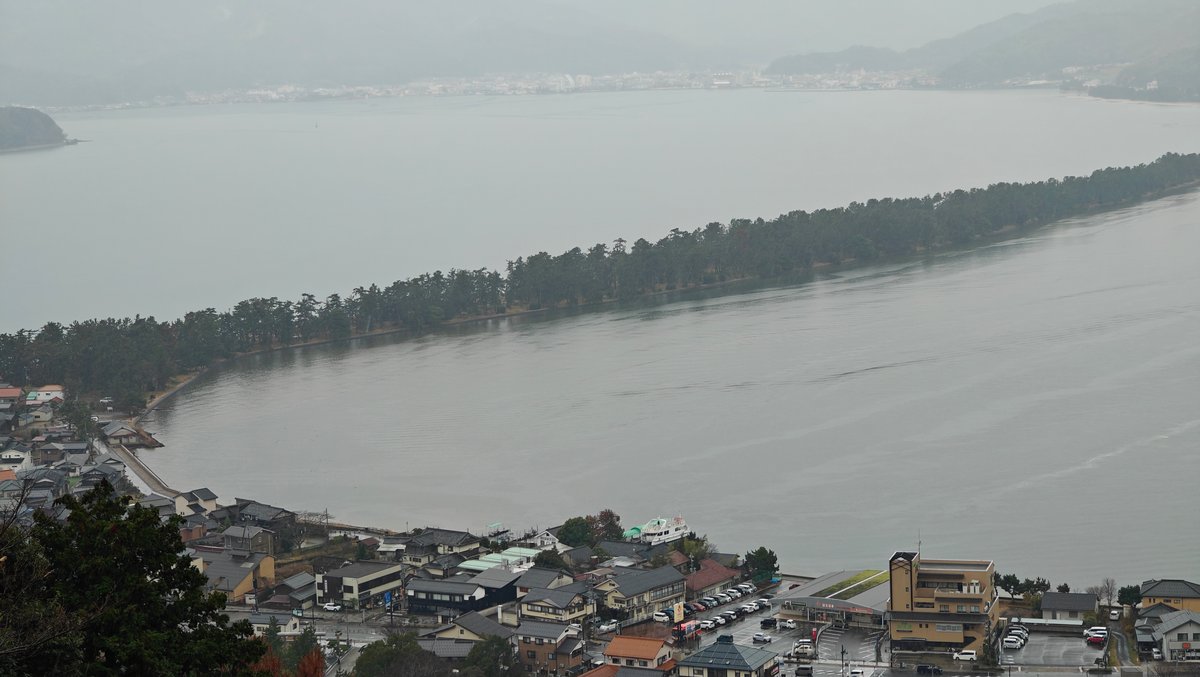
The view from the top looks out over the whole bay and sandbar. It had been gray skies, but I could see how people thought that this was one of Japan’s three scenic views. There is a long, thin line of a sandbar snaking its way through the water with pine trees covering the sand.
There’s a spot where you’re supposed to bend over and look at the view upside down between your legs.
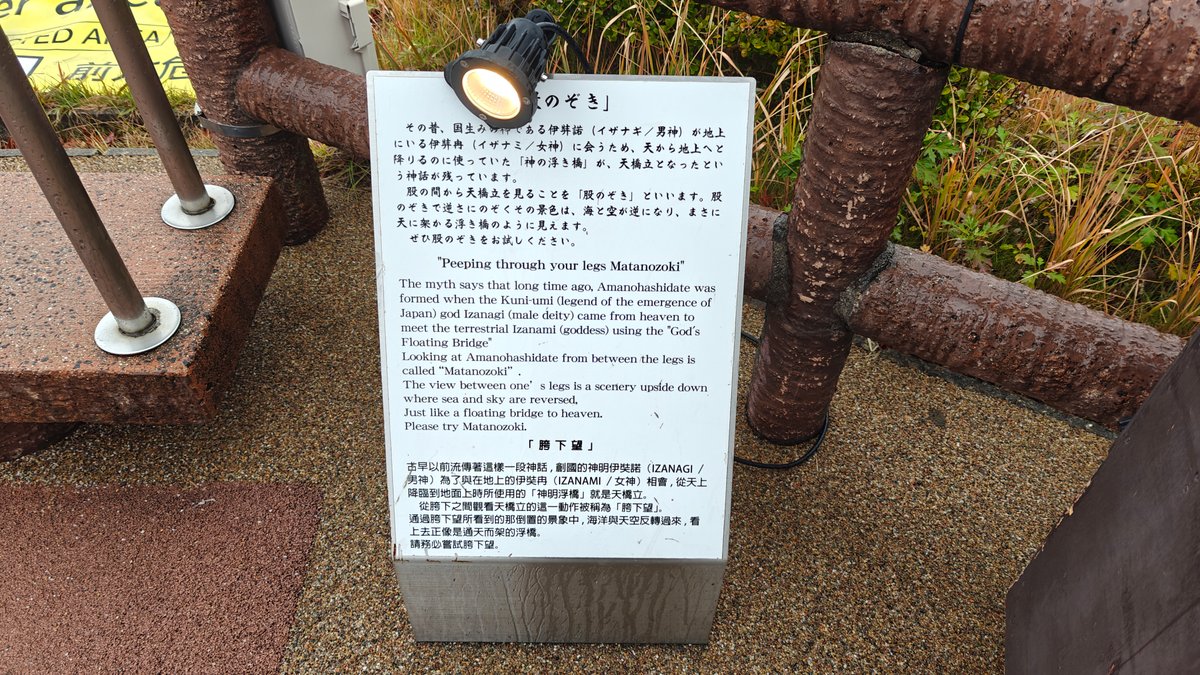
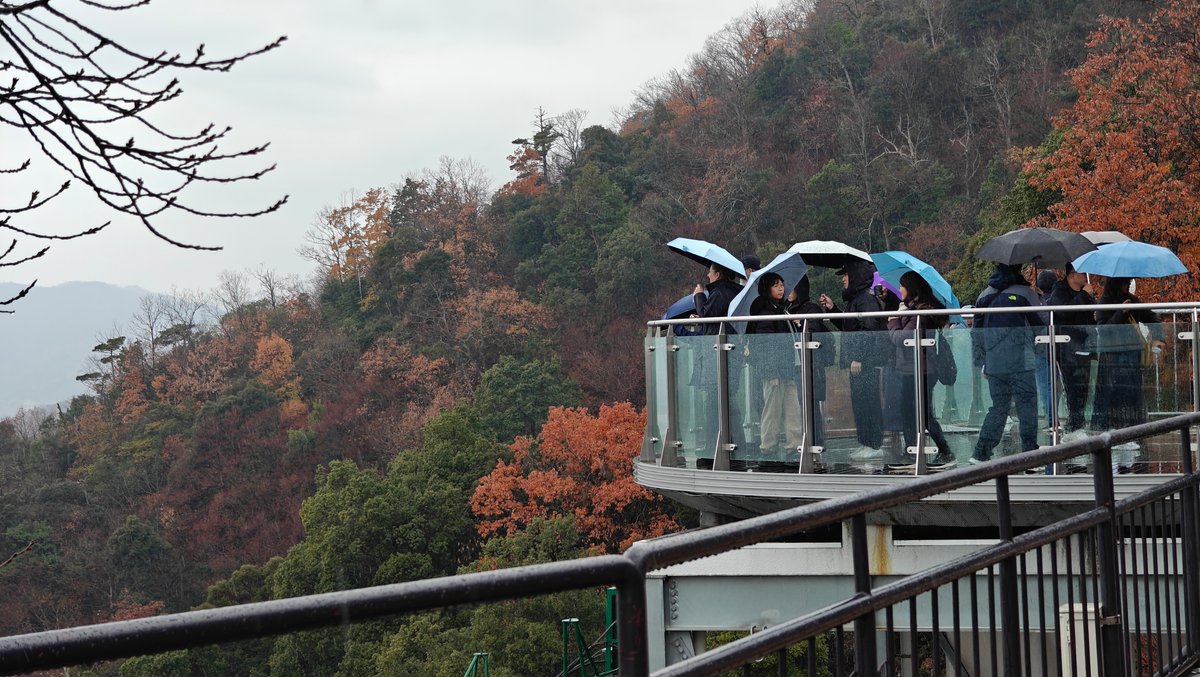
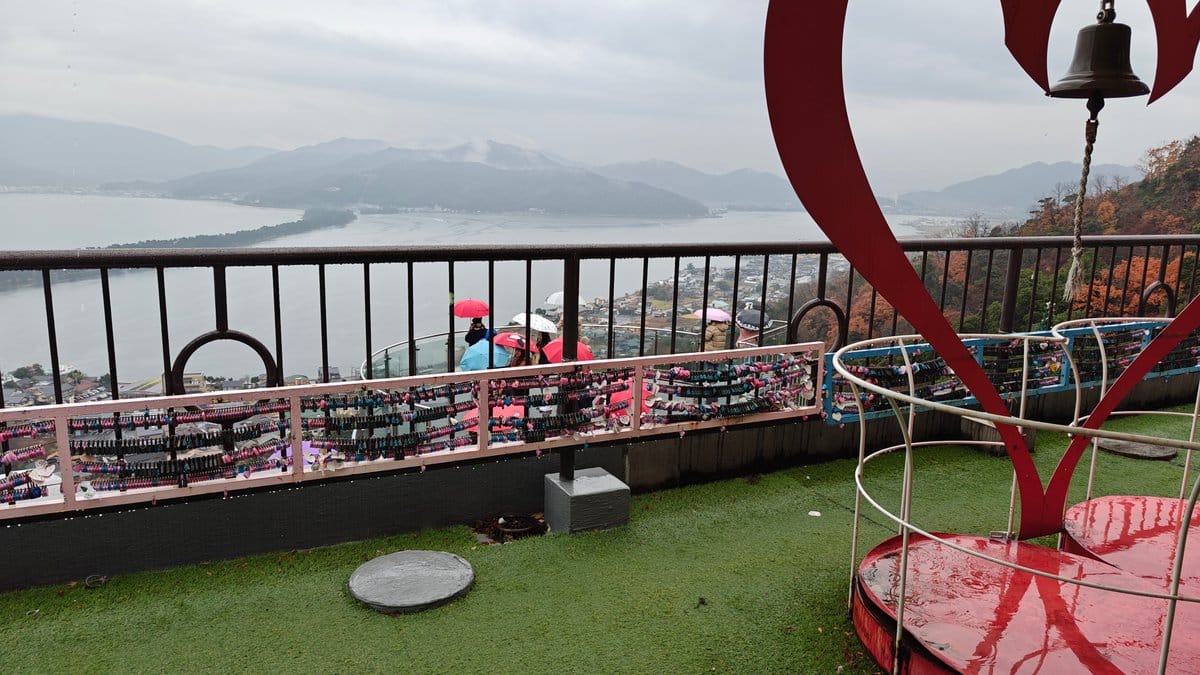
There’s also a viewing platform. Supposedly looking upside down from between your legs makes the sandbar appear to be floating in the sky. I tried it (felt pretty silly) but really, either right-side up or not, the view is still pretty good.
Instead of taking the cable car down, I got on the chairlift. It was open air.
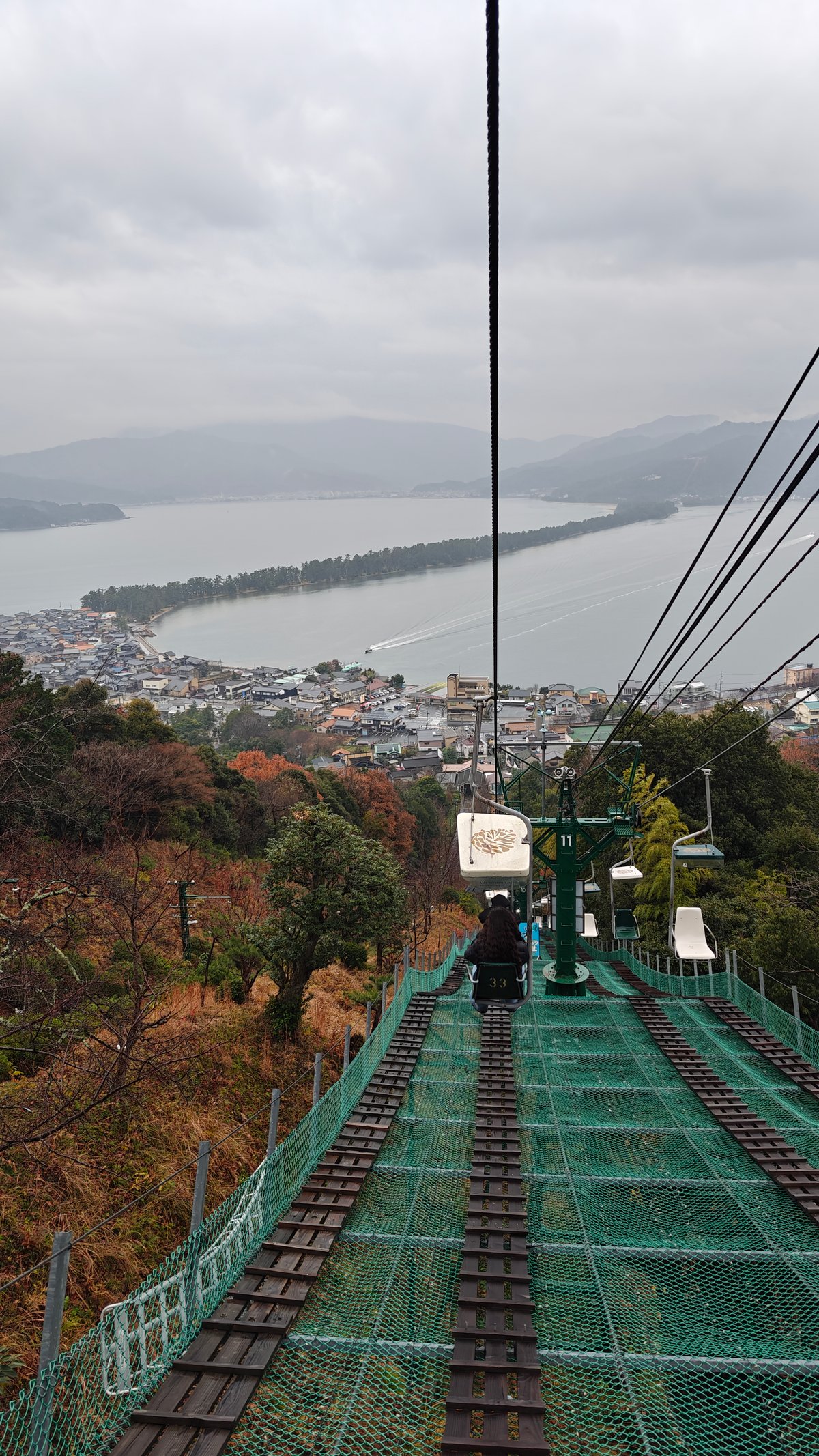
It was a little wet. But it was a nice ride up into the trees with a new perspective of the town below.
Ine Funaya Miyabi Boathouse
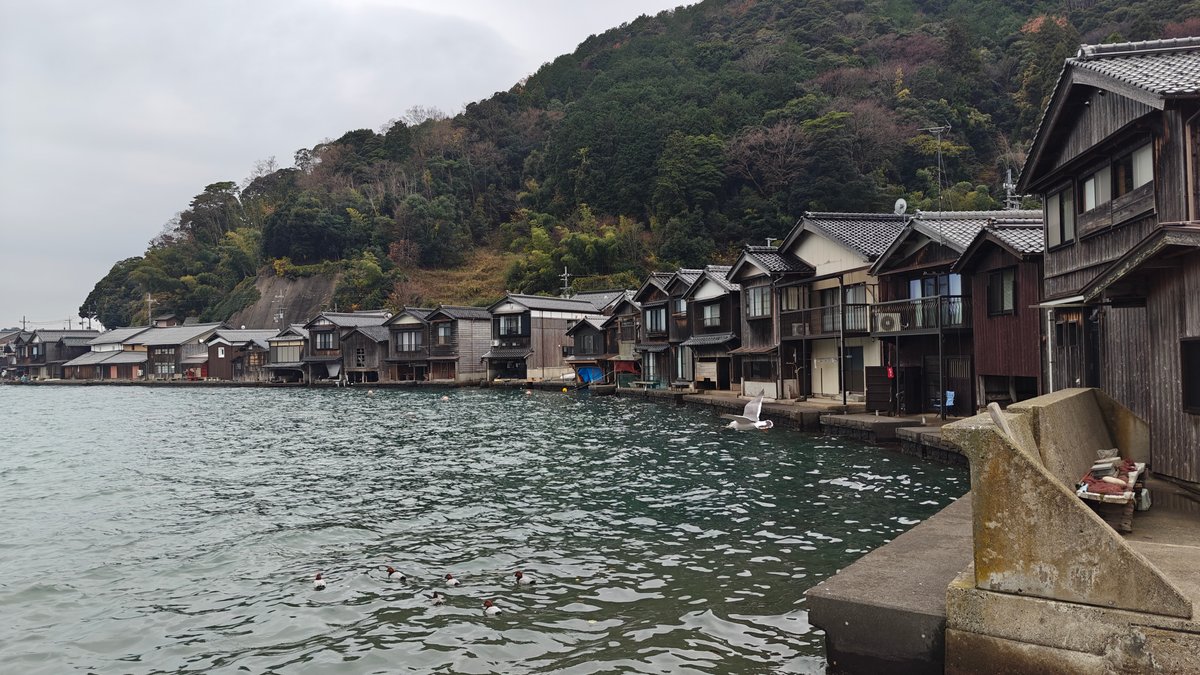
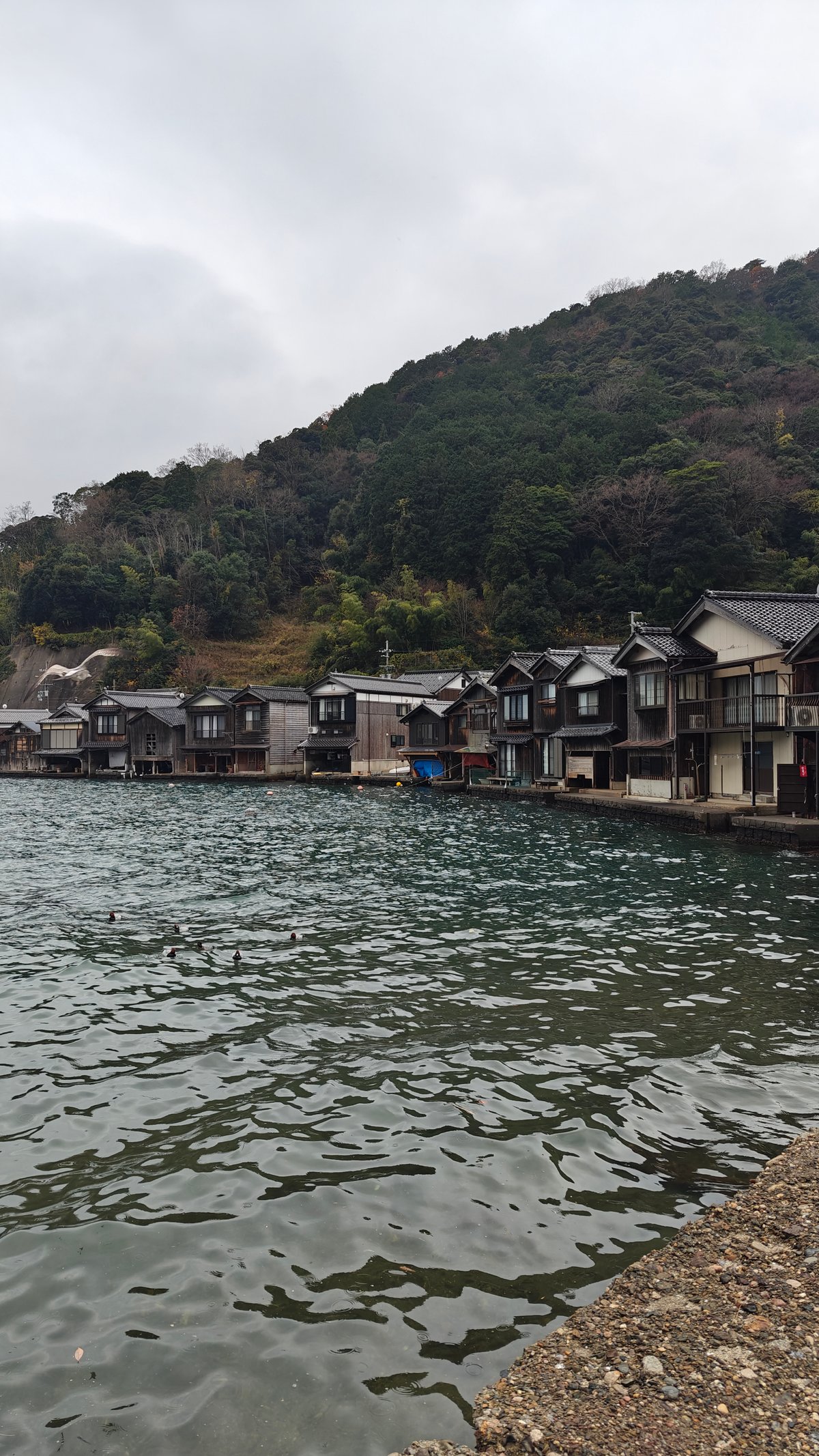
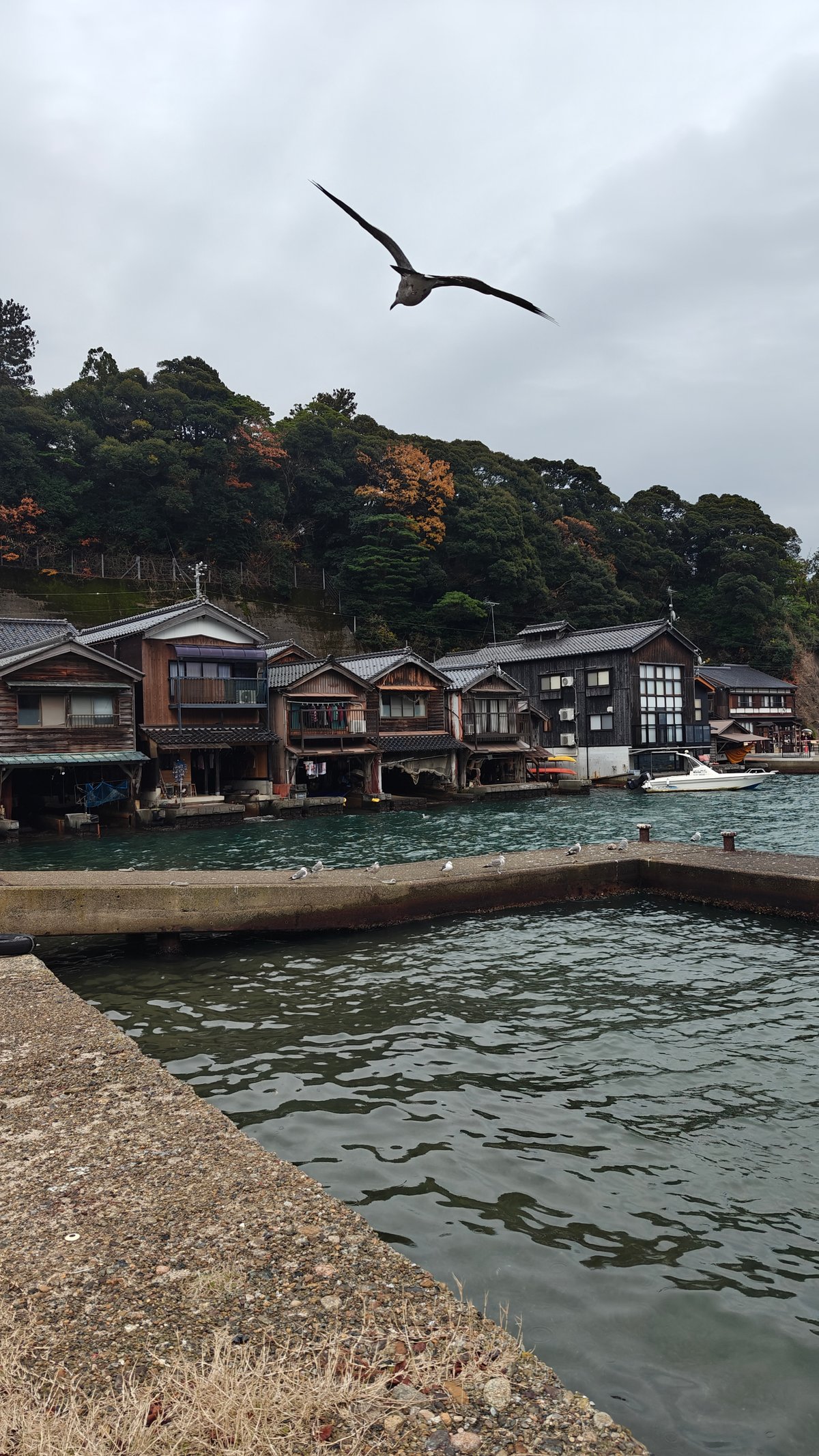
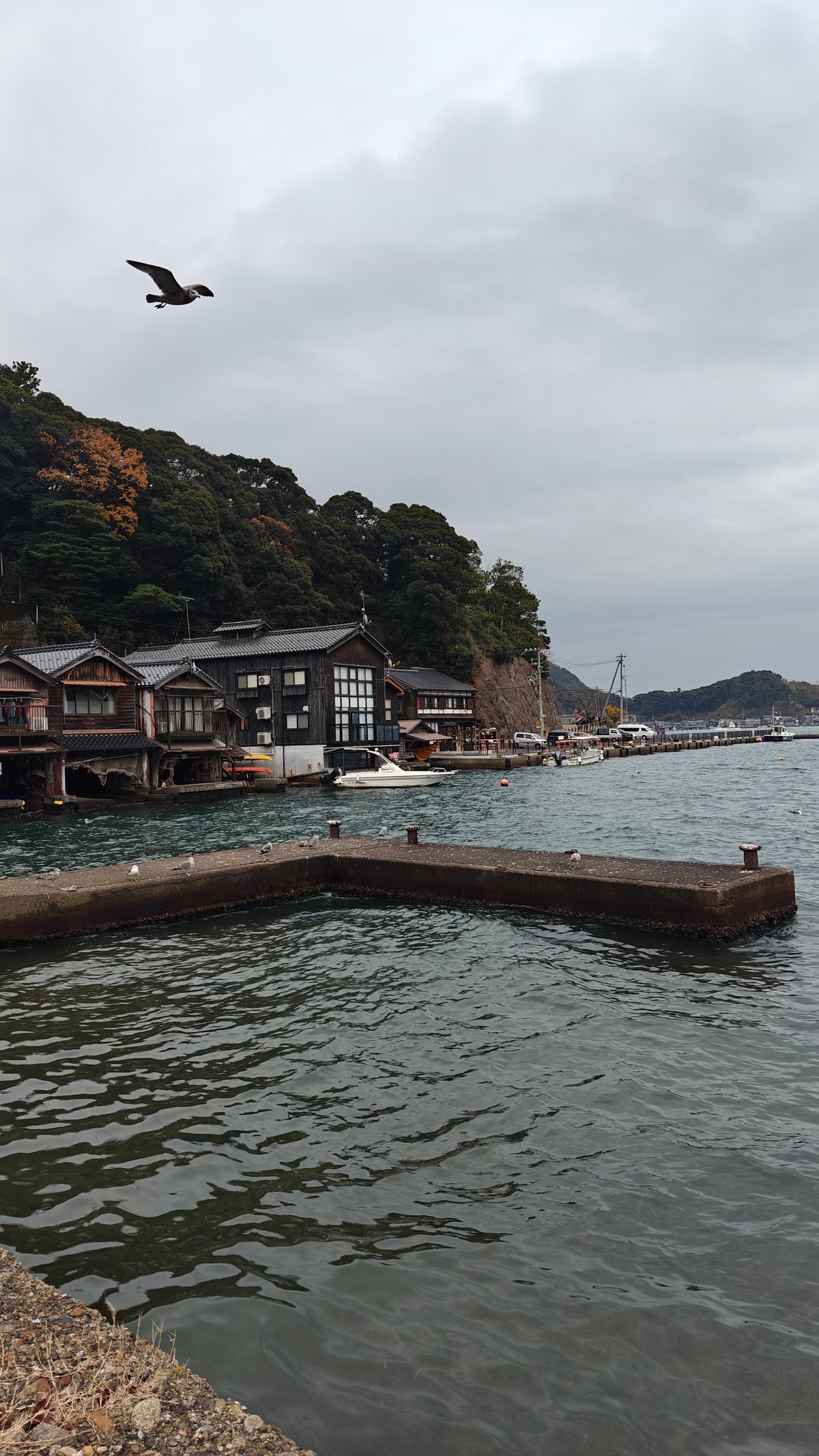
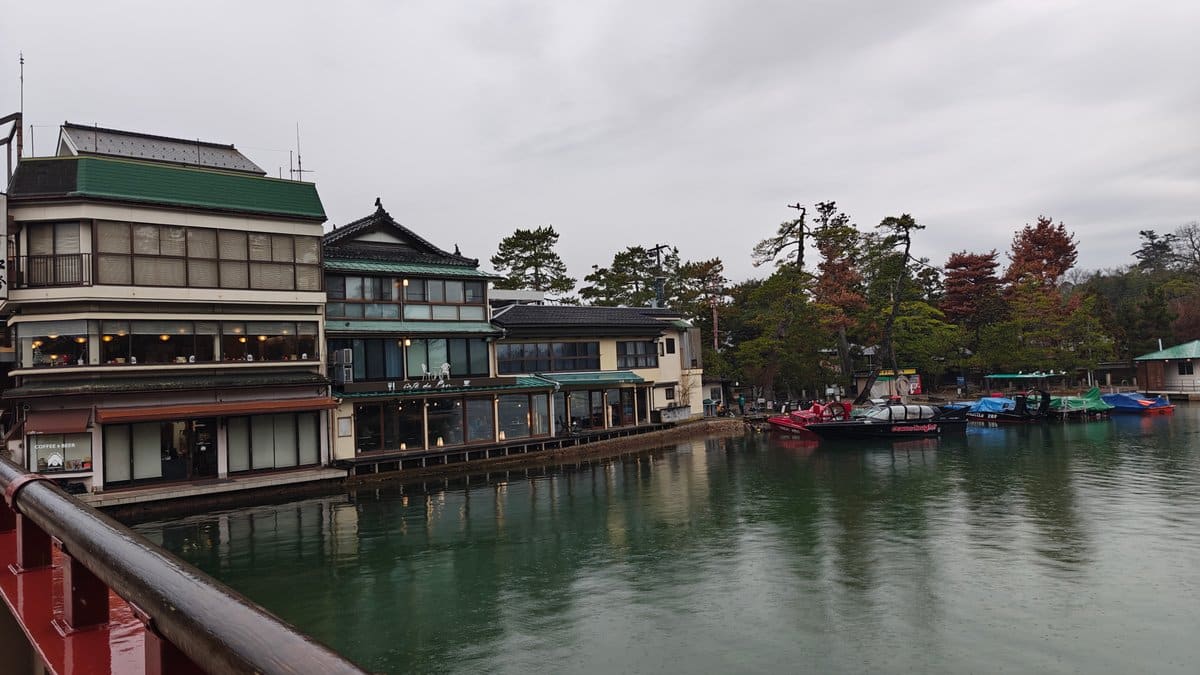
A short bus trip away from Amanohashidate lies Ine Bay, which is famous for its funaya, or old-style houses, located directly over the water. Each house has an open-air garage that serves as a sheltered place to store boats underneath their living space. I strolled along the waterfront path and admired the rows of wooden buildings lining the shore.
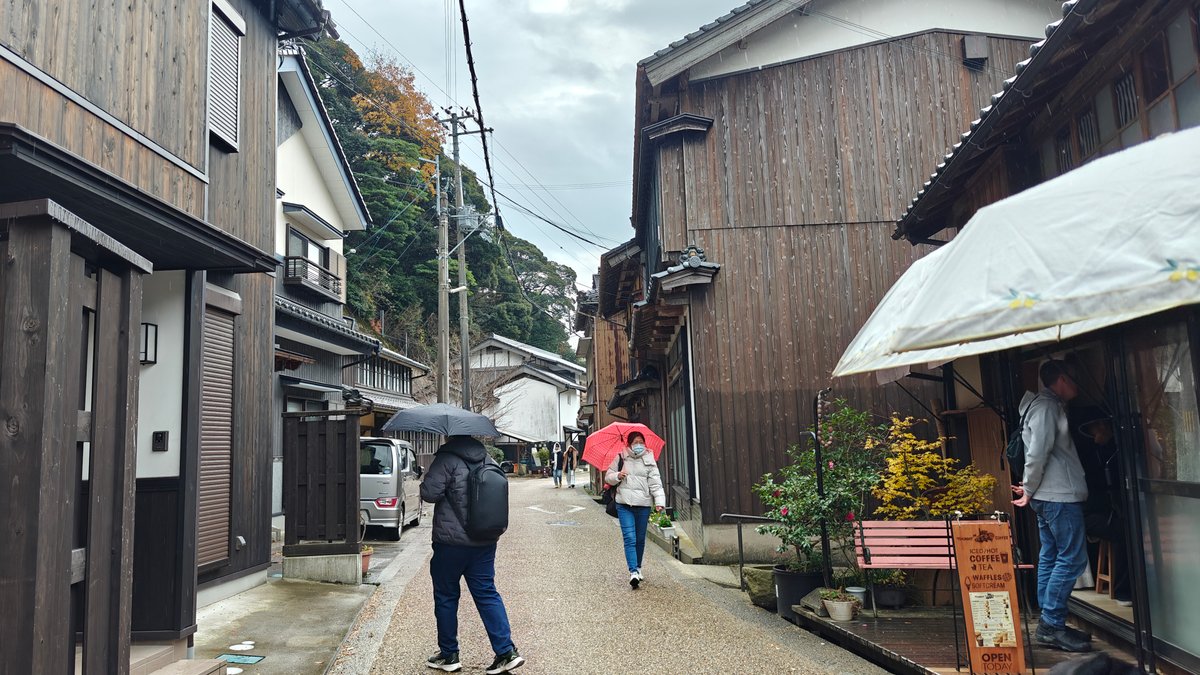
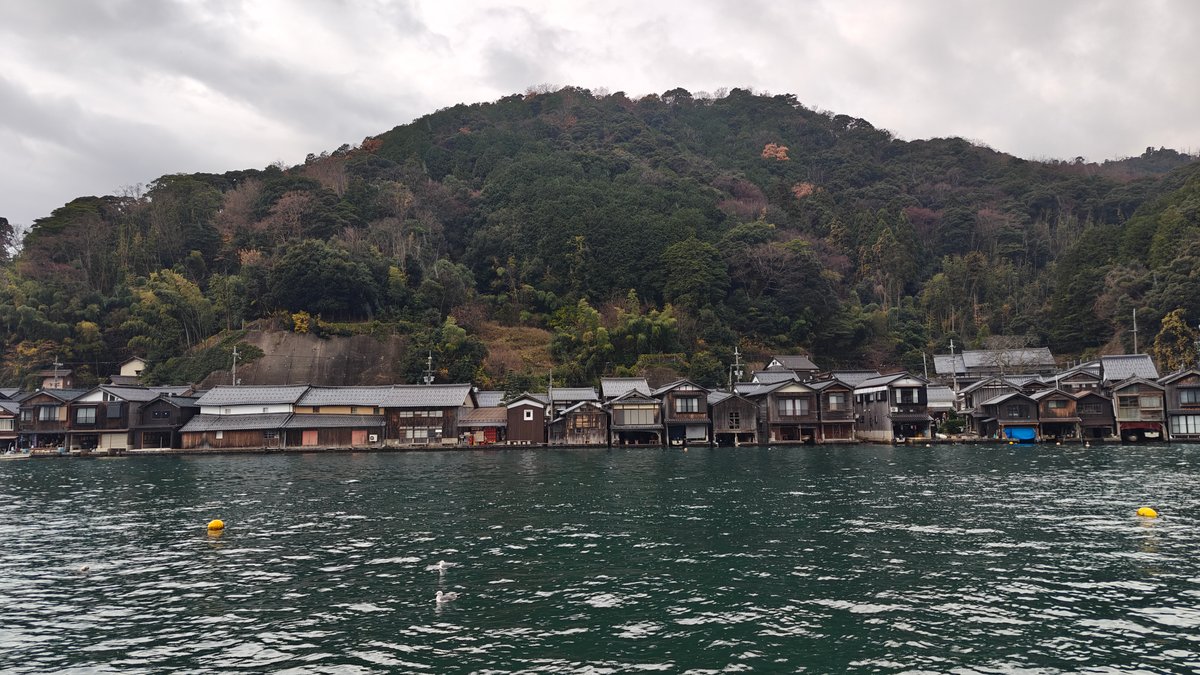
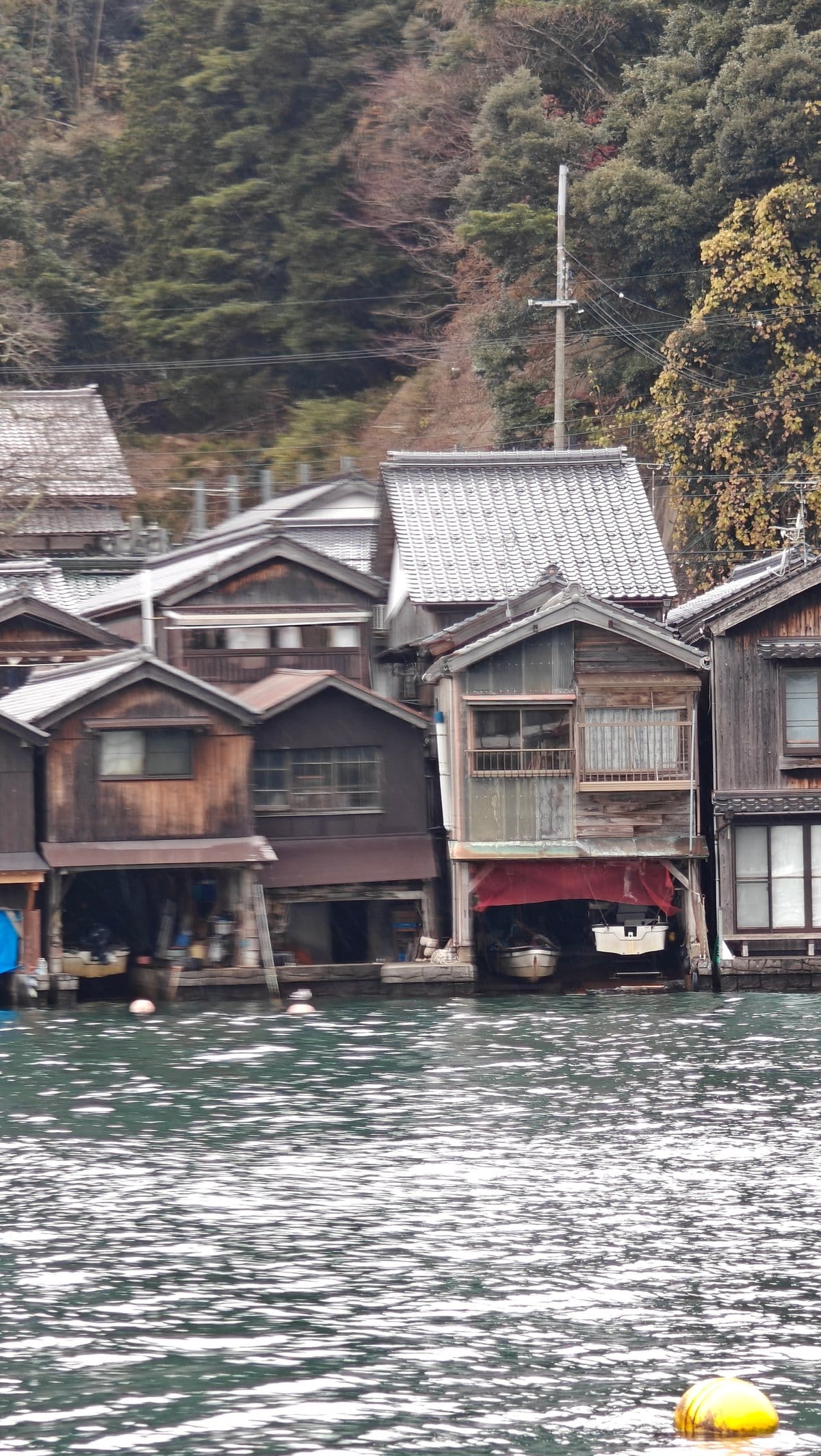
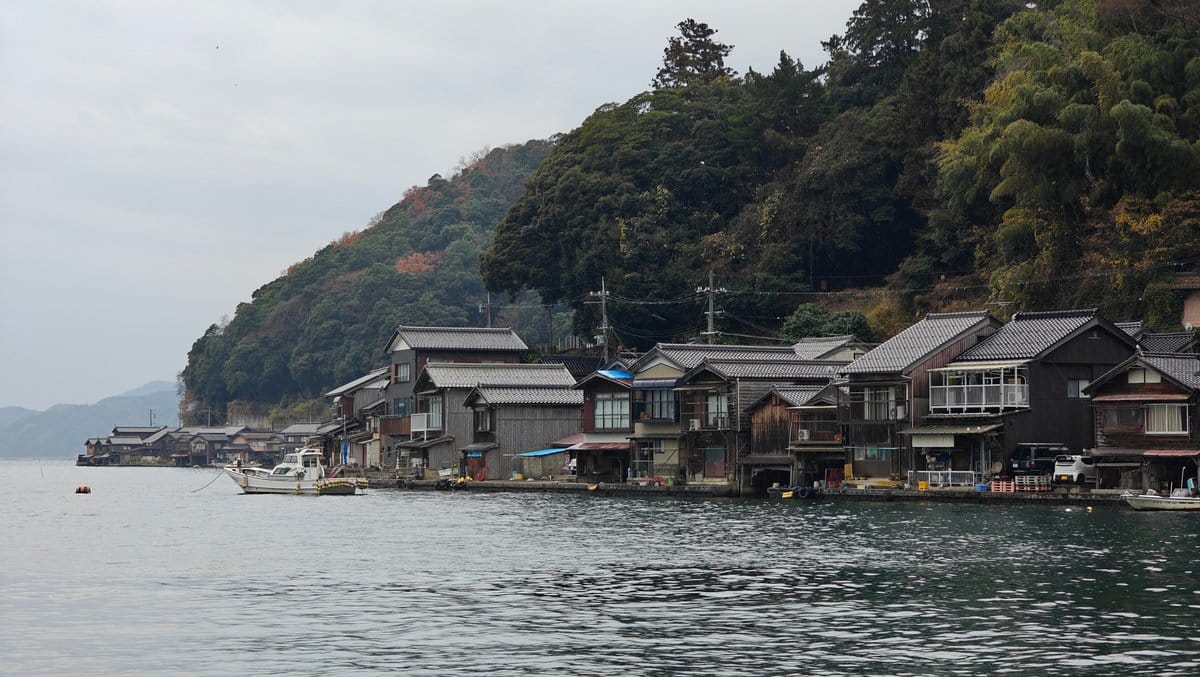
The town itself was quiet and small, with old houses built into the side of the hill and narrow streets. The front of some of the funaya were opened up, where they had their boats moored. Most everyone stayed inside because of the weather but it was still like going back in time.
After soaking up the atmosphere for awhile, I went wandering by myself.
Ine Bay Cruise Ferry
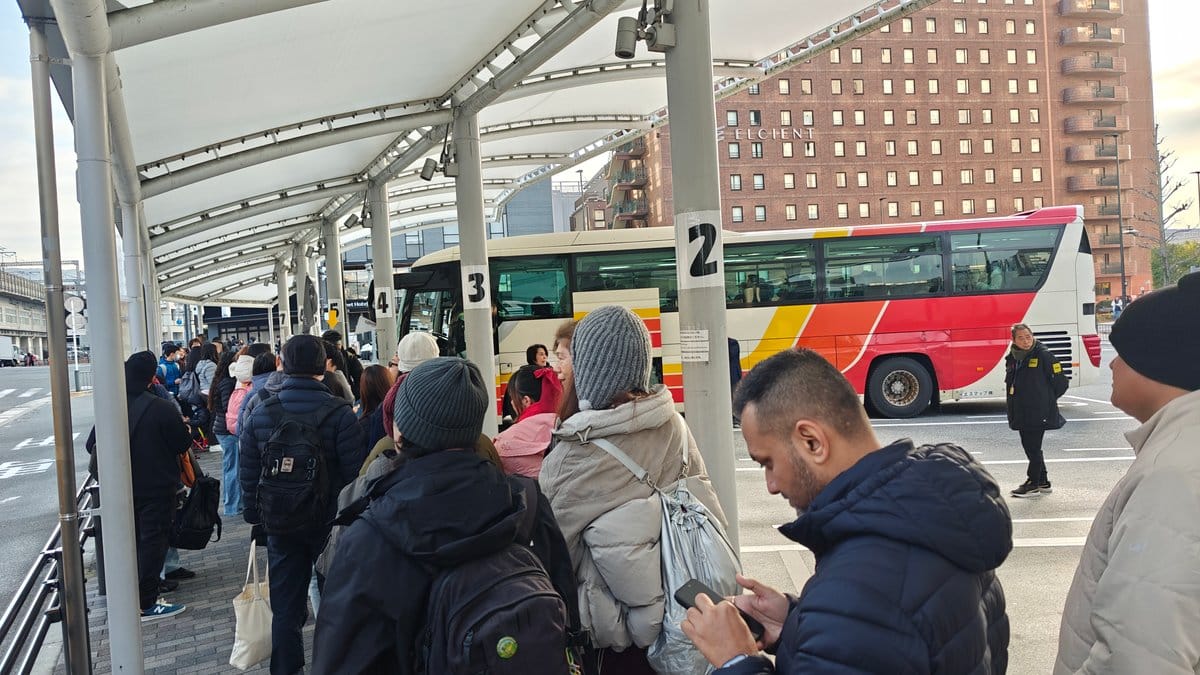
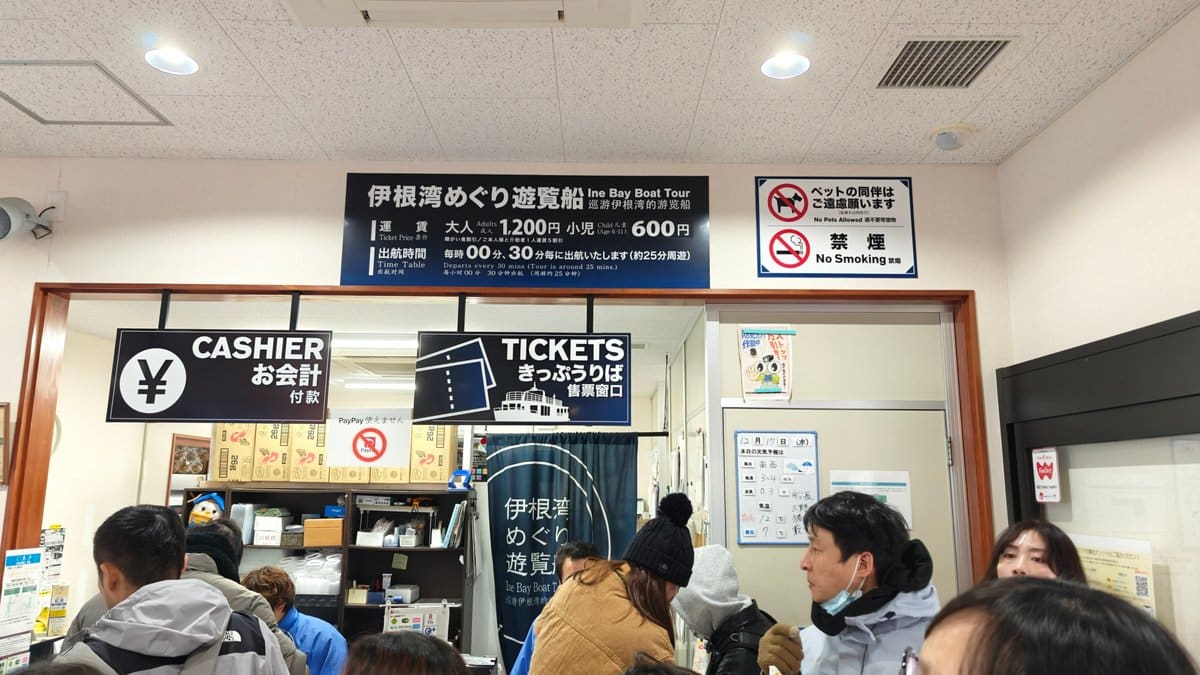
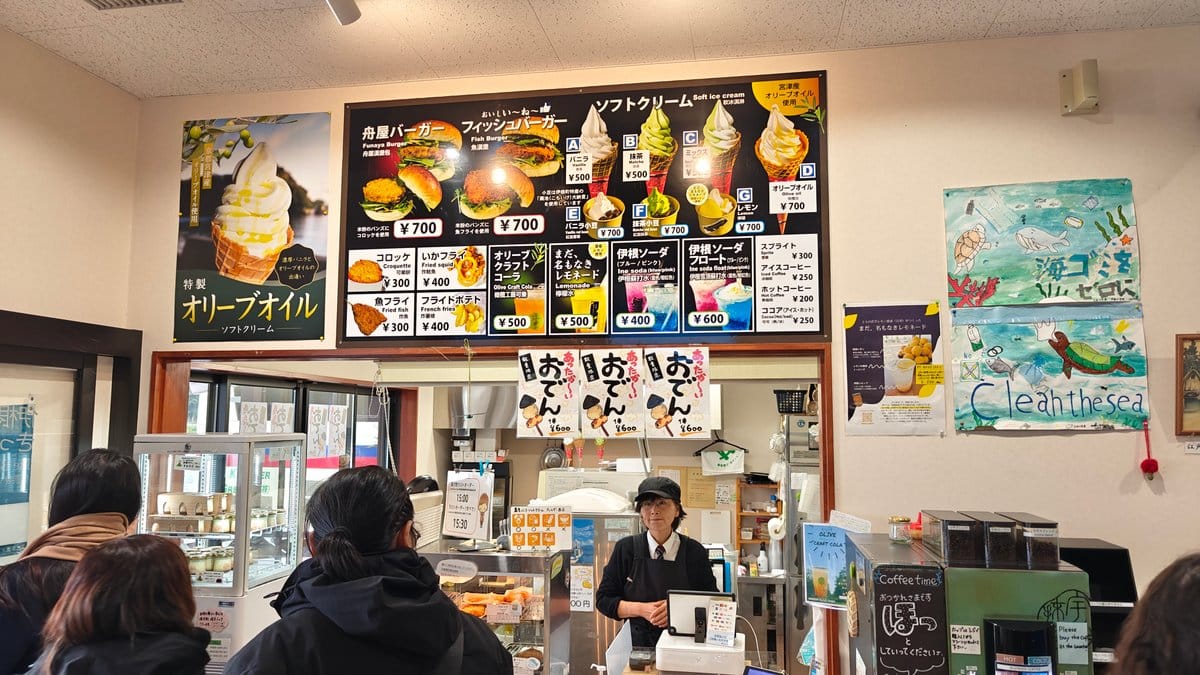
Near the bus terminal, I picked up a ticket to take the sightseeing cruise out in Ine Bay. There’s a little snack shop and a counter with photos of the food so you know what to get. I didn’t get any food.
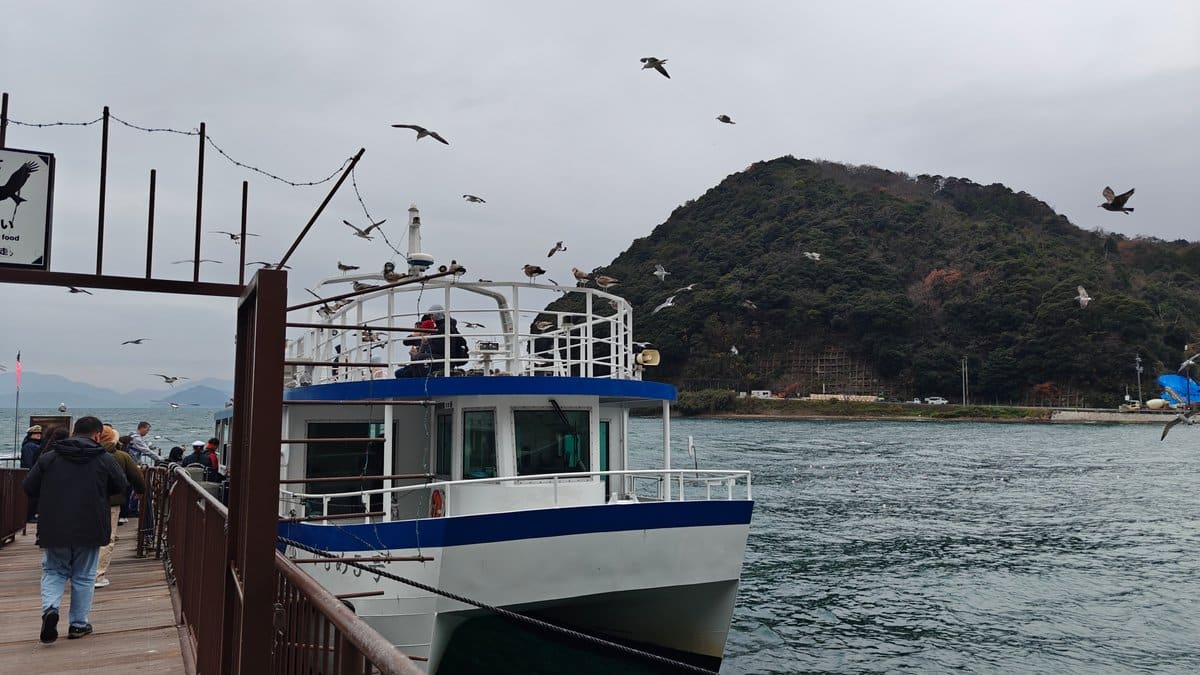
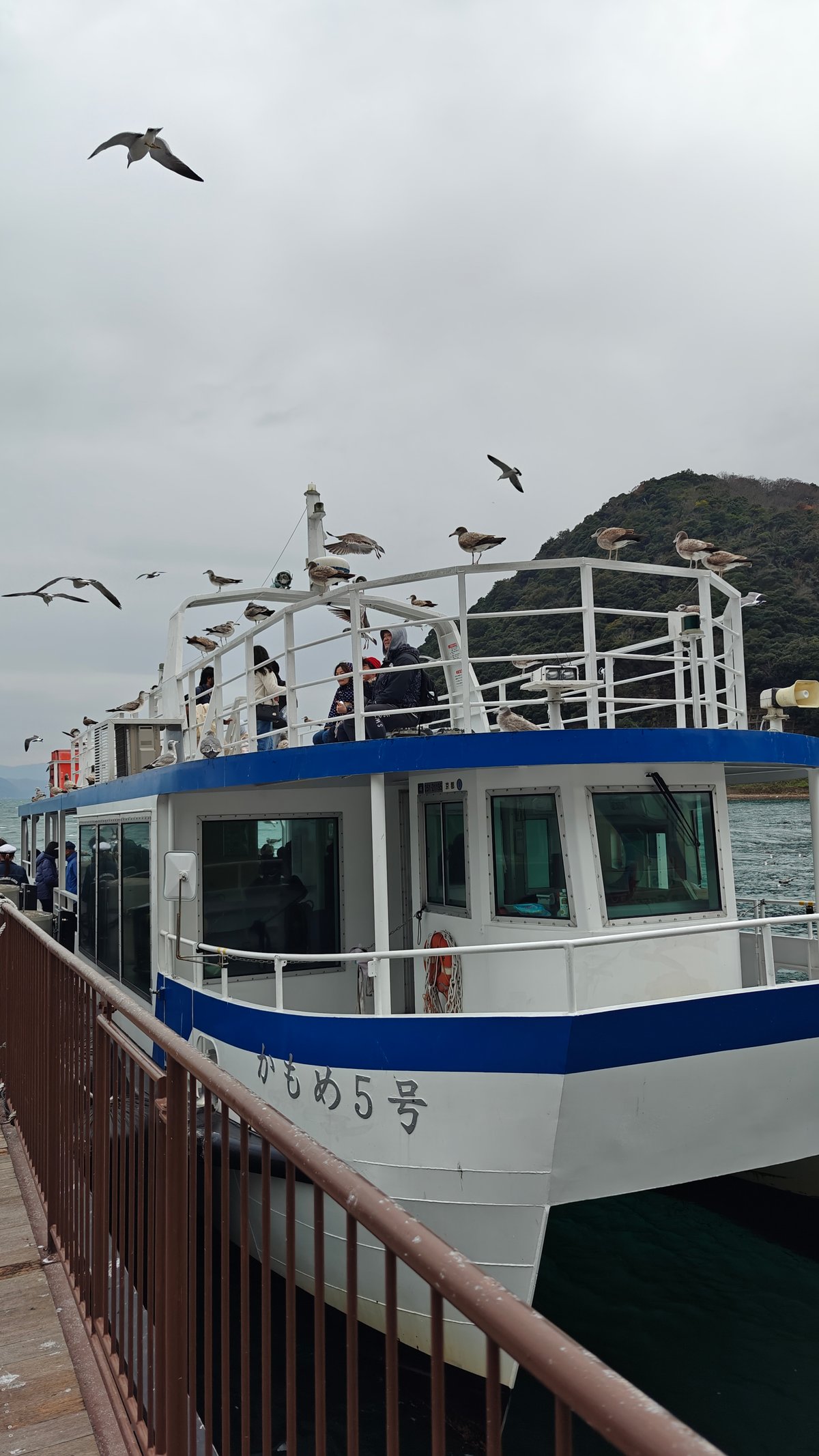
The tour boat was waiting at the dock, a small ferry that circles the bay. I got on board and took a spot on the deck.
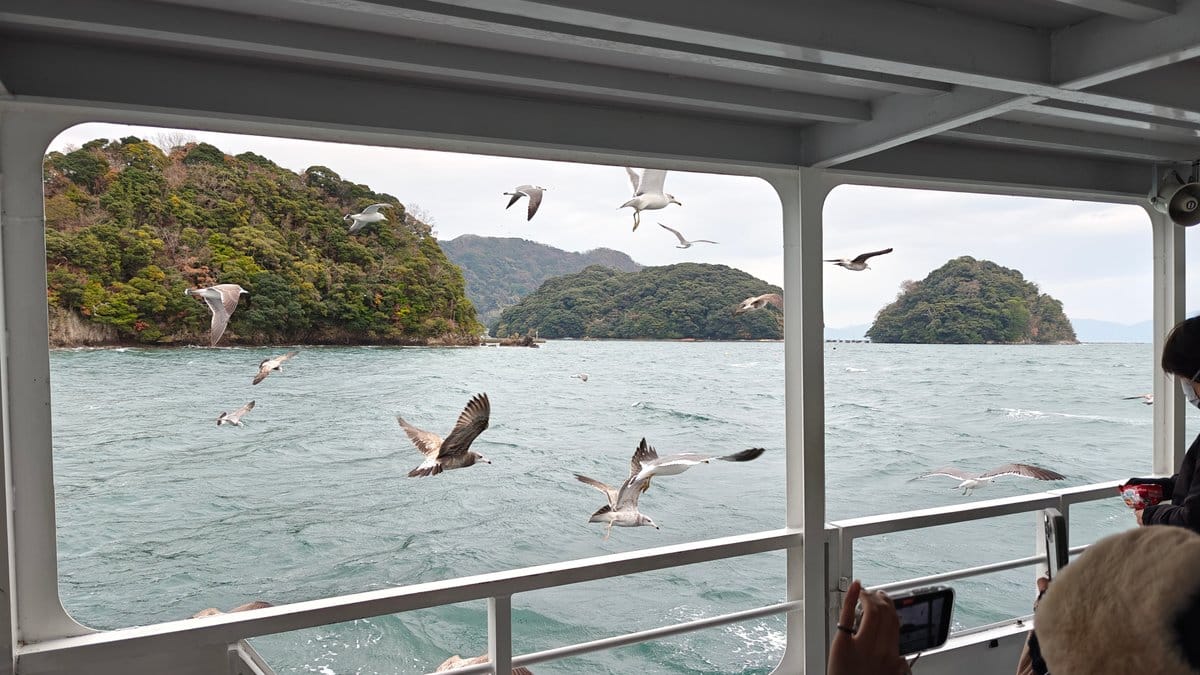
From there, we cruised out past the funaya and around the small islands dotting the bay. It gave a good idea of how the village nestles itself along the coast. There’s also something special about seeing it all from the water.
Instead of being on land, the water was still, and everything looked different.
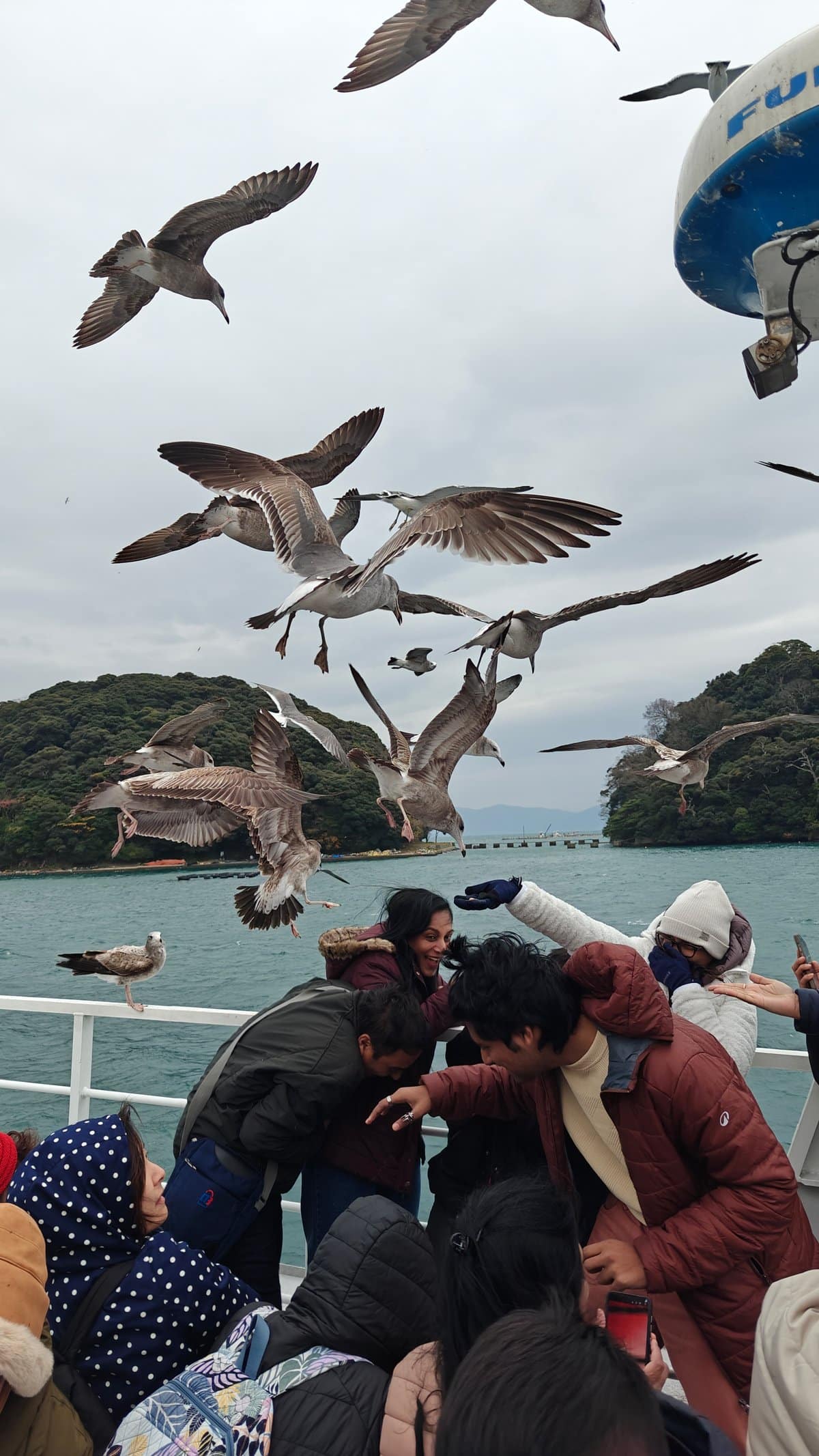
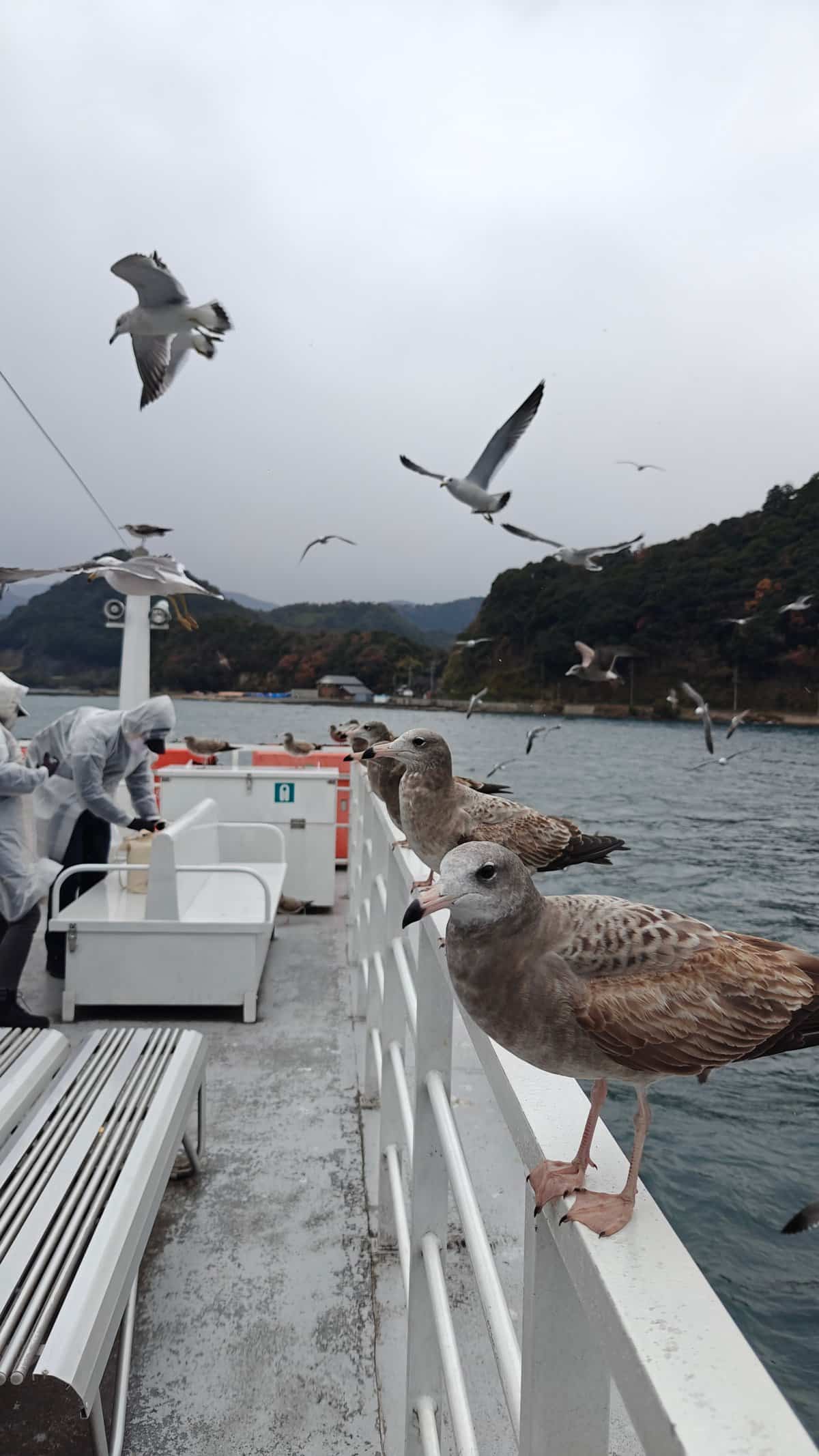
During the cruise, we were trailed by seagulls, who would get as close to the railings as possible and swoop down. They aren’t afraid to get super close to you, and you can purchase food from the boat to feed them. There’s even one that landed on the railing next to me and it simply sat there for a few minutes without any care whatsoever.
The total cruise lasted roughly half an hour.
Funaya Shokudo
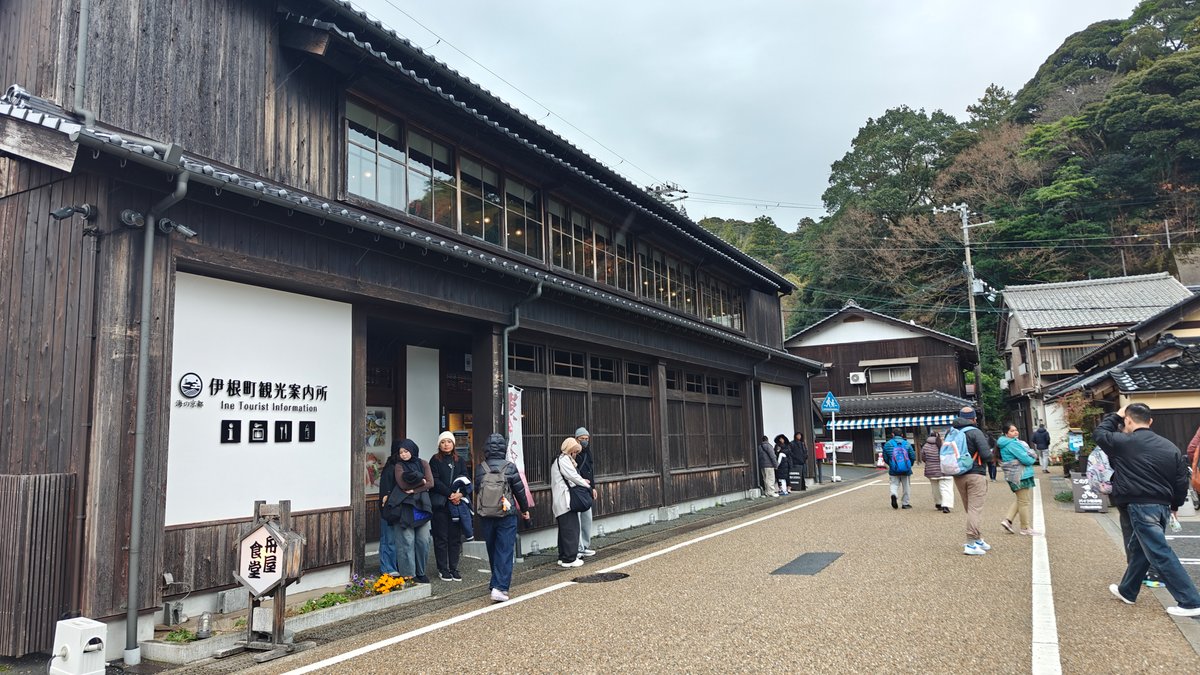
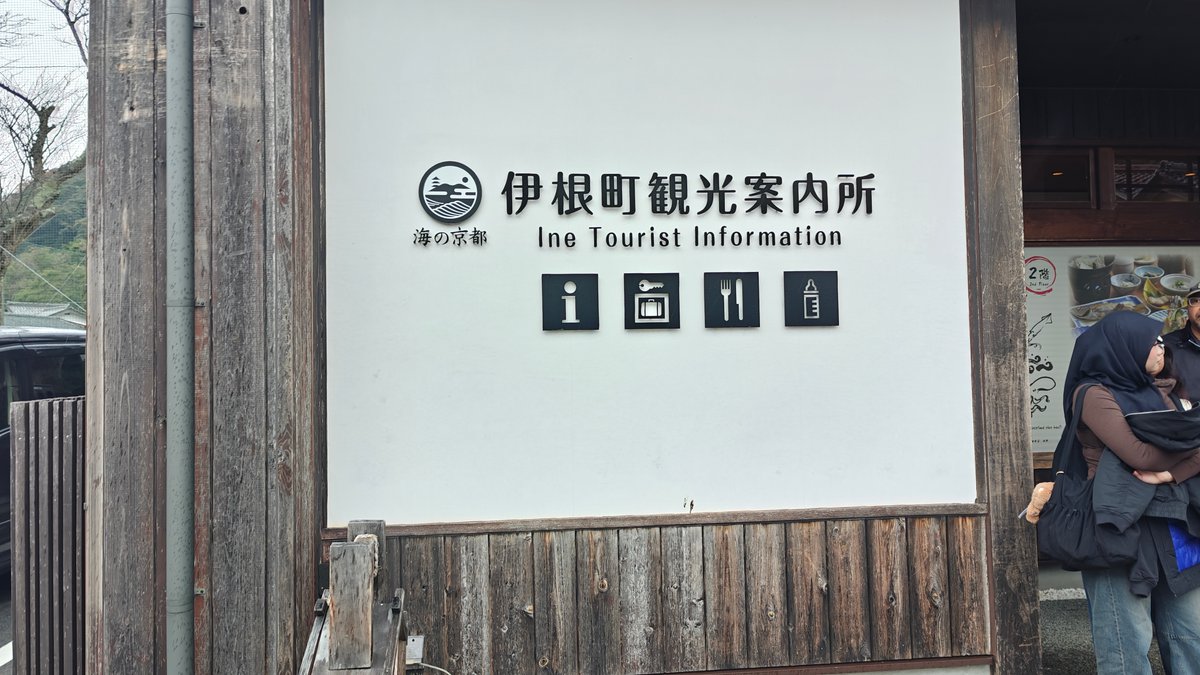
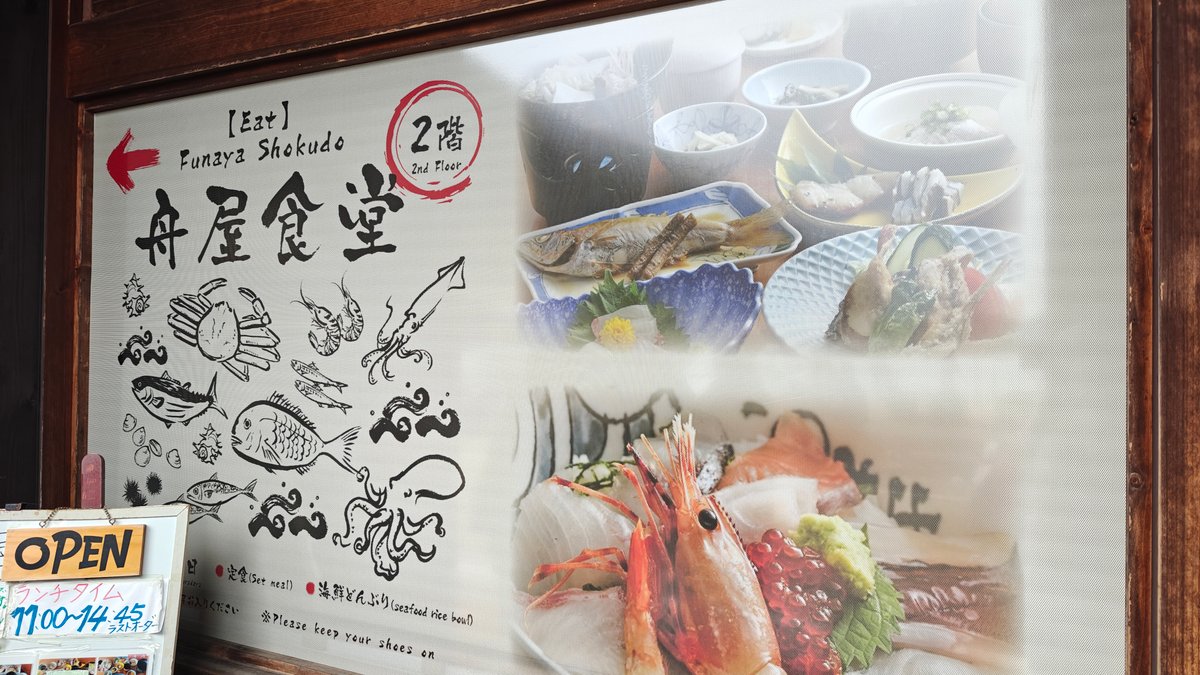
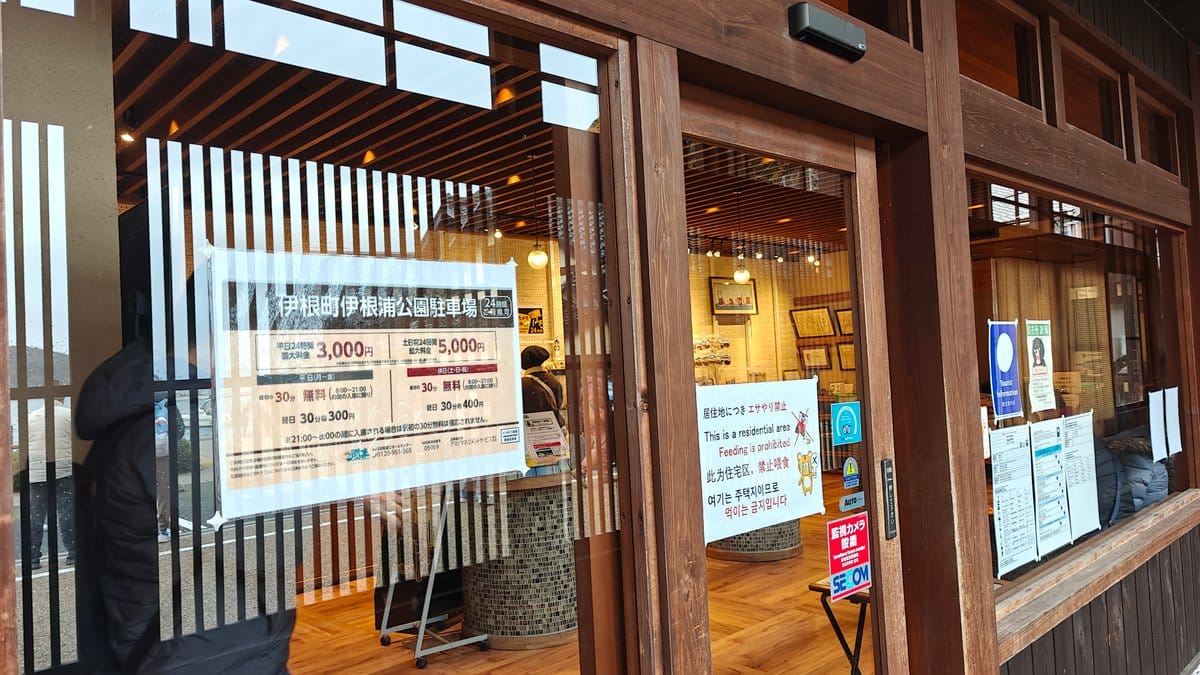
Following the cruise, I stopped for some food at Funaya Shokudo, a tiny restaurant located directly along the shore. It had an open sign and a picture of seafood on the board outside, so I decided to go inside.
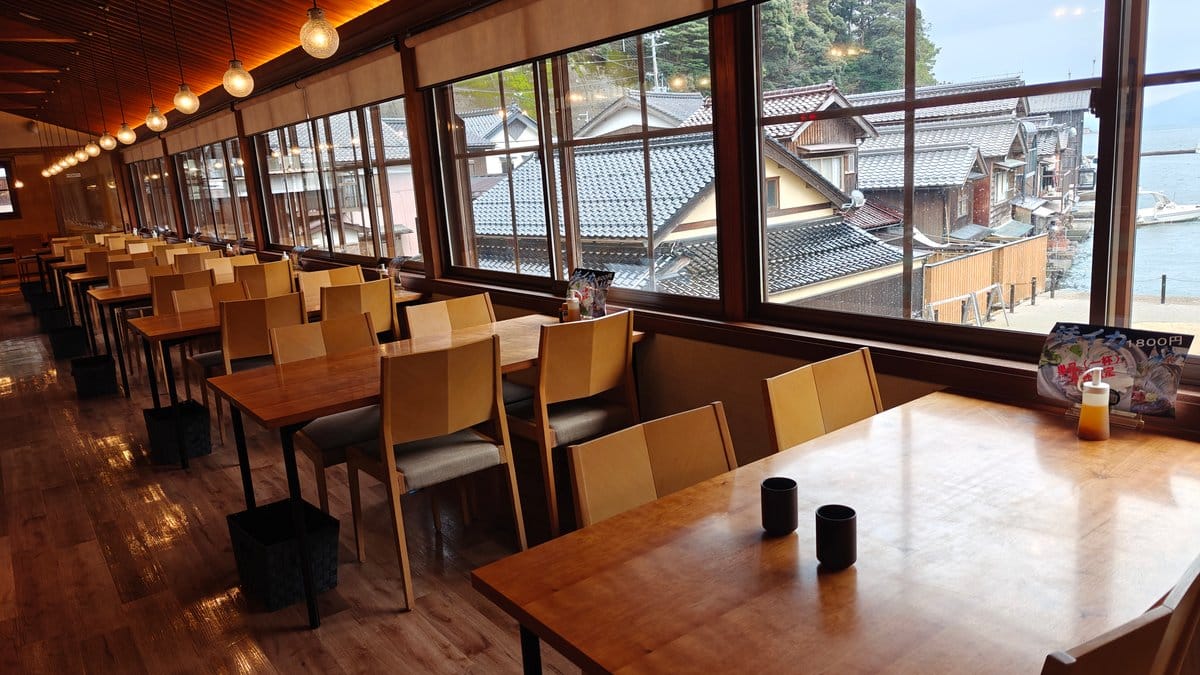
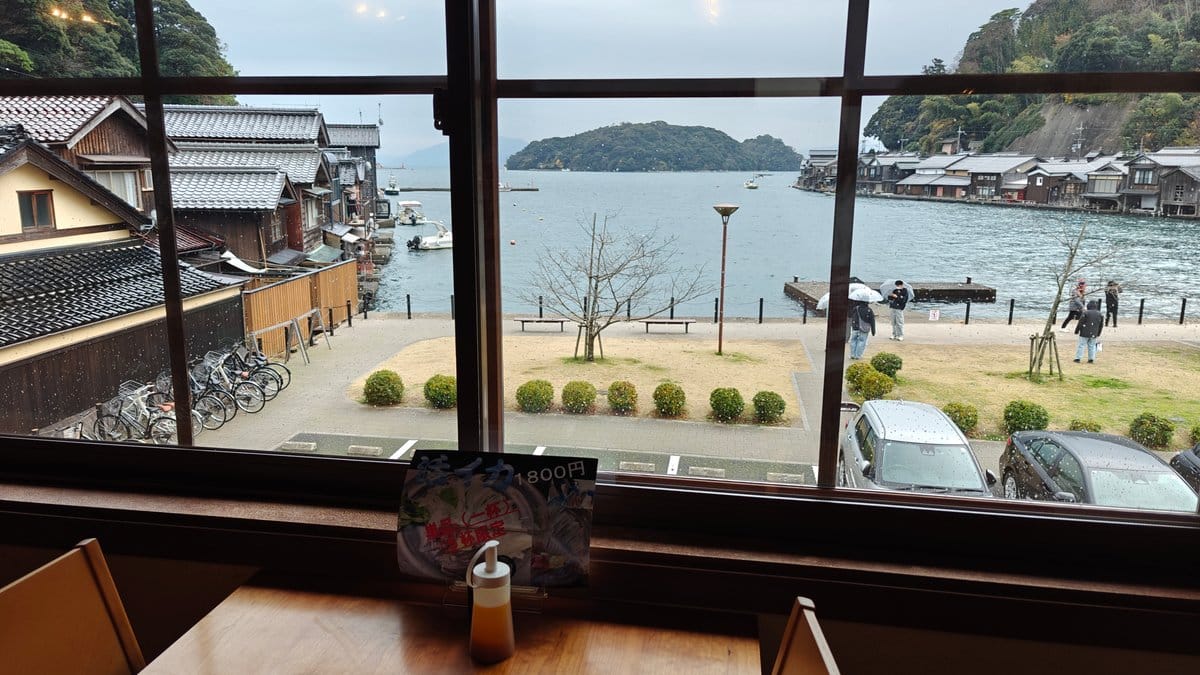
The simple tables face out toward the bay, and I lucked out with a seat by the window overlooking the island on the other side and the funaya. It was a really nice setup.
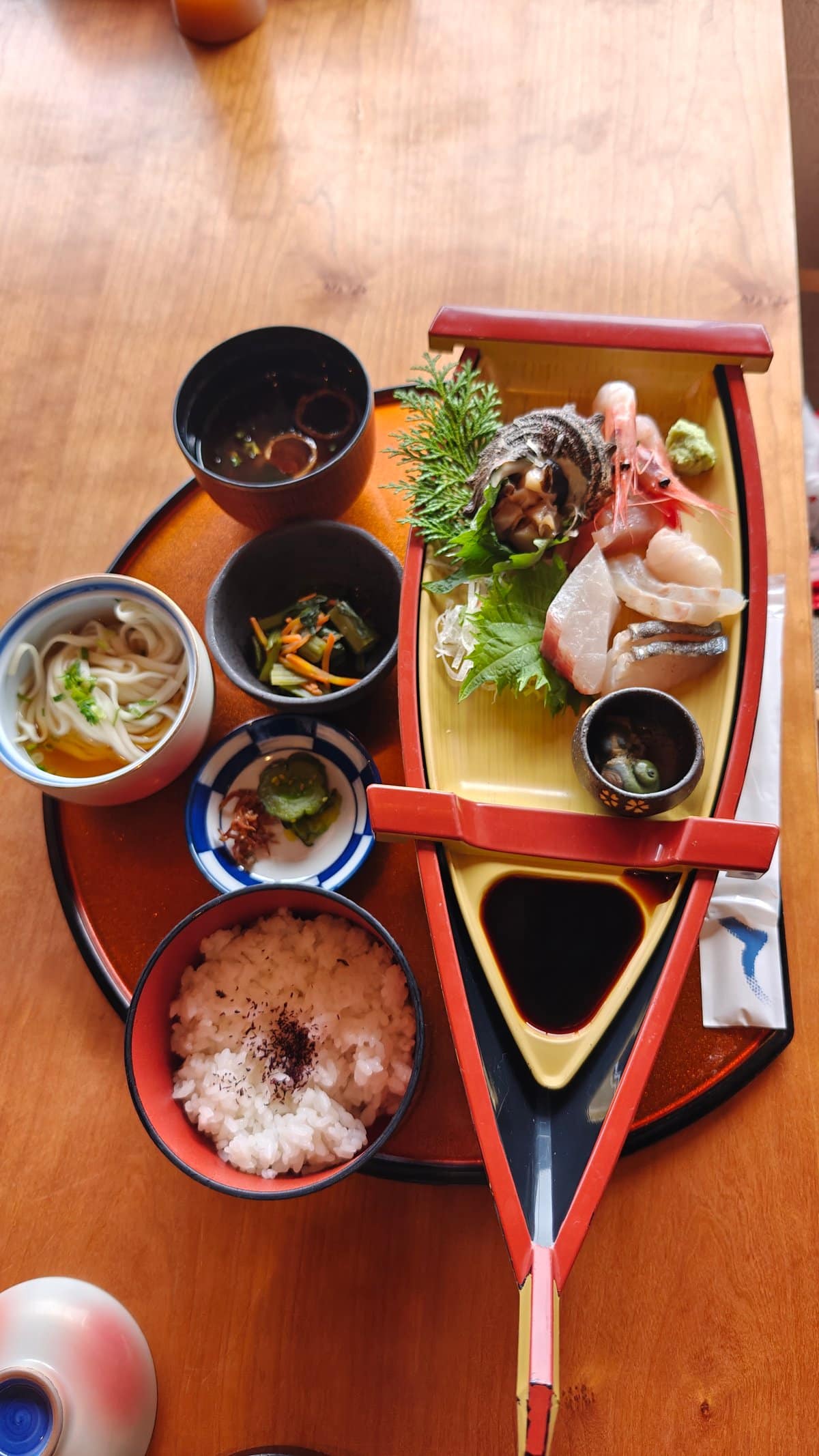
In a boat-like dish, I had the sashimi set meal. There was a variety of fish, all very fresh, some rice and miso soup on the side. It was exactly what you would expect to eat after wandering around a fishing village.
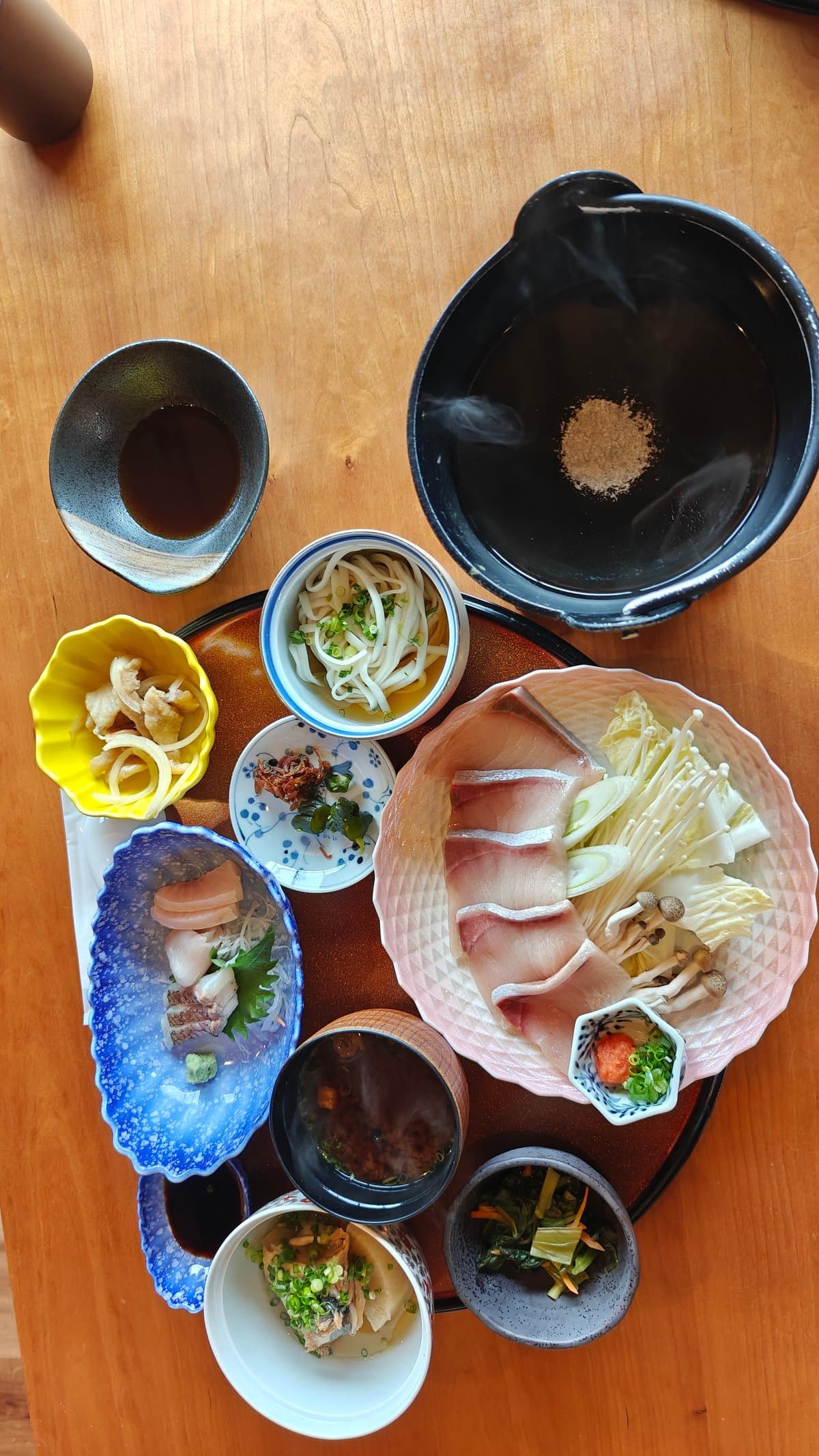
My friend ordered the yellowtail buri shabu-shabu set (a hotpot where you cook thin slices of fish in broth). It smelled good and looked good, too. After a damp morning of sightseeing, this hit the spot and didn’t break the bank.
I took something away from each trip. Nara is fun and easy. If you are into temples and animals, it’s for you.
Ine and Amanohashidate require more work to get to, but if you are looking for the quieter coast side of the region, then it’s worth your time. And if it was a clear day when visiting Ine, I’d go back simply to photograph the funaya in better light. Have you taken any day trips from Kyoto?
What would you recommend?