
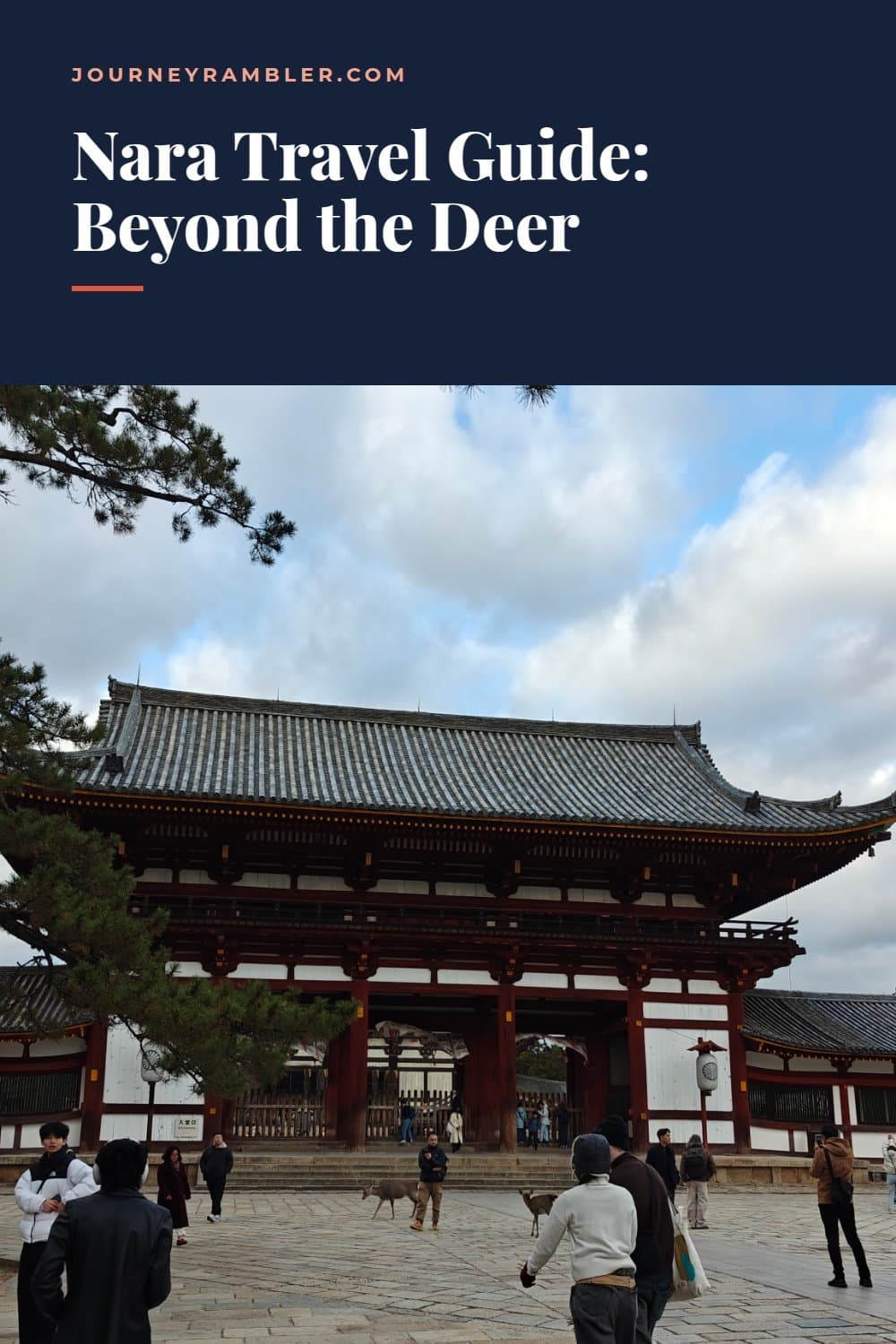
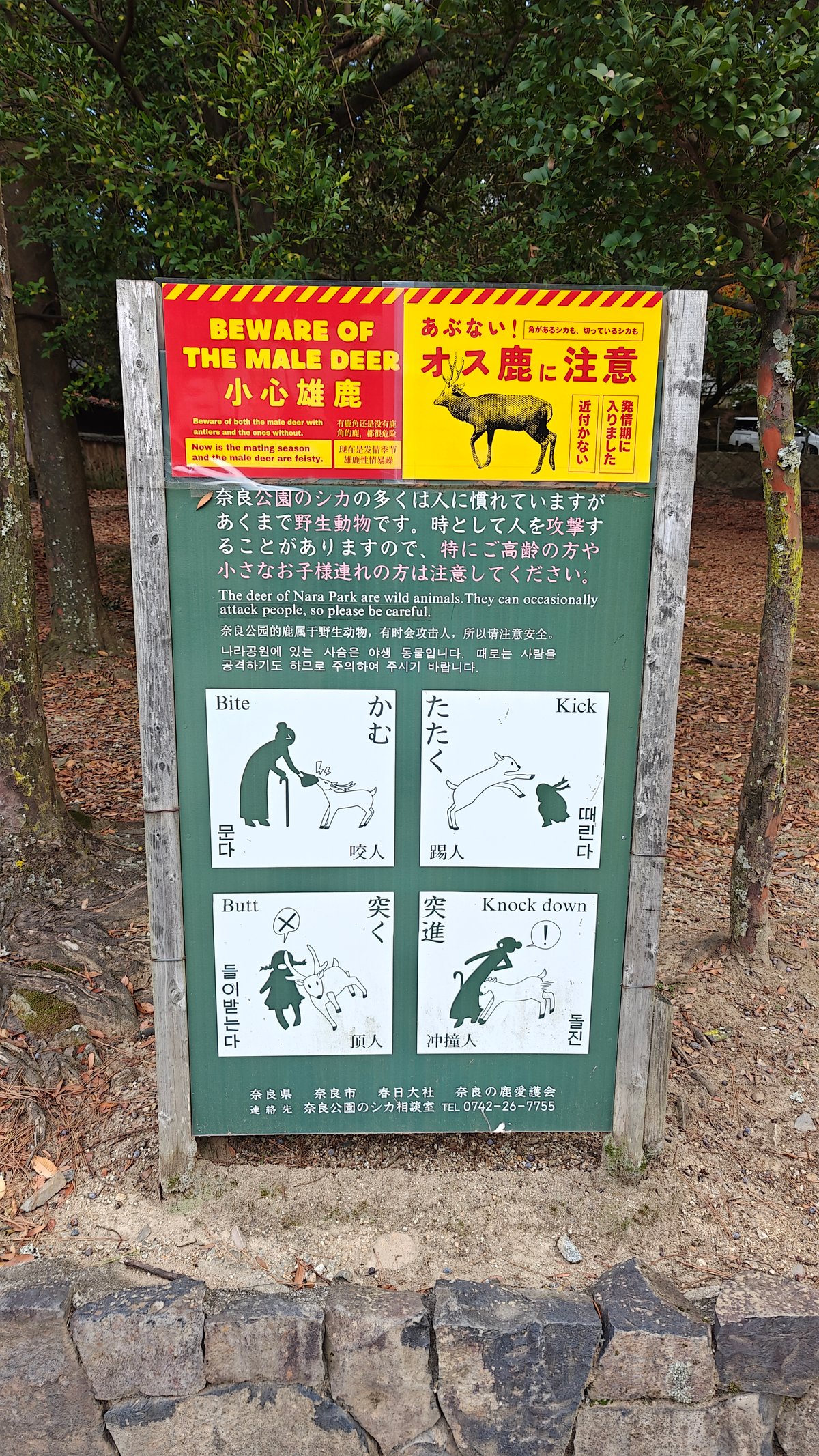
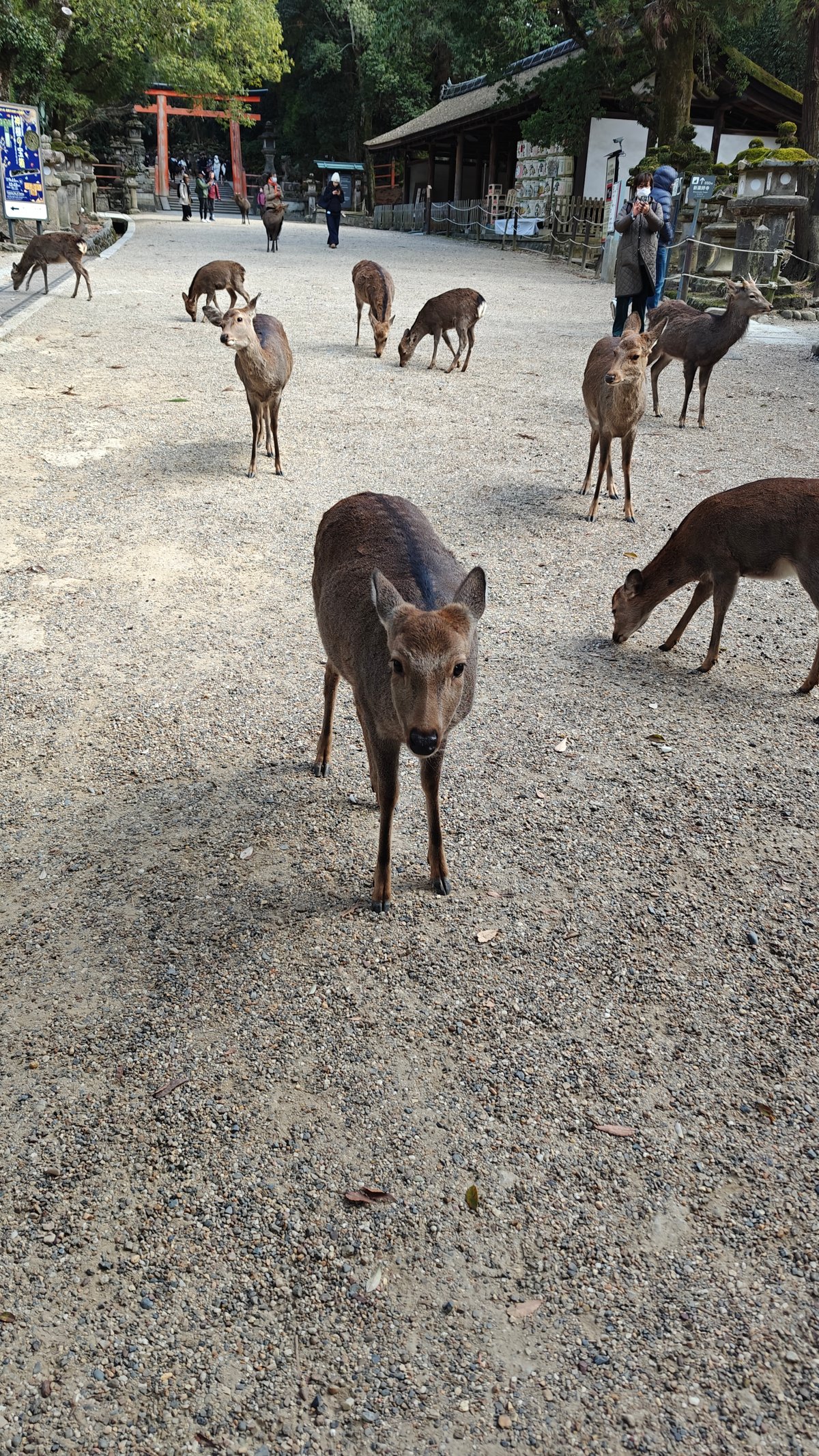
People talk about the deer in Nara. And yes, there are lots of them, and they gets quite insistent when it comes to those rice crackers. However, I spent a few days in town and realized pretty soon that if you come here just for the deer, feed them, leave, then you’ll be missing out on much of what’s best about Nara.
The temples are legitimately amazing, the gardens is peaceful and well-tended, and I had one of the best meals I’ve ever had in Japan at a non-touristy teppanyaki restaurant. So I thought I’d write it down here for anyone who hasn’t been and wants to know what there is to do in Nara other than take photos with the deer: A lot! And that’s why I wished someone should of said so before my visit!
Nara used to be capital of Japan (in the 700s), and you can see traces of that past when you, y’know, look at stuff and walk around.
More Things to See and Do in Nara
Todai-ji Temple
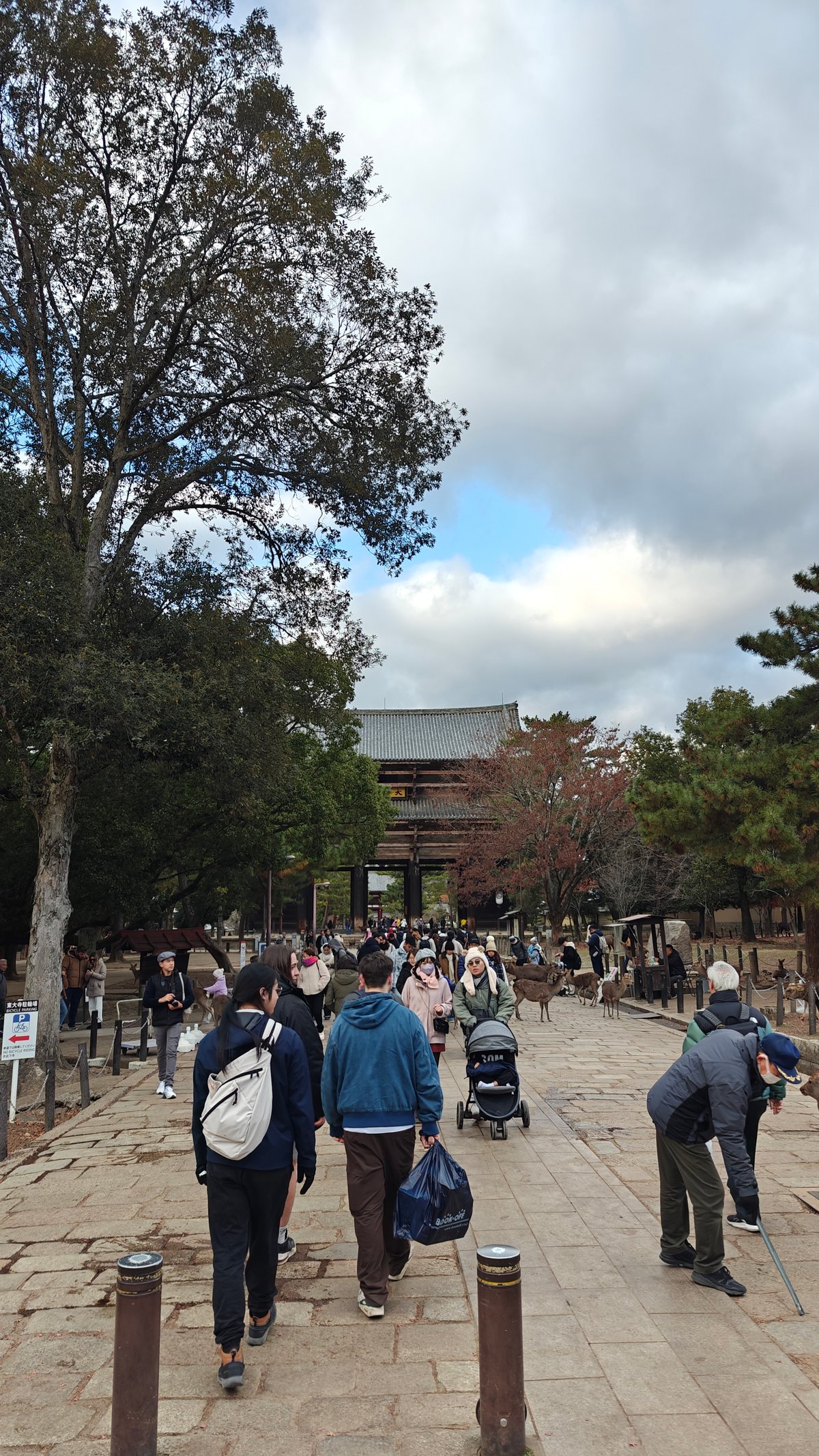
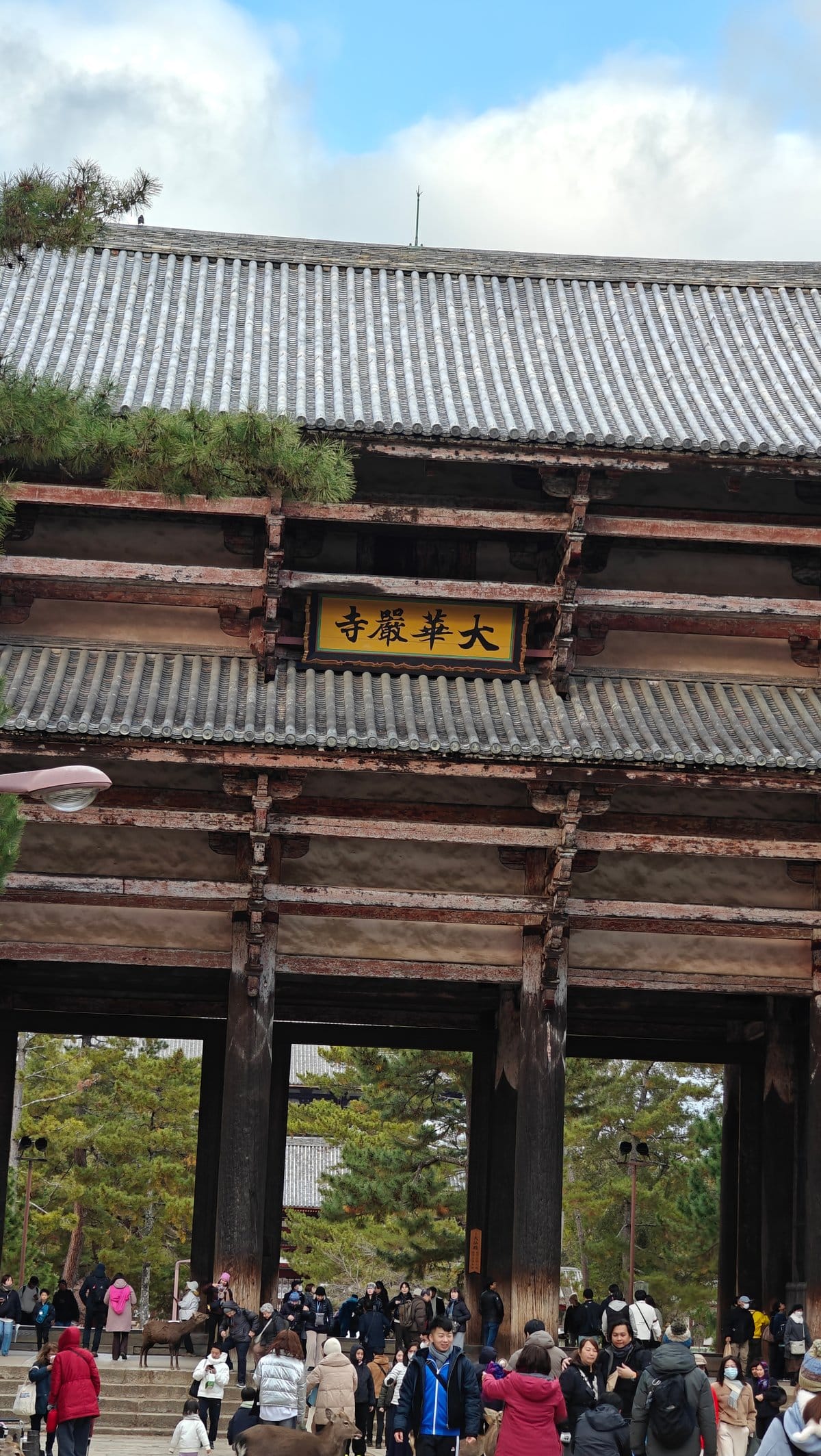
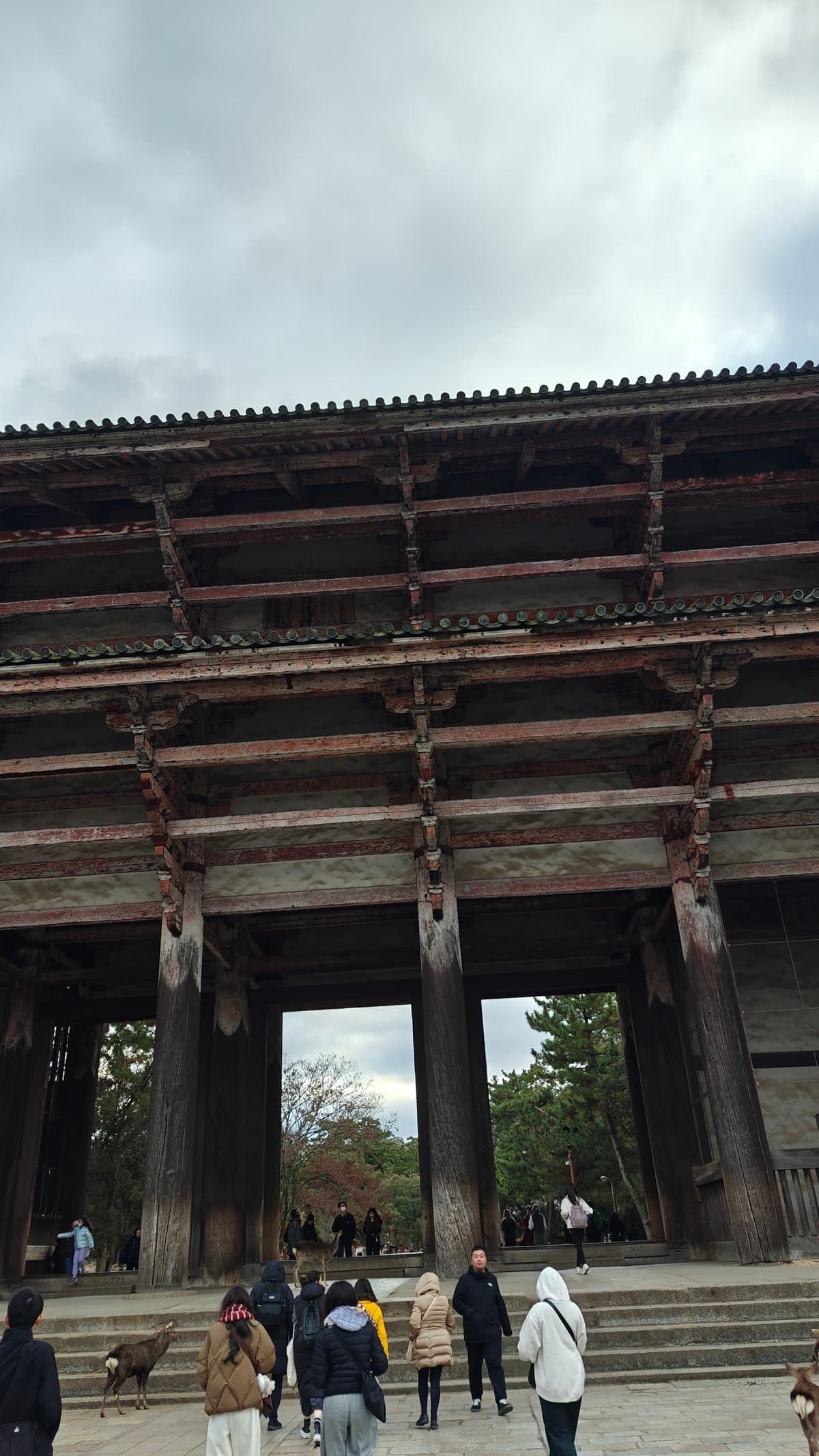
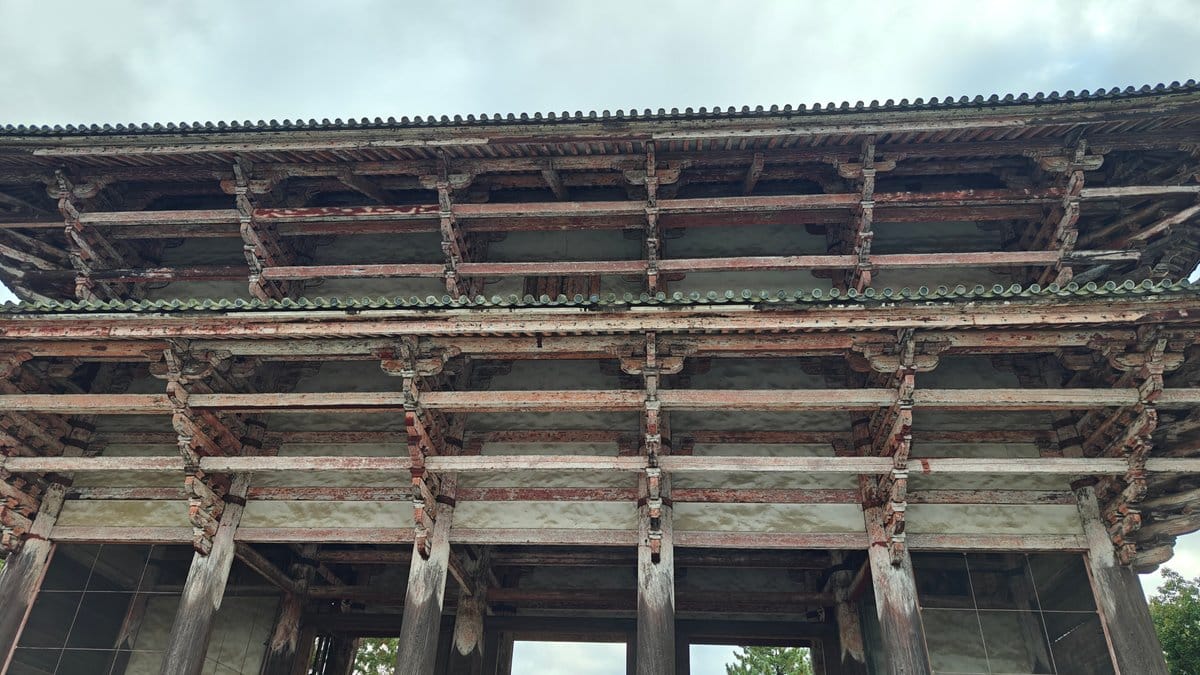
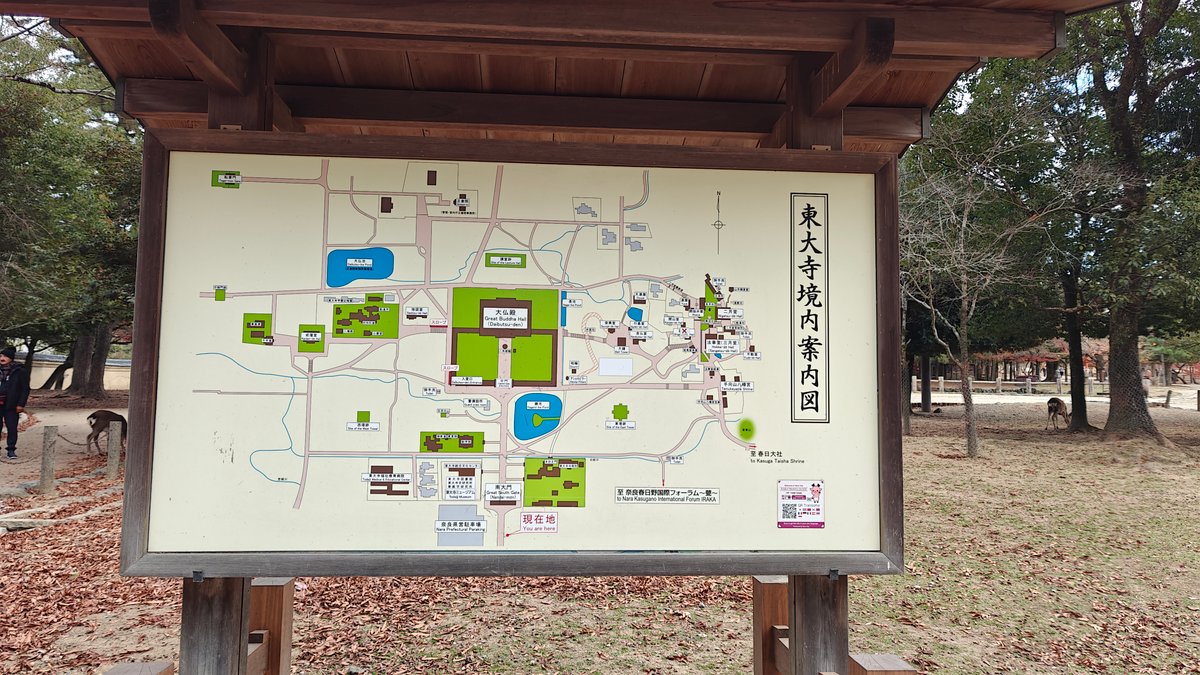
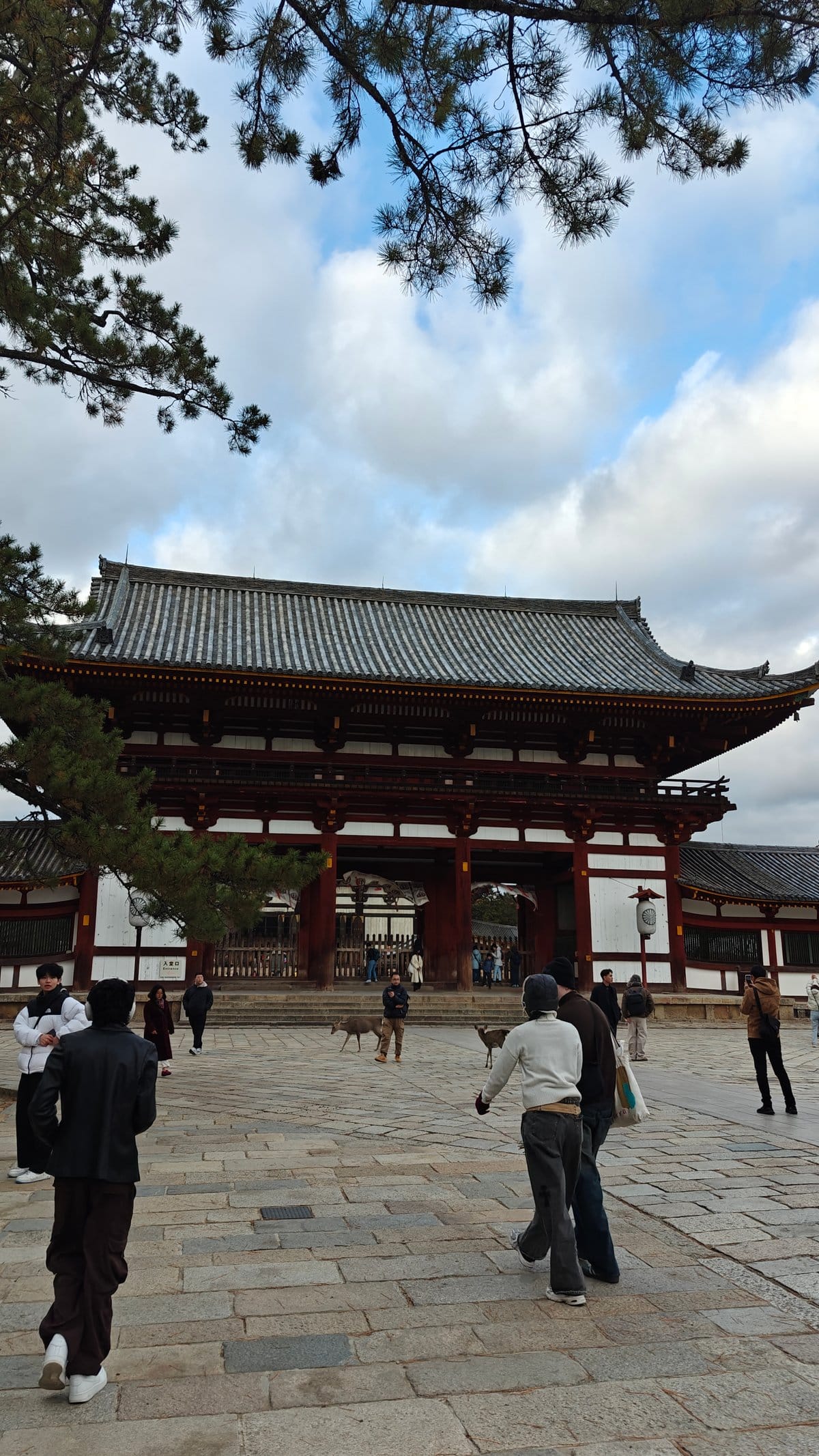
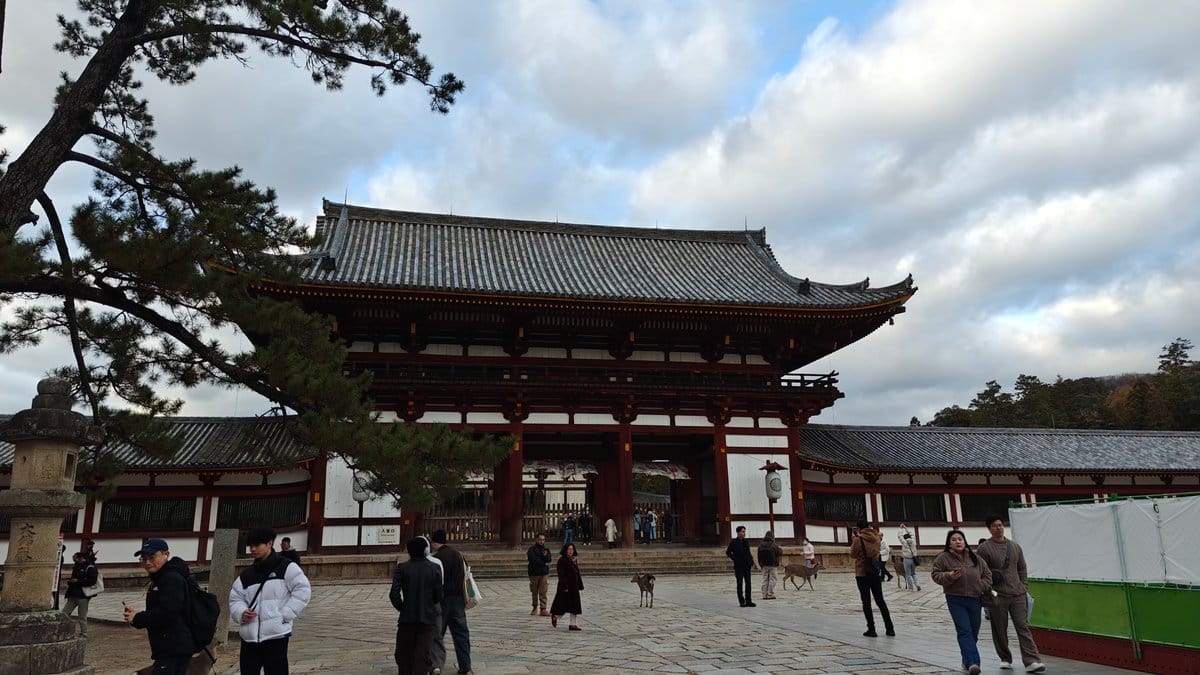
On my visit, a weekday morning, the path up to Todai-ji was already crowded but not uncomfortably so. First up was the Nandaimon gate, which is one of those structures that pictures cannot fully prepare you for. It’s just massive.
I stood beneath it for a long time looking upwards at all the wooden beams and at the bracketing system that holds it all together; and frankly I couldn’t work out how they managed to build this in the 1100s. The joinery is utterly exposed and the timber pieces is enormous, making it all the more impressive.
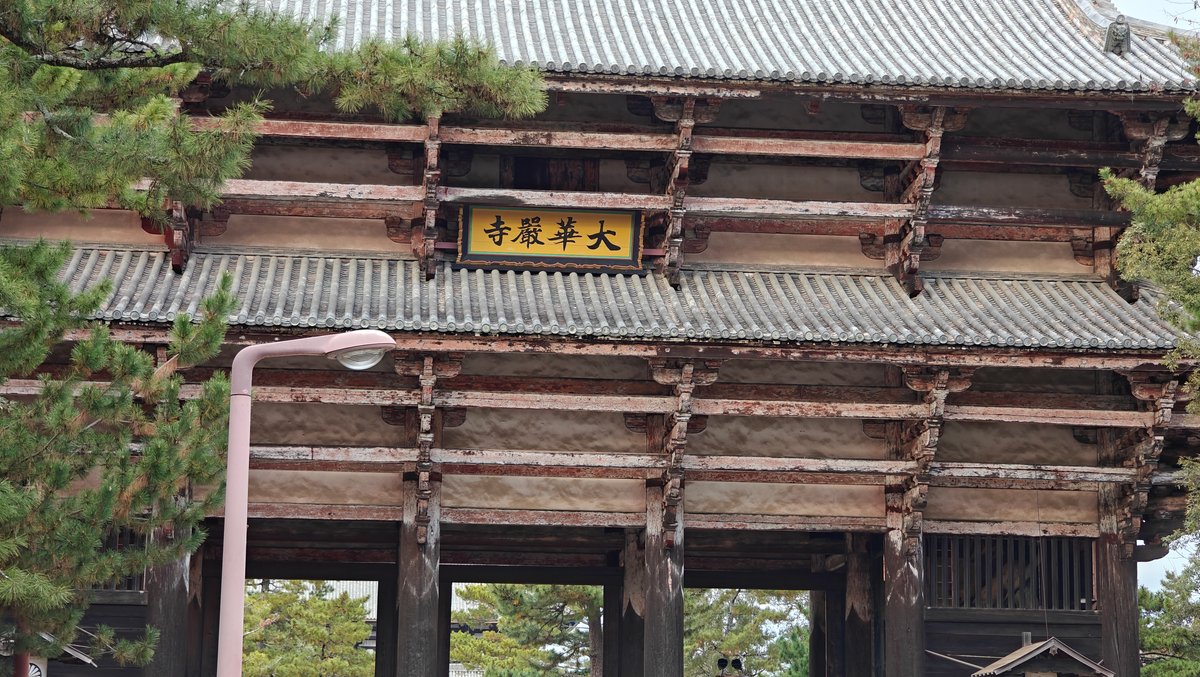
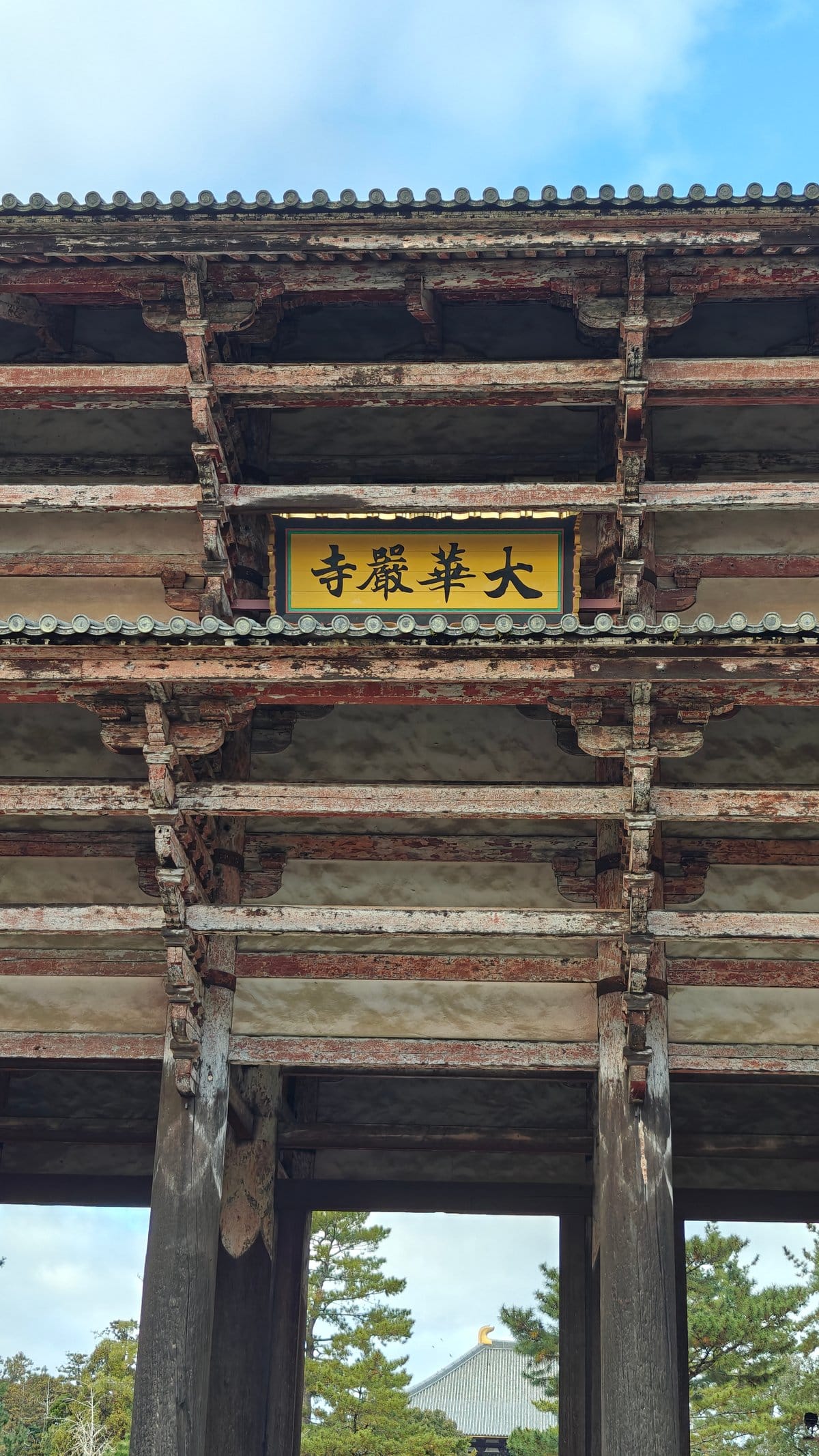
Inside the gate were guardian statues that was carved with a lot of energy. They’re about eight metres in height. The statues has been standing for 800 years and they still look like they might chase you.
I went in, past them, and into the inner courtyard where I spotted the Daibutsuden behind Chumon gate. It’s huge.
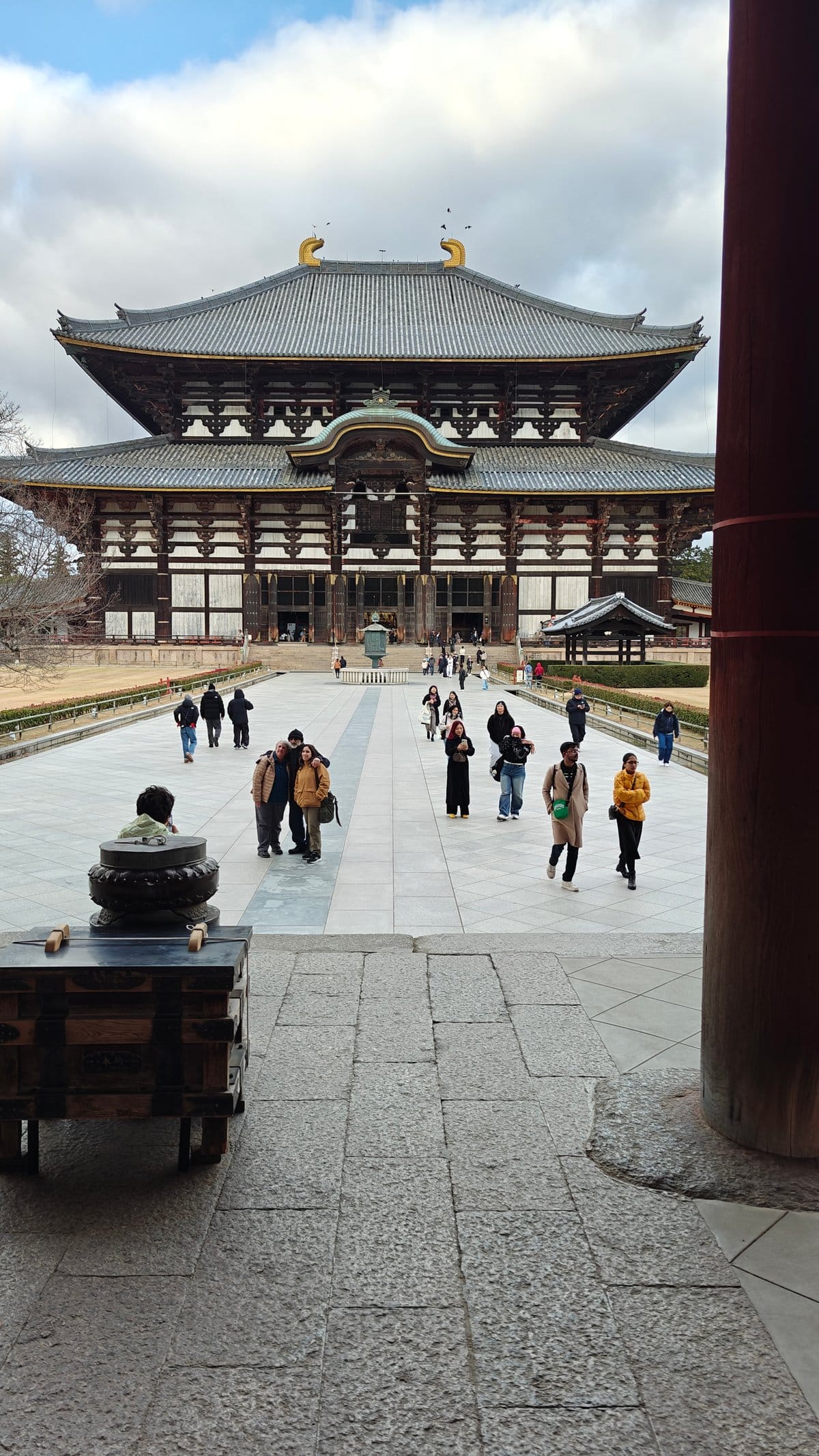
It’s the biggest wooden building I’ve ever been in. Having read up on it a little bit beforehand didn’t prepare me for being right in front of it. The large Buddha statue inside dates back to the 700s and was made out of bronze.
It stands at around fifteen metres tall and though I’m no believer, I did admire the ambition and craftsmanship involved in creating such a thing so many years ago. The hall itself date back to the 1700s when it was rebuilt following some fires. It is hard to believe that it’s smaller now then what it once was.
Kasuga Taisha
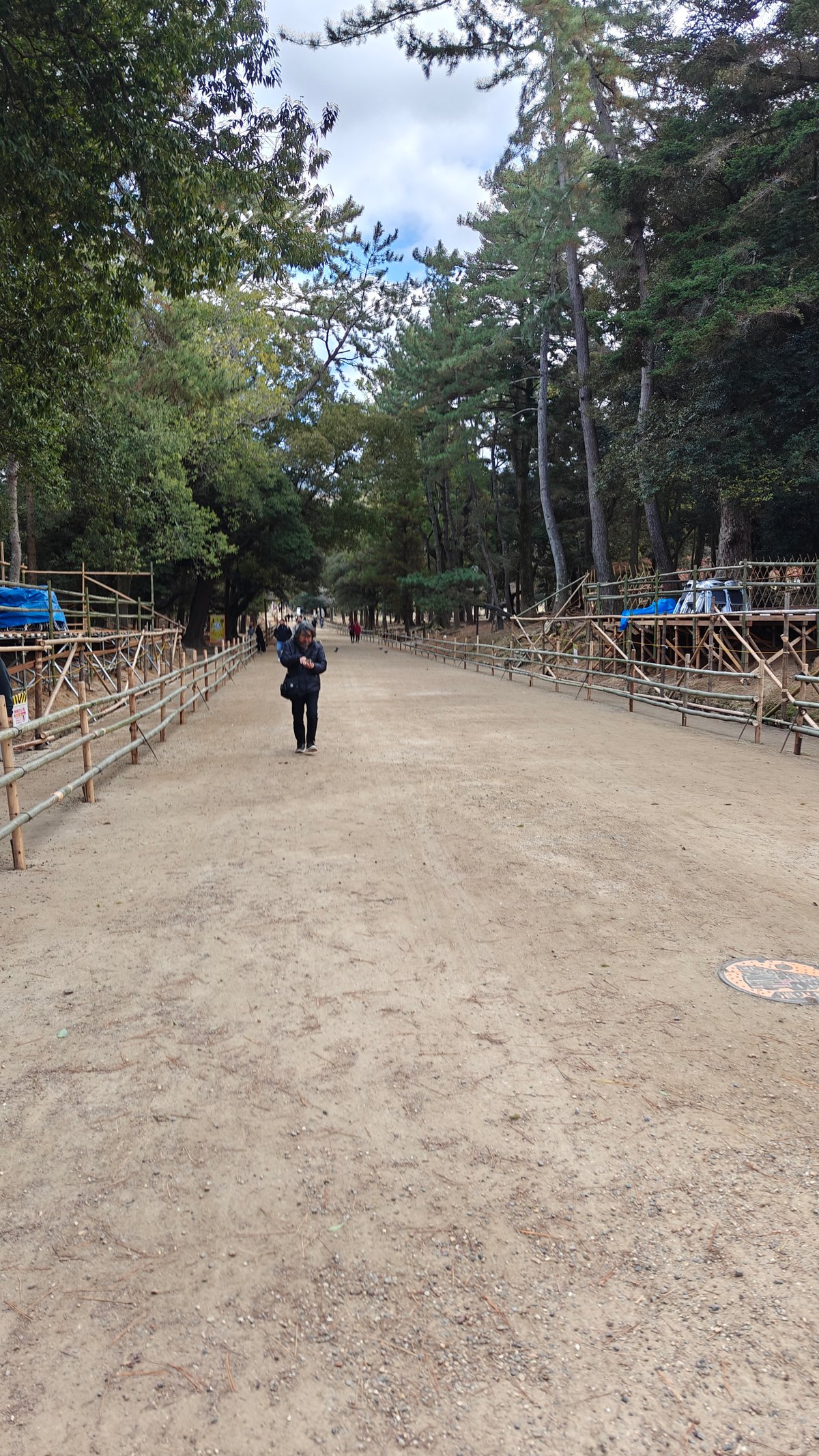
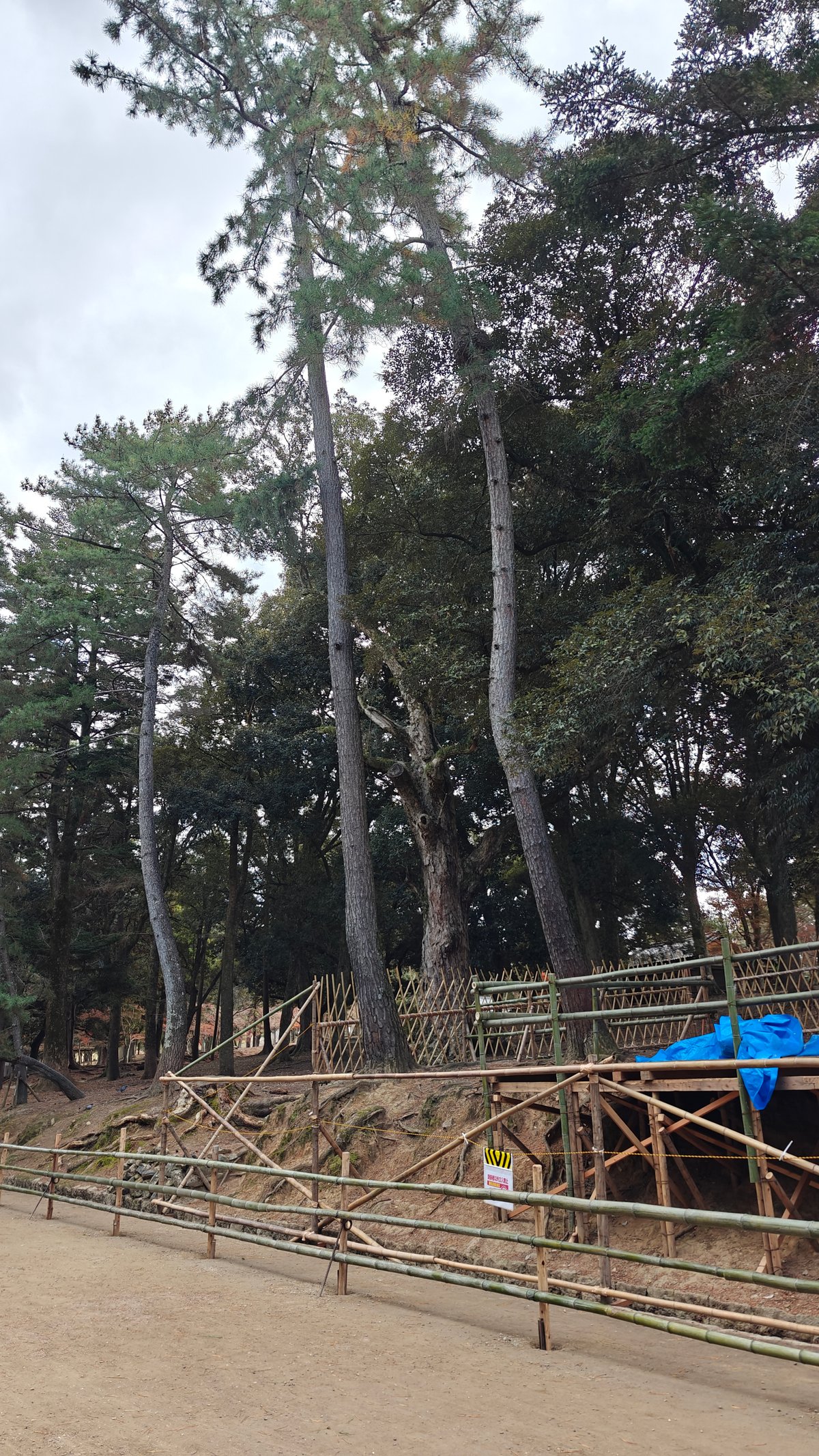
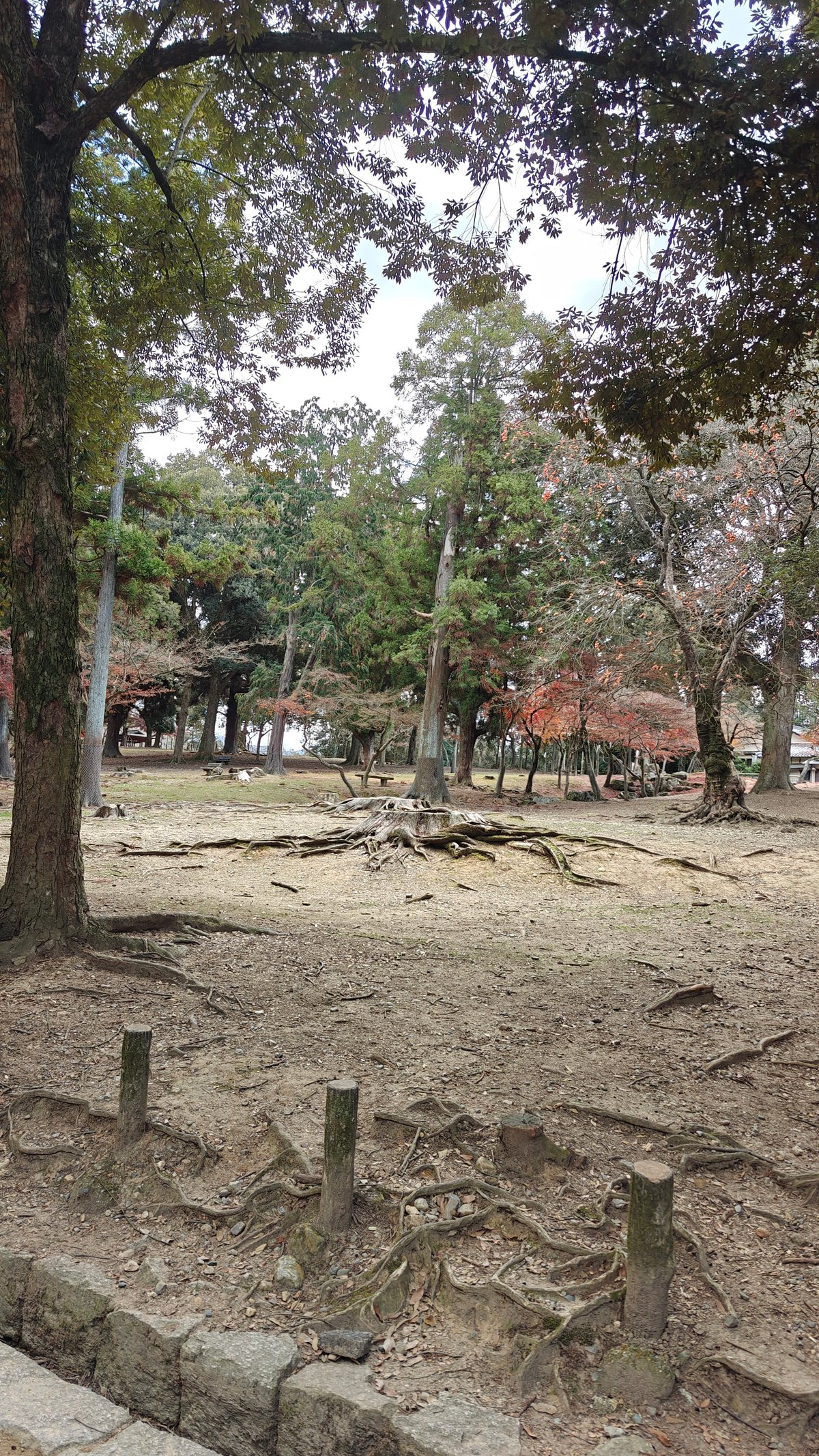
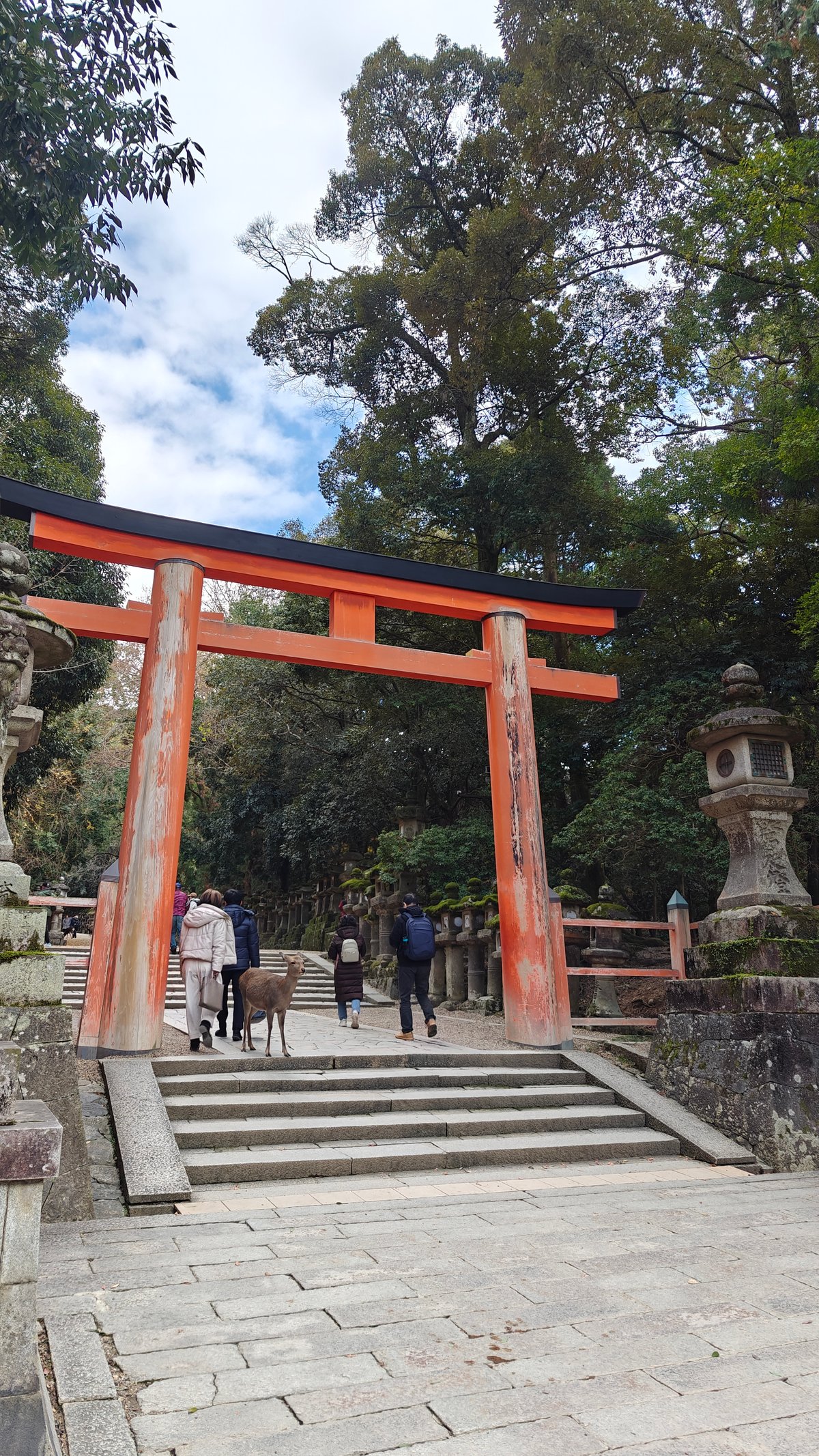
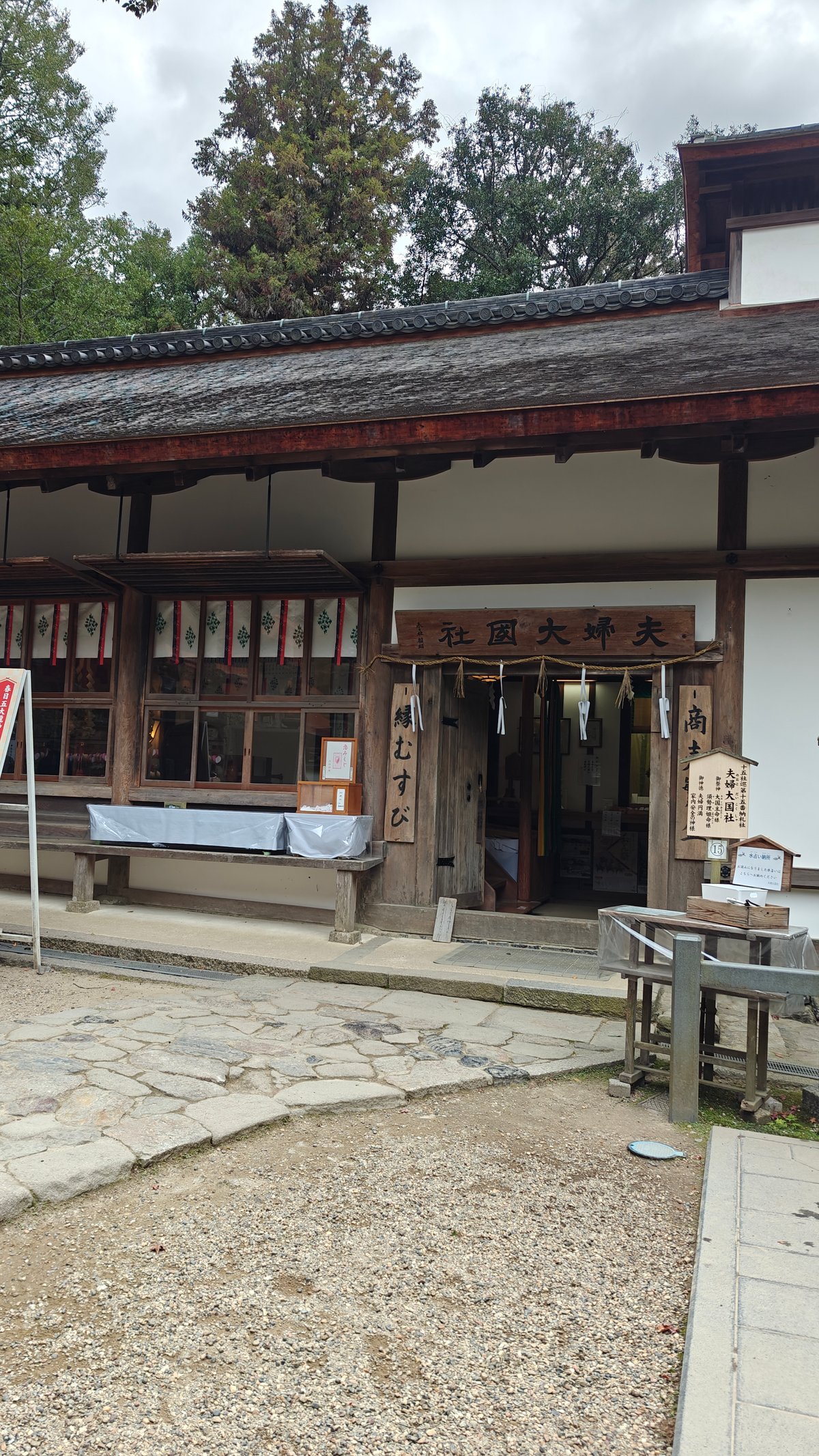
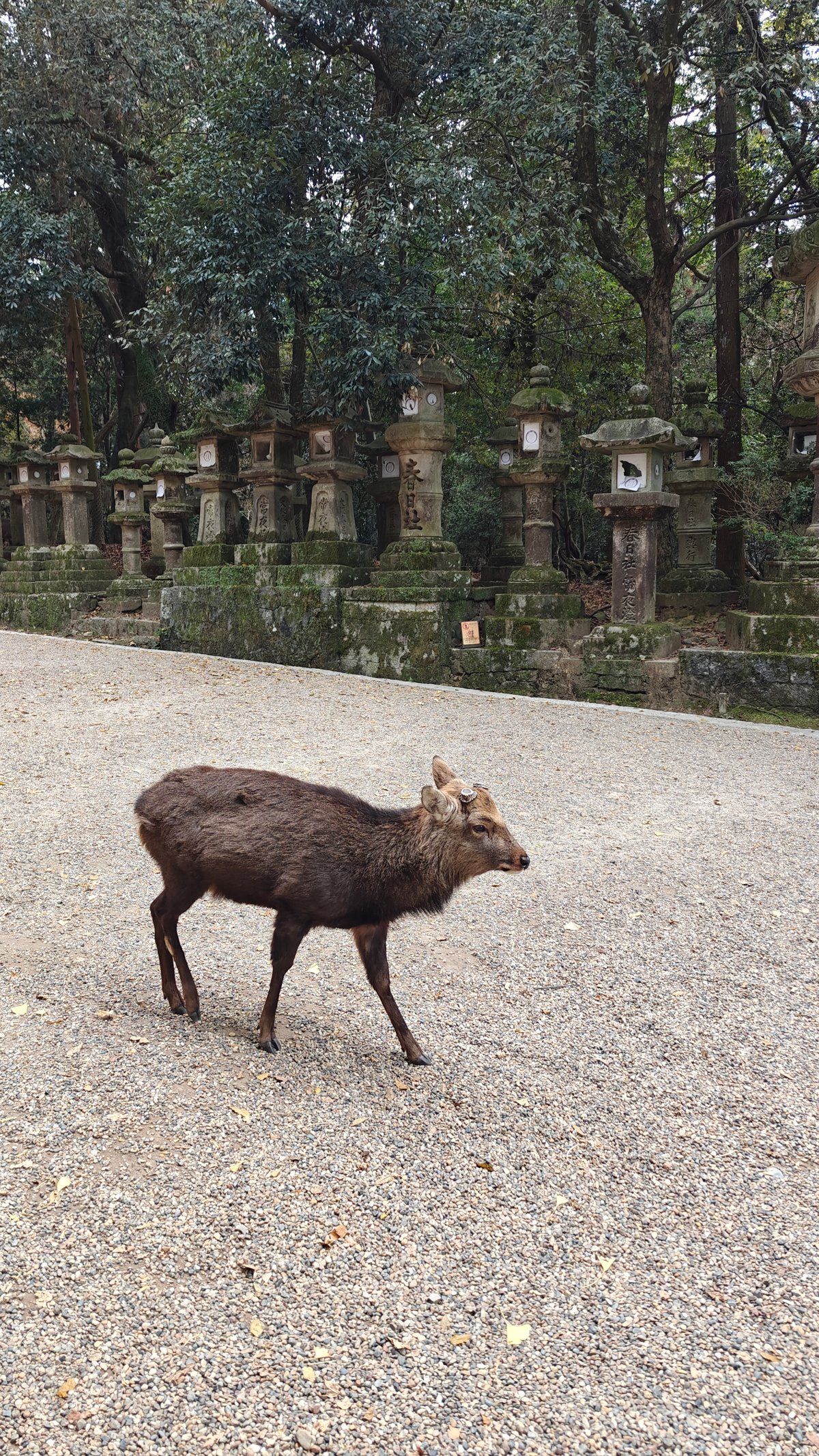
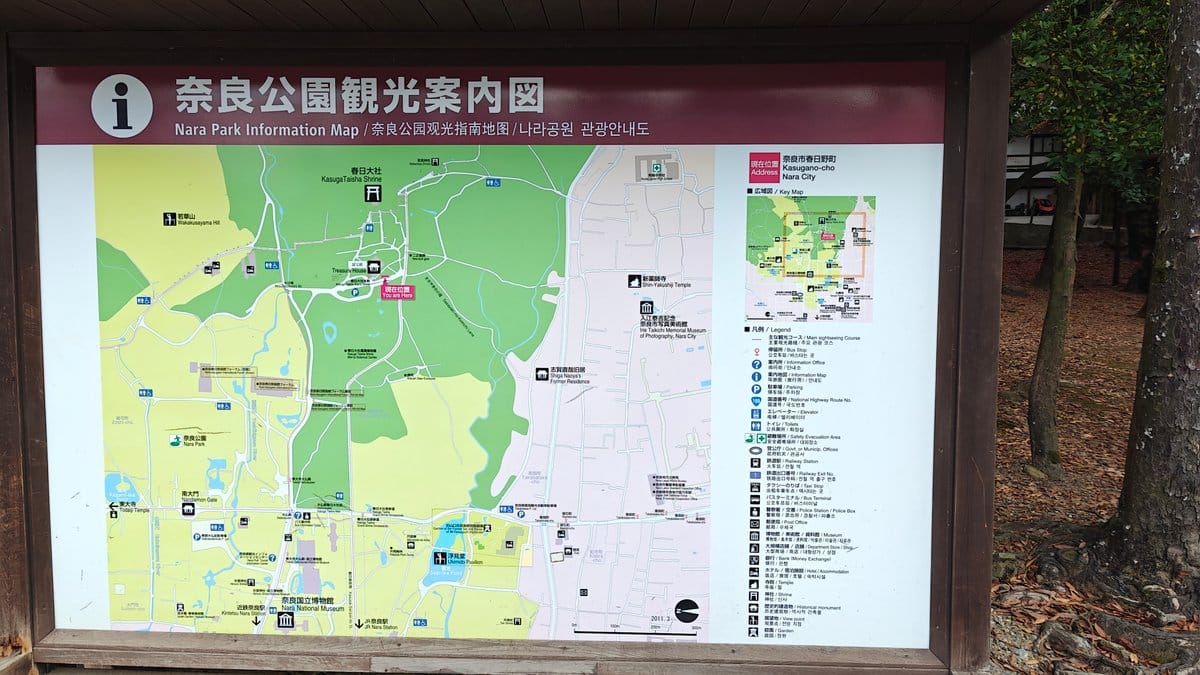
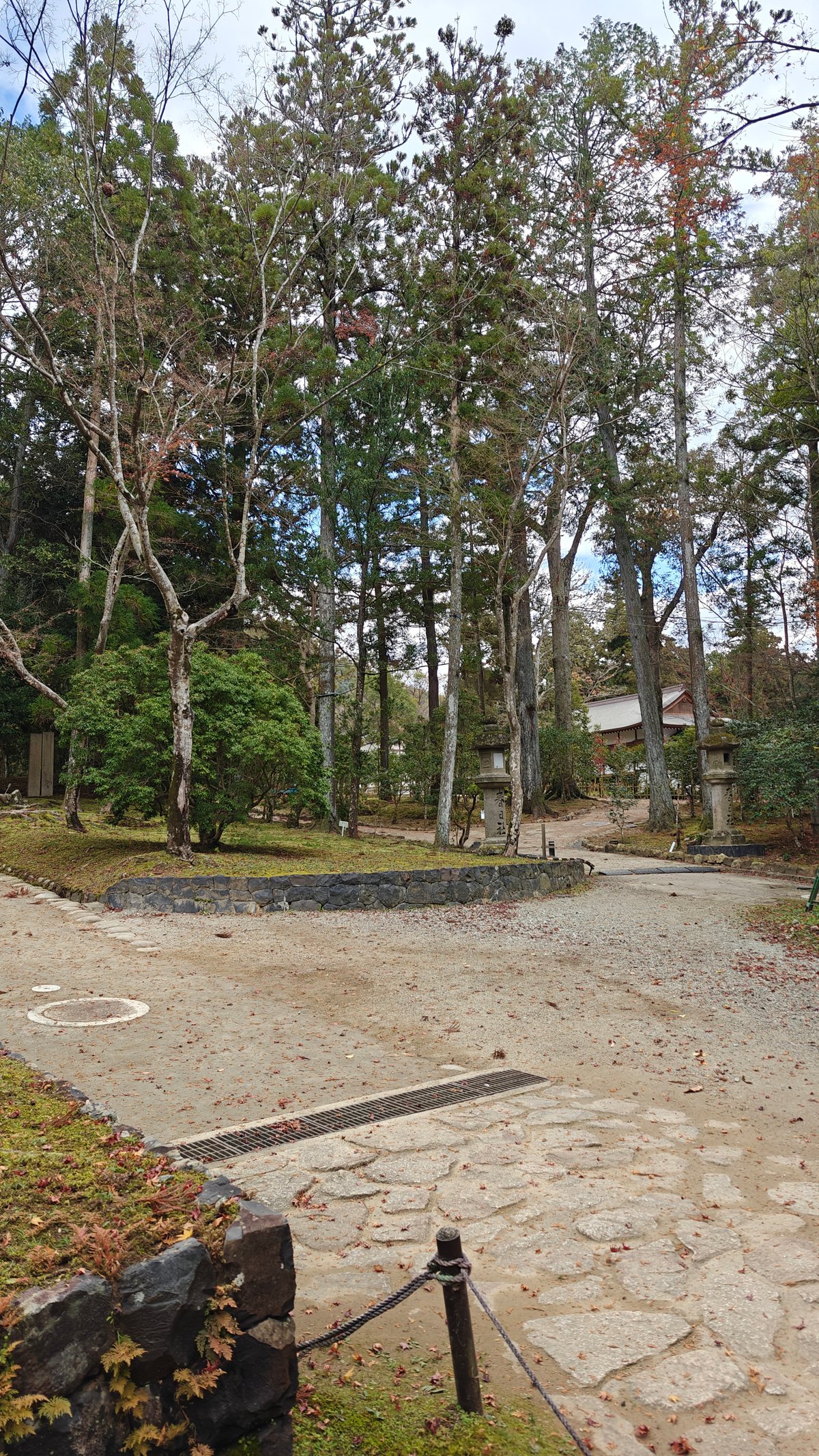
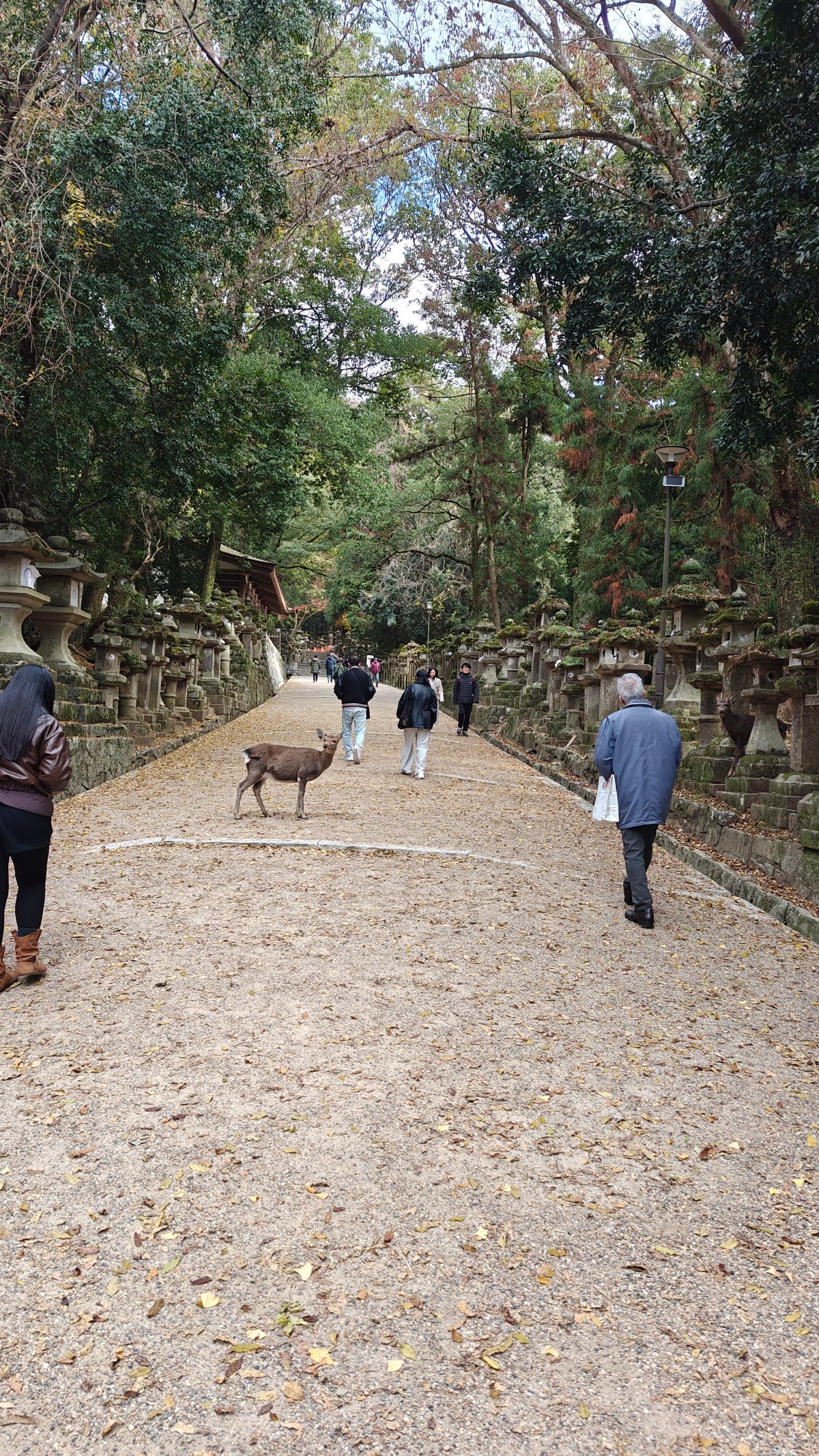
After that I walked through the forest from Todai-ji to Kasuga Taisha. It only takes about twenty minutes but it’s a beautiful walk, all through the woods with stone lanterns lining the entire way. There were hundreds of them, all moss-covered and beaten down over the years.
There was no noise at all, just the soft sound of deer grazing in the underbrush every now and then. Some of the lanterns are so old you can’t even see the carving on them anymore.
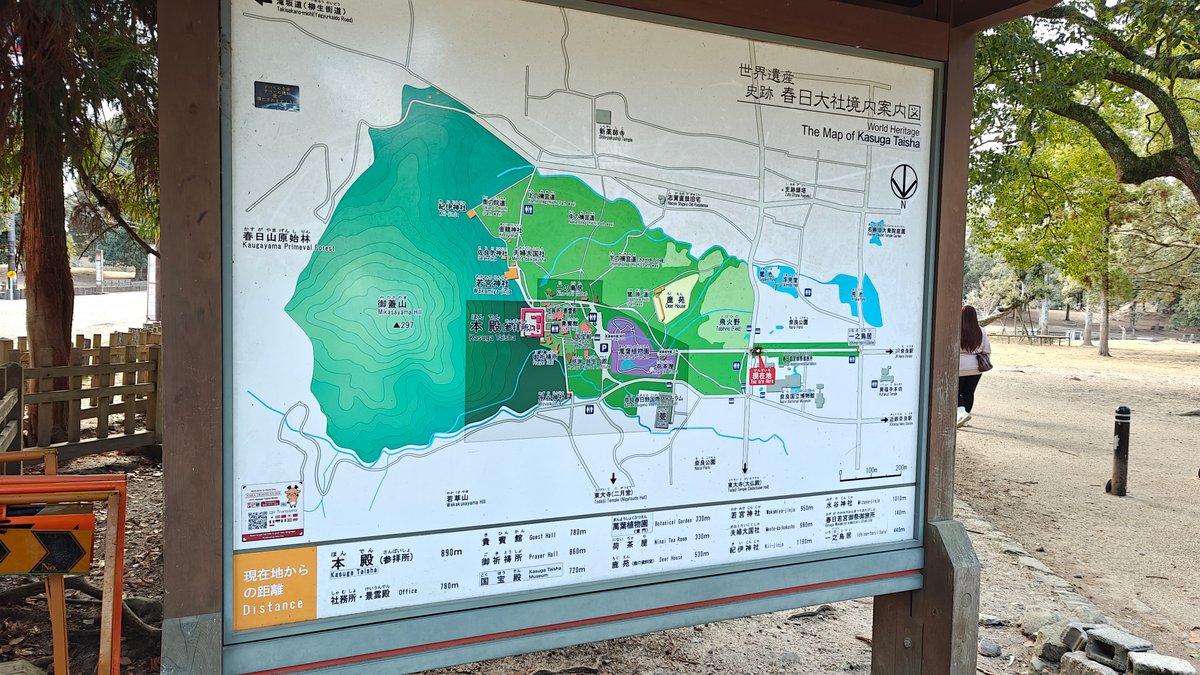
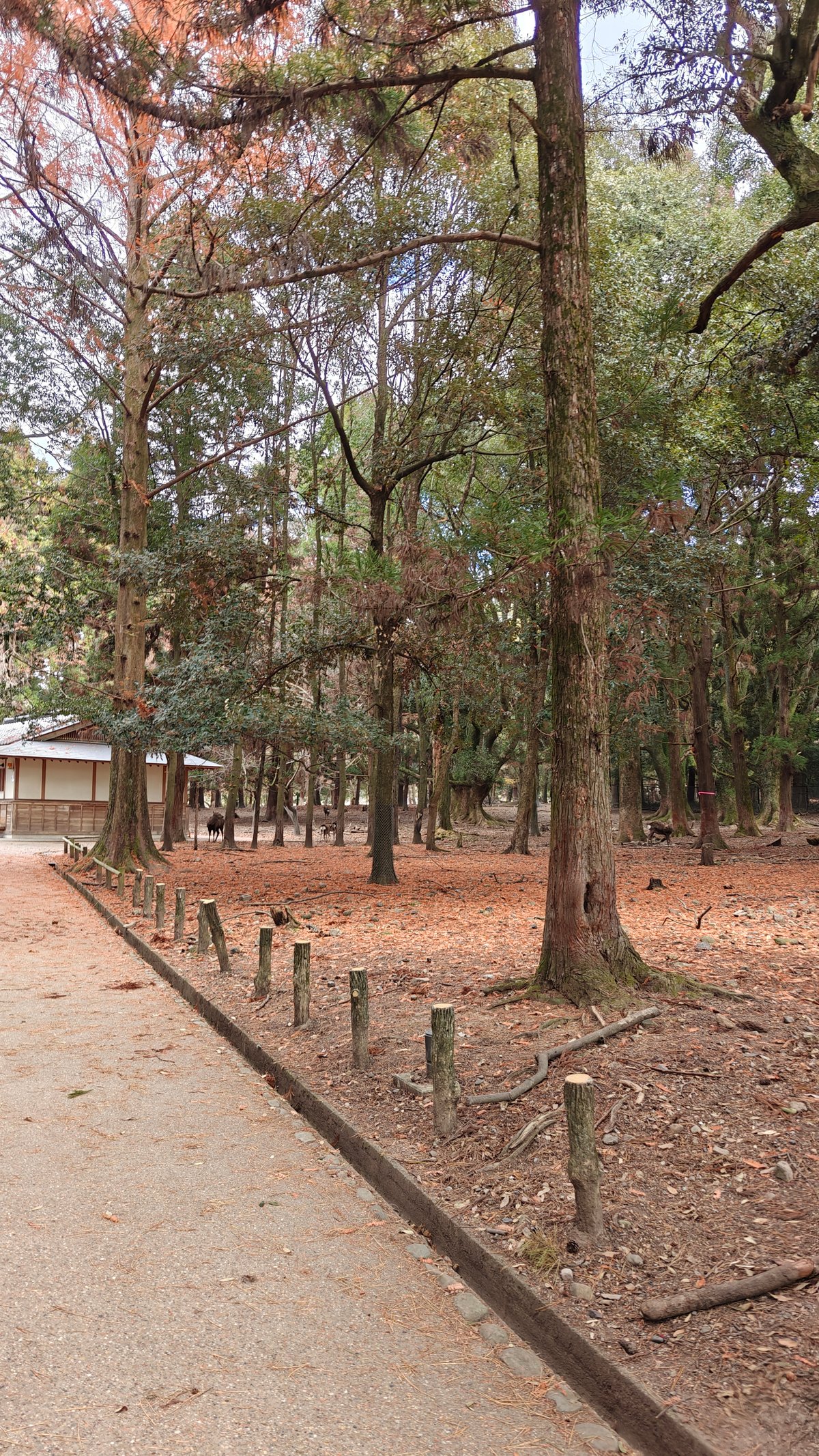
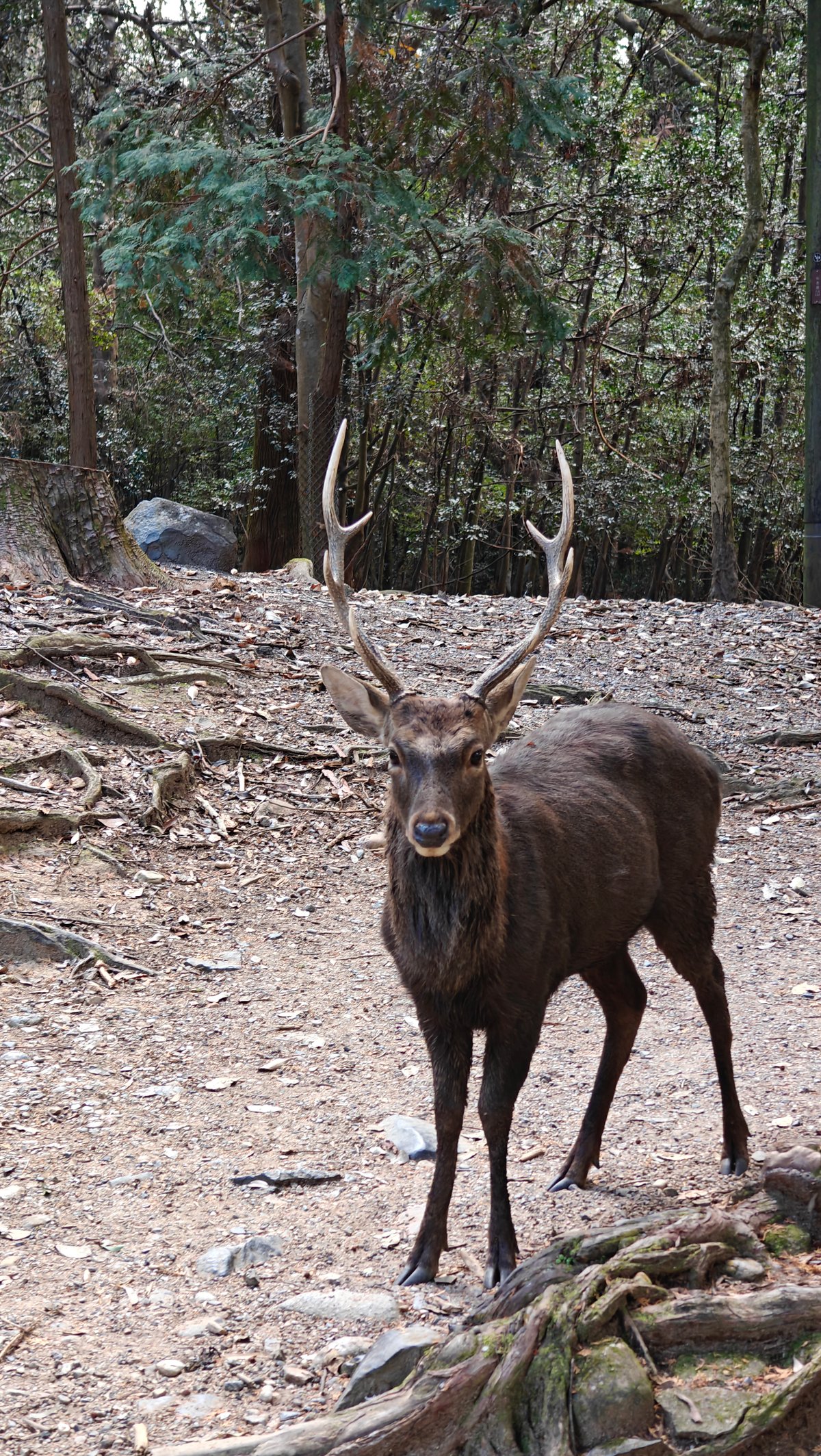
Camphor trees and cedars line the way to it, enormous trees that tower over you. Some were marked with ceremonial ropes to show they are sacred. There is a small herd of deer in the clearings.
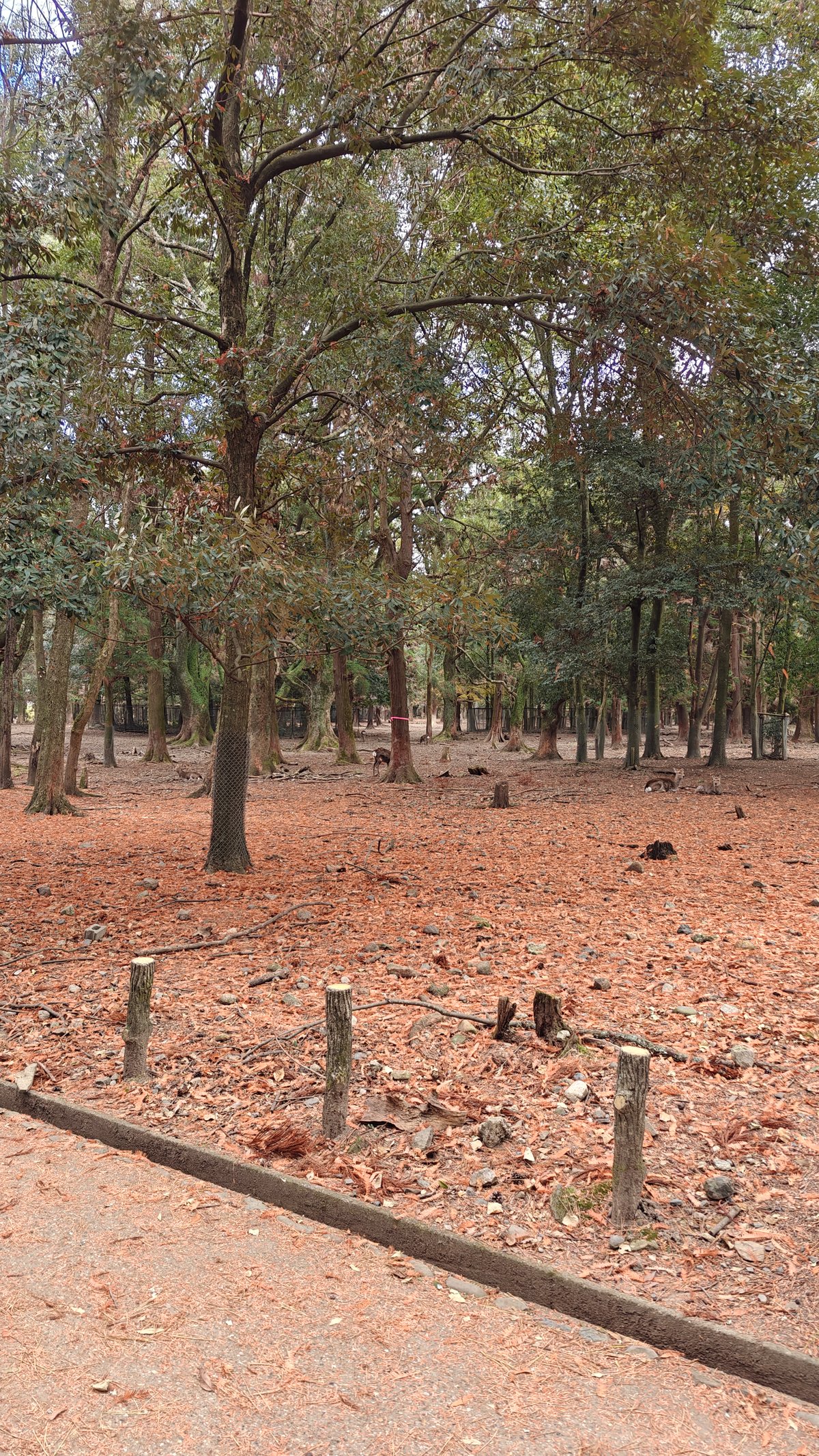
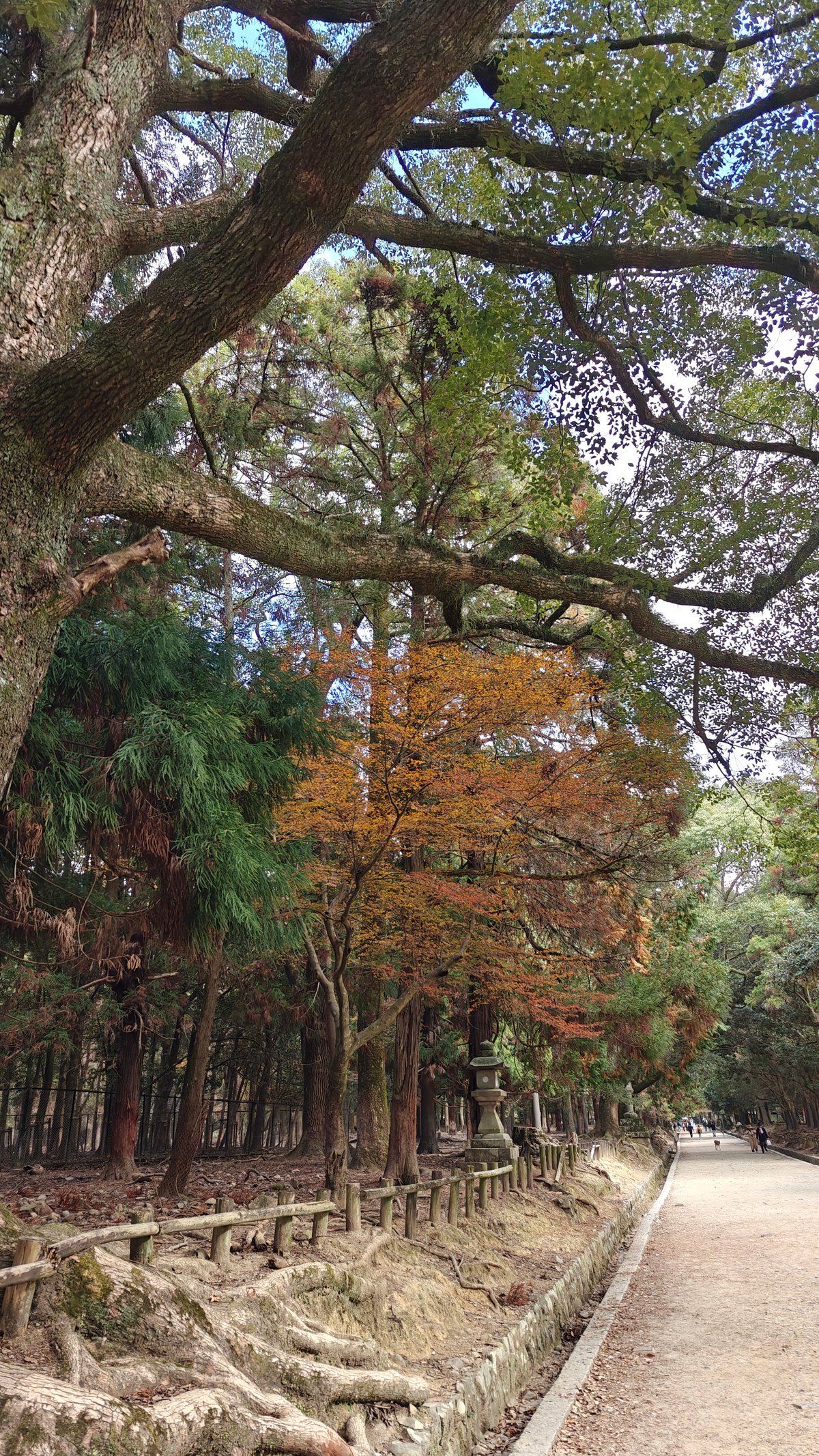
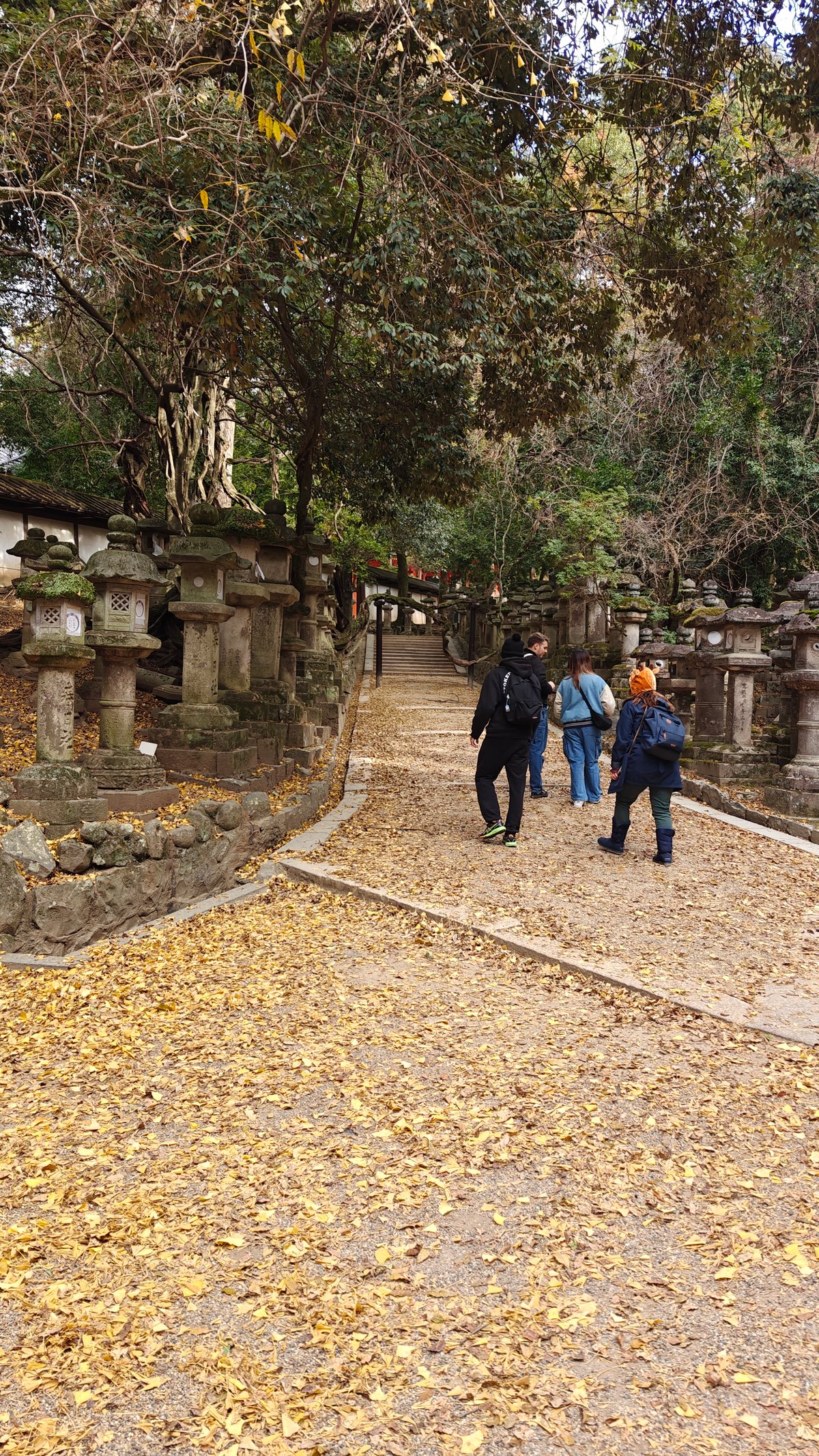
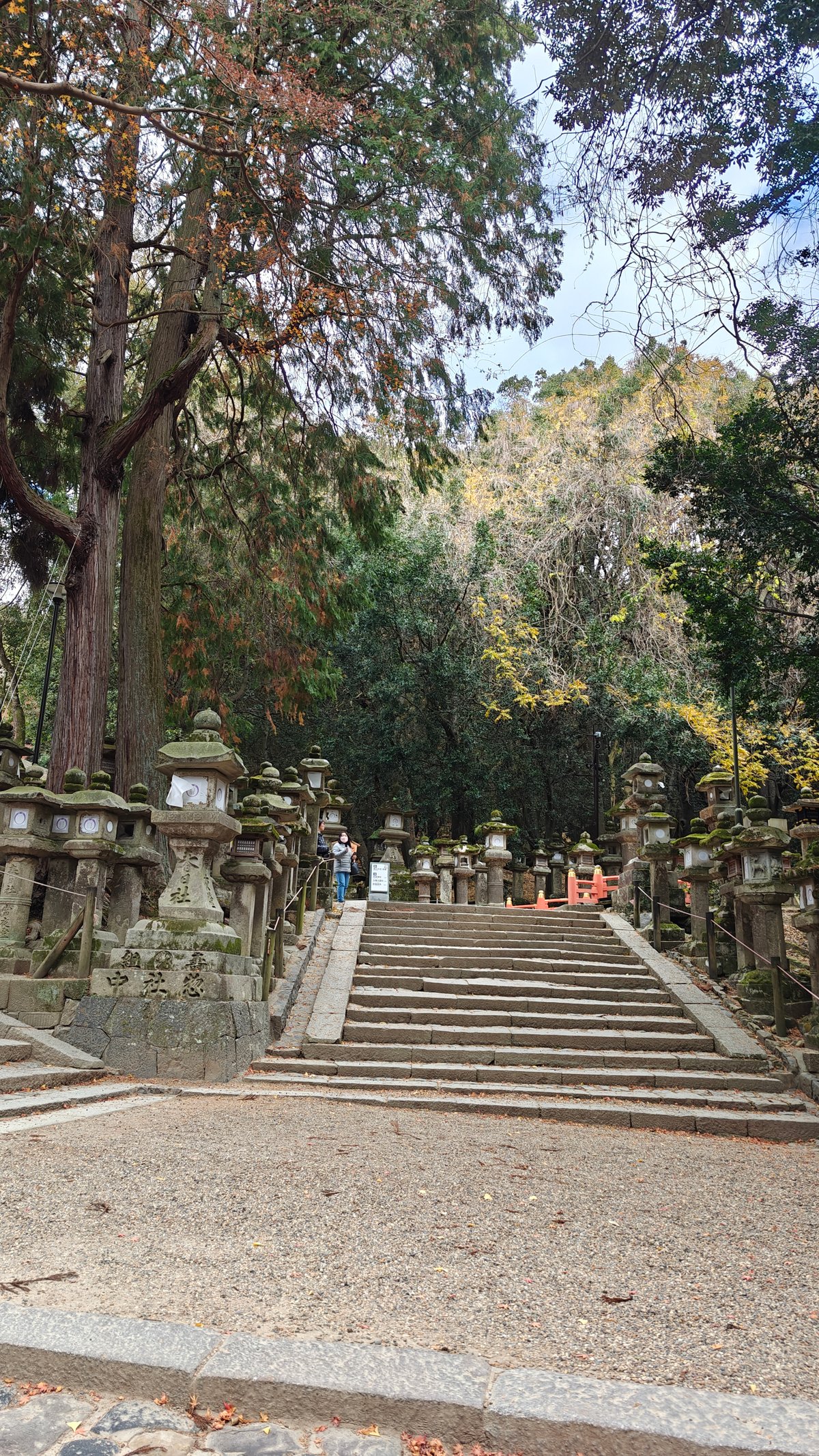
I noticed them feeding when I came through. They are far more relaxed than the ones at the main temple, where they mob tourists looking for crackers. The other reason that Kasuga Taisha is famous is for its lanterns.
Inside and out there are over 3,000 stone and bronze lanterns. At a festival twice a year, they light them all up, which is apparently amazing to see. Even when they are not lit, they are beautiful.
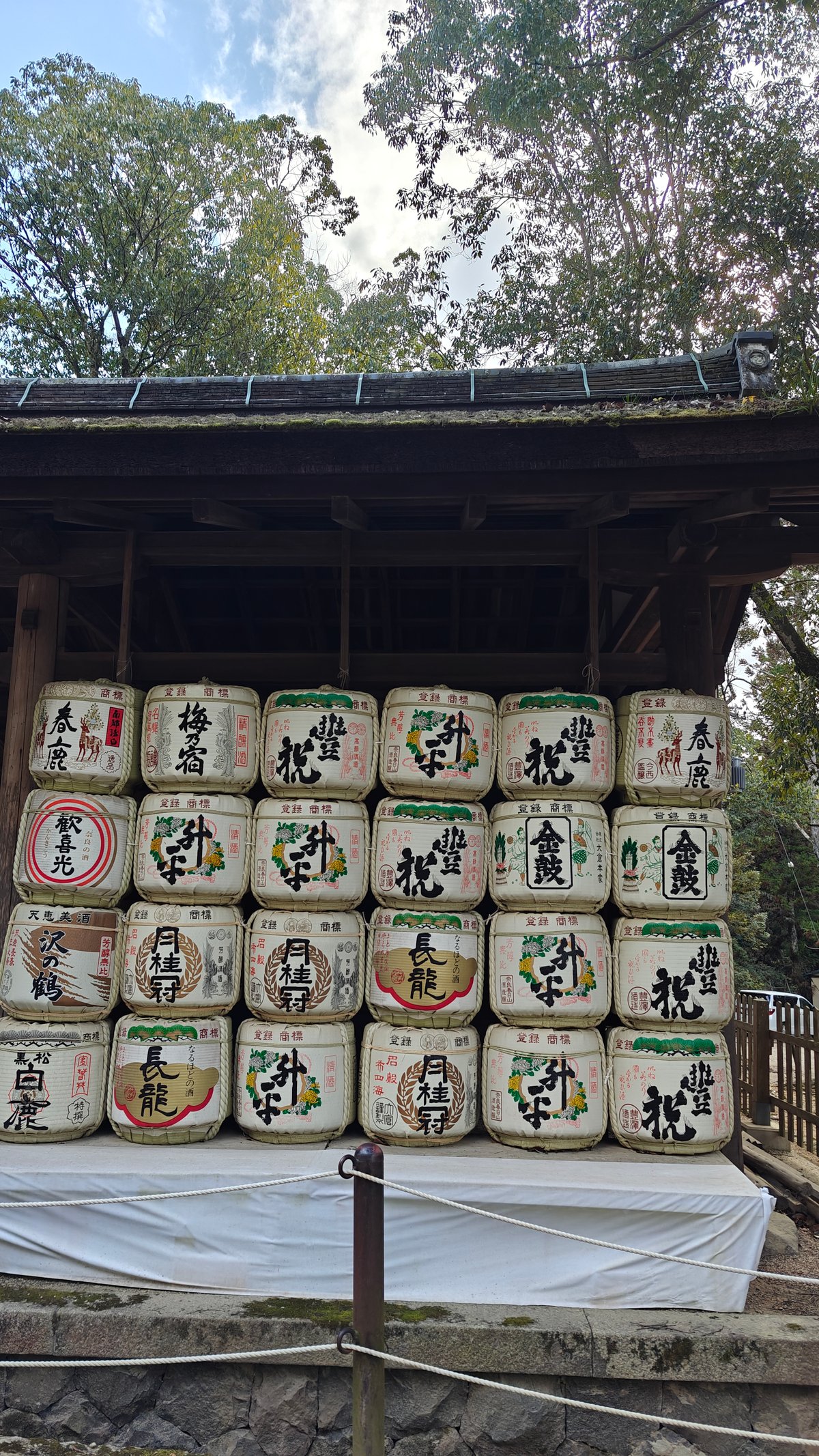
The metal has a great patina, and they come in many different designs. Outside there were rows of sake barrels that people had offered as well, which is a fairly common sight at shrines, but here it was done in such an orderly fashion. I spent some time walking around in the covered walkways looking at everything.
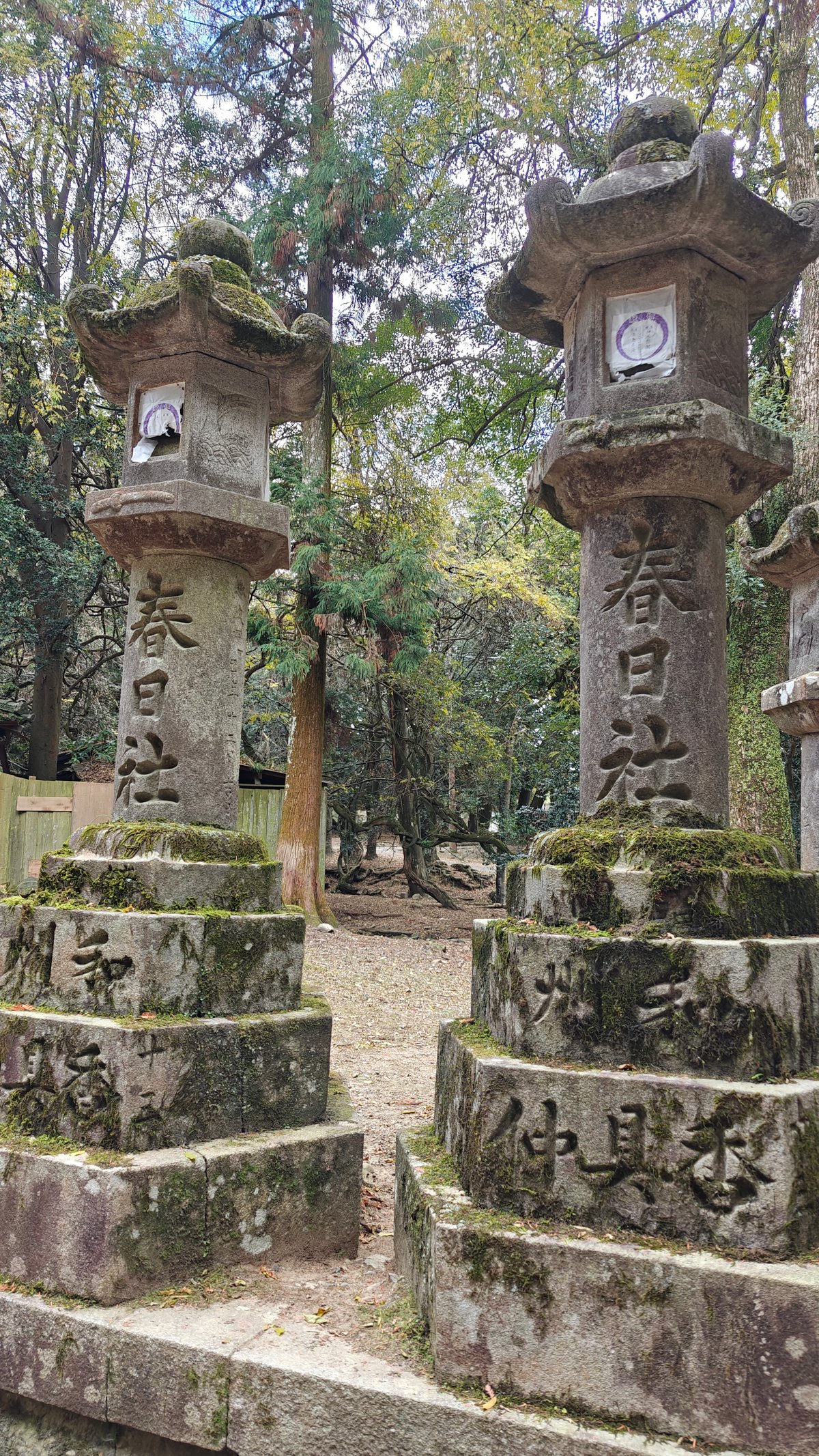
This was my first visit in fall, when the leaves change color, which really contributed to the overall feel. It felt so well put-together, with all of that moss and old rock against those colorful leaves; it’s as if someone intentionaly set it up that way (even though it’s Mother Nature doing her thang).
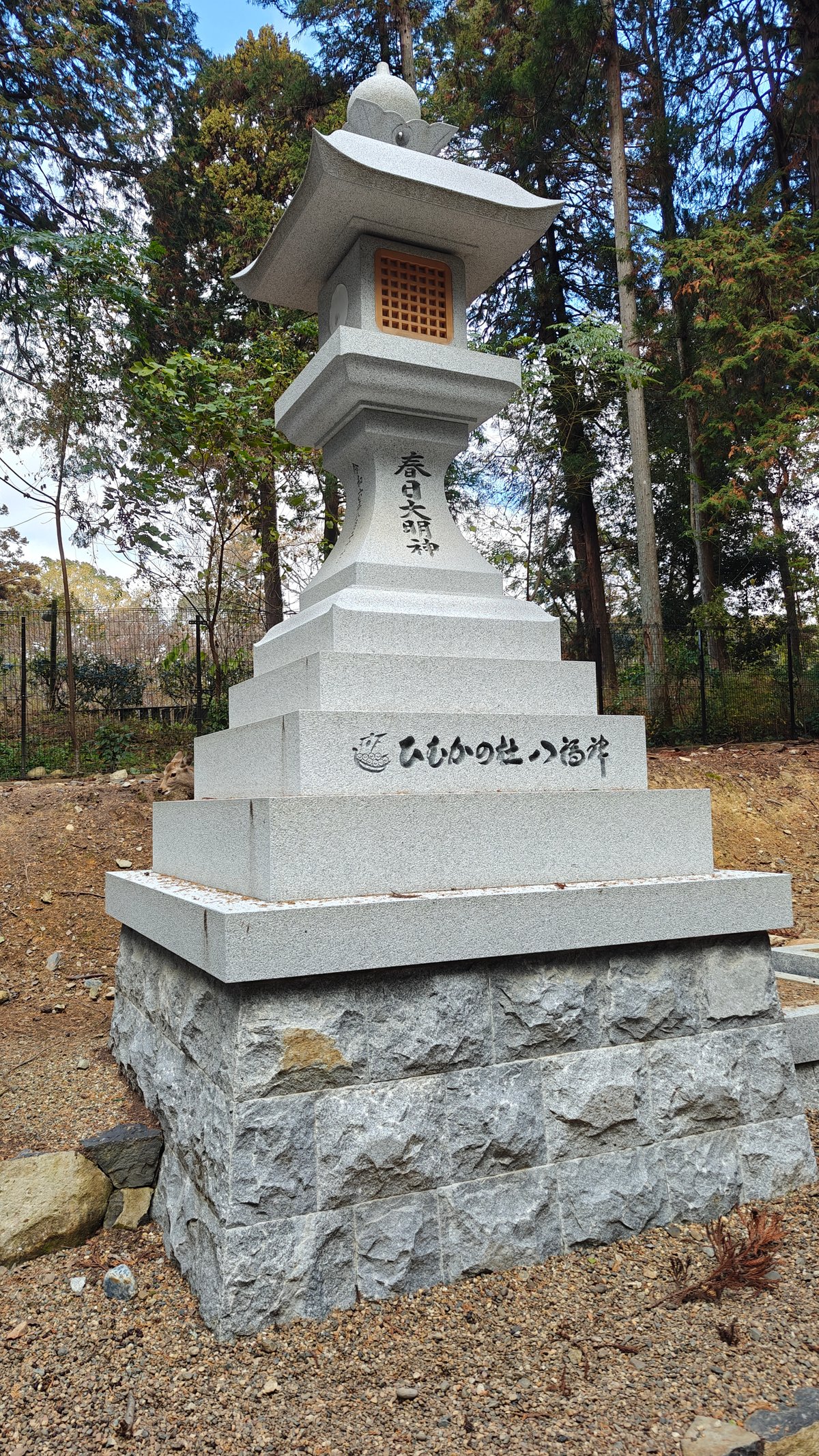
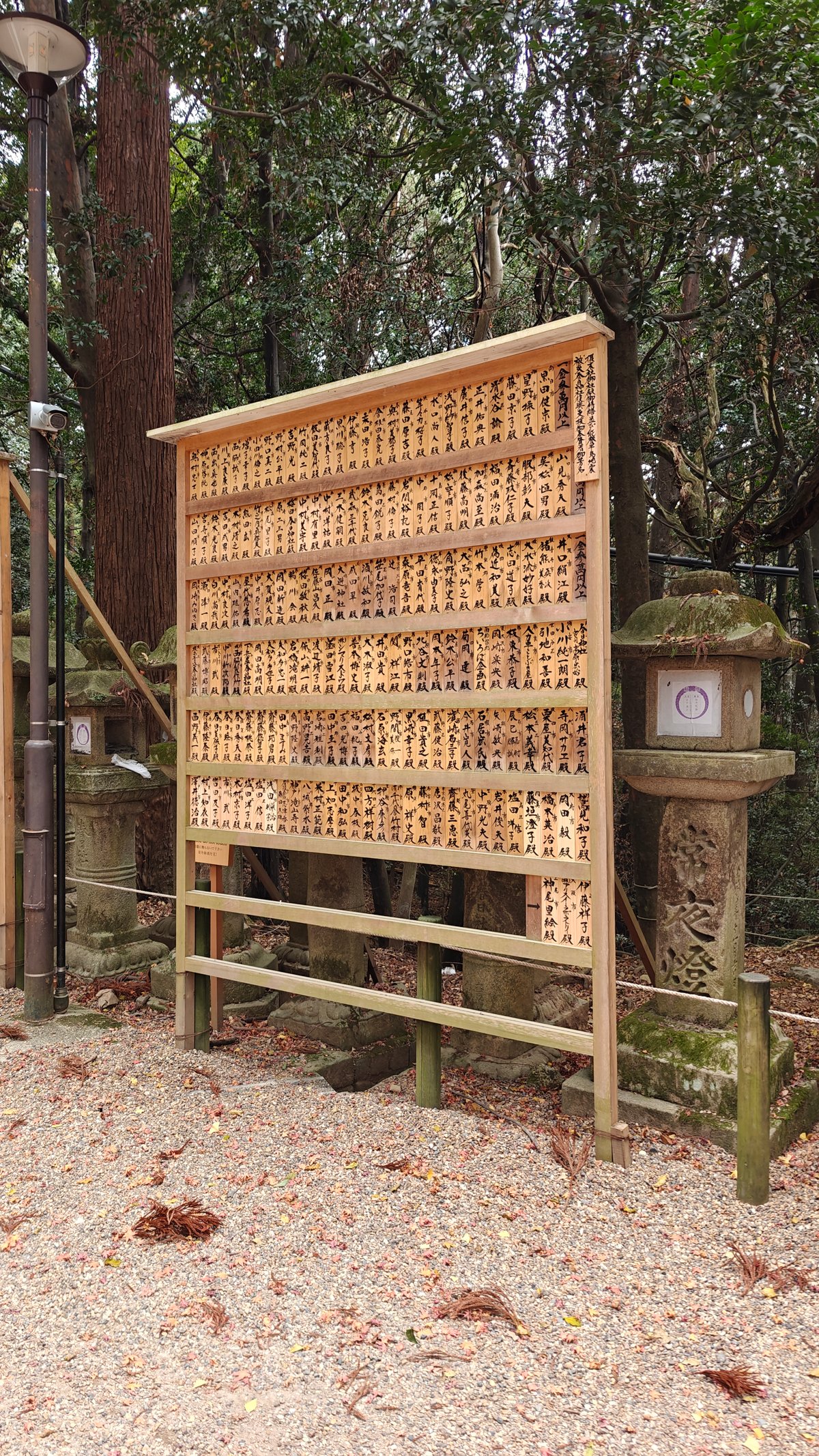
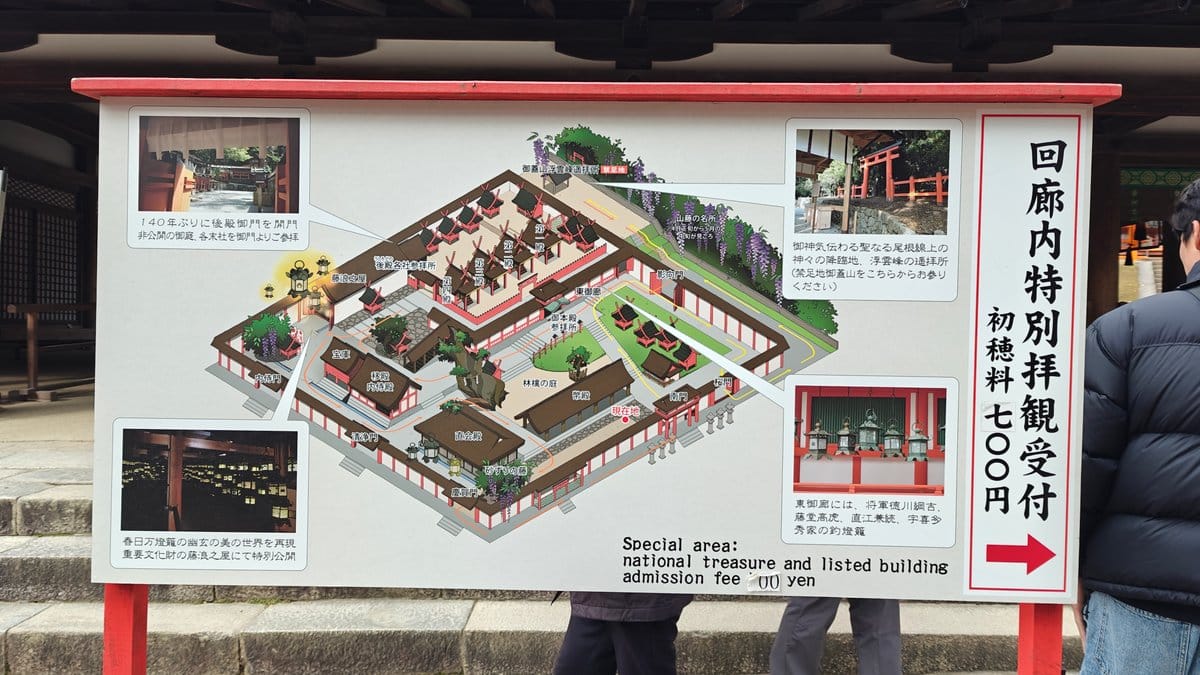
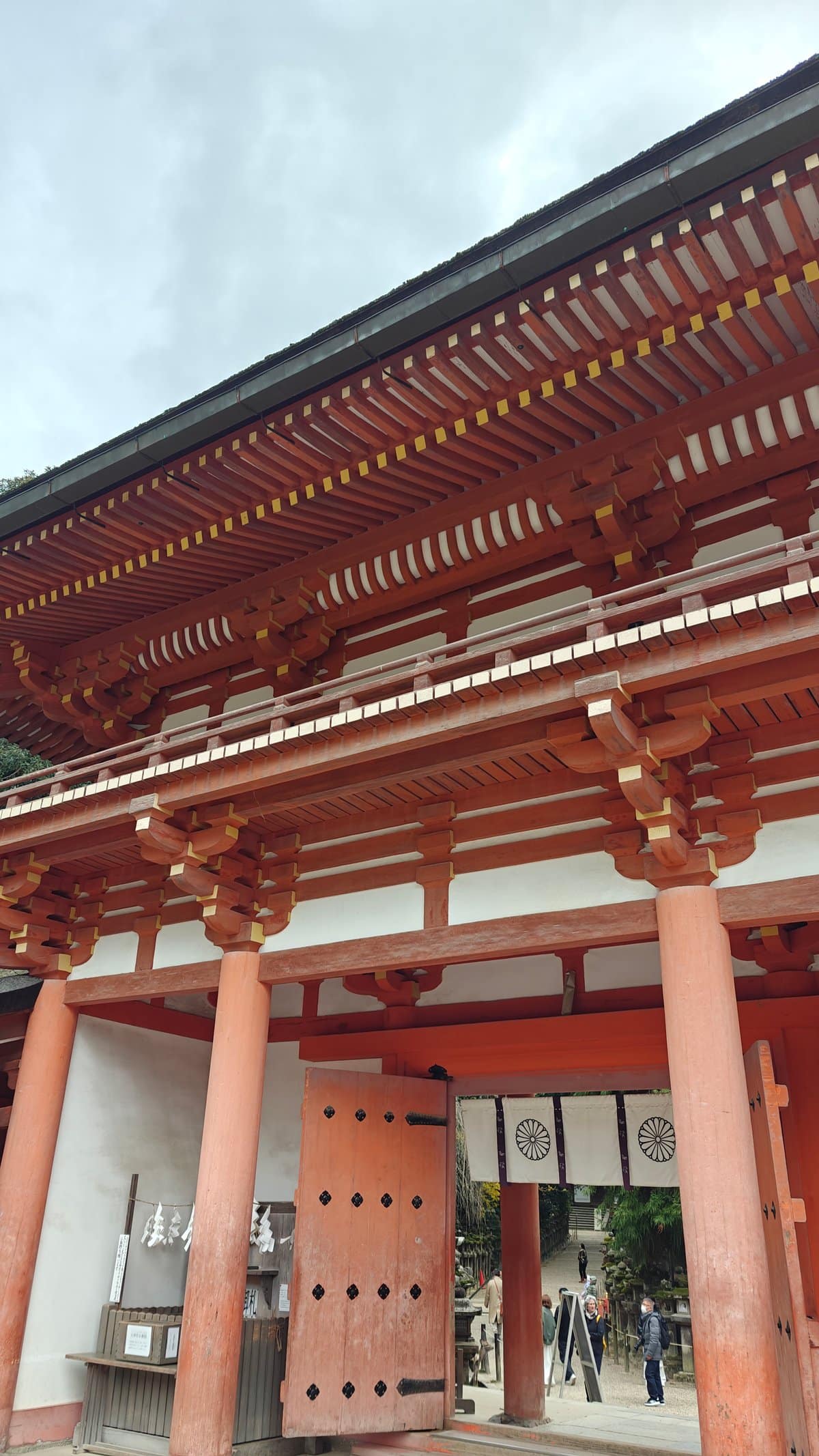
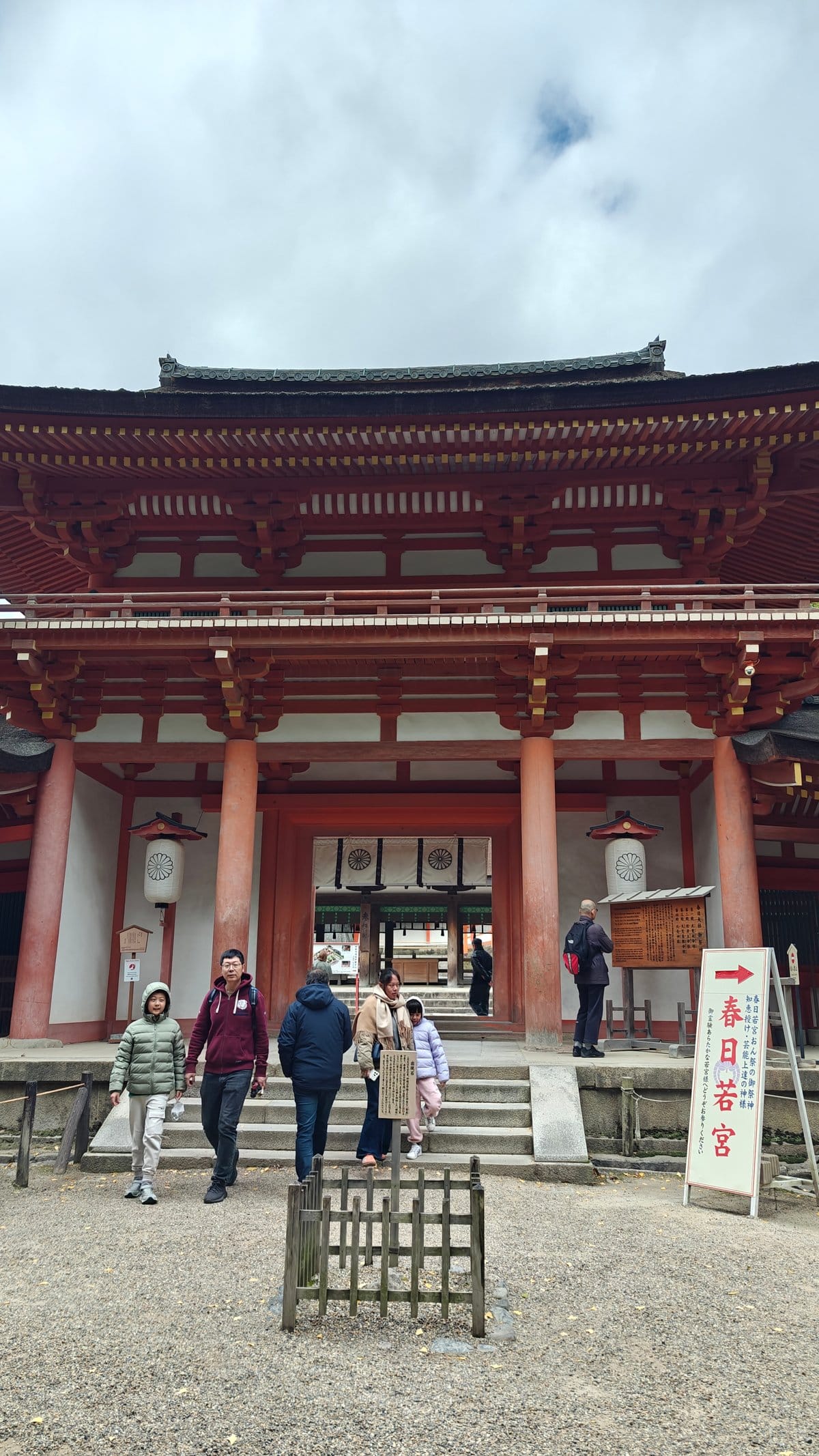
All of the buildings at the shrines are well kept and painted. The woodwork has all been recently repainted (it seems) and everything is clean. There was a small fee to enter the inside which allowed me to get up close to the main worship hall.
It’s really fine work in the metalwork and carving detail.
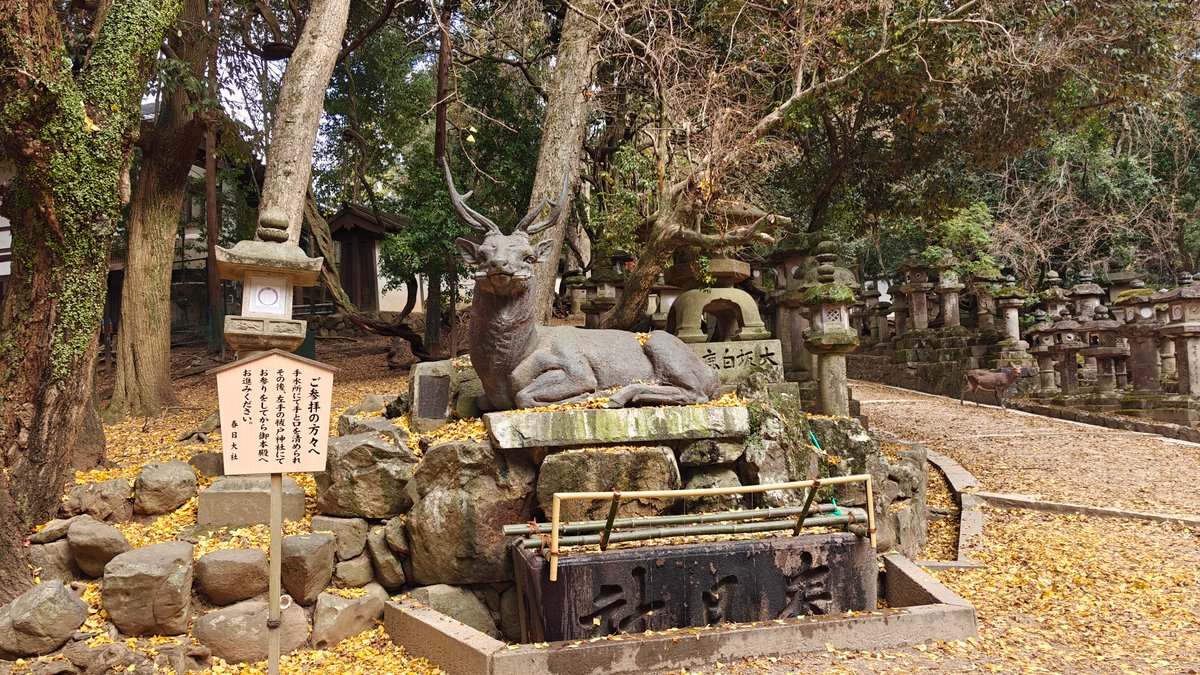
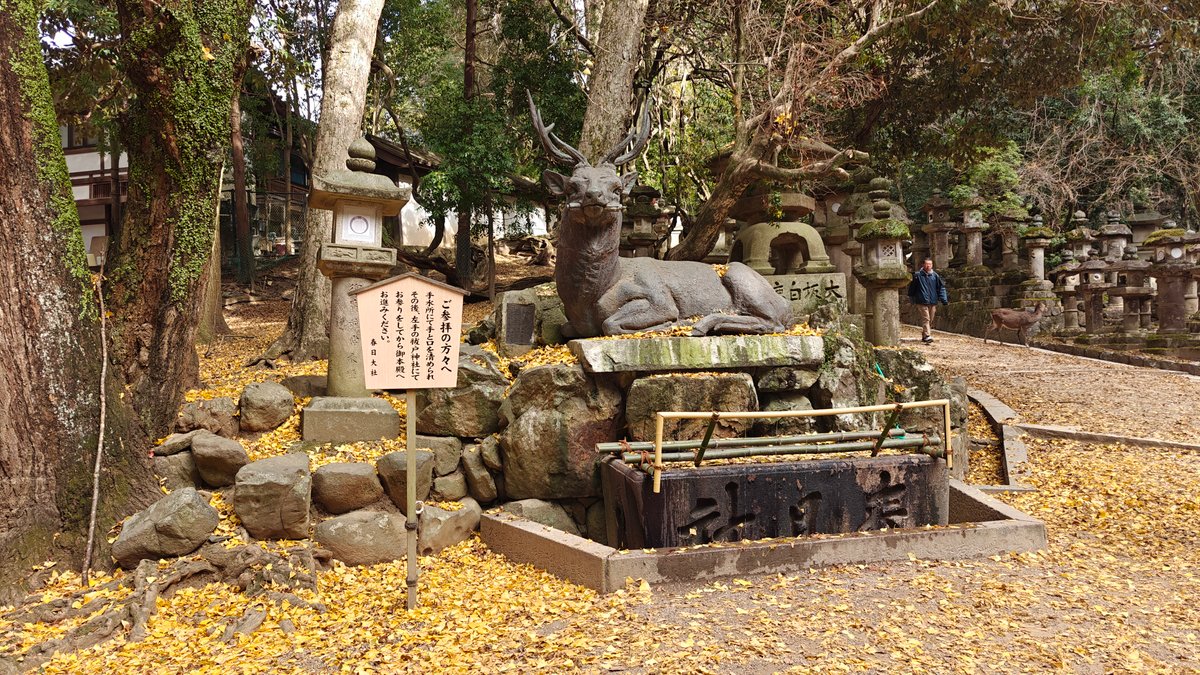
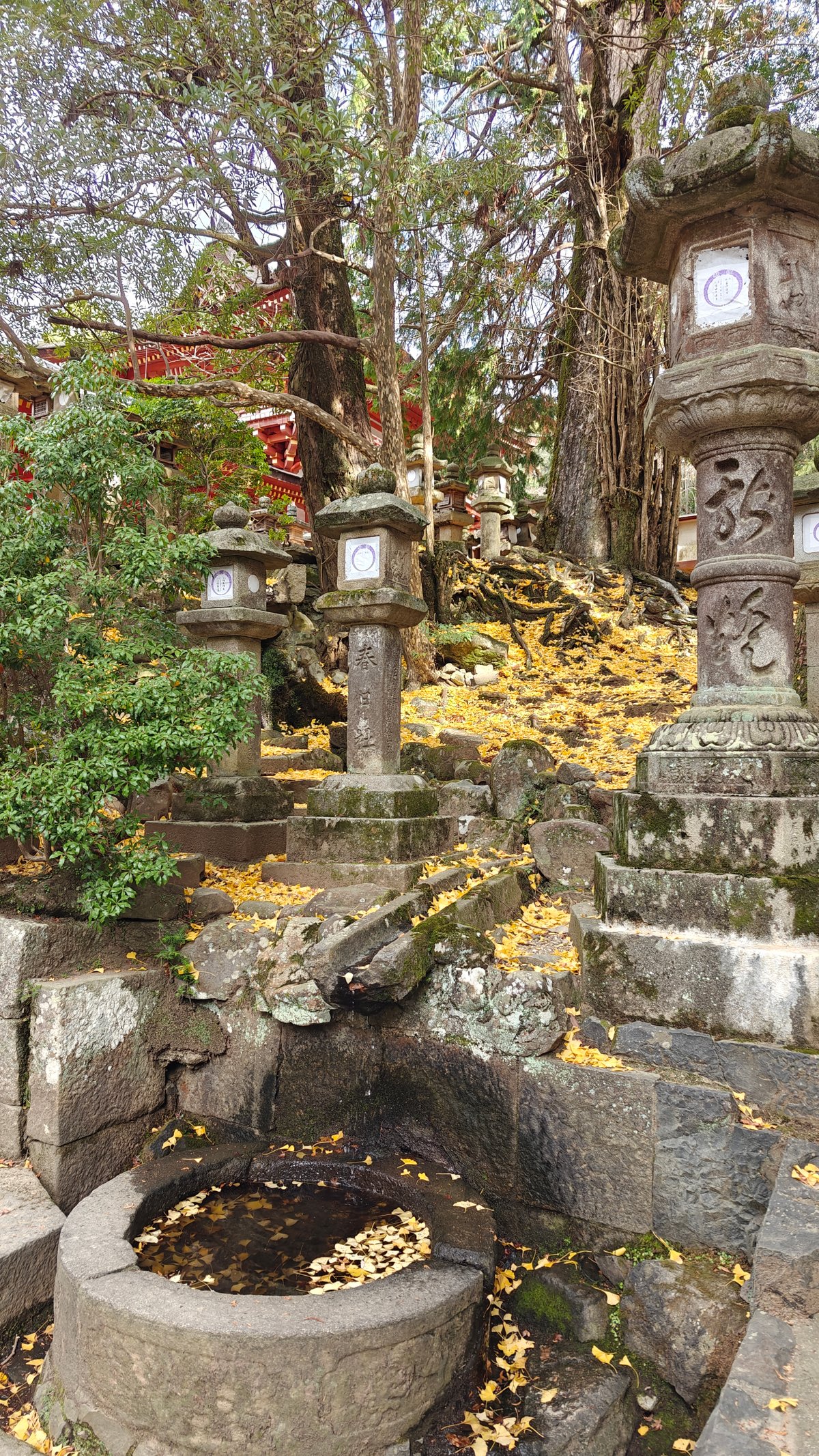
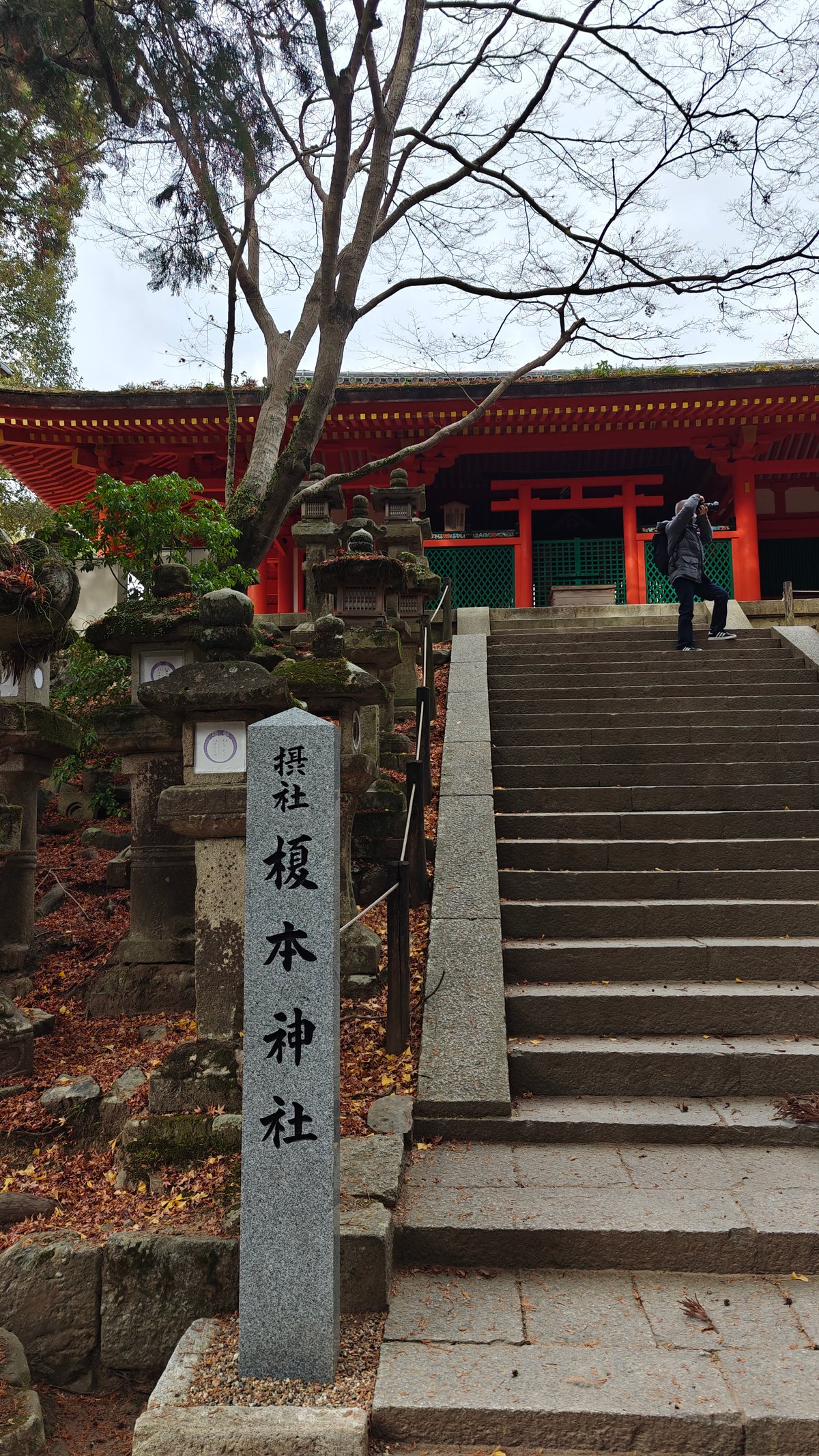
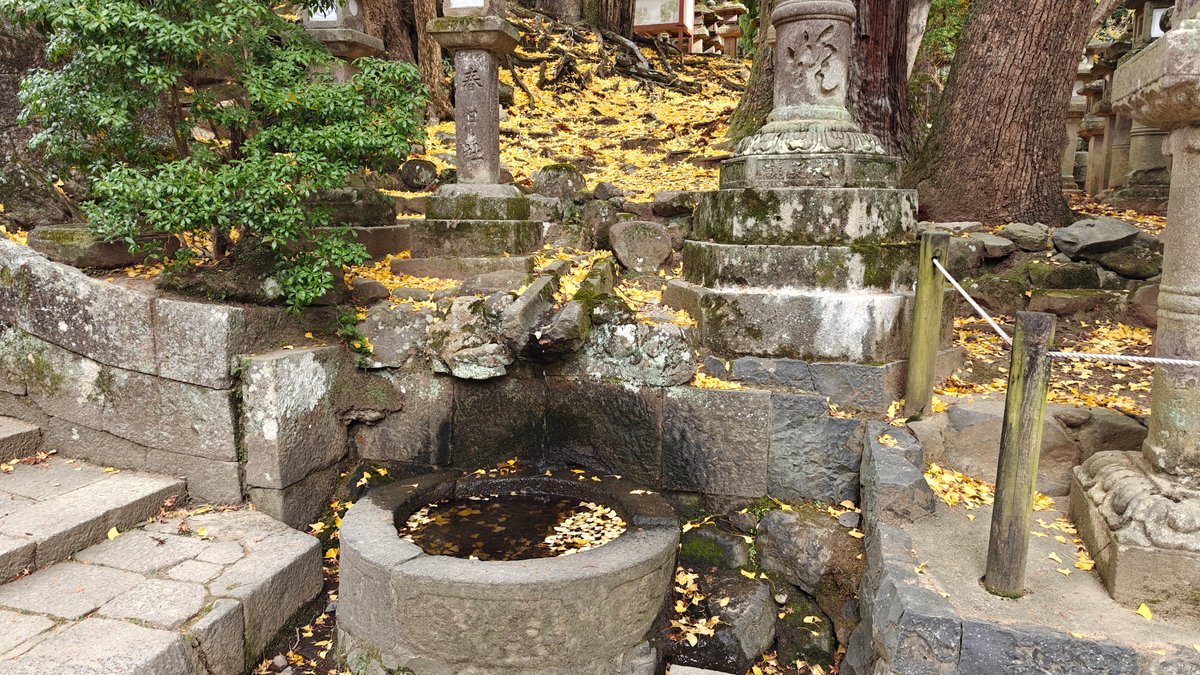
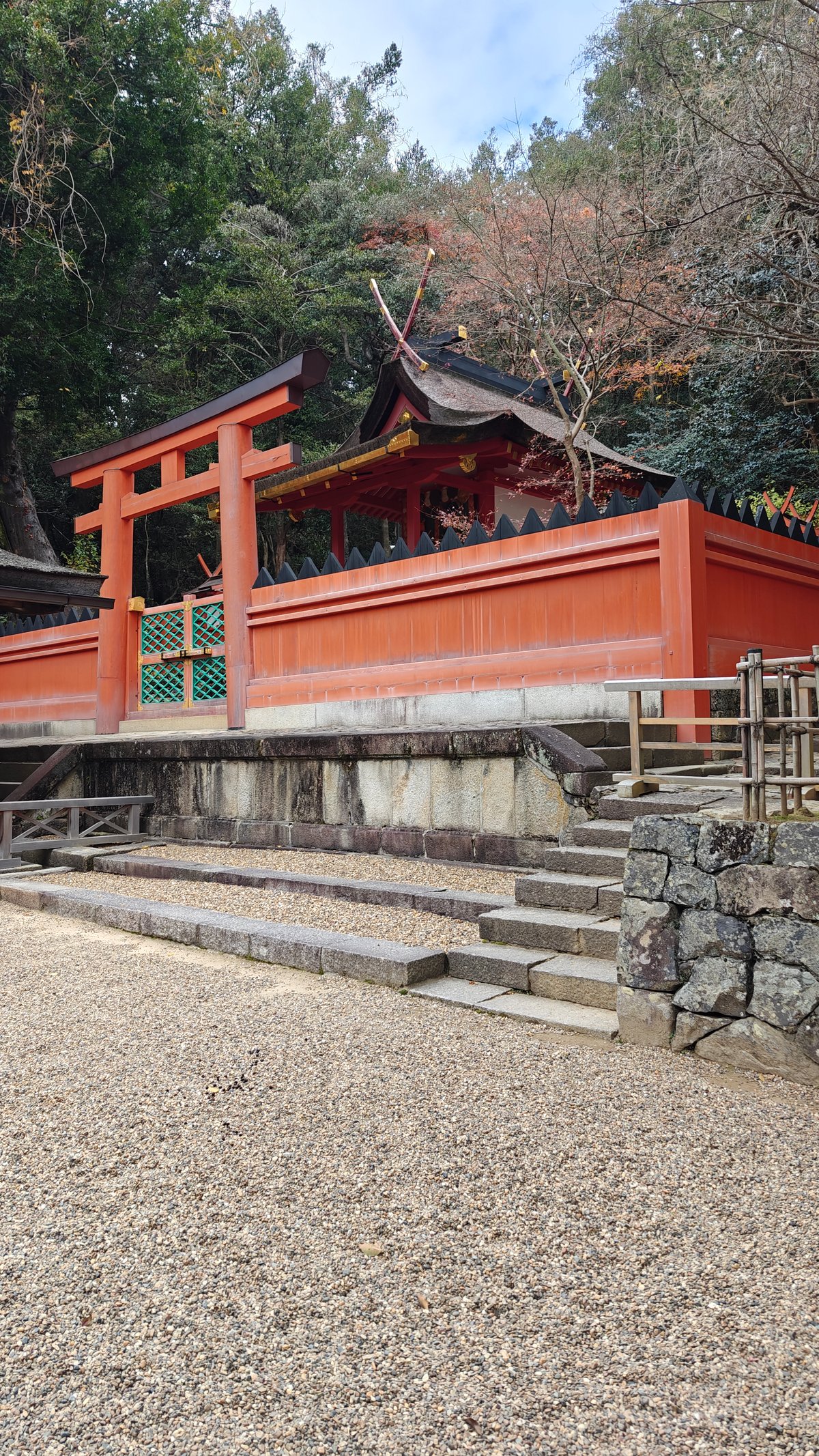
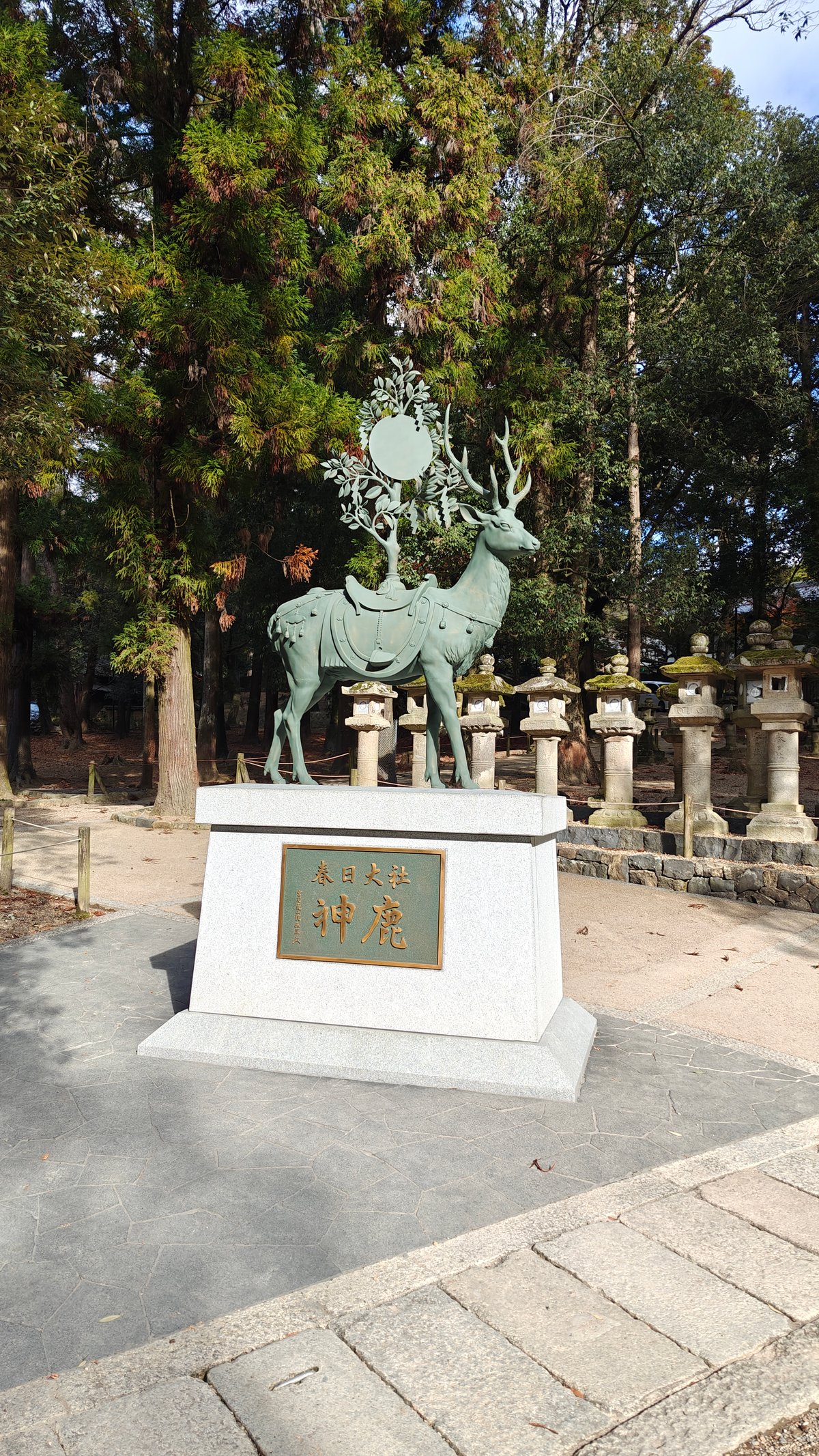
While I found the main building and its carvings really impressive, I also found the other little details around the shrine to be quite interesting. Given that there is a link between the shrine and the deer in Nara, it makes sense that there would be deer statues at the temizuya water basins. People write their wishes down on wooden ema tablets in the shape of deer.
I saw some people doing this. There are also fortunes tied up in little bundles near one of the smaller buildings. Everything is very photogenic, but it feels like a functioning shrine rather than a museum.
Manyou Botanical Garden
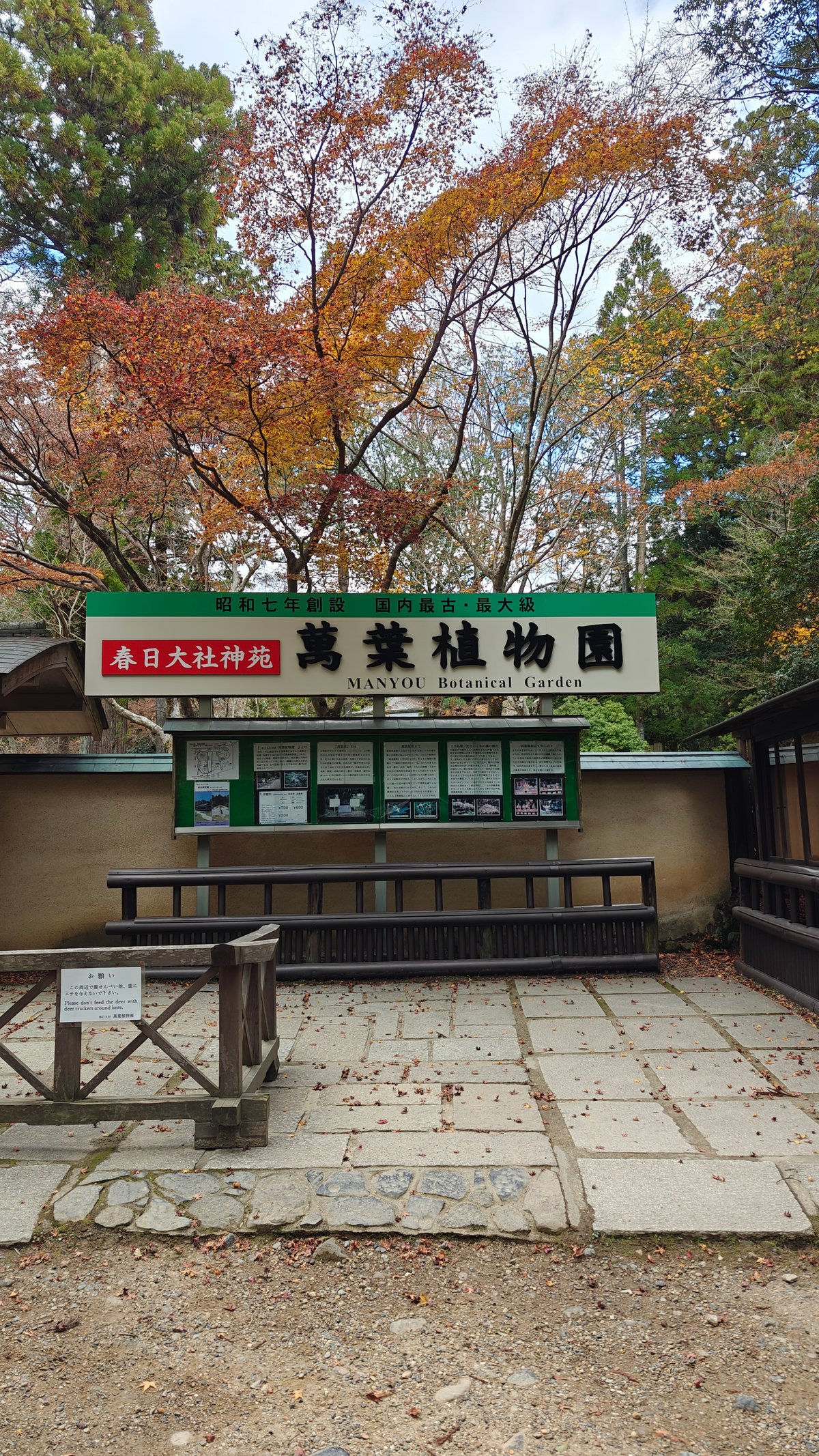
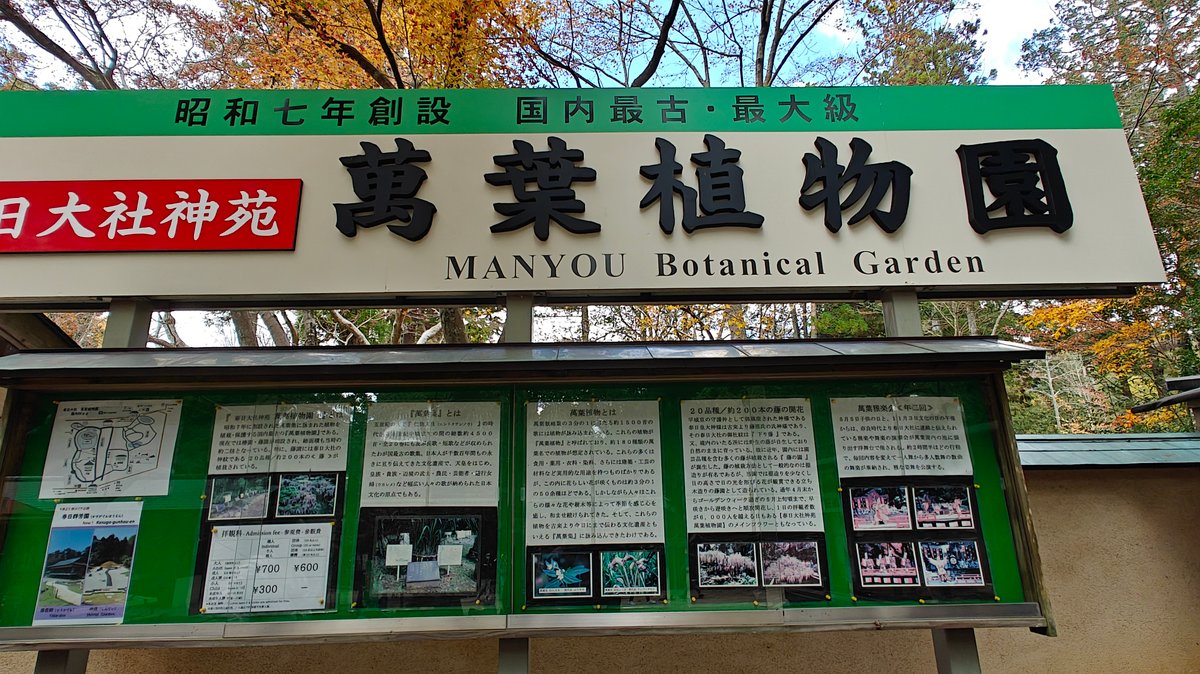
Adjacent to Kasuga Taisha is the Manyou Botanical Garden and I almost missed it (thank goodness I didn’t).
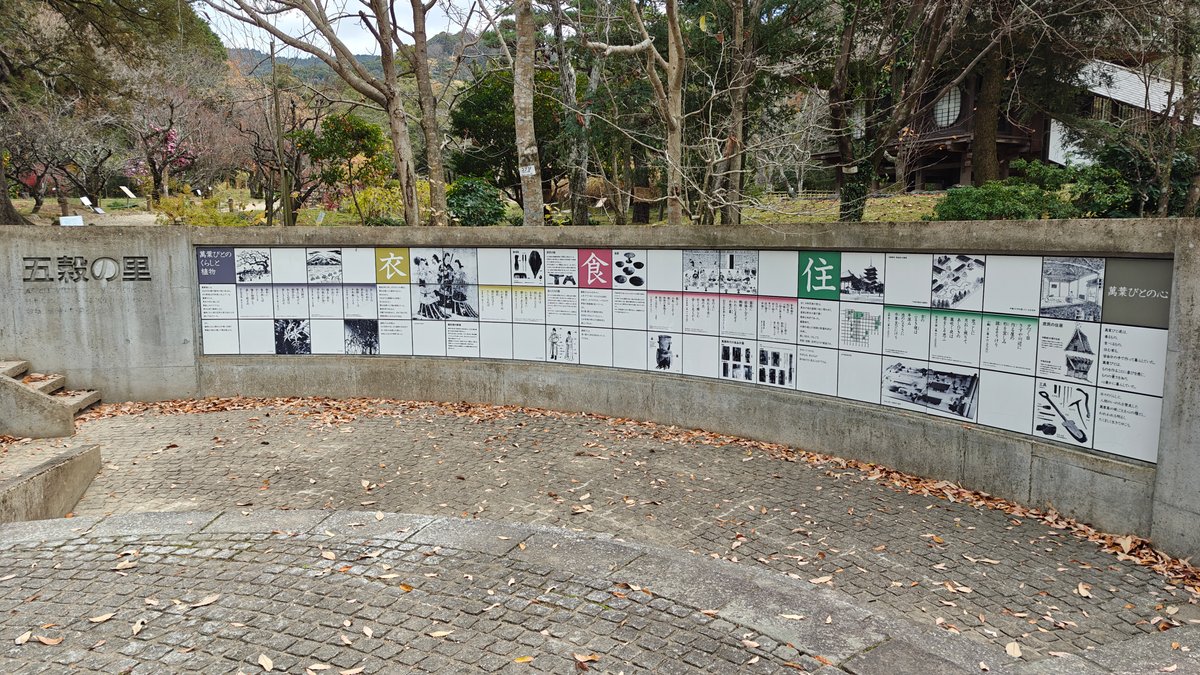
It is cheap to enter and was nearly empty when I visited. It’s basically a well-labeled and well-kept garden dedicated to plants referenced in an ancient book of Japanese poetry called Manyoshu.
That’s a very particular idea, but in reality, that just means it’s a nice garden.

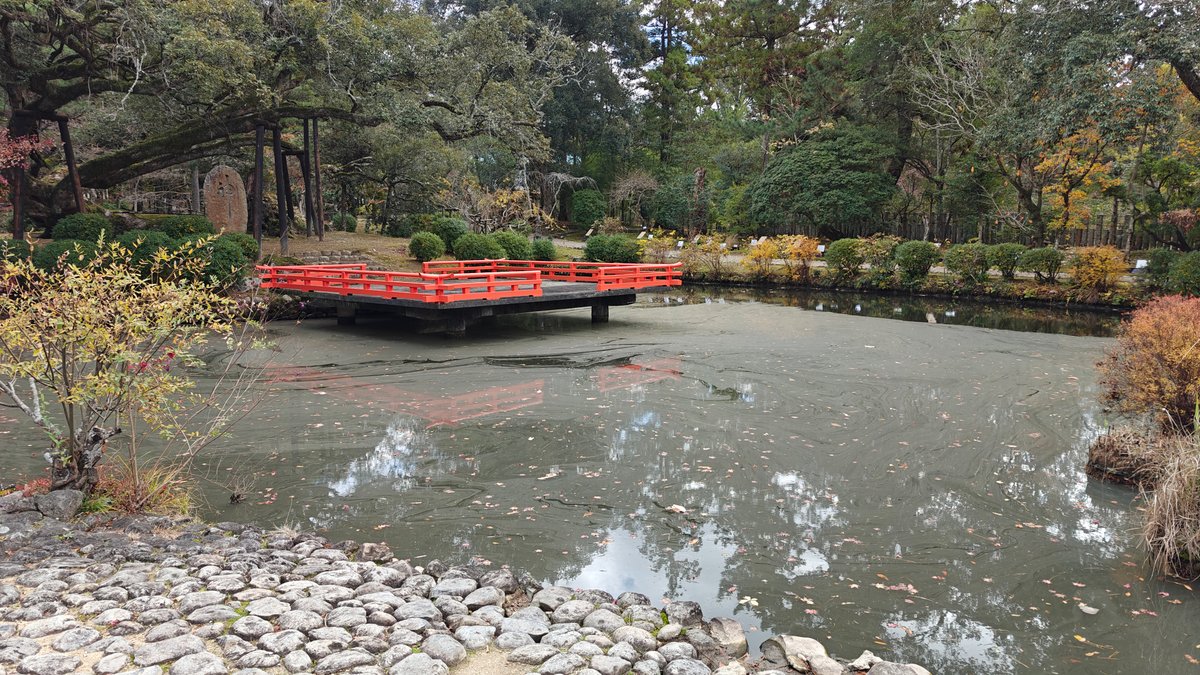

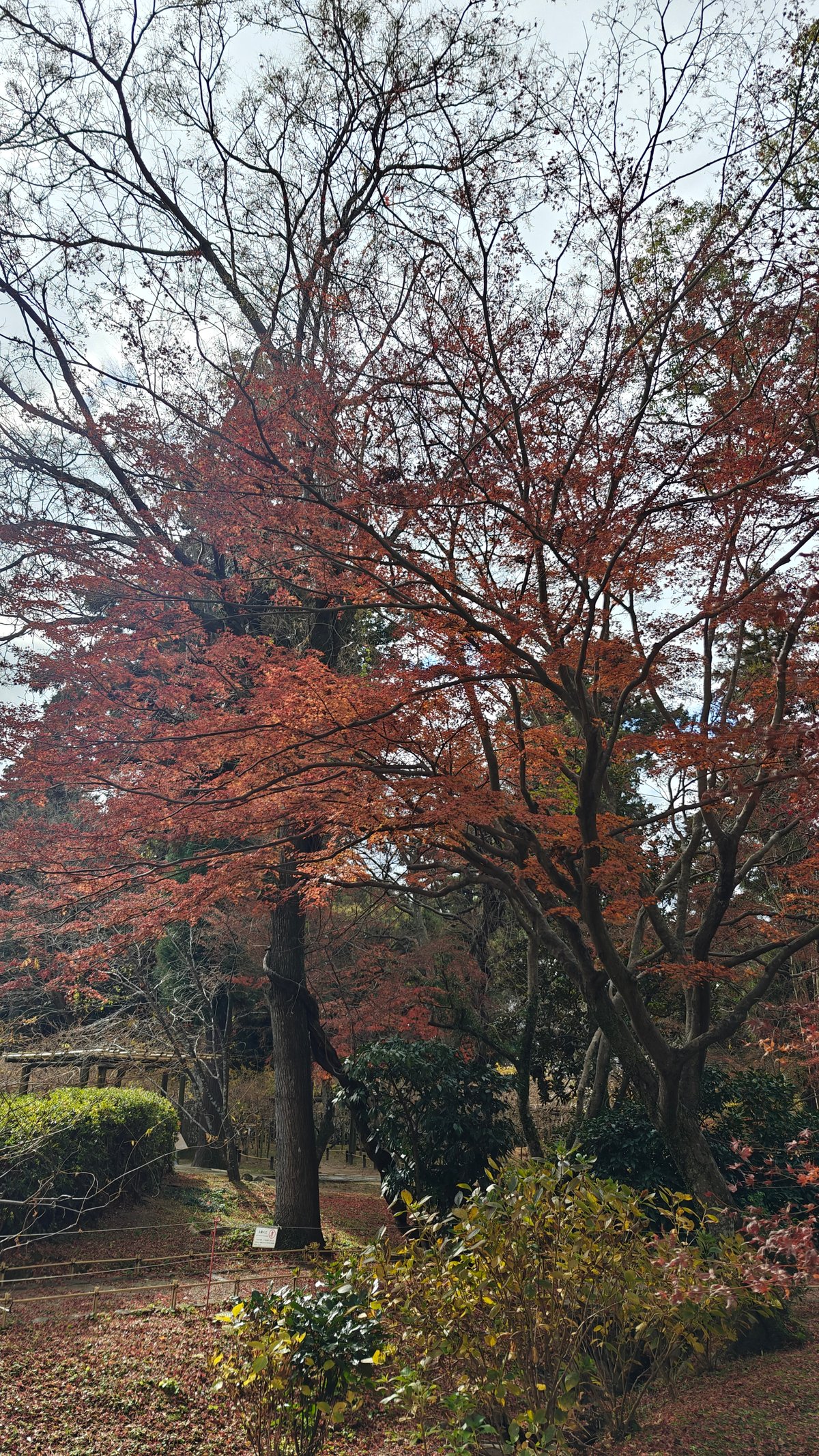
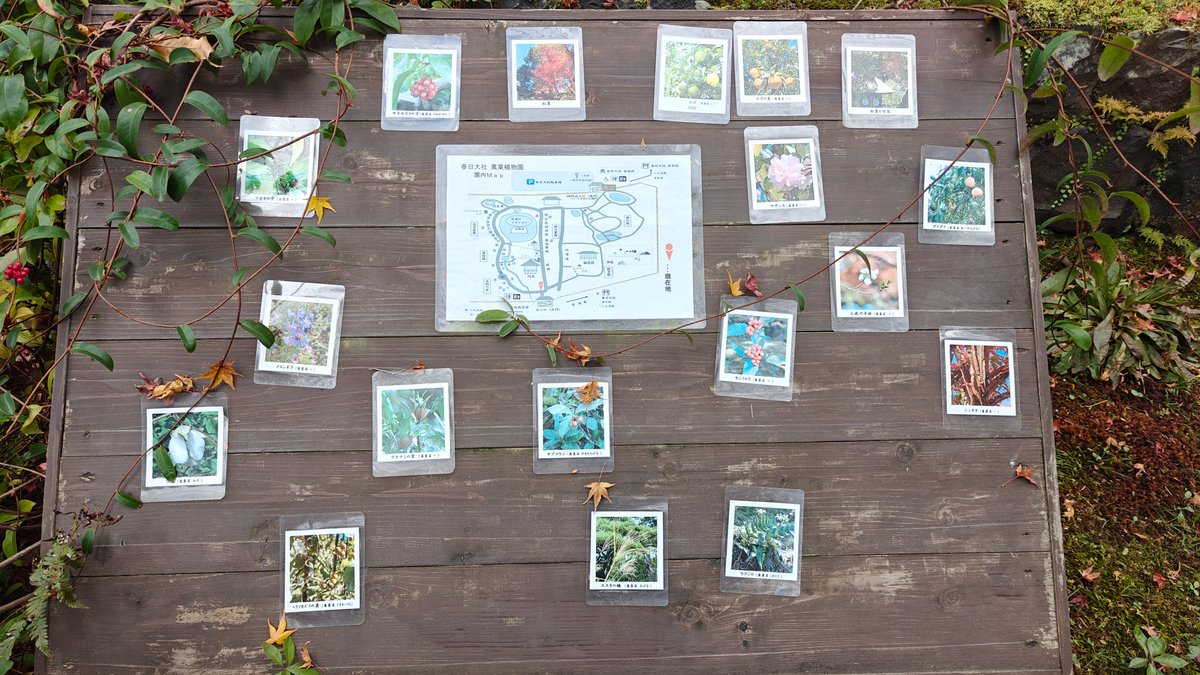
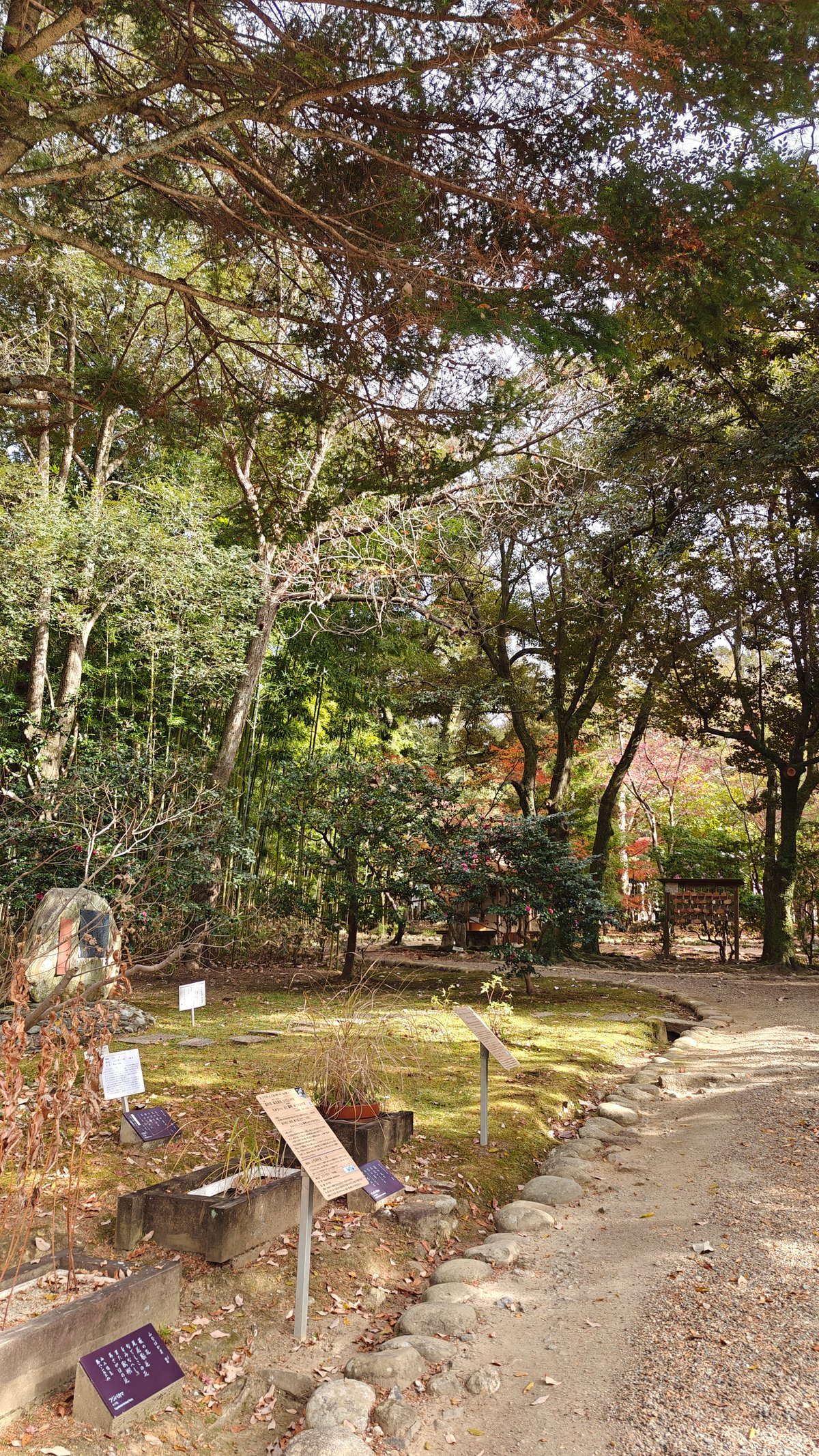
It’s much quieter here than over in the main shrine area, and I pottered around the paths, enjoying the silence. The maples were especially nice and the fall colors was in full swing. Some areas had information boards about which plants were mentioned in certain poems.
I could only understand a little of them, so I just walked and gazed instead.
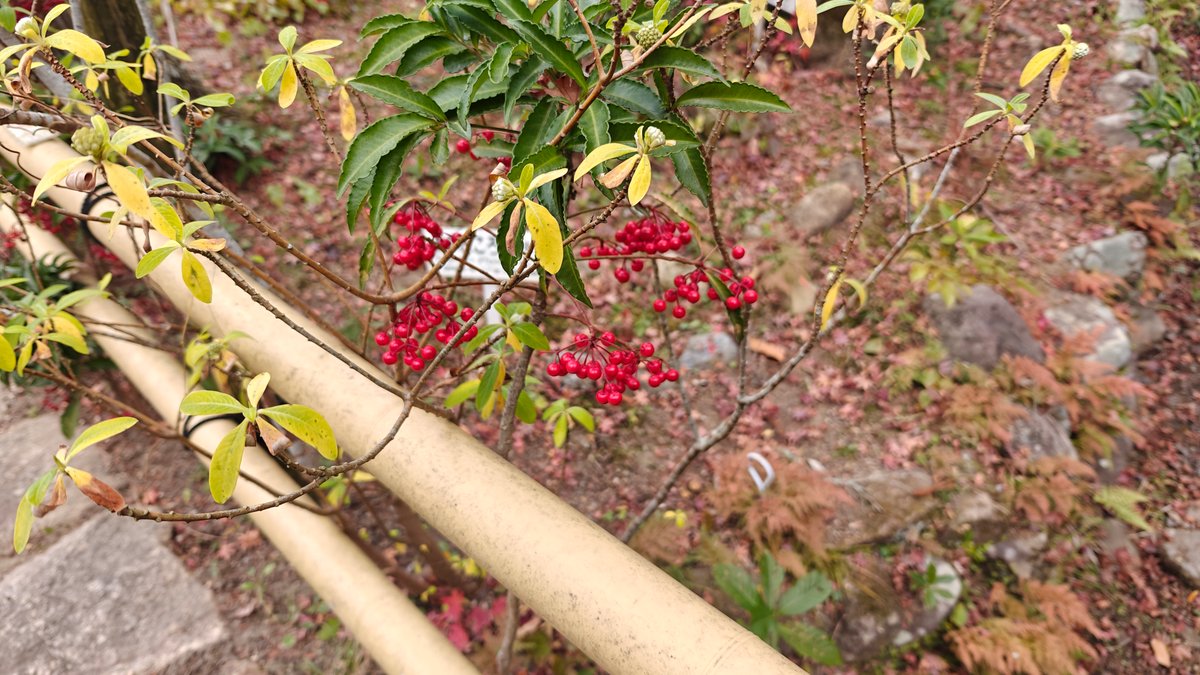


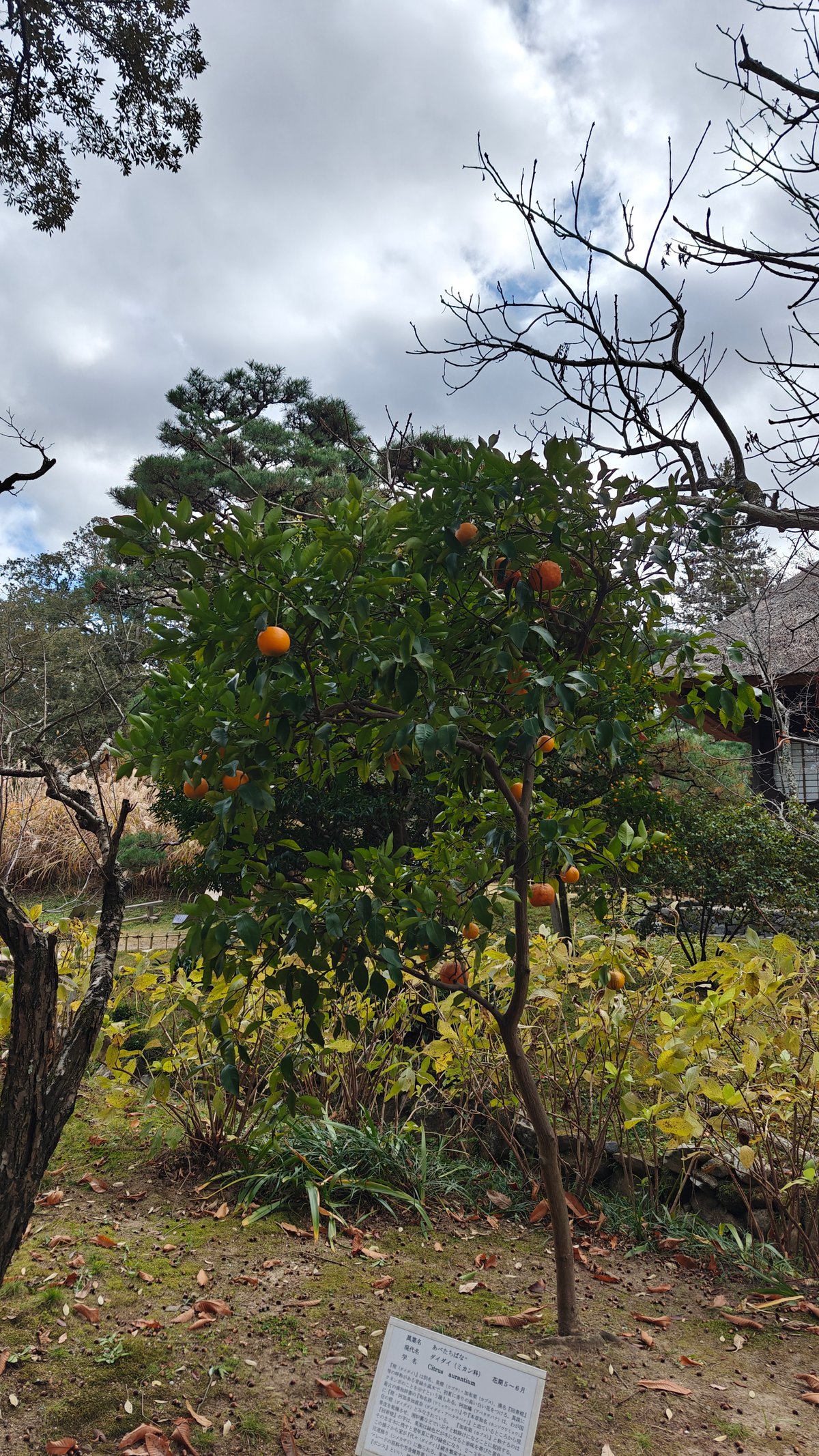
All the garden beds seemed to be labeled with little sticks; it’s all very organized by plant type and season. A couple of things was still blooming even in late fall. Clearly lots of effort is put into taking care of this place, and I liked seeing that.

A little waterfall cascades down to a pool of moss. There was a stone lantern by a tiny pond. It was not anything dramatic.
But it was so calm. I sat on a bench close-by and didn’t spot anyone else the entire time I was there.
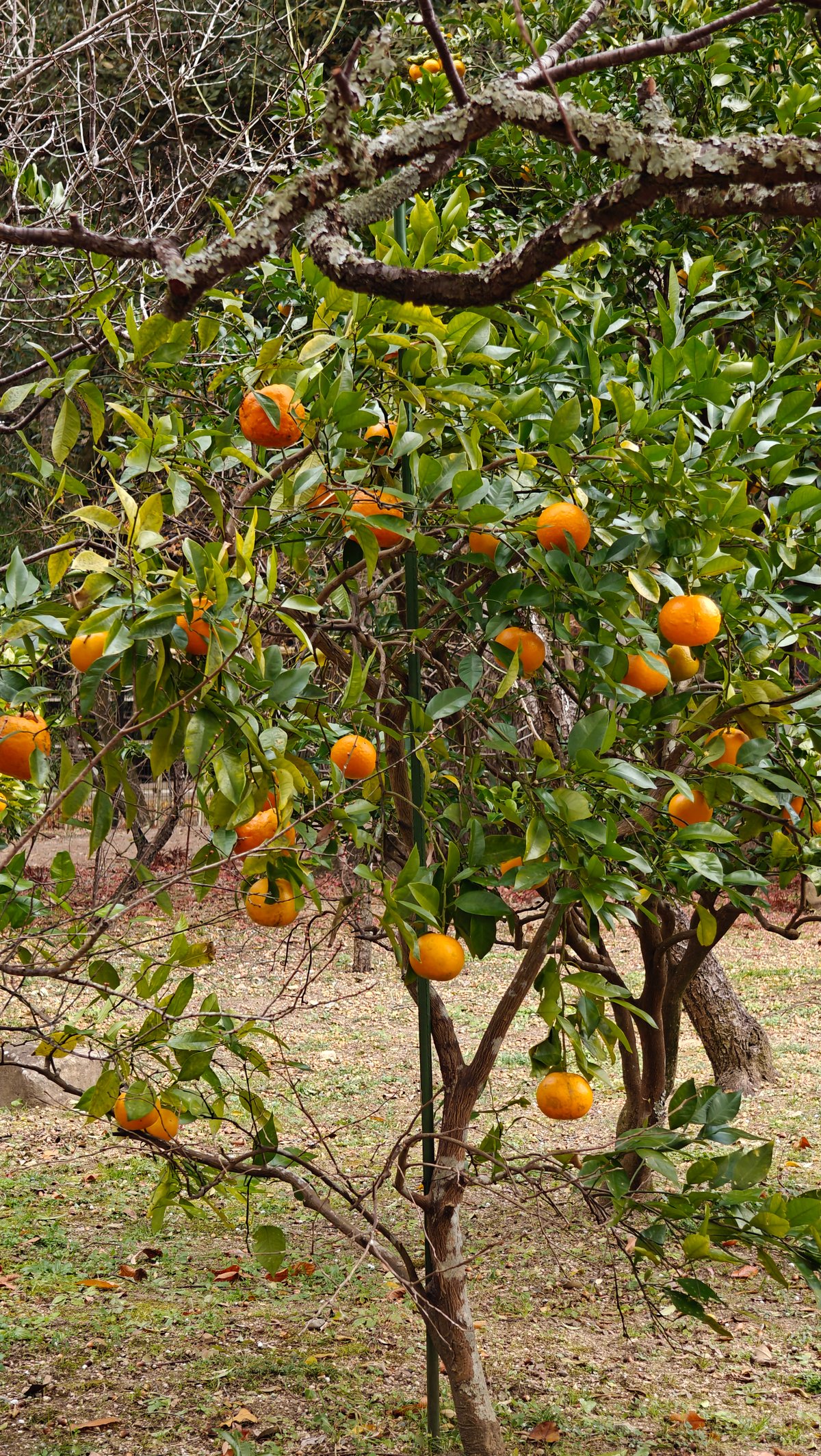
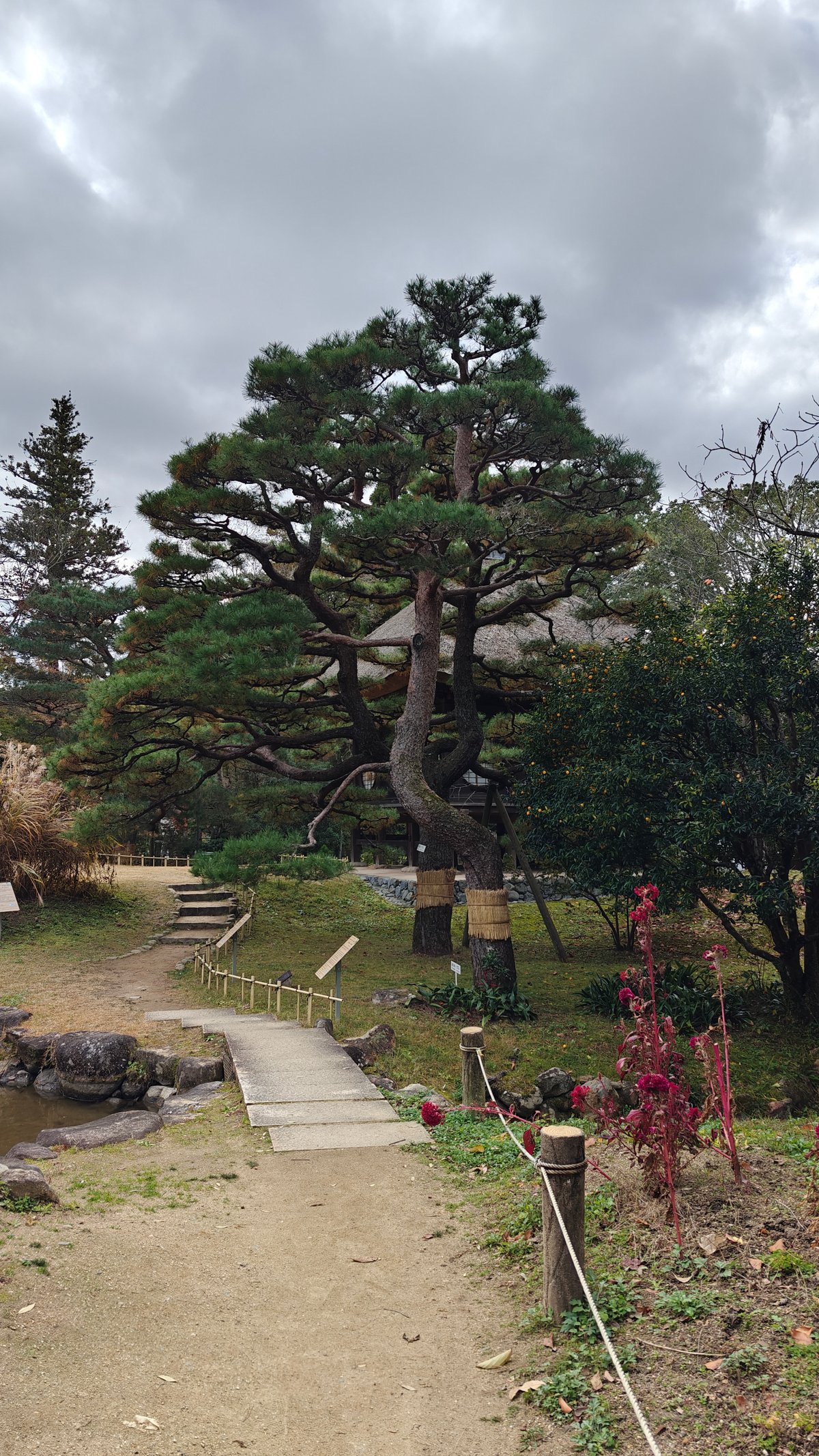

An old wisteria vine grows up the trellis on one of the walks. The vines’ trunks are gnarled and fat and has to be decades old. I saw it in winter when there weren’t any flowers to admire…but the vine’s shape was reason enough to visit.

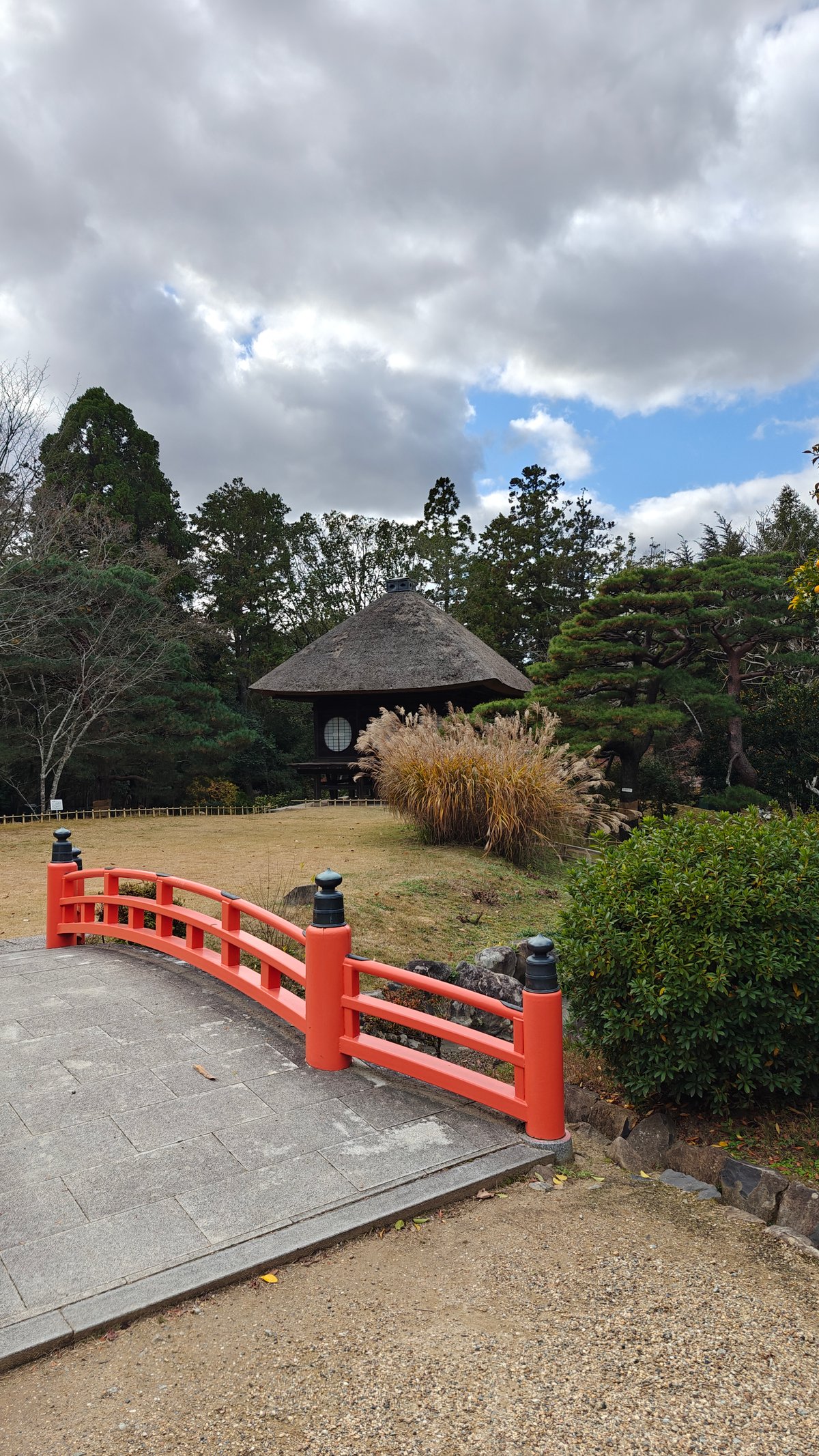

There were also some really tall pines and a bamboo grove in the garden. I rounded a corner and saw this deer. It was sitting totally flat out, napping right there in the middle of the pathway.
When I passed by it didn’t even move. Inside the garden the deer is so much more relaxed than those outside trying to get fed!
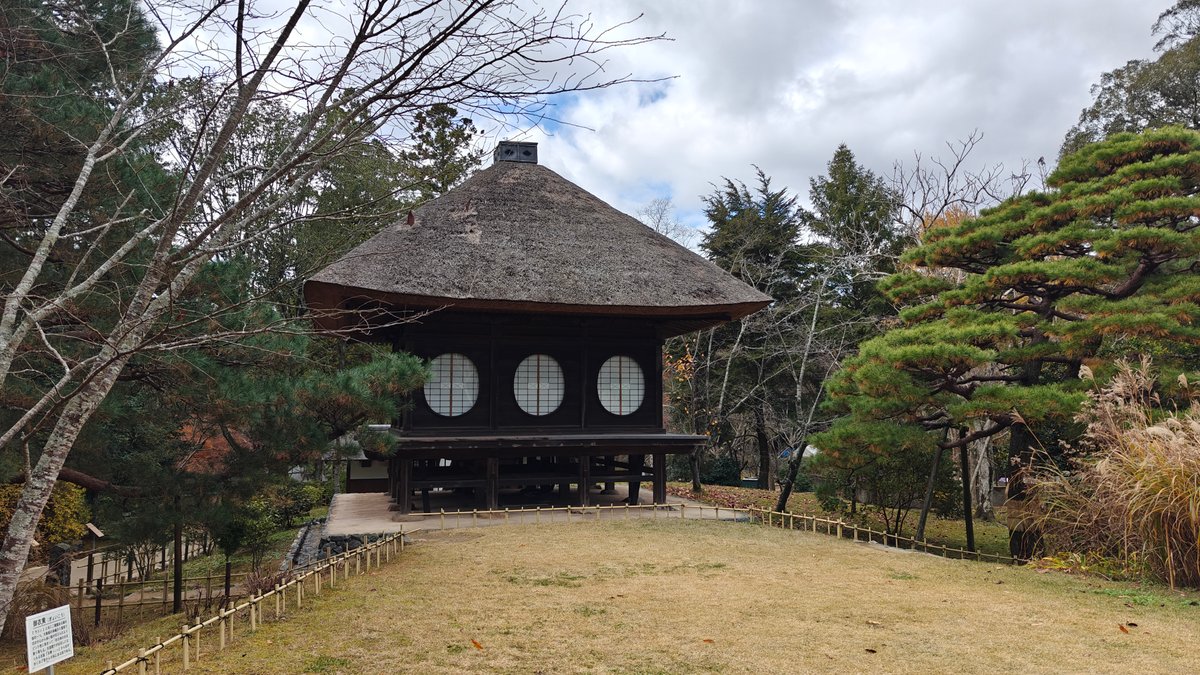
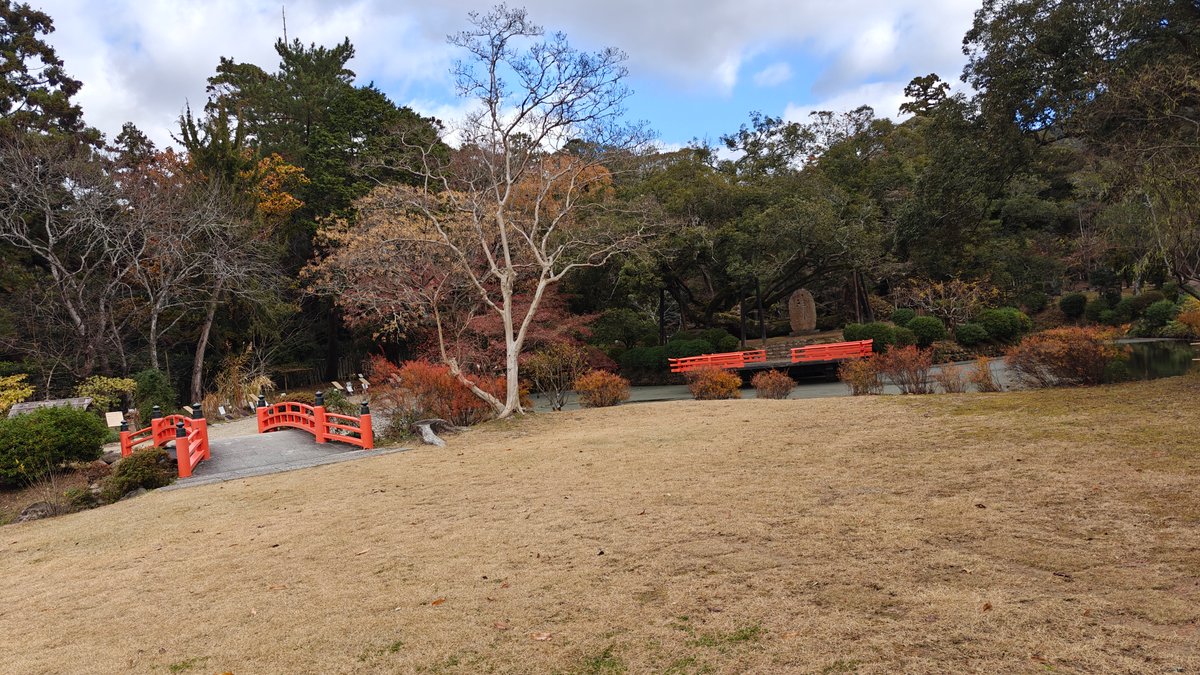


Next was a little pavilion/thatched-roof house perched up high on a mound at the back of the garden, very traditional. It was nicely done. The gardens surrounding it had lots of clearings and other plantings that made for some nice meandering pathways to loop around.
It also had a nice “very intentional but not fussy” feel to it. It was a welcome break from the crowds, and I hung out there for an hour.
Yonezawa Beef Teppanyaki
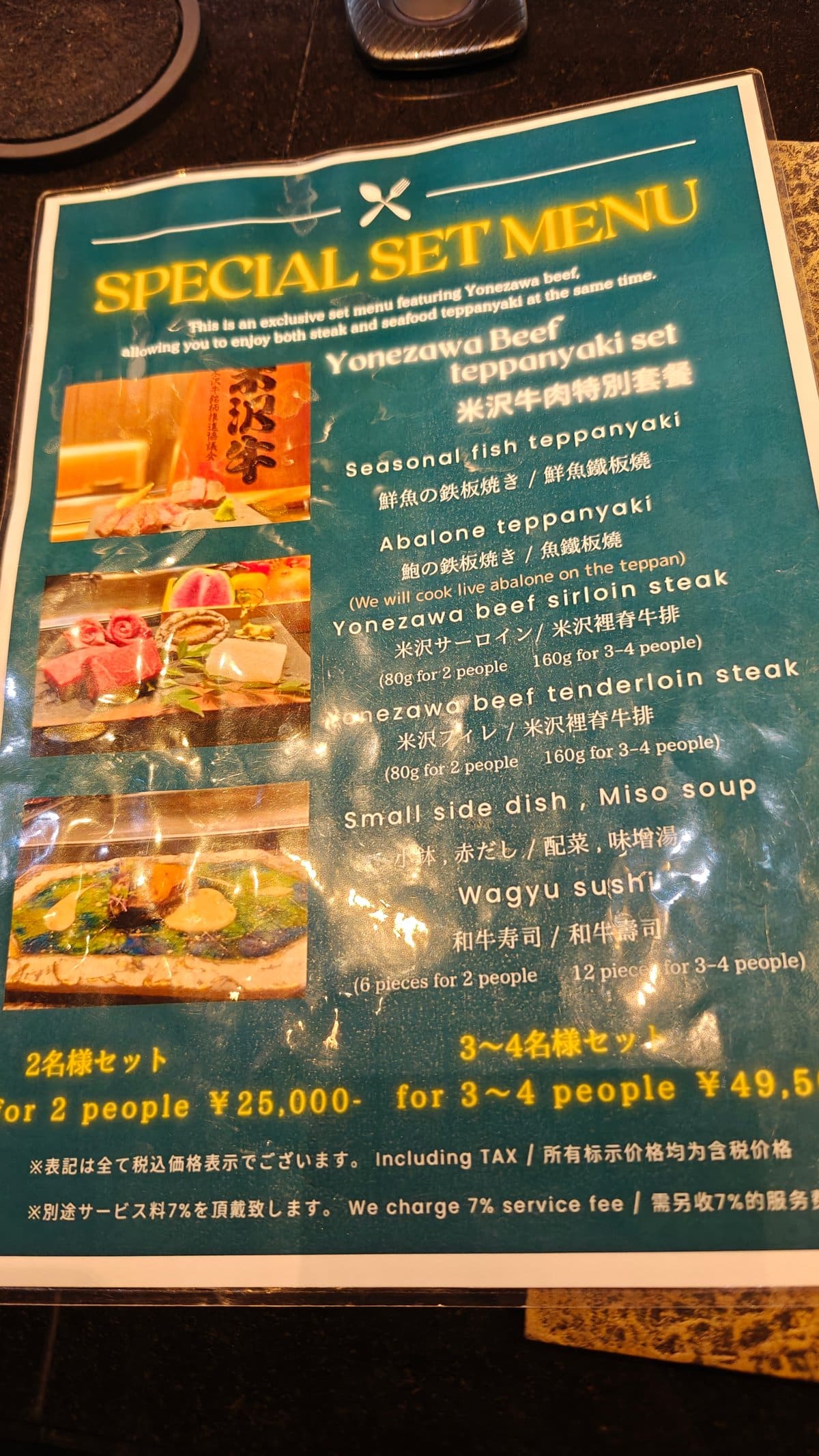
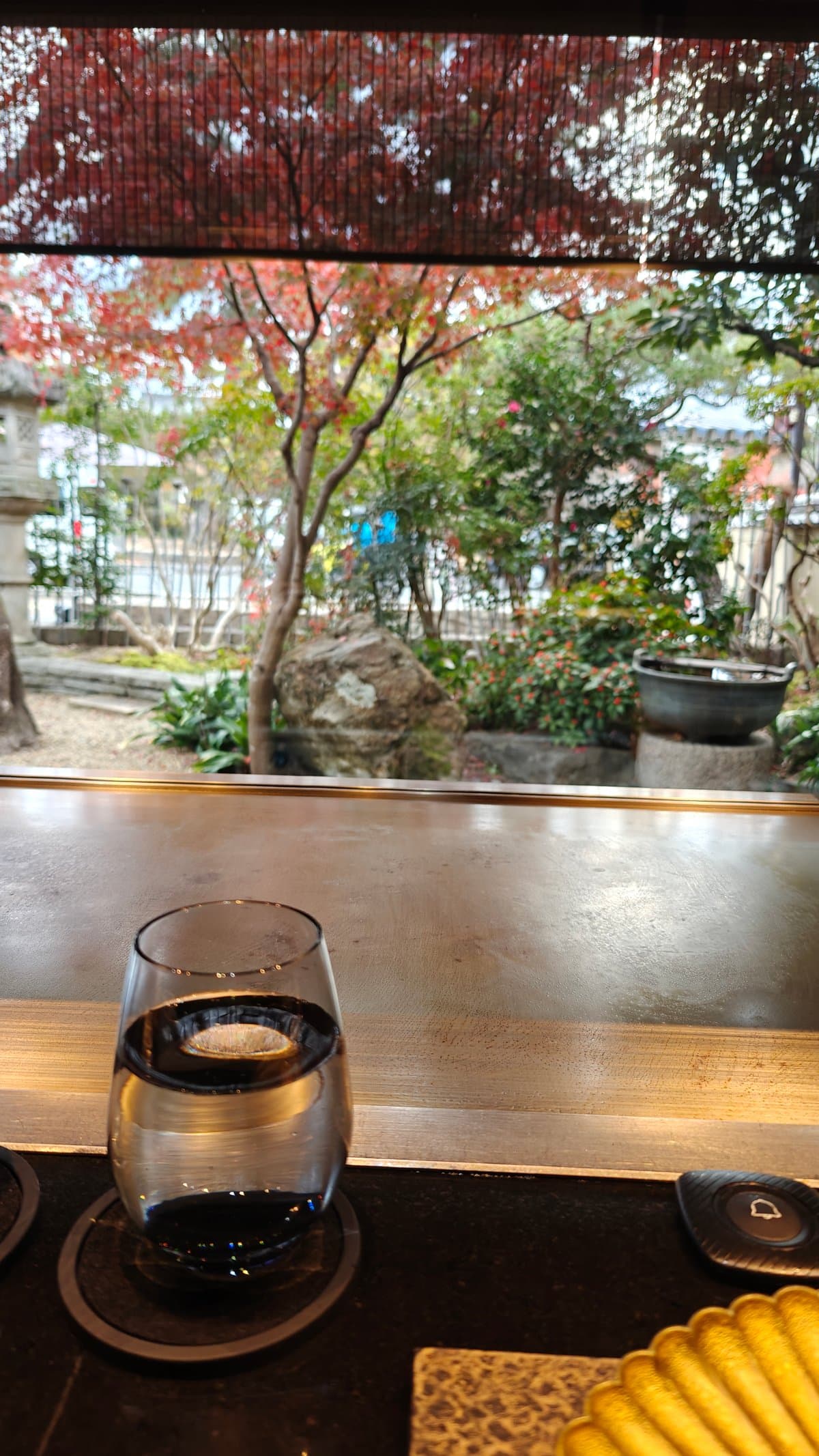
On my final day in Nara, I had made reservations for a teppanyaki lunch. This proved to be one of the highlights of the trip. The restaurant specializes in Yonezawa beef, a top-grade type of wagyu from Yamagata prefecture.
Everything was done right in front of me as the chefs prepares each dish course-by-course at the teppan counter that looked into a tiny garden.
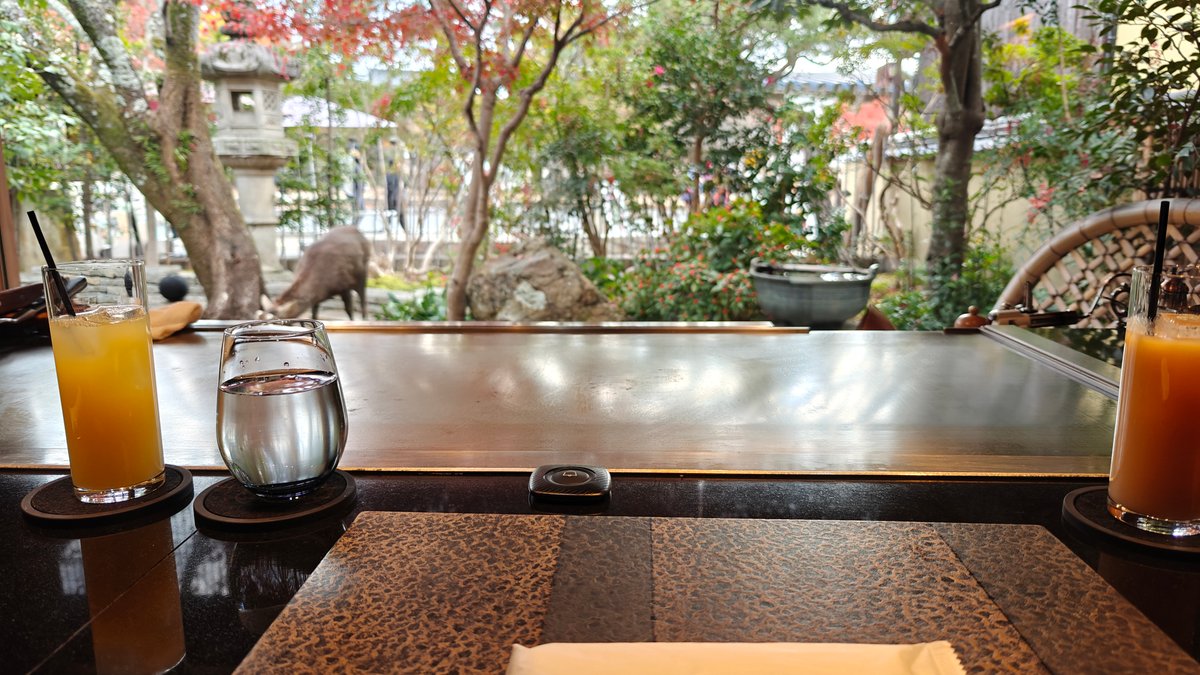
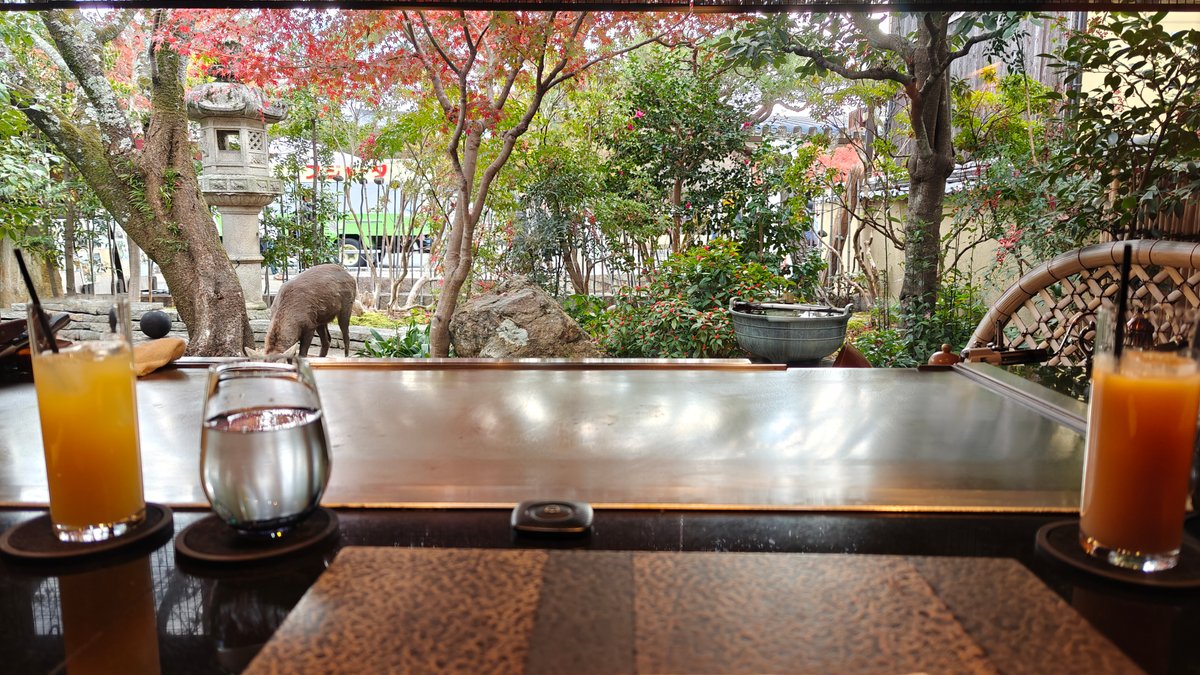
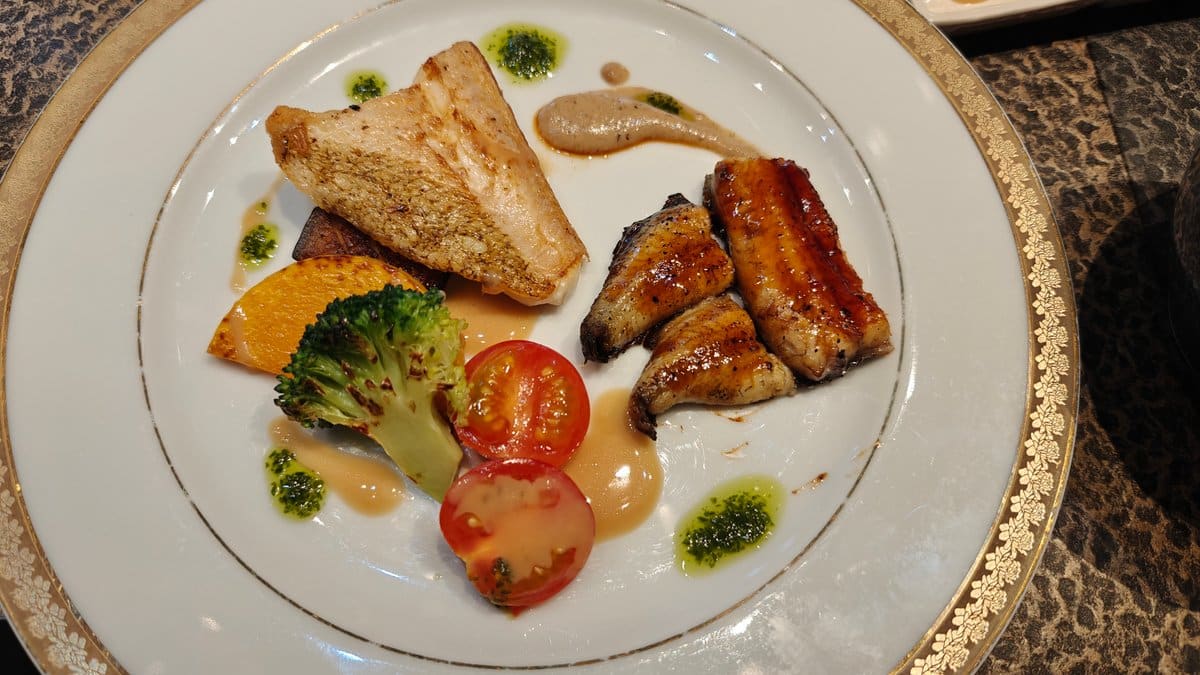
To begin, we were served some seasonal fish. The chef grilled the fish before plating it with a gentle sauce. It was simple, but very fresh.
While I didn’t expect too much from the non-beef dishes, they were all put together with care.
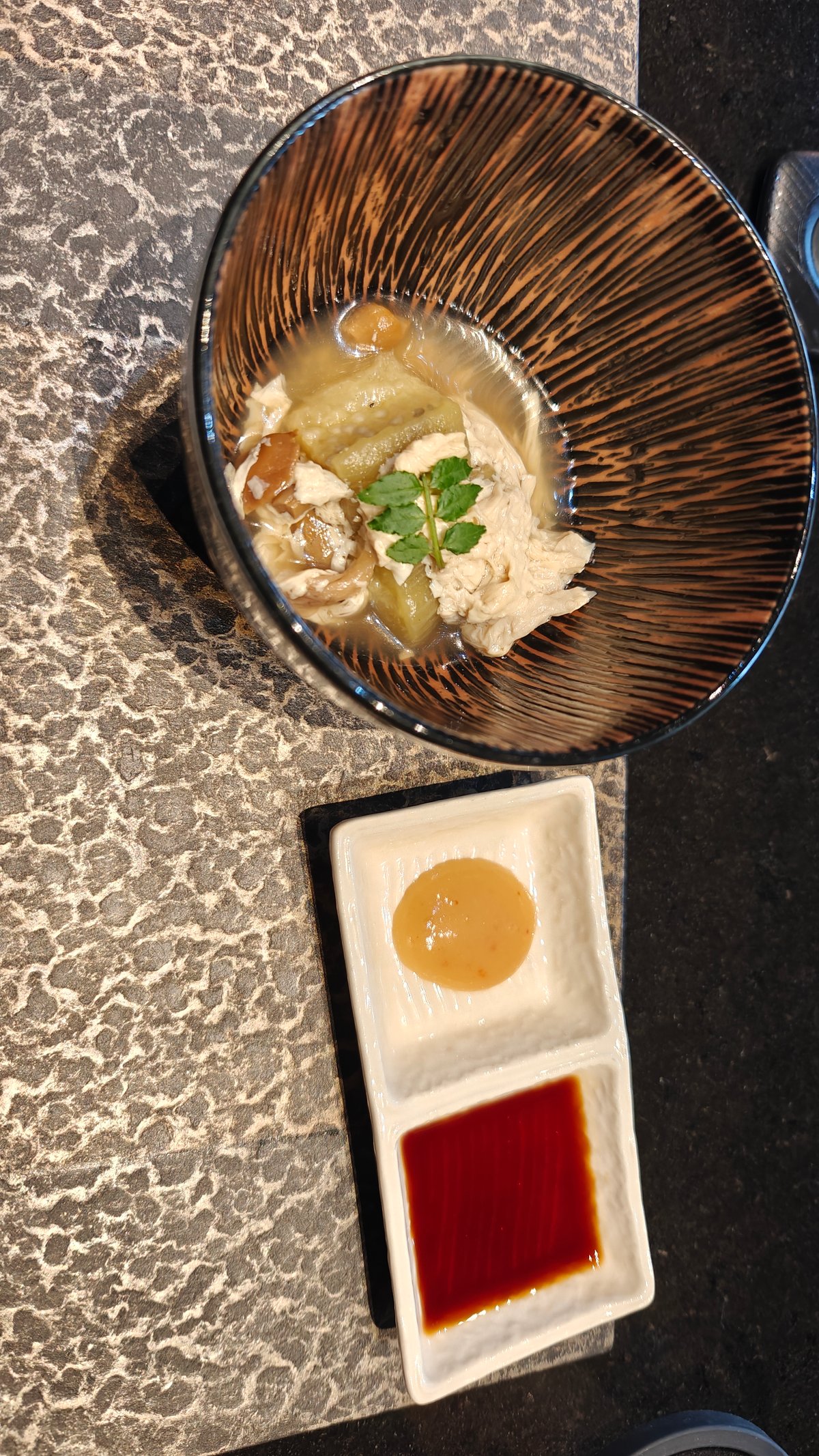
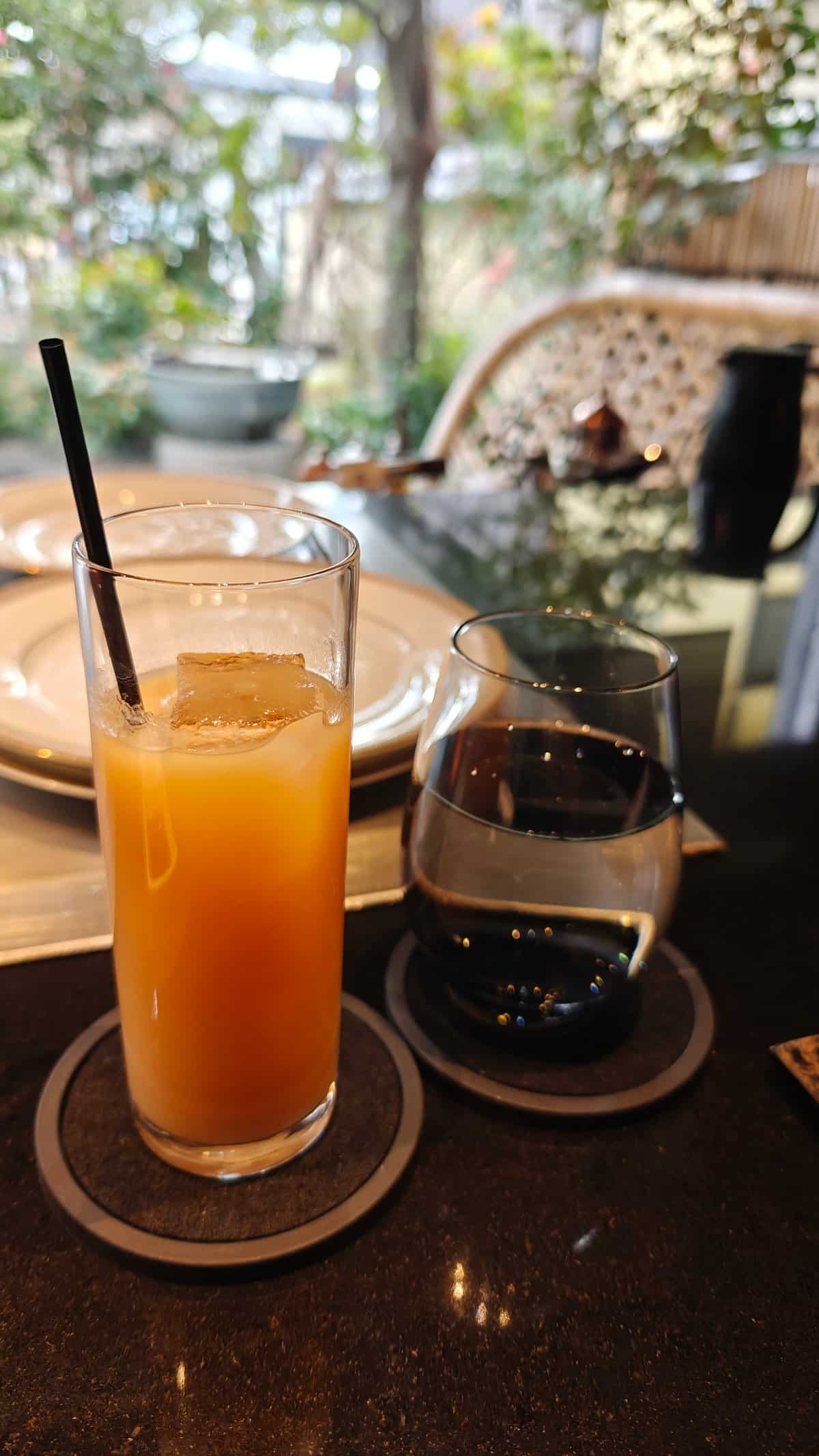
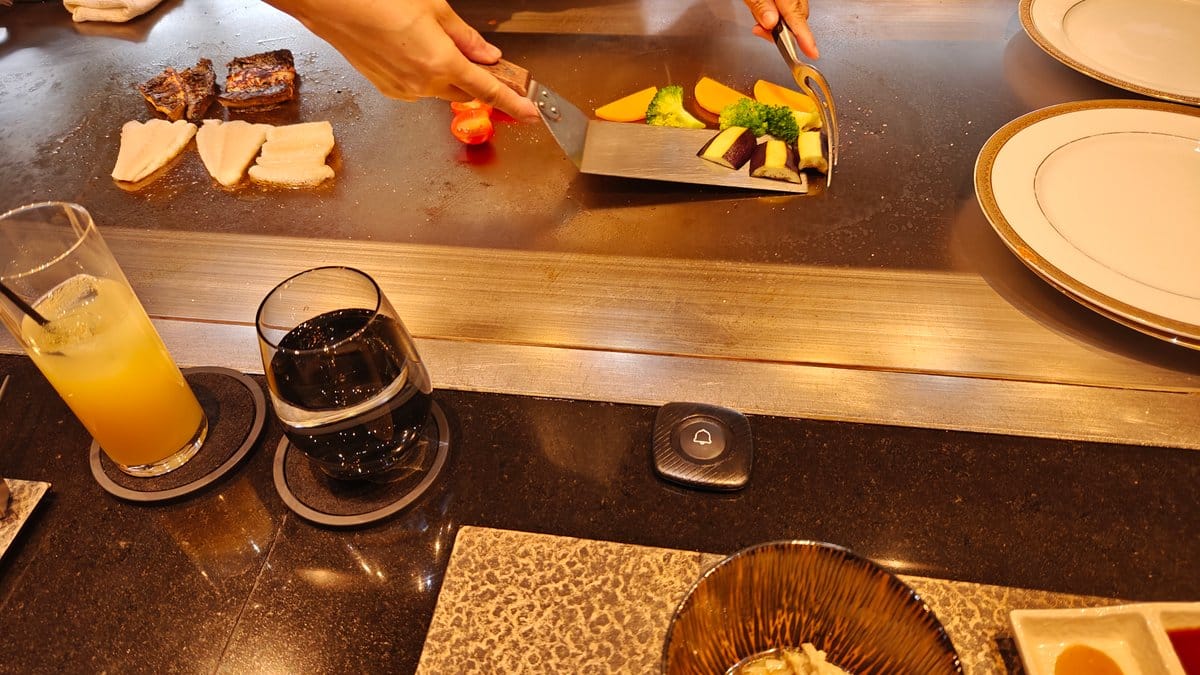
The abalone that followed was perfectly prepared, lightly cooked through and served with a half slice of lemon. Tofu and veggies were grilled as well, which sounded like a culinary snoozefest but turned out to be seasoned and timed perfectly. There’s something about watching someone work their way across a teppan that’s difficult to describe but satisfying.
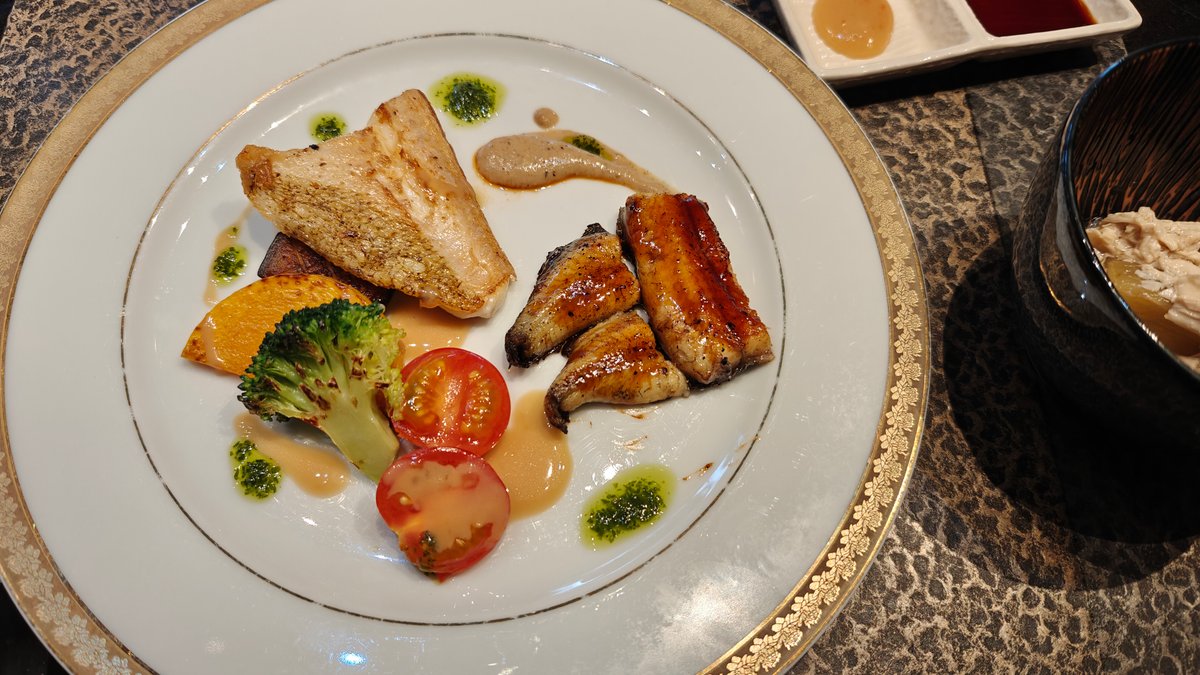
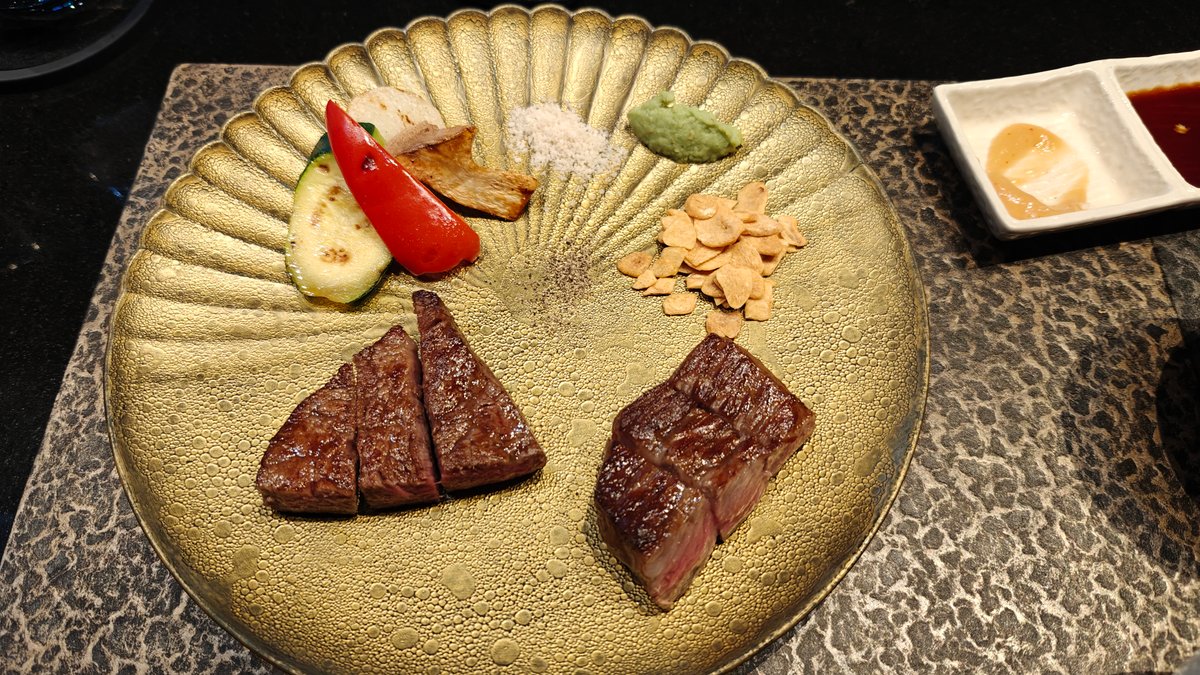
The beef had heavy marbling and was very thinly sliced. It was cooked by the chef and seared on each side quickly, then plated with some condiments. The flavor was rich but not overwhelming, and it was soft and tender to bite into.
Much better than other wagyu I’ve tried in Japan (I’ve had a few so-called high-end meals). To end we had some wagyu nigiri.
A nice final savoury course. When I chewed on the beef, it melted in my mouth. Everything throughout the meal was well paced and balanced.
Each dish was explained briefly by the chef, but not talked at too much. I had no idea that Nara was going to be as layered as it is. I imagined it would be a one-day stopover.
I thought I would get there early, see the big Buddha, feed some deer, and leave. Instead, I spent more time there, discovered several little things to pay attention to, and had some really good meals (if you know where to look). While you can find great food at a teppanyaki place that didn’t feel touristy at all, the temples are legitimately impressive and old, and the gardens is quiet and relaxing.
It’s a city that is very easy to walk around and by the end of my time there I felt like I had seen something rather than just ticked another box off. Have you been to Nara? Were you surprised by anything other than the deer?