But let’s be honest: some of my favorite days here were when I escaped the city for several hours. My go-to? My go-to was Nara, not only because it was close, but because each visit offered something new.
If you’re looking for the big temples and crowds, Kyoto is just down the road too. But give that place more than a day if you can. A stop at Ine Bay also surprised me as a day-trip option from the area.
And this is what I really did during those days away from Osaka, beginning, of course, with the destination I kept returning to.
My Favorite Day Trips From Osaka
Todai-ji Temple
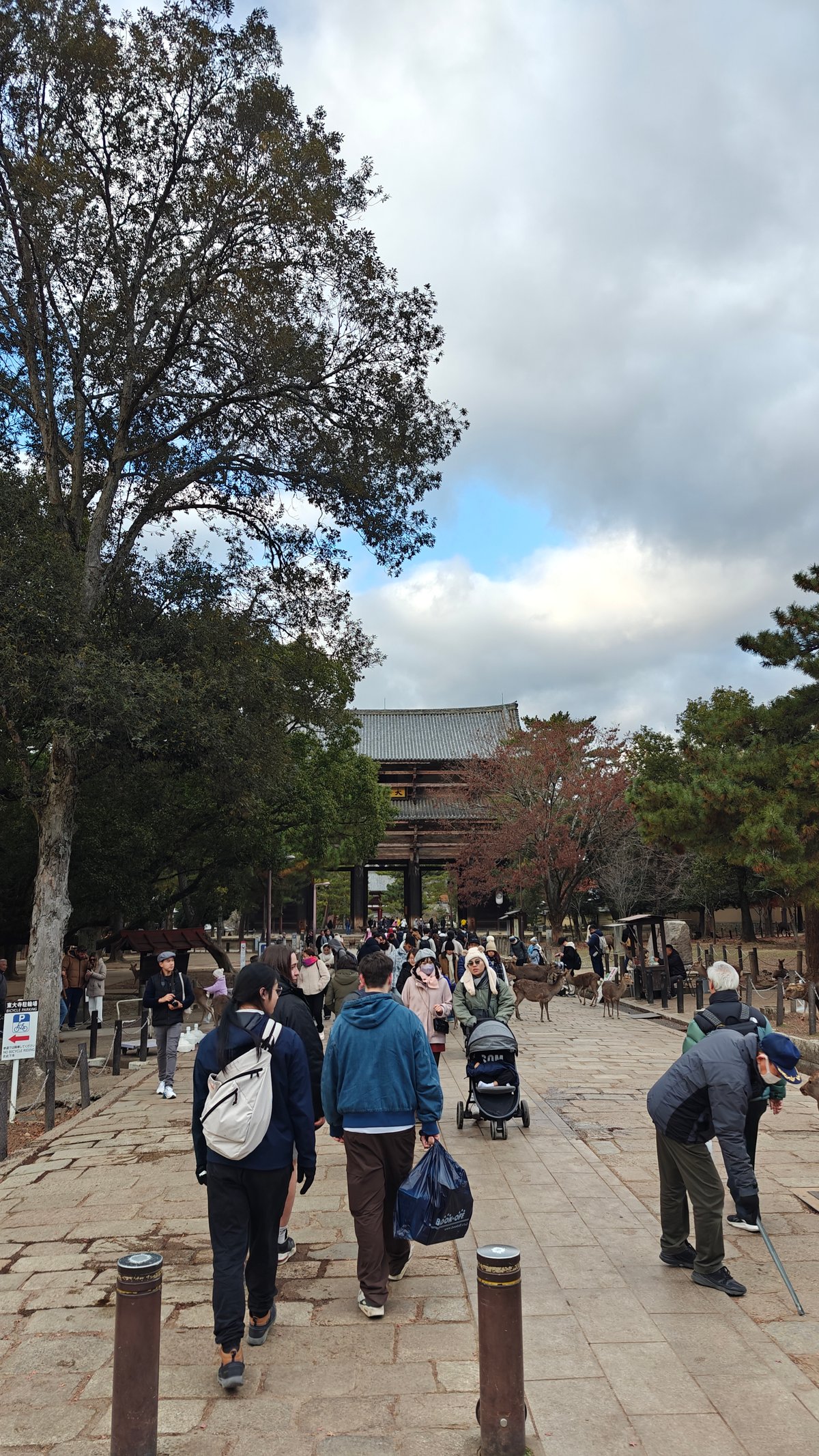
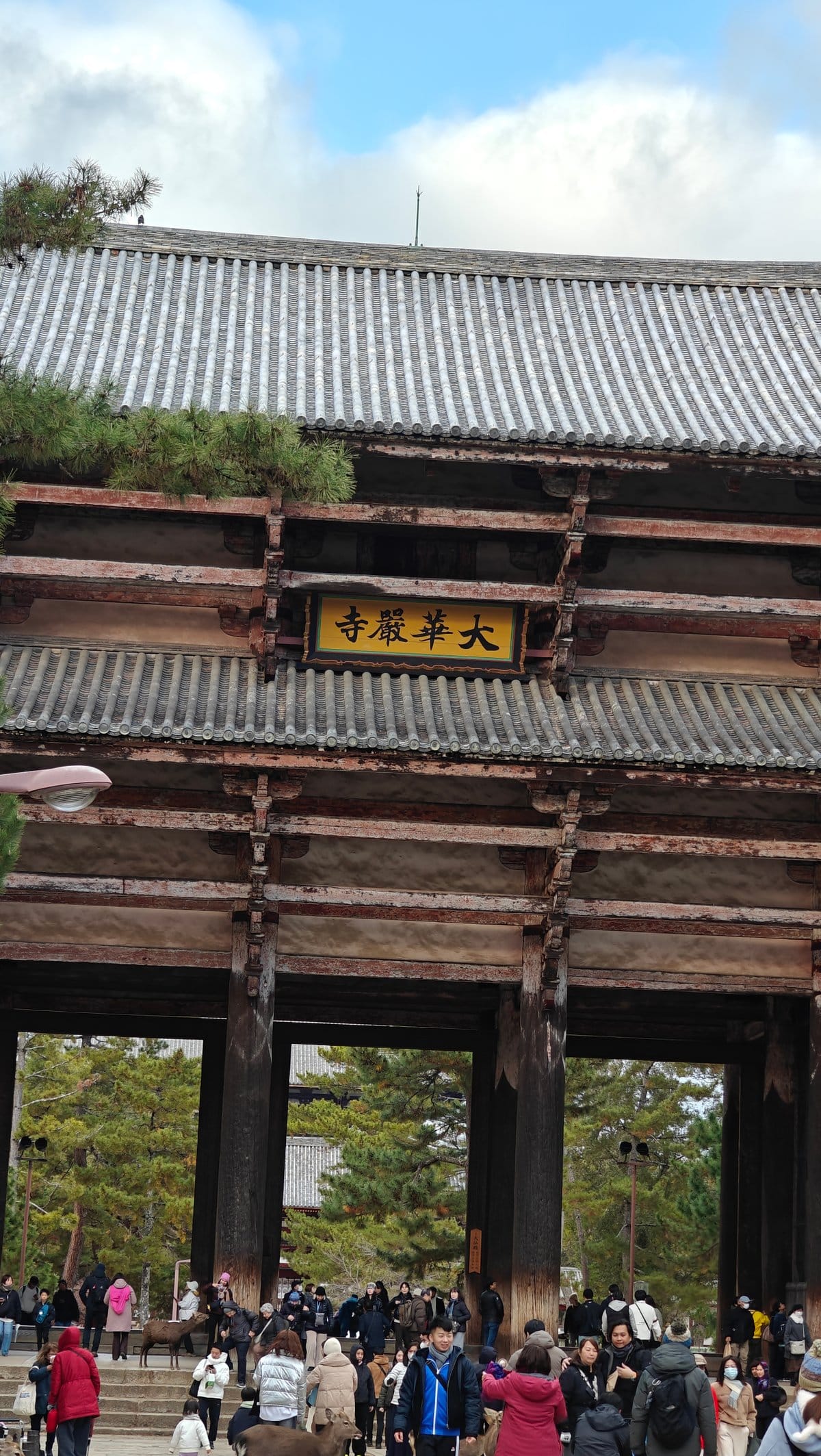
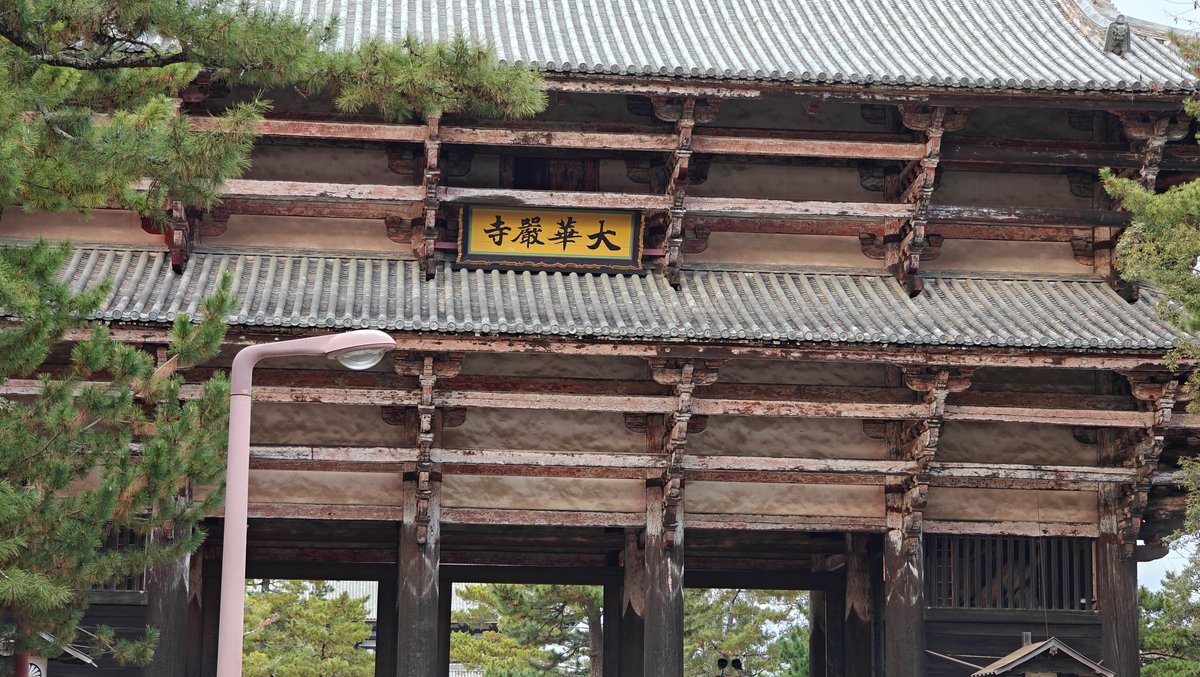
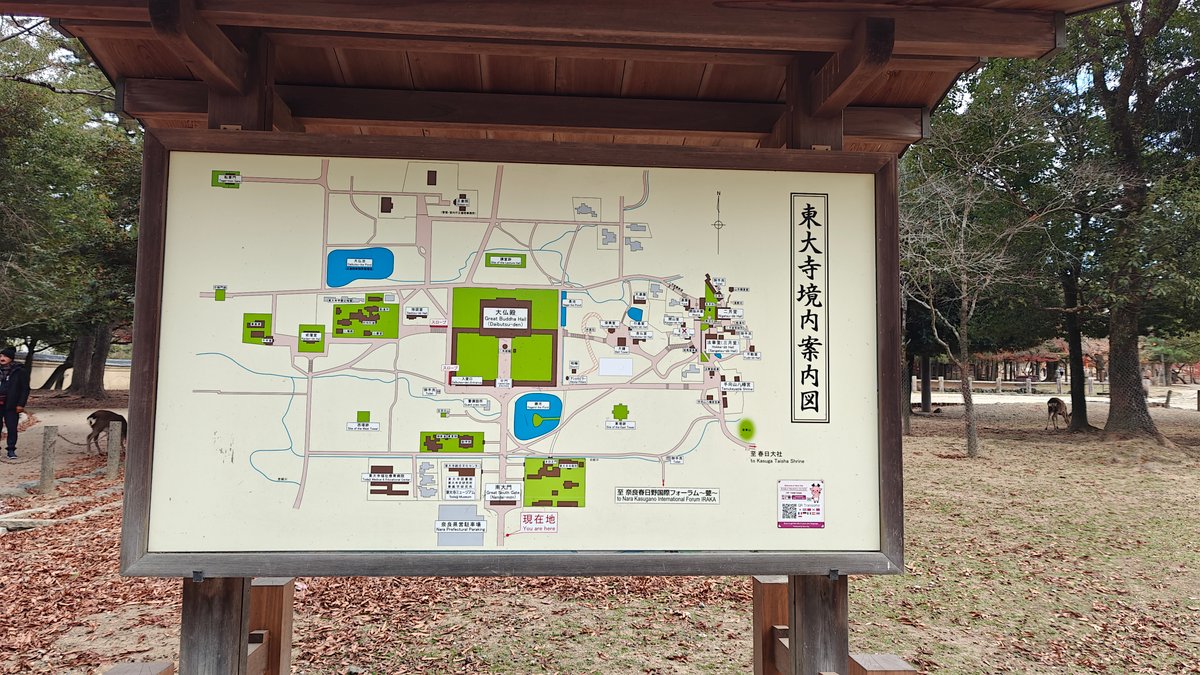
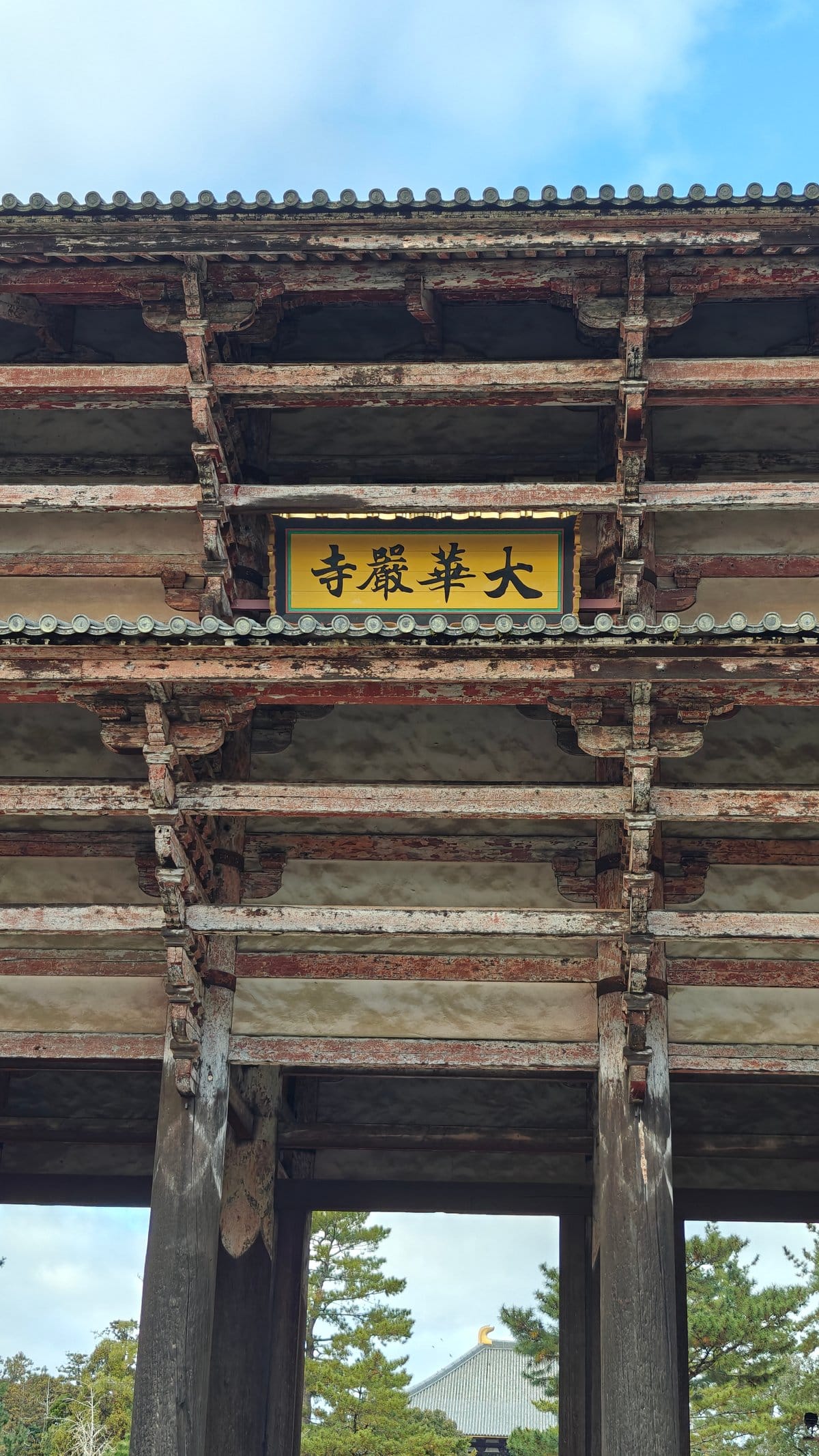
Even though I’d been here twice before, I still never grew tired of walking up to Todai-ji. First, you’ll be greeted by rows of lanterns leading up to the immense Nandaimon gate, which is even larger in real life than photos suggest. Pass beneath the gate with its two guardian statues in each alcove, feeling the age of everything around you.
From there, the way opens up into the inner grounds and it’s an easy stroll, even if there are crowds.
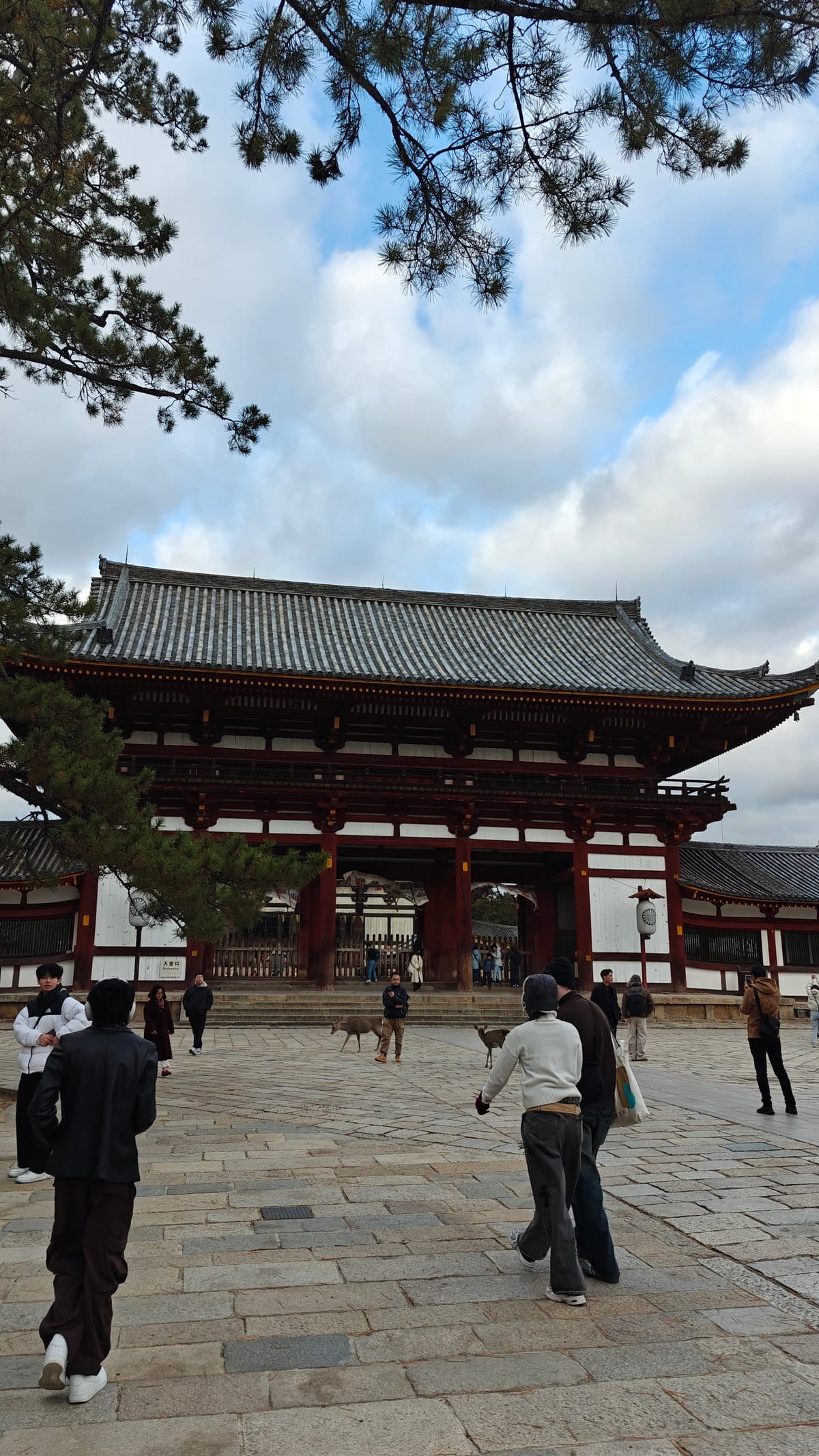
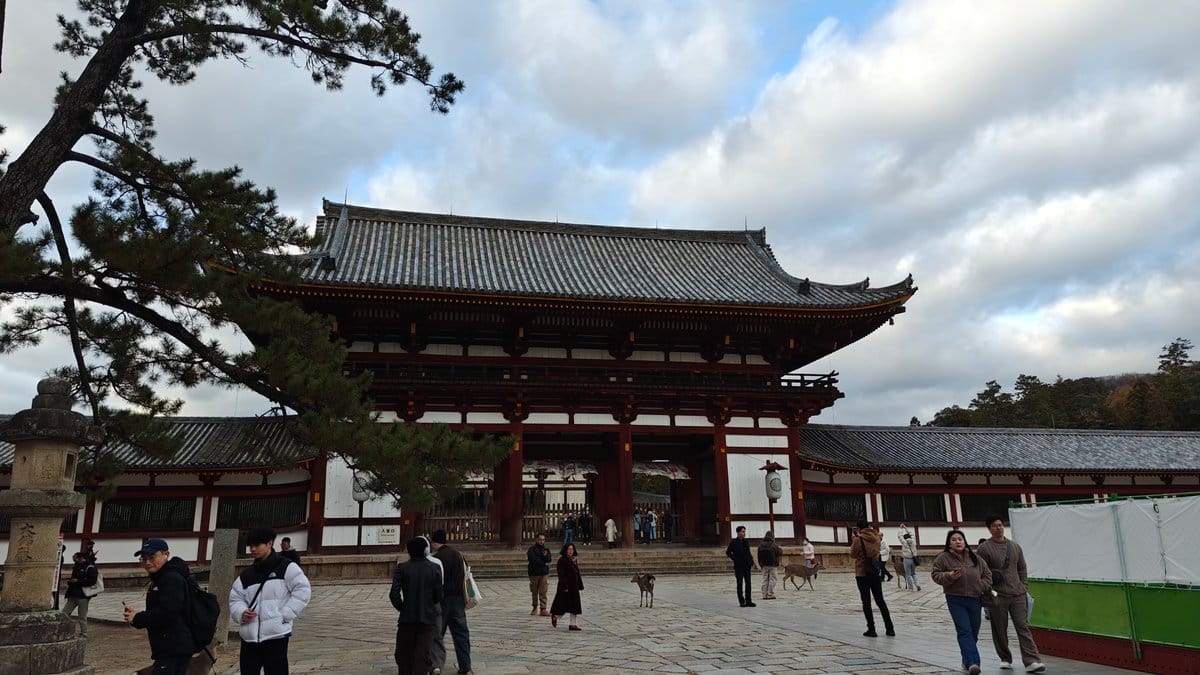
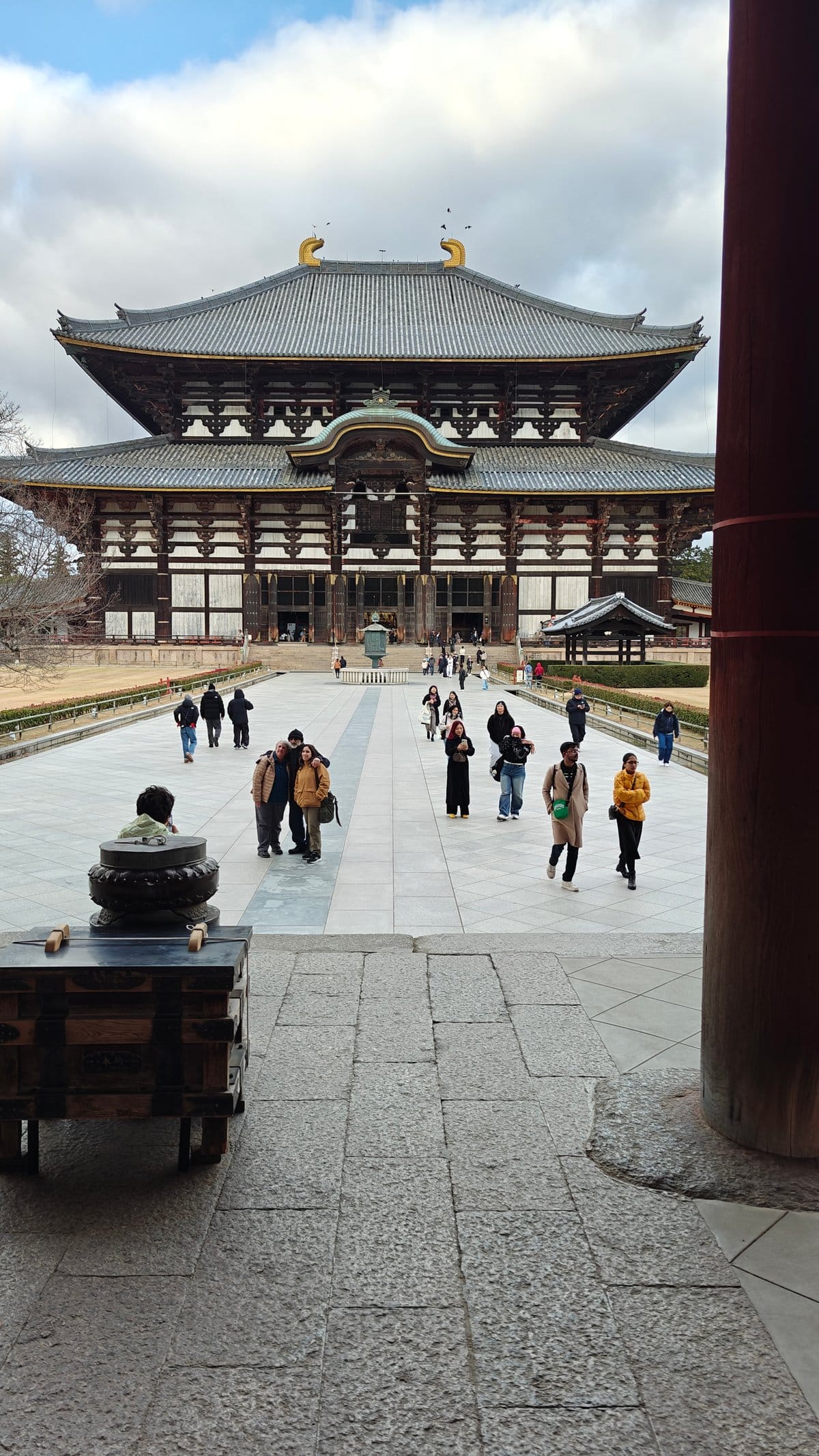
The rest of the complex contains the Daibutsuden hall right in its center past the next gate. After that, we simply wandered the courtyard for a bit before entering the hall where they kept the Buddha statue itself. It’s big.
And the hall surrounding it was oddly quiet for as many people as were there. You would of had to see it yourself to truly understand it, but it is large.
Nara Park
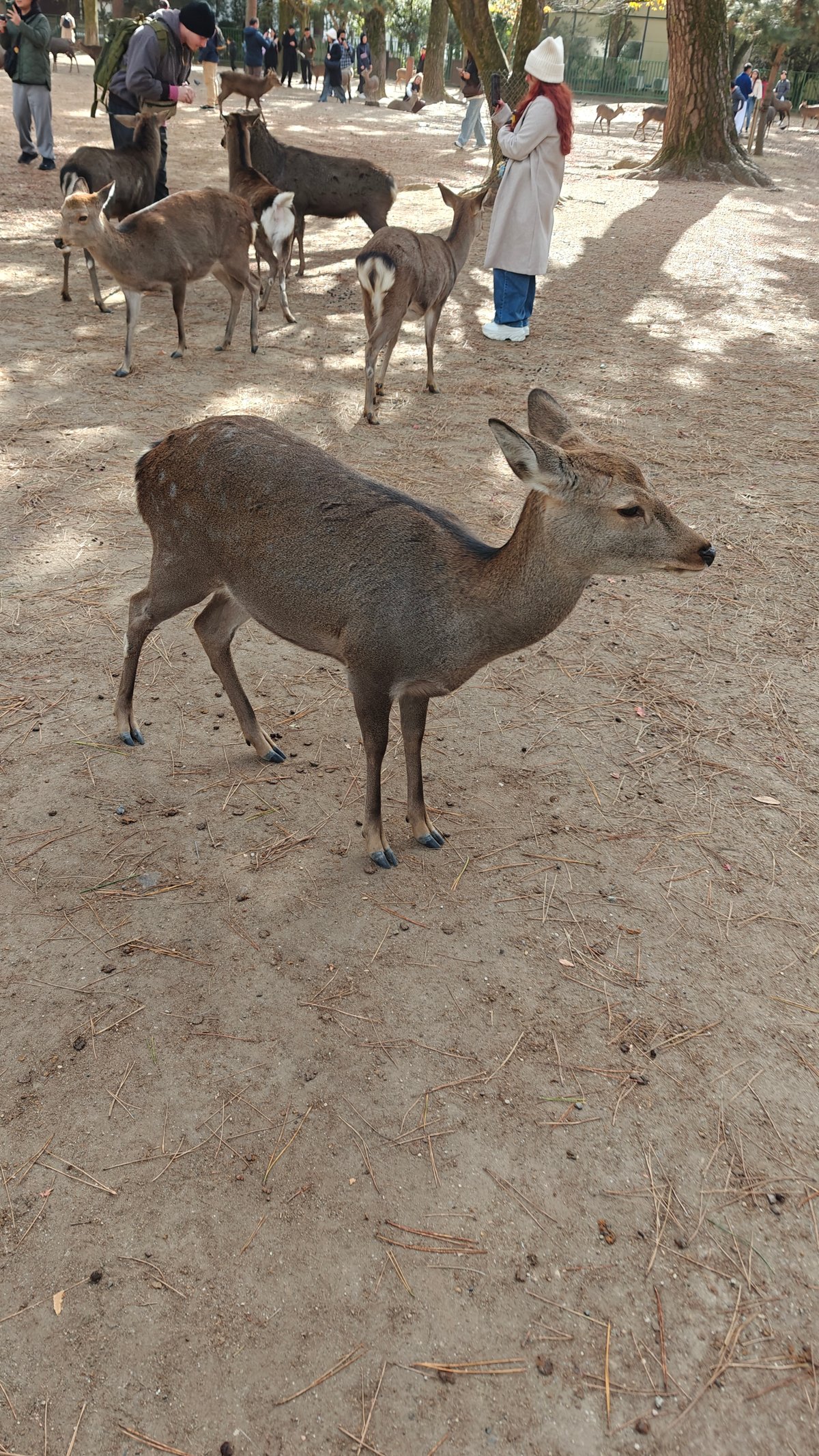
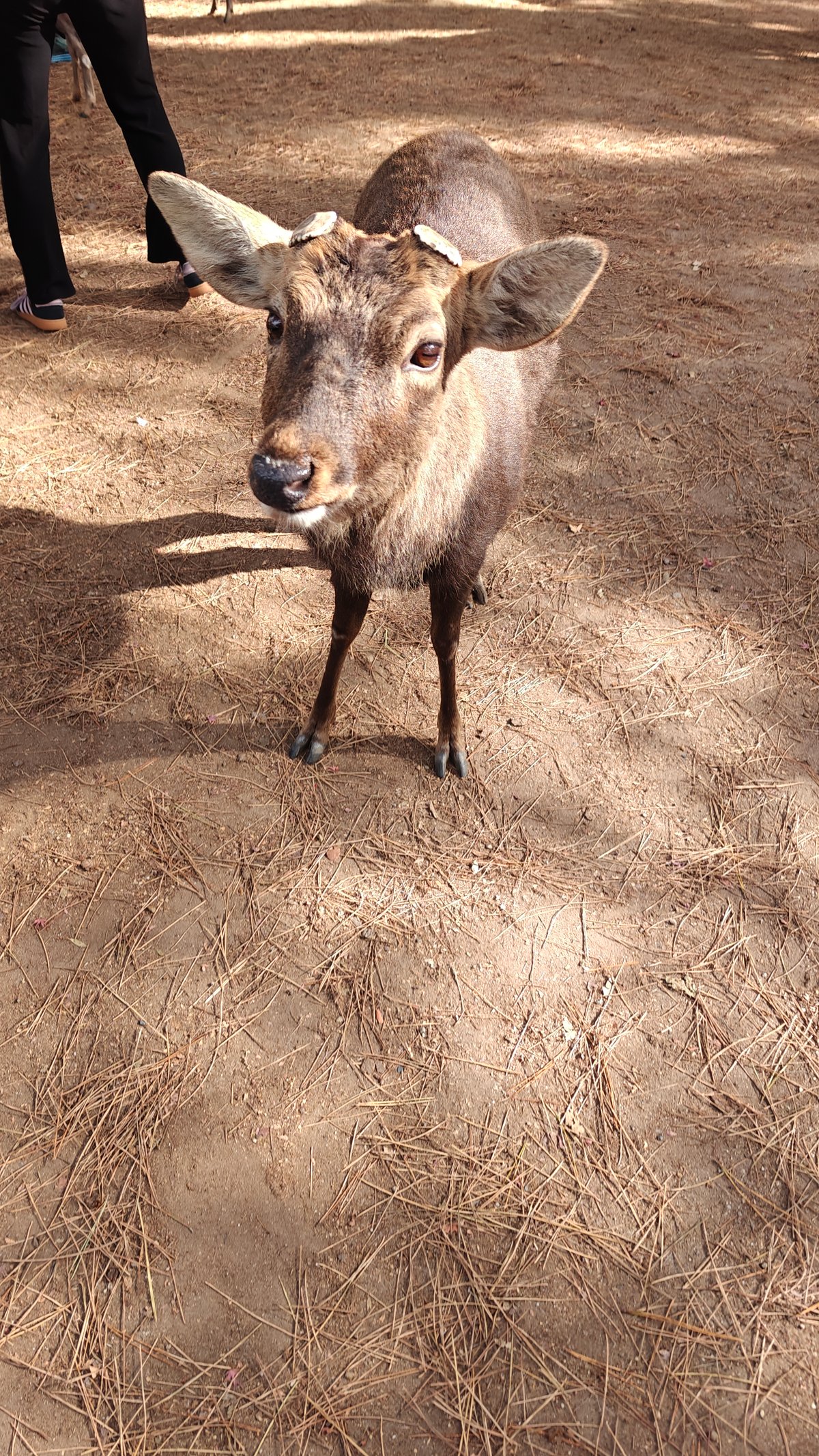
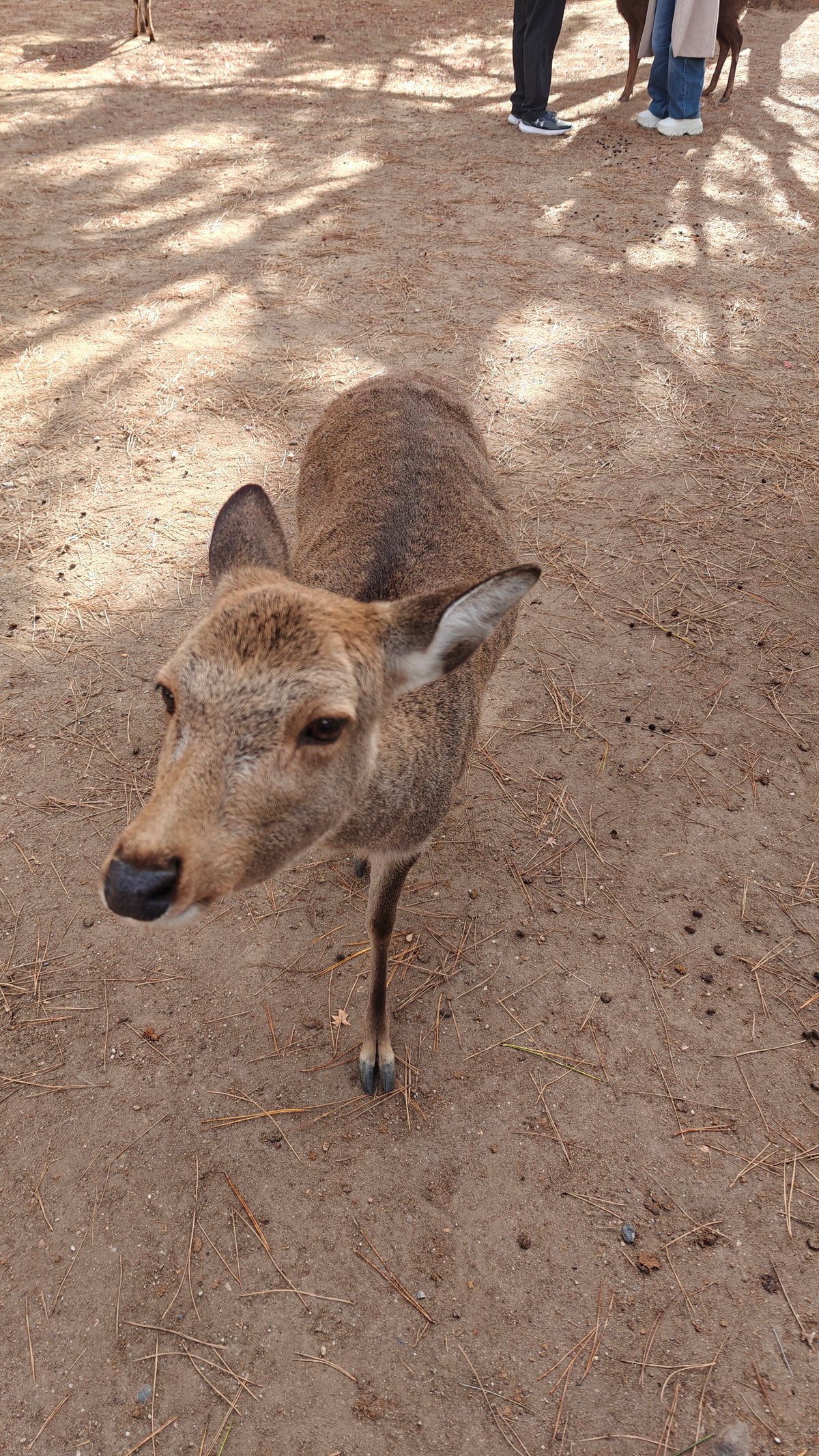
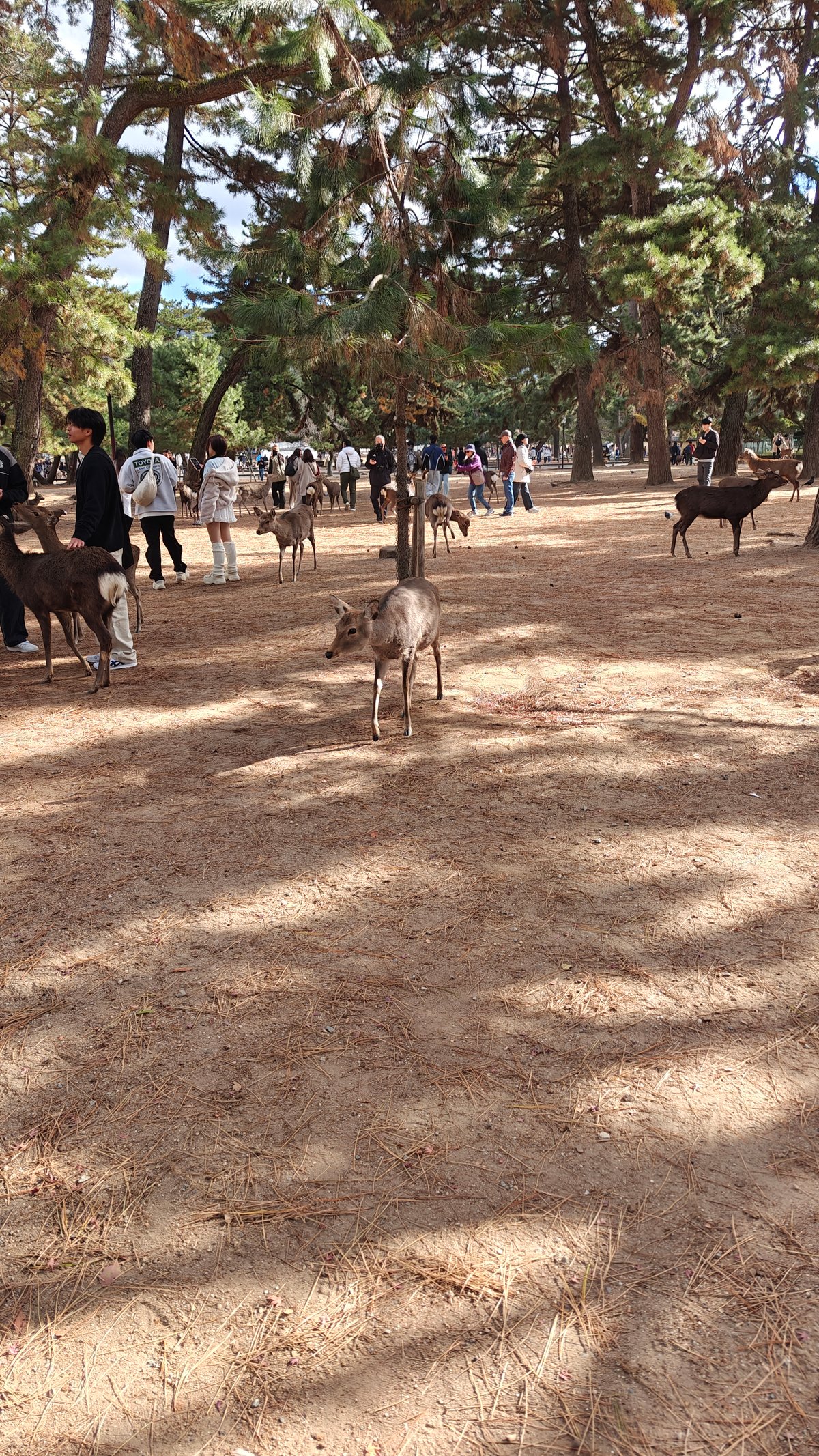
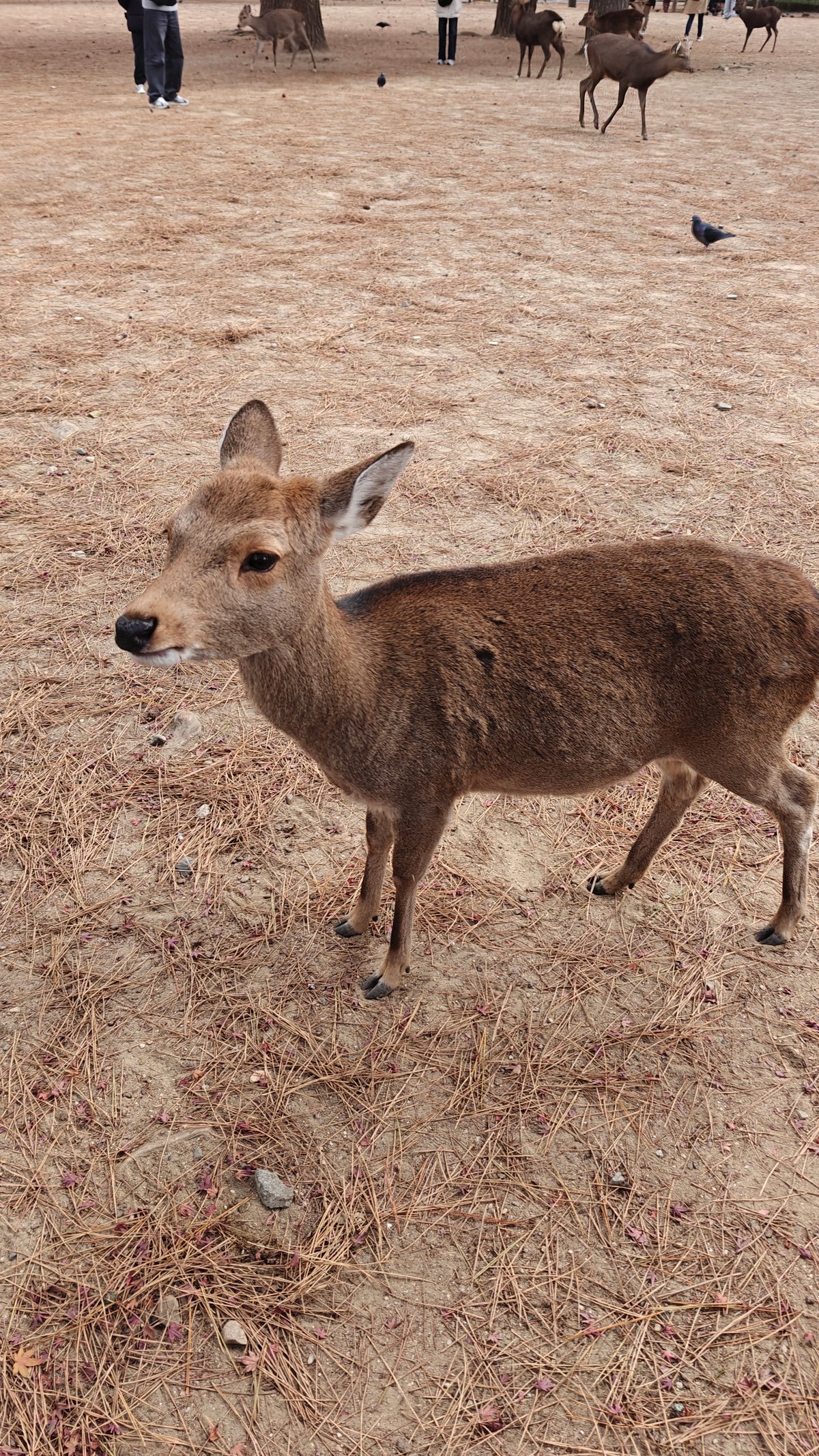
The deer are all over Nara Park.
They are on the trails. They are under the trees.
Walking straight up to people (if they think you have some food).
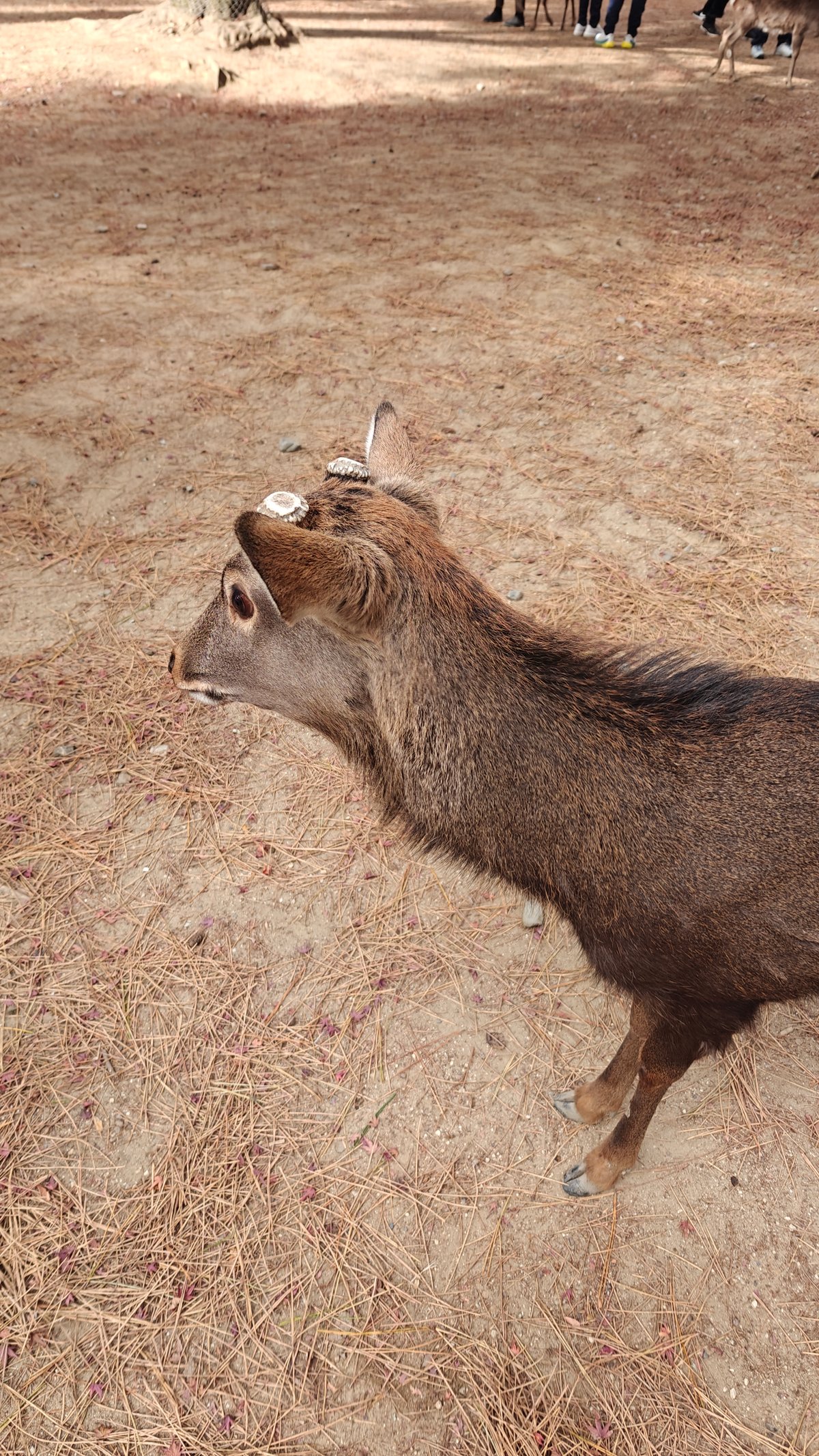
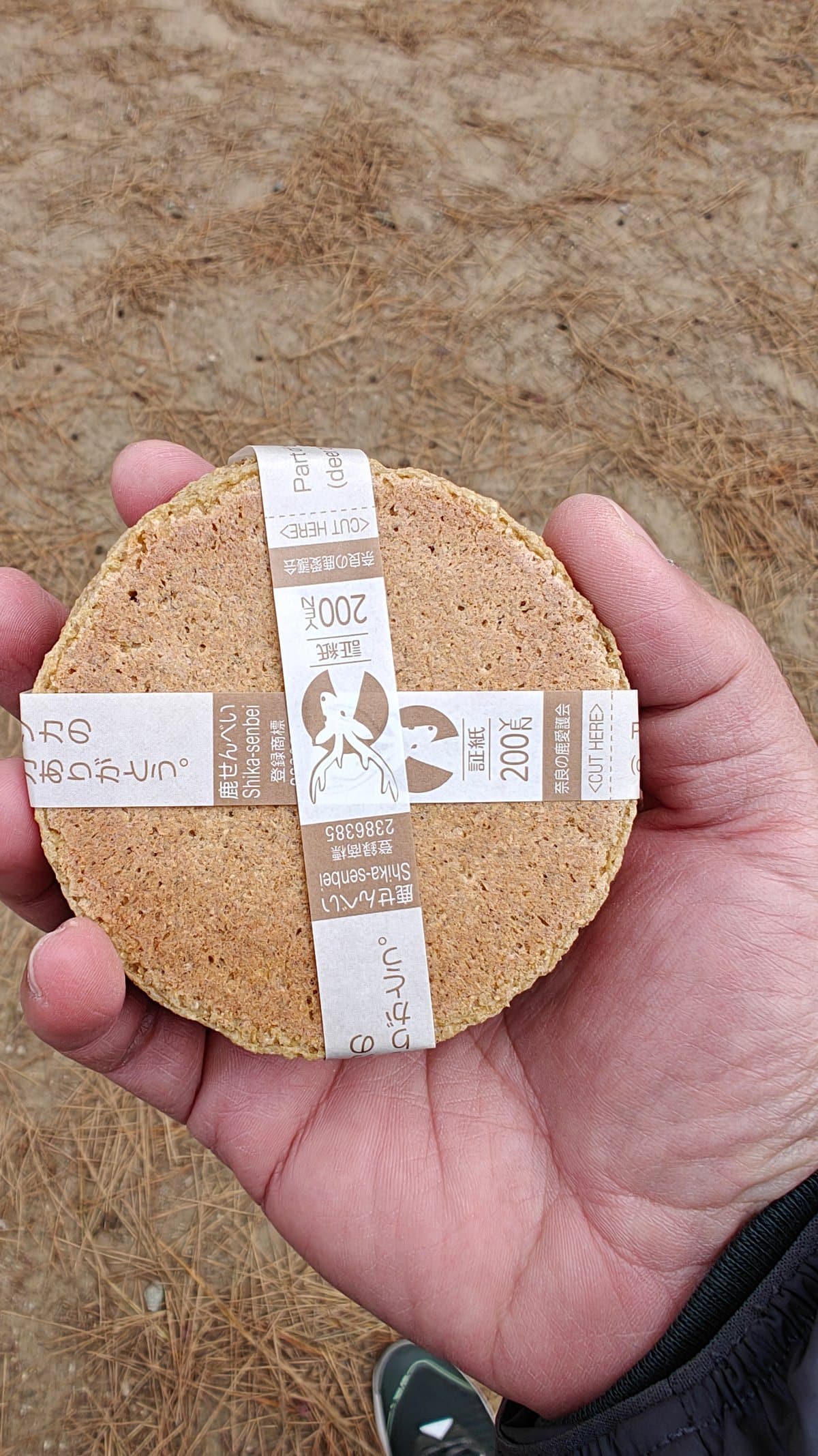
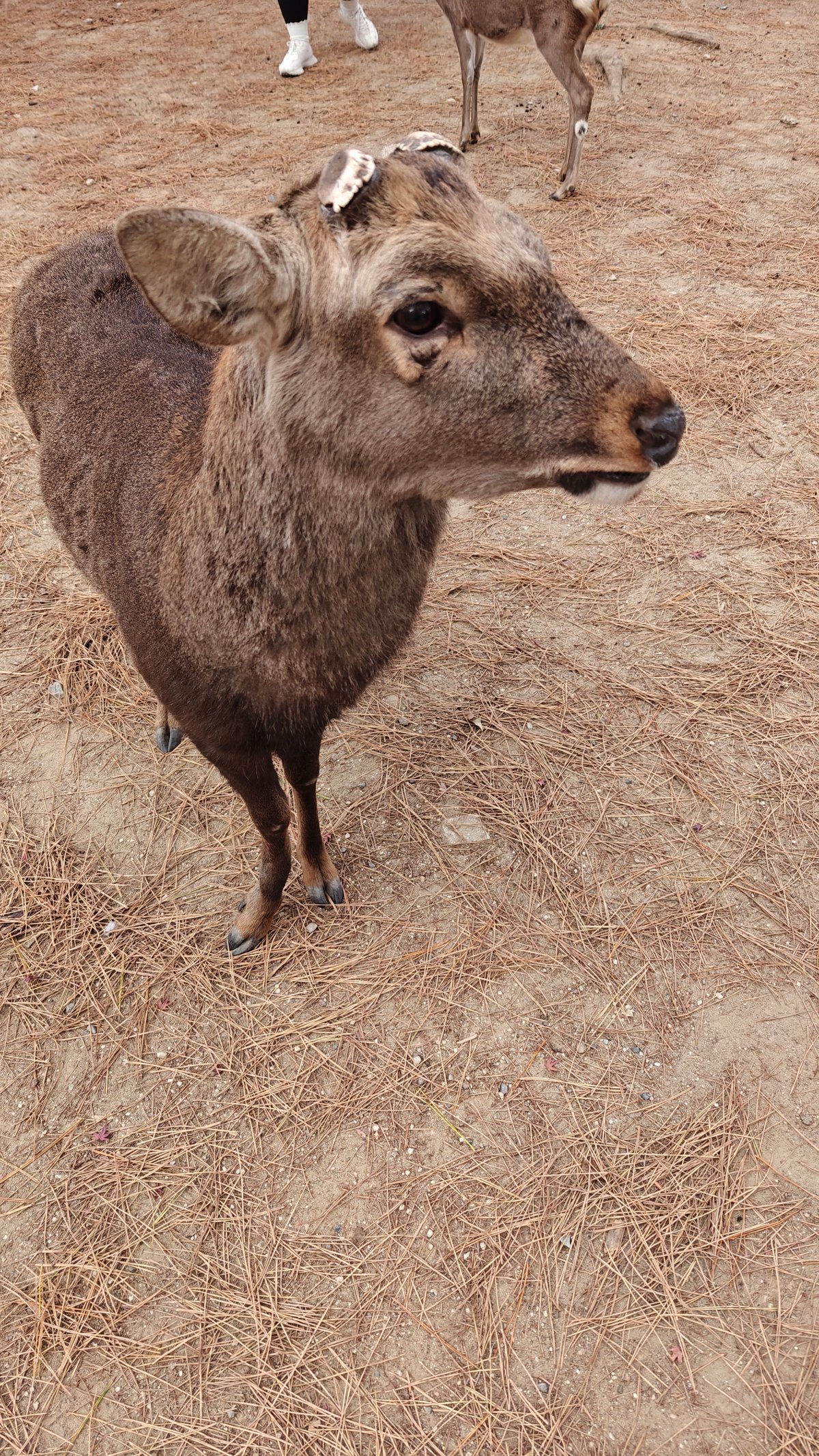
There were a few who lounged around in pairs while others actively searched for their next cracker-wielding human. I didn’t know how this would go down, but these things aren’t shy, they get up in your face! The entire experience is about feeding them.
There are vendors throughout the park who sell shika senbei (flat rice crackers) for this purpose, and guess what? The deer are well aware of this. As soon as you hold one in your hand, you won’t be alone for long.
Sometimes they even bow to get it, which is cute until you realize they will then nibble on your jacket if you aren’t fast enough.
Kasuga Taisha
Keep your hand flat and you’ll be alright.
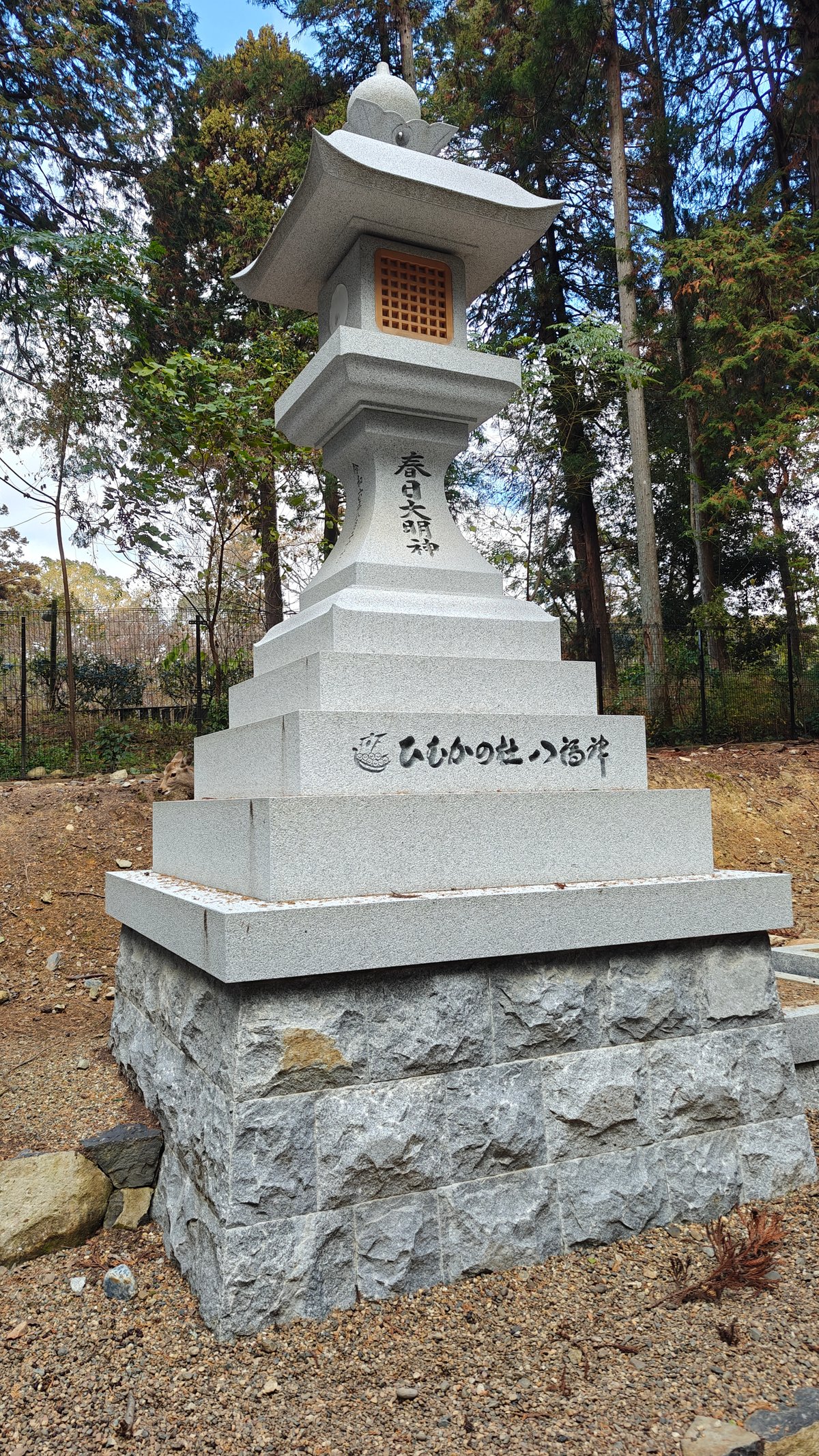
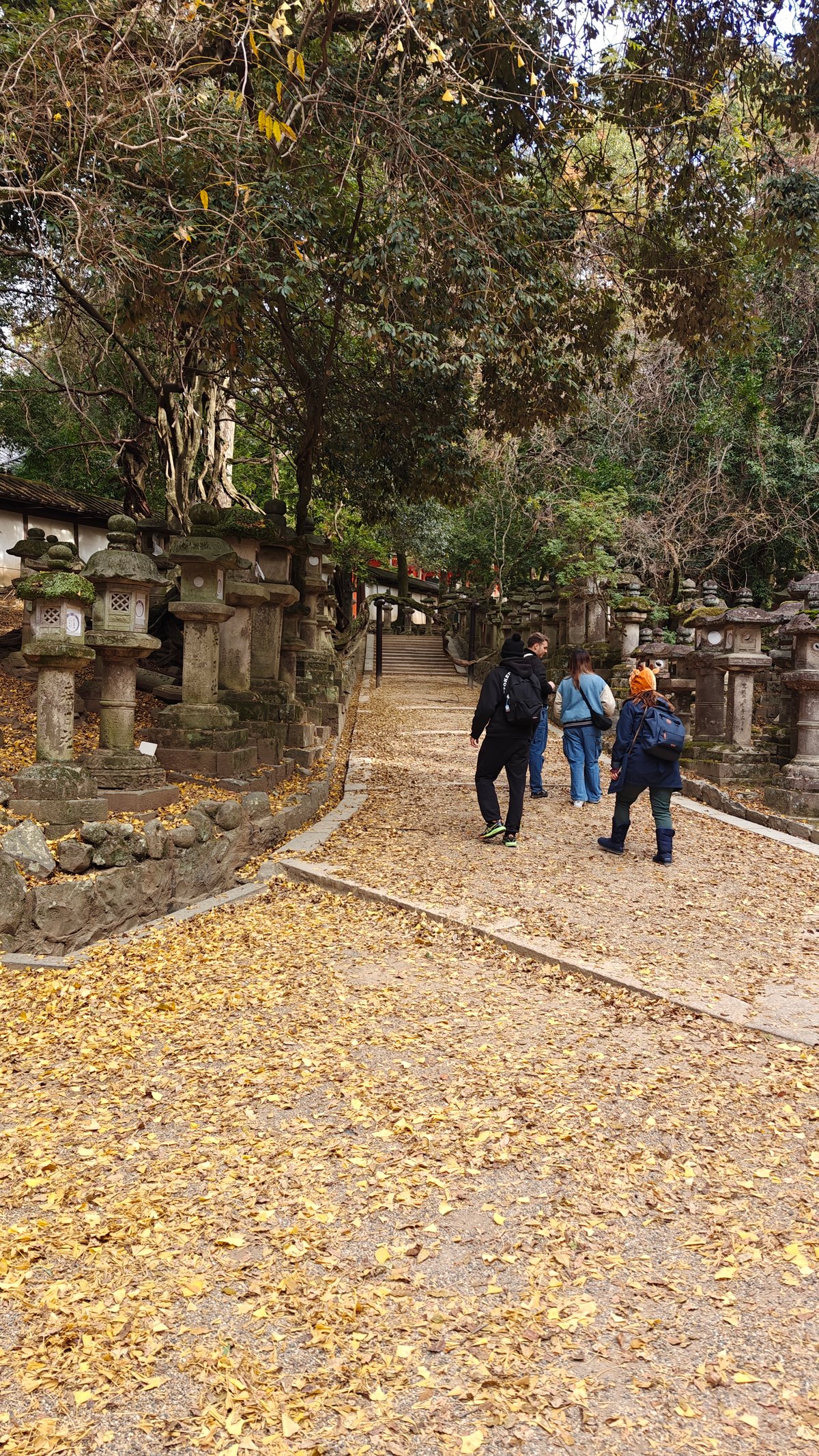
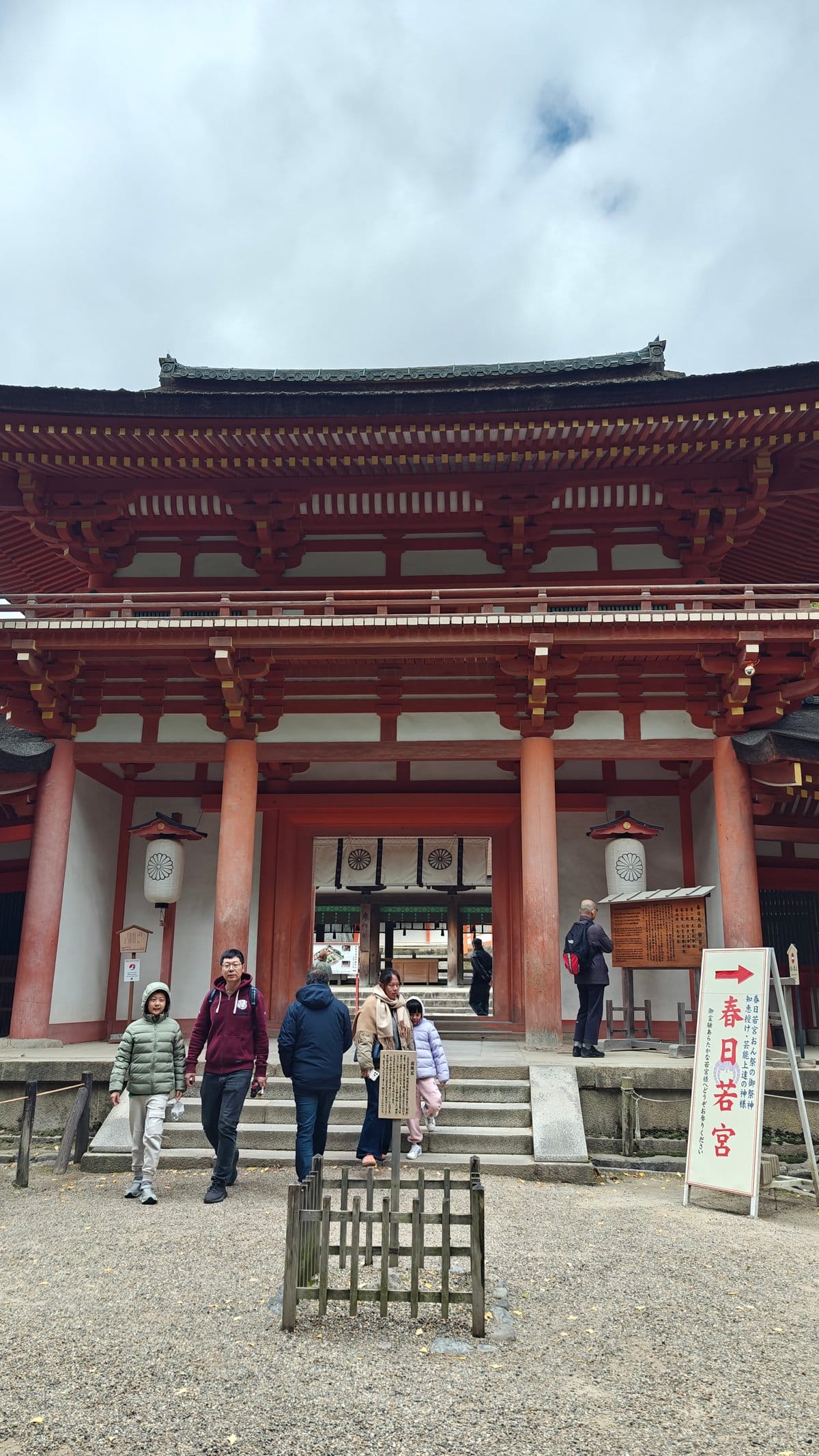
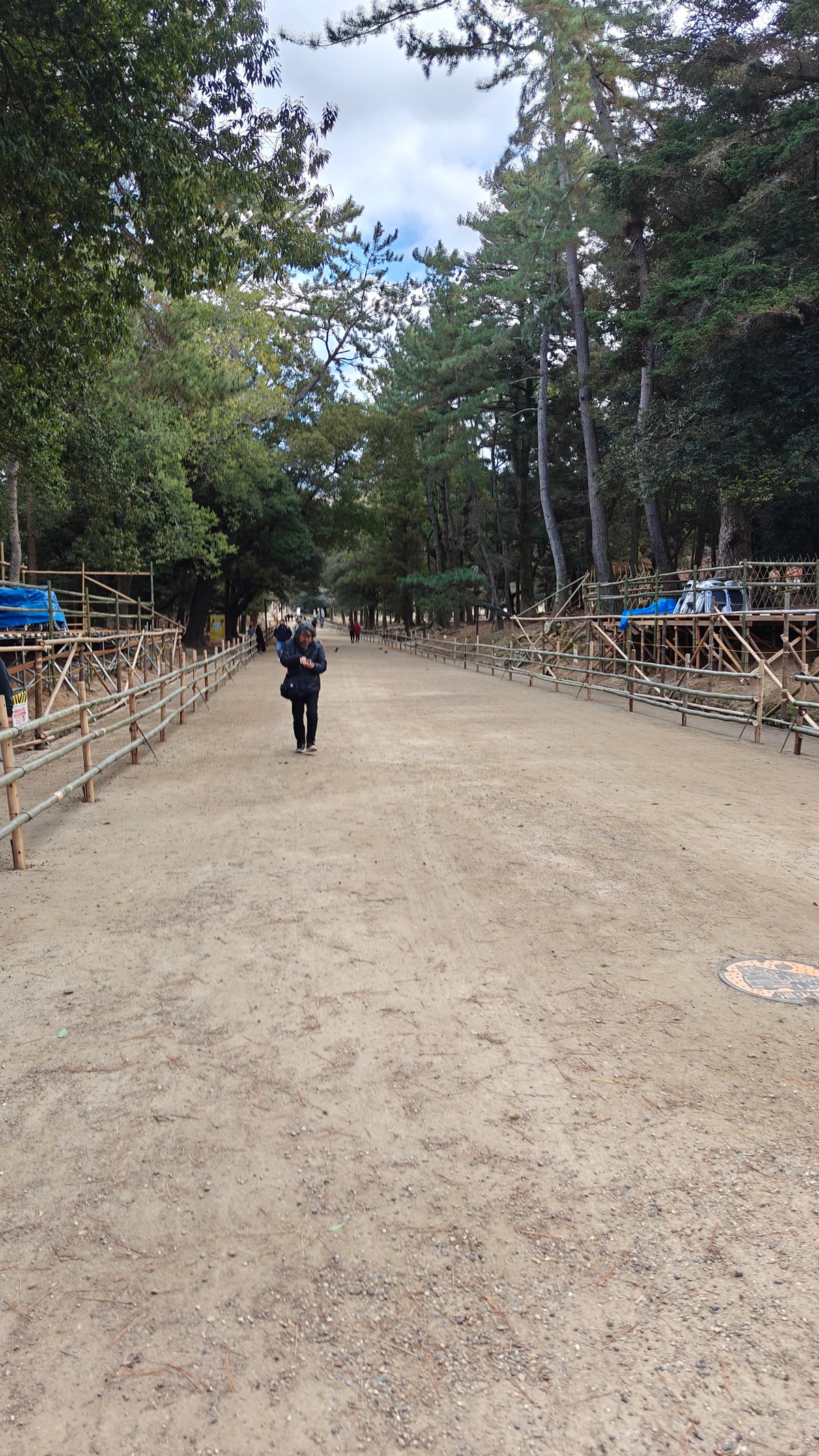
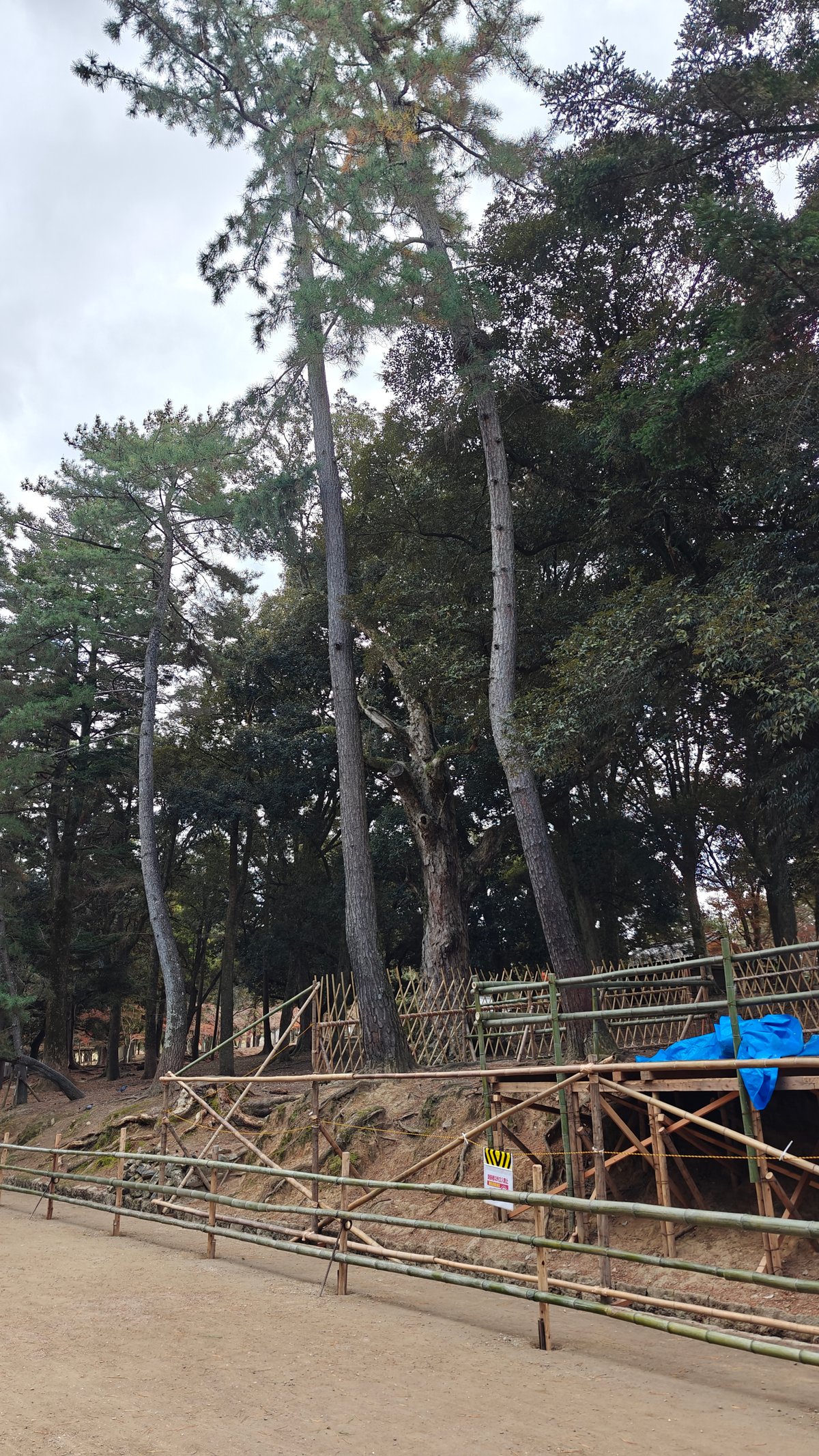
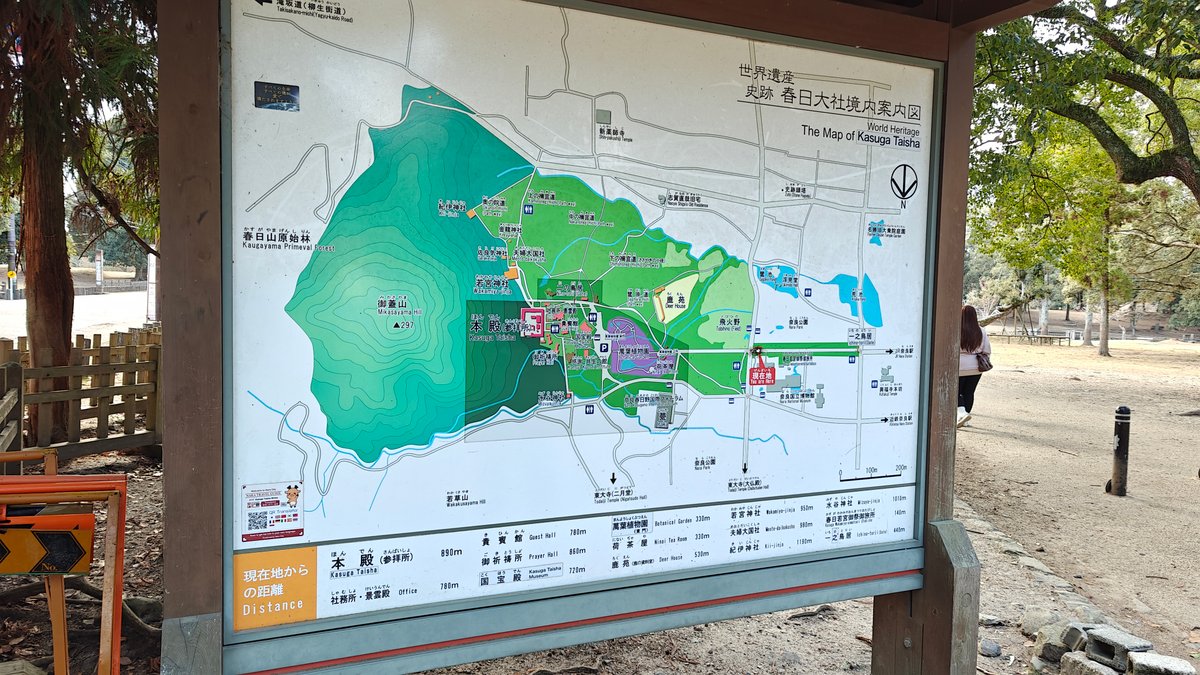
You pass by hundreds of stone lanterns that line the pathway to Kasuga Taisha (which is located on the edge of the park).
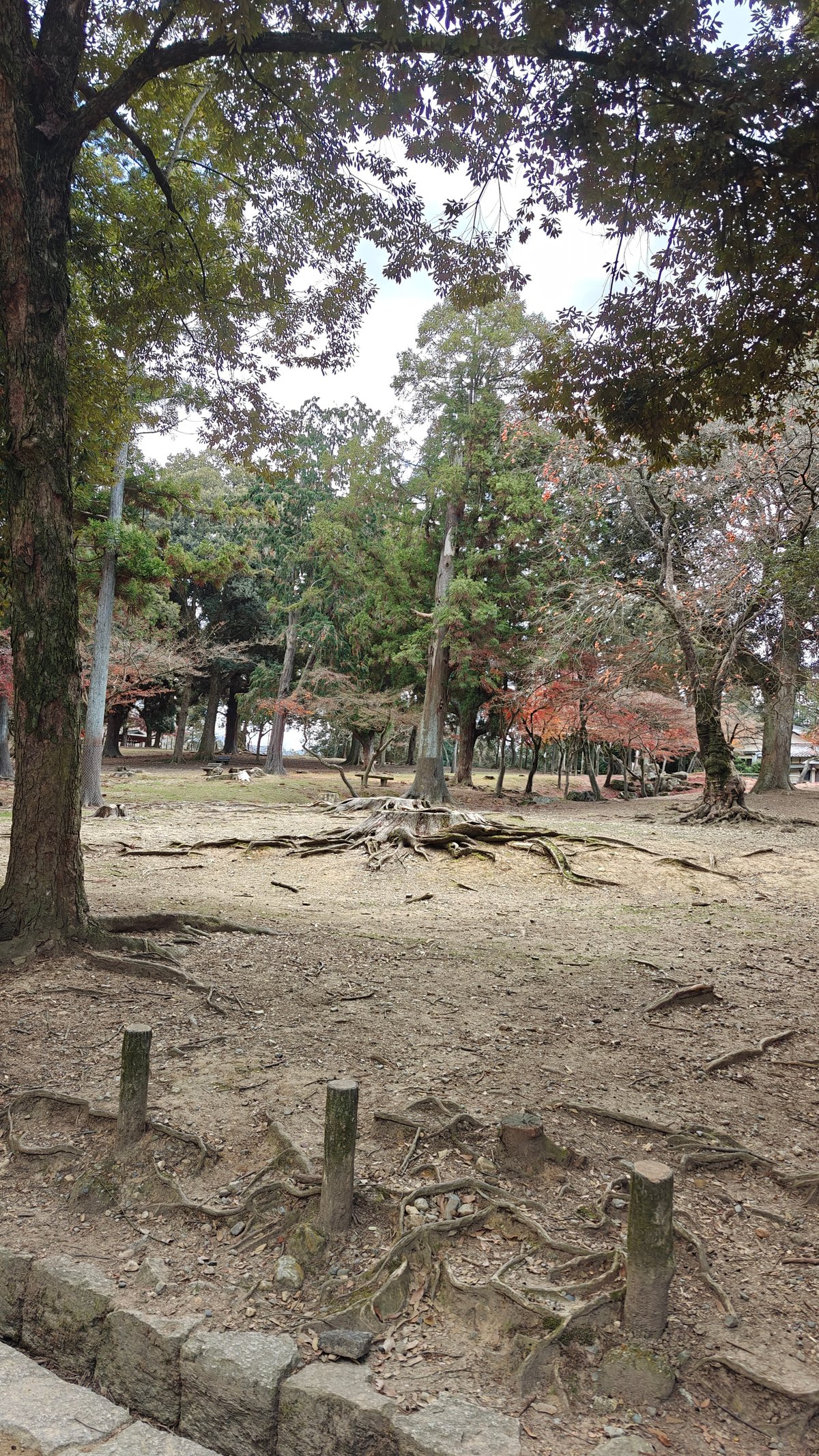
Most of them are hidden among towering trees and coated in moss, making it feel quieter as you approach from Todai-ji than the other busy parts. The deer even seemed a bit more relaxed; they were just hanging around the shrine chewing grass and not very interested in tourists.
Rows and rows of bronze lanterns hang from the eaves inside the shrine grounds, lining the corridors. They light them all during some festivals, but even when not lit they fill every inch of space along the covered walkways. The lanterns are what I remember most about this place.
Manyou Botanical Garden
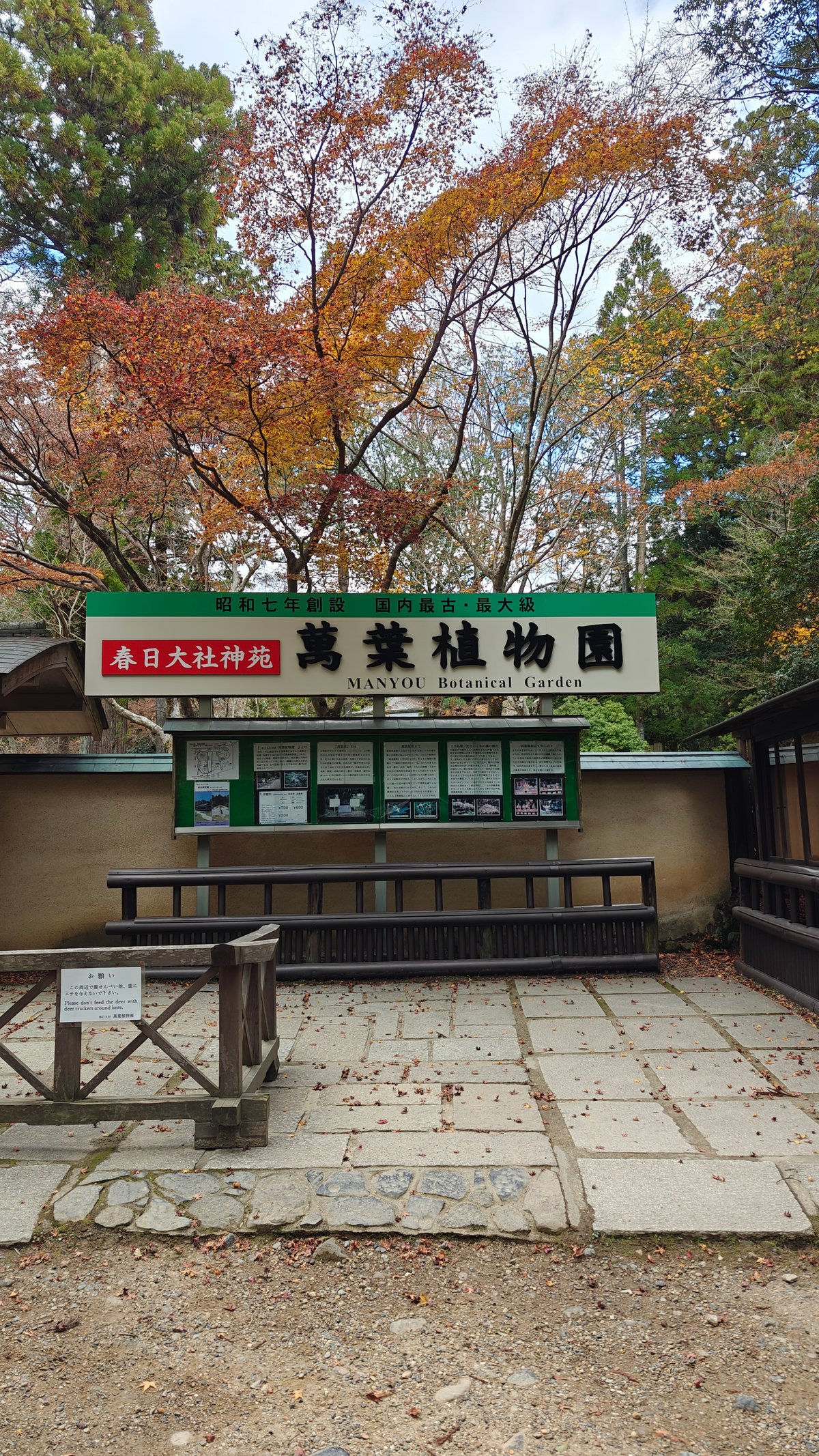
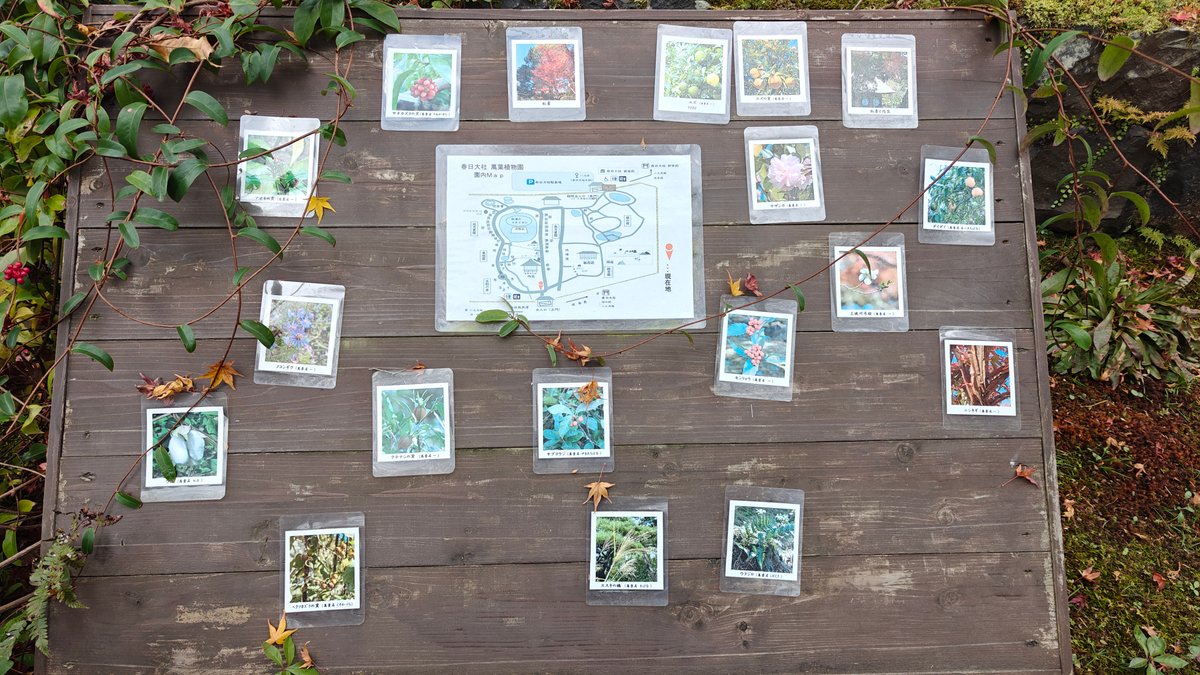
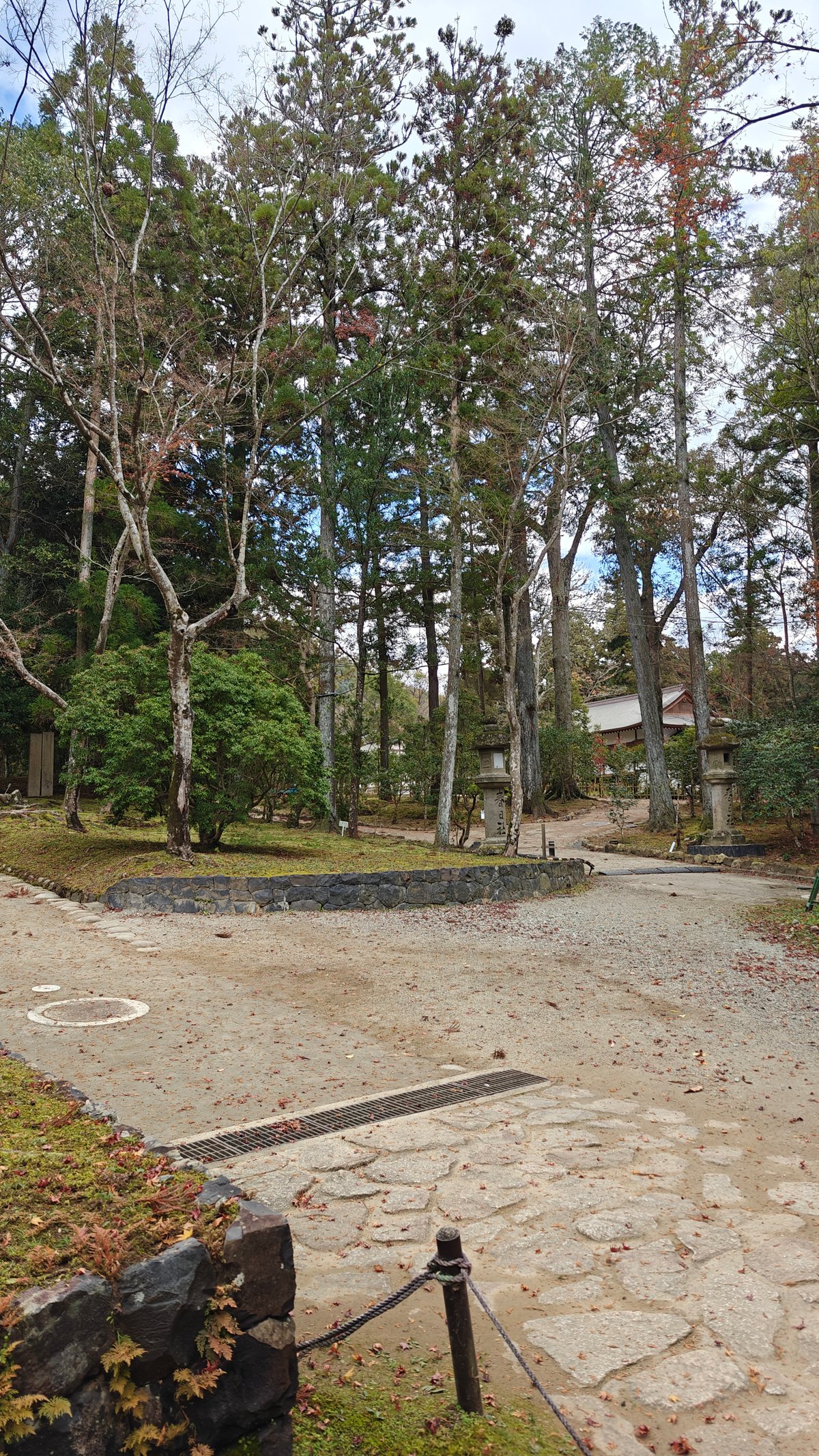

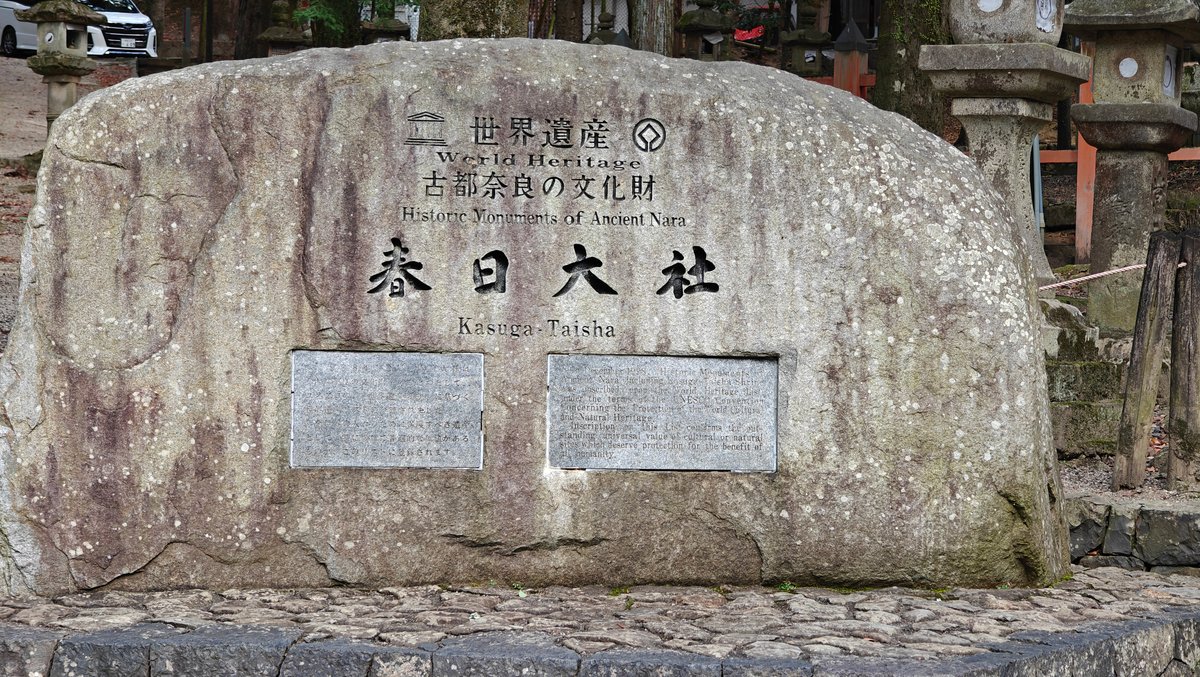
It is also a UNESCO World Heritage site, and you’ll notice a stone near the entrance saying so.
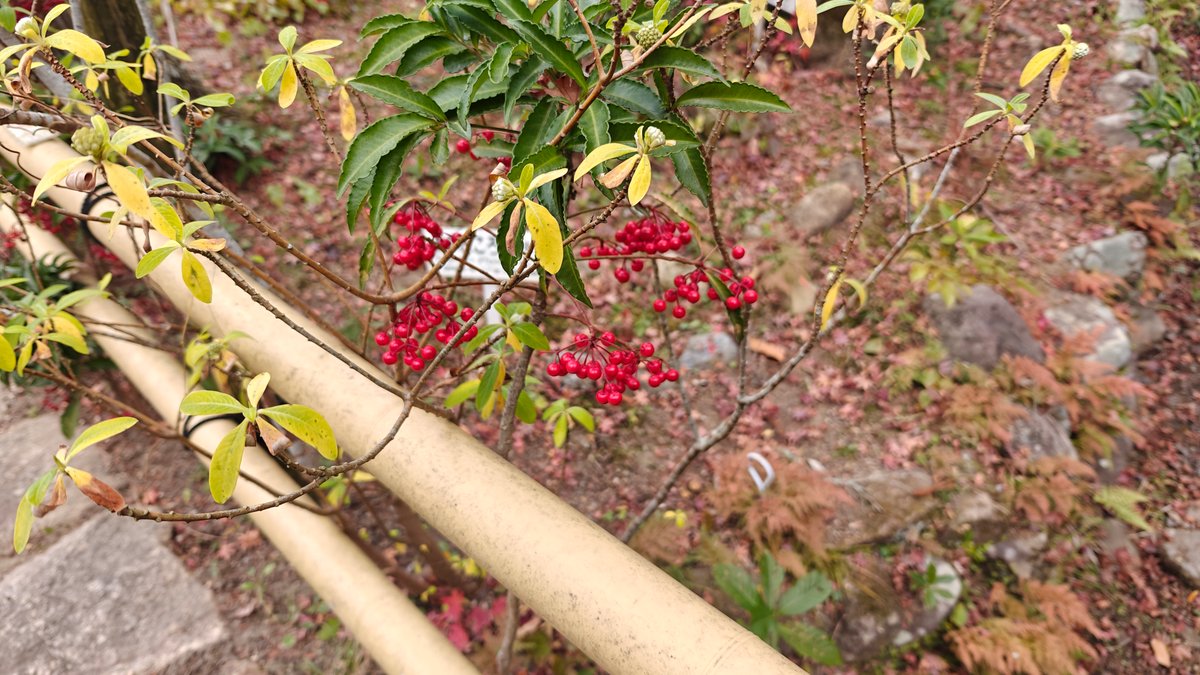

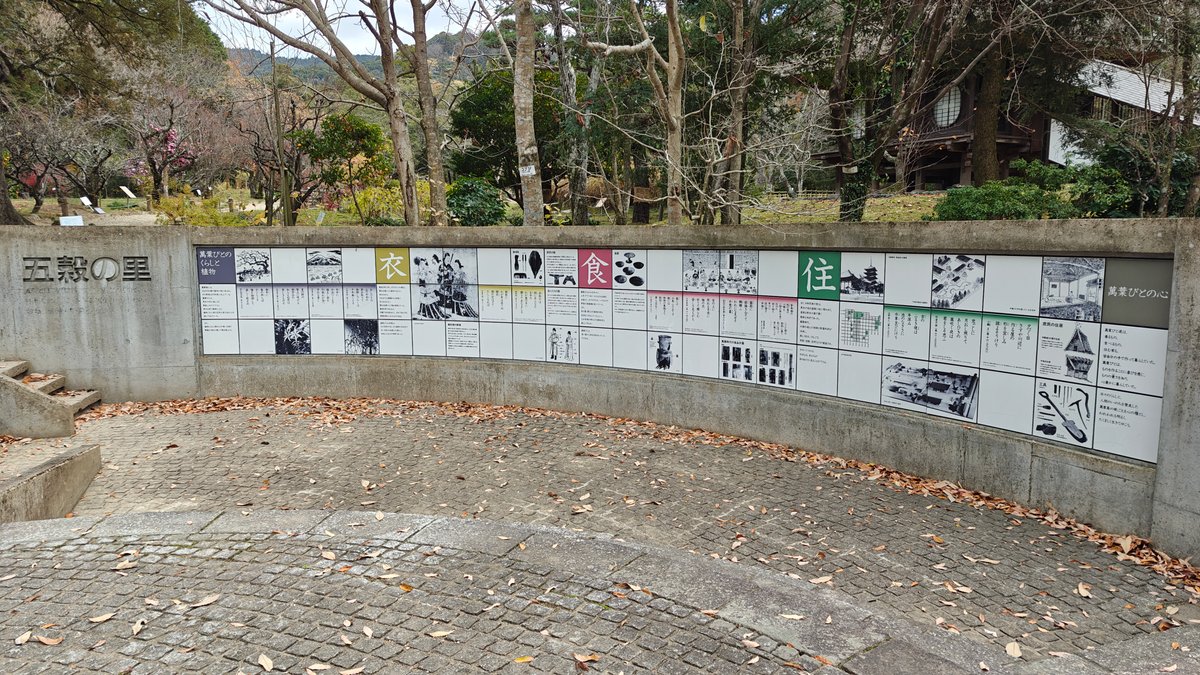
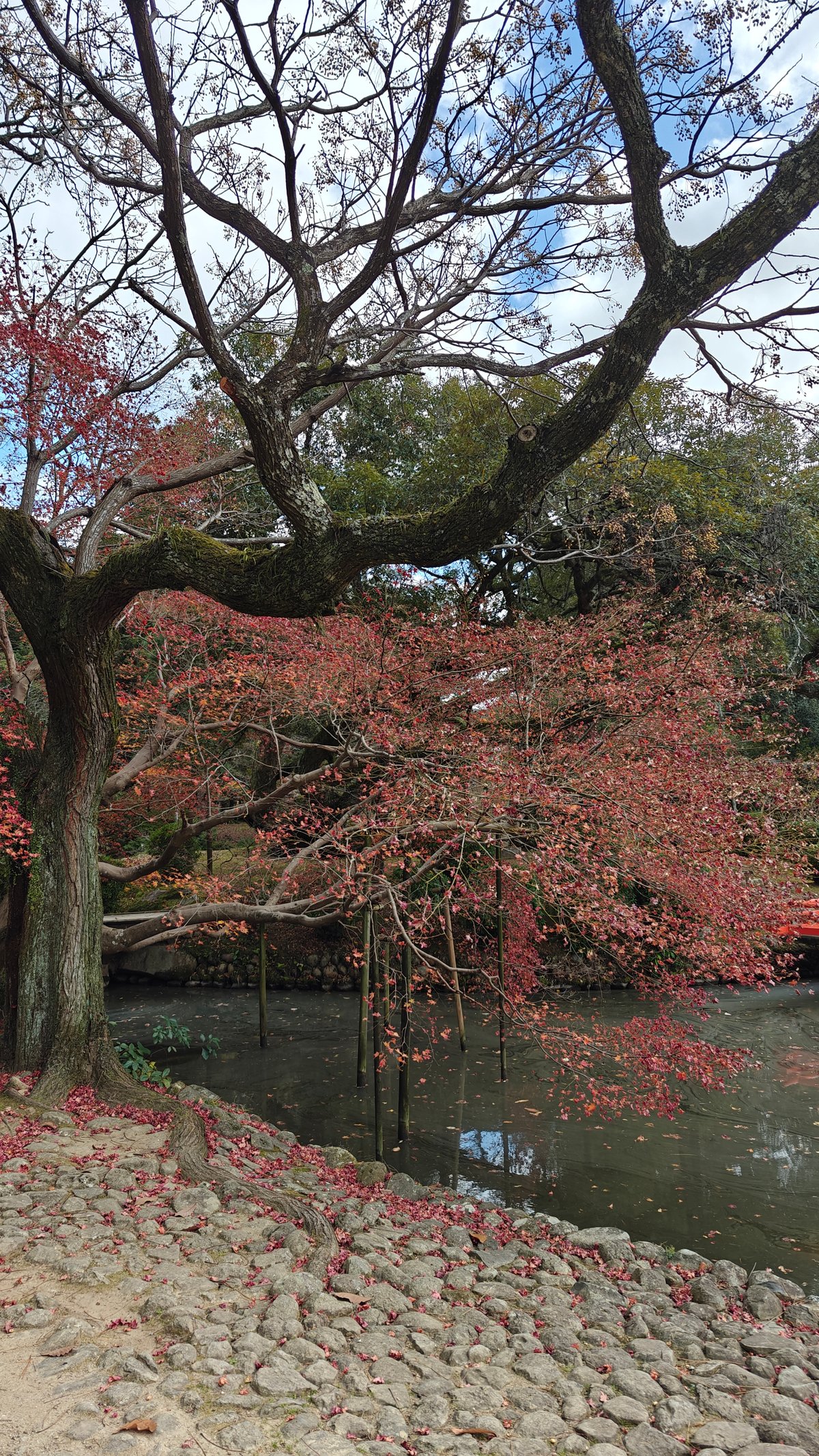
This was my final add-on place and I’m so glad we did it. It’s located near Kasuga Taisha, and since the entrance fee is small enough it felt worth it just to see the autumn trees. We went in late fall and the maples had not given up yet.
There were some areas where they’d been past their prime, but with plenty of good ones, it was well worth it. There were lots of plant beds with little labels all around, though I didn’t spend much time reading them, so the whole space felt like a teaching garden. There’s also a small pond that was calm enough to catch reflections, and of course a deer had made itself comfortable on one of the paths.
They are just everywhere in Nara.
Yonezawa Beef Teppanyaki
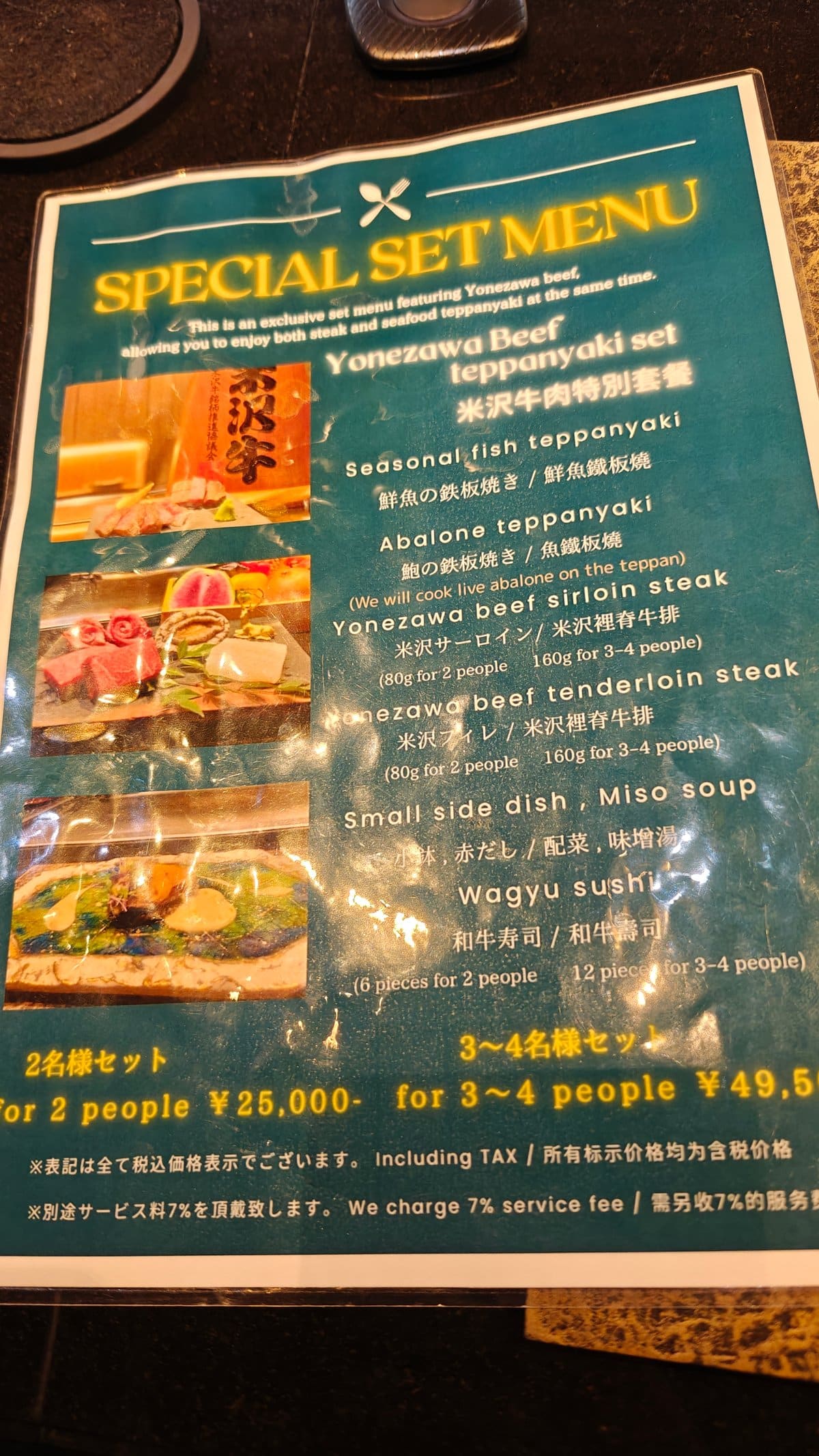
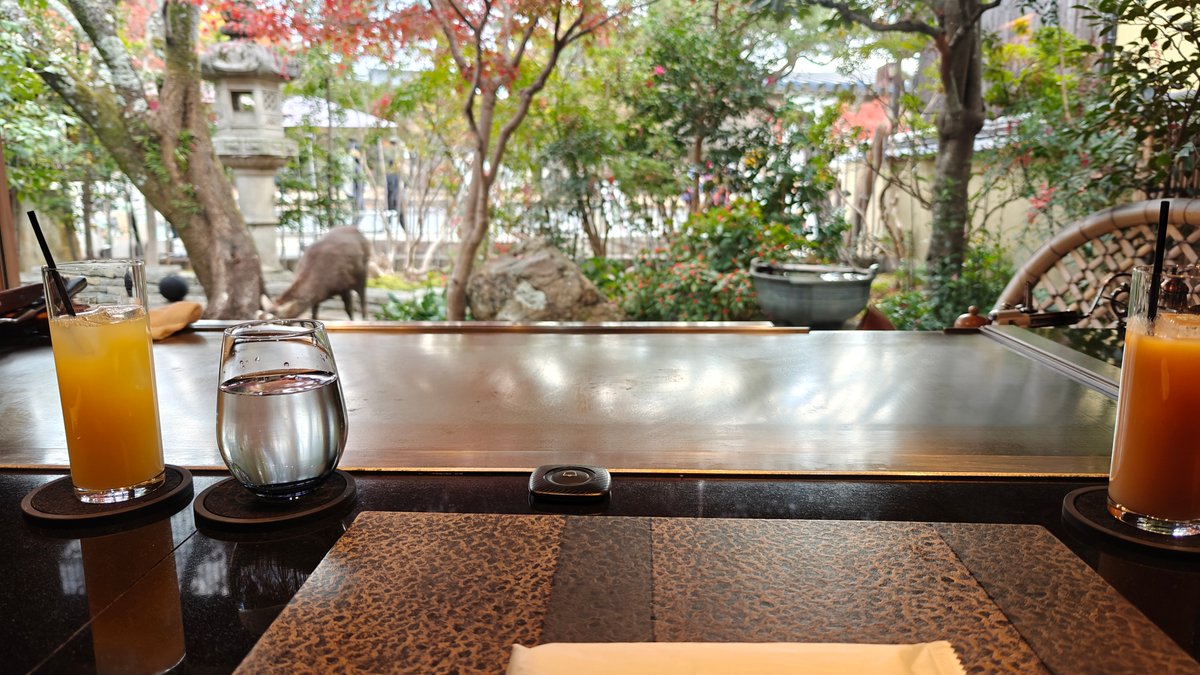
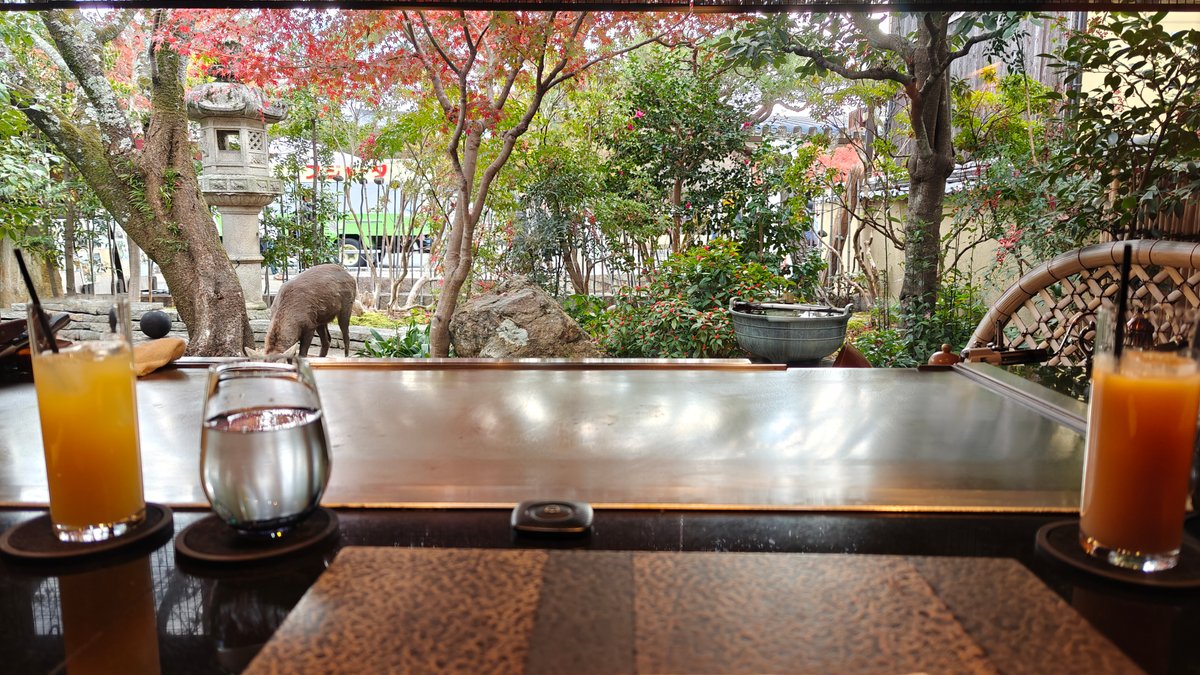
We had booked a teppanyaki lunch in Nara. It ended up being one of those never-ending lunches. A set meal began with some seasonal fish prepared fresh before our eyes on the iron grill.
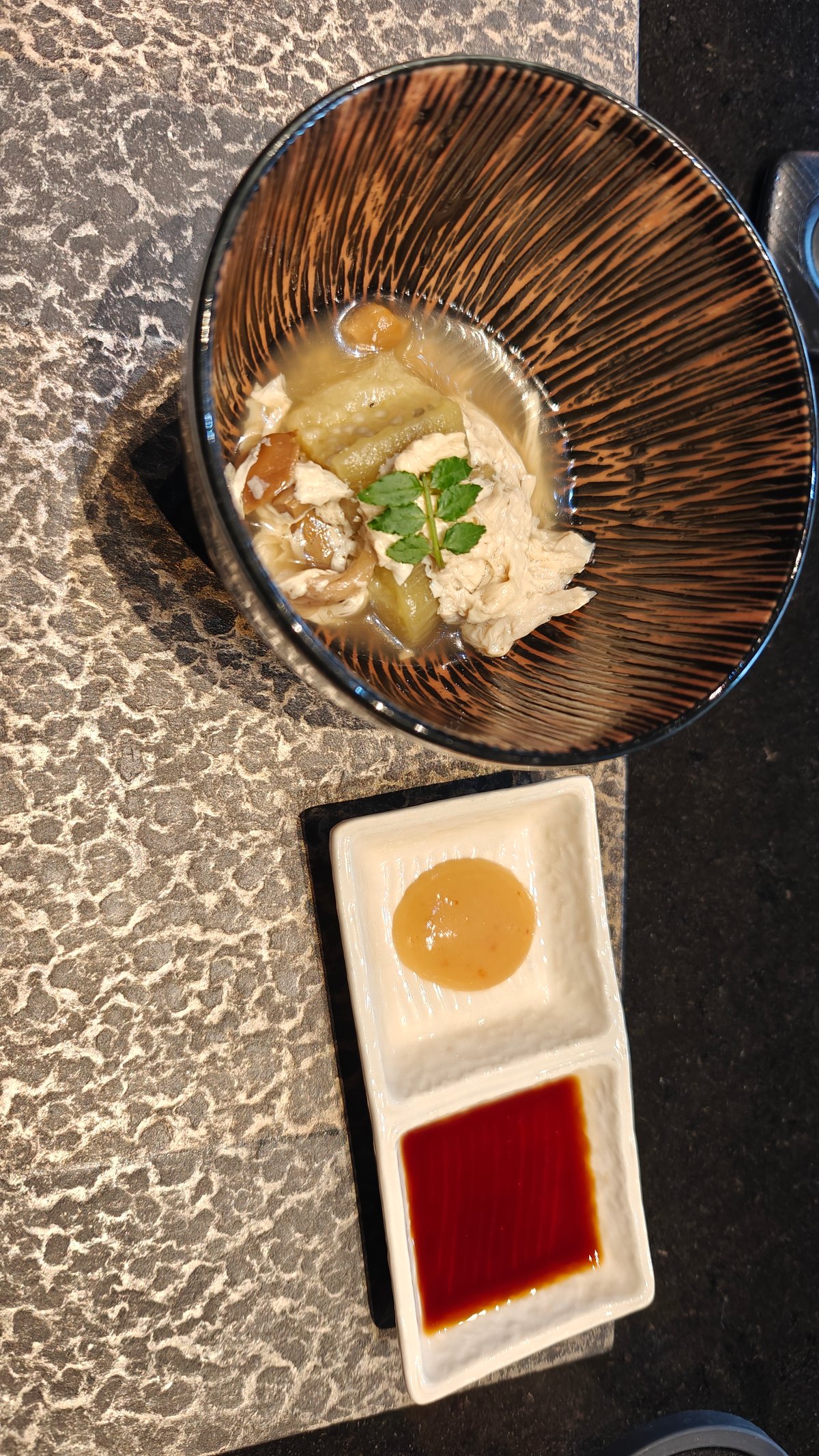
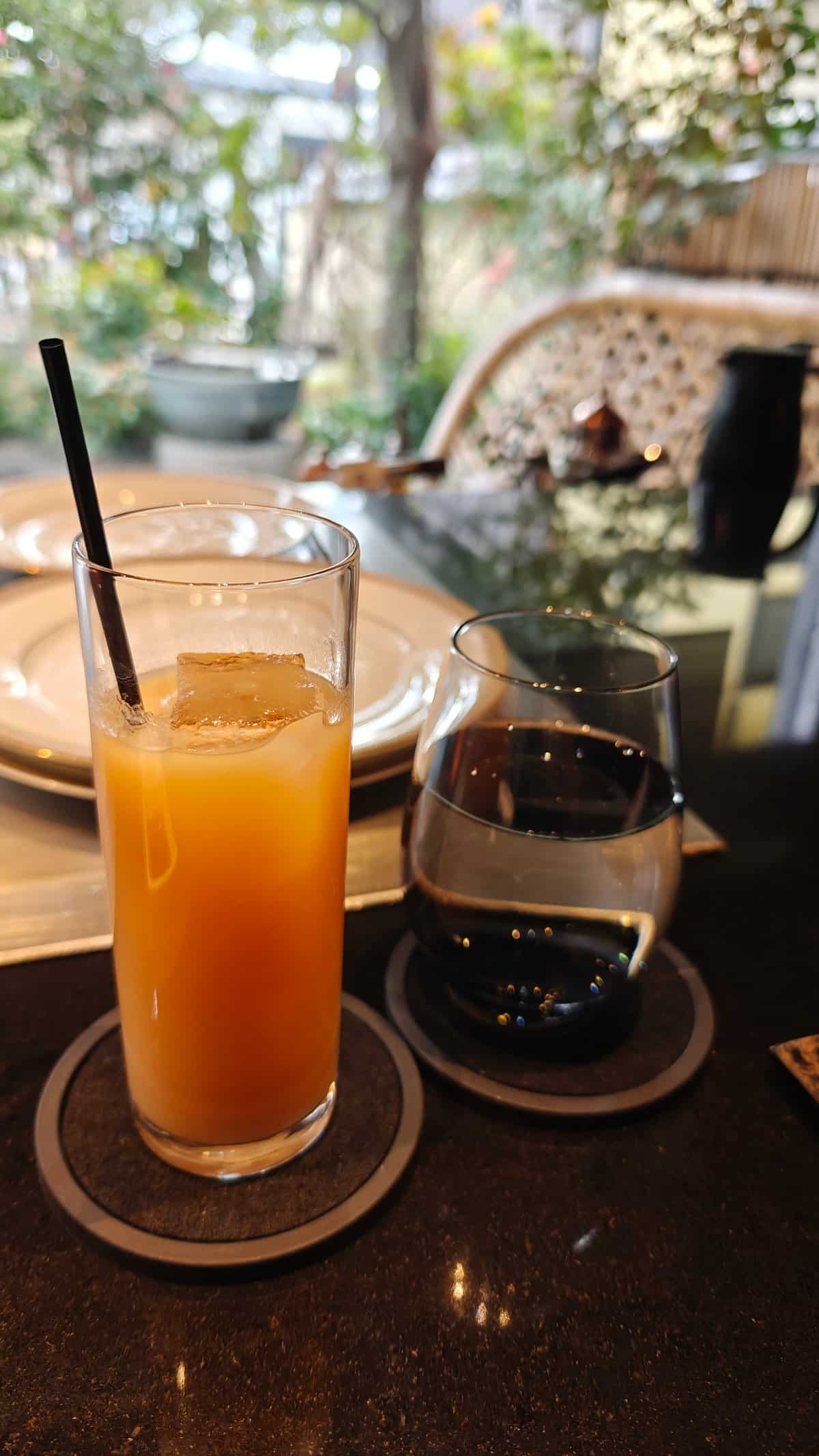
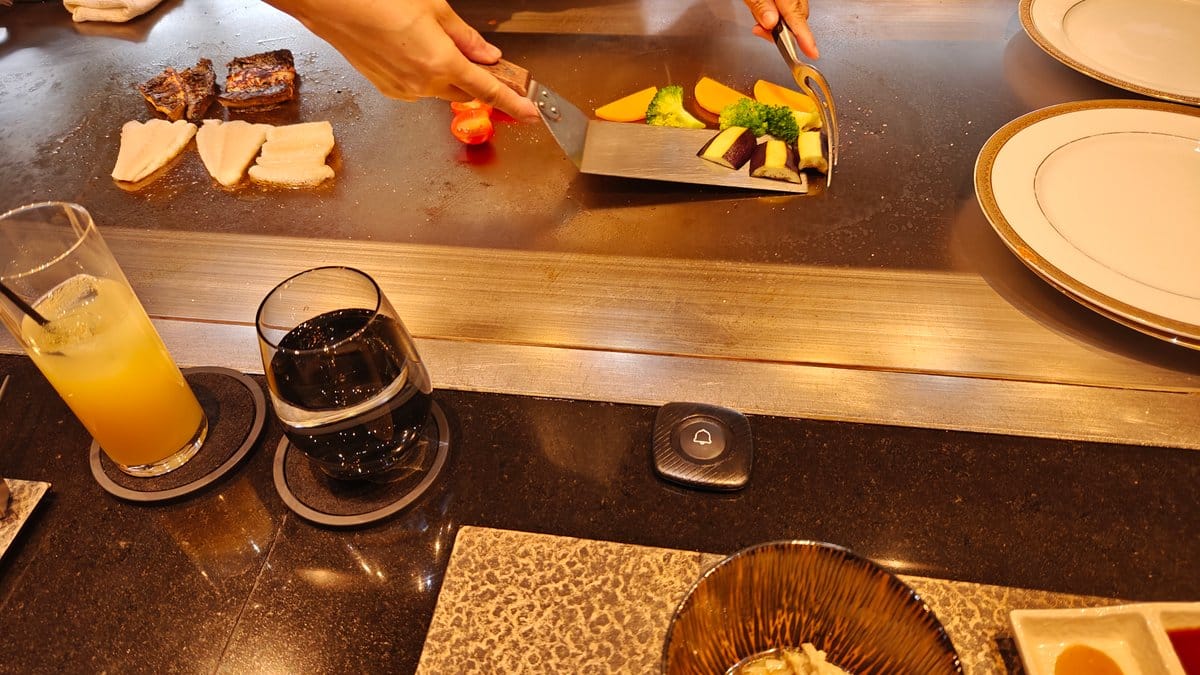
The chef then plated the fish and drizzled it with sauce while it still sizzled on the plate. Half the fun was watching it being put together. Then some live, still-oozing abalone, with lemon wedges wrapped around it, cooked right on the teppan.
This was my first time eating abalone prepared this way, and it was more chewy (in a good way) than I expected. The chef then tossed vegetables and tofu around the grill and moved them at such a pace you knew he’s been doing this a few thousand times.
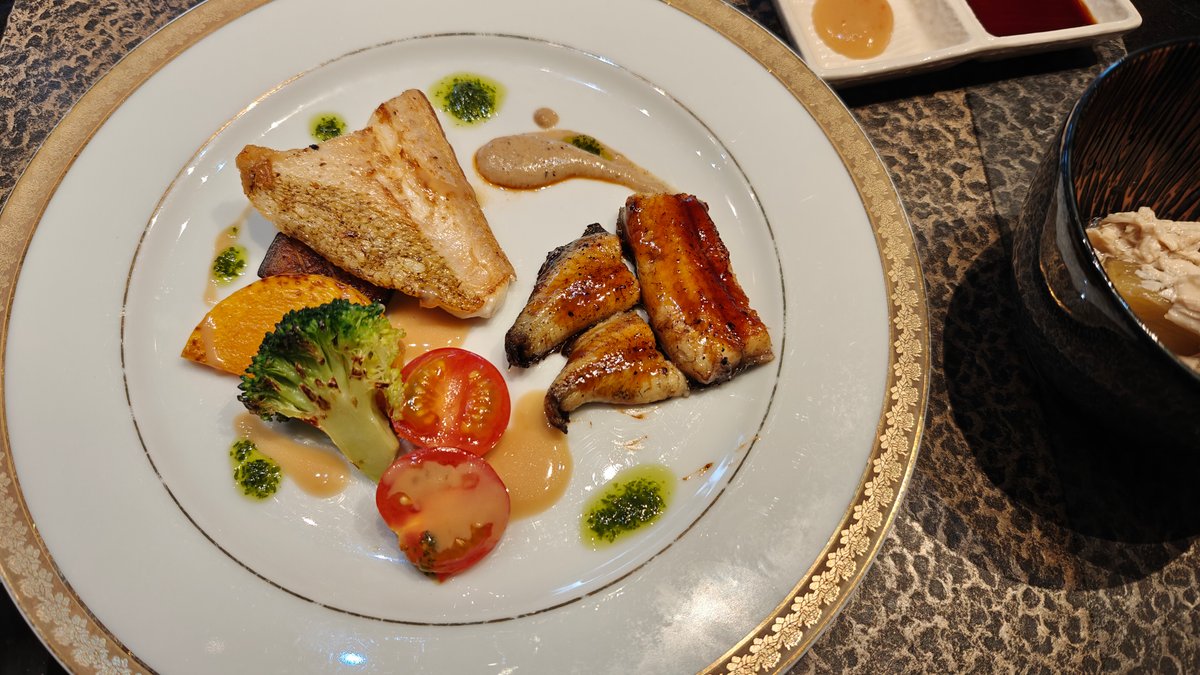
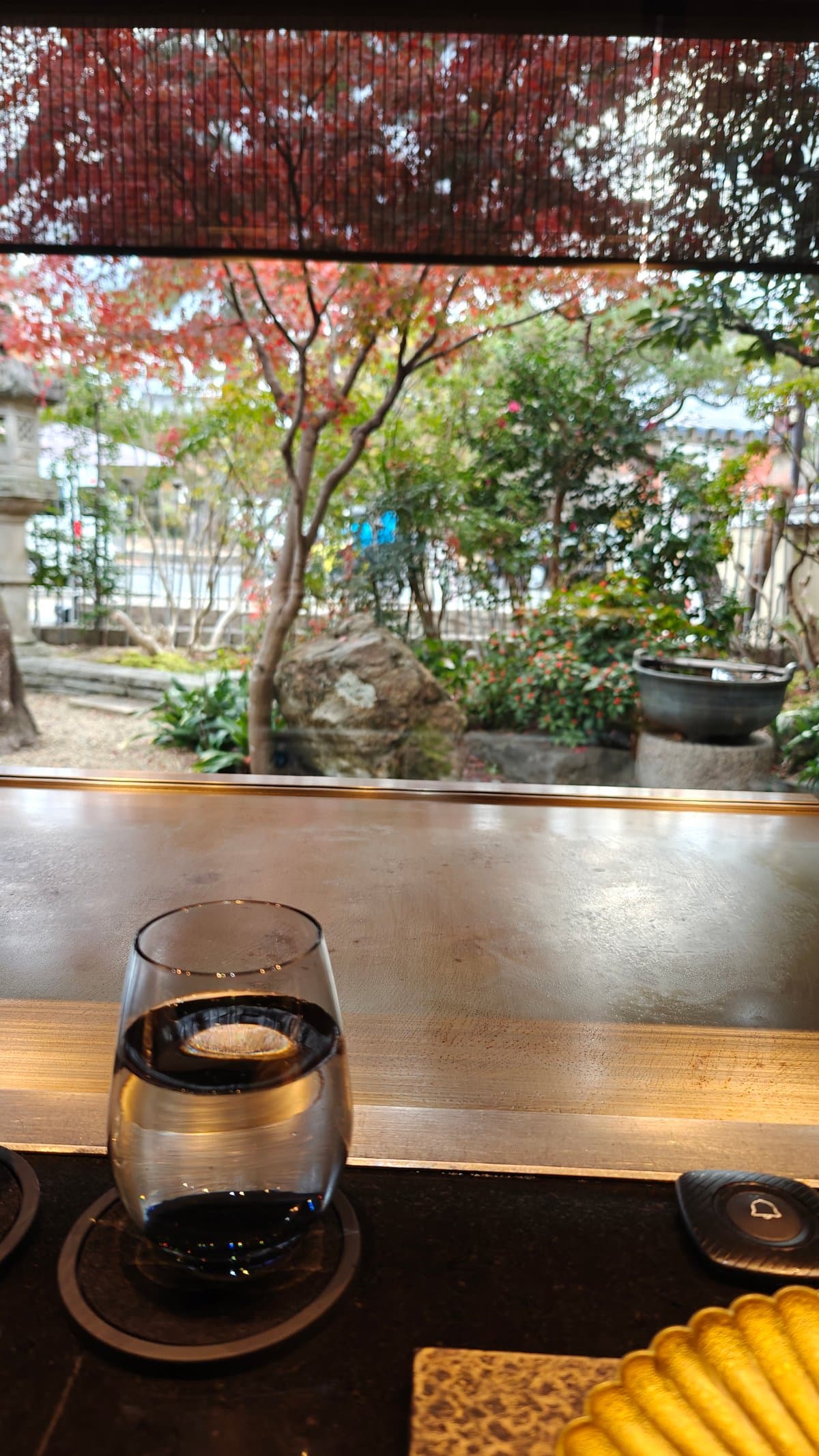
Finally there was the Yonezawa beef. It was tender, marbled, and just as we had requested. You can see into the restaurant’s garden from your seat in the dining room, too.
I appreciated the fall leaves of the trees surrounding us during our meal.
Ine Funaya Miyabi Boathouse
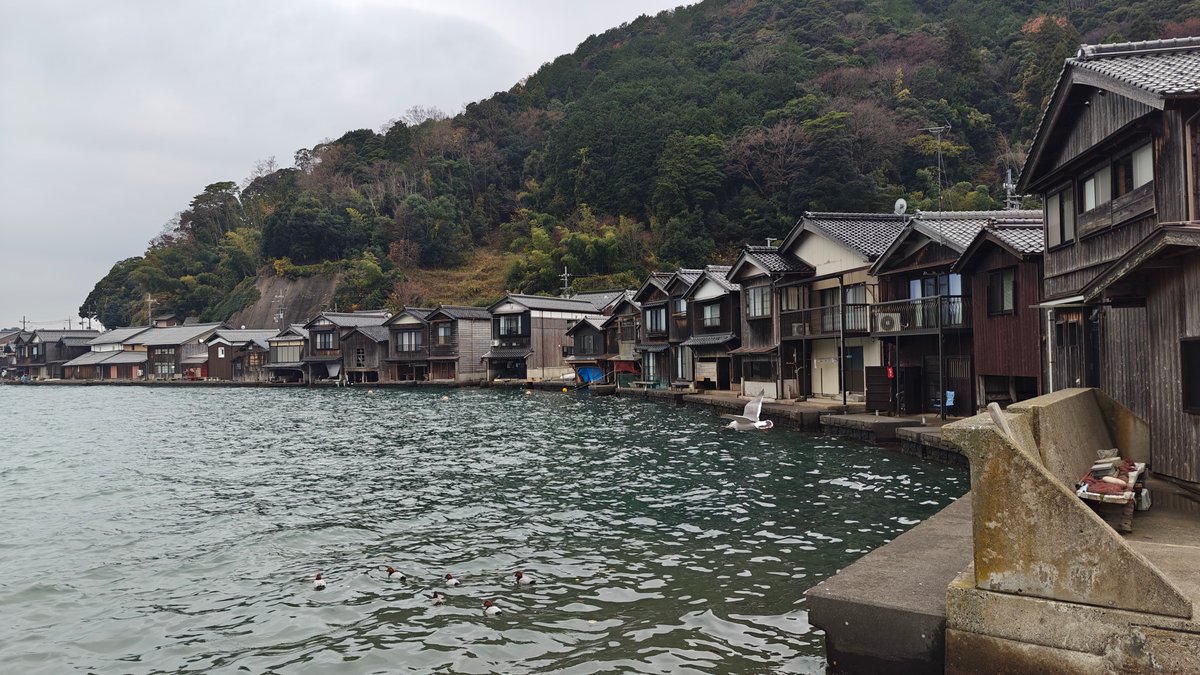
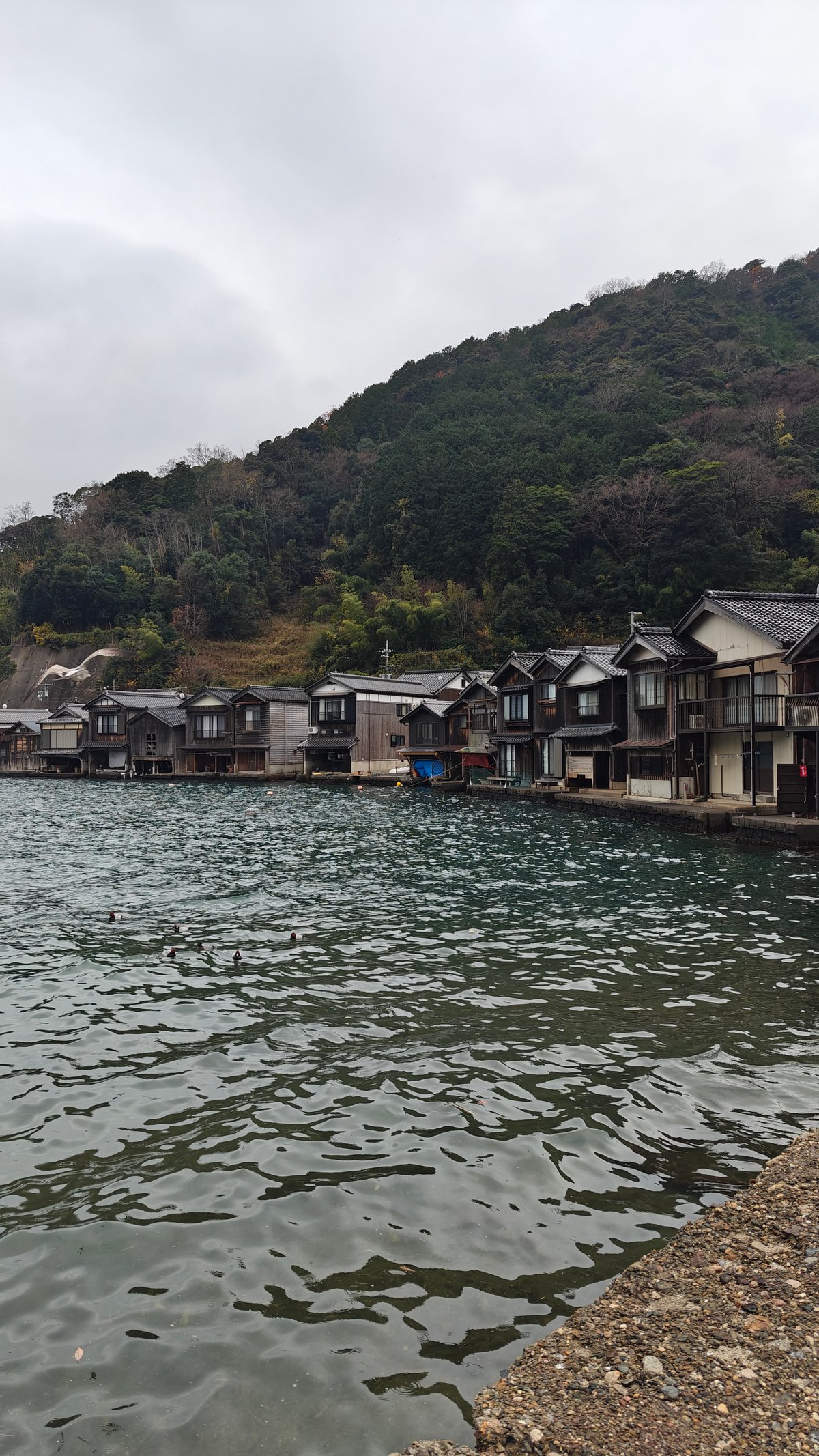
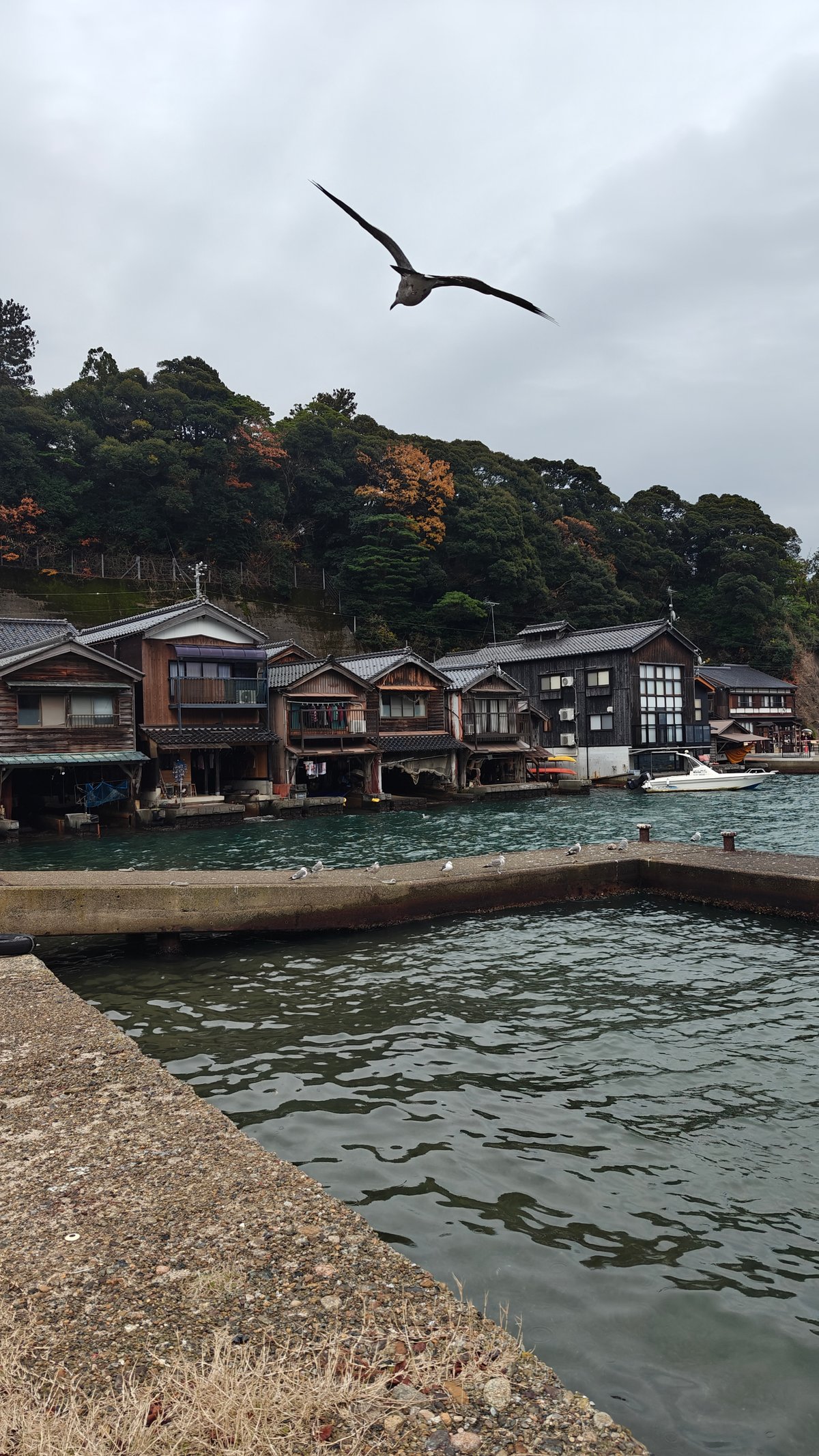
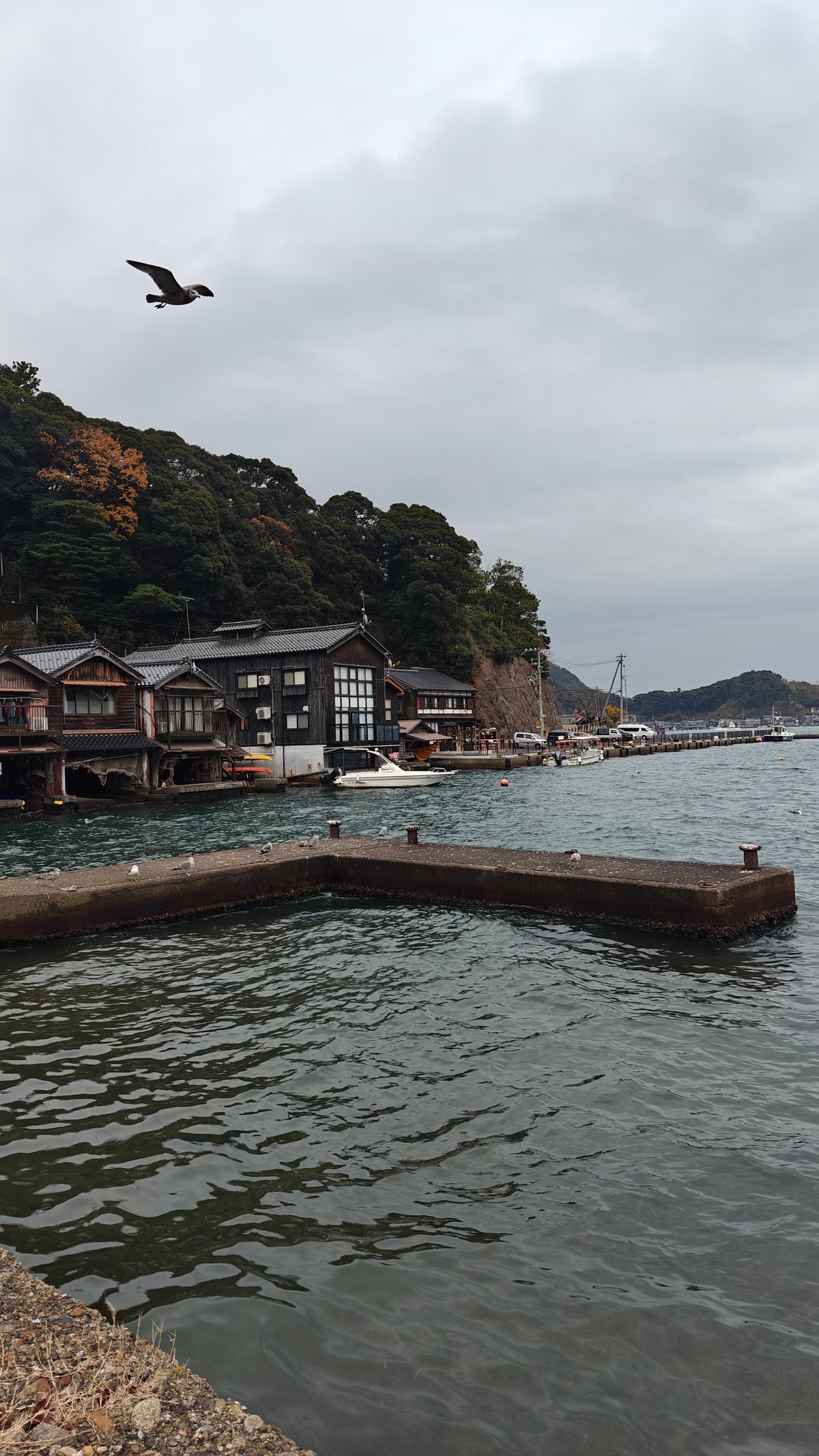
This wasn’t a lightning-fast lunch: we spent nearly two hours here, but it was well-worth it. Ine Bay is further from Osaka, but it is still possible to visit as a day trip if you get up early.
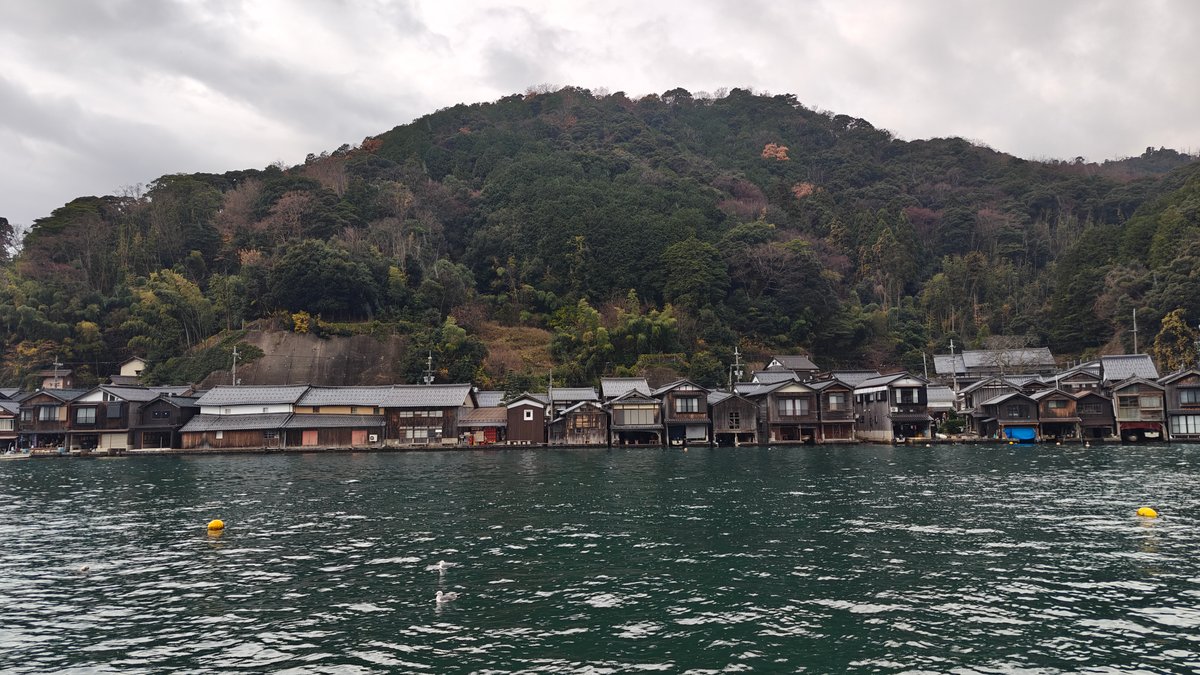
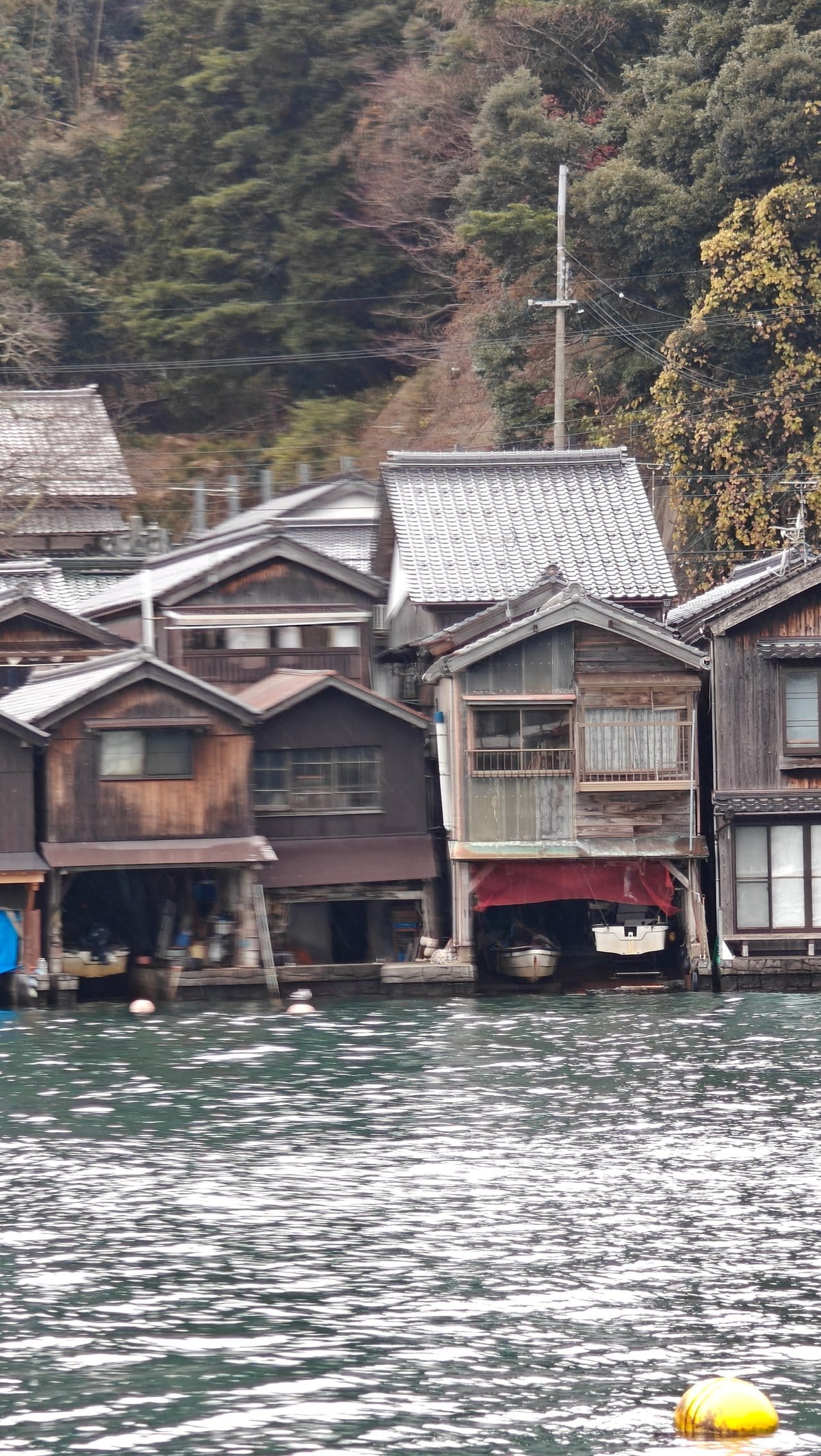
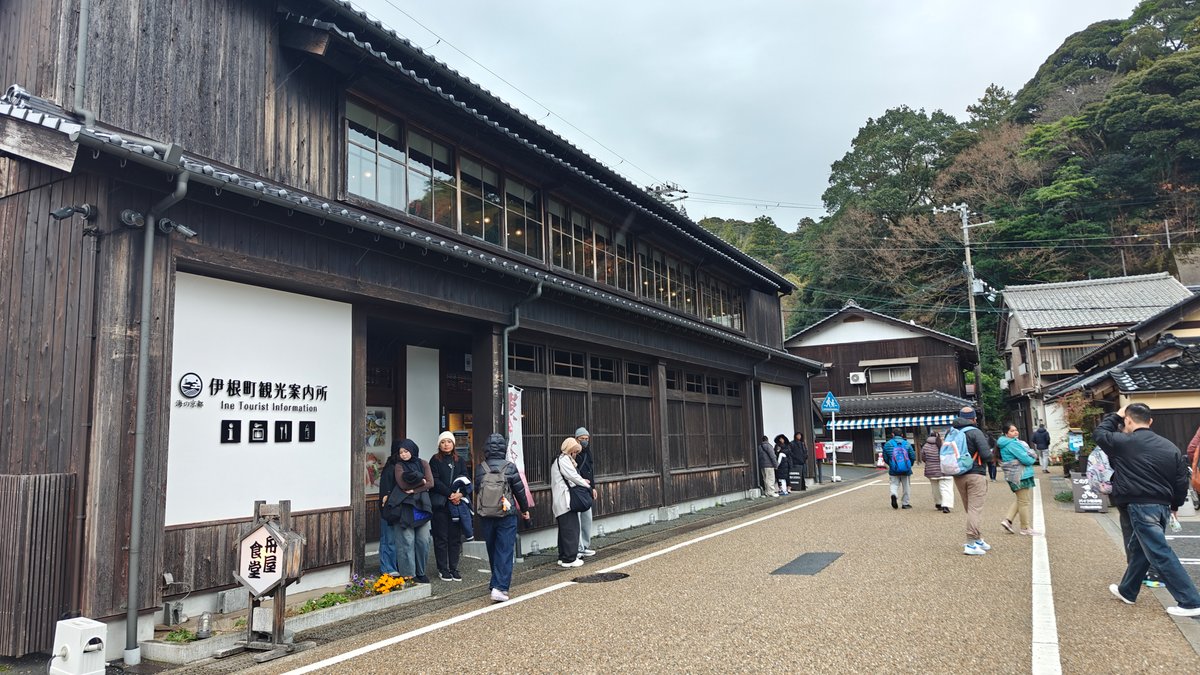
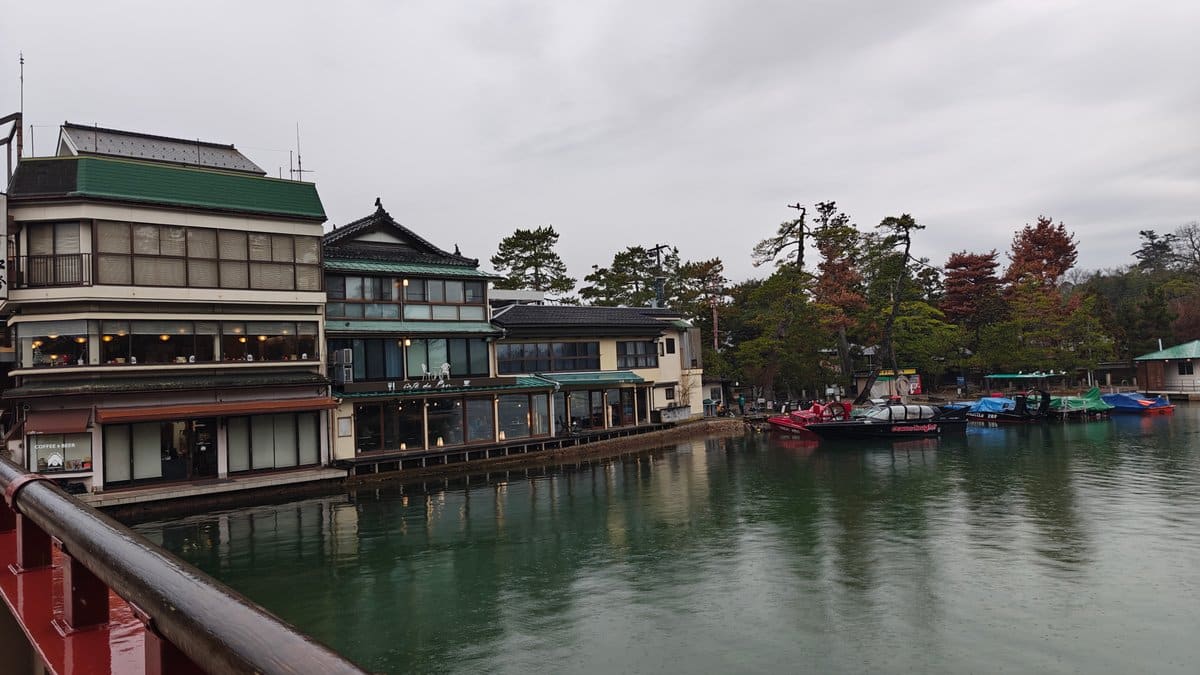
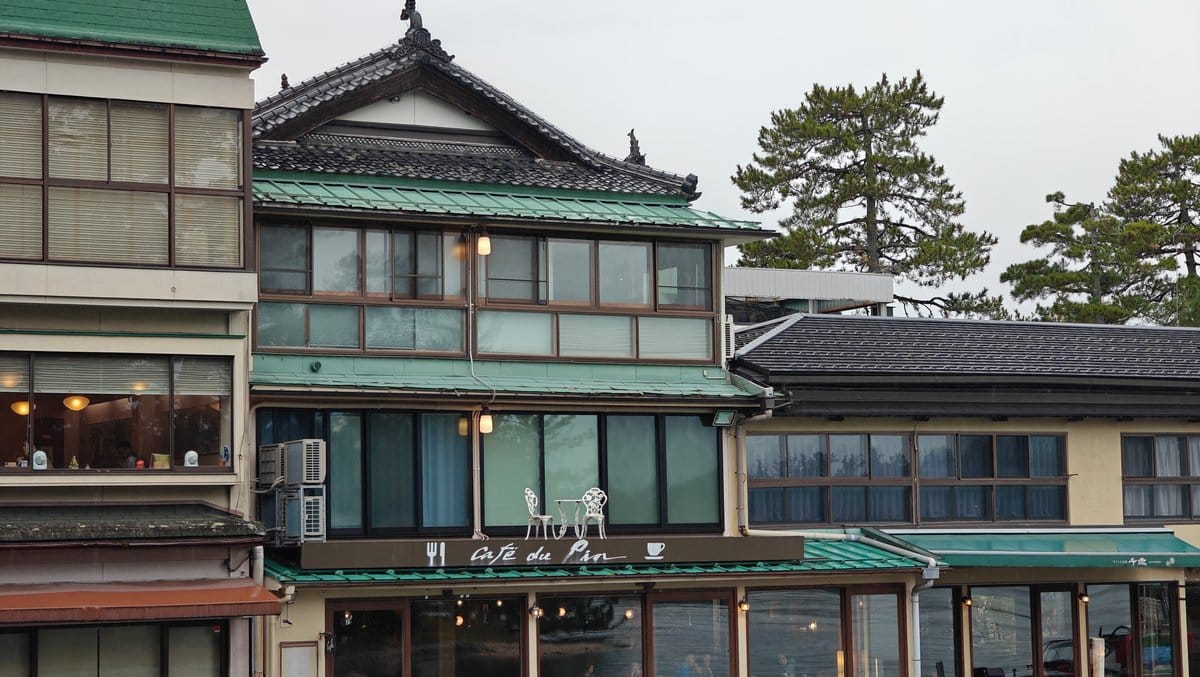
These traditional two-storey wooden buildings that line the waterfront are called funaya boathouses. Each has its front door opening directly onto the water, allowing boats to pull straight in. We strolled down the bay, enjoying the row of houses that wrapped themselves around the harbour.
A couple of seagulls circled above us, making the place feel pleasantly remote.
Ine Bay Cruise Ferry
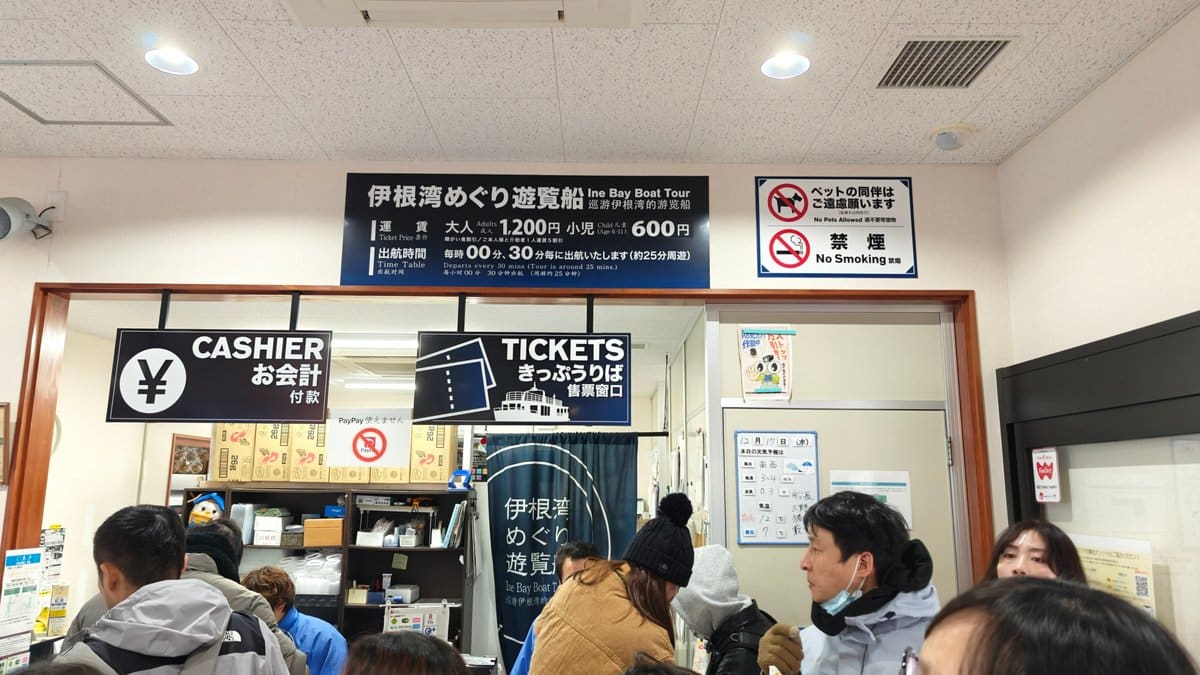
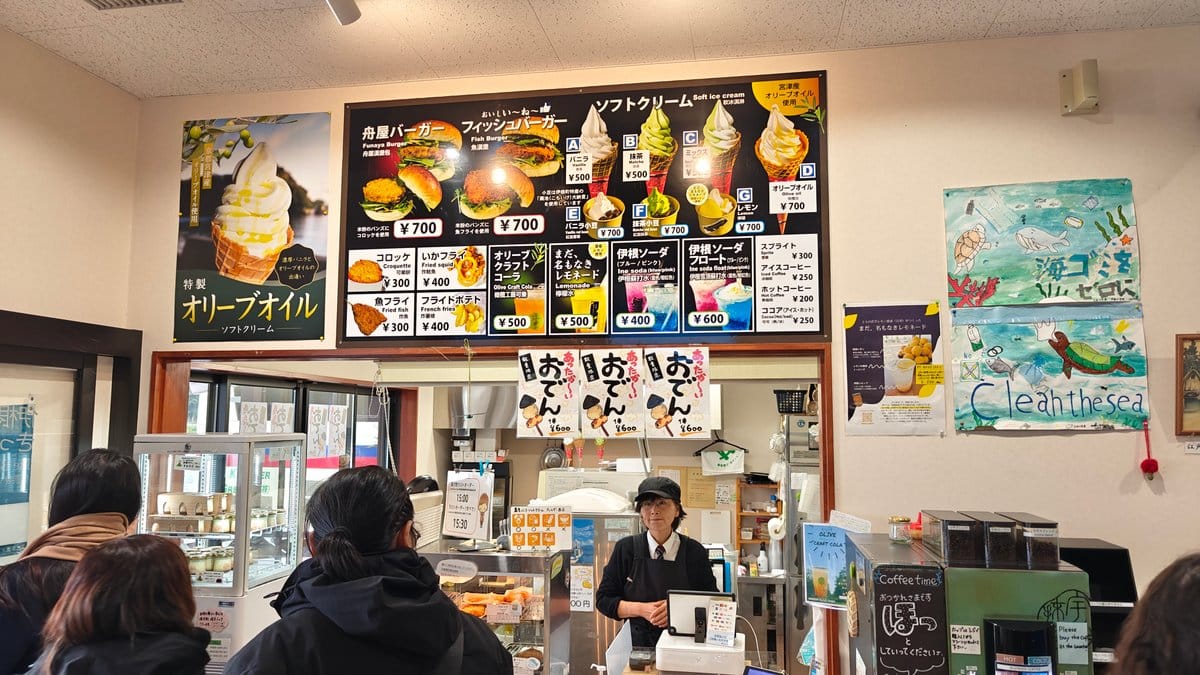
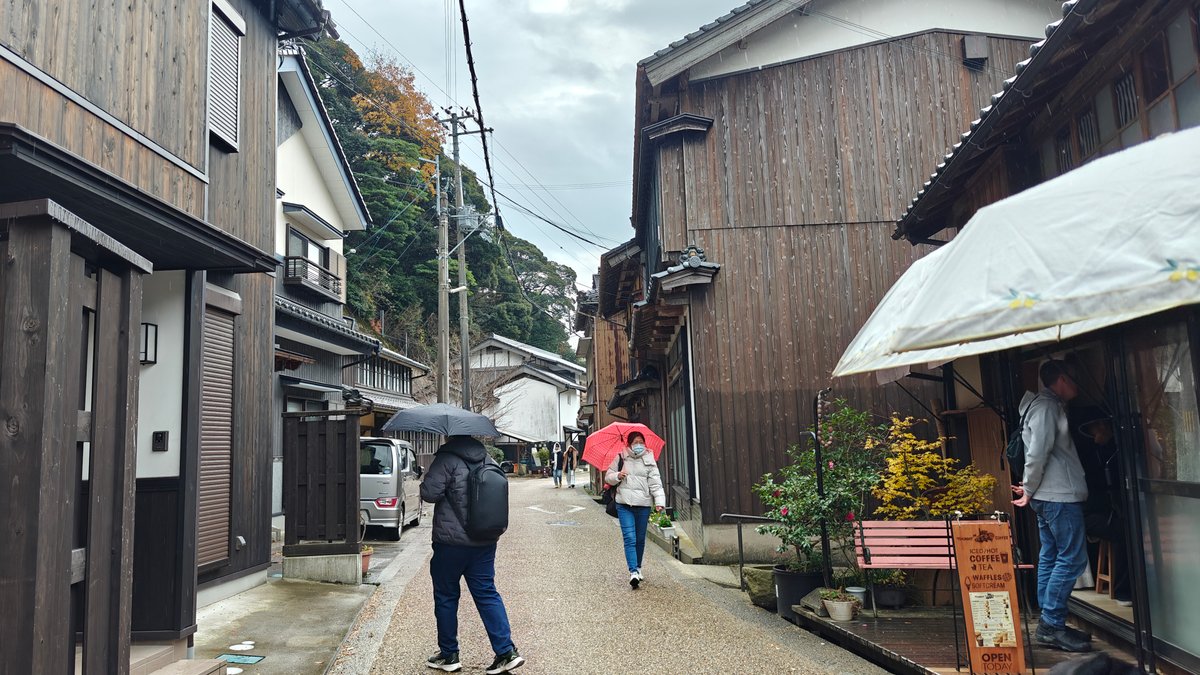
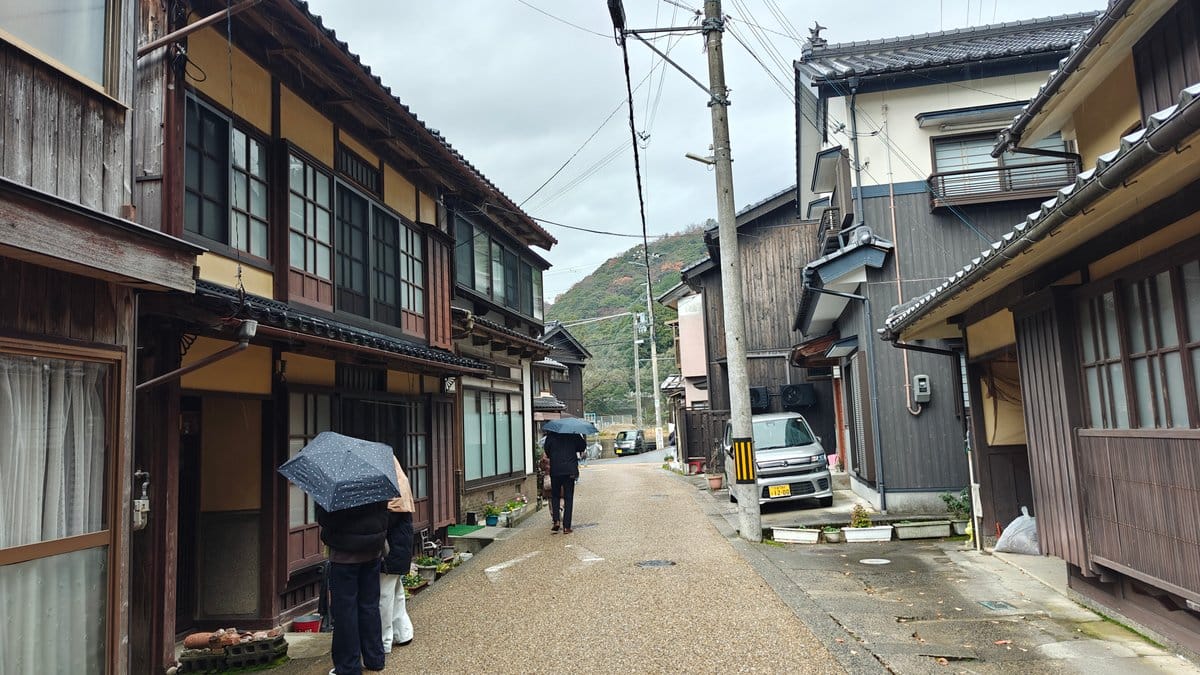
Behind the waterfront, the village is made up of narrow streets flanked by ancient wooden townhouses. It wasn’t crowded; there were just a few other visitors exploring the same backstreets. From higher spots you get a wider view of the bay and the full curve of funaya along the shore.
The boat garages that was built into the base of each home are visible from up close.
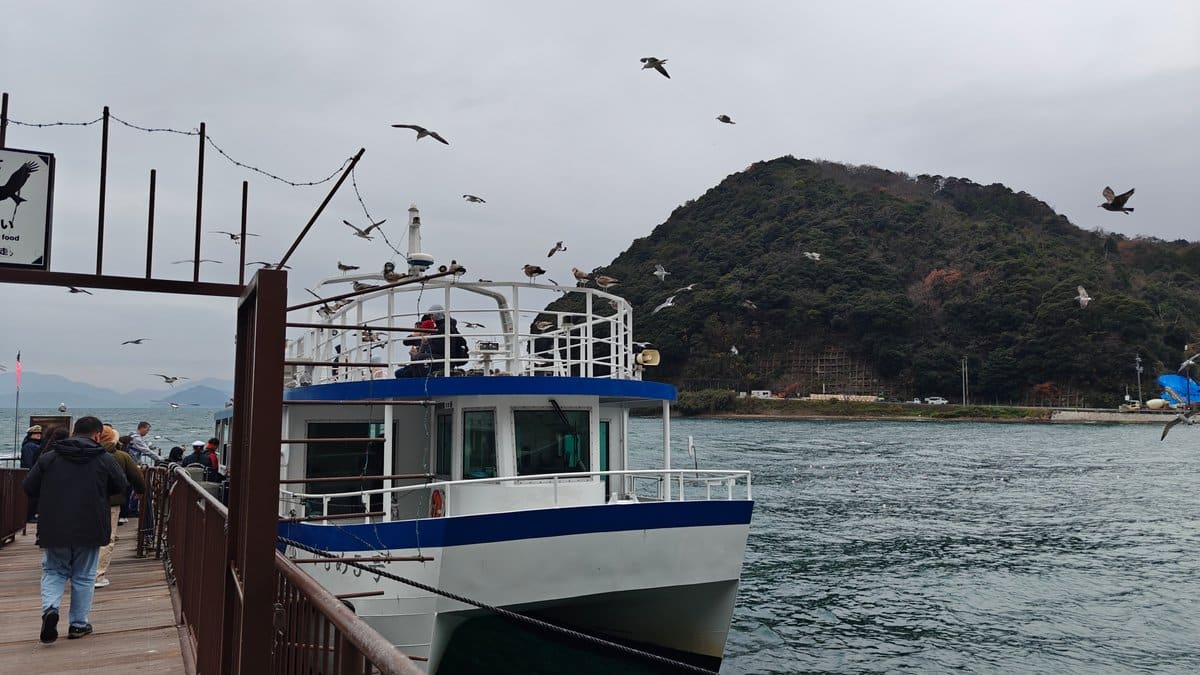
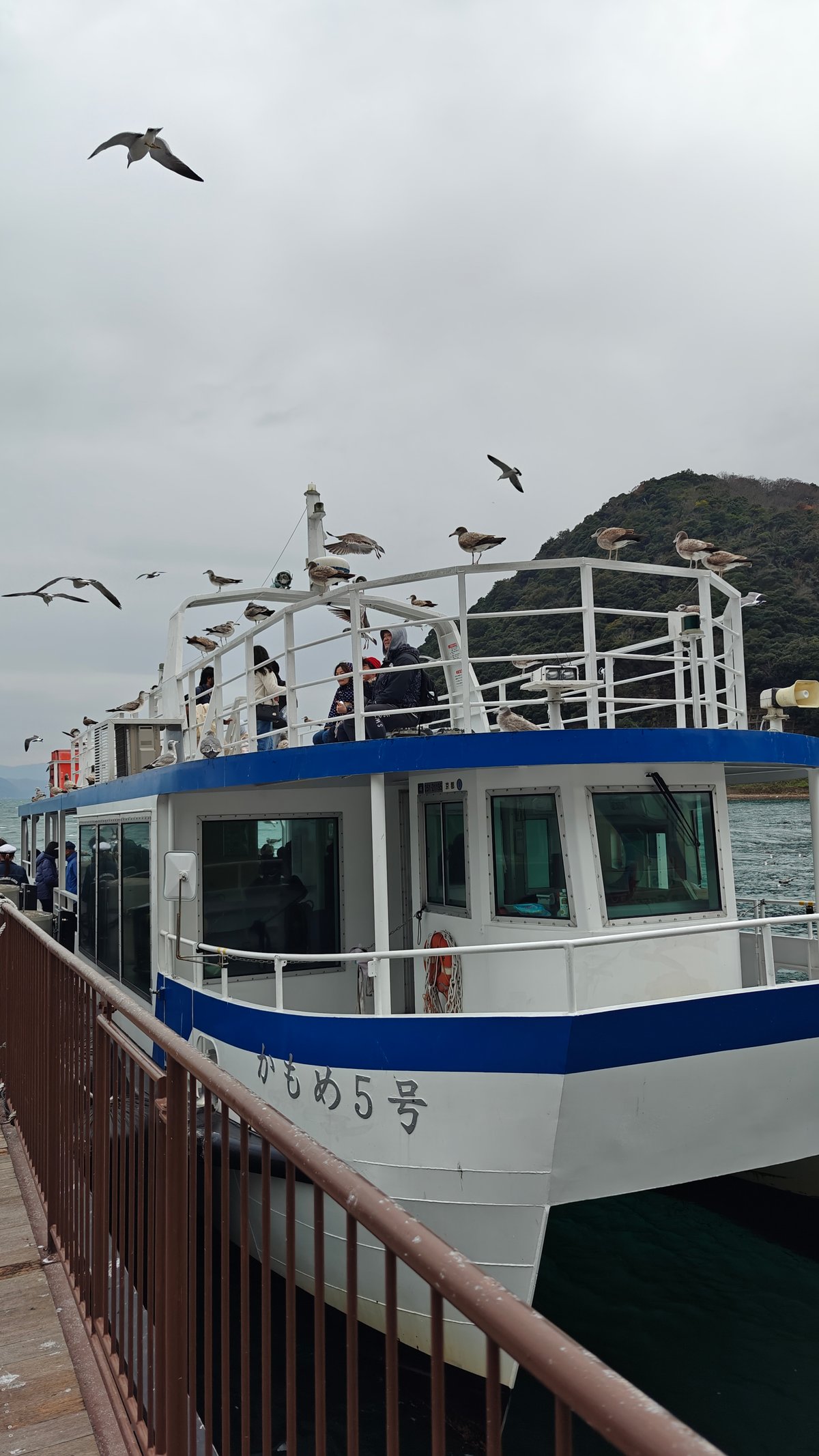
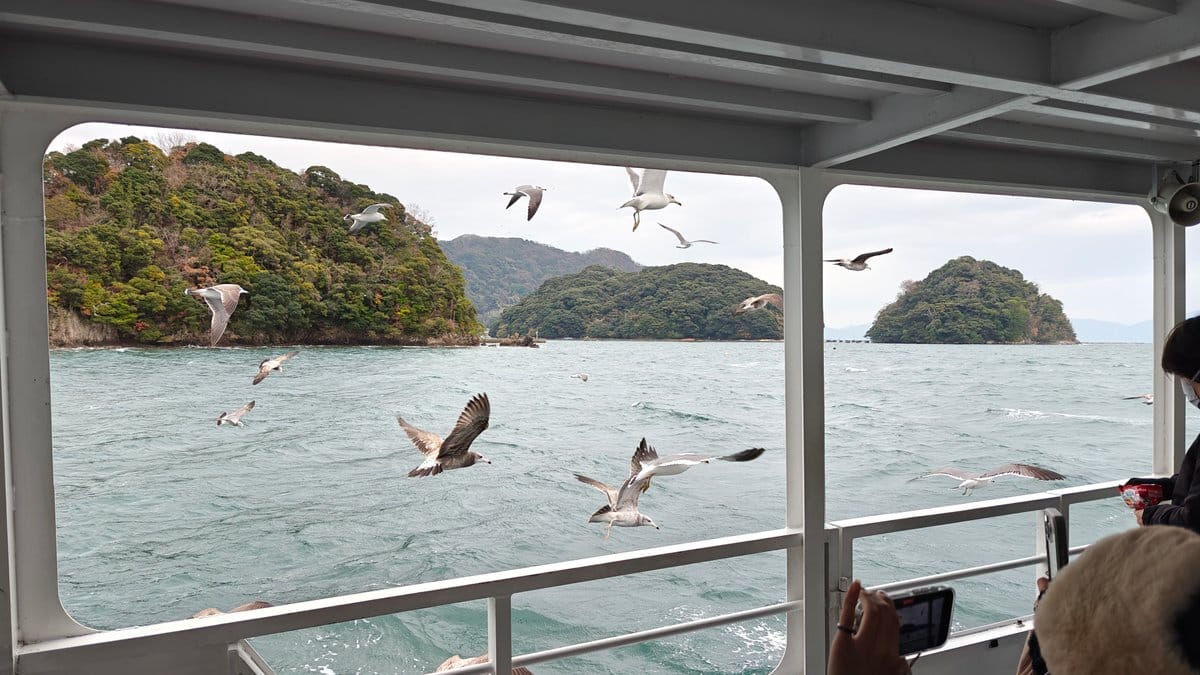
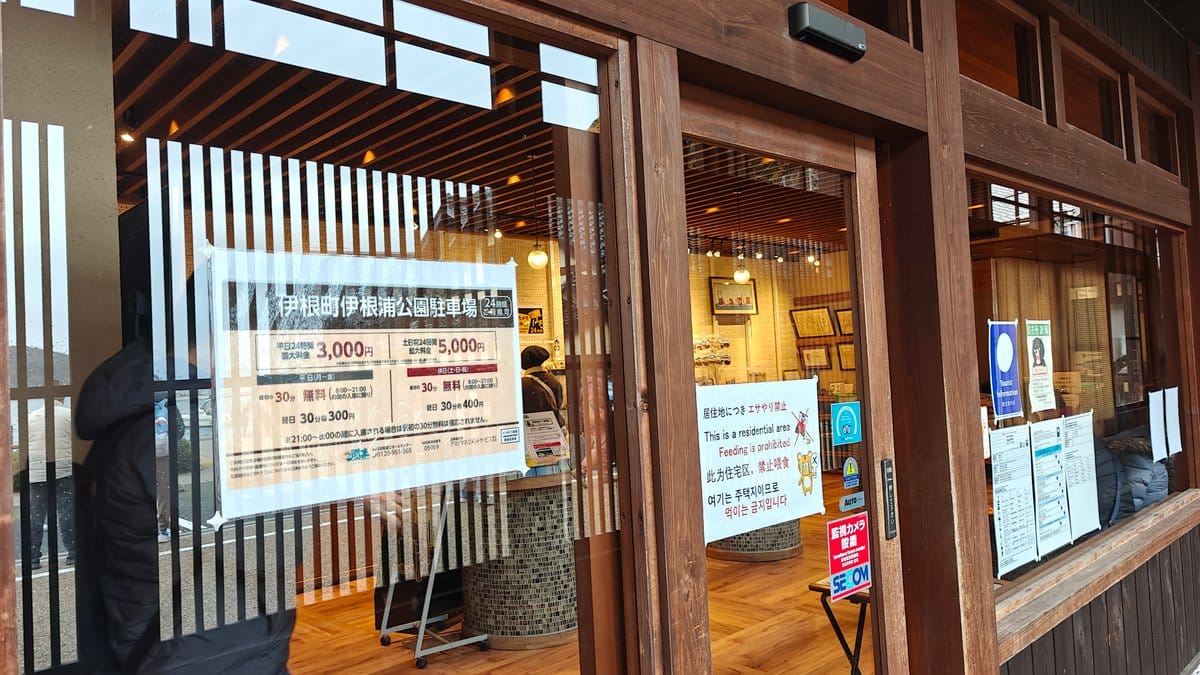
A small terminal down by the village was where we took our seats on the bay cruise. Inside, there’s a counter where you purchase your tickets and a snack stand that features a photo menu in case you’d like to grab some food before getting on board. Overall, it’s pretty low-key, arrive, get a ticket, sit back, and wait for the next boat.
That boat was named Kamome No.
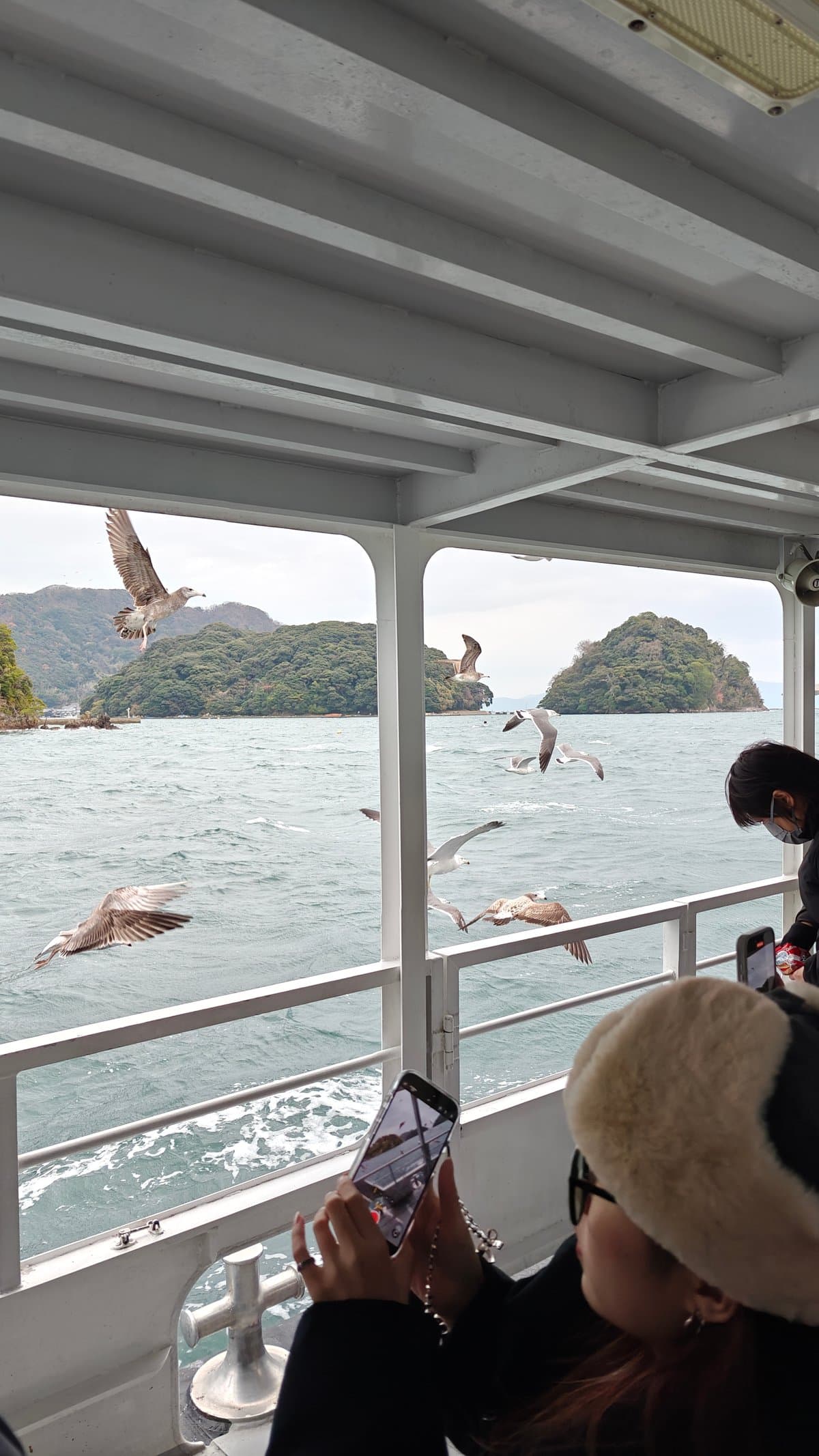
We rode in that boat into the bay. We did a little tour of the bay around the funaya from the water. Being on that deck with the wind off the water while these boathouses are going past on either side is the thing about it.
Funaya Shokudo
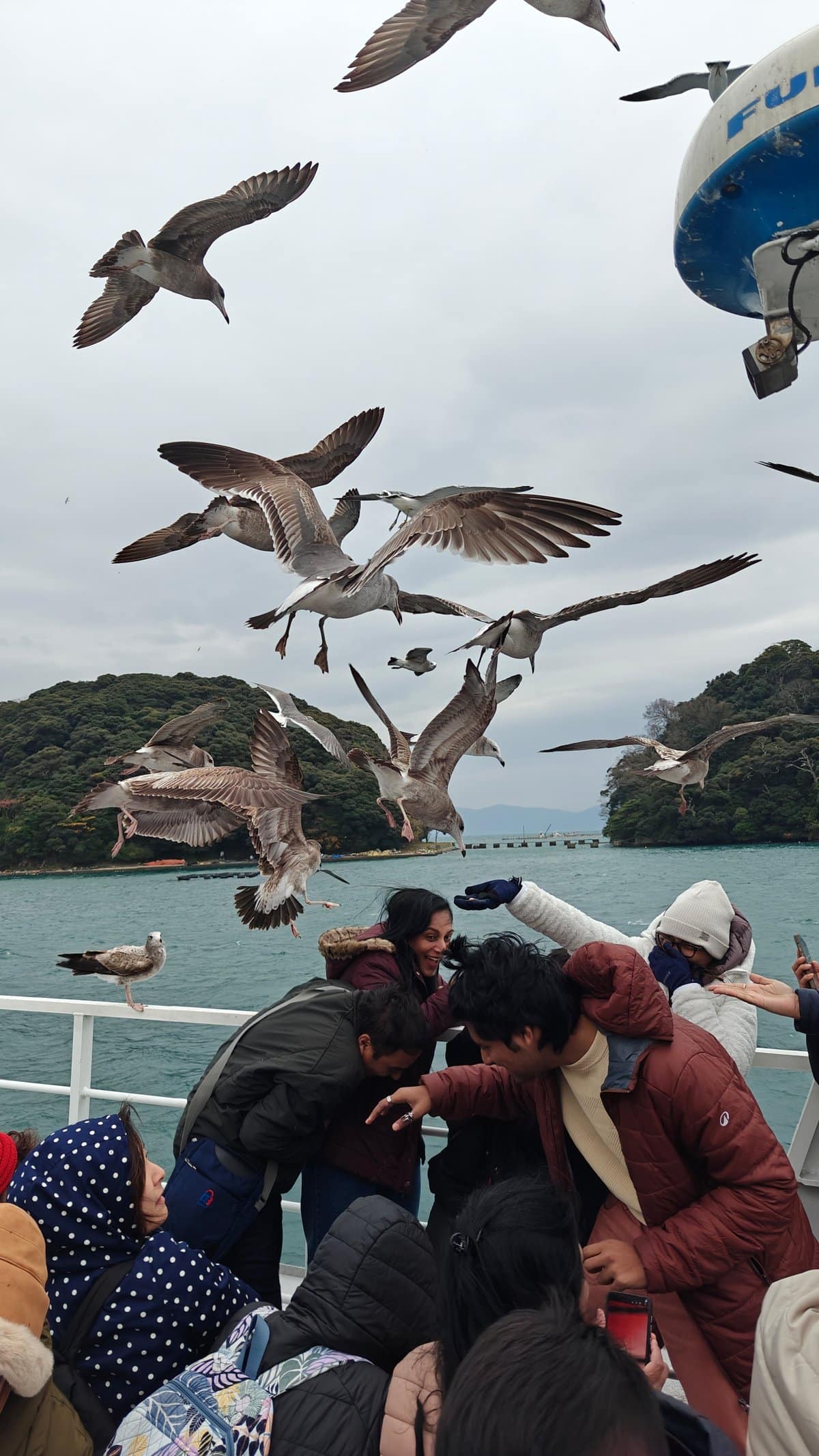
It was maybe a half-hour cruise, but you don’t get this view from anywhere else on land. Throughout, we were trailed by seagulls, who kept appearing on the deck where passengers tried to take photos as they flew overhead. The birds got so near you could hear their wingbeats at times.
The feeding frenzy intensified when a few people had food in their pockets. They tossed it around, attracting more flocks. We made our way through the village after the cruise and had lunch at Funaya Shokudo.
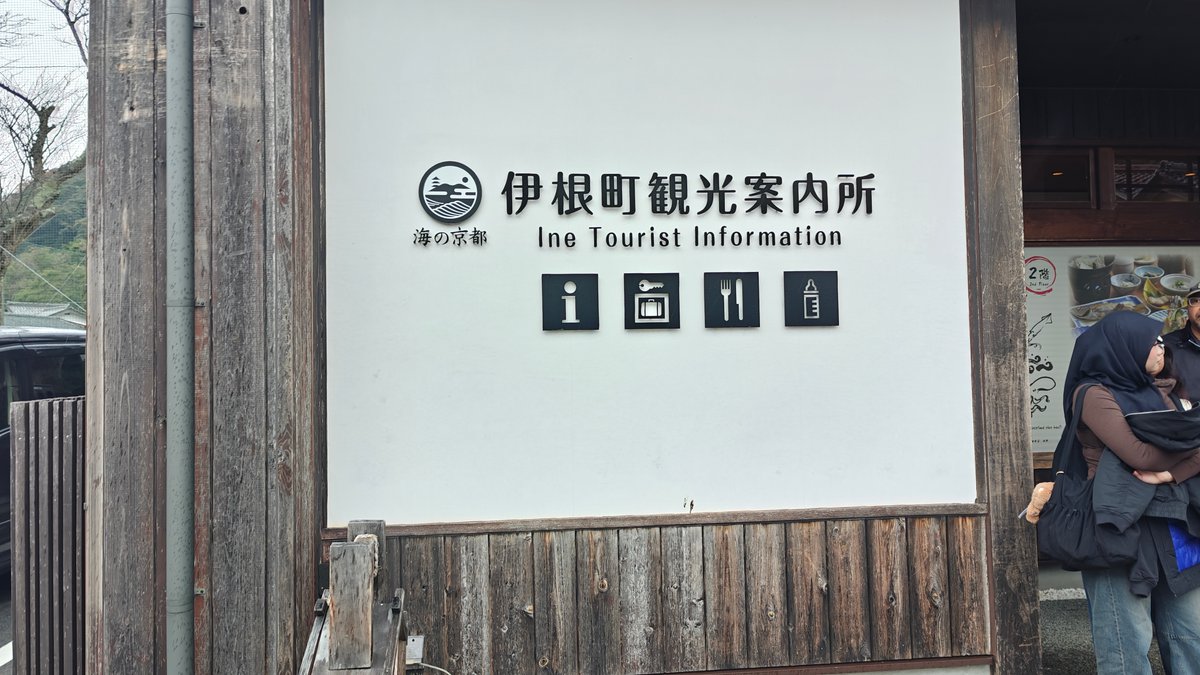
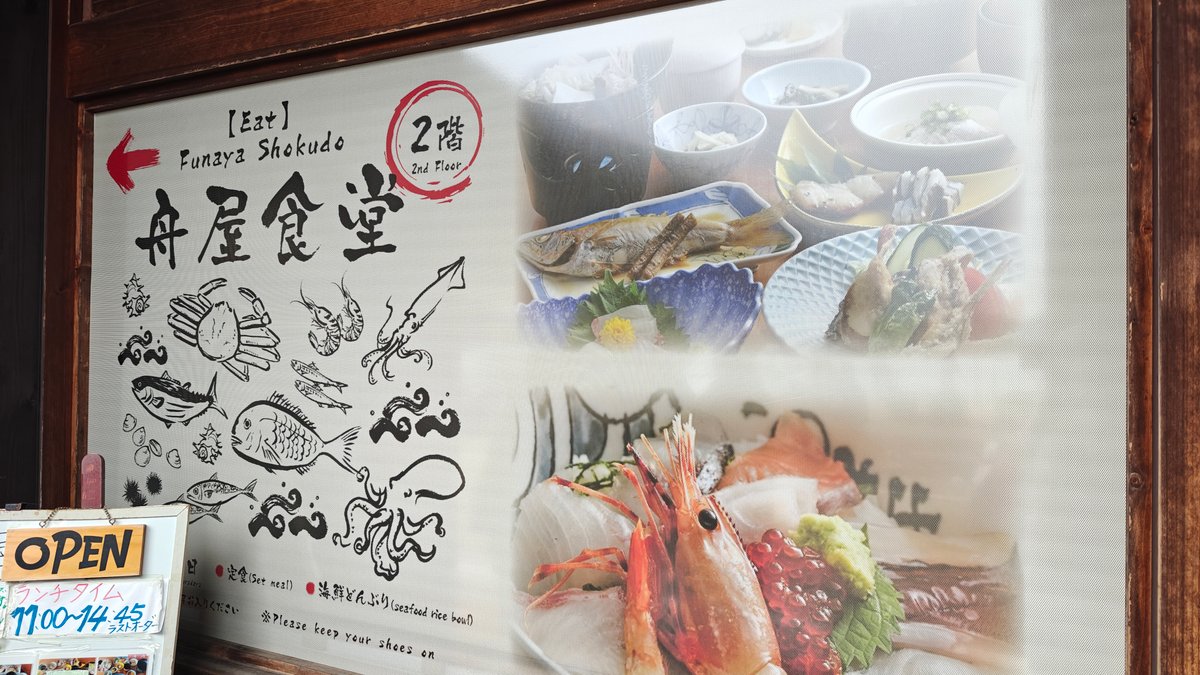
It’s easy to spot as it has a straightforward sign outside and a menu board by the door, located directly on the main street. Luckily it was open when we visited; a lot of restaurants in Ine appear to have unpredictable opening hours.
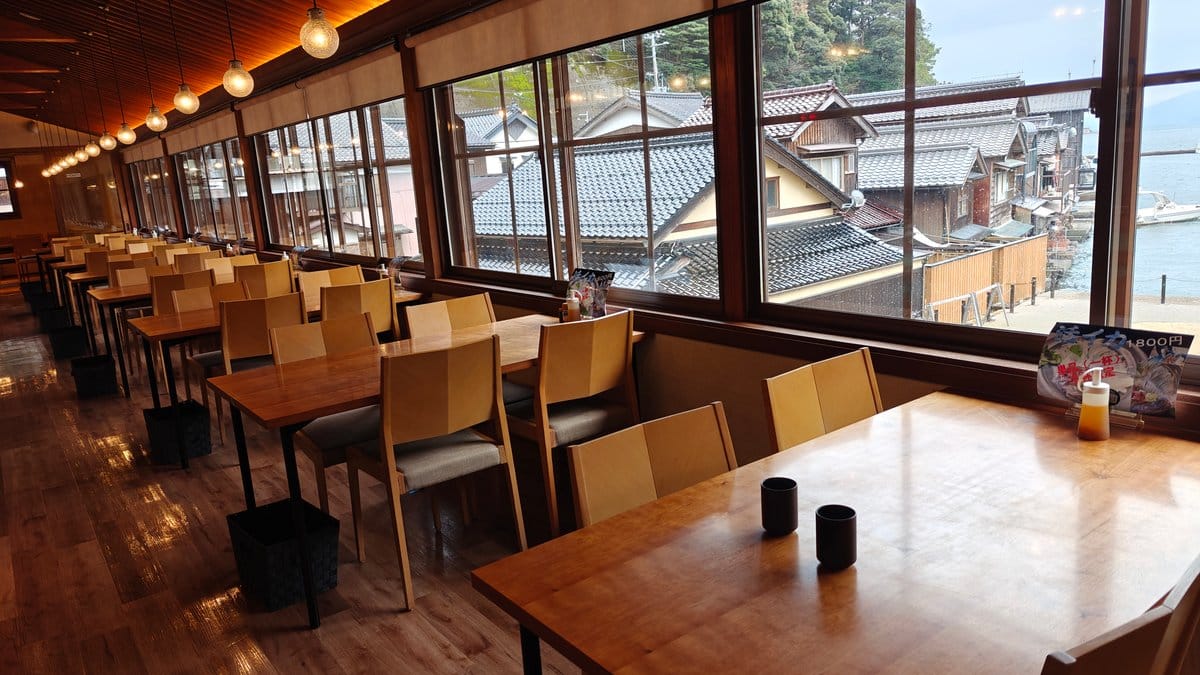
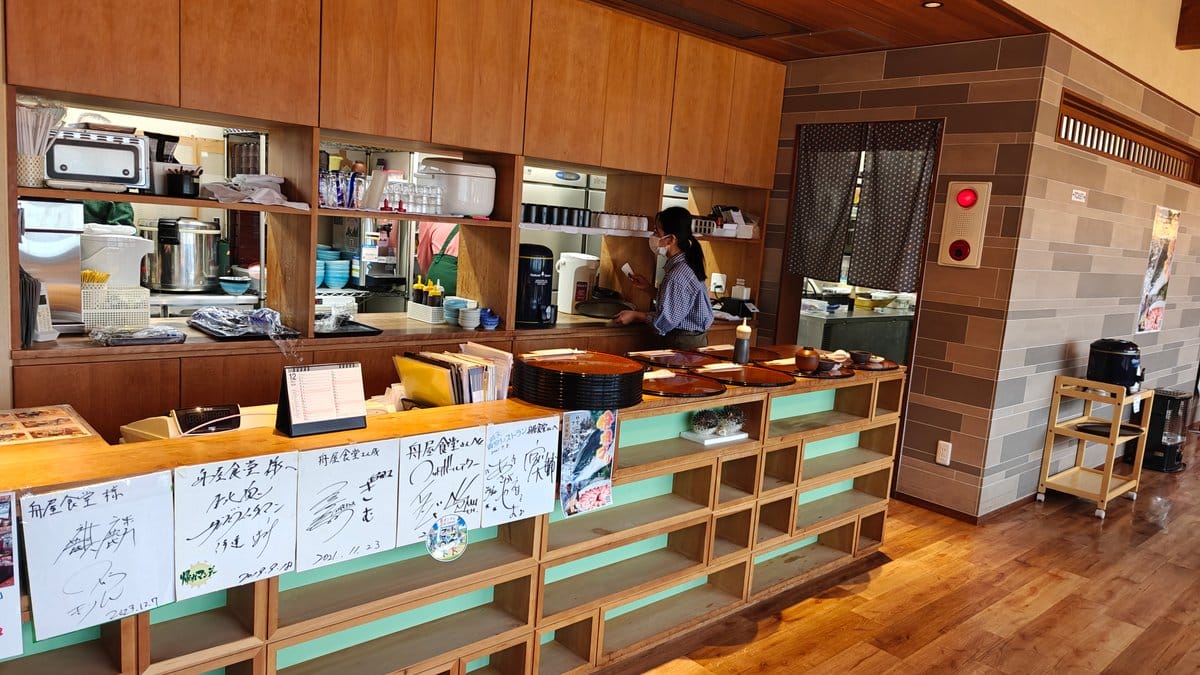
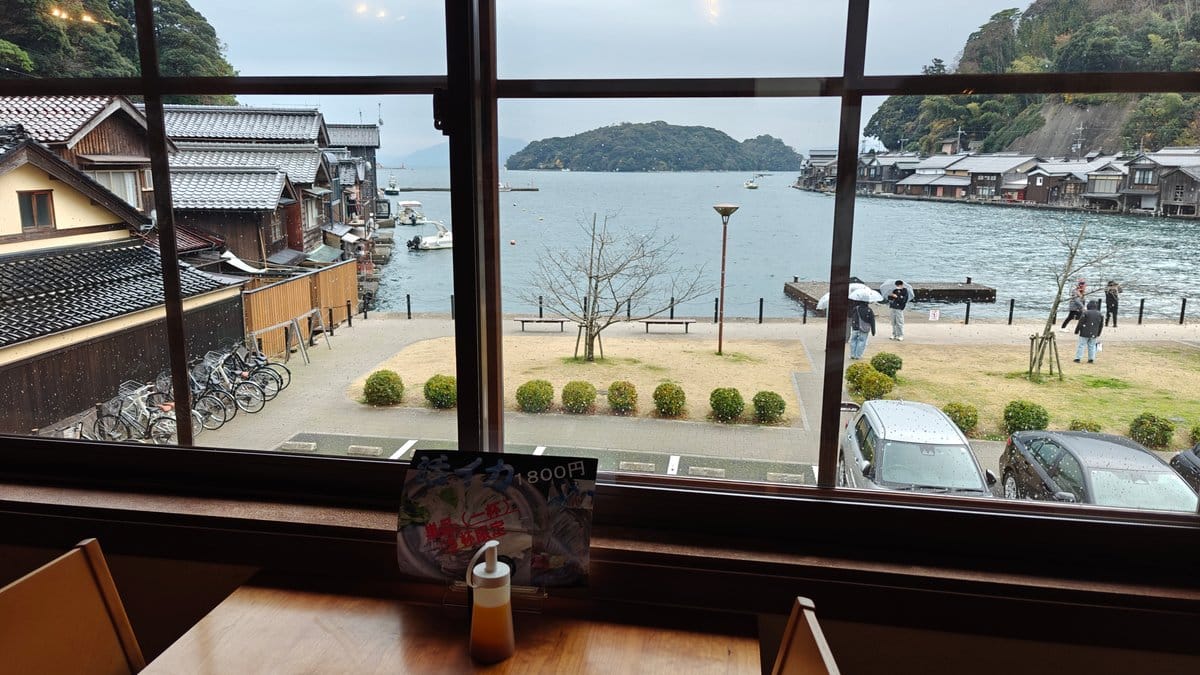
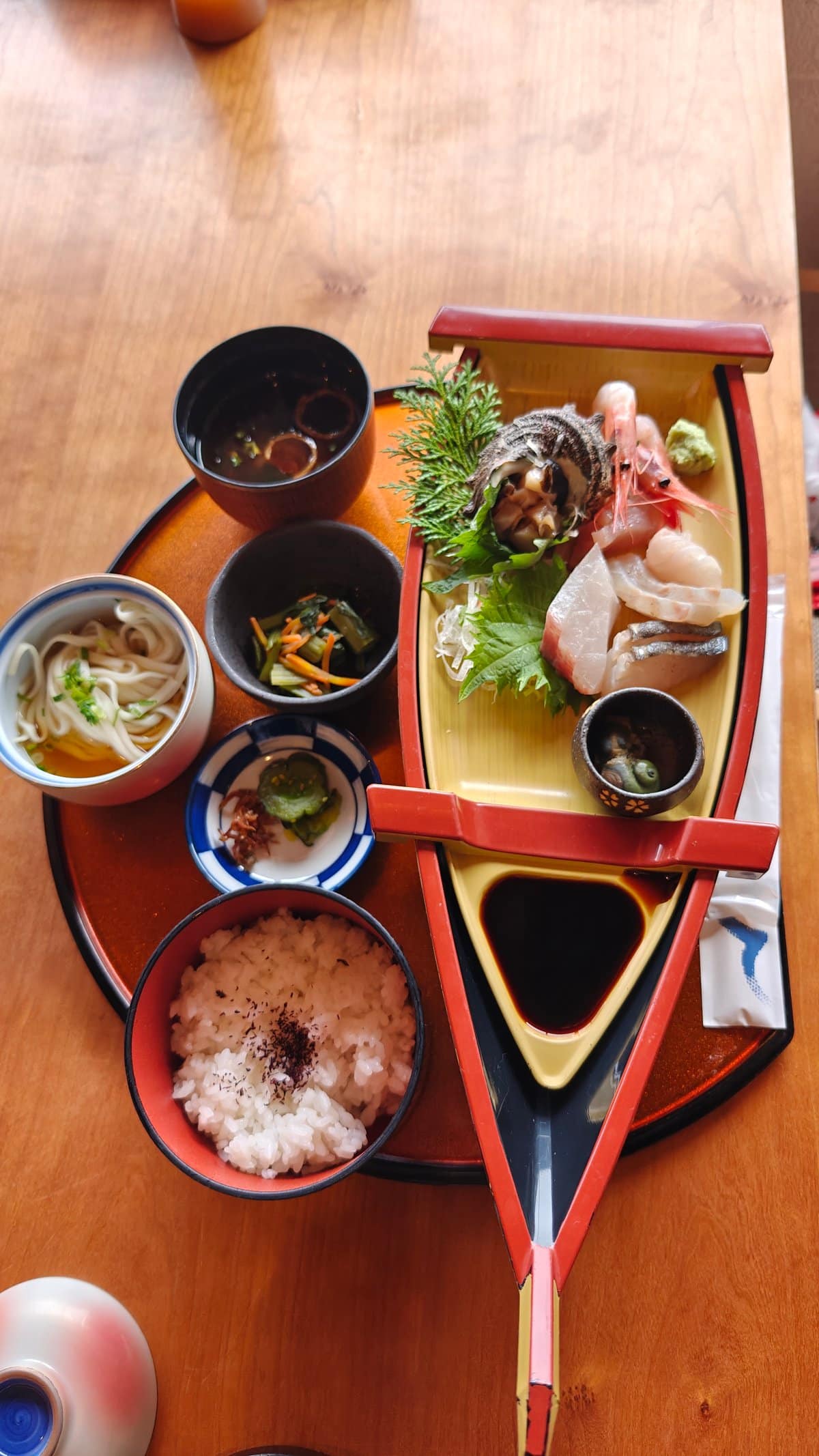
The interior is designed with most of the tables positioned in front of large windows facing the bay. There’s a small counter where they have a hand-written menu board; we took a seat at one of the window seats and placed our order. For my part, I chose the sashimi boat set, consisting of a pile of fresh cuts served with some rice on the side.
It was just as fresh as you’d hope for being this close to the water, and viewing the funaya whilst consuming it seemed appropriate.
Amanohashidate Beach Kaisen Bridge
Another place we stopped nearby was Amanohashidate, which is a spot that has become famous enough in Japan that it attracts regular crowds.
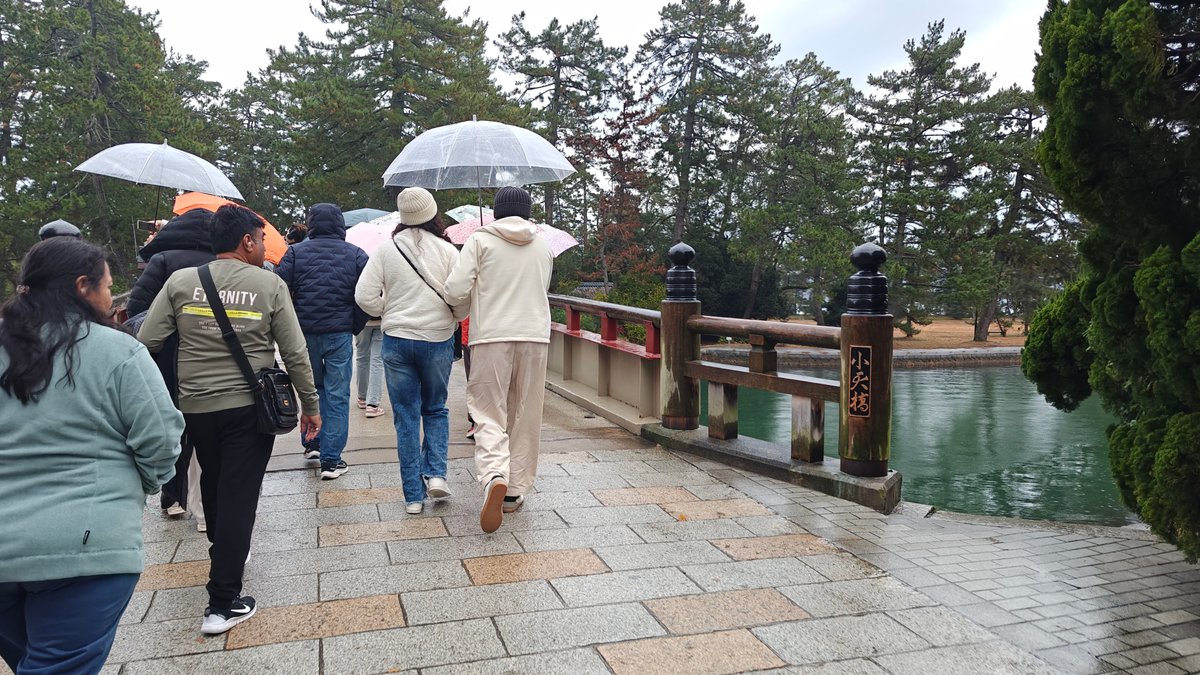
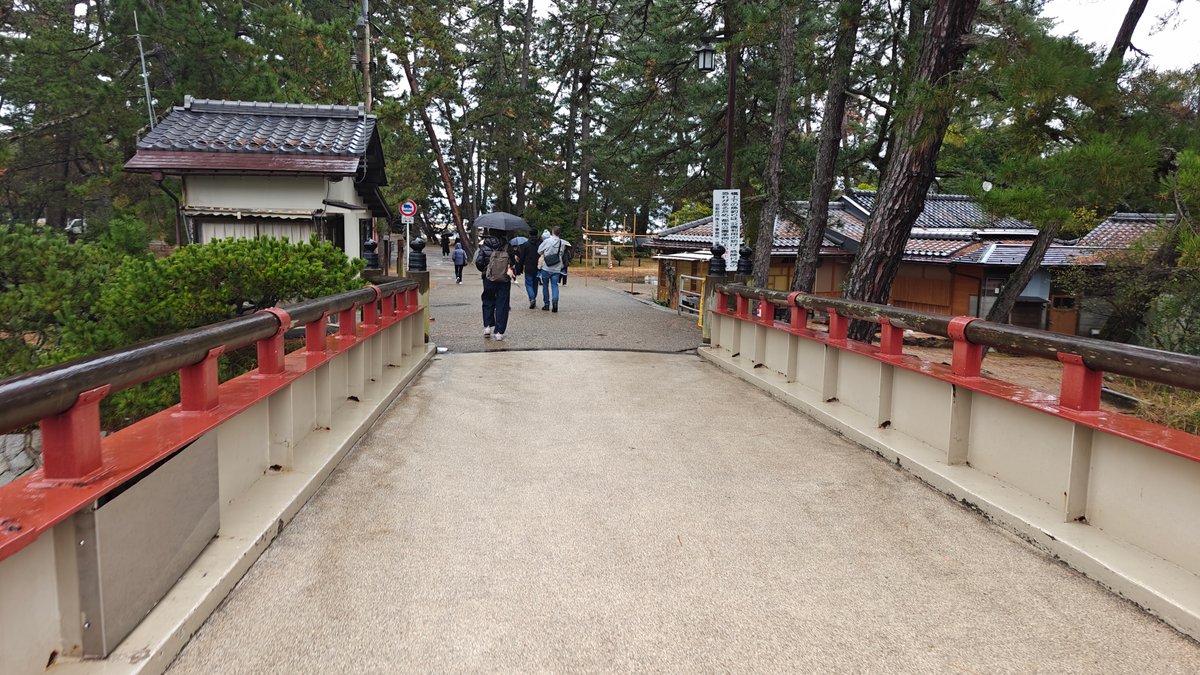
It’s basically just a long sandbar spanning the length of the bay and you walk over to it via a little bridge. We went during a rainy day, and everyone had umbrellas out while they walked over.
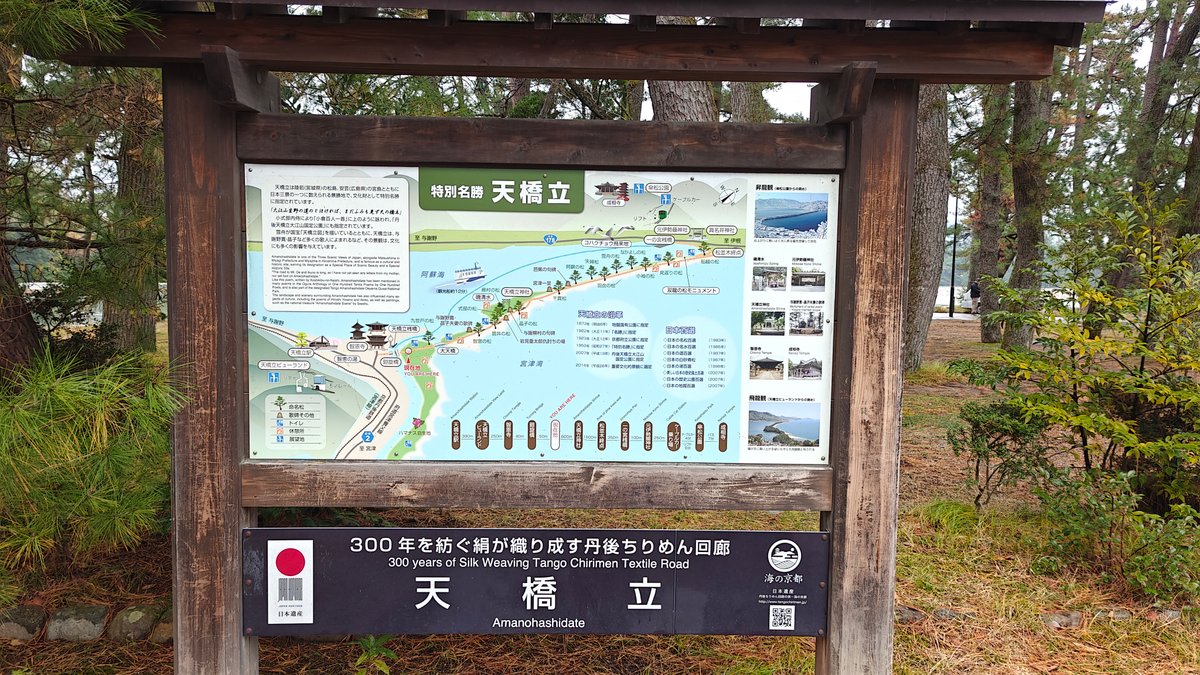
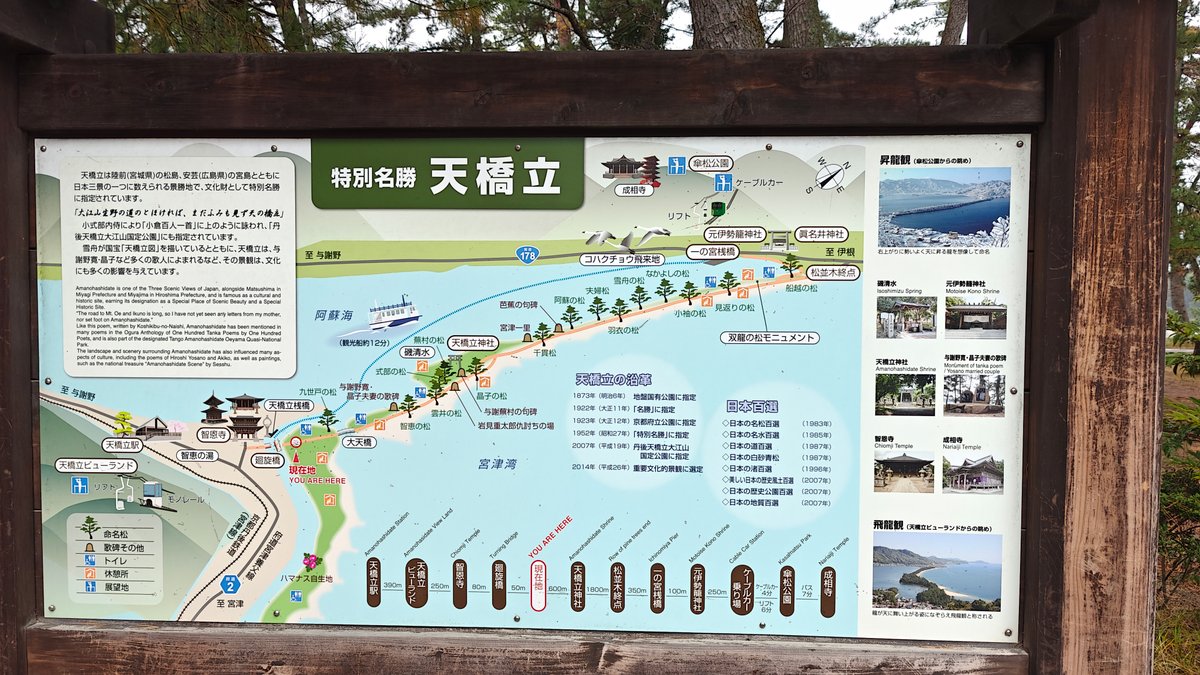
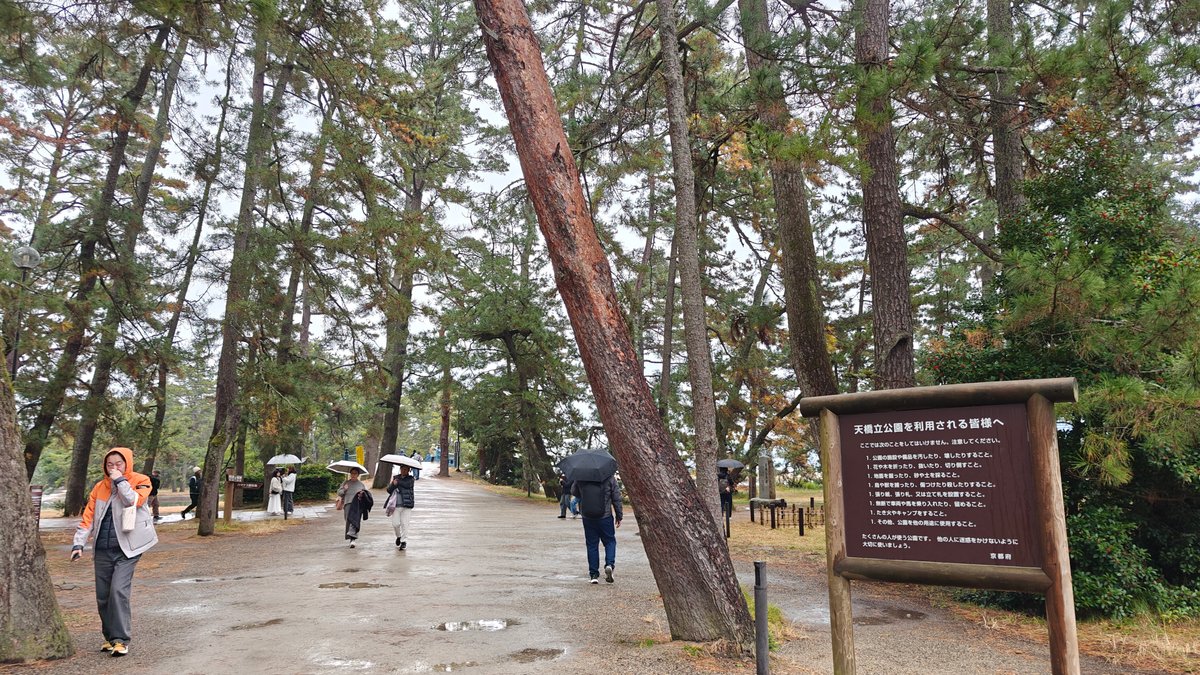
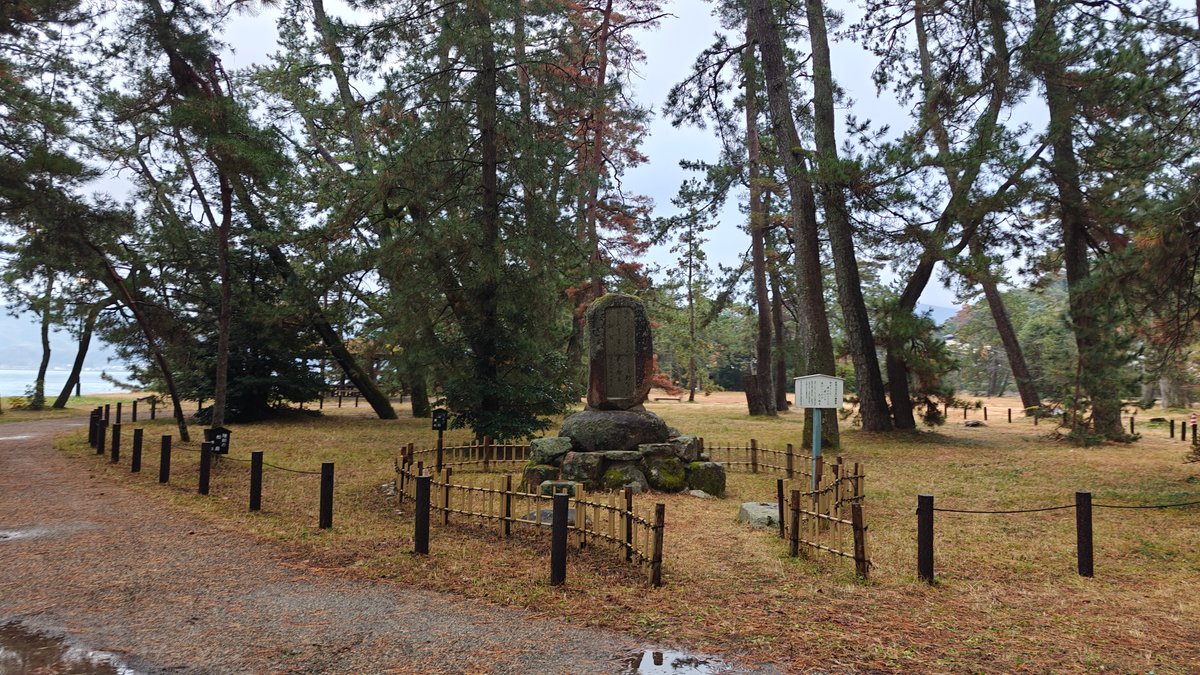
And on the opposite end is this map of the entire area (always helpful, as the sandbar is actualy longer than it appears), along with some info about the beach. Most of the thin stretch of land is covered by a pine grove, where the walking path runs; it’s quiet under the trees even when the weather isn’t great. And then there’s a tiny little stone marker off the path, easy to pass right by unless you’re watching for it.
It’s fenced off.
Amanohashidate Kasamatsu Park
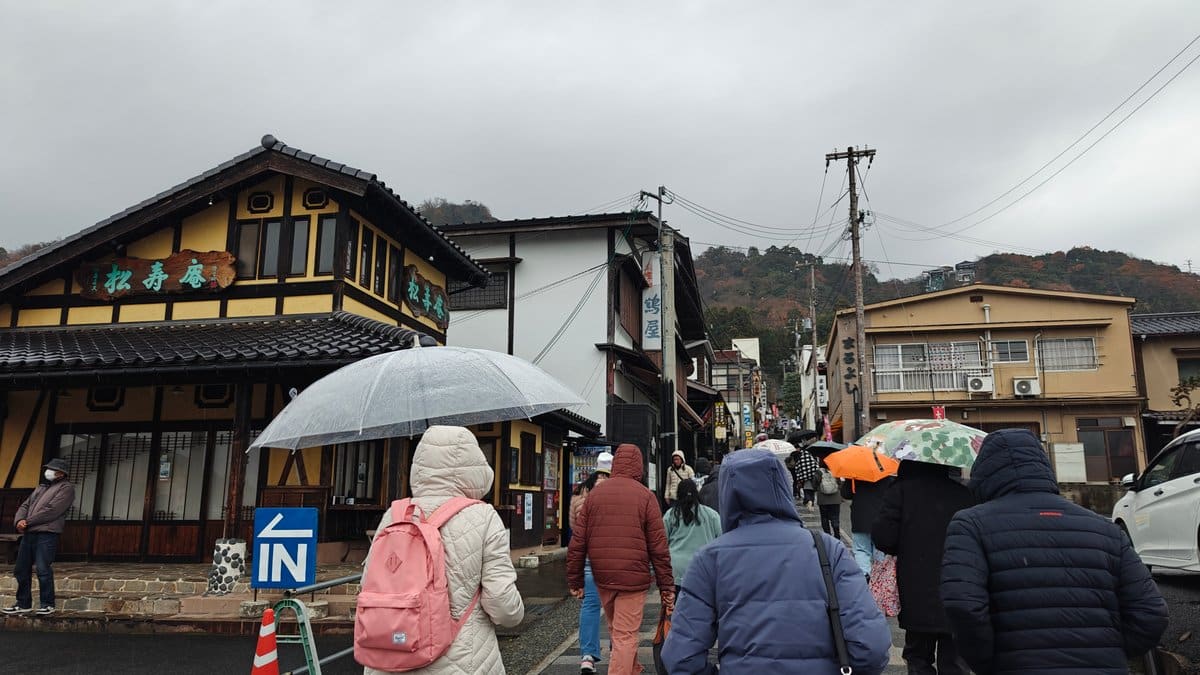
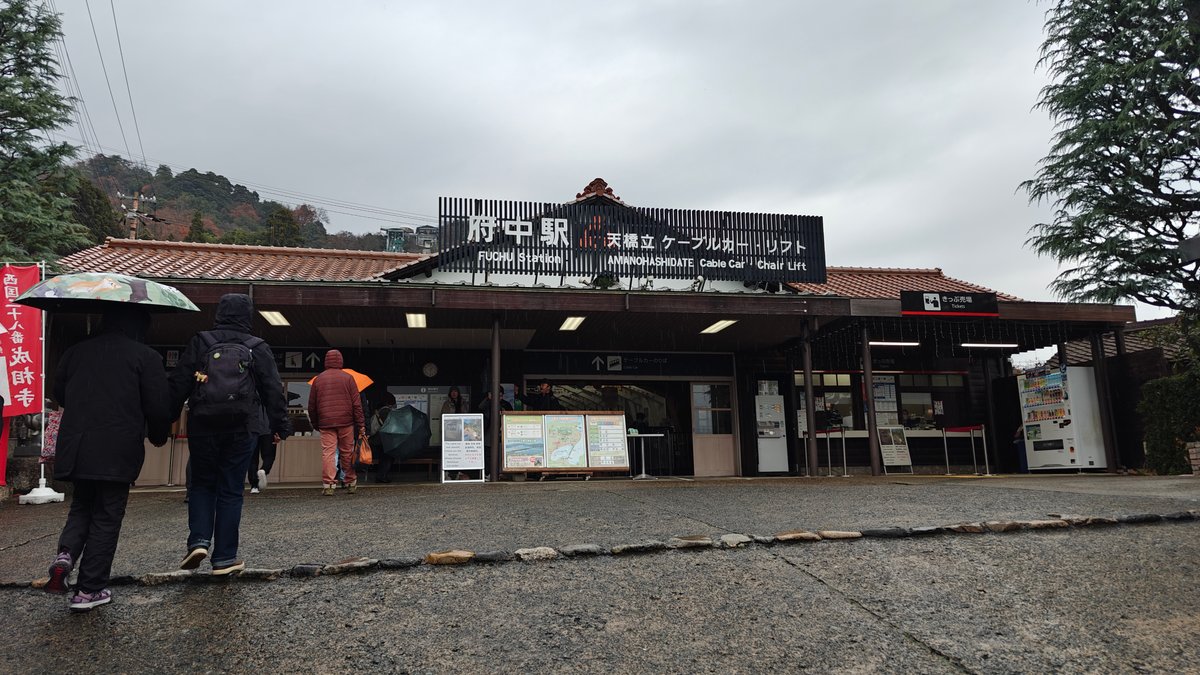
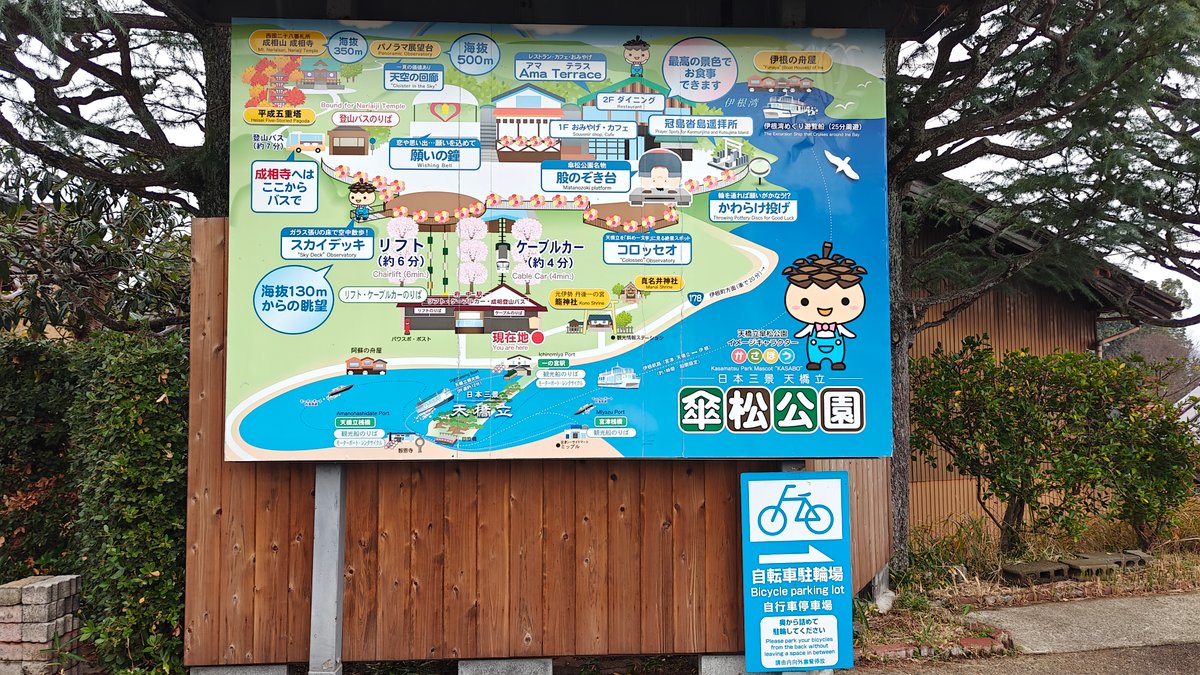
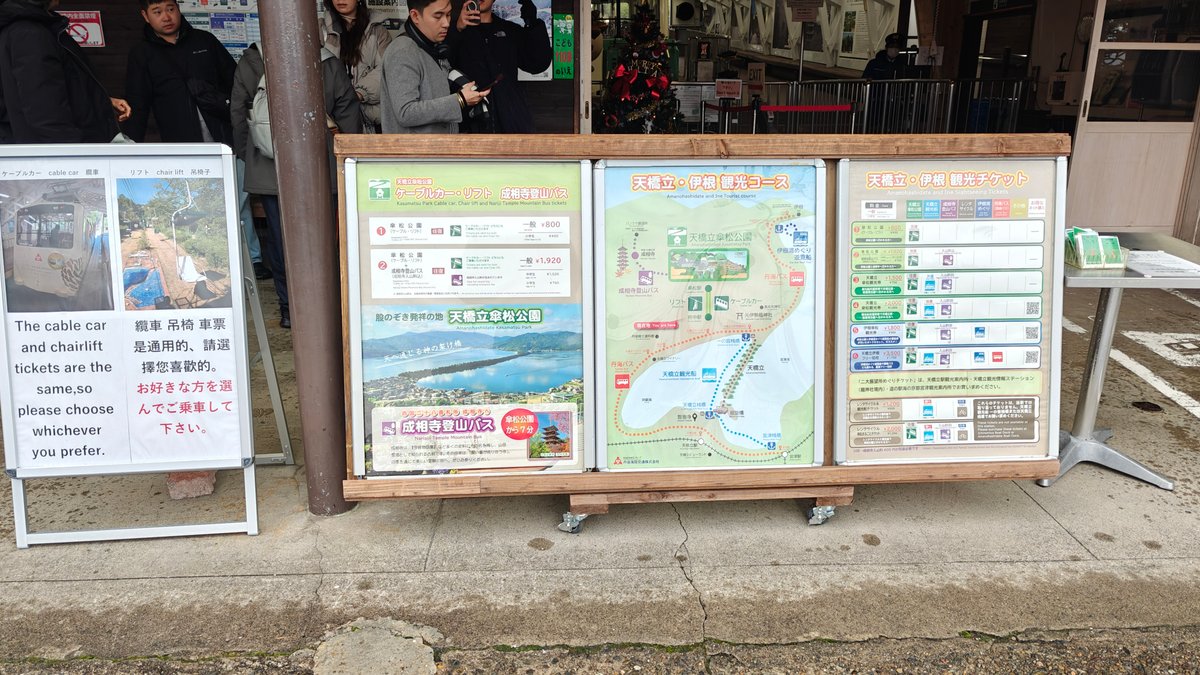
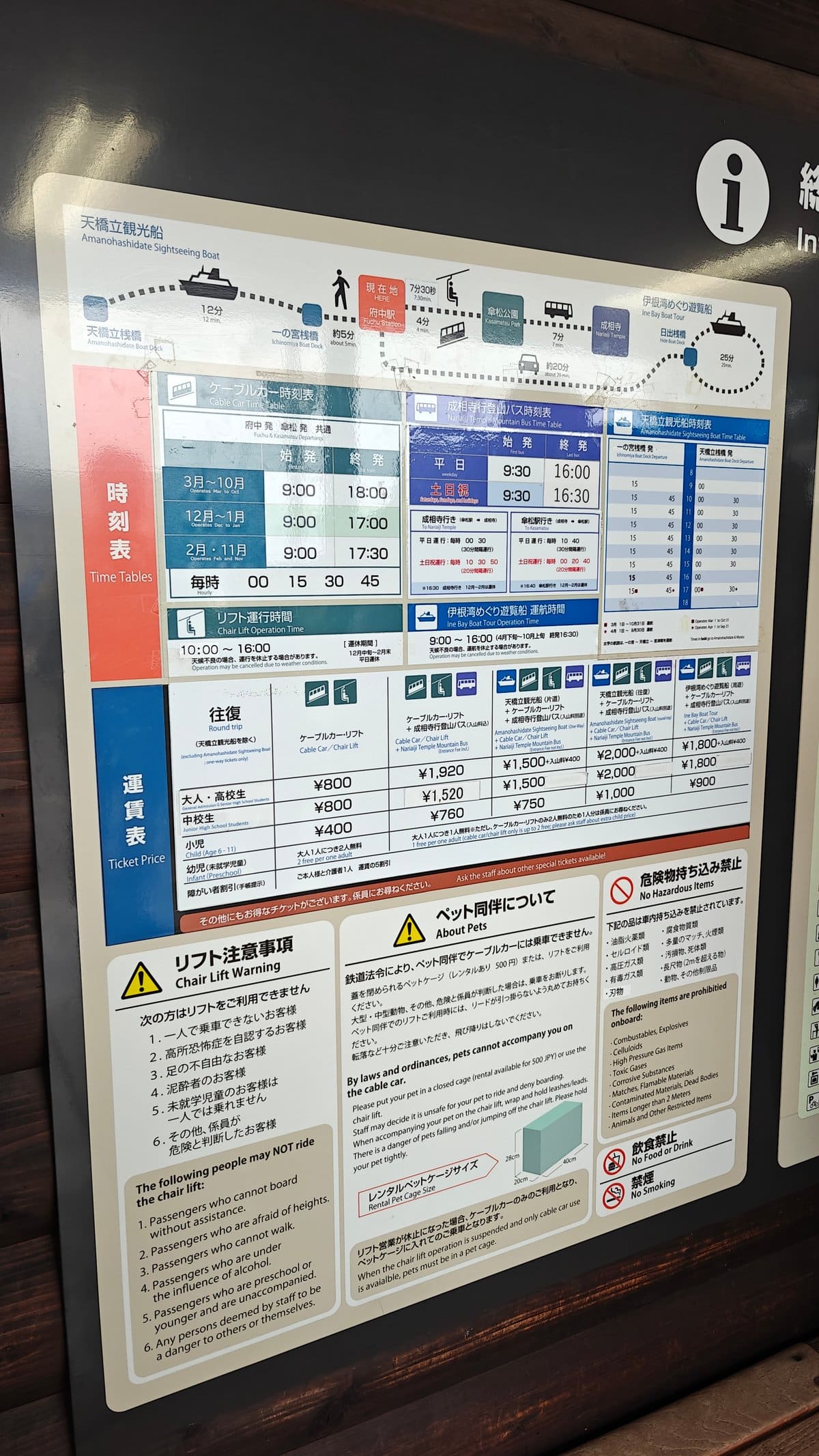
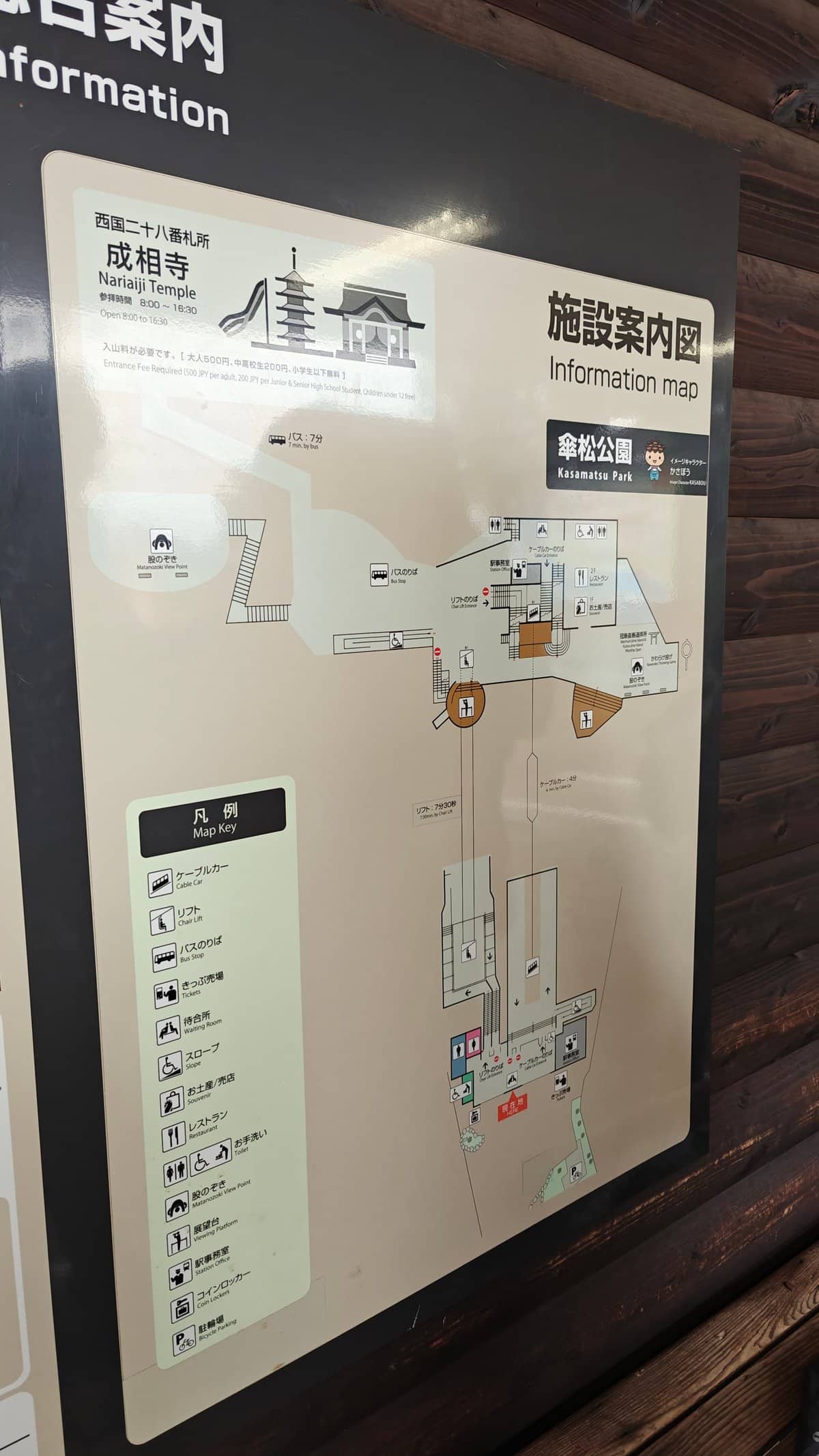
From Fuchu Station, there is a chairlift or cable car that will bring you up to Kasamatsu Park for the complete view of the sandbar. When we arrived at the station, it was raining in the area, and we stood by the entrance for a couple of minutes examining the timetables and maps. It lists the operating hours and the cost, and there’s also a route map so you can see how to reach Nariaiji Temple after getting up top if you want to explore more on foot.
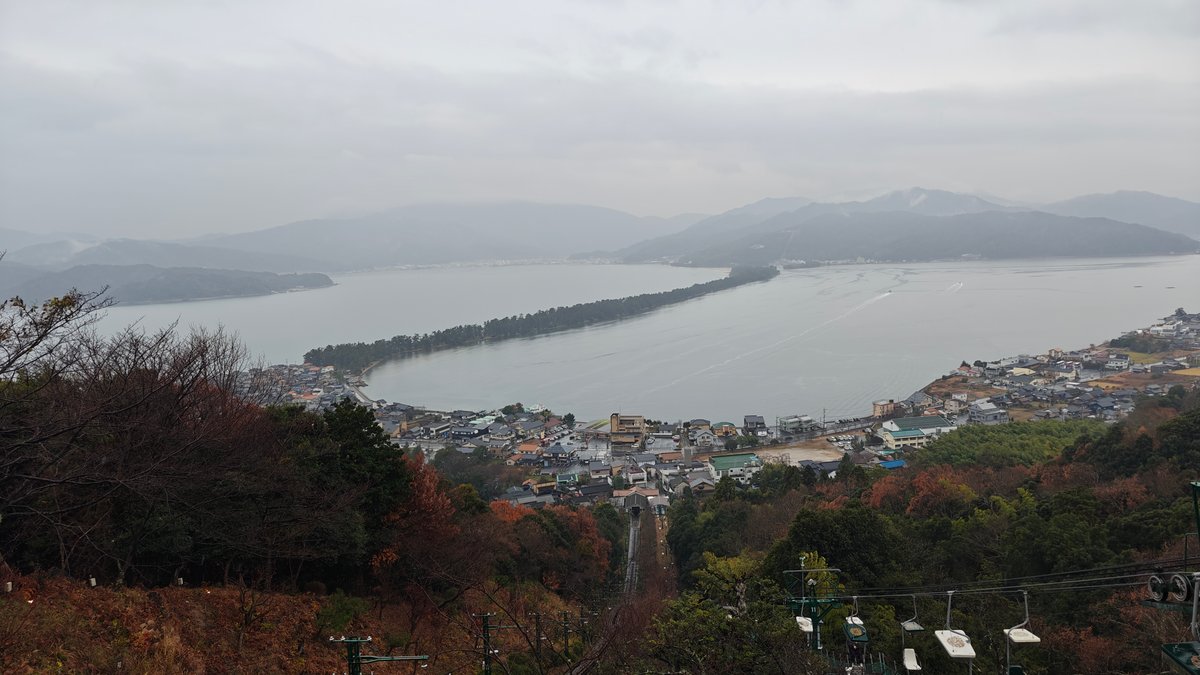
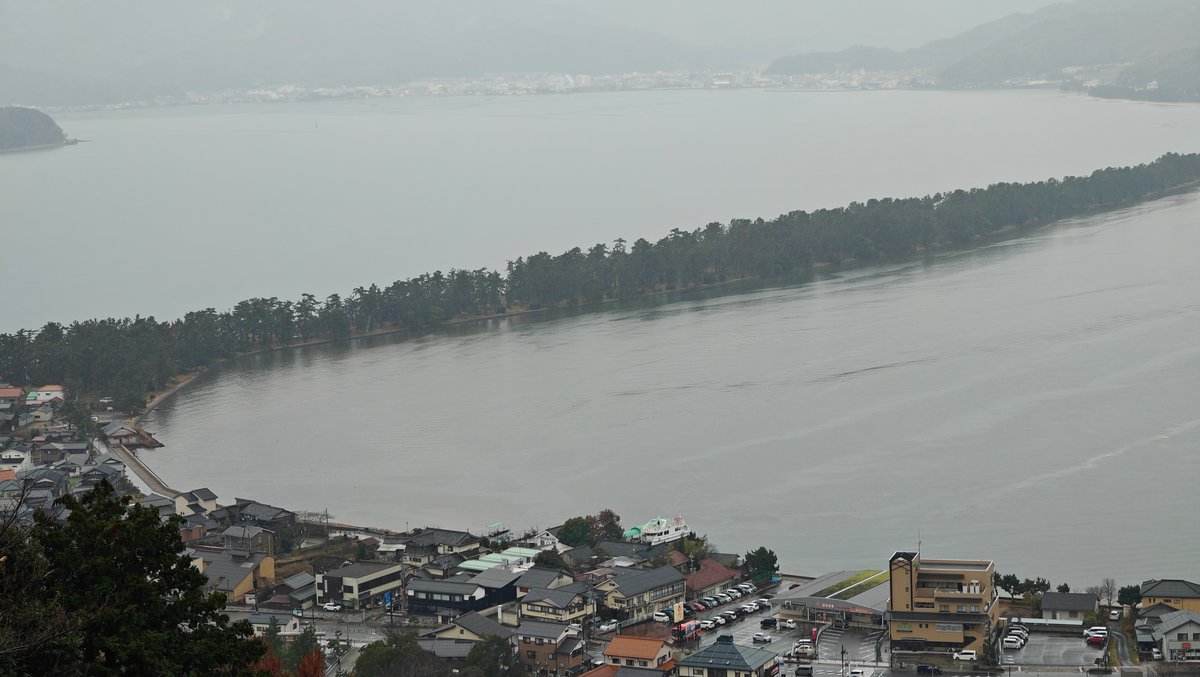
The pine trees run along the middle of the sandbar which curves around the bay. The entire thing is visible from the viewing platform at Kasamatsu Park. People come here for the famous upside-down view, where you bend over and look through your legs.
This view is said to make it look like a bridge in the sky. We didn’t do this but the view from standing upright was good enough. Below, the bay stretches out before you, and on a clear day I imagine it’d be even better, but even on a rainy day, it was worth the trip up here.
Overall, Nara was my go-to recommendation for the first day trip: convenient, jam-packed with activities, and distinct enough from Osaka to feel like a proper change of scenery. While getting to Ine and Amanohashidate required slightly more legwork, they’re both good choices if you’ve got the time and want to visit somewhere a bit further away from the beaten path. If you did (or plan to) do a day trip from Osaka, let me know what you thought in the comments.