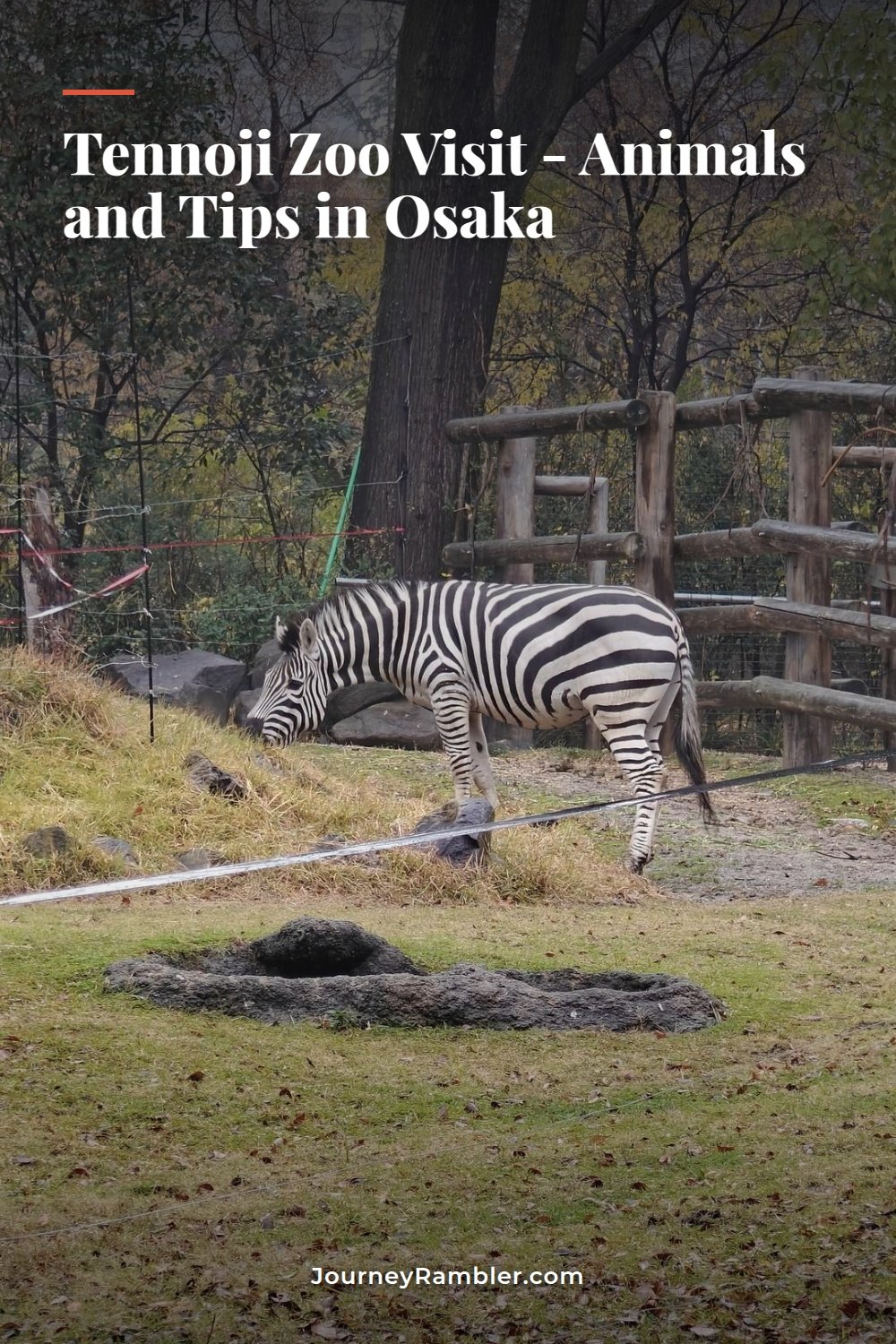
After my visit to Shitennoji Temple, I immediately headed to Tennoji Zoo to spend some time with the animals there.
If you read my writeup about my Shitennoji visit, you’d know that it was a bit rainy when I visited the temple. Unfortunately, it was still raining when I got to the zoo though thankfully this didn’t dampen my enjoyment by much.
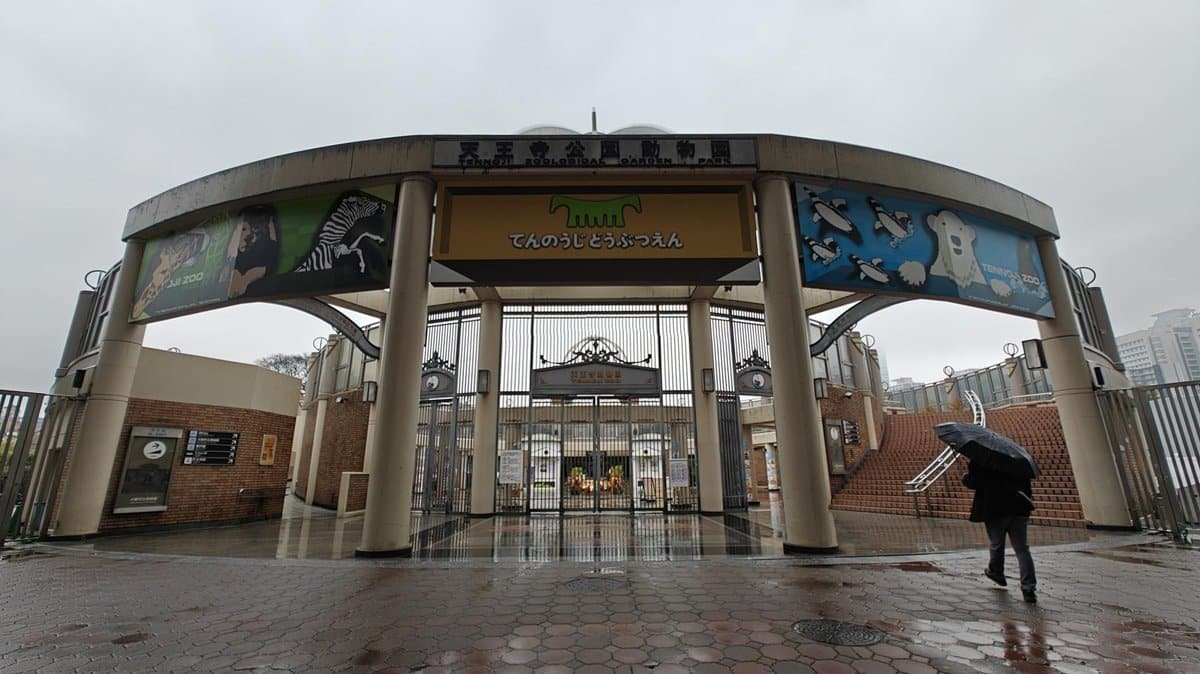
Now you could theoretically walk from Shitennoji’s Stone Torii Gate (the one near the Saidaimon) to Tennoji Station by following the Tanimachi-suji/Tanimachi Road south. This should get you near the Tenshiba Gate Entrance of Tennoji Zoo. In my case though, I went to the Shinsekai Gate Entrance which is farther but would still only take around a 15 minute walk.
You could also take a cab to get there but then again, that’s going to cost you a little more.
What to See at Tennoji Zoo
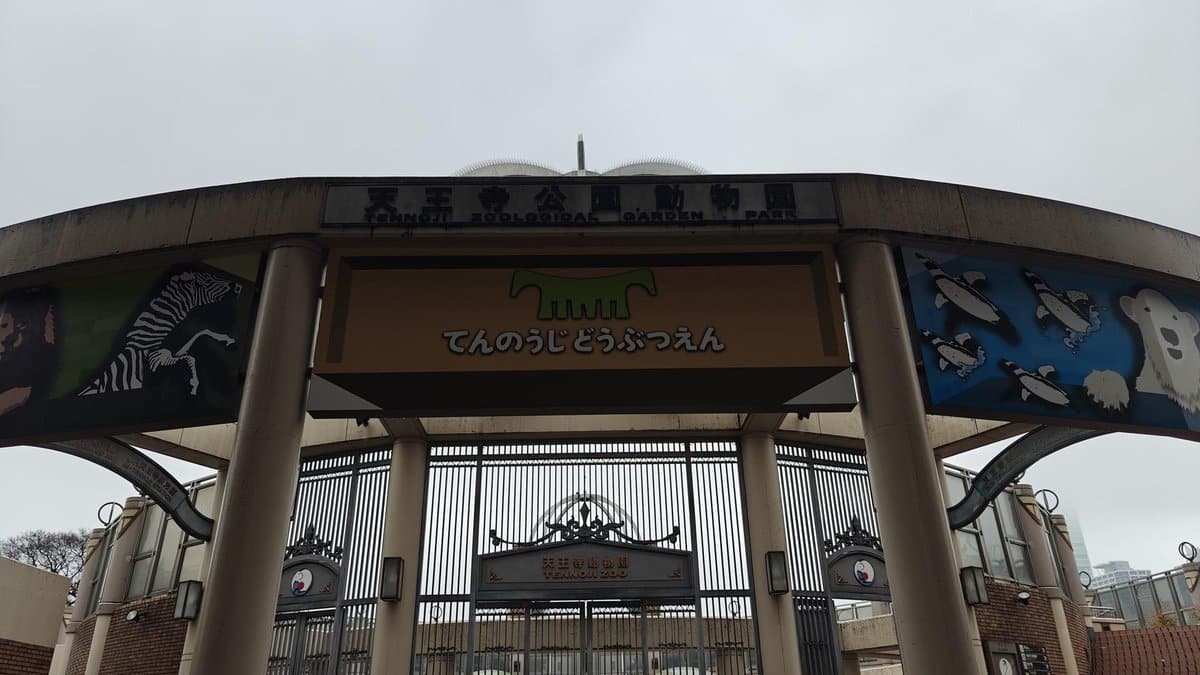
If you look at a map, this entrance is at the western side of the block. From here you can walk southwest and you’ll be at the Dobutsen-mae Station. Opposite the entrance is a street called Koen Hondori which is part of the larger Shinsekai district (that is also a major landmark in Osaka).
As for which entrance you should be going to, that’s going to really depend on you and/or your itinerary. When I visited, the Shinsekai Gate Entrance seemed like it was a lot closer so I went there instead.
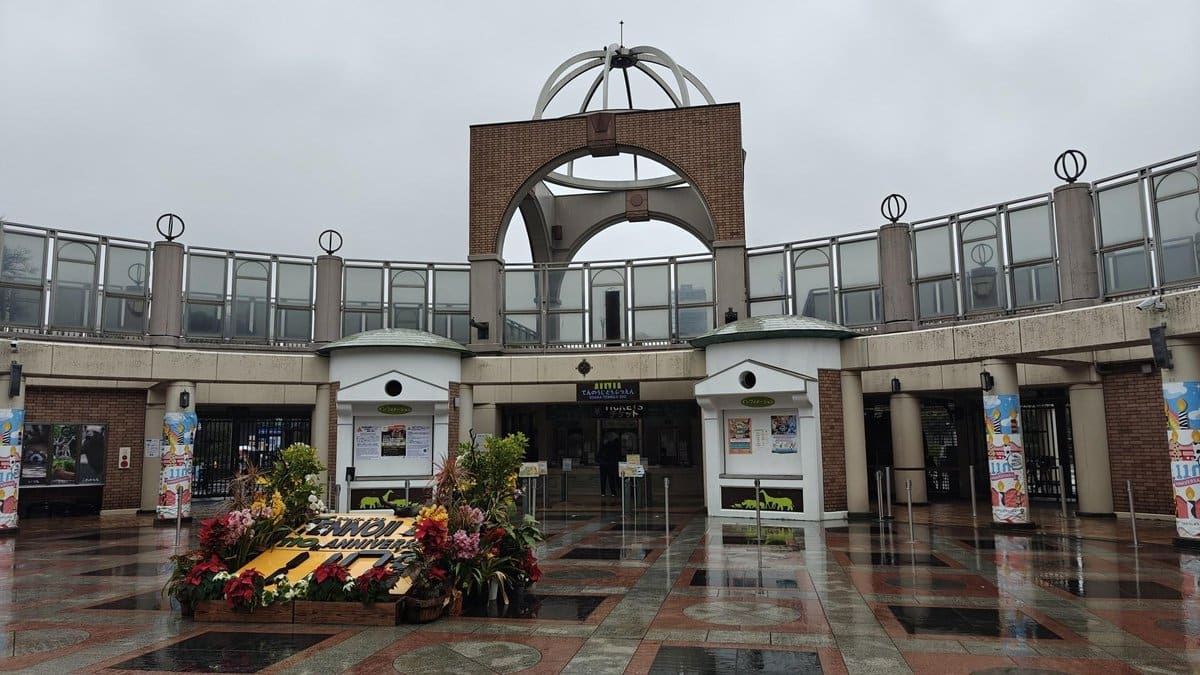
The moment you get inside, it sort of feels like you’re in a theme park. For some reason, the gate area feels like the inside of a colosseum. It’s actually a far cry from the more traditional buildings and locations that I had the chance to visit in Kyoto.
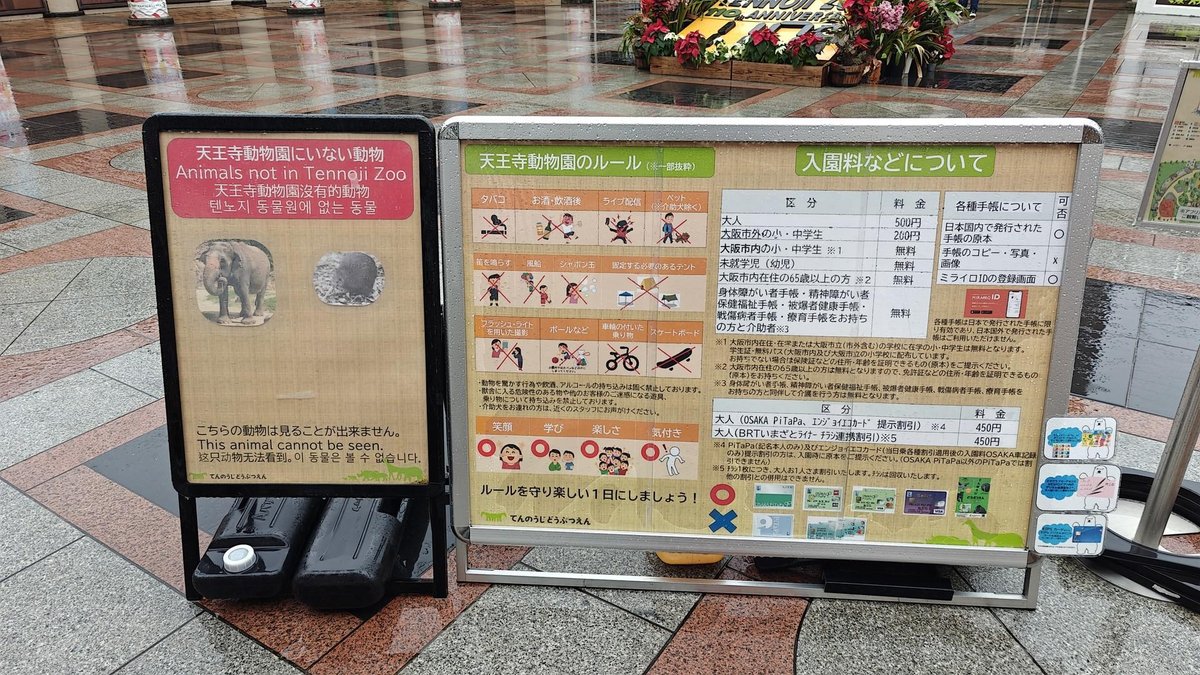
So there were plenty of signs here featuring information about the zoo. In the previous image, you can see one that shows the pricing for tickets here. It’s actually relatively cheap as you only need to dish out 500JPY for admission.
Middle and high school kids from outside of Kyoto (and I would guess from outside the country as well) only need to fork out 200JPY.
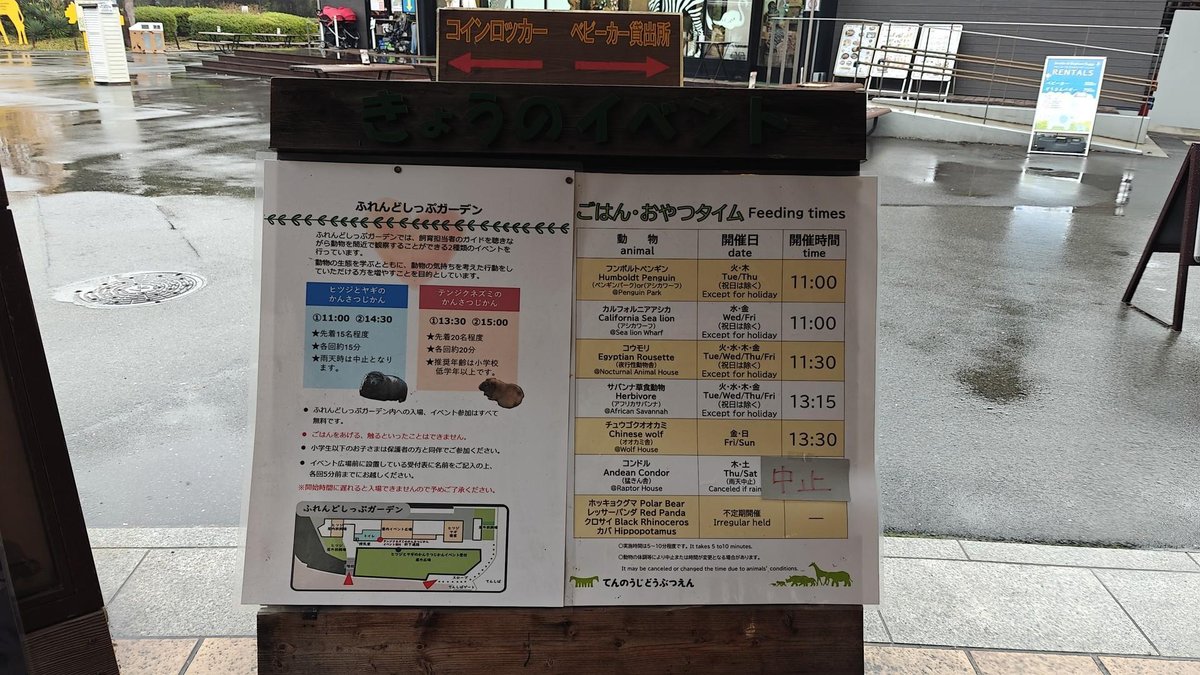
Now if you’re the kind of person who enjoys watching wild animals eat then you might want to take note of the feeding times shown in the image above. The animals are typically fed during lunch time so you might want to come here before that time. Personally, I’m fine with just watching the animals even if they’re not eating.
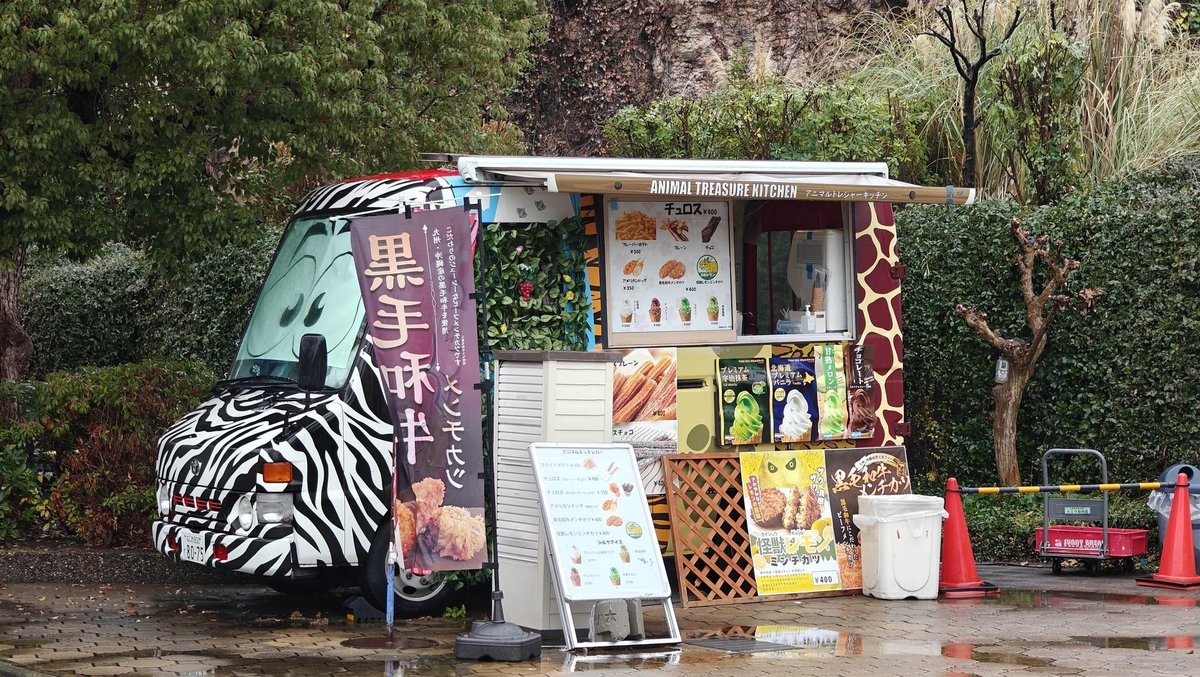
Near the entrance, you’ll find plenty of establishments where you can buy food and drinks. One particular food truck called Animal Treasure Kitchen was selling a wide range of snacks that included (but wasn’t limited to) churros, karaage, as well as soft serve ice cream. Some (if not all) of these you can conveniently carry along with you as you’re walking around the zoo.
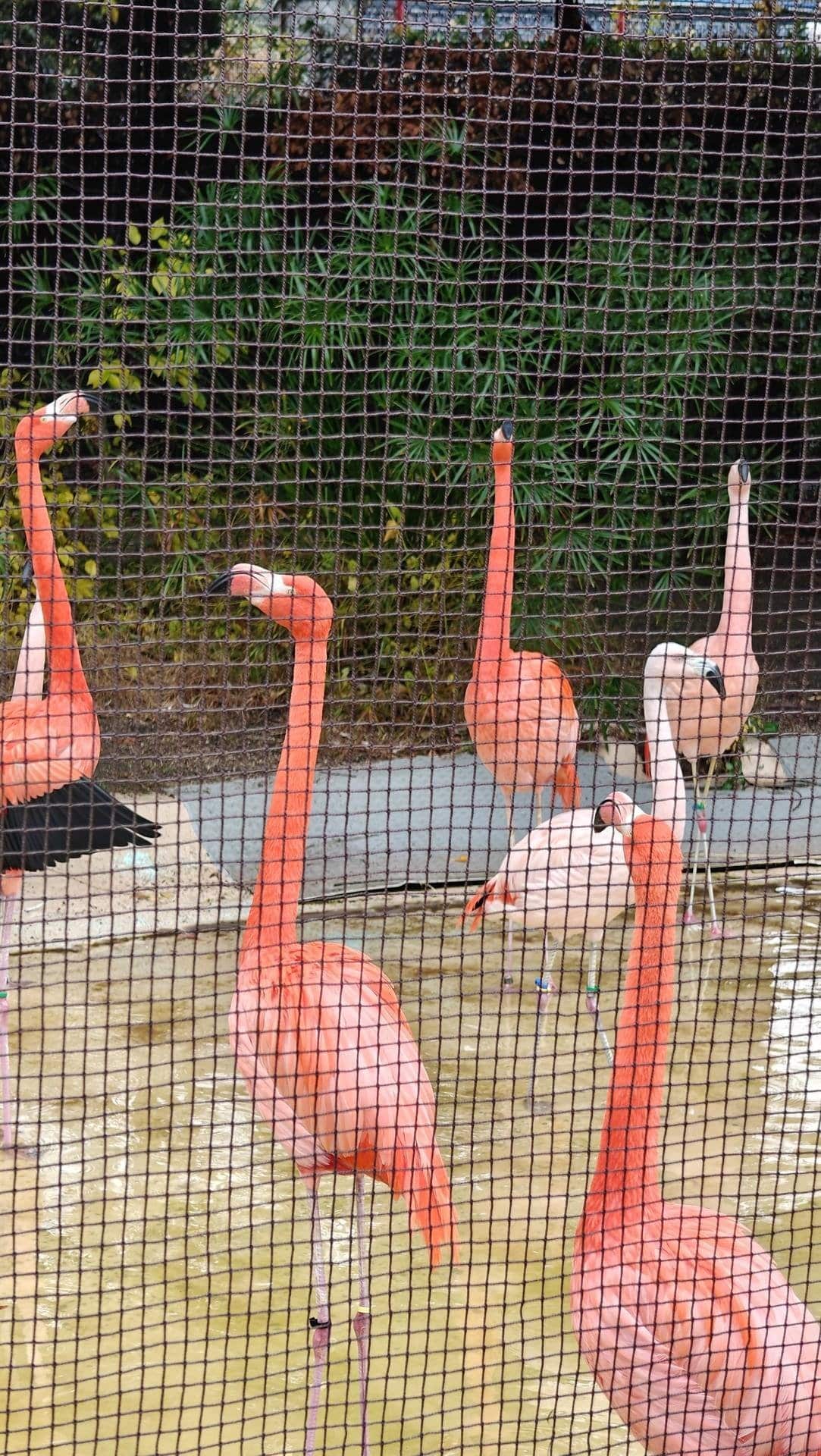
From the entrance, I took the path on the right to head to the African Savannah section. Along the way to get there though, I passed by the wading bird enclosures. The first of these that I came across was this one that featured flamingos.
I’m not that good at differentiating between species but I do know that the zoo has three (Lesser Flamingo, Caribbean Flamingo, and Chilean Flamingo) of them here.
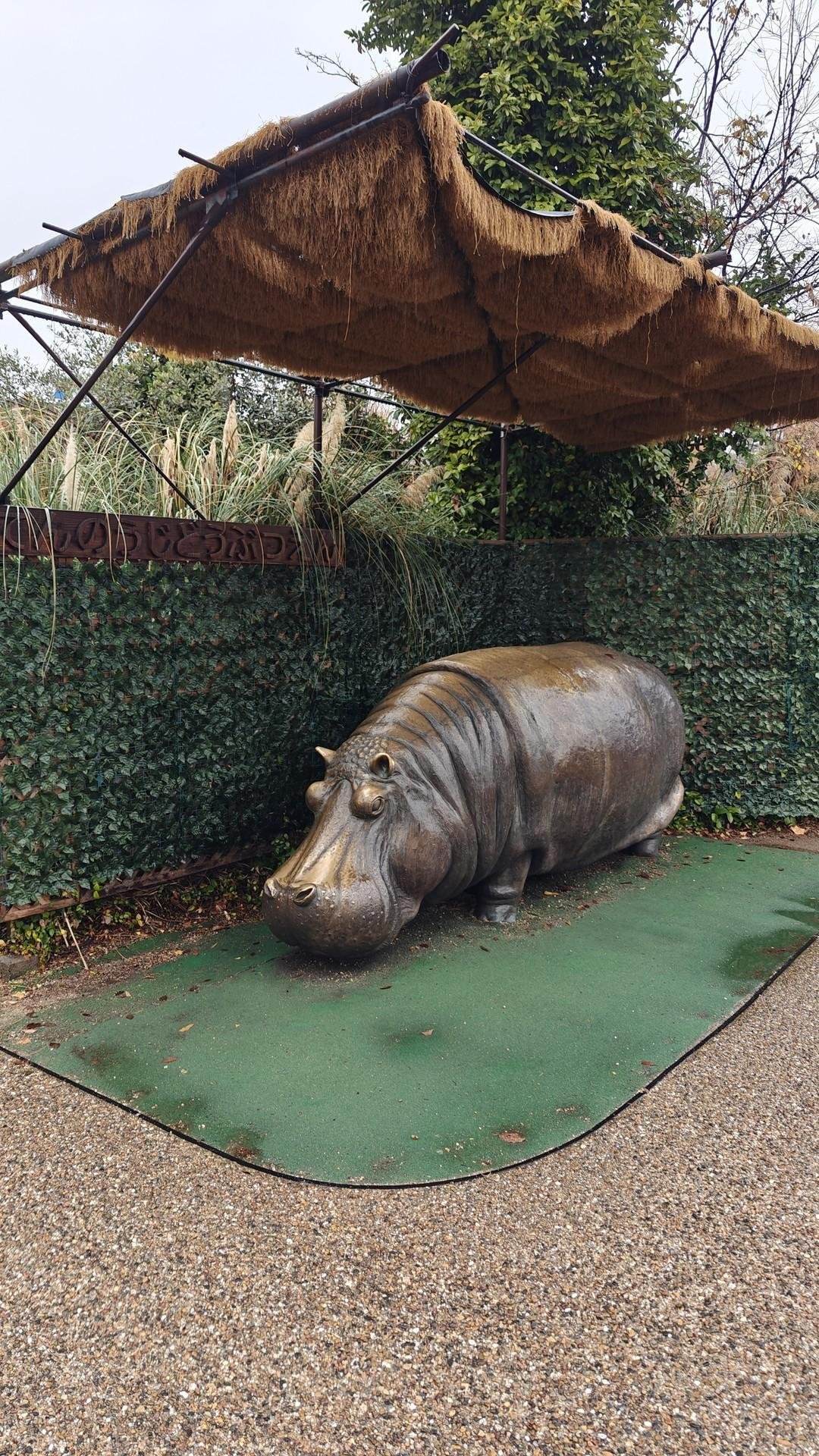
When talking about savannahs, I don’t think any discussion would be complete without the hippo. Now the one that you see here (just across the path from the flamingo enclosure) actually isn’t real and is just a display statue that you can pose with/in front of. If you are looking to see one of these majestic animals in action then there’s a viewing deck just a couple of steps from here (to the right in this image) where there are three of them.
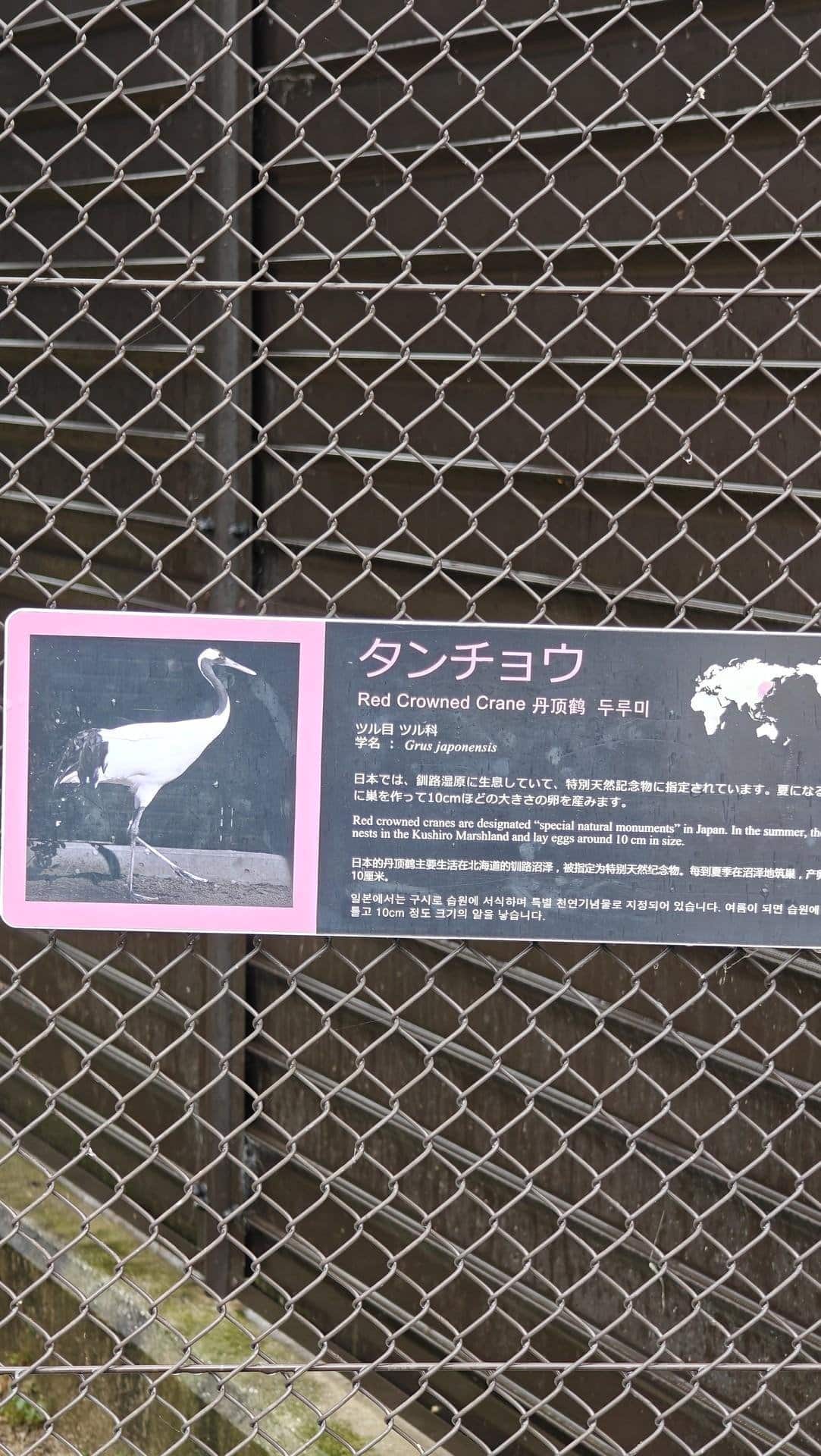
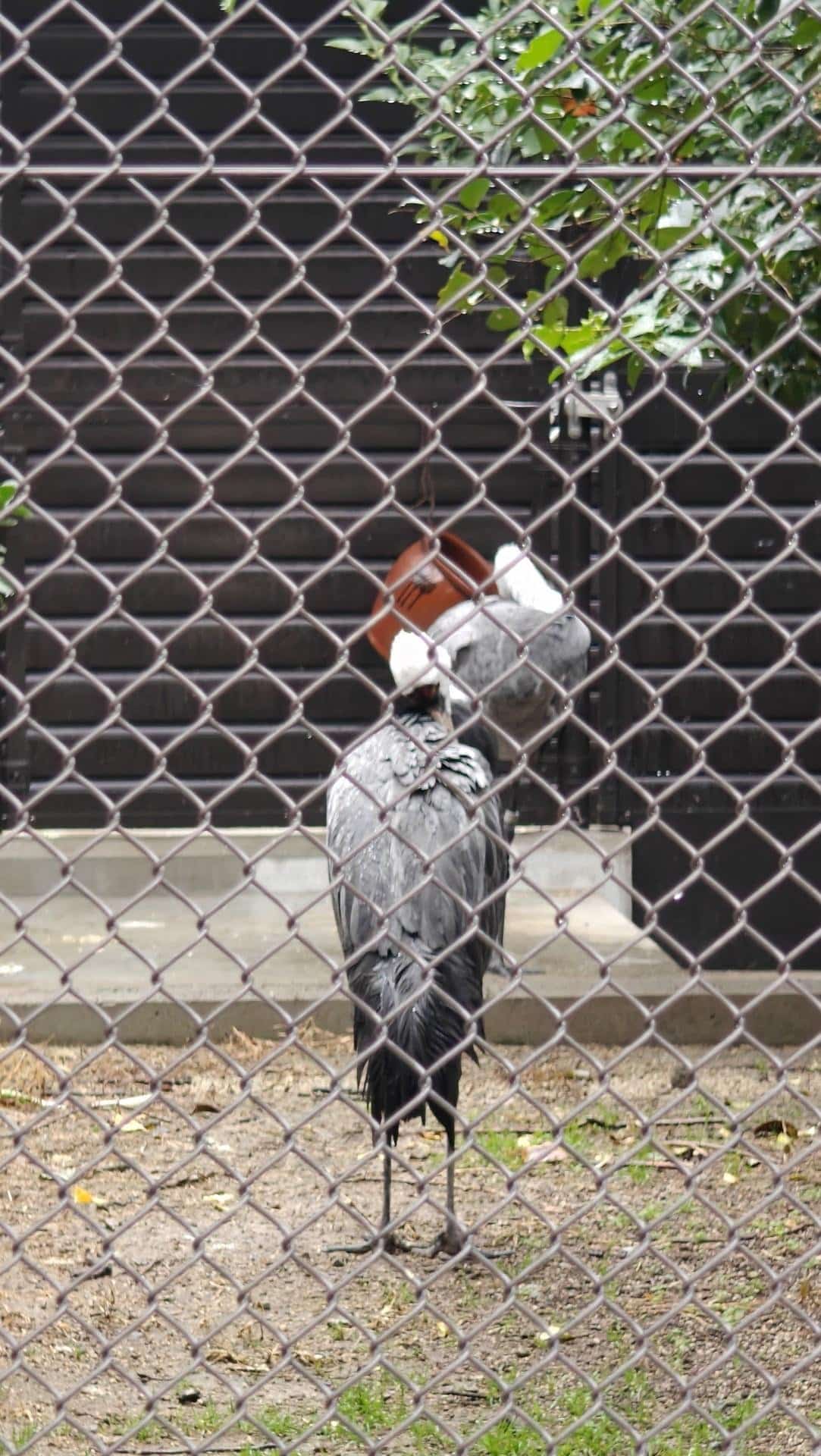
Adjacent to the Flamingo enclosure is this one featuring cranes. If you know your Japanese culture then you’d know how relevant these animals are to it. The notable species of crane here is the Red Crowned Crane which you’d typically find in Hokkaido.
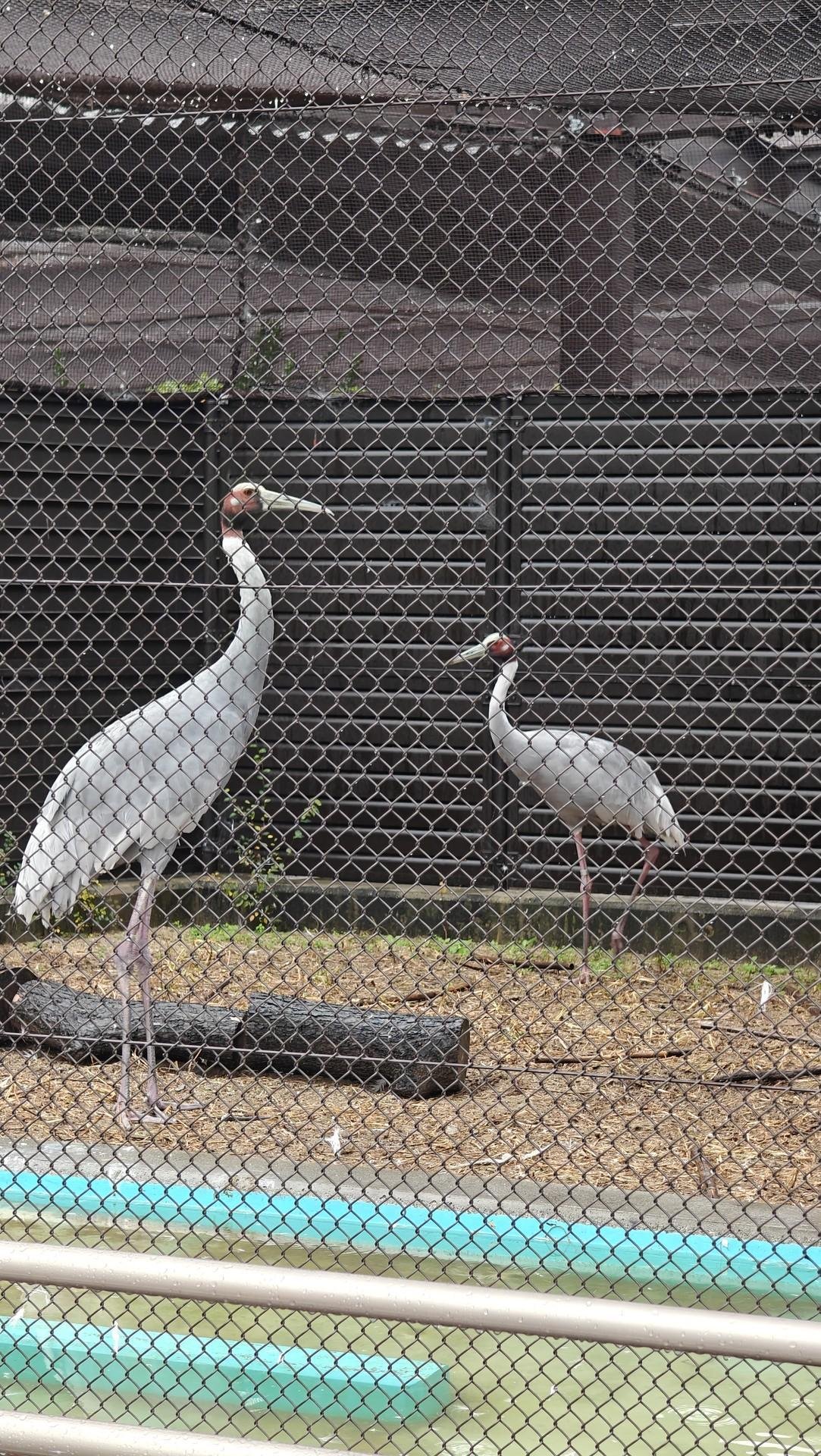
Other than the Red Crowned Crane (which I wasn’t able to take a picture of), there are also Sarus and White-Naped Cranes here as well. So you might be wondering, what are these animals doing in the African Savannah section? Technically, their enclosure (along with that of the flamingos) is part of The World of Birds section which is the African Savannah’s neighboring area.
Actually, the path I’m on sort of acts as a border between the two.
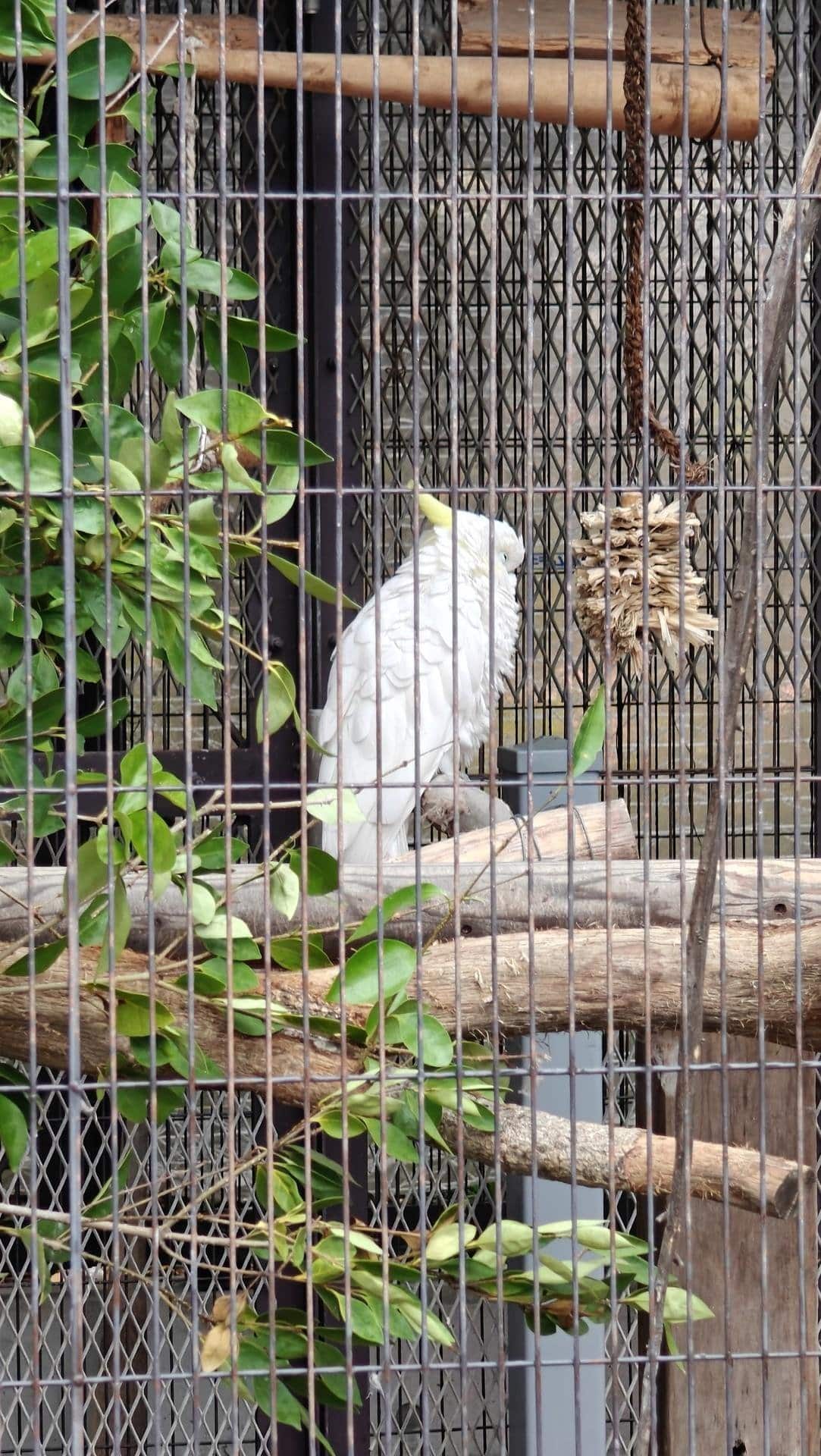
In between the cranes and the flamingos is a smaller enclosure which housed this sleepy cockatoo. If I remember correctly, this is a Sulphur-crested Cockatoo which is a species that is found in Australia, Tasmania, and New Guinea. While they are a native species to Australia, they also are considered pests just because of the damage they cause to agriculture, housing, and infrastructure.
While this particular species is still thriving, the similar looking Yellow-crested Cockatoo is listed as critically endangered.
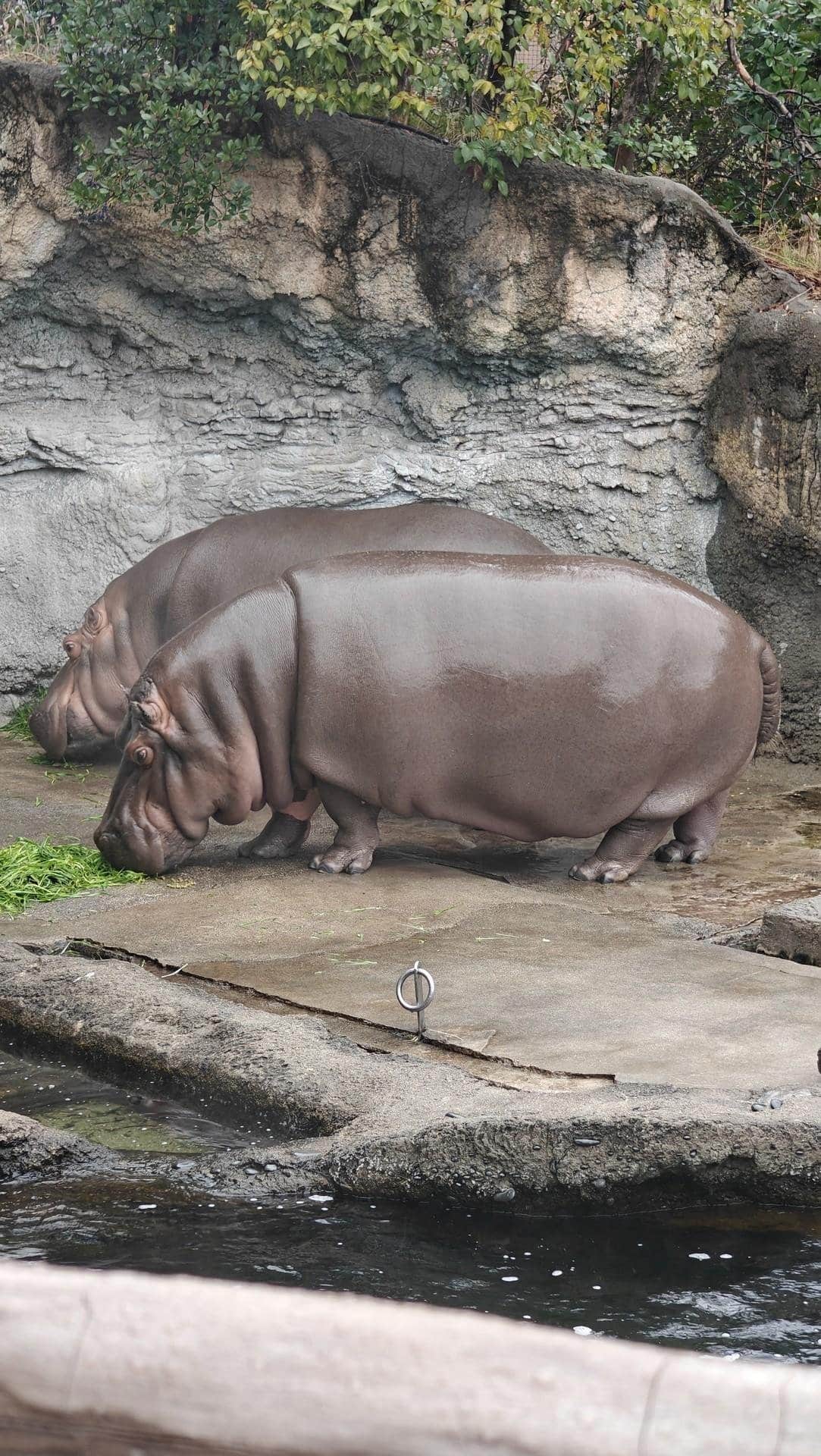
Here are two of the three hippos that I was talking about earlier. These guys are common hippopotamus and they look like they’re actually quite healthy. Also, I was sort of lucky that I came to their enclosure just as they were starting to eat.
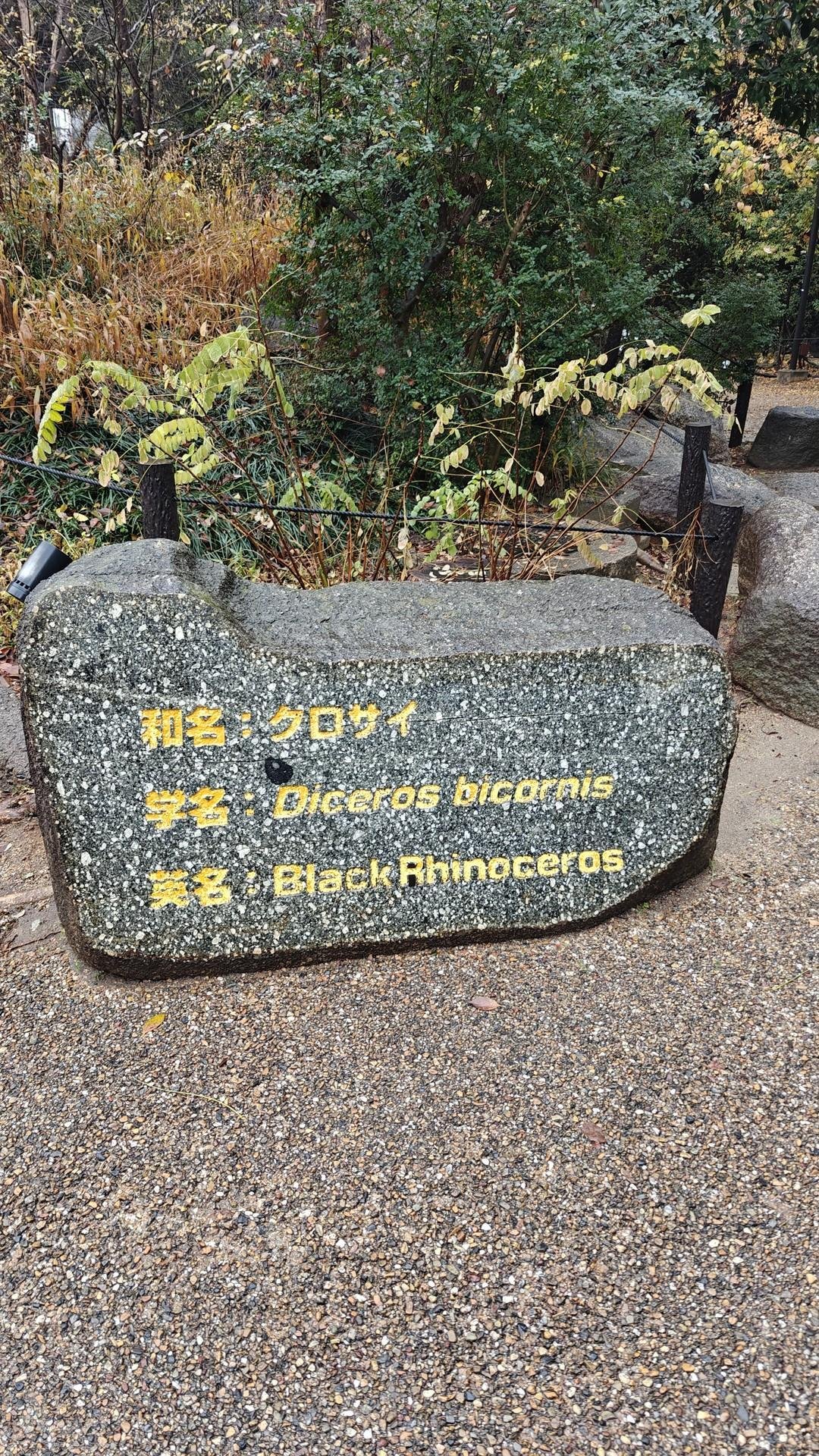
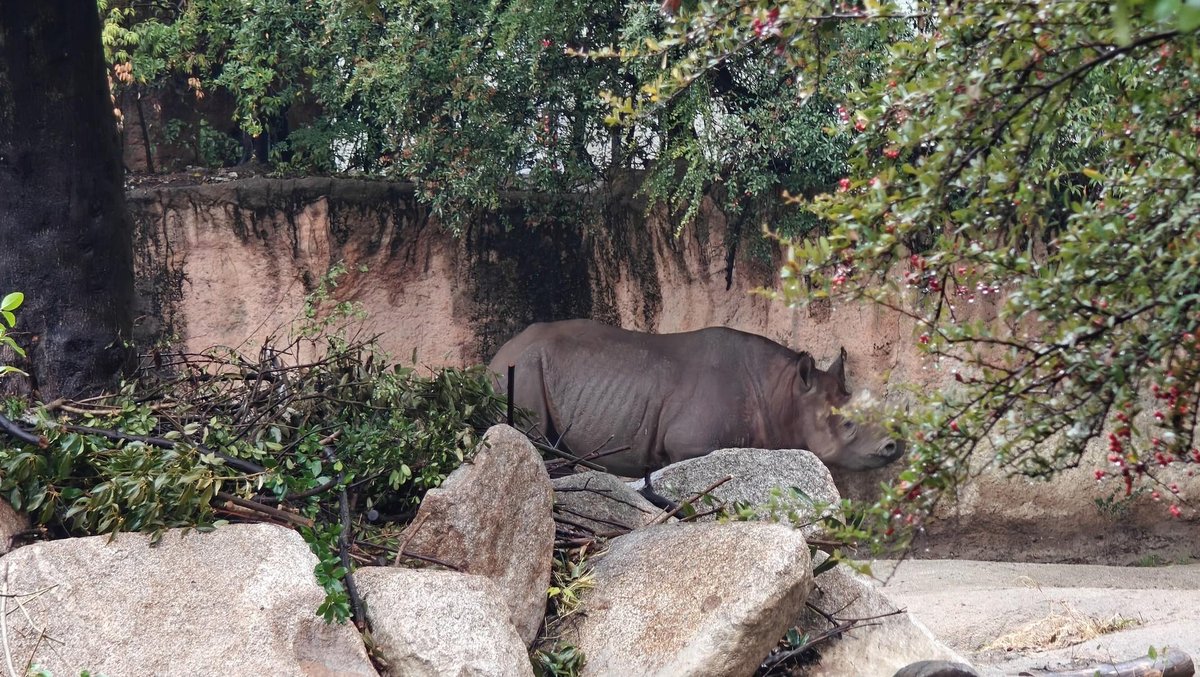
The hippopotamus isn’t the only notable large mammal that’s found here in Tennoji Zoo. A short walk to the west of the hippo enclosure was where you could find the zoo’s only rhino resident. Named Samia, she’s an Eastern Black Rhino that came here from Germany’s Leipzig Zoo sometime in 2015.
The Eastern Black Rhino is actually classified as critically endangered and the reason why Samia was sent here was mainly for conservation purposes as well as to be a part of a breeding program to save her species.
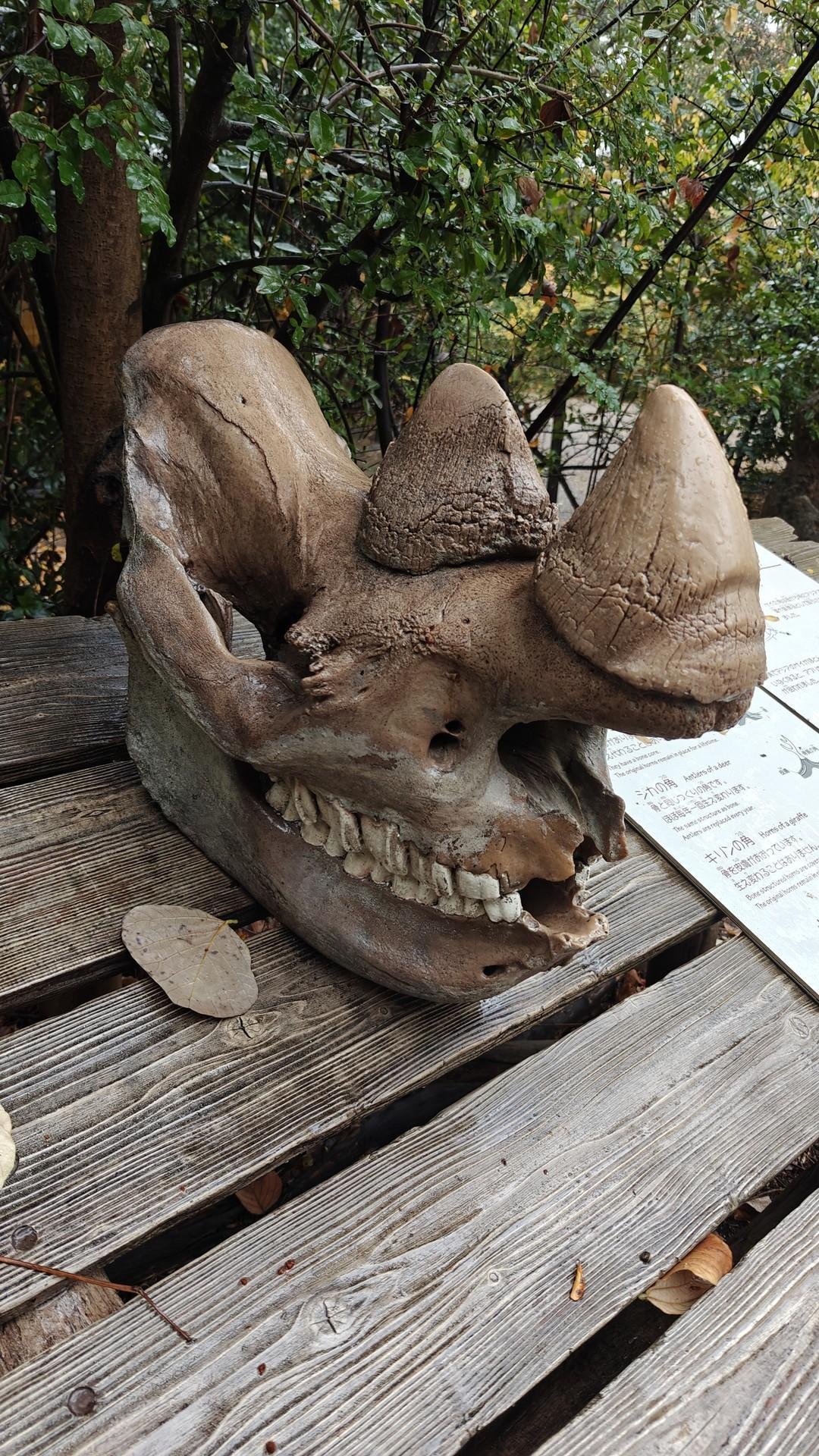
Rhinos are quite possibly one of the most critically endangered animals on Earth. A lot of this has to do with people poaching them for their horns which are used for traditional medicine and can fetch anywhere from 30000USD to as much as 65000USD per kilo. It’s actually a bit sad knowing that some species only number less than a hundred in the wild (e.g. the Sumatran and Javanese Rhinos).
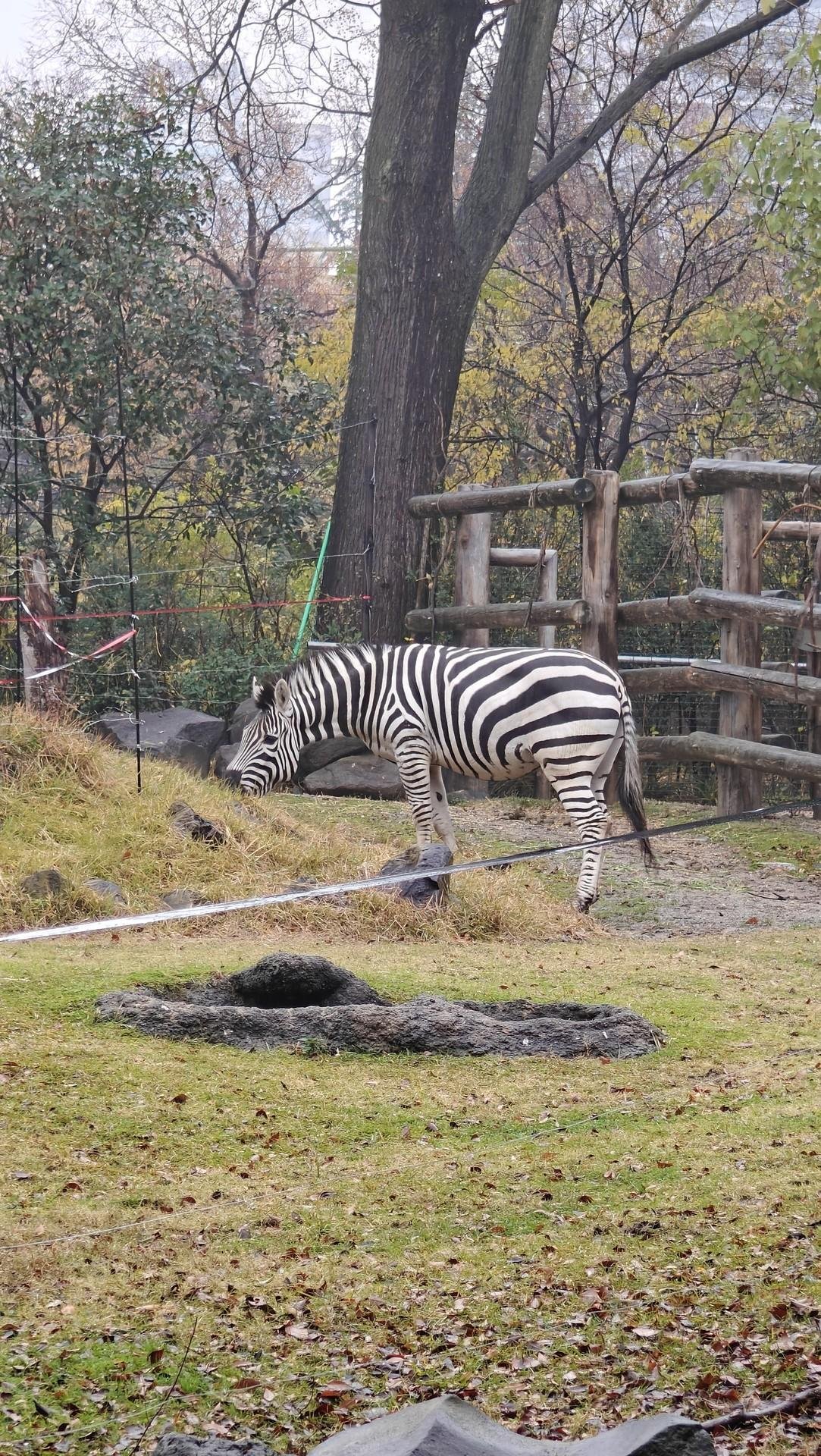
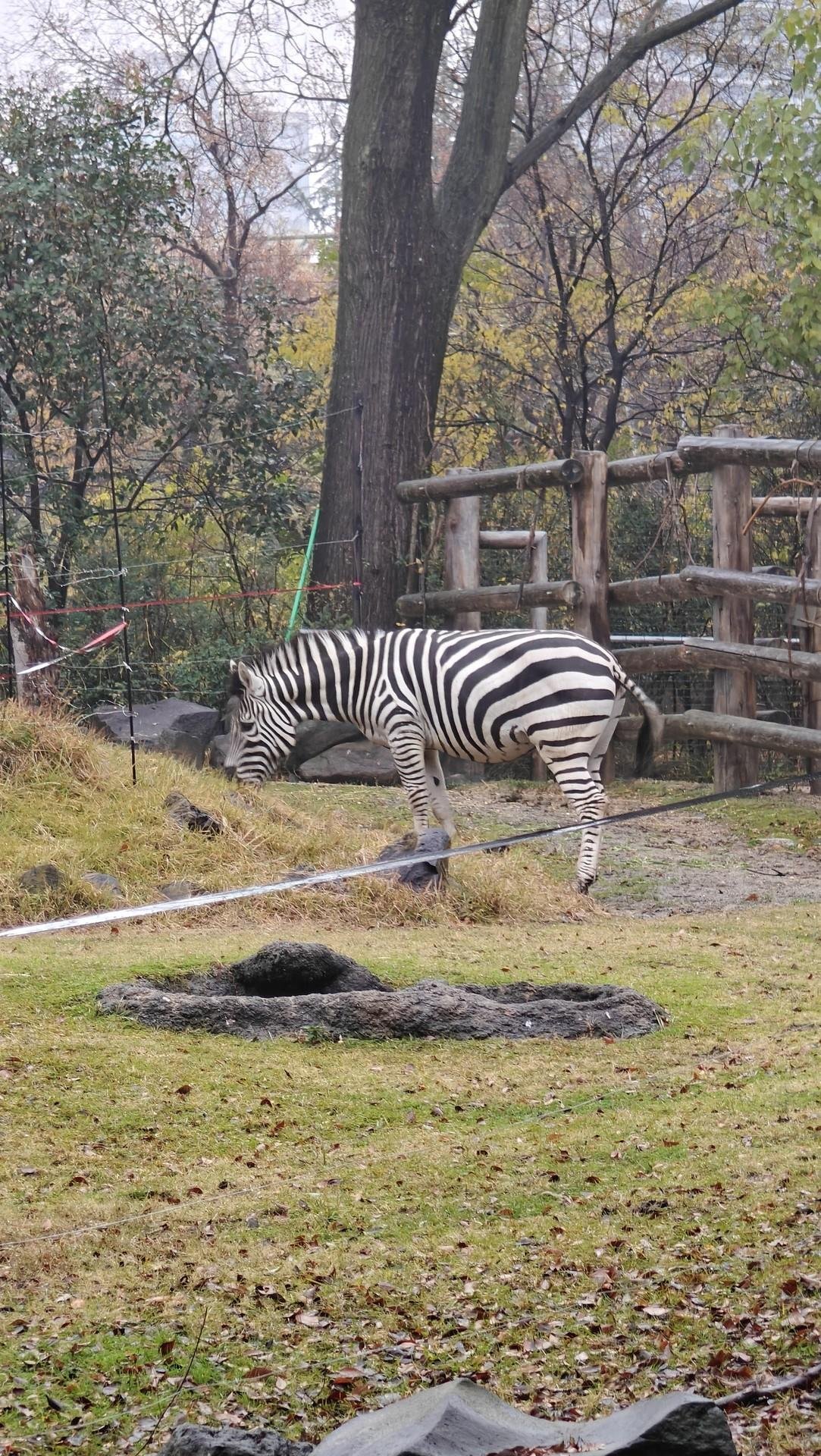
The first animal I saw in the main African Savannah enclosure was this zebra. Now it should be noted that this main area is quite large and oftentimes, you might not be able to see the animals here. During this visit, the Giraffes were noticeably absent in this outside area though I did eventually see one up close inside one of the buildings here.
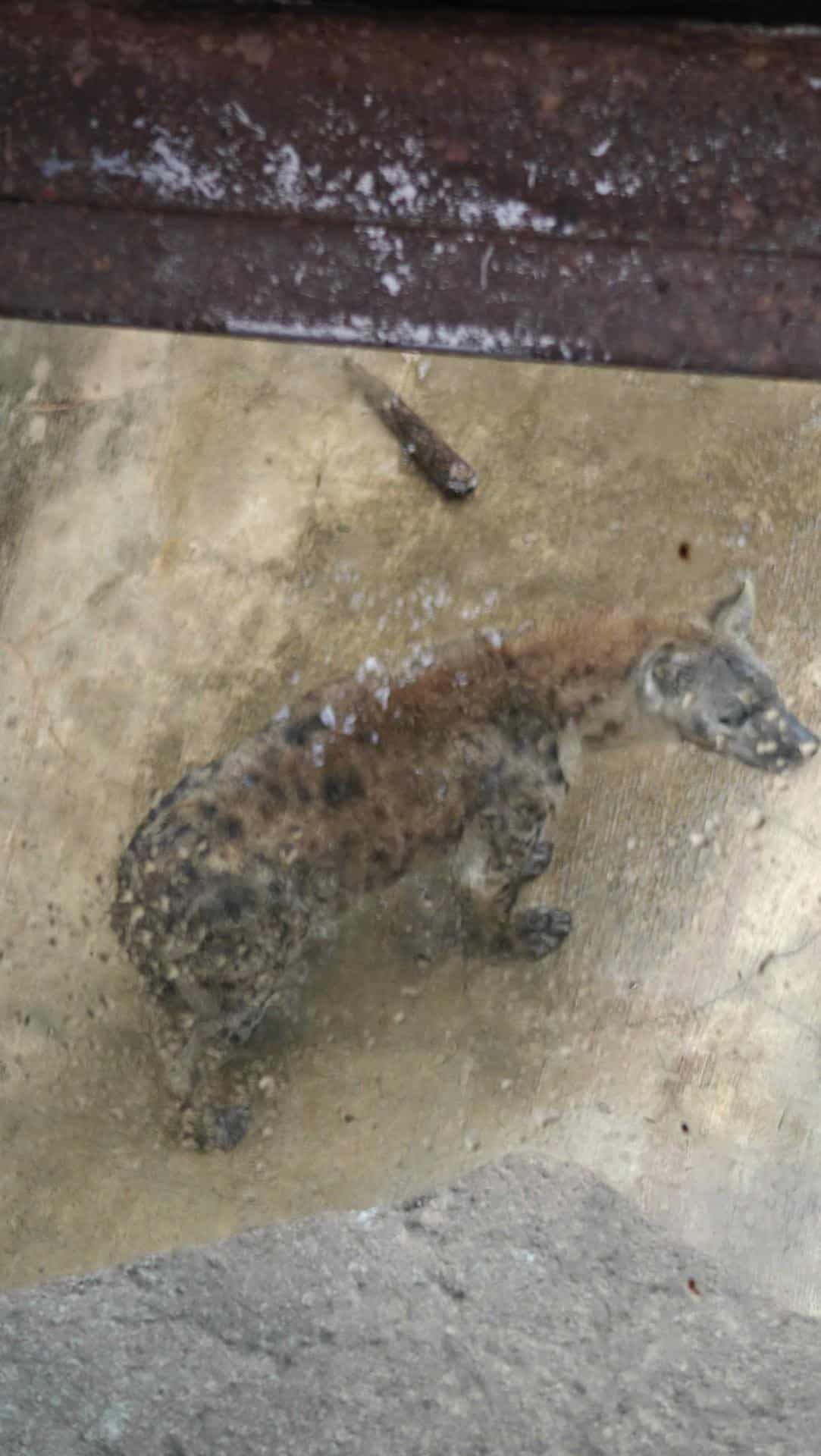
Also in the main African Savannah area are the separate Hyena and Lion enclosures. Obviously, these guys aren’t allowed near the giraffes and zebras as they’d likely hunt them down. I will say that the lions actually looked pretty intimidating even if they were just sitting around and even with the glass separating me from them.
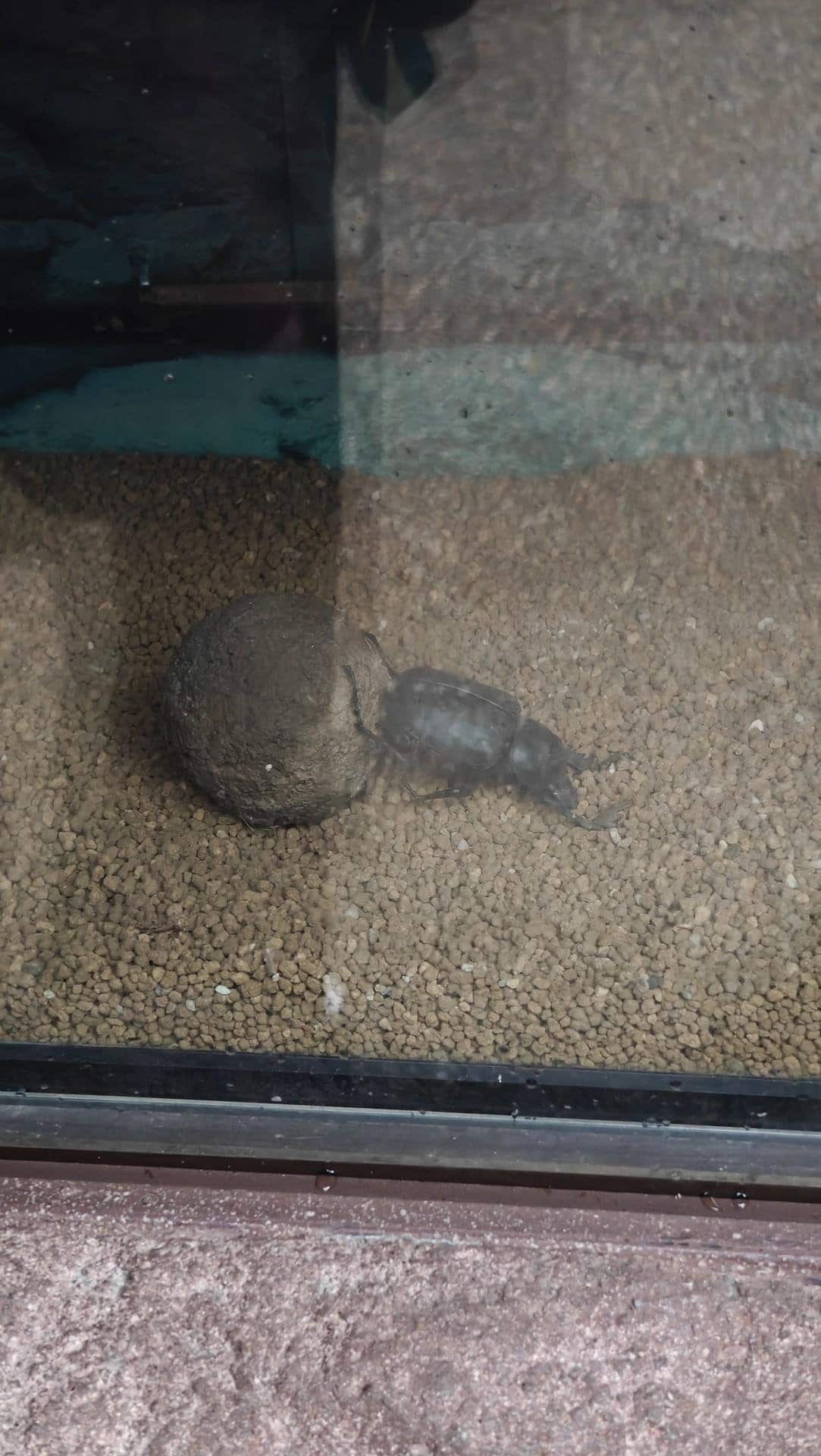
It’s not just mammals and birds that you’ll find here at Tennoji Zoo. This display had a dung beetle rolling this ball of poop. I initially thought that these animals were only found in Egypt (from watching Brendan Fraser’s Mummy movies) but Japan apparently has plenty of them as well.
In fact, I’ve read that there are over 100 species of dung beetles that are native to the country.
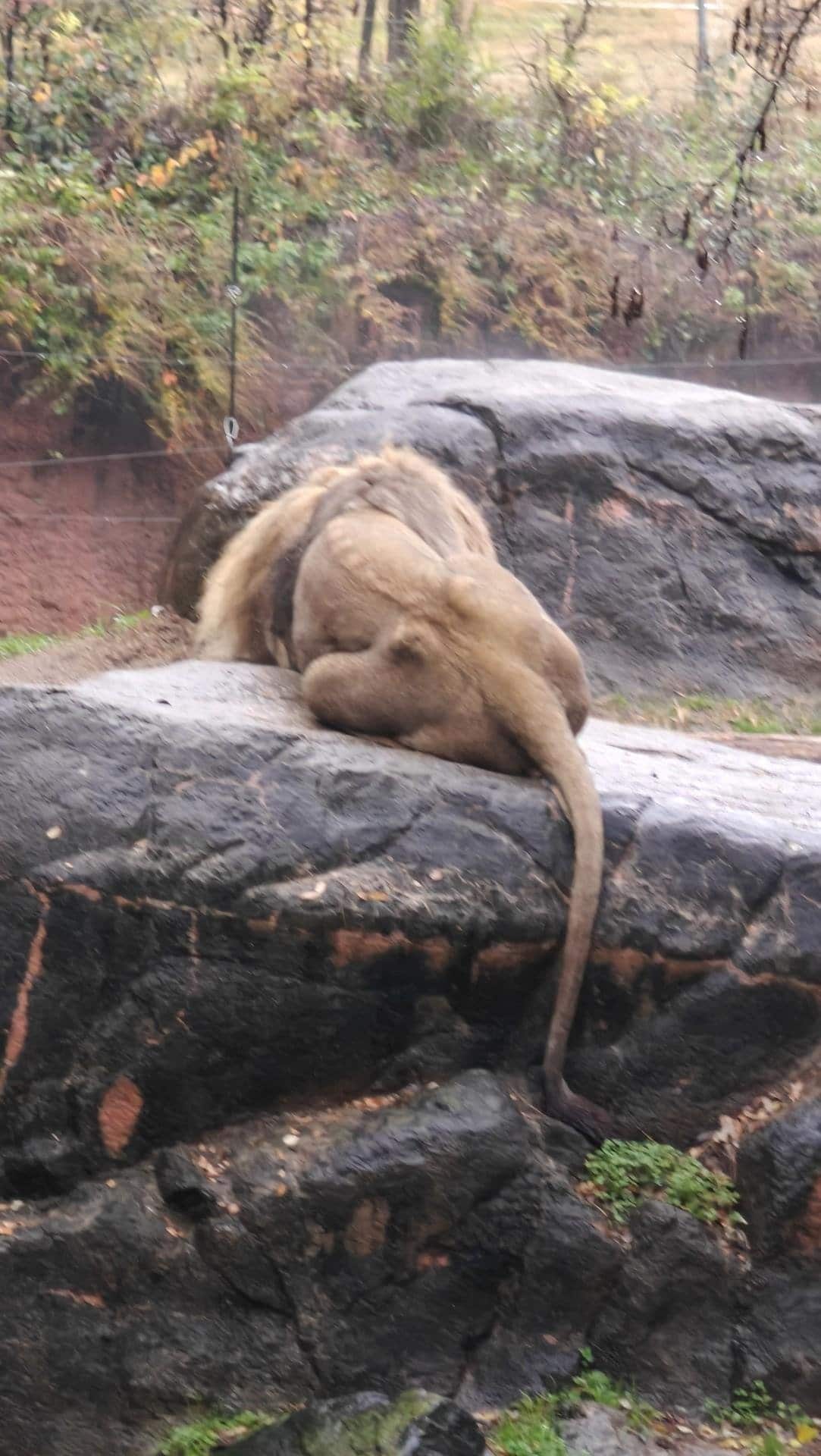
I’m not quite sure just how many lions there are at Tennoji Zoo. During my visit, I was able to picture three of these magnificent big cats. The male was actually one of the most chill animals in the zoo but you could tell that the big guy was dangerous.
He had this muscly back and his mane made him look very imposing.
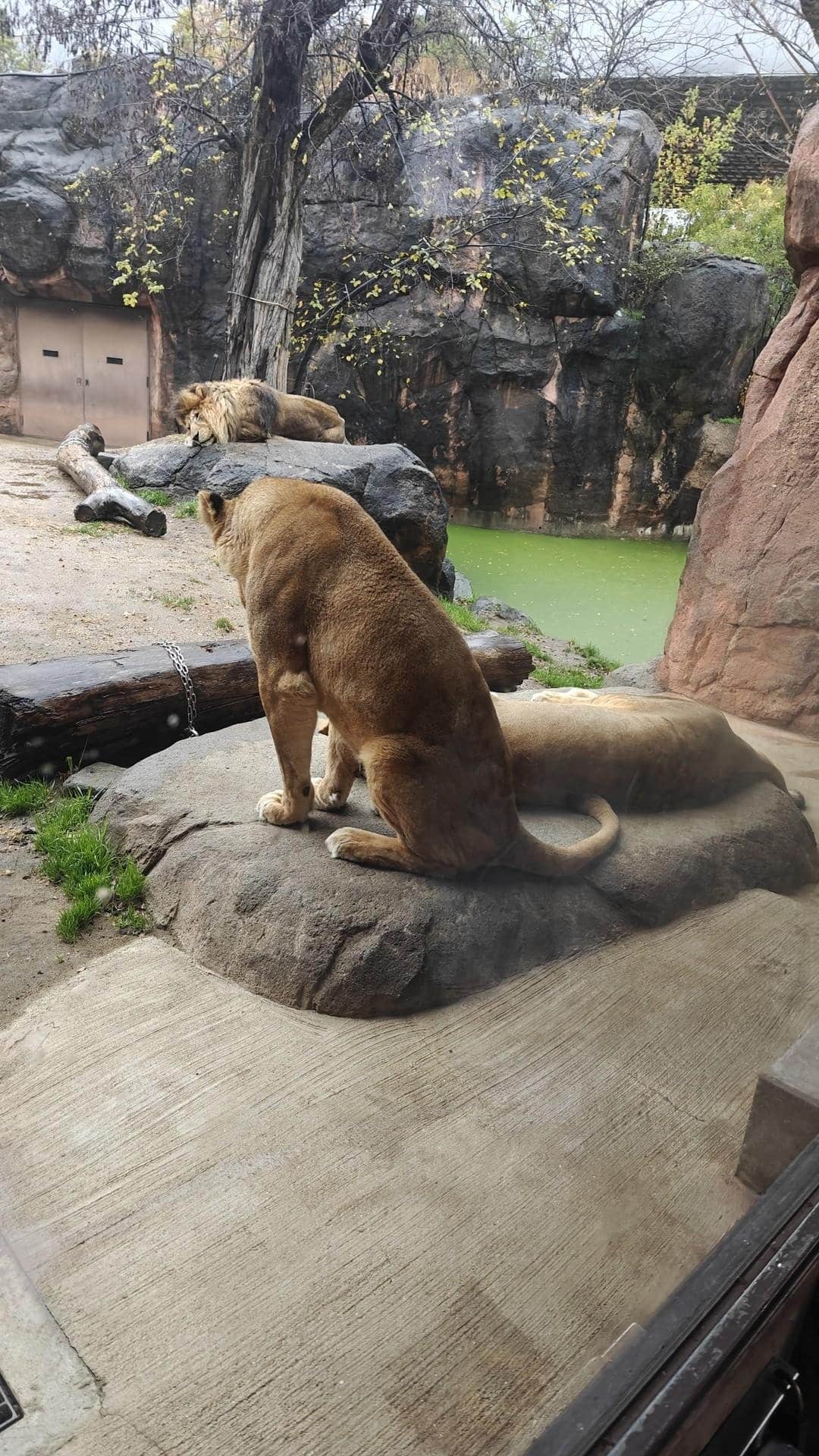
The lionesses were also quite relaxed and seemed to not be paying any mind to the people observing them. I actually thought that the glass here was one-way but apparently it’s not. Lions (as well as other animals from other enclosures) can clearly see the people behind the glass.
In the lions’ case though, they just didn’t seem to concern themselves with the attention of visitors like me.
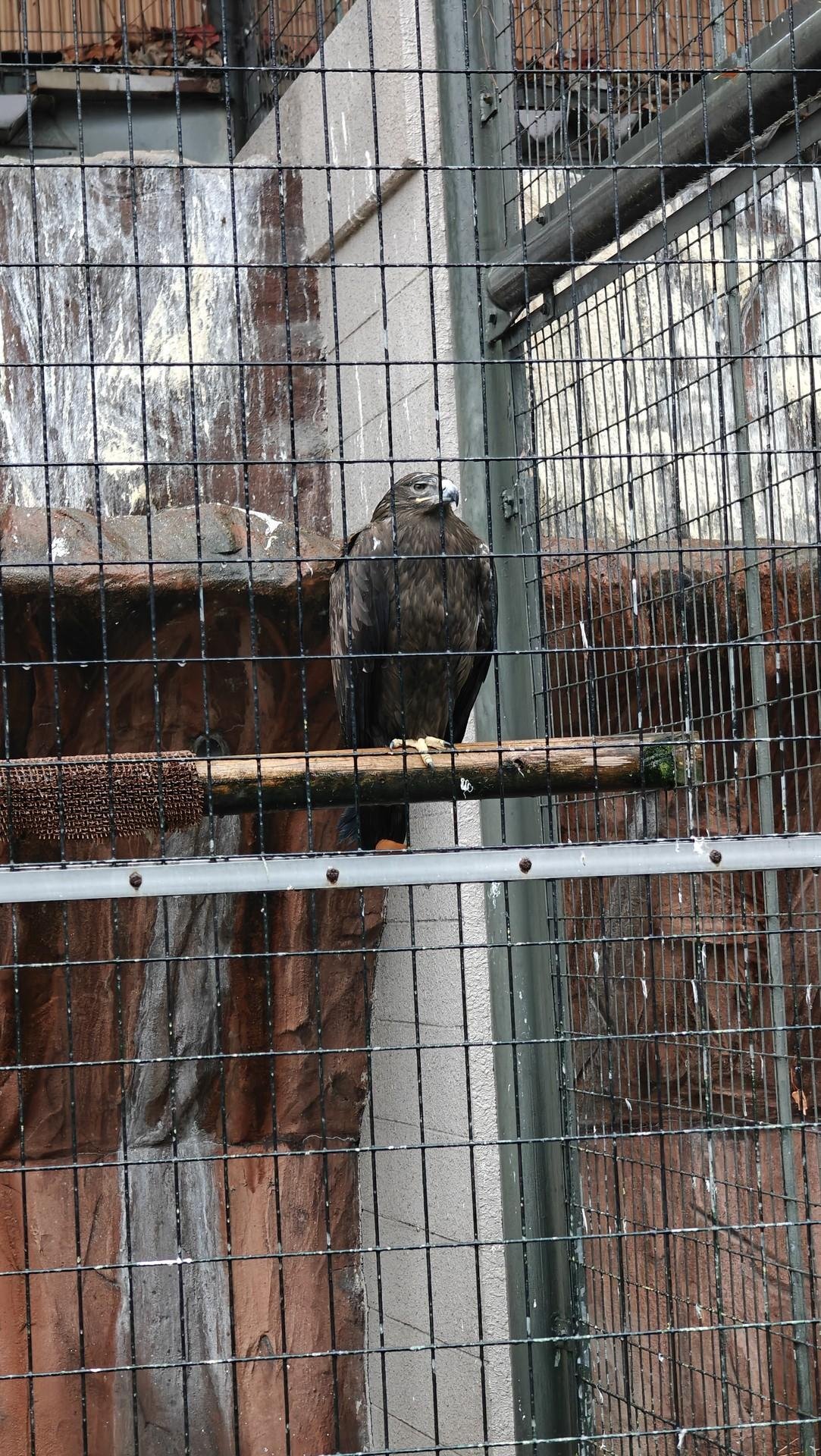
The northwest corner of the zoo (which is just a short walk from the lion and hyena enclosures) is where you can find the cages for the raptors. No, I’m not talking about the dinosaurs but rather predatory birds. I honestly kind of forgot what the eagle in the image but I think it could be either a Steppe or a Japanese Golden Eagle.
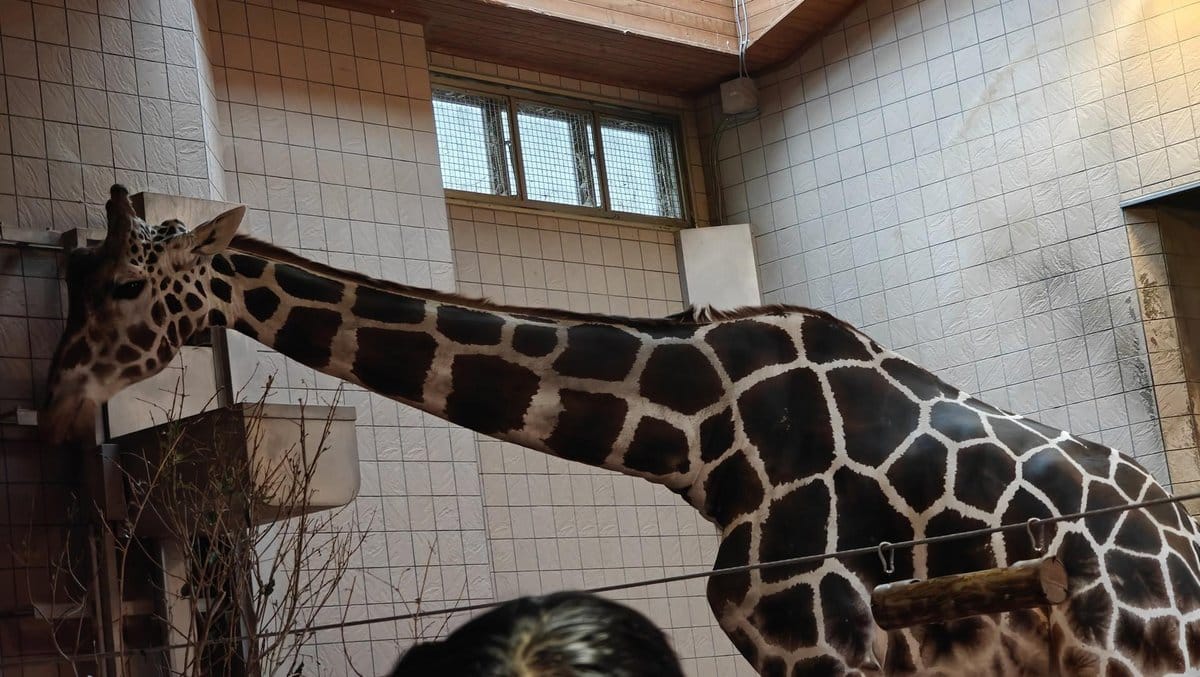
Here’s the building where I got to see the giraffes here at Tennoji Zoo up close. It was feeding time for them so I got to see their really long tongues as they were eating the food given to them by their caretakers. I was also quite surprised at just how relaxed and seemingly used to human interactions the animals here were.
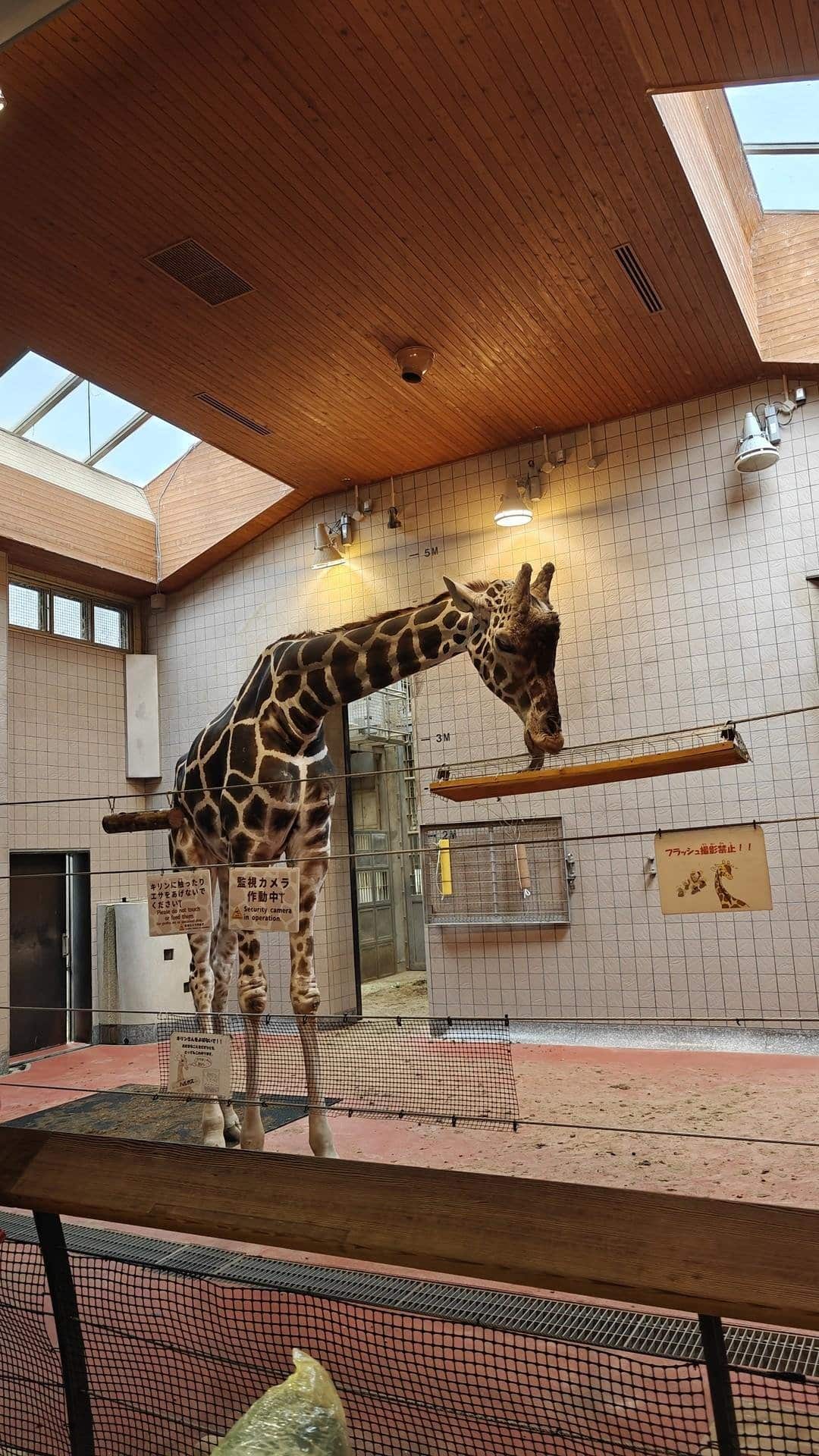
Unlike in Arashiyama Monkey Park where I was allowed to feed the Japanese macaques, Tennoji Zoo doesn’t allow visitors feeding the giraffes here. I was told that the reason for this is to ensure the safety of the animals’ diet as well as prevent any behavioral issues that might arise from unmonitored and uncontrolled feeding. This doesn’t just apply to giraffes but also to the majority of the animals here.
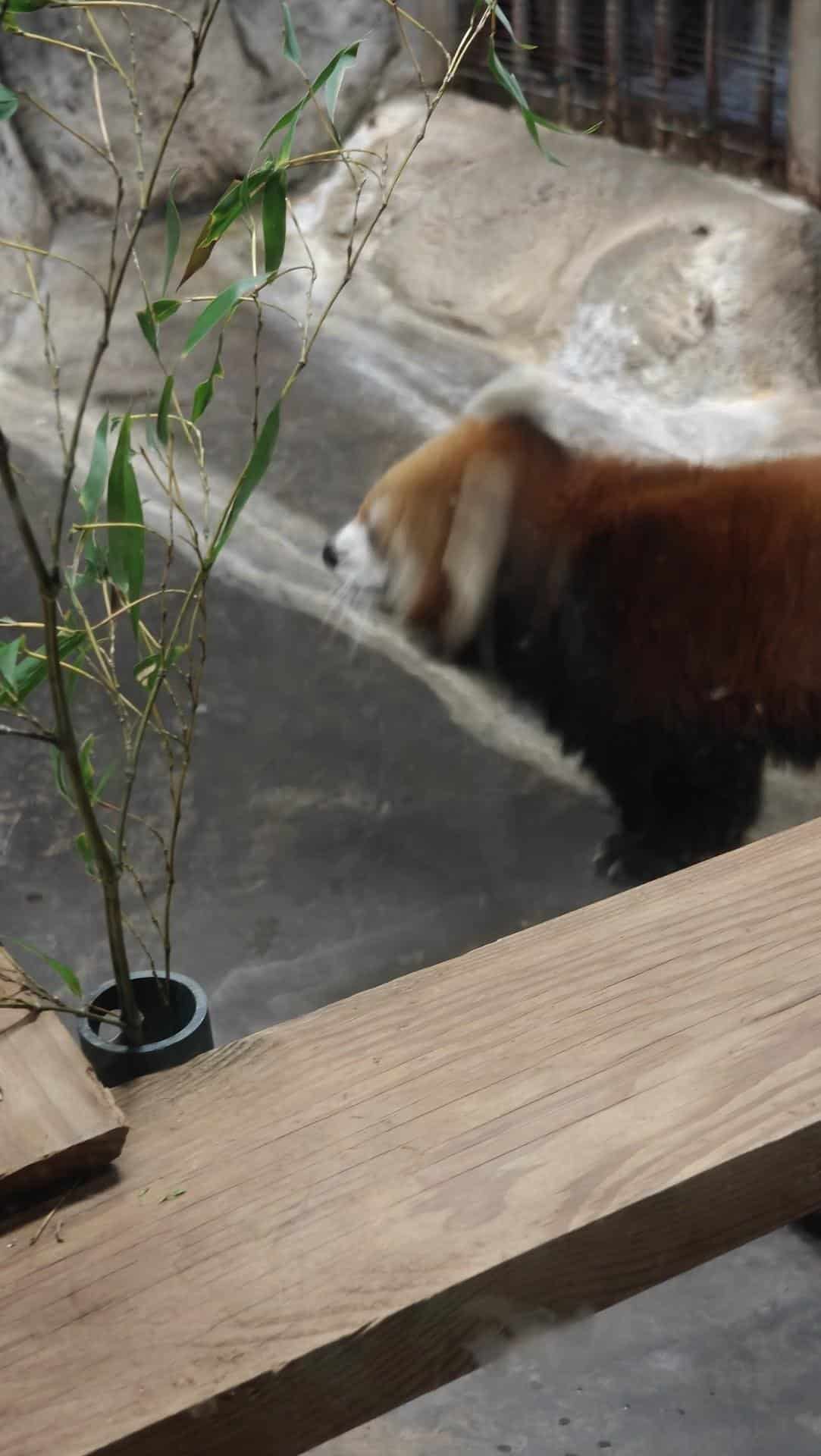
Quite possibly one of the cutest animals here was the Red Panda. Its enclosure was just across the building where the giraffes were eating and it was pretty active when I first saw it there. Red pandas are of course not related to Giant Pandas (as I explained when I wrote about my visit to the Giant Panda Research Base in Chengdu) though they do share the same region and eating habits.
Japan does have a relatively high population of these animals which actually isn’t that surprising considering how the country generally loves cute things.
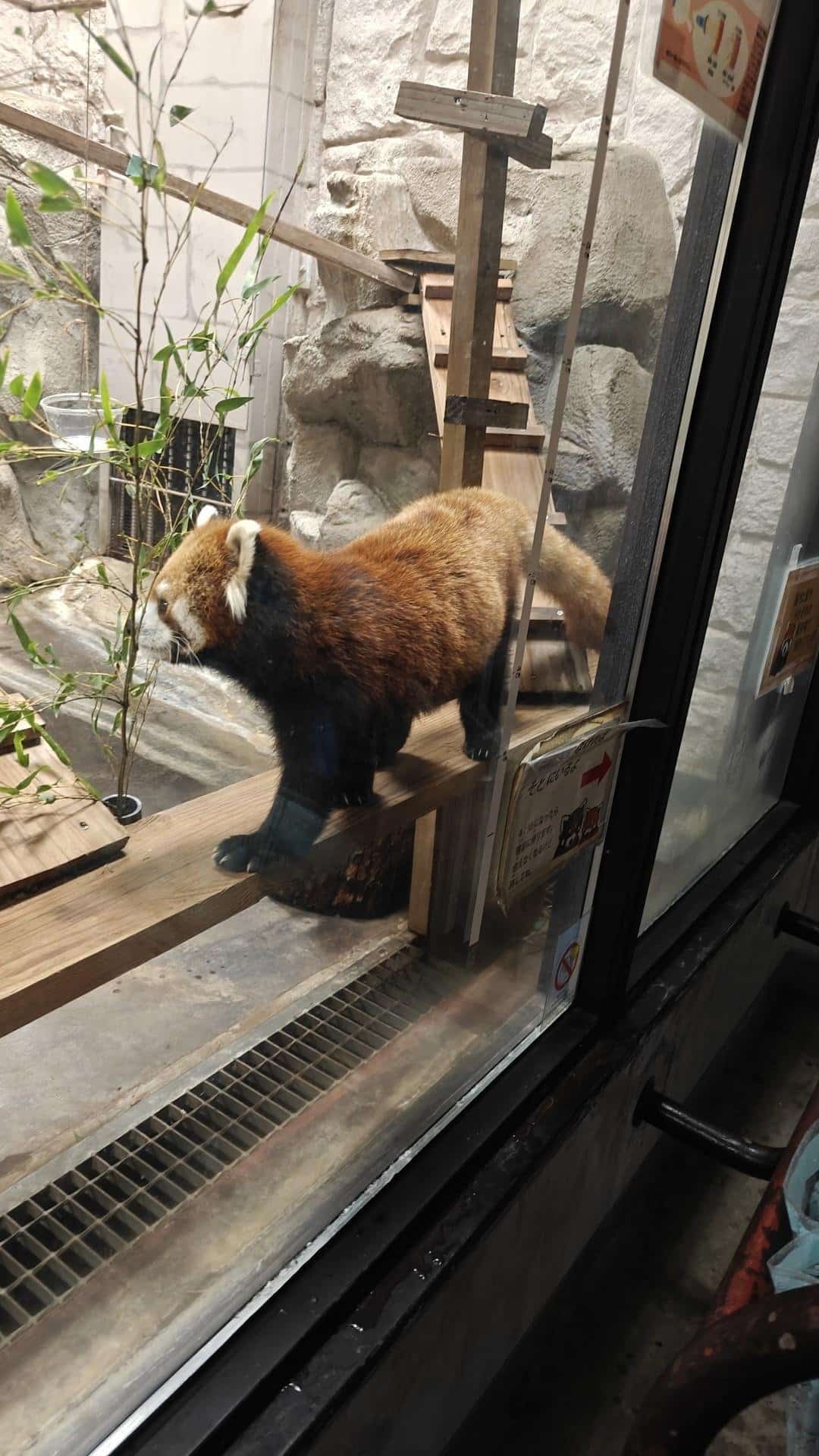
I’m not sure when Red Pandas started being popular in Japan but I do remember an anime in 2015 that featured a character based off of this cute and unique animal. If I remember correctly, the name of the character was Aggretsuko and what was unique about her was that she was a Sanrio (think Hello Kitty) character that happened to also be a salarywoman who sang death metal to relieve her stress from work. That character was actually one of (if not) the first from Sanrio that was targeted at more adult audiences.
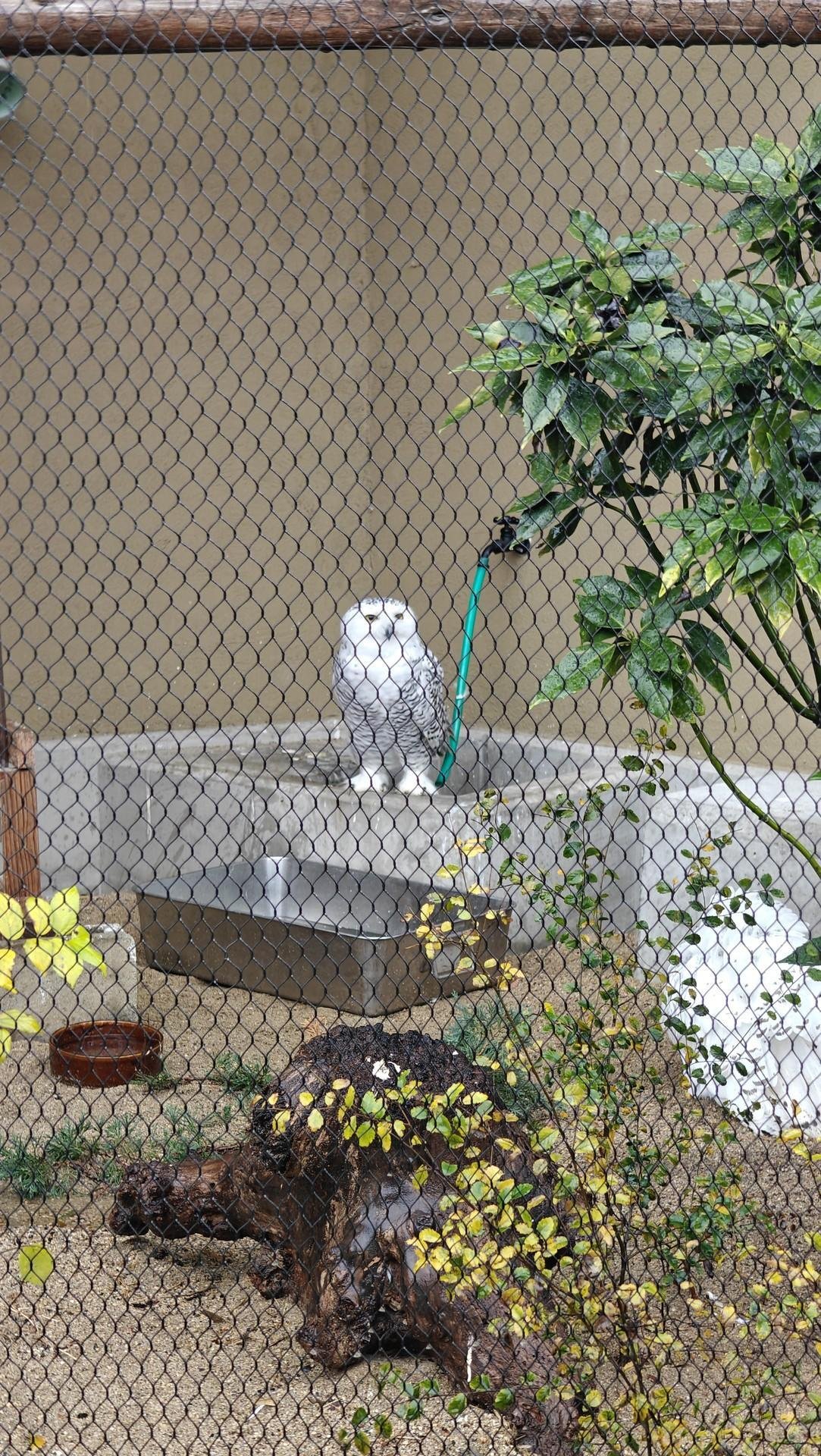
Another resident of the Raptor area is this magnificent looking Snowy Owl. Now, these birds are typically found in the Arctic but they do tend to migrate to Japan (specifically Hokkaido) during the winter seasons. You might have noticed that I wrote “tend to migrate” and that’s because these owls are what’s called irruptive migrants.
This just means that their migration patterns are irregular and you typically won’t find them in Japan on a yearly basis (unless you’re visiting a zoo that has them of course).
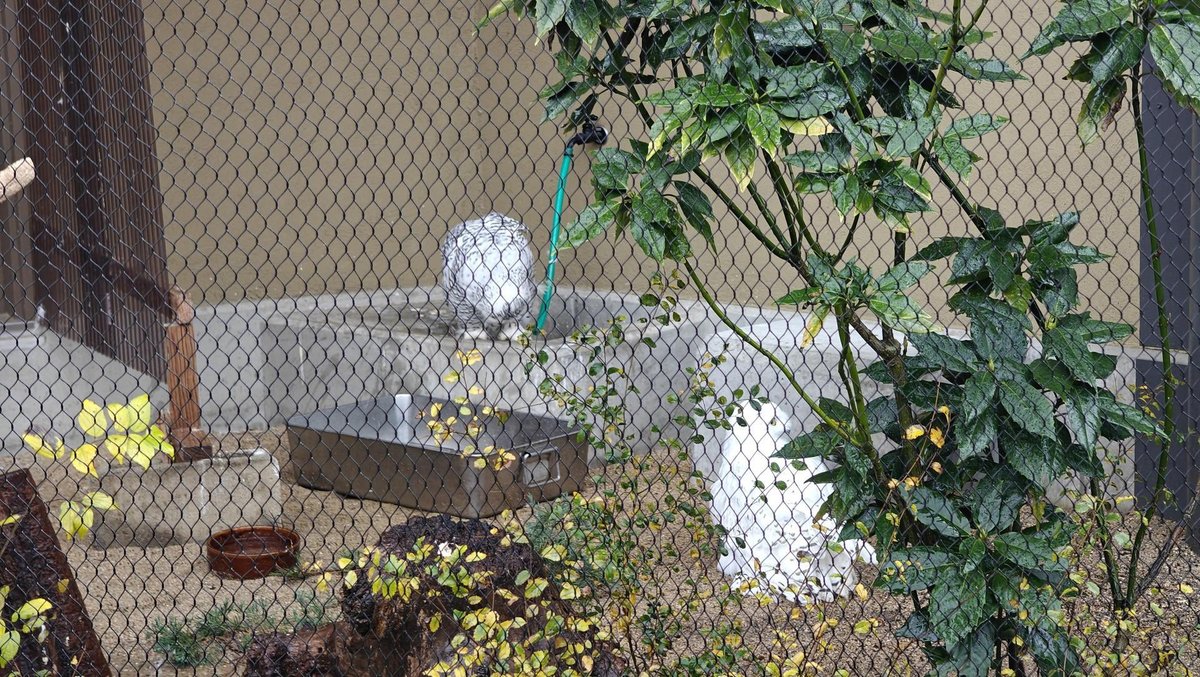
When I took the previous picture, my initial thought was that the snowy owl was probably lonely since it looked like it was alone. It was only when I took this second pic though that I actually saw that my initial impression was actually wrong. If you’re confused as to what I’m talking about then check out the white area to the left of the plant in the image.
Yes, that’s actually another snowy owl! If I’m not mistaken, that’s the male while the female is the one perching on the concrete drain box.
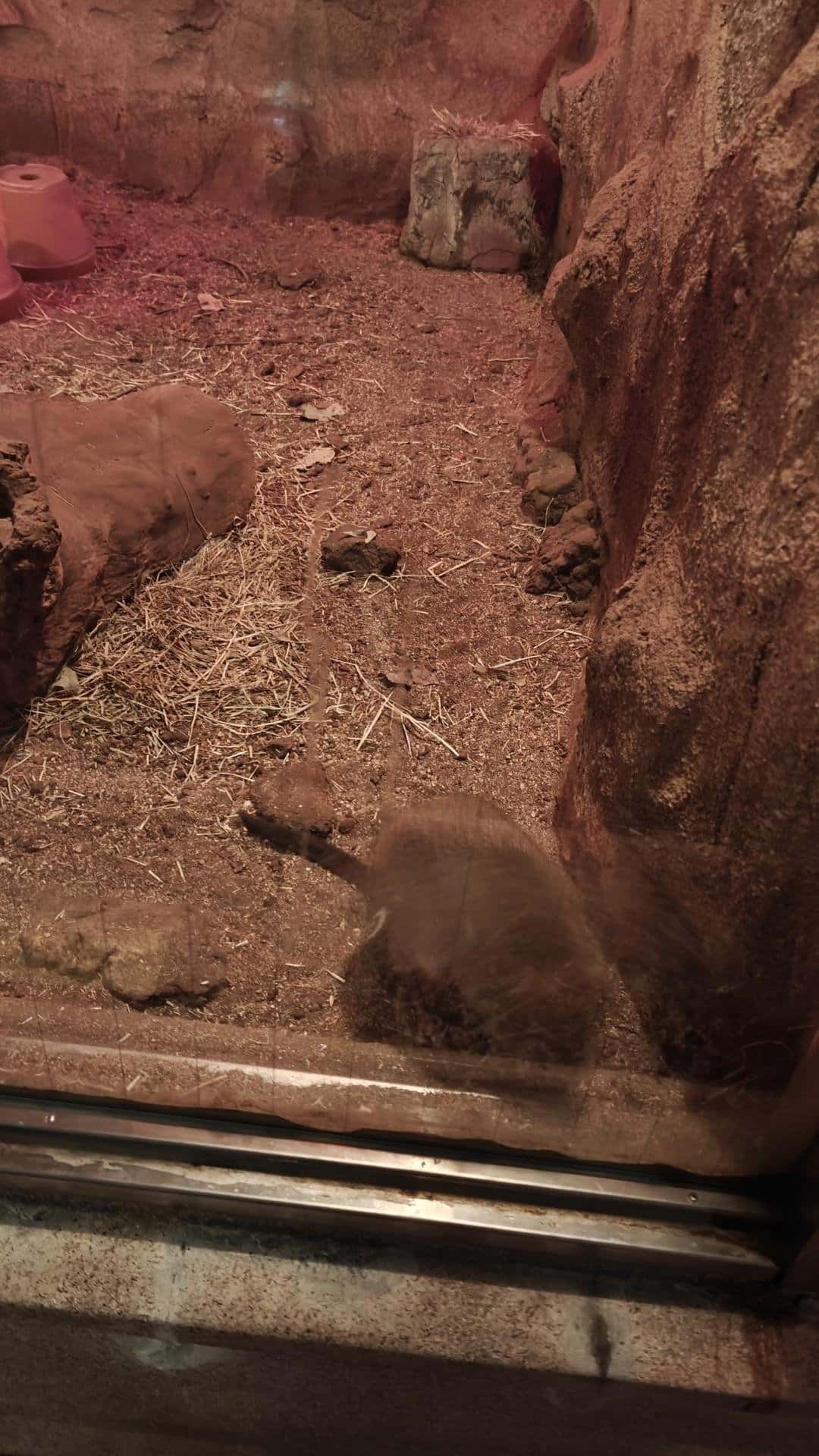
Another animal that was frustratingly hard to picture was the Masked Musang/ Palm Civet. This little guy was much smaller than the Red Panda and was also much faster. I think one reason why these animals seemed so agitated (for lack of a better term) was because they’re said to prefer to avoid human contact as they’re naturally shy.
If you’re wondering what they look like, I’d say they resemble a mix of raccoon, weasel, and cat.
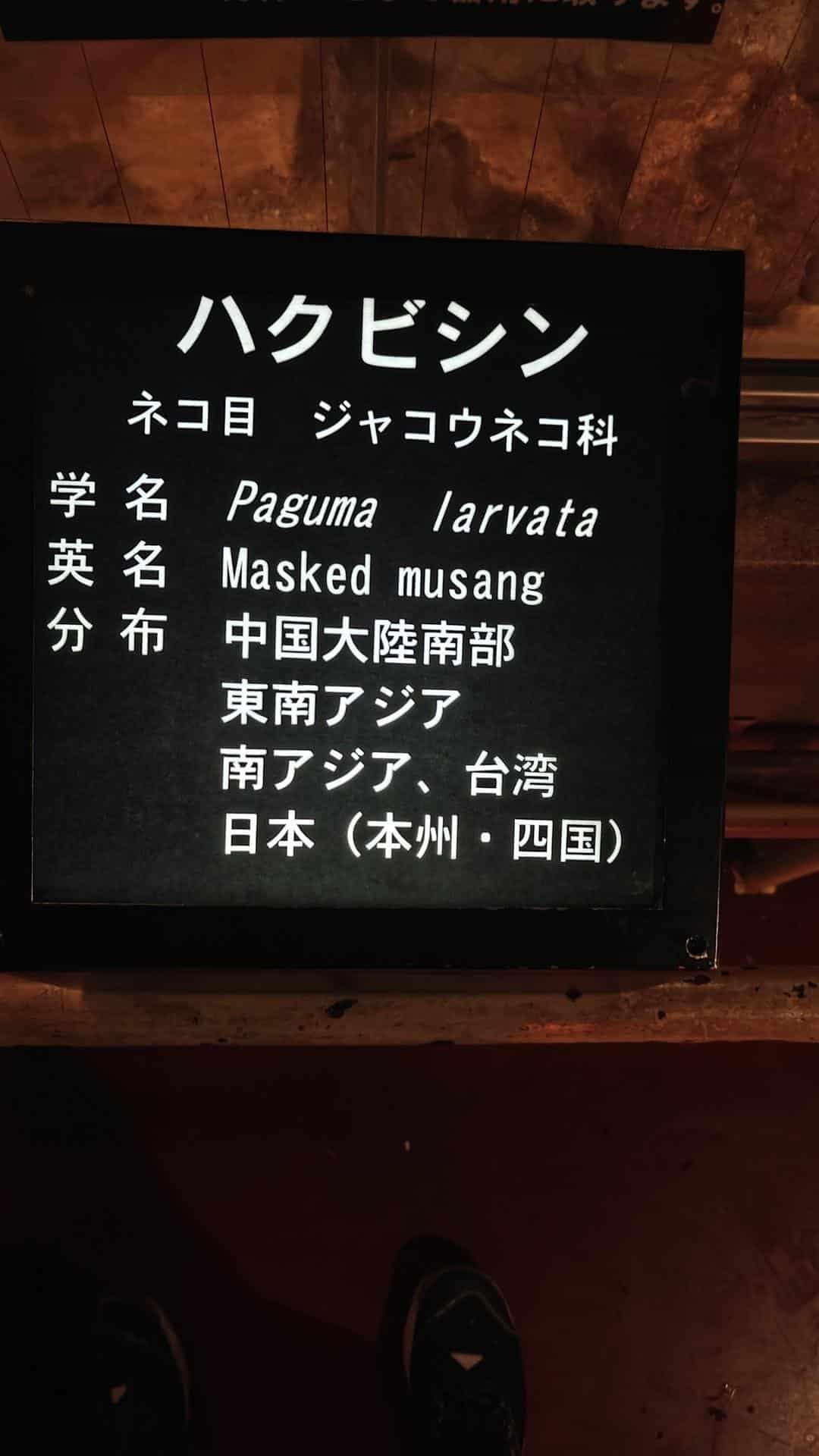
On a side note, did you know that these animals are used in the production of some of the most expensive coffee in the world? Kopi Luwak or Civet Coffee is actually made from the beans taken from the poop of both the Asian Palm Civet and the Masked Palm Civet). A pound of the coffee beans from these animals can range from 100USD to as much as 600USD.
I wonder though, is the taste of this coffee really worth its asking price? On another note, would you actually drink something that came from the droppings of an animal?
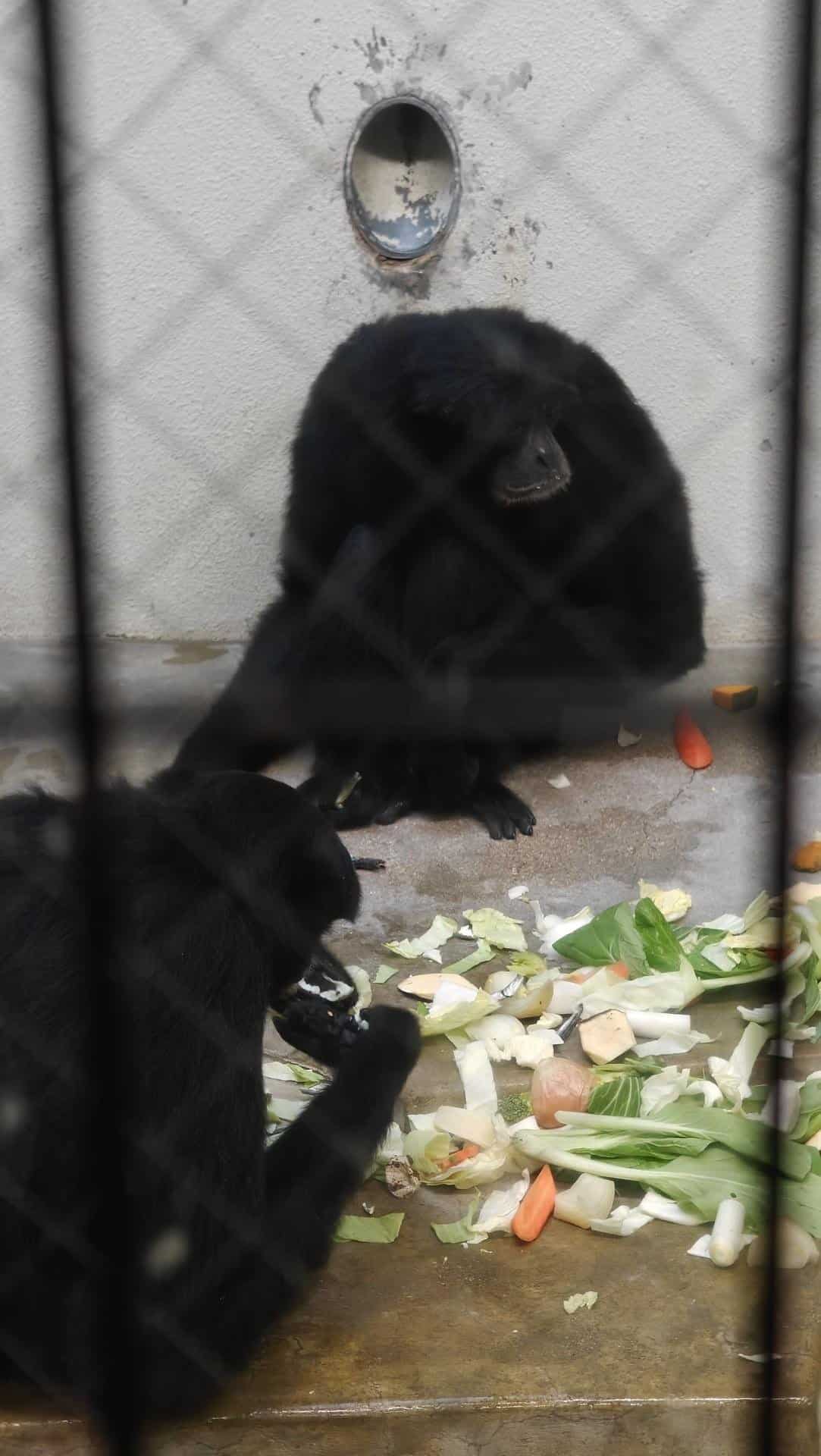
Another section of Tennoji Zoo that I visited but didn’t take too long to check out was the Monkey area. This was directly to the south of the Tennoji Zoo Museum and featured a number of monkeys. The ones I managed to take a picture of (see image above) were the Siamang who also were eating during my visit.
The animals honestly seemed quite content in their enclosures though you could see some of them had an air of disinterest in them.
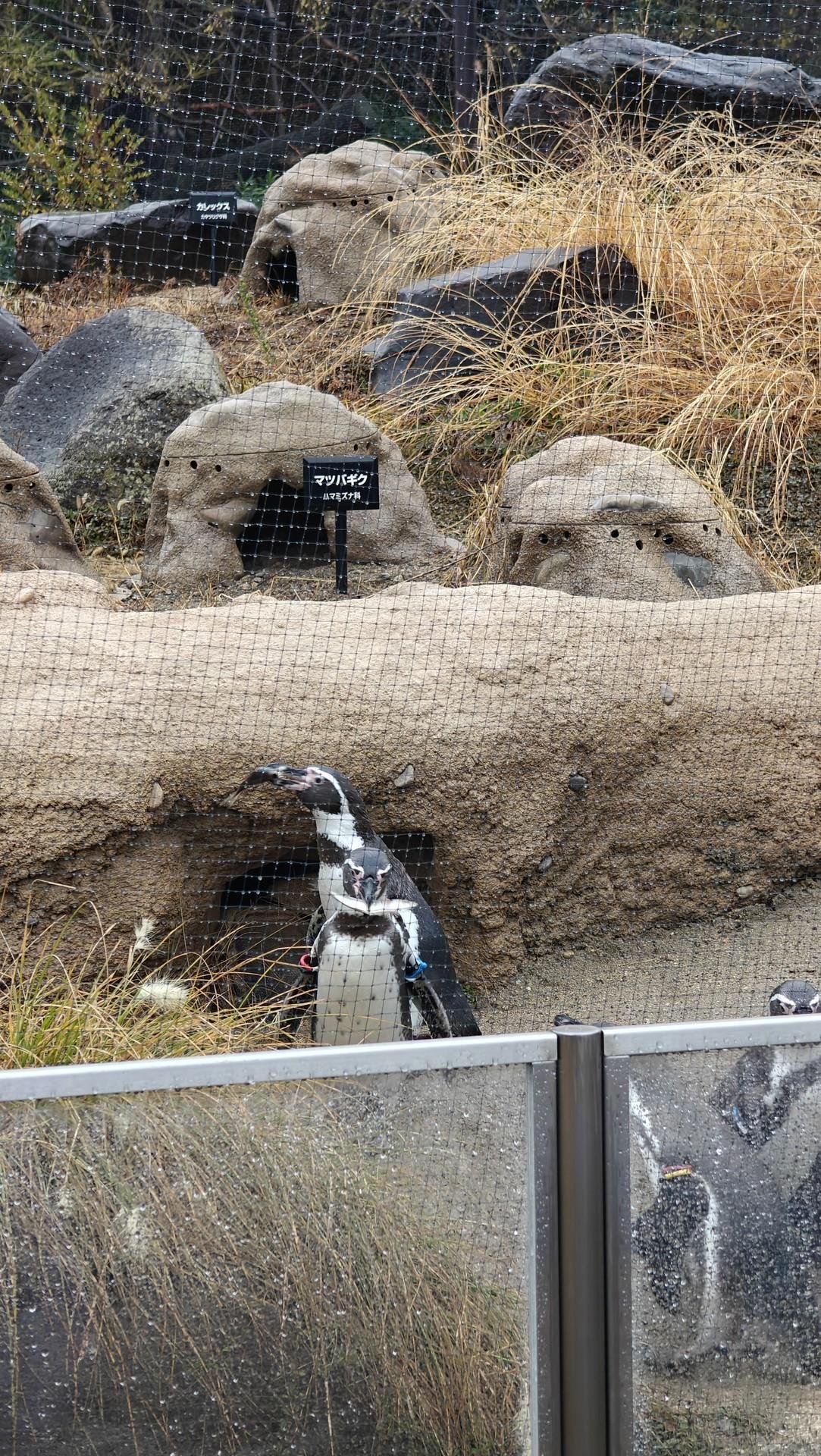
From the Monkey Area, I followed the path southwest and found the Penguin and Sea Lion section. The penguins here were mostly Humboldts that are from South America’s Pacific Coast (most notably from countries like Chile and Peru). Unlike most of the animals that you’ve seen featured here so far, these penguins aren’t critically endangered.
That being said, they are facing a population decline due to food shortages driven by climate change.
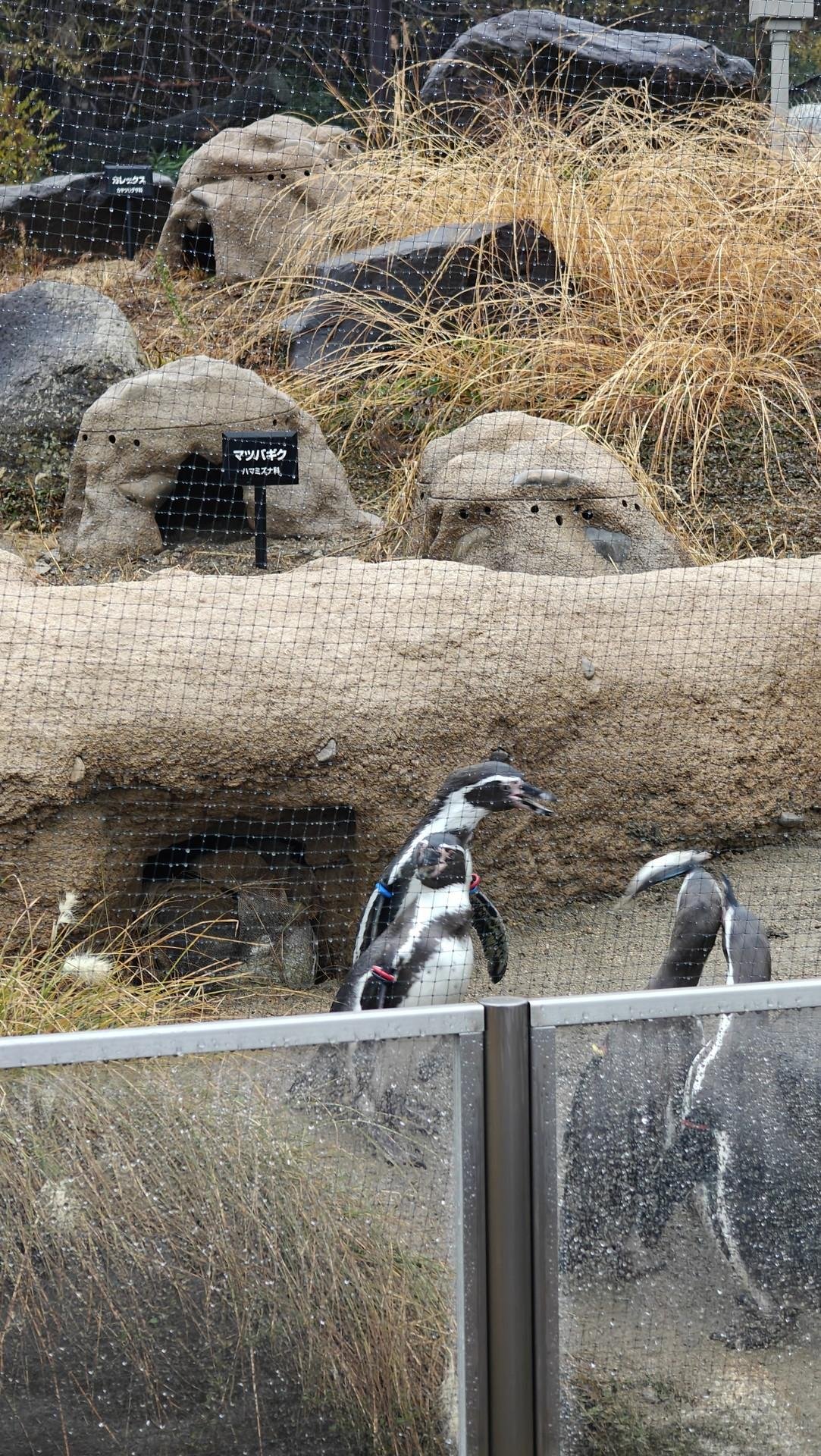
One thing about the penguin enclosure is that it also features coastal plants like Trailing Ice Plant and Carex or Sedge. Now the coasts that the Humboldt Penguins are endemic to are actually quite arid and don't feature these plants at all. Why they’re here I have no idea.
My best guess is that the zoo just wants to showcase the plants that you’d typicall find in coastal environments. Anyway, the penguins actually don’t seem to mind and they’re more than happy to swim around and eat the meals their caretakers give them.
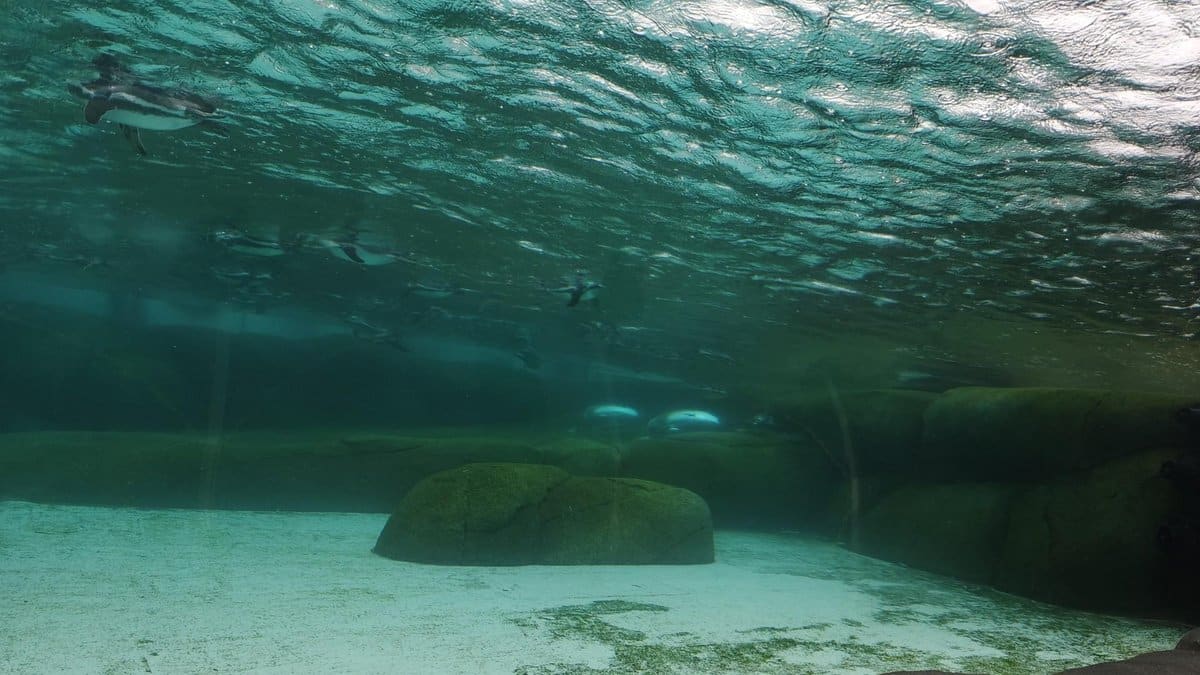
Speaking of looking contented, I think one reason penguins look this way and are seemingly happy here is that their enclosure has a relatively large pool for them to swim in. The pool does does not seem as large or as deep compared to the one I saw in Kyoto Aquarium but it still does the job in providing the penguins a means for them to expend their energy. Moreover, there is a separate pool that is used by the sea lions that the penguins share this section with.
Unfortunately, I wasn’t able to take clear pictures of the sea lions. Their pool is separate because sea lions prey on penguins in the wild.
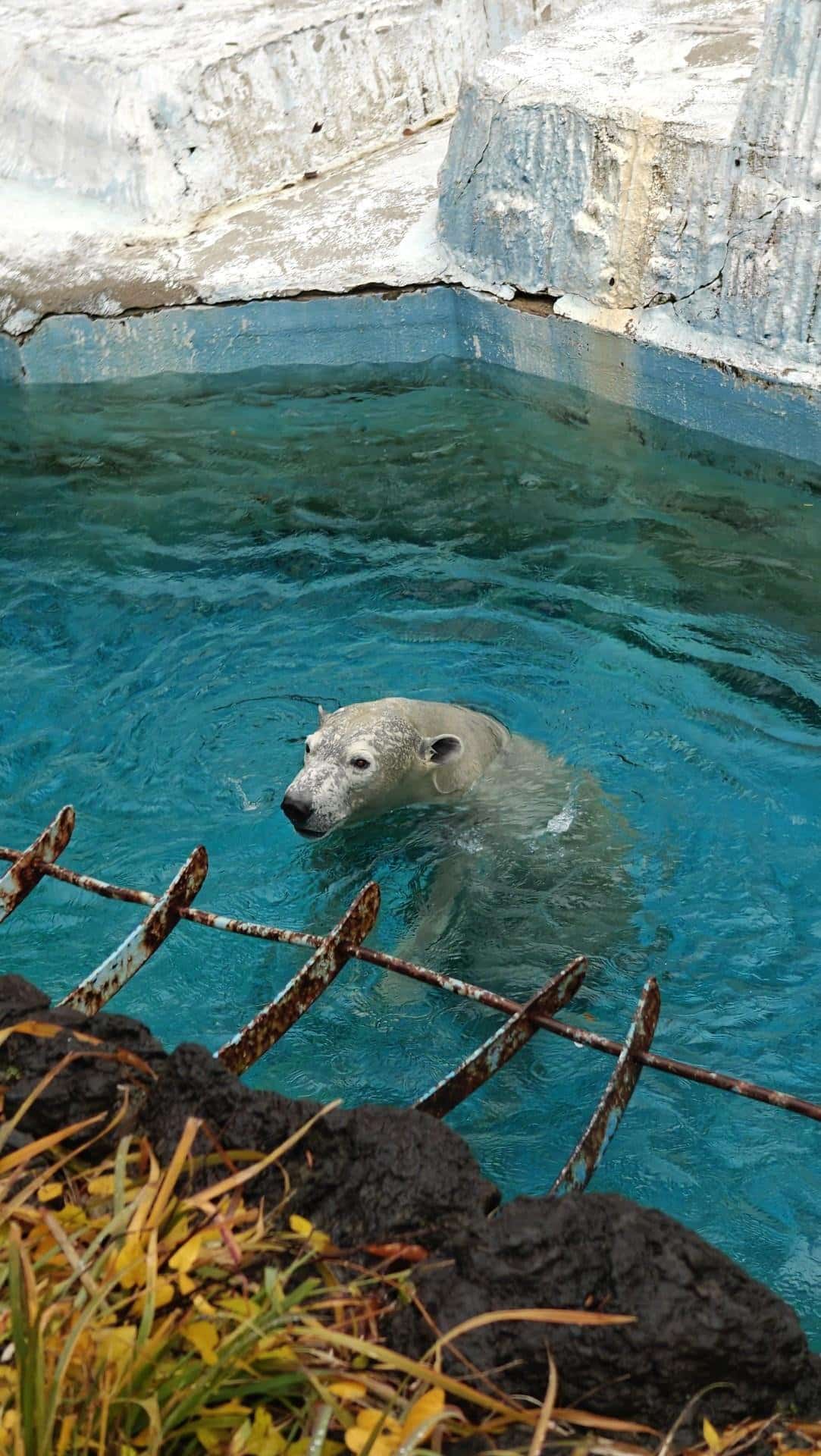
A short distance from the Penguin and Sea Lion enclosure is the enclosure for the zoo’s polar bears. I say polar bears but there’s really only one left now. This polar bear’s name is Ho-chan and she was actually born here.
Her parents Gogo (her father who unfortunately passed away a couple of months after I took this picture) and Icchan were moved to Yokohama at a zoo called Zoorasia.
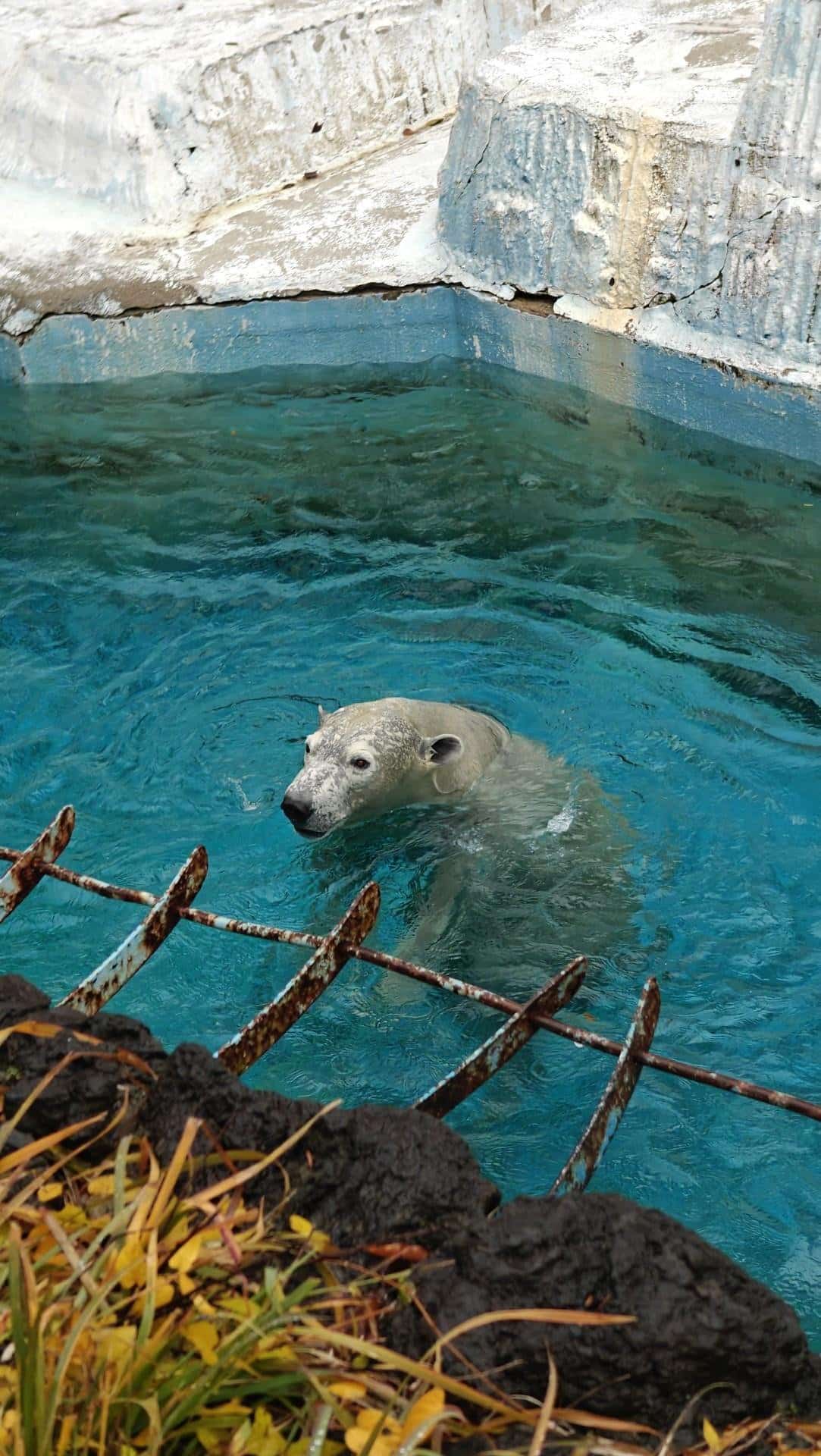
During my visit, Ho-chan seemed to really enjoy swimming. I’ve also read that she’s very active and could be seen playing with various toys from time to time. At 5 years old, Ho-chan has just reached adulthood so she might end up with a partner sometime soon.
Much like the Humboldt penguins, polar bears are not considered critically endangered. That said, they are some of the most vulnerable animals right now owing to the ice loss caused by the warming of the Earth.
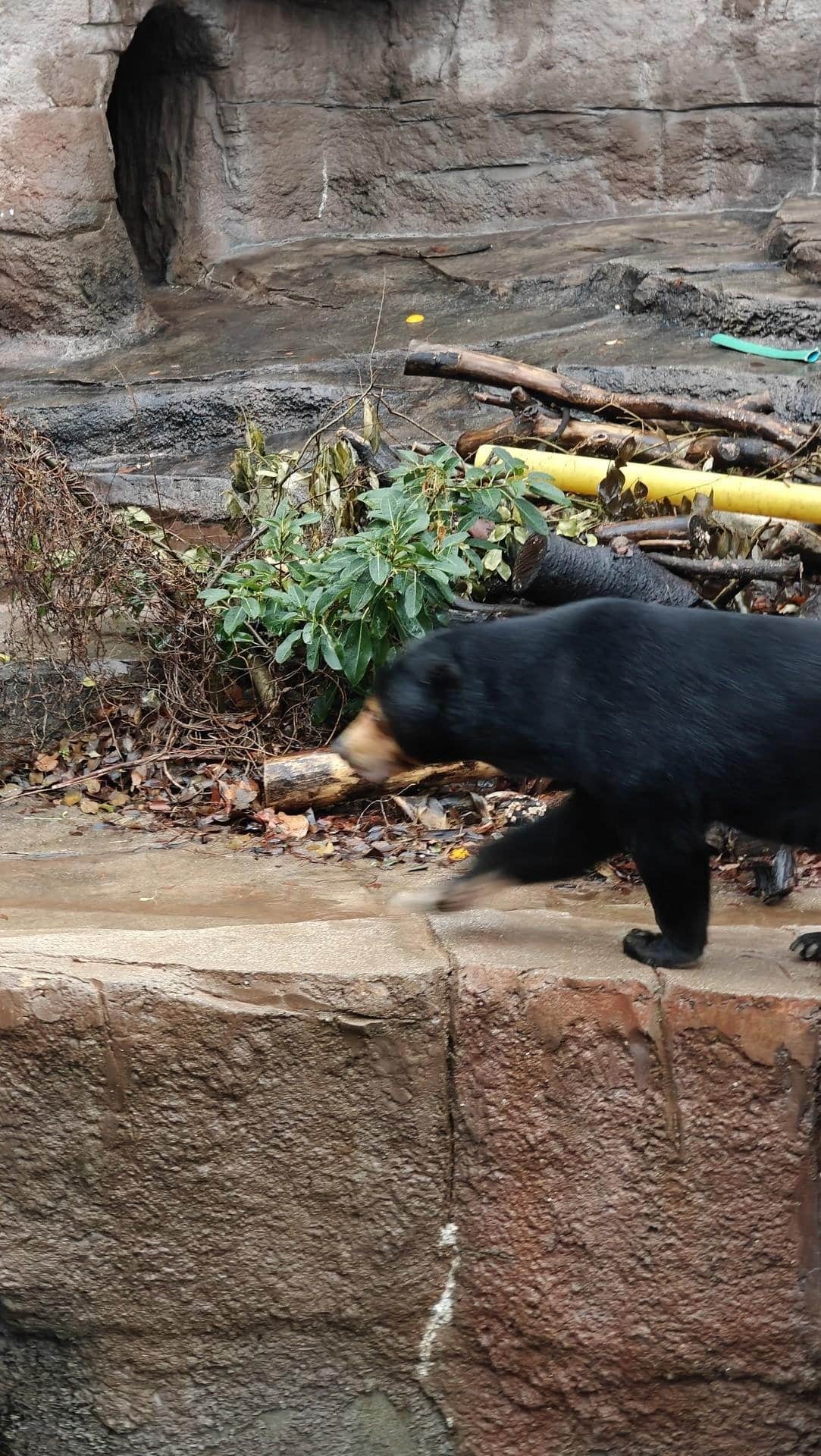
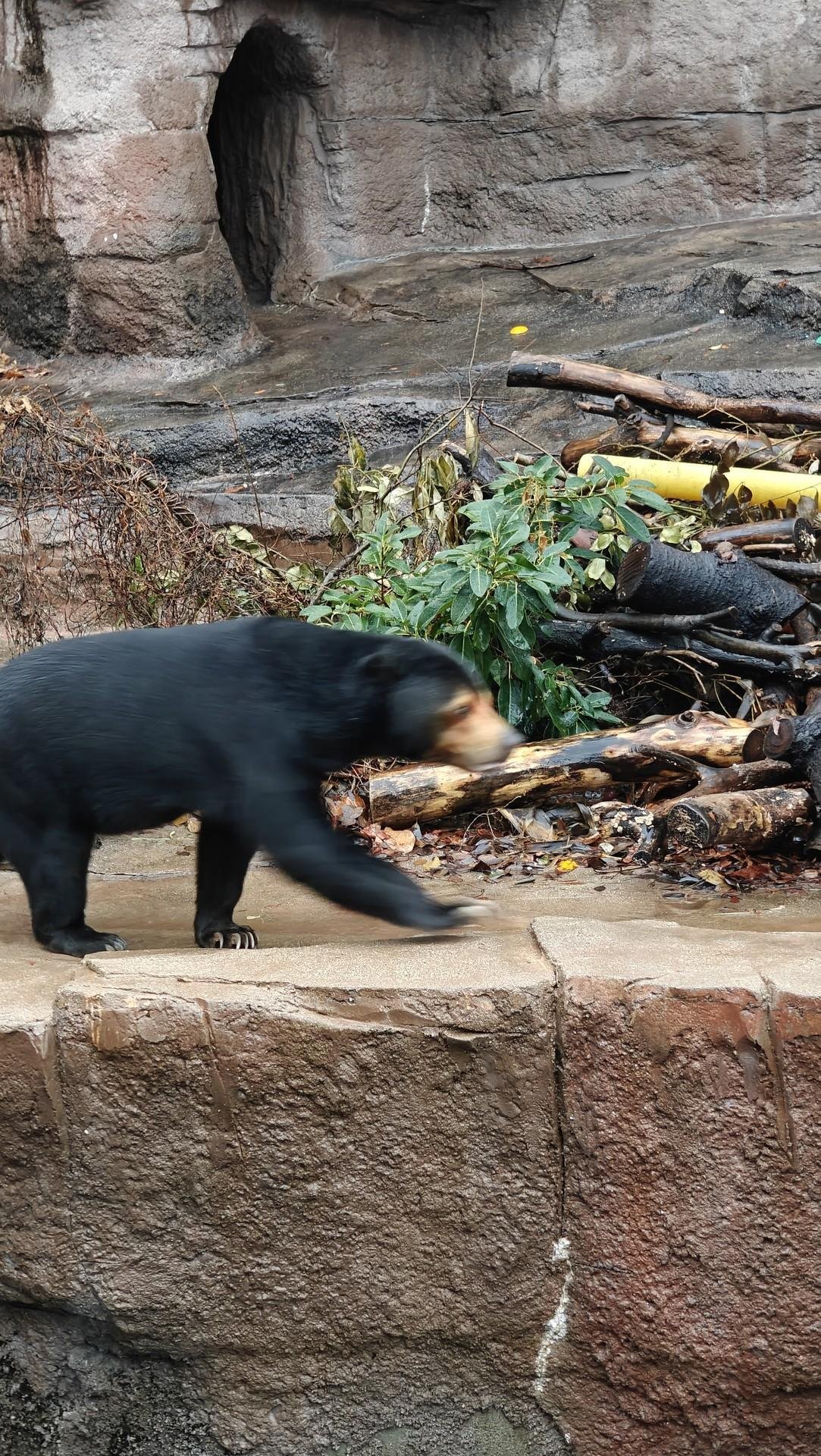
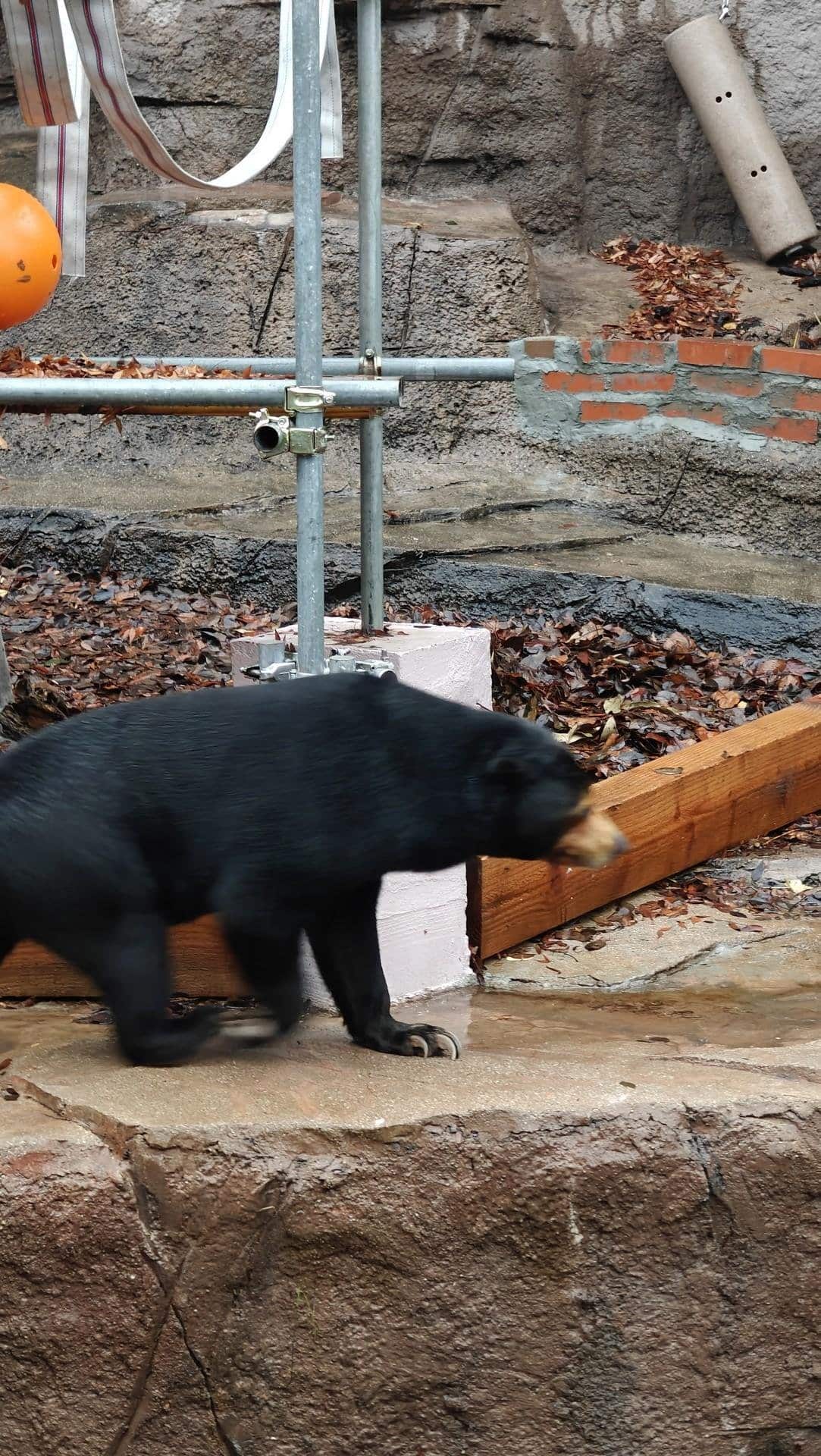
Right next to the Polar Bear enclosure is another enclosure containing a Malayan Sun Bear. Known as the smallest bear species in the world, the Malayan Sun Bears are also very active. This one was pacing around seemingly trying his very best to not get pictured by me and the rest of the people visiting on that day.
Kidding aside, the bears here did kind of remind of Baloo (from Disney’s The Jungle Book) if somehow all the honey he was eating made him hyperactive.
While I still wanted to see more of Tennoji Zoo, it was still raining heavily so I decided to end my visit. You’d think that the rain might have put a damper of my opinion of the zoo but surprisingly it doesn’t. Sure, it would have been better had it not rained but I still ended up enjoying my visit.
As someone who enjoys looking at animals, the zoo did a great job of showcasing the ones that they had. My favorites were definitely the areas featuring the lions and penguins. In terms of variety, I think you’ll appreciate how management organized the various areas/zones.
Admittedly, the zoo’s facilities might be considered a little dated. It’s definitely a far cry from Kyoto Aquarium which I visited just before this trip in Osaka. That said, it also features more animals and isn’t just limited to sea creatures.
Moreover, I think the zoo has done a really good job of taking care of the animals here. Outside of the facilities, I also loved the accessibility of food establishments here. It was really convenient to have food and drinks readily available just after you go through the entrance area.Overall, I think Tennoji Zoo is a good location to visit when you’re in Osaka.
I don’t necessarily think that it’s a must-visit attraction on its own though (compared to say the Osaka Aquarium which I also visited).
Rather, it’s a great itenirary stop if you happen to be in the Shitennoji-Shinsekai area. If you happen to have kids along with you though then I’d argue that it should be at the top of your list of destinations to visit in Osaka.
Kids will definitely love the experience especially since a lot of the animals here are rare or just plain cute.What do you think about Tennoji Zoo? If you’ve been to this Osaka destination then don’t hesitate to share your thoughts as well as experiences of it down in our comments section!