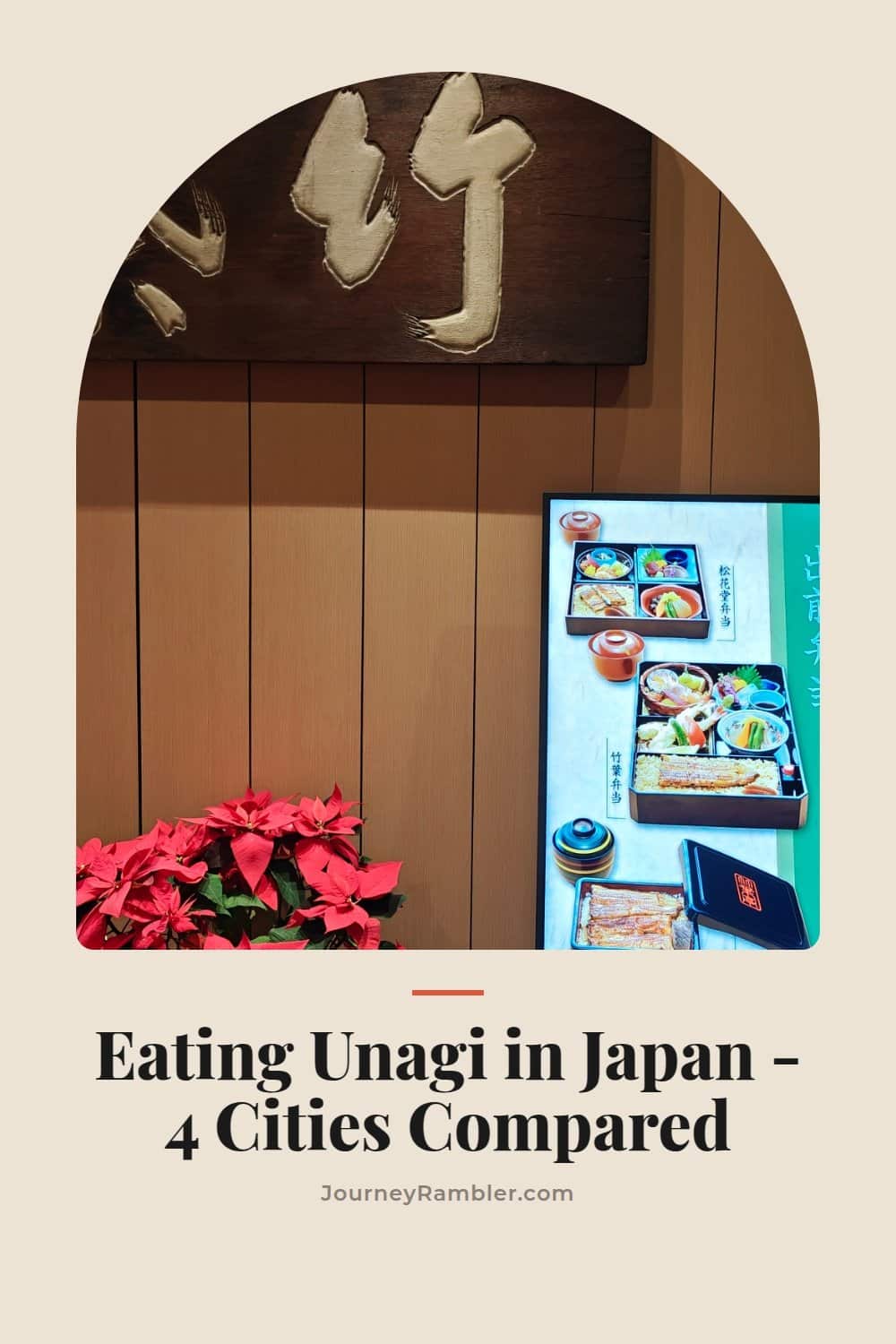
In my quest to eat my way around Japan last year, I unintentionally became one of those people who gets unagi wherever they visit. It began in Osaka, followed by Kyoto, then Kanazawa and ended in Nagoya (four cities), a lot of grilled eel, and quite frankly, not one ounce of regret. They do it a little differently in each city, and if you’re thinking of taking an unagi crawl of your own, here’s what I had.
Okay, so maybe I am no expert, I’ve been ordering unaju and hitsumabushi far too many times to remember! But over time, some things began to stand out: Traditional vs. Some are casual, and some are quiet. Noisy; melt-in-your-mouth tender to crisp on the edges… That last one is the eel.
Here’s where I went and what I had.
My Unagi Trip in Four Cities
Chikuyotei Unagi Restaurant
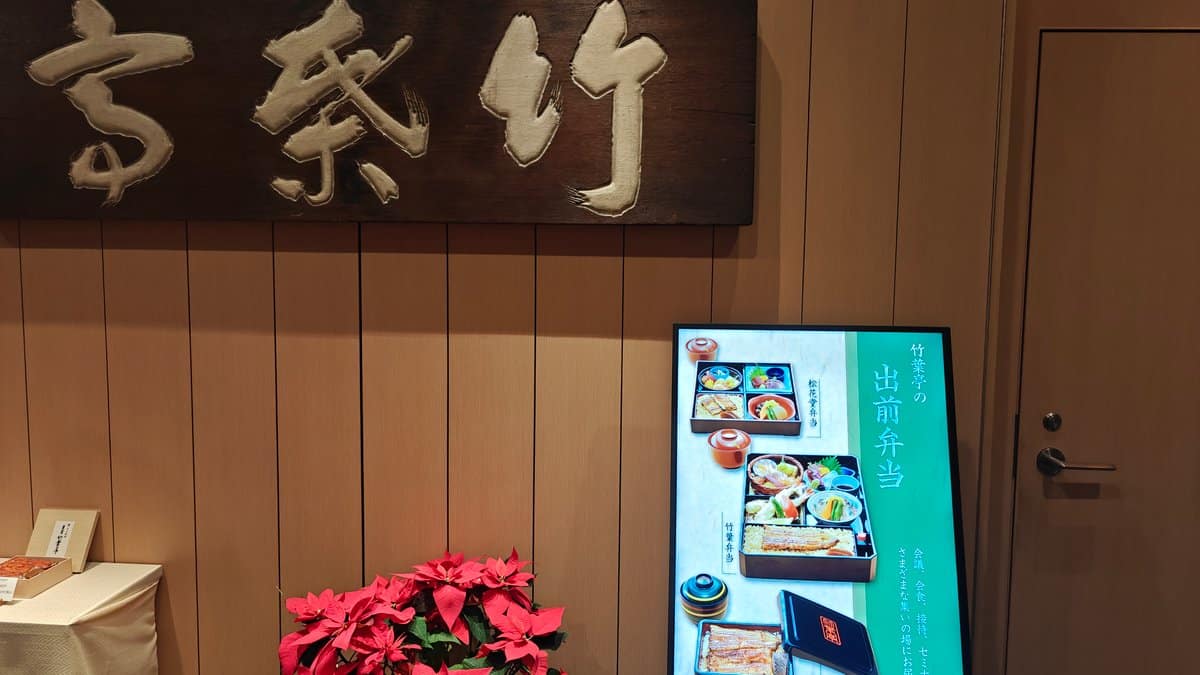
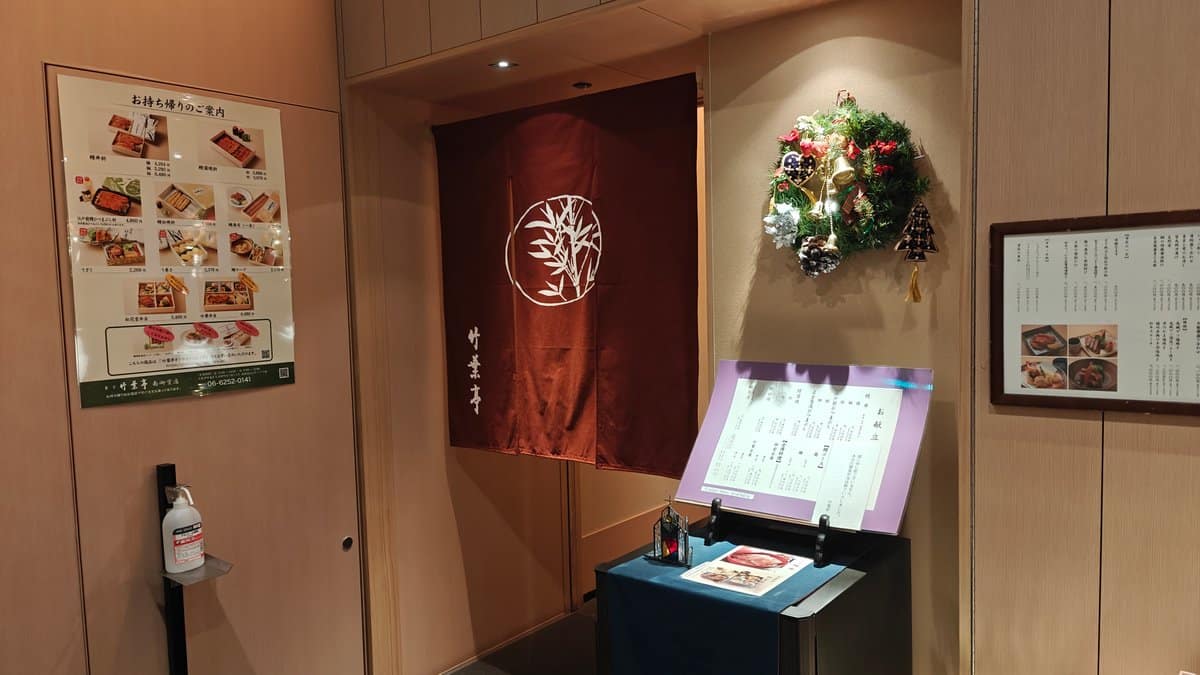
Hidden away in Osaka, I discovered Chikuyotei and immediately realised it was going to be good. From the minute I stepped through the door I knew. It was the sort of place locals go to year after year.
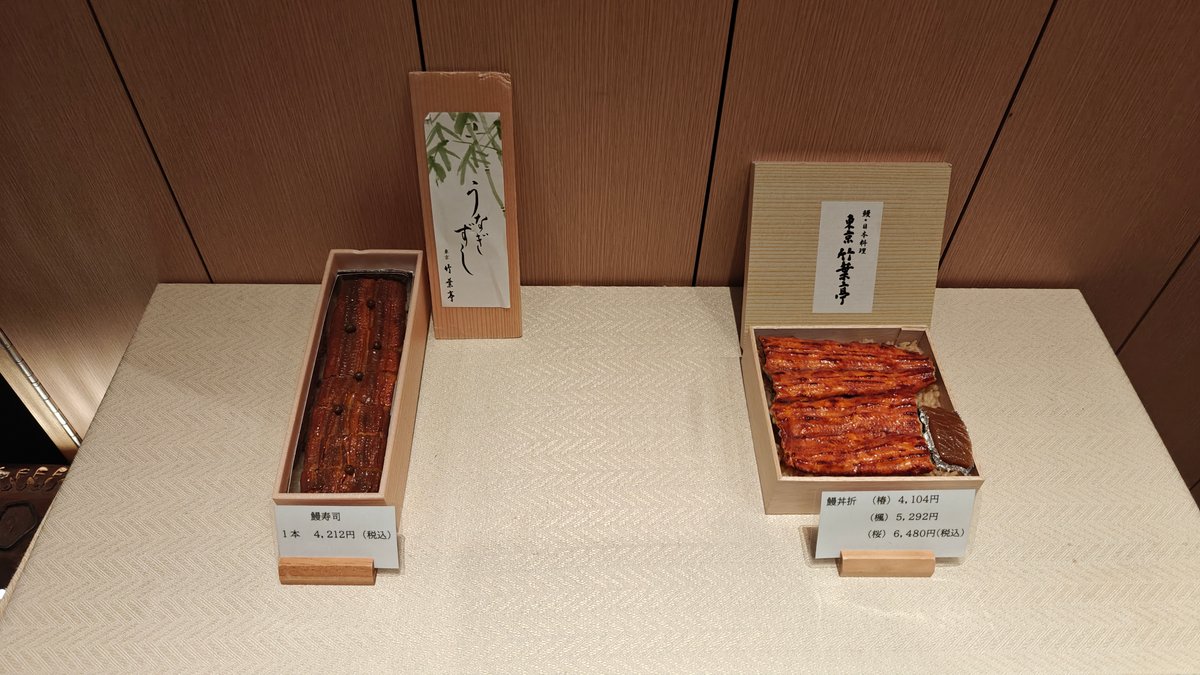
It had a classic noren (curtain) at the entrance and displayed their takeaway boxes close by, something I longed to smuggle home.
free Kanazawa itinerary
Visiting Kanazawa?
Get my original 3 day, 12-page Kanazawa itinerary in PDF format, based on my real trip, with many photos, hotel, and food tips. Enter your email to receive it free.
We won't send you spam. Unsubscribe at any time.
Almost too beautiful to eat from, the wooden boxes sits next to the door.
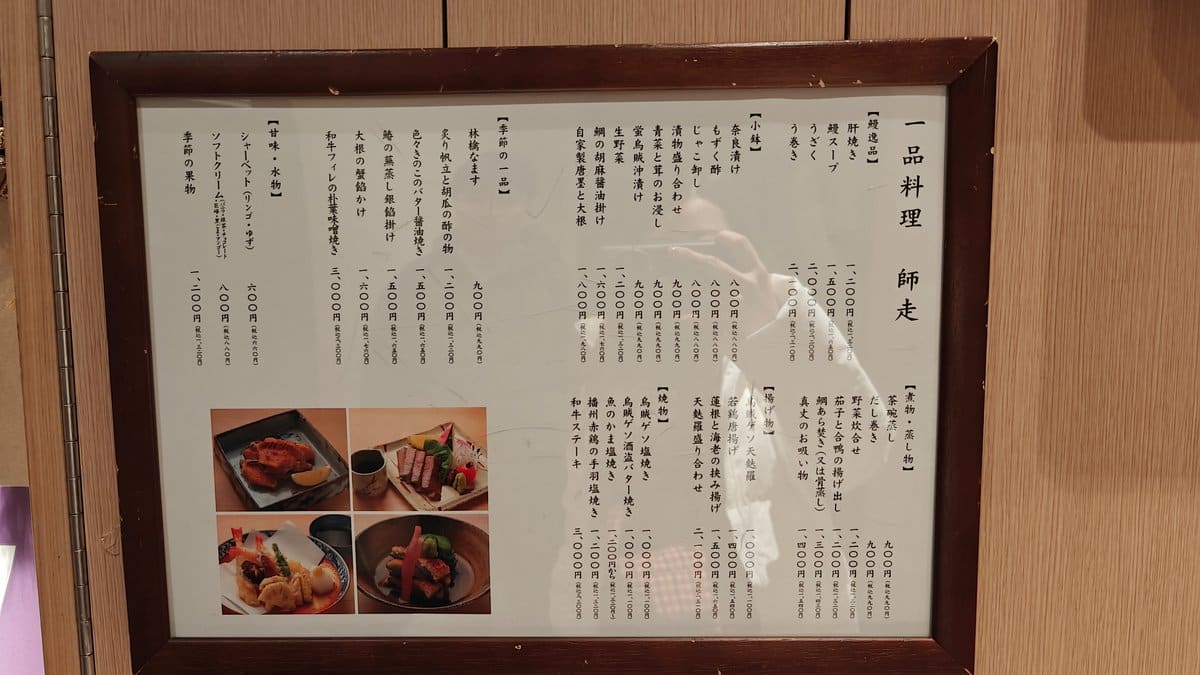
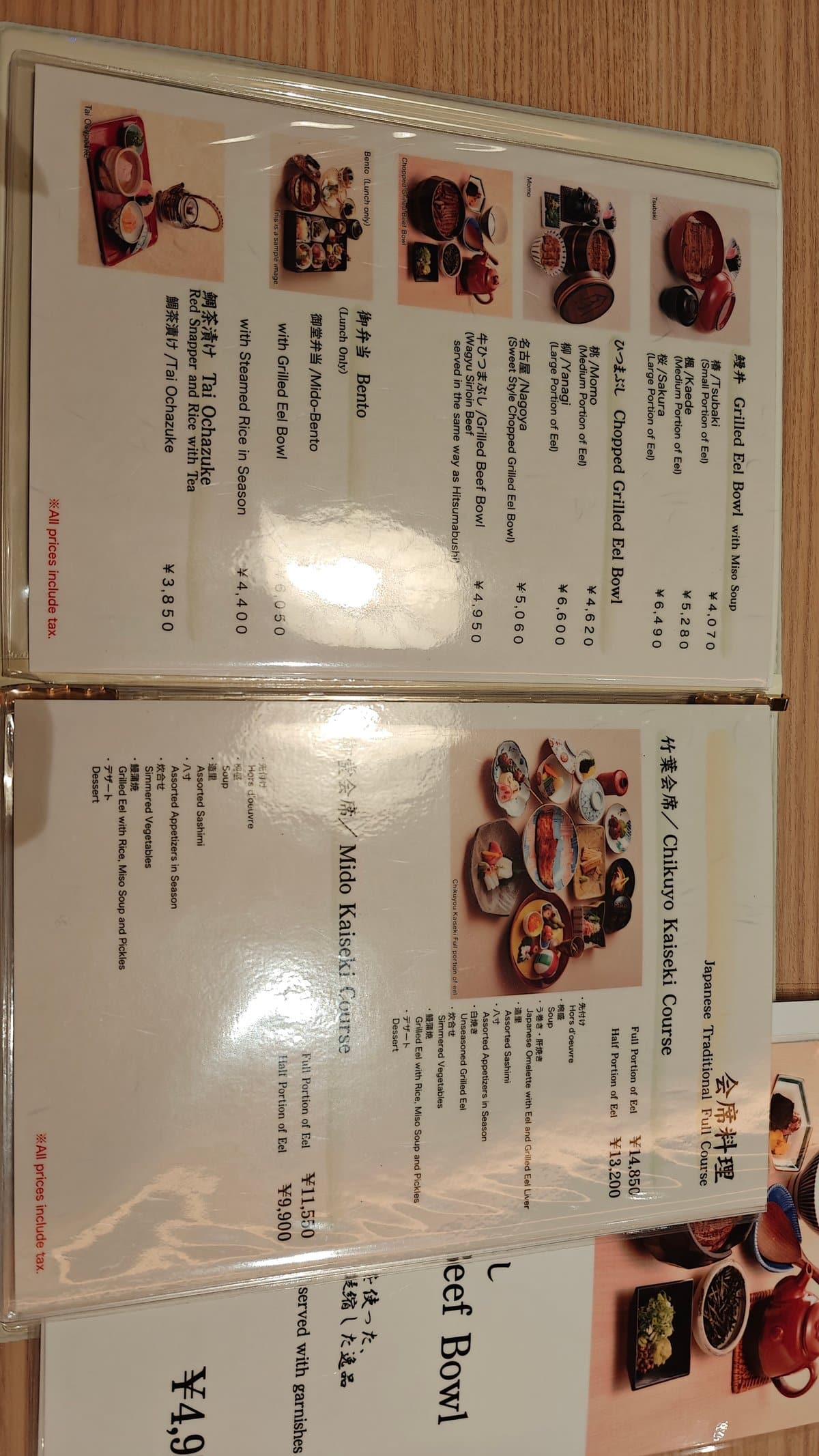
The menu (a la carte options or full course) was presented with photos, for some time I stared at it. In the end I decided to order there specialty, hitsumabushi. Having read up on this dish, I wanted to give it the respect it deserved by ordering it correctly.
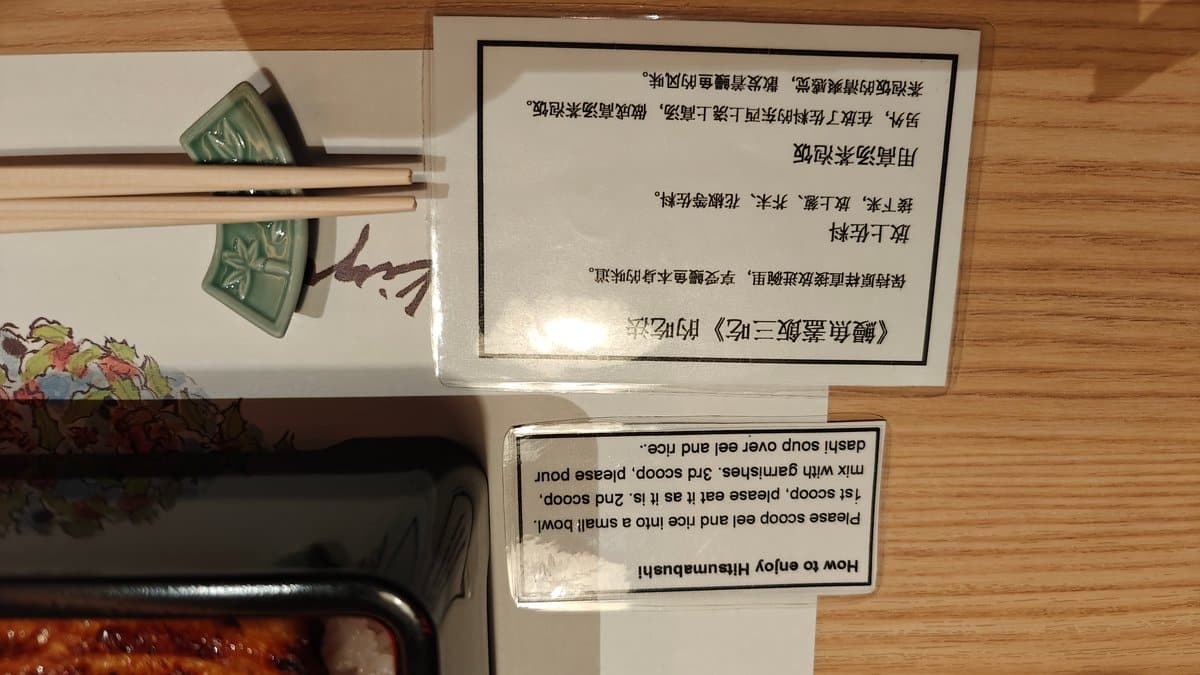
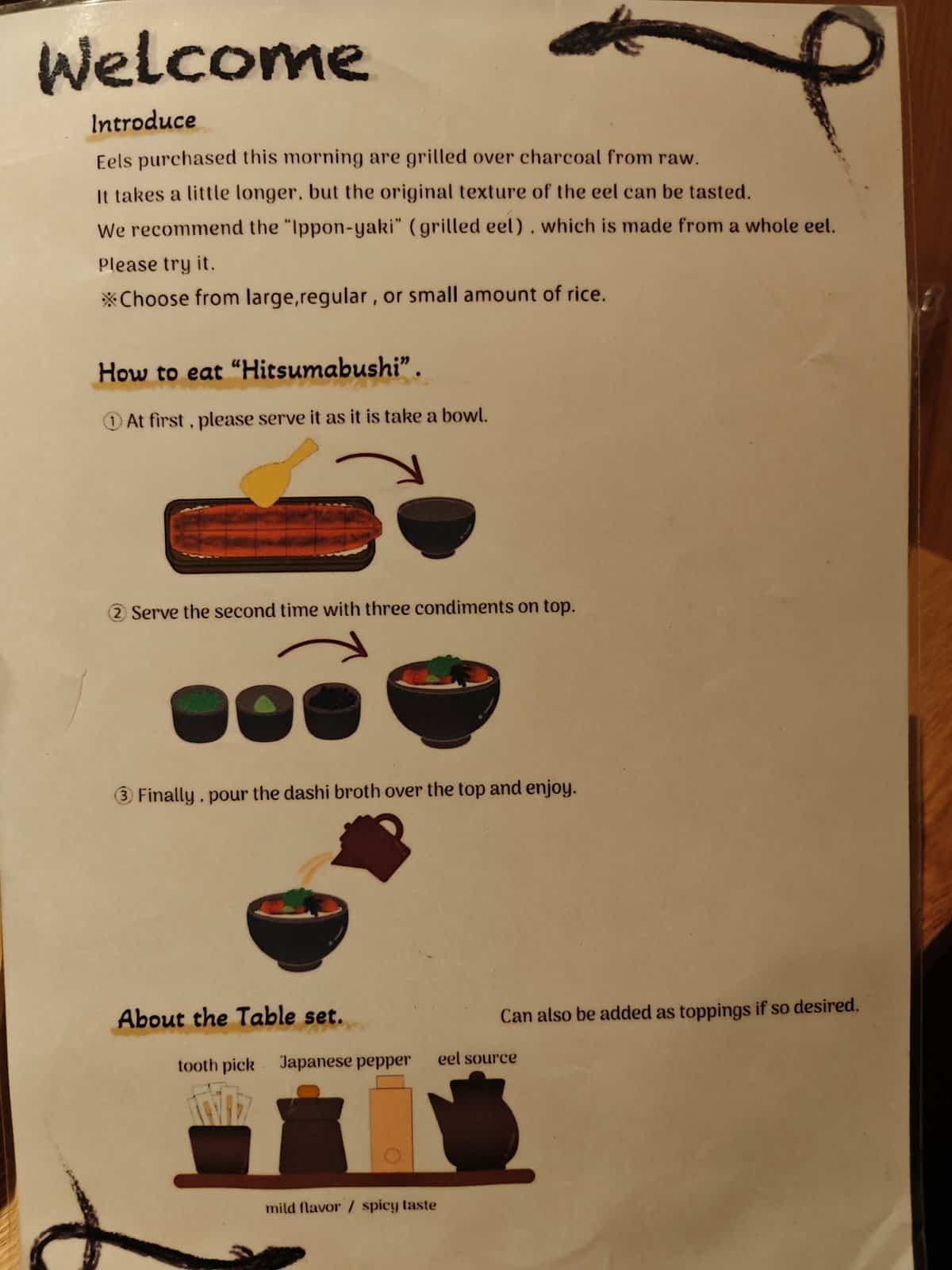
You can eat hitsumabushi in three different ways.
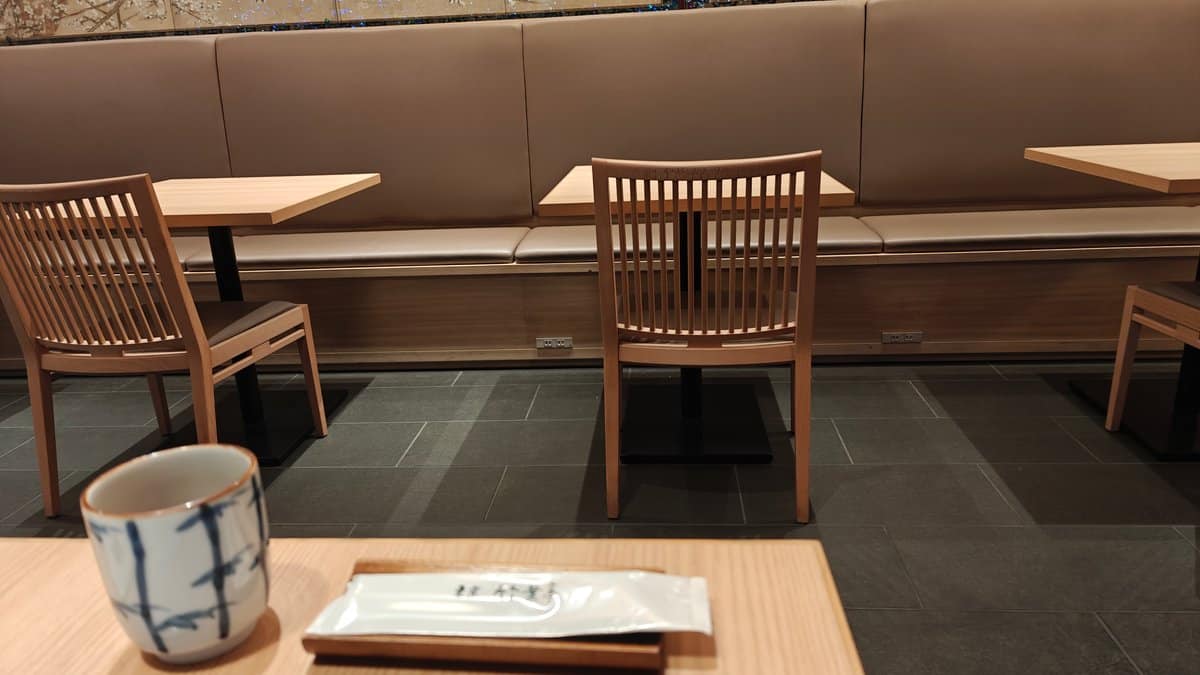
The restaurant itself is simply furnished: wooden tables and cushioned benches in a clean and simple dining room. Quiet too, ideal for concentrating on the food.
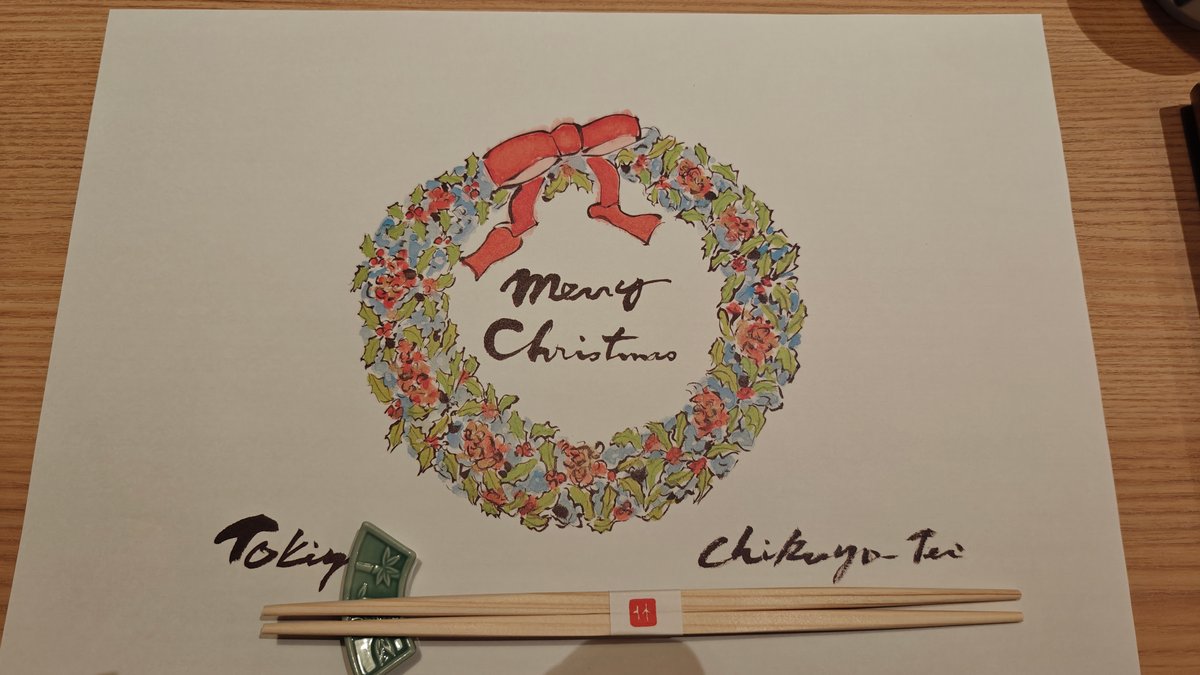
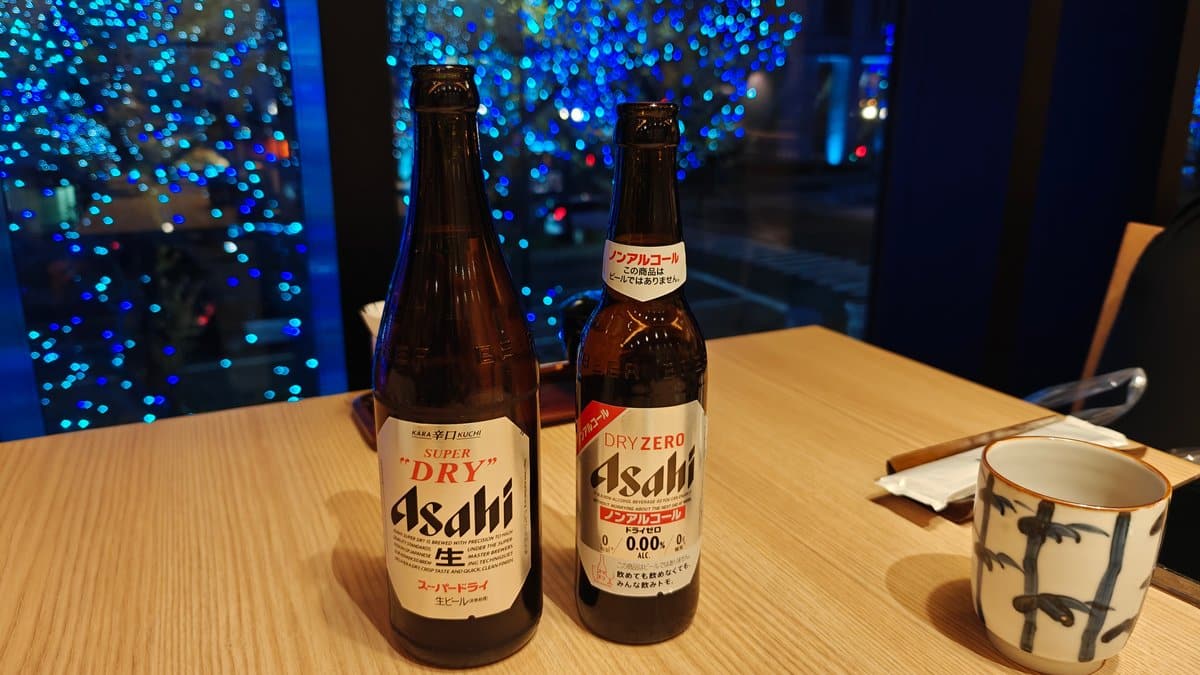
The hand-drawn wreath on this festive placemat put a smile on my face, we visited in December. To begin, I ordered an Asahi. They had both the regular Dry and Super Dry versions, and I sampled one of each during the meal.
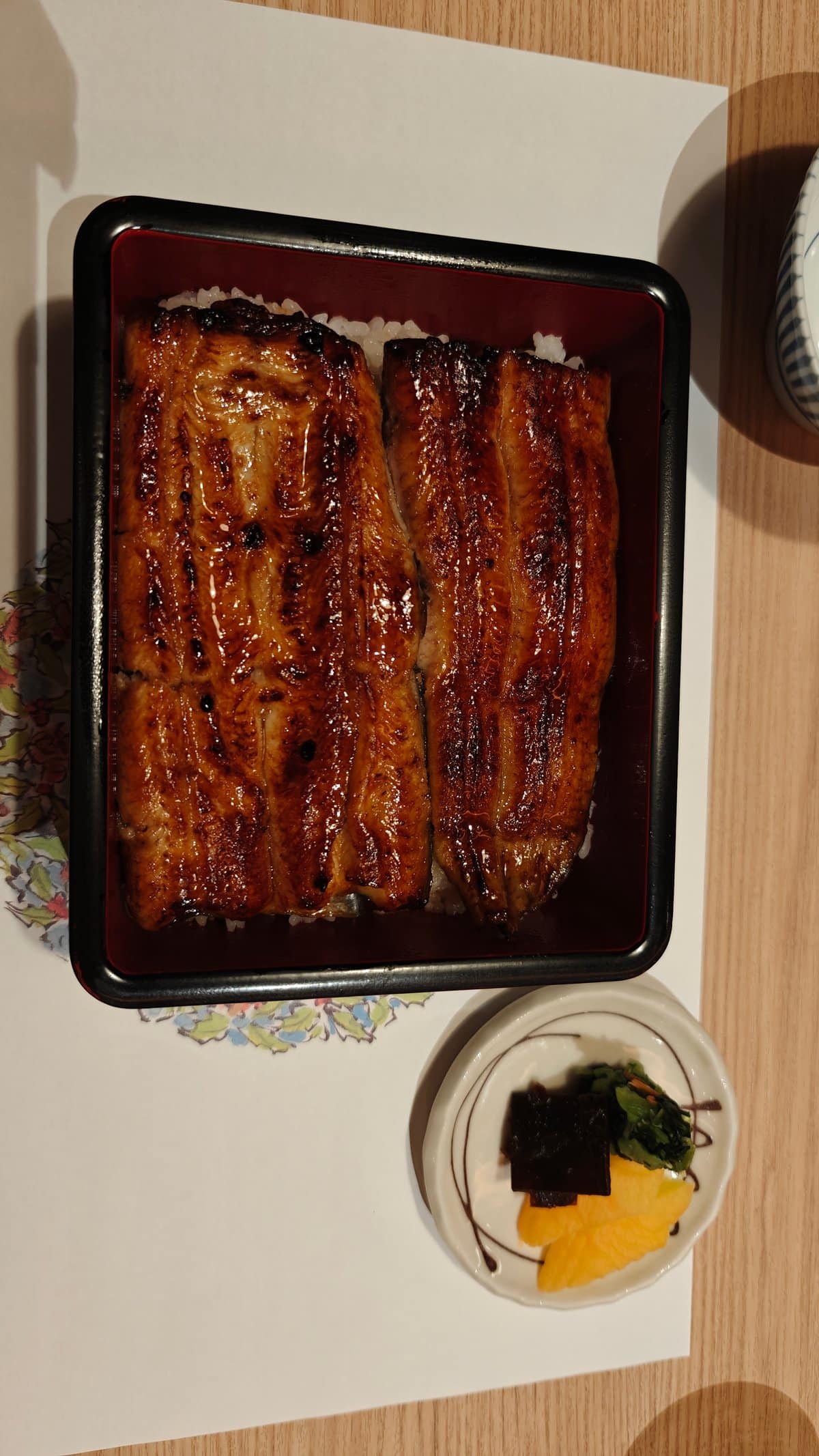
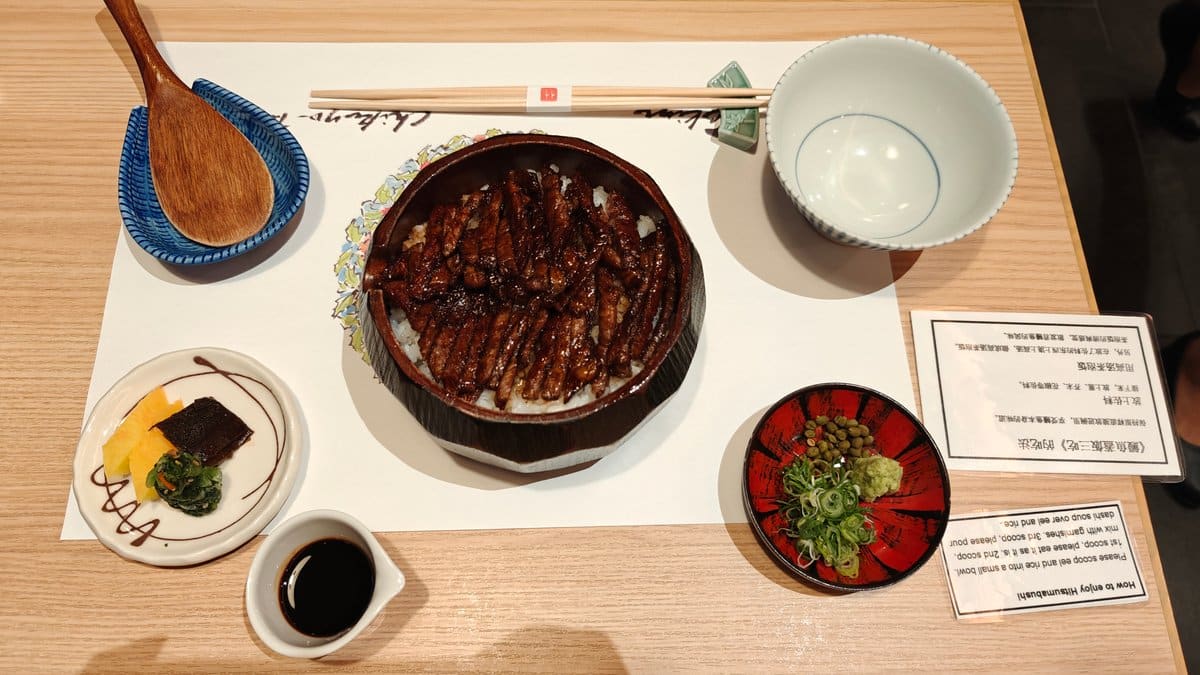
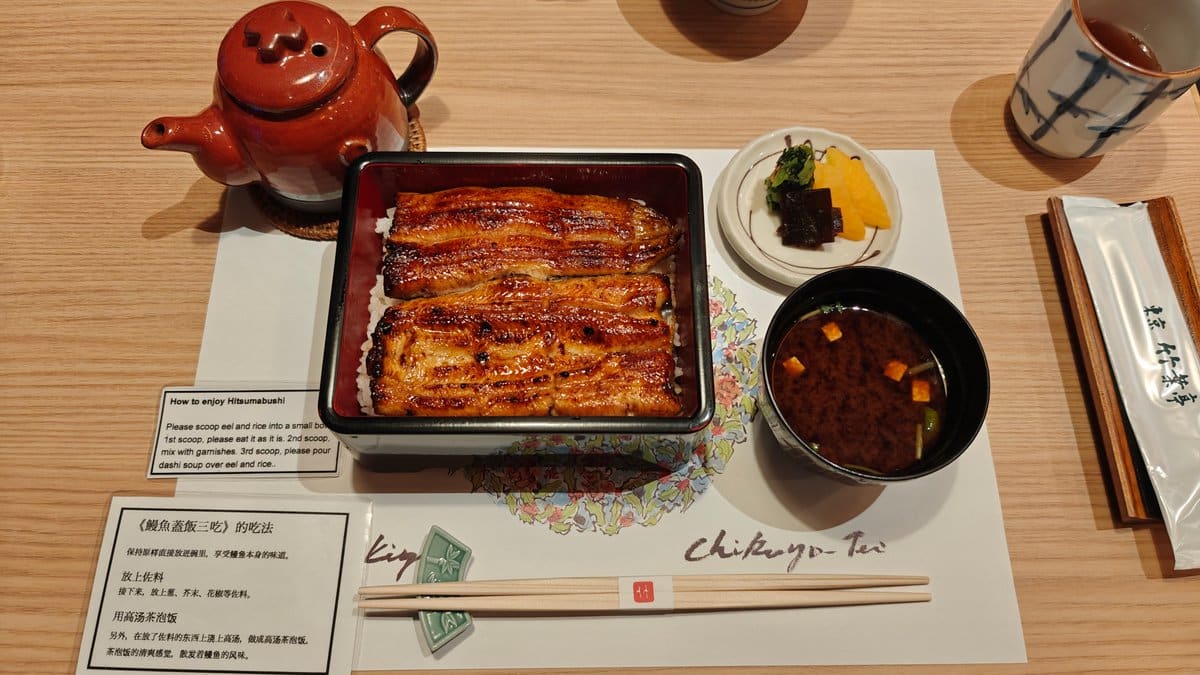
First to arrive was the unaju. The eel was dark, glistening, and glossy. It sat atop the rice, draped in sauce.
Then the hitsumabushi set emerged with its own card detailing the step-by-step process and all the accompaniments (nori, wasabi, green onions).
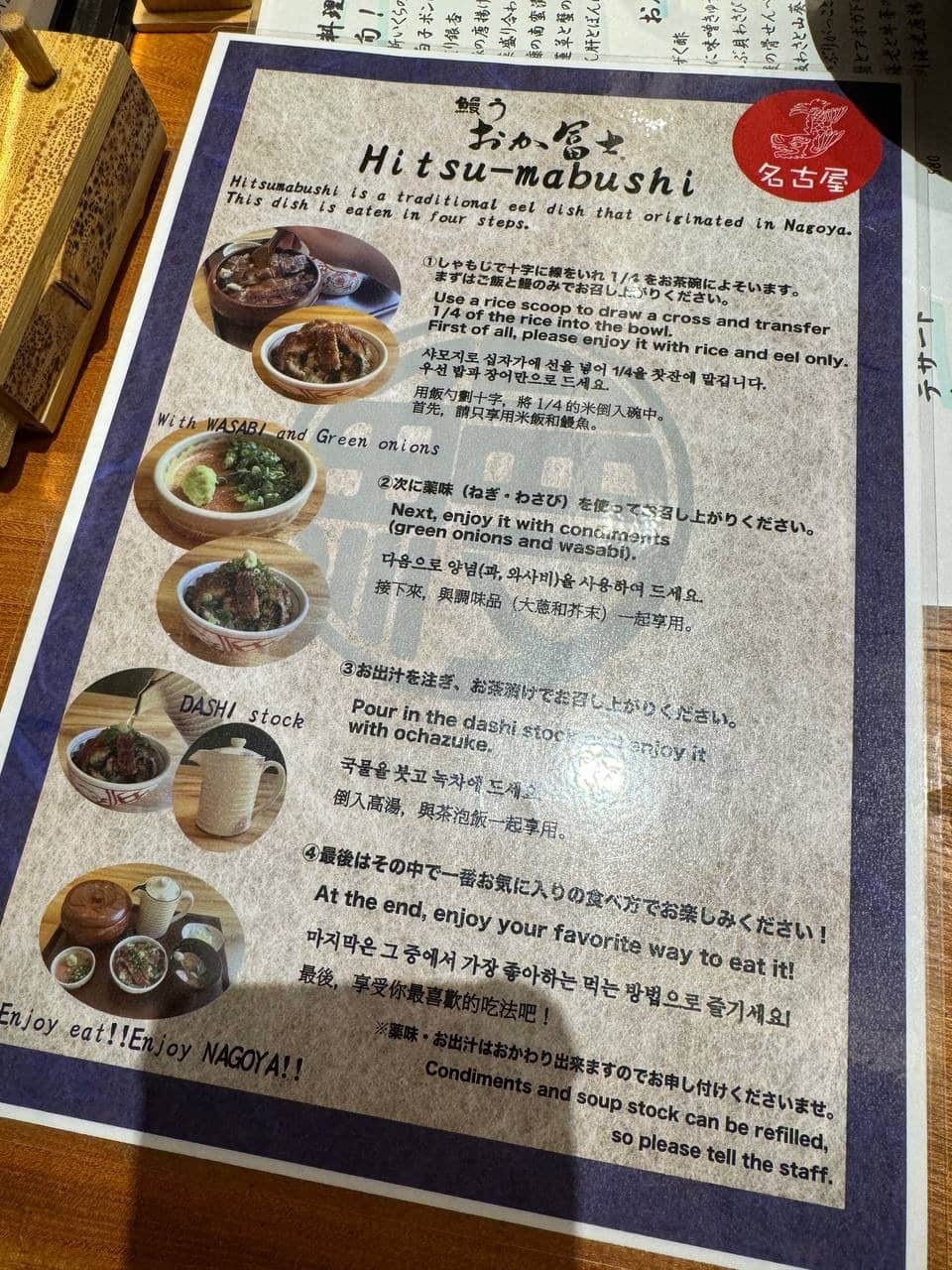
Instructions were followed; eat it plain first, then with condiments, finally pour over some broth. The latter was honestly my favourite. It made the whole thing lighter, revealing another side of the eel.
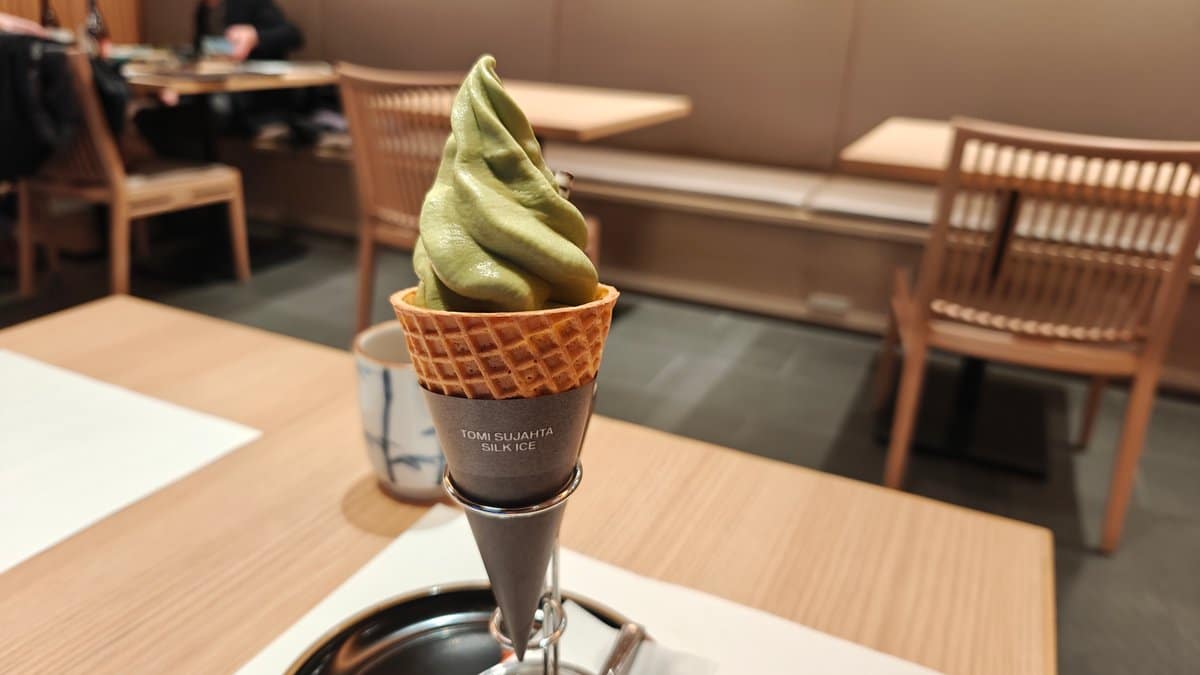
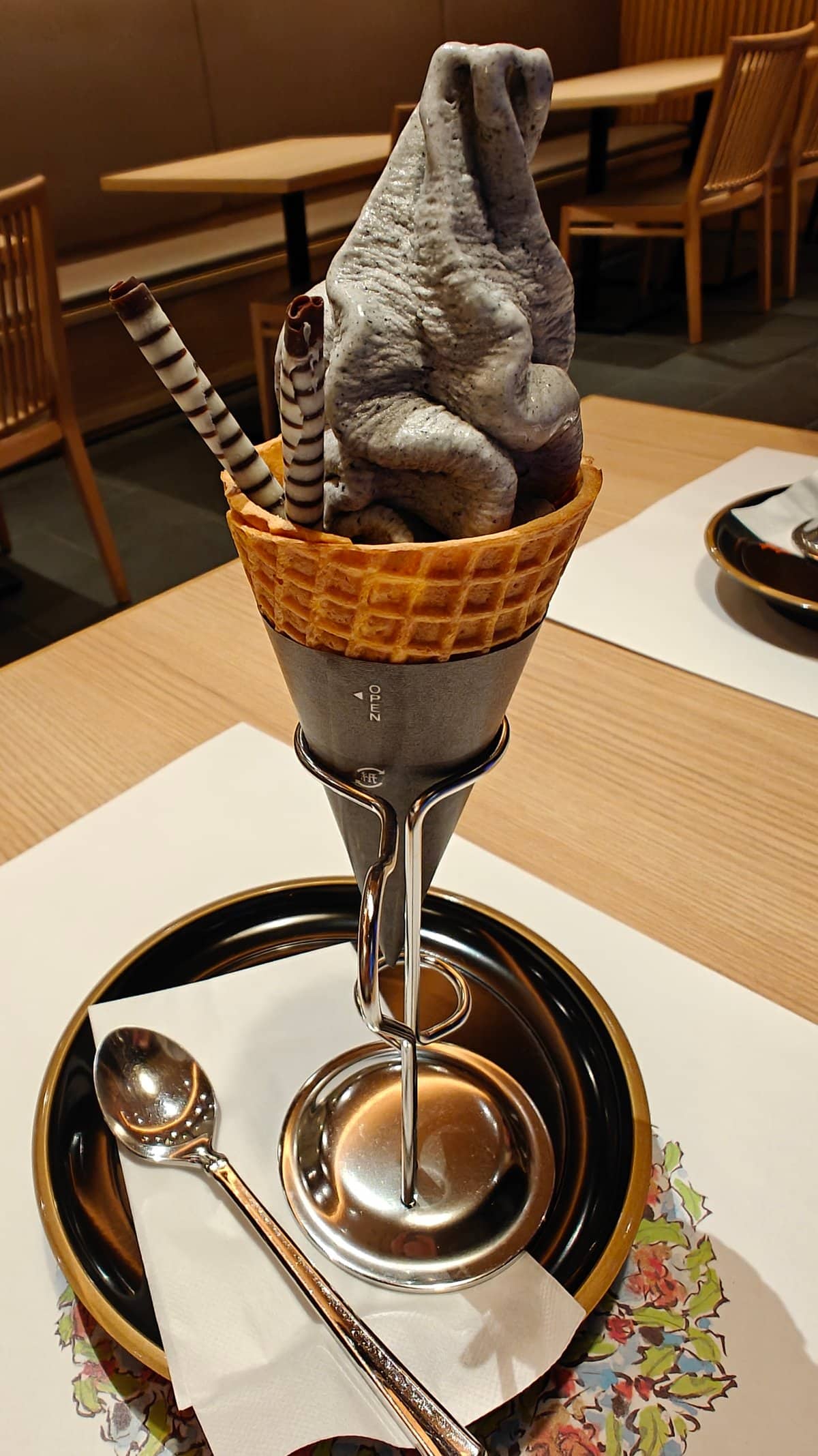
There’s also pickles and miso soup served as part of the set to balance the richness. For dessert we got soft serve ice cream, black sesame for my traveling companion; matcha for me. It came served in a striped waffle cone, which looked too perfect to eat.
But as a final course after all this richness, it was a welcome treat.
Unagi Hitsumabushi Sumiyagura
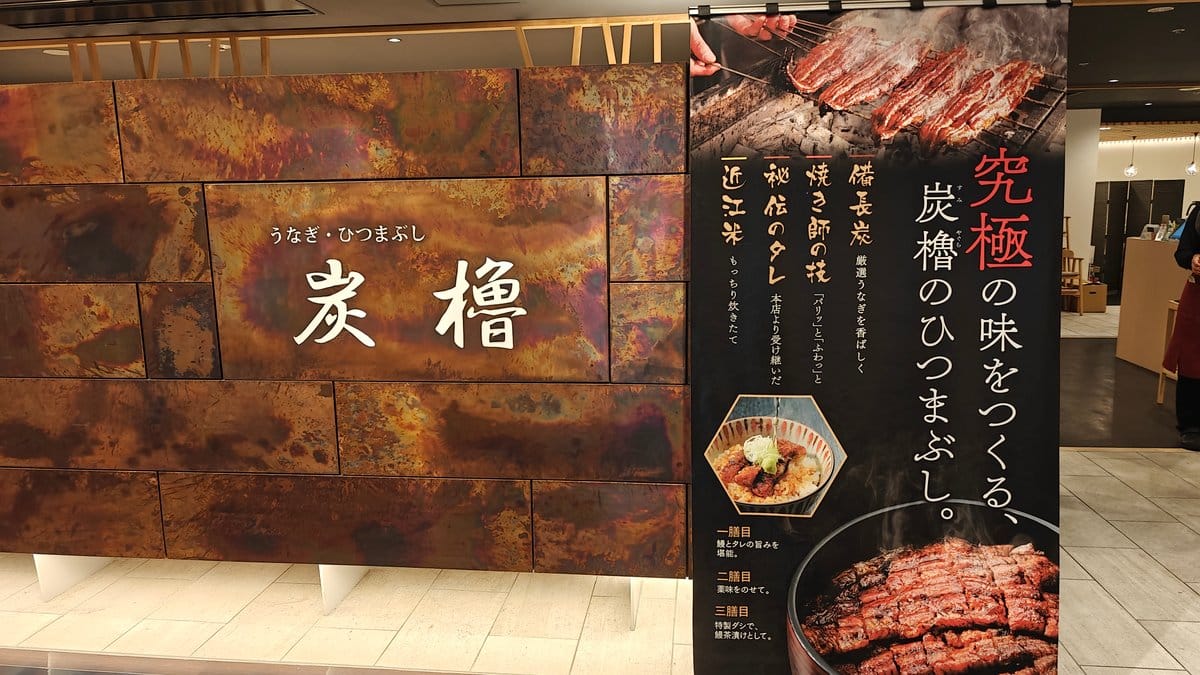
Compared to Chikuyotei, Sumiyagura in Kyoto felt different than Osaka. The exterior sign was moddern and loud.
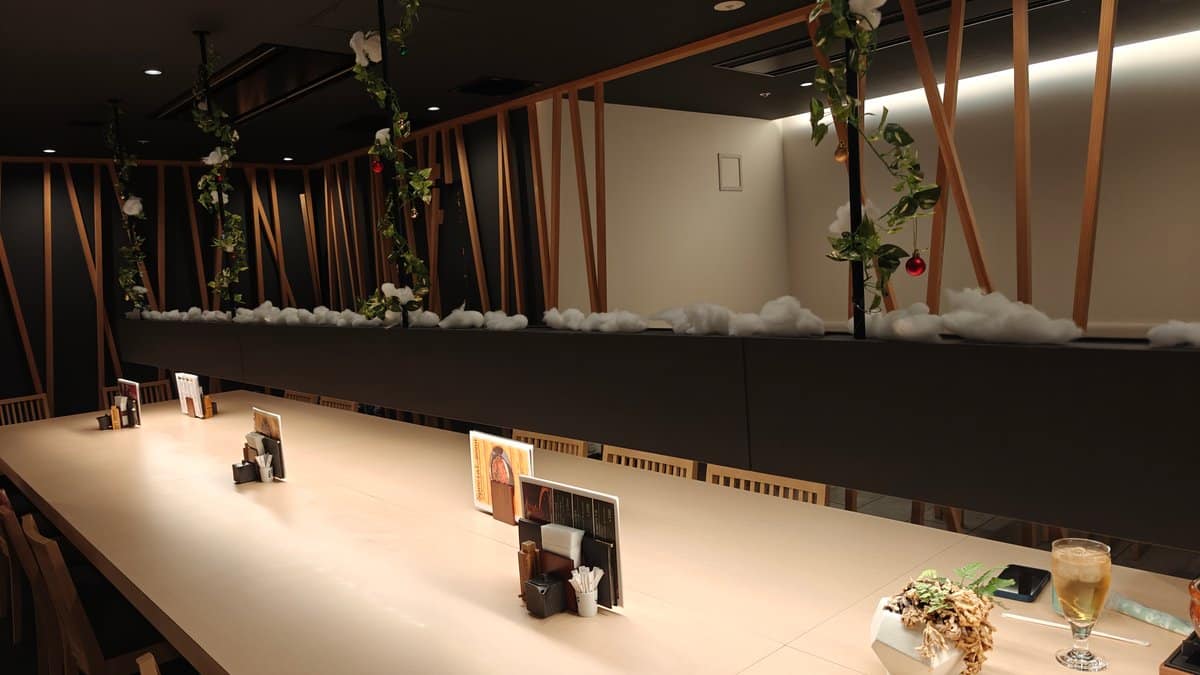
The interior was more casual, almost like an izakaya, although it only served grilled eel. There was also bar counter seating which I always prefer when dining by myself abroad… It’s not so strange sitting alone compared to reserving a table for one.
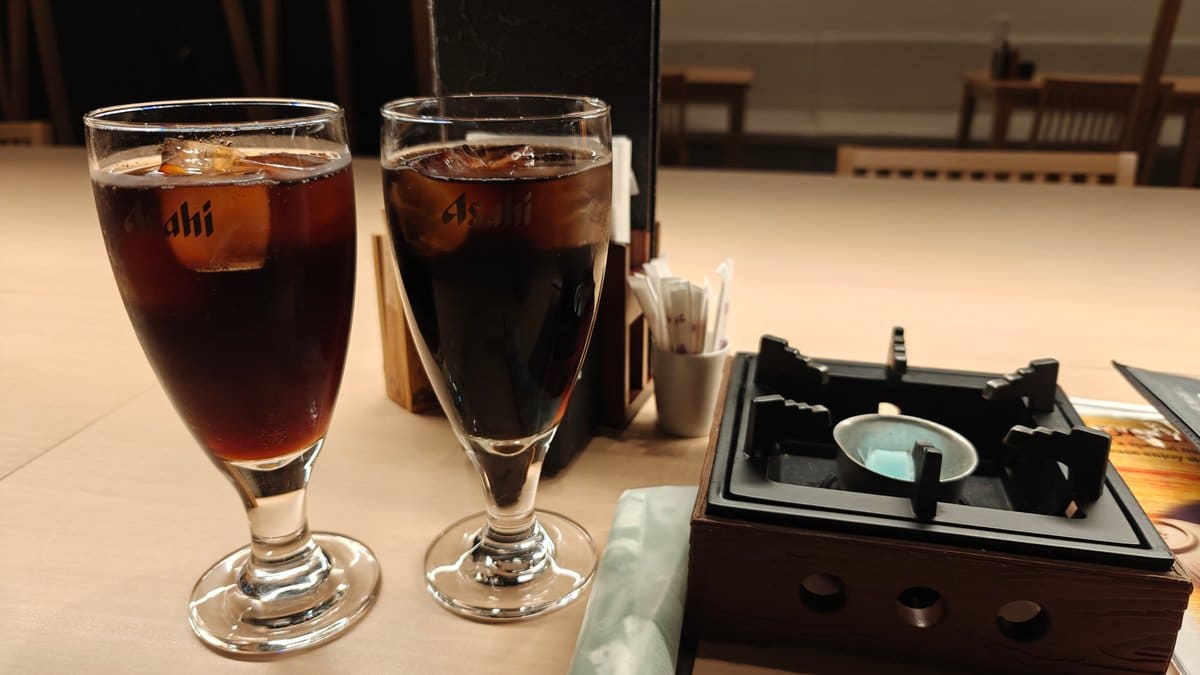
Drinks were iced and a tabletop gas burner was placed in front of us, which I thought would of been used to keep something hot, but now I can’t recall. Everything seemed interactive.
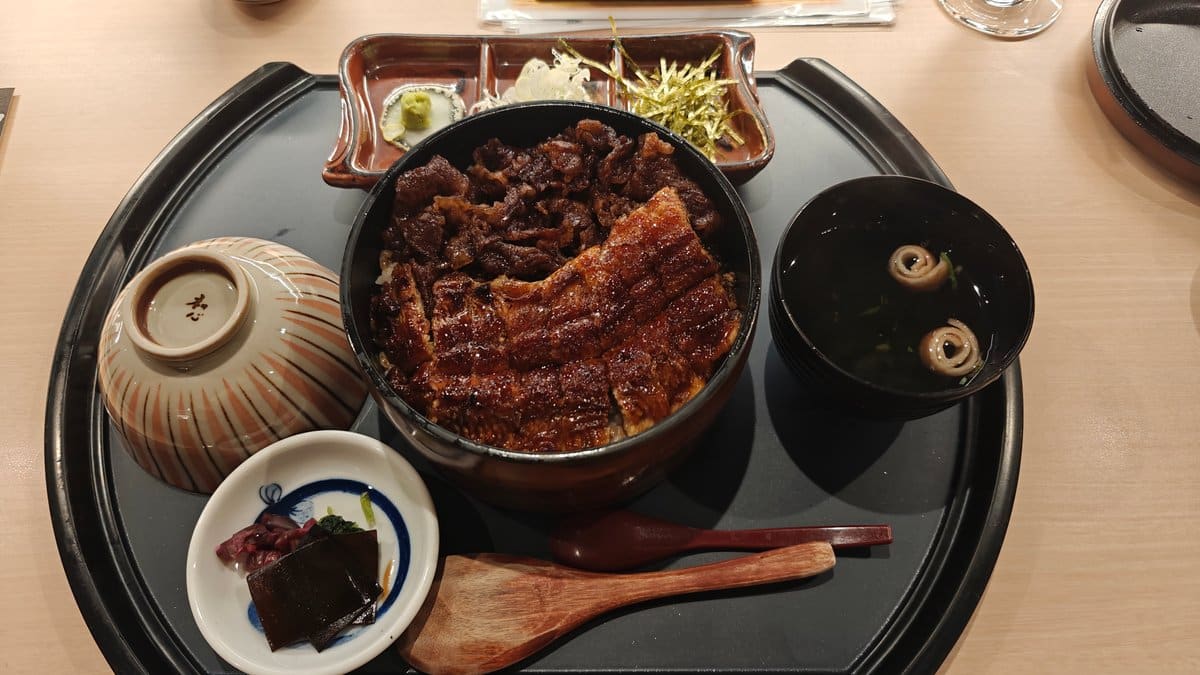
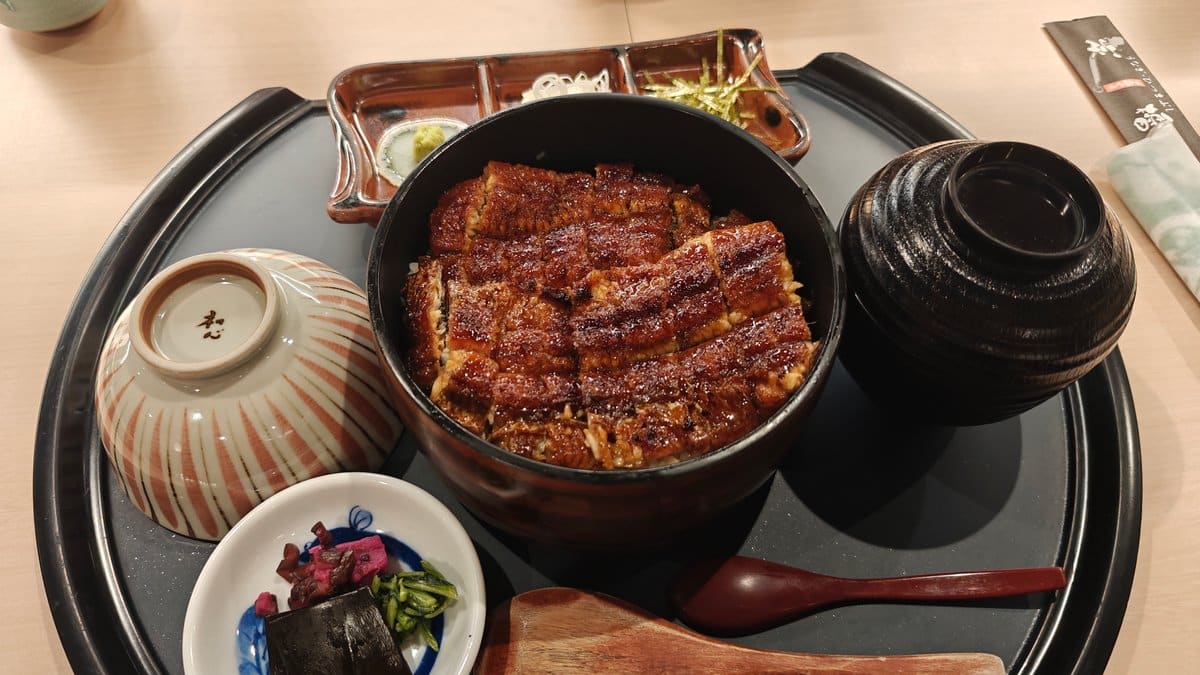
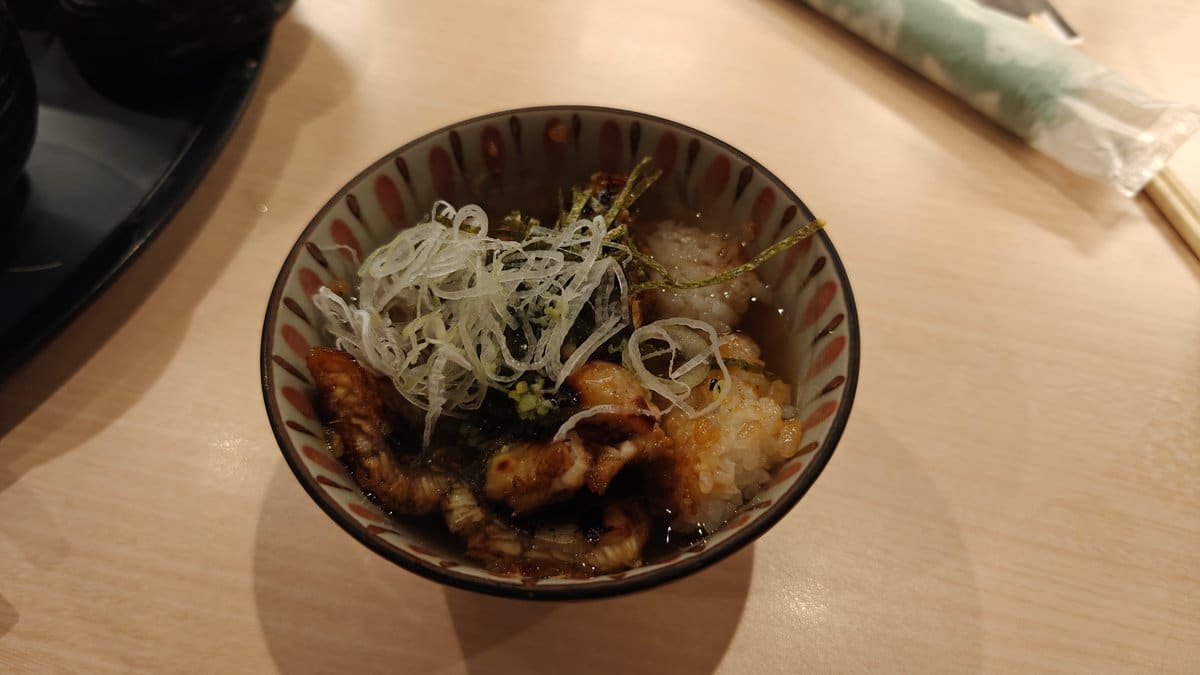
The next dish arrived in a lidless round wooden bowl; the hitsumabushi had an aroma that greeted me as soon as I lifted the lid. Generous portion size; the eel was cut up into smaller chunks then at Chikuyotei. This time I followed the three-way routine once more and found that there was a slightly smokier flavour to it.
Side accompaniments of pickles and miso soup were both standard but solid.
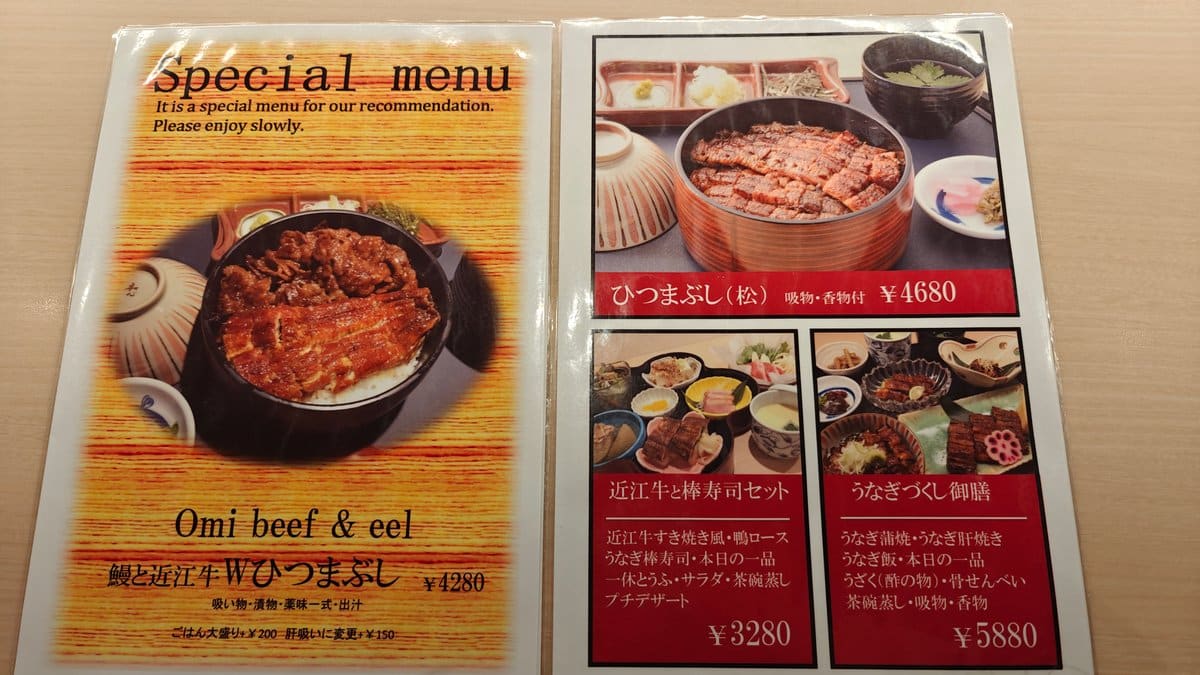
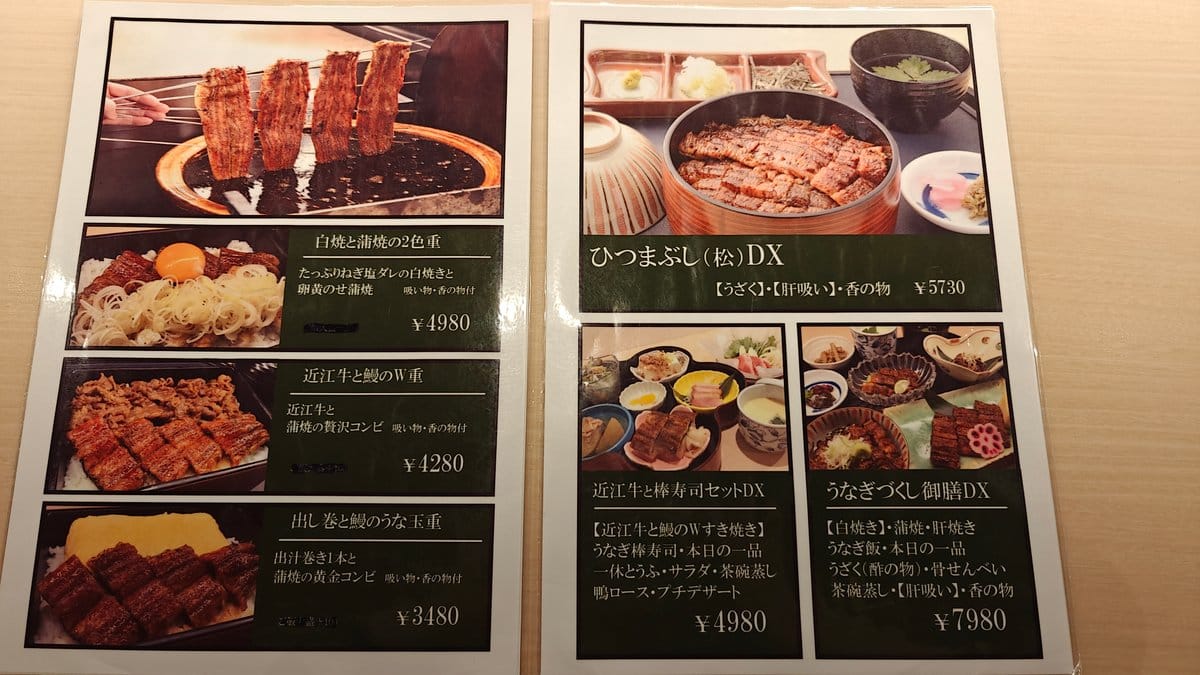
There were other dishes on their special menu that I didn’t sample but wished I had, a mix of eel and Omi beef, for example, which sounds both interesting and wild. The other thing that caught my eye was there fancy una-ju dish, which also seemed tempting, although by this point I was stuffed after the hitsumabushi.
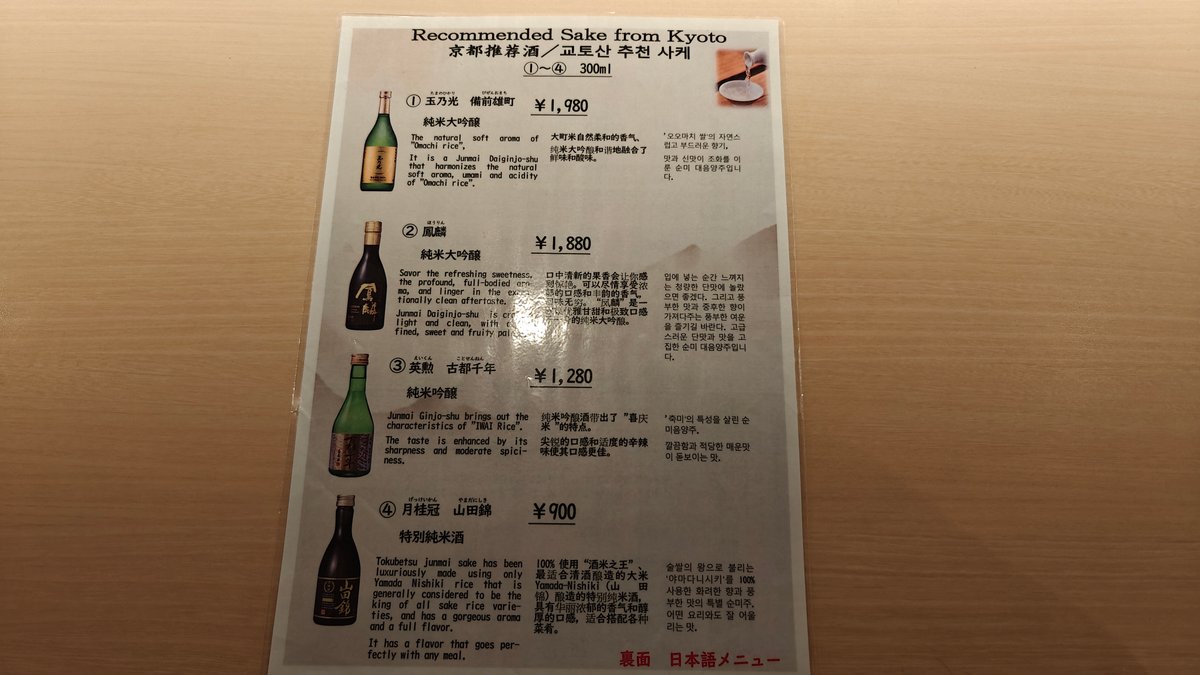
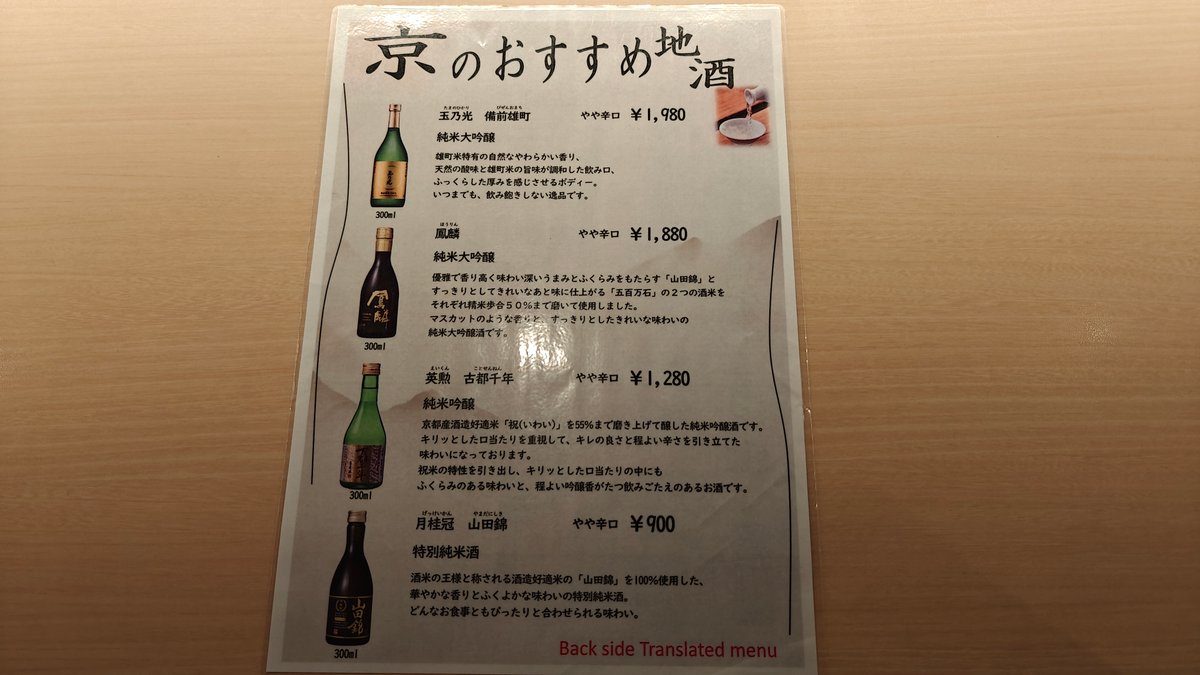
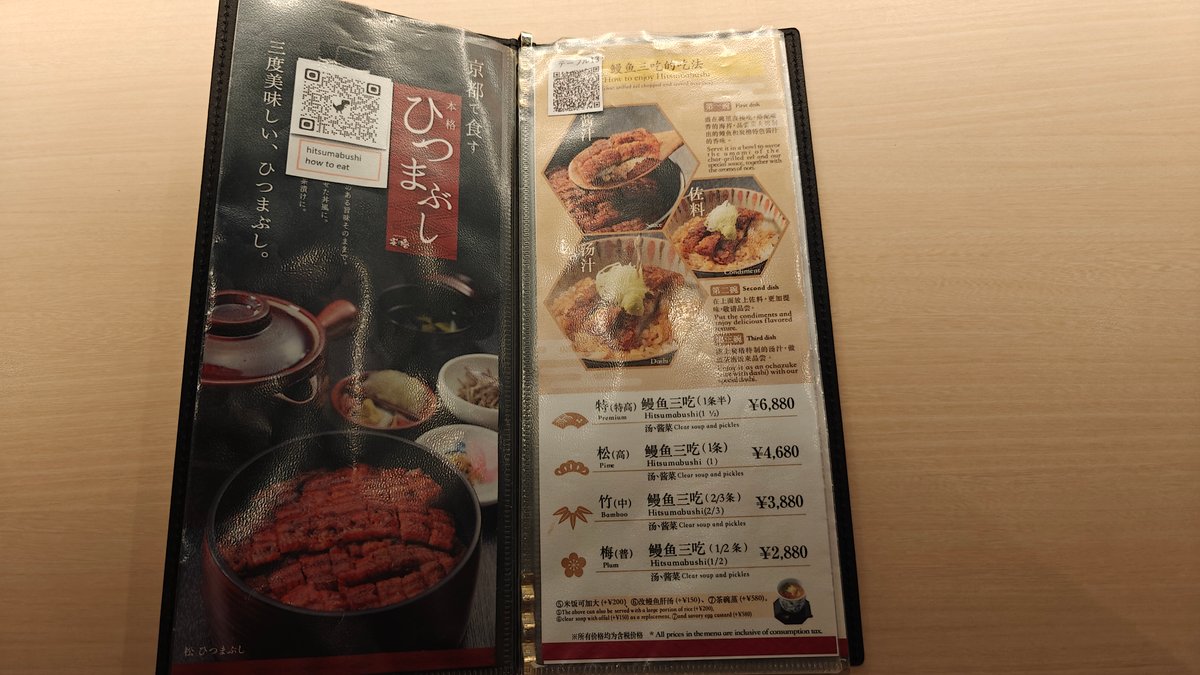
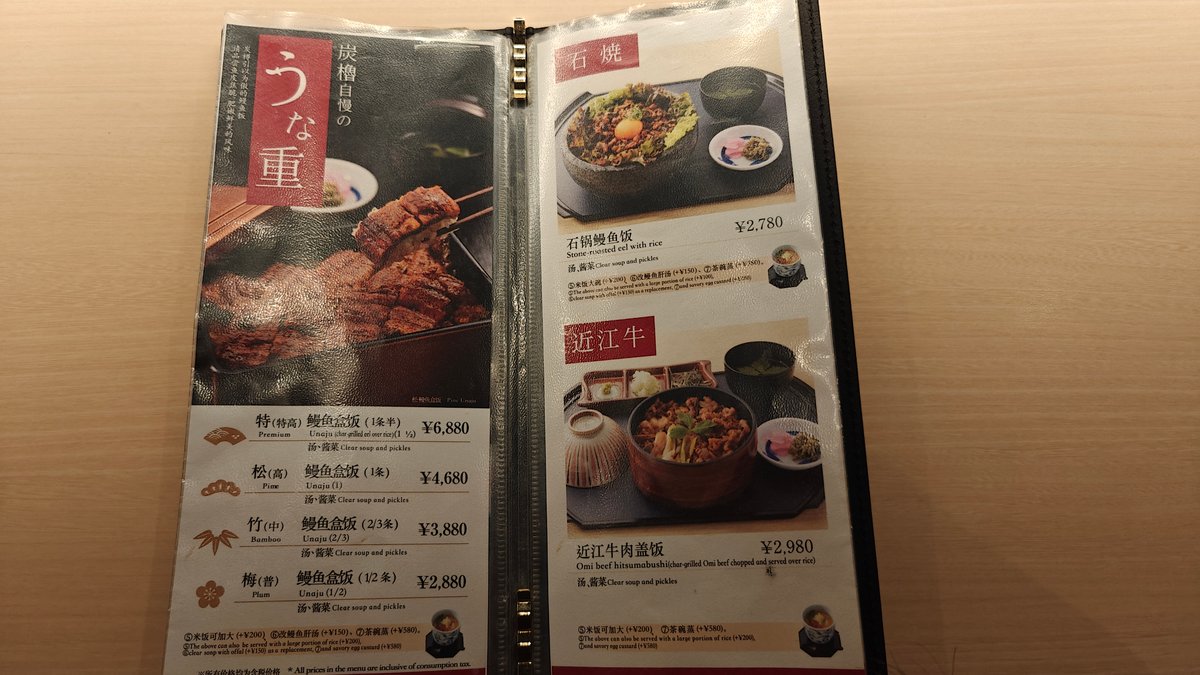
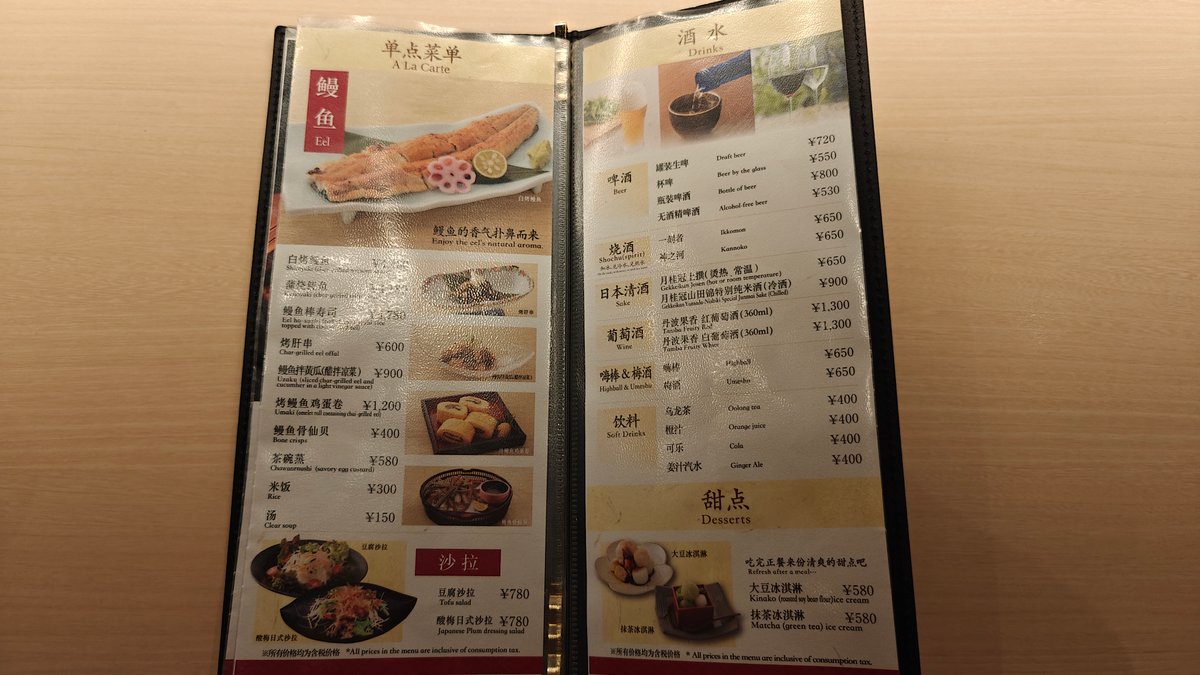
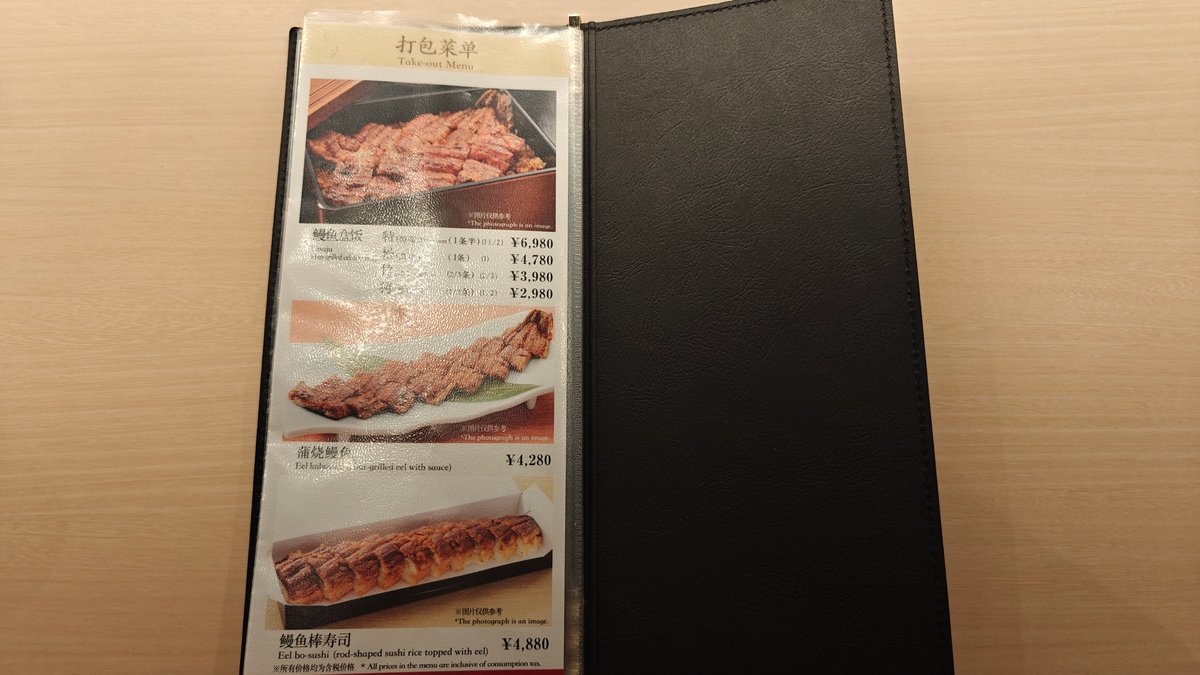
It was full of listings, including à la carte eel (umaki, uzaku etc), locally recommended sakes from Kyoto, and a takeaway area. It also came in Japanese and English versions; always good to see in this sort of place, making it simpler to order things.
Kamanza
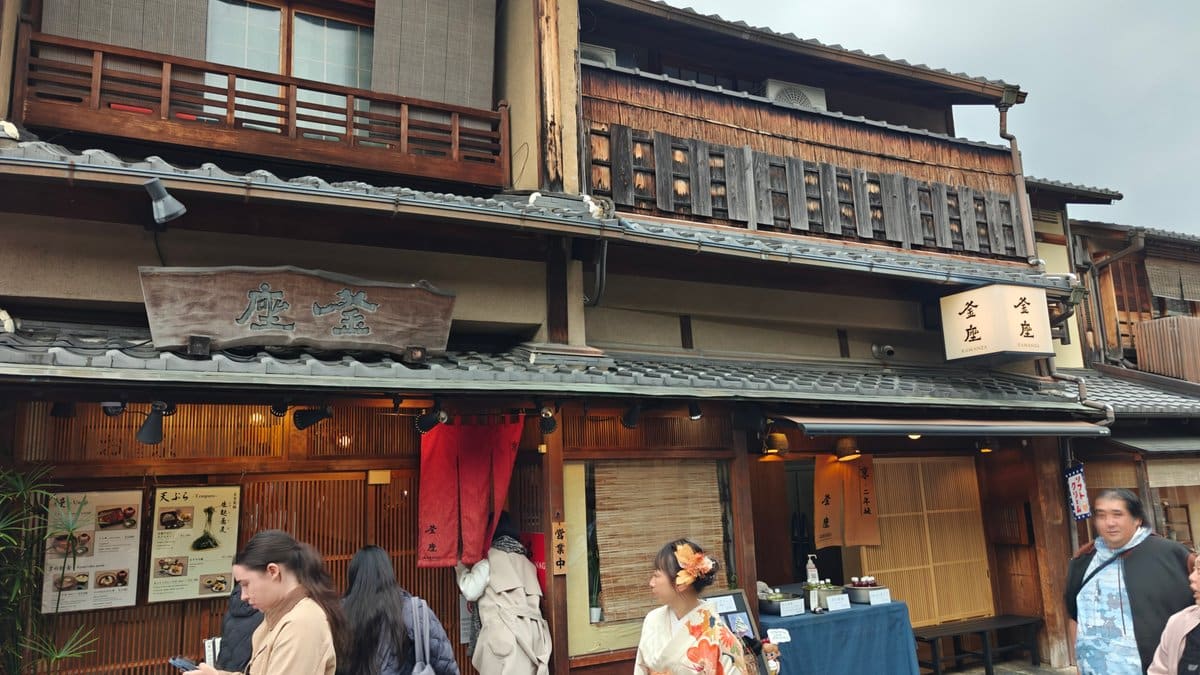
And there was enough for me to return and work my way around some of the dishes if I’d had longer. Completely different was Kamanza. Located in a traditional Kyoto-style machiya building, it felt more like a piece of history than just a restaurant.
A couple of other guests were milling about the exterior when we arrived. We entered after that.
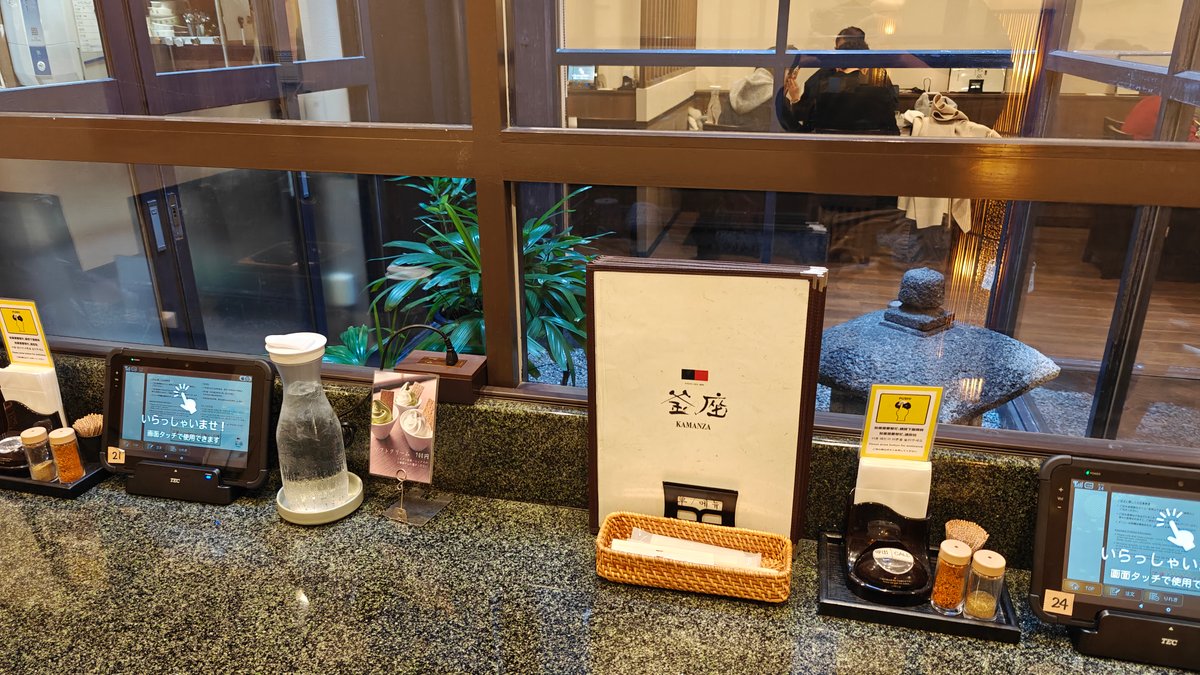
The room was much quieter (and more refined) than anywhere else I’ve visited so far. Our table had been laid out already with a tiny plant and condiments, as well as an outlook onto the street where we were sitting.
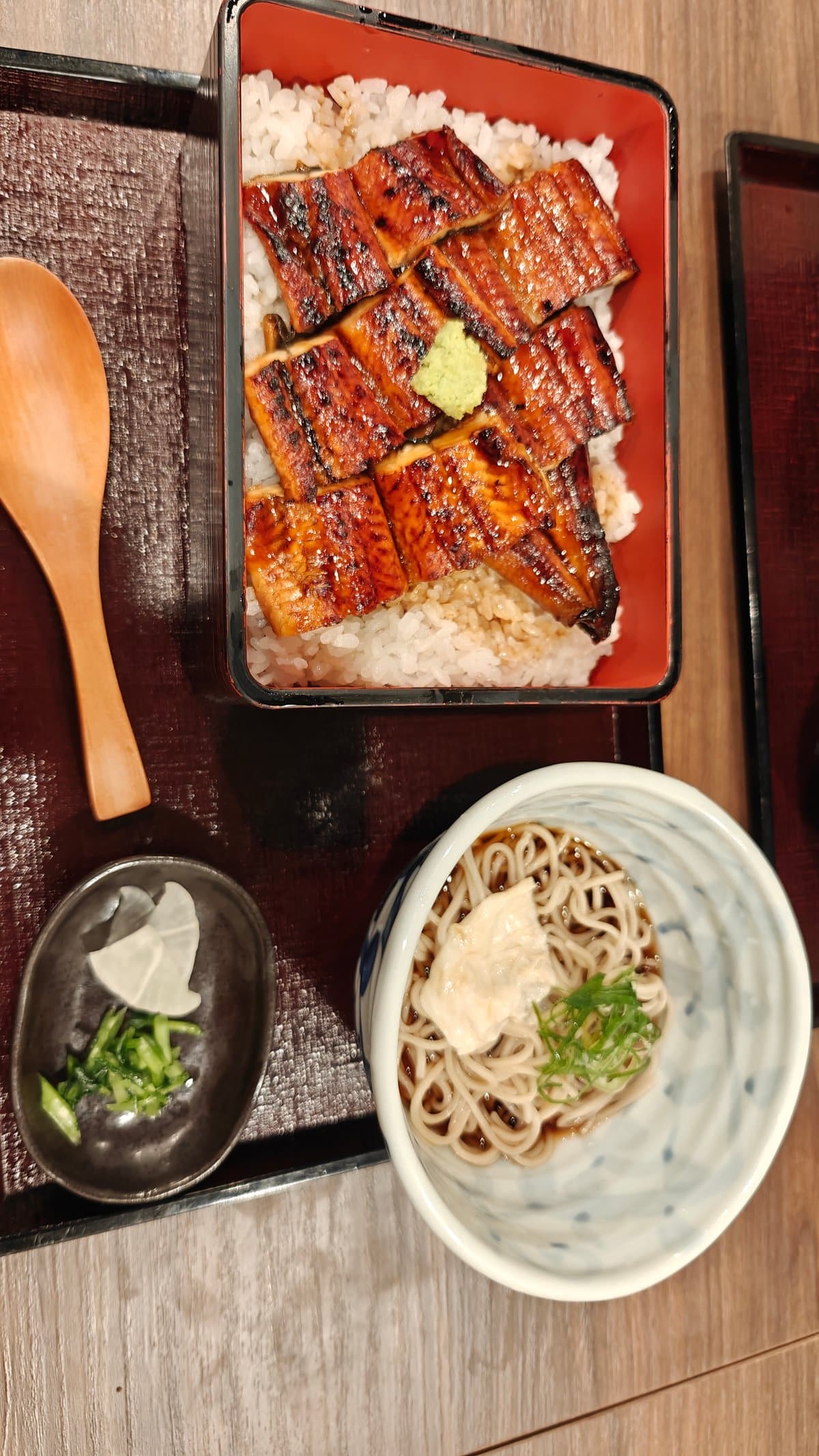
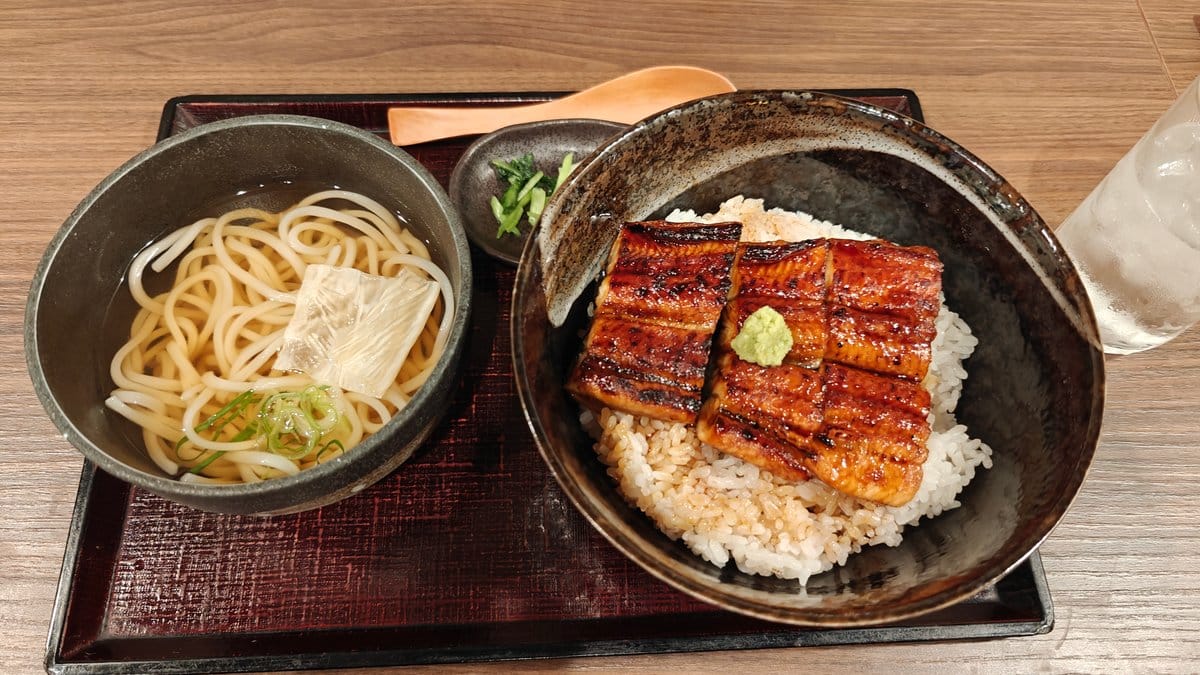
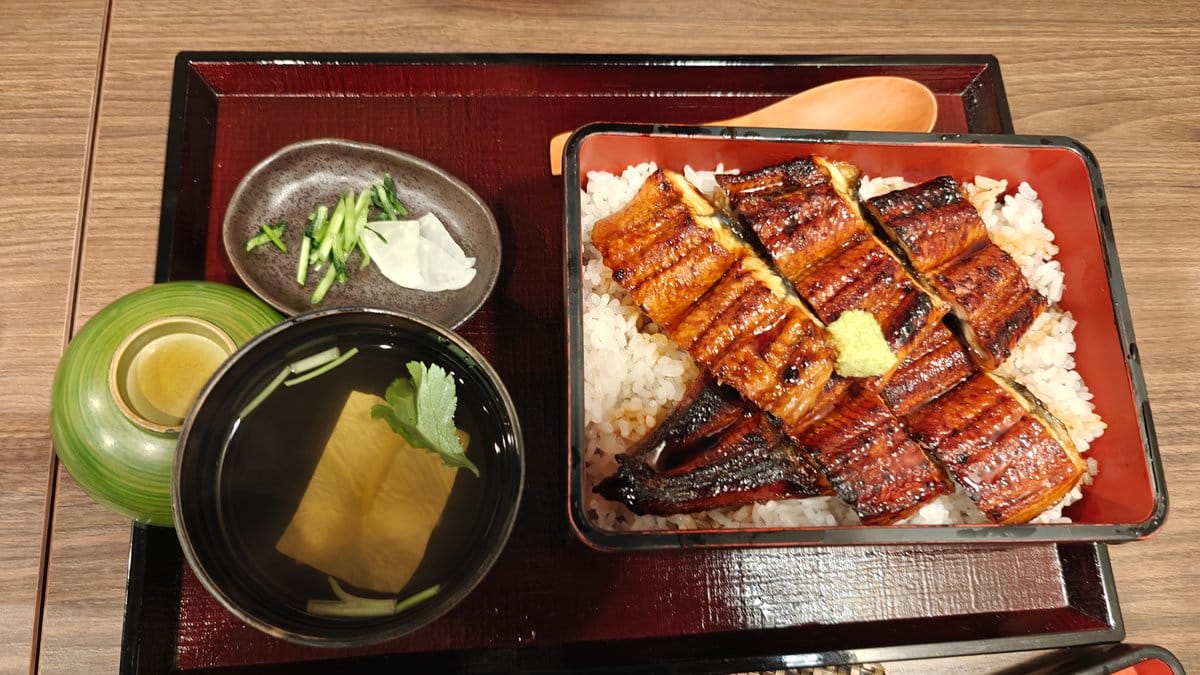
Instead, I had an unagi rice box (served with soba on the side). It was less heavily glazed eel compared to what I had eaten in Osaka but still very tasty. There was some soup and tea too, and it was all nicely balanced in the set.
My friend had another set and it looked equally great.
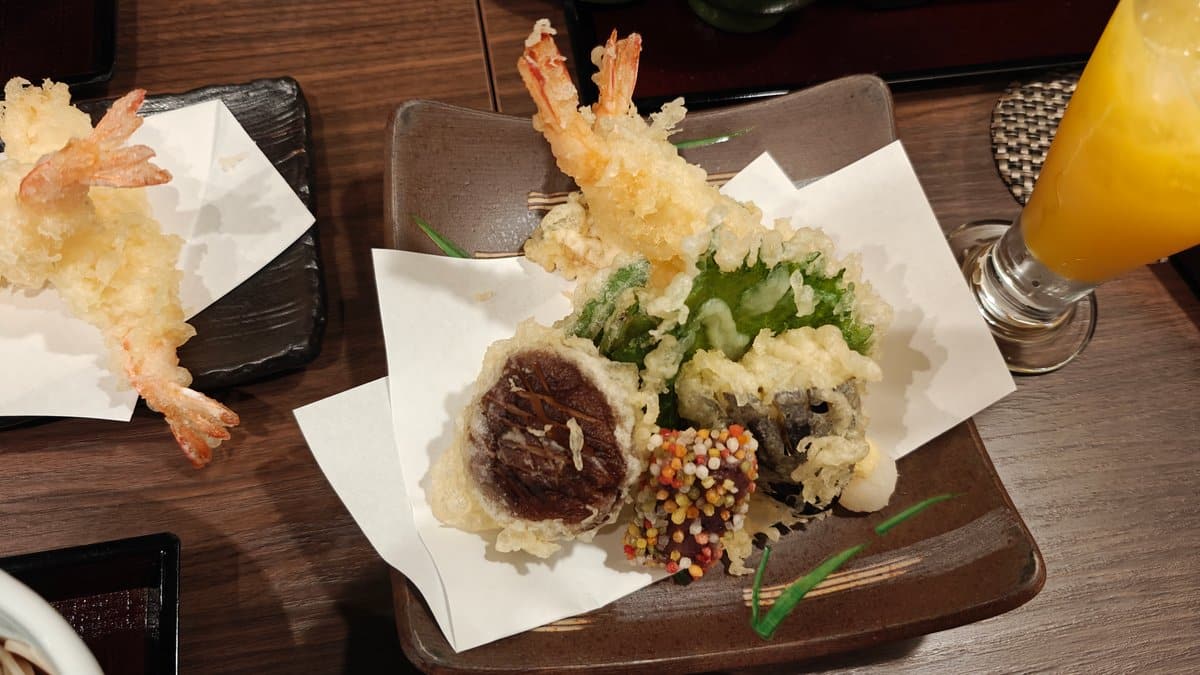
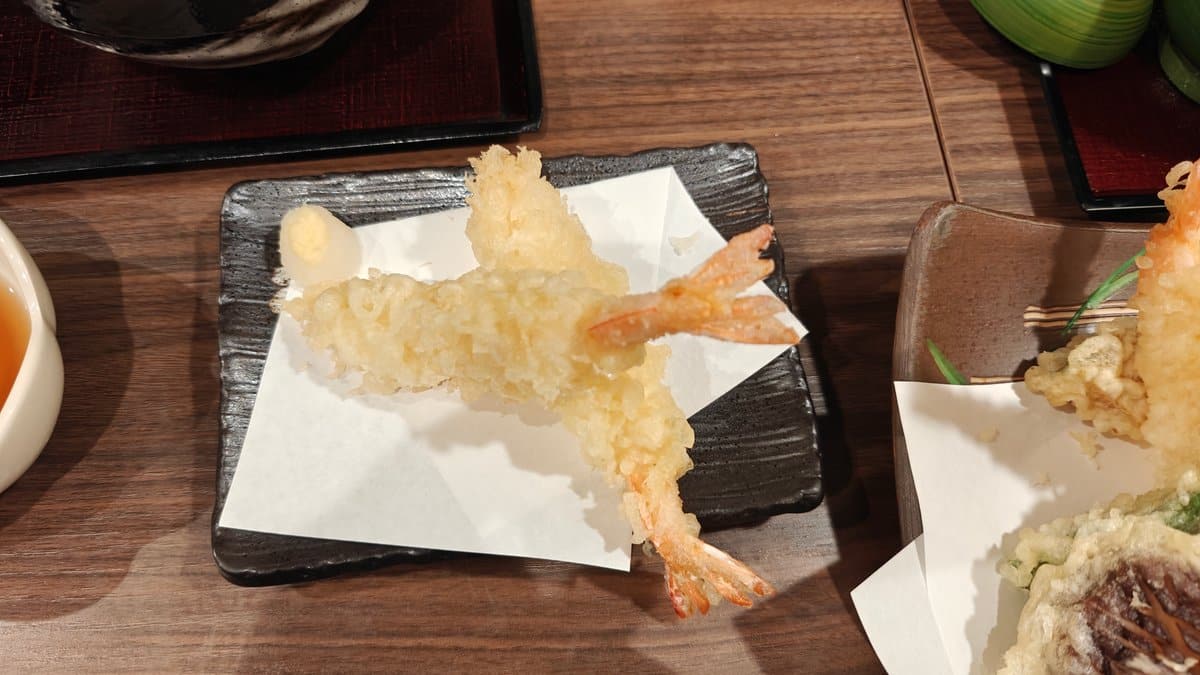
We also sampled the shrimp tempura (with dipping sauce and assorted vegetables). Light, crispy batter and HUGE shrimps made this a welcome diversion from all the eel.
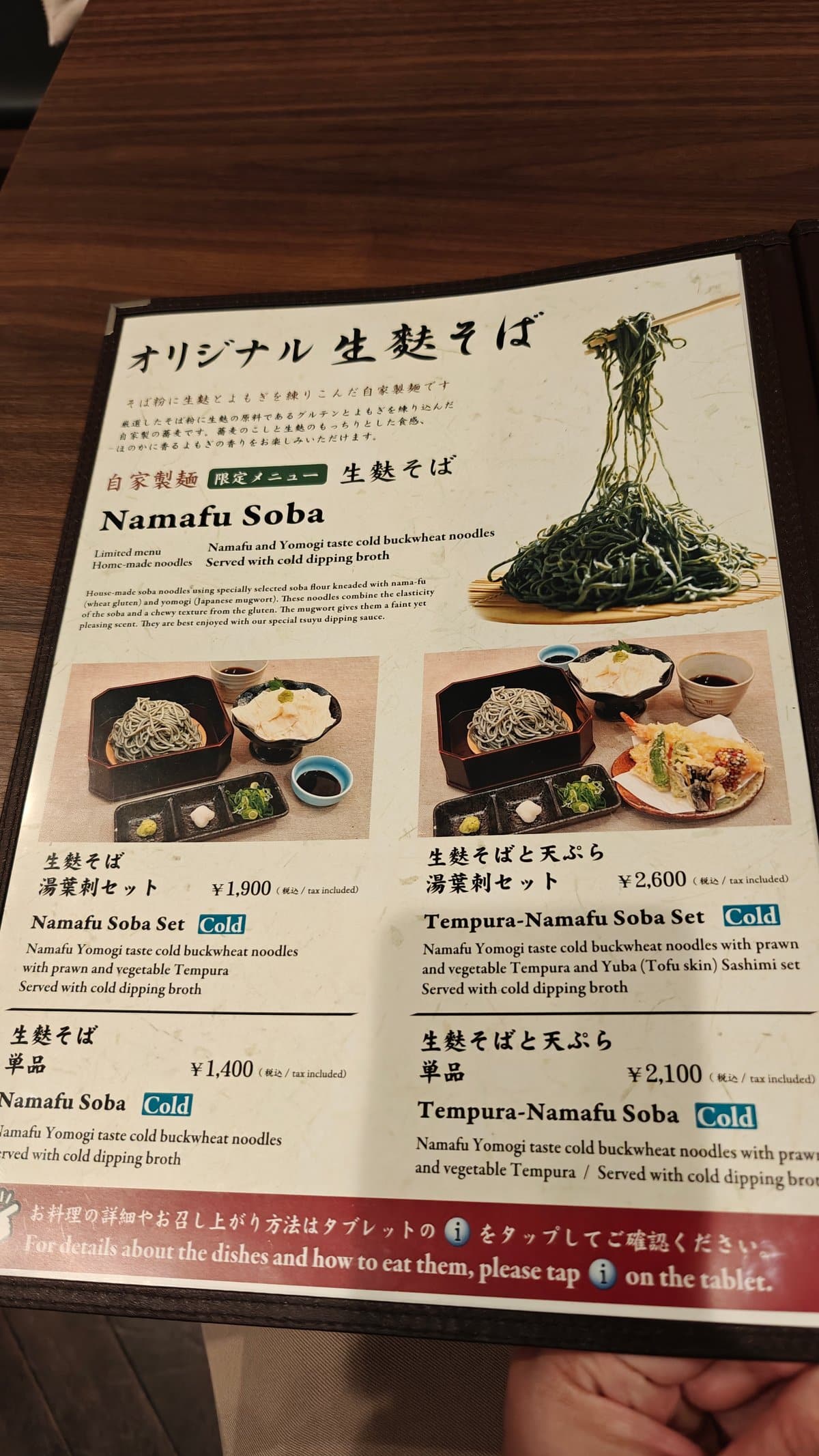
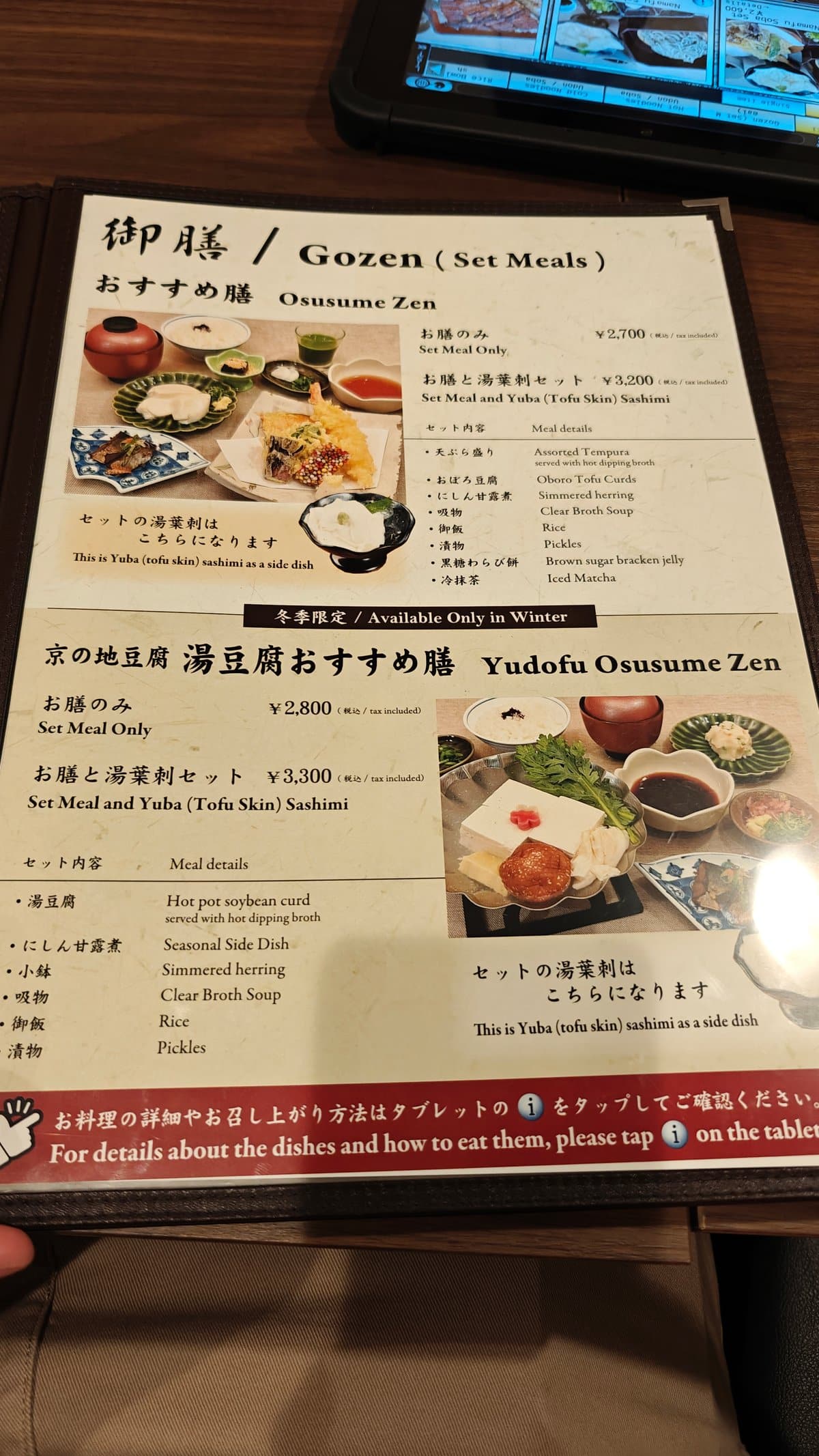
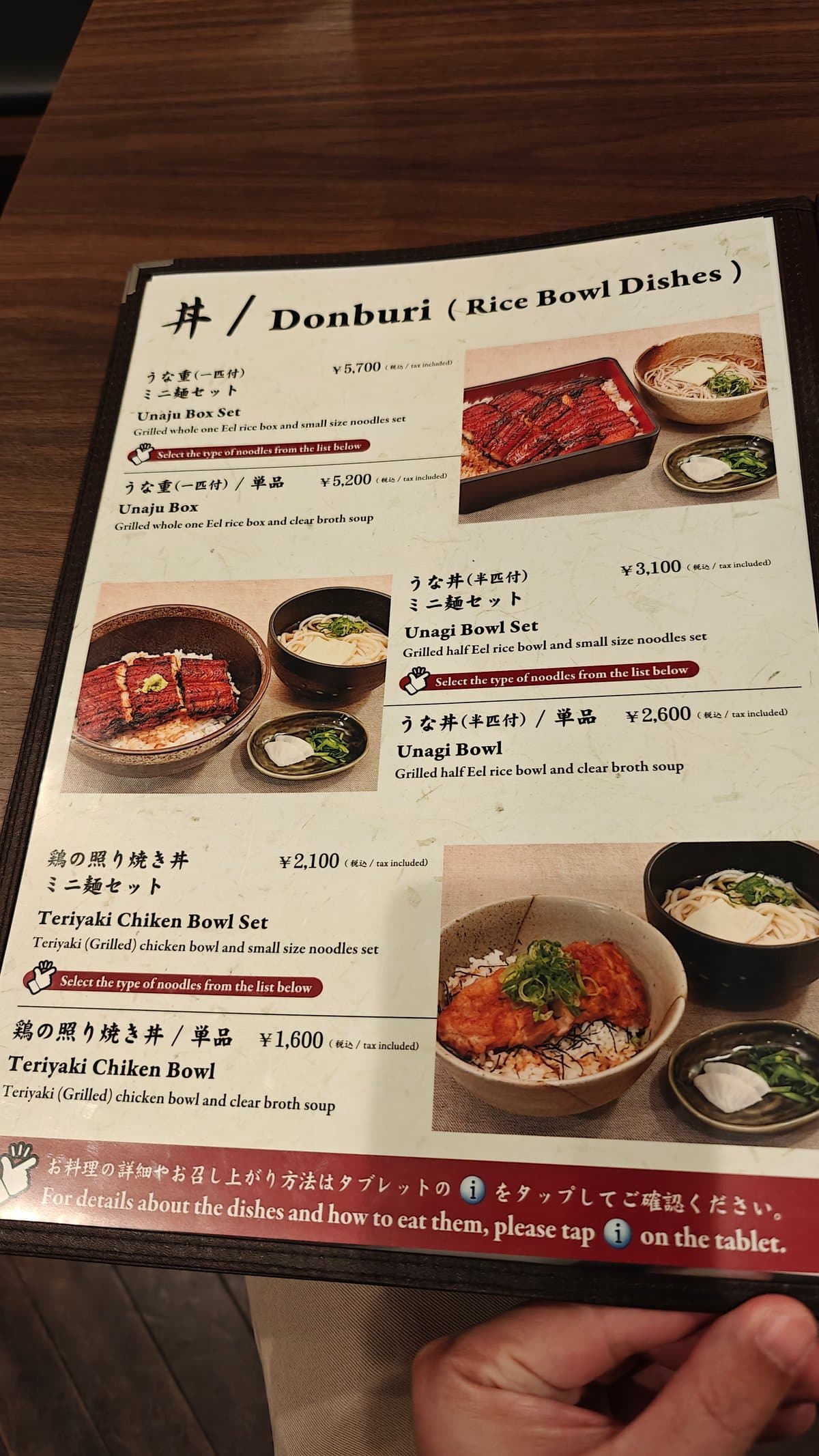
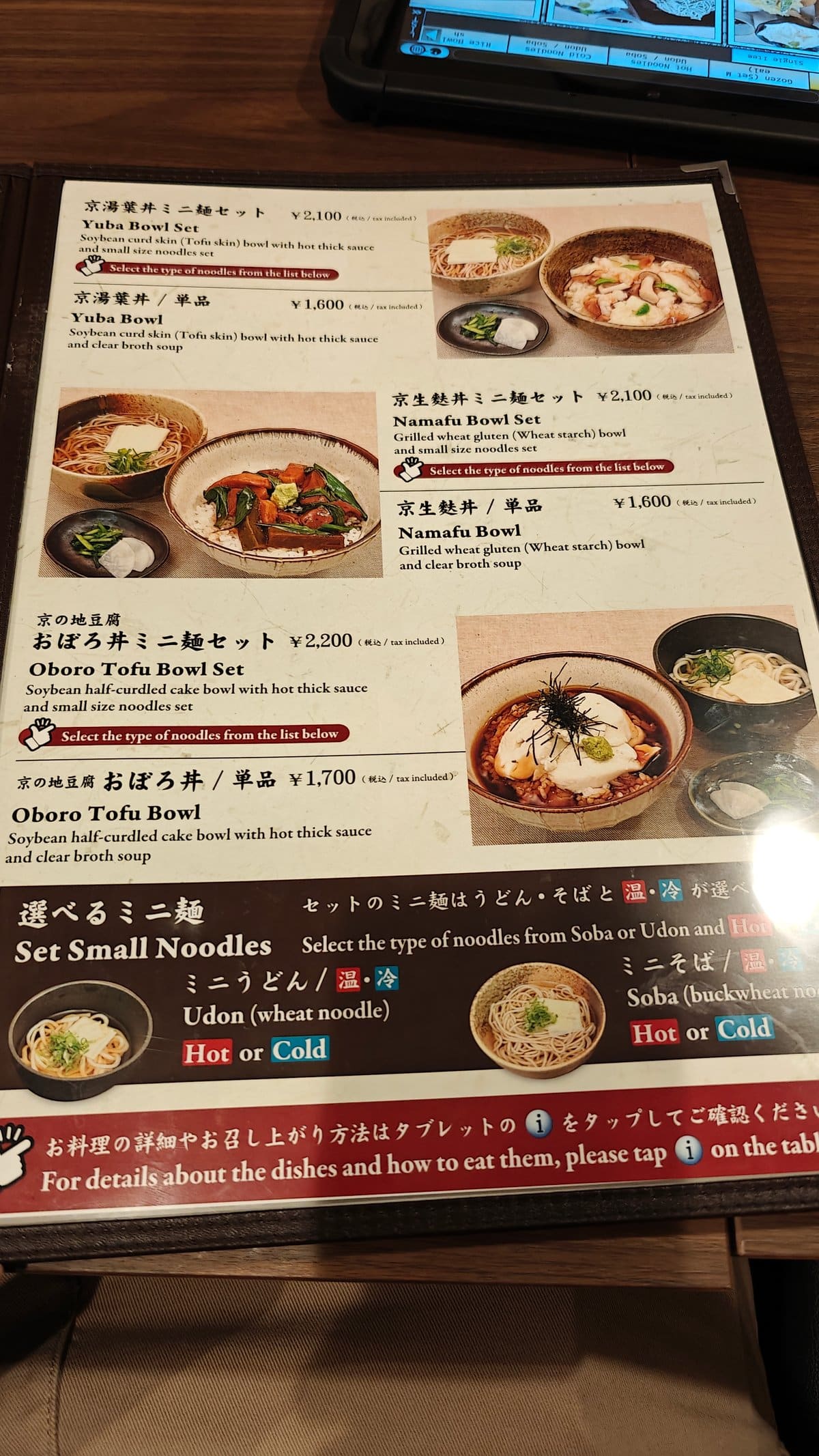
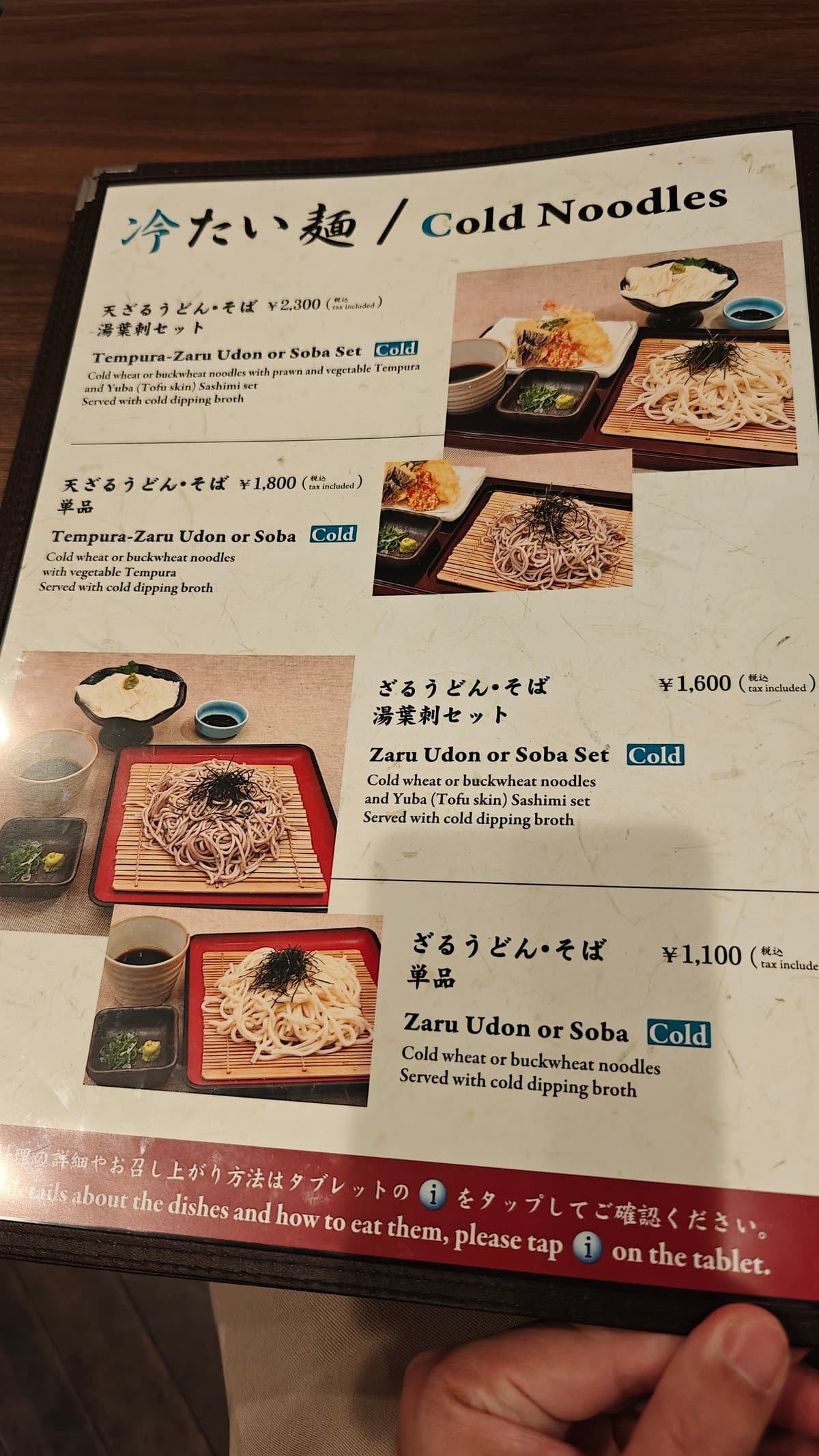
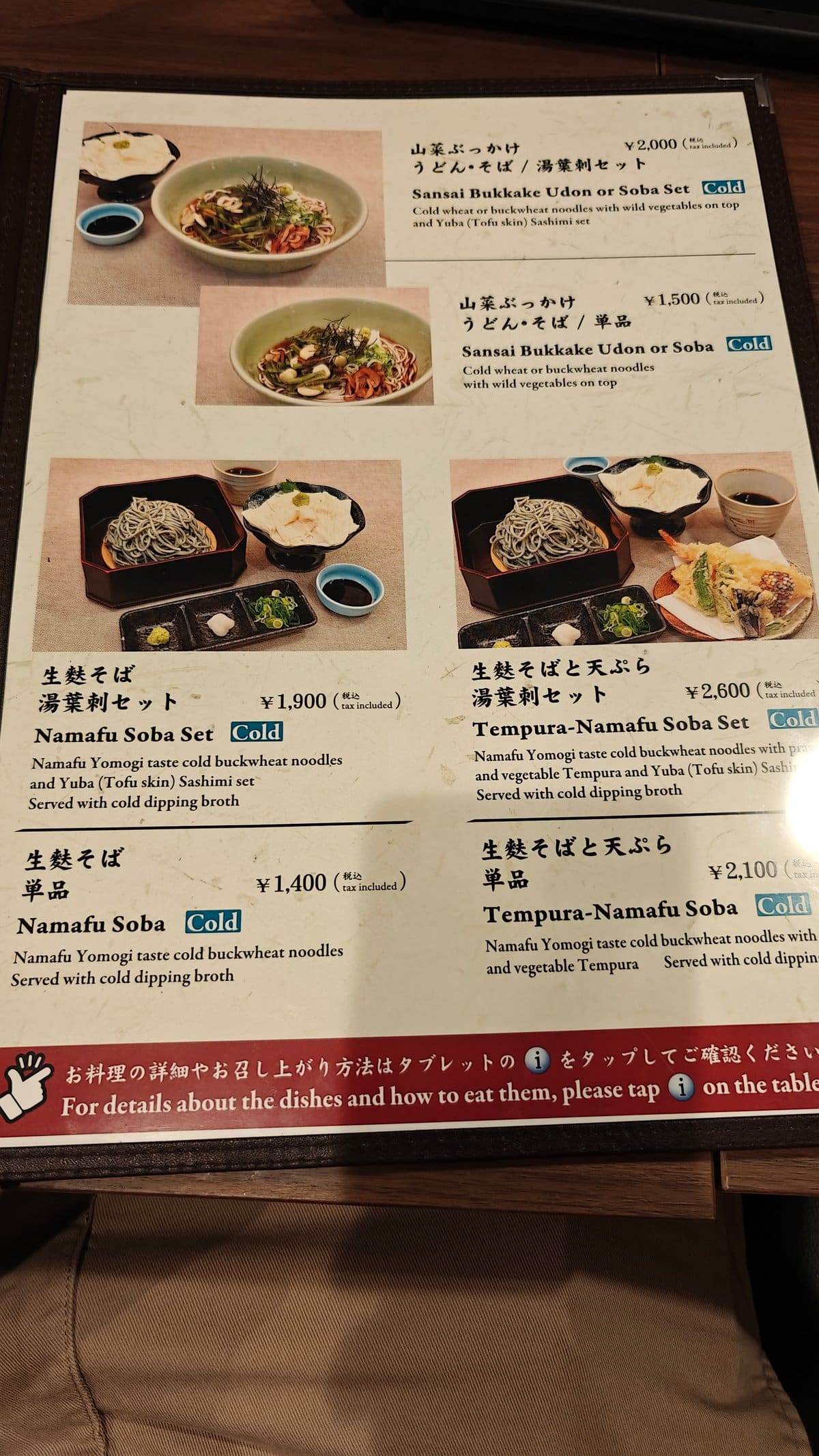
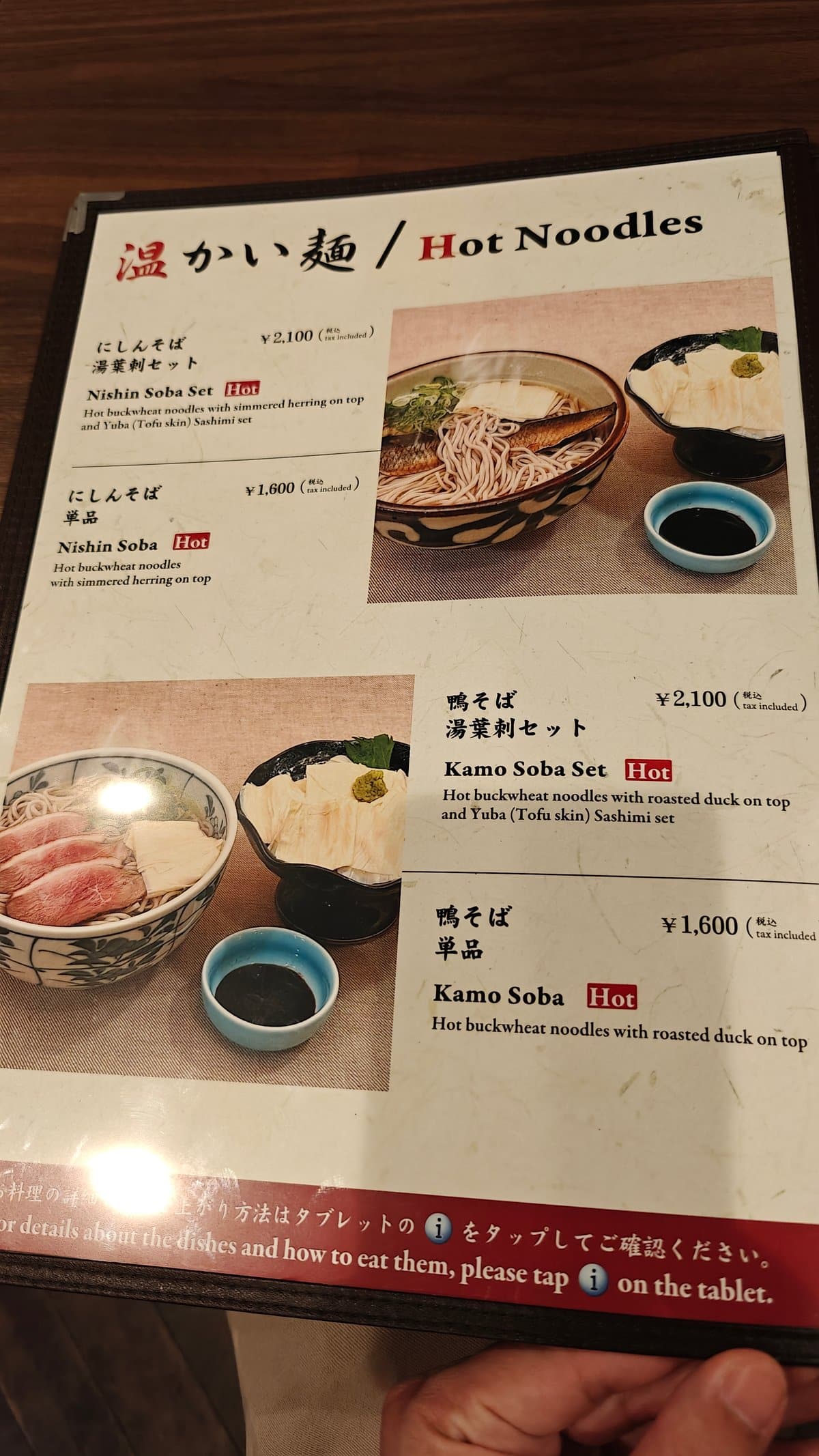
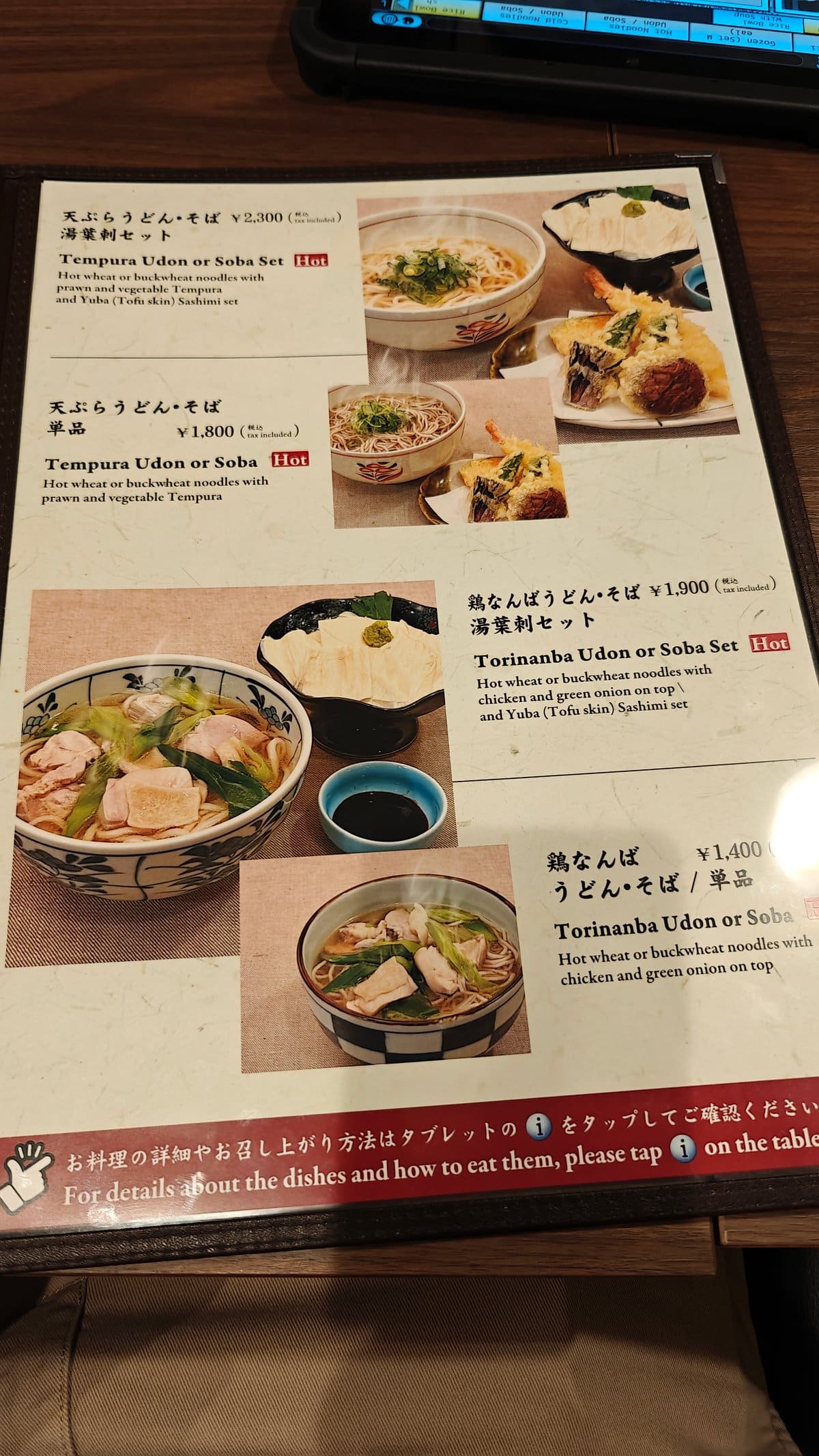
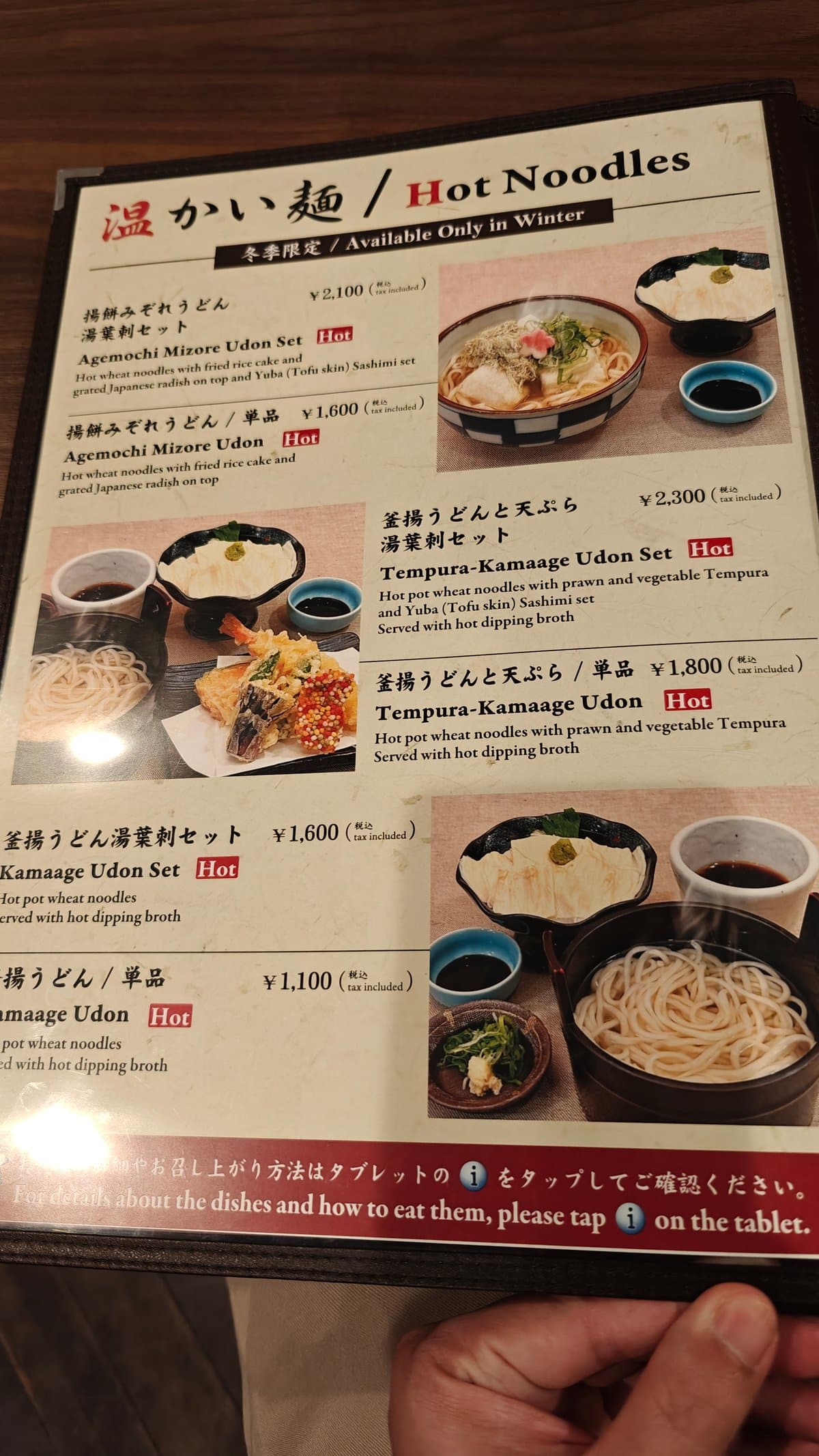
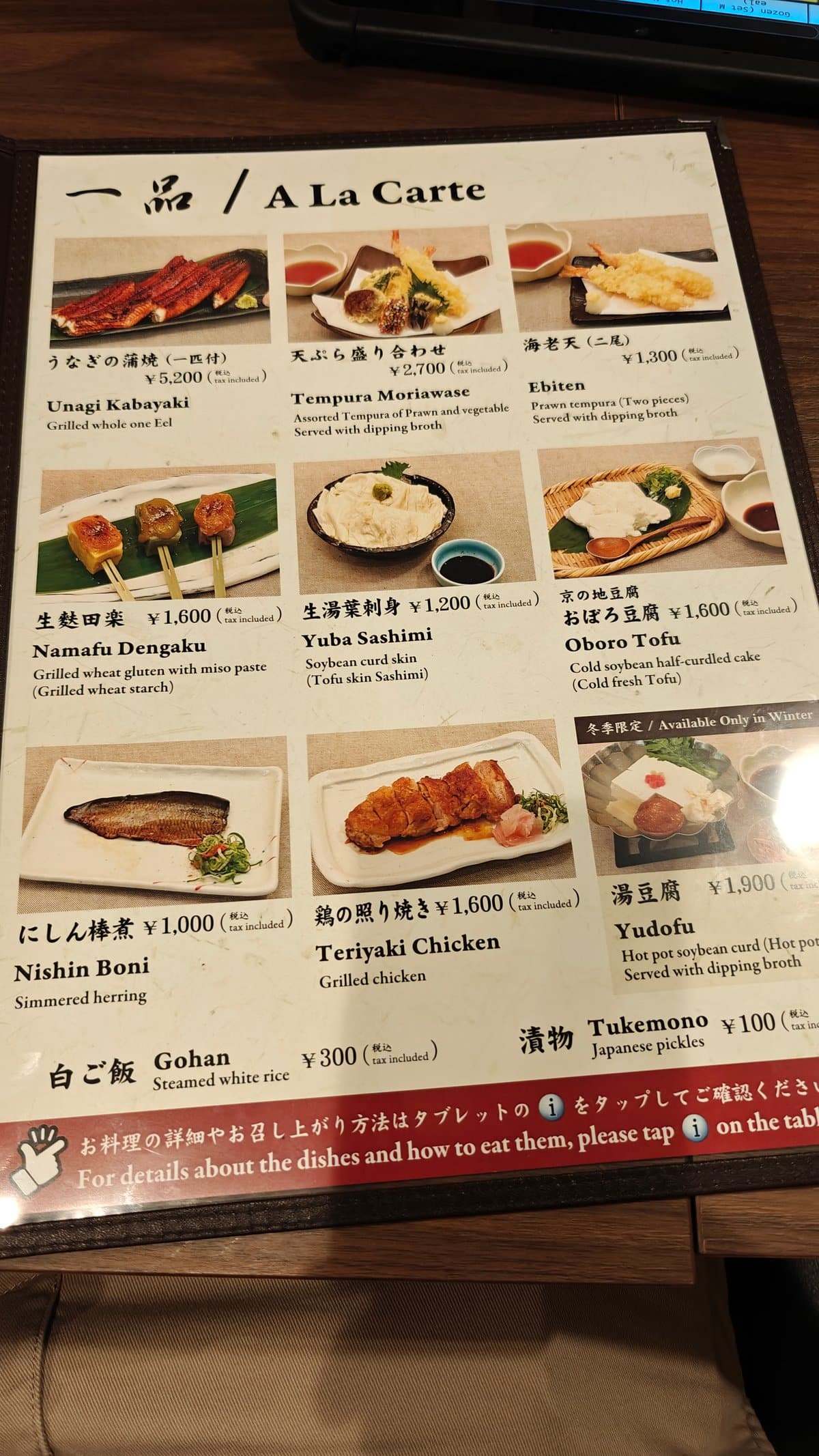
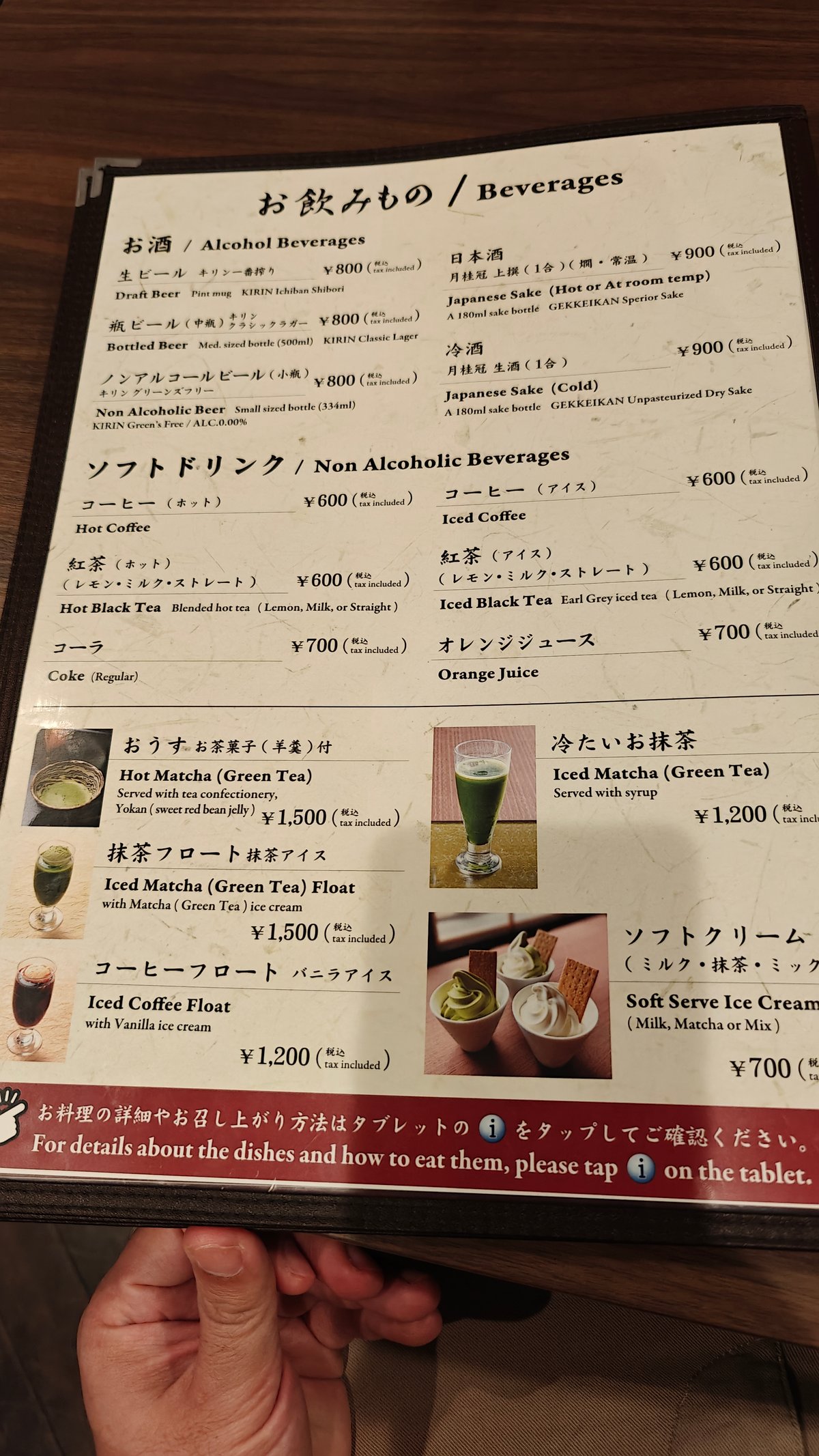
In fact, Kamanza’s menu focused more on namafu and soba rather than eel. There were pages and pages of hot and cold noodle options, including some only available in winter, as well as set meals, rice bowls, and other dishes. In fact, going through it all, I realized this wasn’t exactly an unagi restaurant.
That said, the eel I ate here was still really good. Next time I visit I think I might order one of their original namafu sobas, which appeared to be there speciality dish.
Unagi Yondaime Kikukawa
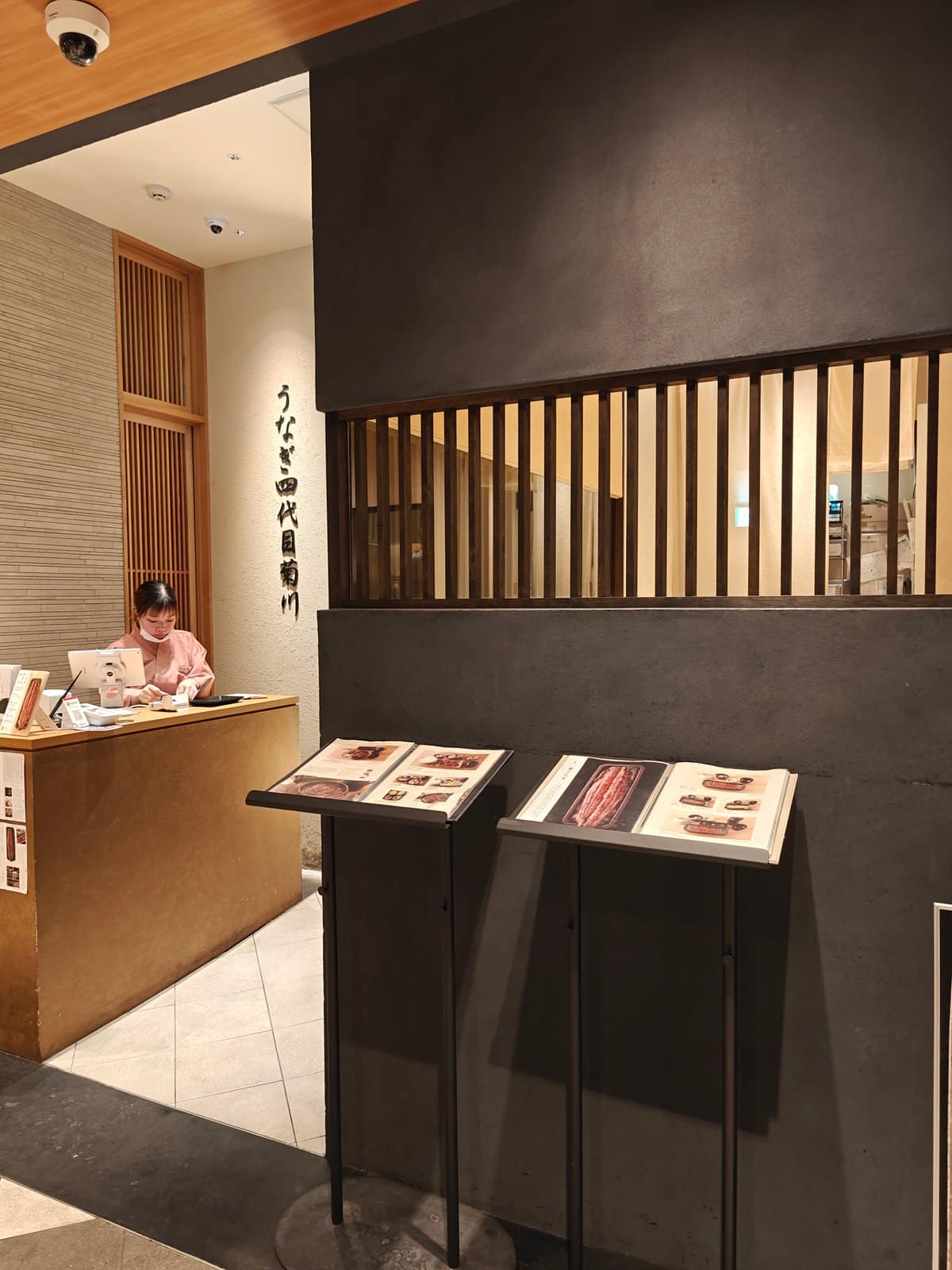
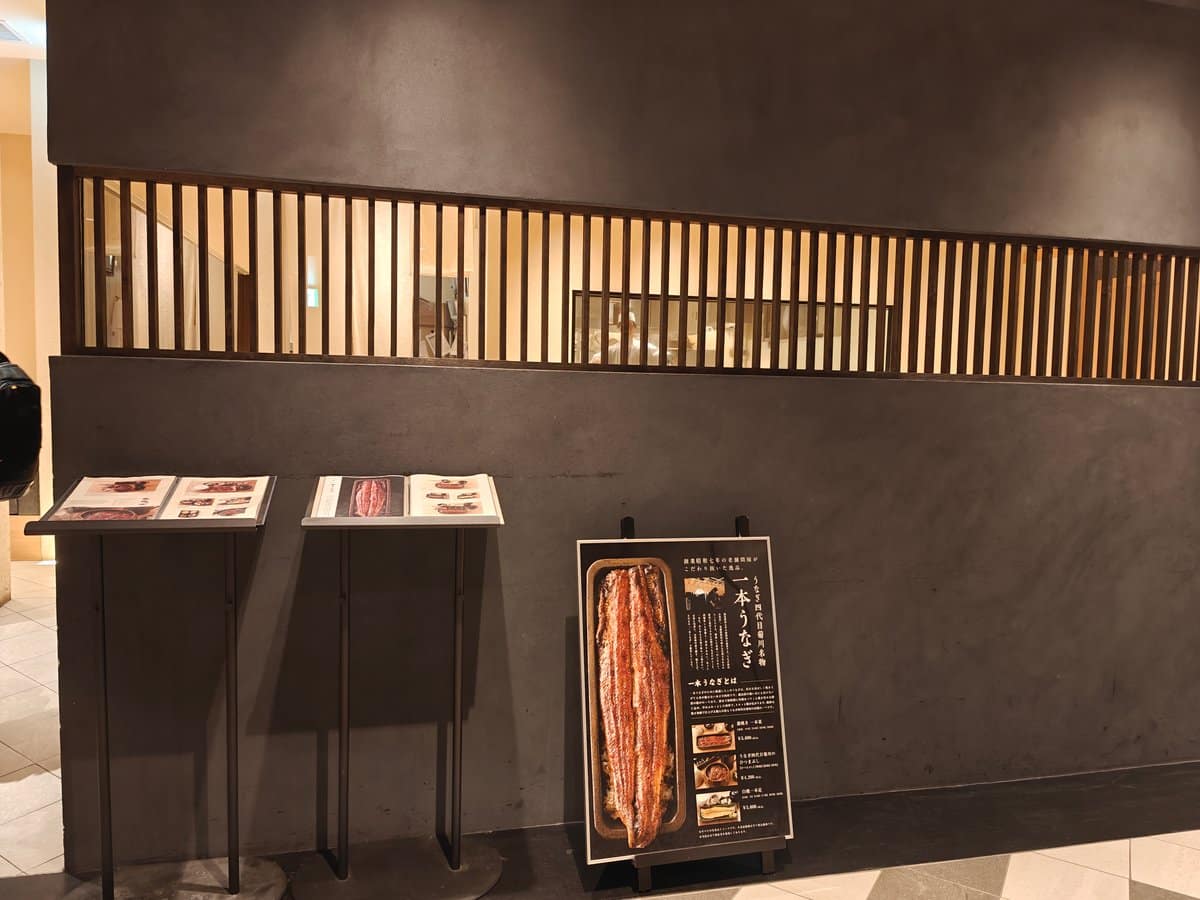
Kikukawa in Kanazawa offered the most polished presentation out of all the restaurants I went to. It had a slick entrance and standing menu lecterns outside that gave it a bit more of an upscale feeling.
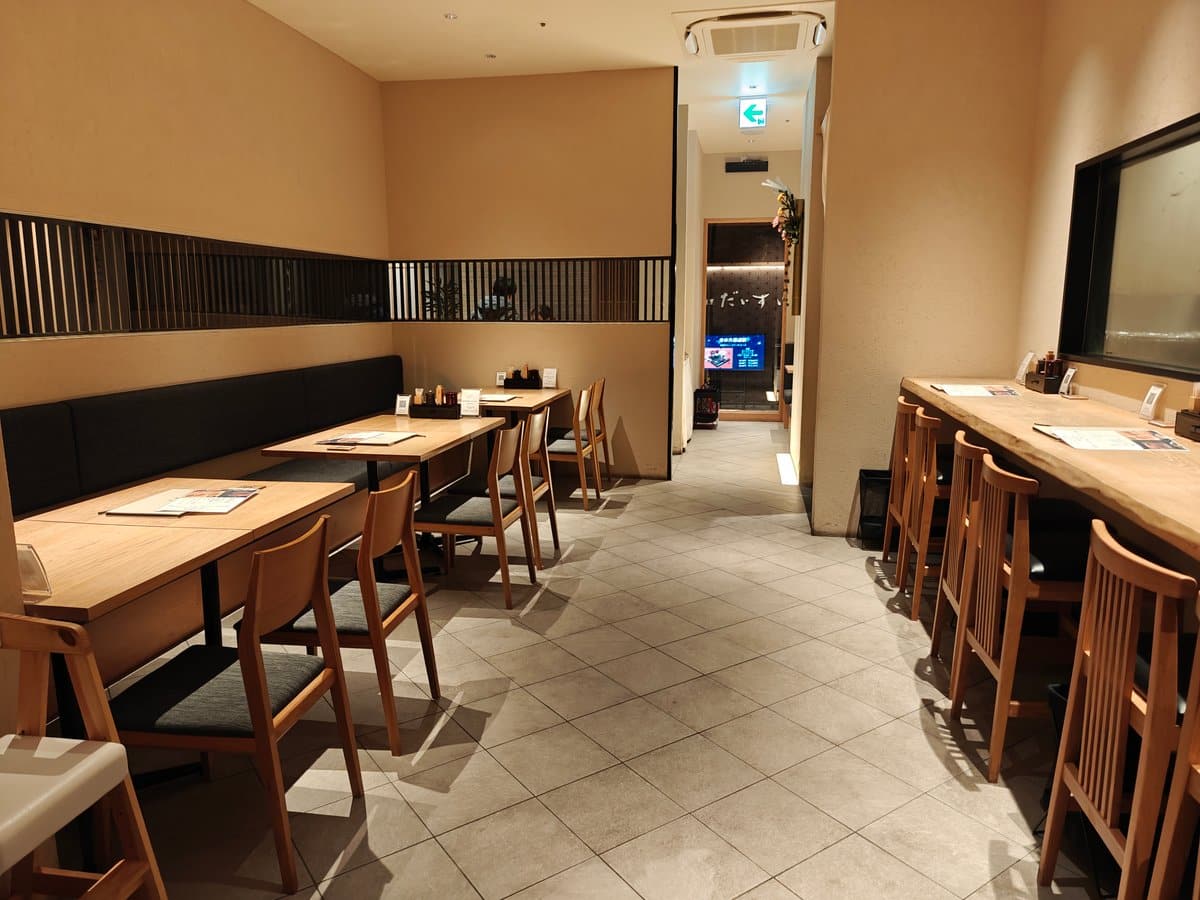
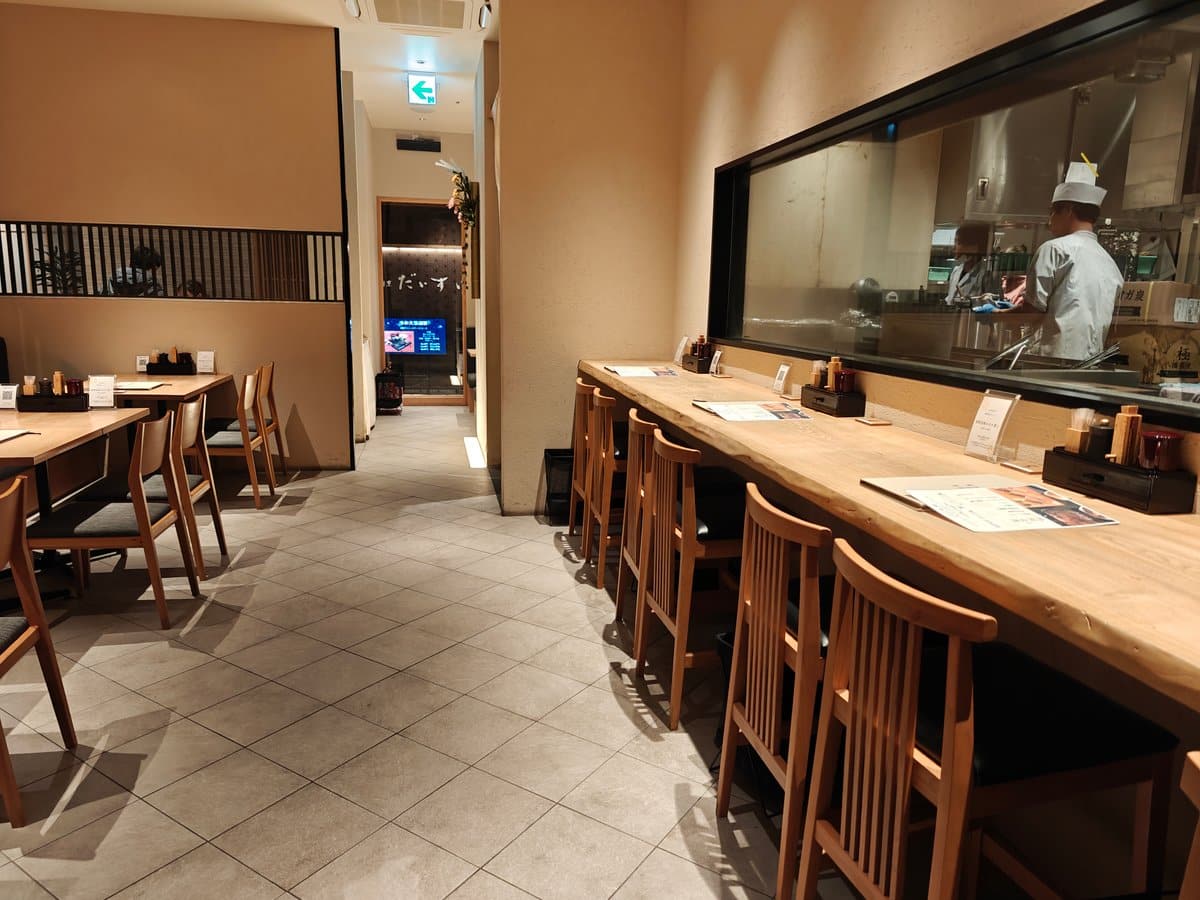
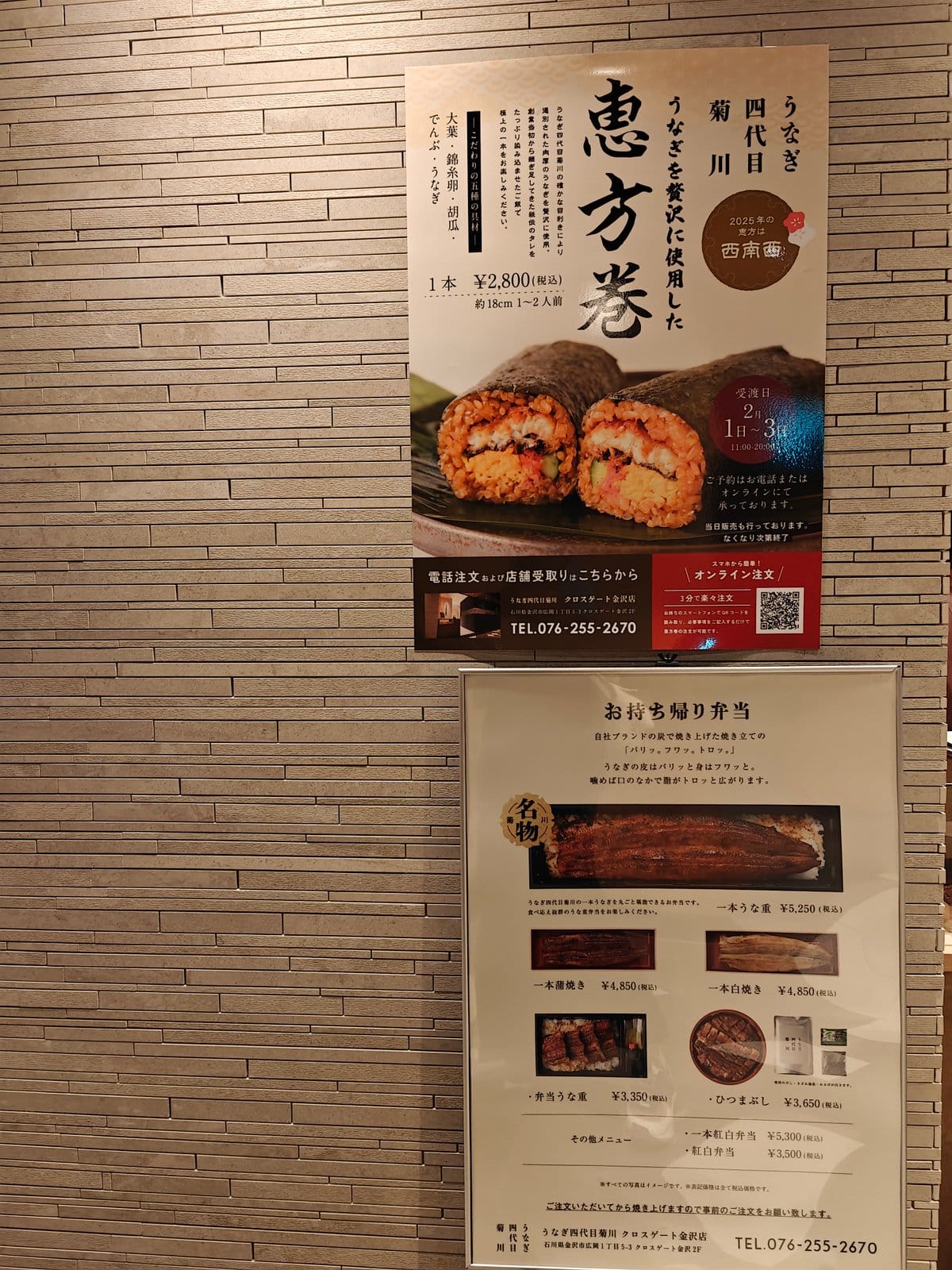
The restaurant’s interior is light wood throughout with an open kitchen where we saw the chef preparing food. The counter we sat at faced the grill so I got to watch them cook the eel in person, which by itself was worth the visit. They had a poster up for an eel ehomaki roll, something I did not try but that sounded interesting.
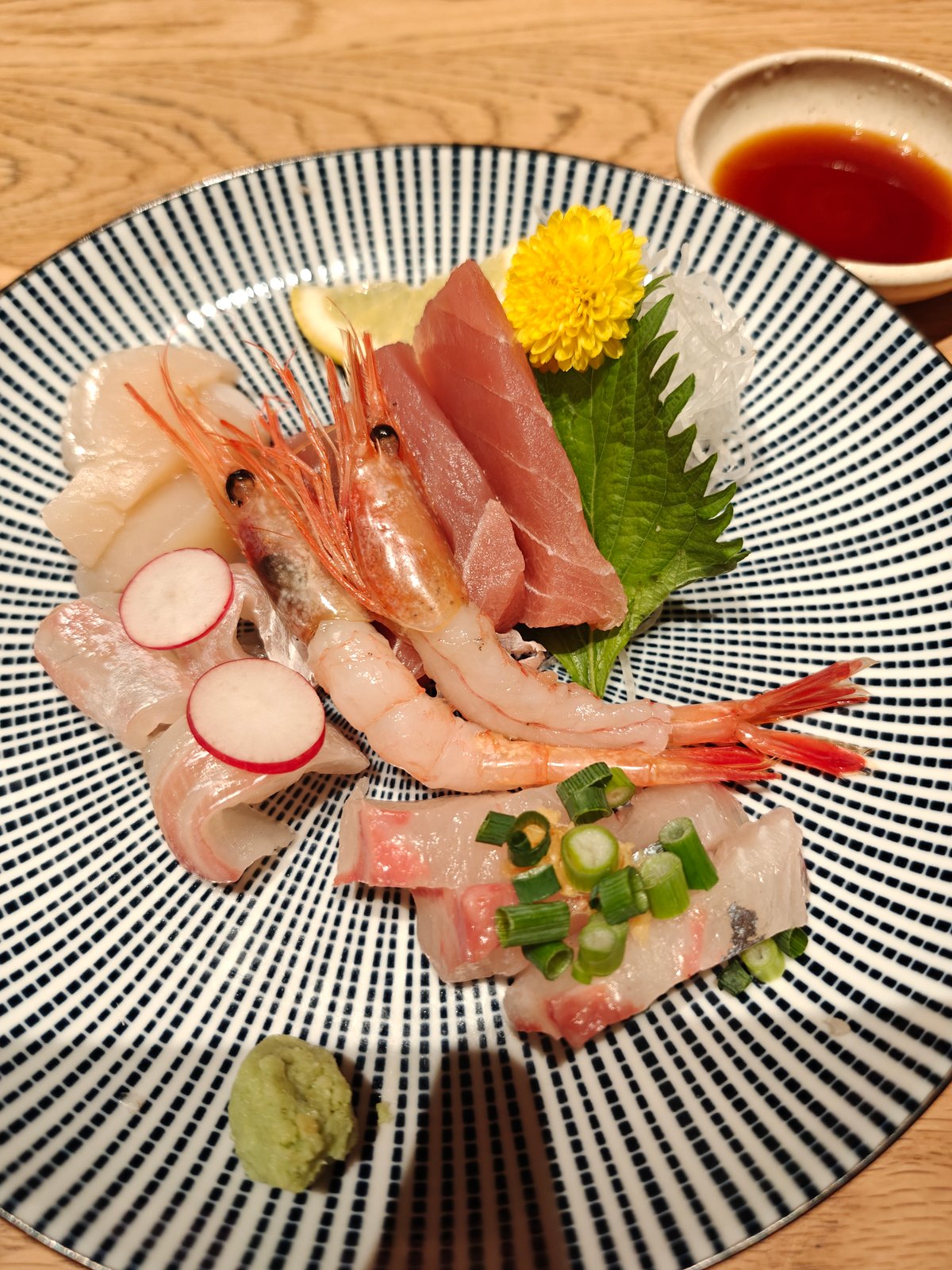
I’ve honestly never considered trying eel in a sushi roll. To start, we had a plate of assorted sashimi, shrimp, white fish, and some other stuff I couldn’t place but ate anyway. It was fresh and clean, a good way to lead into the meal.
I shared the hitsumabushi in a covered bowl with my travel companion, as did the rest of our meal. The whole-eel set came, well, whole. Glistening atop the rice like an oiled-up temptress I didn’t dare touch for fear of spoiling its perfection.
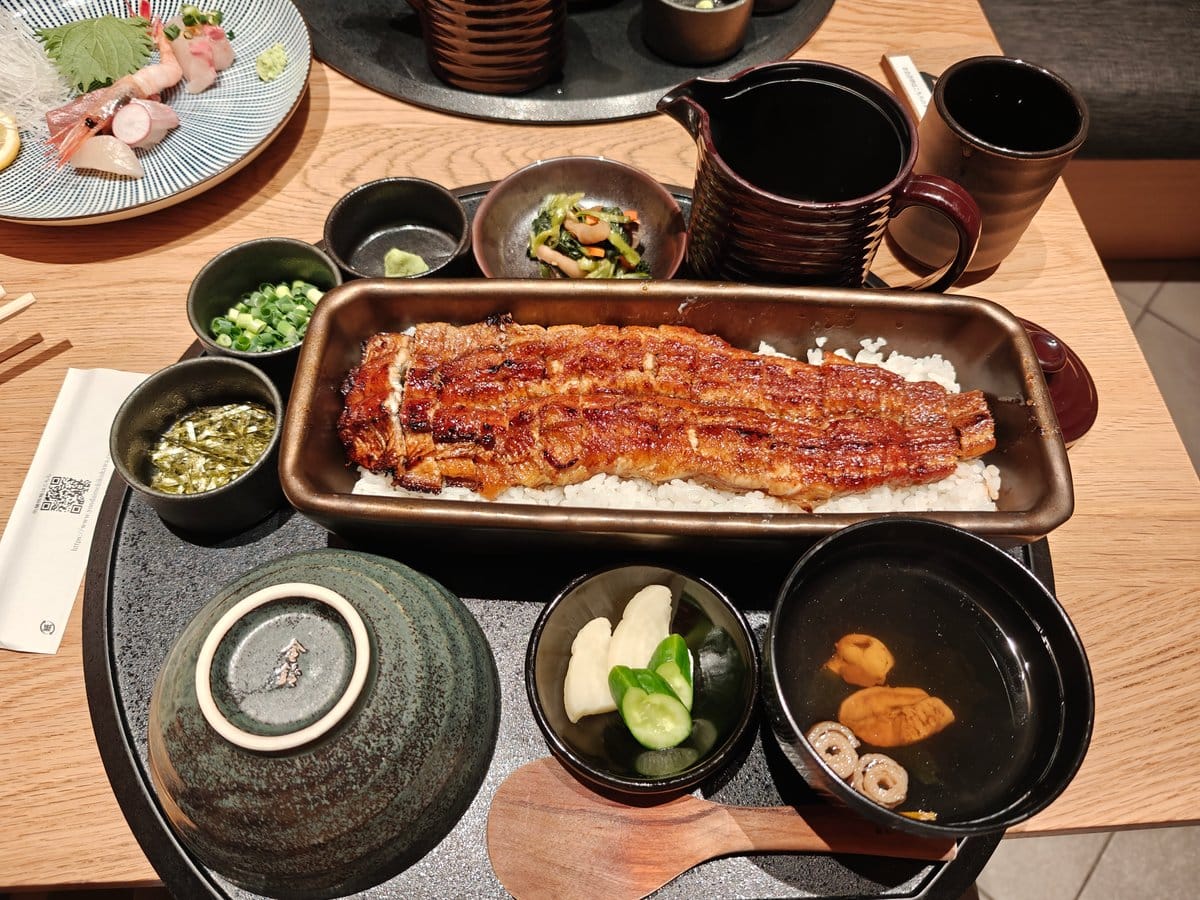
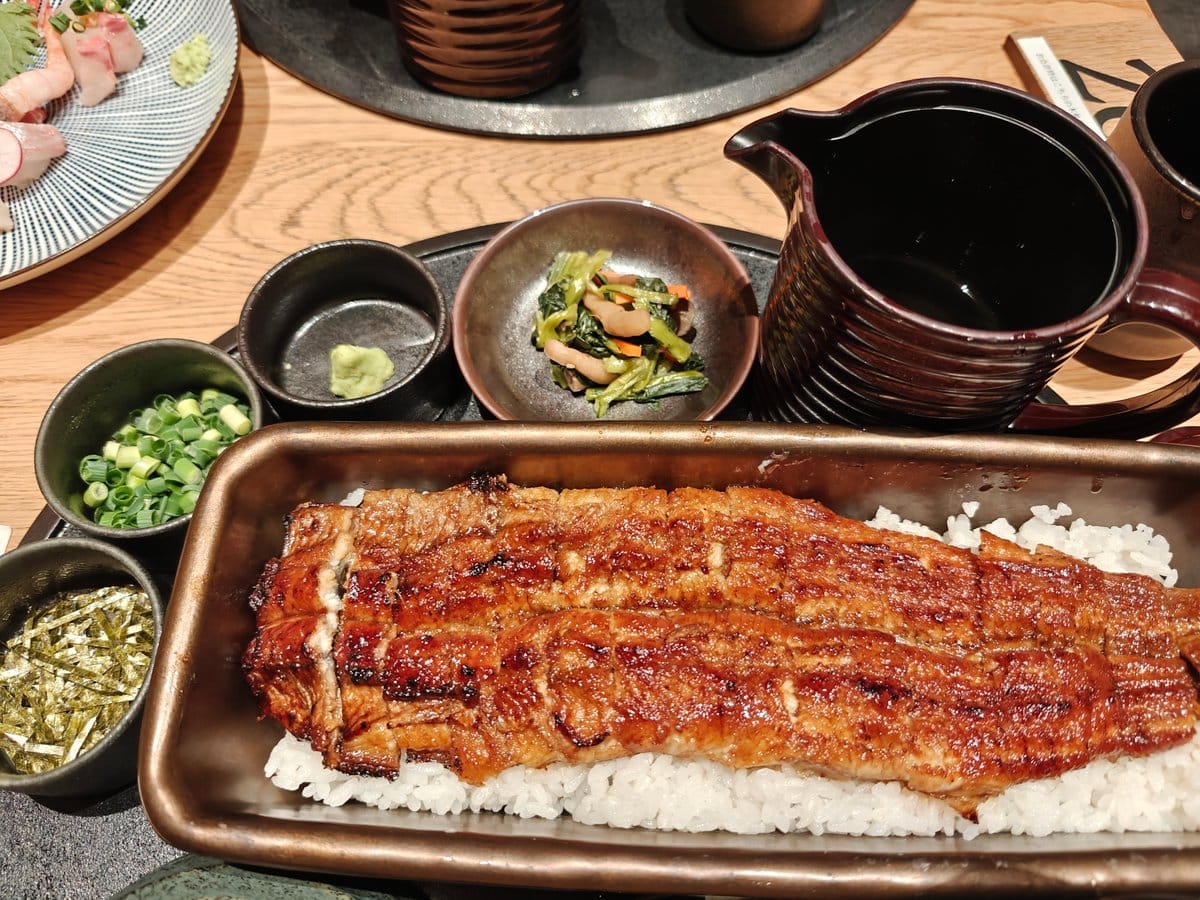
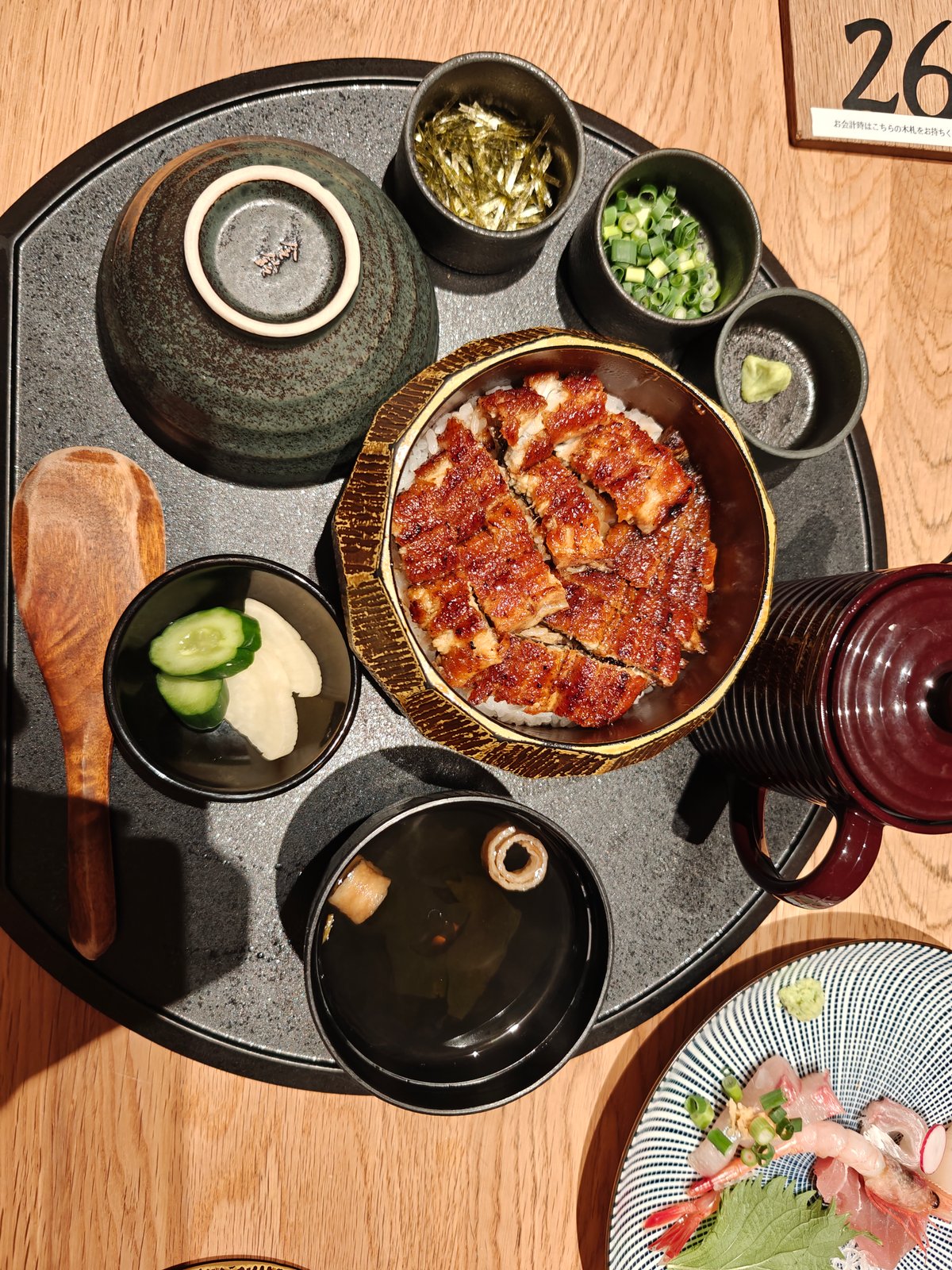
The eel wasn’t at all mushy but had just the right tenderness, and the kabayaki sauce was darker and deeper than any I’d ever had; it was rich stuff. I’m so glad I went all-in and got the entire eel set. It was a piece of art!
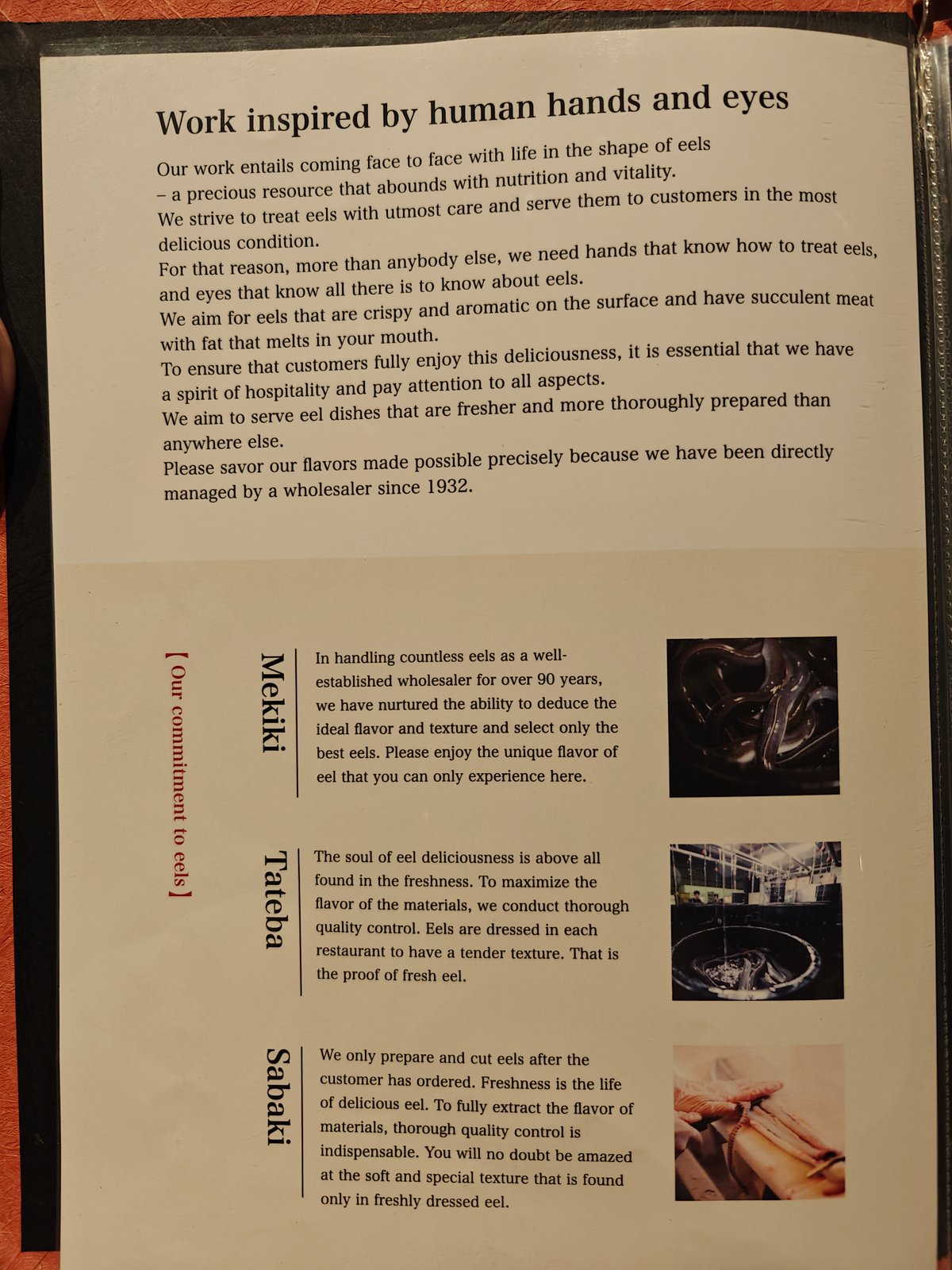
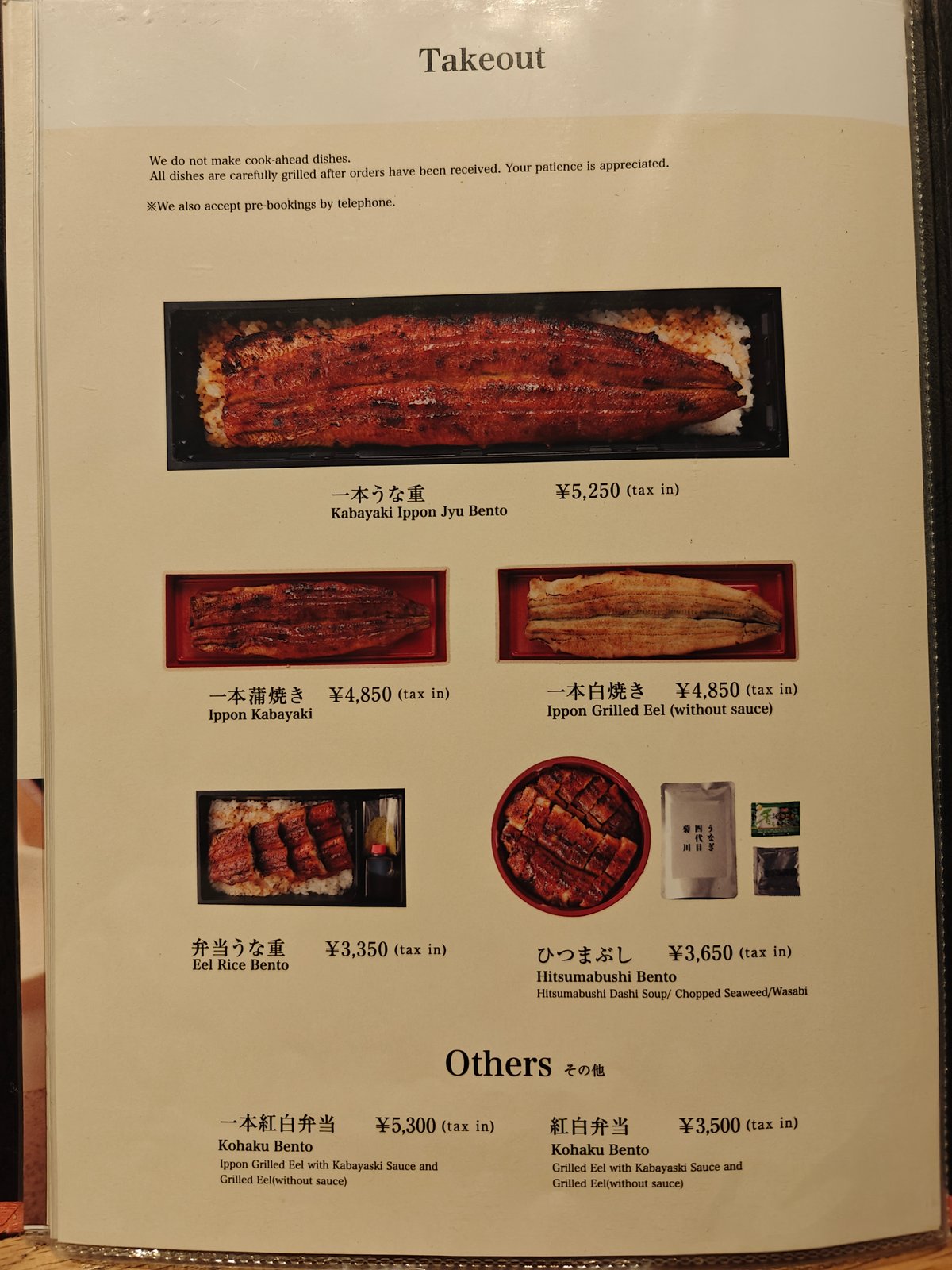
The menu had a textured cover, individual pages devoted to their grilling skill, descriptive write-ups for every set meal, and an entire spread explaining the three-step method for eating hitsumabushi. There were menus for a la carte items, menus for banquet courses, whole-eel sets, takeout orders…
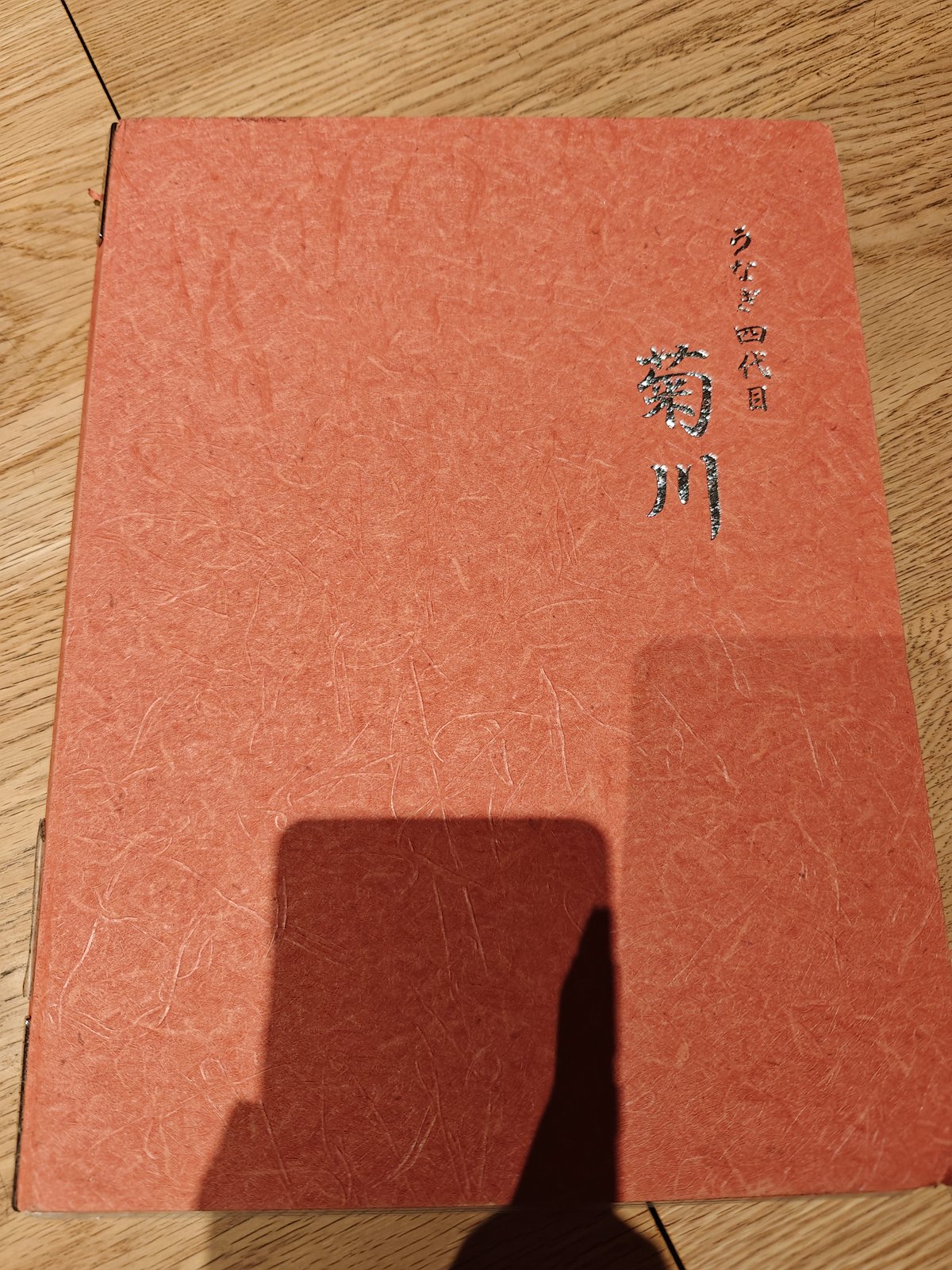
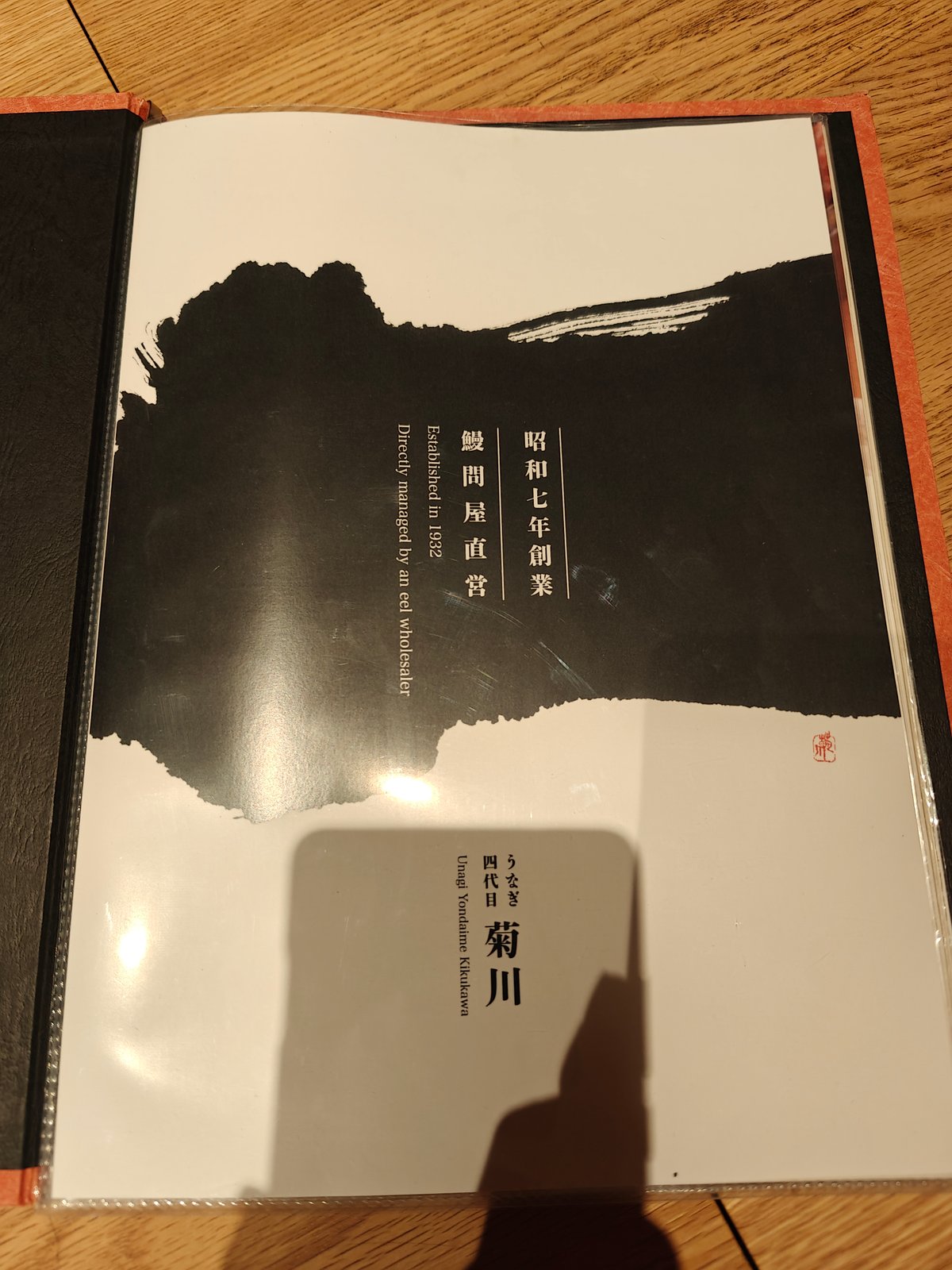
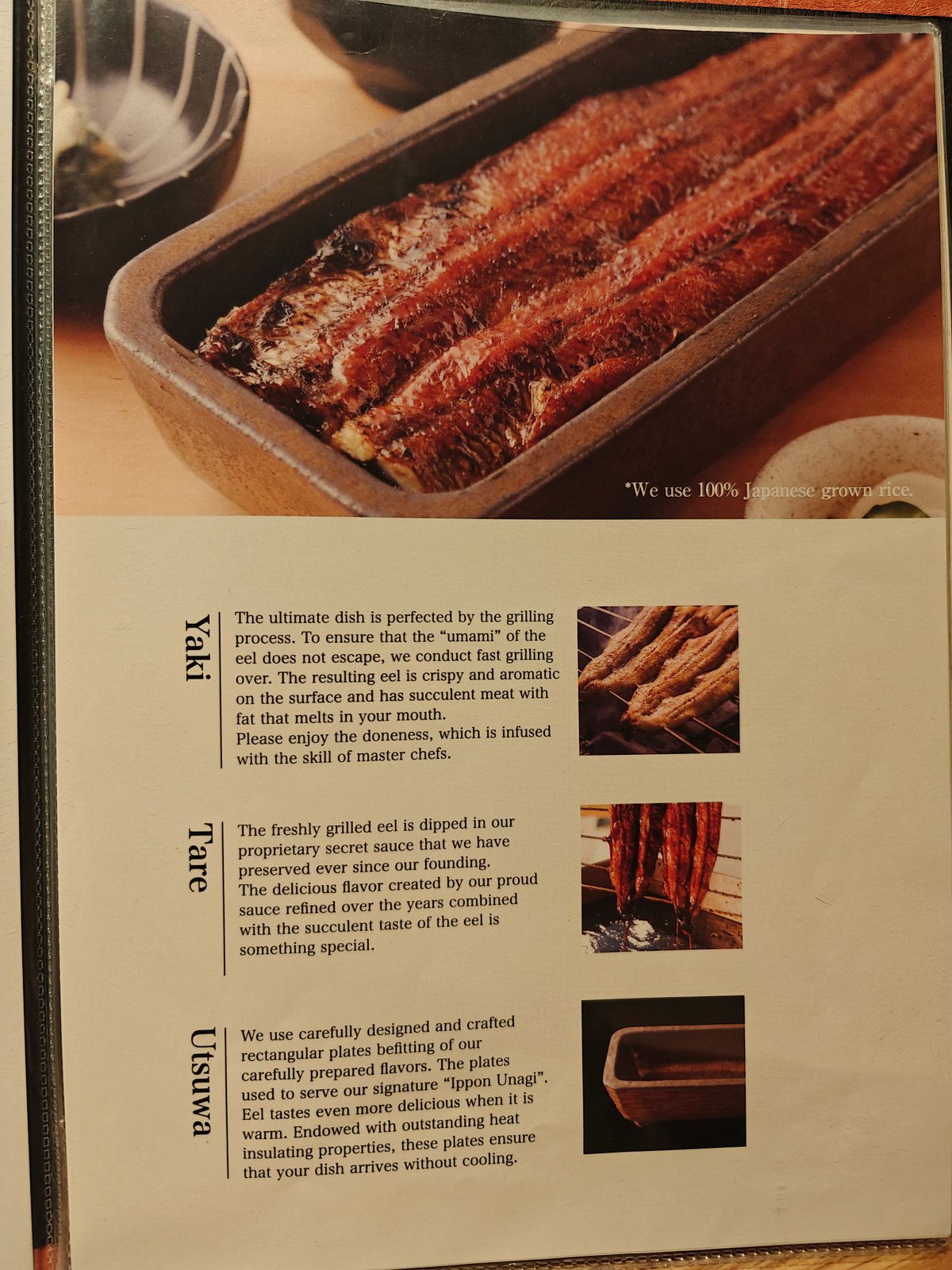
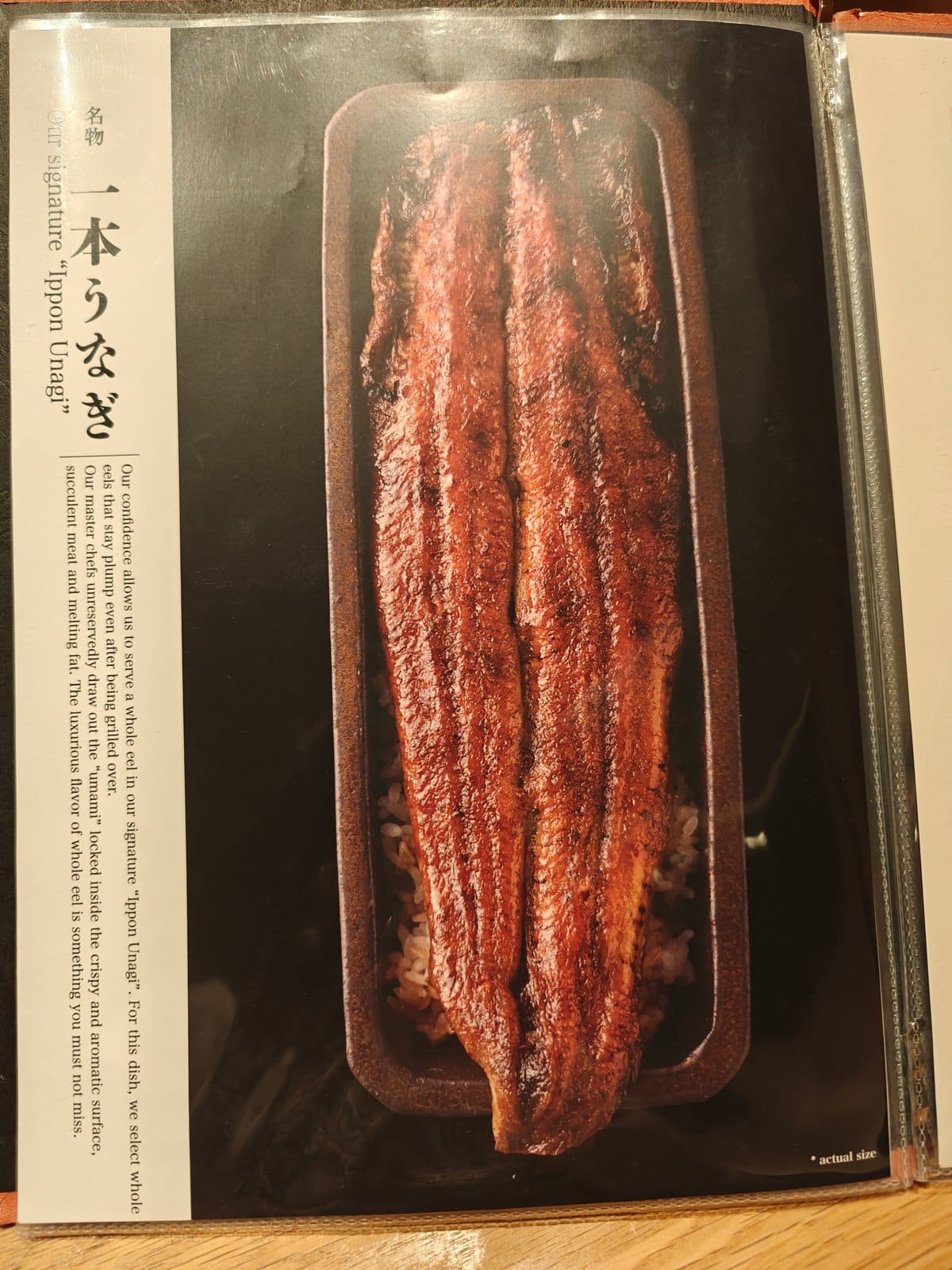
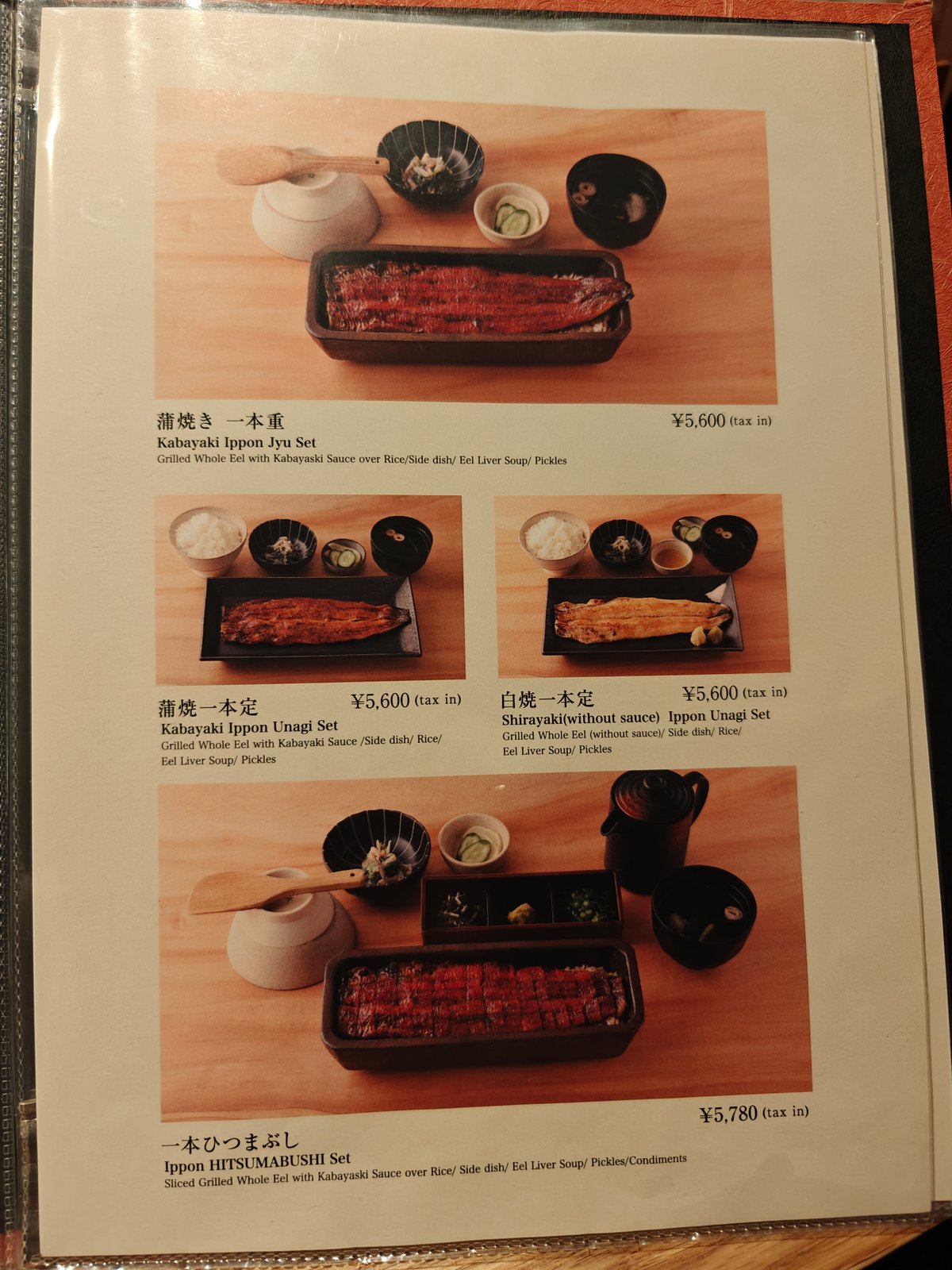
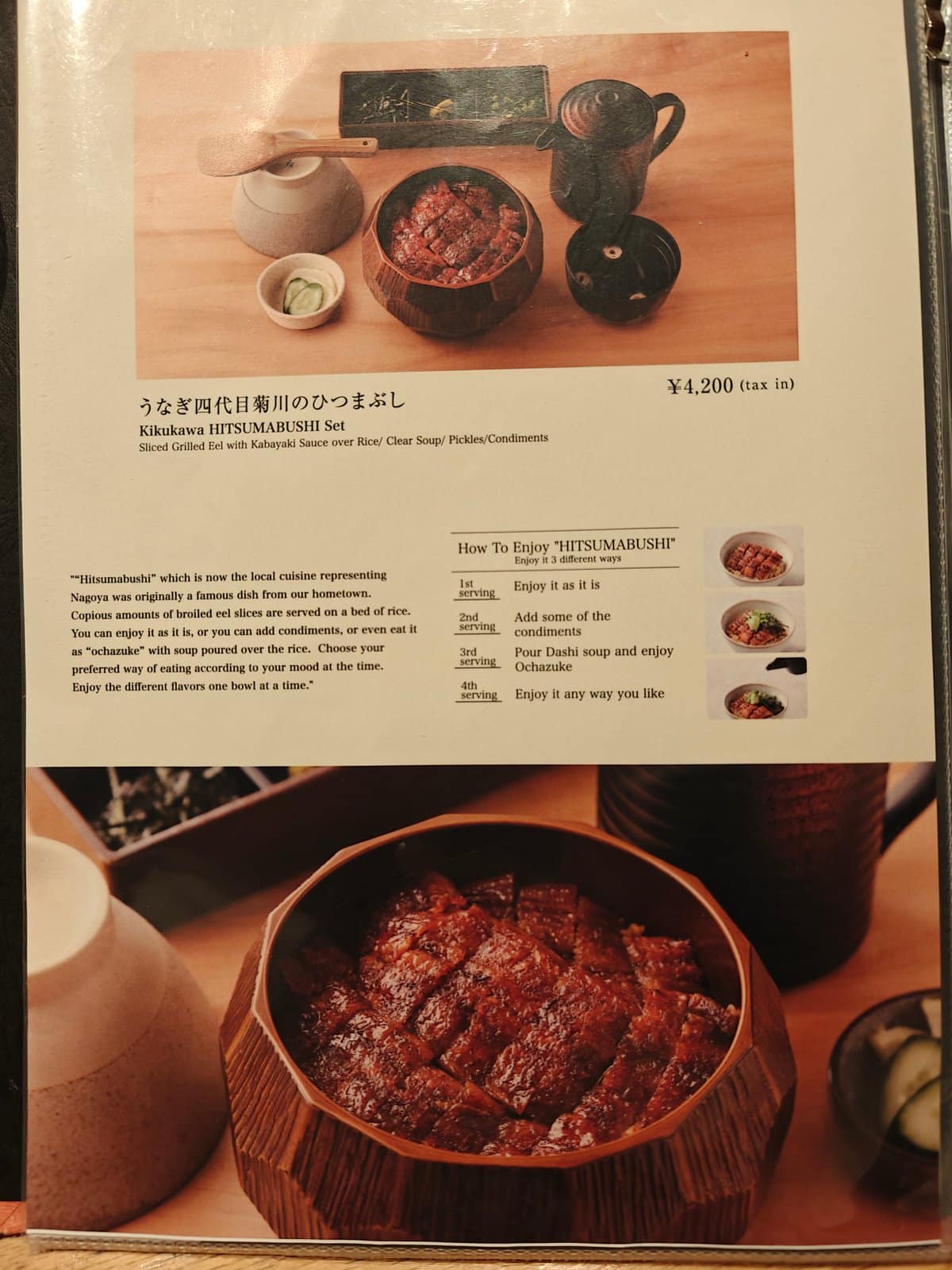
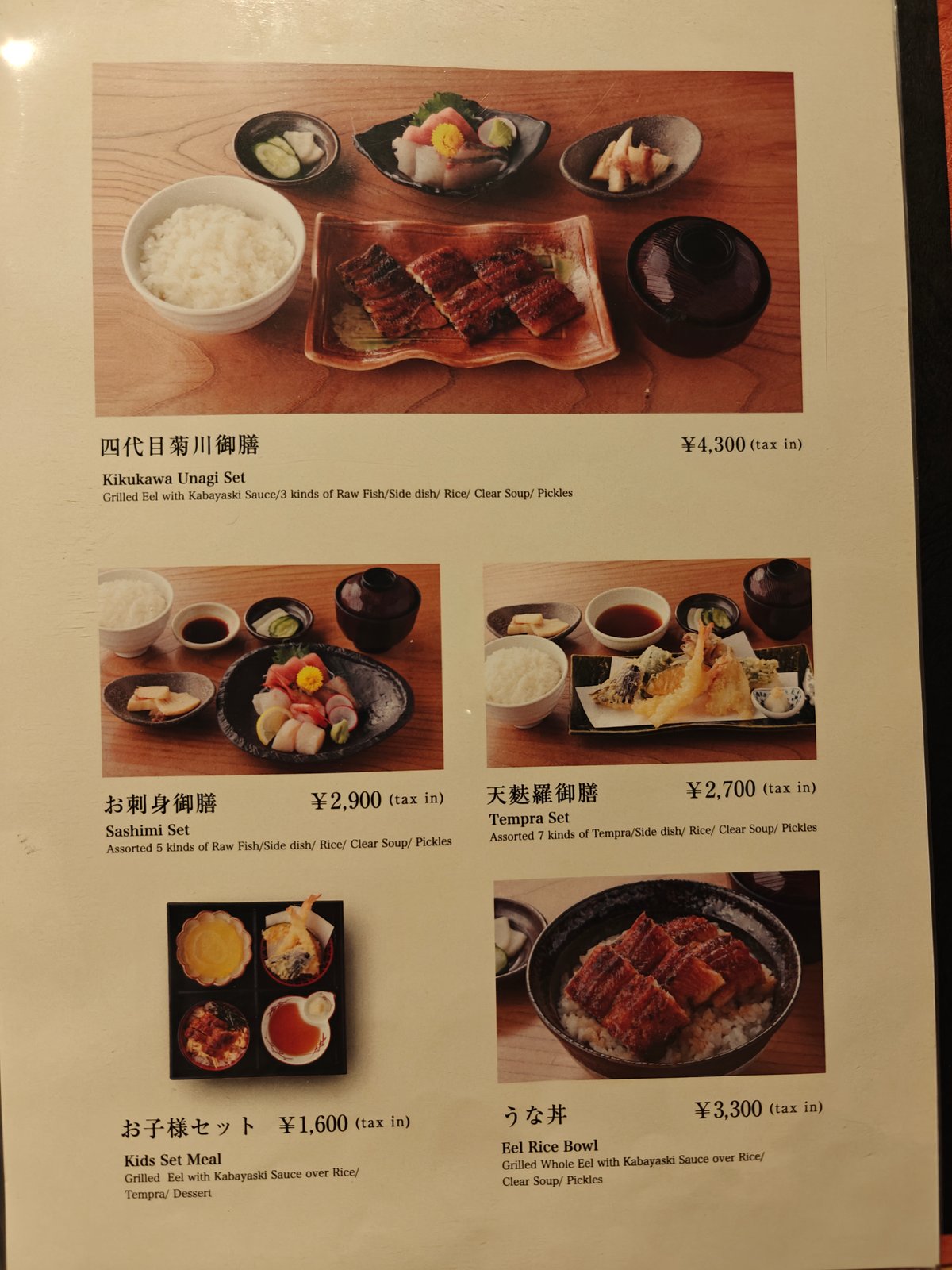
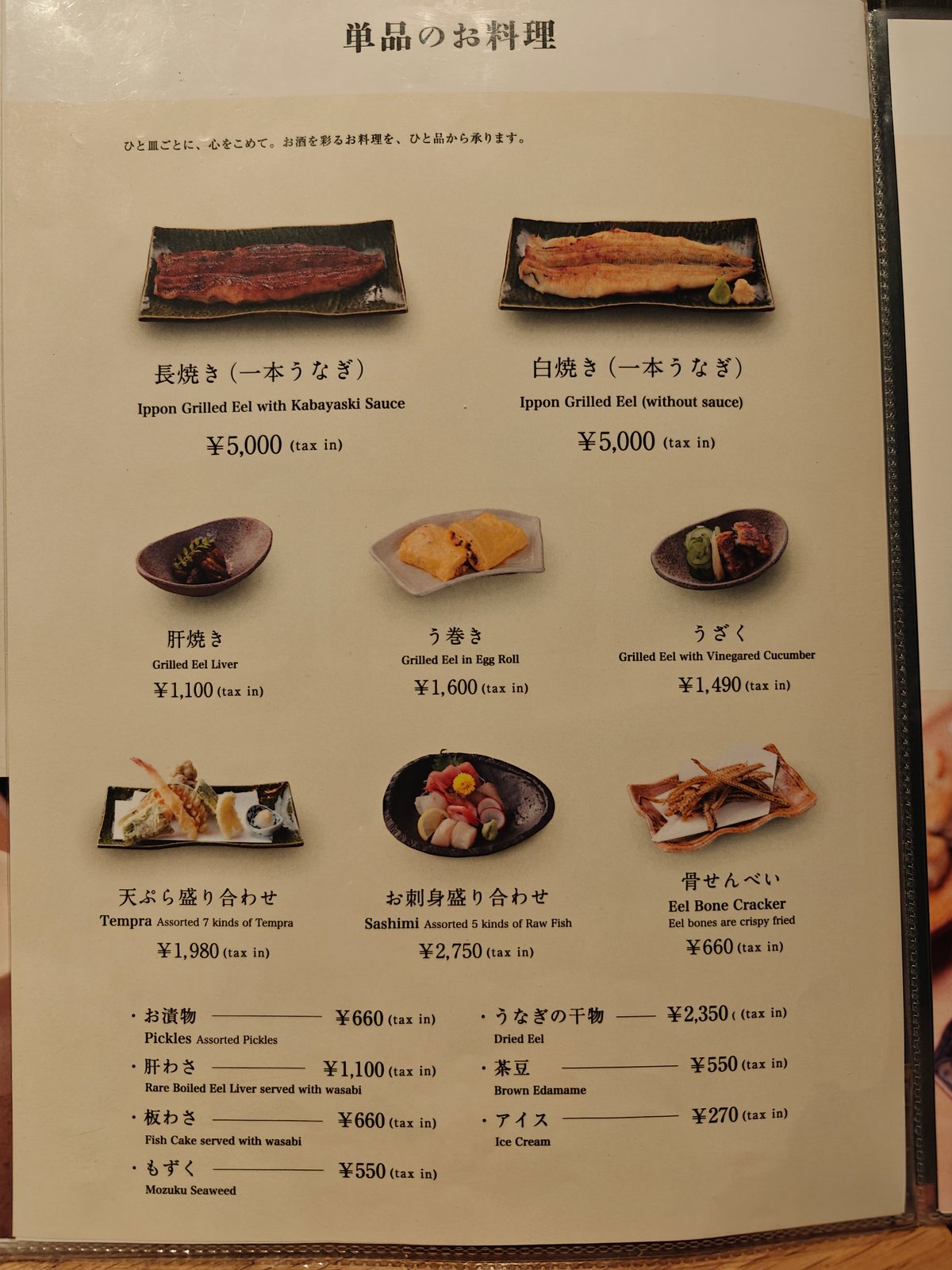
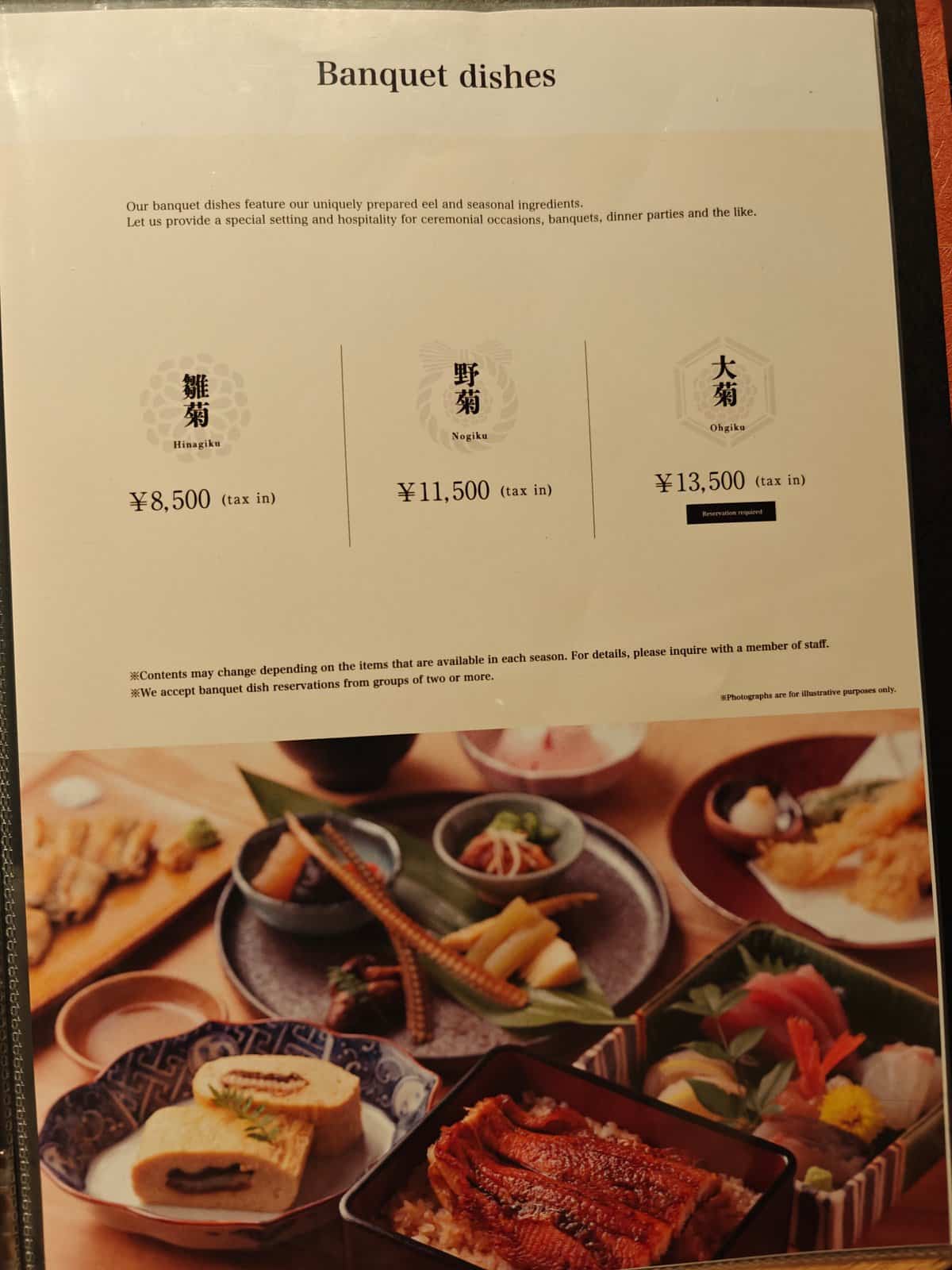
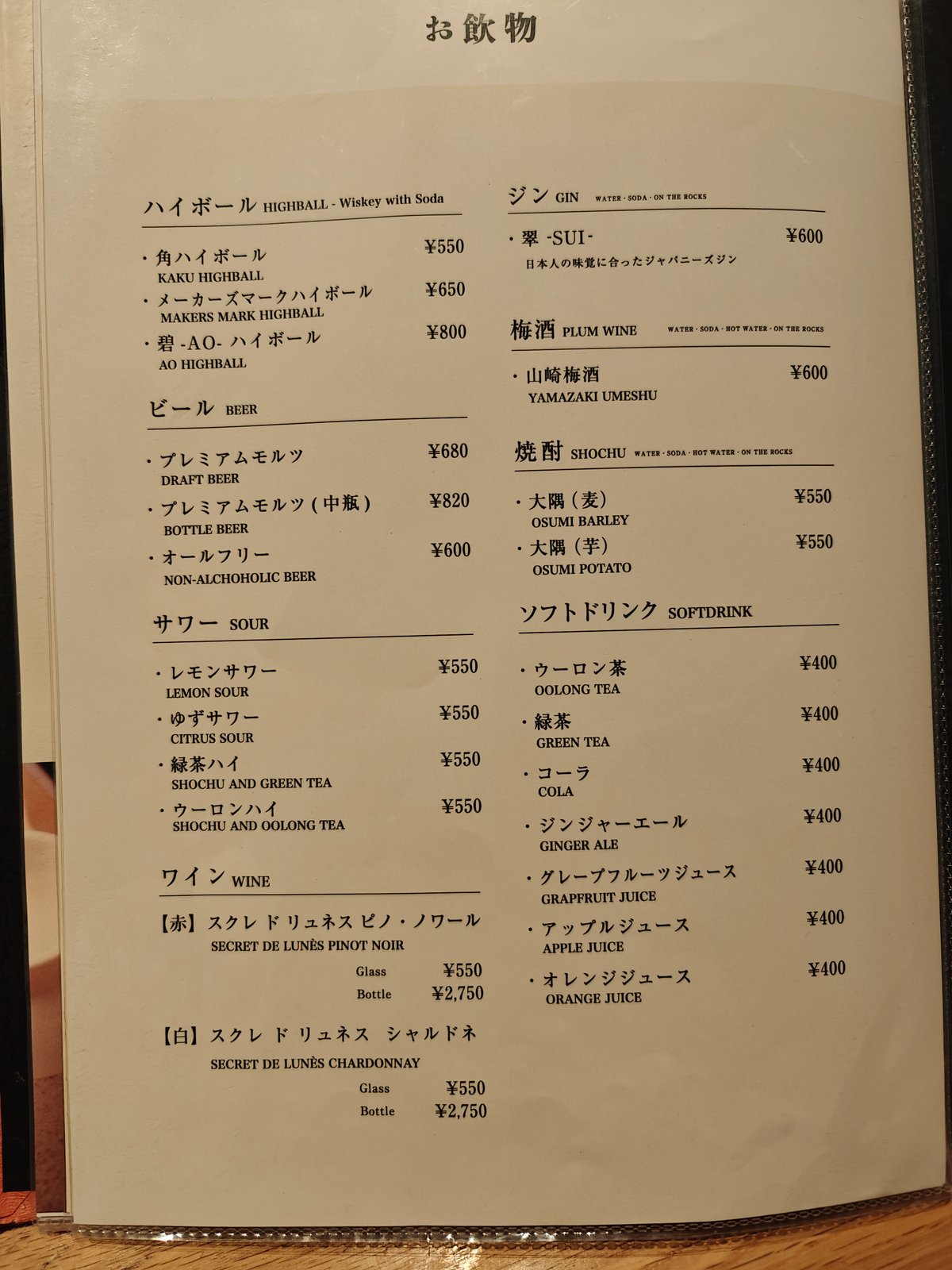
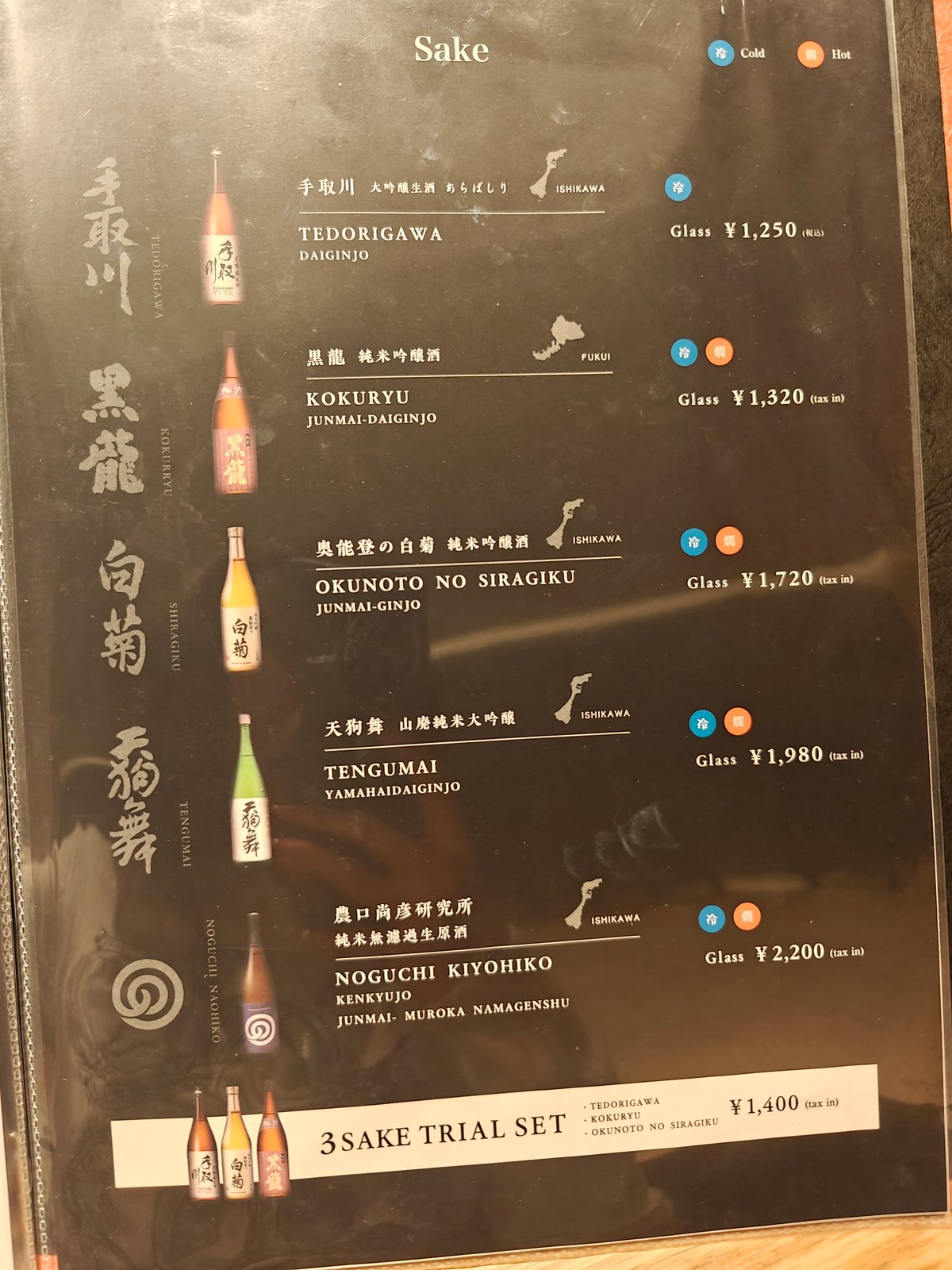
Their drinks menu featured photos of the bottles and local sake. It all screamed “thoughtful” and “intentional,” and I walked away feeling like Kikukawa definitely takes their eel seriously. My final stop was Okafuji in Nagoya.
I saved it for the very end, and I am glad I did because it served probably my favorite hitsumabushi of them all. Here, the set is served with the lid on; I lifted it and there before me were some layered strips of butterflied eel. The grilled charred edges were impeccable, while the rice beneath has absorbed just enough sauce to add flavour without turning mushy.
It didn’t overwhelm but offered a big punch of flavour and I could detect the grilling smoke coming through. We also got a sashimi selection, a nice variety of fish served on a textured square plate. It’s nothing I can describe to you but it was all well cut and fresh.
Okafuji Unagi
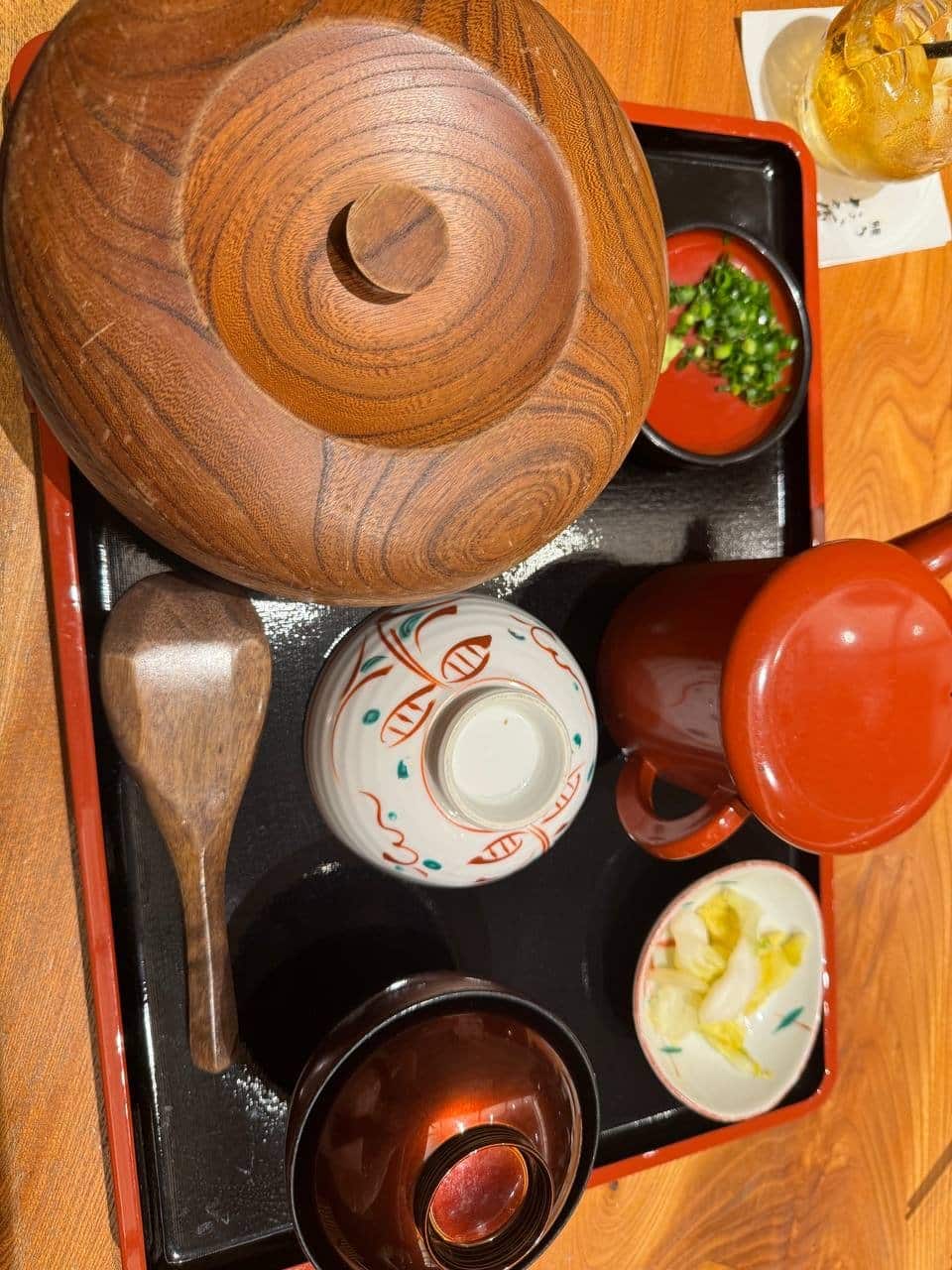
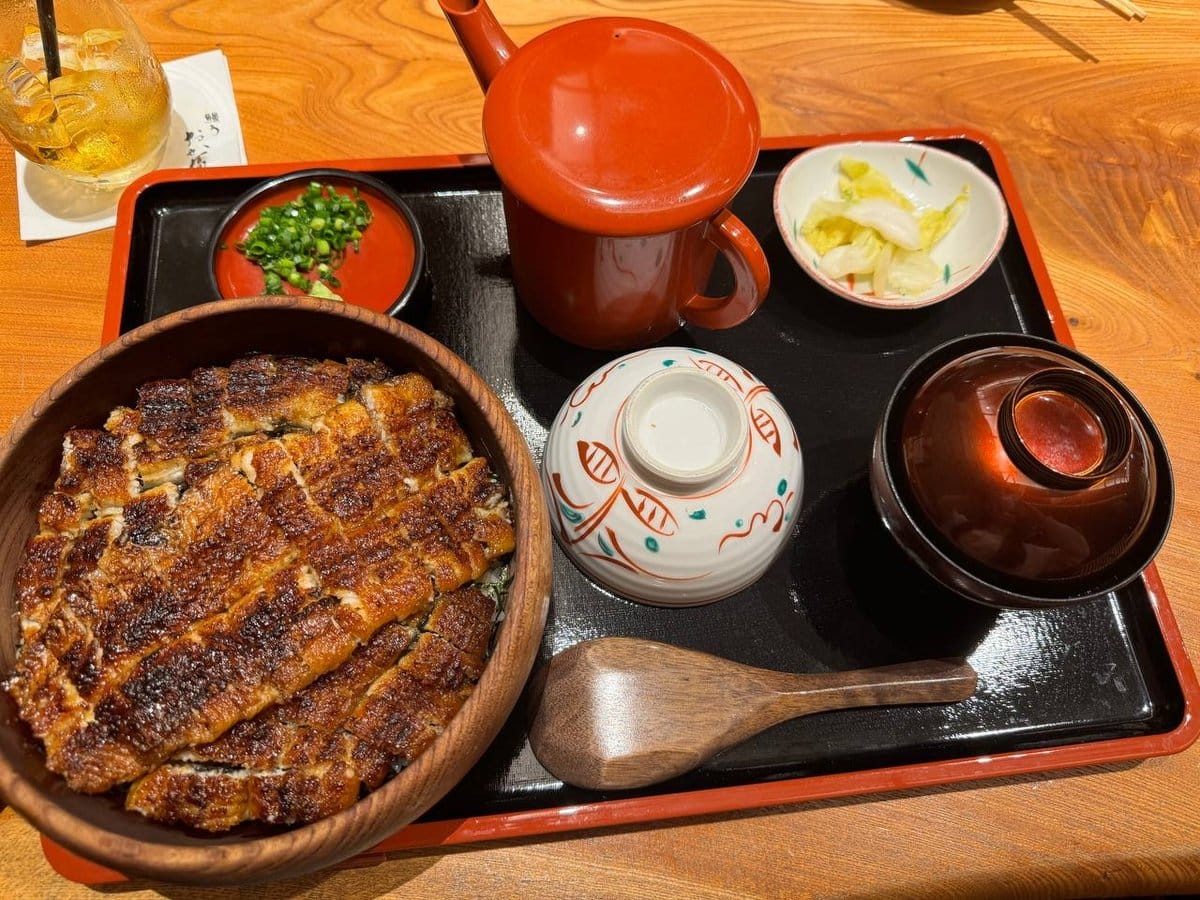
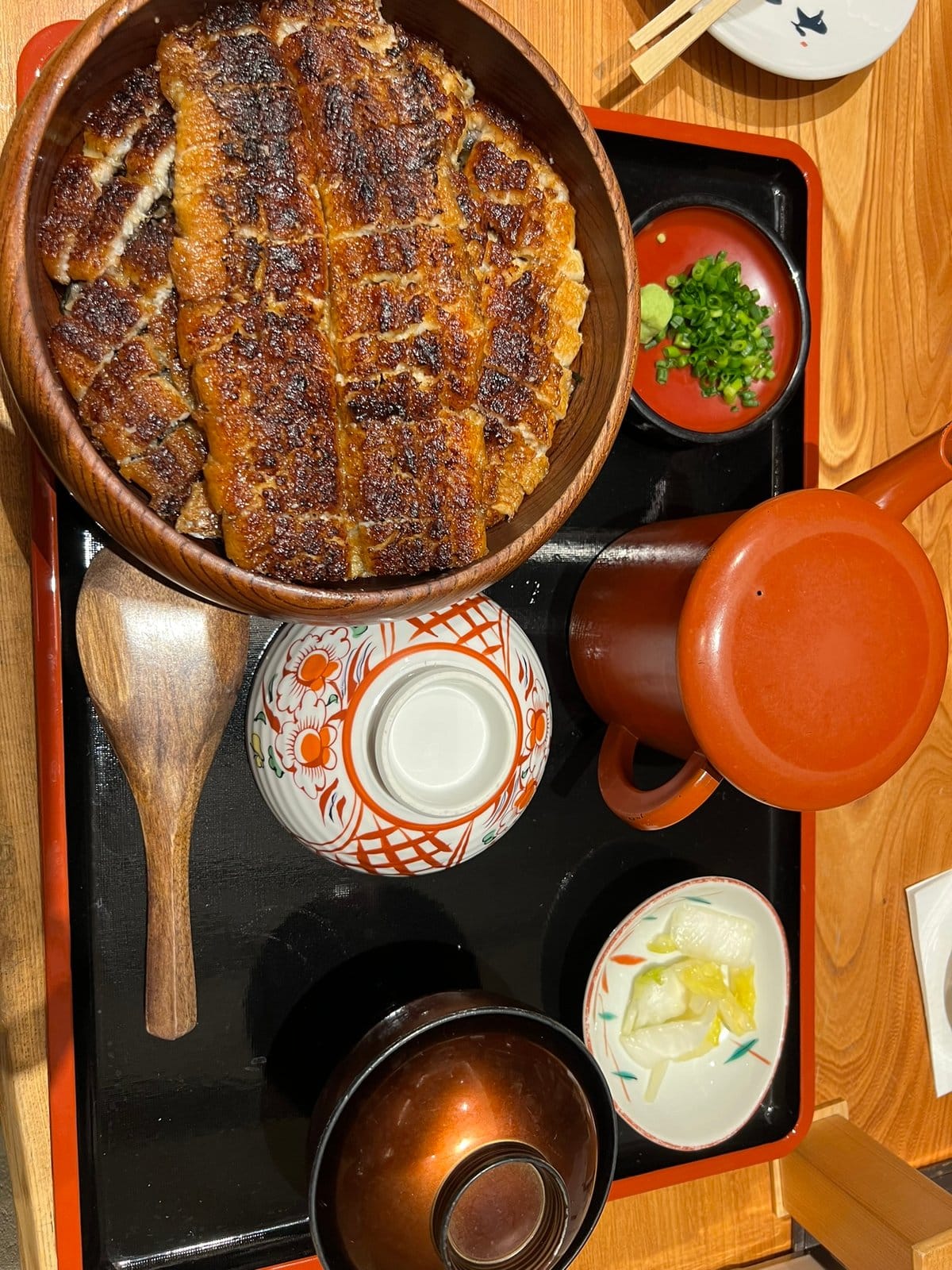
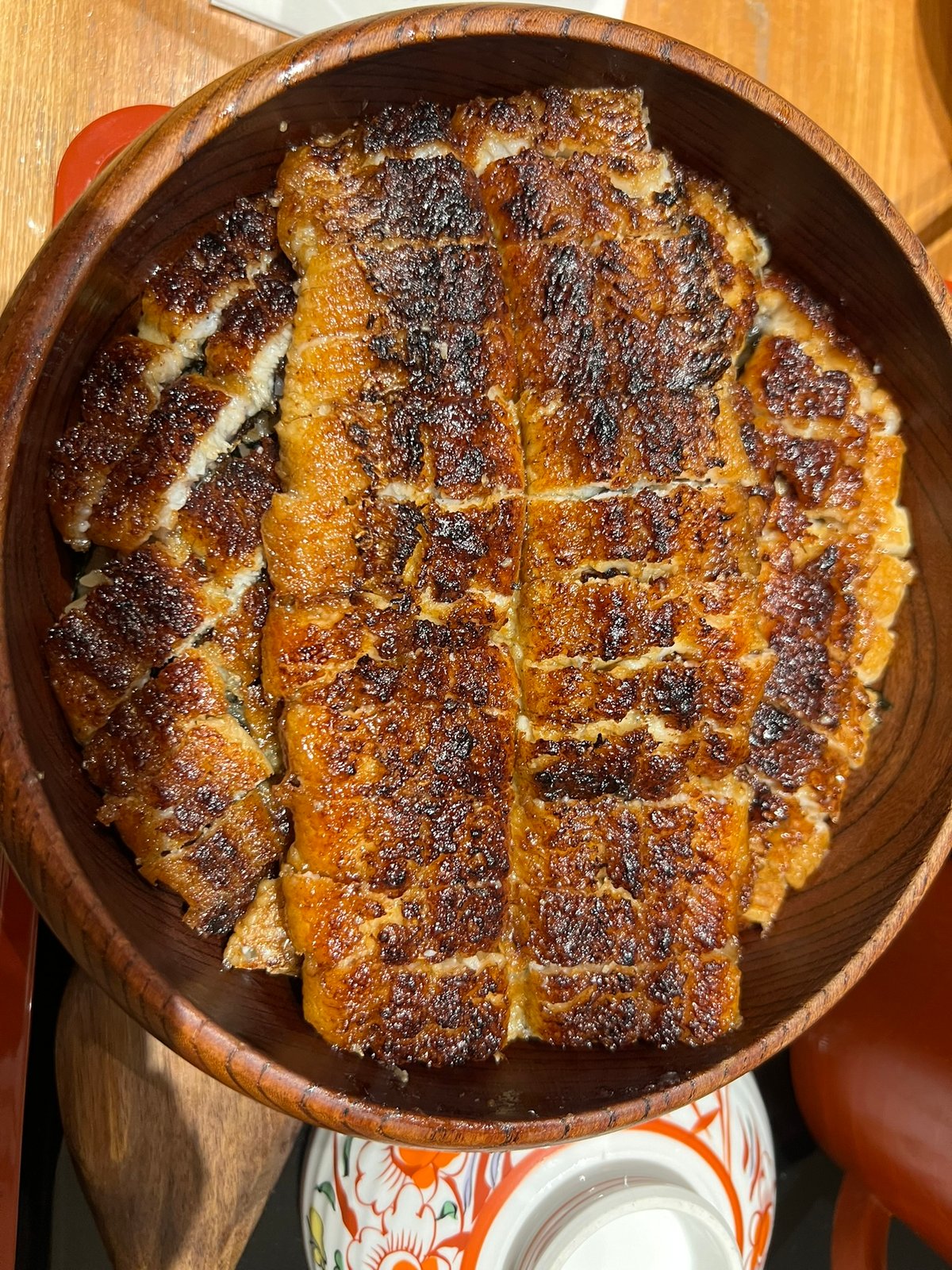
) and various small dishes of things on the set-meal tray.
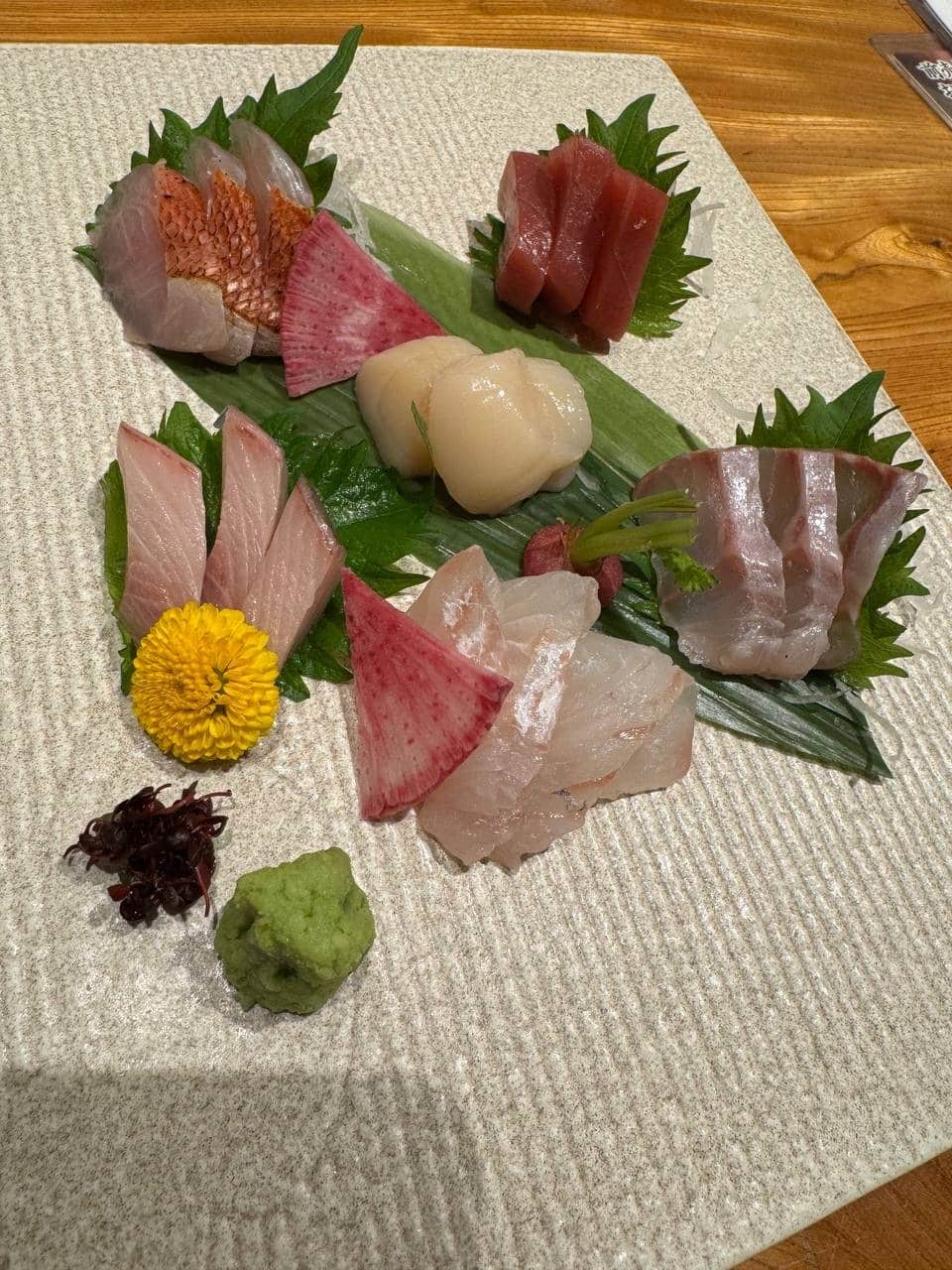
Everything looked carefully thought out. I also got a laminated instruction card (seen above).
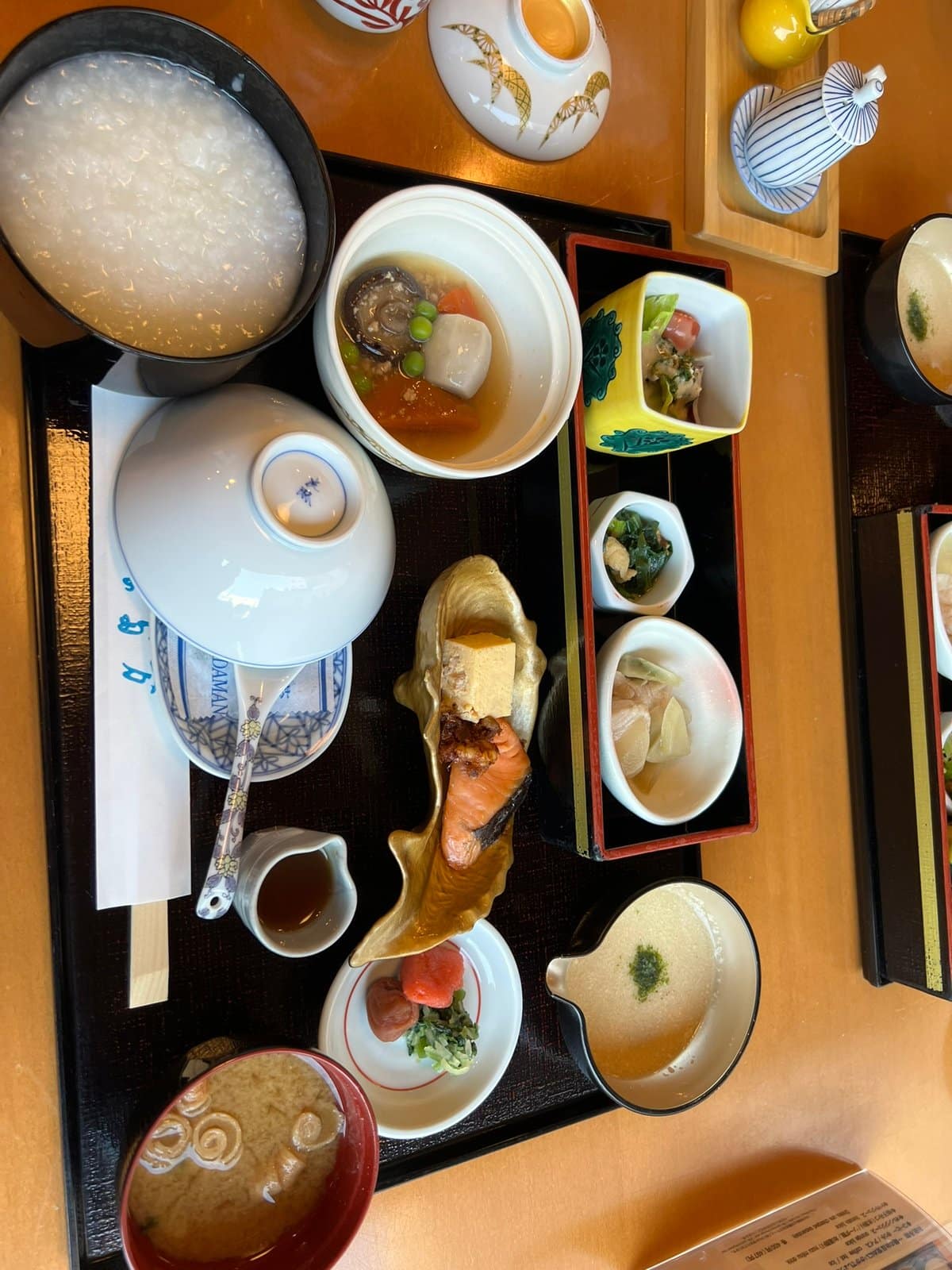
I have noticed they give these out in other restaurants too, but I always appreciate them. By now I knew enough to know what to do; still, following procedure felt appropriate. I didn’t get to try unagi in every city but after doing so in four I’m not sure I could choose my favourite.
In Osaka, Chikuyotei was cosy and dependable. In Kyoto, Sumiyagura was smoky and casual.
At Kamanza, the traditional machiya setting hit the spot. At Kikukawa, in Kanazawa, things were precise and polished. At Okafuji in Nagoya, the eel tasted best.
They each offered something different and I’d happily visit any of them again. If you like eel and plan on visiting Japan, I’d say make an effort to try as many as possible. You will taste the differences, and it’s a good reason to eat your way around Japan.
What about you? Have you tried unagi in Japan, or would you add another place to this list? Let me know in the comments.