
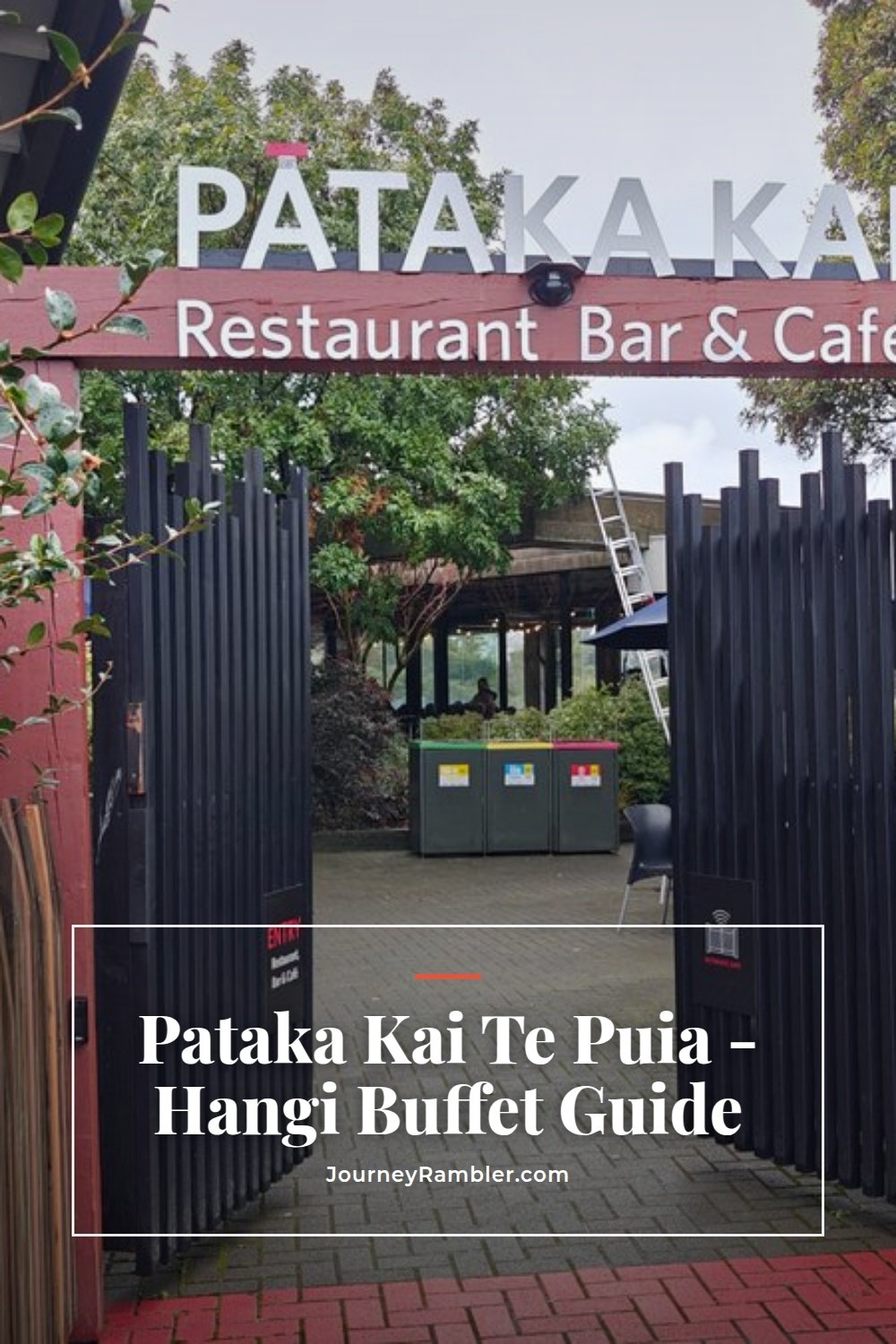
I tried the hangi buffet at Pataka Kai, Te Puia. Since getting to Rotorua, I had been wanting to try a real hangi buffet, and Pataka Kai at Te Puia seemed like the right place to do it. The day we went they was hosting a buffet, so we headed over.
To be completely frank, I didn’t really know what to expect from this buffet. It blended traditional Maori food preparation techniques with the usual food you find at buffets everywhere. It turned out to be quite an interesting experience, and I’m happy that we went out there to give it a shot.
The other thing that took me by surprise was how well it all slotted in to the rest of the Te Puia experience. You don’t simply turn up here for lunch.
Food and Cultural Experience at Te Puia
Te Puia Buffet – Pātaka Kai Restaurant, Bar & Café
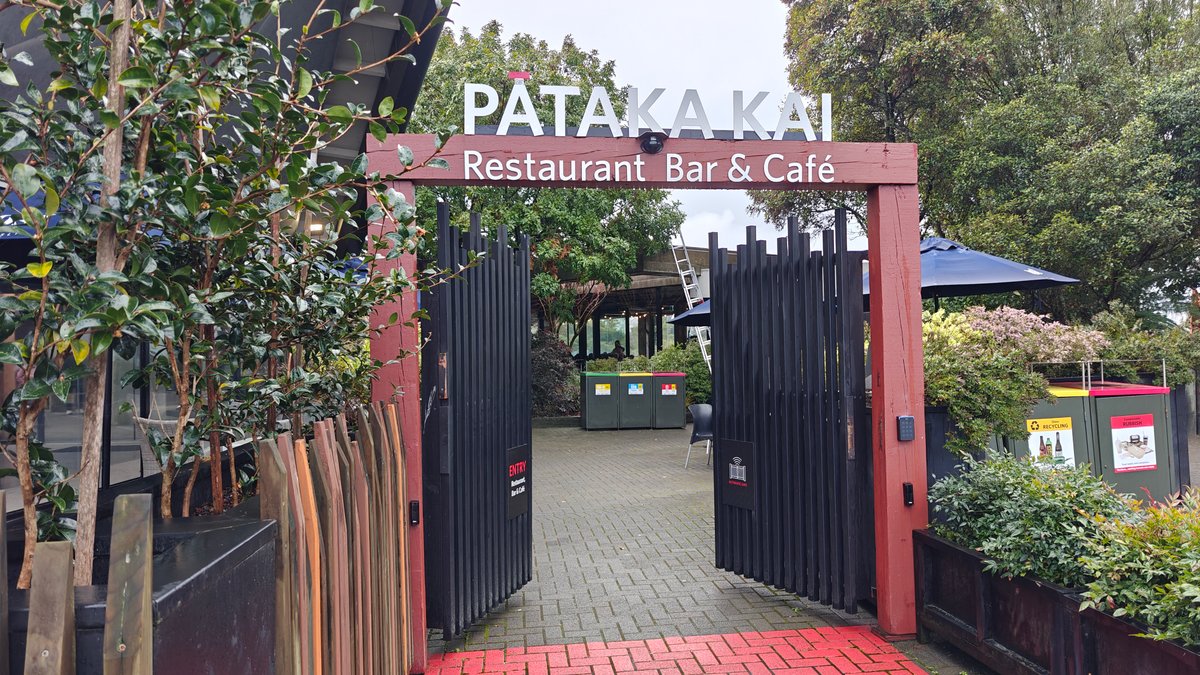
You arrive at the cultural centre’s grounds to find the restaurant. You step into a place that truly focuses on teaching and preserving Maori arts and crafts. After lunch, I didn’t plan on spending a good chunk of time wandering through the galleries and workshops, but it turned out to be my favourite part of the visit.
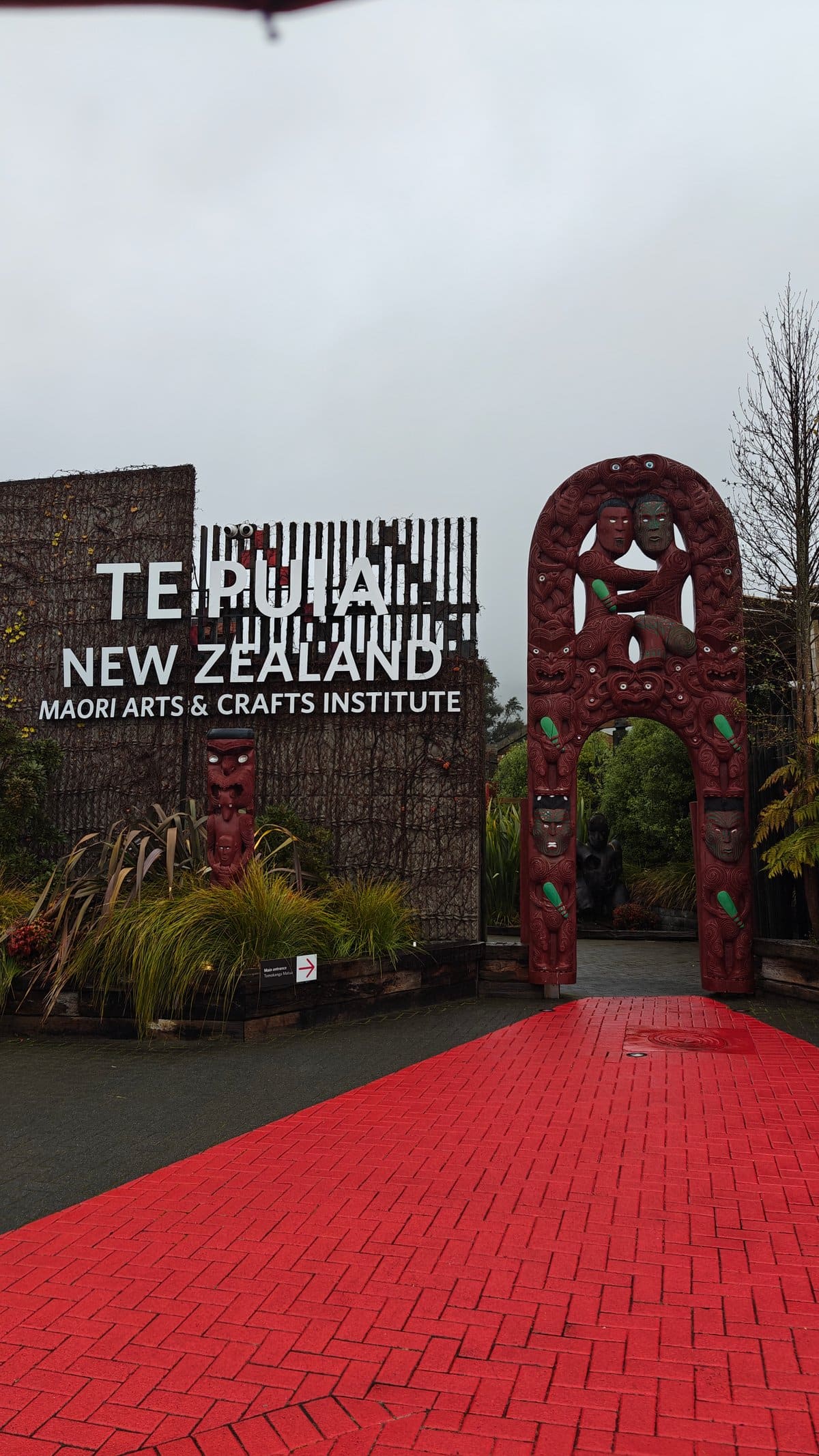
The restaurant is located within the Te Puia grounds and it’s clearly signposted so we followed the path in from the carved entrance gate. It wasn’t too formal but felt very welcoming and relaxed which I liked. I had booked ahead as I’d read that the buffet can get busy, especially if tour groups is passing through.
This proved to be good advice.
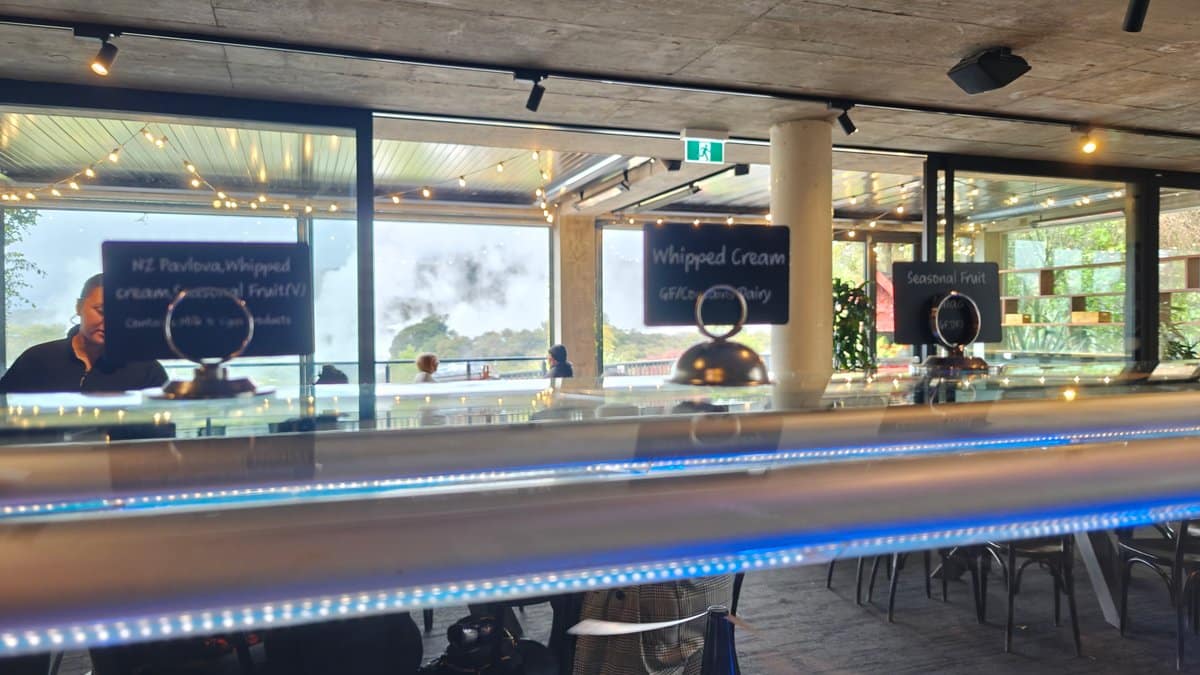
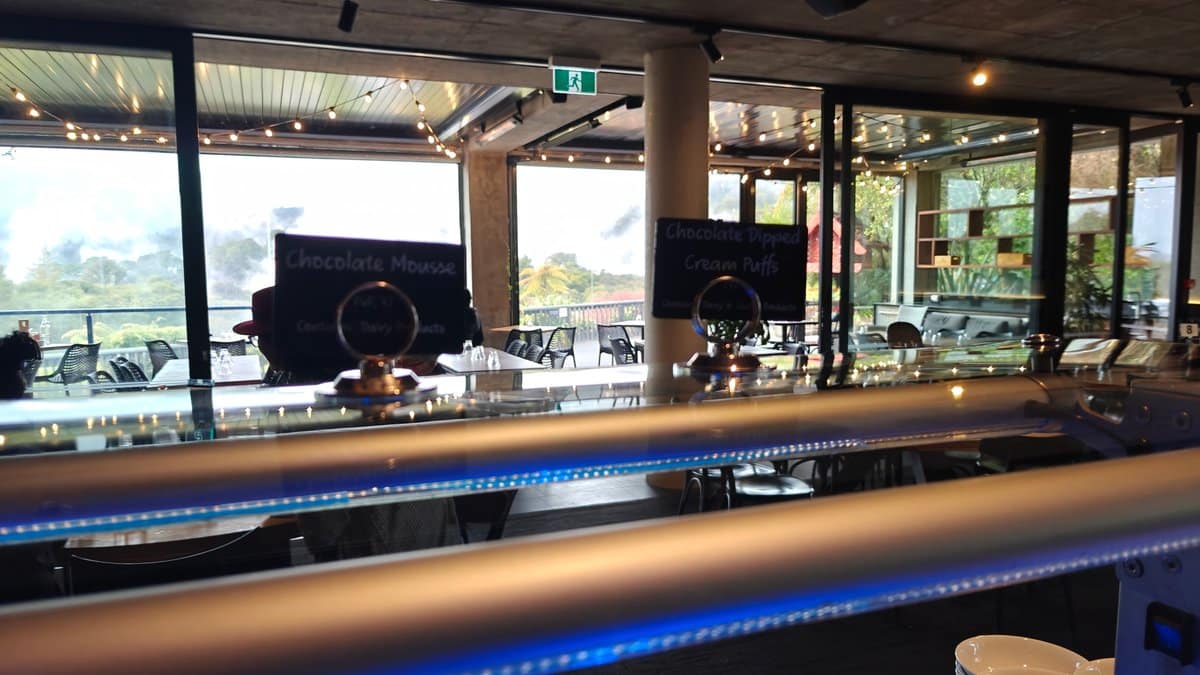
We found ourselves a window seat in the spacious dining room and were met with friendly but unobtrusive service. There was a nice variety of diners here, some on an organised tour, others (like us) just there on their own steam. It felt airy thanks to natural light.
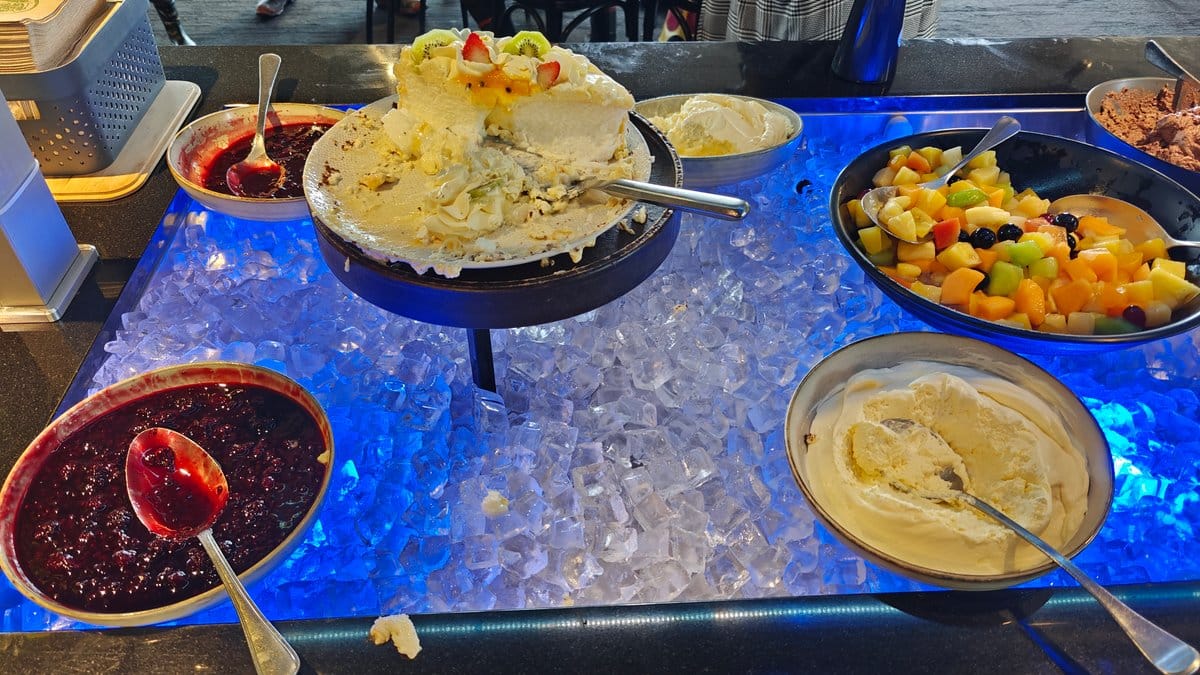
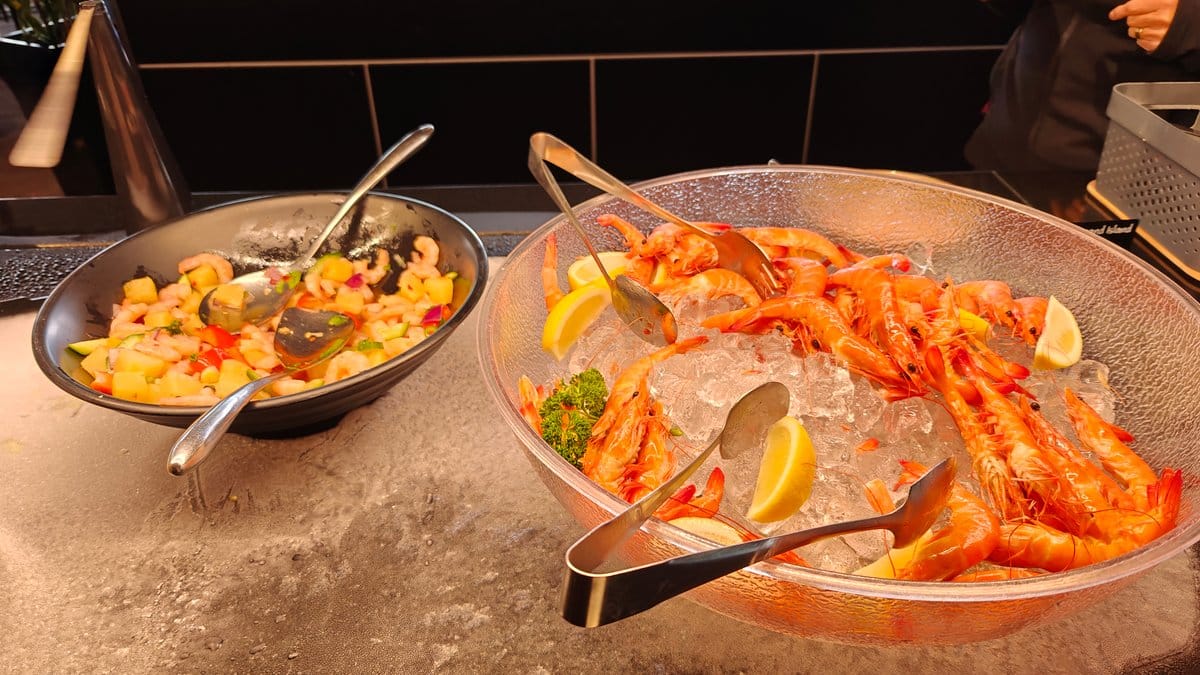
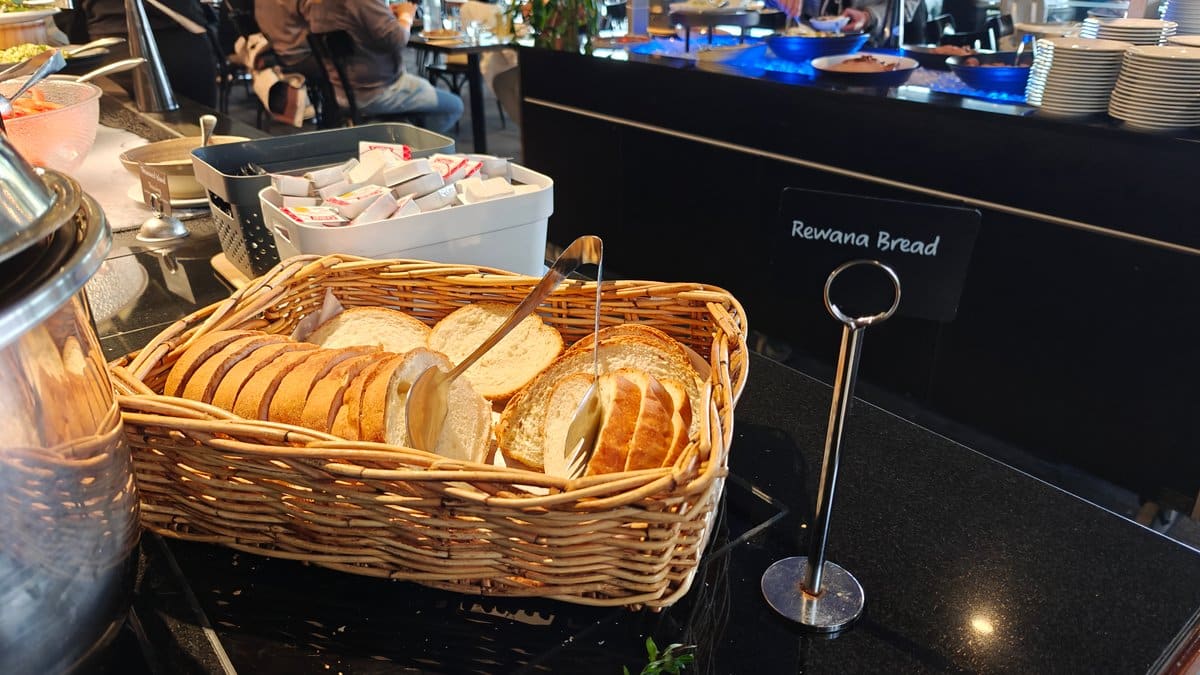
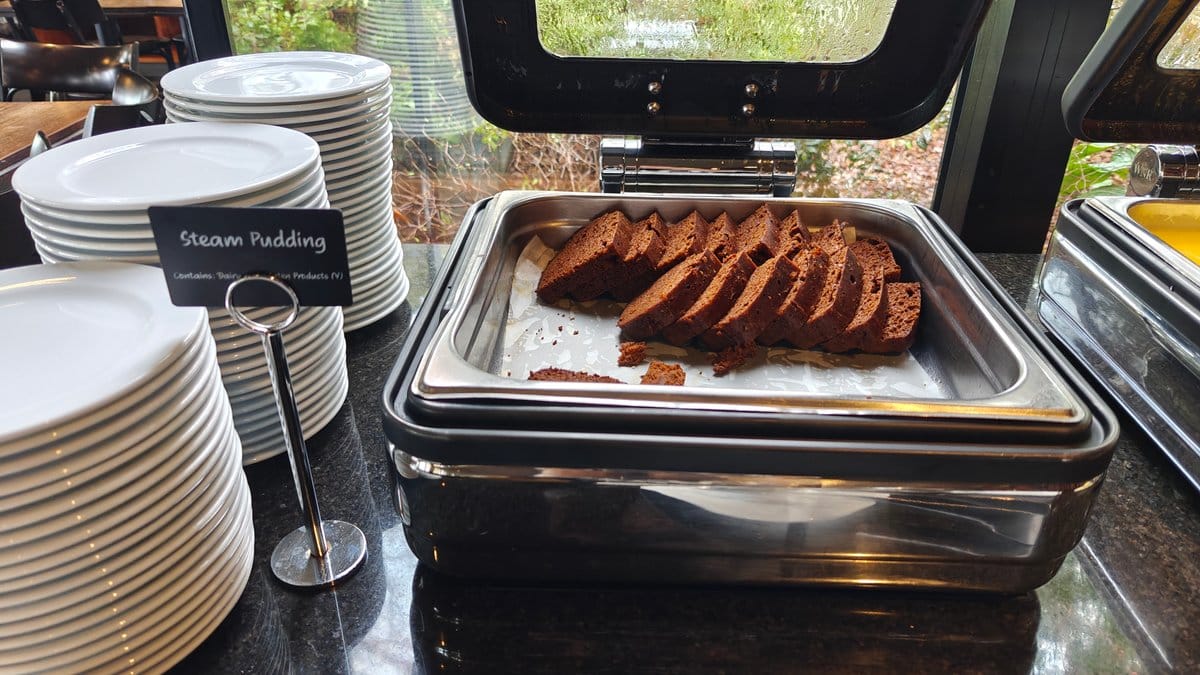
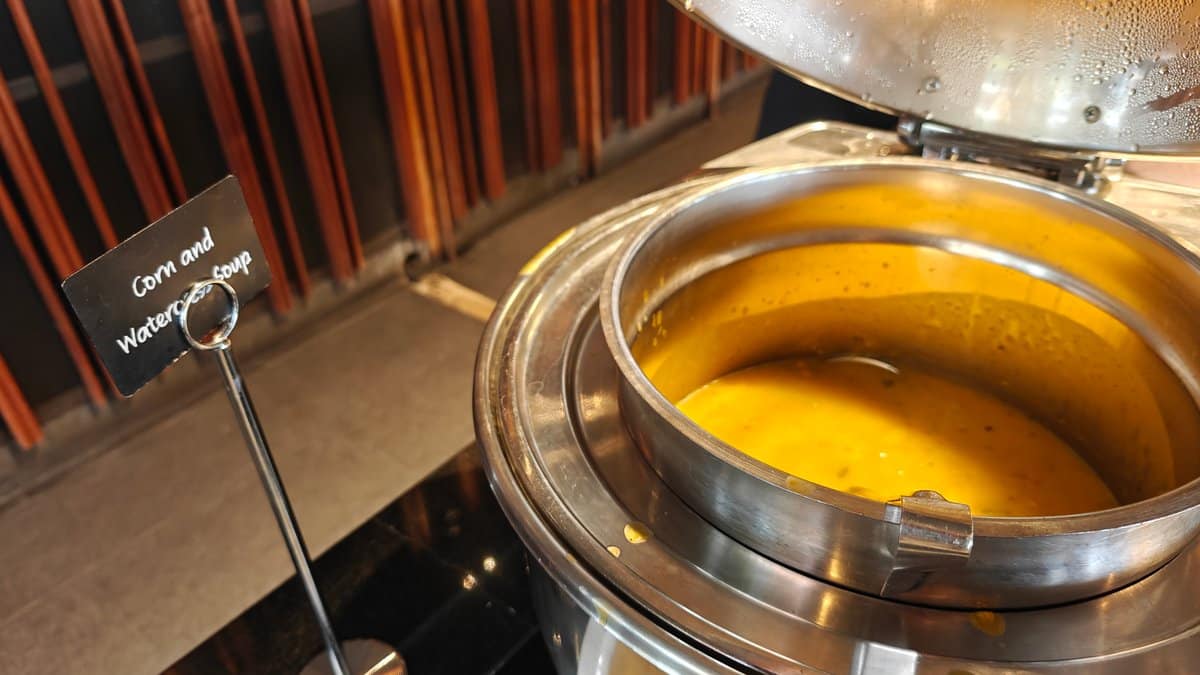
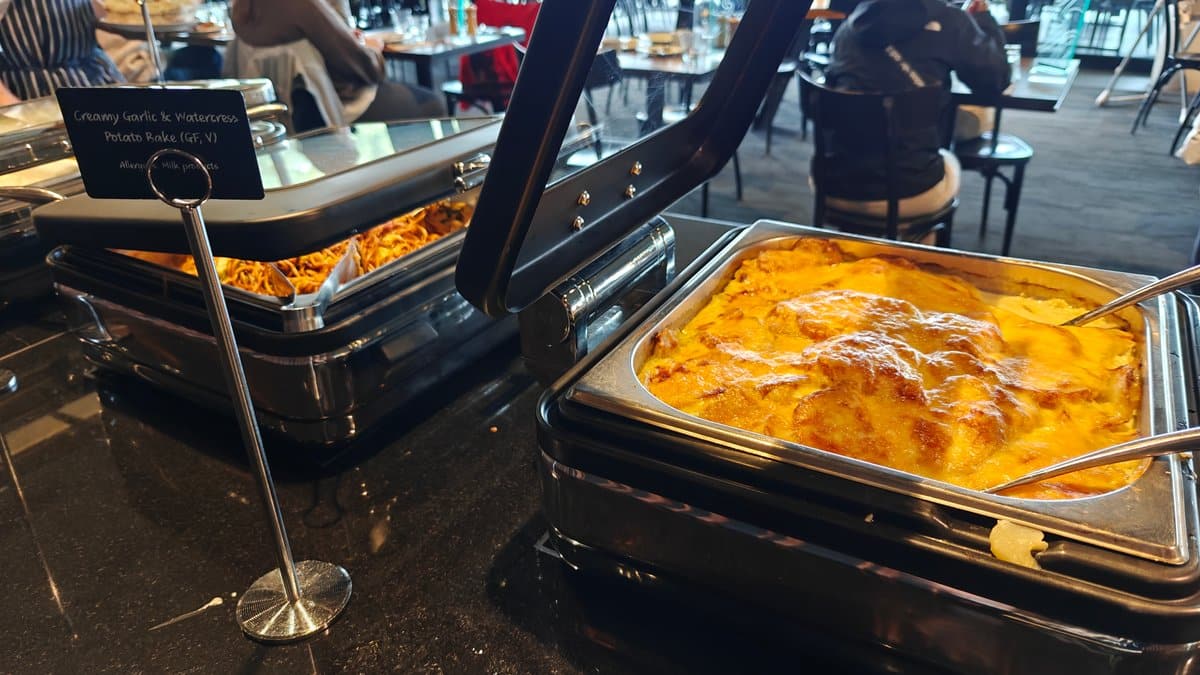
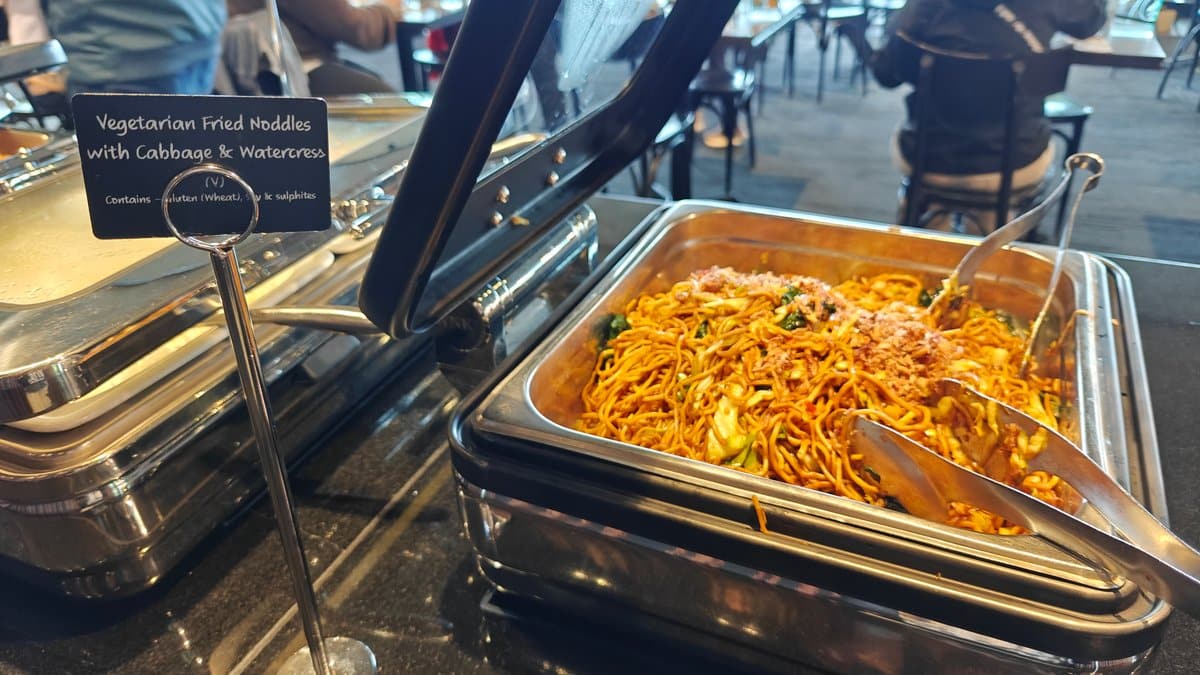
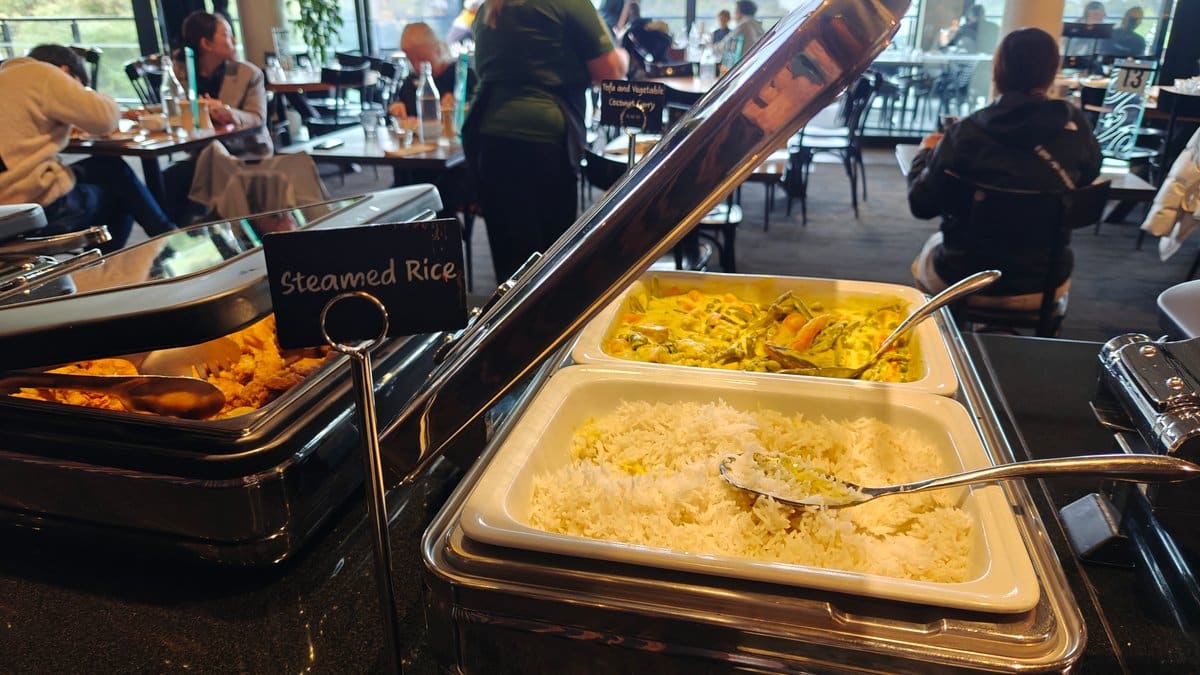
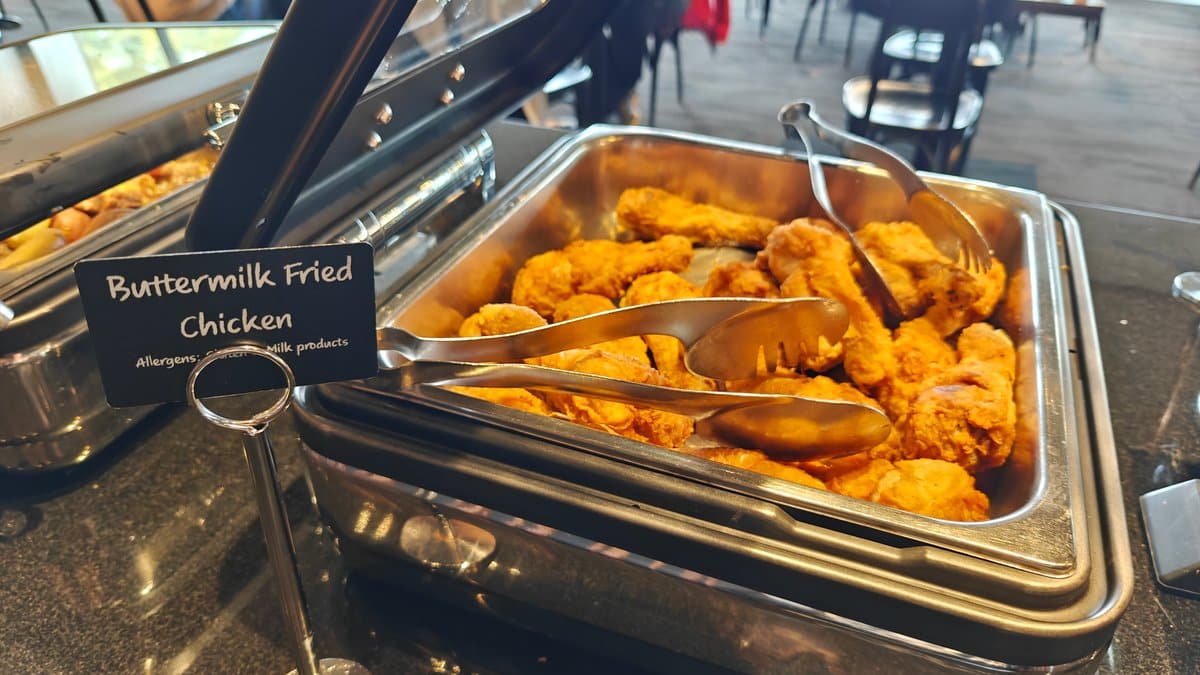
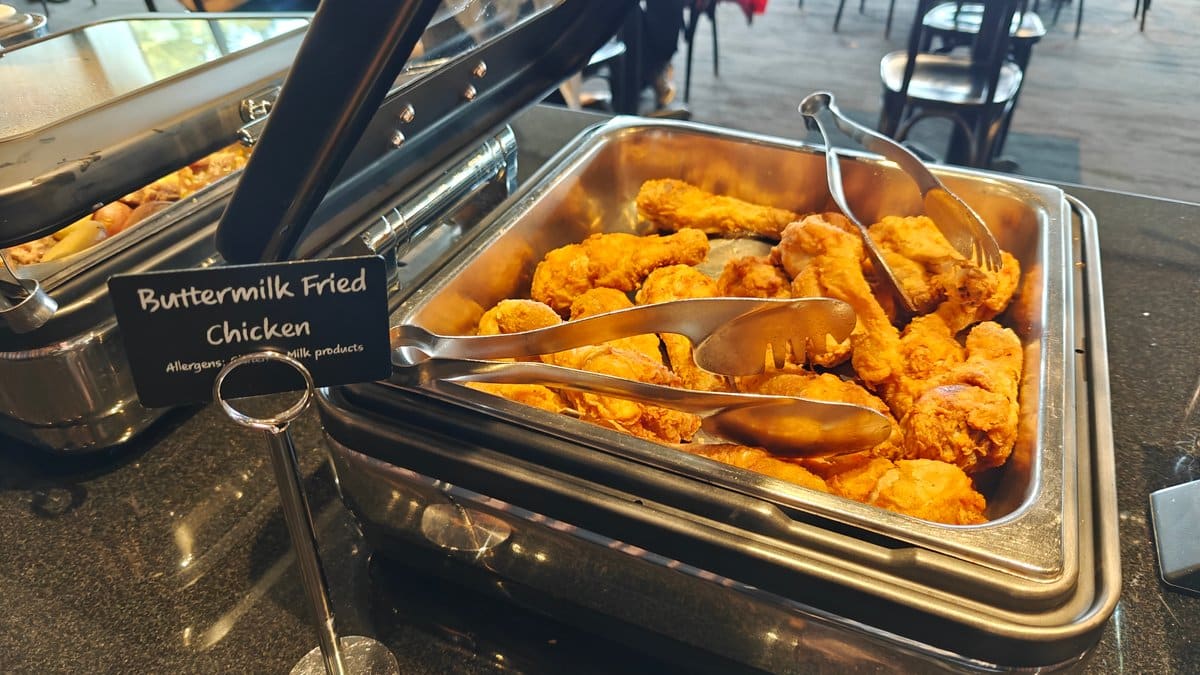
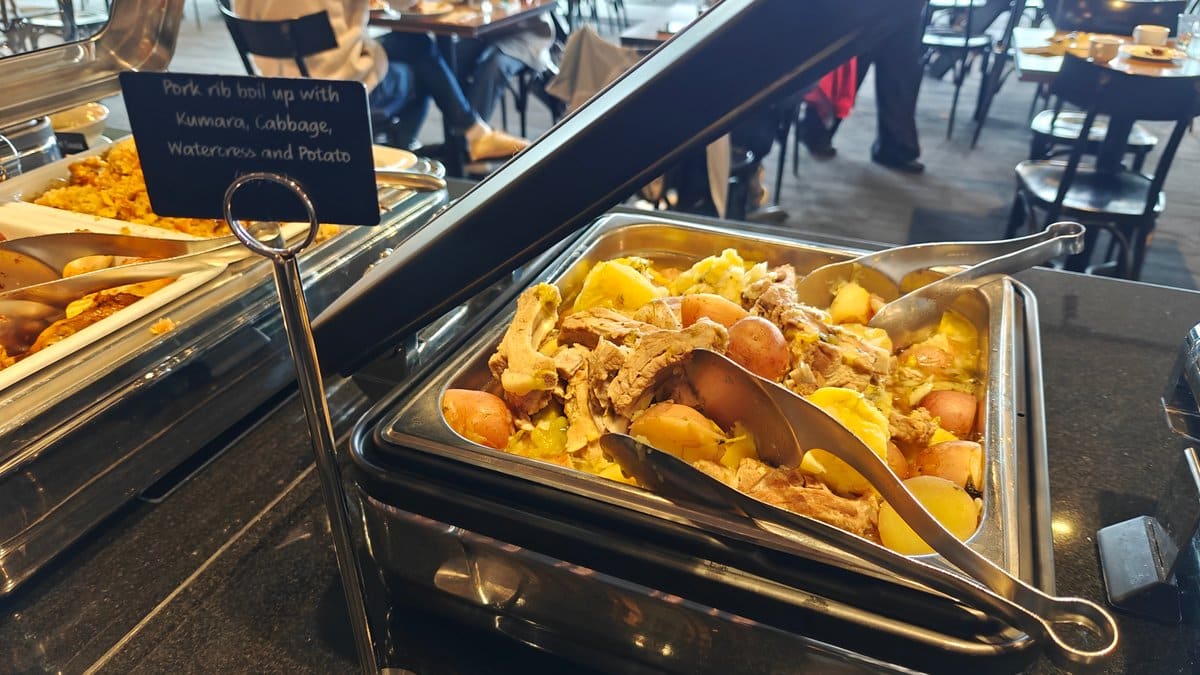
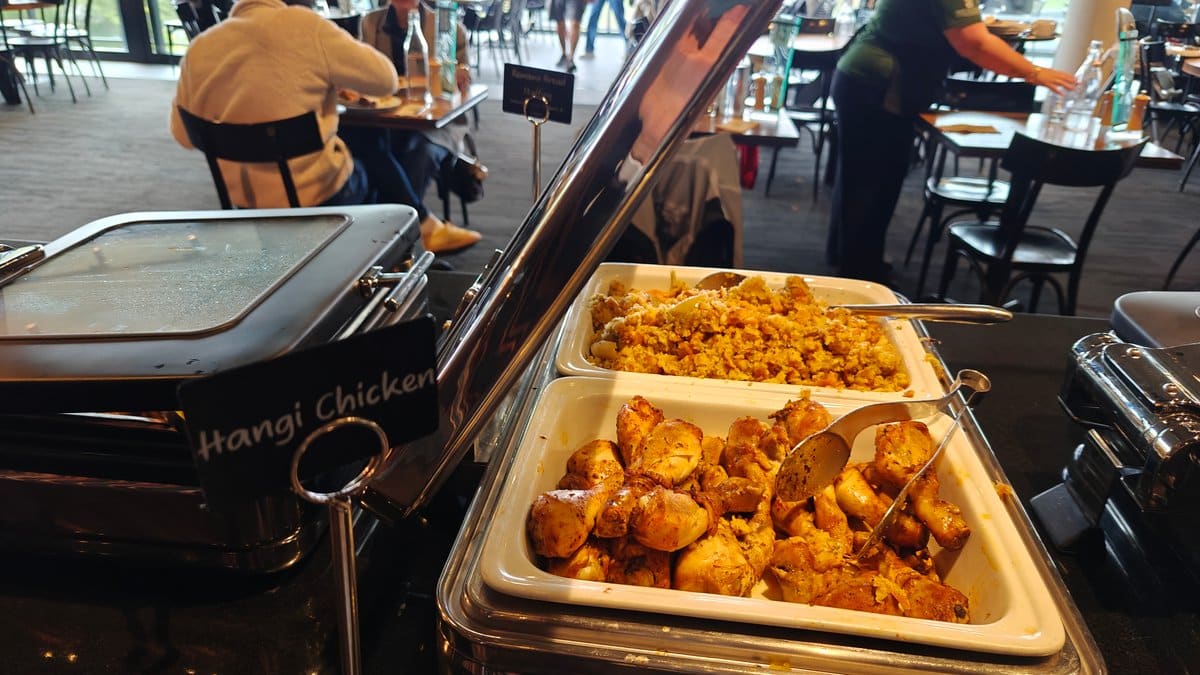
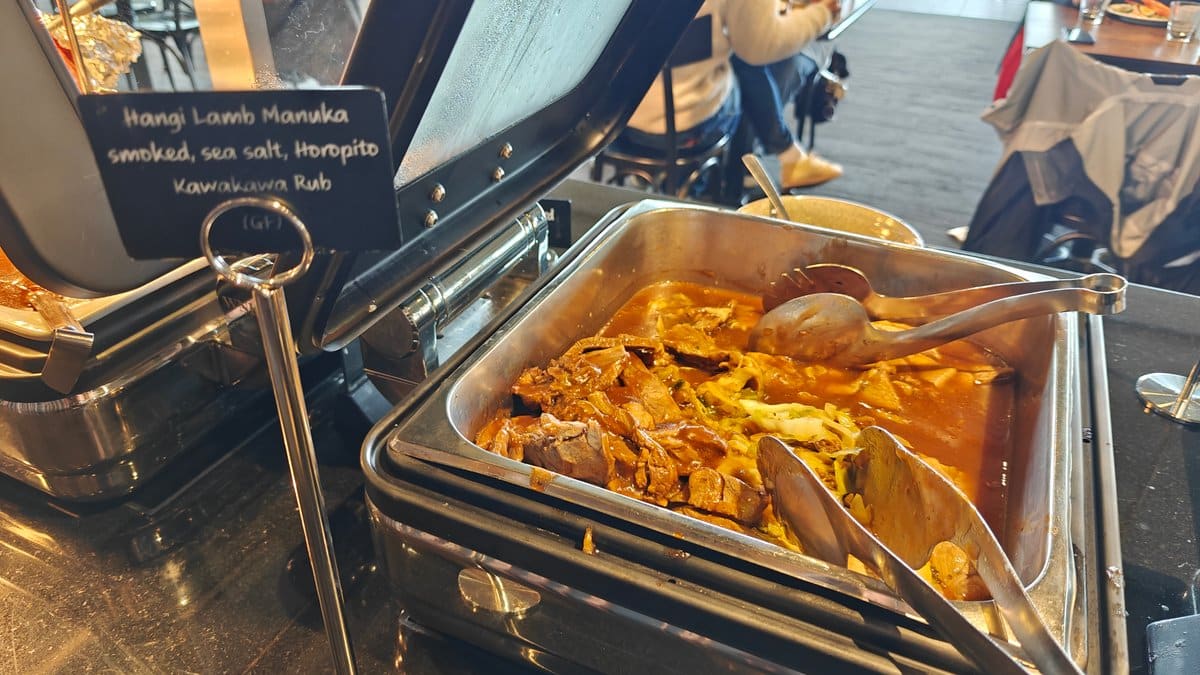
I wasn’t expecting such a large selection of food in the buffet. At one end, there were cold salads and fresh seafood, including prawns and other shellfish. Then further down, there was the hot section: sausages, carvery meats, lots of bread rolls, baked pasta, curries and…
Under the heat lamps, things which I guessed might have been made in the hangi (but I could be wrong). Fried stuff as well, including chips if you’re feeling homesick. It’s a generous selection of food, enough to have seconds without running out of variety.
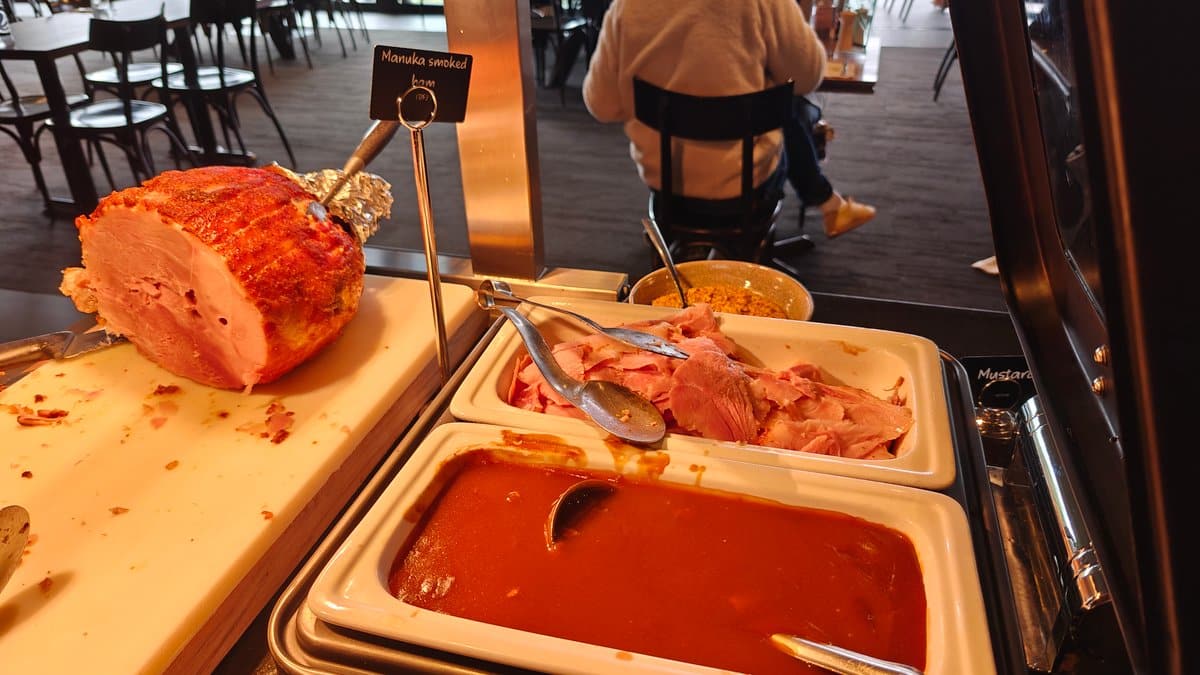
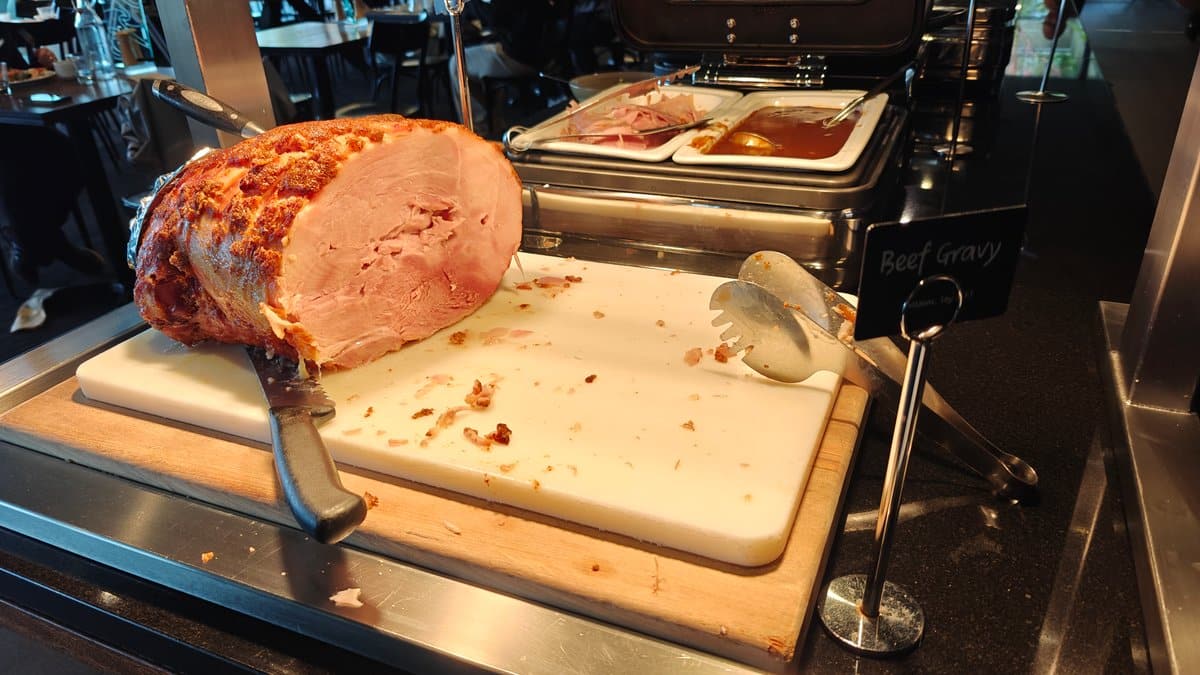
There was also a roast joint being carved at the carving station. Staff was slicing off some portions on demand so I tried a couple of slices. They were good.
Not fancy but moist and cooked correctly. But I wasn’t here for the roast meats: I was here for the hangi dishes. These certainly have their own unique smoky flavour, absent from the oven-cooked equivalent.
The meat was falling-apart tender. That’s what all this cooking-underground-for-hours business is about, I gather.
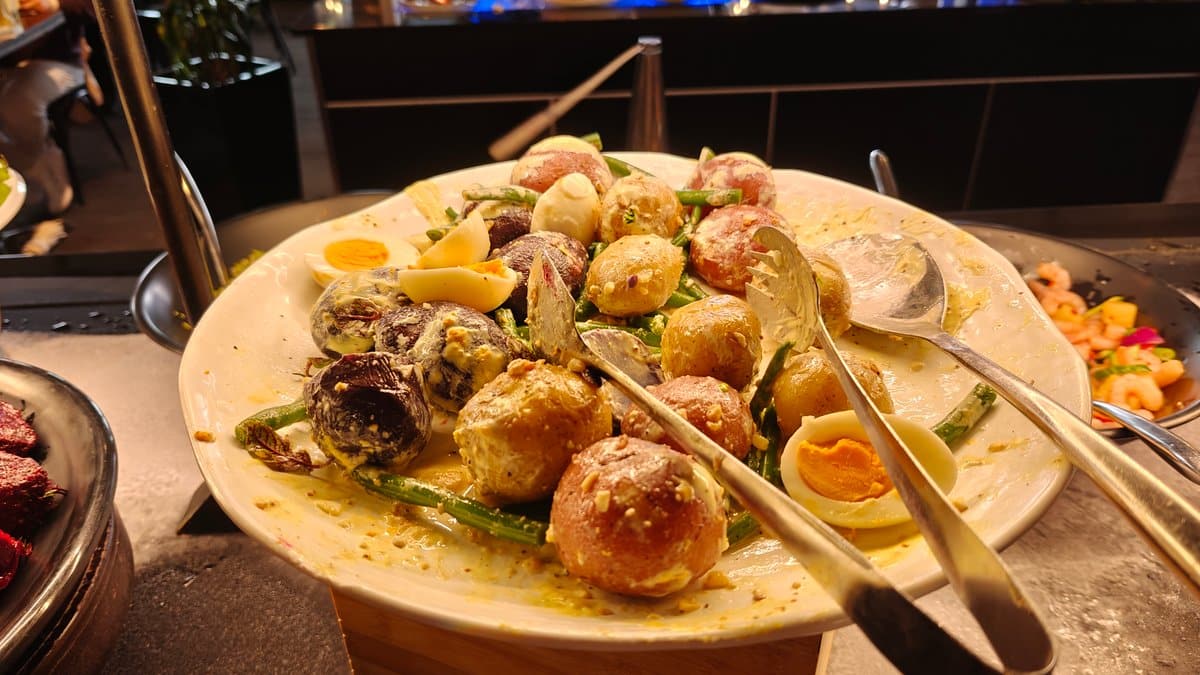
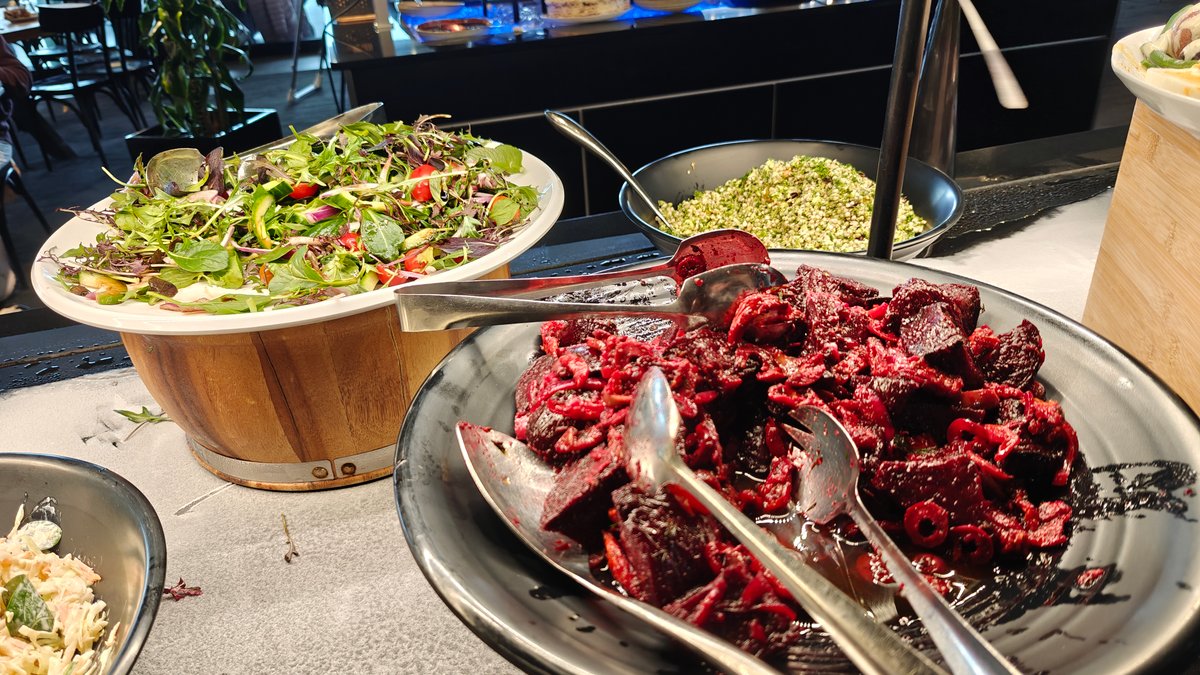
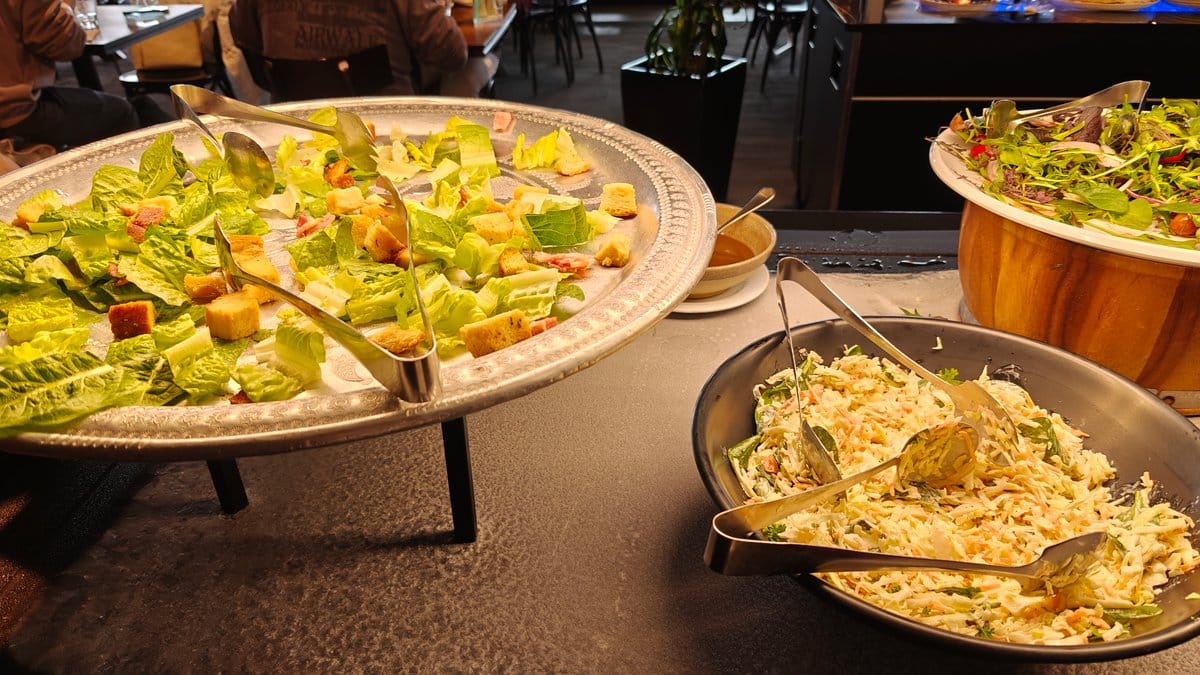
A couple of times I went back to the cold section and had some of the dressed salads which were simple but well put together. Fresh things is always welcome to balance out the heavier stuff, and I liked it here. Buffet food can be overwhelming if you have too many choices.
This didn’t feel like that.
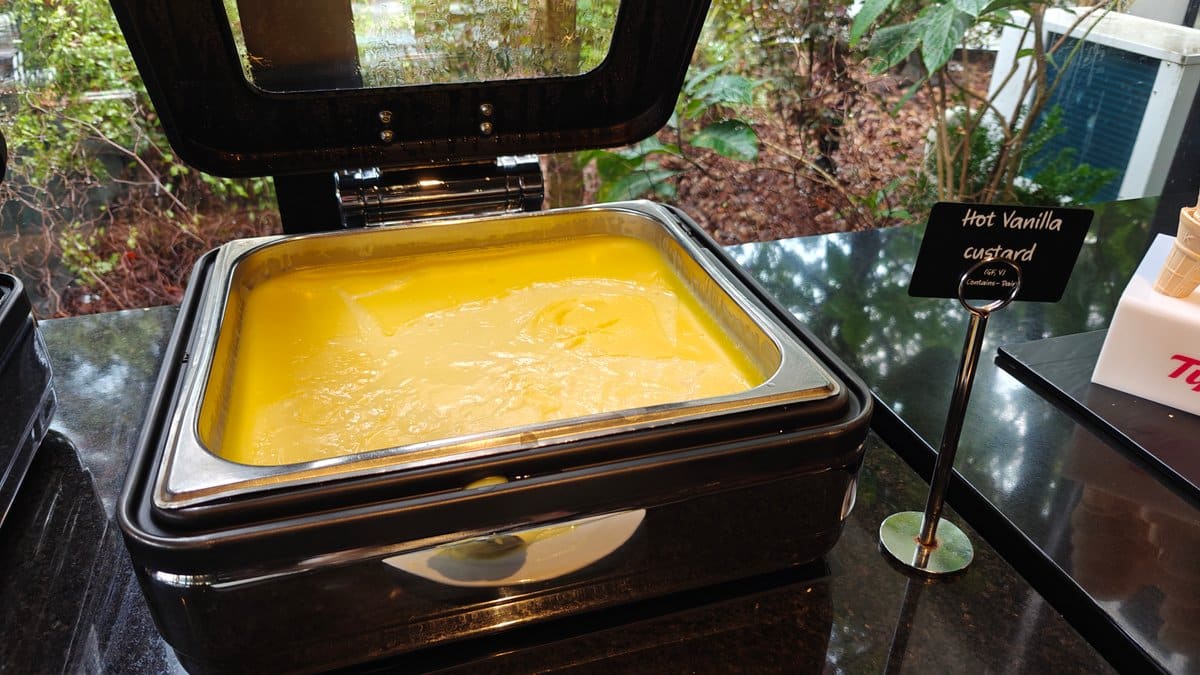
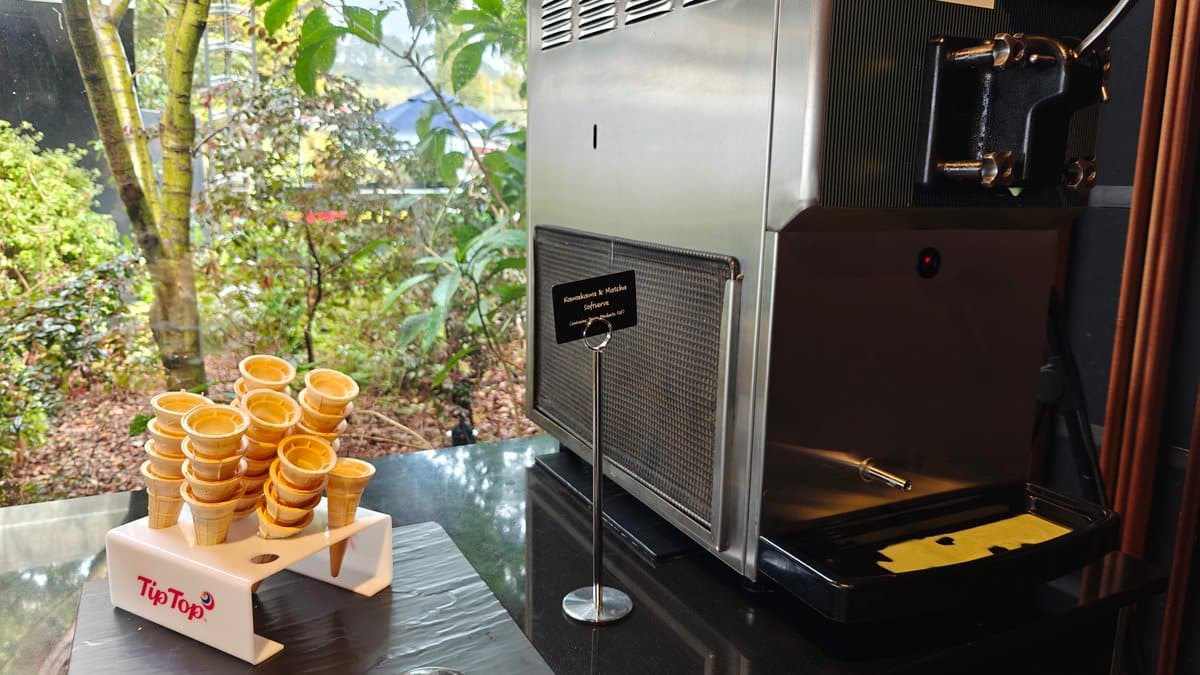
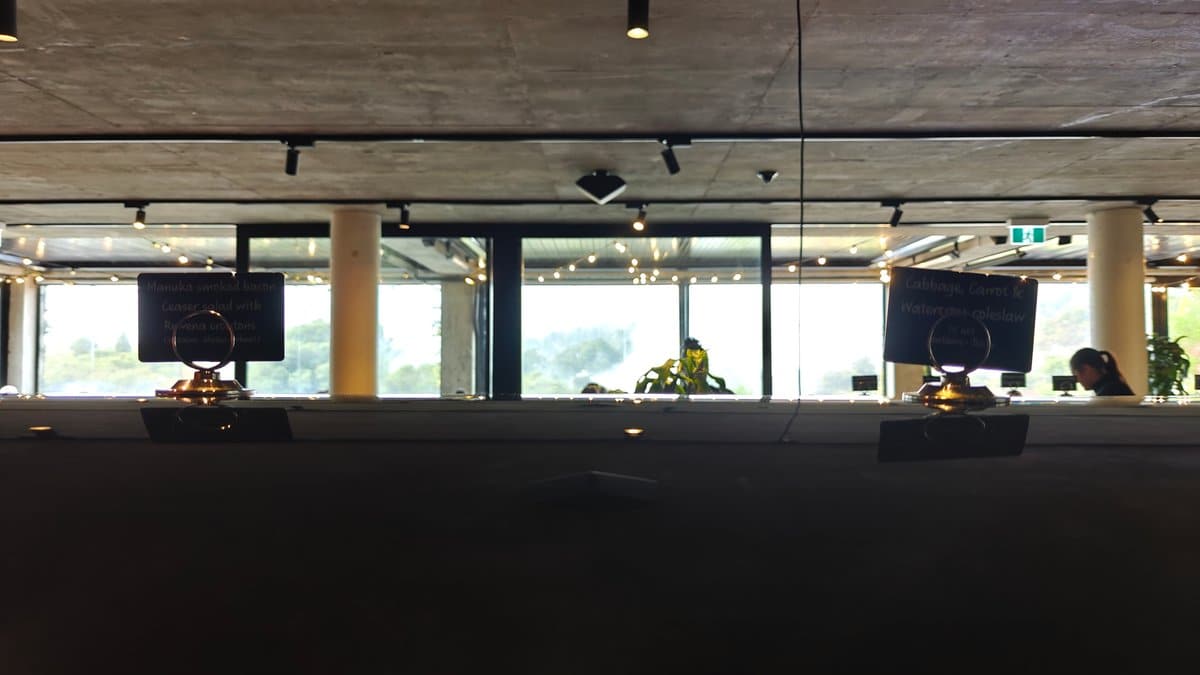
There was enough variety to make it interesting, but not so much that it became stressful. There was a drinks station with juice dispensers and I filled up a few glasses while waiting for my next plate.
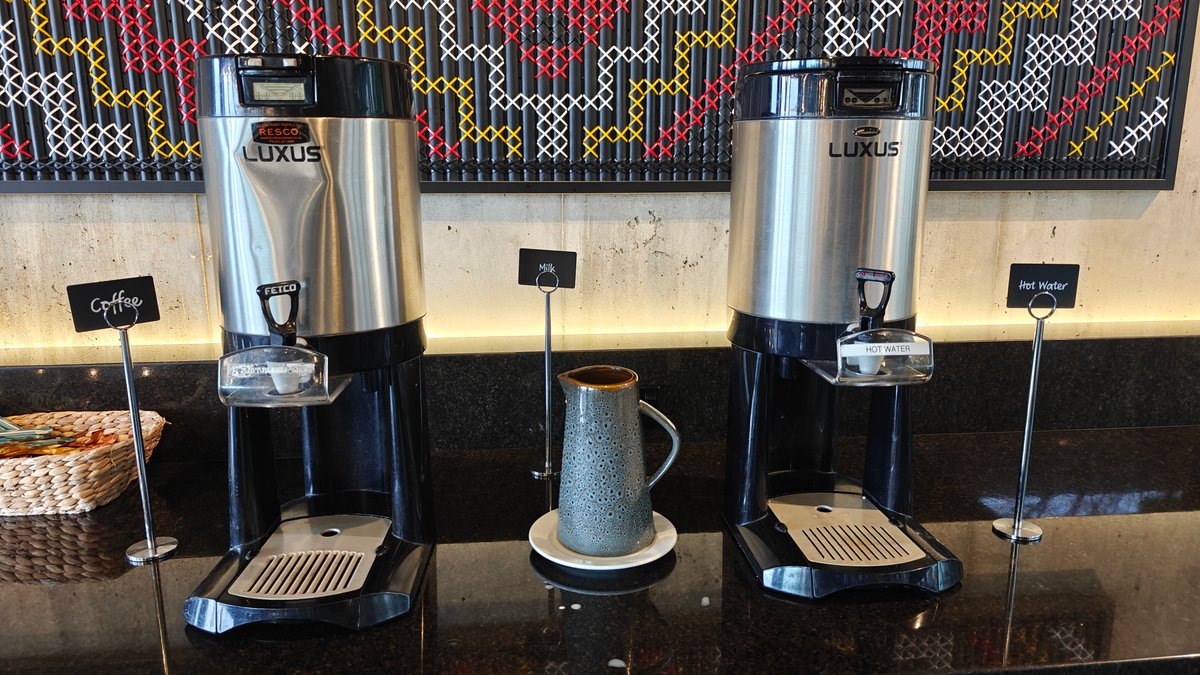
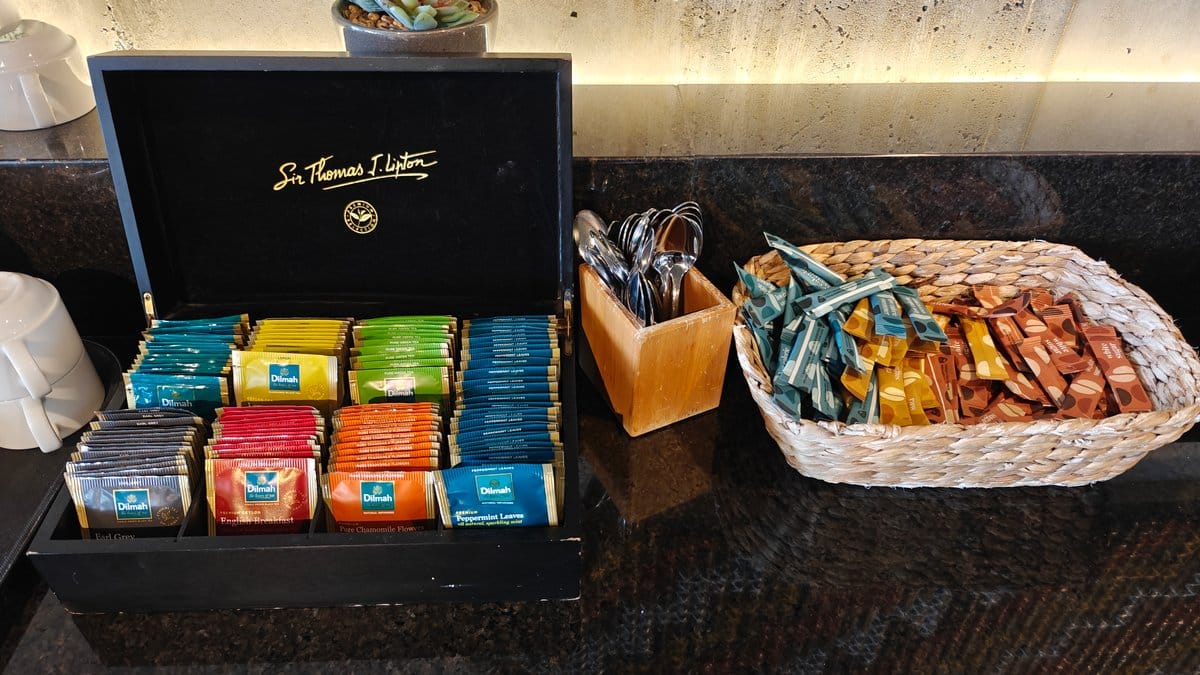
Even though they were getting busier, there was plenty left on the buffet counter, which you can see in its entirety from where I was seated. It makes sense: all the hot food together, all the cold stuff over here, drinks and coffee over here. Self-serve coffee machine?
Yes please!
Te Puia

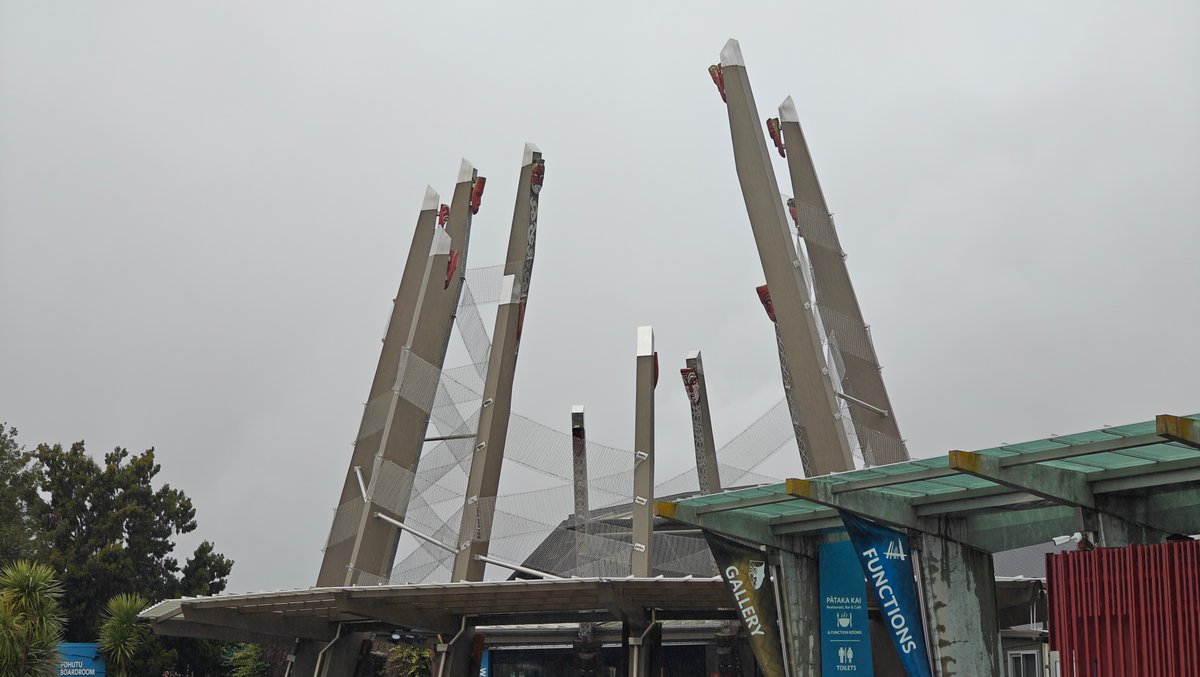
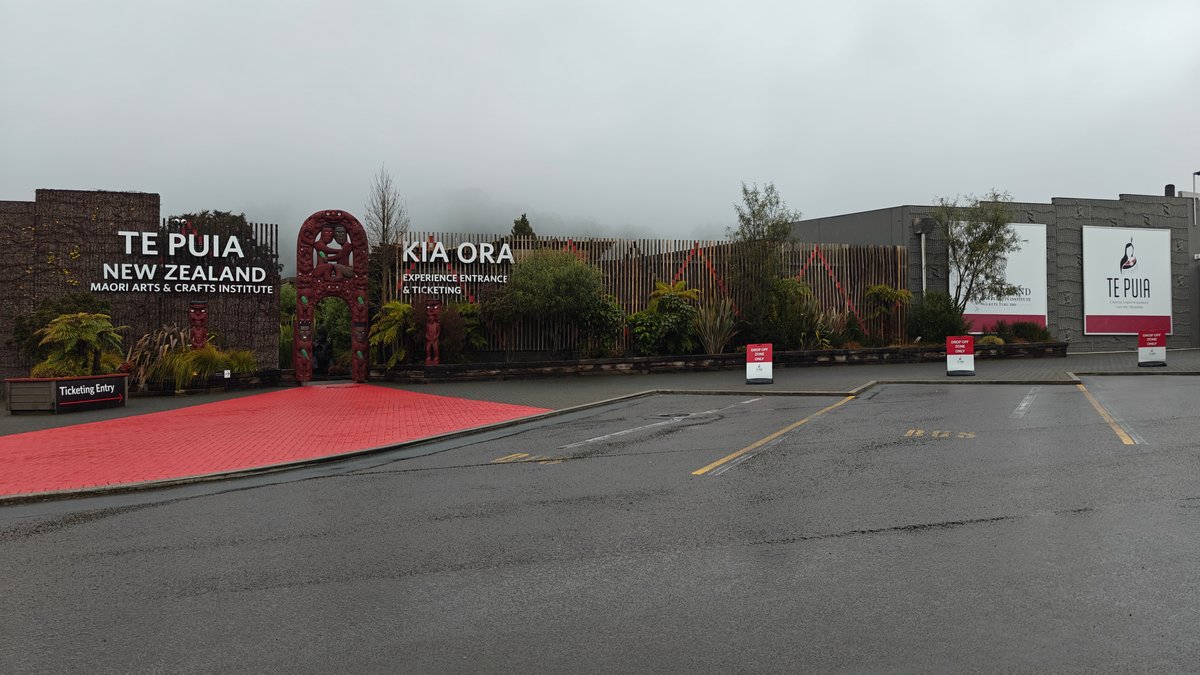
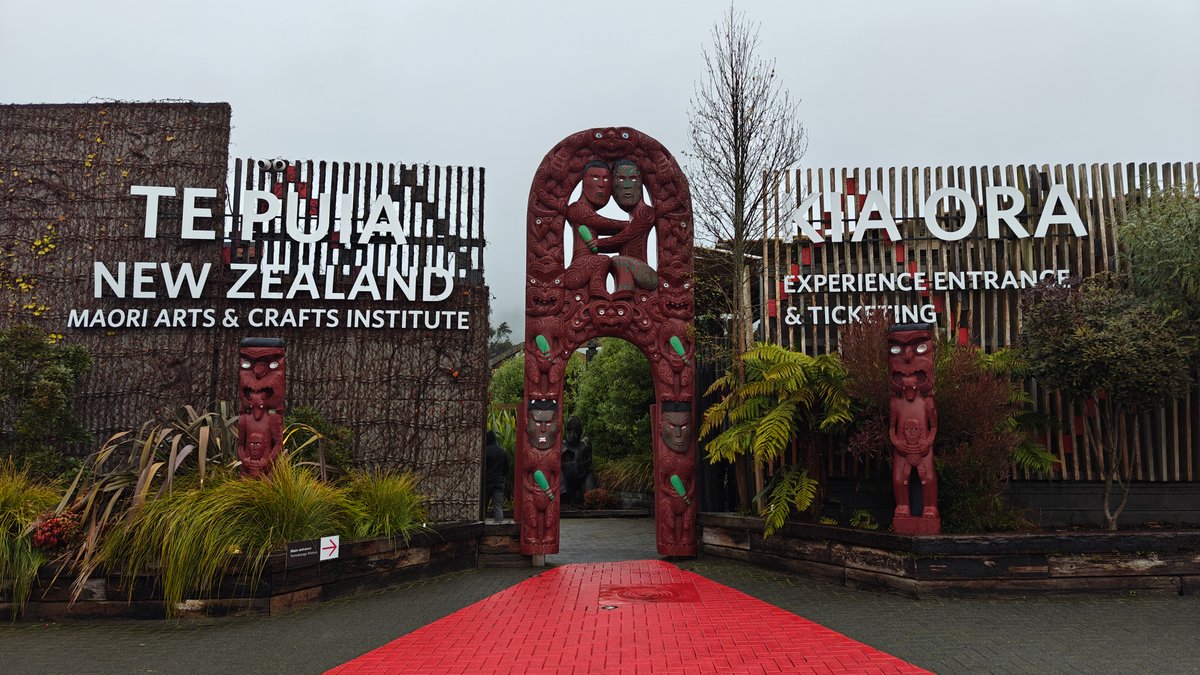
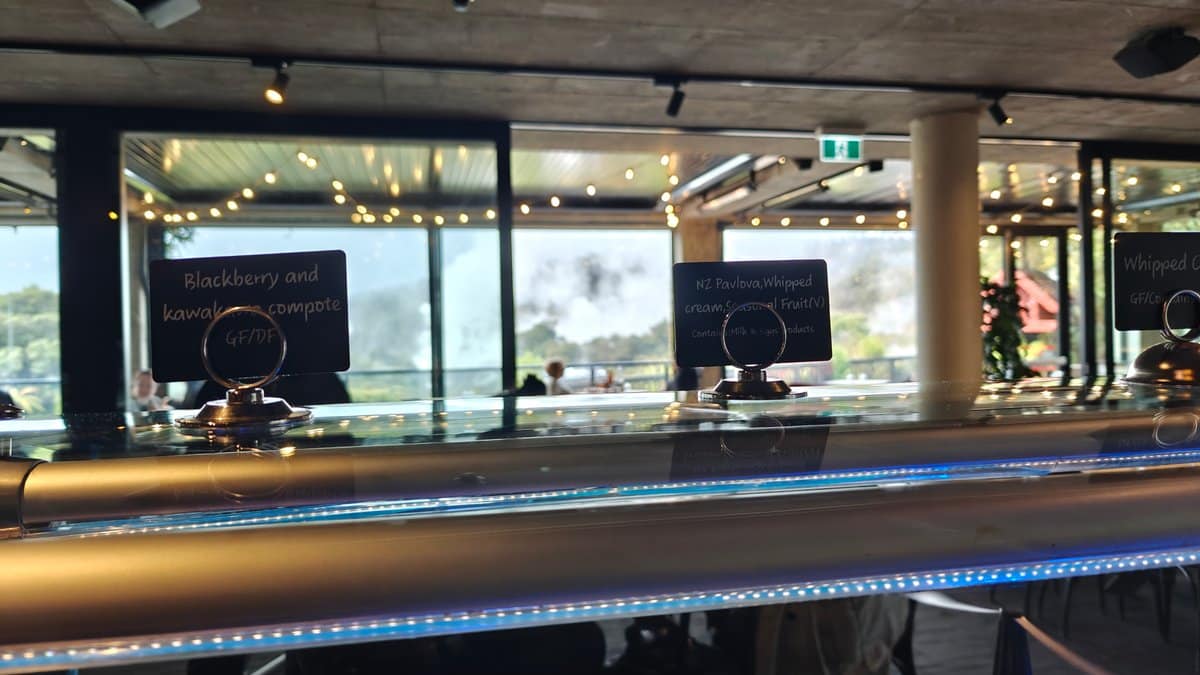
After the main course I got an espresso, and it was just fine, not specialty cafe standard, but better than instant. Dessert was lighter than I expected, which suited me. From the sweet counter I chose what appeared to be a panna cotta or mousse.
It was pleasant and left me neither stuffed nor disappointed by eating too much. Some buffets pile on the heavy stuff; I liked the restraint of this one. We spent a few more hours at Te Puia after lunch.
From the car park, you can tell they take their cultural role seriously here by the carved gateway and entrance posts. There’s far more to see than just the restaurant, which I hadn’t realised, and I’m glad we’d left enough time to wander around.
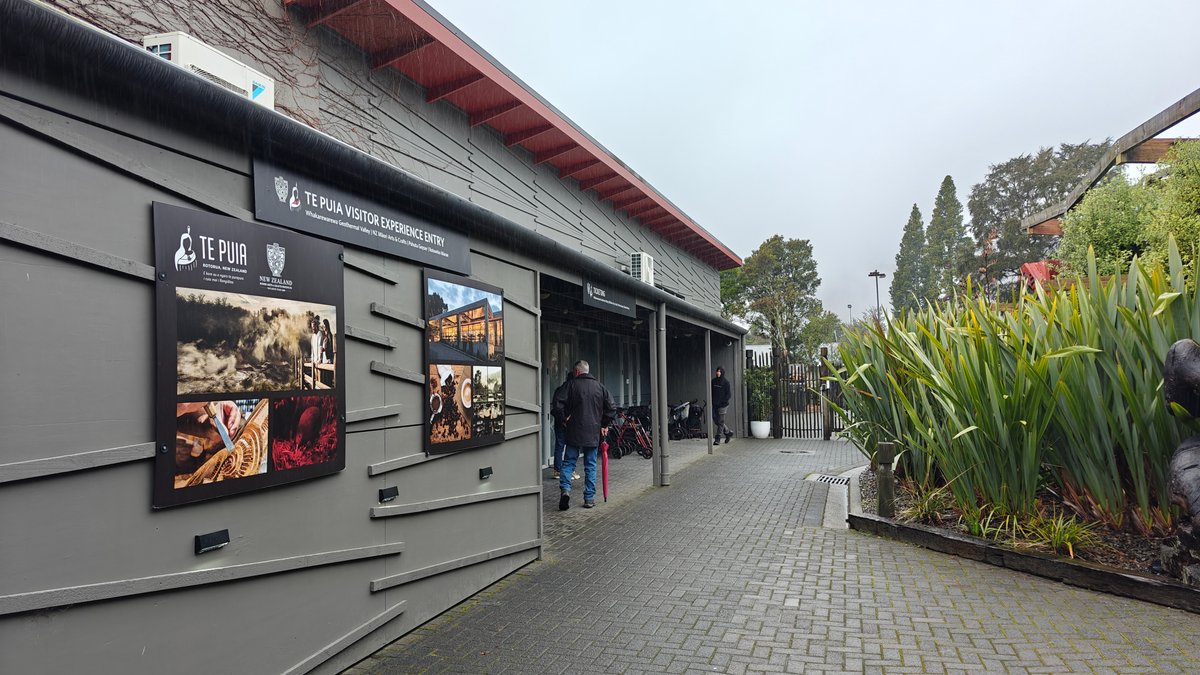
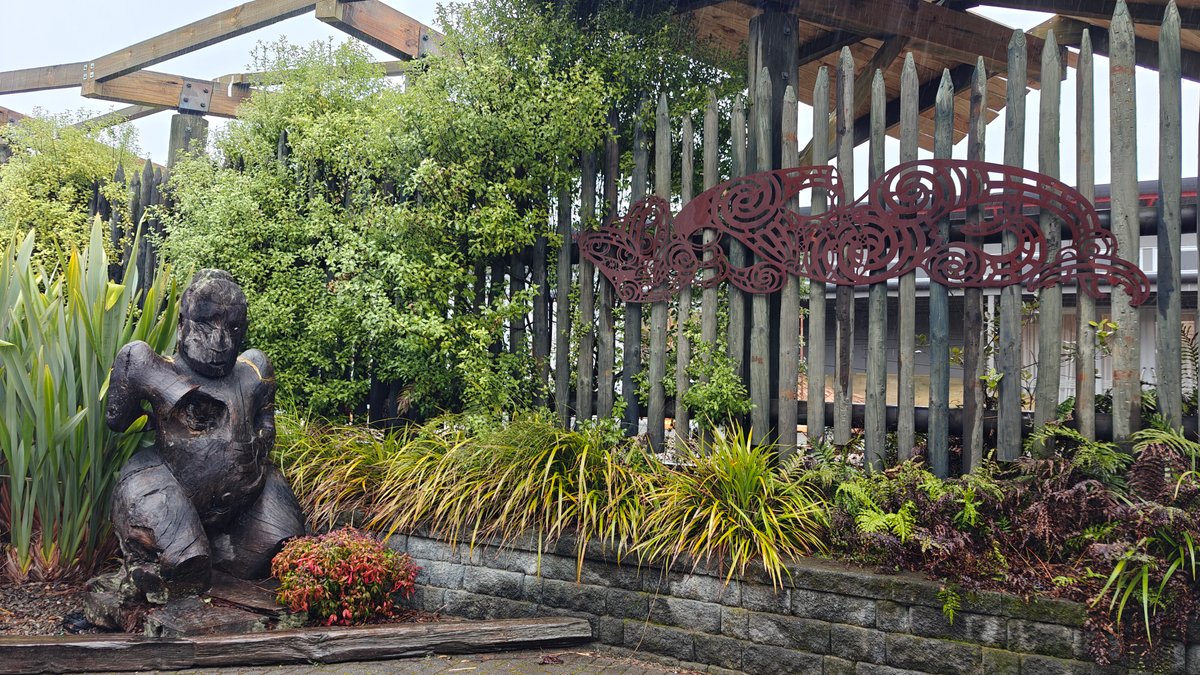
There were also some covered walkways with information panels explaining various parts of Maori culture and their importance/history. The information was substantial but not academic, which I appreciated (it wasn’t dumbed down at all). There were sculptures and plantings dotted throughout the grounds, which made it feel like everything about this site had been carefully thought out.
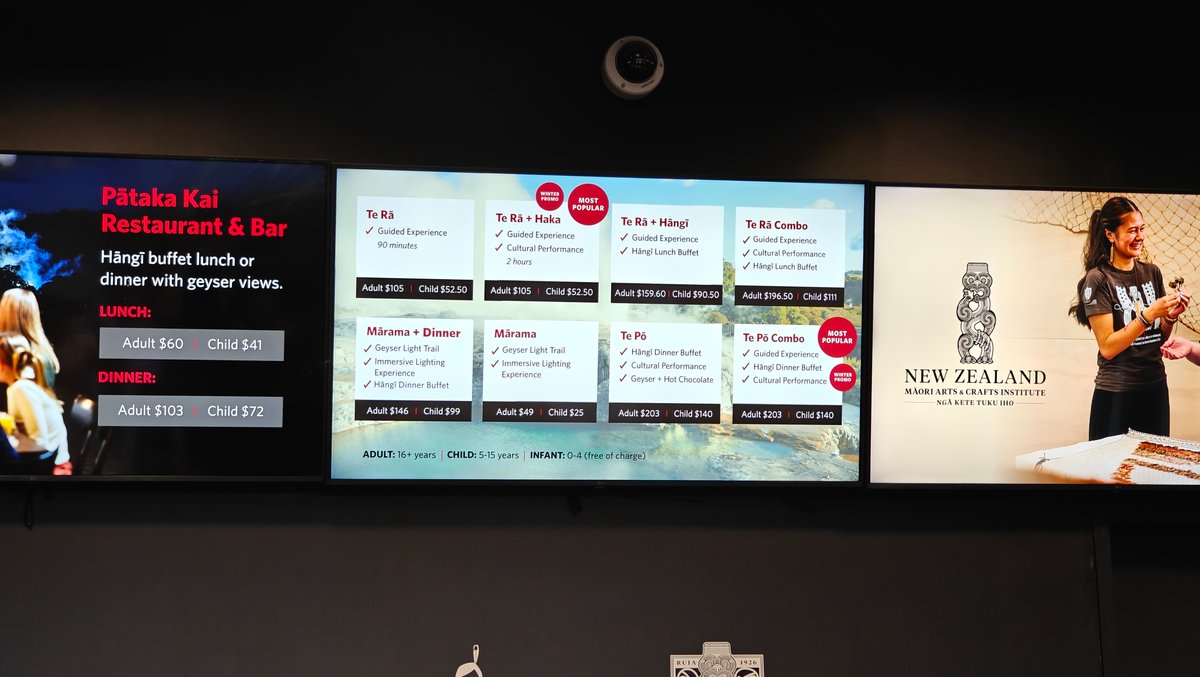
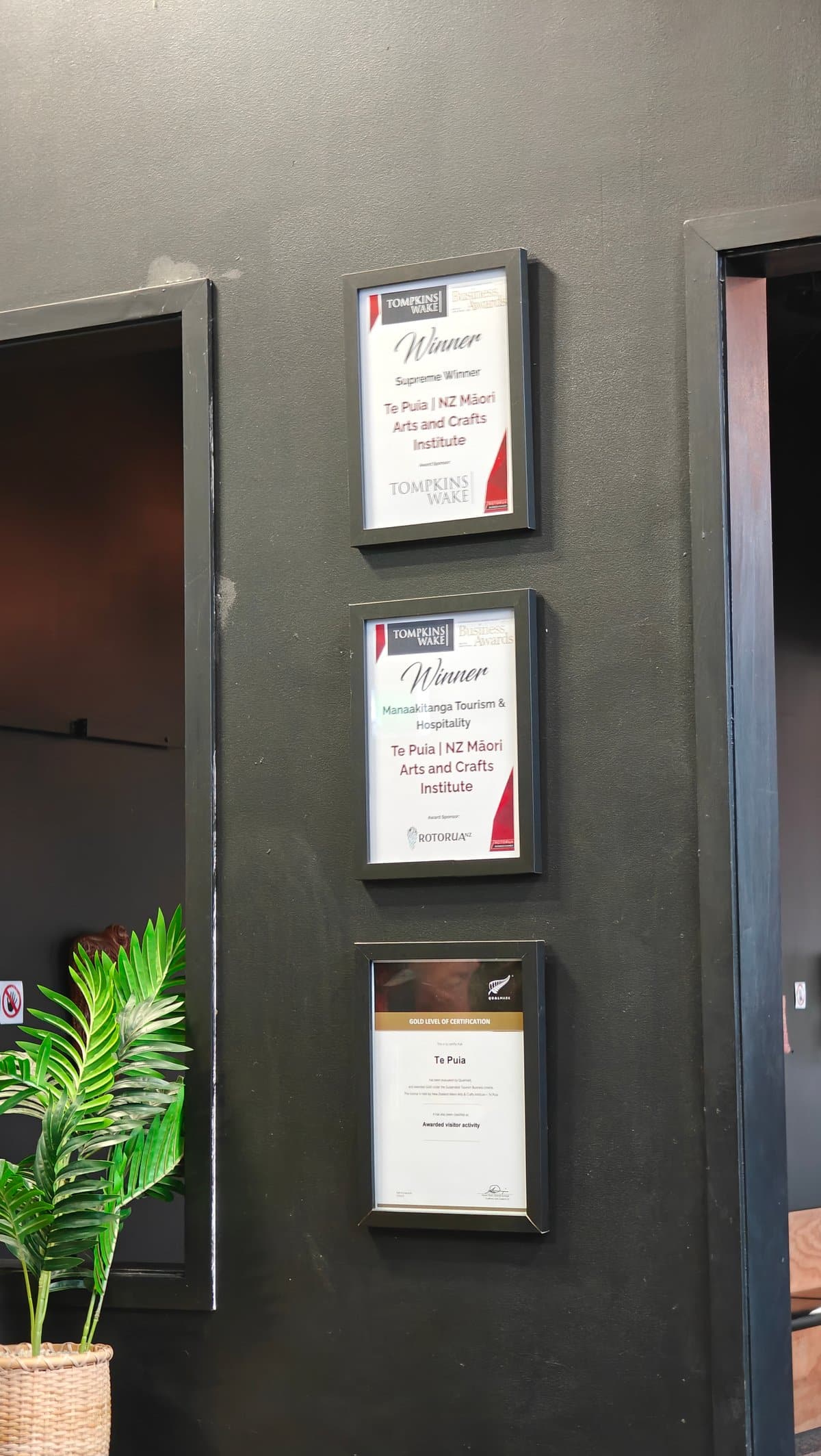
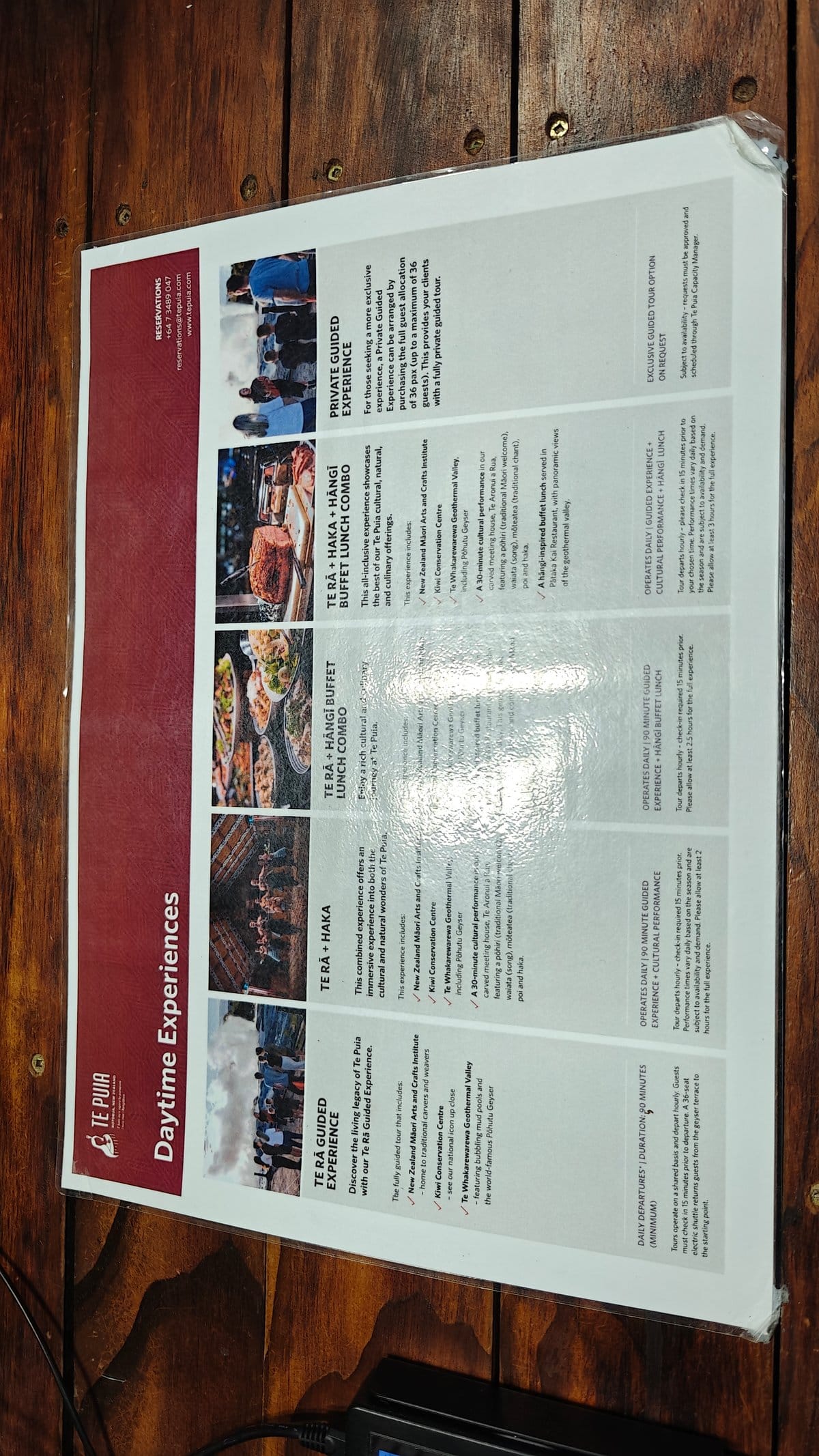
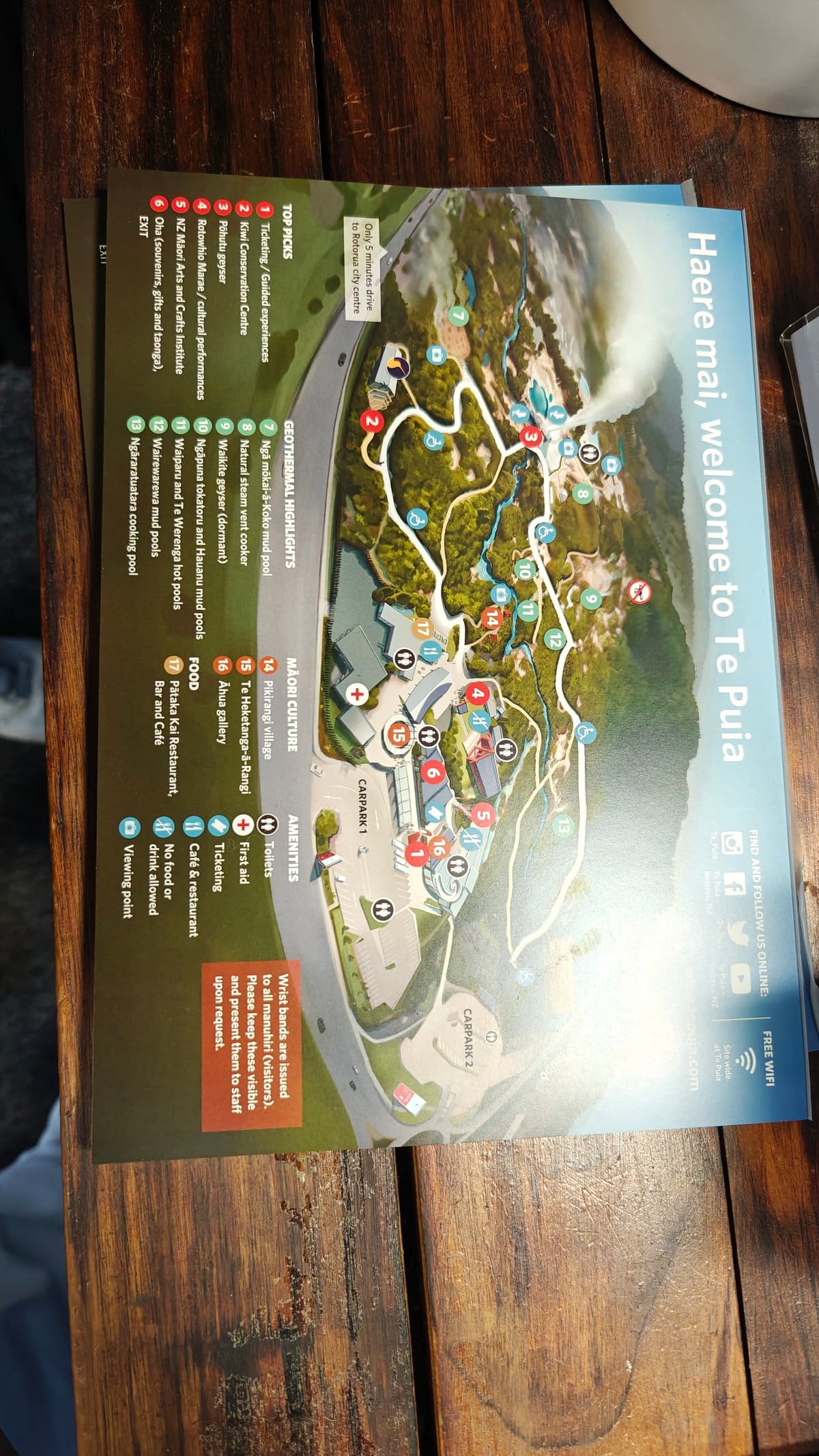
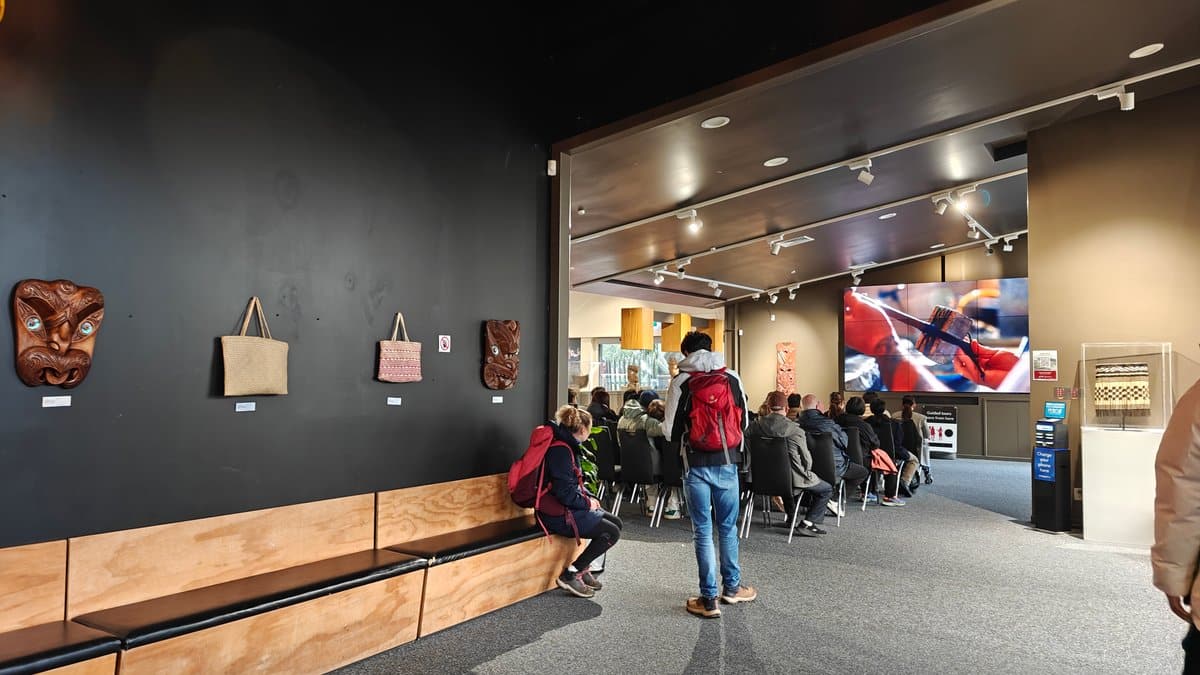
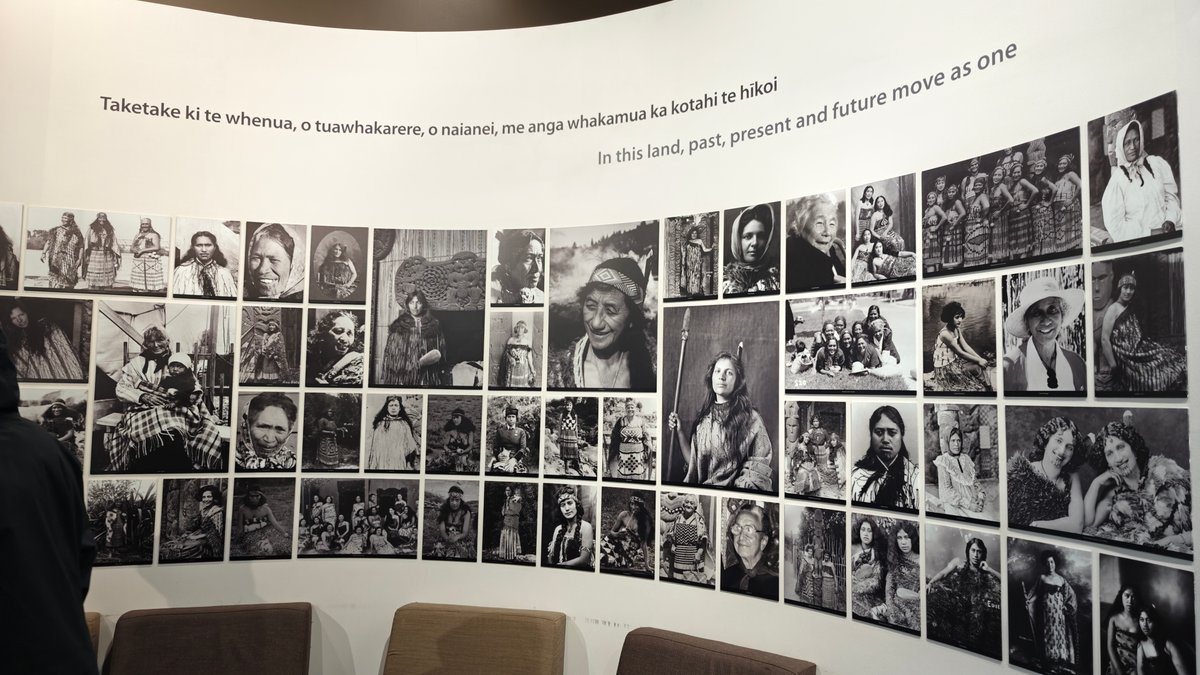
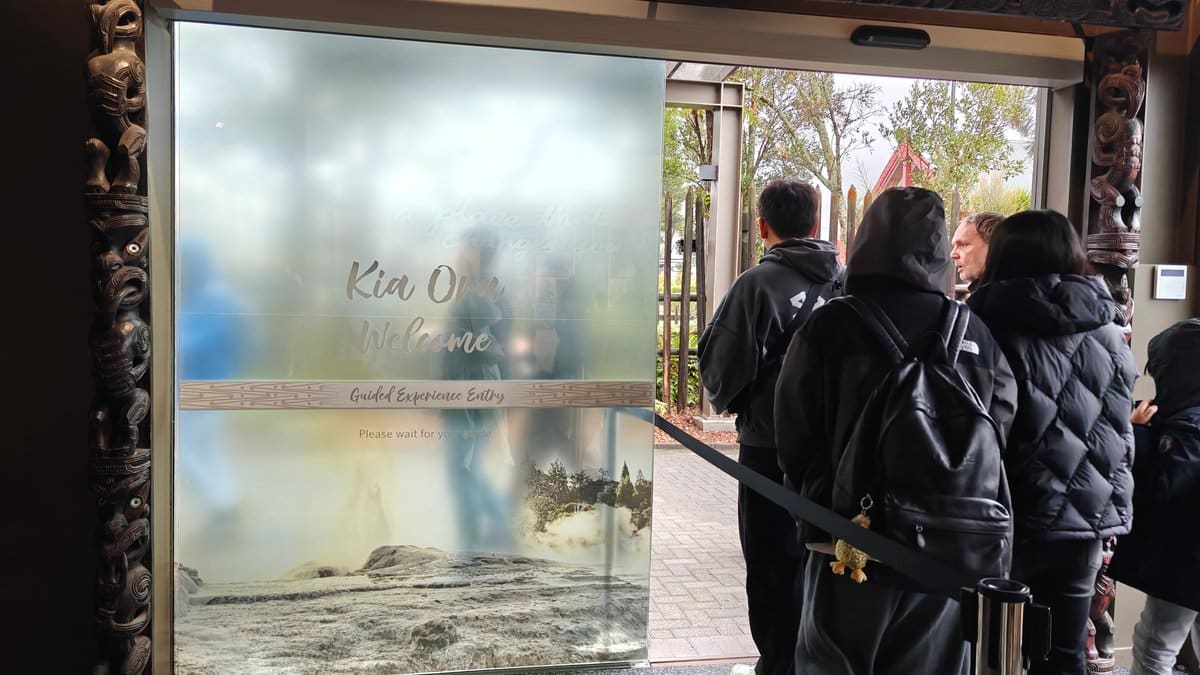
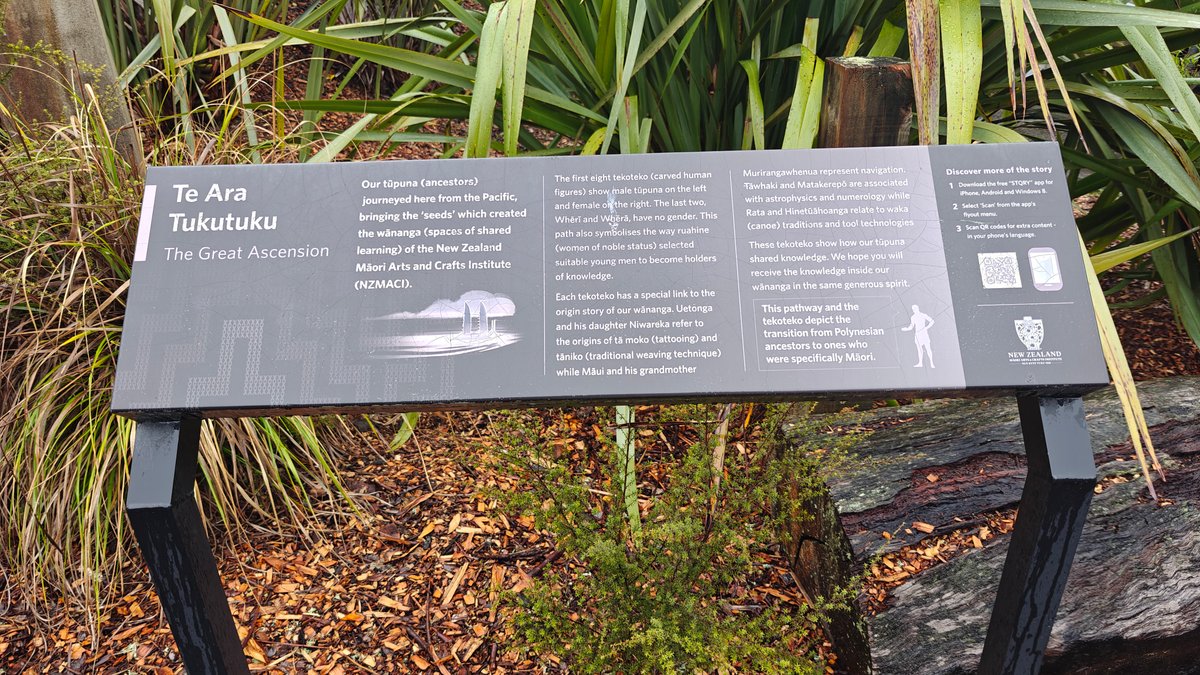
There were more exhibits and panels back in the area by the entrance foyer, explaining the workshops and other daytime activities. There’s a site map that helped me get my bearings (but most of the time, we just walked along the paths and took it as it came). One thing that really caught my eye was the wall of portraits.
It showed dozens of faces of people from different generations who has been connected with the place and what it does.
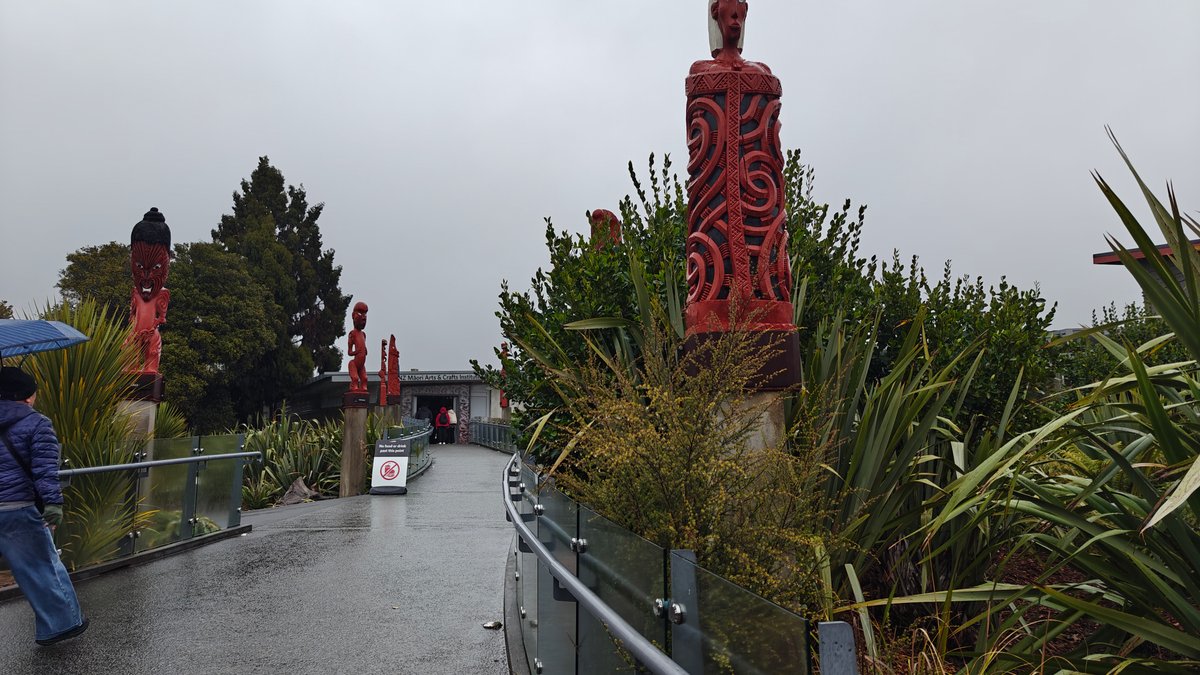
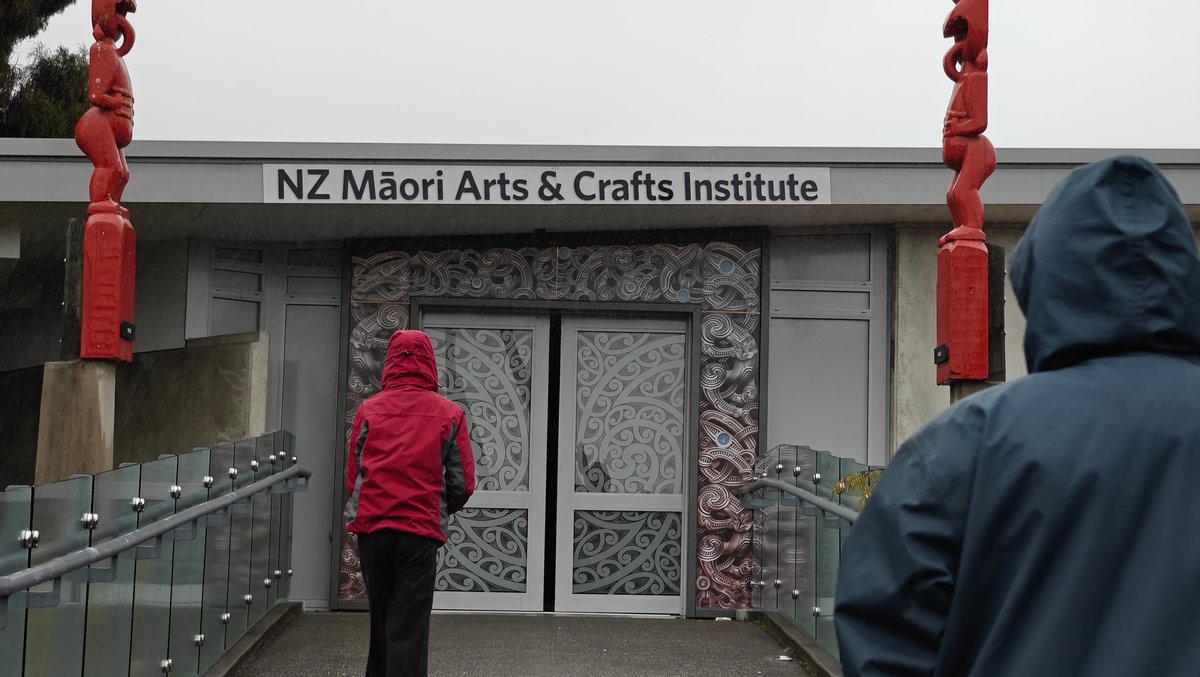
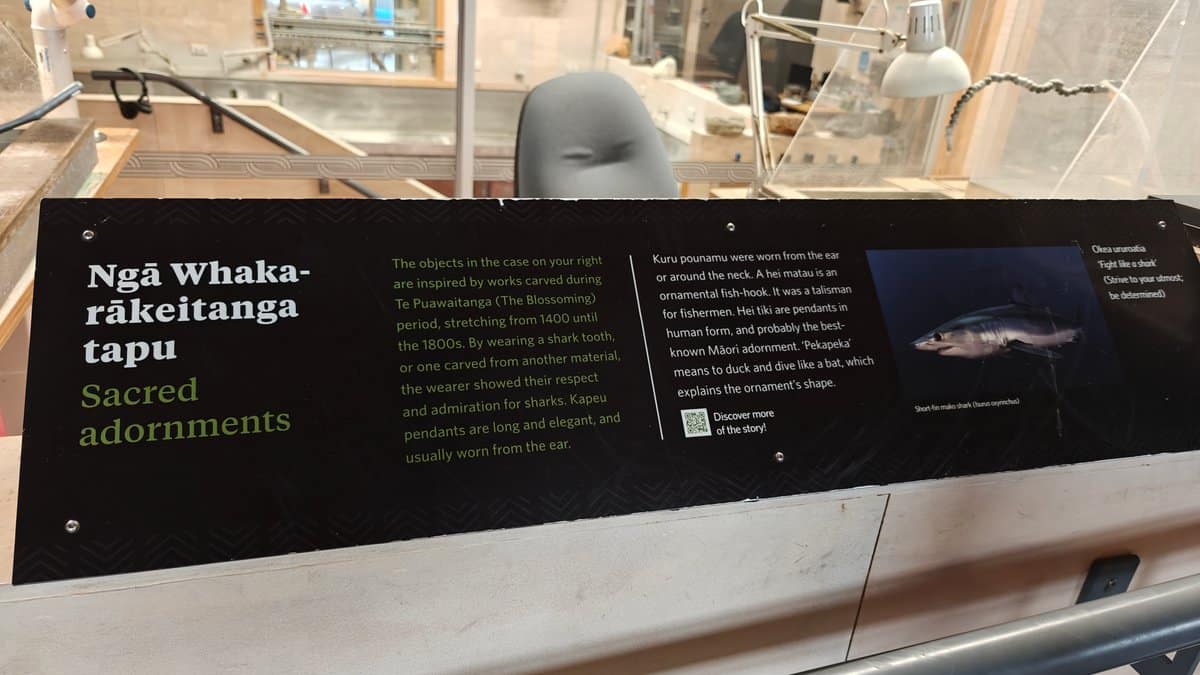
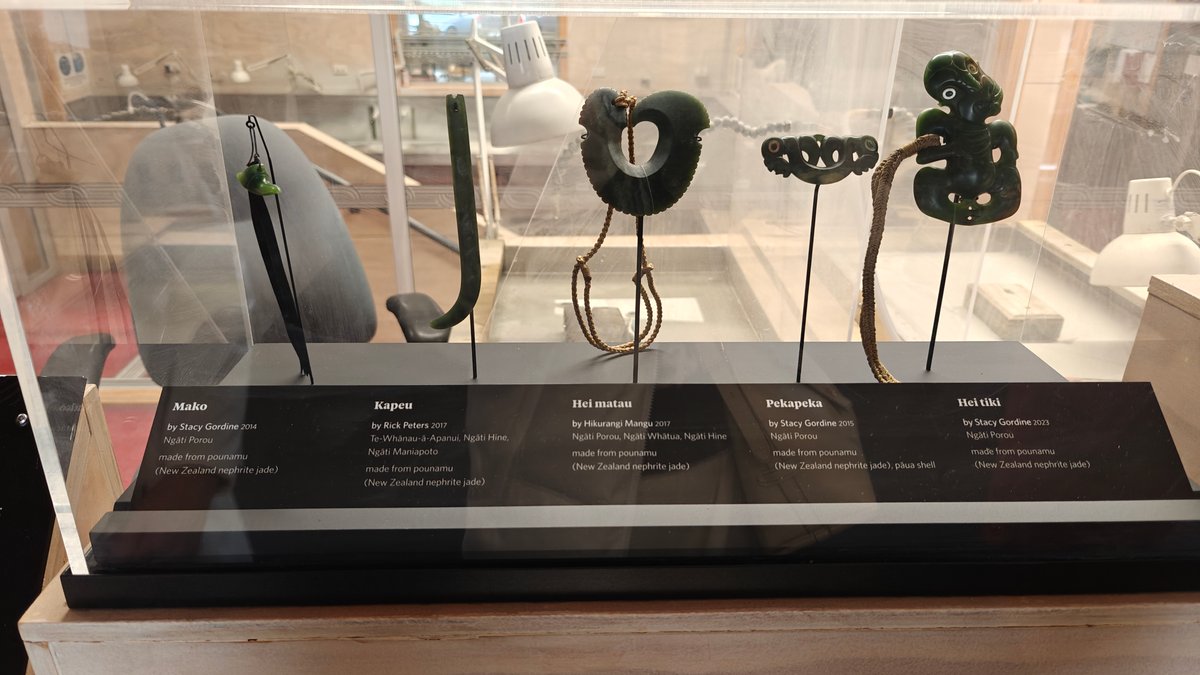
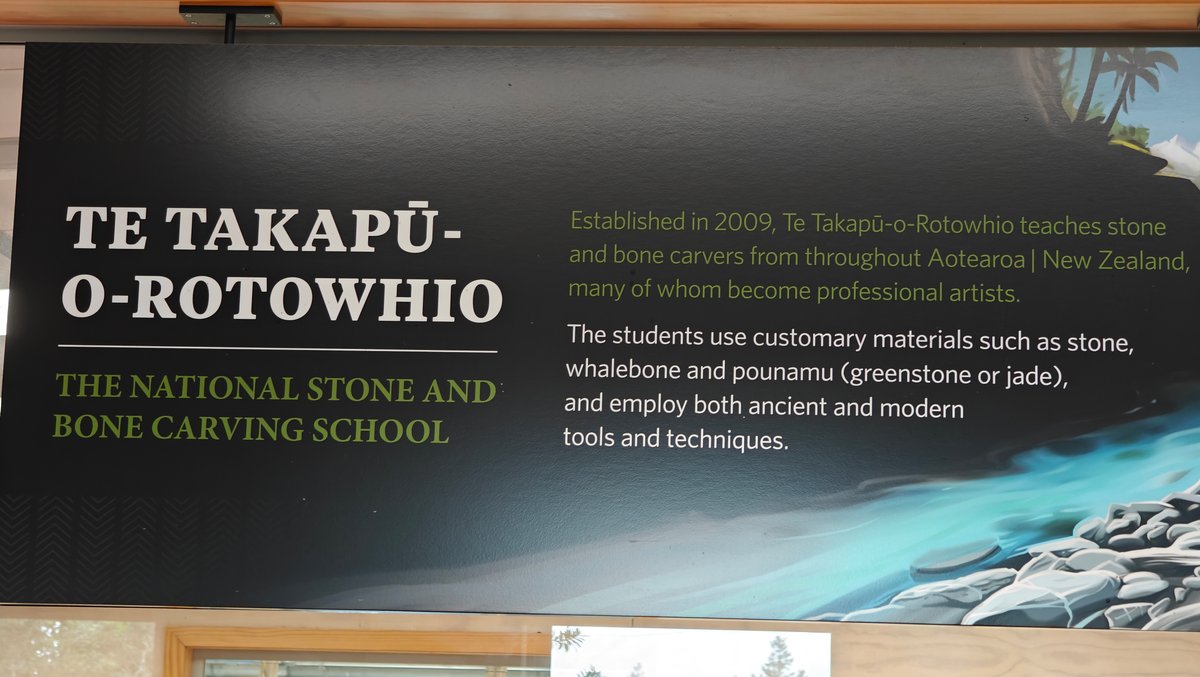
For me, however, it was the New Zealand Maori Arts and Crafts Institute that really drew me in. As you walk up to the workshop buildings, they is lined with carved posts. And if you look into the windows, you can see people actualy at work.
There are display cases filled with detailed carved pendants and more, and panels that explain the techniques and traditional meanings behind them all. I could of spent longer here, there was just so much detail to take in.
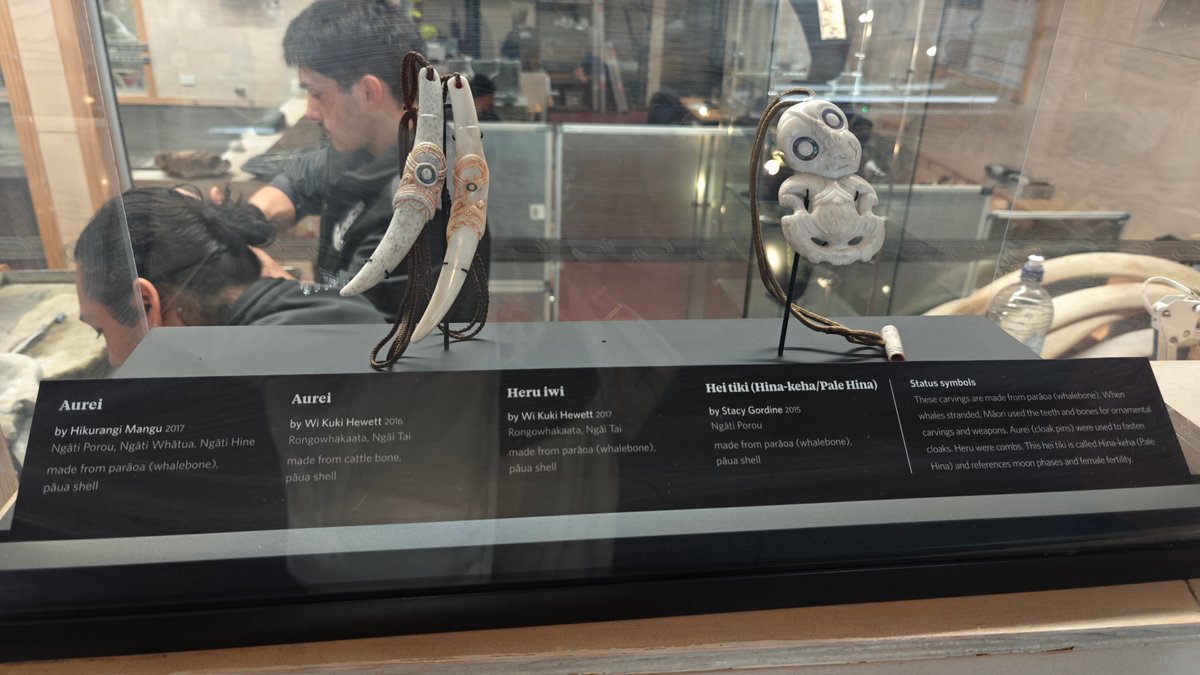
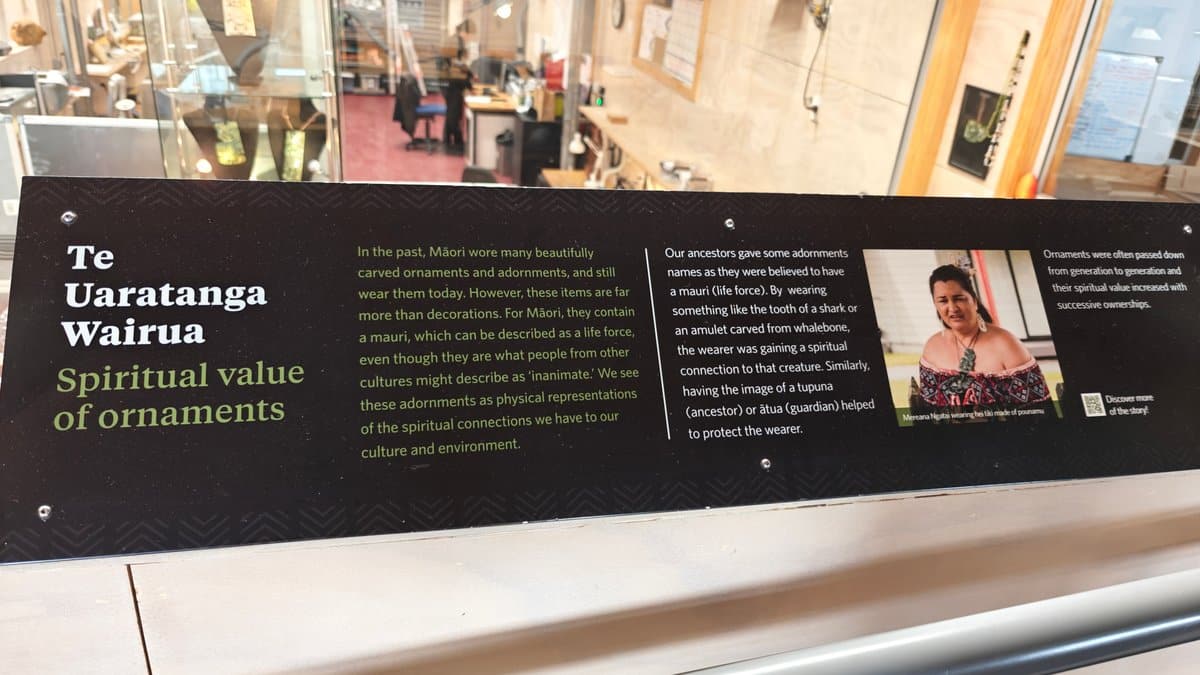
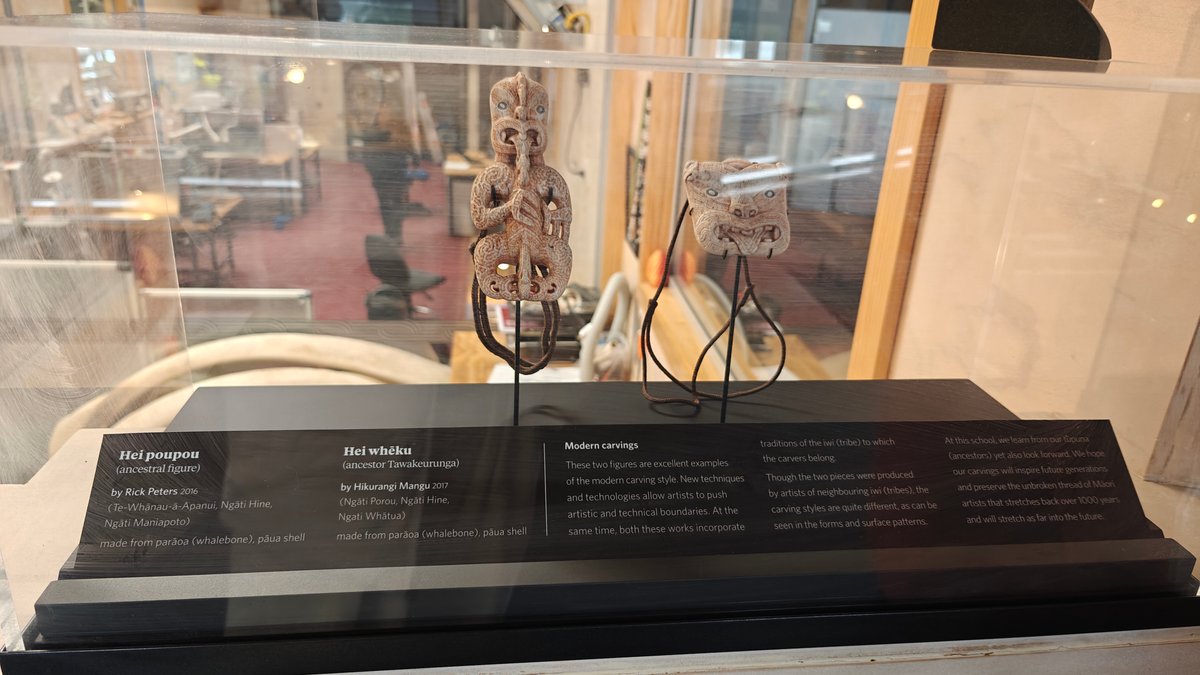
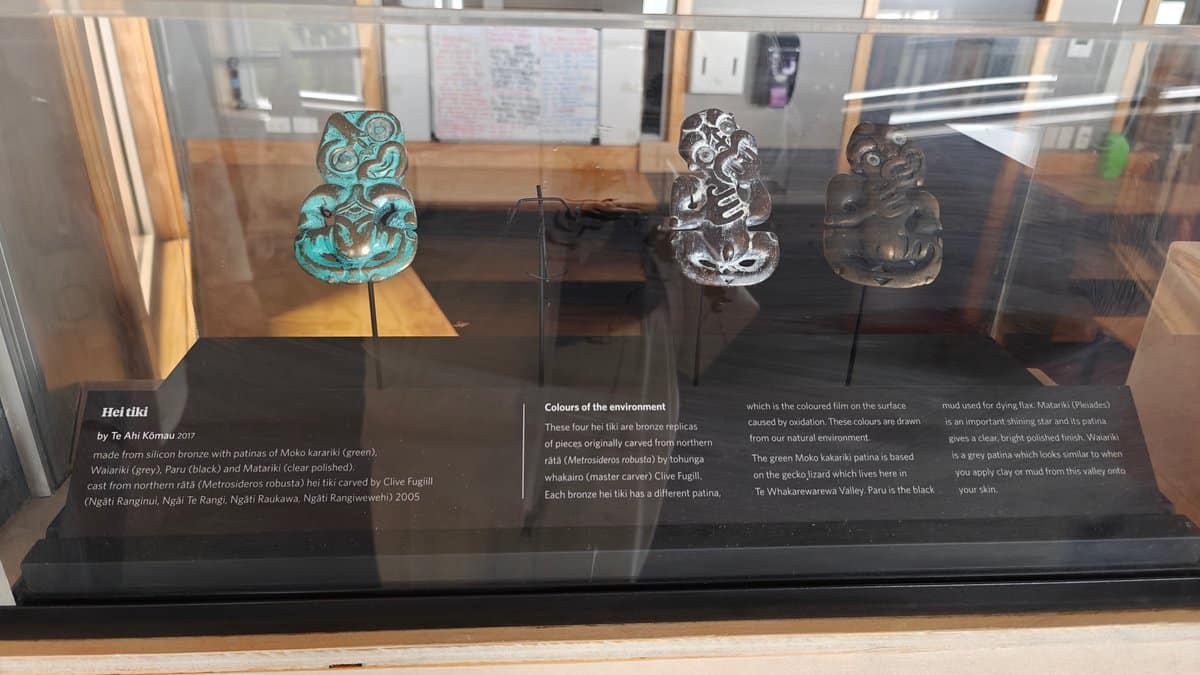
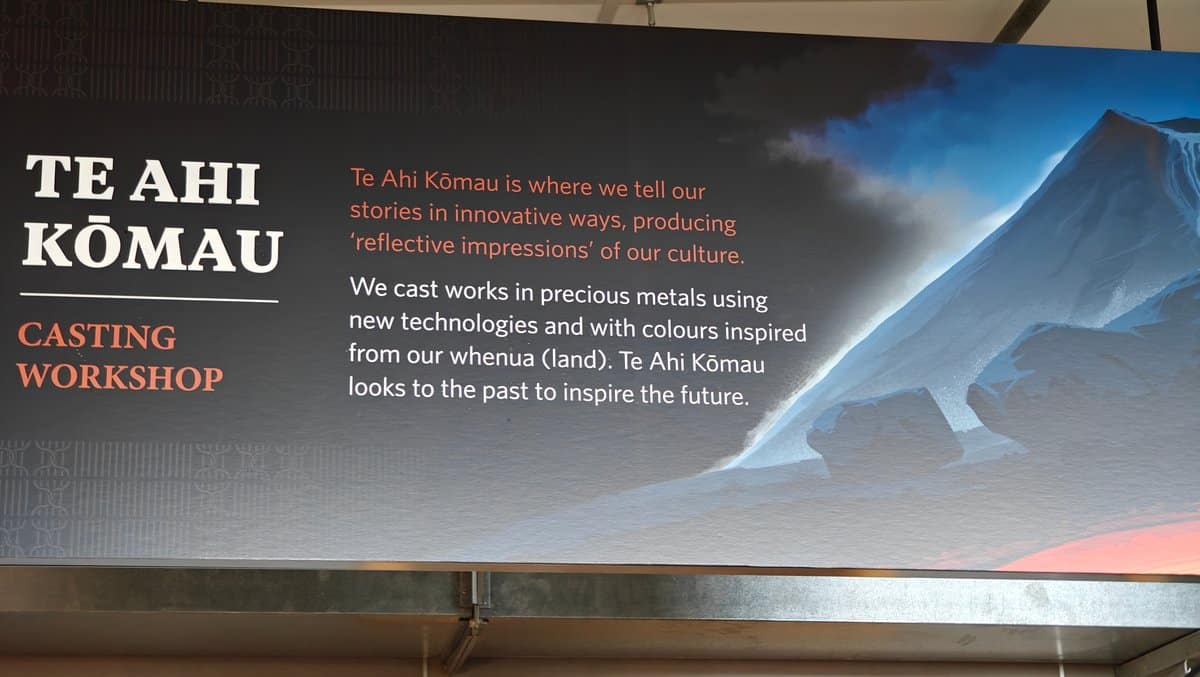
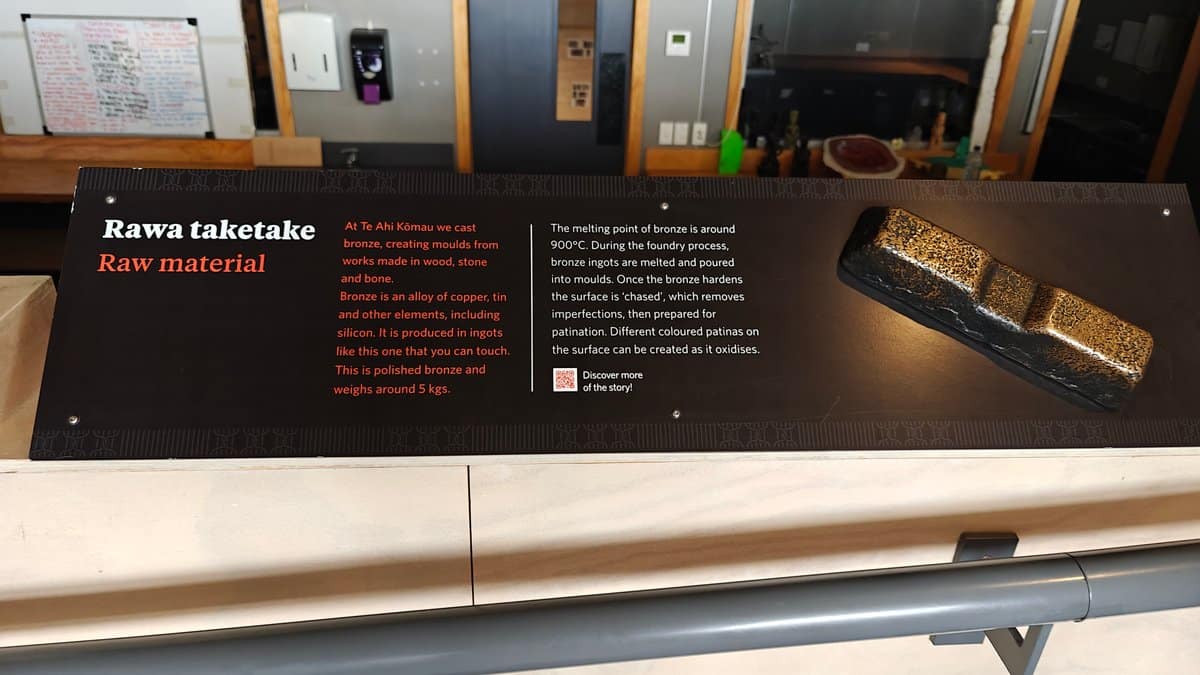
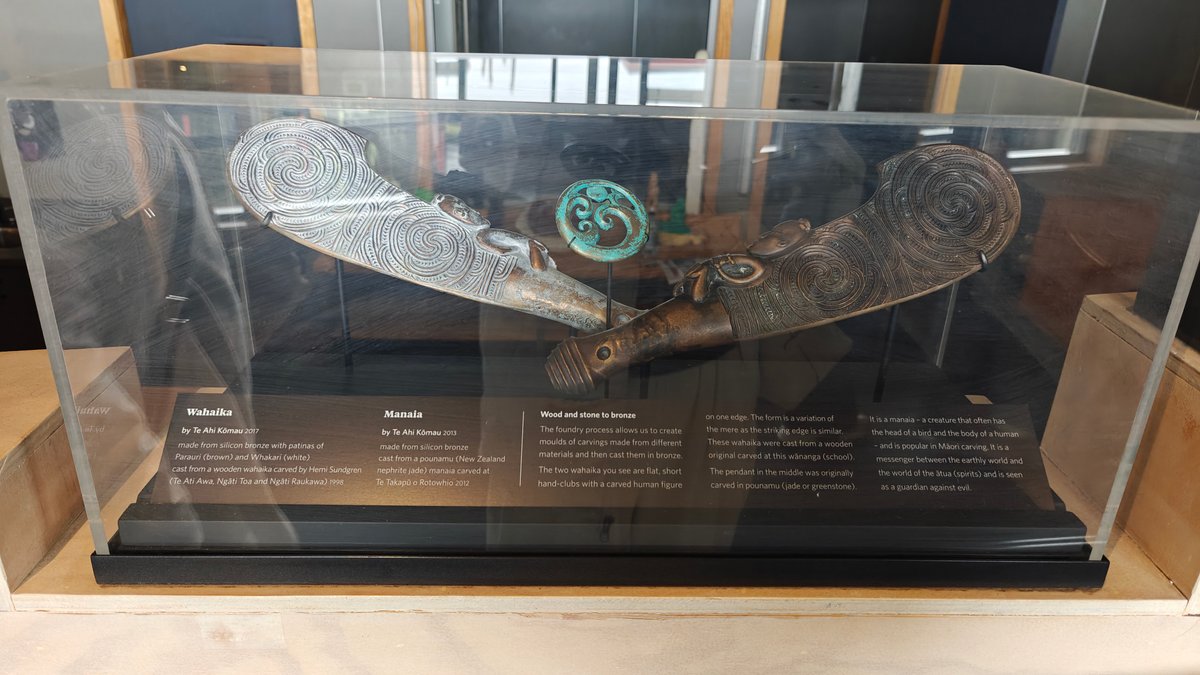
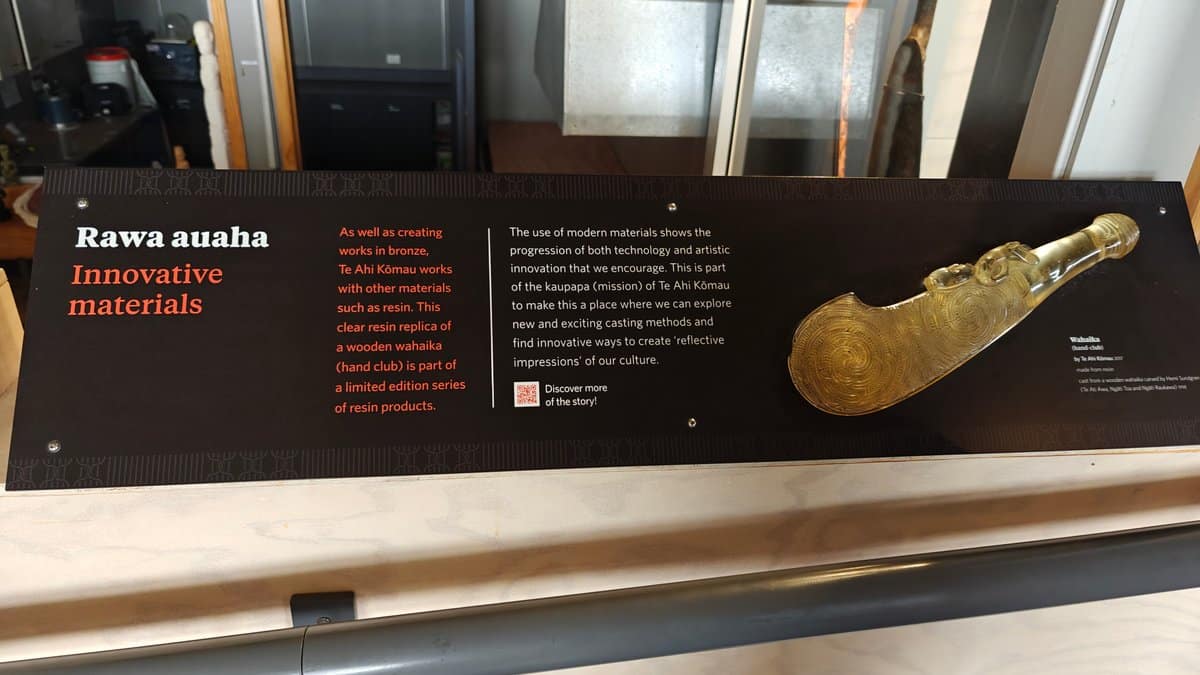
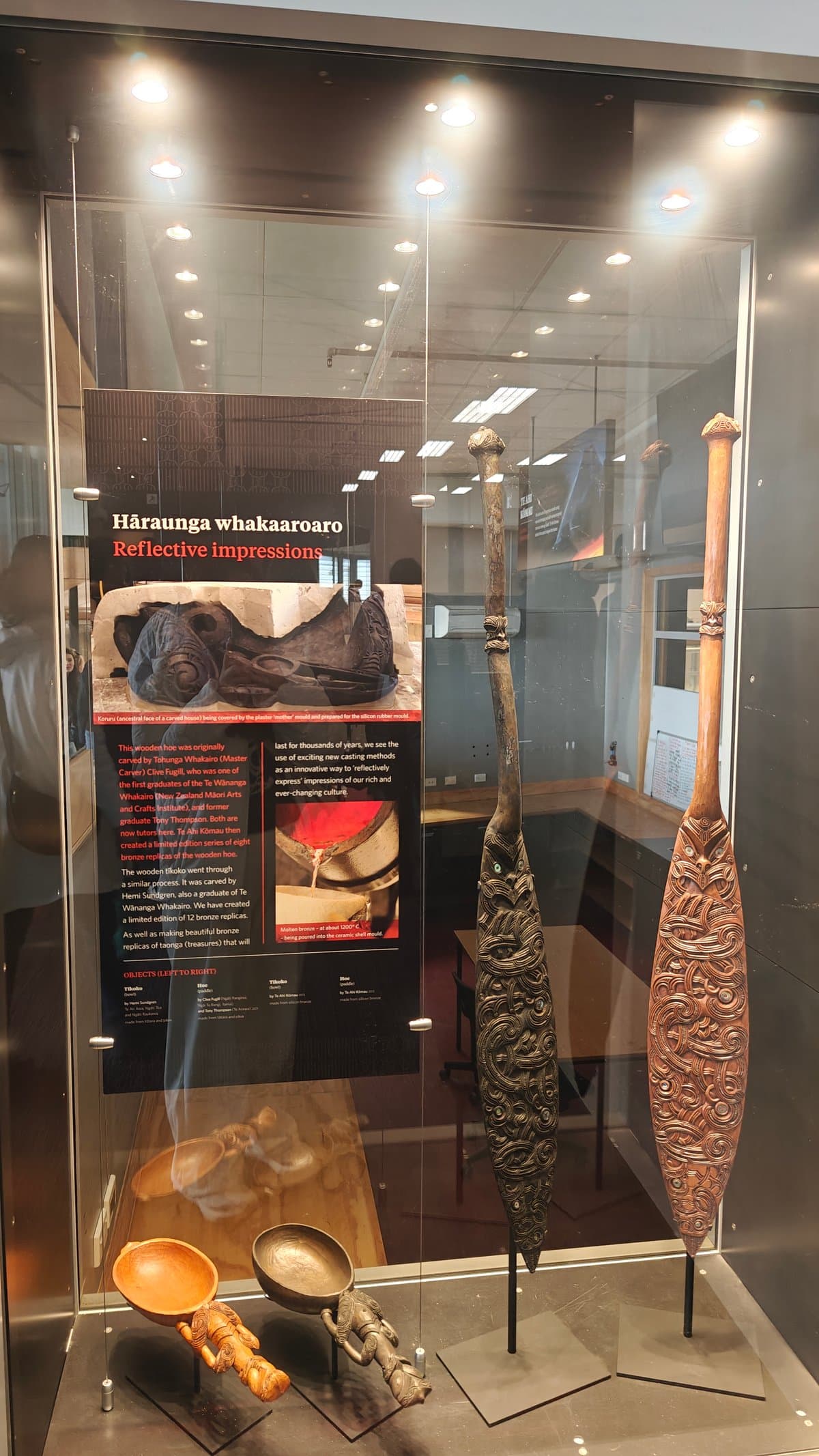
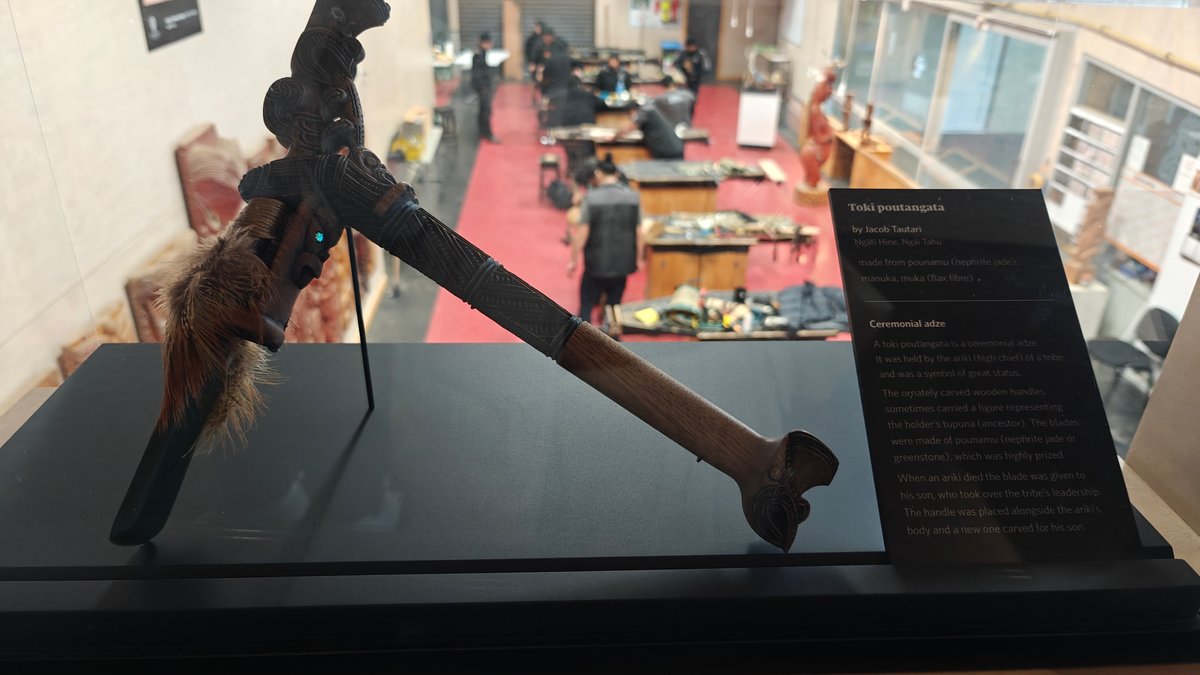
More display cases showed the range of materials used, bone, stone, glass… And the different casting and carving methods. There is also a window where you can watch as a carver works away, totally engrossed in his creation.
I didn’t want to interrupt so I stayed outside watching but it was fascinating. The closer you look at them the more impressed you are with the carved staffs and ceremonial weapons. Information panels detail their practical uses as well as their spiritual importance.
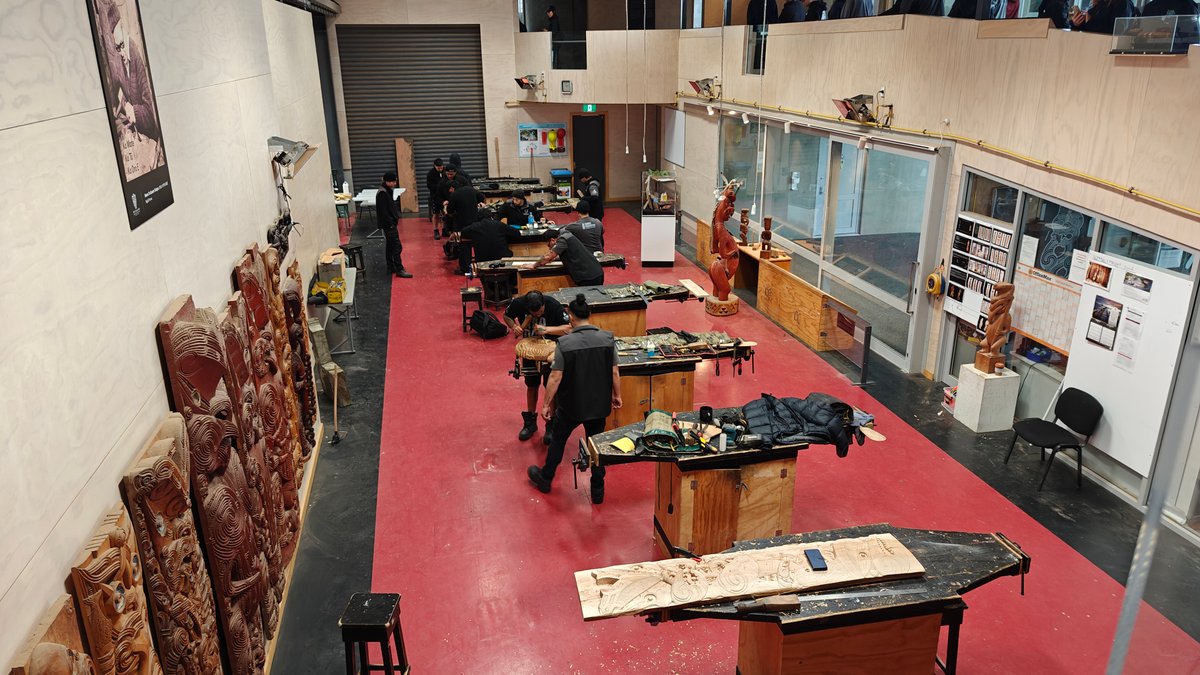
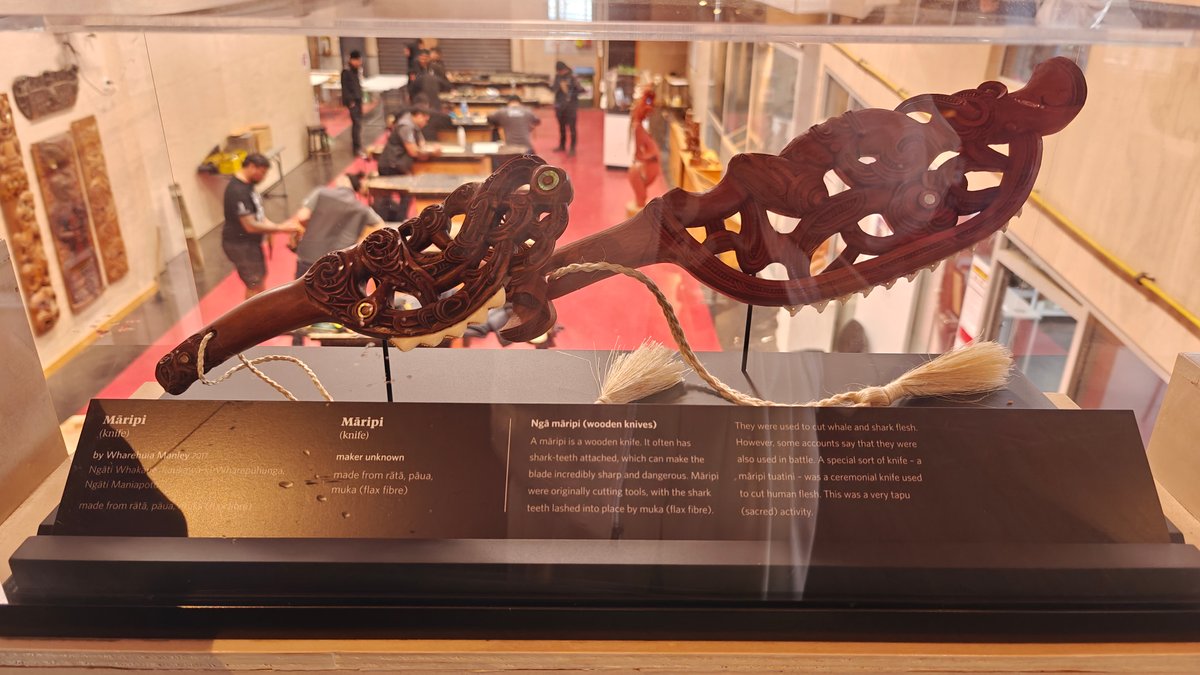
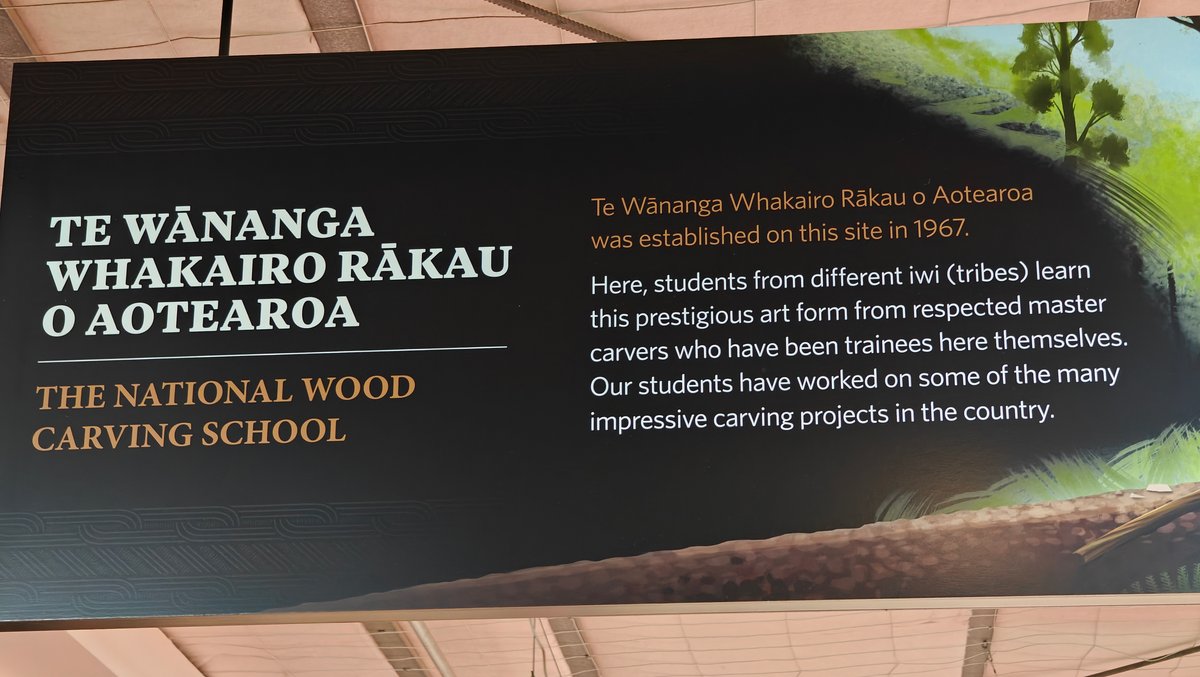
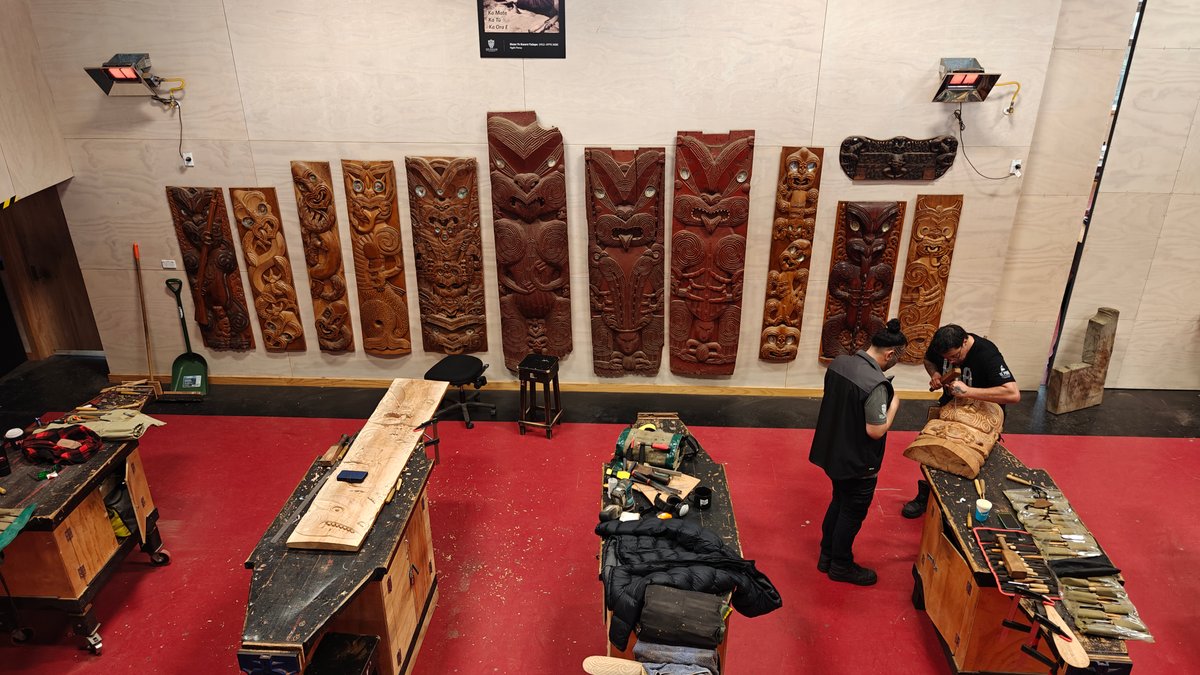
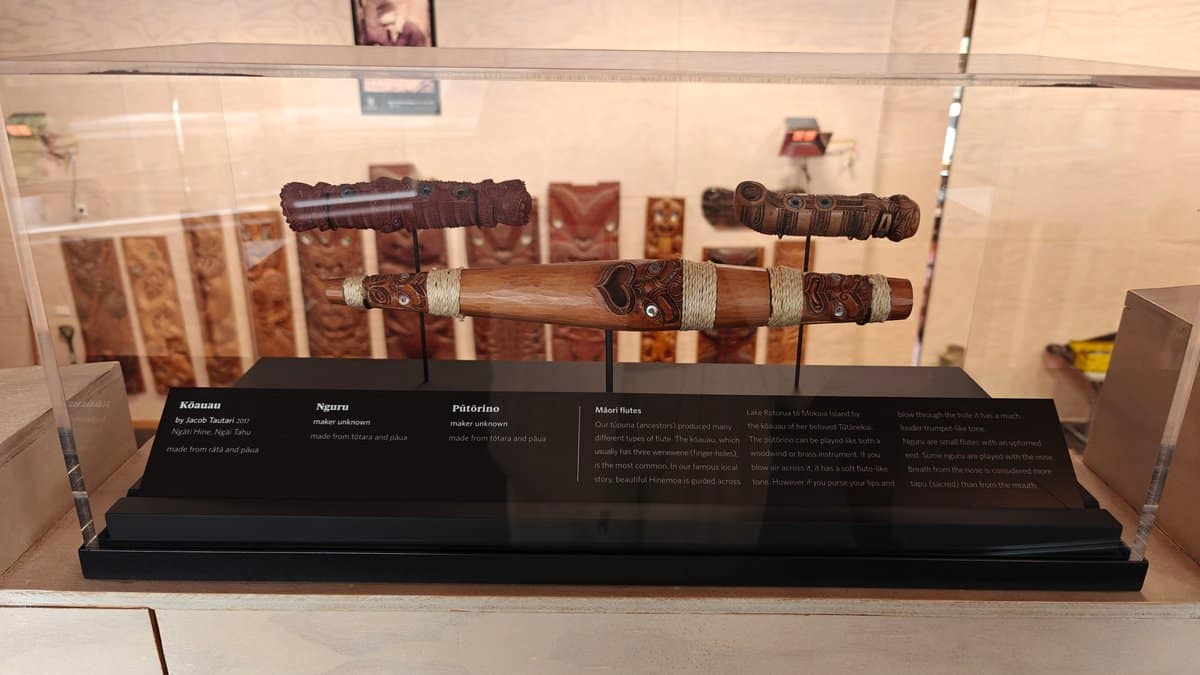
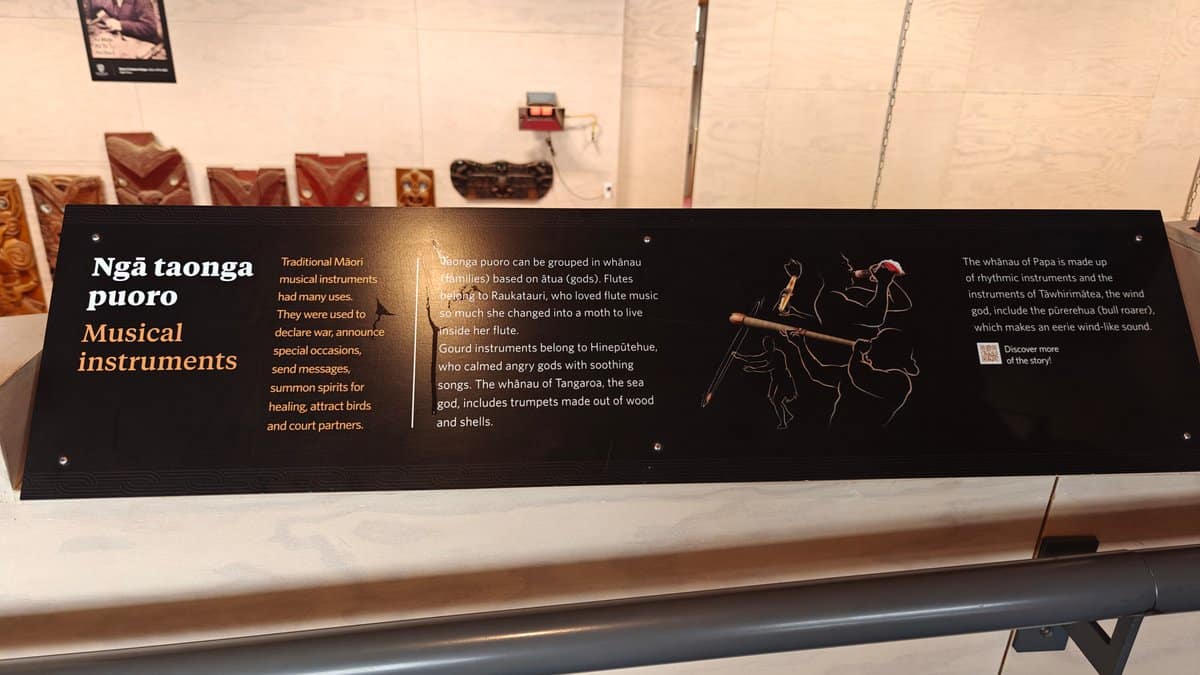
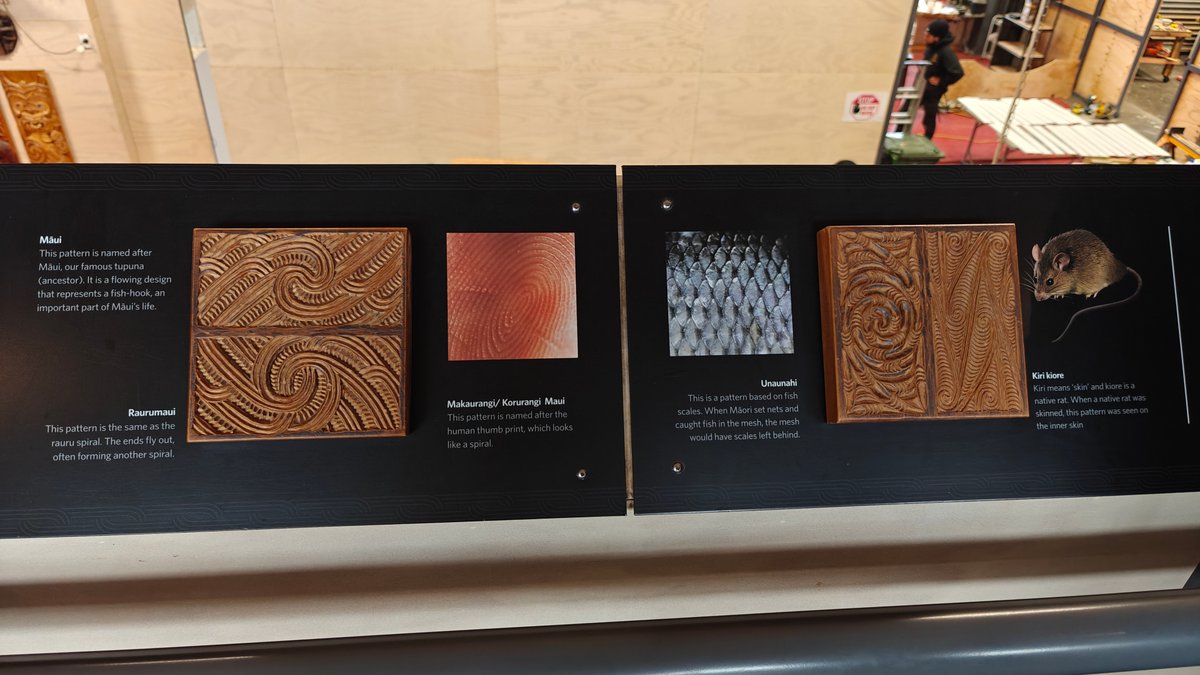
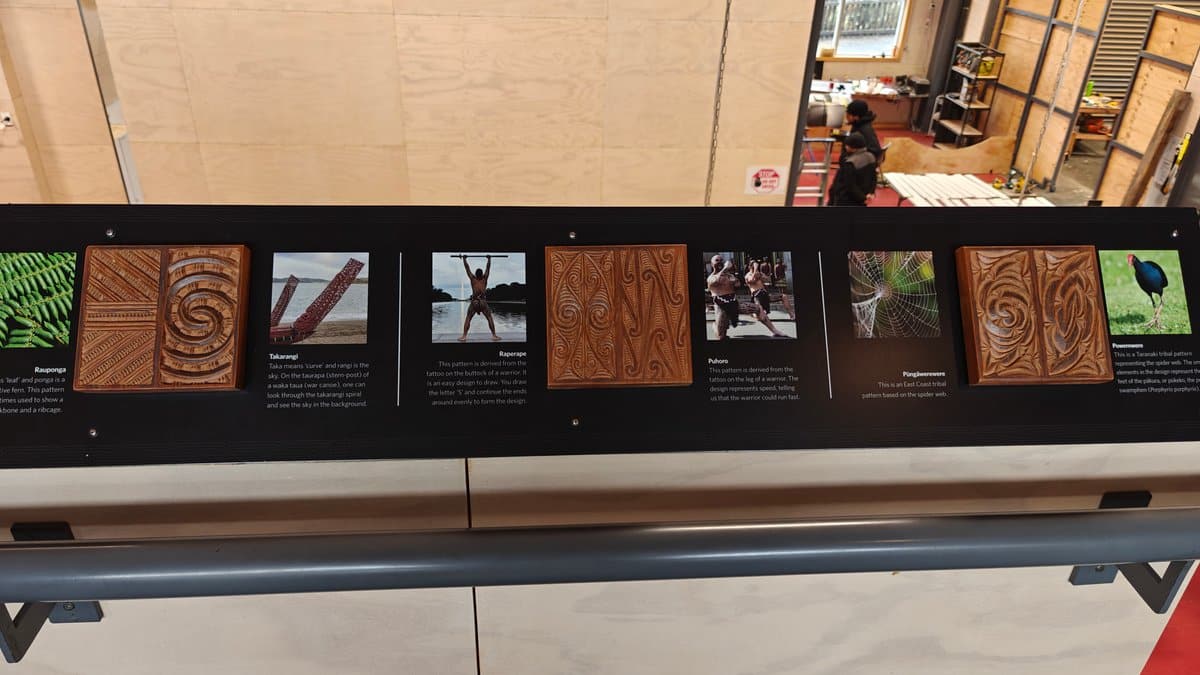
As it turned out, the actual wood carving workshop was bigger than I imagined, lined with benches that ran along the space and stacked with carved panels on the walls. Some of them appeared to be unfinished works-in-progress; others looked finished and ready to go. There were also display cabinets filled with various types of musical instruments and different patterns of carvings, each labeled with their traditional name.
What really hit me is that this isn’t just a tourist site, it’s a school where people come to learn a skill that has been handed down through generations.
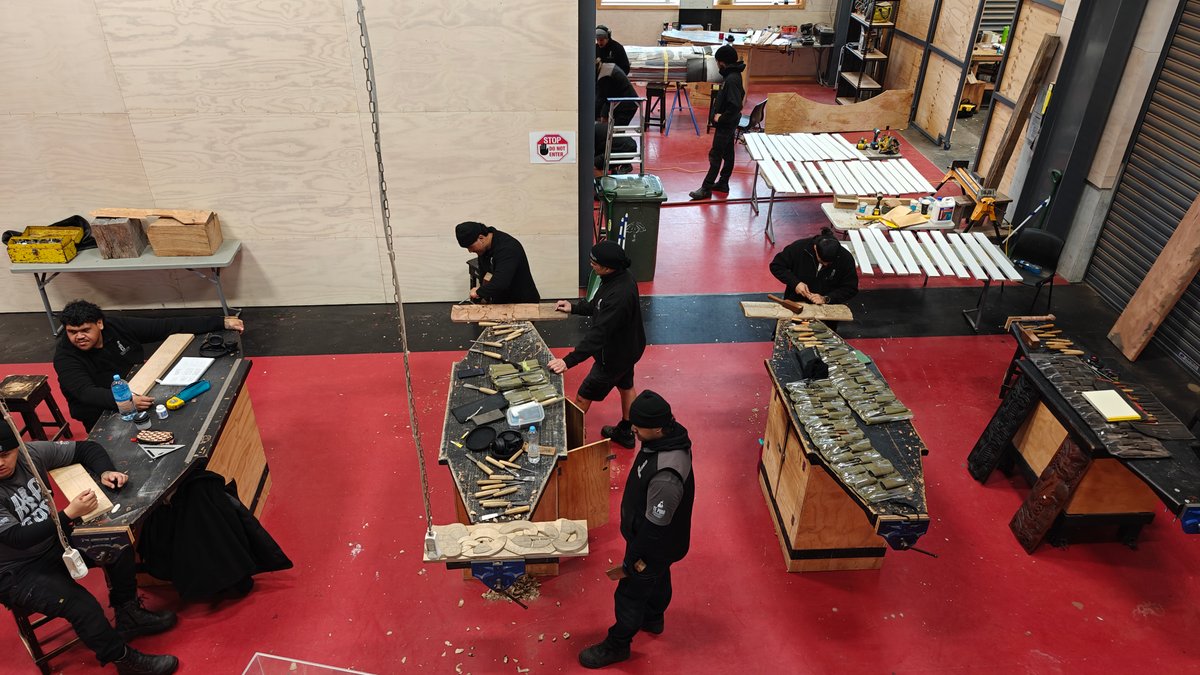
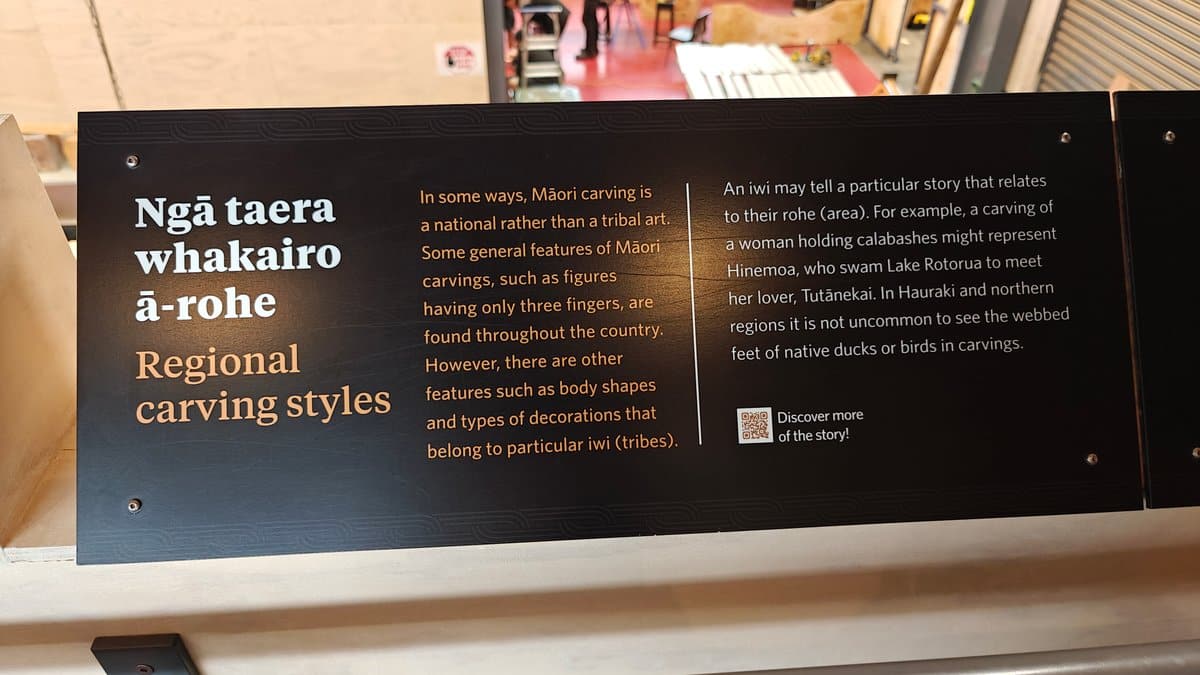
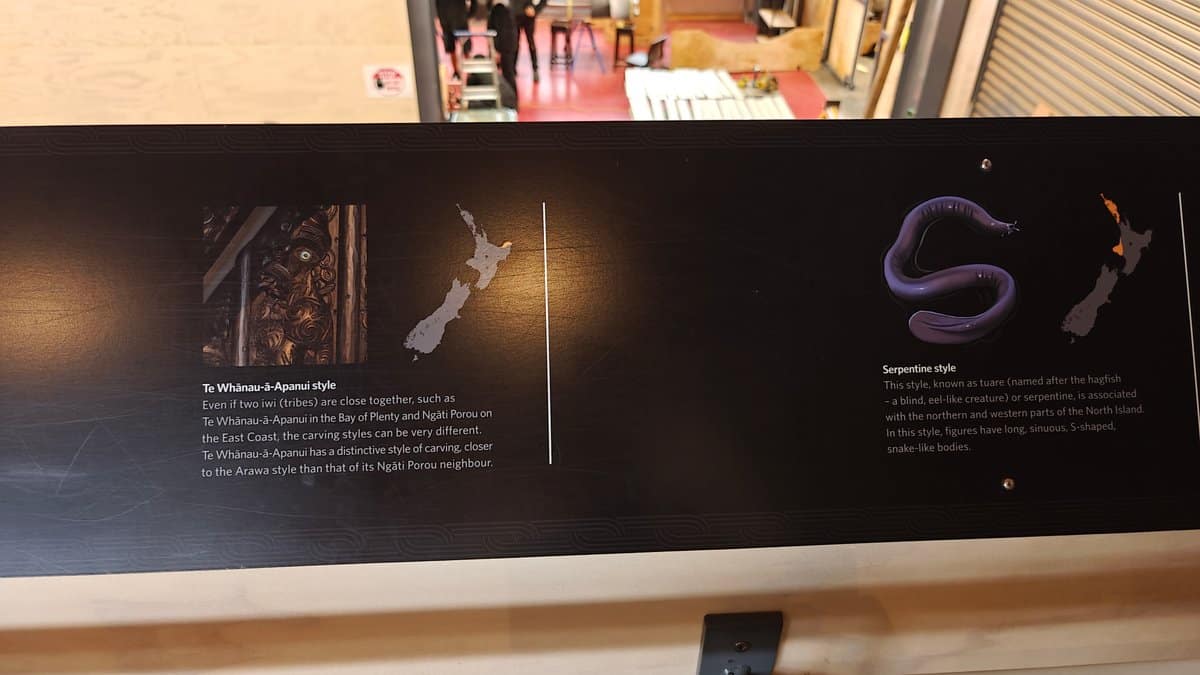
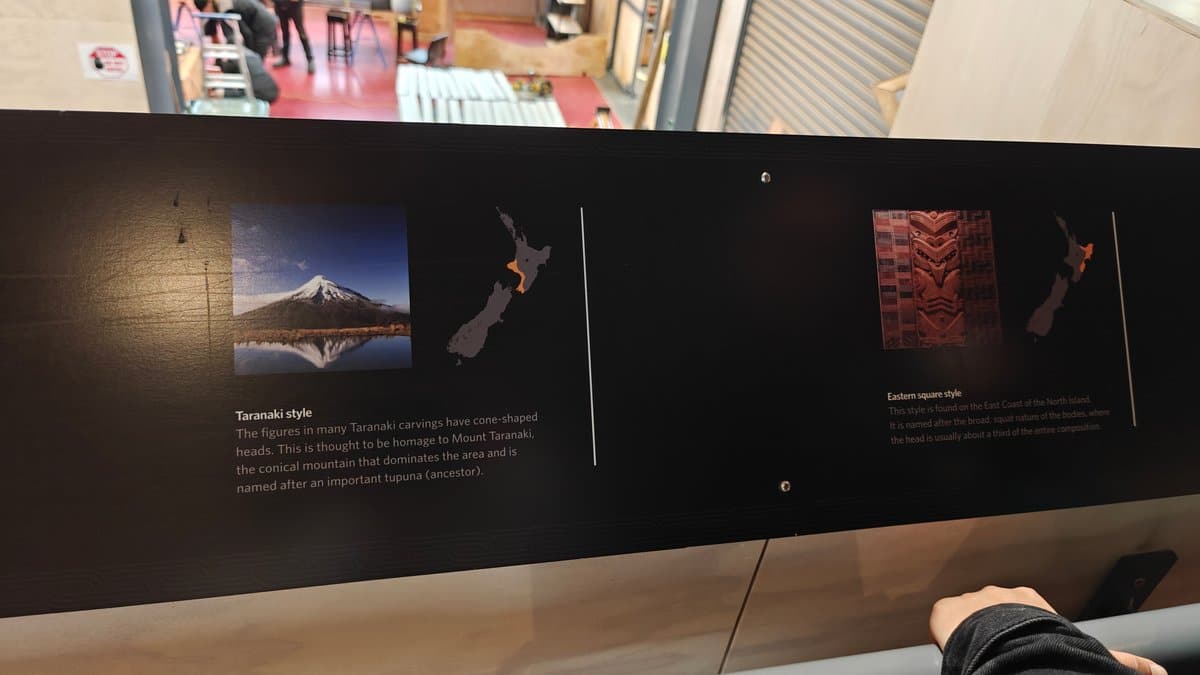
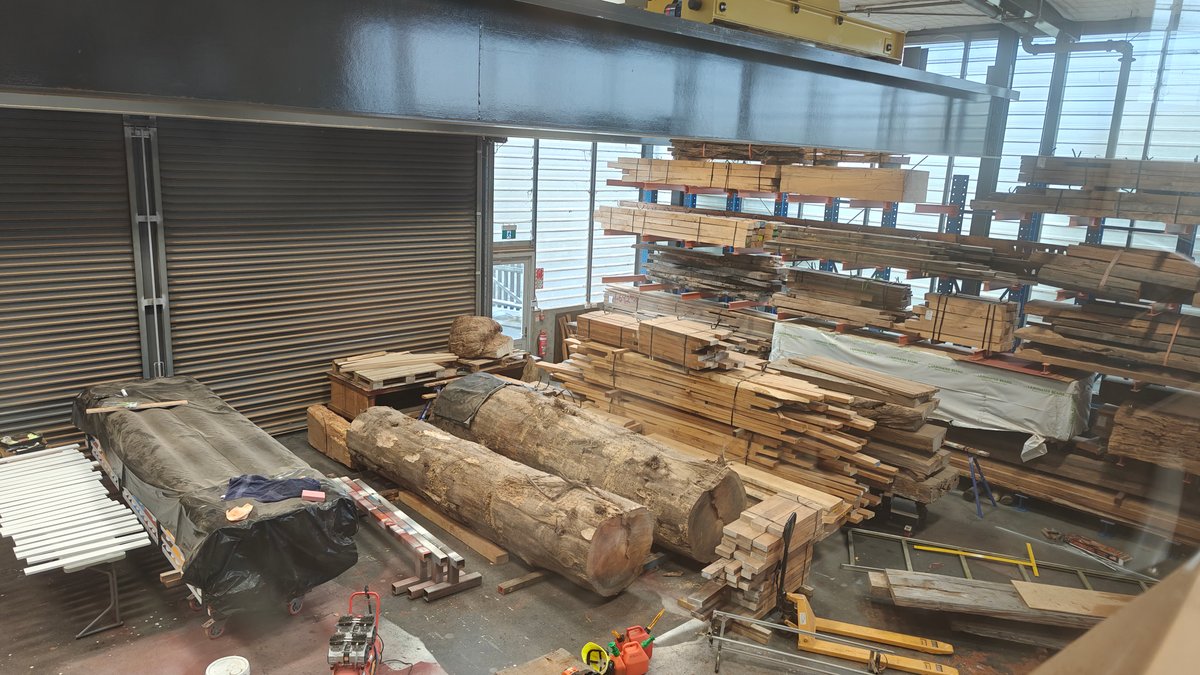
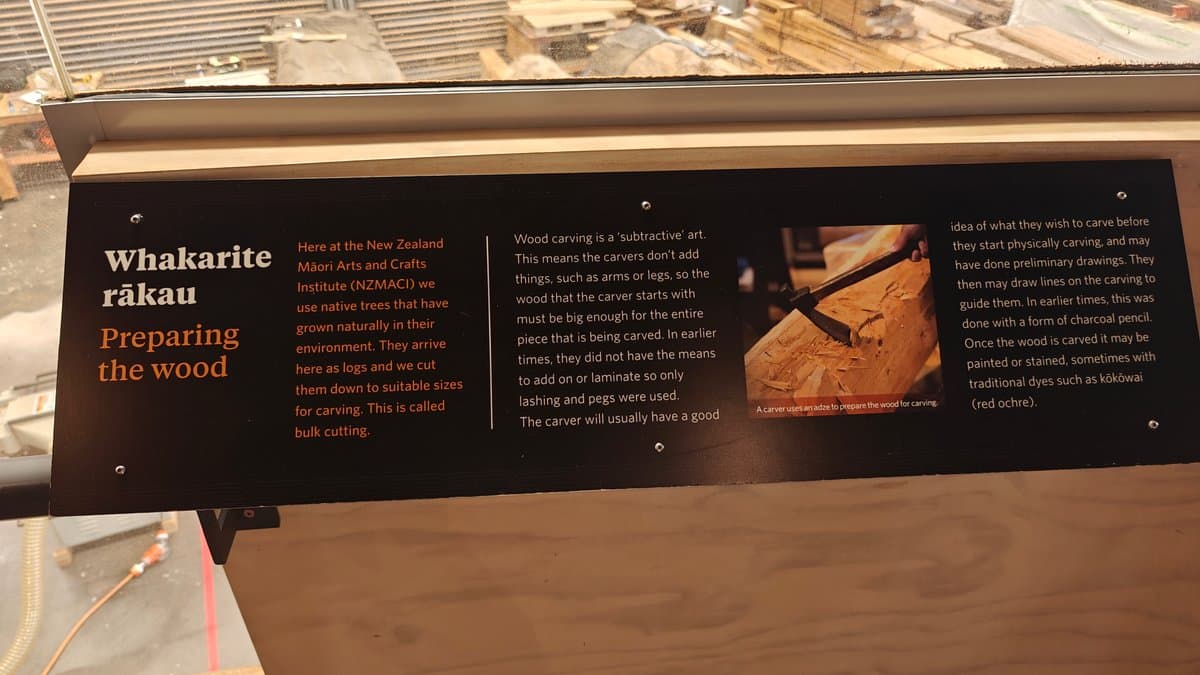
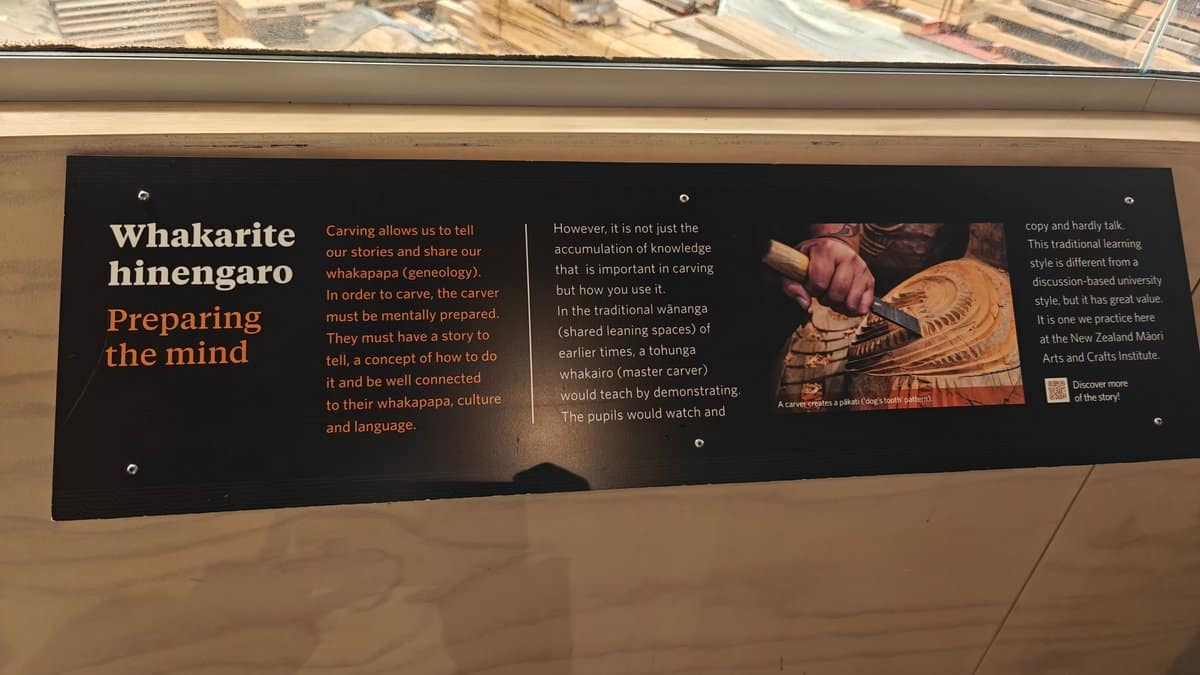
On seeing some carvers at work on a big piece, I was pleased to see that they had arranged the workshops so that you can look in but not get in the way. There are more panels explaining what sort of timber is used, such as the logs piled up in their store. Other panels explain how it is prepared for carving.
There are also panels about the various different local styles of carving. It was the bit about preparing your mind as well as the timber that made me realise just how much mental discipline there is in this kind of work.
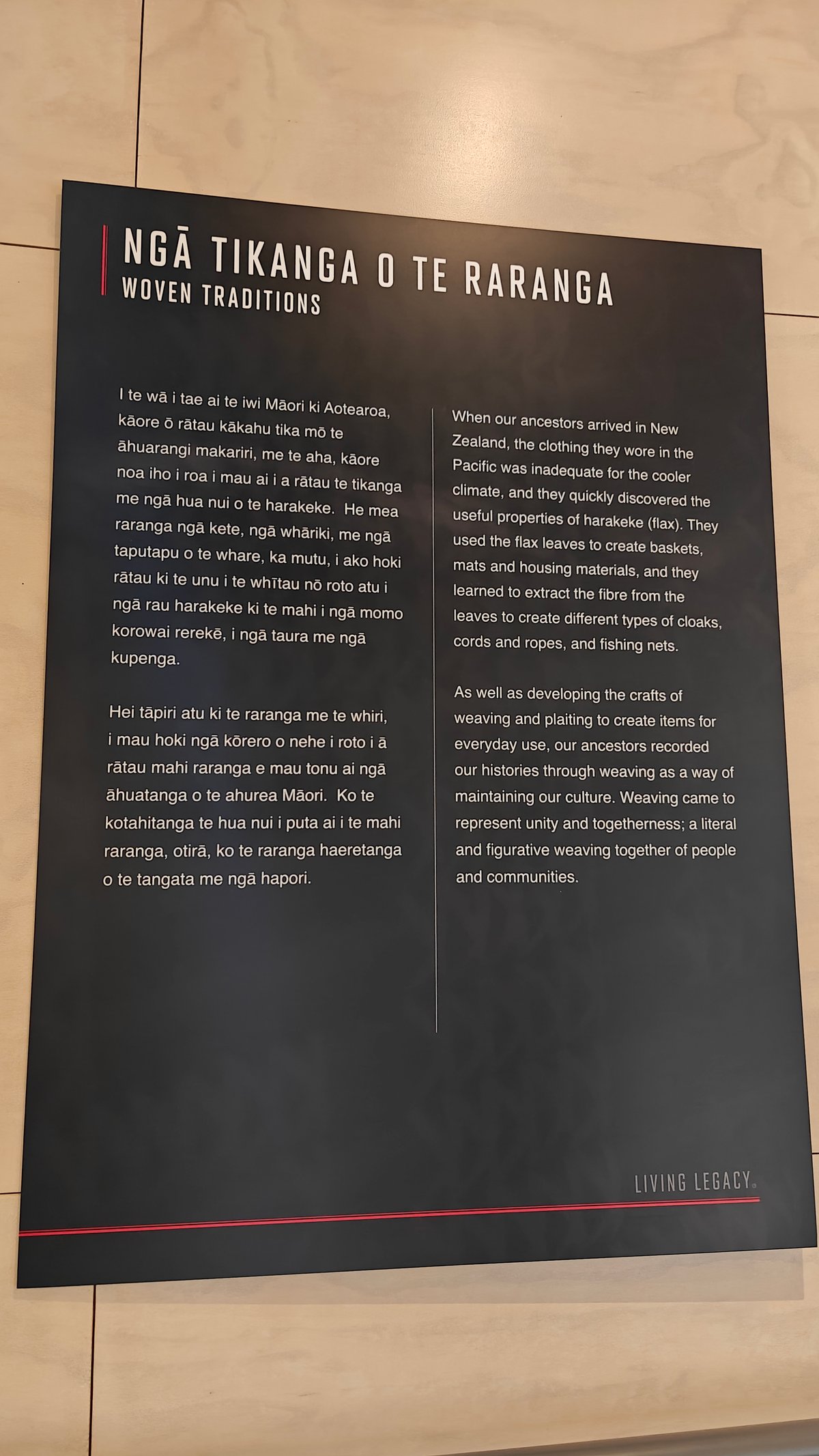
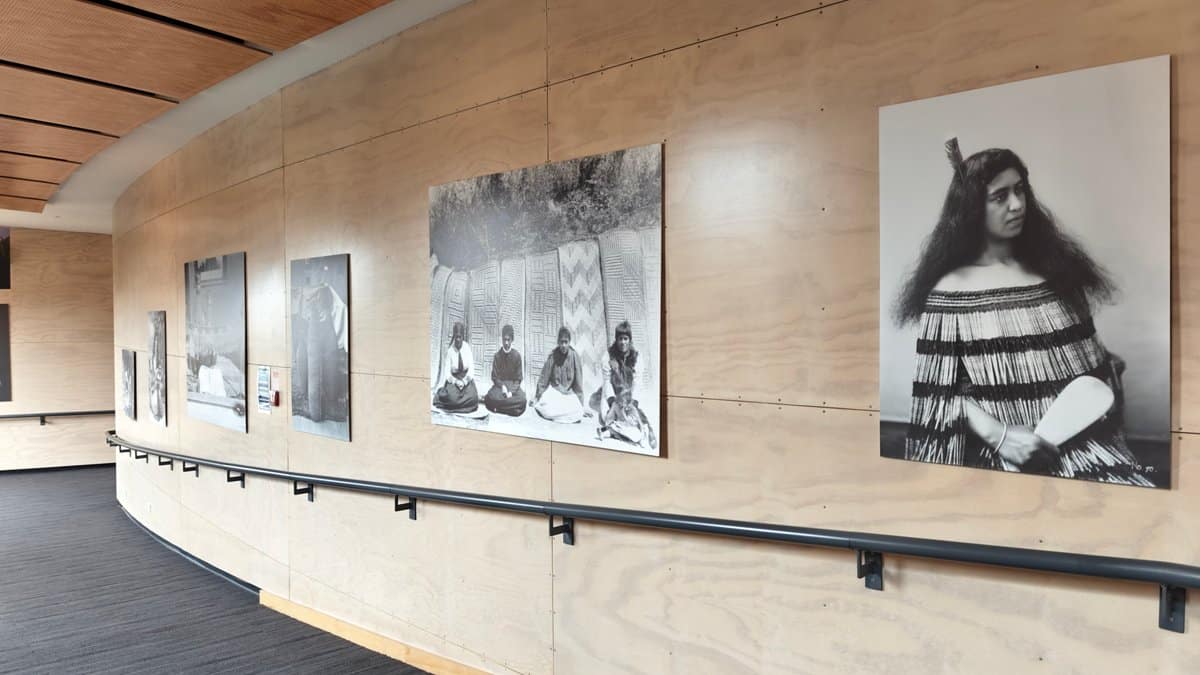
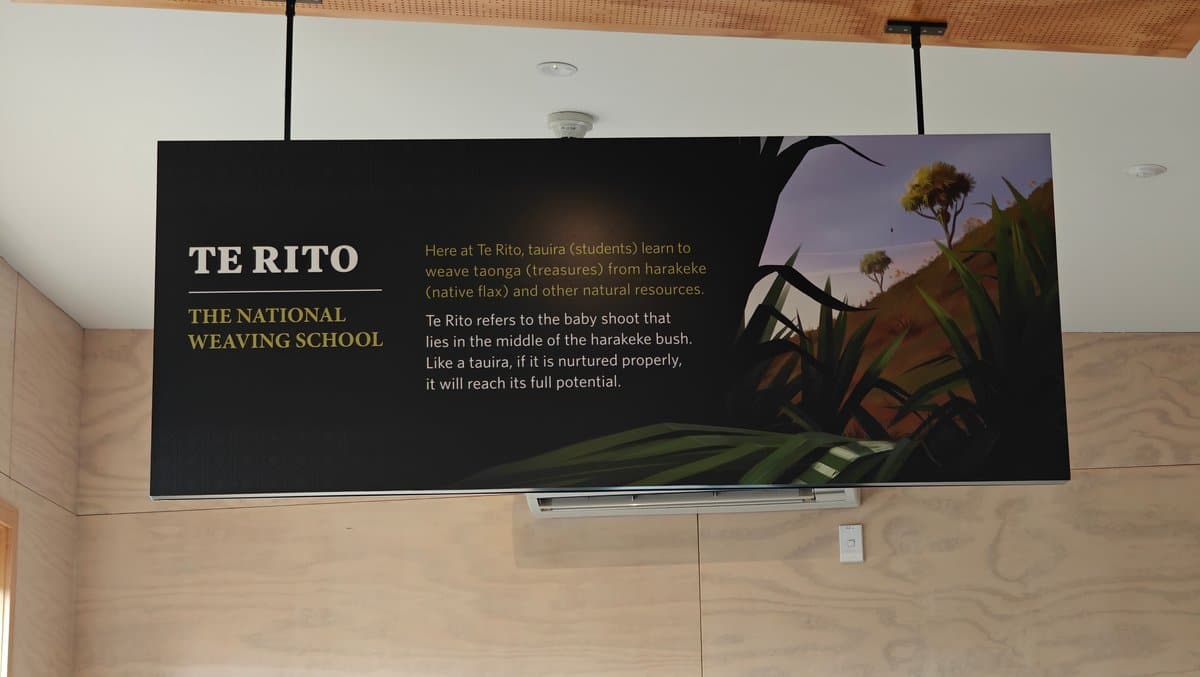
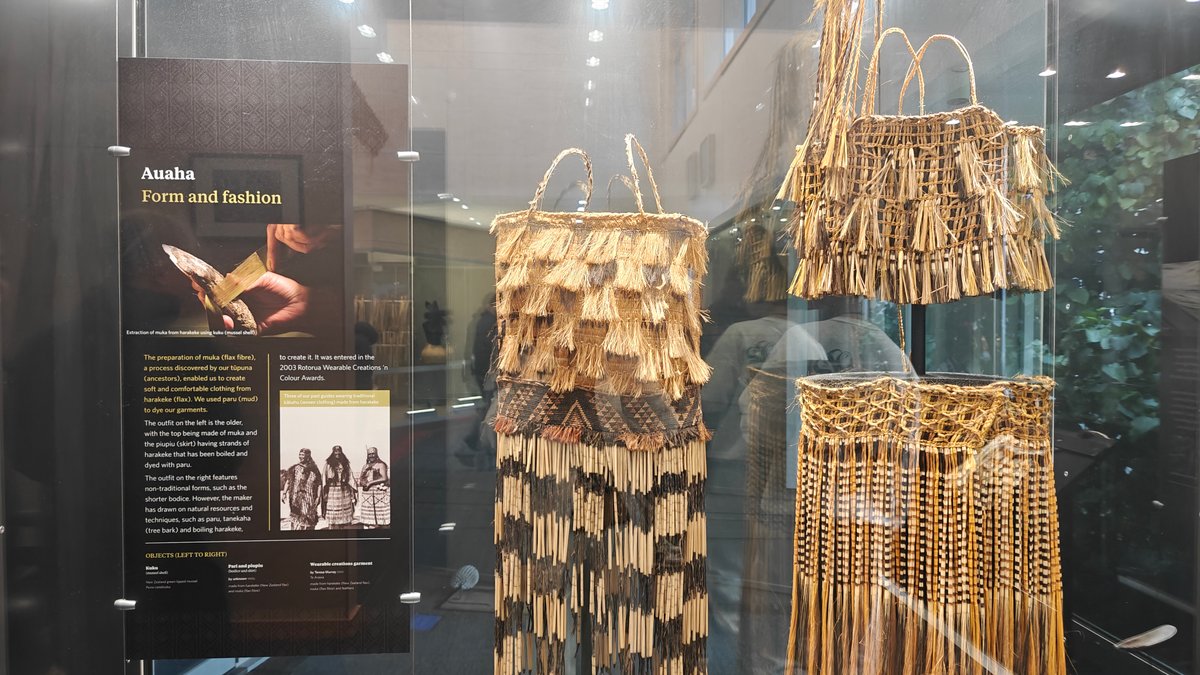
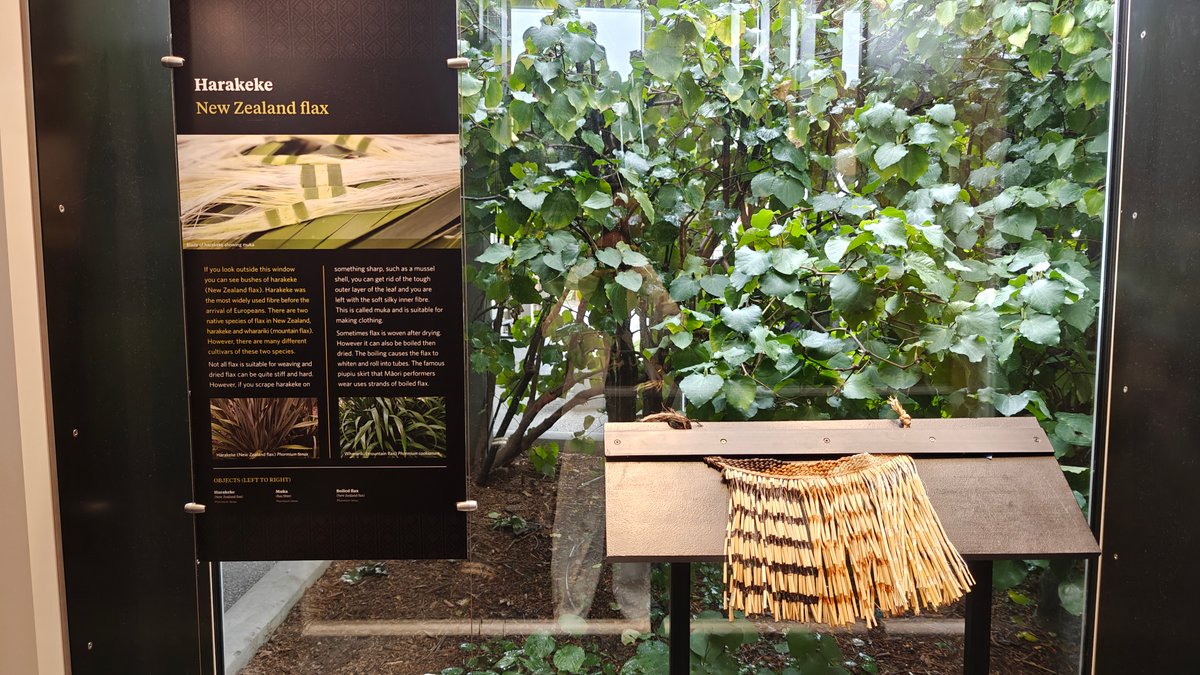
The weaving section was just as good. There were cases showing examples of traditional garments and baskets, panels explaining the protocols around flax weaving, and more. I learnt all about harakeke and what it’s used for.
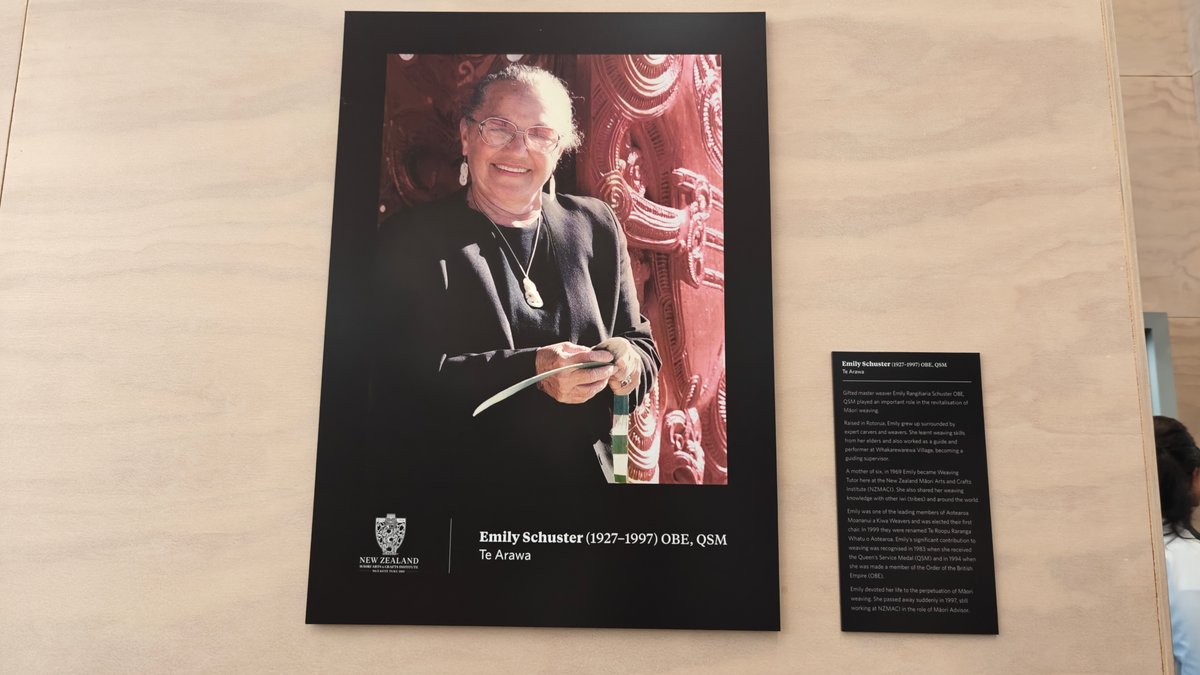
I learned how it’s grown, harvested, and prepared. I also got to see some examples of the finished product. There was even a portrait of Emily Schuster and her biography…
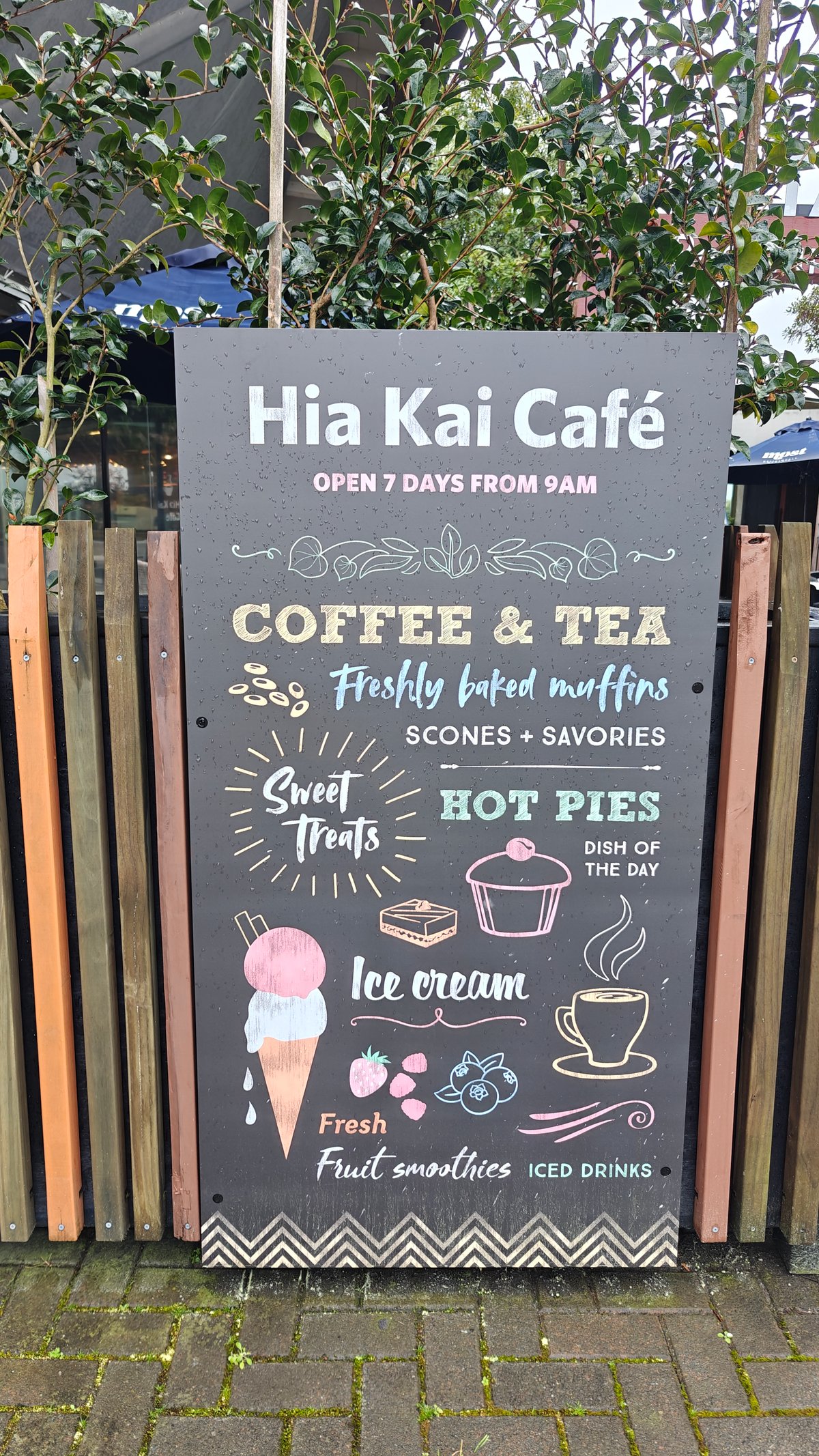
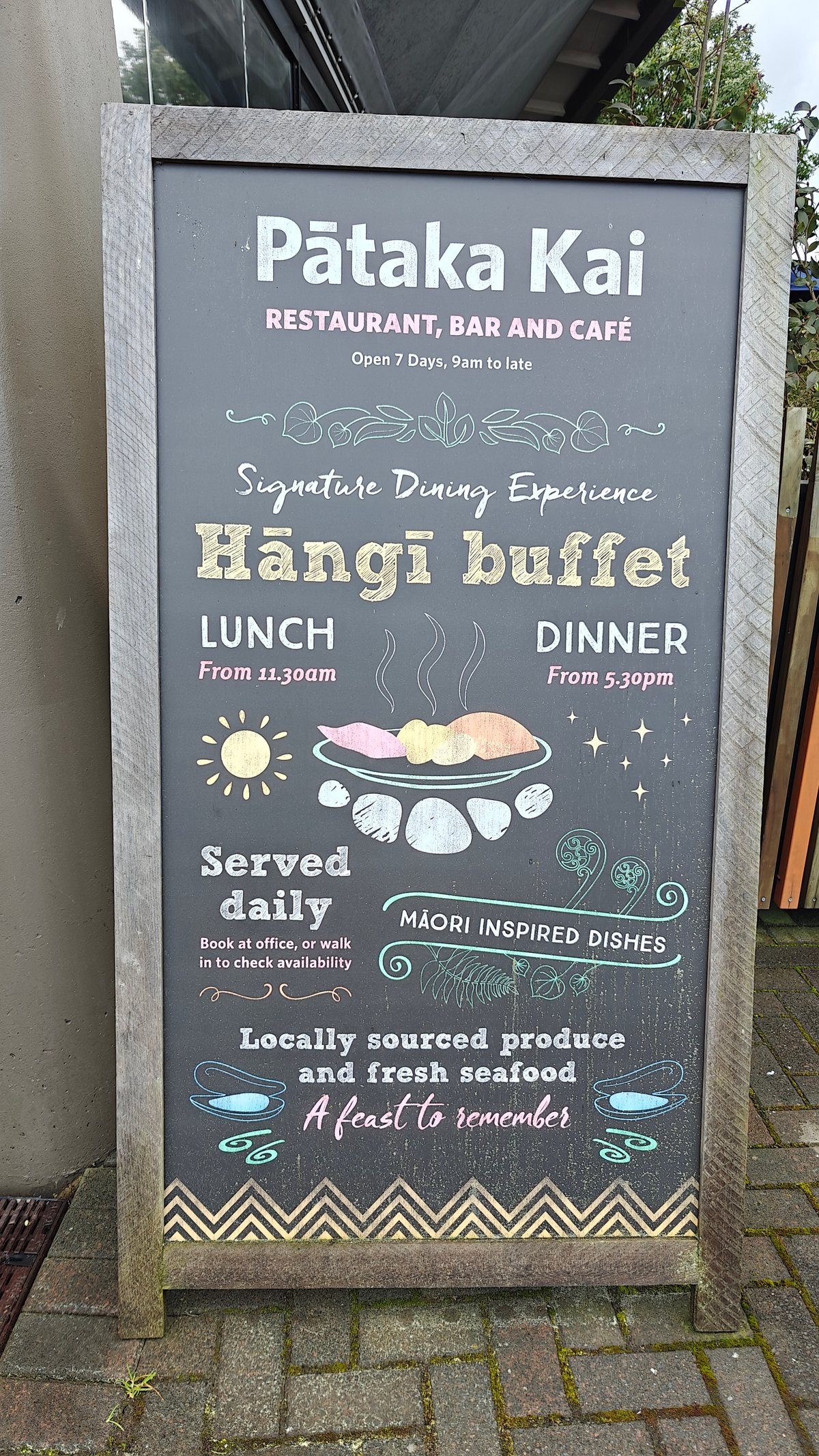
Another reminder that it’s real people who keep these traditions going. As we exited we walked past the signature dish chalk board at Pataka Kai, and I found myself tempted to return to try one dish in particular instead of the buffet next time. In the end, Te Puia proved to be more than a place for lunch.
While the food at Pataka Kai was solid (and it did give me a good taste of how hangi is cooked), it was the galleries and workshops that made visiting worth it. I’d recommend allowing a couple of hours here if you go, there’s a lot to see if you’re into the craft side of things, and don’t want to rush around. Entry isn’t cheap, but that includes everything and you’re helping support a working school, not just a show.
Let me know if you’ve visited Te Puia or eaten hangi elsewhere in Rotorua, too, I’d be keen to hear about your experience.