
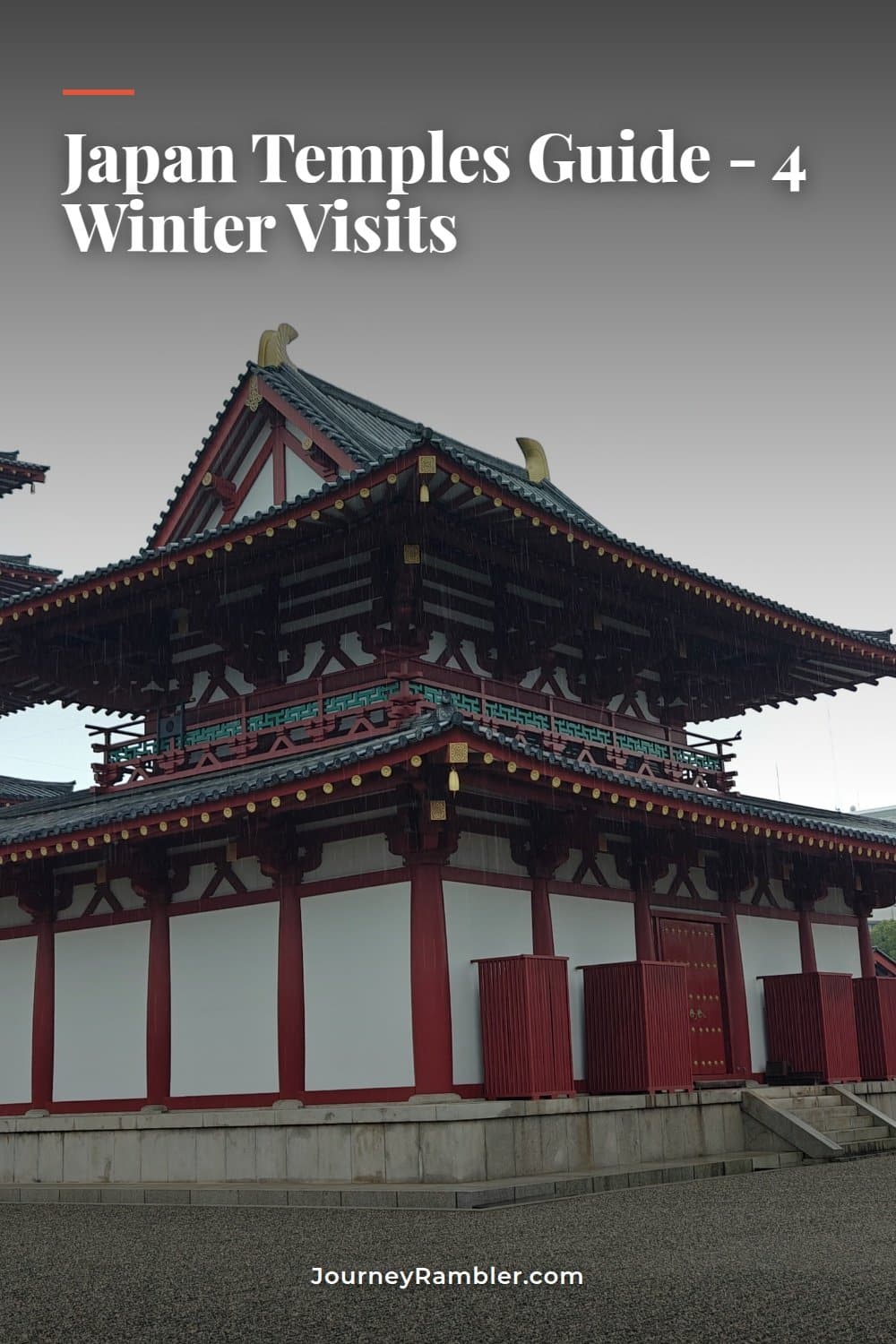
Temples have been the connecting thread between four winter trips I’ve taken to Japan in the last few years. Some were part of my plans, while others were accidental stops after wandering down the wrong street or having an hour to kill before my train arrived. It began as box-ticking on the tourist trail but eventually became something I actualy looked forward to: the architecture, the quiet, how each was different yet still followed the same basic layout.
So this is not a ranking. Not a guide at all. Just a run-down of every temple that I visited during those trips, in the rough order they pop into my head now.
Famous ones. Ones I had no idea existed before stumbling on them. Ones that I barely remember because I was distracted and cold.
But each left its mark, even if it was simply a good photograph or a second of warmth away from the wind.
My Visit to Every Temple
Todai-ji Temple
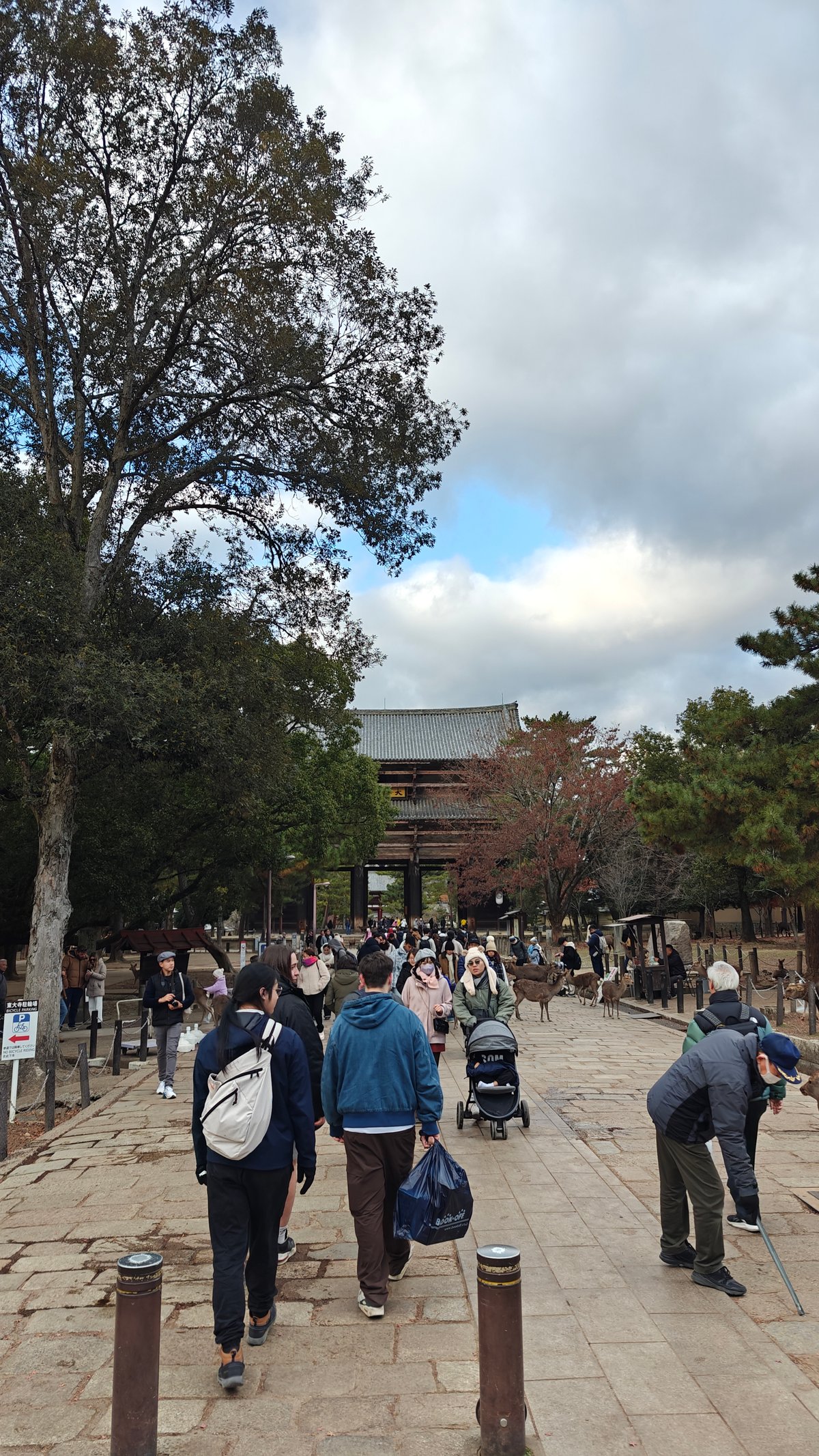
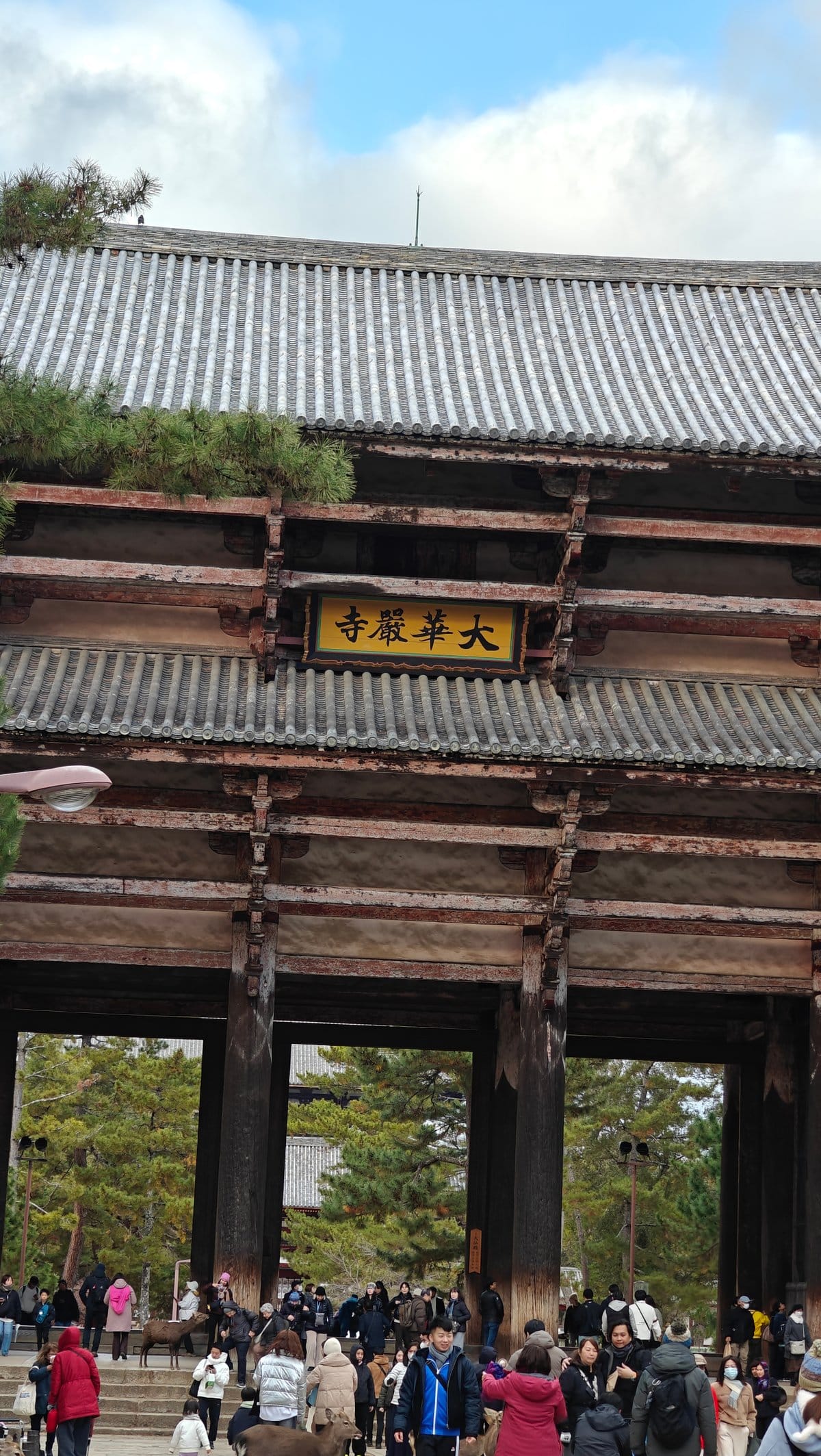
On a grey winter’s day, I strolled along the path from the park towards Todai-ji in Nara, passing row upon row of stone lanterns. First came the Great South Gate: massive and dark, and I stood under it for a minute just trying to take in the scale.
Inside the gate, the guardian statues is fearsome and enormous. So finely carved you can feel the strain in their muscle structure. They’re almost alive and I wasn’t prepared for that at all.
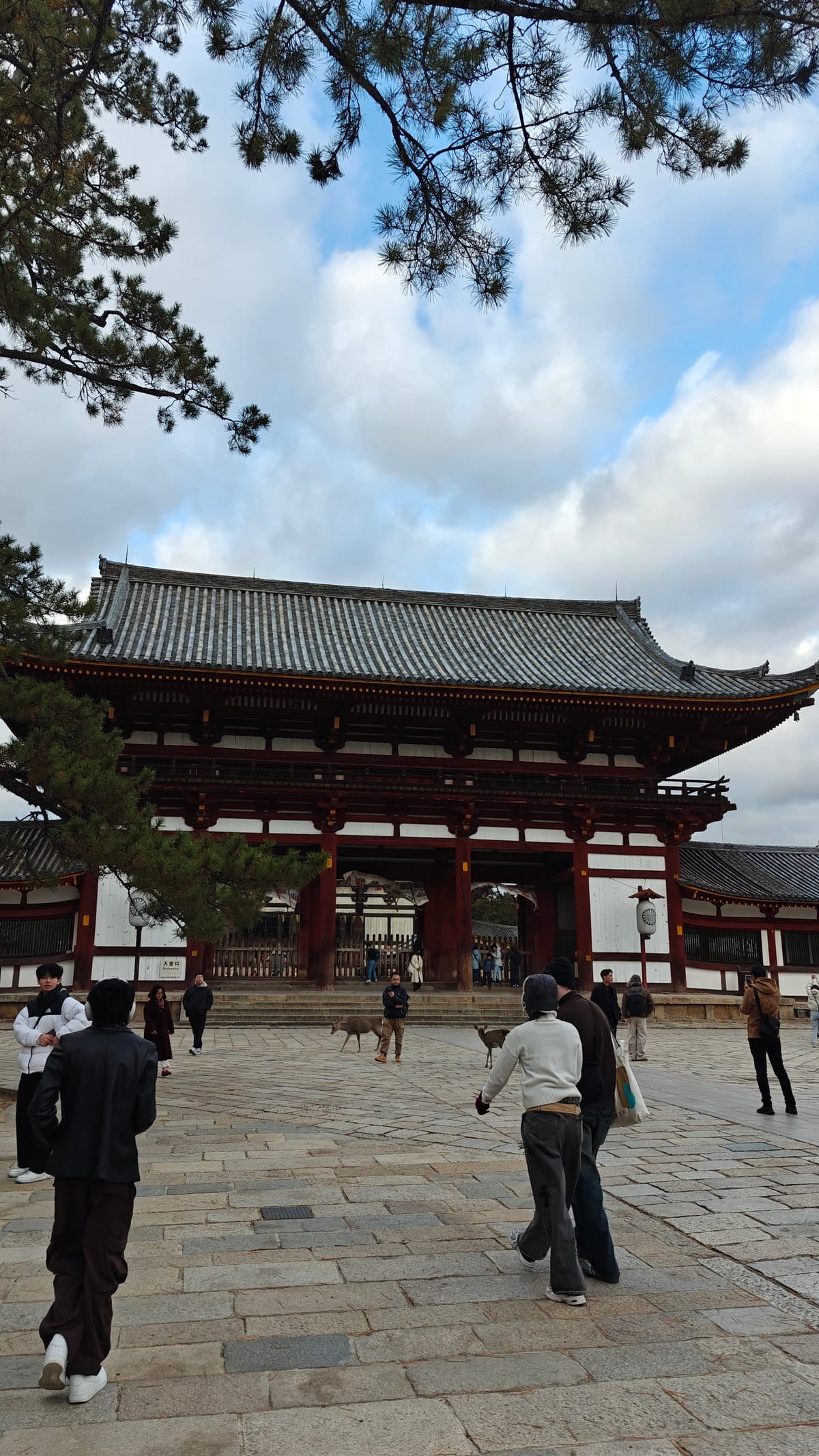
Beyond the gate lay another courtyard, where deer roamed freely with no concern for the company or the weather. By this point, they’ve become accustomed to humans, and yet it was odd to walk up on one of these grand animals just hanging out beside hundreds-of-years-old gates as if it were normal.
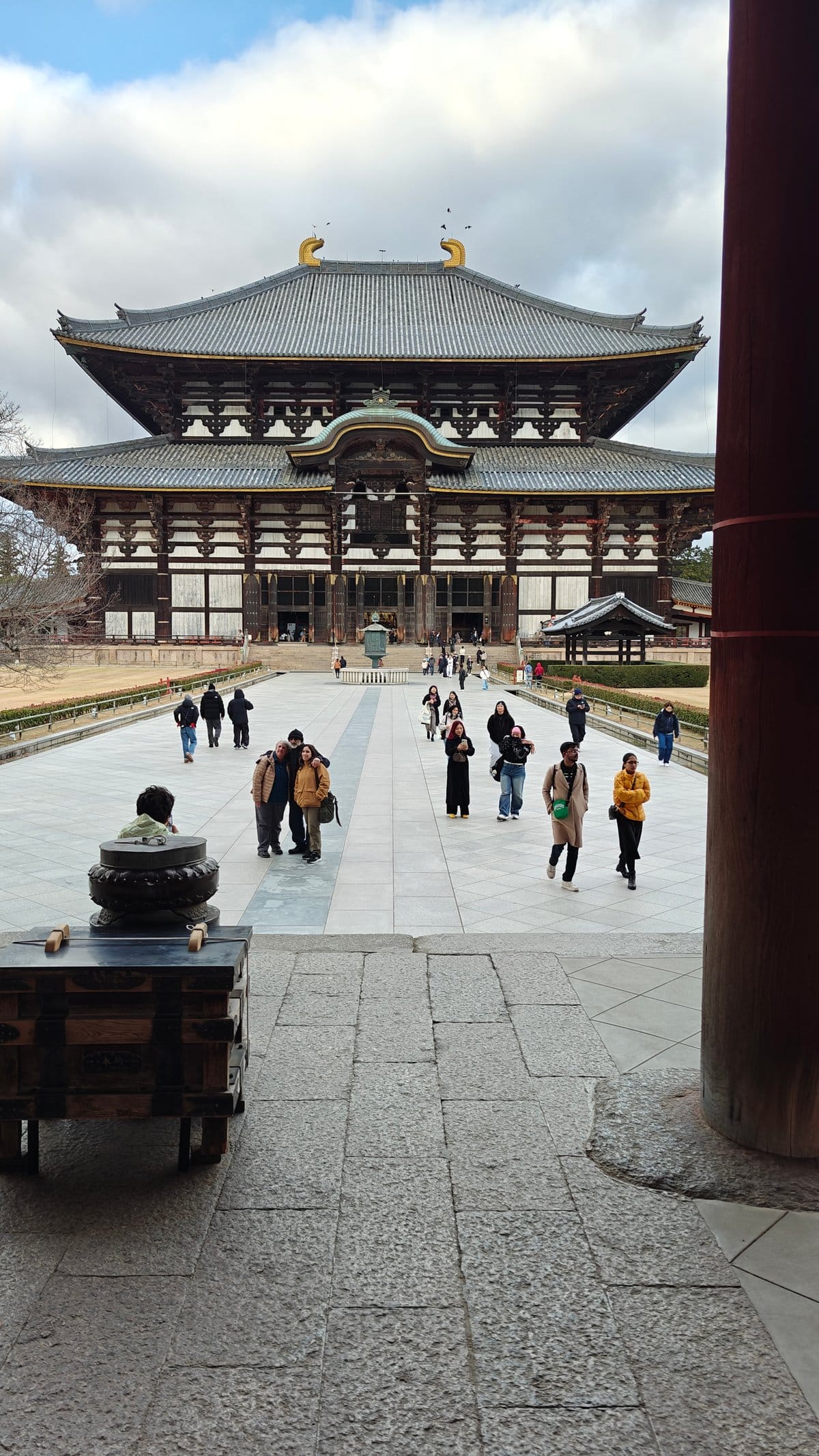
The Daibutsuden itself is also overwhelming. I’d read that it was one of the biggest wooden buildings in the world, but knowing that and being in front of it are two separate experiences. And inside?
That’s when you see the Great Buddha and suddenly feel tiny (in a way that’s hard to describe without coming off as over the top). It’s just big. Really big.
Shitennoji Temple
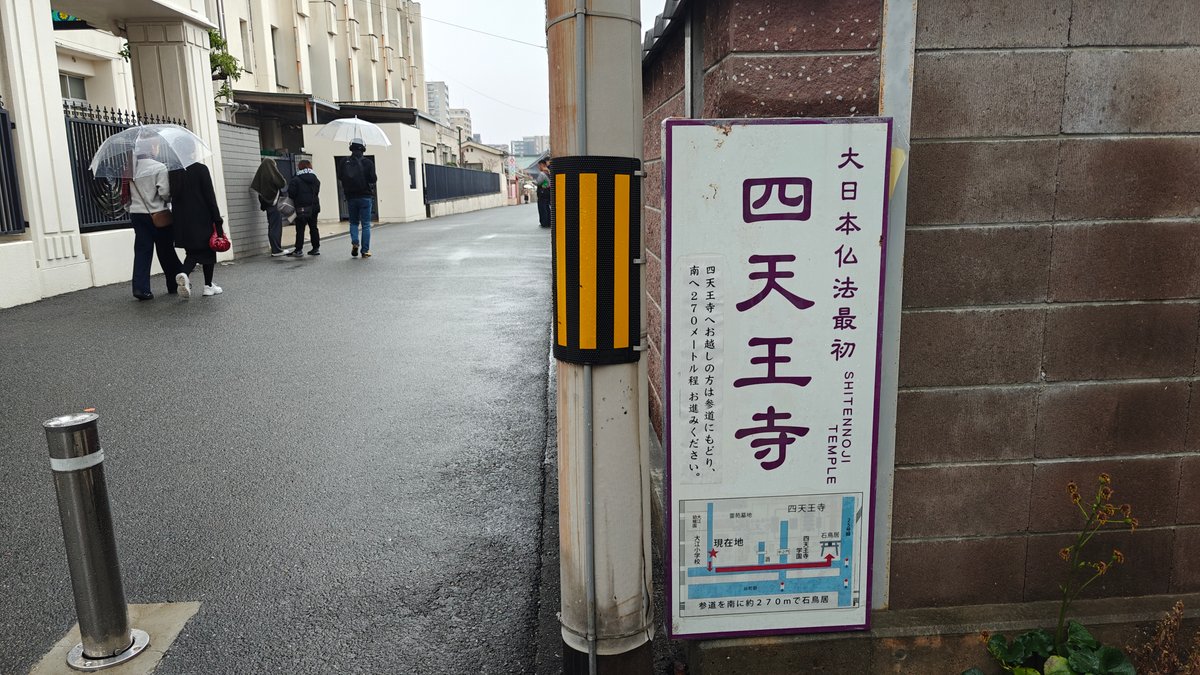
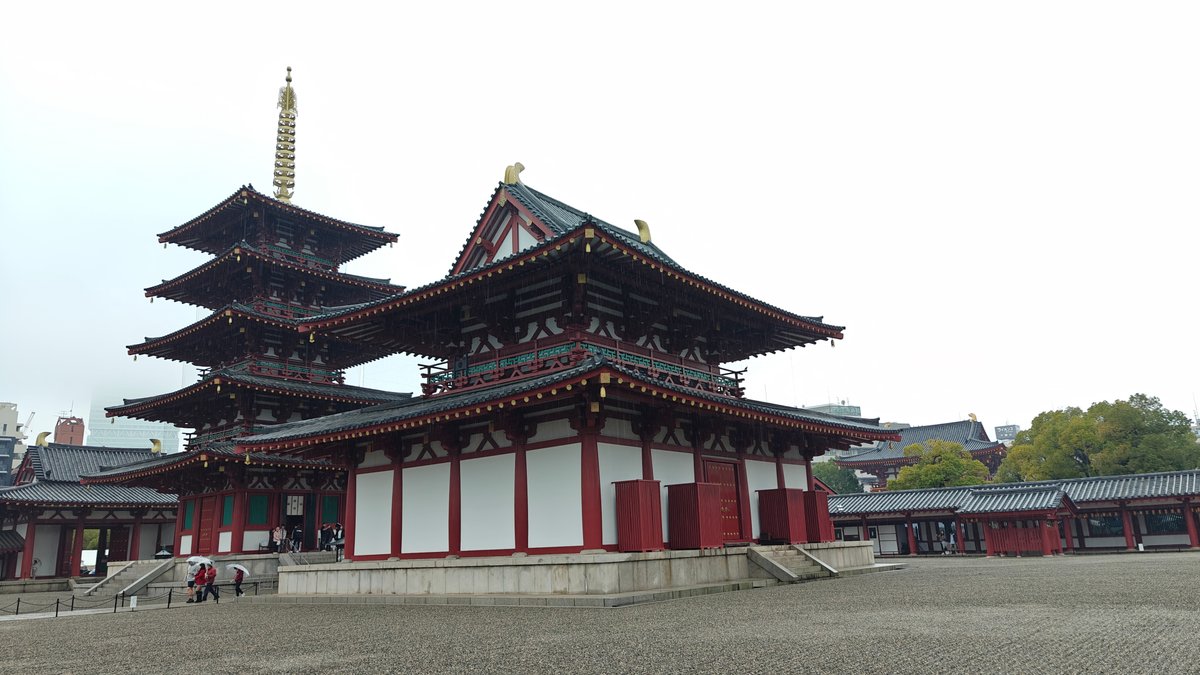
The first surprise of Shitennoji was its stone torii gate at the entrance, which I hadn’t expected to find given my understanding that they’re a Shinto thing.
Apparently it’s an old enough temple that the lines between Buddhism and Shinto were more blurry back then, so it had a different feel right off the bat.
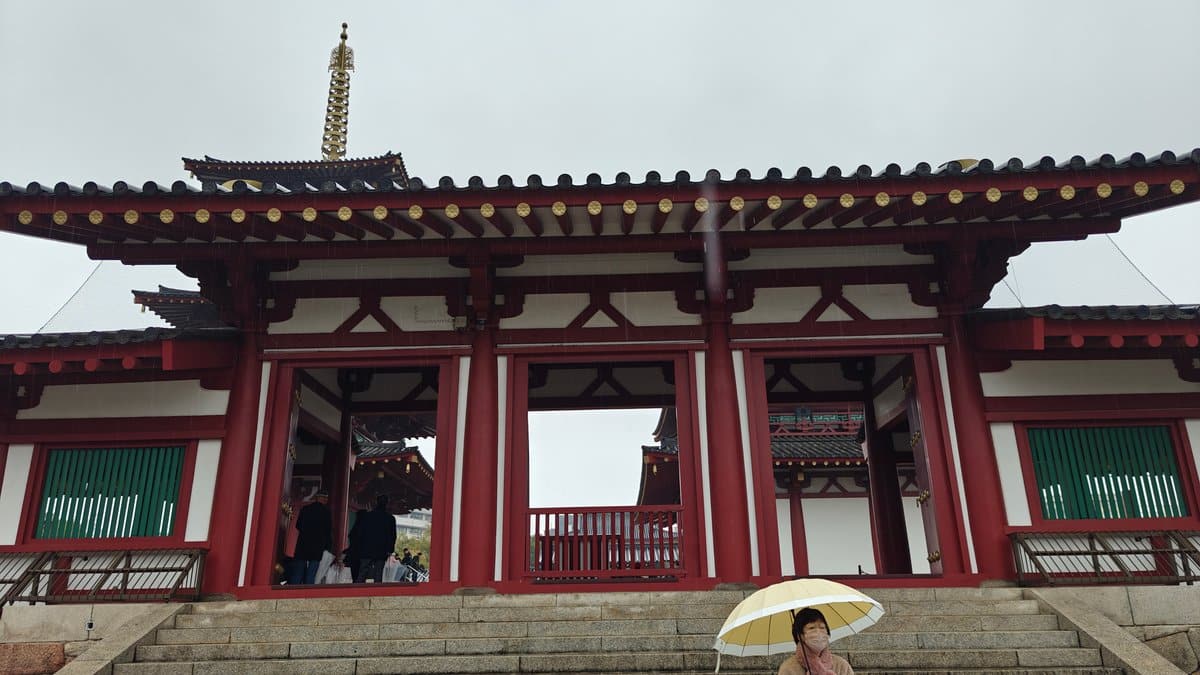
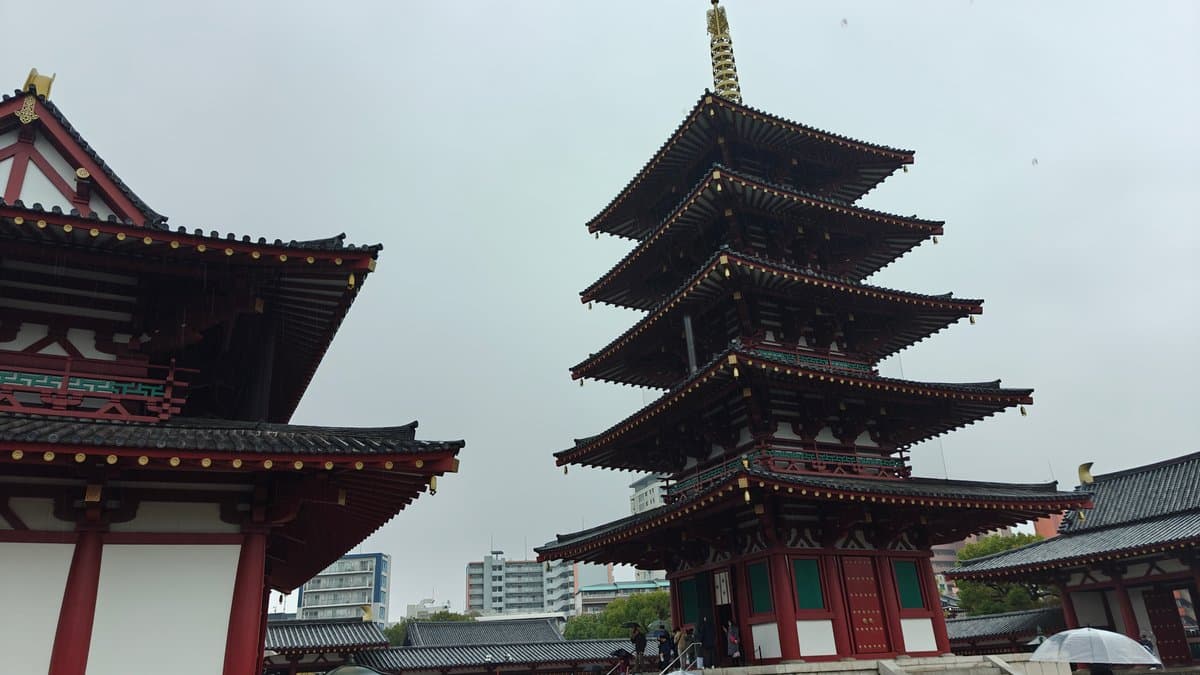
In the center of it all is the five-story pagoda that dominates the courtyard, where I wandered around taking it all in and getting my bearings for a few minutes. They say this is one of the oldest styles of temple design in Japan: straight lines of buildings. Compared to some of the temples up on mountainsides I’d see later, this felt very planned out and open.
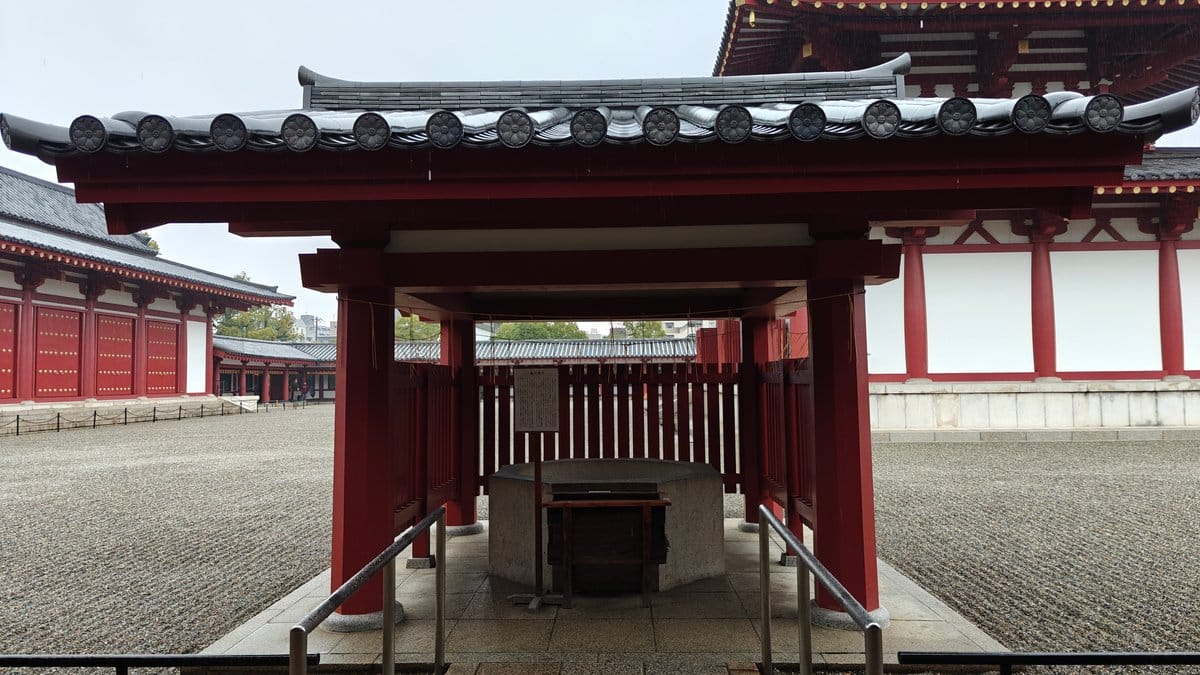
Off to the side, there’s a pond in the gardens that reflects the pagoda if you can capture the angle correctly. It was peaceful there, so I sat and took a break from walking for a minute or two.
Golden Pavilion Kinkaku-ji
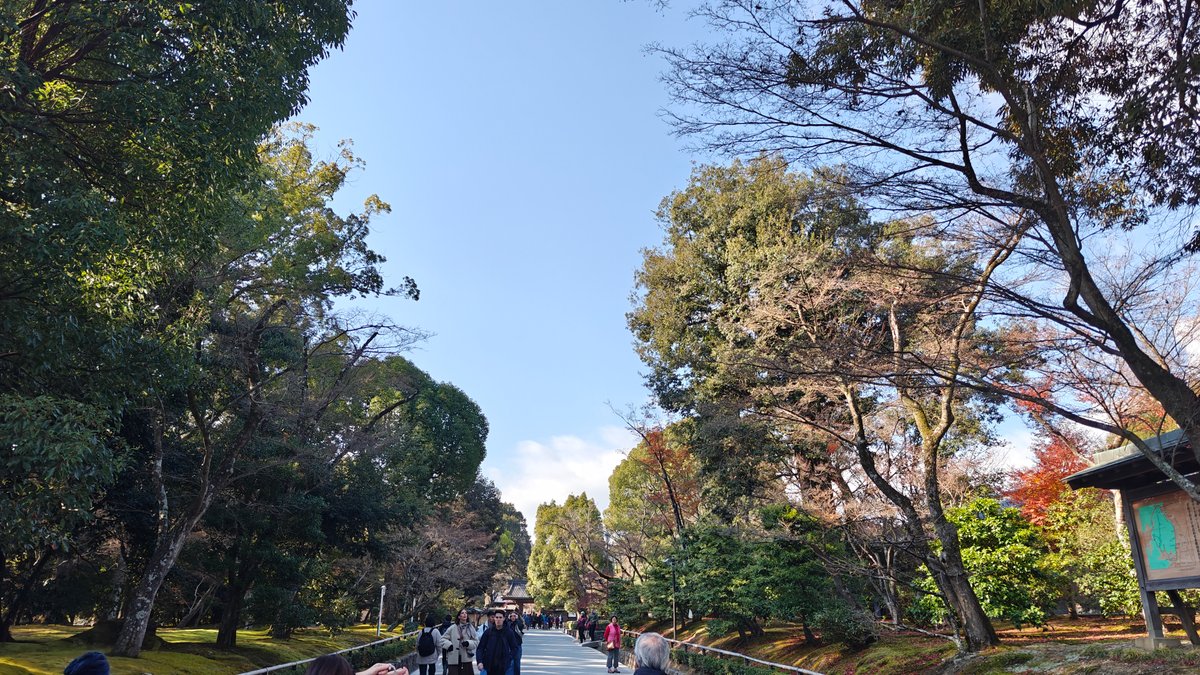
Even in winter, Kinkaku-ji was crowded. A stream of other visitors walked down the tree-lined avenue toward the entrance, all bundled up and moving slowly in the cold.
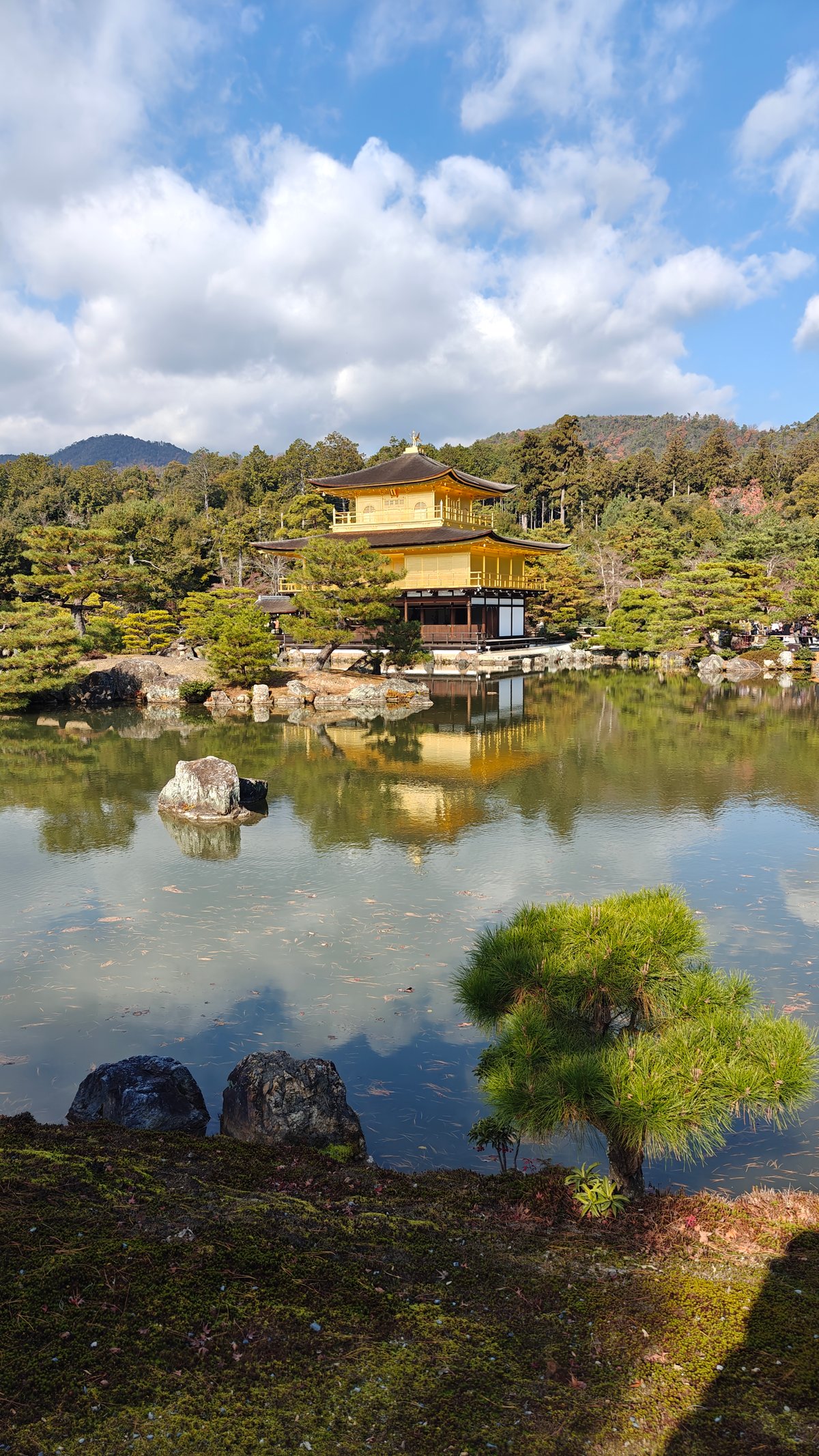
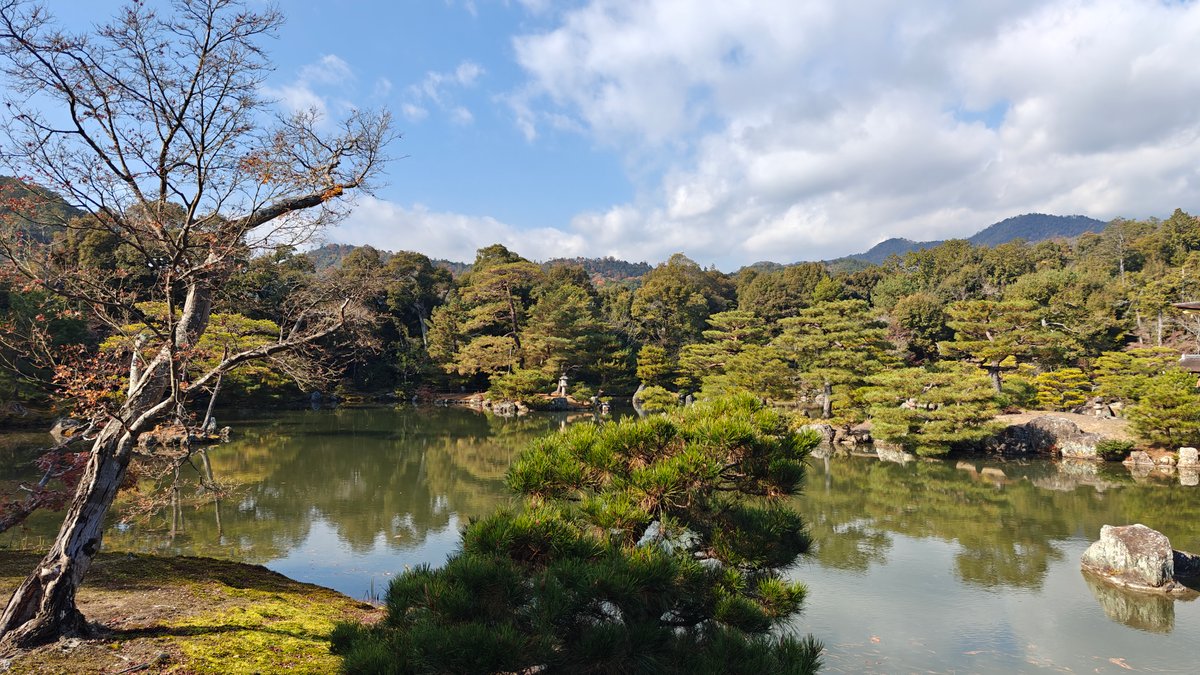
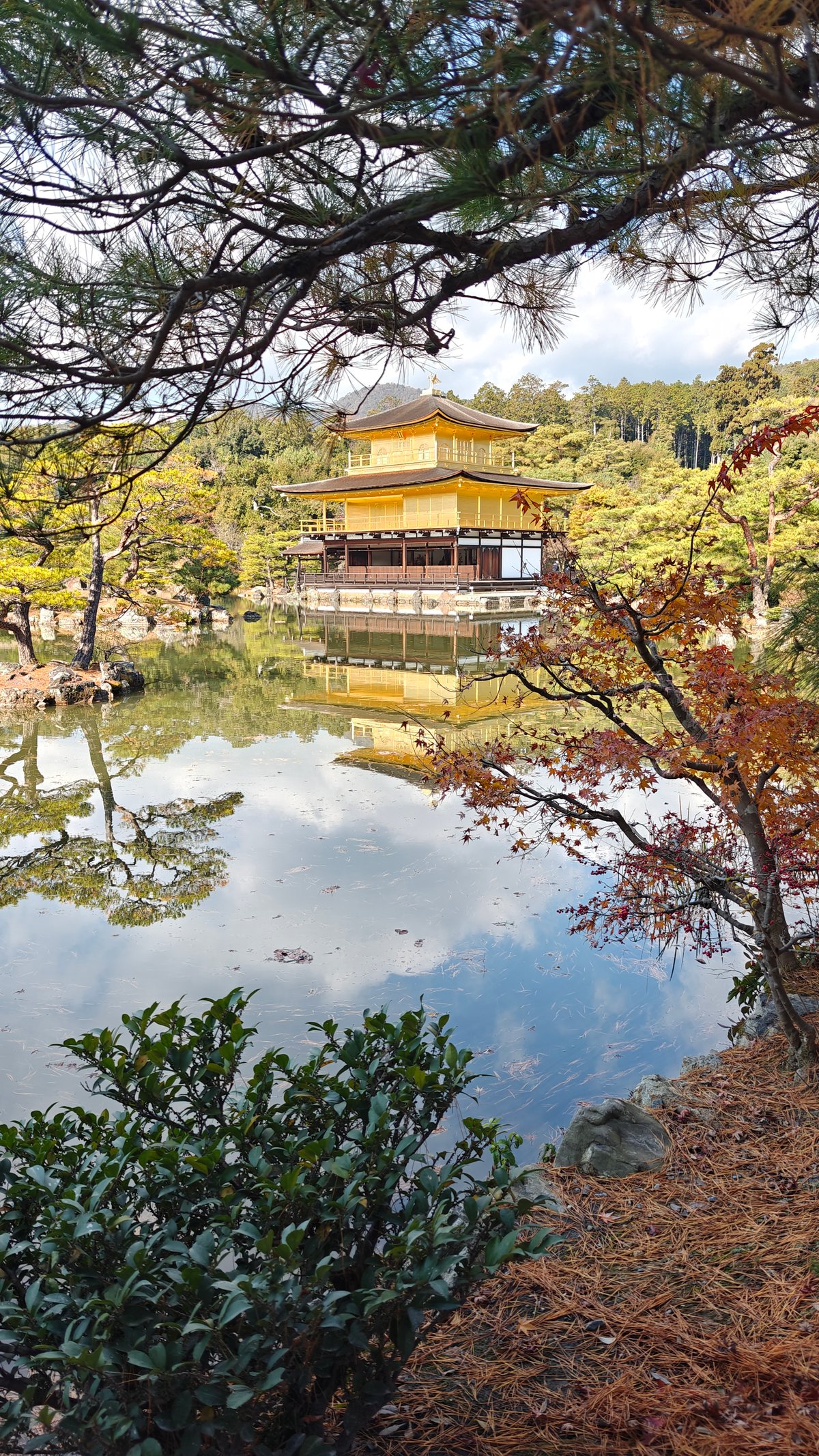
It’s on a pond (yes, I said pond) and the pavilion itself is covered in gold leaf! And yes, the one picture everyone wants is the reflection in the pond. I’m not going to lie and say I didn’t take that one too.
In person, however, I was surprised at how small it feels. It is not tiny, but more delicate than I expected. An equally gorgeous garden surrounds it.
The path is designed to frame the building between trees and stone as you walk around the pond.
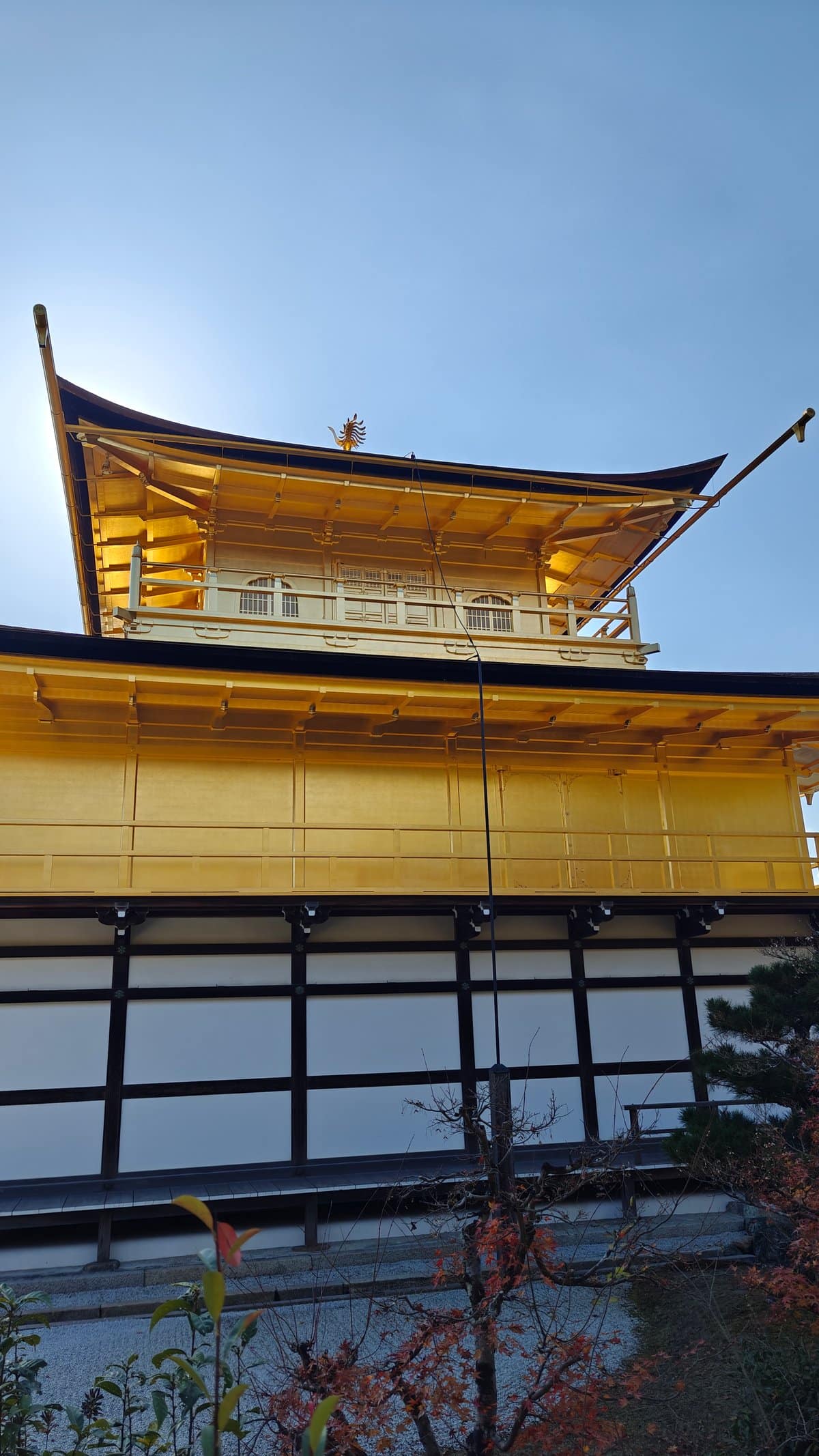
You can get closer up and see the phoenix ornament on top. There’s some impressive detail work here. Honestly, by this time I had given up trying to get good pictures; I was more just following the crowds, trying not to get elbowed out of the way.
Ginkaku-ji
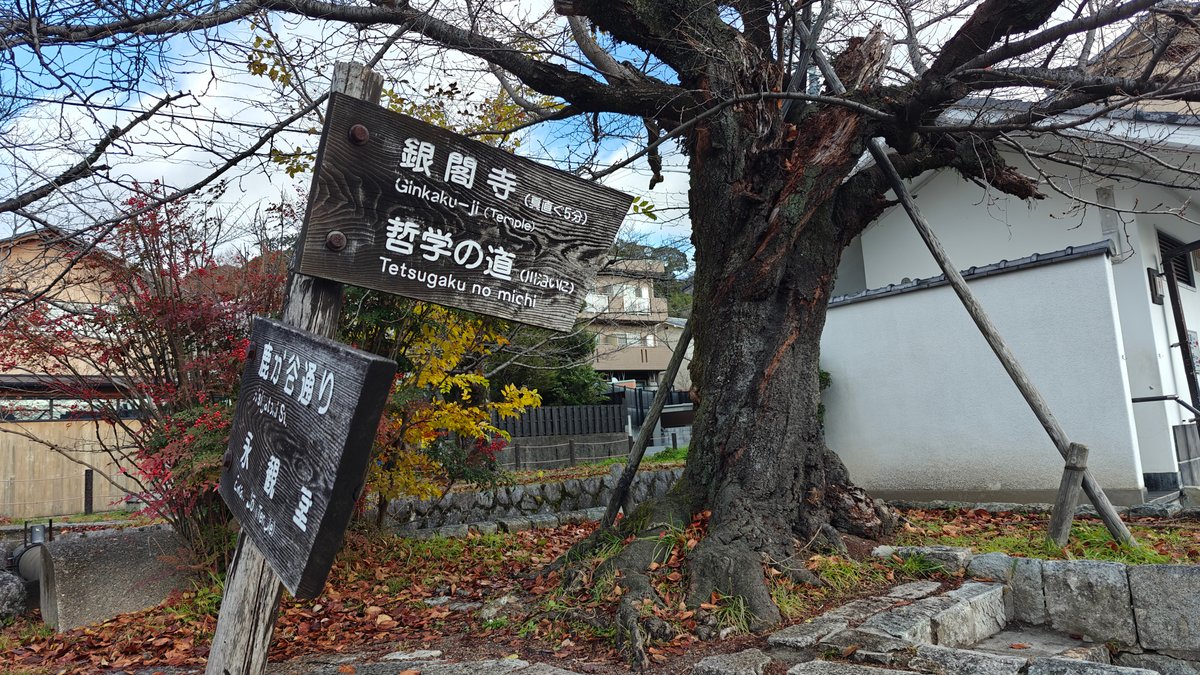
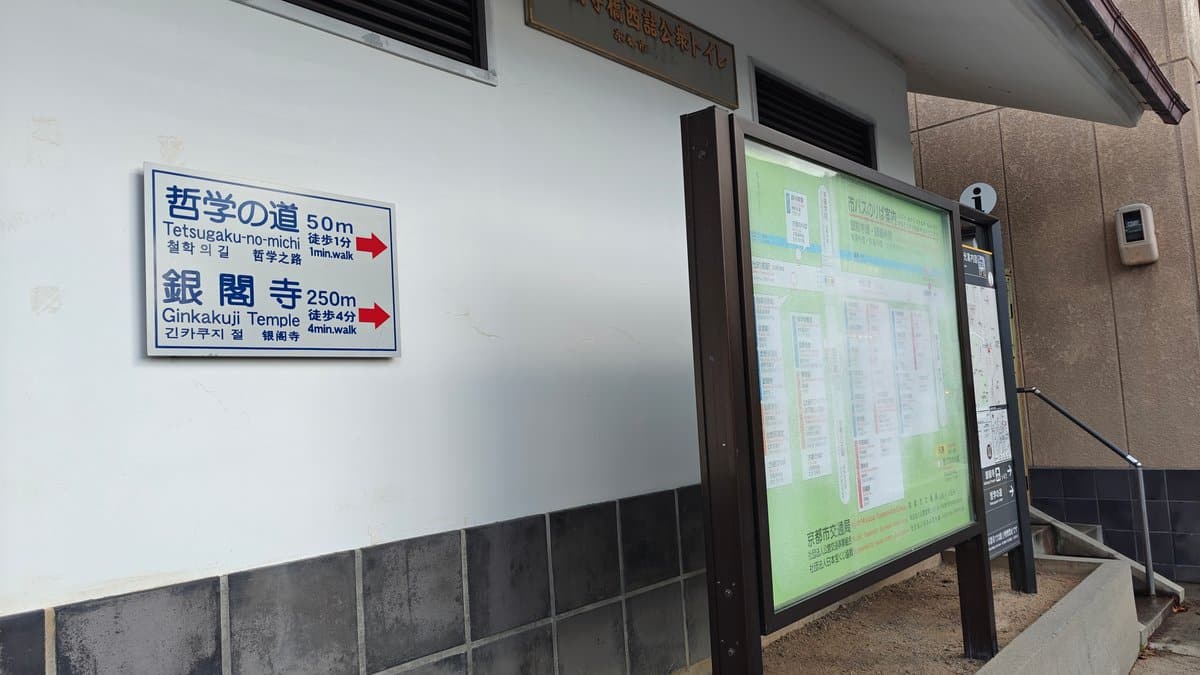
Also in Kyoto is the Silver Pavilion (Ginkaku-ji), which I walked over to after the Philosopher’s Path. They have signs pointing the way through a peaceful neighborhood, and walking up to it felt far quieter then my experience at Kinkaku-ji.
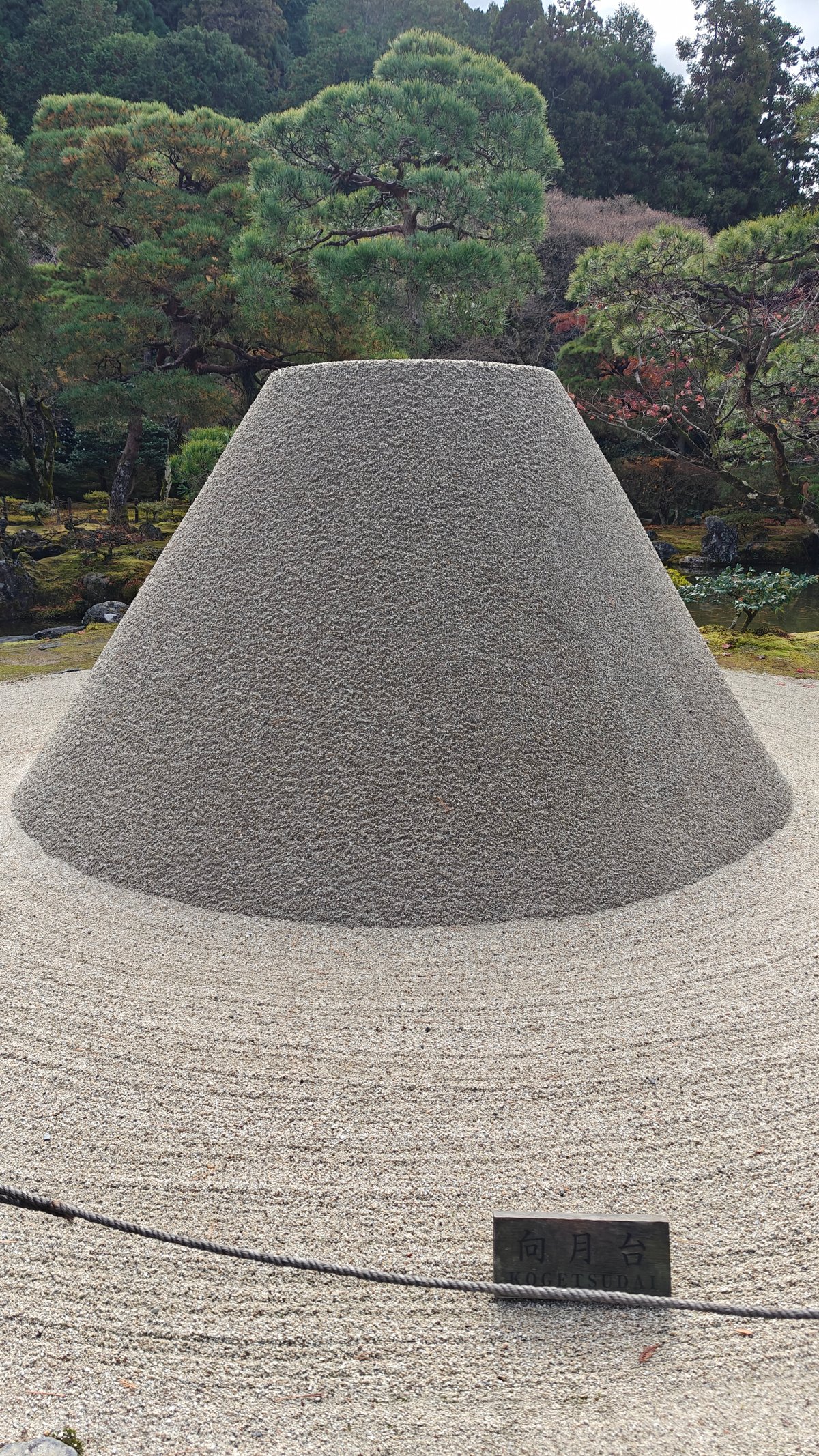
The first thing you notice inside is what I call the sand cone in the garden, a huge, perfectly shaped mound of white gravel. It’s supposed to reflect the moonlight, I’ve read; but being there in the daytime, I cannot verify. It is very deliberate, quite odd, and sets the tone for the rest of the temple.
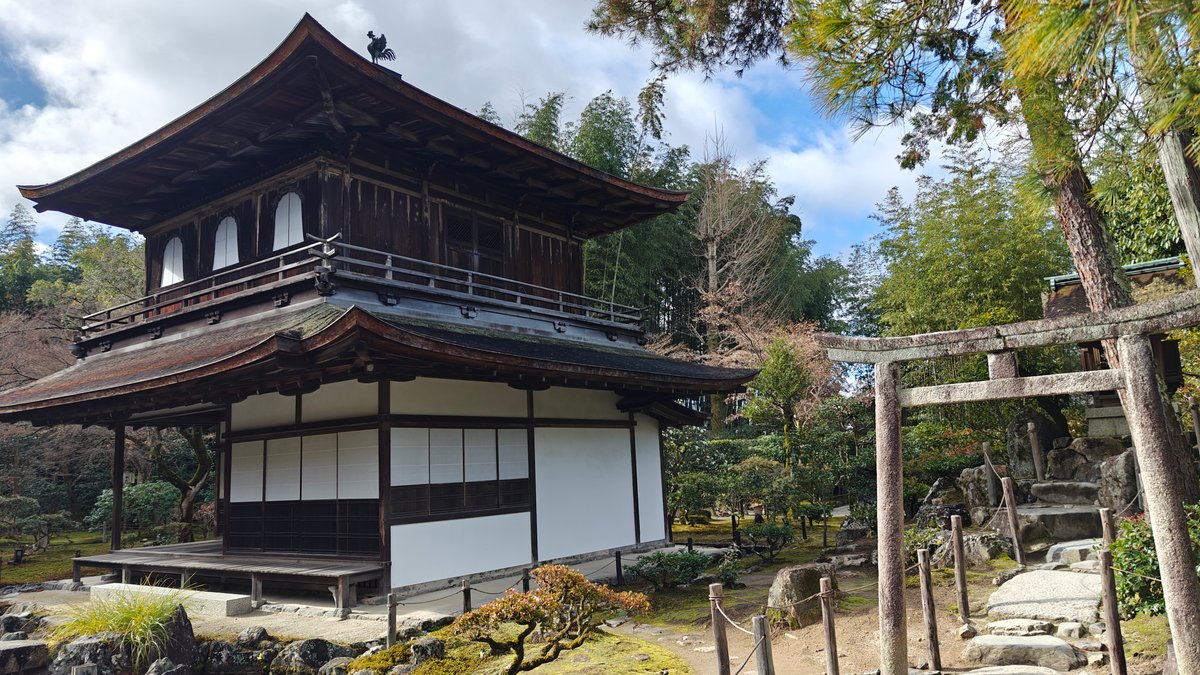
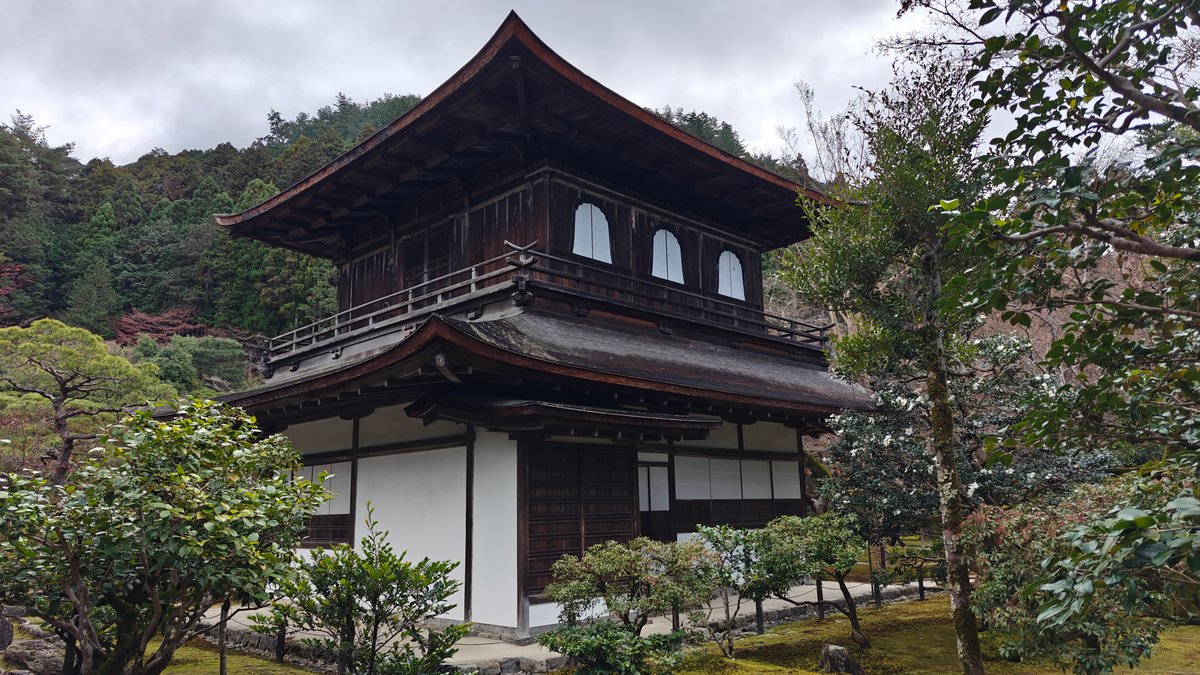
Also: the Silver Pavilion itself isn’t actually made of silver. That was apparently the original intent, but they didn’t get around to it. It’s a simple structure of dark wood, all mossy and unassuming, next to a pond.
And then there’s the garden surrounding it: hilly and tiered, with paths leading up into the trees. To be honest, I liked this one better than Kinkaku-ji; quieter, less showy, somewhere you could spend some time without feeling rushed.
Kiyomizu-dera
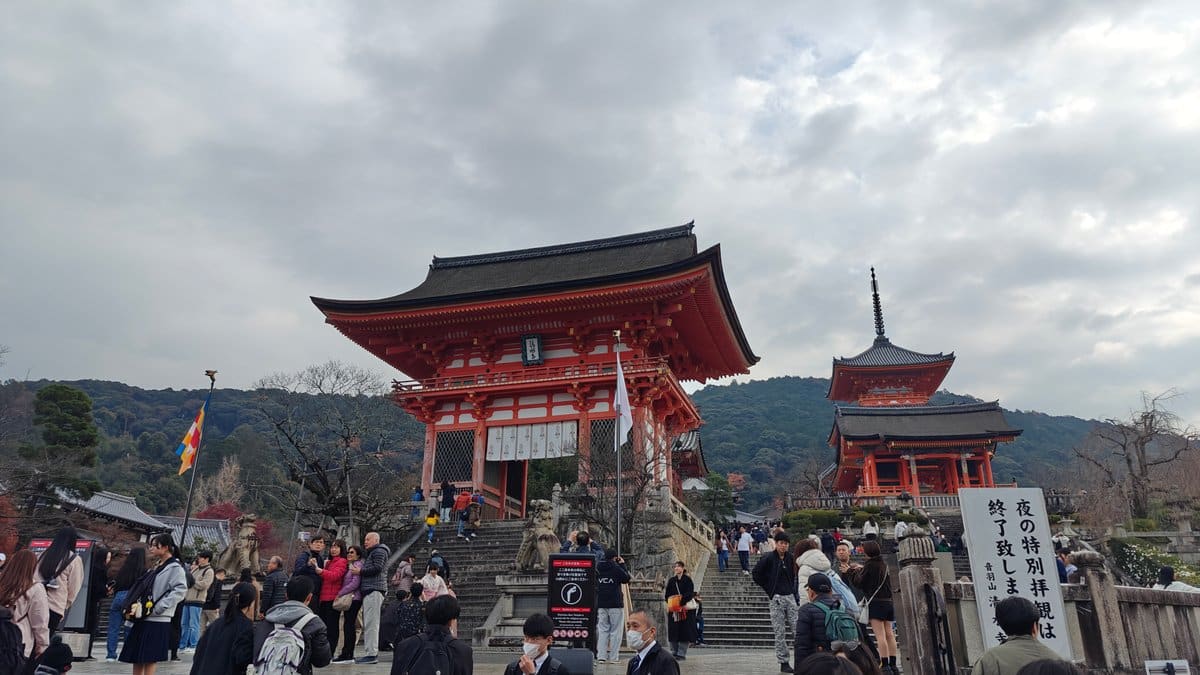
Like many temples, Kiyomizu-dera in Kyoto sees its fair share of visitors, and the path to get there is flanked by snack stalls and souvenir shops. On my ascent, I paused at a taiyaki stand. This proved to be a wise choice since getting there is far more strenuous than anticipated.
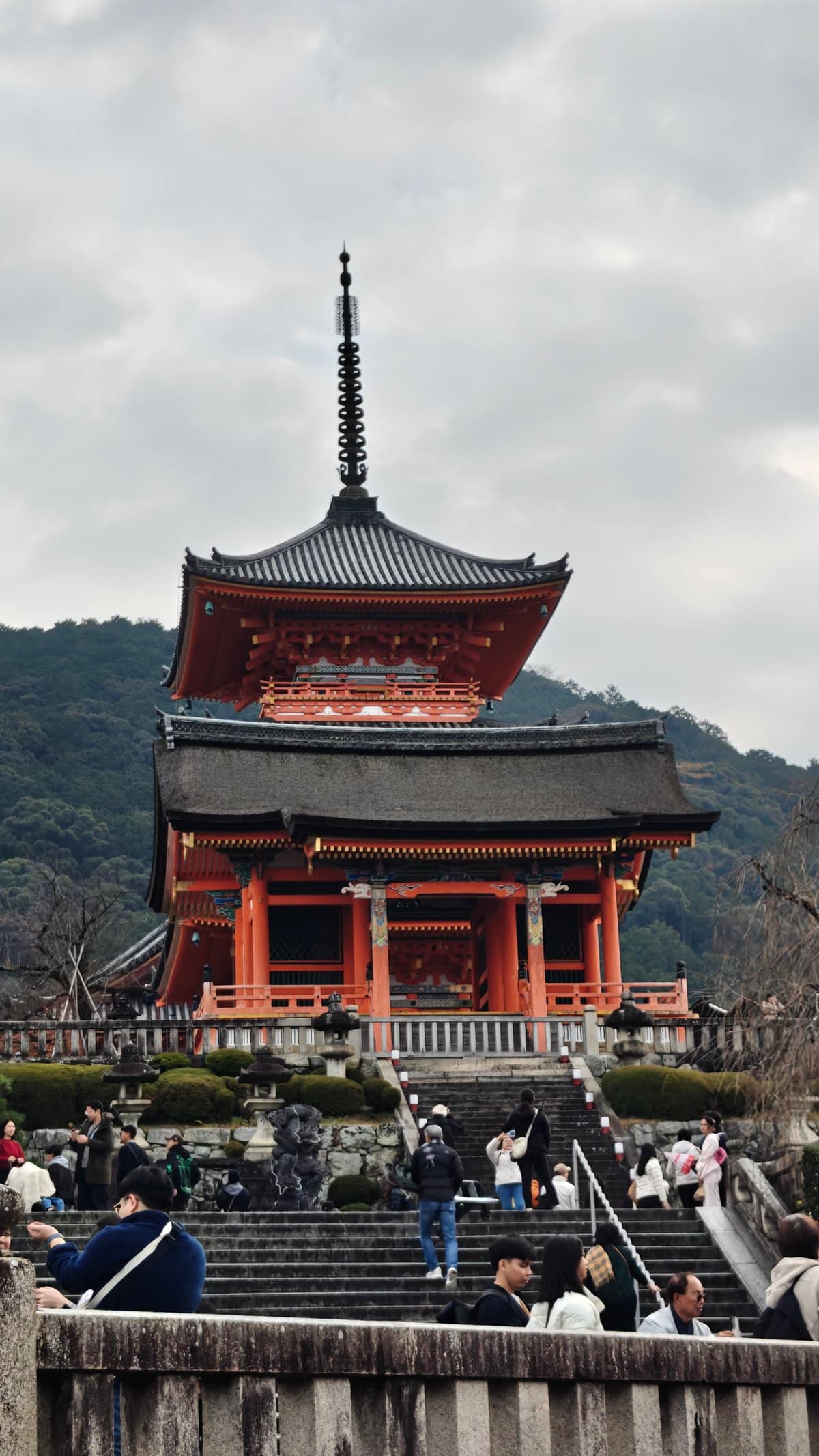
One of the first sights upon entering the grounds is the three-story pagoda which sits close to the main complex. Everything is on different levels connected by pathways and stairs, the whole thing is built on a hillside.
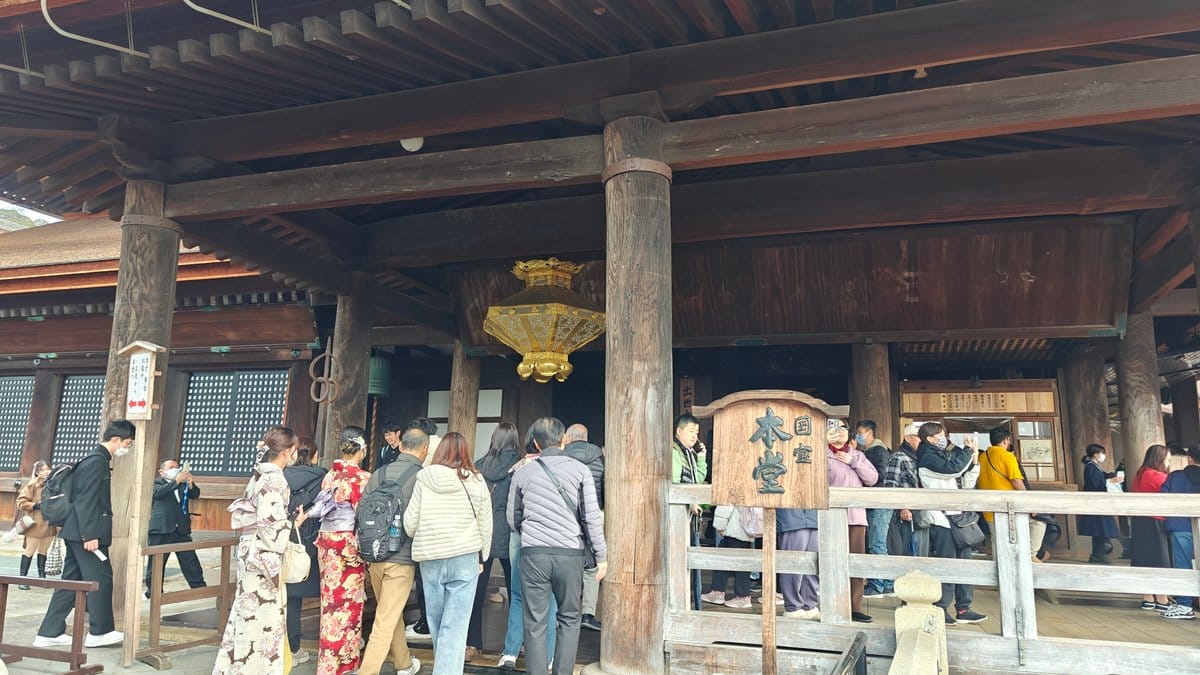
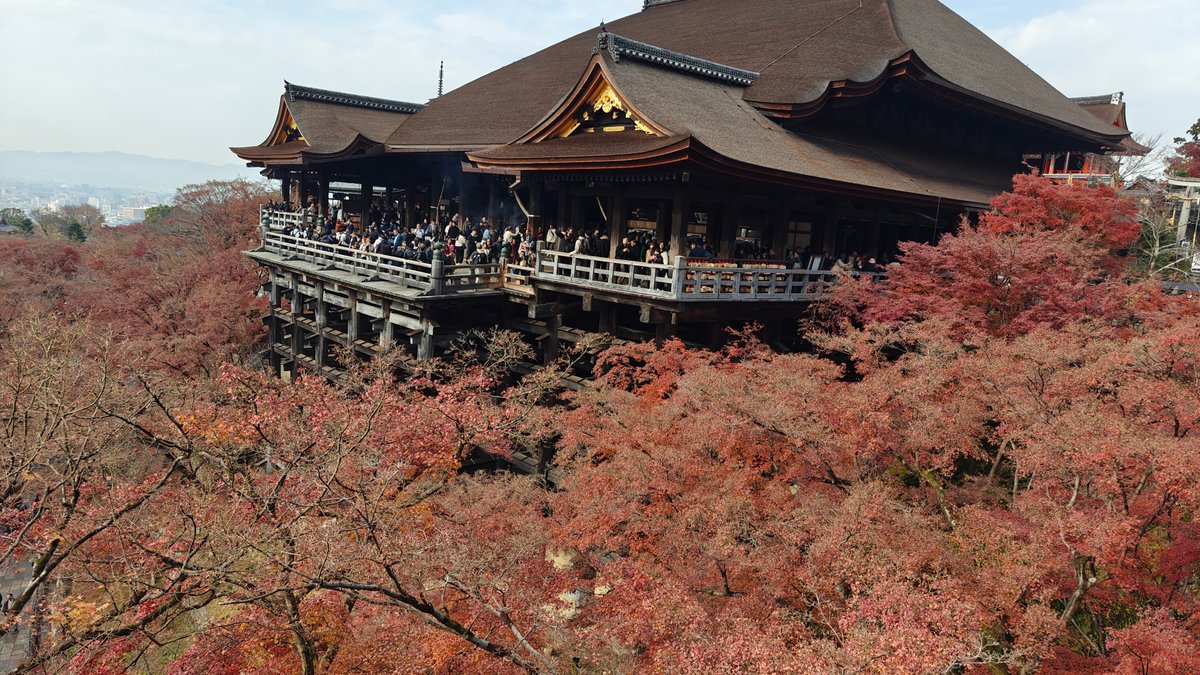
The highlight here is the massive wooden stage protruding from the building into the valley. It’s held up on giant pillars and is surrounded by beautiful architecture. On a clear day like we had, you looked right down onto the city (the trees were all bare in winter).
It would be absolutely stunning in fall when the leaves change, but it was still impressive even in the cold weather. Apparently jumping off this stage at Kiyomizu translates into “taking a leap of faith,” as you stand on the stage looking down. Makes sense.
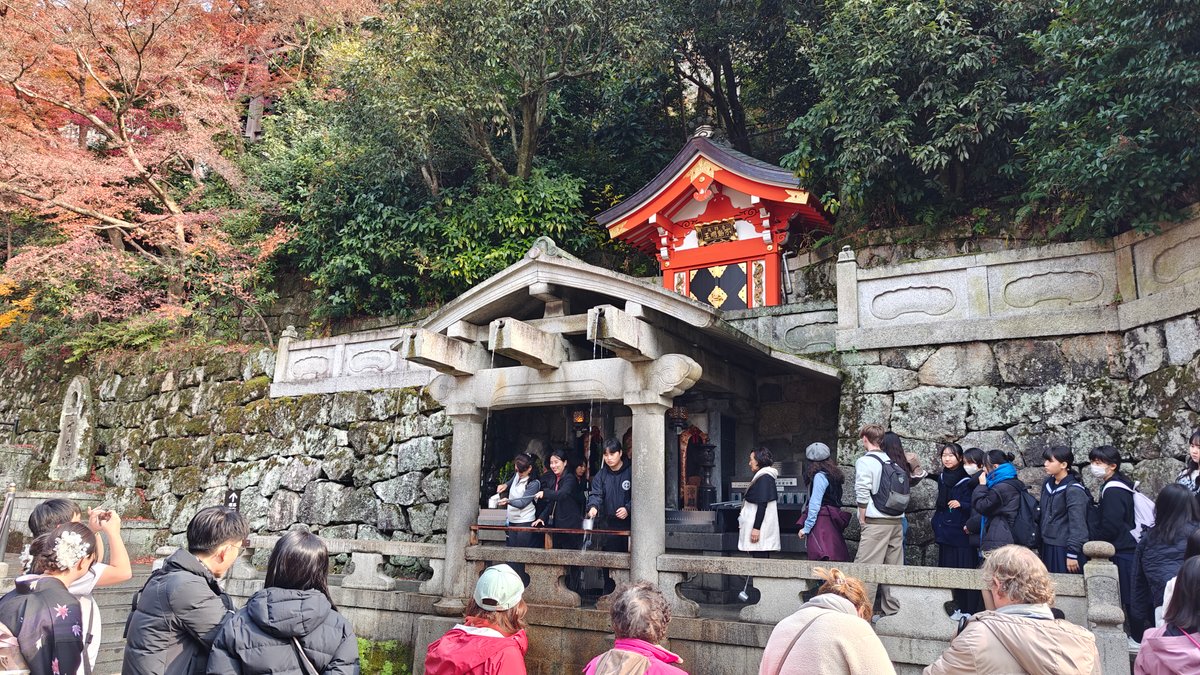
The Otowa waterfall lies at the foot of the main hall. People queue here for a sip from one of three streams of water that are said to bestow a different gift on each drinker. I wasn’t interested, the queue was too long and my toes were frozen.
Chion-in Temple
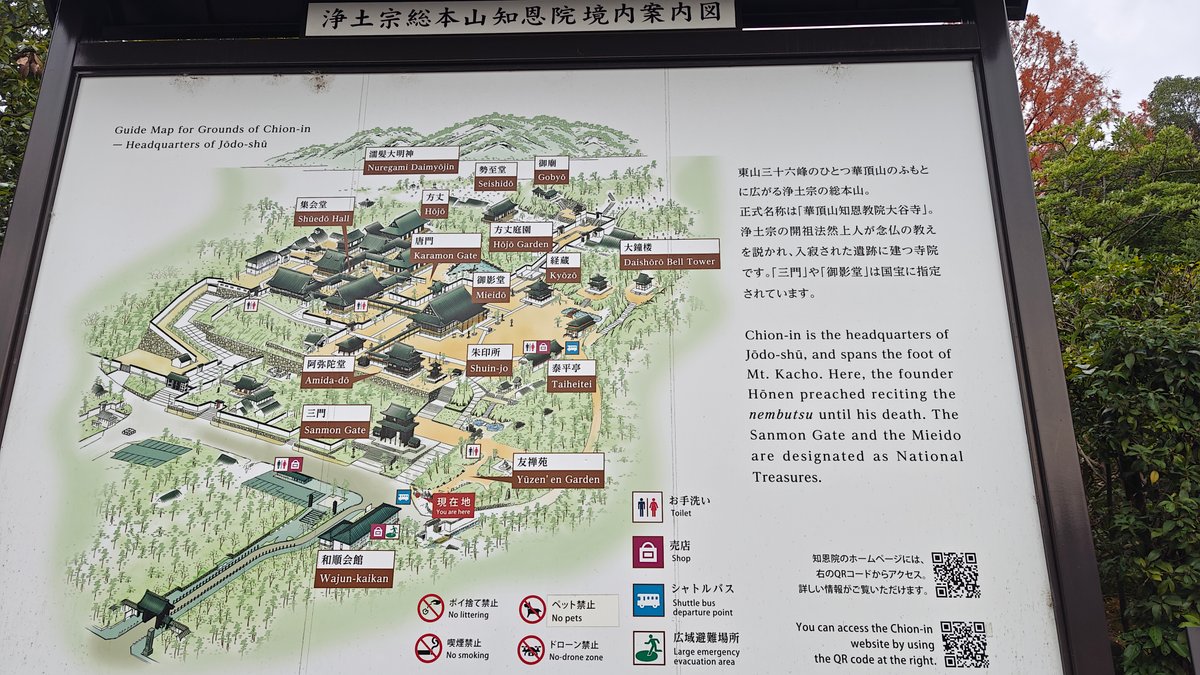
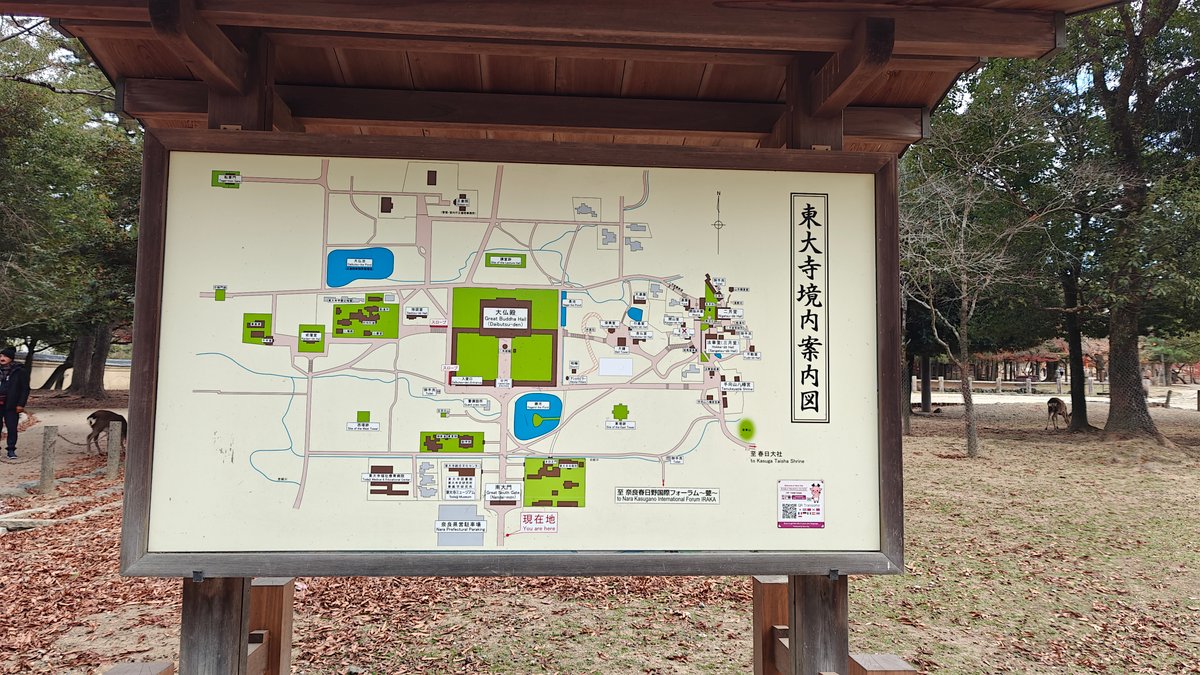
Chion-in, another temple in Kyoto, is massive. I only realised its size when I picked up the map of the precinct at the door. As this is the headquarters of Jodo Buddhism, there’s plenty of space to explore.
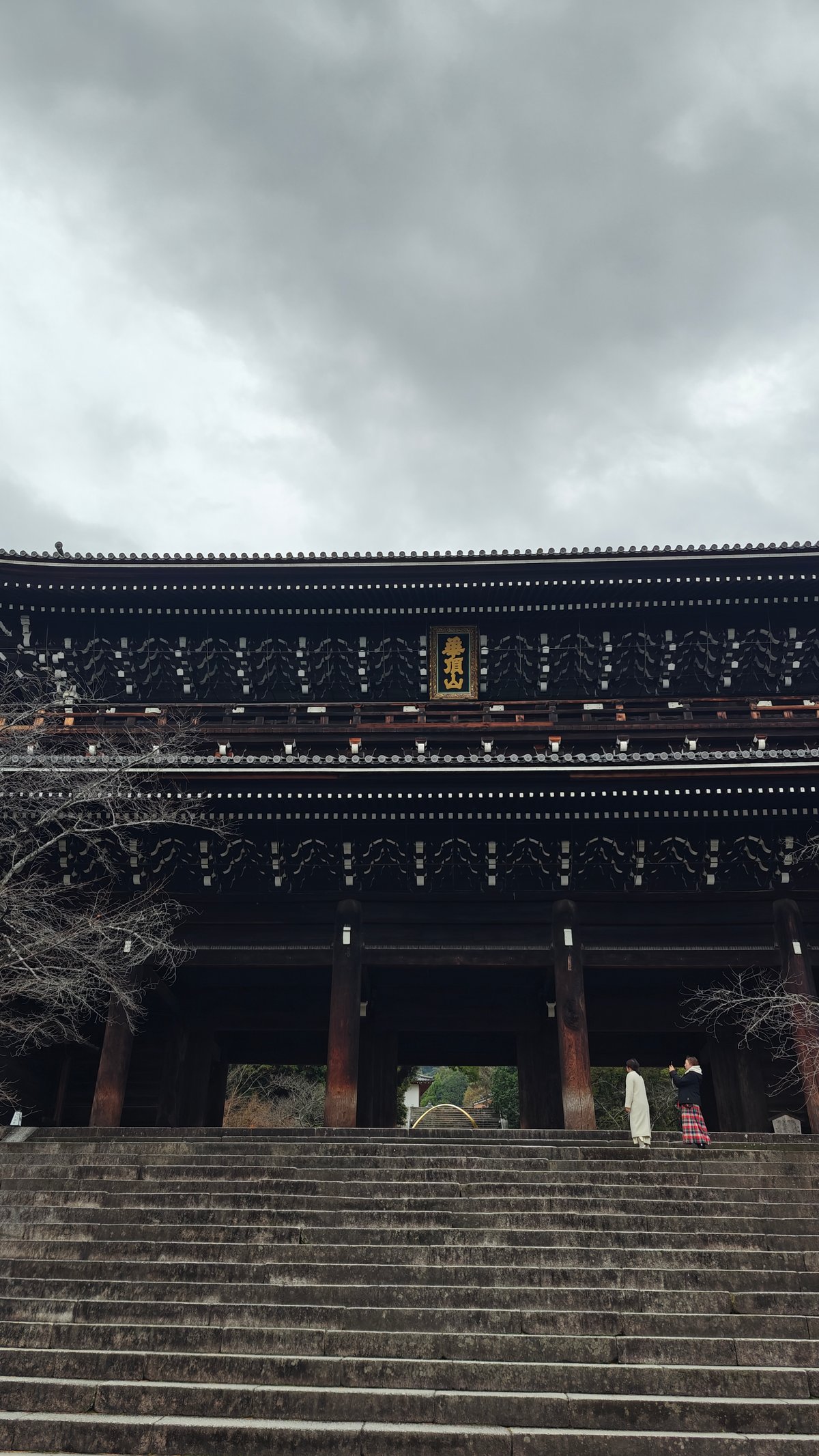
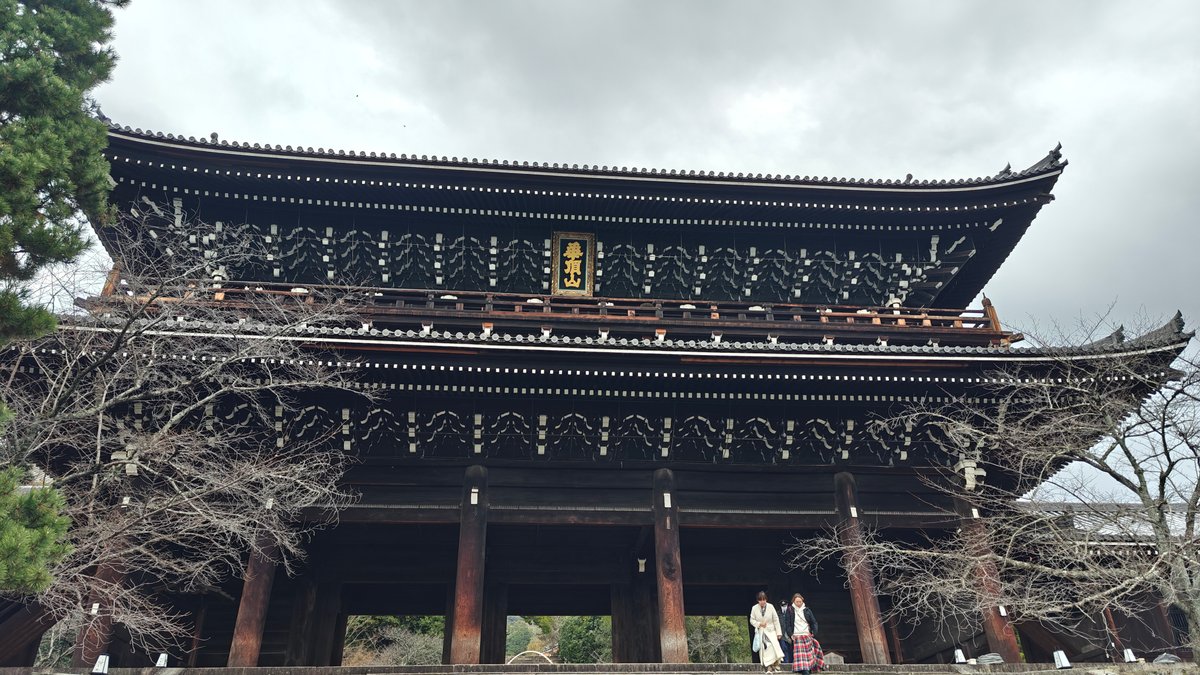
As you walk through the gates (Sanmon) which are among the largest in Japan, you feel as if you’ve entered into another world. Upstairs, there’s a great view from the top of the steps looking back down at the roof of the gate and beyond into the city. The wood is very dark and heavy up close, and you really do get an appreciation for the weight of the structure.
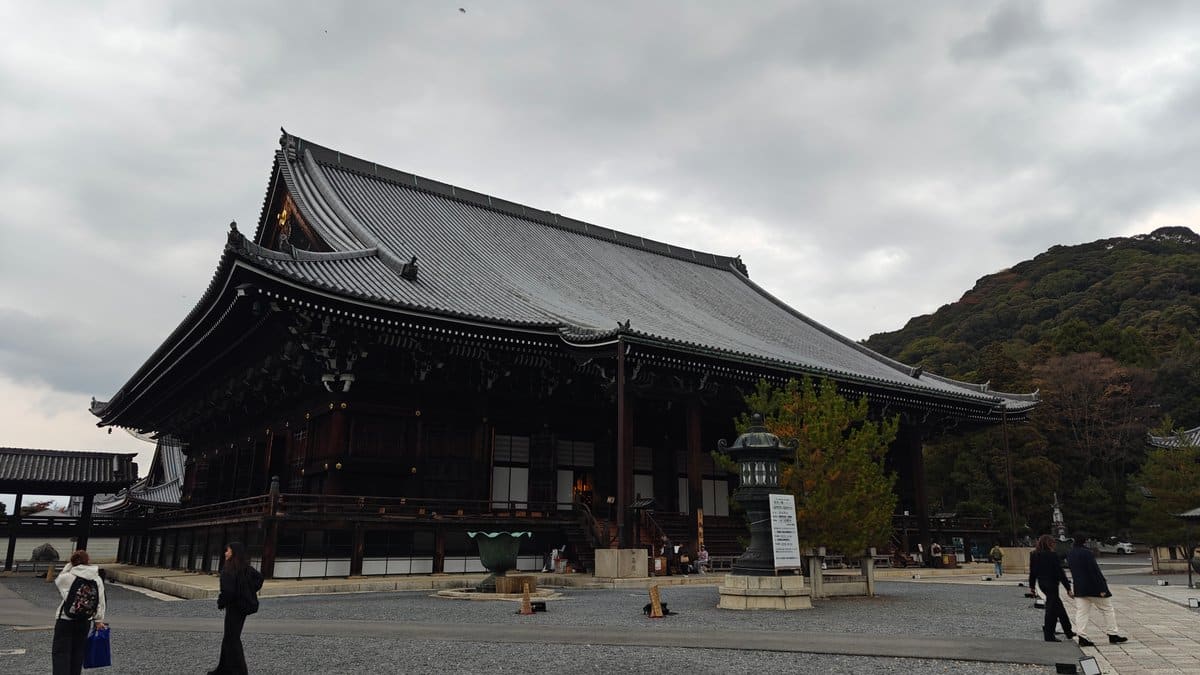
Across the large gravel courtyard is the main hall of the temple, the Mieido. Everything here is constructed on a large scale; huge wooden buildings, vast empty space. It’s an impressive place but not as intimate as some of the other temples.
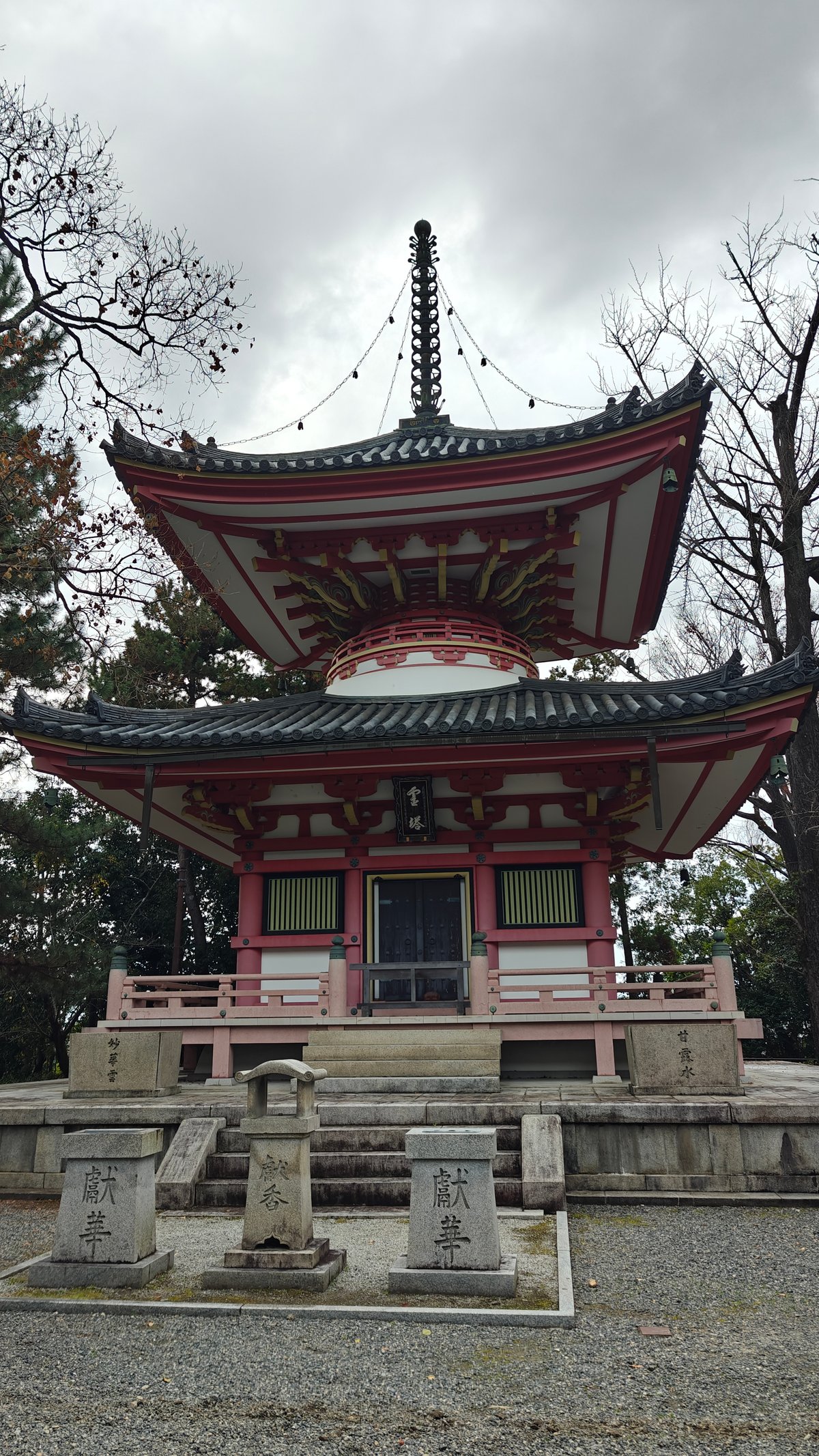
There’s also a smaller pagoda tucked away off to one side, painted a bright red. Against the dull colors of the winter scene, it stood out sharply, almost surprisingly vivid.
Nanzen-ji Temple
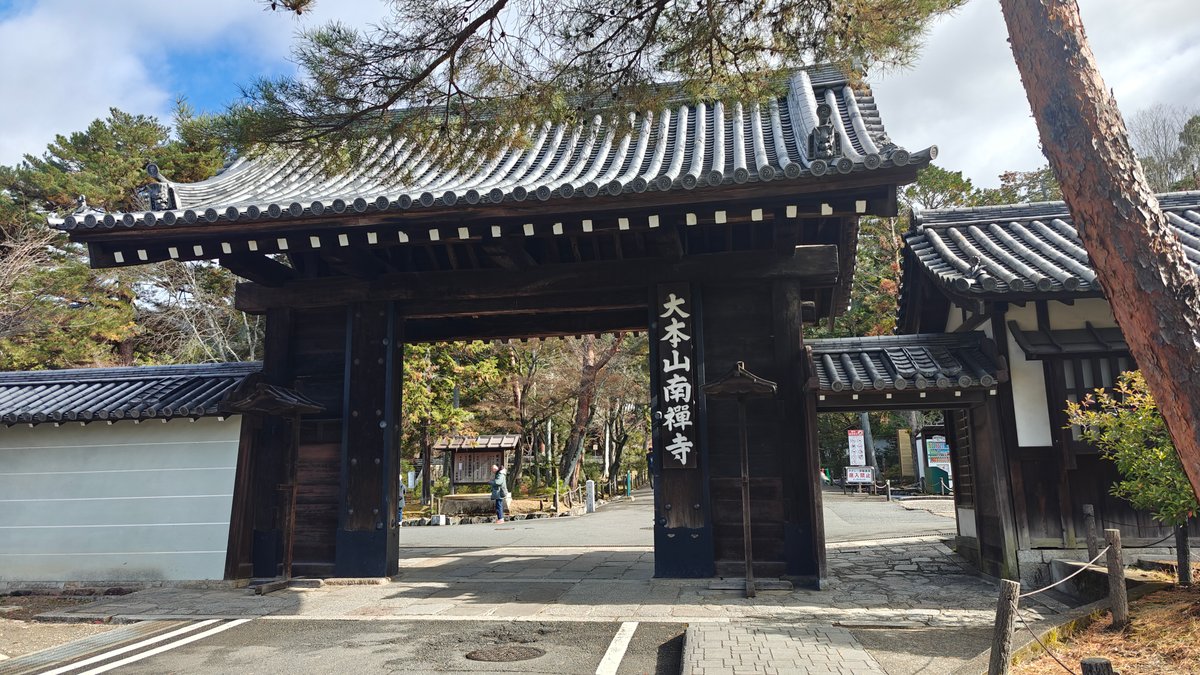
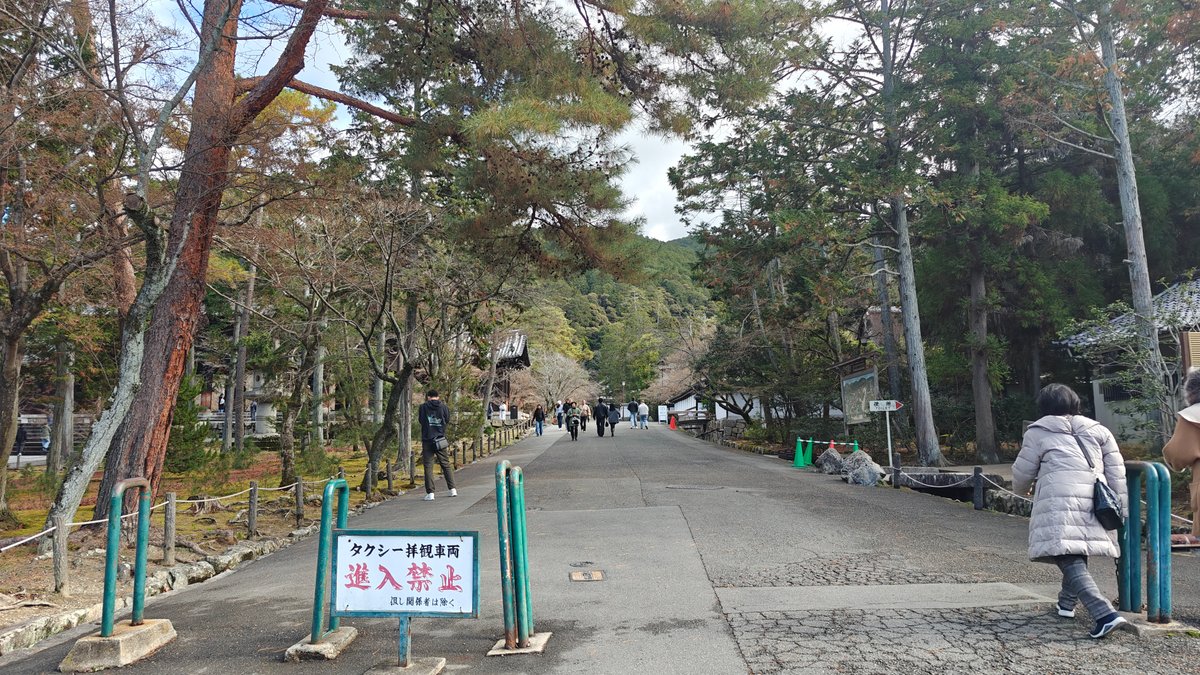
Nanzen-ji in Kyoto starts with a long gravel approach lined with trees, and it felt peaceful even in winter. The outer gate is simple and marks the temple grounds.
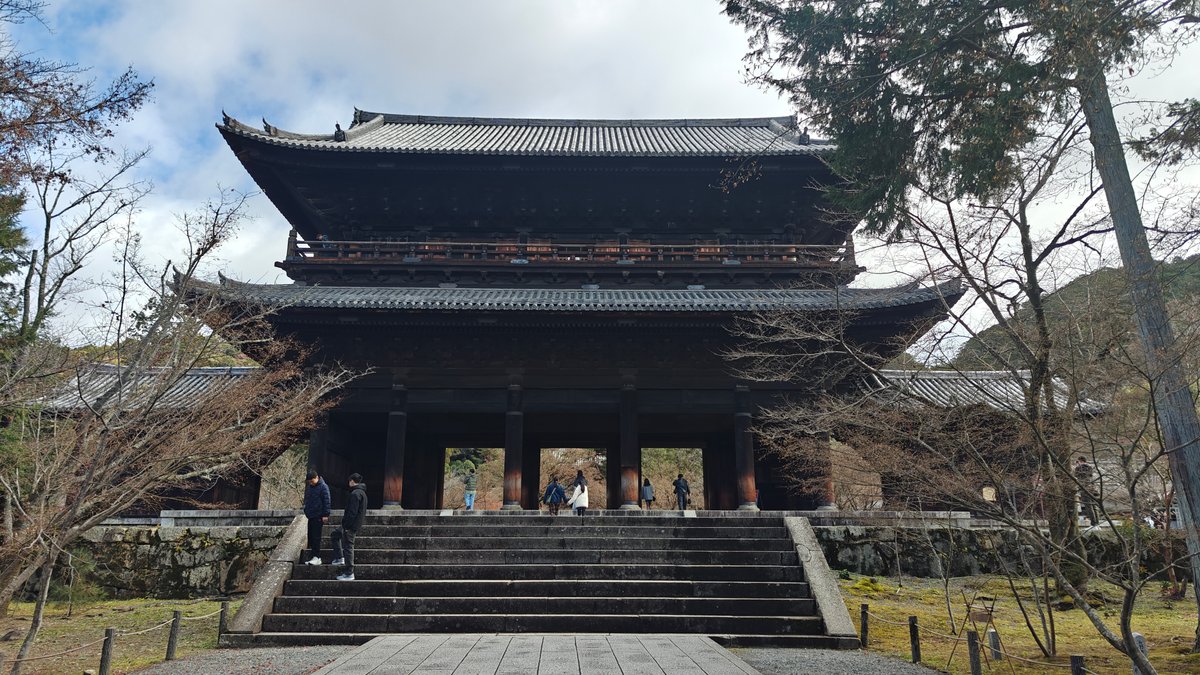
There are also some pretty large gates to see (the main Sanmon gate is one of them), which you can go up and get a view from over the complex. I mean, why wouldn’t I? I already went up there, so I may as well, right?
It’s a nice view but nothing essential.
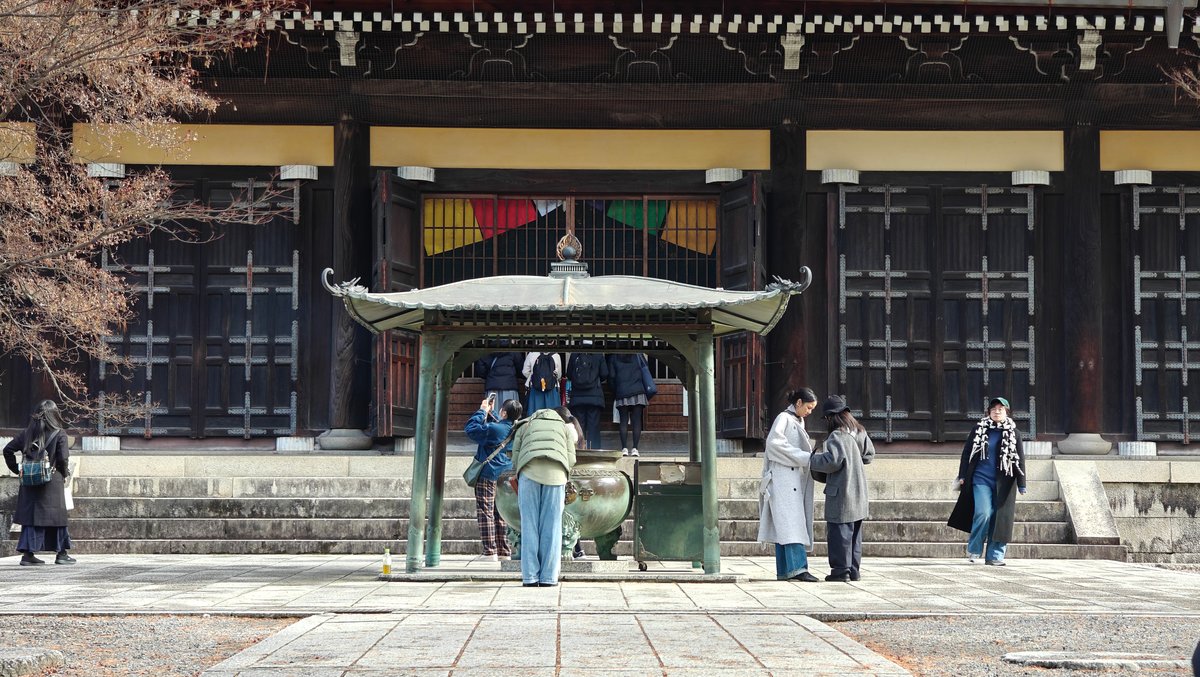
Behind the gate is the lecture hall. I walked around there for a bit, following the paths to see where they would take me.
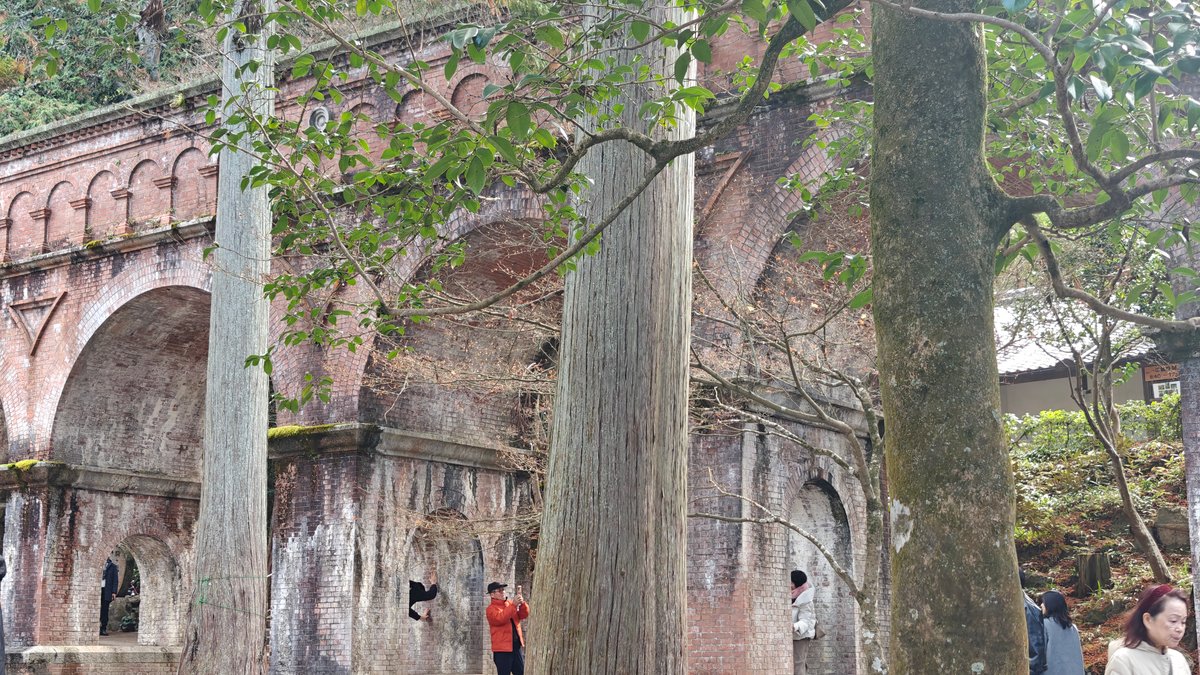
Nanzen-ji was perhaps the weirdest thing I saw at any temple: A red-brick, Roman-looking brick aqueduct cuts directly across the grounds. It’s a Meiji-era structure, but it felt completely out of place in the best way. I loved the contrast of the industrial relic and the old wooden buildings; it was so unexpected and yet somehow entirely appropriate.
Tenryū-ji Temple
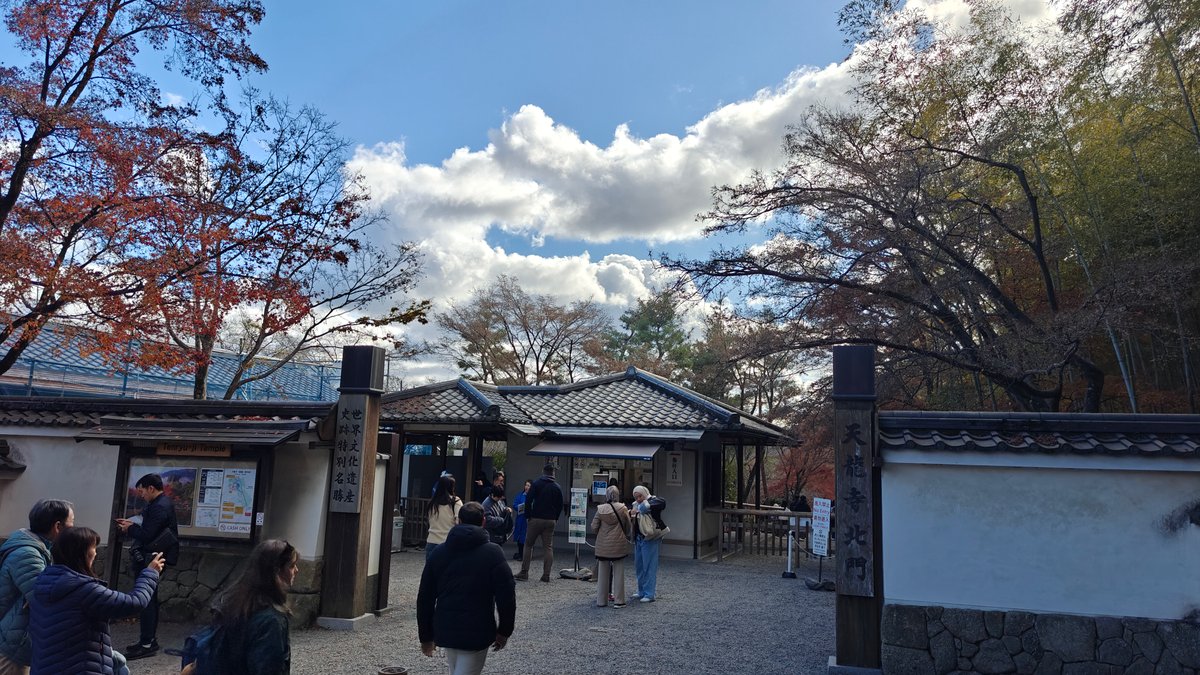
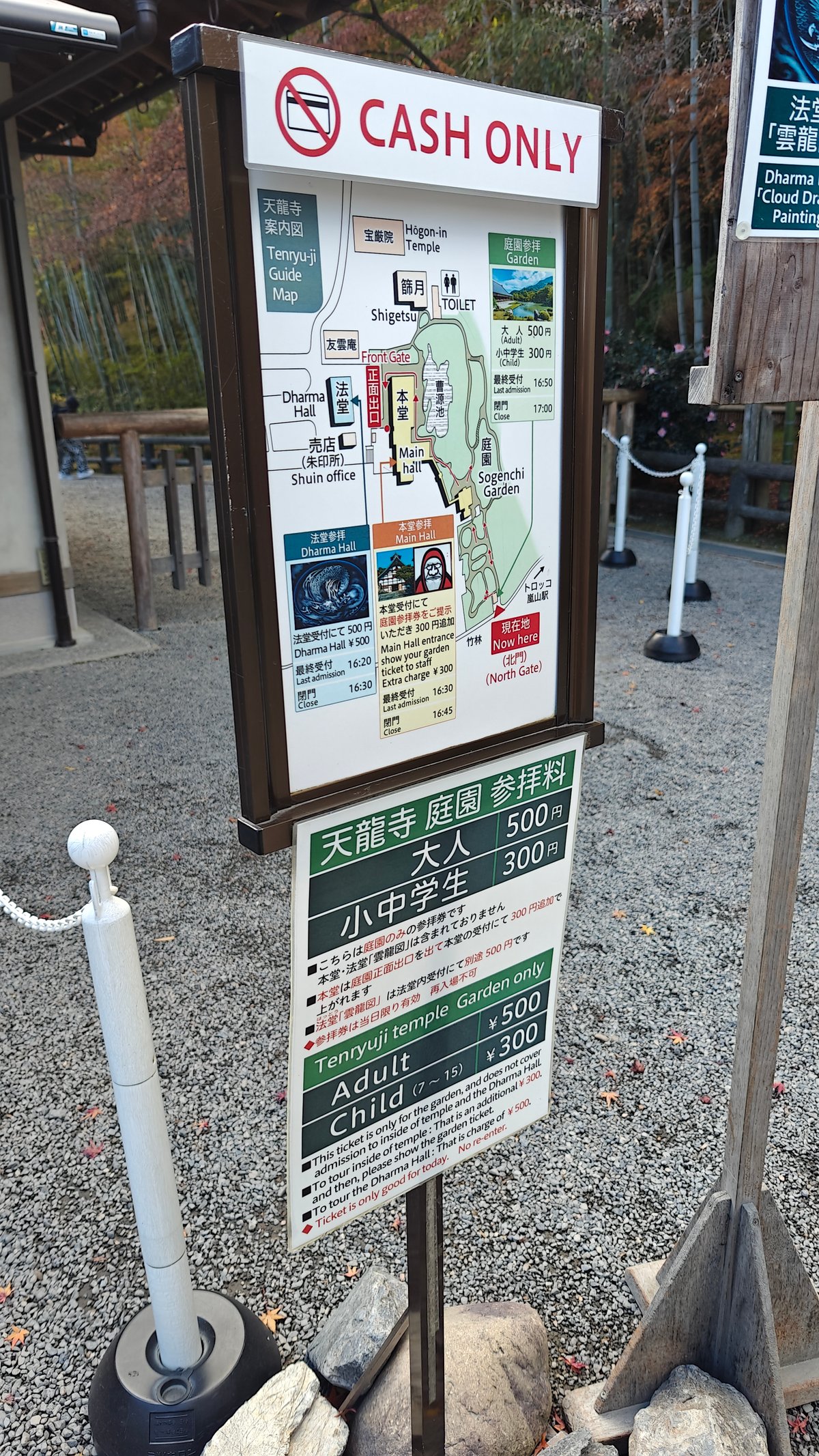
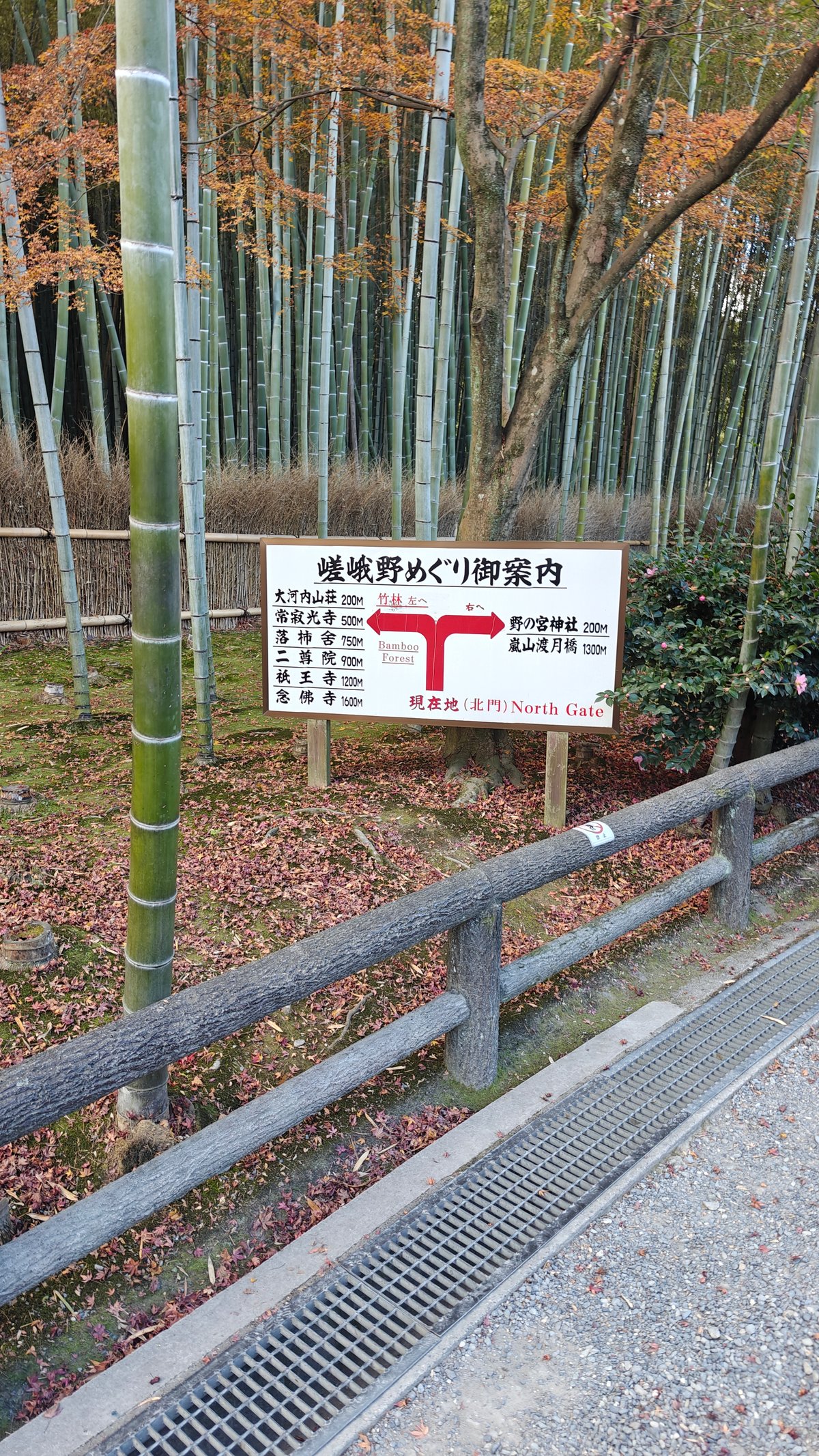
After wandering through the bamboo grove, I headed to Tenryū-ji in Arashiyama. It has a very prominent sign at the entrance warning all visitors it accepts no credit cards, thanks for that reminder, as I’ve been caught out at others!
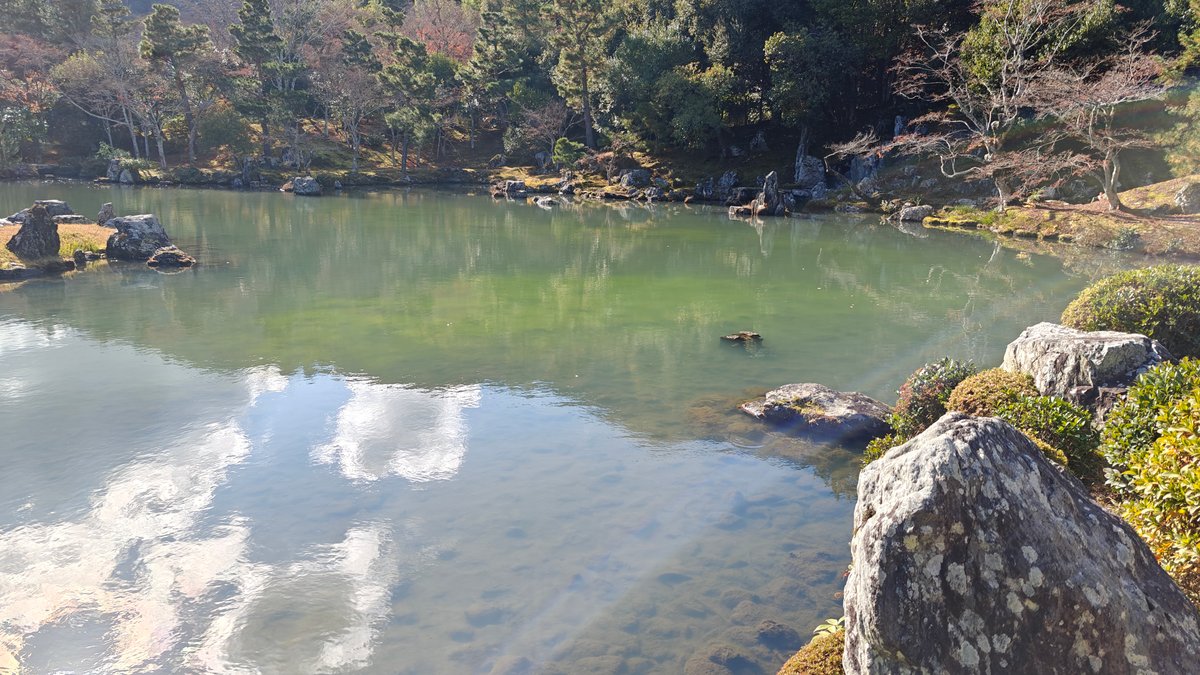
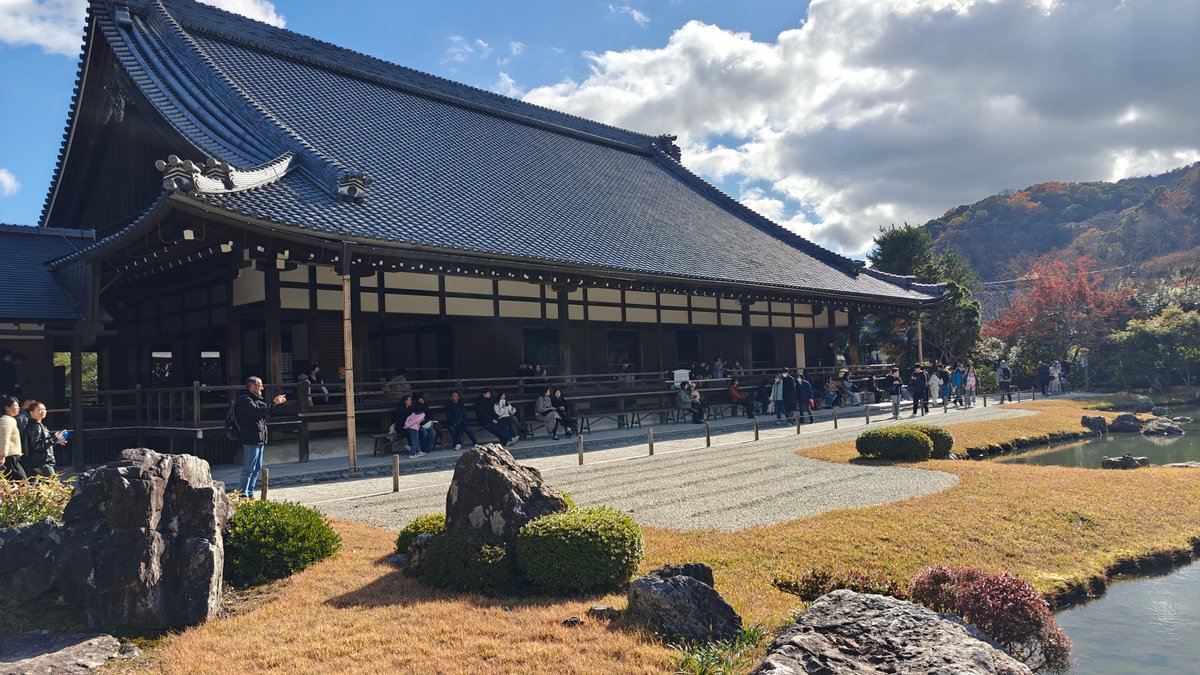
It’s designed to be seen from the main hall, which overlooks the Sogen-chi pond garden, the big draw here. From my vantage point on the wooden floor inside, I looked out at the pond and beyond to the mountains in the distance. It’s a quiet, well-composed garden that’s one of those places you just sit and look at.
And I did, for quite a while longer than I thought I would.
Higashi Hongan-ji Temple
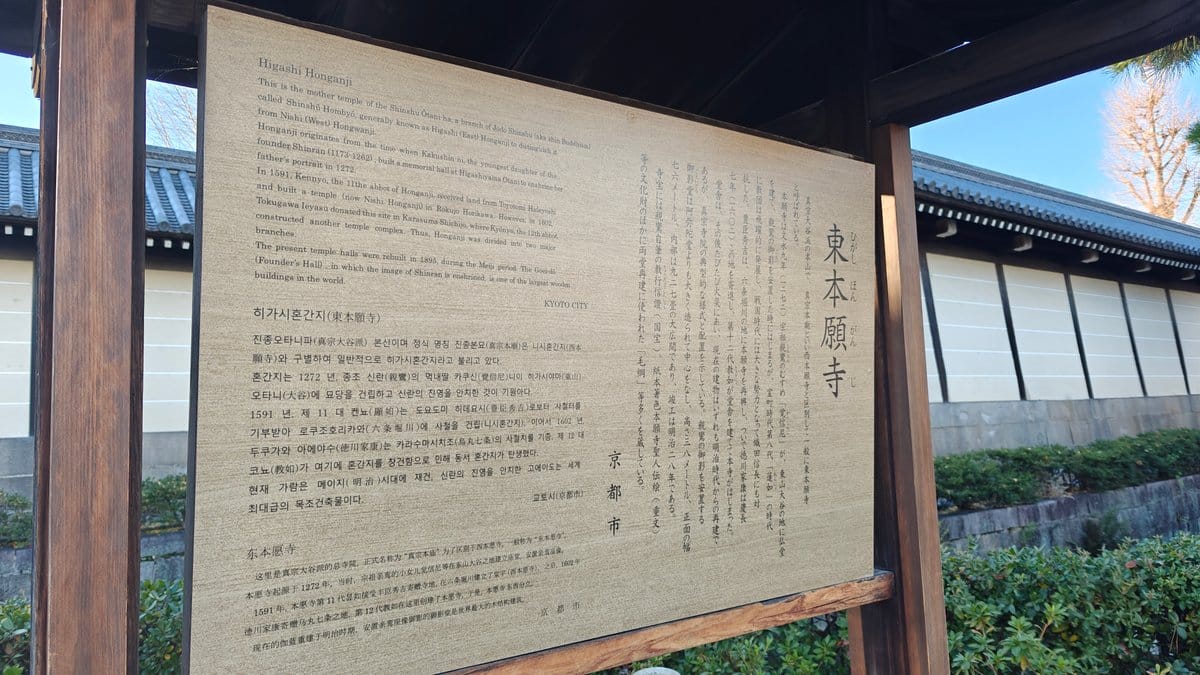
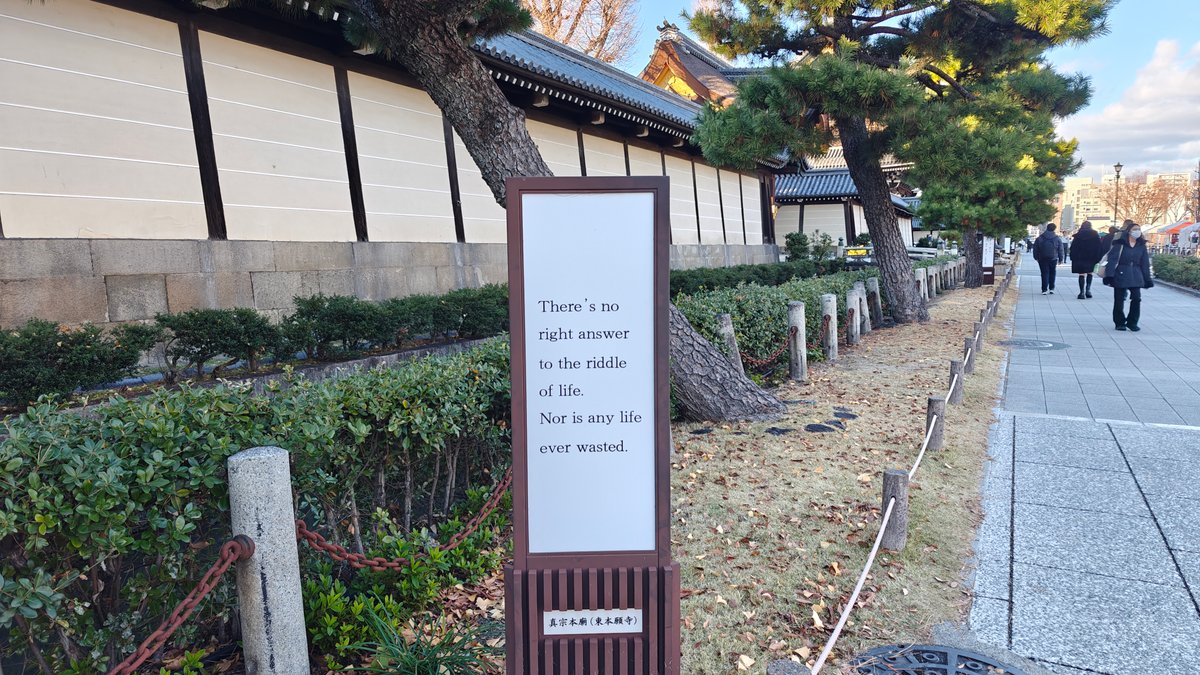
It was cold, but oh, the view… I stopped by Higashi Hongan-ji in Kyoto because it’s right next to the station. I had some time before my train and it’s an easy place to stop in for a few minutes. It is another headquarters temple, and it is intimidating in scale.
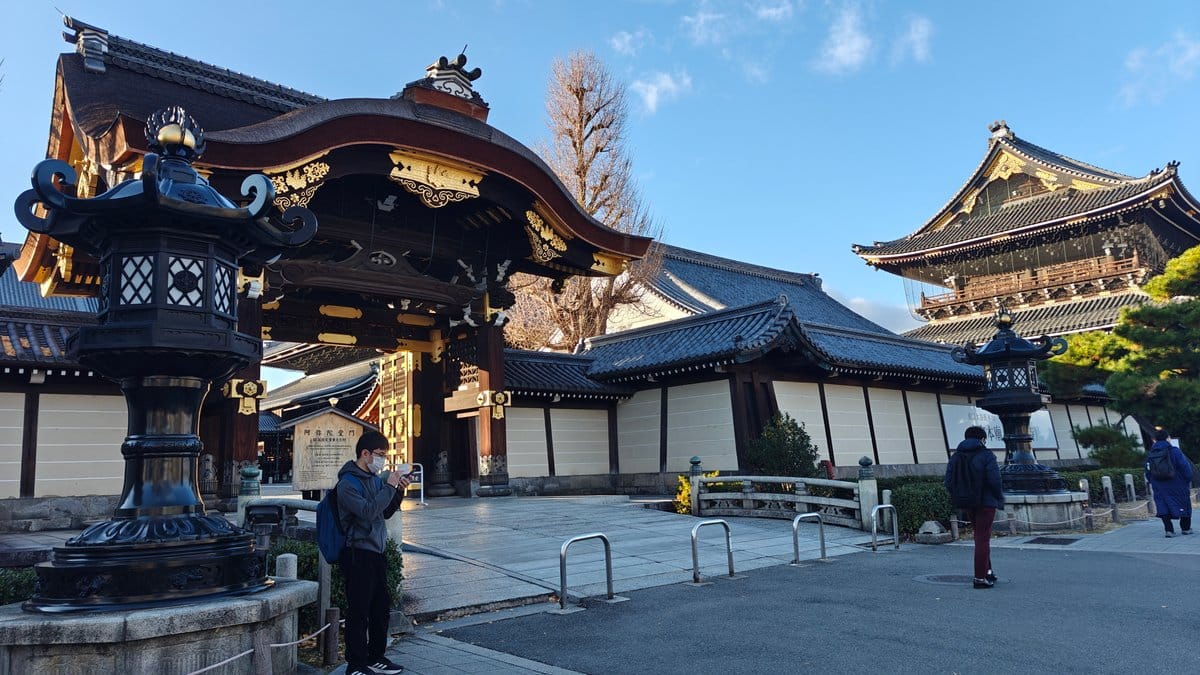
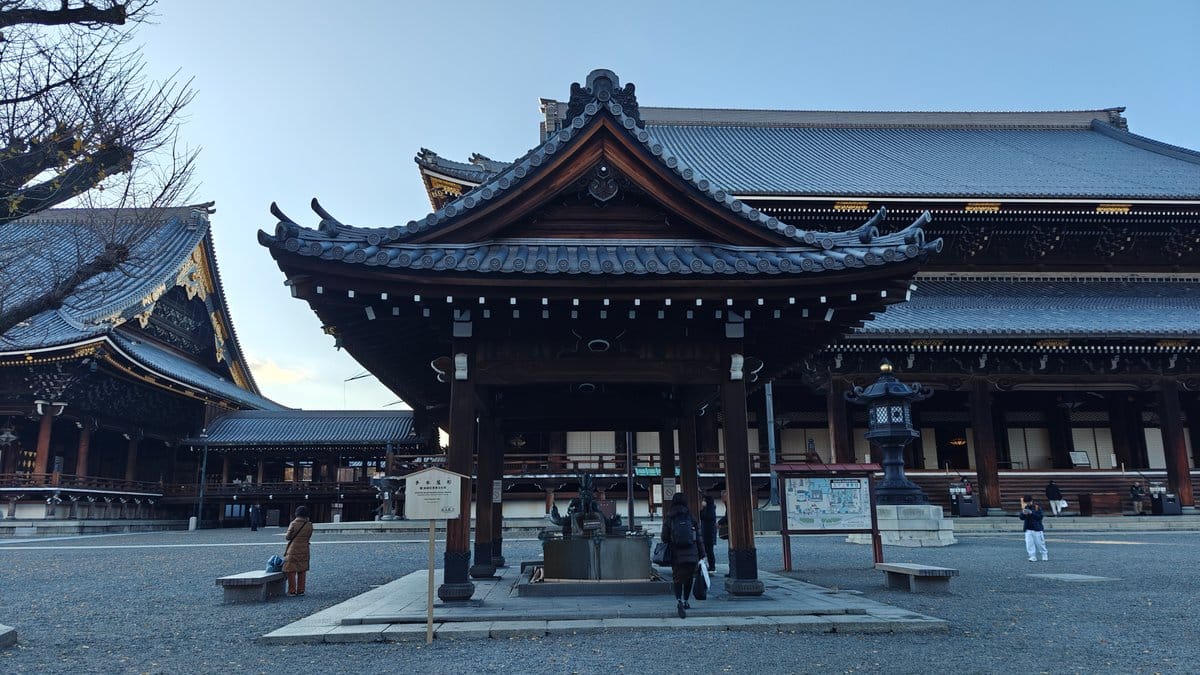
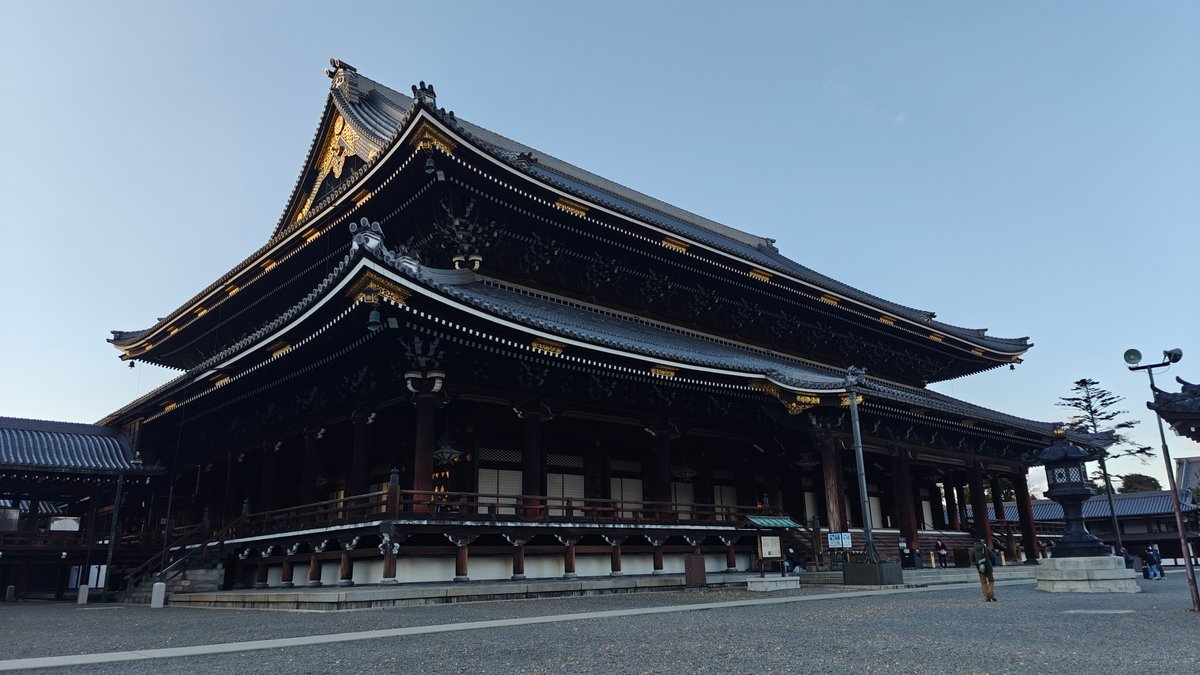
Everything is huge, the halls are some of the biggest wooden structures I’ve seen (as is the gate). It’s all very grand and formal, with large gravel courtyards and nothing but open space. There is not much to see here; I spent little time at it, but it’s worth visiting if only because of how immense the buildings are.
I walked across the plaza between the twin halls and felt very small.
Hōrin-ji Temple
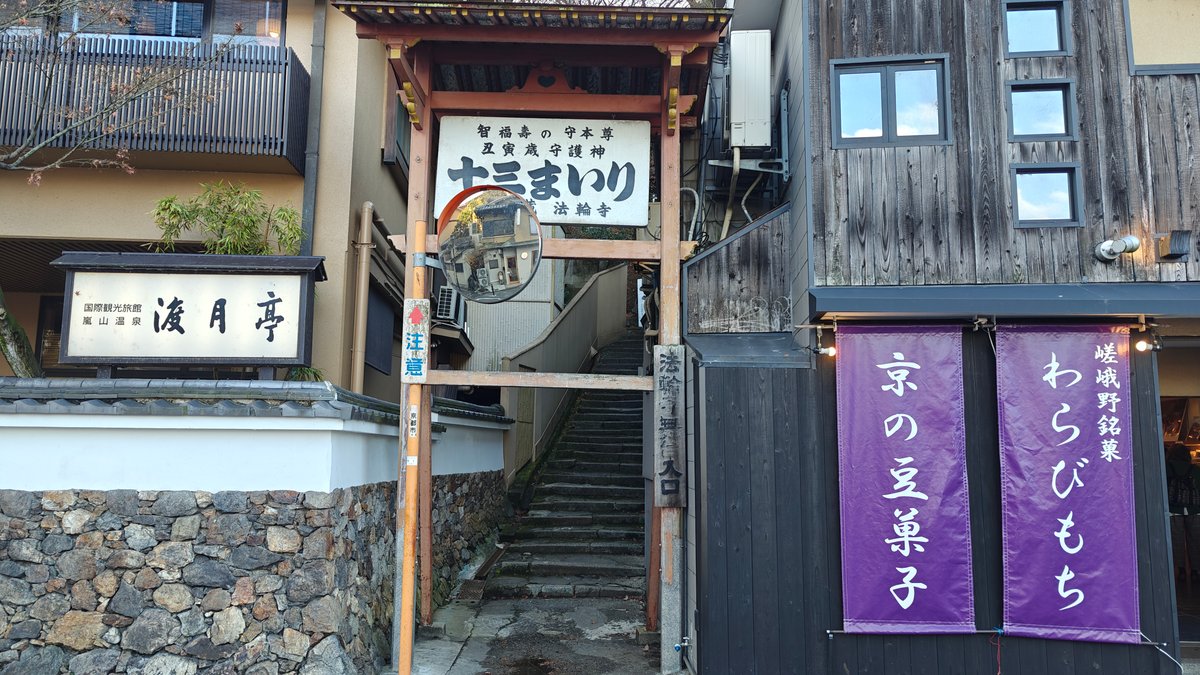
Hidden away up on a hillside in the Arashiyama part of Kyoto, I nearly missed Hōrin-ji. A weathered sign directs you up a path from a neighbourhood street lined with small shops.
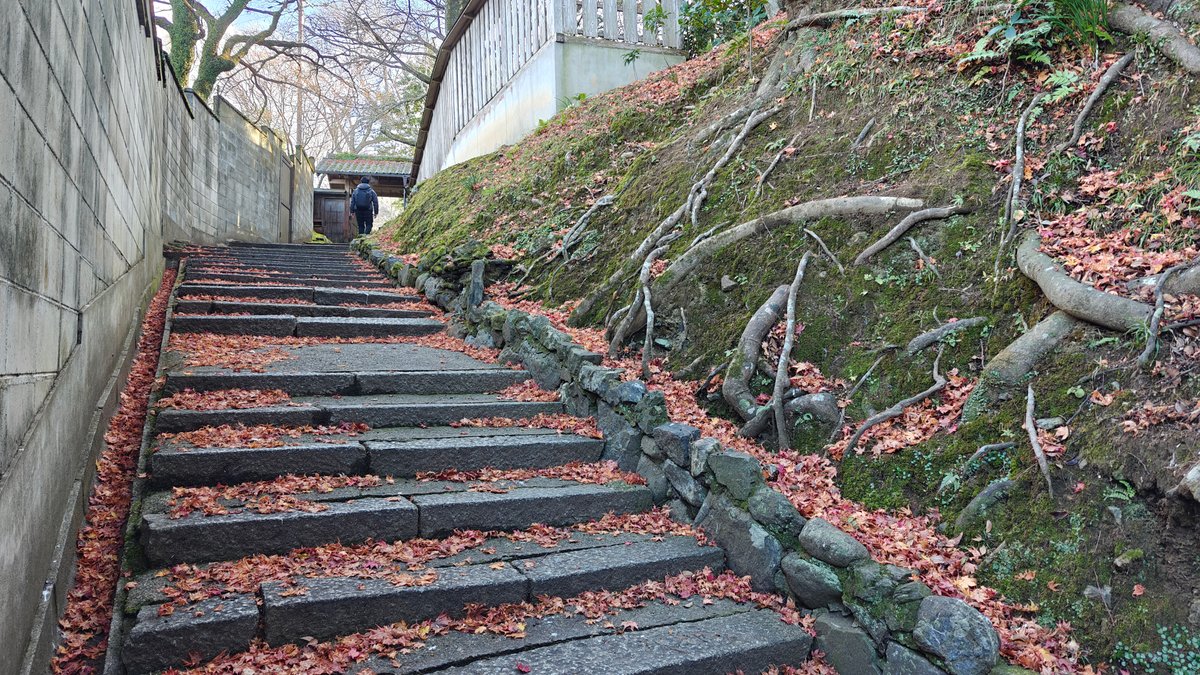
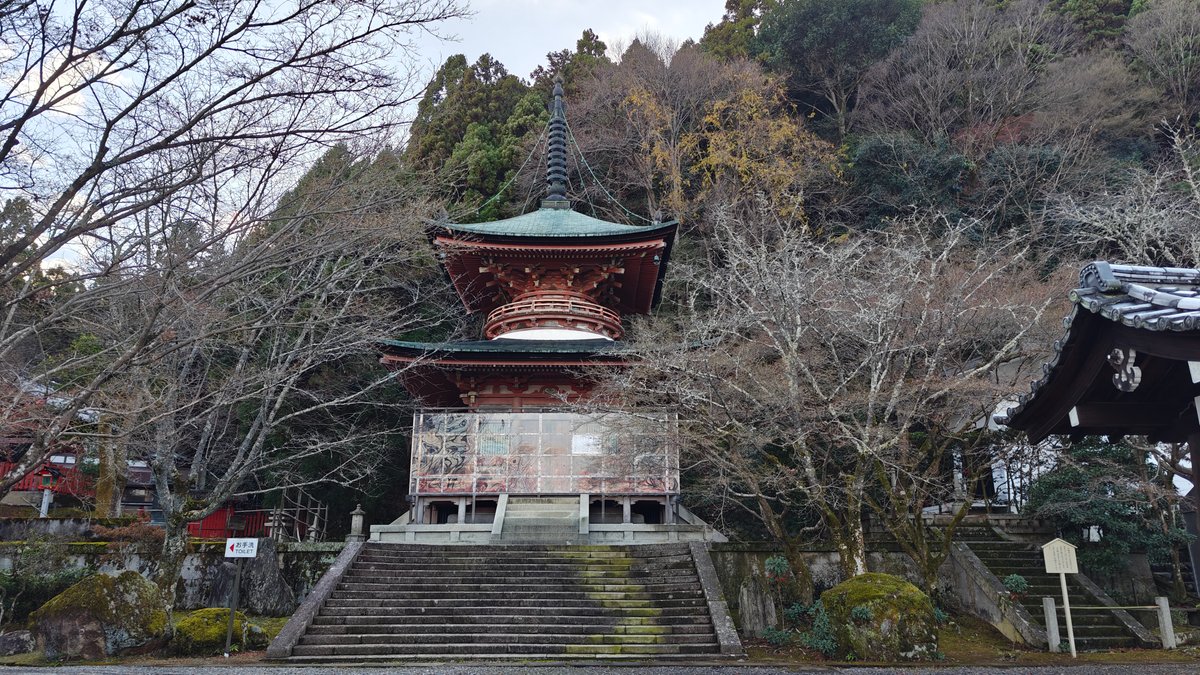
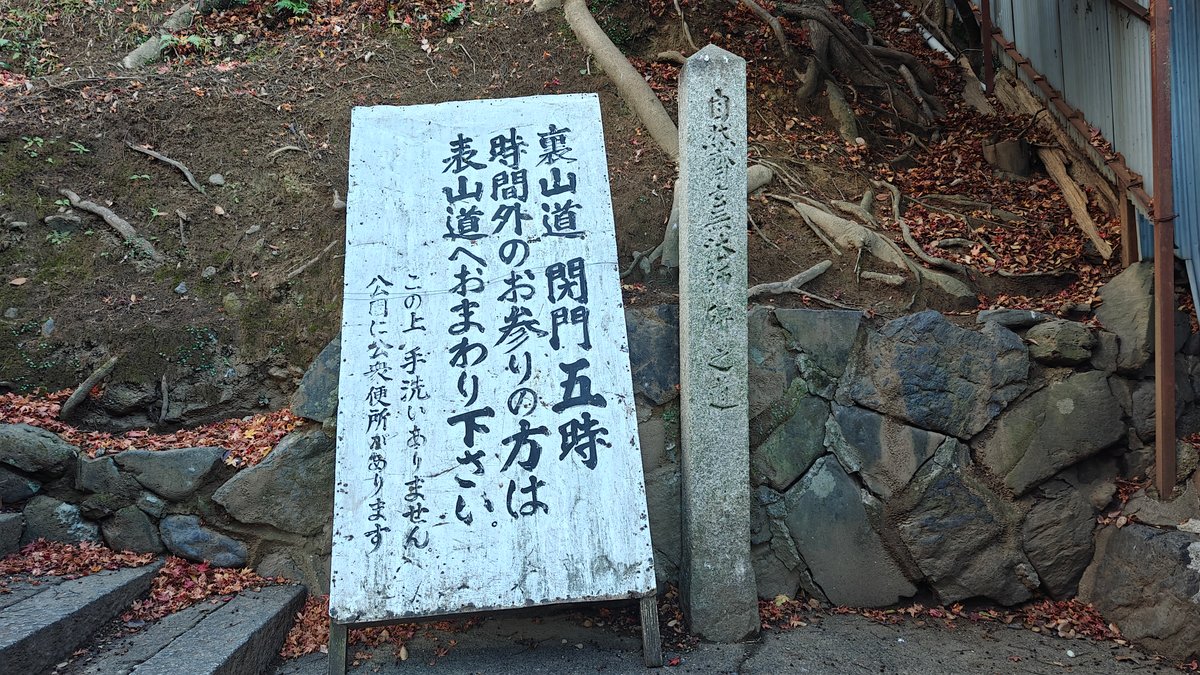
The temple itself is up the mossy, slippery, leaf-covered stone stairway. At the top is a two-story pagoda that seemed quiet and remote, yet it was actualy not far from the busy area near the bamboo groves.
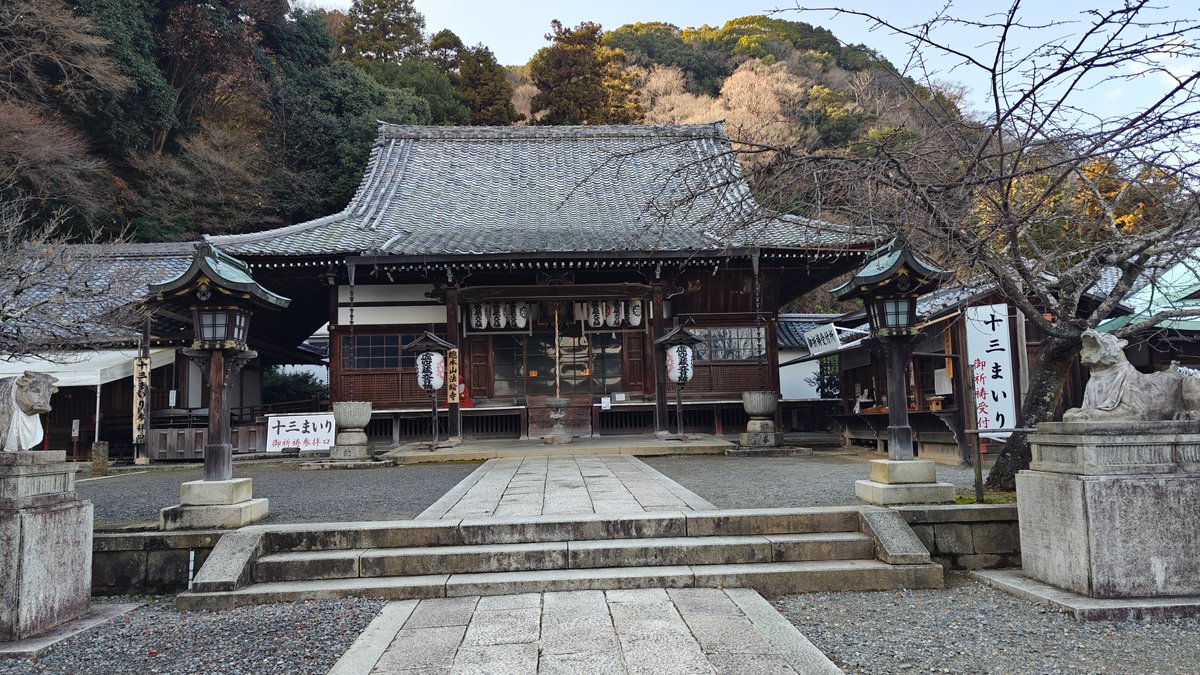
Further up was the main hall, which you can access by climbing another set of stone stairs. It wasn’t as shiny or famous as some of the others, but I enjoyed how slightly forgotten-about it felt.
Kenninji Temple
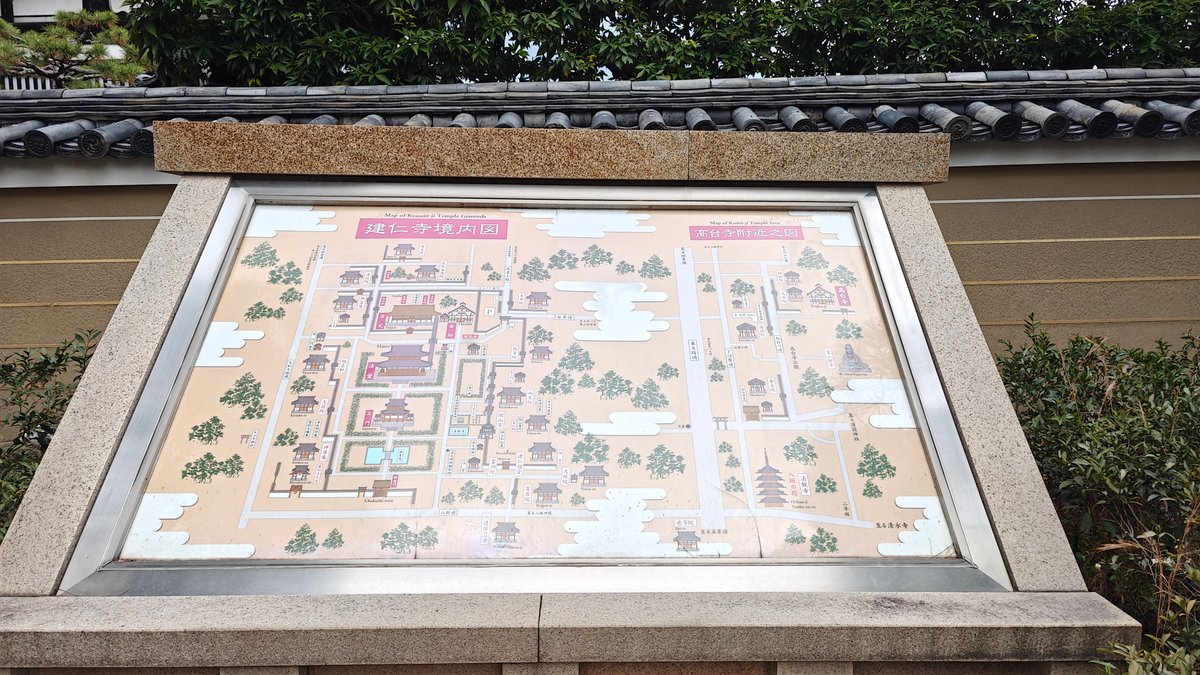
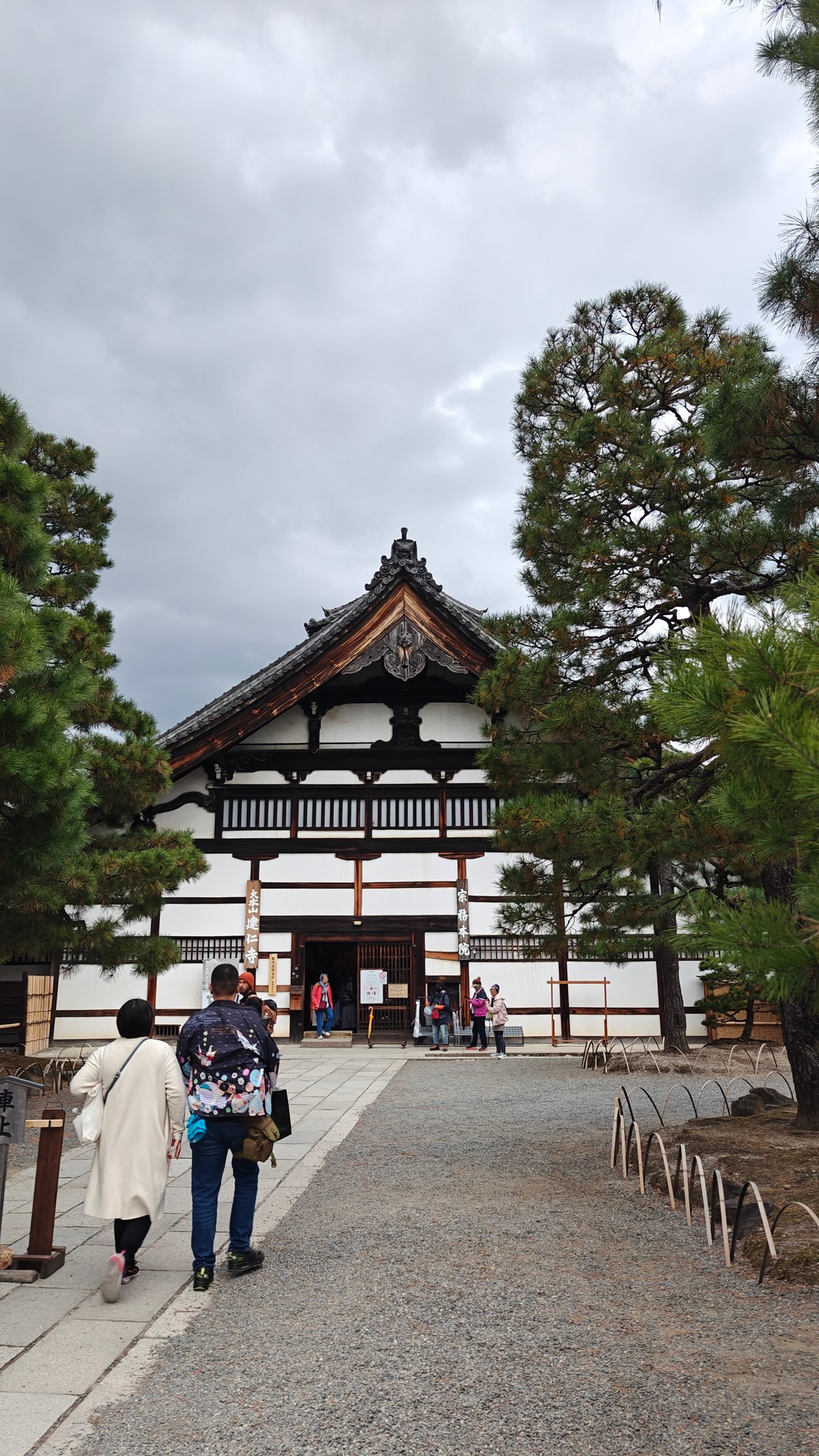
I stumbled into Kenninji in Kyoto, which is one of the oldest Zen temples in the city. It’s located in Gion, so I wandered in not really knowing what to expect. The map at the entrance made clear just how big an area I had to explore.
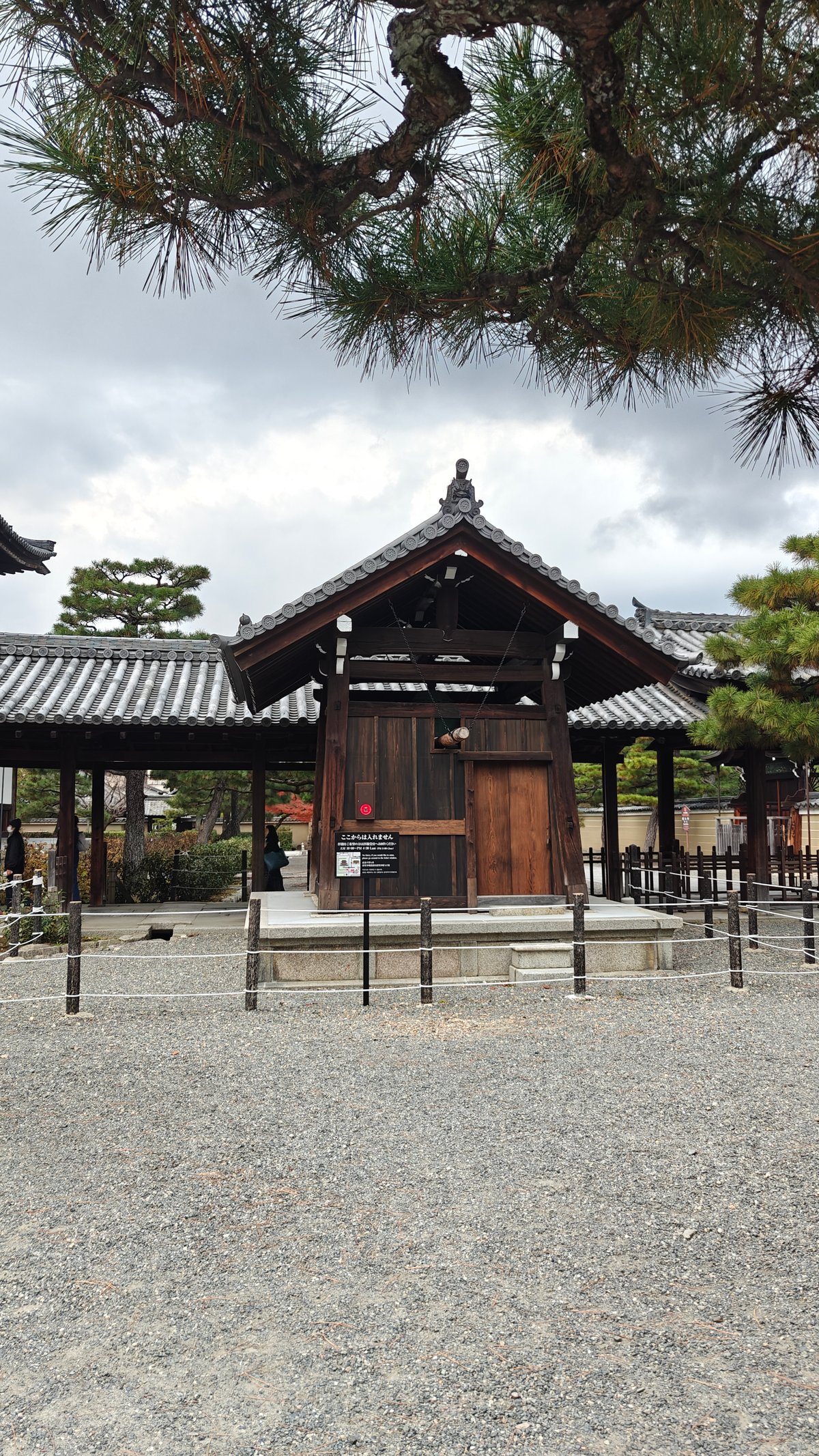
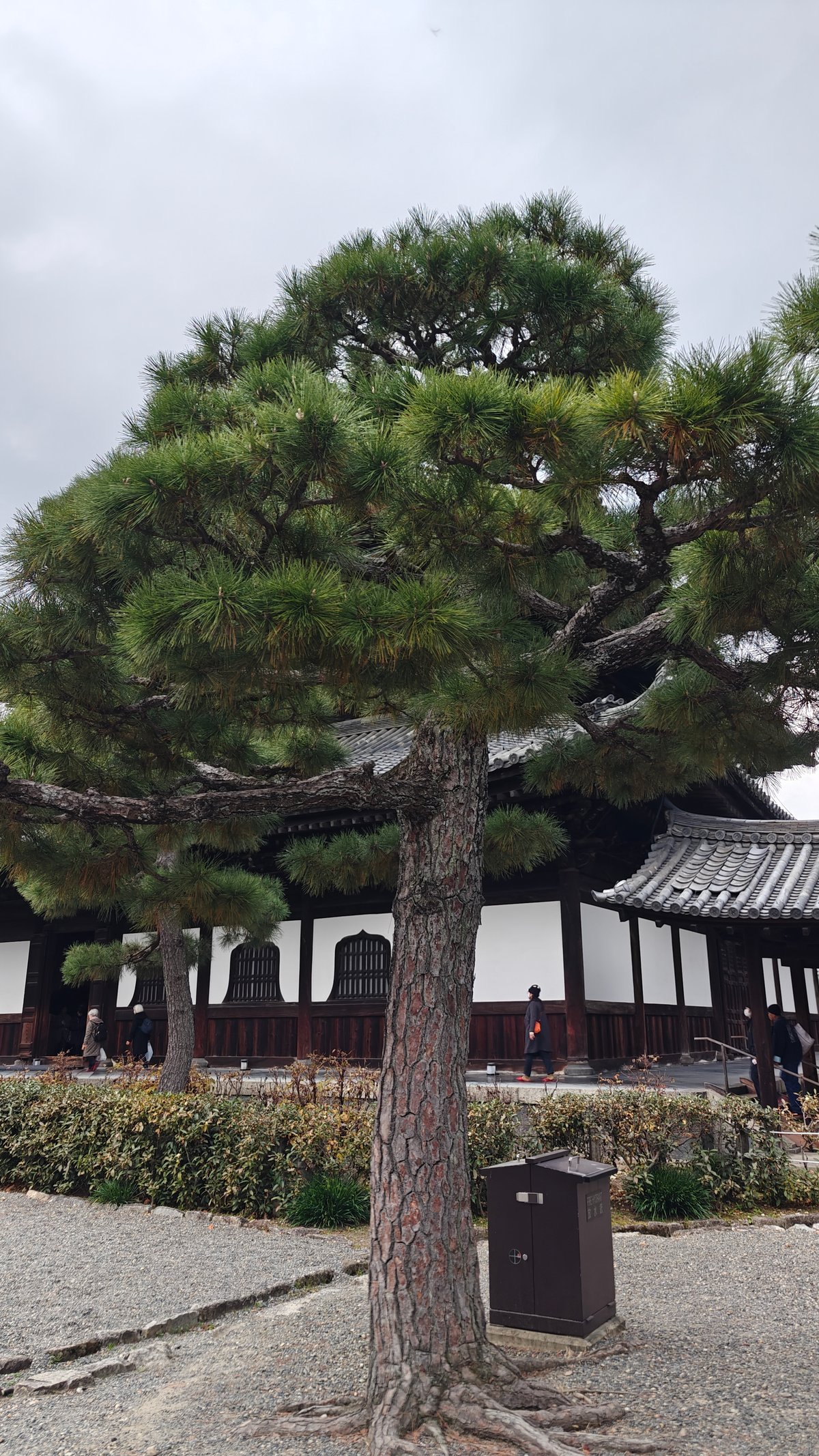
There is a gnarly old pine tree framing one of the halls, and the bell tower sits under its own roof. It felt very Zen with lots of empty space, careful composition, and raked gravel everywhere.
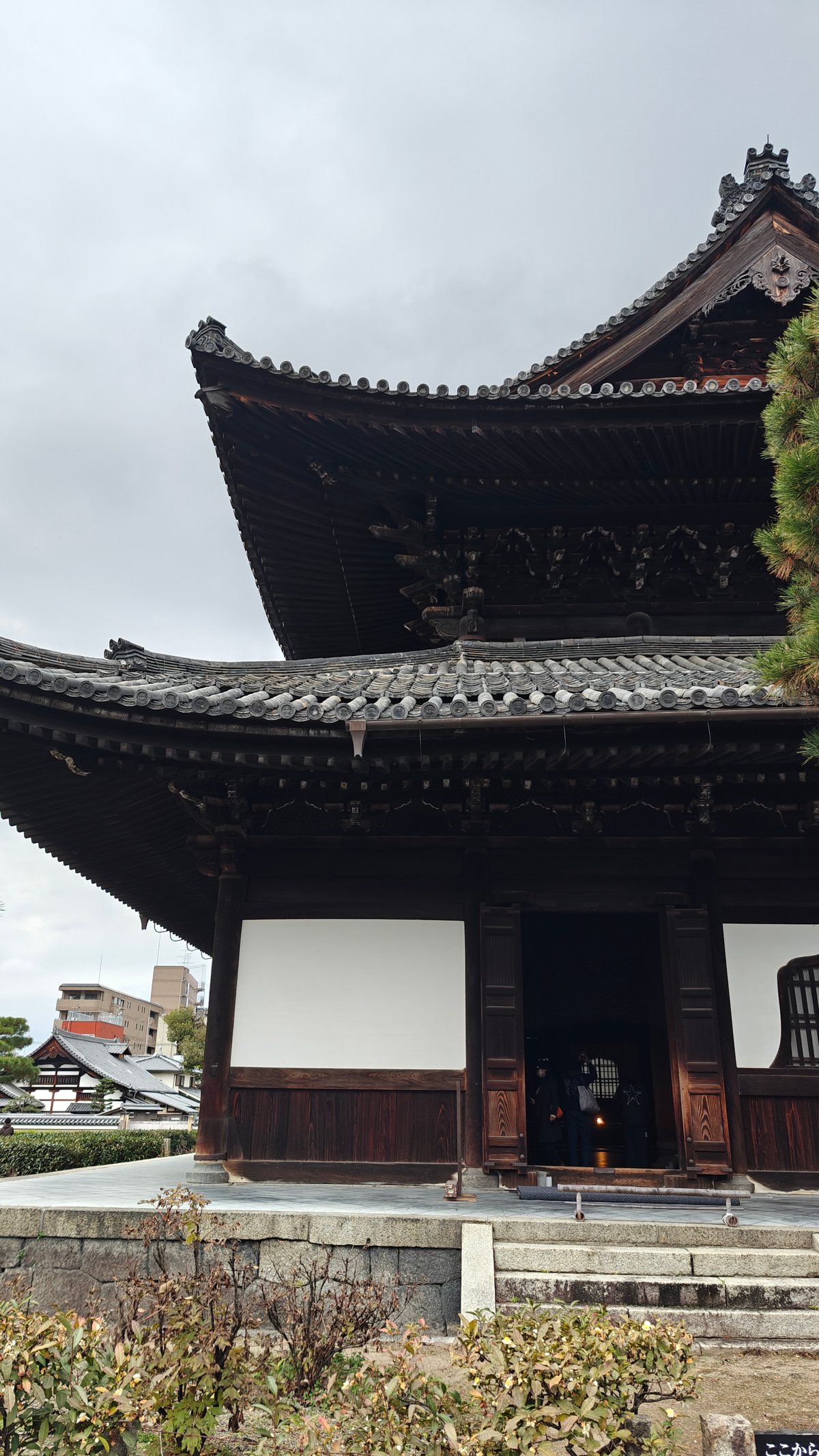
When I went, the doors of the Dharma Hall were open and I spent a minute standing inside it, gazing around the darkened interior. There’s something about the stripped-down simplicity of this entire complex that slows your pace and makes you take notice.
Chionji Temple
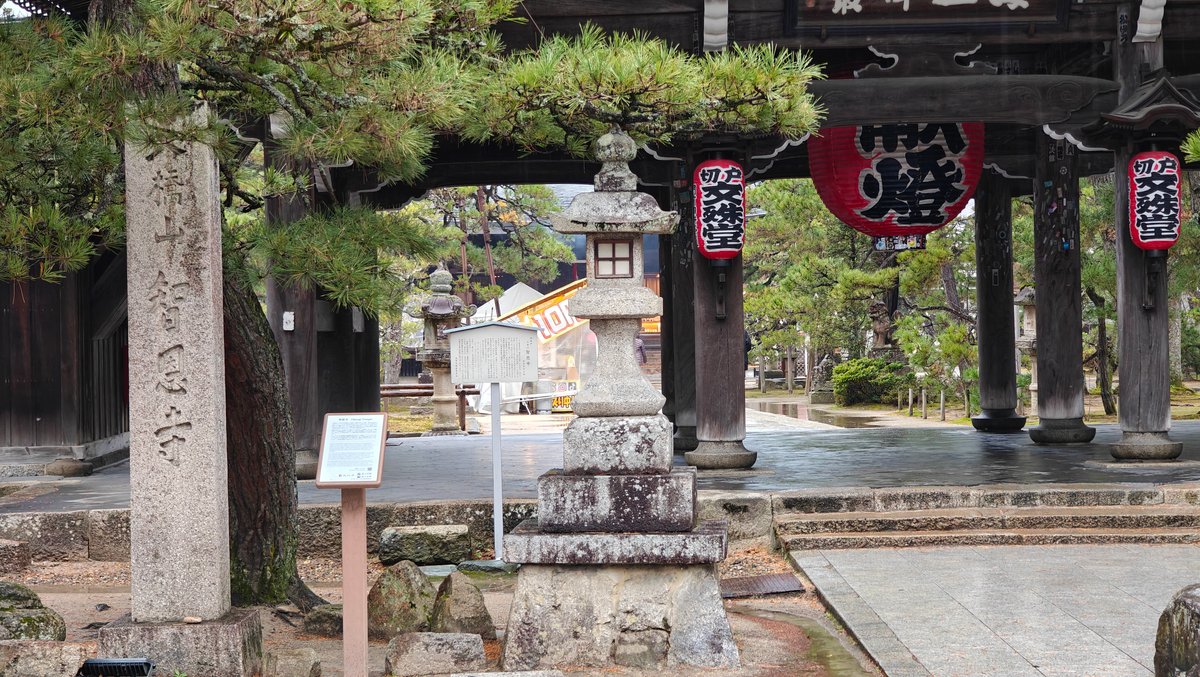
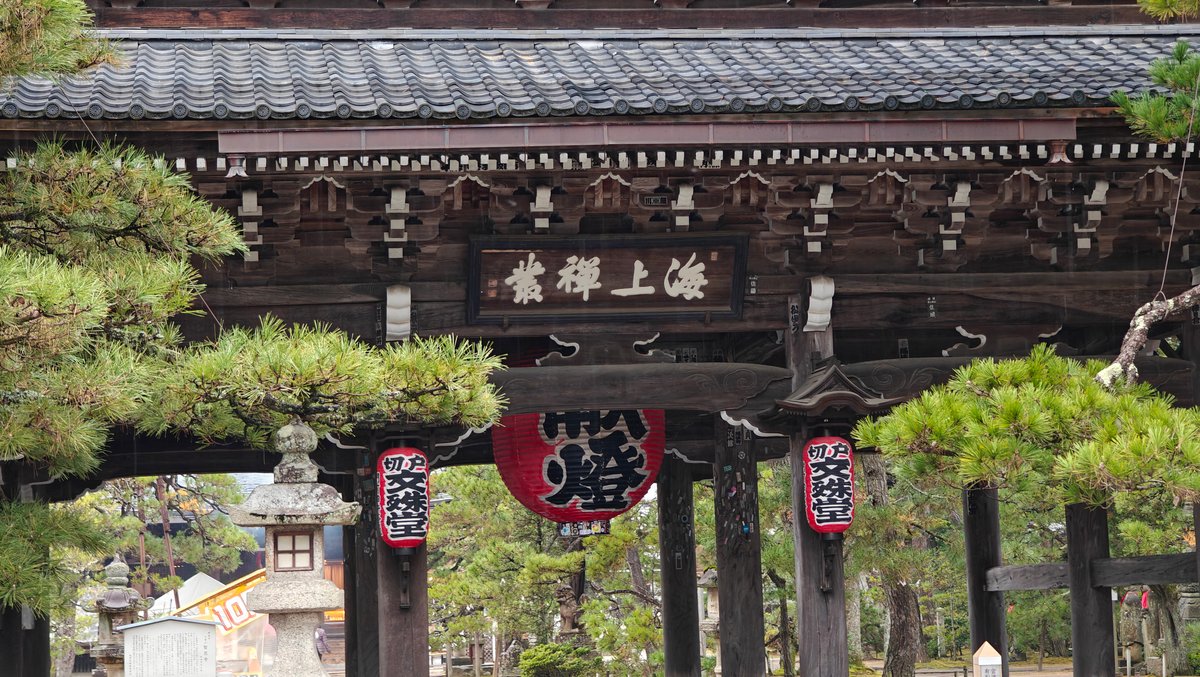
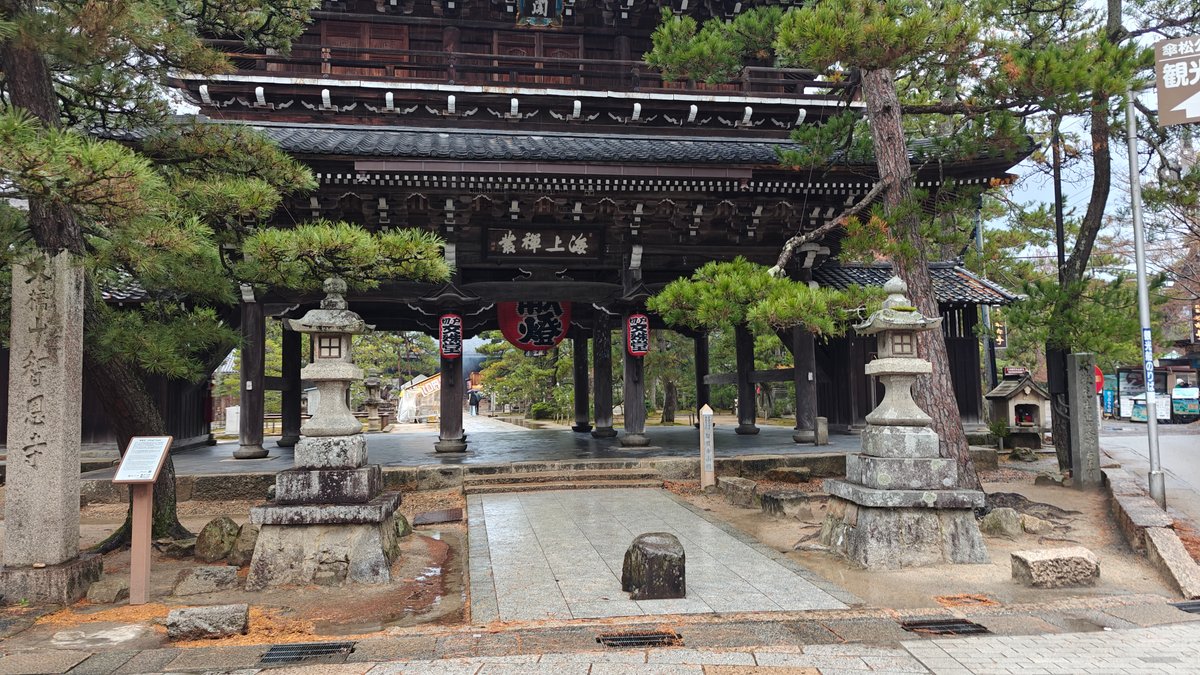
Chionji in Kyoto is smaller and more quiet than most of the temples I saw. You go in through the Sanmon gate (decorated with lanterns) and then look out over the grounds spreading away behind you under the pines.
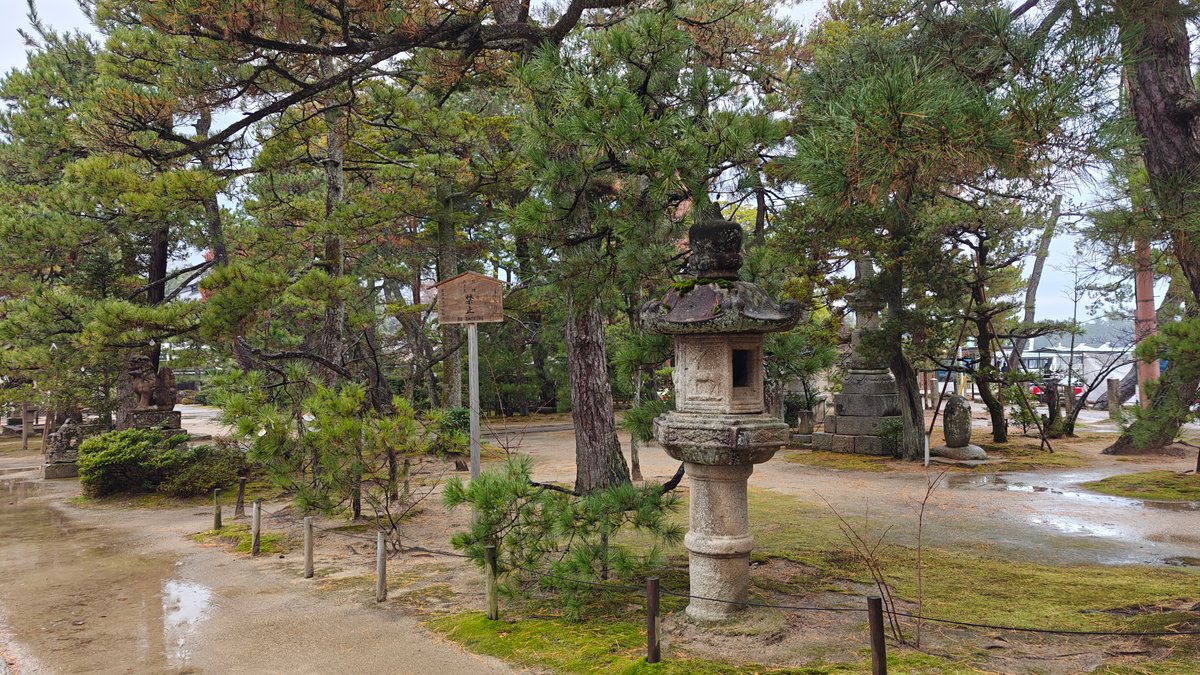
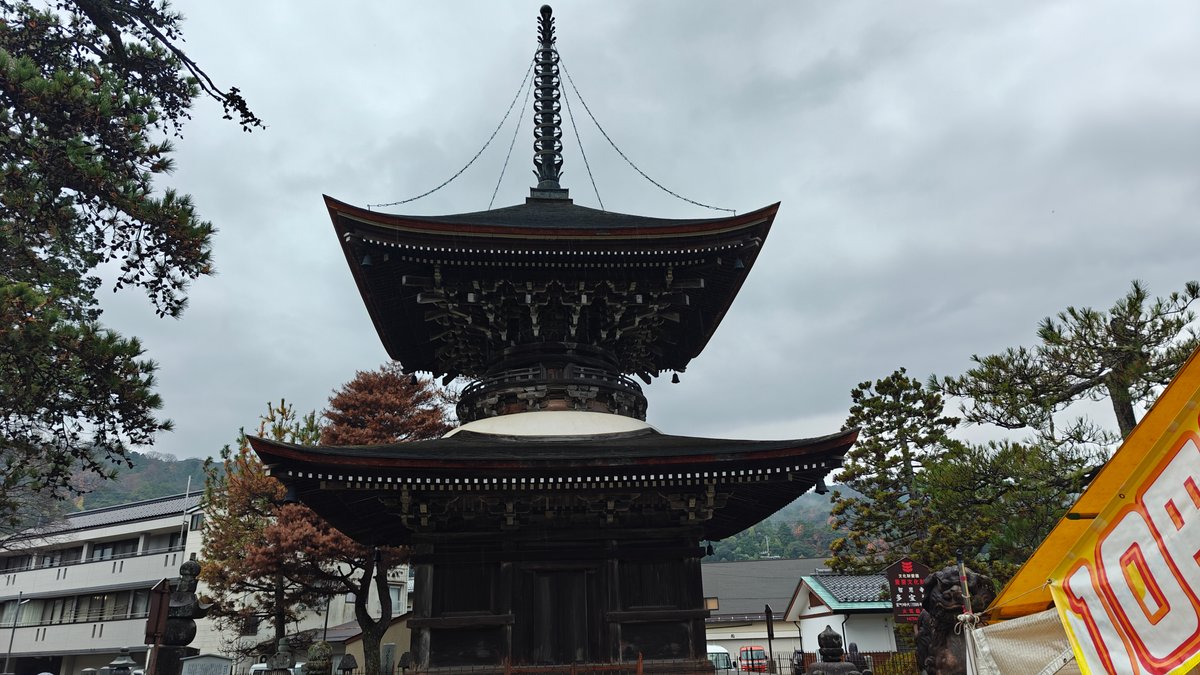
There are stone lanterns along the paths, and a pagoda nestled amongst the trees. Because I went at the end of the afternoon, the light was soft and low. I saw few others around, and this is definitely not a well-known temple.
That gave it a slightly “discovered” feeling for me.
Hase-dera Temple
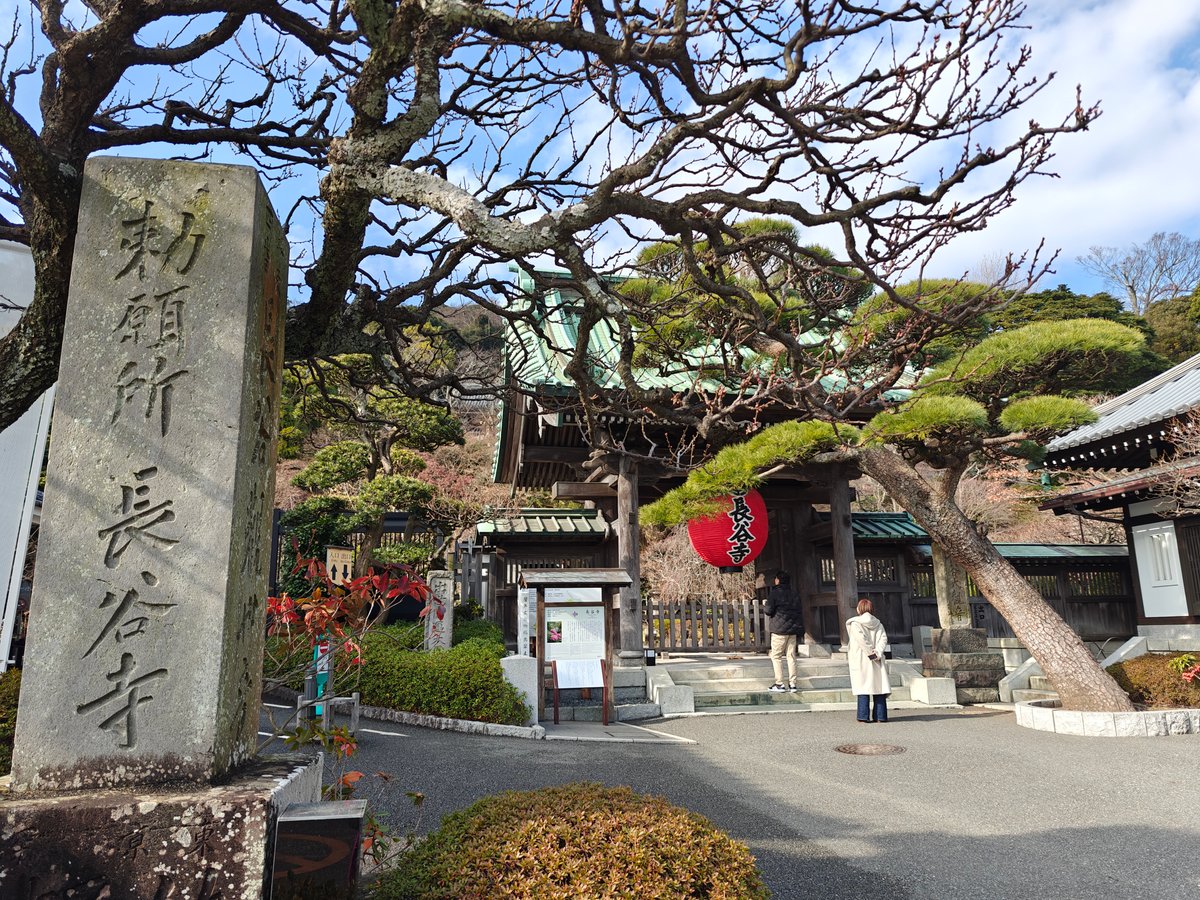
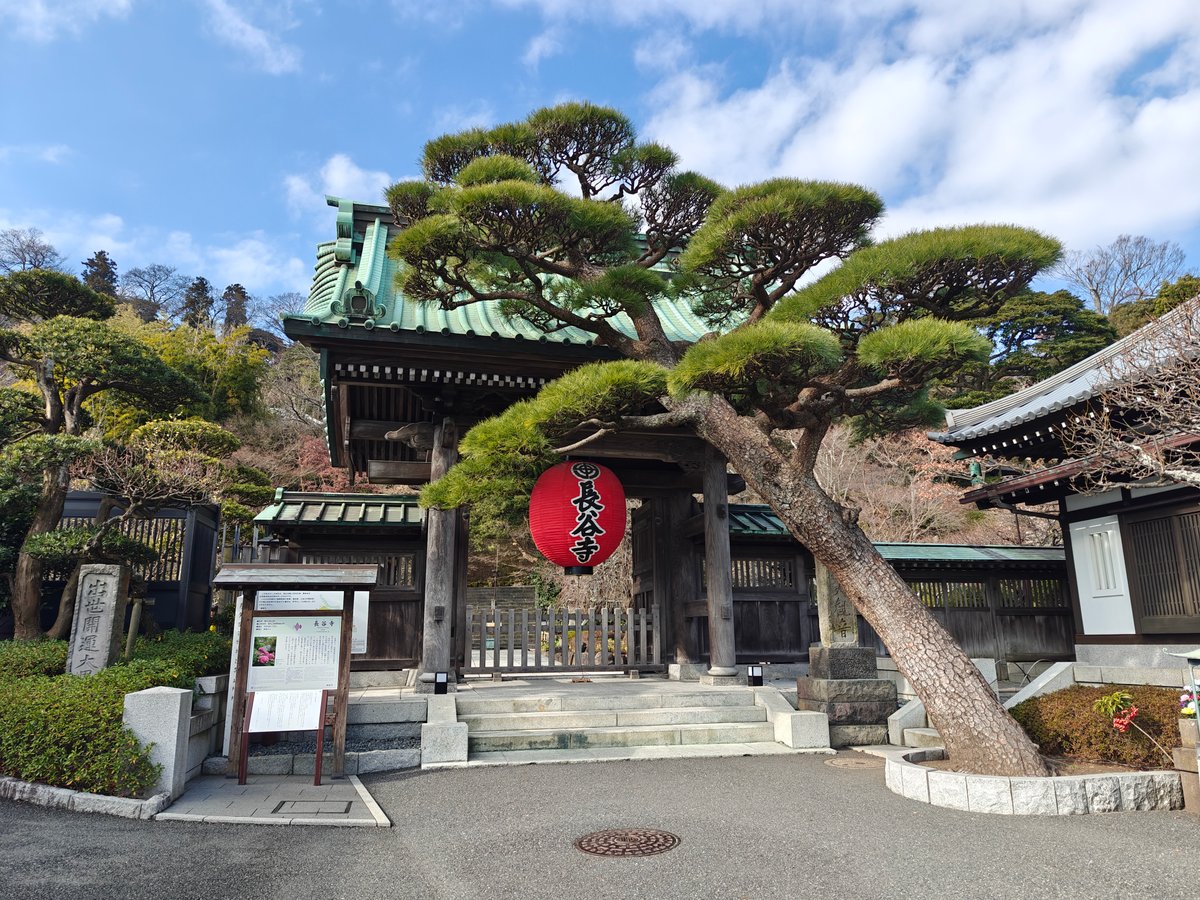
Hase-dera is located high above the city of Kamakura. It is one of the temples perched on a hillside above the city. On a crisp winter day, I walked through the gate and headed uphill.
As you near the complex, you’ll notice a lantern on the main gate that catches your eye.
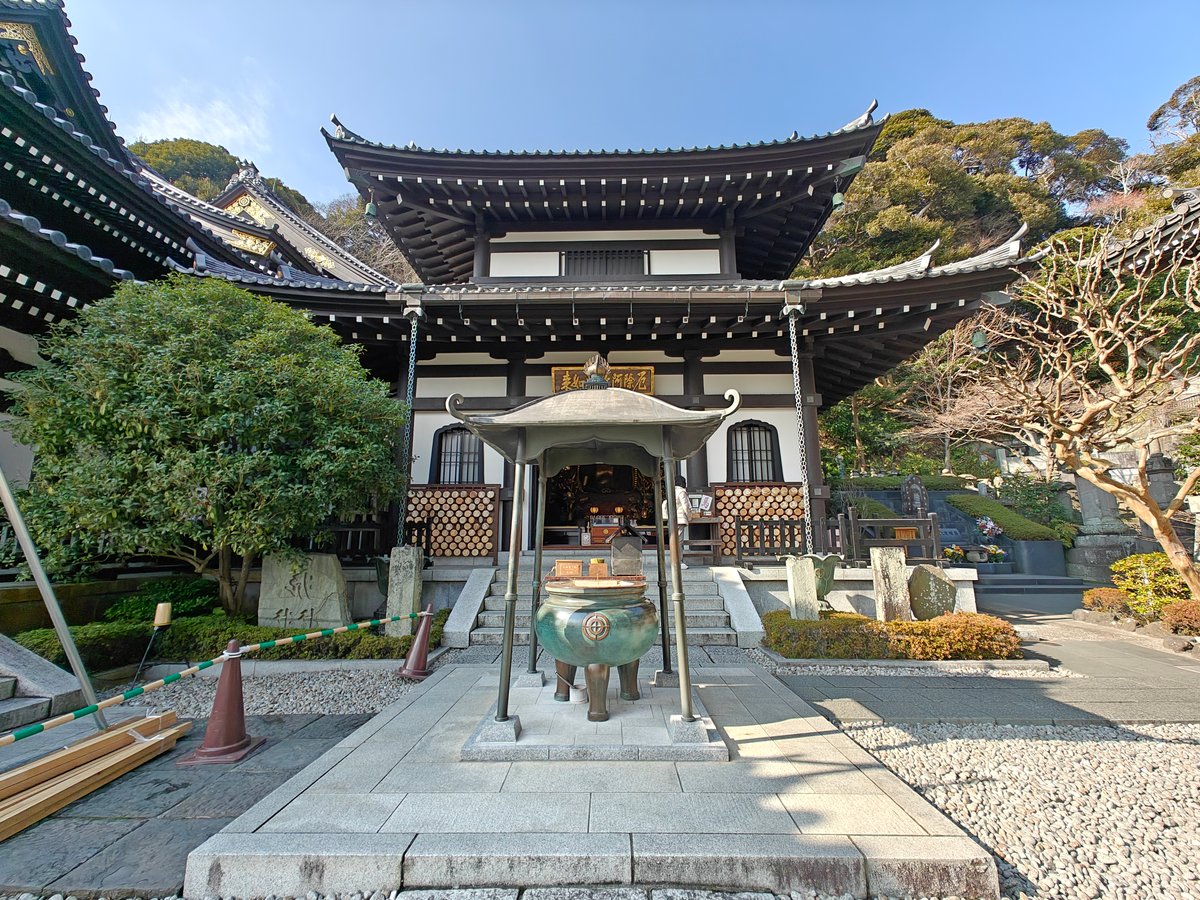
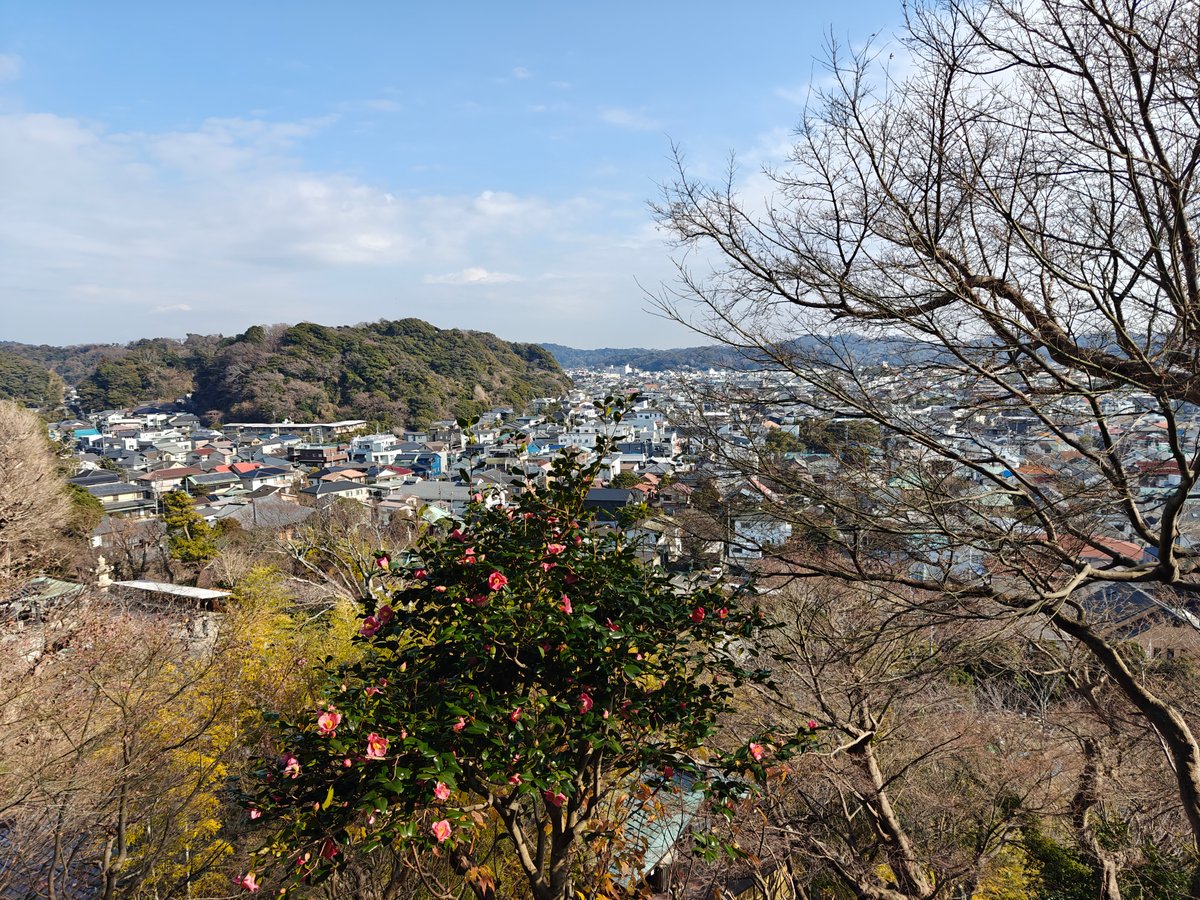
From the main hall, there’s a large terrace overlooking the sea and Kamakura below. After climbing up, I took a moment to enjoy the view and catch my breath. The temple feels warm and inviting; it’s also just a pretty place.
Hokokuji Temple
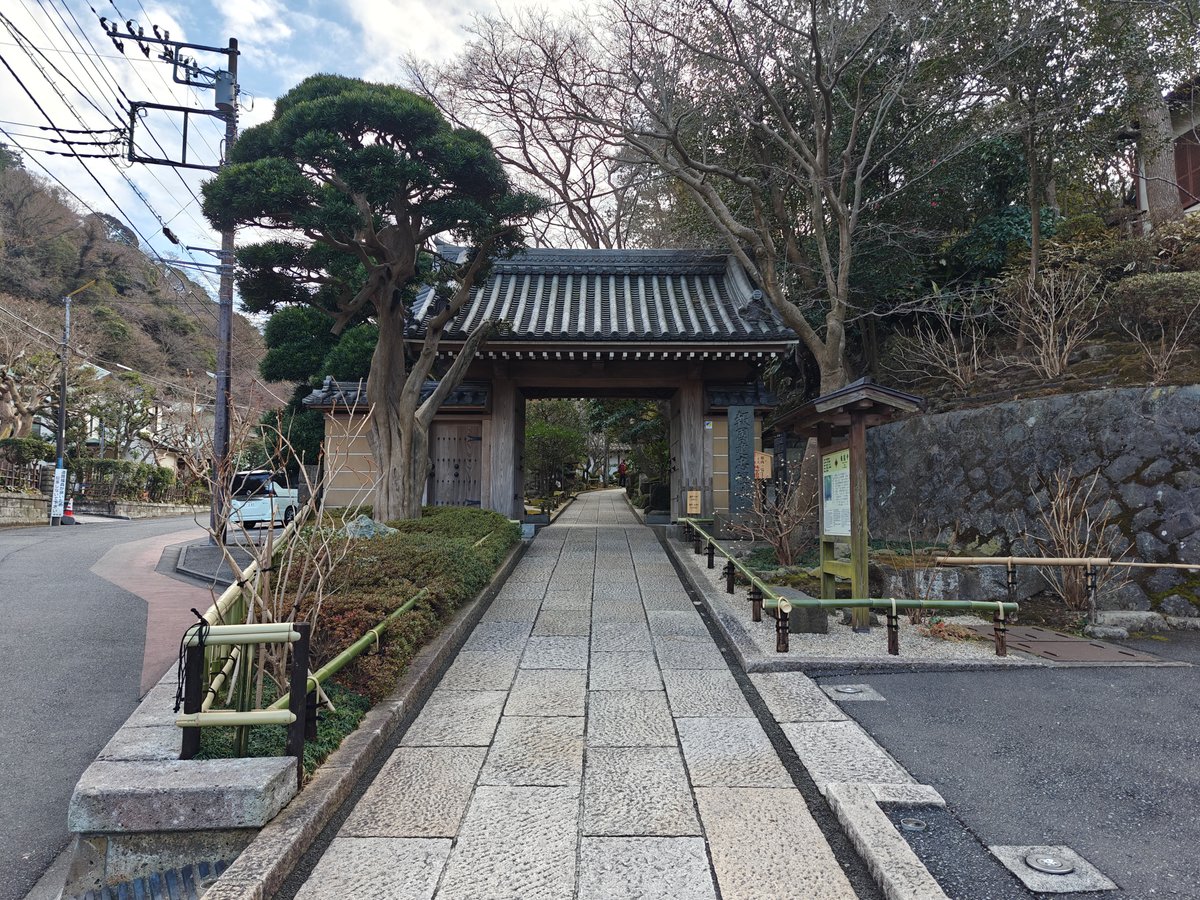
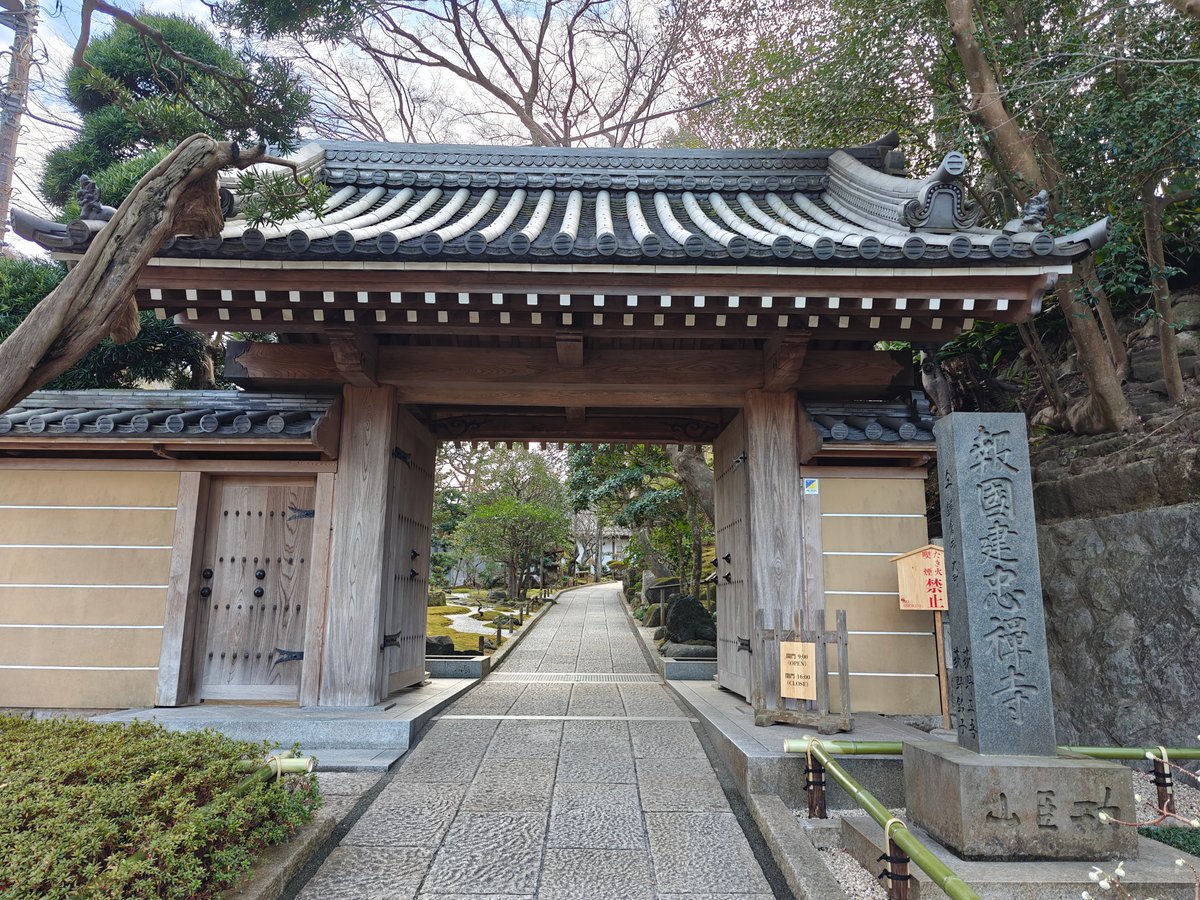
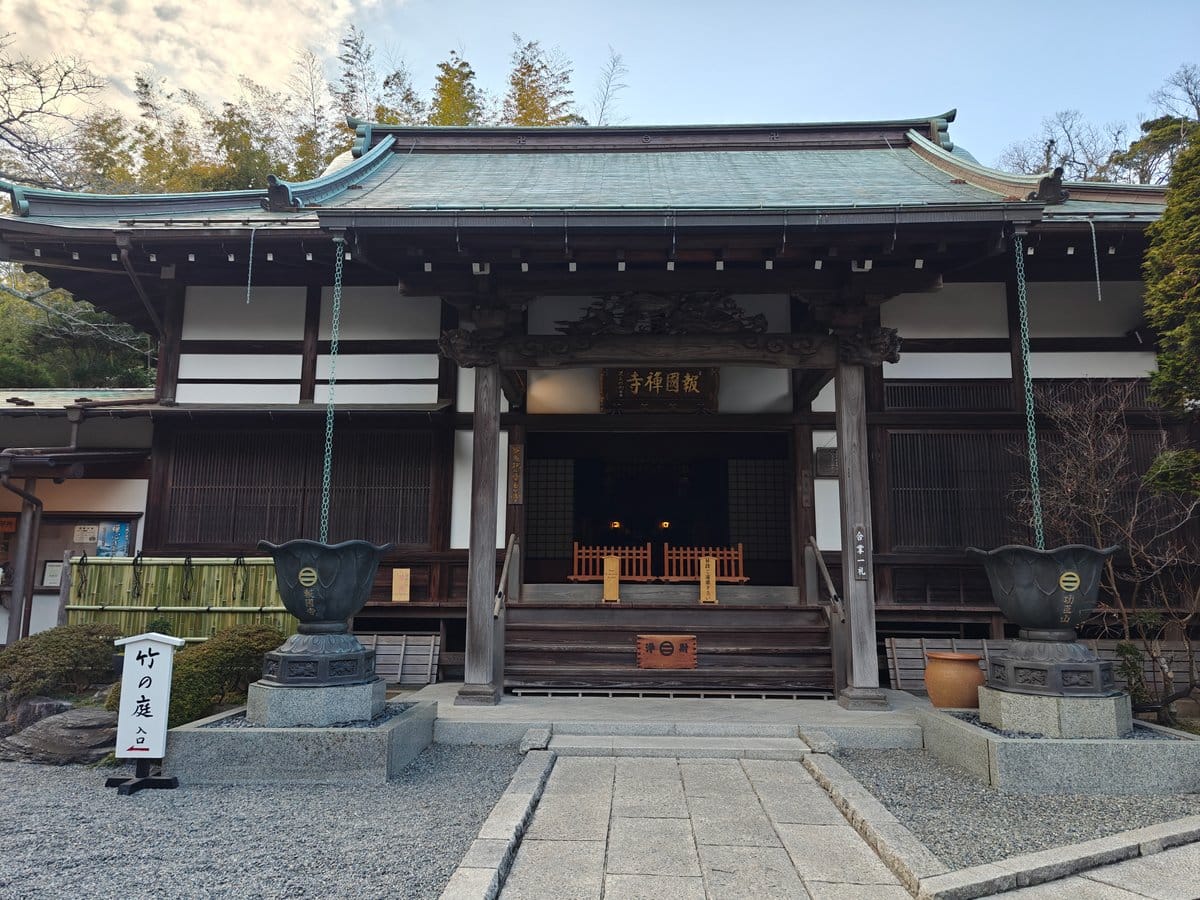
Hokokuji in Kamakura is famous for its bamboo garden, and I came here for the bamboo garden. It’s a quiet, stone-paved path leading up to a simple but unassuming main gate.
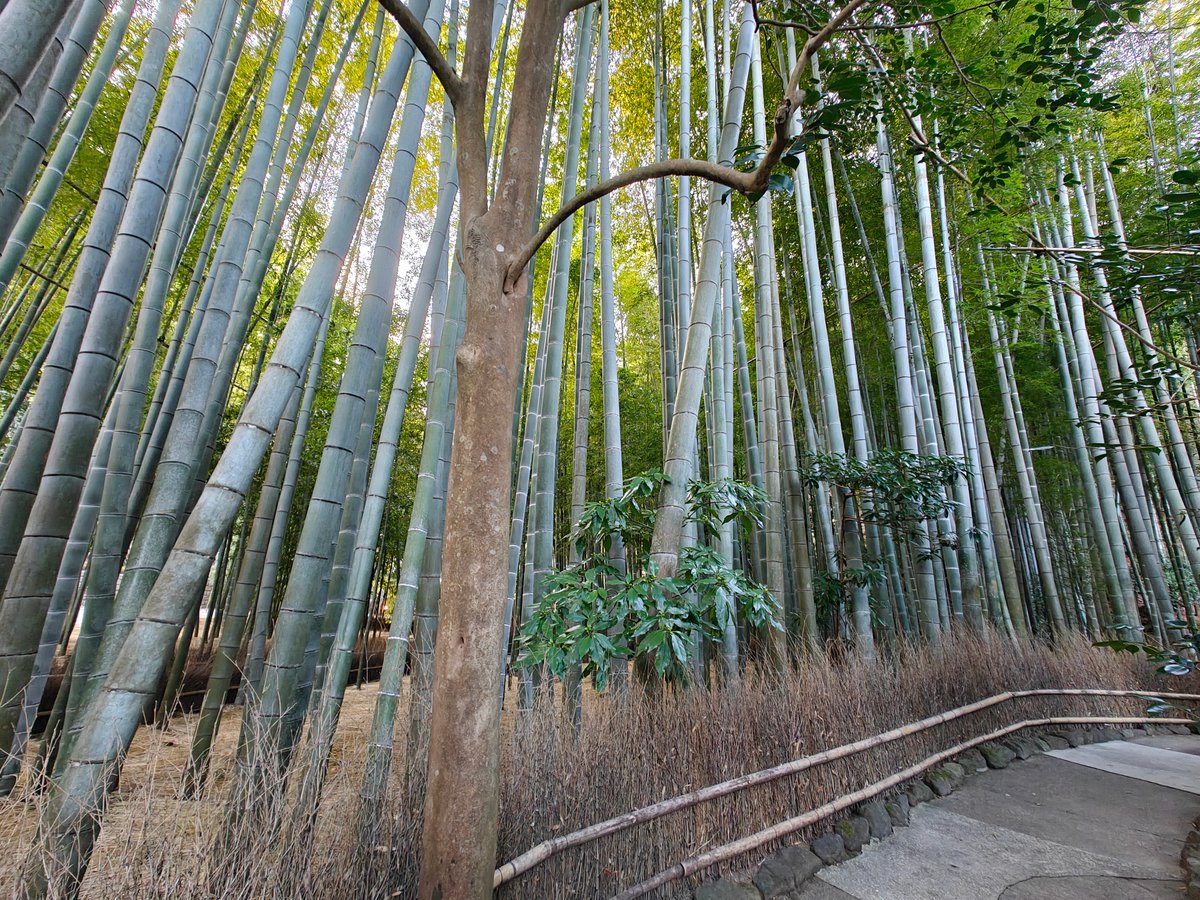
There’s also a very large bamboo grove behind the main hall. The bamboo is all tall and thick; it feels darker and cooler back there than the world outside. I went slowly down the path through it, hearing the wind blow through the stalks.
It is not a giant grove, but it is just right for the atmosphere you would want.
Kotoku-in Great Buddha of Kamakura
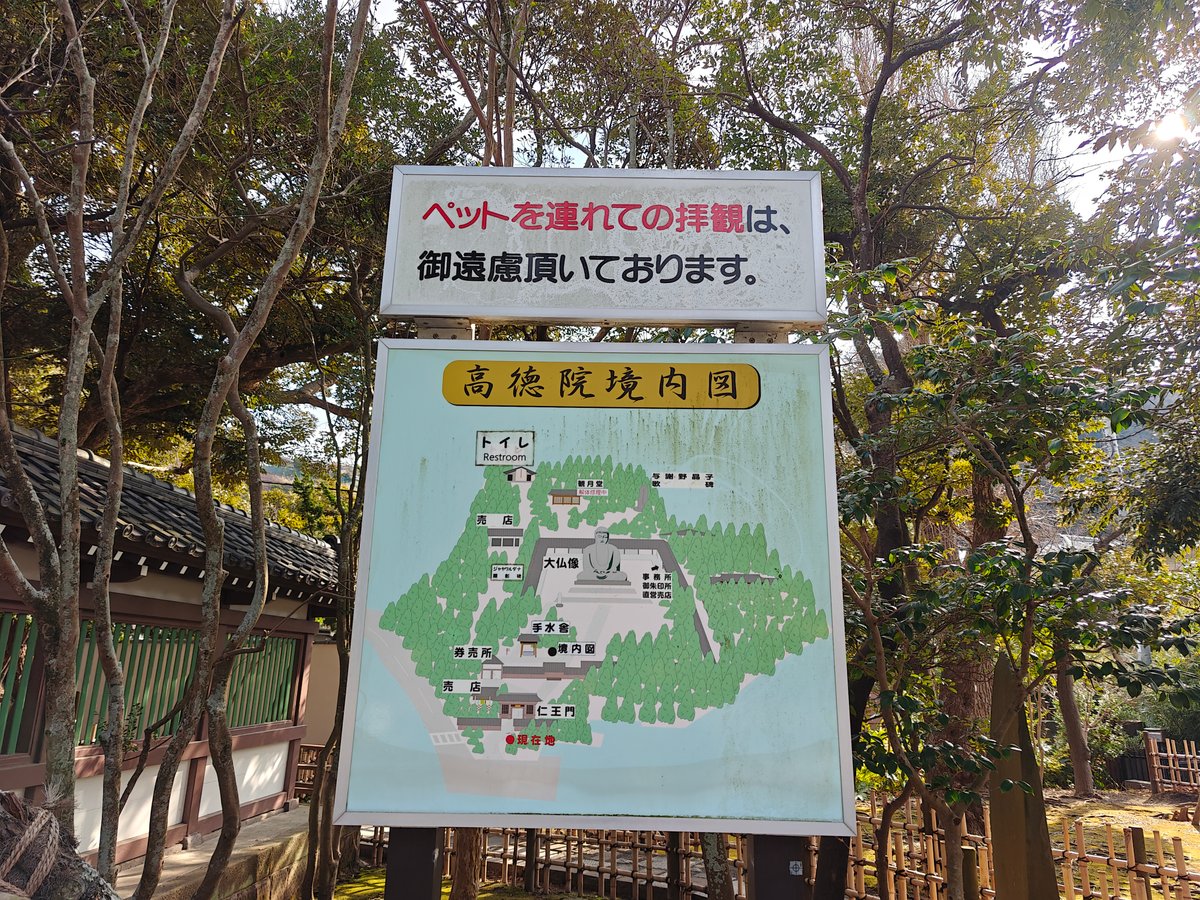
The Great Buddha is at Kotoku-in in Kamakura, where the entrance sign will remind you not to take your pet inside. That wasn’t my plan, but I took note anyway.
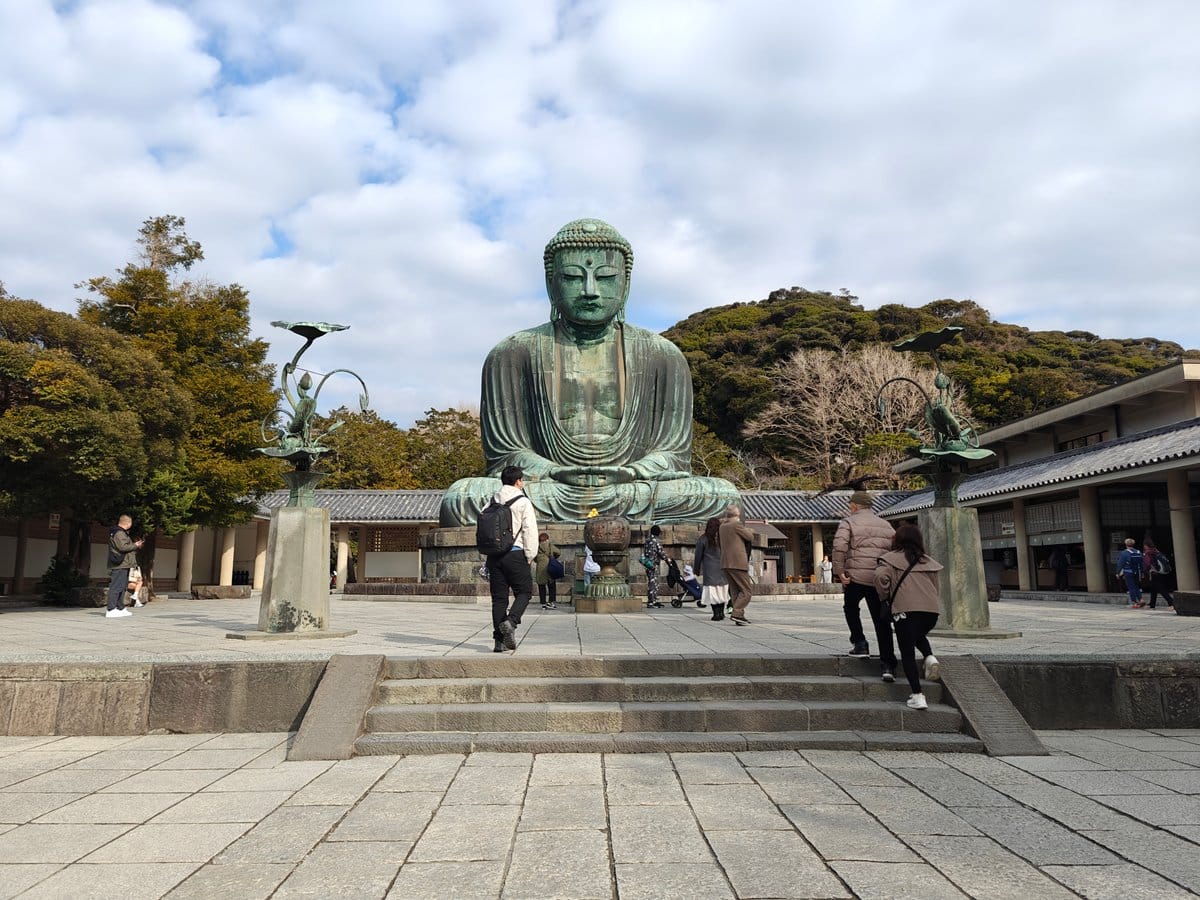
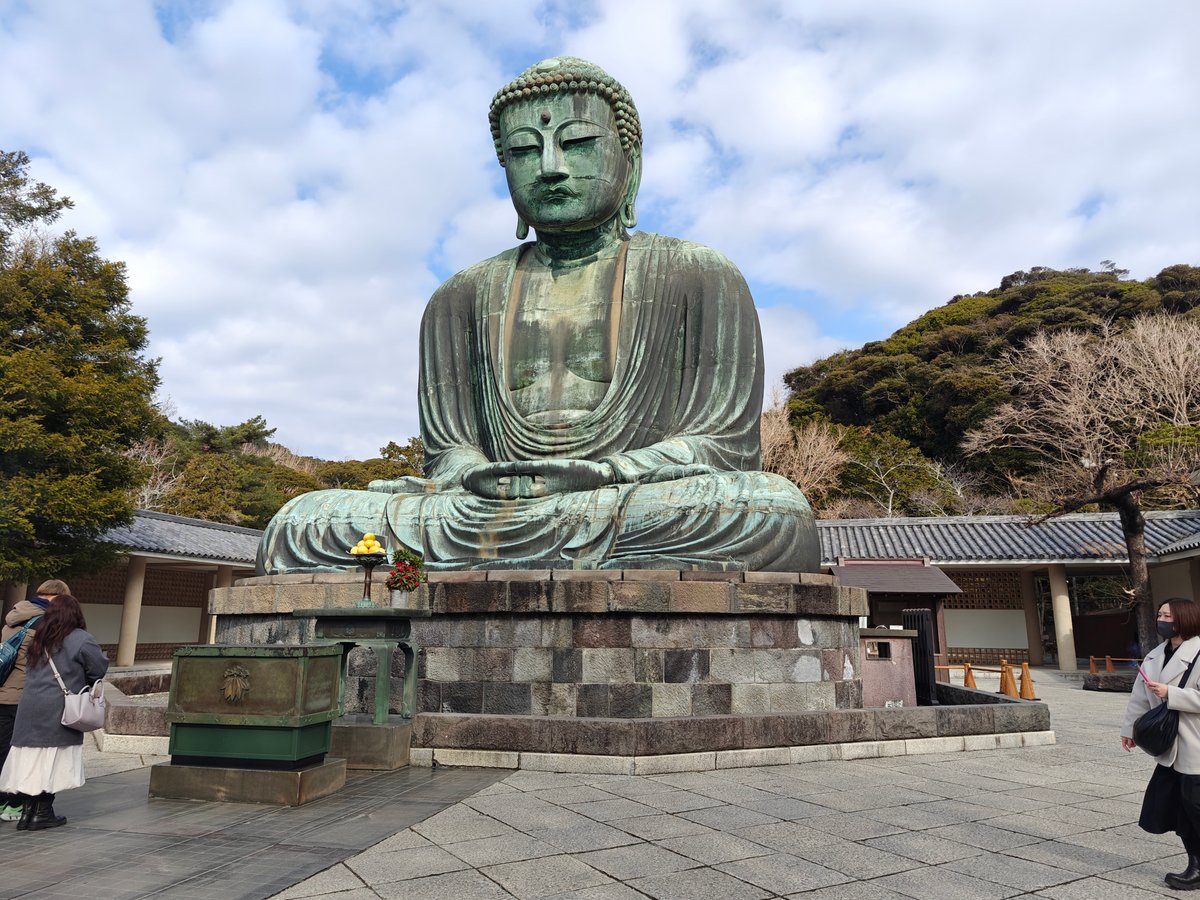
It is a huge, ancient green Buddha that sits out in the open air. It is one of the most famous statues in all of Japan, and it doesn’t disappoint. The folds of its robe, its posture, and even its face are things I tried to absorb as I slowly walked around it.
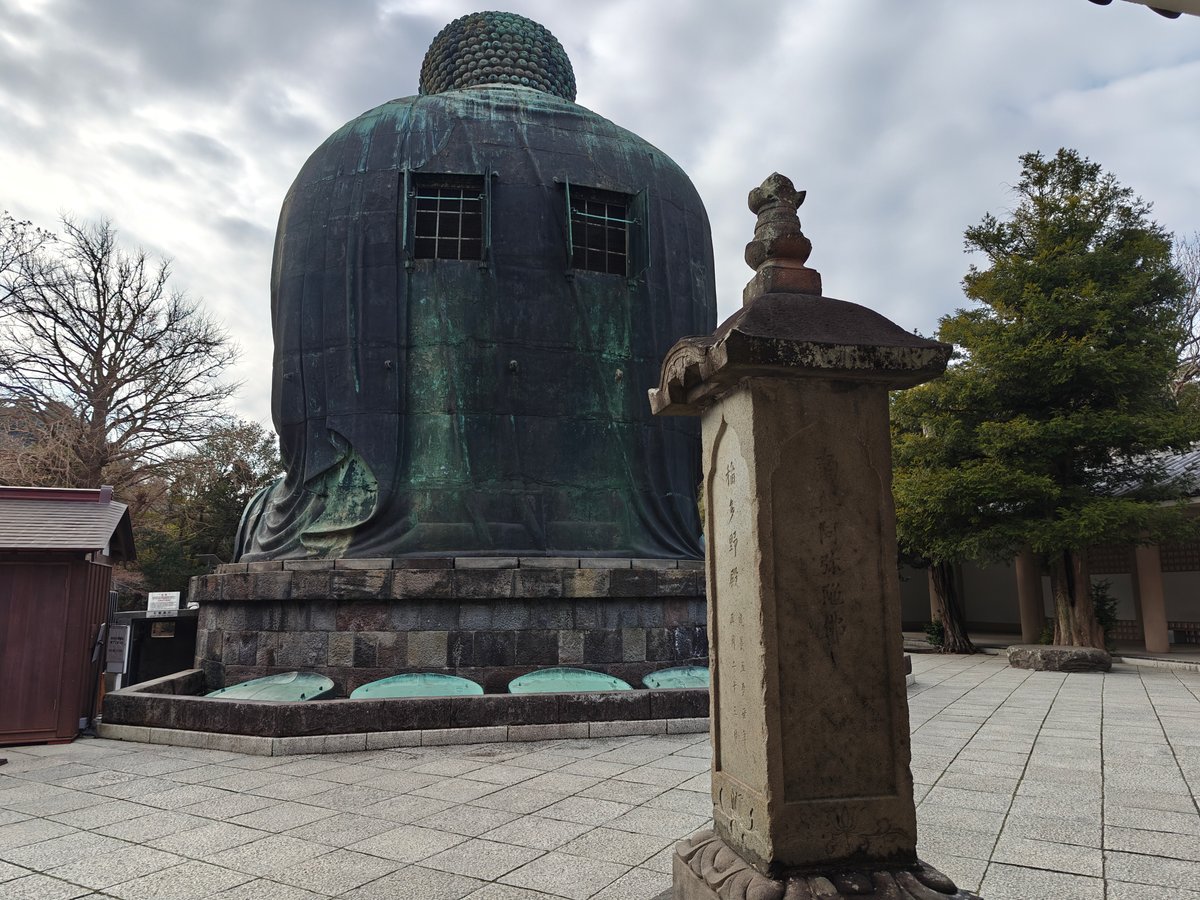
For a small fee, you can go into the statue itself. I did. Inside is hollow, and you can see the metal reinforcement within.
It felt strange to stand inside something so massive.
Zenkōji Temple
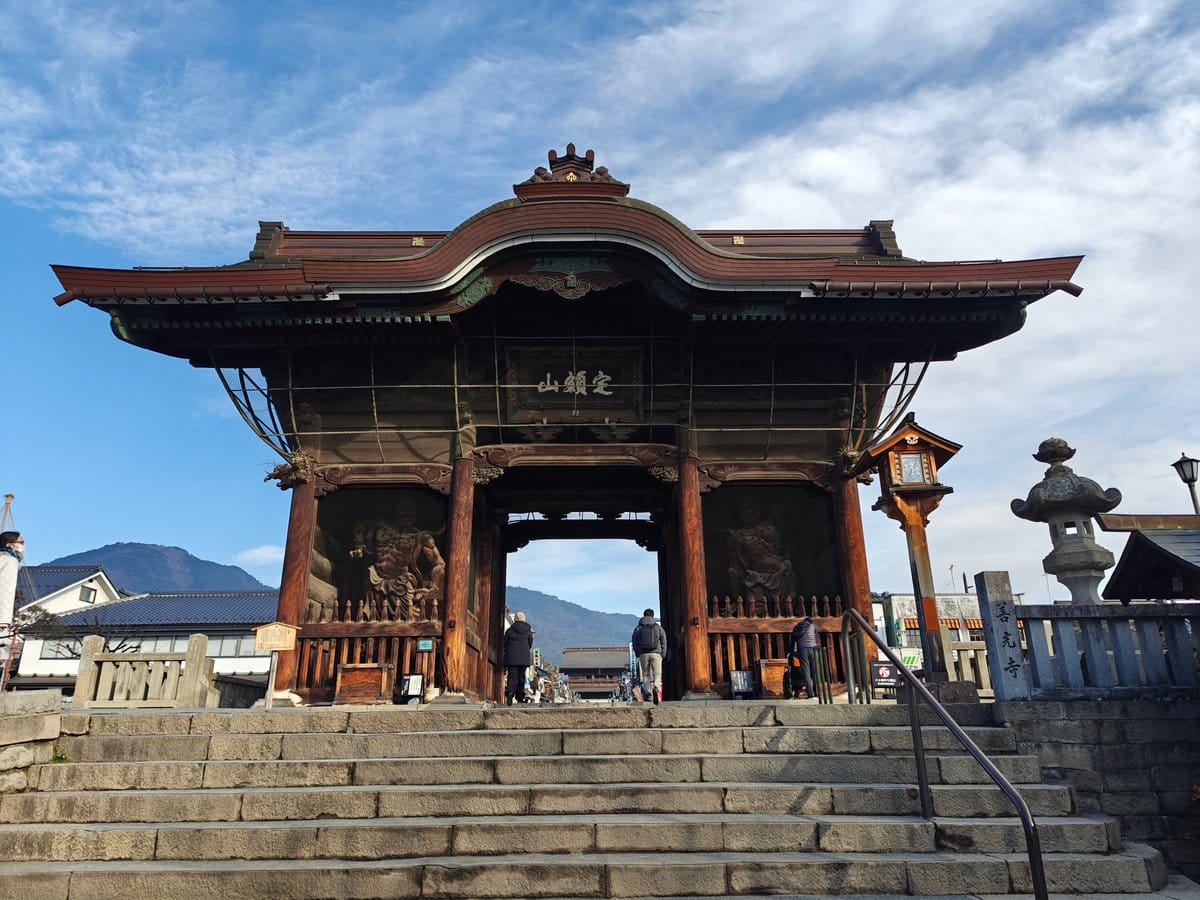
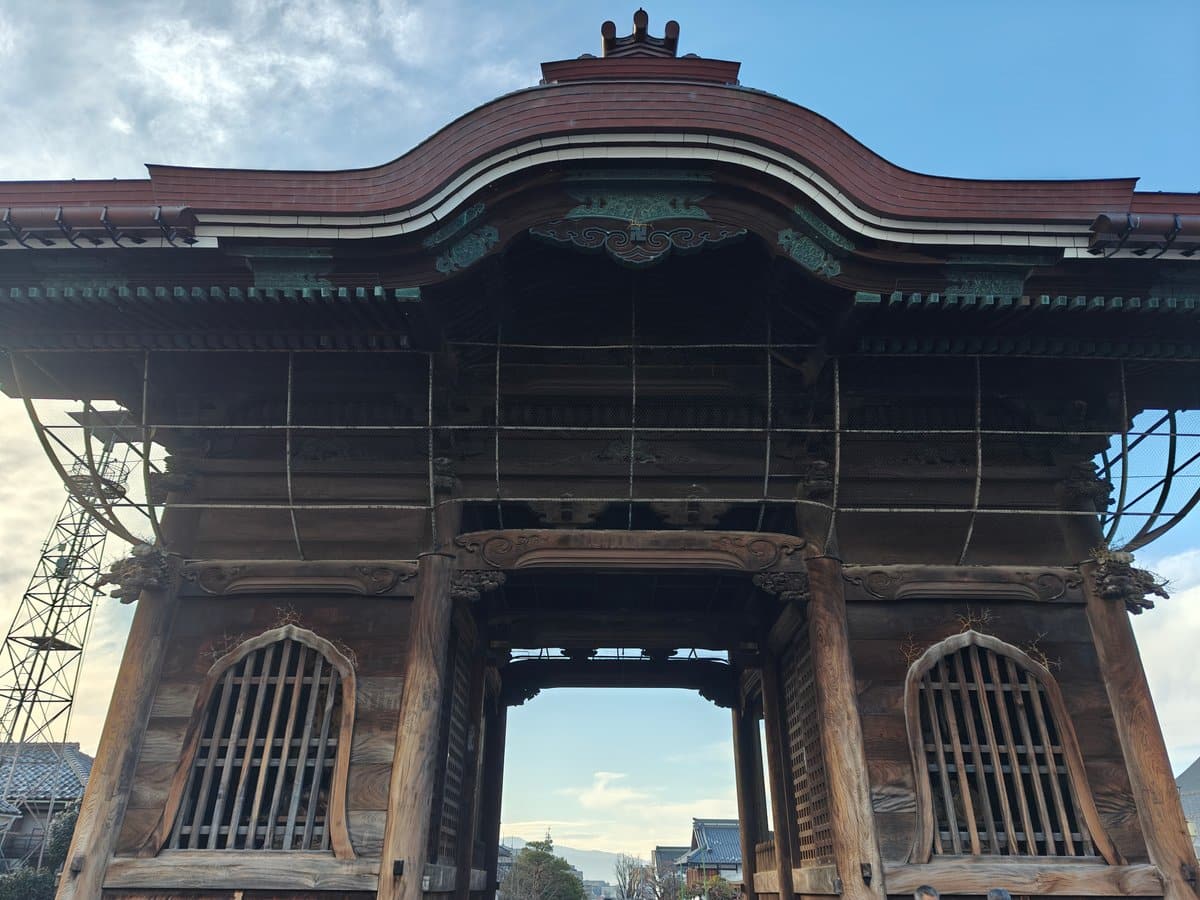
My visit to Zenkōji in Nagano was also one of my coldest temple visits. It was in the dead of winter when I visited, and the gates were covered in snow. Stark and beautiful, the Niomon gate and the two-storey Sanmon gate seemed huge in the winter light.
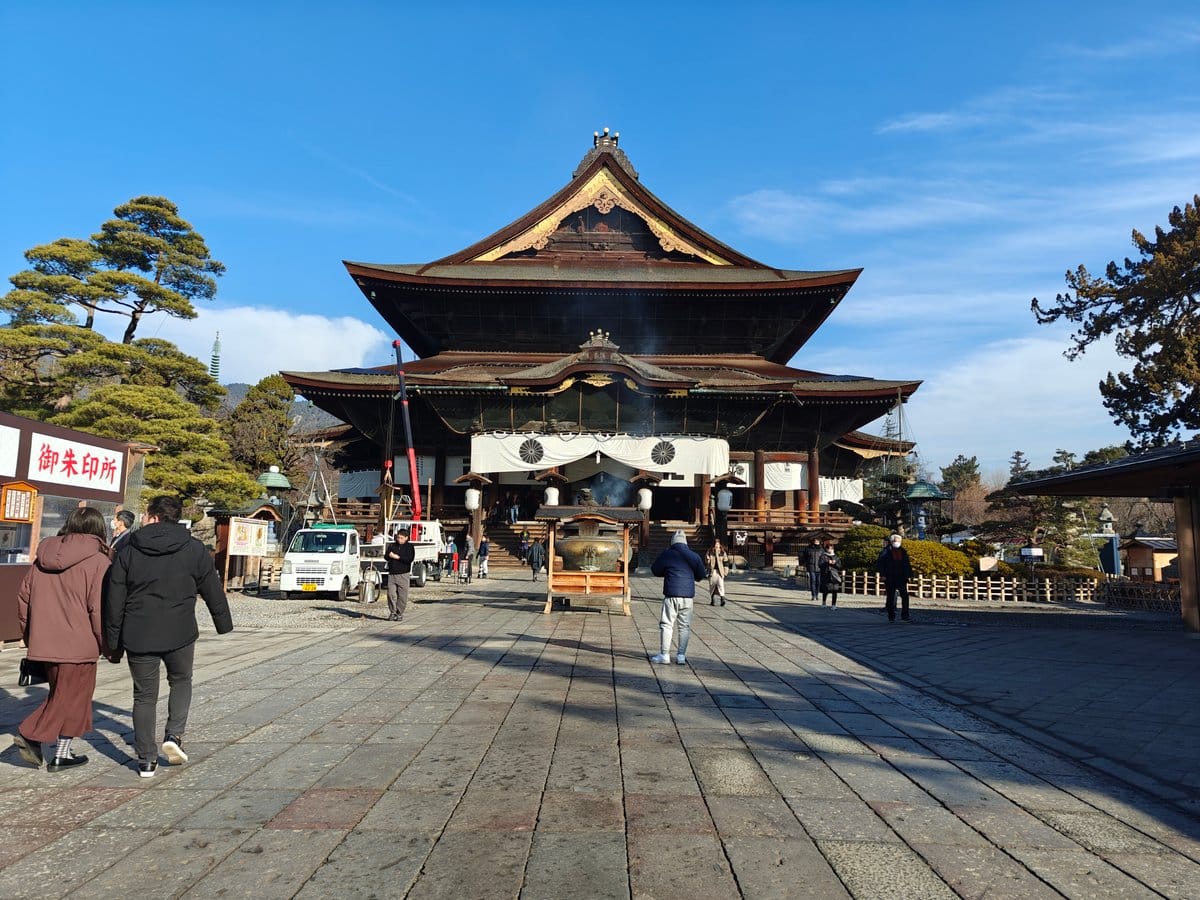
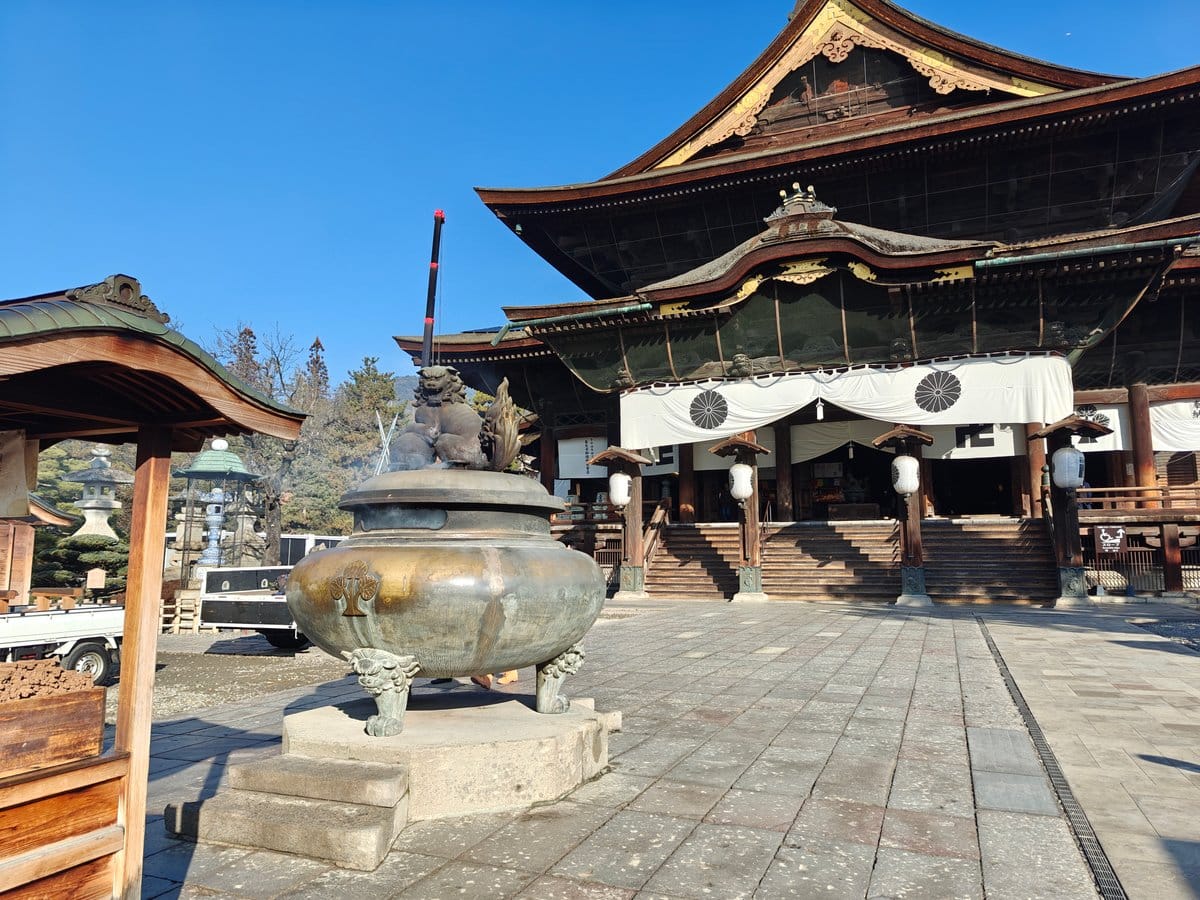
Inside, the hall is massive. There is also a huge bronze incense burner. People wave the smoke over themselves for good luck or health.
It was pretty dark in the hall and the scent of burning incense filled the air. There is also a passageway underneath the hall. You are walking in total darkness, attempting to locate a key that will lead to enlightenment.
I never found the key, but it was still memorable.
Naritasan Shinsho-ji Temple
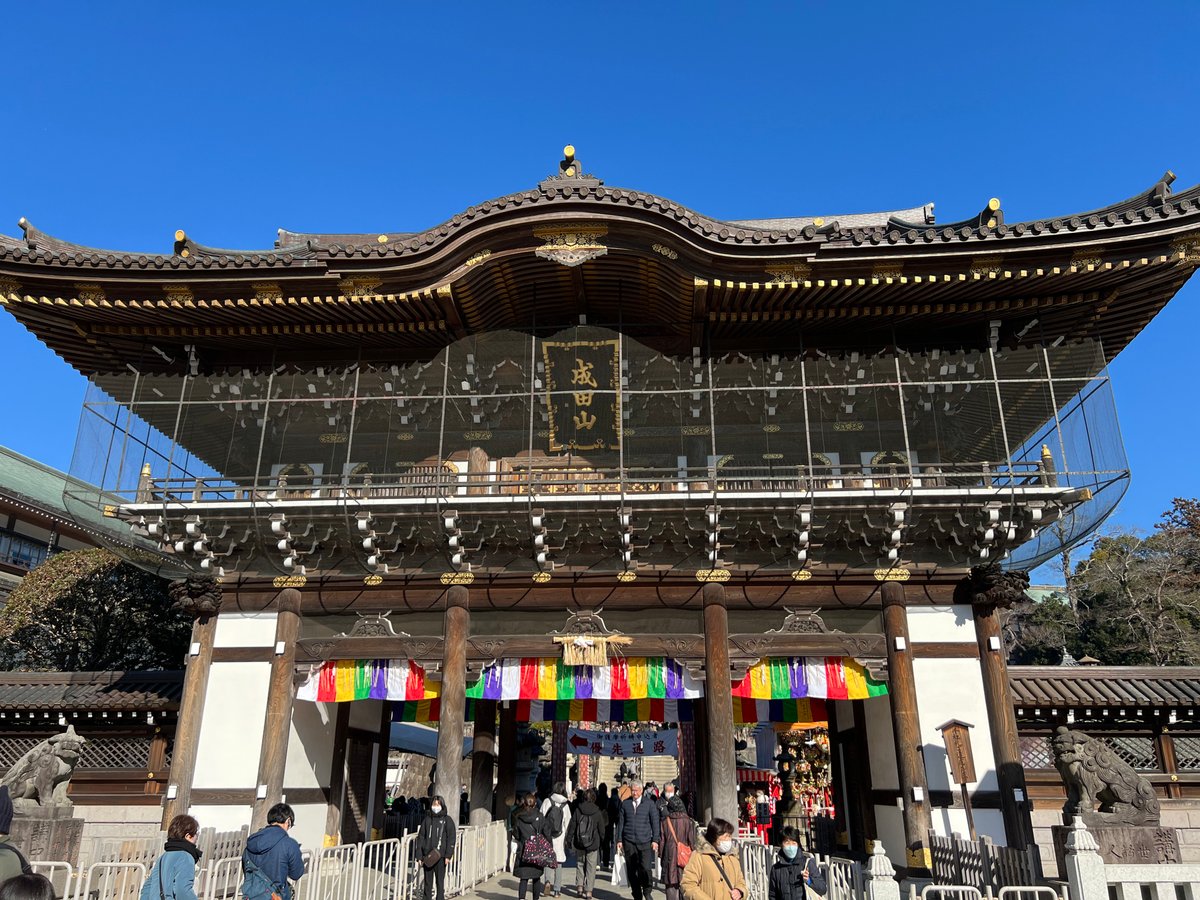
Technically, Naritasan Shinsho-ji is located in Narita city, but I’m including this on my trip to Tokyo since that’s where I stayed. The temple grounds are expansive and the main gate is grand and stands out boldly.
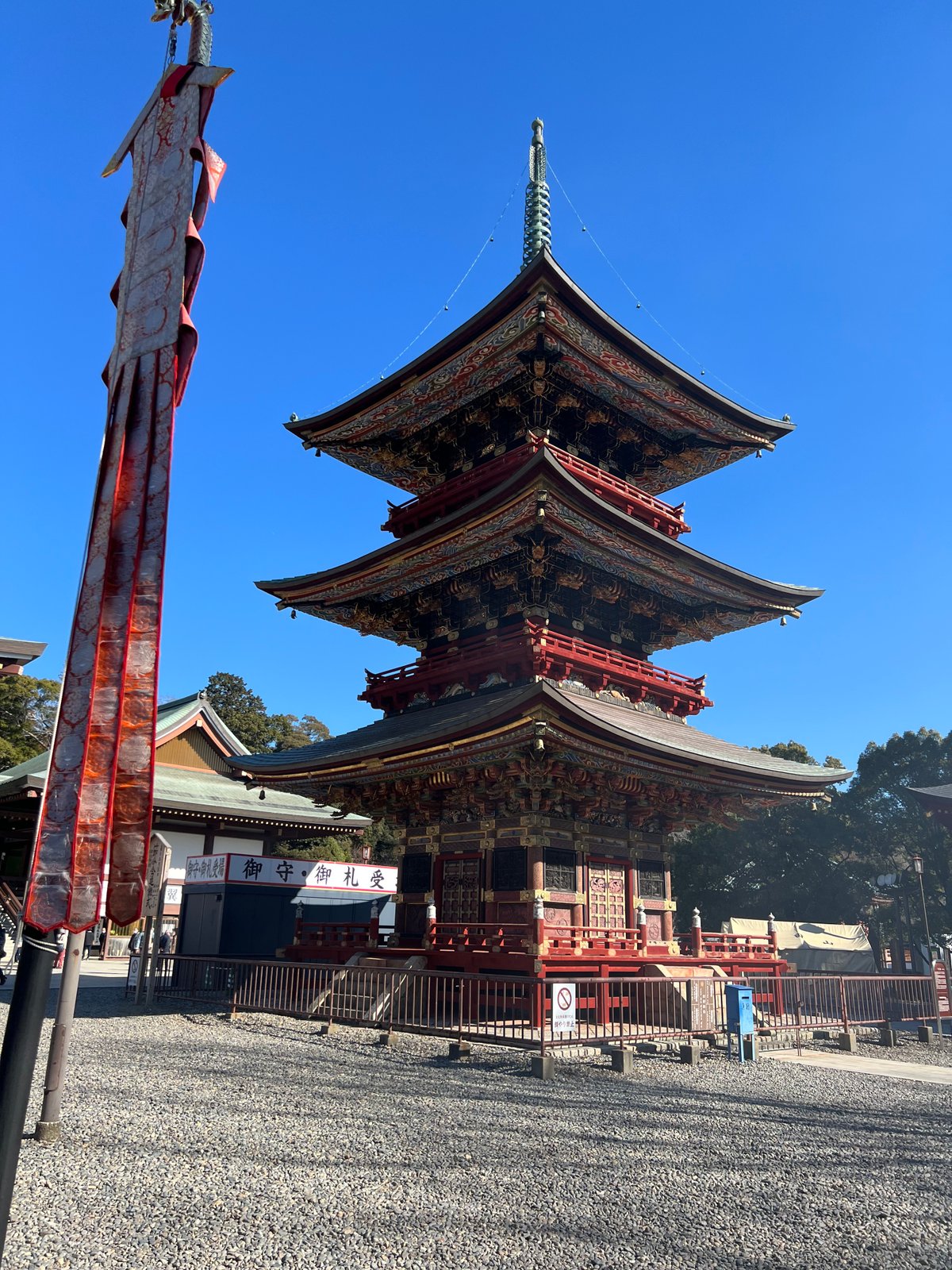
One of the highlights is the three-storied pagoda, it’s layered and detailed and stands prominently against the sky.
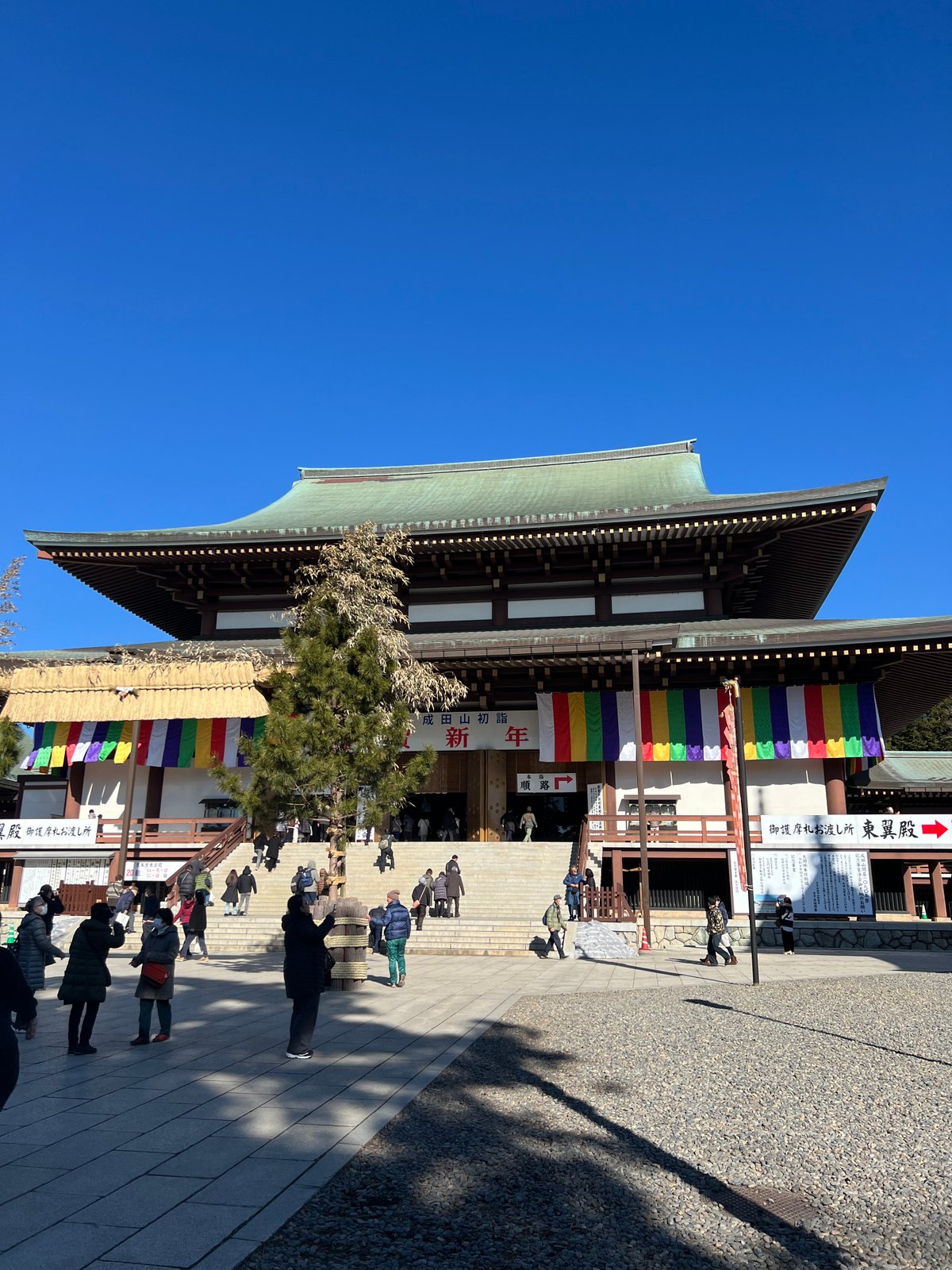
Across a large plaza lies the Great Main Hall, and it’s packed with visitors and worshippers. Unlike some of the other temples that feel more quiet, there’s a different sort of energy here: It feels lived-in and active.
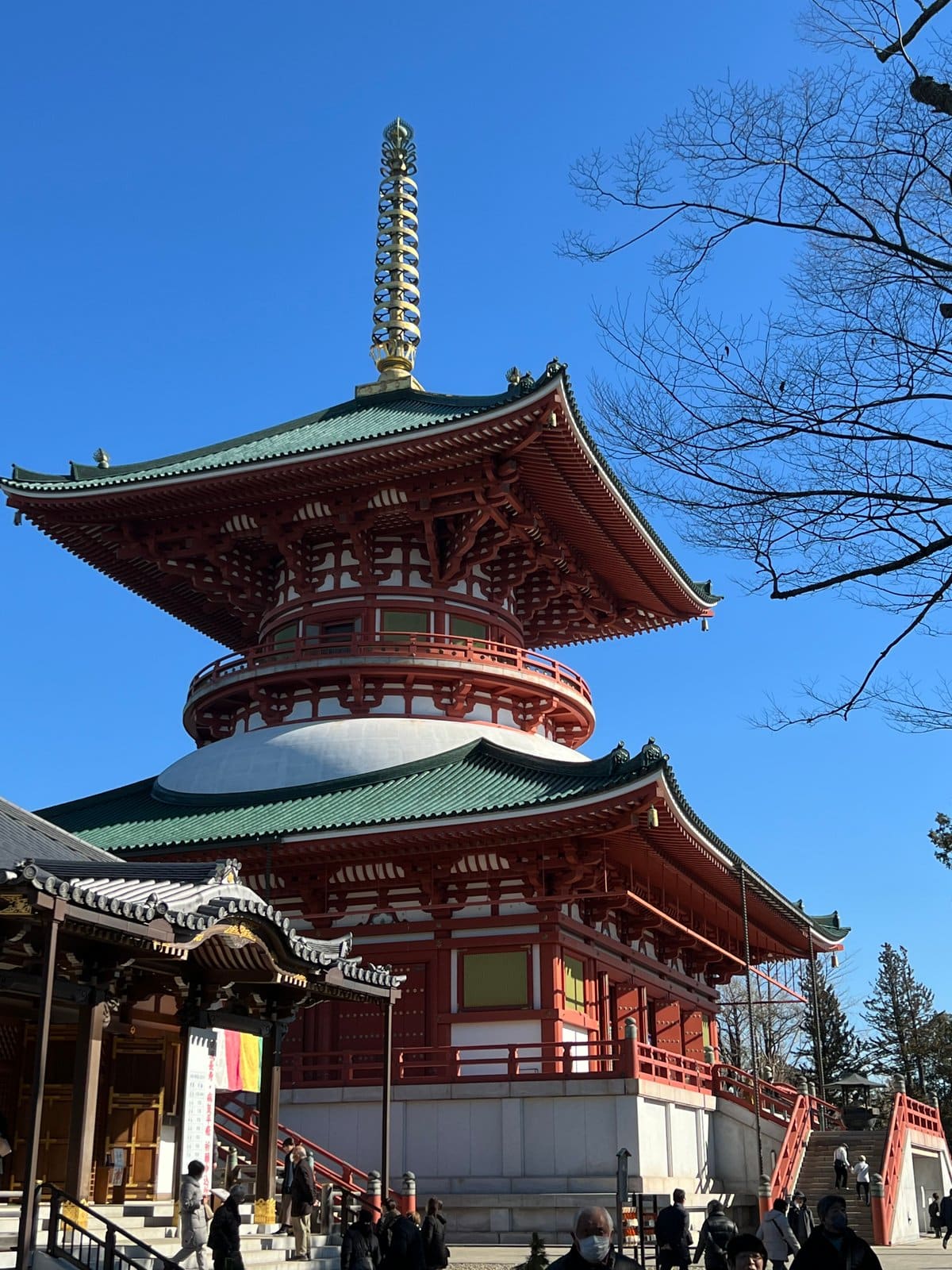
Further into the grounds, the Great Pagoda of Peace is tall and elegant. I spent a long time wandering around the entire complex (longer than I thought) and came away with a full camera roll and tired feet. Looking back, I can’t believe that I saw as many temples as I did, given that I didn’t plan on it at all!
There were times when I went out specifically to see one or two well-known temples, only to stumble upon three or four others that just happened to be close by. They were all different. Some grand and formal, others small and hidden away, personal.
Even though my fingers would go numb by the day’s end, I found that visiting temples in winter was actualy quite nice: the light was soft, there were fewer people around, and the experience was just that much quieter and more thoughtful. Have you visited any temples in Japan? Did you go in winter or during another season?
What struck you about them?