
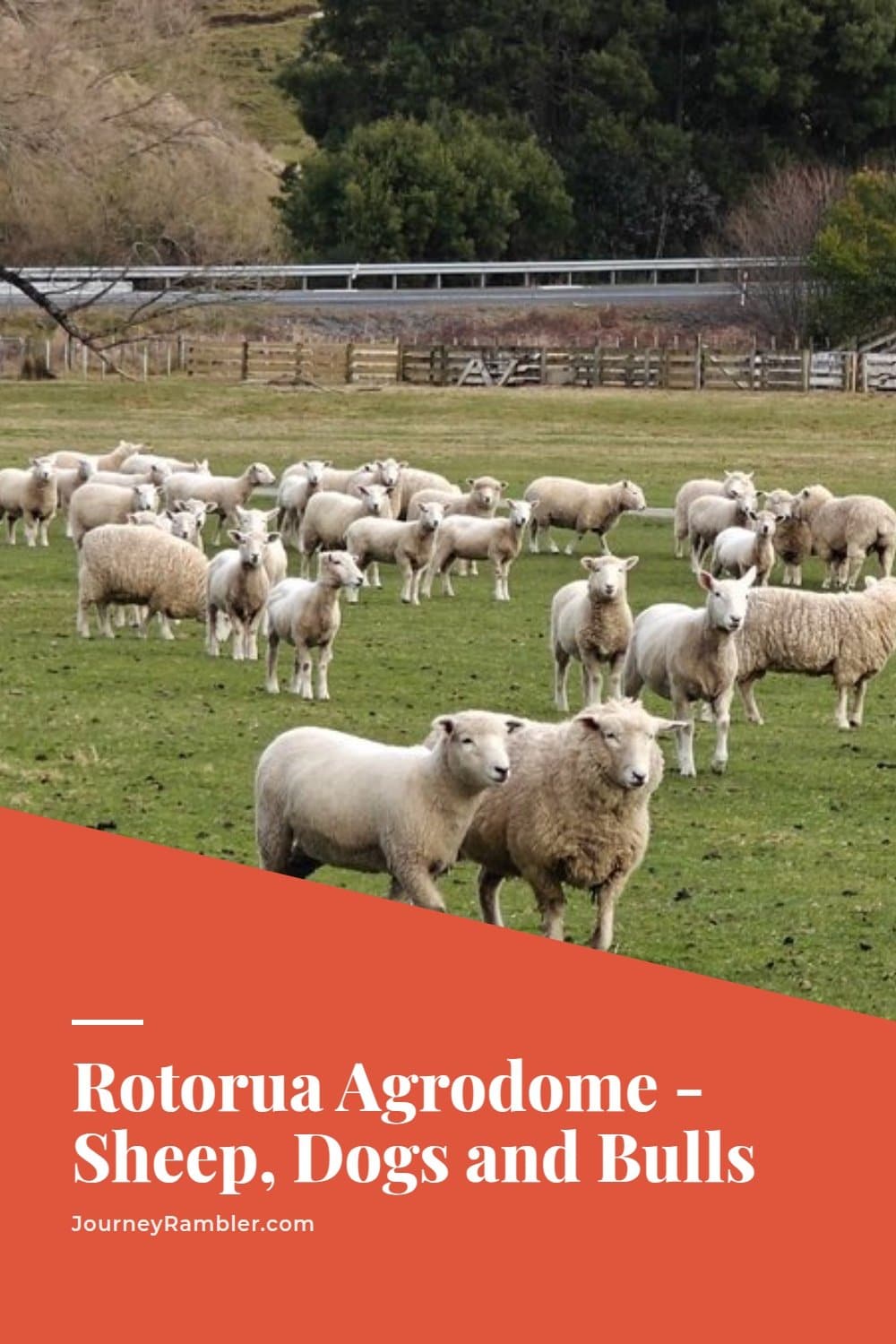
Rotorua. Let’s be honest: when I first heard about this farm show, I wasn’t really sure what to expect. Watching sheep and sheepdogs in a barn just seemed like one of those tourist activities that might be fun or it might not.
The Agrodome was both entertaining and educational. We went on their outdoor farm tour and saw all kinds of animal, as well as their indoor show. I left having learned a lot about sheep breeds, more than I ever imagined.
It was a great way to spend a good chunk of a day. I’d never seen a live shearing demonstration before, nor got up close to working farm animal in New Zealand.
Our Fun Day at Agrodome Farm Show
Agrodome Farm Show
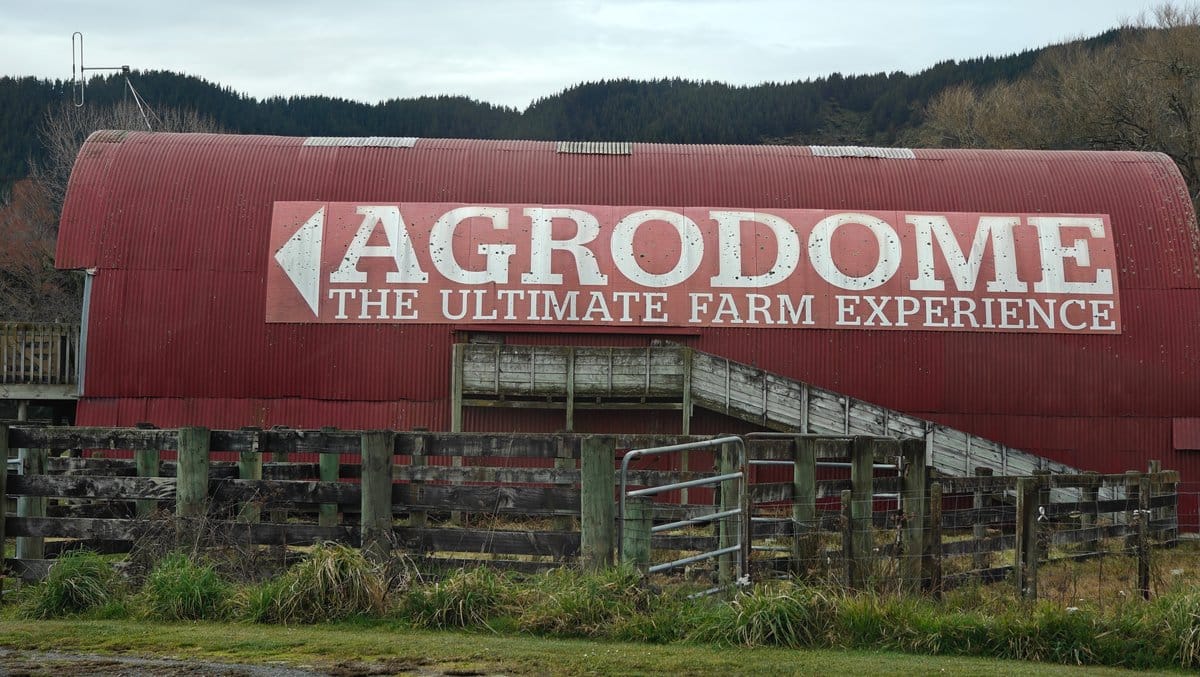
It really made me appreciate the skill that goes into farming here. Obviously it’s all set up for tourists, but it didn’t feel overly fake or polished. it was just a straightforward glimpse into what makes New Zealands agricultural industry tick, with some seriously impressive sheepdog work added in.
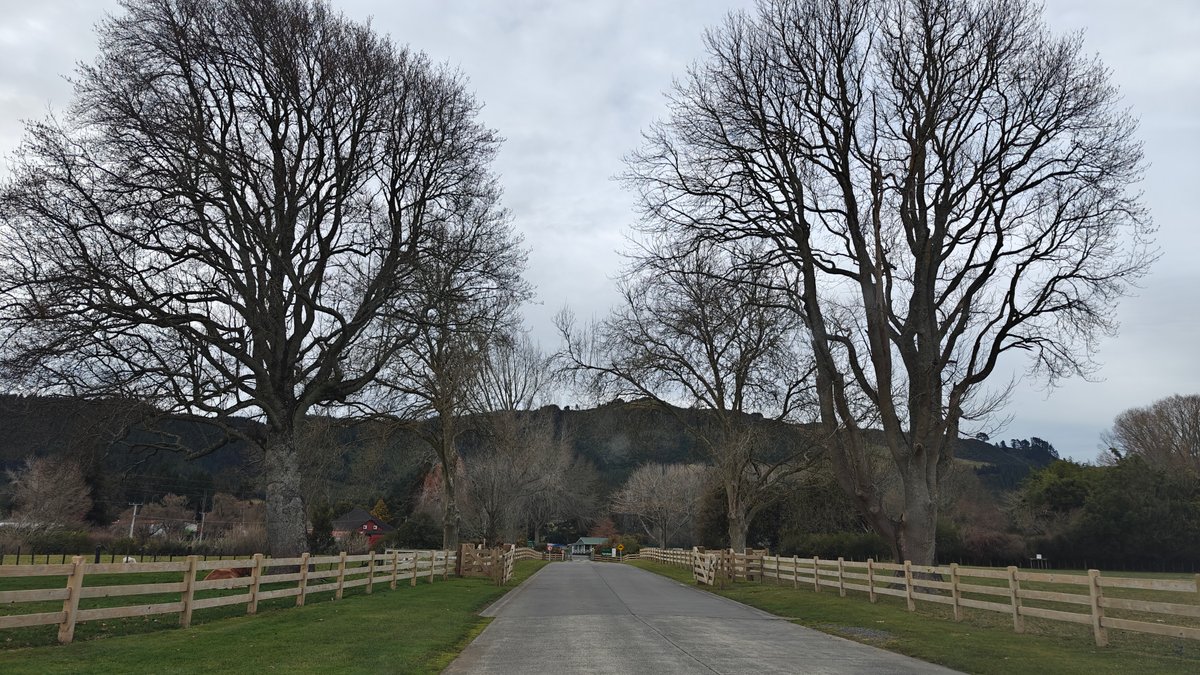
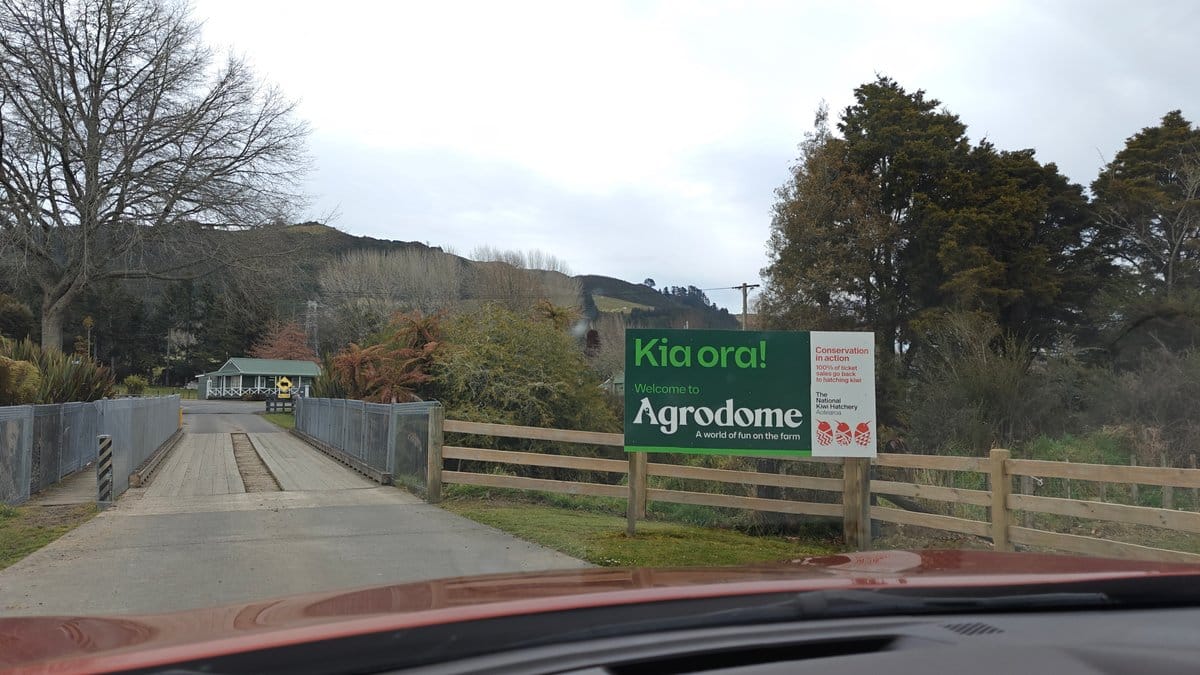
We drove up to the Agrodome, which is located in a working farm just out of Rotorua.
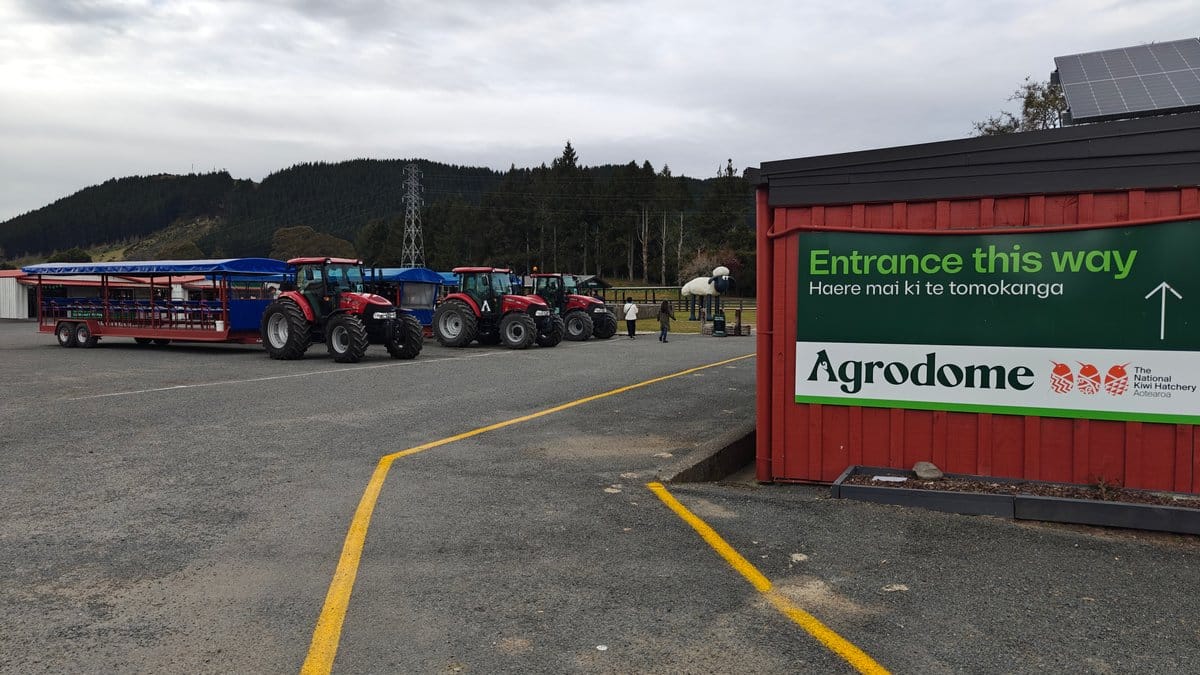
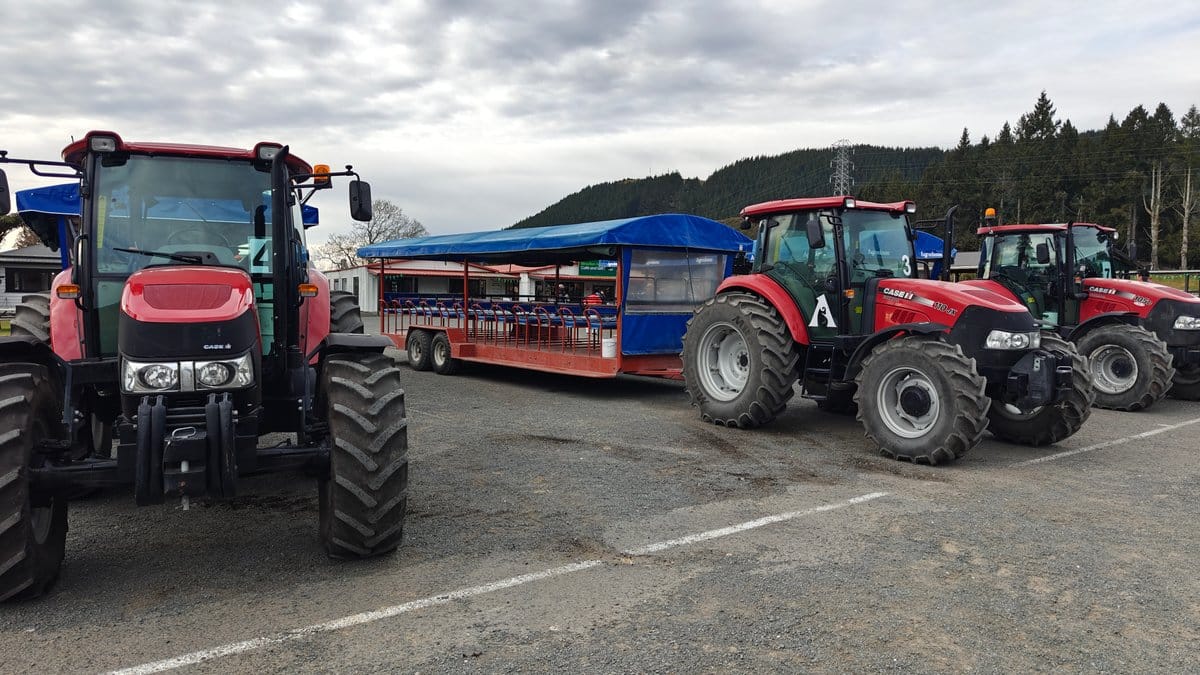
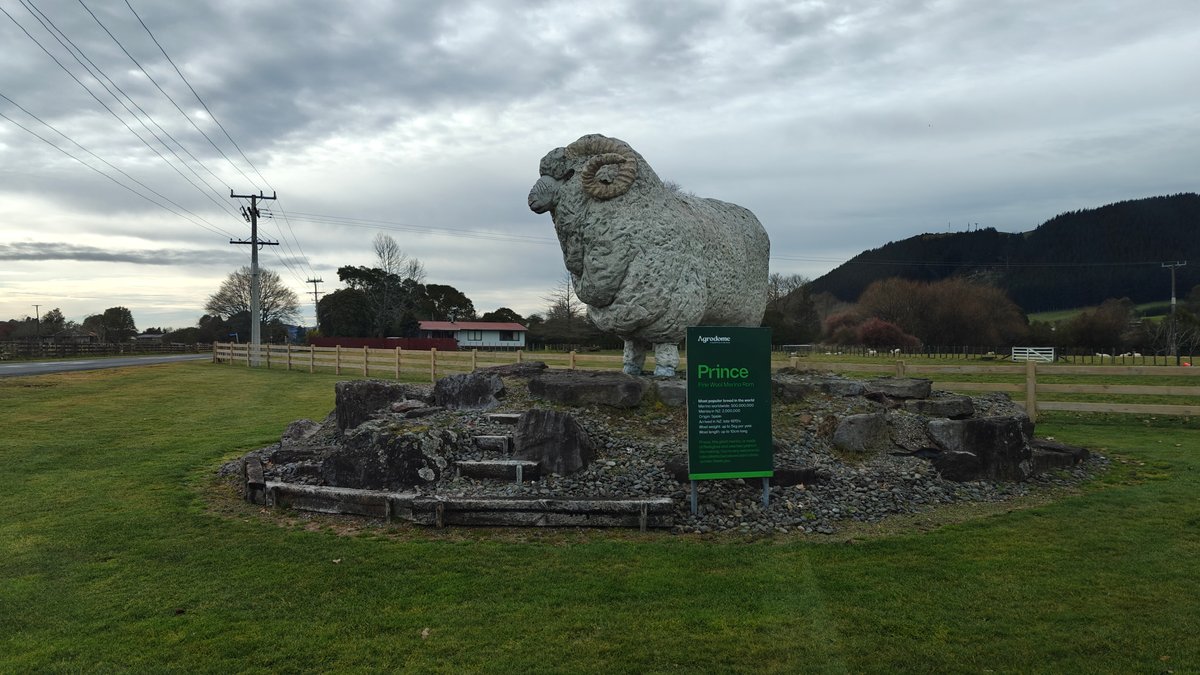
This is it, at the roundabout leading into the property there’s a giant ram sculpture, pretty much setting the tone for the entire experience.
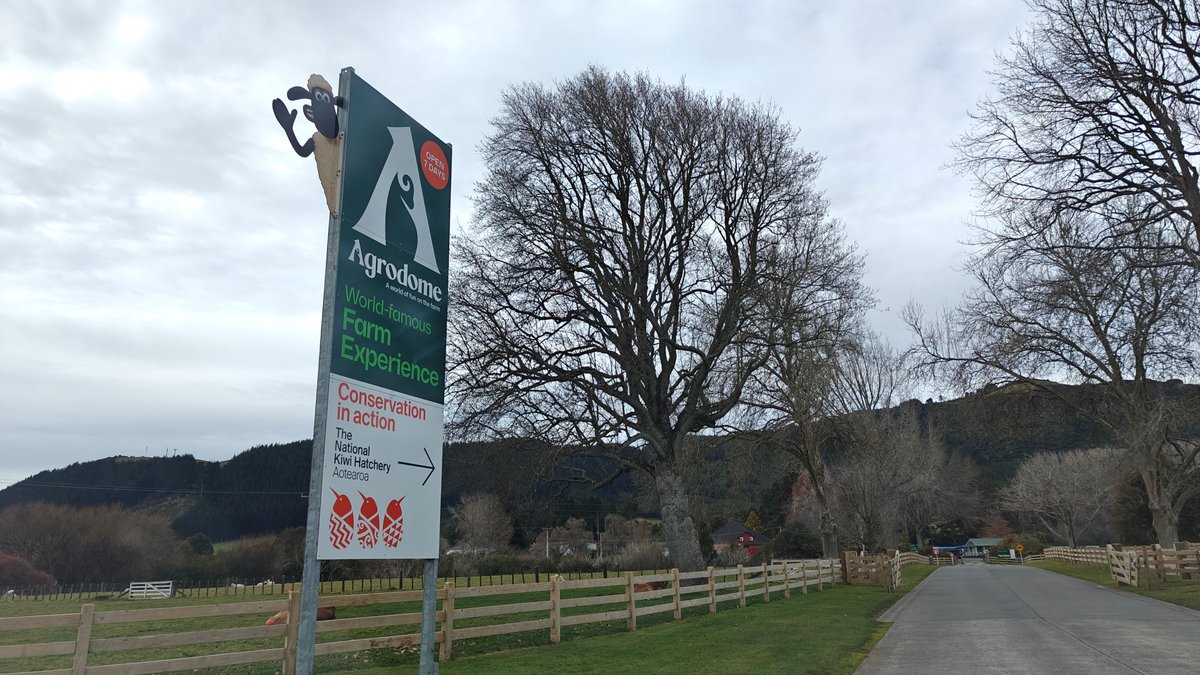
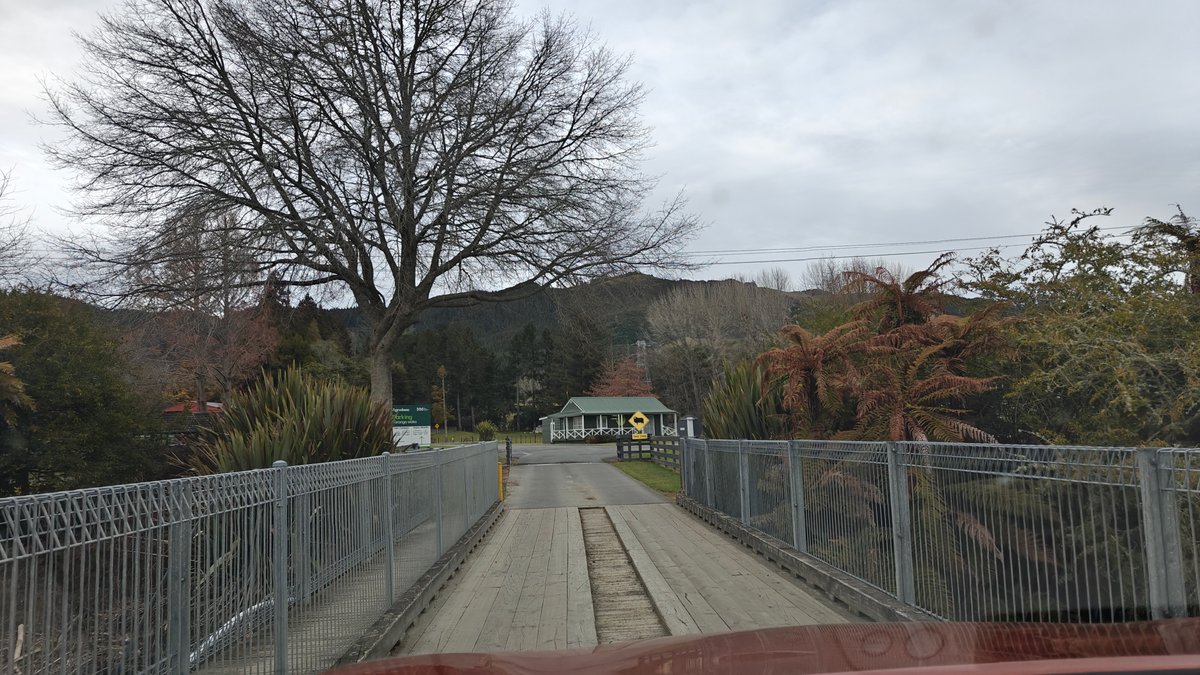
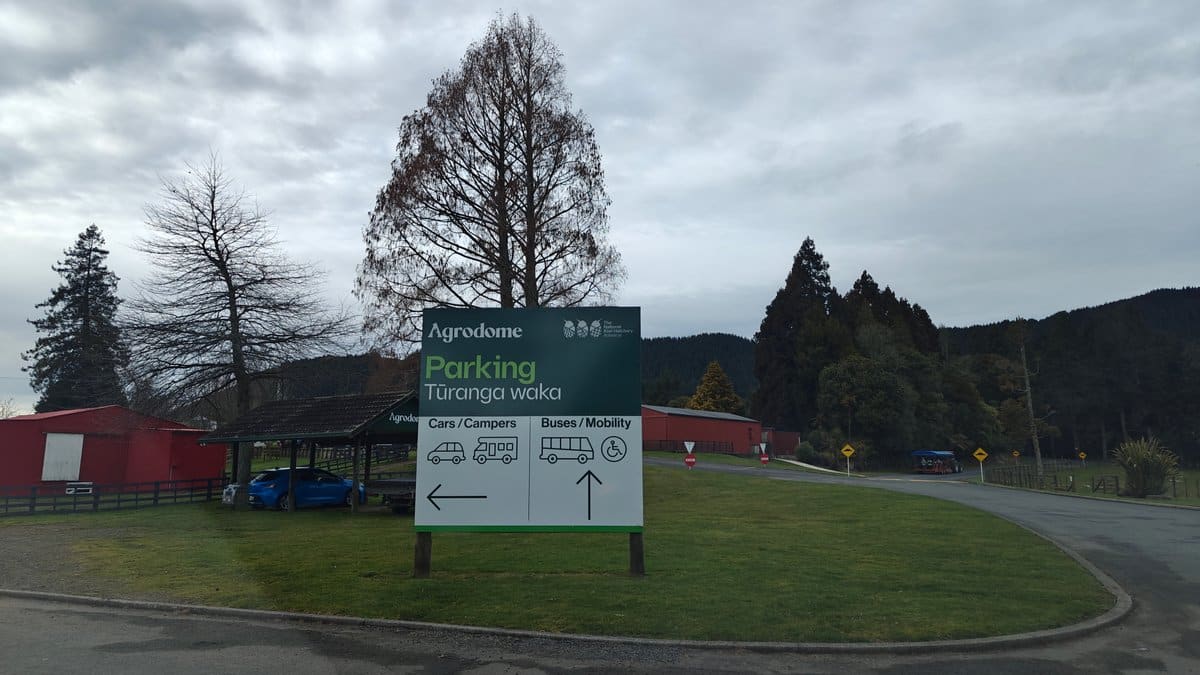
It’s all very low key rural, not too overdone or themed, just a functioning farm that happens to welcome visitor. After driving through a real farm gate and across the cattle grid, we parked in the designated area and walked toward the main barn (where the show occurs). We had time to explore beforehand, and the tour took place after the show.
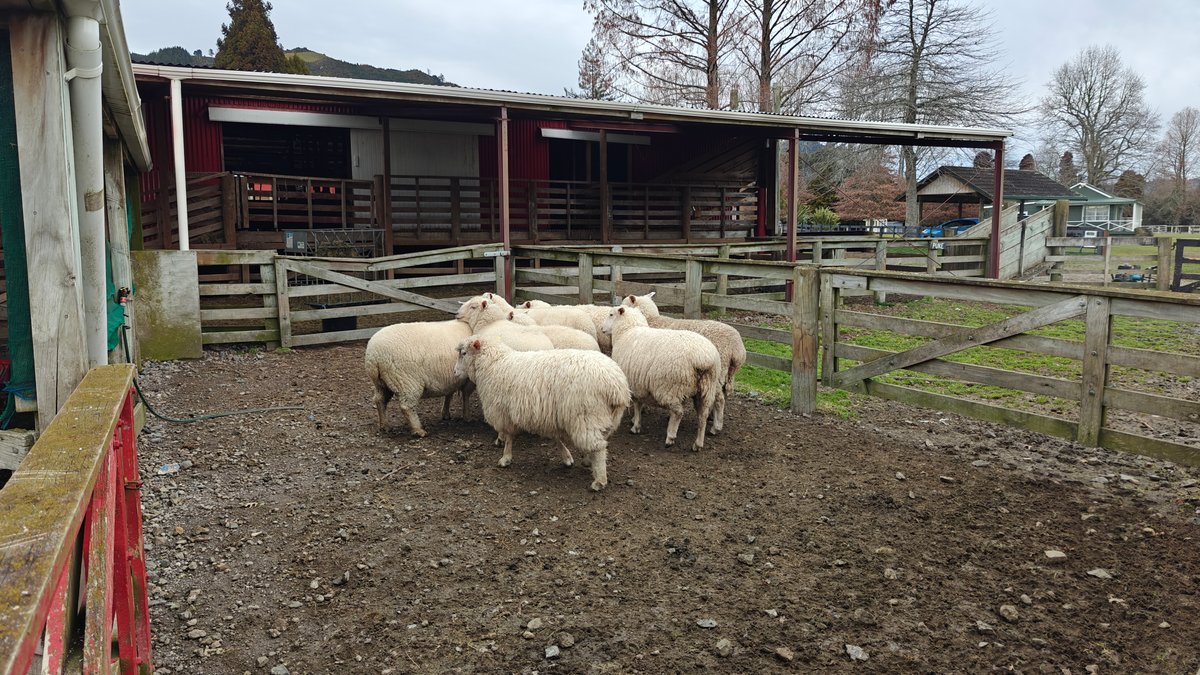
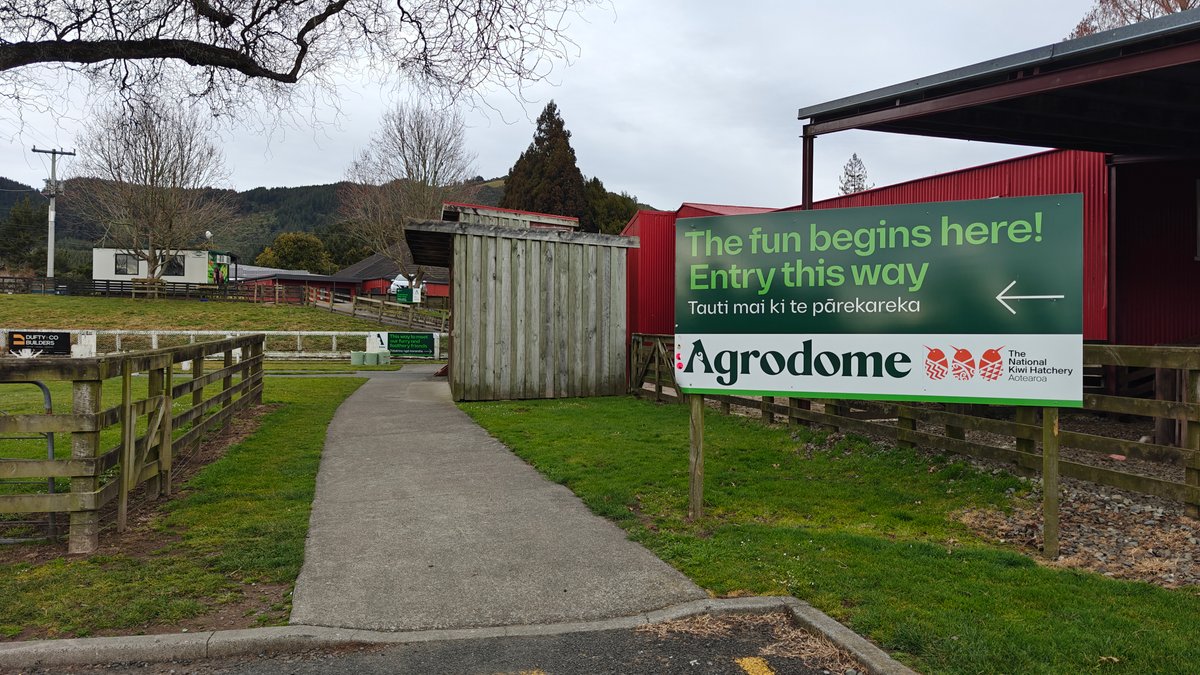
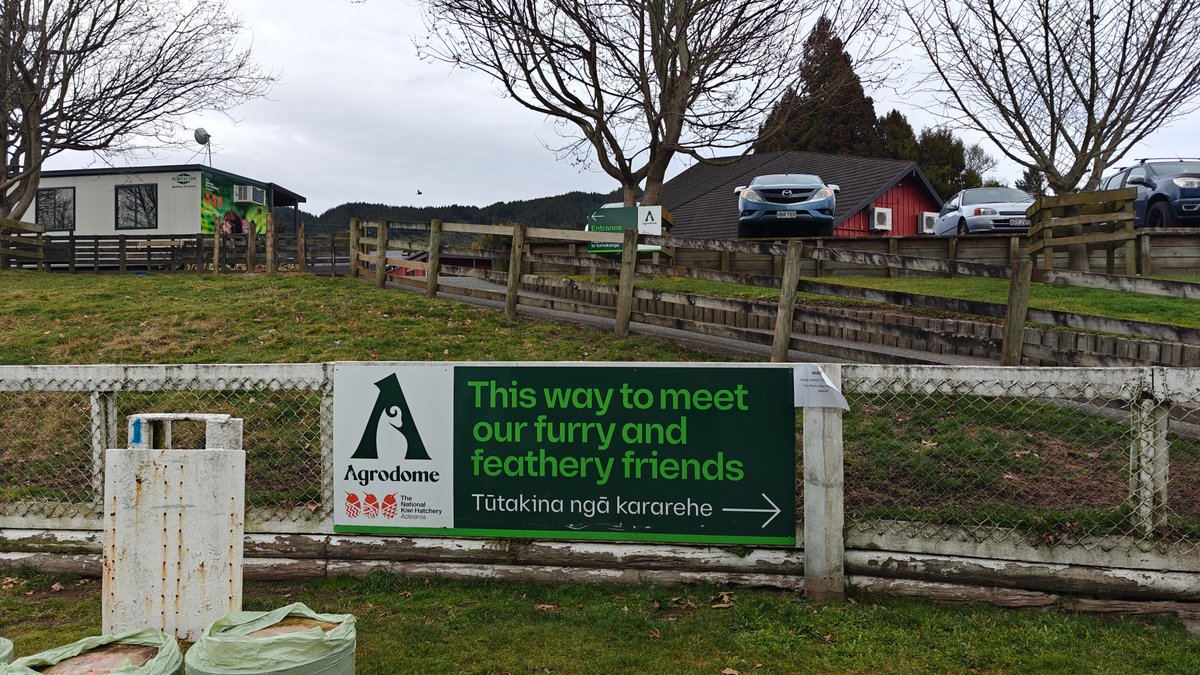
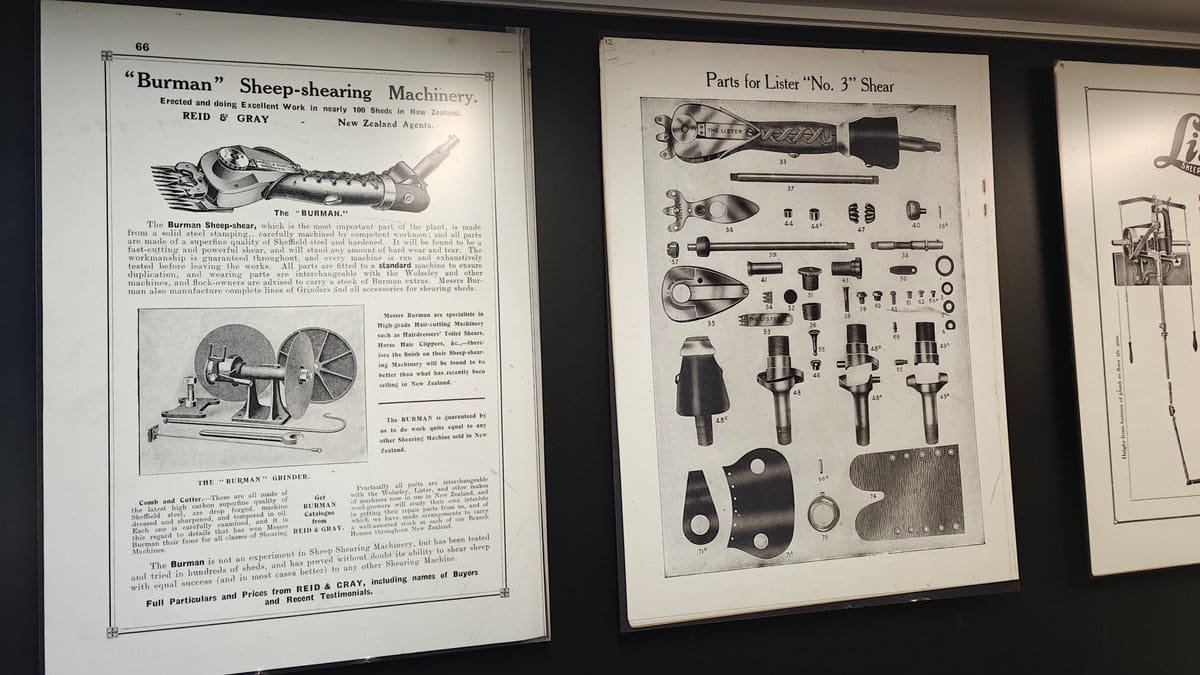
There were sheep penned outside the barn, and signs directed us through different areas of the farm. Some old framed prints of shearing equipment hung inside. These little details added a touch of history to the place besides the main event.
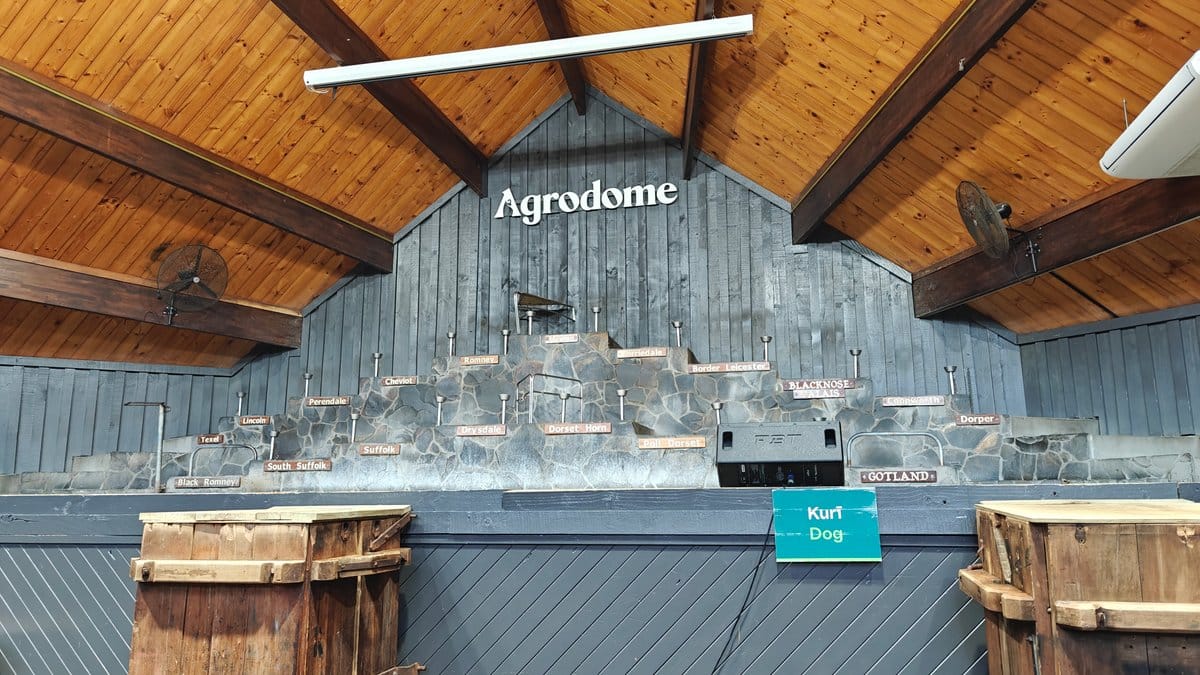
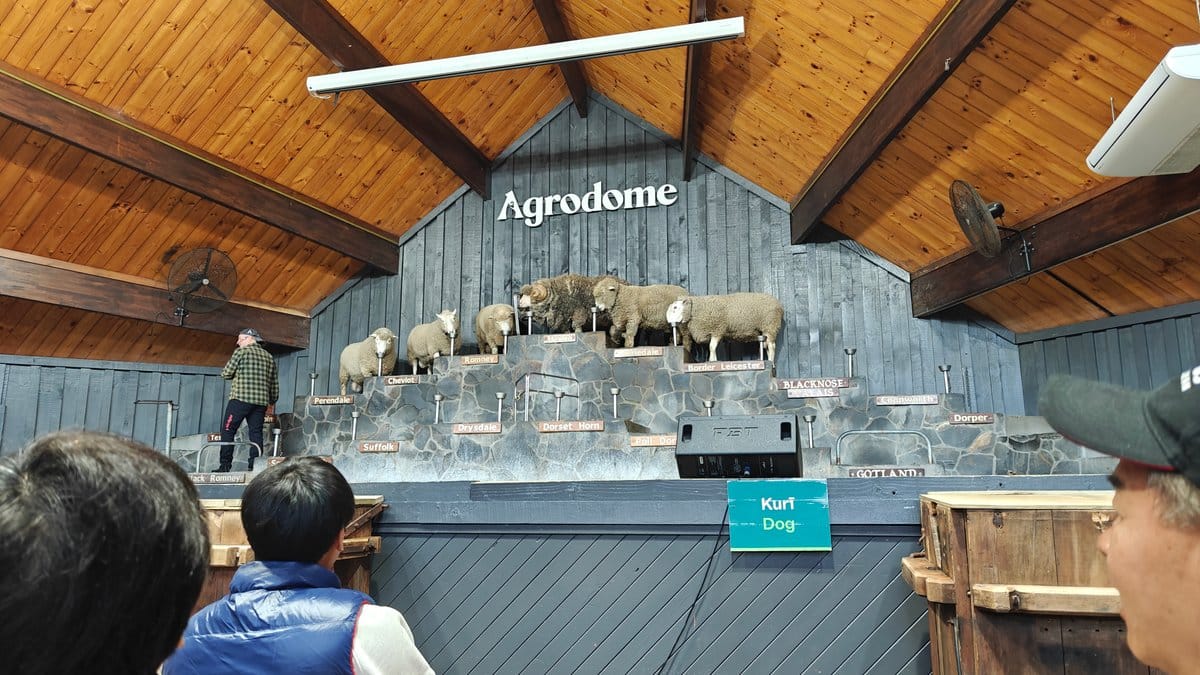
I loved that these are working buildings, not simply for display. Inside the barn is this tiered arena for the actual farm show, which is far more interesting than I’d imagined.
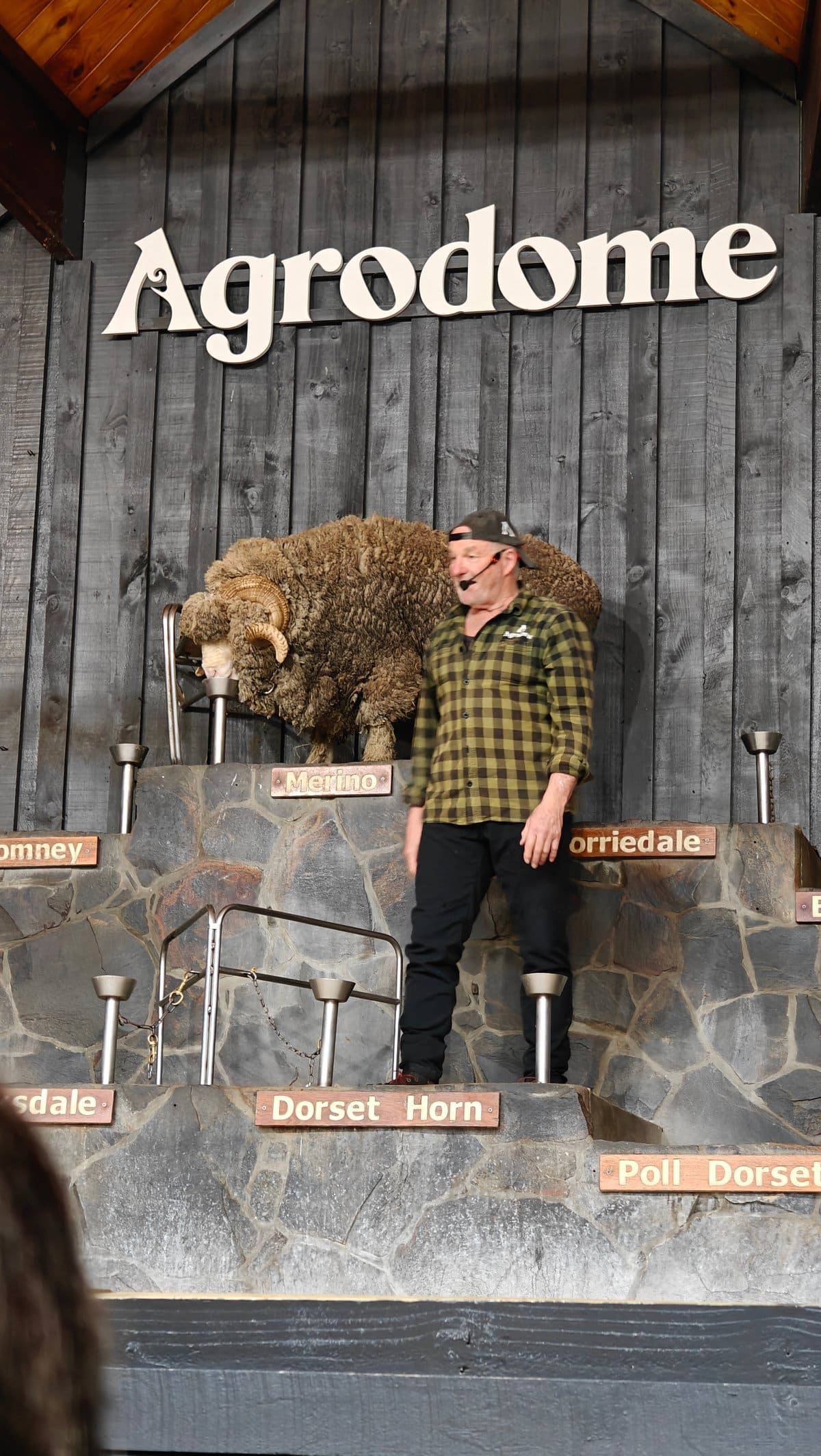
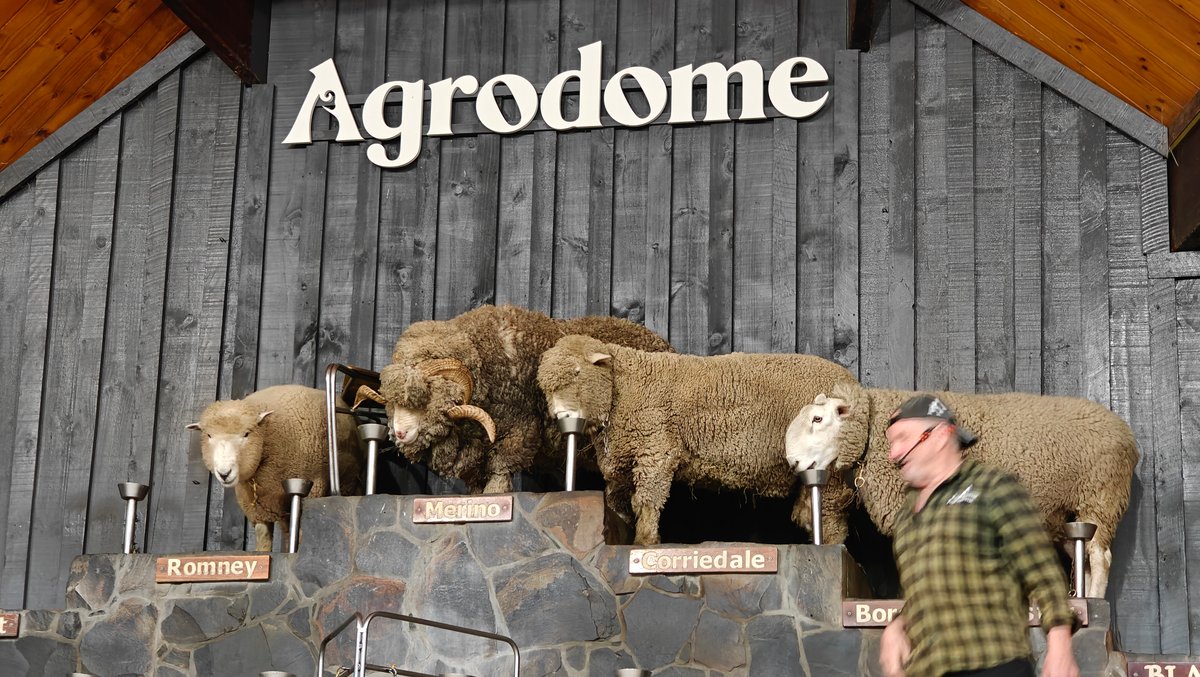
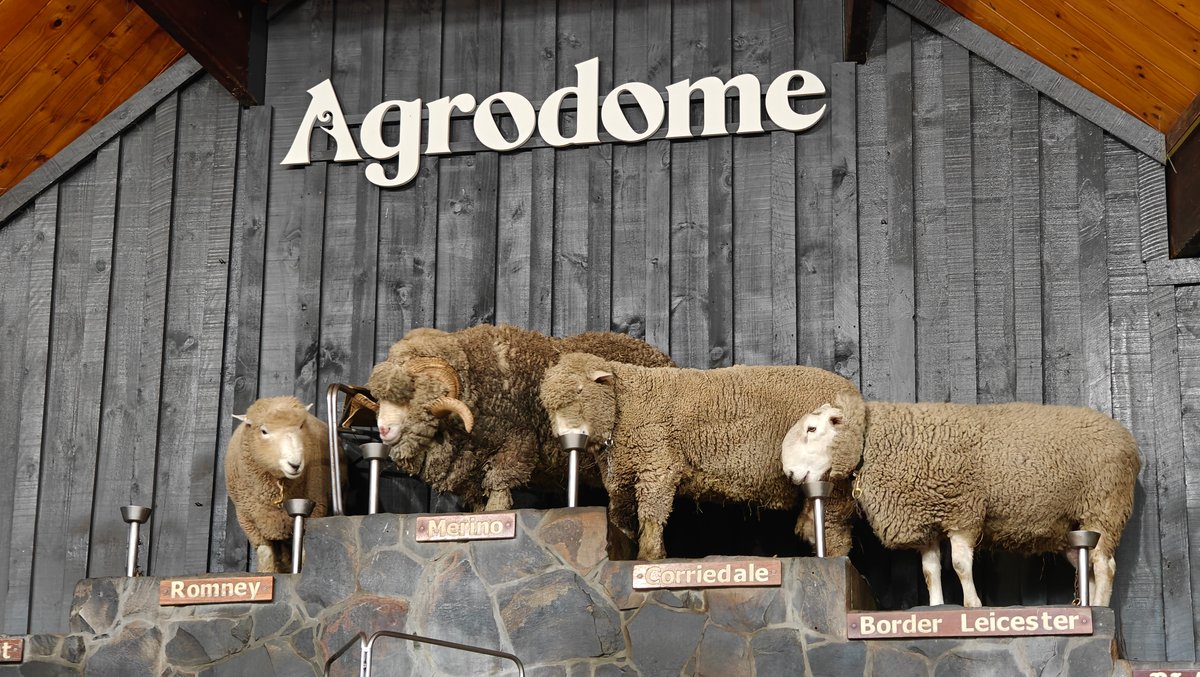
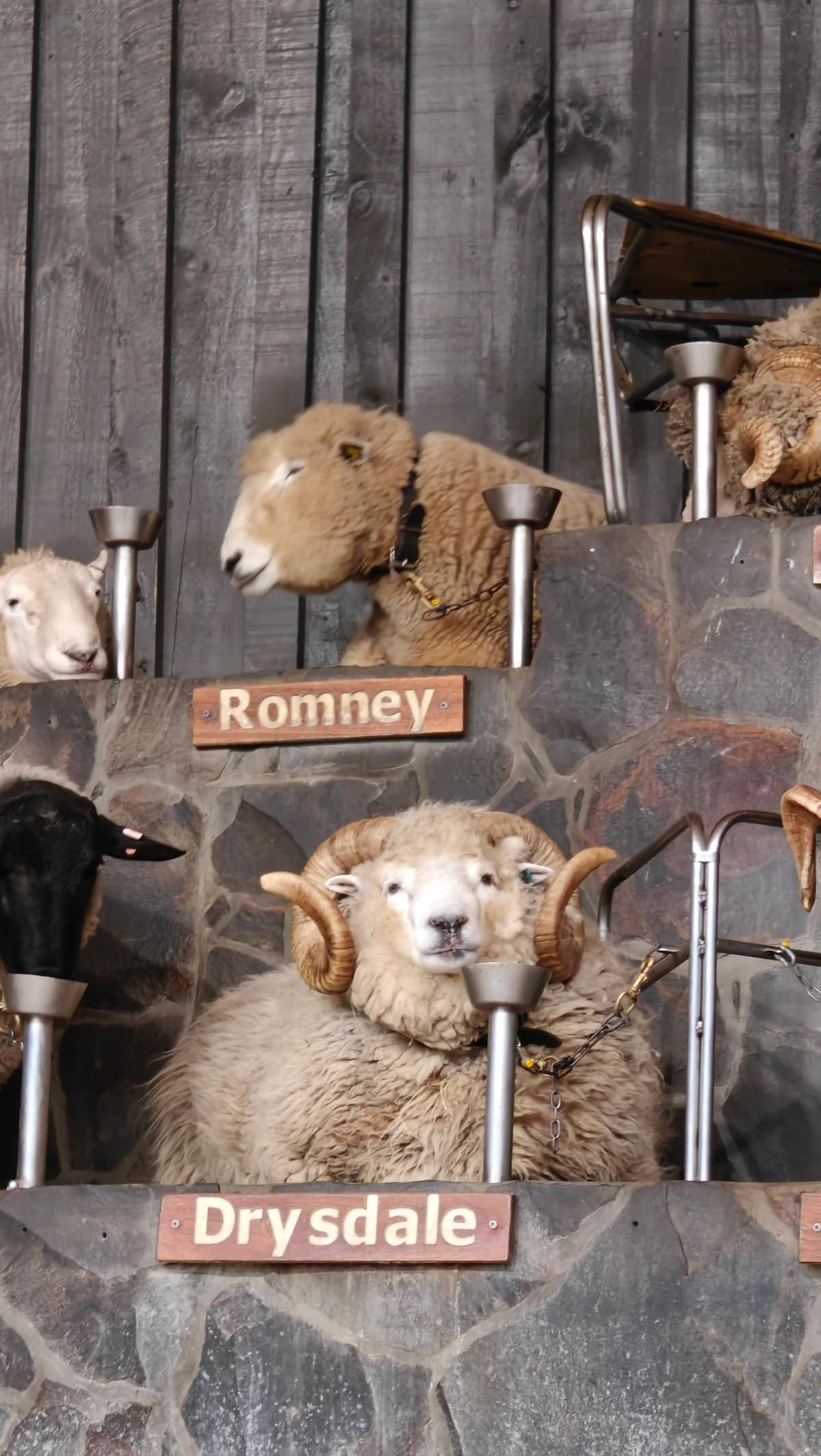
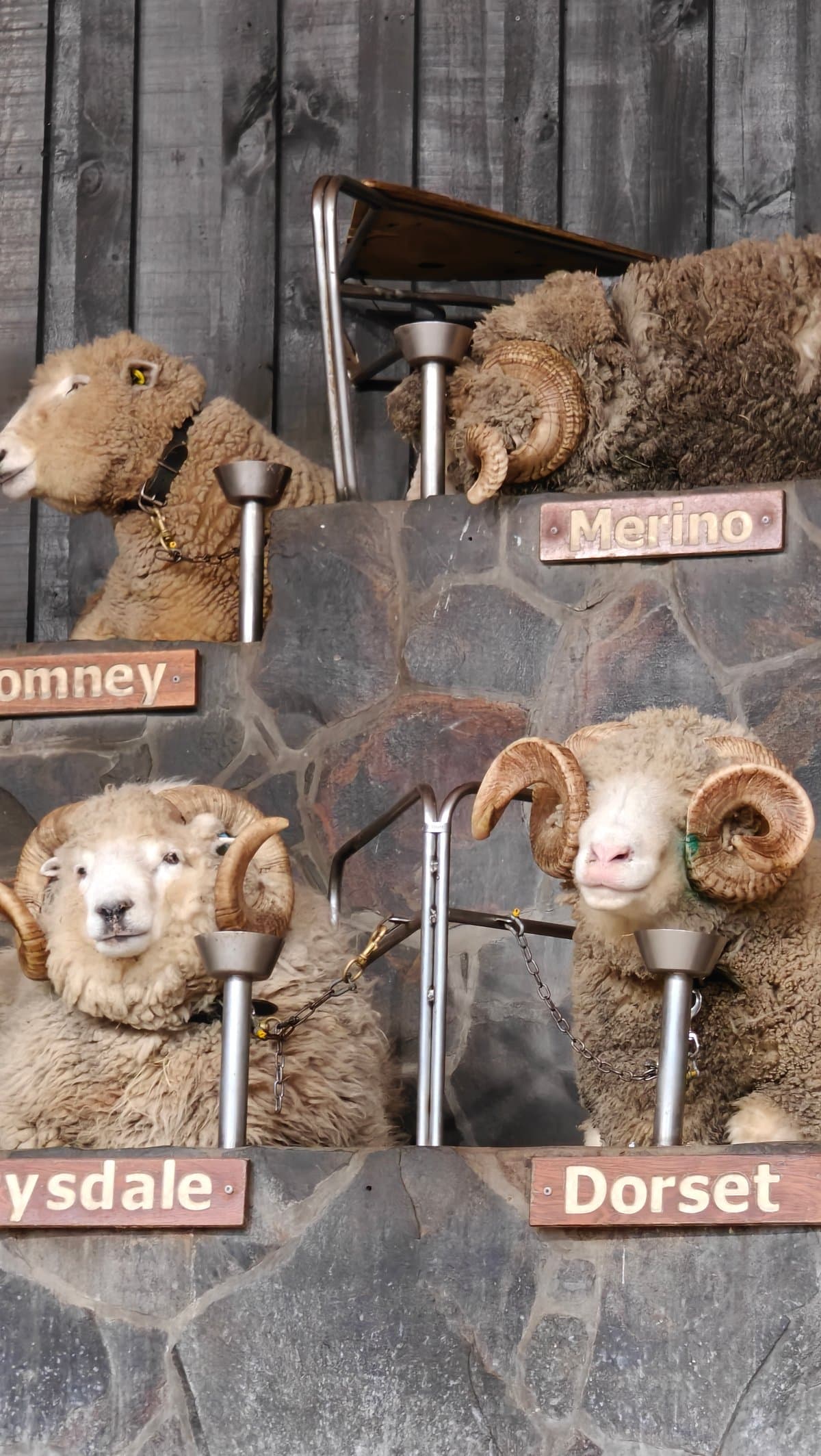
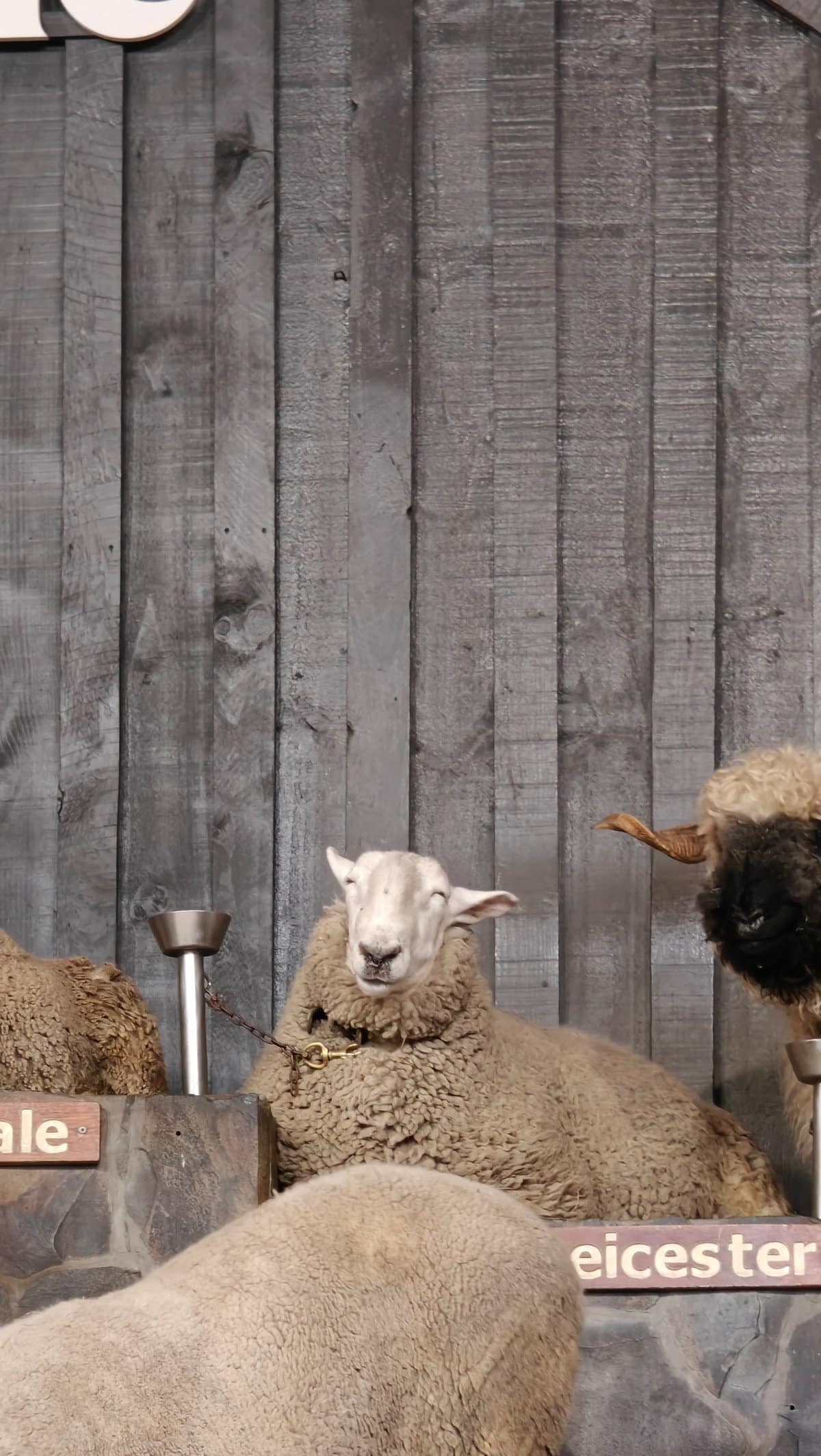
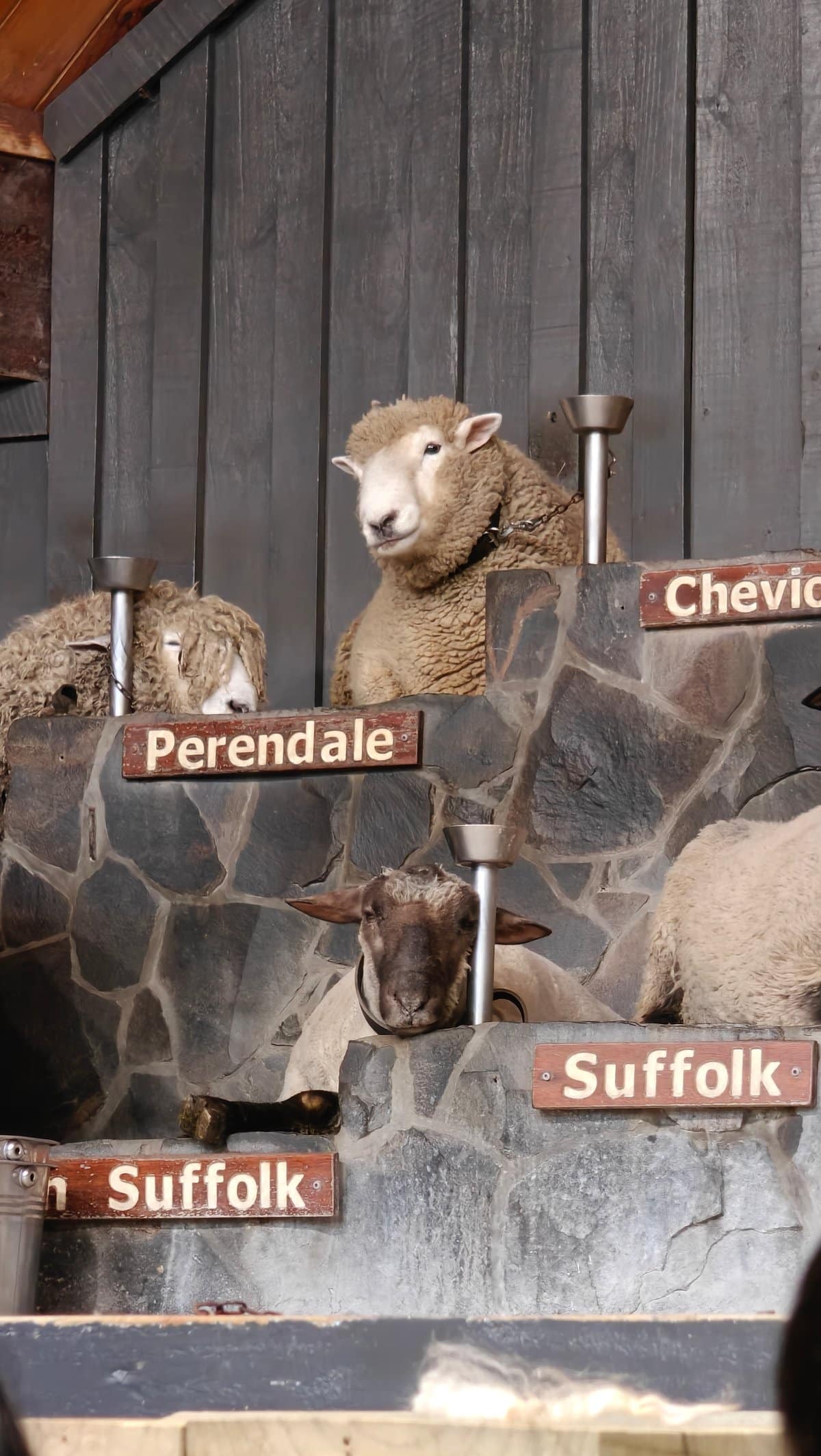
We had nineteen different kinds of sheep (yes, nineteen) paraded before us on stage by our host, who gave each one a little nameplate. To be honest, I didn’t realize there were so many different breed of sheep, or that you can even identify them at first glance. The rams each had their personalities; some was more agreeable to being handled than others, and the handler wrangling them all around was pretty quietly impressive.
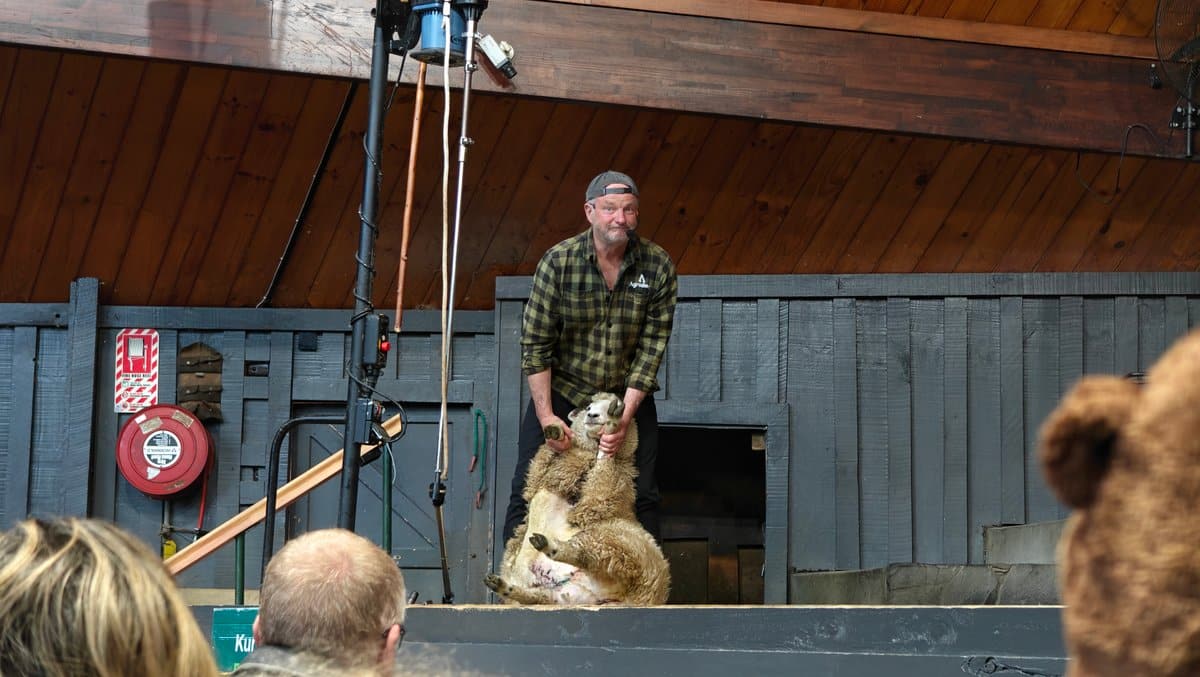
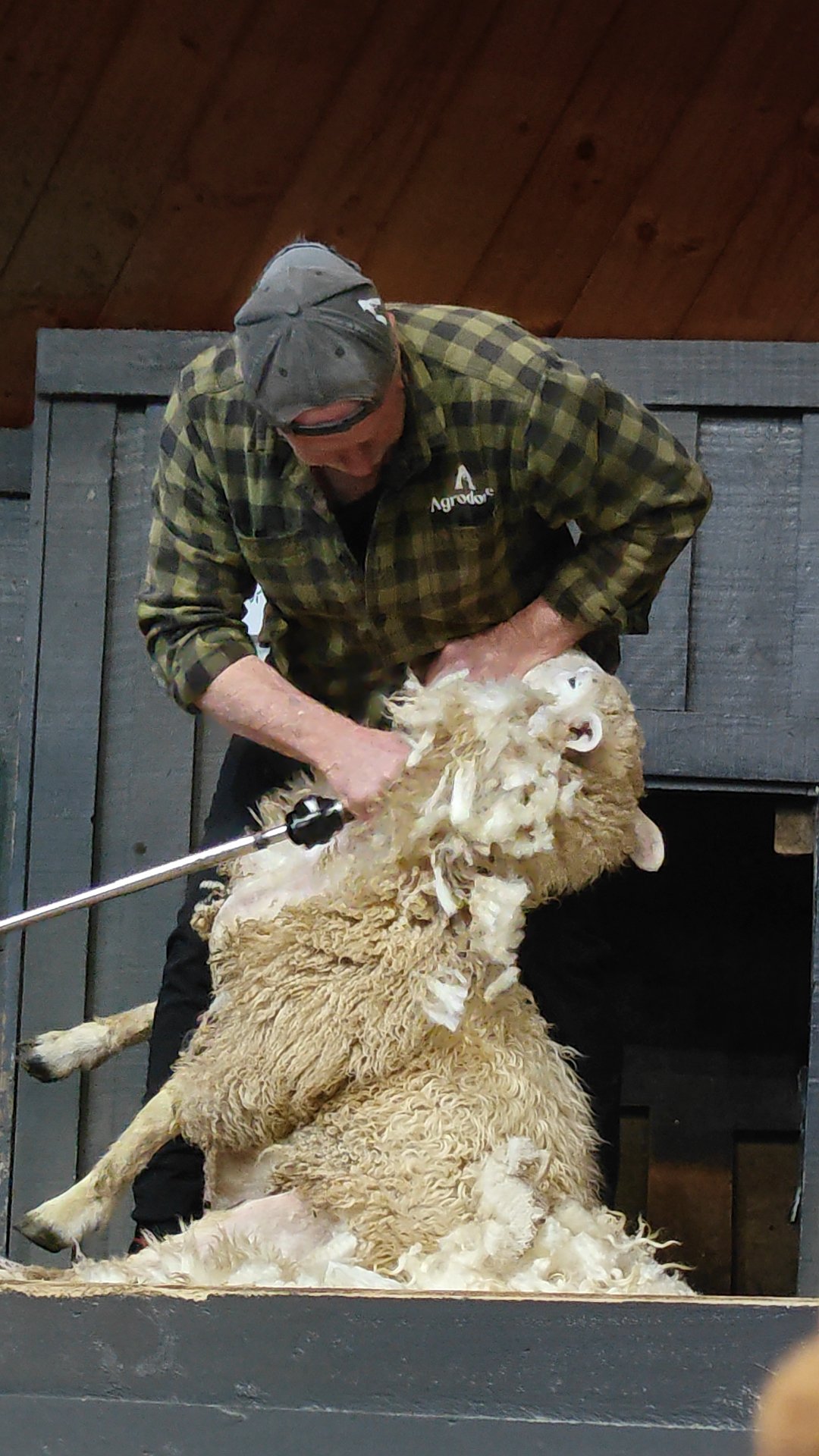
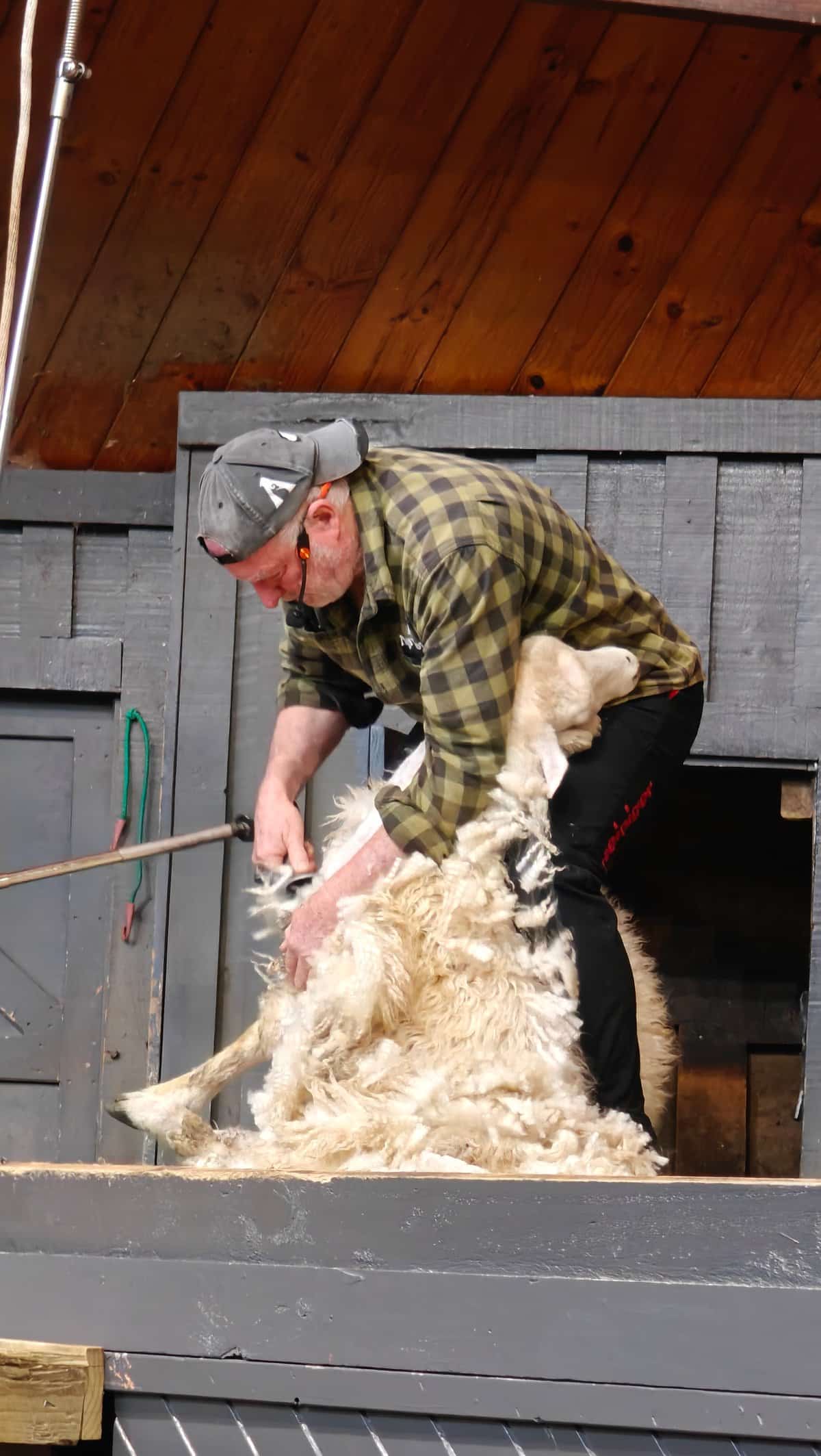
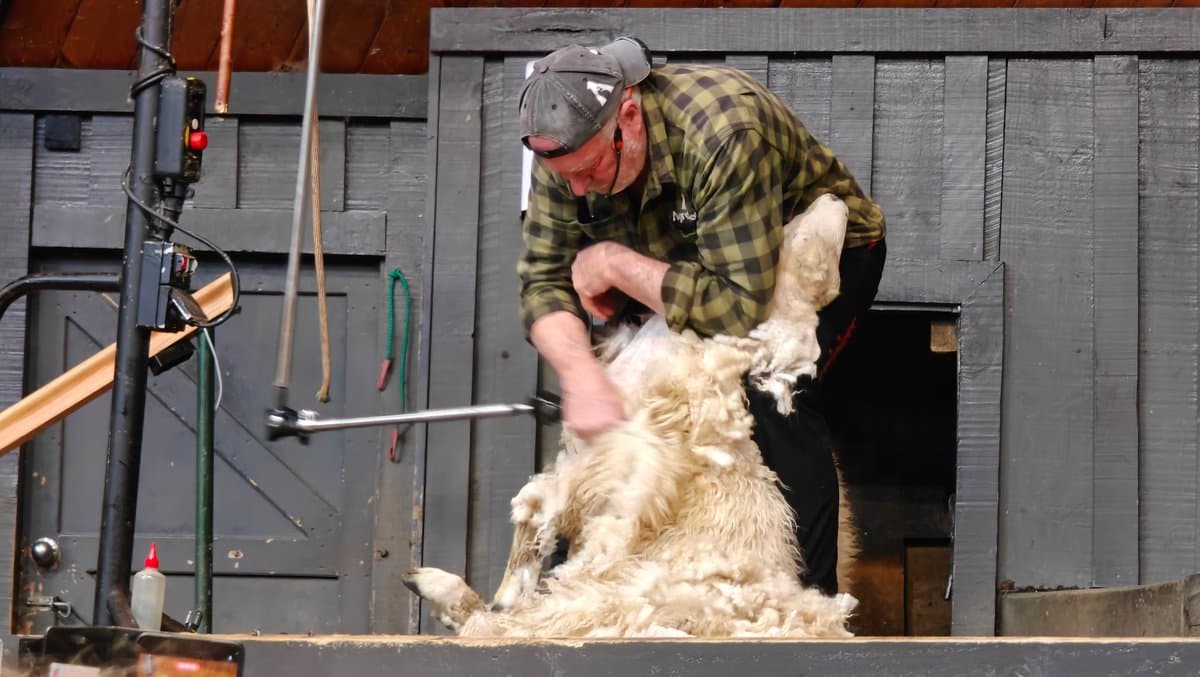
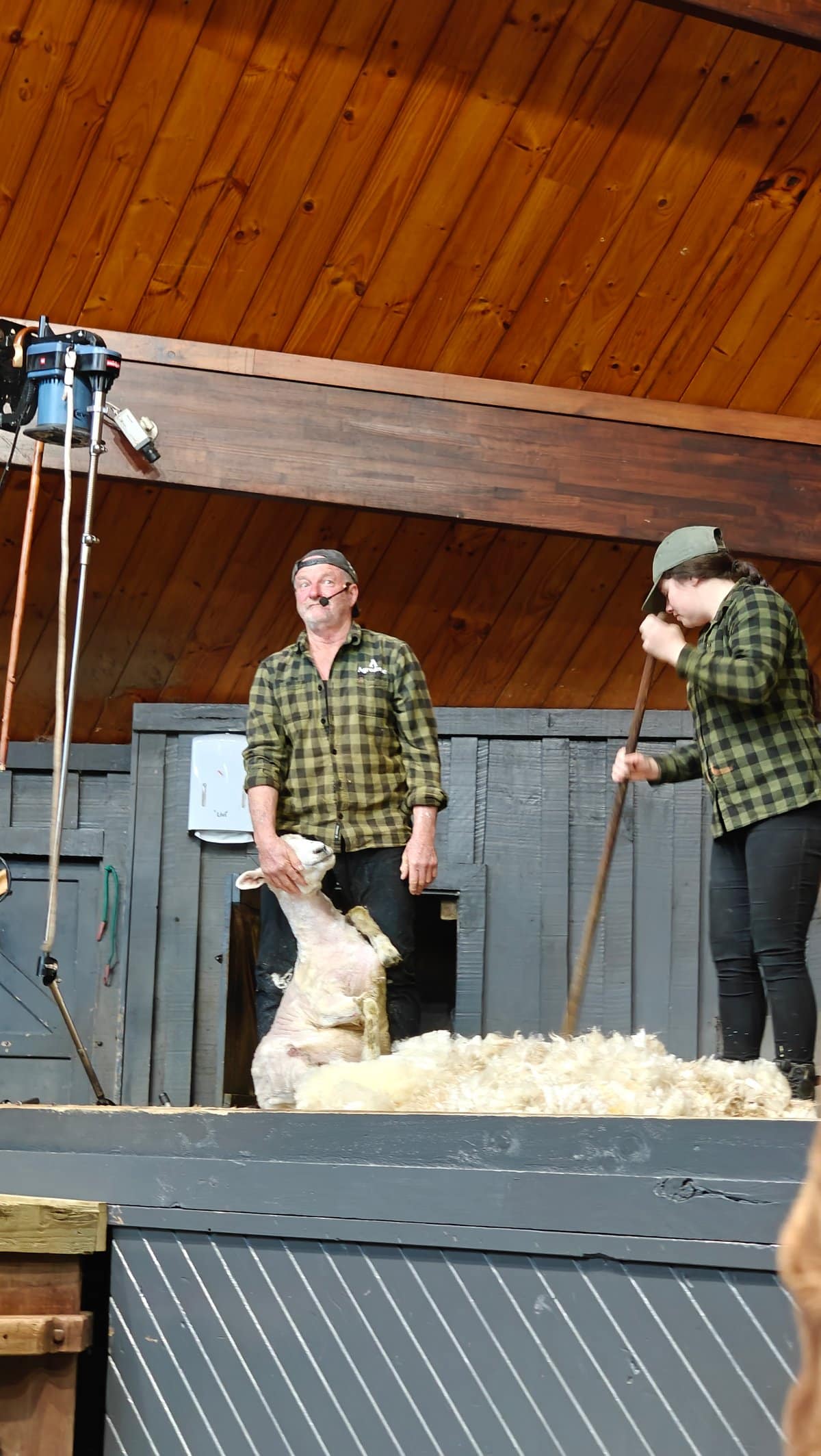
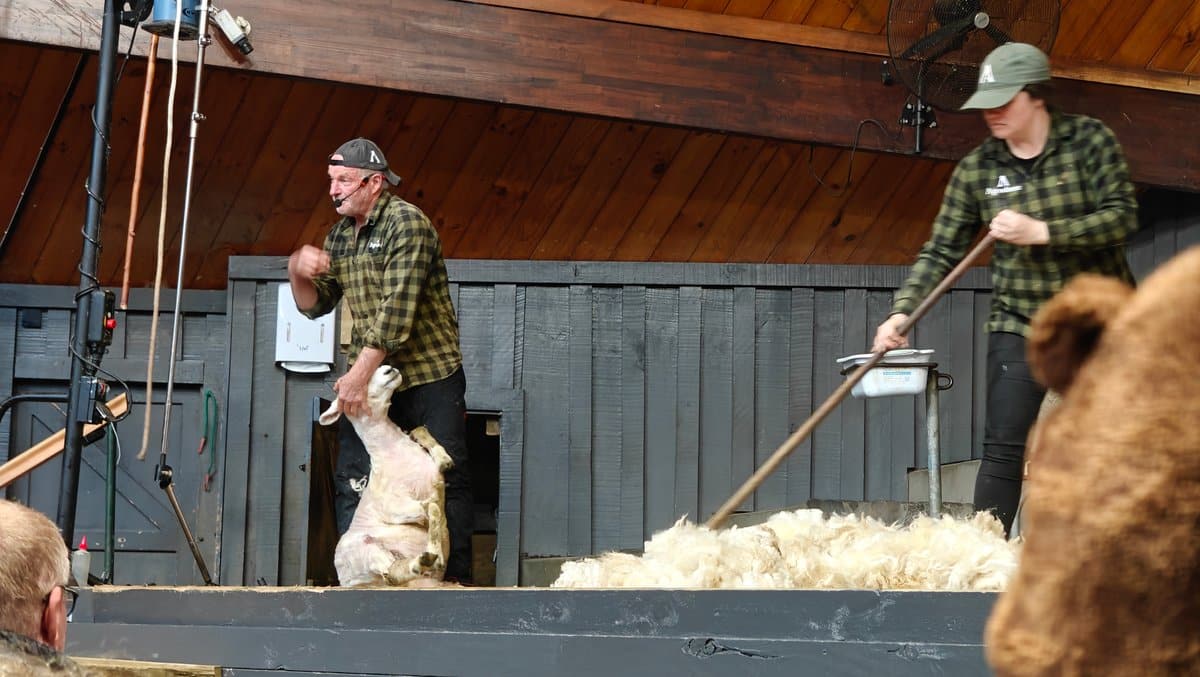
For me, the best part was the shearing demo. Seeing this man in action, cutting the fleece off of a live sheep in one long, uninterrupted piece, made me understand what a skilled job that is. He did it fast, he did it calmly, and the sheep (which I had imagined would struggle) just kind of let him get on with it.
Then they laid out the fleece so we could all see its full size and quality. To me, seeing wool in the store is one thing; seeing how it gets taken off of an animal is quite another.
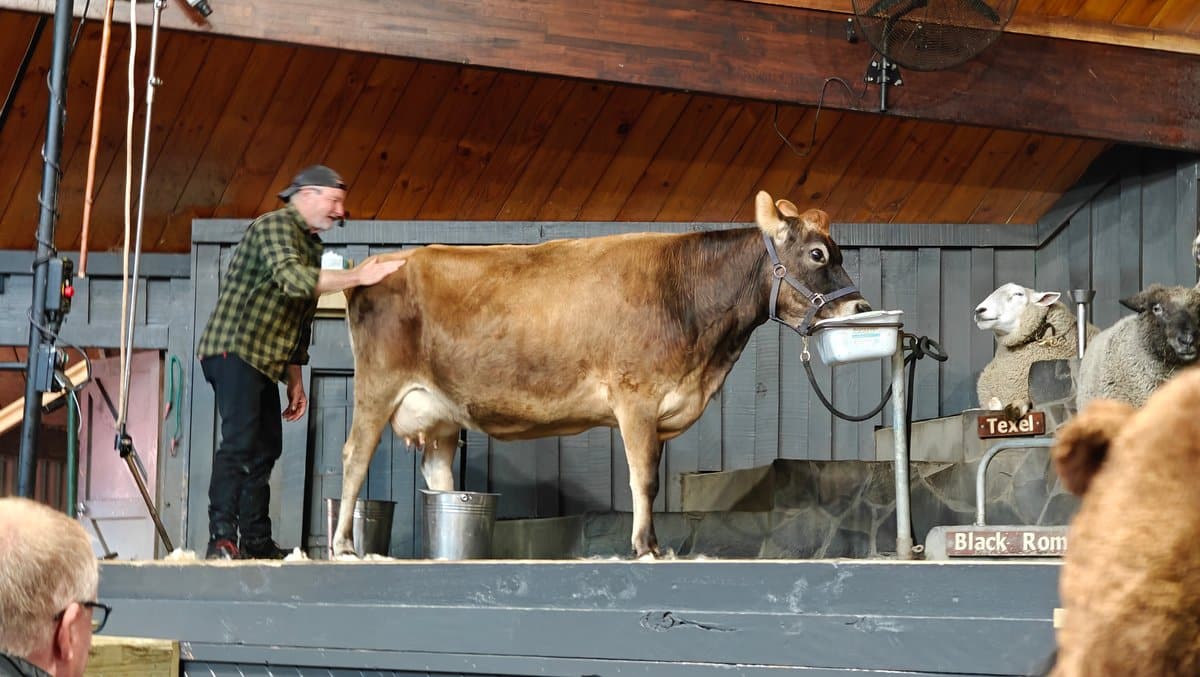
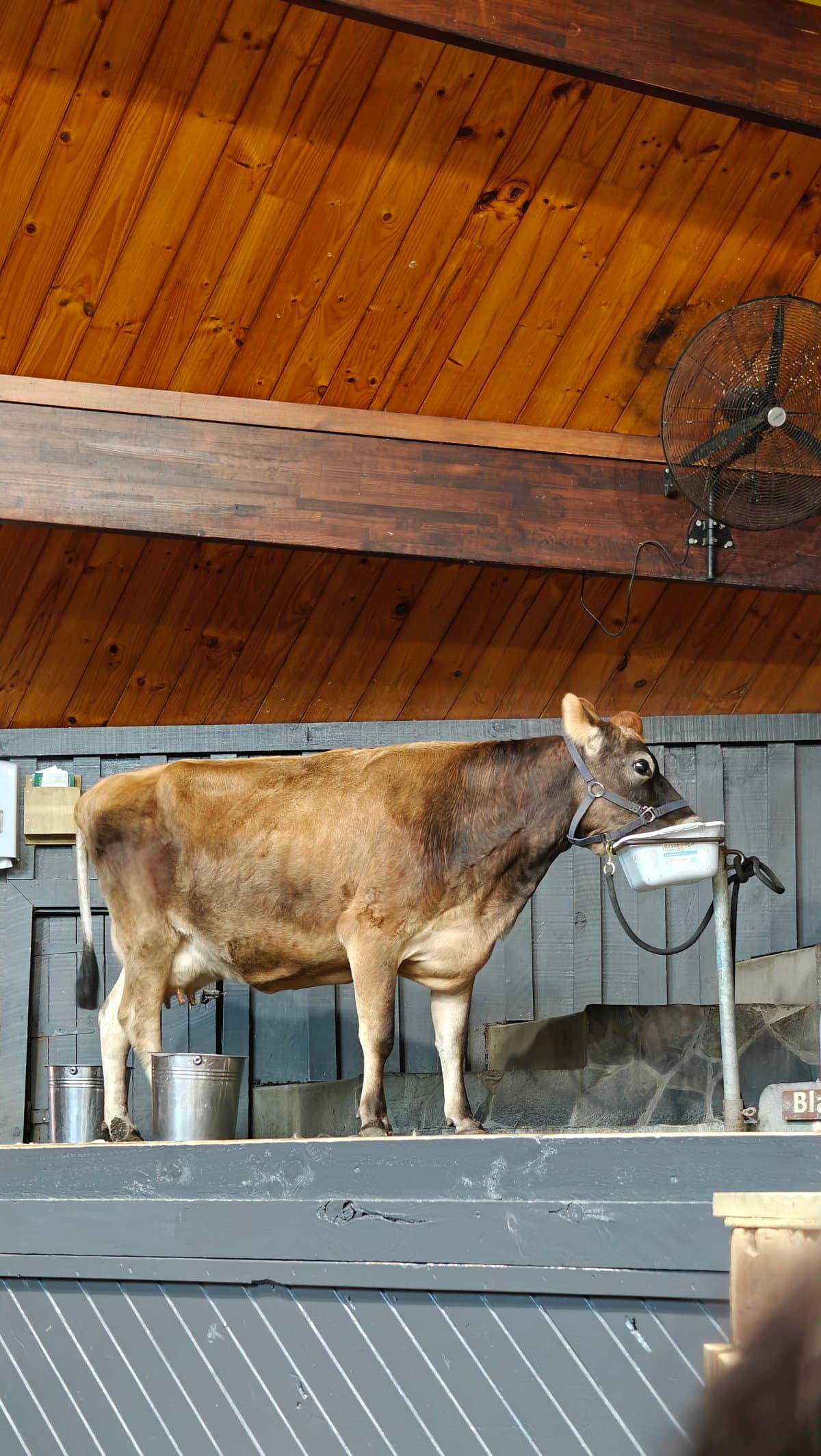
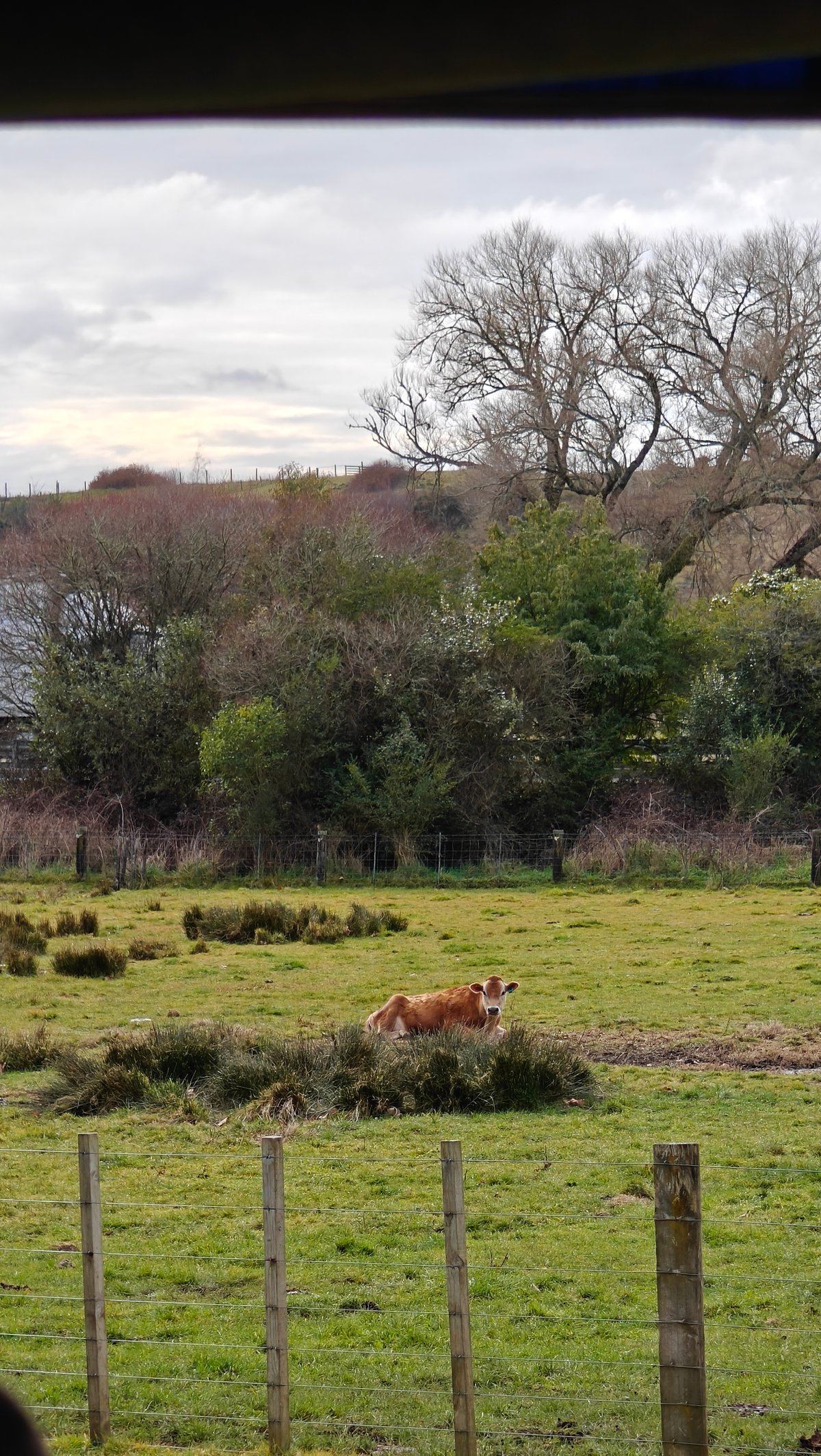
At some point they wheeled out a cow too, more for the sake of explaining dairy farming in the area and giving us an idea of the scale than anything else. the poor creature ambled across the stage entirely unfazed by the crowd and caused a few chuckles.
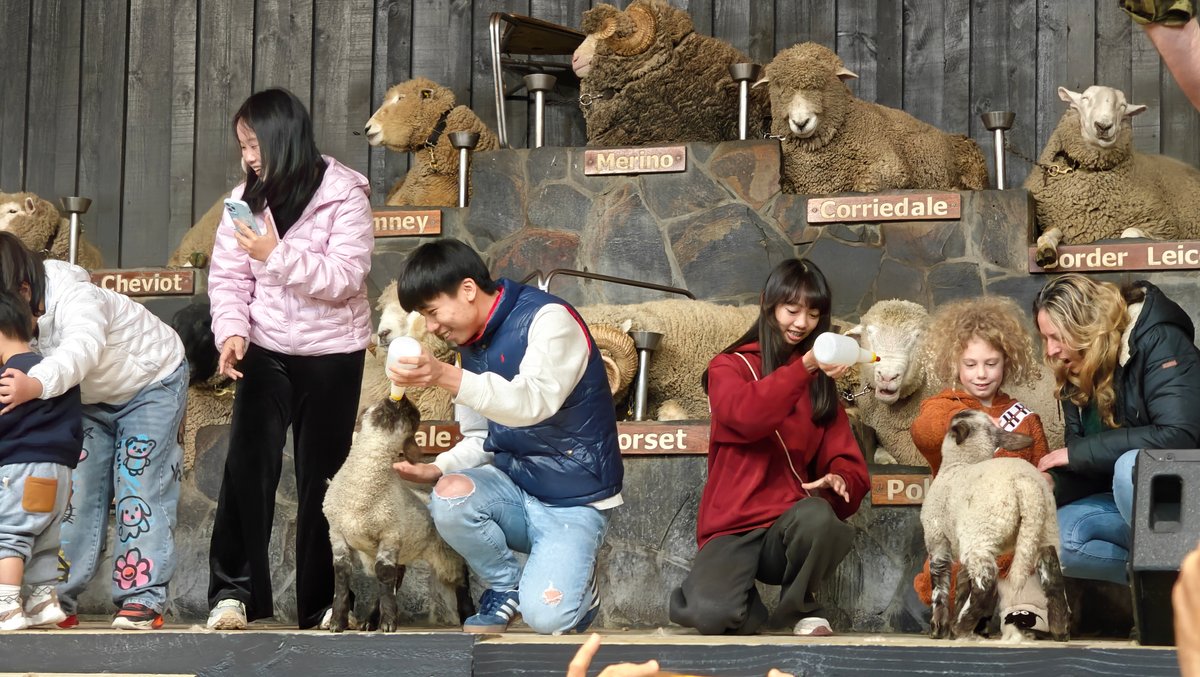
Bottling-fed baby lambs was available for volunteers from the audience, which, as you might expect, was extremely adorable. I didn’t volunteer myself, but watching other people try to handle these hungry little things was pretty funny.
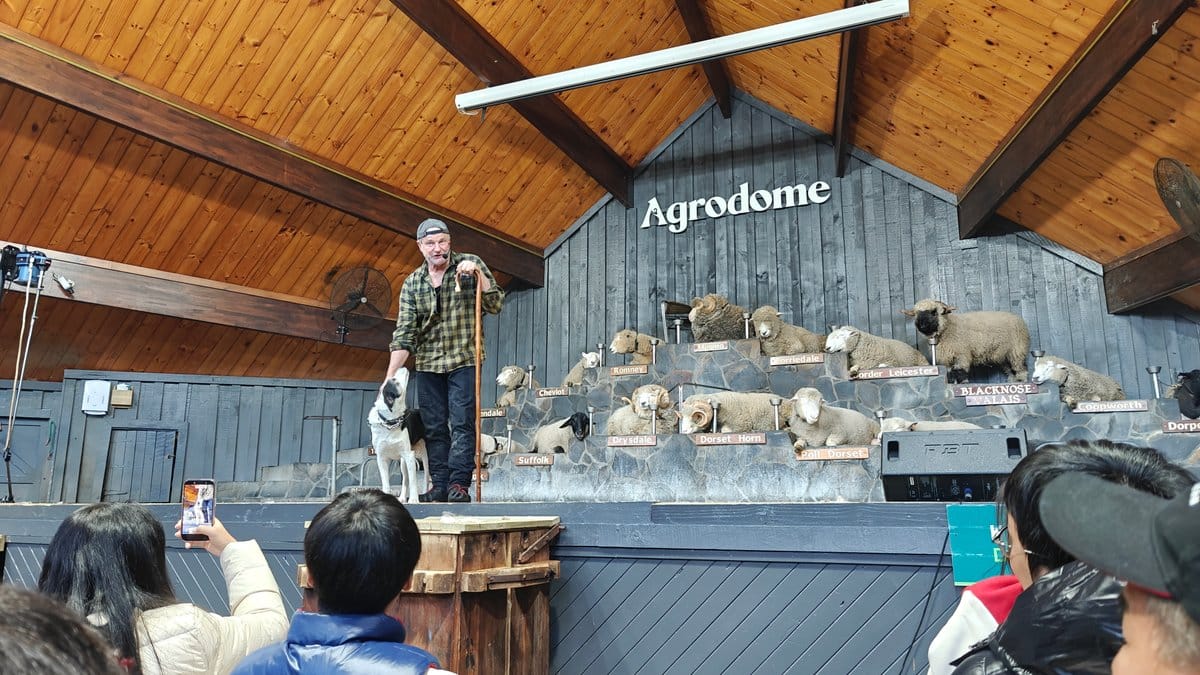
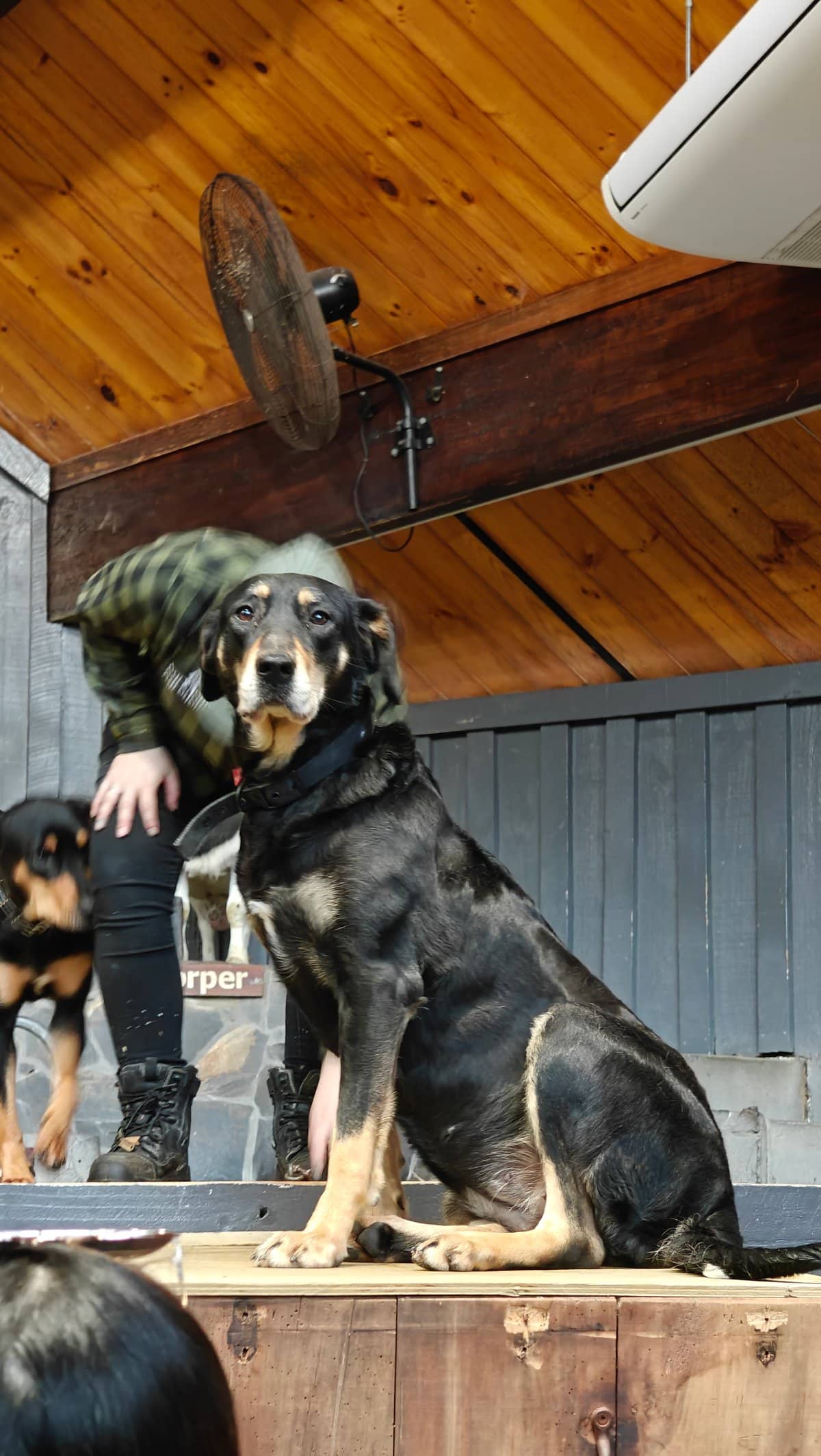
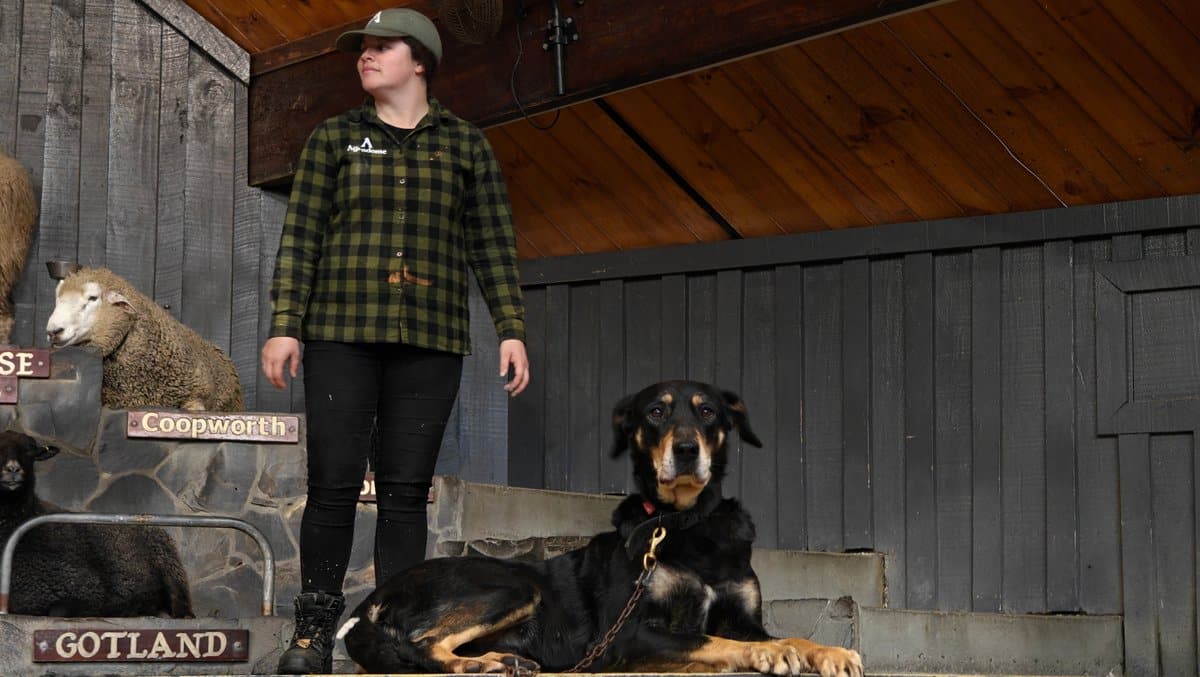
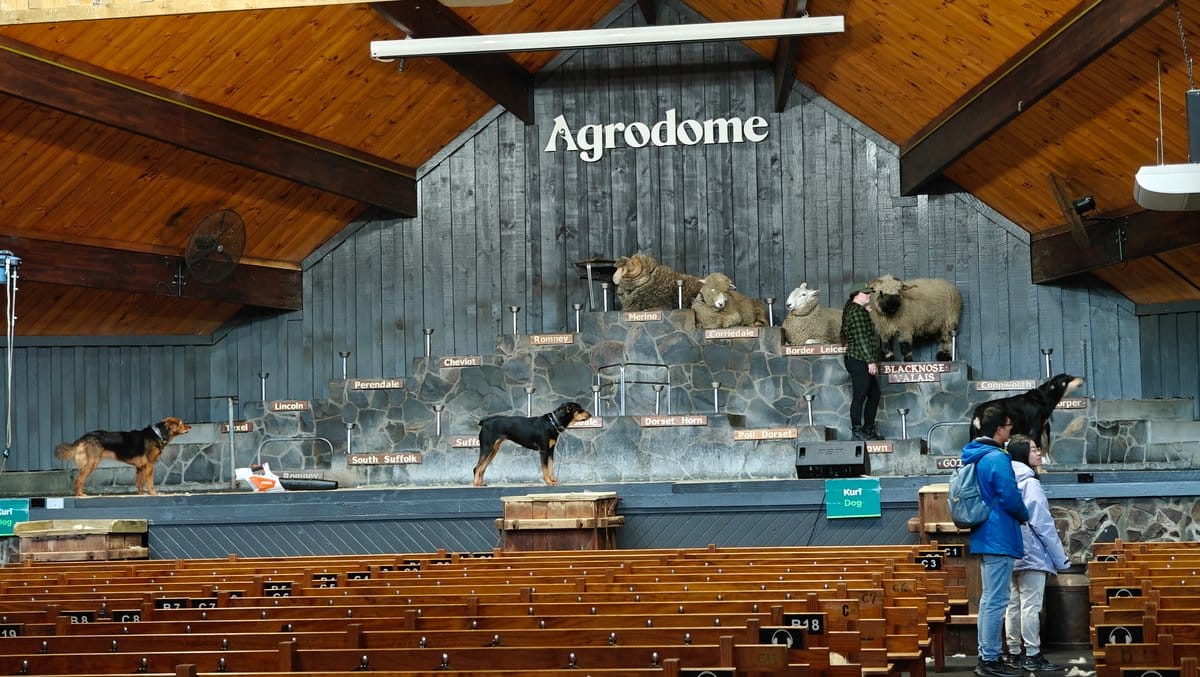
The sheepdogs arrived next. And this was the part that really blew my mind, the handler produced a pair of working dogs and showed us how he called them using a combination of whistles and voices. He got one of them to jump up on a barrel and sit there for show-off points.
These dogs are focused and obedient creatures. Even when the demo was over, they remained on stage, calm and awaiting further instruction. It really highlighted their training and ability.
For them, it’s not a show, it’s their job.
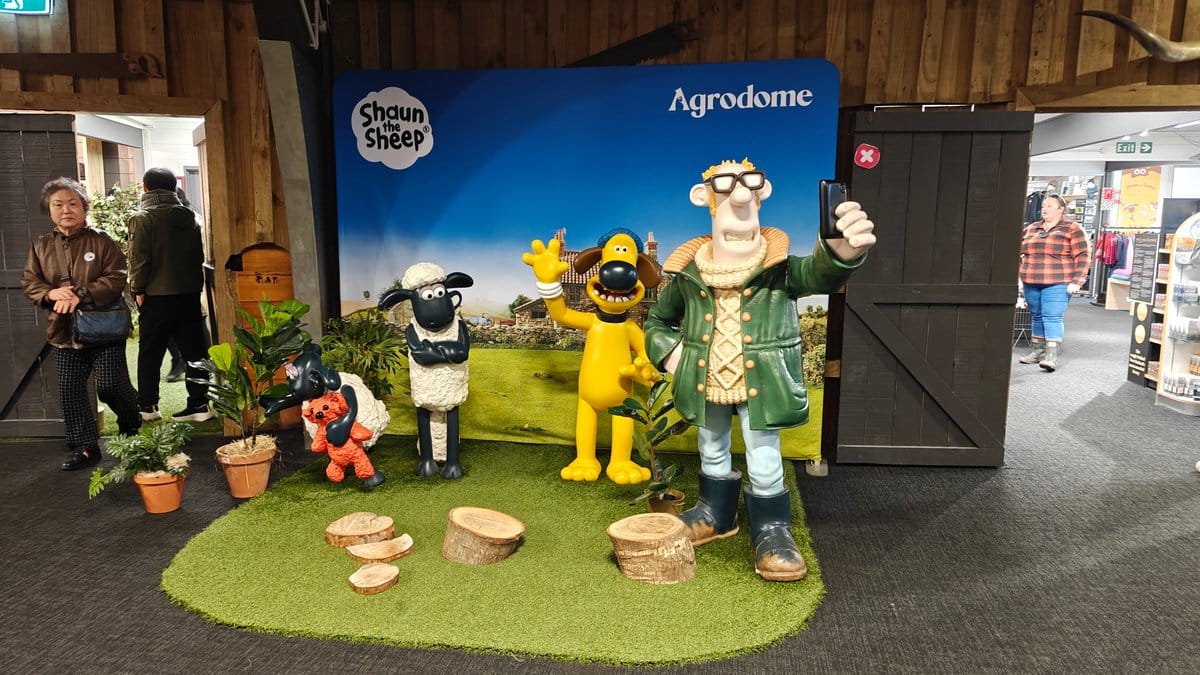
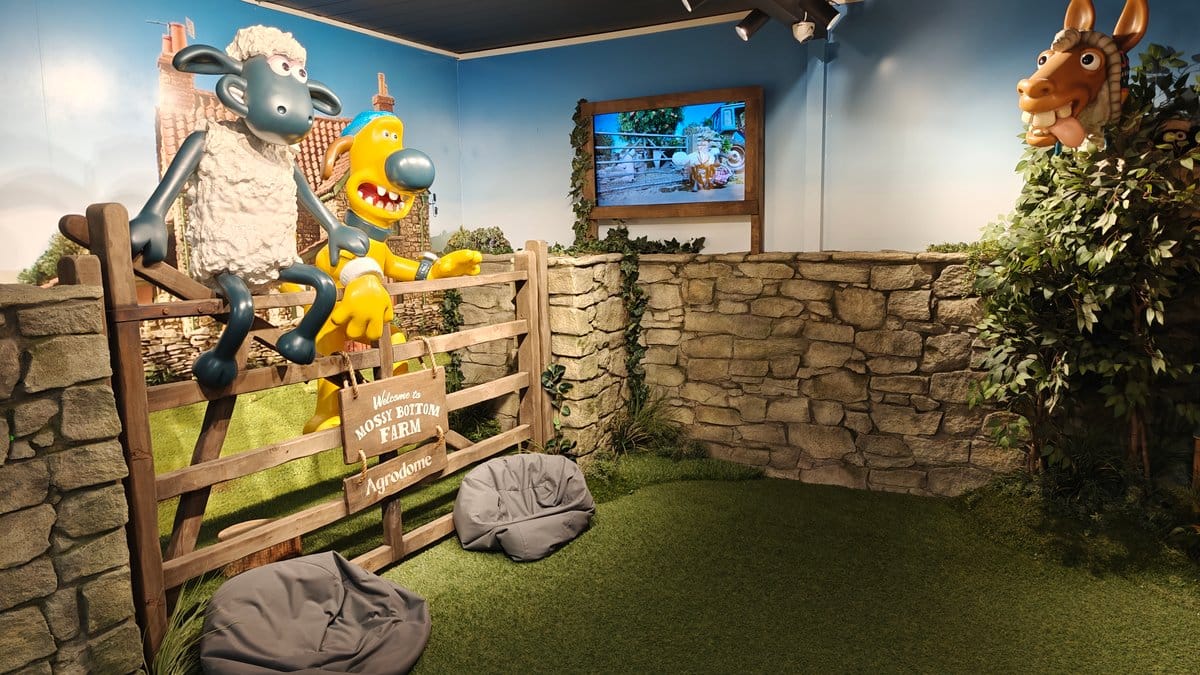
There’s also a Shaun the Sheep photo backdrop outside the arena if you’re into that sort of thing. It was a harmless bit of fun, but I didn’t bother with it personally.
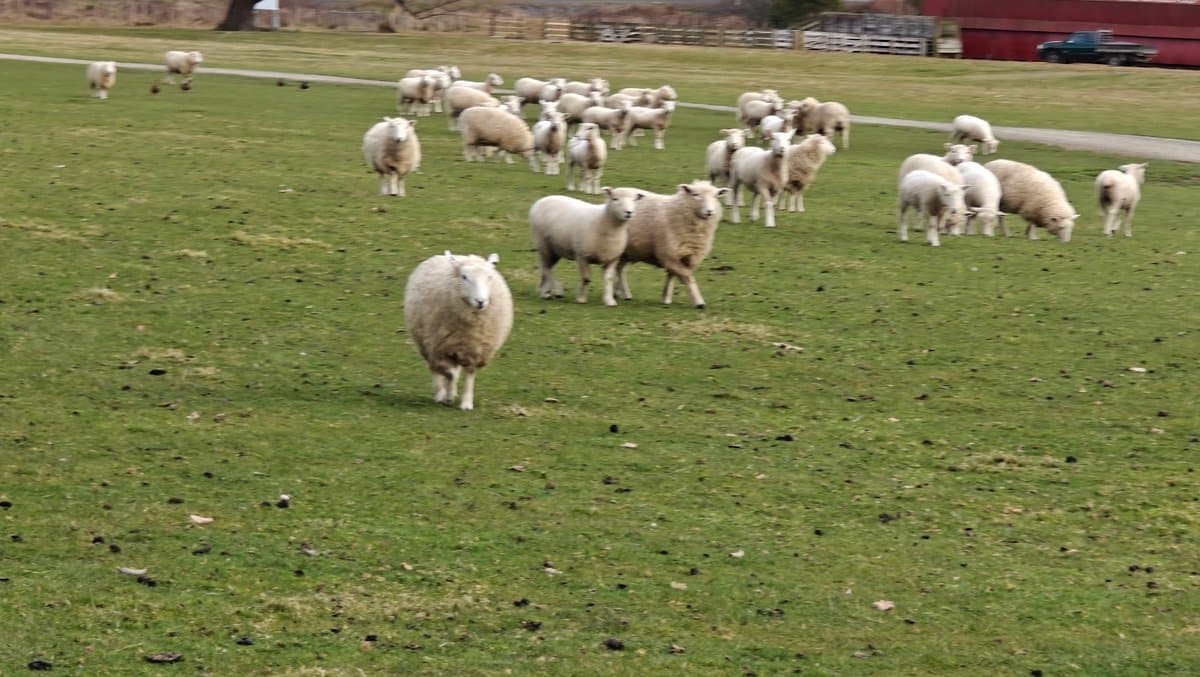
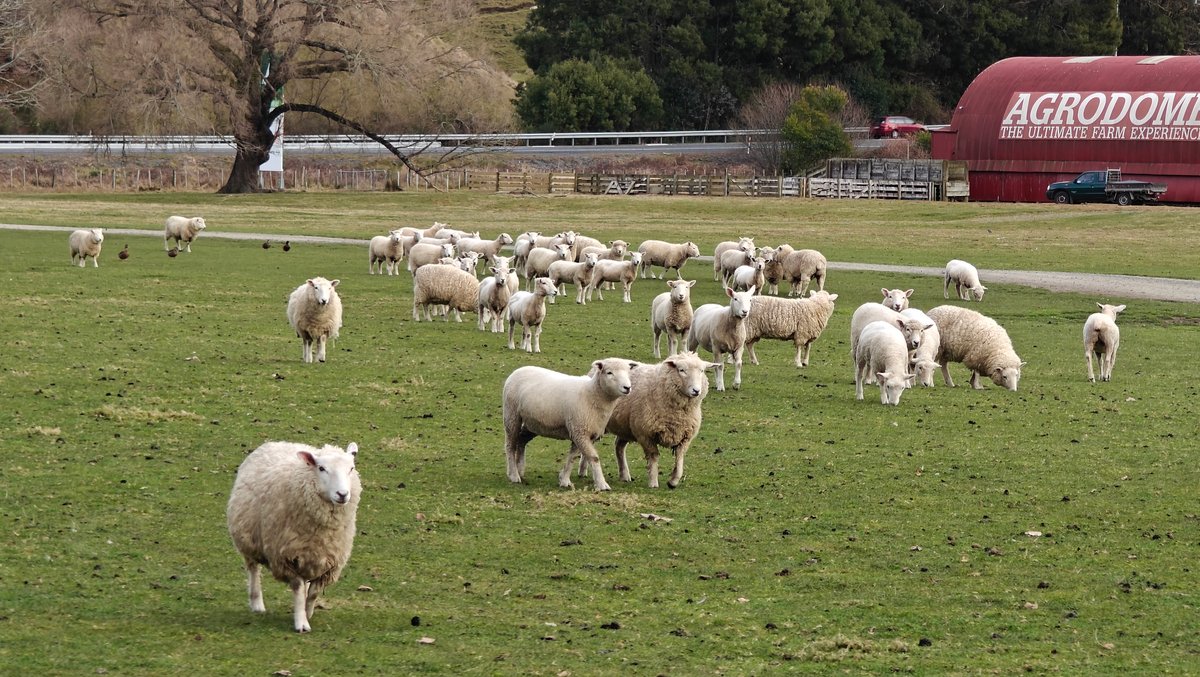
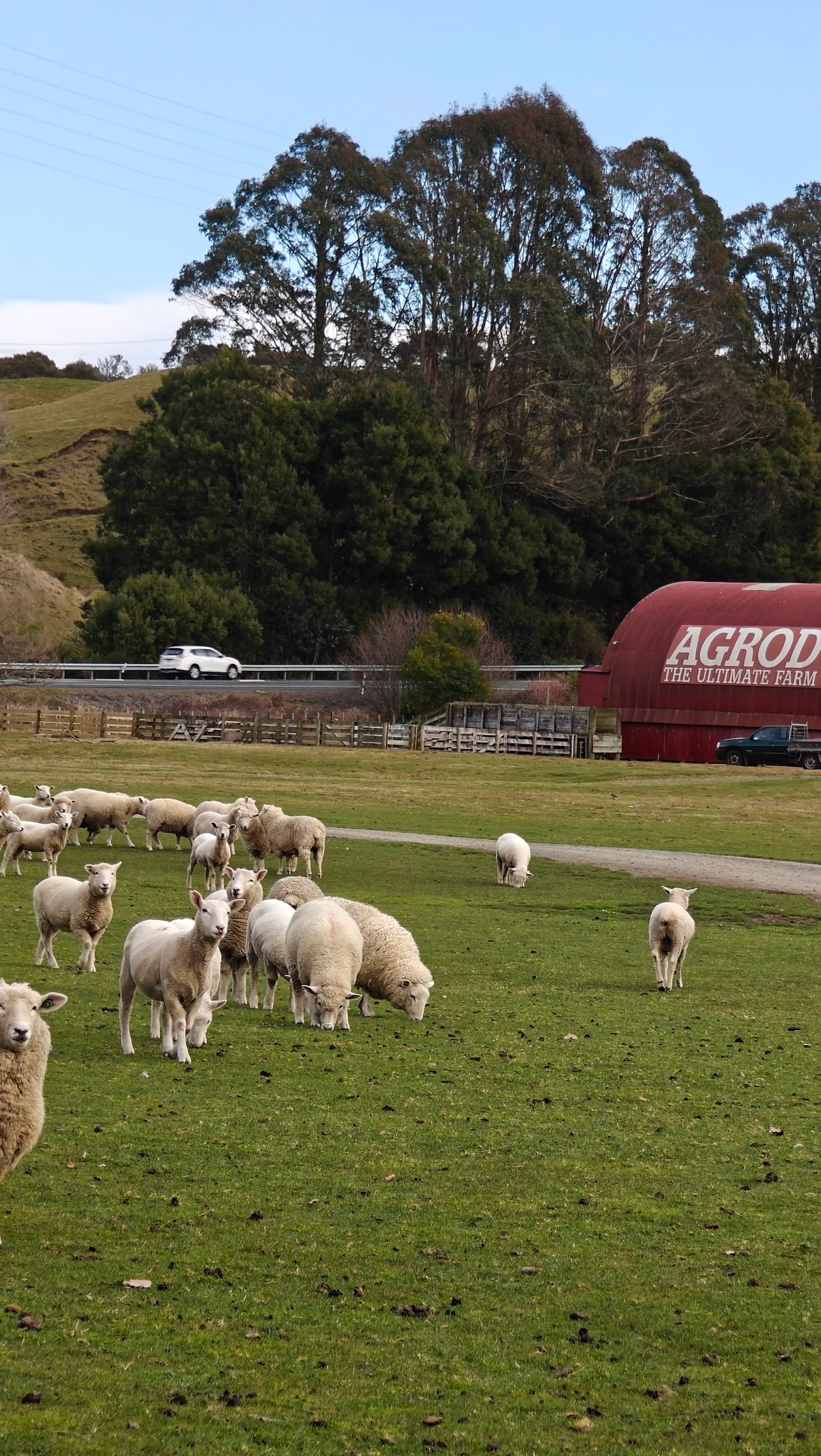
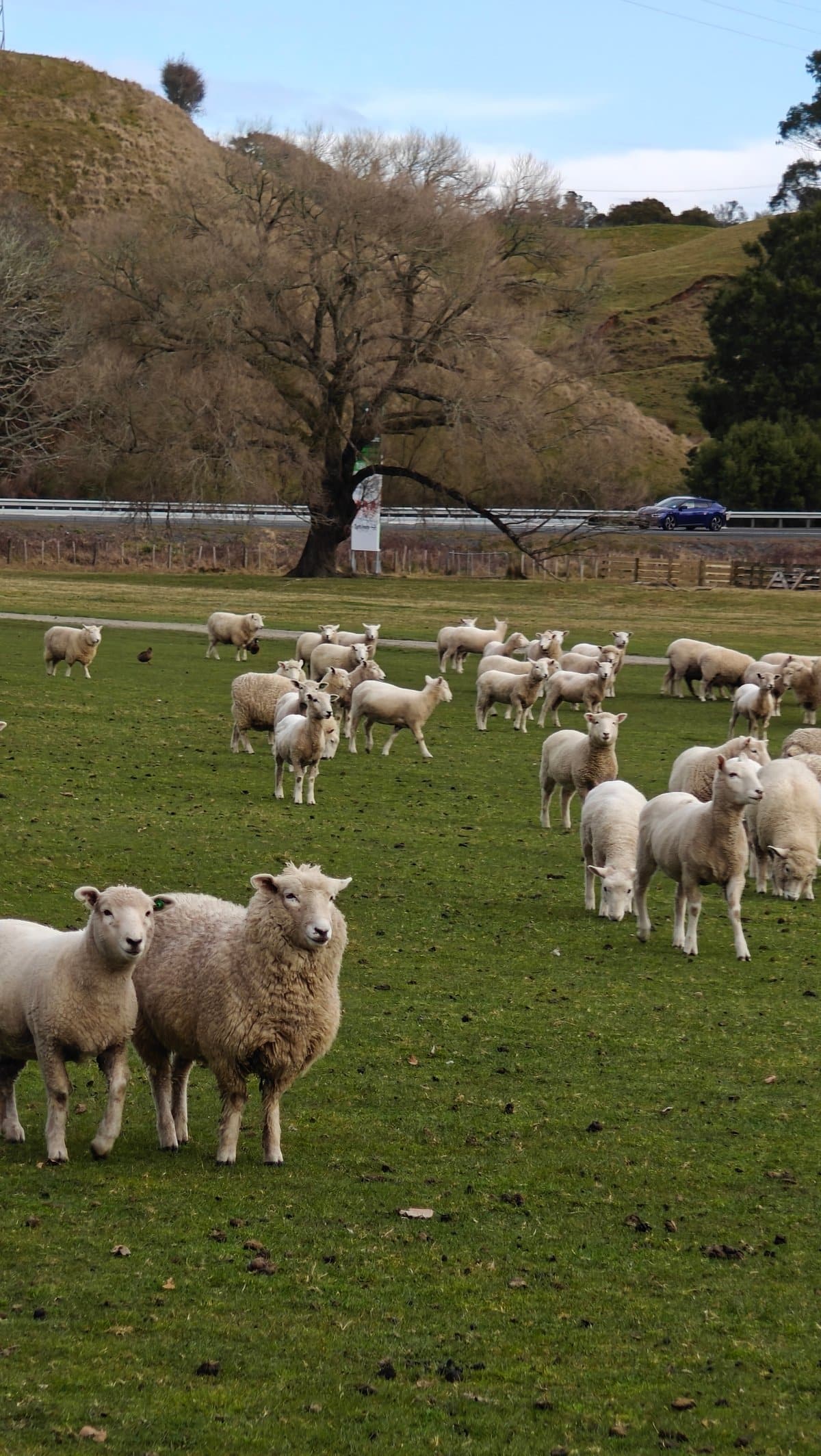
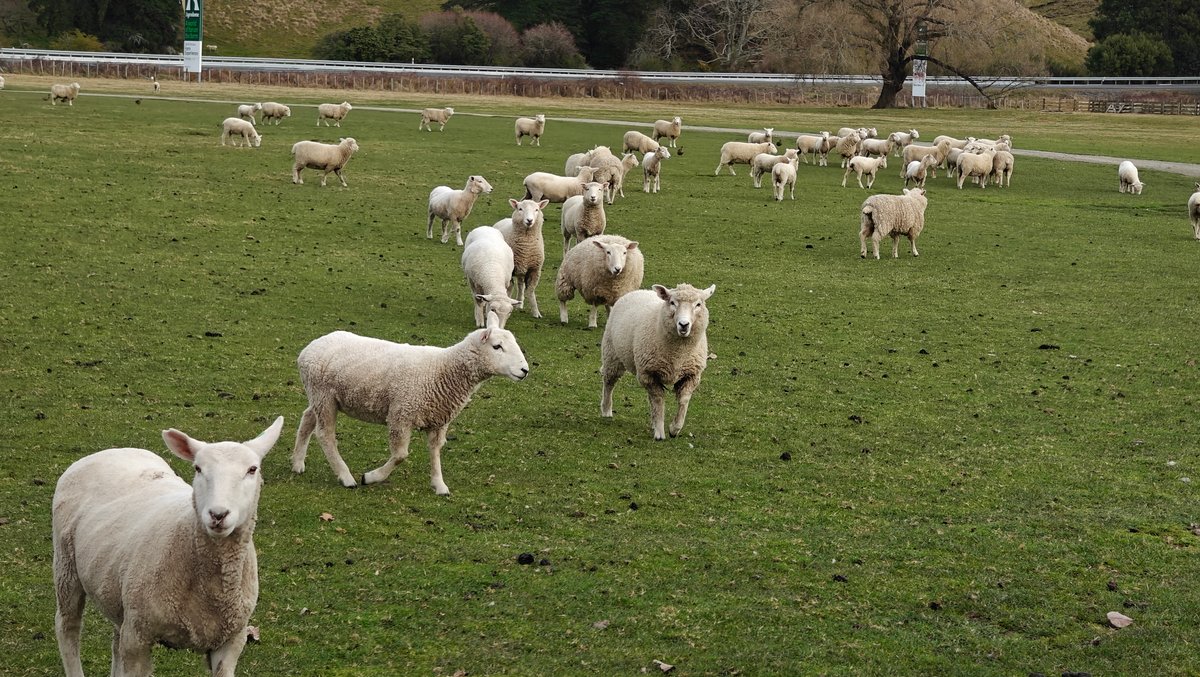
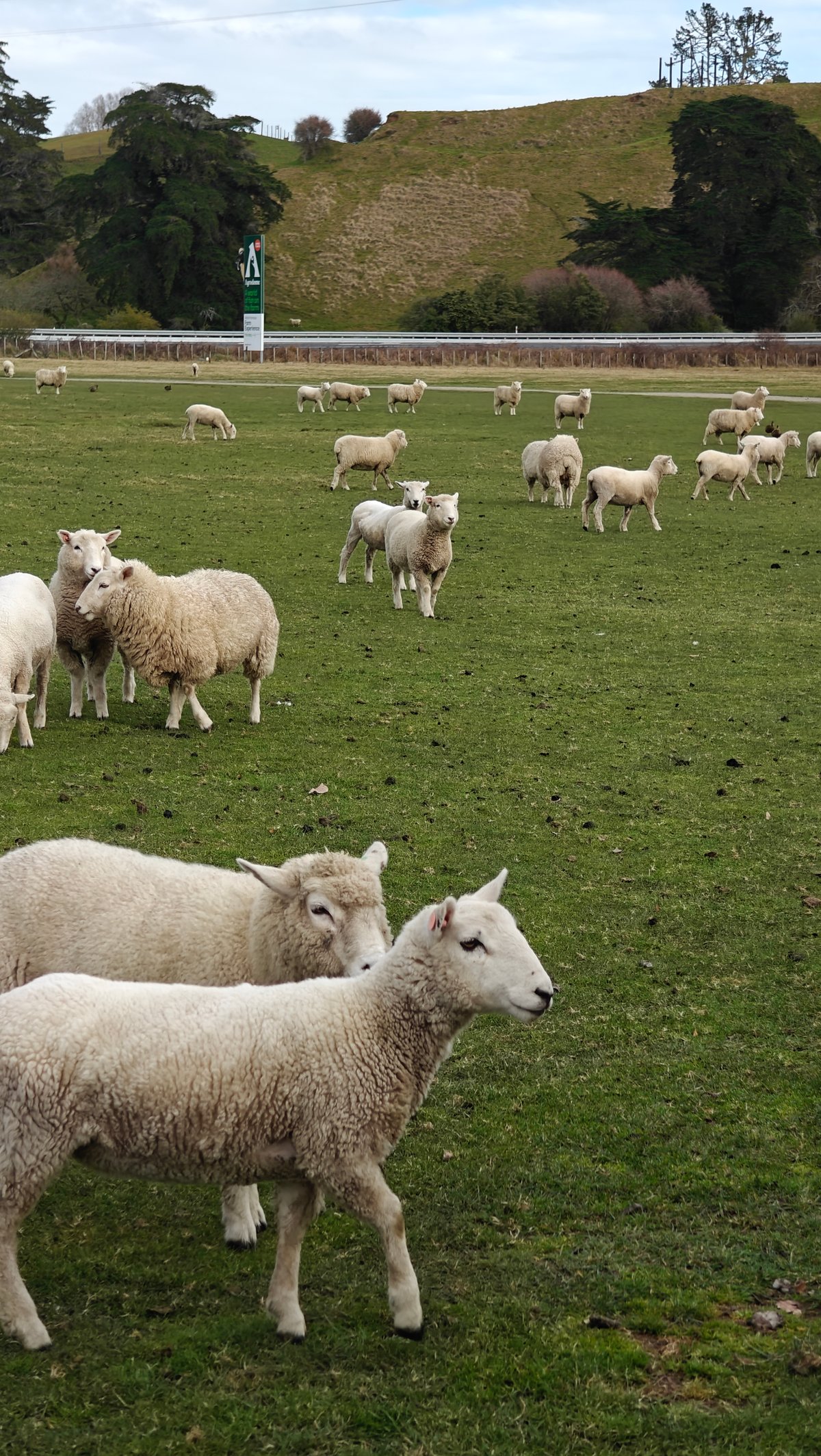
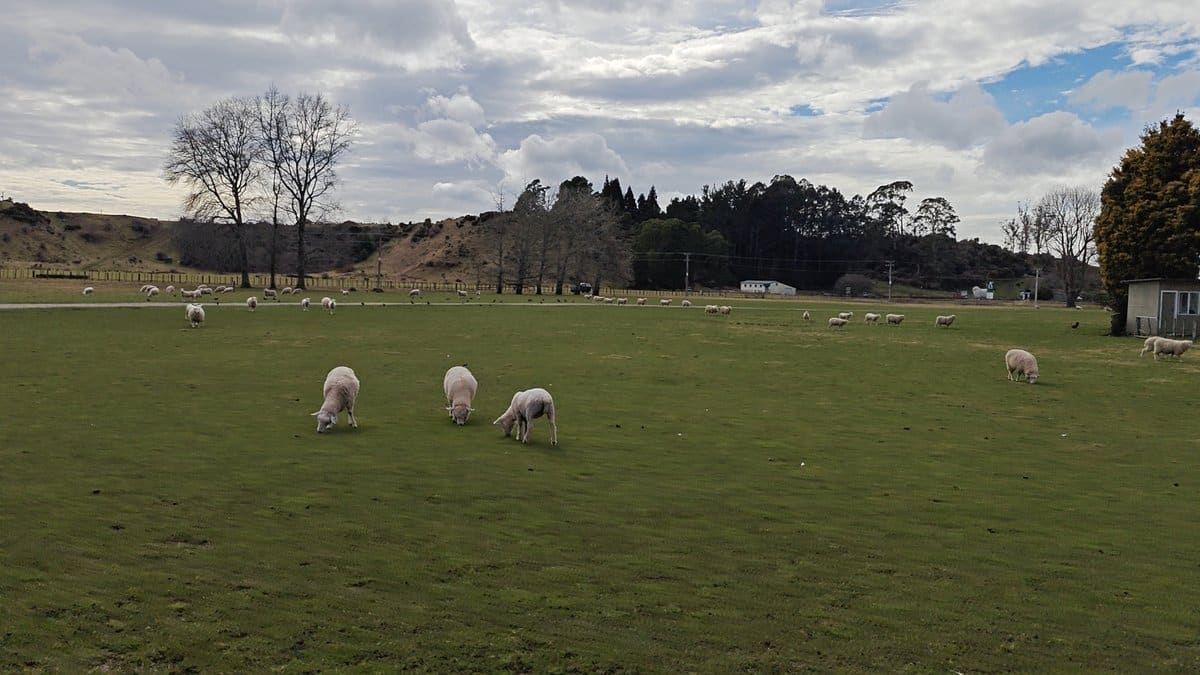
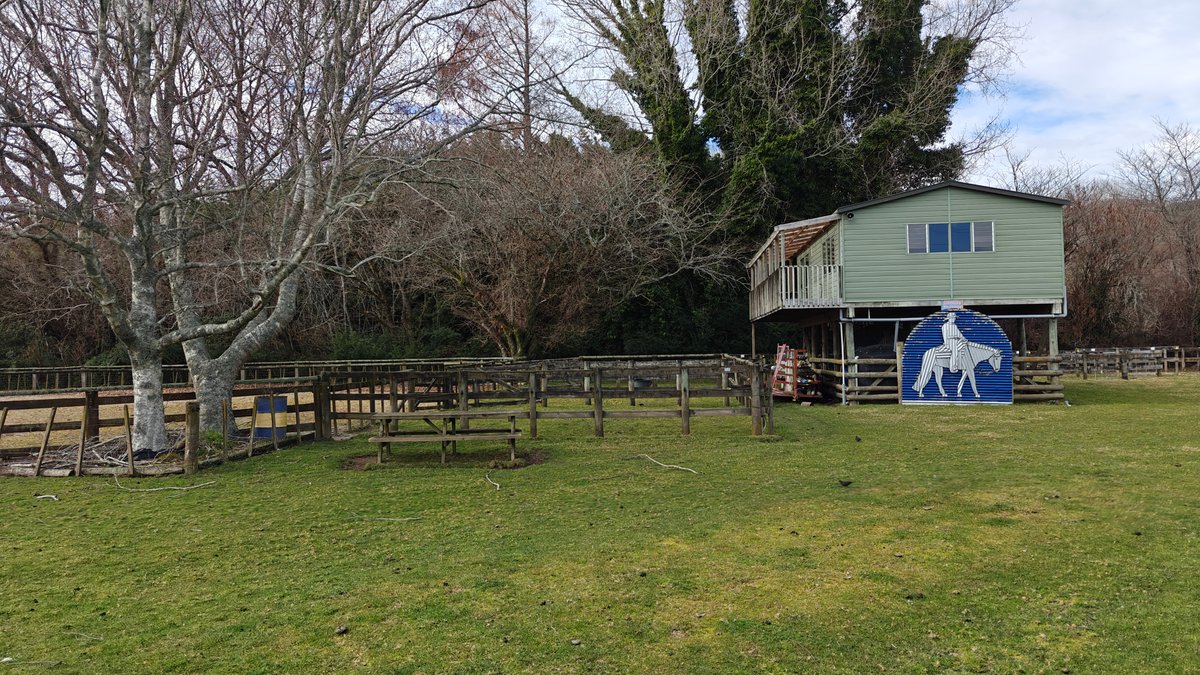
Once the show was finished we walked down to visit the paddocks. There were sheep everywhere on the hill sides, some sleeping in the shade of trees with their babies, others grazing. When we went it was lambing season and there were lots of baby lambs hanging about, attached to their mothers.
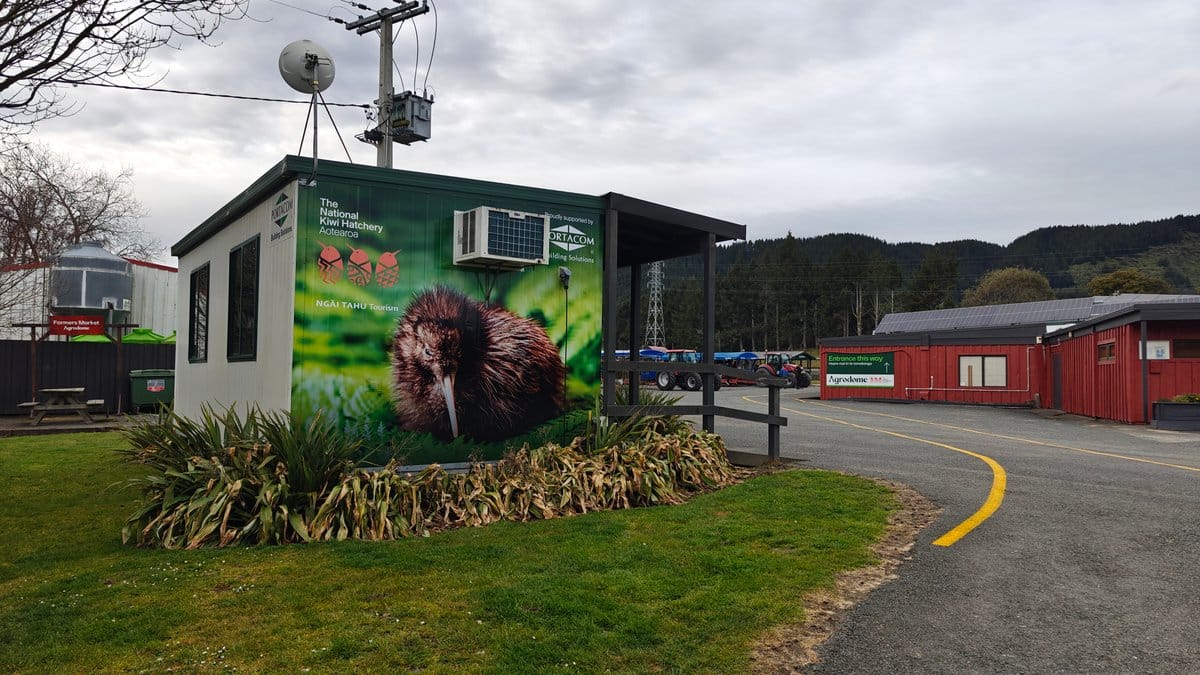
As we wandered around you got a real feel for how big the farm is and what all goes into the operation. There were murals painted onto sheds and slow movements across the hills. Nothing dramatic happened here, it was simply a peaceful part of the countryside with flocks of sheep moving slowly through it.
The alpacas was grazing in the field just past our house.
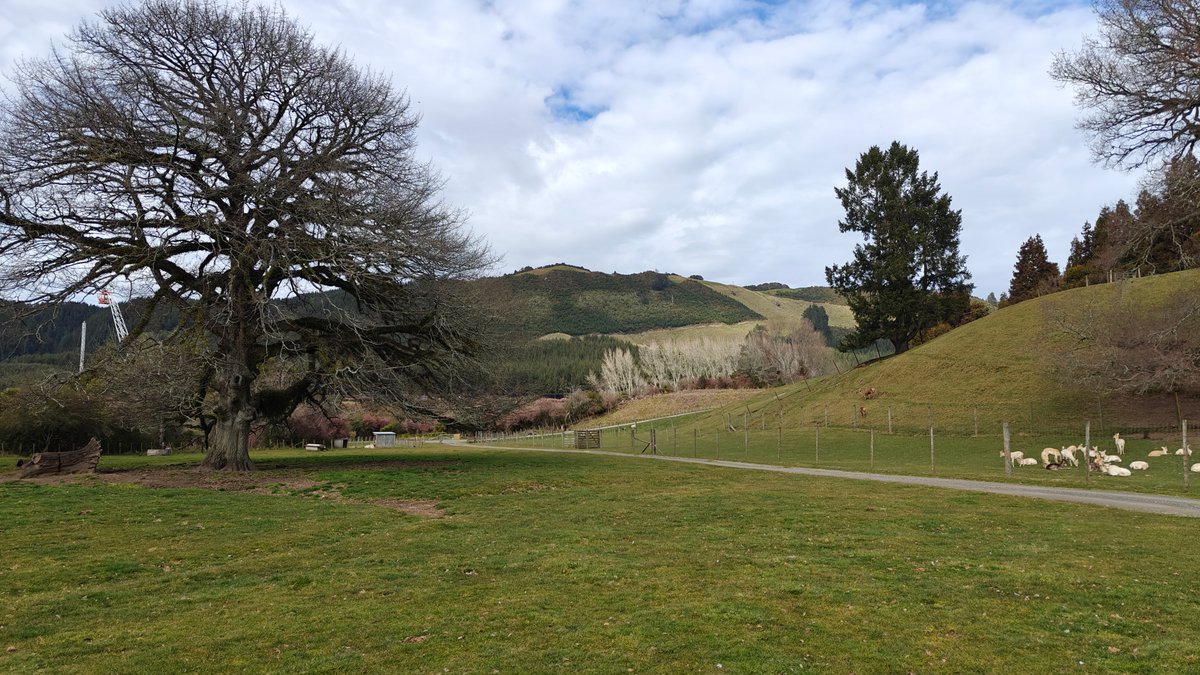
We also saw one on a distant hill, standing there like he owned the place. The land is dotted with some beautiful barren trees. And from a few vantage points, you can see across the fence line to the hills around us.
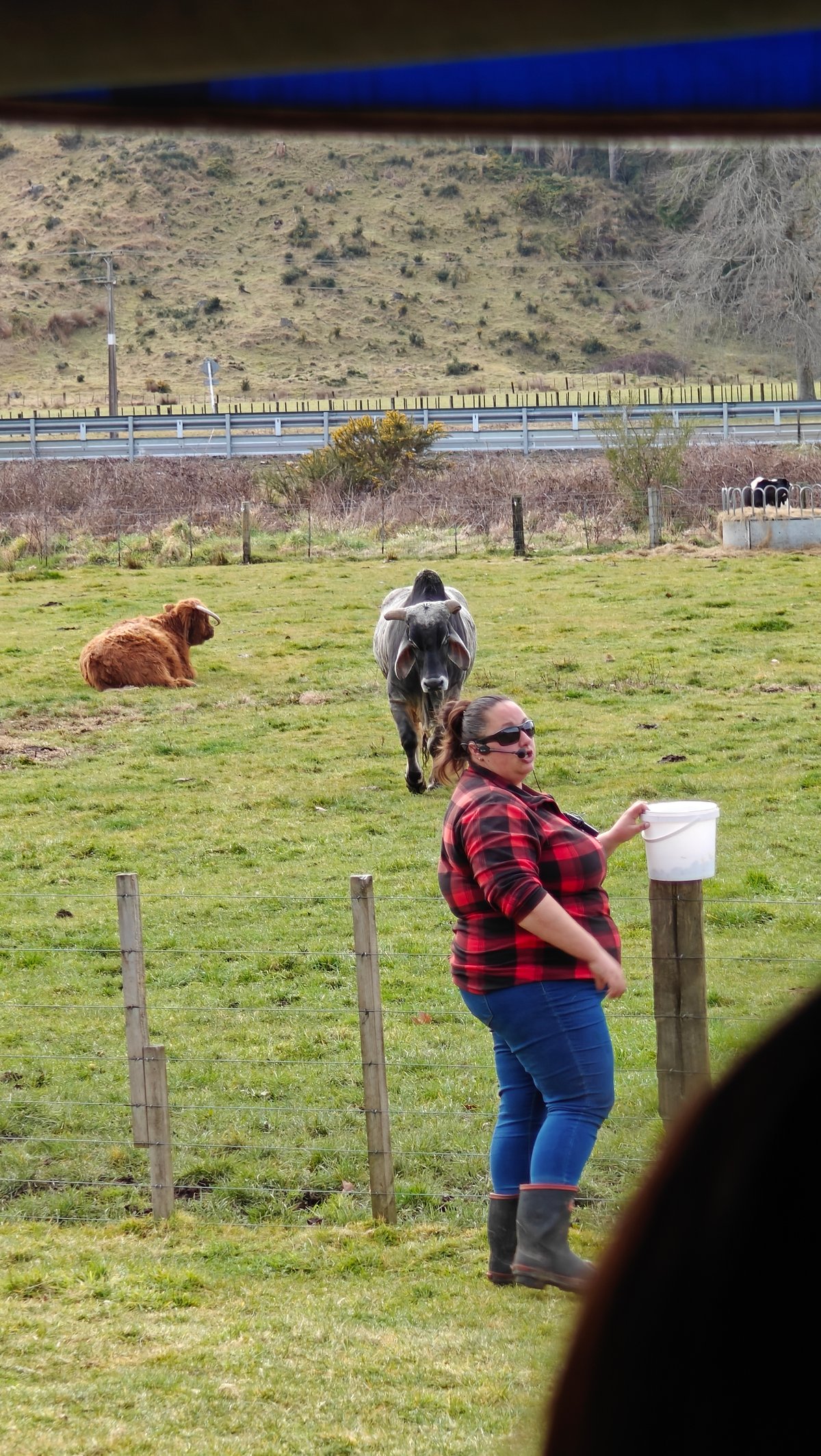
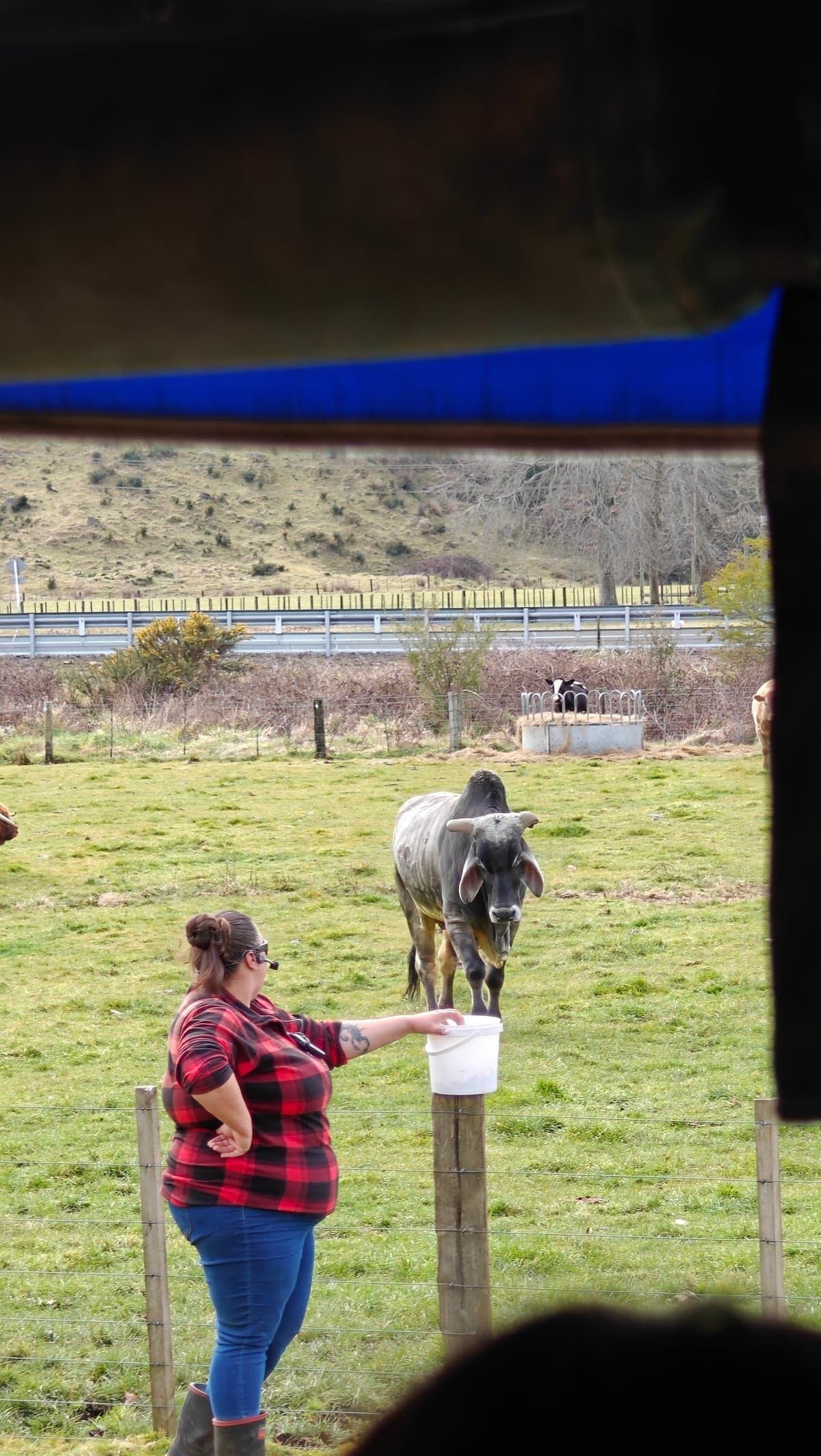
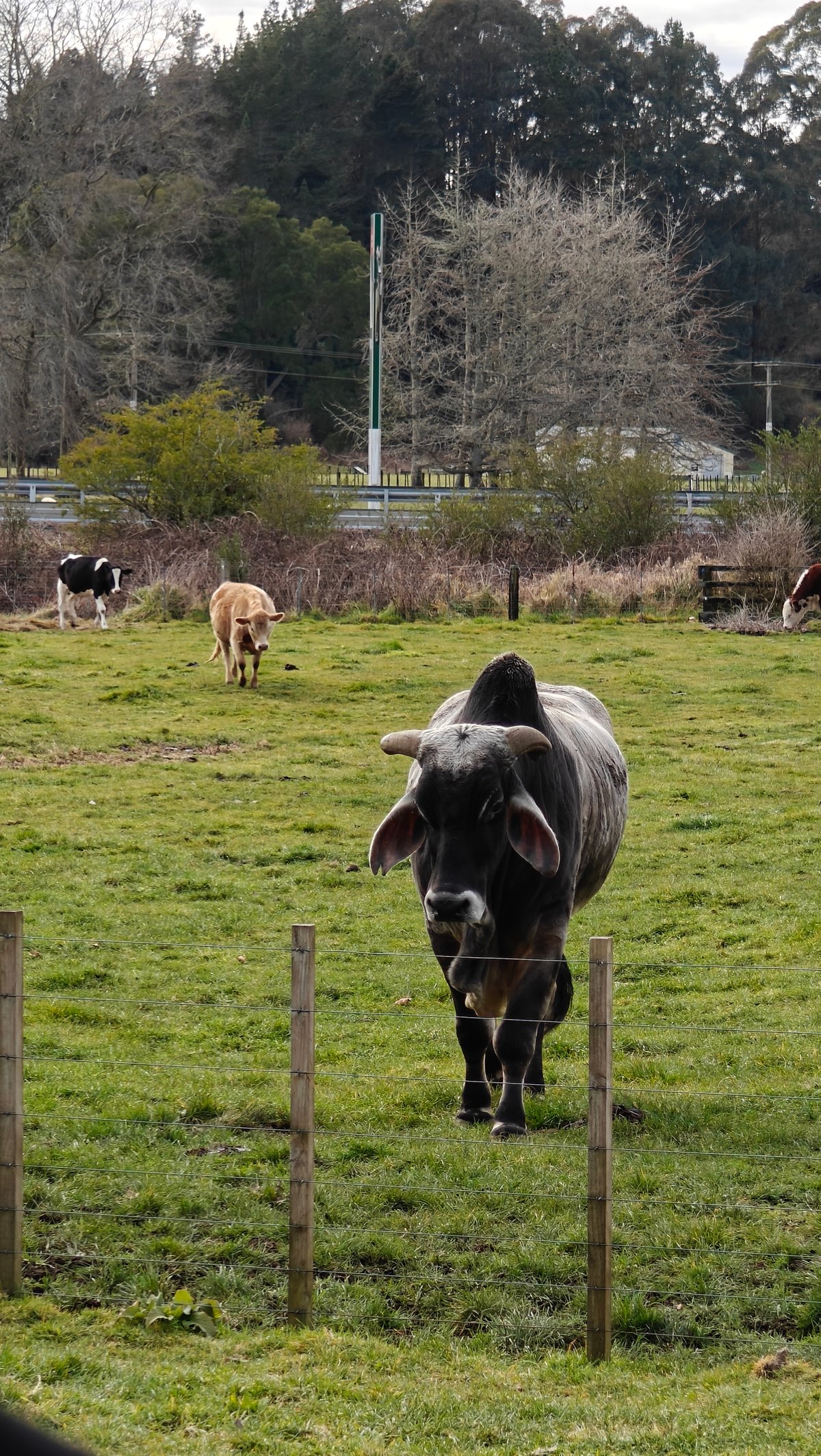
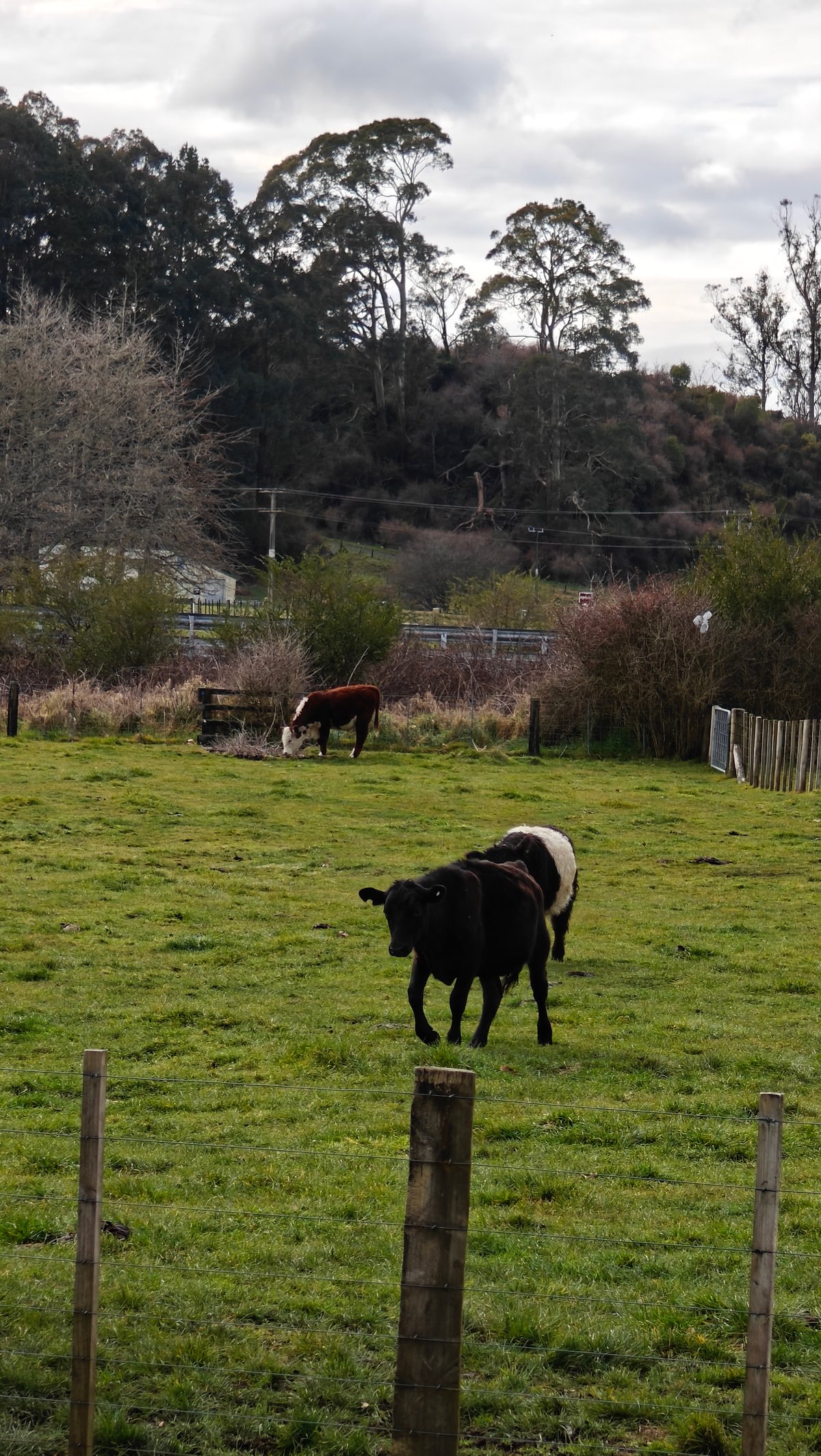
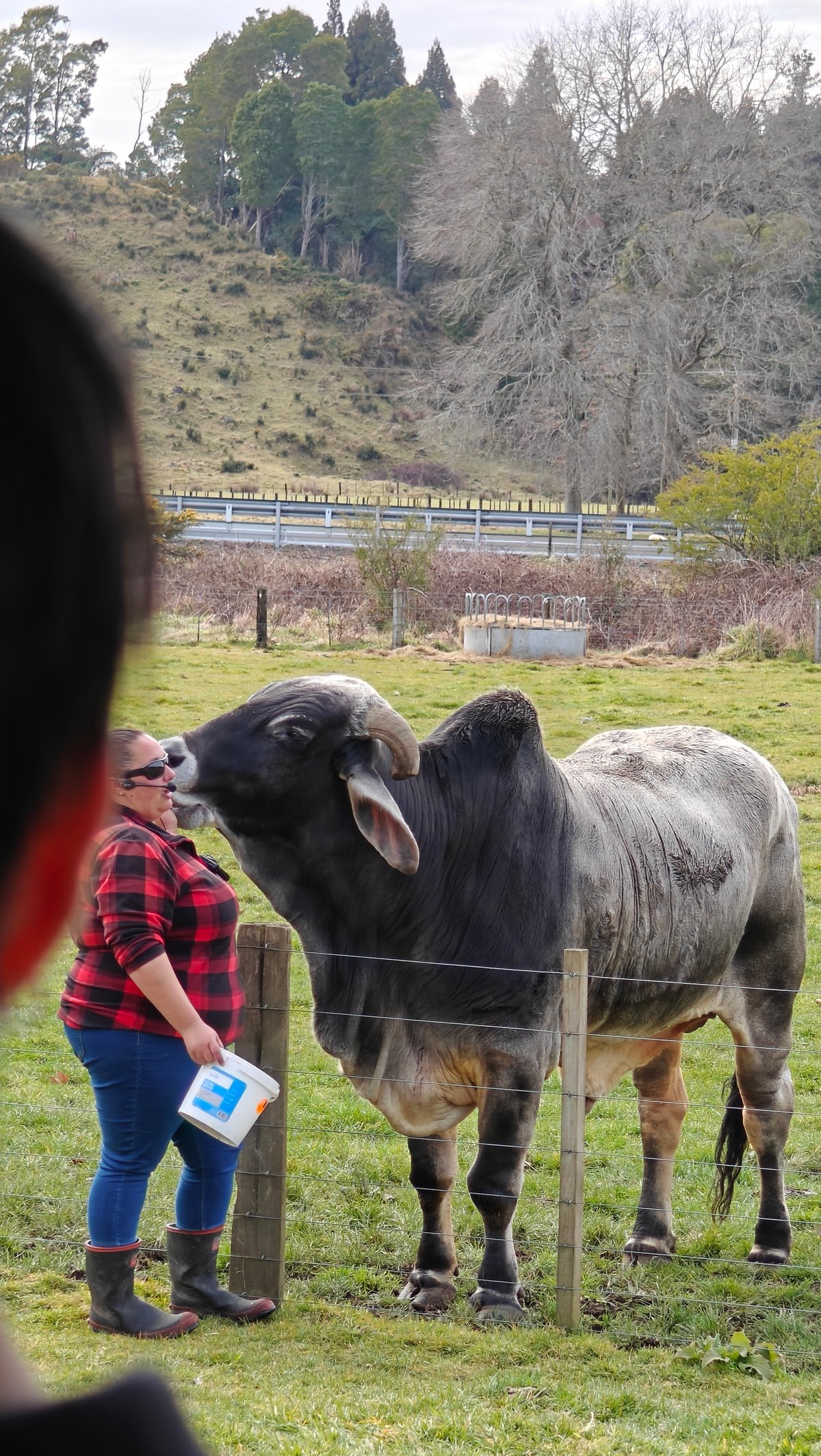
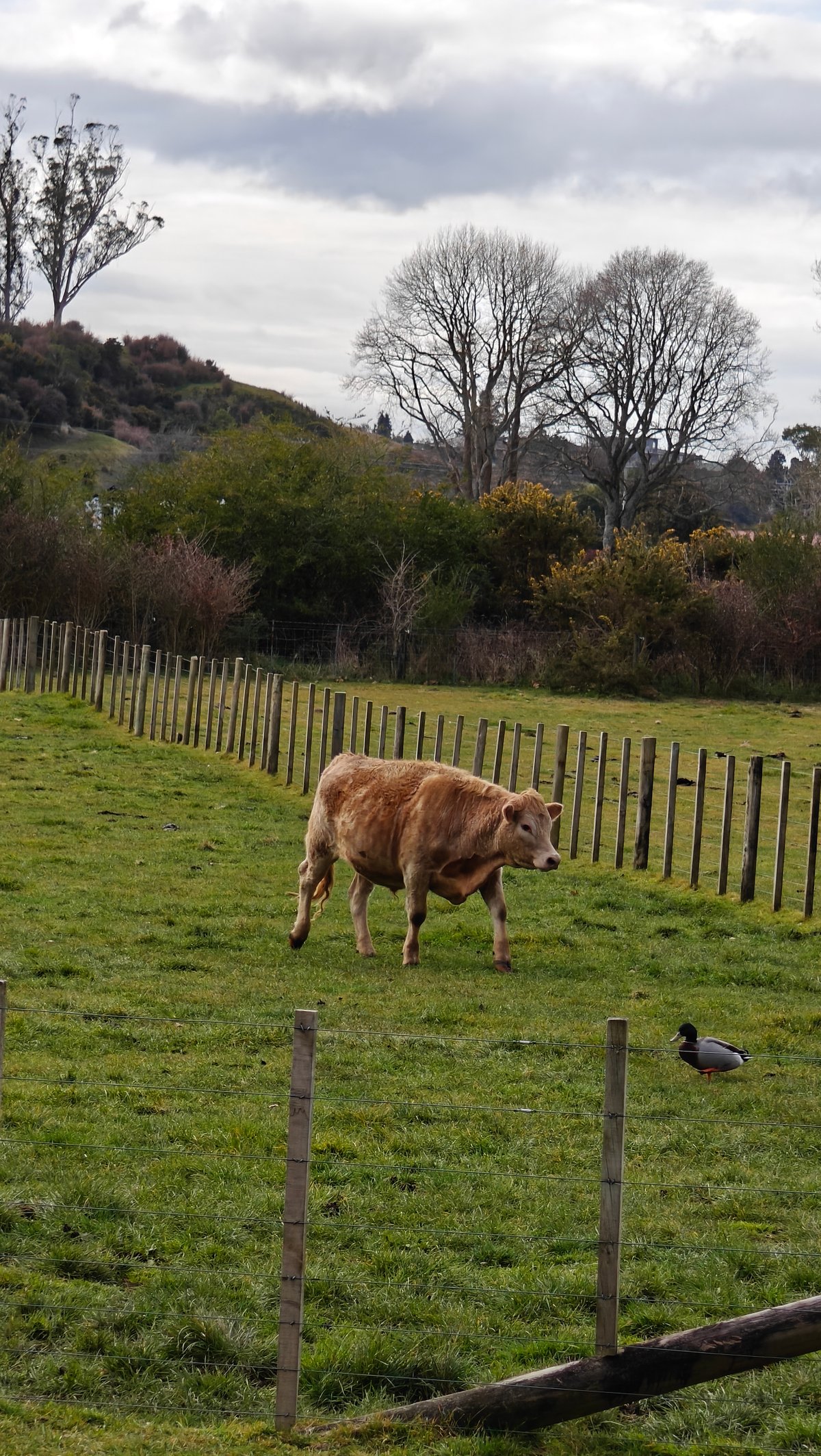
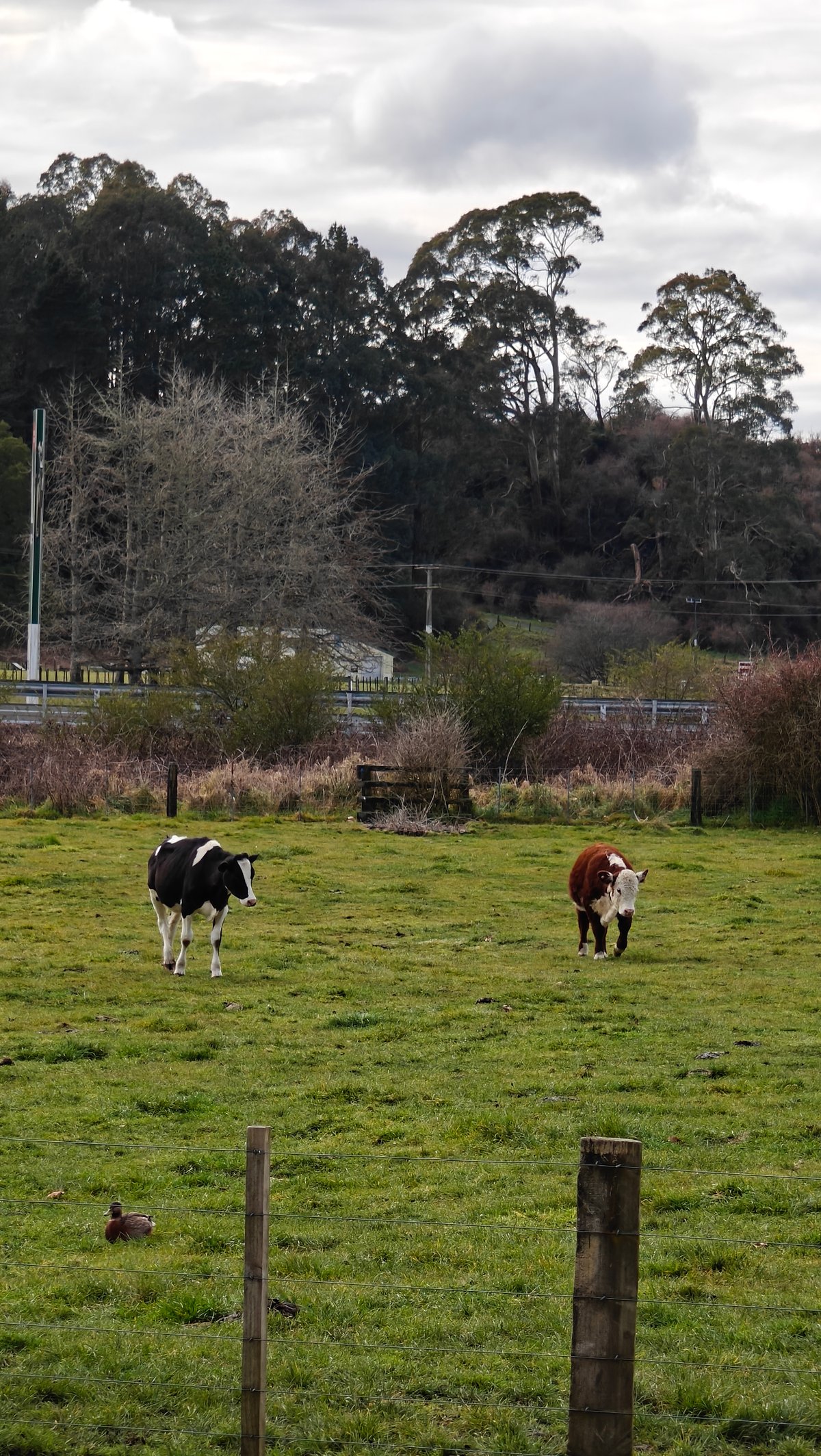
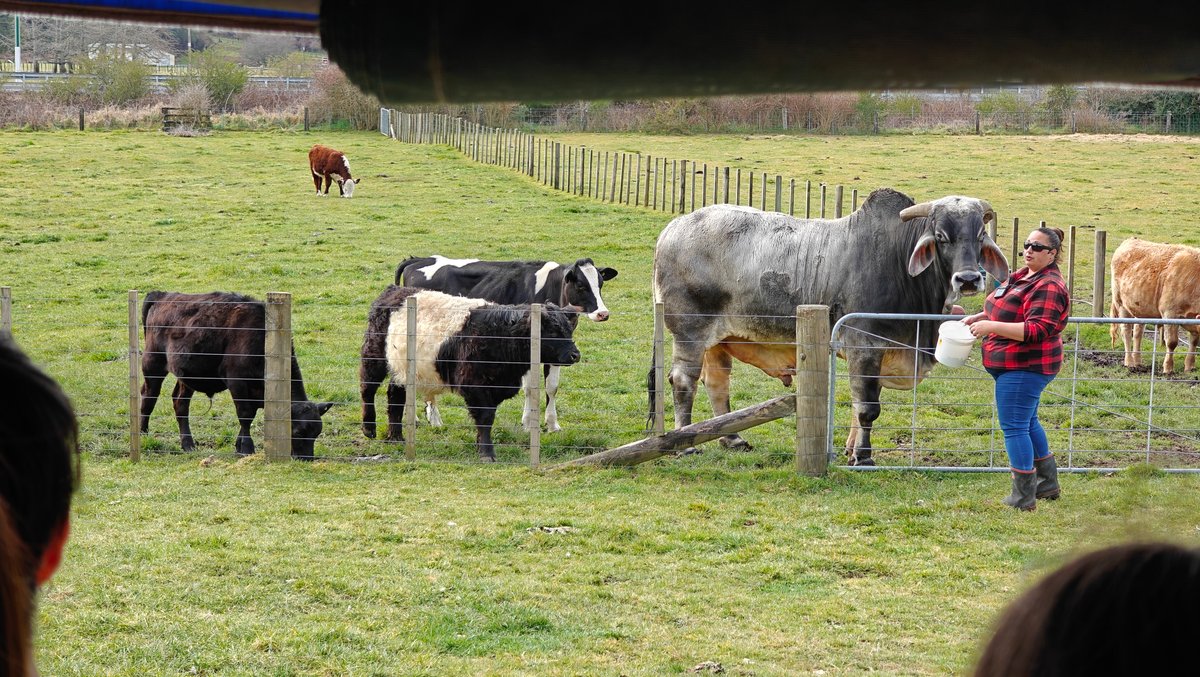
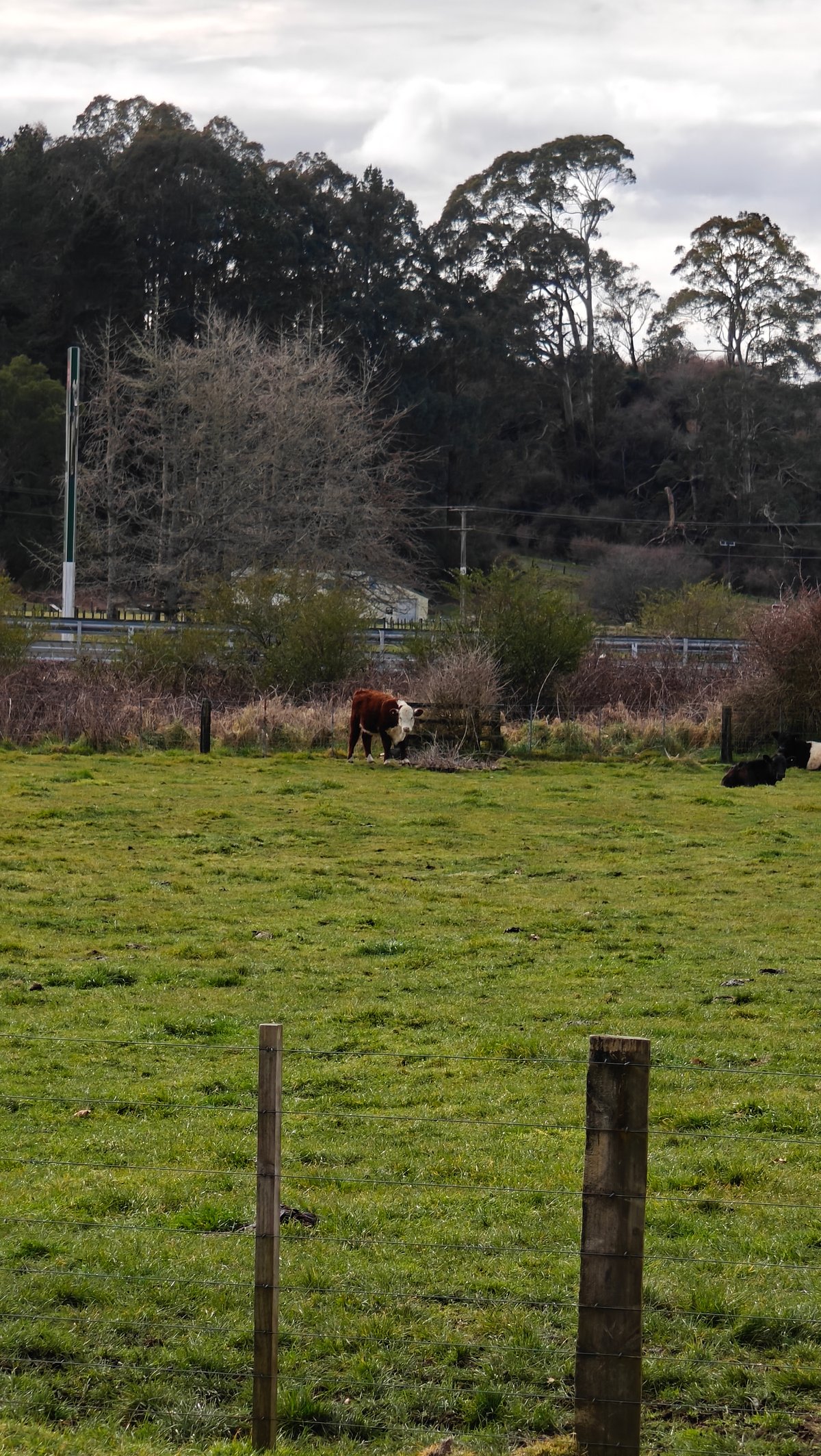
Next we did the farm tour, during which we met some of the other animals. First our guide led us into a paddock full of a couple of bulls, including this grey humped one who came right up to the fence at the sight of food. It was very exciting (and a little bit nerve-wracking…
) to get to feed him. The guide made it all look so simple, though I think I was being careful! There were also other cattle roaming the paddock, who slowly grouped together as soon as they realised our guide had treats for everyone.
You really notice how solid and big they are, watching them up close.
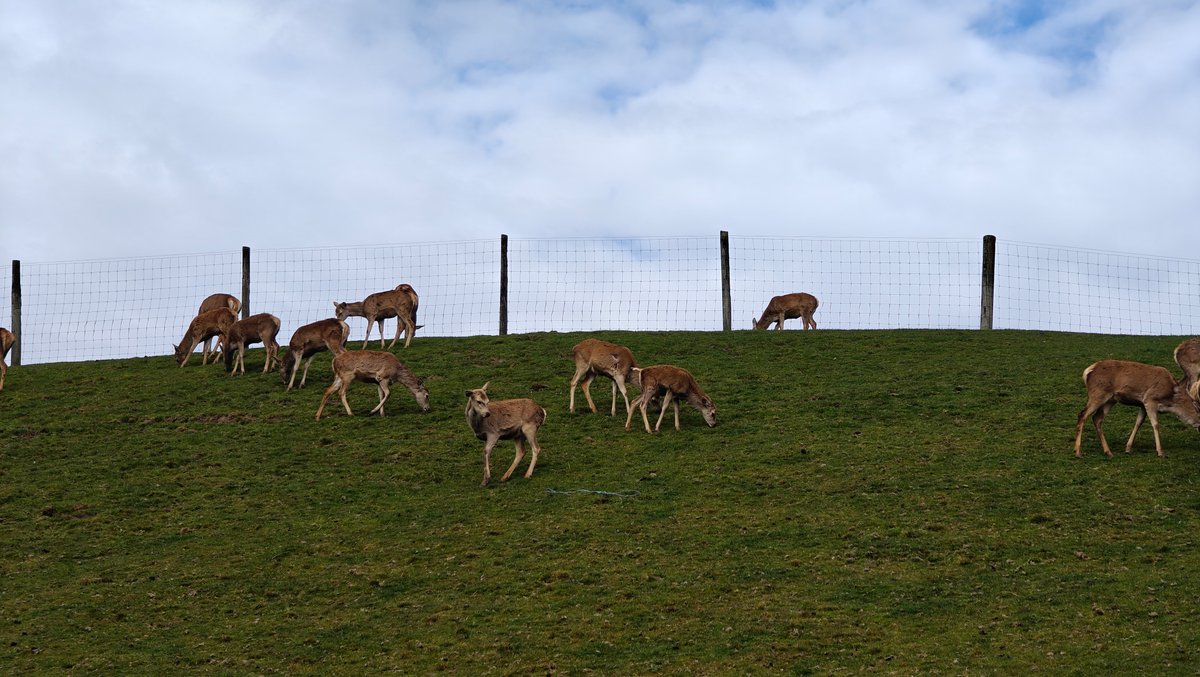
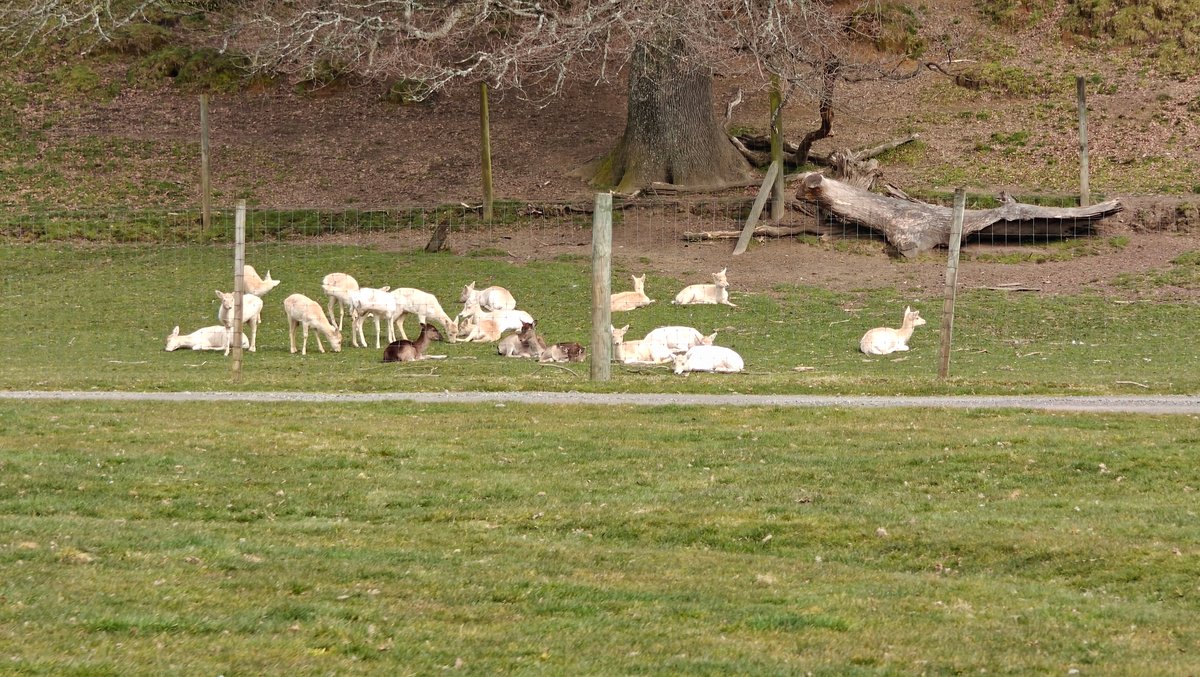
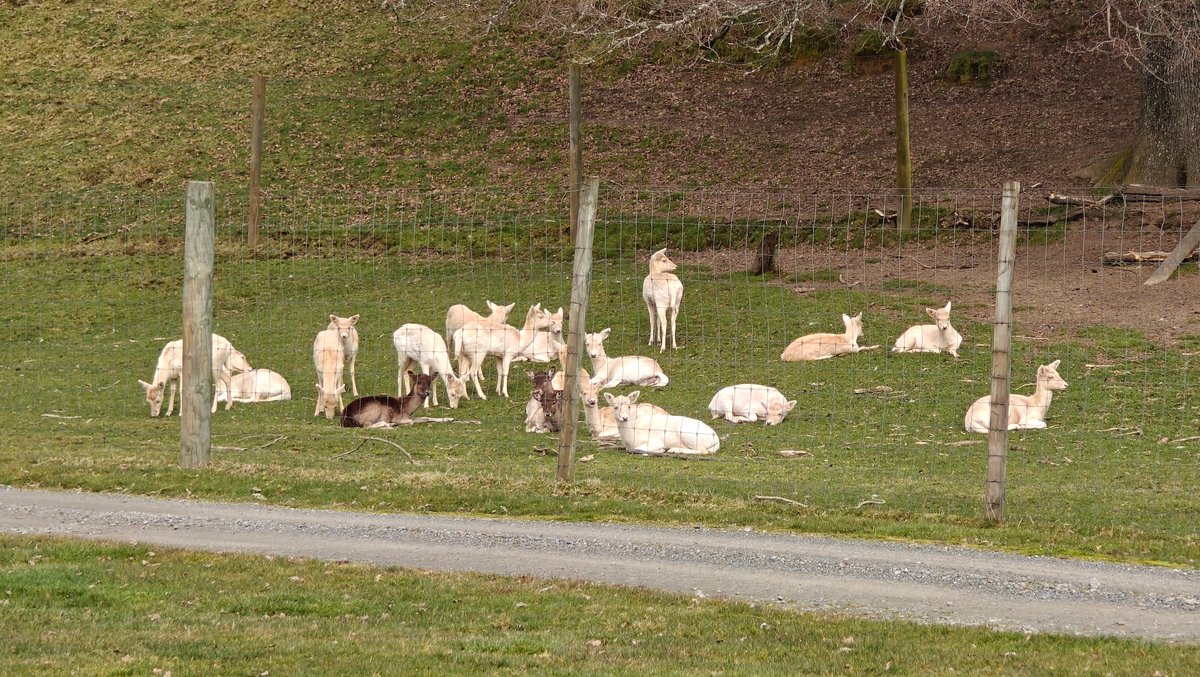
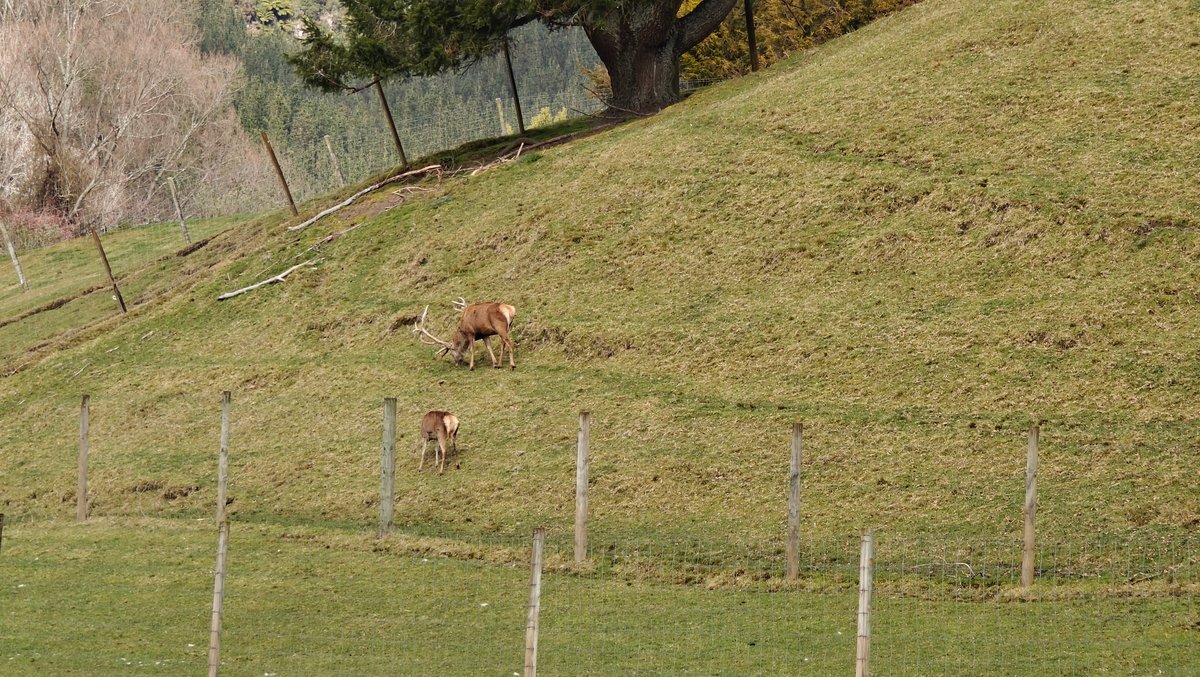
Further on we passed by a hillside where some deer was grazing in the distance. Unlike the cattle, they didn’t come near and pretty much ignored us.
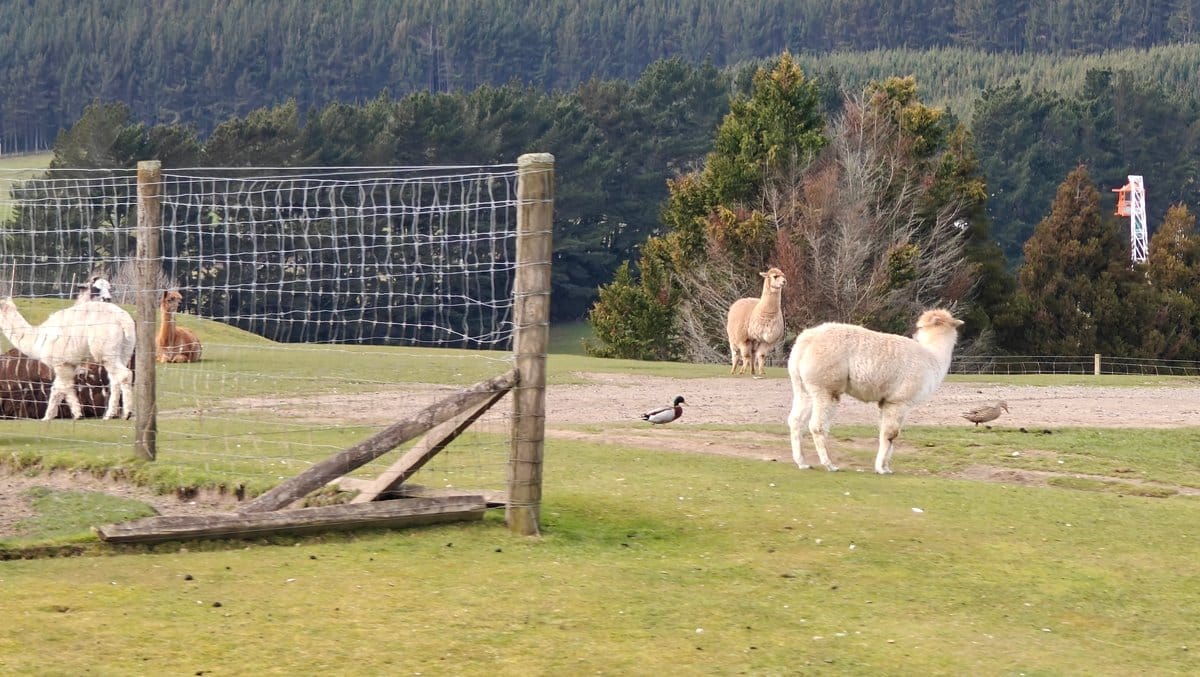
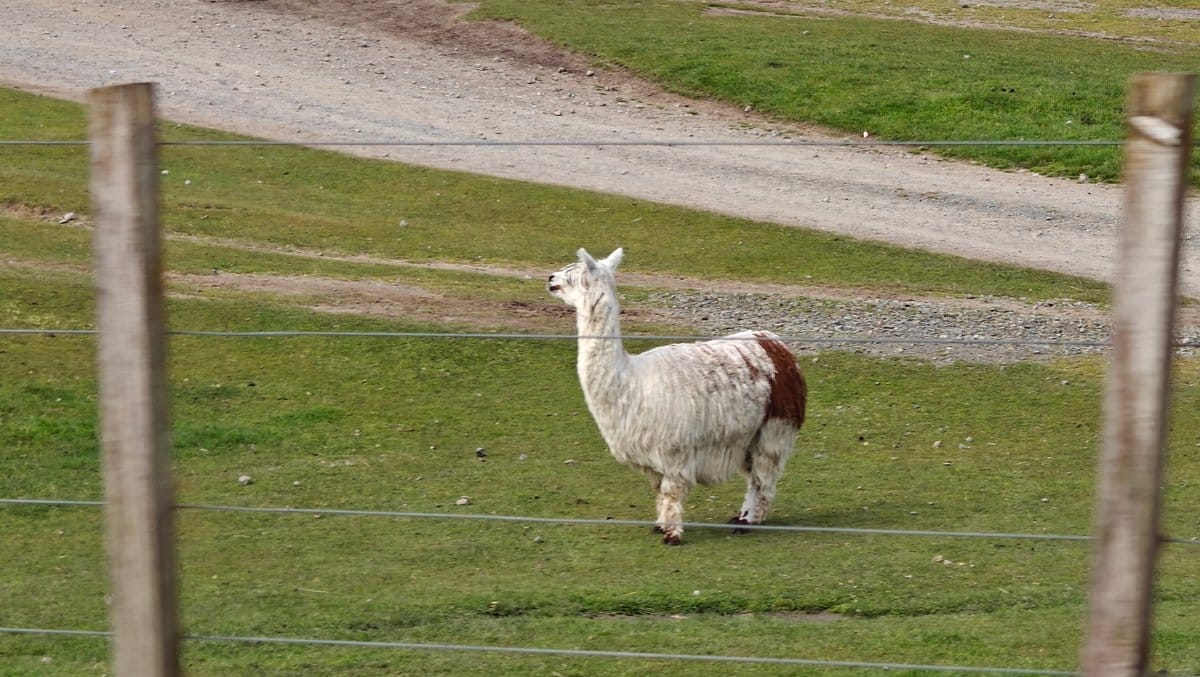
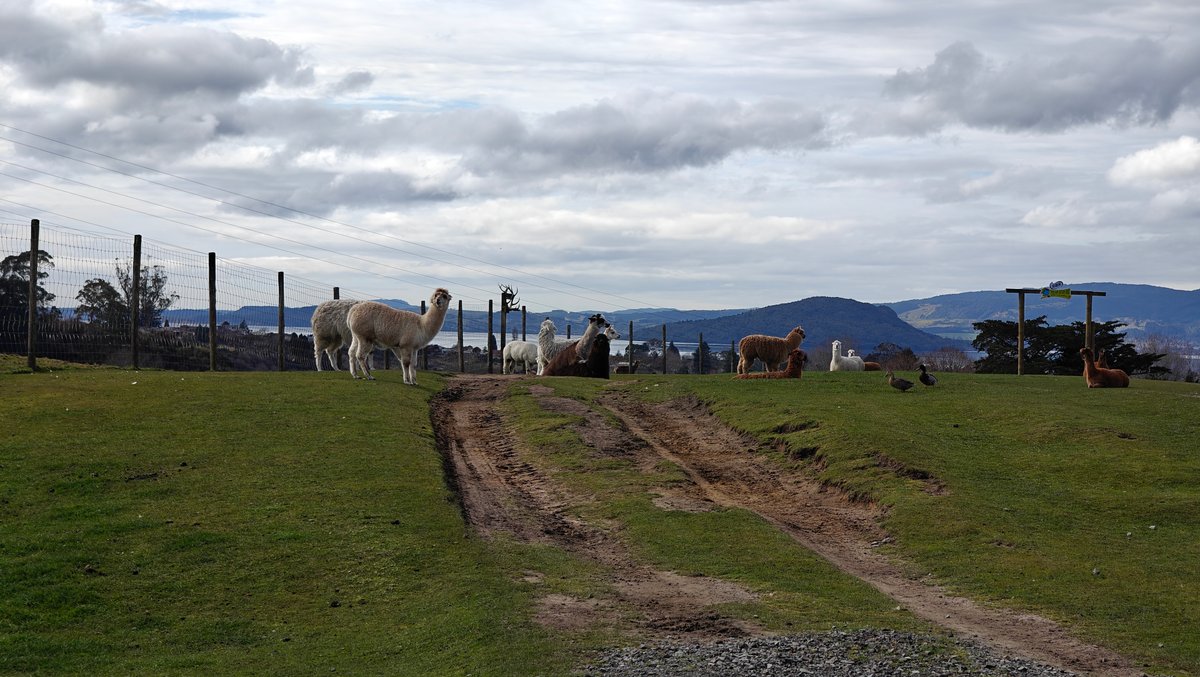
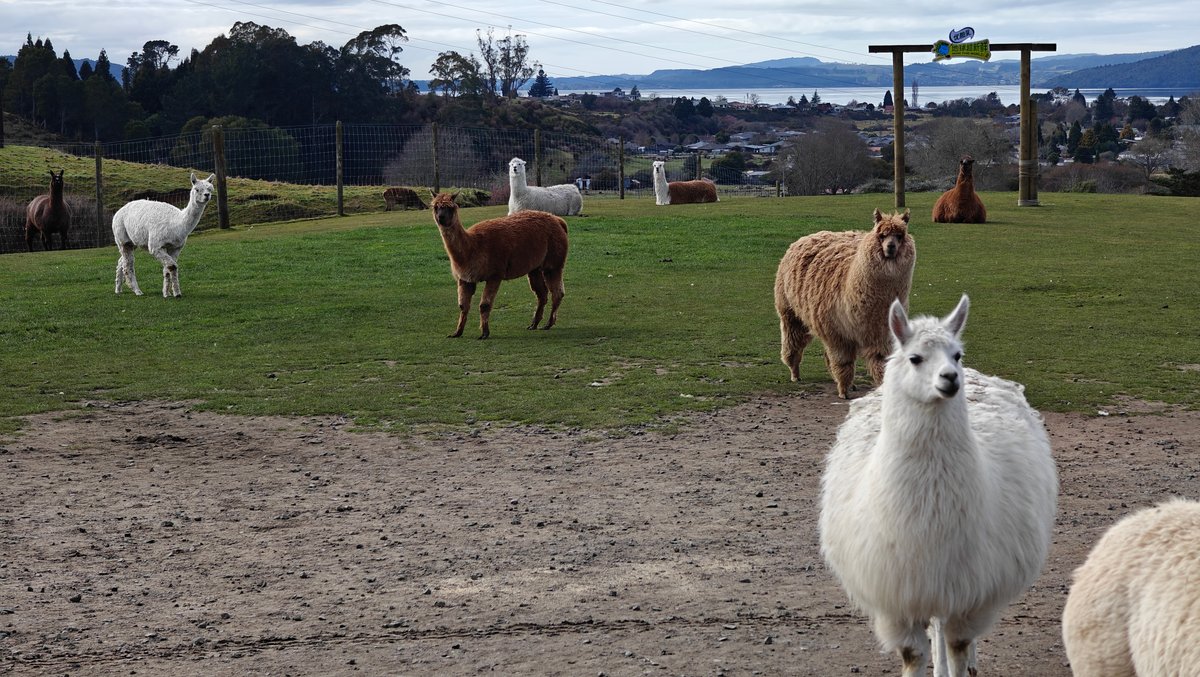
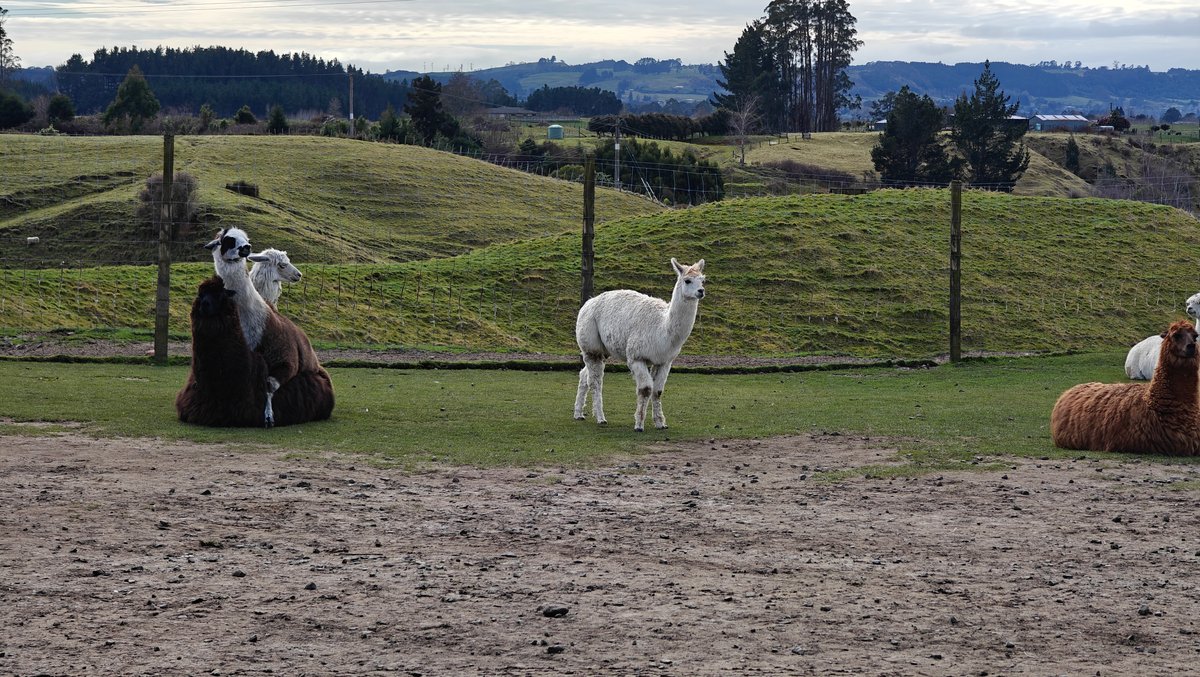
But then there were the alpacas, those were the real characters. Curious and not afraid to ask for attention, they came straight up to the fence, some standing and some sitting in the yard. They have really expressive faces, and are surprisingly photogenic.
In the background, behind them, was the lake and hills (it was a nice setting). Alpacas are odd creatures, kind of ridiculous-looking but also endearing.
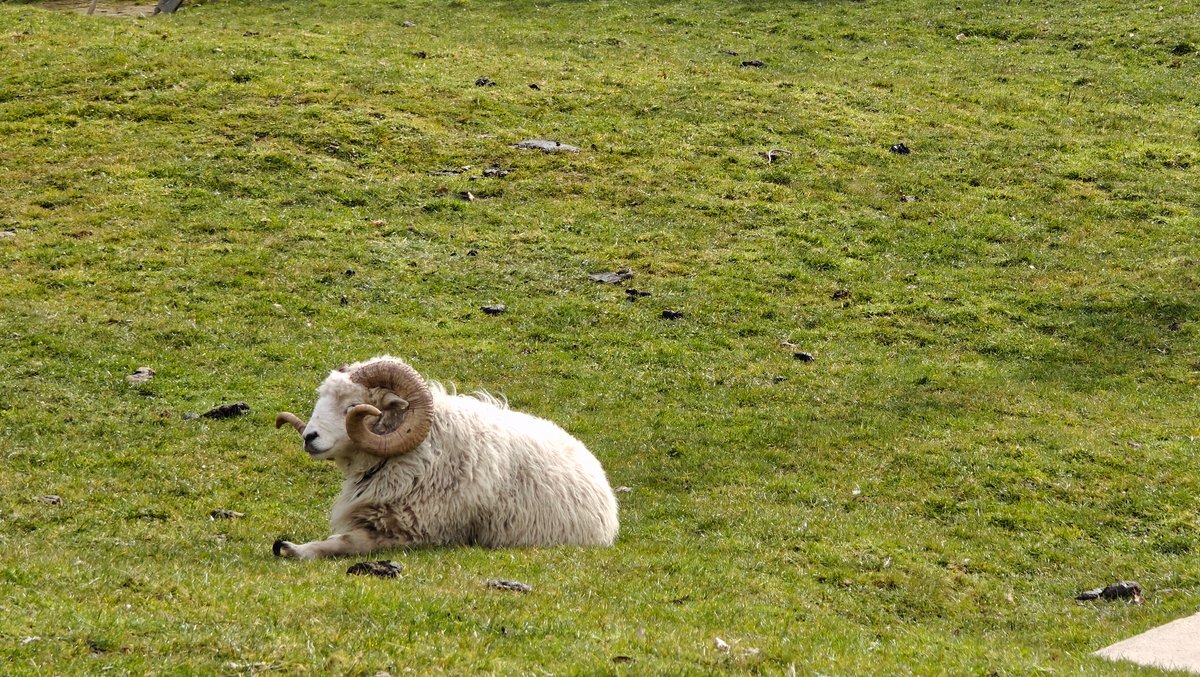
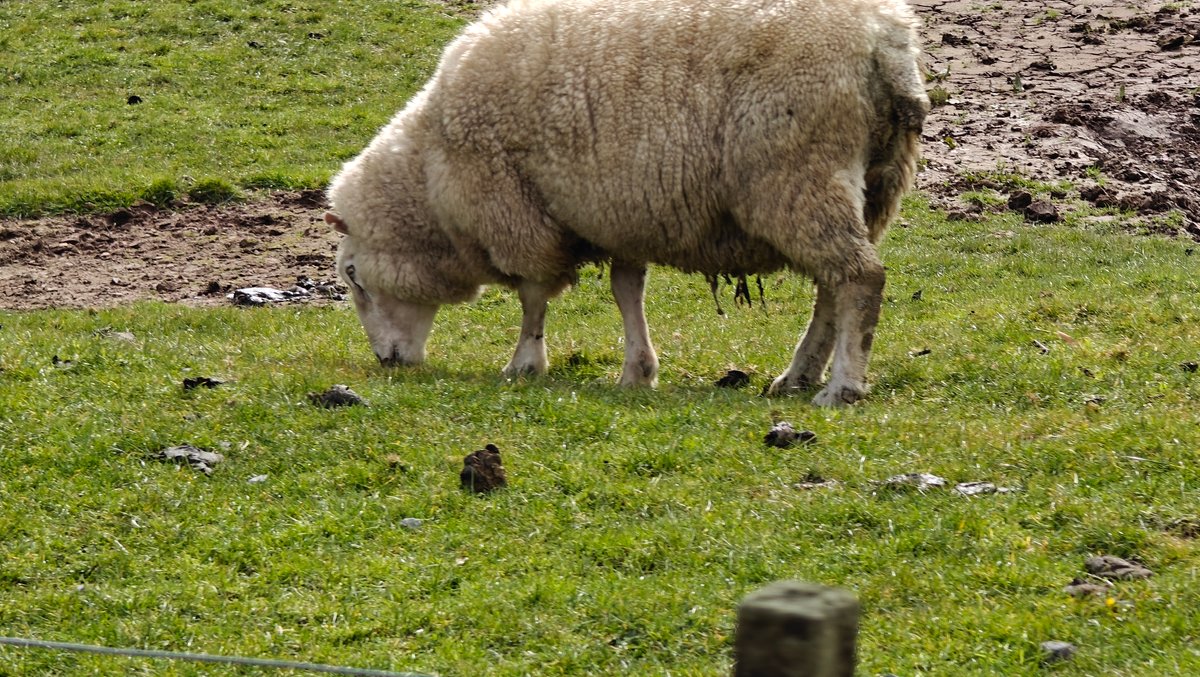
On our return we saw some more sheep, some grazing up on the slopes, some lying down in the grass. After I spent an hour watching them get sheared and learning all about the different breed of sheep, they seem pretty unremarkable now! But it was nice to see them out in the paddock doing their thing anyway, a fitting end to the visit.
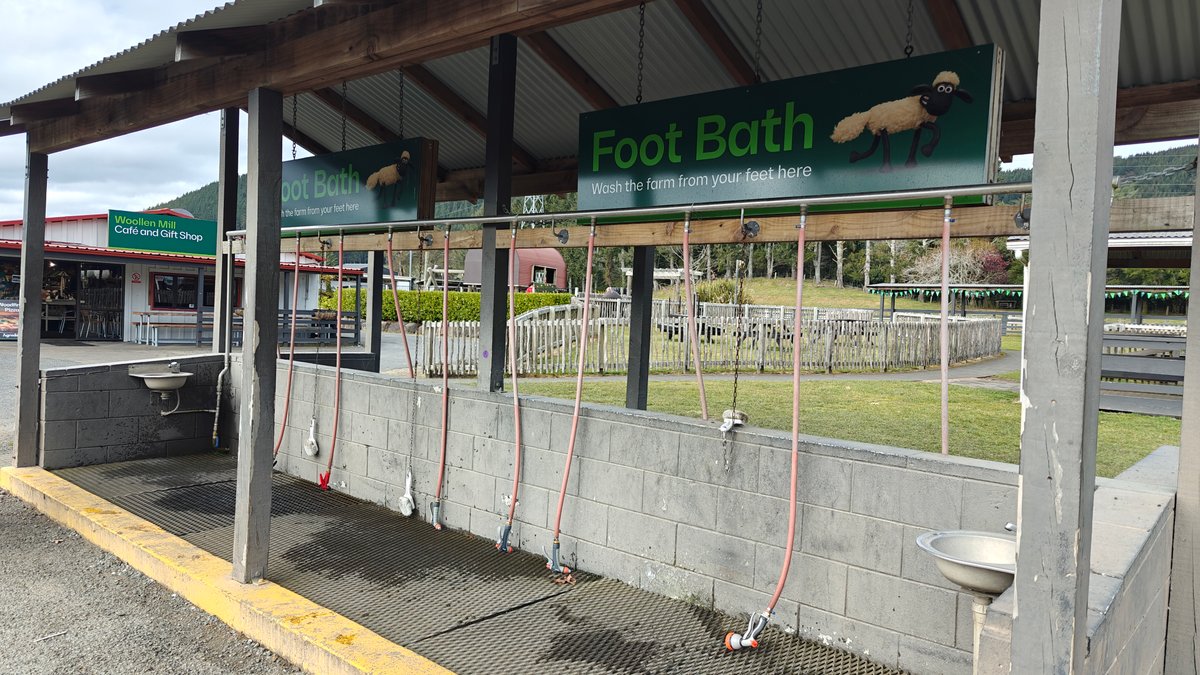
As you’re leaving, there’s a foot bath station (presumably for biosecurity reasons. Don’t want to spread any possible diseases around from farm to farm). A small detail, but it shows how serious they are about their farming, despite having so many tourists pass through here.
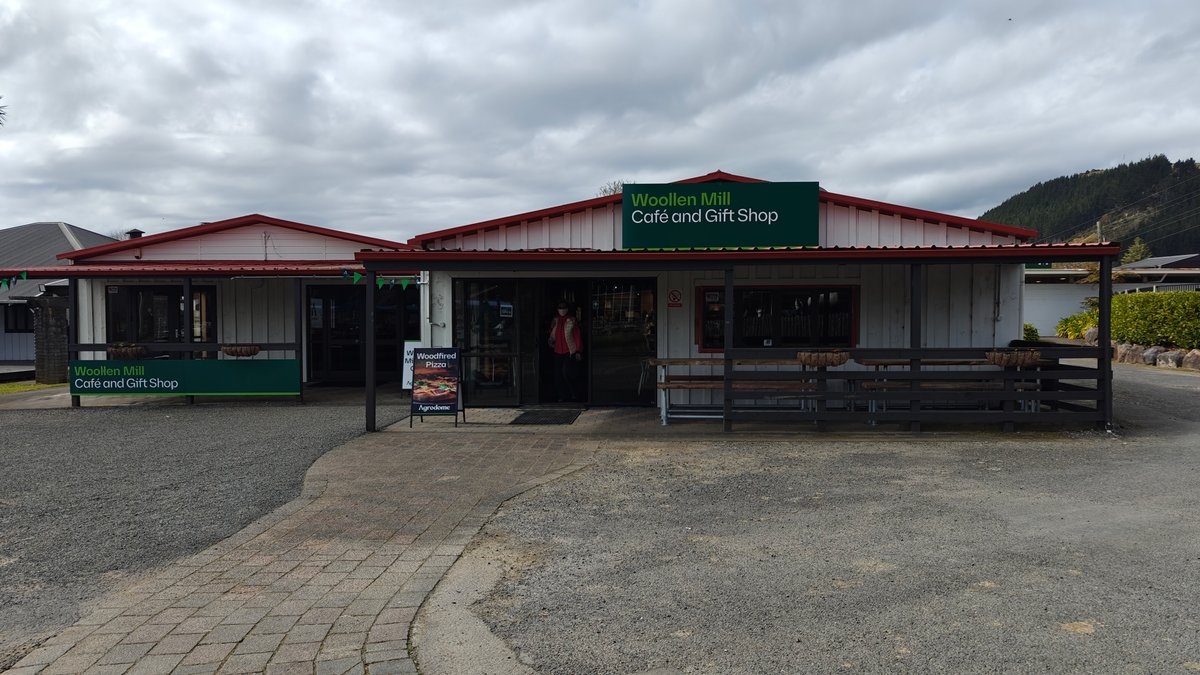
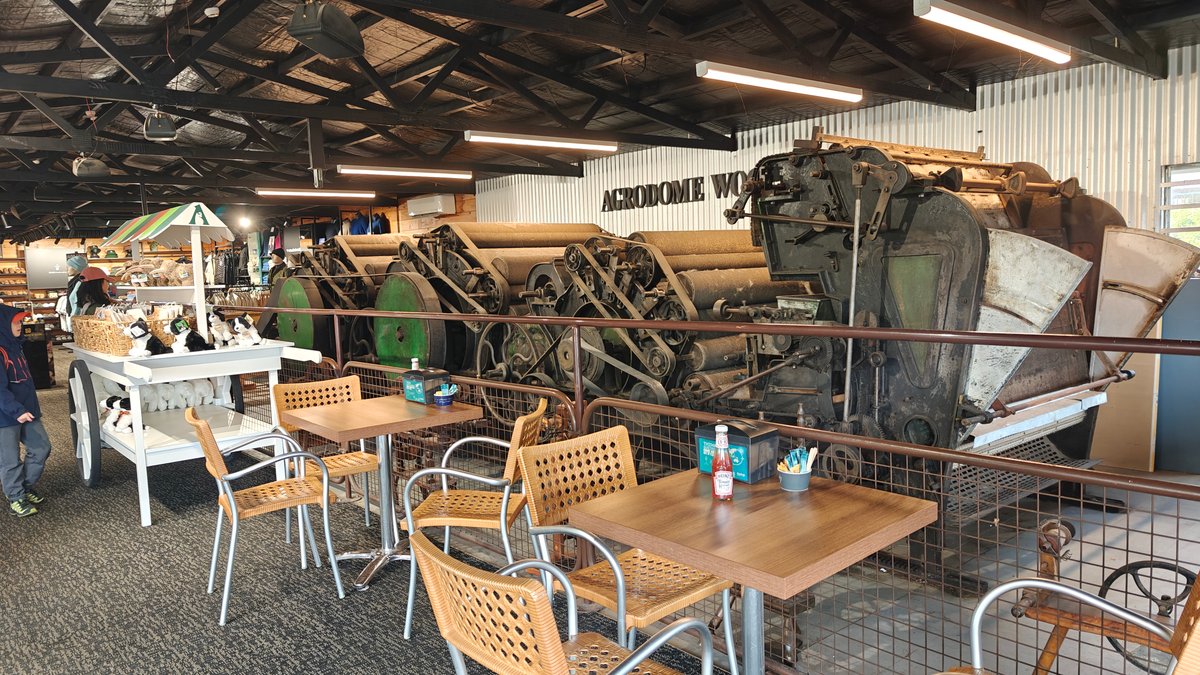
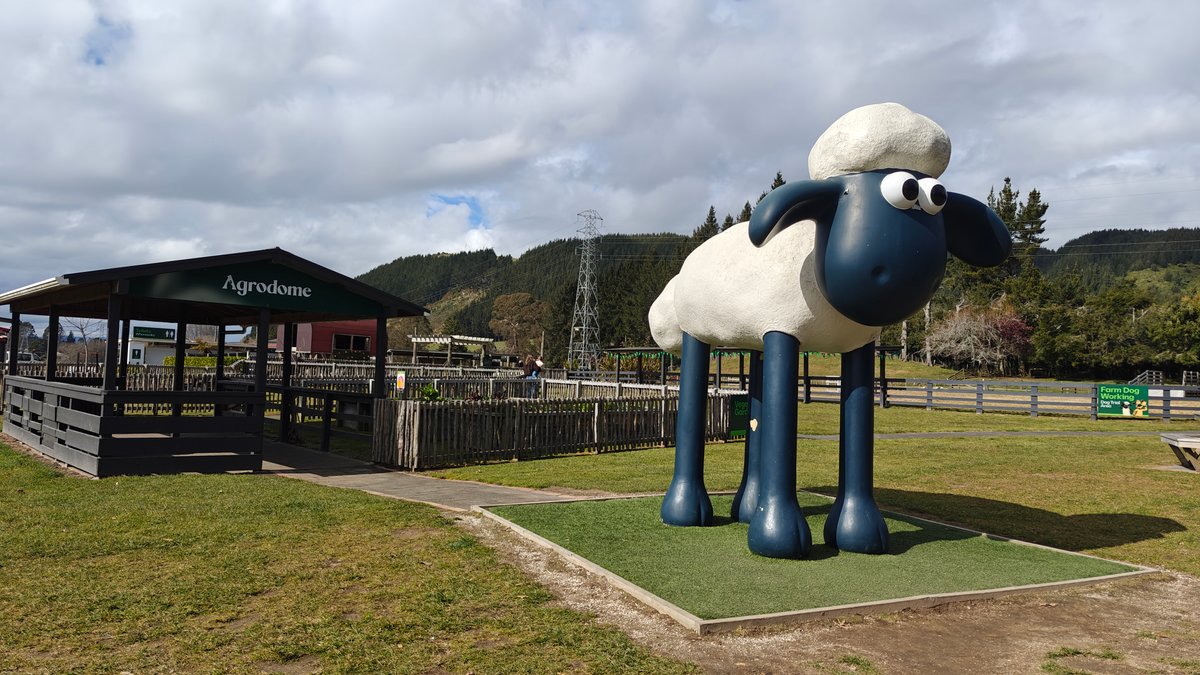
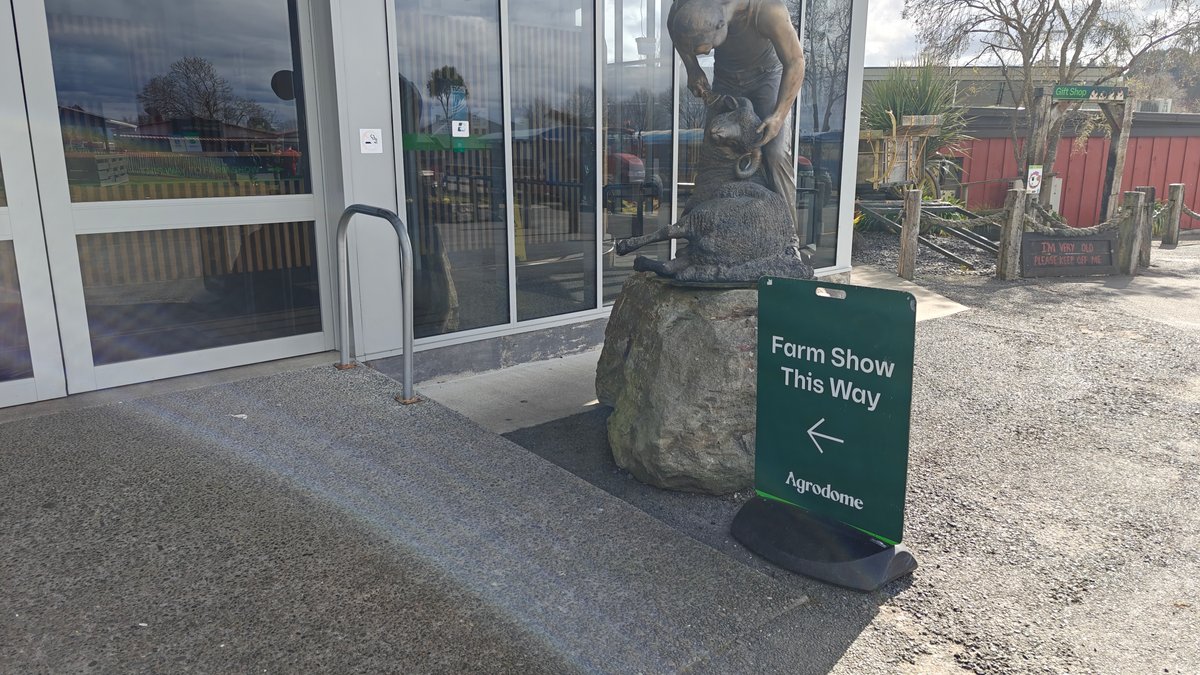
We stopped in the gift shop/cafe building before heading out. This has tables near the window where you can sit down and get a snack/drink if needed. They also have a giant statue of Shaun the Sheep outside on the lawn.
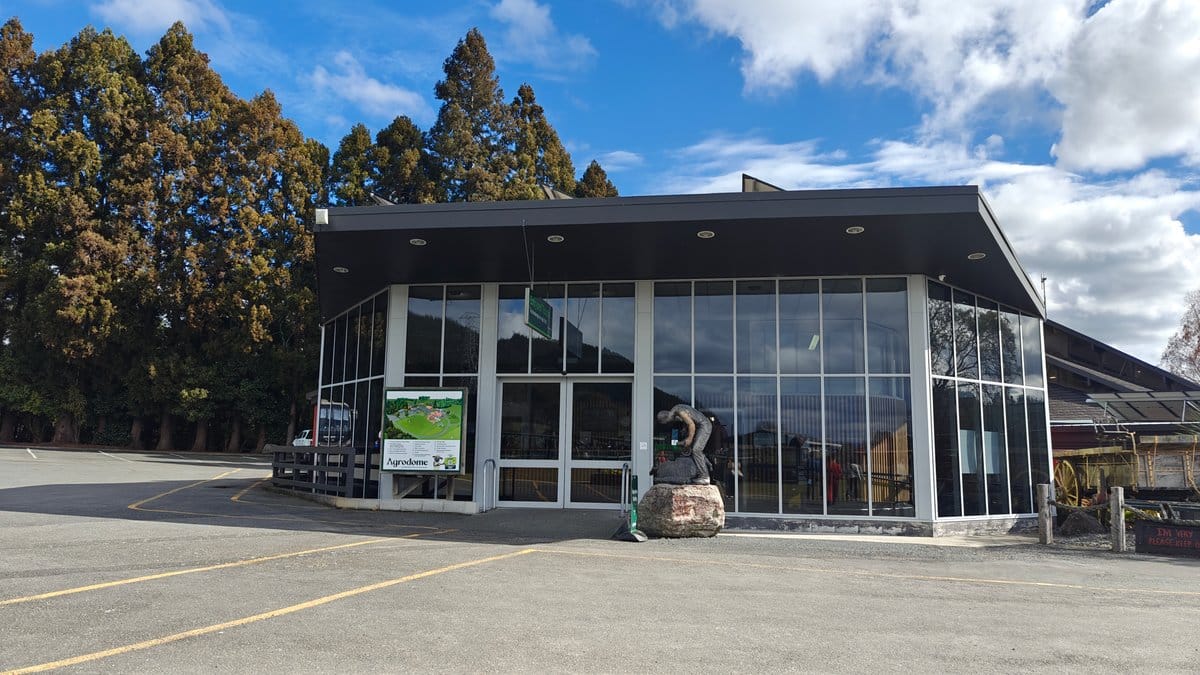
It is another photo opportunity, obviously targeted towards families. You can’t miss the visitor building from the yard… It’s glassed-in and moddern.
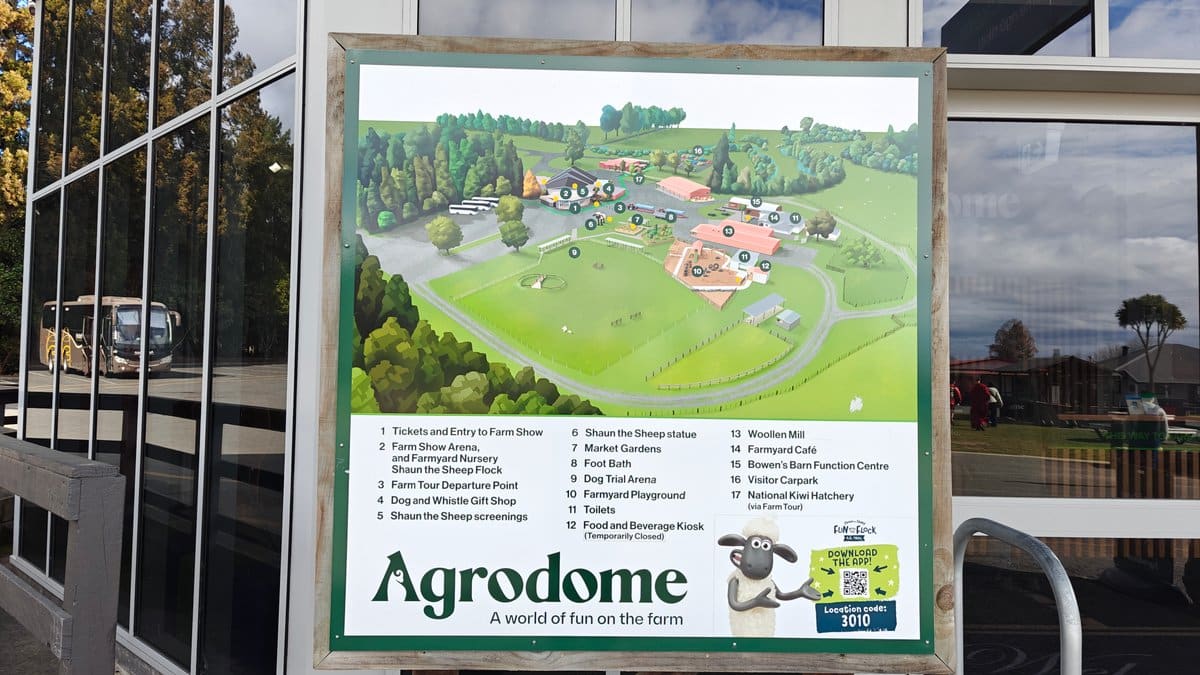
It has a site map near the entrance that shows you what’s where and what you can do, this would come in handy if you plan to do more than the farm show.
As we walked back out of the farm yard through the play area and sheds, I realised how much care had been taken to make this an accessible experience. They had managed to do this without turning it into a theme park. This is still a working farm first and one that is happy to share what it does with visitors.
In the end, the Agrodome proved to be a worthwhile half-day out, and if you’re in Rotorua and curious about New Zealand’s farming heritage, I’d recommend checking it out. It’s educational but not dry, and while it is a show, the demonstrations are really well done, not just a show for the sake of a show. And getting to feed a bull and meet a bunch of alpacas isn’t something I do every day.
Not me, that’s for sure. If you’ve worked on a farm or been to a farm show before, what was your favorite part?