
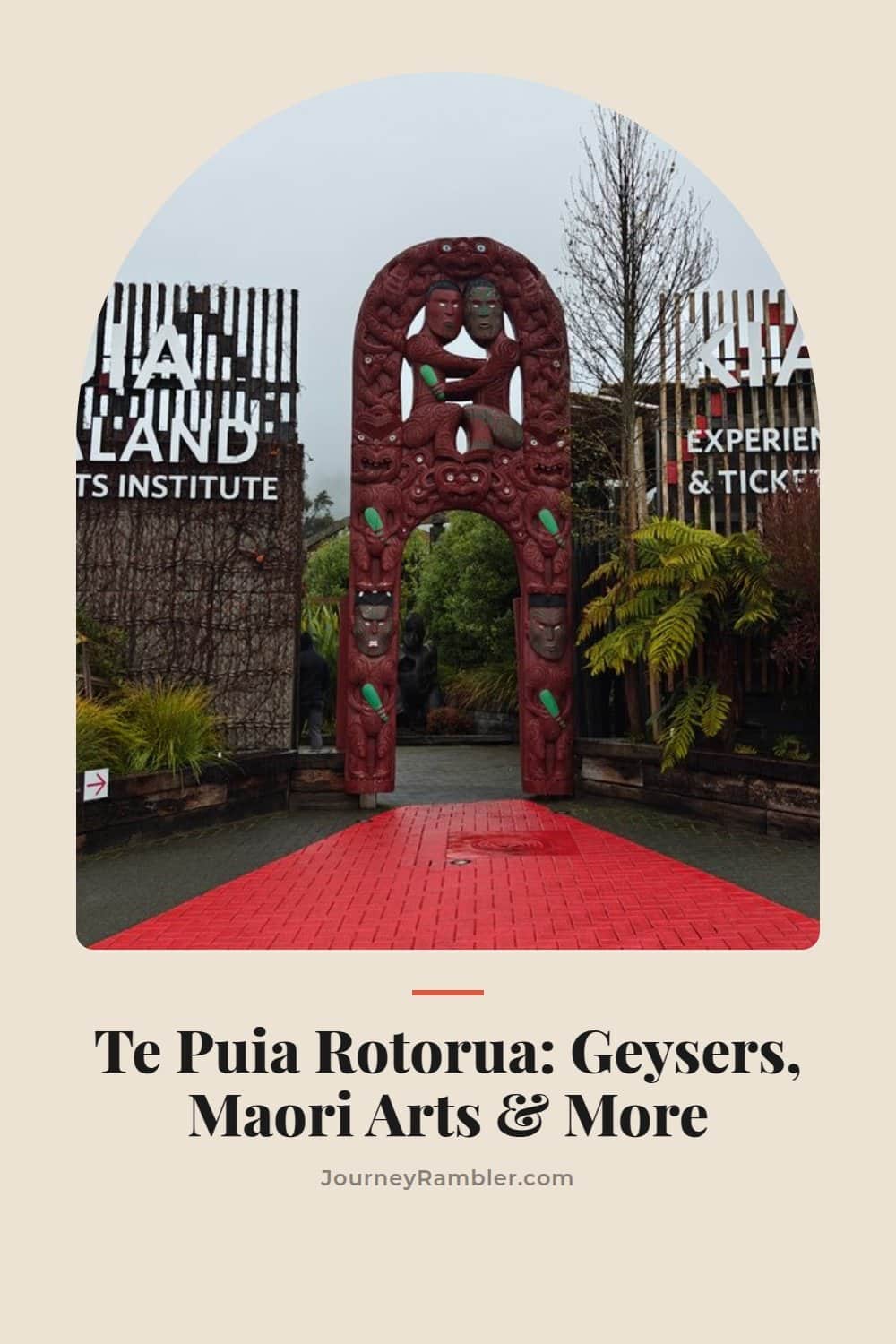
Te Puia, Rotorua Admittedly, I had no idea what to expect from Te Puia when we visited. It come up again and again during my plans for the North Island but I hadn’t realized that so many thing were included in one place. A geothermal valley, cultural performances, a kiwi house, weaving workshops, traditional Māori carving schools, it ended up being one of those places where you could easily spend hours without feeling like you are ticking boxes.
The thing that impressed me the most are how authentic everything was. It’s not some kind of theme-park Māori experience, this is a national school for weaving and carving, with students learning traditional arts for years on end. And those mud pools and geysers?
They’re the real deal, part of the same geothermal system that give Rotorua its unique sulphurous odor wherever you go. I went there for the geysers but stayed the longest in the carving workshops.
What to See and Do at Te Puia
Te Puia
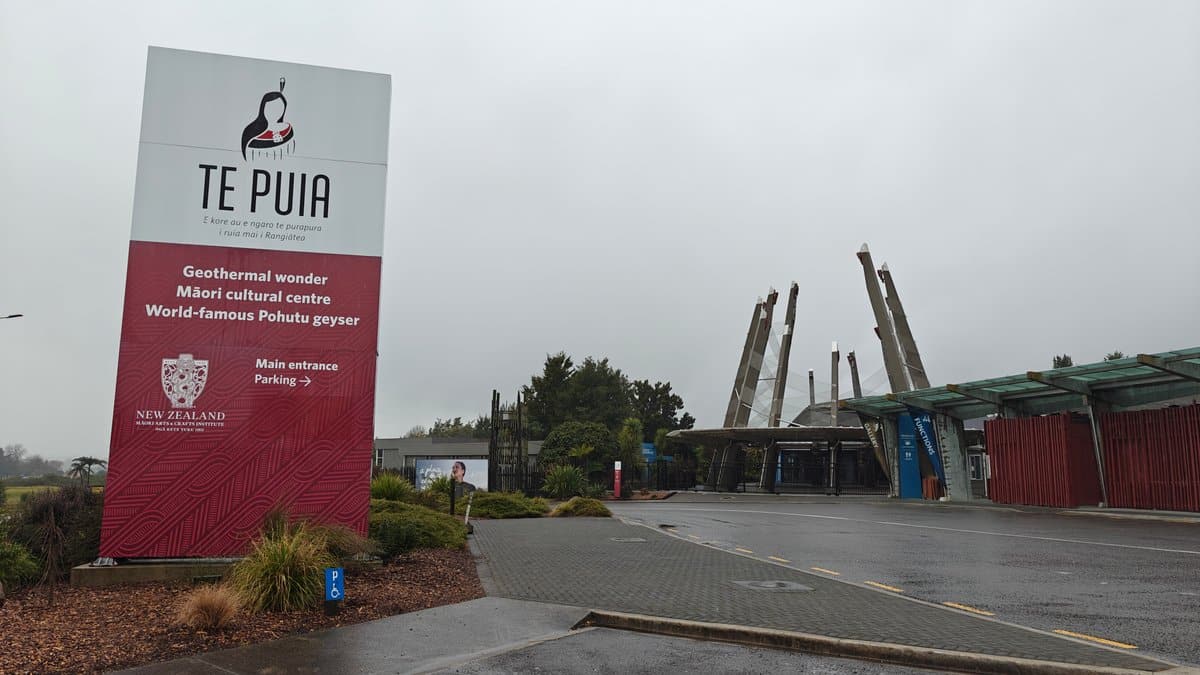
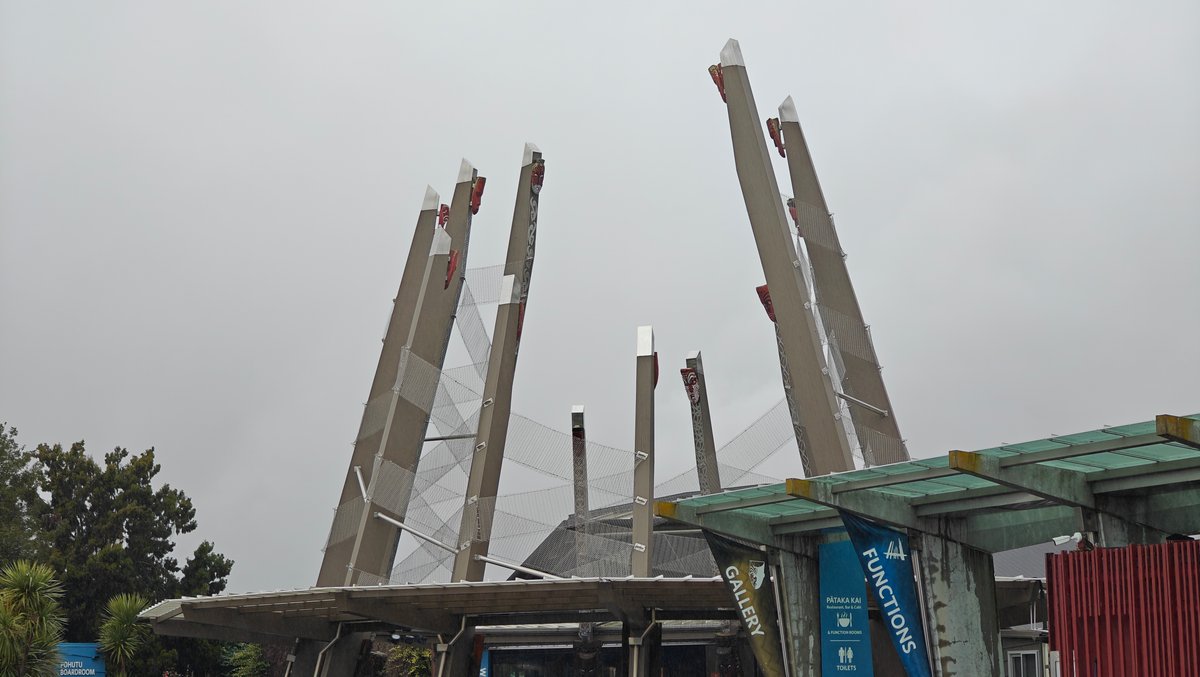
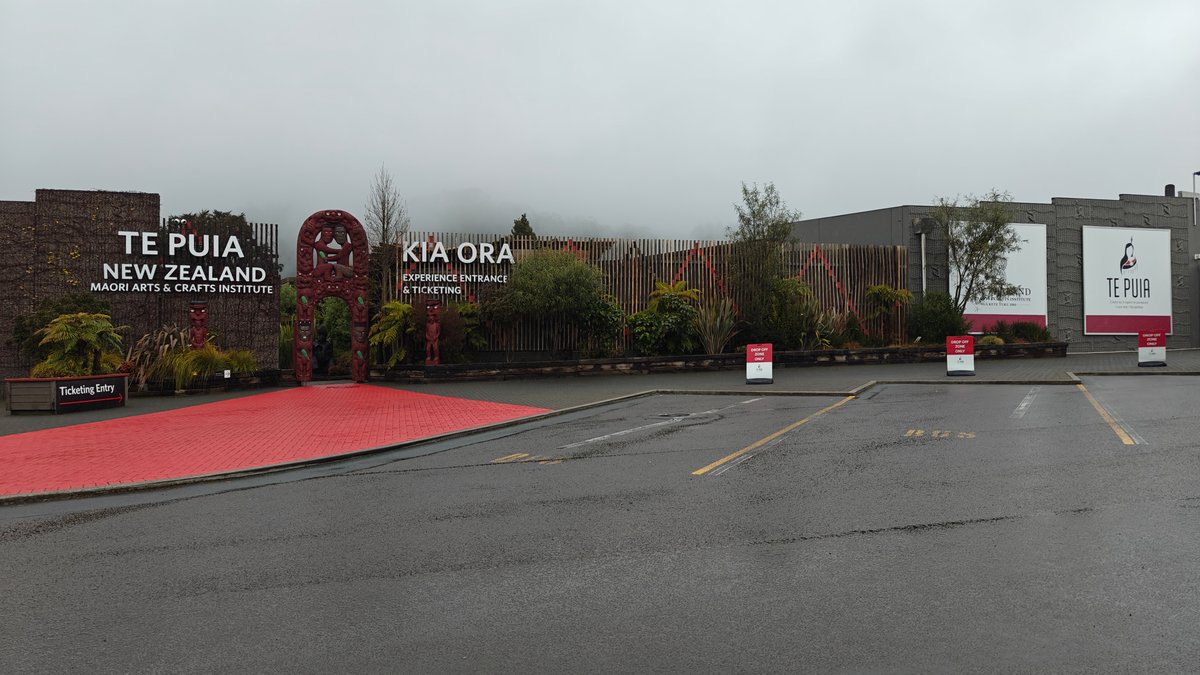
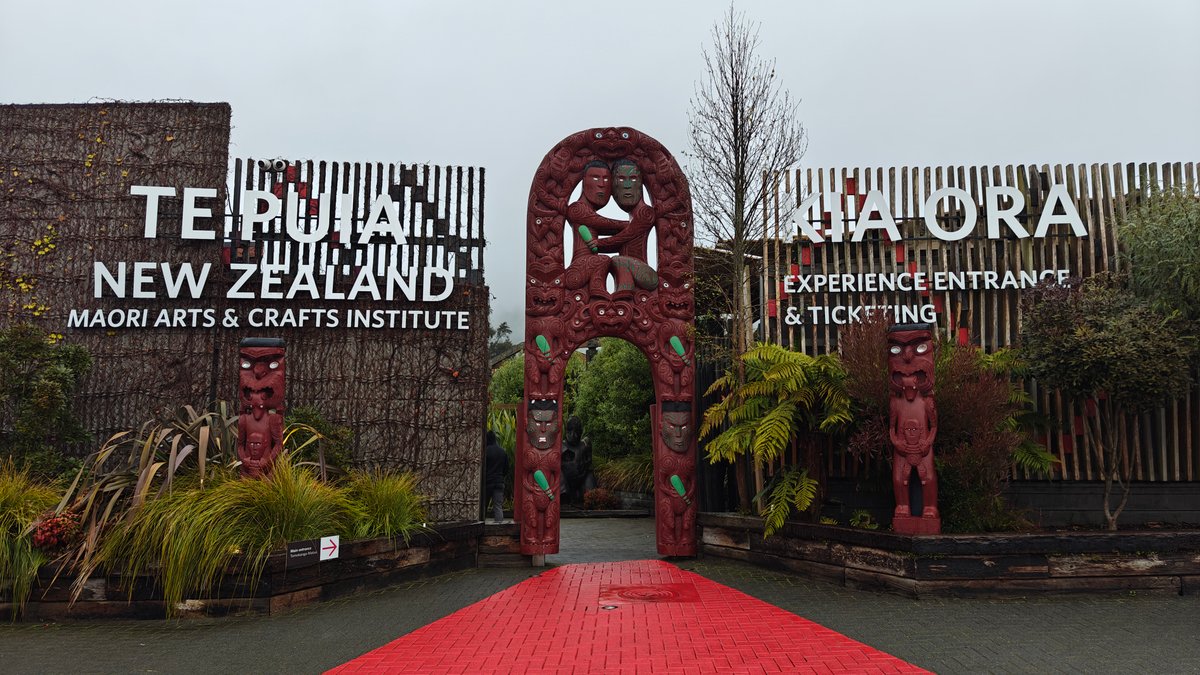
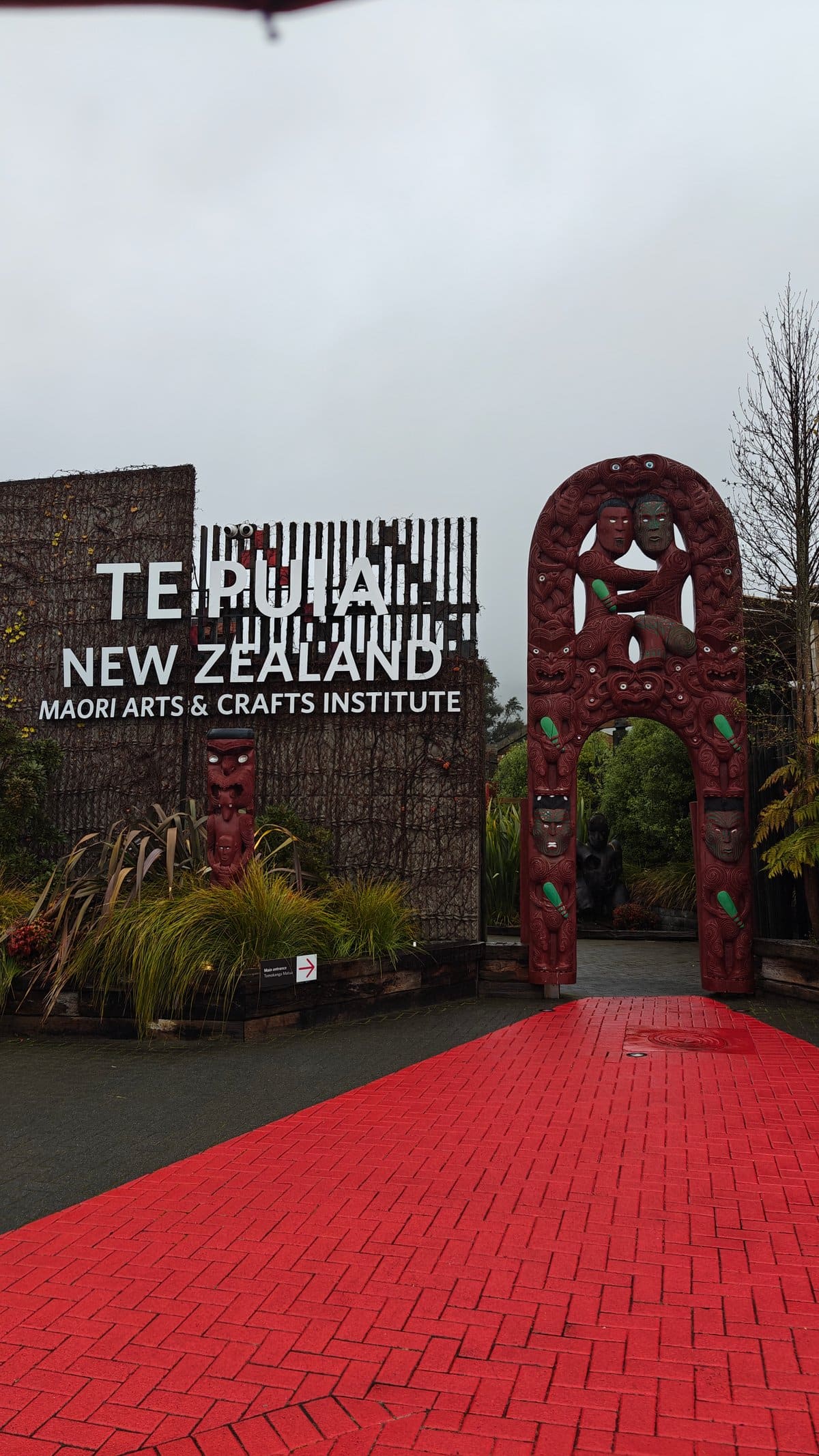
The first thing you see when arriving at Te Puia is this traditional waharoa gateway with some pretty impressive carved poles. There’s no holding back on the carving work here; even before you pay in! It really set the scene for what awaited us inside.
We visited during the middle of the morning on a weekday. The car park was already beginning to fill up, but it never became crowded once on the grounds.
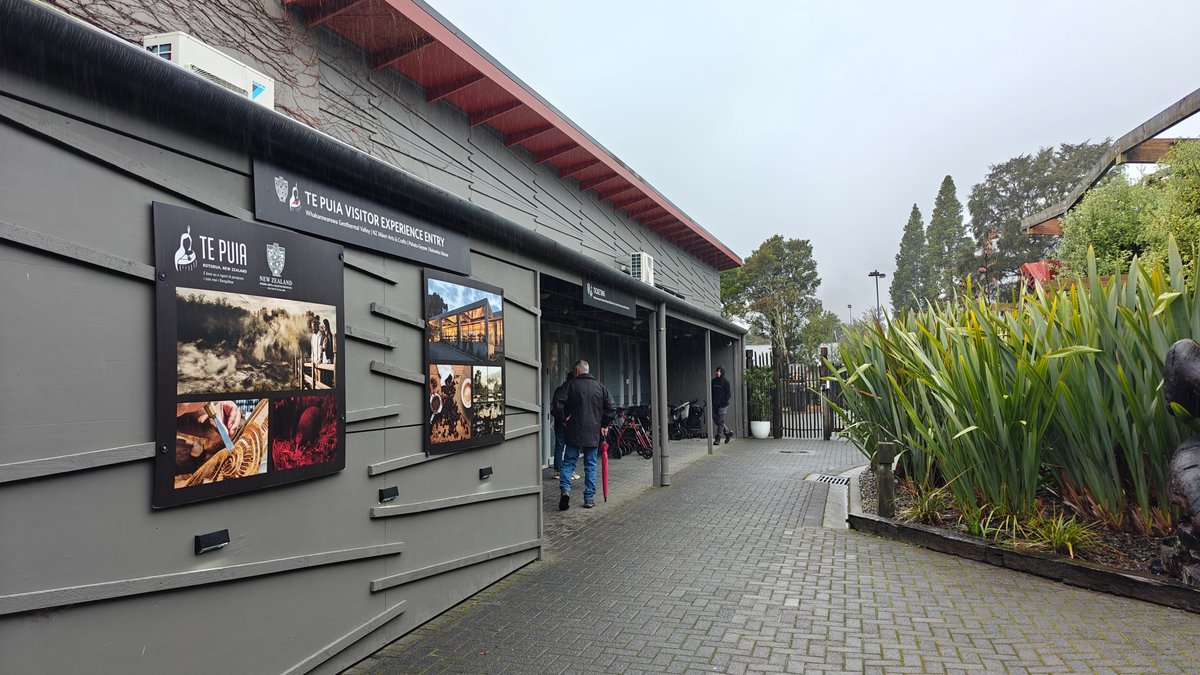
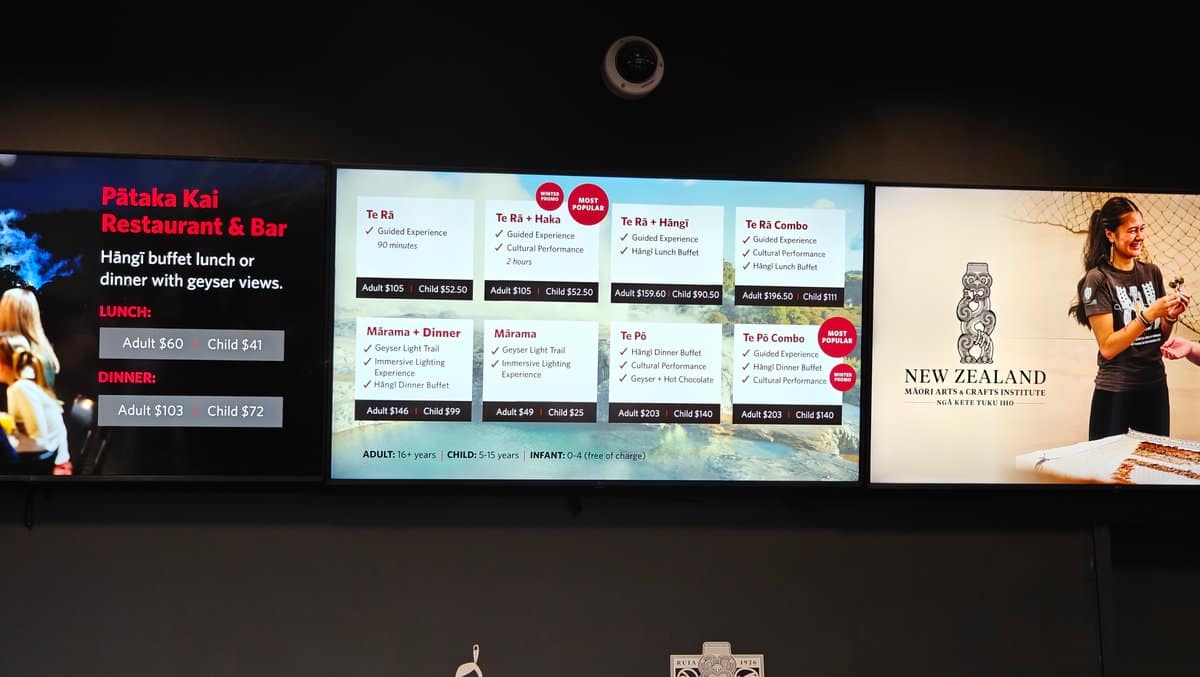
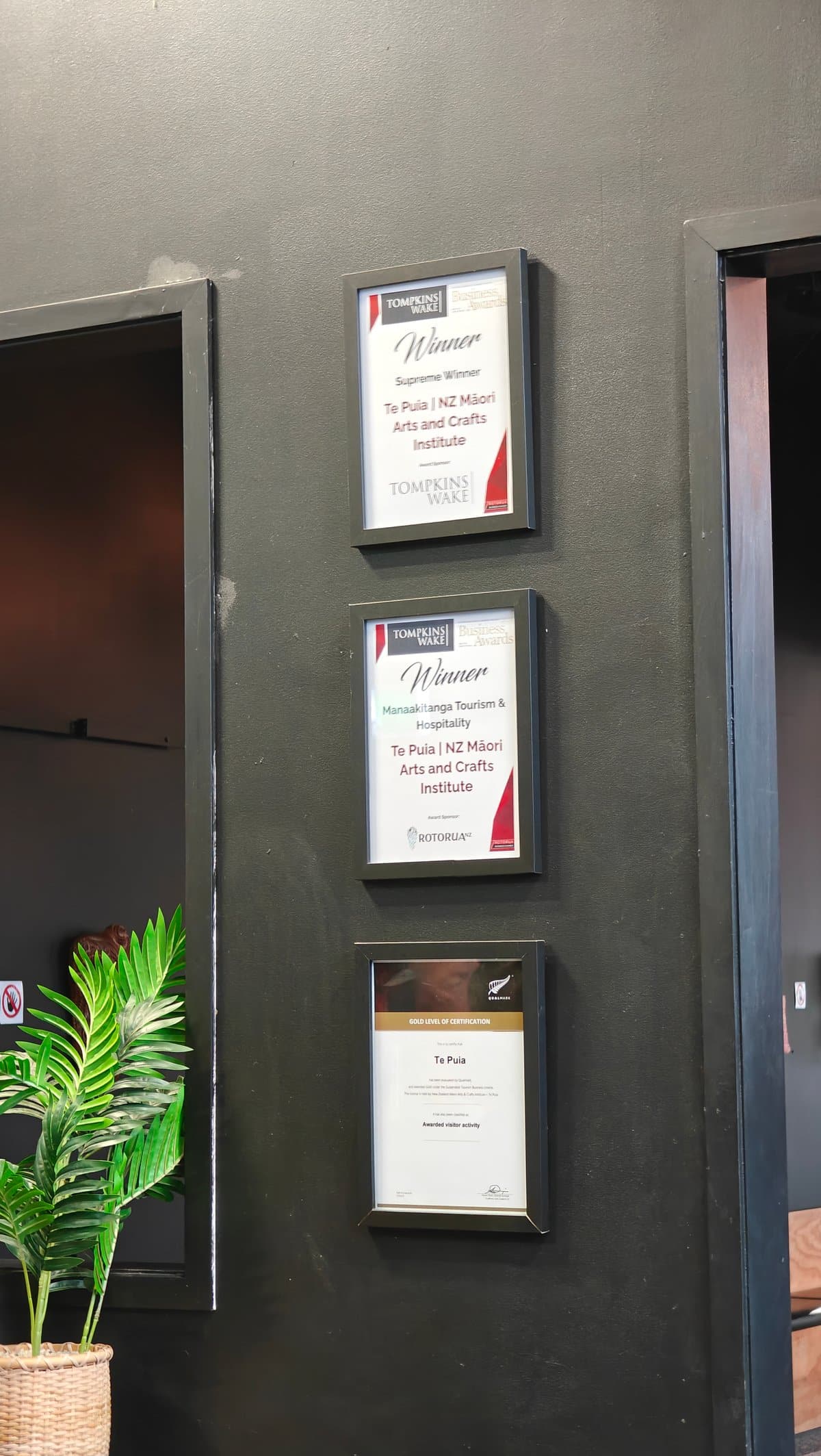

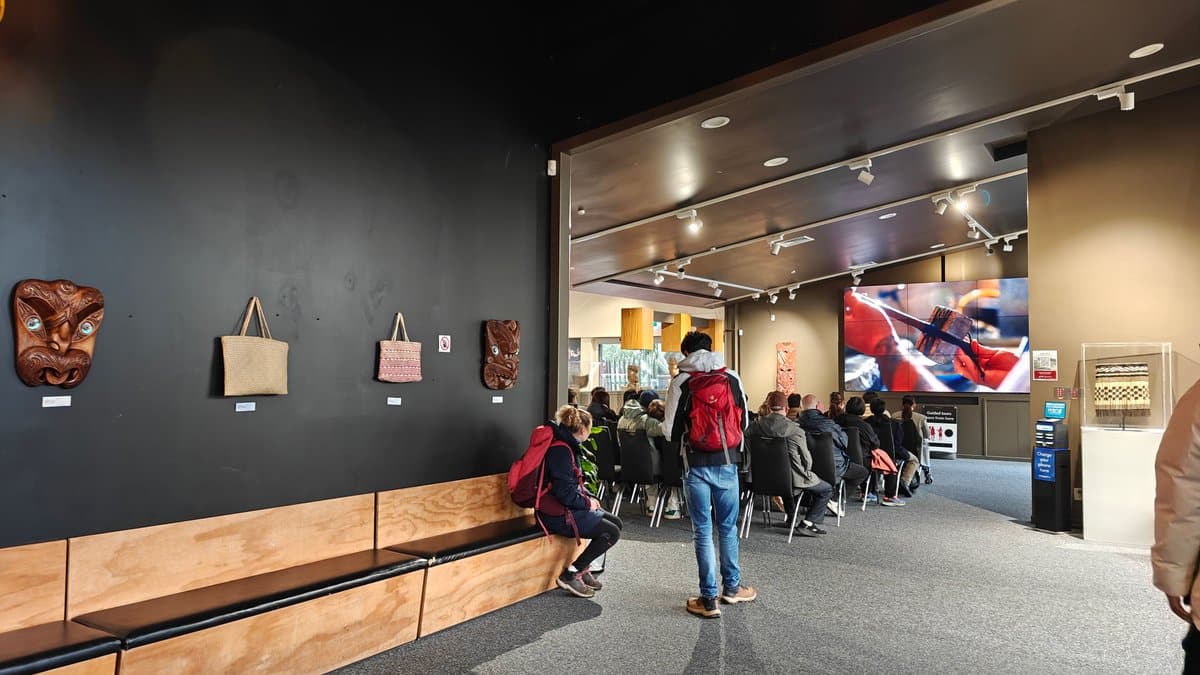
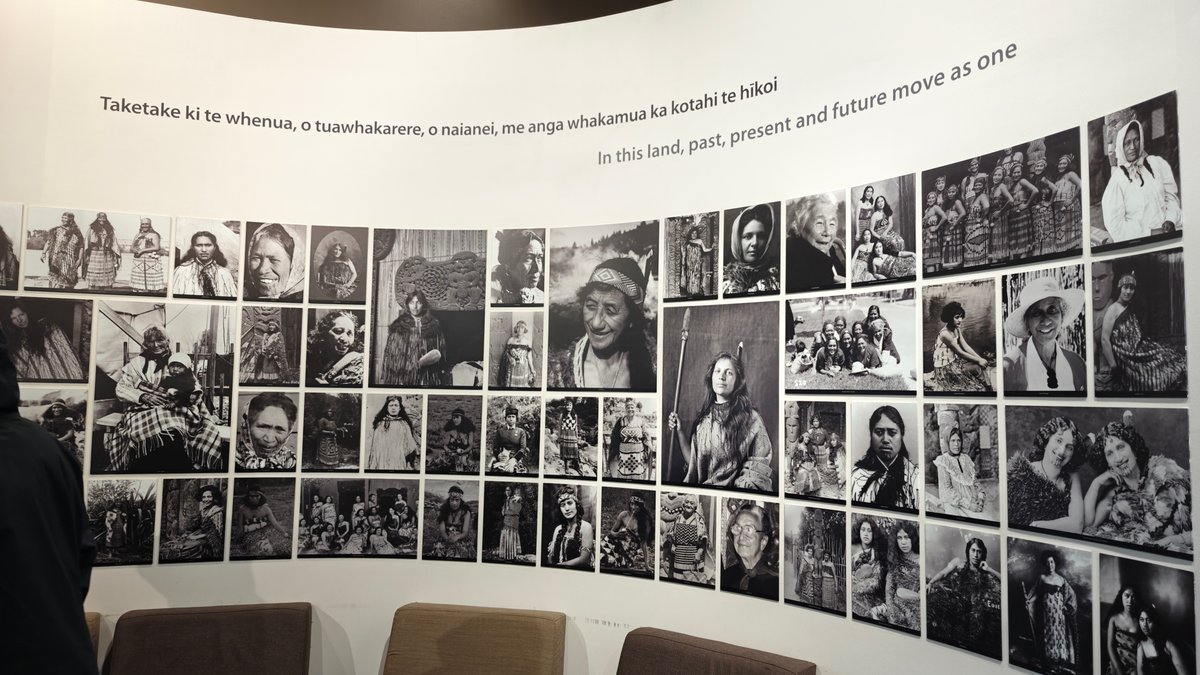
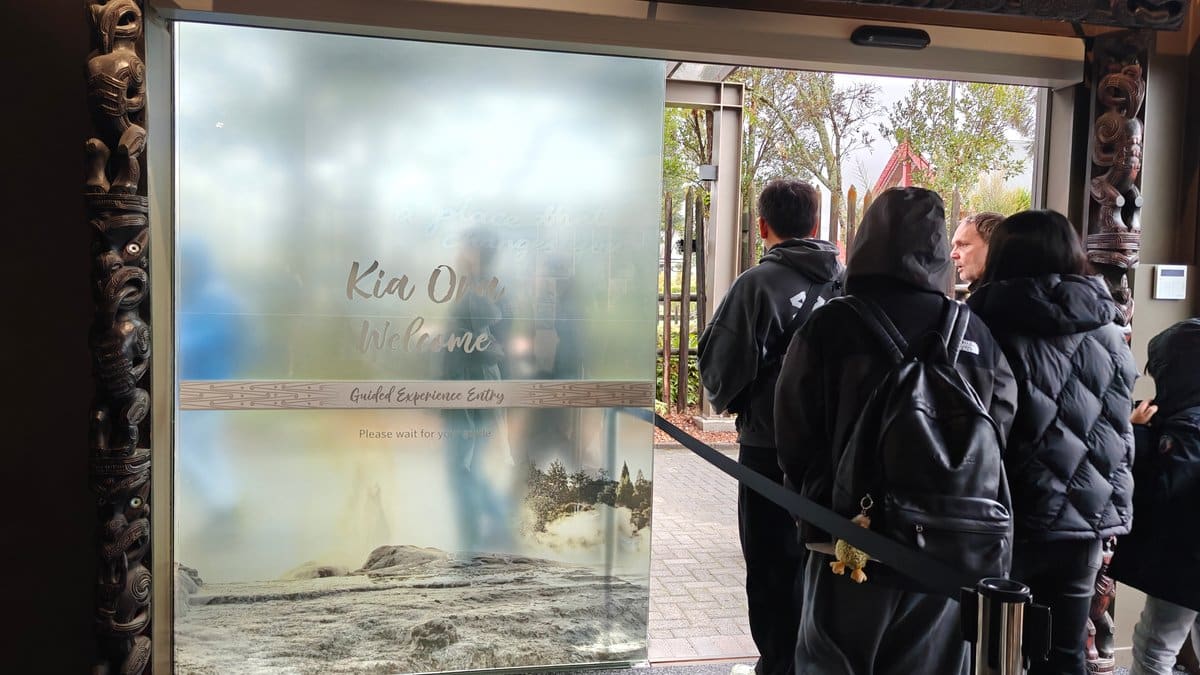
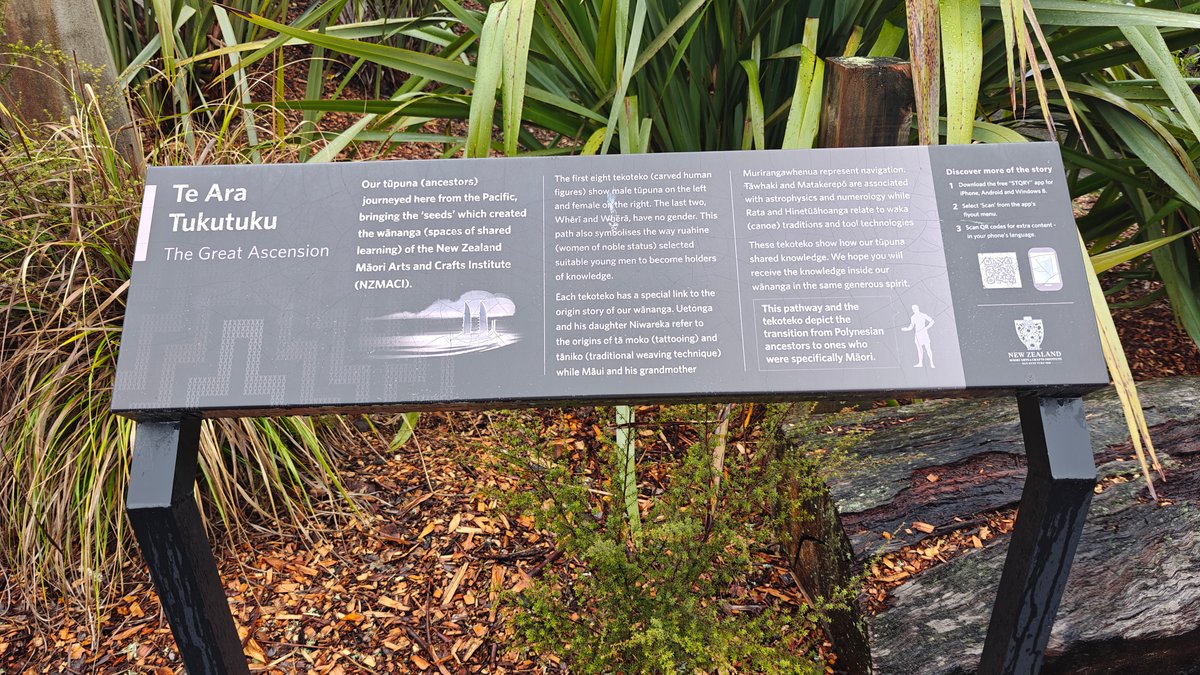
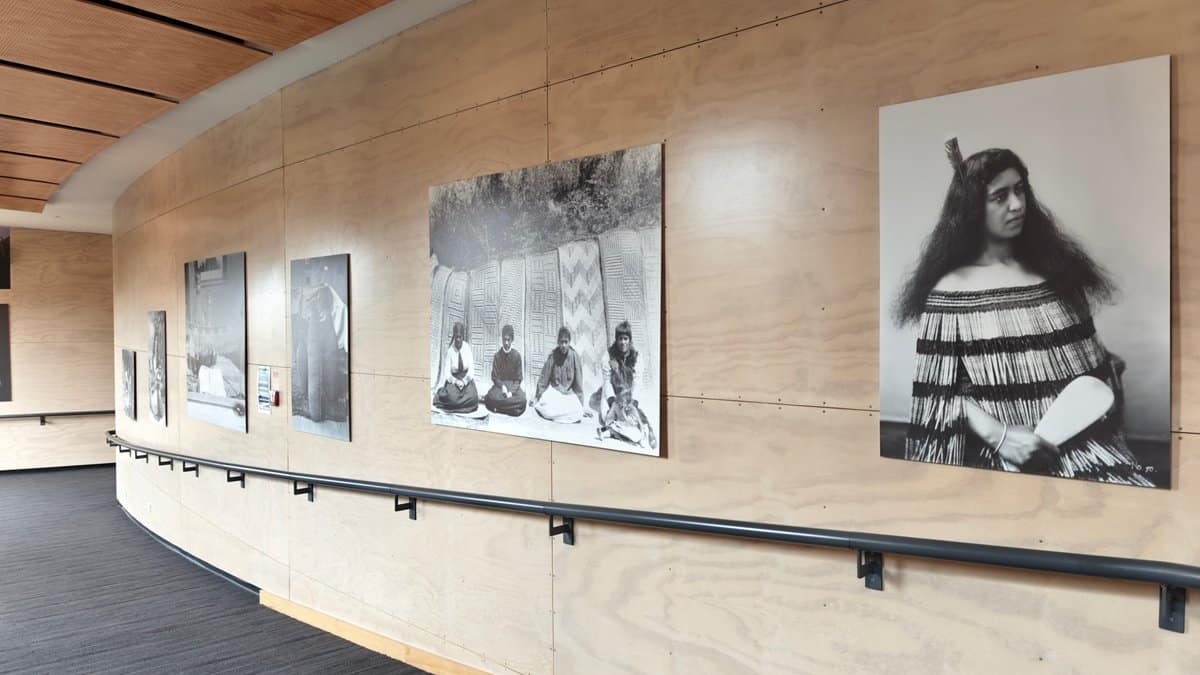
It has covered walkways around the entrance area that is filled with historic photographs and interpretive panels. Before we even began our main visit, I read through them for a good fifteen minutes. If you’re interested in grabbing some lunch, there’s also a Pātaka Kai Restaurant on-site.
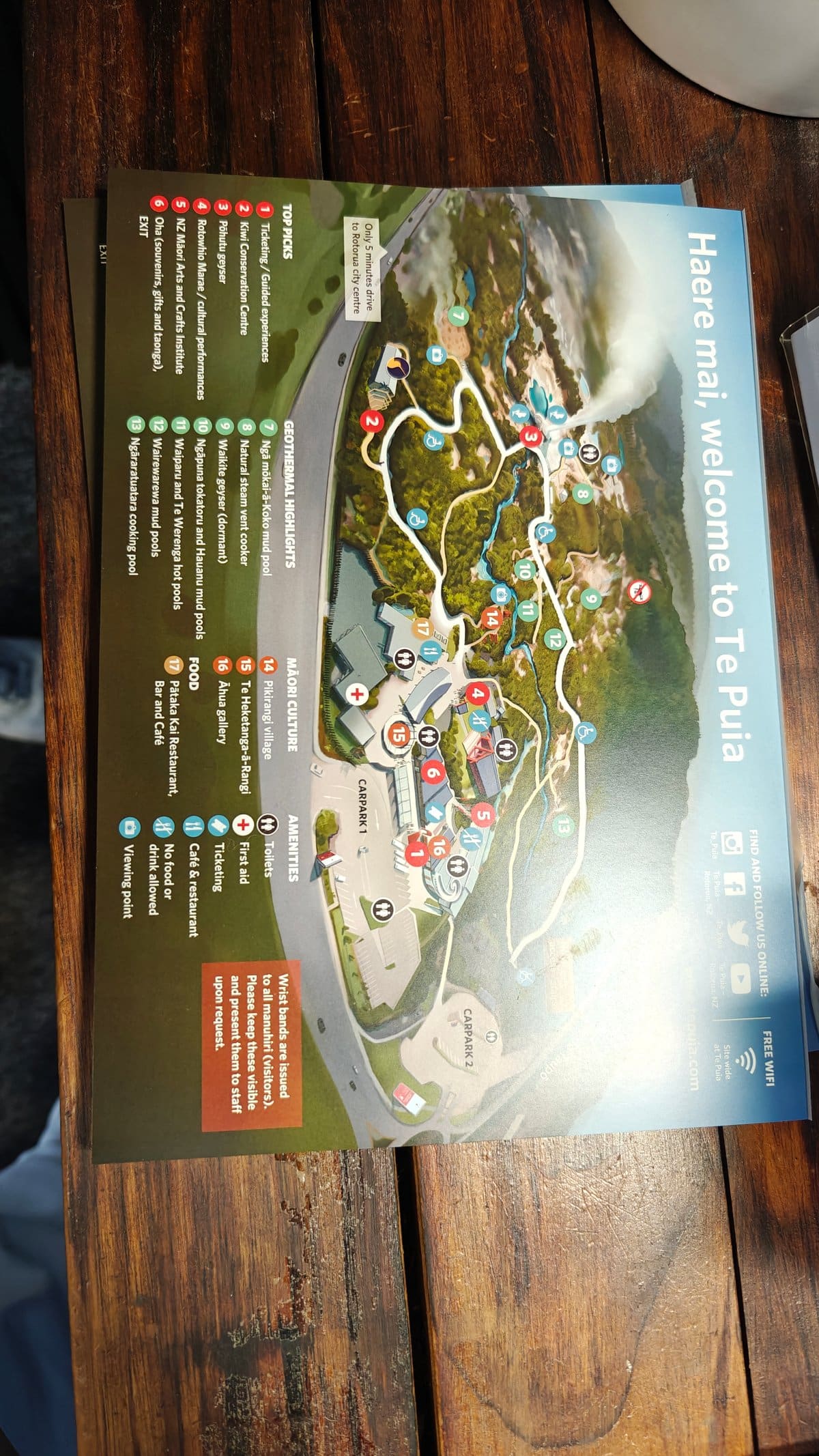
The walls of the foyer is covered with information and portraits of the schools. To help me figure out what to focus on there’s a site map, the place is bigger then it looks from the entrance.
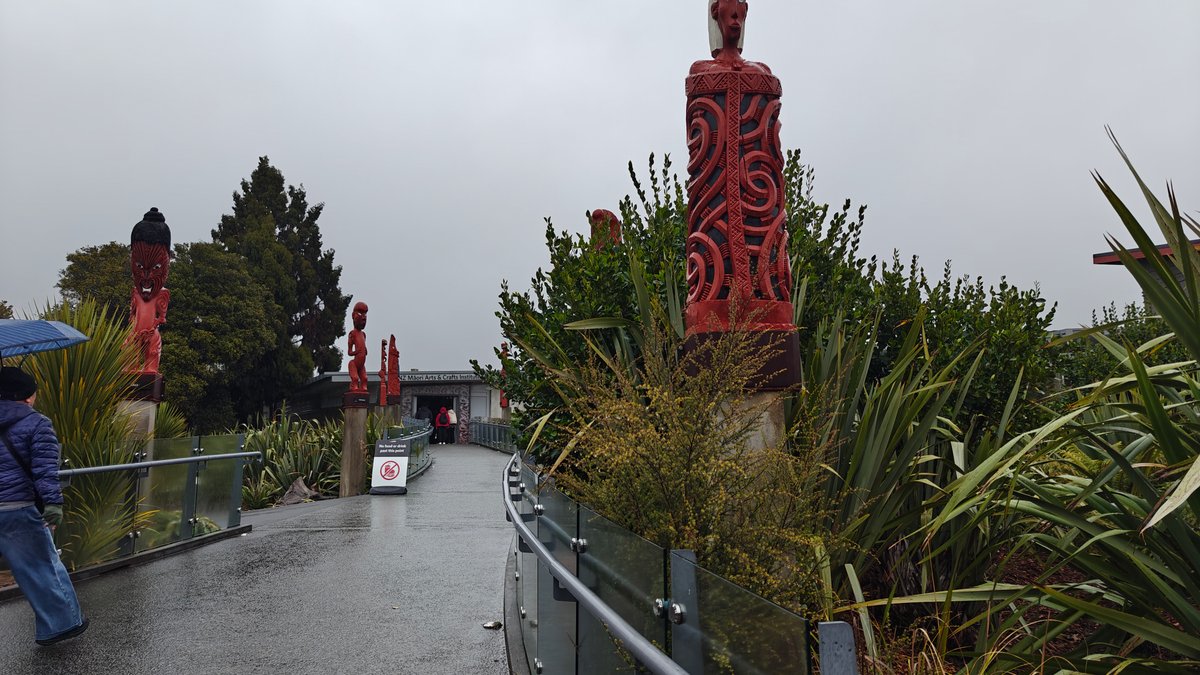
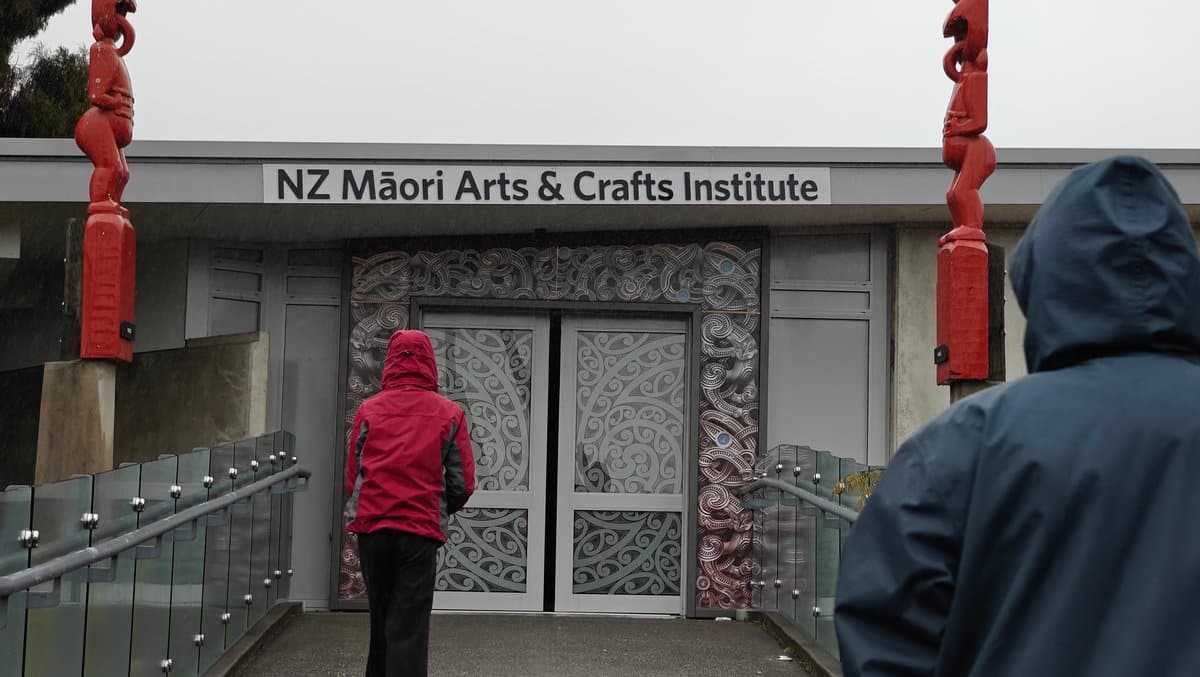
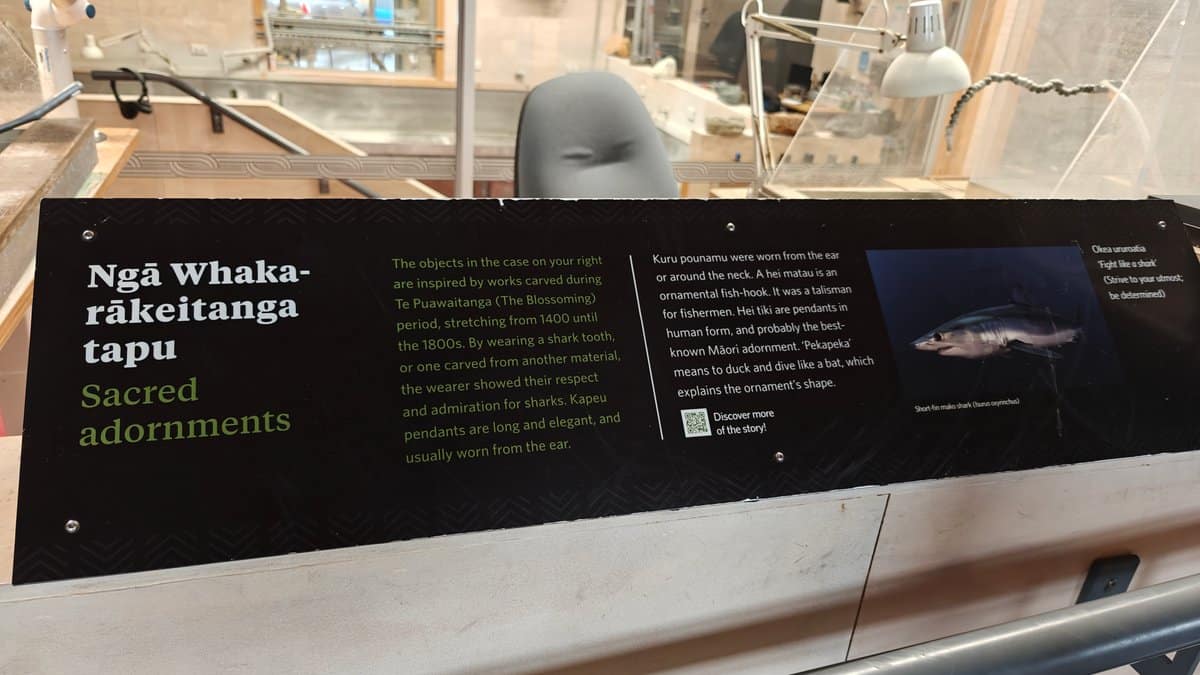
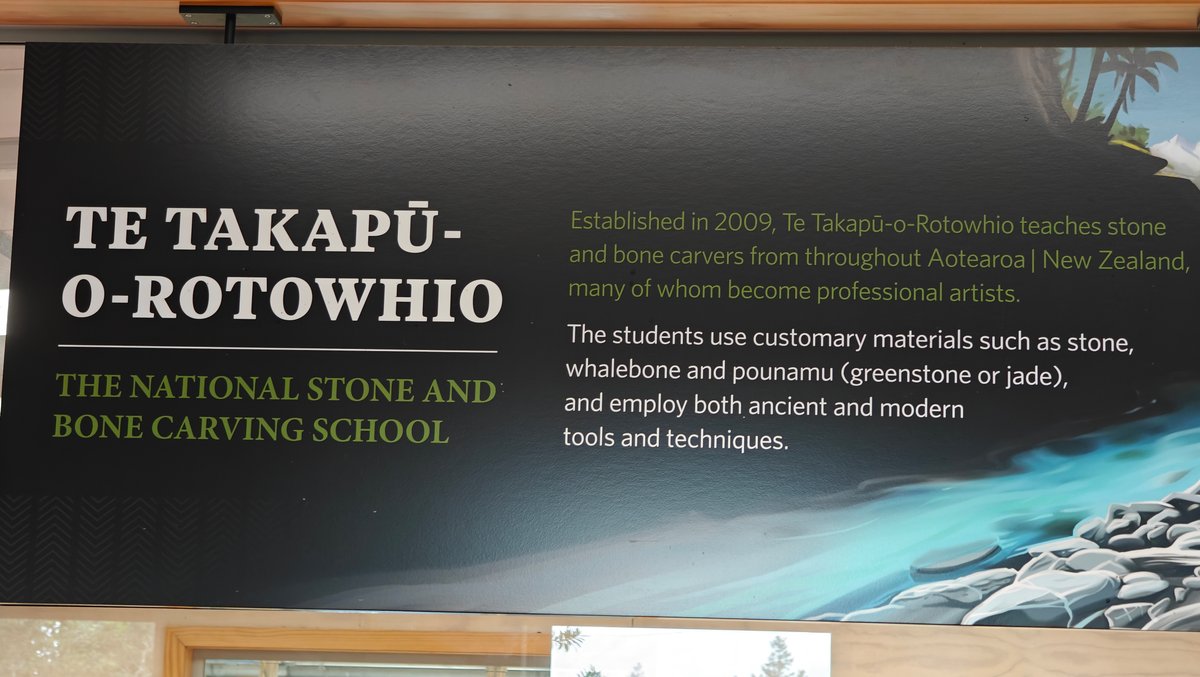
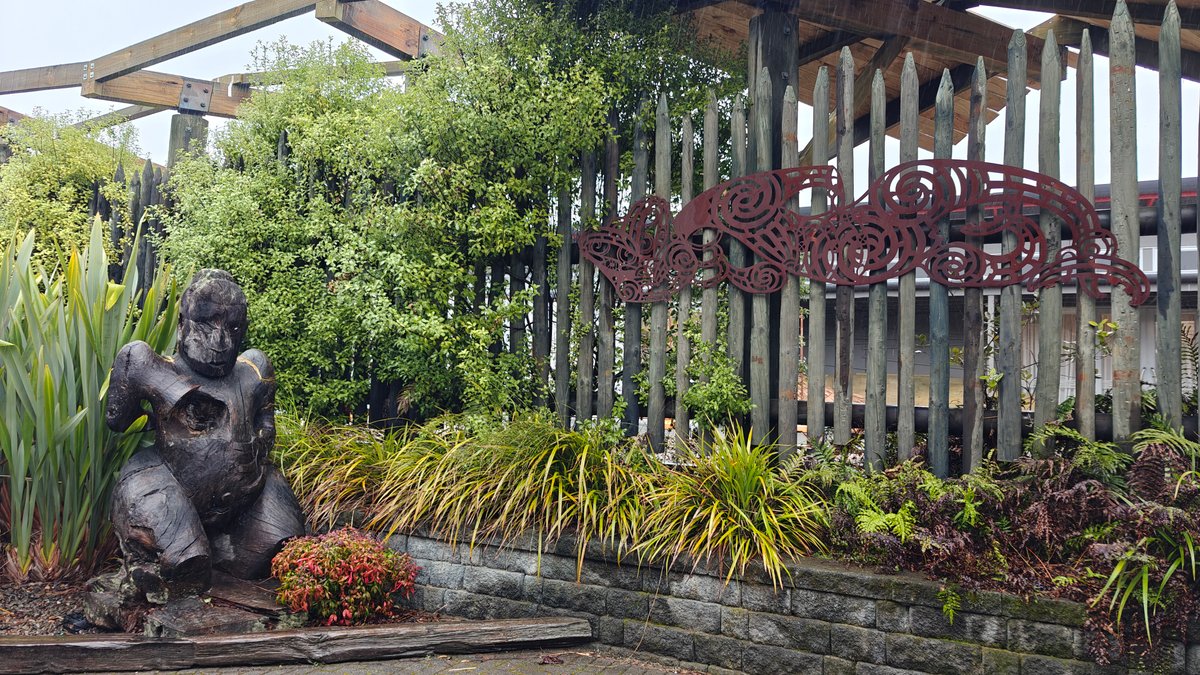
Before I even entered the Māori Arts and Crafts Institute, I heard the sound of people using chisels on wood. As you walk through, there are carved posts lining the path until you arrive at the carving school. It isn’t a demonstration created for tourists.
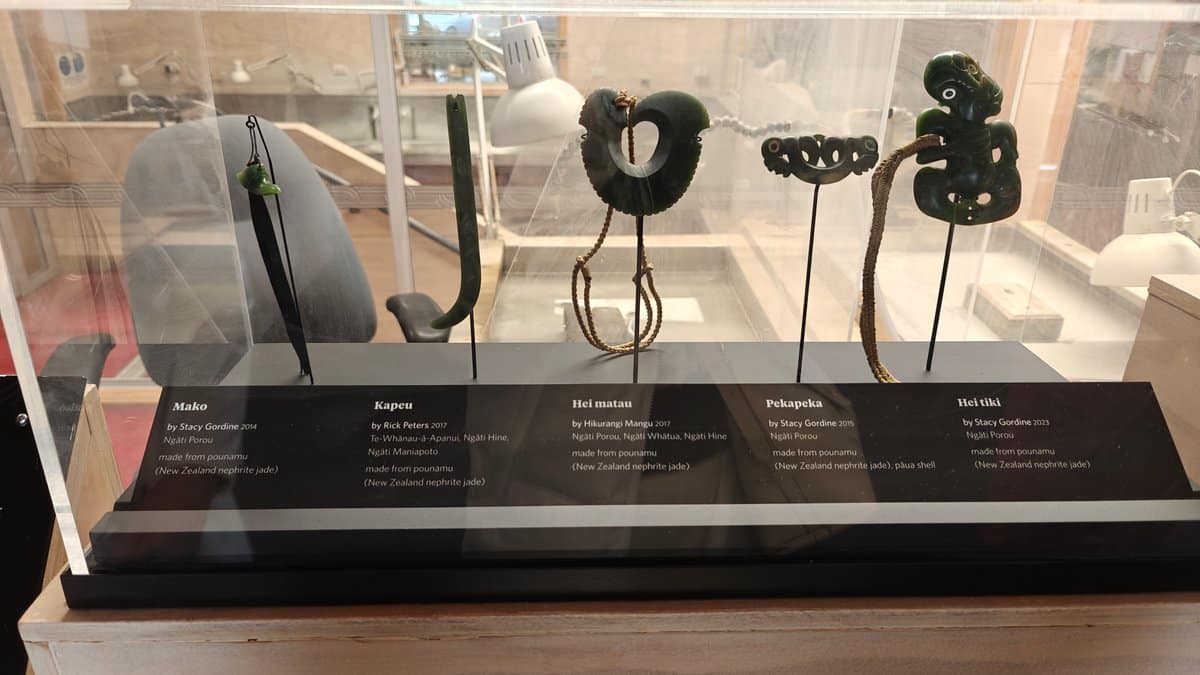
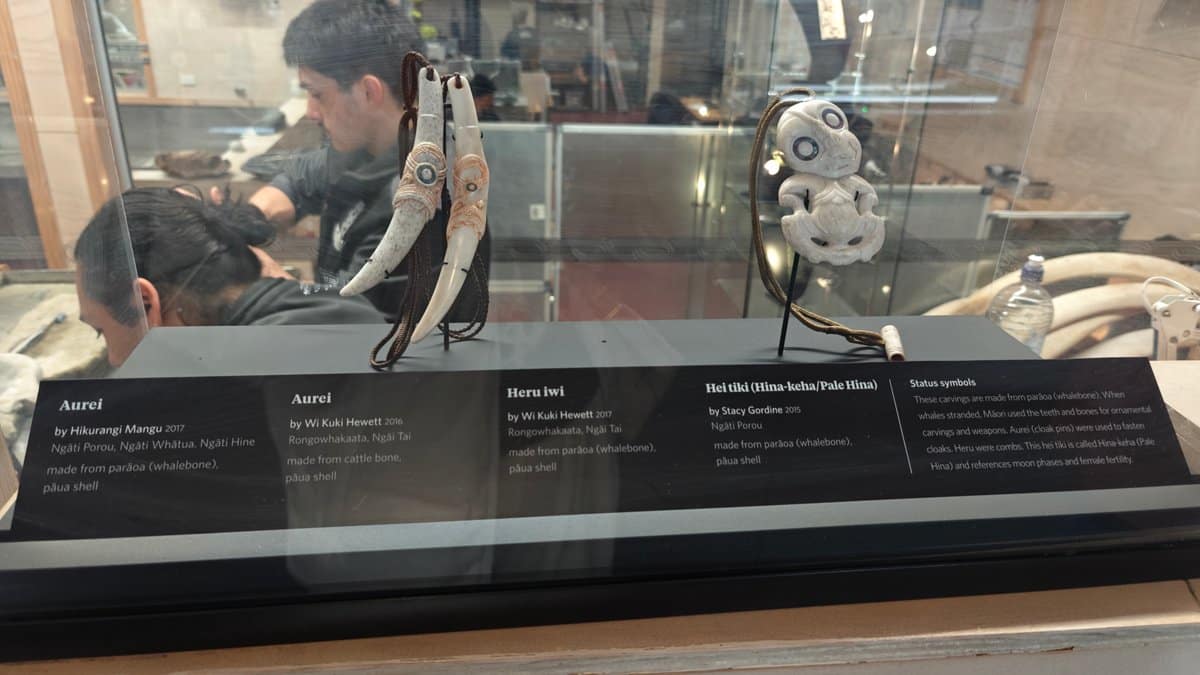
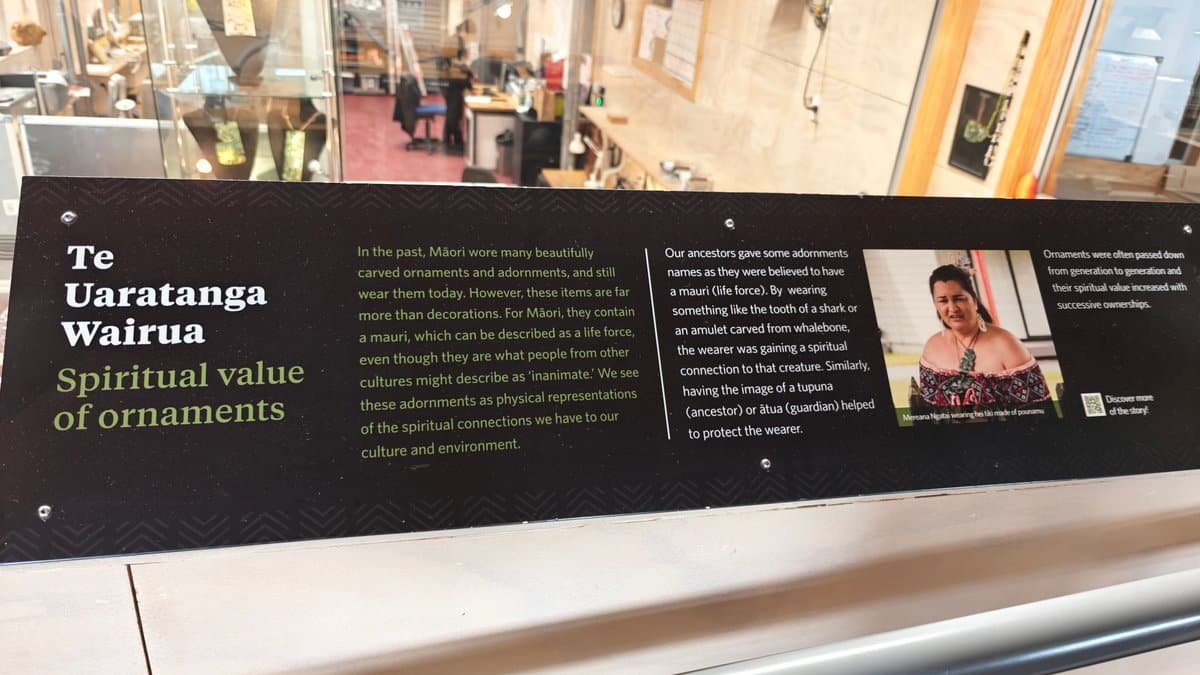
You’re actualy observing master carvers and students in action. I watched one carver working methodically on a timber panel, completely focused on his work. Around the workshop, display cases feature finished works, bone carvings, and hei tiki pendants, with explanations of the spiritual importance of various materials.
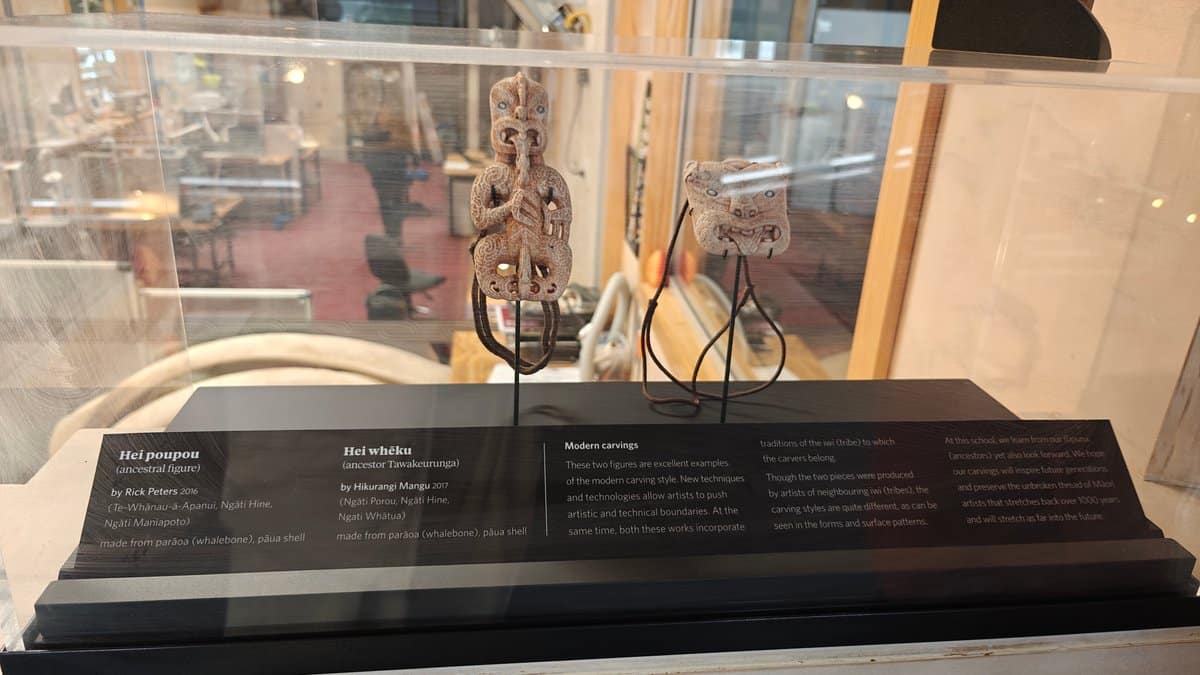
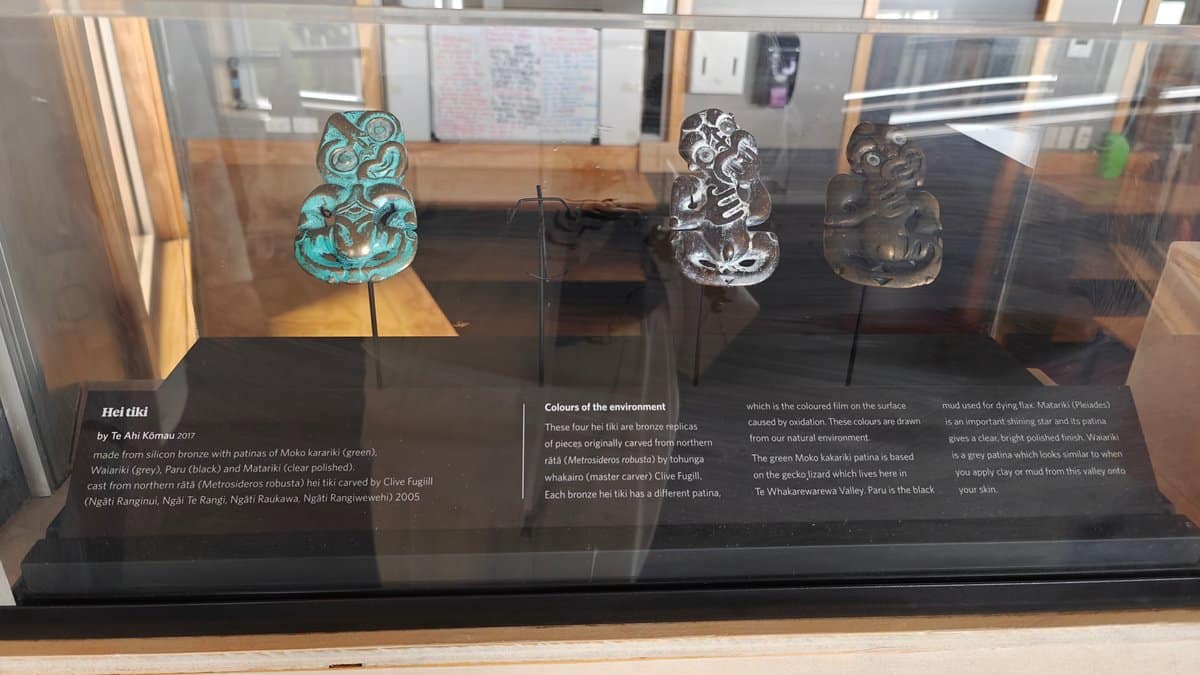
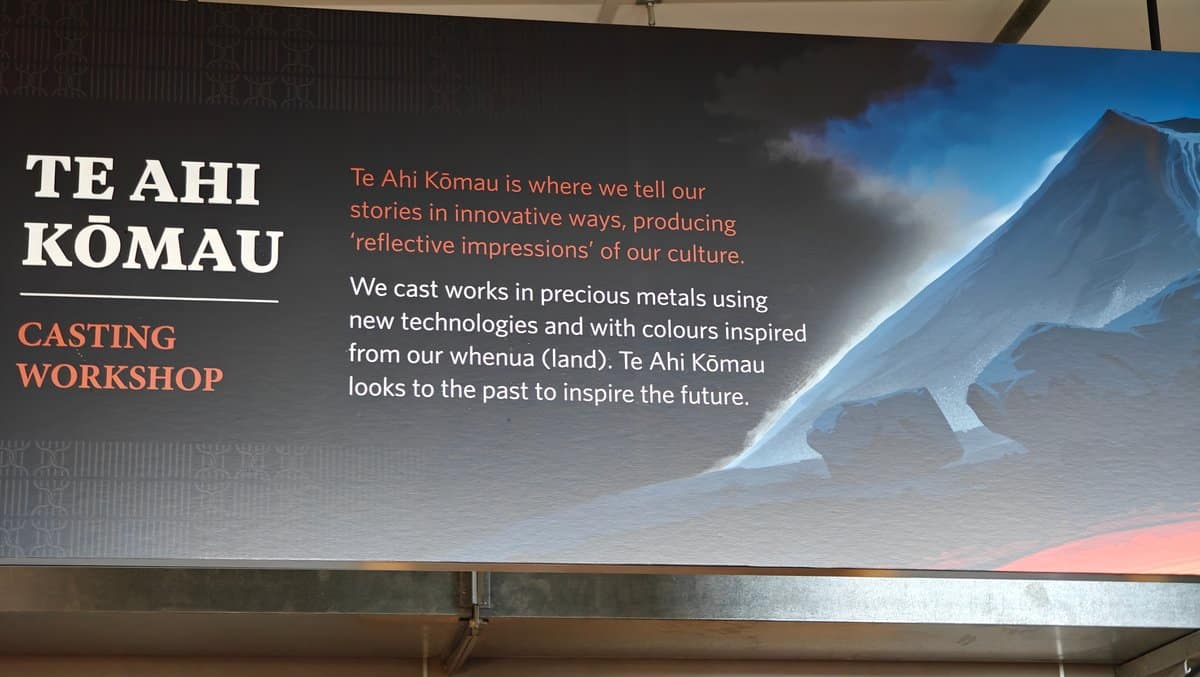
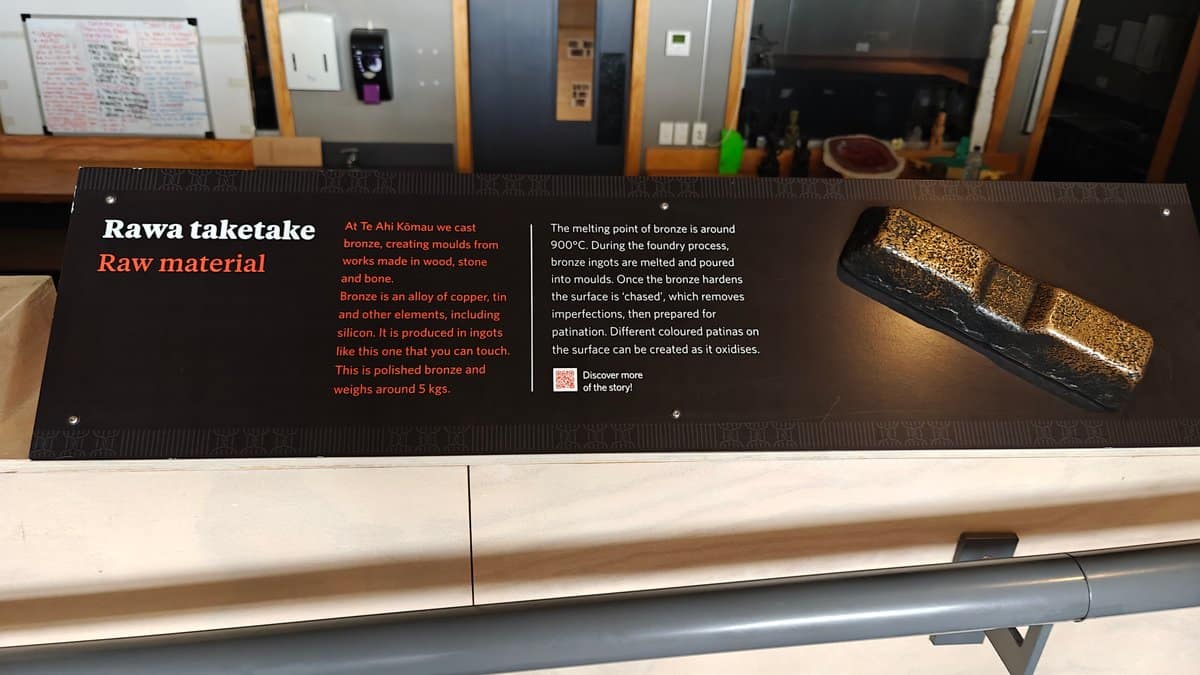
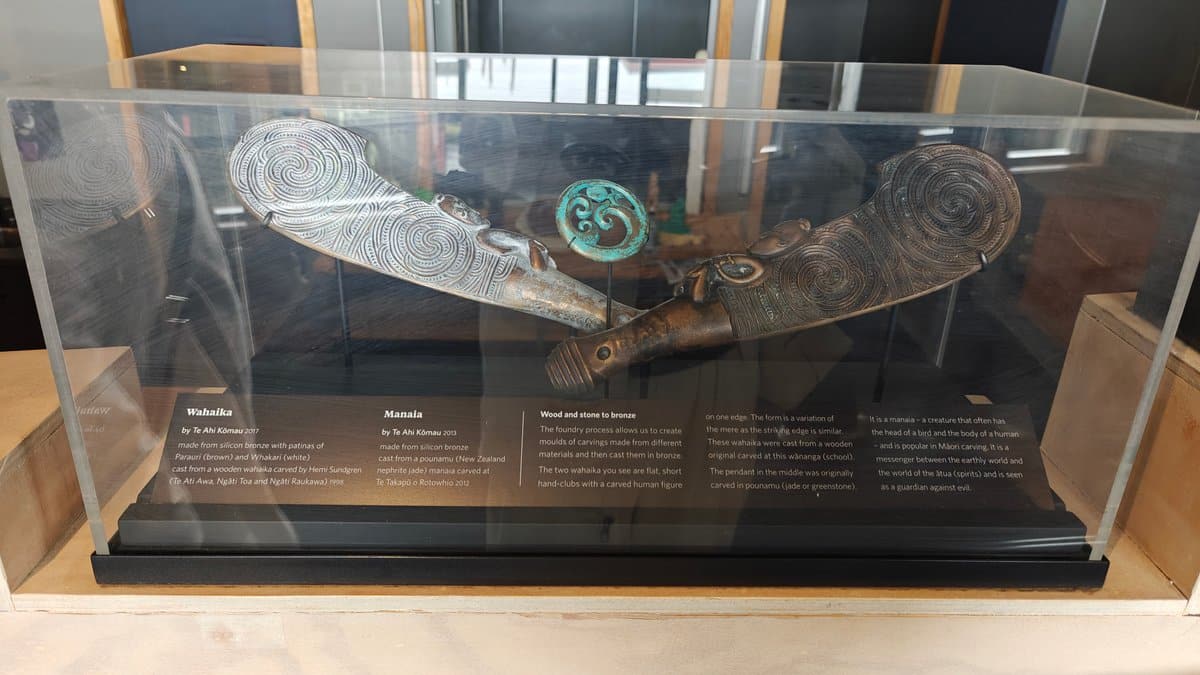
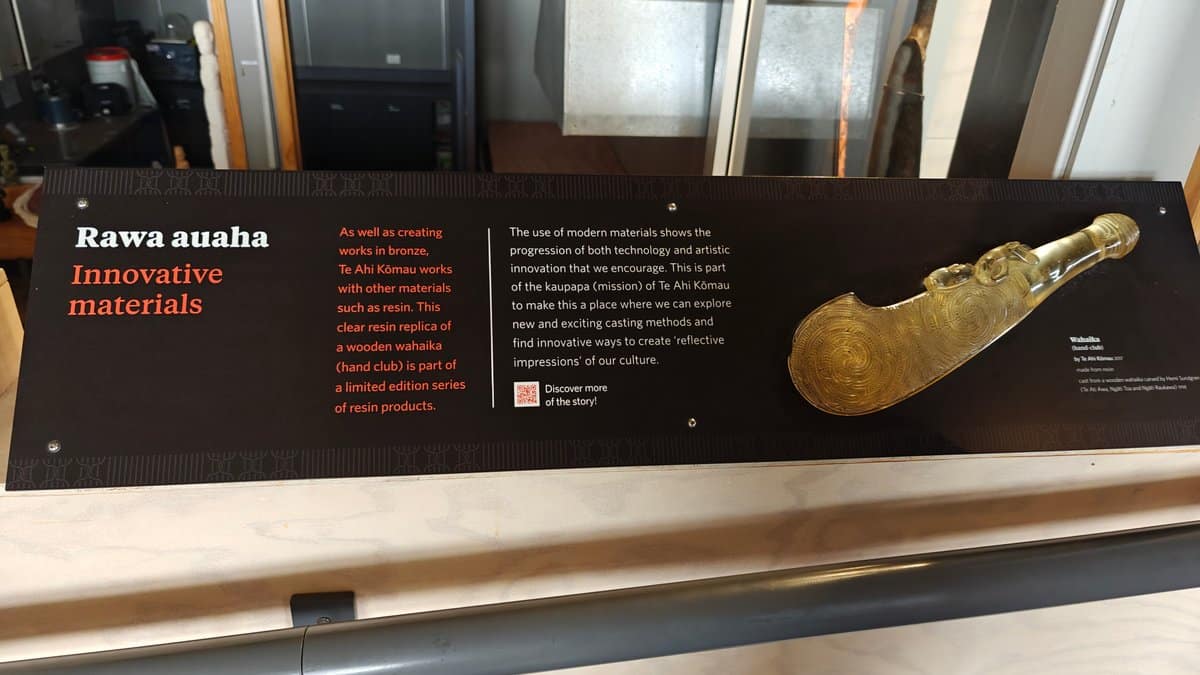
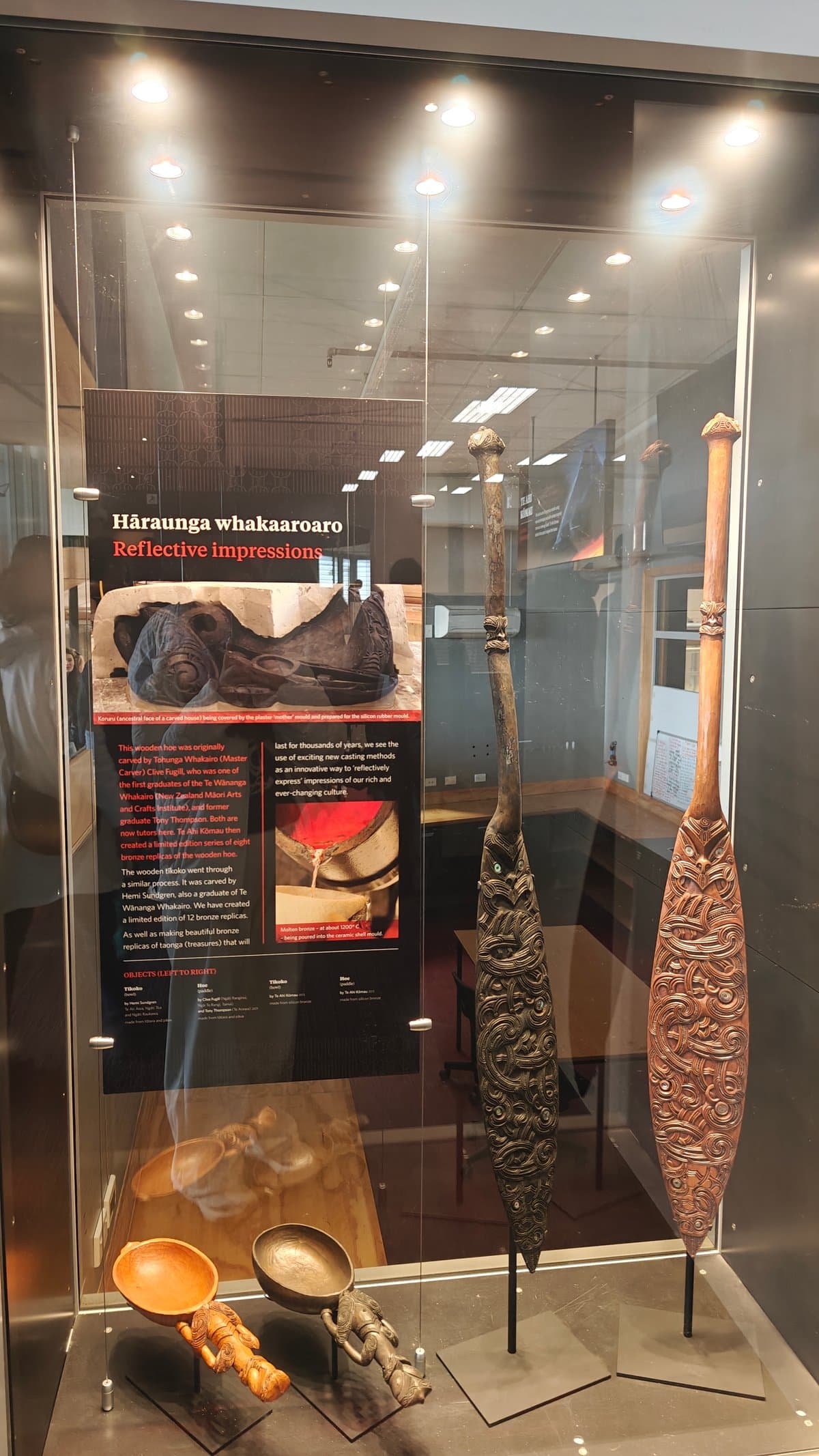
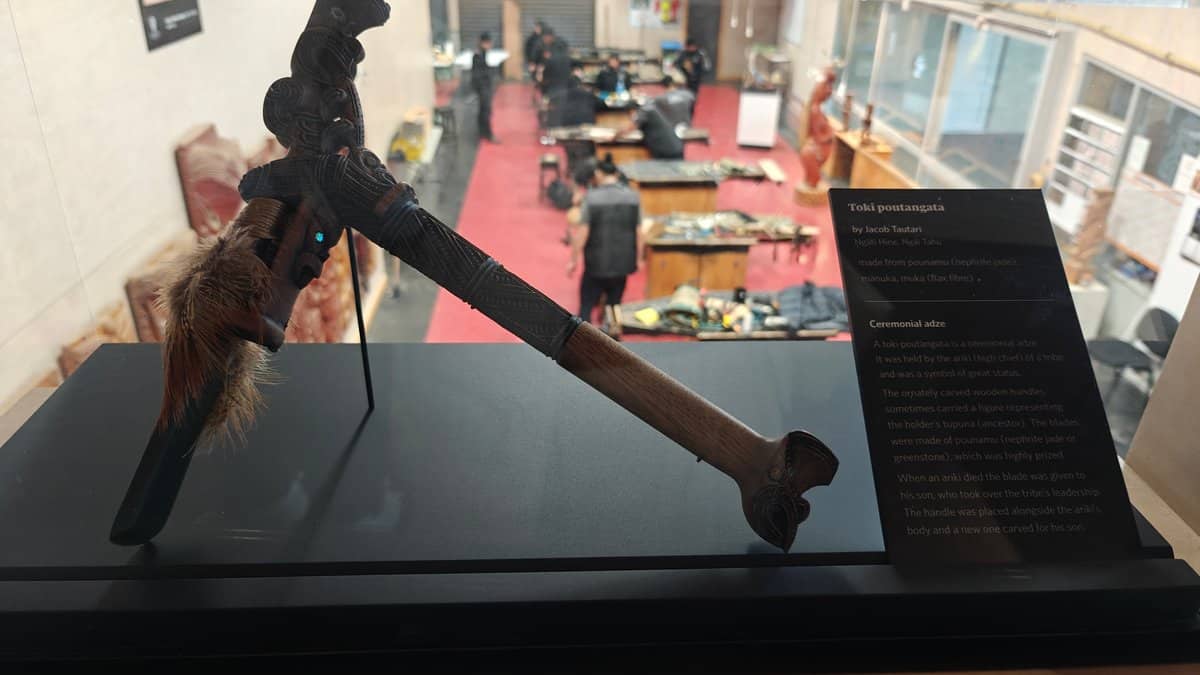
From traditional bone and greenstone work to more moddern castings, it’s all represented in the displays. I was impressed by how they uses traditional techniques in new ways. You’ll find a panel of ancient techniques displayed side-by-side with those on new materials and modern approaches.
The walls is lined with carved ceremonial pieces and weapons, including some incredible tewhatewha which would of taken months to carve.
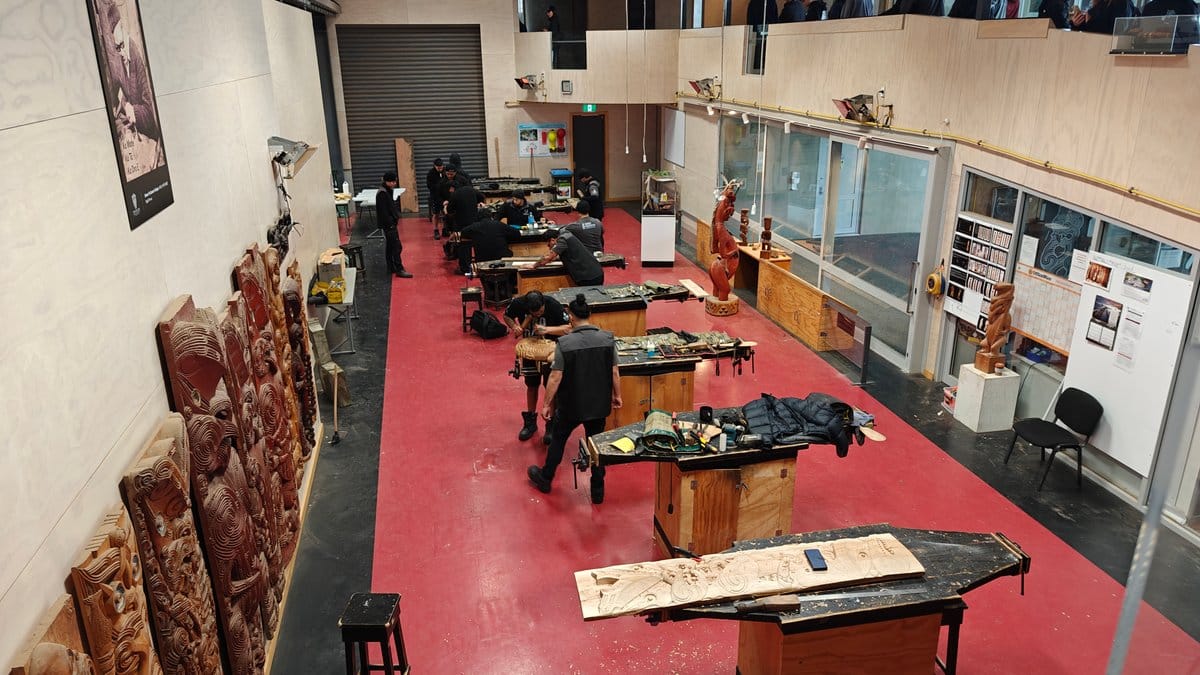
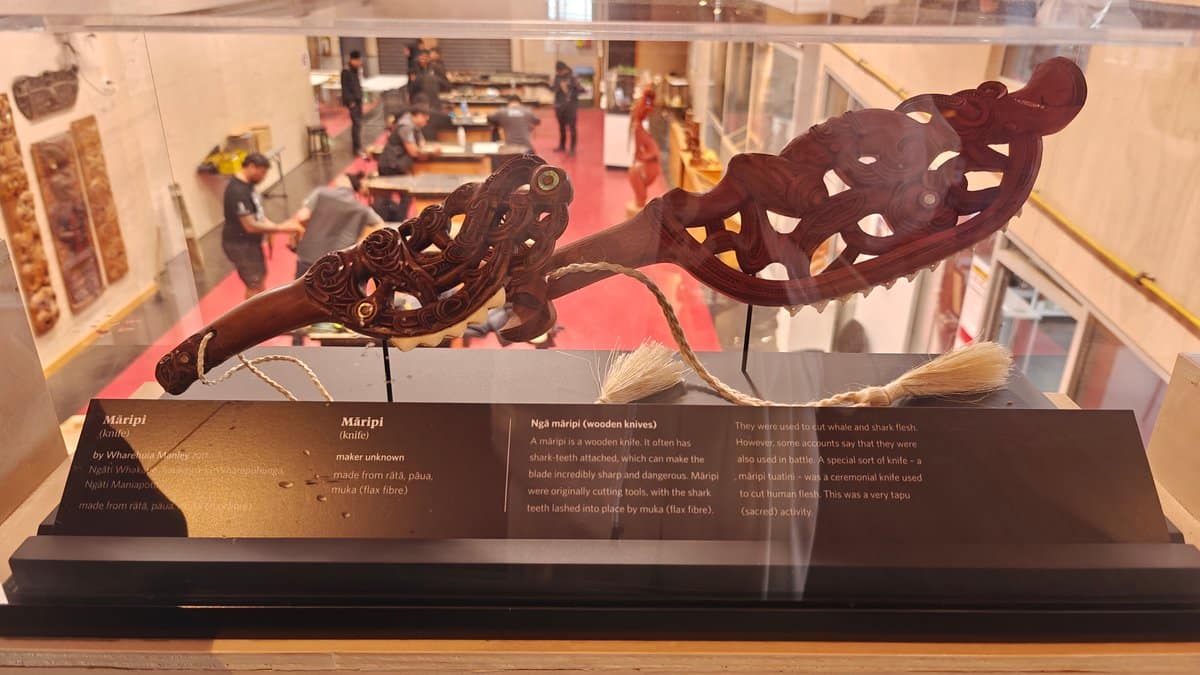
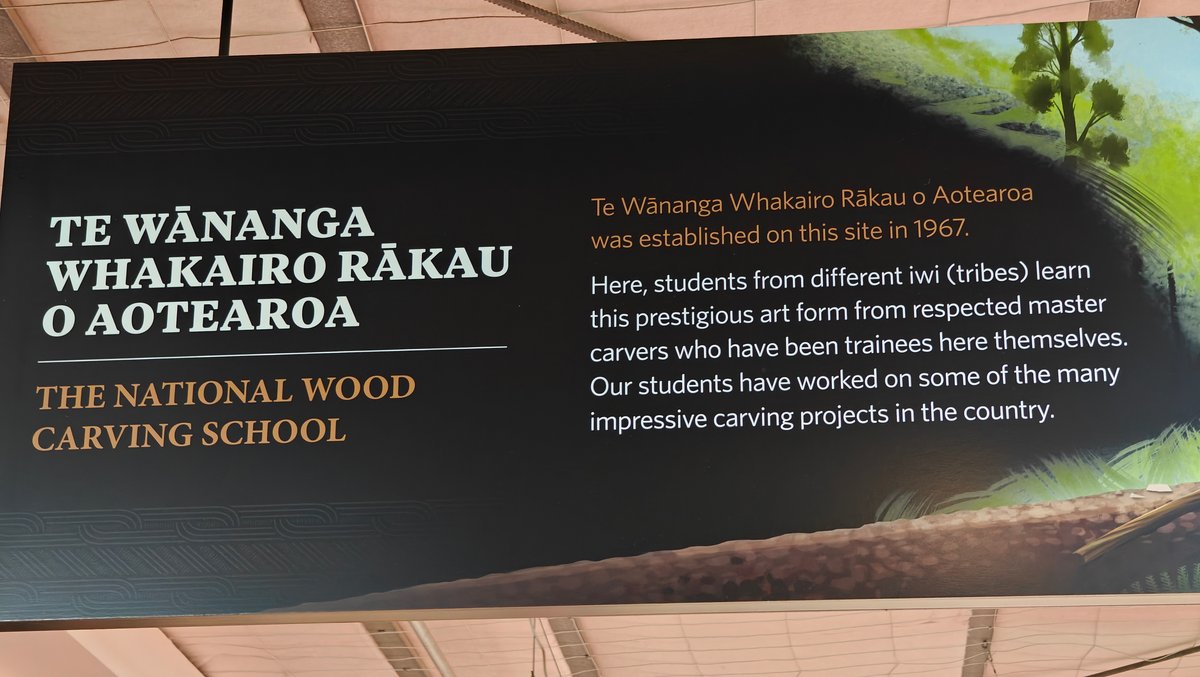
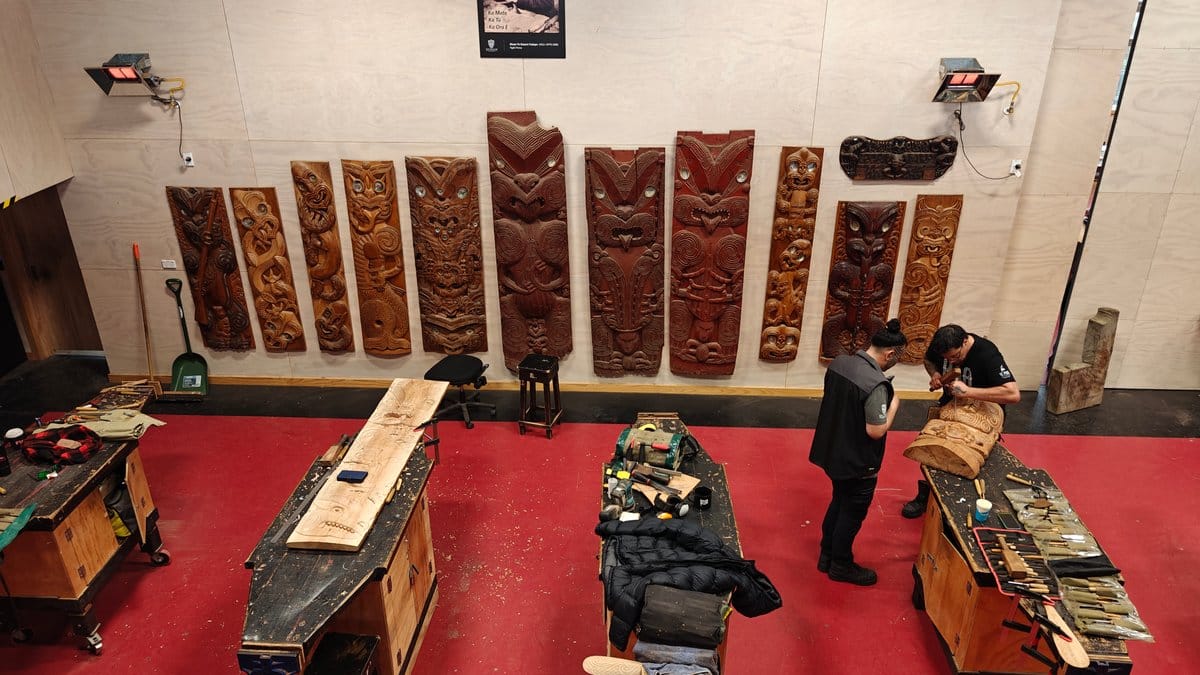
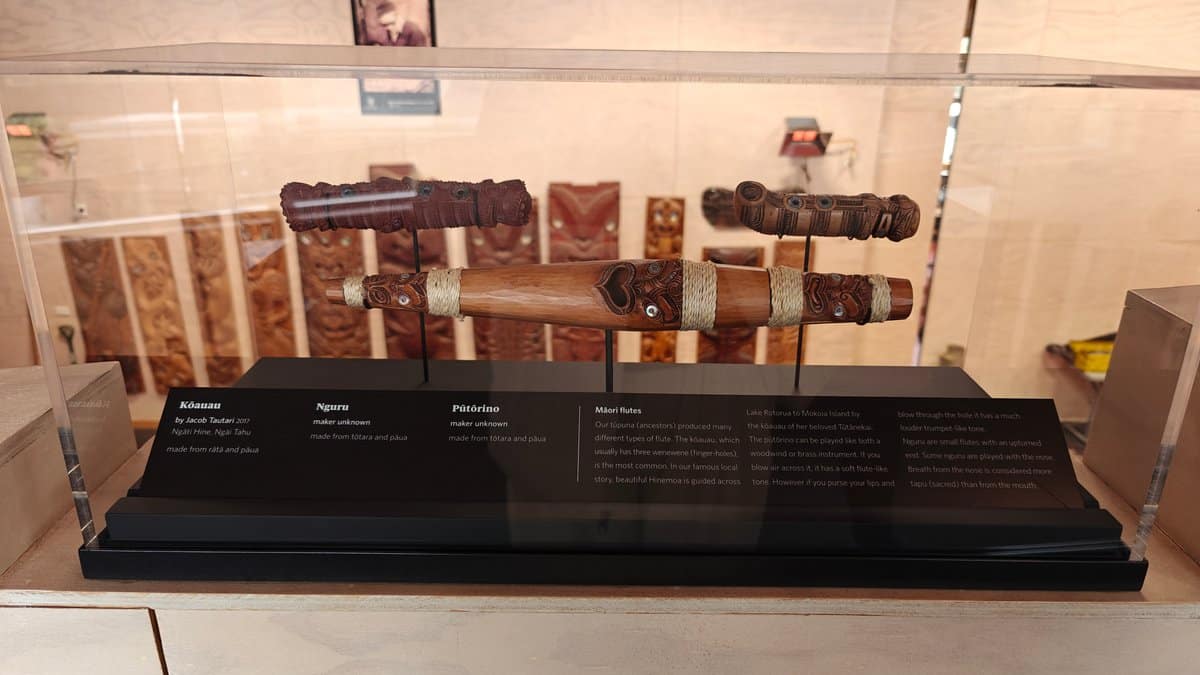
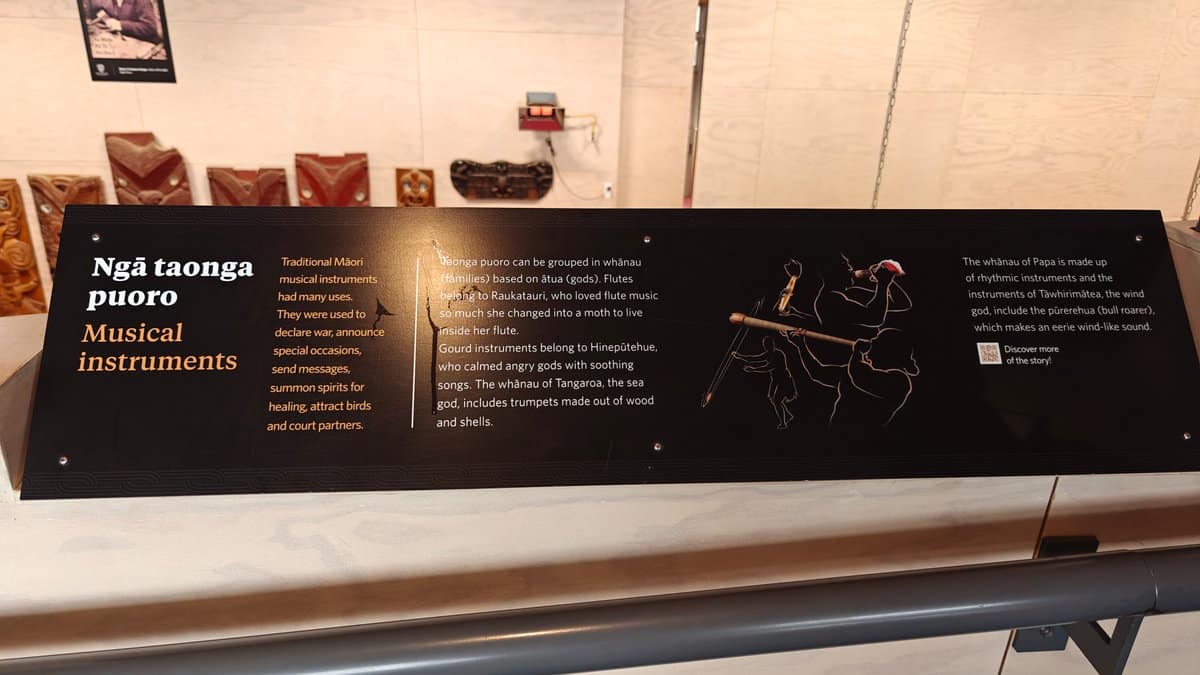
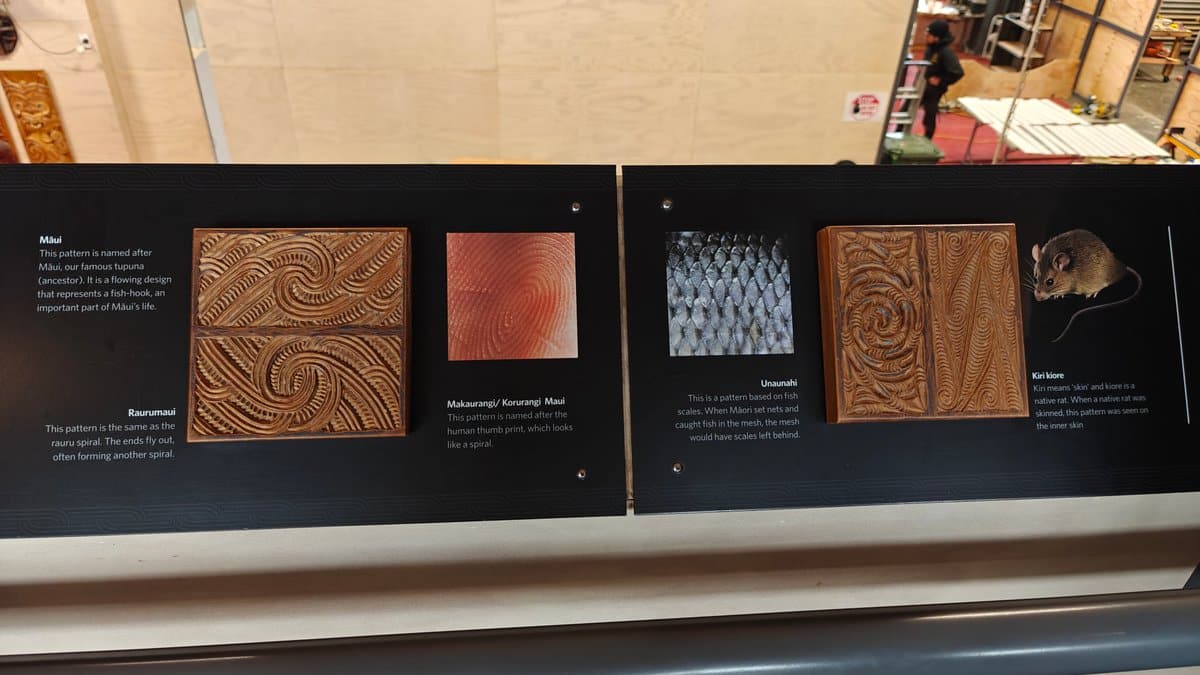
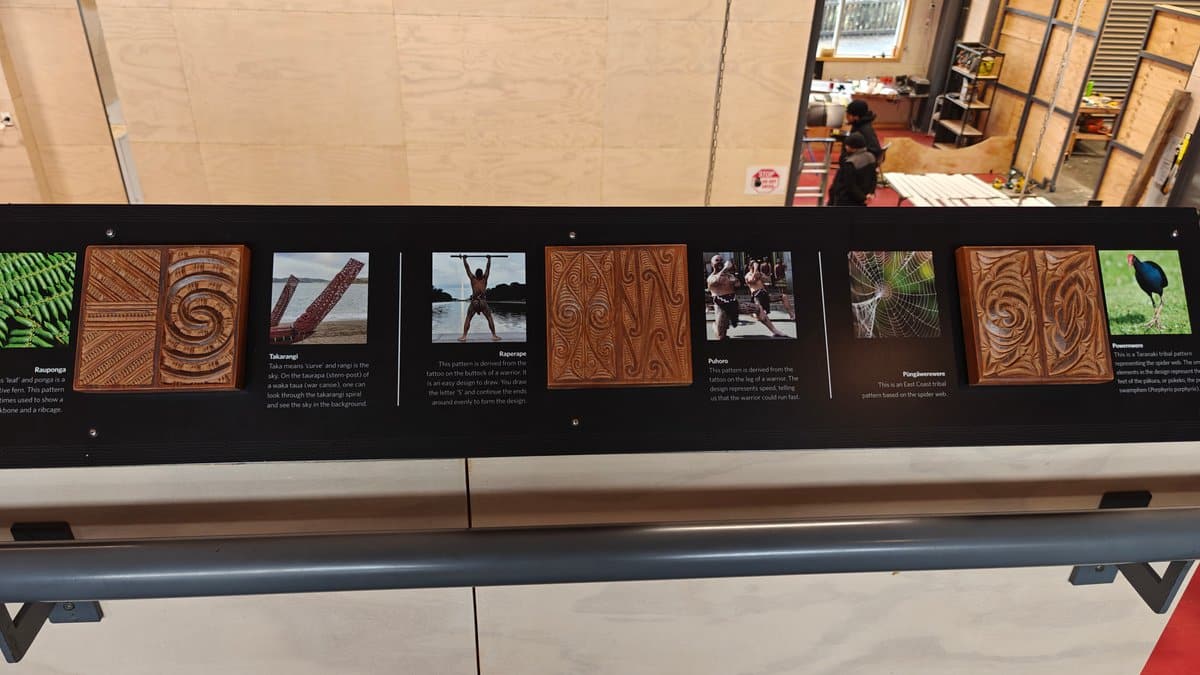
I really appreciated the length of time it took to train up as we watched some of the students at work. There were a couple making some detailed openwork panels which must take some real precision. They had cases displaying various patterns of carvings and what they meant, works in progress with annotations describing where they were and even musical instrument.
I could have happily spent the entire visit here, there is something calming about seeing skilled craftspeople at work.
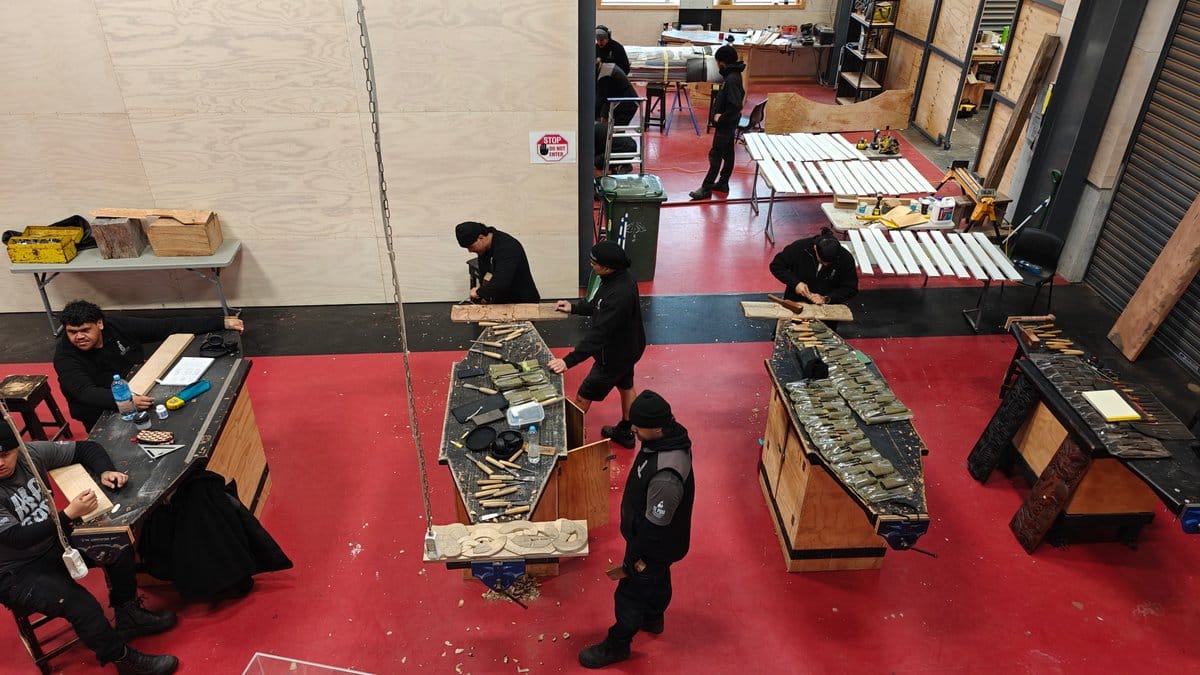
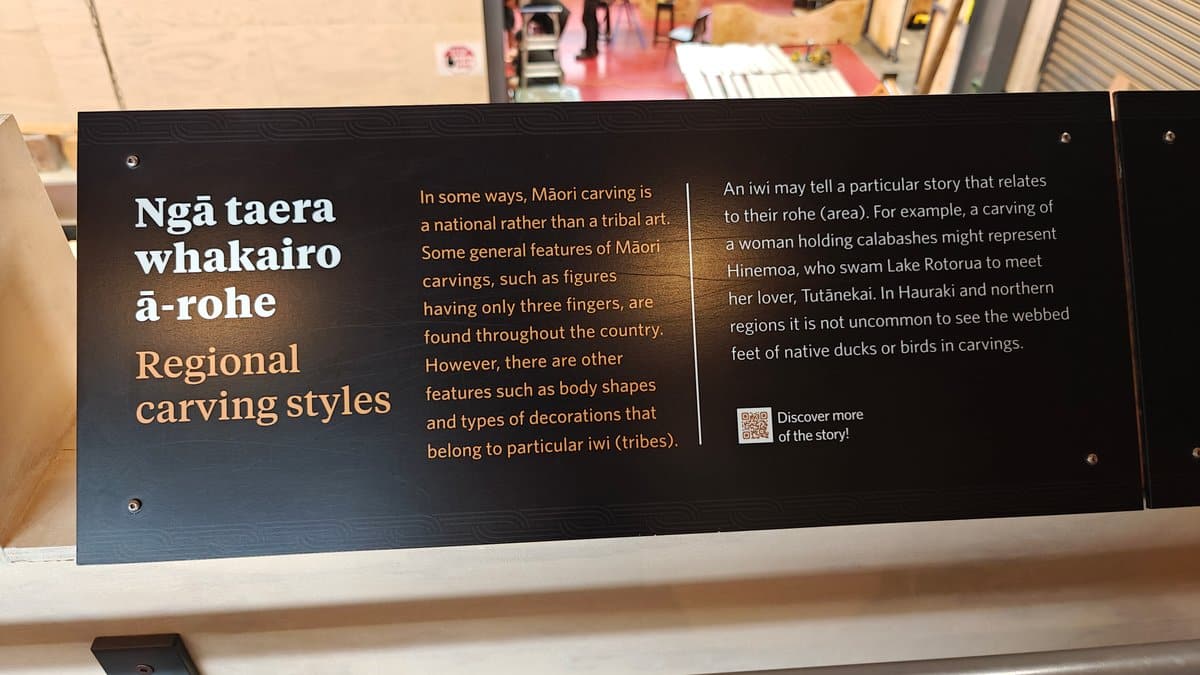
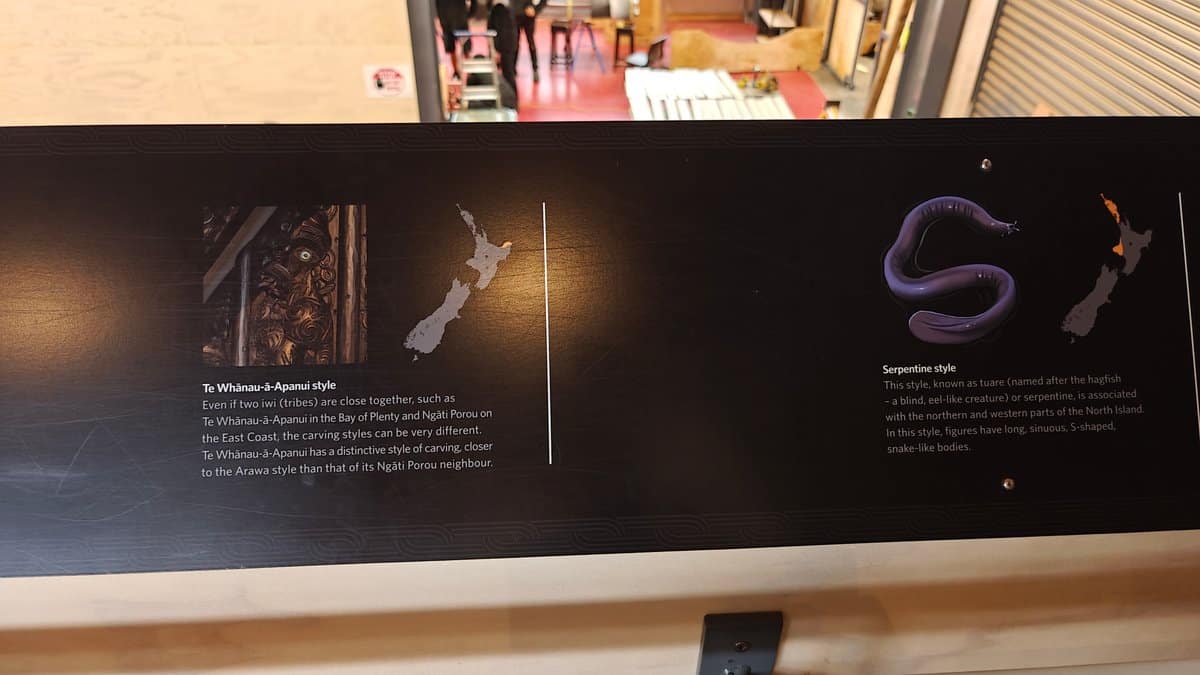
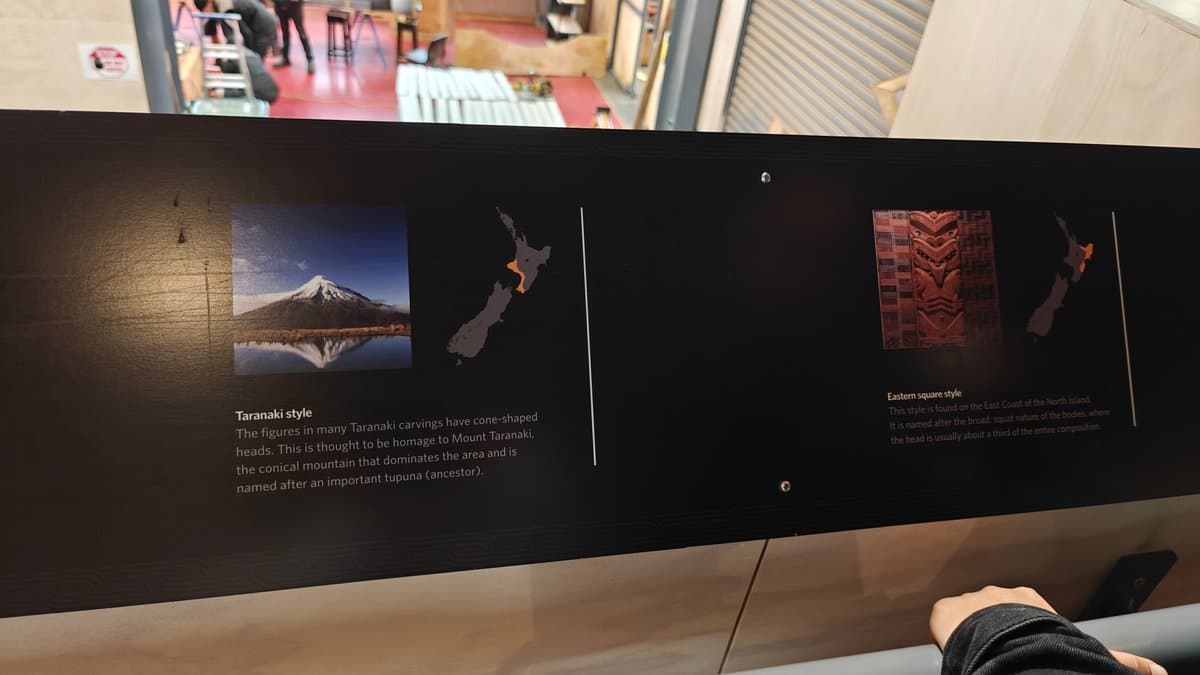
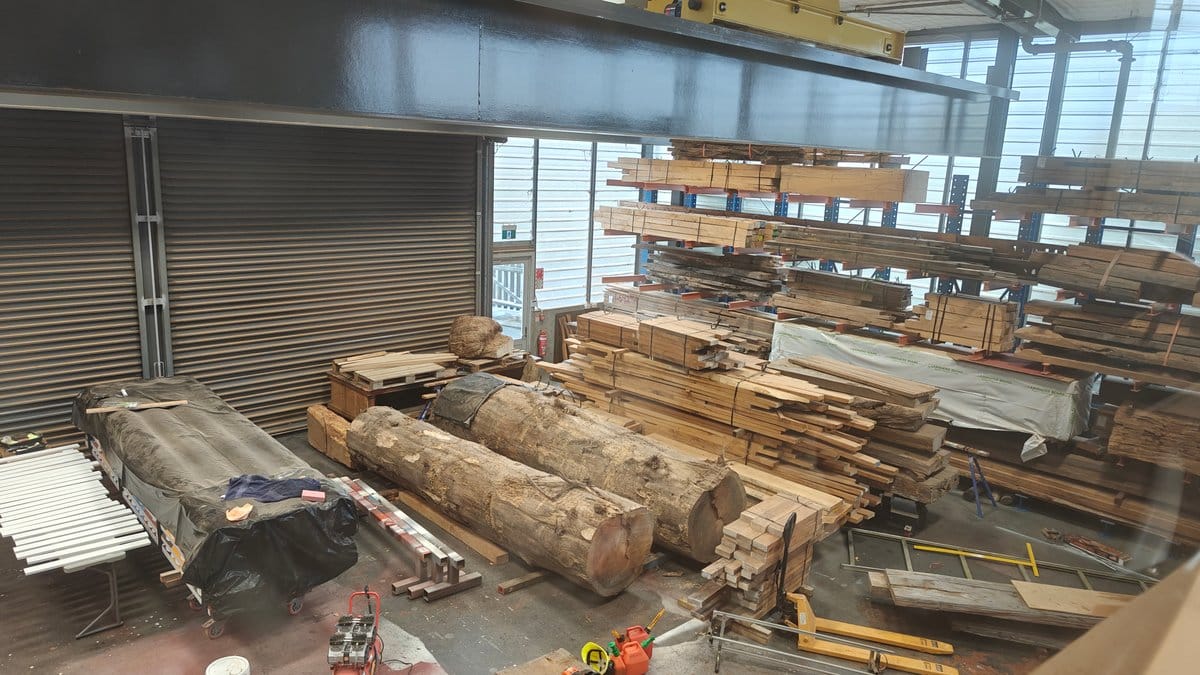
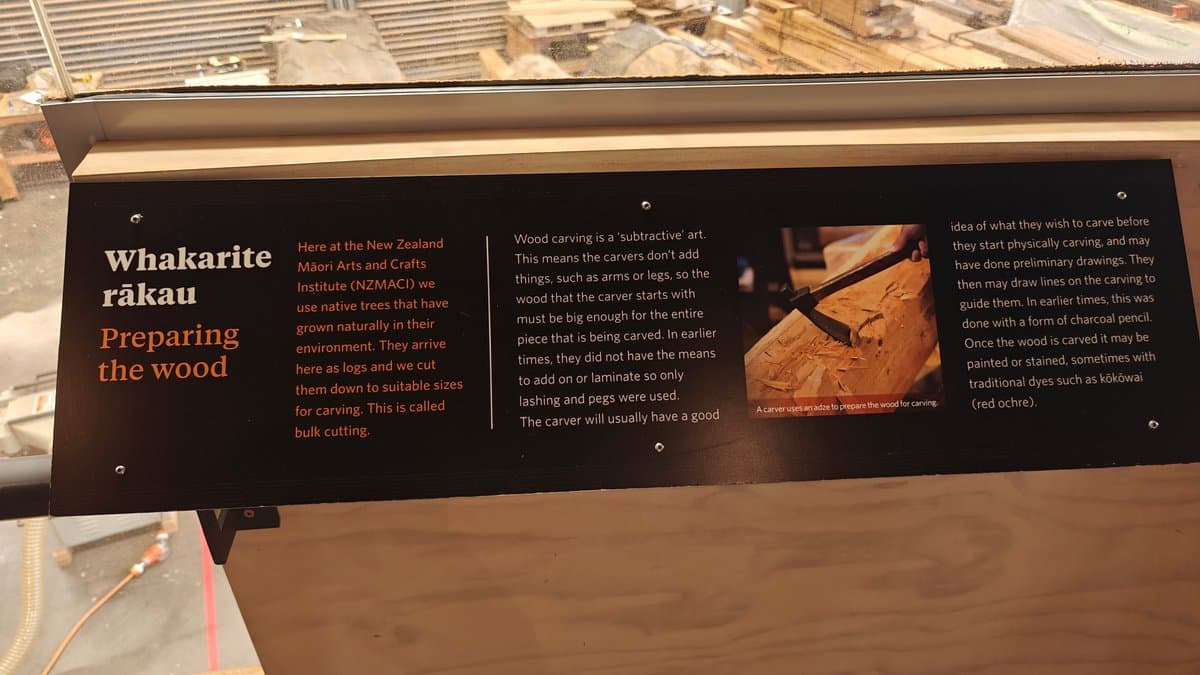
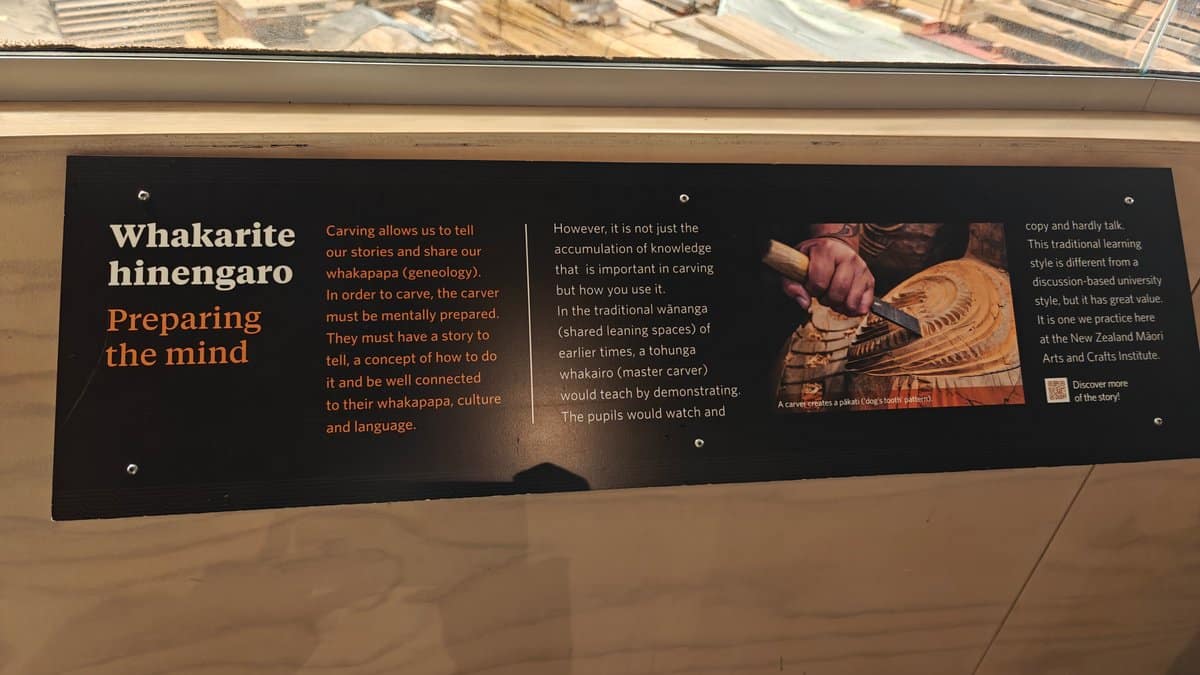
There are also big old timber logs waiting for carvers to begin new projects, with the interpretive panels explaining everything from choosing and preparing the wood to the mental and spiritual preparation required. Before visiting here I had no idea just how much of a ritual and procedure there was to traditional carving. The displays of pounamu were stunning (it’s hard to get a good photo of the stone though).
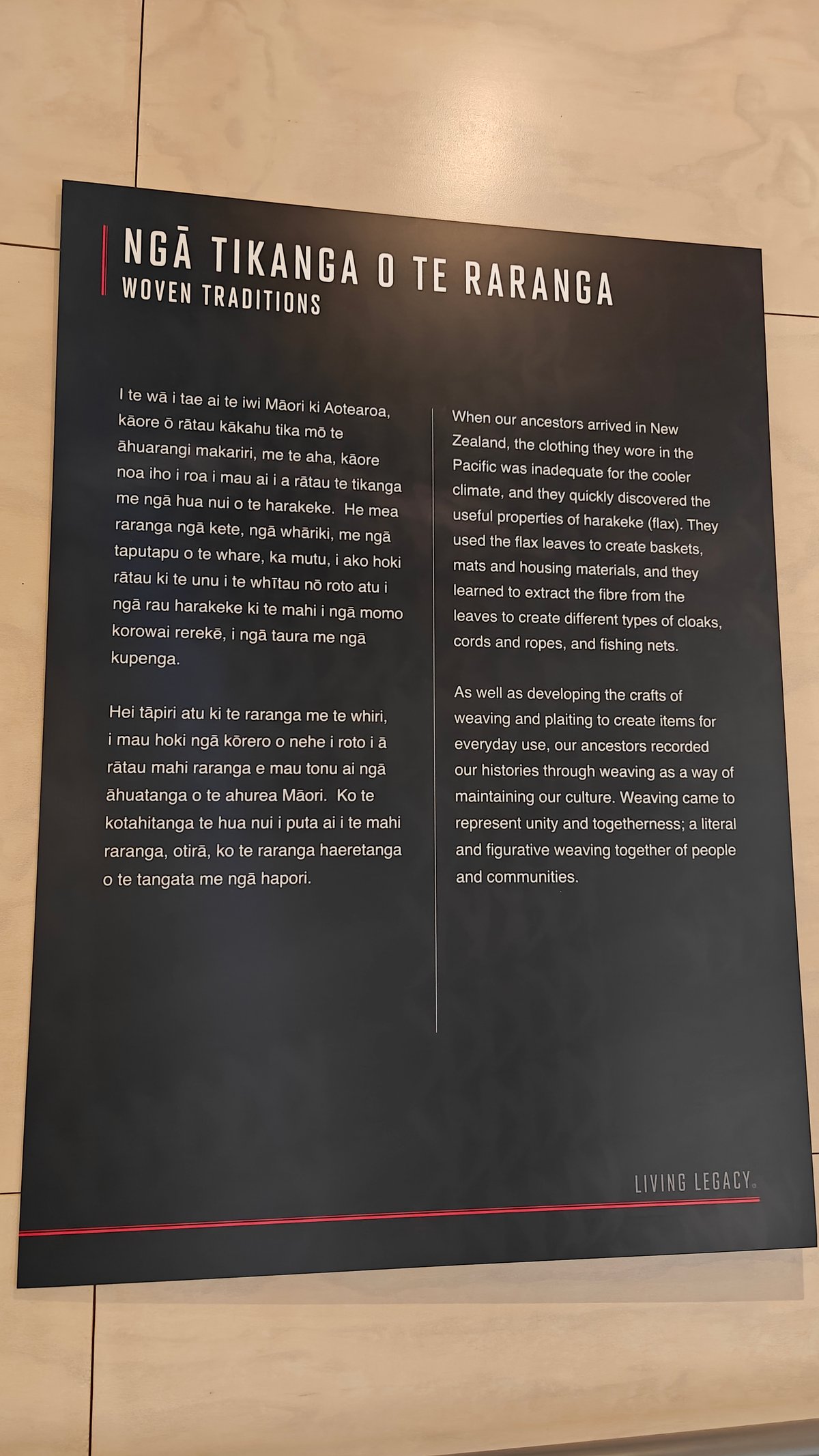
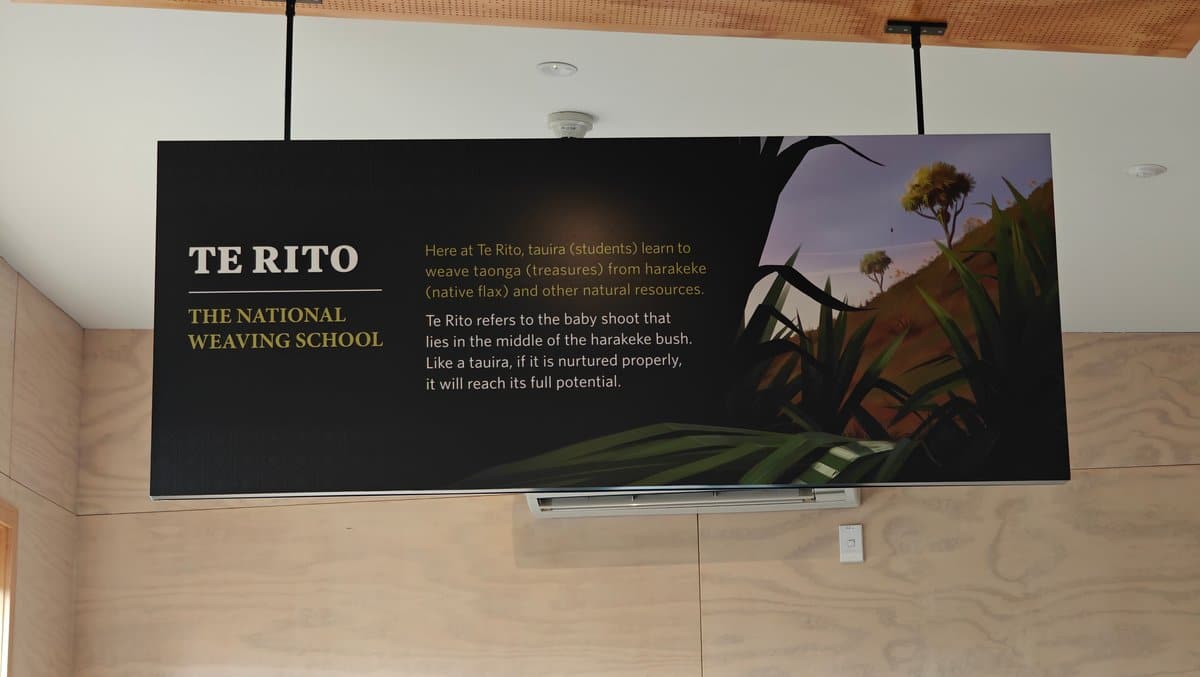
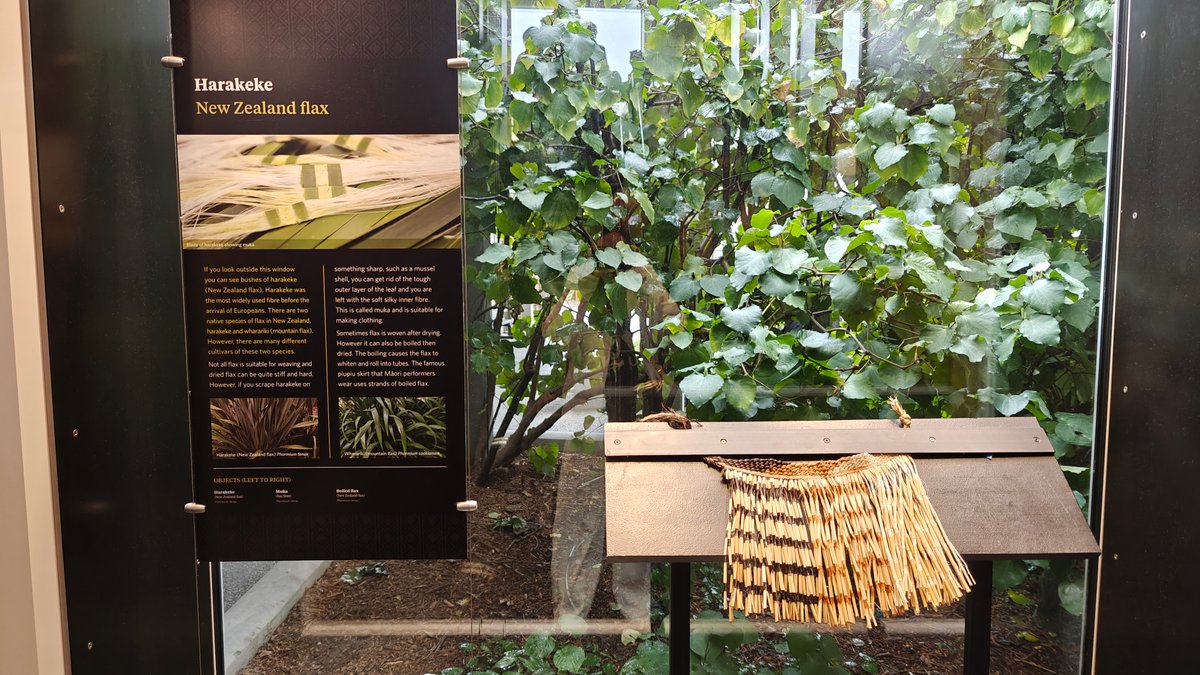
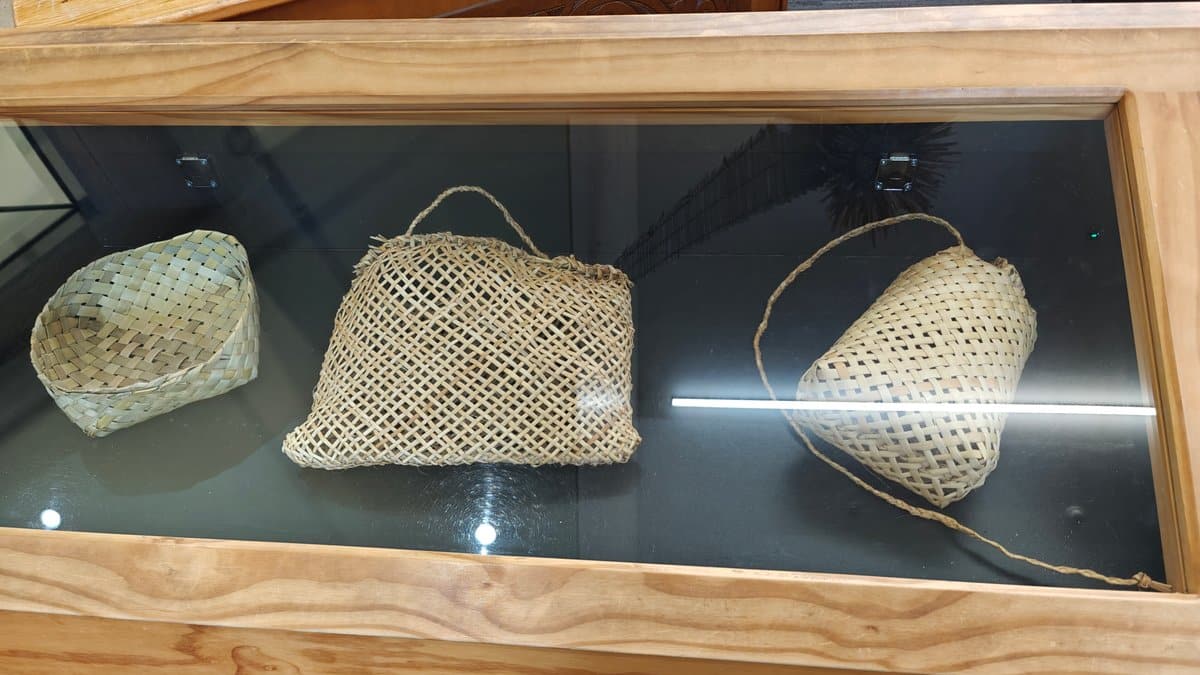
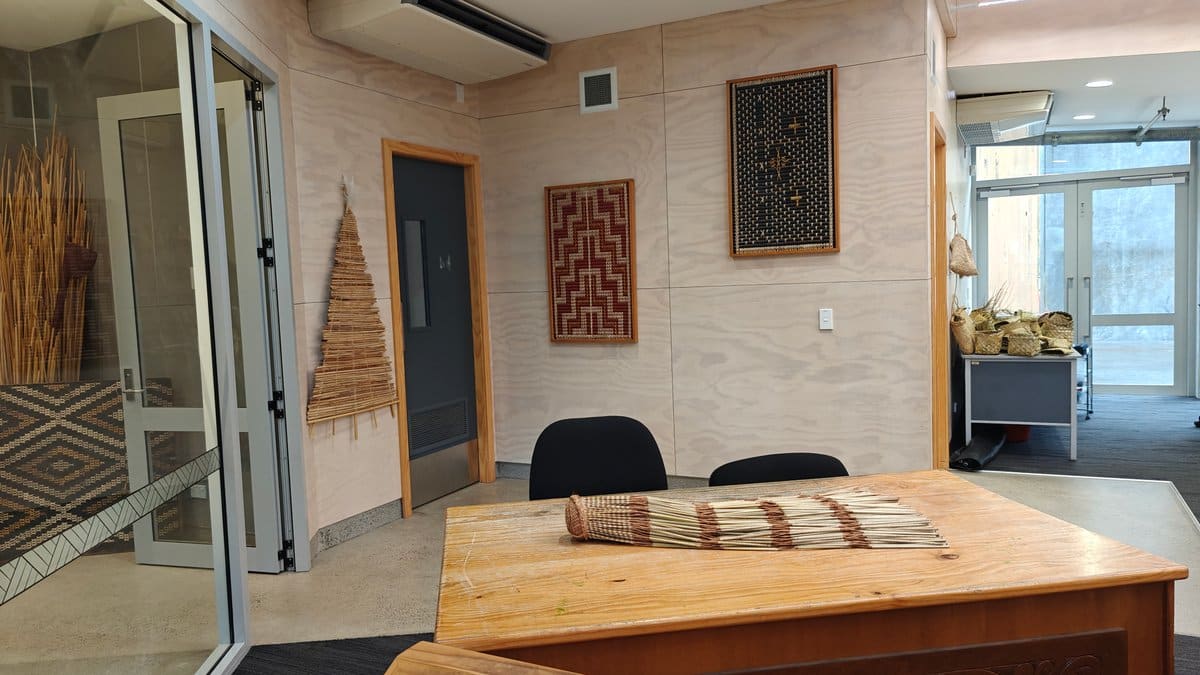
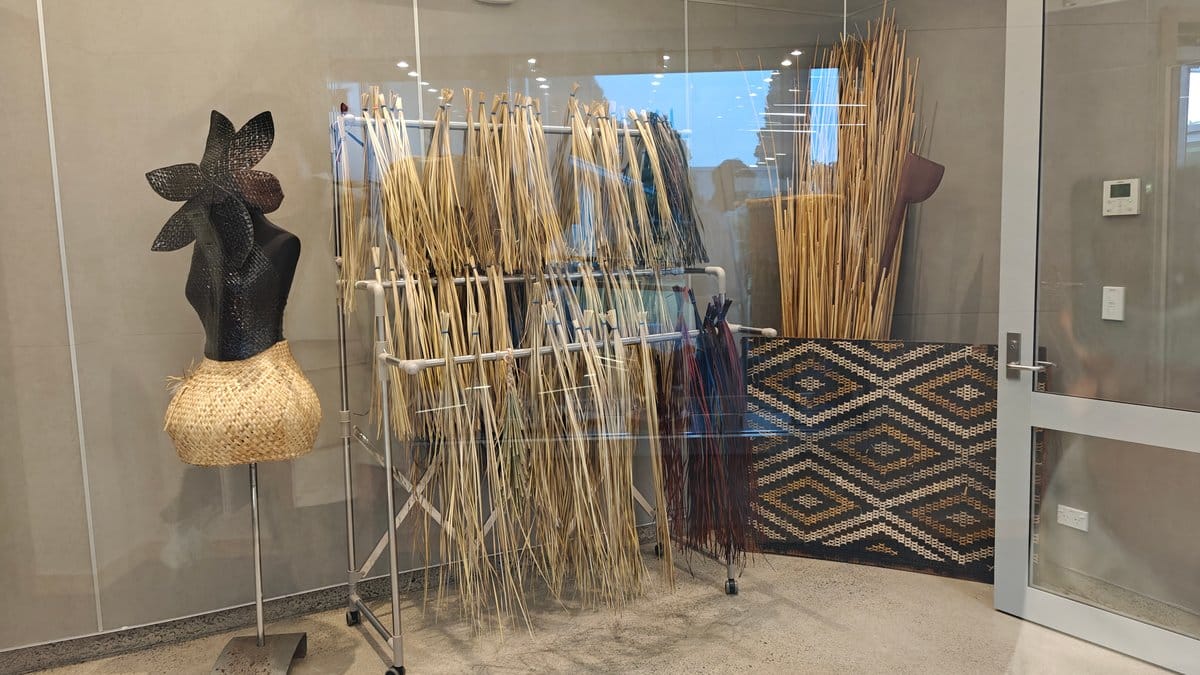
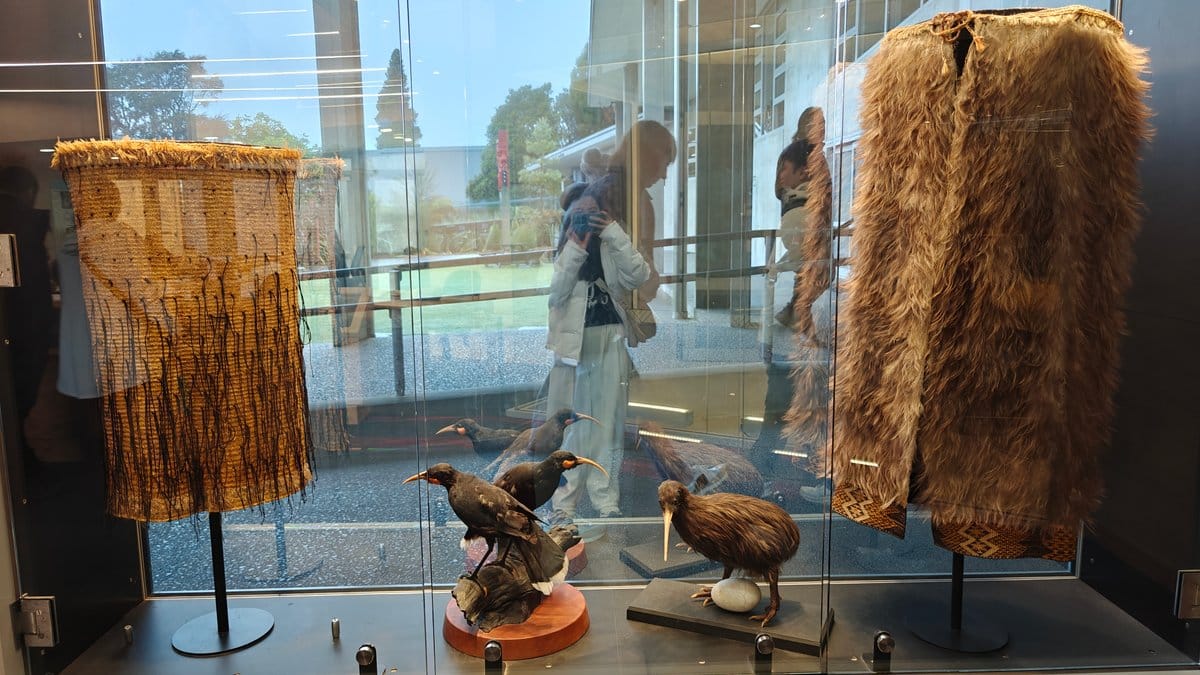
There is also a weaving school running alongside the carving programme. These is serious students learning traditional raranga weaving skills. We got to look into the workroom and see some students at work making baskets (kete) and other items.
There’s even living harakeke flax growing onsite so students can harvest and prepare their own materials. Finished products including korowai cloaks showed how many years of training it takes to achieve this kind of thing. Racks of dyed flax fibre was hanging waiting to be used.
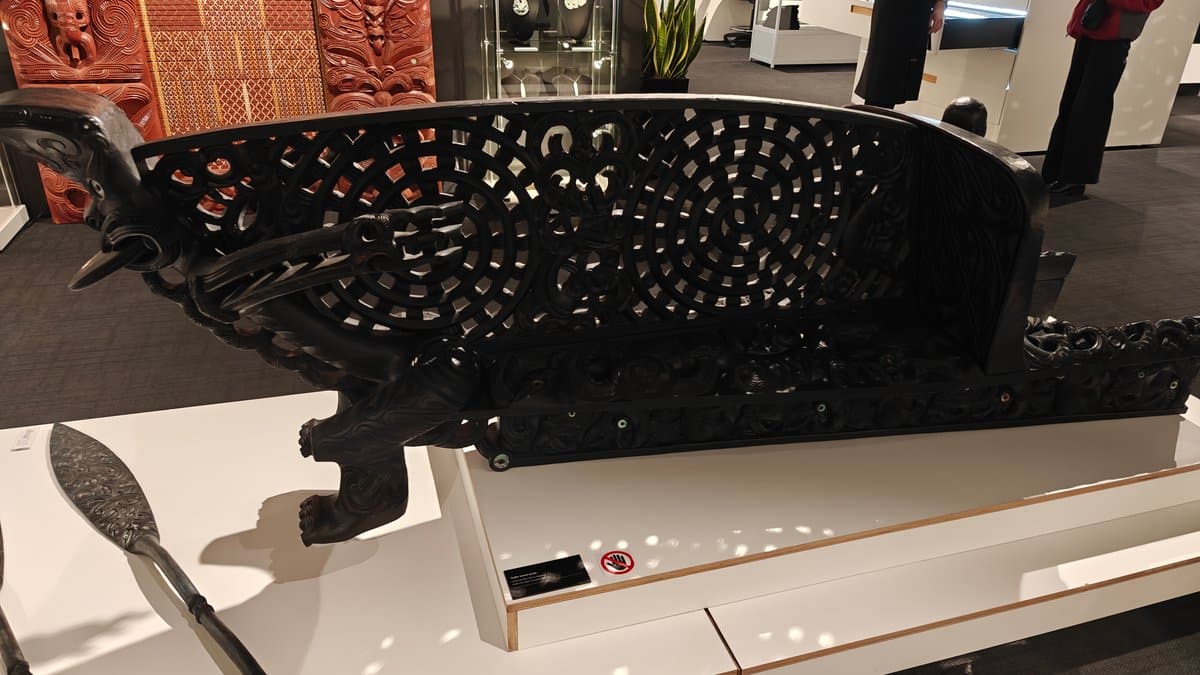
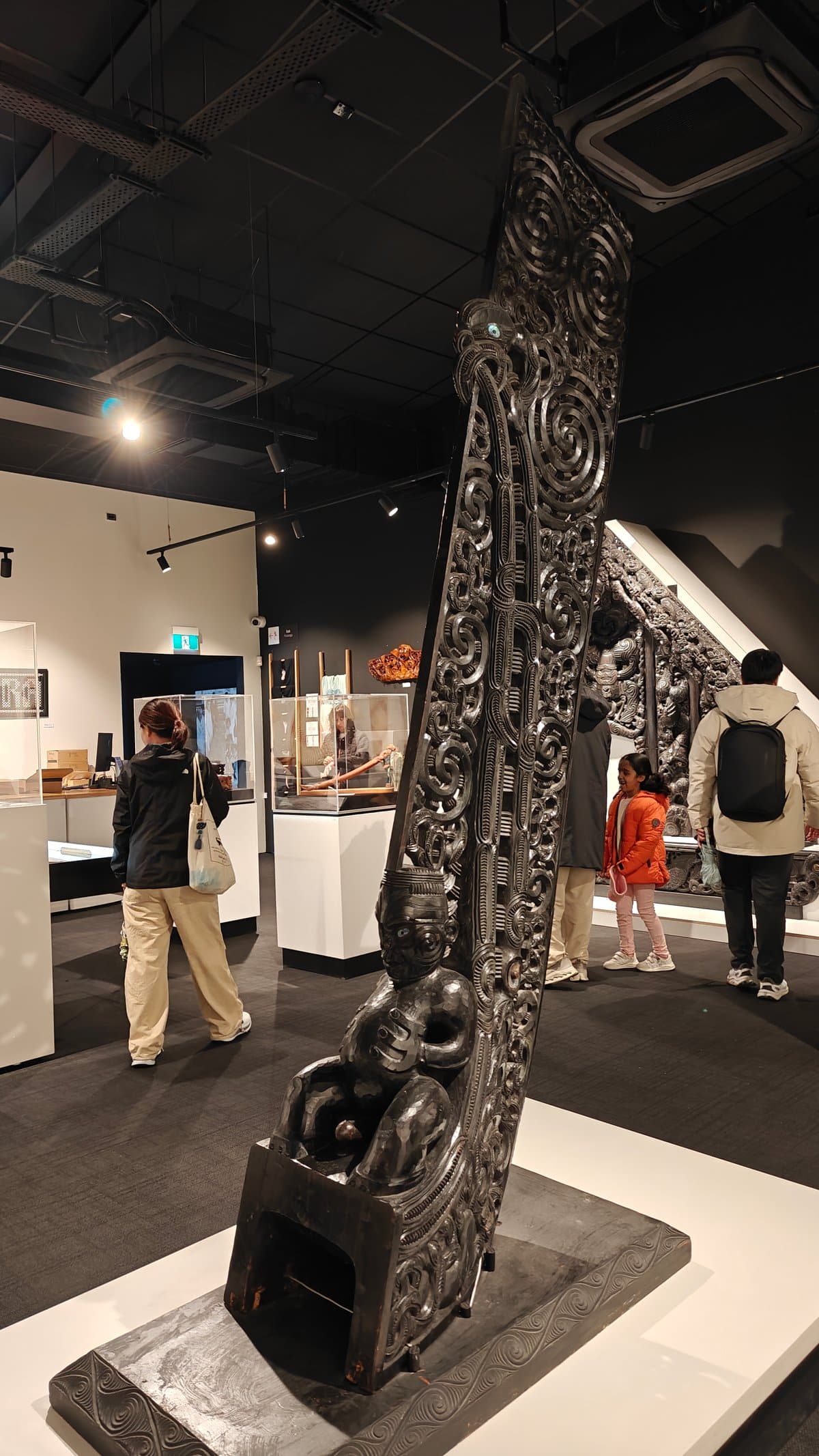
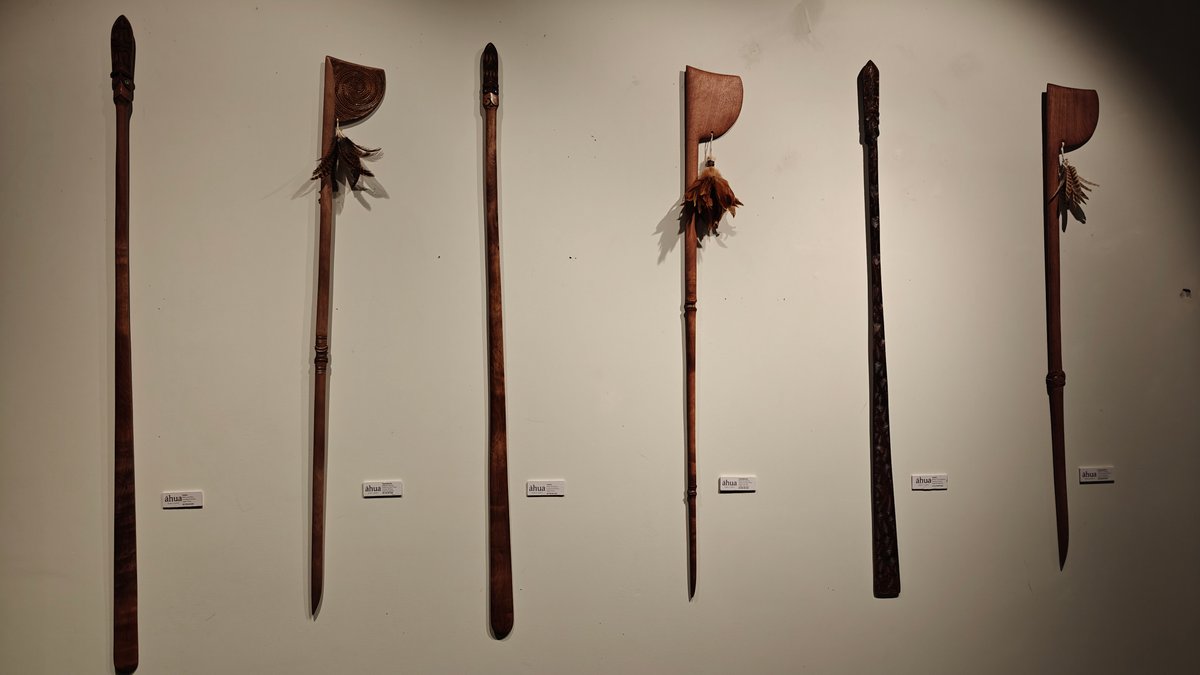
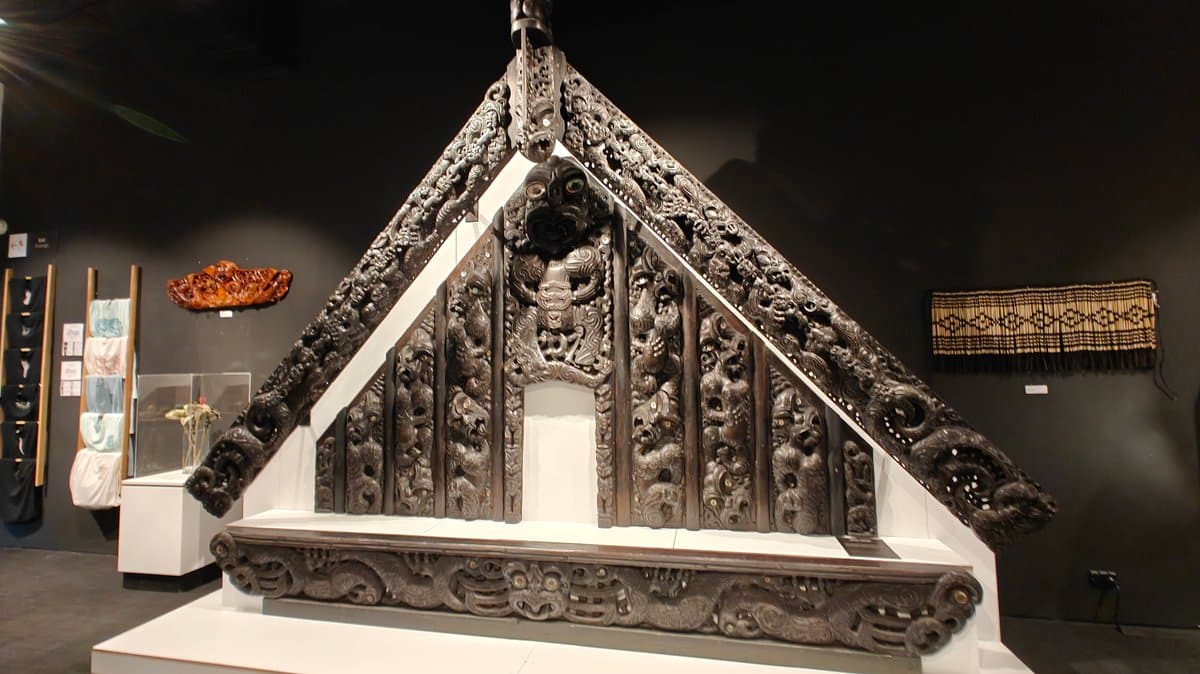
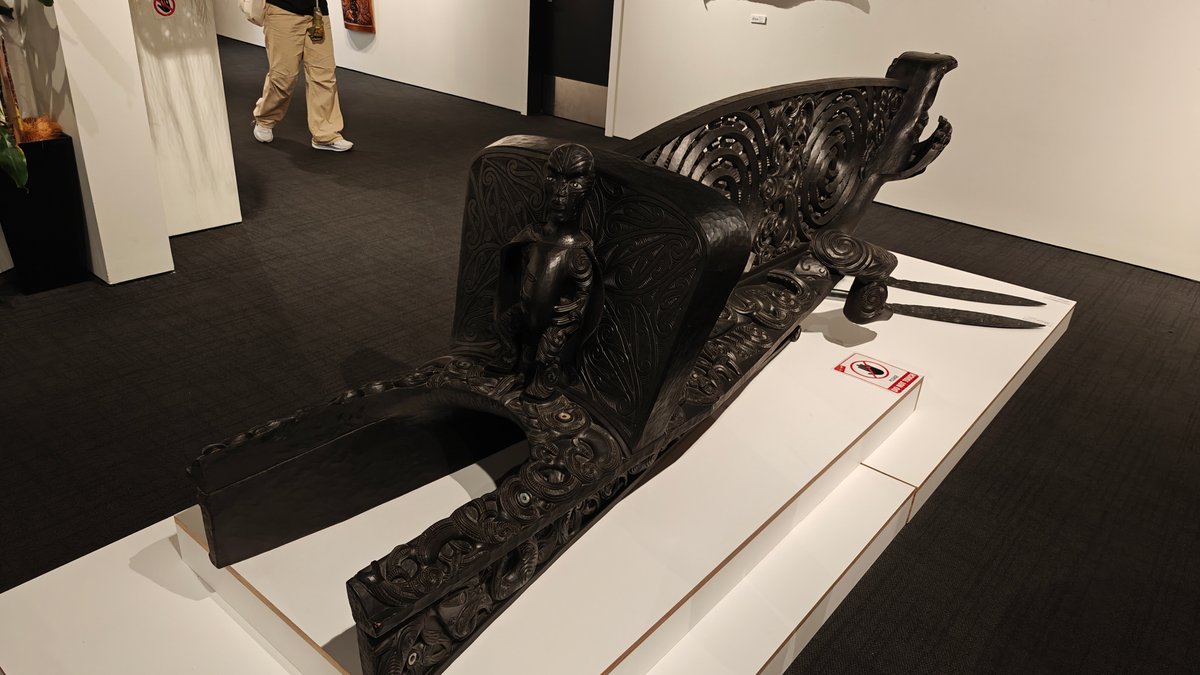
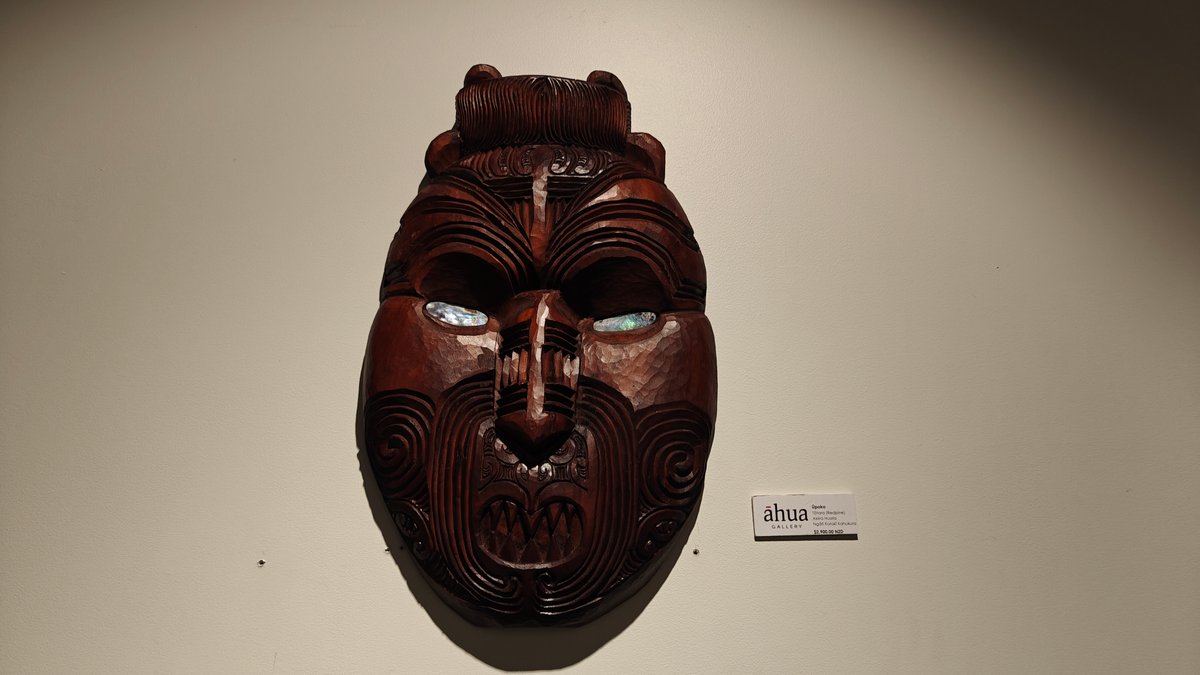
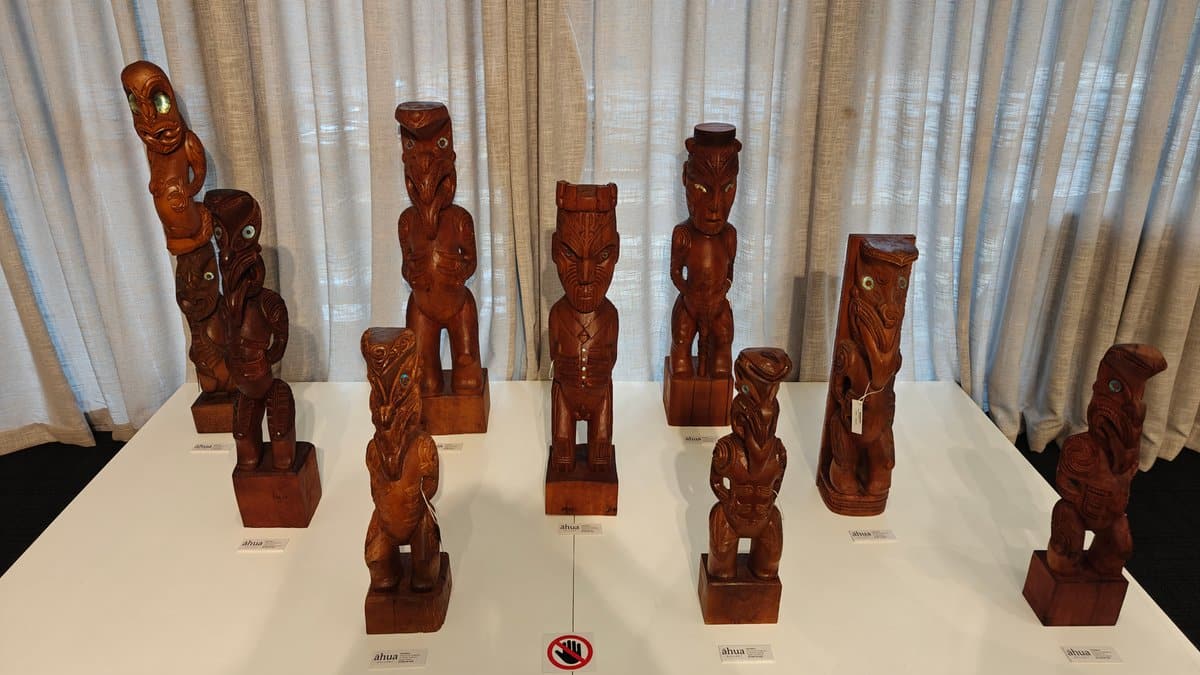
We walked through galleries filled with rows of carved figures, tall carved amo, meeting-house gables, and carved waka prows. There was some very old stuff there, as well as more recent student work. They mixed the historic pieces in with the moddern work, which I liked.
It drove home the fact that this is a living tradition, rather than simply museum artifacts.
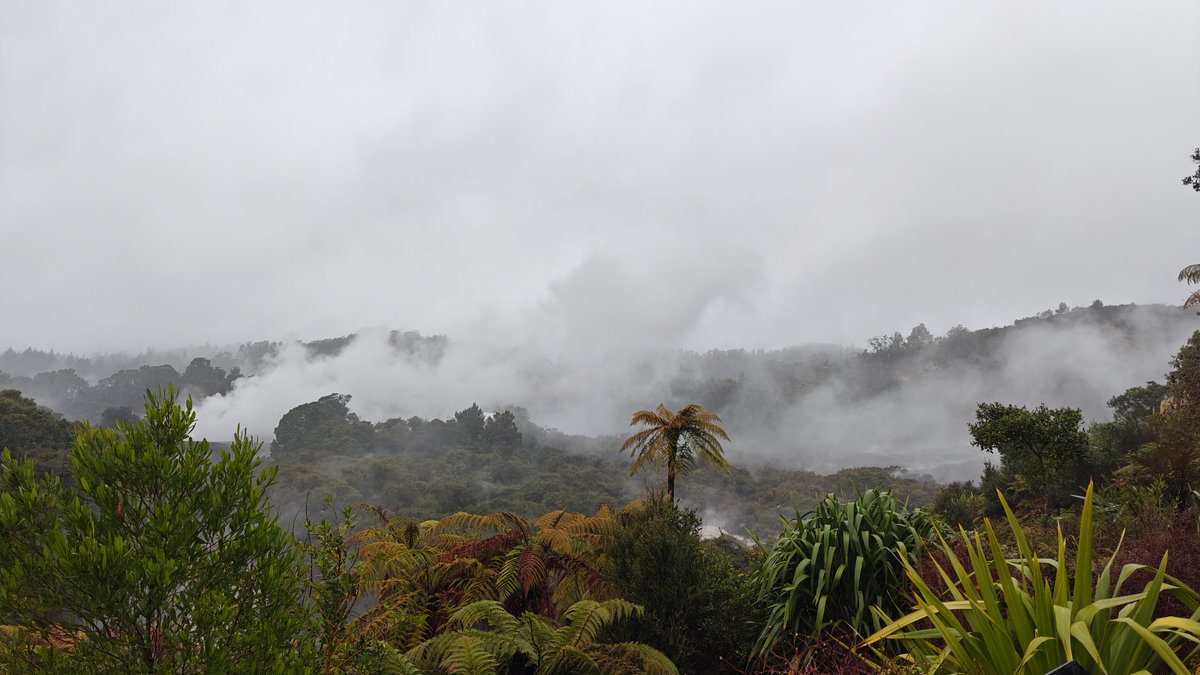
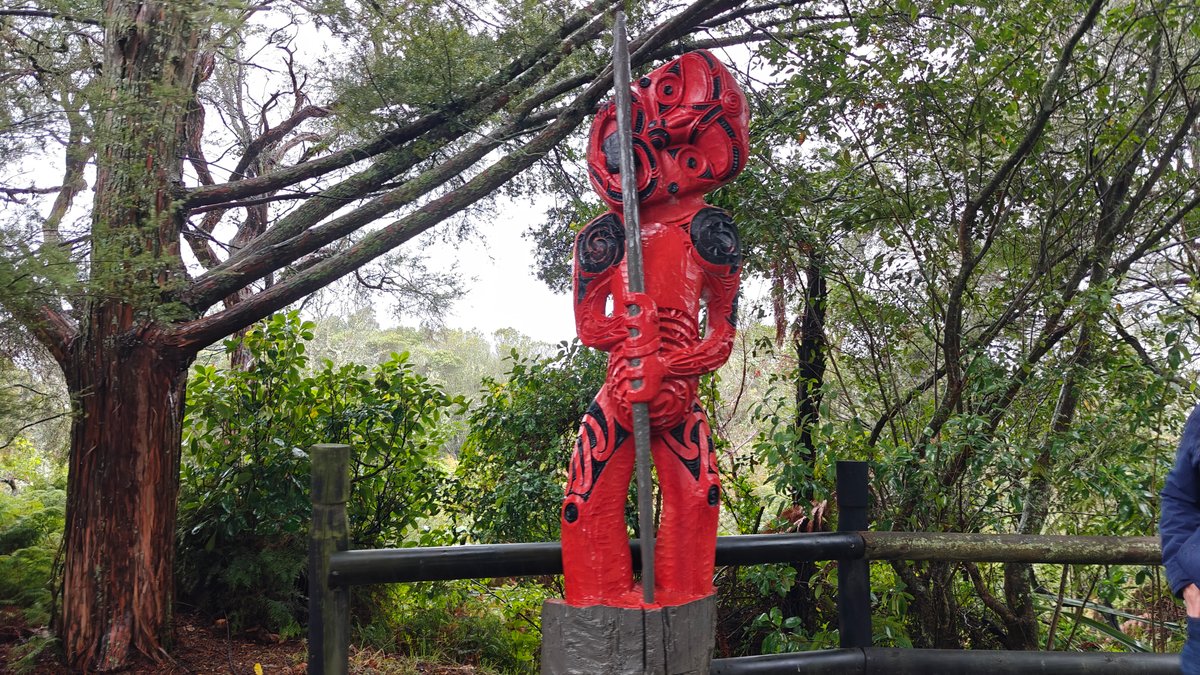
As soon as we stepped out into the geothermal valley, it was apparent why: there are pools and vents all over the place that emit steam. Some of these is surrounded by carved posts, a combination of the natural and cultural aspects of the area that reminded me a lot of Rotorua.
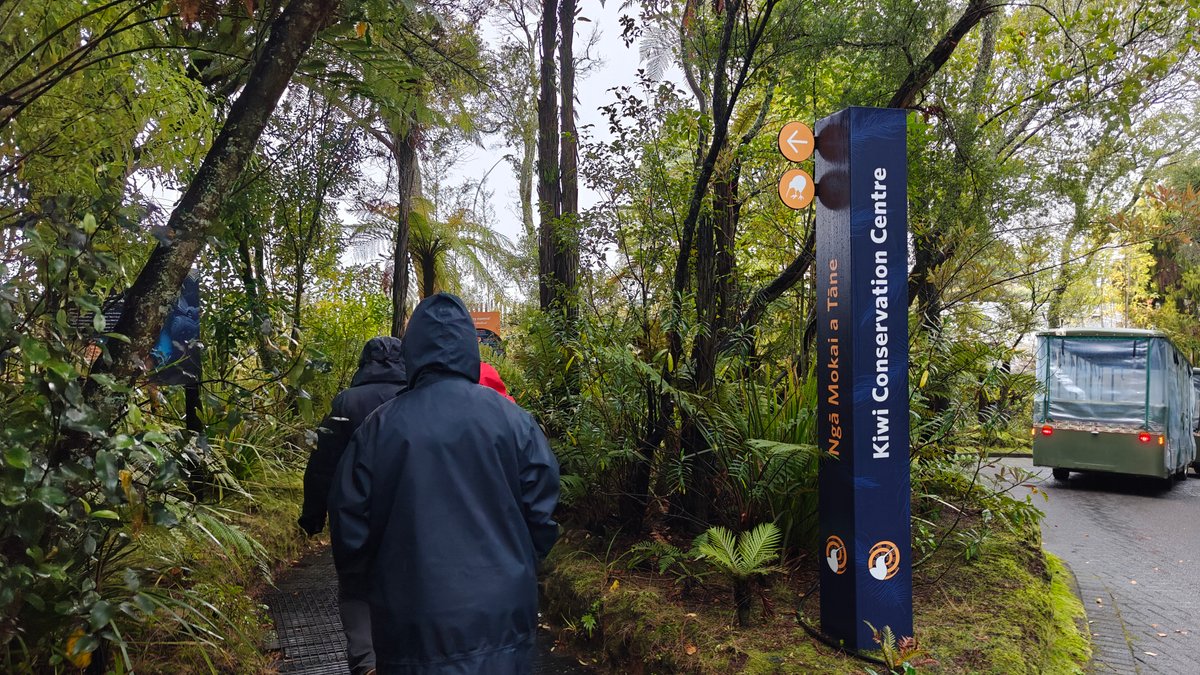
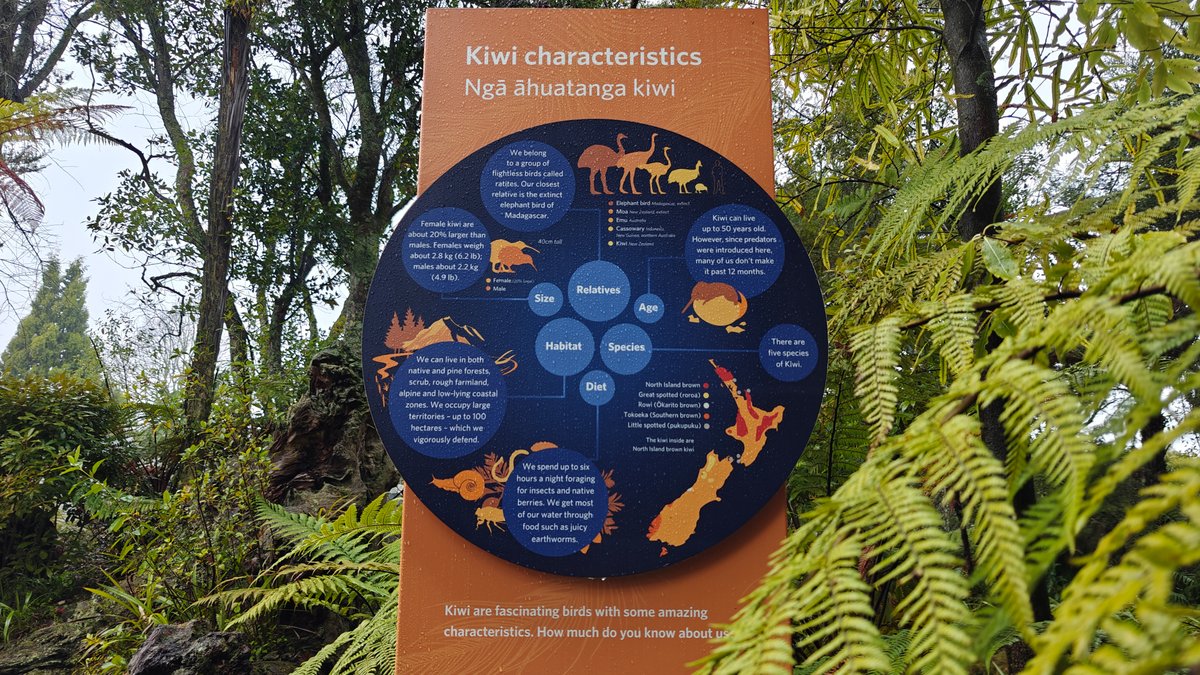
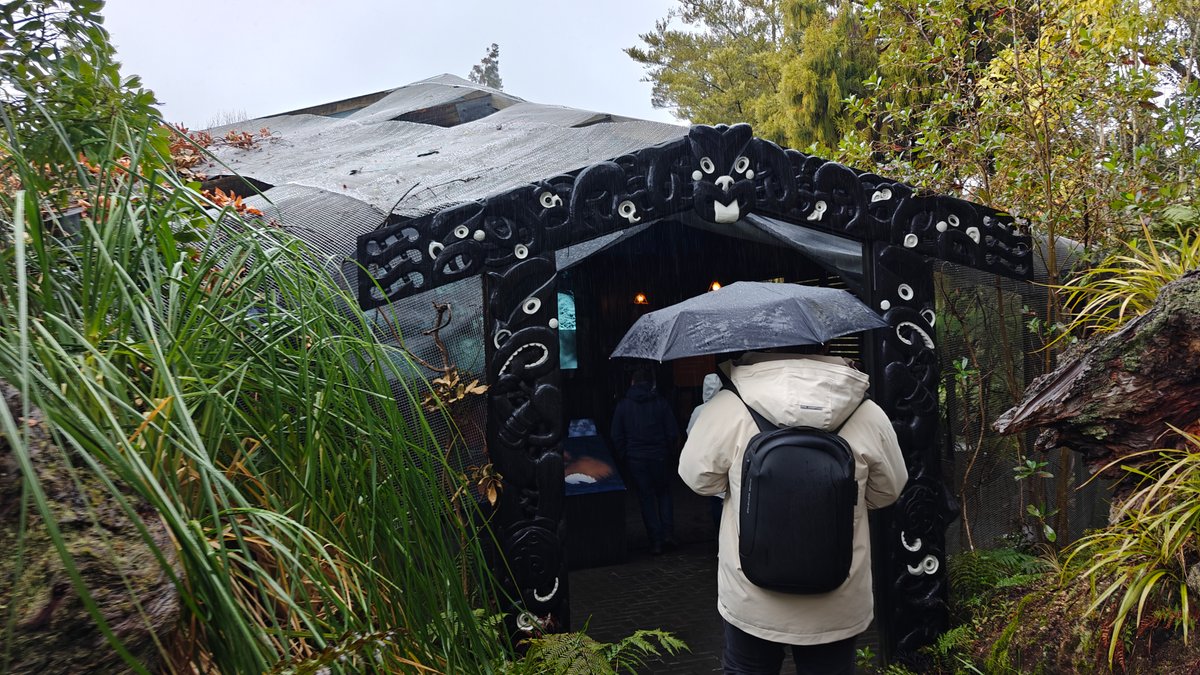
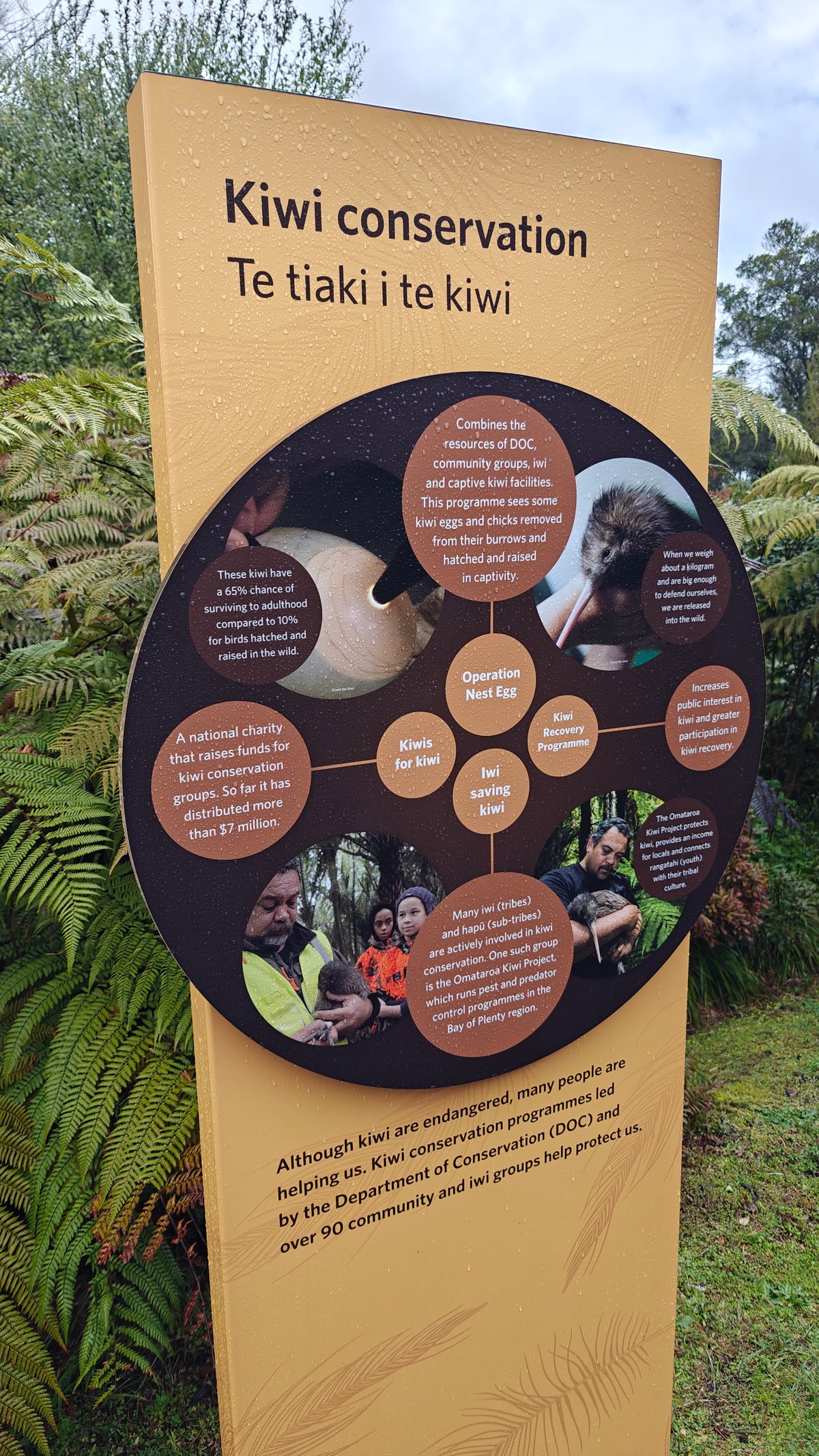
On our way down to the central geothermal area we took a detour into the Kiwi Conservation Centre. This feature a carved entrance and lots of information on conservation efforts for kiwis and what makes them special. The viewing room is dimly lit to keep the nocturnal birds awake during the day.
At first glance, the kiwi were difficult to see (they’re remarkably good at blending in) but after some time my eyes adjusted and I spotted several moving around in the undergrowth. Inside, no photos are permitted, fair enough; they’re very light-sensitive.
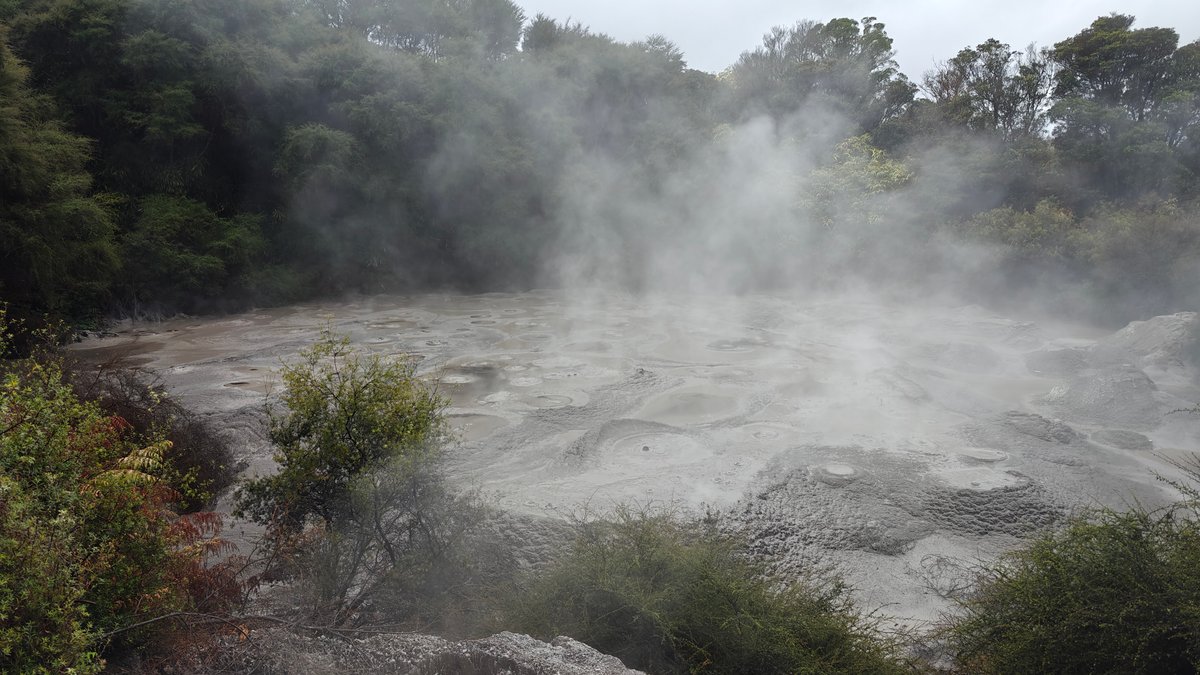
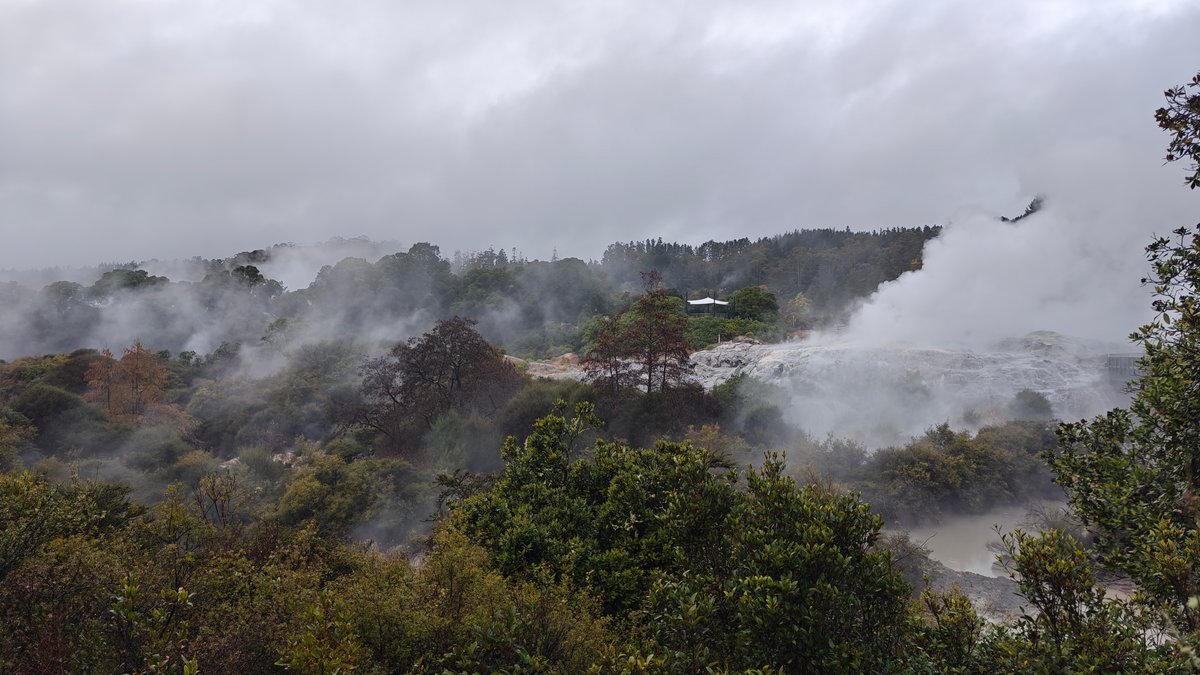
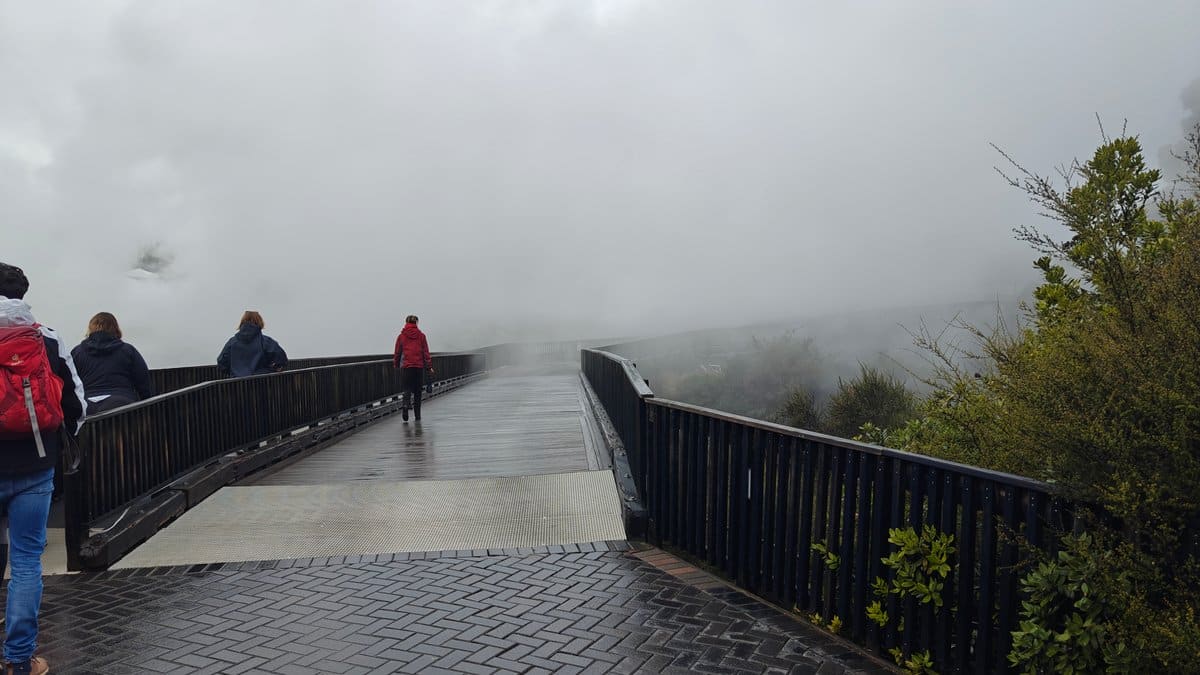
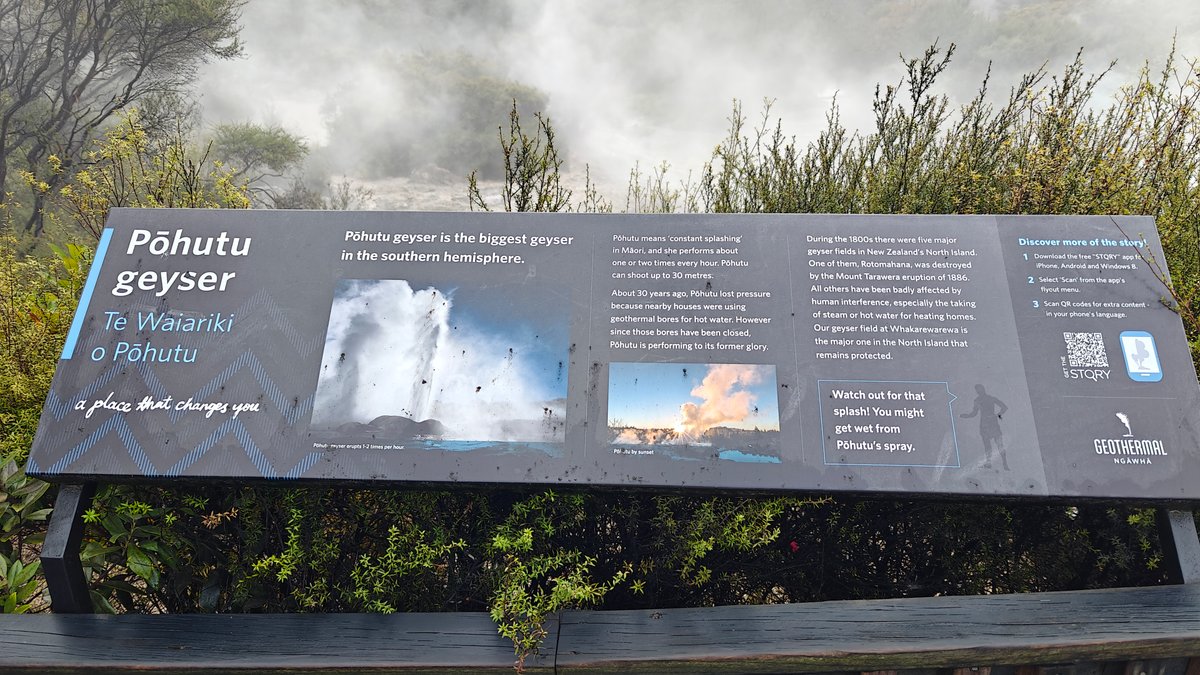
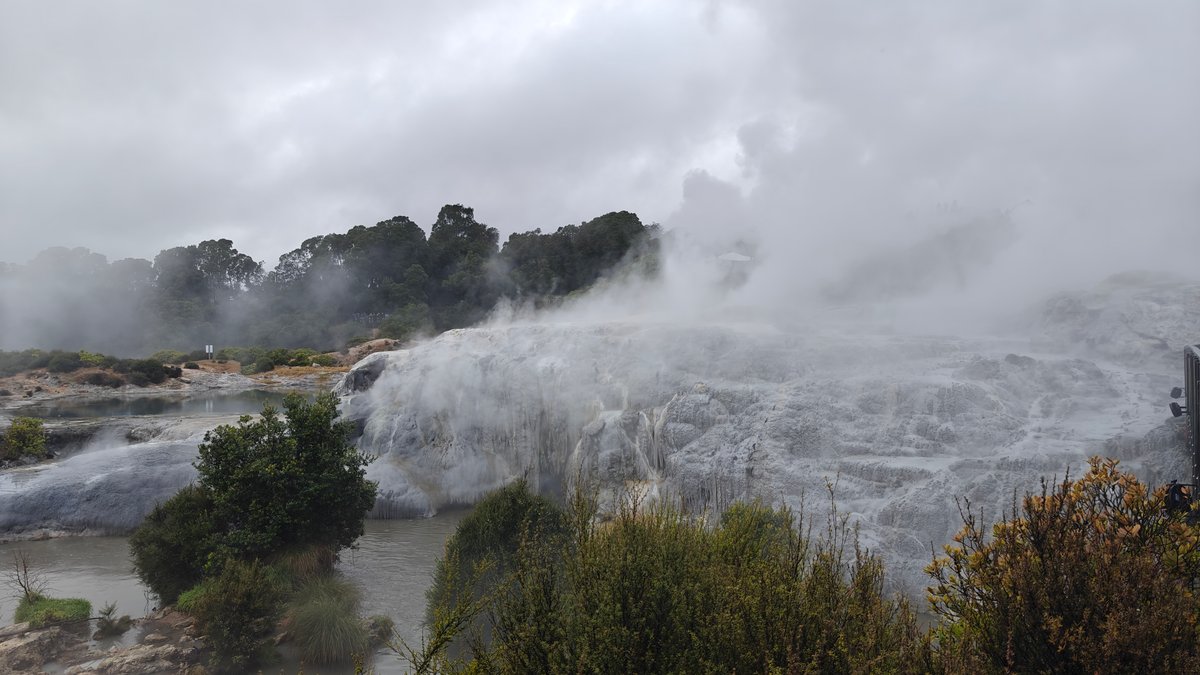
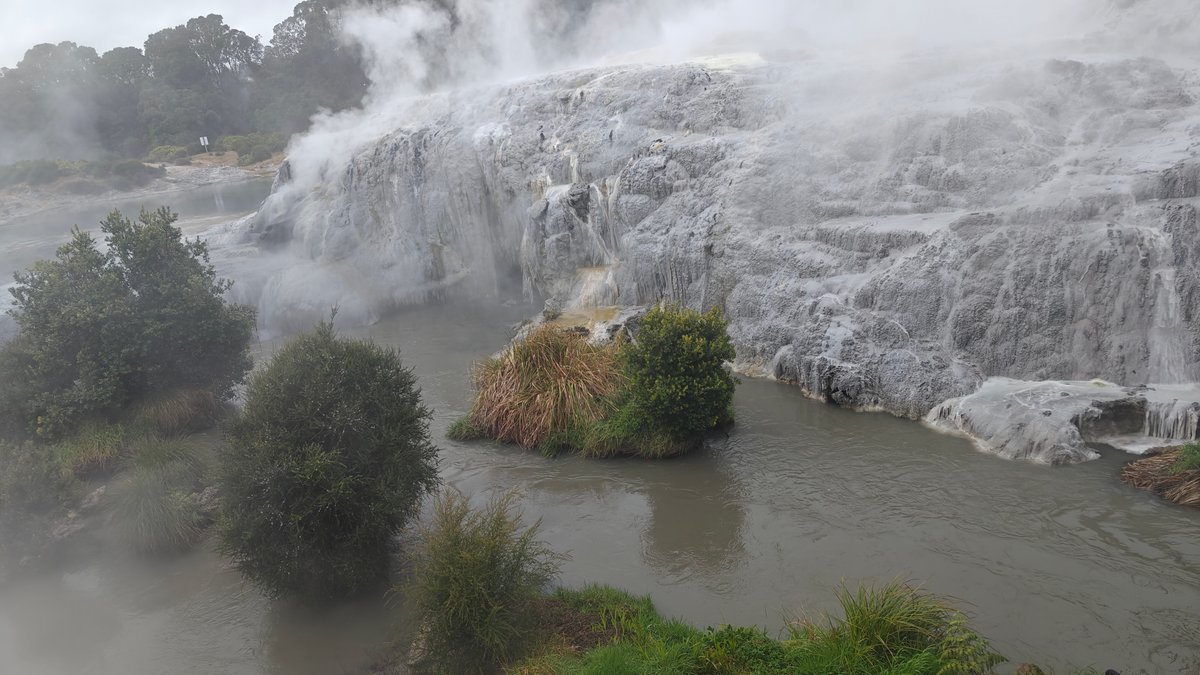
We wandered around the geothermal valley, down below the sulphur smell that was so intense. It’s full of pools and vents spewing out constant steam. Sometimes we couldn’t see more than a few metres in front of us because of the clouds of steam as we walked along the boardwalk.
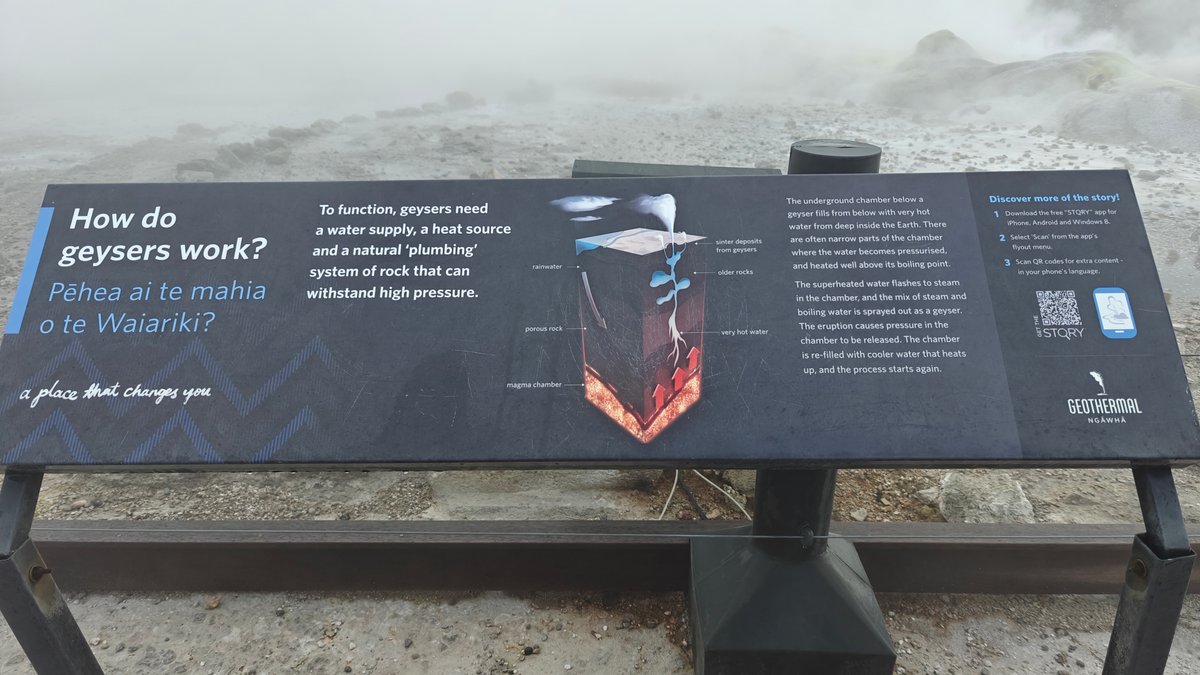
There are bubbling mud pools churning away and sinter terraces showing where the mineral-rich water has been flowing for years. The highlight is the Pōhutu geyser, there are signs telling you what a geyser is, when it normally goes off, etc. Unfortunately, I’ve heard some people has to wait ages but we were lucky enough to see it go off about twenty minutes after arriving.
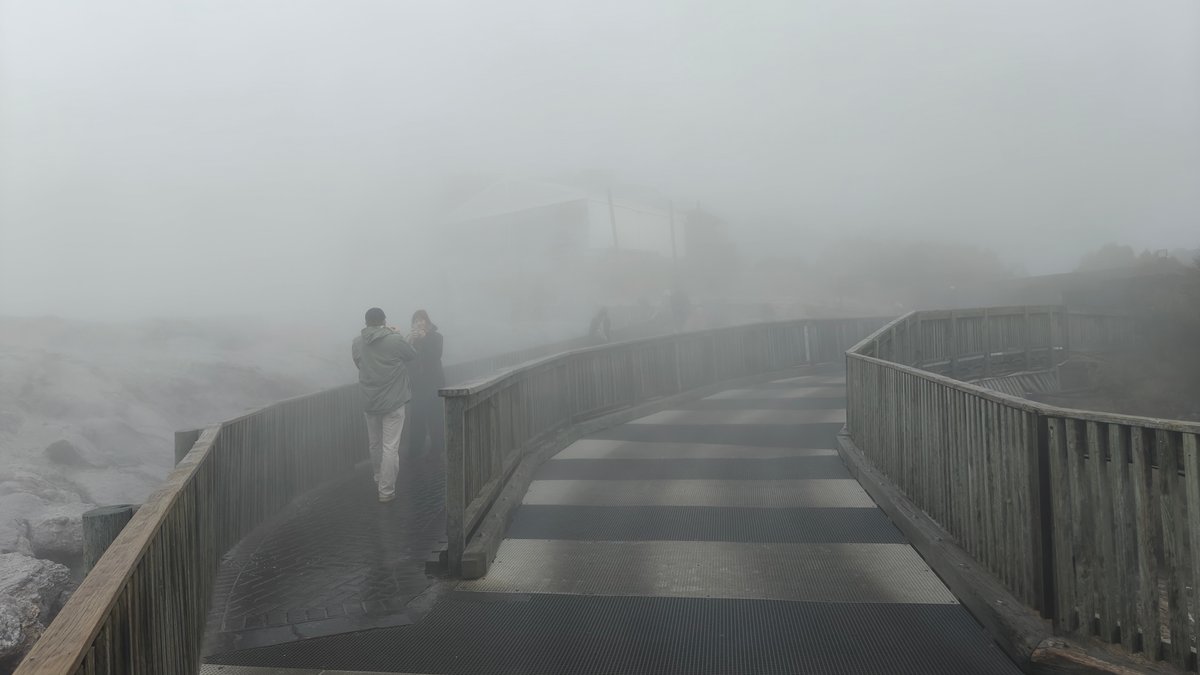
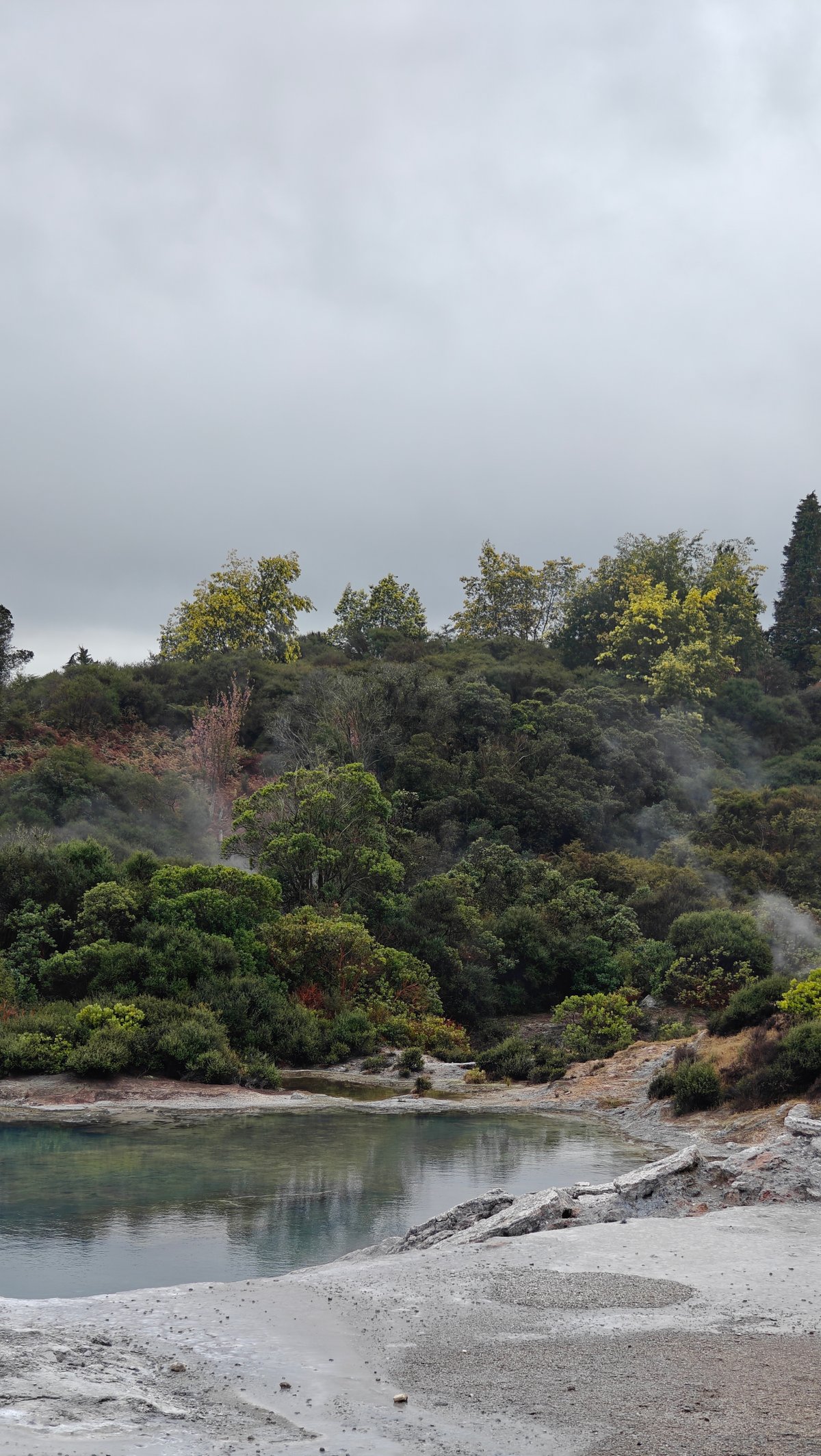
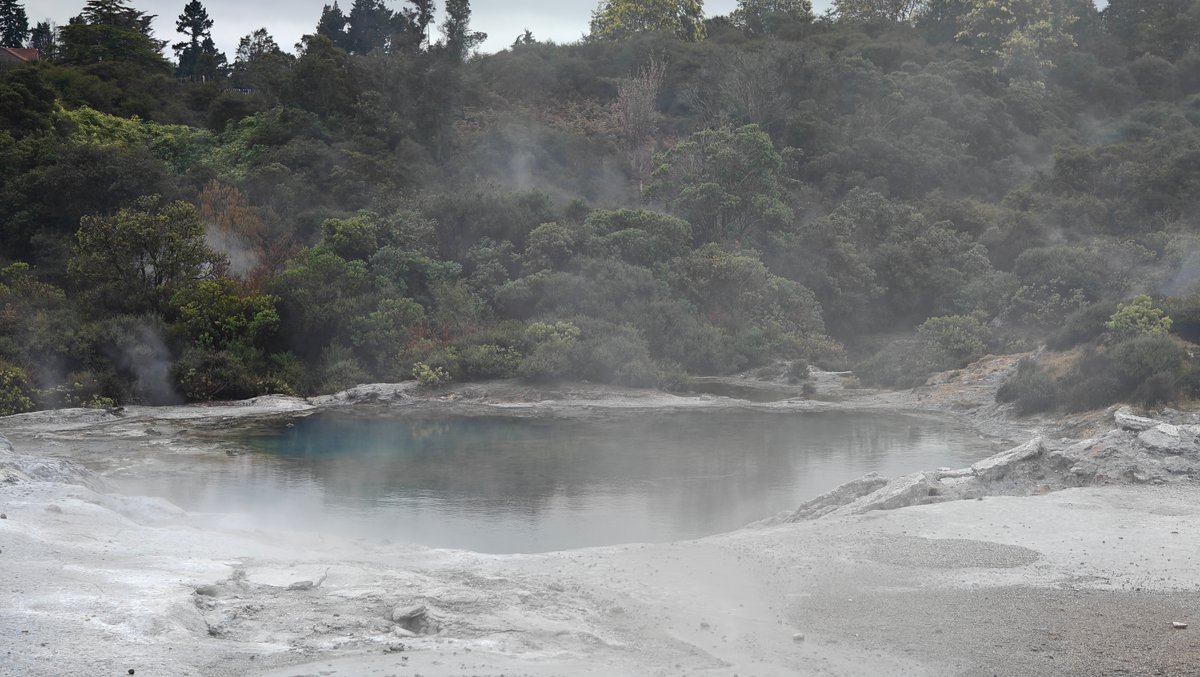
It was incredibly dramatic. The steam is so thick that it just engulfs the boardwalk and everyone else on it, which makes for some cool pictures, but you need to be careful when walking around. There are these amazing turquoise colours that form in the small pools where the water is still sitting on sinter shelves.
Around each pool and vent there are all sorts of weird textures and formations formed by the minerals.
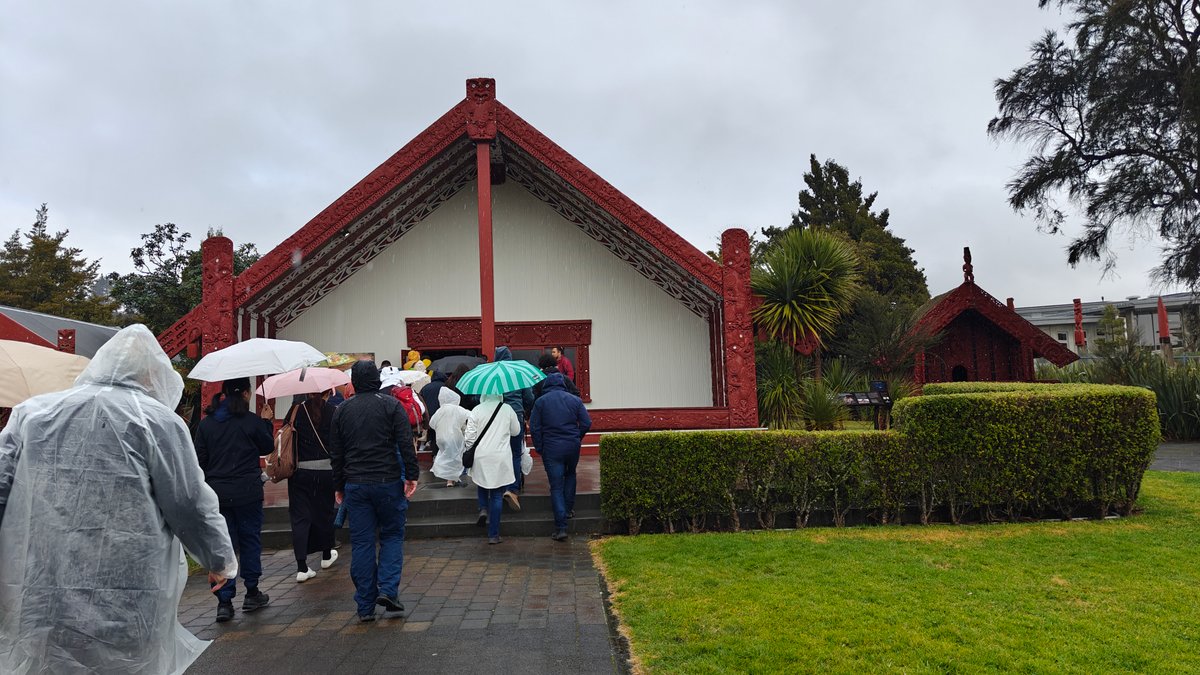
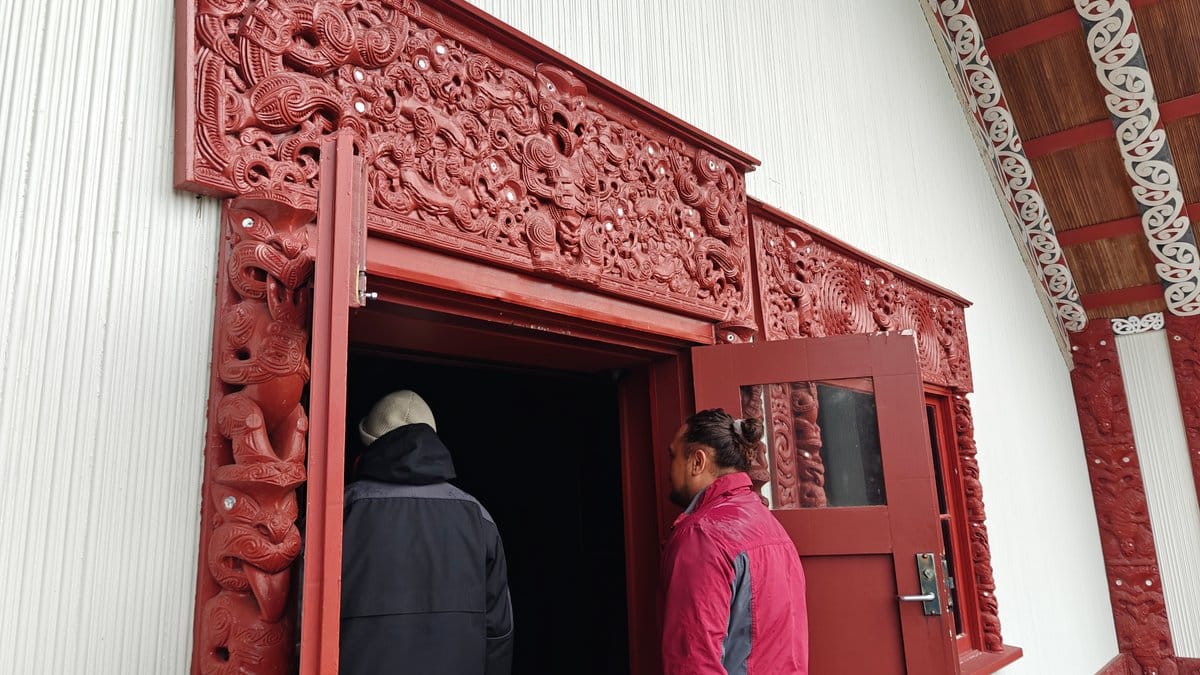
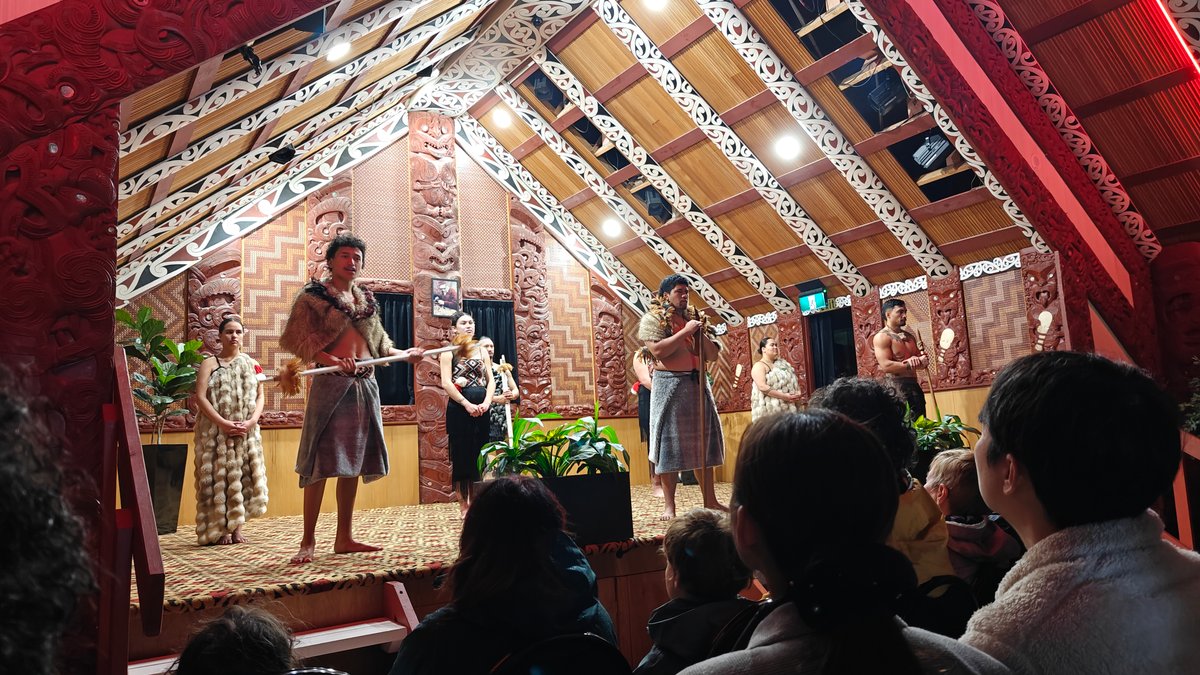
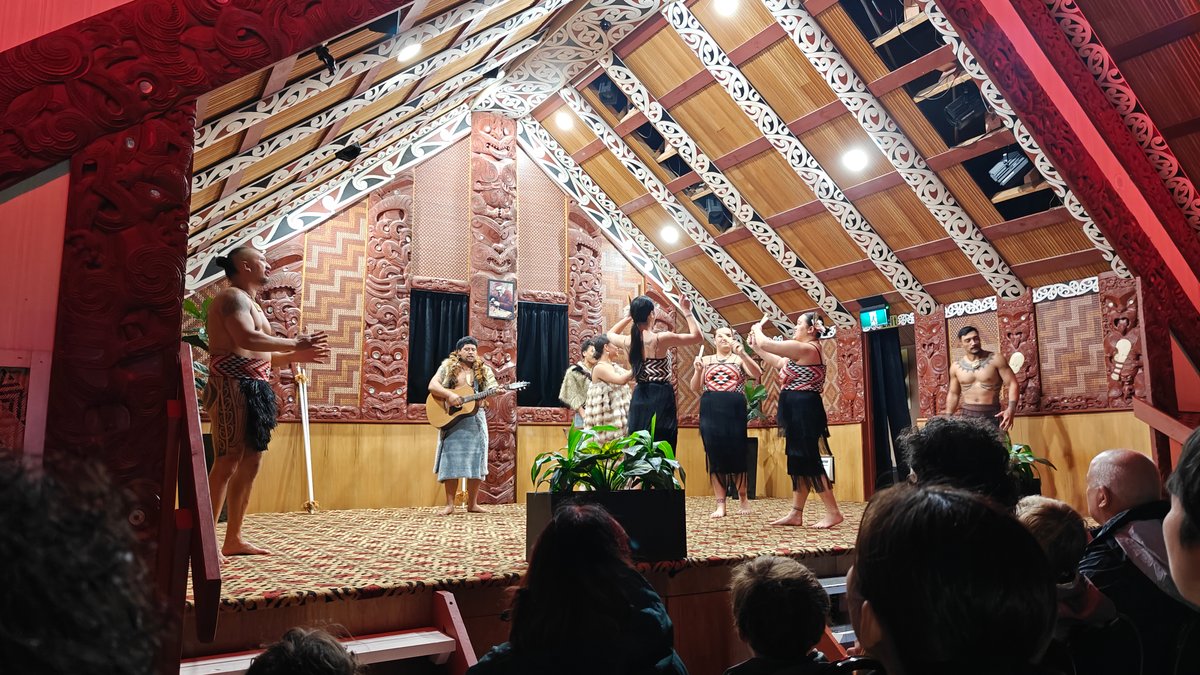
One of the wharenui also hosted a cultural performance that was on during our visit (late afternoon). Even without going in, the carved meeting house is beautiful to look at from the outside. As it began to lightly rain, we ducked into the building and found there was a performance underway inside.
Performers was spread out along the stage. They performed poi, haka, and traditional songs. While I have been to other cultural shows around New Zealand that seemed more polished, I actually really liked the community feel of this one…
Many of the performers were clearly younger or students who are still learning. It didn’t feel like a tourist show so much as an invitation to watch a practice session. One of my favourite stops in Rotorua was actually Te Puia.
It wasn’t trying too hard, which made it more appealing. It had kiwi conservation, working geothermal features, and active training schools all in one place. This was better than I had imagined.
I entered with an expectation that I might stay for two hours and left after spending most of the day there. If you’re only visiting one cultural attraction in Rotorua, this would be my pick. Have you visited Te Puia, or are you planning a trip to Rotorua?
Do you have any questions about the visit or what you thought?