
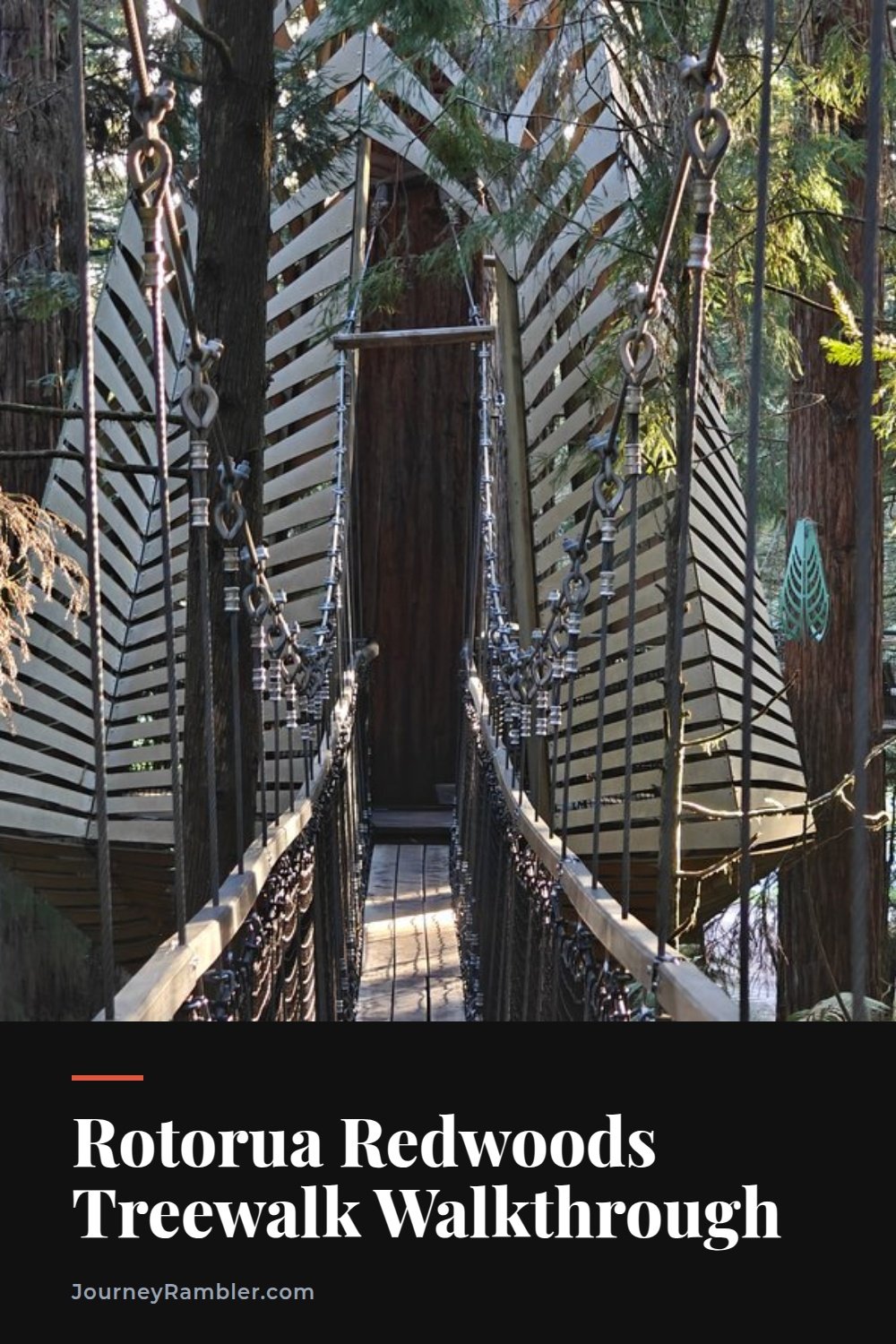
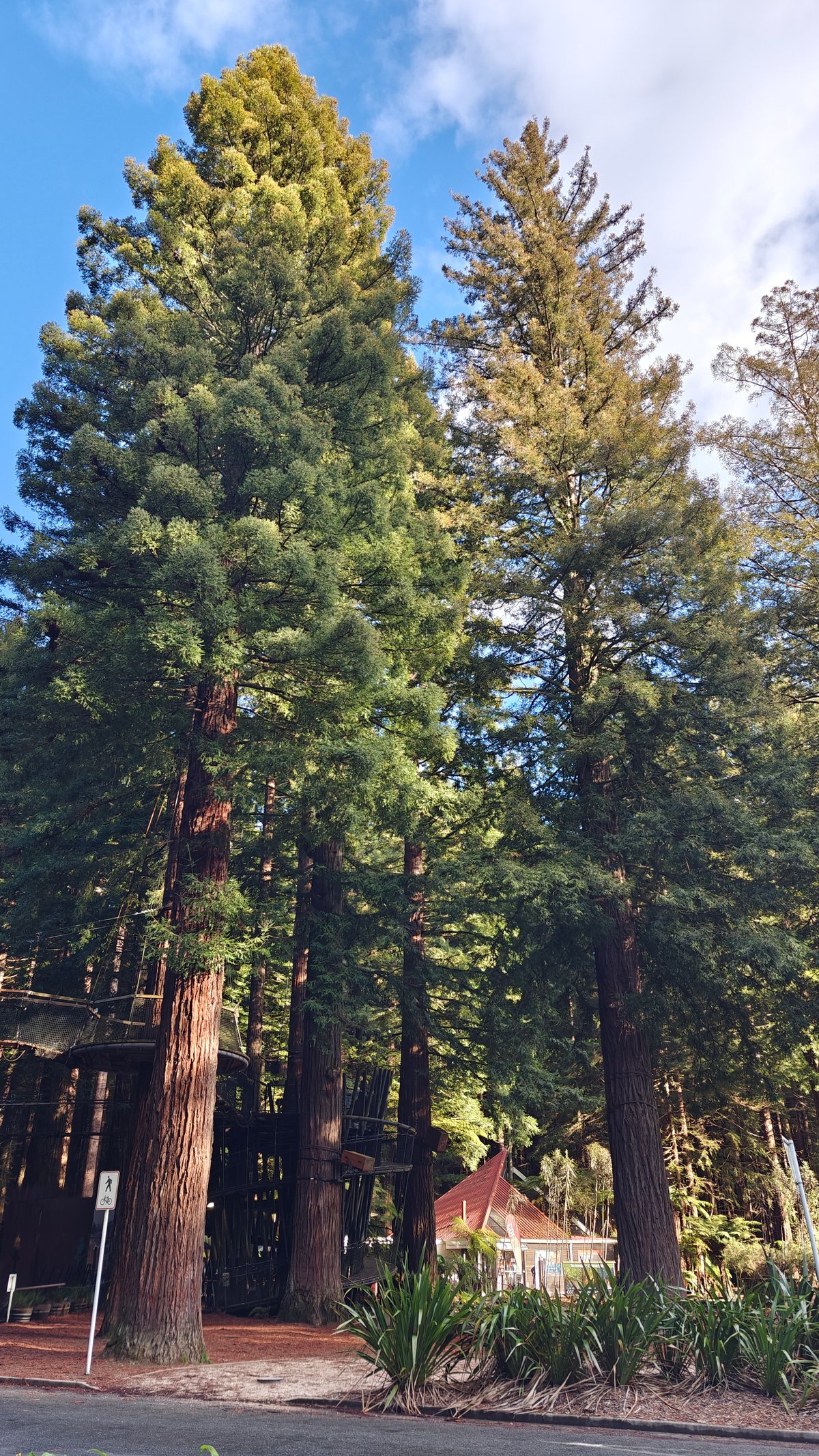
You can walk the Redwoods Treewalk in Rotorua. The Redwoods in Rotorua have been on my radar for years but I never realy imagined what it would be like walking around amongst them. It turns out that it’s hard to guess how tall they are, because even when you crane your neck back as far as possible, you still can’t see the top.
After spending an afternoon in Whakarewarewa Forest doing the Treewalk; essentially a network of platforms and suspension bridges built right up in the canopy. I came away with a newfound appreciation for how well they’ve set this entire thing up. I also had sore legs and a slightly wobbly head from all the heights.
It’s not just a walk; there’s also a ton of information included on the forest’s history, what trees is growing there, and how all of it came together. As someone who rarely reads each and every interpretive panel, I have to say that some of the details were actualy interesting enough that I made myself stop more times then I thought I would.
My Walk in the Redwood Forest
Redwoods Whakarewarewa Forest
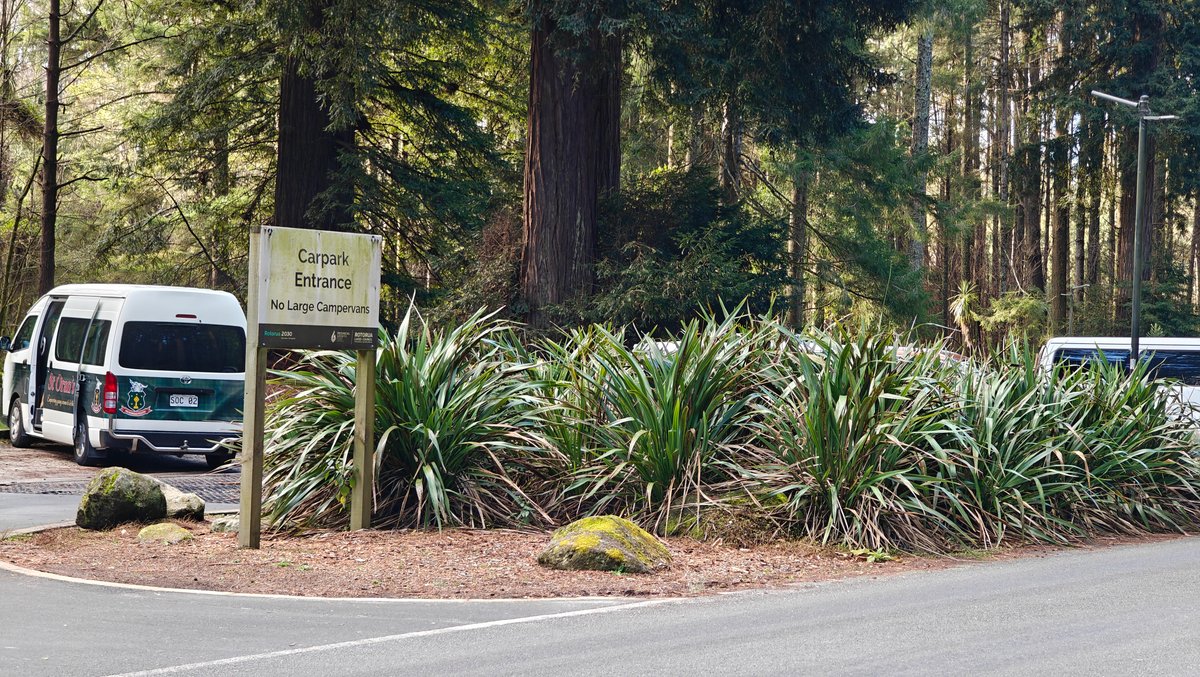
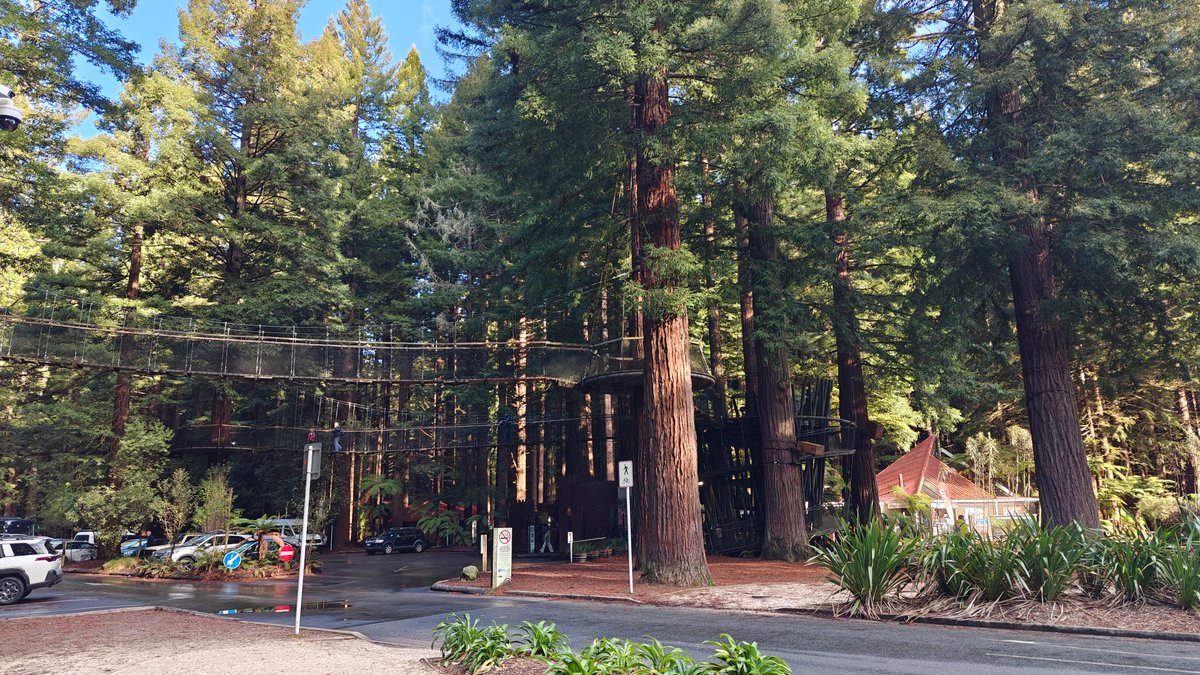
We parked the car among the trees in the grove itself. Then we headed to the entrance of the forest on Long Mile Road. Before setting foot outside the car, you have a clear idea of how large this place is.
With my jacket on, we made our way across to the beginning of the Treewalk at the i-SITE building. How does it work? It’s easy; you reserve a spot and turn up.
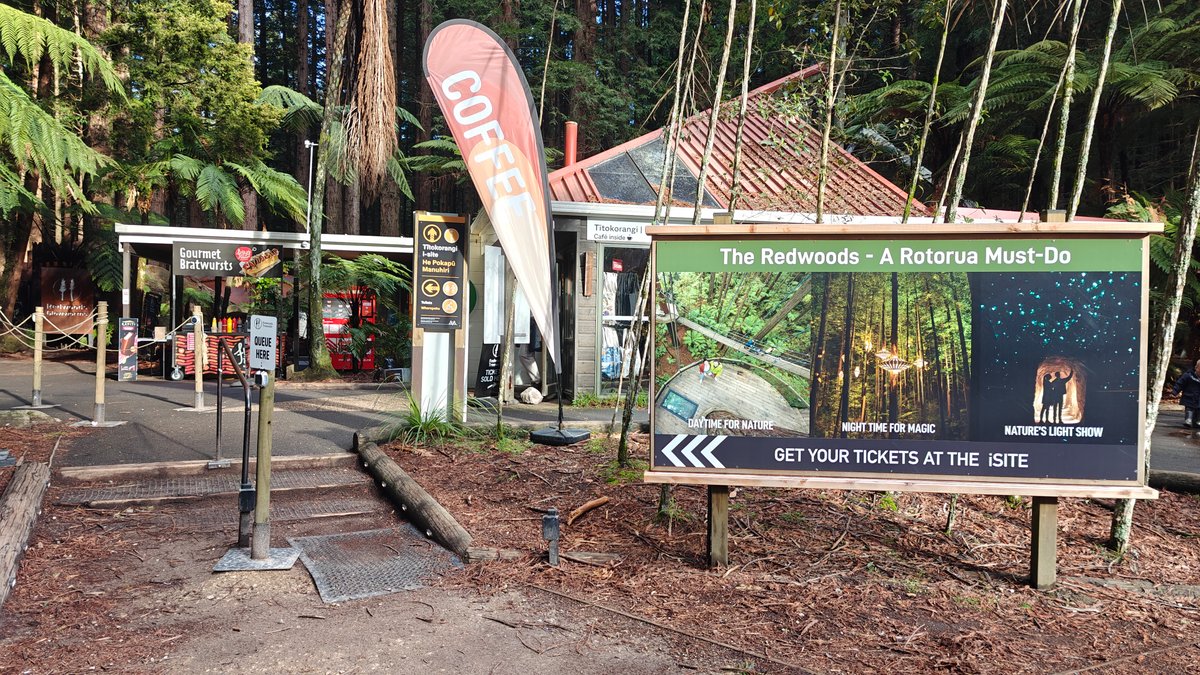
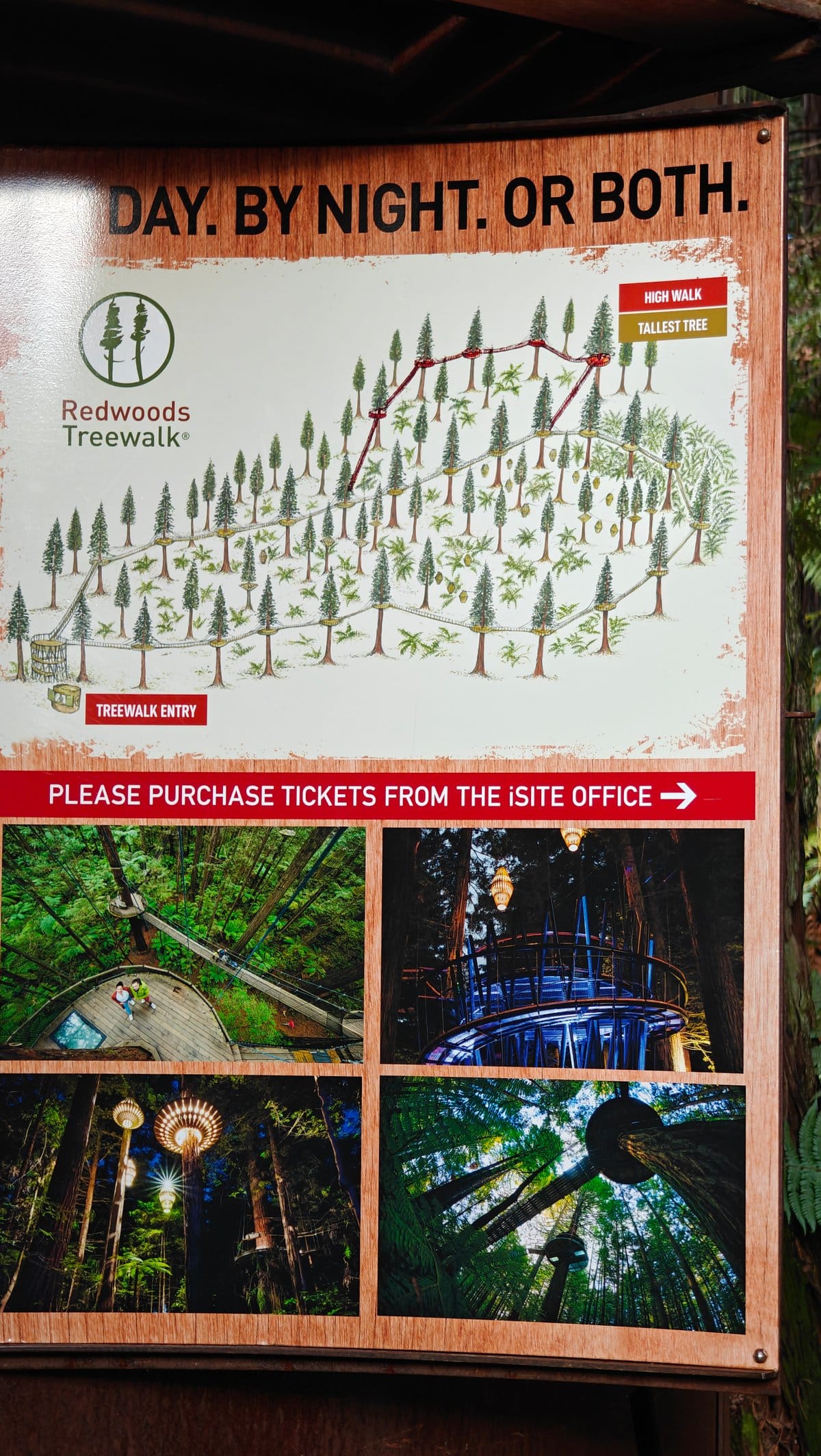
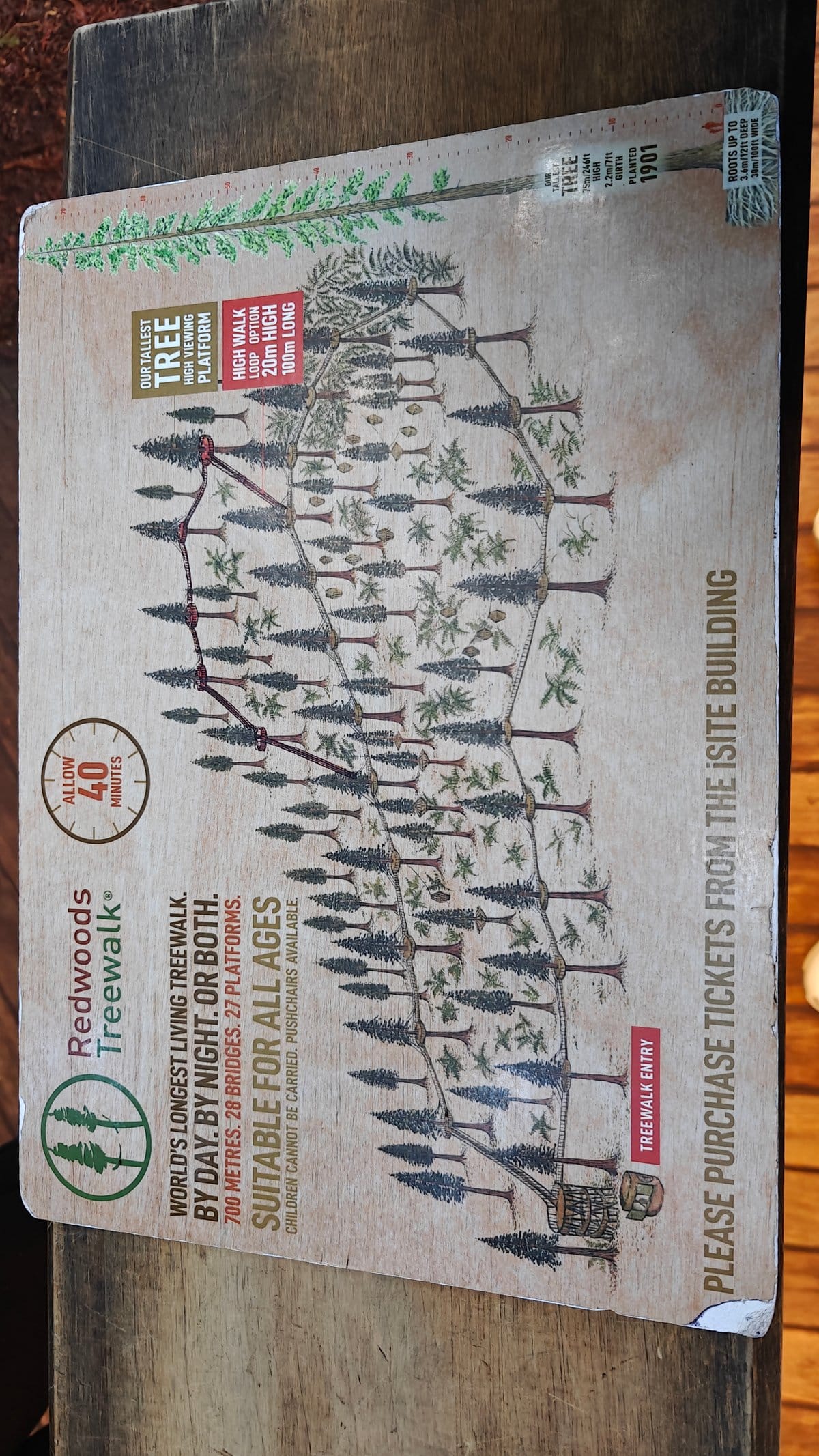
I would suggest doing this online as they do get booked up, particularly during the afternoons. There are two versions of the walk: one at night (with lanterns hanging from the trees) and one during the day. You can do them both if you want to but we just went for the daytime one.
Once you check-in and pick up your wristband, tap into the entrance gate using the code.
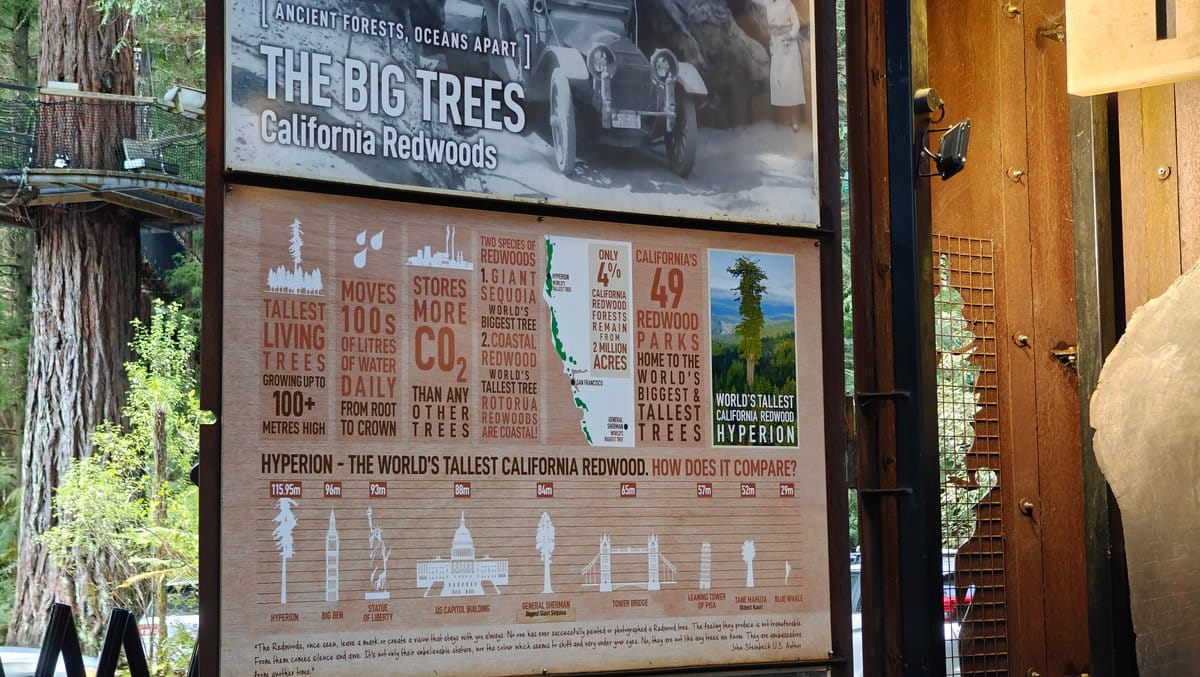
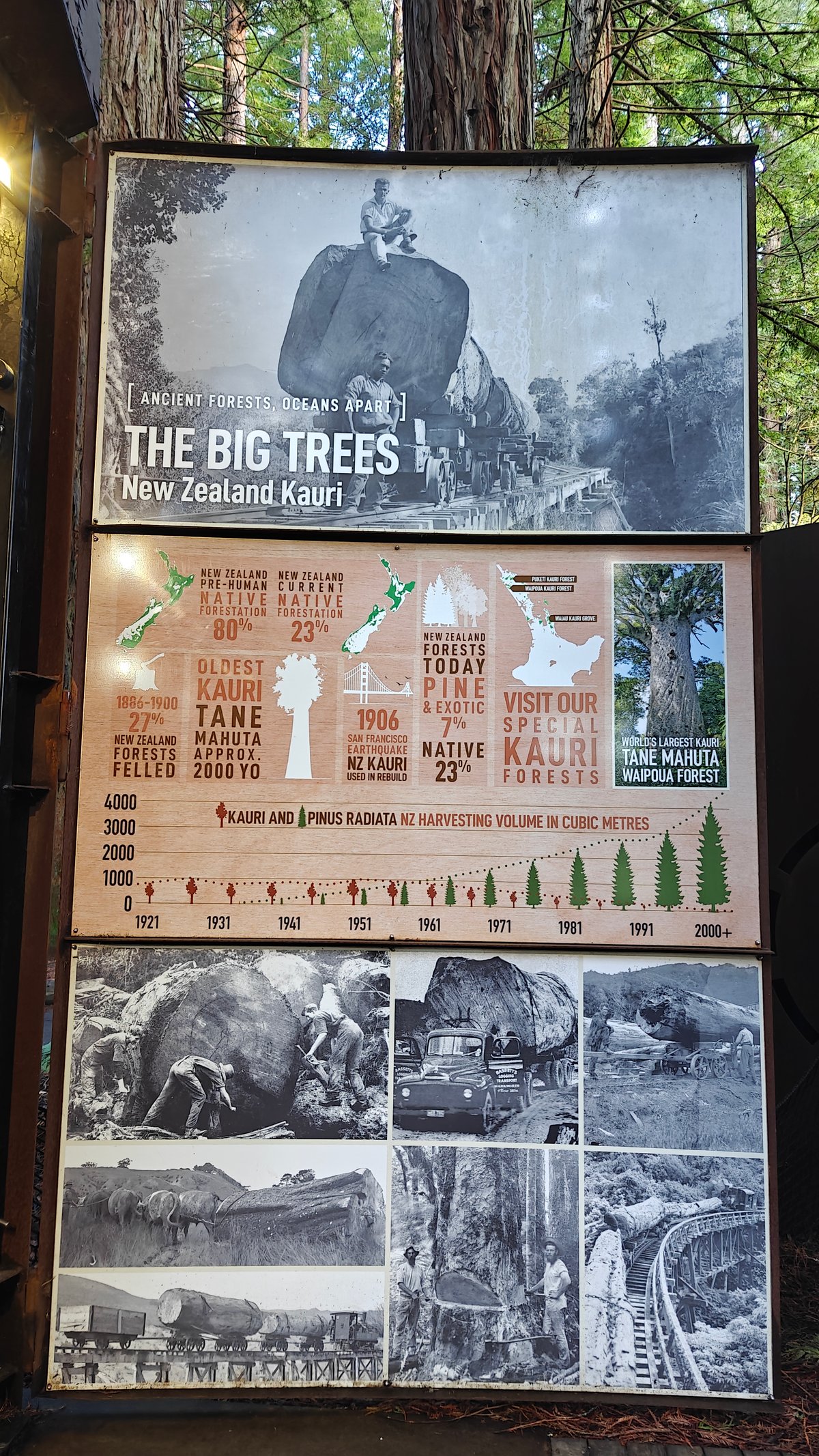
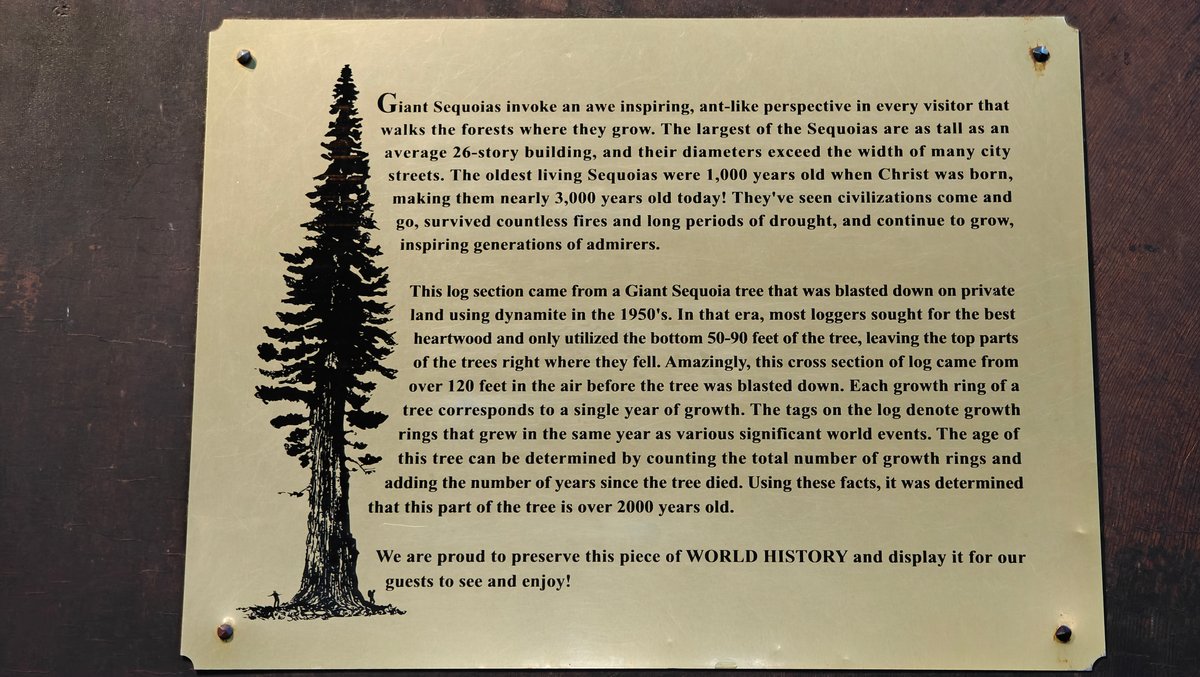
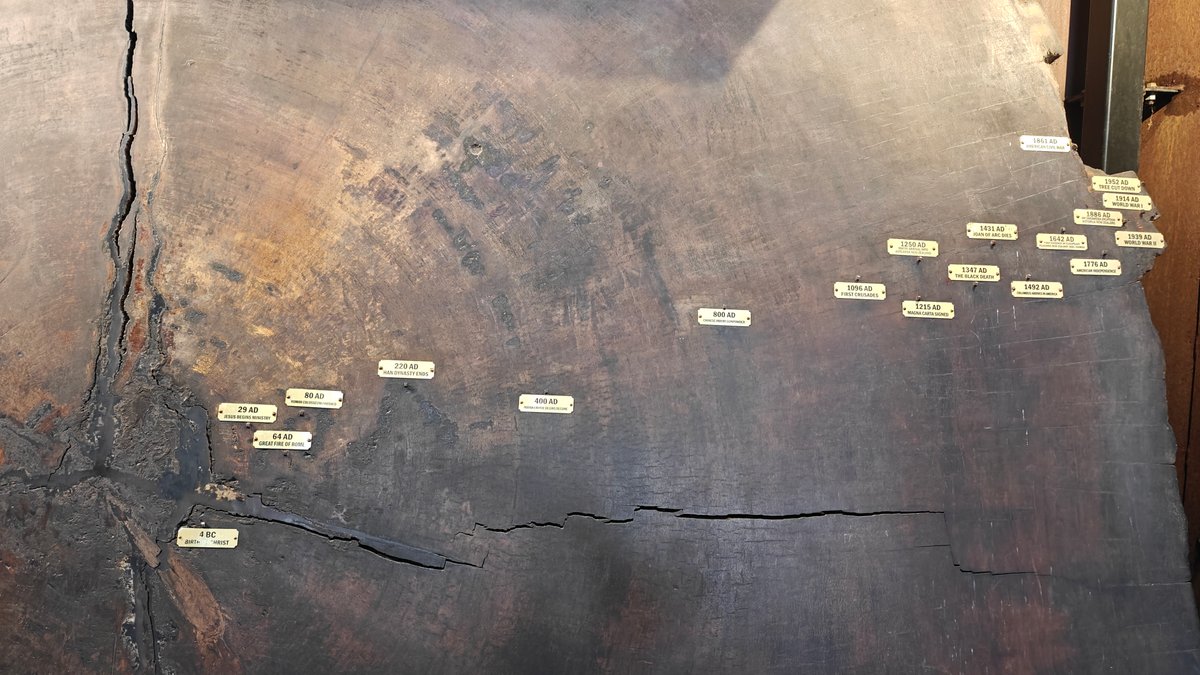
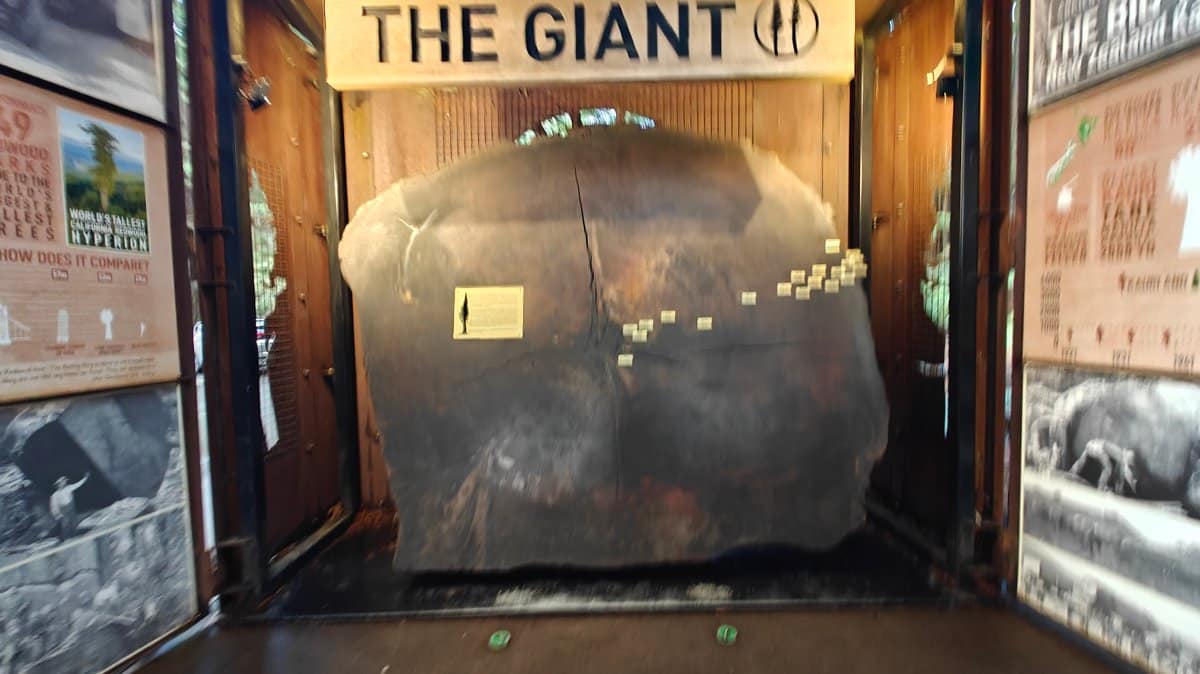
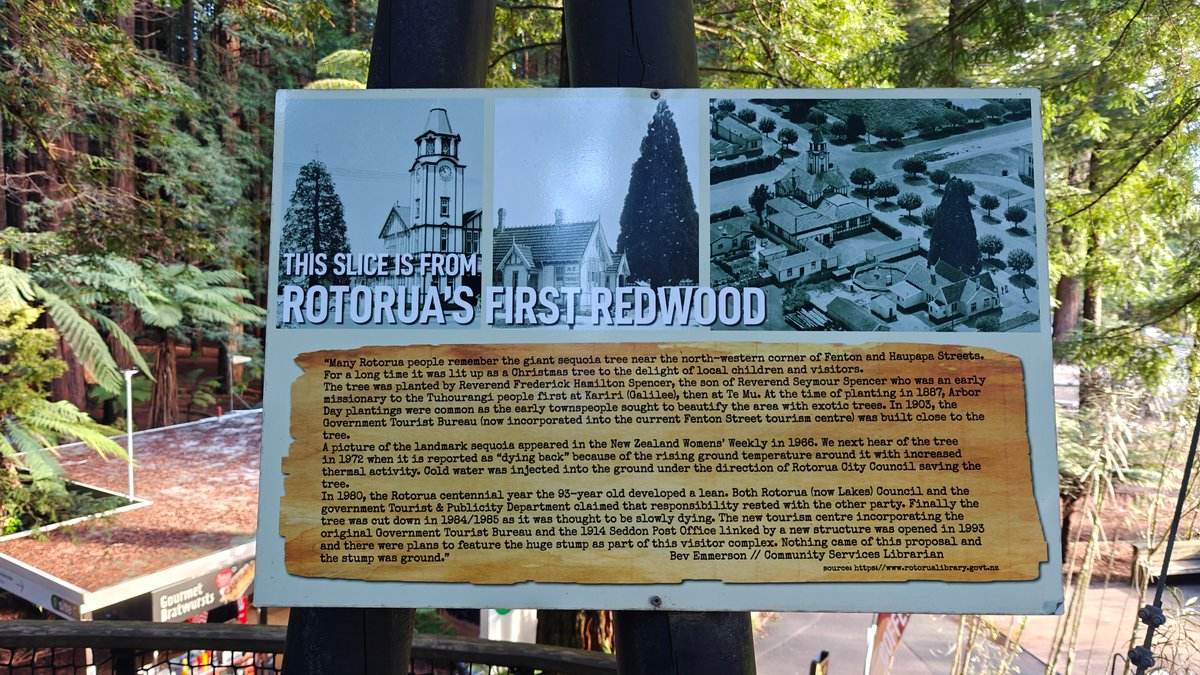
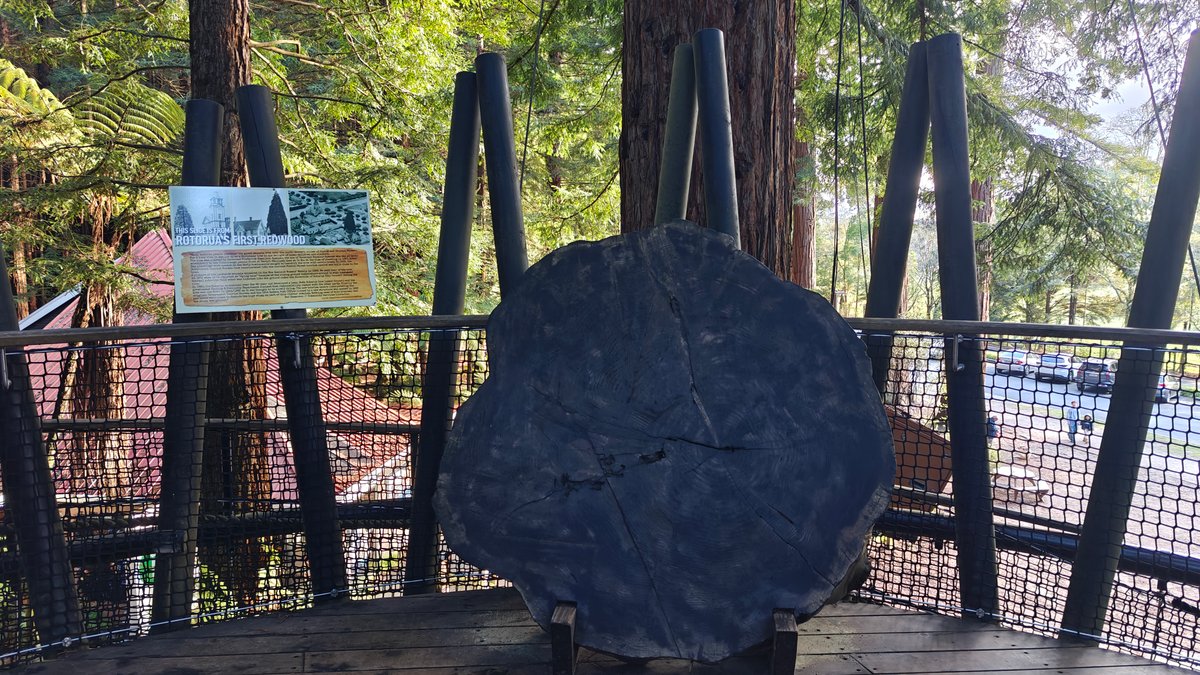
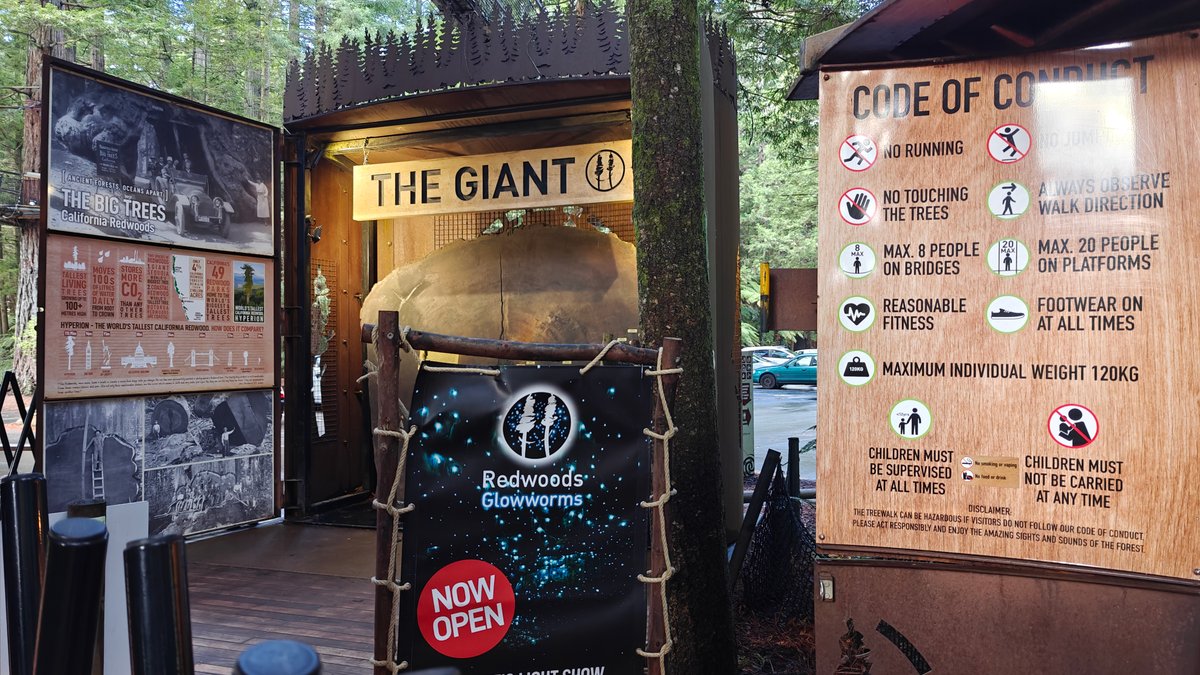
There are some big old cross sections of cut down trees and some info panels here before you get into the actual walk. I had a quick read through about the history of the forest (it was established as a timber trial back in the early 1900s) and looked at the tree rings on the giant slabs of wood for a while. There’s one that has historic dates marked on it that correspond to the various rings, so you can really appreciate just how long these trees have stood.
It’s surprising just how thick another cross section is for its age (that’s from Rotorua’s first redwood). And so we began to climb.
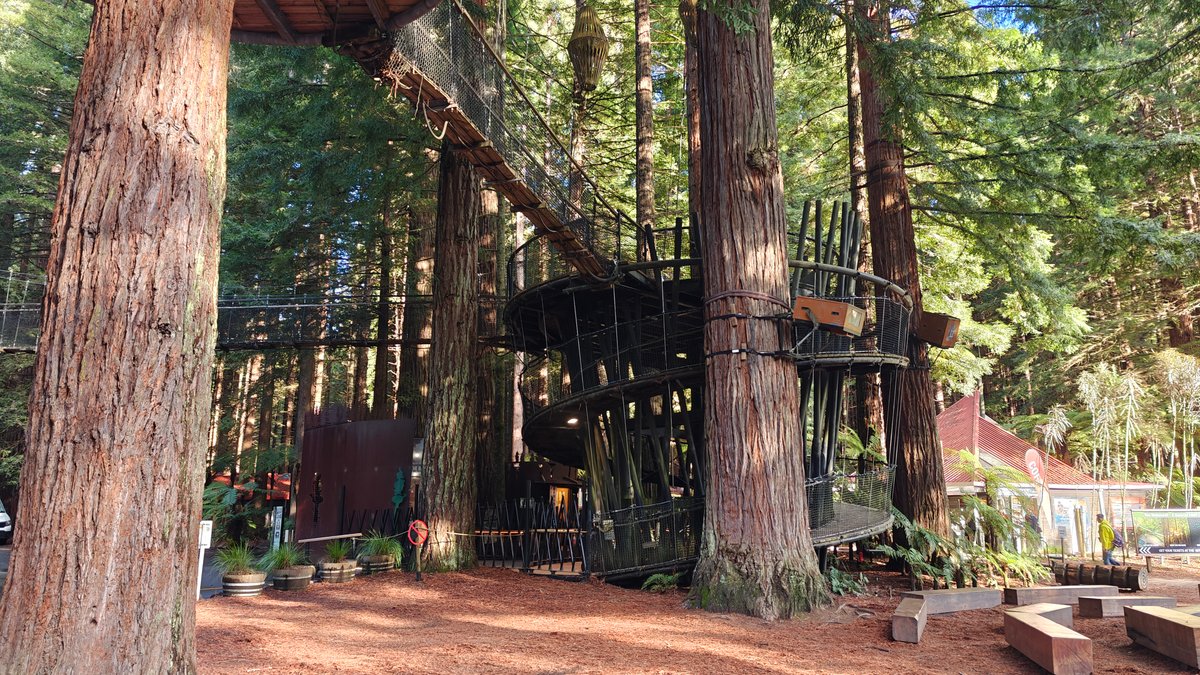
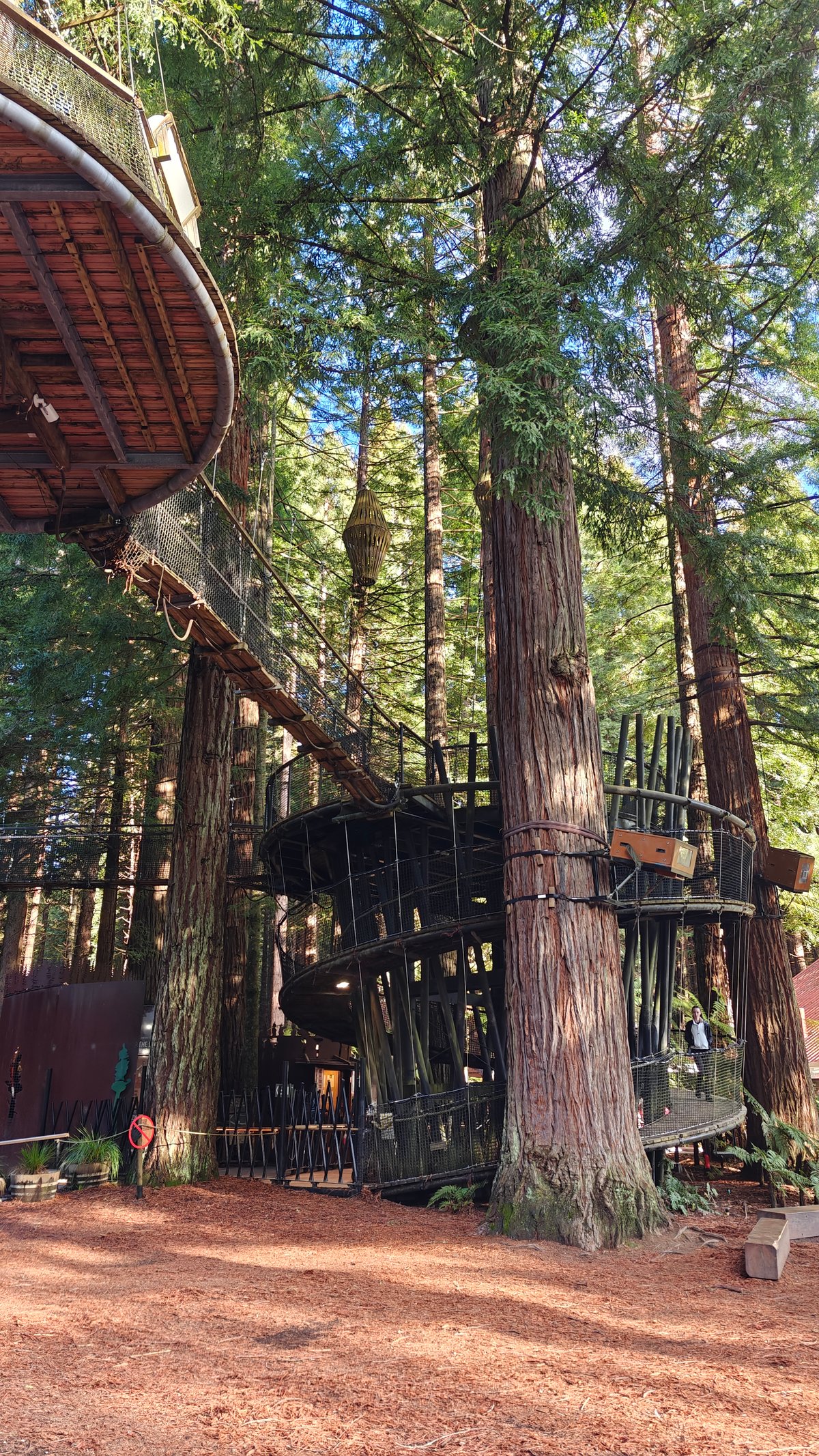
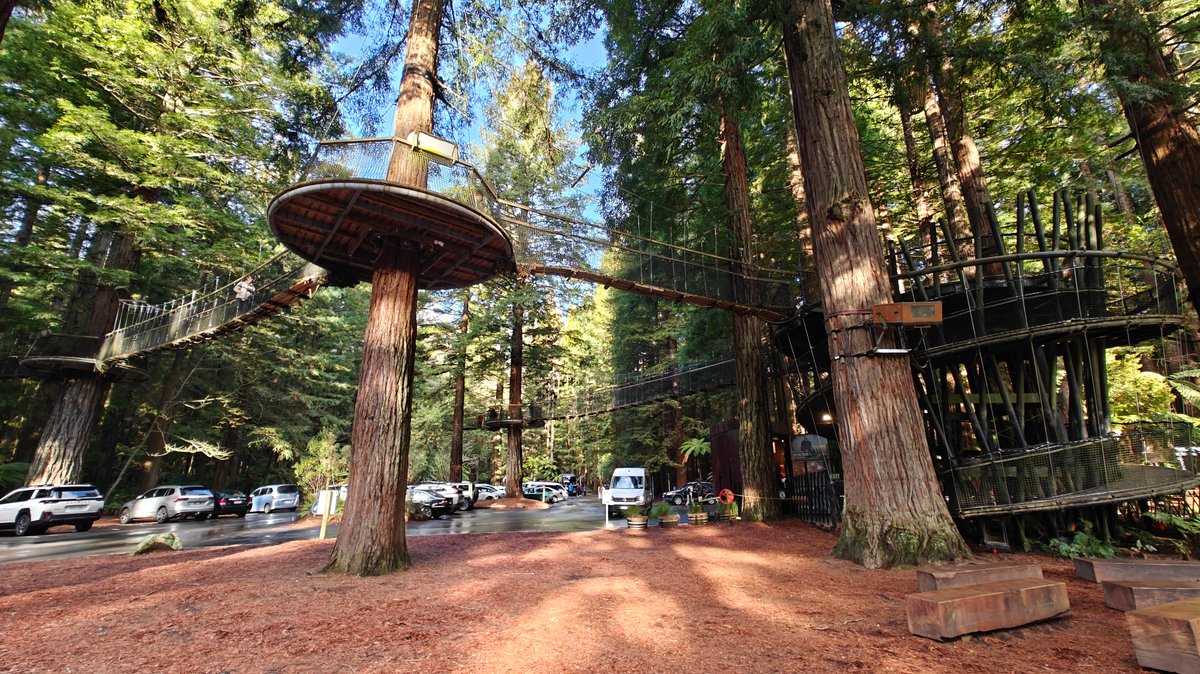
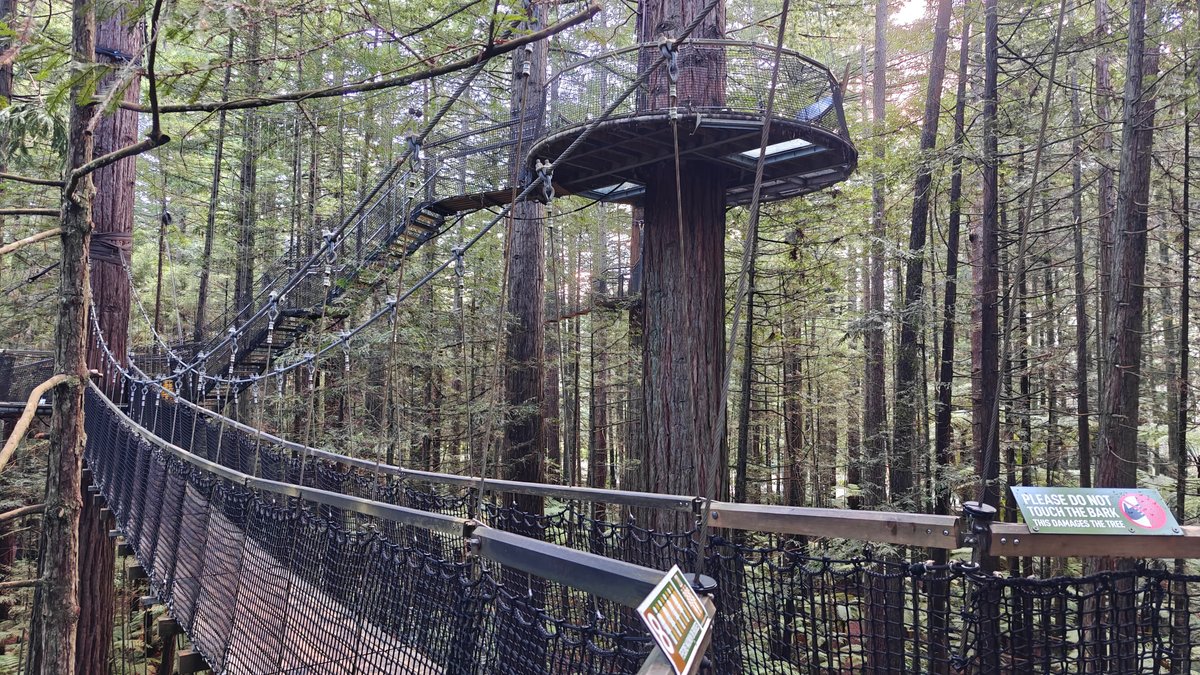
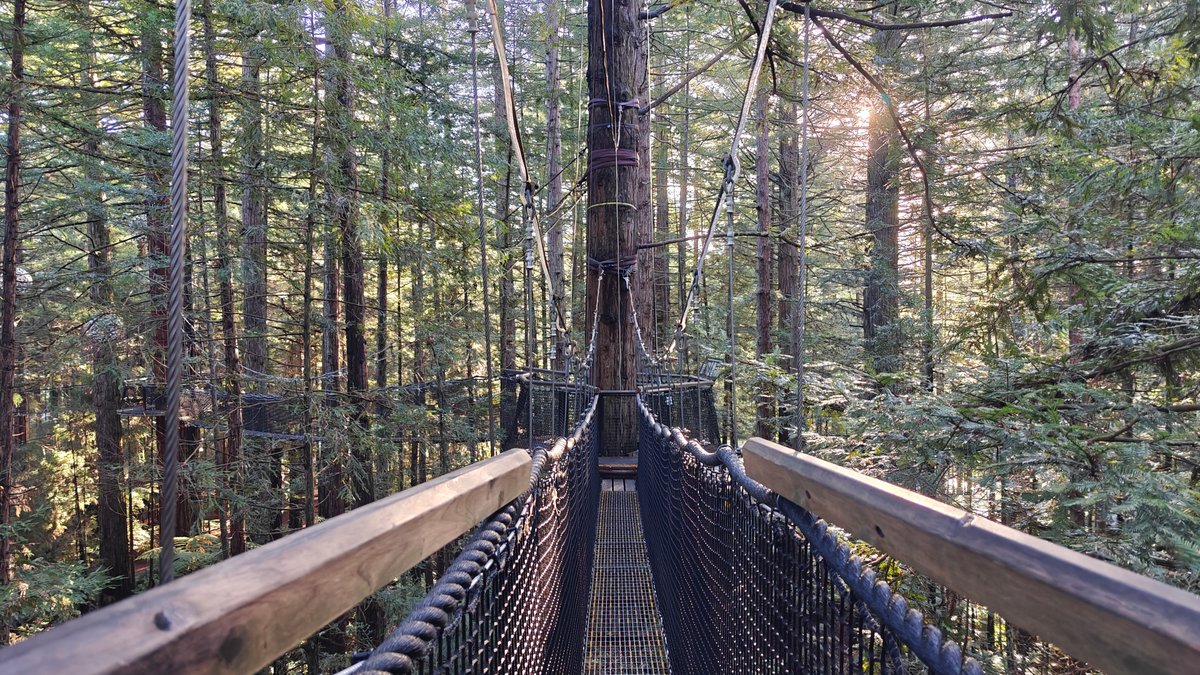
The walk involves climbing up to platforms hugging the tree trunks, which are connected by suspension bridges. It’s all between six and twelve metres above the ground (depending on which section) and it sway slightly underfoot. It is not alarming, but just enough for you to know you’re up in the air.
It’s impressively engineered, the entire thing rests within the trees without harming them, and the mesh sides keep things safe while still allowing you to see out clearly.
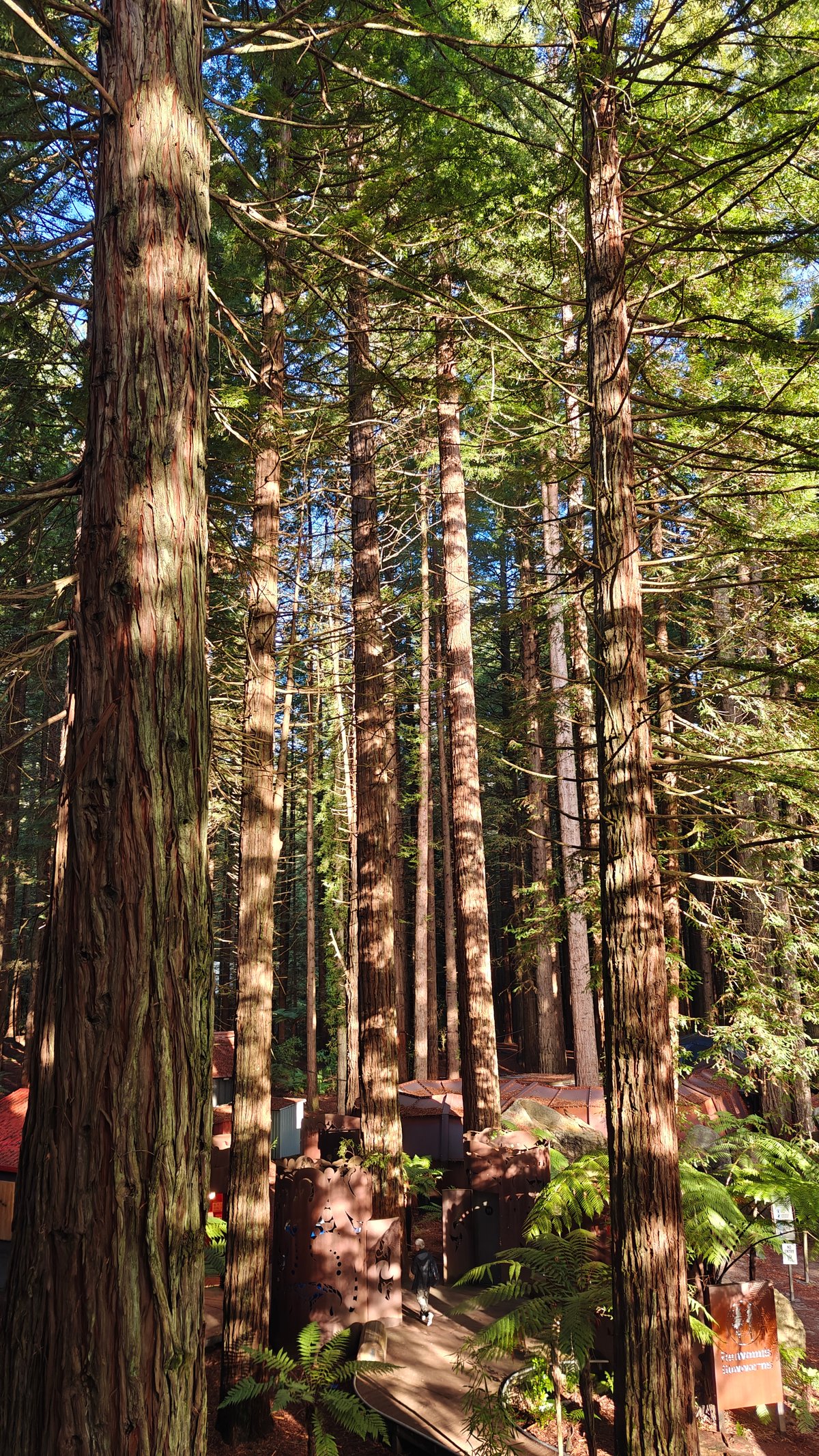
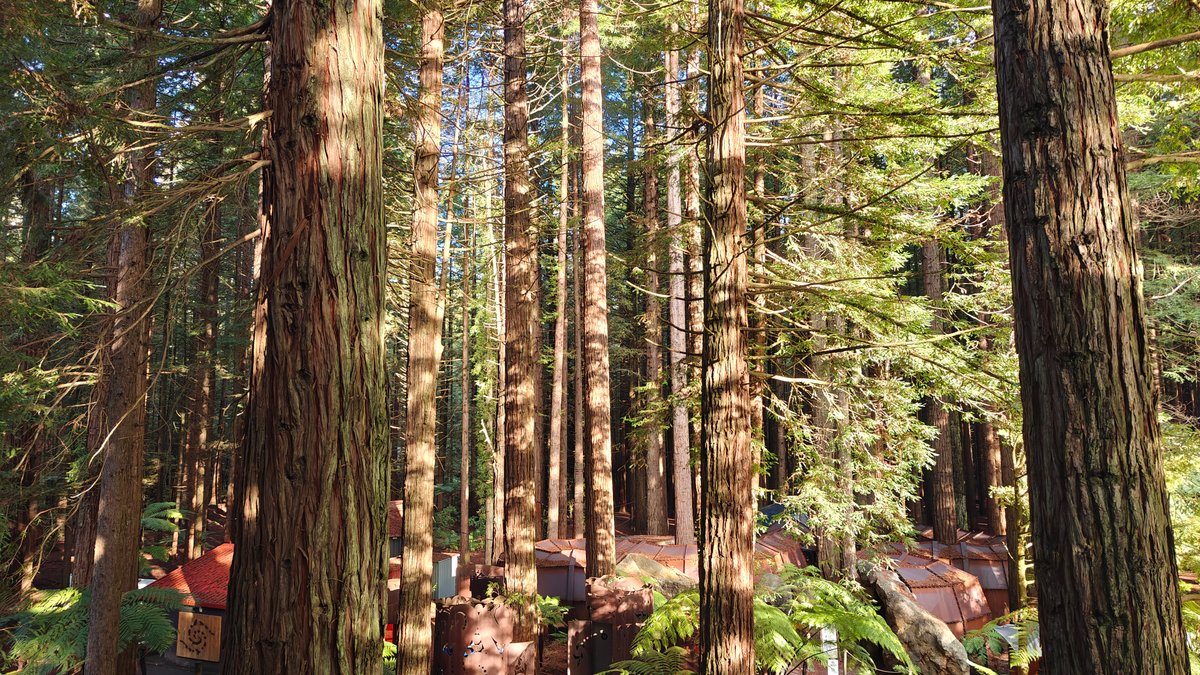
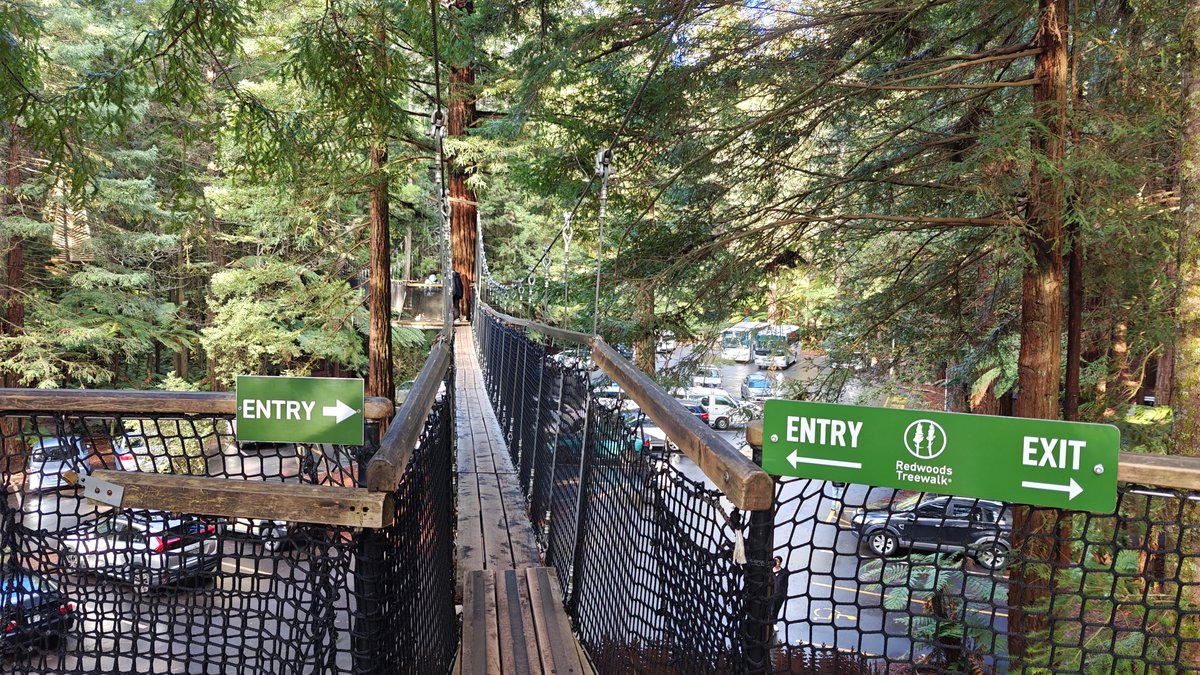
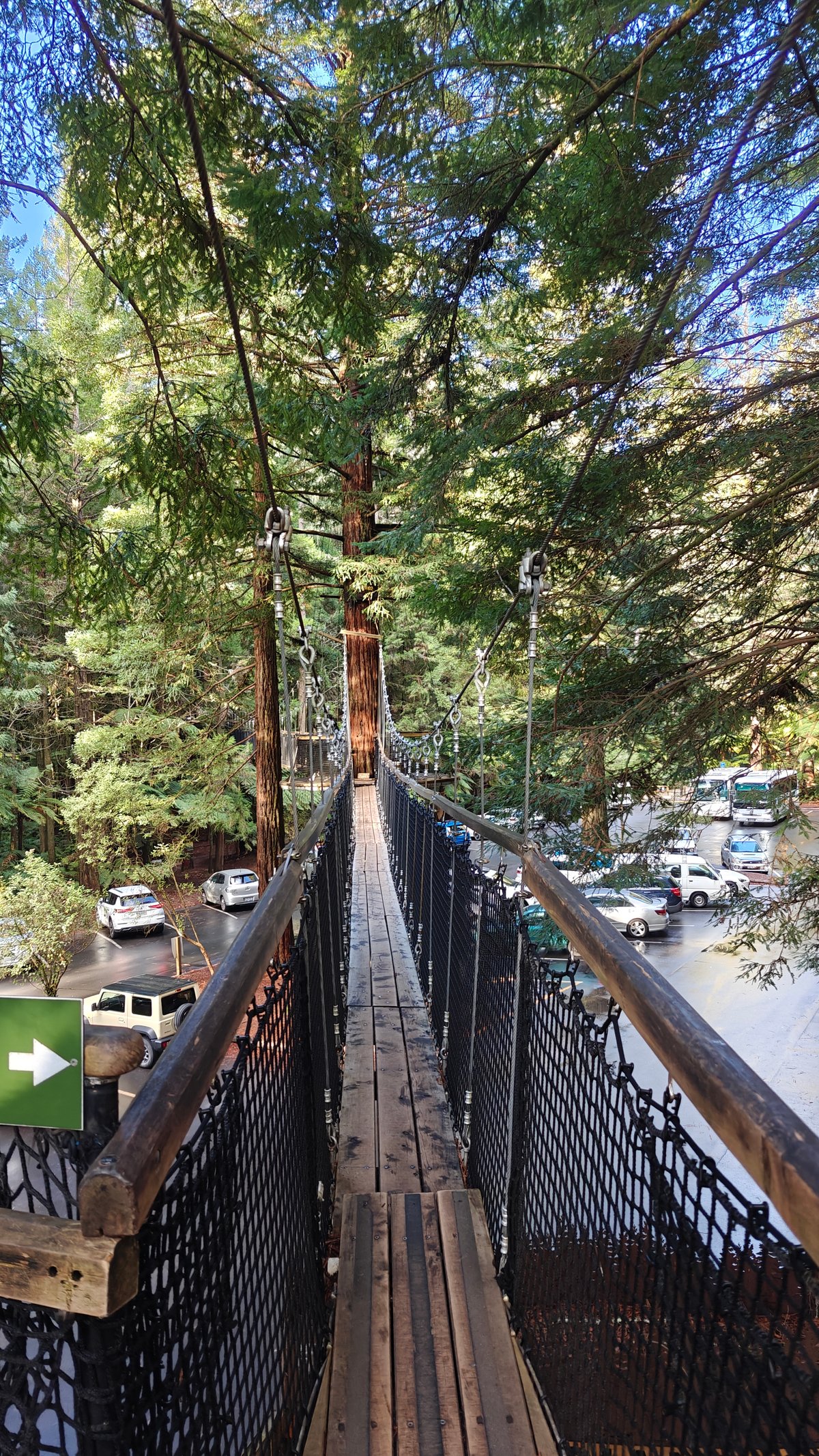
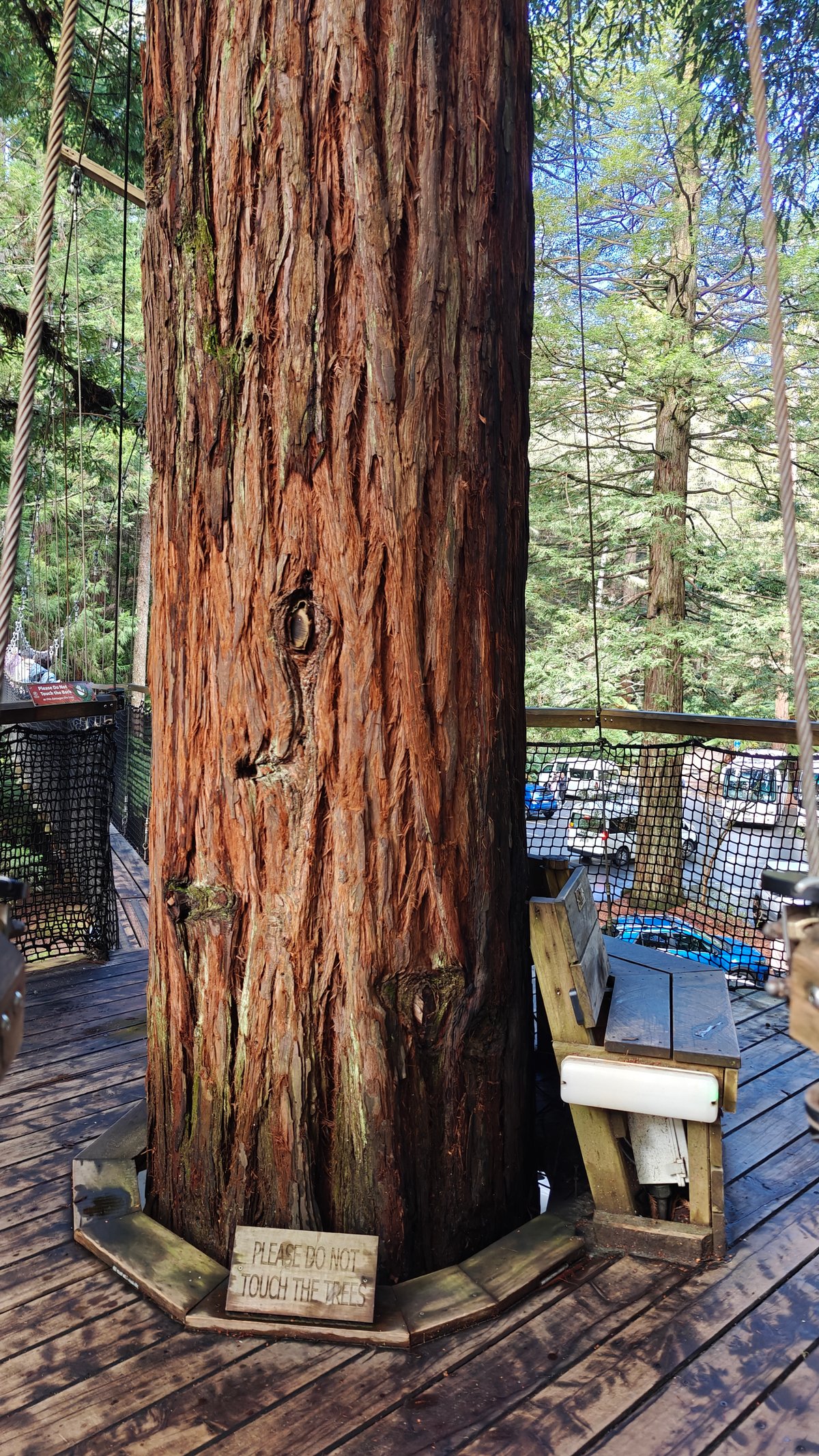
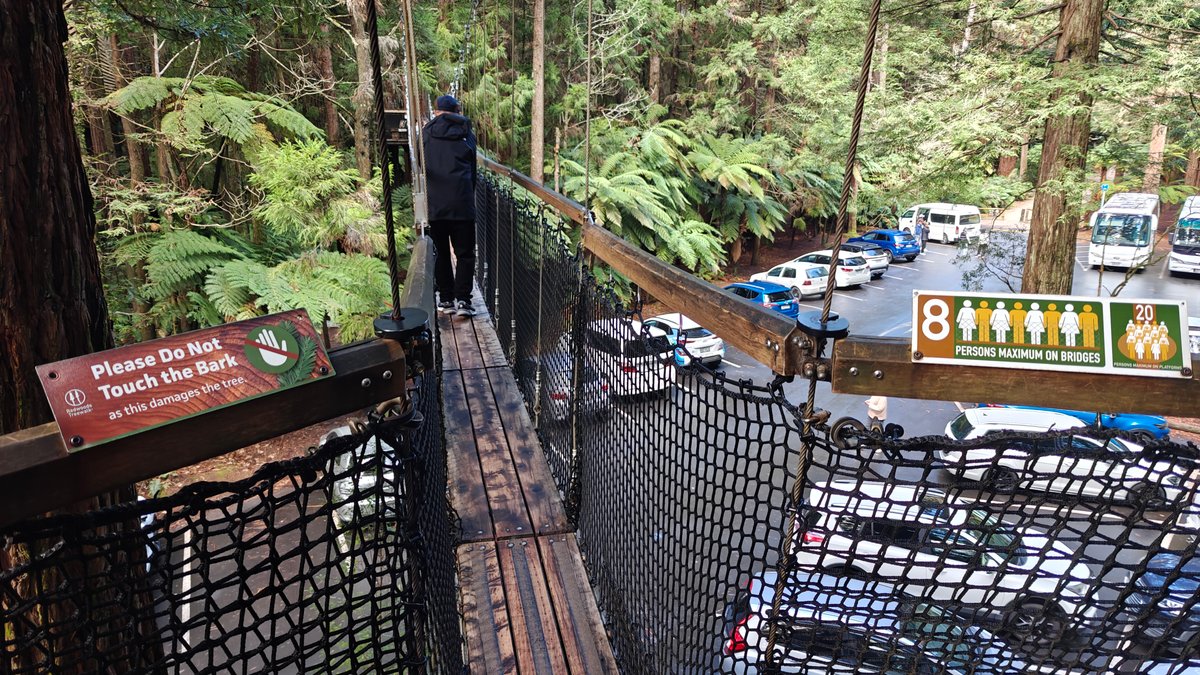
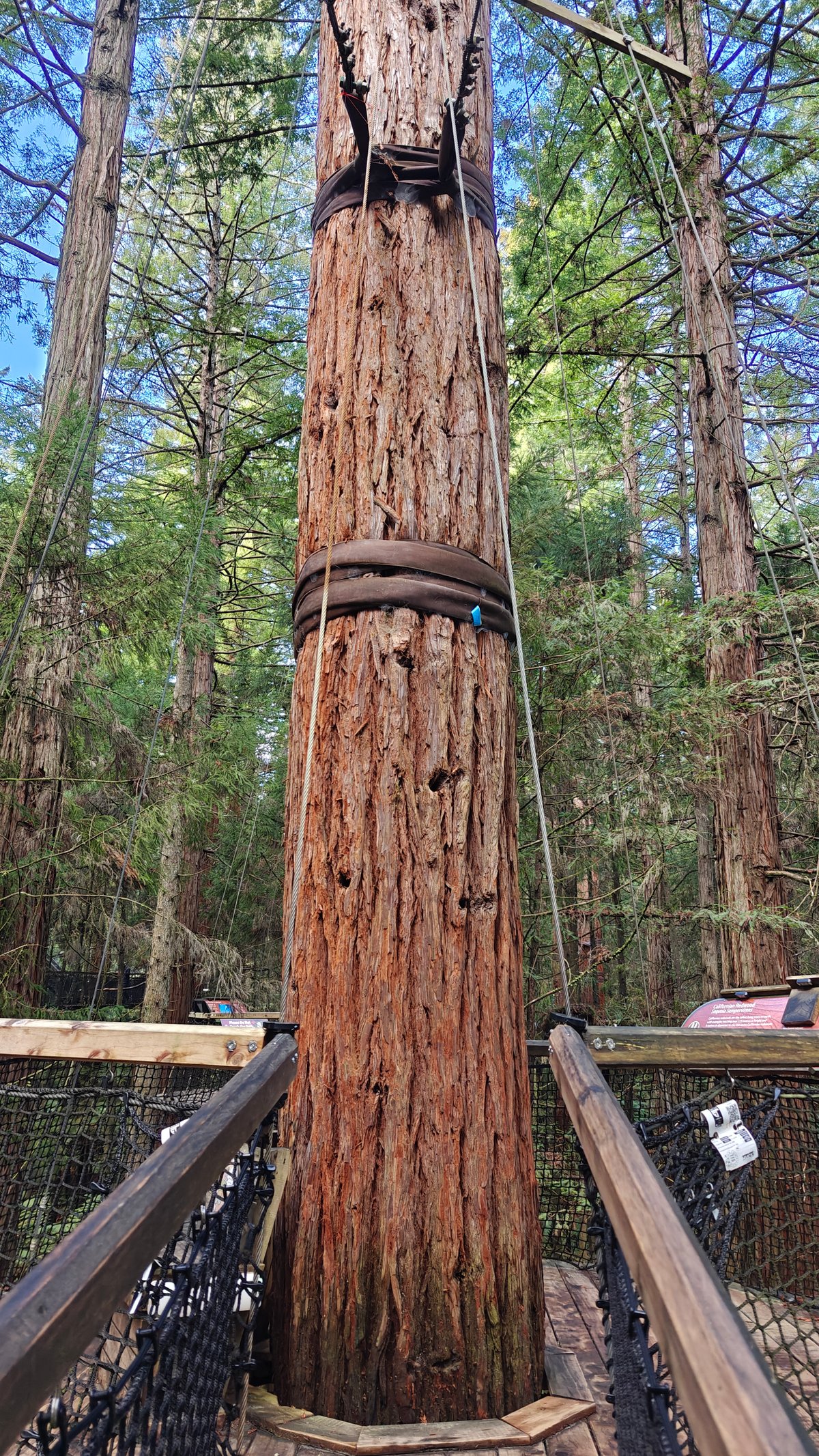
We crossed each of the bridges slowly. A couple are pretty high up so I kept having to tell myself not to stare directly down. They’re all long enough that in some cases you can reach out and touch the bark, and they wrap around the trunk.
There are a few where the tree grows straight up through the walkway itself. Along the way, we passed other people, but it wasn’t ever crowded. People go as fast or slow as they want, and there’s space to stop without getting in anyone’s way.
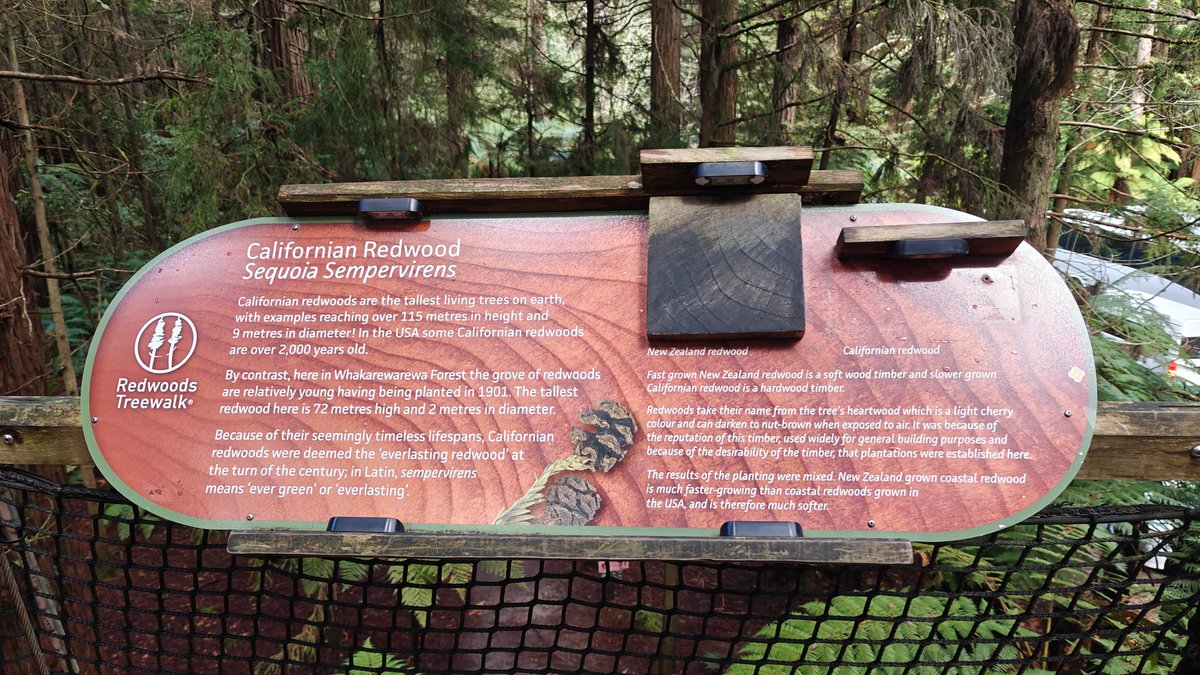
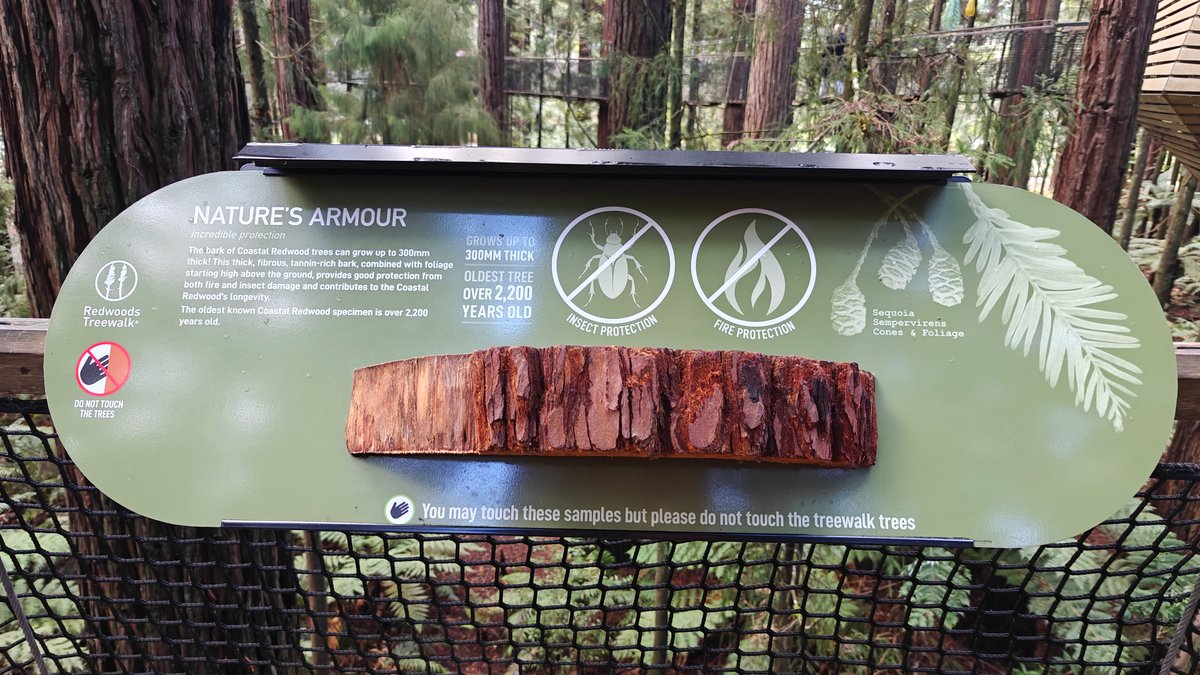
You’ll find some interesting interpretive panels throughout your journey (which you should read). For example, did you know that California redwoods. Most of which these are, have natural fire protection in their bark?
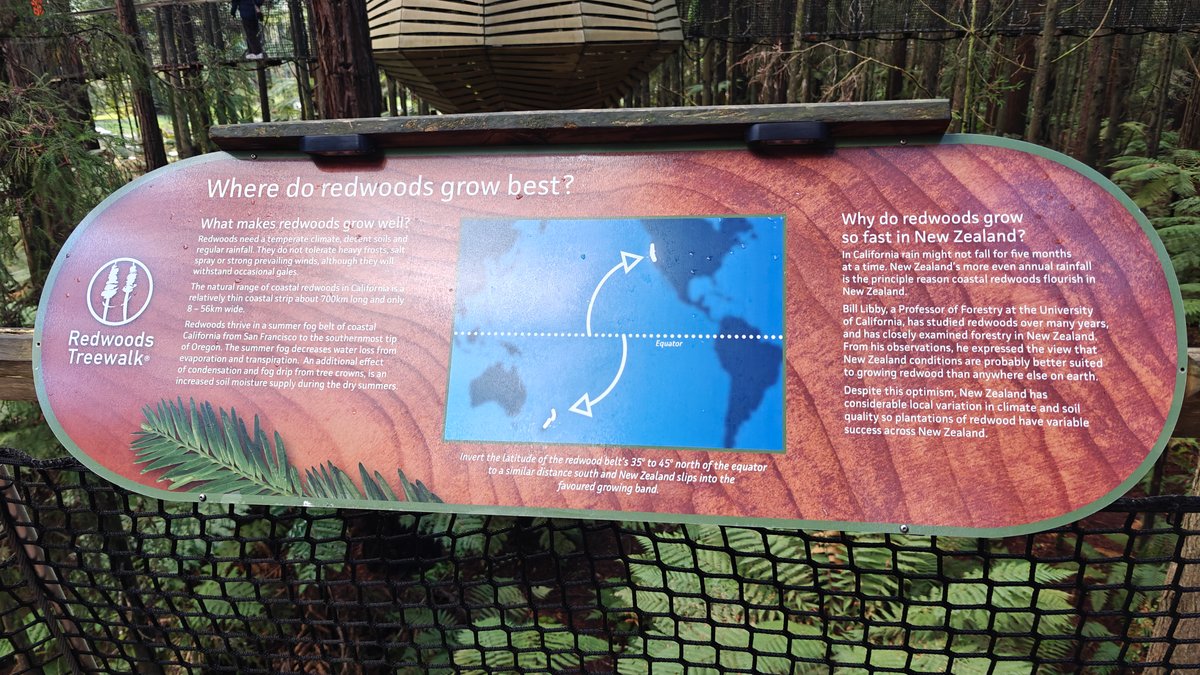
Or they thrive in a climate like Rotorua’s? This forest is the result of an experiment: What species could be grown commercially here? Turns out the redwoods thrived.
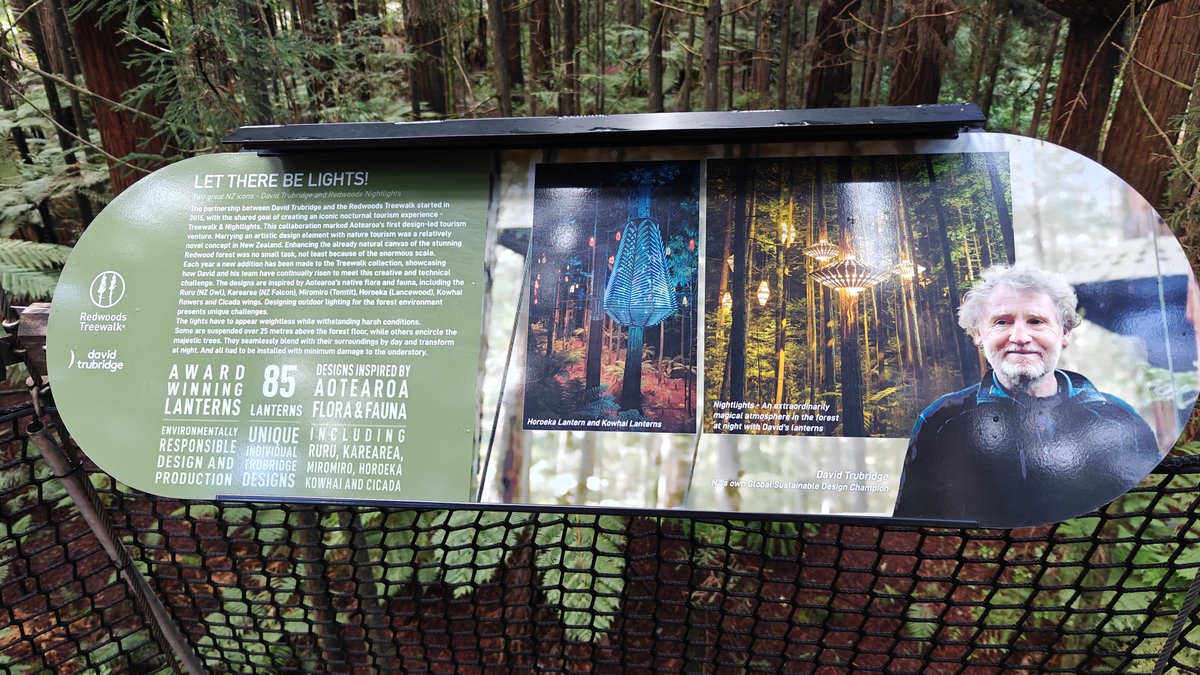
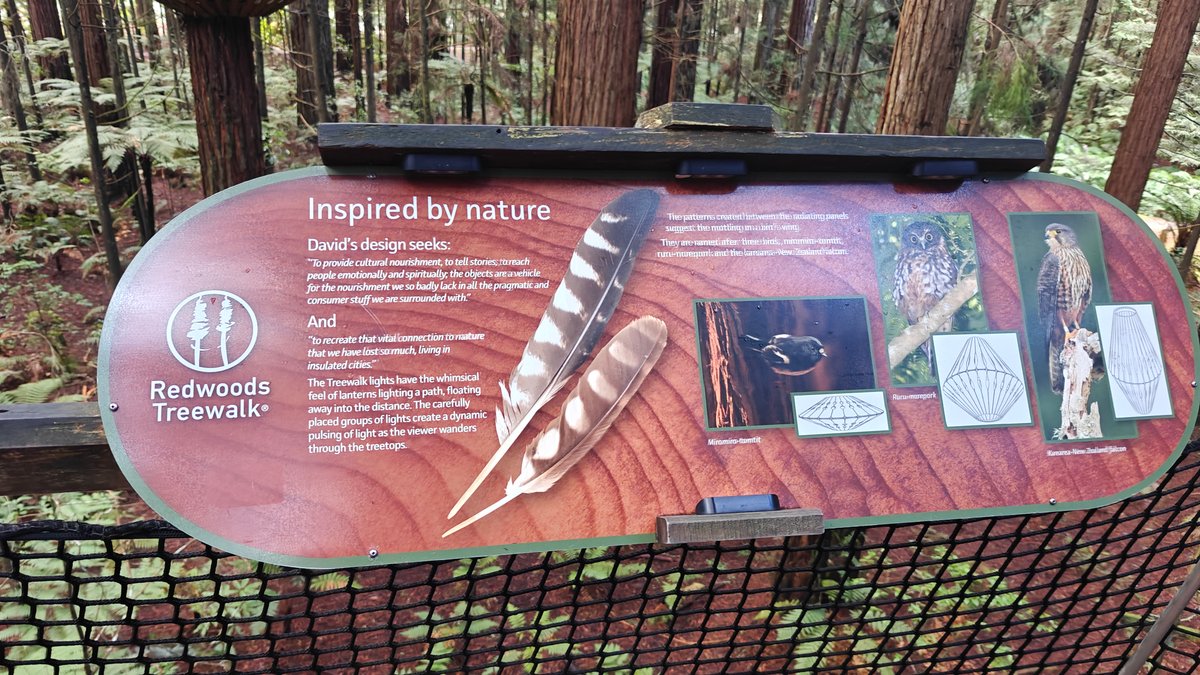
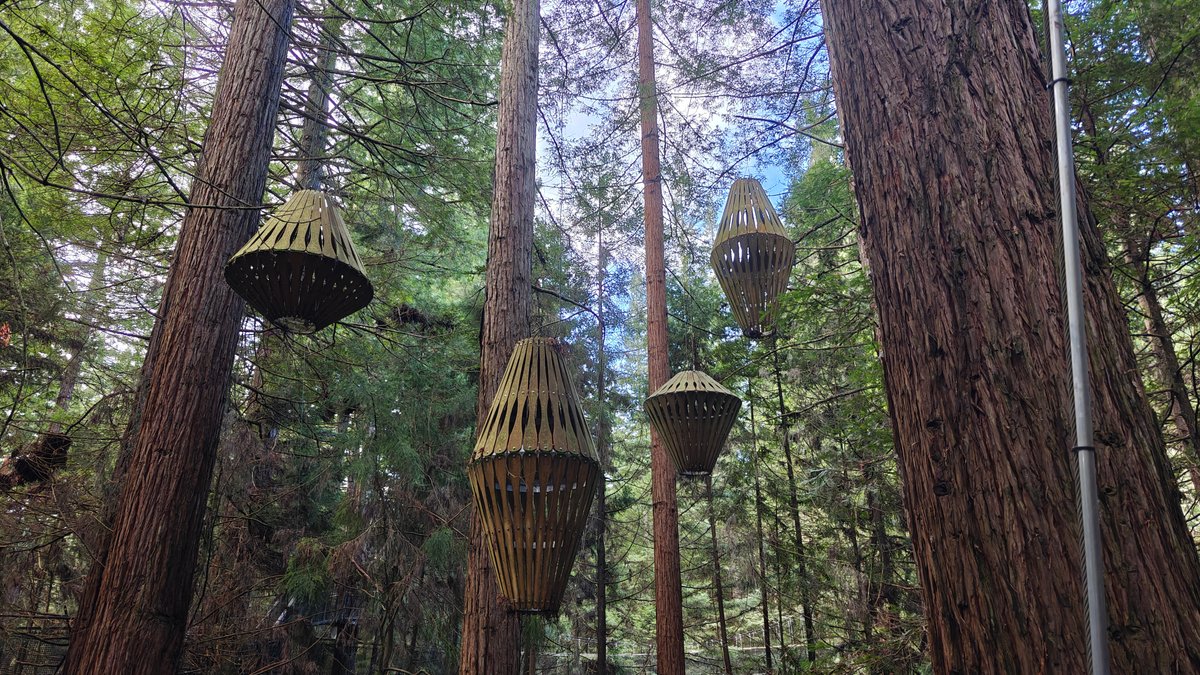
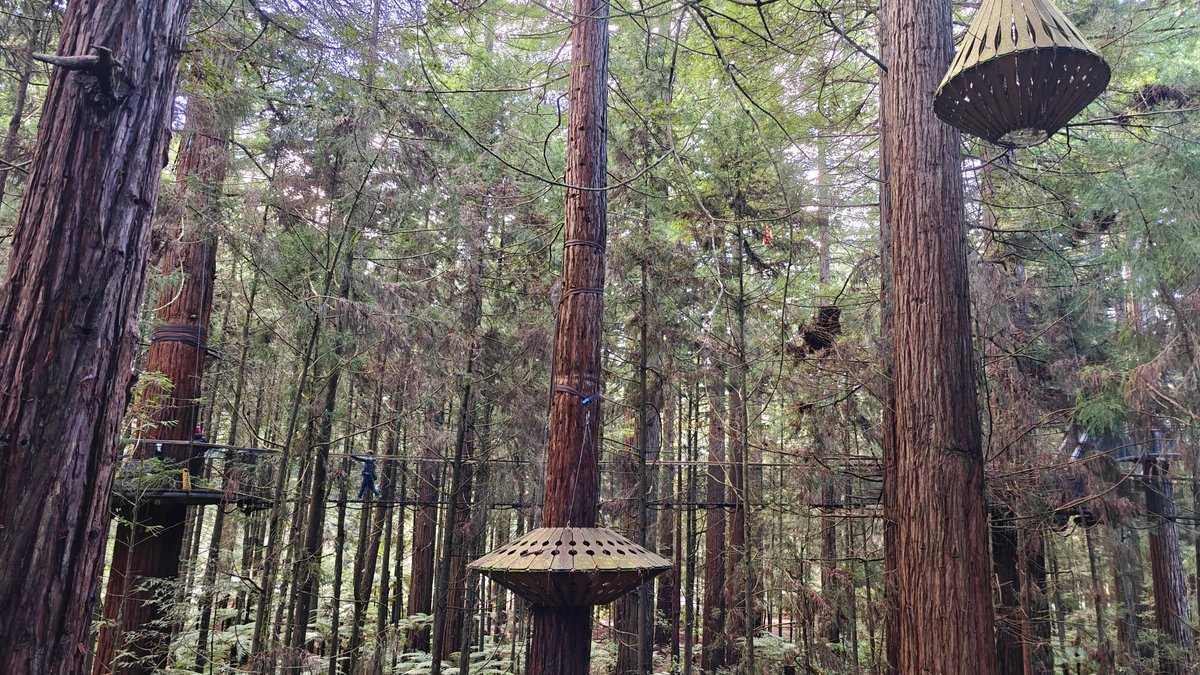
The other thing you can find out about is the Nightlights installation, which is like the night version of the walk. It features lanterns hanging in the canopy that are designed to reflect the colors and shapes of local ferns and bird feathers. After dark, they look pretty atmospheric according to the photos on the panels.
We didn’t take the night walk but as we walked by you could see the lanterns strung through the trees (the unlit ones).
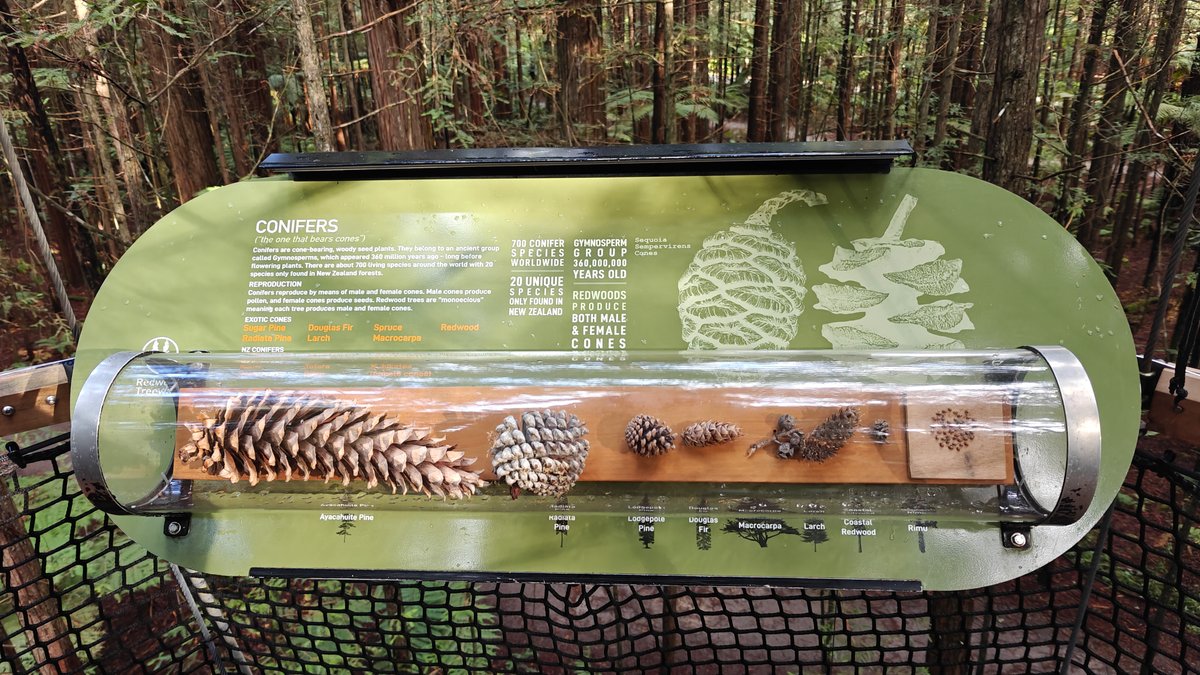
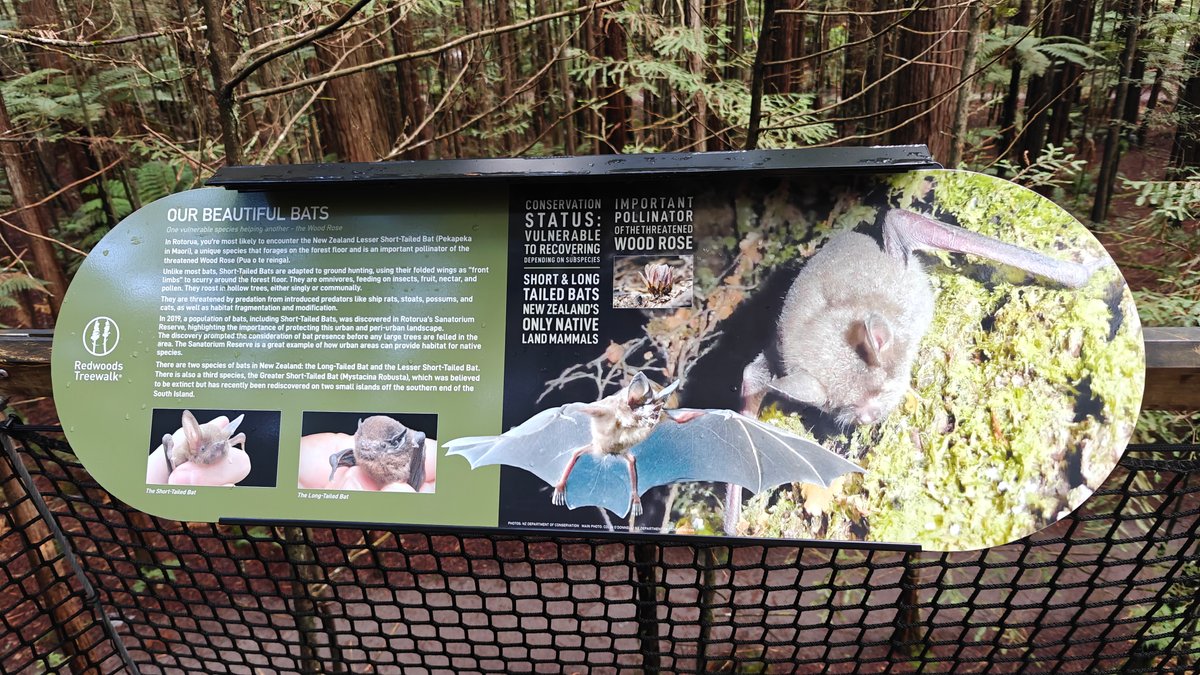
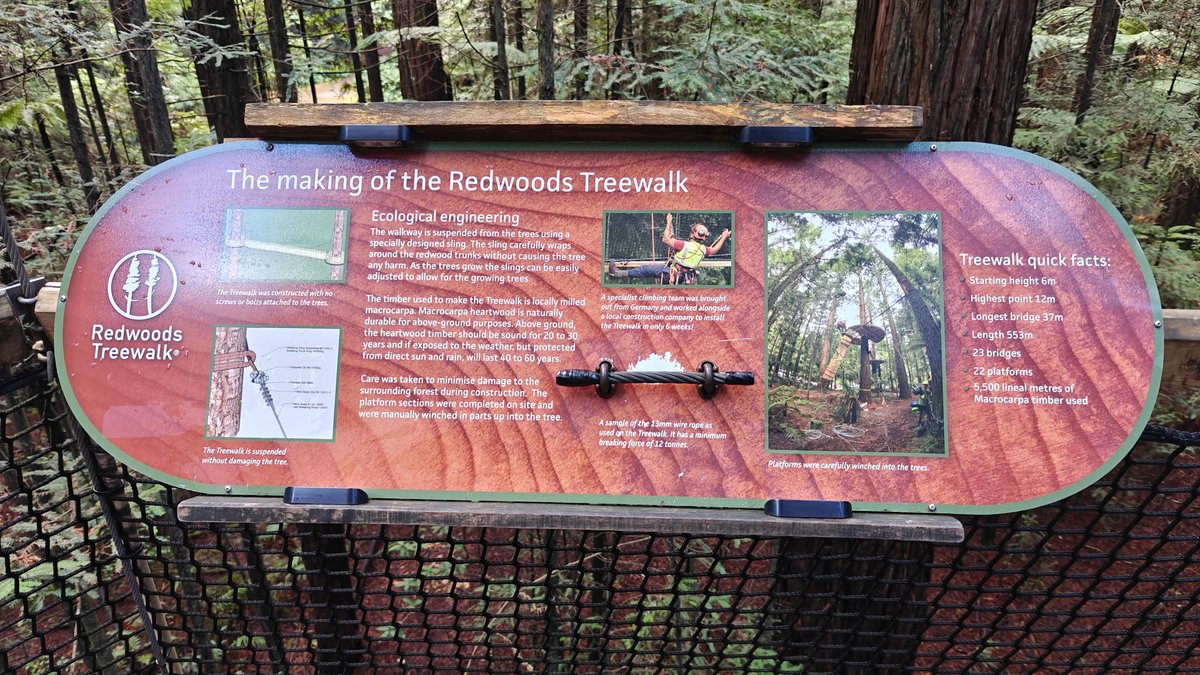
There are other panels with more nuts-and-bolts stuff. They show how the Treewalk itself was built without any heavy machinery. They show what a redwood cone looks like up close.
They also show the forest’s importance as habitat to native birds and bats. They don’t overdo it on all the platforms with words; I liked that about it. It’s there if you want it, but otherwise you can just go take in the trees and stroll around.
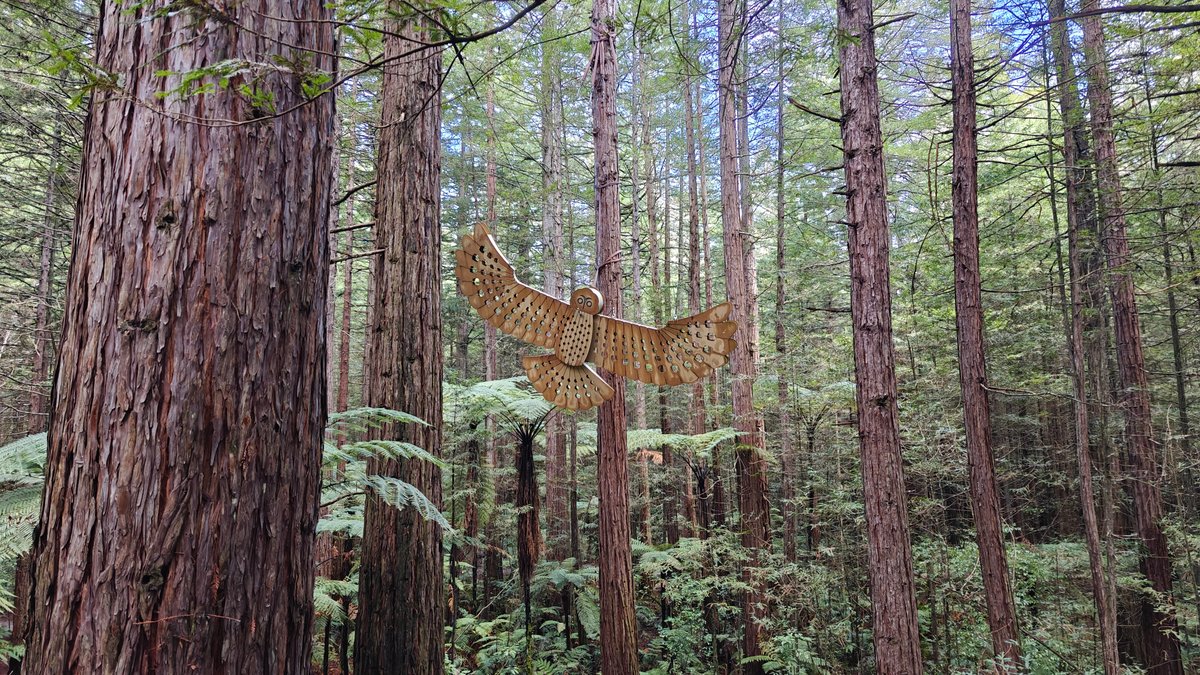
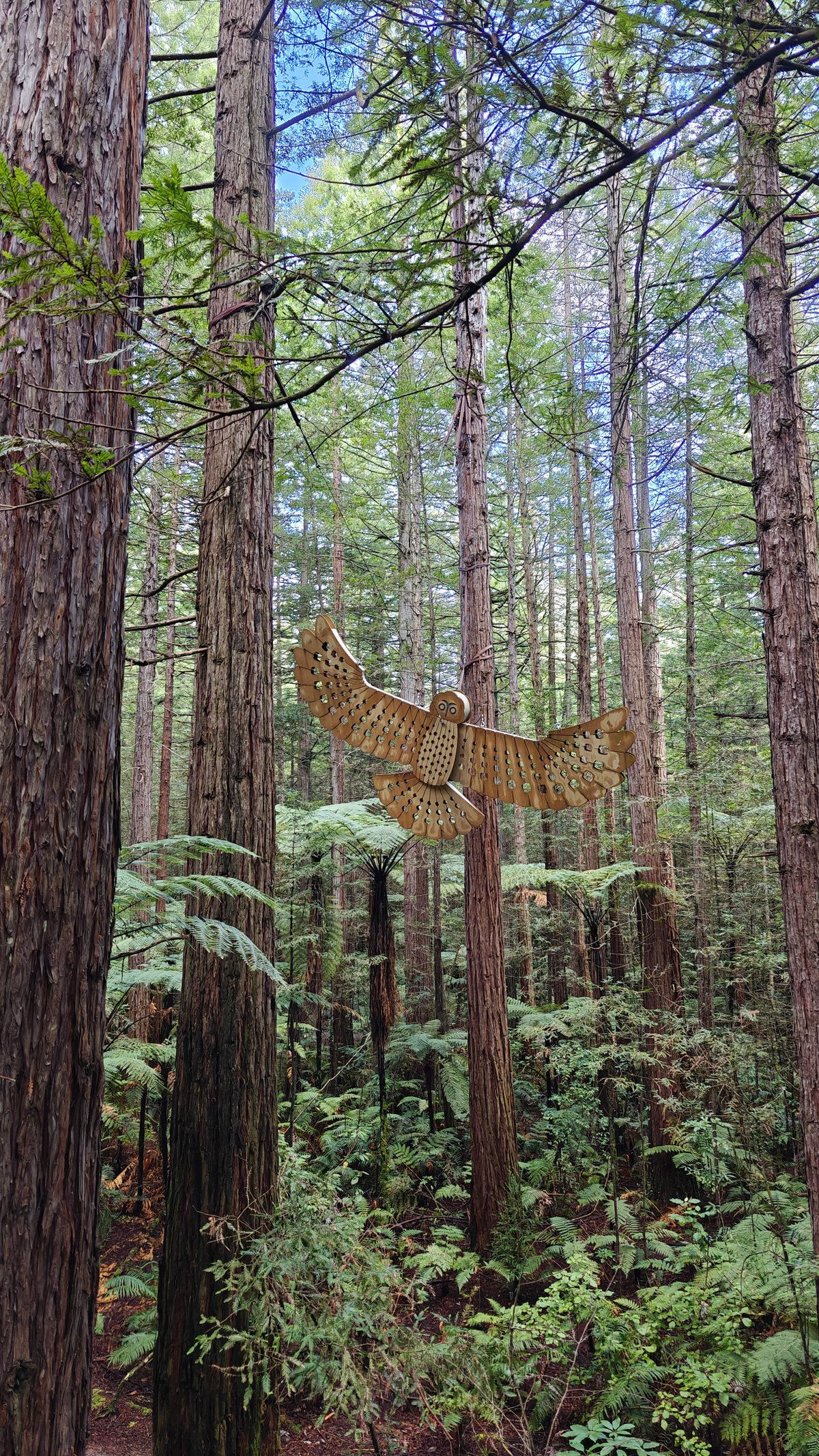
Half way around the loop we stumbled upon some sculptures hanging in the canopy. These are created to blend into the forest and if you don’t know where to look you’d nearly miss them. The detail was good enough for me to stop and check it out more closely.
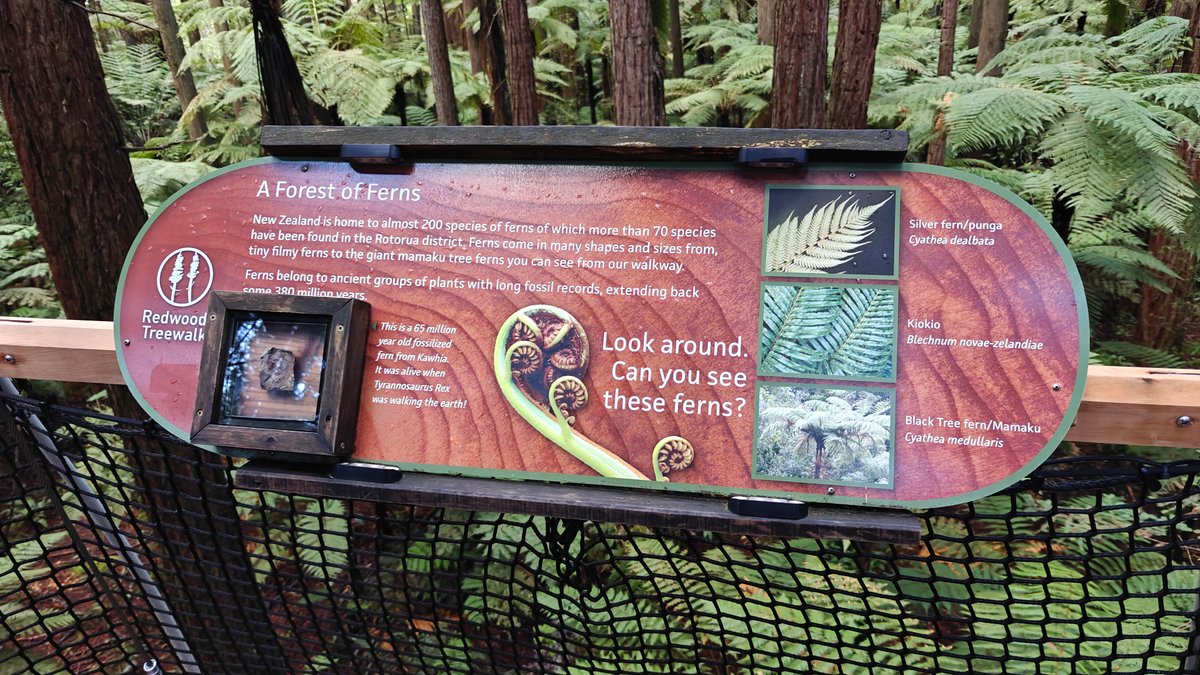
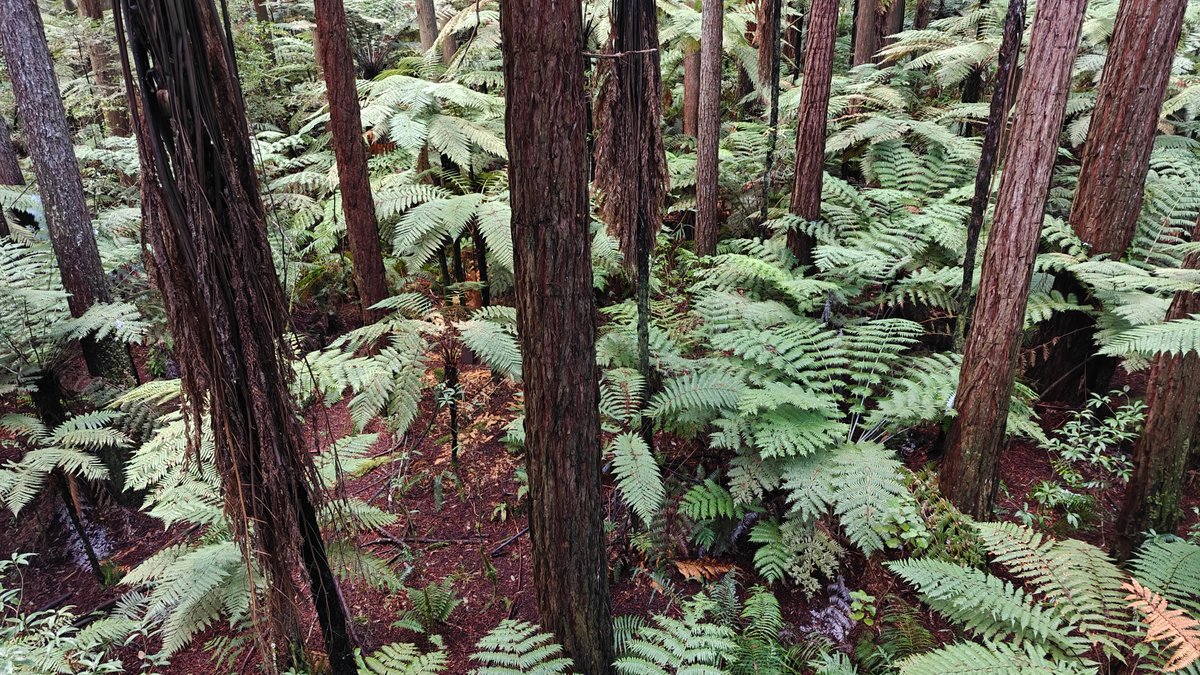
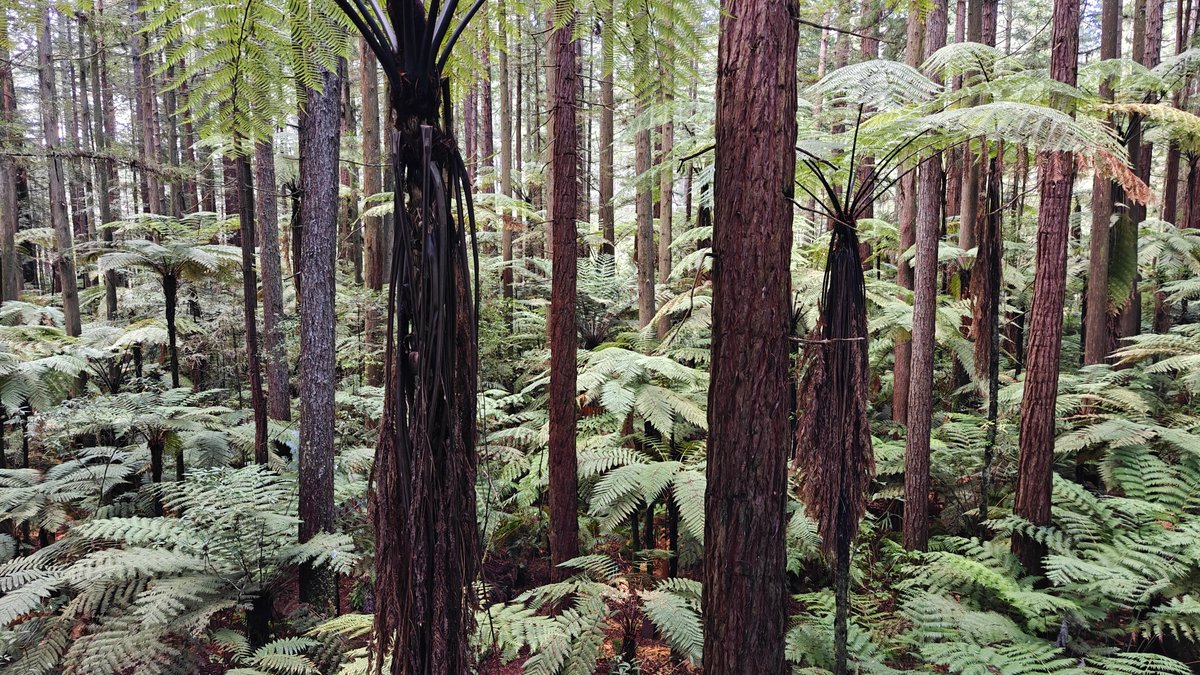

The forest floor below the redwoods is carpeted in tree ferns. Ferns are a huge part of New Zealand’s native ecosystems.
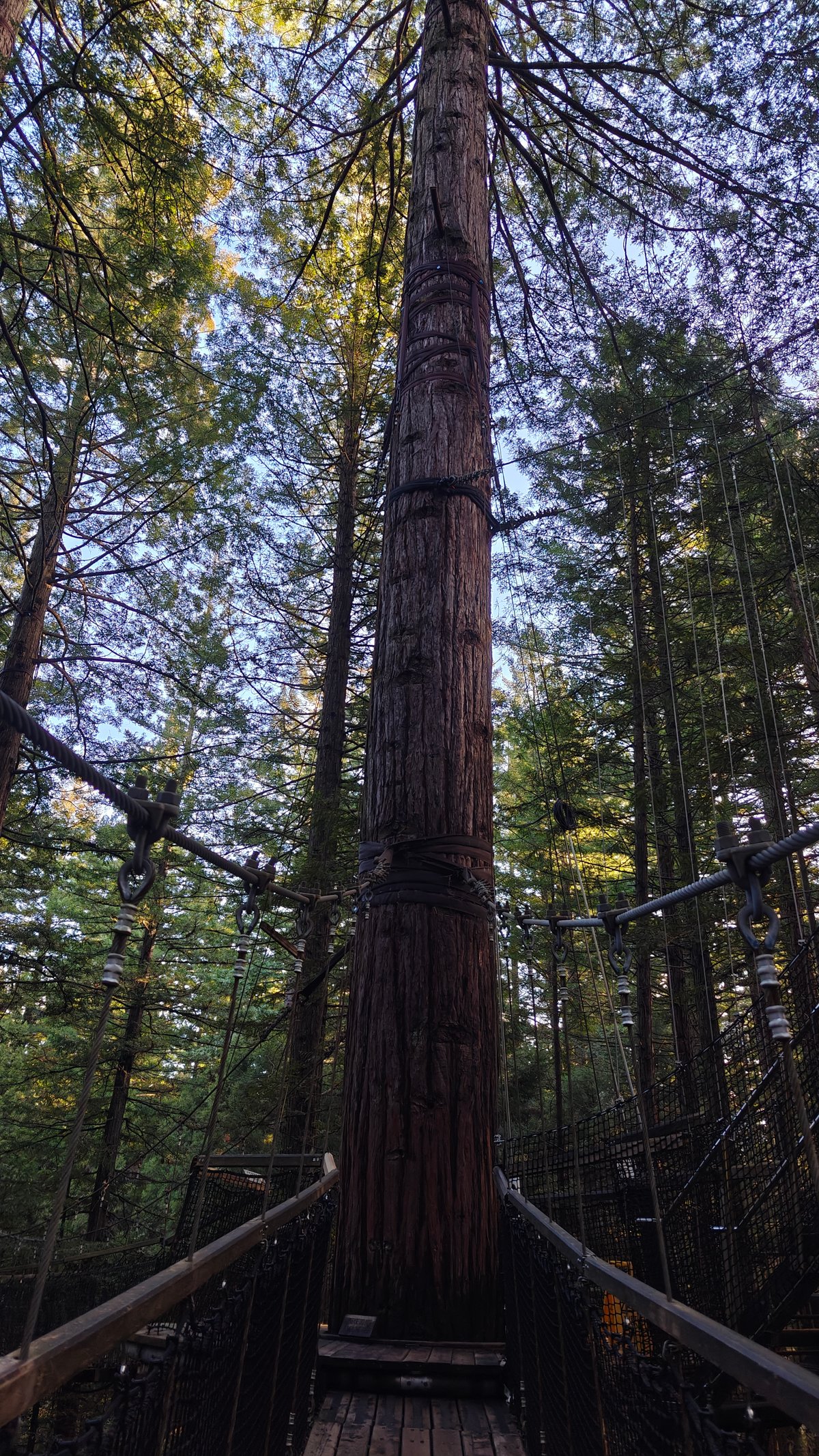
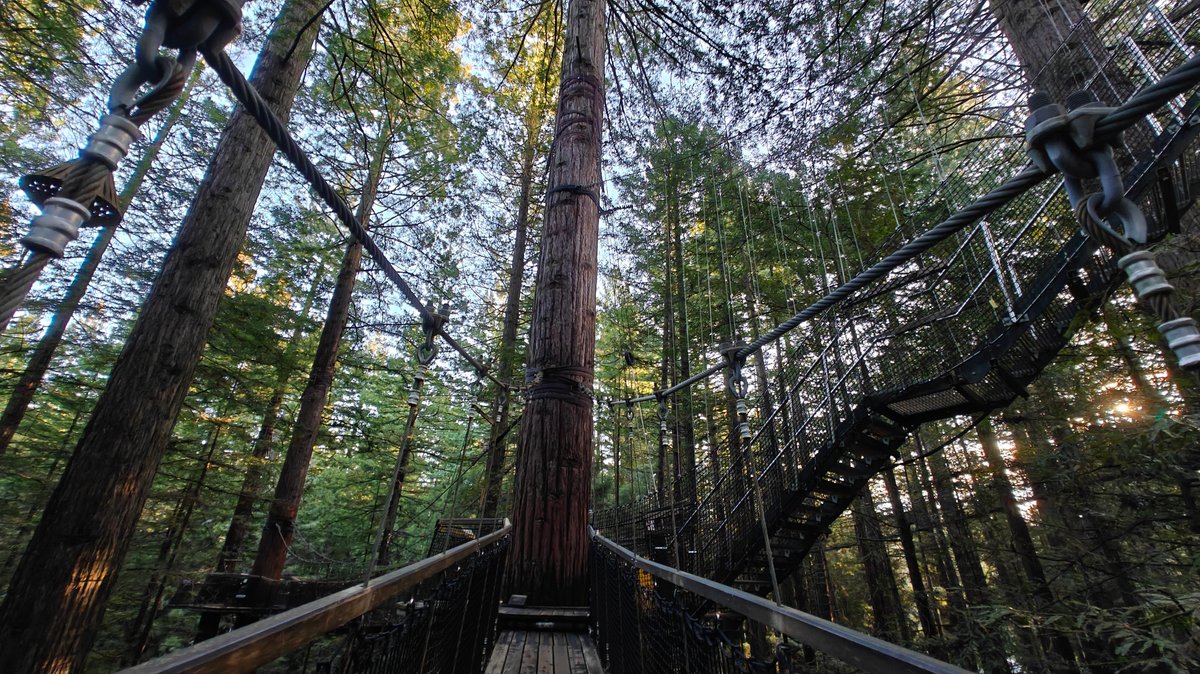
The panels describe this and contrast the straight trunks of the trees with the spread-out fronds of the ferns to make the whole space feel very layered. When you walk up onto the platforms, you find yourself looking down at the fern canopy rather than up through it, another way to see it.
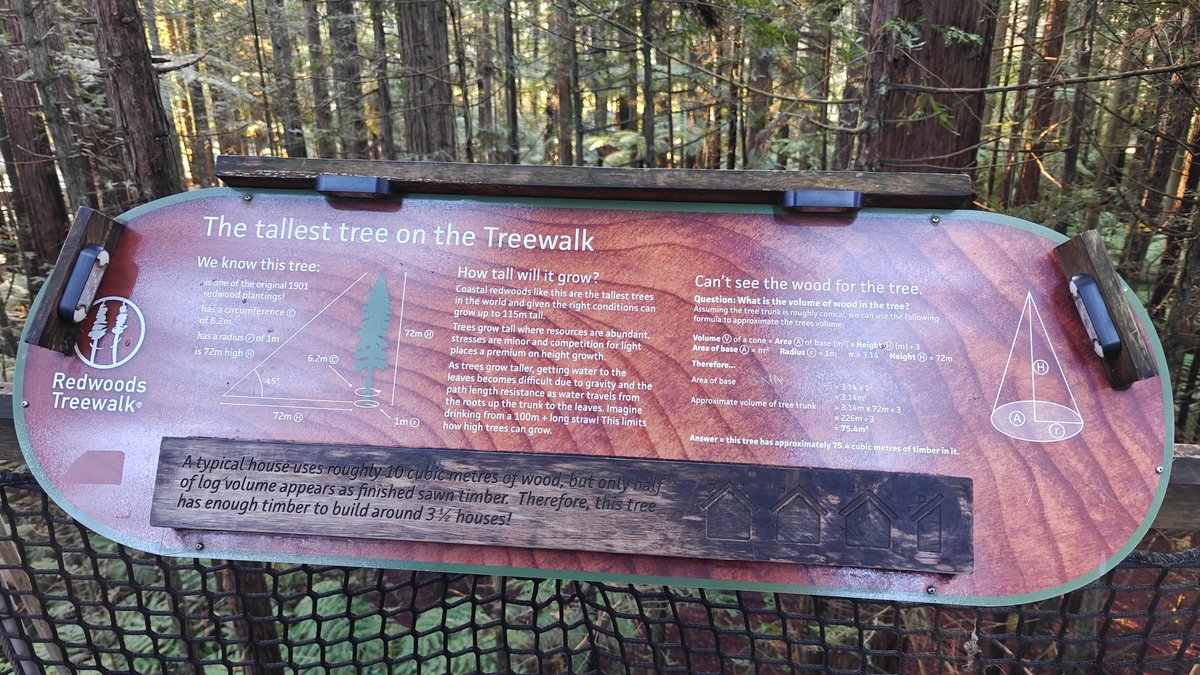
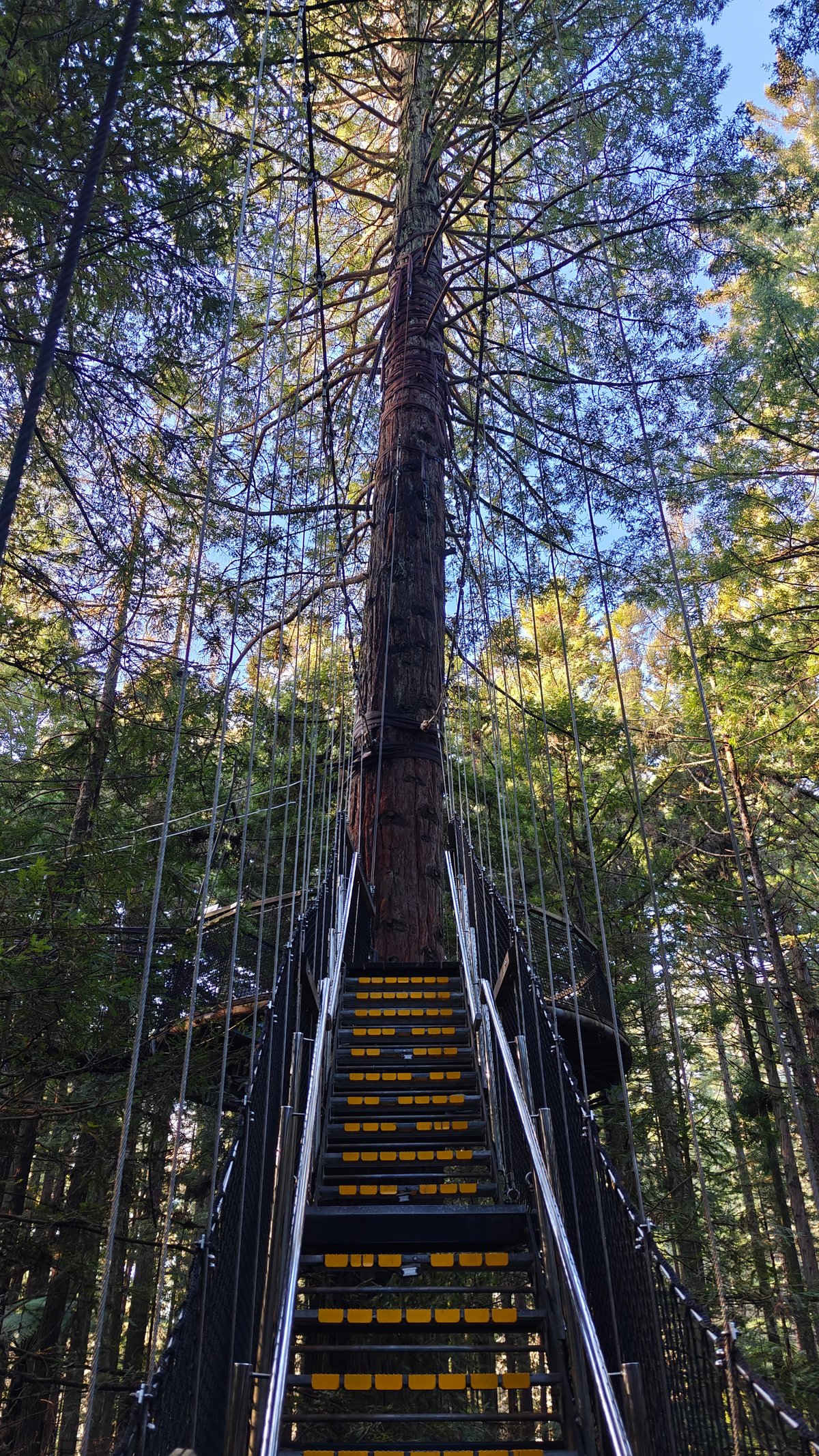
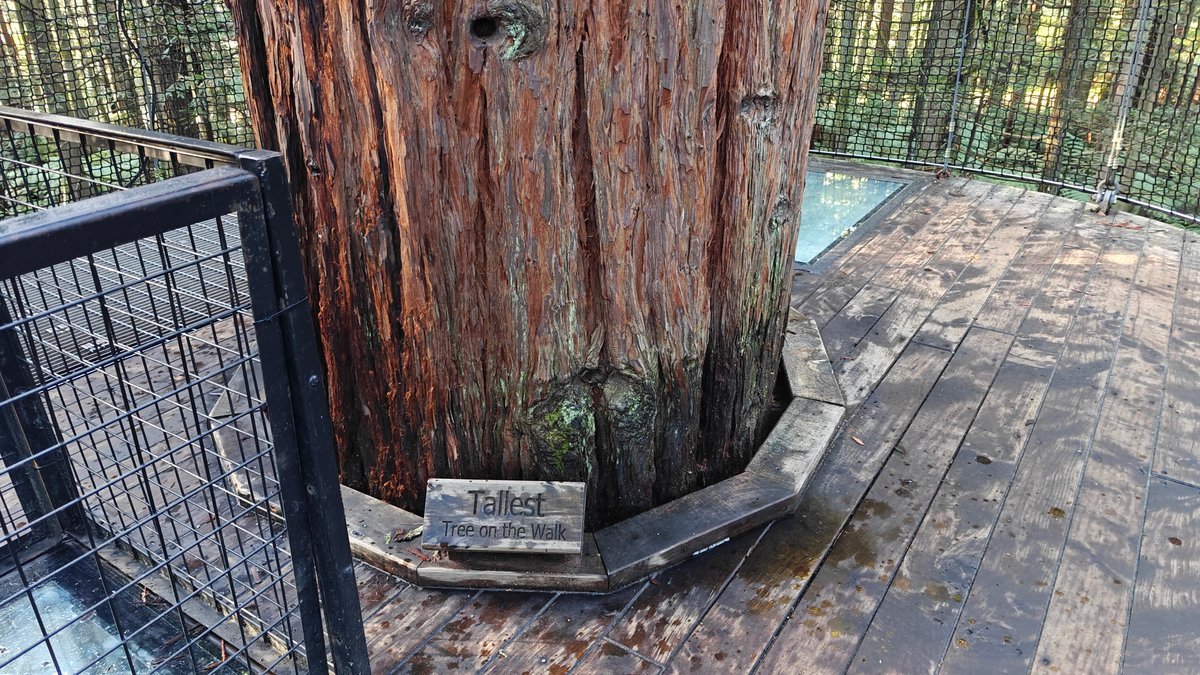
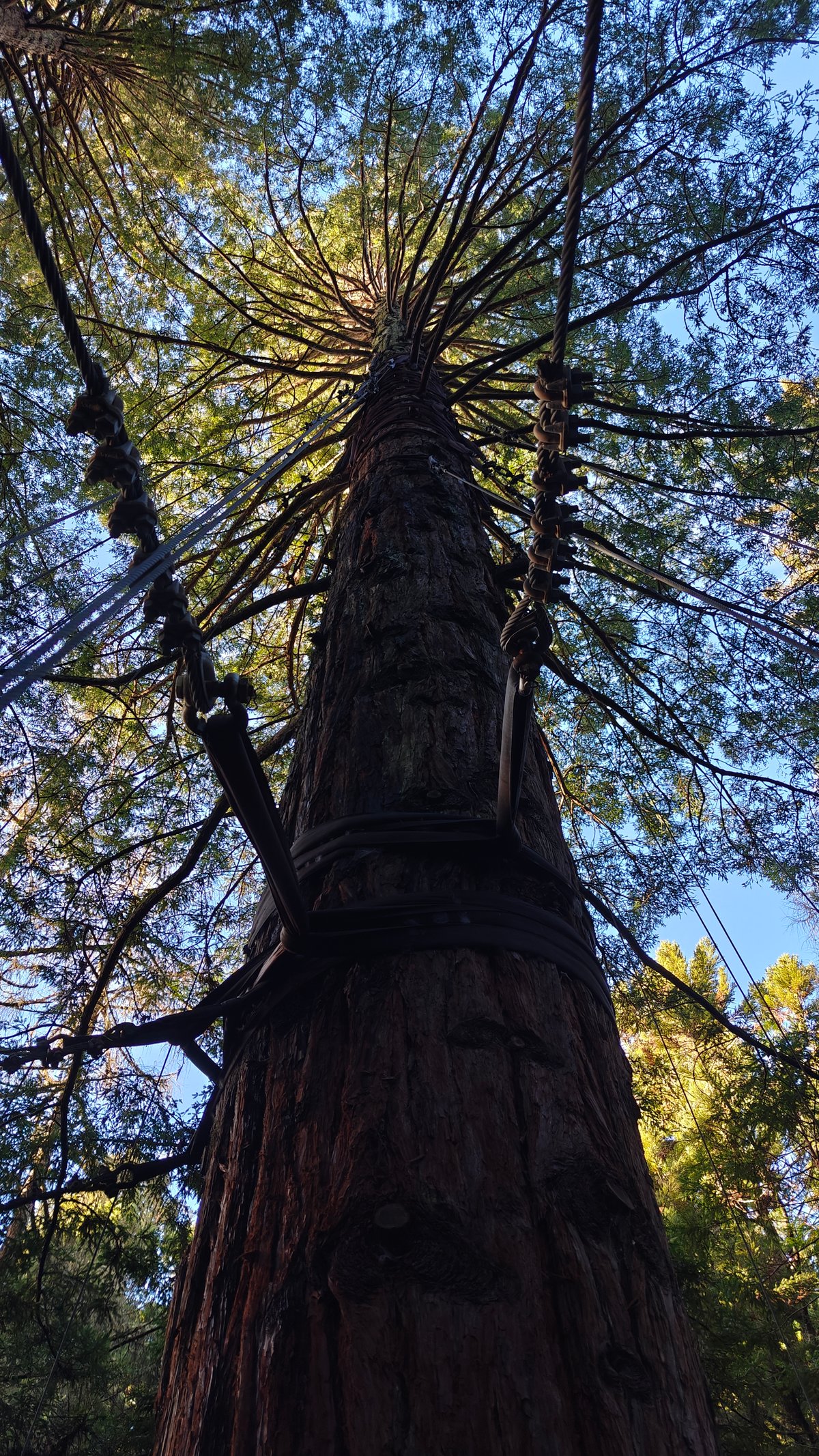
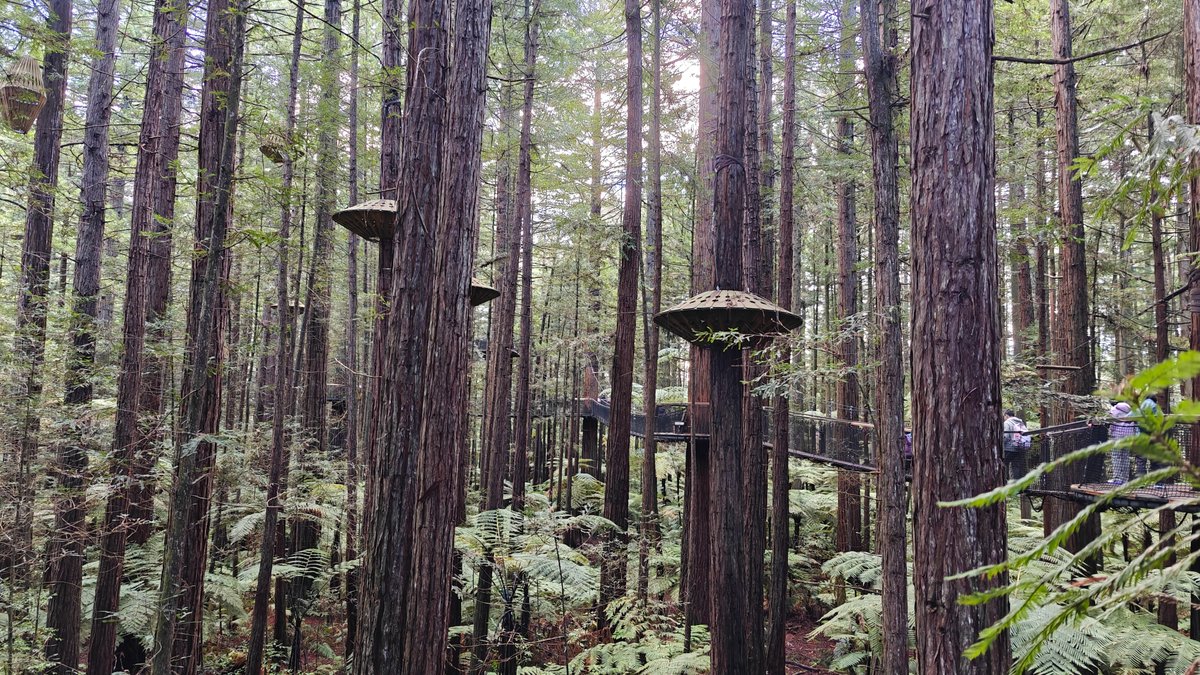
At this height (roughly twelve metres up), you feel most like you’re in the treetops. You can look out across the trees and see other platforms, and the trunks just rise endlessly into the air. One part winds around a tree that they’ve labelled as the tallest along the walkway, and you can really see how big it is when you stand beside it.
Platforms were well maintained and solid; the suspension bridges were long enough that you could sense a little movement beneath your feet. I didn’t rush, though I was not nervous. It’s easy to stand on the decks looking straight up through the redwood crowns breaking up in patches of sky and branches and lose track of time.
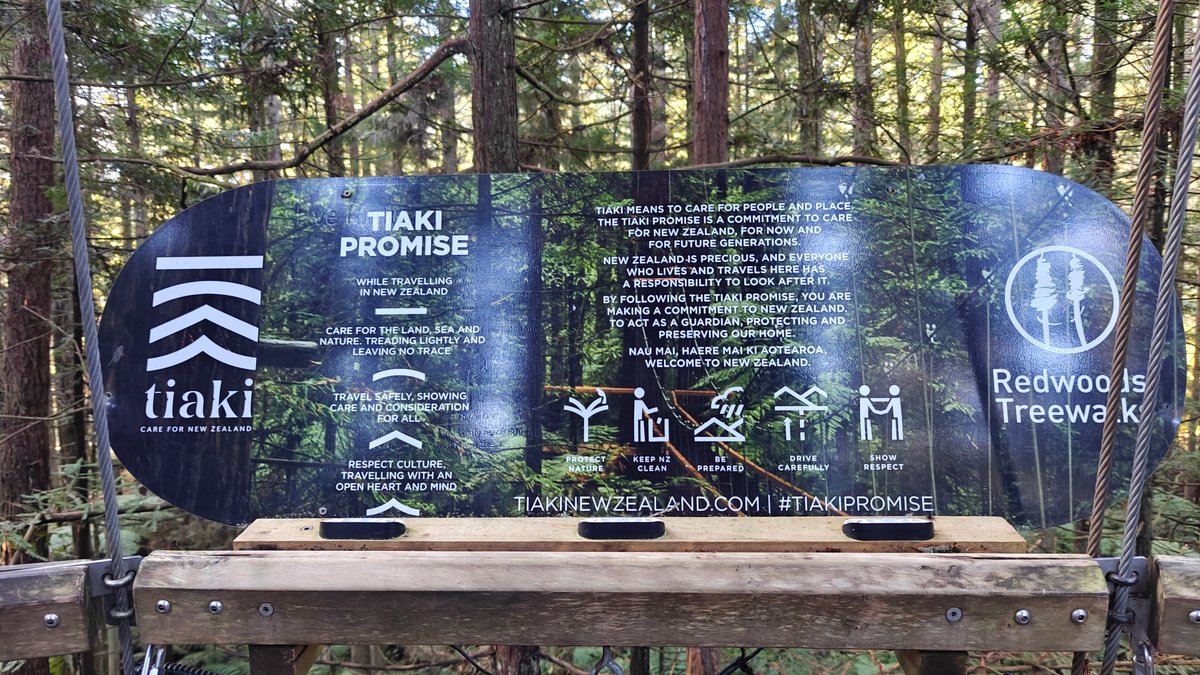
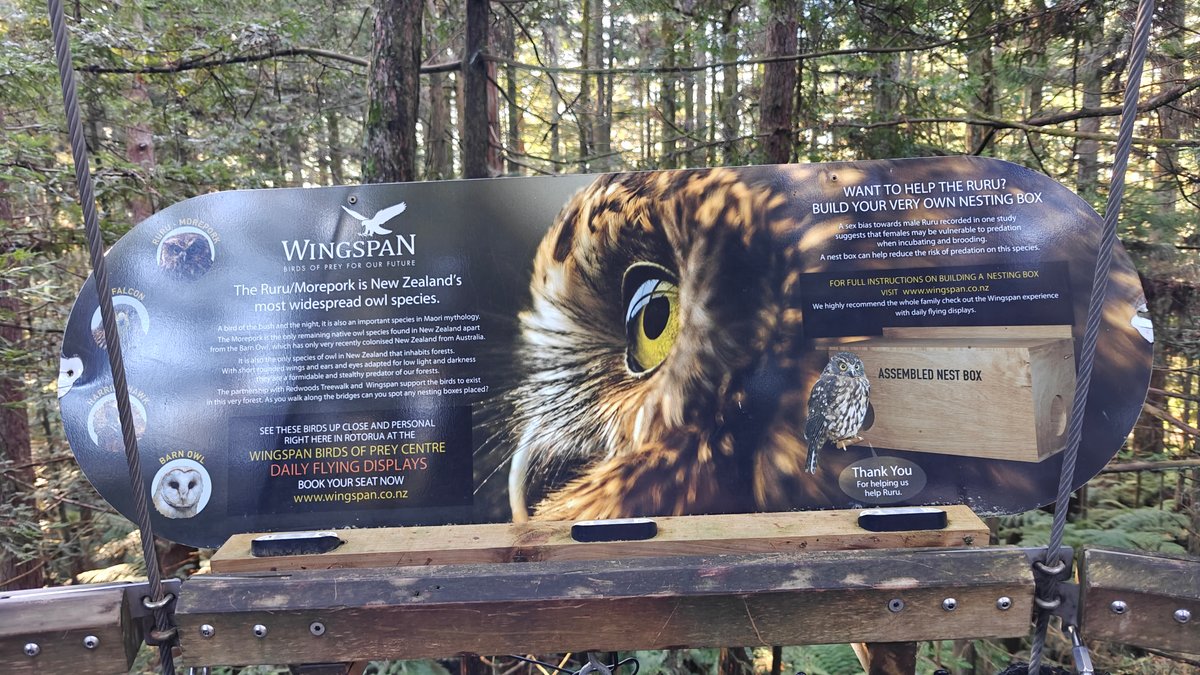
There is an added touch of information en route, info on the morepork, a native forest-dwelling owl, and the Tiaki Promise (a pledge by visitors to respect New Zealand’s natural environment). It’s all very informative but not at all preachy. Overall, it was a very educational experience that didn’t feel like one.
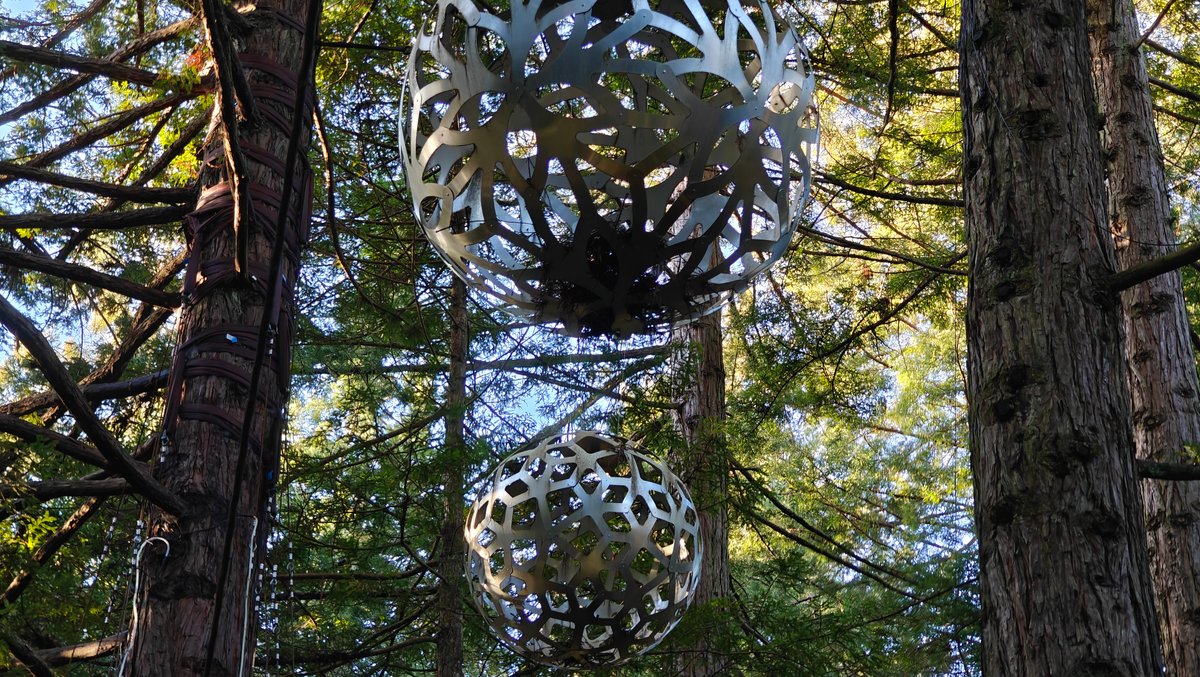
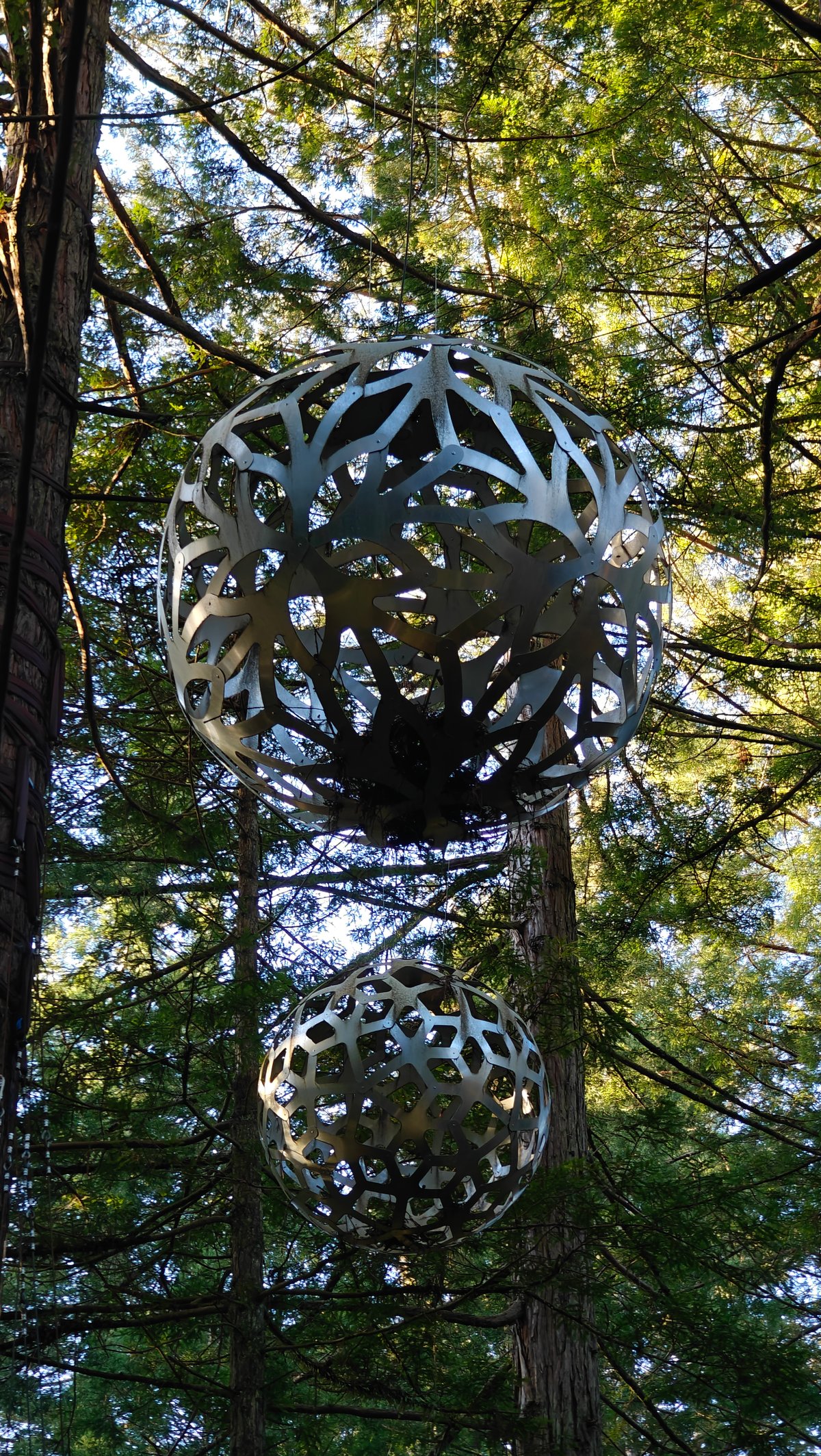
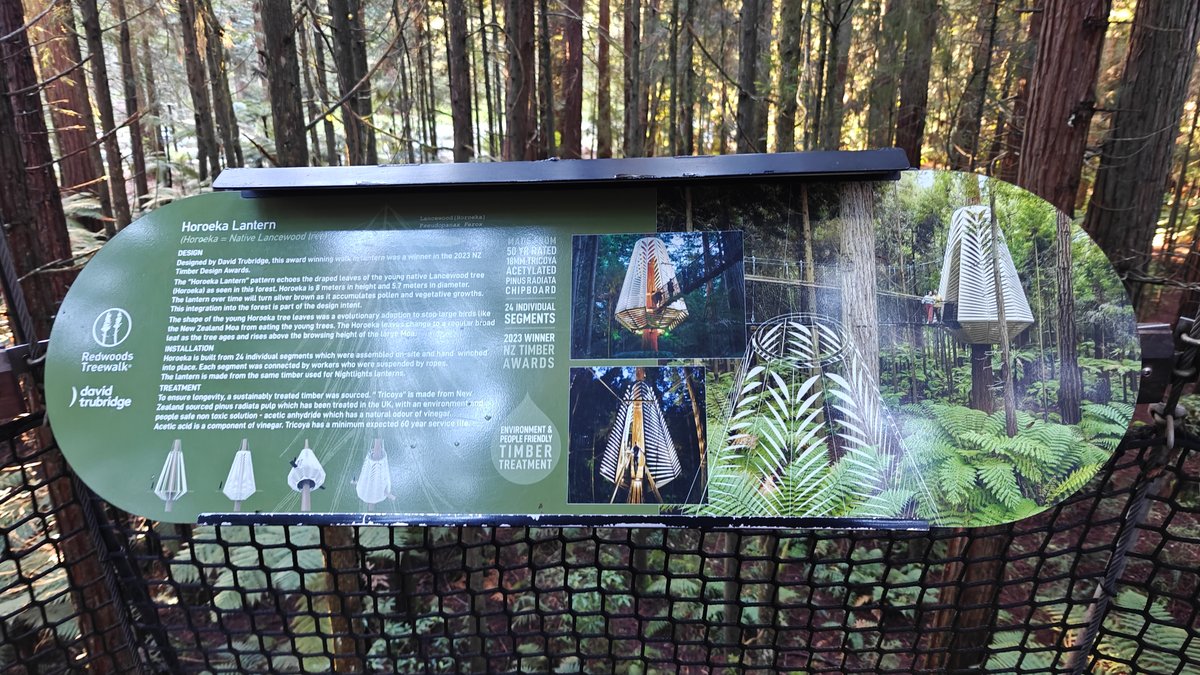
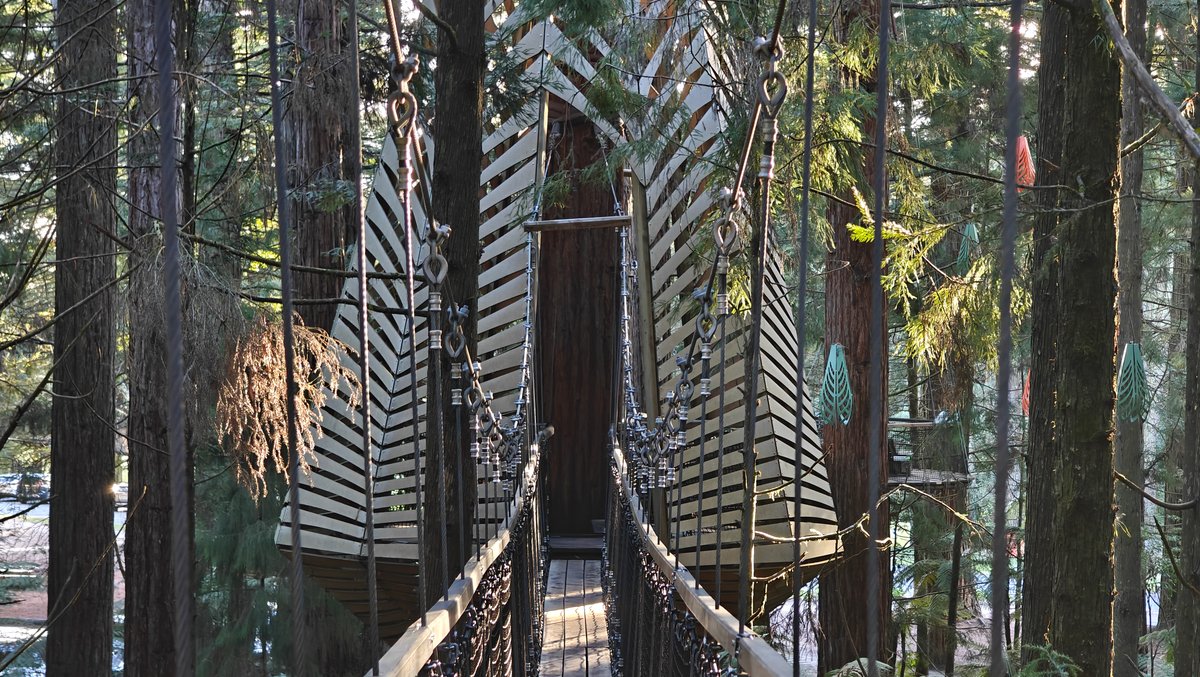
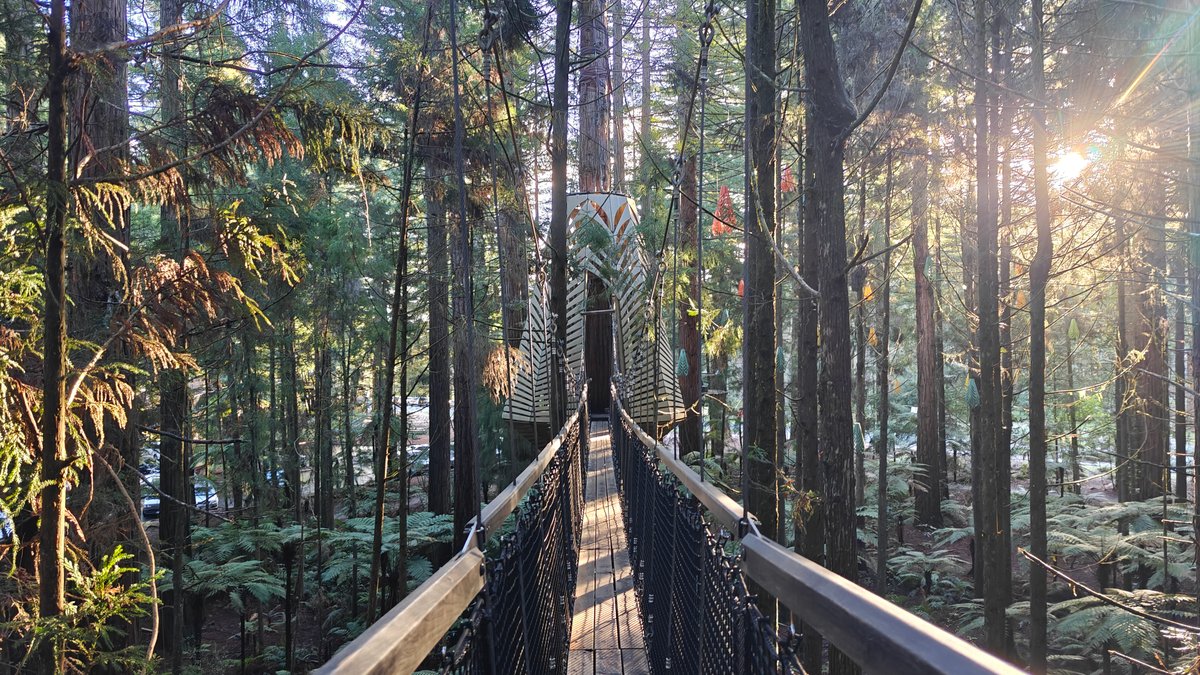
As we approached the end of the loop, the sun began to fade. Gaps in the canopy let sunlight dapple on the edges of the platforms and filter through them in a lantern-like way. Another panel described the design process behind the Nightlights installation.
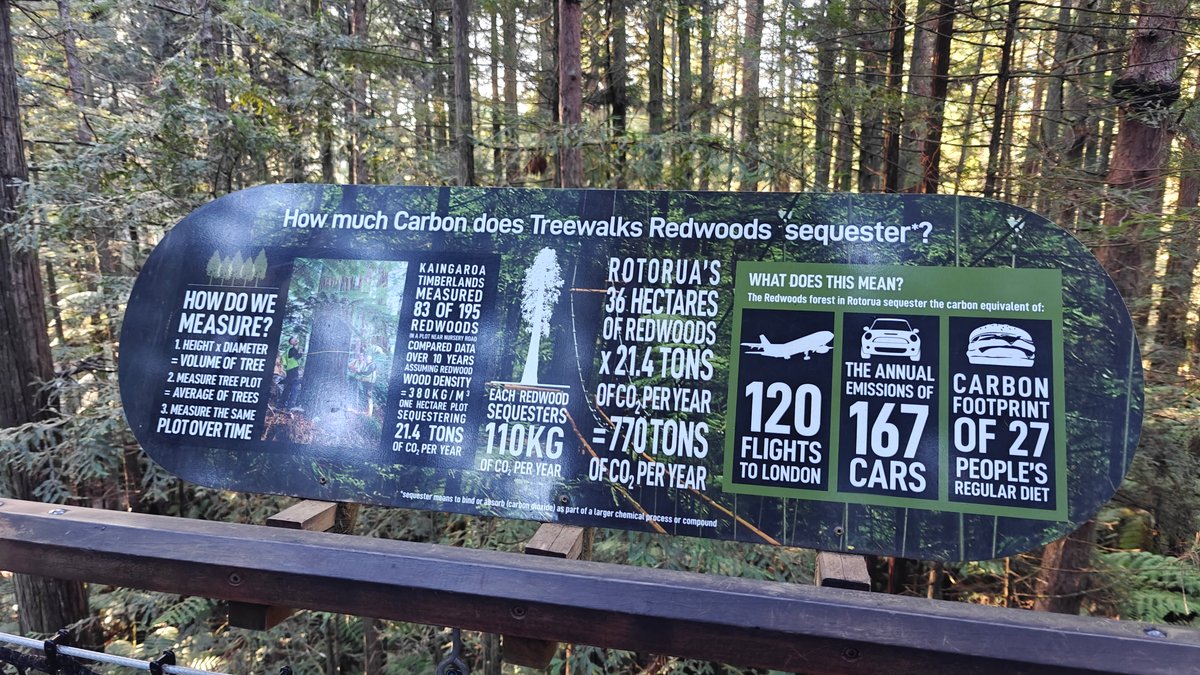
Another one explained how much carbon the forest holds. As we stepped onto the exit platform, the light had grown soft, the forest quiet.
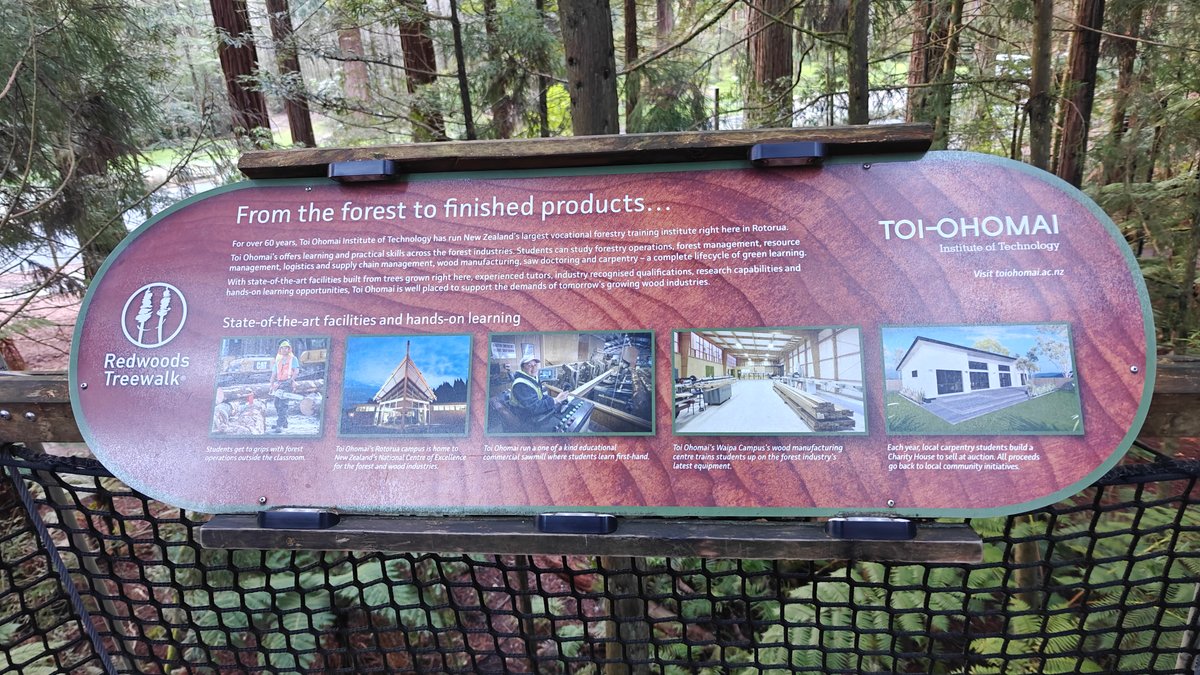
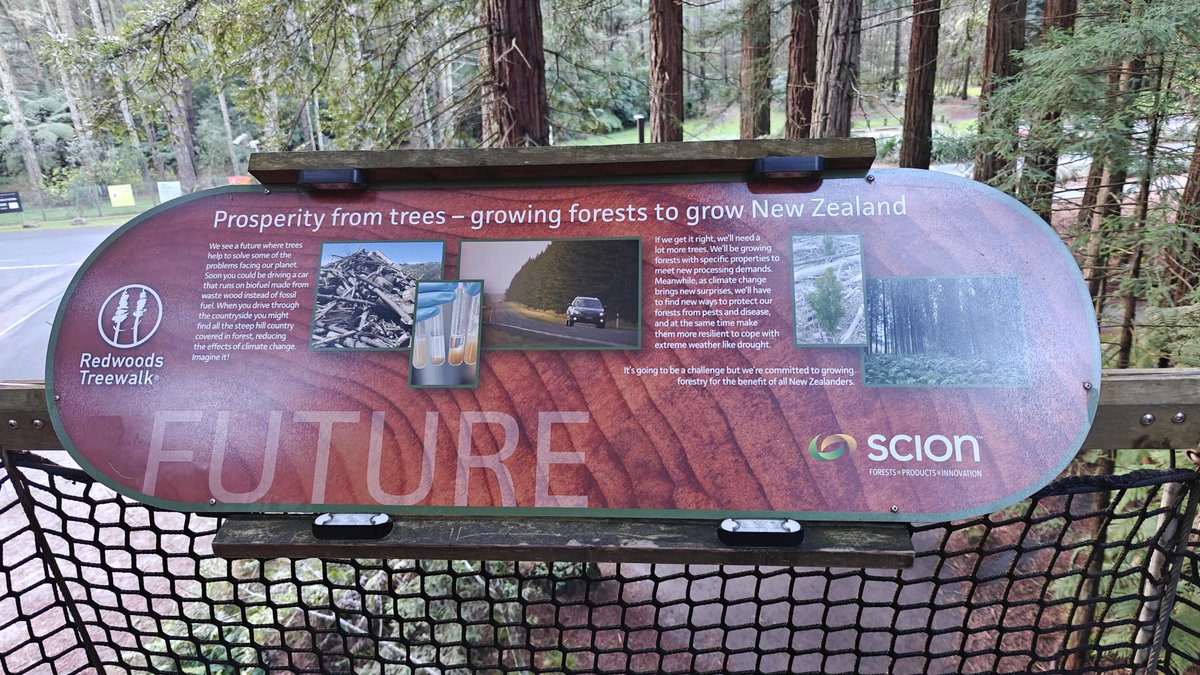
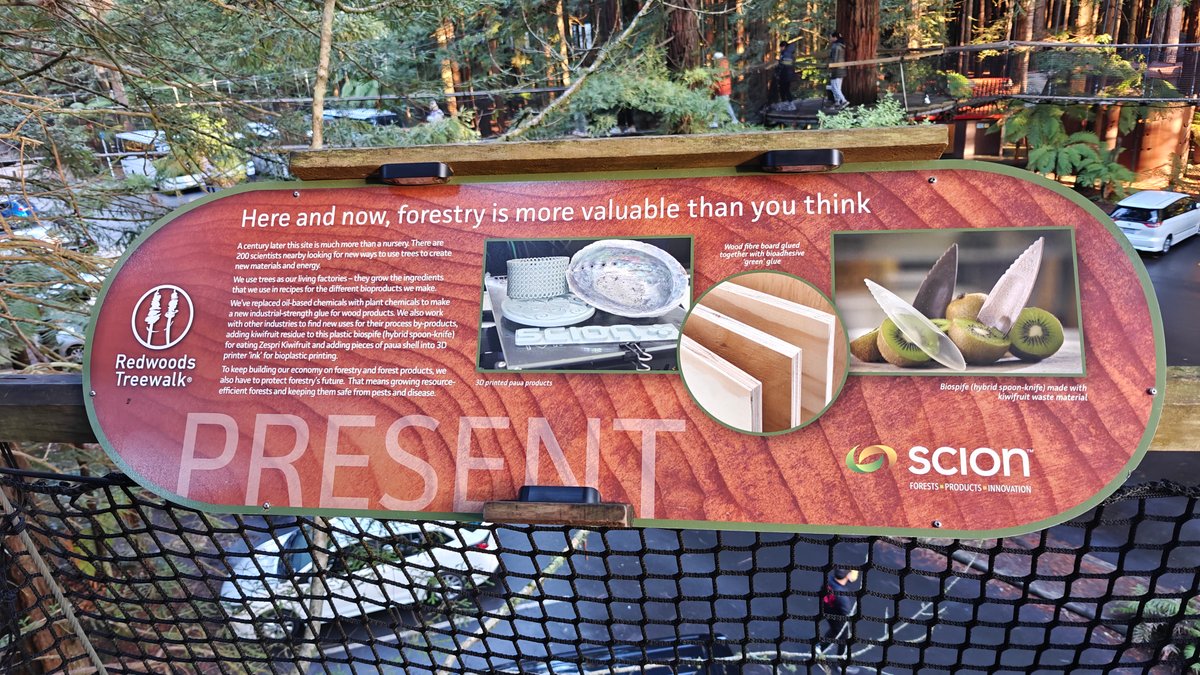
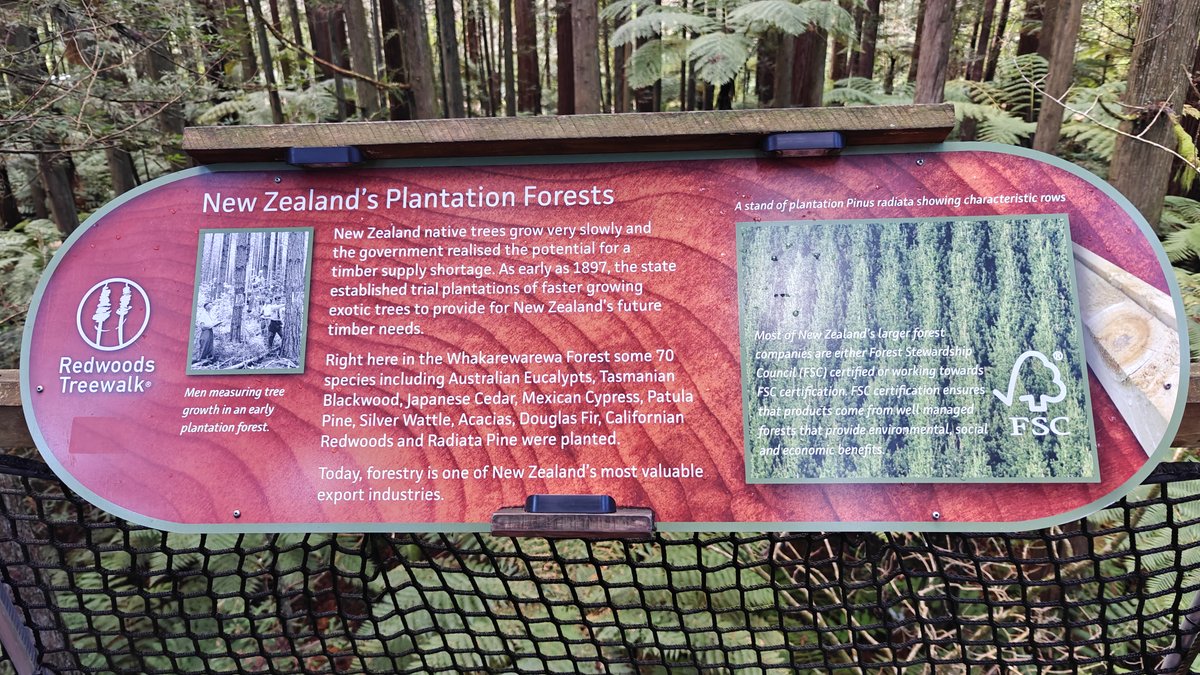
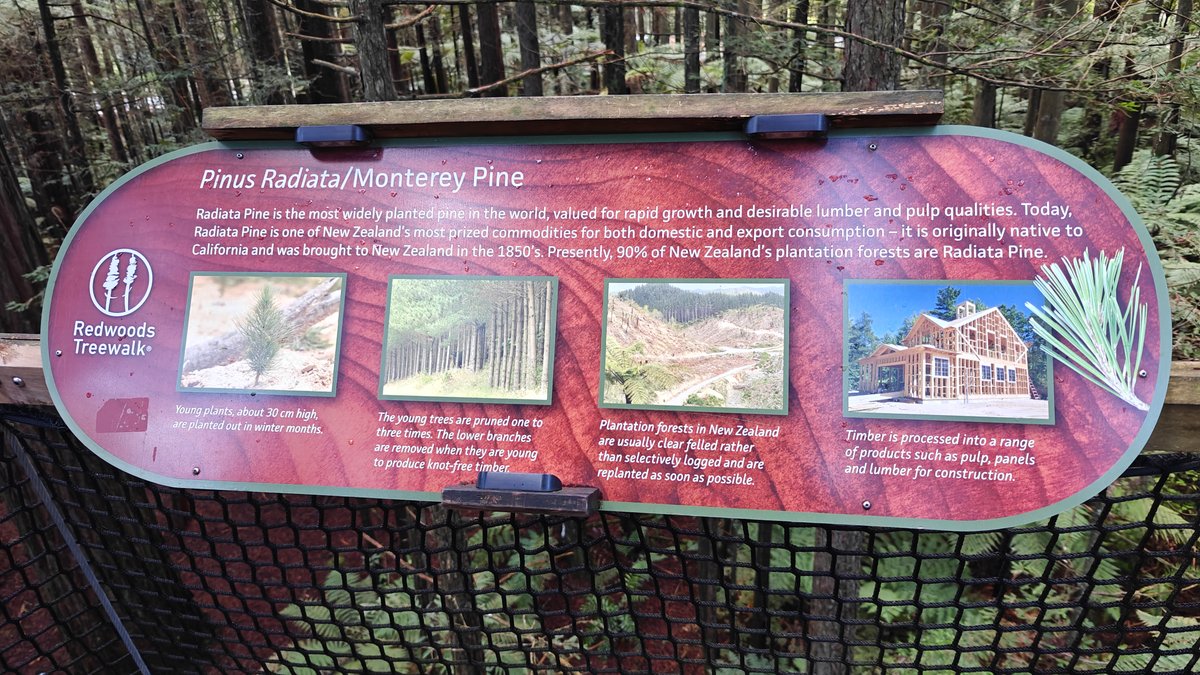
The last section of the walk has more information about the process of taking wood from the forest to finished timber, including on New Zealand’s forestry industry. It is a reminder that while Whakarewarewa may be here because it looks nice, it was also planted with practicality in mind. And we should of been thankful that instead of being cut down, it’s been maintained and opened up to the public.
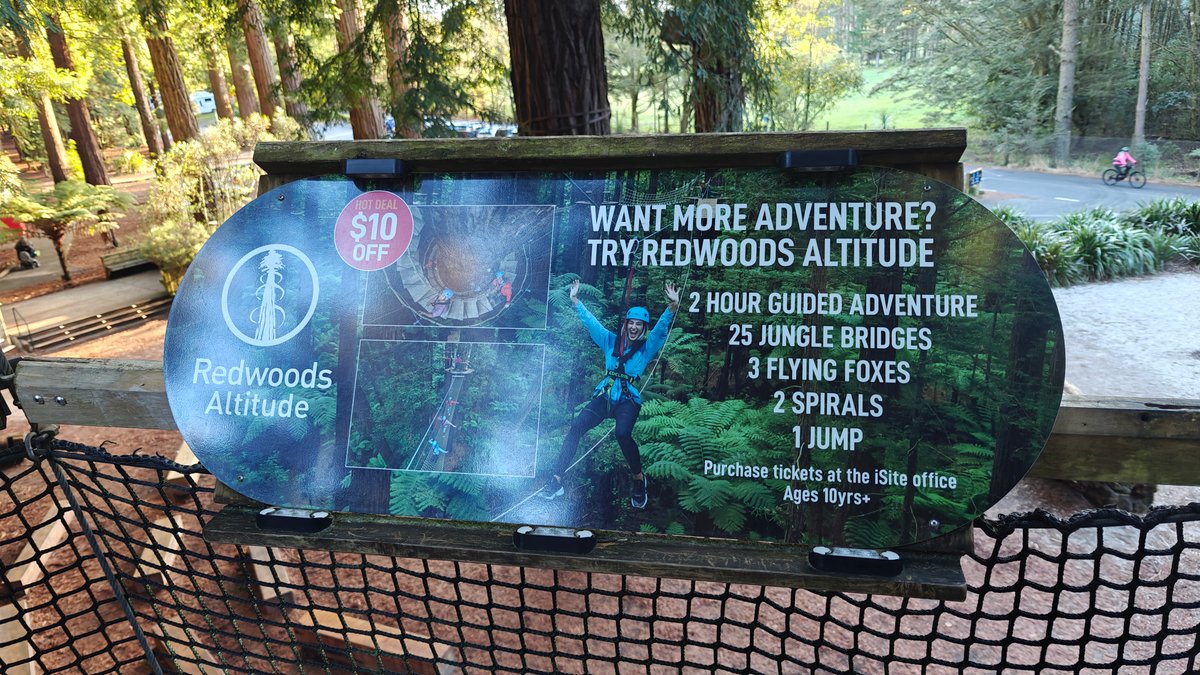
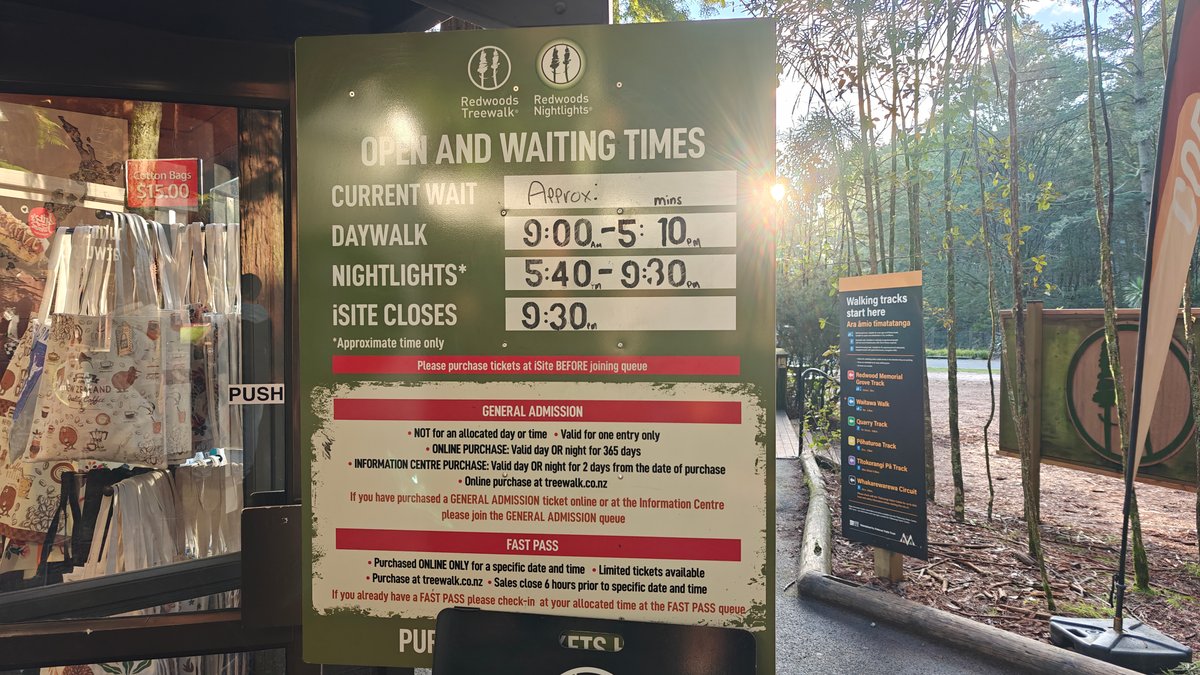
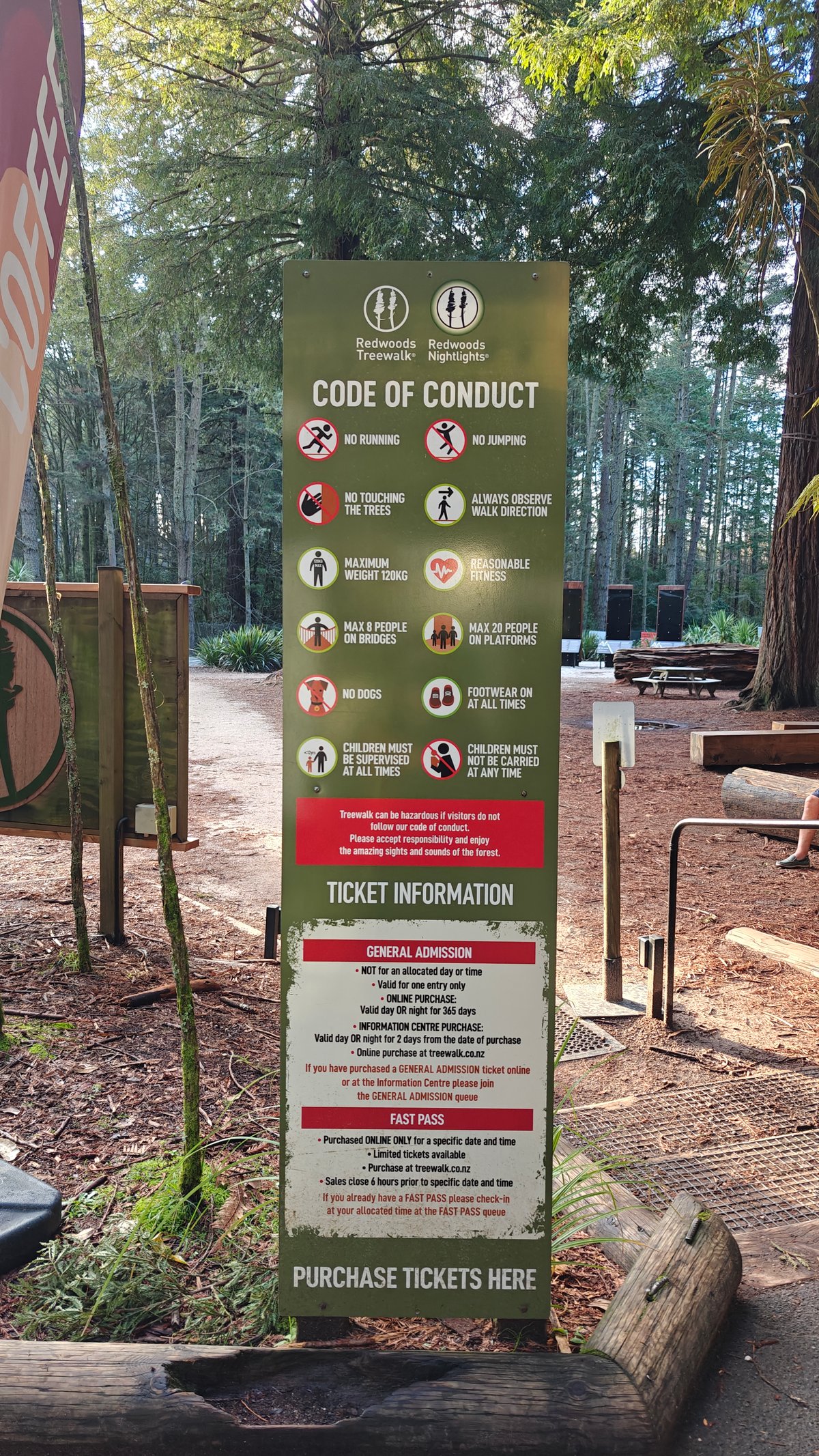
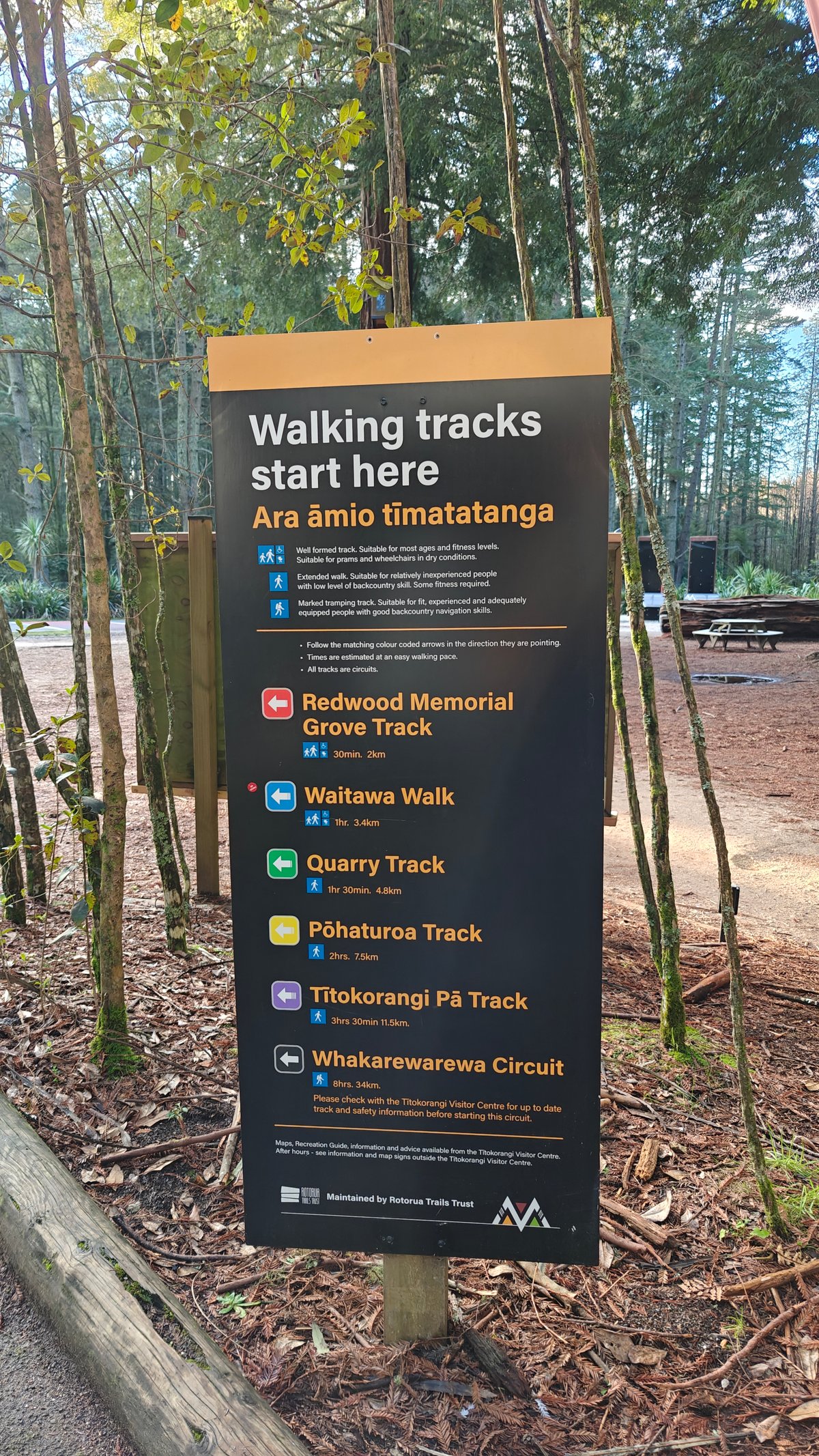
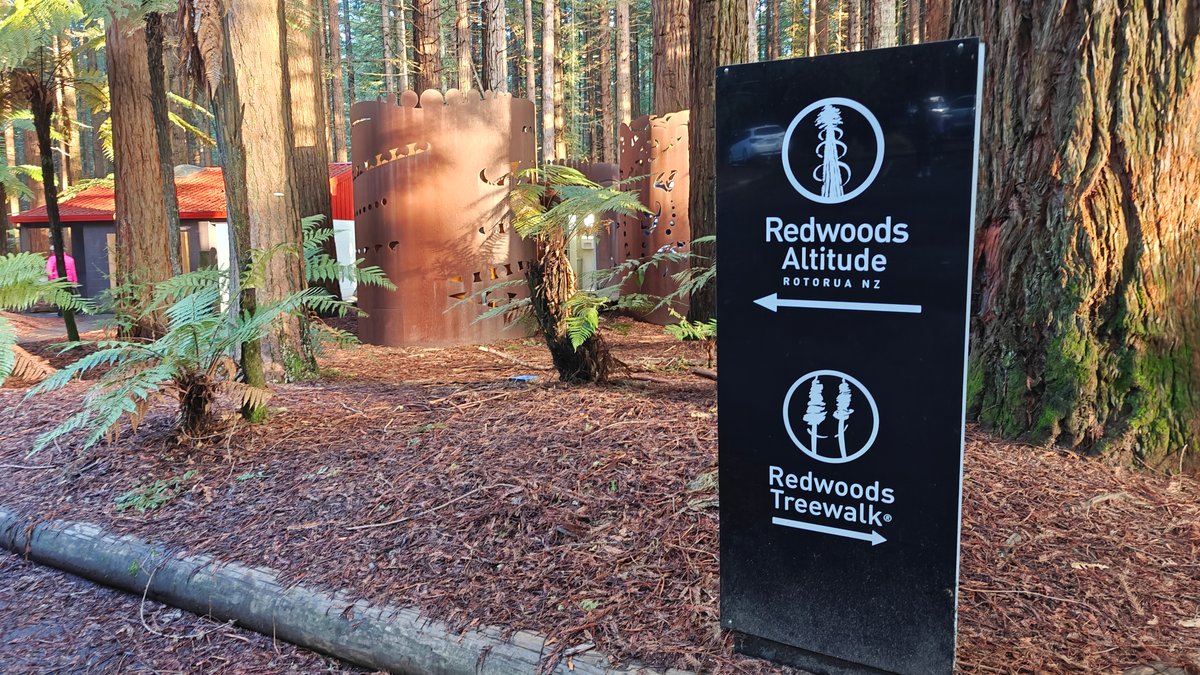
We then went back to the starting area and read through the information boards for a while. All the opening hours, code of conduct, and details of other activities available in the forest (more walking tracks, ziplines, mountain biking) is clearly posted here. Signposting is thorough…
You won’t be left scratching your head as to where to go.
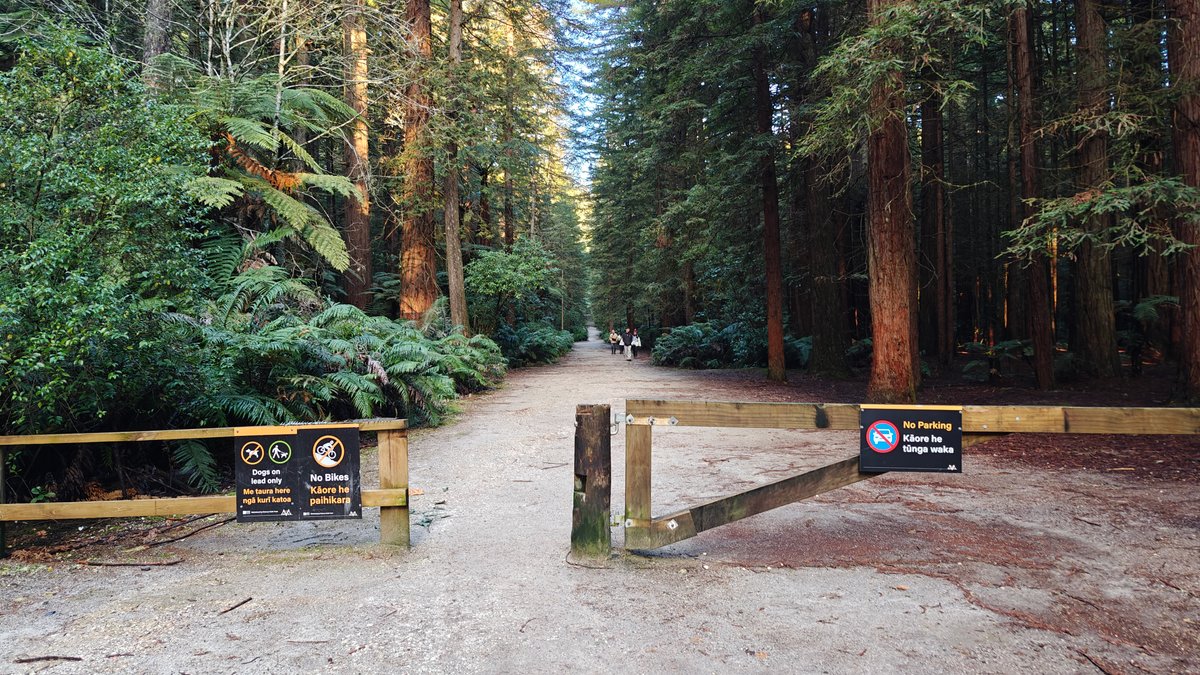
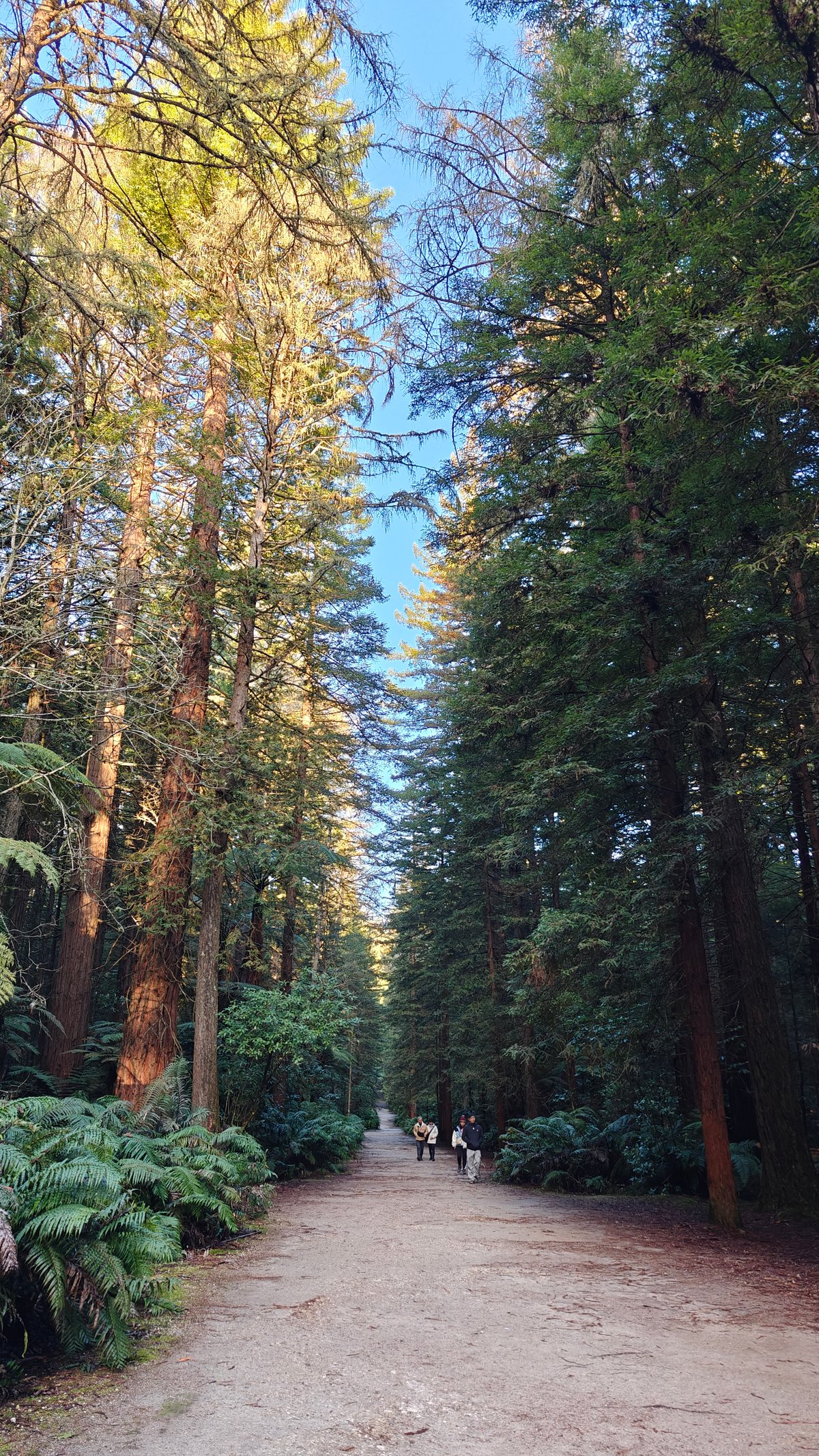
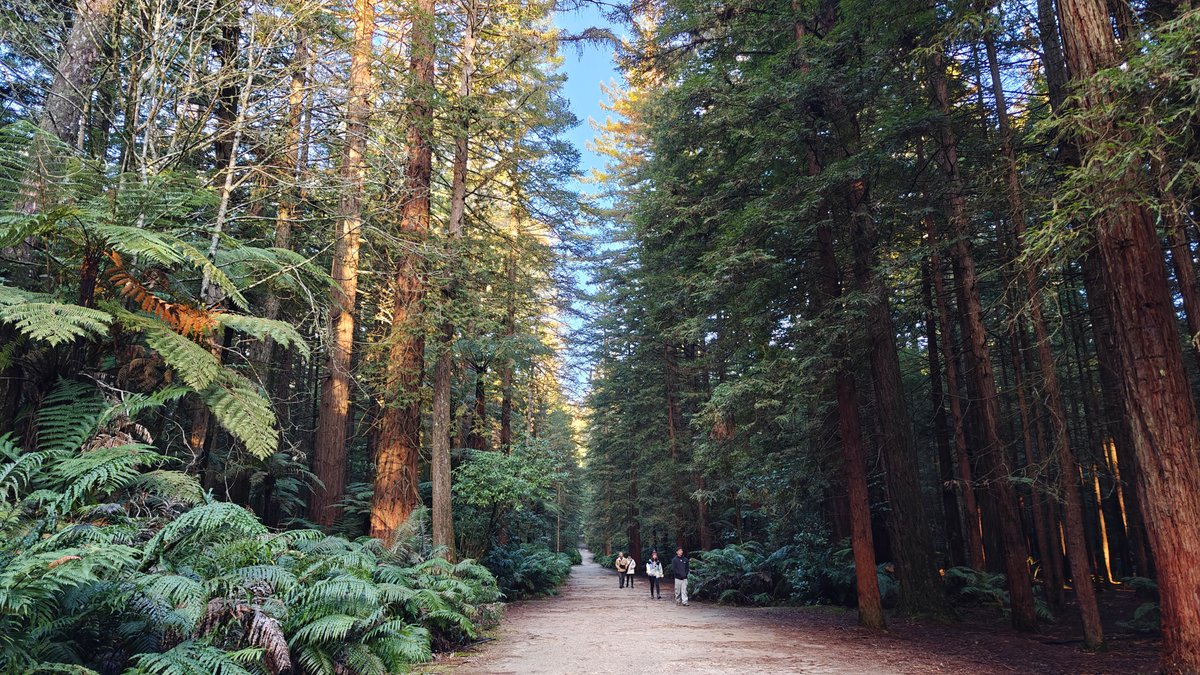
Deciding we’d walked enough of the forest floor track for now, we returned to the car. Down at ground level, the trees seem even taller than they do on the wide paths running between them. The ferns on each side of the track glowed in the late afternoon light as it threaded through the trunks.
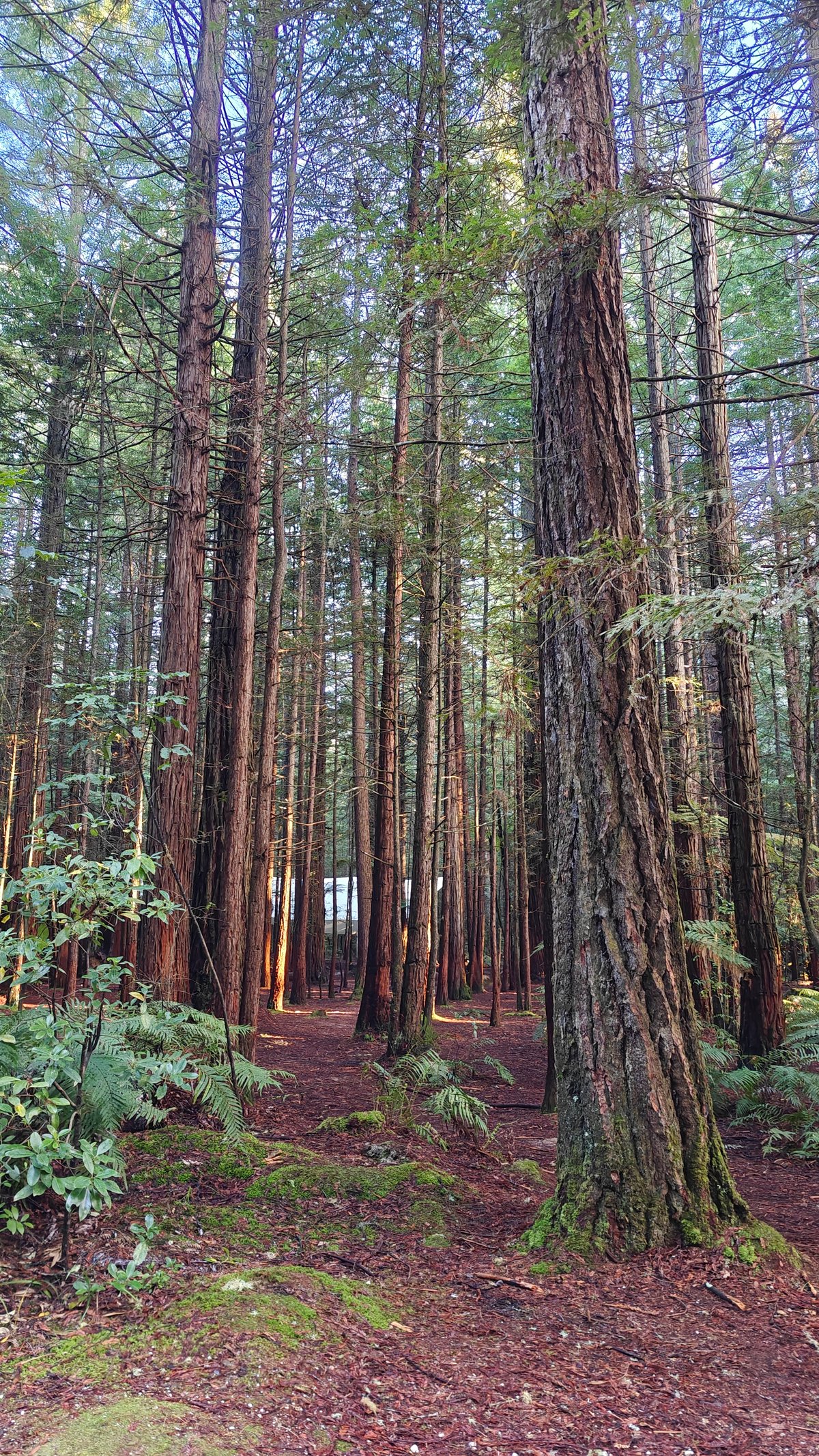
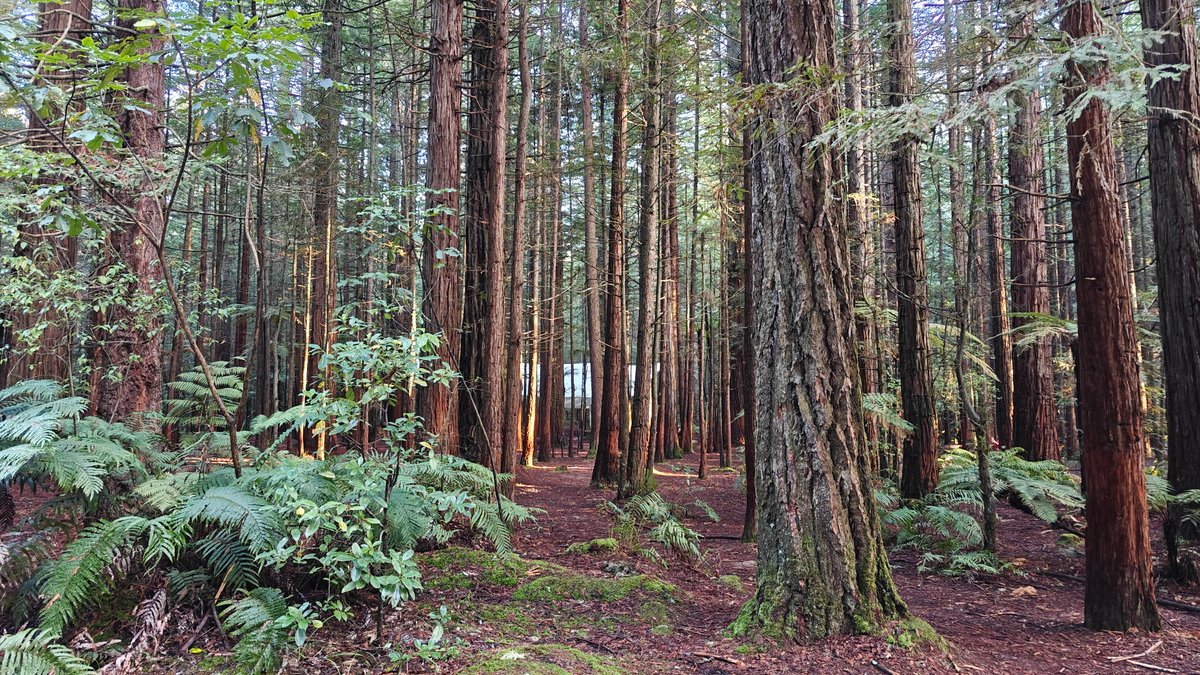
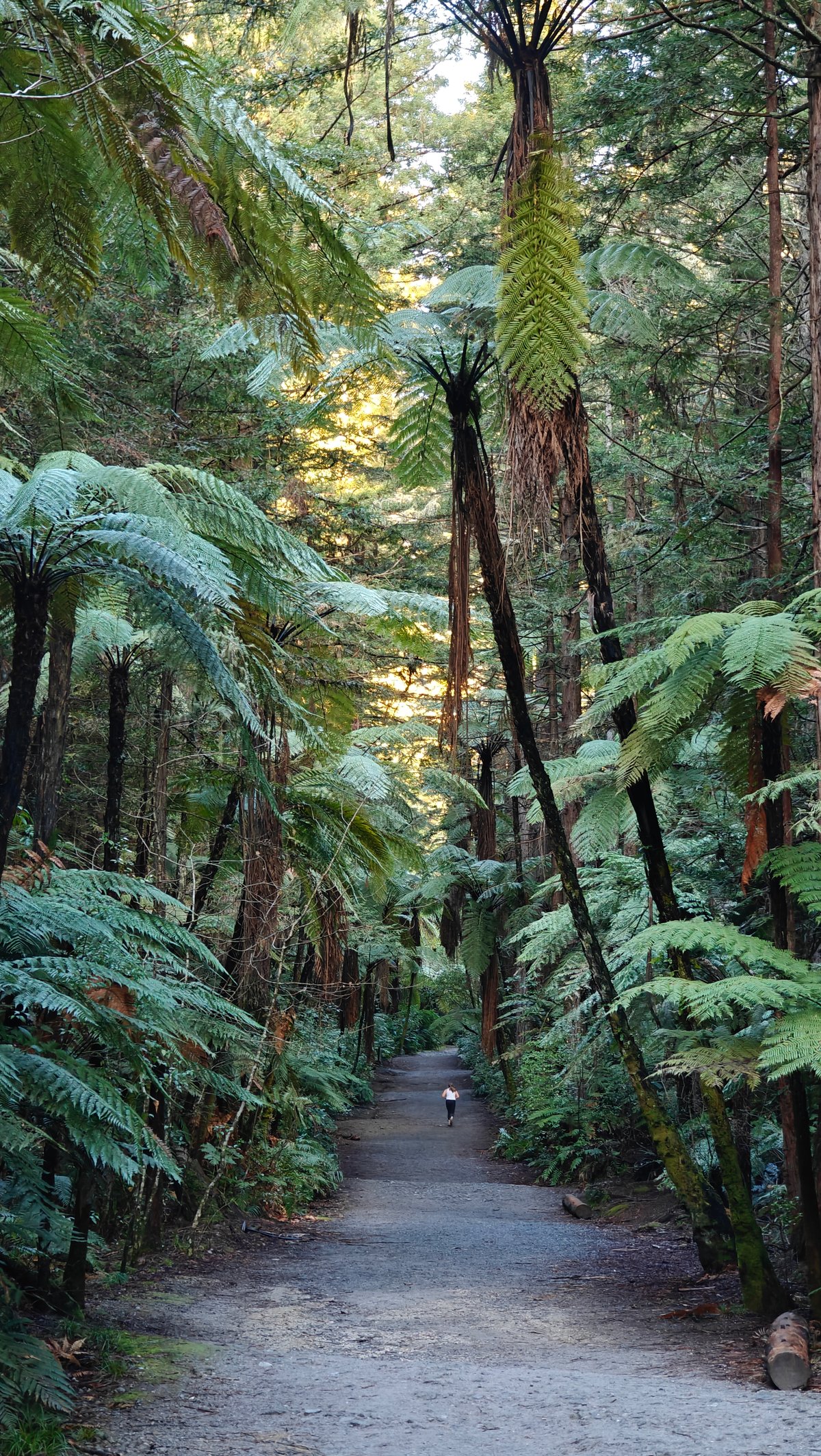
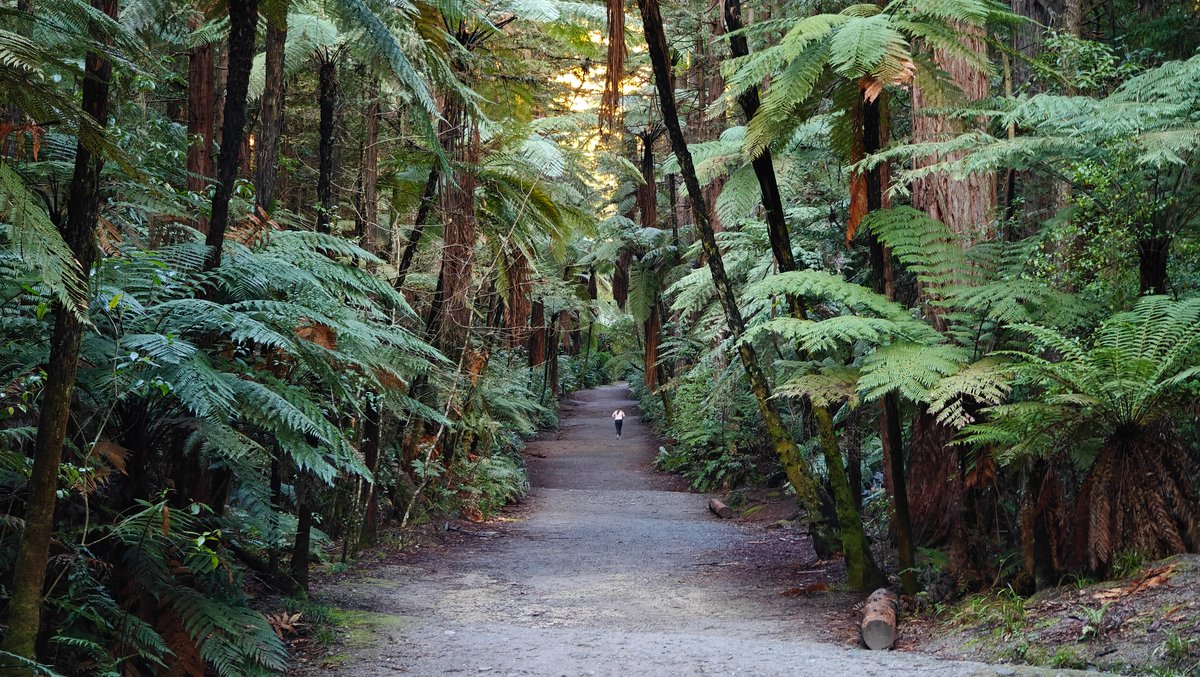
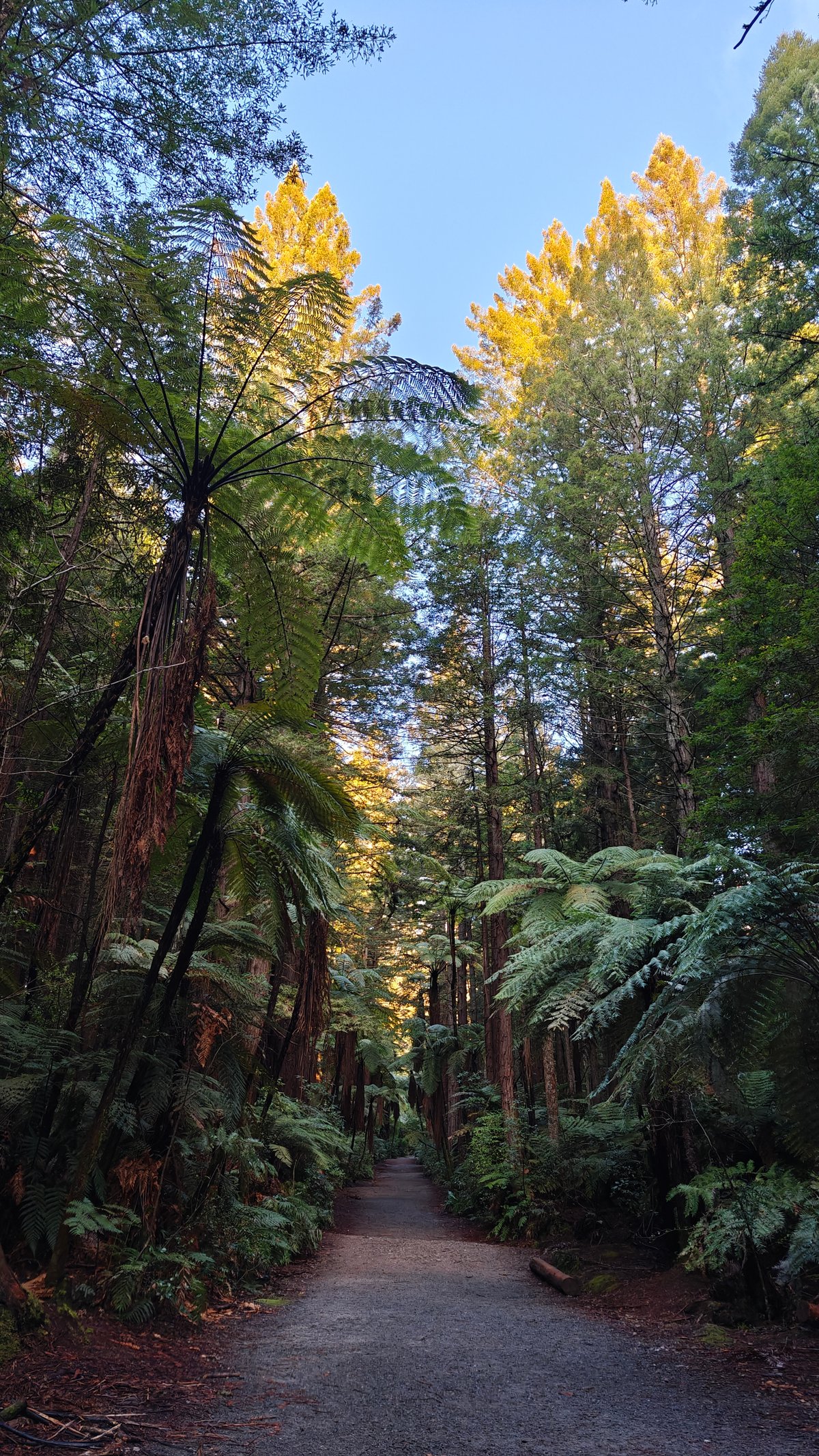
It’s also quite easy to follow as the tracks are well marked and the understory consists primarily of native ferns (and a few introduced ones). We looped around for roughly twenty minutes before heading back towards the car park. At times we caught glimpses of the Treewalk platforms above us…
Another view of just how high up in the trees we’d been.
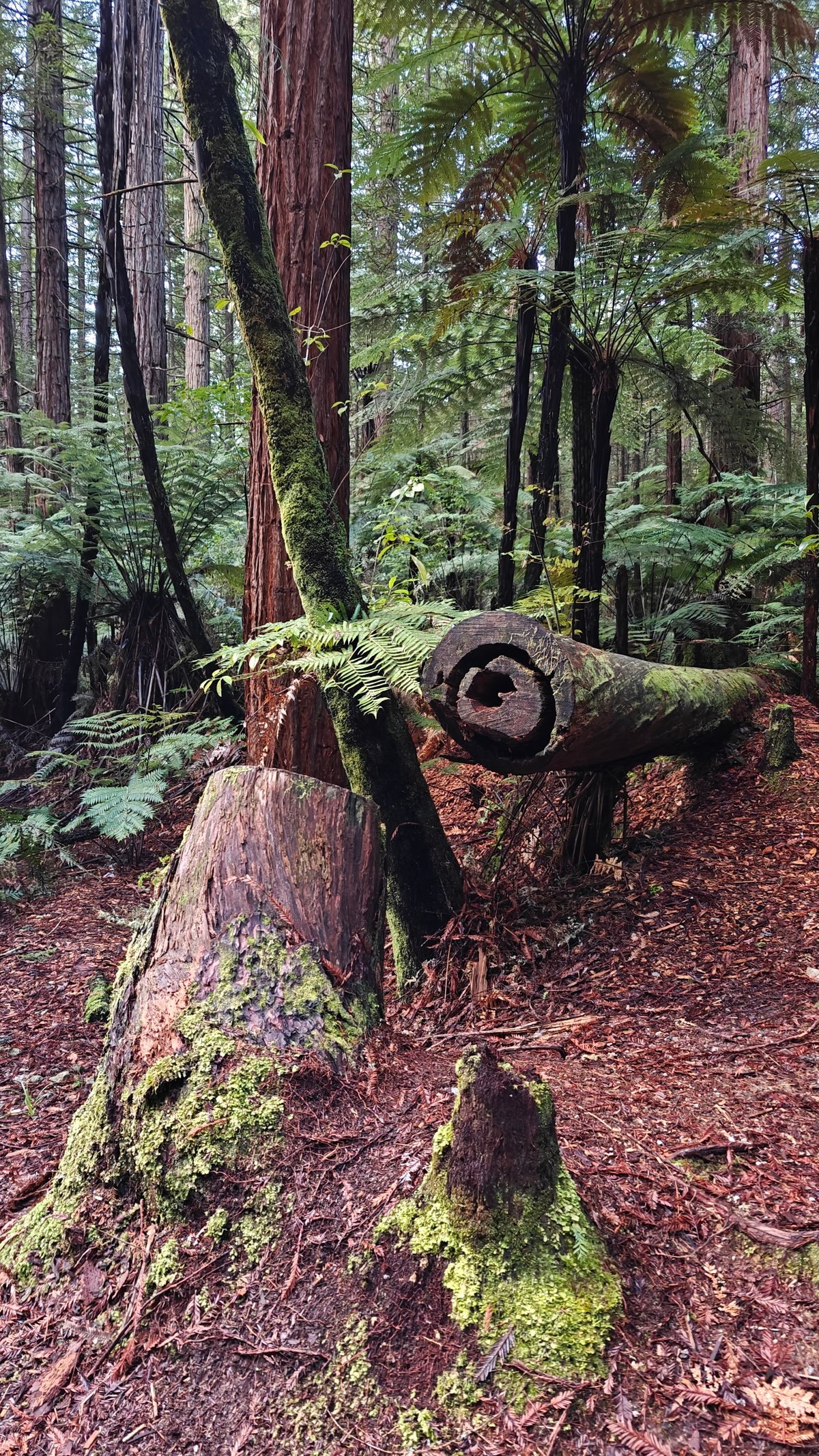
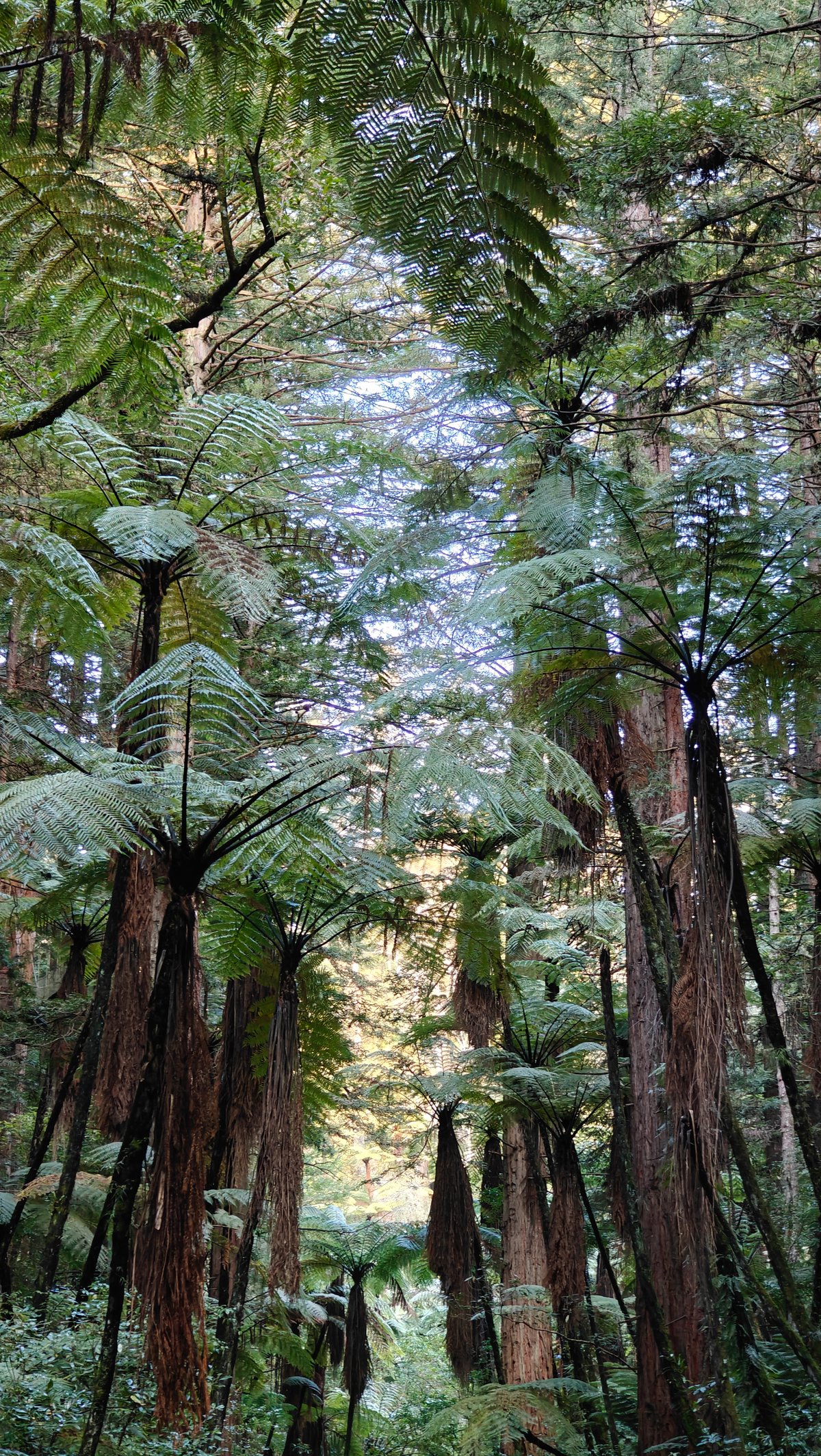
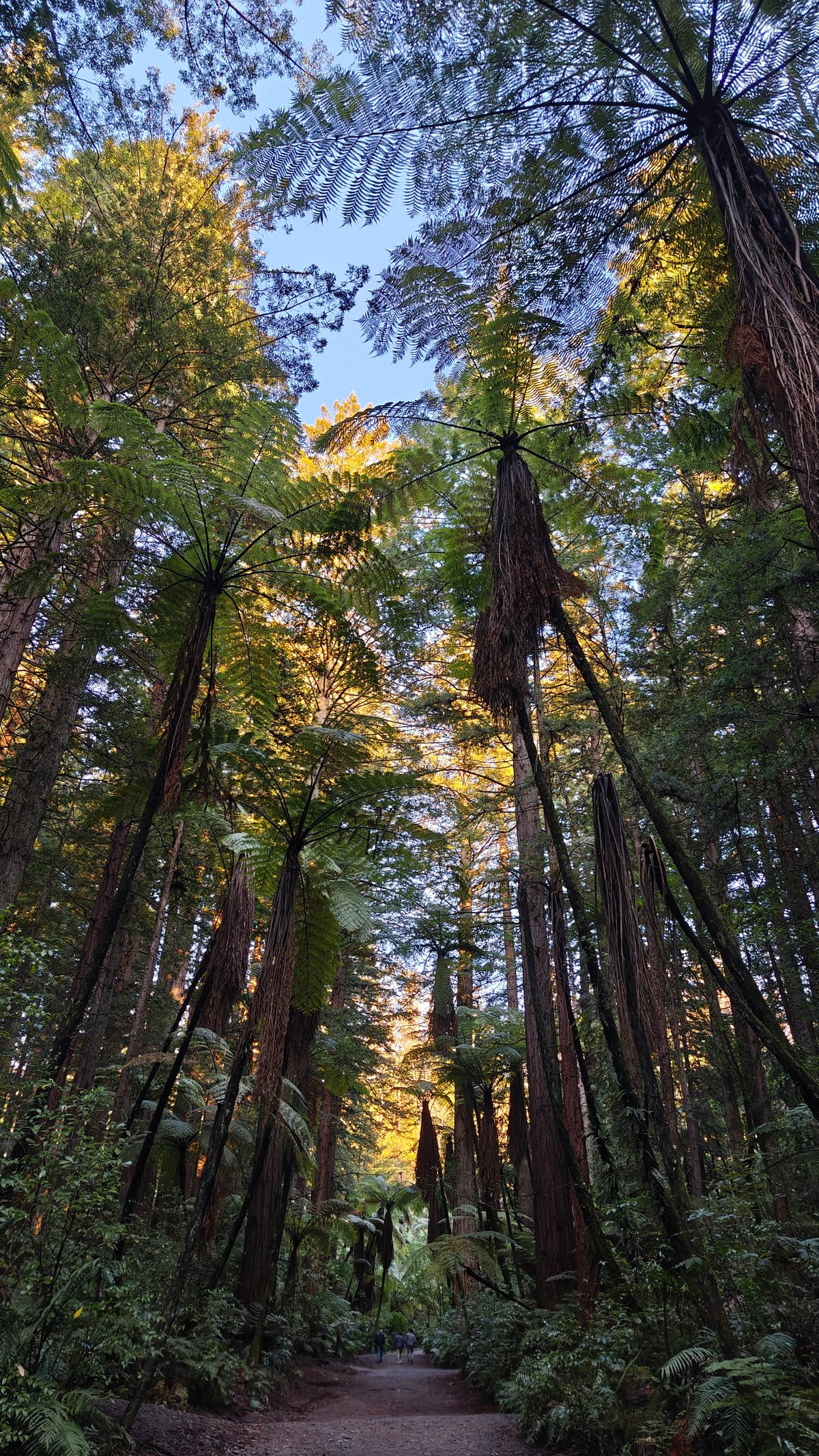
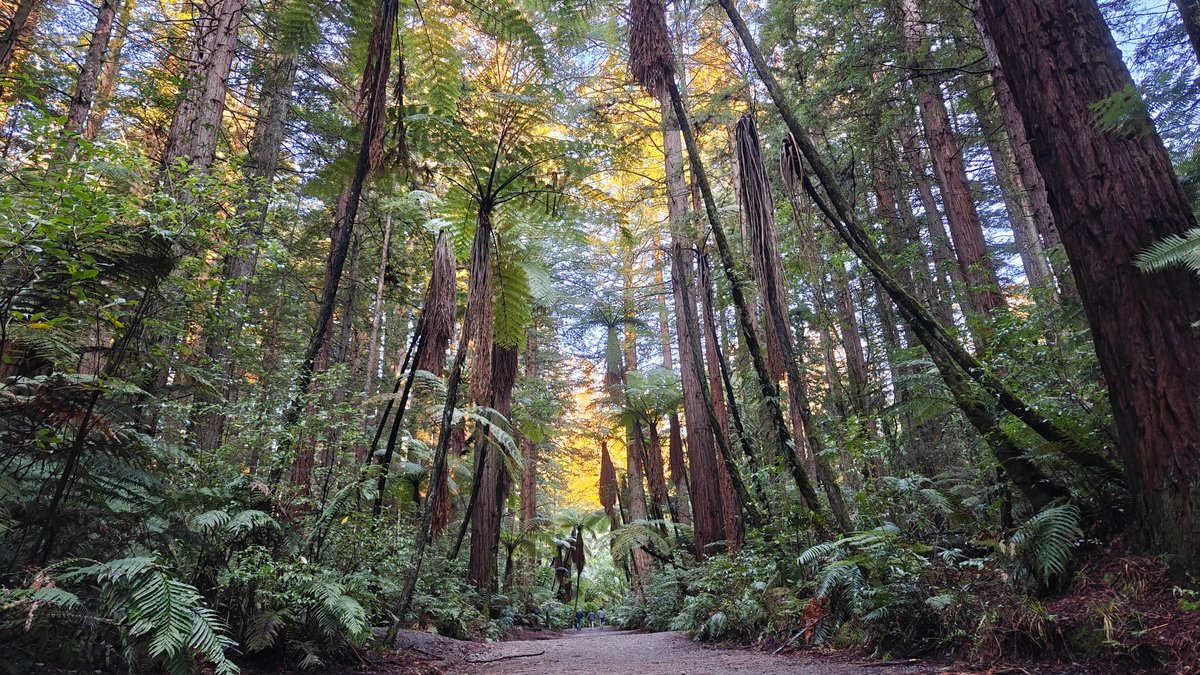
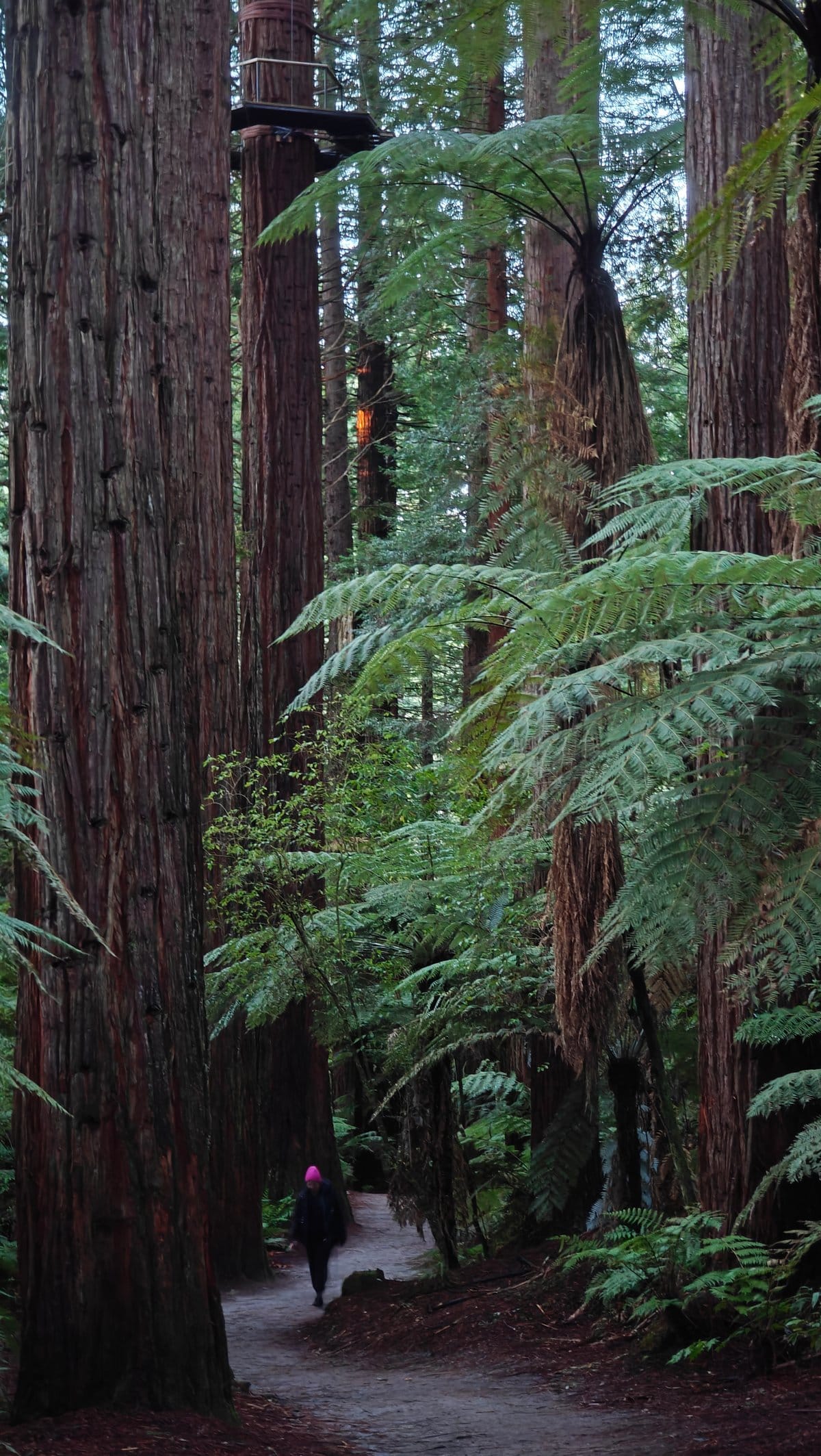
As we continued along the trail, the forest was starting to empty out as other visitors finished up for the day. There were only a handful of people we passed, and the silence in the trees wasn’t creepy anymore (it was peaceful). We came upon one hiker who looked tiny next to these giants, which was a nice reminder that you’re really near some giant trees here.
All up we spent around two and a half hours here, from the Treewalk through to the brief stroll on the ground level afterwards. There is a fair amount of walking and it involves heights (duh), so bear that in mind if you have any mobility issues or bring kids. But it’s not a hard thing at all, the bridges and platforms are solid and there is really nothing to climb!
And I felt that I had learned something and seen something worthwhile during my visit, which doesn’t always happen when visiting these types of touristy attractions. If you’ve done the Redwoods Treewalk or are considering going, let me know if you did the day or night version; I would love to hear about your experience.