
As I entered Kuirau Park in Rotorua, I didn’t have high expectations. Was it a Free geothermal attraction? This was going to be some roped-off steam vent at the end of a car park, right?
I wasn’t expecting much, but as soon as I passed through the gates, I knew that this was something worth writing about. As soon as I passed through the gates, I knew that this was something worth writing about. The entire park is built over an area of active geothermal ground.
There is vents and pools everywhere, spewing out steam in the middle of otherwise normal-looking garden beds and grass. All of this is open to the public for absolutely nothing. After spending a decent hour exploring these trails, we walked away feeling that it’s perhaps the most real geothermal adventure available to visitors in Rotorua.
There is no gift shop or ticket booth. It is just an actual park where people, both locals and visitors, come to walk their dogs. I can stare in wonder at boiling mud and clouds of steam rising between the tree.
What to See at Kuirau Park
Kuirau Park
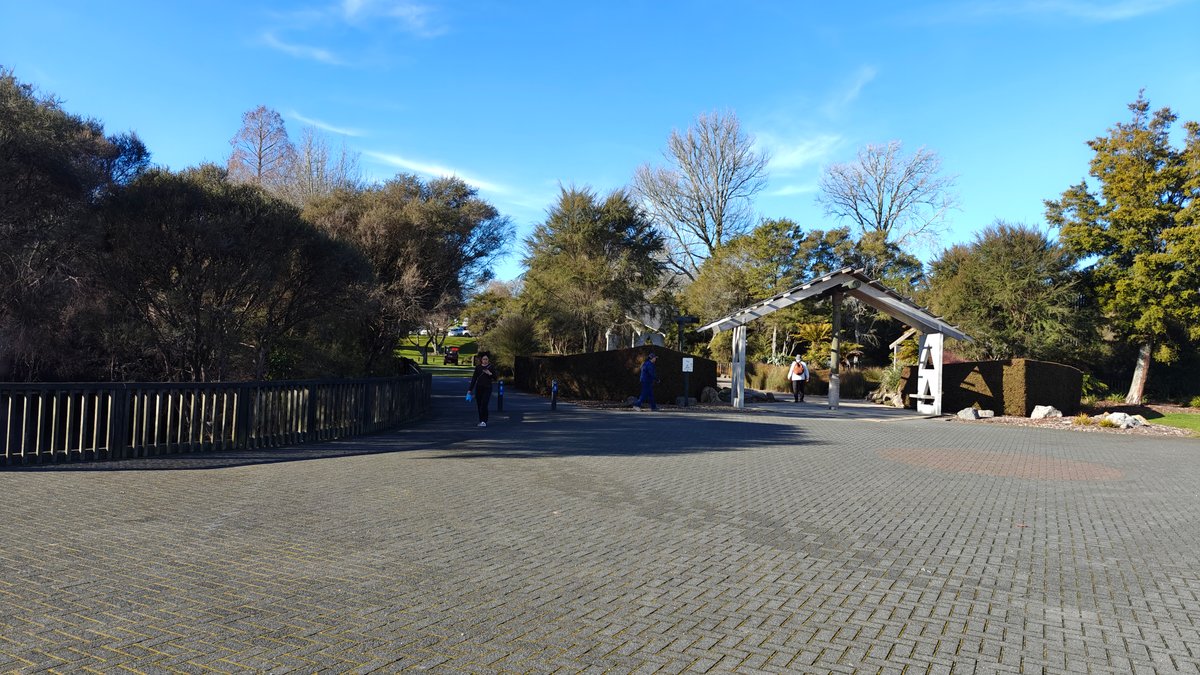
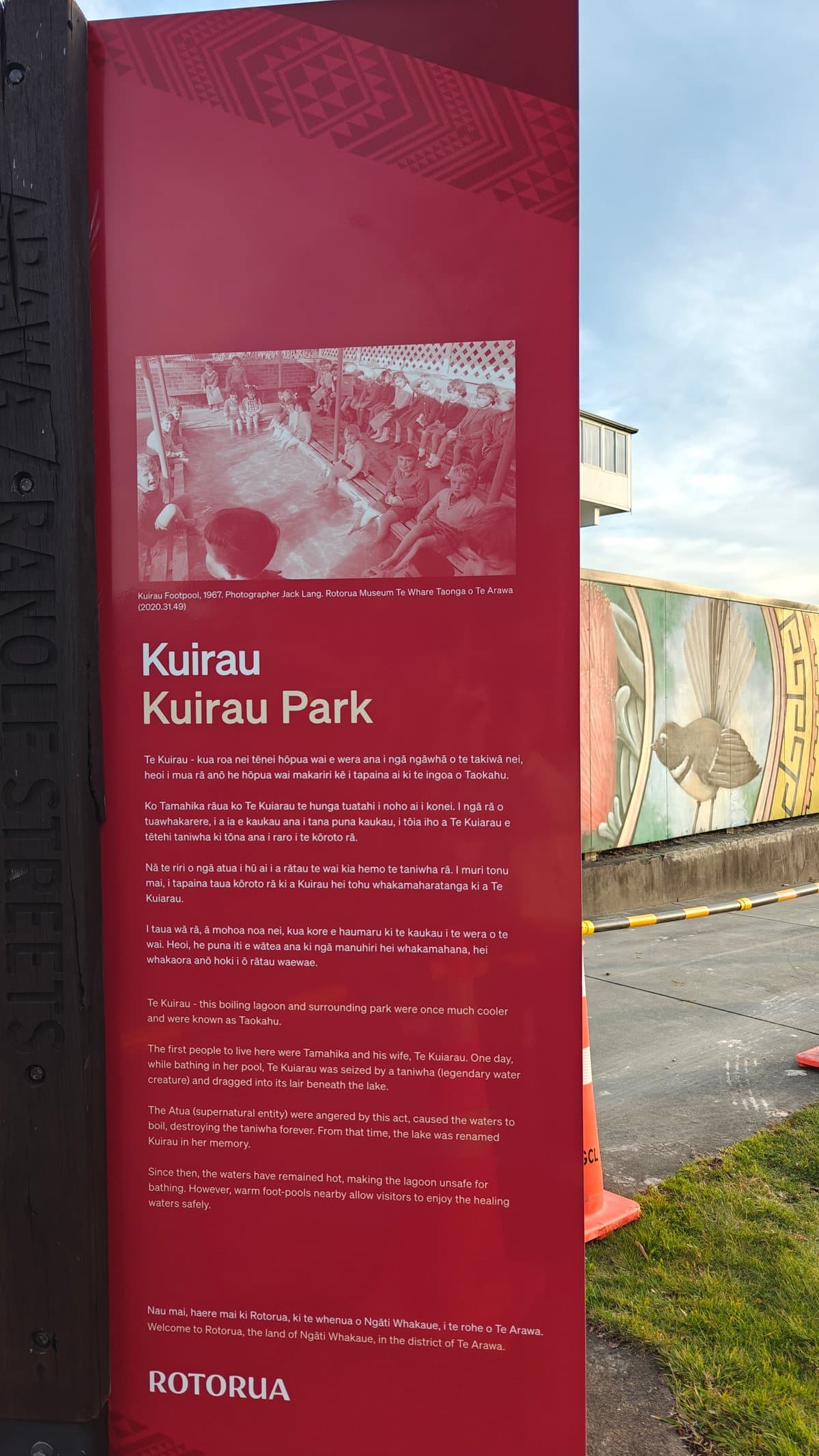
From the main entrance (which is how you enter if you’re parking on the street), there’s a pillar with some background about the area. Basically, it’s on geothermal land that was reserved for public use back in the early 1900s. It made more sense when I began to walk around. This isn’t some kind of tourist simulation of geothermal activity.
It’s the real deal, and it just so happens to be located within a public park.
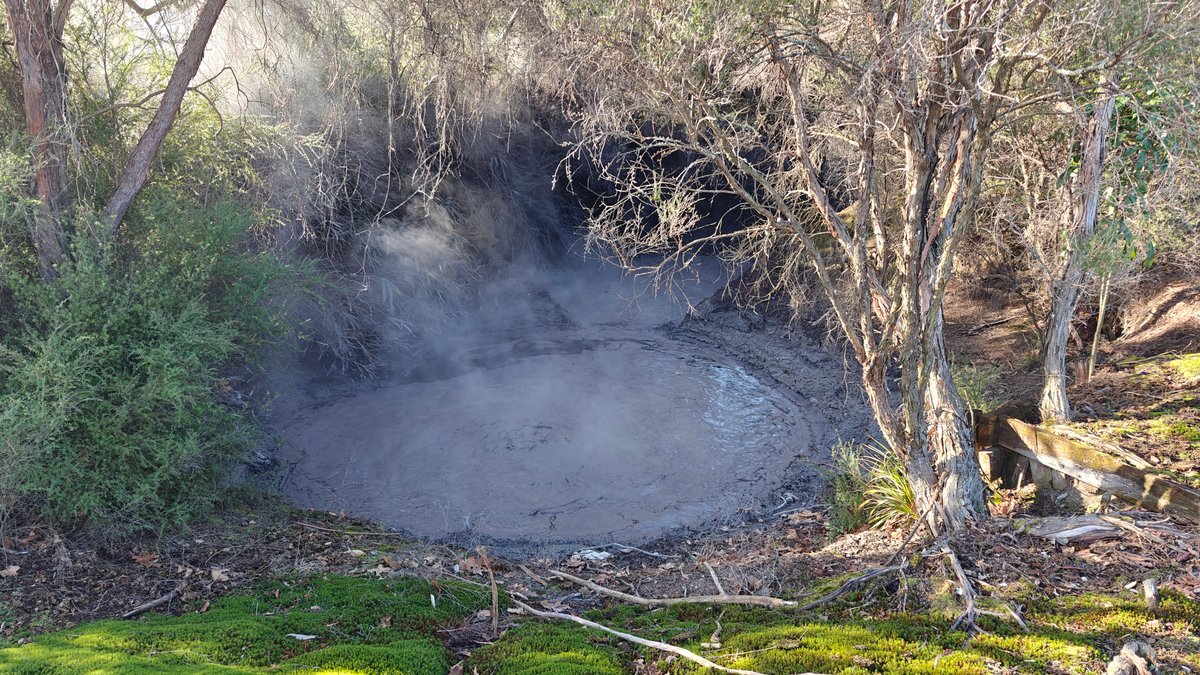
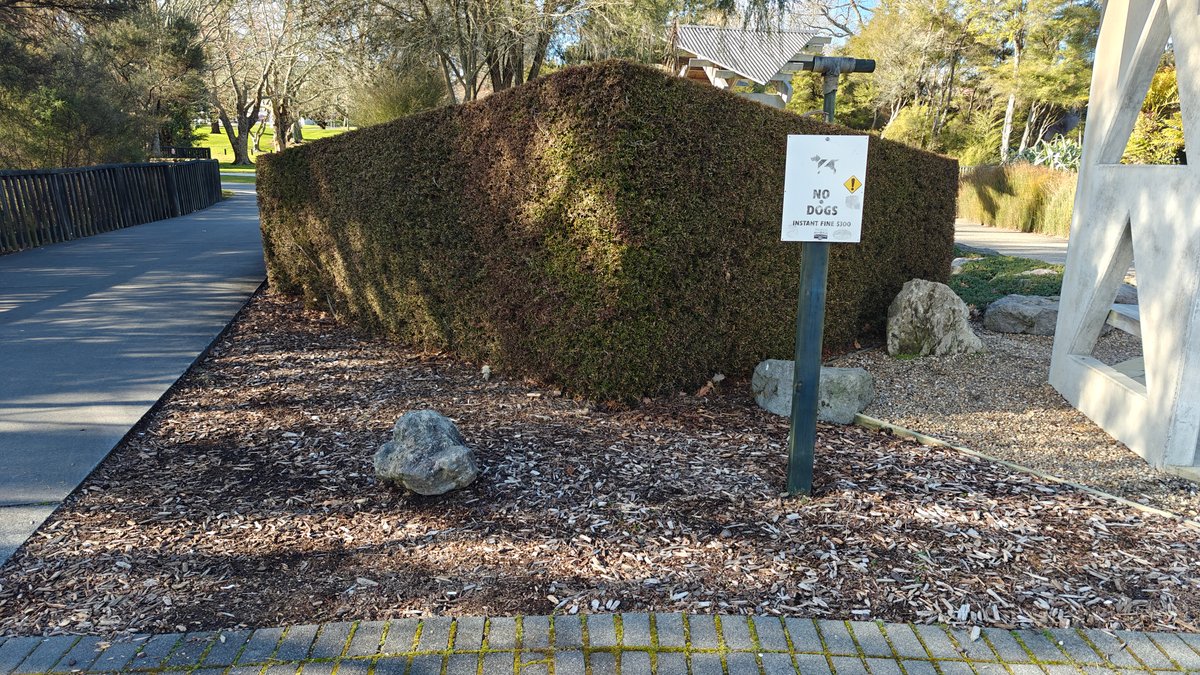
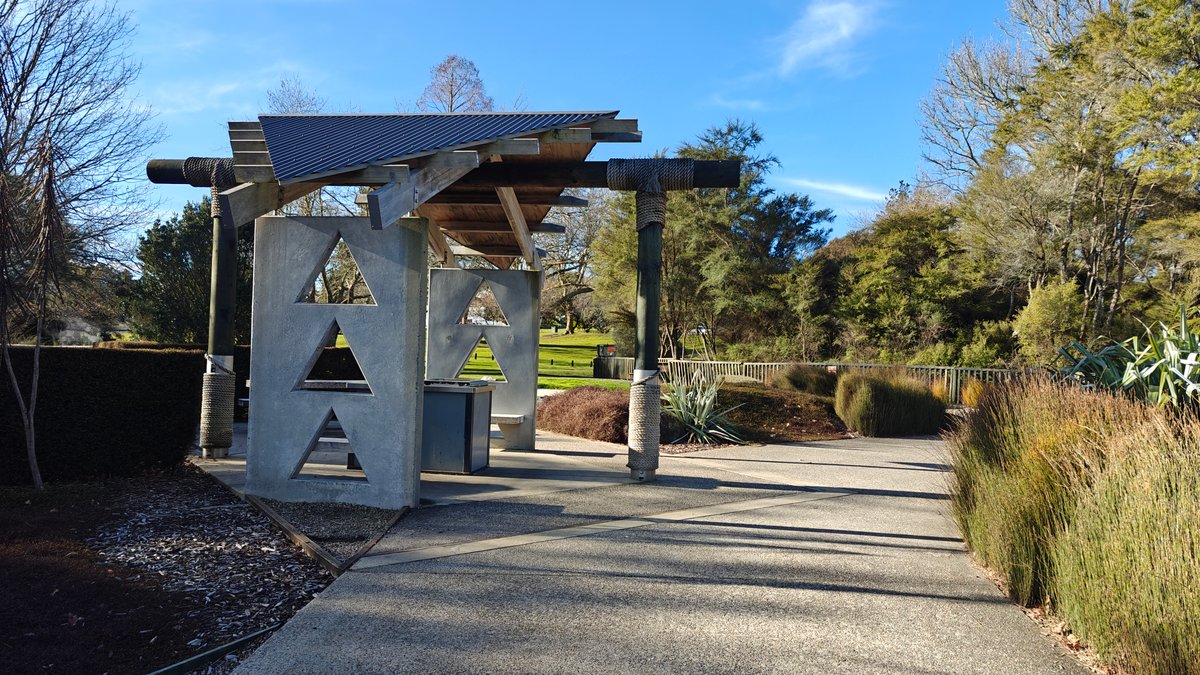
My first pool was surrounded by tree and sent out a constant column of steam. I followed the trail beyond planted mounds and a little interpretive pergola explaining some of the underlying geology. The signs were straight-forward without overselling things; I liked that about this place.
This is not a big attraction park: It simply lets the landscape speak for itself.
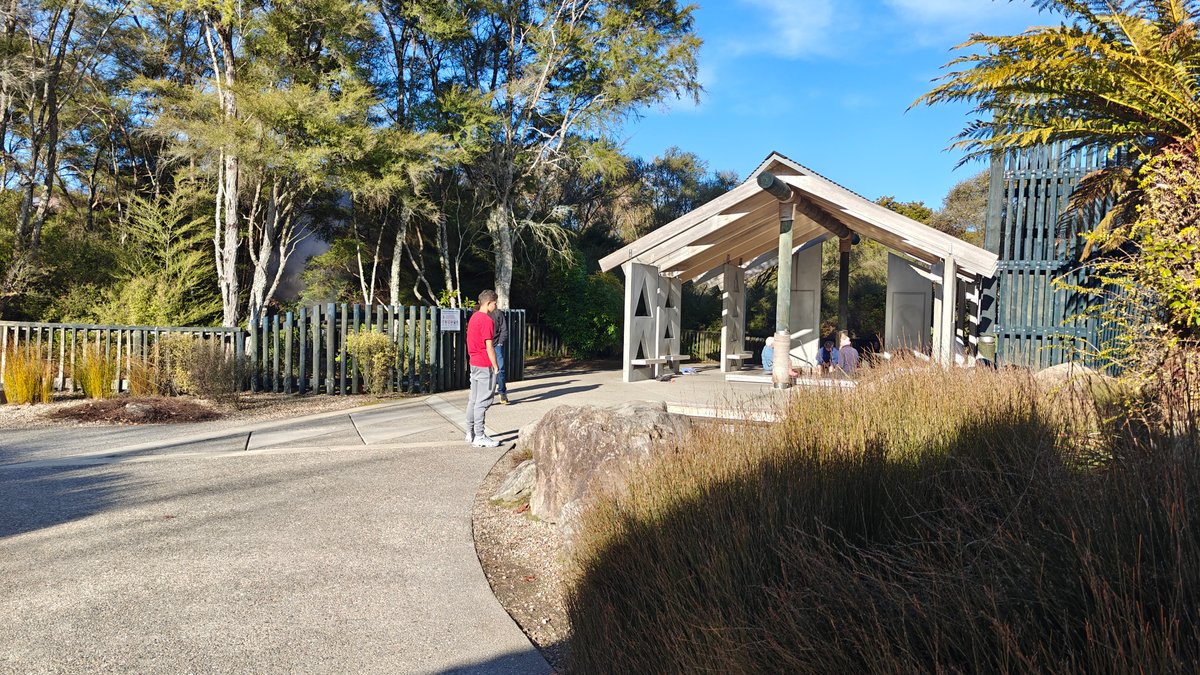
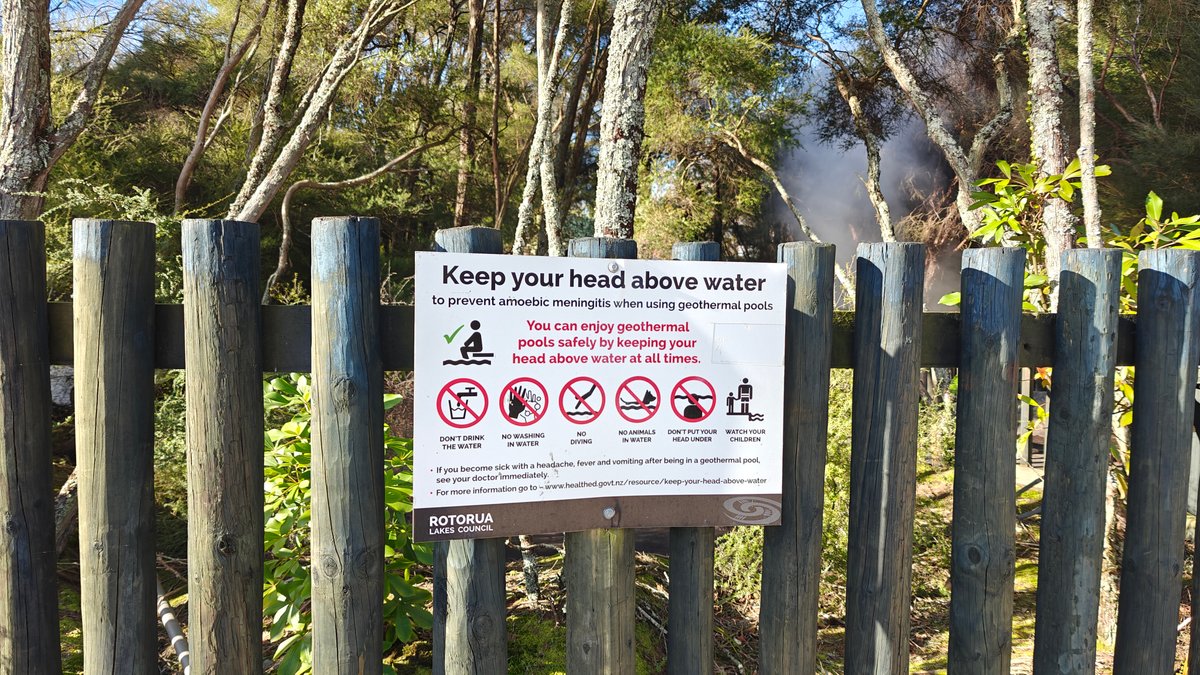
The free foot pools located around the middle of the park is one of its highlights for many. They are shallow geothermal pools you can sit on the edge and dip your feet into naturally hot water. I opted out of this as I didn’t have a towel, although a couple of visitors soaking their feet in them looked very content.
There’s a warning sign telling you not to put your head under the water, which seemed like common sense but I guess it has to be said when you’re dealing with hot mineral water.
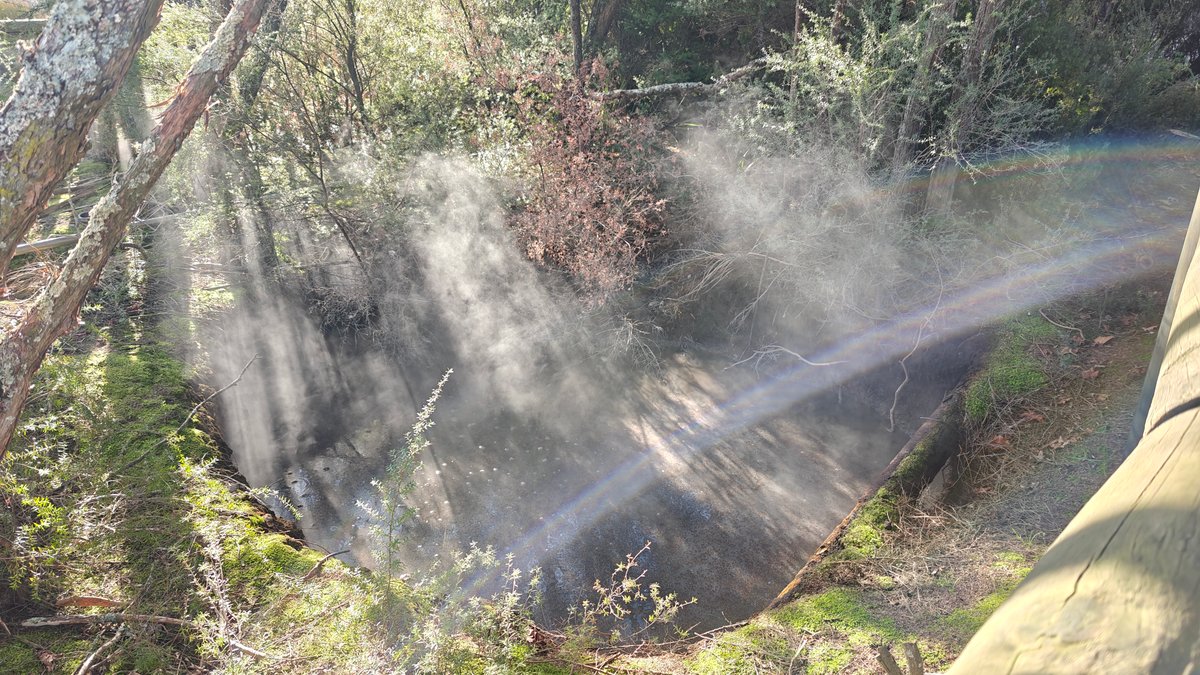
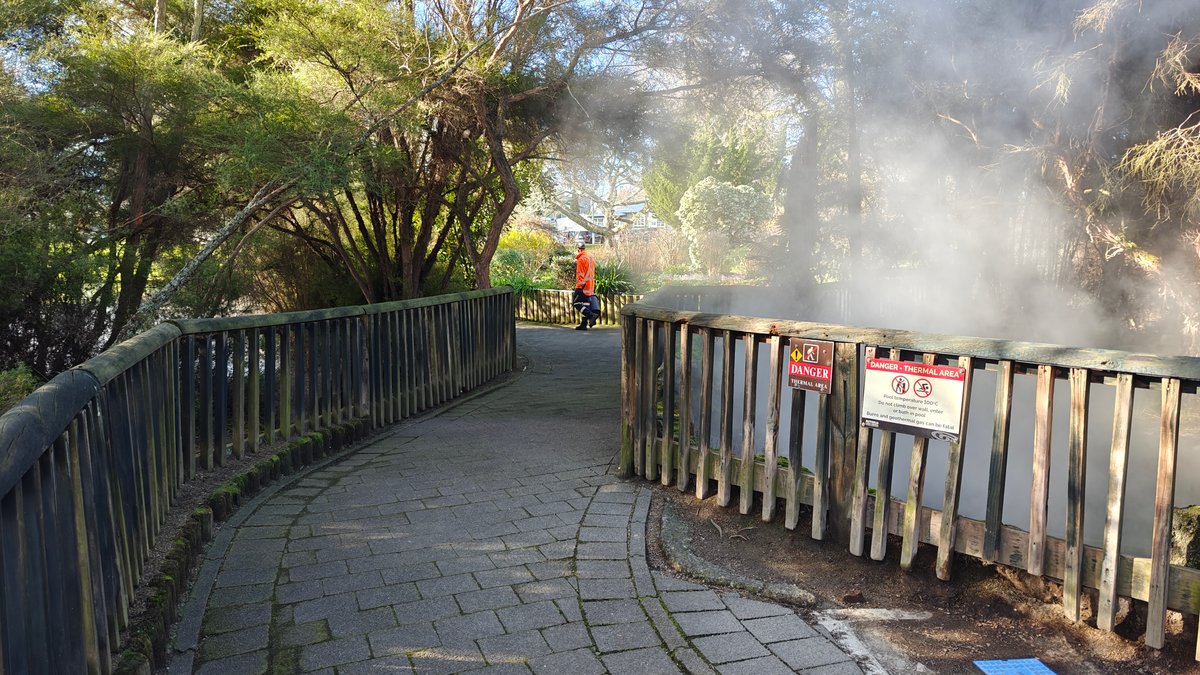
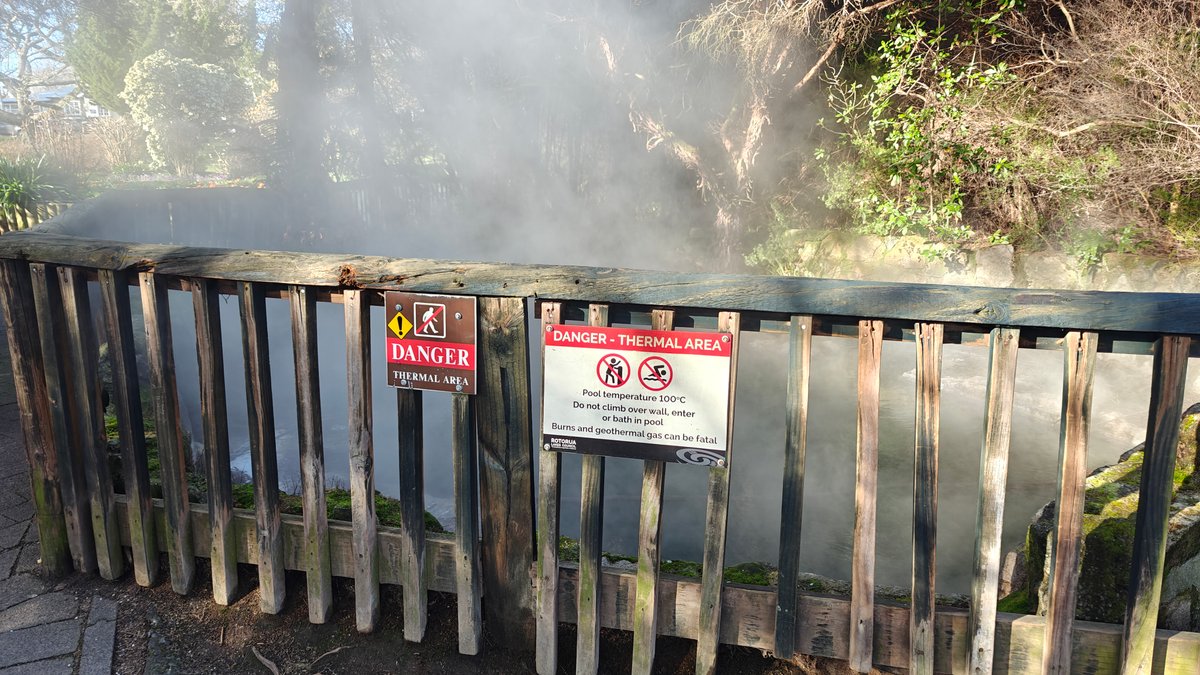
In some of them, the steam is thick on a cool day, pouring down the trail and rising above the wooden palisade, so much so that you pause for a minute before stepping into it. In other spots they’ve erected real danger signs and have put up fences. Those I did not cross.
The ground here is truly unsafe in parts. The water in these pools is hot enough to scald.
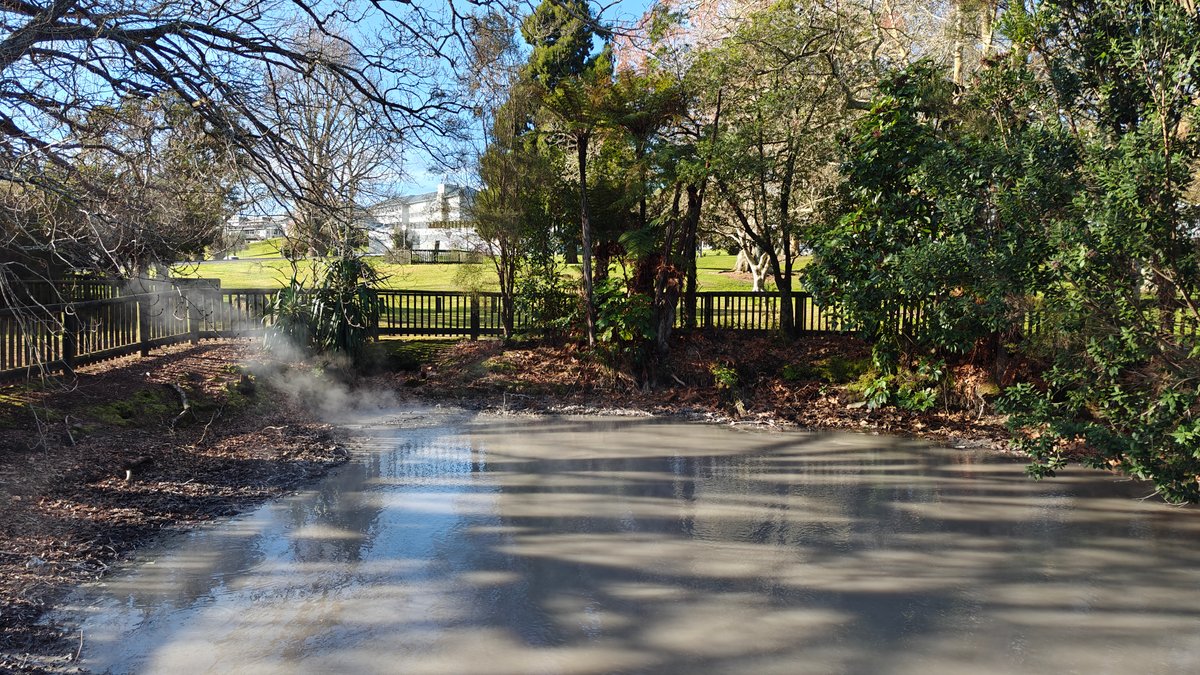
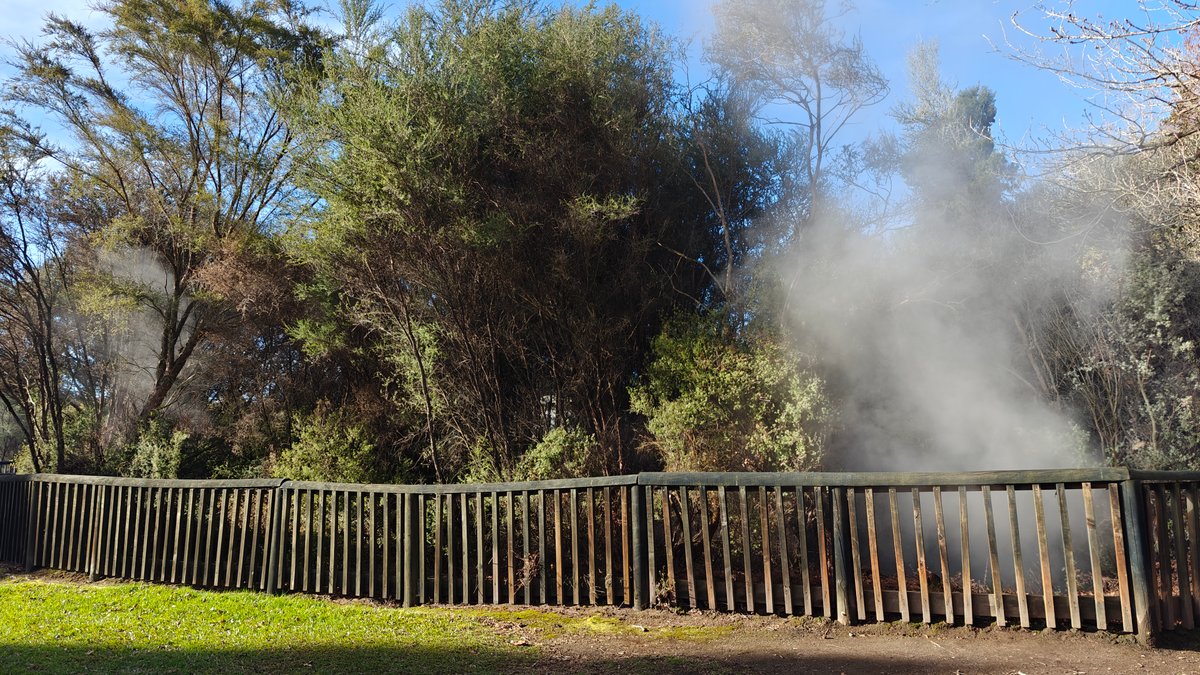
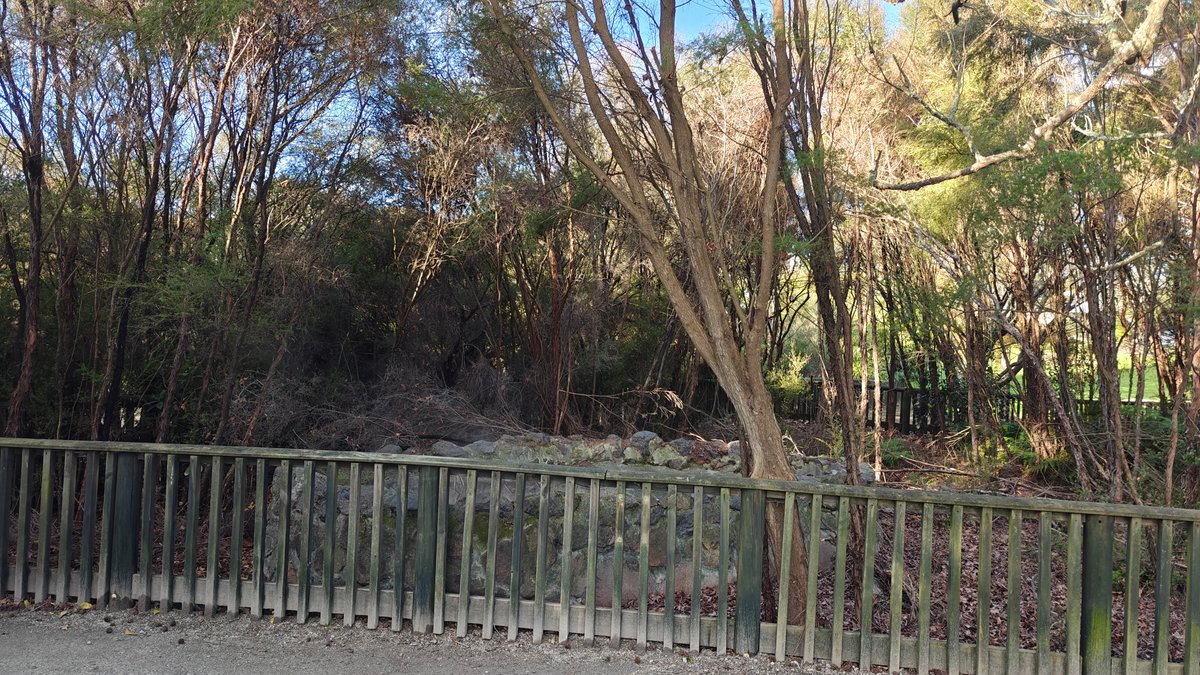
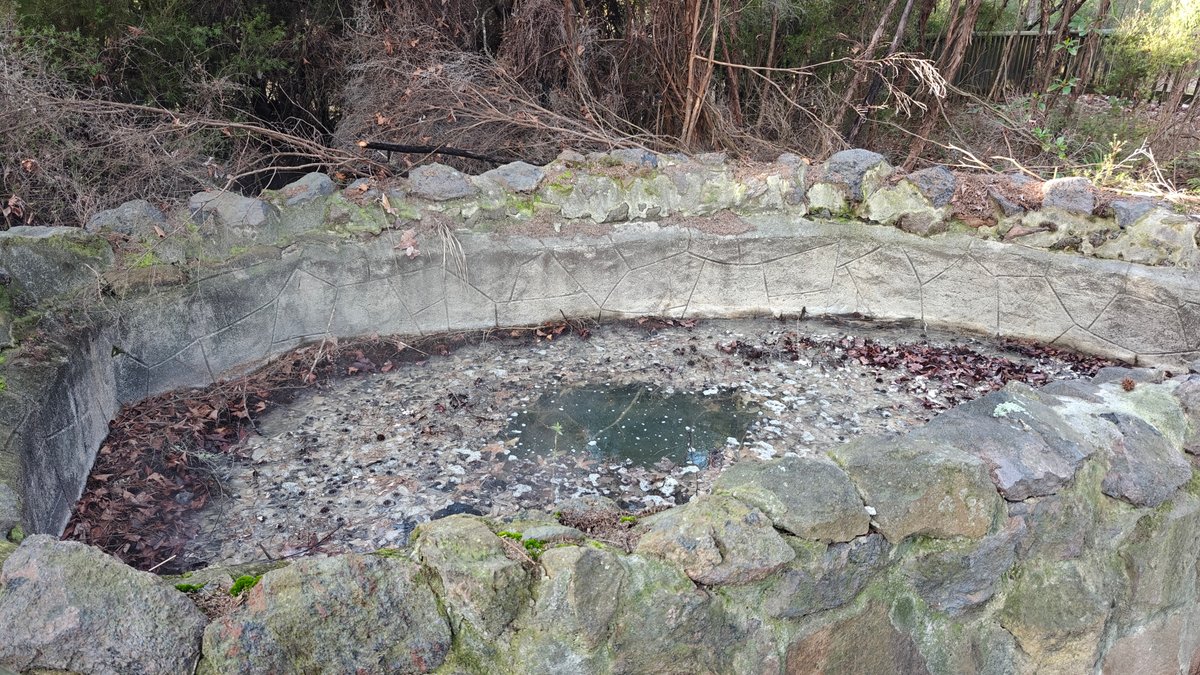
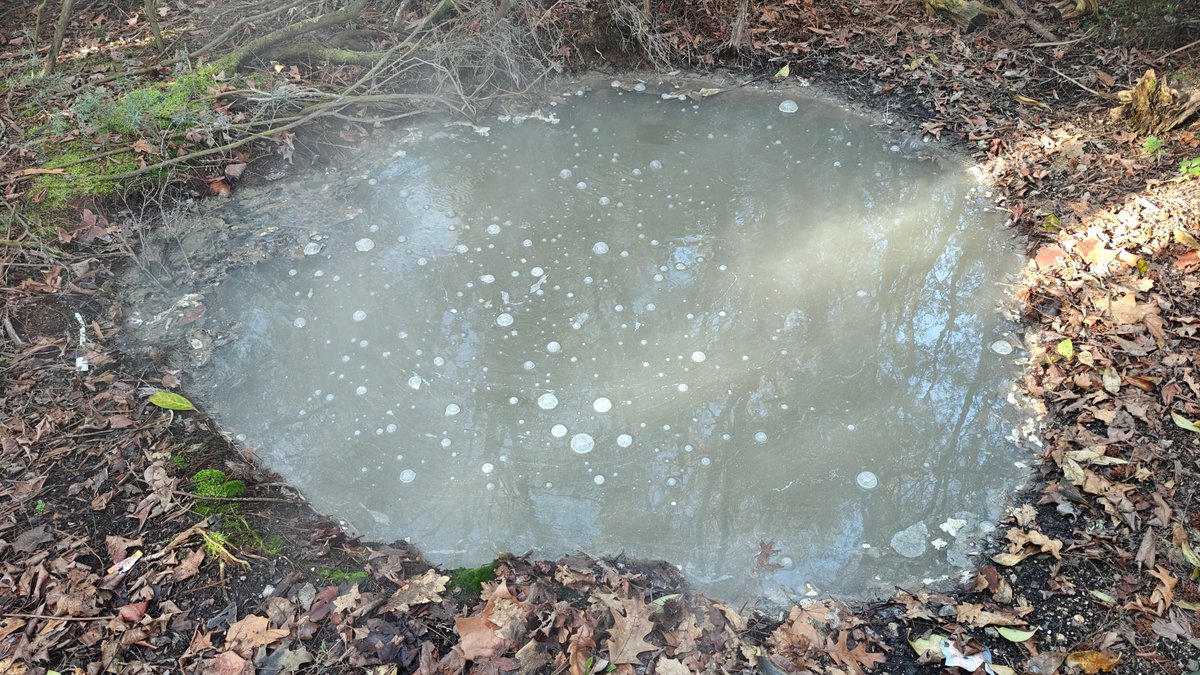
Then we circled back to the fenced areas where the bigger pools was, some with stone rims, others simply open basins of murky gray water. Around several of the vents, the steam was so dense I couldn’t even make out the trees beyond them. This isn’t postcard-worthy stuff.
It’s not pretty. It smells like sulphur. I don’t think it would of been good to get too near because I suspect it could suck down your shoe.
But that’s why these places were interesting to me.
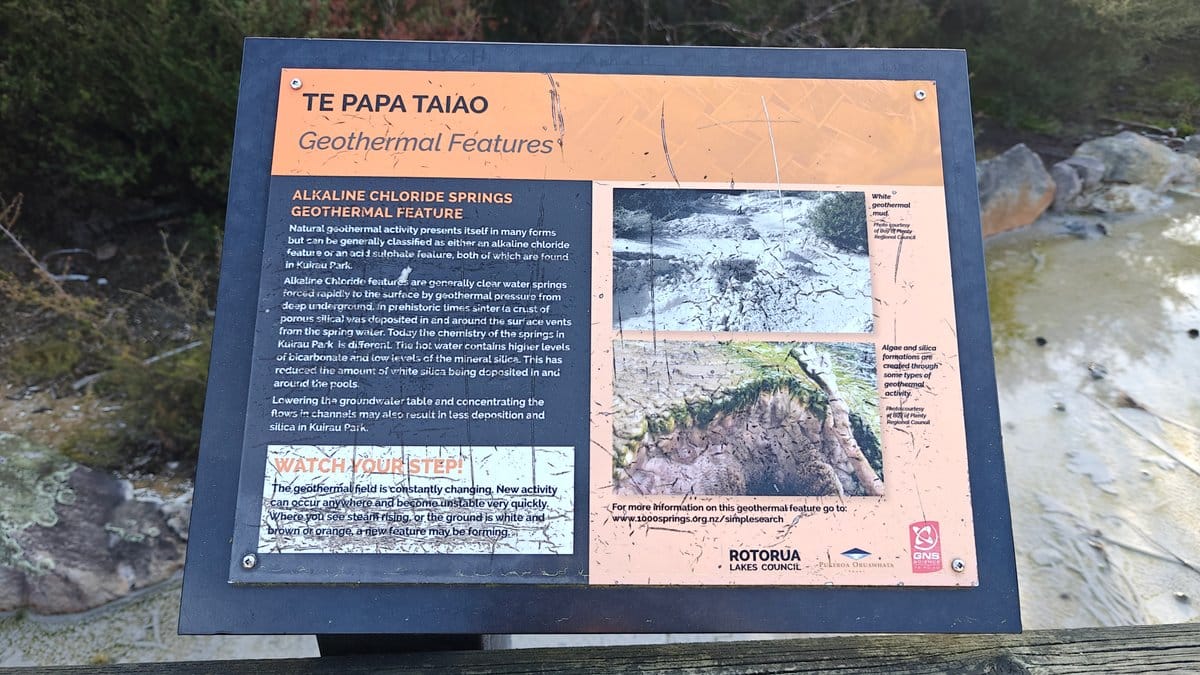
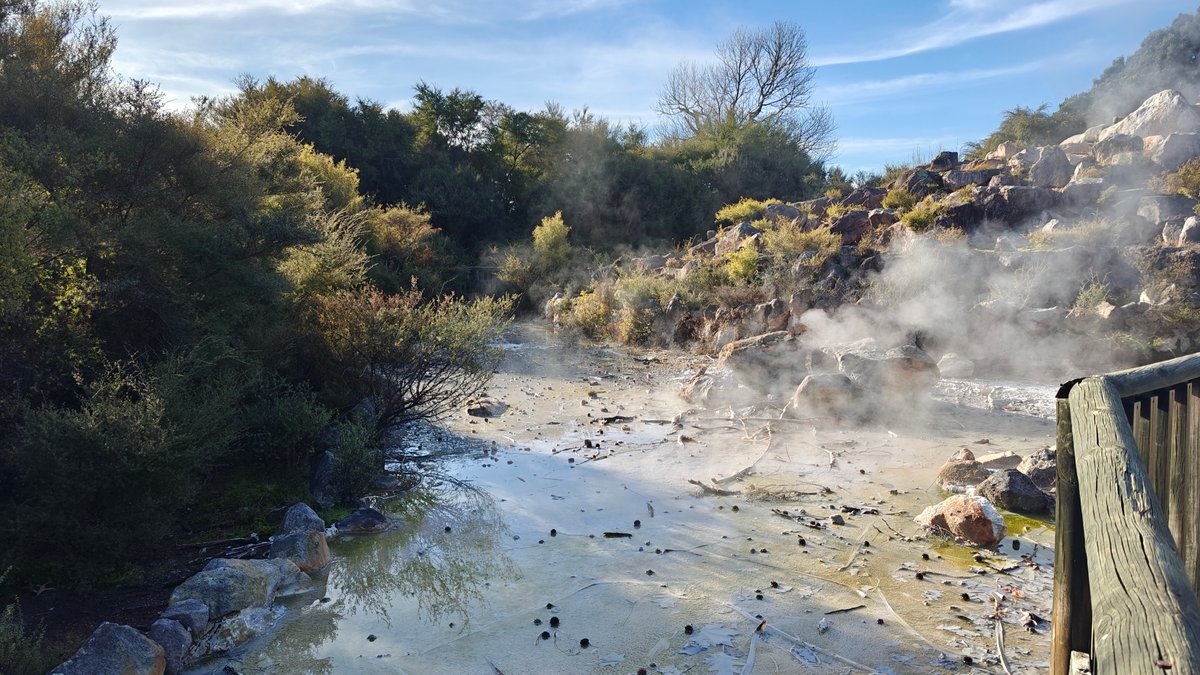
I paused for a good read of an interpretive panel that described various kinds of geothermal features in the park. The most dramatic sight I saw all morning was the large, mud-cratered area right next door, a massive gray scar on the earth spewing out steady plumes of steam. How is it possible that there’s something like this sitting in the center of a public park that anyone can visit for free?
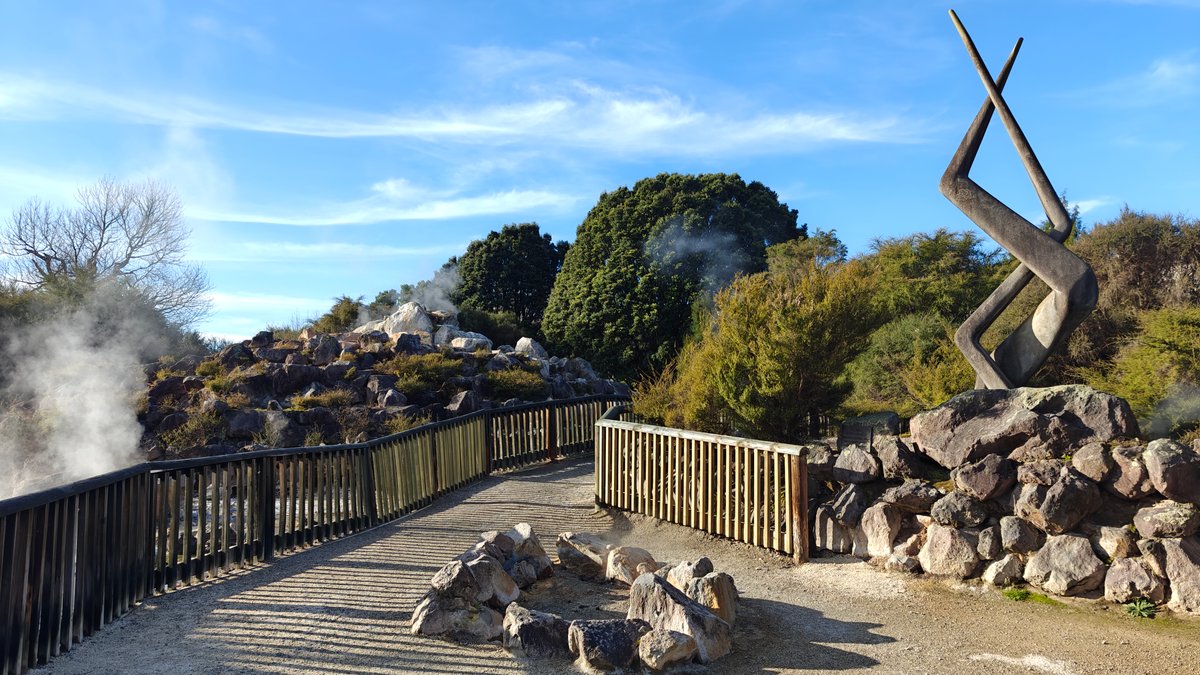
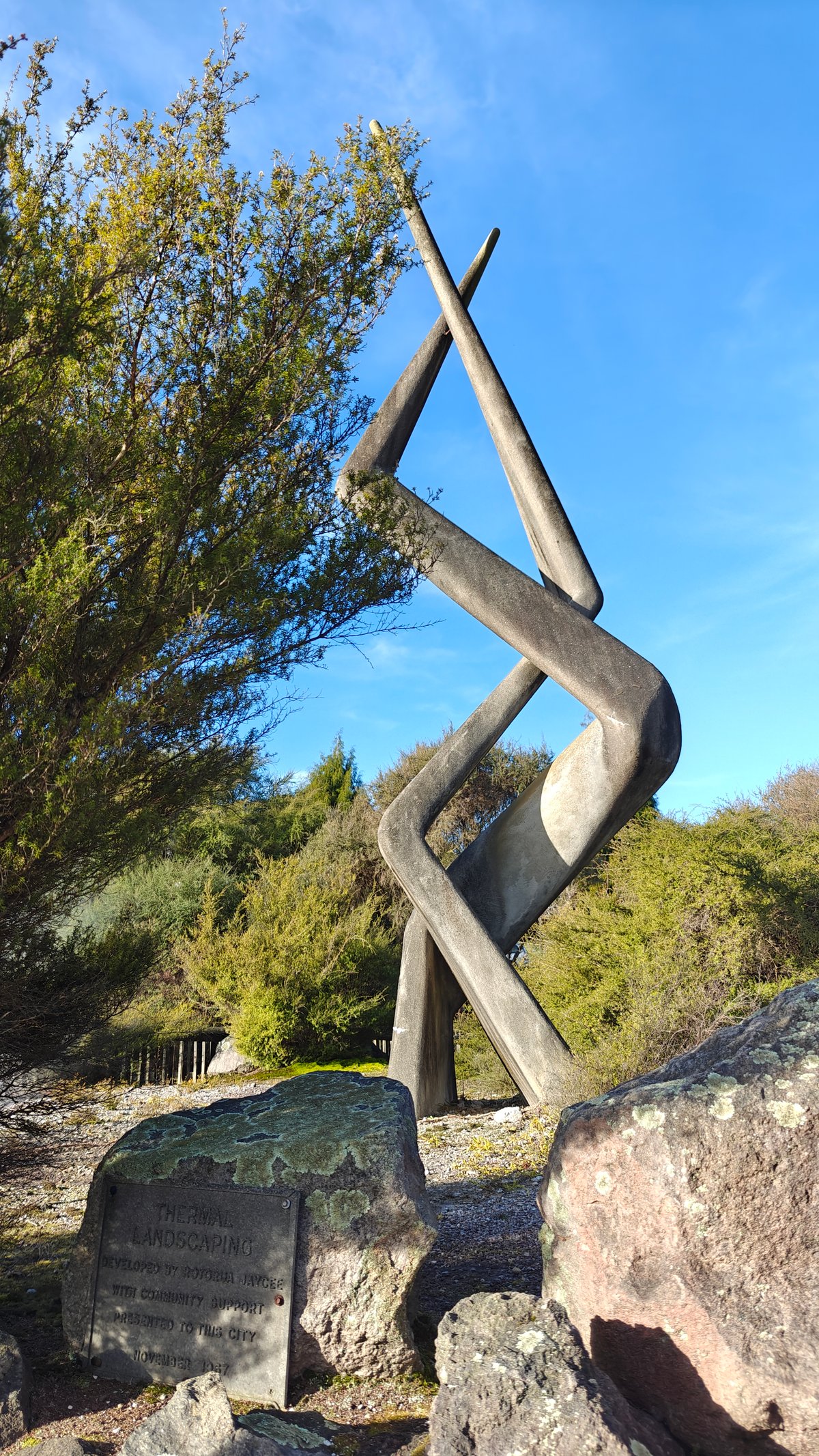
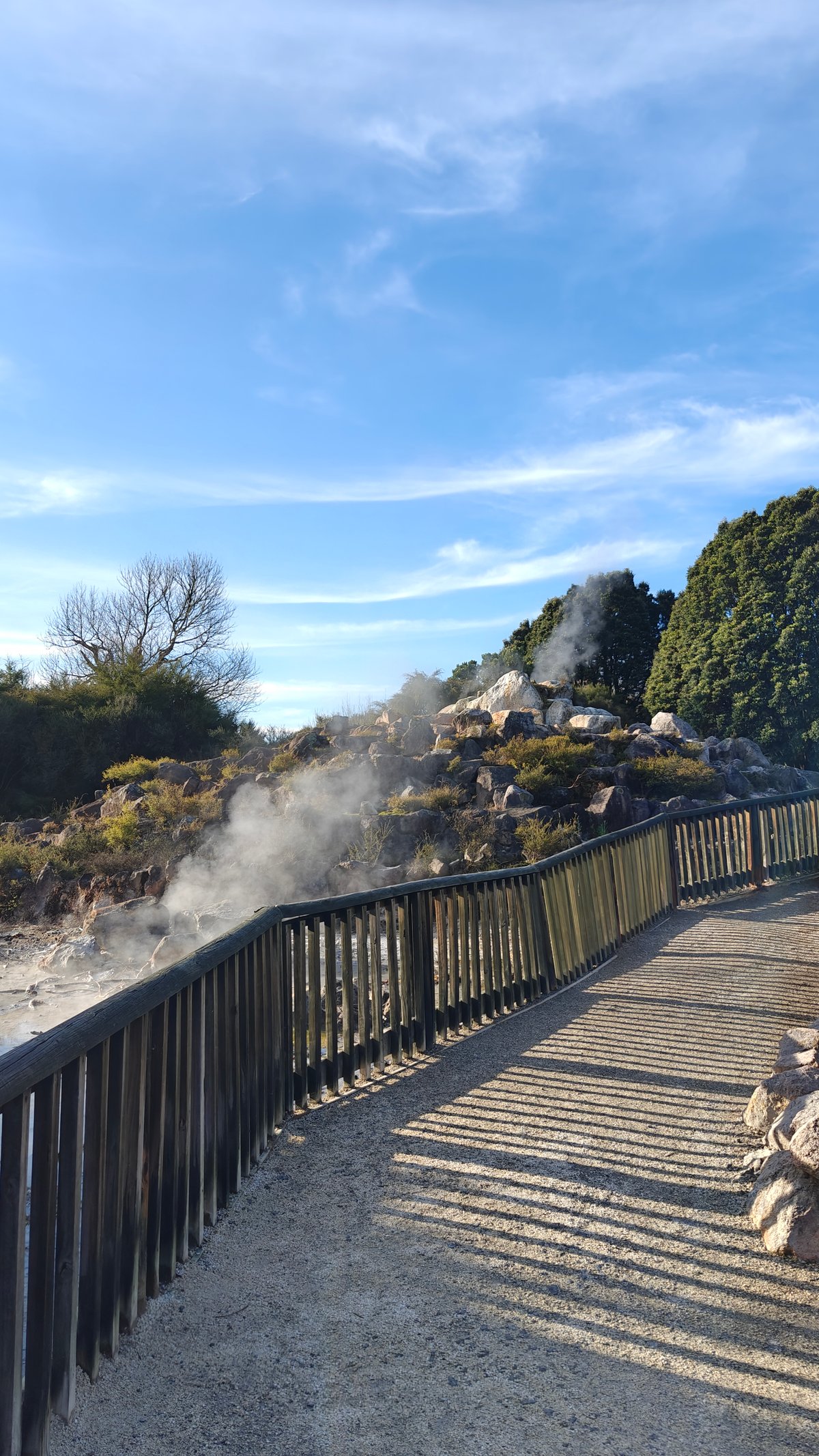
The boardwalk takes you past a couple of metal sculptures and more steam vents. While I was walking on the boards, I stopped when the steam got so heavy that I couldn’t see the sculpture at all for several seconds. It felt strangely like a movie, as if I were walking in one.
Then I realized it was actualy really hot on my face, and this was all very real.
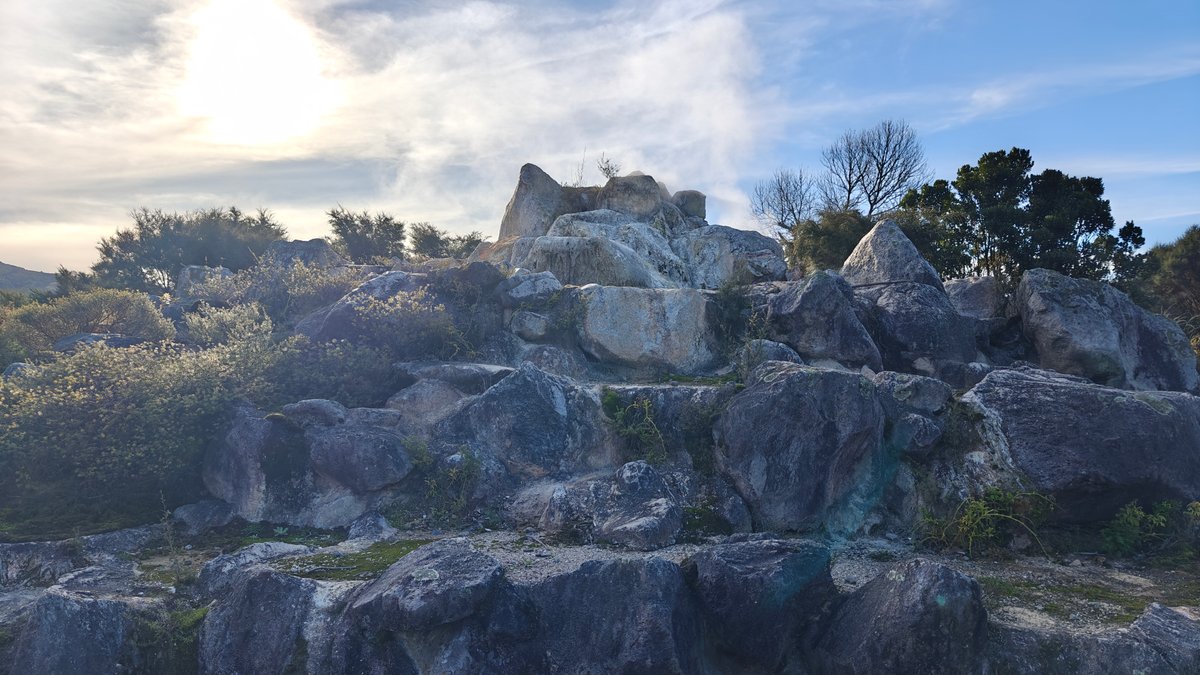
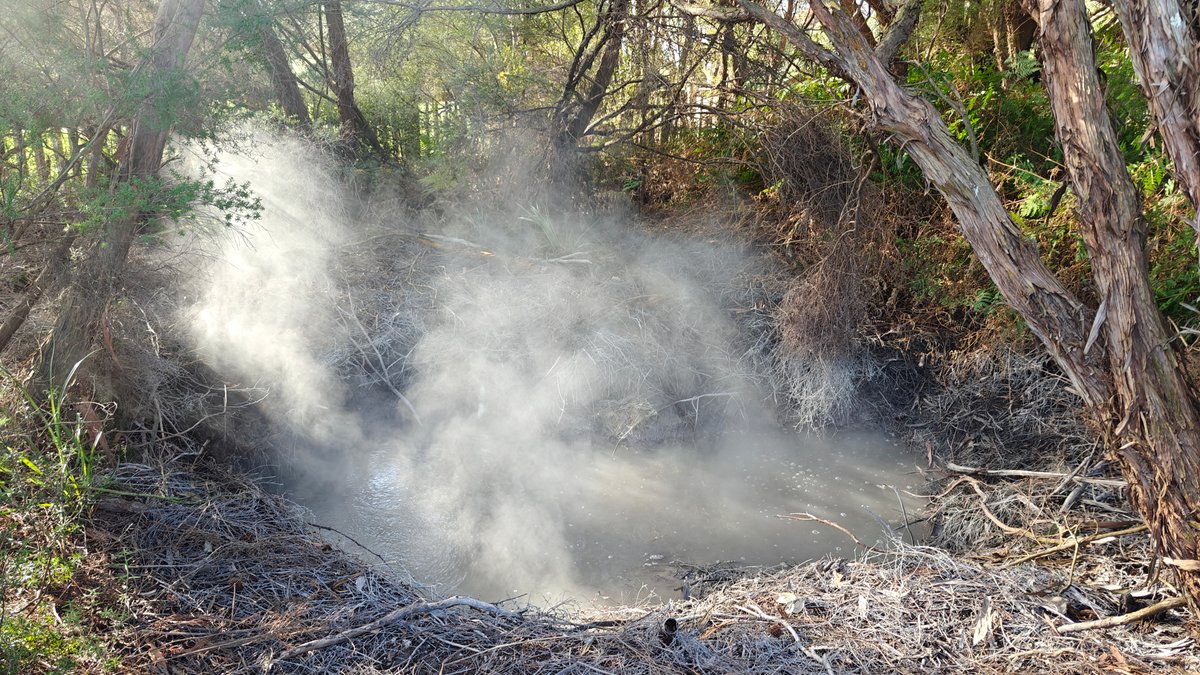
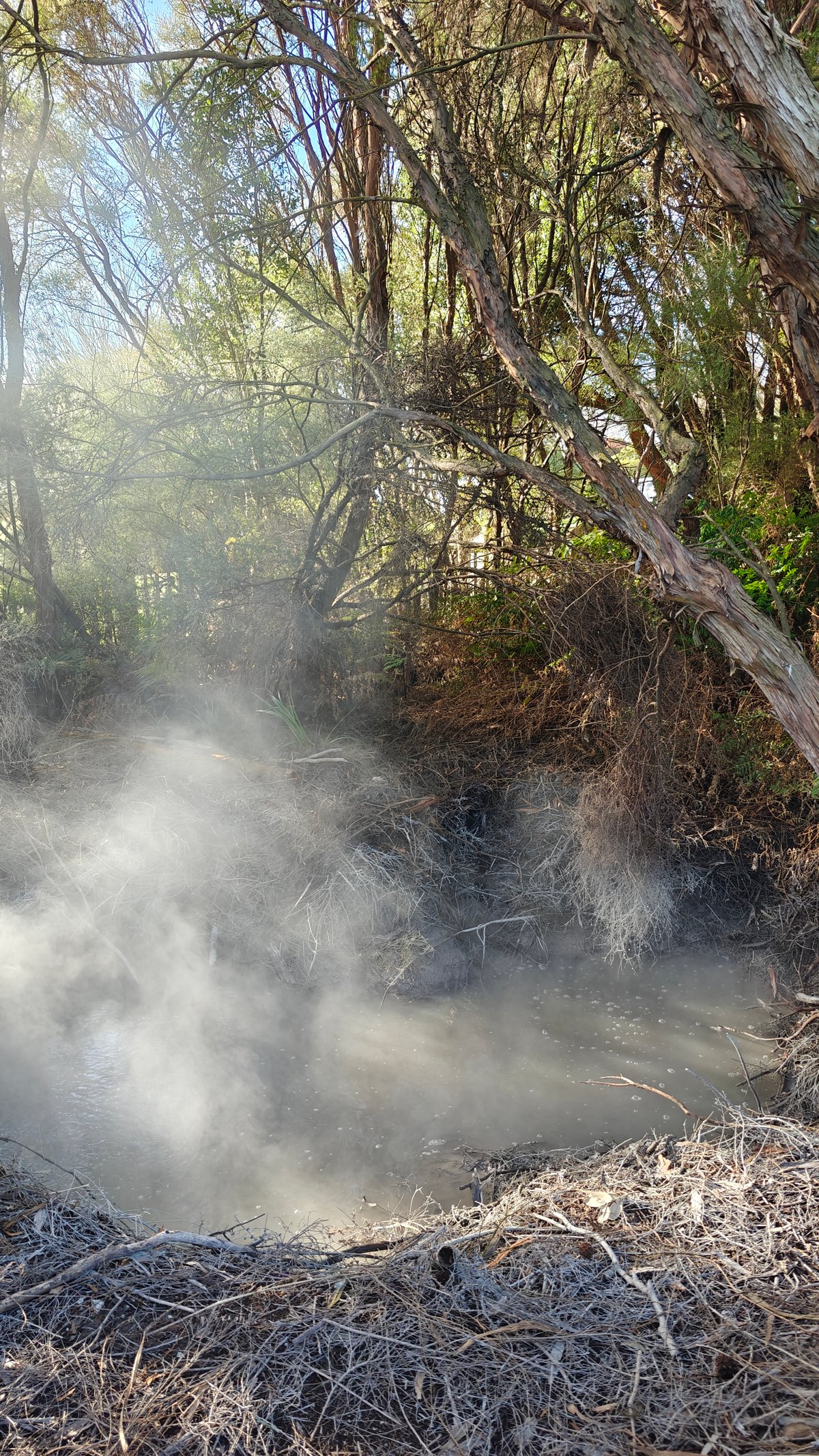
The boardwalk passed directly by a steamy mound near the middle of the loop path. Even with my shoes on, I felt the warmth radiating from the earth. The trees grew bare branches right beside all this geothermal activity.
Steam rose like a fountain through the leaves and into the surrounding plants. It made me think about just how resilient these trees has to be to live here.
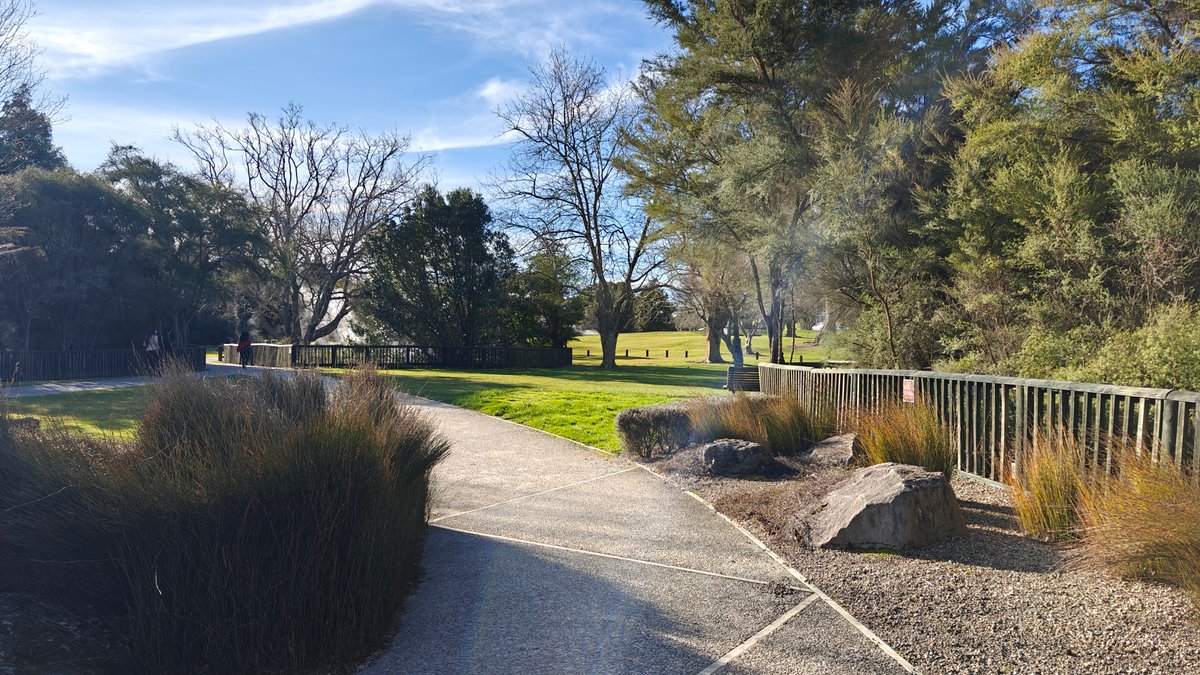
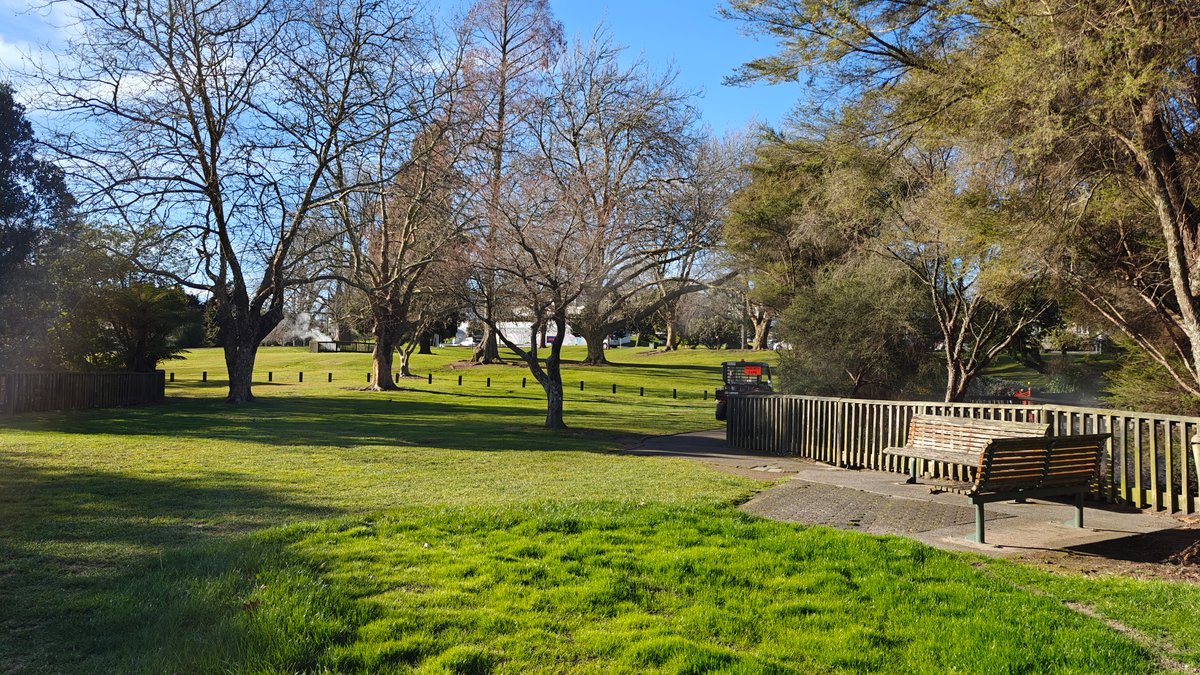
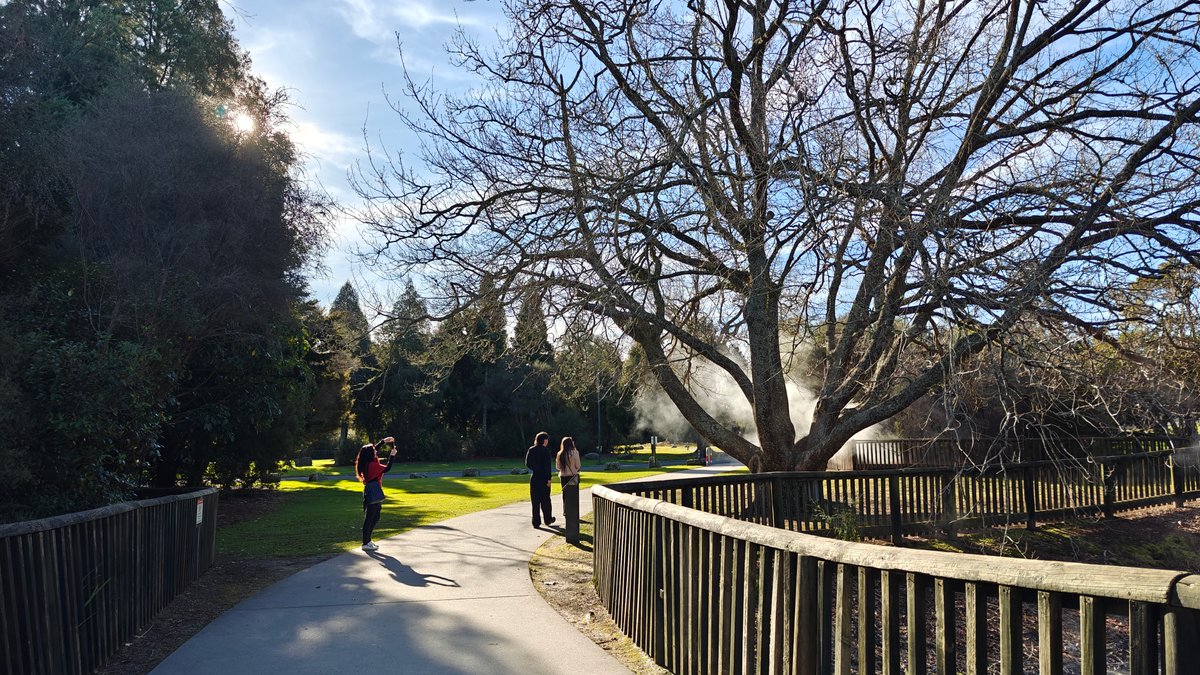
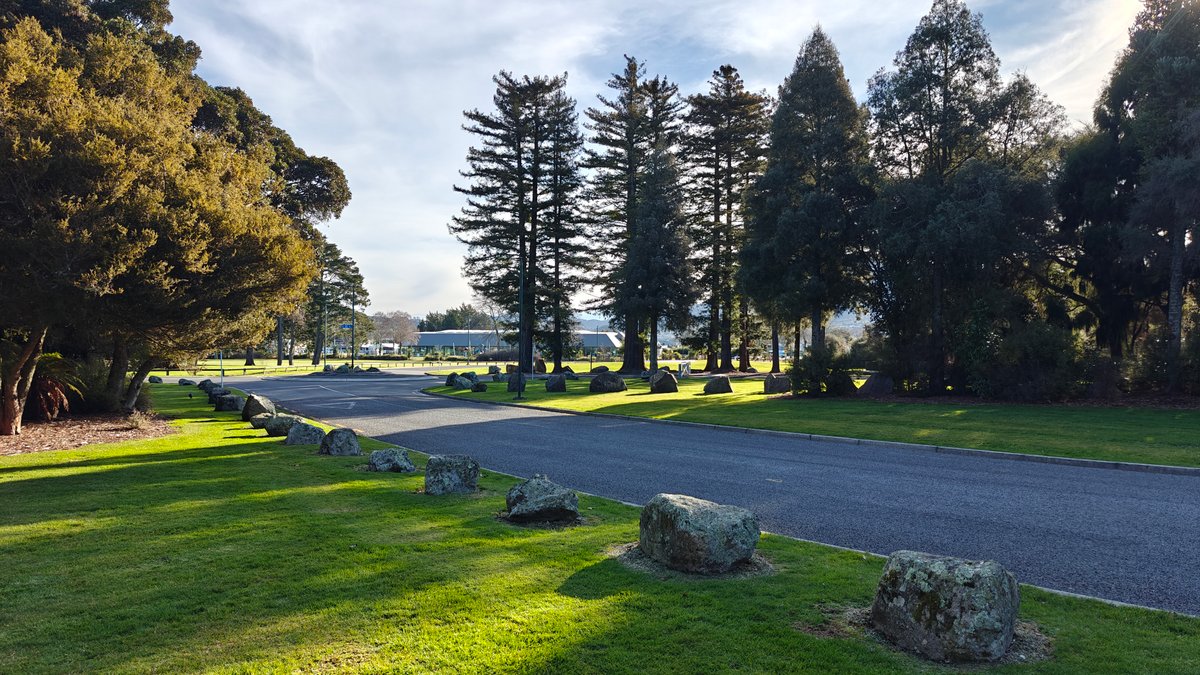
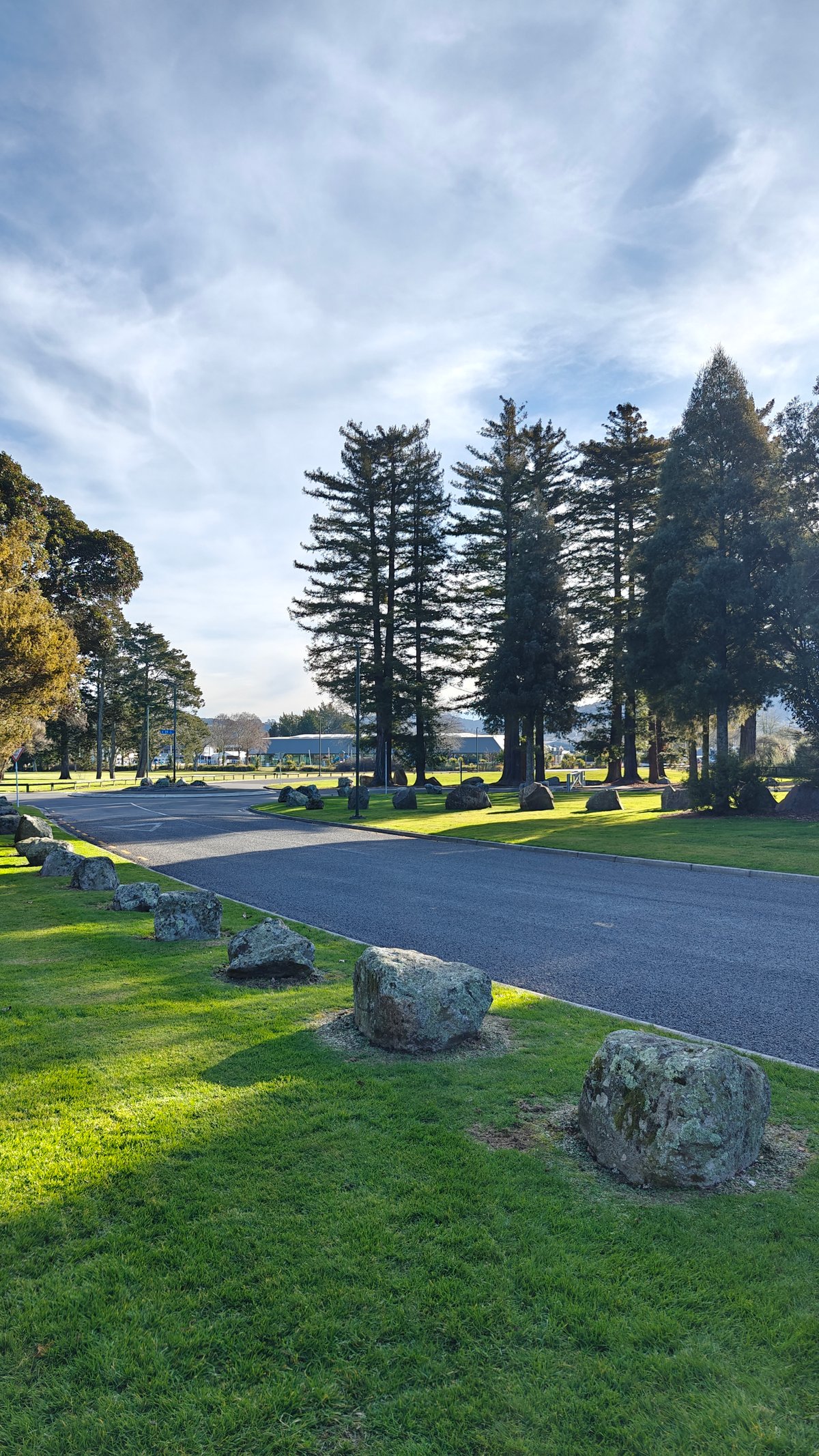
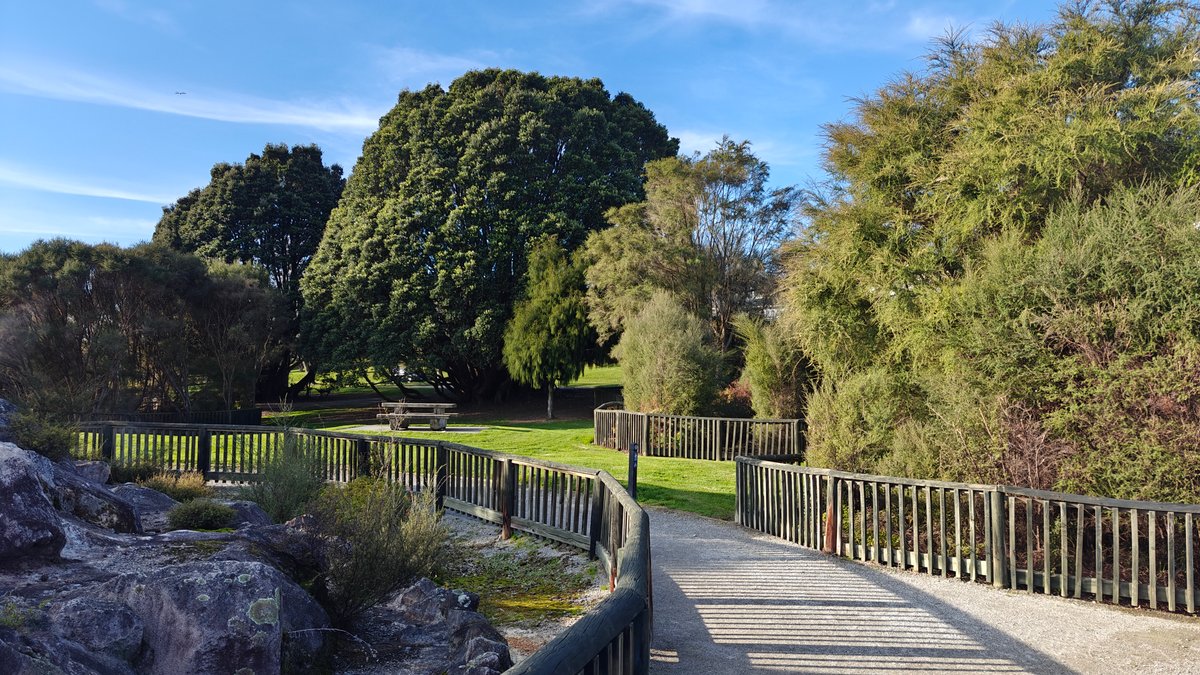
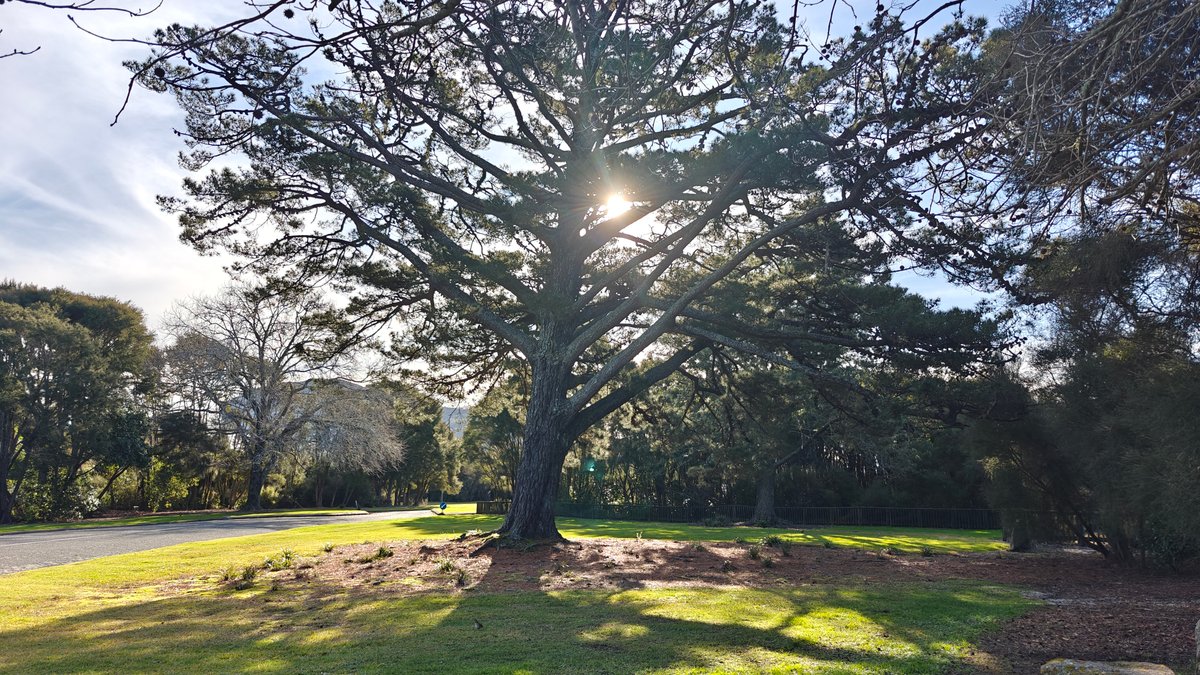
Beyond that, the rest of the park is more like a standard park. It has roads lined with tall conifers and boulders, gravel paths, and benches. Nothing is out of the ordinary, except for a section of low-lying steam along the edge of the geothermal zone, where I spotted one visitor wandering through.
It was surreal, especially placed against the otherwise ordinary surroundings of the park. That’s what makes this place so odd; one moment, you’re beside steaming mud; the next, you’re standing beneath a regular old tree on mown grass. Continuing on, we followed the trail next to the fence.
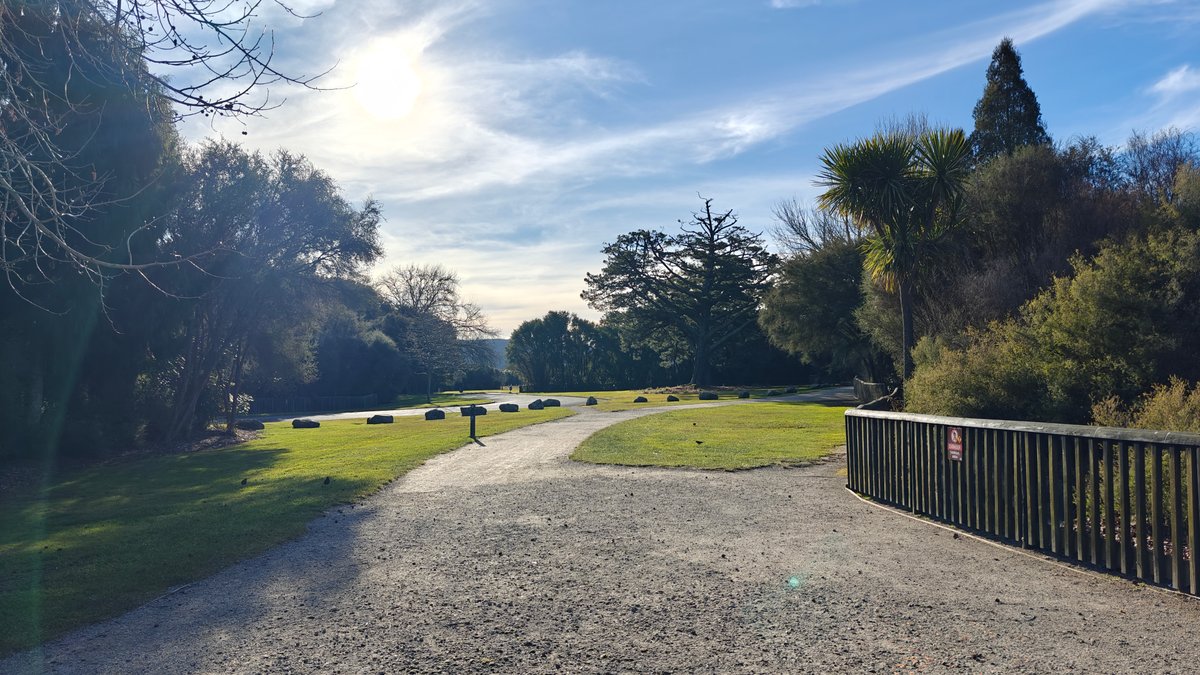
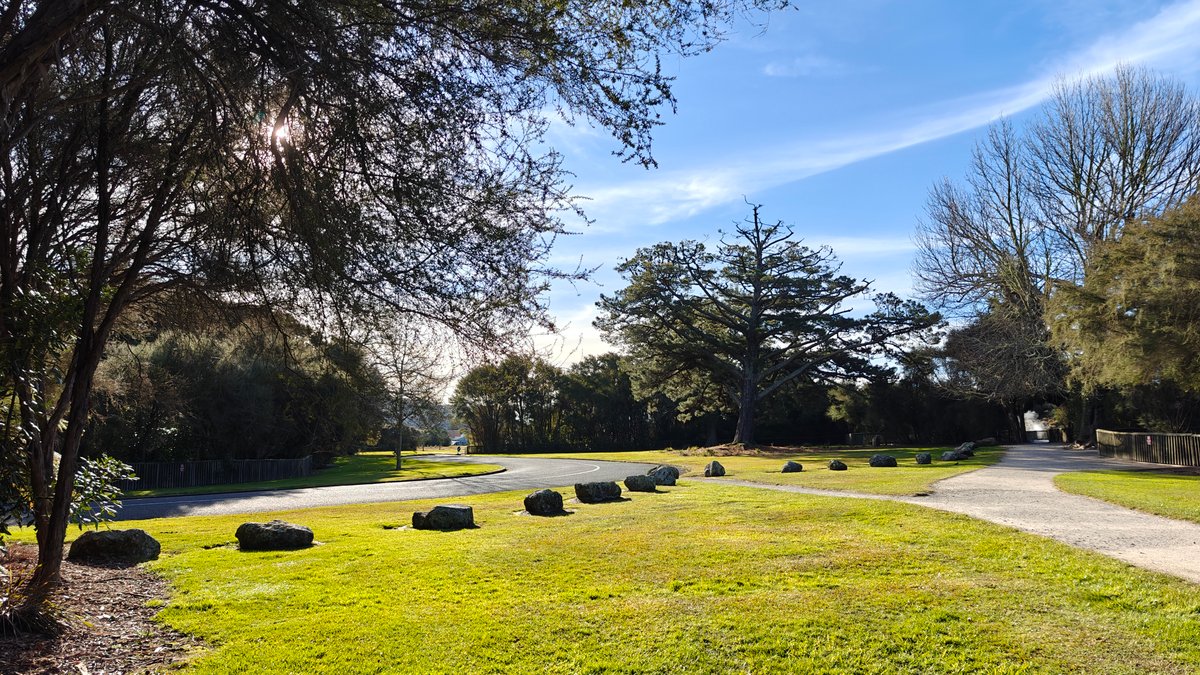
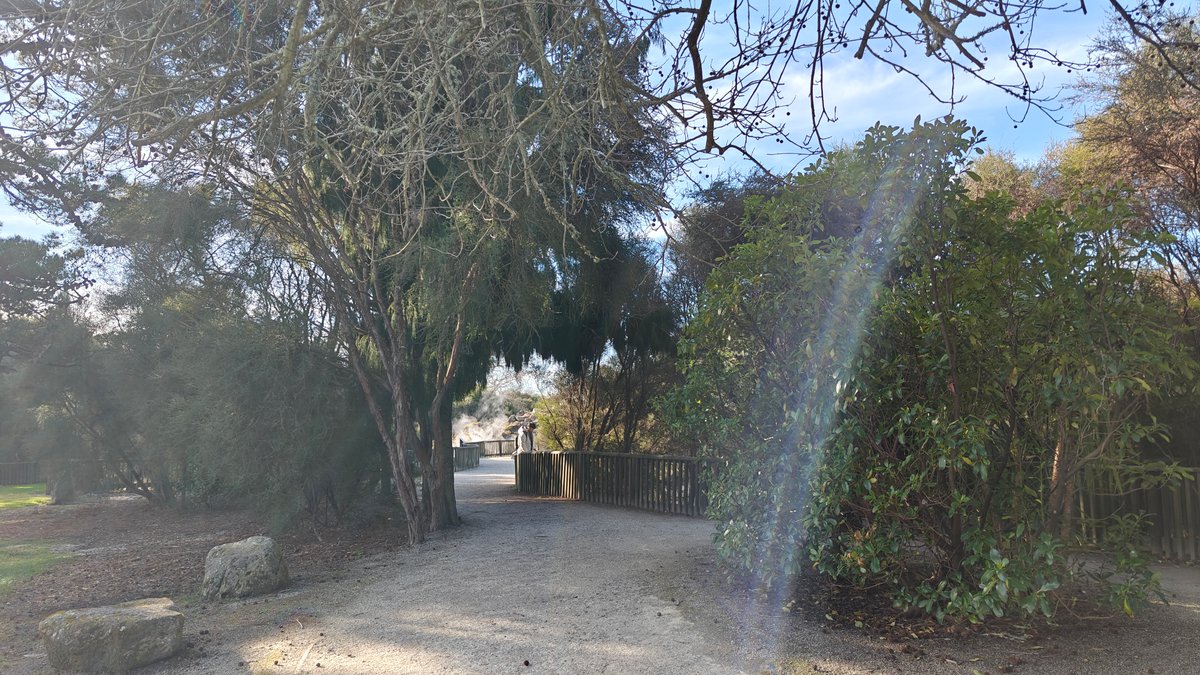
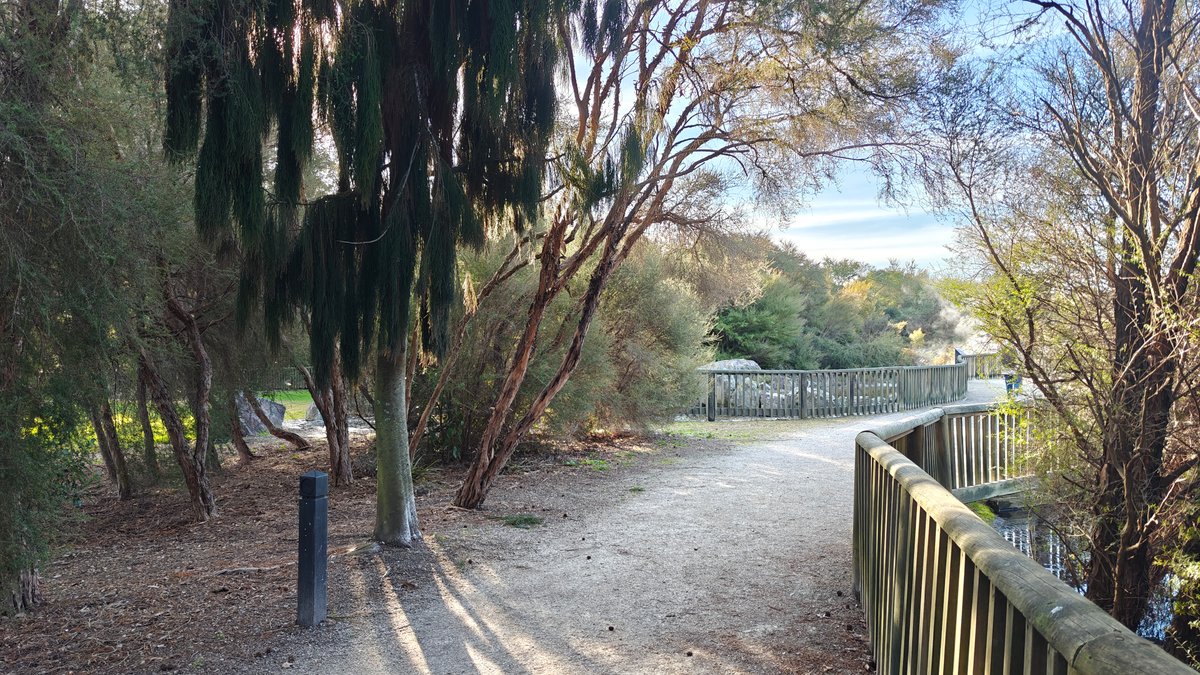
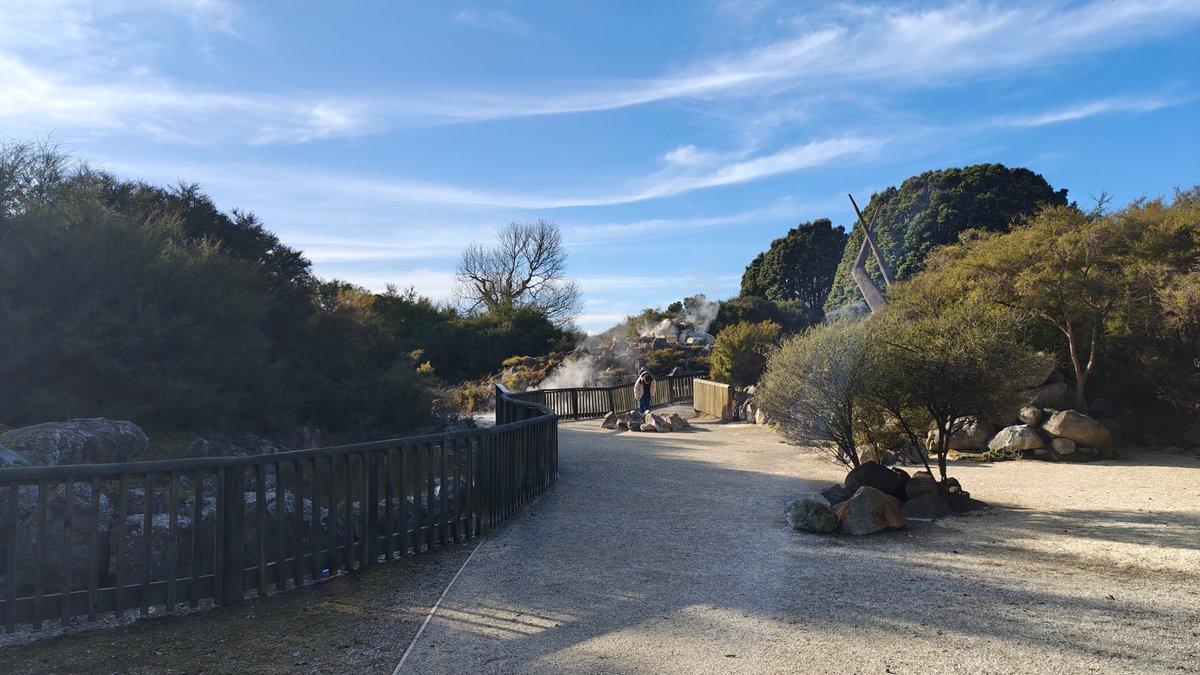
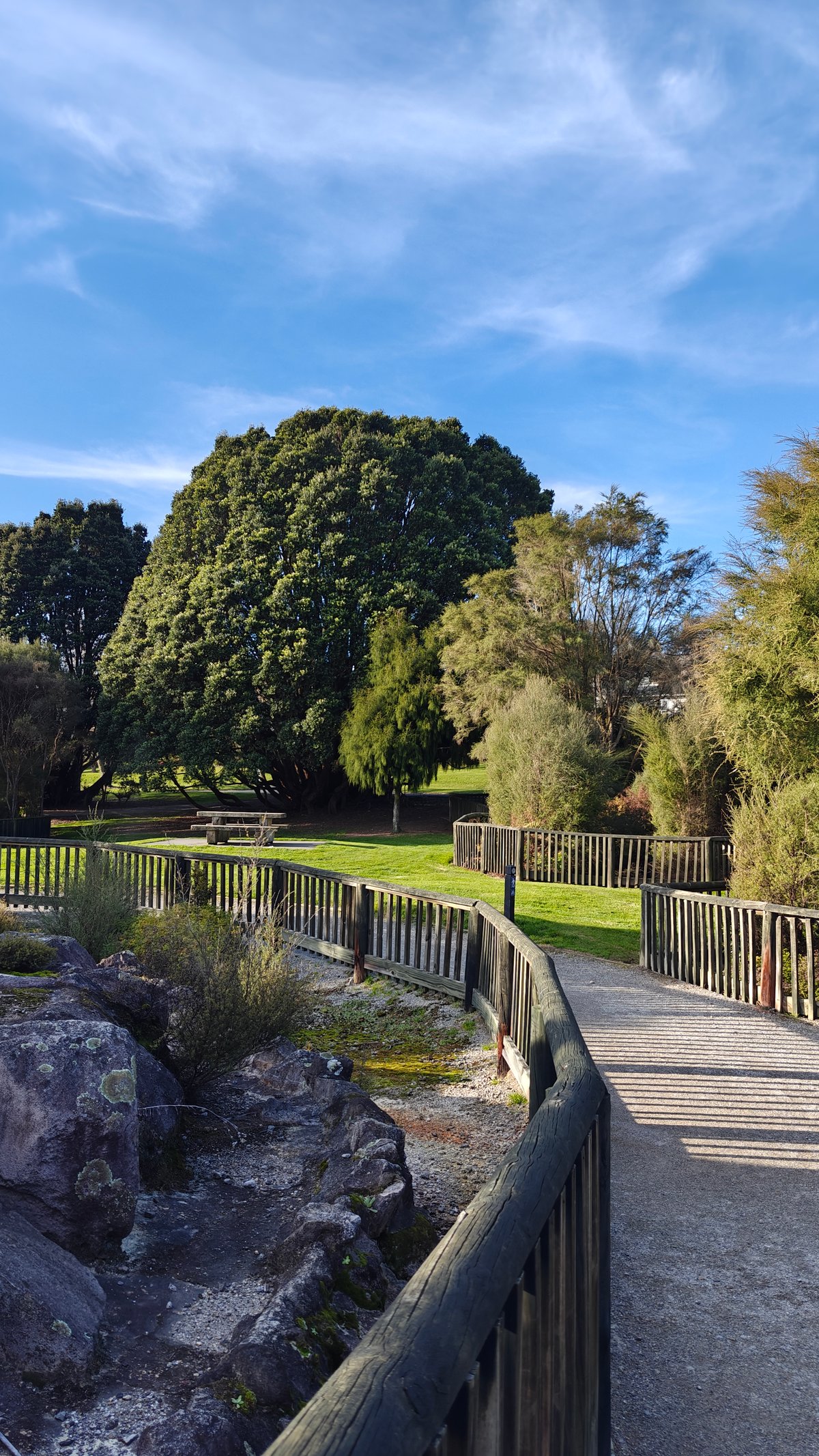
It passes by some more mounded geothermal spots, including willow trees. A bit later, there’s a section of boardwalk to keep your feet out of the hot dirt. Random puffs of steam would cross the path, I stopped every few minutes to watch them go by.
Once you get used to the scent, there’s something strangely calming about it.
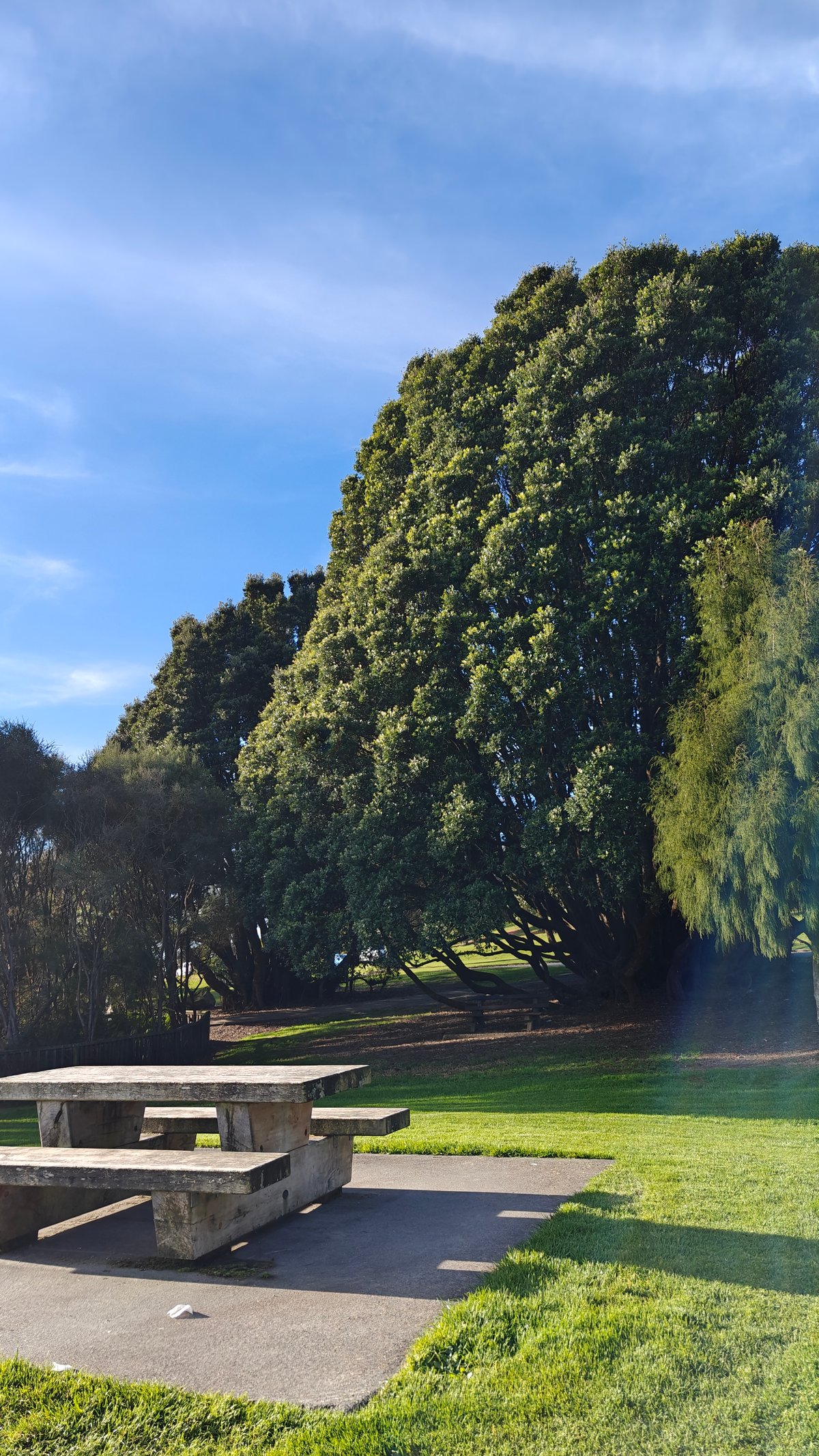
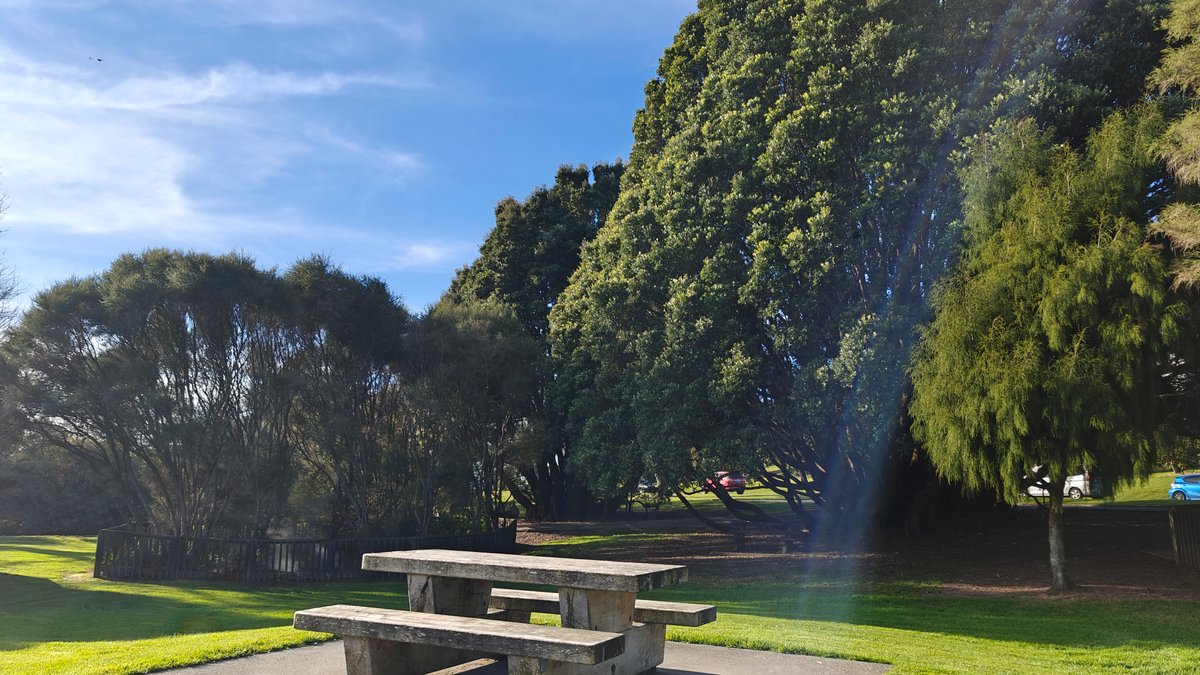
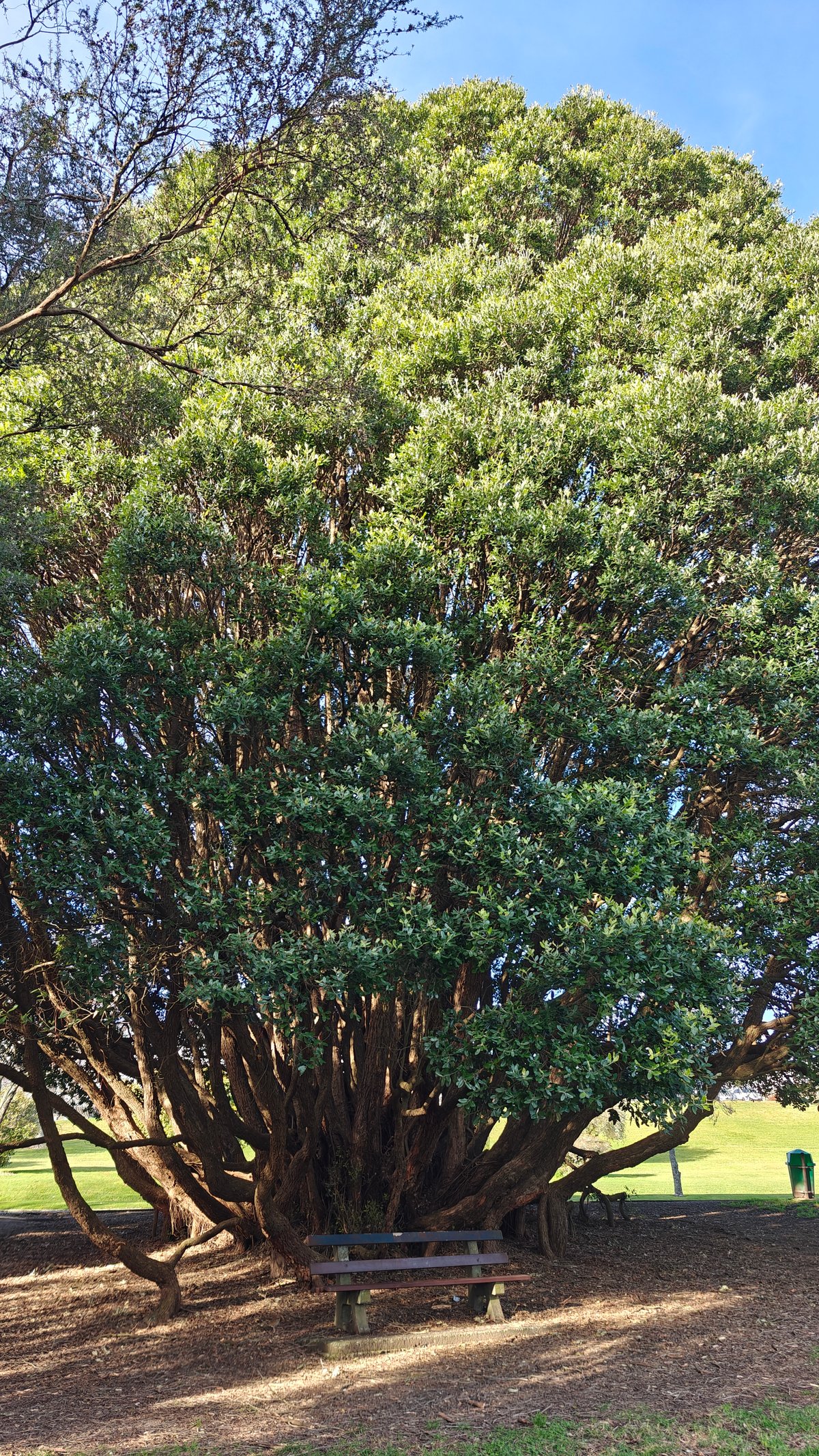
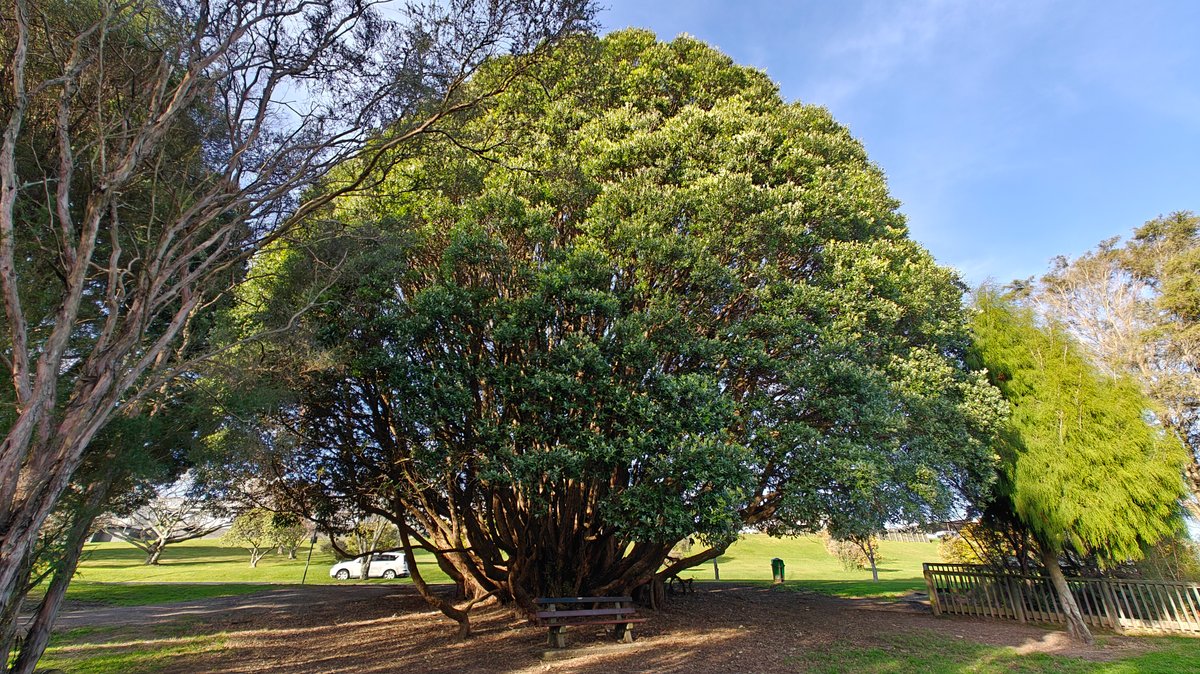
There was a park with a lawn, a couple of trees, and a picnic table. Beyond that, I saw people walking their dogs, drinking their coffees, and playing in the grass, just like they would use any public space. It’s brilliant and ridiculous all at once to be able to go for a normal picnic next to a boiling pool.
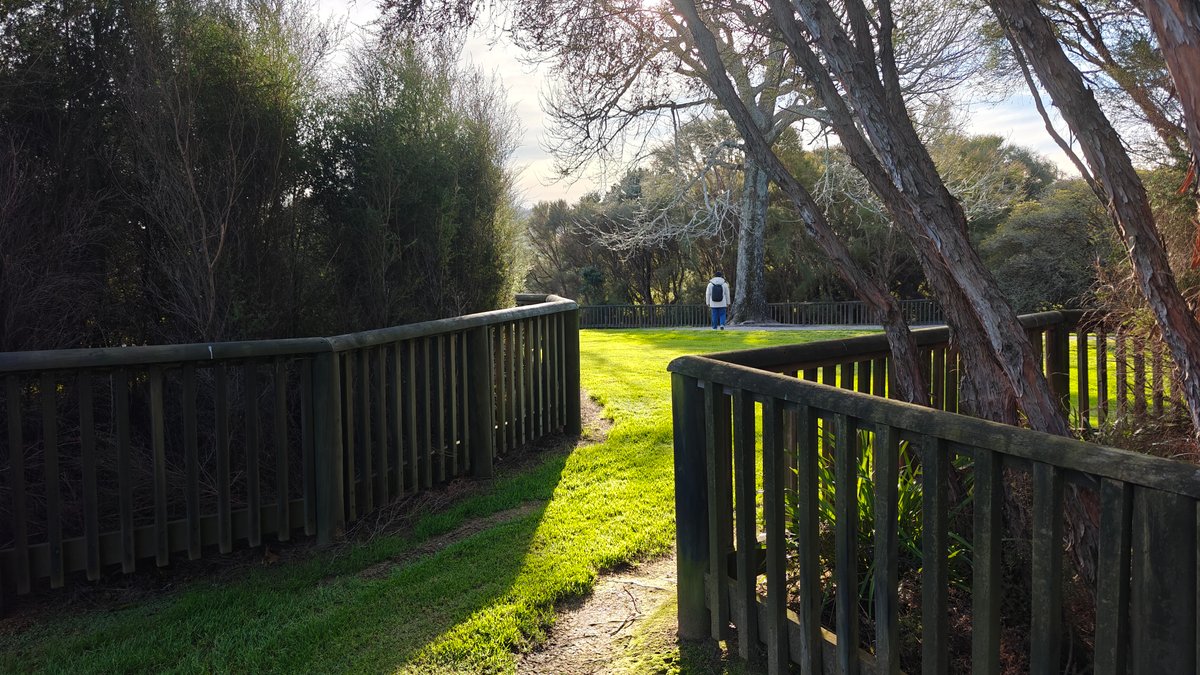
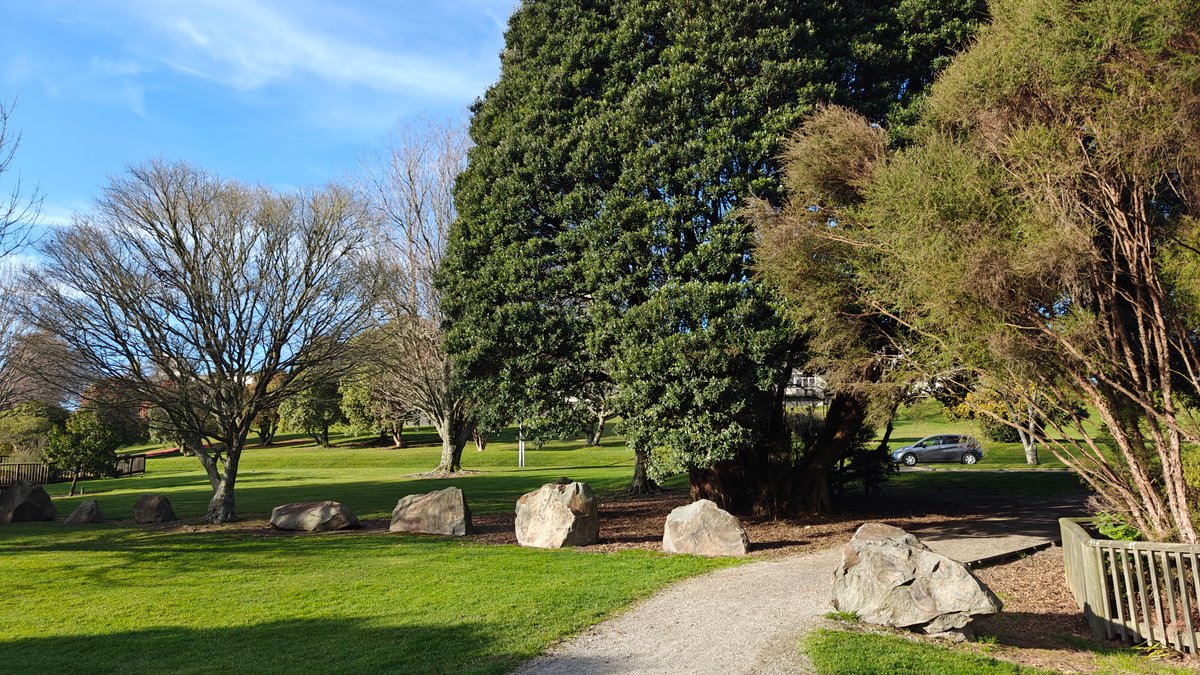
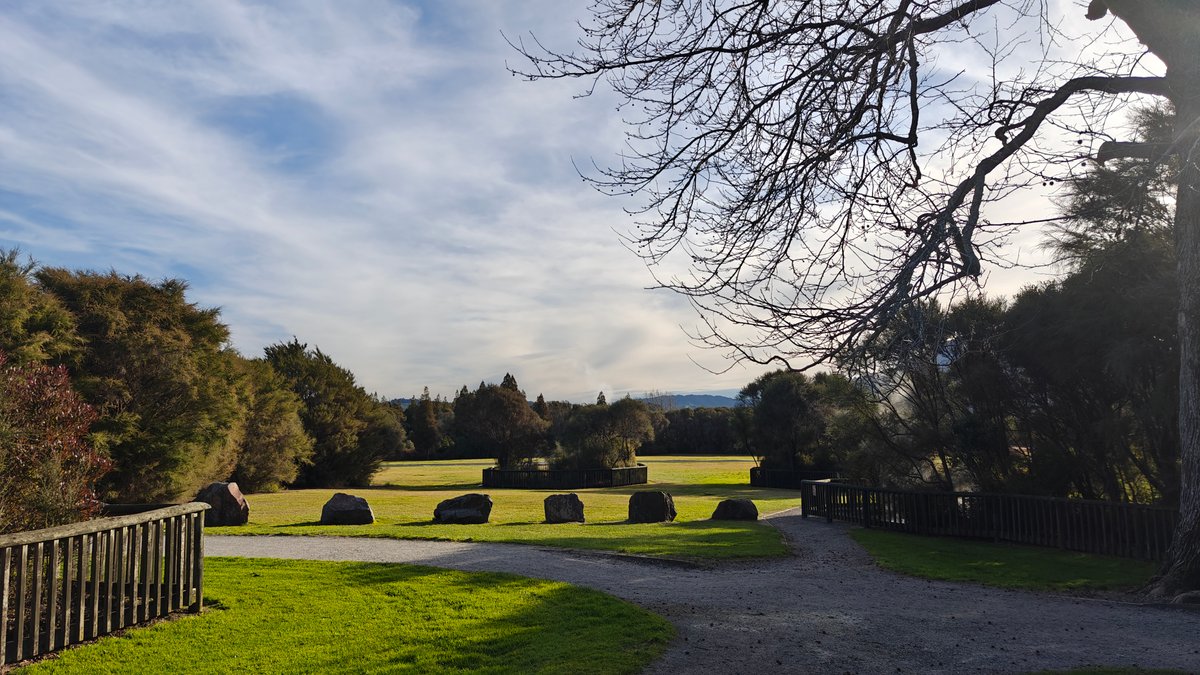
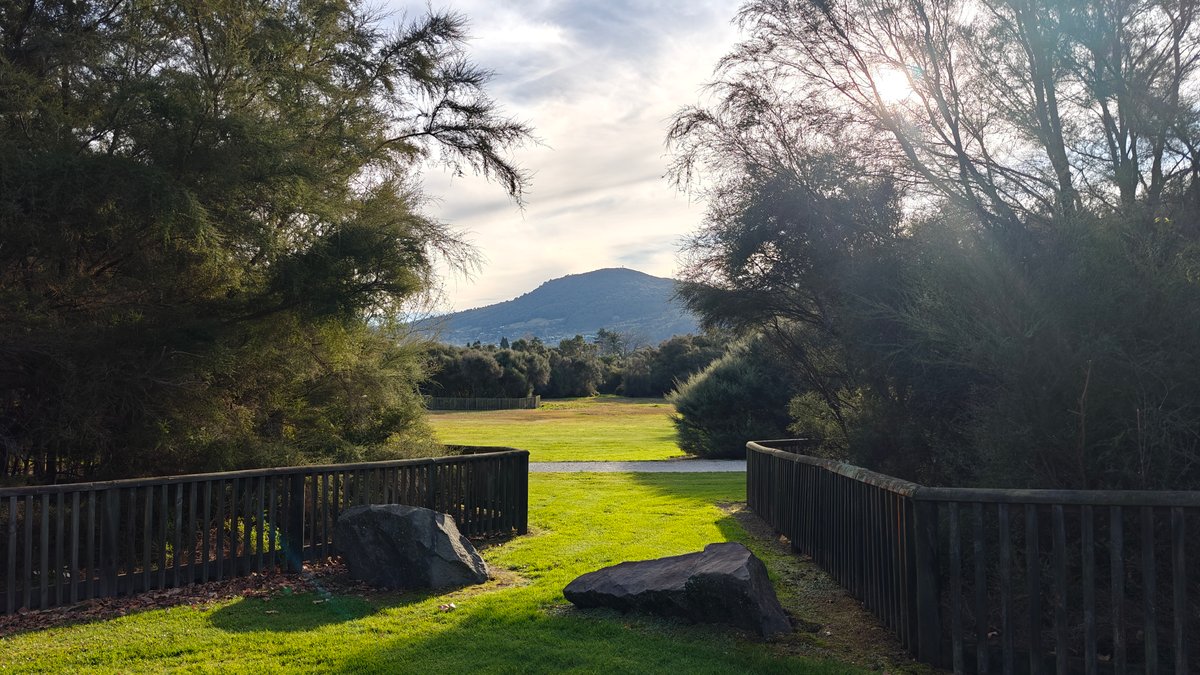
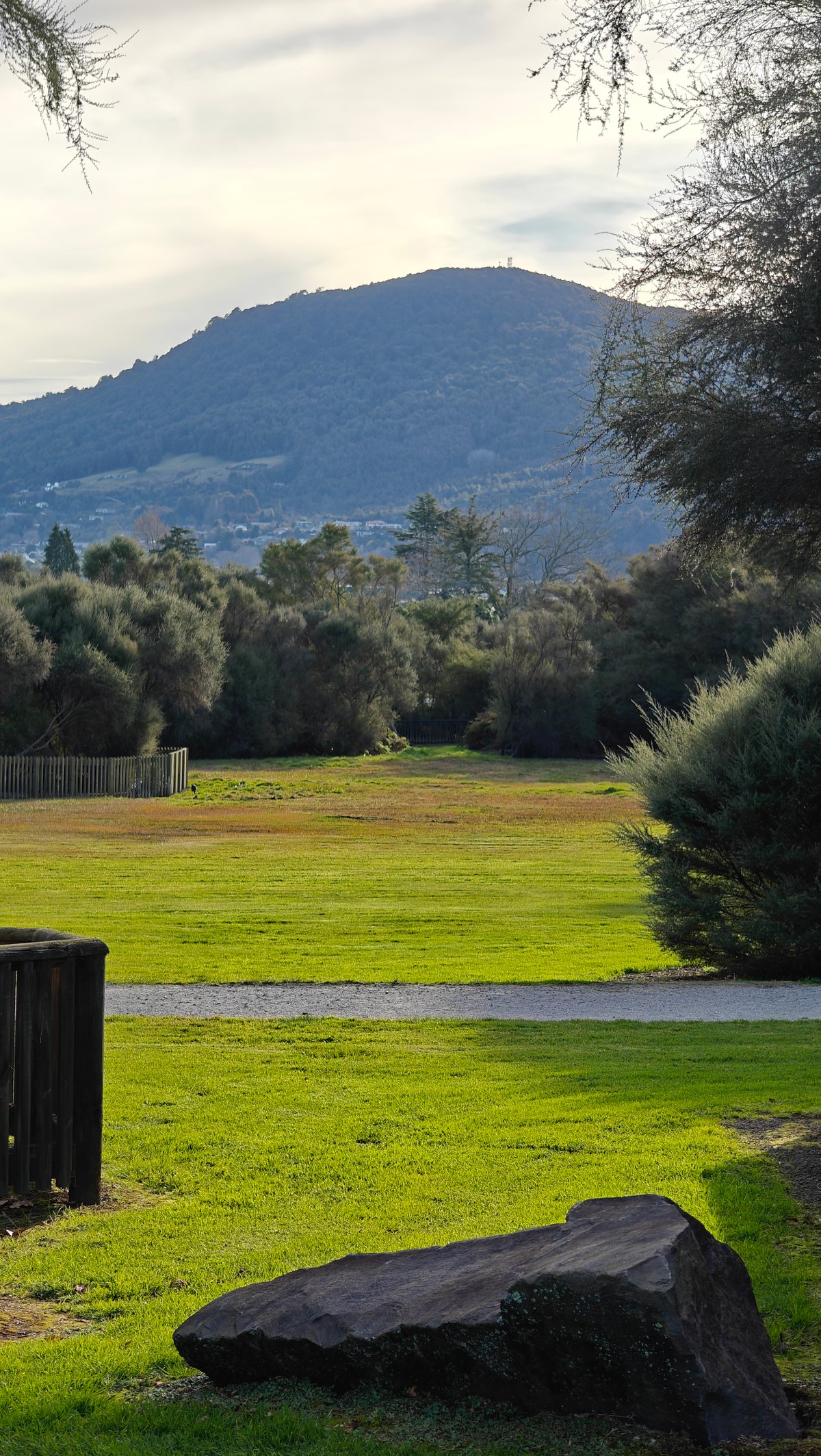
Continuing on through the less crowded areas we passed more rows of low mounds with grass growing over them, some boulders and paths. The entire park seemed softer from the late afternoon sunlight. From where I stood, I could see all the way to the distant hill.
It is a large area, larger than I had anticipated. If you wanted to, you could spend an hour or two here wandering around or sitting down to read.
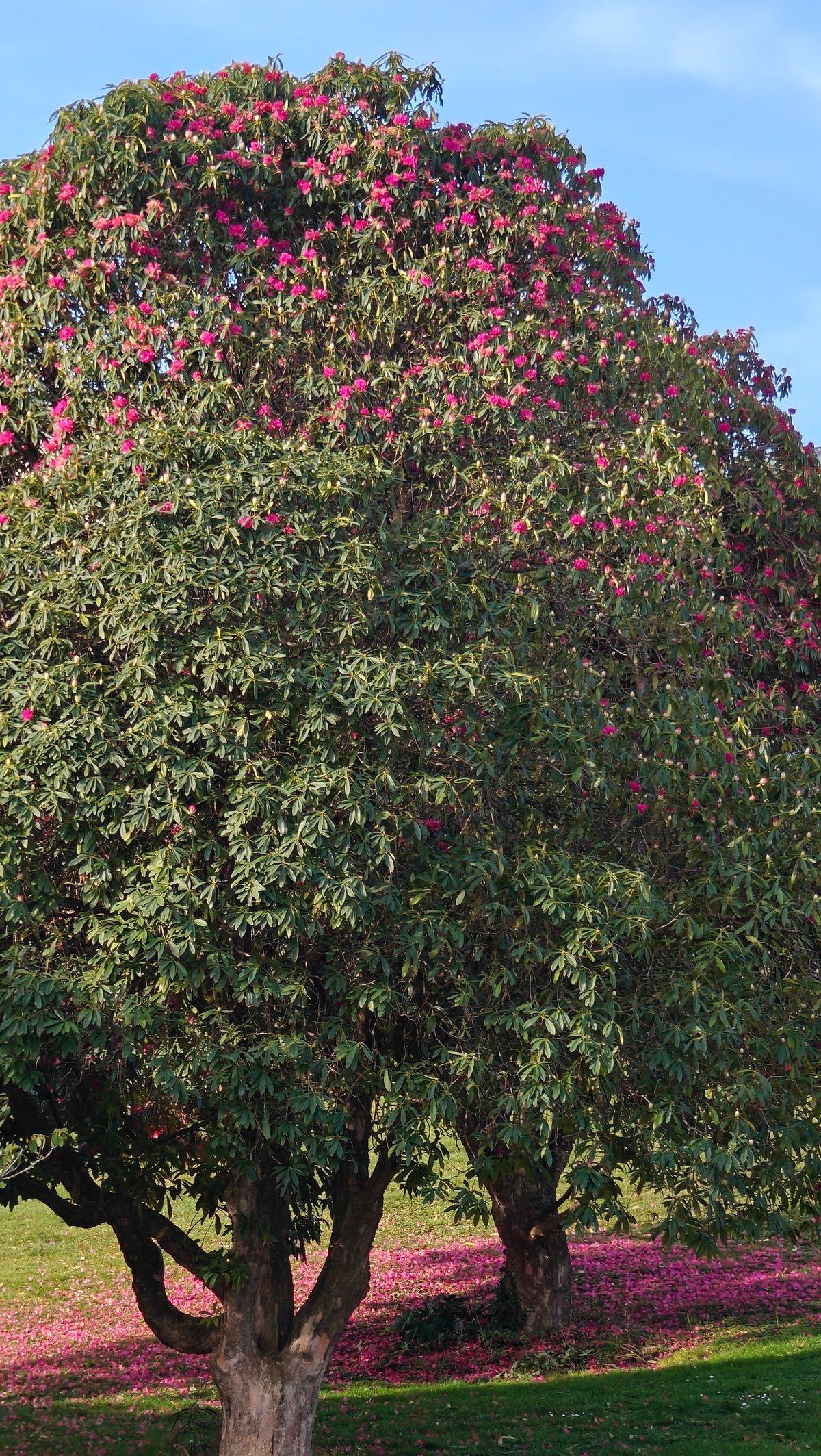
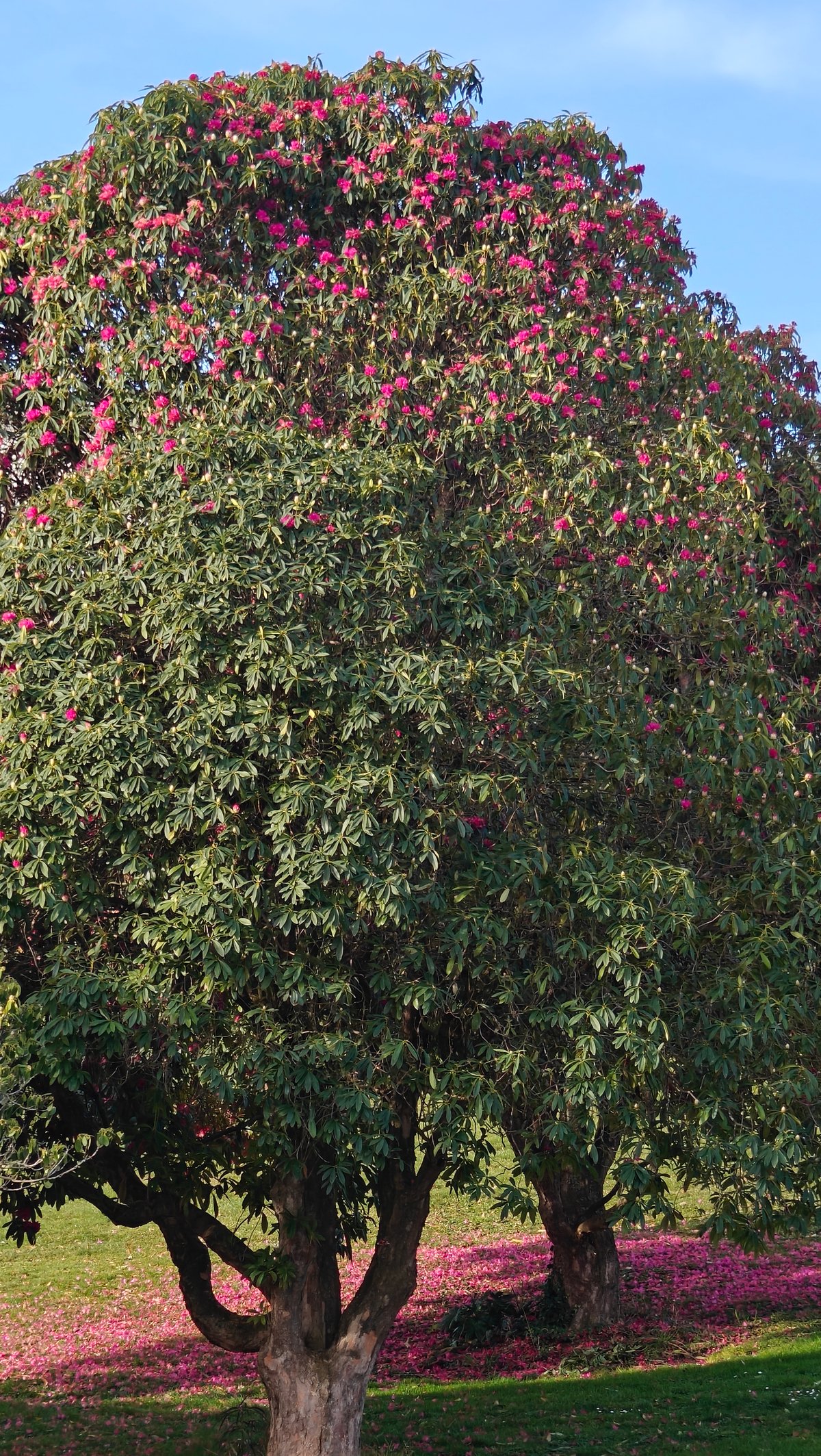
On our last pass through I noticed a camellia tree in flower, its fallen blossoms carpeting the earth beneath it. Almost as dramatic as those still clinging to the tree: a deep carpet of fallen blooms. It was as if someone whispered, “Yes, this is still a garden.
It is a garden in the middle of a geothermal field.
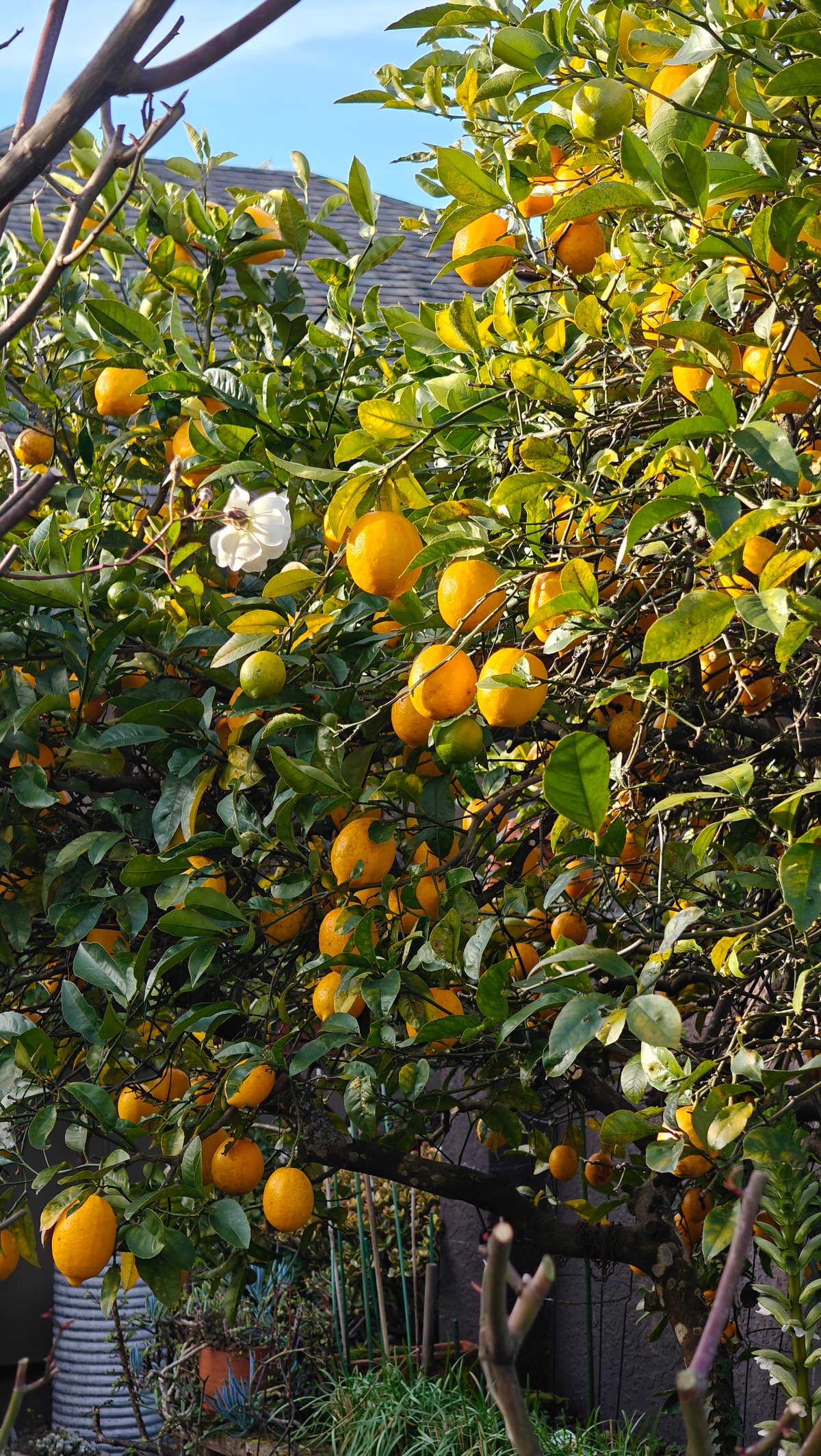
And then there was this: a citrus tree not far away was heavy with ripe lemons. I stood there wondering whether it was an ornamental tree or if the park simply grows fruit next to its steam vents on the casual side. Either way, it felt right for a place that’s determined never to be only one thing.
Rotorua may not have the most dramatic geothermal area, but Kuirau Park might be its most honest: a place that doesn’t try to be anything other than what it is. Free, open, and simply a place where a park sits over some really active ground, this isn’t trying to be anything else. And I think that’s why I left with the feeling that I had just seen something real rather than a packaged experience, which is rare enough to make it worth visiting.
Have you been to Kuirau Park? Do you have a favorite free attraction that surprised you?