
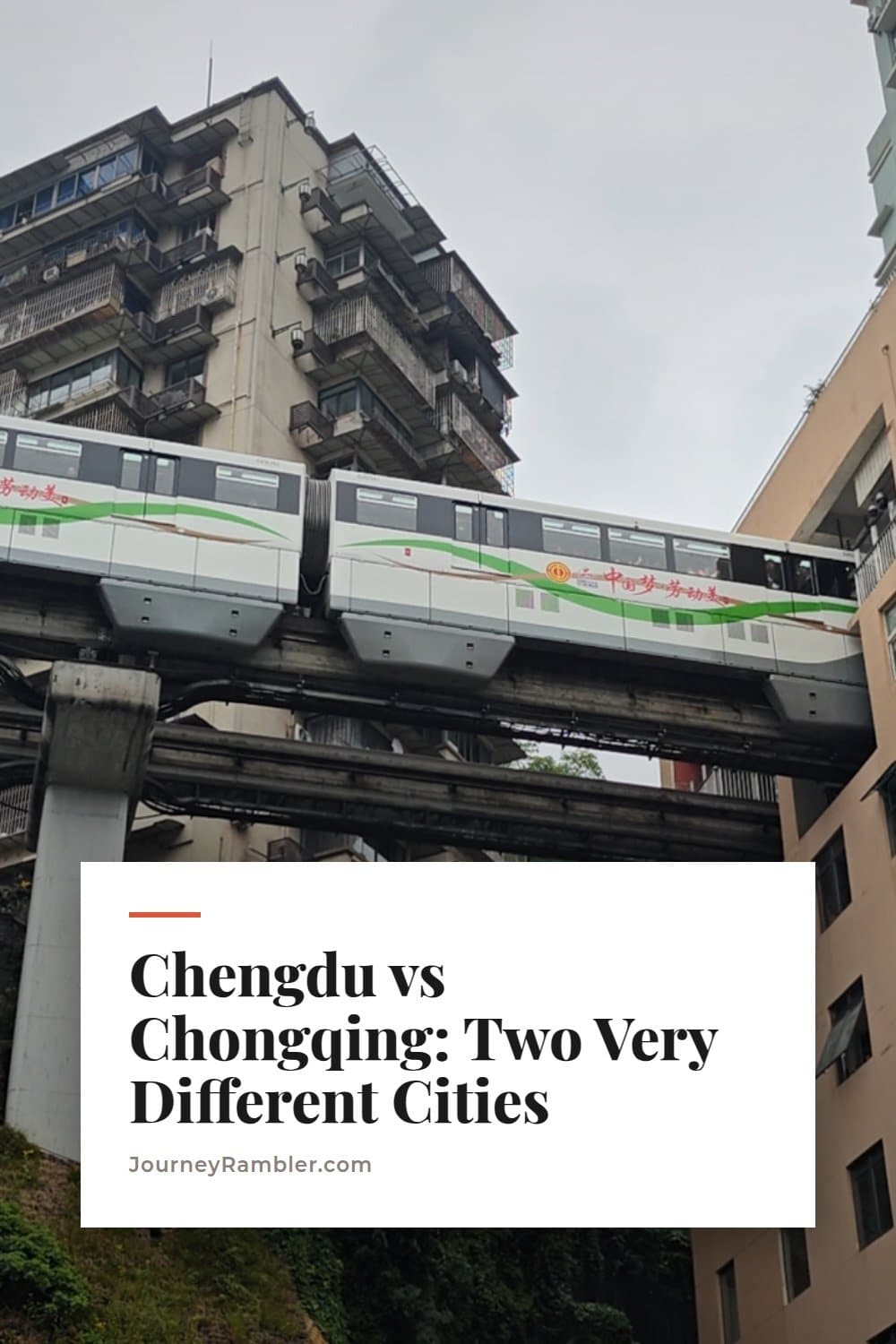
Okay, let me preface this by saying that until I went to both cities, I had lumped them together in my mind. Sure, they’re both located in Sichuan province. Sure, they both like their spice.
But frankly, I thought they’d be fairly similar. How wrong was I? From the second I hopped off the train into each of these cities, it felt different…
Not just in terms of landmarks and layout, but in the personalities, rhythms, the whole way life seemed to flow through them. And so here’s what I actualy saw while spending some time in both cities, and why I think thinking of them as “the same” is missing the entire point.
Why These Two Cities Are So Different
The Pace Hits Different
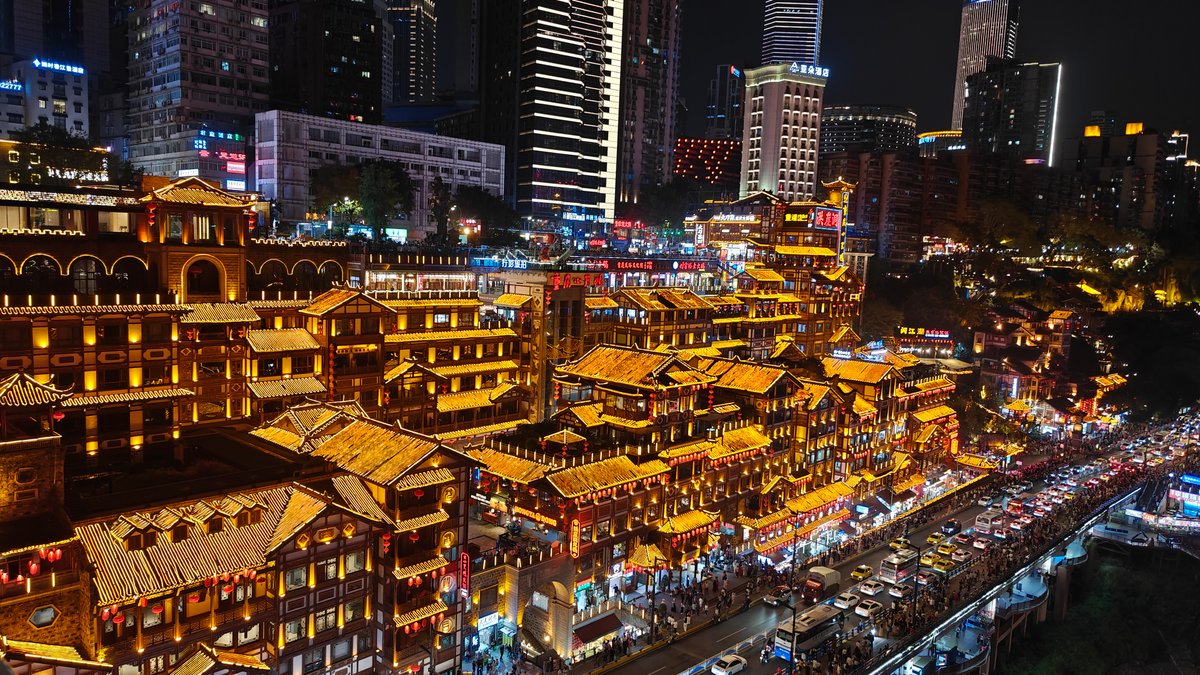
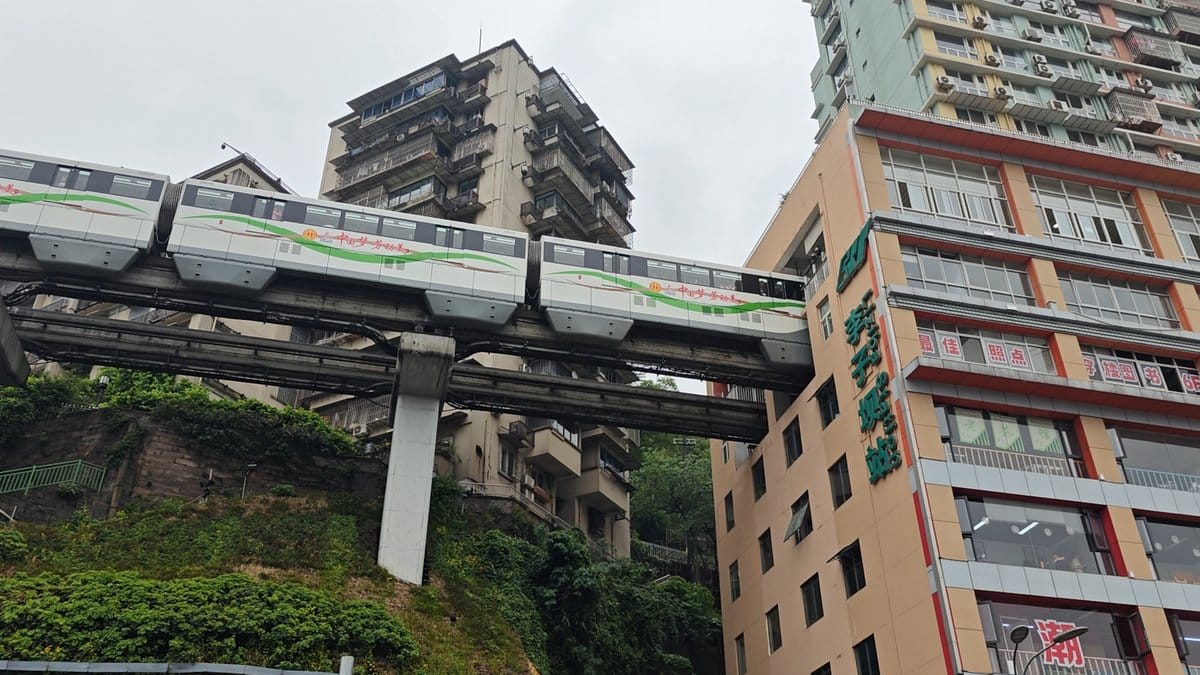
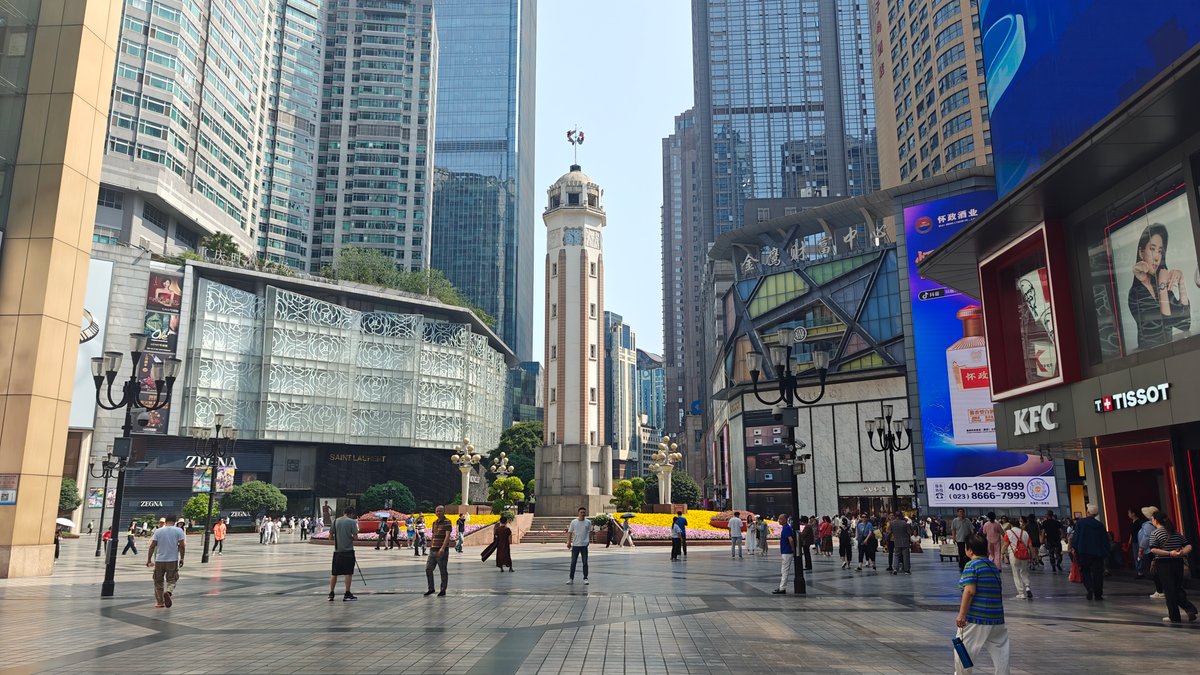
There’s no off switch for Chongqing. At night, the streets is humming with people. The monorail slices between apartment blocks at any hour of the day or night.

free chongqing itinerary
Visiting Chongqing?
Get my original 4–5 day, 13-page Chongqing itinerary in PDF format, based on my real trip, with many photos, hotel, and food tips. Enter your email to receive it free.
We won't send you spam. Unsubscribe at any time.
The entire city seem to be in constant motion. At 11 PM, I went for some noodles and there was a line. Everywhere, people were up, on the move, getting stuff done.
That, combined with the landscape, kept me wired but in an exhausting-in-the-best-way fashion. Everything is piled vertically.
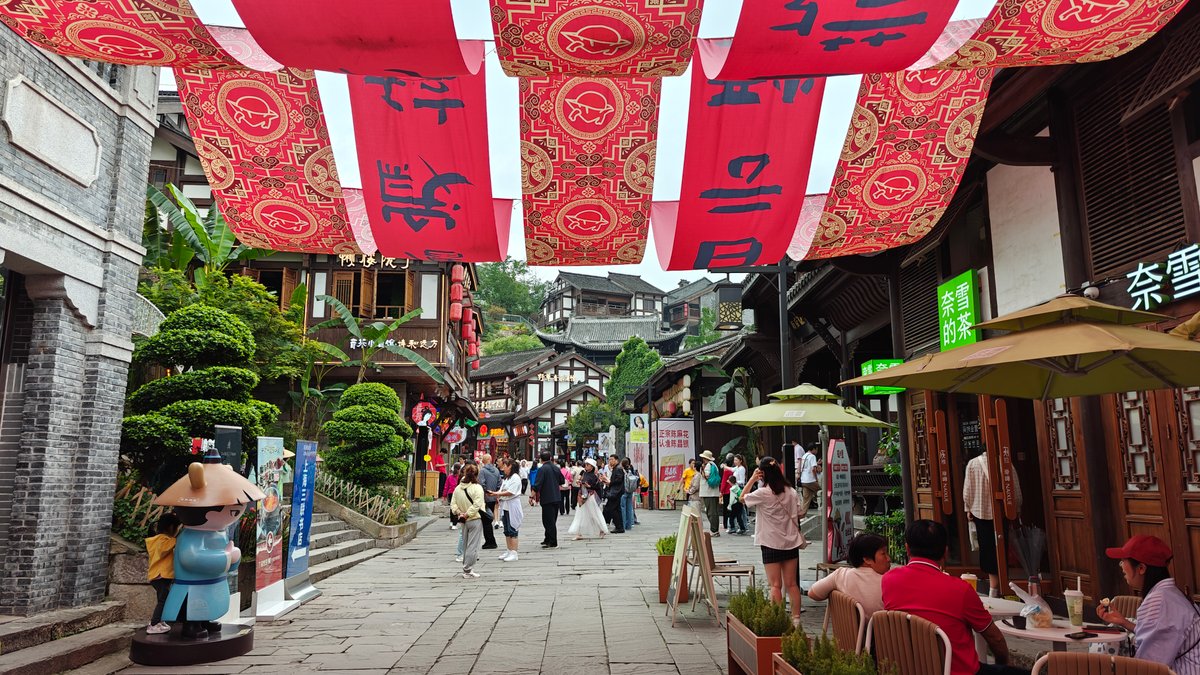
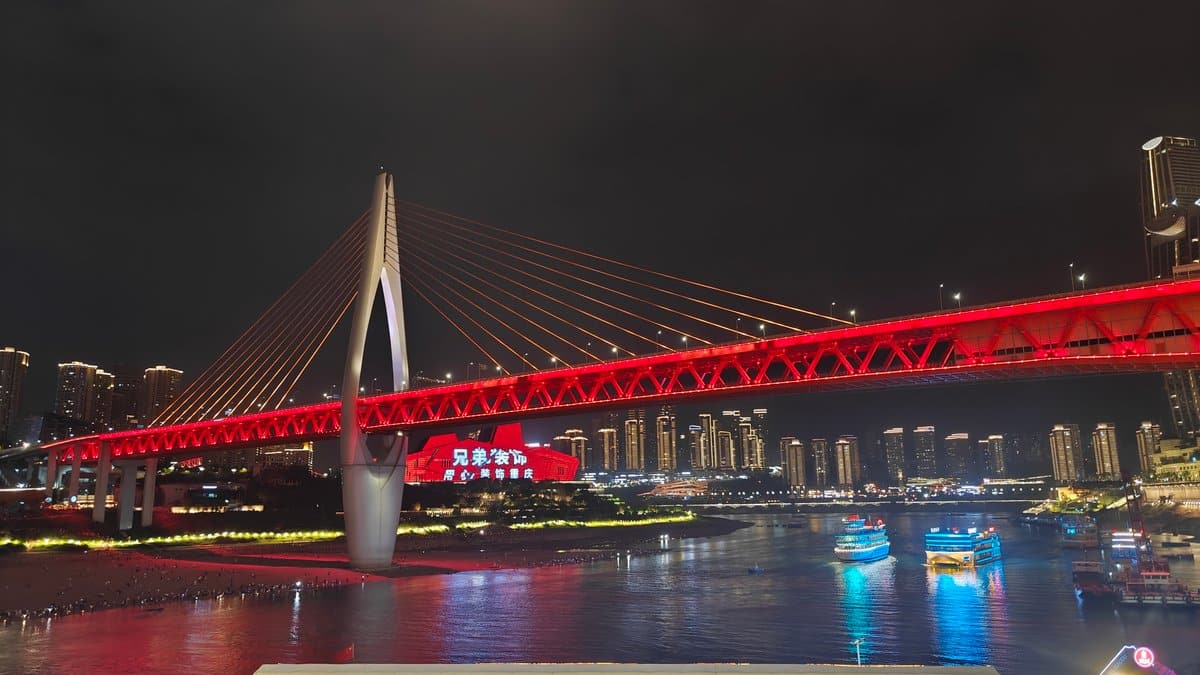
You are constantly going up, down, or across a bridge spanning a river. The difference between the two was that Chengdu seem to almost force me into slowing down. No one batted an eye when I spent two hours at a teahouse.
The entire city had an unhurried vibe. The streets were wide and flat, and the parks were filled with people playing mahjong or simply lounging around with a cup of tea. It wasn’t lazy, it was comfortabley.
And I found myself taking my time over meals in ways I never do back home. Everything felt very normal. The cities has different clocks.
How People Eat and What It Says
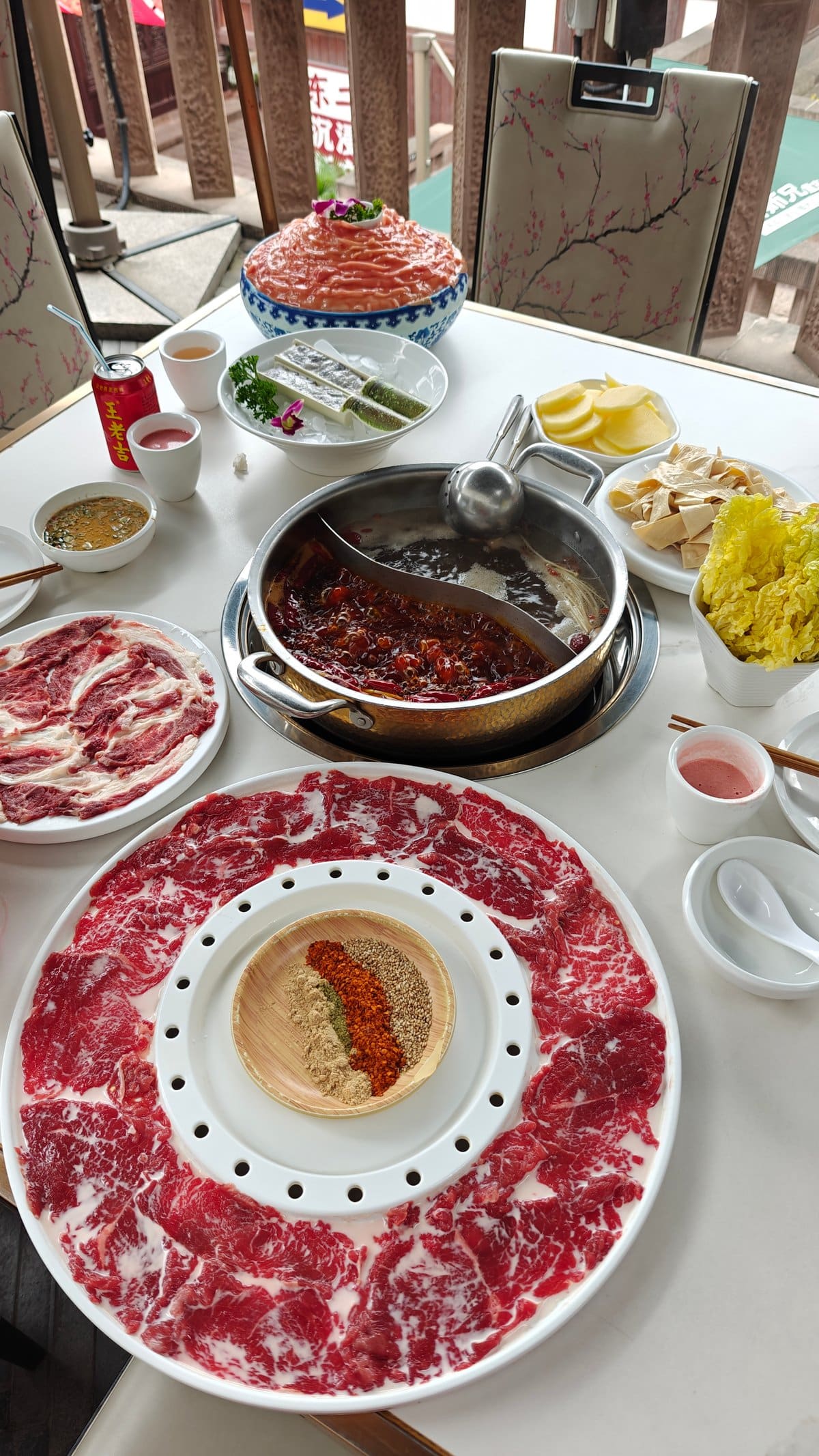
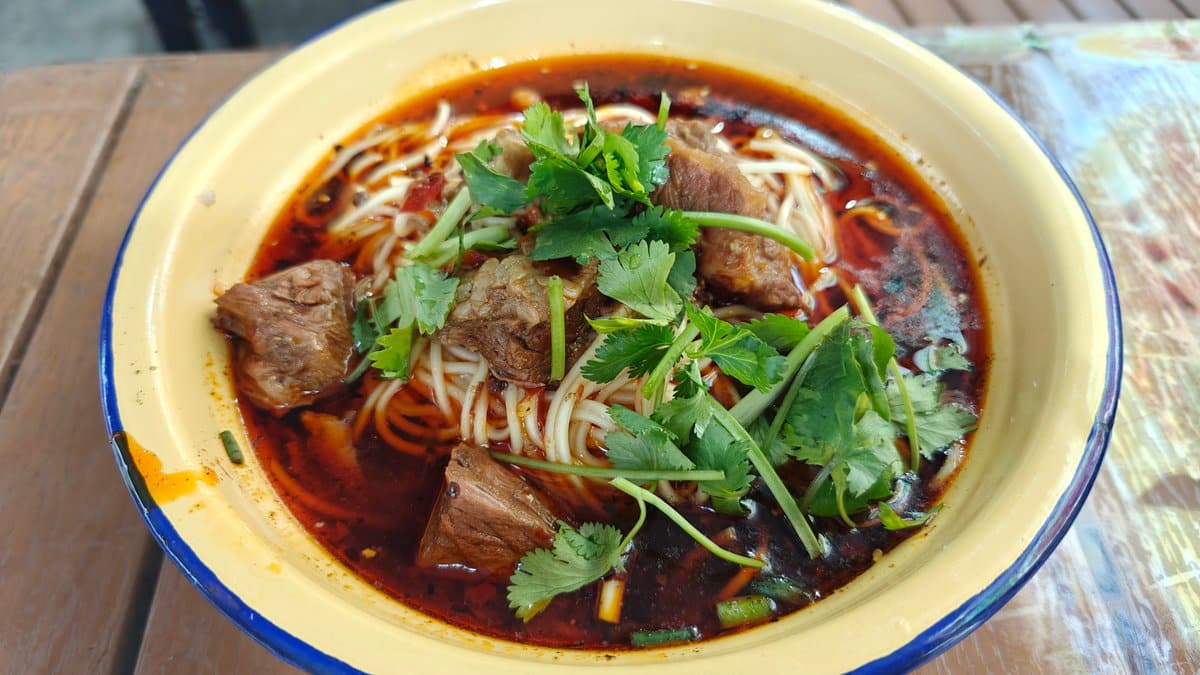
hotpot? Sure, both cities love it! But it’s not the same thing at all.
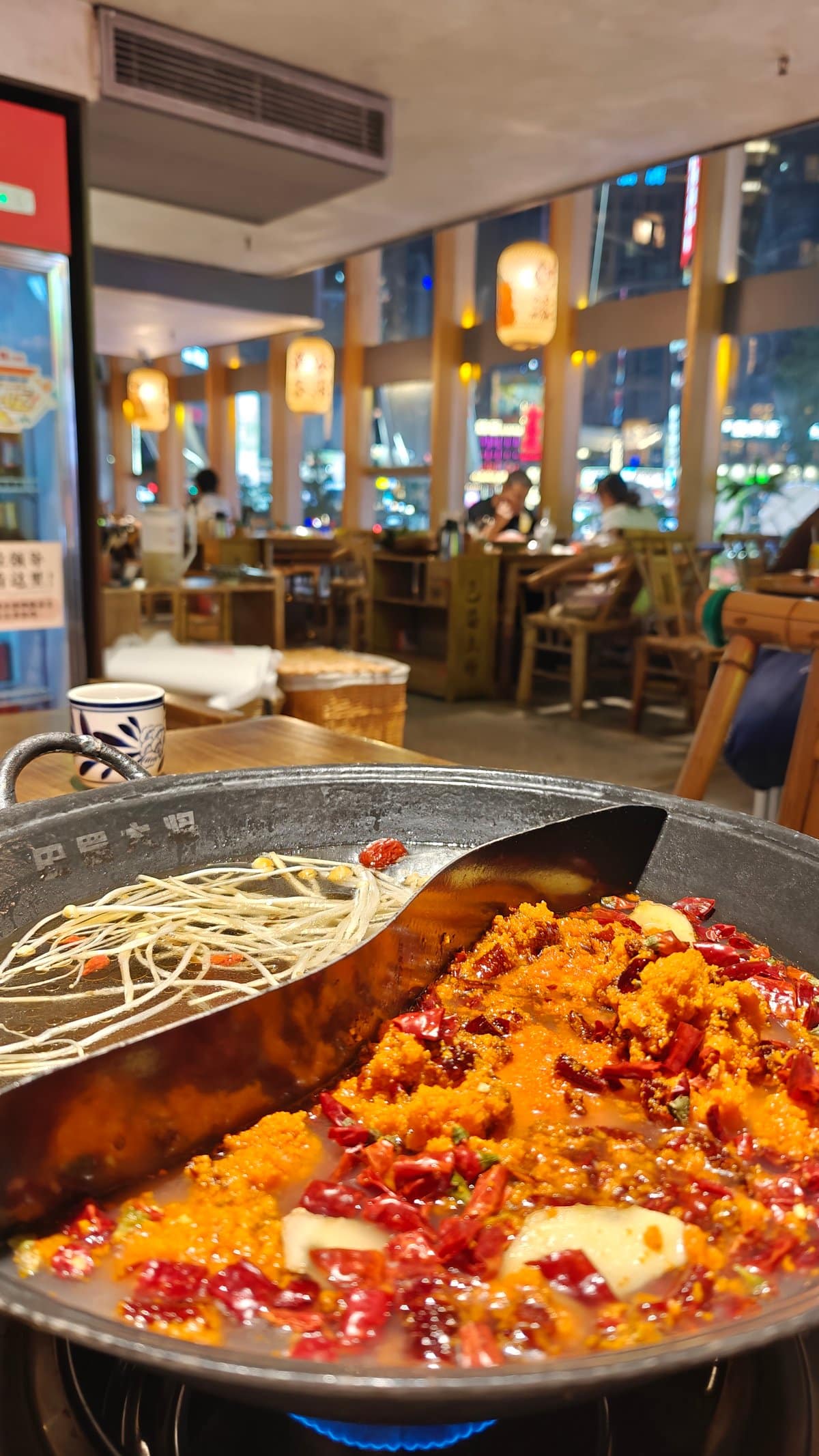
Hotpot in Chongqing is an event, late, loud, social, everyone sweating and laughing as they hover over a bubbling pot of chili oil. Once I went with a table of strangers, and before you knew it we were there for three hours, ordering beer after beer. It feels like the entire city is constructed around big raucous meals that last forever, a sort of shared eating.
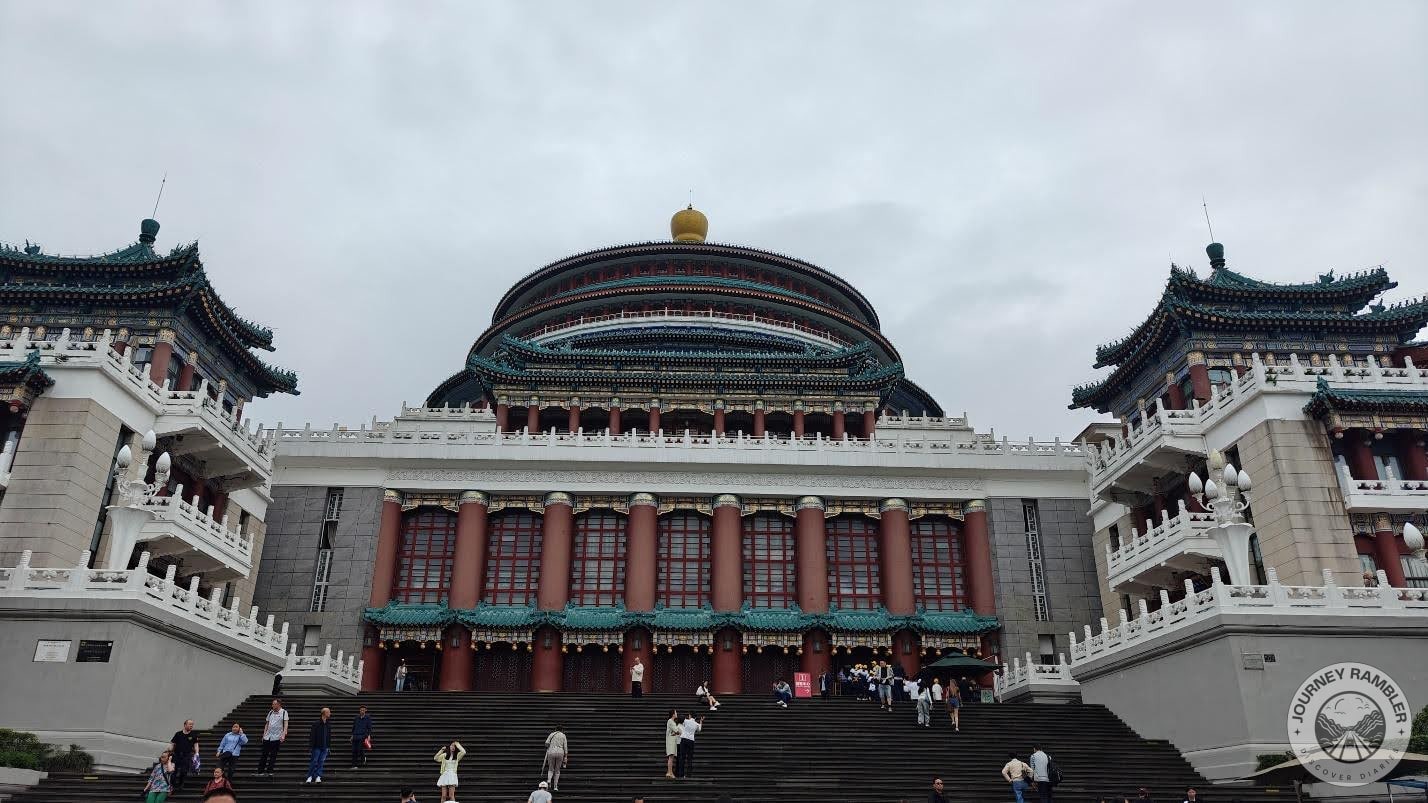
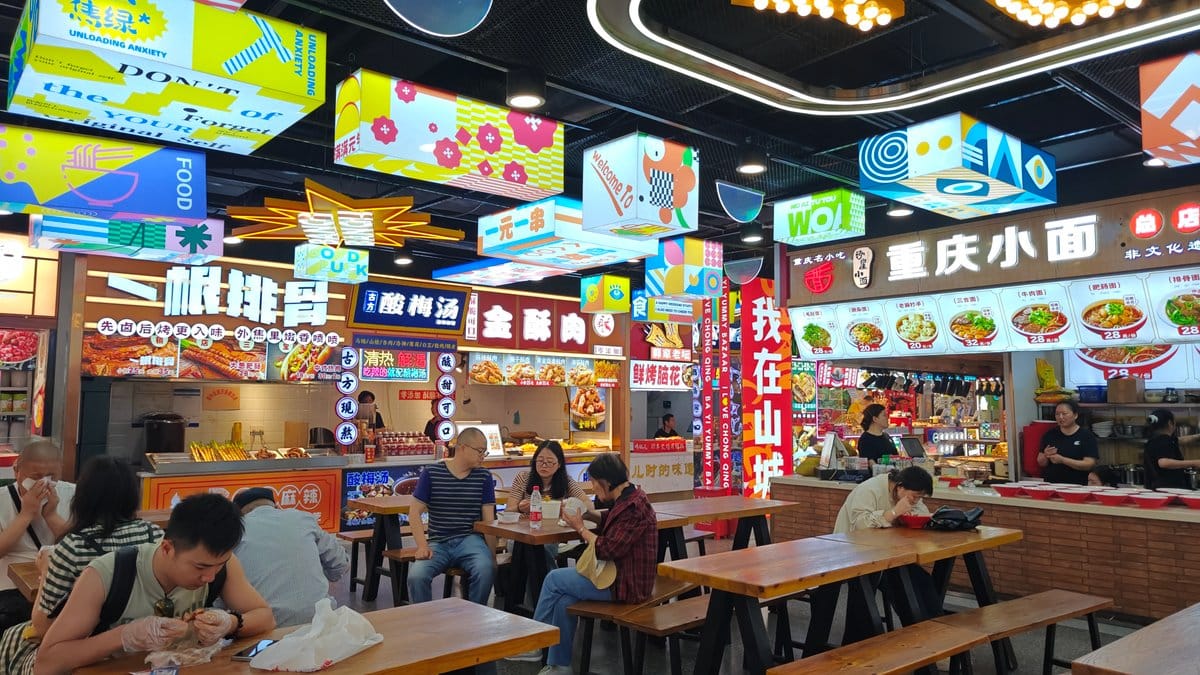

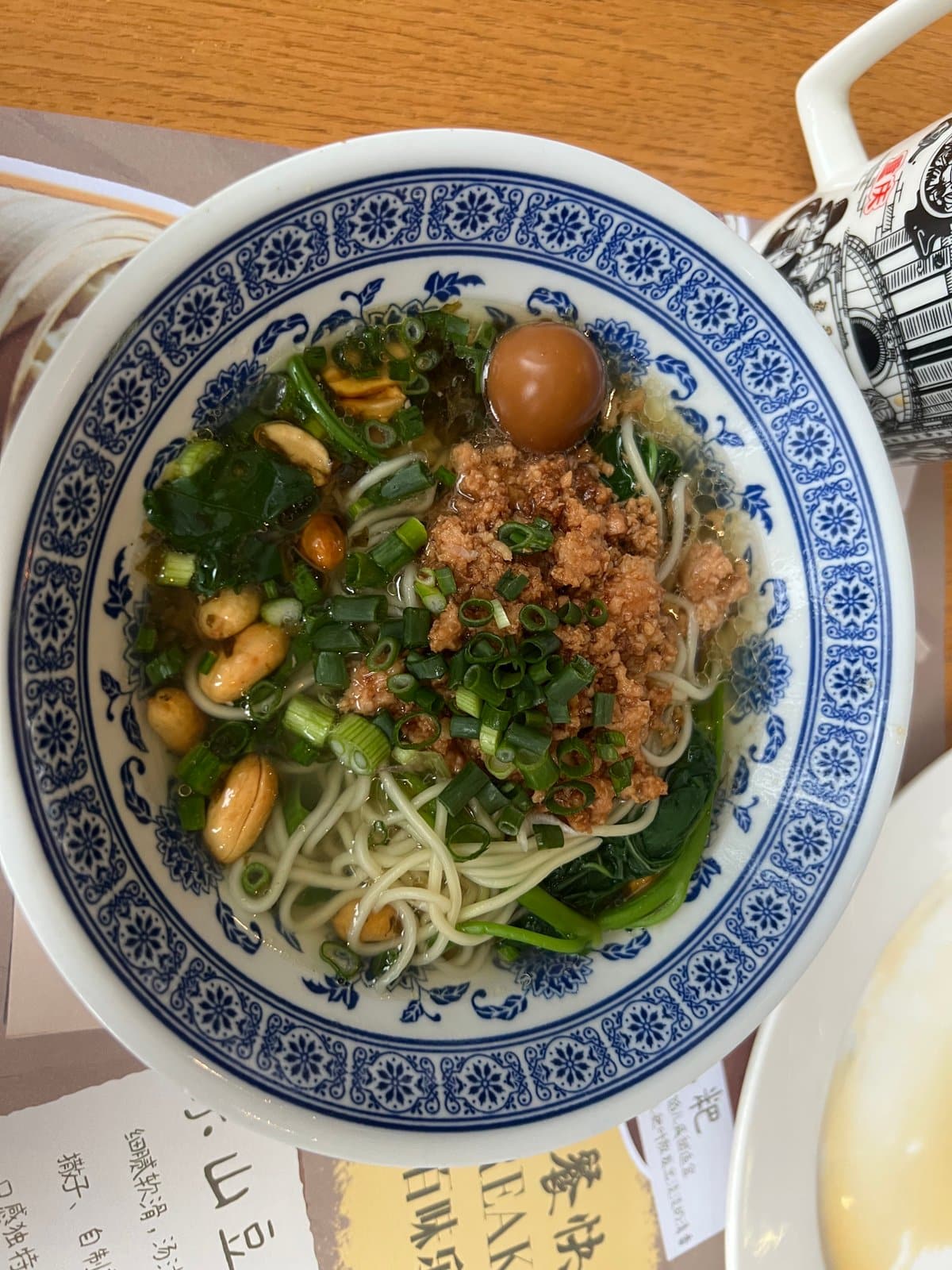
Food in Chengdu also felt more personal. There was no shortage of places where I ate by myself and didn’t feel weird about it; little noodle shops, quiet dumpling joints, even hotpot restaurants that have single-person pot. The food has just as much flavor, but there’s something more intimate, calm about the setting.
No one is screaming at each other across the table. They’re having conversations. I don’t mean to say one is better than the other, but the vibe surrounding food is totally differenter.
The Layout Shapes Everything

The thing with Chengdu: it’s flat. It is flat in every direction, which makes it easy to get around but also kind of endless. I walked for an hour and was still in residential blocks that looked identical.
There are landmarks… Temples, pandas, a big square, but otherwise it’s basically just grid upon grid upon grid. And That flatness brings the city a sort of calm with it.
Nothing forces you around a corner or uphill. There is no feeling of anything being frantic.
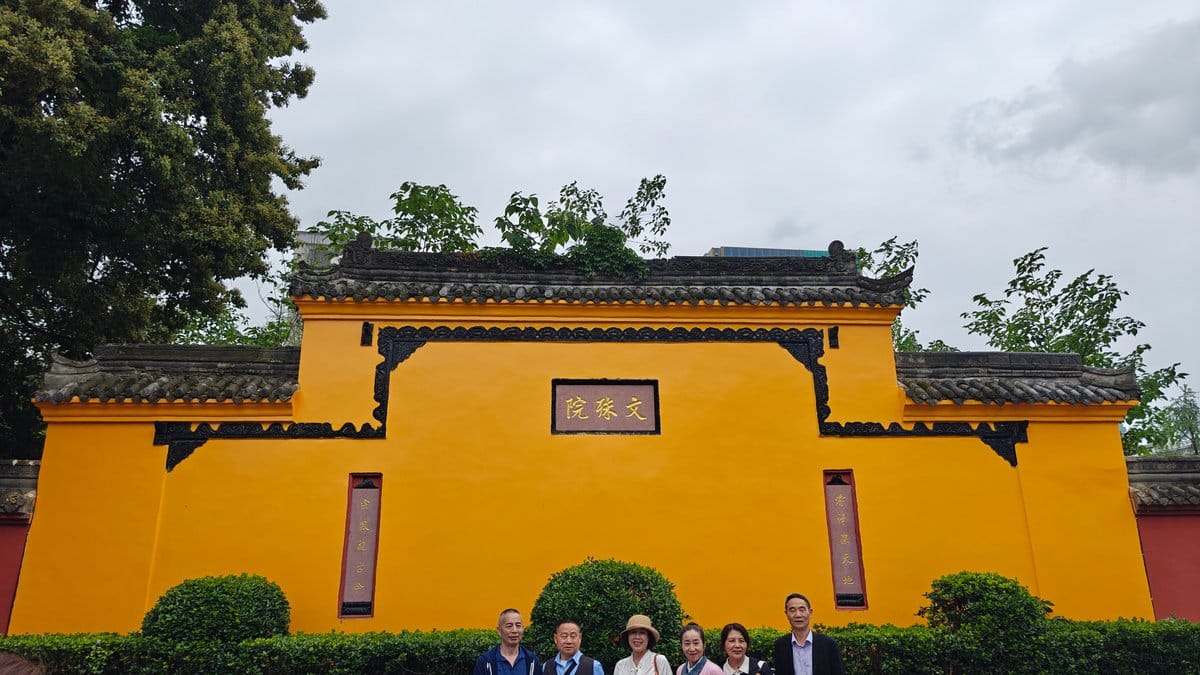
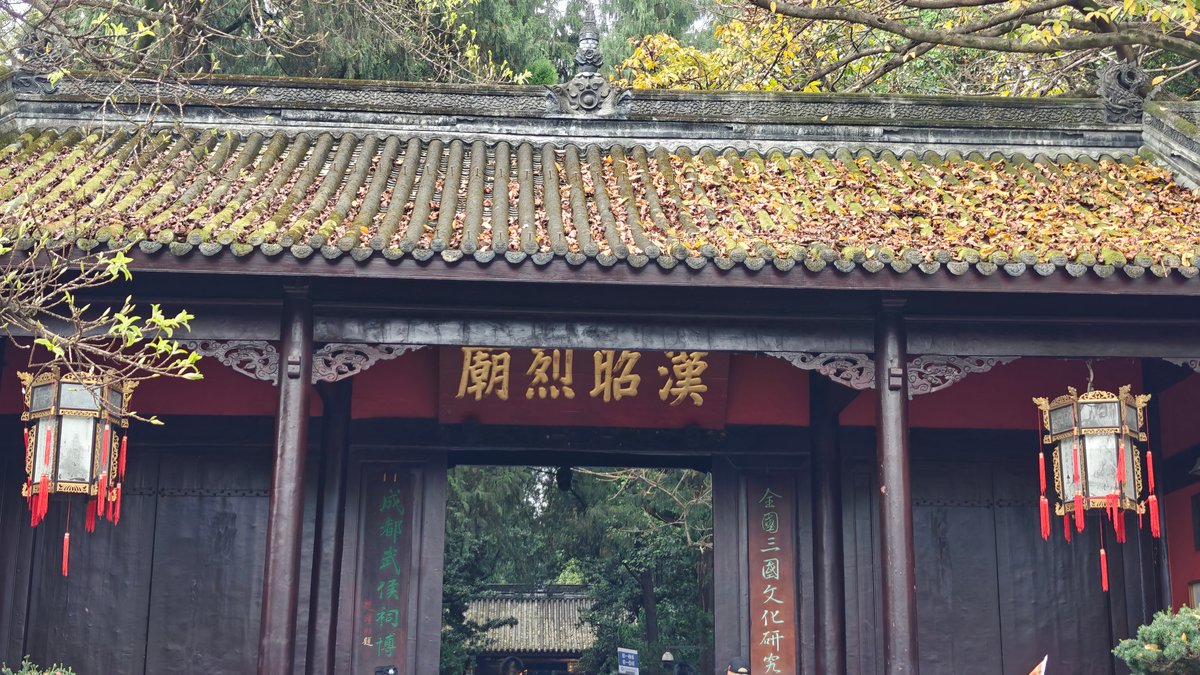
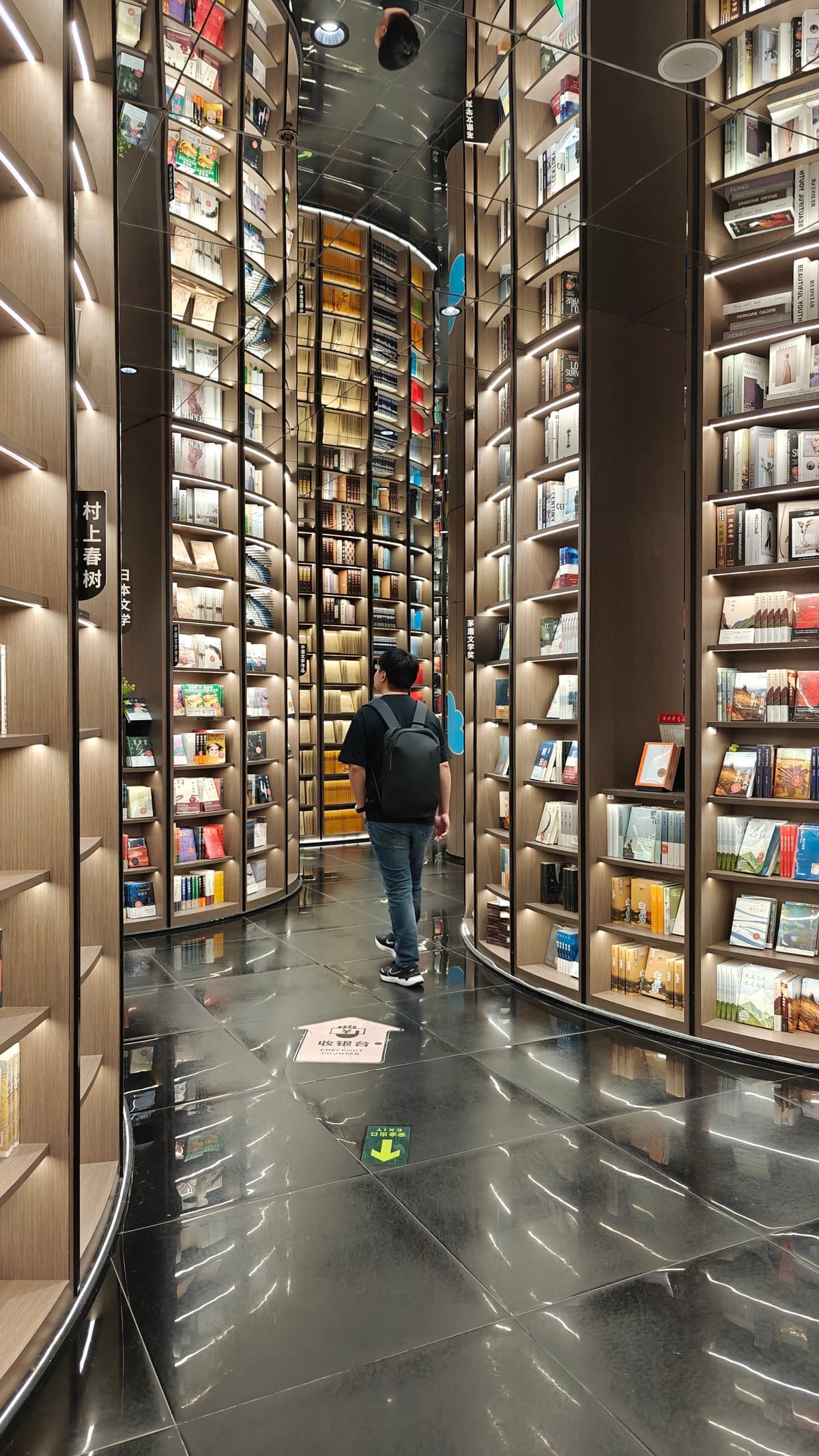
Then there’s Chongqing: complete pandemonium. It’s like you are constantly getting turned around because the hills and the rivers cut the city into pieces. And I will admit to losing my way more times than I care to remember.
But that pandemonium is what made it exciting too. One minute you are walking down one street and then next you come out three streets over by walking through a building. Or you turn a corner and find yourself fifty meters higher on some bridge than you were just a second ago.
The personality of the place is shaped by its landscape, there is no way laid-back Chongqing could exist with this type of land that refuses to let you chill out.
The Tourists Are Everywhere, But Not the Same Ones
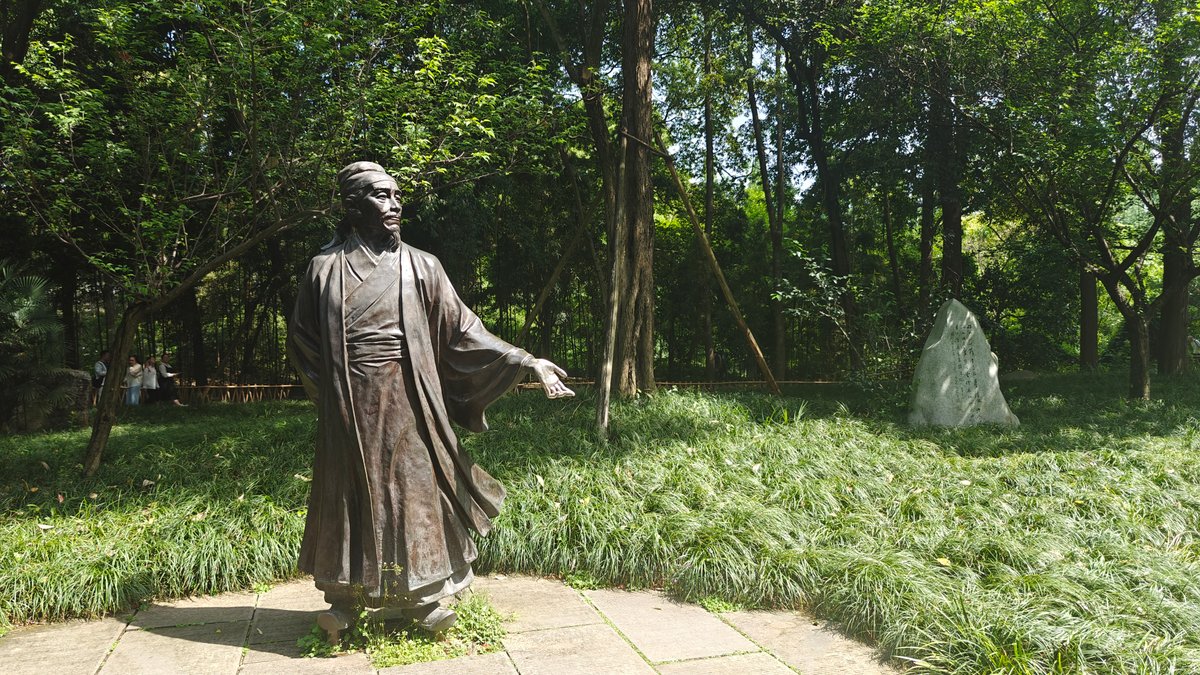
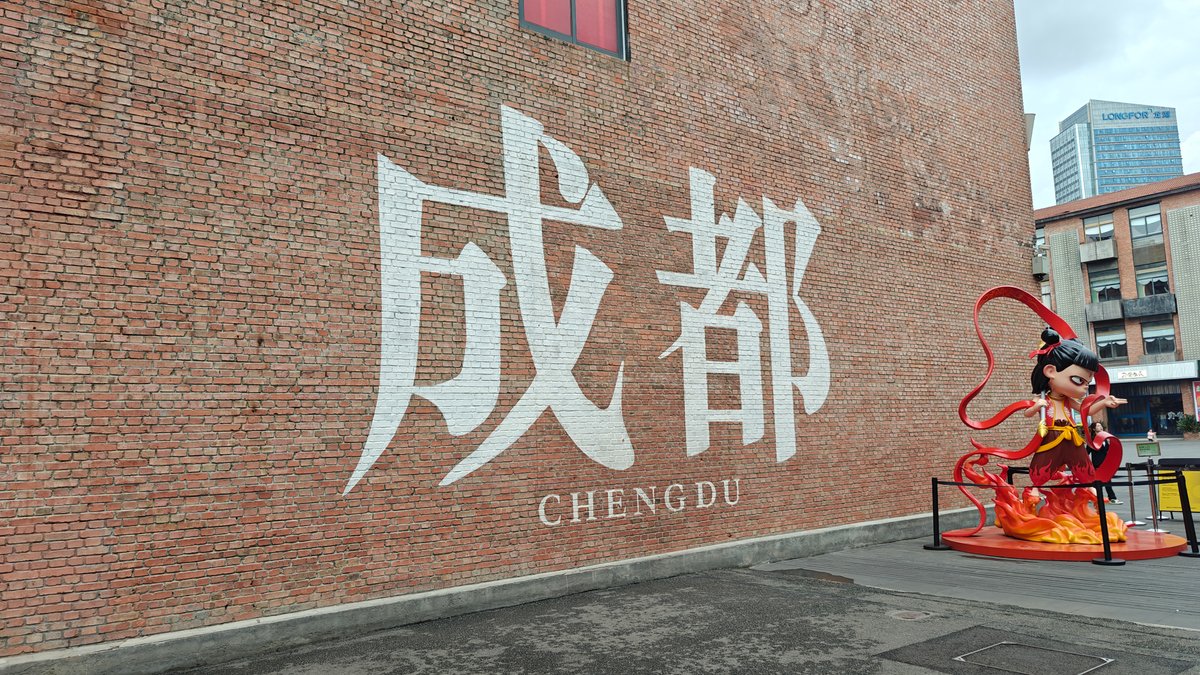
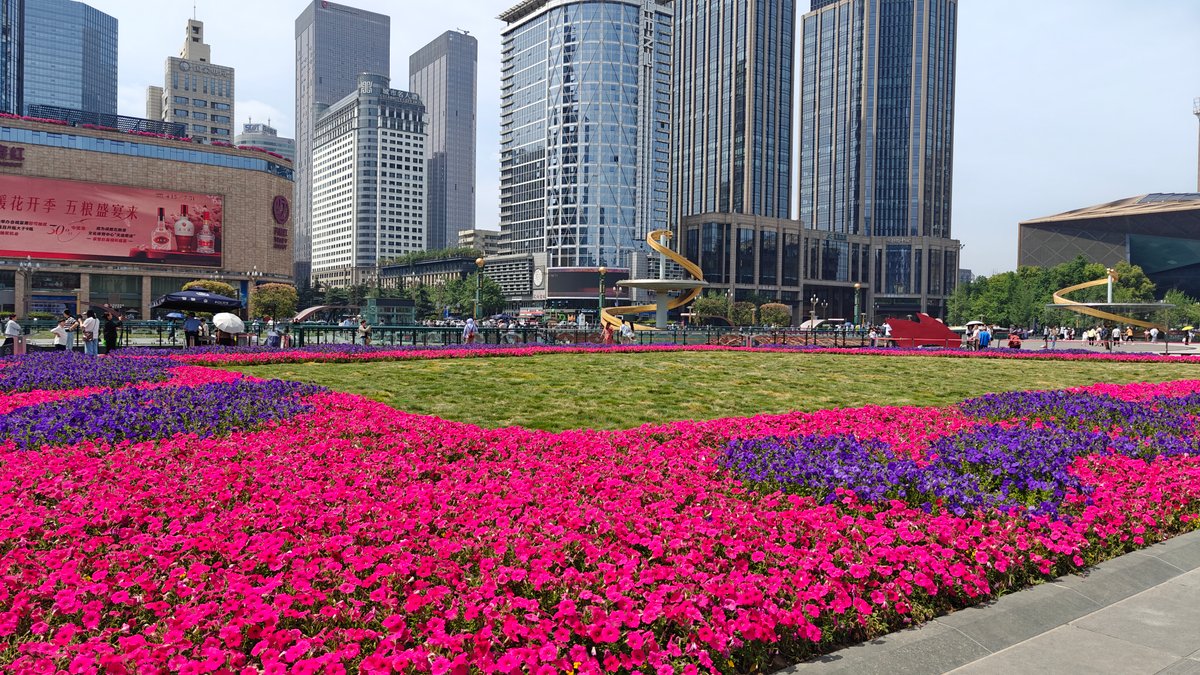
It’s the kind of city for families, for older tourists, for those wanting to visit temples, see pandas, eat in nice sit-down restaurants, and so on. There were tour groups galore. There was lots of couples.
There were a ton of retirees. Chengdu is an accessible, comfortable city, and its tourist infrastructure shows it: clean, easy, a little polished.
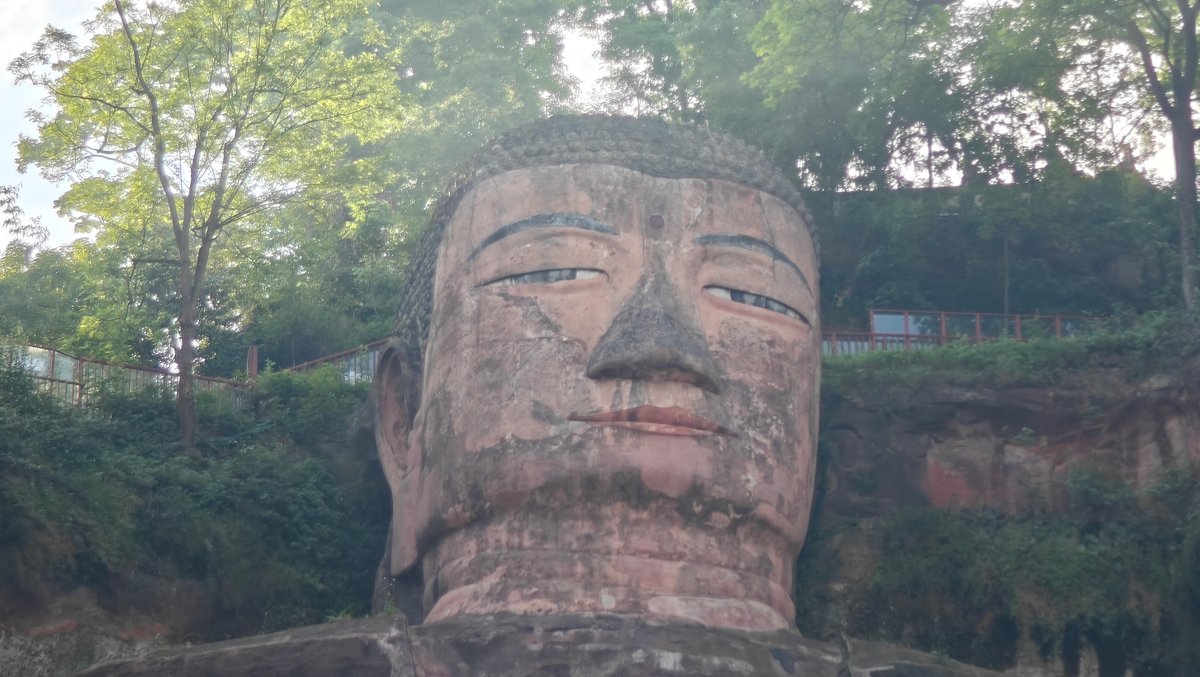
That said, Chongqing appeals to a younger, edgier crowd. There were solo traveler and backpackers. There were also folks looking to get the Instagram shot of the riverside lights or on the monorail.
They were all tourists, but they was tourists who seemed more open to eating at a plastic stool noodle joint or scrambling up some random staircase. That kind of adventure is rewarded in this city, Chongqing isn’t trying to make things easy for you, and if you like that, it’s fantastic. If you don’t, Chengdu is probably more your speed.
What Each City Wants You to Feel
And Chengdu wants you to be comfortable. The pace is gentle, the food is rich without being punishing, the parks are quiet and beautiful. I felt relaxed when I left, as though I’d taken a proper break.
There was space to think, to breathe, and to just be. People retire there for a good reason. It is a city that takes care of you and gives you space to live well, not fast.
Want to be kept awake? Welcome to Chongqing. It is spicy, steep, strange, and loud as hell, and it does not apologize for any of it.
I came out of it energized, slightly overwhelmed in a good way, like I actually had been somewhere that pushed back. It is a city that demands your attention and rewards it with something unforgettable. Go there to be energized.
Go there to feel alive. Don’t go there to relax. Yep, same province, same chili love, totally different souls.
And I’m happy that I got to see them both; they both taught me things that the other didn’t. Been to either (or both)? I’m wondering if you found them as distinct as I have, or if I’m over-thinking it?