
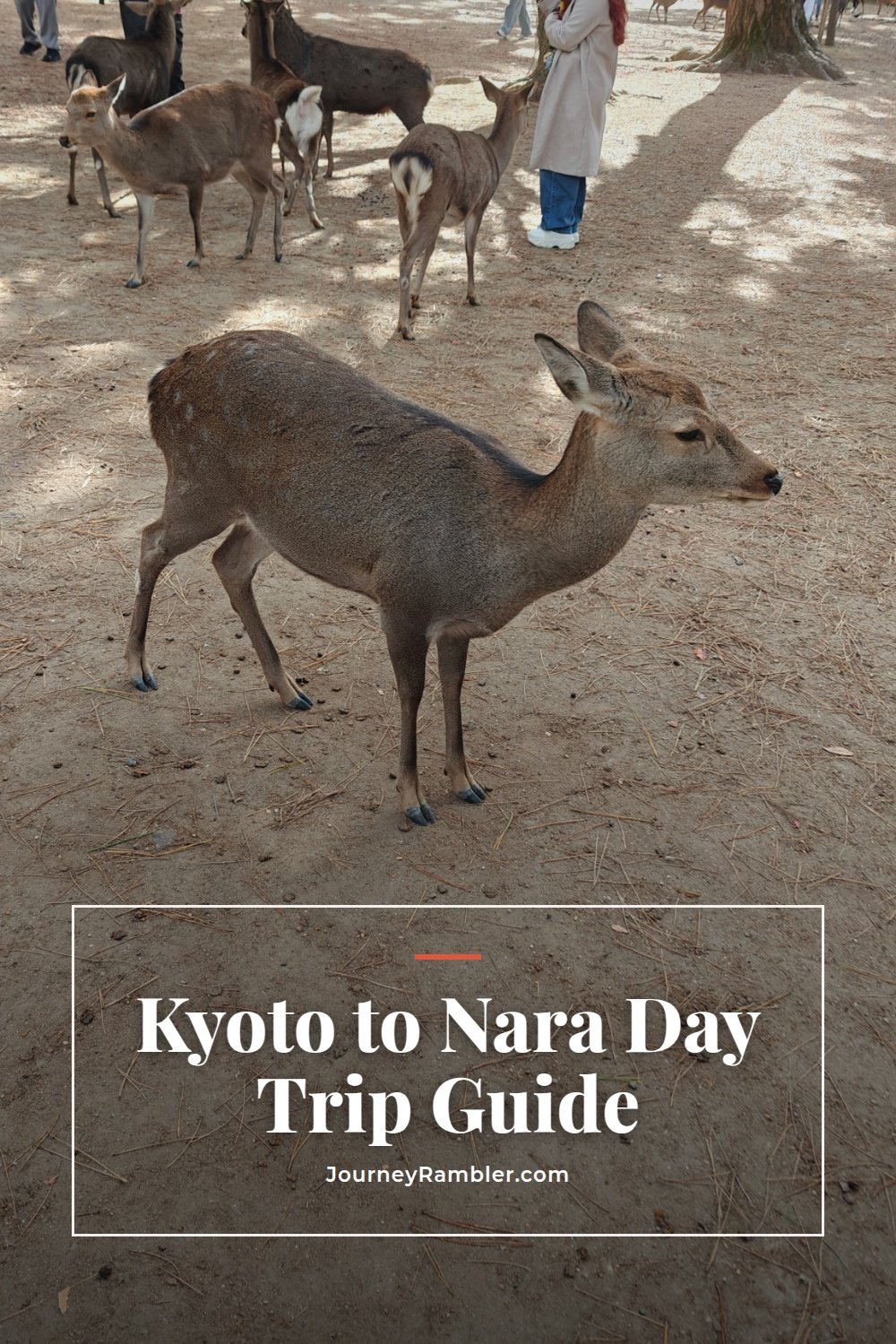
There are certain day trips that I nearly convince myself not to do: Nara for me was one of them. I had heard about nothing but temples and deer and wasn’t convinced a few hours spent chasing after deer and walking around temple was worth getting on a train in Kyoto. Man, did I have that one wrong, between the deer (which would’ve been reason enough) and the temples and gardens, there was so much more that made the day worthwhile.
Even with the tourists throwing crackers at the deer, the entire town felt calmer, less rushed then Kyoto. In case you were wondering if Nara is worth adding to your plans, I wrote this so I can take you through my day: what I saw, where I ate, etc.
My Day Trip from Kyoto to Nara
Nara Park
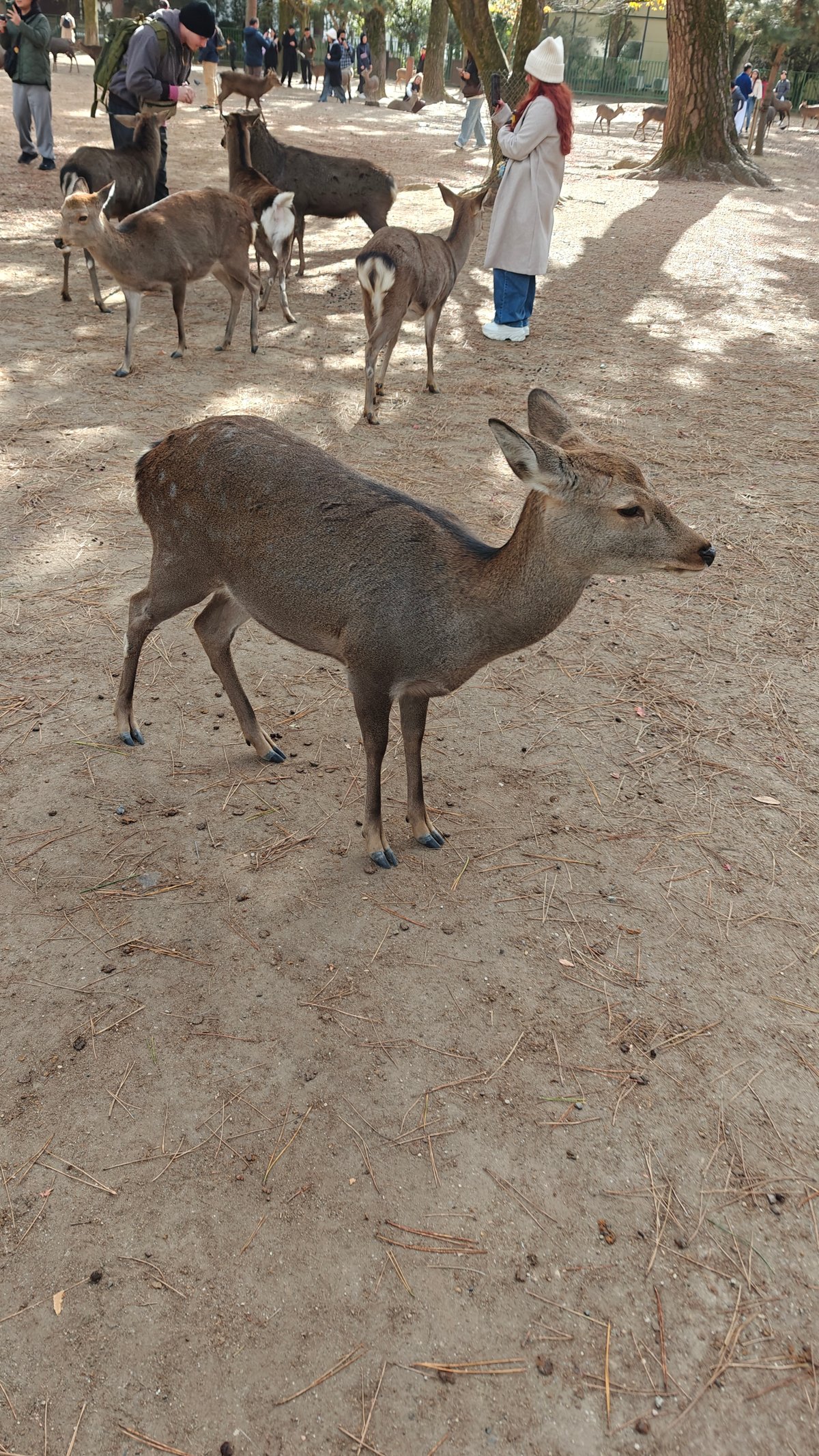
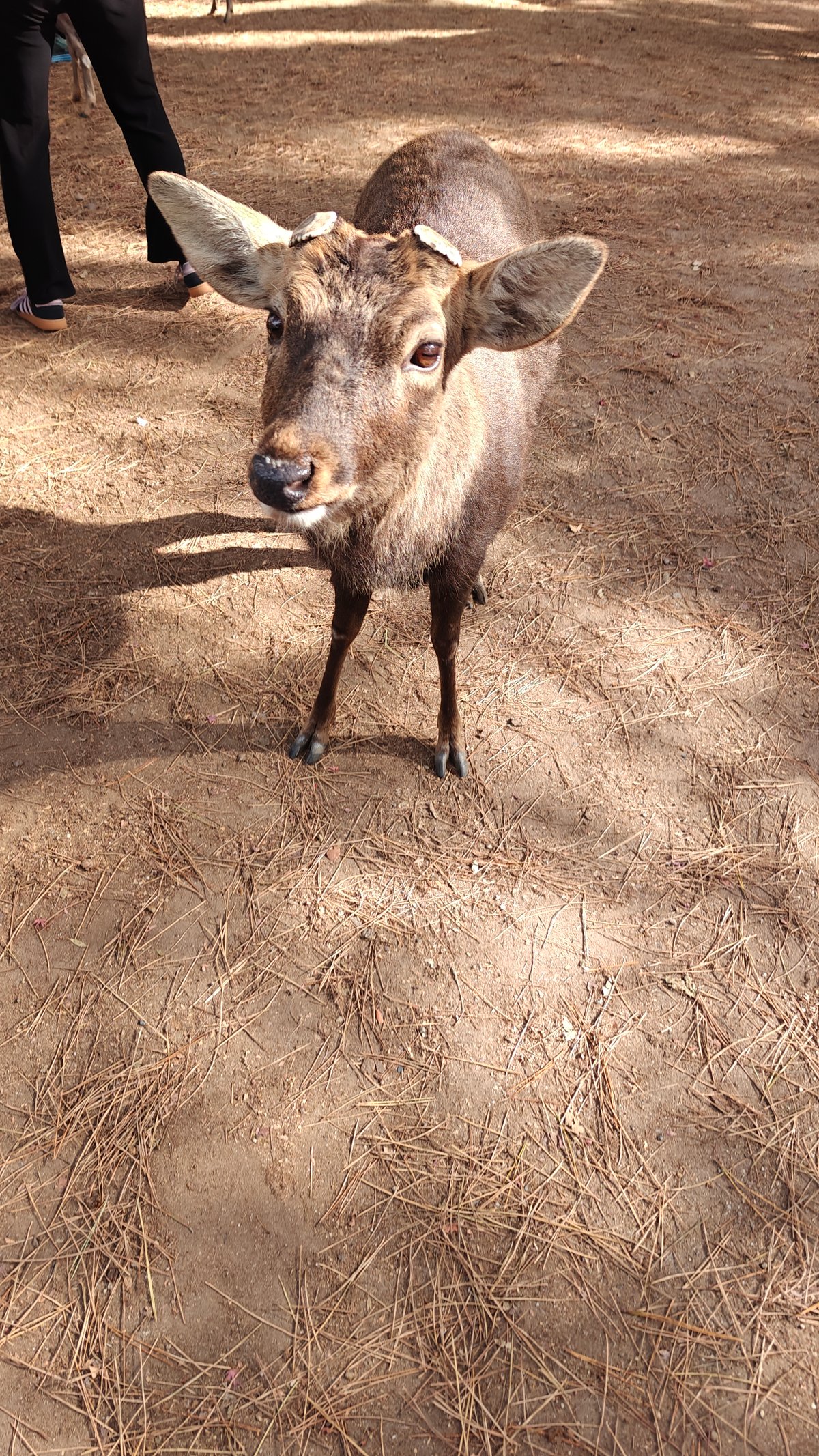
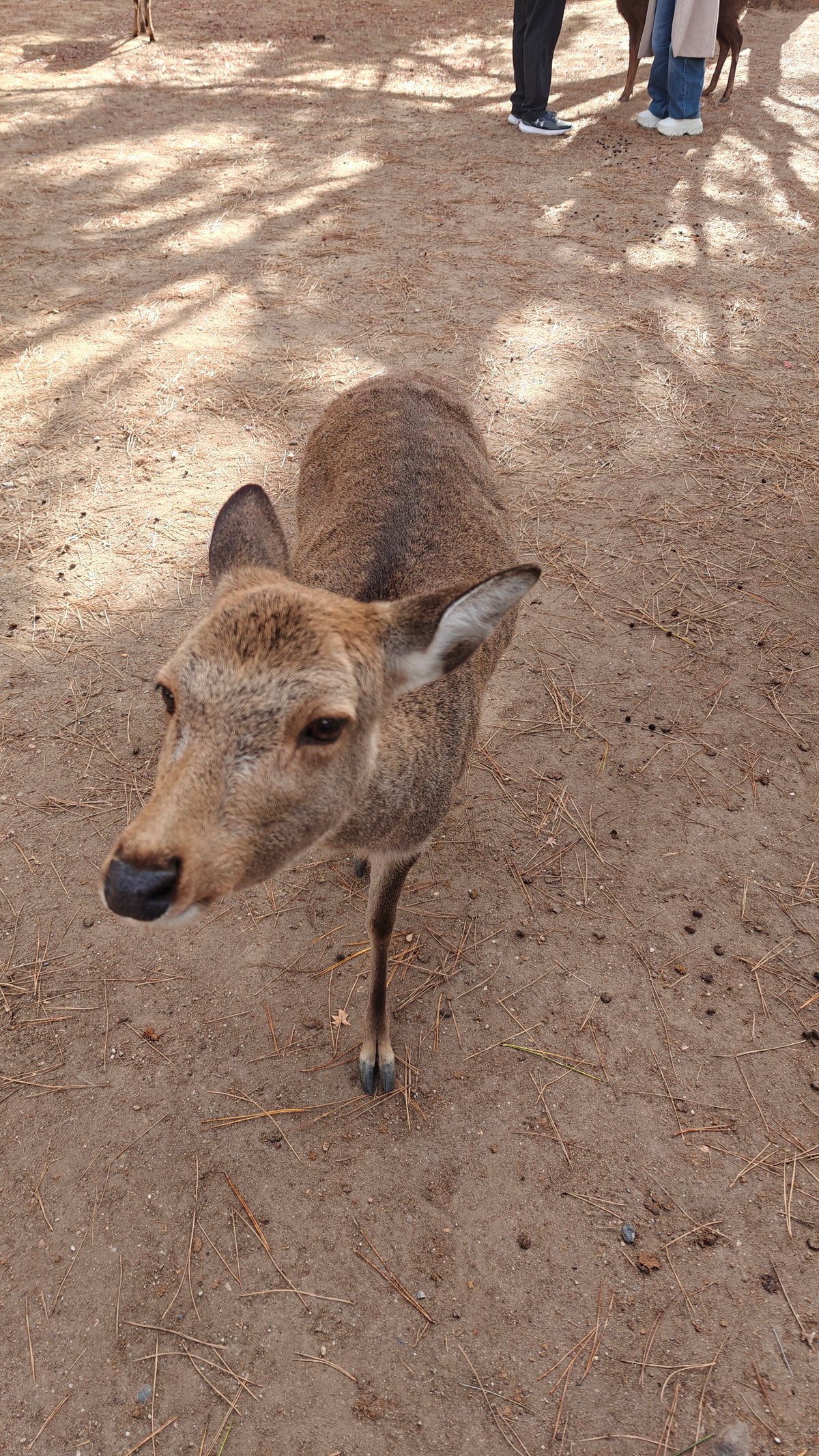
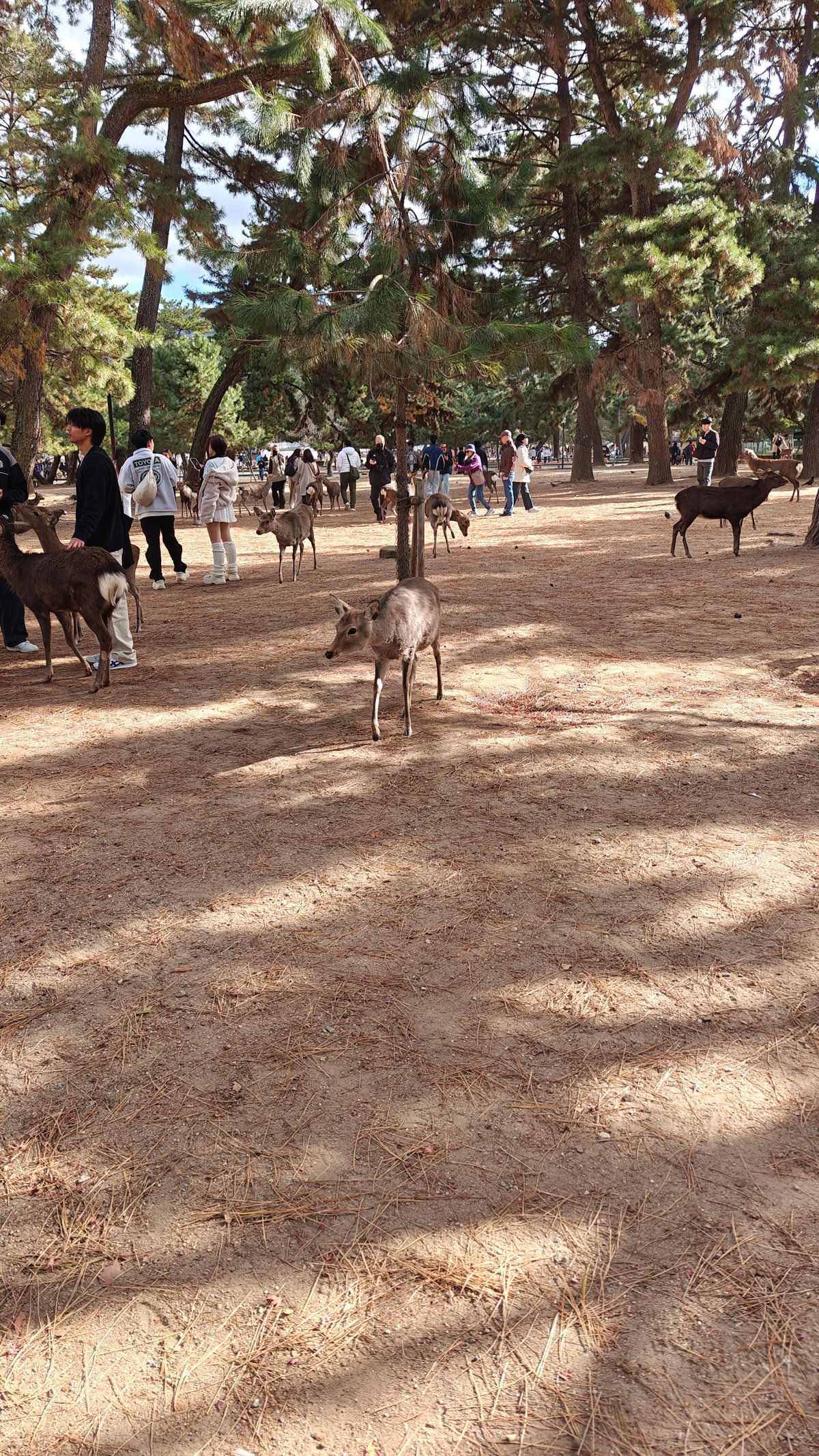
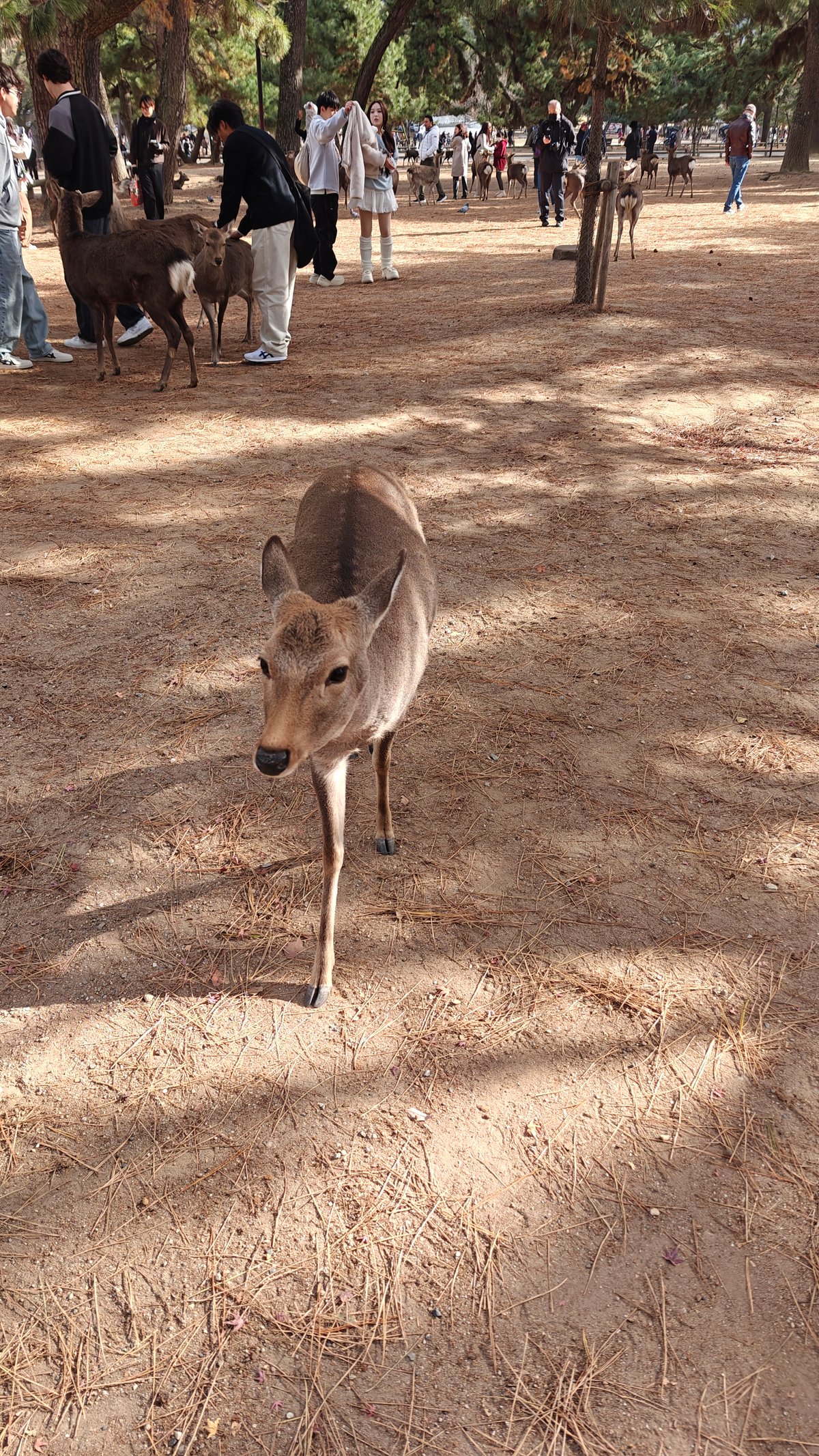
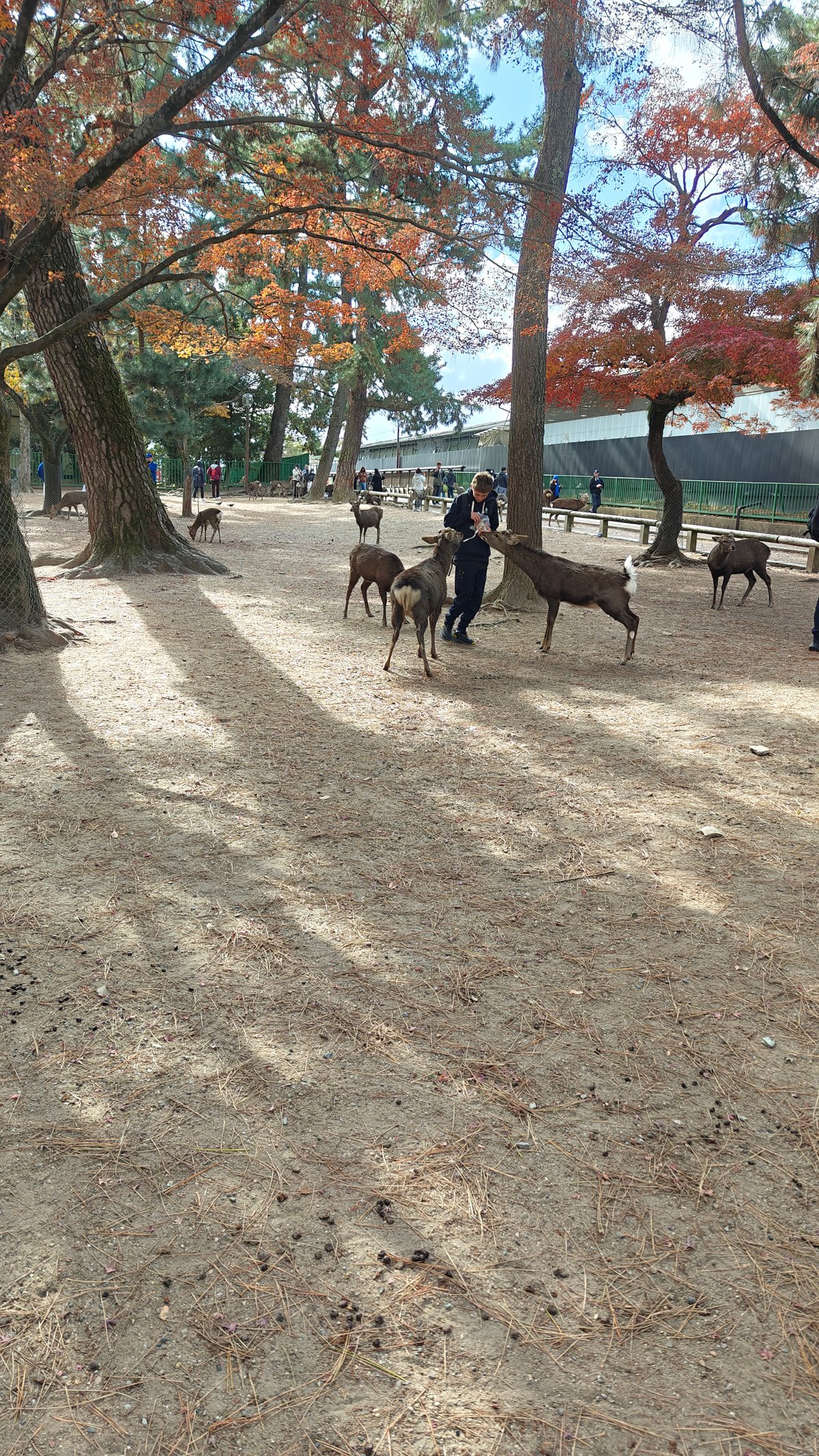
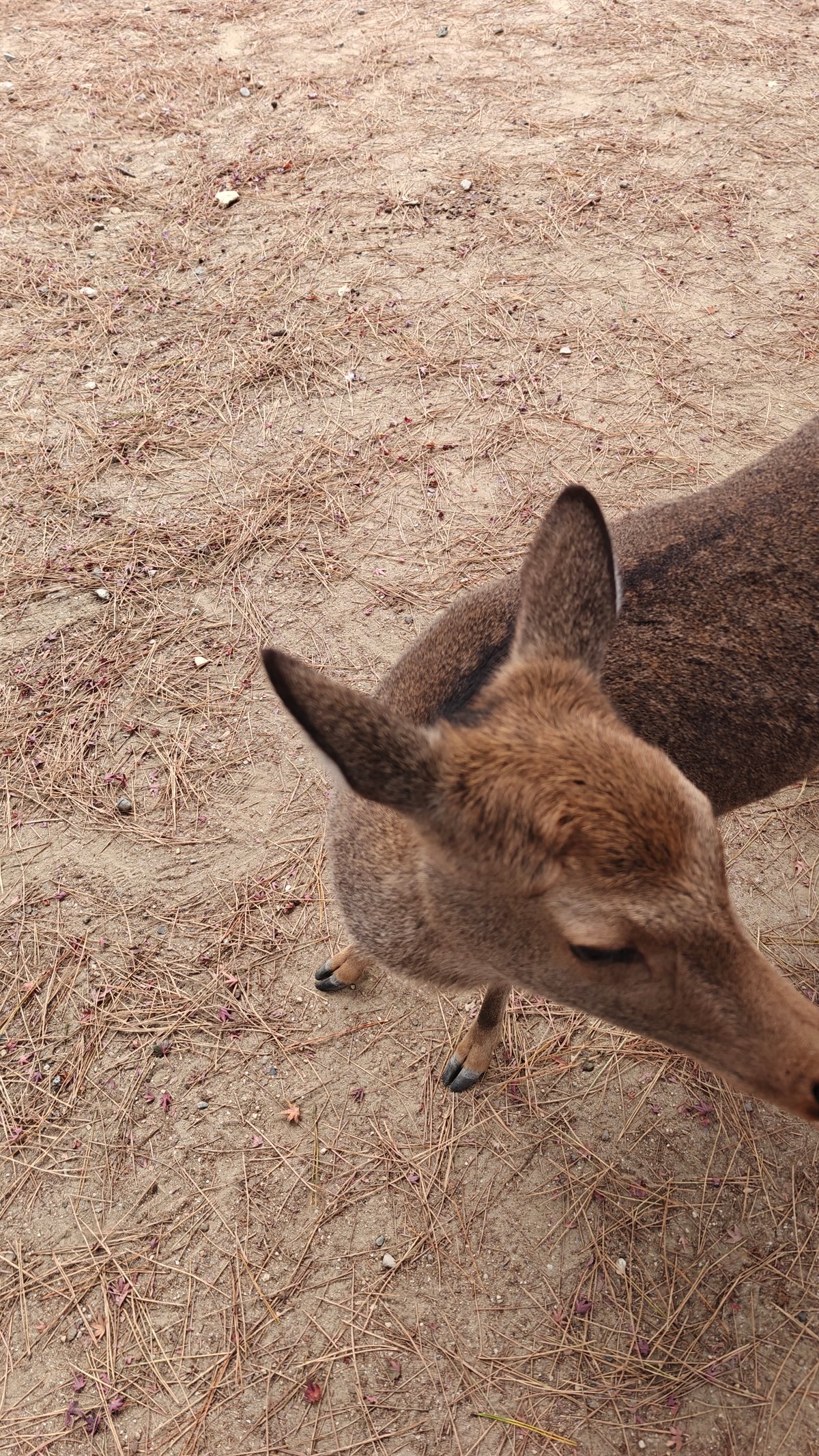
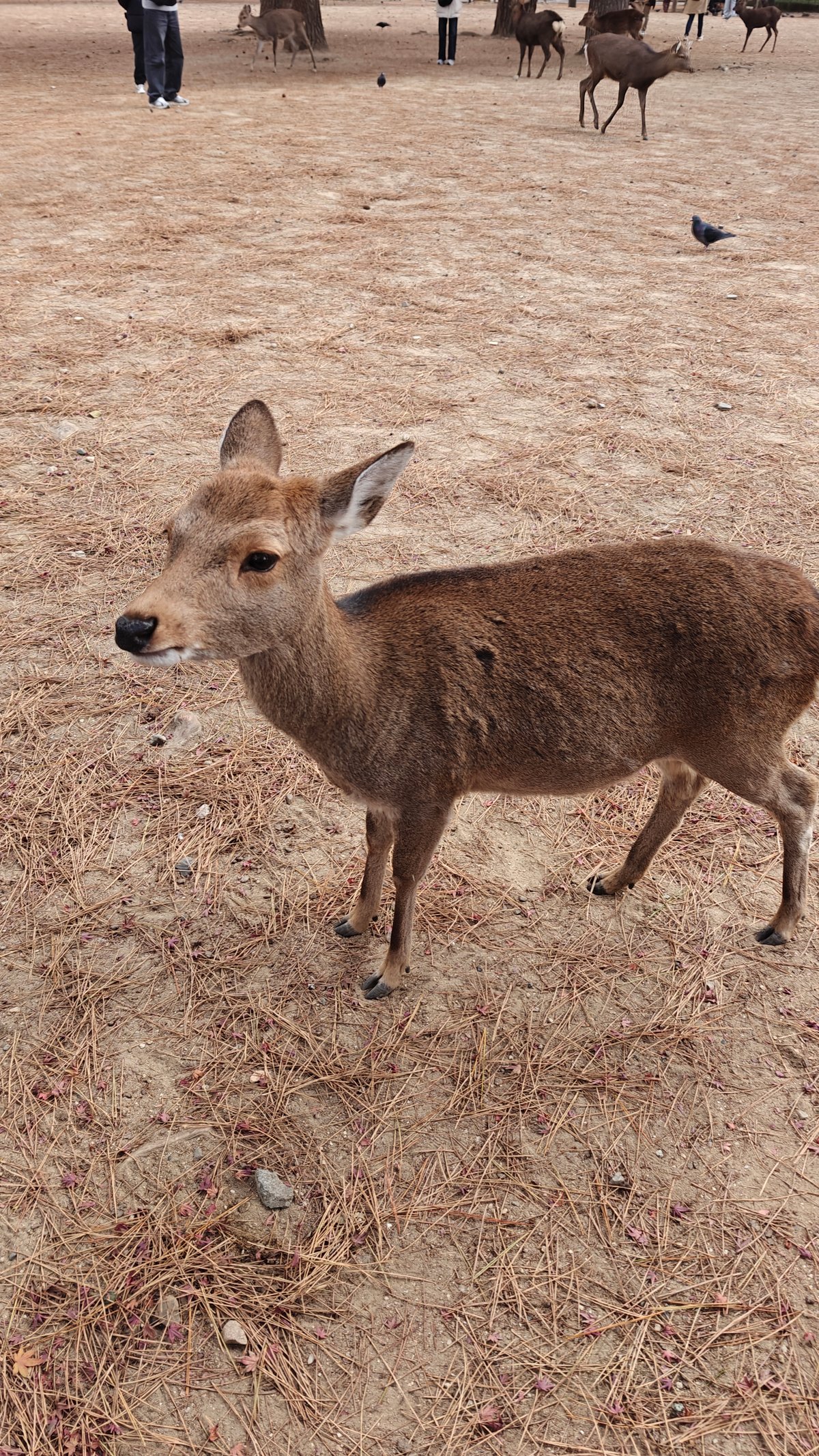
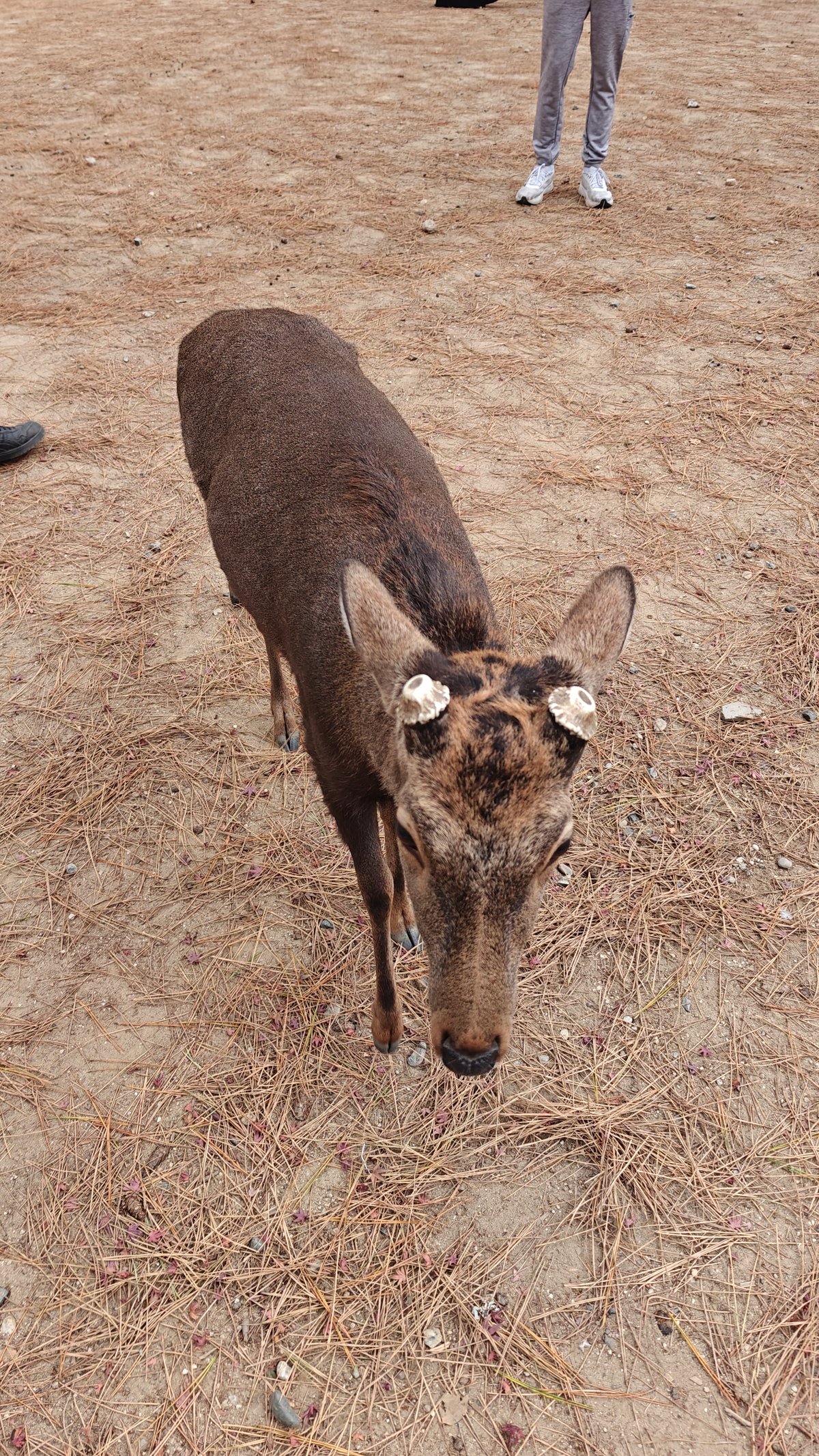
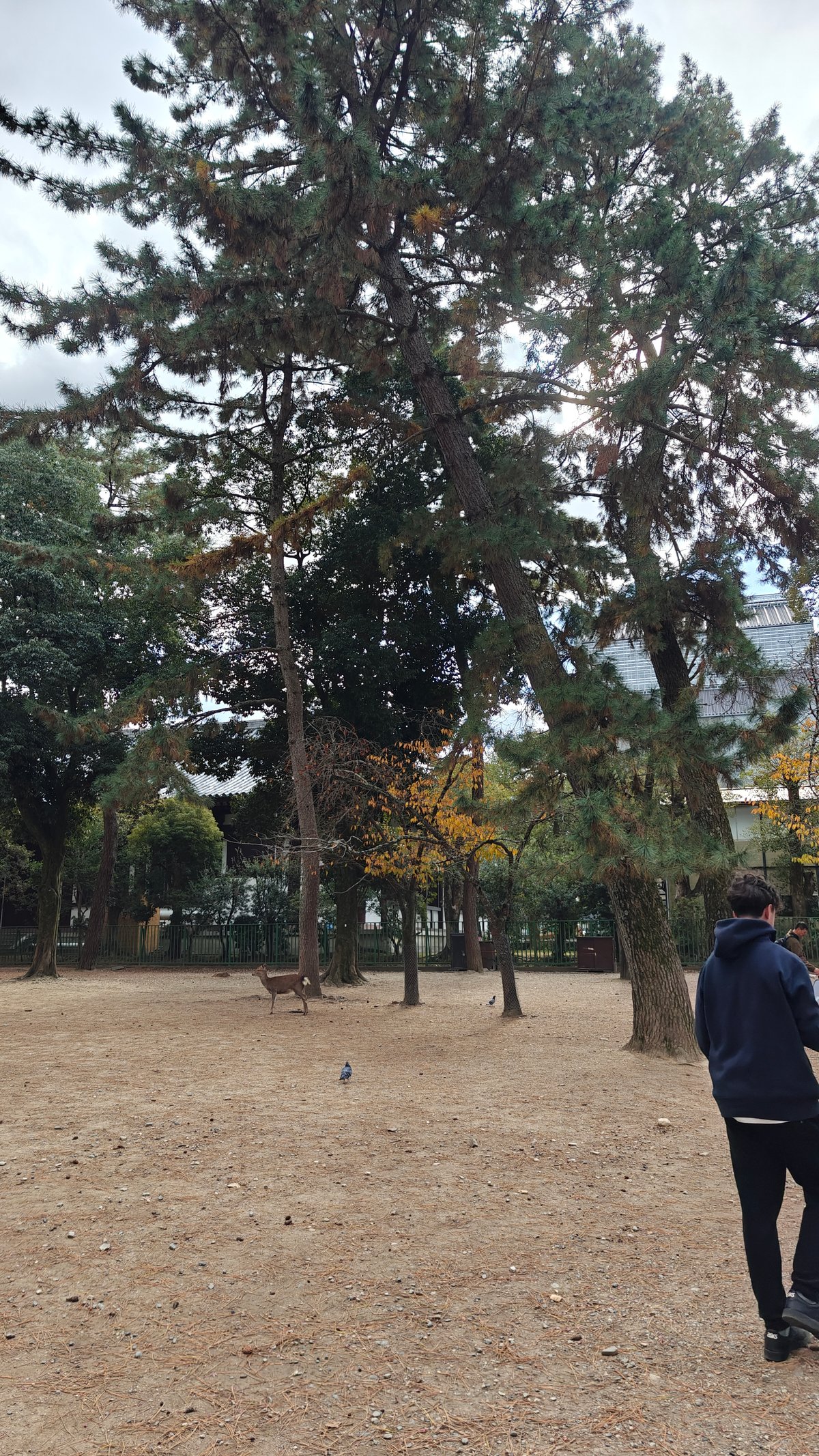
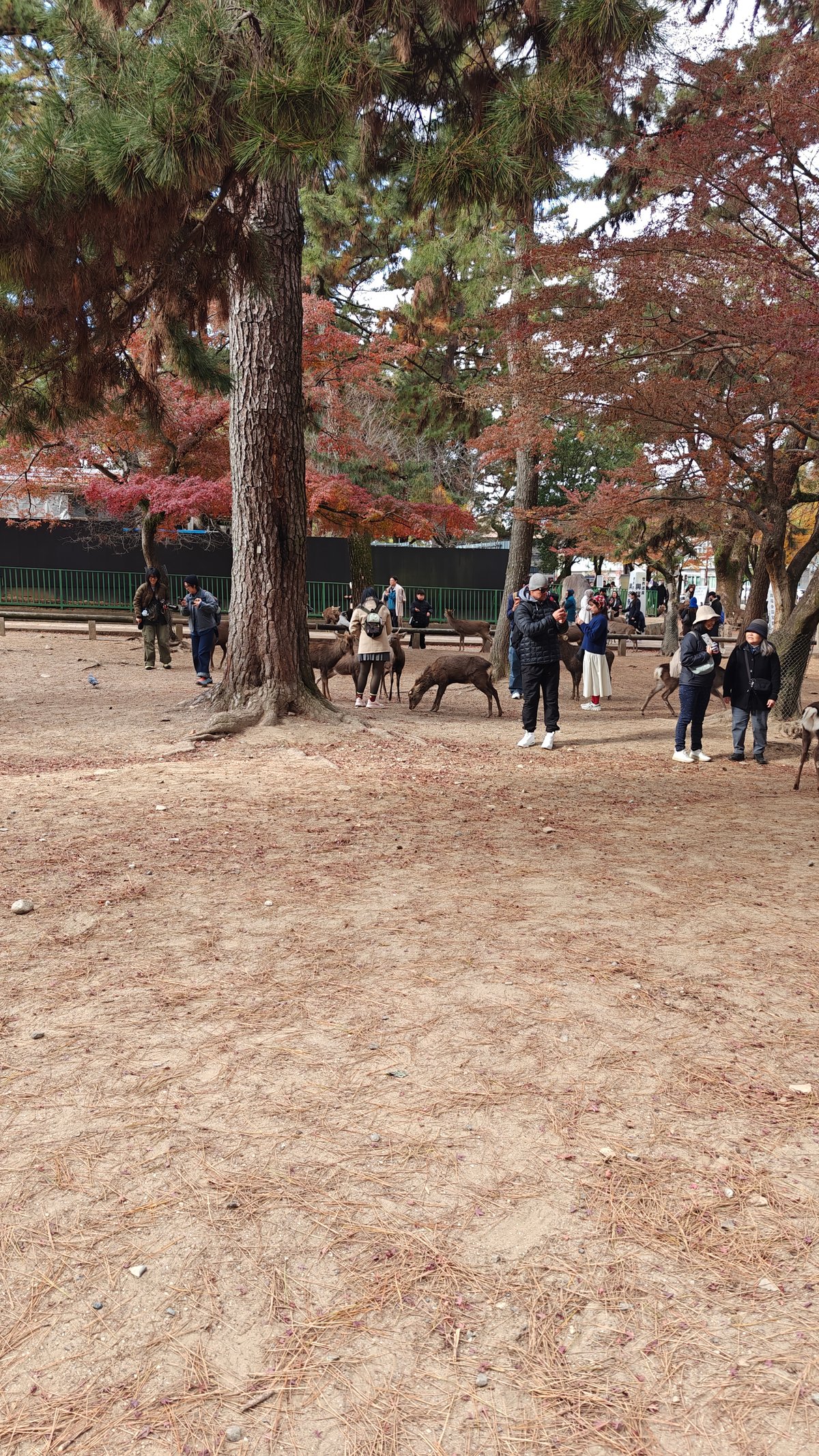
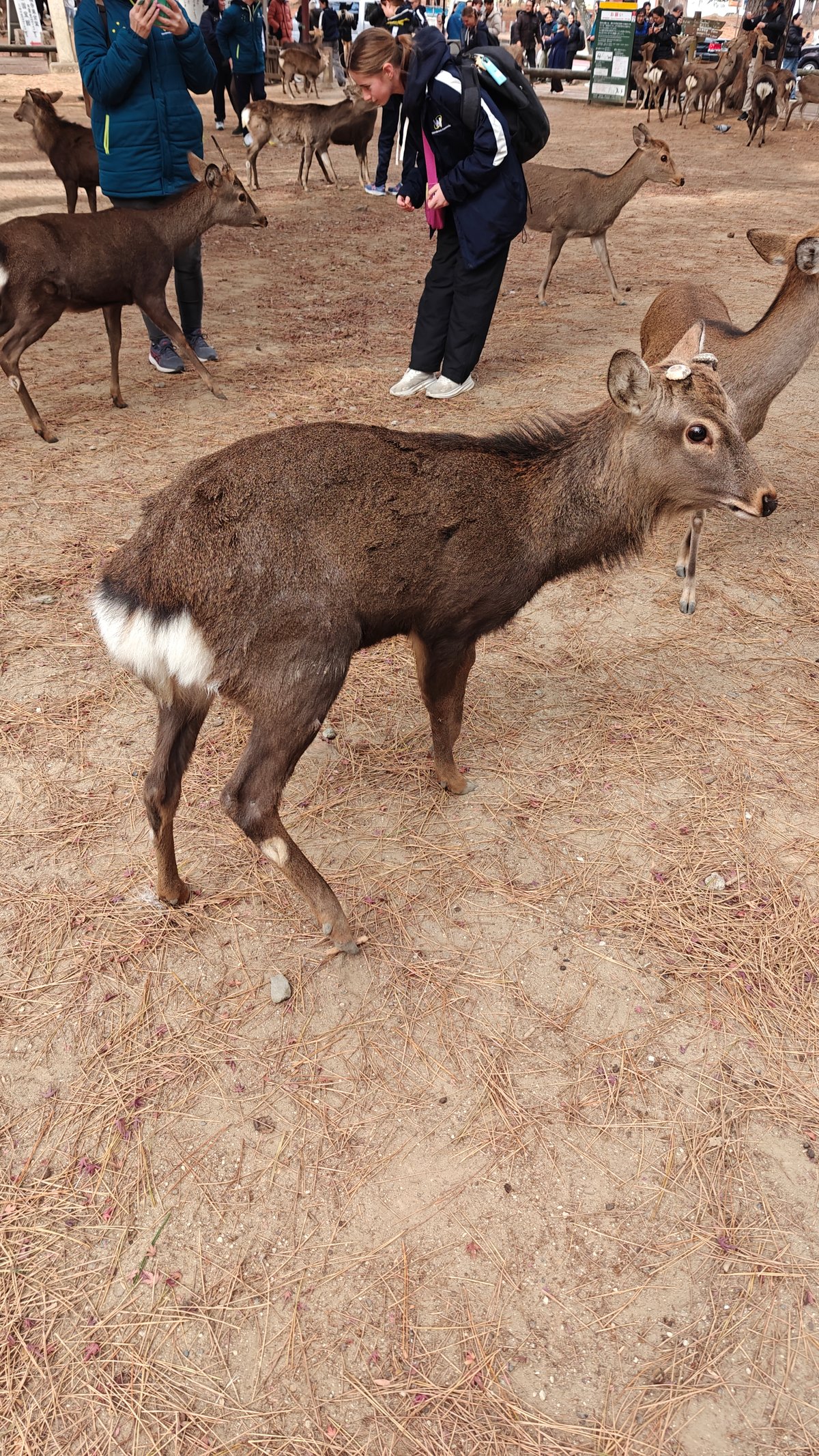
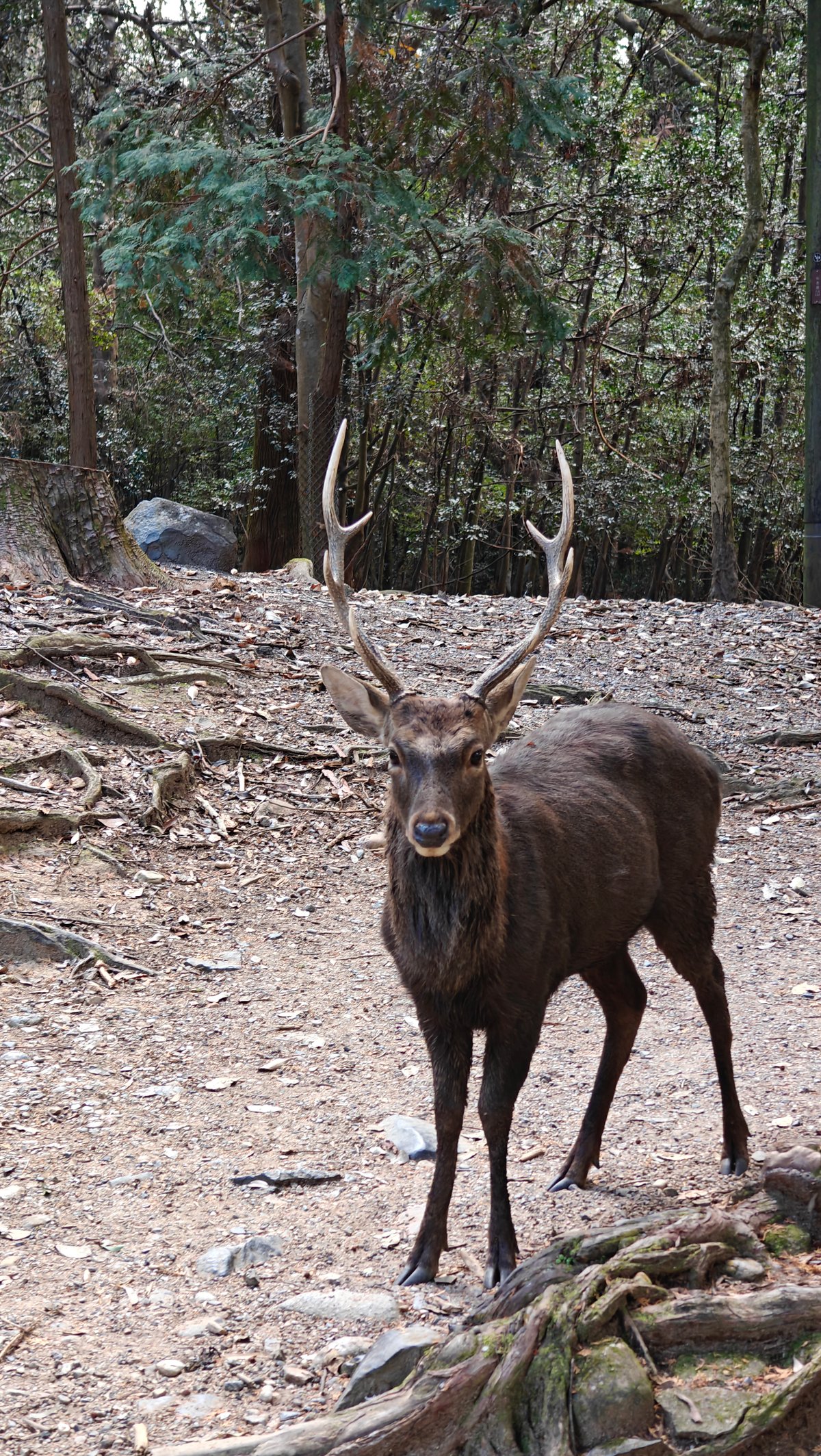
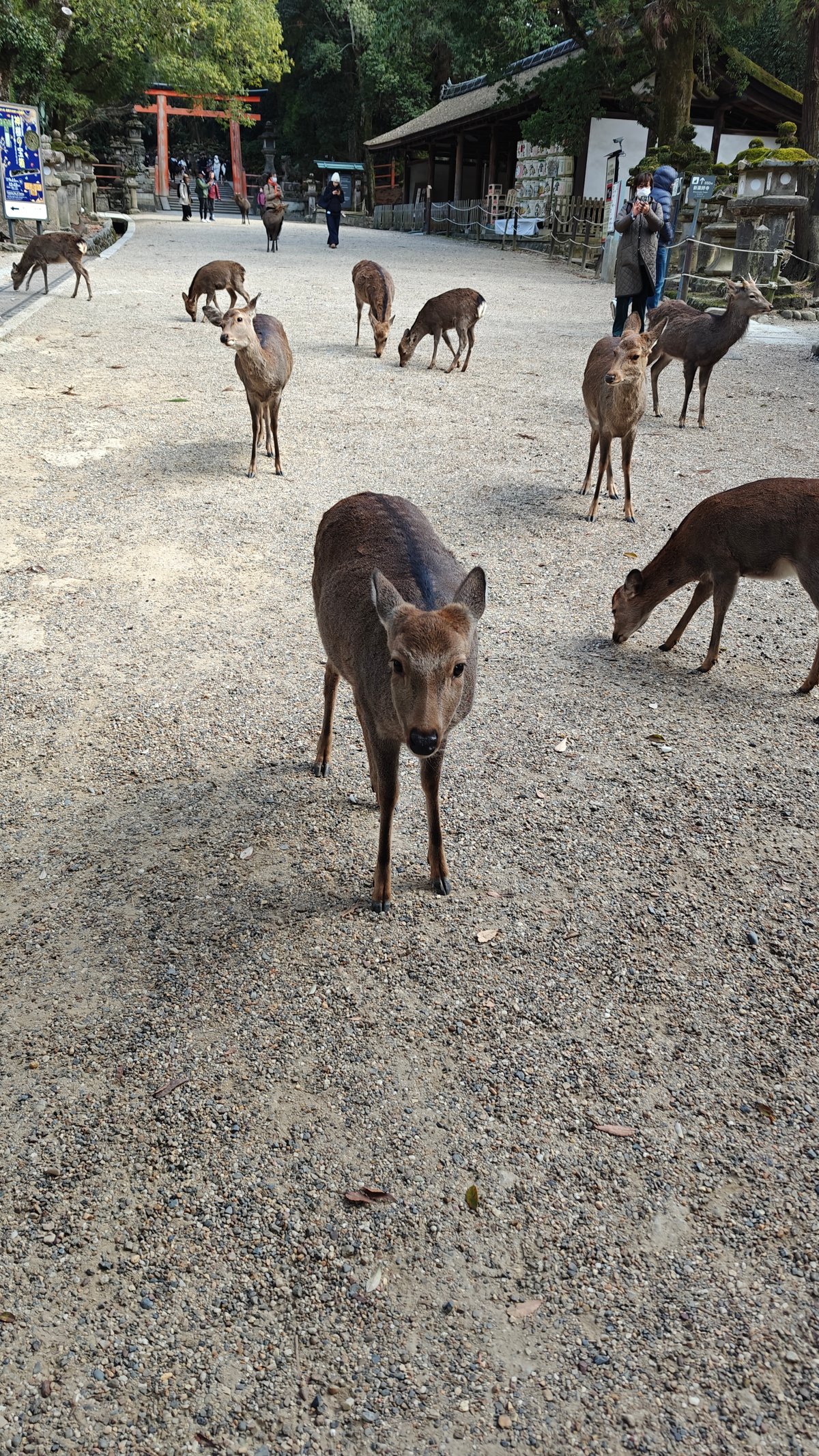
As soon as I exited the train and entered the park, it took me maybe half a minute to be surrounded by deer. They are EVERYWHERE, grazing in the grass, walking across your path, and chilling out completely unphased by the crowds of people here. There were some that even approached me, seemingly expecting there would be food.
The thing is, they aren’t realy shy. When they found out I bought the crackers, a few of them got quite rude. Speaking of which: there are tiny stands all over the park selling shika senbei (the treats that are used to feed the deer) for a couple hundred yen each.
As soon as you’ve got one in your hand, they know. Before I could even turn back around, I had a half dozen of them surrounding me. One of them was constantly bowing, something I’d read about but couldn’t quite believe would be real.
Turns out, it is. They literally bend down to beg for food. It’s really kind of funny…until they start chewing on your jacket.
I fed them.
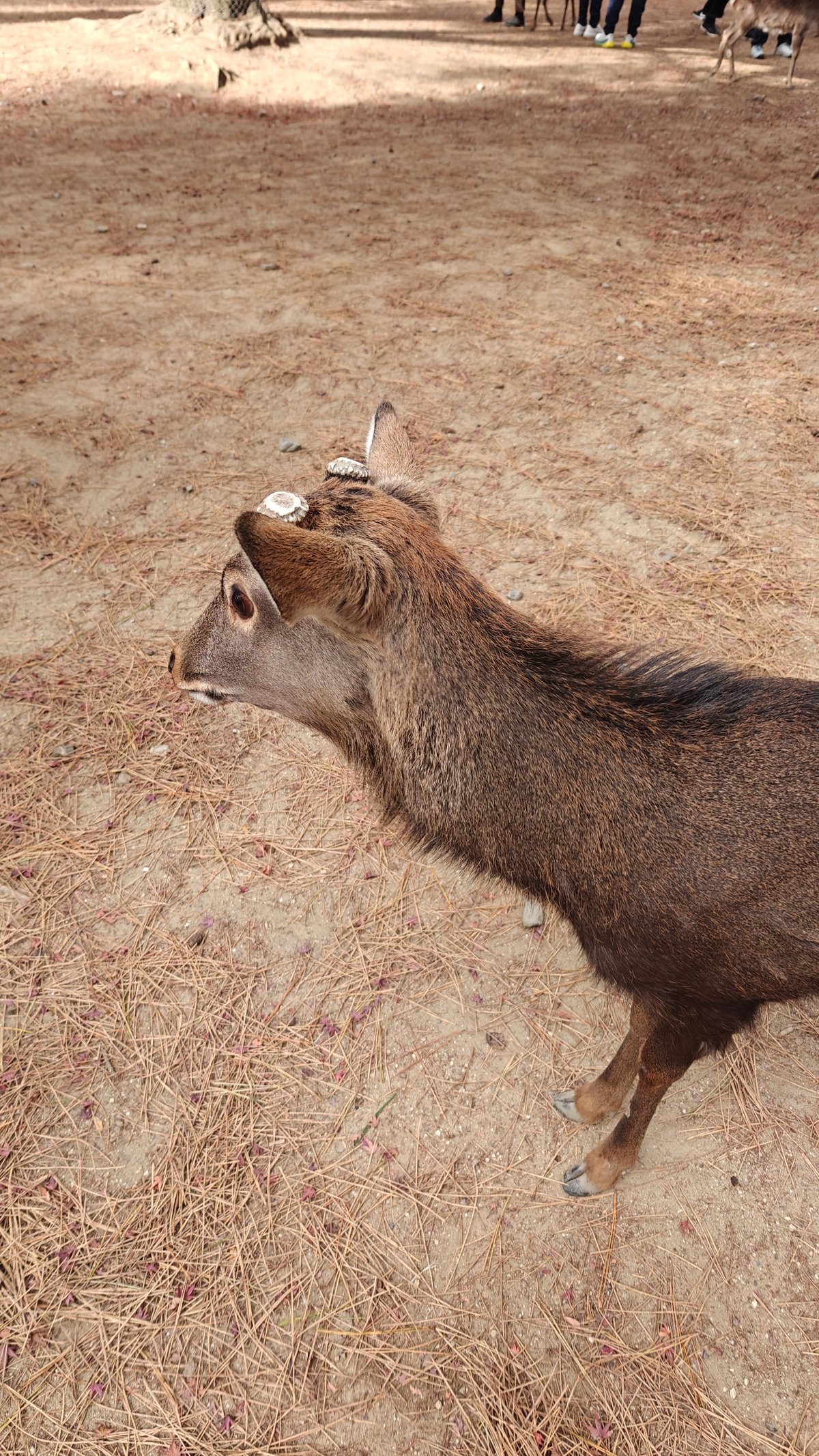
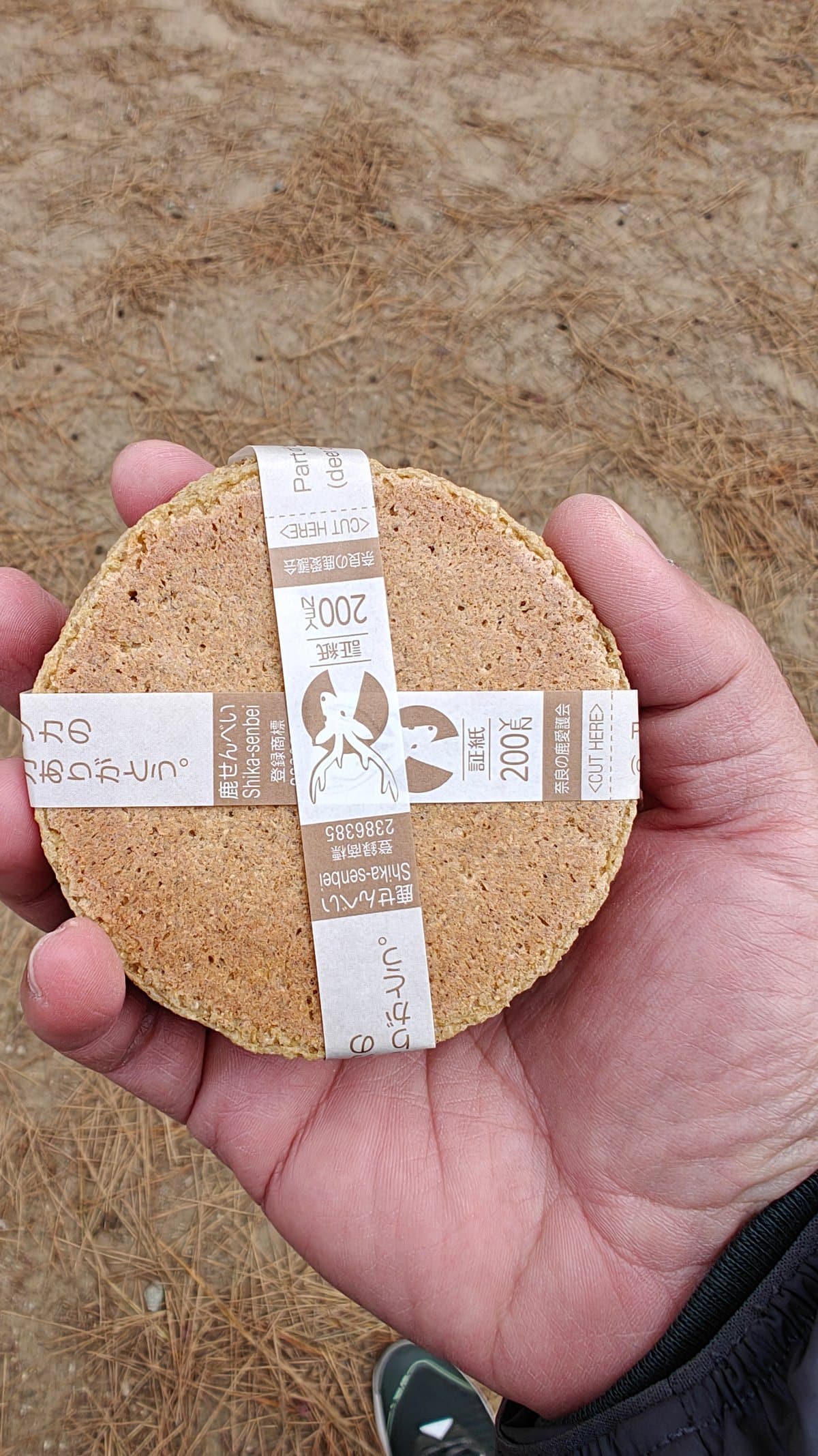
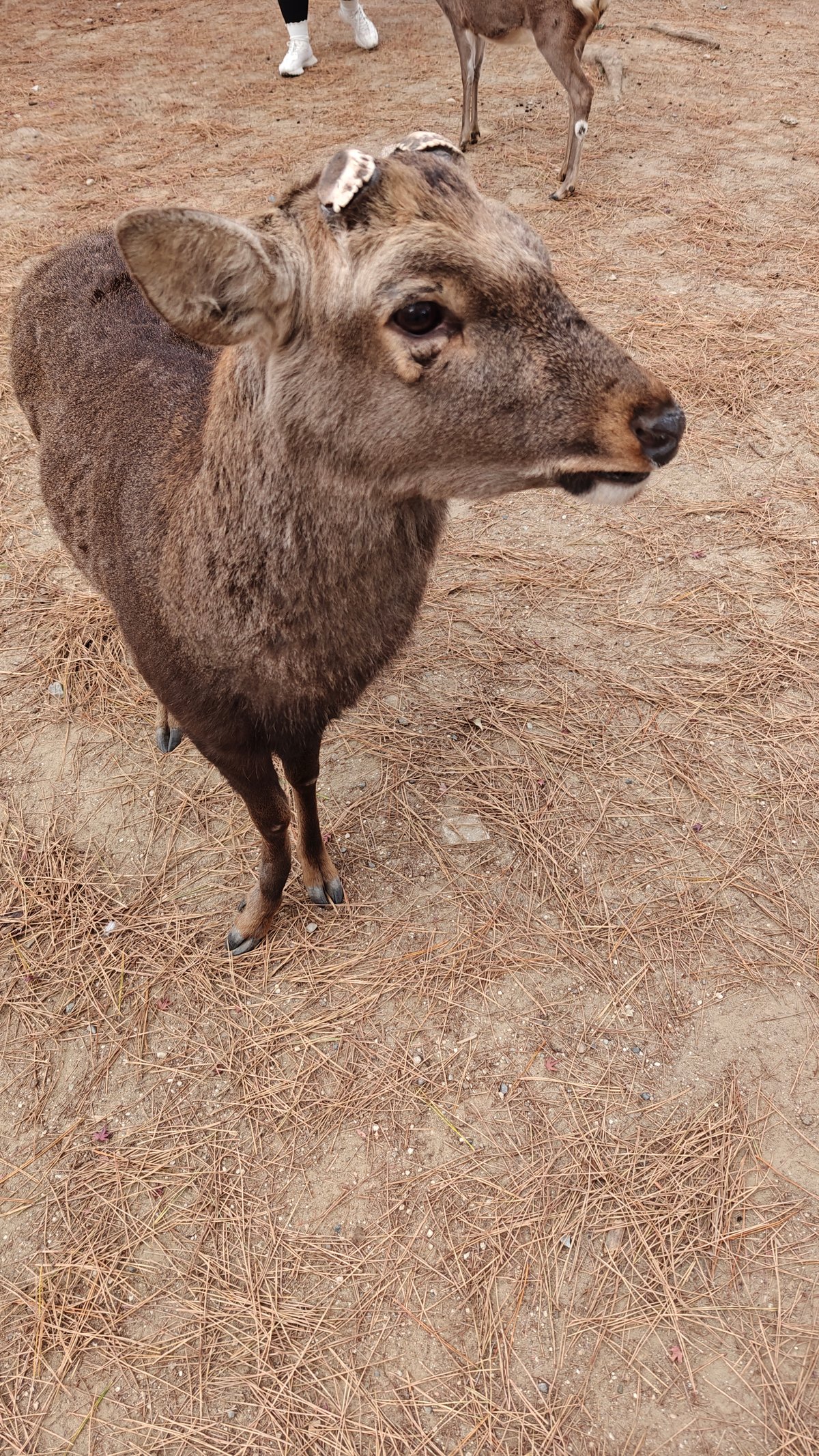
It was completely nuts and totally fun. They were mostly gentle creature, but some of the larger ones got a little too excited. The crackers were gone in a blink of an eye.
When I was done, they simply ambled off to the next person offering handouts. Nobody held it against me.
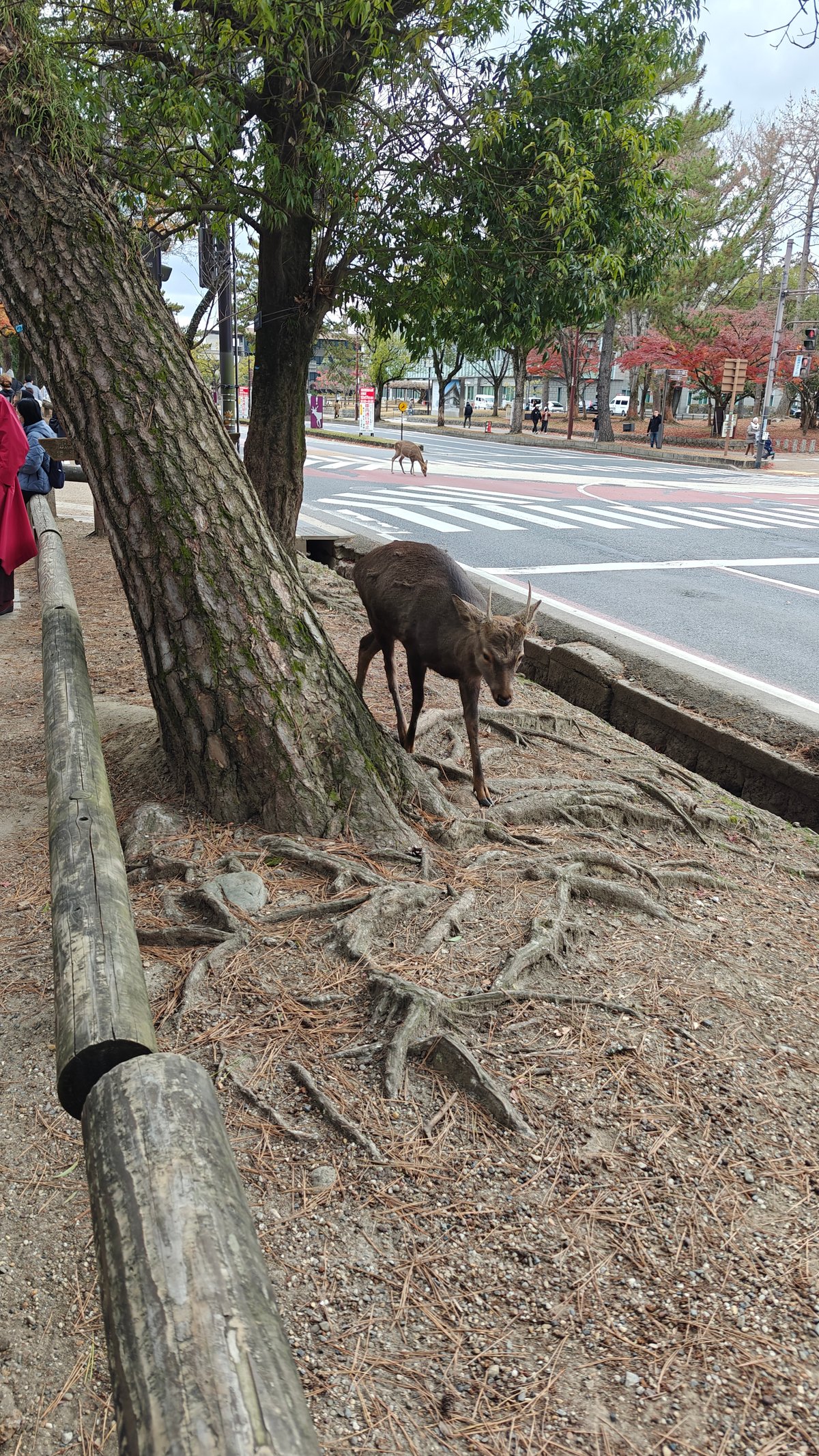
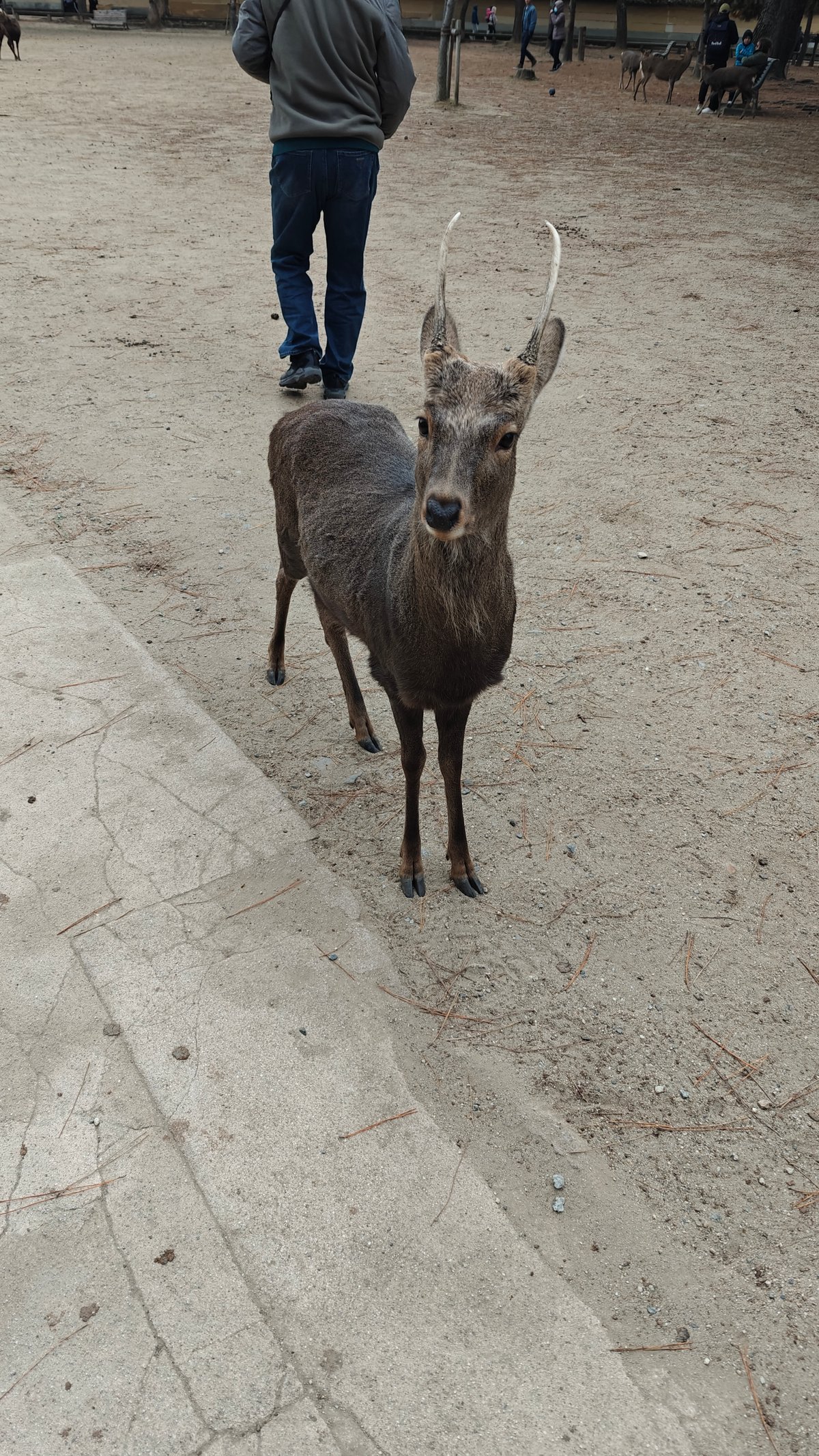
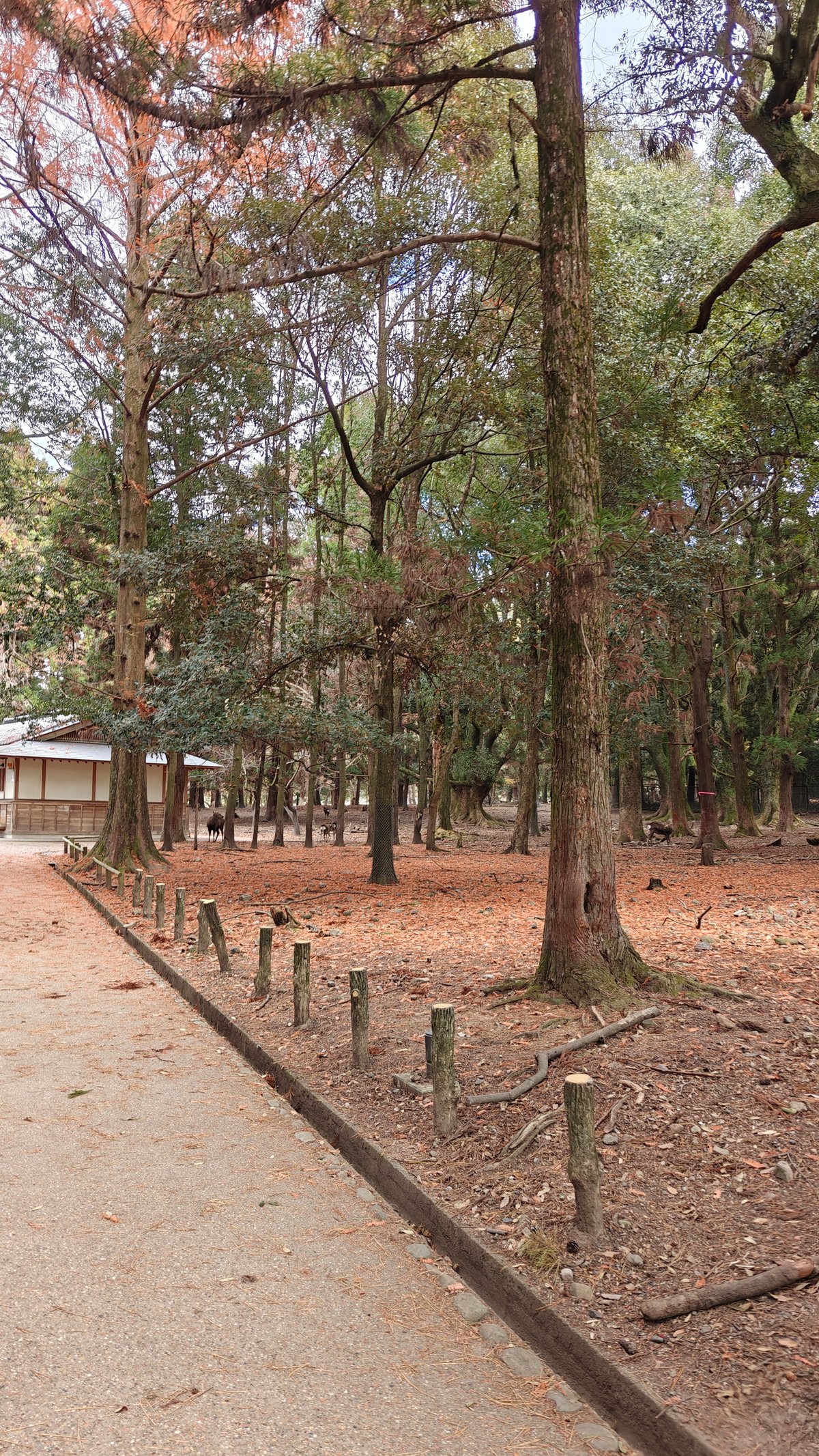
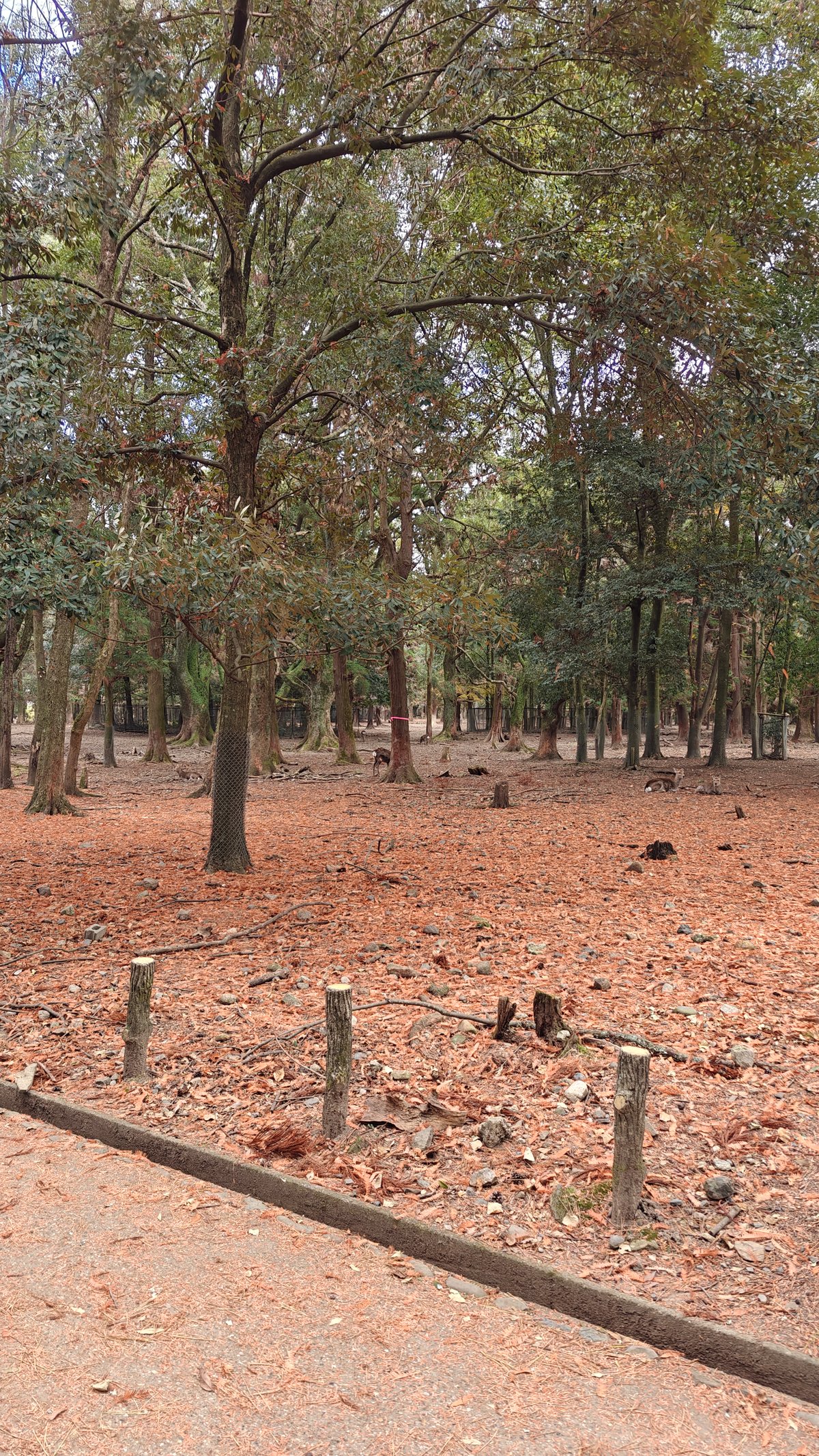
There was still a ton of deer running around the park. I saw several even after the feeding frenzy. Many were laying out in the grass underneath trees, and others were just hanging out by the side of the road.
They hardly reacted to us unless we had food for them; they’re that accustomed to humans. I ended up spending much more time than expected observing them, which is probably absurd, but they really are fun to watch.
Todai-ji Temple
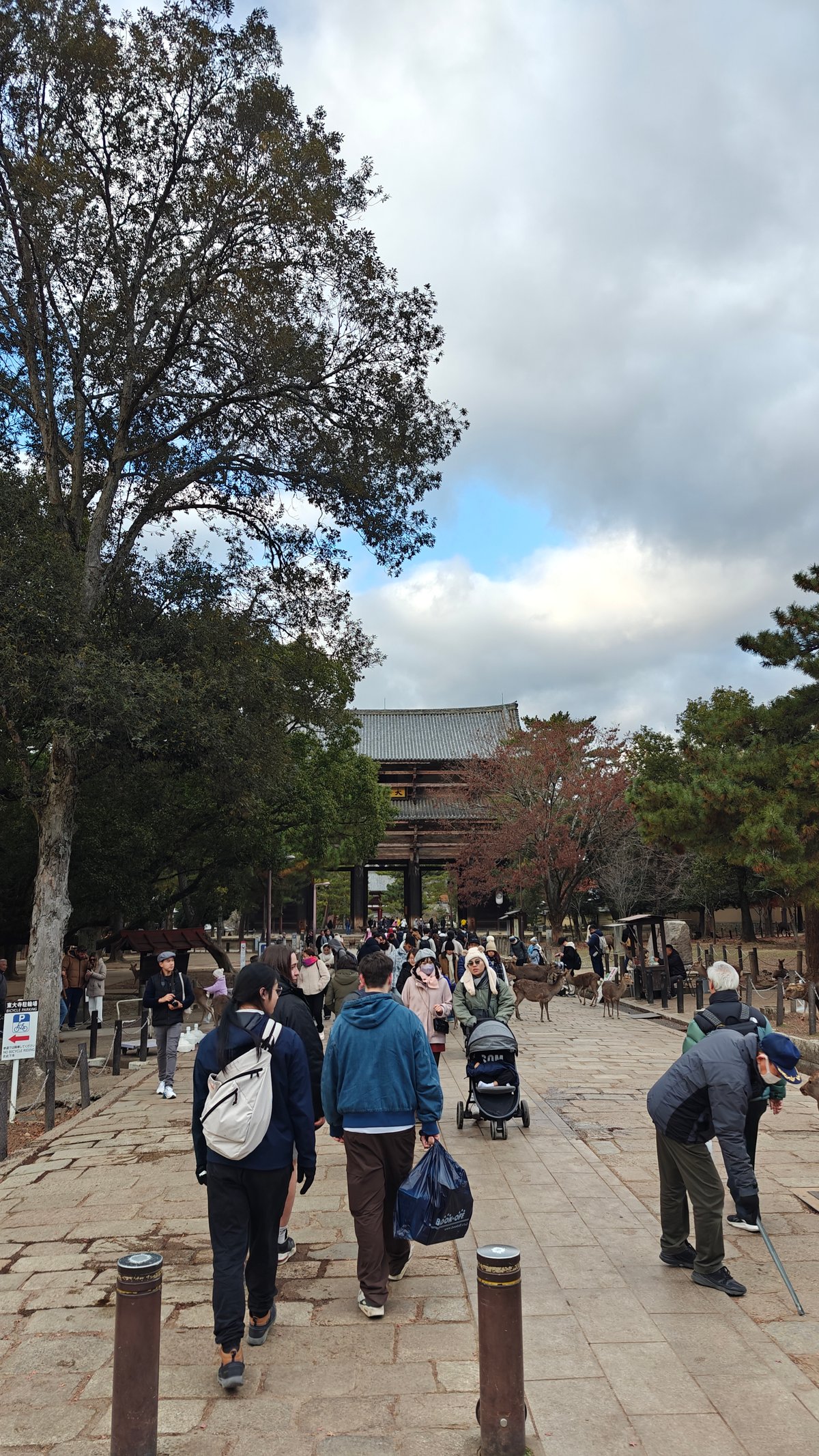
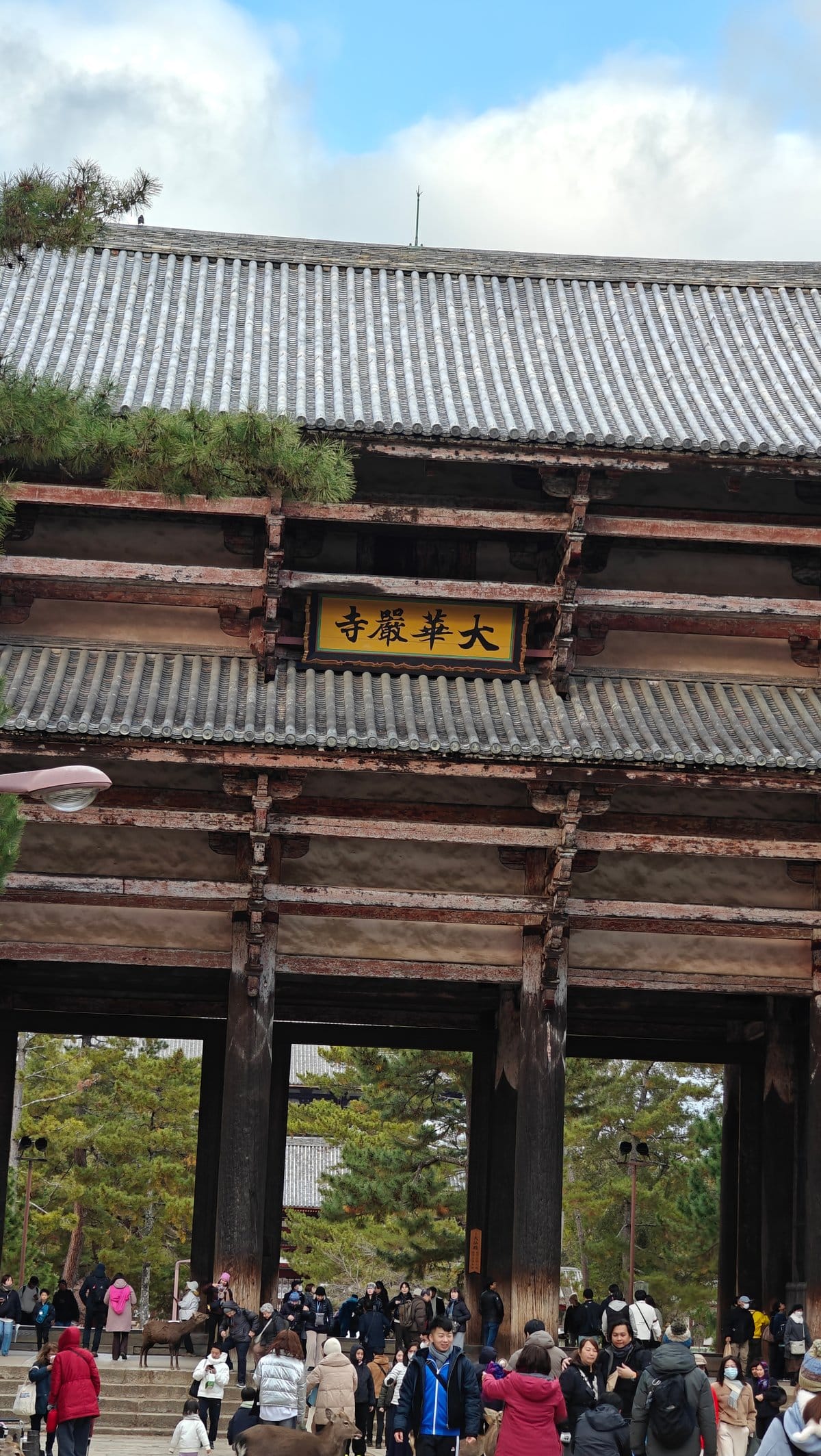
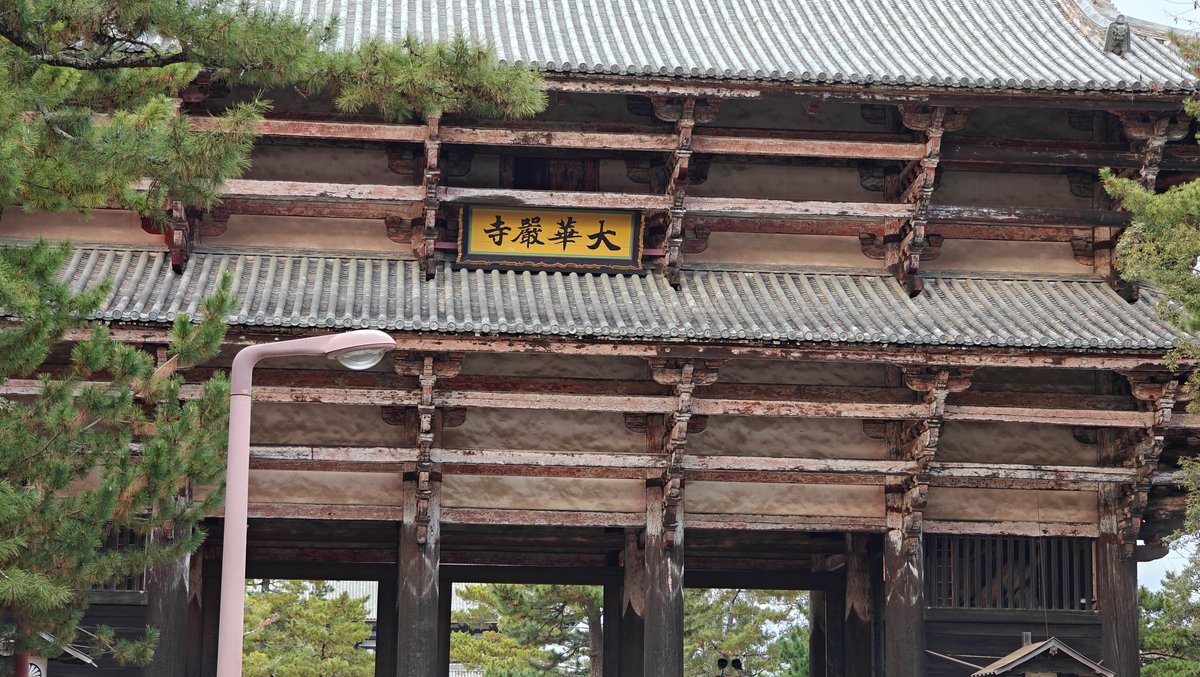
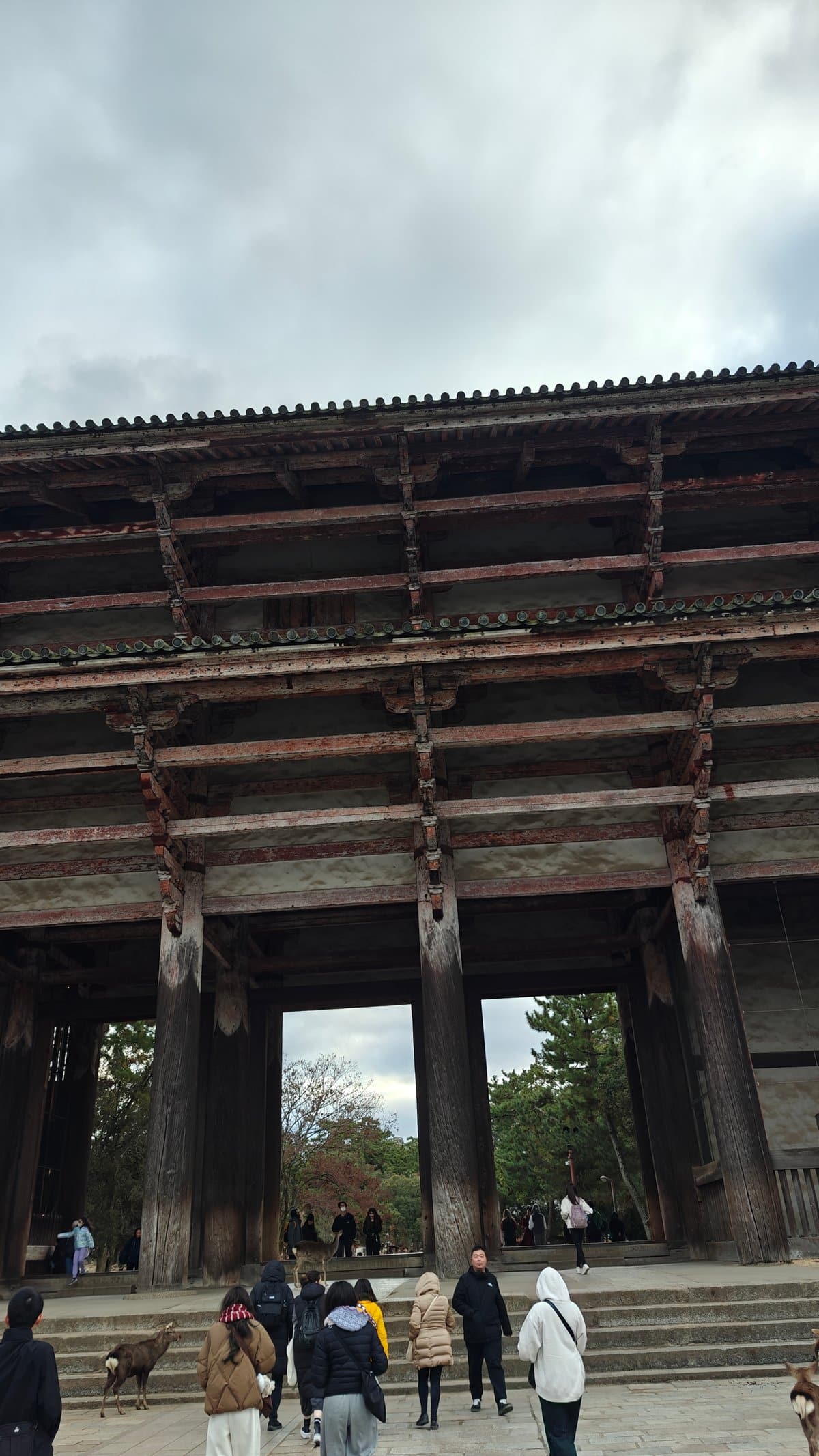
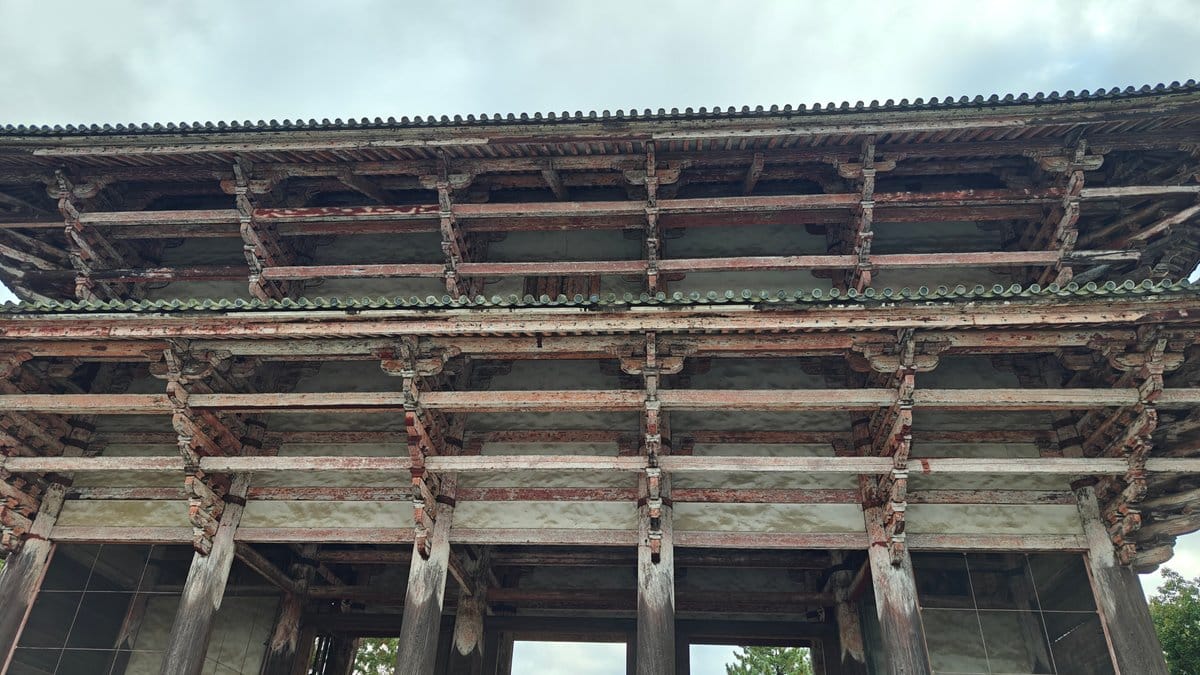
The big draw for many visitors to Nara appears to be Todai-ji, and after getting closer, I understood why. That giant gate rises high above you as you approach and then there are all those lanterns in front of it (pretty impressive). It’s called the Nandaimon gate, and it’s huge; far larger than the pictures make it appear.
Walking under it felt like passing into something far grander and more serious than the crazy deer park I had just exited.
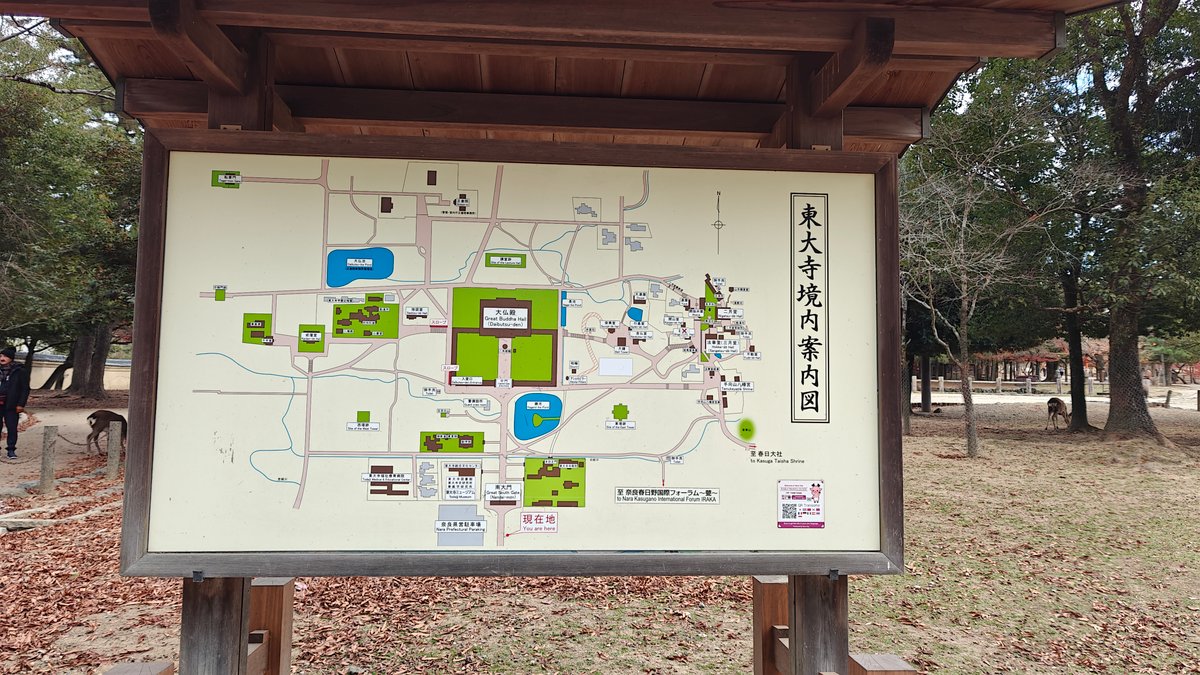
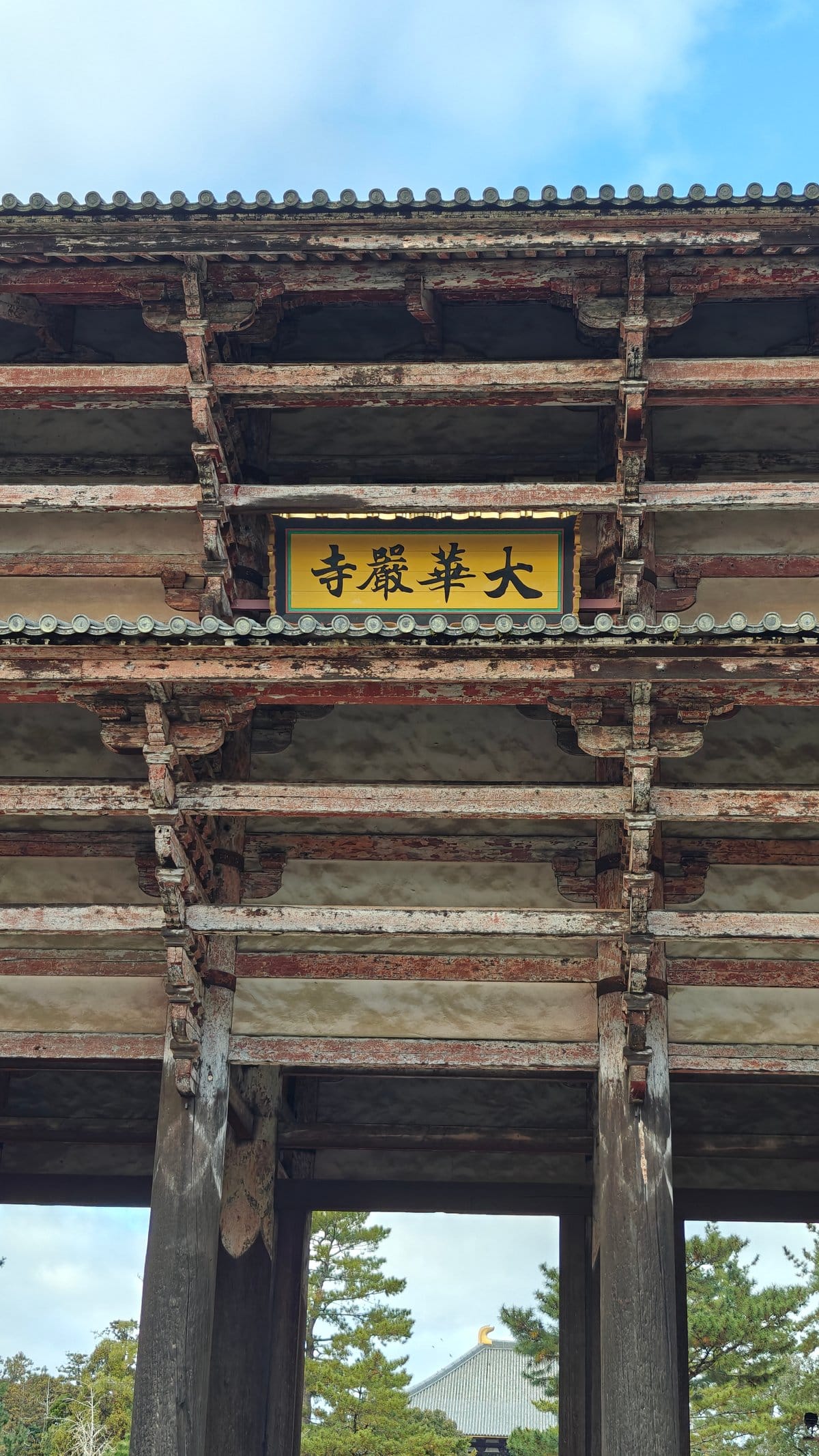
Inside, the gate has guardian statues that you should definitely stop and look at. They are very large, even from down low. They are also quite detailed.
I stared up at them for a few minutes before continuing my journey to the main hall.
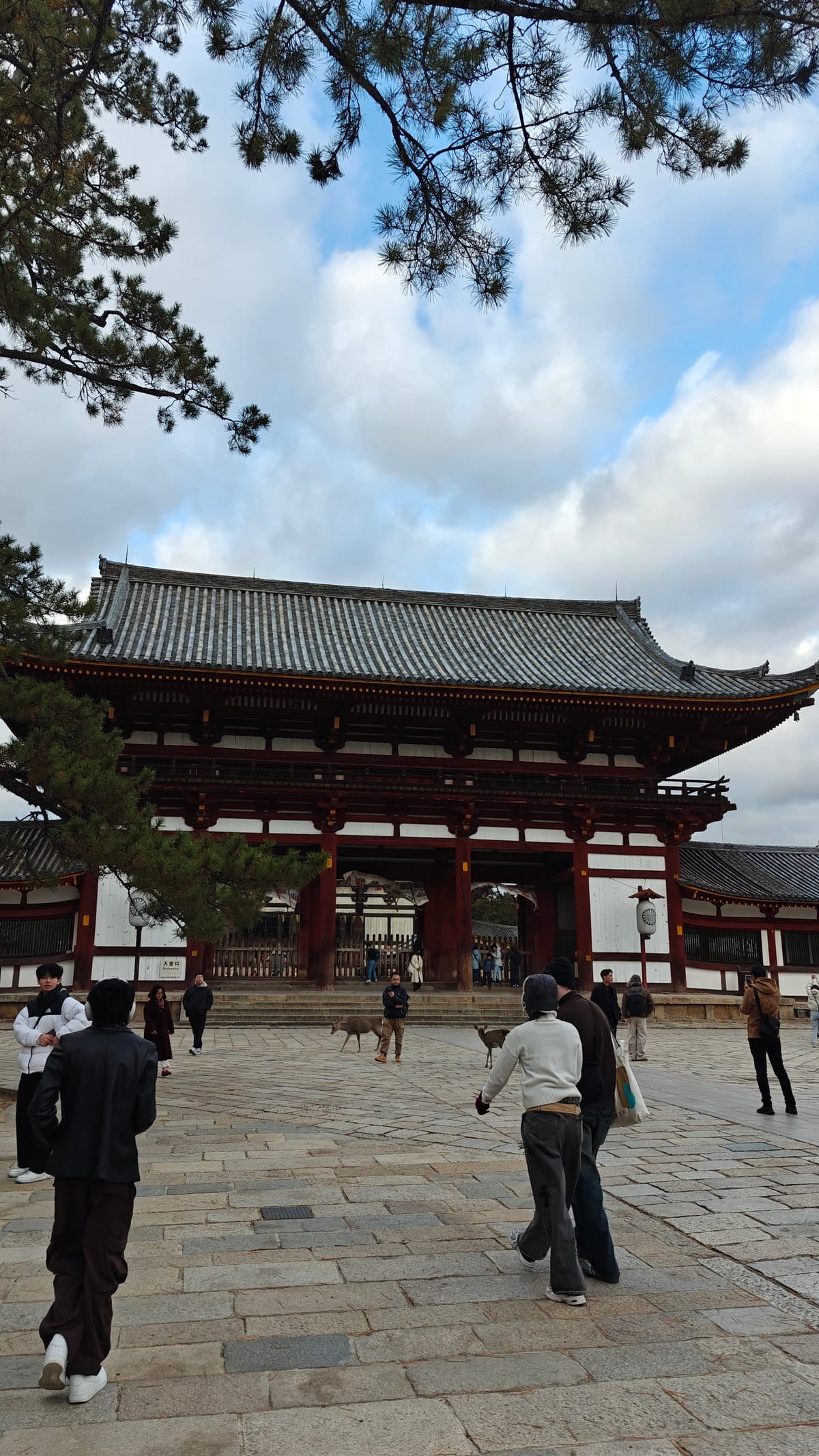
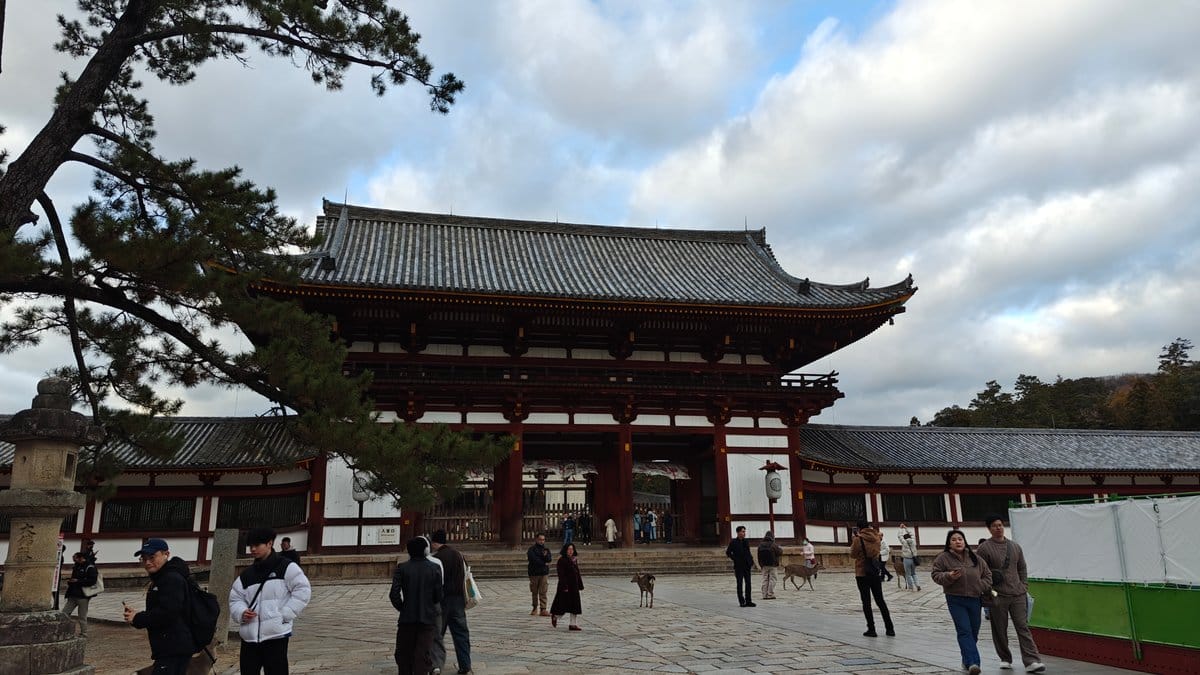
The deer hadn’t gone away even within the temple grounds. They were just chilling out by the Chumon gate, a couple of them literally lying down like they own the place. In a sense they do…
They’re older than most of the people who come to see it.
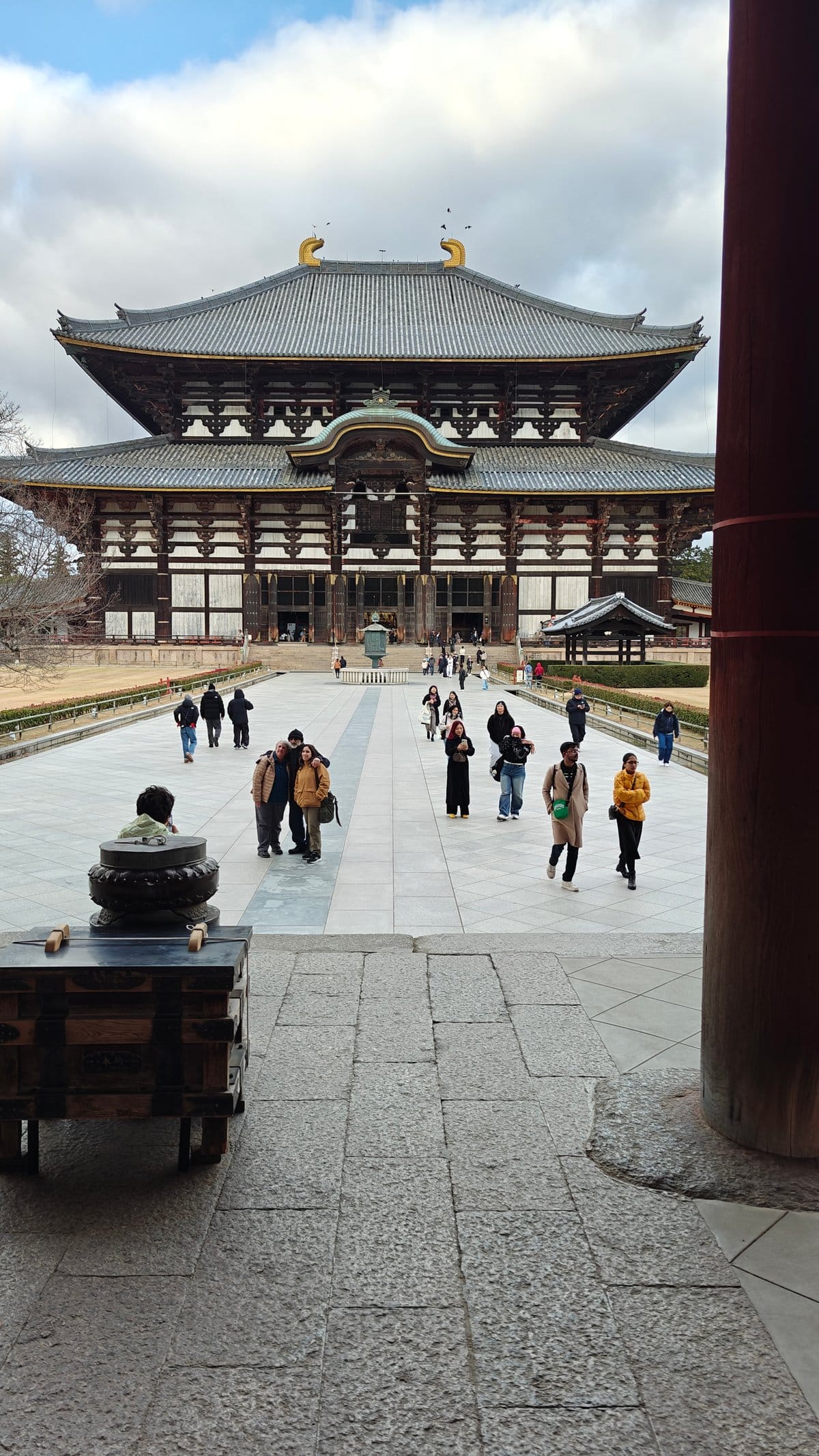
One of the biggest wooden structures I have ever been in is the Daibutsuden itself. After paying my entrance fee, I walked into this massive building to gaze upon the Great Buddha himself, who is indeed massively huge. He made me feel quite small as I stood before him.
It was packed with people, but they were all silent, staring upwards at the statue. I didn’t stay long, it was the kind of place where you just take a quick look and keep moving, but I am happy that I went inside.
Kasuga Taisha
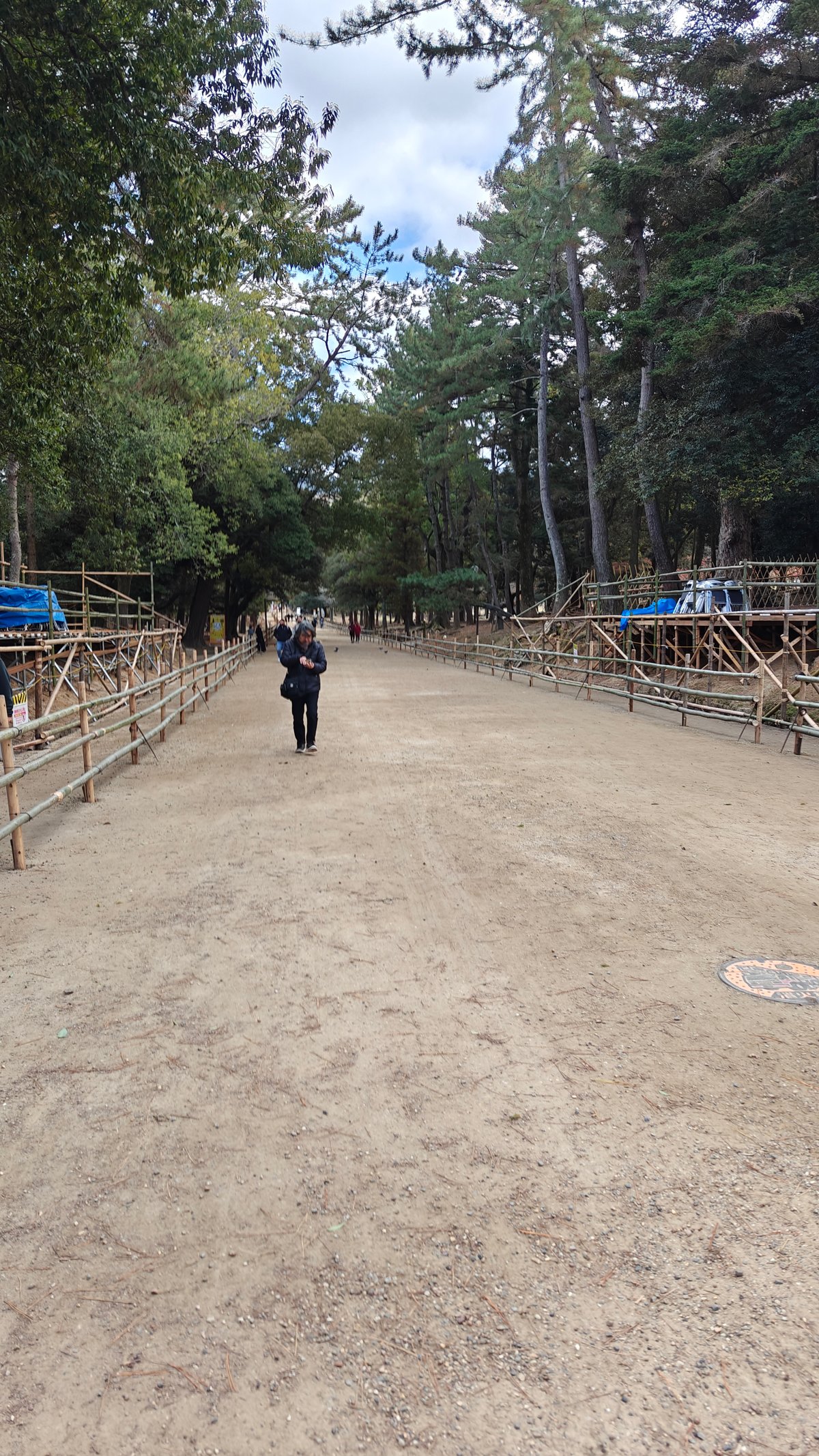
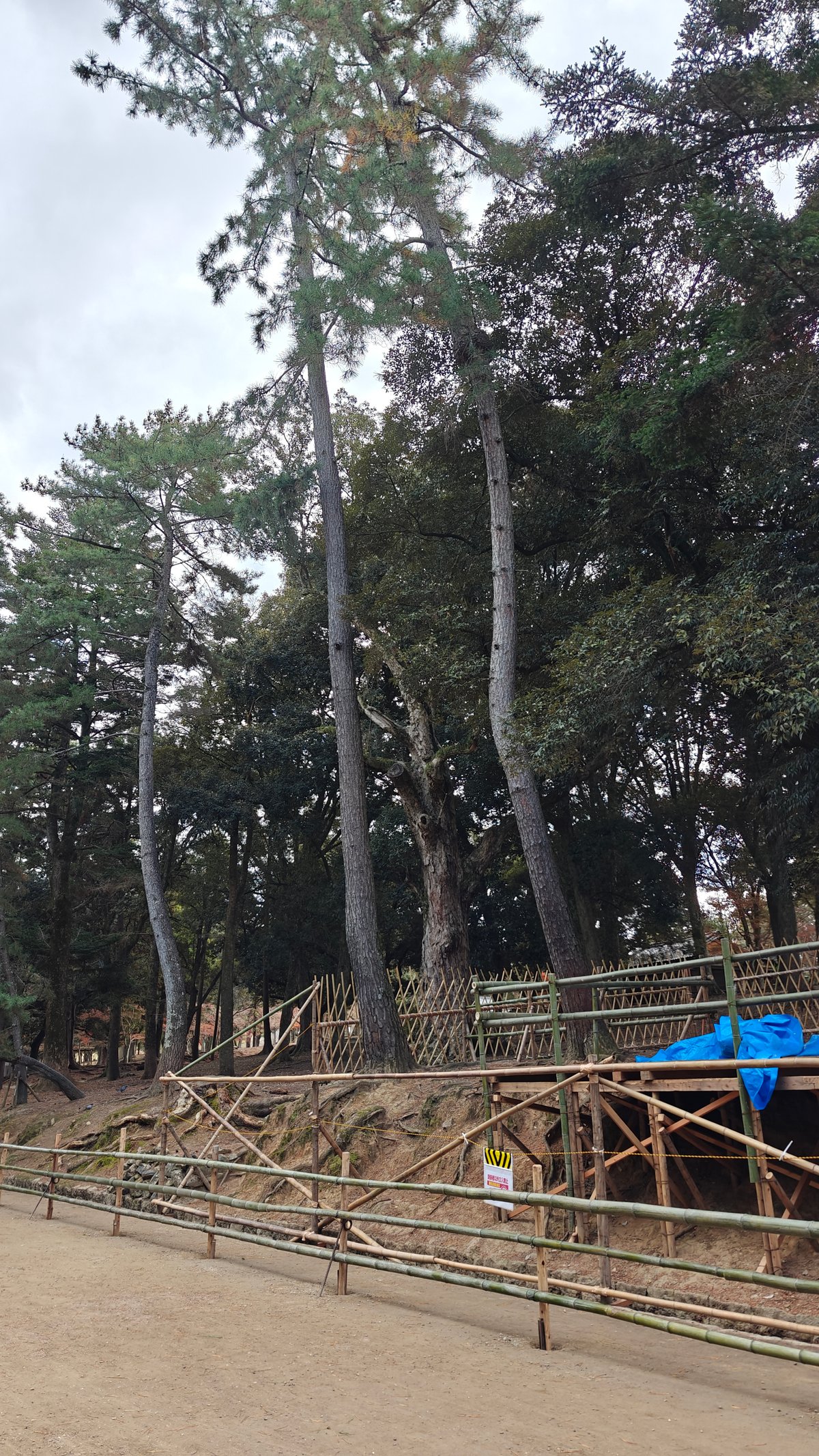
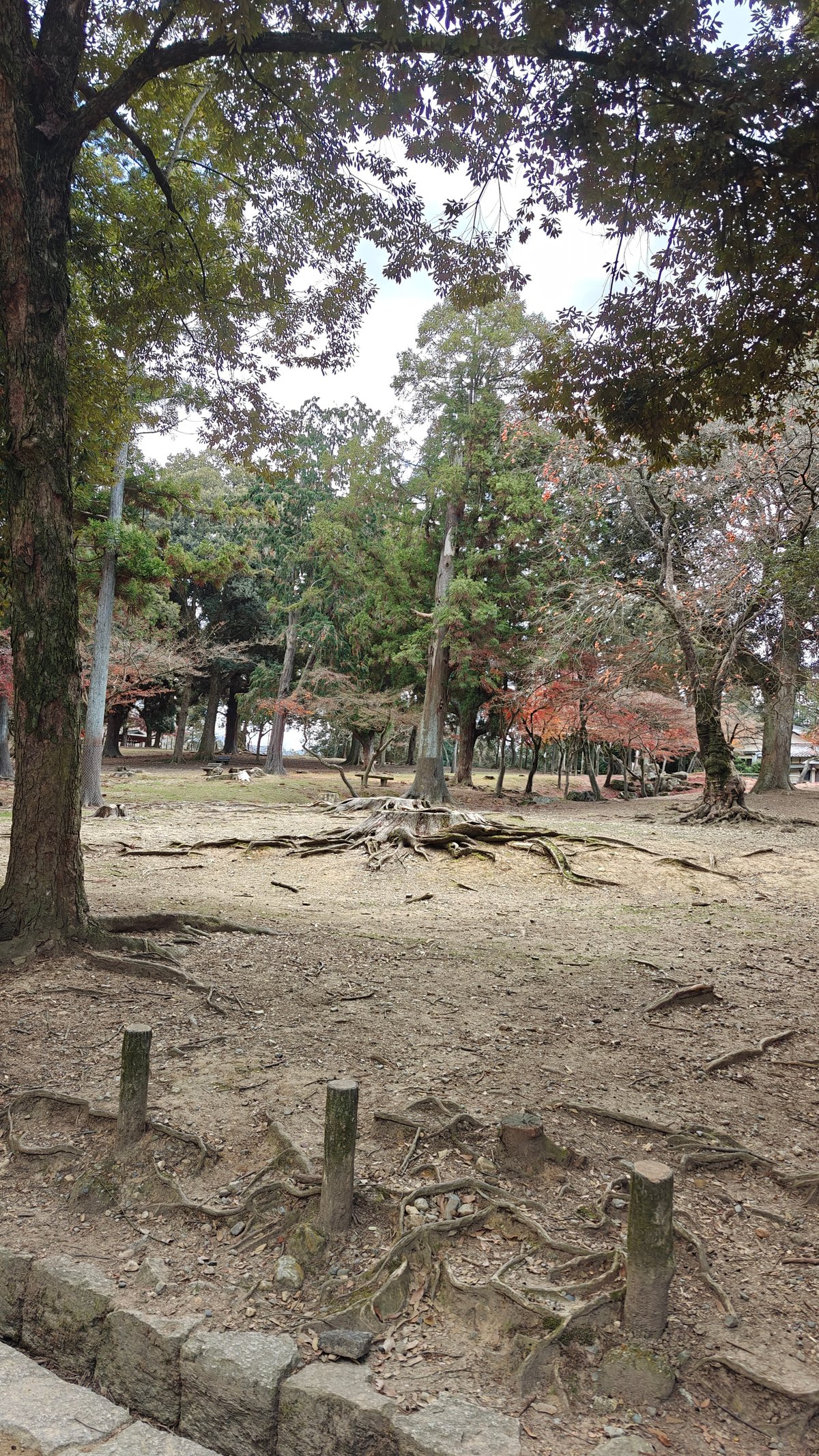
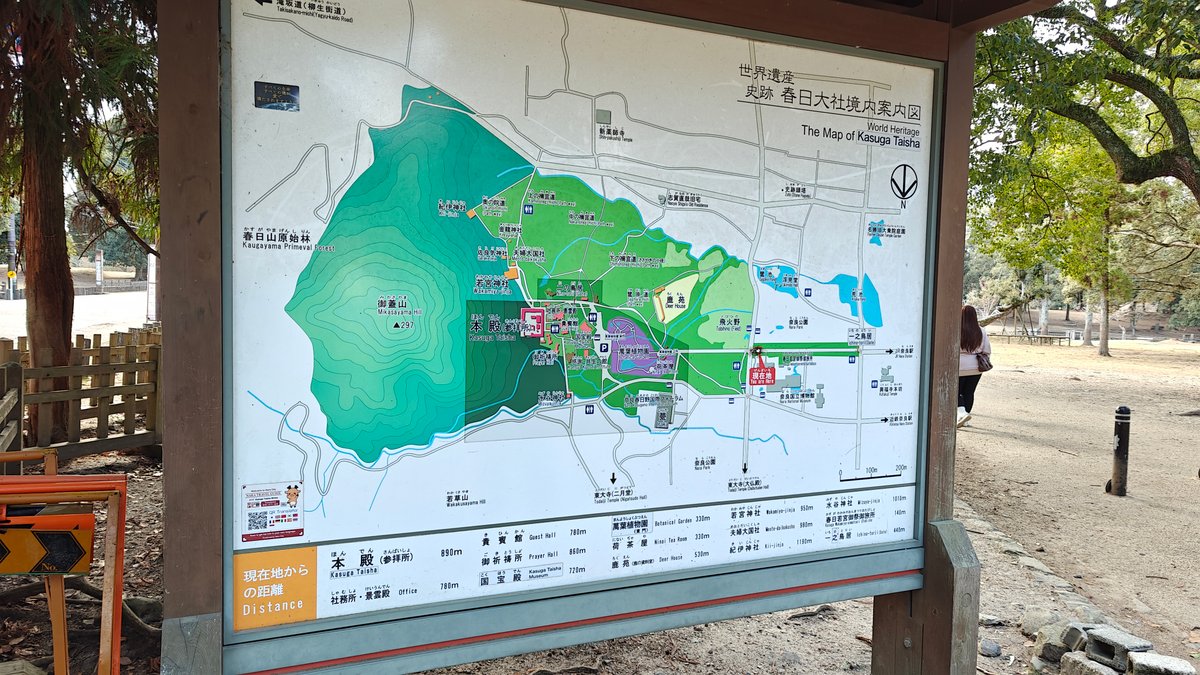
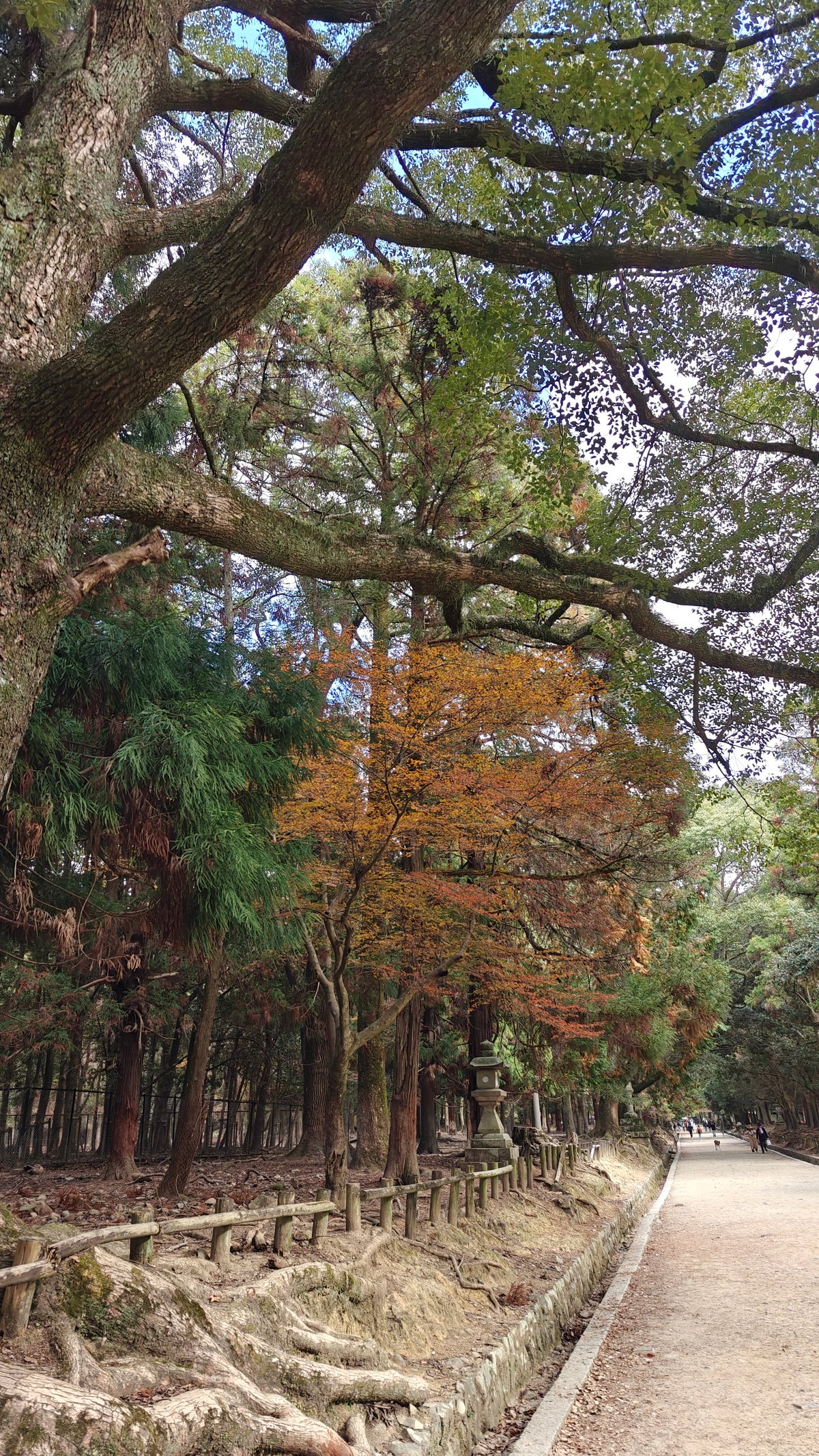
Next, I made my way through the forest section of the park to Kasuga Taisha.
The walk was filled with hundreds of moss-covered stone lanterns that looked as though they’d existed for centuries. They lined the pathway, and some were so worn down you couldn’t even distinguish their detail anymore.
It was a much quieter, cooler feeling forest than the open parts of the park, and I saw maybe a couple other people on the way.
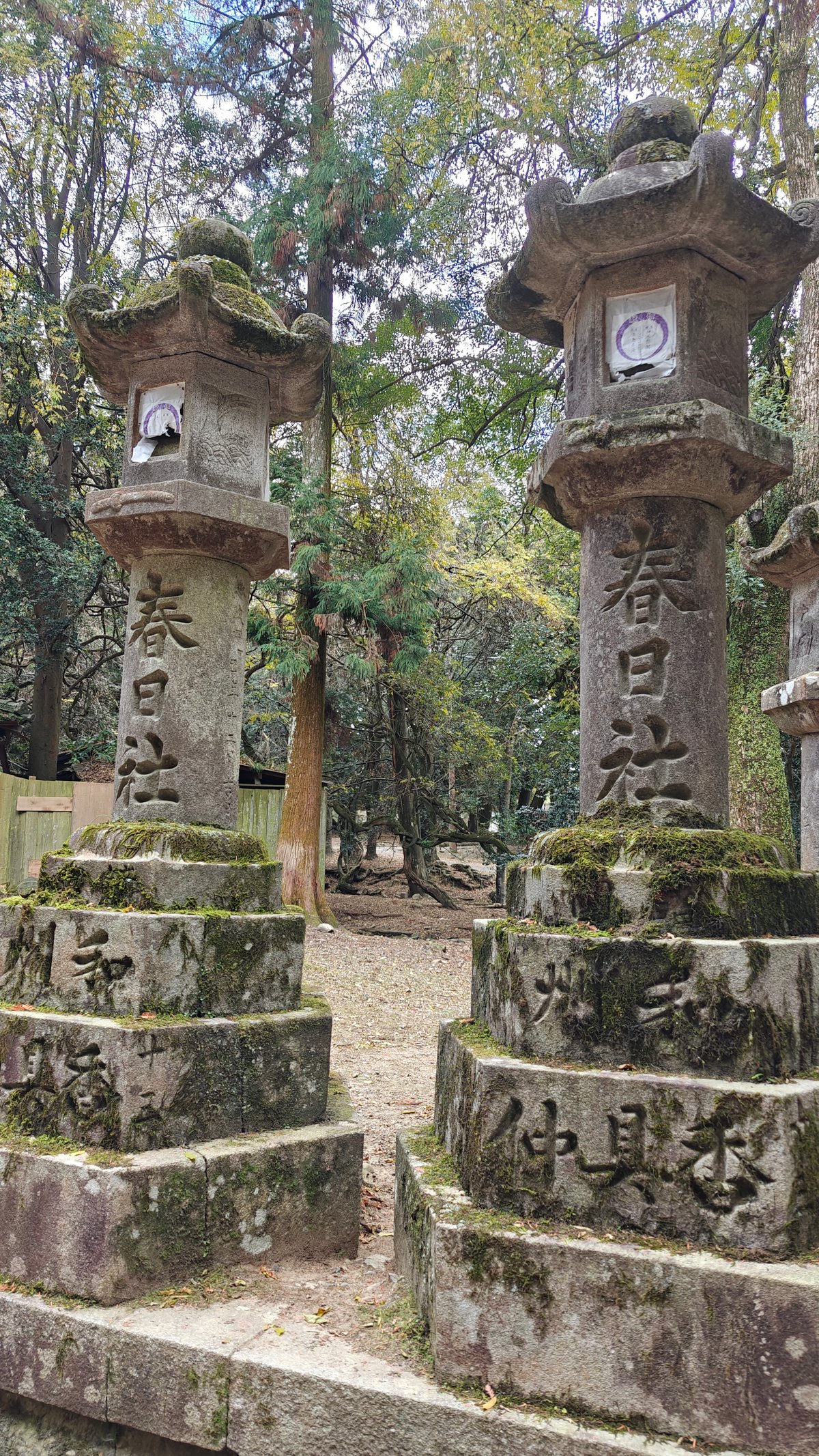
Todai-ji is a beautiful temple in its own right, but Kasuga Taisha was just beautiful in a different manner. It all seemed more intimate, more hidden away. It had these long corridors with bronze lanterns lining them.
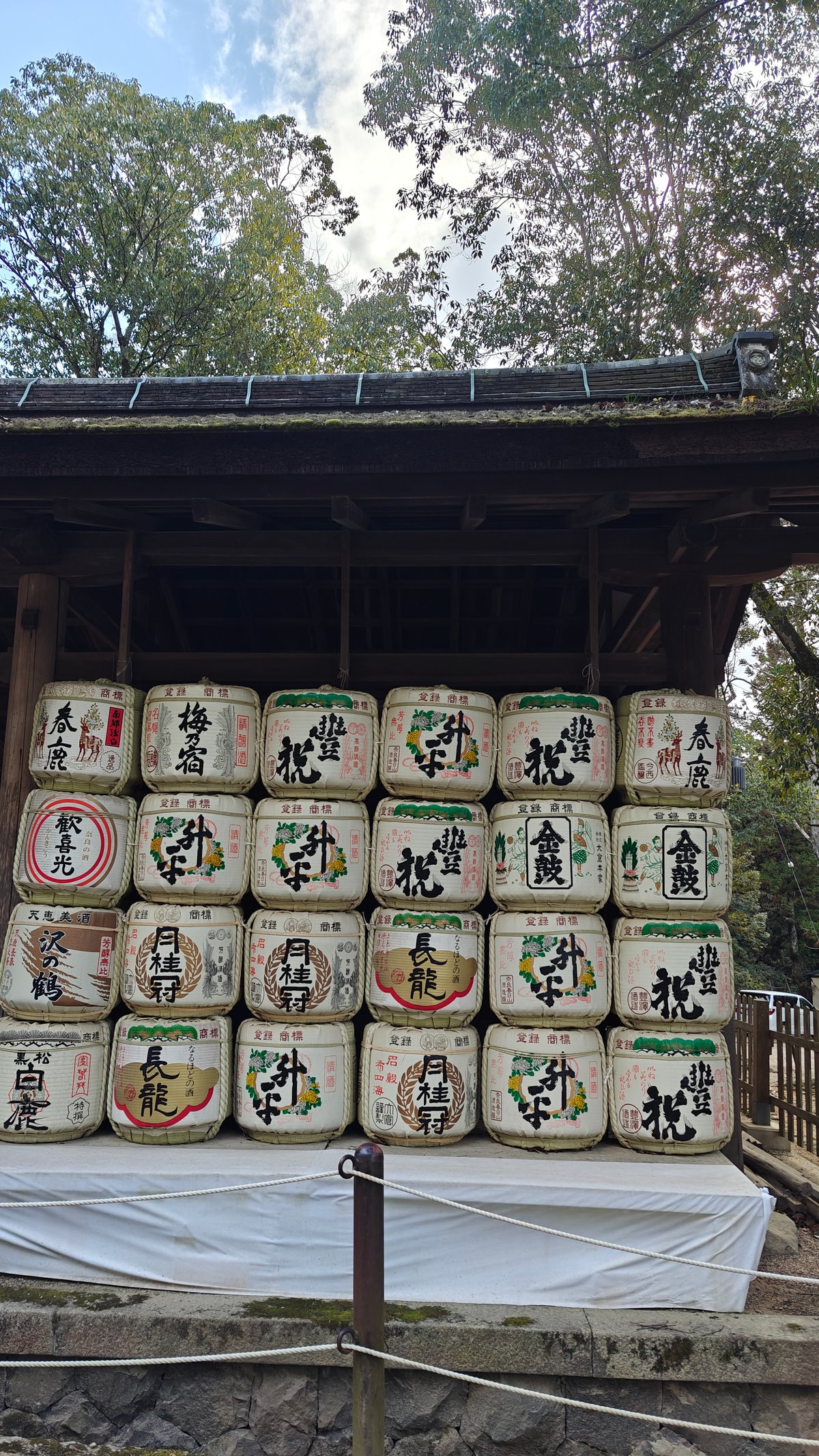
They weren’t on while I was there, but I could imagine how cool they’d be on during a festival. And then you have stacks of sake barrels outside the entrance, which I’ve seen at other shrines too but not quite as many like this.
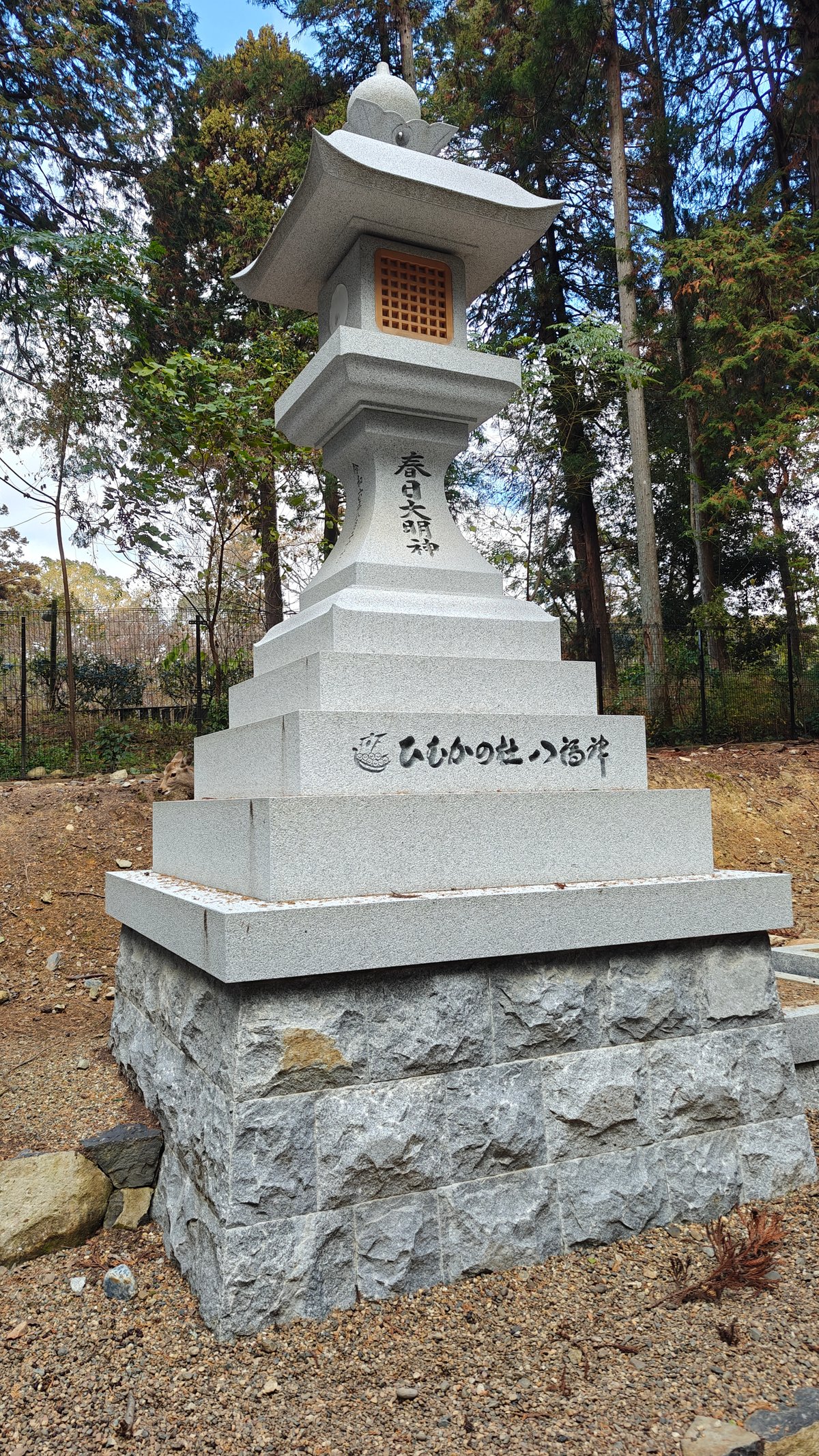
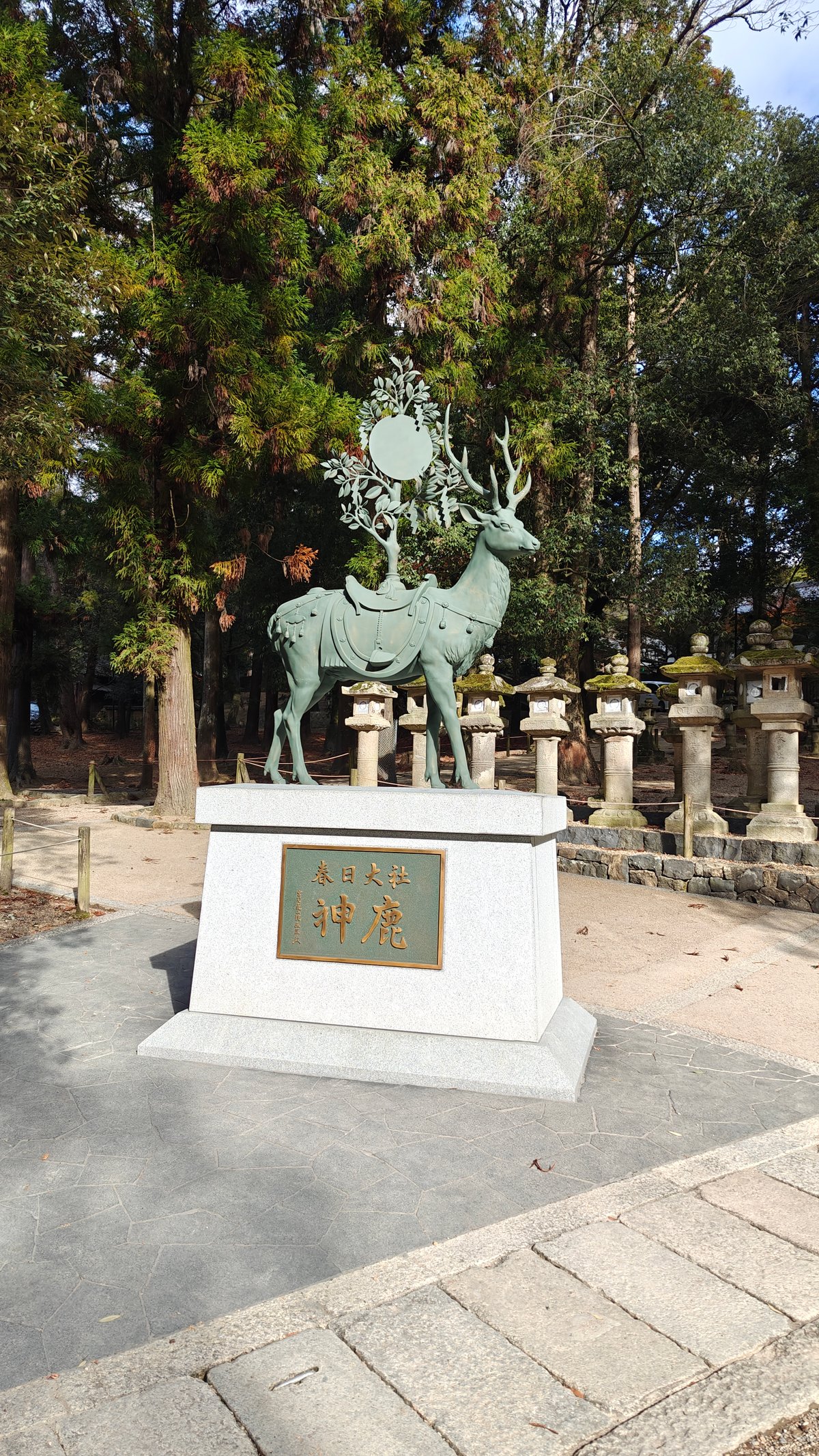
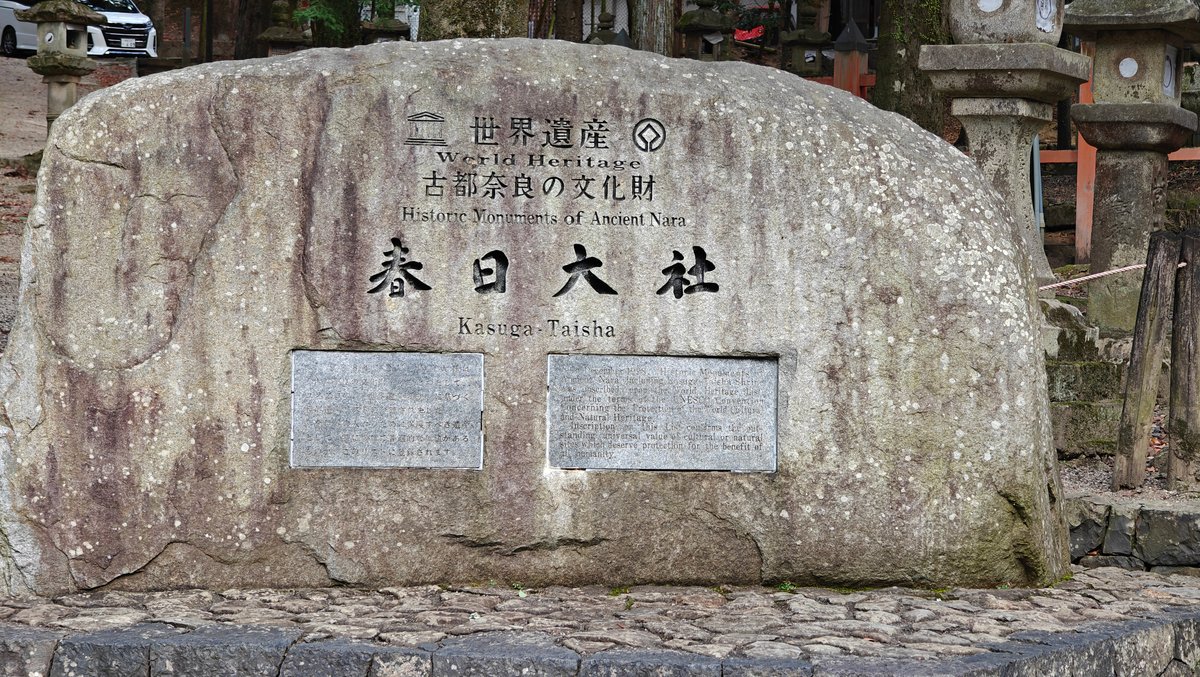
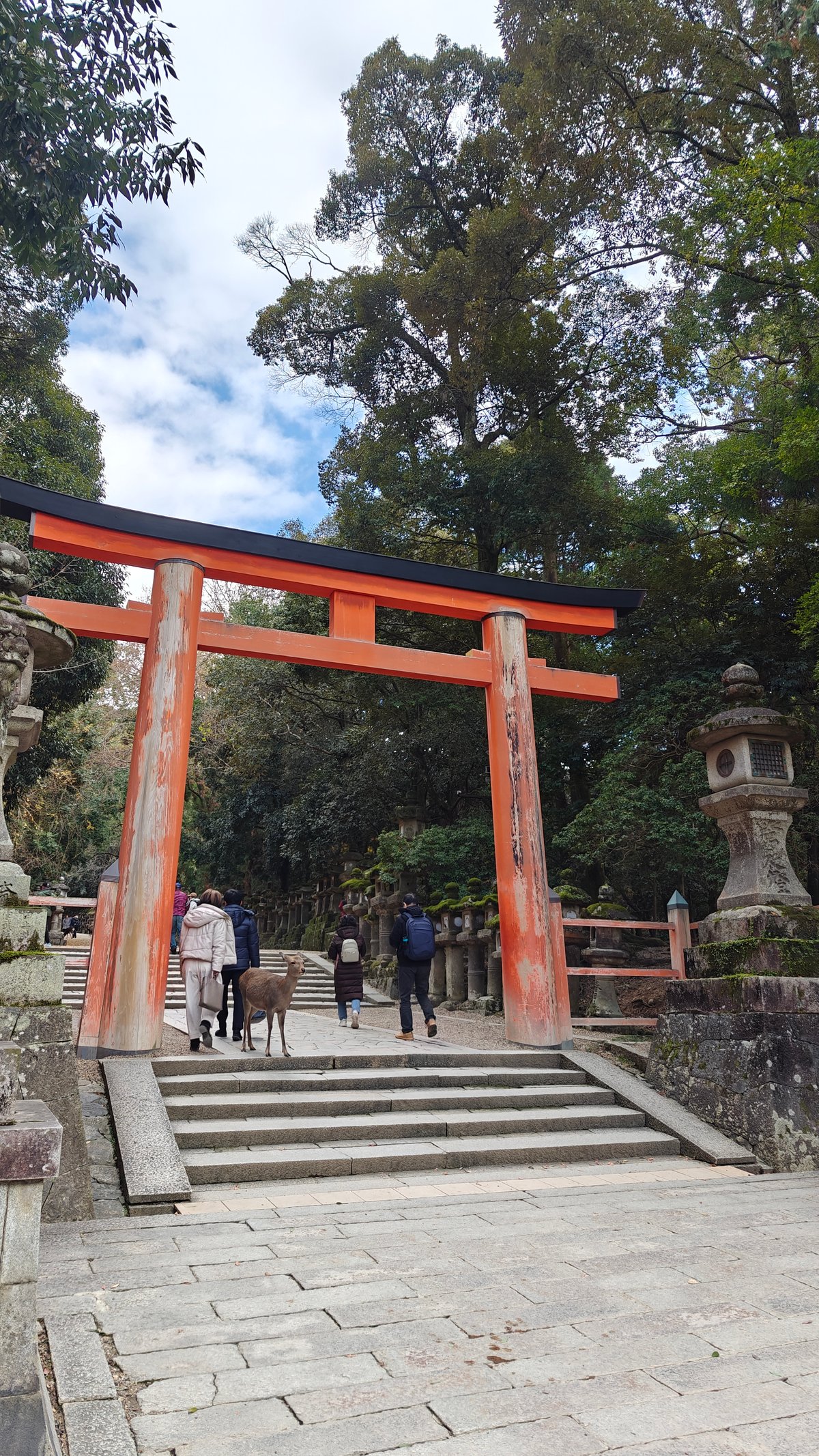
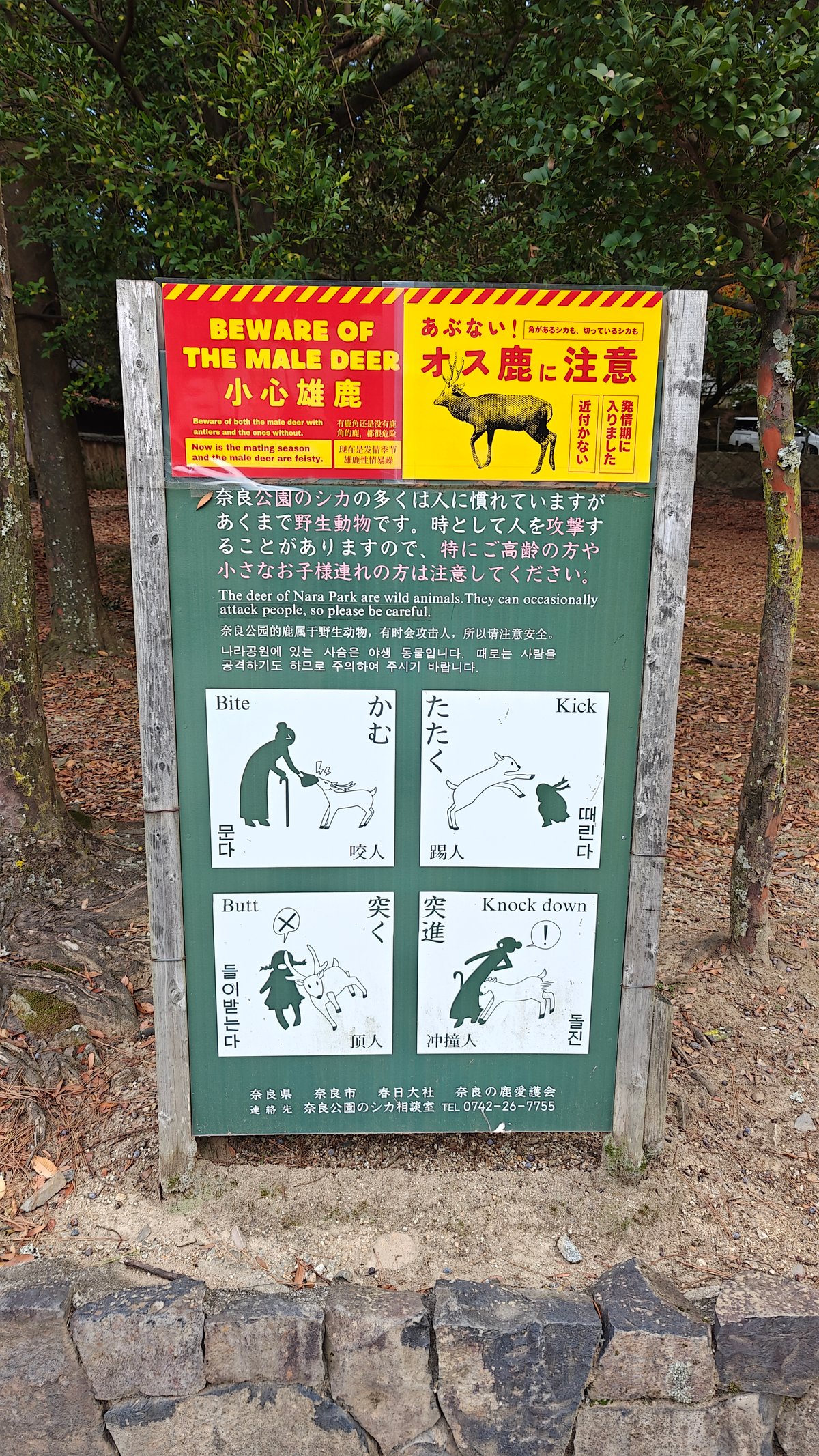
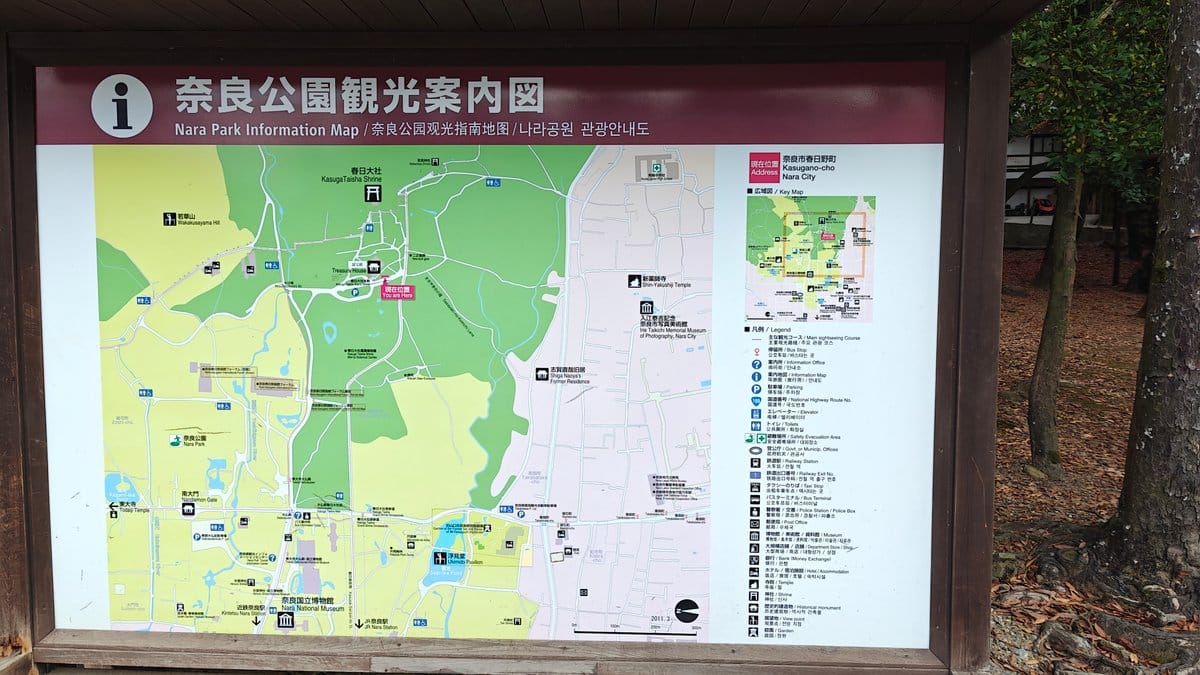
There are also a lot of lanterns throughout the whole thing, and it’s quite sprawling (meaning there are paths going off in various directions). I wandered around for a while, exploring the different areas. It was a little quieter than the main tourist areas.
There were a couple old trees, and their trunks were wrapped in some sort of sacred rope. They were thick trees, too!
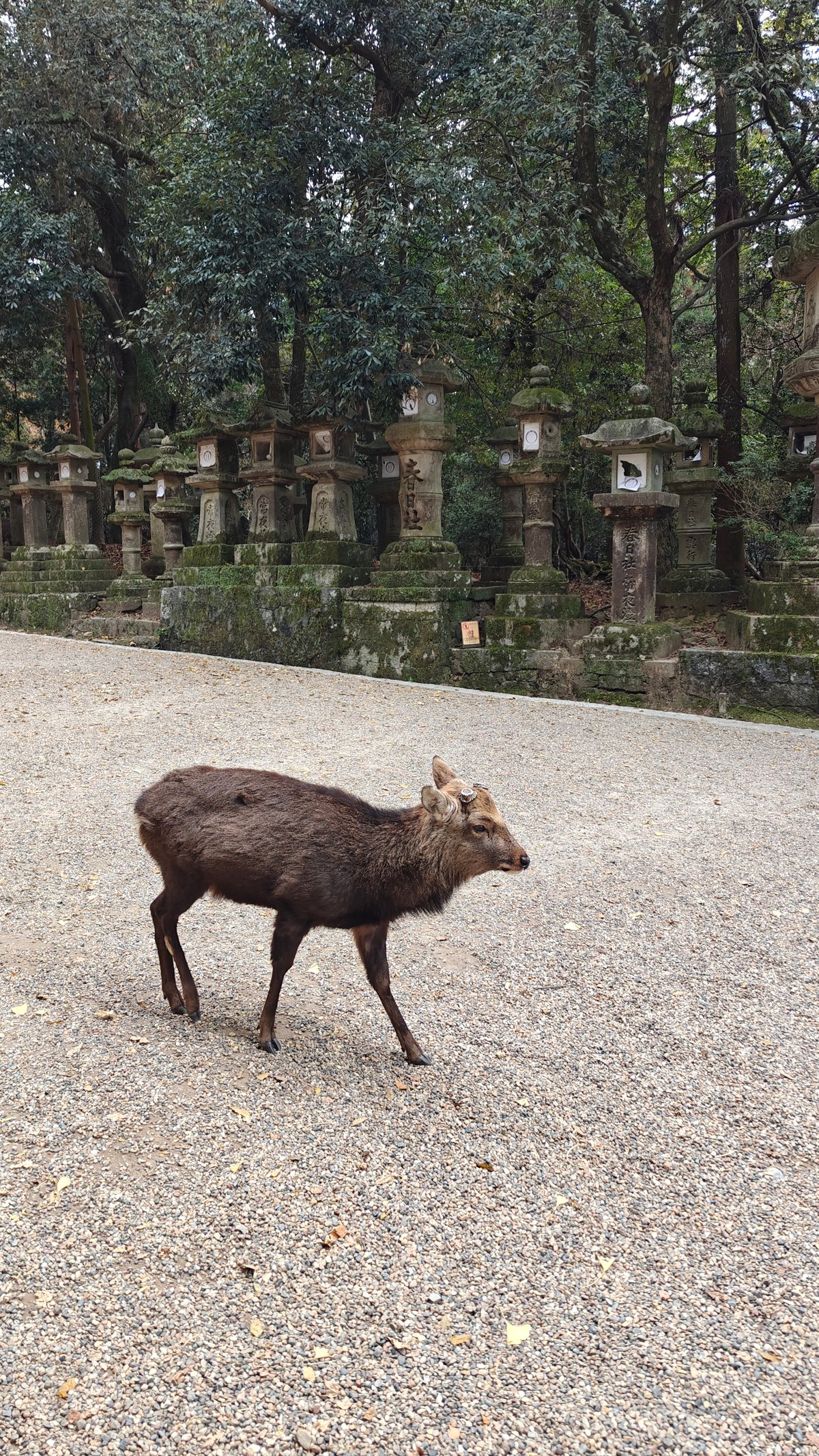
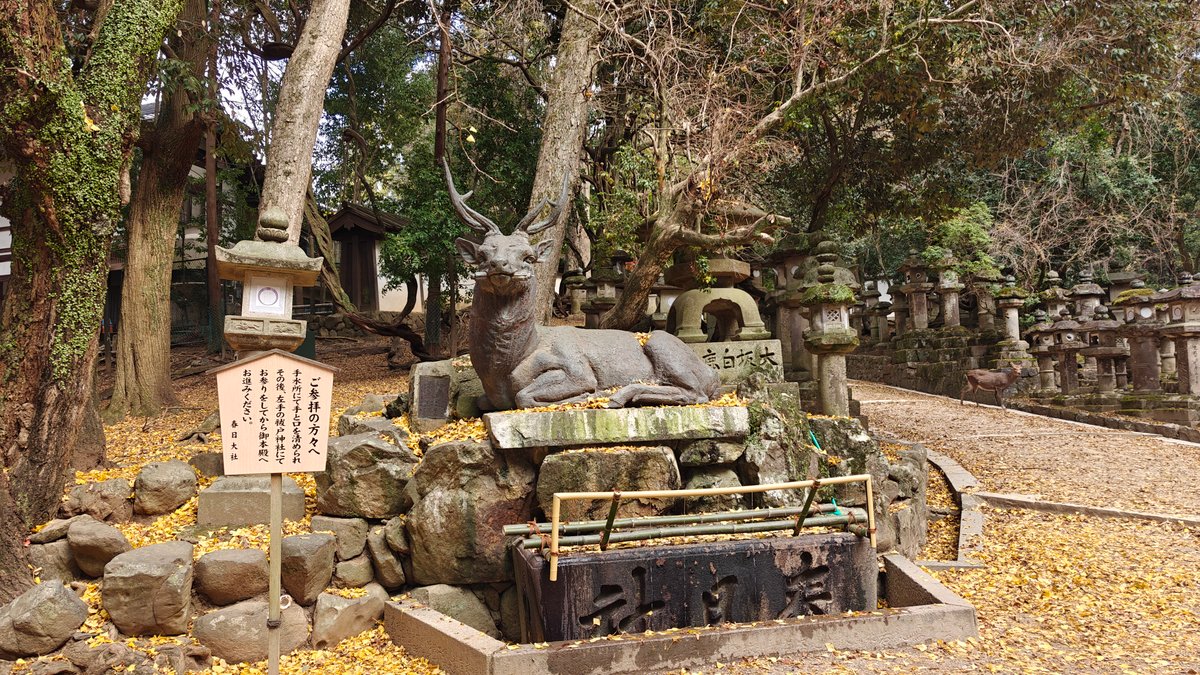
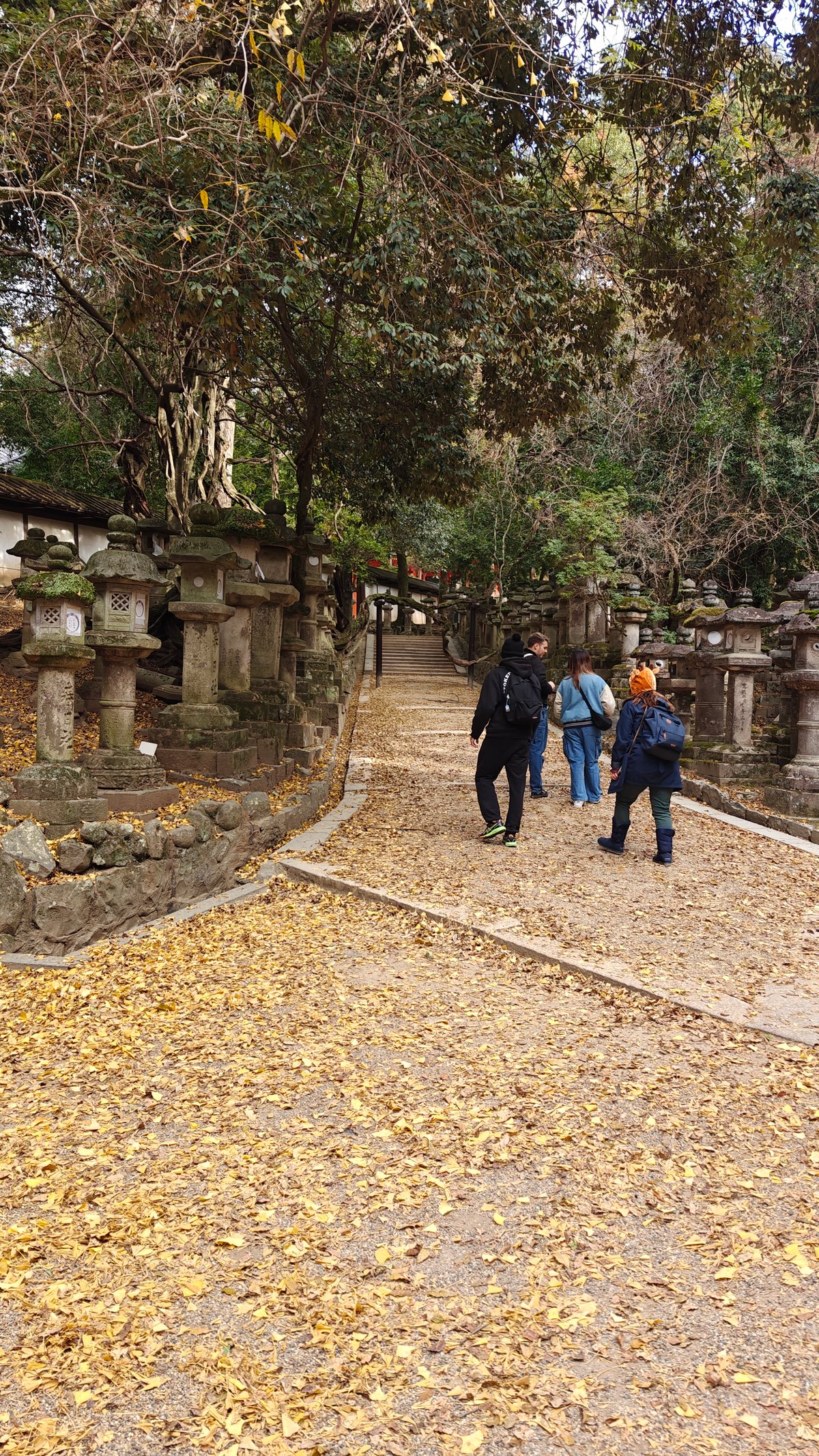
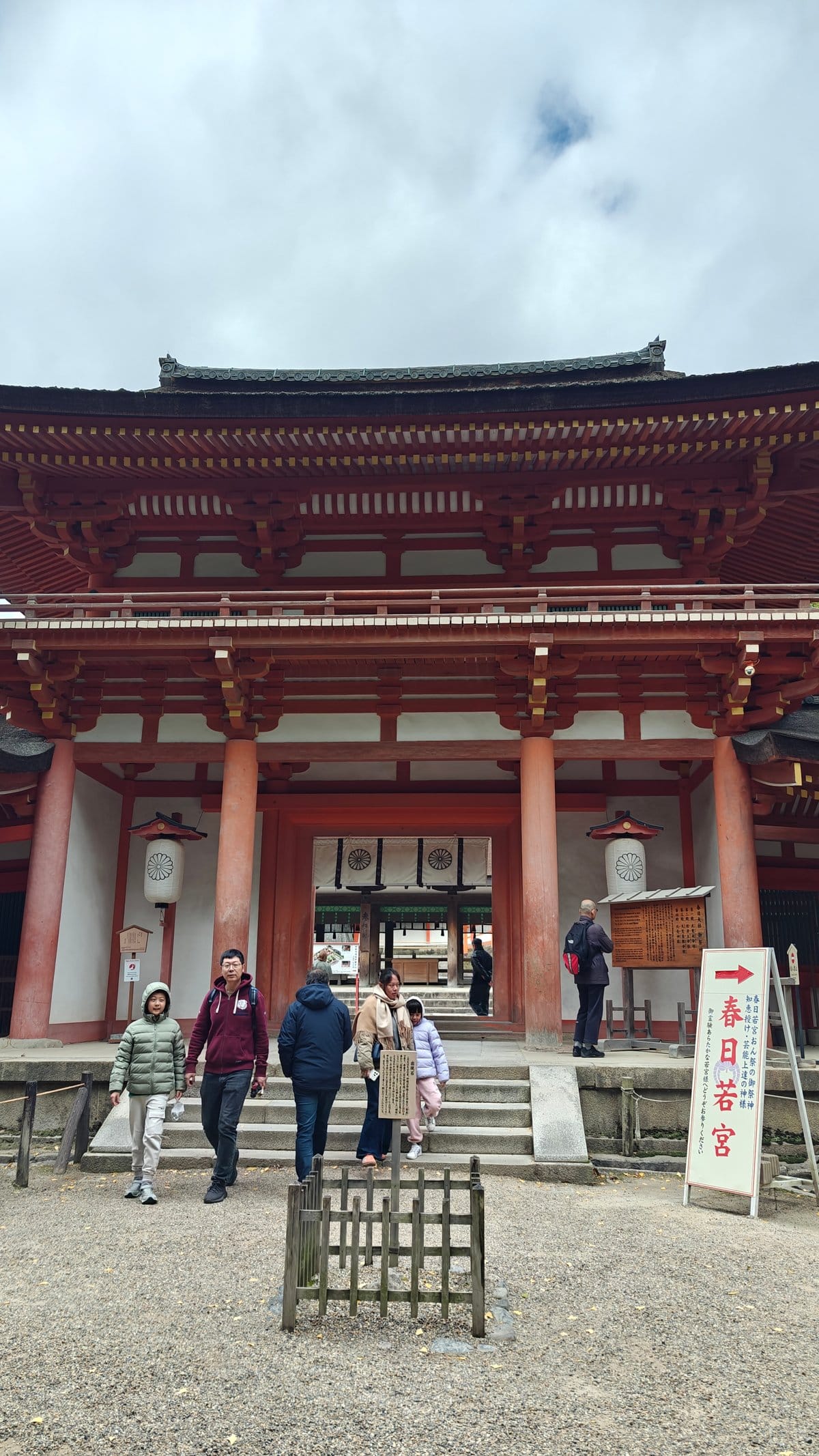
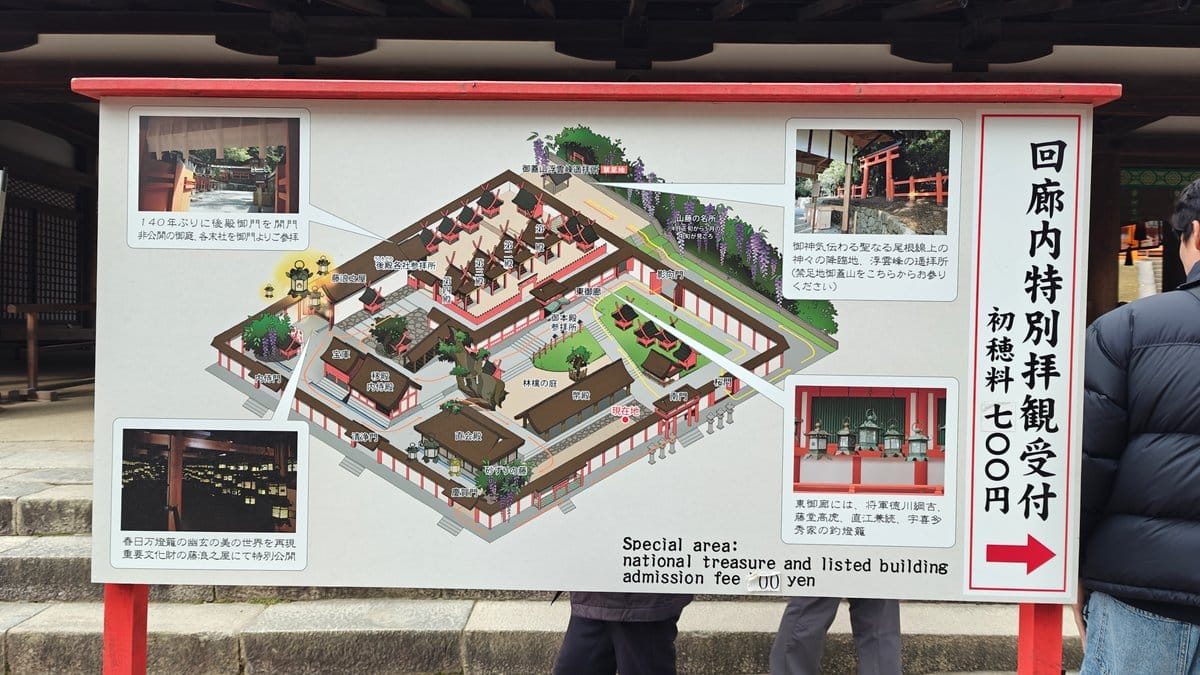
I could see what was going on in the main worship hall (it’s full of people) and got a good look at all the detail. It’s really nice work, exactly the sort of stuff that you start noticing the longer you are looking at it. I didn’t rush around so I think I enjoyed my visit more because of it.
Manyou Botanical Garden
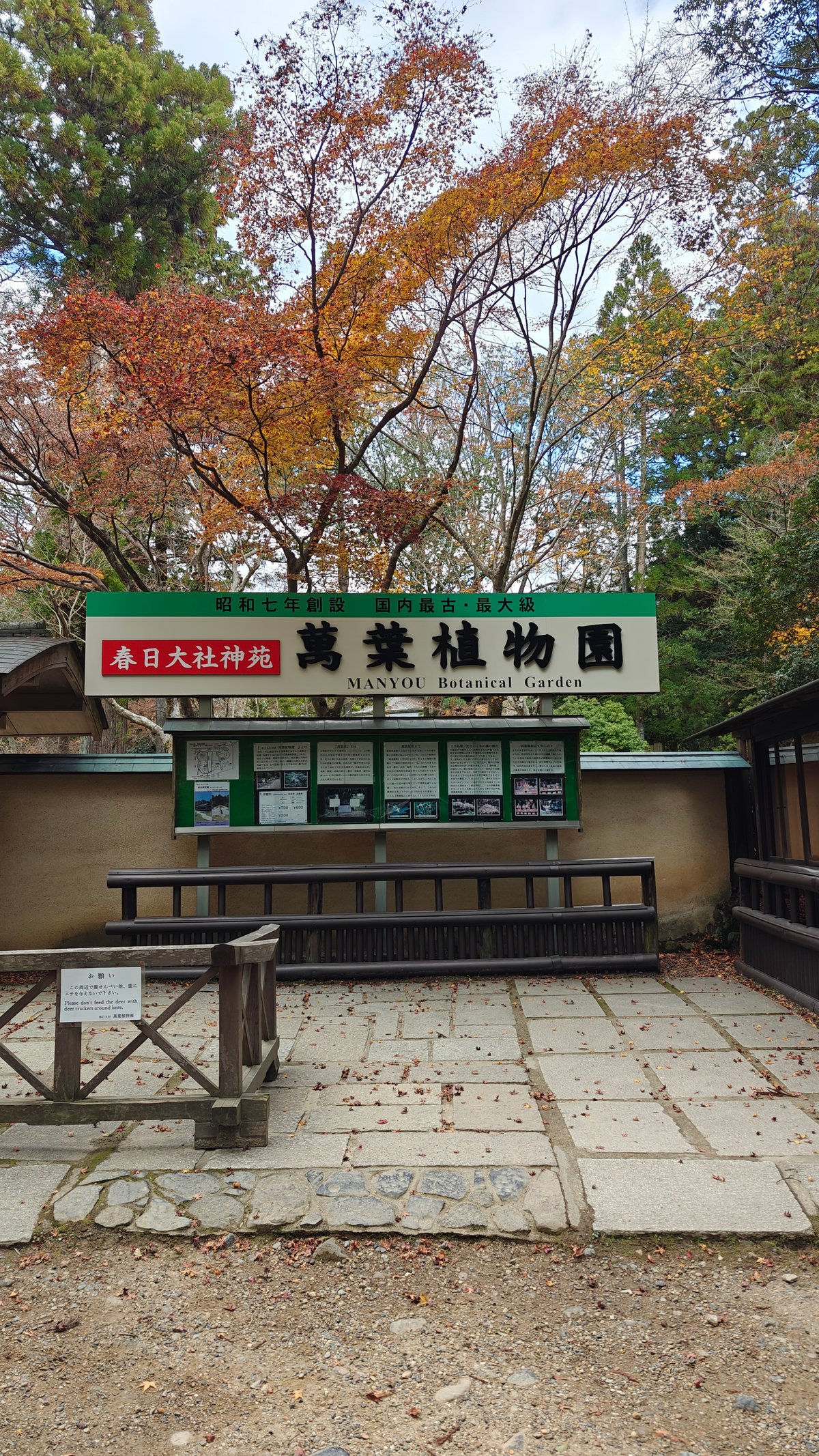
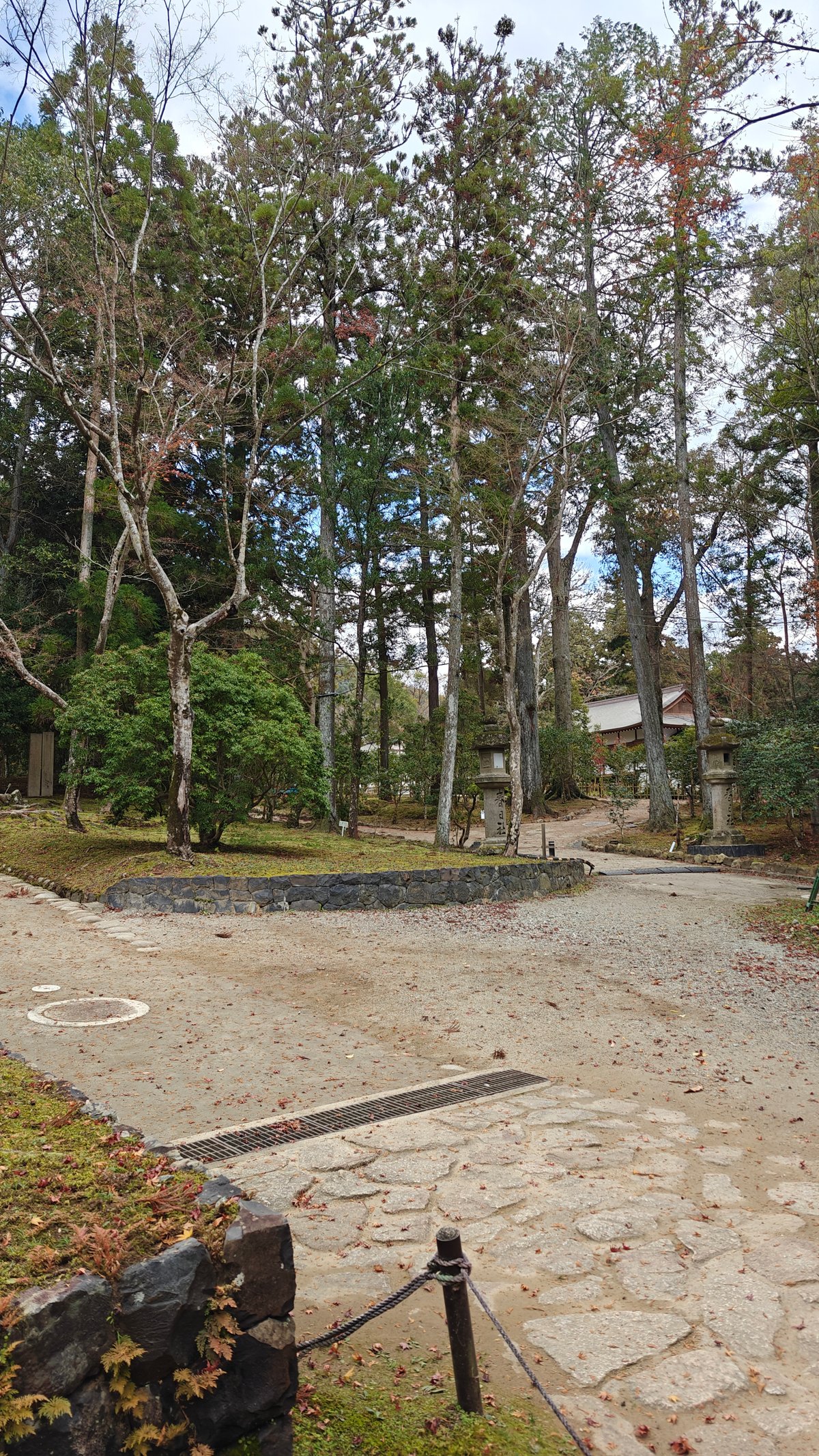

The botanic garden wasn’t on my list of things to do, but the entrance was just around the corner from Kasuga Taisha and I still had time before returning so what the heck. Plus it’s not expensive. Nice surprise: the trees were all in their full autumn glory and the garden was virtually empty.
Everything looked softer and a bit dreamier than I thought it would with the light shining through the leaves. Even though I knew very few (if any) of the references, it’s a nice idea for a garden.
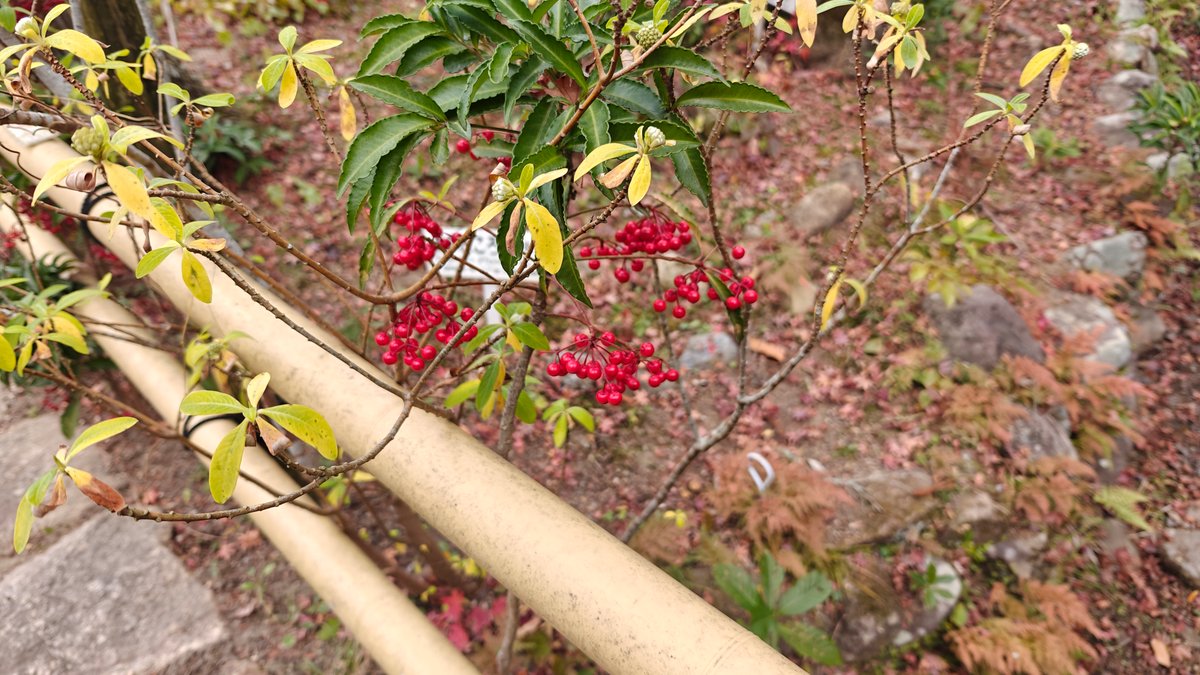


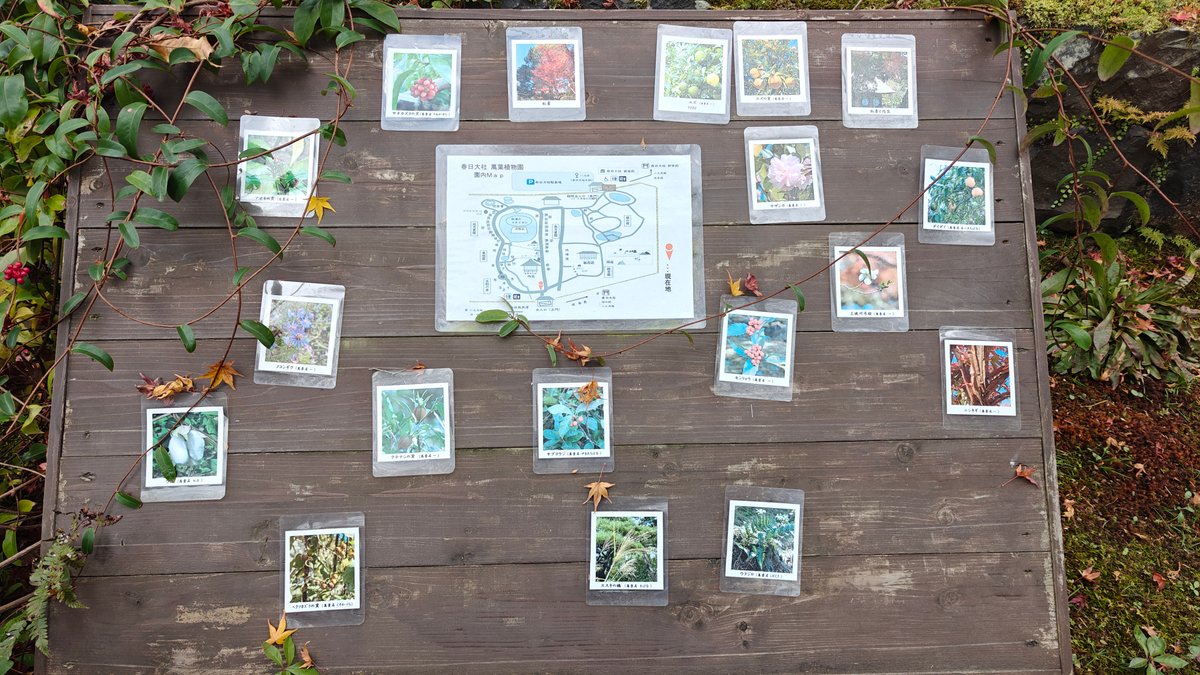
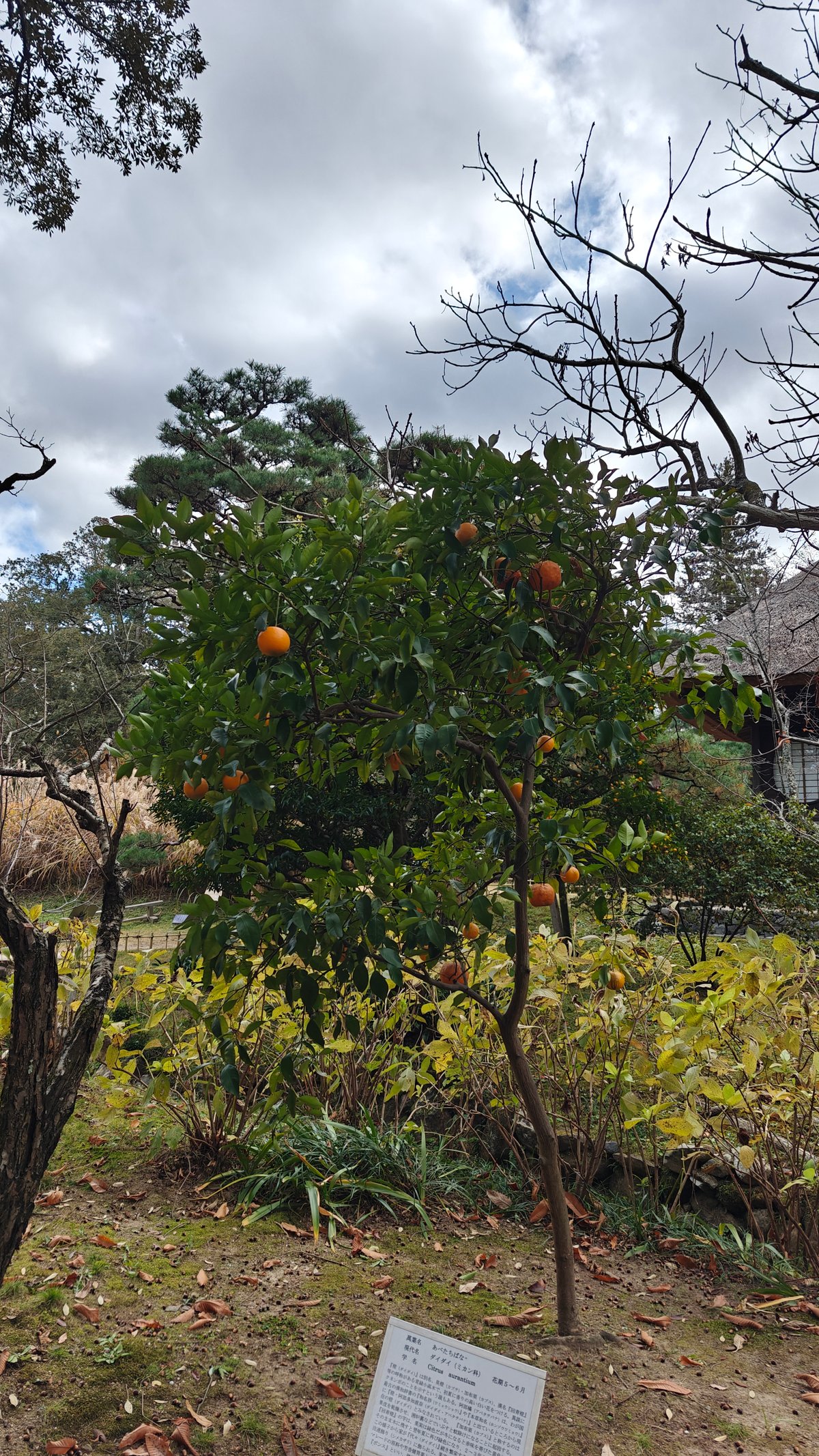
It is divided into various sections where plants are named after lines from classical poetry. All of them have little labels explaining that. It was late in the season so some areas were quite sparse, but they did still have berries and flowers here and there, and each plant had a little label.
I read some of them out of curiosity!

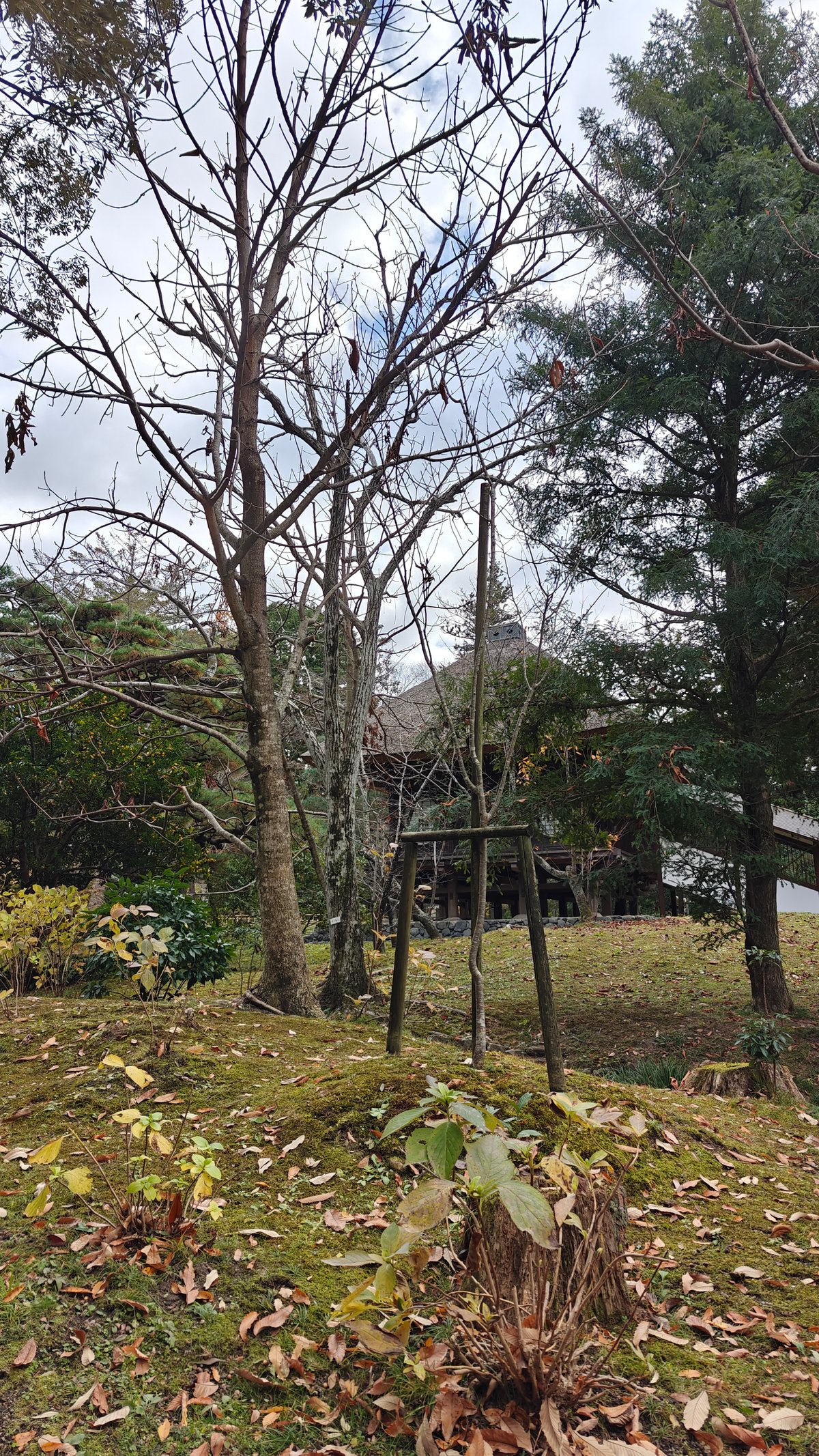
A little farther down is an area around a pond with a small waterfall, and a stone lantern resting on its shore. After all of the people at Todai-ji, it was nice to sit here where I could barely hear the sound of the water, almost as if it were a tiny wonder in itself.
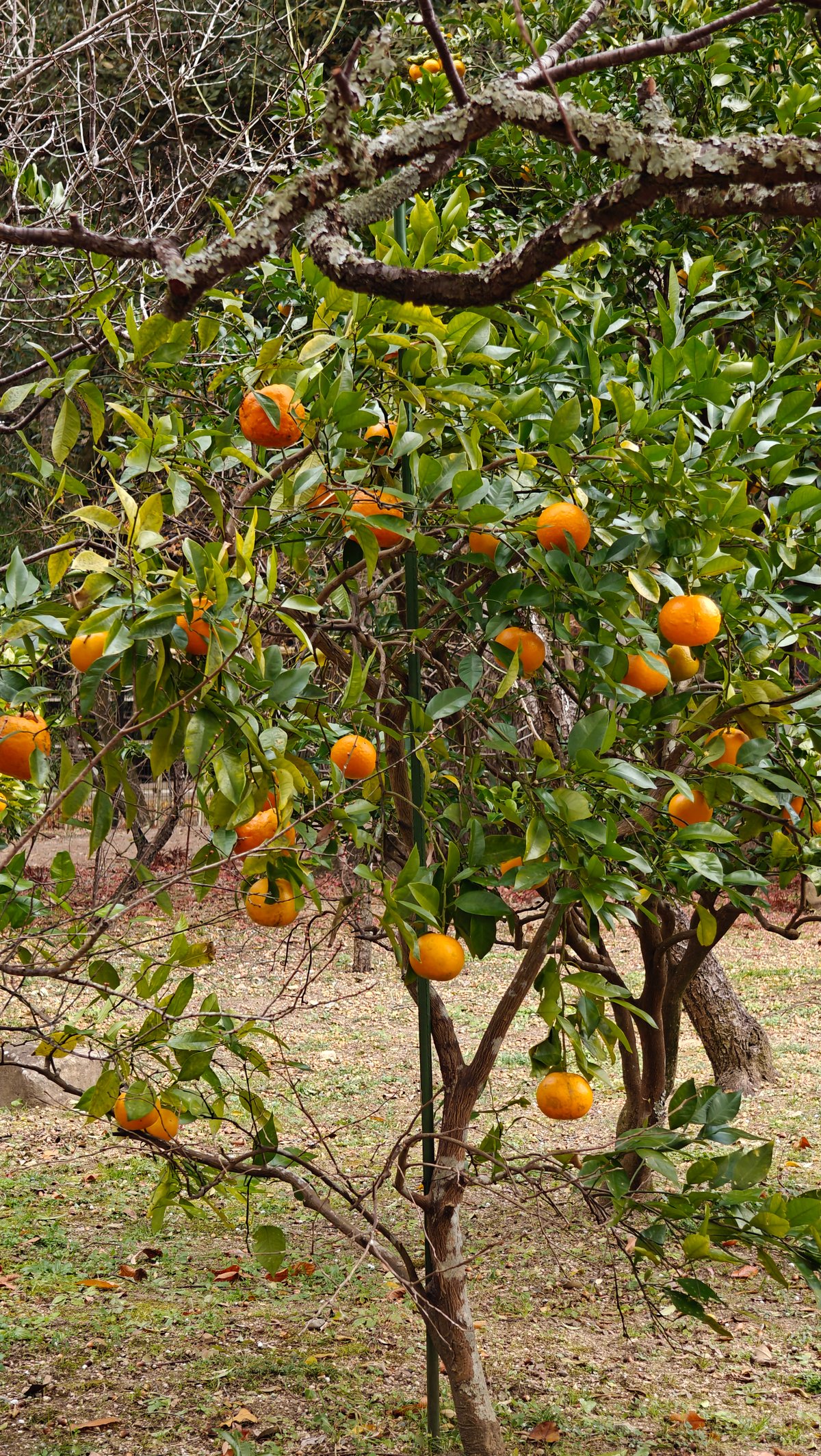


This old wisteria whose trunk is as thick as my waist was one highlight. It didn’t bloom, natch…but you can see where the trellis was constructed to hold it up…and I could only imagine what it’d be like in springtime. It must be pretty incredible.
There was also an area with a bamboo grove and lots of open grassy spaces.
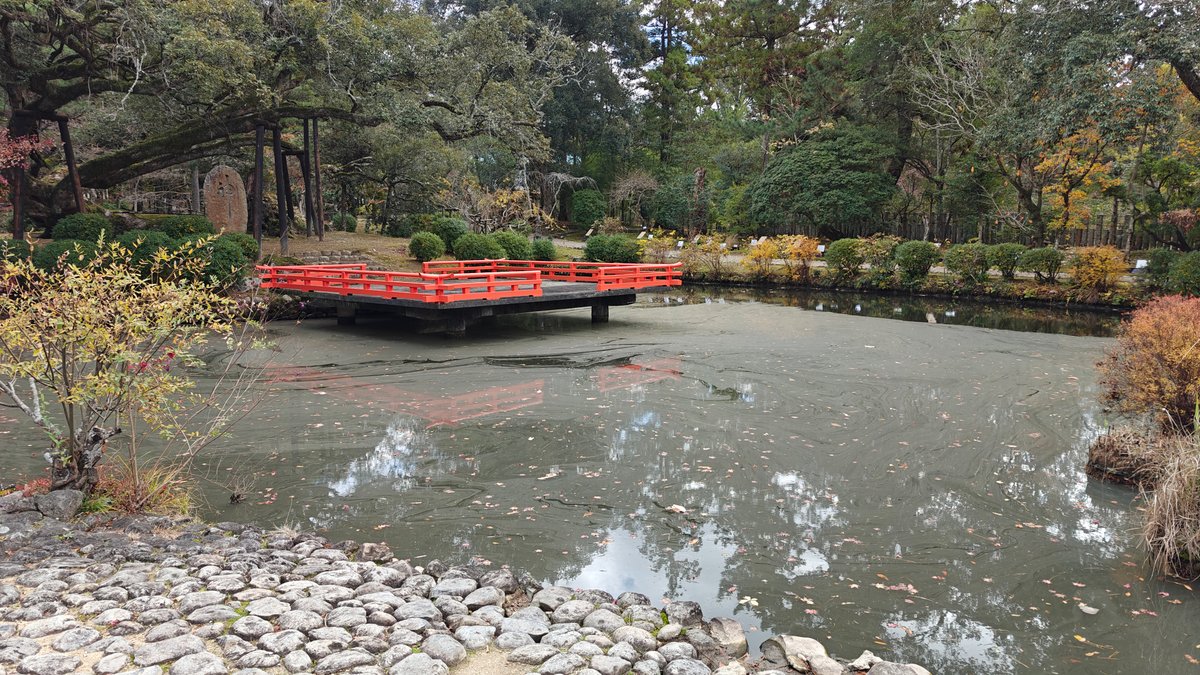

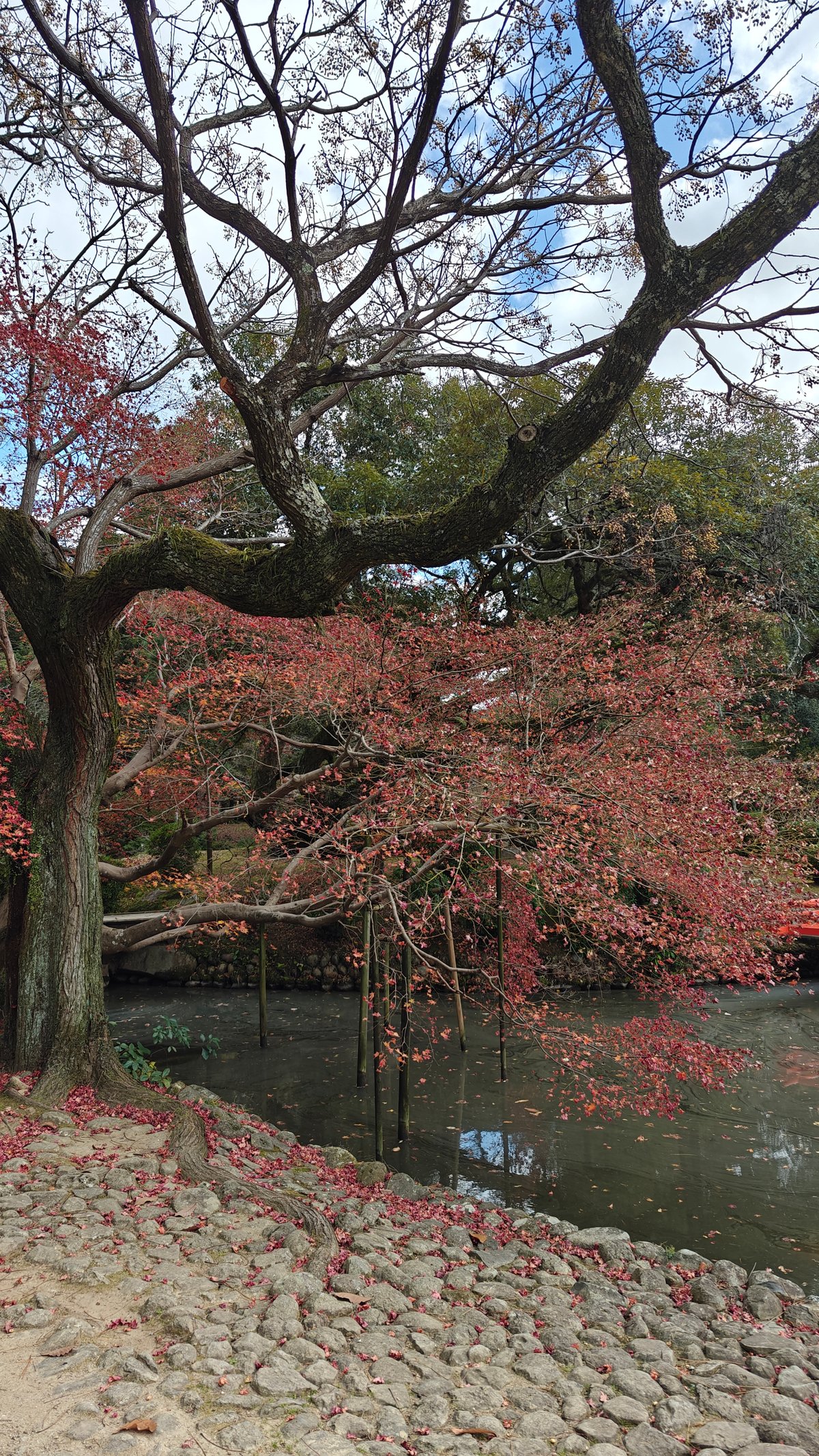
I saw a deer sleeping on one of the trails there. Yep, they’re all over Nara! There wasn’t much else to see so I wandered around for about forty minutes without rushing anywhere, just taking it easy.
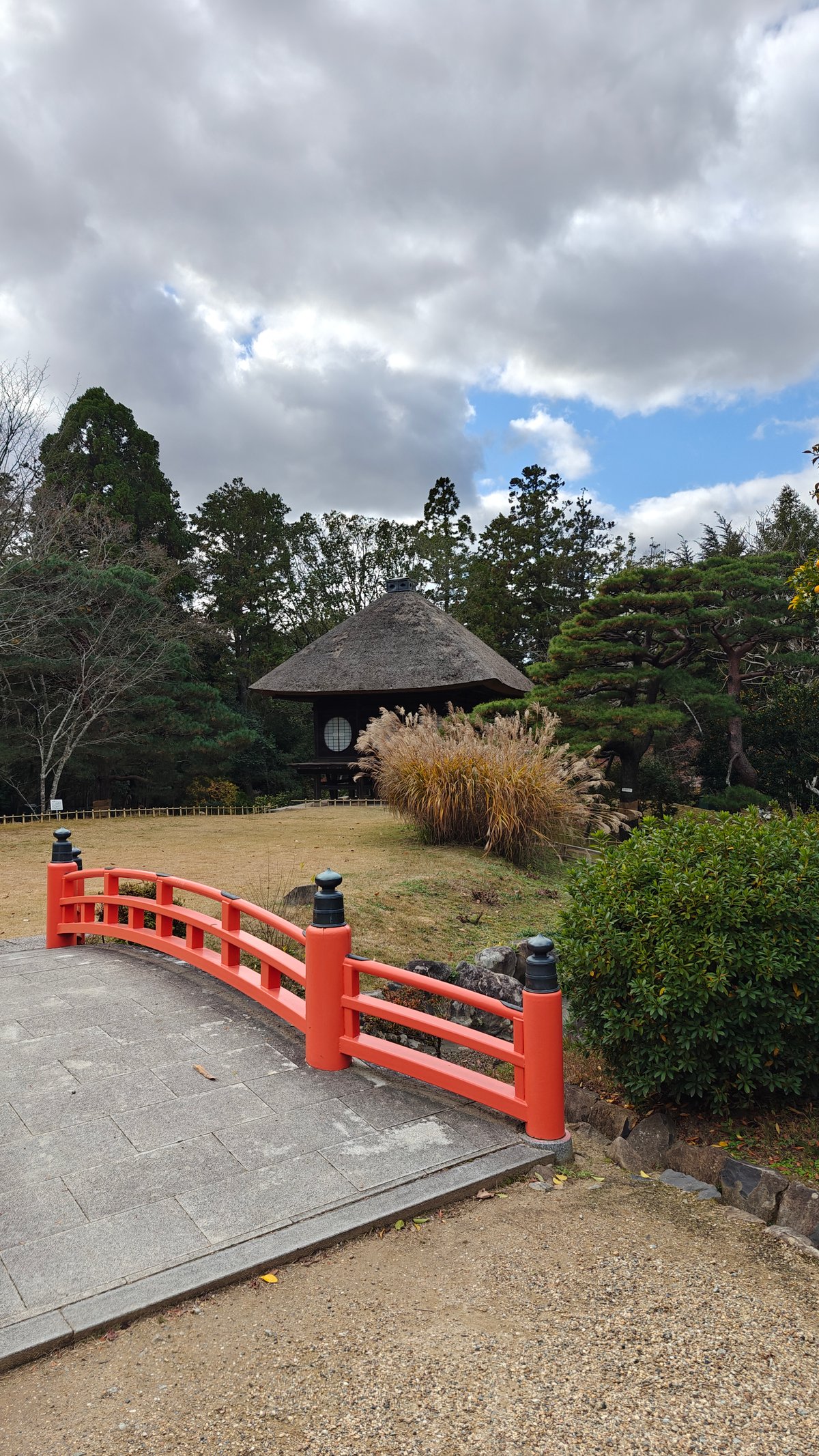
There is also a tiny thatched pavilion set high on a hillock near the exit. It looked nice from down below, though I didn’t bother climbing up to it. Overall, the whole garden seemed like a spot where locals would retreat when they wanted to get away from all the tourists, and I was happy I happened upon it.
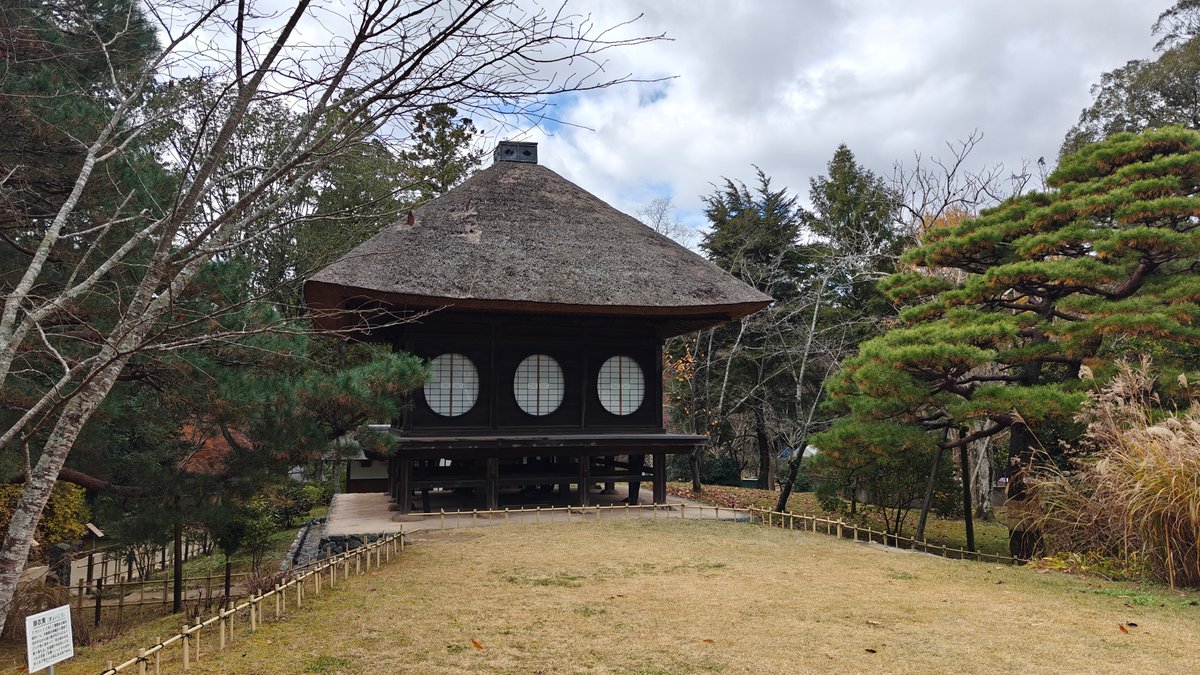
I was hungry by this point; it’s always nice when you get to the end of the garden and you’re ready for some food.
Yonezawa Beef Teppanyaki
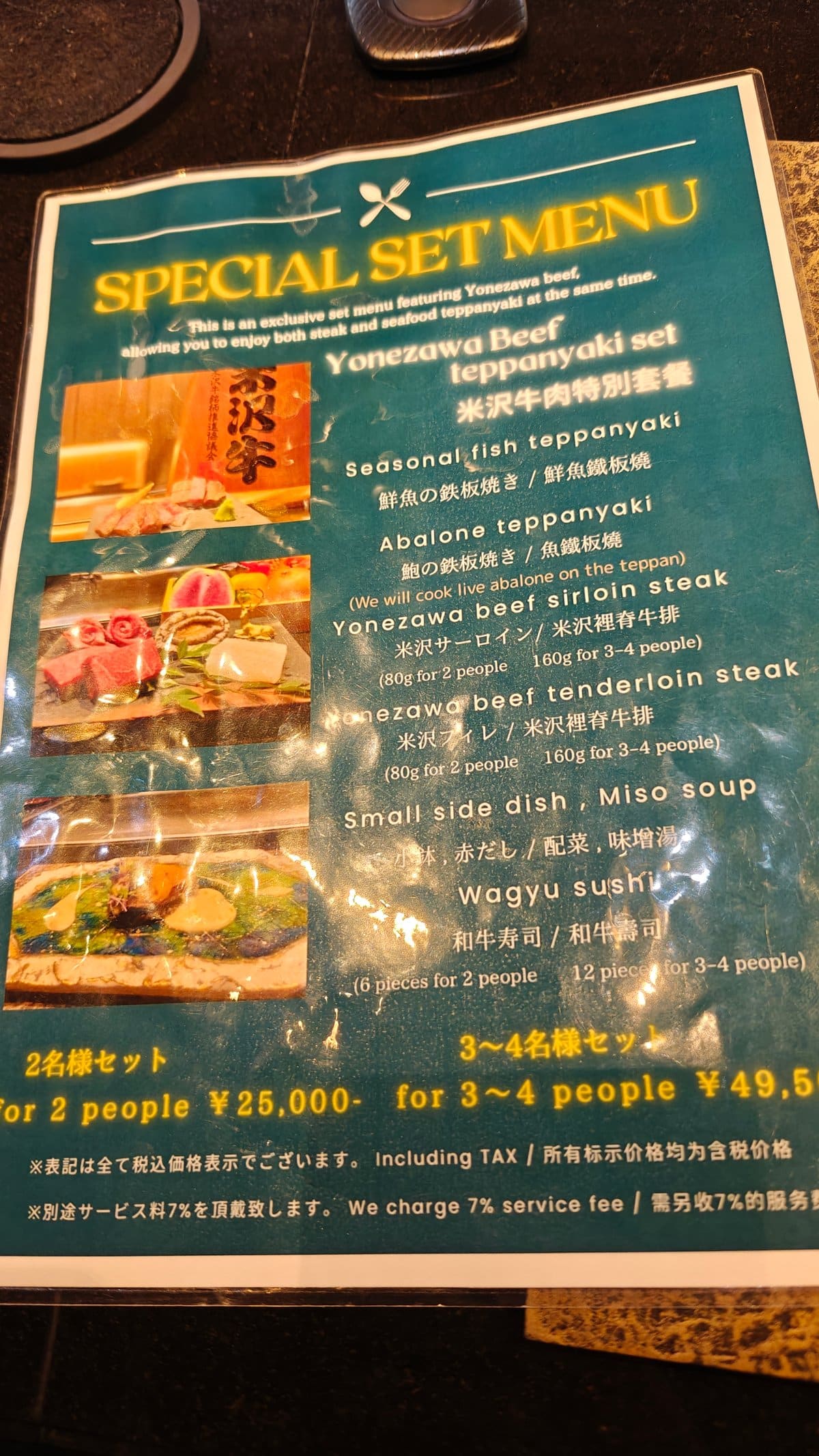
I had bookmarked a teppanyaki place on my phone and went there. It was a tiny focus restaurant, only a couple counter seats overlooking the grill. I ordered one of the set menus: Yonezawa beef, abalone, vegetables and fish.
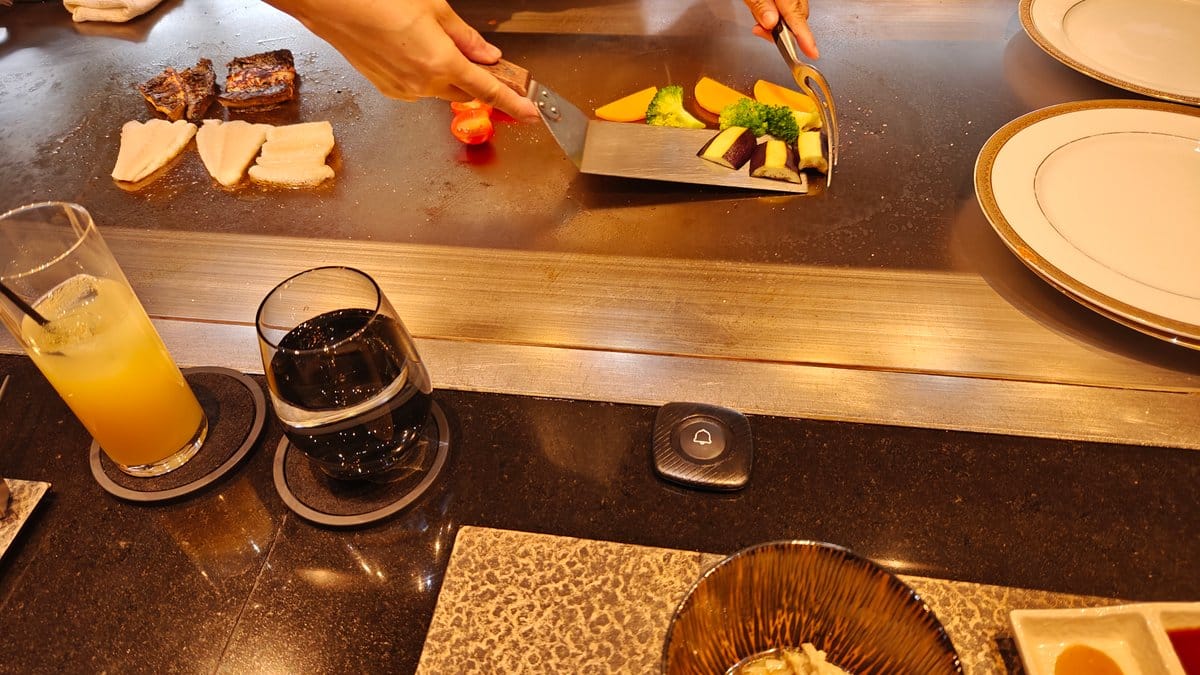
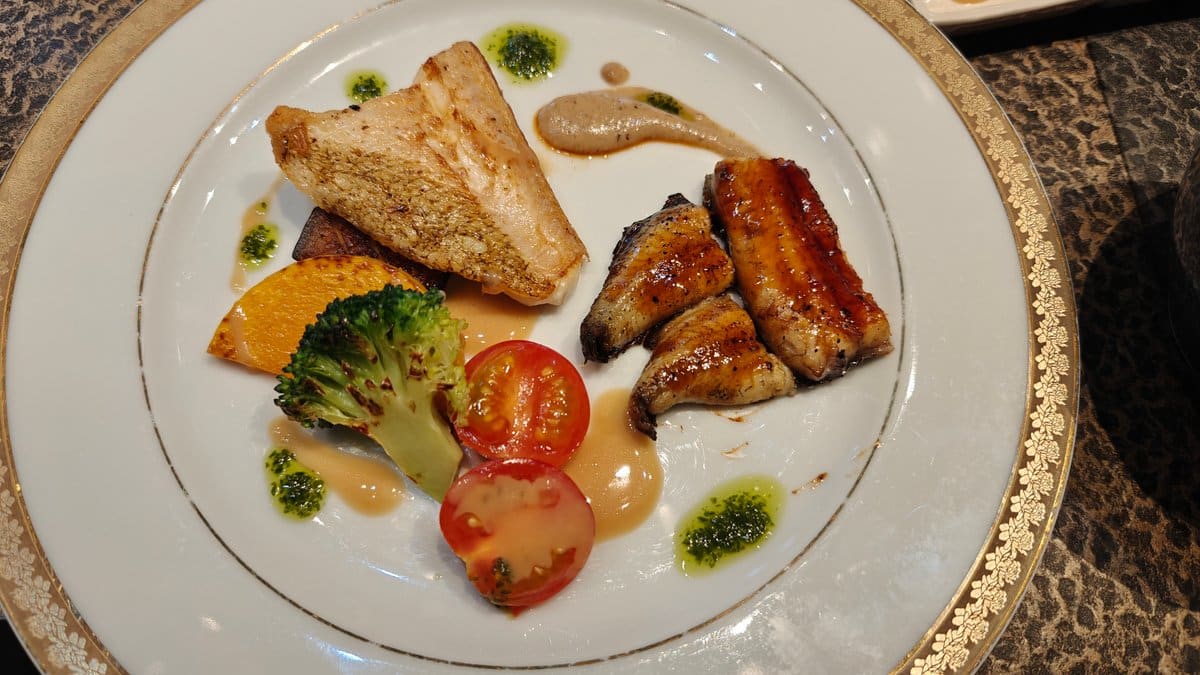
The whole experience is far more interesting seated as you are watching the chef work away directly in front of you rather than just sitting at a table. Grilled quickly, he then plated up the fish, served simply with a light sauce. Simple, but really fresh; not a dish that needs much fussing around.
Then came the abalone, which the chef grilled at my table with a squeeze of lemon over it. I couldn’t stop smelling the citrus (and butter) as it cooked for several minutes.
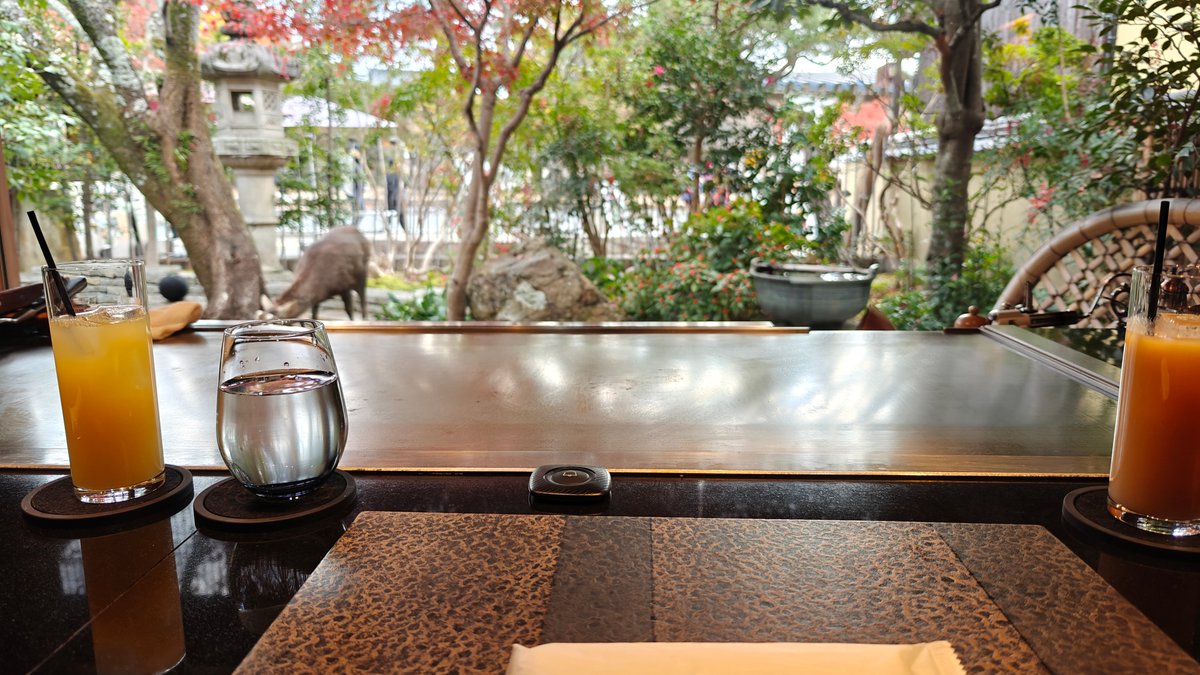
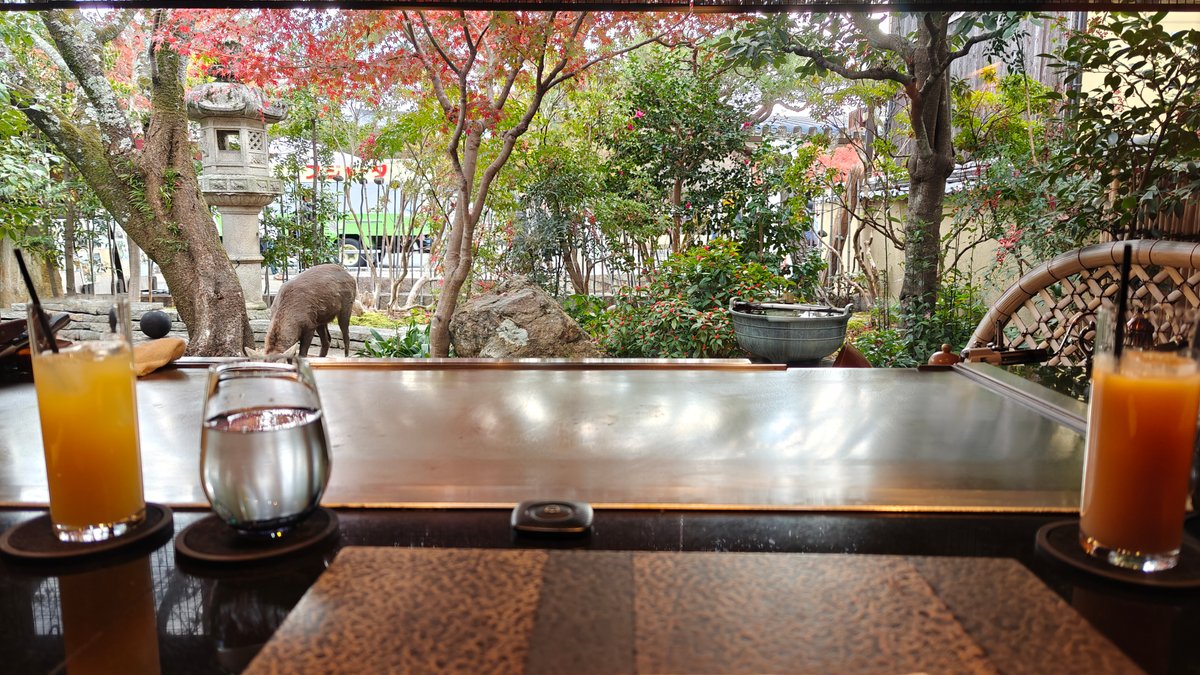
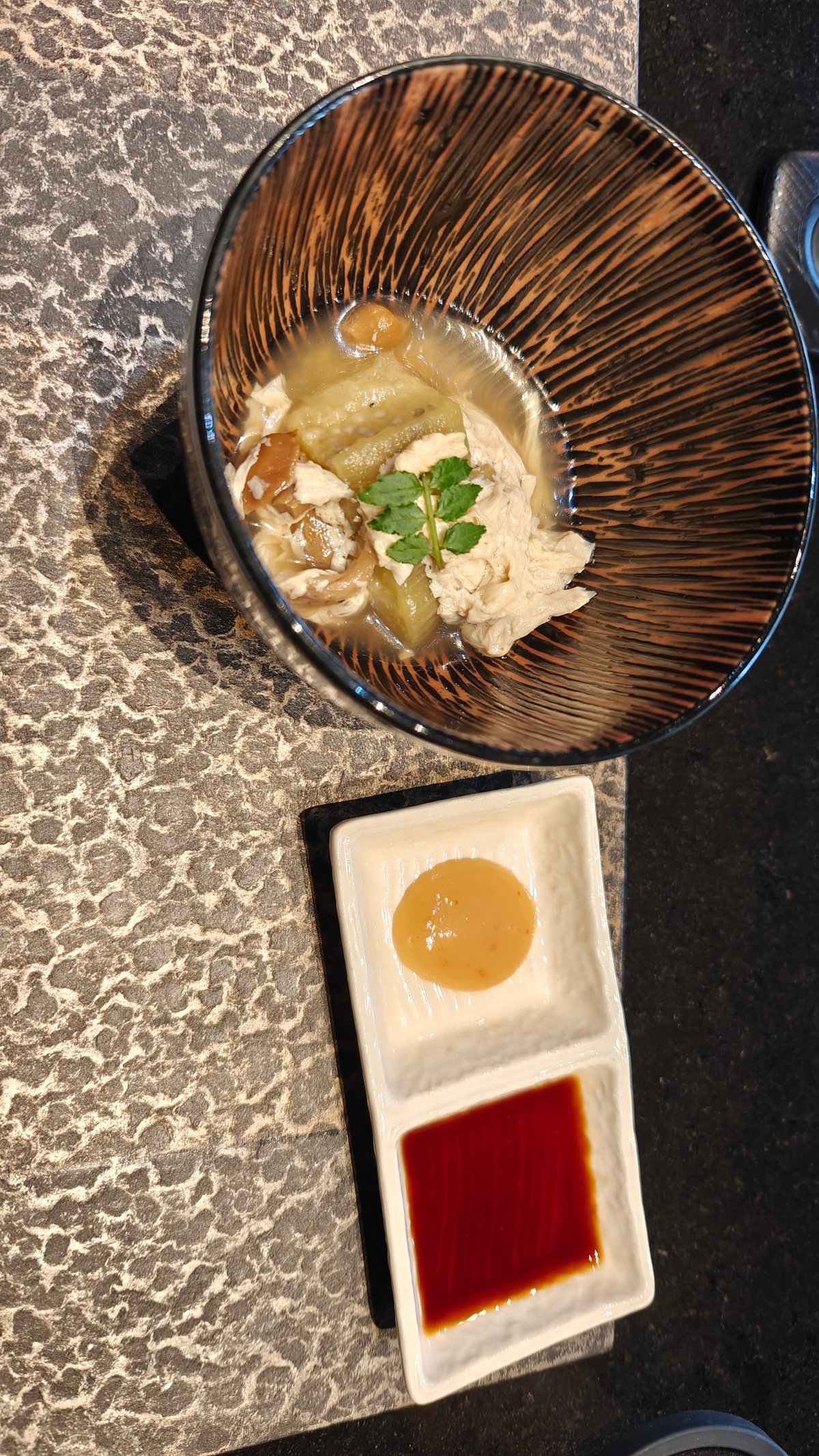
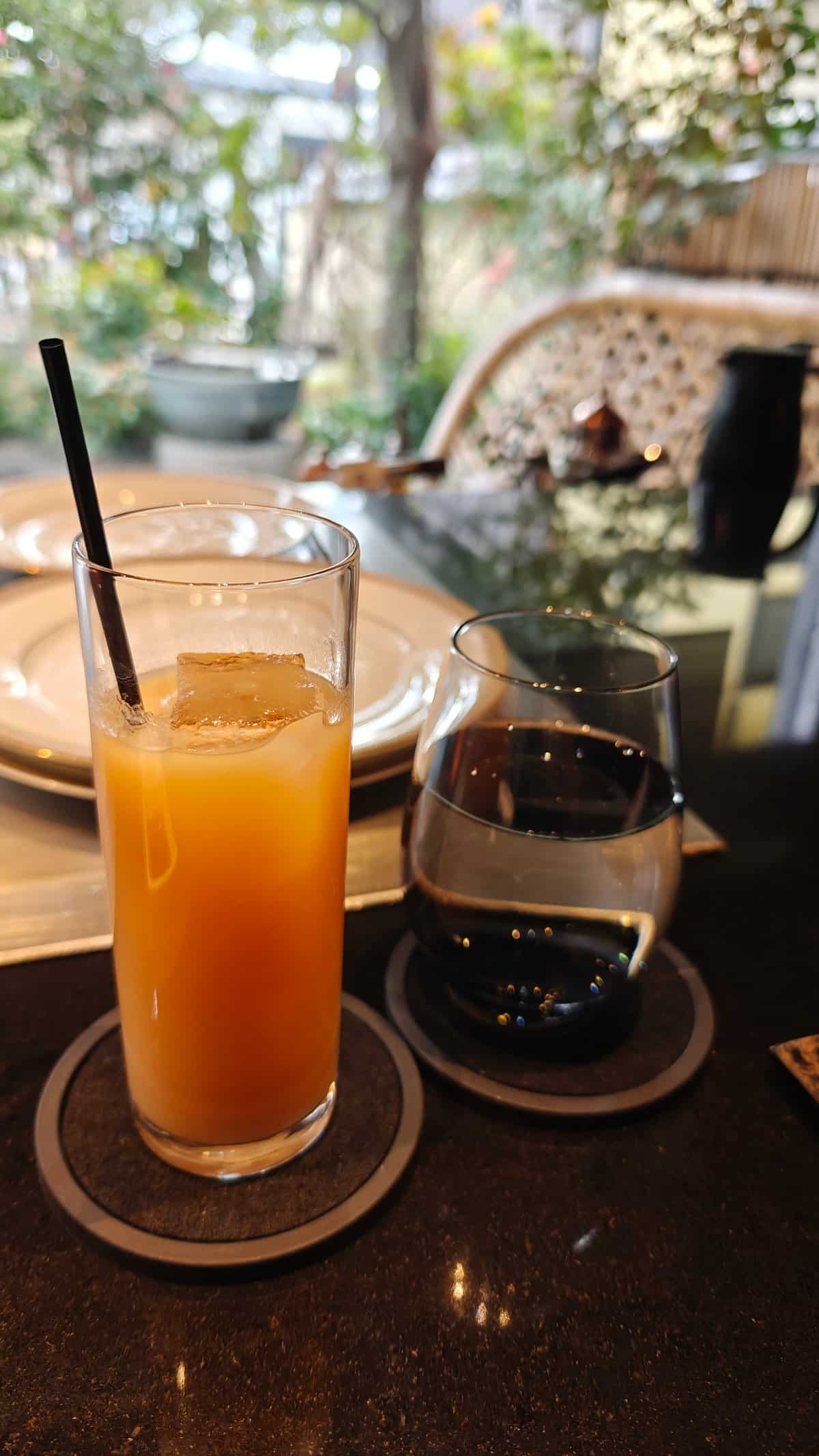
Once finished, the meaty abalone was tender and slightly sweet. I hadn’t fully experienced that before, but I ended up loving it. After that, some tofu and vegetables, seasoned sparingly and cooked in the same butter.
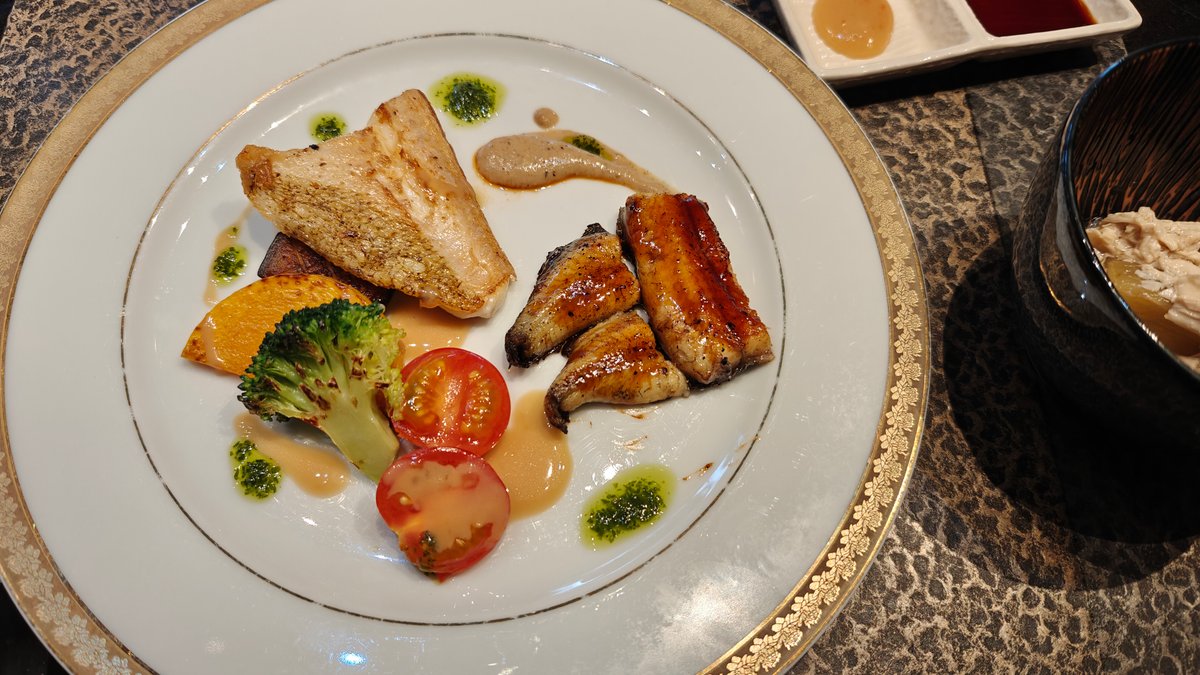
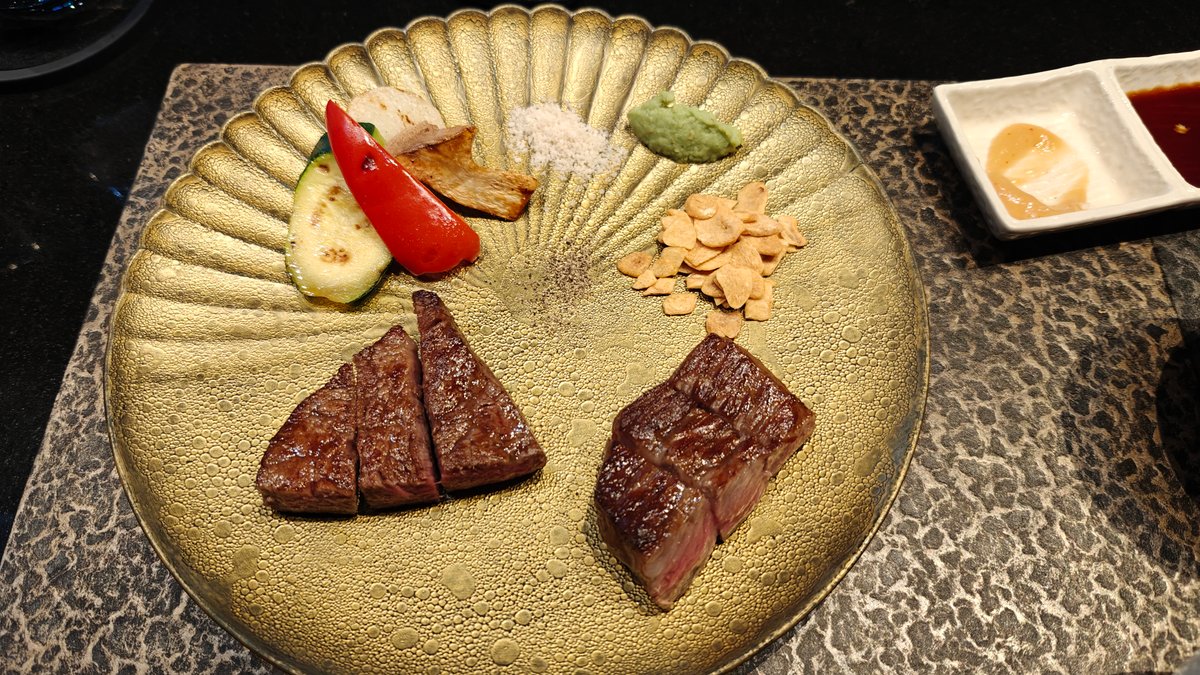
Even the vegetables were good; crisp and flavorful without any greasiness whatsoever. And finally, there was the beef. Out comes the tenderloin, and the chef slices it up right at the table.
Even without cooking it yet, you could see how marbled it was.
He quickly threw it on the grill, only long enough to sear the exterior, then plated it alongside some condiments: wasabi, salt, garlic chips. I took a bite with just salt. Oh yeah.
This was some good stuff. Rich, buttery, just melt-in-your-mouth beef. It is the sort that melts before you can even chew it.
To finish things off, we had some nigiri with wagyu. That was unexpected. The meat is lightly seared on top, and the rice is still warm below.
It was a small bite, but it had so much flavor.
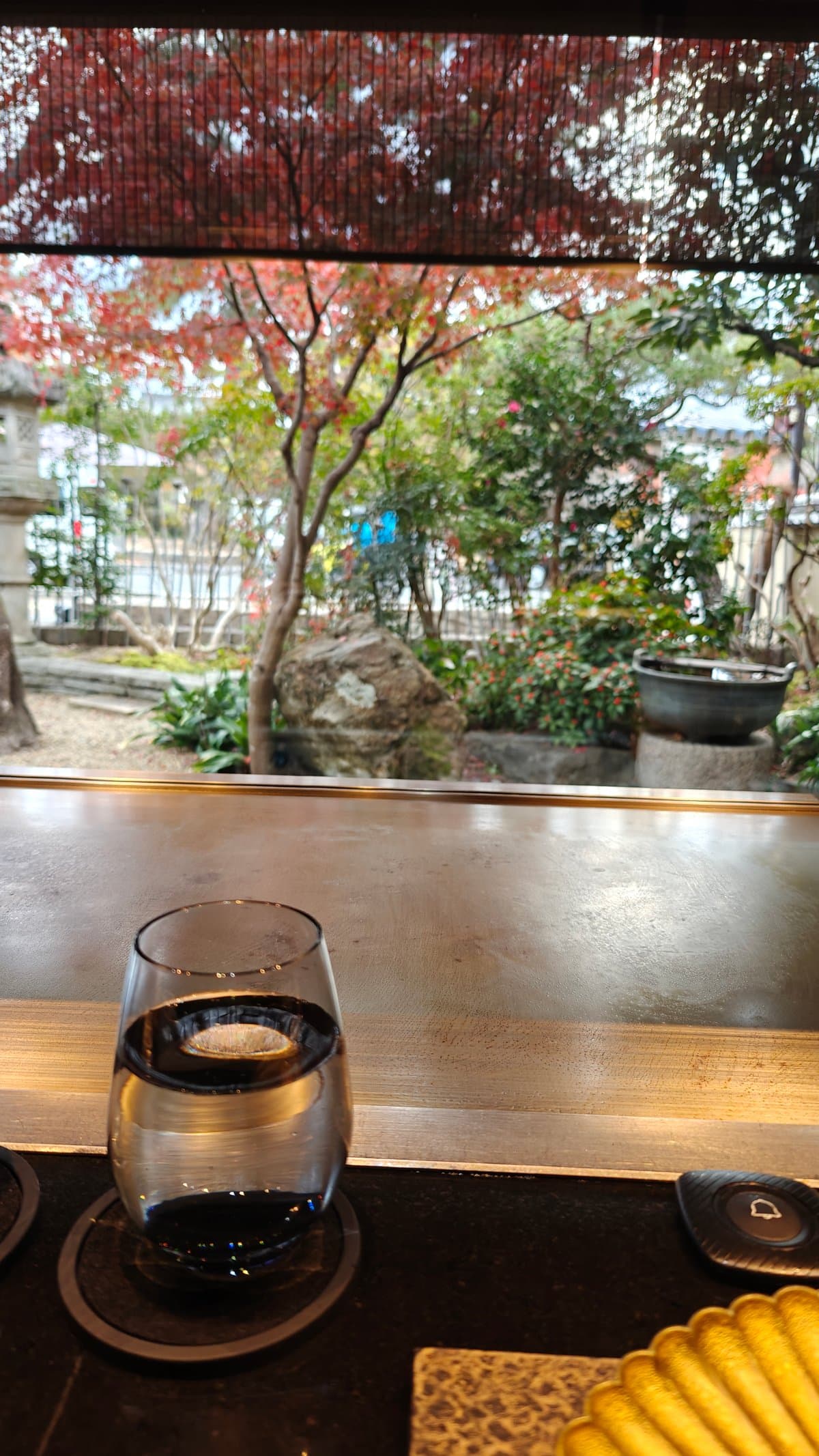
There’s also a view of the garden outside from where I sat (at the counter). It’s always great when you can watch what’s happening in the kitchen; it actualy made the whole experience more interesting than just sitting at a table. Everything lasted perhaps an hour.
And it was one of those meals that feels as if everything is paced perfectly; neither rushed nor dragged out. I felt completely satisfied but not bloated at all when I got up to leave, which was ideal because I needed to take the train back to Kyoto. In the end, however, Nara was far more than I thought.
It was fun with the deer, worth visiting for the temples, and had some other quiet areas (such as the botanical garden) that made for a nice balance to the day. Overall, I’d recommend making the trip if you’re in Kyoto and have a free day. Have you been on a day trip to Nara?
Are you thinking of going? Let me know if you have any questions about visiting or about your trip.