
Ask me which is better: Kyoto or Osaka? It’s not as easy a question as you might think. After all, I’ve been back and forth between these two cities so many times.
I can’t even say anymore whether they’re an hour by train (they are) or worlds apart (they could be). One is quiet, calm, and covered in centuries of ritual, while the other is loud, hungry, and happily chaotic. I love both of them for very different reasons, though if someone put a gun to my head and said “you only get one for a week”…well, then I’d have to stop and ask myself what exactly do I want out of a trip?
So let’s break it down based off what matters most to me on the ground.
Osaka and Kyoto: What Is the Difference?
The Energy You Wake Up To

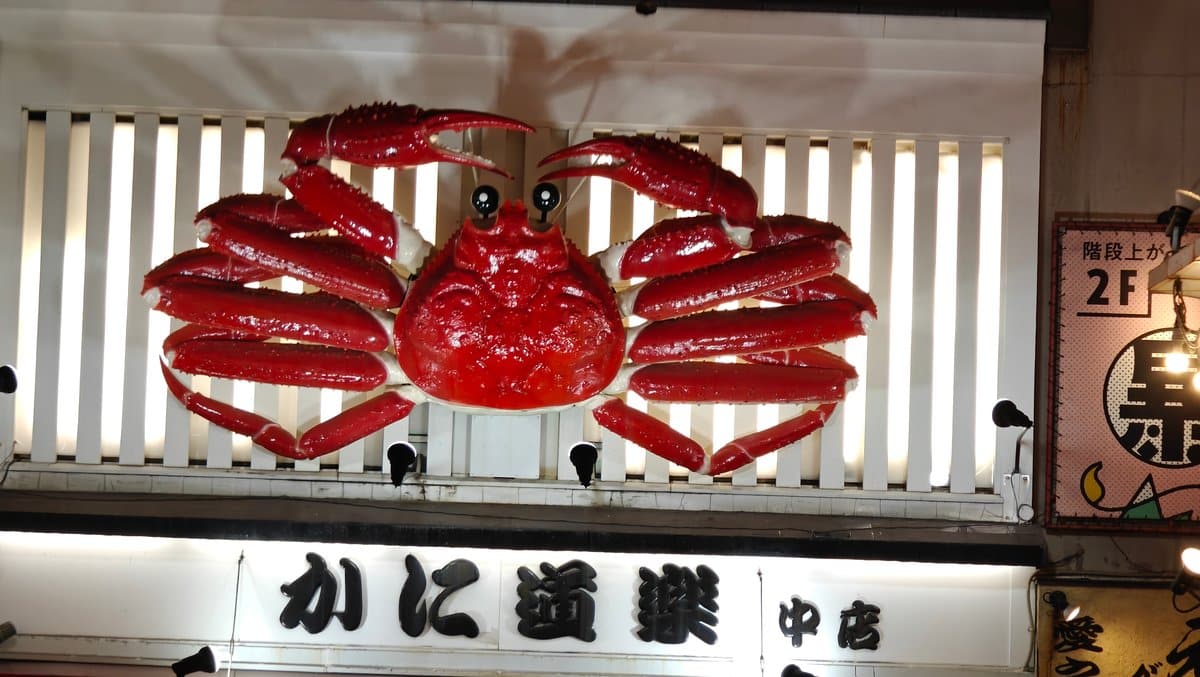
But what gets you as soon as you leave the hotel is Osaka. On that first morning, I walked out and got swept up in the pulse of the city (salarymen hurrying by), shutters banging open on shops, a man shouting lunchtime deals at 10am. It’s fast and hot and if you don’t go with it, then you’ll fall behind.
Take Dotonbori at night.
People is packed shoulder to shoulder, neon lights flash, and the scent of cooking food are in the air. It won’t hide its light, and it shouldn’t either.
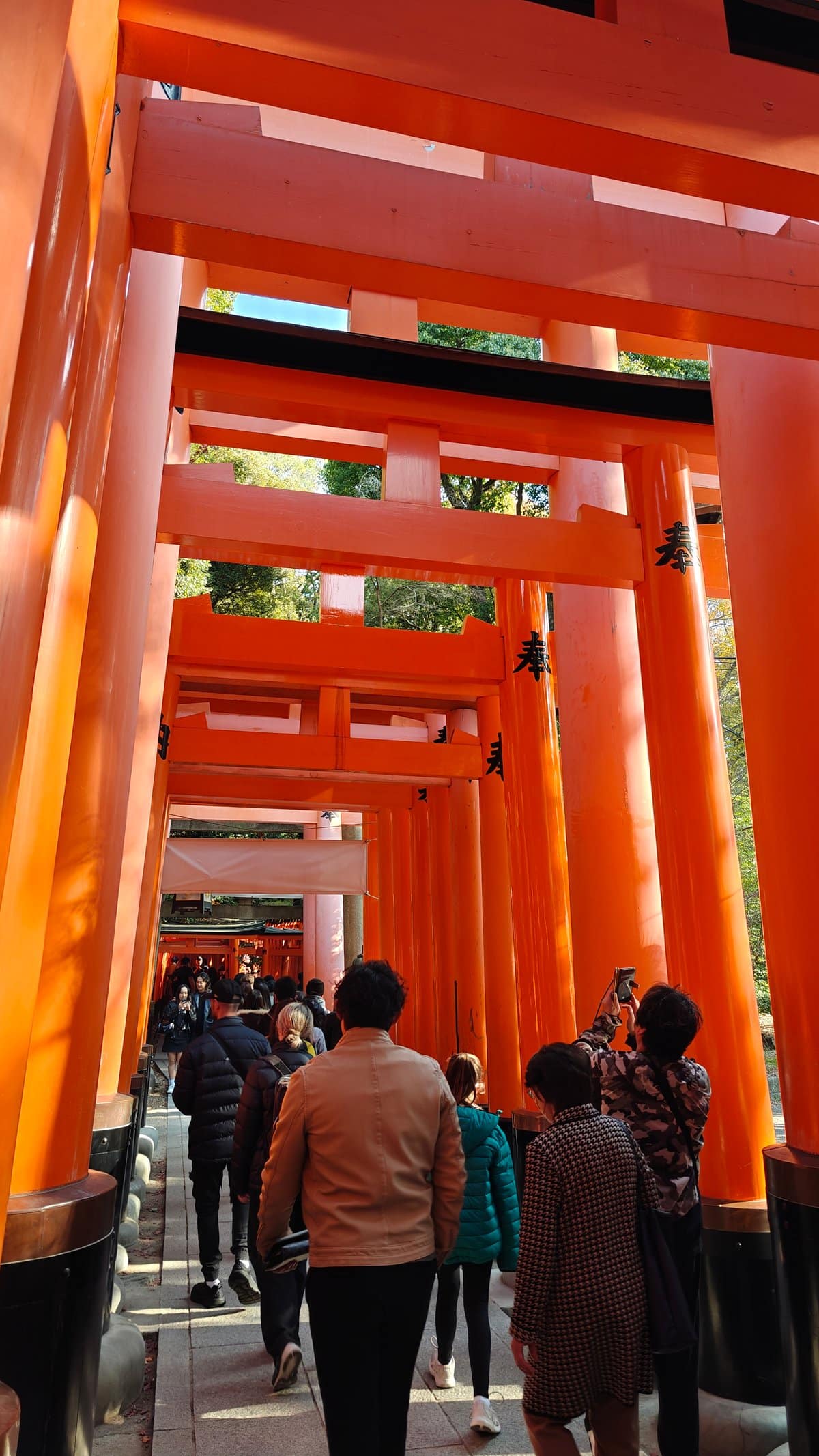
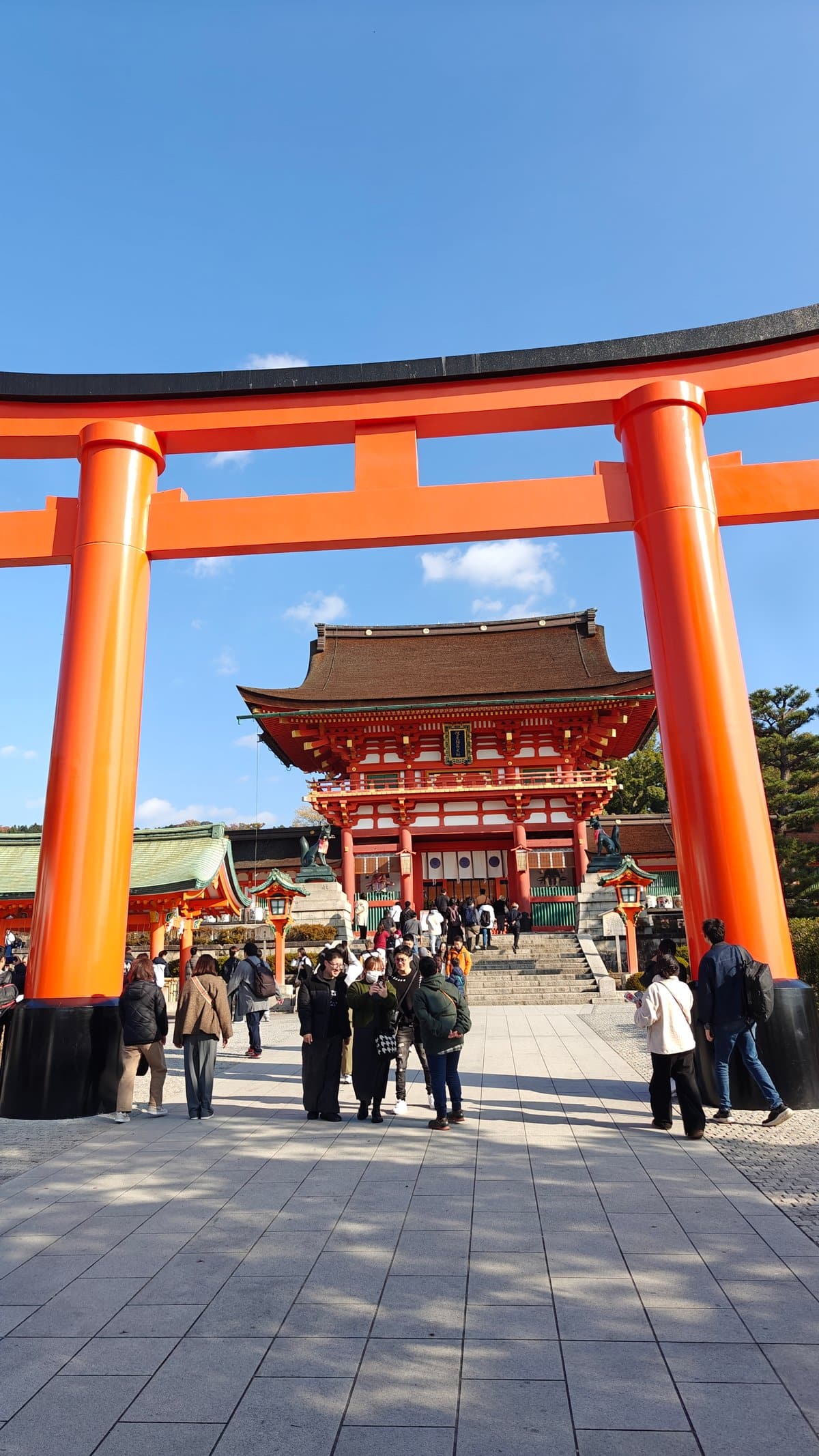
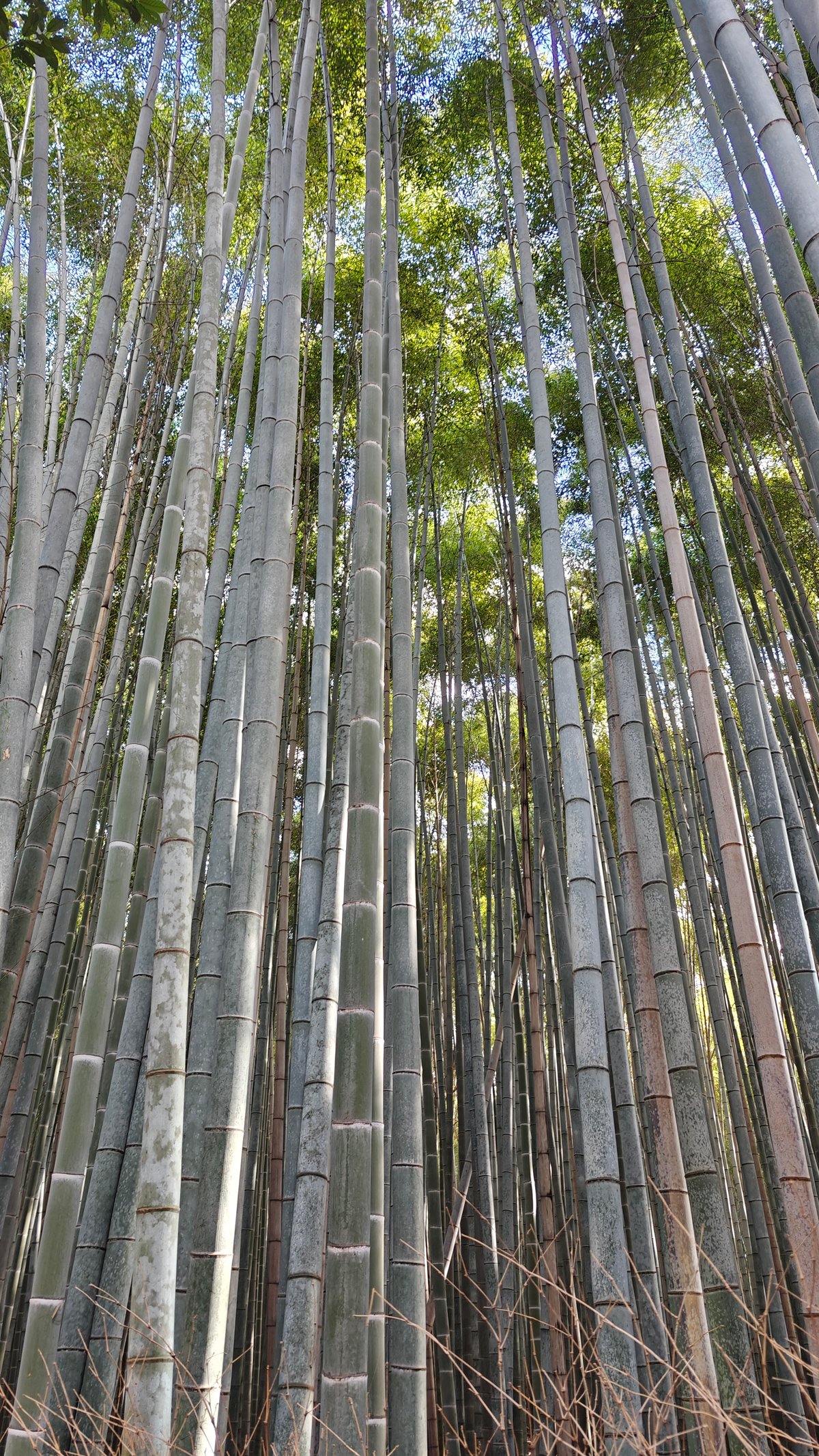
But Kyoto, well, it stir at its own pace. In the mornings I’d wander down peaceful residential lanes, past tiny gardens and carved wooden gates, the only sound the soles of my feet slapping and perhaps the ring of a bell somewhere off in the distance. Even the visitors do not break the illusion.
The way the city is set up, with bamboo forests and temples hidden among hillsides, helps preserve the peace. It was tranquility I sorely needed, truth be told, after spending a couple of days in Osaka.
What You Actually Eat
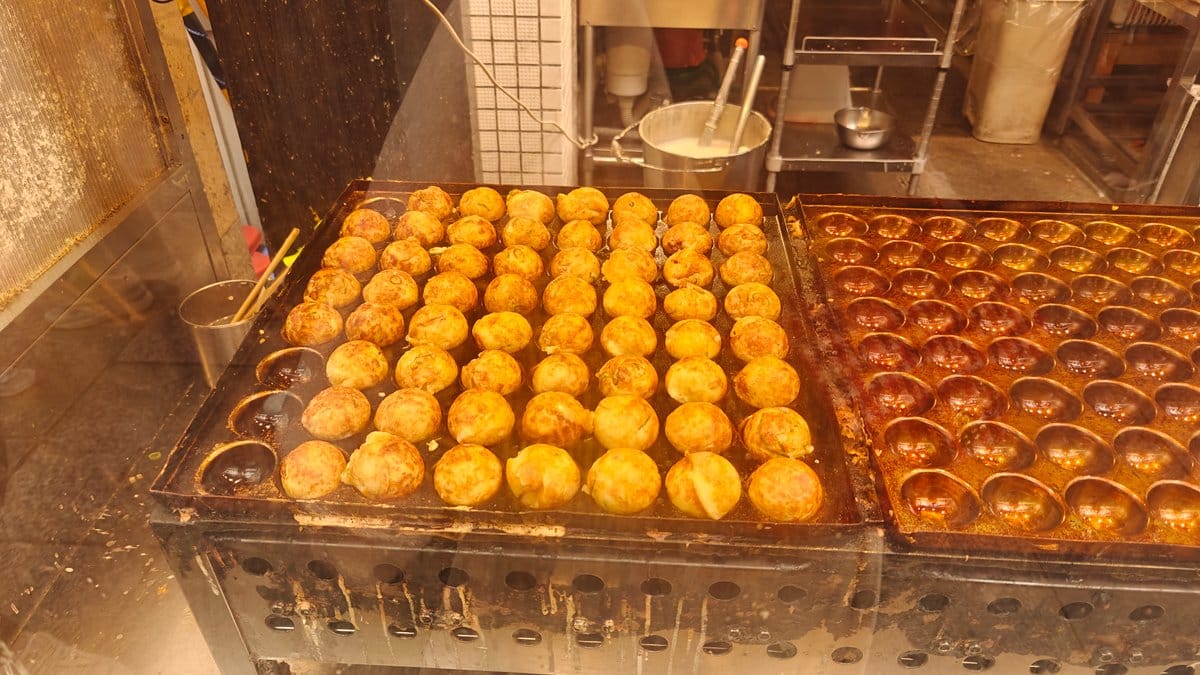
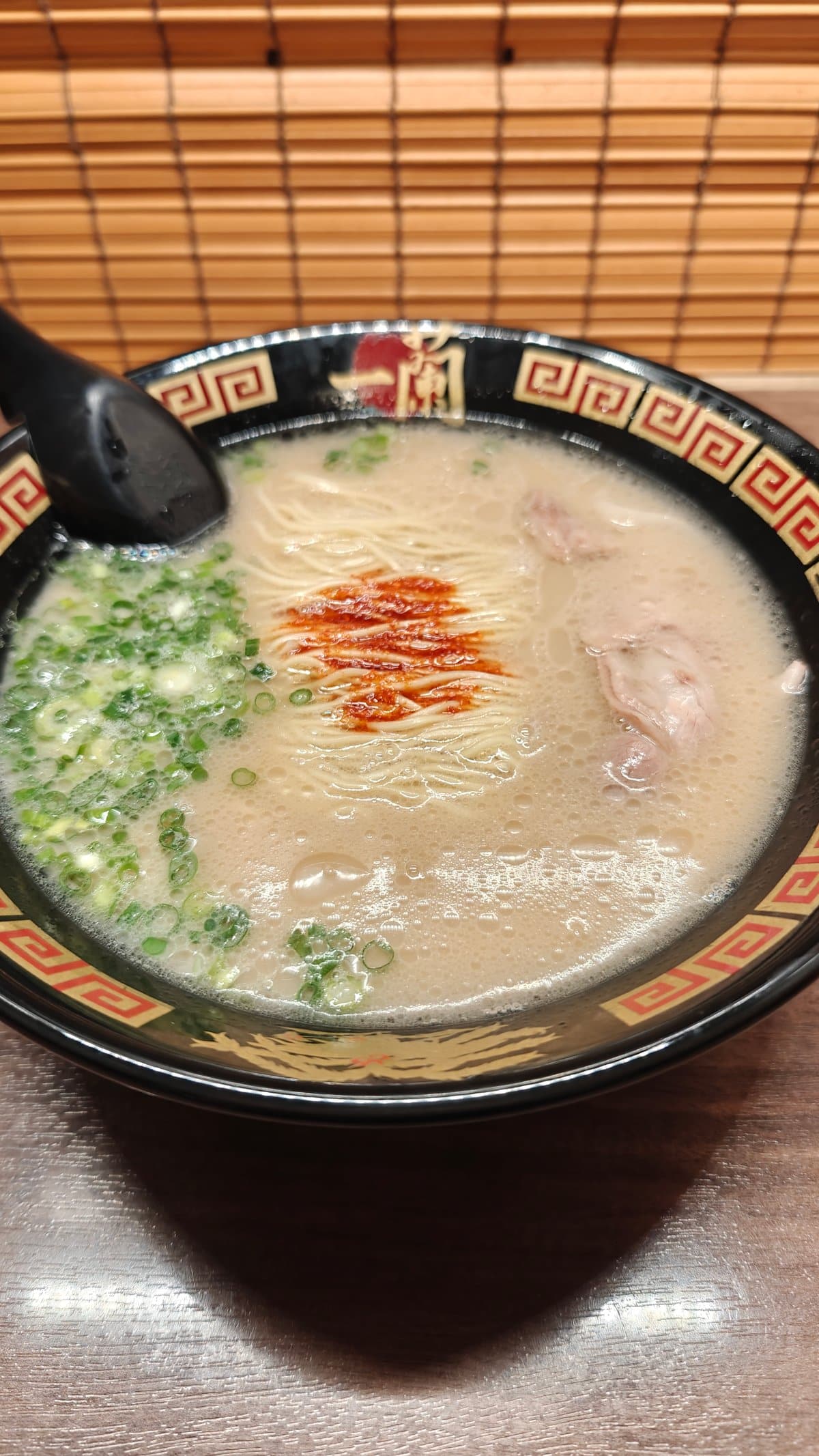
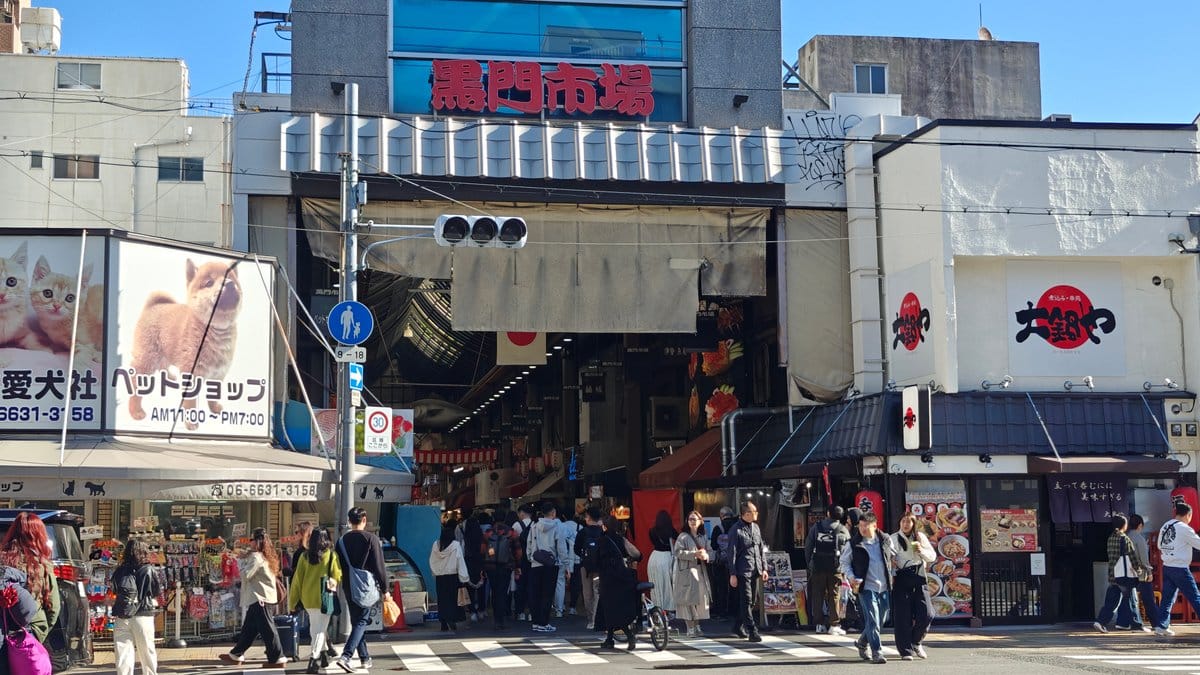
Osaka did win me over with my stomach. The food there are unpretentious and everywhere, ramen shops stay open till 3am, takoyaki stands on every corner, markets where people push free samples into your hands with no concern whether or not you’ll buy something. In fact, I ate too much in those three days but who cares?
That’s the entire point. It’s the city that was given nickname of “Japan’s kitchen” and they deserve it. There’s no need for a plan, no need for reservations…
Just walk around, eat, then keep walking.
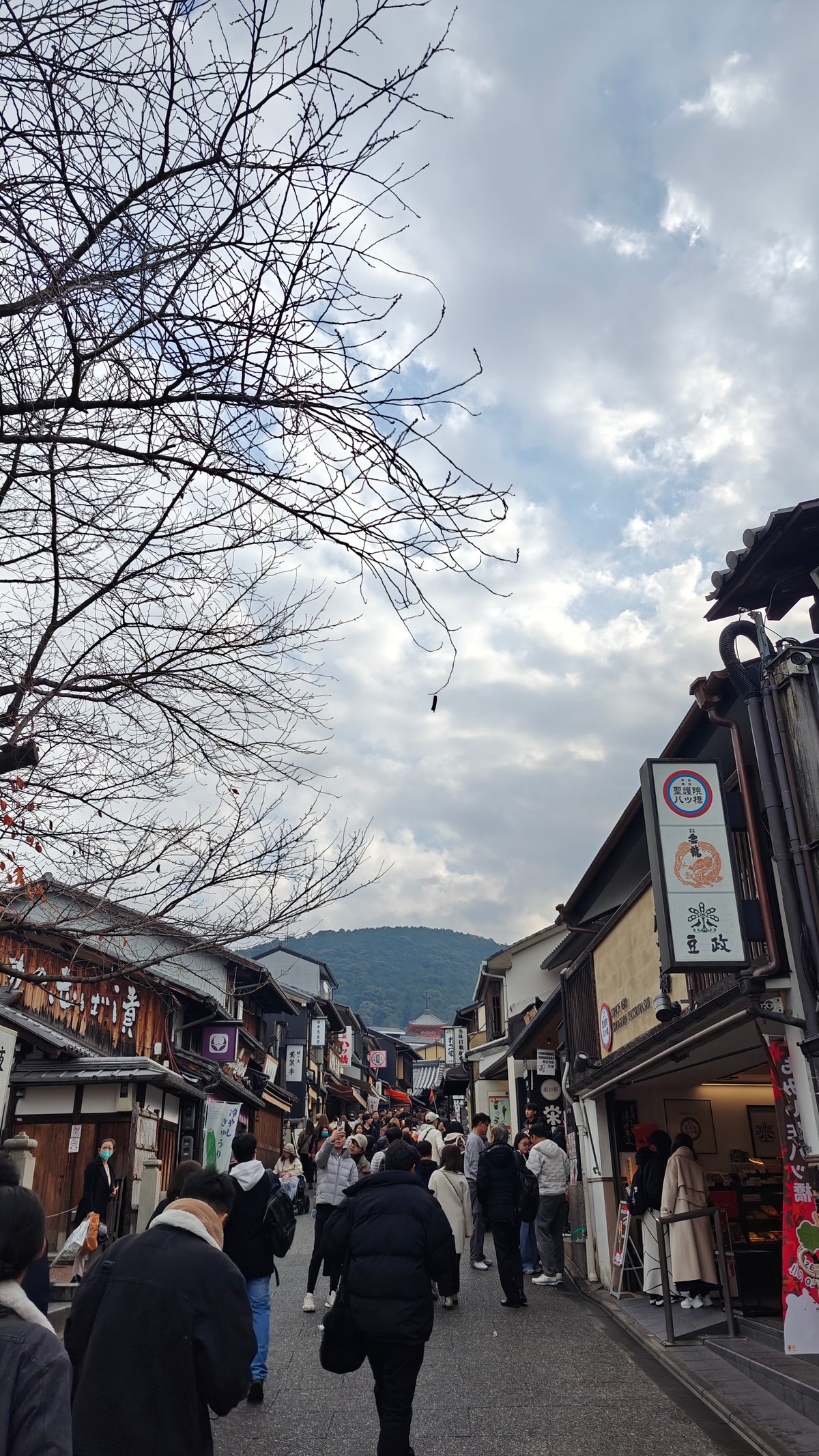
The food is amazing in Kyoto as well, just different. I found myself moving towards quieter locations, ordering yudofu or kaiseki, eating at places where restraint and presentation took center stage. There’s no denying that it’s all beautiful and the quality are perfect.
But there’s also something that takes a little more intent. In Osaka, it seemed like a great meal was waiting to be stumbled upon (in Kyoto), it’s planned for and chosen. It is not necessarily bad, just differenter.
Osaka, meanwhile?
How You Spend Your Time
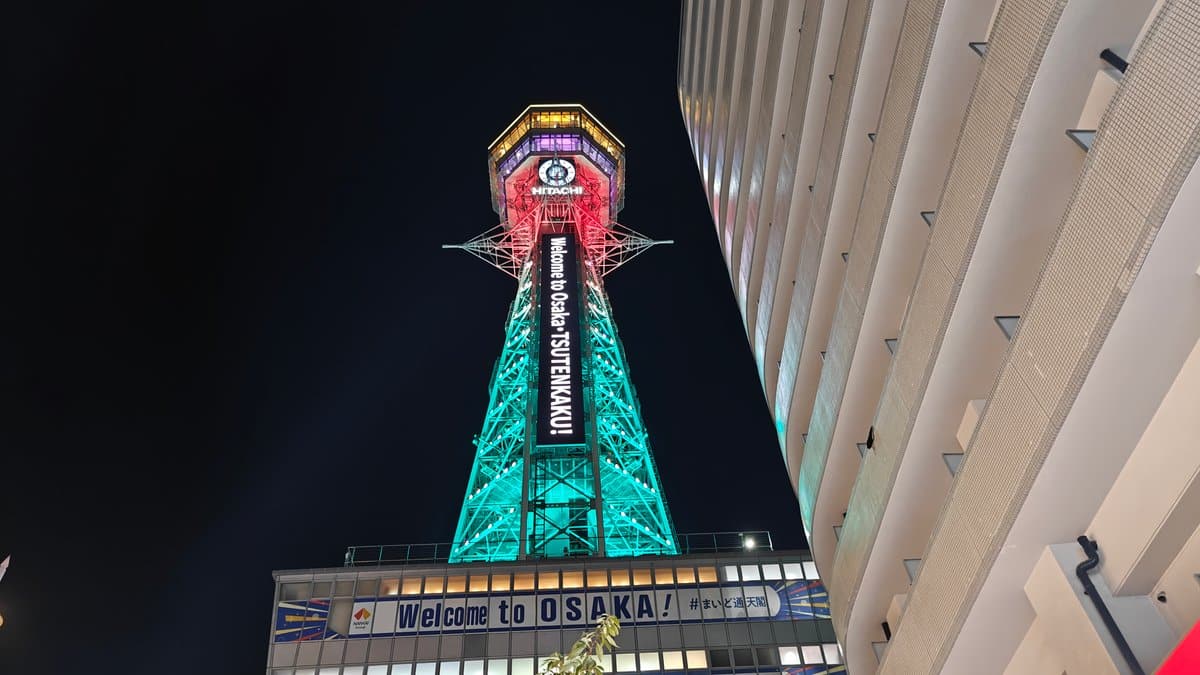
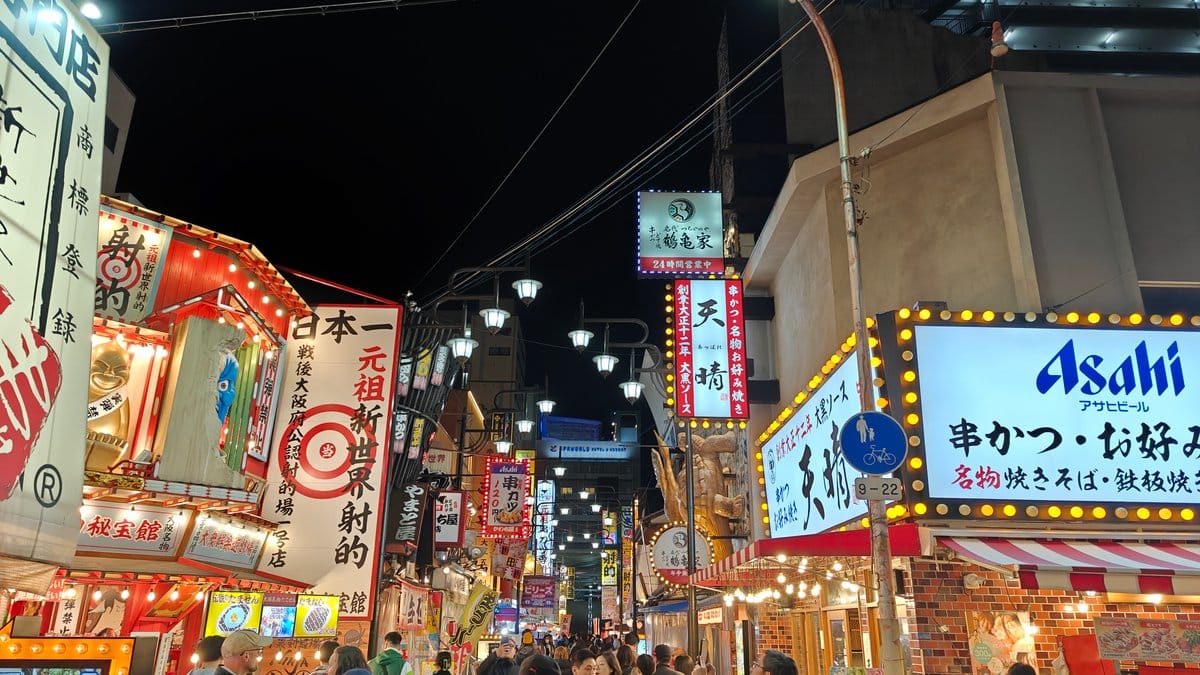
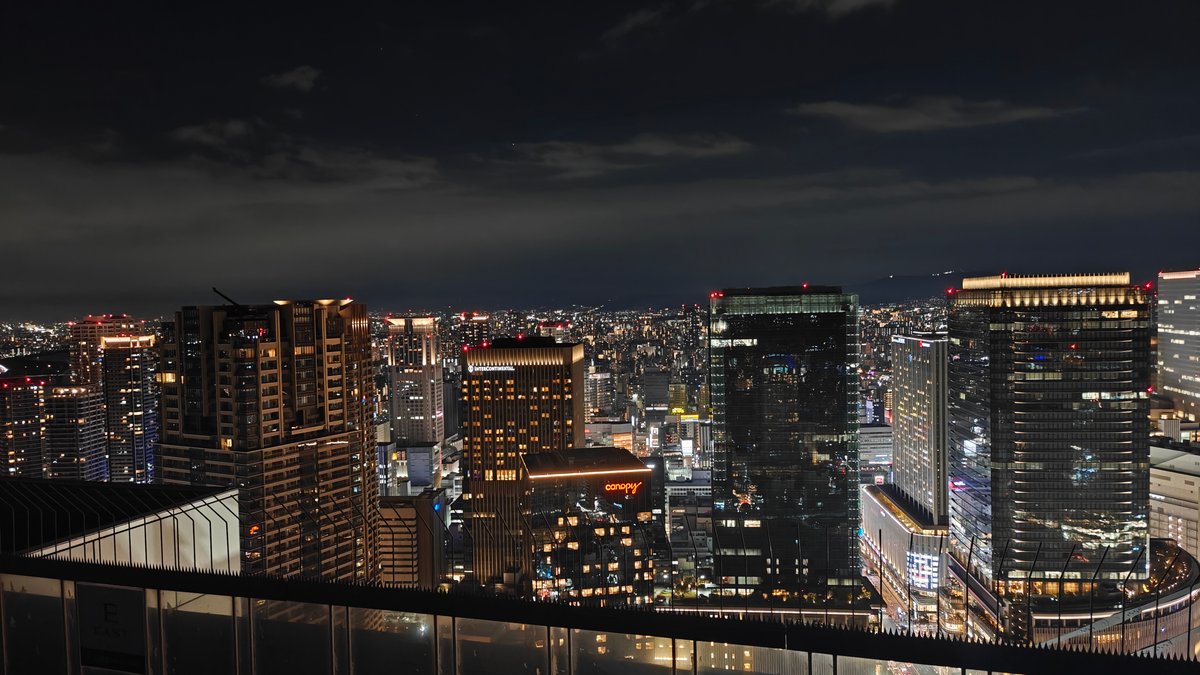
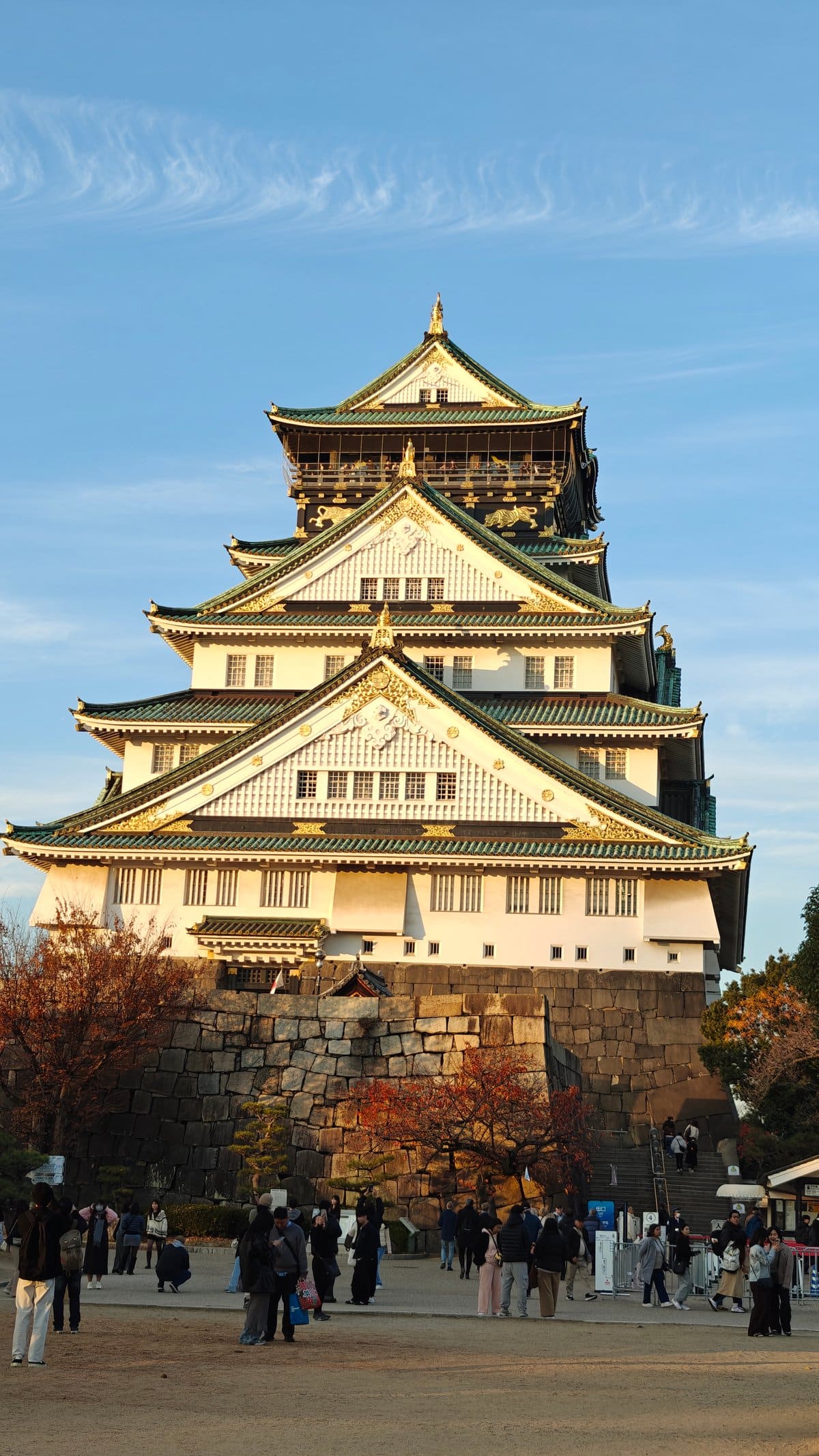
Most days was simply spent walking around. Sure, there’s stuff to see, the castle, the tower, the view from Umeda, but it’s really the street level that draw you. At night, I’d wander the narrow lit-up alleyways of Shinsekai like a pinball machine or stroll through some covered shopping arcade without any clear place to go.
It’s an aimless city that rewards being aimless. There’s no need for a checklist and, frankly, you’d likely just end up getting in your own way.
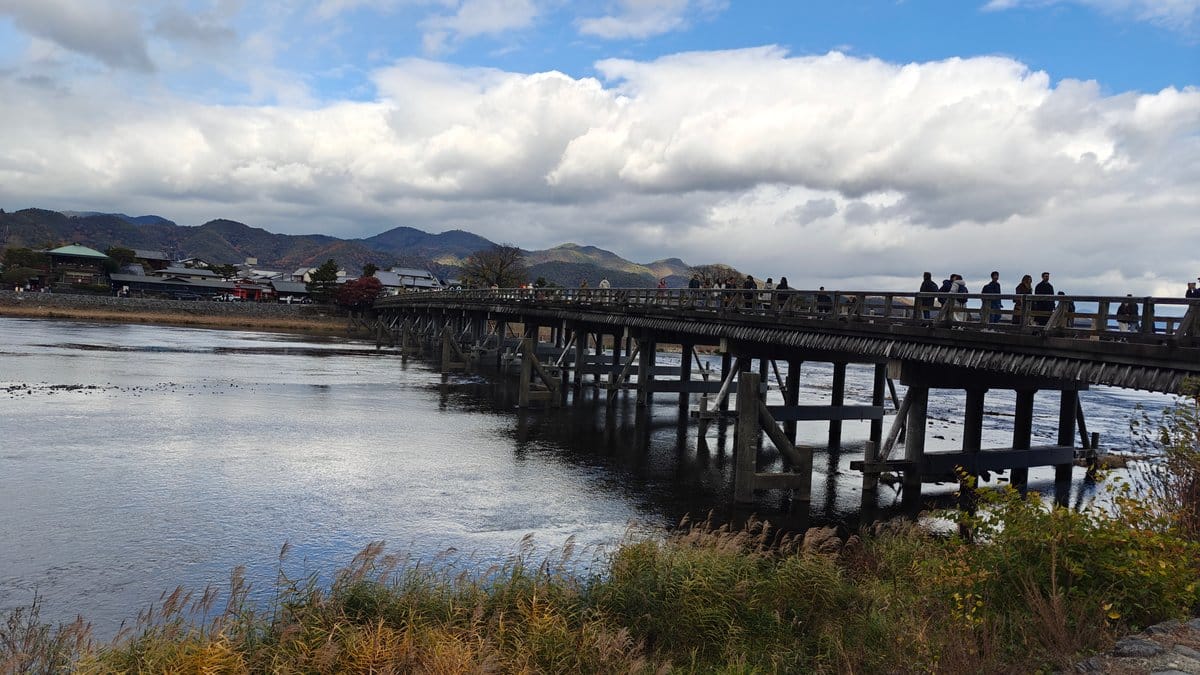
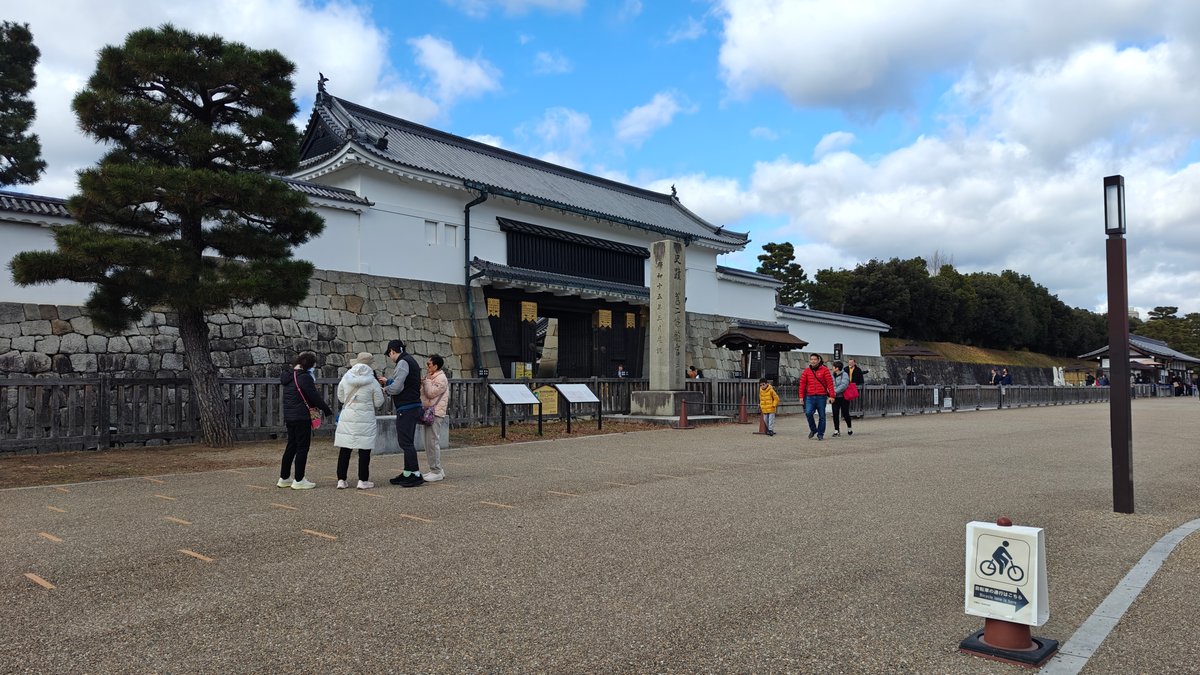
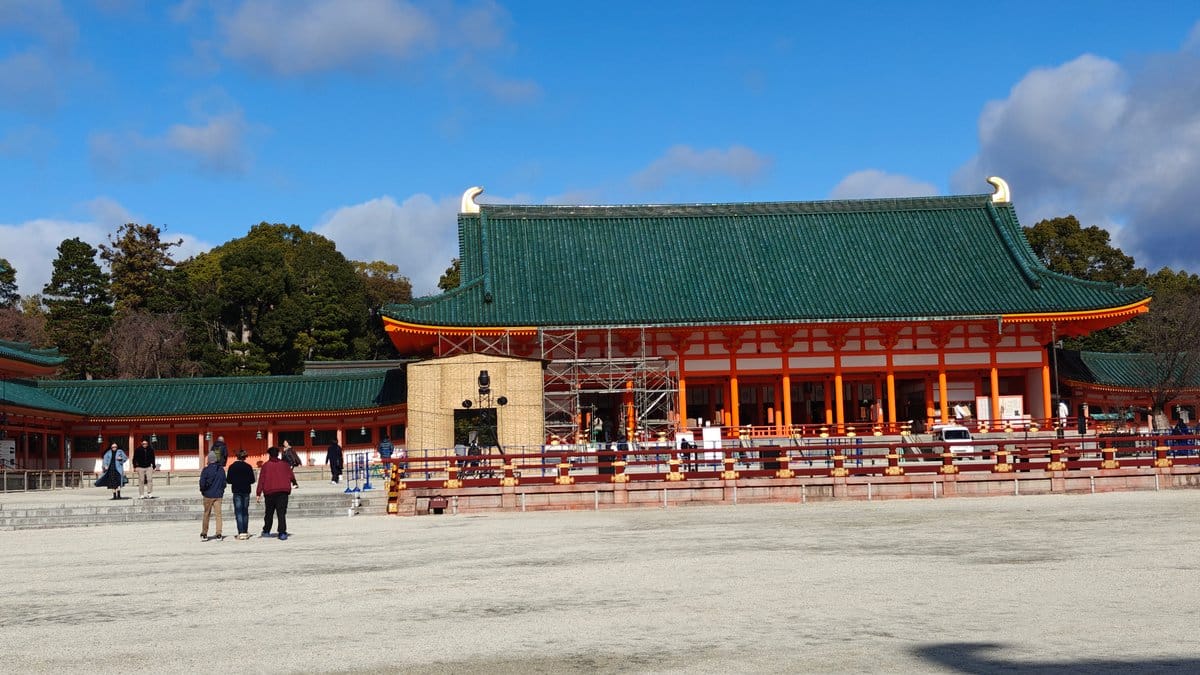
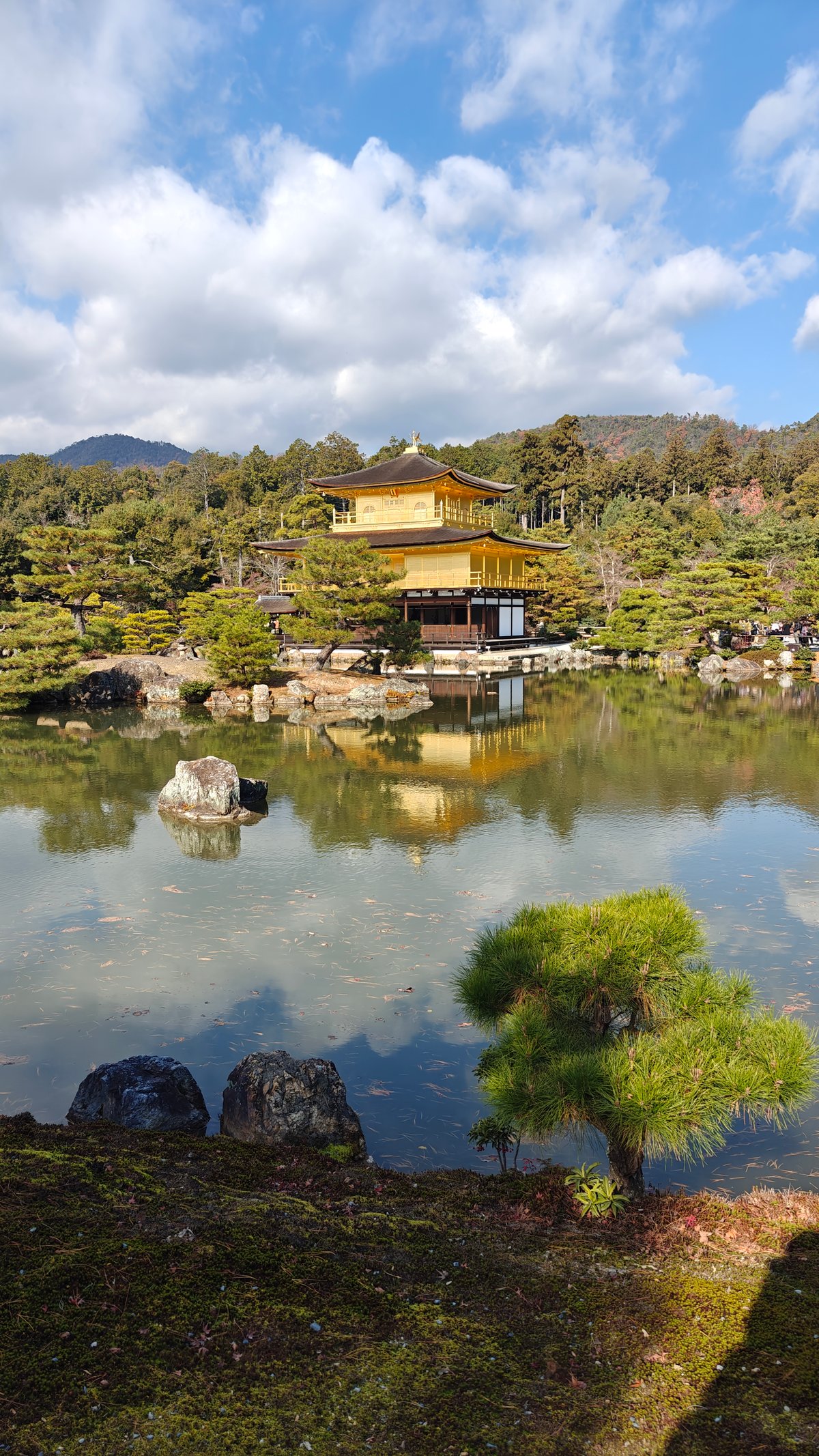
But Kyoto requires some planning. Plan your trip so that you can hit two or three temple in a day. Wake up early and try to get there before the crowds.
Consider how long things will take as you plot out the route from temple to temple across town. It is not tiring itself, but it is still a little work. But it pays off: those times you walk down the tunnel made of torii gates or stand before a pavilion stay with you.
And while you are seeing sights, you’re doing it in an active sort of way. You’re traveling, not merely existing in the city.
Who You’re Sharing Space With
Kyoto is relentlessly touristy.
I knew that when I went, and yet I was still amazed by how busy some sites can becomes (even early in the morning). Learn to adjust. Visit off-hours or visit less crowded temples.
Accept that some locations are simply going to be full of people regardless of the time of day. You can deal with it, but you will still be thinking about it as you wander around during the day. Obviously there are tourists here in Osaka as well, but with so many people getting on with their lives, the tourists were spread thin.
It wasn’t so much like I was in a museum, but rather simply a city that just happened to be interesting. While Dotonbori is filled with crowds, take a couple of steps outside and you’re suddenly in a residential neighborhood with nobody holding a camera. That helped me relax.
What Lingers After You Leave
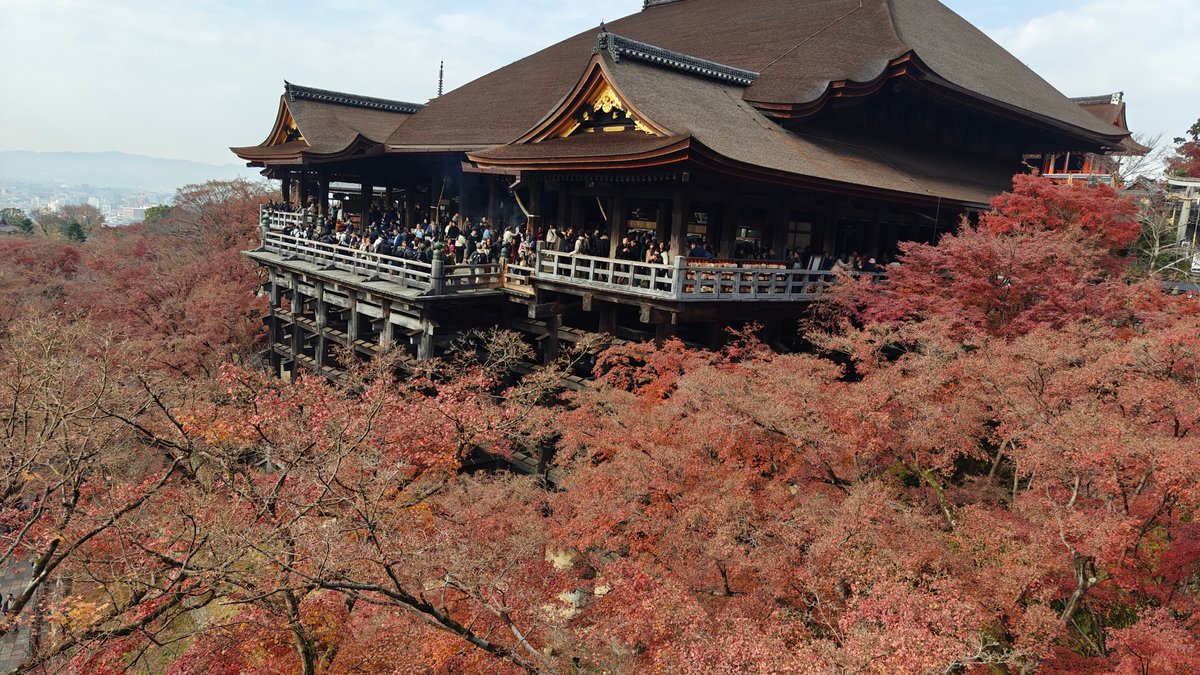
But here’s the thing: you get postcards from Kyoto. I can close my eyes now and see certain moments. I see the curve of a temple roof against the sky and the way light filters through the bamboo.
I feel the weight of history pressing down on me in the best way. This is a city that photographs well, both on your camera and inside your head. If I want to be able to feel as if I’ve touched something old and significant, Kyoto delivers, every time.
And then there’s Osaka. What did I get out of it? It was something harder to pin down.
I remember more than just specific images, like the sound of the street after midnight, the taste of perfect fried octopus and cheap beer, or the casual chats with random strangers eager to know my origins; I remember the feel of the city, of actualy living there rather than just touring. It was less elegant, certainly, and messier. But it also felt more like how life actualy is.
No big “wow” moments when I got back, but instead the sense that I had stayed at a place for a few days, not merely visited it.
What I’d Choose
I would of chosen Osaka. I’m being honest when I say it’s not that Kyoto isn’t incredible, it totally is.
It’s that Osaka feels like the sort of place where I can be, not do travel. I can wander aimlessly with no map, stay up way too late, and eat cheap food, and never feel like I’m missing something important. Kyoto makes demands on me.
Sometimes that’s exactly what I want, but when all I have is one city for an entire trip, I’d rather go somewhere where I can exhale. Of course, I think the right answer here is “both.” They are so similar and complementing one another so well that one feels like a shame to skip over the other. But if someone put a gun to my head and demanded that I choose only one, and had to stick to it, okay, fine.
I’ll take Osaka. How ’bout you? Chaos and food, or quiet and temples in Kyoto?