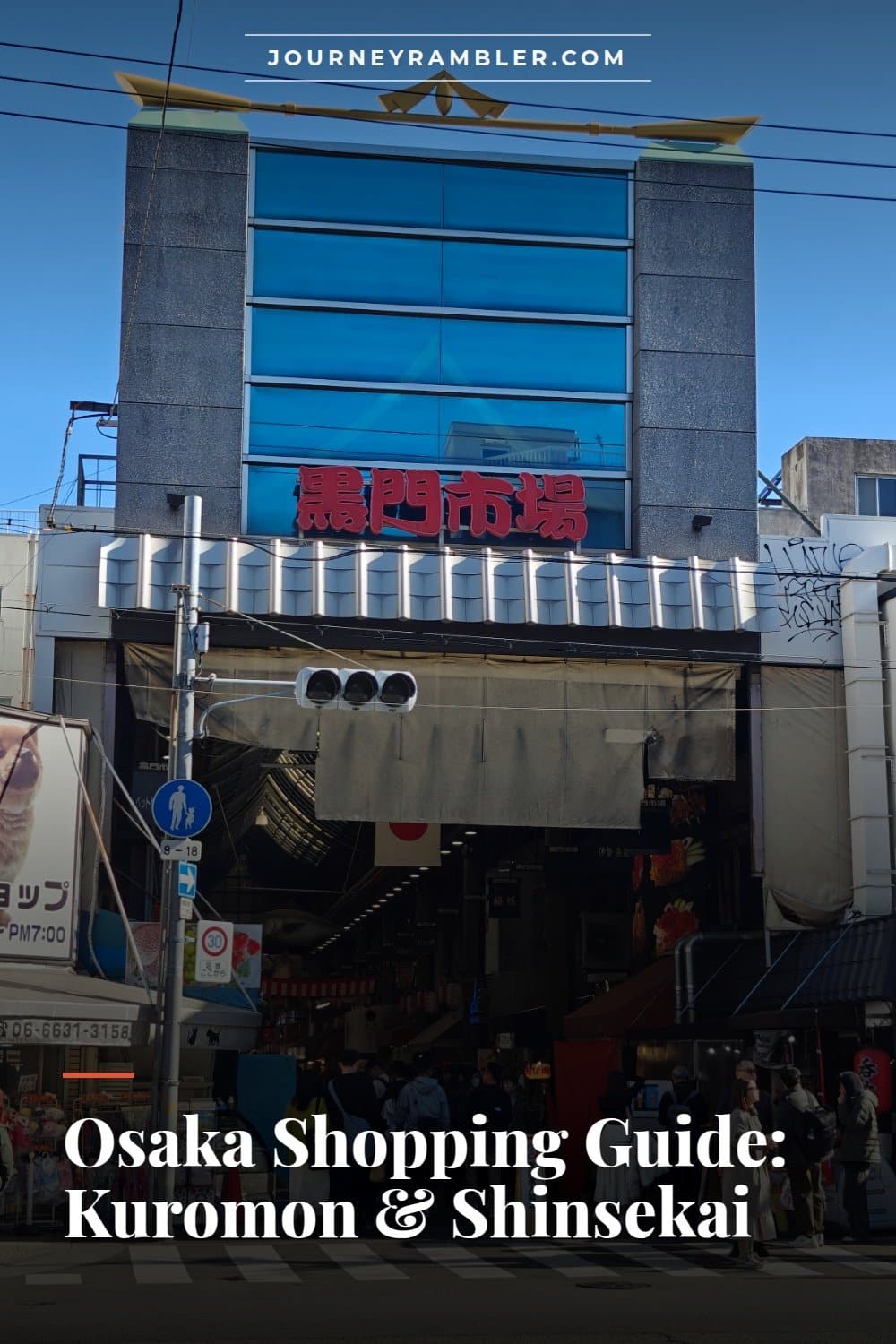
You can shop in Osaka, from Kuromon Market to Shinsekai. There’s no getting around the fact that Osaka is a shop-and-eat town, and to be honest, I wouldn’t have changed anything. I visited market after market and grab bites from various food stalls.
I was happy to spend quality time wandering around, buying random items, and snacking on treats I couldn’t even name before biting into them. My only regret? The sensory overload at Kuromon Market and the retro carnival vibe in Shinsekai left me desperate to explore every nook and cranny.
These two area are pretty touristy, I won’t lie. But they didn’t bother me at all. Sometimes you just need to embrace it and see what all the fuss is about.
My Trip to Osaka Markets and Shinsekai
Kuromon Market
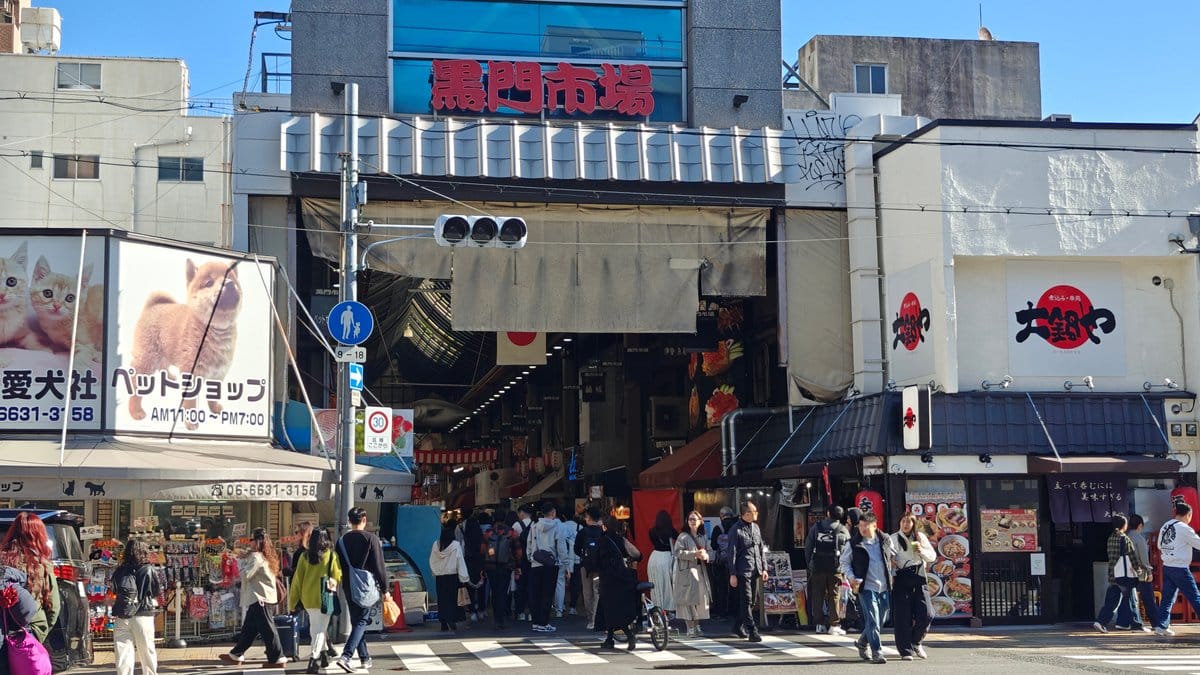
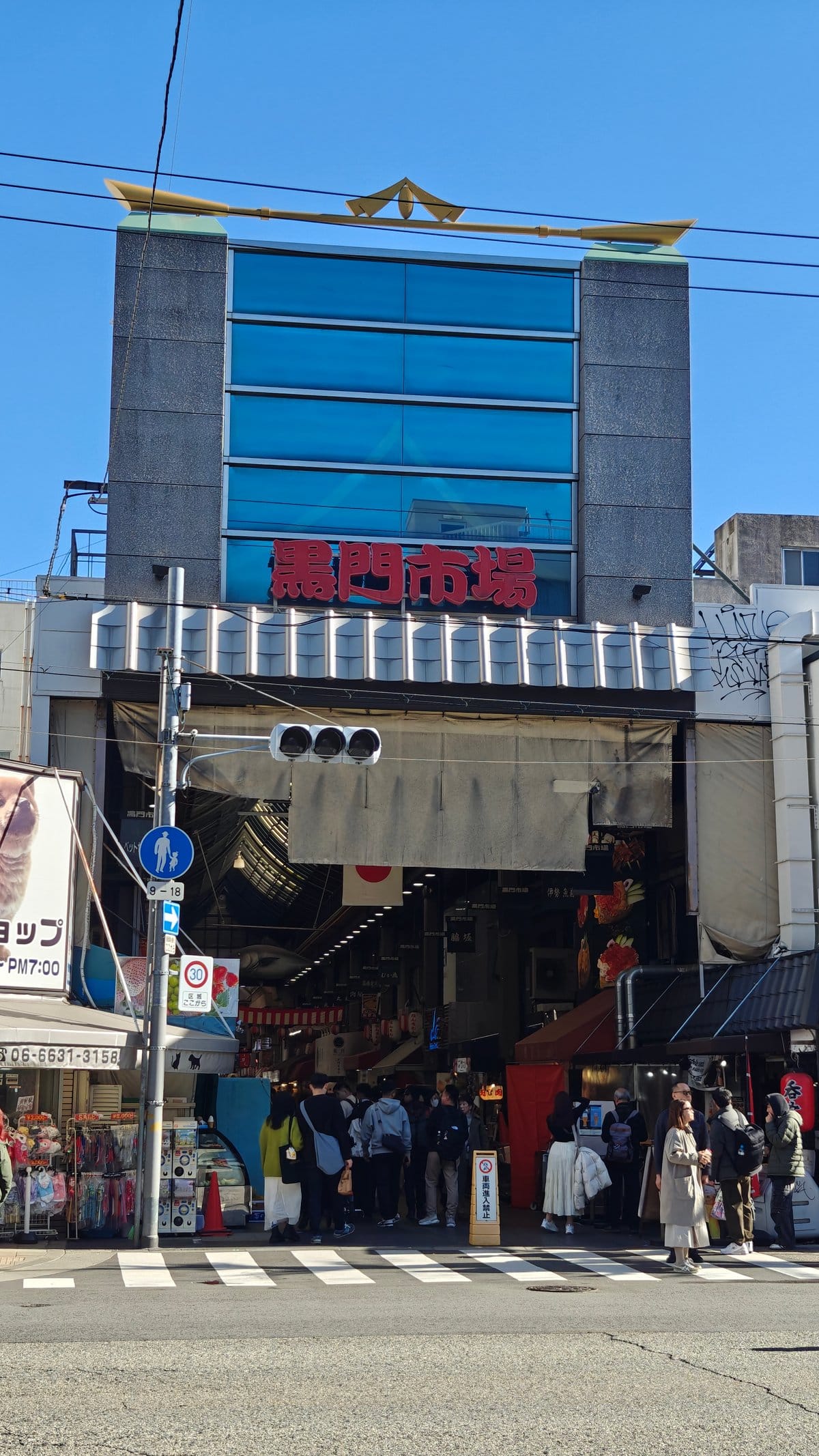
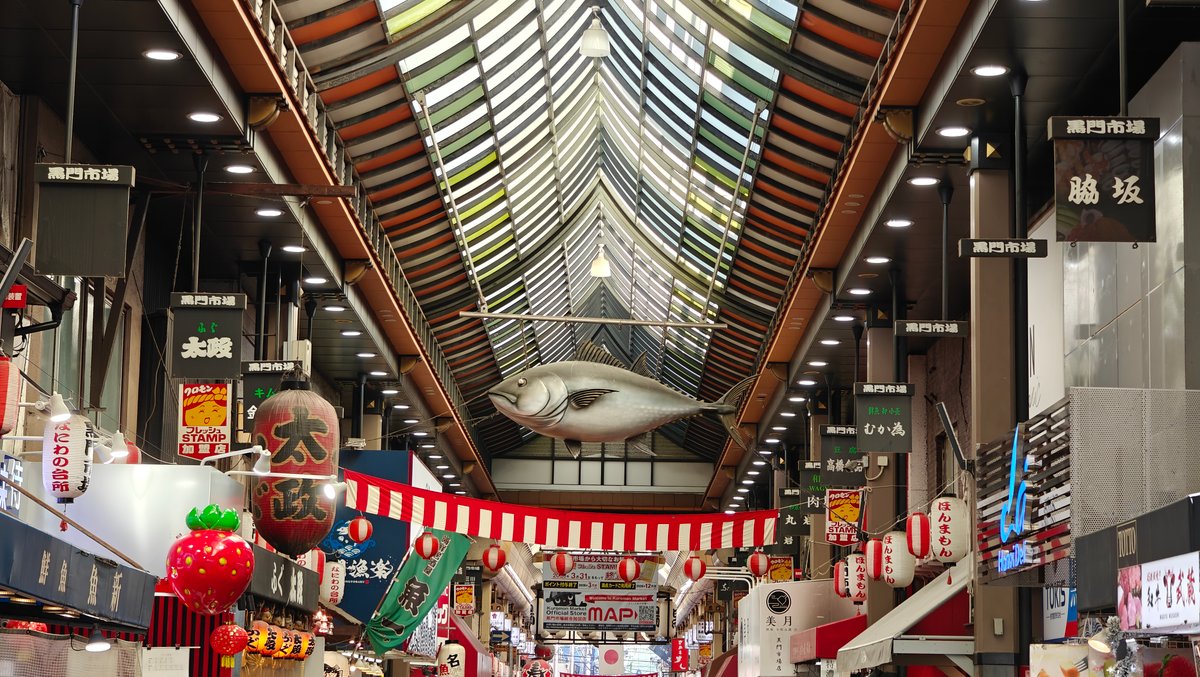
Kuromon Market is a little bit of organized chaos that you walk into. It’s got a covered arcade that goes on for what seems to be blocks. Before long, I’d lost count of how many stall there were.
Vendors called out prices, people ate standing up, and somehow a painting of a fish had been hung from the ceiling as if it was making sure everything was okay.
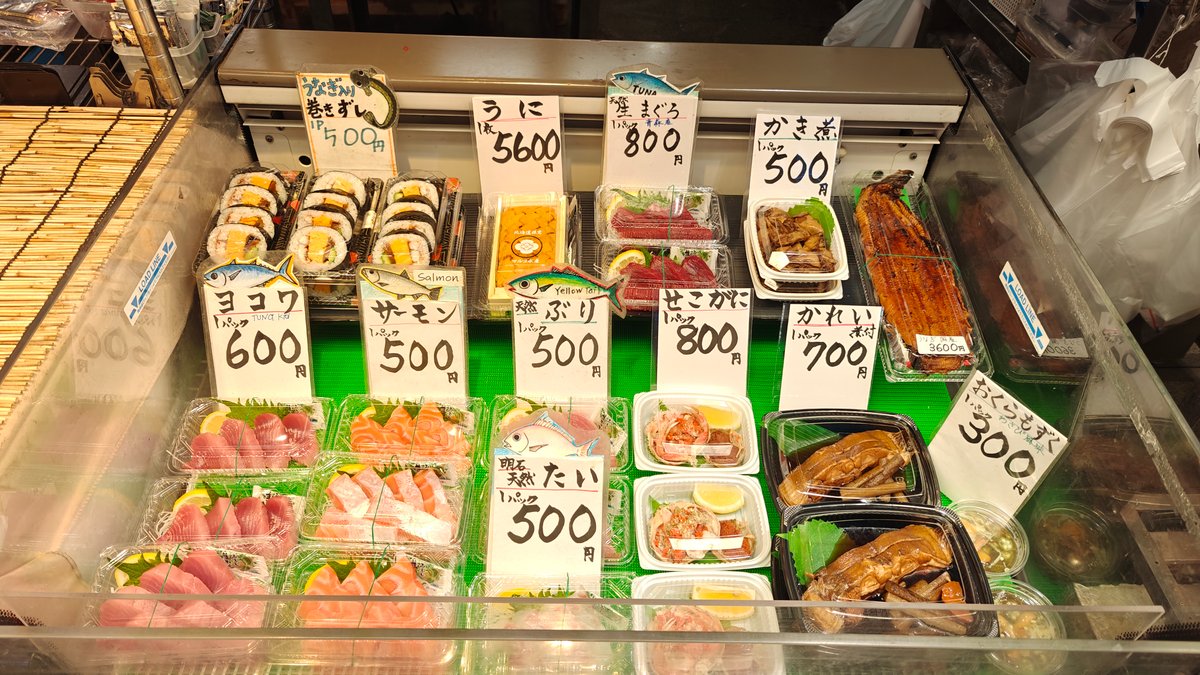
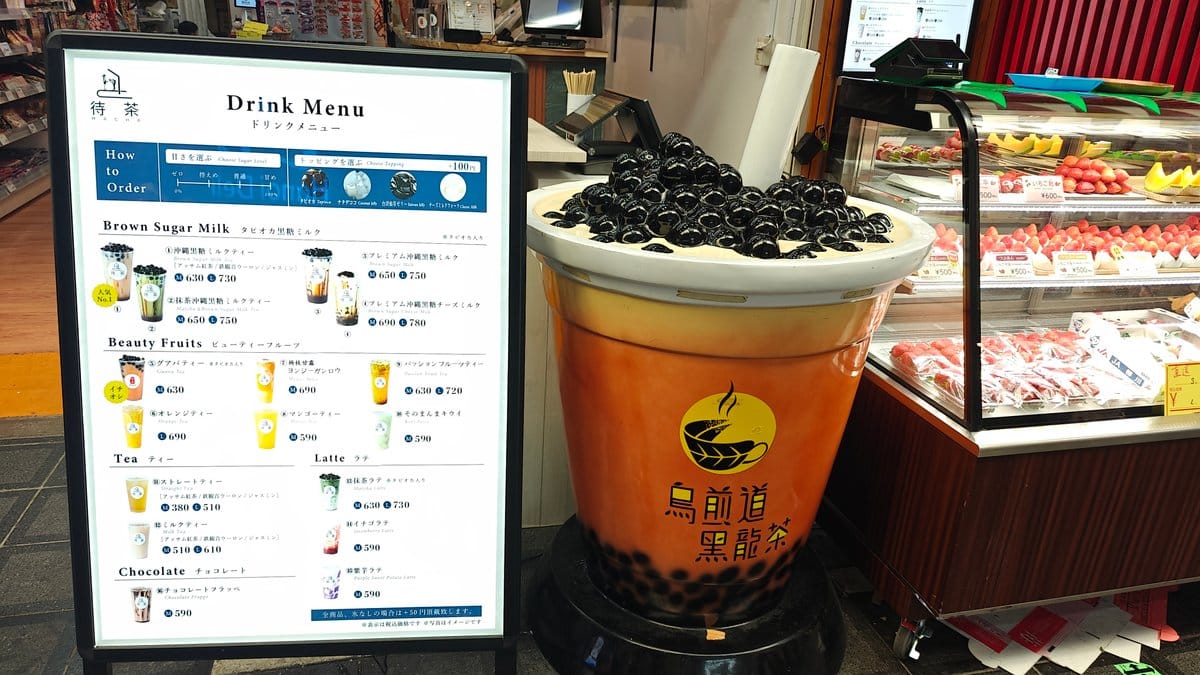
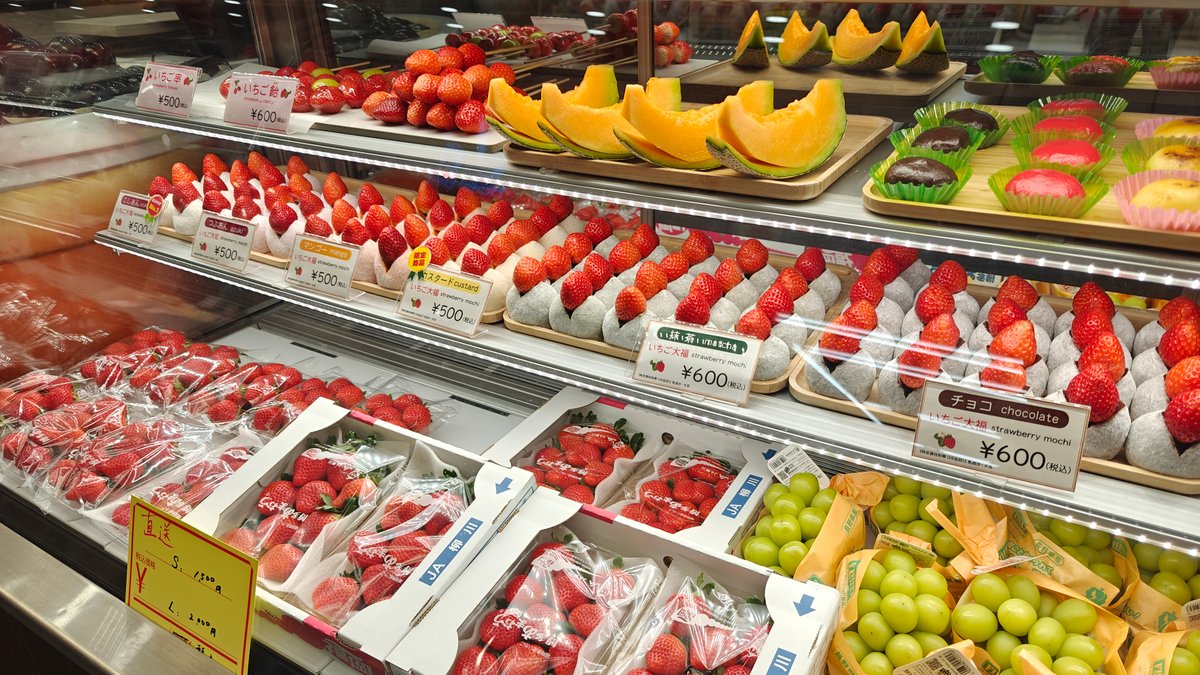
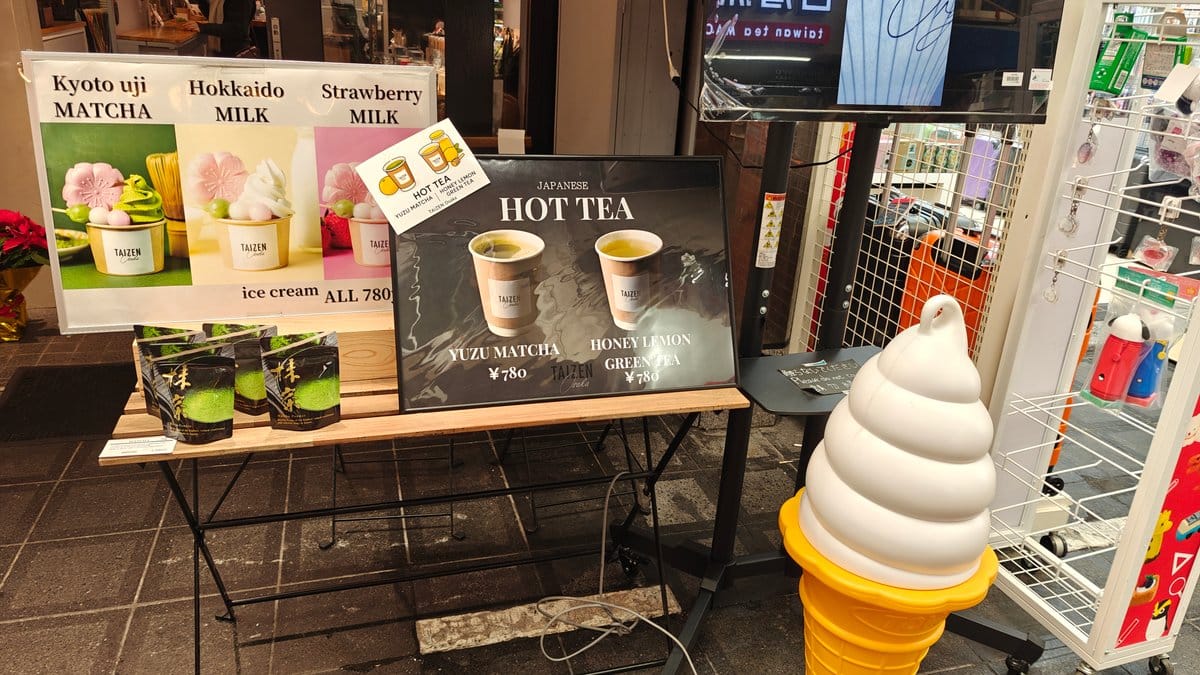
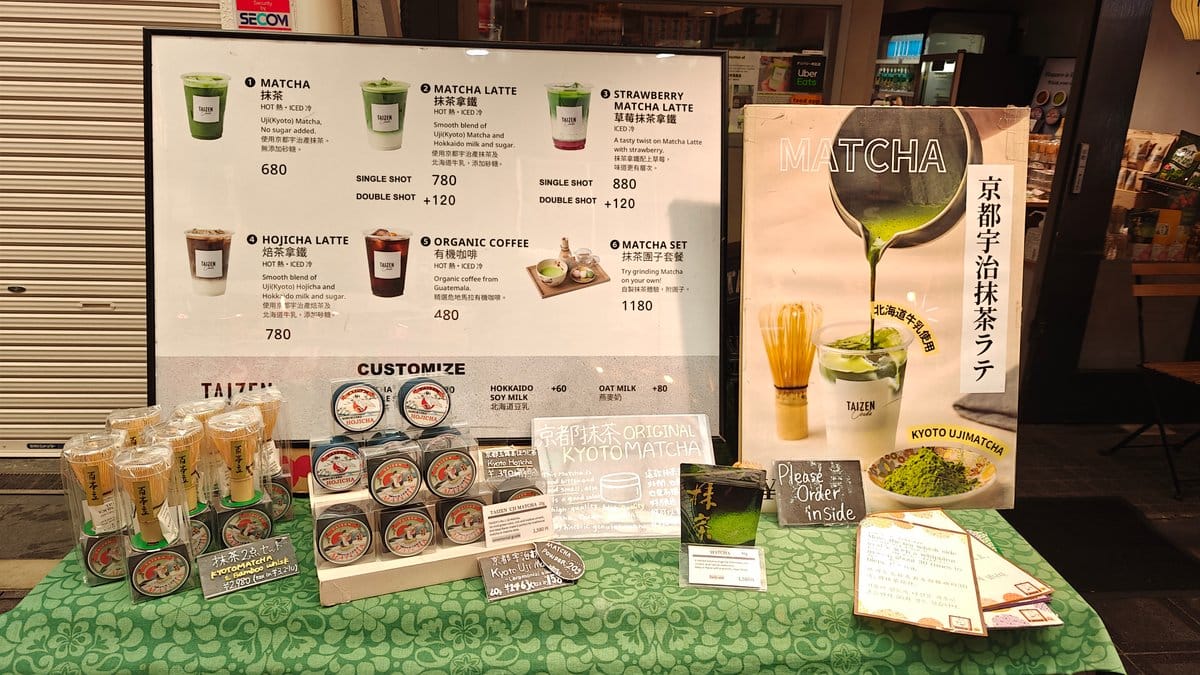
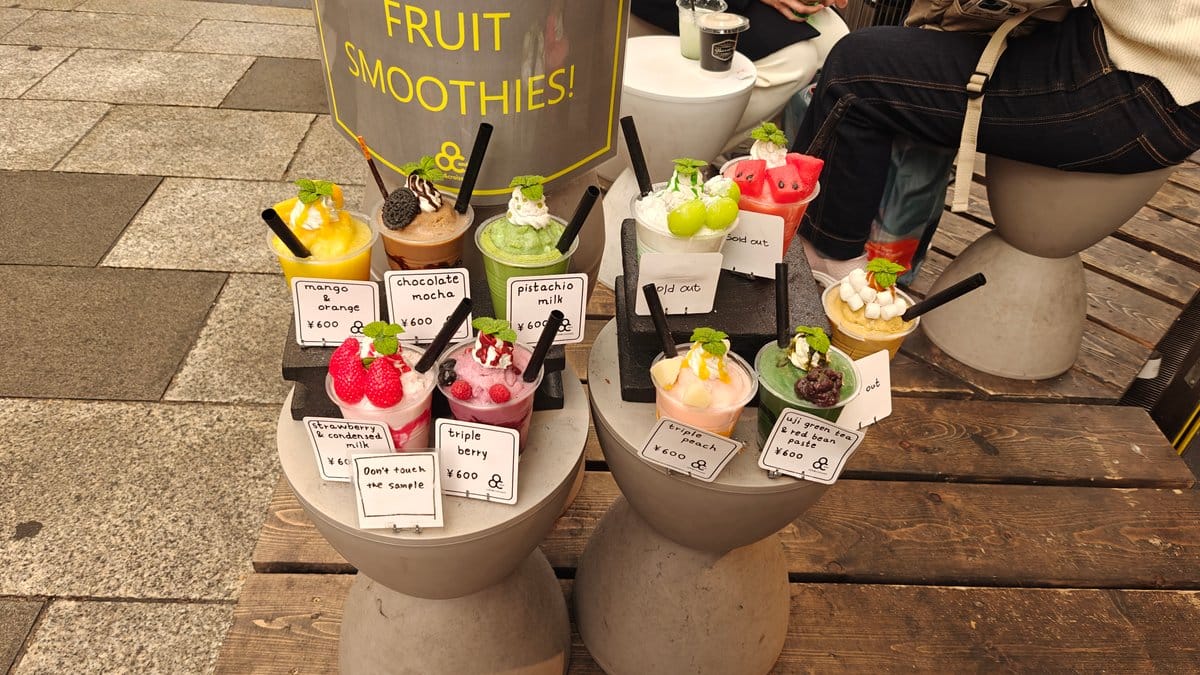
There was always something new to see every few feet: the bubble tea menus pasted over with photographs, the sashimi gleaming on ice trays, the impossibly beautiful fruit displays that didn’t appear edible. I snatched a drink at one of the tea stands, then continued walking; if you stopped for more than two seconds, you’d get lost in the sea of people.
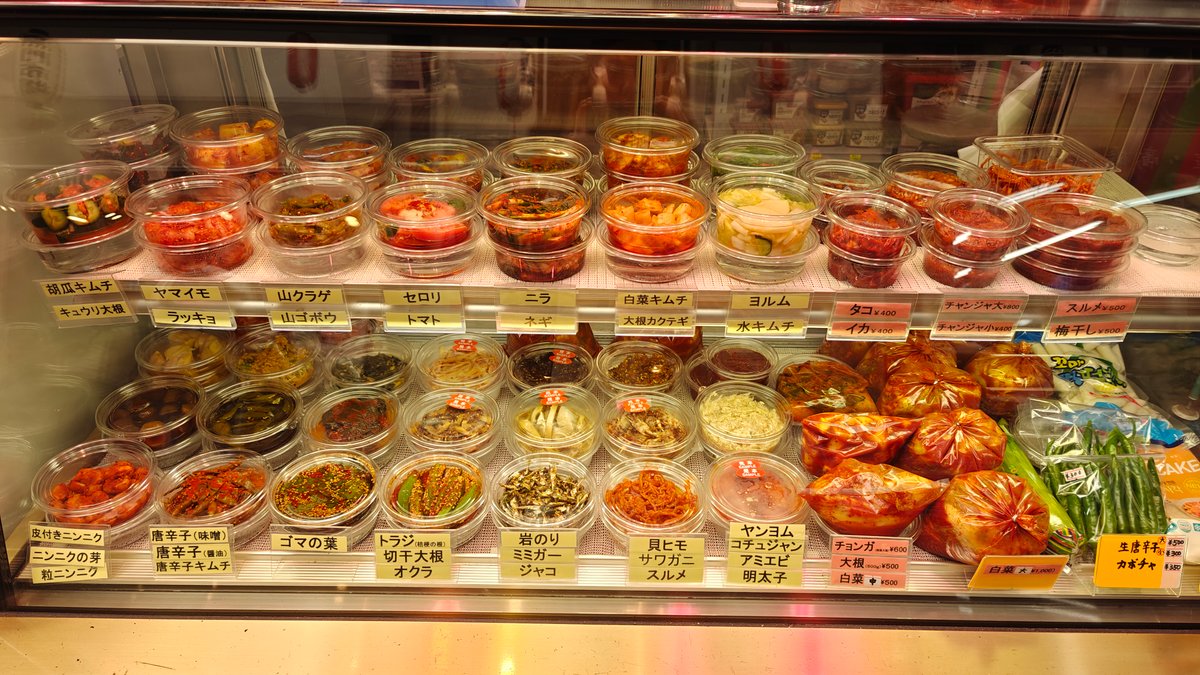
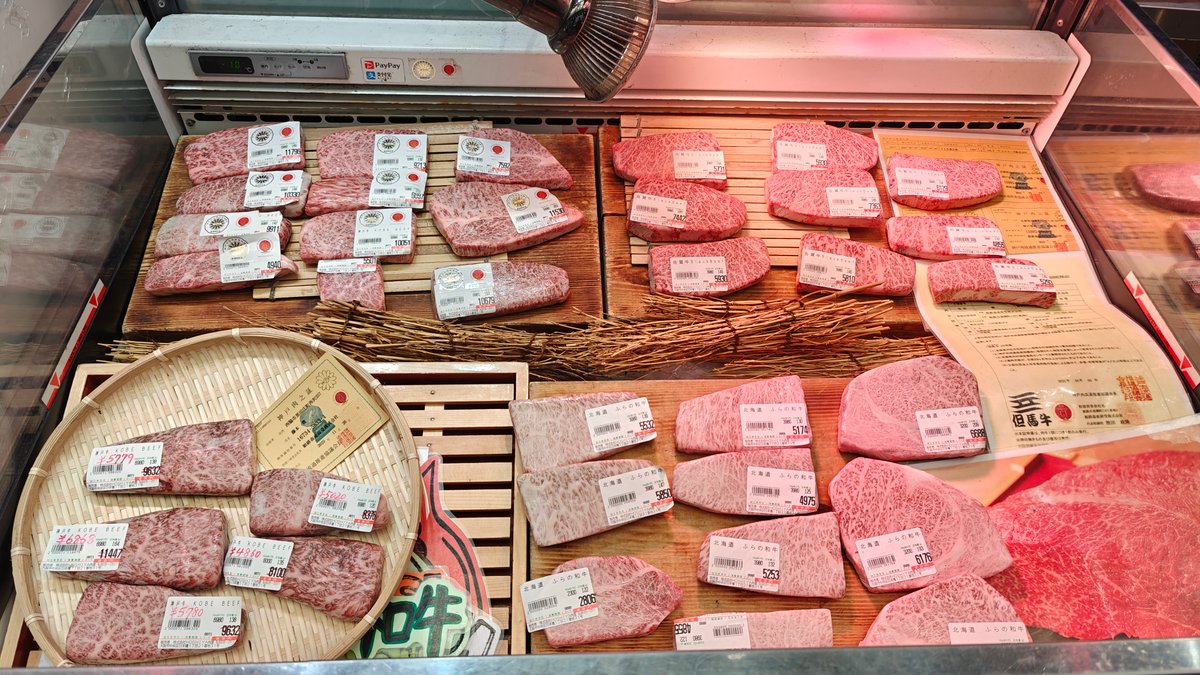
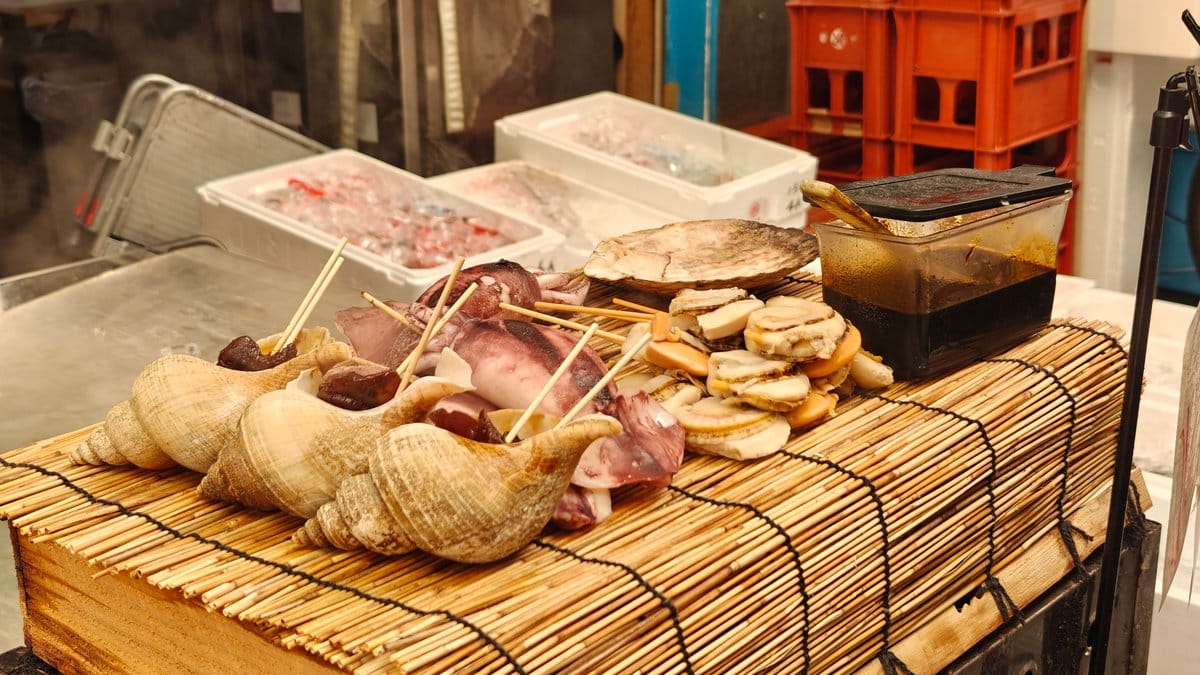
It got very serious with the seafood. The kimchi took center stage with displays that left me wishing I had my own refrigerator in my hotel room. There were piles of shellfish and octopus.
The wagyu beef cuts were as marbled as any work of art. Half the enjoyment here is simply window shopping while you watch others deliberate over their purchases.
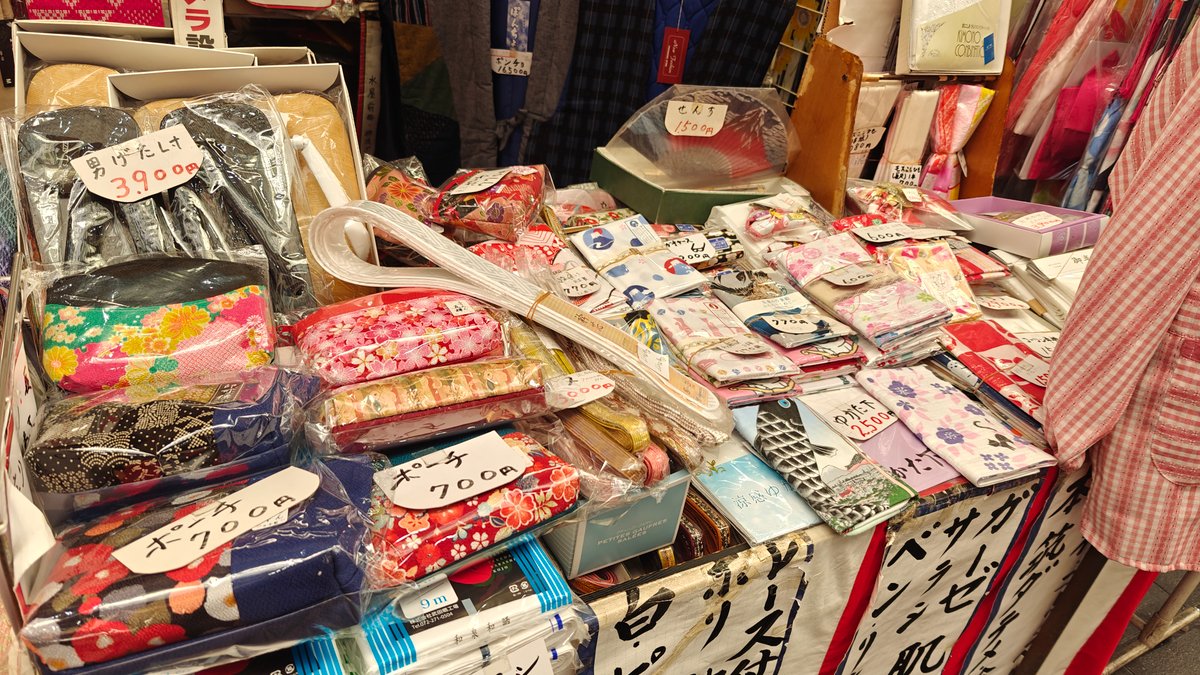
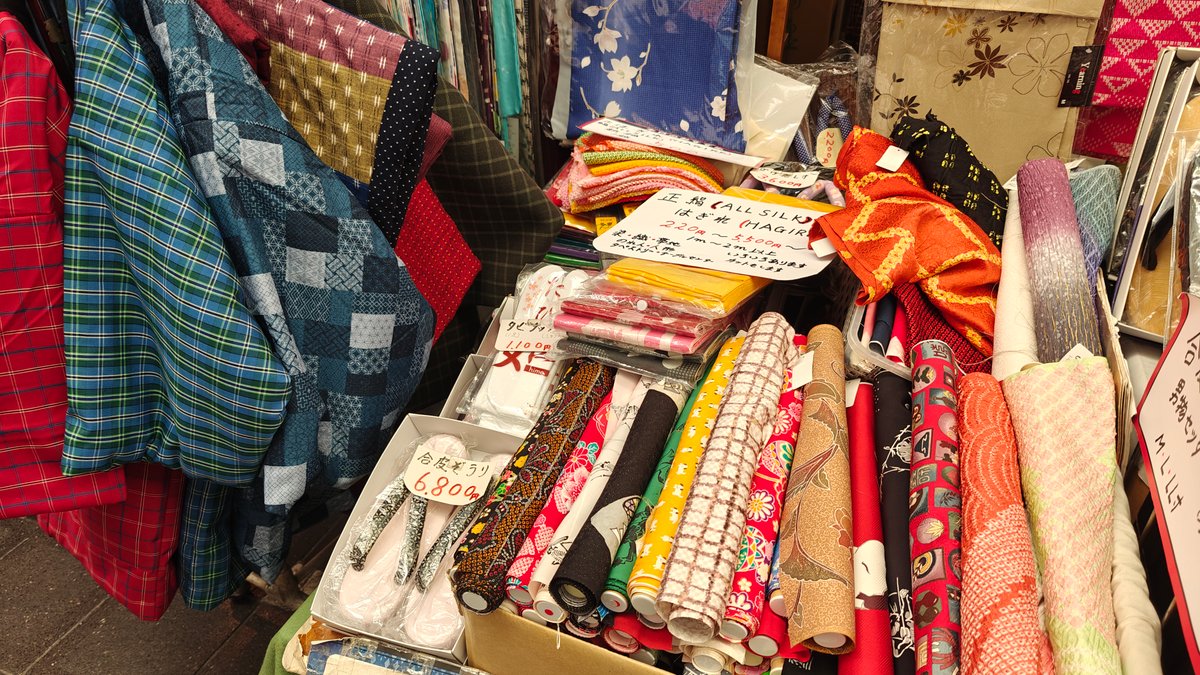
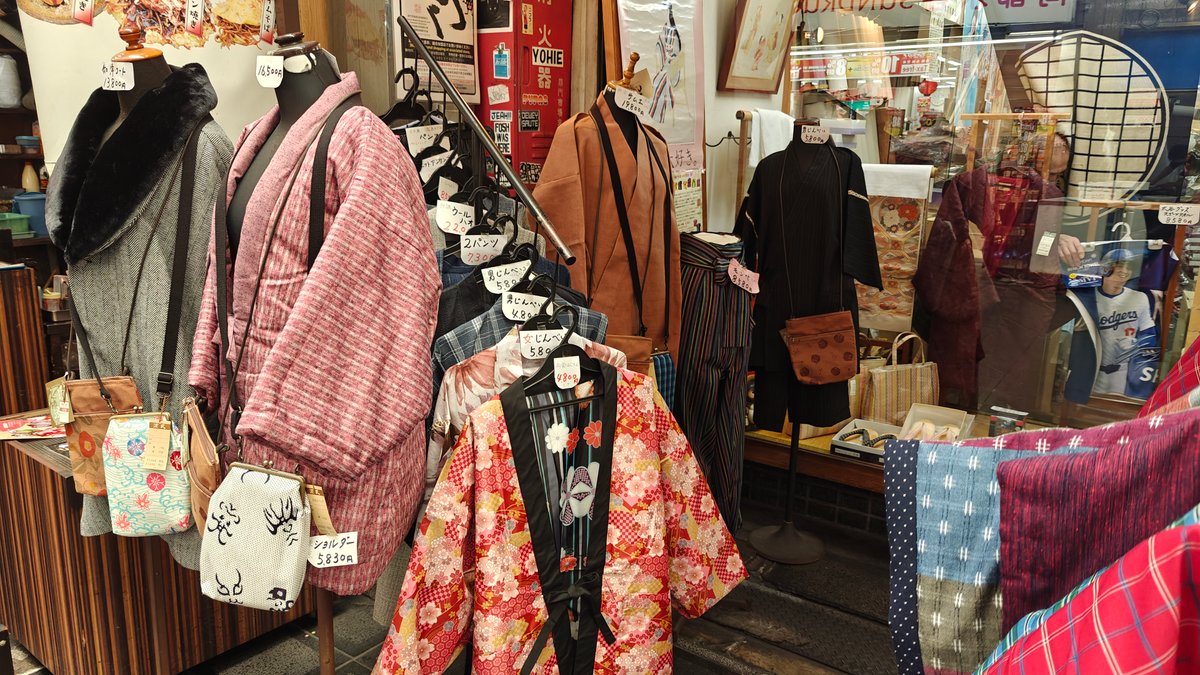
Kuromon isn’t just about grub. There were shops selling rolls of traditional fabrics, fabric pouches, and racks of jacket that seemed to be inspired by kimonos. Though none of these appealed to me enough for a purchase, I was grateful for the respite from the seafood.
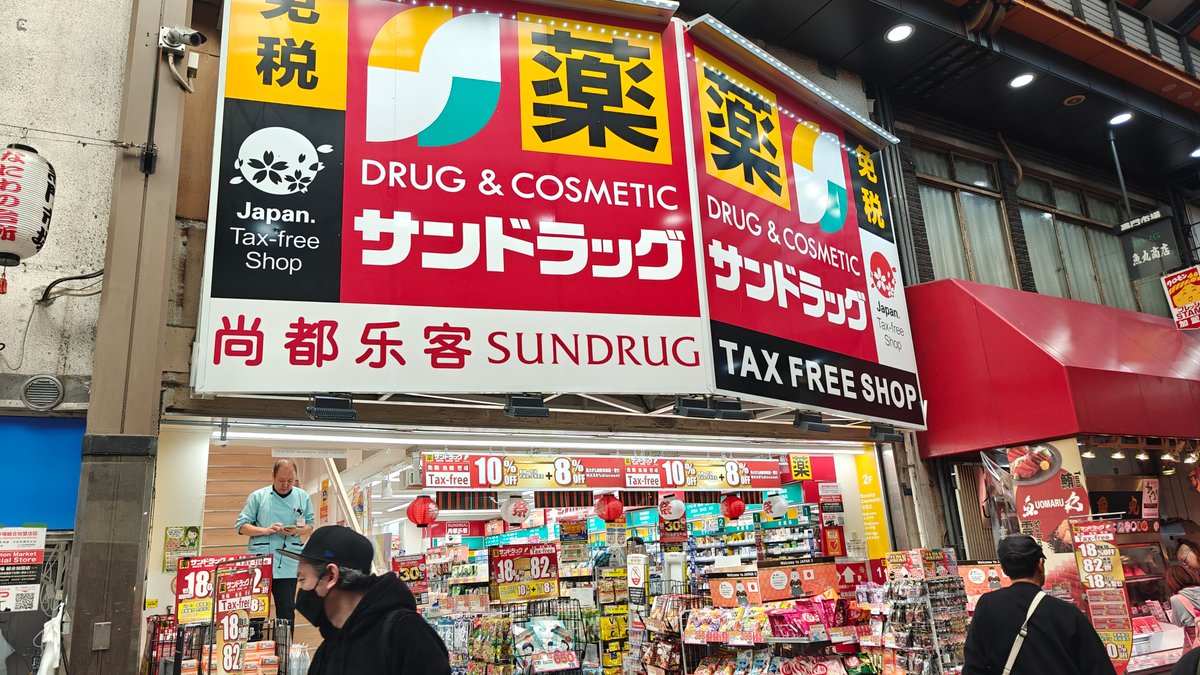
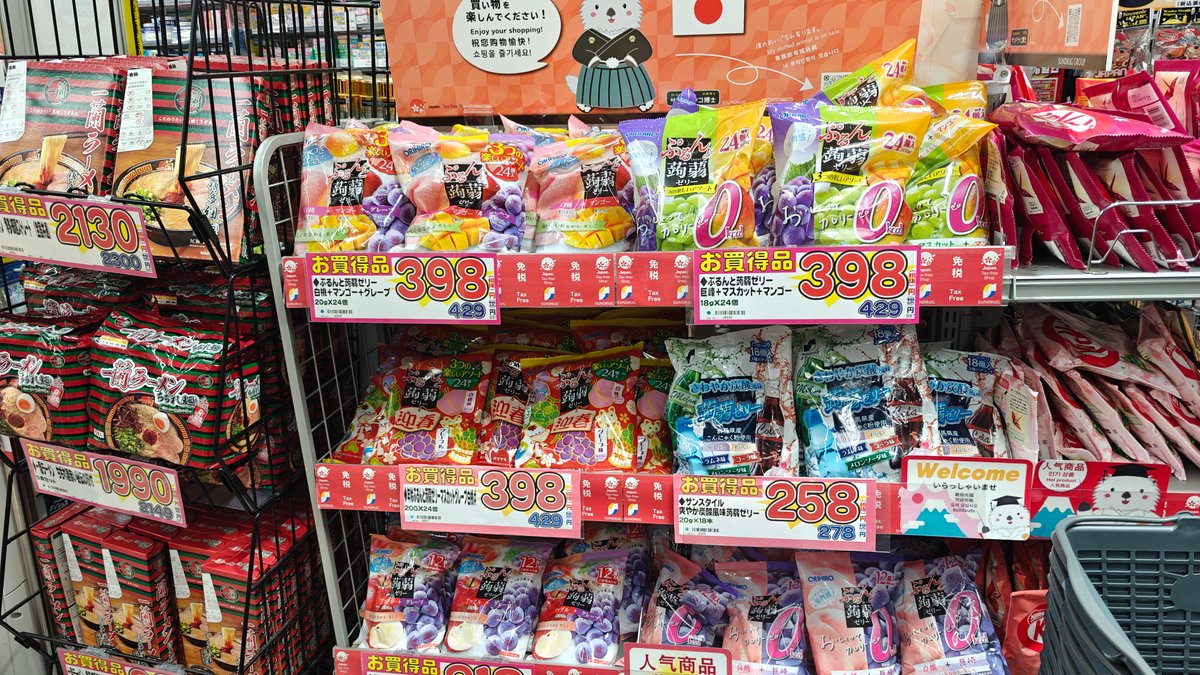
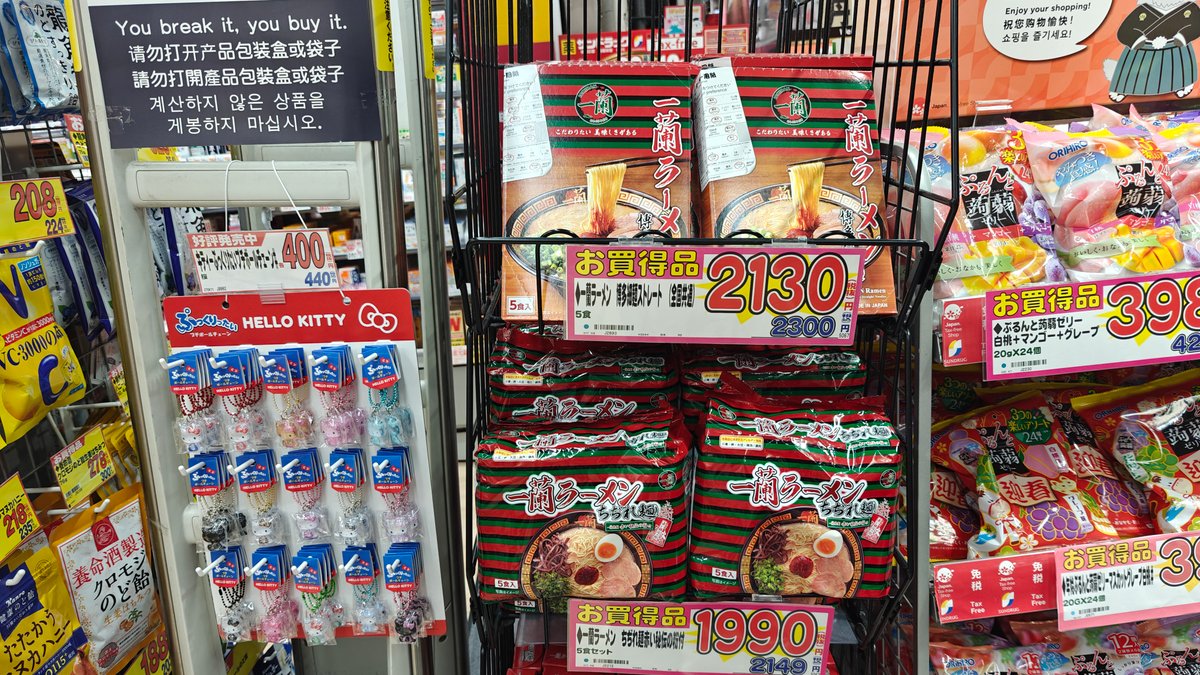
In the midst of the market was Sundrug, which sold all the typical drugstore stuff but also had shelves packed with instant ramen packets and other Japanese snacks. They had Ichiran ramen kits, too, although those were priced fairly steeply (I decided it would be better to just go to the real restaurant).
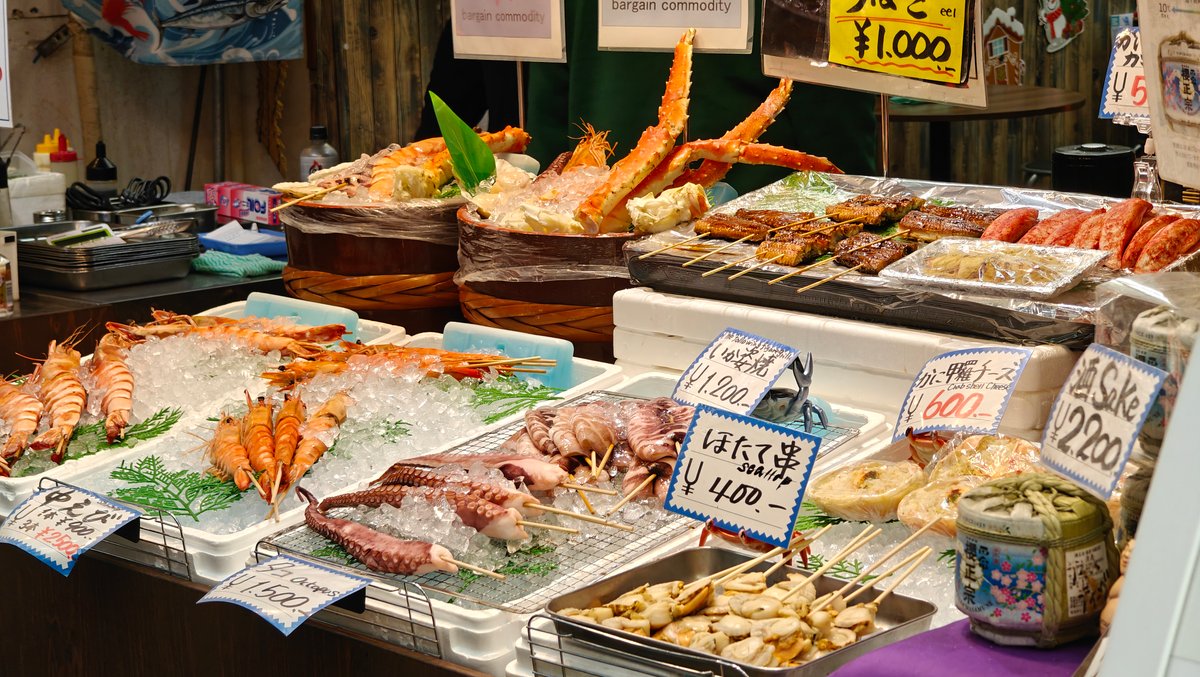
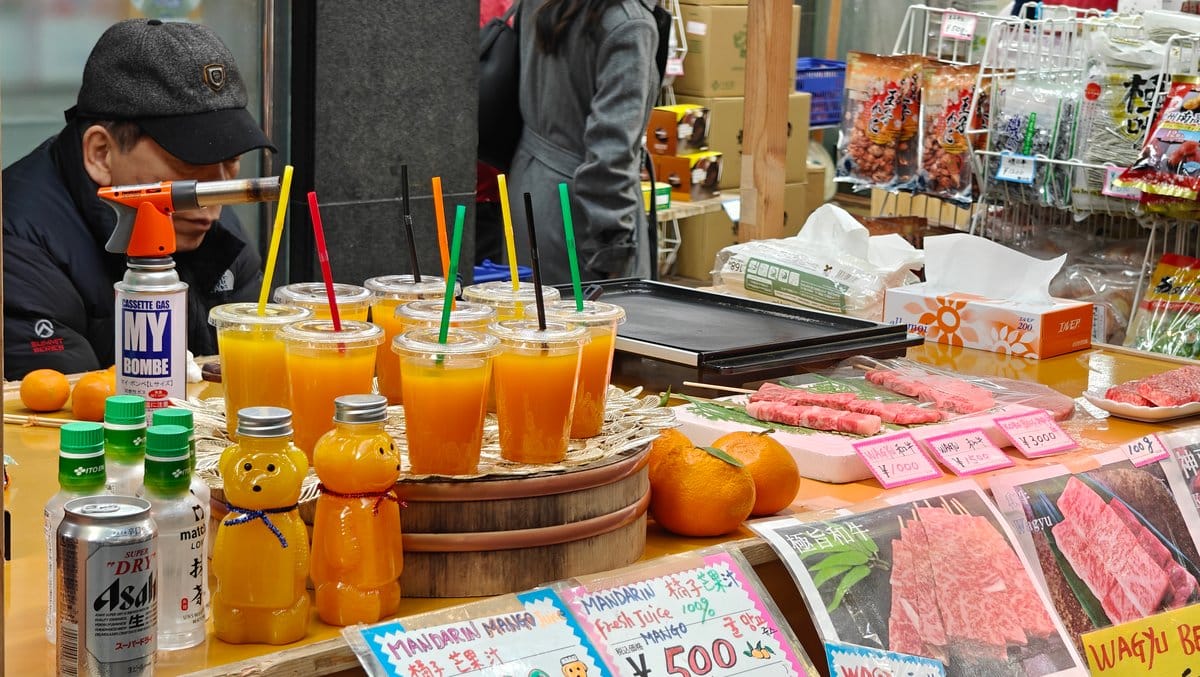
It felt like every other stall was selling grilled skewer or crab legs, all in close proximity to the next wagyu stall and fresh juice stand. They were pretty aggressive with their samplings, which was fine by me since it meant I wouldn’t have to buy a large portion of something I wasn’t completely sure about.
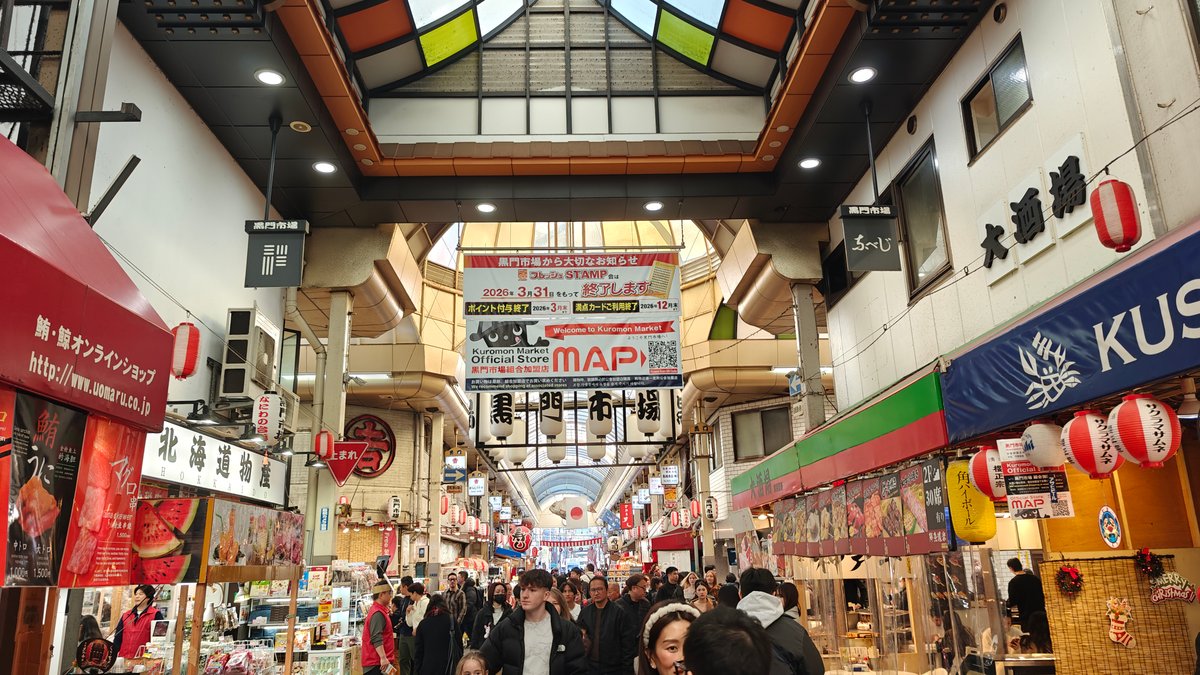
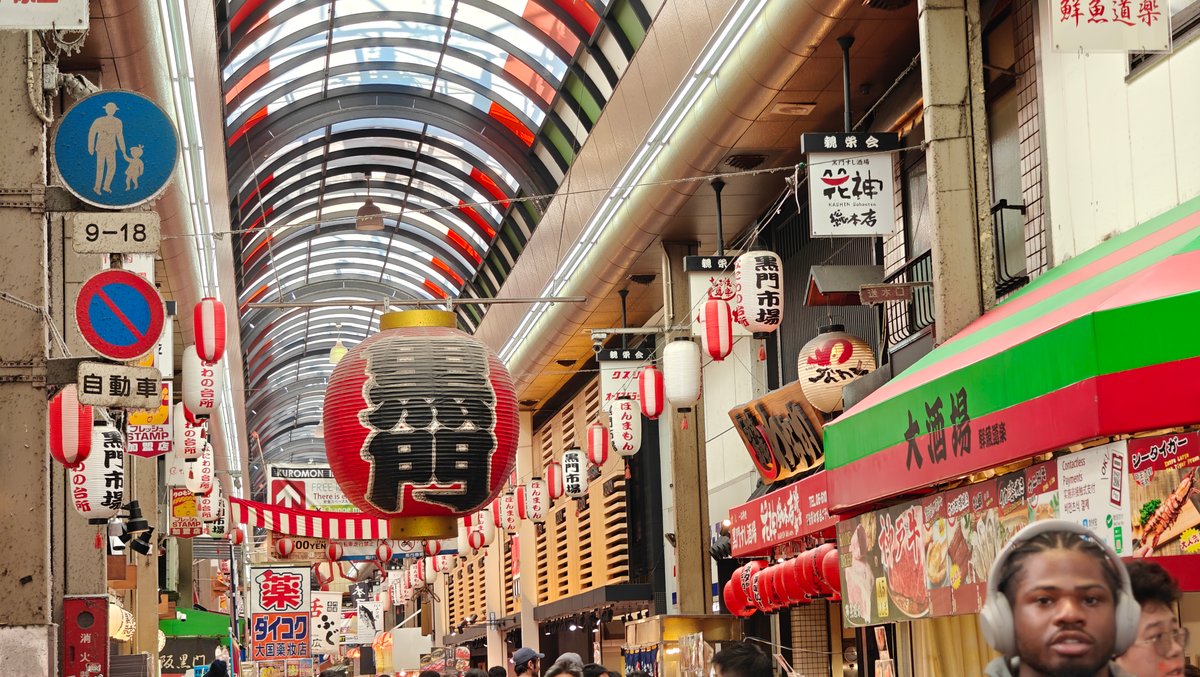
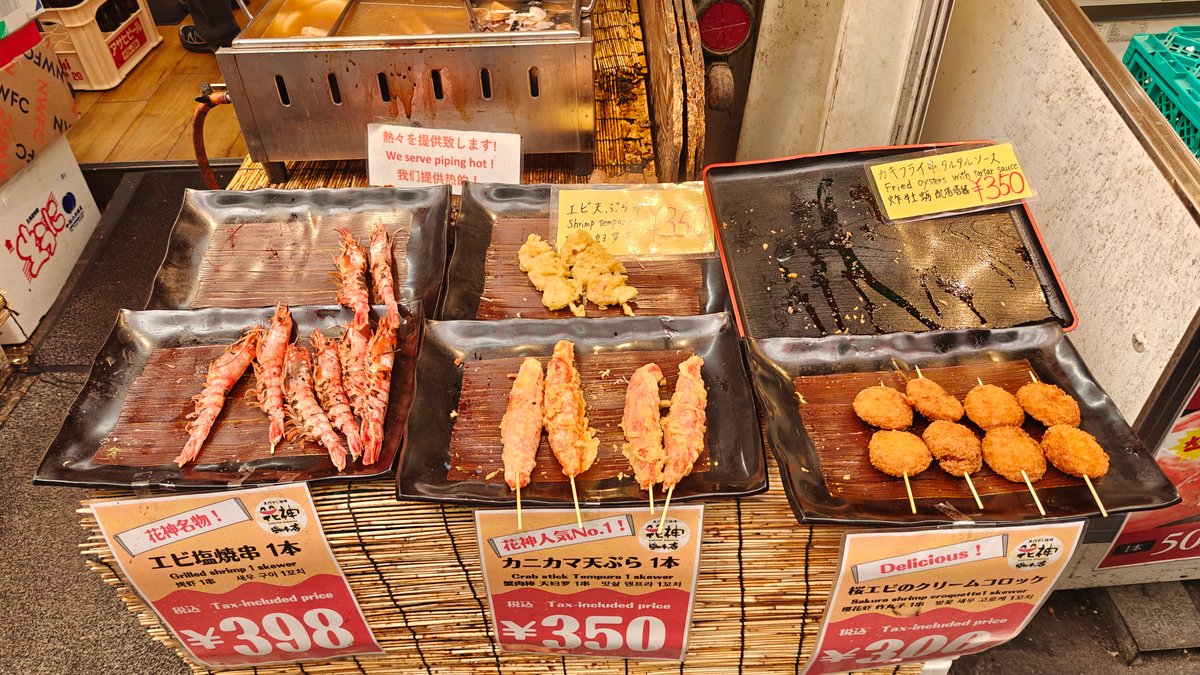
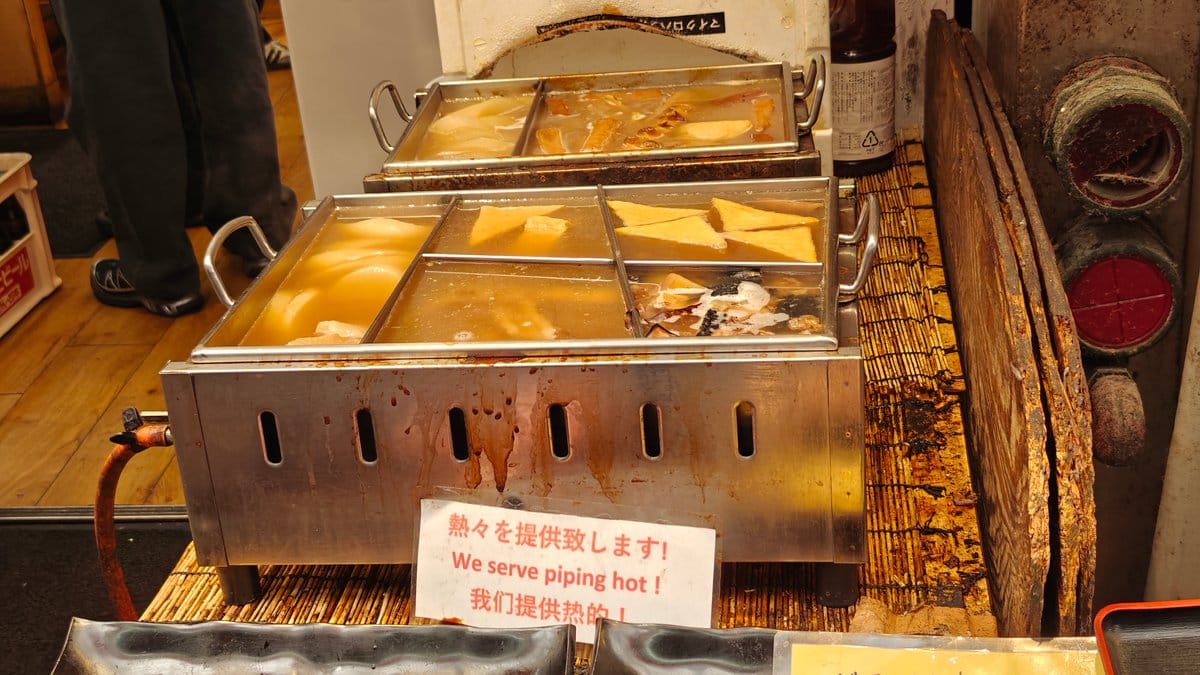
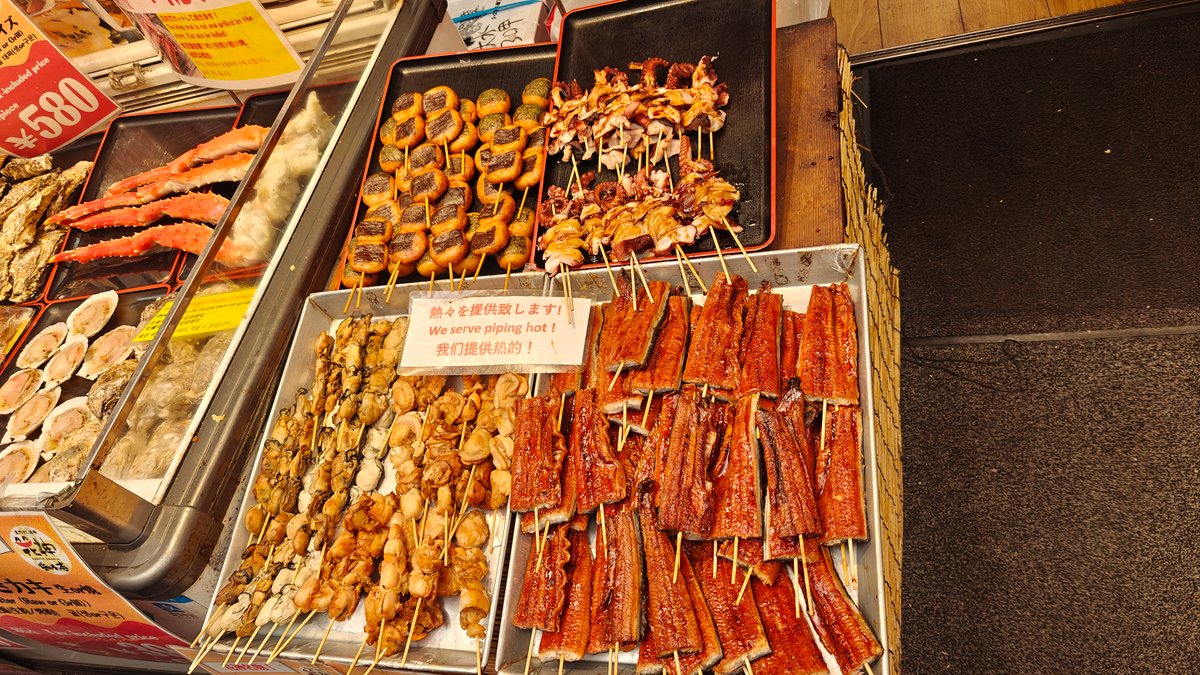
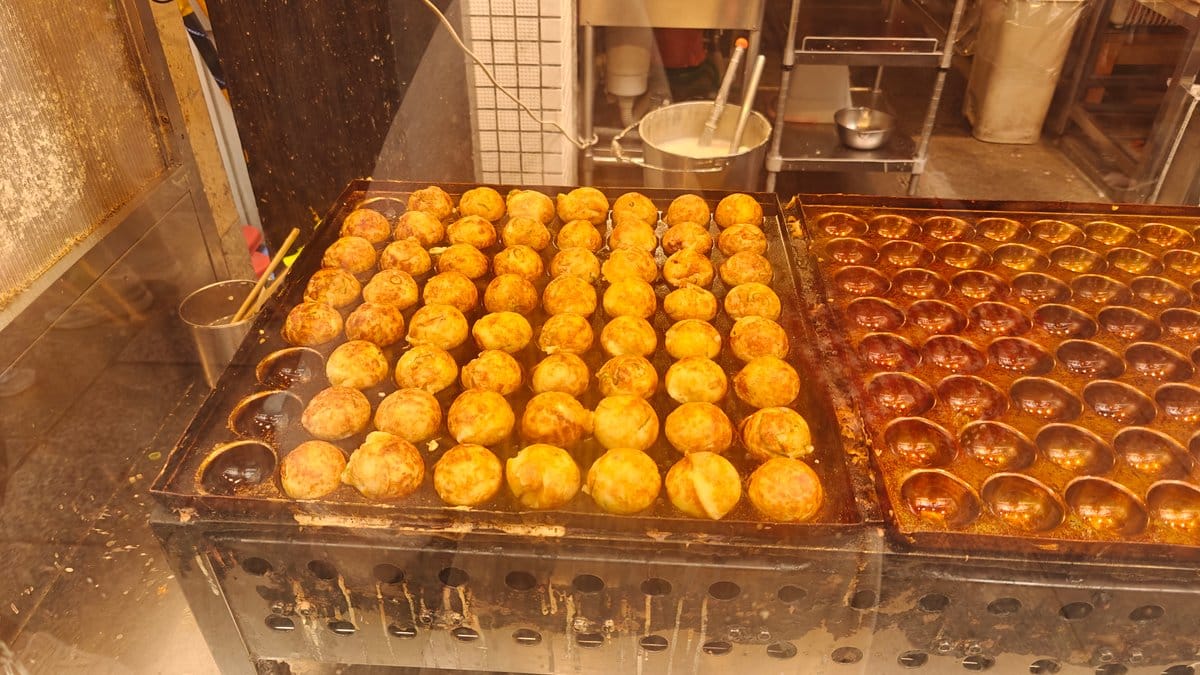
Eventually I caved and sampled some dishes. There was takoyaki bubbling away on the griddle in front of my face, skewered unagi with an amazing smell, grilled seafood, and oden boiling merrily in massive pots. It all came quickly and was devoured even quicker.
However, I’d recommend going easy on yourself: this market lasts forever, and you’re liable to fill your stomach up long before running out of choices.
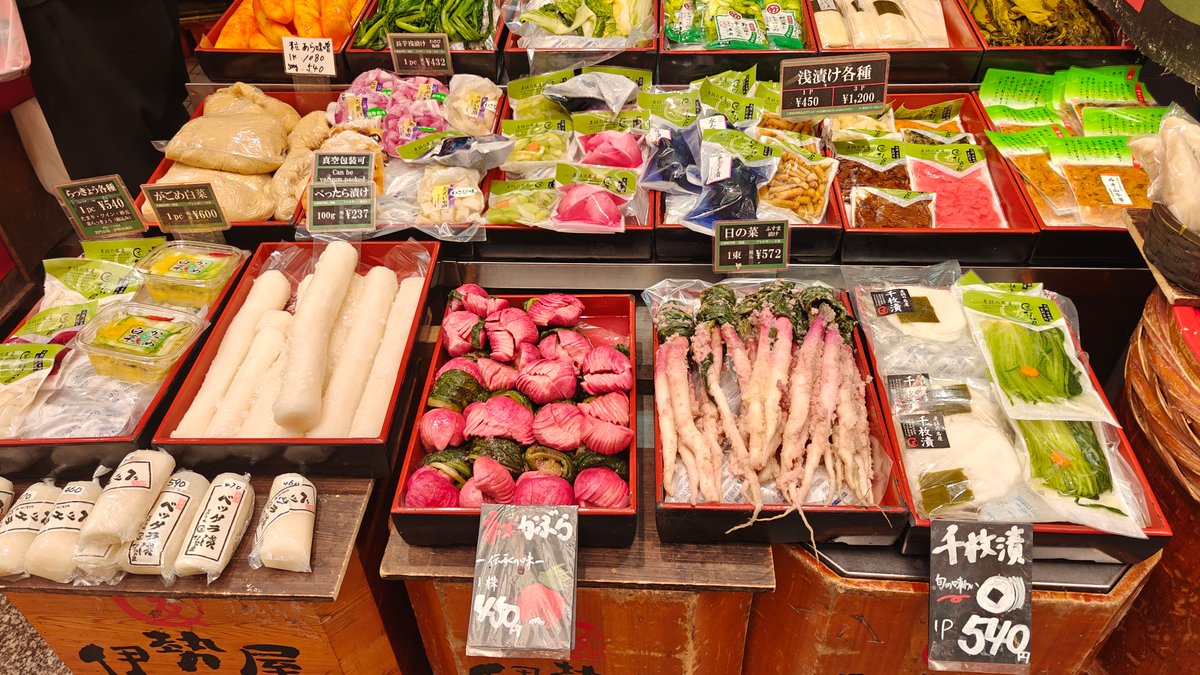
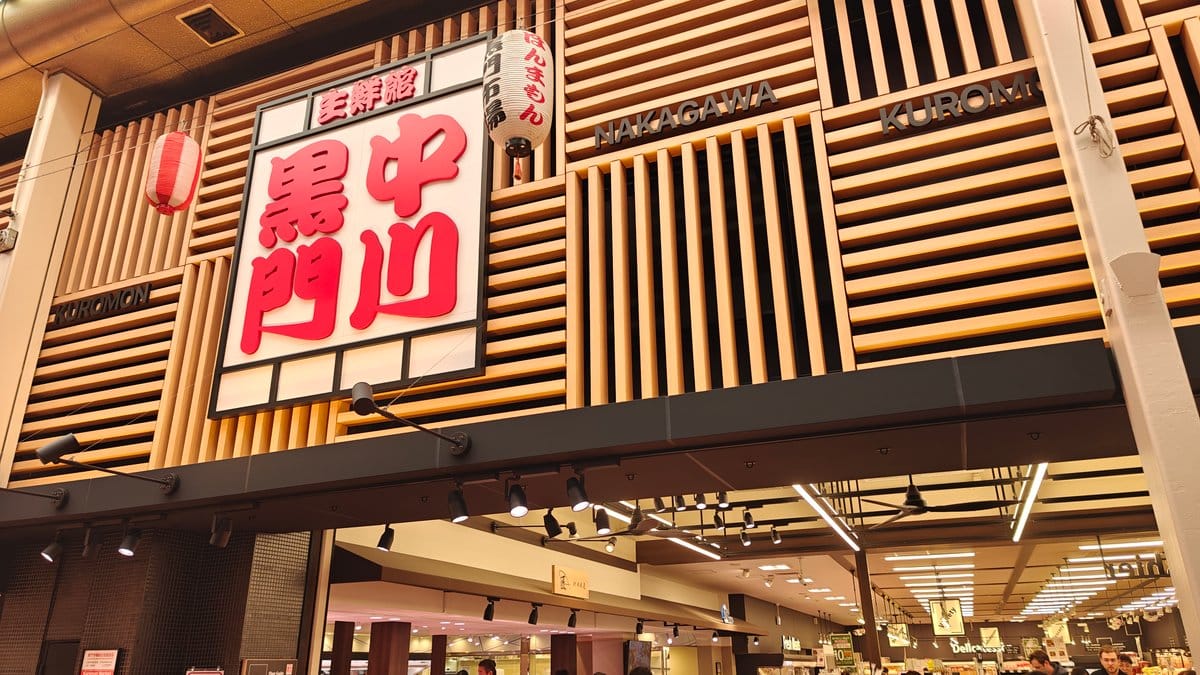
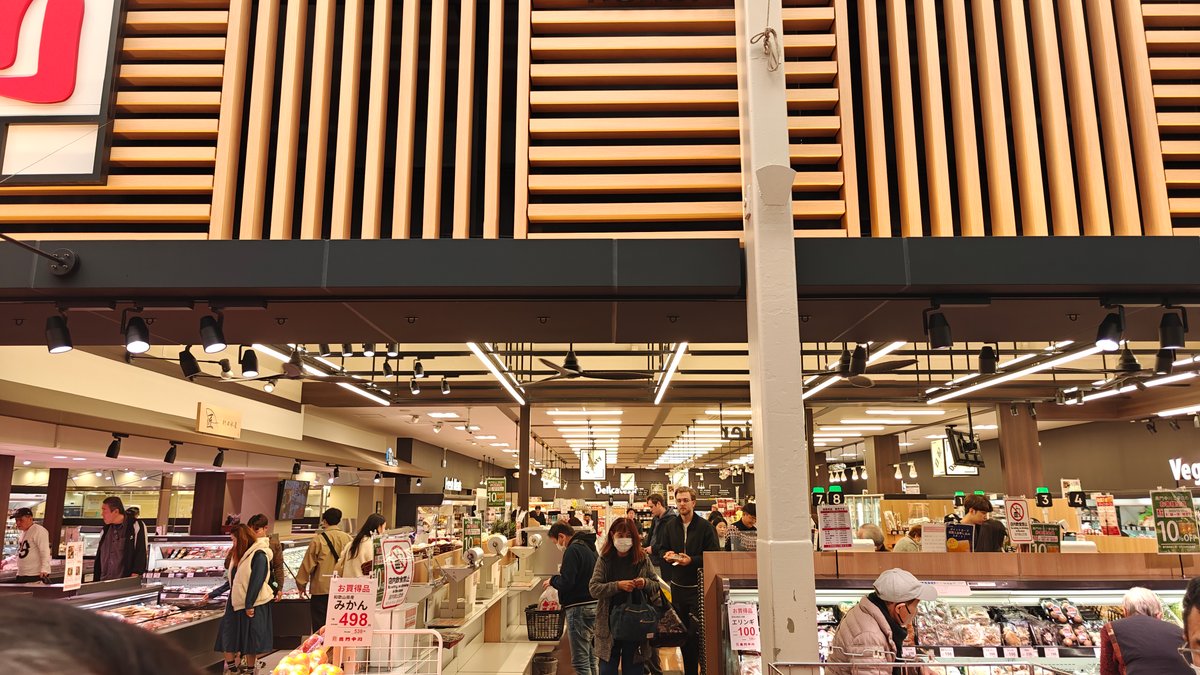
At the other end of the market is Kuromon Nakagawa. It feels like a nod to everything around it, but in a more moddern way. A supermarket with decent aisles and refrigeration, it was mostly just a place I ducked into as an escape from the crush for a few minutes.
It was clean and well lit.
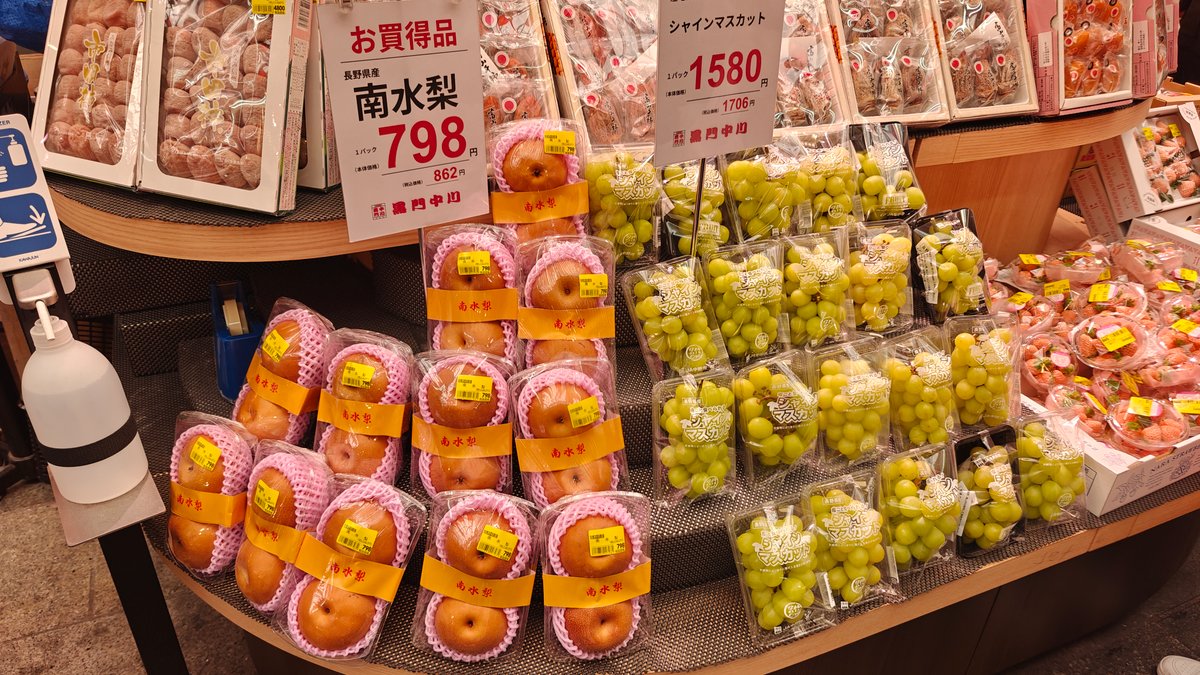
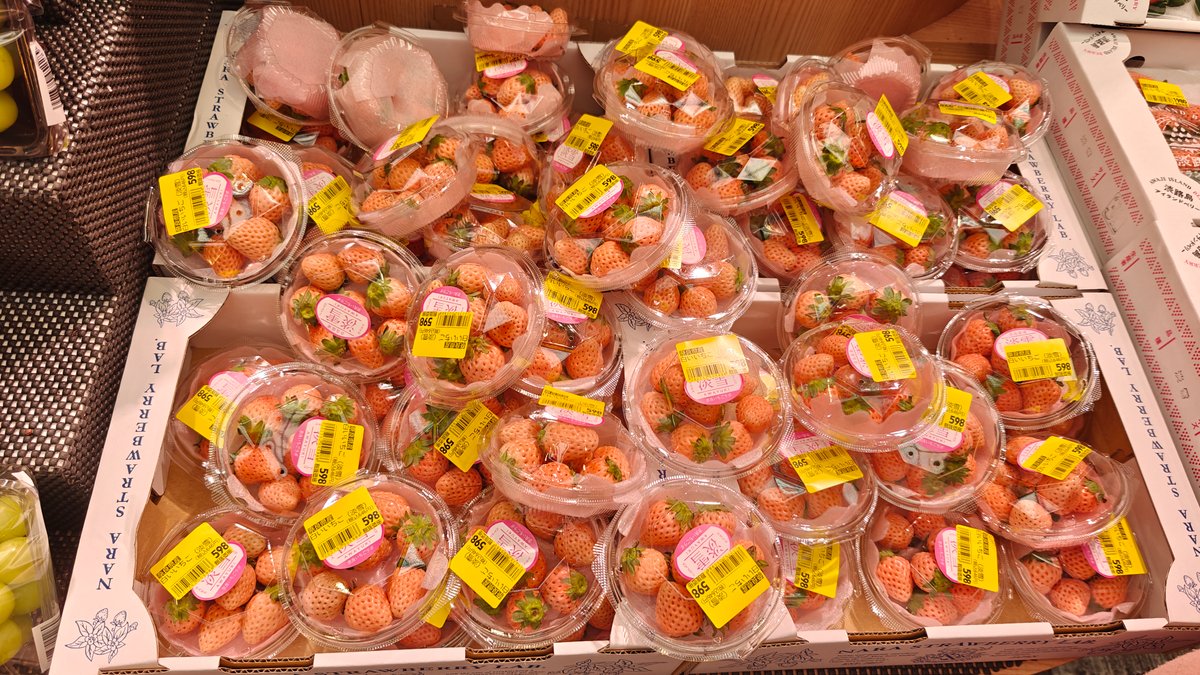
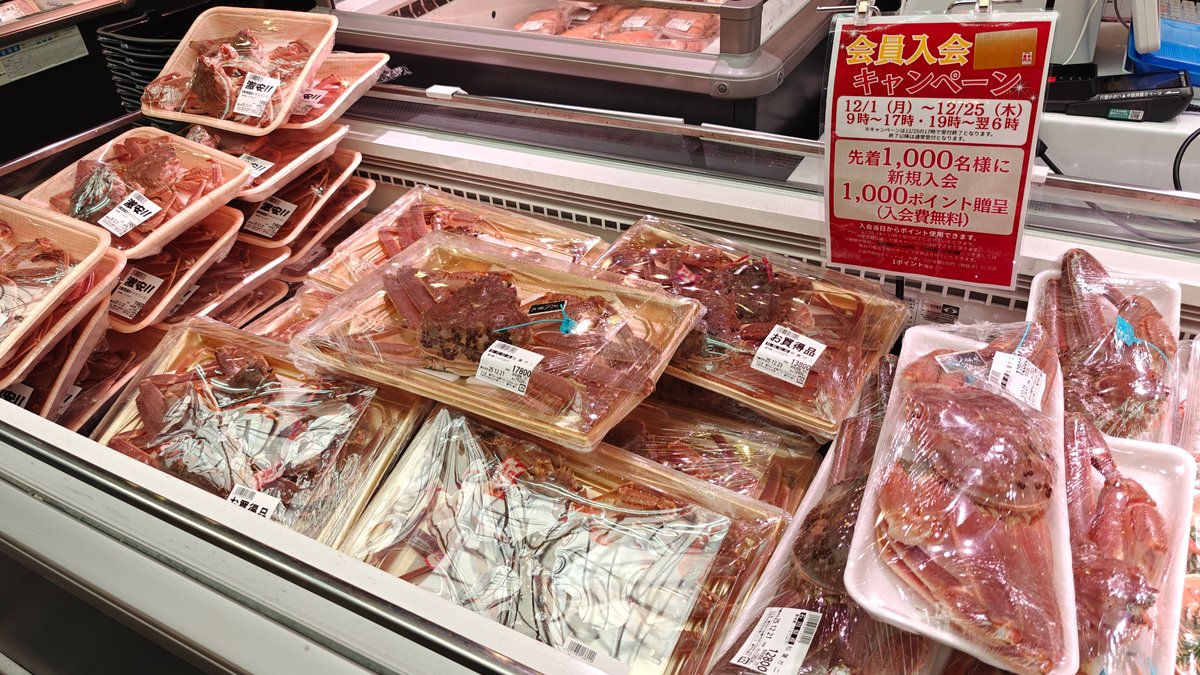
There were also these pale strawberries in plastic containers that seemed nearly unreal. The produce section featured expensive Shine Muscat grapes (more expensive than my lunch) as well as pears. At the counter, there were neat packages of meat and fish, and I began to understand why everyone was carrying cooler bags around the market.
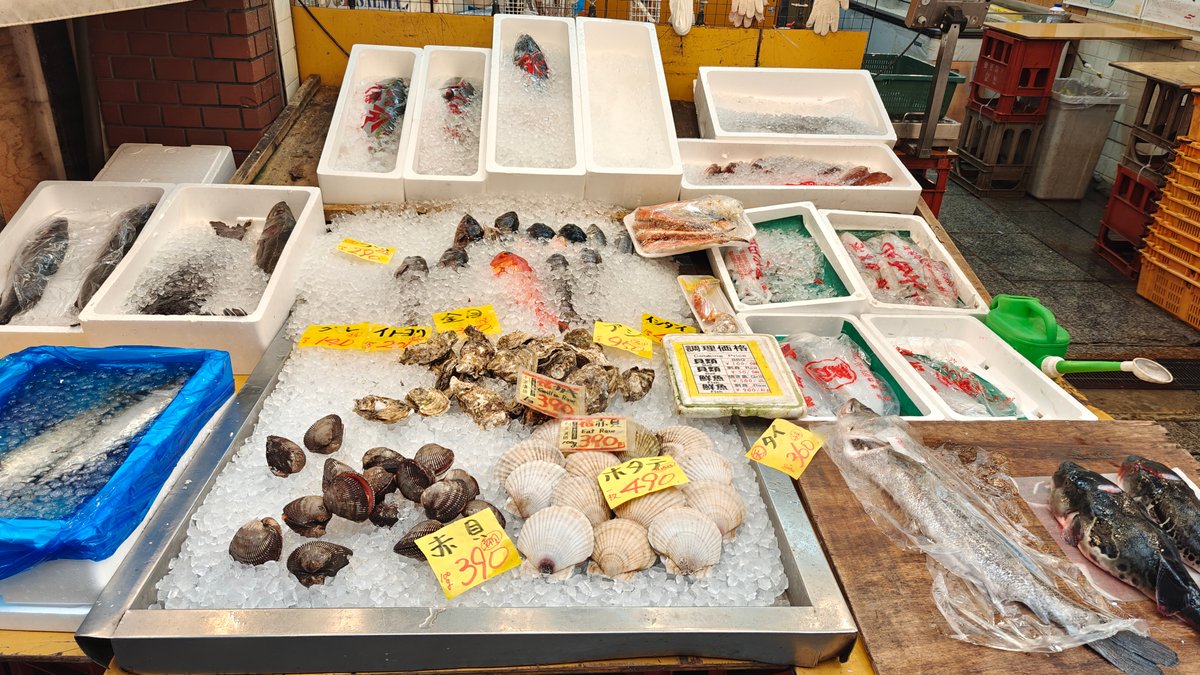
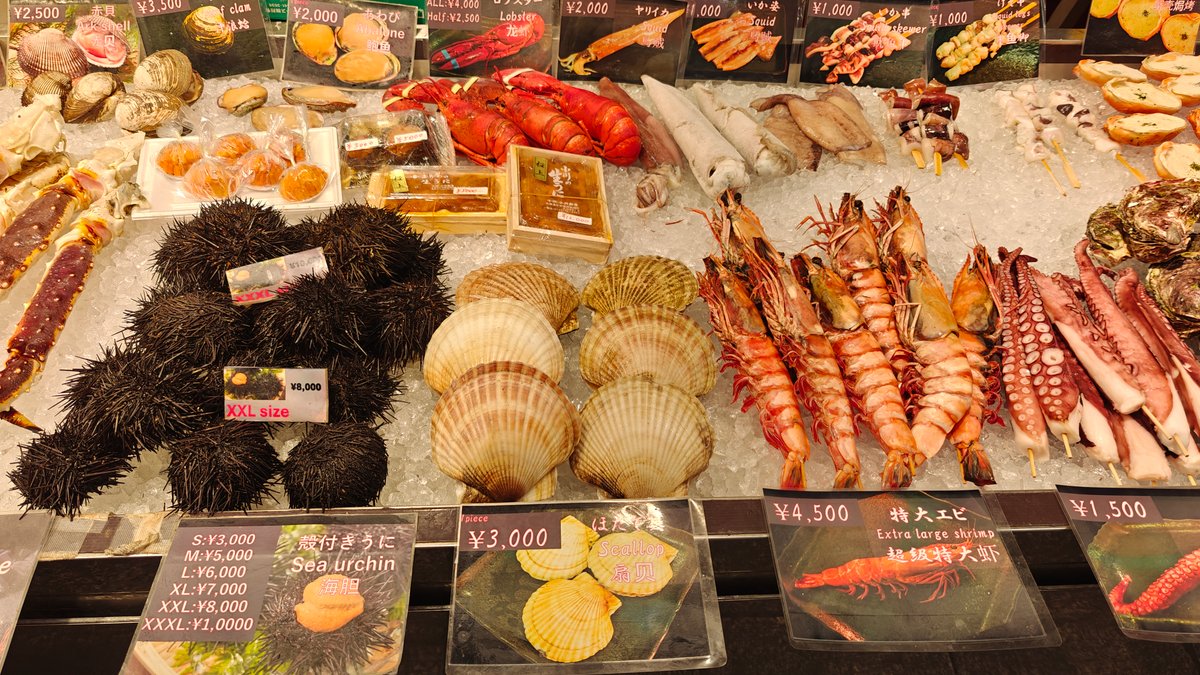
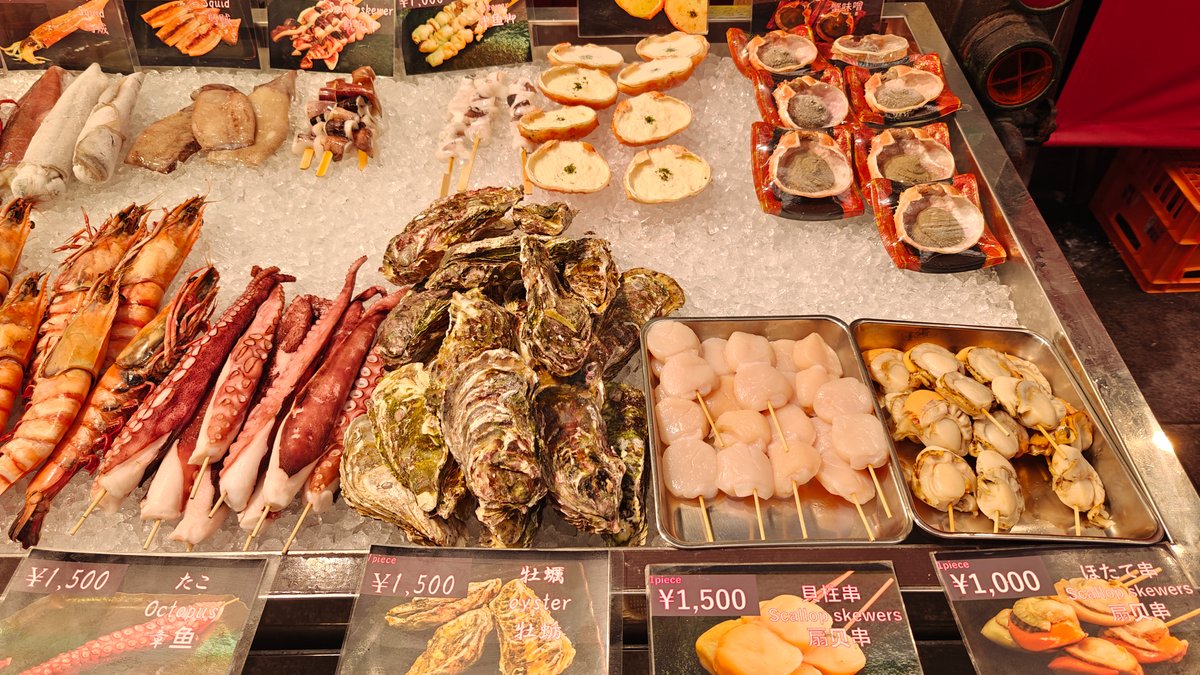
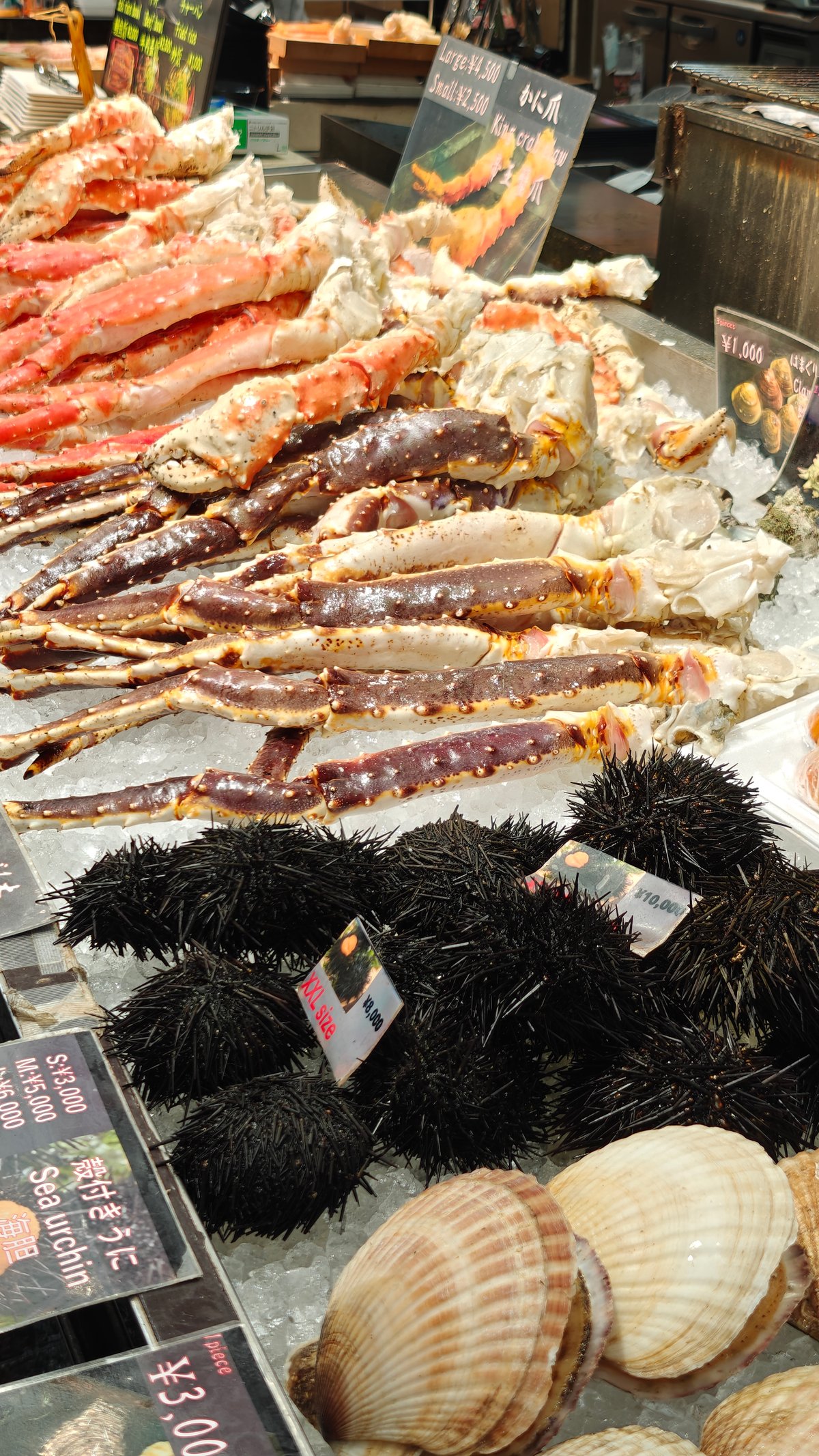
But then I was outside again with all the outdoor fish stalls selling king crab (which was heavier than my backpack), oysters, scallops, octopus legs, sea urchin, and other whole fresh fish on ice. A couple of tourists were poking around looking nervous and trying to get prices in broken Japanese for whatever they wanted to buy.
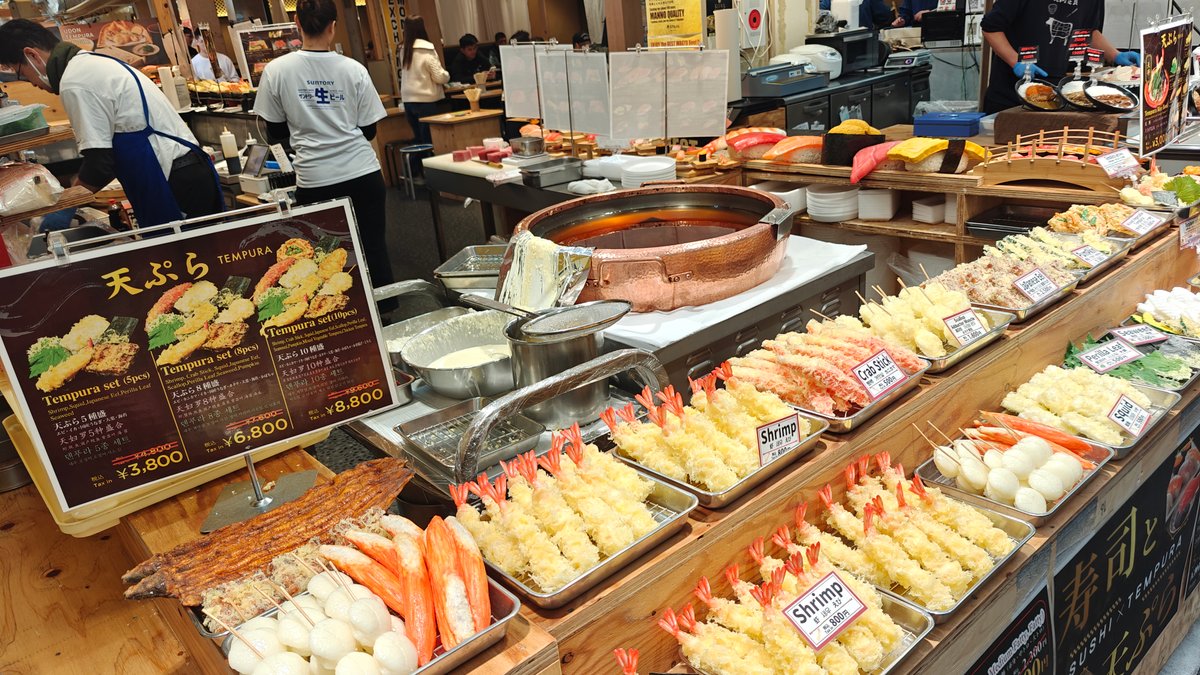
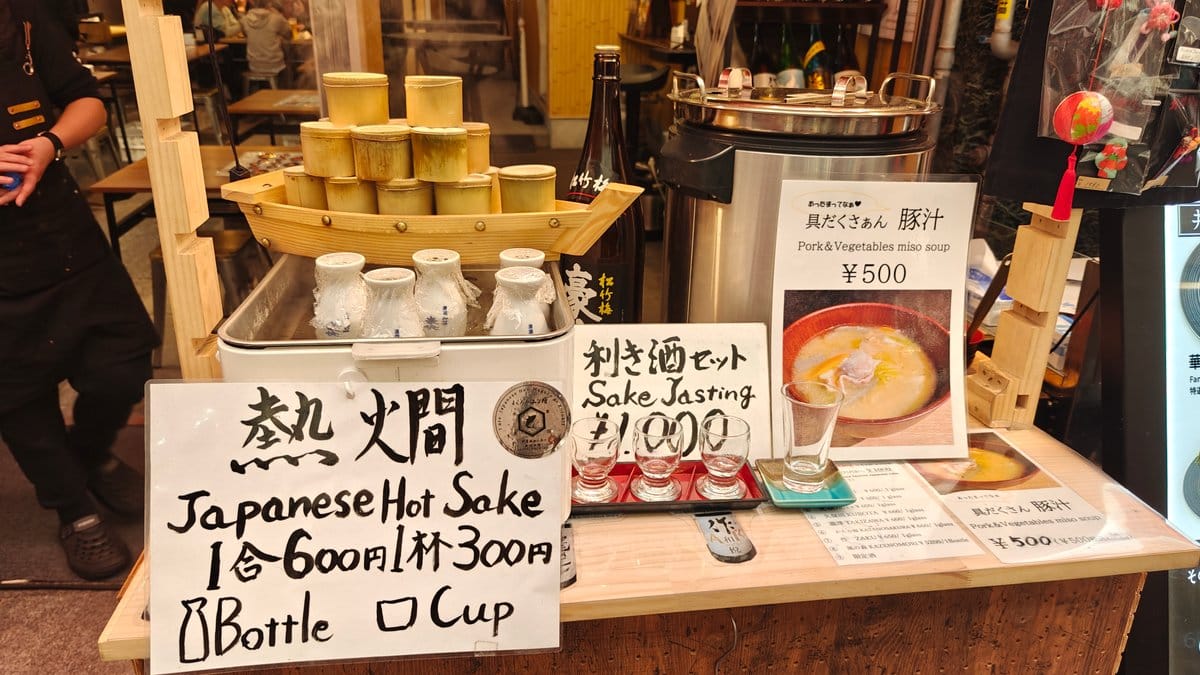
If you got sick of standing there eating, there were tempura counters and sake tasting stands where you could sit down. I spied some folks sipping on little bowls of pork miso soup and cups of sake, happy to simply sit back and watch the market swirl around them.
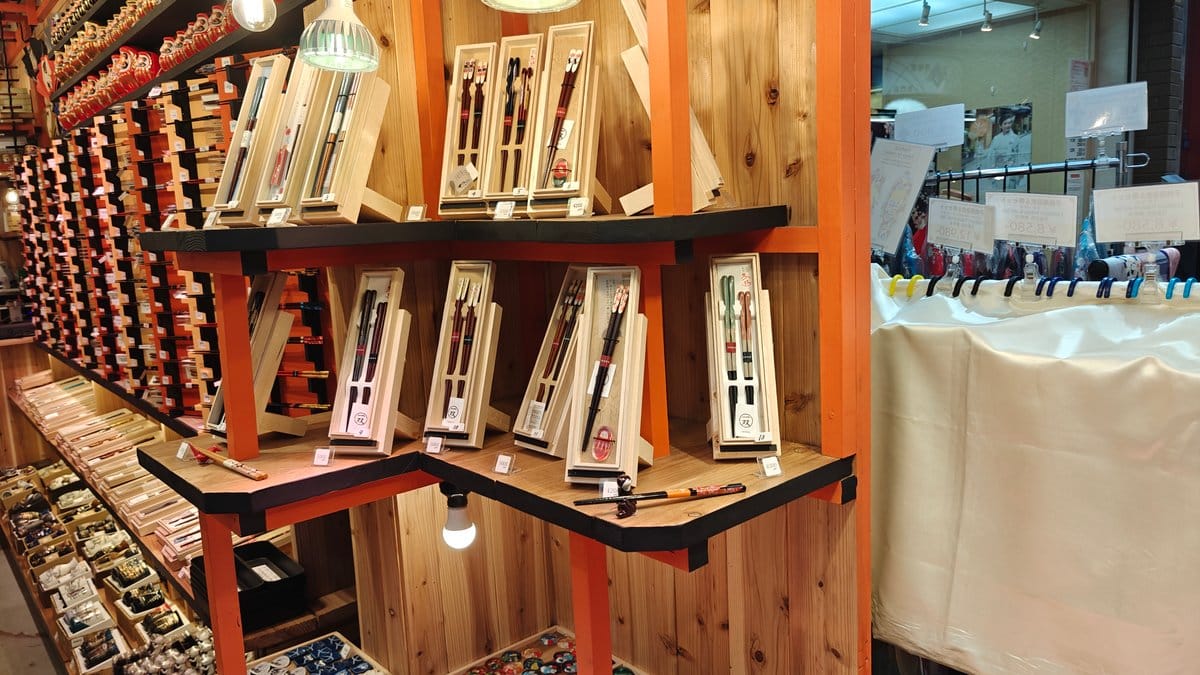
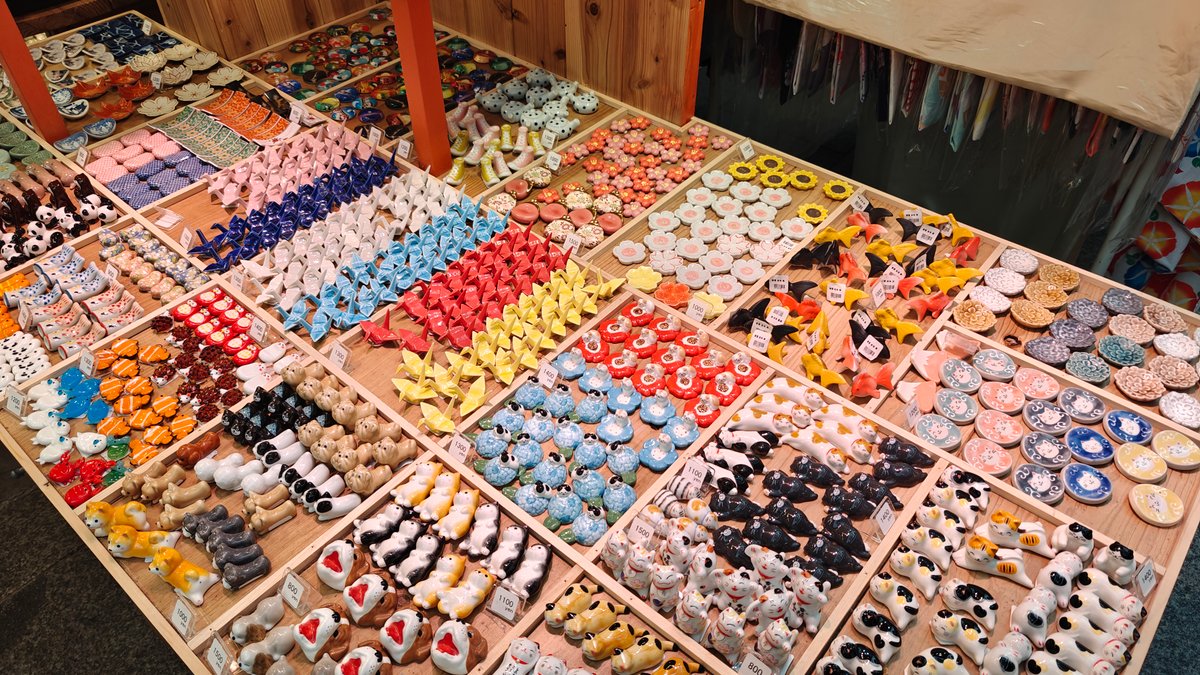
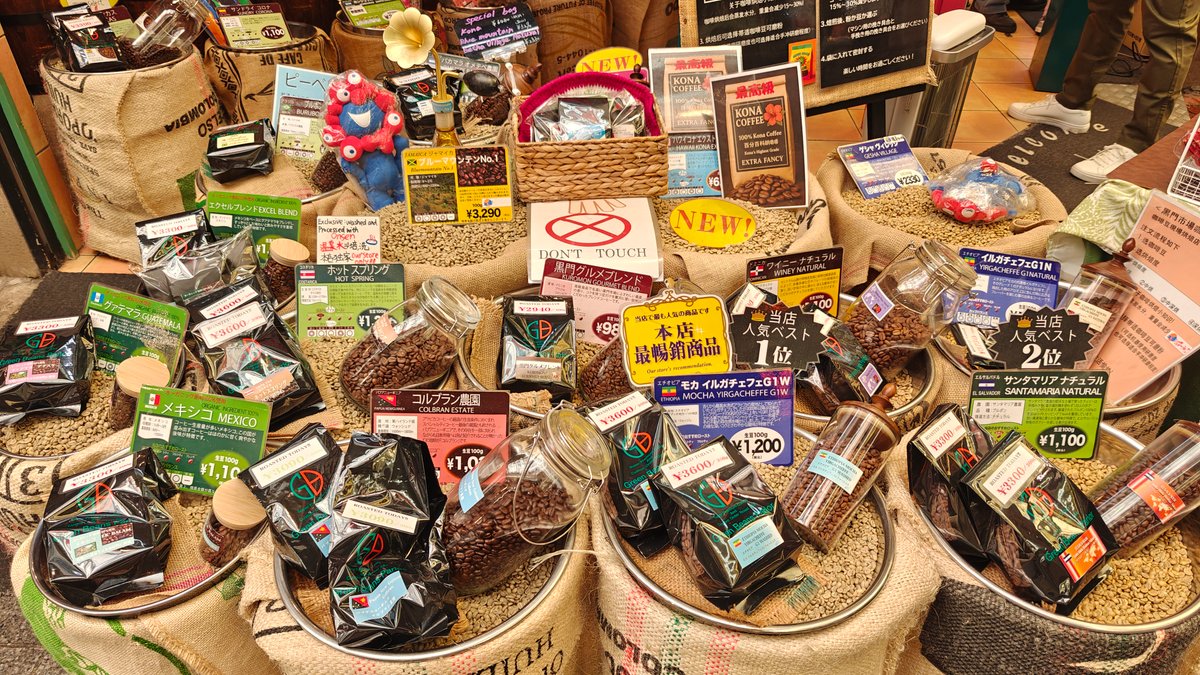
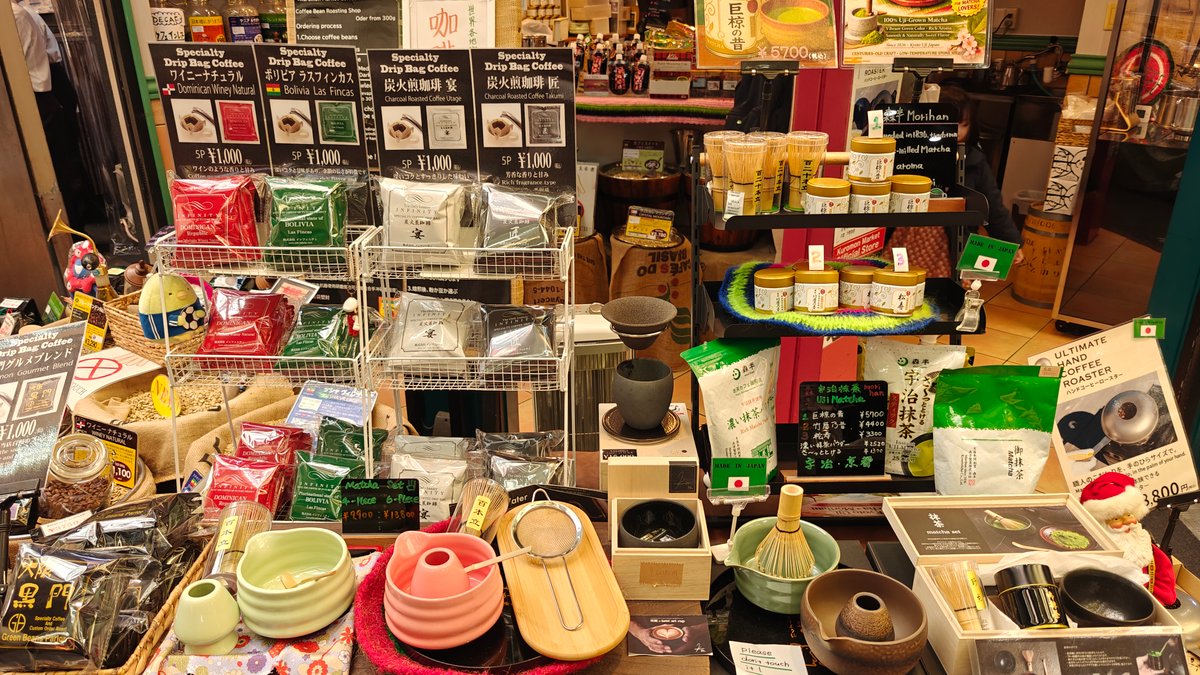
Somewhere in the middle was where the souvenir section kicked in. Ceramic animal figurines, decorated chopsticks, matcha and drip bags and accessories, and burlap sacks of coffee beans were all clamoring for my attention. While there were a few big items like a kilo of wagyu or a giant octopus that would of been difficult to fit into my suitcase, the smaller stuff here was easy to carry home with me so I snagged a couple of those too.
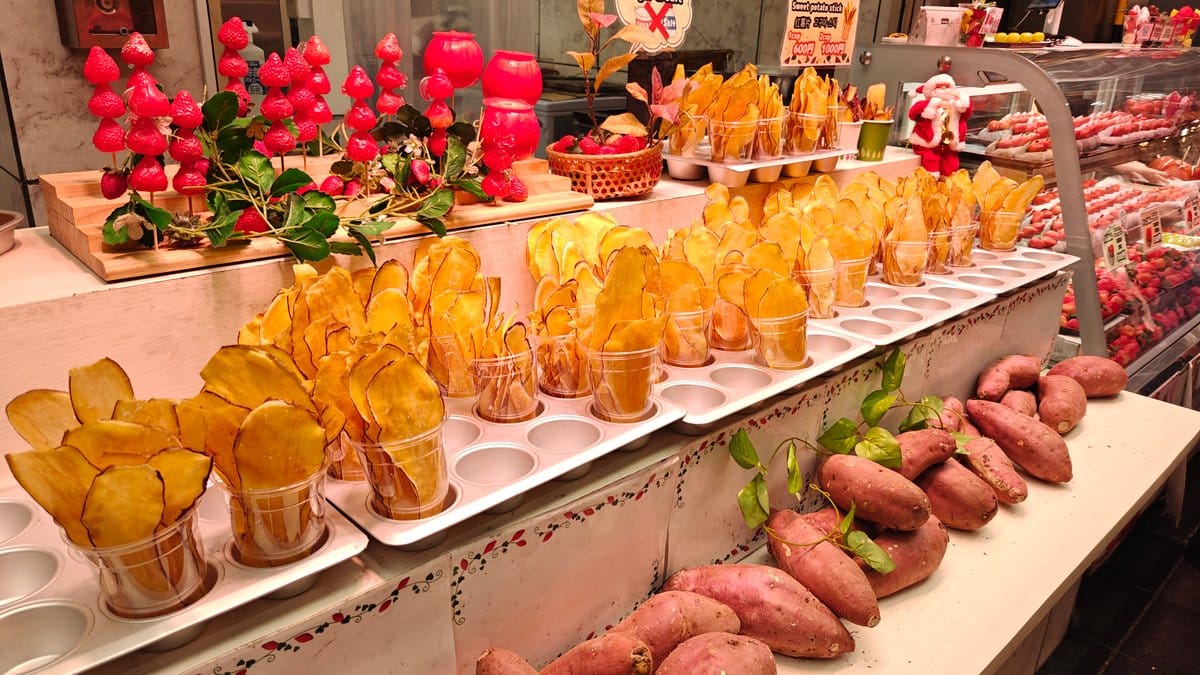
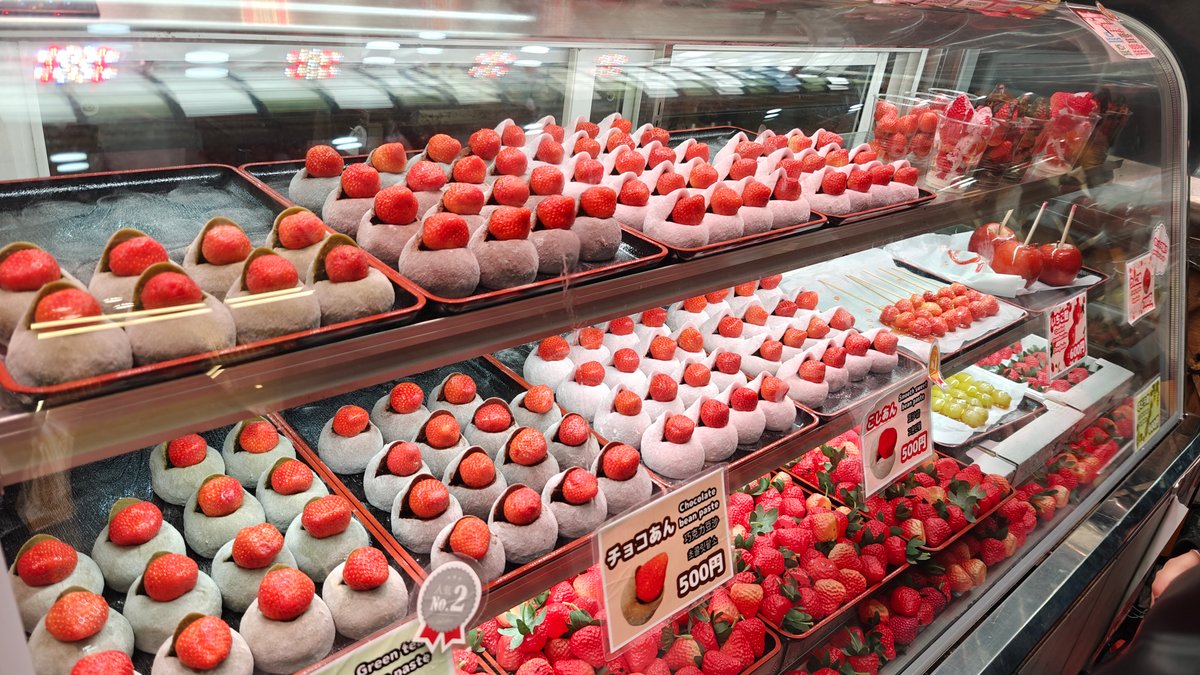
Sweet stalls were filled with strawberries dipped in chocolate, mochi-wrapped strawberries, sweet potato chips, and other candy apples. I got myself a mochi strawberry and it was as sweet as you’d expect it to be.
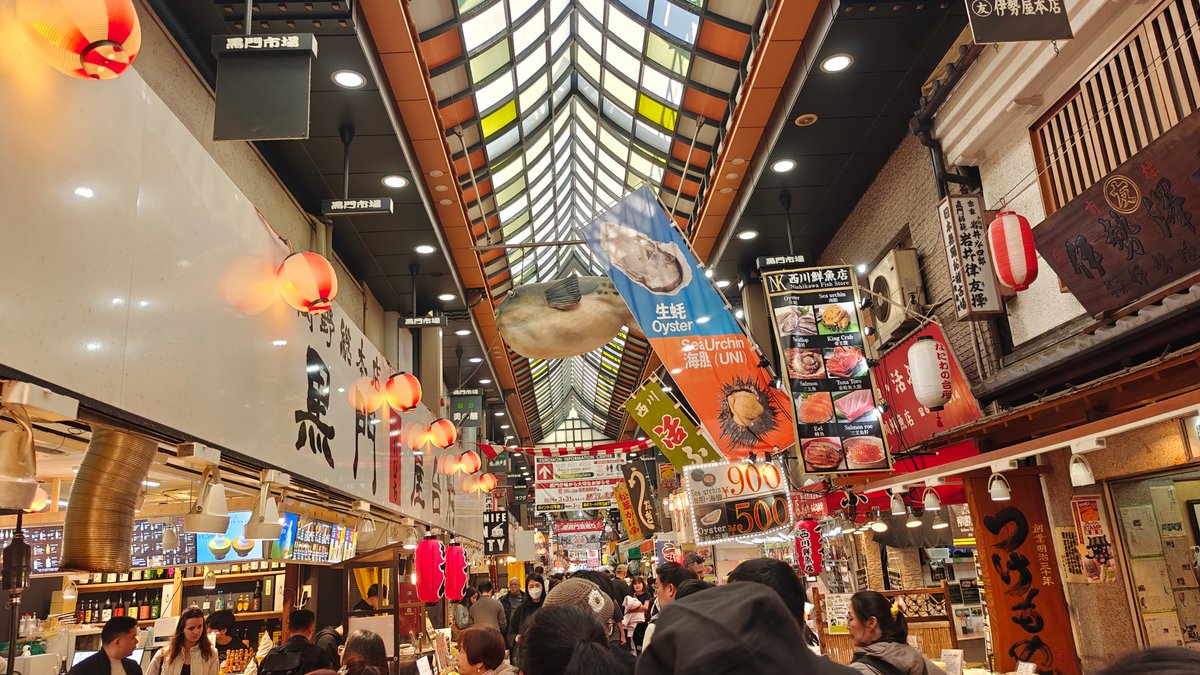
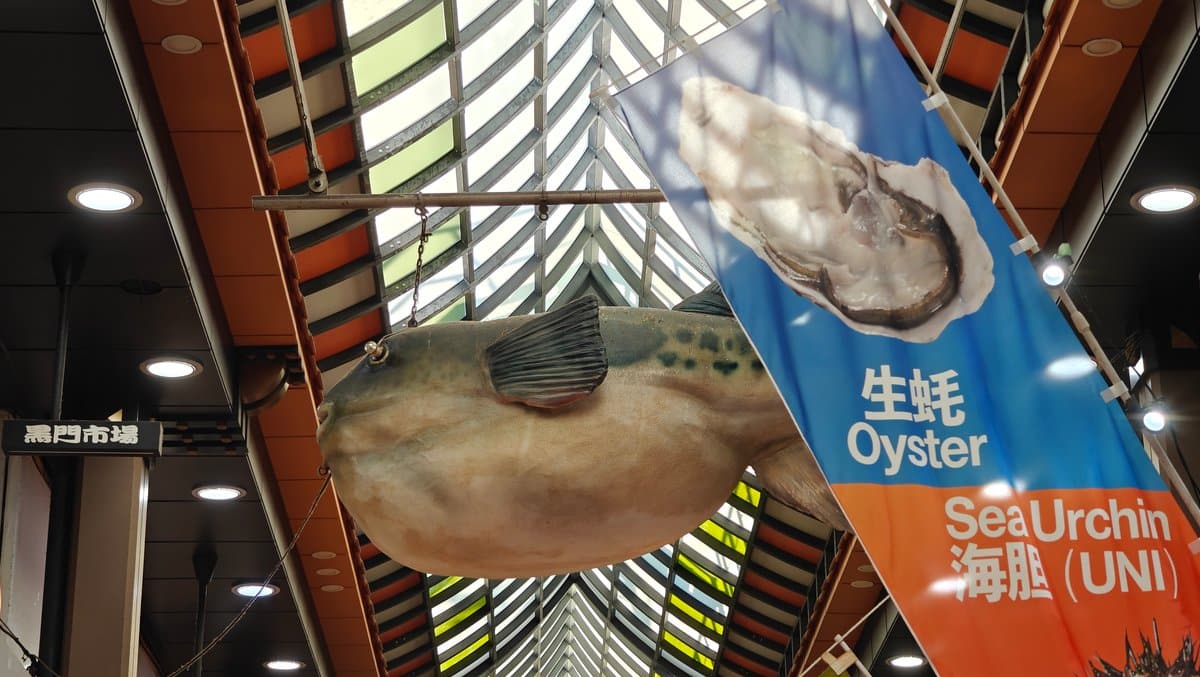
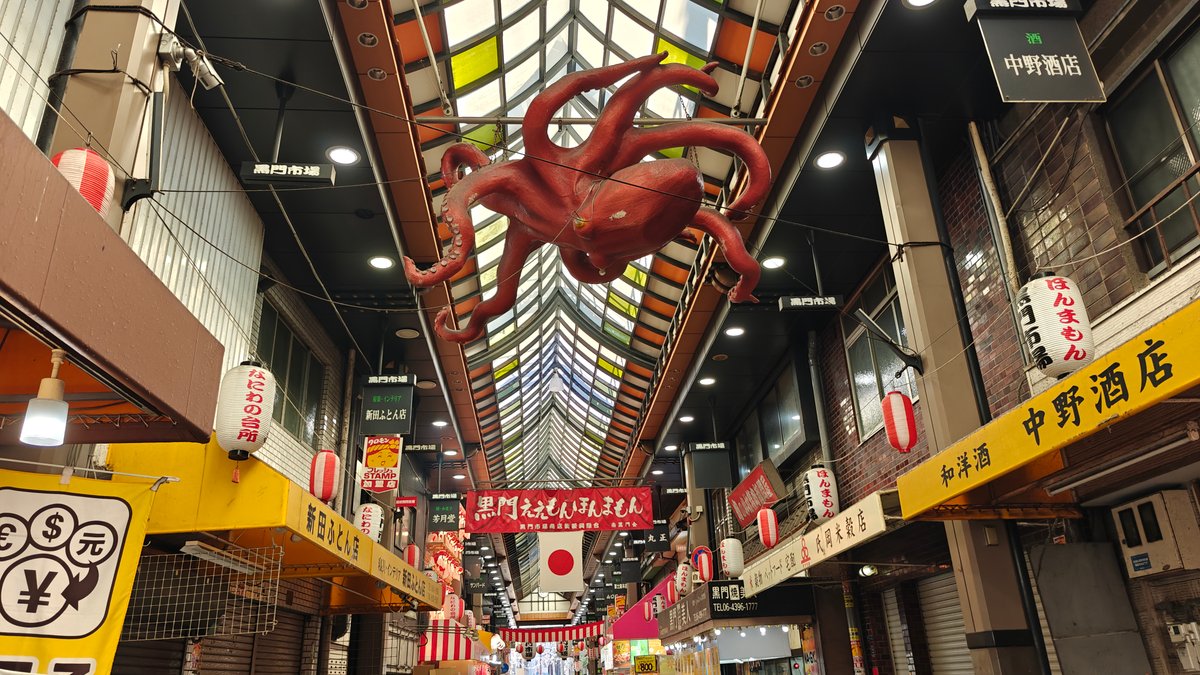
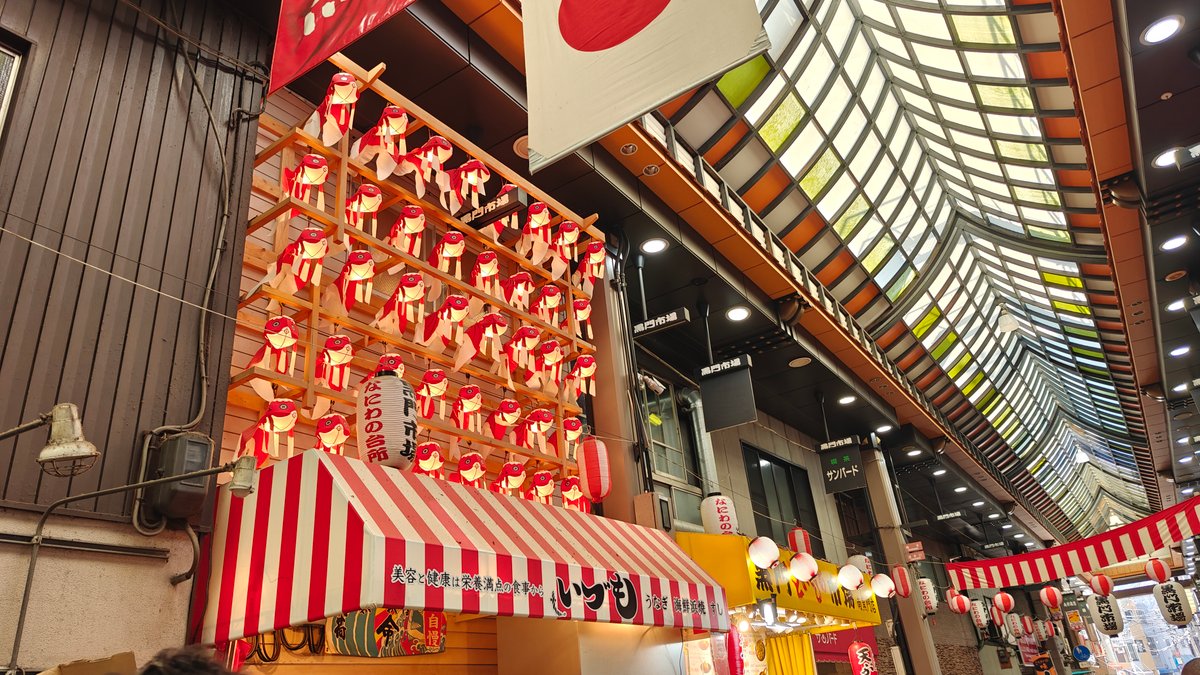
Every now and again, I’d look up to remind myself that this was a market that went big on the theatre of it all, giant inflatable fugu suspended from the ceiling; a huge sculpture of an octopus looming above one corner; rows of waving lucky cats greeting passers-by. It was a lot, but it worked in its own way.
Shinsekai
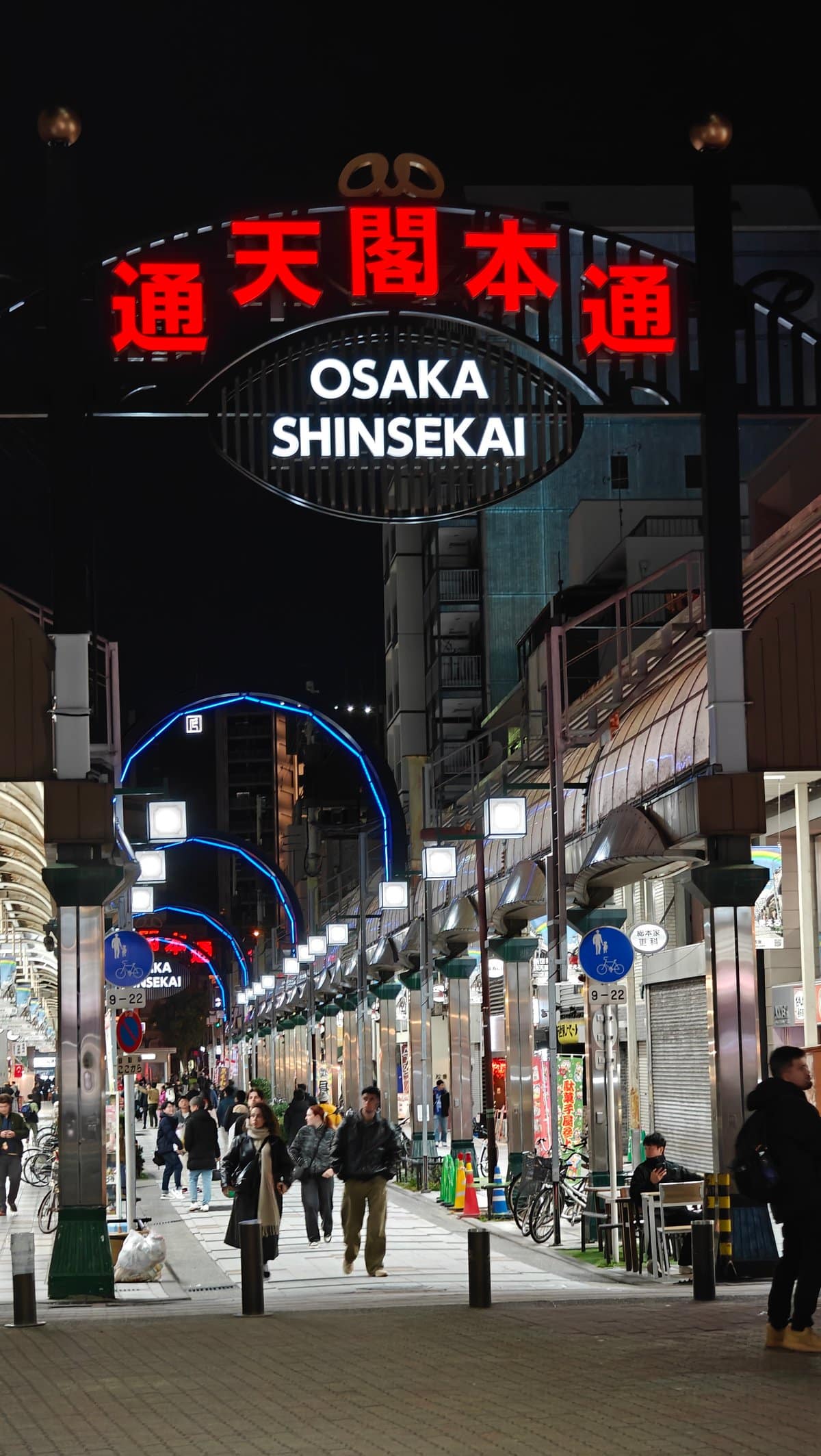
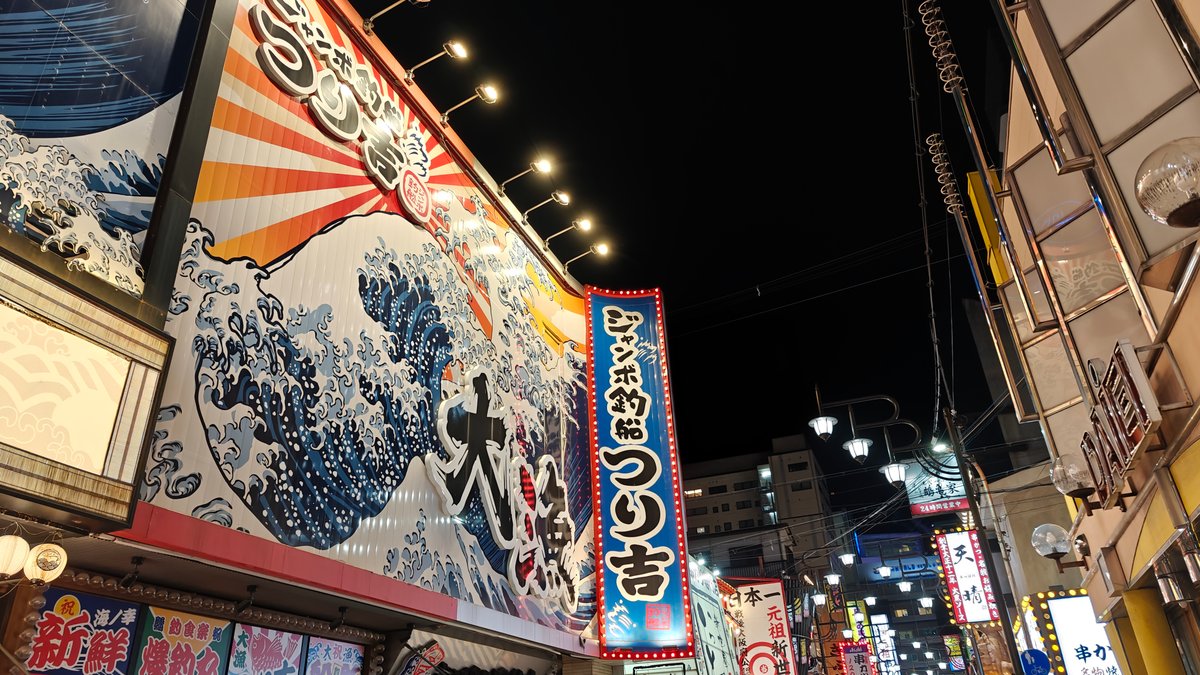
I was given a warm welcome into Shinsekai.
A giant wall mural of the Great Wave met me at the entrance arch, and I think it is quite bold. It’s got that throwback feel that seems common to the entire neighbourhood, as if it wants to maintain a version of Osaka that never really existed in the first place, let alone existed fully.
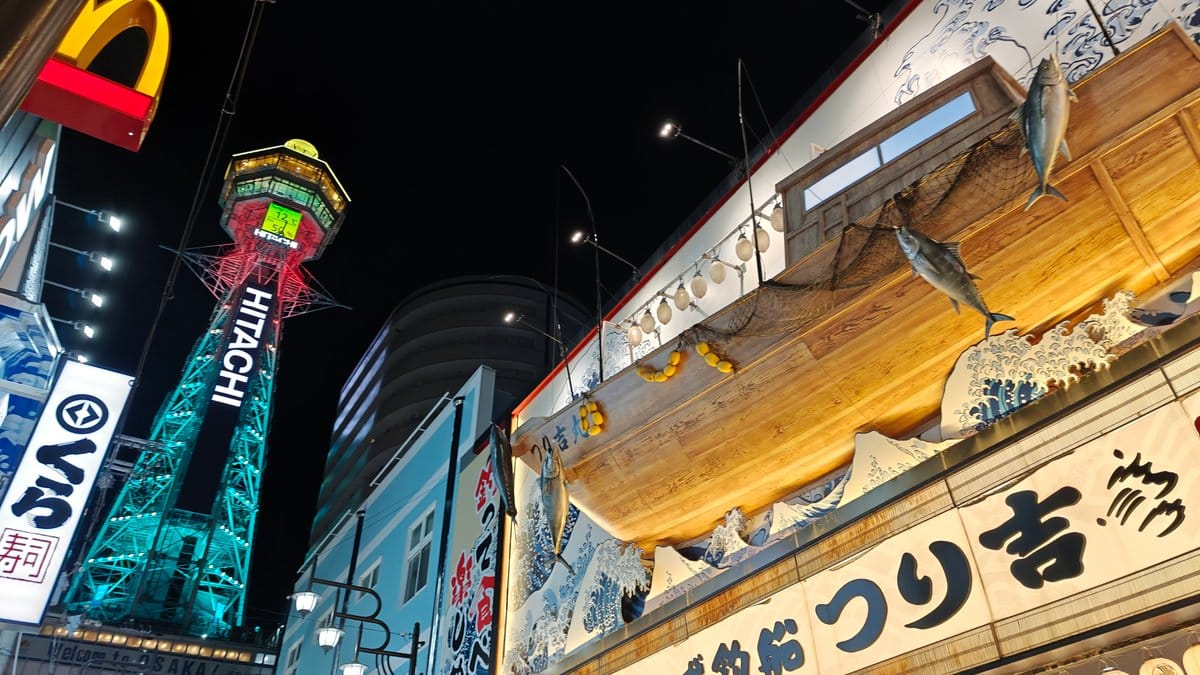
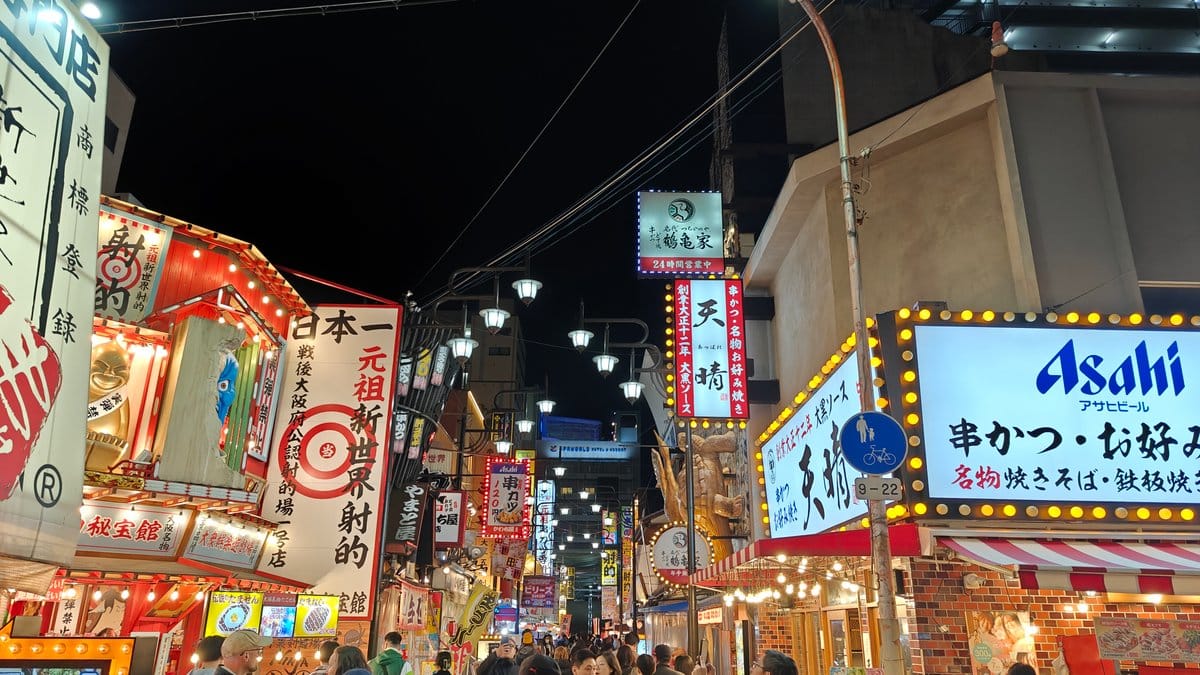
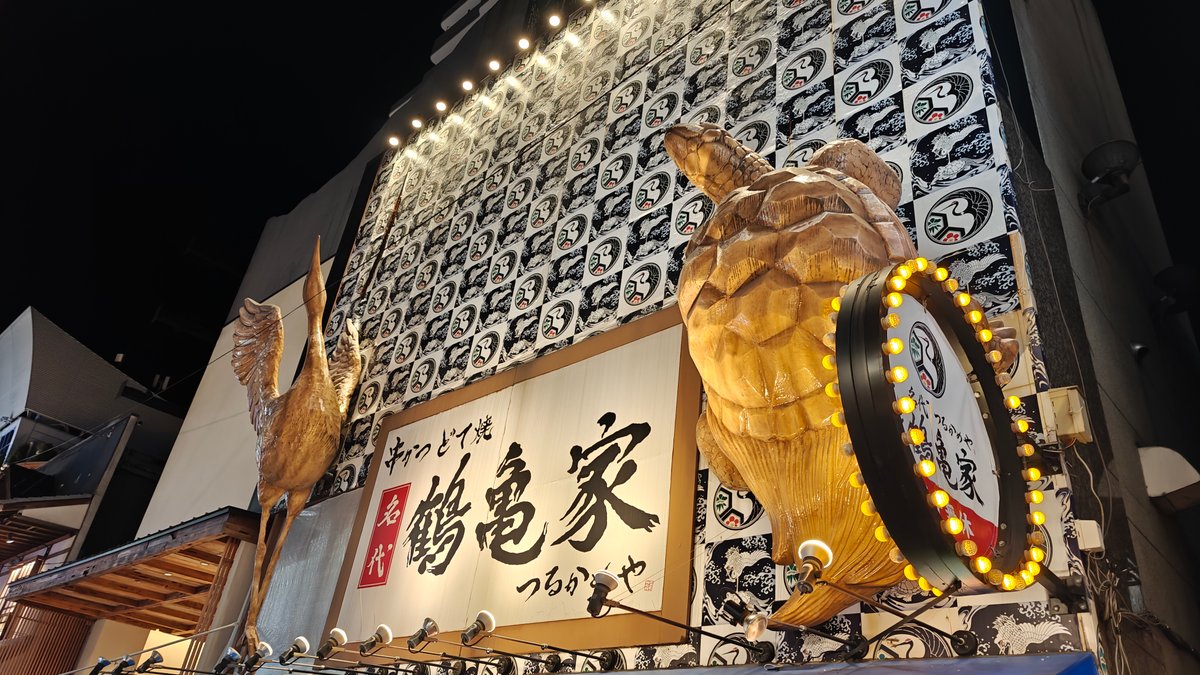
The restaurants under Tsutenkaku tower are covered in decorations, sculptures, and signs, so you’re not sure where to start looking.
Meanwhile, its looming presence casts a shadow over pretty much all of the views on the street. The streets were lined with Kushikatsu spots, and by the time I chose where to go I had walked past three others with elaborate facades.
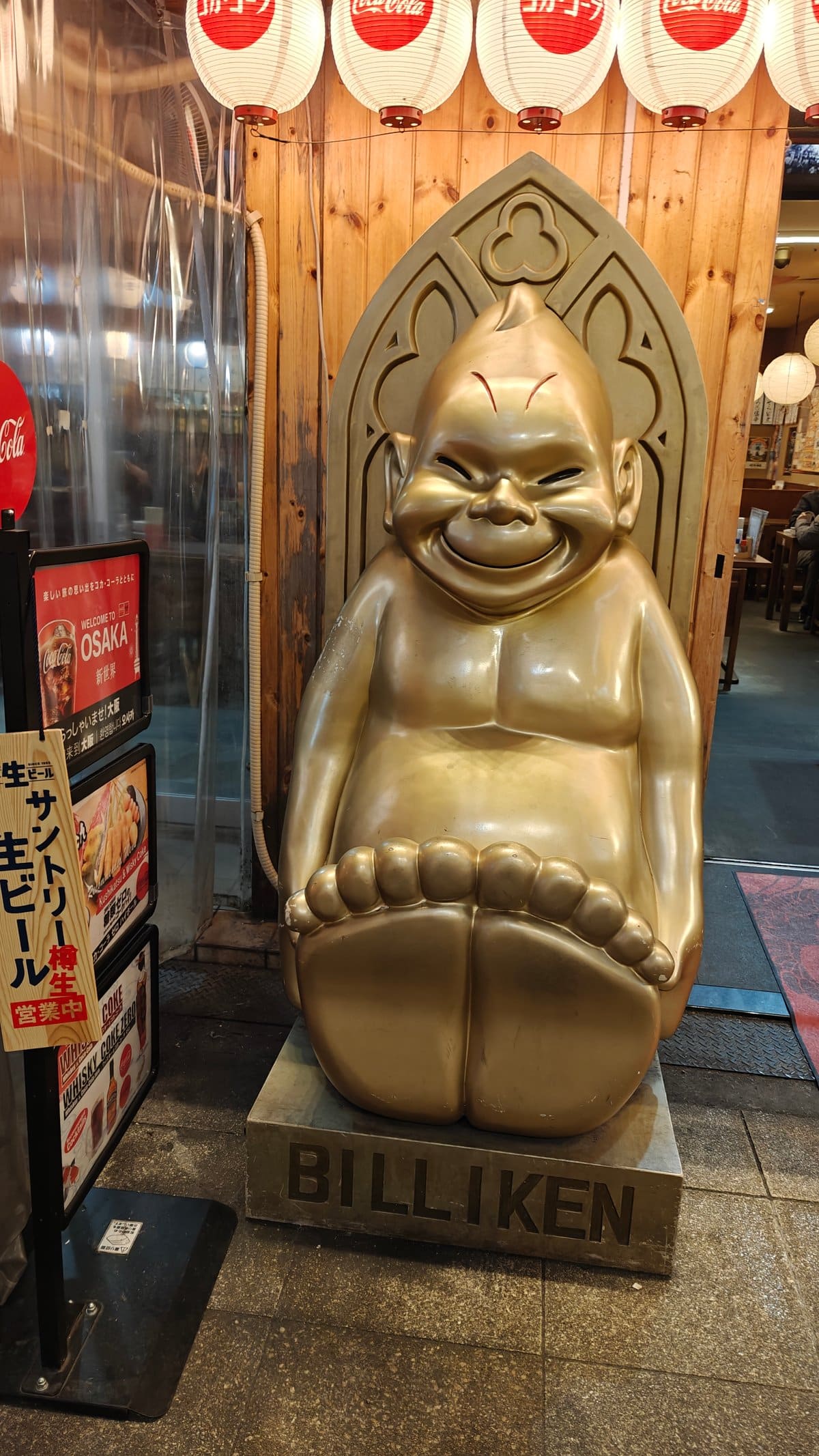
The Billiken statues are everywhere. This was my first experience with Billiken (apparently he’s a good luck figure), but Shinsekai has gone all-in on him. There is a giant baby-faced version of his face painted on the front of buildings, he’s painted onto walls, and there he sat outside of restaurants.
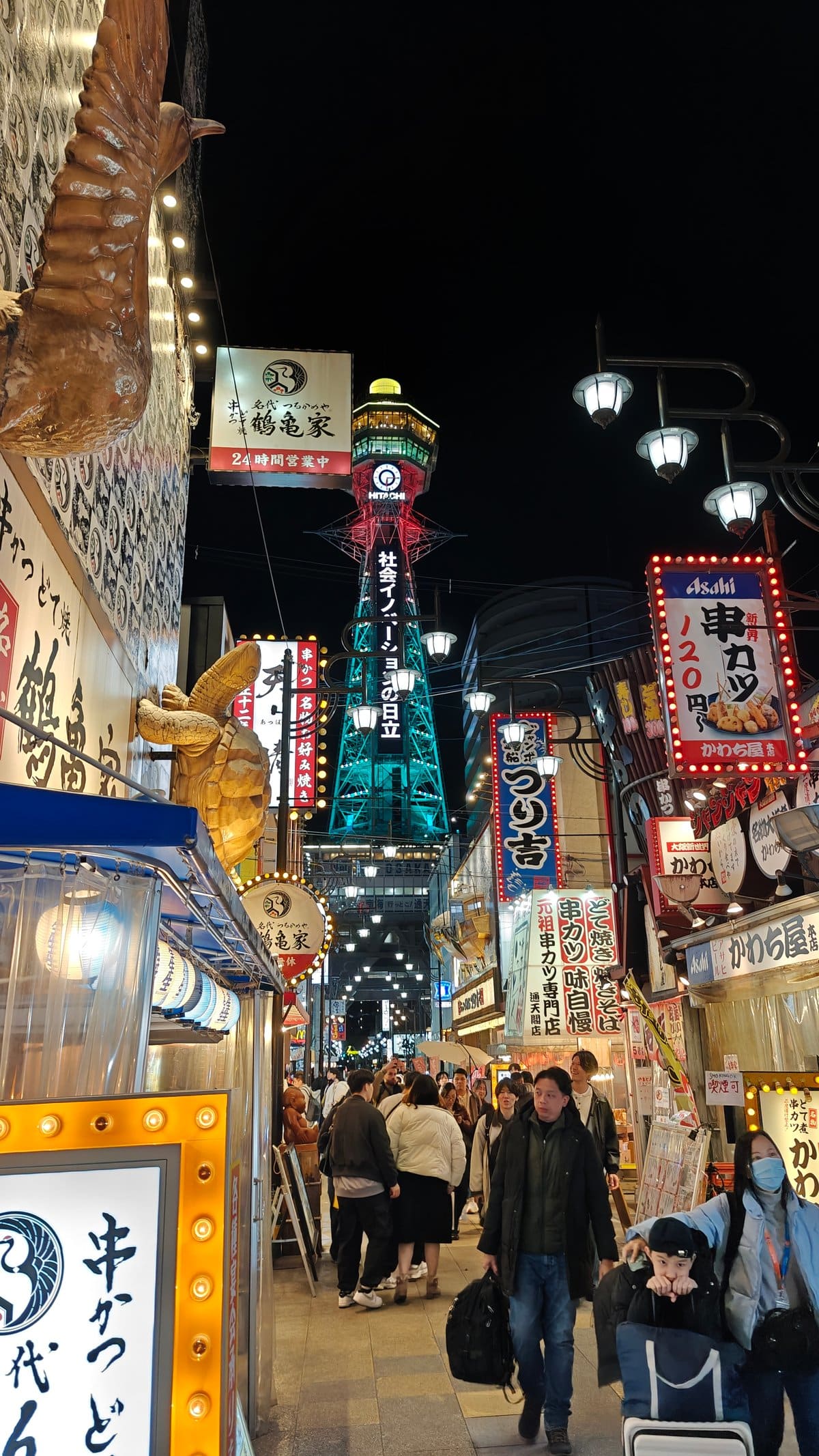
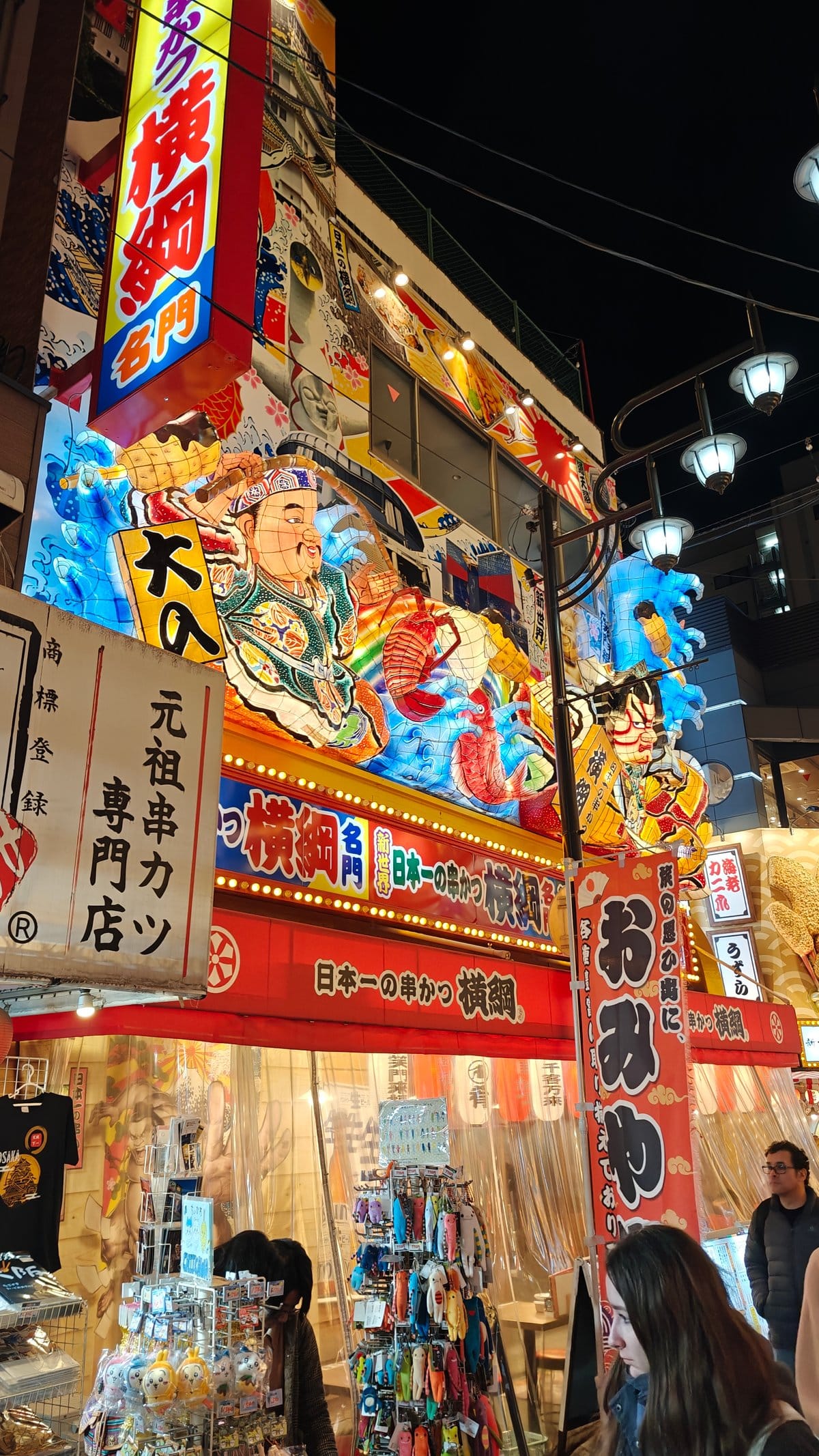
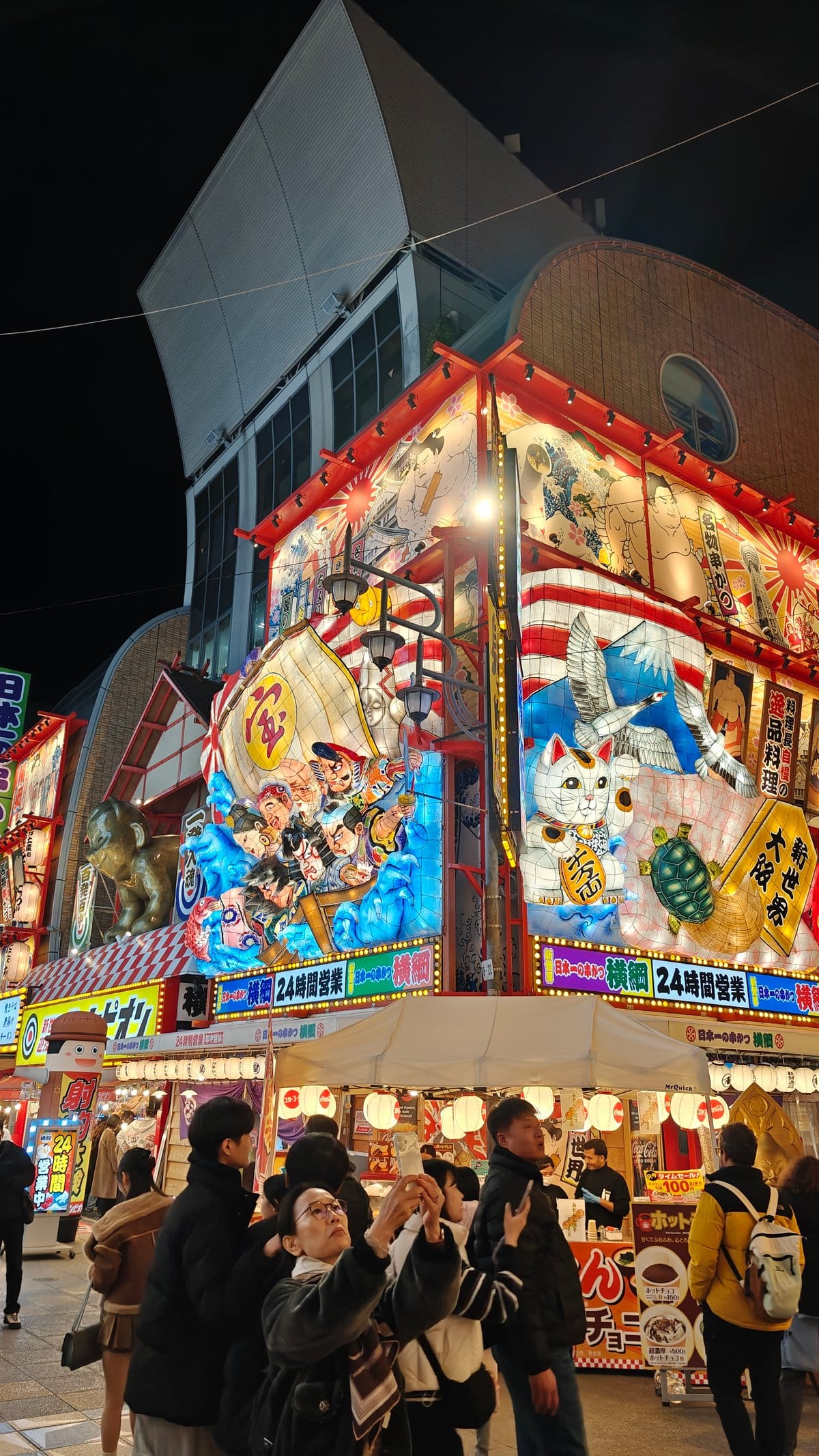
Buildings were decorated so heavily they could pass for folk art; there were murals of a painted treasure ship and sumo wrestlers. It was a little like a retro theme park, except that this was where people lived and worked.
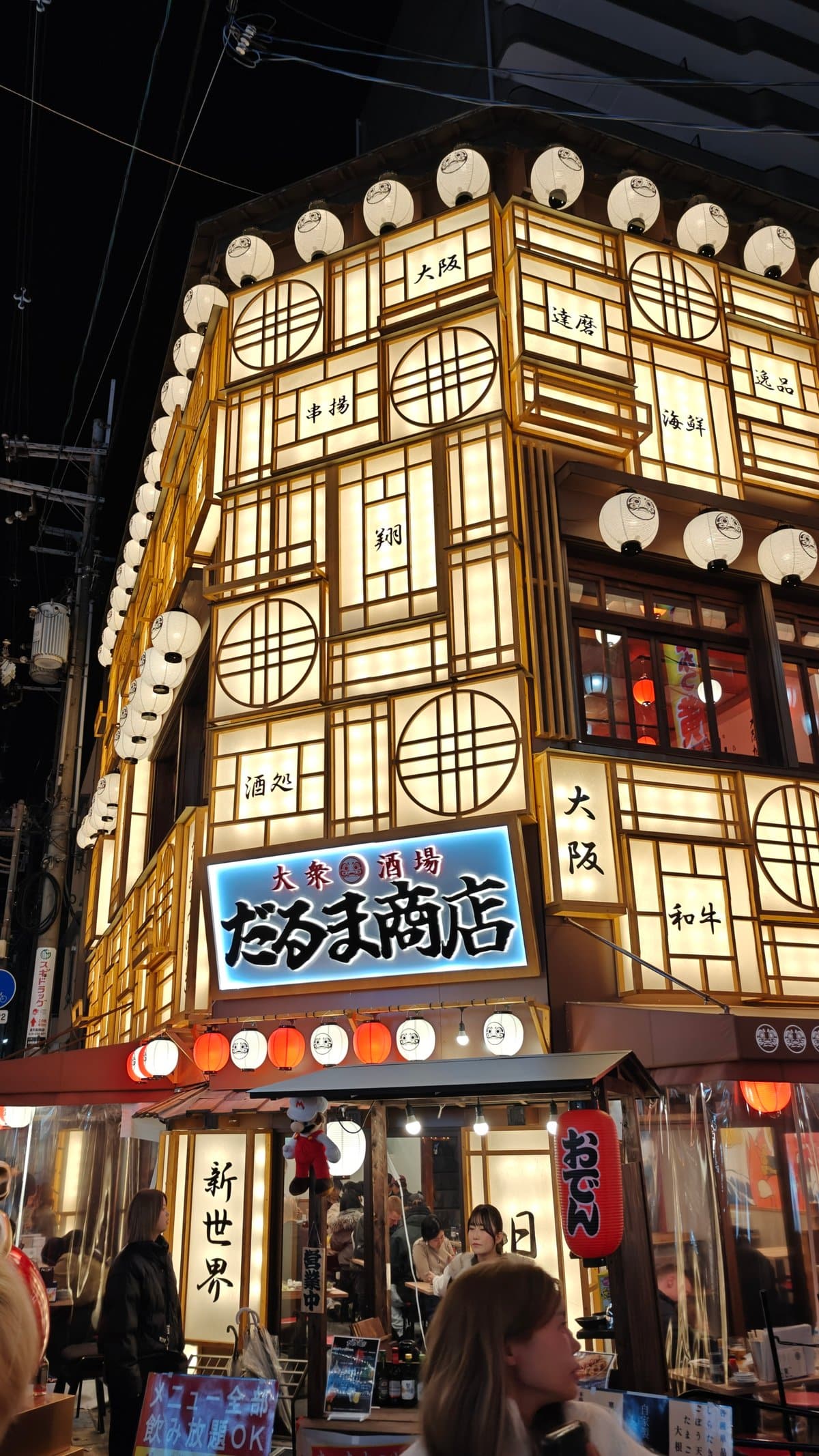
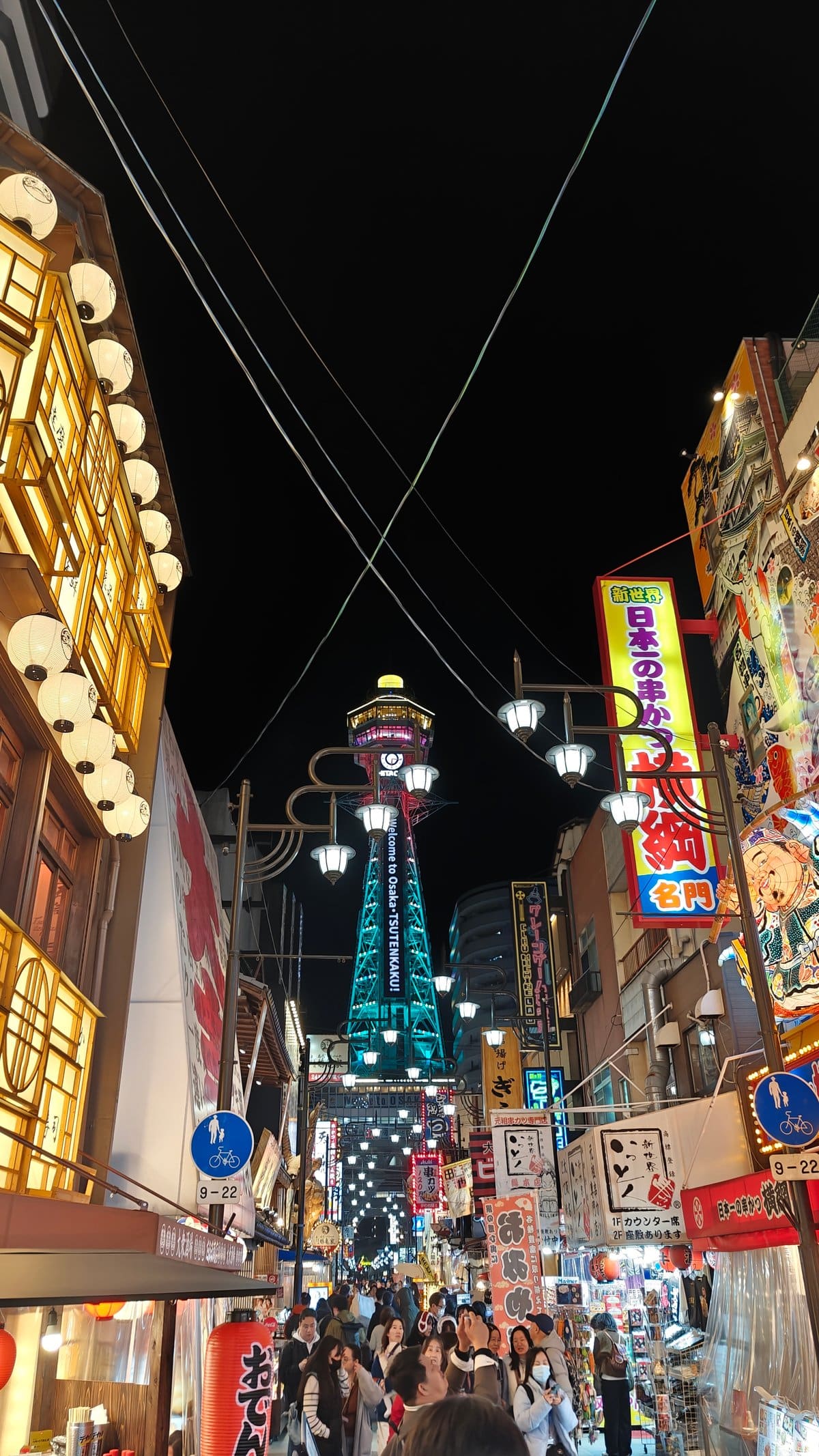
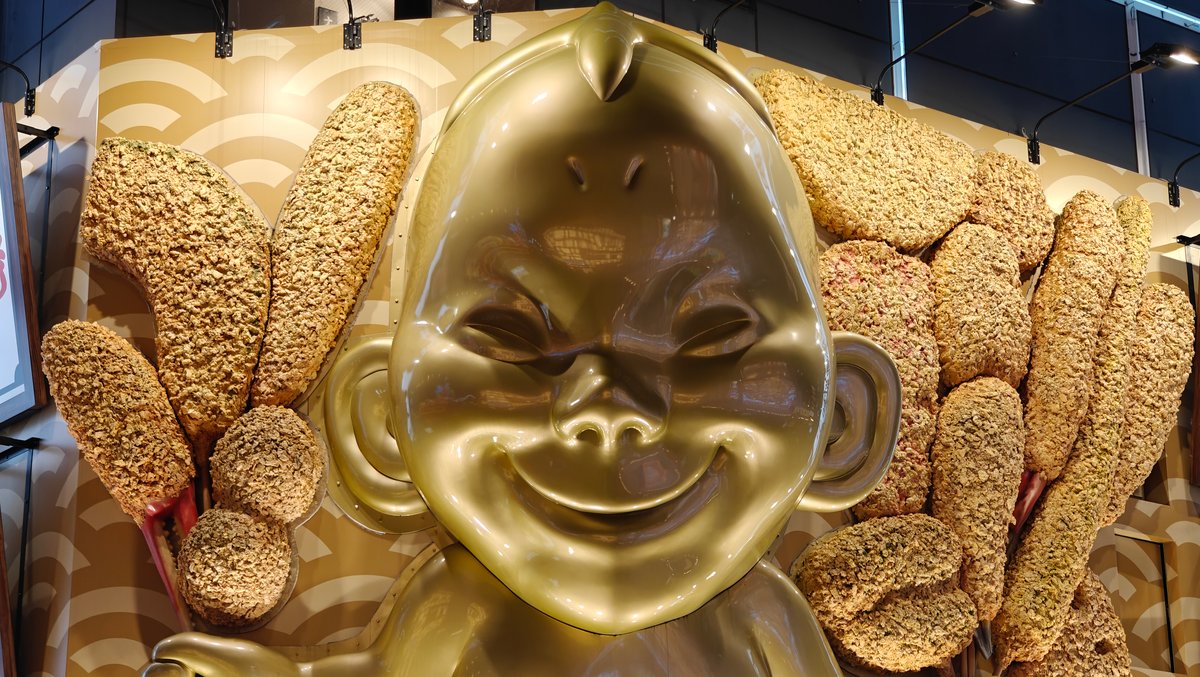
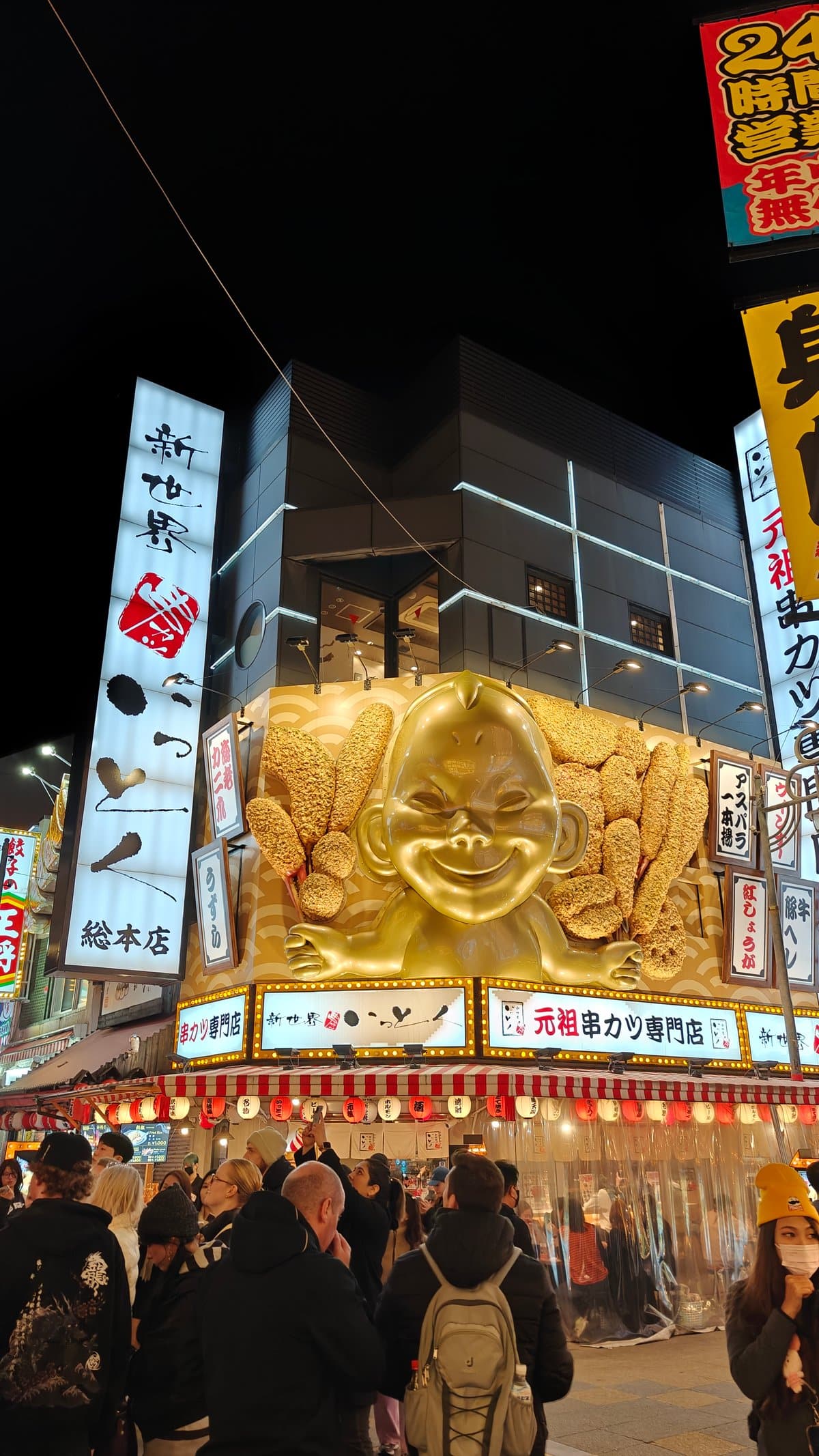
The imagery kept repeating: Daruma, Billiken, Daruma, Billiken… There was a giant gold face of a baby on one building that I swear will appear in my nightmares, and another building was completely covered from top to bottom in kushikatsu advertising. Not exactly subtle, Shinsekai.
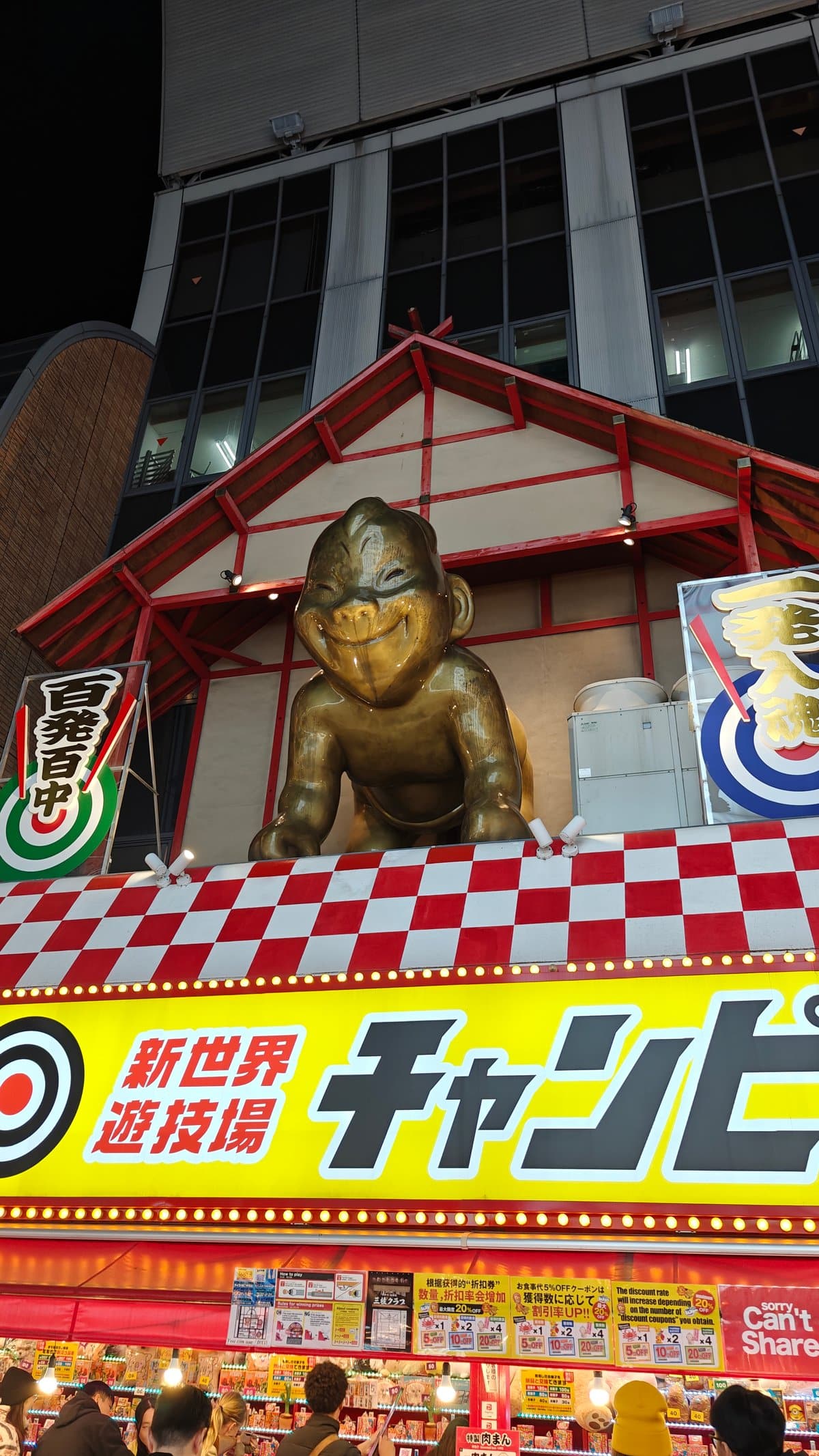
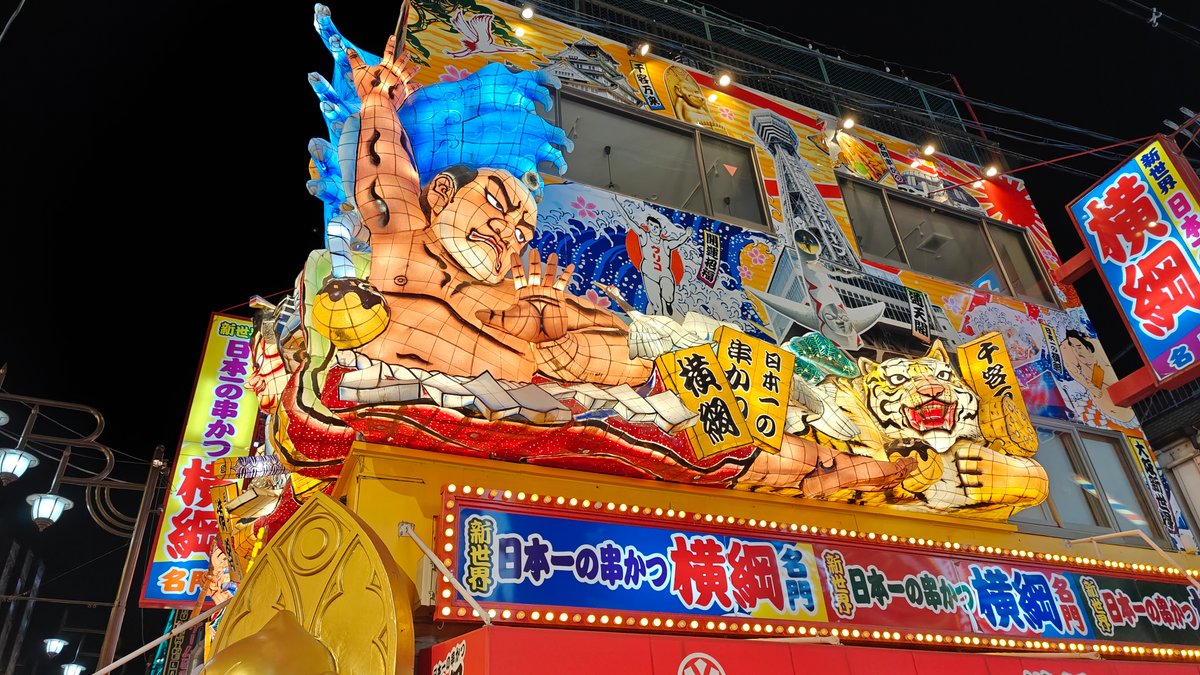
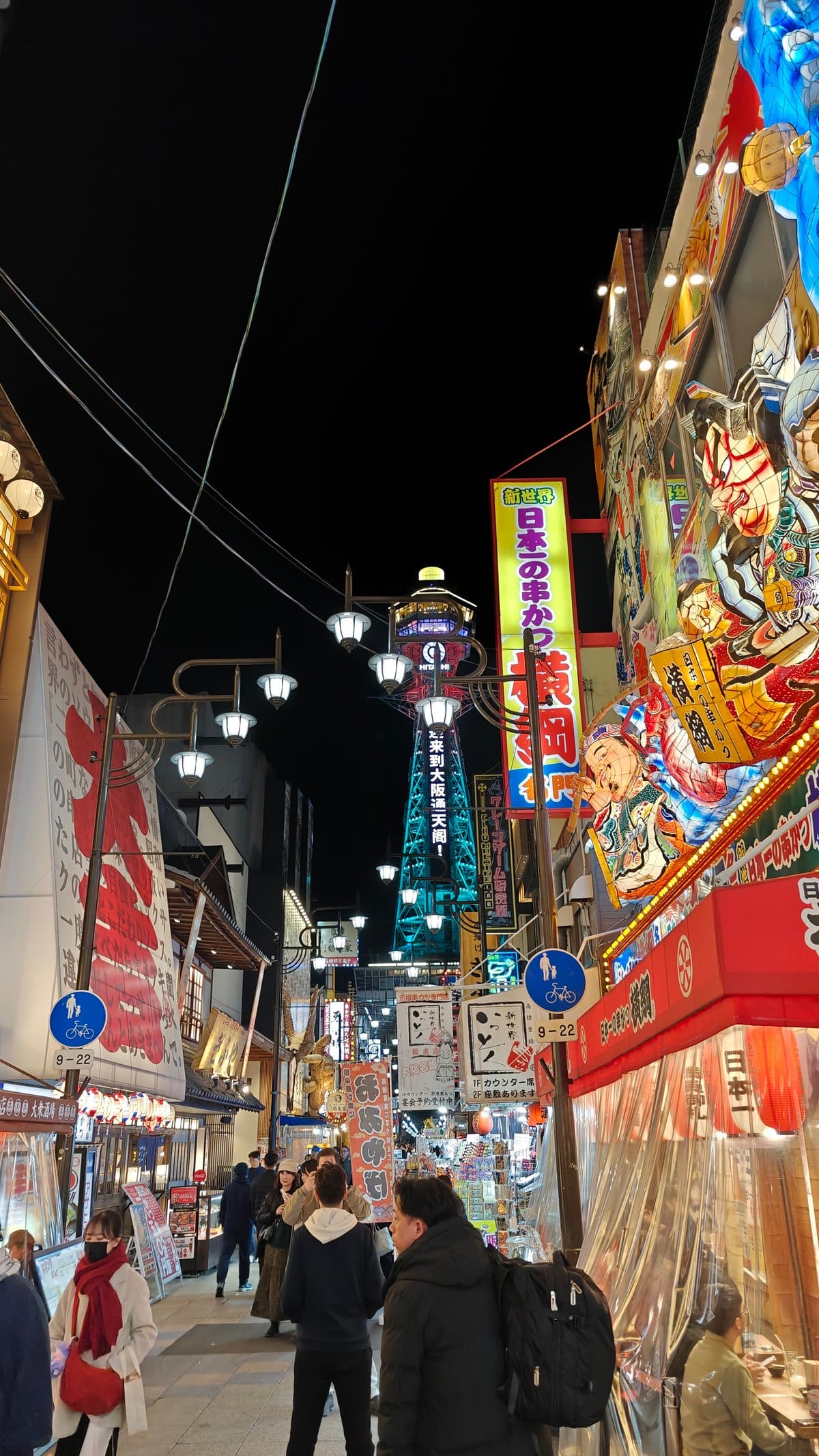
Restaurants competed with game arcades for volume and space. At night the Yokozuna restaurant would light up dramatically. Its signage was over the top and I walked past it twice.
It was busy during the day, but at night, it was very dramatic.
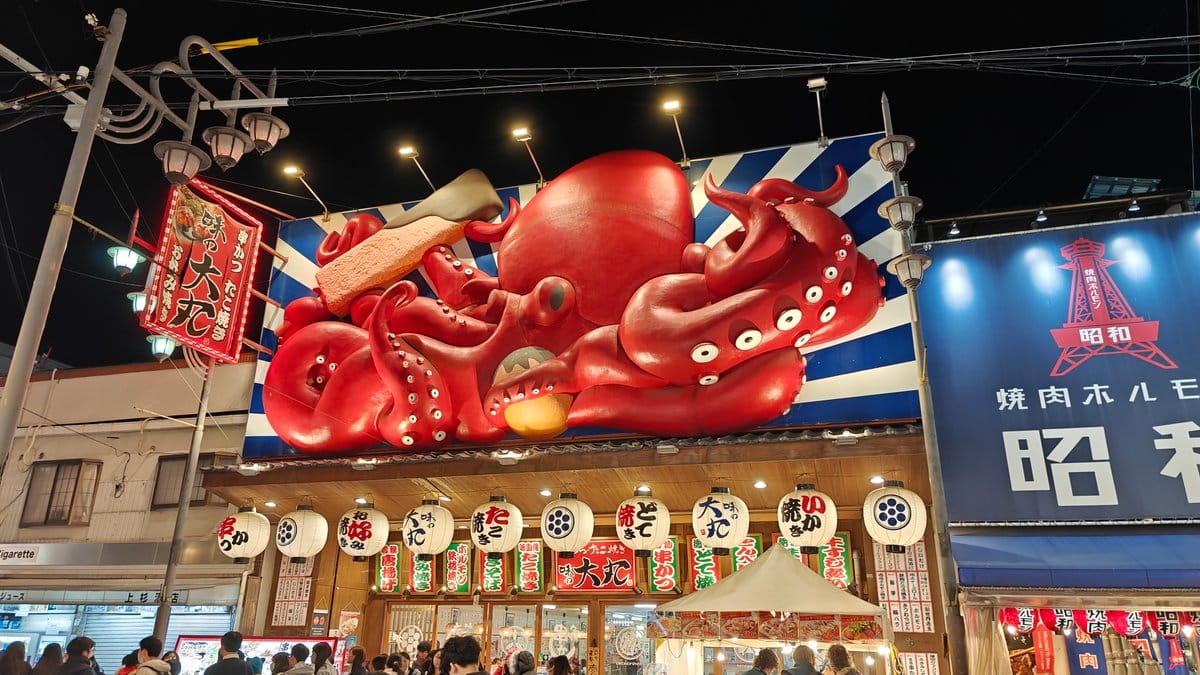
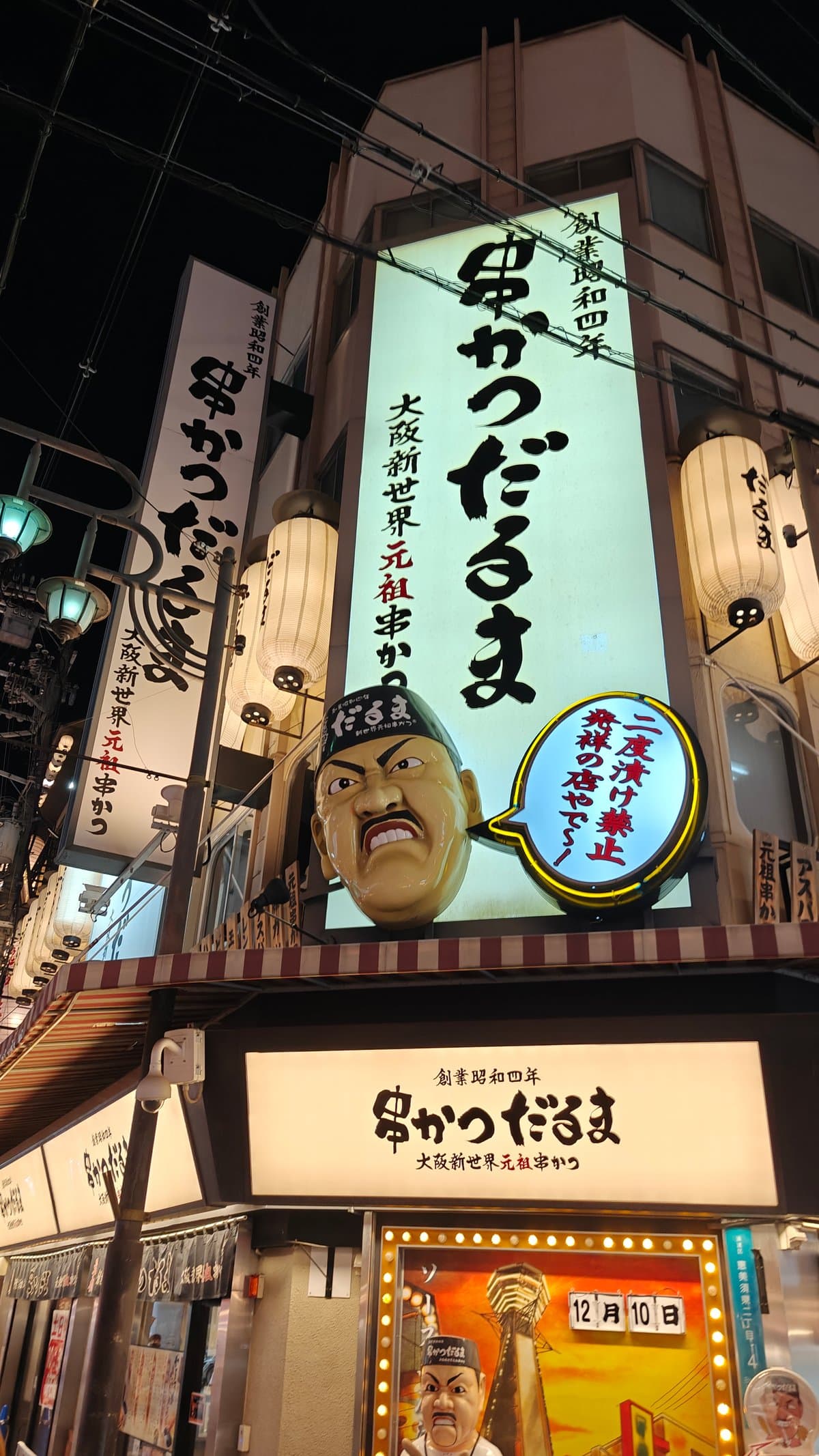
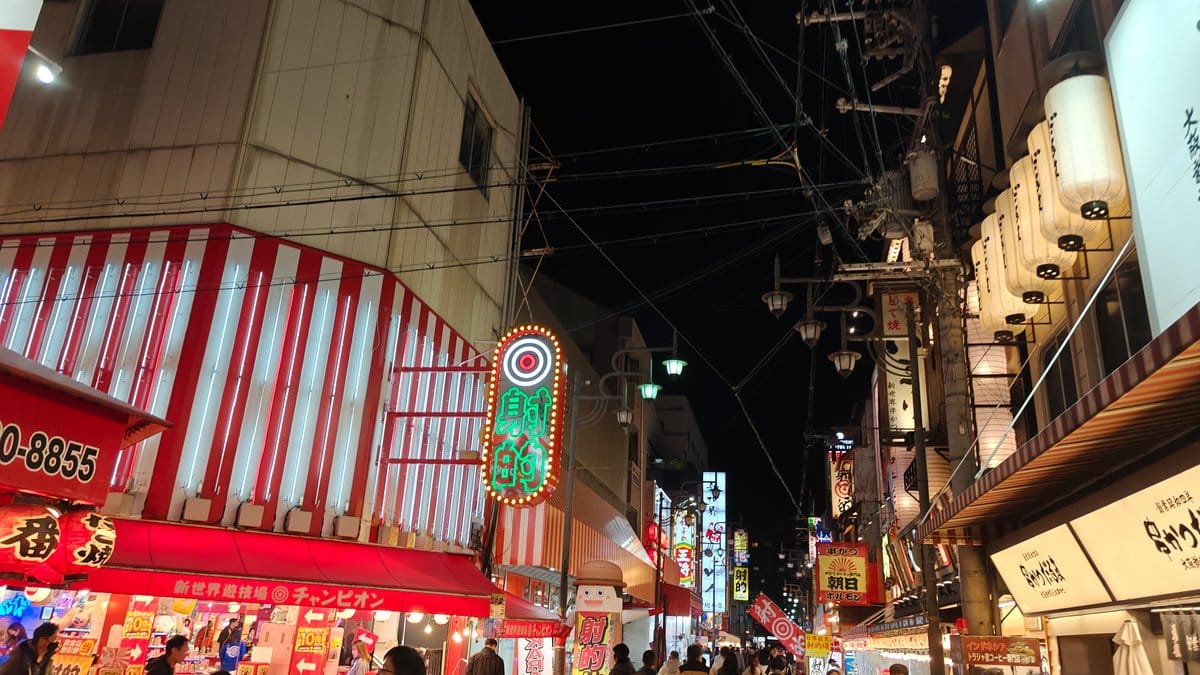
The streets of the arcades were striped with neon signs; giant octopus signs led you into takoyaki shops, while chef mascots grinned out of kushikatsu storefronts. As I walk around, grabbing kushikatsu from a shop and eating it on-the-go, I knew this was how the neighbourhood was meant to be experienced.
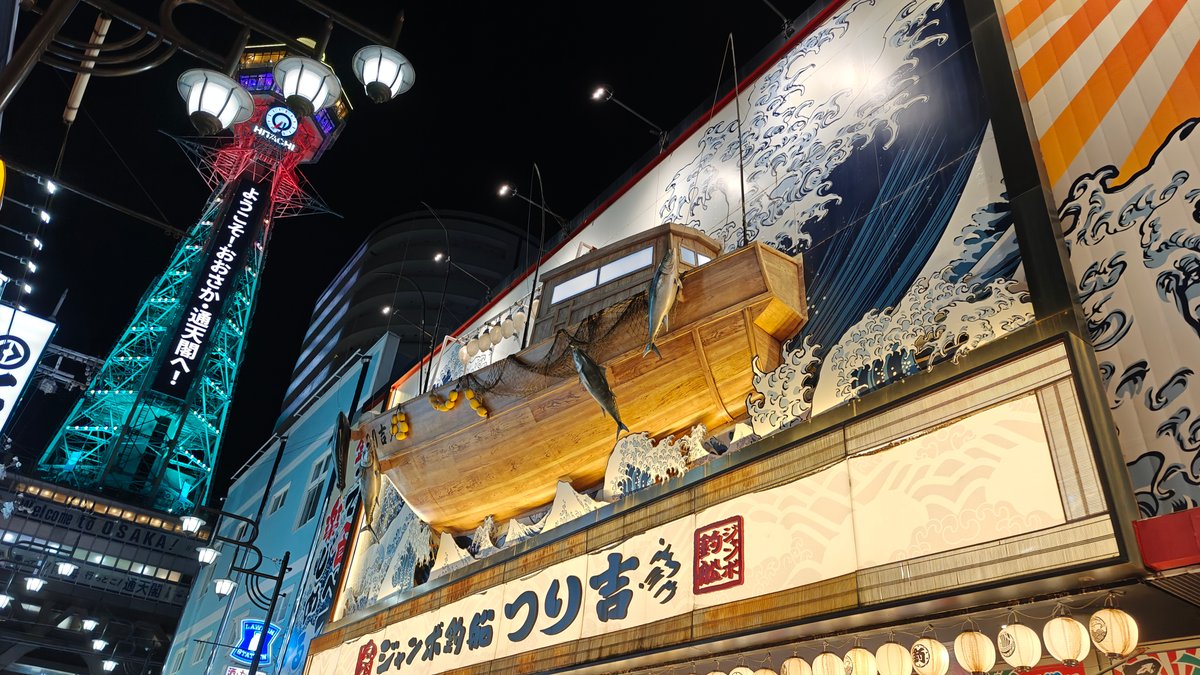
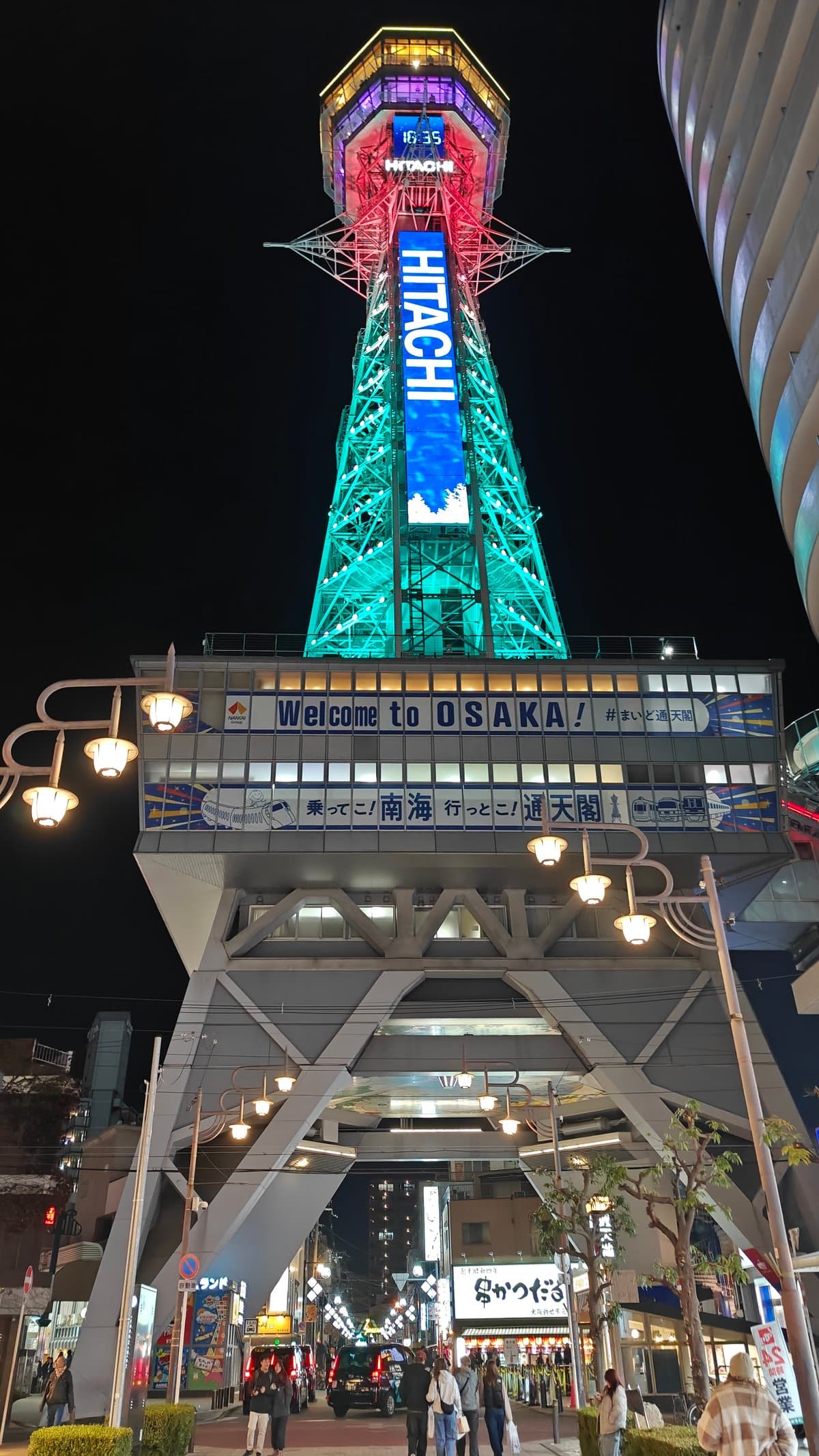
More decoration, more murals, and finally, a throng of souvenir shops around Tsutenkaku Tower’s base. After seeing enough of the tower from below, I didn’t take the elevator to the top (and, frankly, I was enjoying the controlled chaos of just wandering around). The shopping areas of Osaka are certainly not understated.
And I liked that. I got stuffed full at Kuromon Market and spent all my money there too. Then I went to Shinsekai and overloaded my camera with sights.
They were both slightly chaotic… But in a good way, the sort of place you wish you had gotten lost in for an afternoon. Did you visit either Shinsekai or Kuromon?
What did you buy (or try)?