
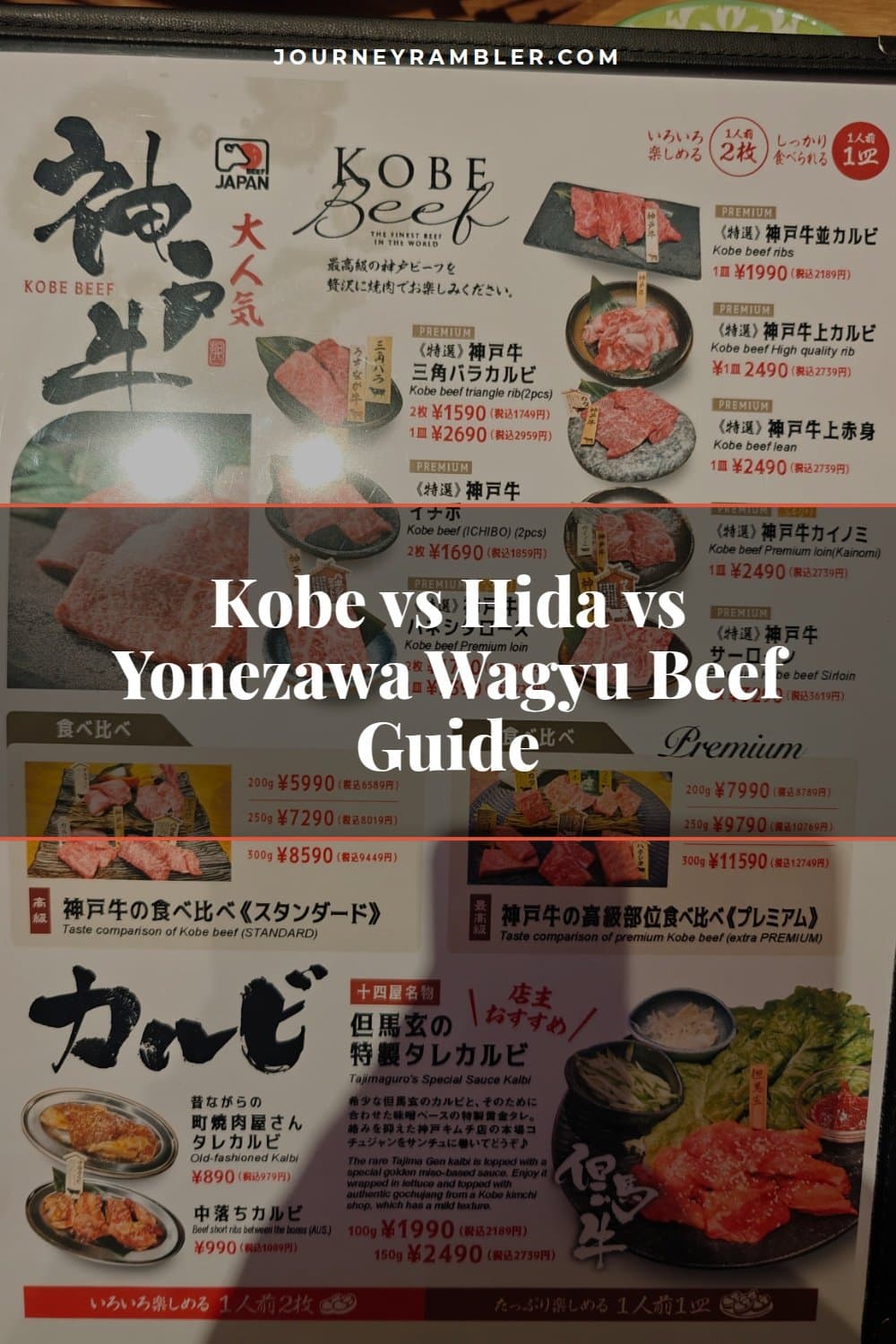
A5. Before I traveled around Japan pursuing wagyu, A5 meant nothing more to me than marketing jargon. It was certainly premium beef. It was just the sort of thing restaurant put on menus to add value and justify a price tag.
I didn’t understand the grading system was more than just hype until I ate my first Kobe beef in a quiet teppanyaki restaurant, saw Hida beef sizzling on a charcoal grill, and ate Yonezawa in ways I had never imagined.
At that point, I realized it was something real, something you could taste. Is A5 wagyu worth it?
No. That’s not the question.
What A5 Wagyu Really Means
It’s a Number You Can See
You are faced with chopsticks above a plate of beef. The beef costs as much or even more than your flight. What do those two characters actualy represent?

free Kanazawa itinerary
Visiting Kanazawa?
Get my original 3 day, 12-page Kanazawa itinerary in PDF format, based on my real trip, with many photos, hotel, and food tips. Enter your email to receive it free.
We won't send you spam. Unsubscribe at any time.
There’s no such thing as subjective with a rating of A5. This is the highest rating on Japanese beef grading system. The system has two categories: yield comes first (A is the best), followed by quality (5 is the best).
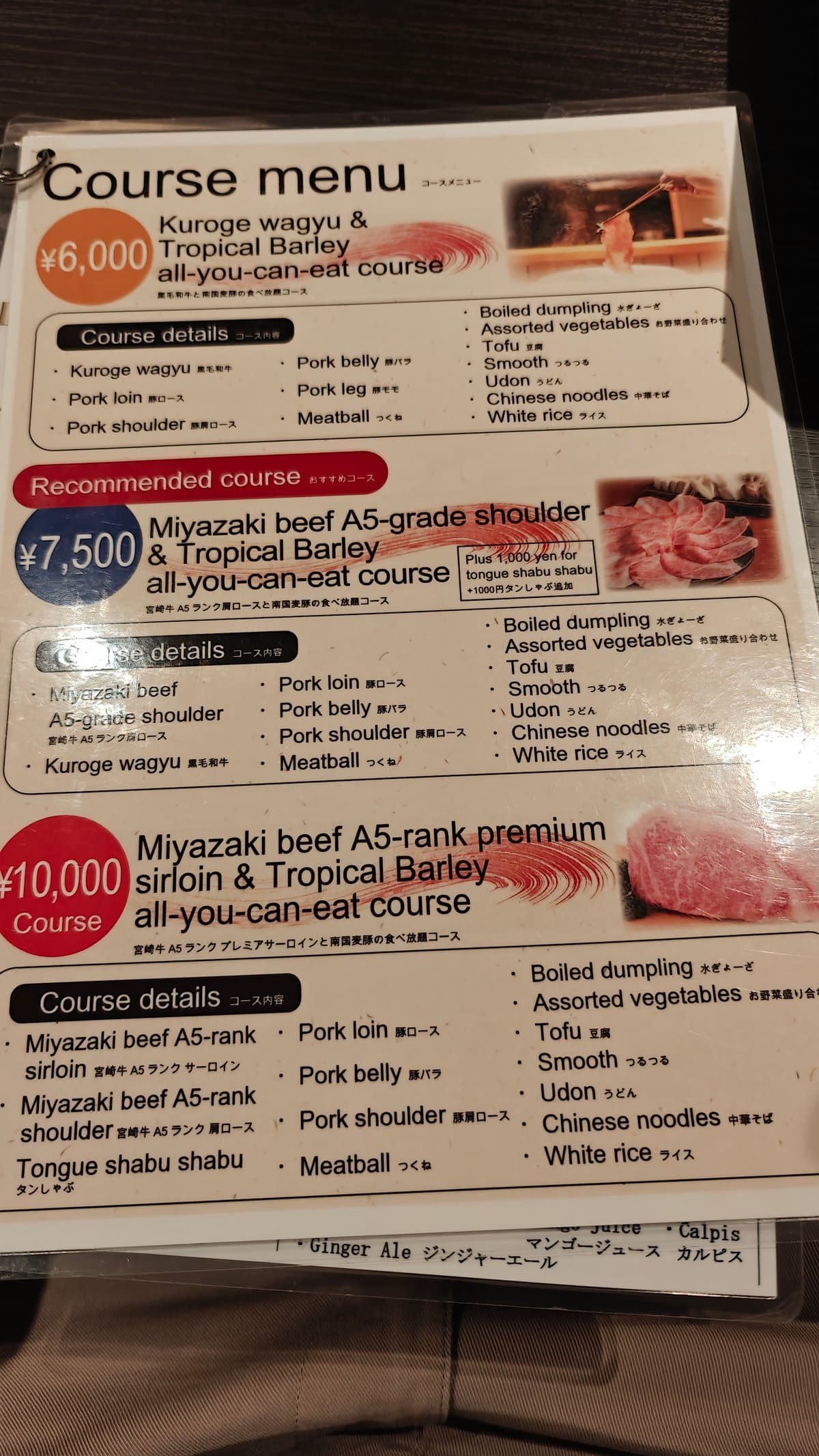
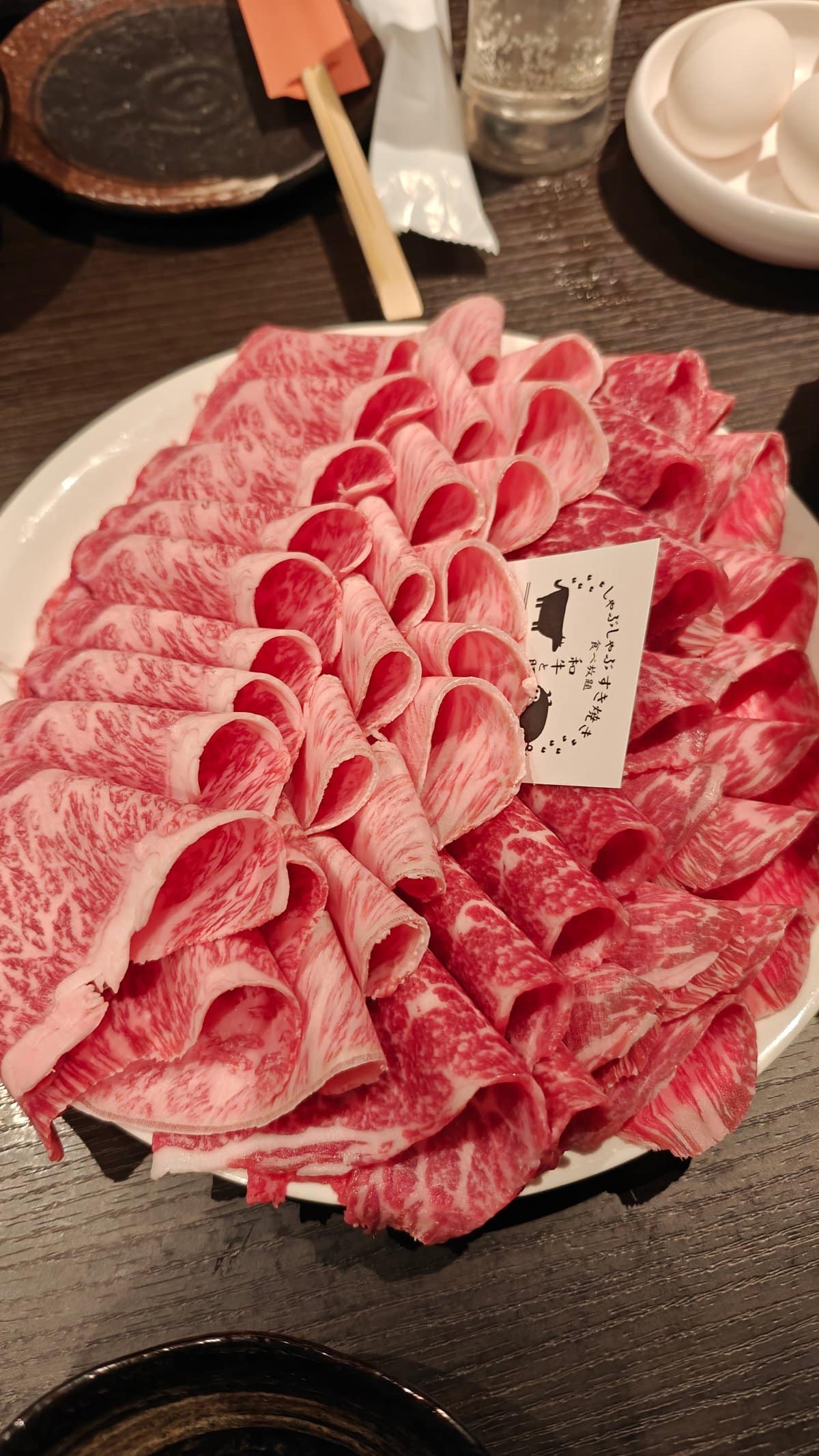
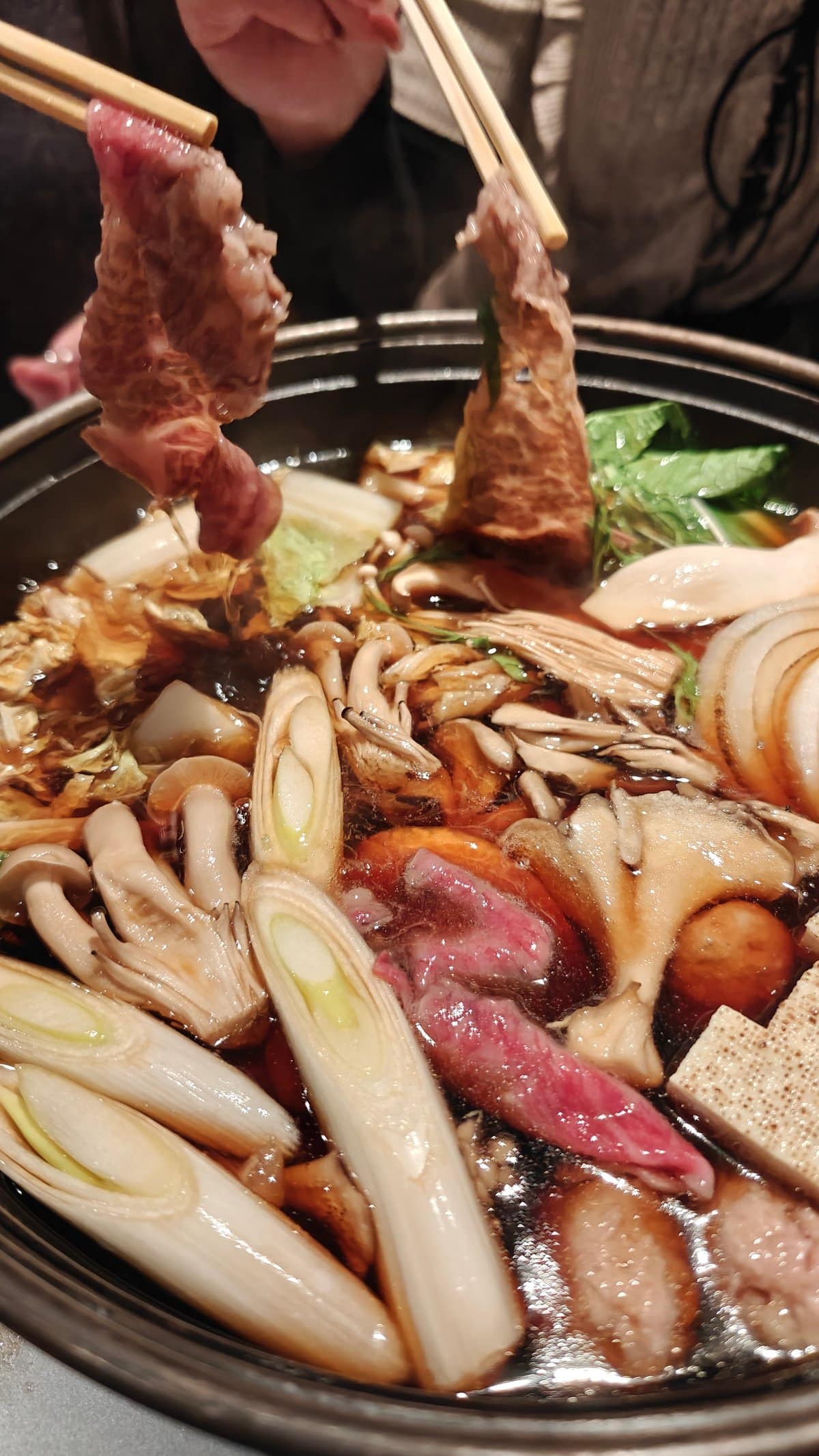
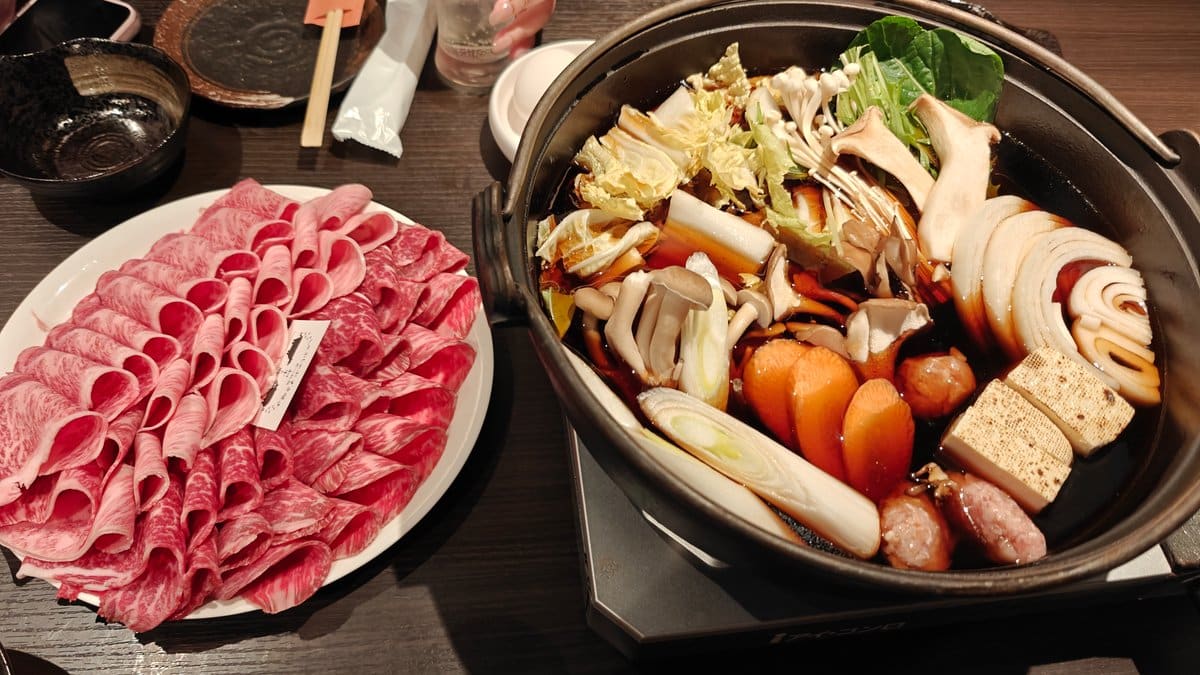
The grading system is split into two parts, yield comes first (A is the highest), and quality come second (5 is the peak). Quality breaks down into marbling, colour, firmness and texture. The marbling is what really counts.
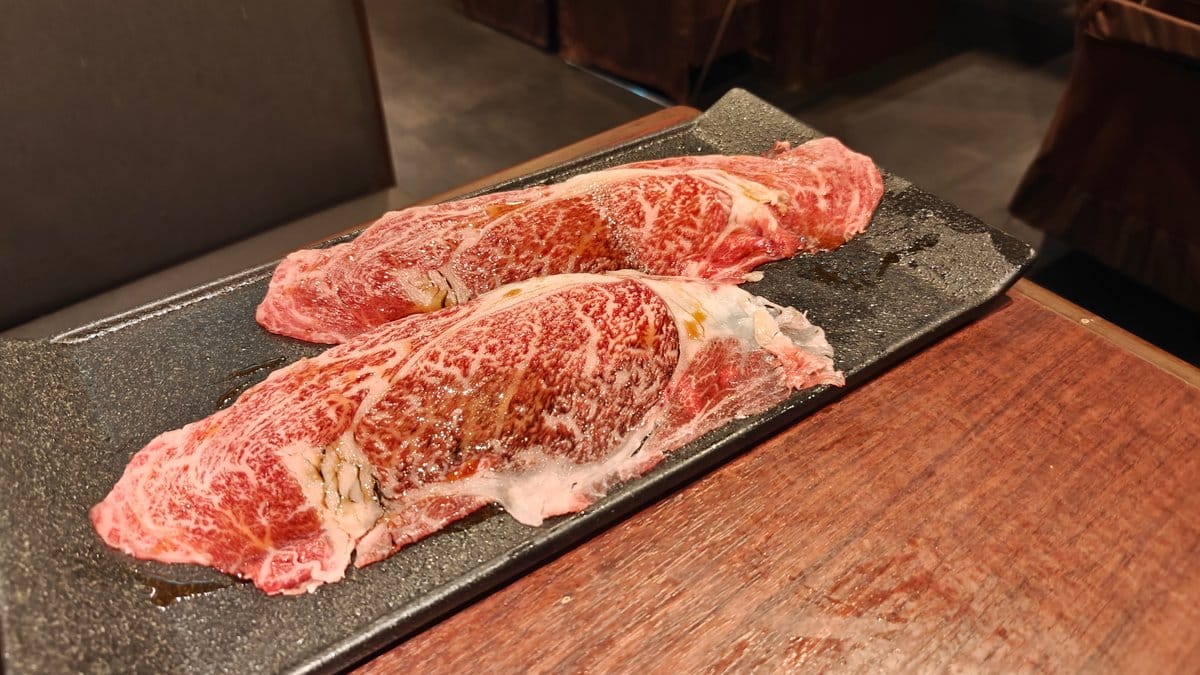
They use something called the Beef Marbling Standard, or BMS scale, which ranges from 1, 12. An A5 falls somewhere between 8 and 12. What you’re seeing is evenly distributed fat throughout the meat to the point where it appears laced.
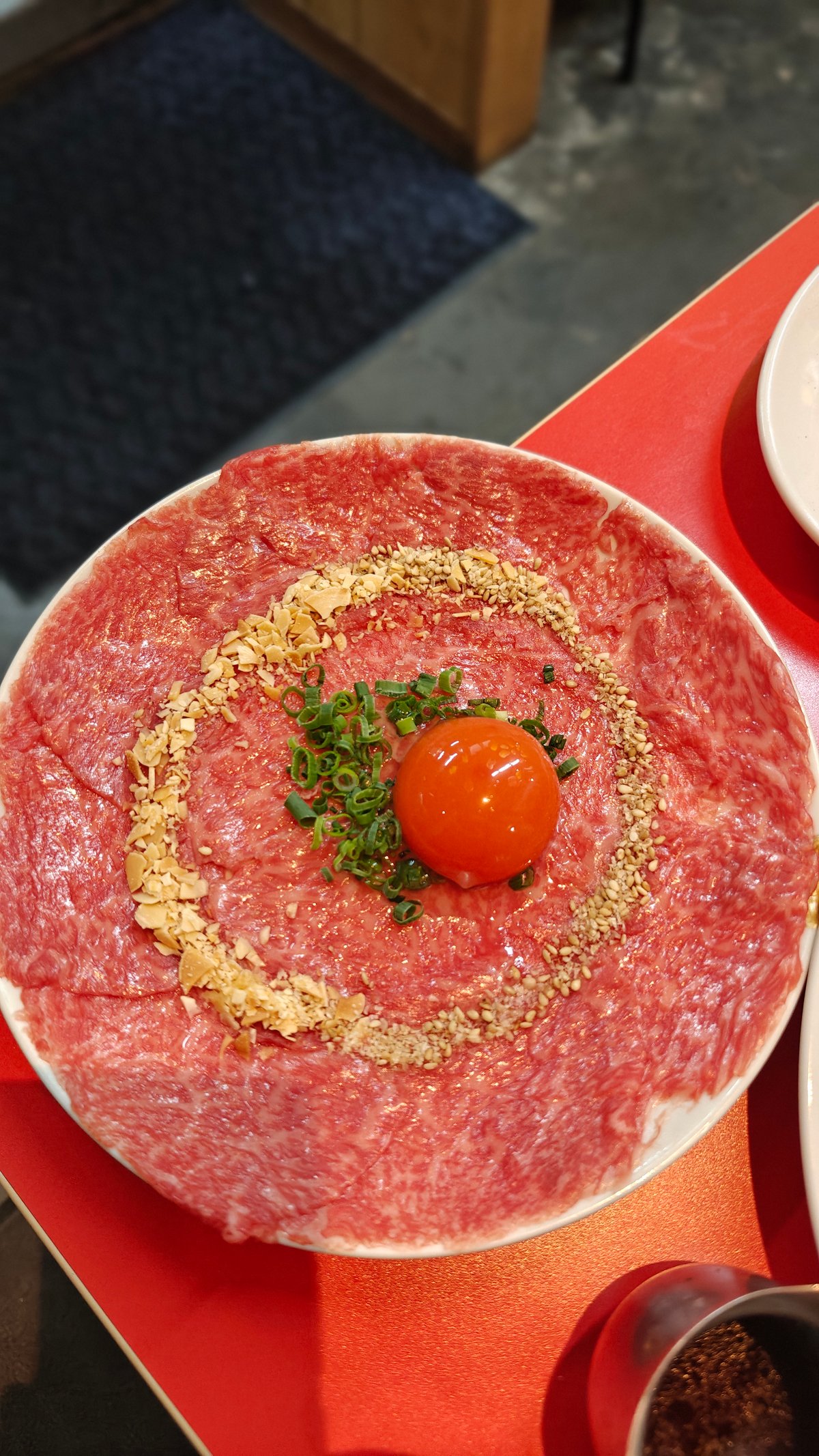
No guesswork required. I realized this in spades at one restaurant that served shabu-shabu: the waitress brought out the platter and left it on the table for a few seconds. Each of the slices was so thin, I could see through to the pattern on the plate beneath them, and each had even marbling.
Not a random distribution.
The Name Tells You Where, Not What
I placed one in the broth and within about five seconds, the edges turned translucent. You know what that means?
Fat melts faster than protein tightens. It is not magic. Measurable fat percentage.
What about the grades? That’s not it. Those are regional brands.
They are regional breeds. They all stem from the same source animal: Kuroge Washu, or Japanese Black cattle.
Fat Distribution Changes How You Eat It
The difference lies in geography, where animals graze and what they’re given to eat, and time (just how much of it).
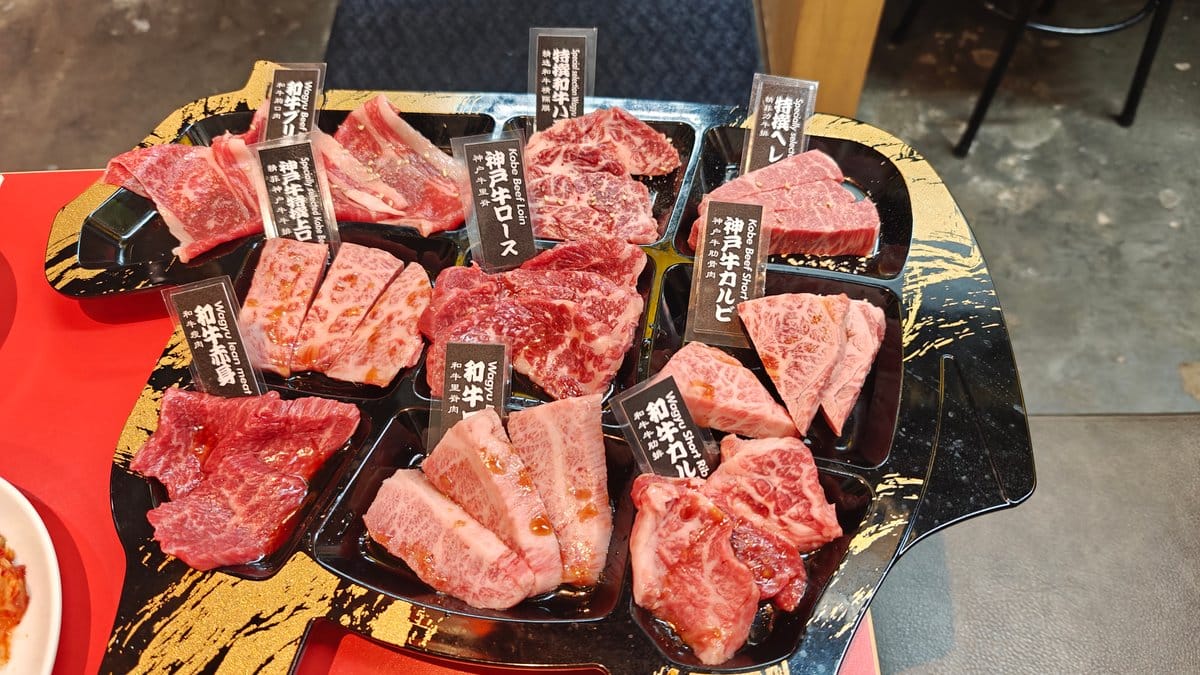
Kobe beef come from Hyogo prefecture and follows strict standards.
Hida beef is from Gifu prefecture, where the high altitude and climate encourage farmers to raise their cows longer. Yonezawa beef comes from Yamagata, which is famous for its cold winters and a history of feeding cattle on rice straw and sake lees.
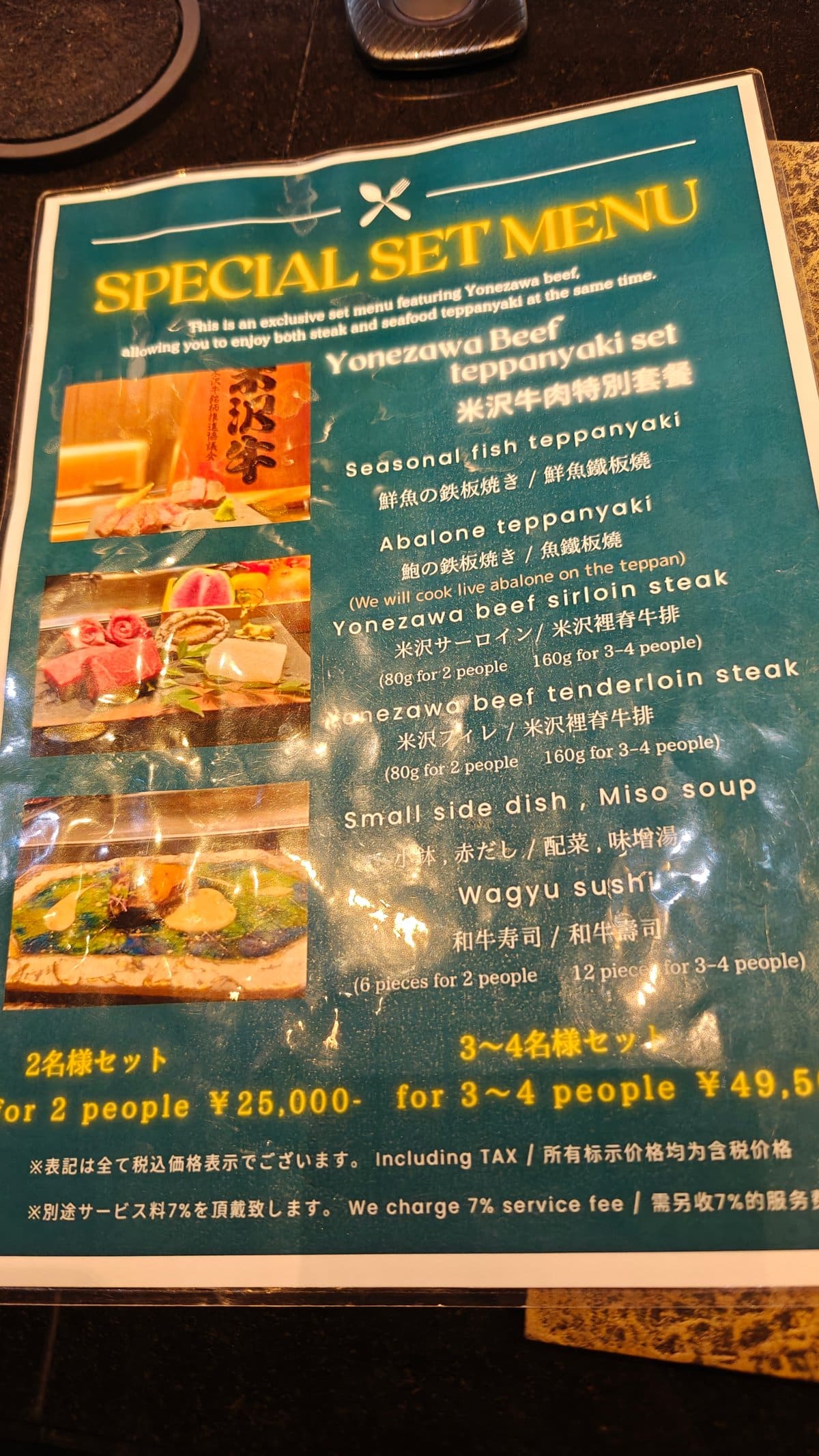
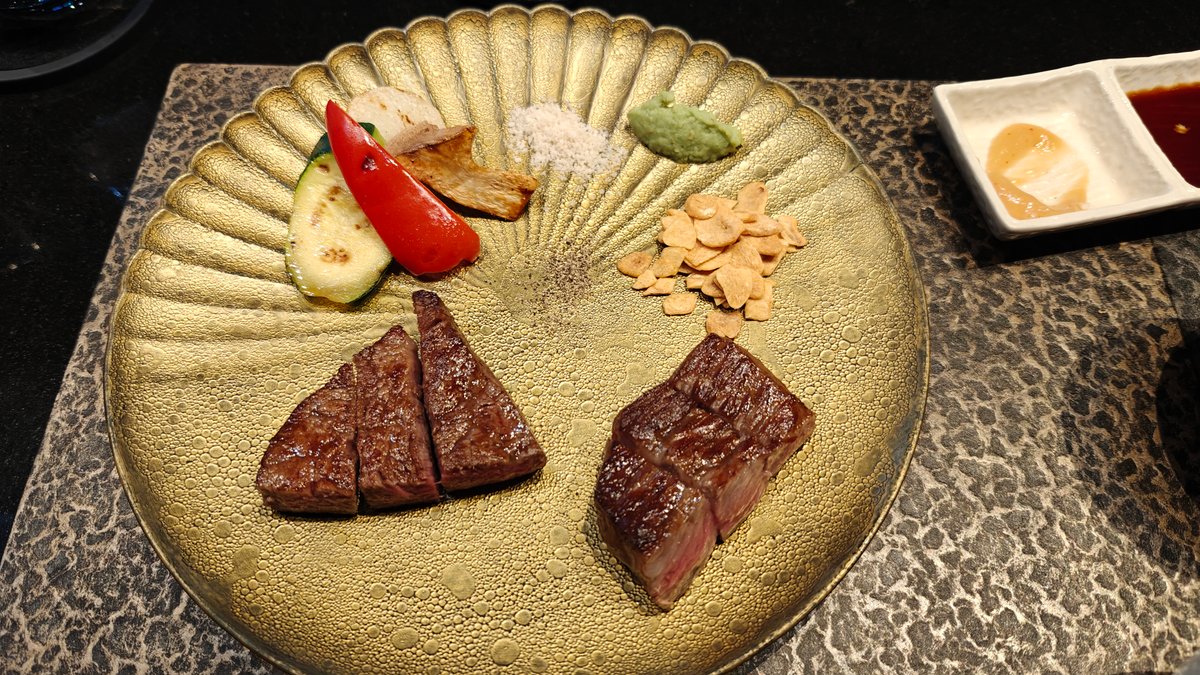
That pretty much came across when I ordered the teppanyaki set from a tiny restaurant specialising in Yonezawa. Tenderloin cooked on the teppan and served with three types of salt, some wasabi and garlic chips. It was very soft, but not so soft that it became all about the butter like some Kobe can.
There’s a little more chew, a cleaner finish. I sampled Yonezawa later as nigiri, still rare under the sear and here the taste was even stronger, less fat, more of the actual meat itself. But marbling is more than decoration; it dictates how well a piece of meat will perform in the pan and how much you’ll be able to consume without giving up on flavor.
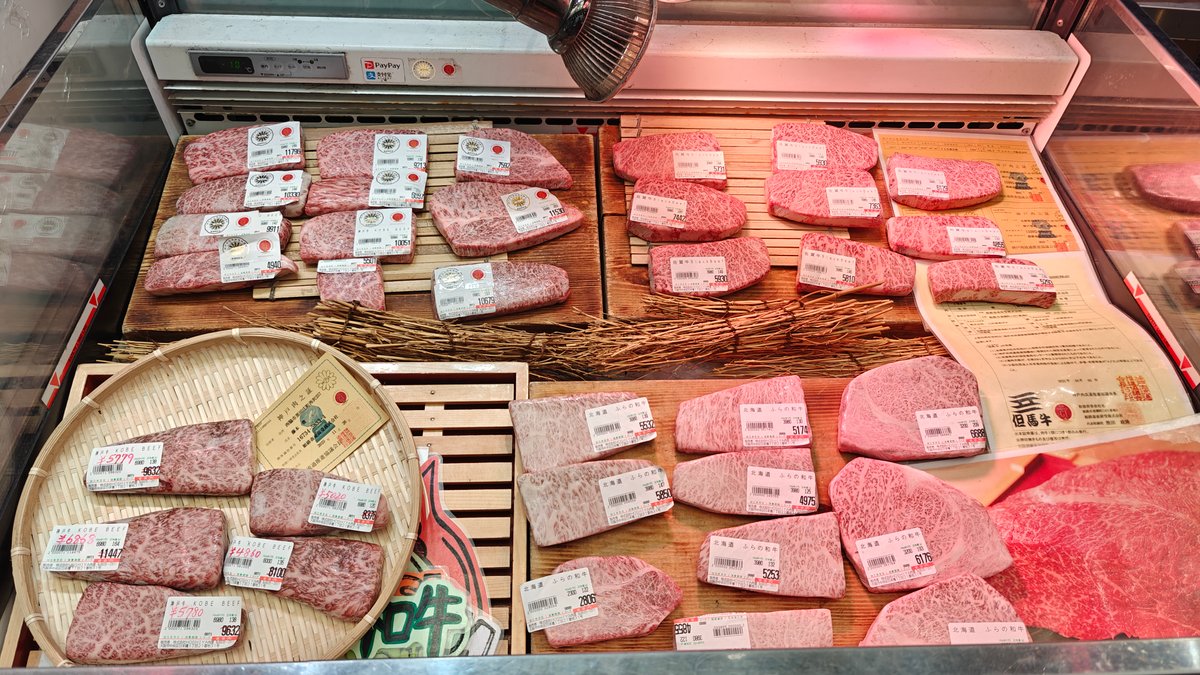
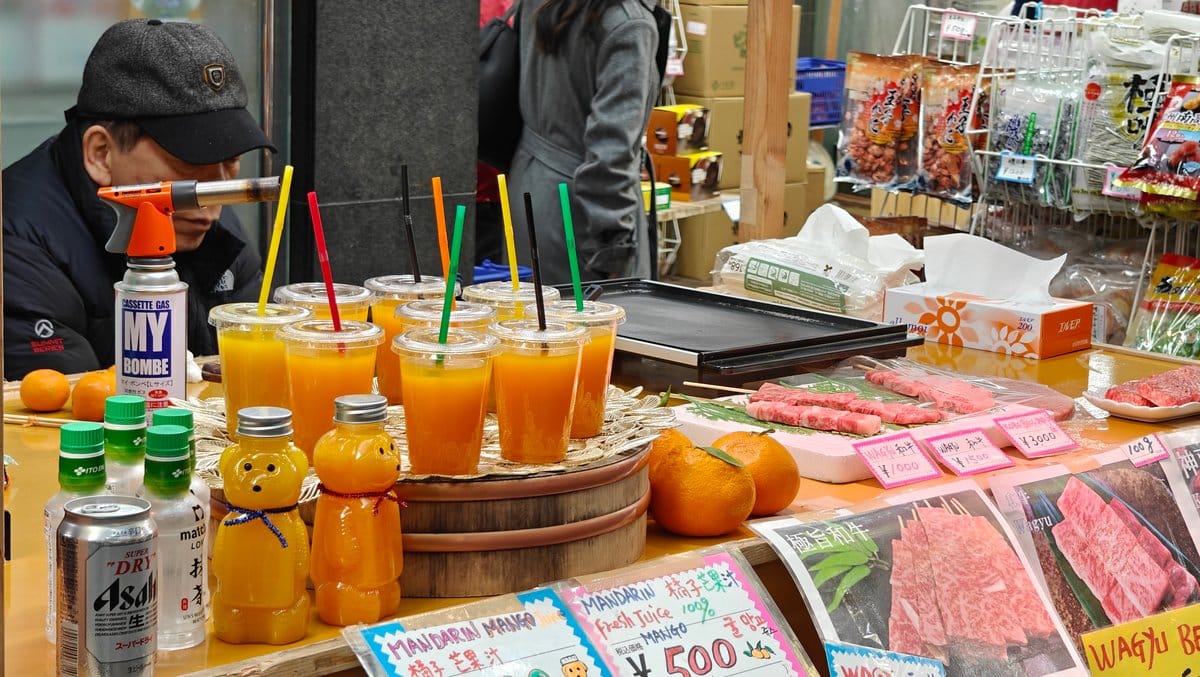
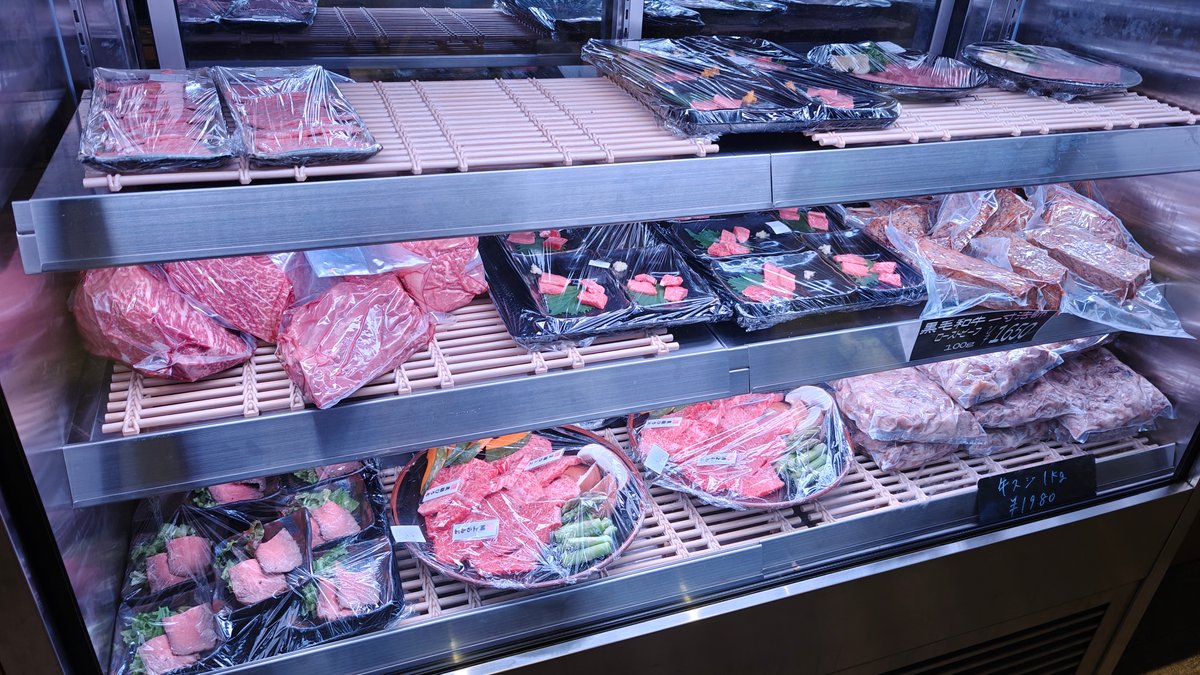
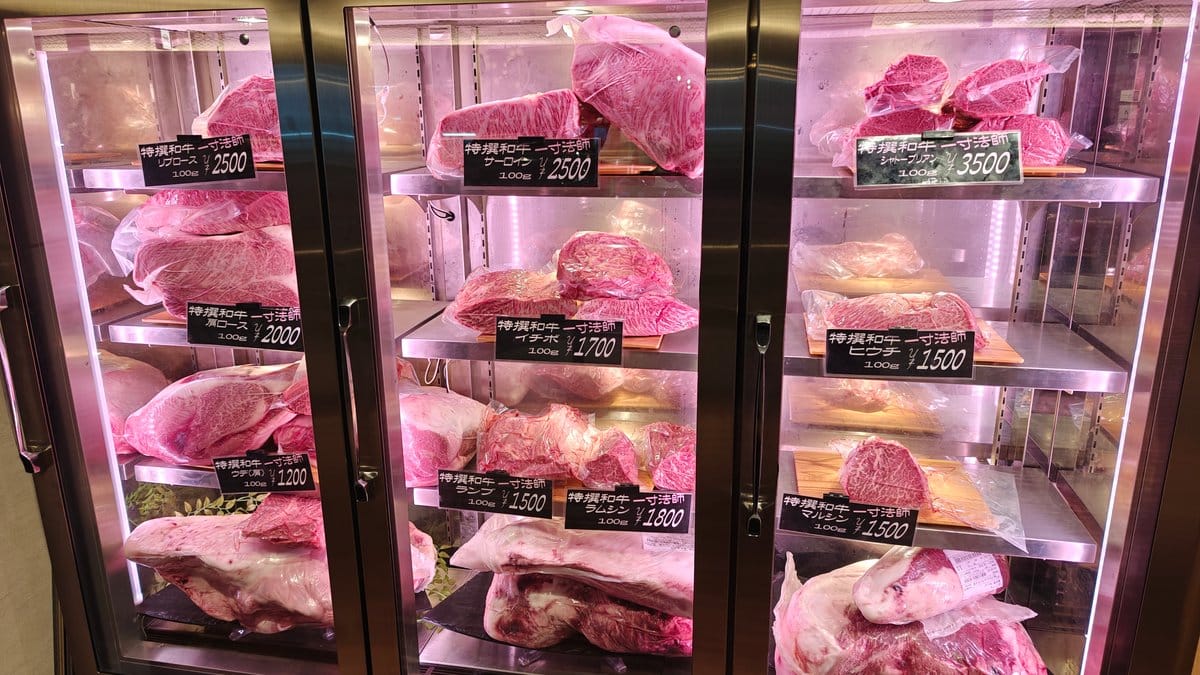
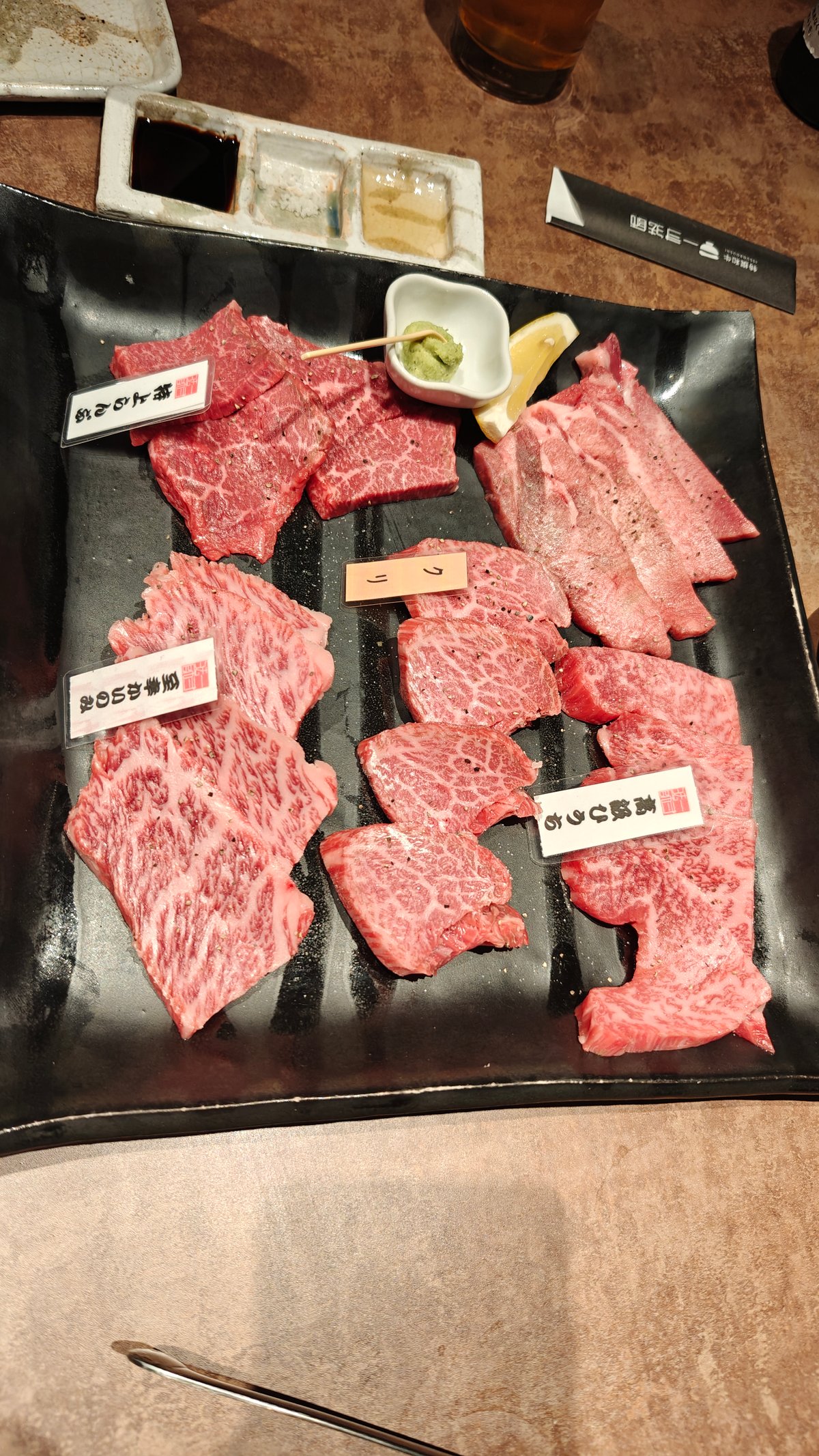
The higher the BMS score of the wagyu, the faster it melts; that’s why you see it used for thin teppanyaki, nigiri, and shabu-shabu. You’re not cooking it long, just heating the fat just enough so it turns to liquid. Too far and you lose the texture.
Undercook and the fat remains waxy. I wandered around one morning and saw people at a market setting out their wagyu in fridges, as if they were laying out jewels. They’d be marked with the BMS score, the grade, the name of the farm.
Some almost seemed white. Others was glowing red-pink with delicate lines of even fat running throughout them. One vendor I spoke to said that higher marbling isn’t necessarily better, it’s more rich, more heavy, harder to consume in large quantities.
He recommended BMS 6 or 7 for a steak, BMS 10 or higher for something you might slice thinly for yakiniku or hot pot. For yakiniku or hot pot, where you’re eating thin slices over time, BMS 10 or higher makes sense.
You Taste the Difference in Small Amounts
You don’t eat an A5 wagyu steak like a normal steak.
Honestly. A hundred grams is enough. Anything more and it’s all fat, everything tastes the same, and the richness starts to flatten out.
The best wagyu dishes I ate in Japan were those that used the beef as part of a progression, rather than the entirety of the dish.
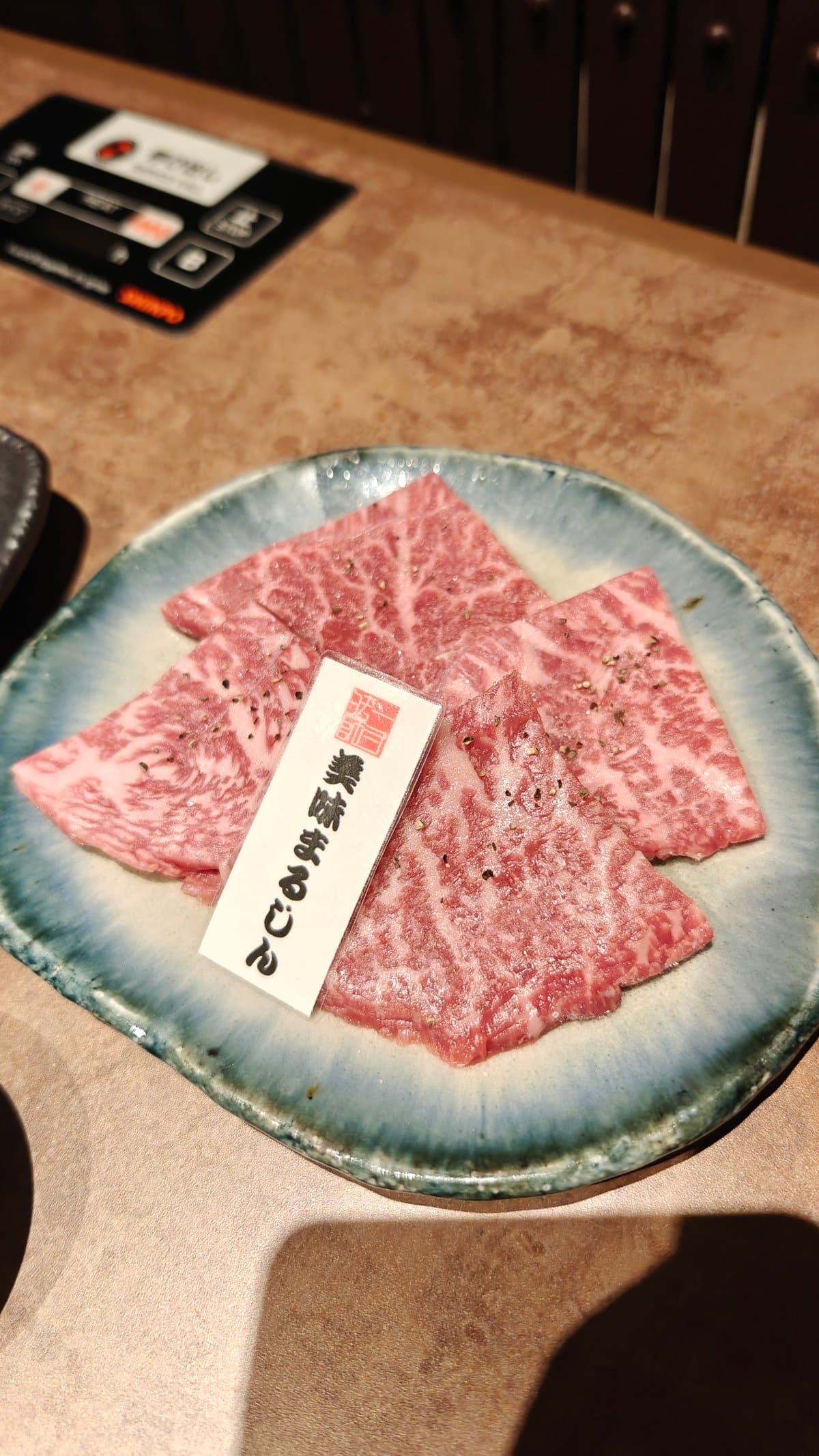
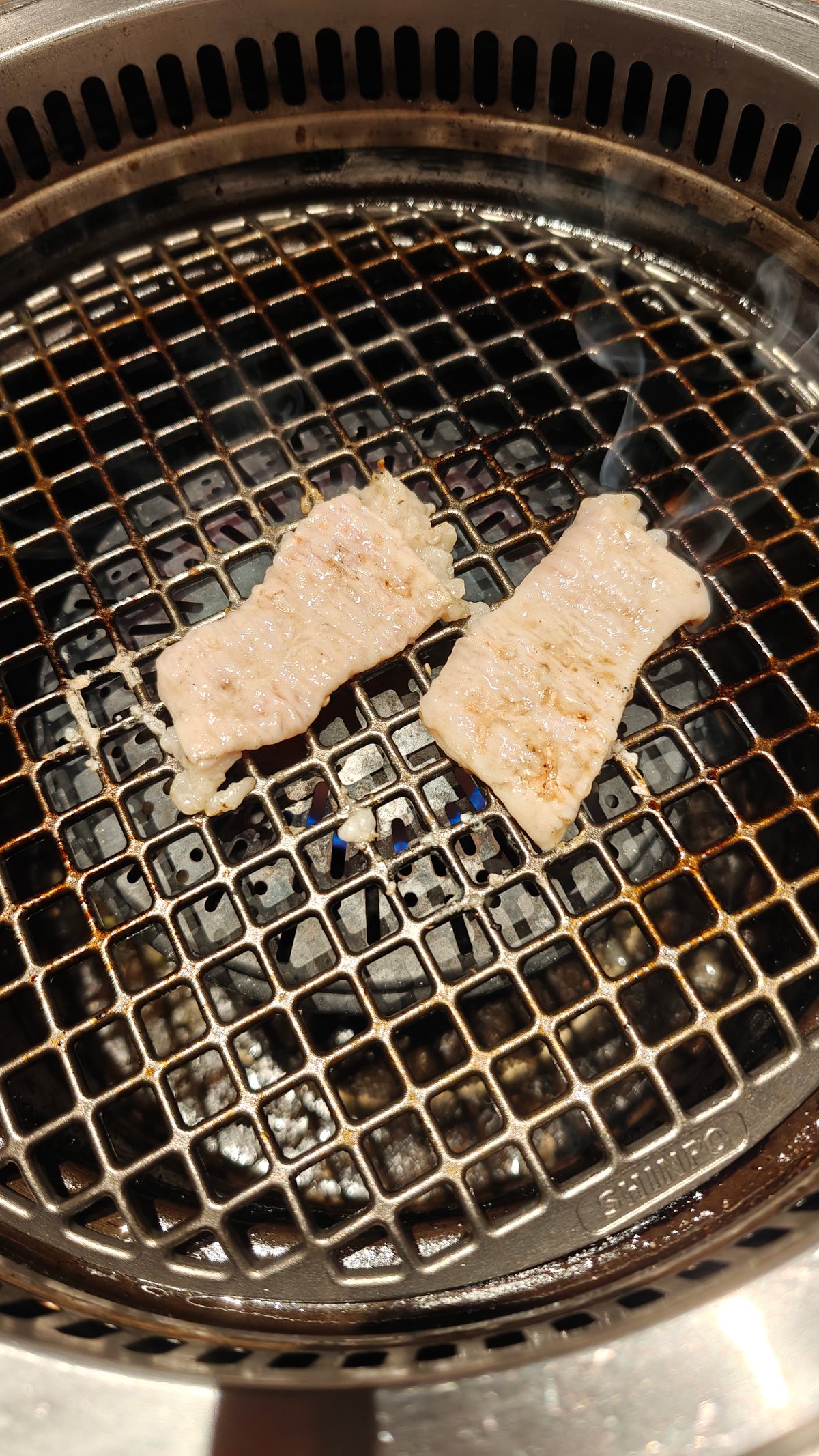
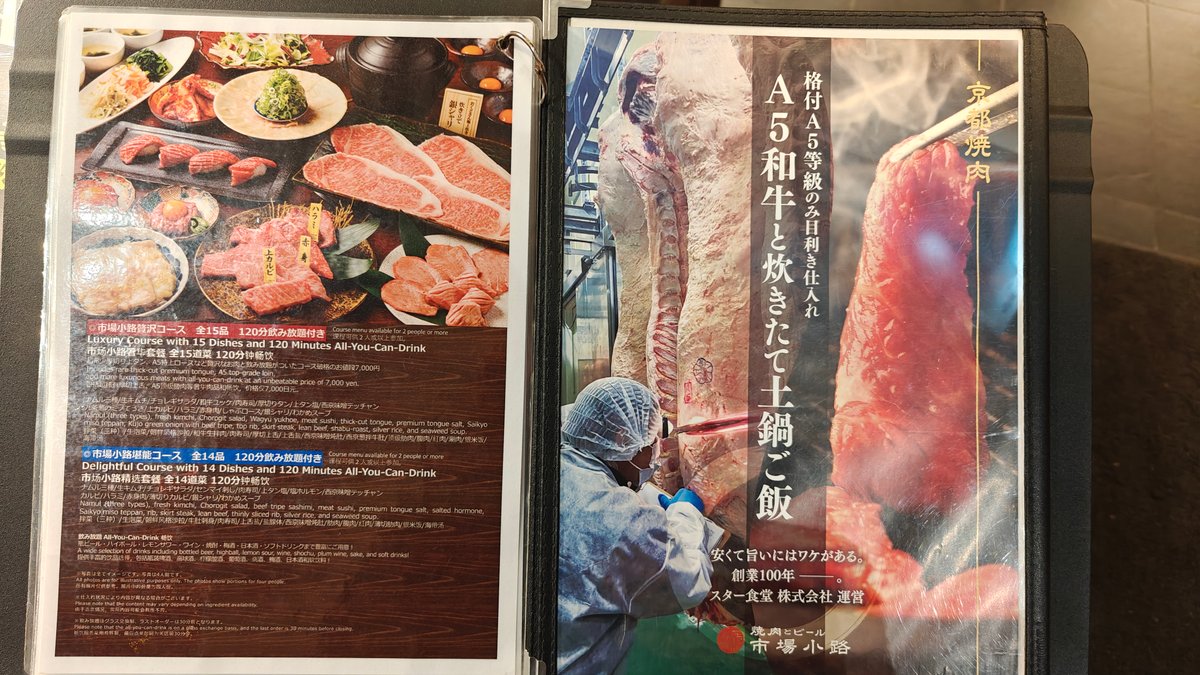
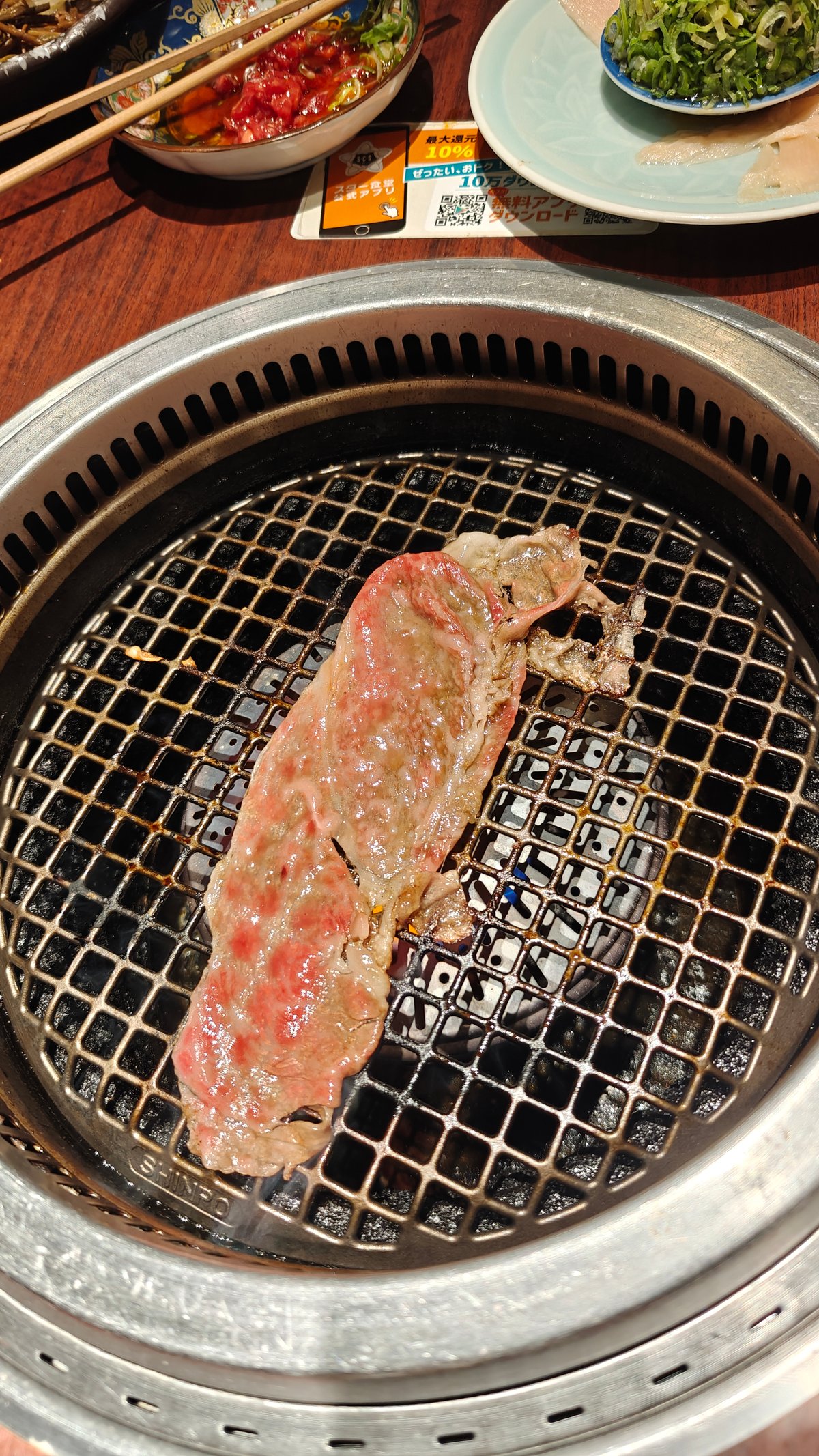
We went to one place where we grilled A5 slices, thinly sliced, a few at a time over a charcoal fire. In between, we ate plain rice, cold vegetables, and pickles. It wasn’t just about the food, but also about the breaks in between.
Each bite was as clean as the last because you took a break. I tried to do the same with a thick cut, grilling it all in one go. Too much, the char was great but the fat coated my mouth; I couldn’t get it down.
Not all A5 is created equal.
The Grade Holds Across Regions
There’s A5 Kobe and there’s A5 Hida. They both gets an A5 grade but they aren’t exactly the same.
The A5 grading is based on yield and quality; for the quality part, it looks at colour, firmness, and marbling… It doesn’t take into account the flavour.
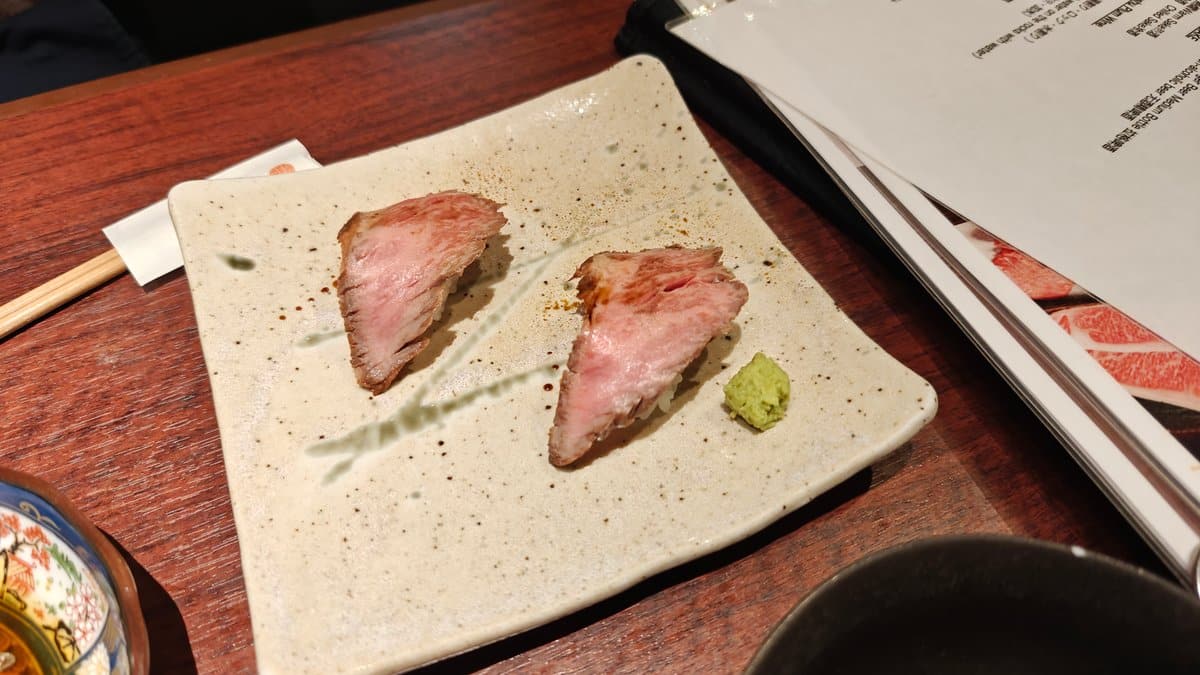
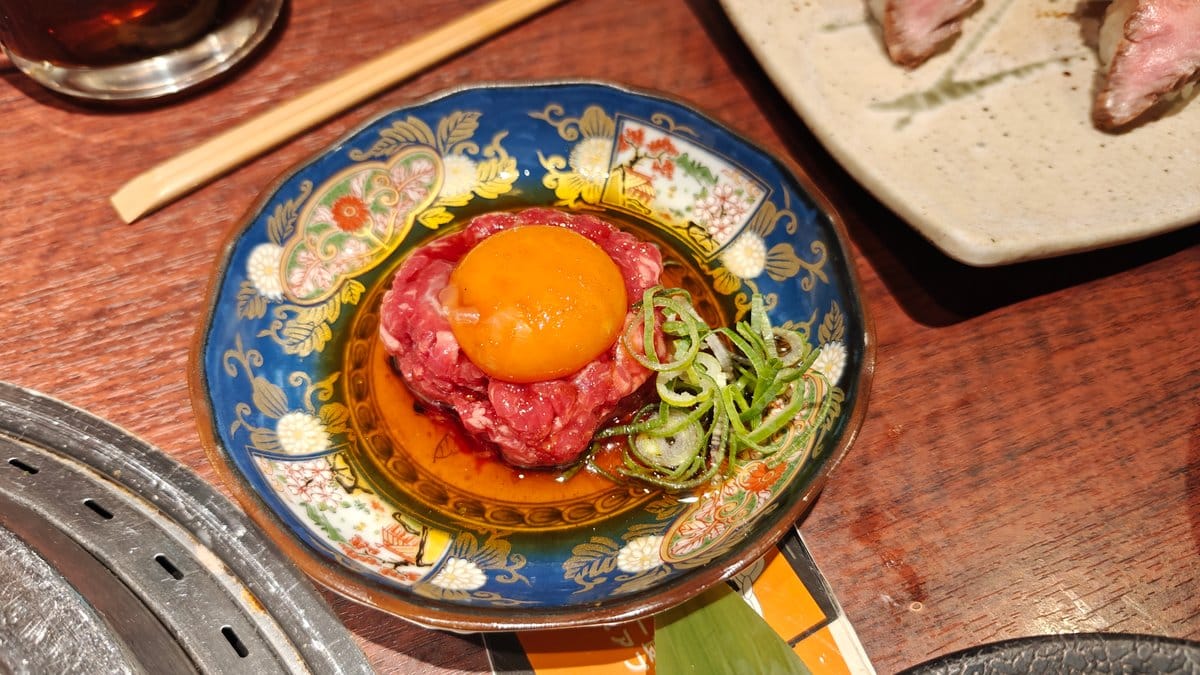
Flavour depends on the type of fat in the meat, the genetics of the breed, what it’s fed and how it’s aged. Kobe is sweeter, with a lingering sweet aftertaste, and tends to be much fatter and softer. Hida tend to have a cleaner finish and slightly more texture.
Depending on the diet and the farm, Yonezawa can be almost nutty in flavor. At a tiny izakaya, the chef whips up beef tartare using raw A5 with soy, sesame oil and egg yolk. It was rich but light, with plenty of fat but no coating.
That same trip, seared wagyu sushi with just a dab of wasabi, the contrast couldn’t have been clearer. Same level of marbling, same grade, but the origin made the flavour tilt slightly left or right. You’re not guaranteed to enjoy the beef by buying A5. You are guaranteed the beef will have a certain color, firmness, and marbling.
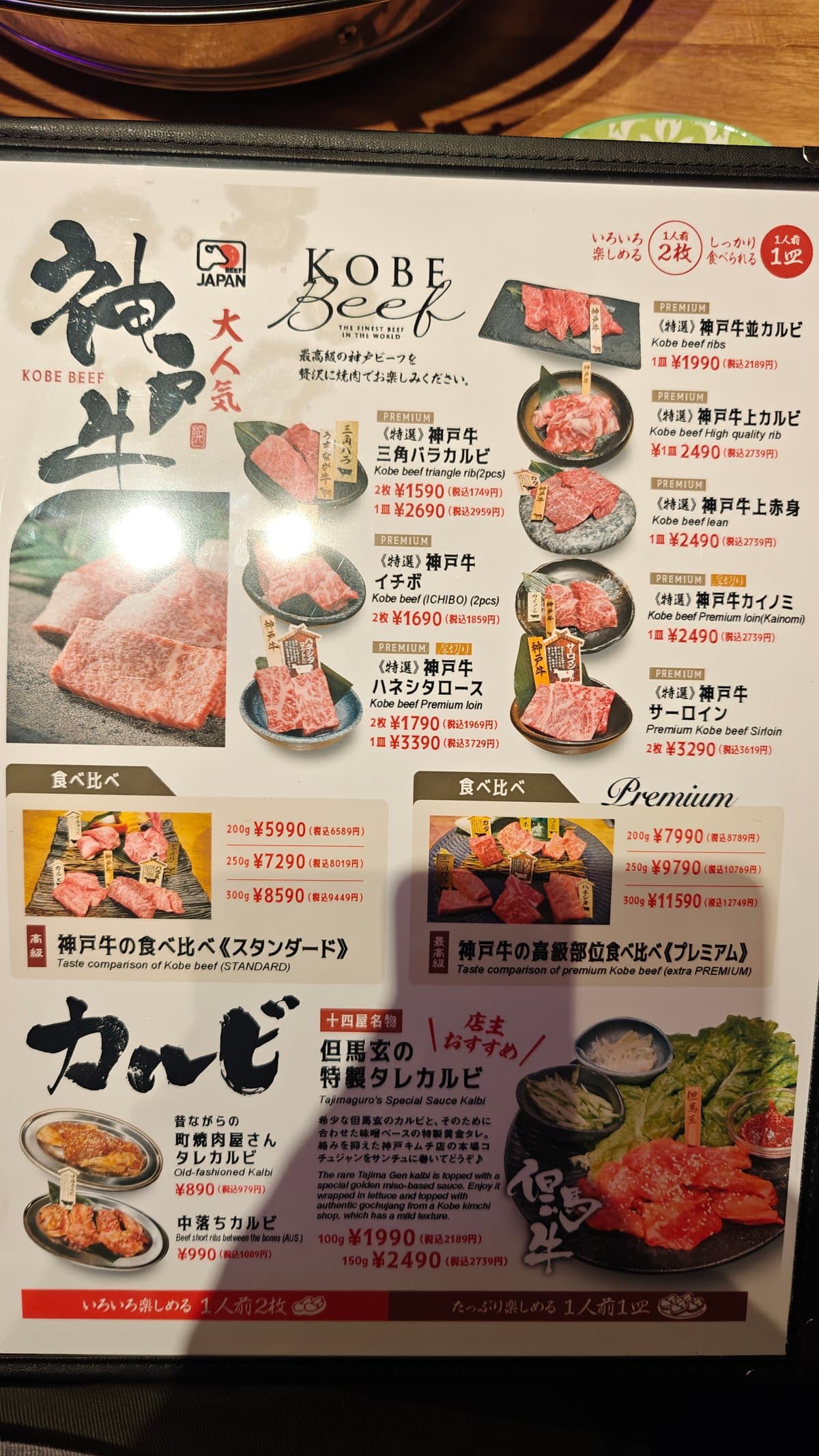
Everything else, how you cook it, how much you consume, how you pair it with other foods, that’s where the experience takes place. That’s why the system works. It’s consistent, so once you learn what something looks like, you can make informed decisions on how to consume it and what to order.
Have you had A5 wagyu (or any regional type of Japanese beef) before? Did you notice anything about the flavour, the marbling, or simply being in Japan when you consumed it?