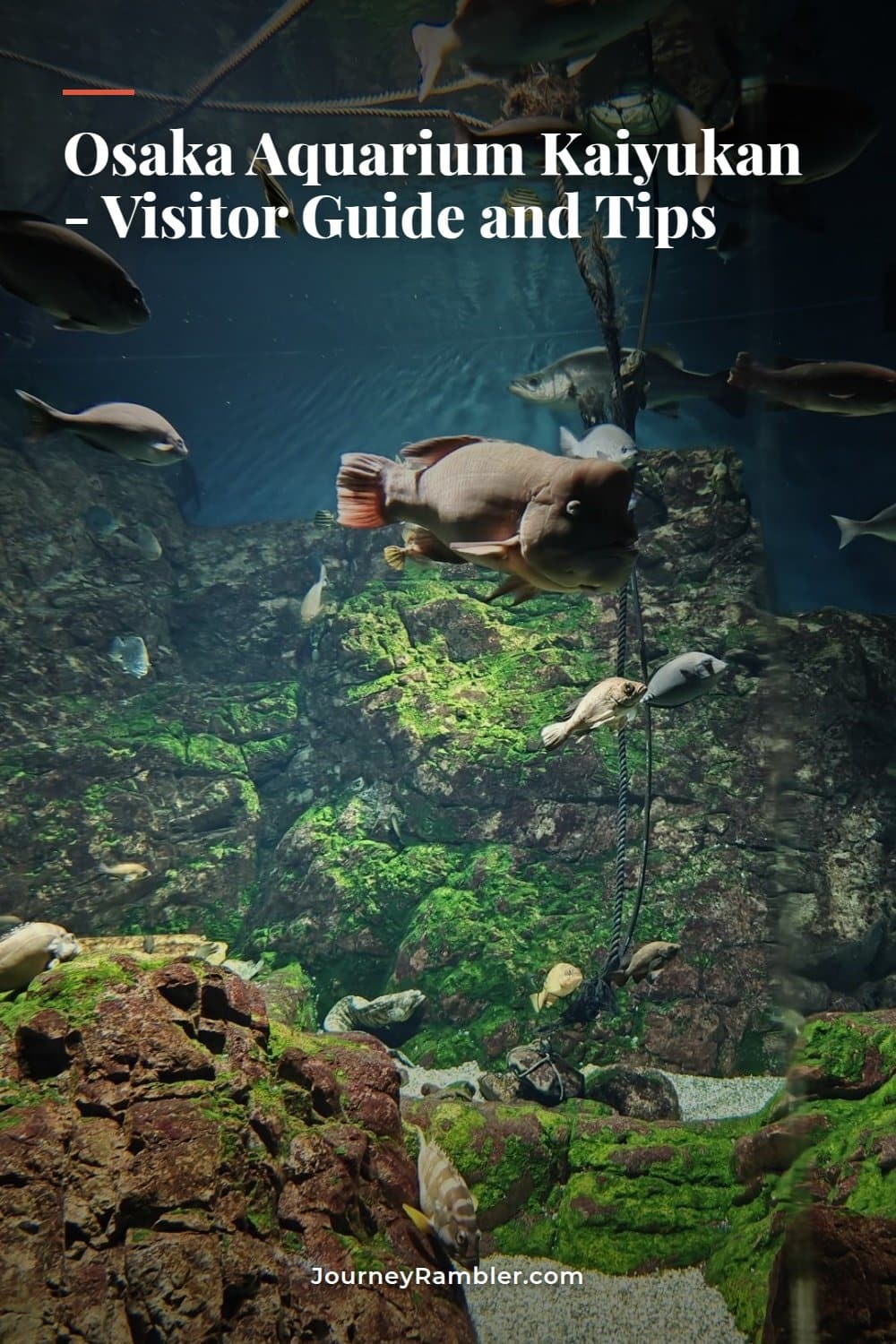
If you enjoy marine life then I would highly recommend visiting Osaka Aquarium Kaiyukan if you happen to be in the city. I had the chance to visit the aquarium in my latest Osaka trip and it has quickly become a core memory for me. Today, I’d like to share that memory with these images as well as some descriptions detailing my thoughts of that day.
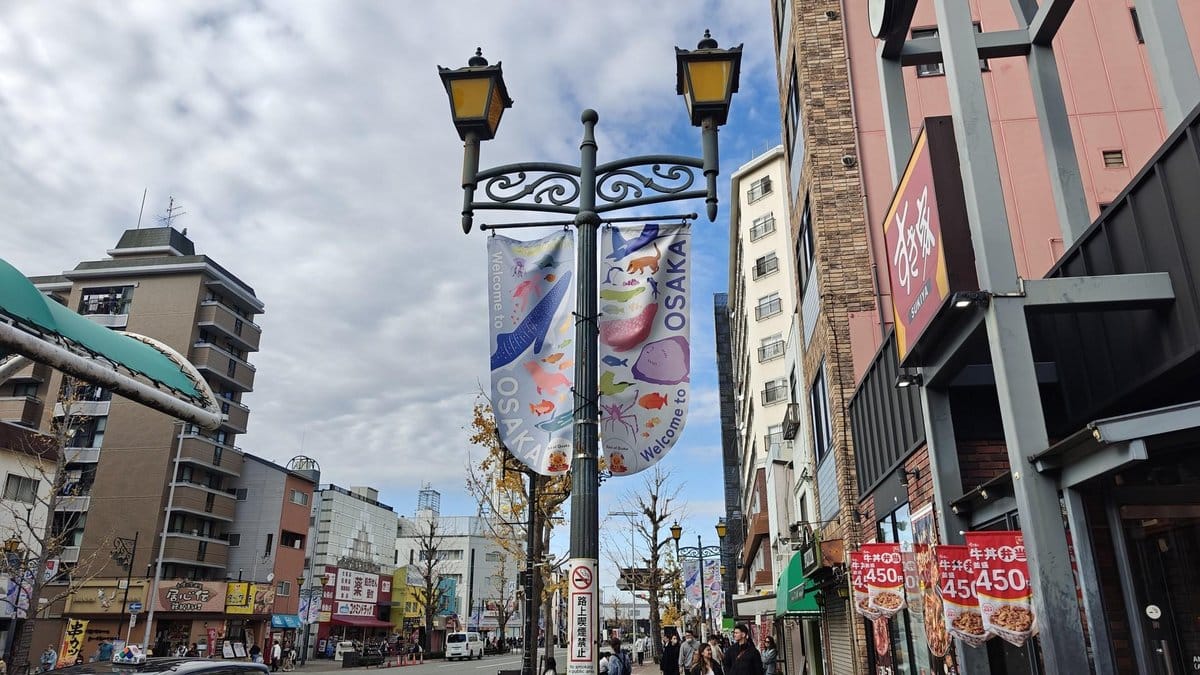
So getting to Osaka Aquarium Kaiyukan should be relatively easy. In my case, I just took the Osaka Metro Chuo Line to Osakako Station. After exiting from the station, you should then come across this post with “Welcome to Osaka” banners.
From here, it’s a rather scenic walk across three more city blocks before getting to the area where you’ll come across Tempozan Park and Tempozan Harbor Village.
What to See at Osaka Aquarium Kaiyukan
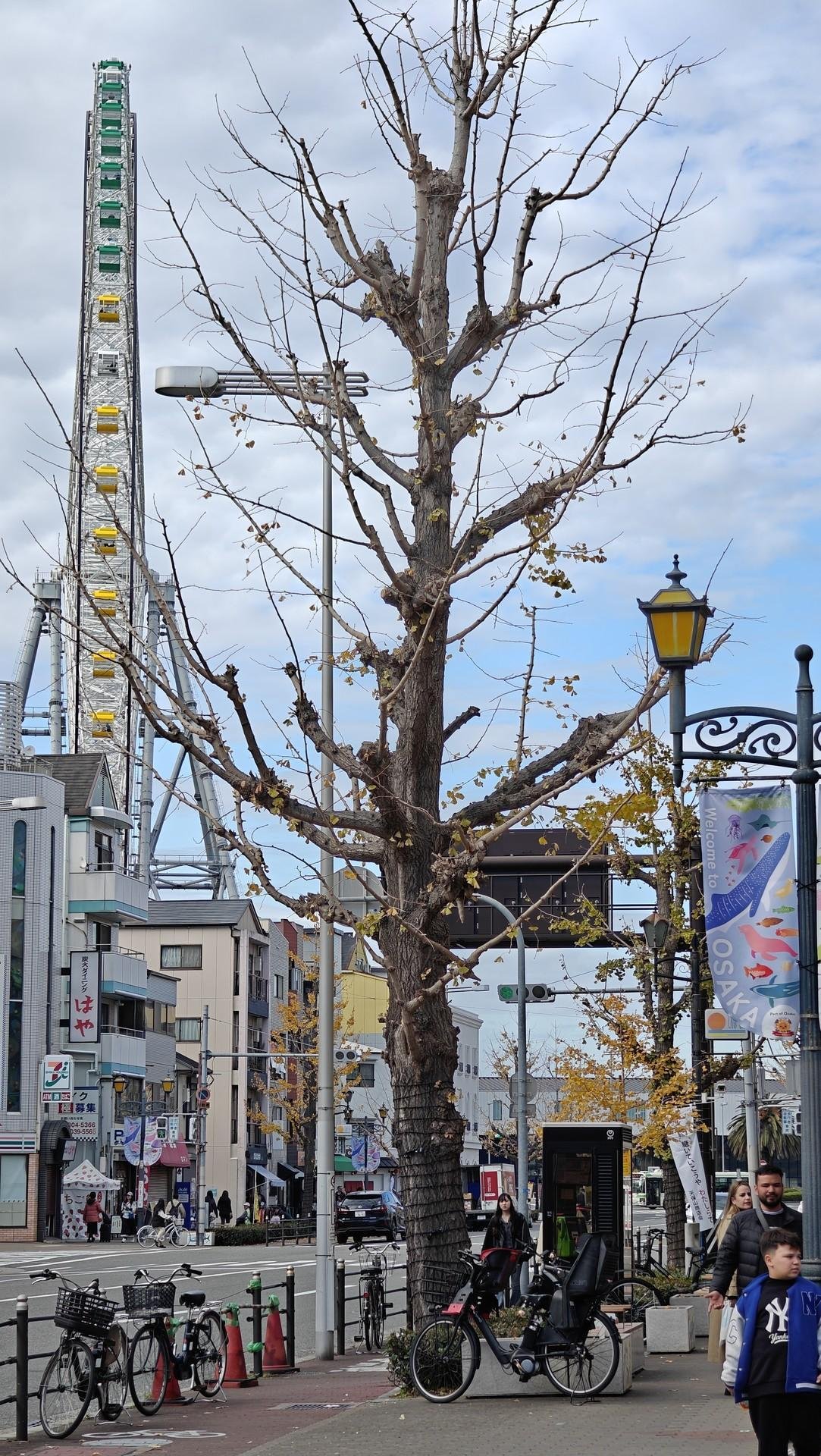
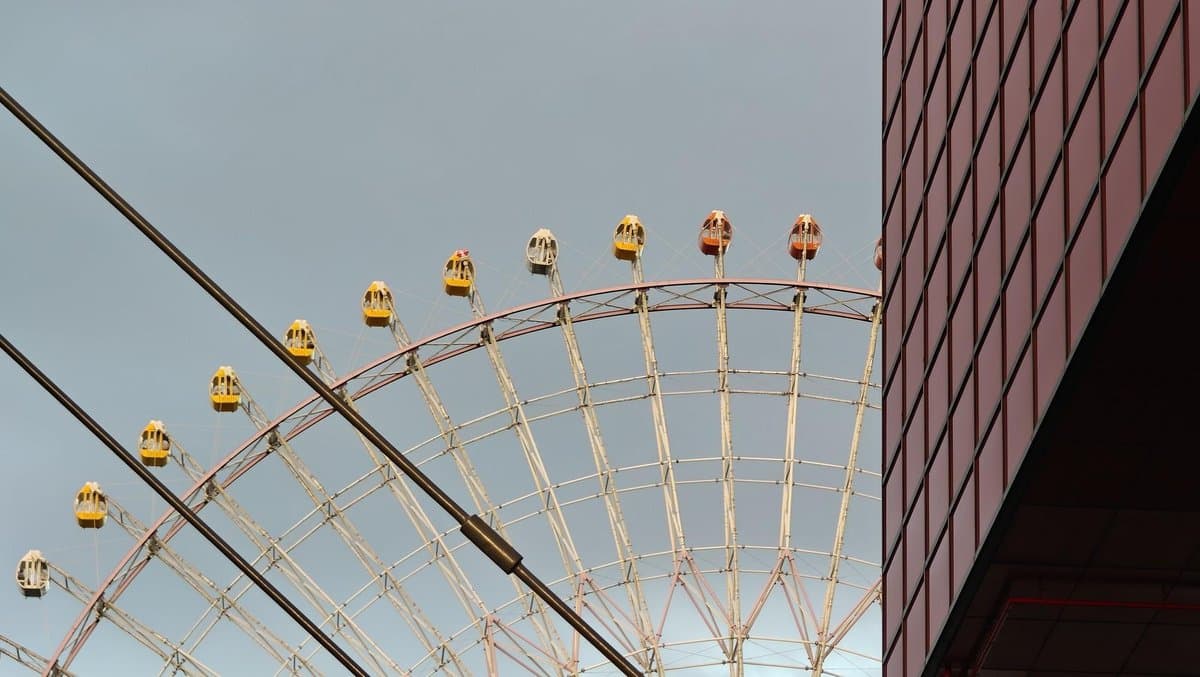
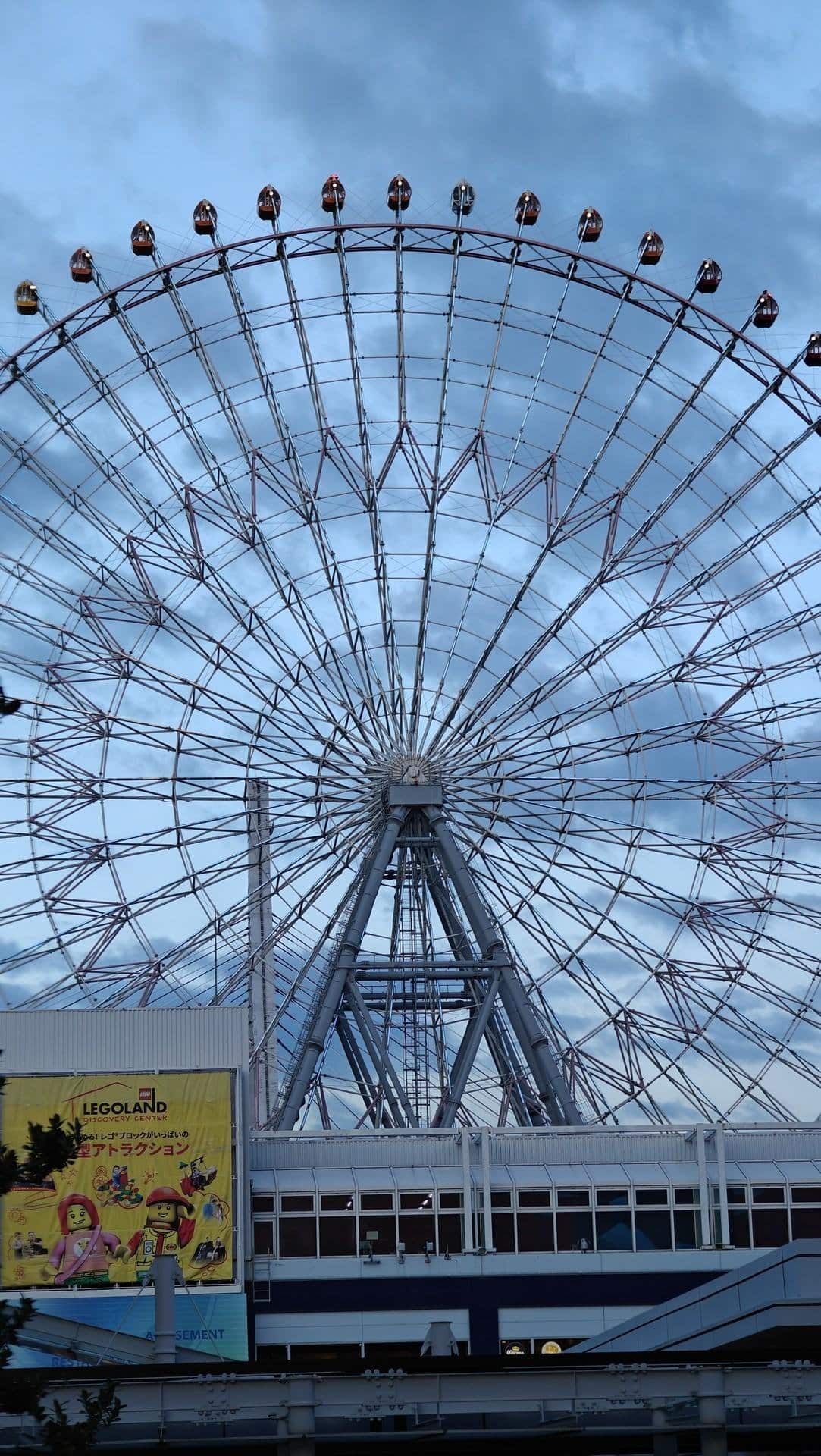
Speaking of Tempozan Harbor Village, you’ll be able to see one of its attractions as you’re walking towards it. The Tempozan Ferris Wheel seen in the image above is definitely a head turner as it just dominates the landscape. It used to be one of the tallest not just in Japan but worldwide when it opened in 1997.
Others have taken its status as the tallest since its opening but it’s still considered a must-visit thanks to the views of the Osaka Bay area that it offers.
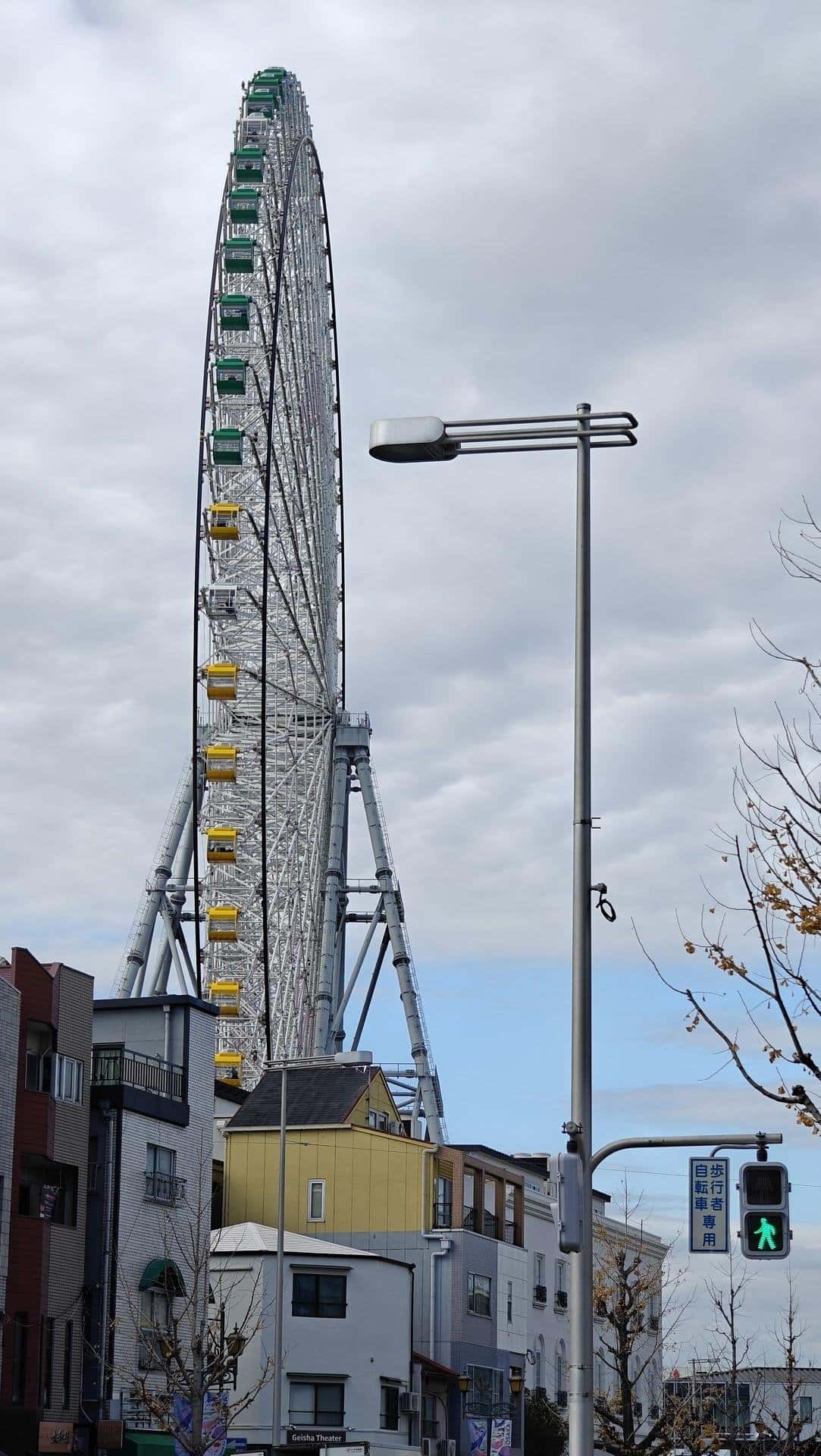
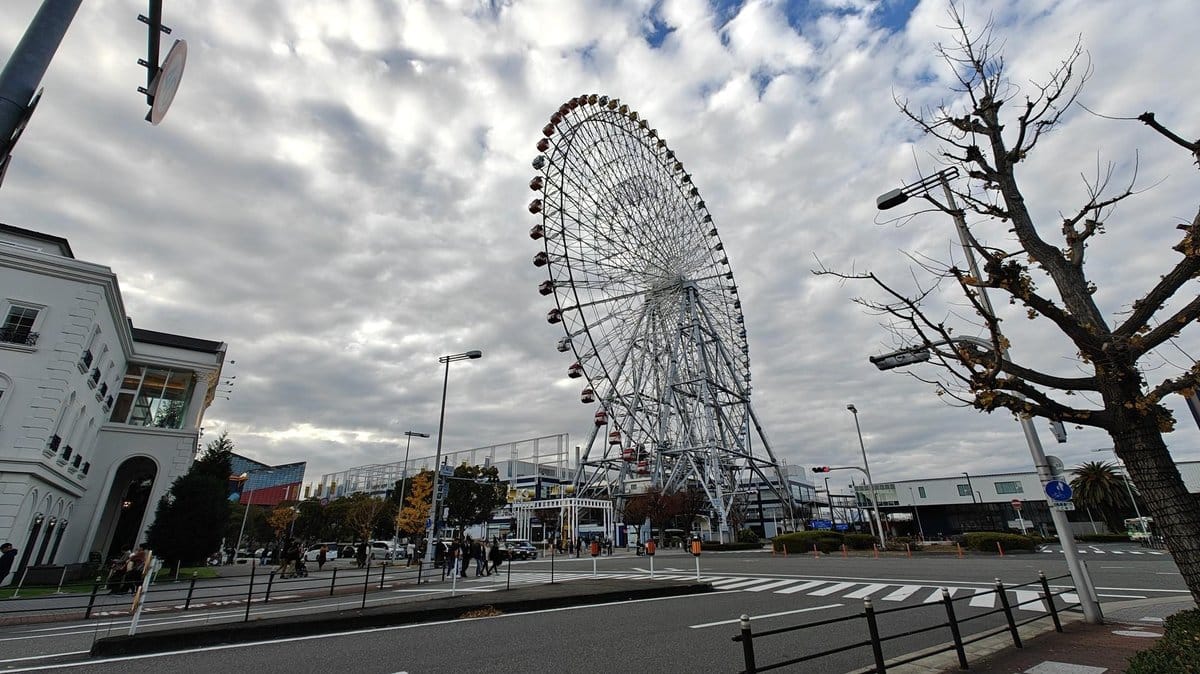
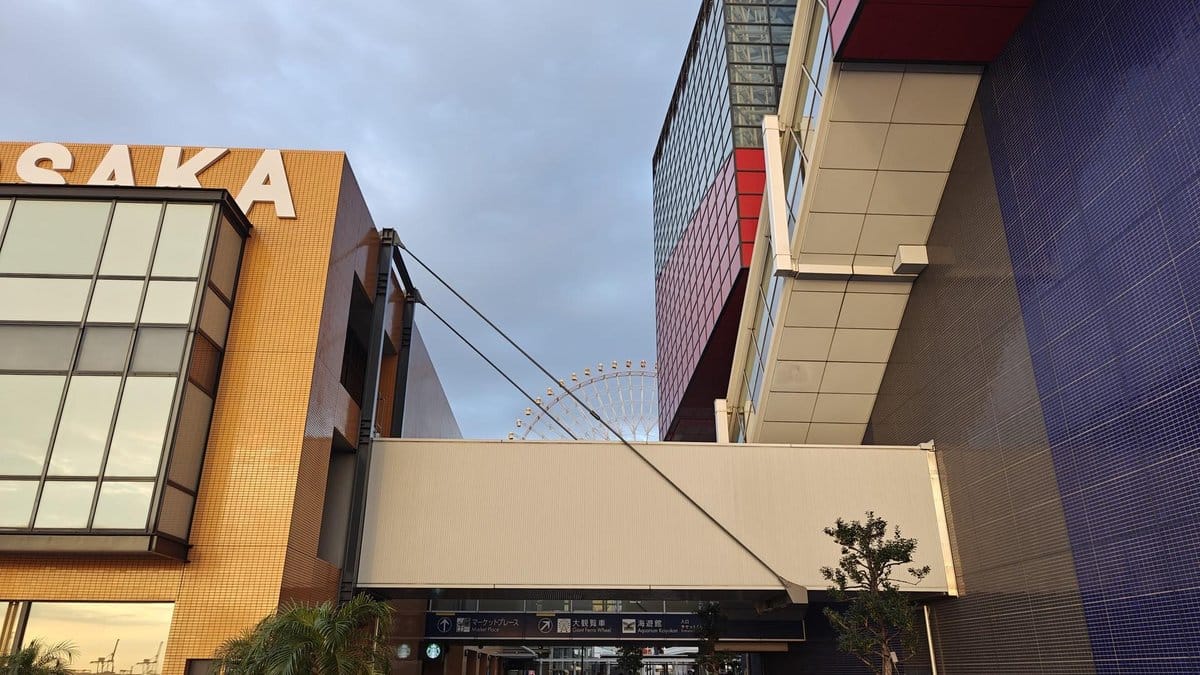
I finally got to the pedestrian crossing leading to the Tempozan Harbor Village. The Ferris Wheel looks even bigger up close from here! Anyway, the Osaka Aquarium Kaiyukan is actually part of this entertainment complex which also includes the Ferris Wheel, the Osaka Bay Cruise sightseeing tour, and even a petting zoo called the Tempozan Animal Park.
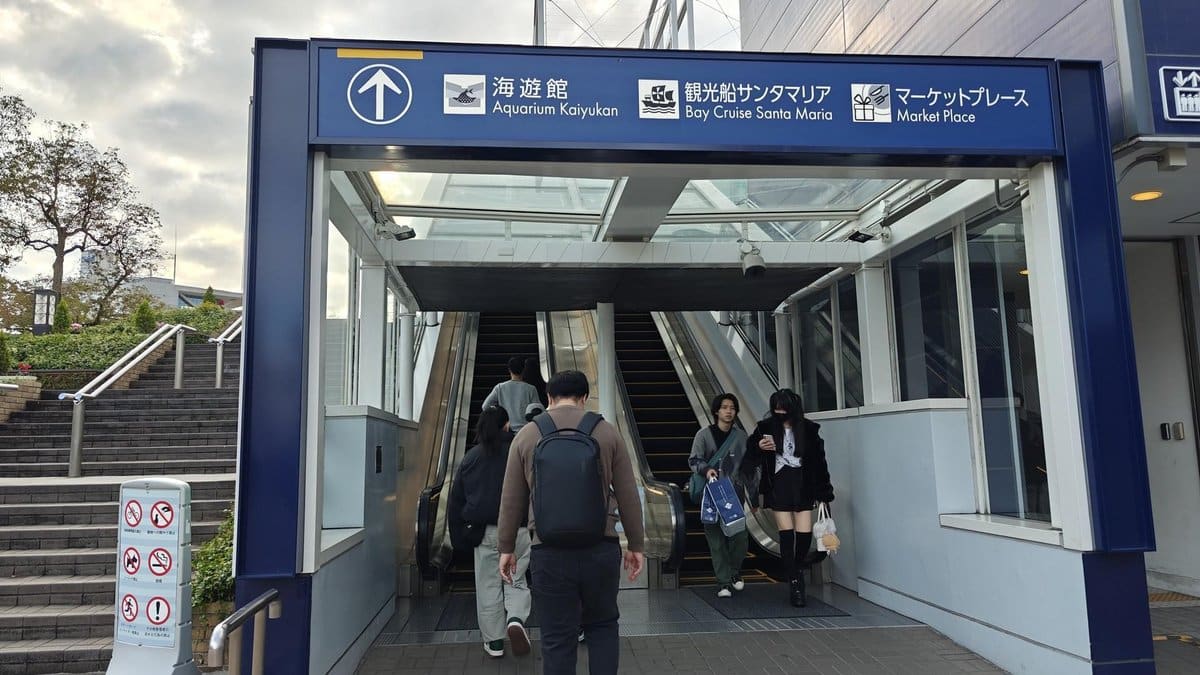
I walked past the Ferris Wheel until I eventually came across this area in the Main Building that had stairs (and an escalator) leading up to the Osaka Aquarium Kaiyukan area of the complex. The walk up until this point was relatively easy though I’m not sure if that’s because I’m already used to long walks thanks to my constant travels. If you’re feeling a little hammered from all the walking then go right ahead and make use of the escalator.
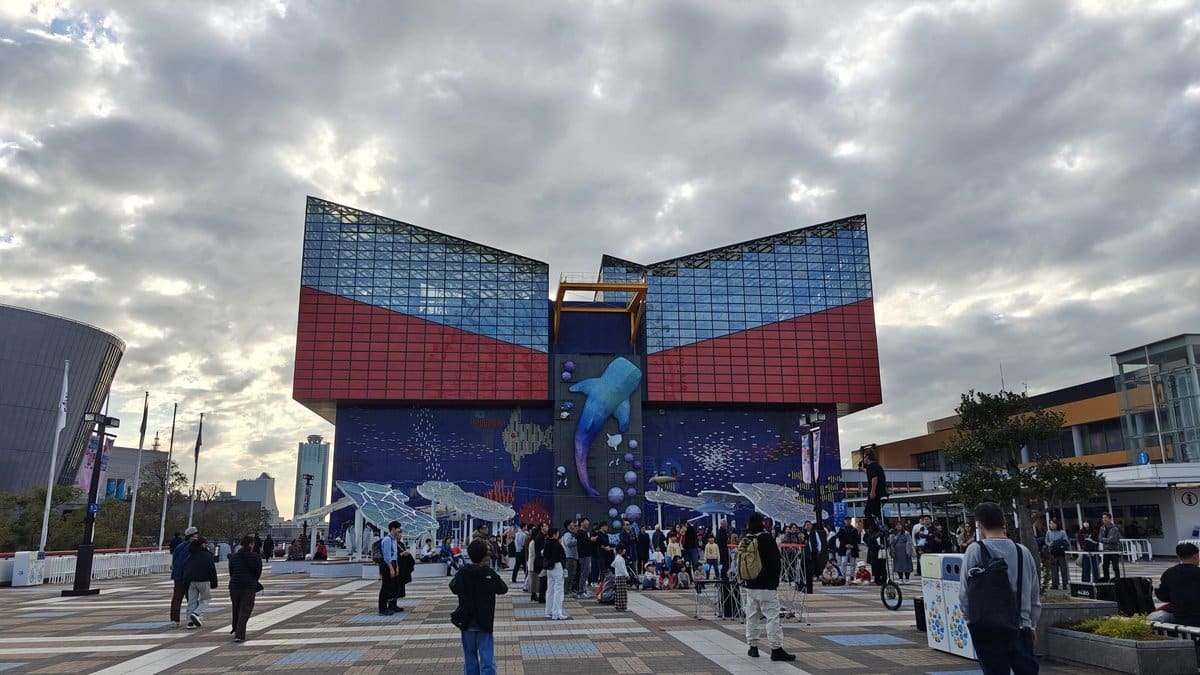
Here you can see the entrance to the Osaka Aquarium Kaiyukan and it’s absolutely stunning. I particularly liked the color scheme they went with and the sculpture of the whale shark on the wall was the first thing that caught my eye. Now this area is essentially the third floor or level and where you’ll find the ticket booths and entrance to the aquarium.
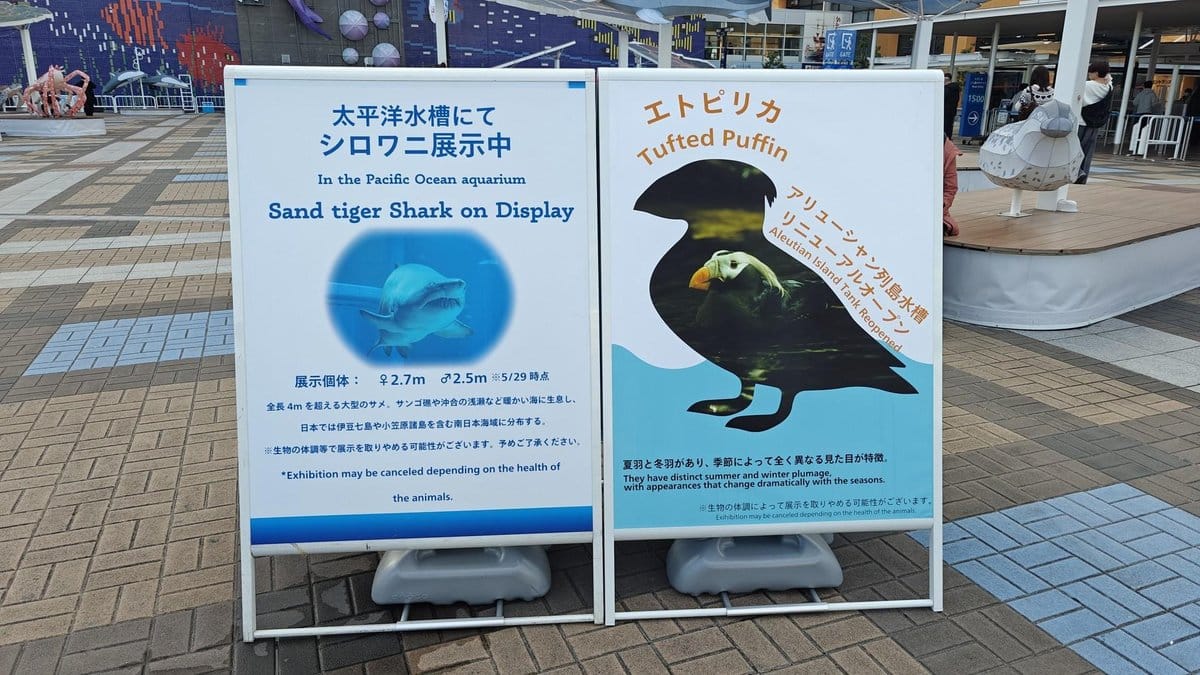
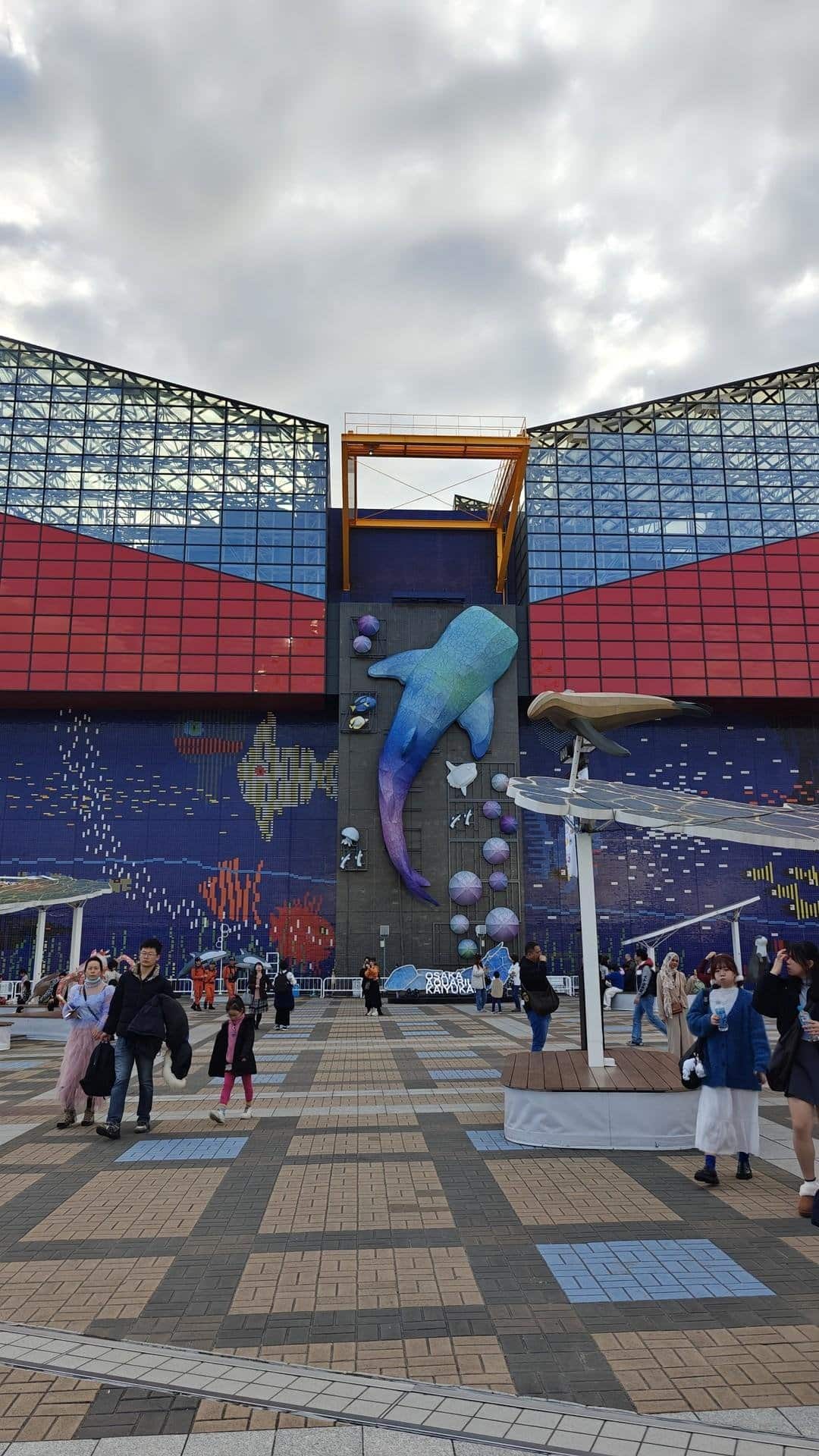
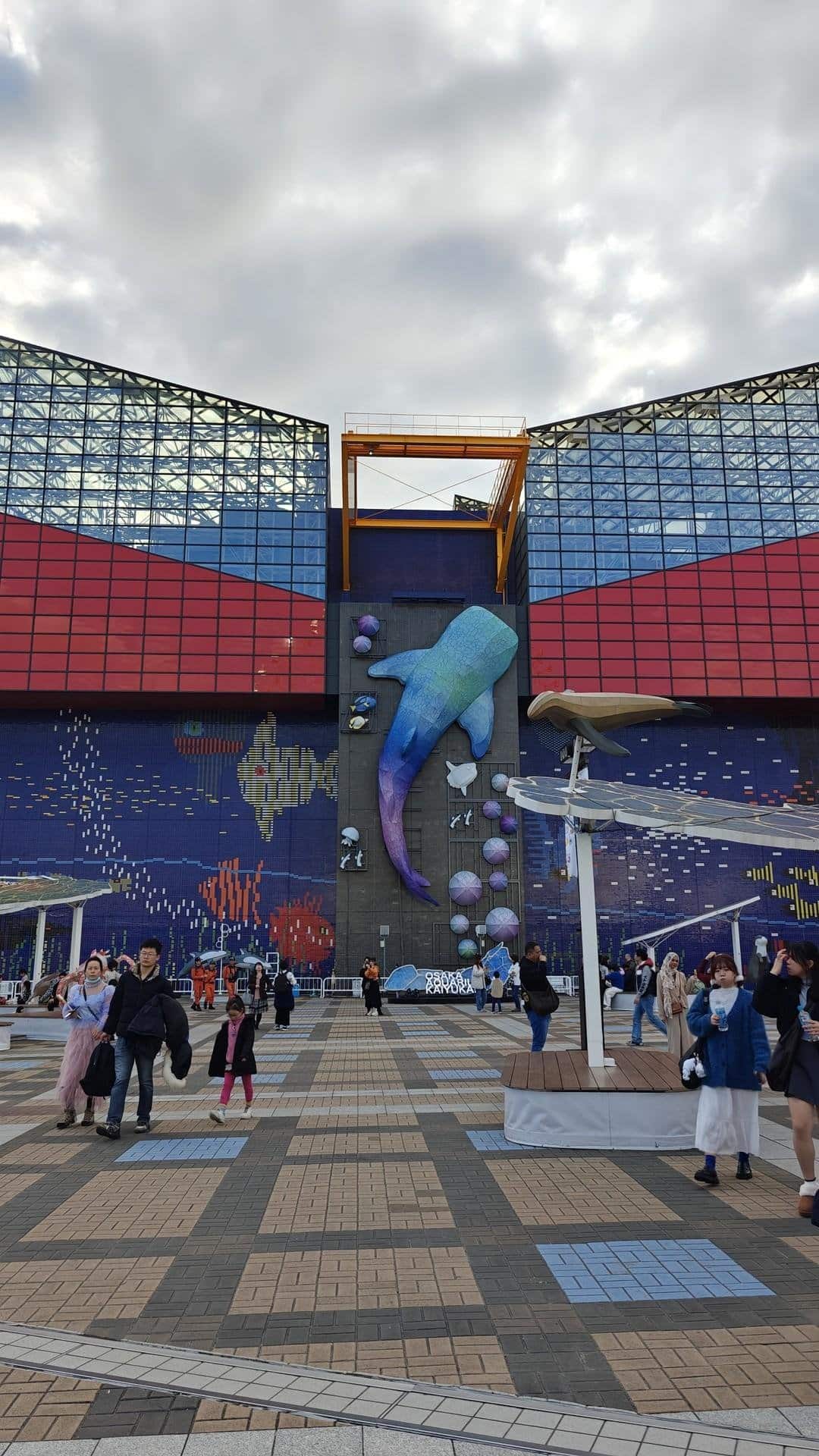
There are plenty of signboards here featuring details about the aquarium’s exhibits. On top of those, you’ll also find plenty of installations and sculptures of the animals that you’ll find inside. As it’s a relatively popular destination here in Osaka, expect to encounter plenty of people here.
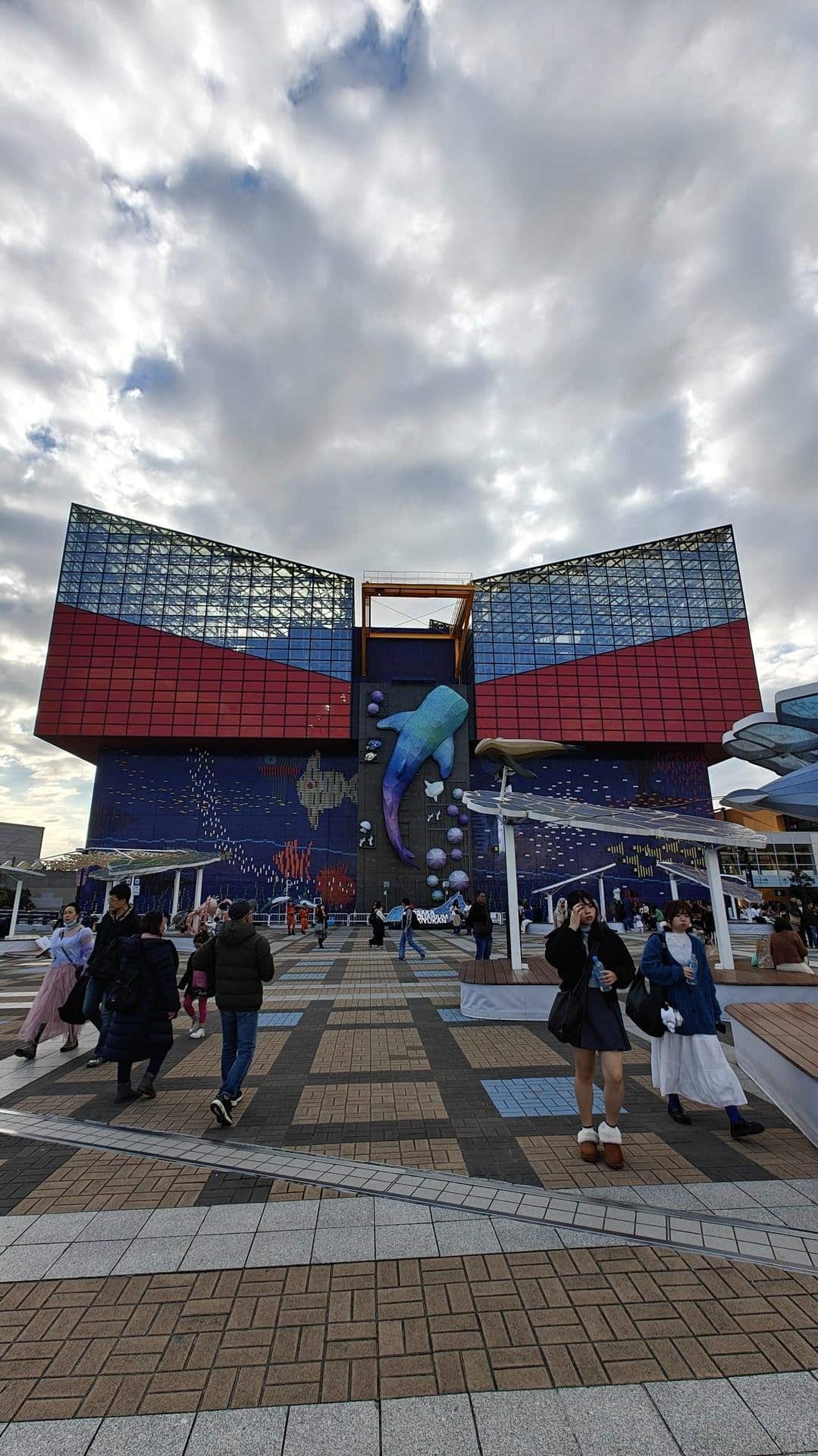
Now I say there are plenty of people here but it was actually not as crowded as the approach to Kiyomizu-dera was. Osaka Aquarium Kaiyukan’s peak season is unlike most shrines and temples. It’s more popular among kids so it typically gets crowded here during weekends as well as summer and winter breaks.
Ideally, you really want to schedule your visit on a weekday.
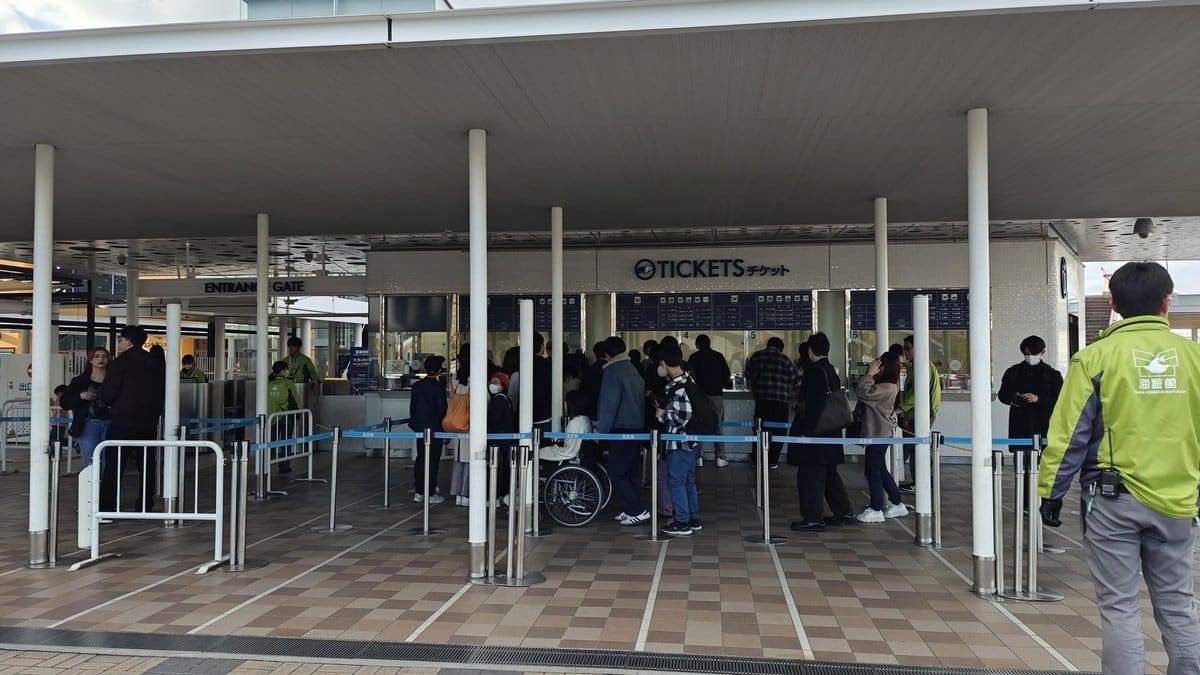
While you can purchase tickets at the counters here, I think it’s actually better to buy an e-ticket in advance online. The aquarium has a dedicated site for these or you can hop on to sites like Klook to get one. It’s possible to purchase one through these channels a maximum of thirty days before your planned visit.
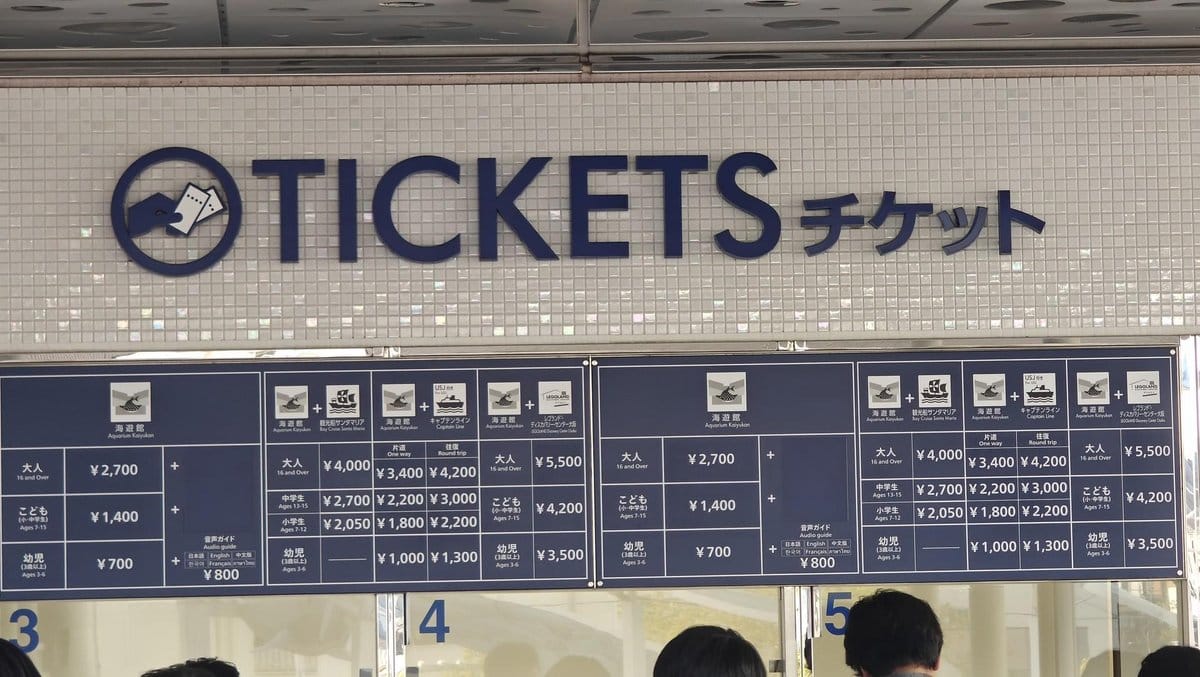
As for how much it costs, a ticket costs around 2700JPY for an adult visitor. The cost of a single ticket is a bit steep but after experiencing it, I can honestly say that it’s more than worth it. Other than admission to Osaka Aquarium Kaiyukan, the ticket counters here also sell bundles for additional access to the Osaka Bay Cruise, Legoland Discovery Center, or the Captain Line ferry service that connects the aquarium to Universal Studios Japan.
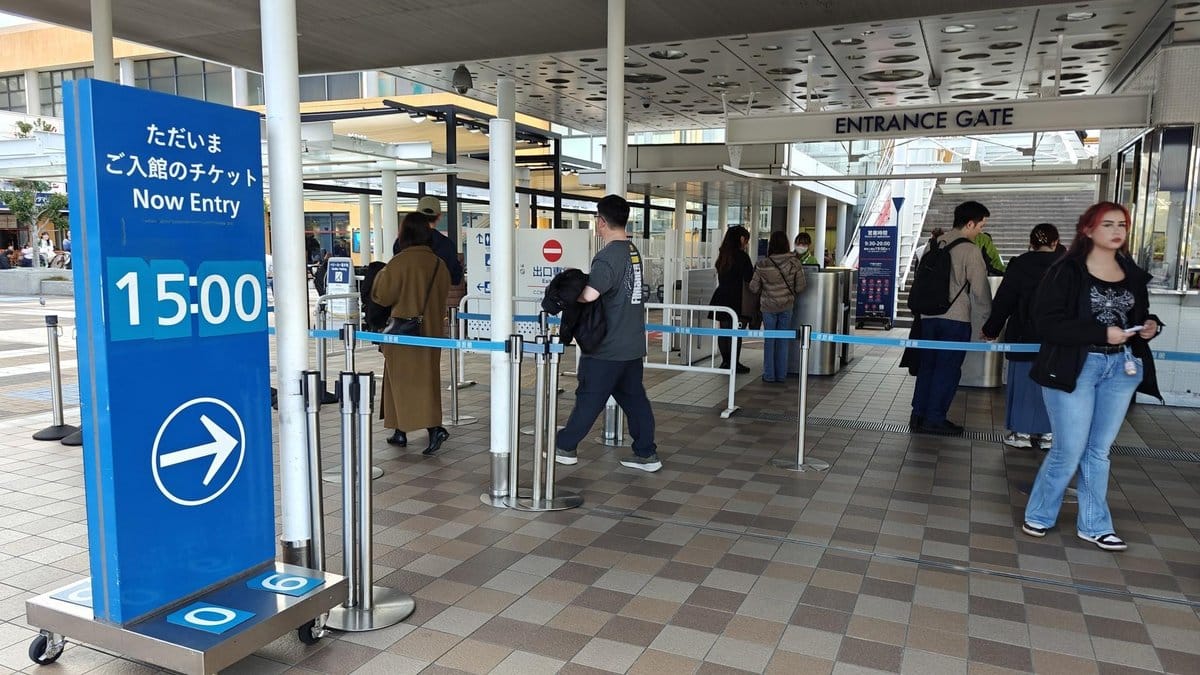
One thing you’ll have to take note of if you do buy an e-ticket is your time slot. Even if you have an e-ticket, you won’t be able to enter before or after the time slot that’s designated on it. In my case, I just went up to the entrance gate during my time slot and showed the QR code for my e-ticket at the designated booths.
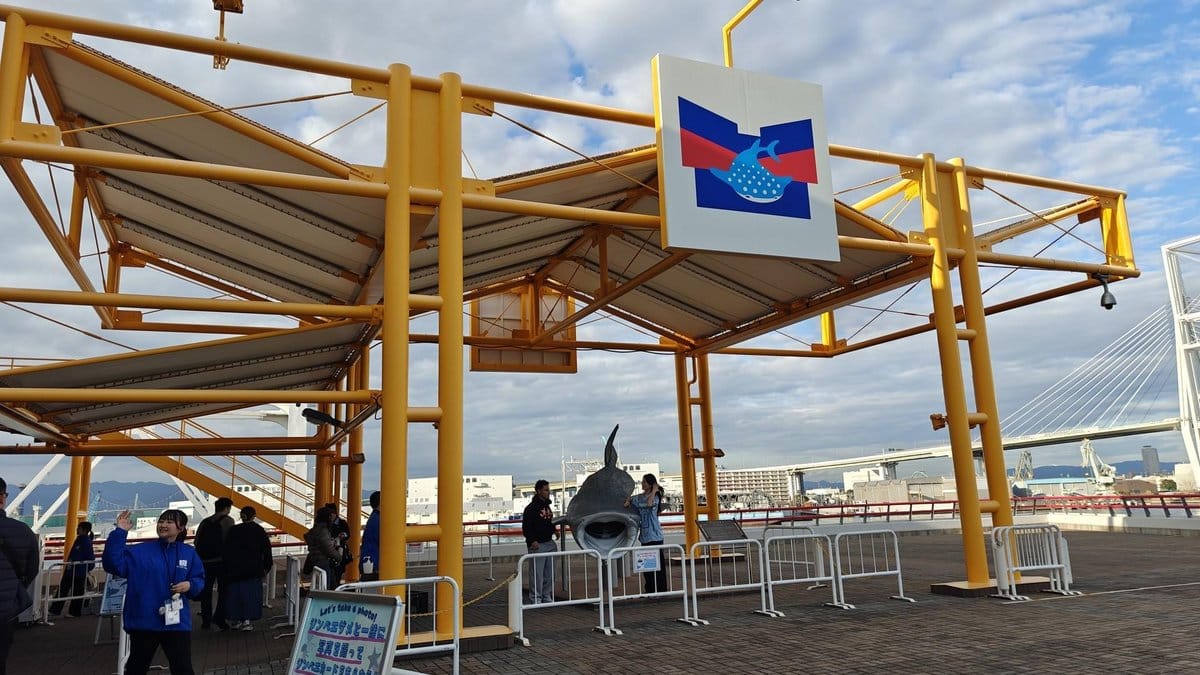
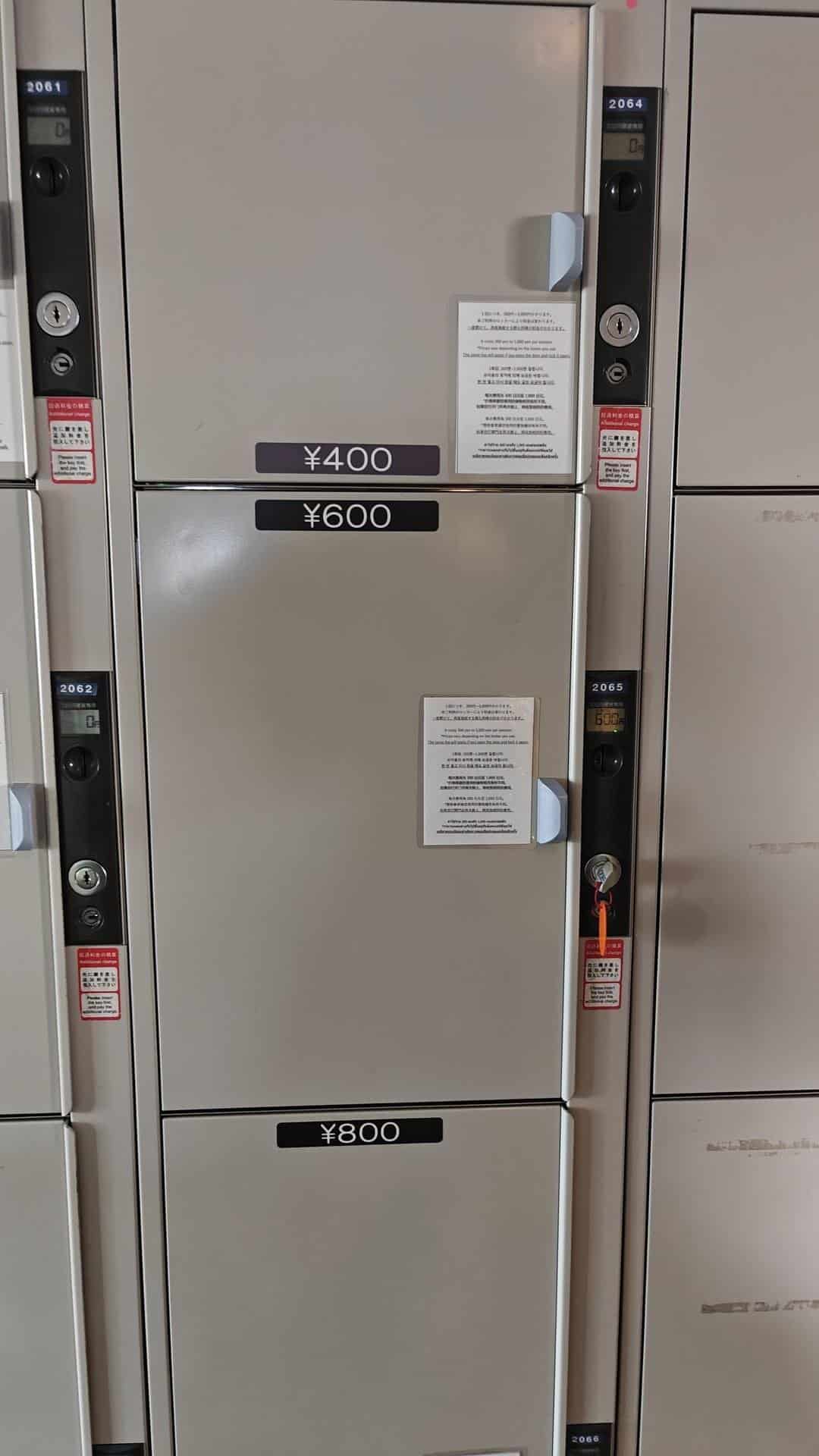
Upon entering the third floor entrance, you’ll find coin lockers to your left where you can leave your belongings. The lockers range in size which also determines their cost. If I remember correctly, the smallest locker costs 300JPY while the largest caps out at 1000JPY.
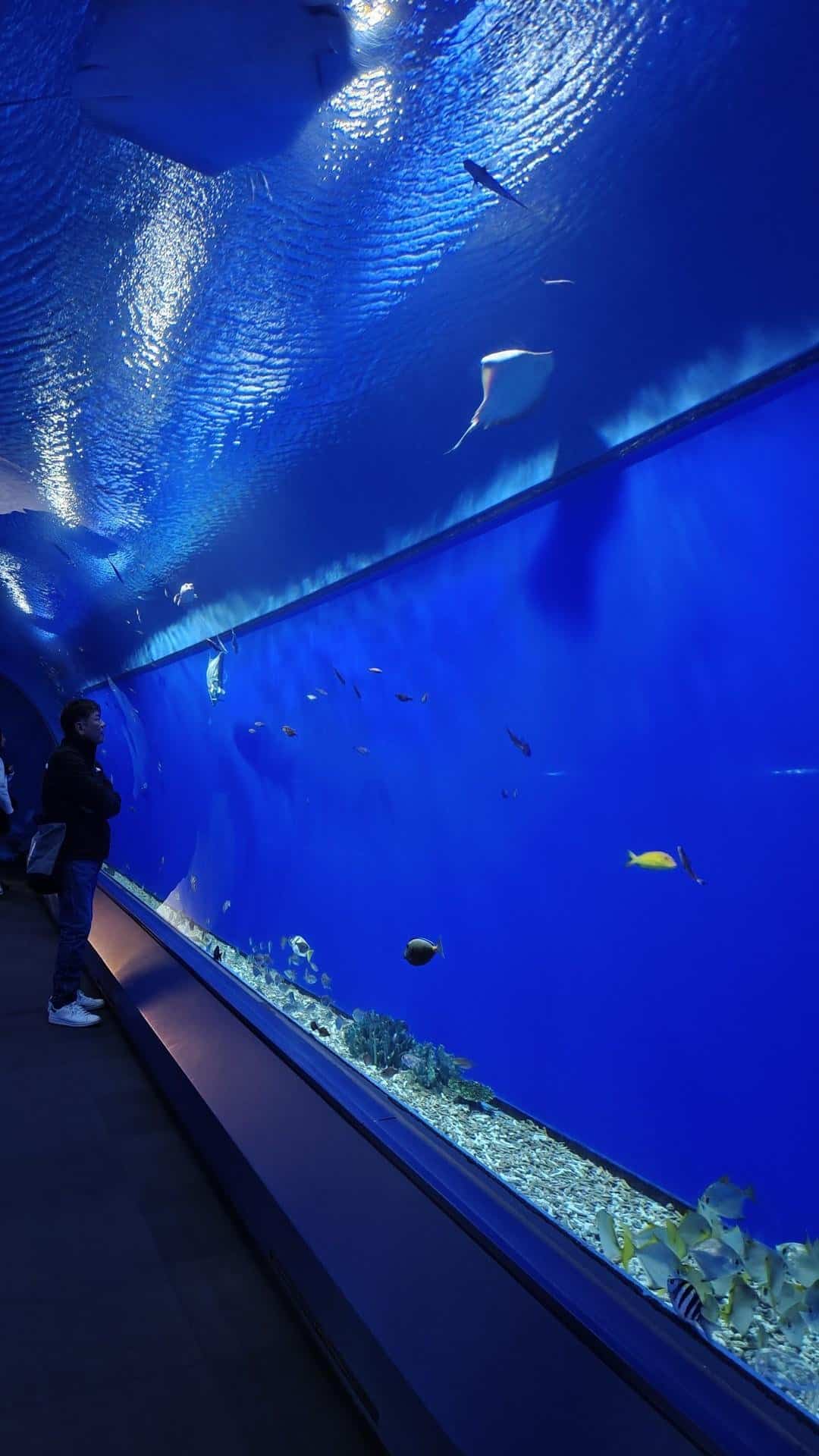
Opposite the lockers is the path that I had to go through to get to the escalators that would take me to the 8th floor. Along the way, I passed by the Aqua Gate which is essentially a tunnel shaped aquarium tank. It’s 11 meters long and features colorful tropical fish.
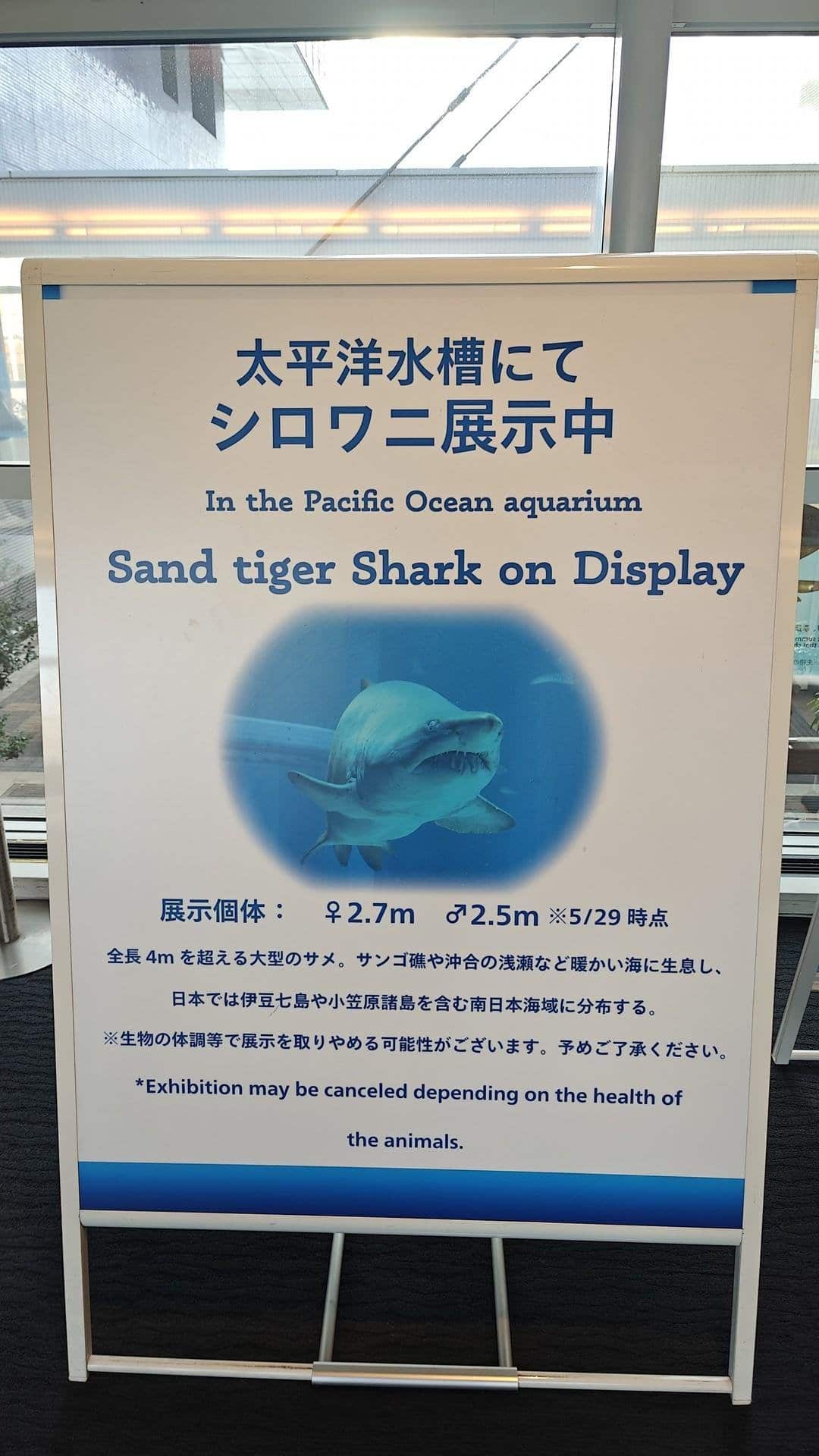
Along the way, I came across standees featuring ads talking about the Sand Tiger Shark in the Pacific Ocean Aquarium on the 6th floor. The floor and area where it is found is also where you can come across the whale shark. Honestly, I was a little excited to get there at this point.
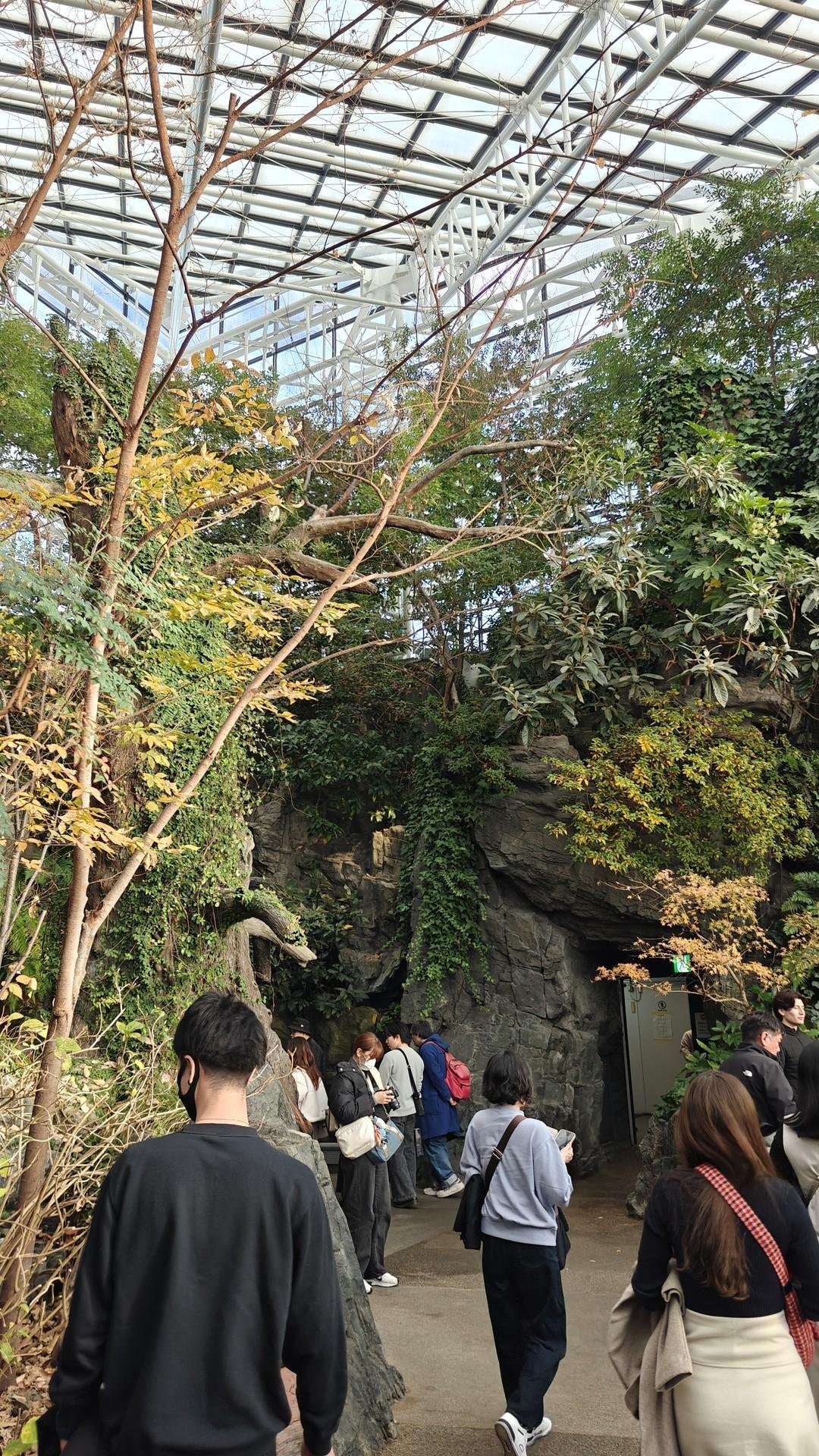
Before I got there though, I had to check out the Japan Forest area on the 8th floor first. This was honestly such a great area featuring plenty of greenery as well as some really cute animals. The otters were especially energetic and seemed like they were enjoying swimming in their enclosures.
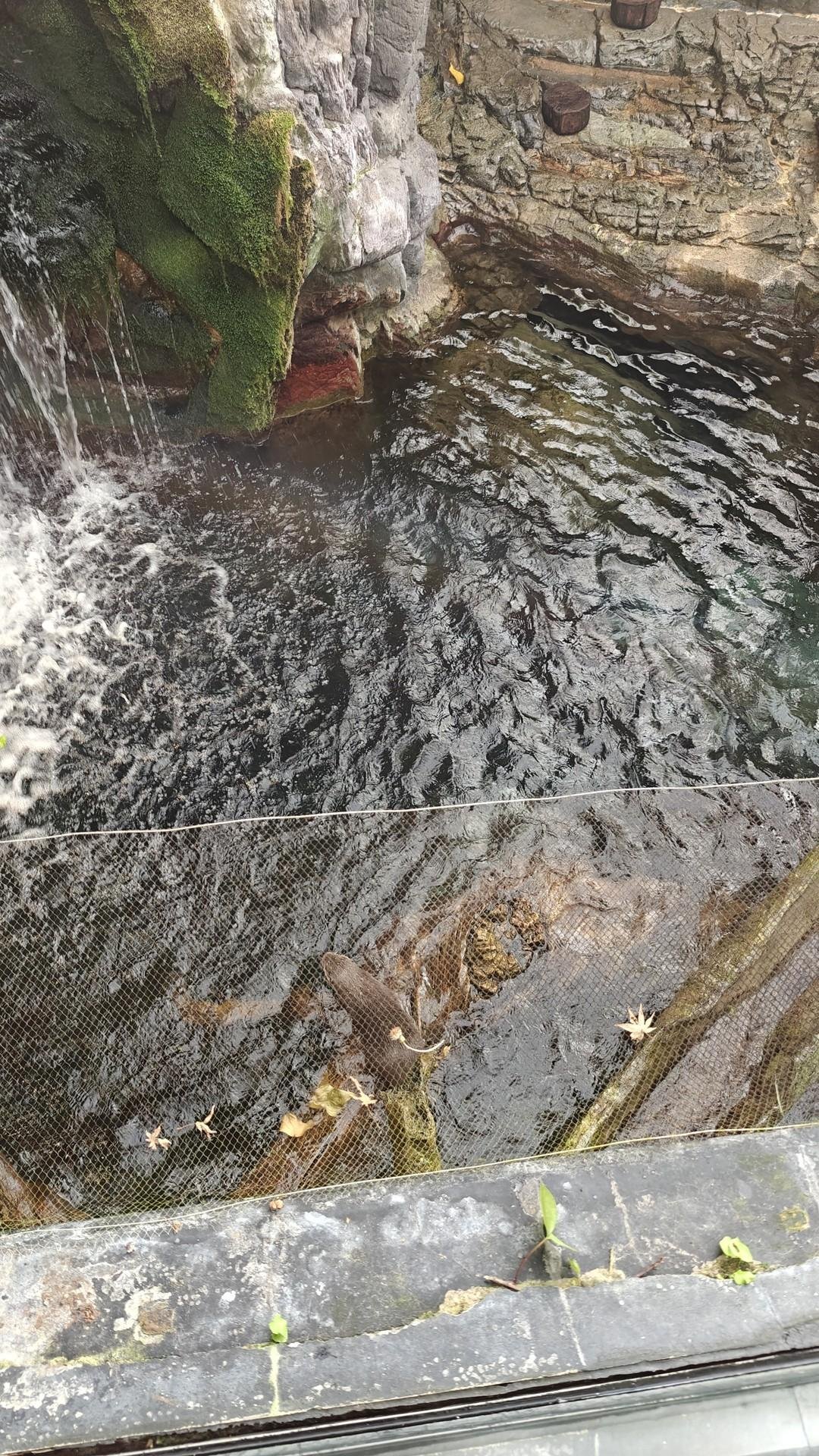
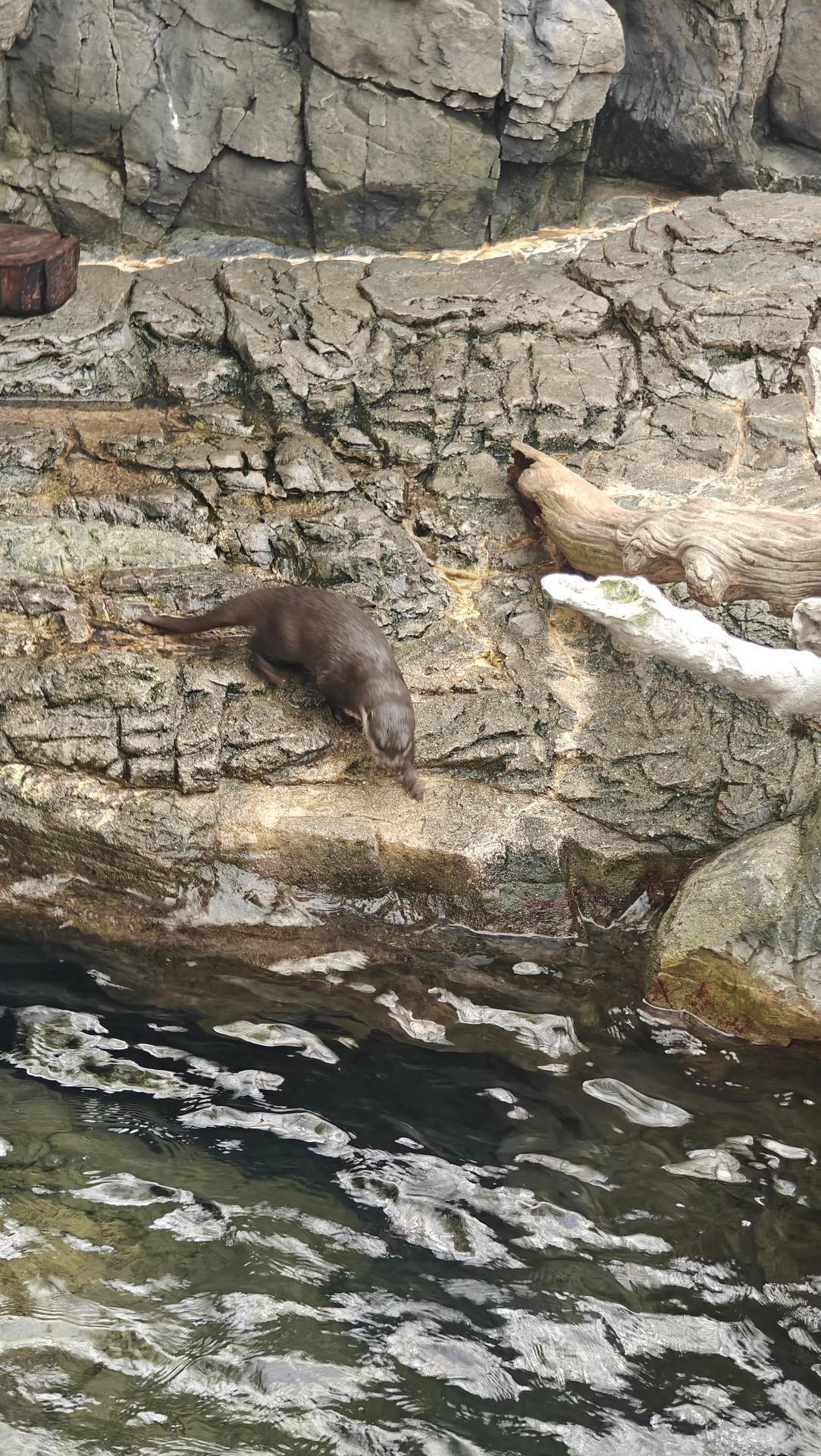
Here is an otter that’s preparing to go into the water. Now it’s important to note that Japanese River Otters are already extinct and the ones found here are Asian Small-Clawed otters. They are actually quite playful and their squeaks/chirps were adorable to say the least.
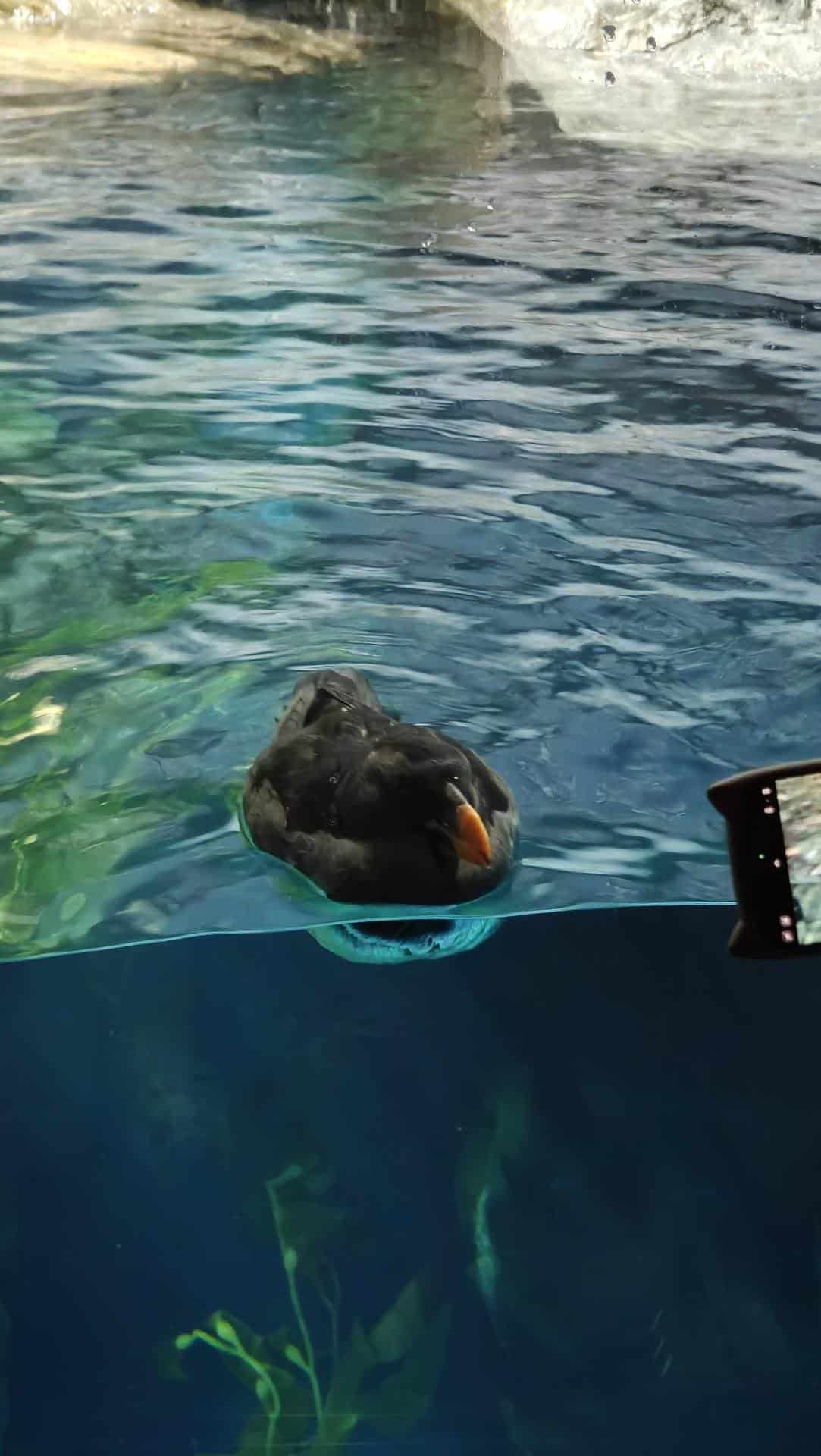
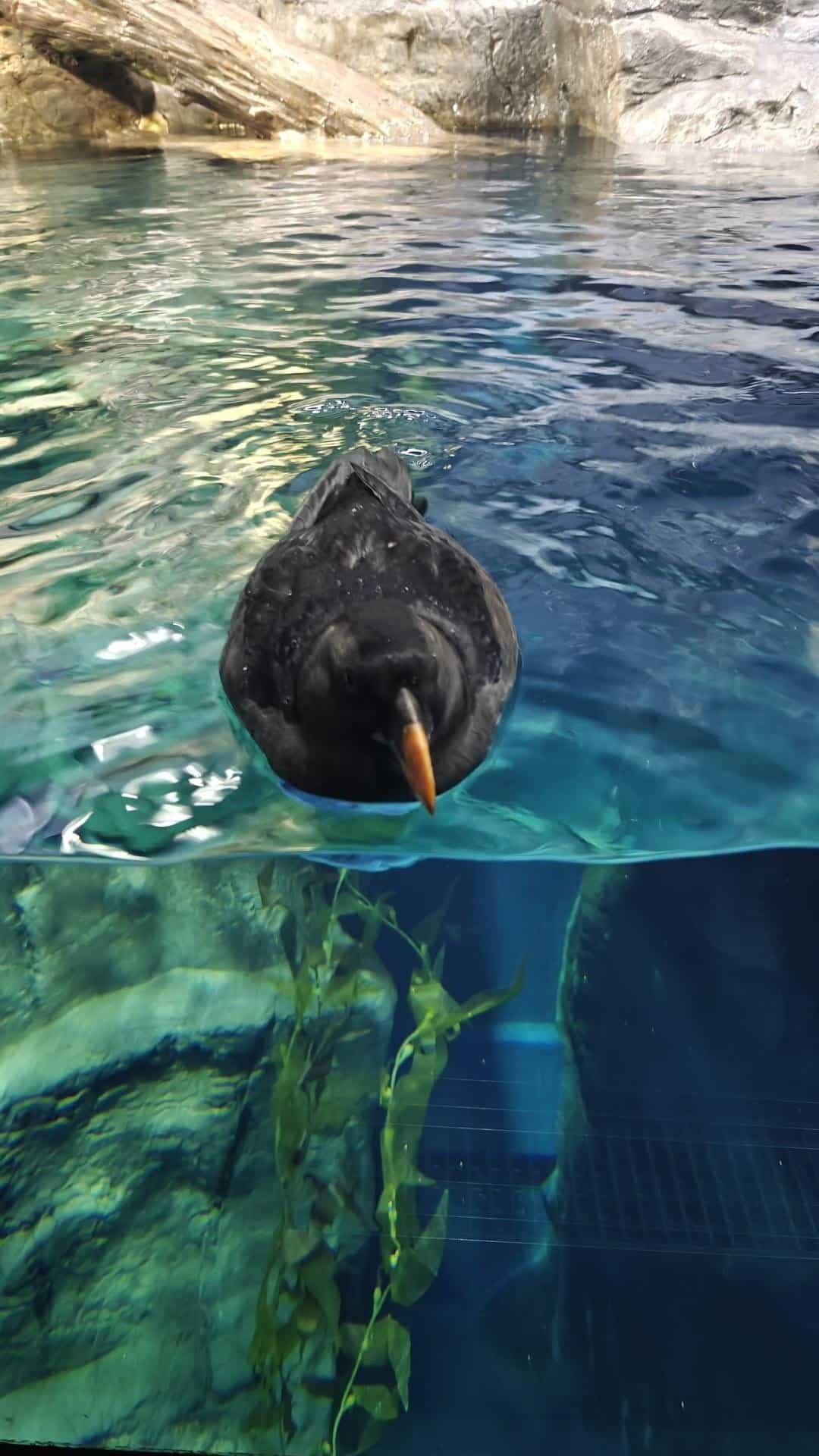
From the Japan Forest area I found myself going down to the 7th floor. The first enclosure I then came across was called the Aleutian Islands and it housed the Tufted Puffin. I actually looked into this bird and found that while it is native to Japan, it’s typically found near rocky coastal waters/islands rather than in forests.
They’re actually here as part of the aquarium’s breeding program as the birds have been tagged as endangered since 2018.
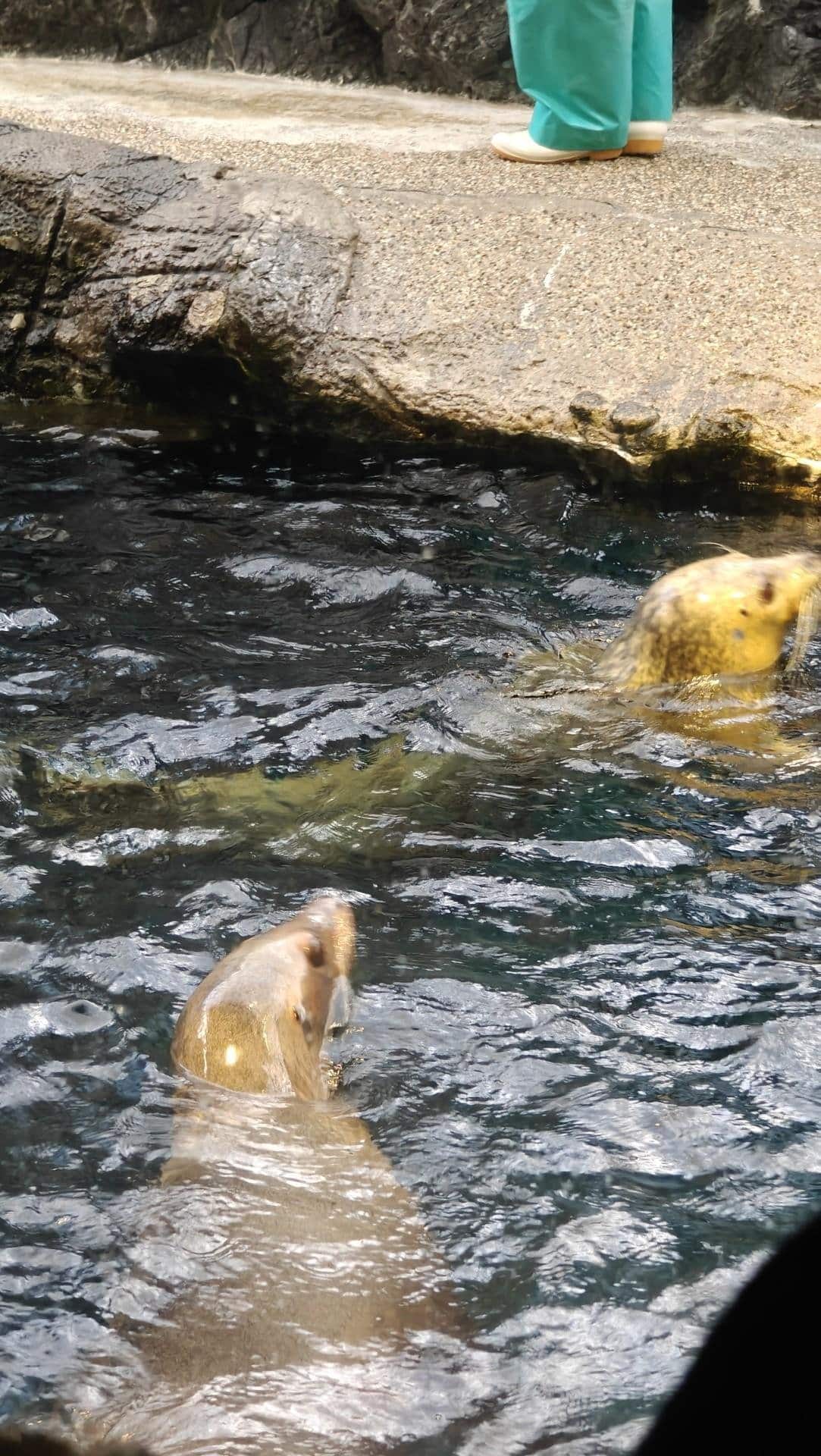
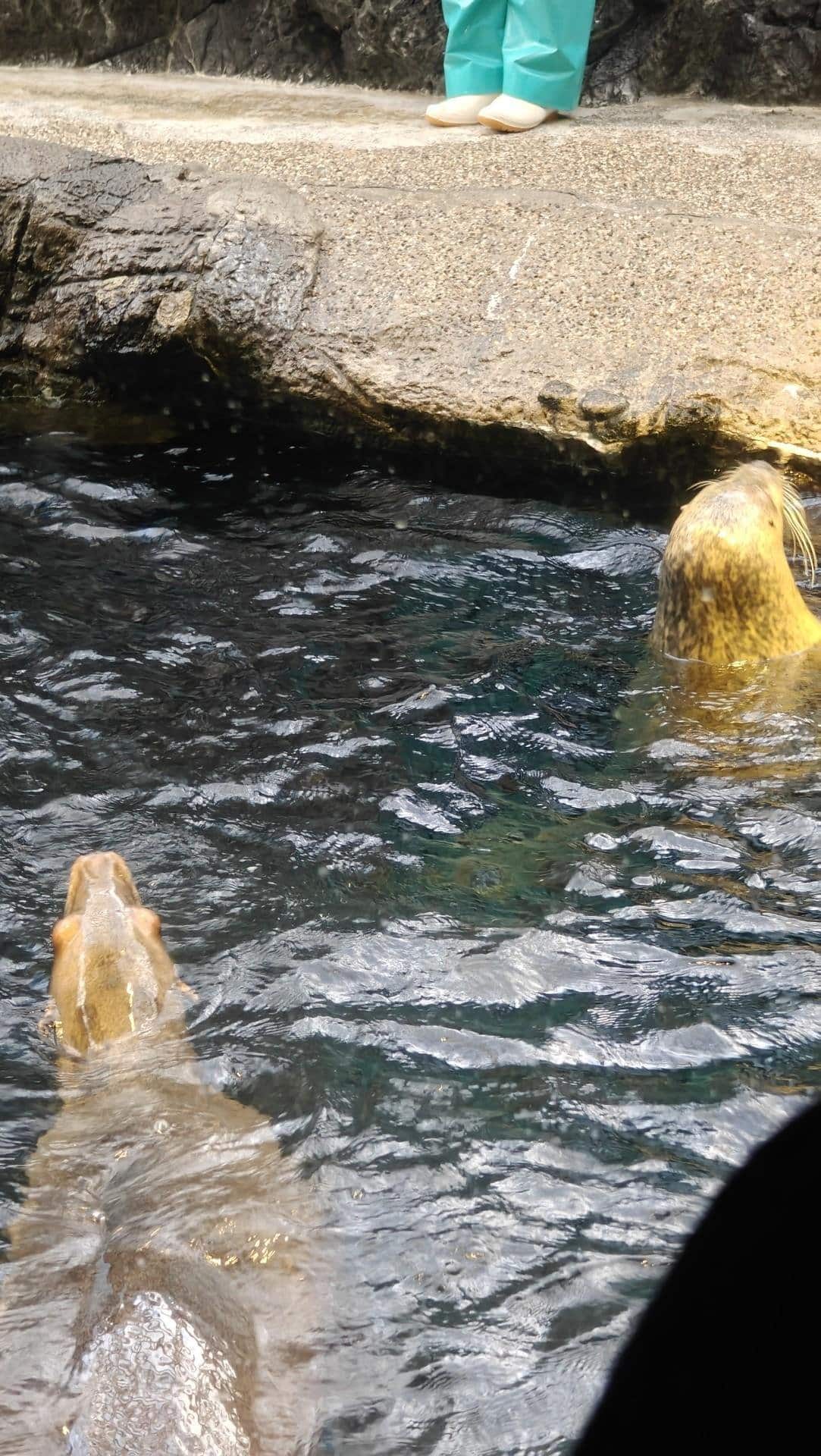
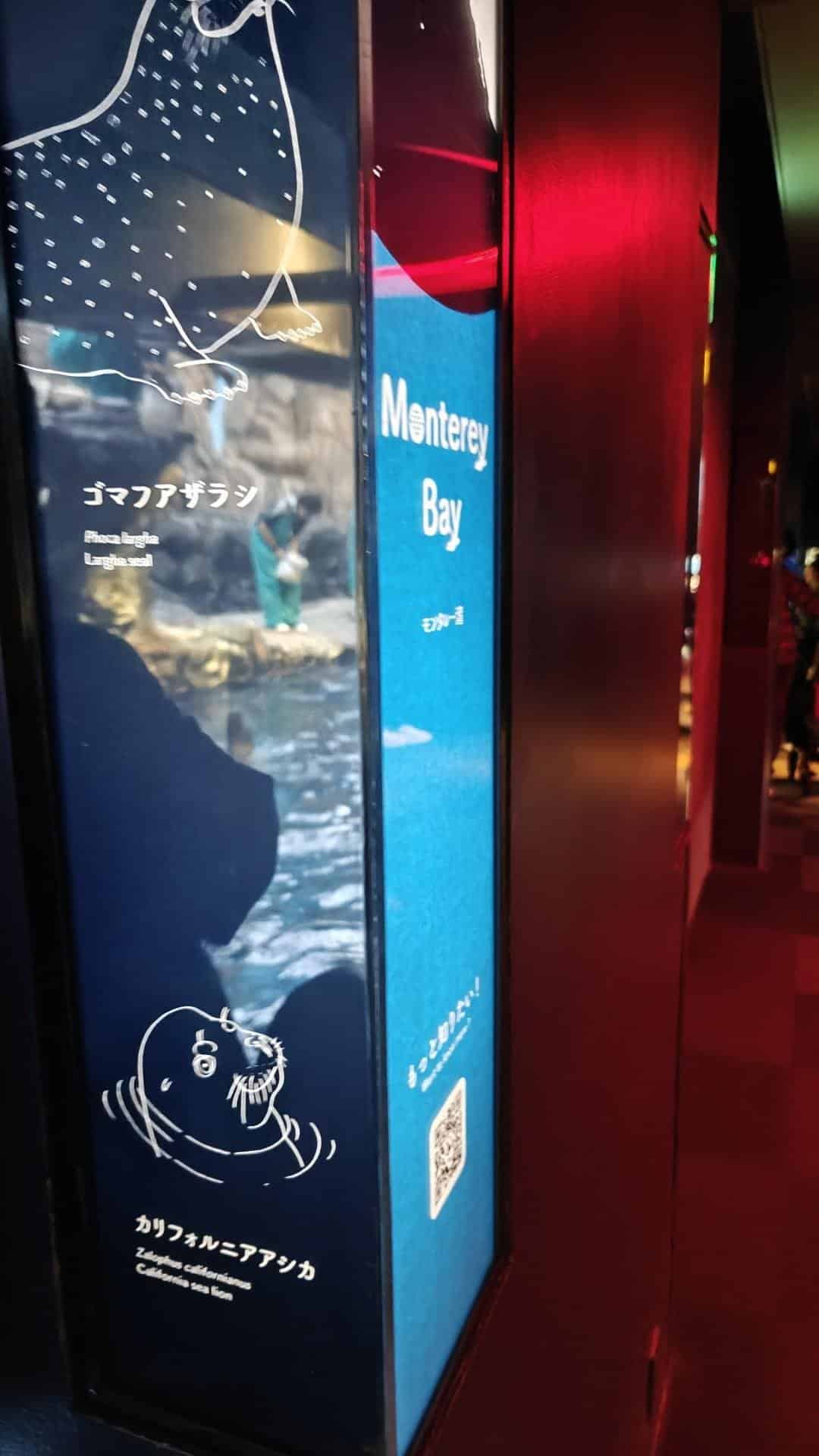
The next enclosure after the Aleutian Islands was called Monterey Bay and the featured animals here are the California sea lion and the Largha seal. Unfortunately, I only managed to take pictures of the sea lions who were participating in an activity with their handlers when I visited. On a side note, this was the first time I learned how to differentiate the two sea mammals.
If you look closely, the sea lions have flaps/protrusions on the side of their heads where their ears are. Apparently, this feature is only present on them and not on seals.
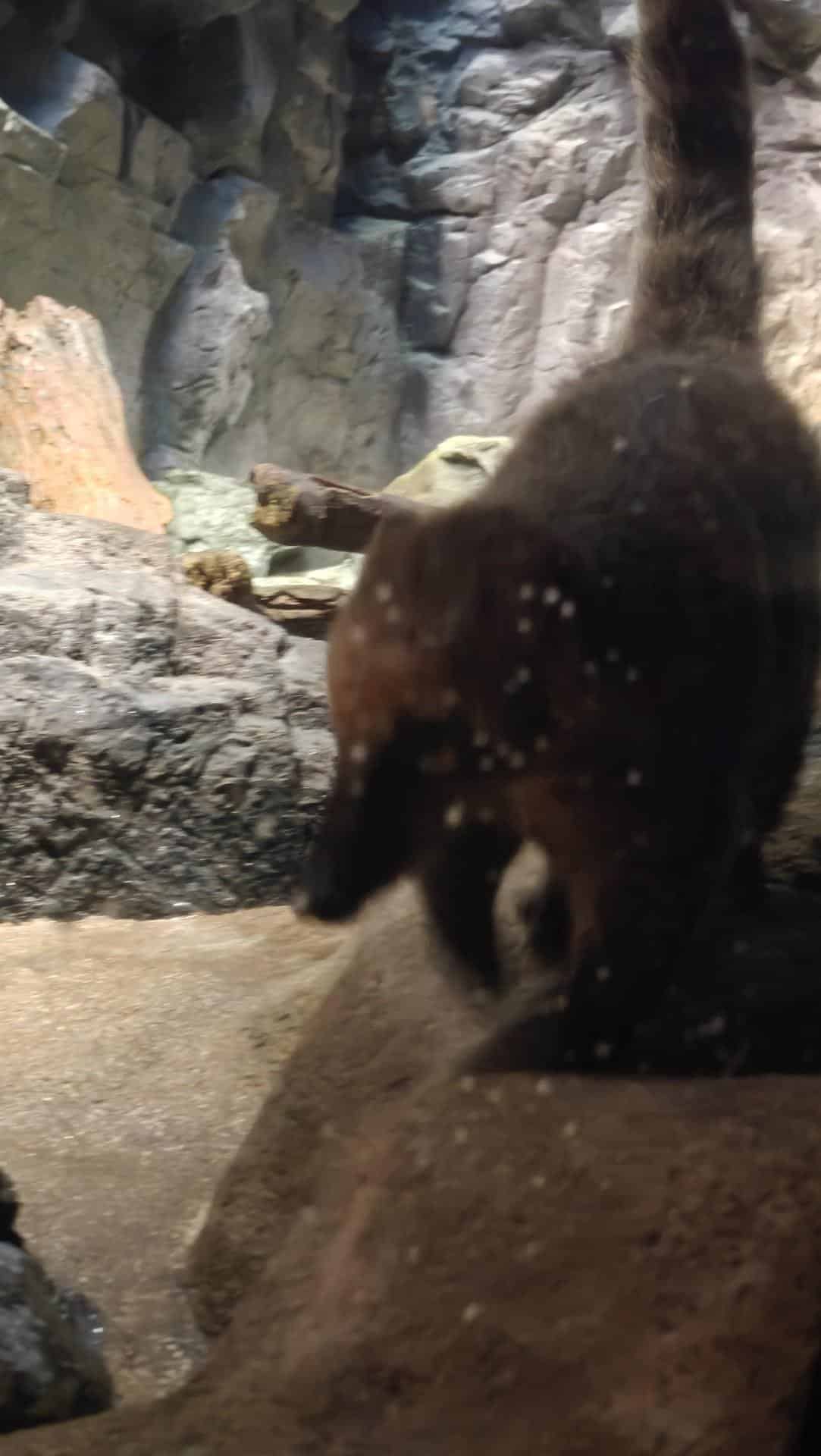
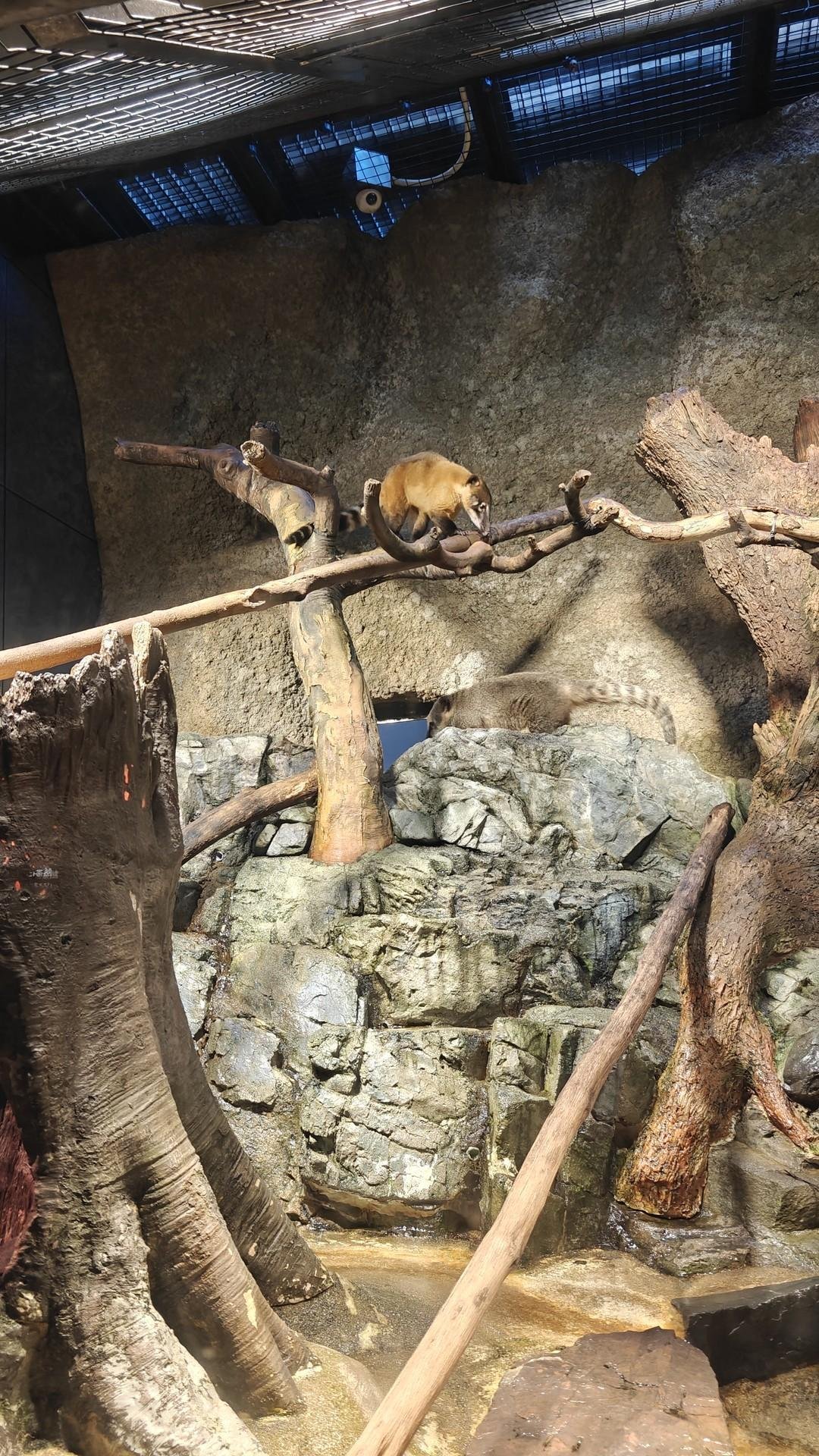
After the Aleutian Islands, the next enclosure I came across was the Gulf of Panama. Now this featured an animal called a South American coati that I’ve never seen before prior to this visit. At first I thought it was some species of anteater because of how long its snout is but these are actually members of the raccoon family.
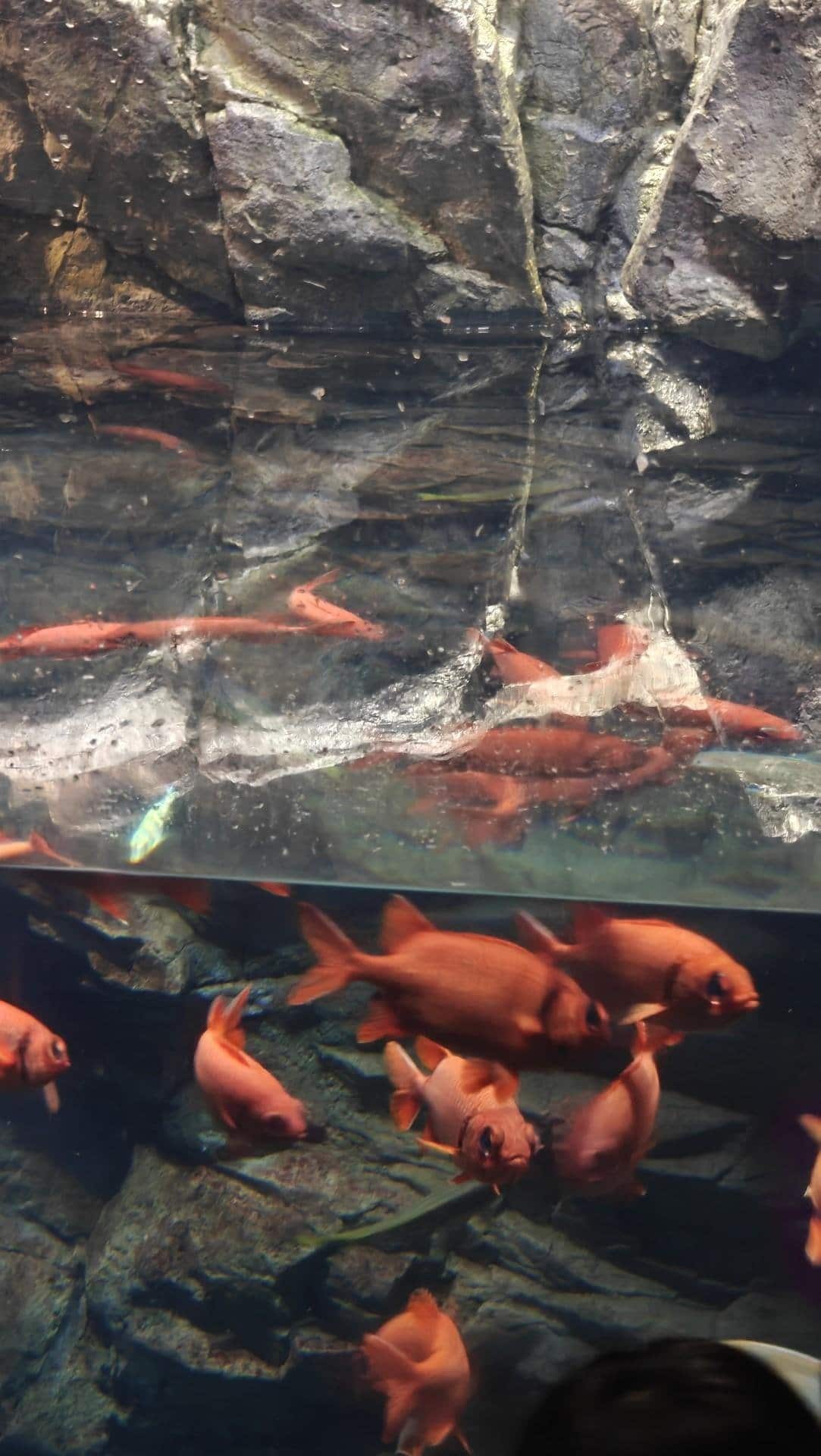
Of course, this won’t be an aquarium without sea creatures and the Gulf of Panama enclosure also has these in its waters. Shown in the image here is a school of Blotcheye Soldierfish. There are other fish here like the white spotted puffer, yellow wrasse, and common blue stripe snapper (just to name a few).
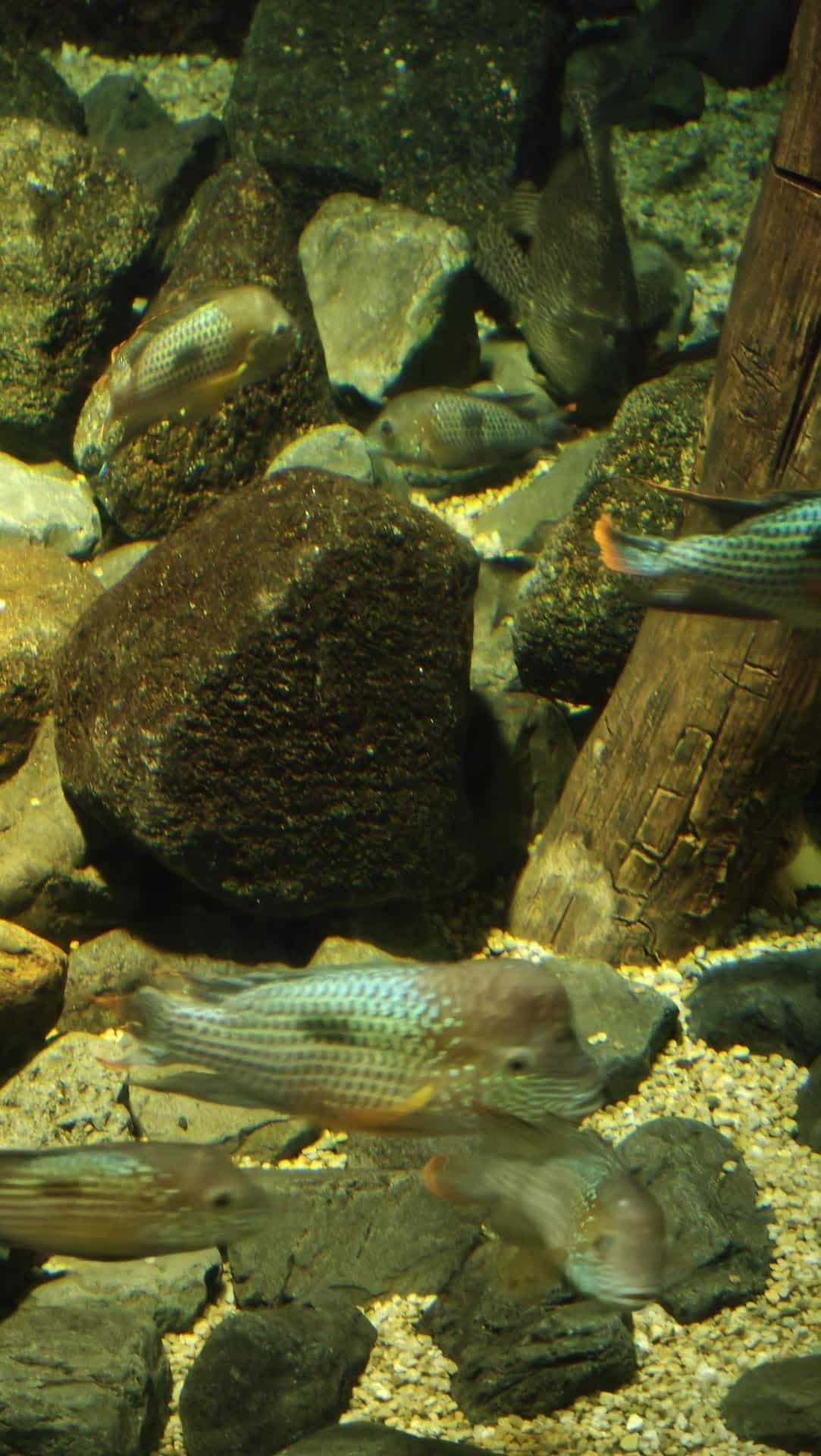
The next enclosure also mainly featured fishes. Unlike the previous Gulf of Panama enclosure though, the fish here were mostly fresh water species. The first one I saw were these Green Terror Cichlids.
I learned that these were actually sought after among aquarium hobbyists thanks to the coloring on their scales, size, and aggressive behaviour.
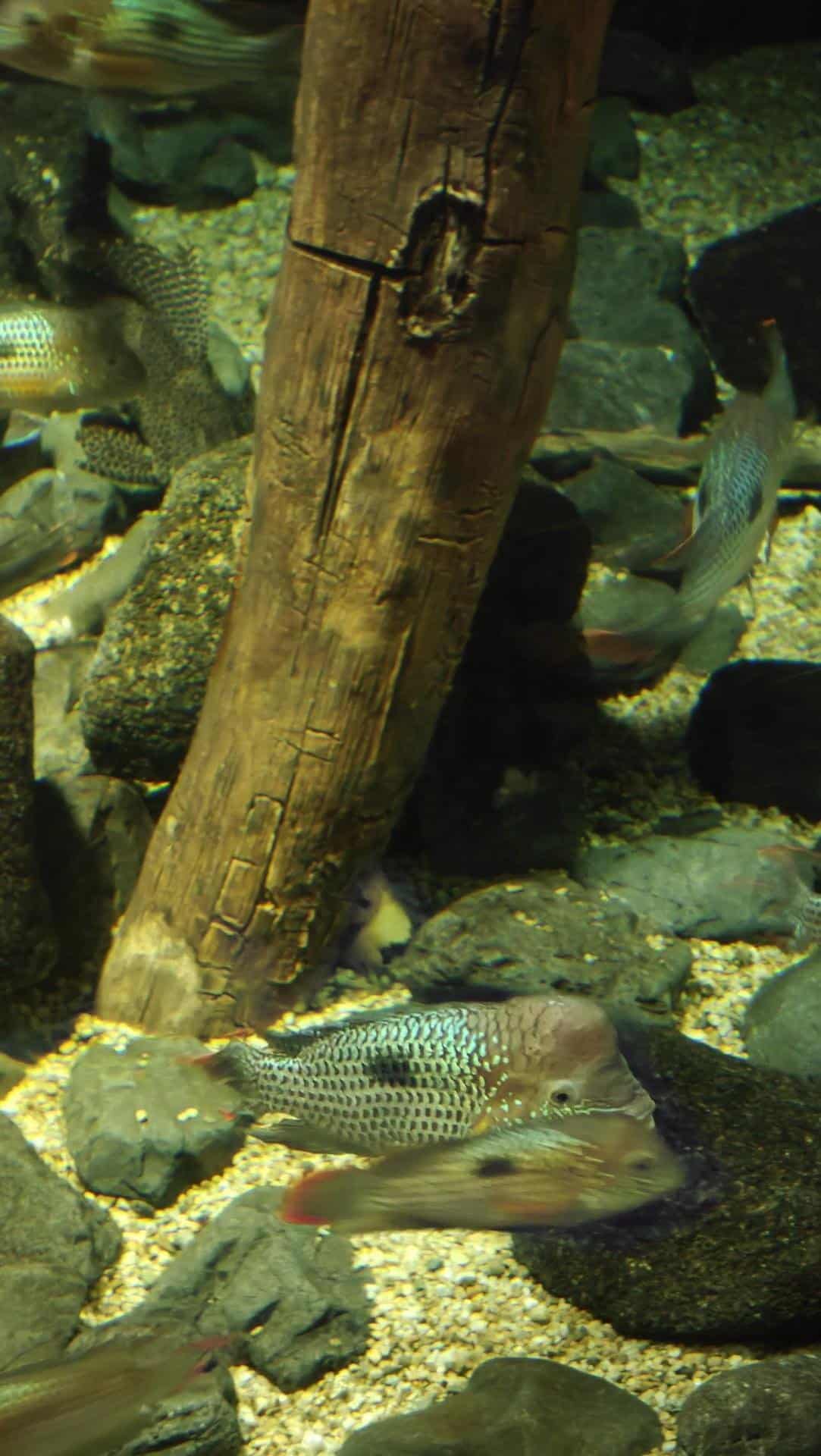
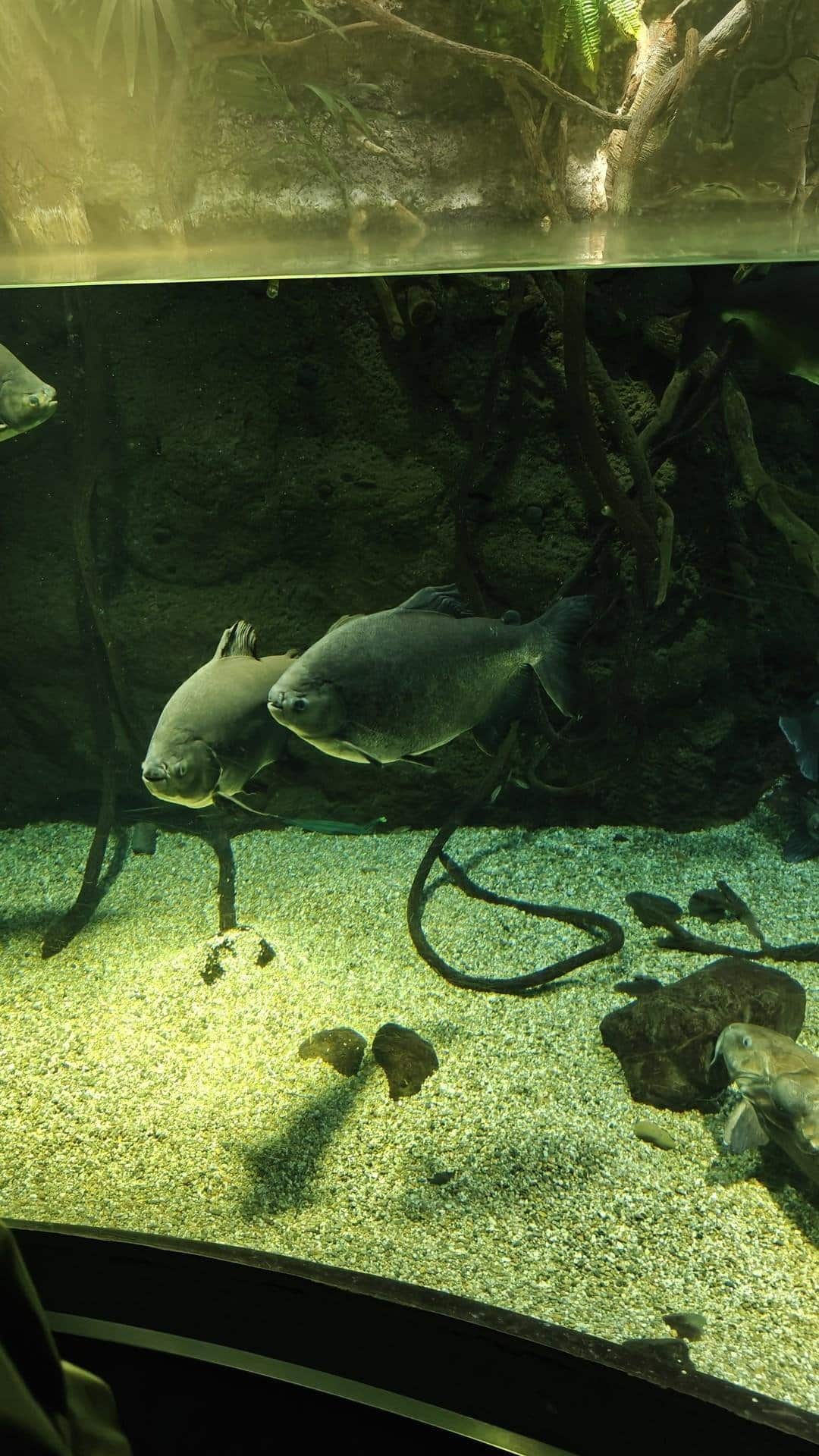
Another fish here that’s also sought after (albeit for a different reason) is the Cachama. Known primarily as a food fish, it’s quite popular in Colombia and Venezuela where it is bred and cultivated for its white meat. Of course, the fish here are quite safe living their lives here in the Ecuadorian Rainforest tank.
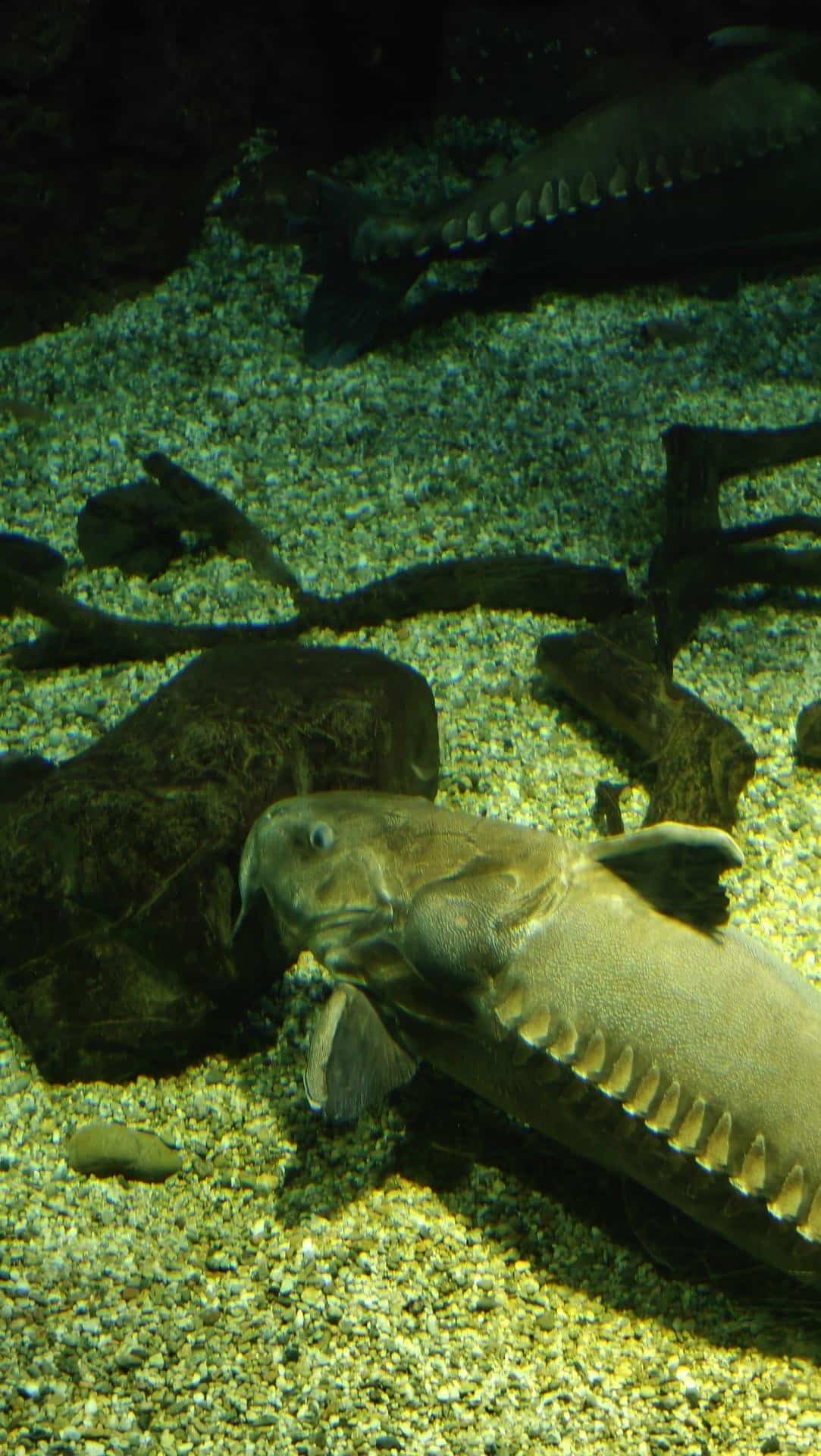
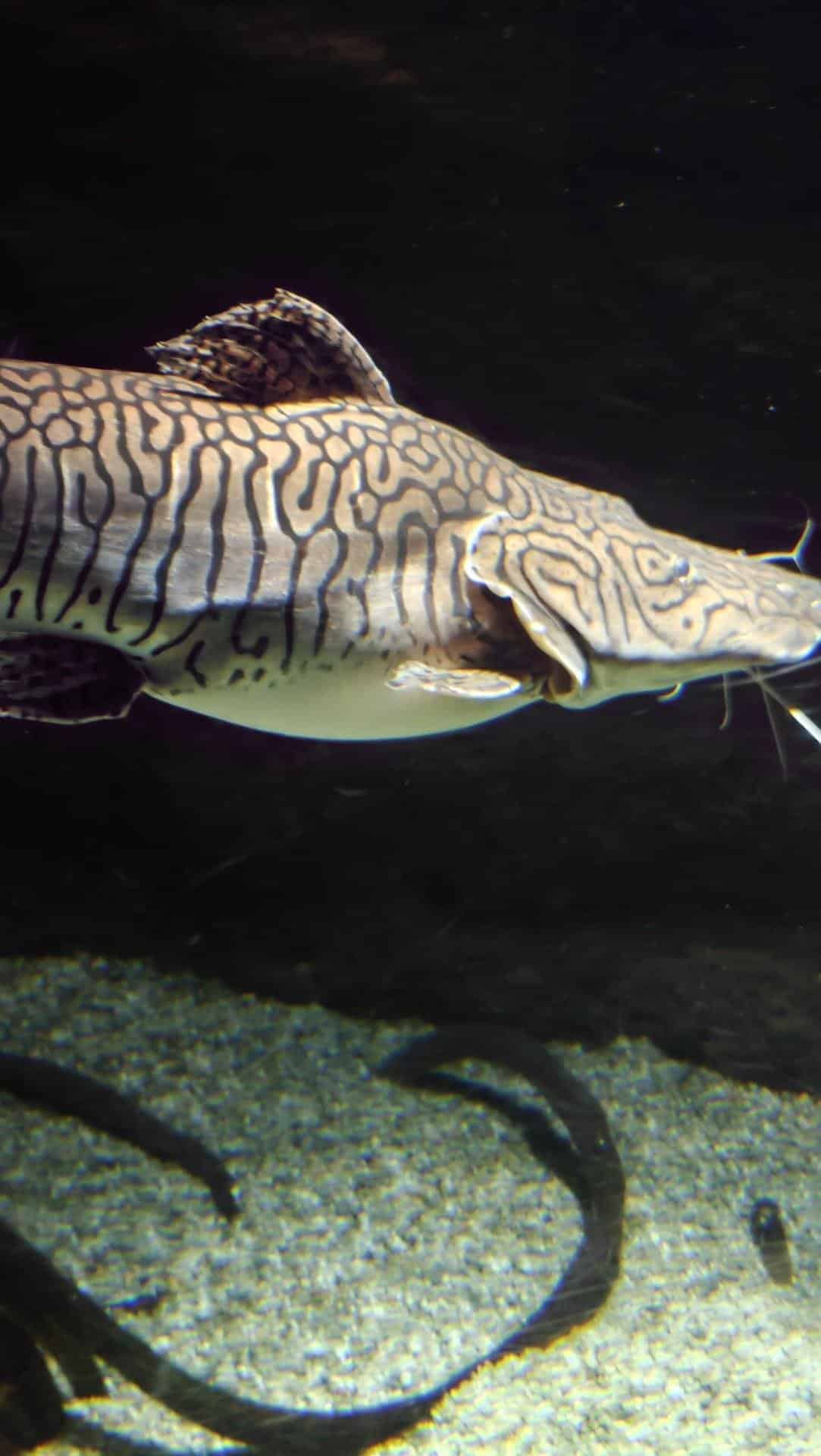
Catfish are some of the most important animals in a river system so of course they’re also featured here at this enclosure. Two of the ones that I managed to take pictures of were the Ripsaw Catfish and the Barred Sorubim. Of the two, the latter was probably the most intriguing thanks to its unique patterns (see image above).
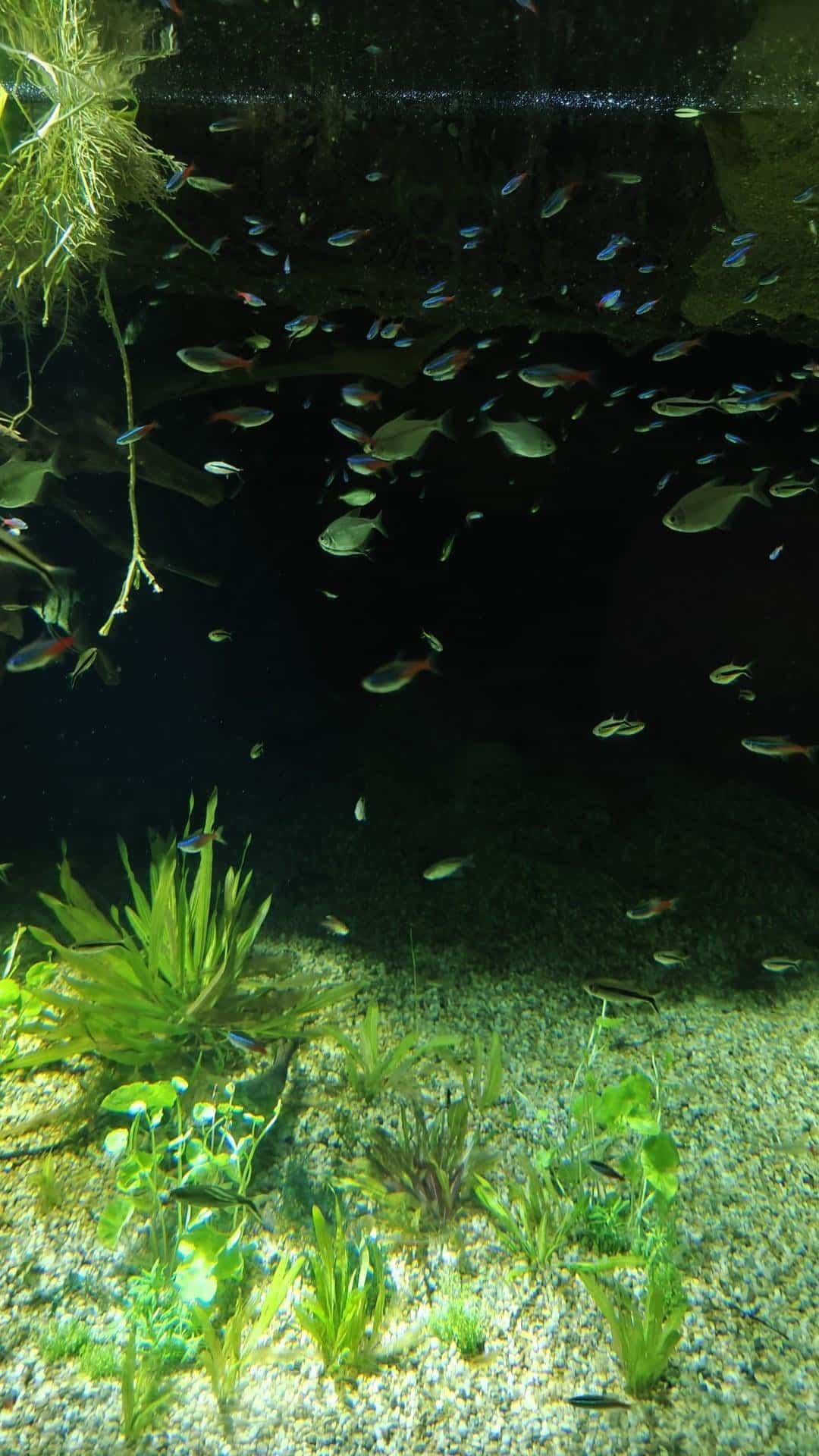
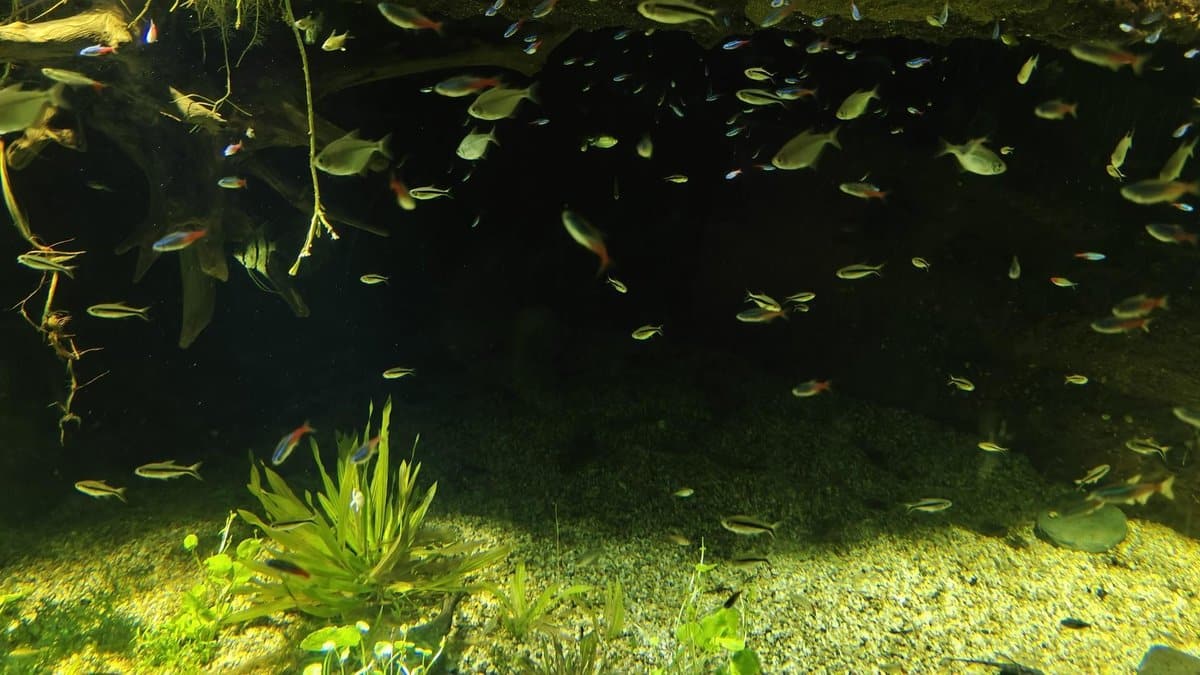
This was perhaps one of the most beautiful sections of the Ecuadorian Rainforest section. The fishes here might not have been as large as the catfish but they were quite the headturners. In particular, the neon tetras looked absolutely stunning and as their name implied, they seemed to light up the relatively dark section of the aquarium with their blue-ish stripes that actually catch and enhance the ambient light.
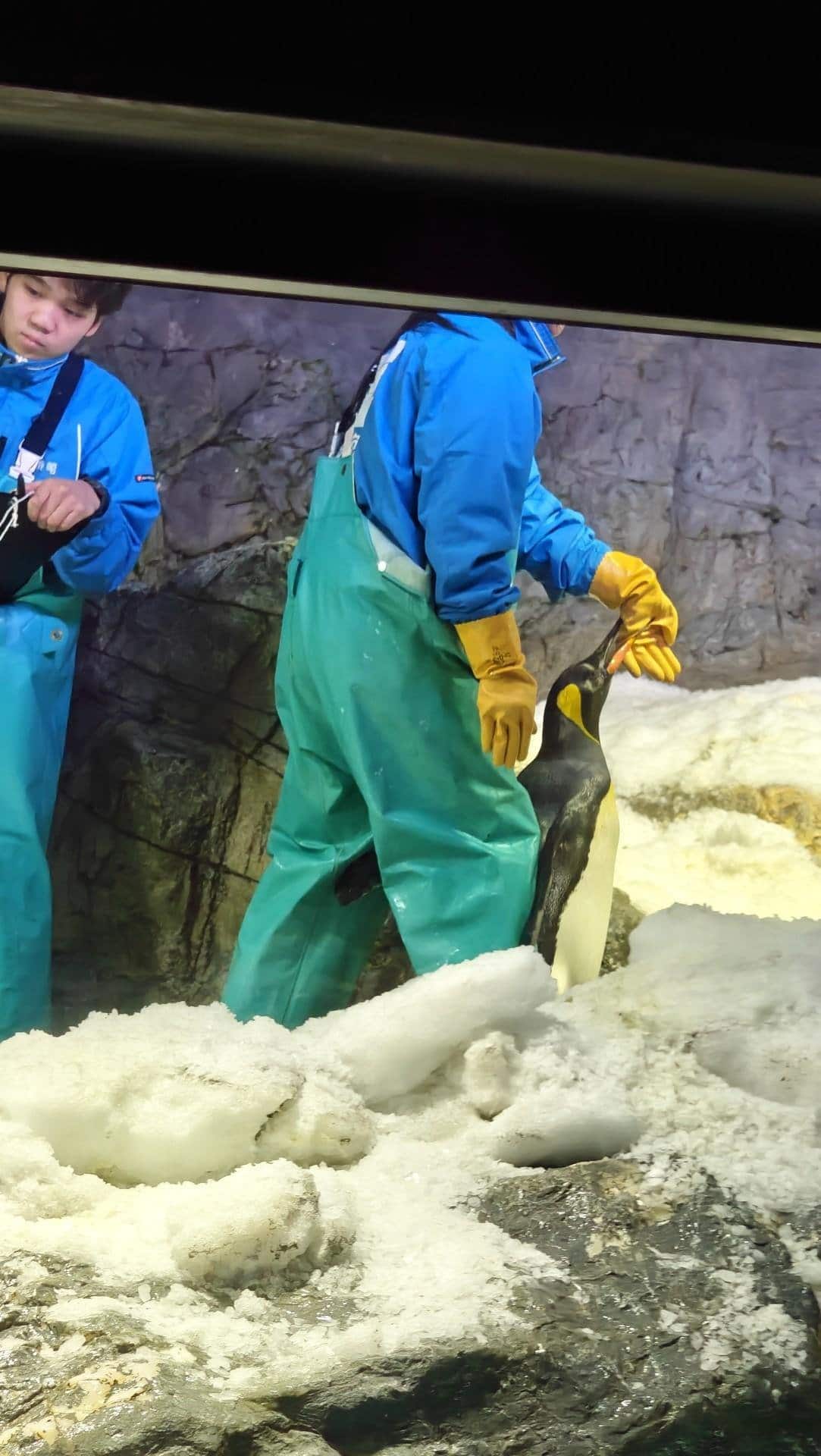
The next section on the 7th floor is called Antarctica and there weren’t any fishes here at all. Rather there were fish here but they were the dead kind and were fed to the real residents of the enclosure: the penguins! In total, there are four penguin species here with the King penguin featured in the image above.
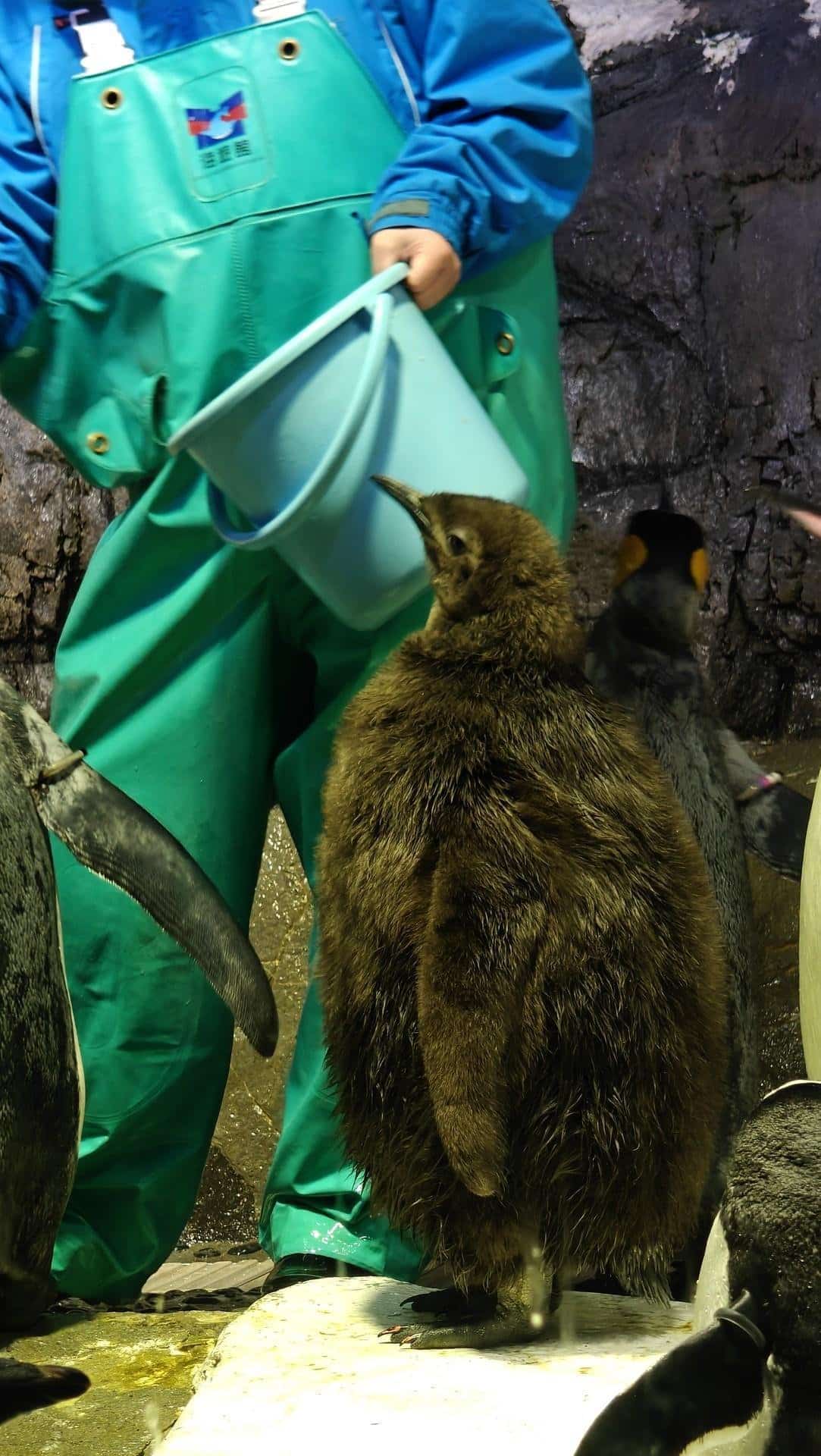
The Osaka Aquarium Kaiyukan actually has a breeding program for the King penguins with one of the products shown in this image. I wasn’t able to take pictures of the Adelie and Gentoo penguins but rest assured they can be found here as well. Later on you’ll see pictures of another species at a different floor.
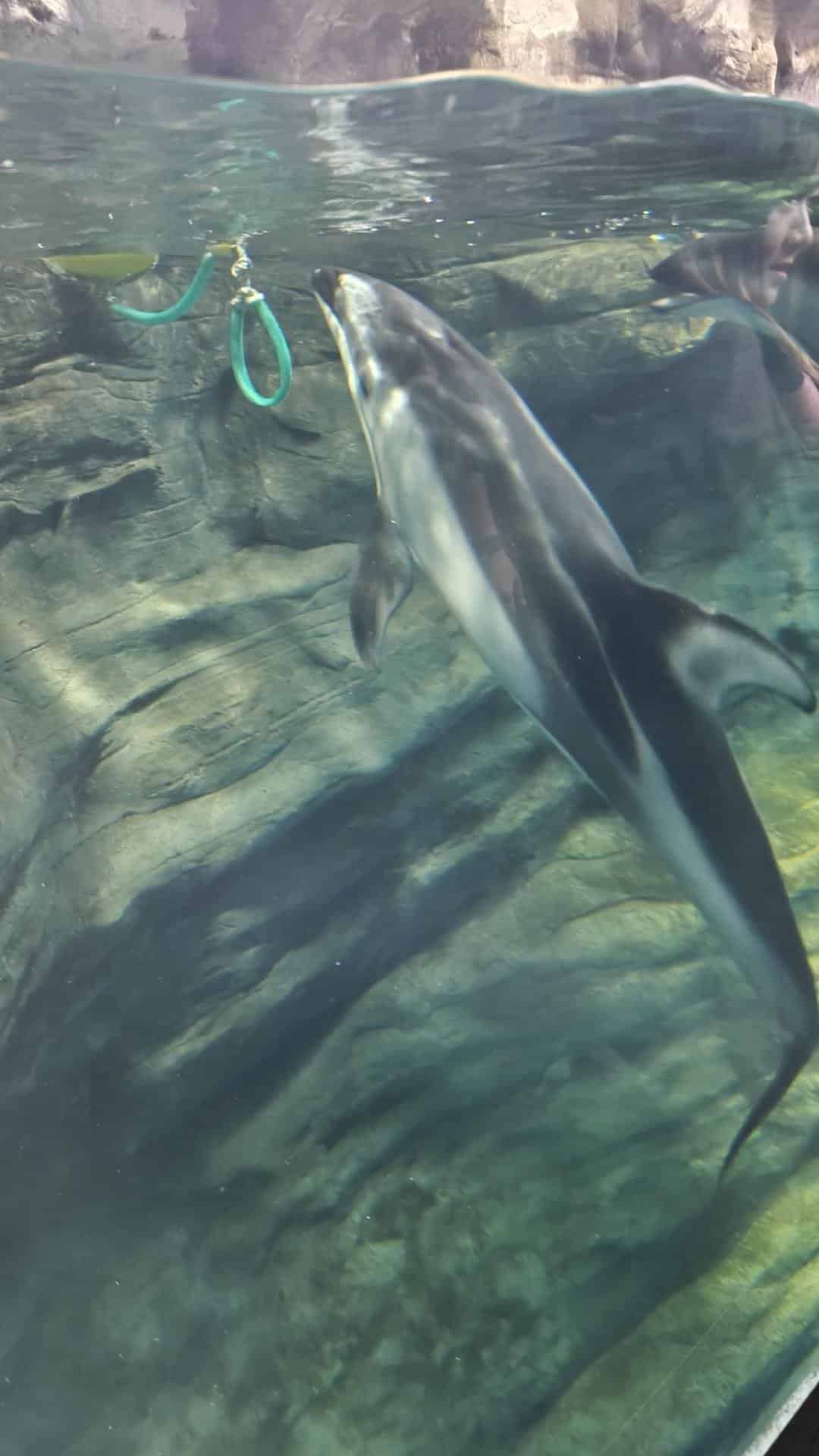
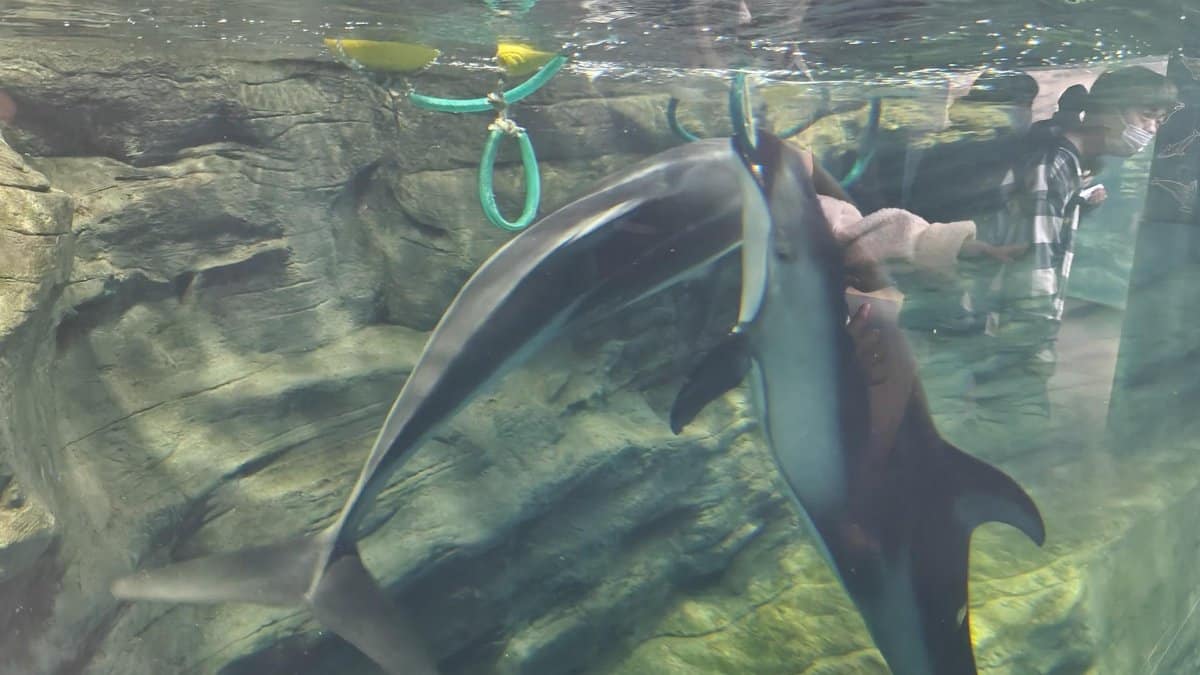
Immediately after passing the Antarctica section, I came across the Tasman Sea enclosure. This was a very straightforward enclosure that featured only Pacific White-sided Dolphins. When I got to their enclosure, it looked as if they were playing with the green hoops floating in the tank.
These are very high energy animals so you’re going to typically see them engaged in some type of activity when they’re not eating.
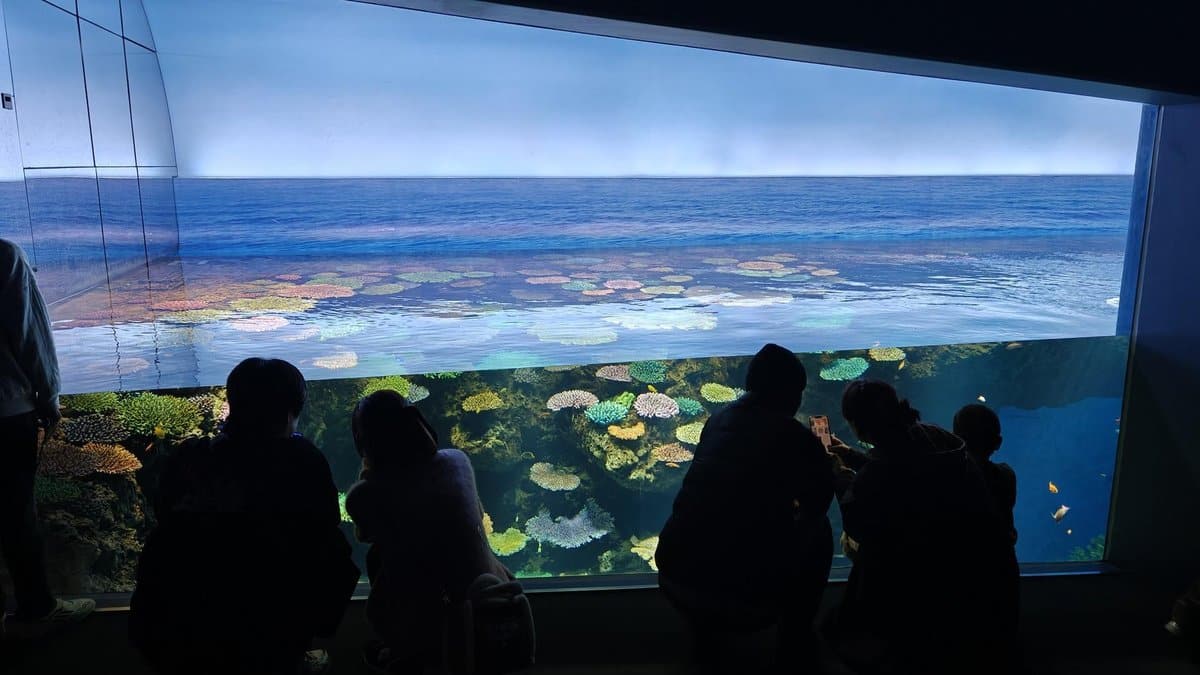
Starting off the 6th floor experience was this Great Barrier Reef themed tank. At this point, it quite possibly had the largest number of fish species and was also probably the most colorful. While the fish here are definitely real, the corals are unfortunately just replicas meant to recreate the Great Barrier Reef’s ecosystem.
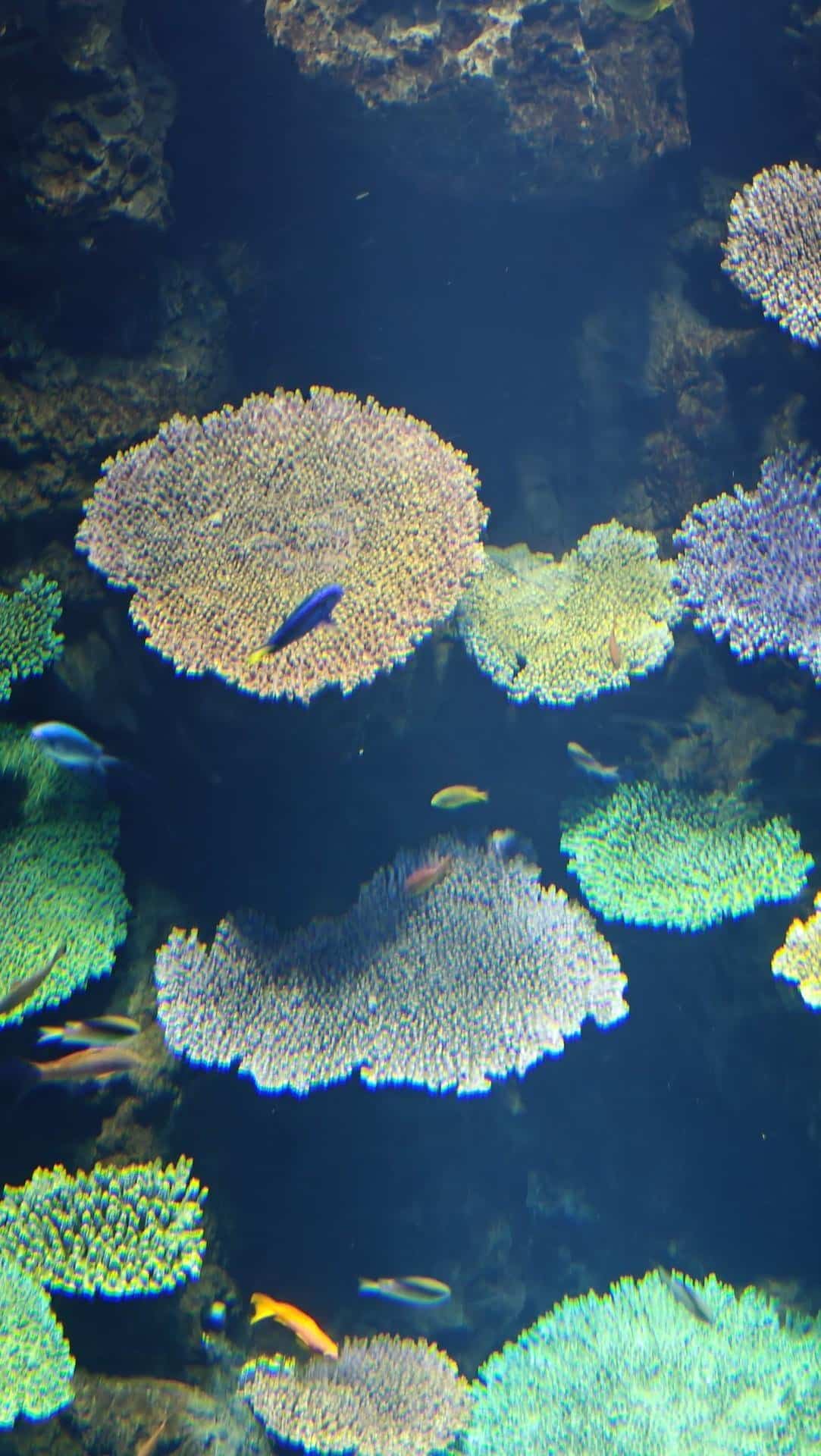
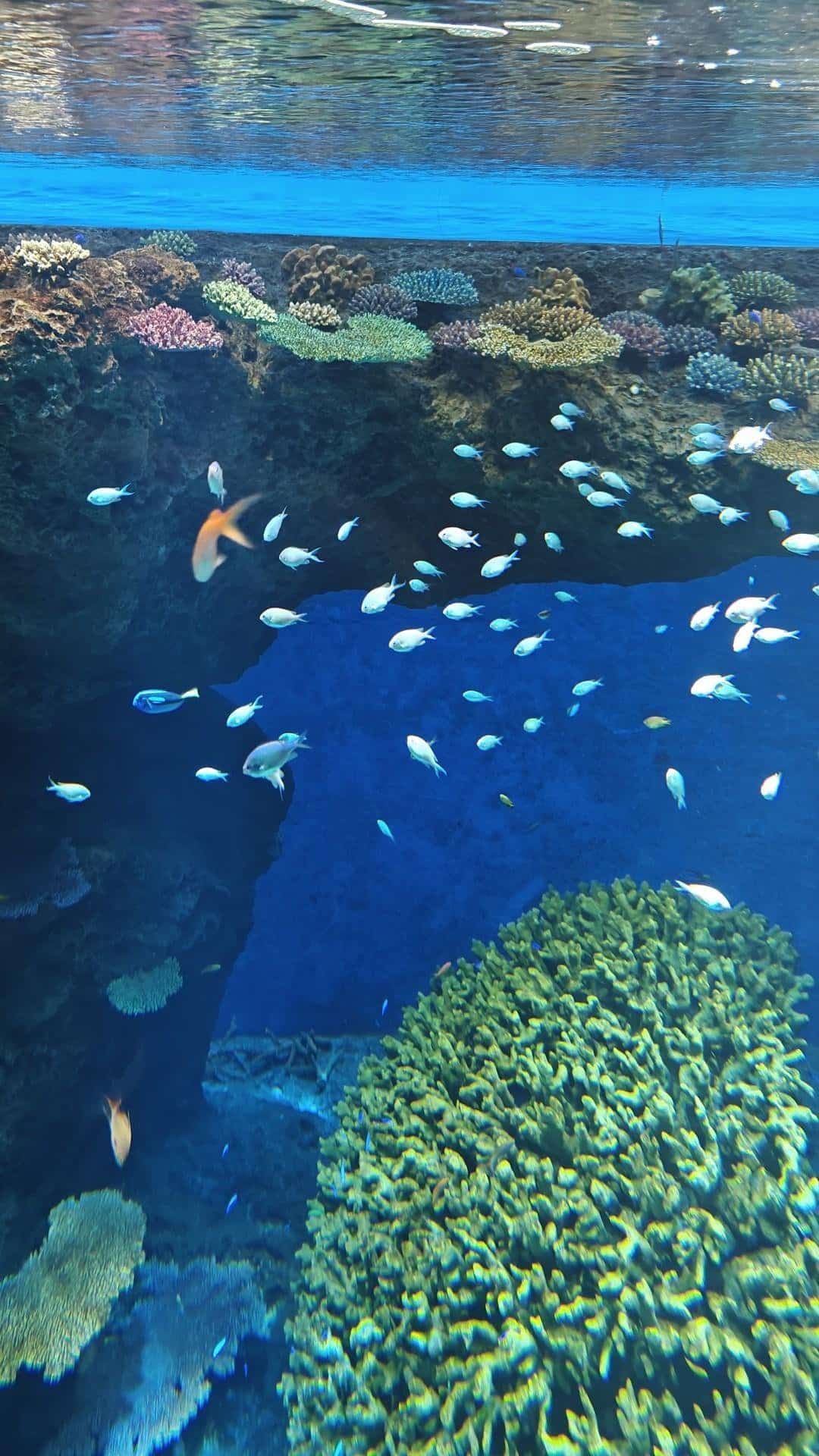
I’m not quite sure about this but it would seem like this tank has one of the densest concentrations of fish in the aquarium. Some of the fish you can spot here include species of butterflyfishes, surgeonfish, Redbelly Yellowtail Fusiliers, and Whitecheek surgeonfish (just to name a few). There are also fish that you might have a hard time seeing like the spotted moray since they typically keep to themselves and hide inside the “reef’s” crevices.
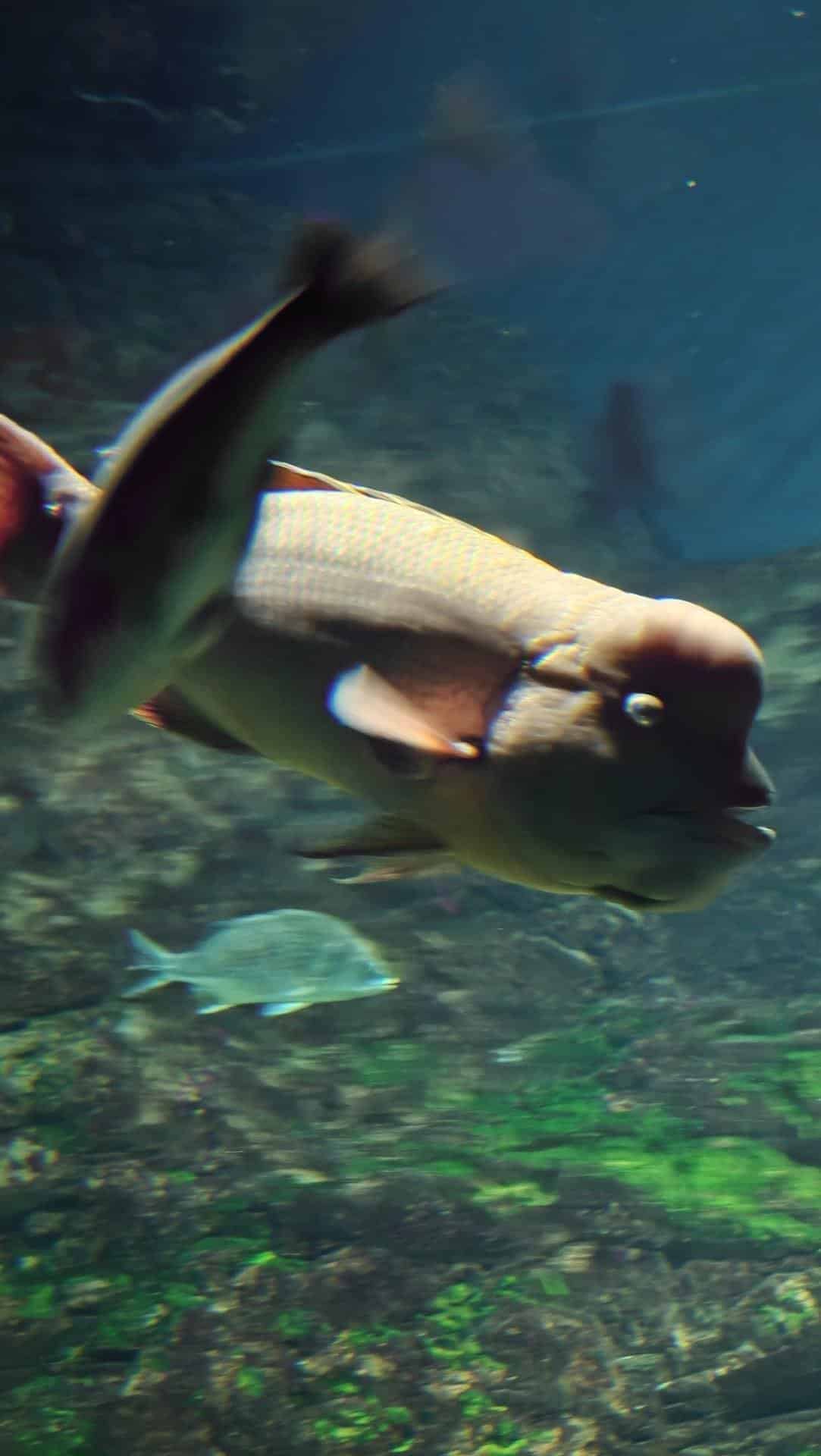
The next enclosure was Japan’s own Seto Inland Sea. I will say, the fish here looked really alien and one that really stood out was the Asian Sheephead Wrasse in the image above. The bump on its head actually reminded me of the Oranda goldfish.
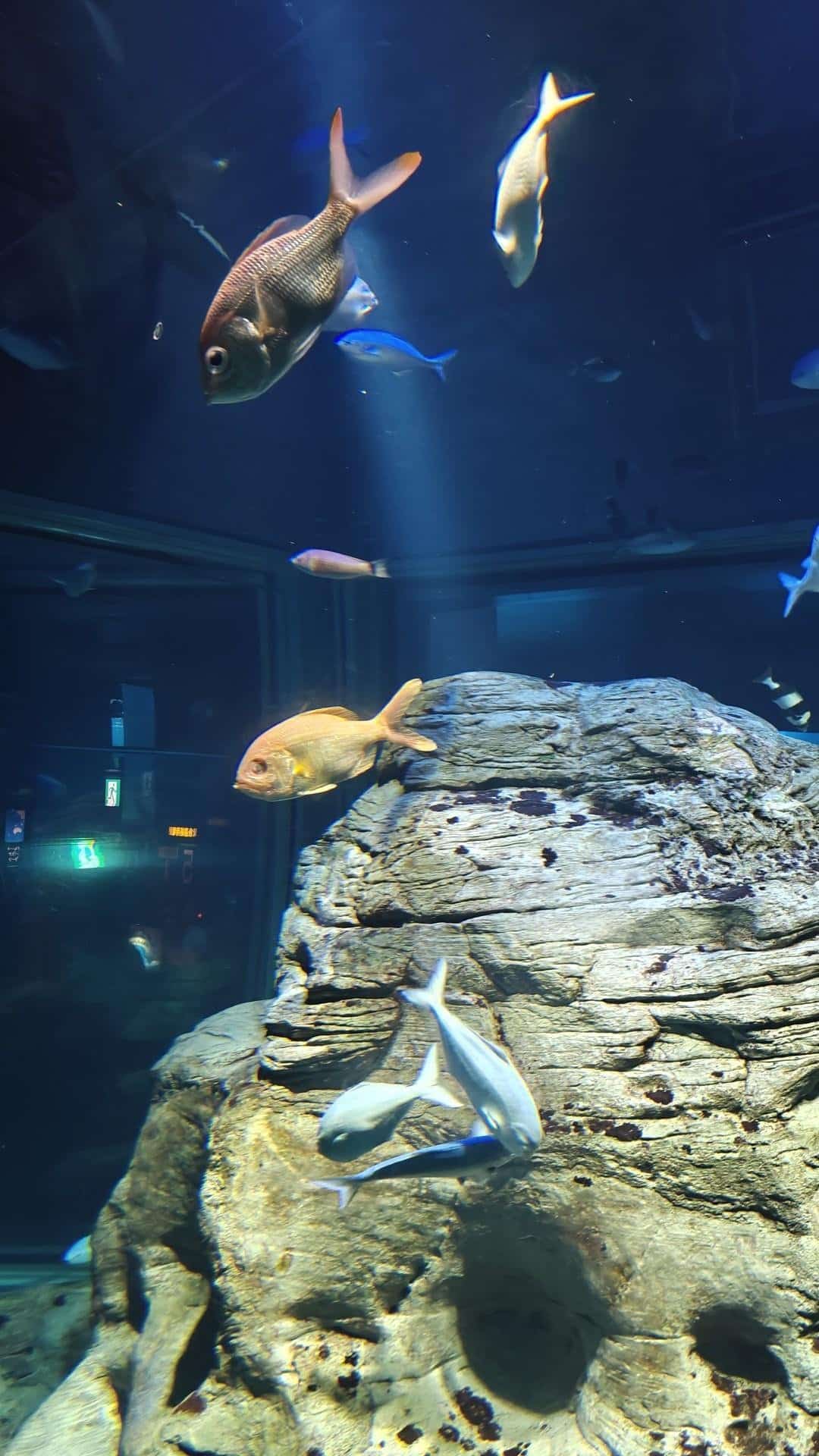
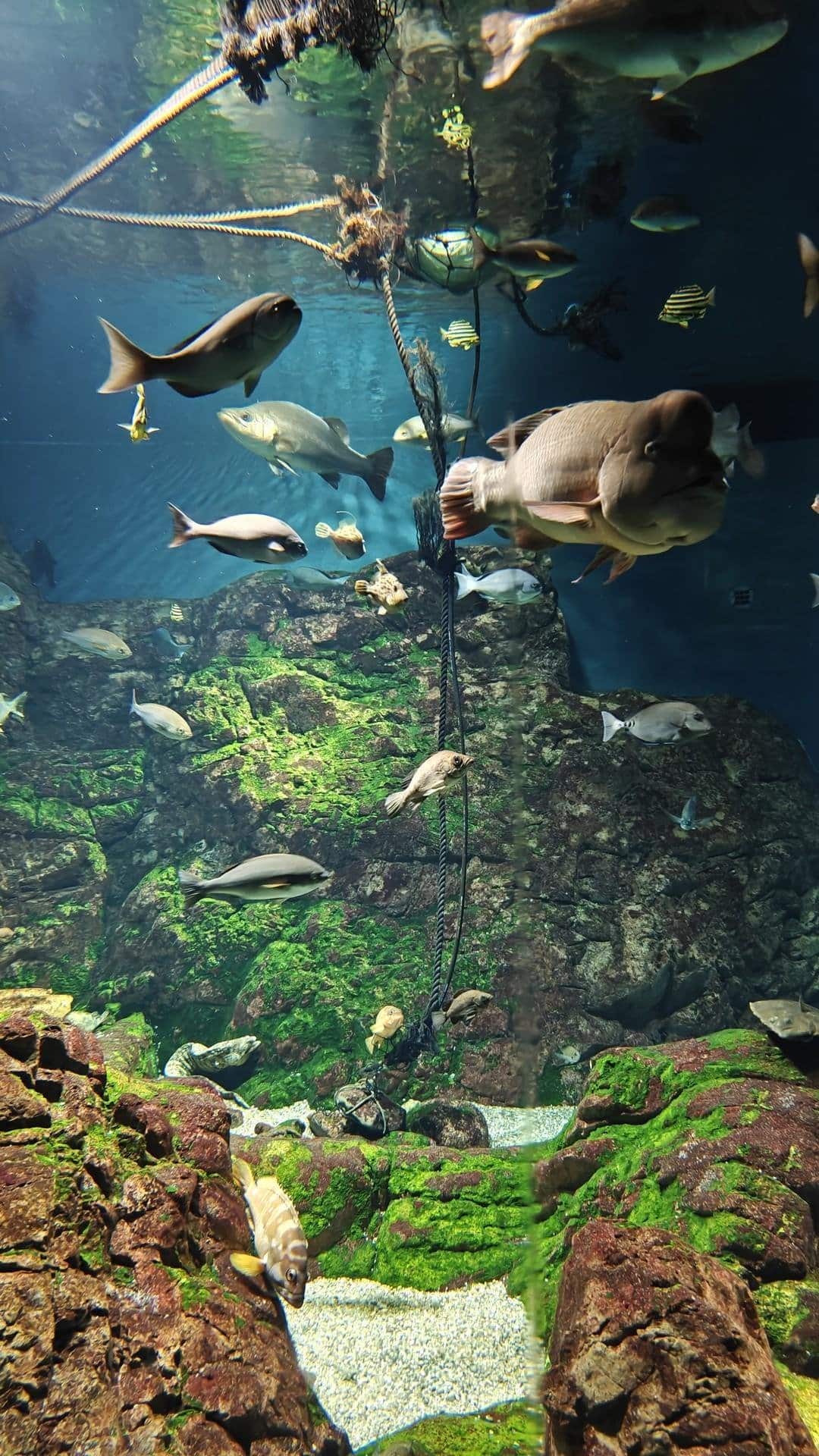
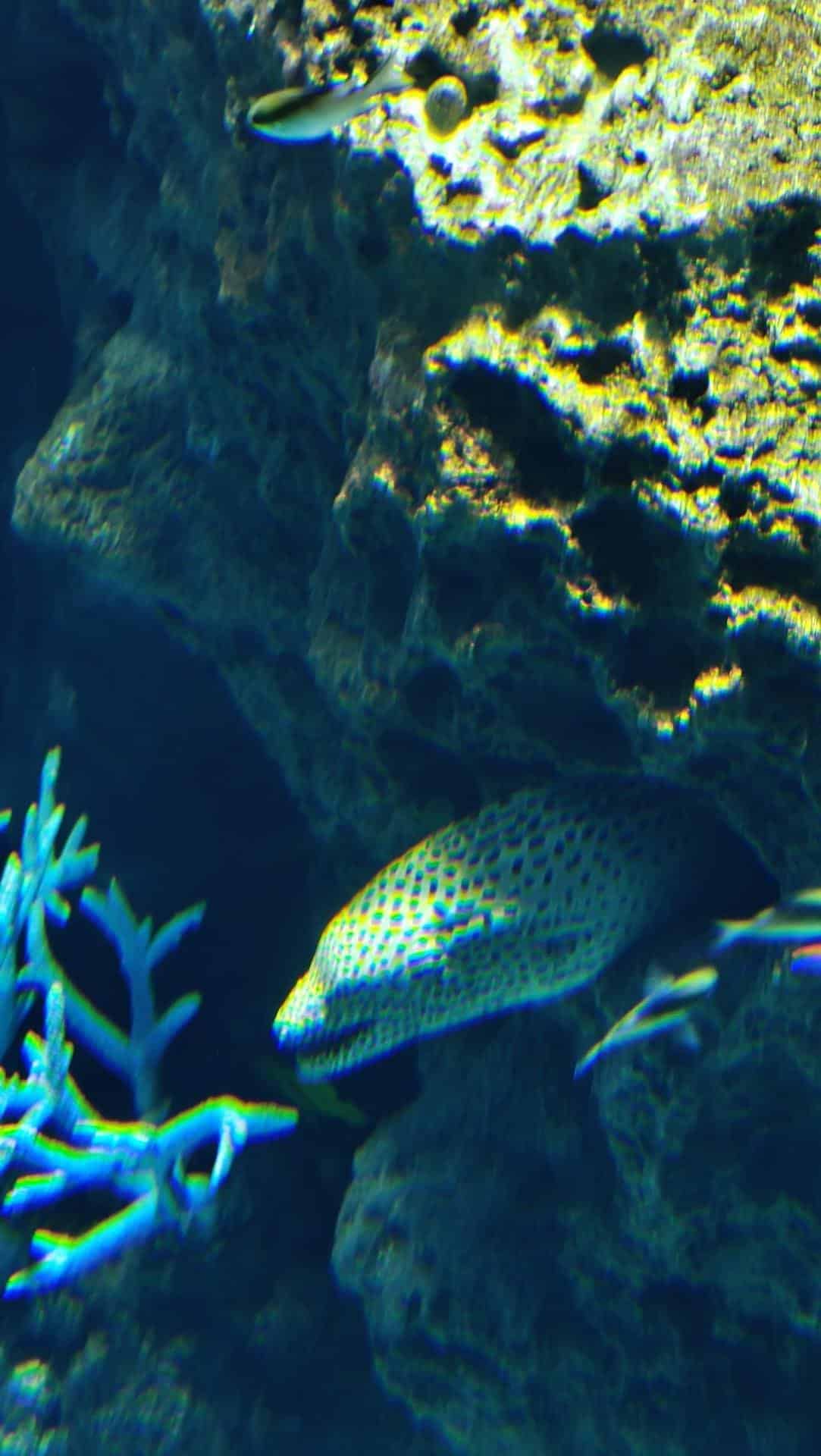
The real Seto Inland Sea is considered one of Japan’s primary sources of seafood. In fact, a lot of the fish you see here are considered delicacies in Japanese cuisine. If you go to Kuromon Ichiba Market then you’ll likely come across the Asian Sheephead Wrasse, Japanese Seabass, and even the Kidako Moray (bonus points if you can point it out) in the picture above.
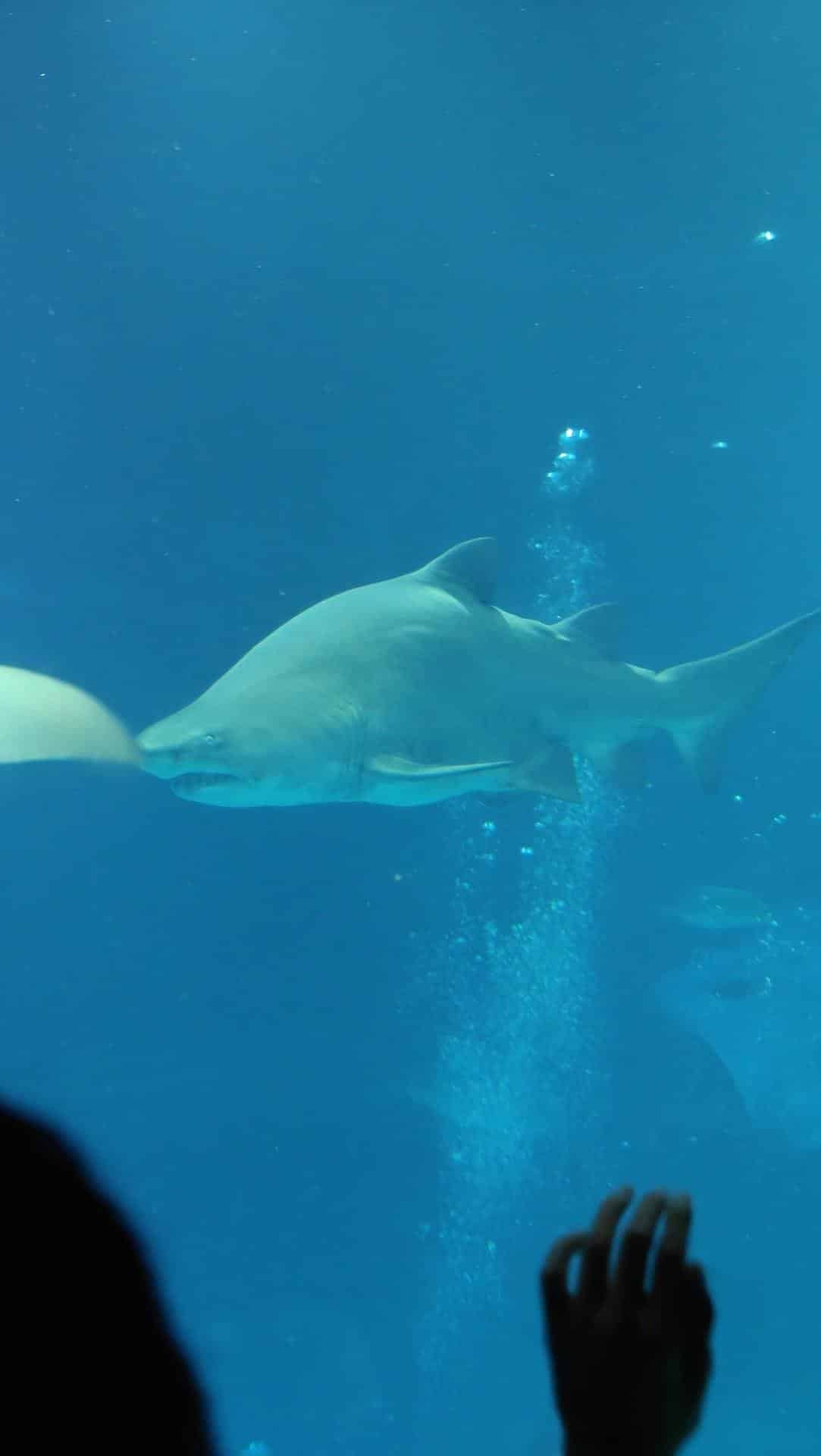
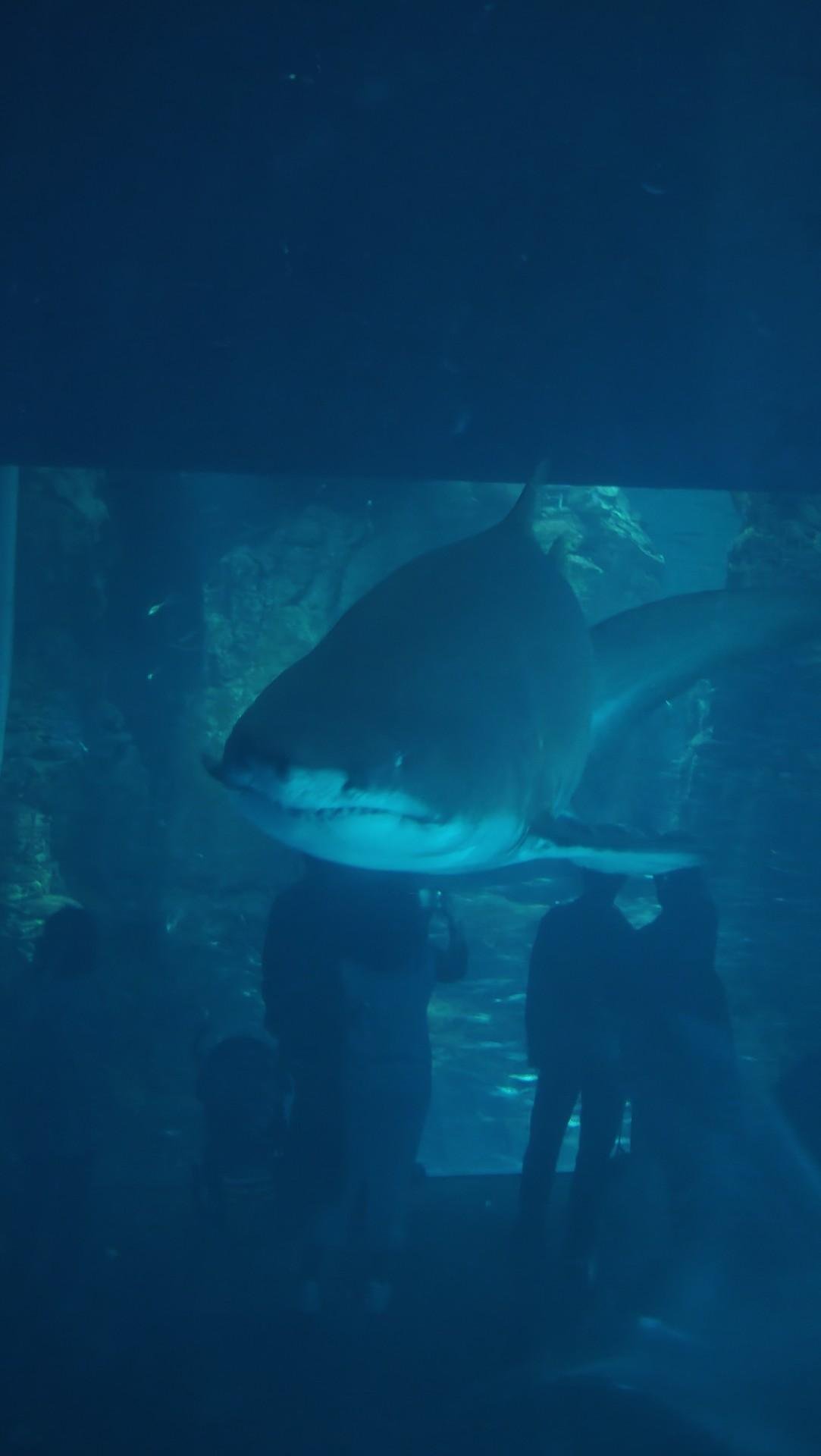
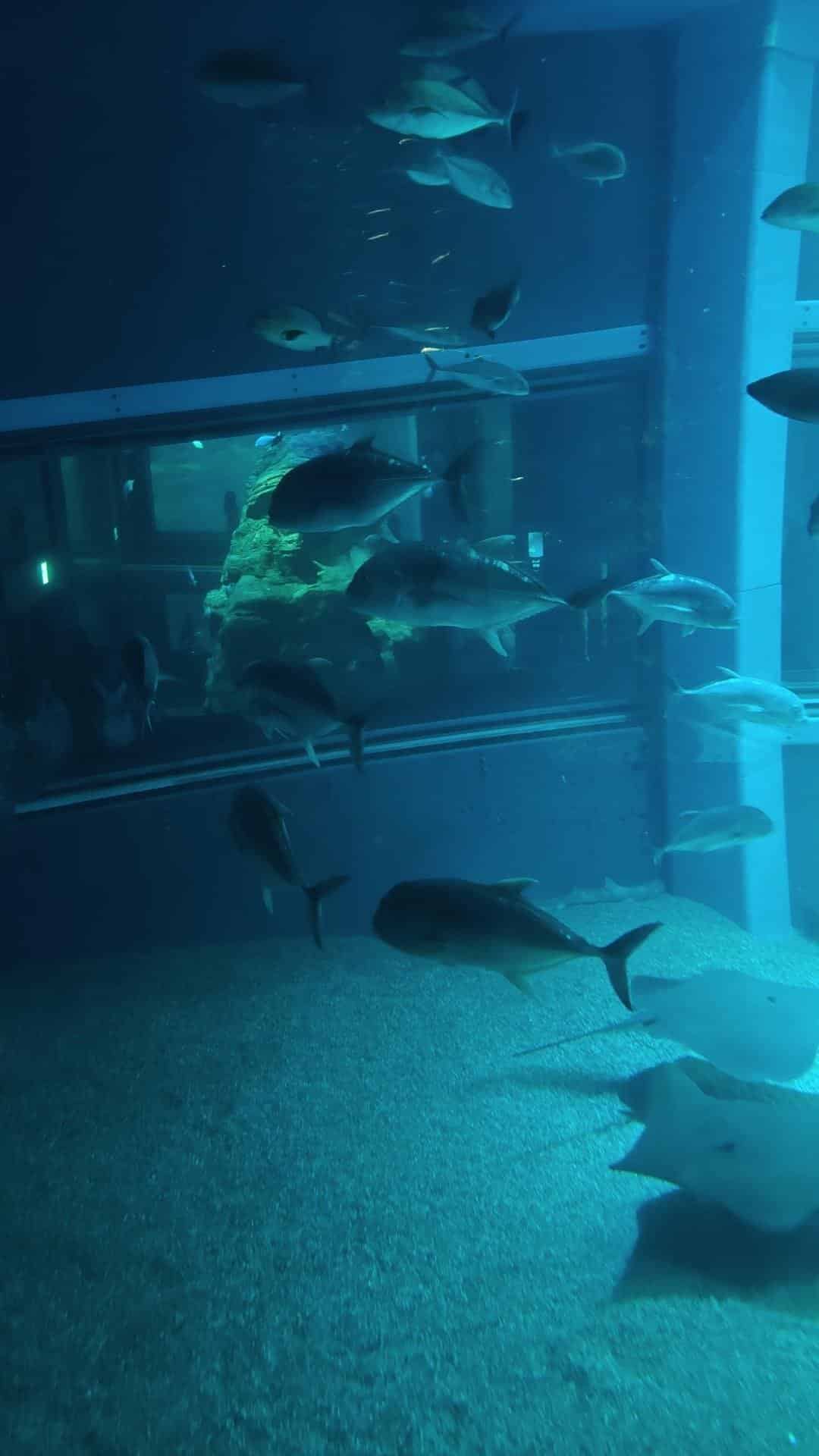
Finally, I found myself looking at the centerpiece of Osaka Aquarium Kaiyukan. The Pacific Ocean tank is the largest in the aquarium complex and for good reason. It holds some of the largest animals in the aquarium such as the Sand Tiger Shark shown here.
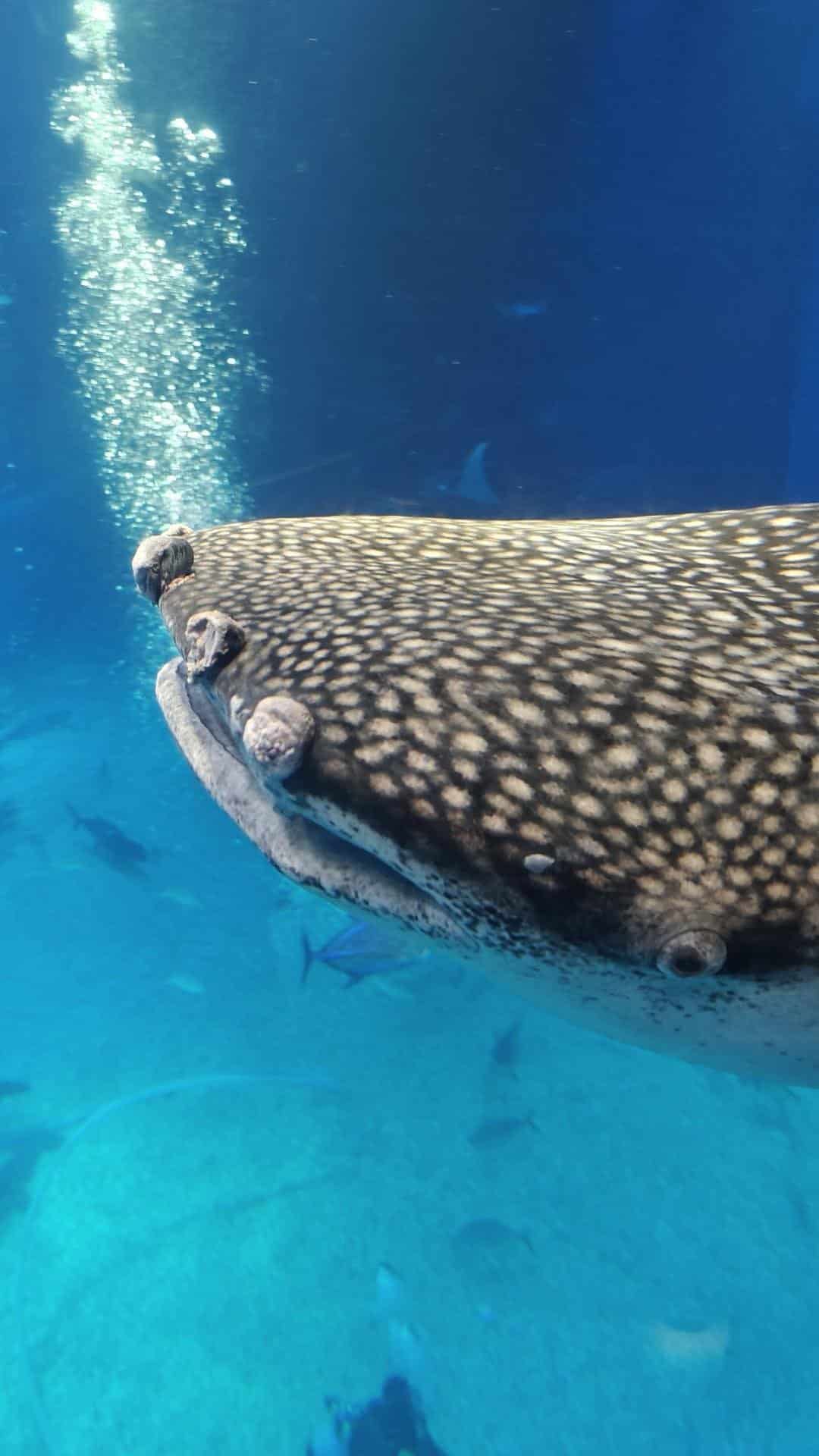
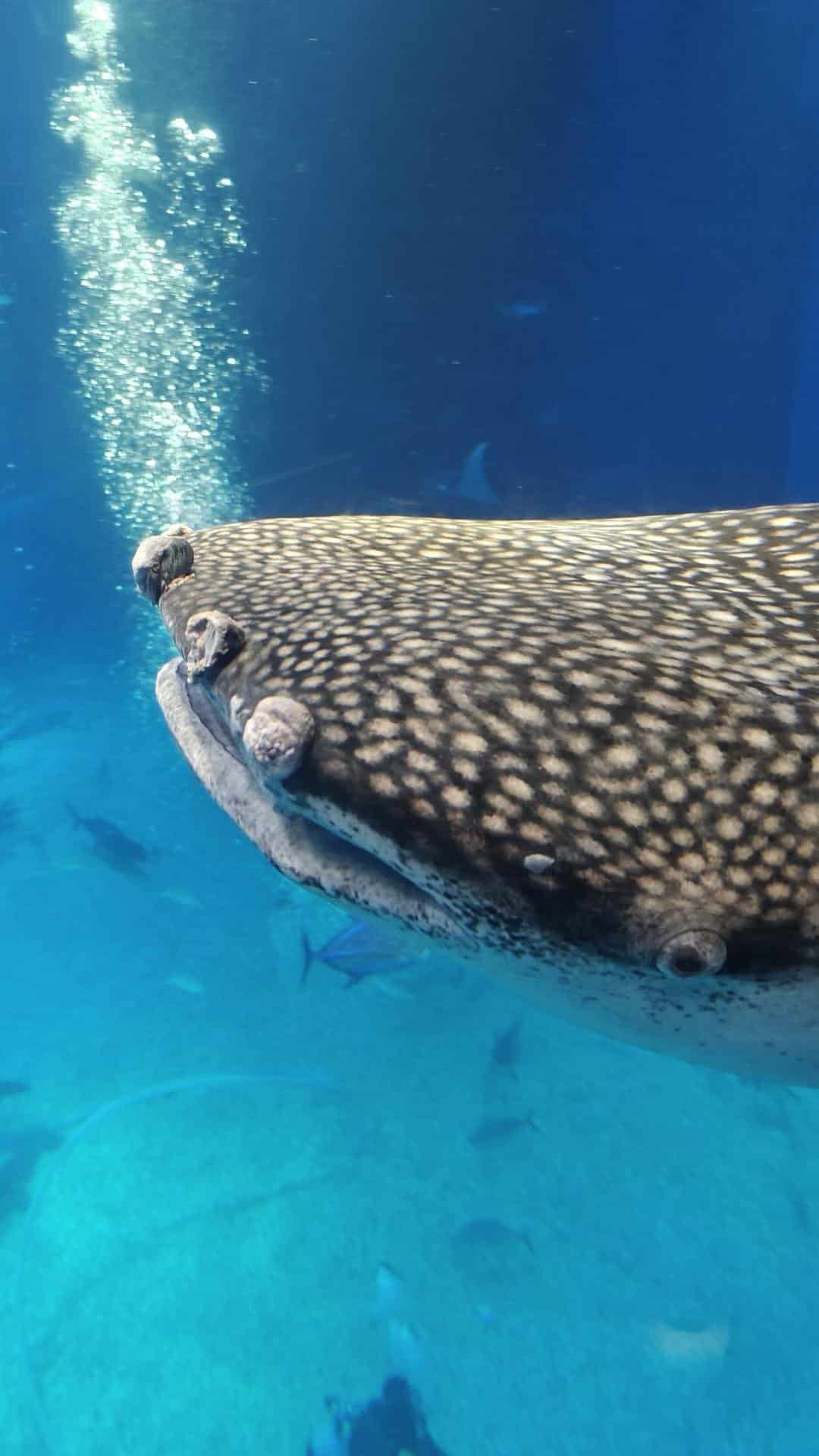
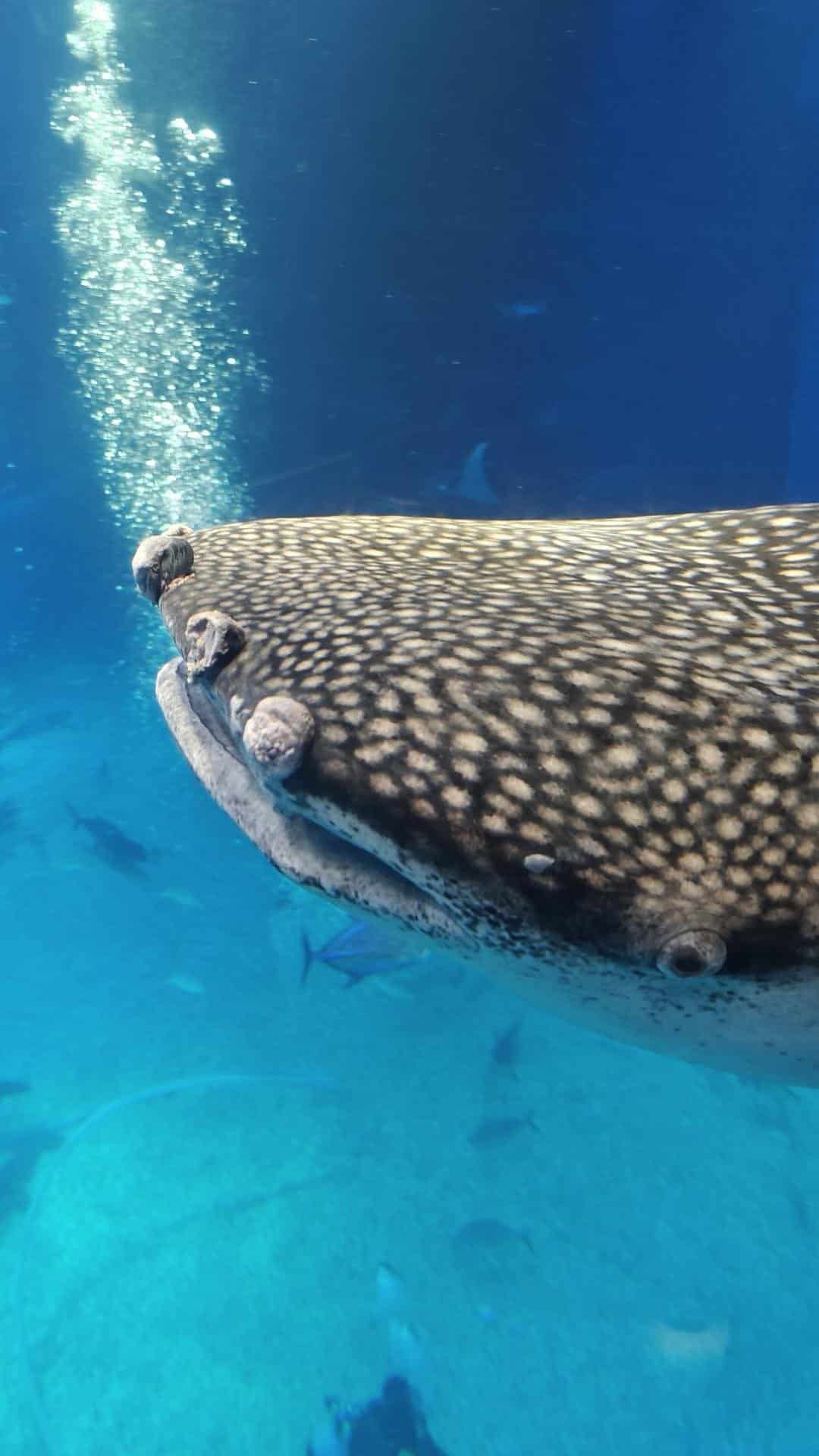
Without a doubt, the most impressive animal here though is the Whale Shark. Now despite its size, this is actually one of the most docile sea creatures in the ocean. They’re even called the ocean’s gentle giants with their population residing in the Indo-Pacific region (hence why you can see them here).
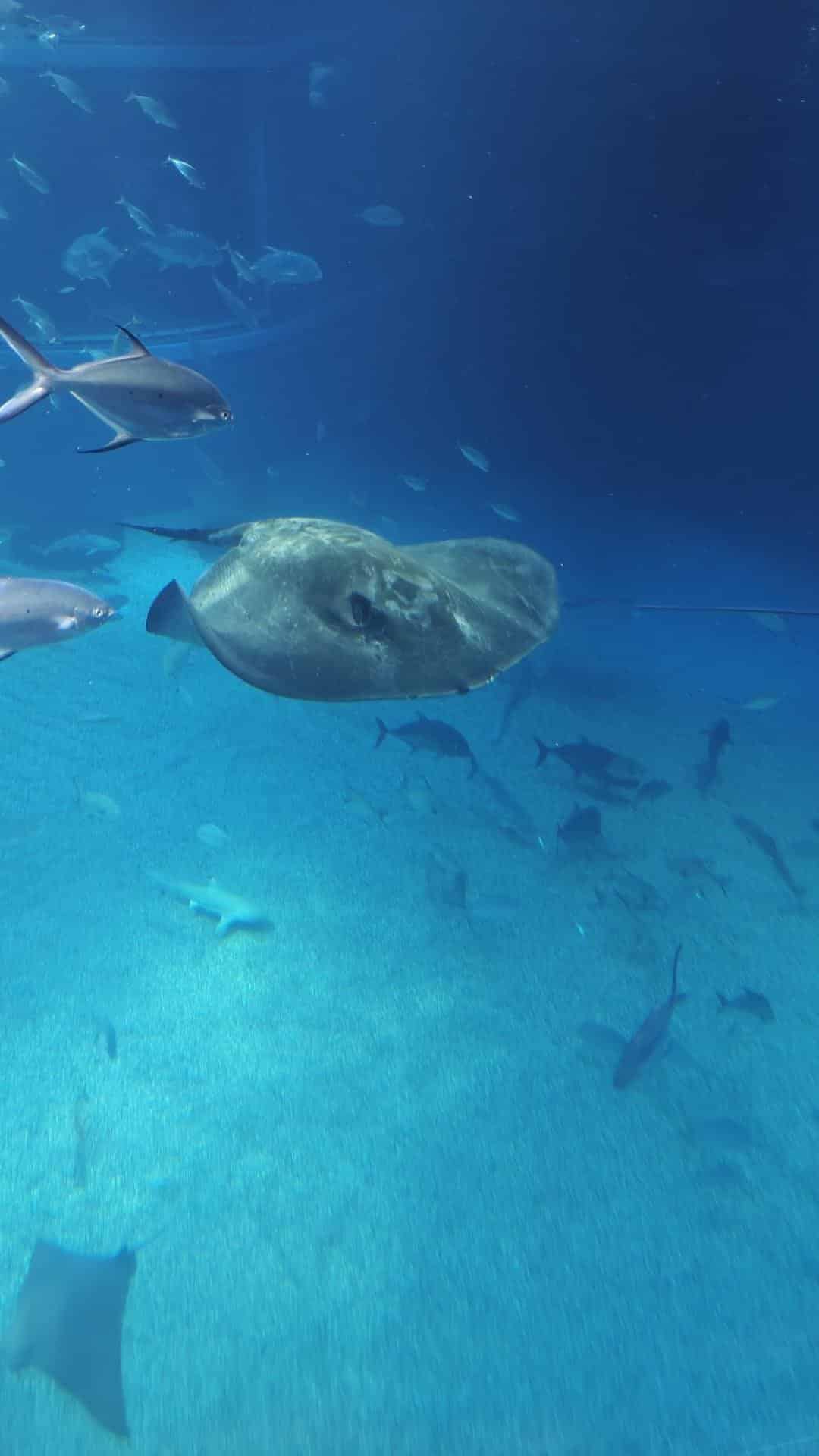
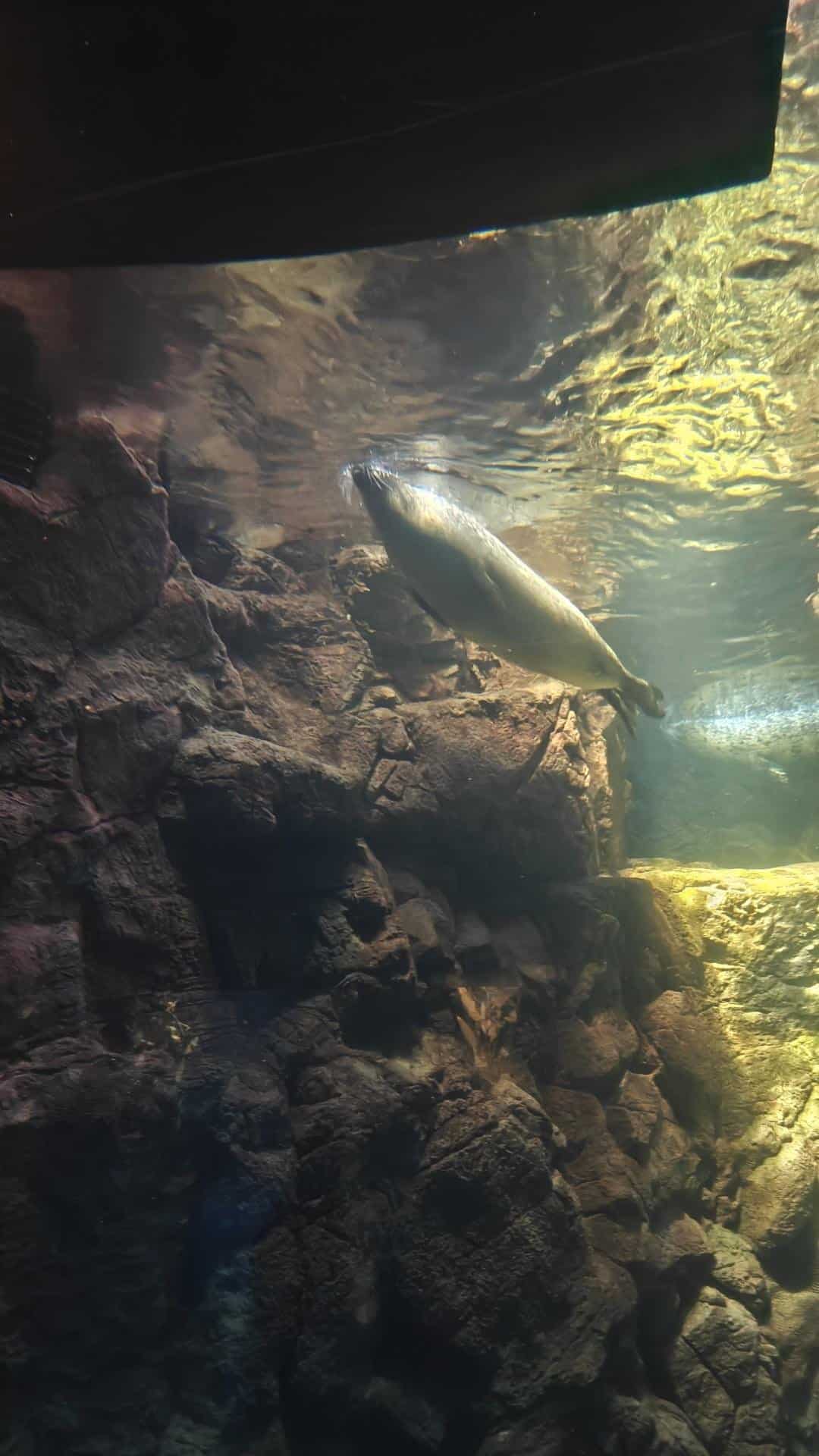
One thing to note is that the tanks on the 7th floor also extend down here to the 6th floor. From here you can actually see the fish from the Great Barrier Reef, Aleutian Islands, Monterey Bay (no fishes only seals and sea lions), and Gulf of Panama enclosures as they’re swimming underwater.
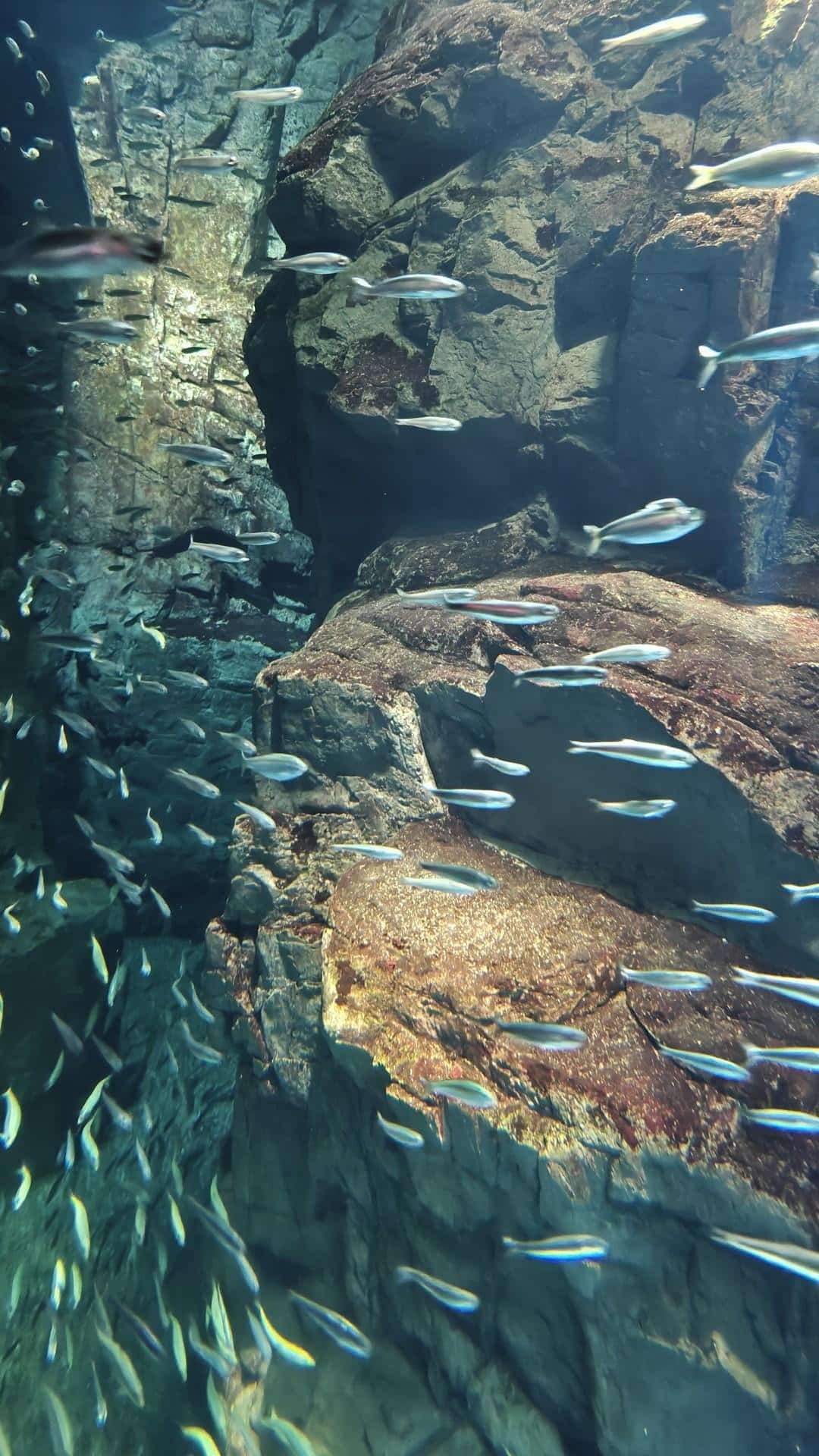
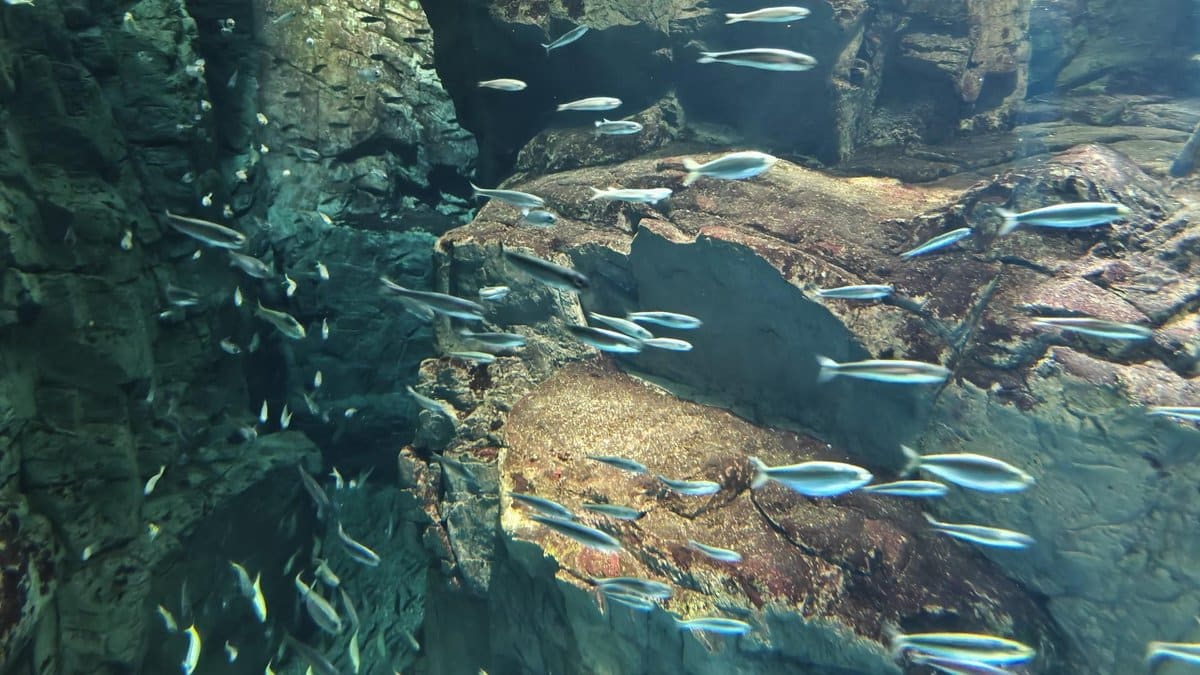
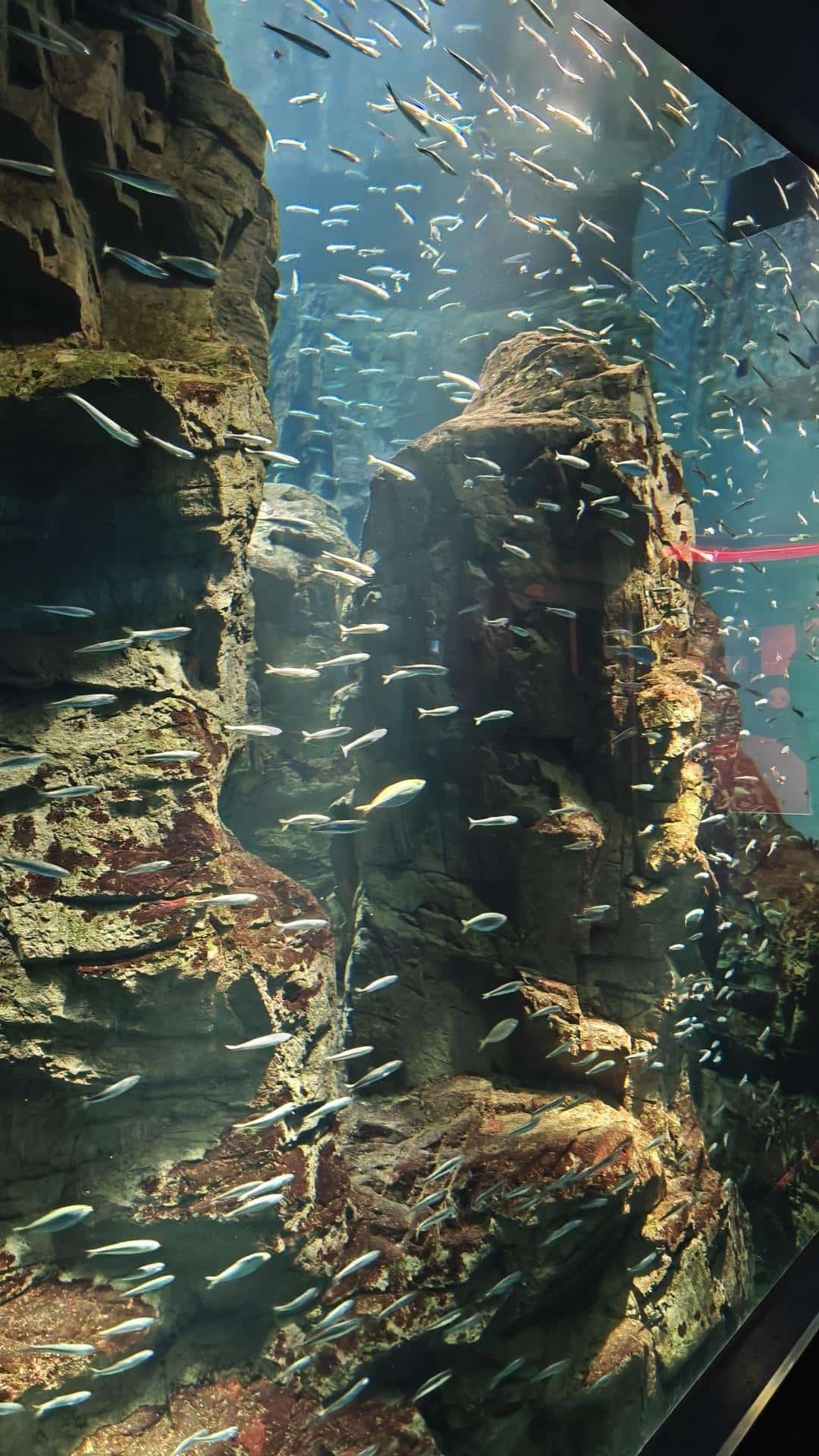
Down on the 5th floor, I came across the Coast of Chile exhibit that had some of the fastest fish in the aquarium. Interestingly enough, the fish here are Japanese sardines and Japanese anchovies. Apparently, the reason for this is to highlight the Humboldt Current System that is cold and nutrient rich which allows large schools of small fish (like sardines and anchovies) to thrive.
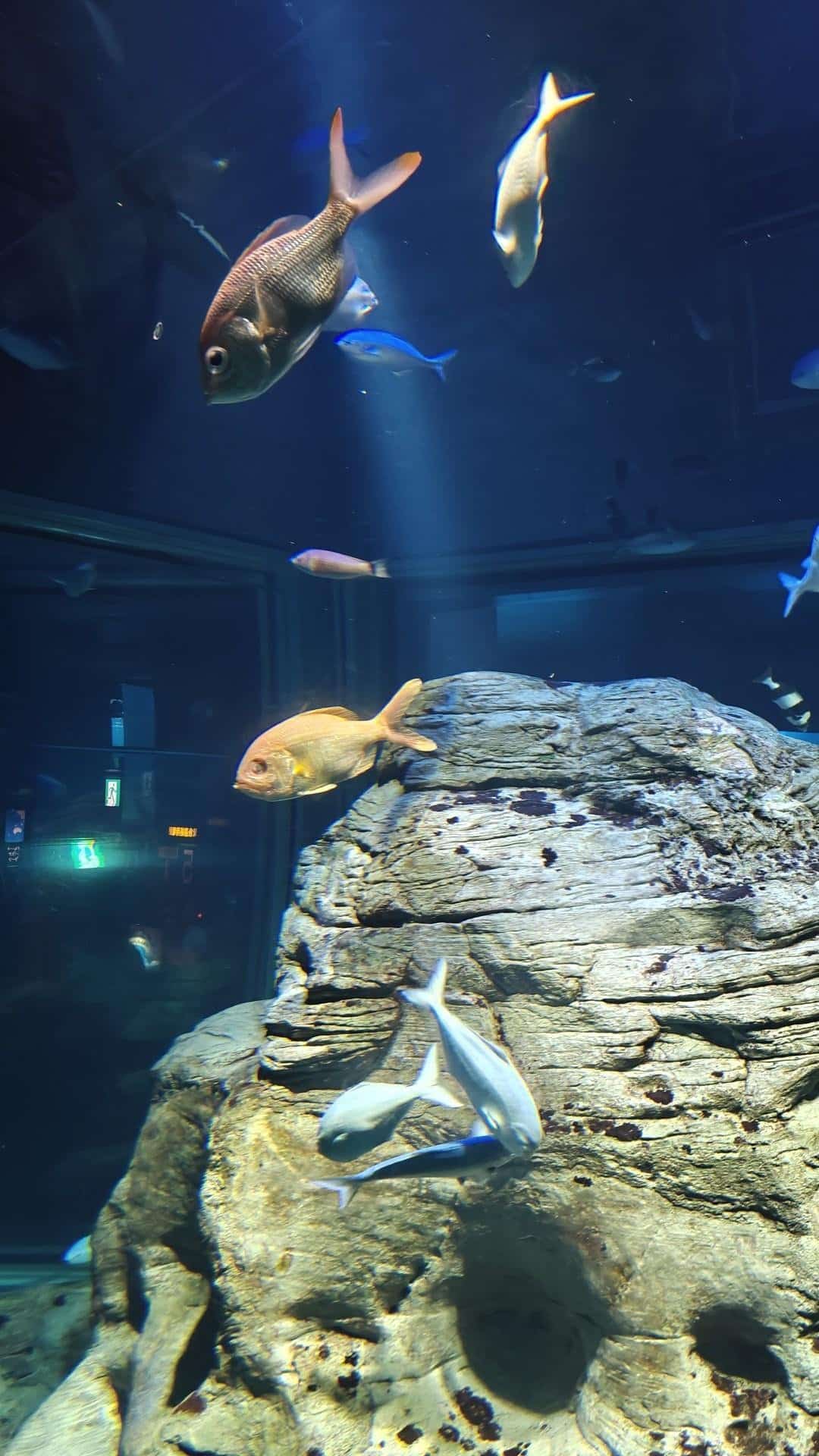
The next enclosure that I came across was the Cook Strait tank. I’ve recently been to New Zealand and I vaguely remember seeing some of these fish in one of the markets I visited there (or I think I saw them). This was a relatively small tank though so not as impressive as the Pacific Ocean (tank) which you could still see from here.
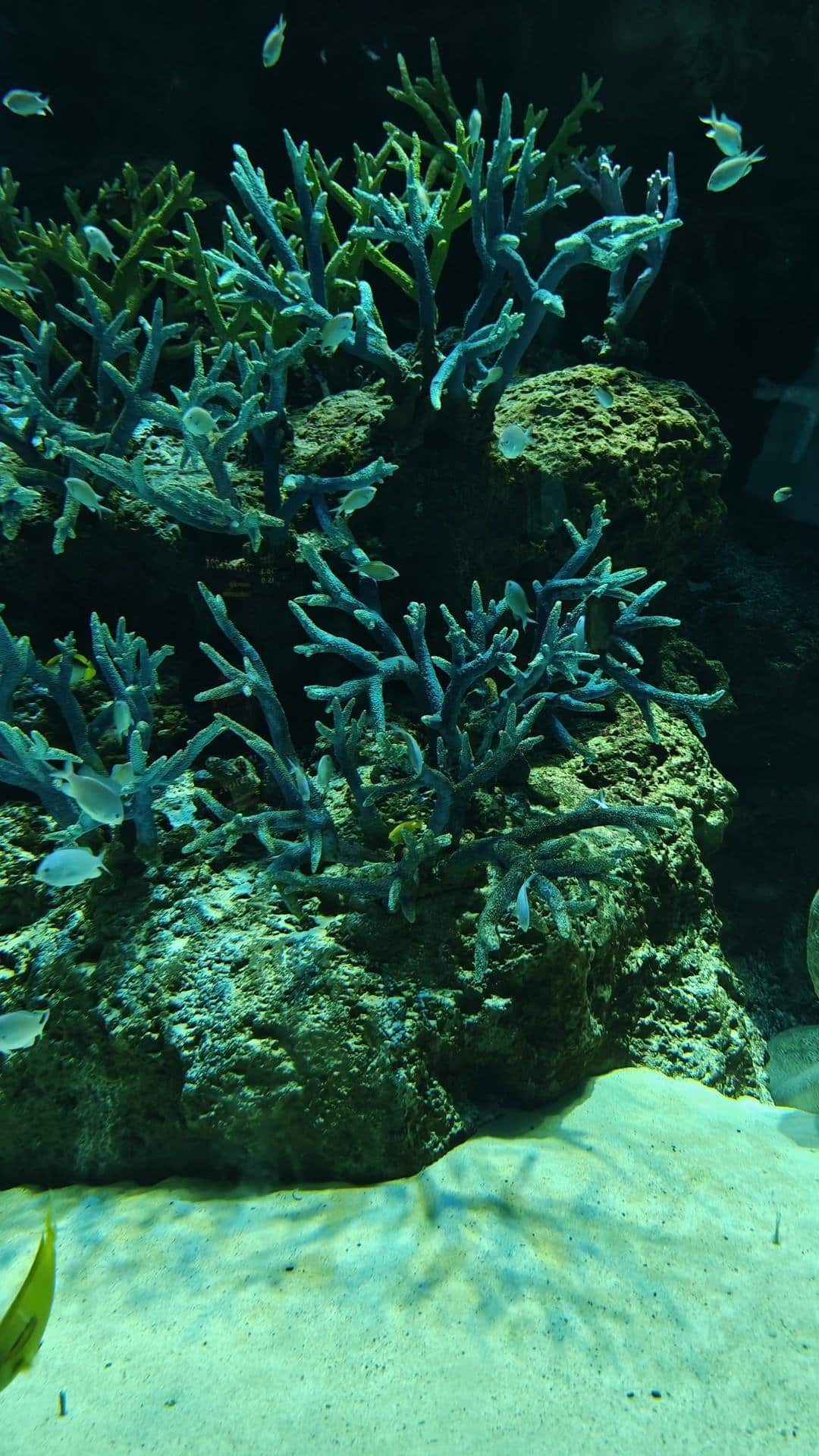
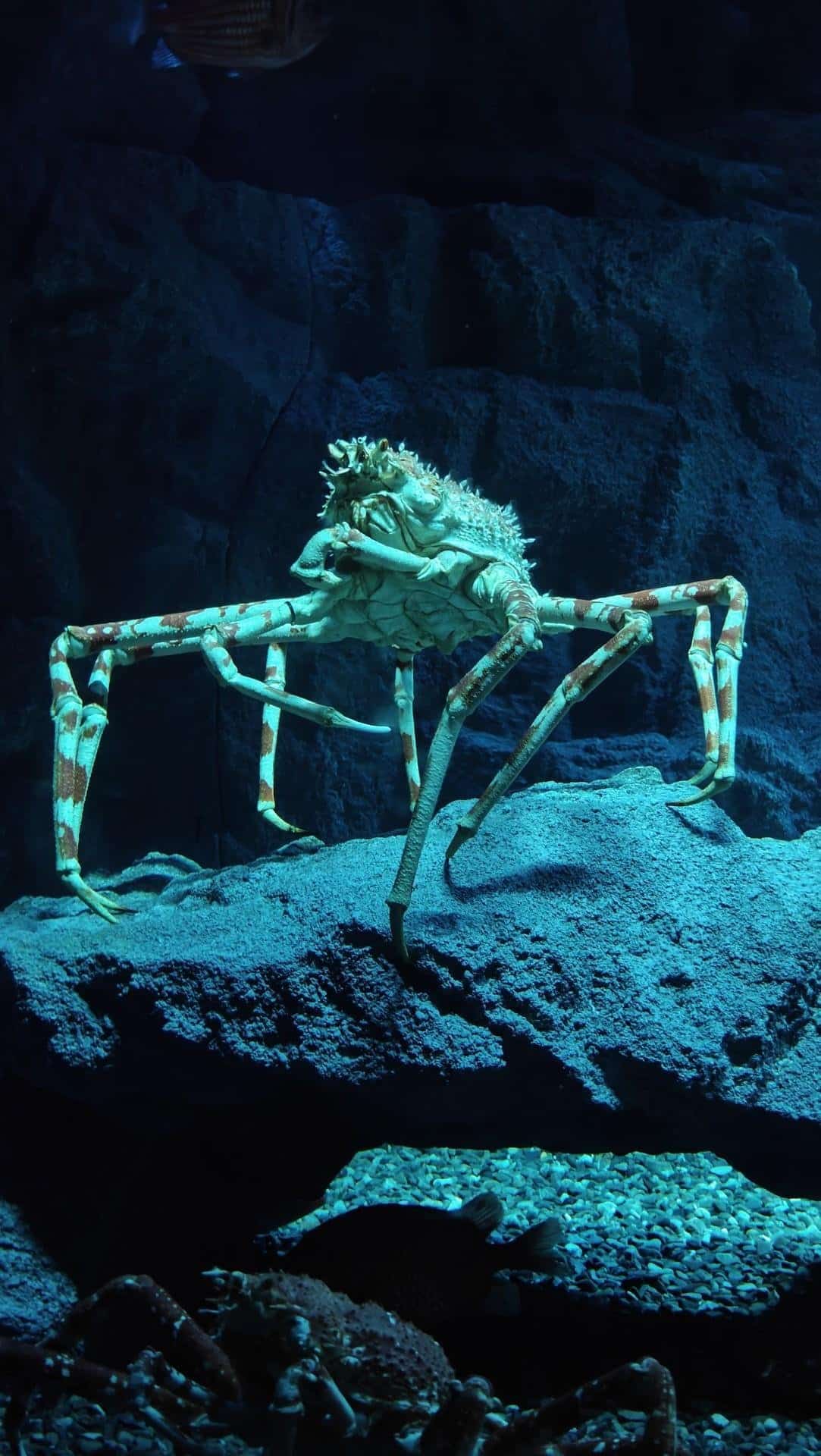
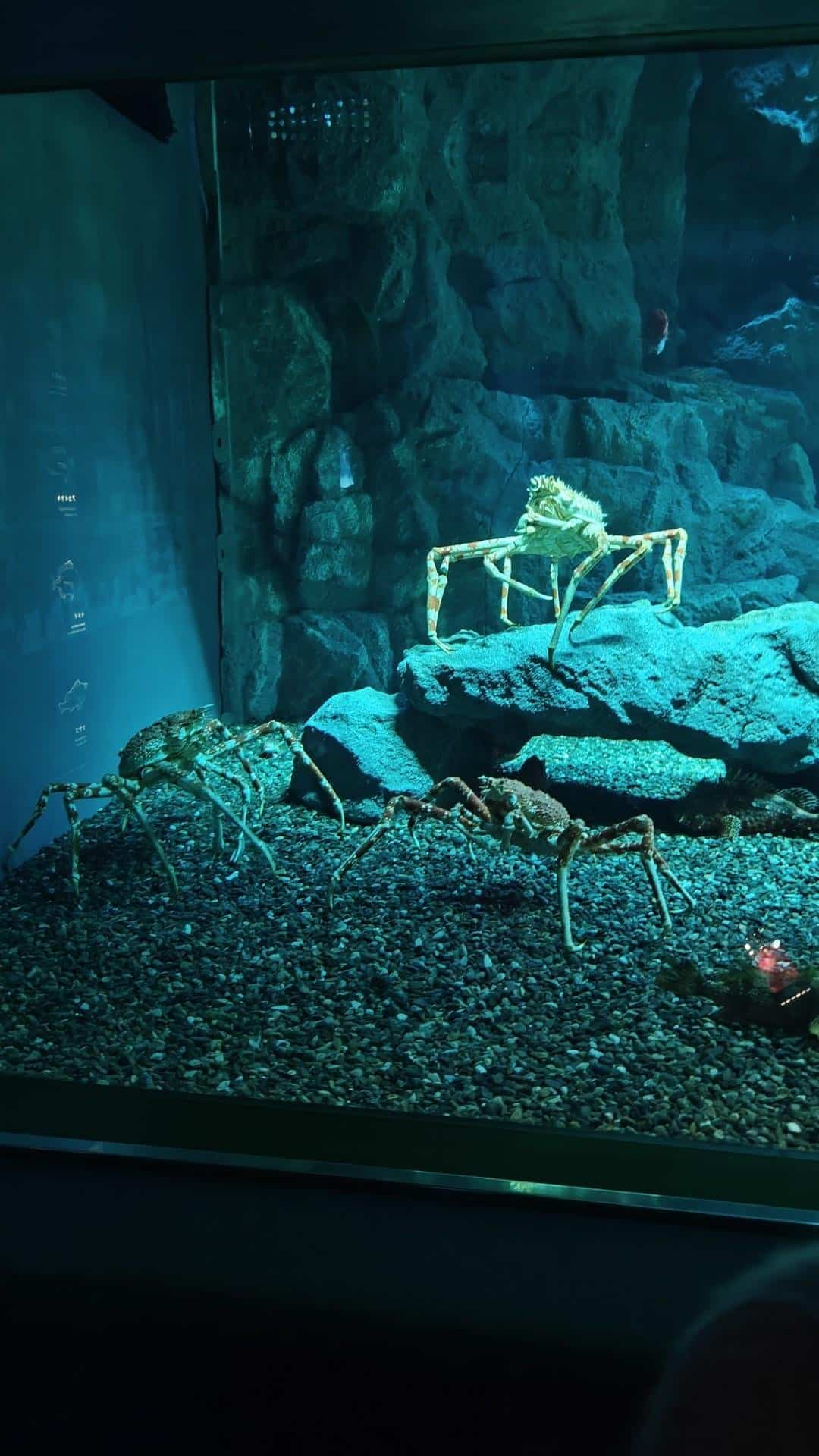
Probably the eeriest enclosure that I came across was the Japan Deep on the 4th floor. This was a short walk from the seabeds of the Cook Strait and Great Barrier Reef tanks with its most notable resident being the Japanese Giant Spider Crab you see in the image above. The Japanese Deep has a depth of 8000 meters and as such, it doesn’t get that much light from the surface.
To mimic this, the tank doesn’t have strong lights and a lot of the times the fish here are in the shadows.
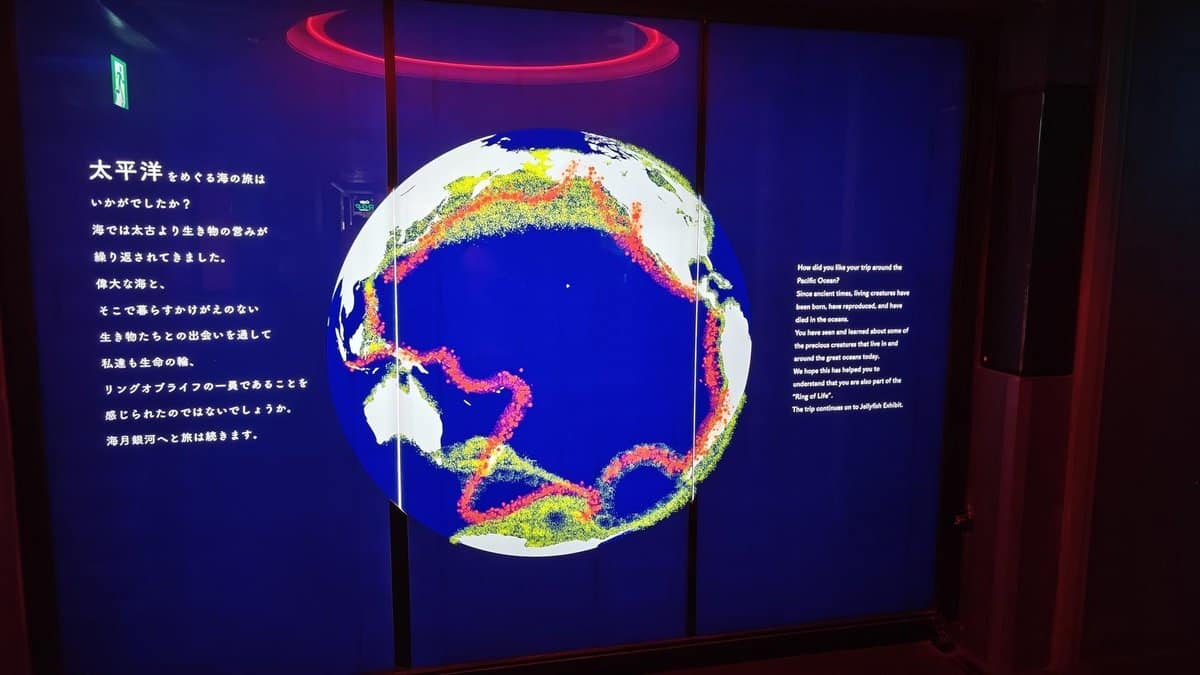
So if you still haven’t noticed yet, the tanks and displays here actually have a common theme. The tanks are themed after locations in the Pacific Ring of Fire (also known as the Ring of Life in biological terms) that are all found in the Pacific Rim. It’s actually quite eye-opening how crucial this area is for biodiversity and how it can be likened to a “cradle of life” in this region.
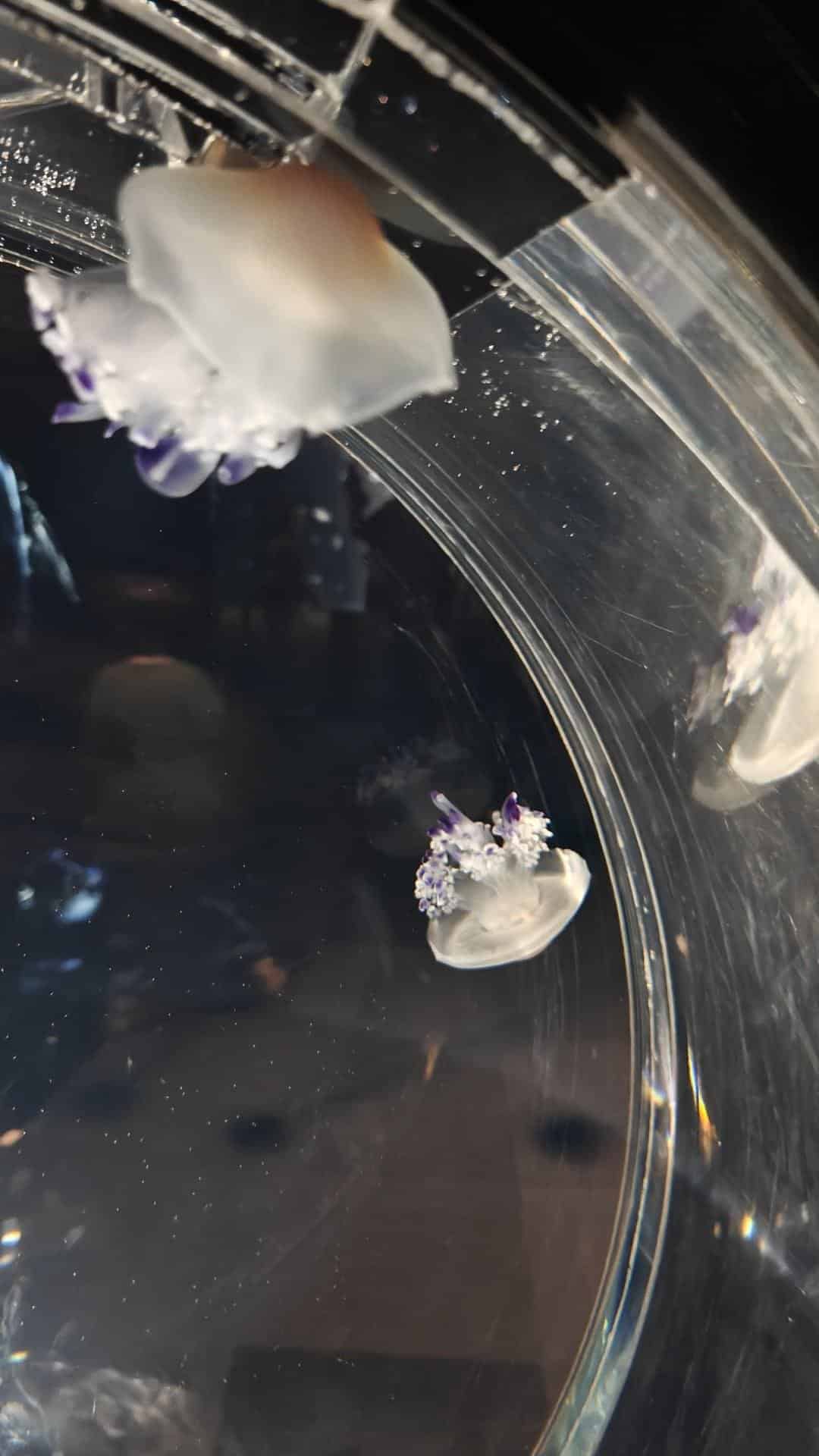
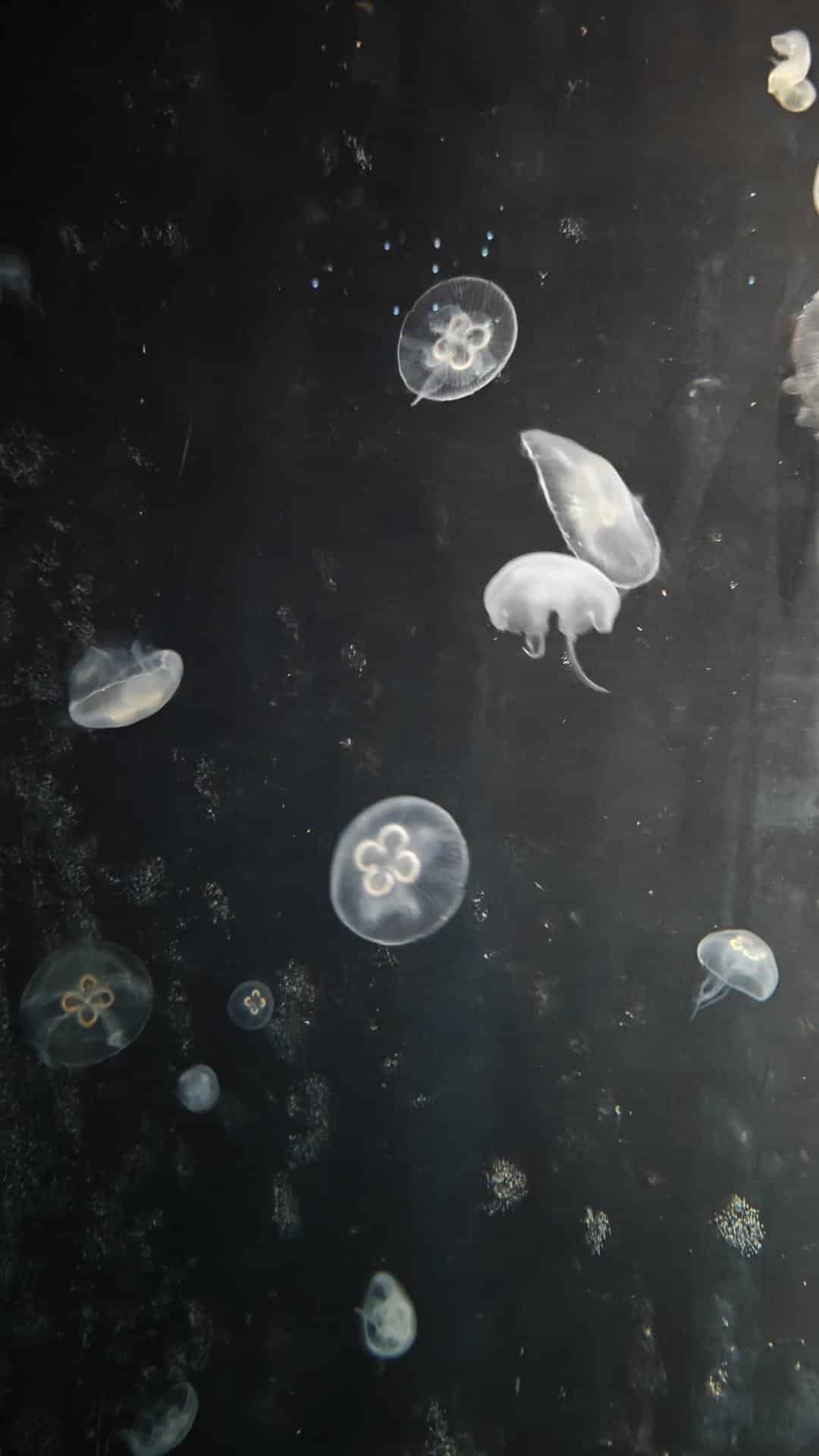
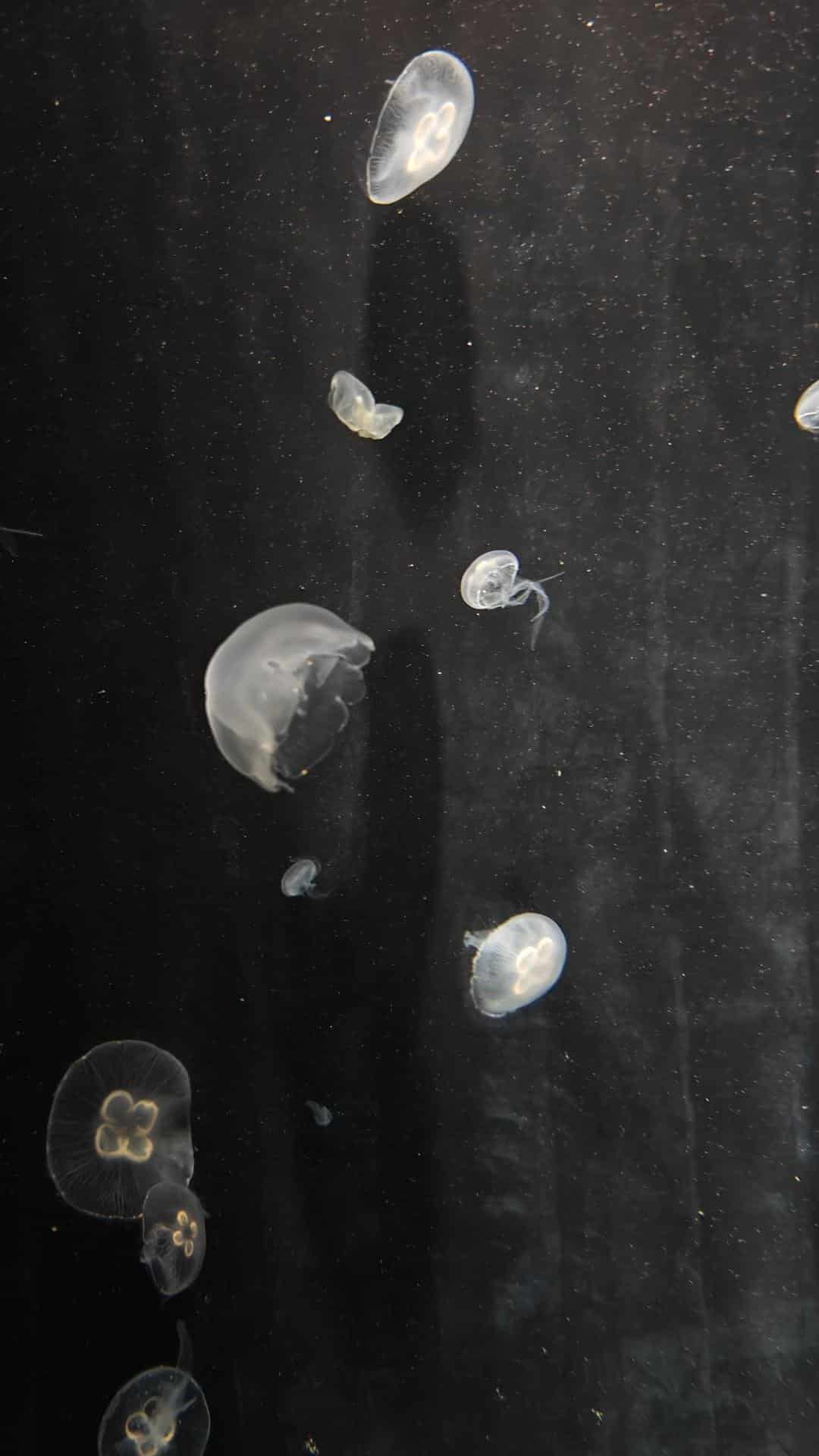
Going back to the 4th floor displays, the first you’ll come across would be the Jellyfish tanks. There are a number of tanks here containing Northern Moon Jelly, Moon Jelly, Colorful Jellyfish, and different species of sea nettles. A lot of these have bioluminescence which means that they produce their own cold light.
As such, the area is relatively dark compared to the majority of the upper floors.
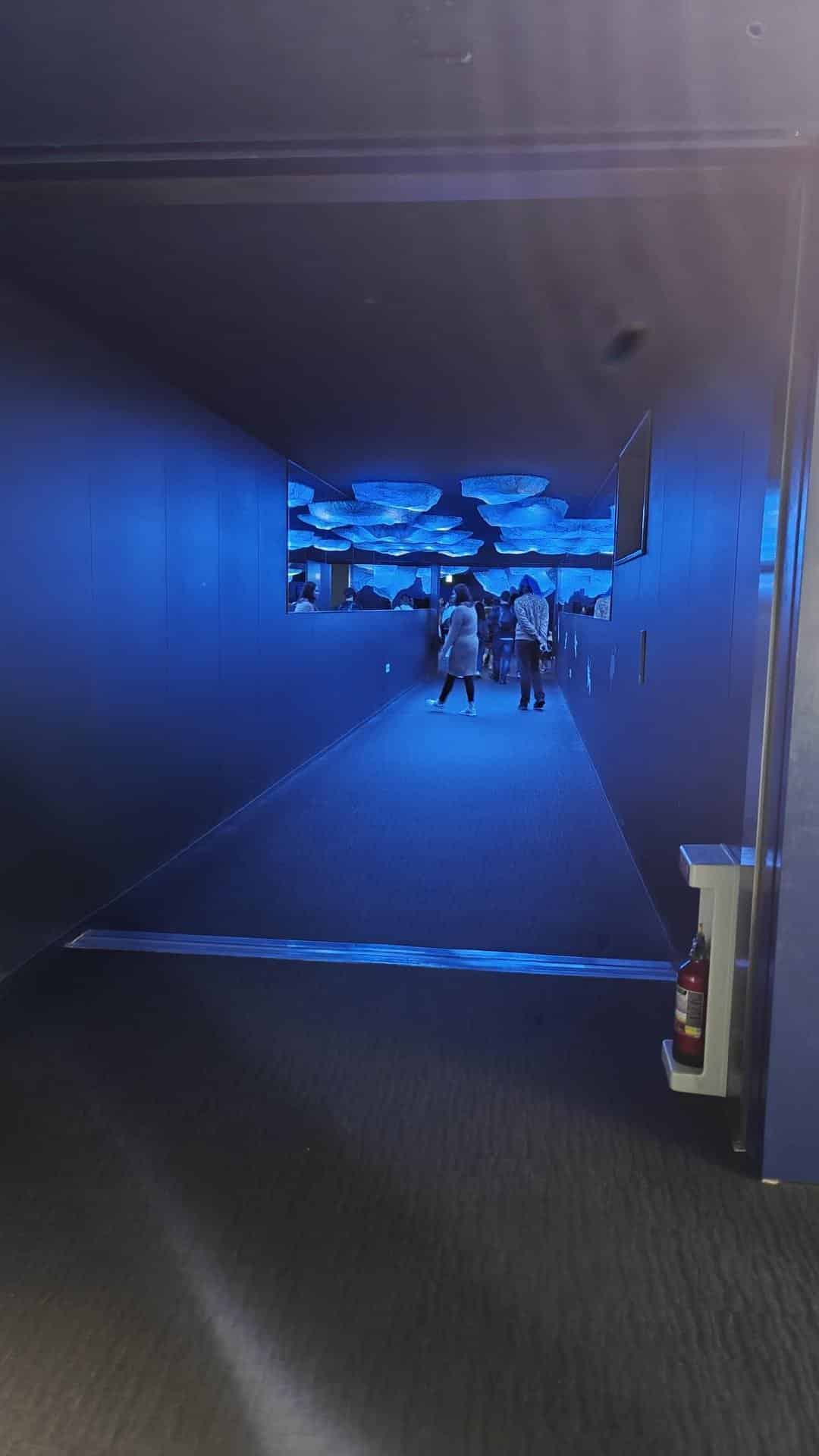
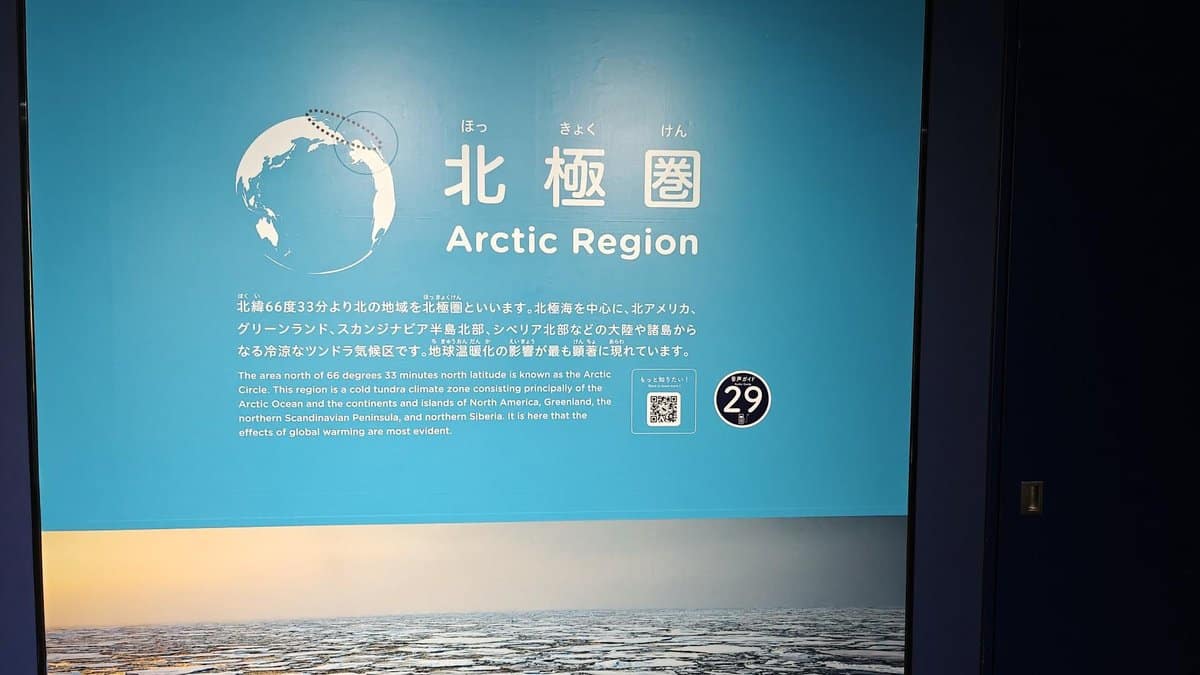
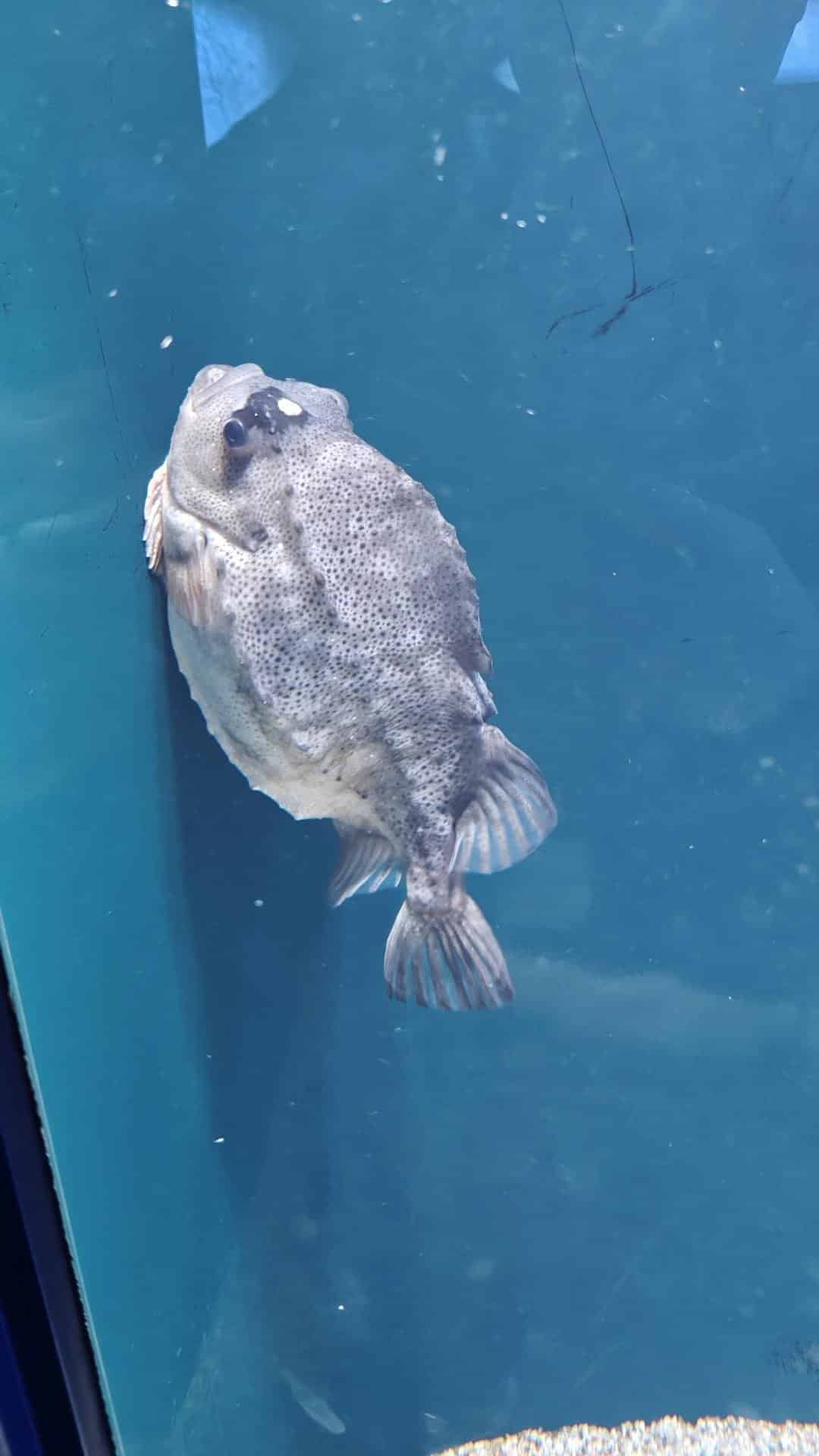
The next area in this floor is the Arctic Region which you can access through this hallway. It’s actually quite interesting thanks to the sea anemones and the weird looking Lumpfish. These animals have perfectly adapted to the cold waters of the Arctic with the Lumpfish and its thick body, bony armor, and suction disc being the perfect example of this adaptation.
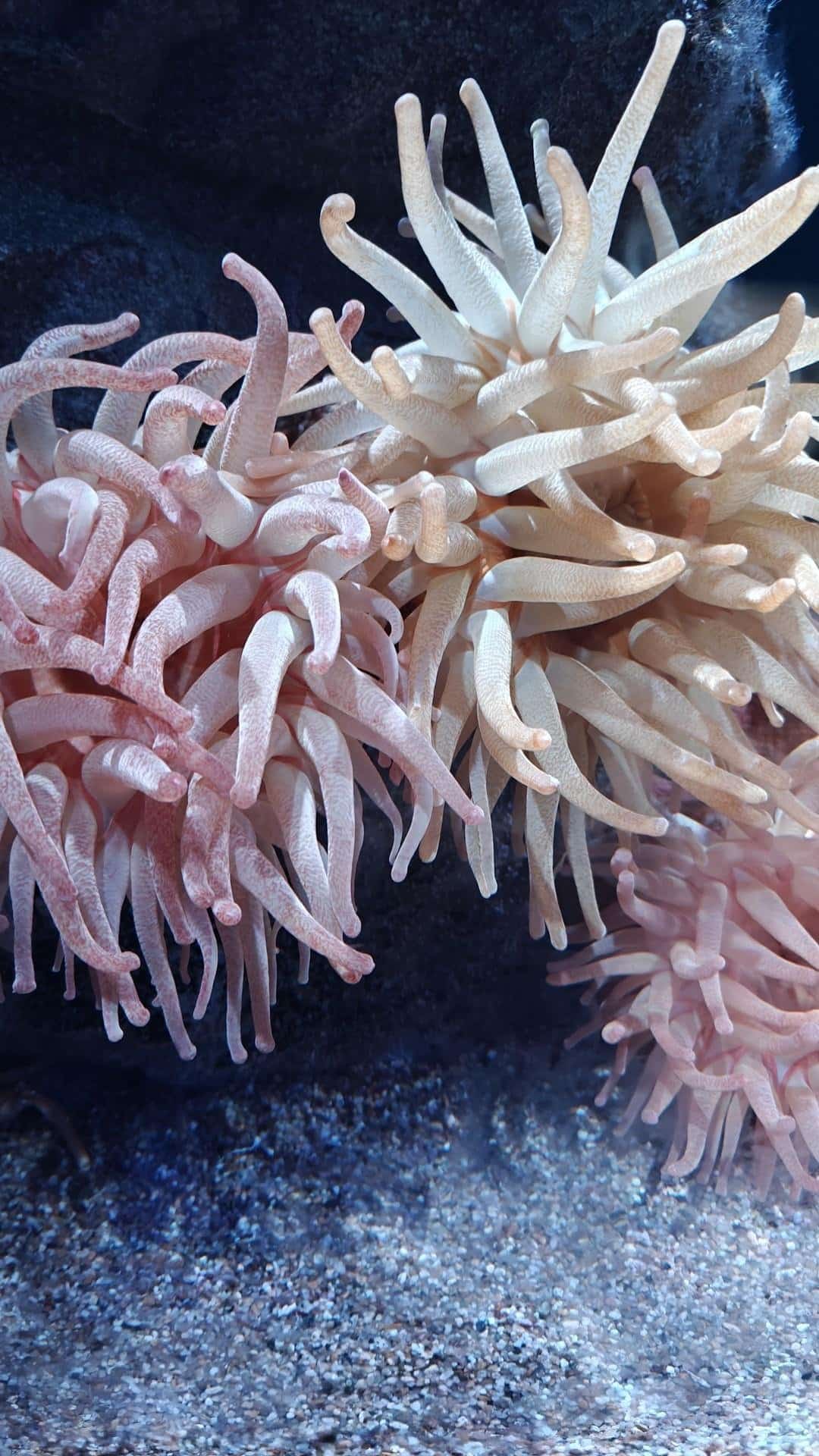
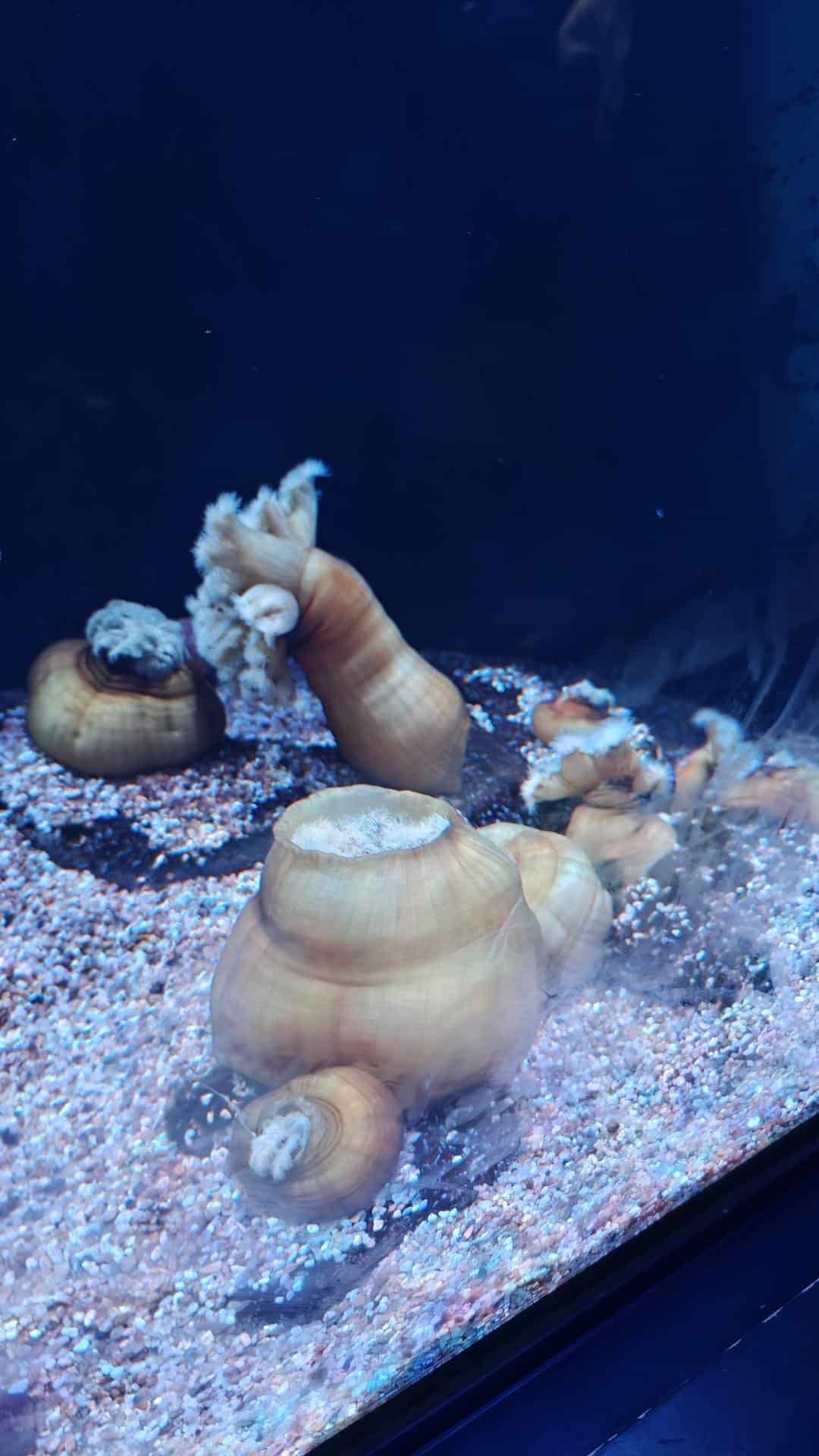
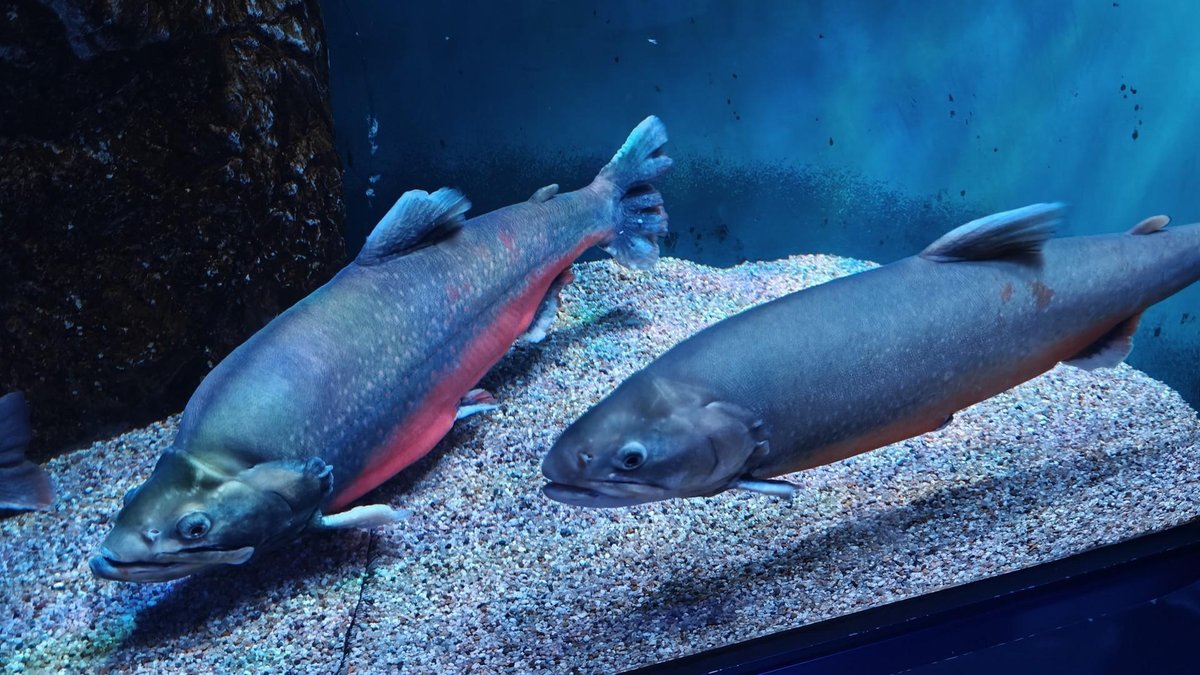
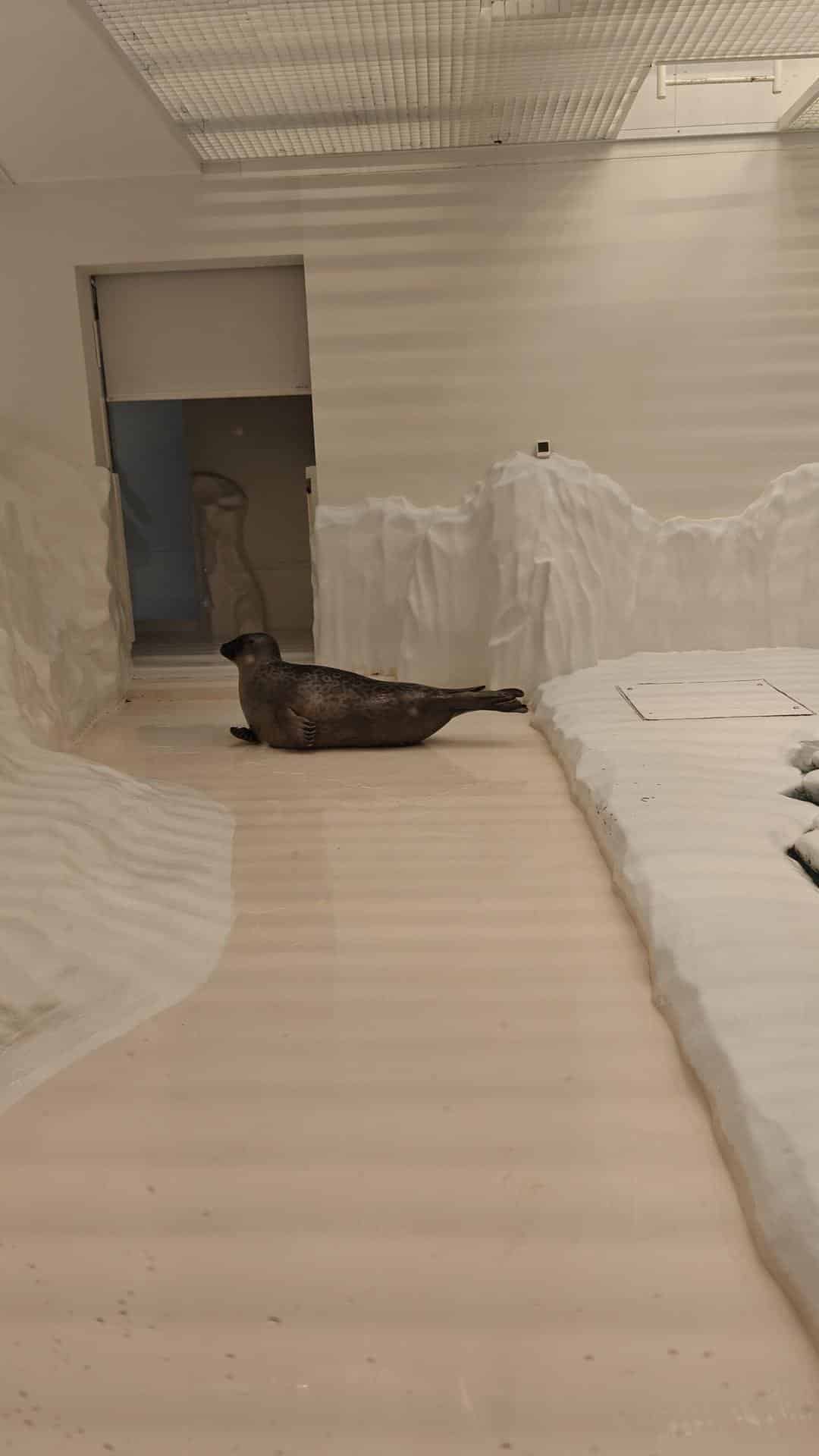
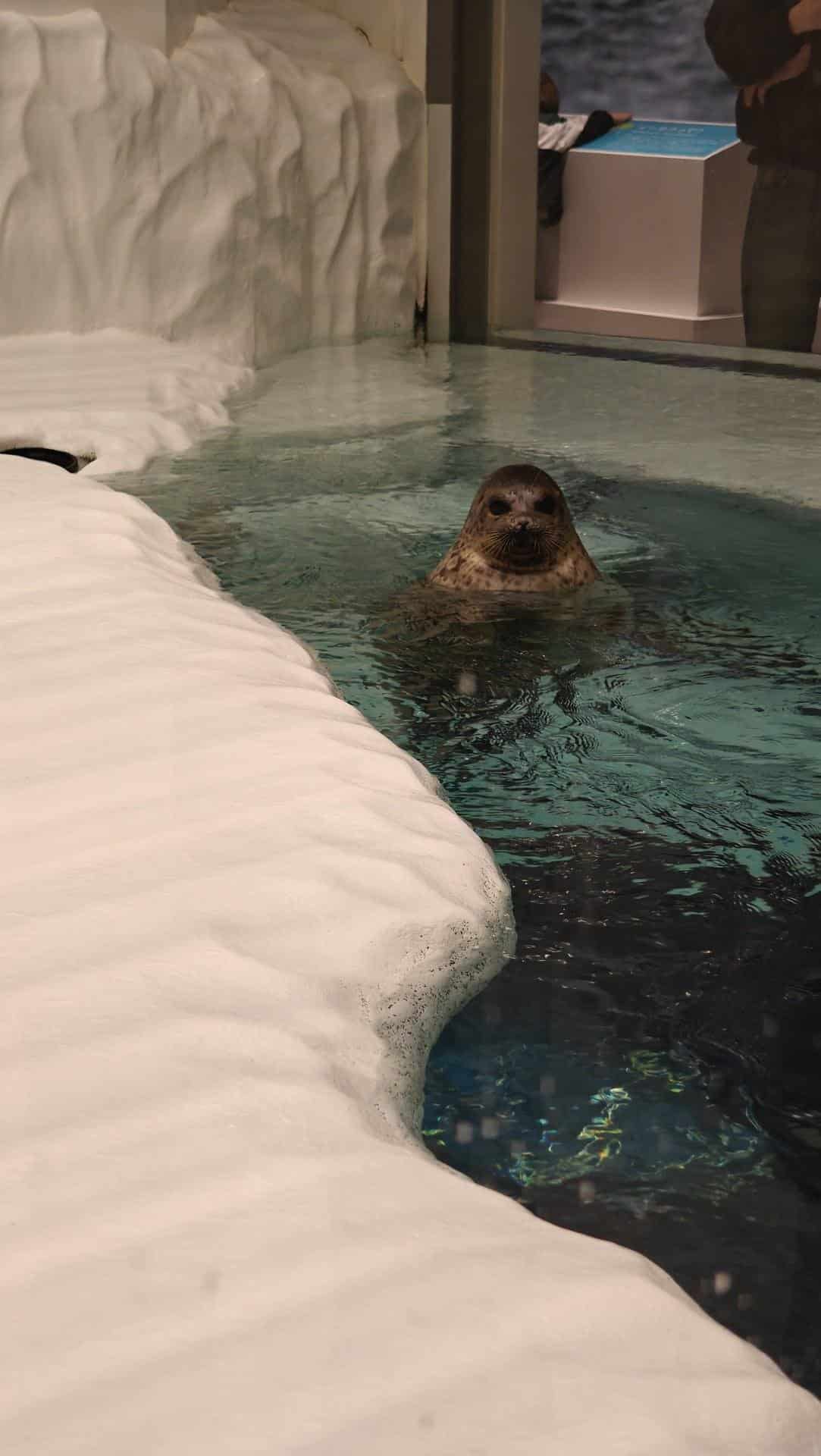
Other notable residents of this section are the trout/salmon-like Arctic Char and the Ringed Seals. These animals are housed in separate tanks though as the seals actually prey on the char. On a side note, the seals here look pretty well-fed though their enclosure understandably doesn’t have real glacier ice.
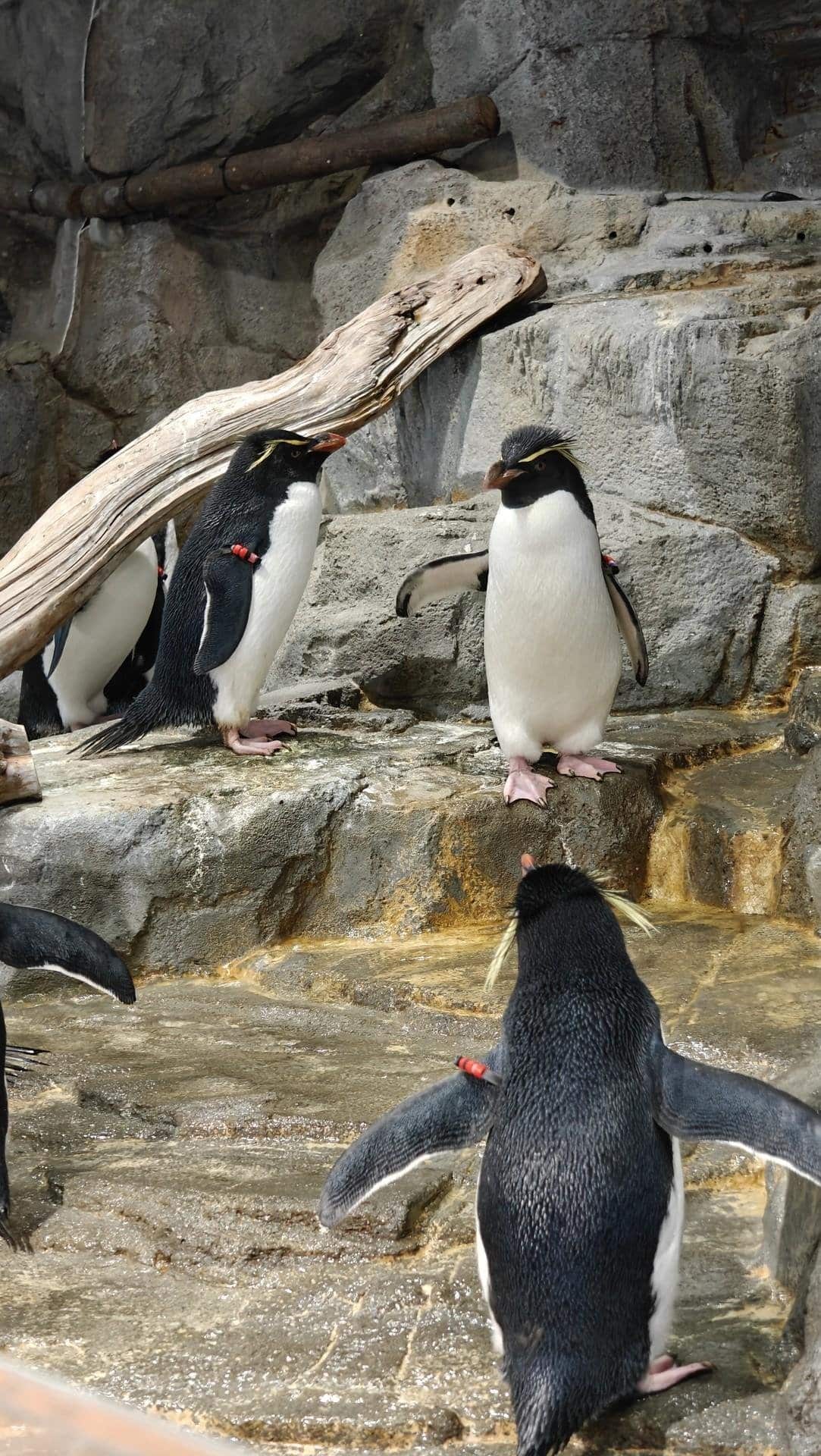
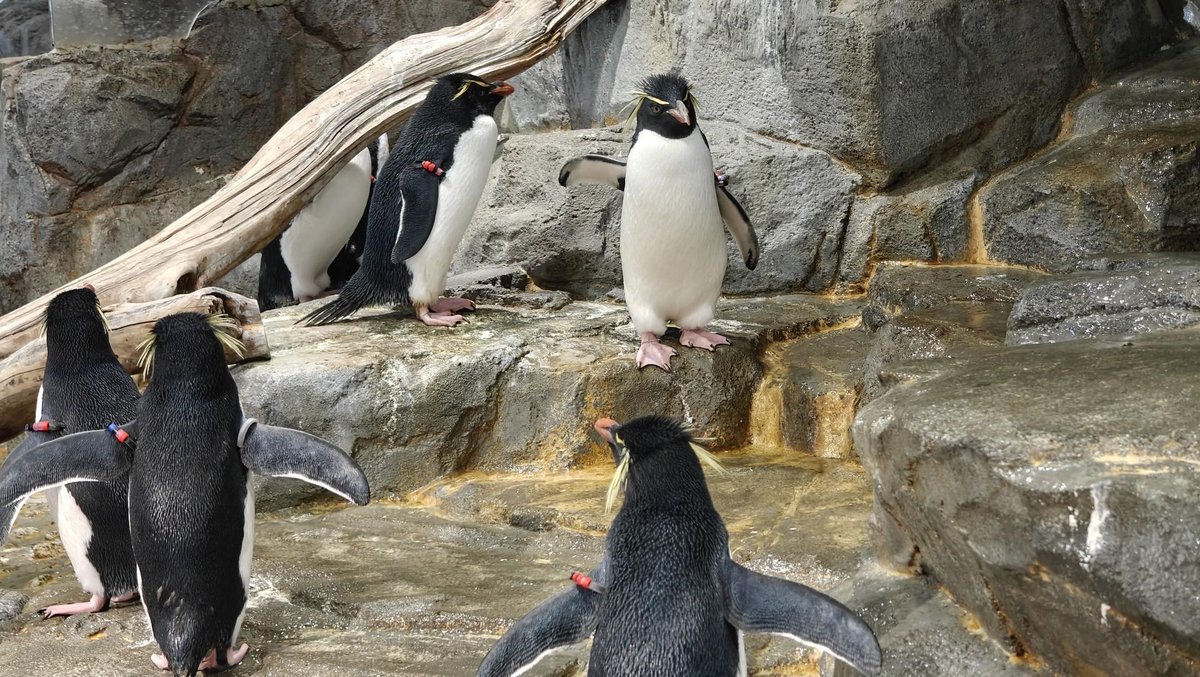
From the 4th floor of the main Kaiyukan building, I then went on an escalator that brought me back to the Entrance building’s 4th floor. Here I came across the Falkland Islands enclosure that features the Southern Rockhopper Penguin. These guys looked rather strict thanks to their eyebrows and for some reason they actually reminded me of punk rockers.
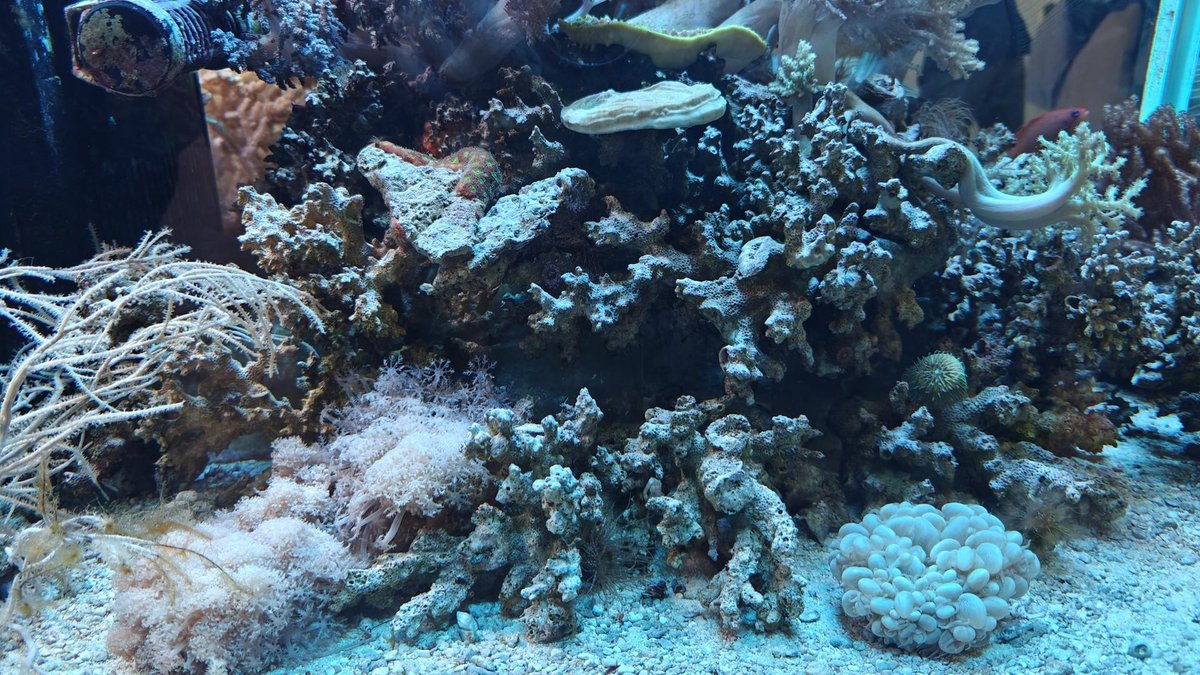
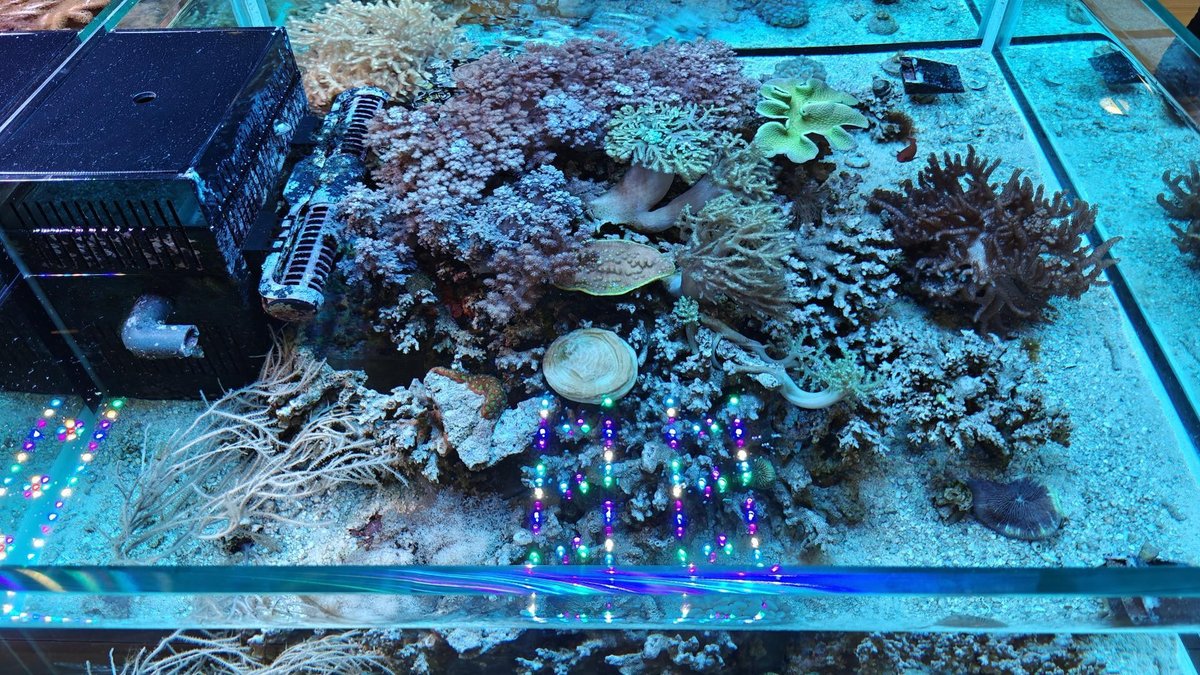
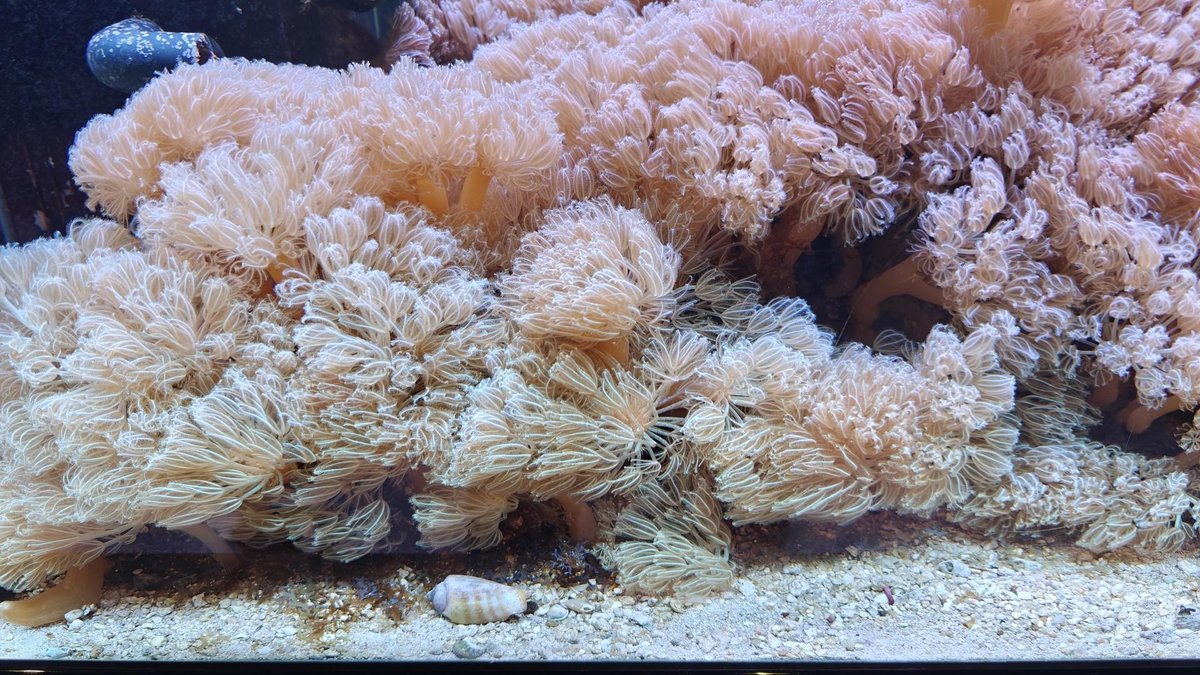
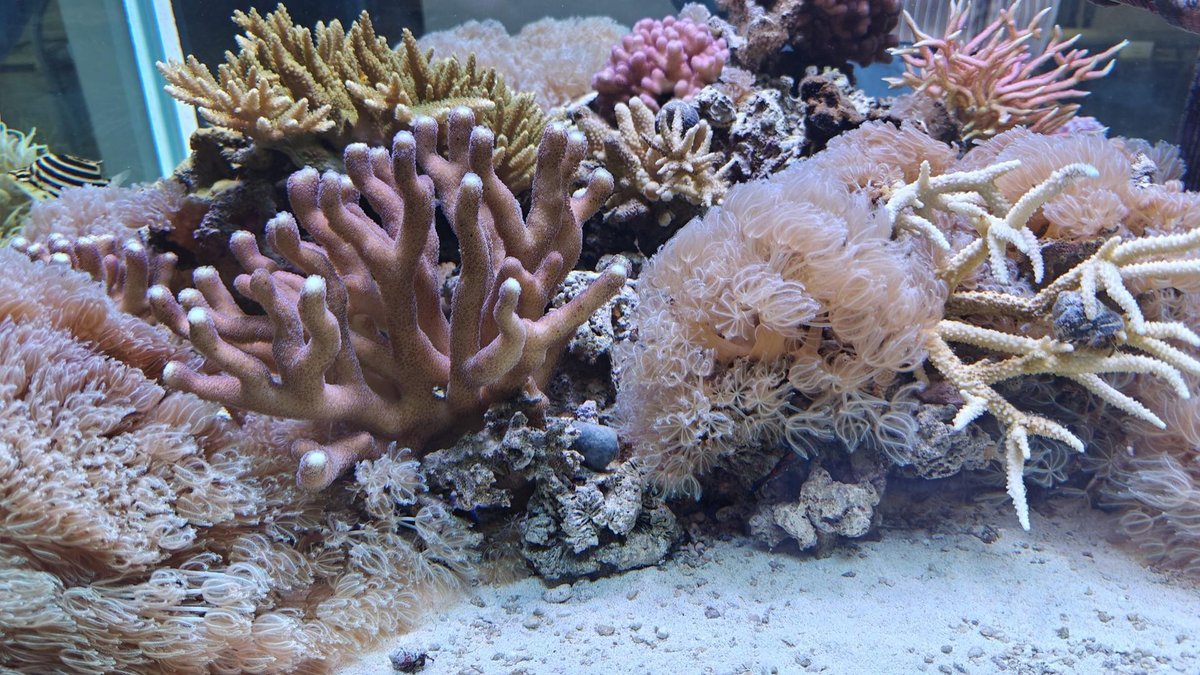
Just before going down to the Entrance Building’s 3rd floor, I passed by a special exhibit called Gyugyutto Cute. Aside from the corals and anemone shown in the image, this exhibit features small crustaceans such as the Banded Coral Shrimp, Blood Red Fire Shrimp, and Frisiode Shrimp. Since there are anemones here, you can also expect Clown Anemonefish to be hanging around them (unfortunately couldn’t take a picture of one during this visit).
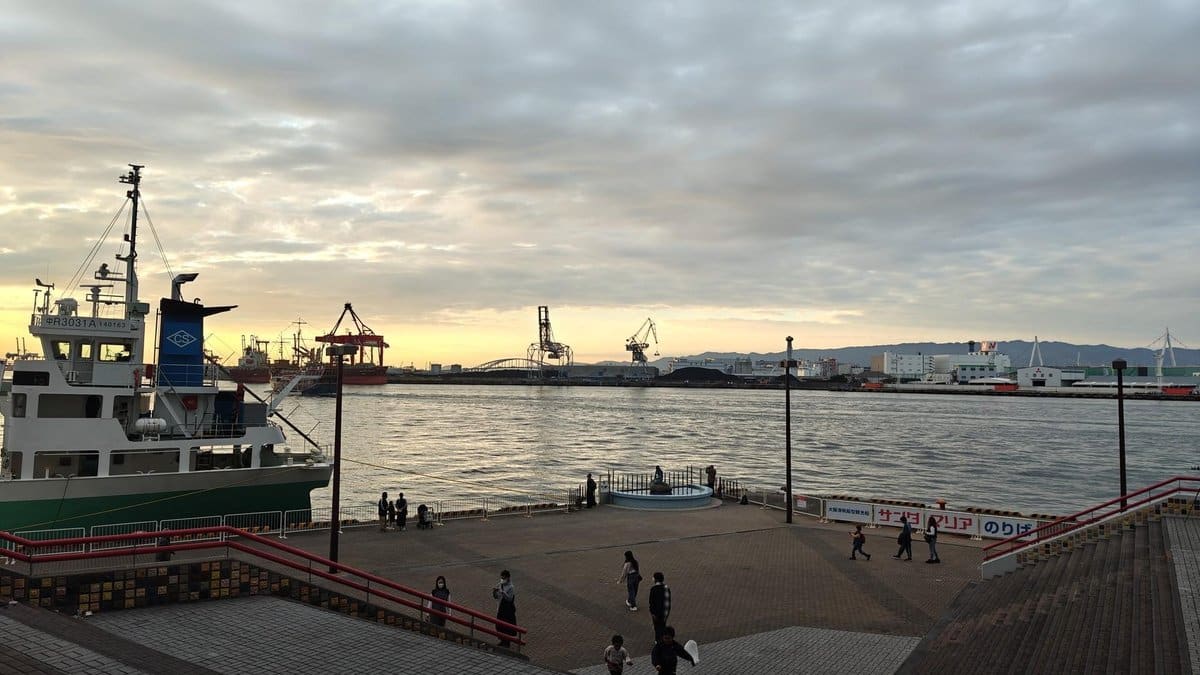
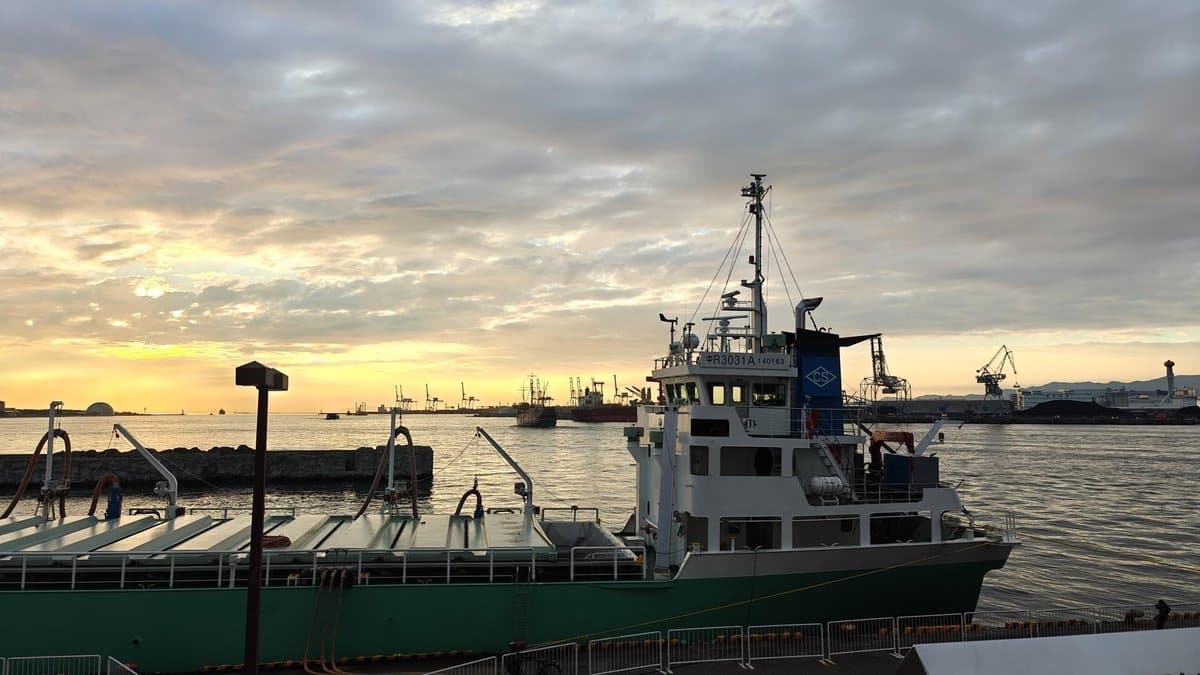
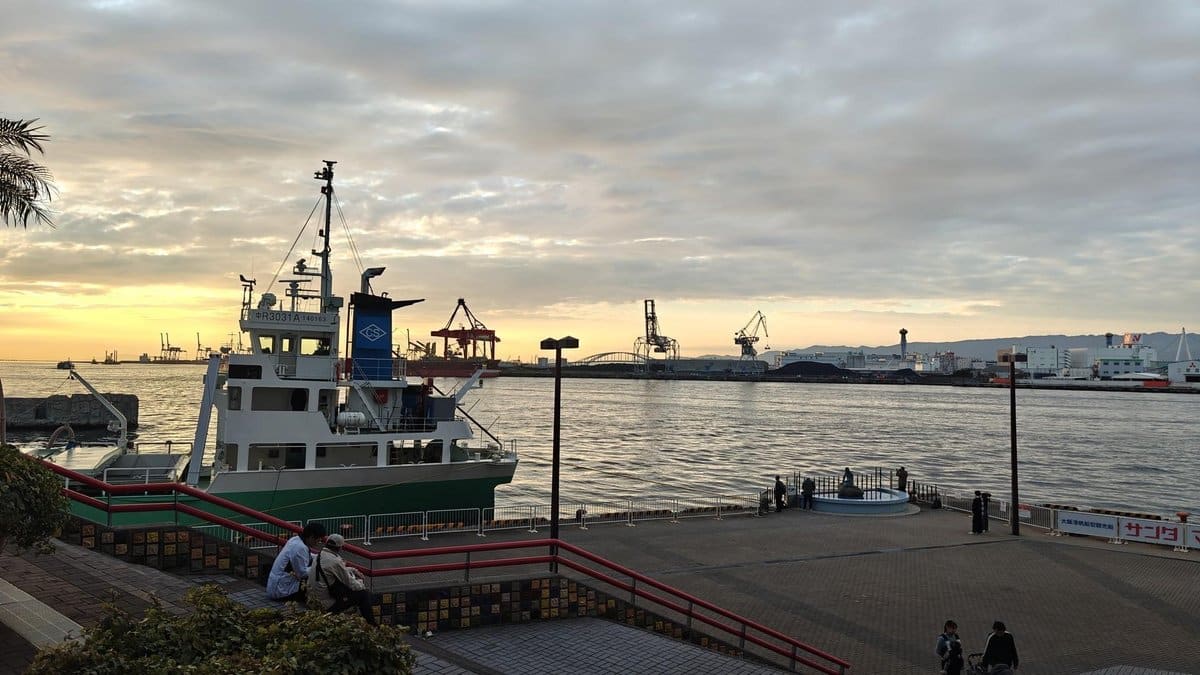
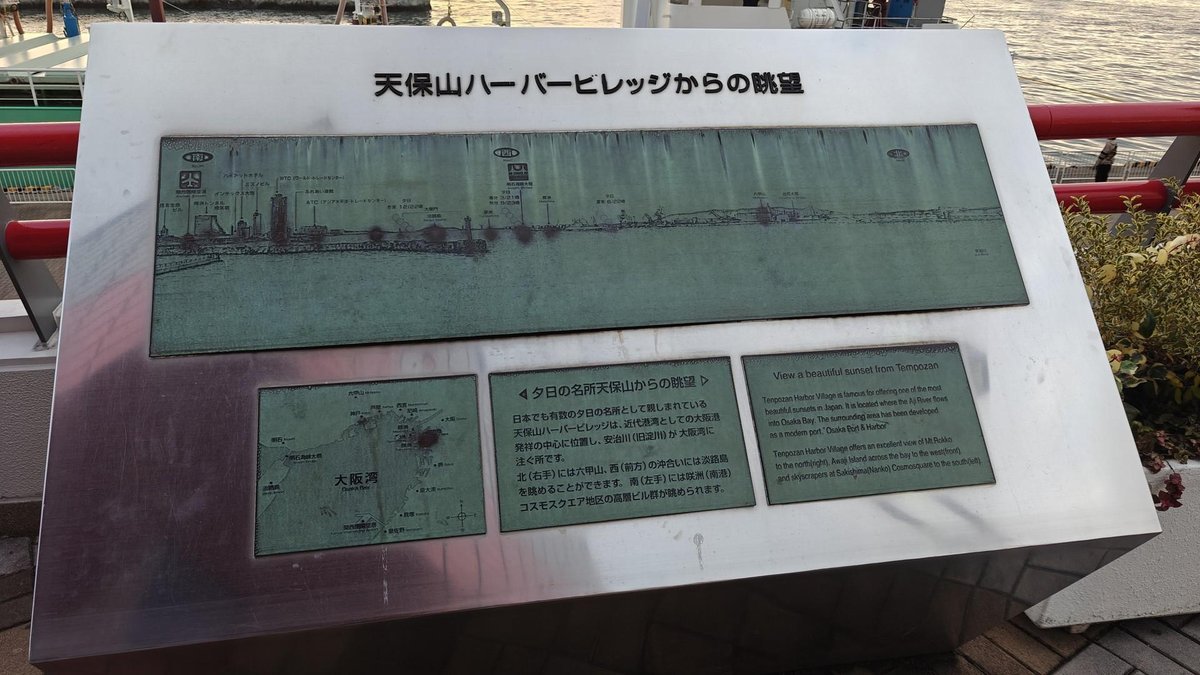
To exit, I had to go from the 3rd Floor down to the 2nd Floor. From there I used the exit on the right just in time to see the sun setting in Osaka Bay. This area is actually great if you want to take IG-worthy photos.
I actually had some time left before my next itinerary item so I decided to snap some (actually plenty) of shots of the views here.
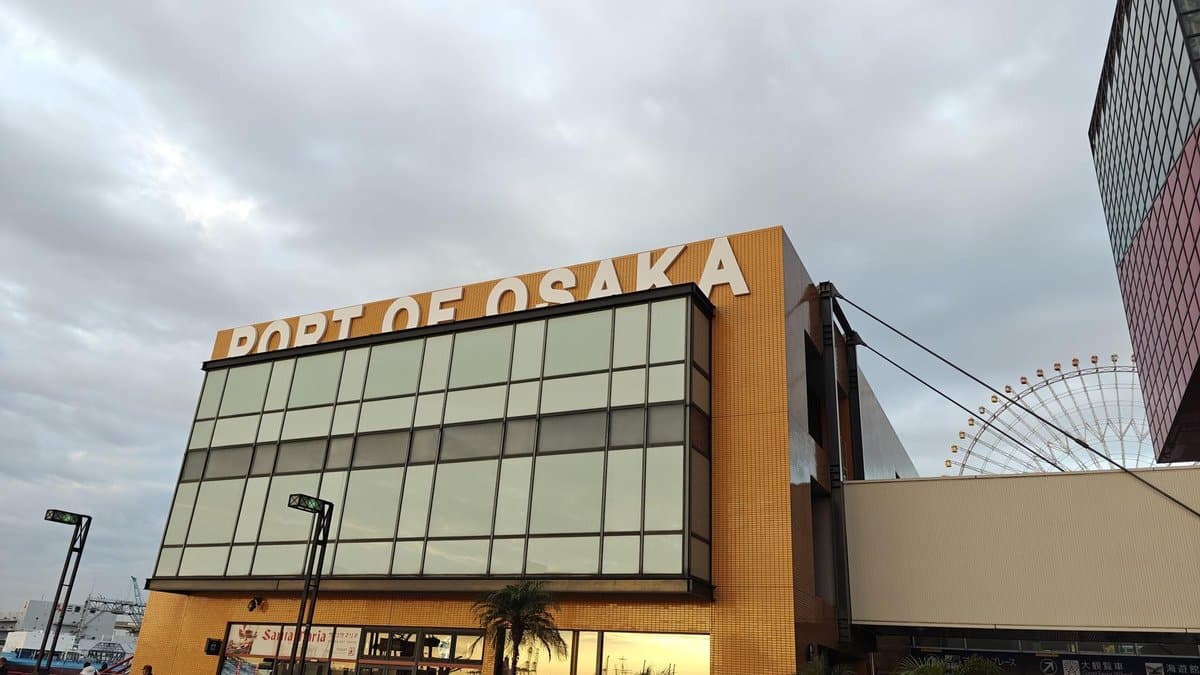
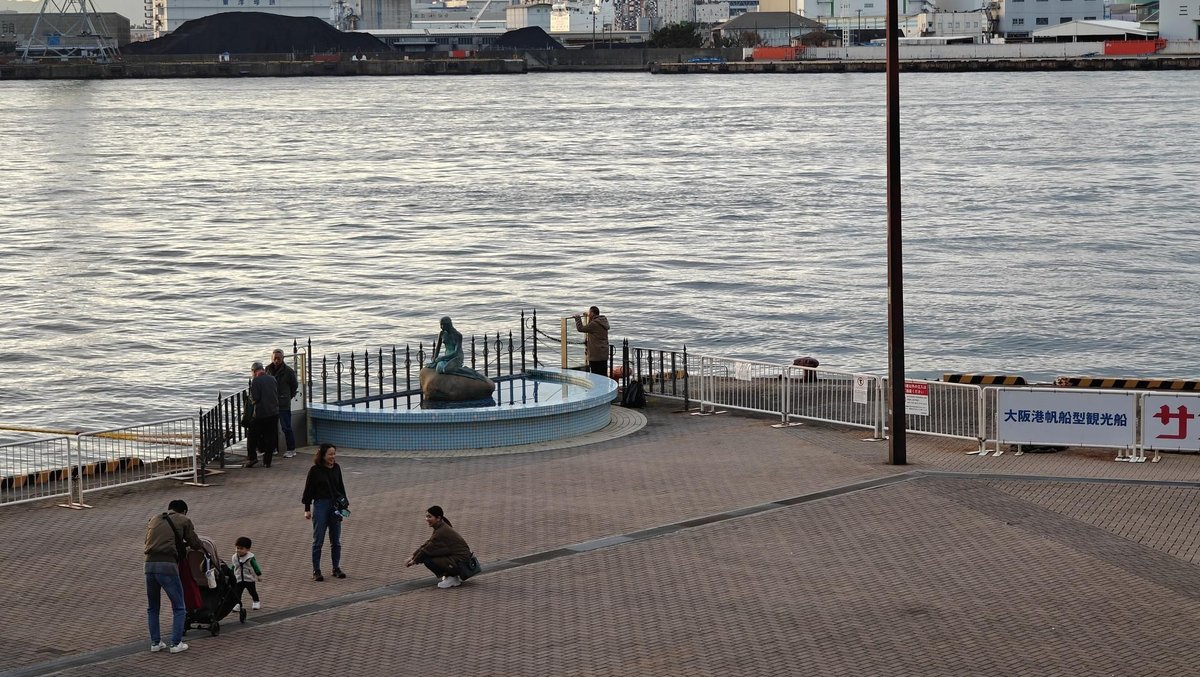
If you like the Little Mermaid then there’s actually a statue of her here that you can pose in front of. The statue is a replica of the original in Denmark and is also quite popular among the visitors here.
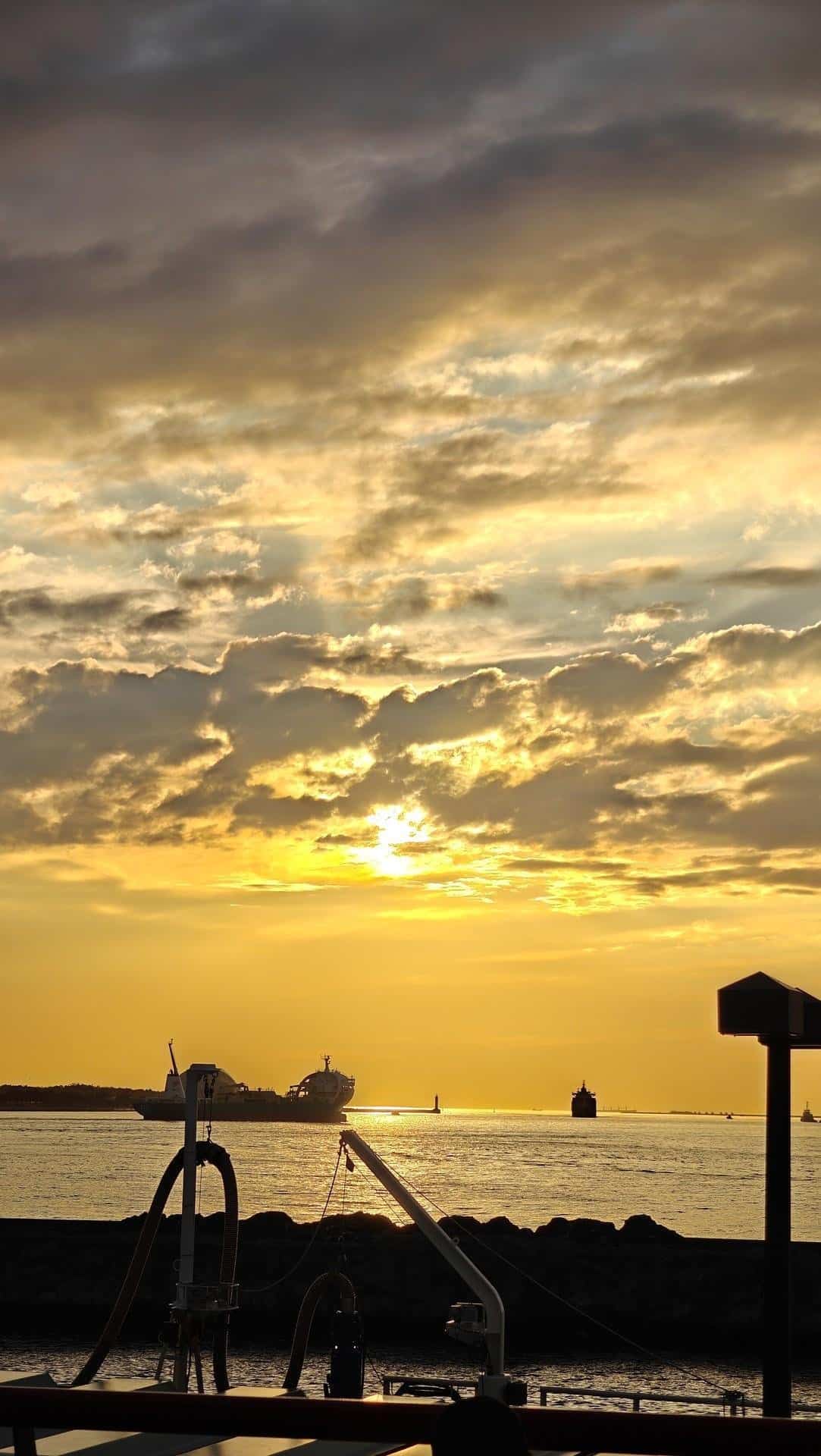
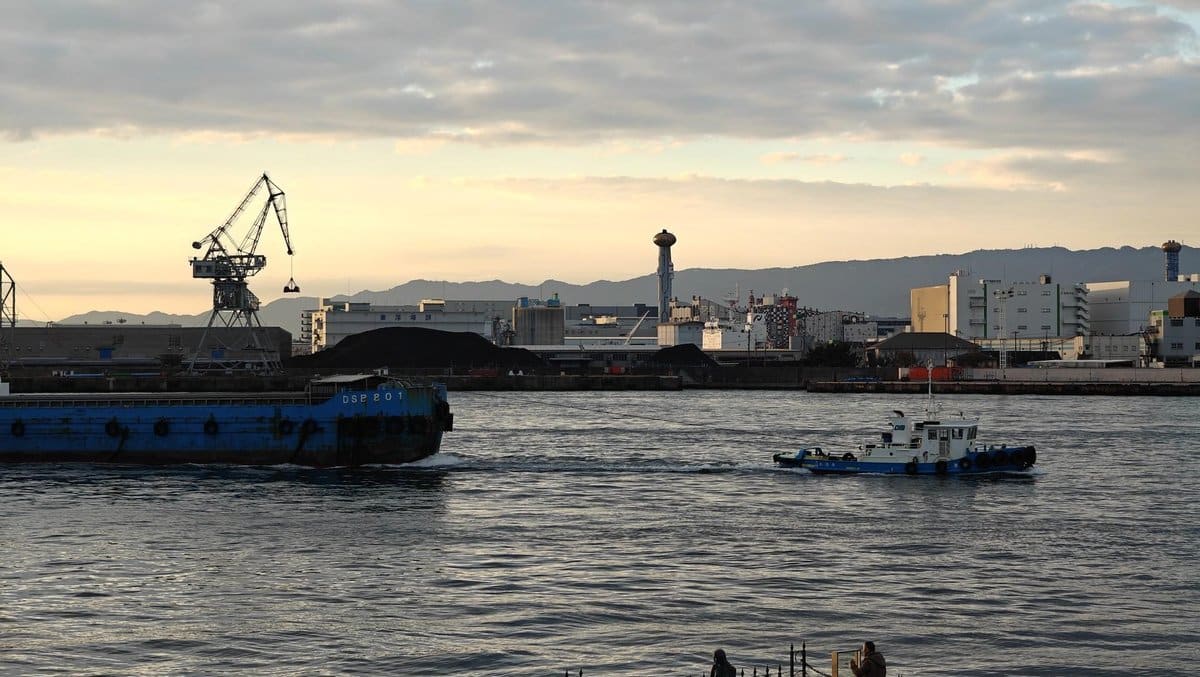
This ends my visit to Osaka Aquarium Kaiyukan. As I said, this was quite the memorable visit. I thought Kyoto Aquarium was large but this was easily larger and decidedly more modern.
In hindsight, I think this is much more of a “must-visit” than Kyoto Aquarium though my reasoning doesn’t really have to do with the animals or displays. Now this isn’t a knock on Kyoto Aquarium. Rather, the area where Osaka Aquarium Kaiyukan just has plenty more to offer.
Aside from the aquarium there’s a Legoland Discovery Center here for the kids and kids at heart. The Tempozan Ferris Wheel is also another attraction that’s close by that’s also worth checking out. If you’re looking for a theme park then you can take a ride on the Captain Line and find yourself at Universal Studios Osaka.There’s just so many things that you can do here that I can’t recommend this landmark enough.
If there’s any drawback it would have to be that it is a bit pricier than a shrine or temple visit. That being said, I still think that you get plenty more value here. What do you think about my visit to Osaka Aquarium Kaiyukan?
Do you think it’s worth checking out or would you rather go to other landmarks? Make sure to share your thoughts about this notable Osaka landmark in the comments section below!