
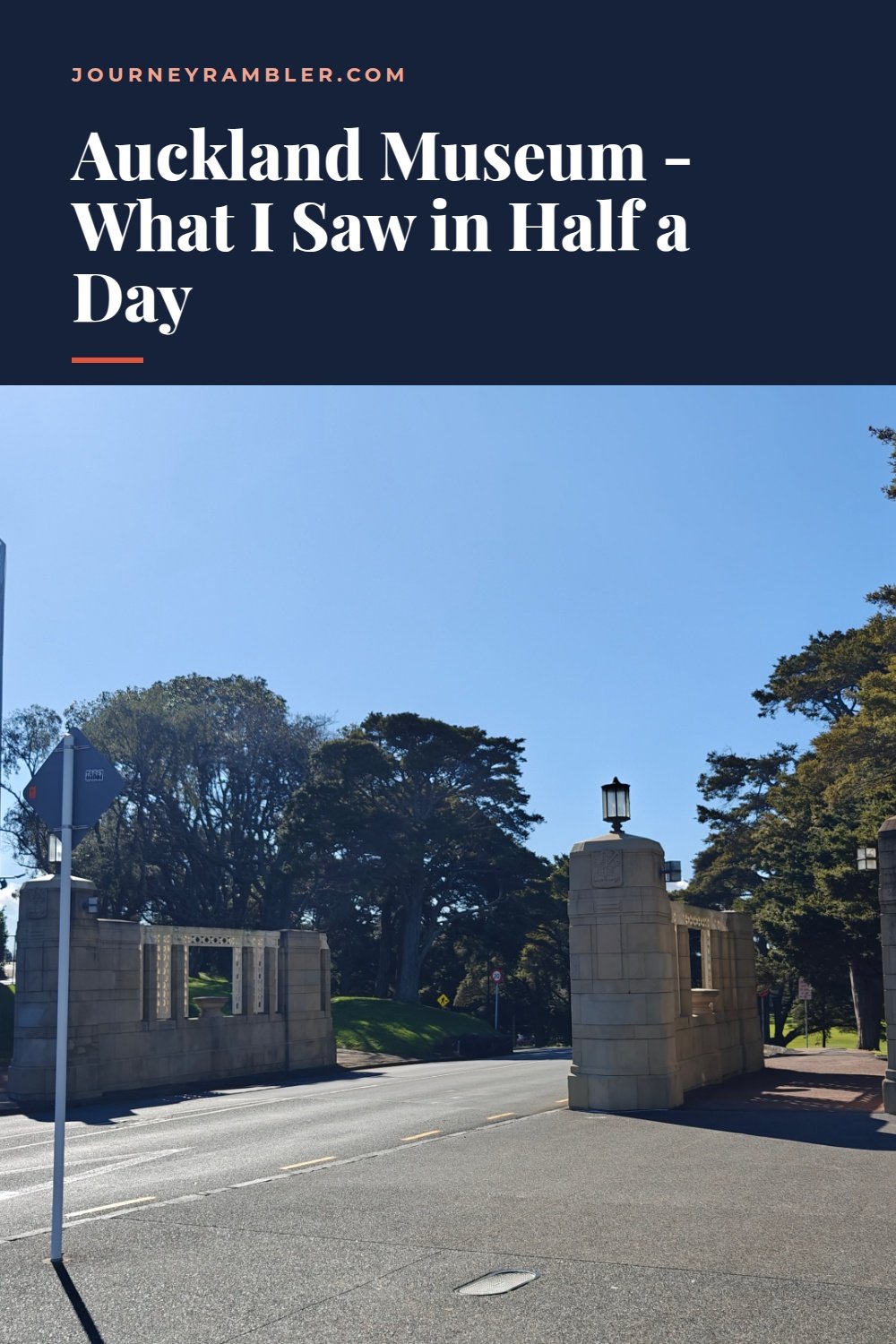
Visiting the Auckland War Memorial Museum The museum itself is huge. Three level are filled with natural history specimens worthy of any Victorian cabinet of curiosities, Pacific artefacts, and war history. When I walked in there, I thought “I’ll give this two or three hours.” It took four hours for me to wander through the galleries (though, truth be told, I might of lingered longer if my feet had allowed).
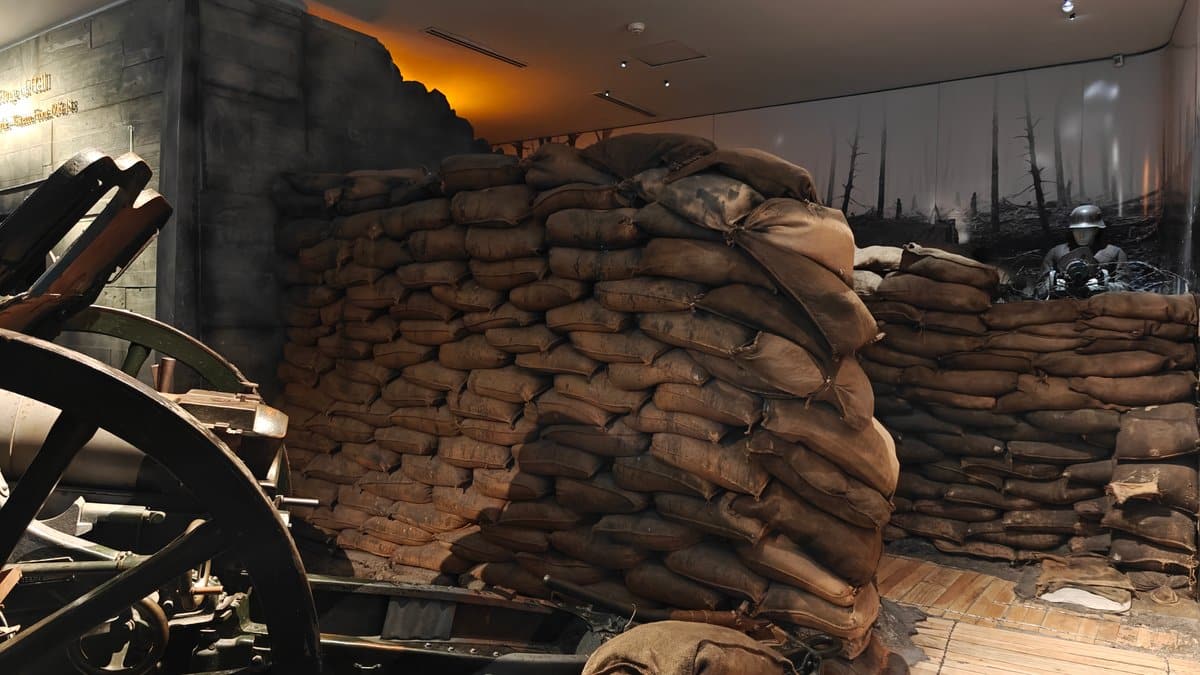
The thing that really blew me away though is just how far reaching it is. It covers many different themes and a lot of physical space. You can find yourself reading about old fashioned fishing techniques one moment then staring at a stuffed elephant or standing inside a re-created WWI trench the next.
So if you are thinking about visiting, make sure to block off an afternoon and perhaps get some food beforehand; you’re gonna need it.
Why You Need All Day at the Museum
Auckland War Memorial Museum
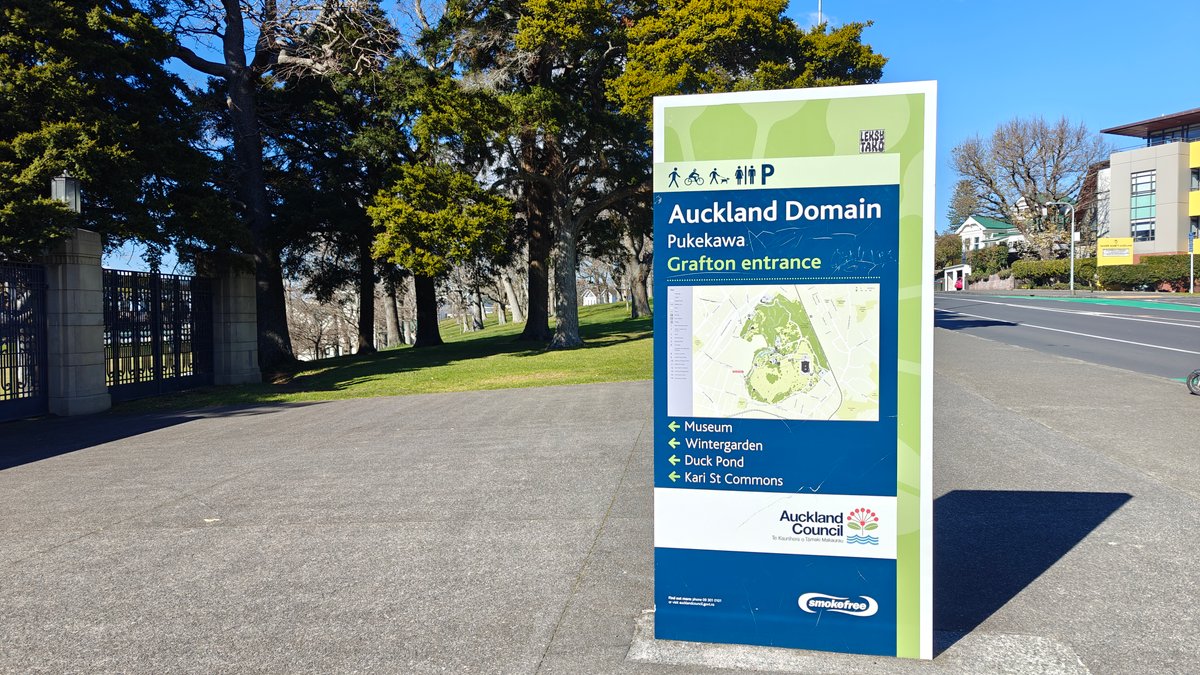
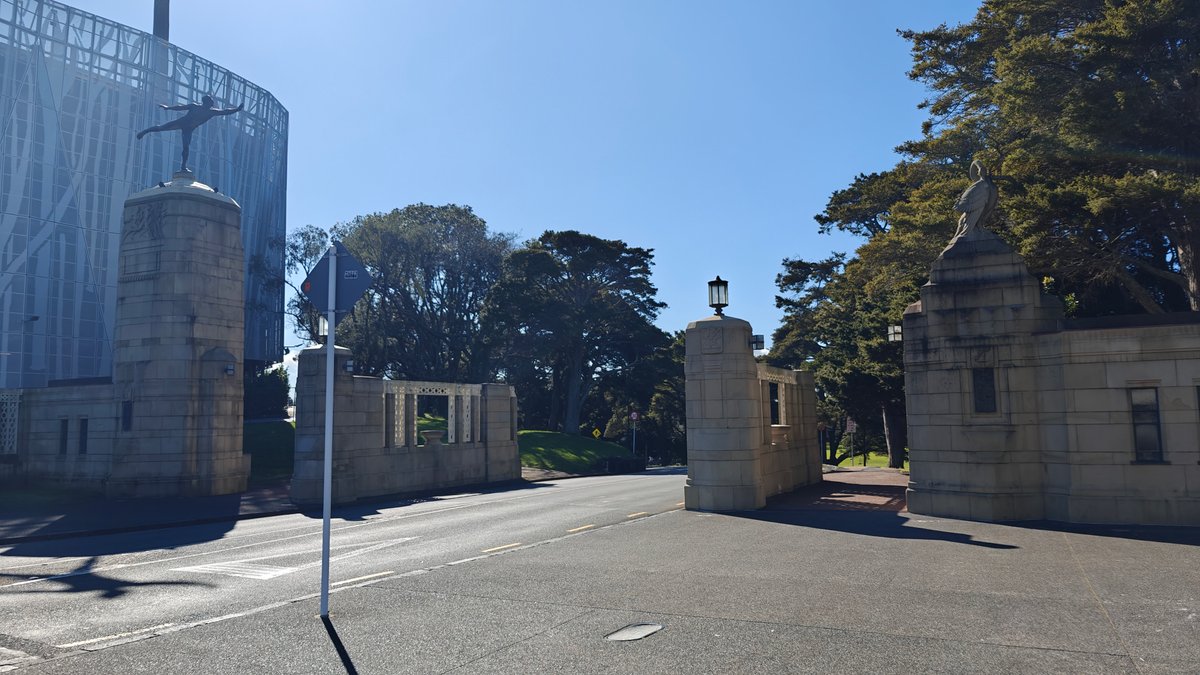
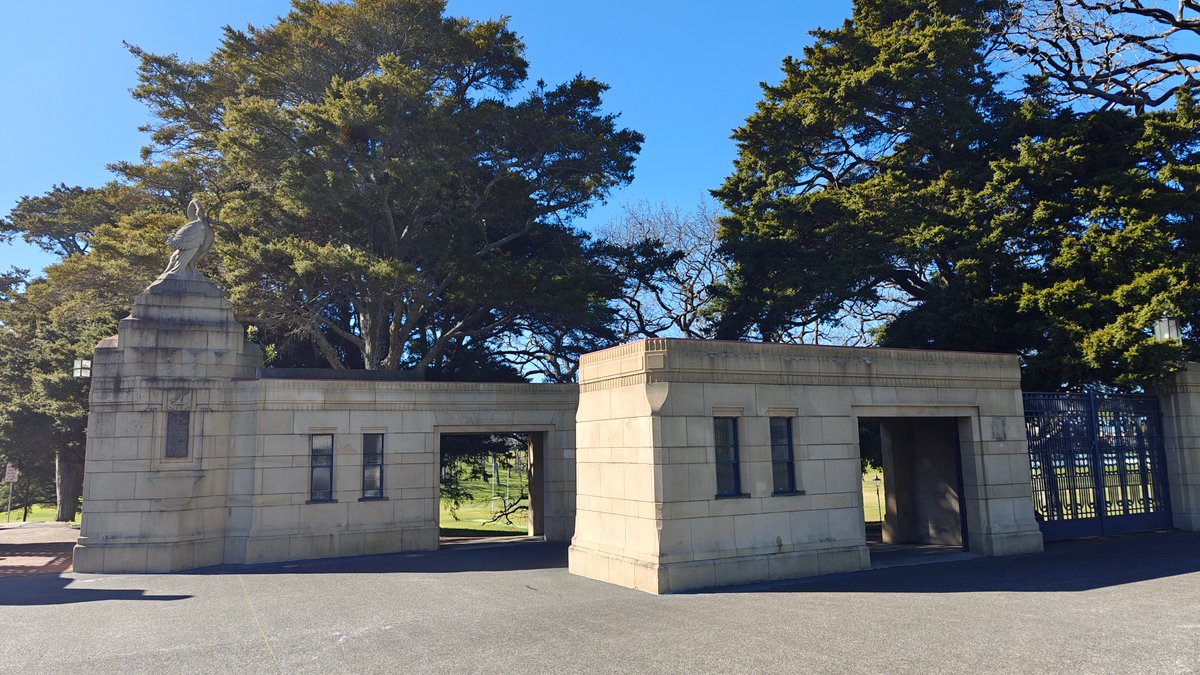
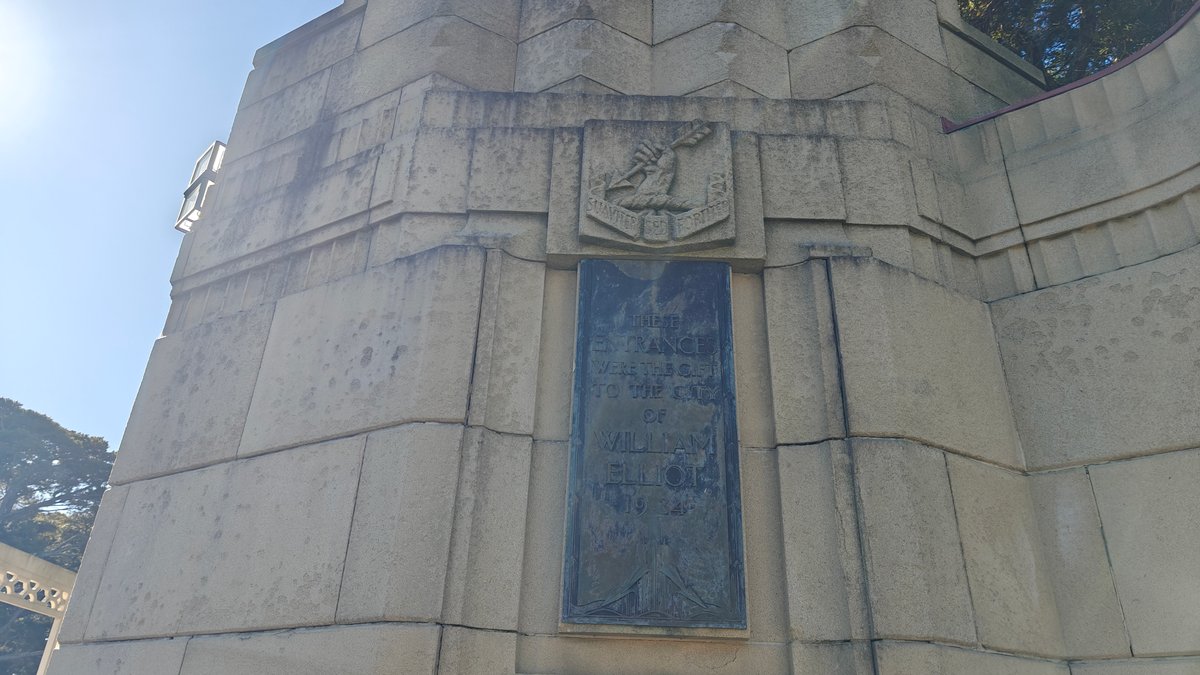
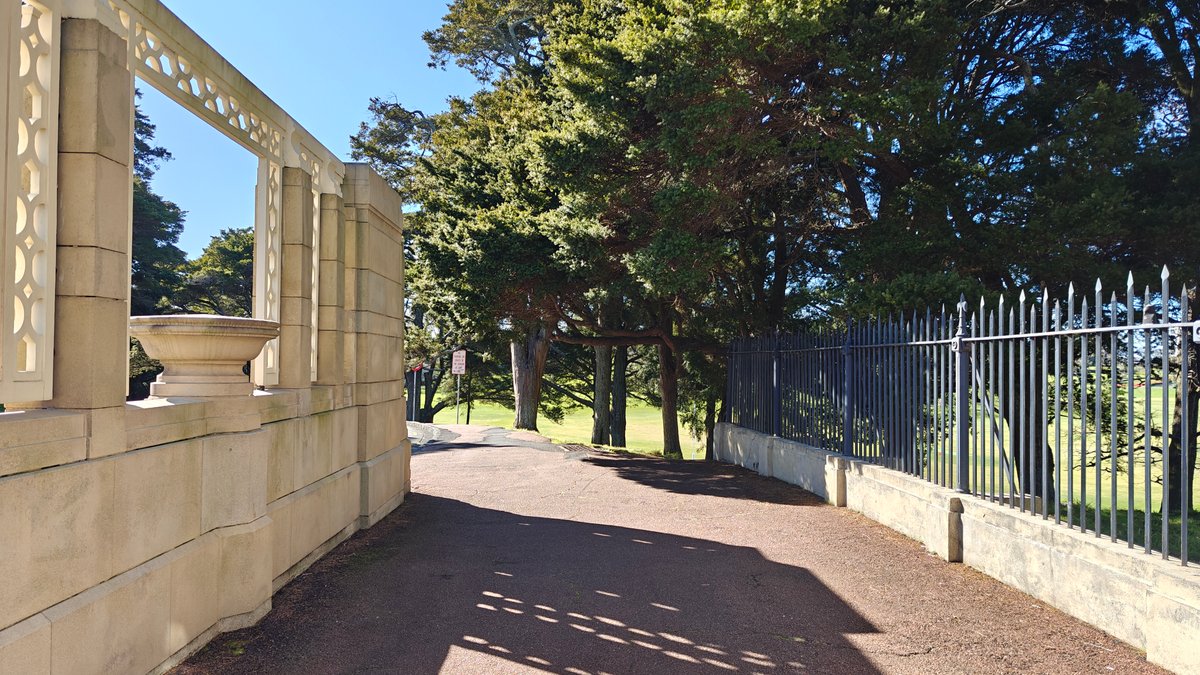
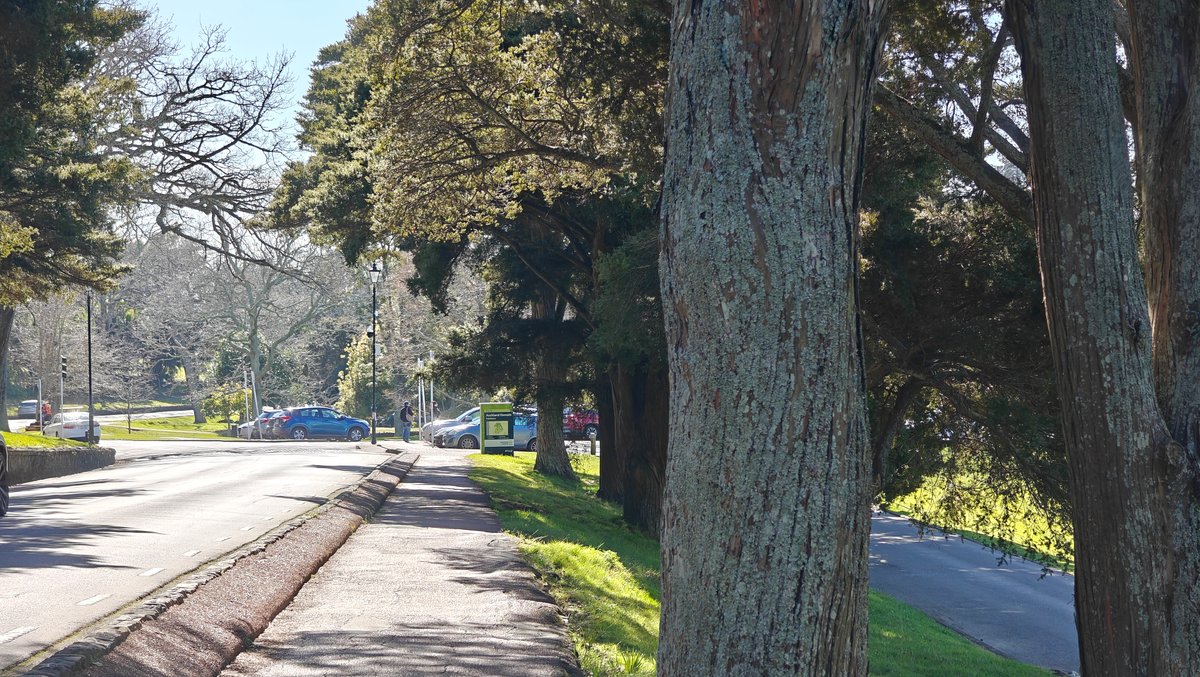
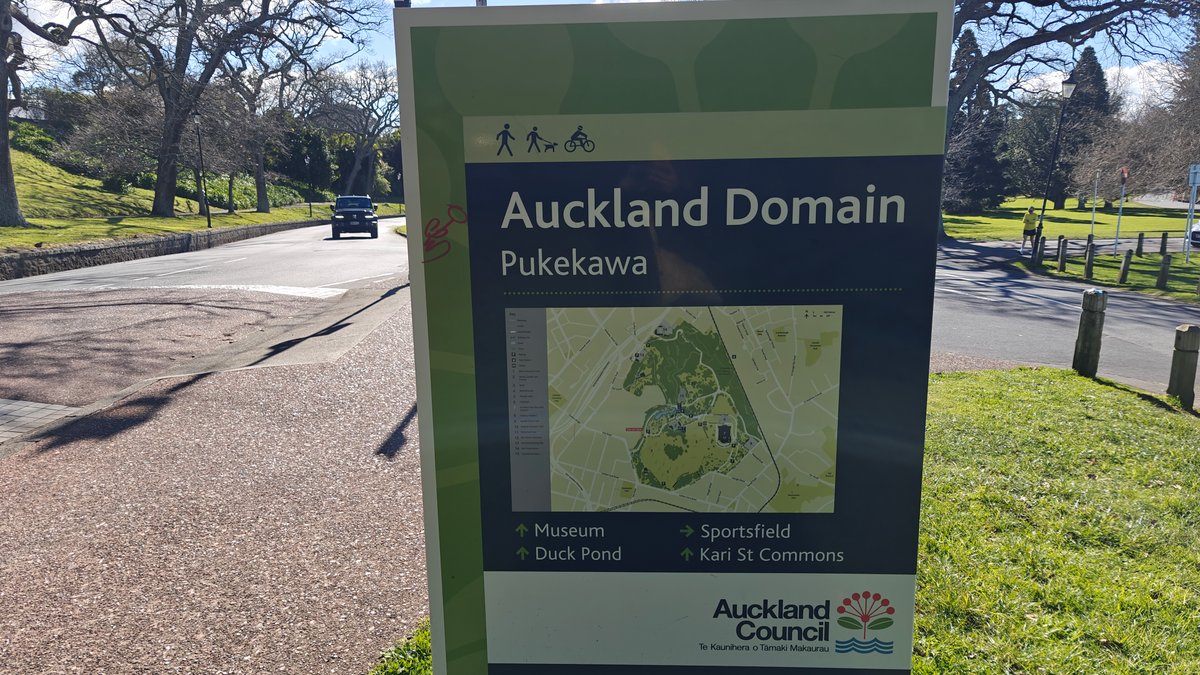
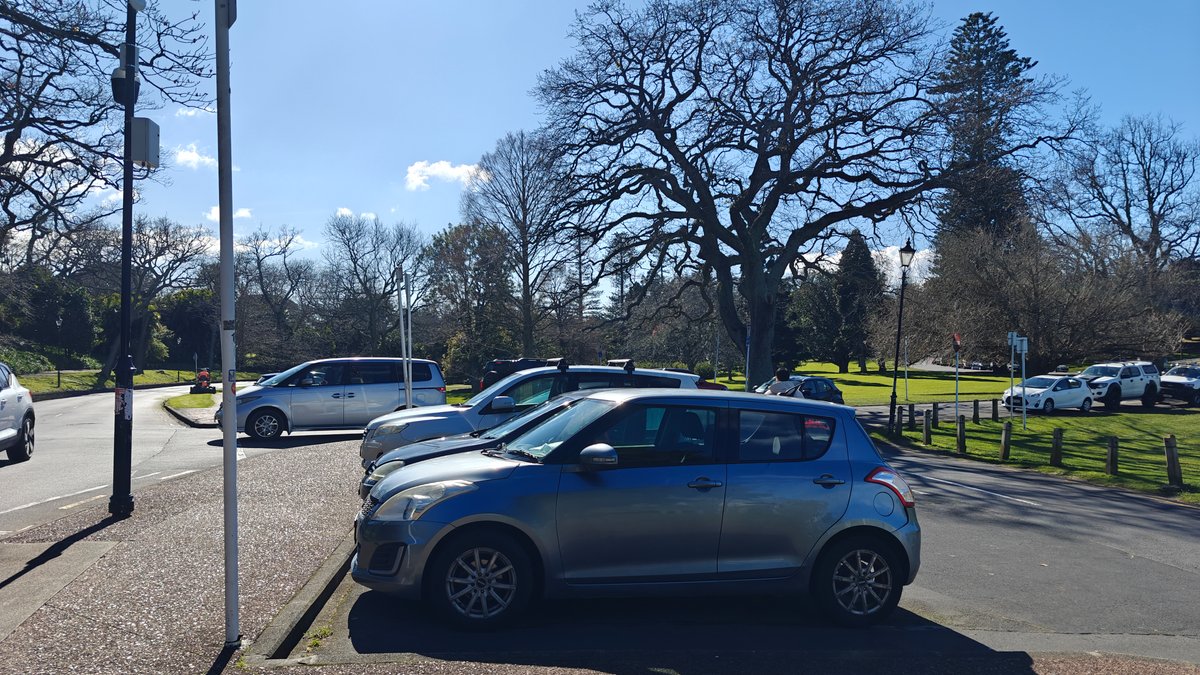
The museum was easy to reach, it’s located in Auckland Domain, a large park just outside the center of town. After parking along one of the tree-lined streets (it was free when I went), I simply wandered up through the park. If you have the time, the Domain itself is worth wandering around: there are some seriously old trees, open lawns, and paths that wind their way throughout.
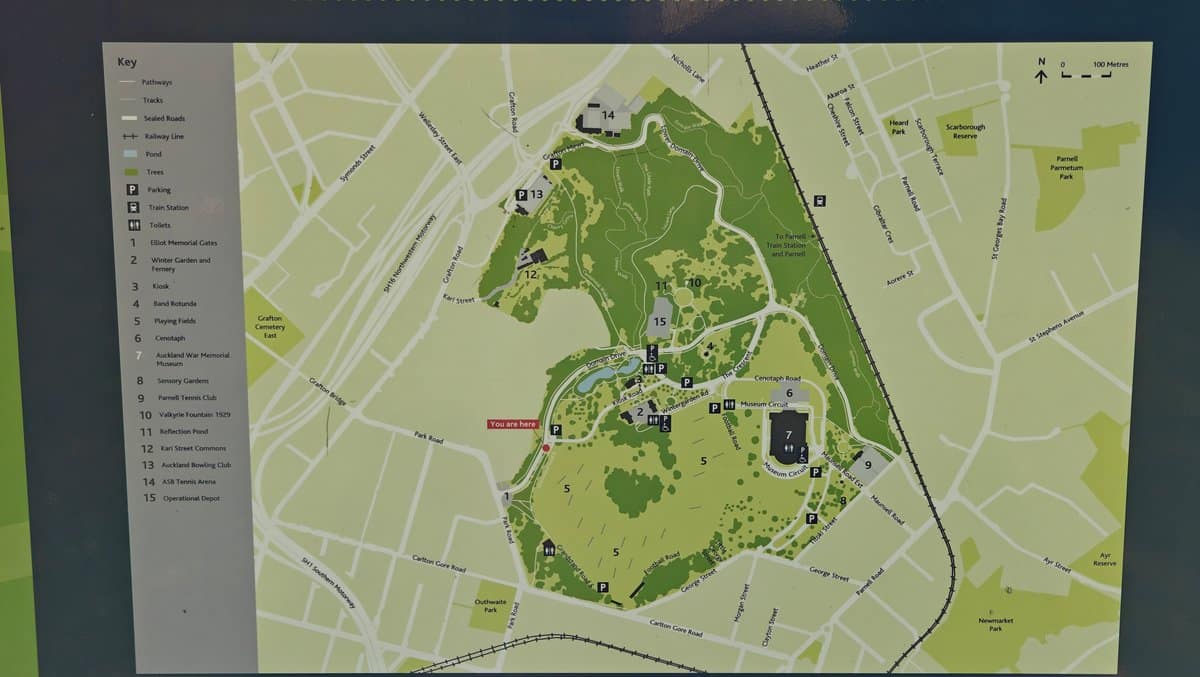
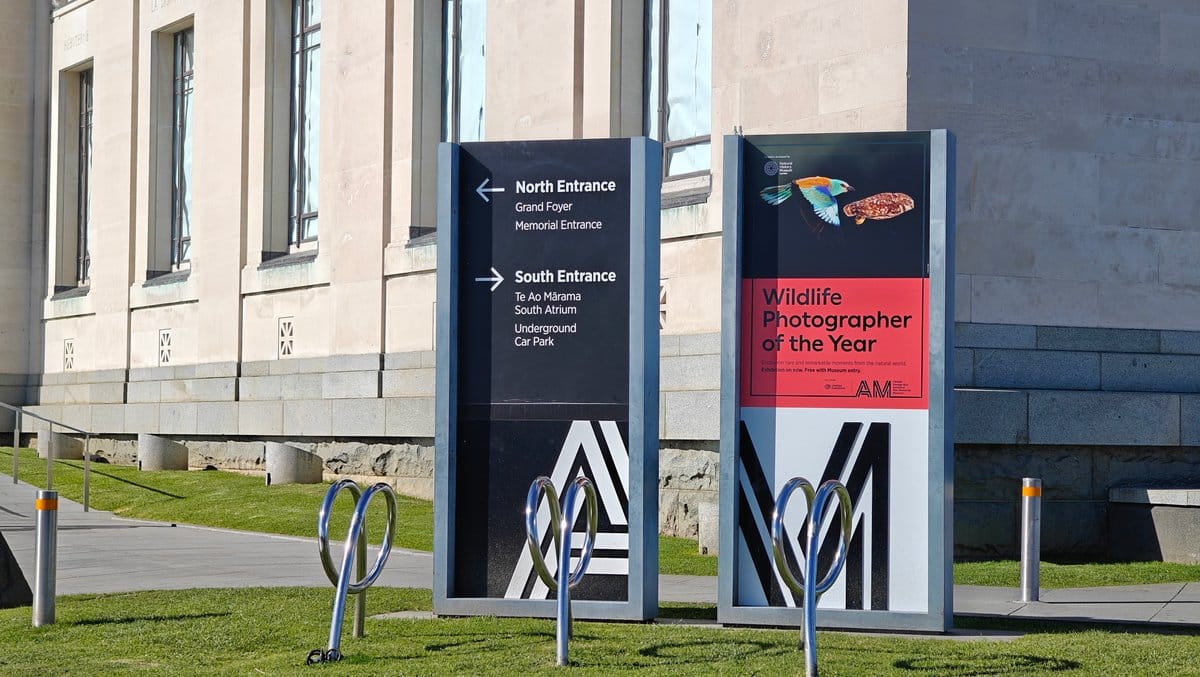
I took a quick glance at the map board by the entrance just to orient myself, but really, the museum isnt too difficult to find once inside the park.
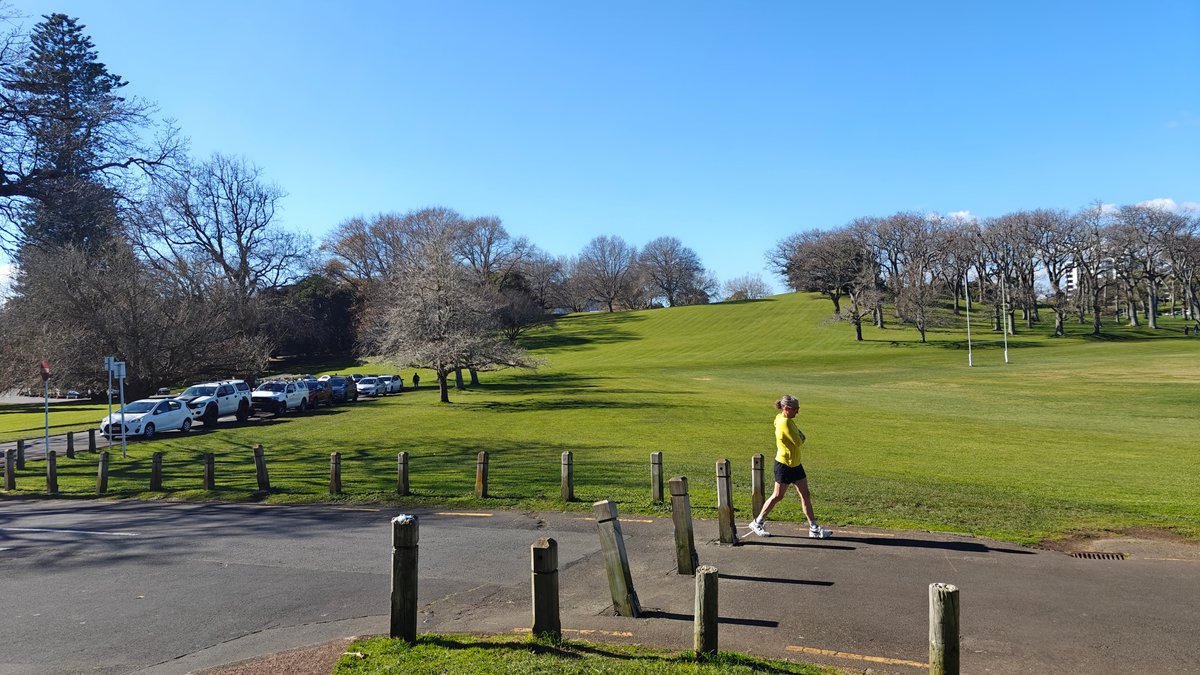
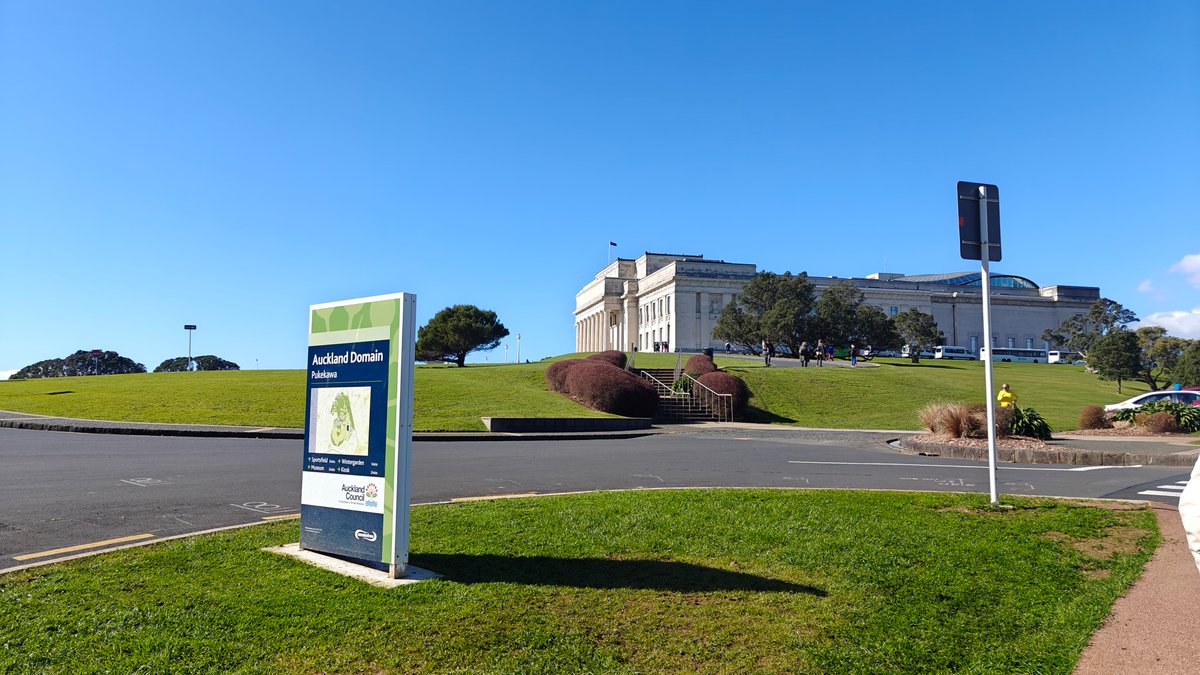
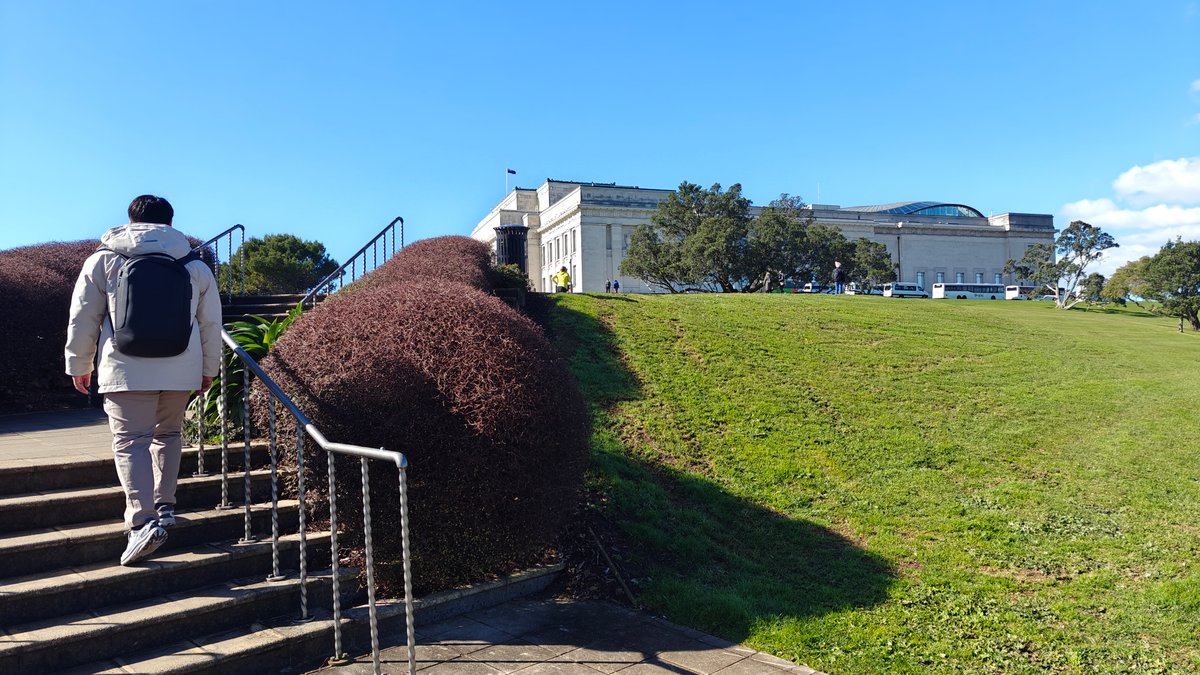
It’s all uphill to reach it, and the building looms larger and larger as you go. Along the way I saw a couple of dog-walkers and some joggers doing laps… Obviously a local favorite even during the week.
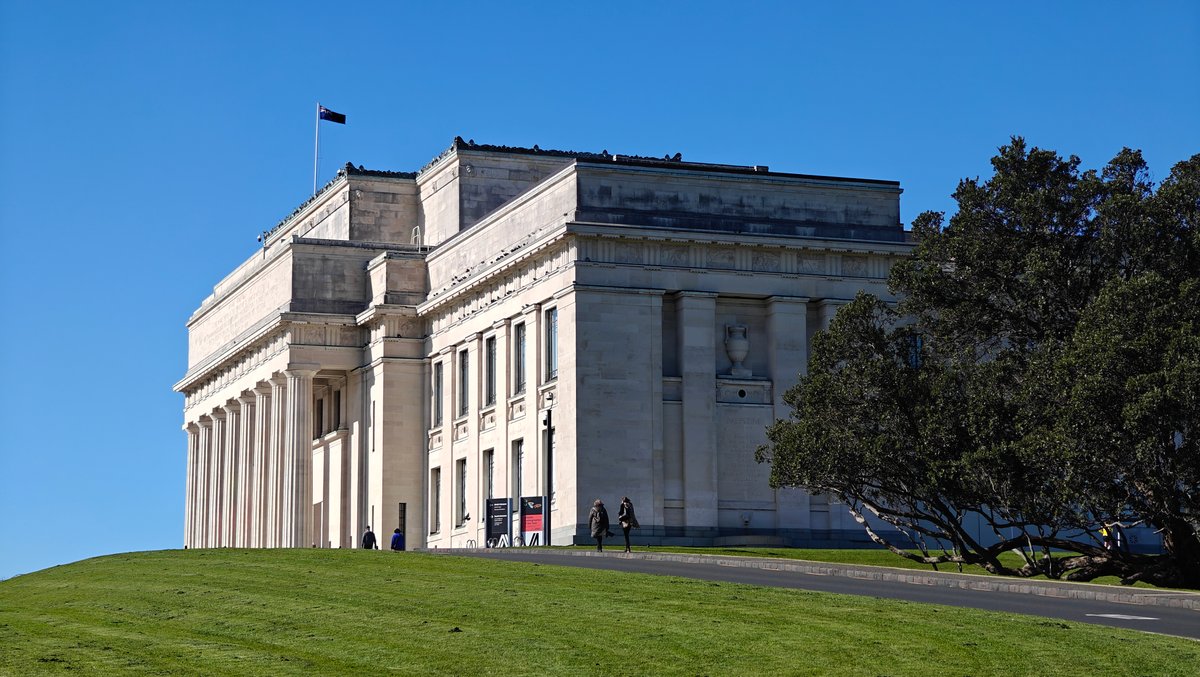
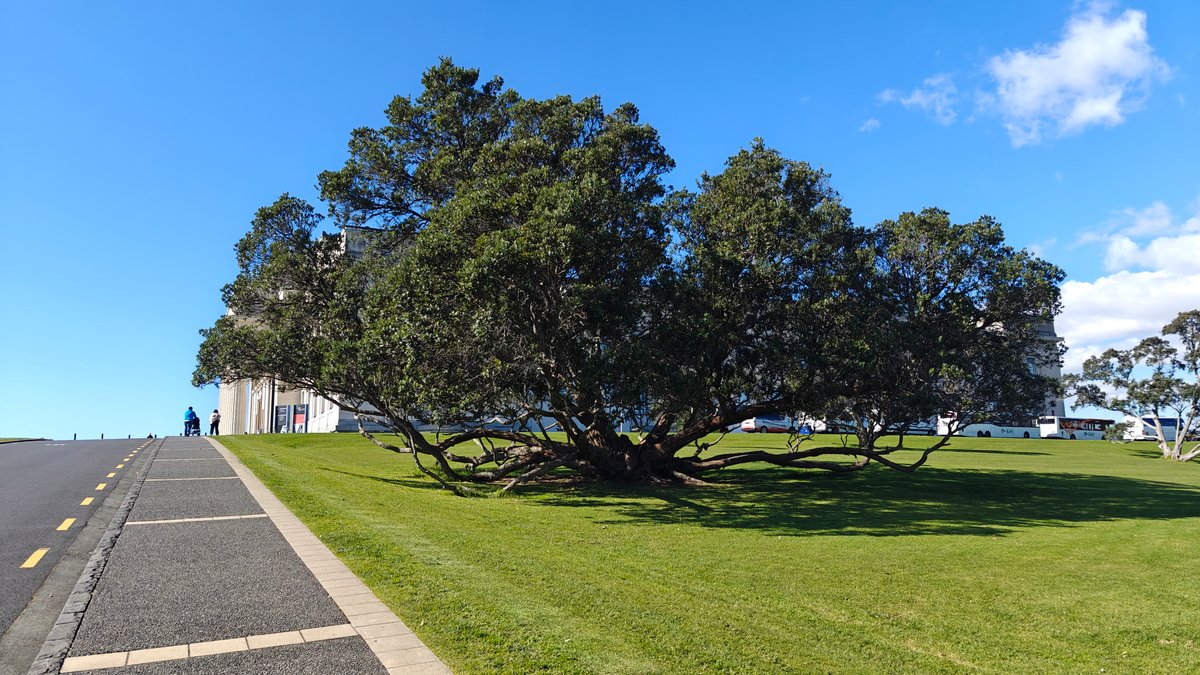
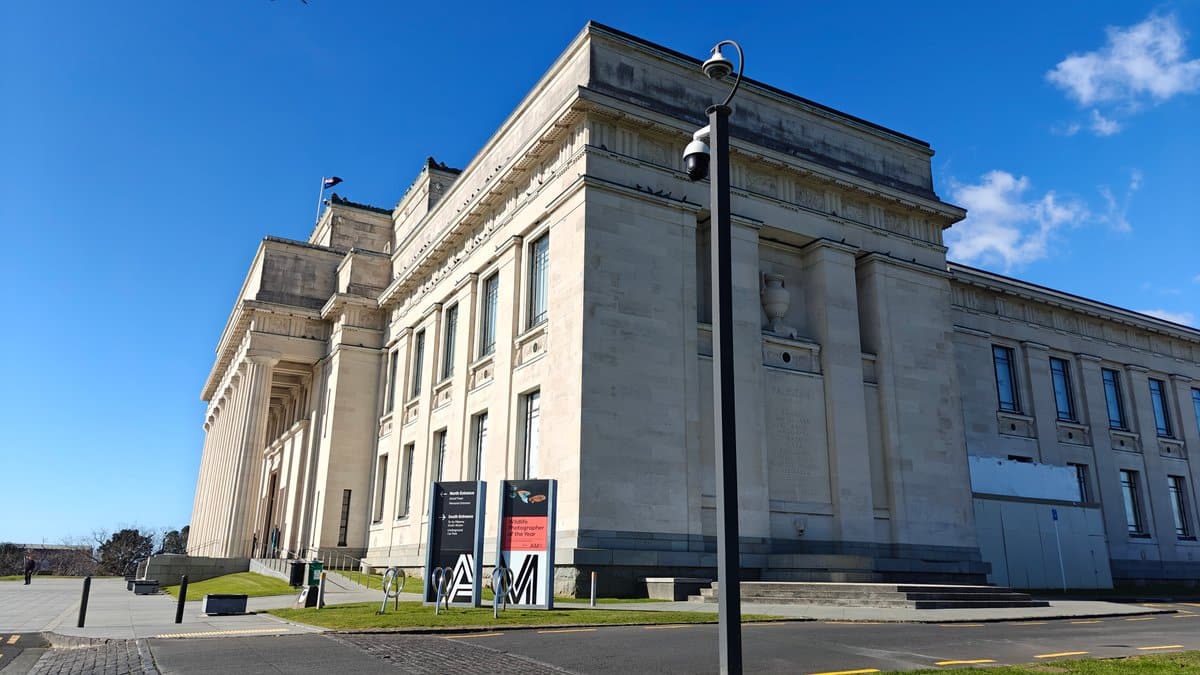

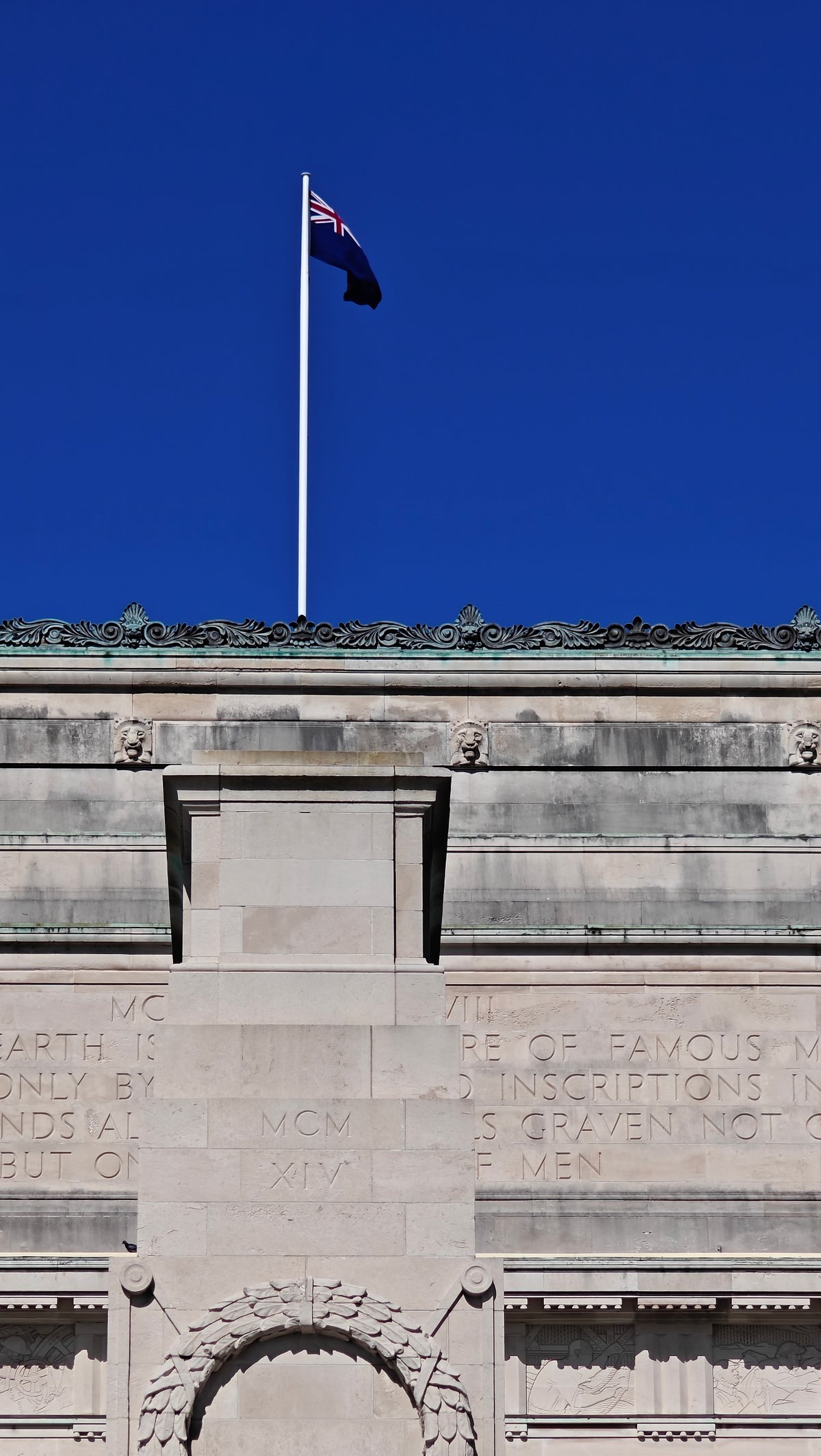
The first thing to see is actualy the museum itself. Up on a rise, the whole structure sits there looking down on you, all grand neoclassical columns running the length of its facade. And then there’s that huge pōhutukawa tree out on the lawn, decades old, perhaps even older?
It stand by itself. The building is really quite striking, and I spent some time wandering around the exterior before going inside, mostly because I was debating with myself about paying the admission fee.
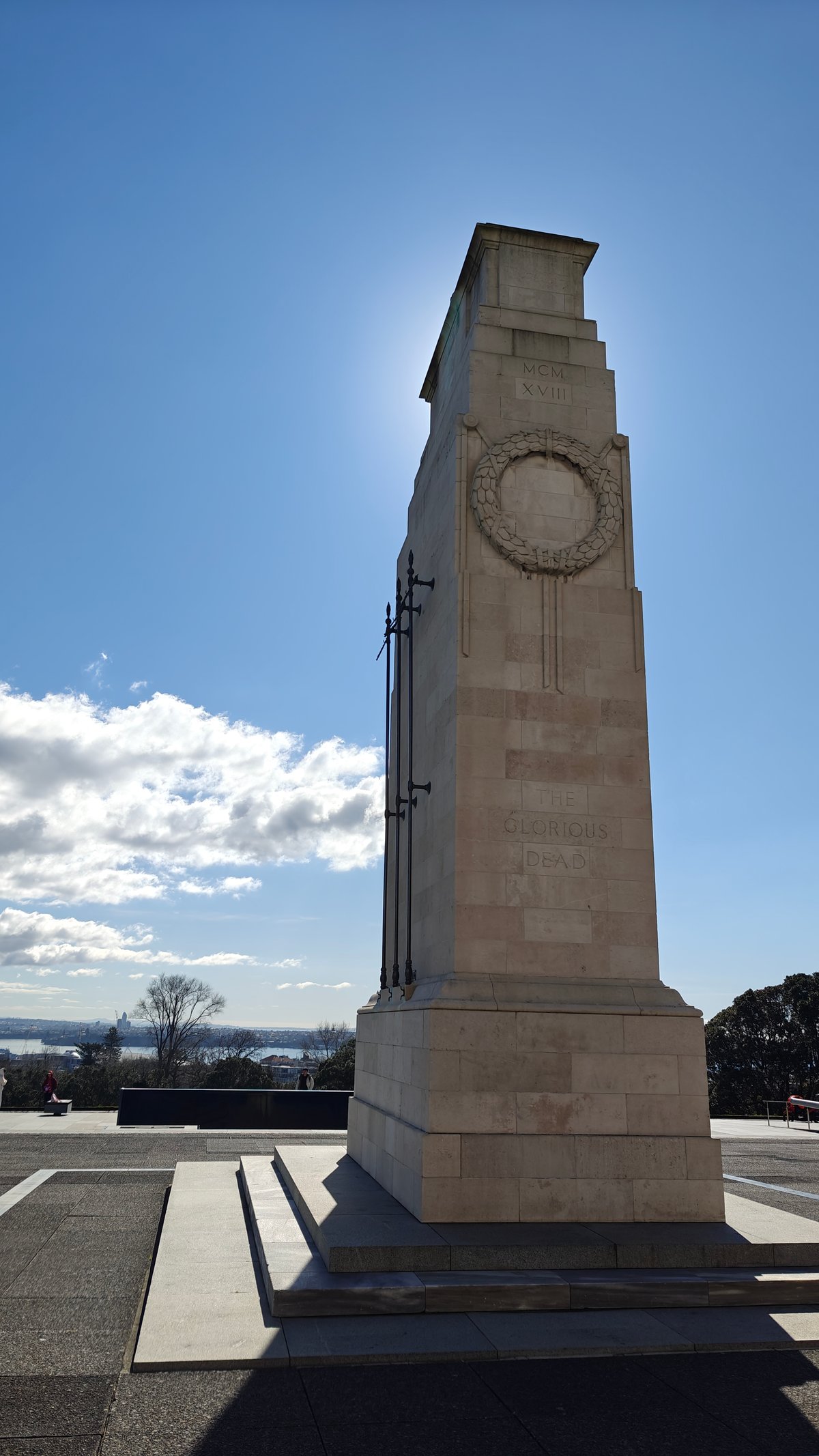

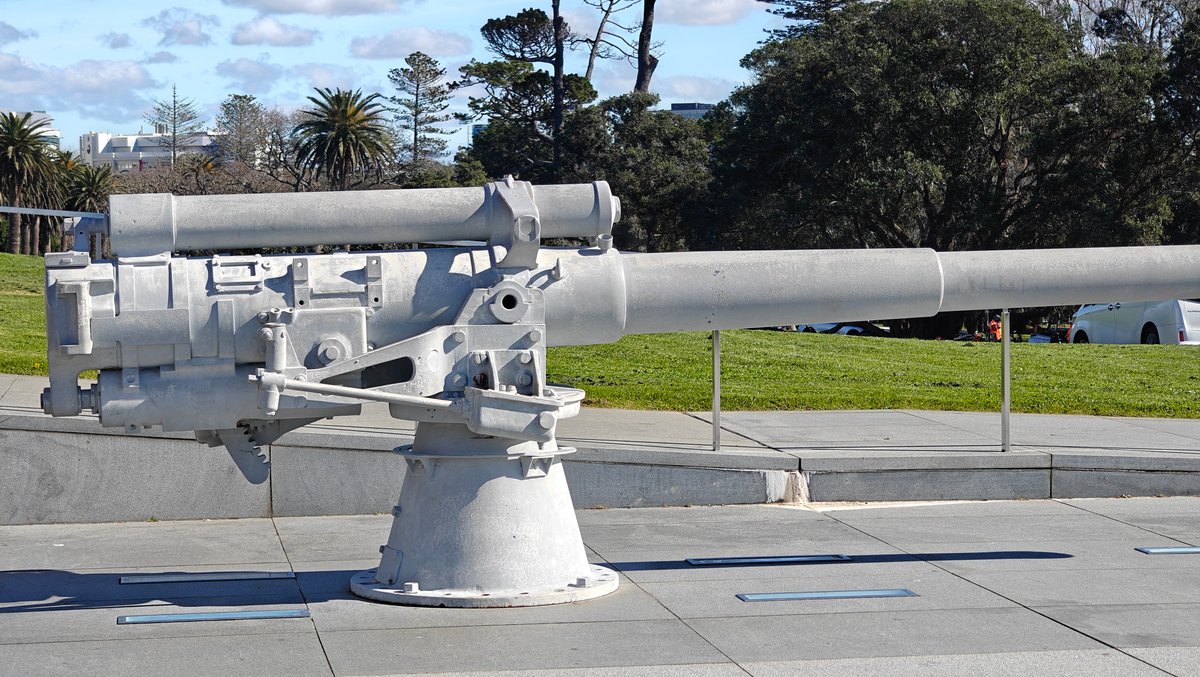
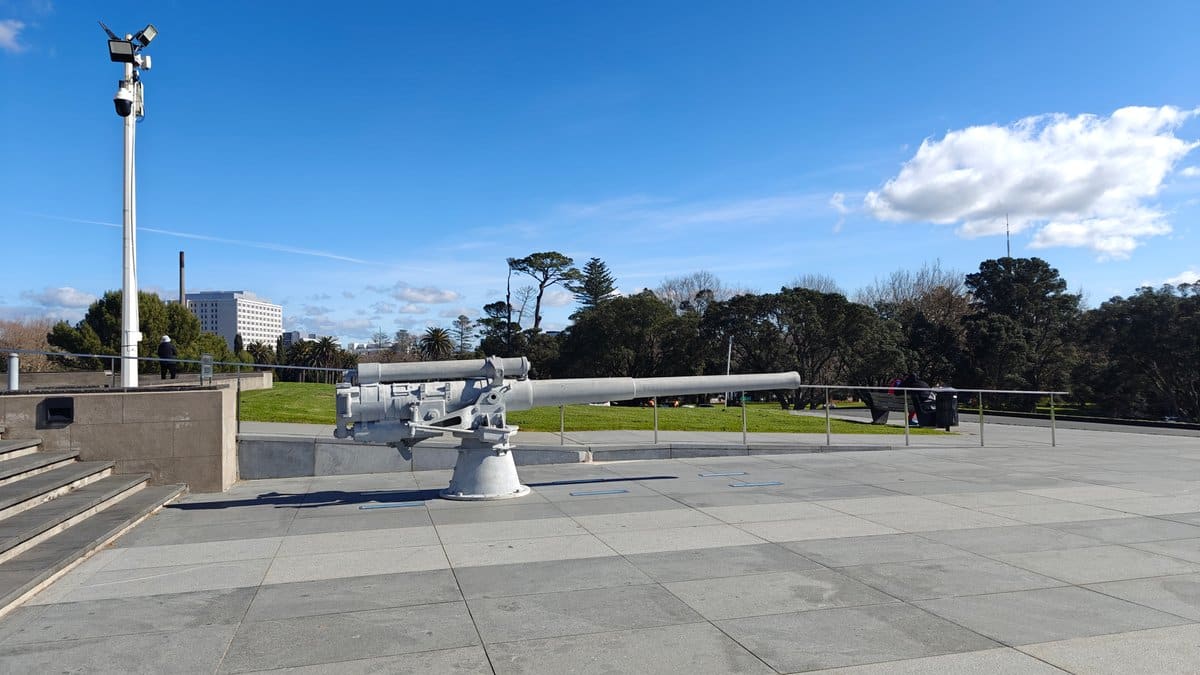
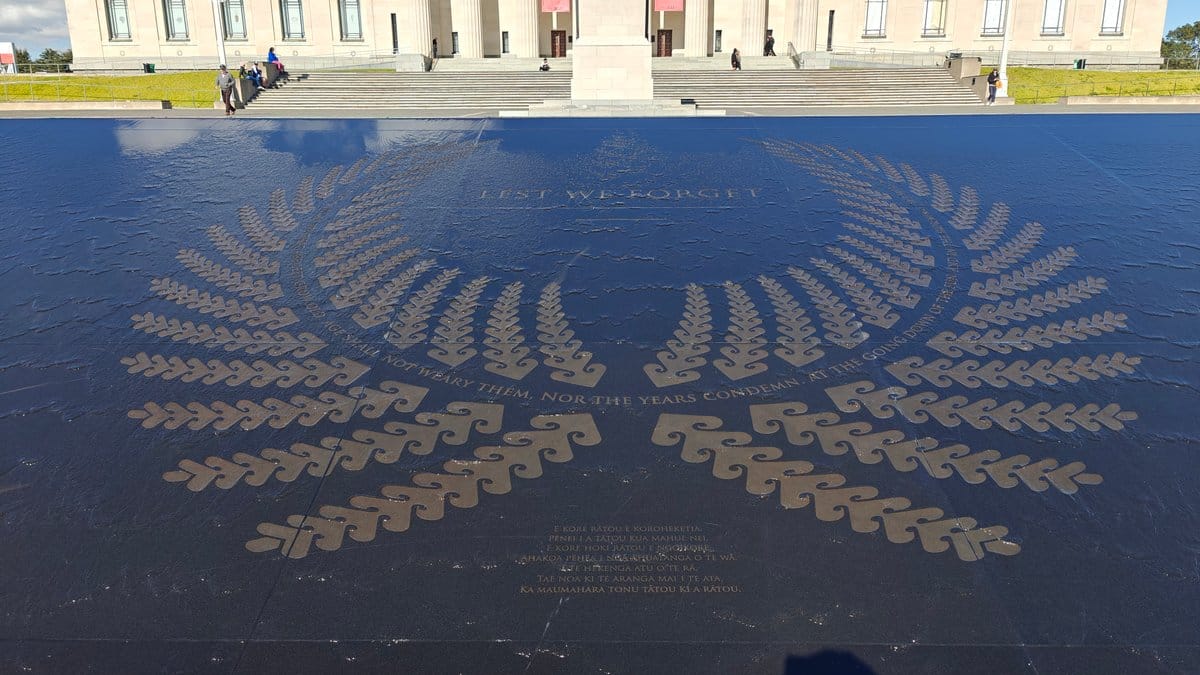
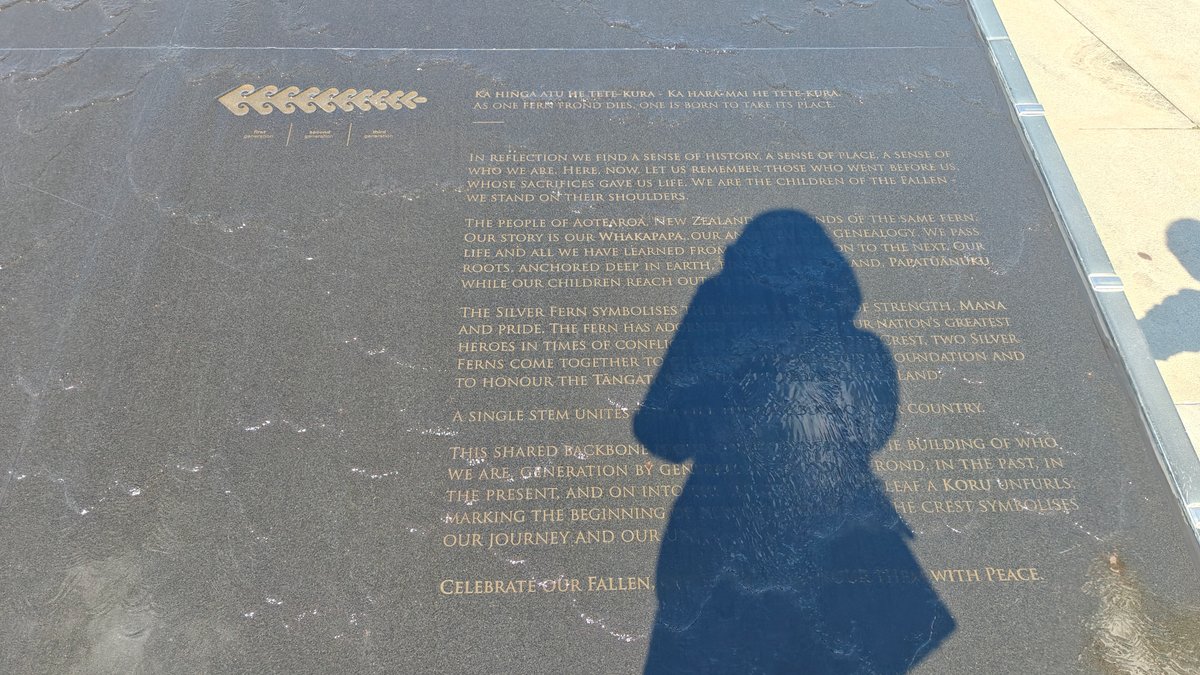
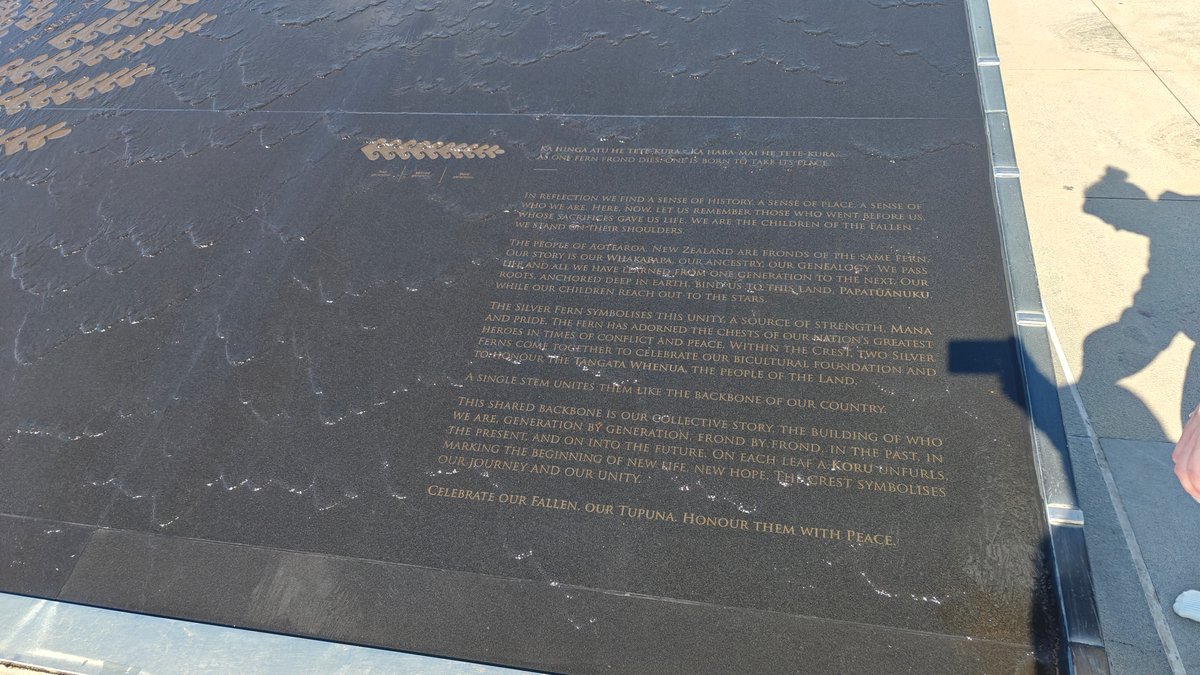

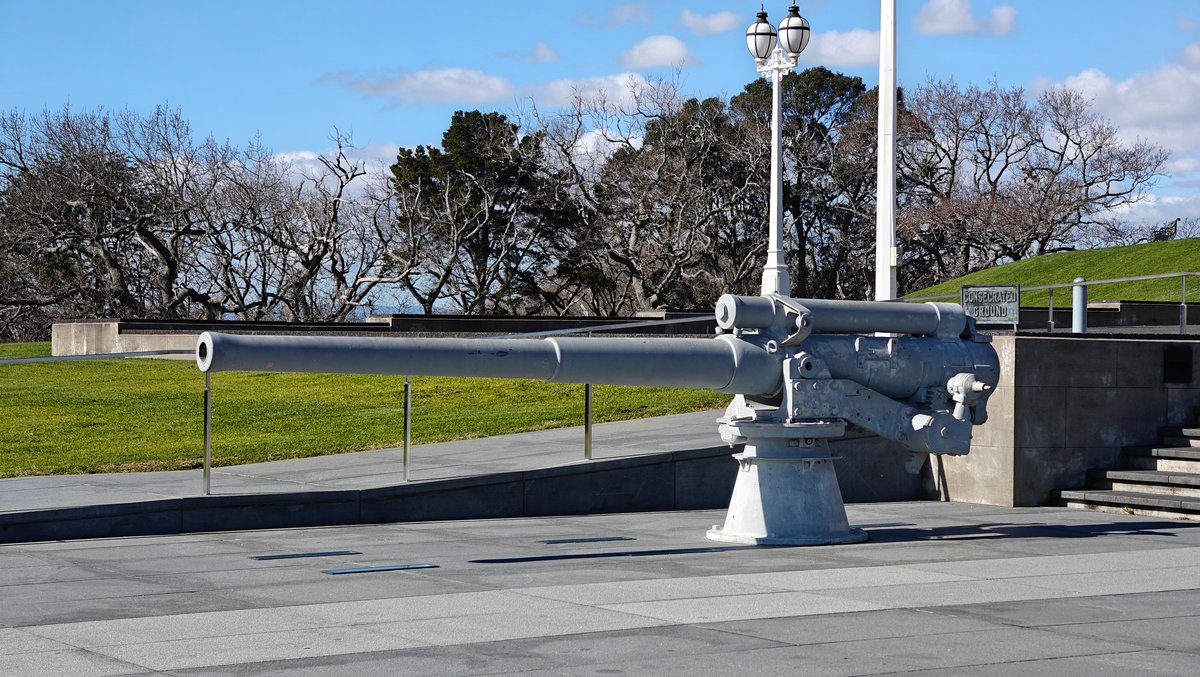
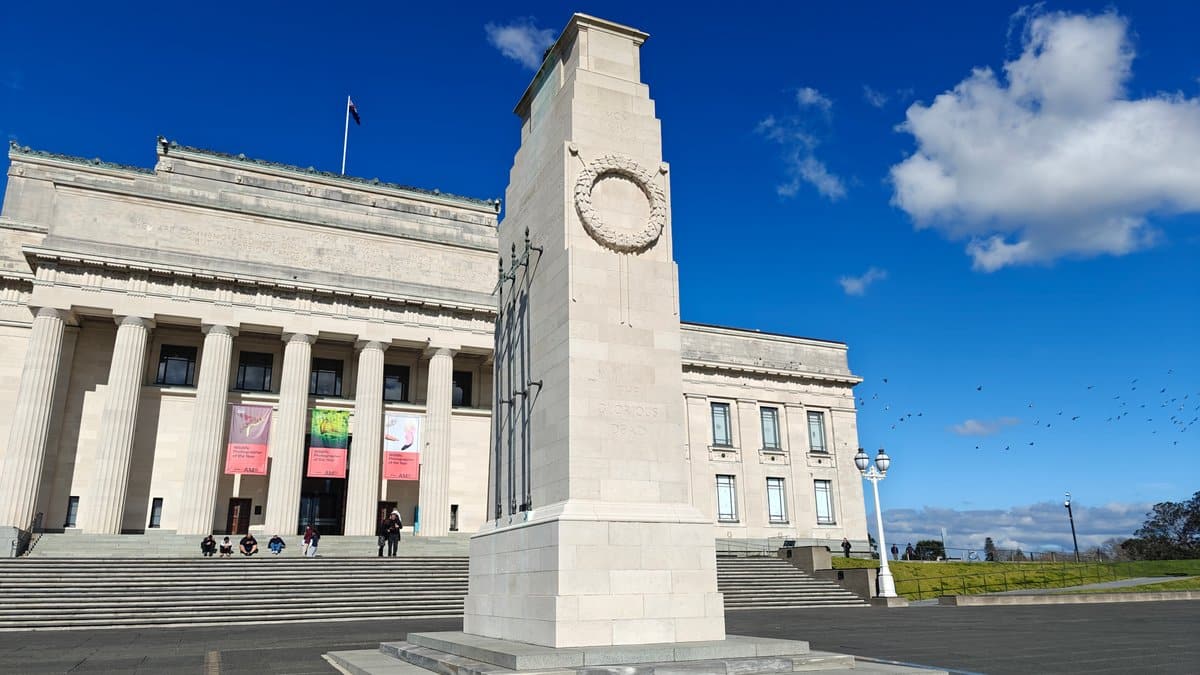
) There’s also a couple of old naval guns set up on the lawn out front along with a memorial court and reflecting pool that includes a cenotaph. It’s all very quietly solemn but not heavy-handed at all, and I just sat and took it all in for a few minutes. On a still day, the museum reflect perfectly off the water of the pool, which has this inlaid fern pattern in the granite.
Pause here for a moment before heading inside.

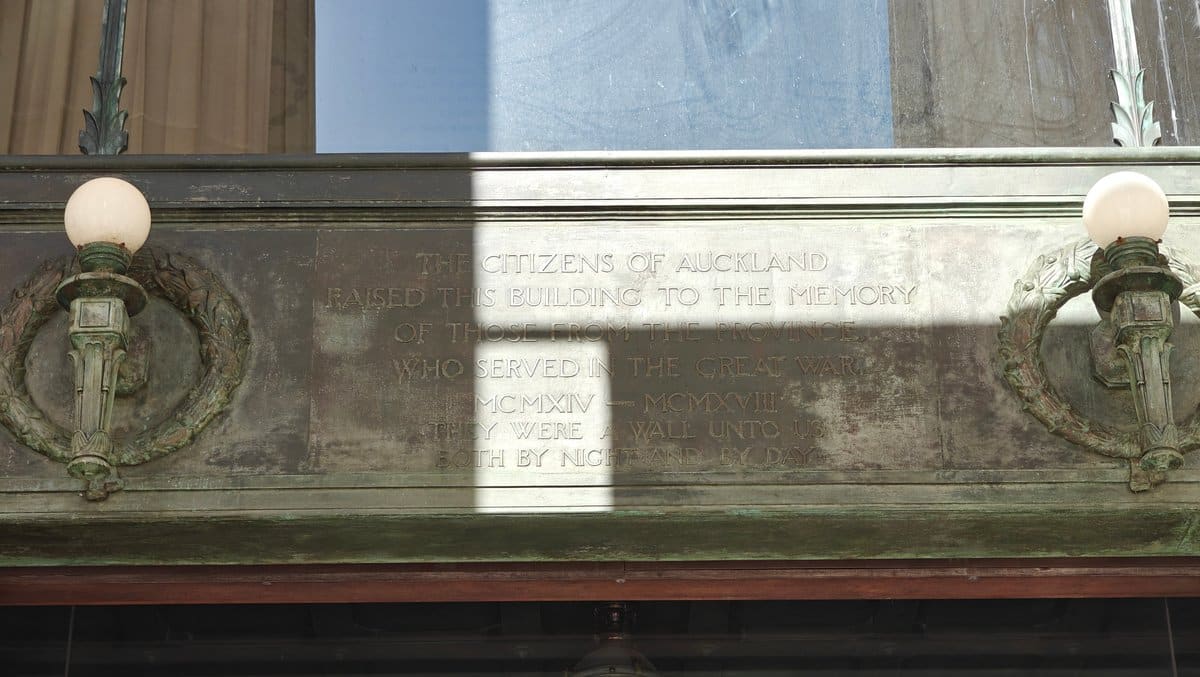
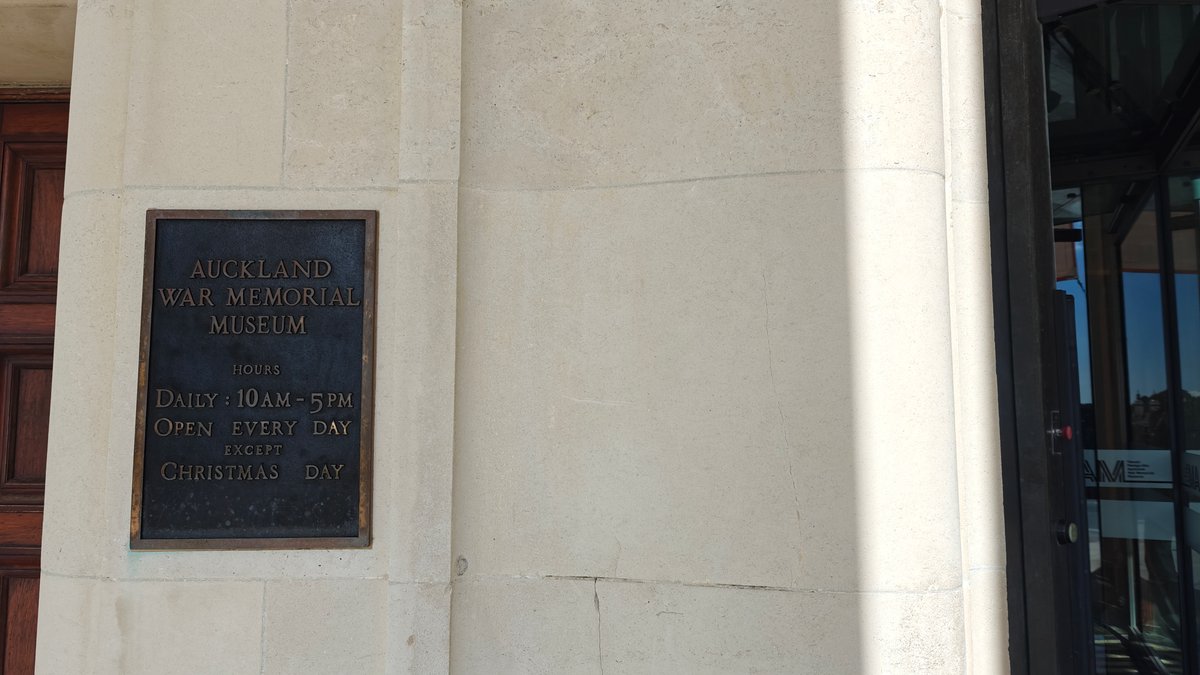

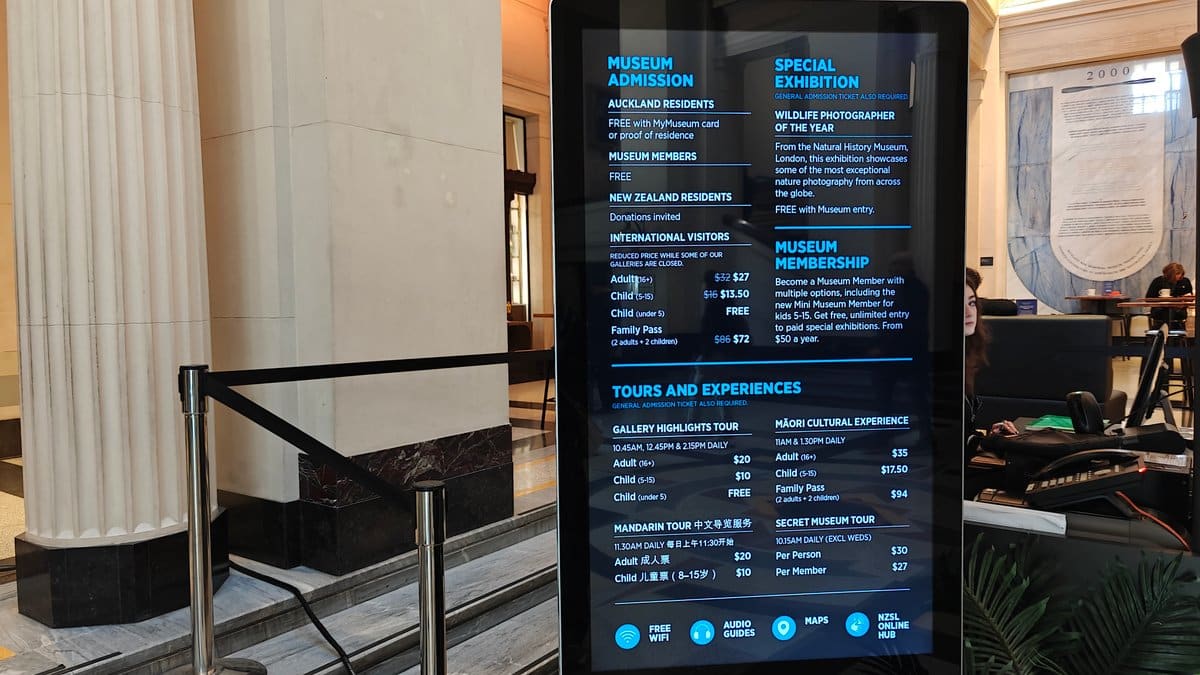



Entering through those big columns feels suitably grand. The plaque next to the door is also carved into the wall, making it very permanent. I checked the opening times on it and discovered they was listed there too.
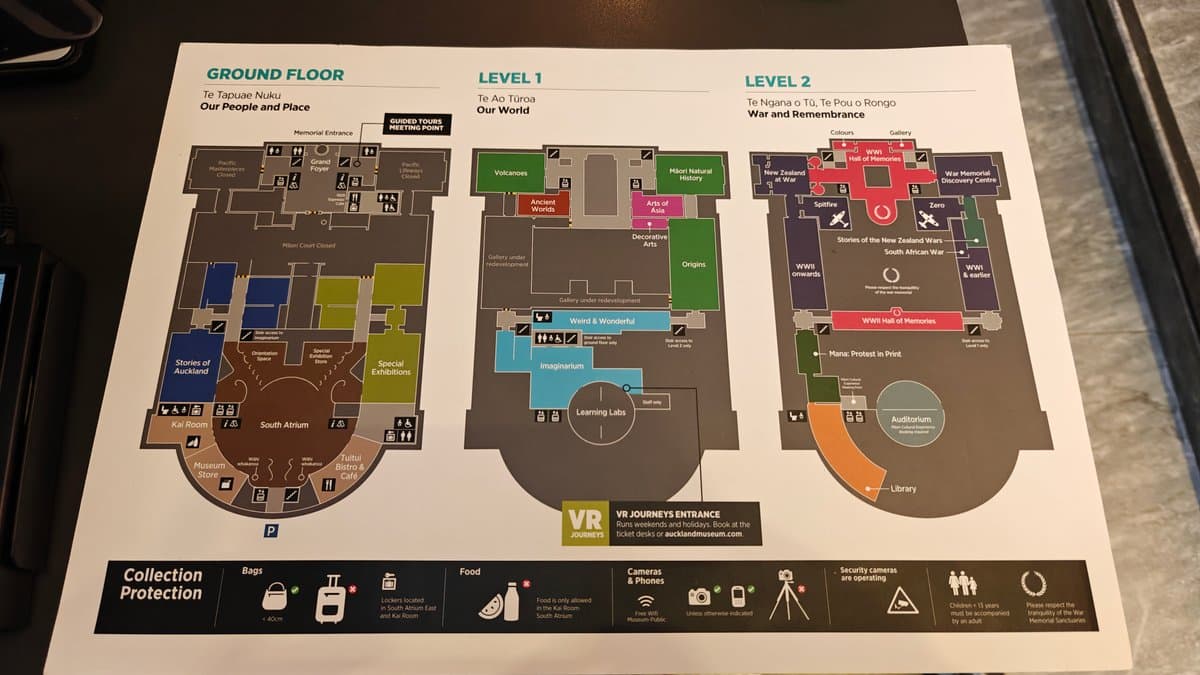
Inside, the foyer was full of signage pointing you in the direction of various galleries, as well as a bag size gauge in case you’re carrying something large. Near the entrance, I picked up a floor plan, it turned out to be essential, because once you get inside this place, it’s quite a maze.
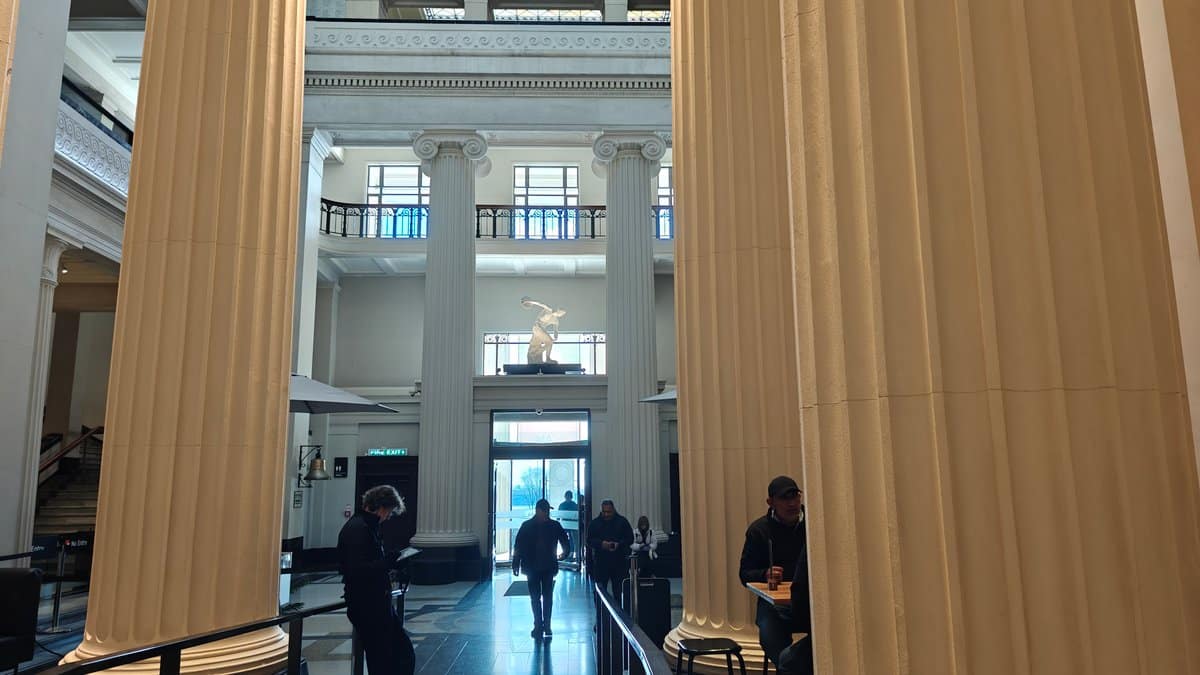
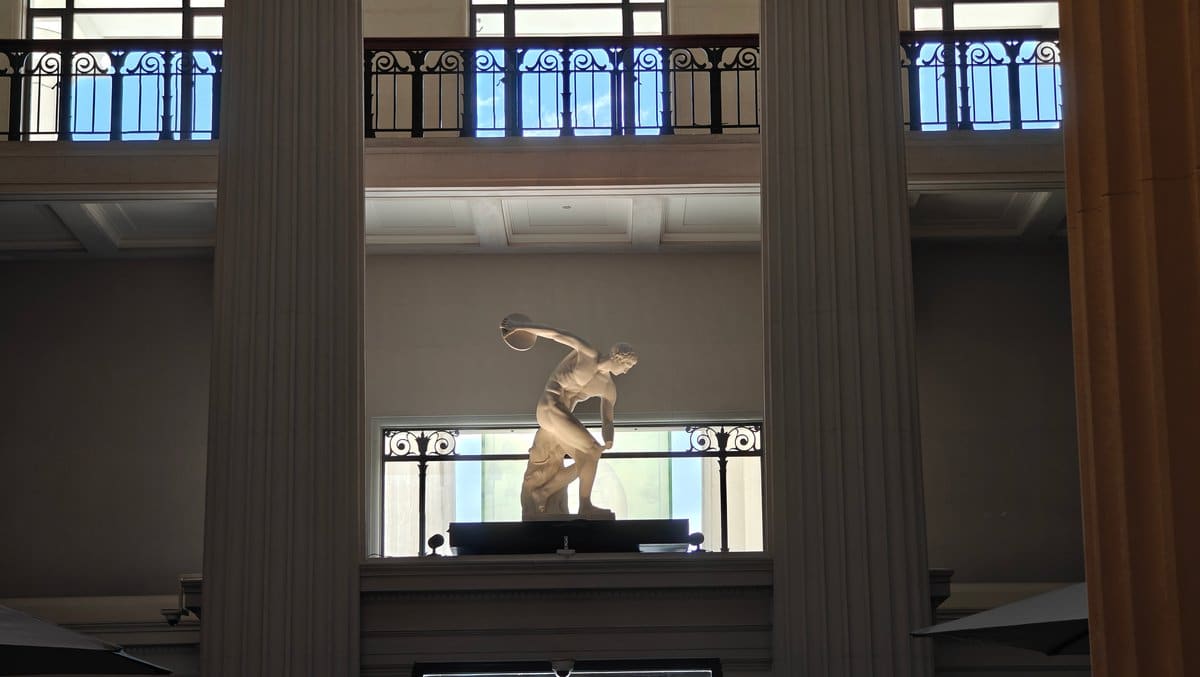
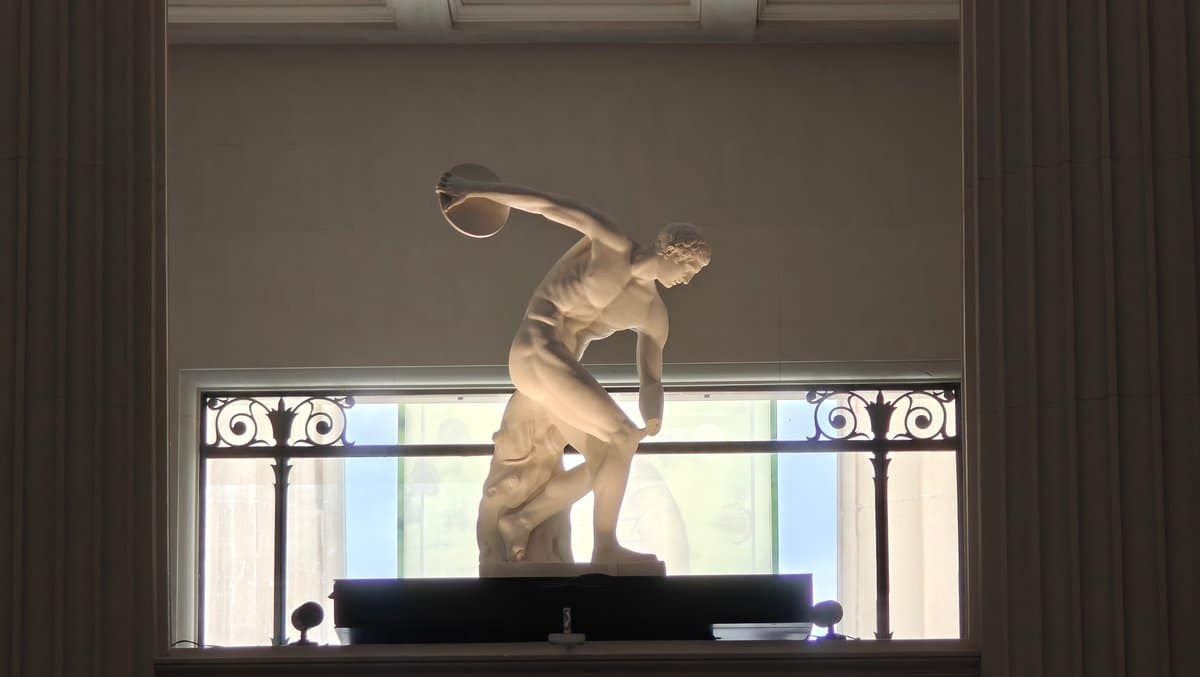
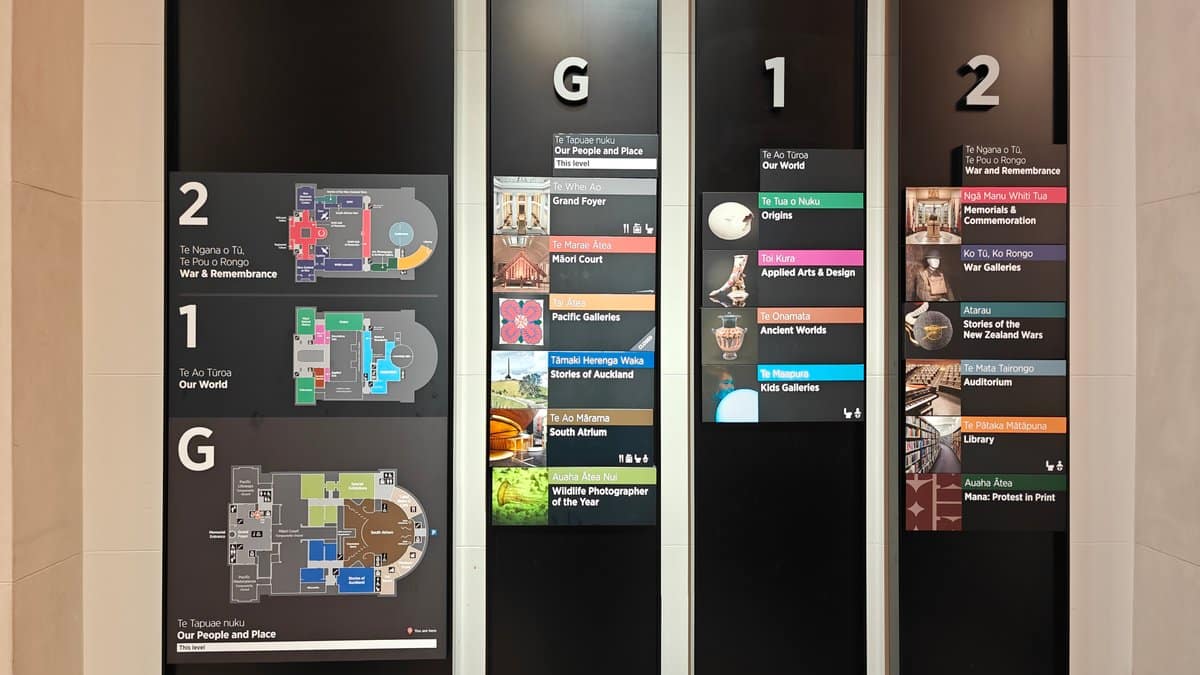
Classic statues are hidden away in niches, and there are marble columns everywhere. This is proper old-school museum stuff. It is the kind of place where you consult the directory and realize you are standing in the middle of galleries that stretch over three floors.
You know what? Unless you were prepared to skim, you couldn’t do them all in one go, which seemed like a waste. I made up my mind to concentrate on the top floor and the ground floor and simply accept that I would have to come back another day for anything else.
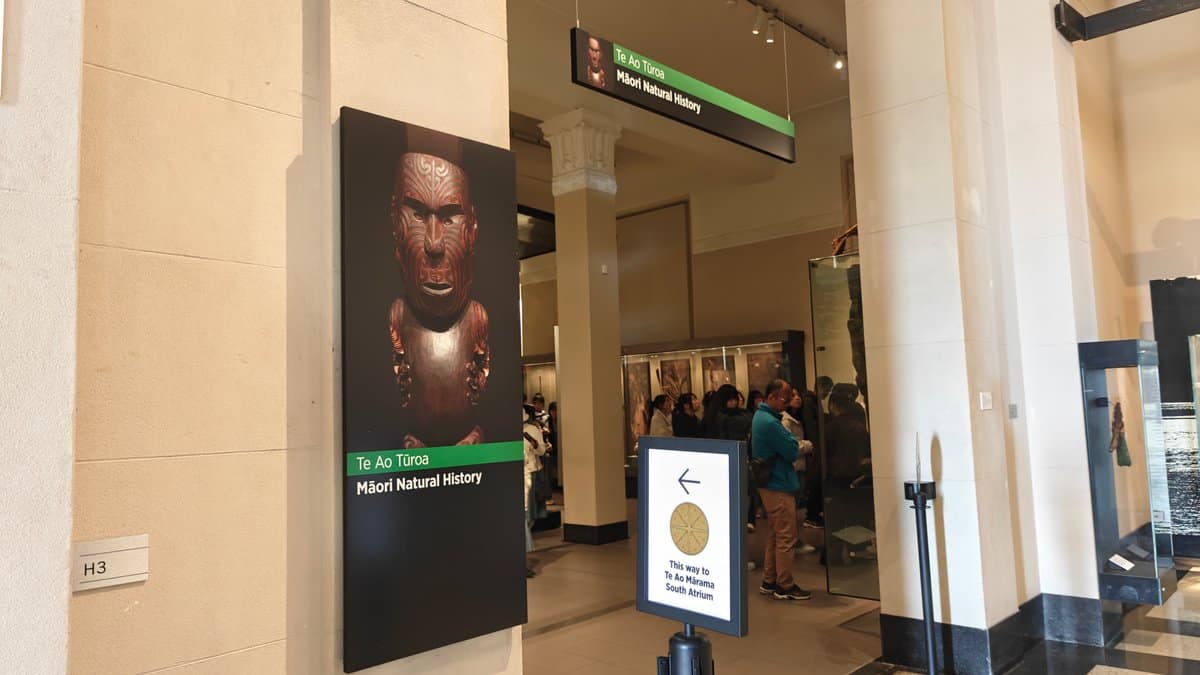
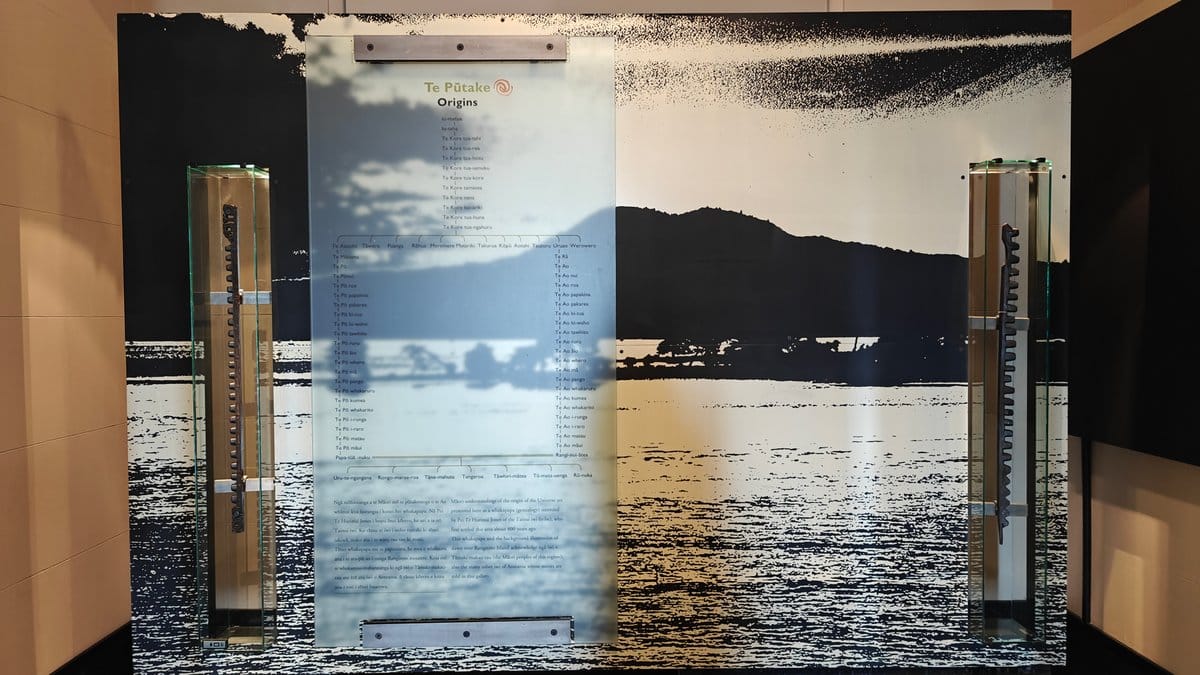
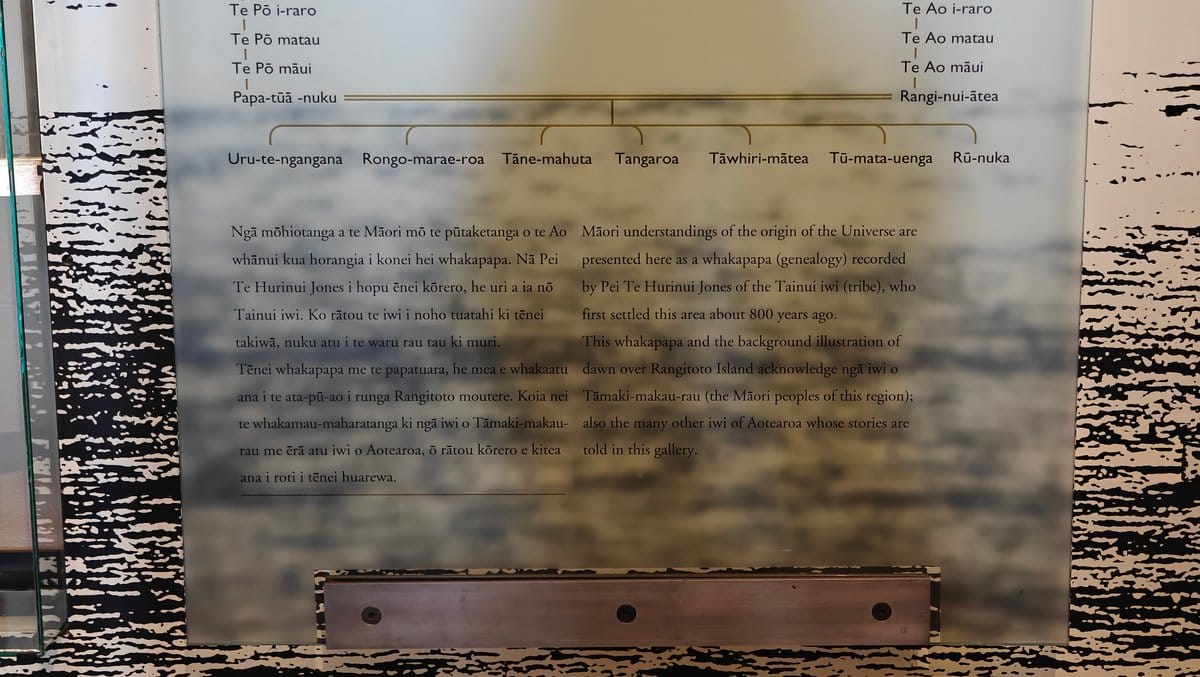
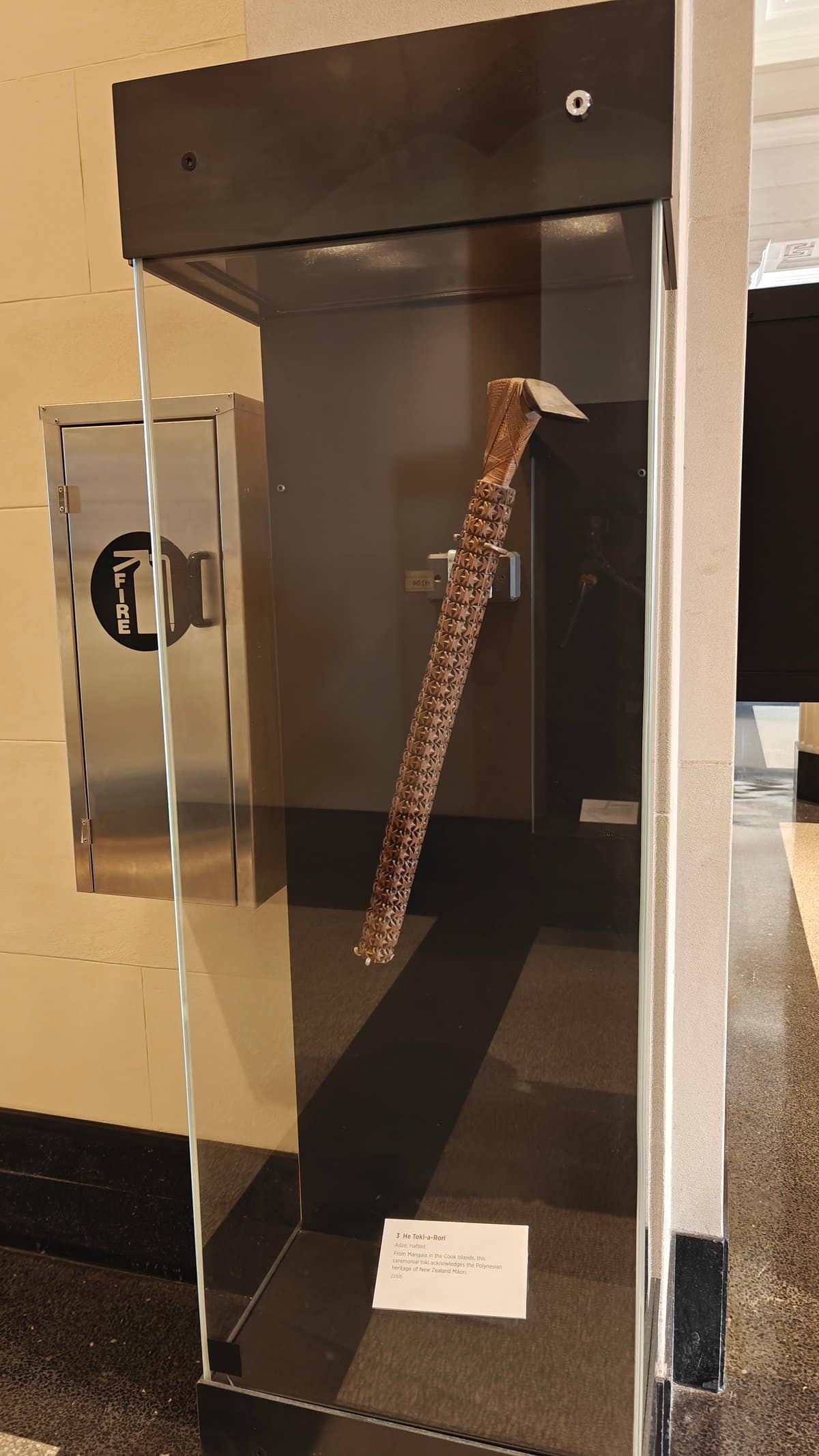
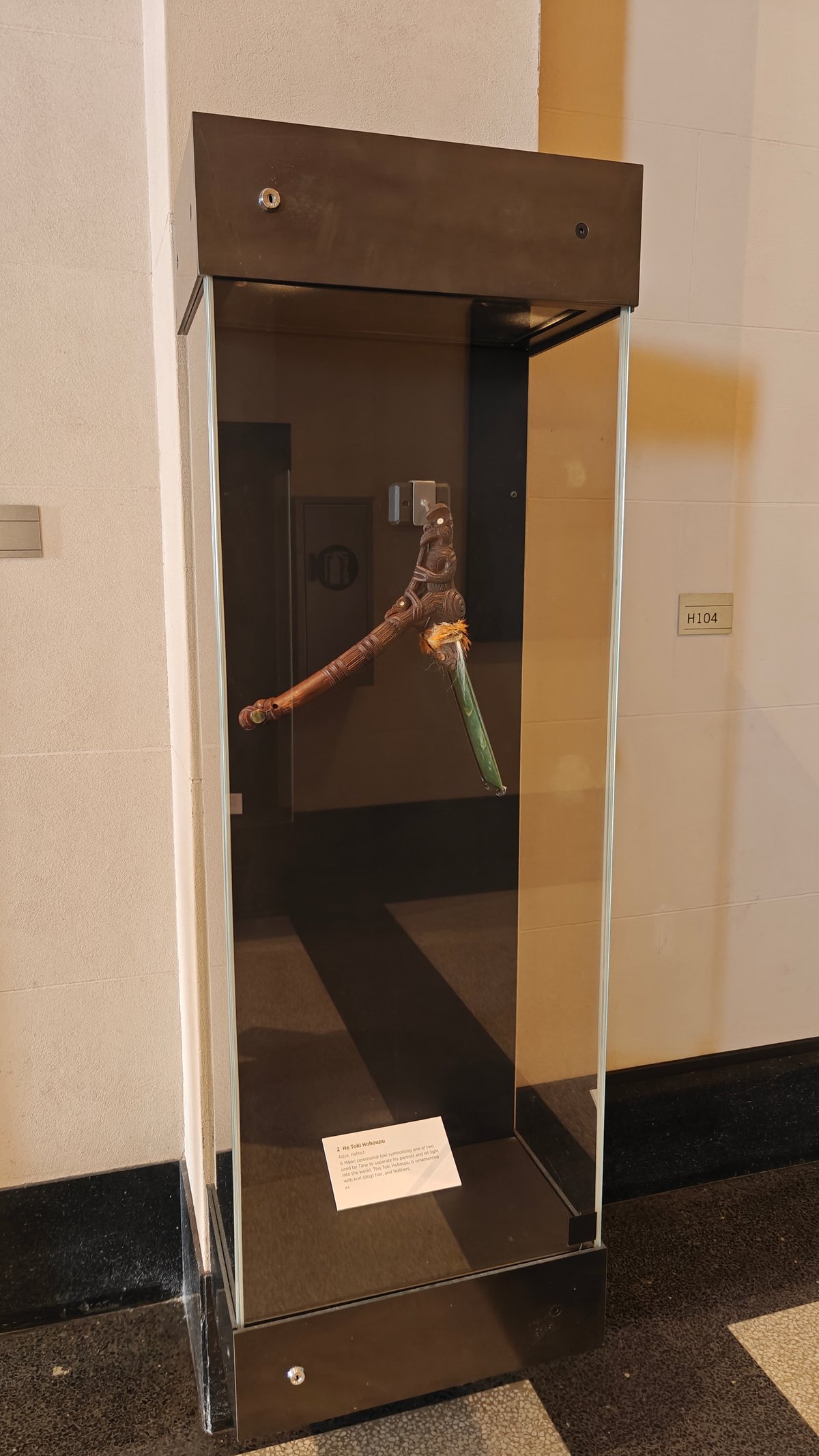
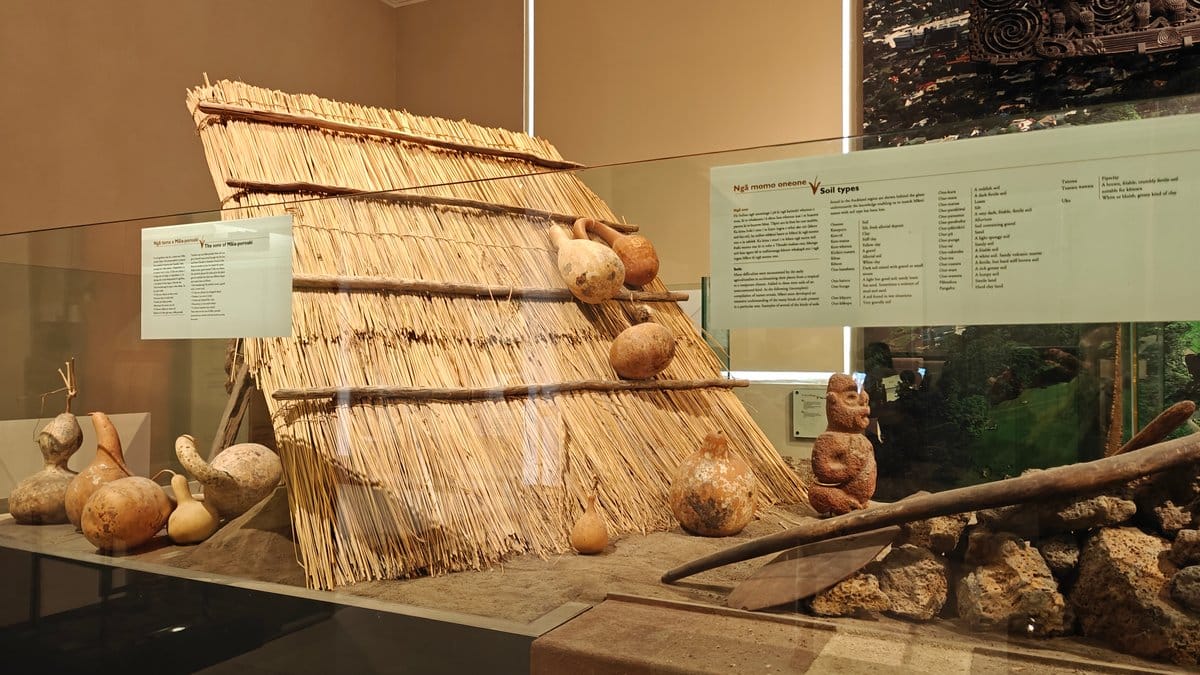
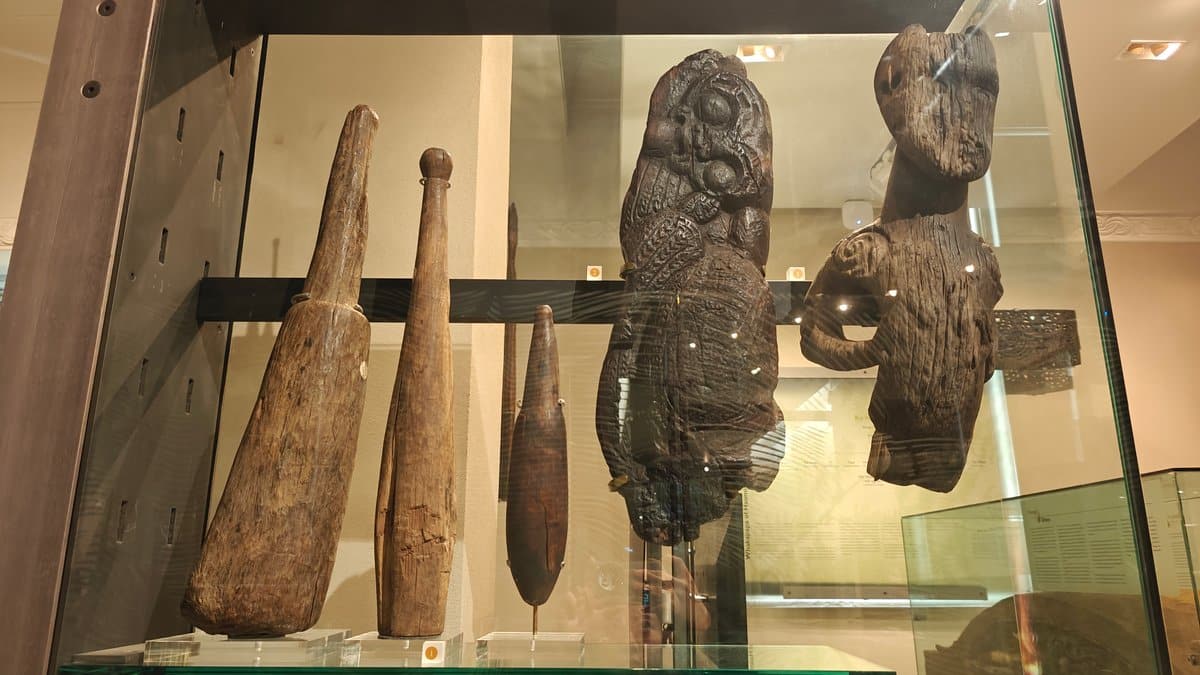
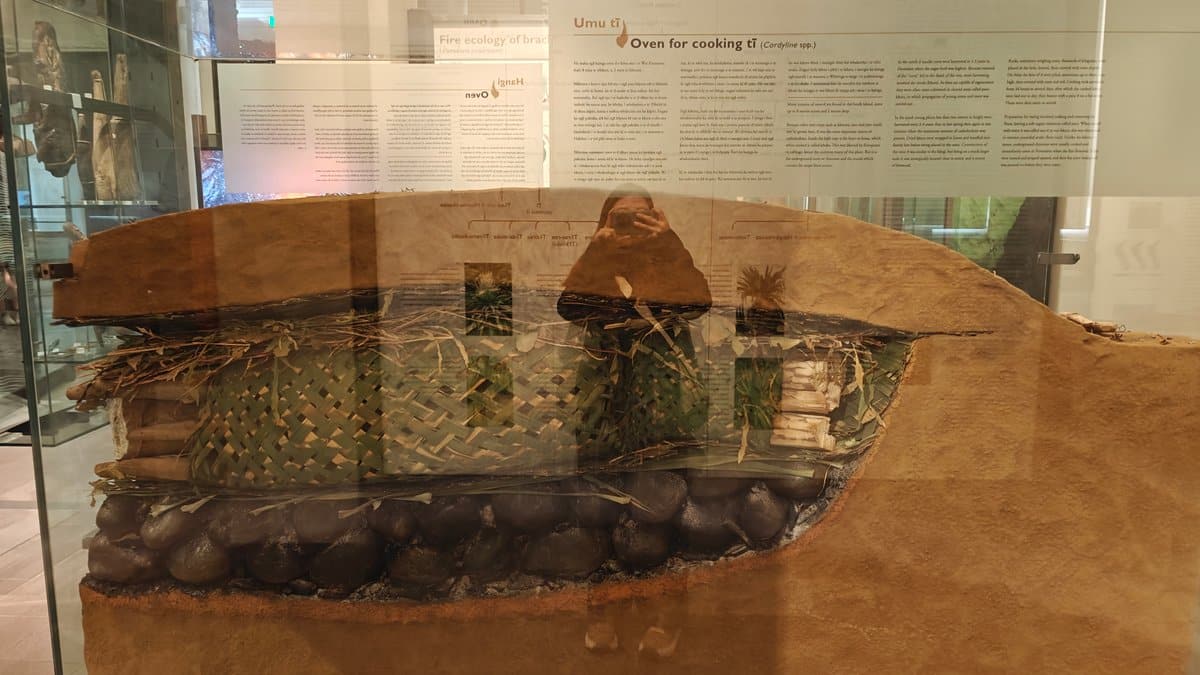
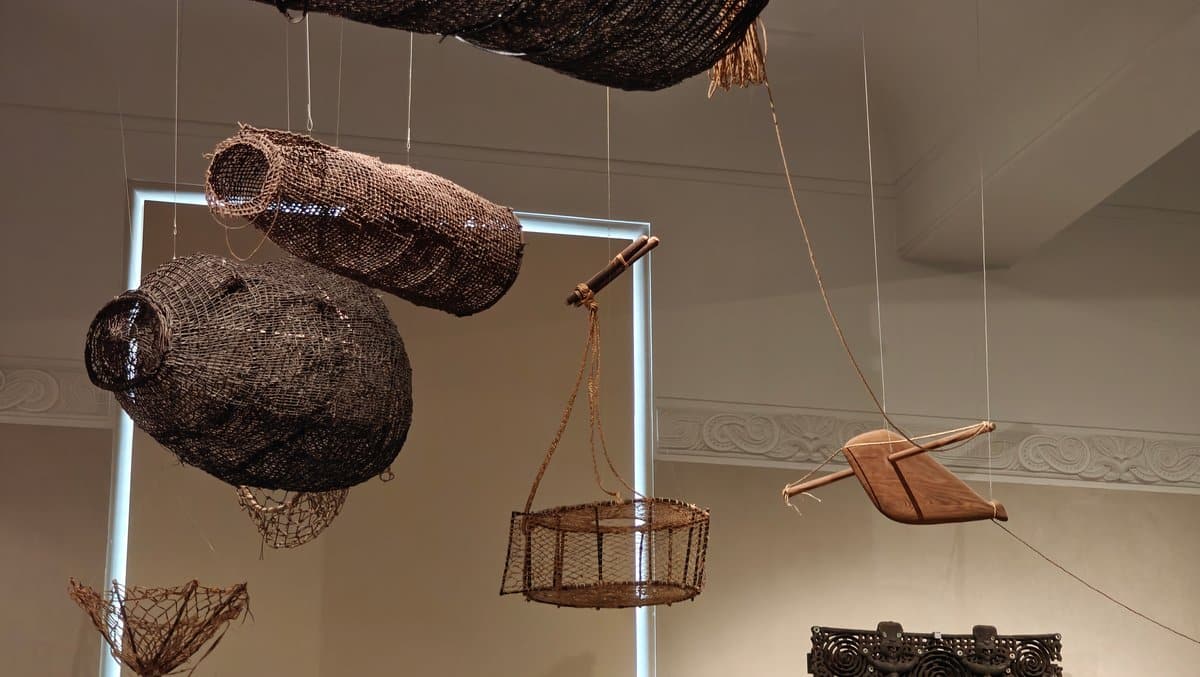
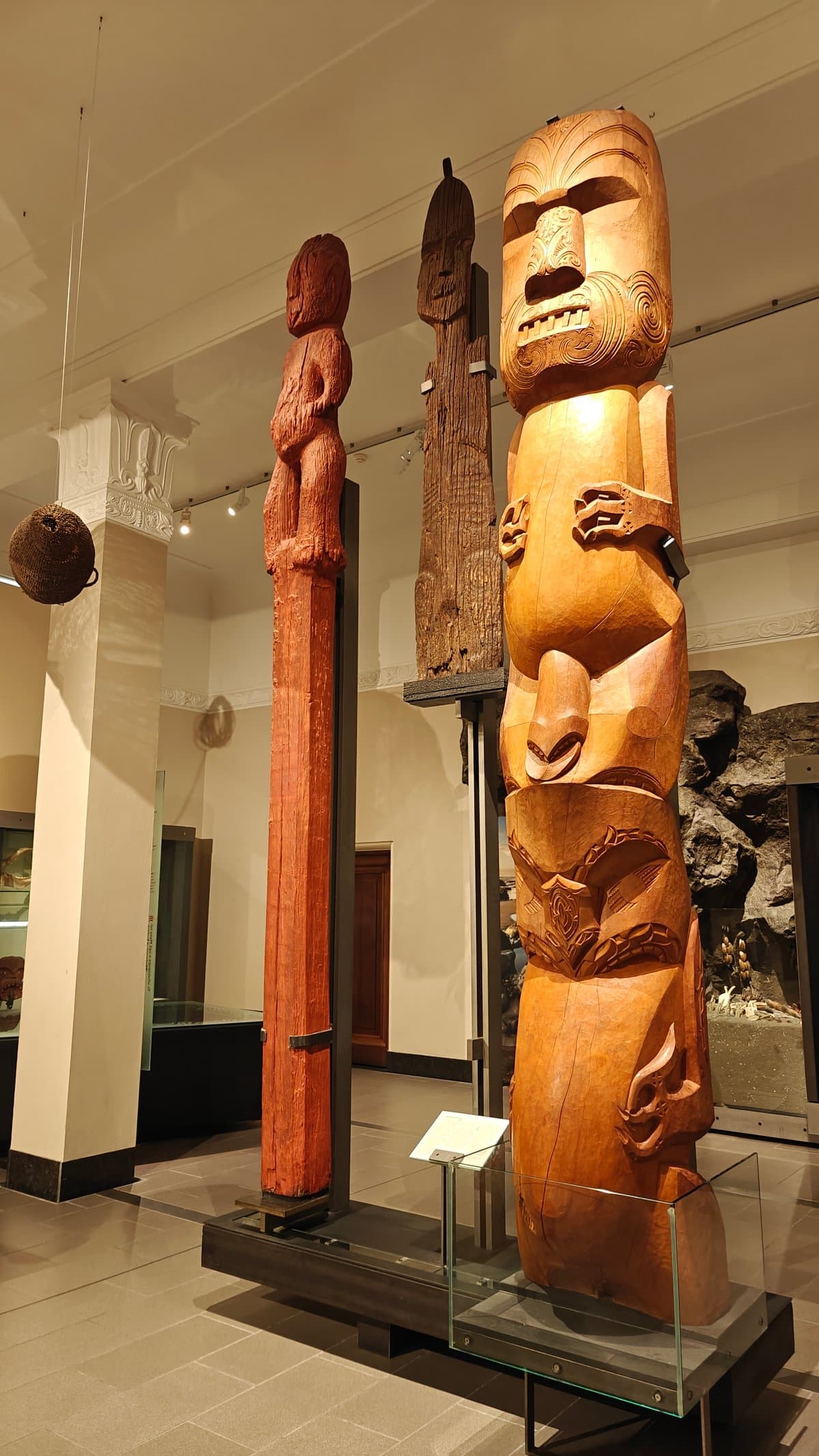
I began in the ground-floor Māori galleries, and let me just say that they is worth the entry fee alone. This is an extensive collection, carved tools, woven storage structures, eel traps dangling from the ceiling, tall carved posts standing in the center of the room. I know nothing about it, but even I could tell this was serious stuff.
There’s a cutaway earth oven, explaining how food was cooked, and a kūmara store with the real deal tubers displayed within. It’s all well-labelled in both languages, and there arent too many words to read. The explanatory panels provide plenty of context without being overwhelming.
I walked around slowly, reading most of the labels, and still felt as though I’d barely scratched the surface.
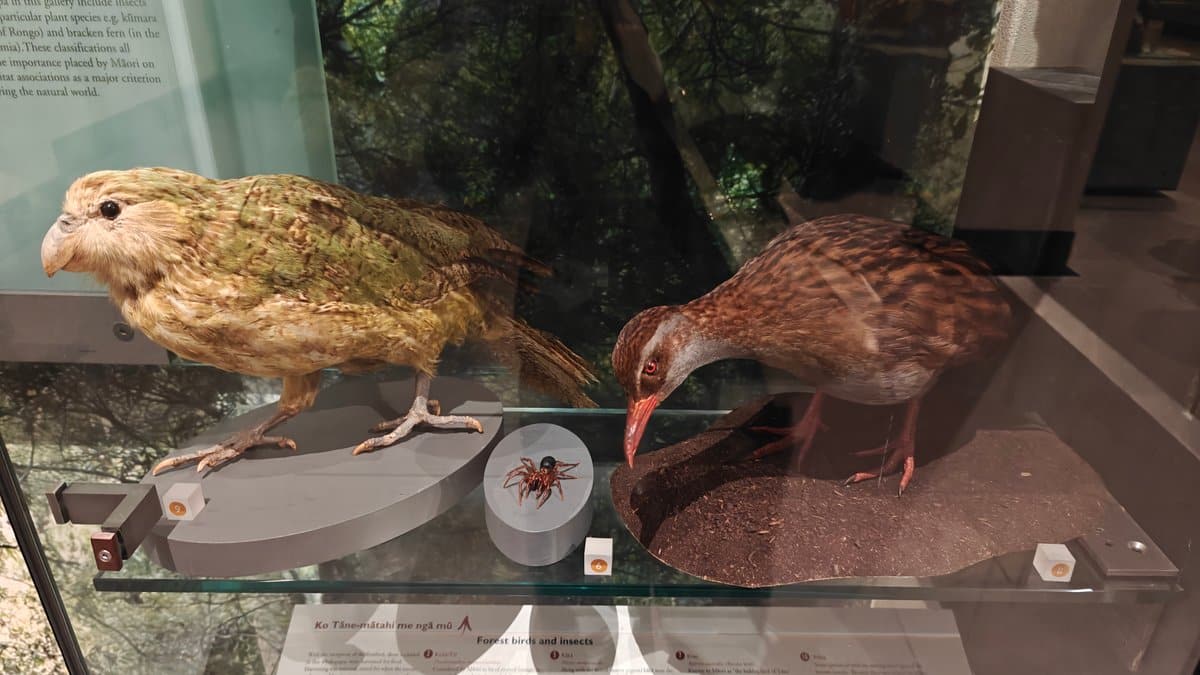
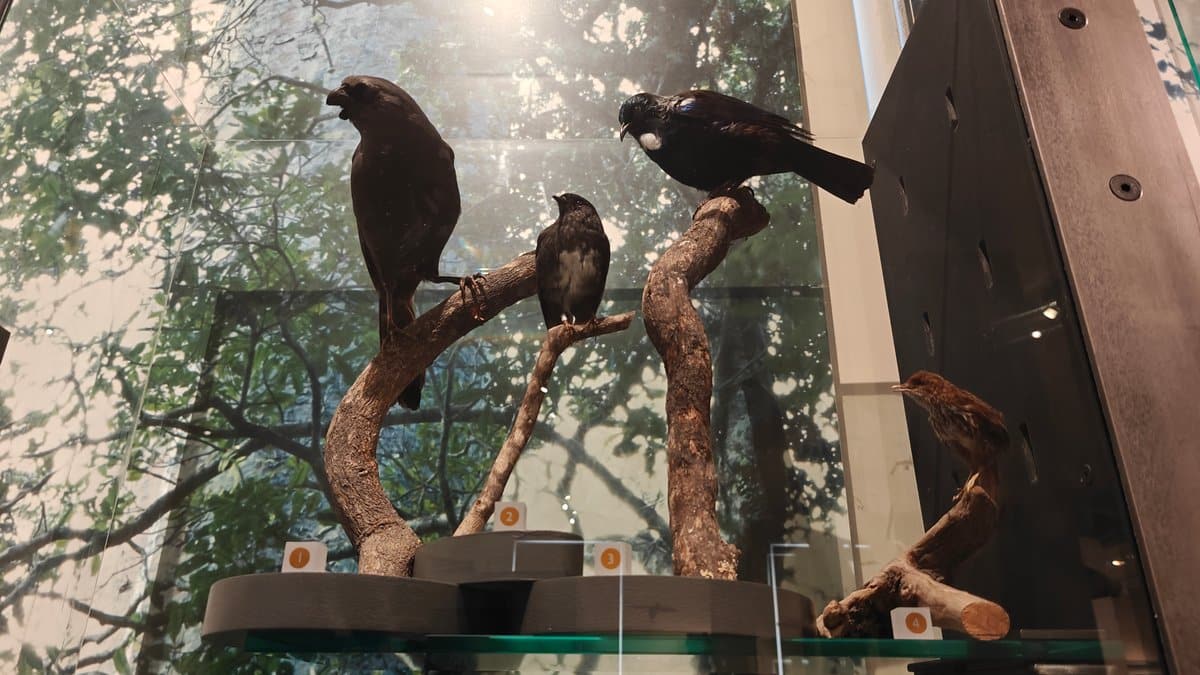
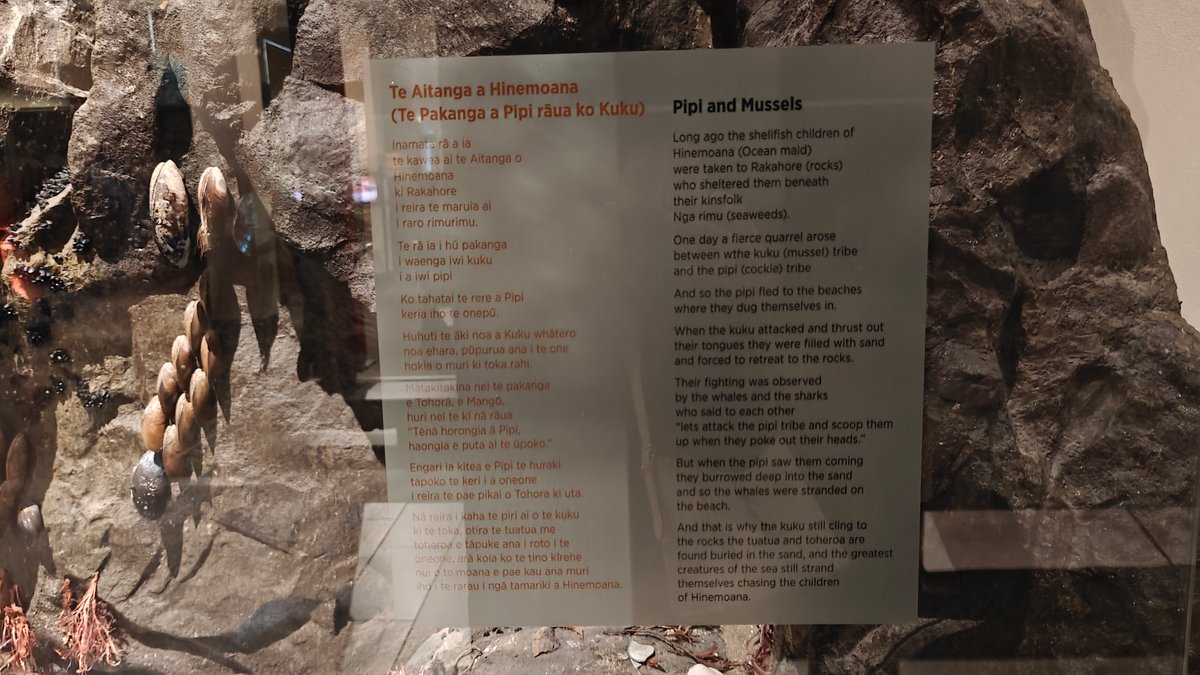
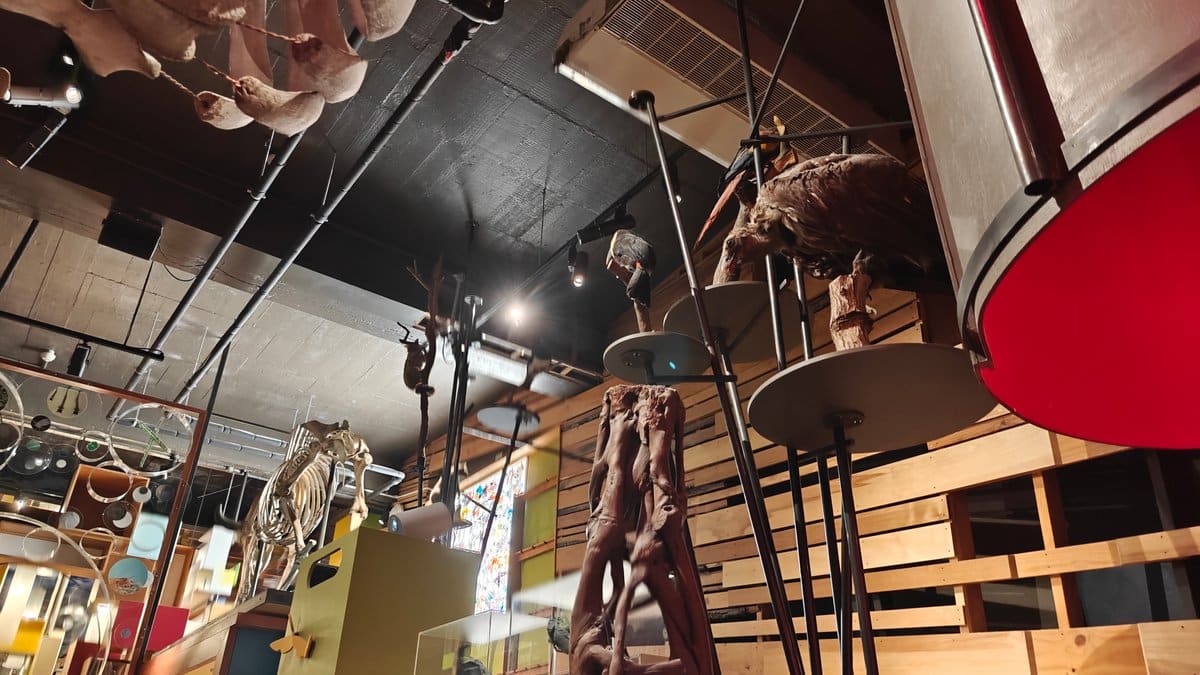
And then I drifted over to the natural history section, which is where things start getting all old fashioned and wonderful. There are taxidermied birds on branches. There are shore dioramas with shellfish clustered on rocks.
It has that whole Victorian museum feel where everything is carefully arranged behind glass.
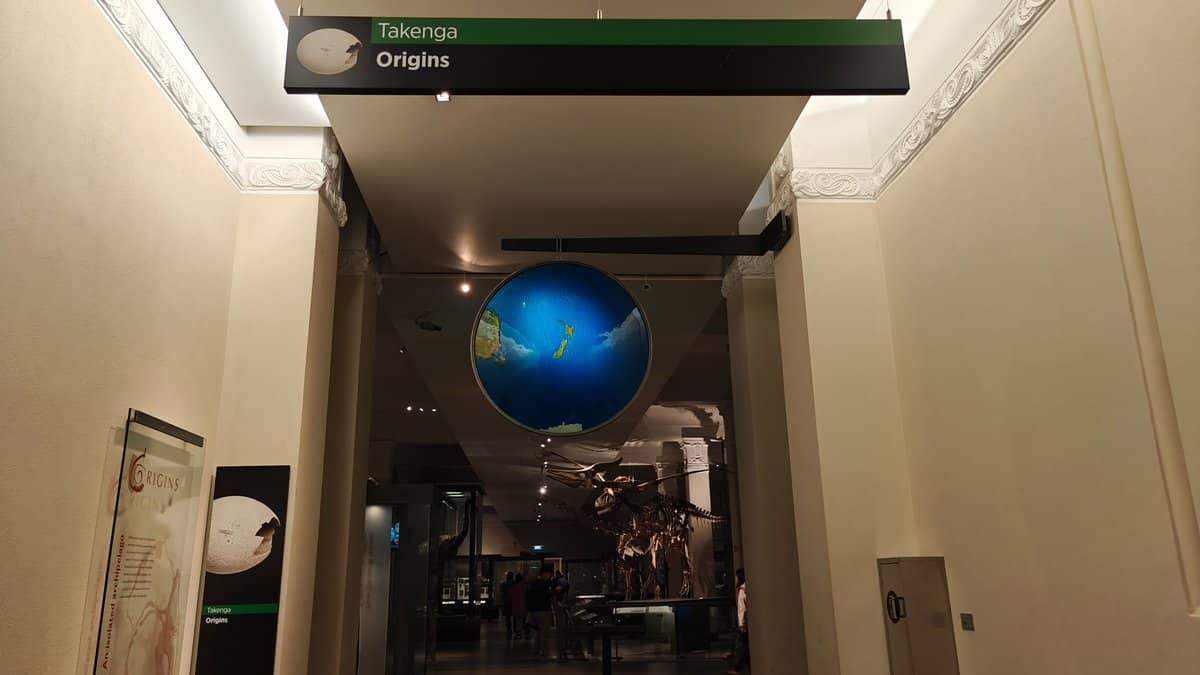
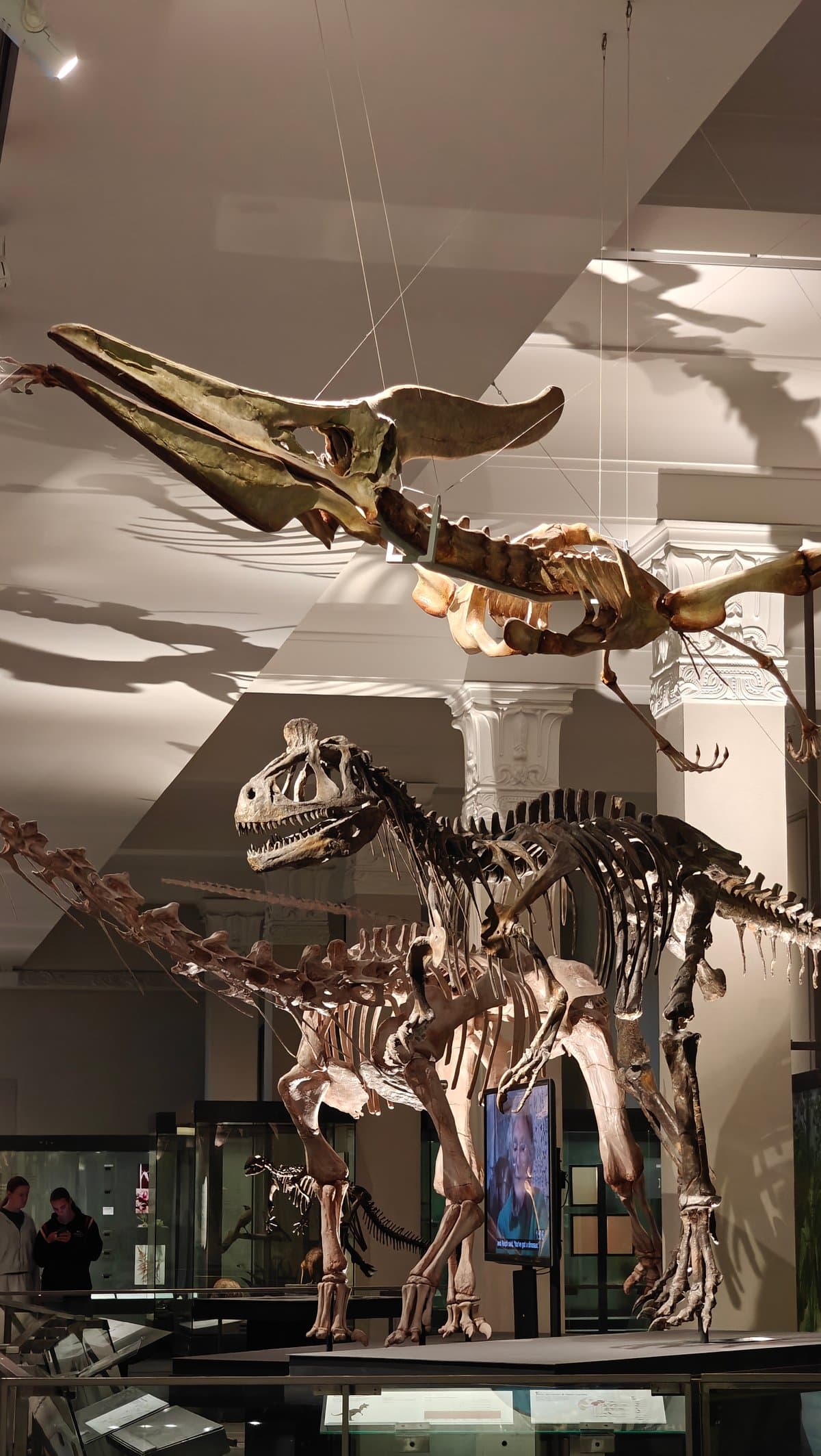
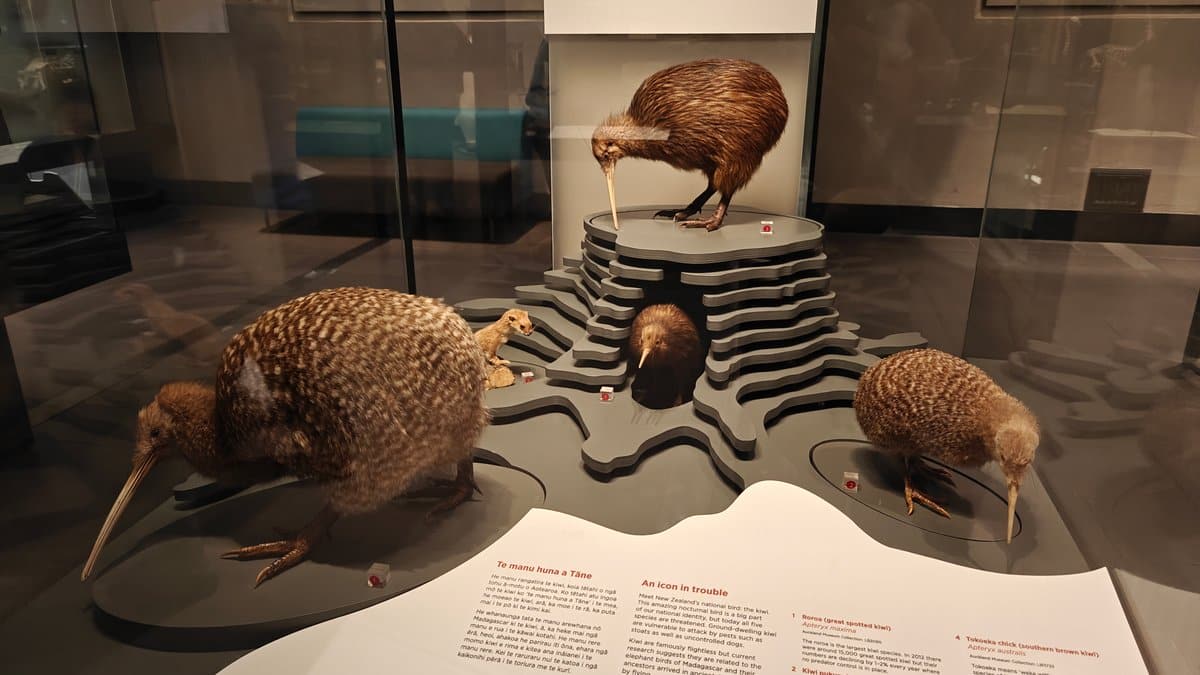
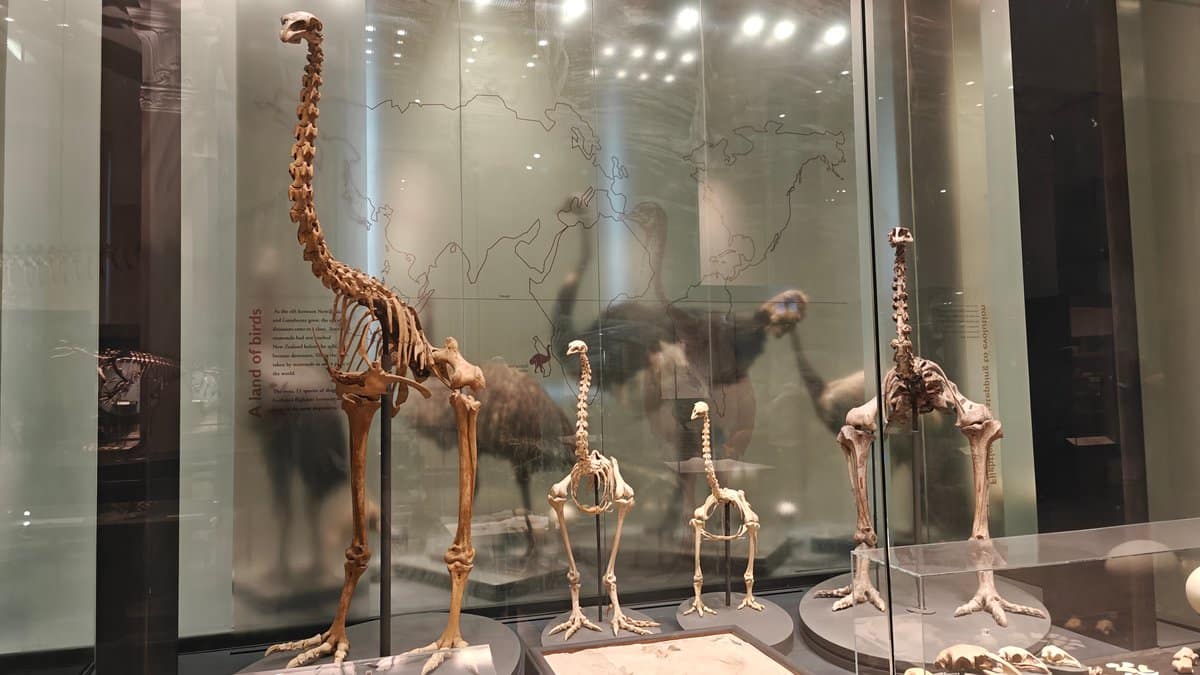
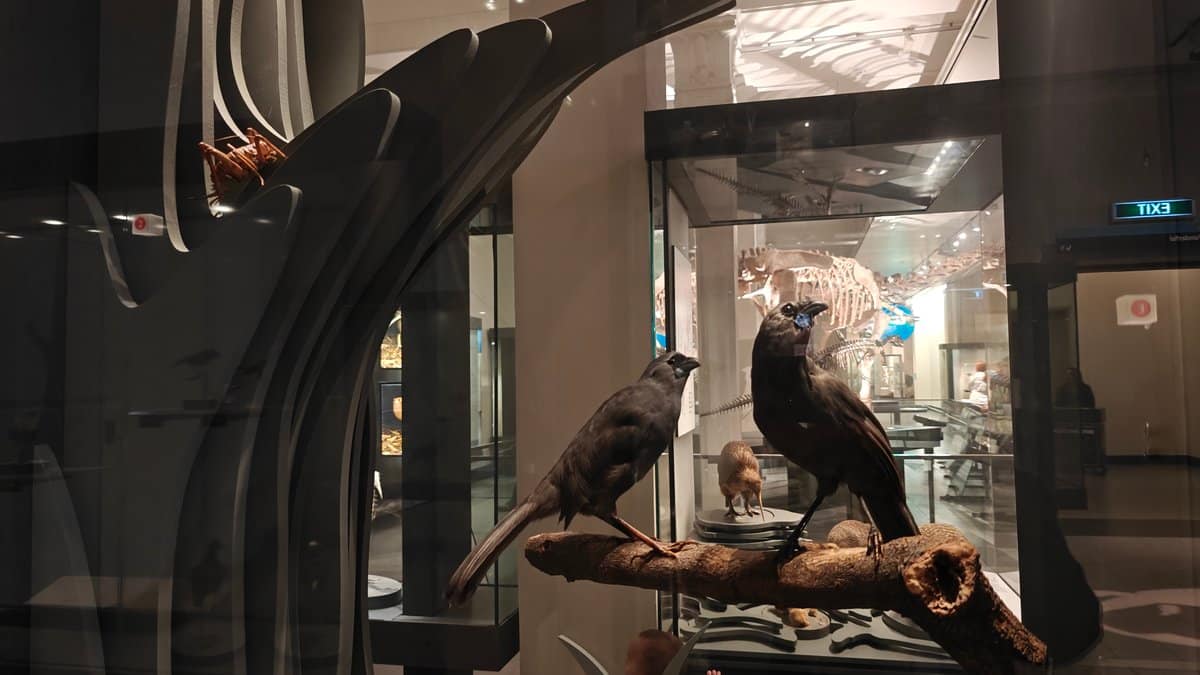
My favorite part was actually the collection of extinct species. They have some moa skeletons mounted in these high glass cases. These giant flightless birds once roamed New Zealand.
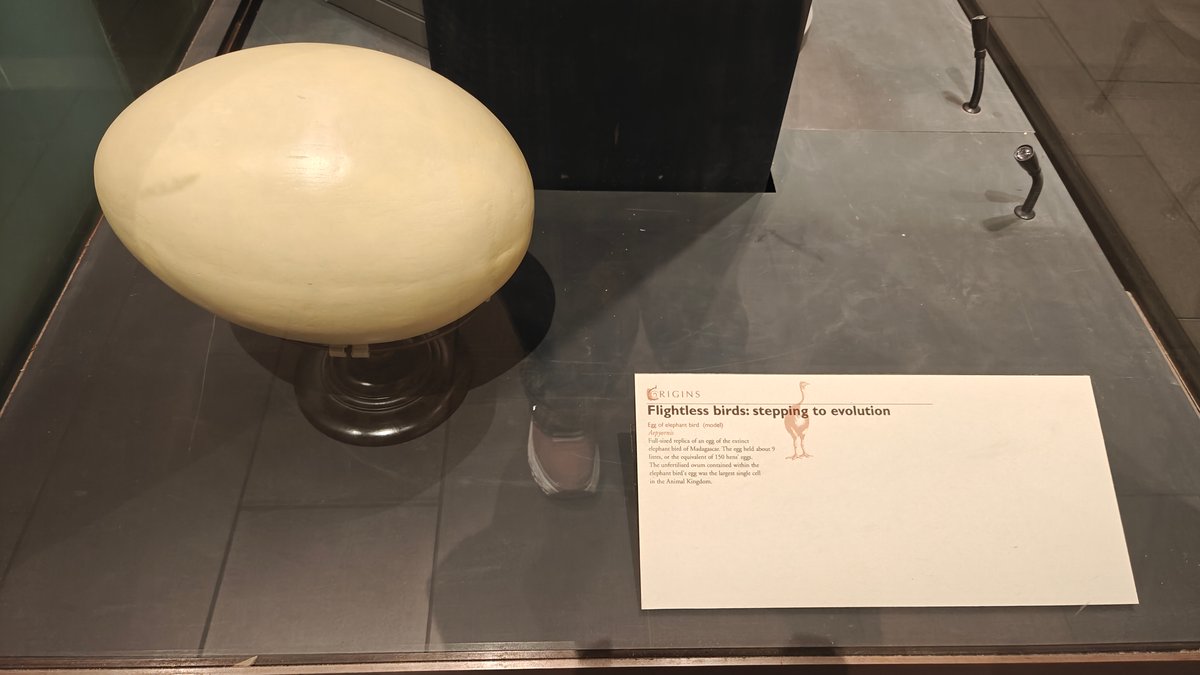
The display also includes this huge moa egg. I spent several minutes just gazing at their size. Then they have this huge, mounted huia (which became extinct in the early 1900s), and it was kind of moving to see it there.
It’s like you’re looking at something that doesn’t exist anymore in the wild.
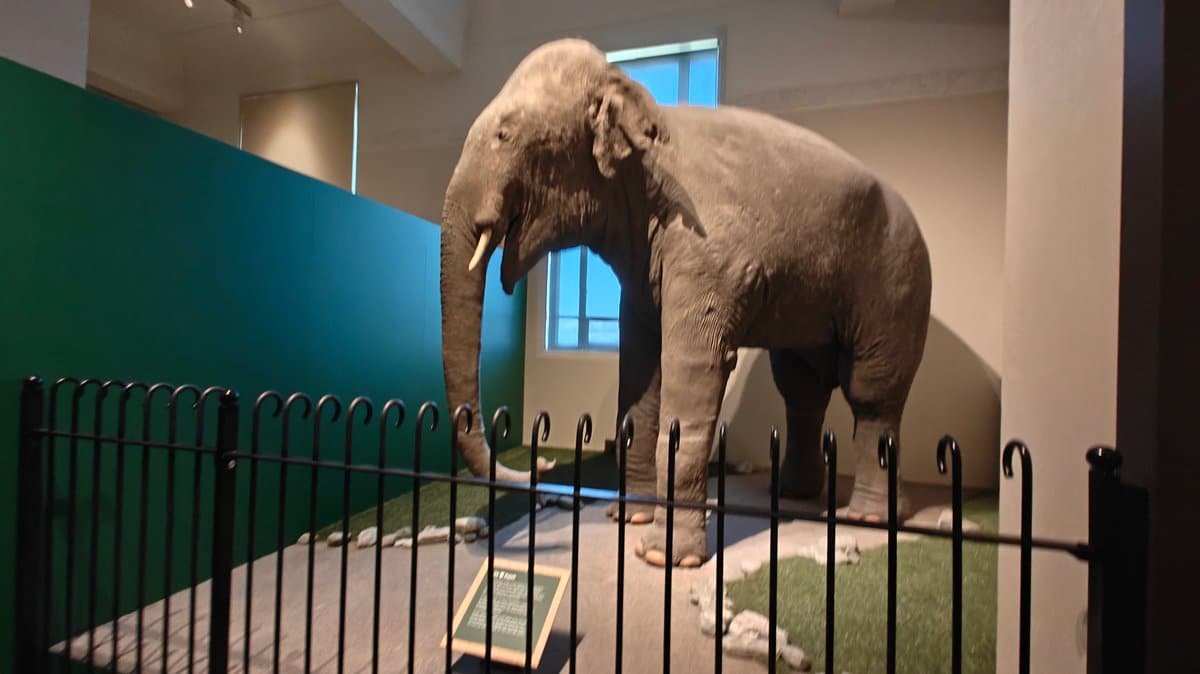
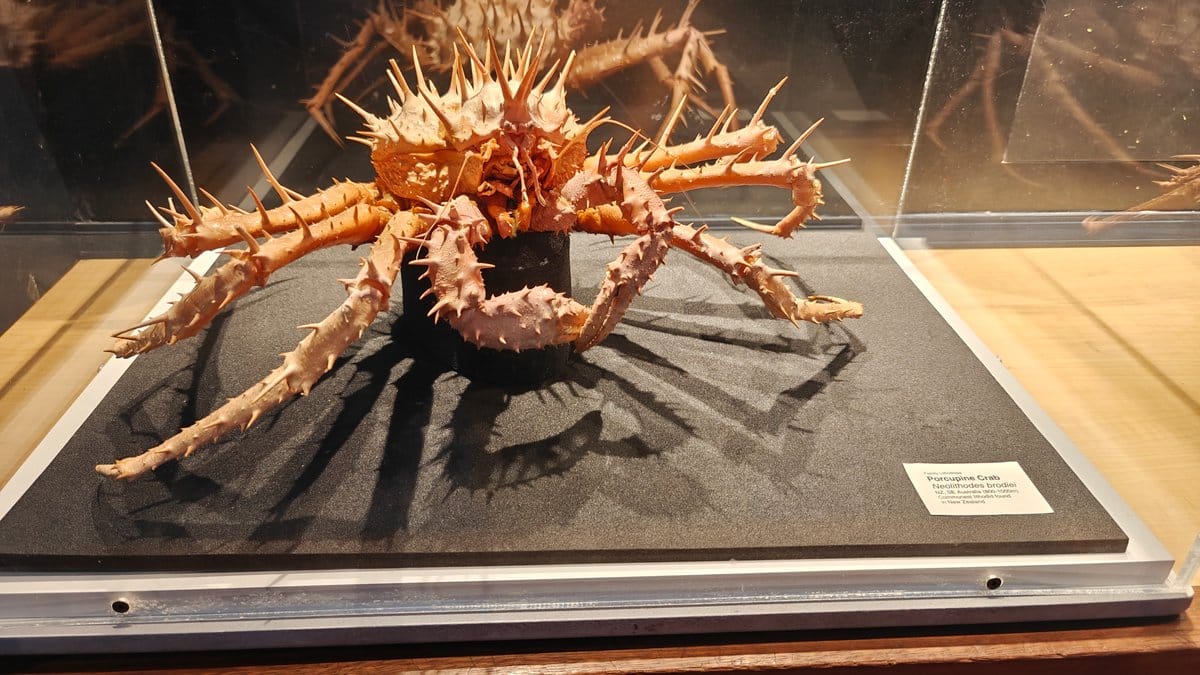
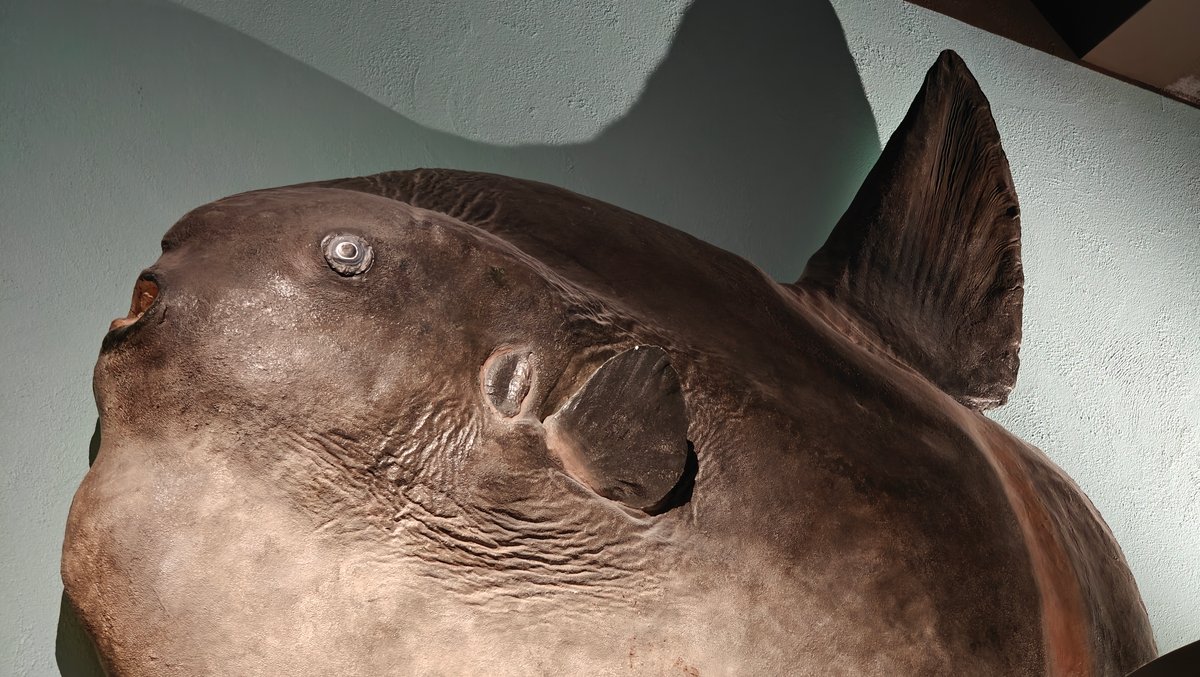
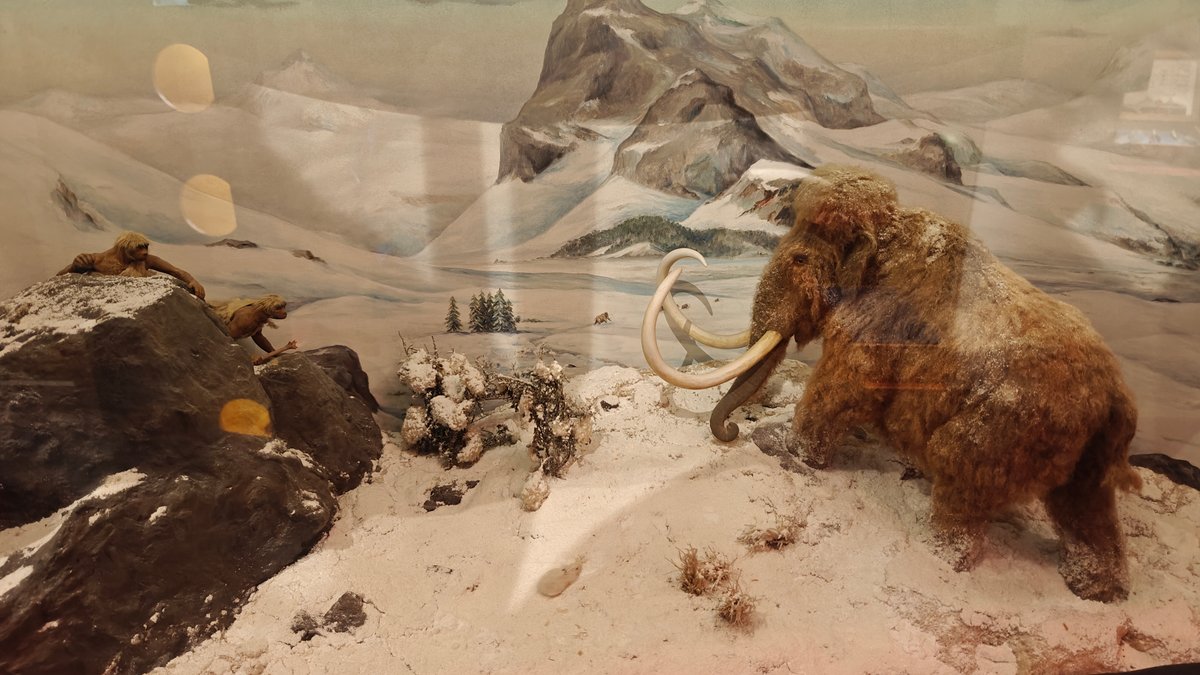
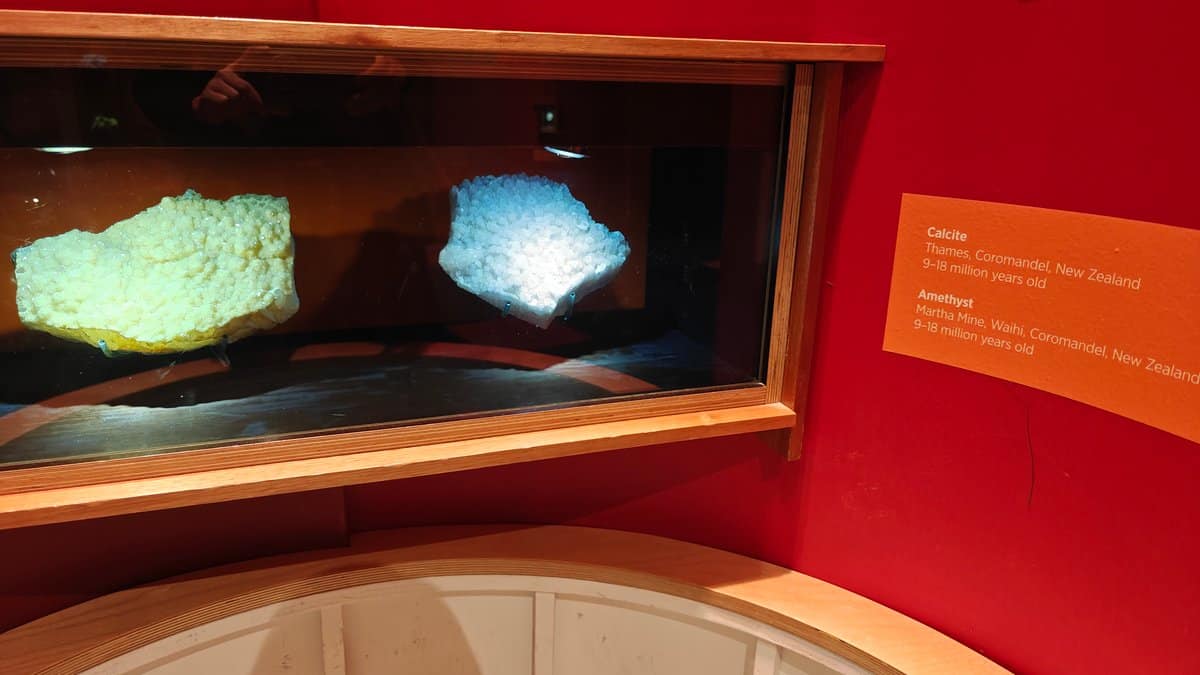
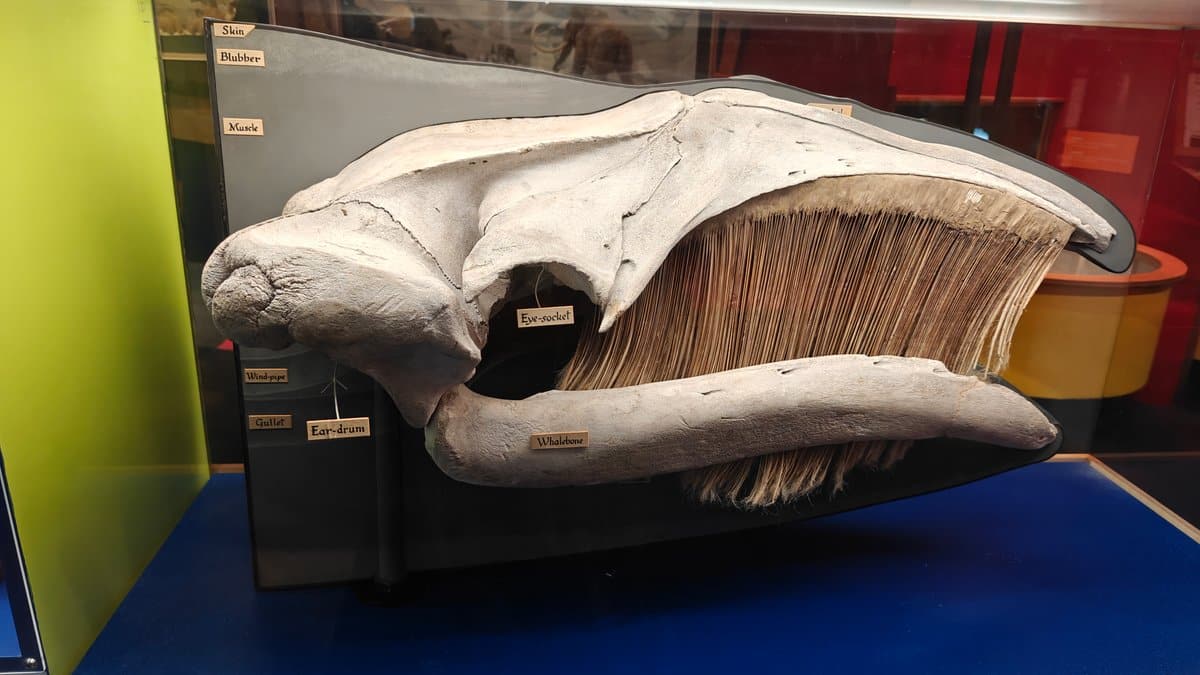
And then it’s onto the natural history. There was a giant spider crab sprawled out and a sunfish hanging up high on the wall. I saw a mammoth diorama and a case of glowing minerals in a dimly-lit corner that I almost walked right by.
A whale skull rested on a plinth, making me feel very small.
Finally, there was Rajah the elephant, which apparently has some pretty interesting backstory; according to the plaque, he used to be a circus elephant. After an hour down there, I looked back up at the upper level and saw just how much I had missed. It’s also on this floor that the museum becomes more focused on its role as a war memorial.
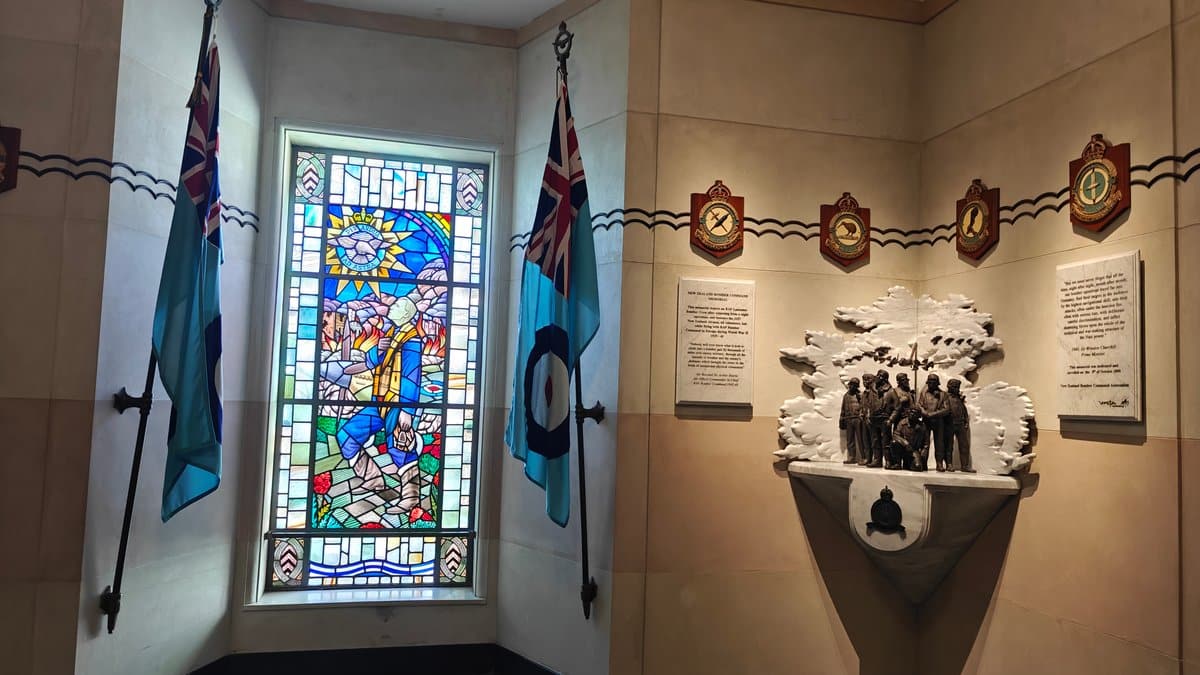
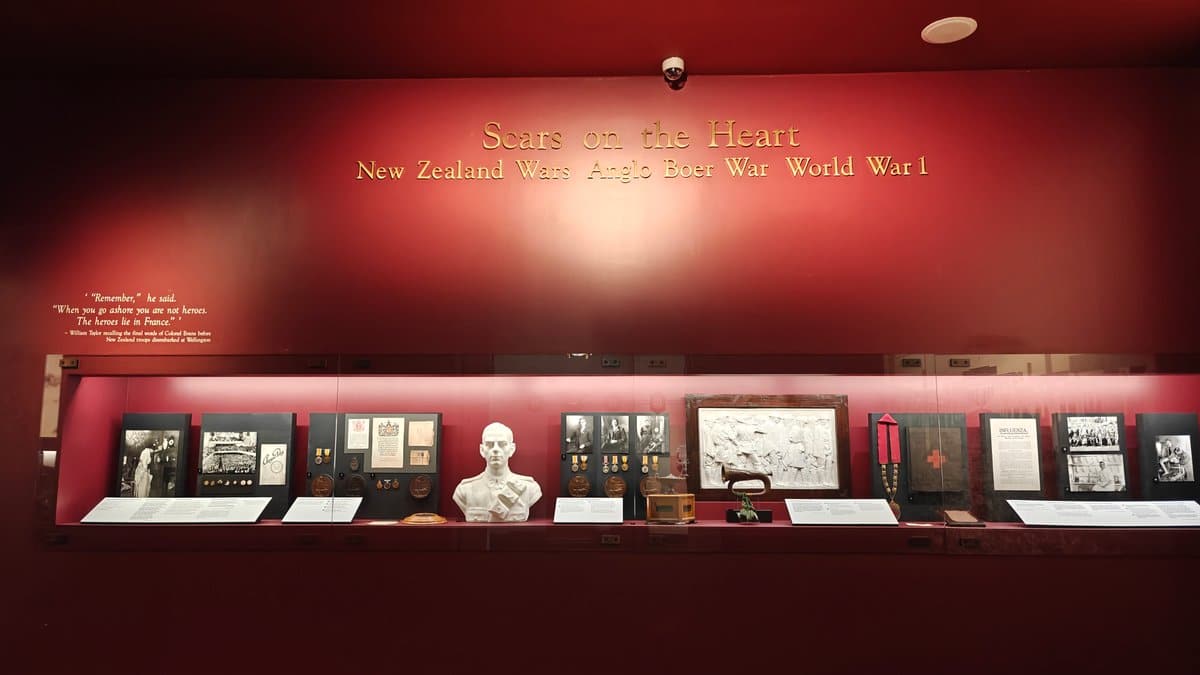
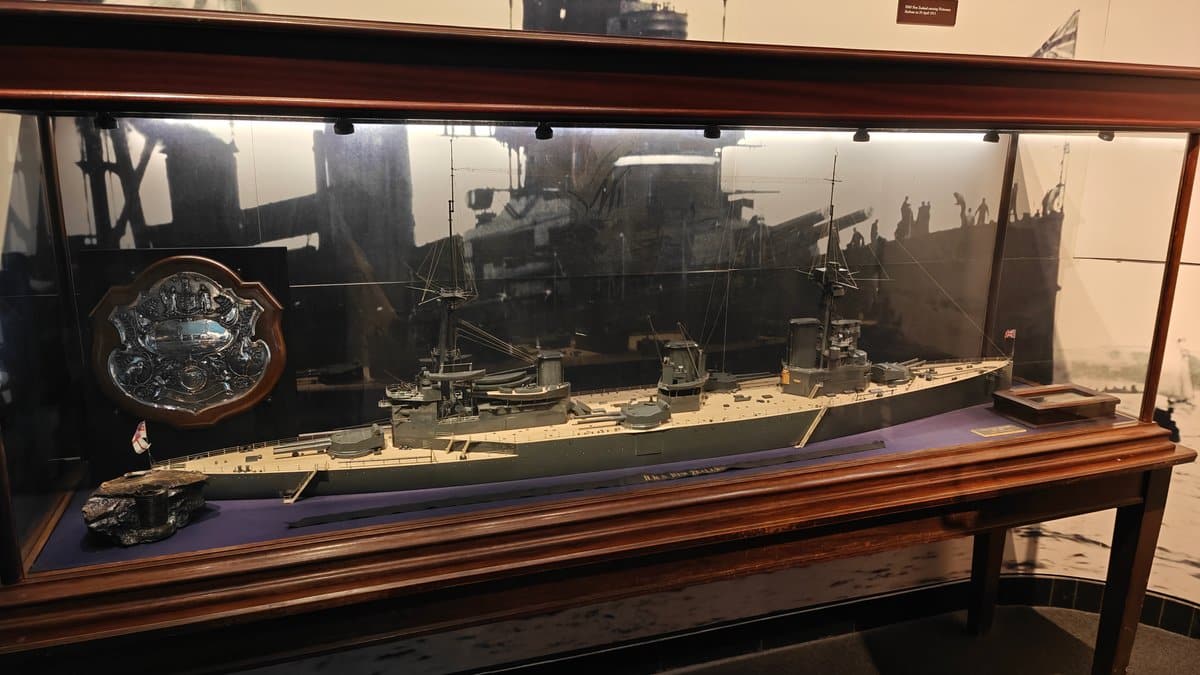
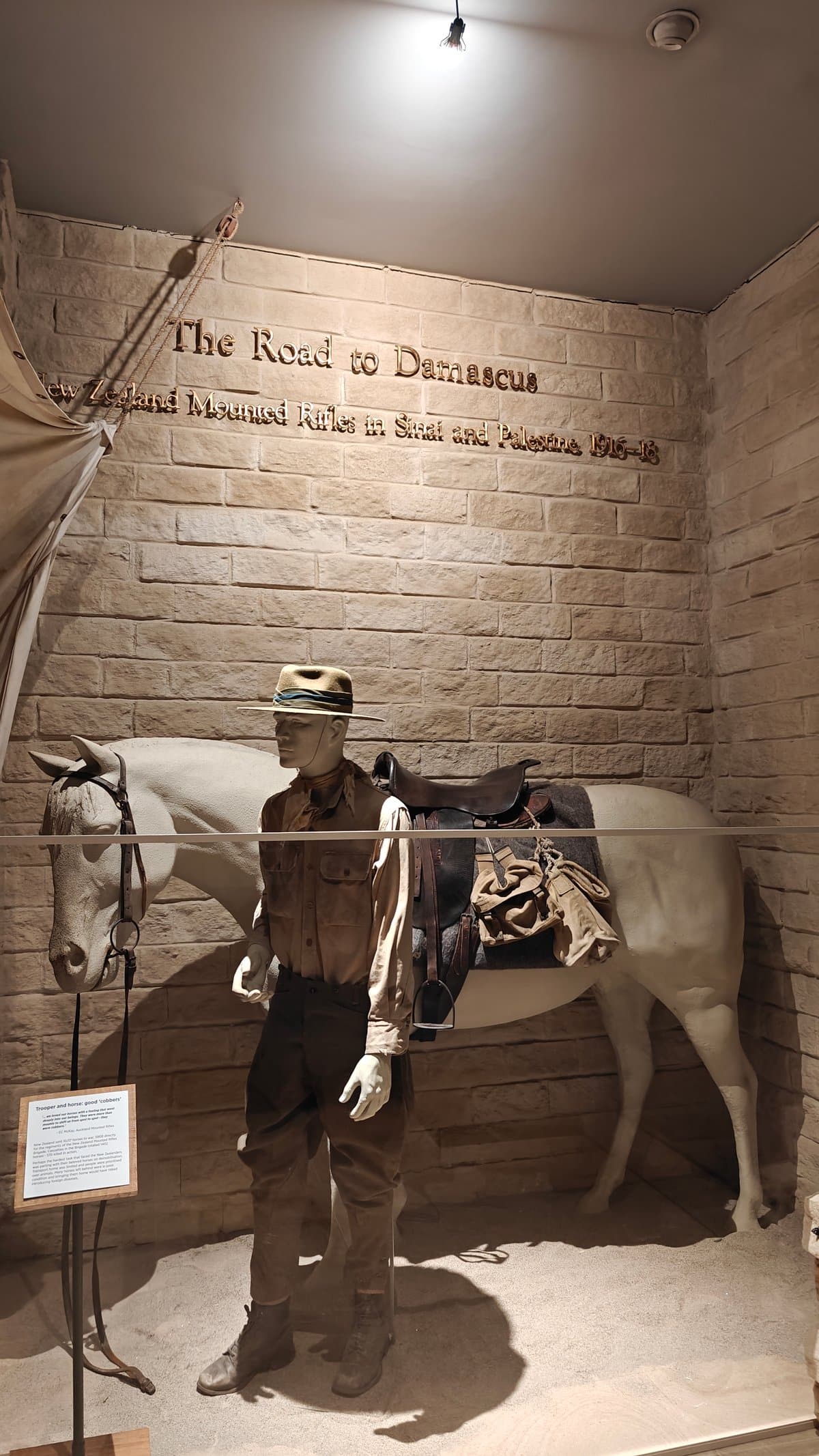
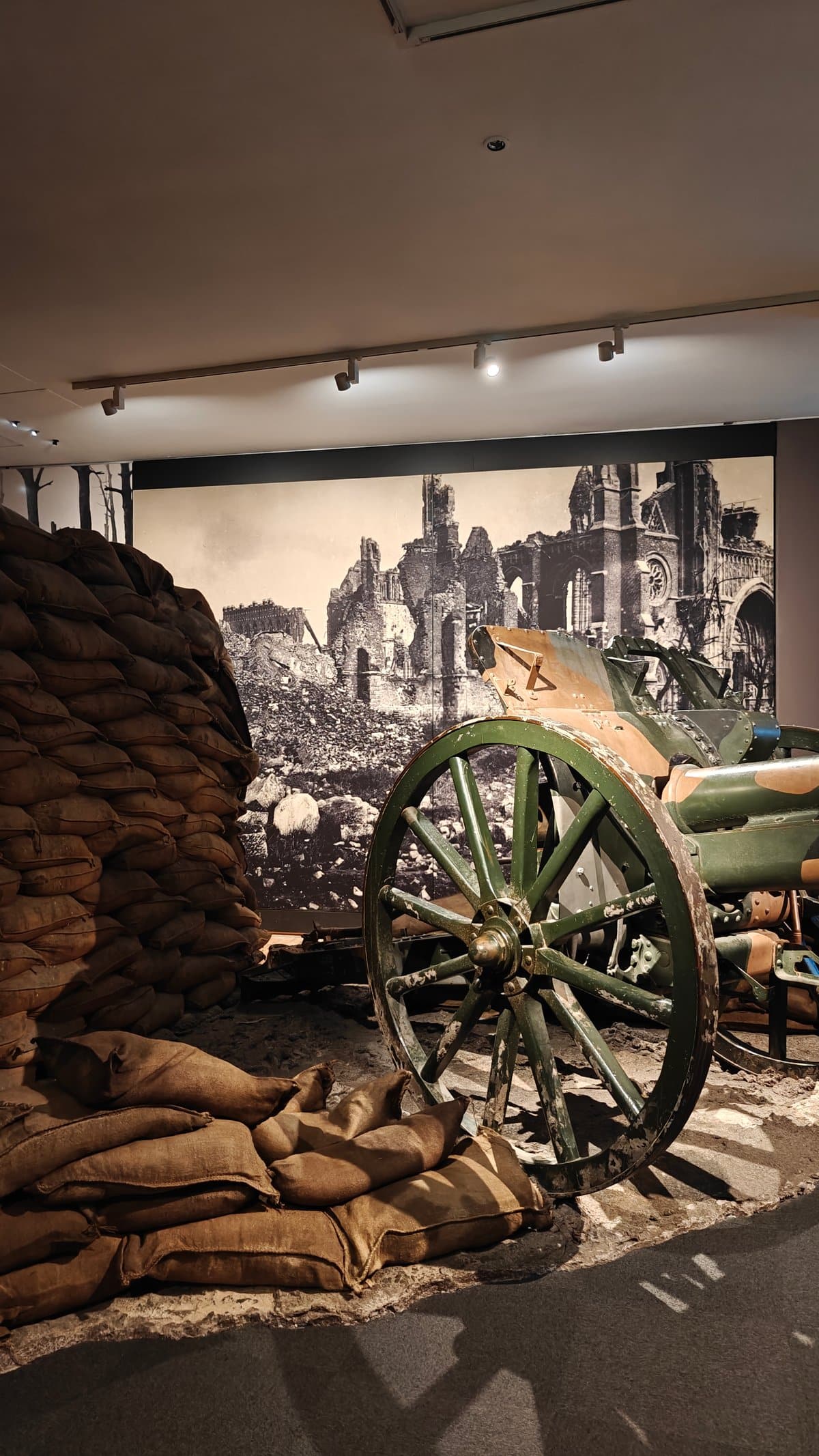
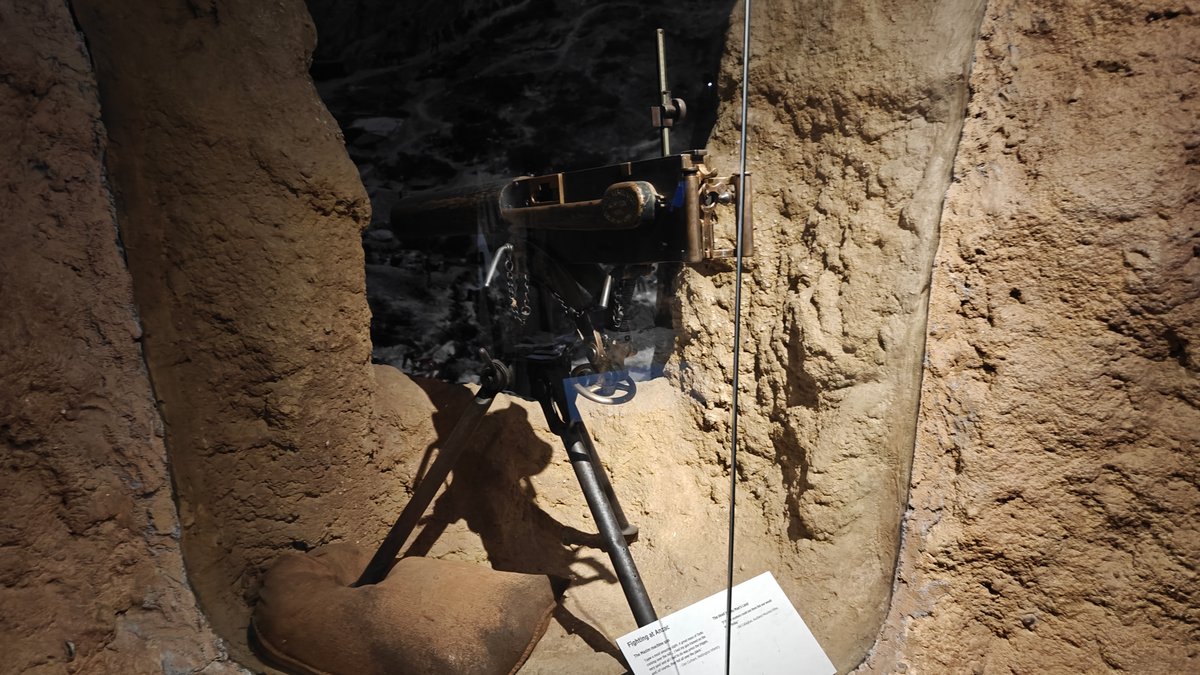
You go into the memorial chapel, which has stained glass and flags and is obviously still used for services, and from there into the galleries about New Zealand’s military history. The one that got to me the most was the WWI section. It featured a recreated trench with duckboards and sandbags you can walk through, dioramas of the battlefields, and a Gallipoli dugout with a working periscope.
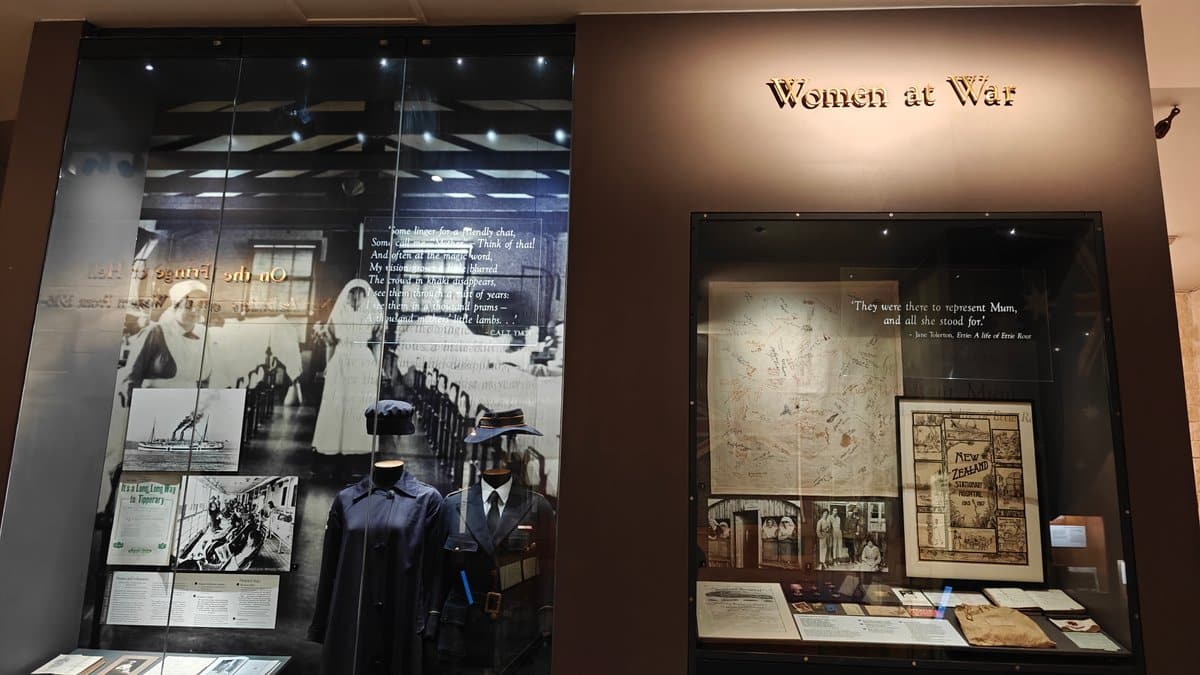
I found myself spending far longer then expected reading letters, looking at uniforms, and trying to wrap my brain around the scope of it all. I appreciated the entire section they had on women’s contributions during the war. Photos, stories, their uniforms.
It’s not all guns and battles.
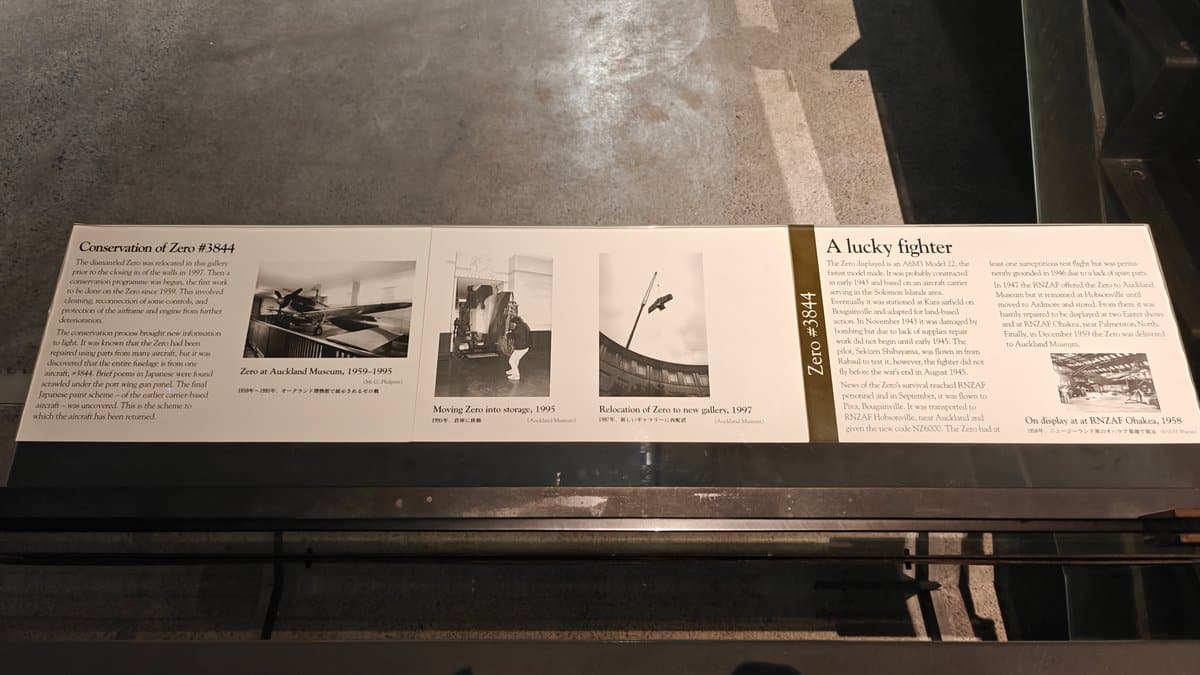
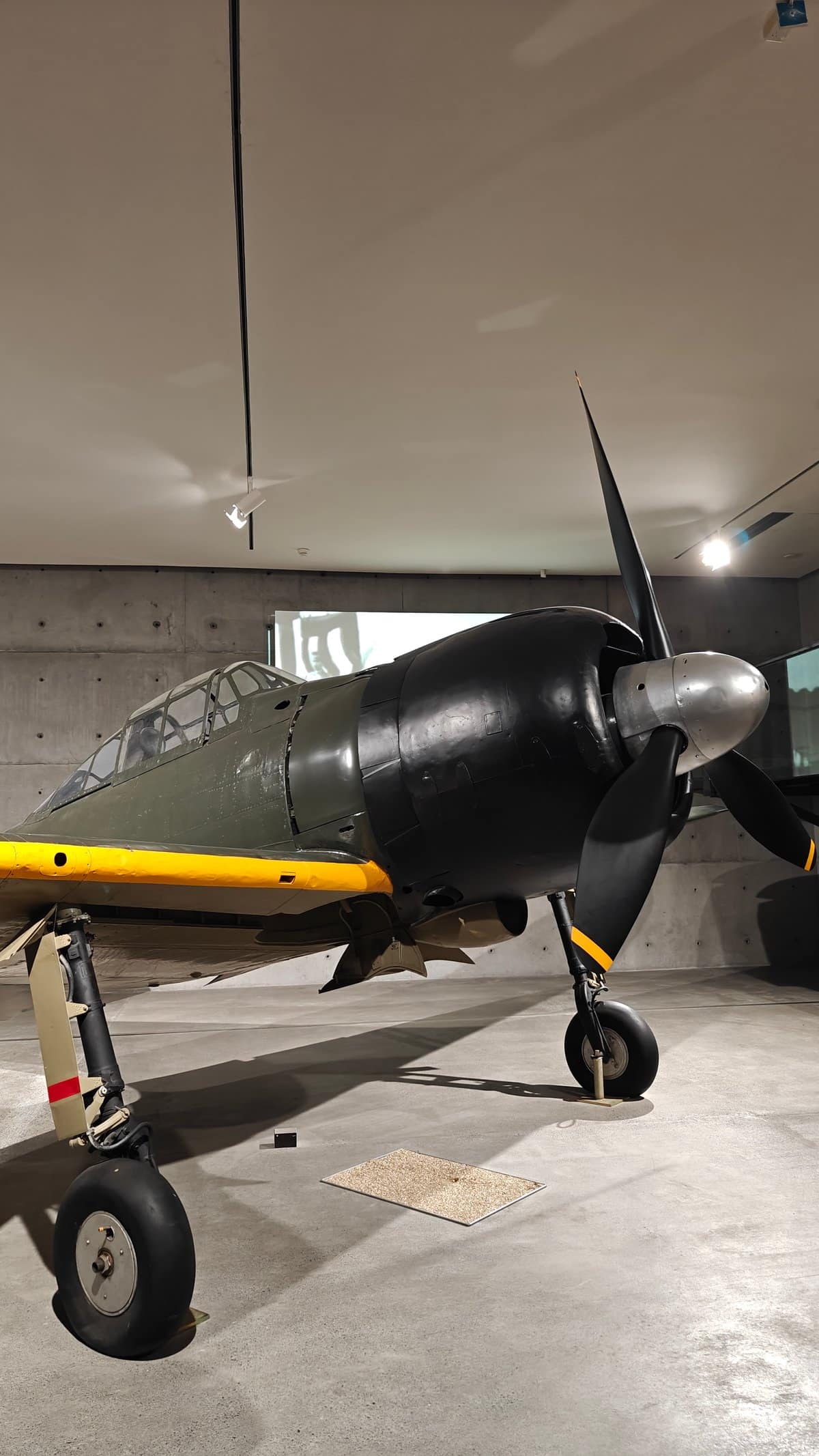
Then round a corner and suddenly there’s a Mitsubishi Zero fighter plane parked next to the stairwell. I’ve read about them but never seen one up close (it’s smaller than I imagined), and sitting there under the lights it looks almost fragile.
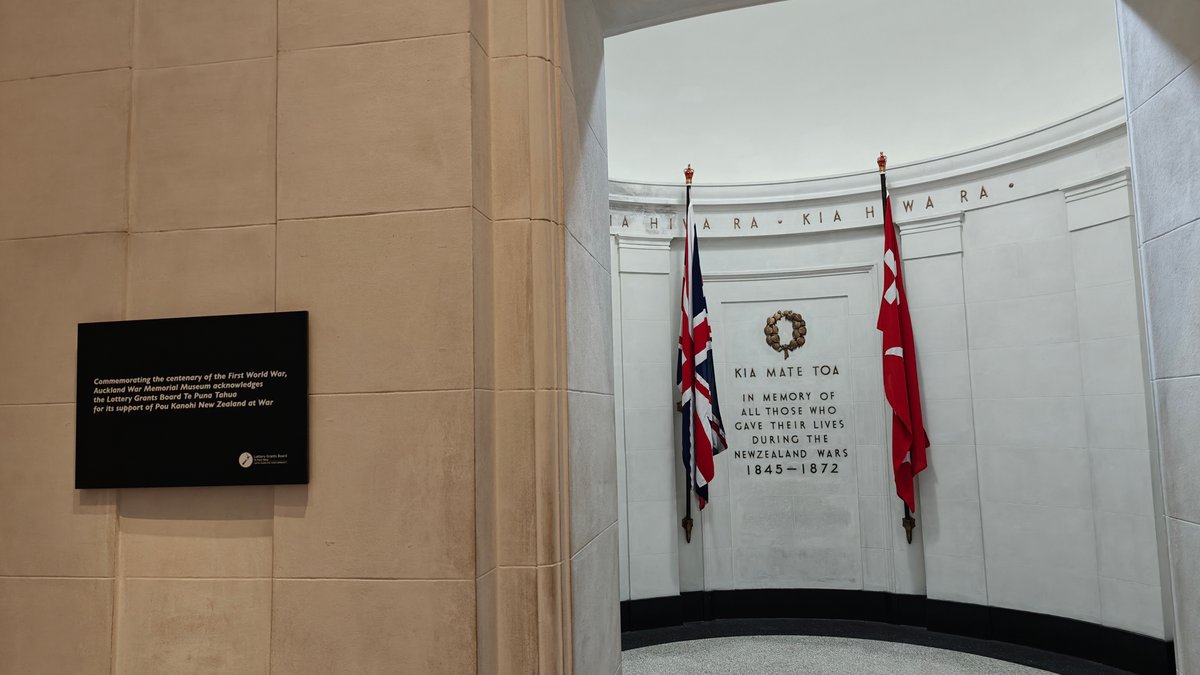
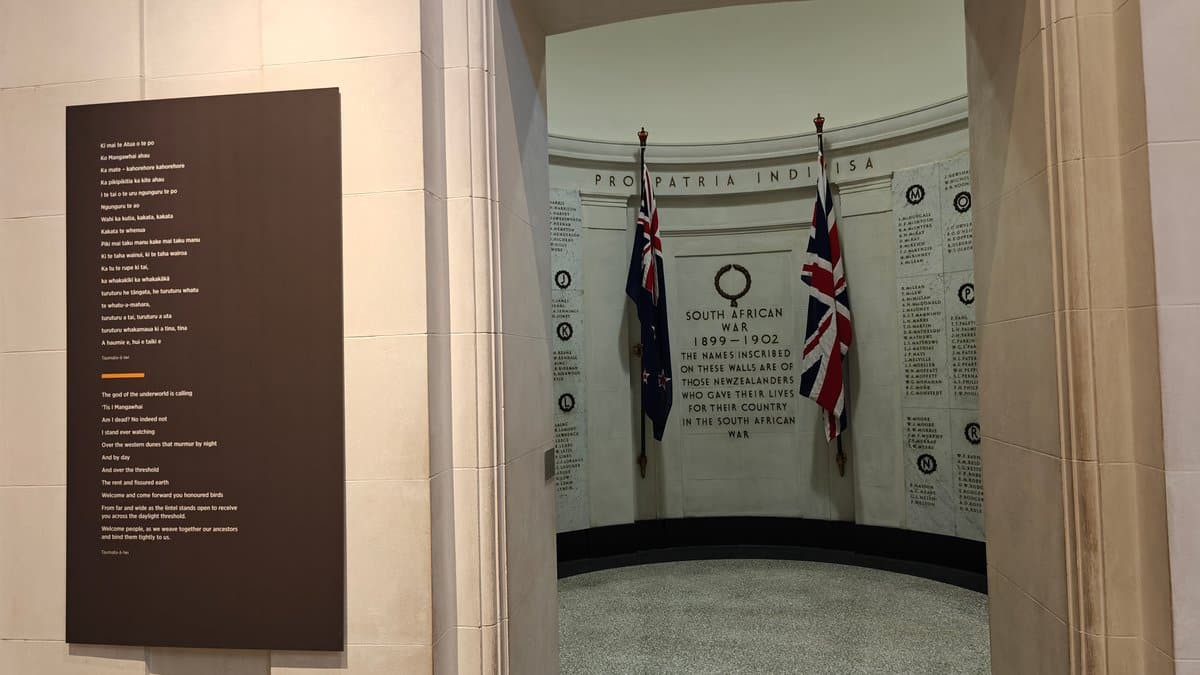
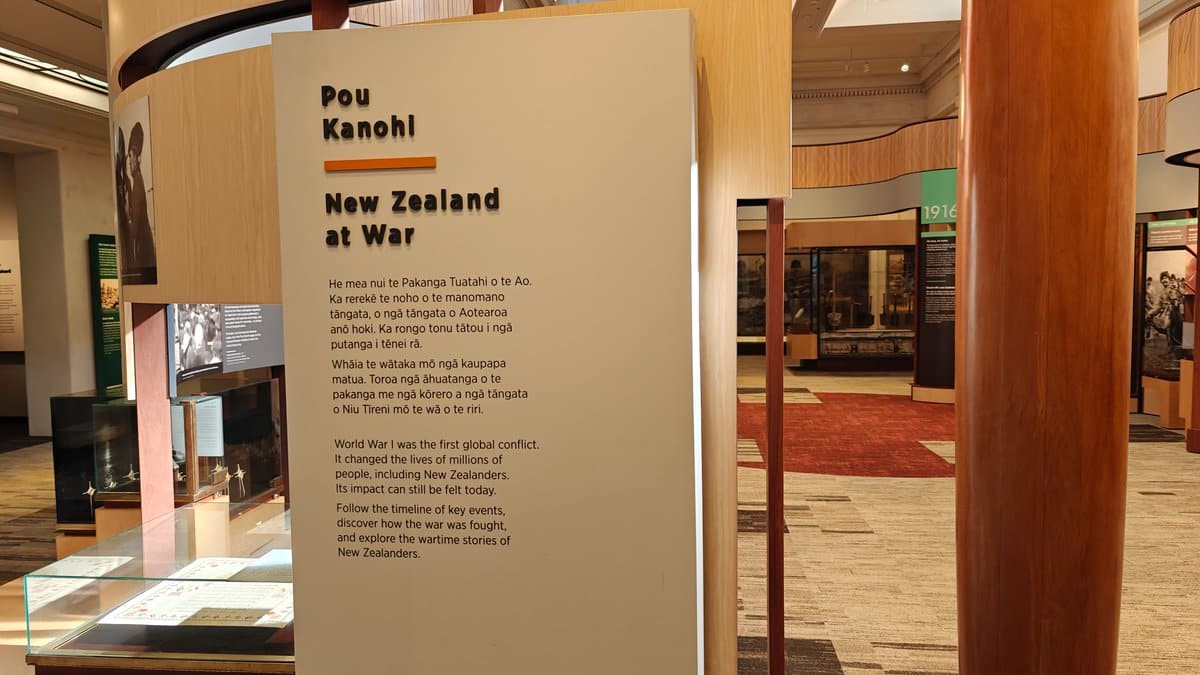
Inside, the building has a memorial hall at its heart which is quiet but dignified, with a roll of honour hung beneath some flags. There is no sign saying not to, but people were whispering as I walked past; it was just one of those places where it seemed better to show respect rather than act like a tourist. I was only halfway through when I got back down to the ground floor and my phone told me I had spent just over four hours here.
And I still hadnt seen everything! There are whole floors of rotating exhibitions I didnt even bother with (and a Pacific collection I hardly gave more than a quick glance). My best tip if you visit: dont try and do it all in one sitting.
Choose a few sections that really appeal to you and spend some time on those, or admit you’re going for a highlights tour and will have to skip things. You’ll need at least a half-day, but even then it might not be enough. Have you visited Auckland Museum?
Did you get to see everything, or did you run out of time too?