
The Museum of Transport & Technology (MOTAT) is a fascinating place. I spent a very interesting morning there. To be honest, it ended up being far more interesting than I thought it was going to be.
Sometimes museums of transport and technology can be a little dry, but not this one: there’s a huge beam engine built in 1877, a hall filled with warplanes, and vintage car to wander around, and I actualy got sucked into most of it. It’s located in Western Springs and well worth the trek if you’re interested in engineering history or like looking at some seriously cool old machines up close. The layout is quite complex so we began with a ride on one of the heritage trams that run around the area, a good way to orientate yourself before diving into the exhibitions themselves.
There are two site (connected by the tramway) and it turns out there’s rather a lot more to see than I had imagined. It wasn’t cheap to enter but seemed reasonable for what you got… We spent half a day here easily and could of lingered longer still.
My Morning at MOTAT Museum
MOTAT
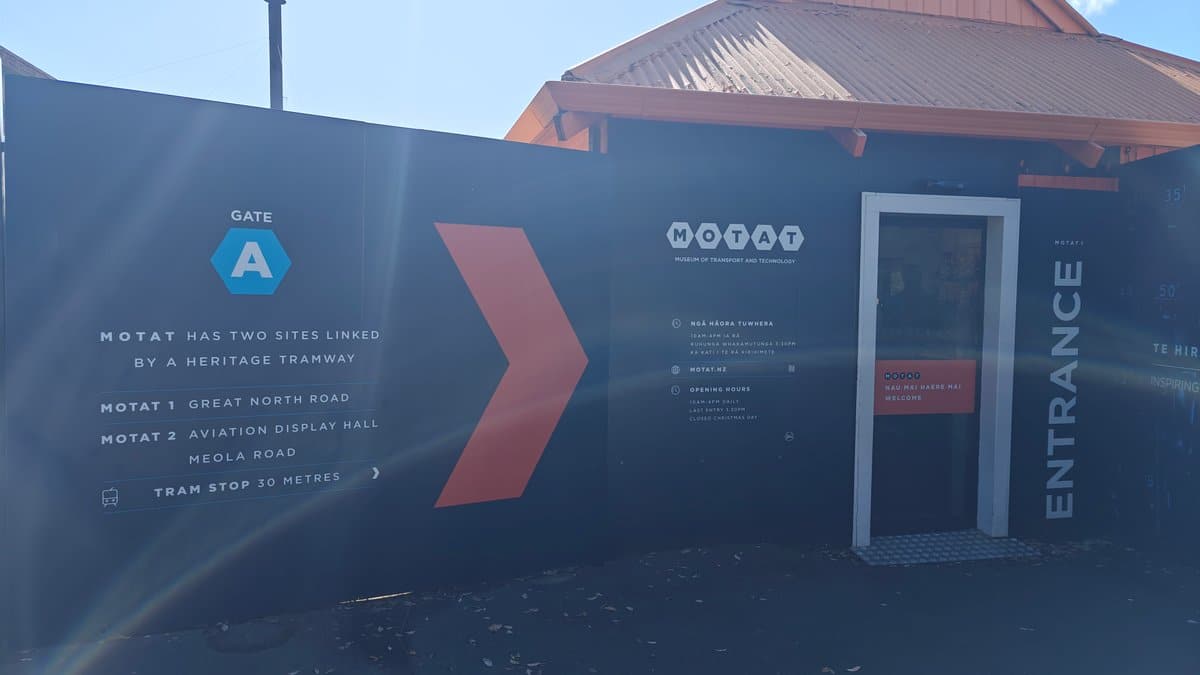

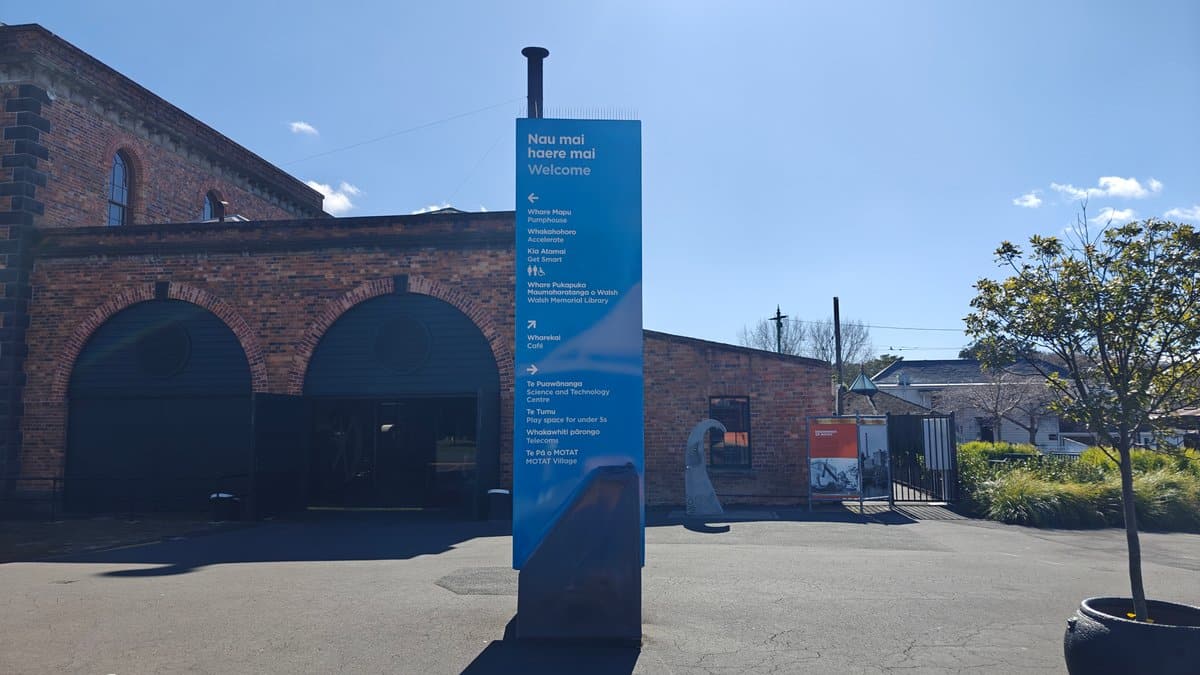
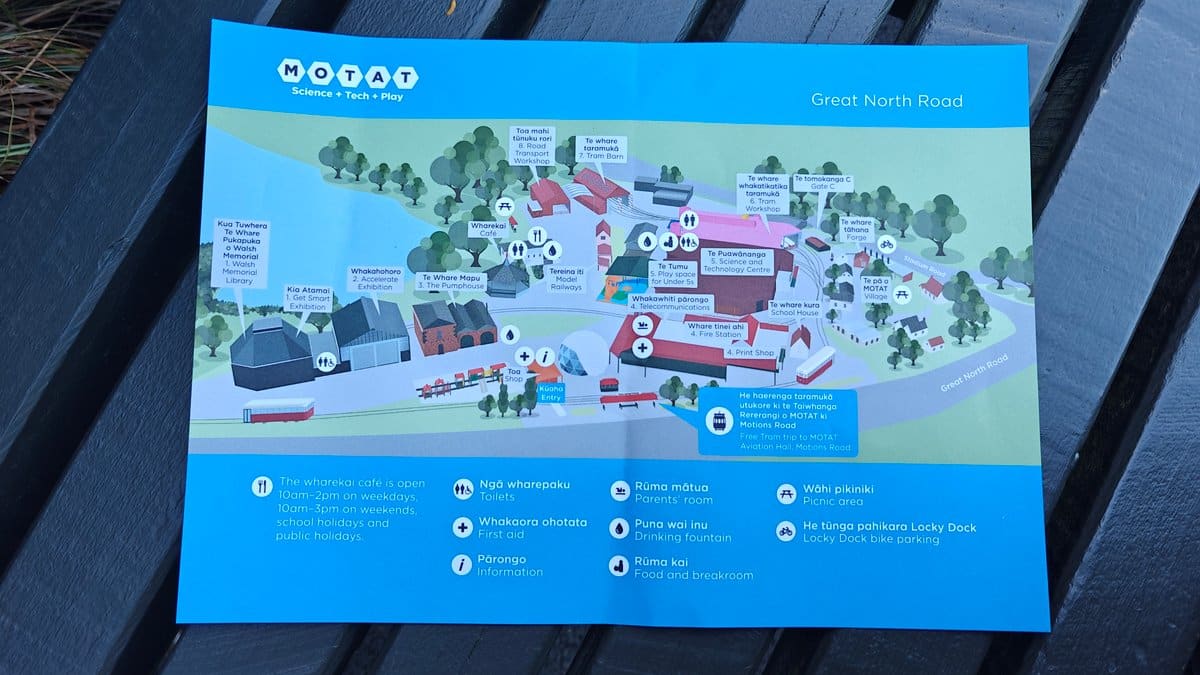
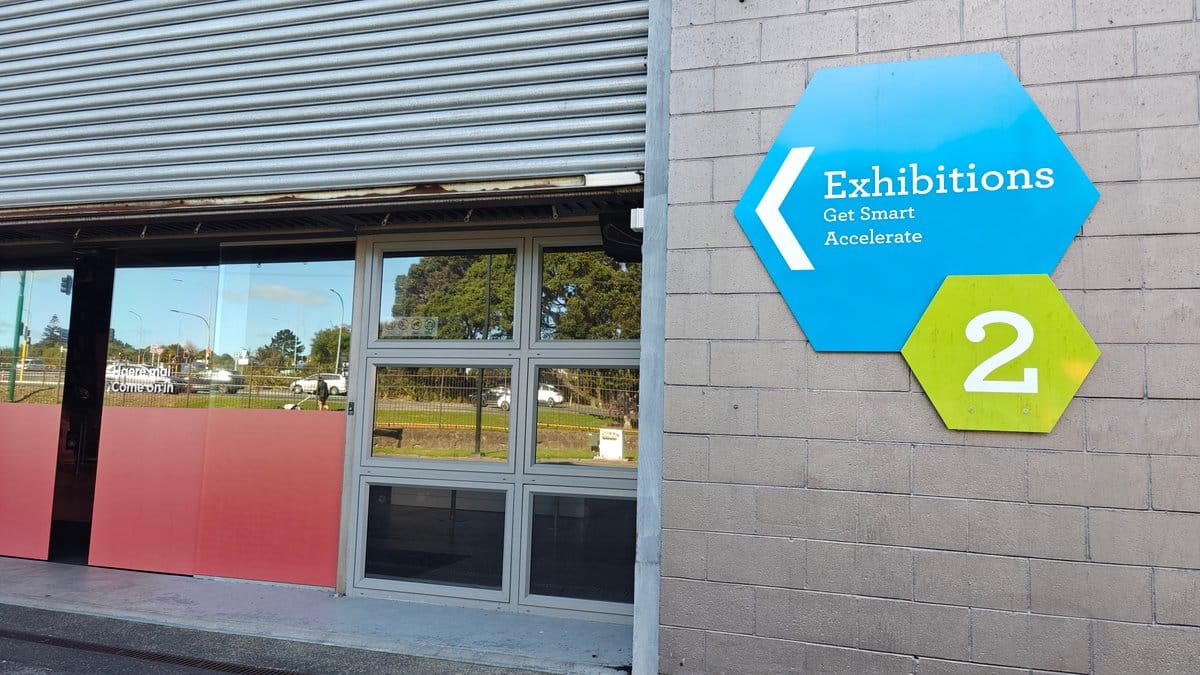
As we entered we got a site map which was good as we soon realized that we would have to plan somewhat carefully where to go next. As you walk into the entrance area, you will find several main exhibition hall set around it. These halls contains everything from interactive exhibits and transport displays to wonderfully restored machinery in both moddern gallery spaces and old brick buildings.
Because I wanted to see the cars before heading off to the aviation hall I began here.
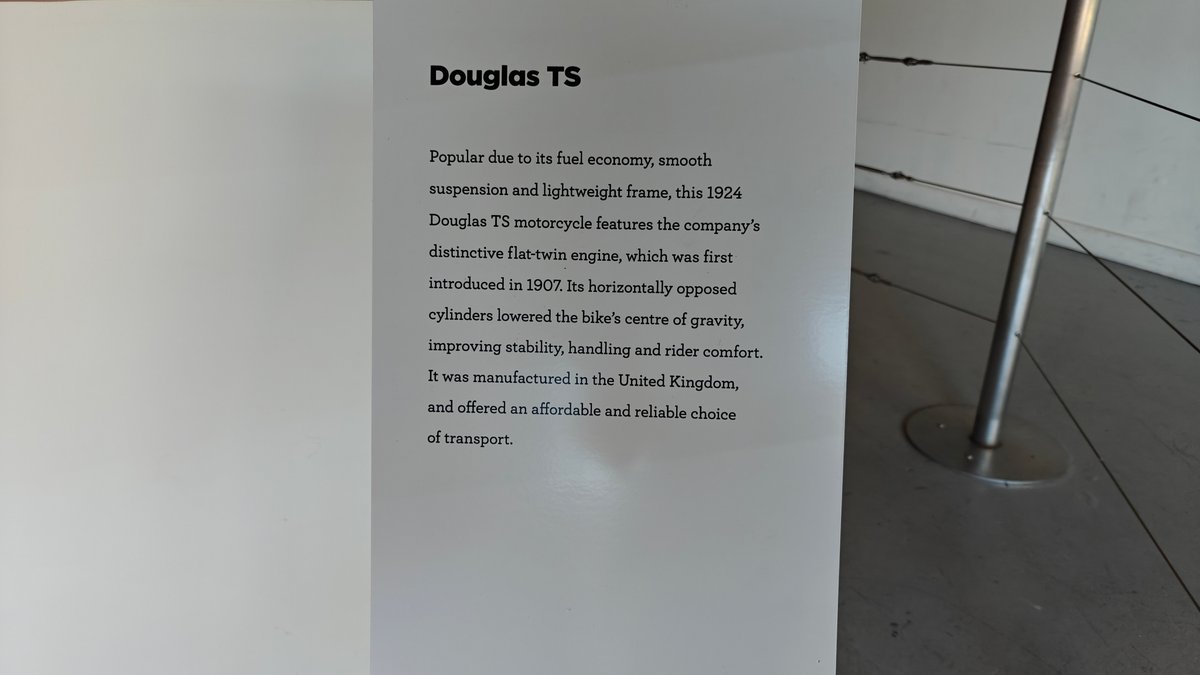
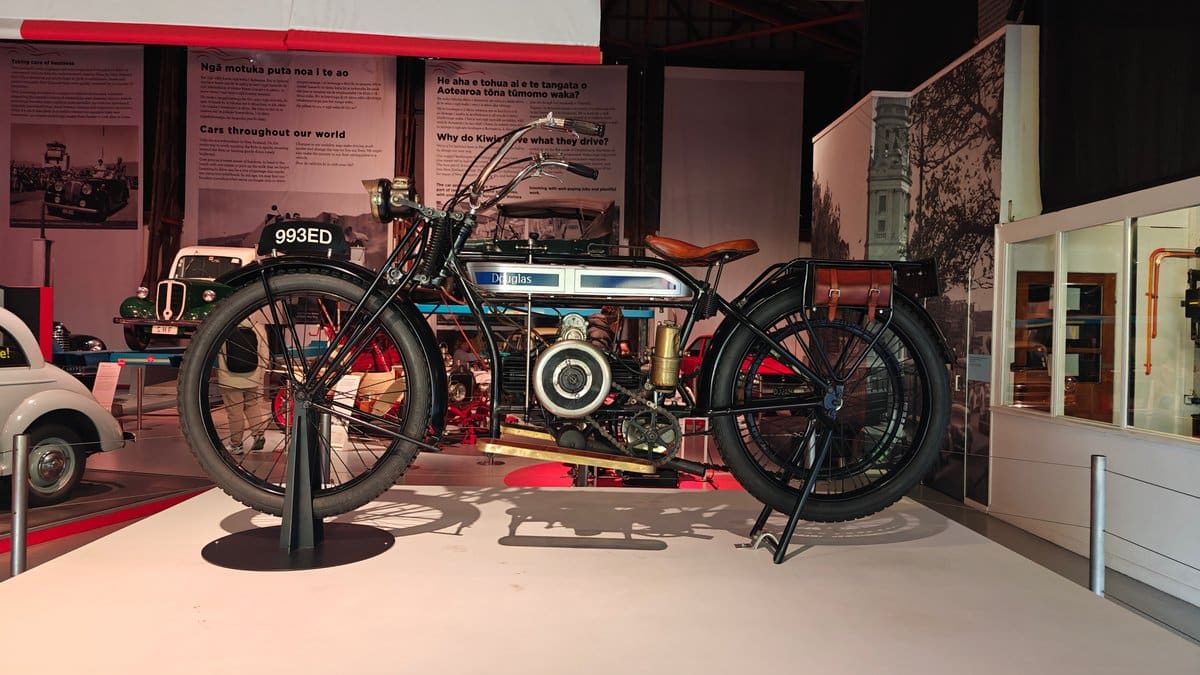
There was also a lovely display of old motorcycles and bicycles; such as this 1924 Douglas which appeared to be frozen in time. Although I am not normally that into bikes, they was all lined up with little explanatory signs about how the engineering evolved through the decades, making me appreciate the craftsmanship even more than expected.
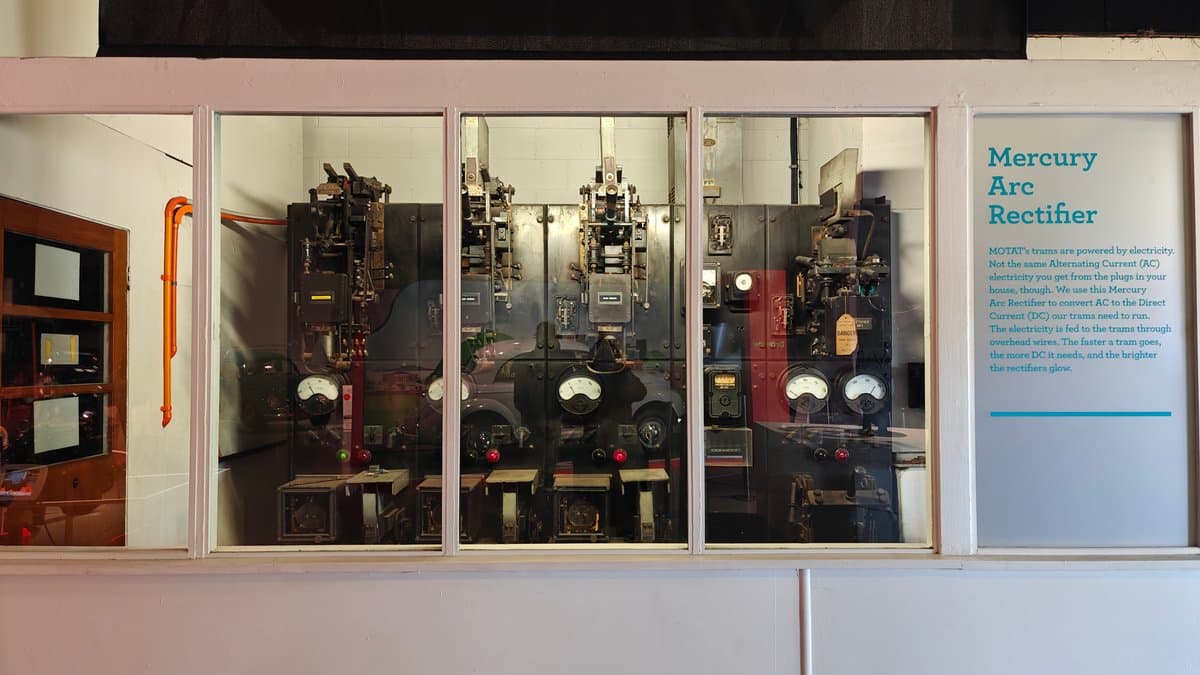
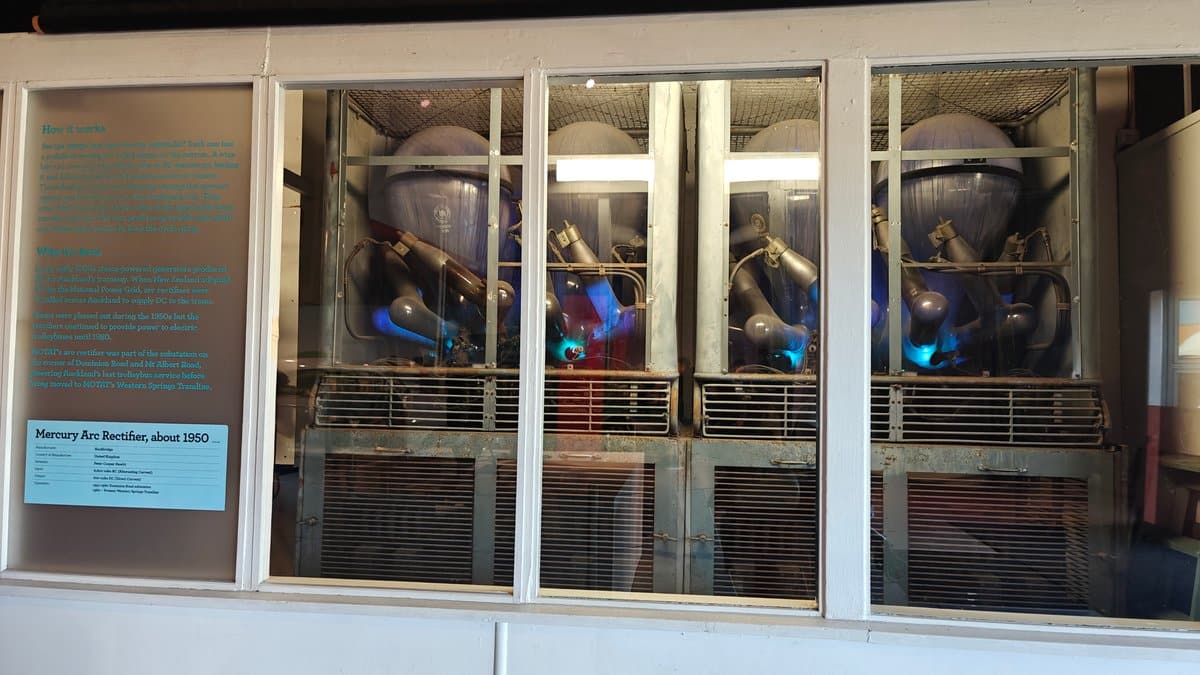
Then there were some of the more unusual ones, like the Mercury Arc Rectifier behind glass. It was a strange looking bit of electrical kit that lit up with an otherworldly glow as it worked. Inside the panel, it turned out to be what converted the AC into the DC power used by Auckland‘s trams.
It was really cool, and I’d never seen one before.
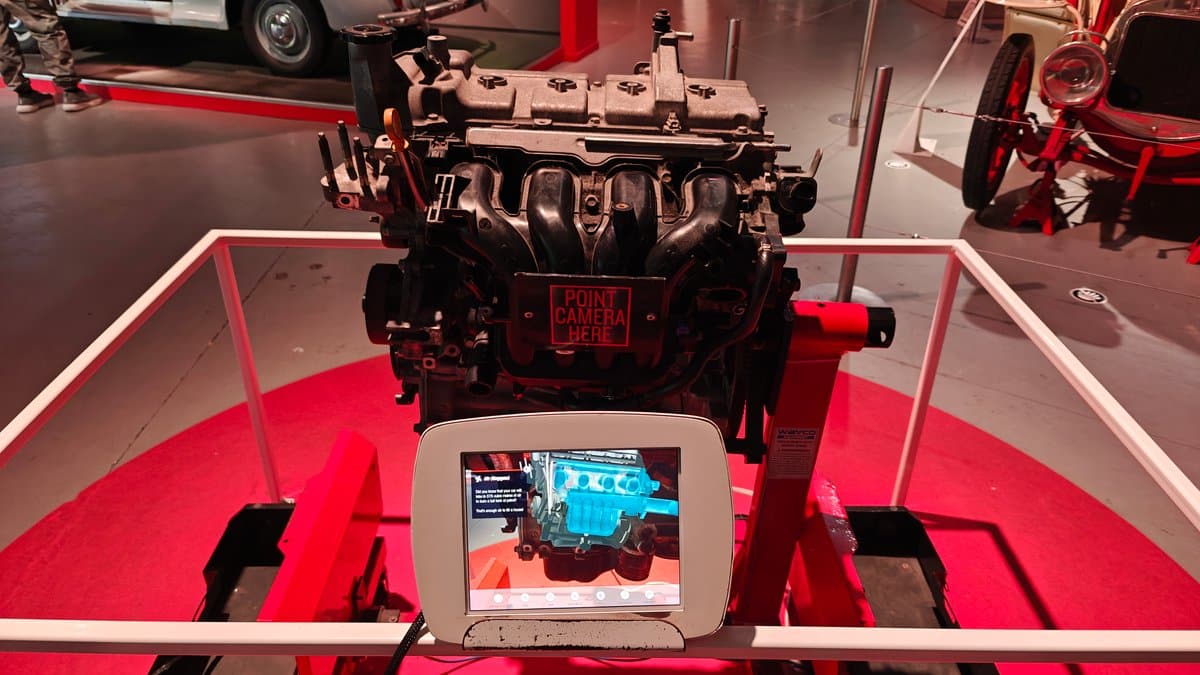
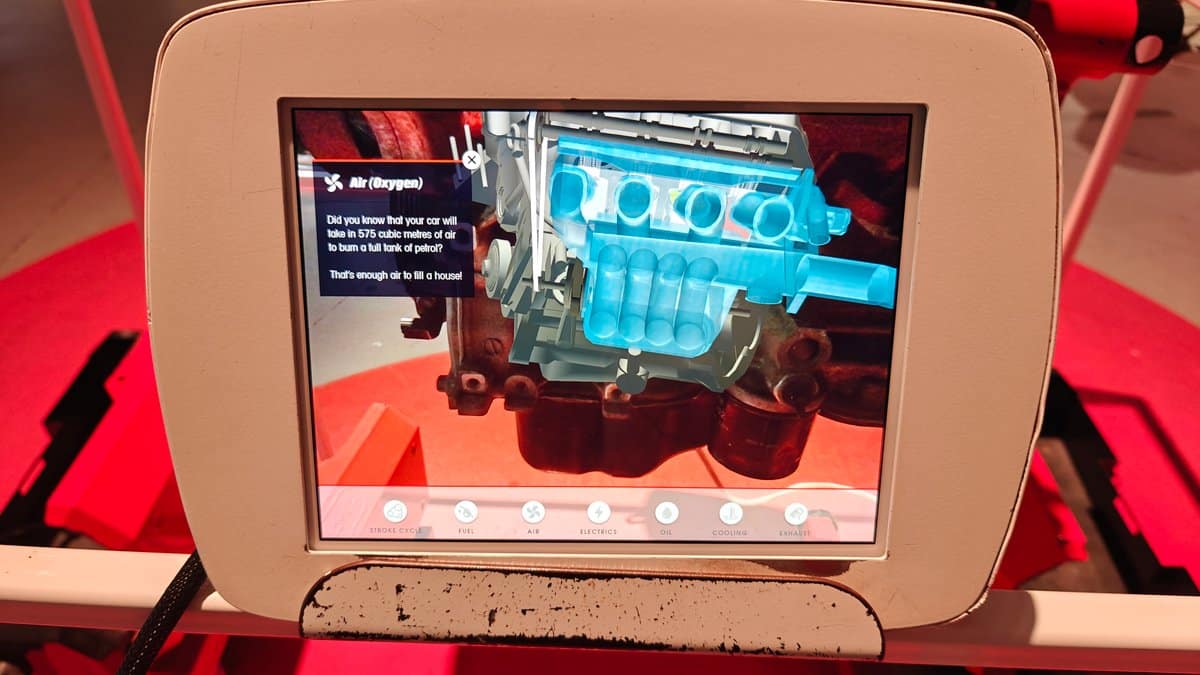
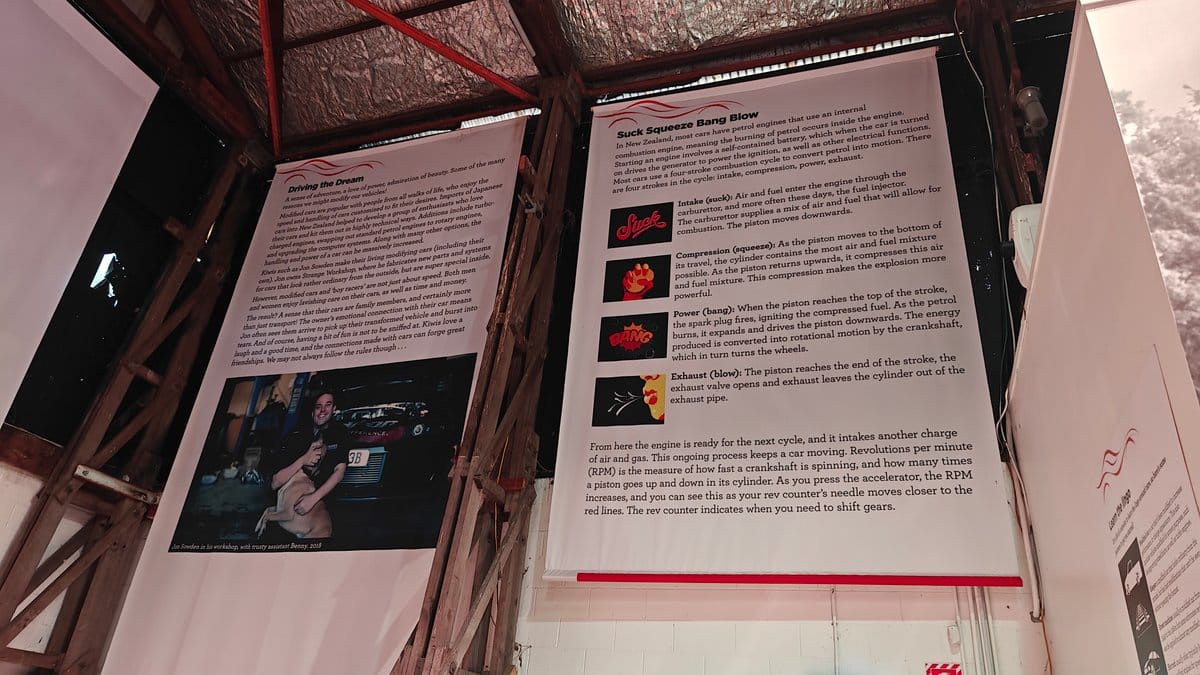
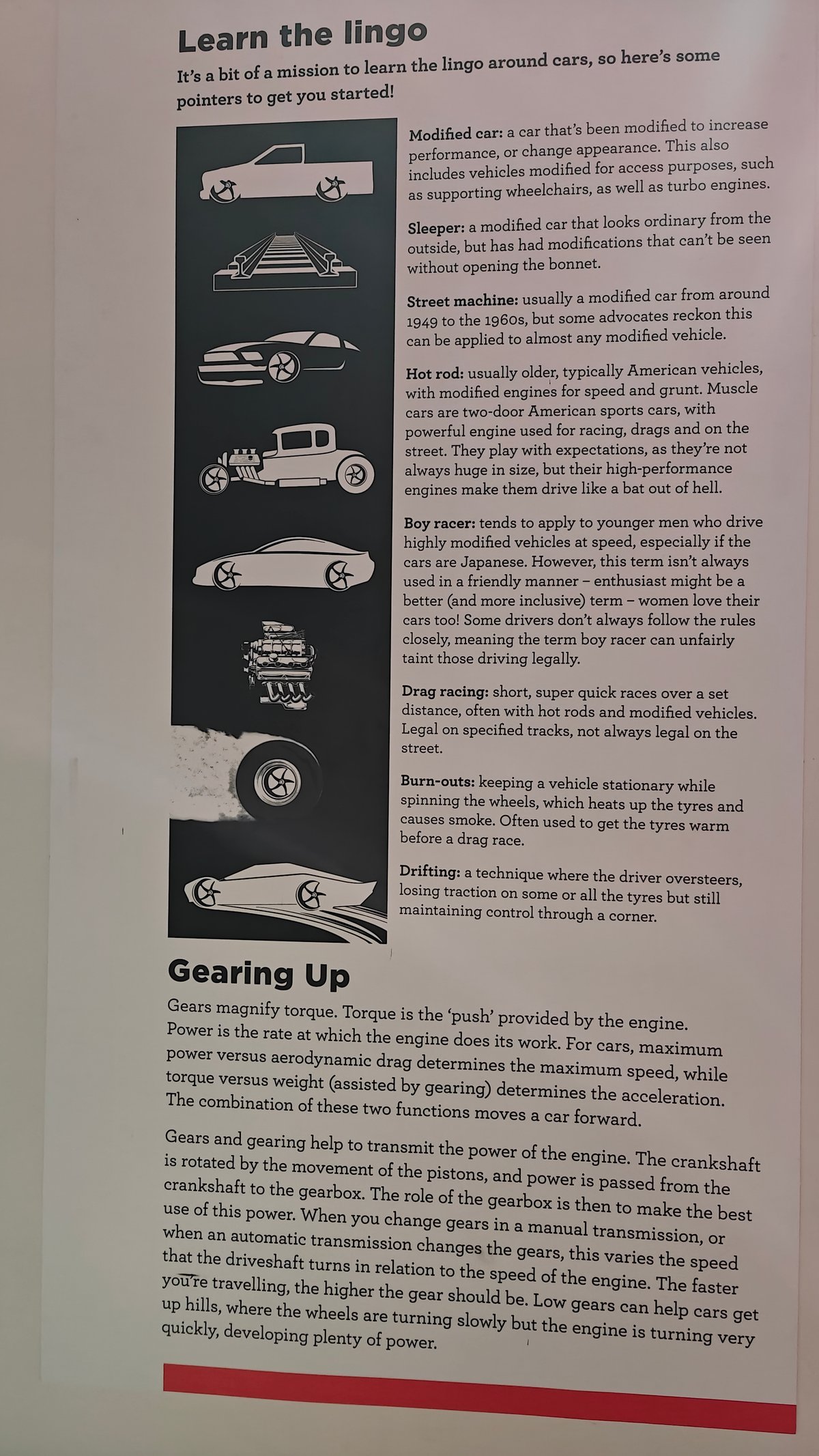
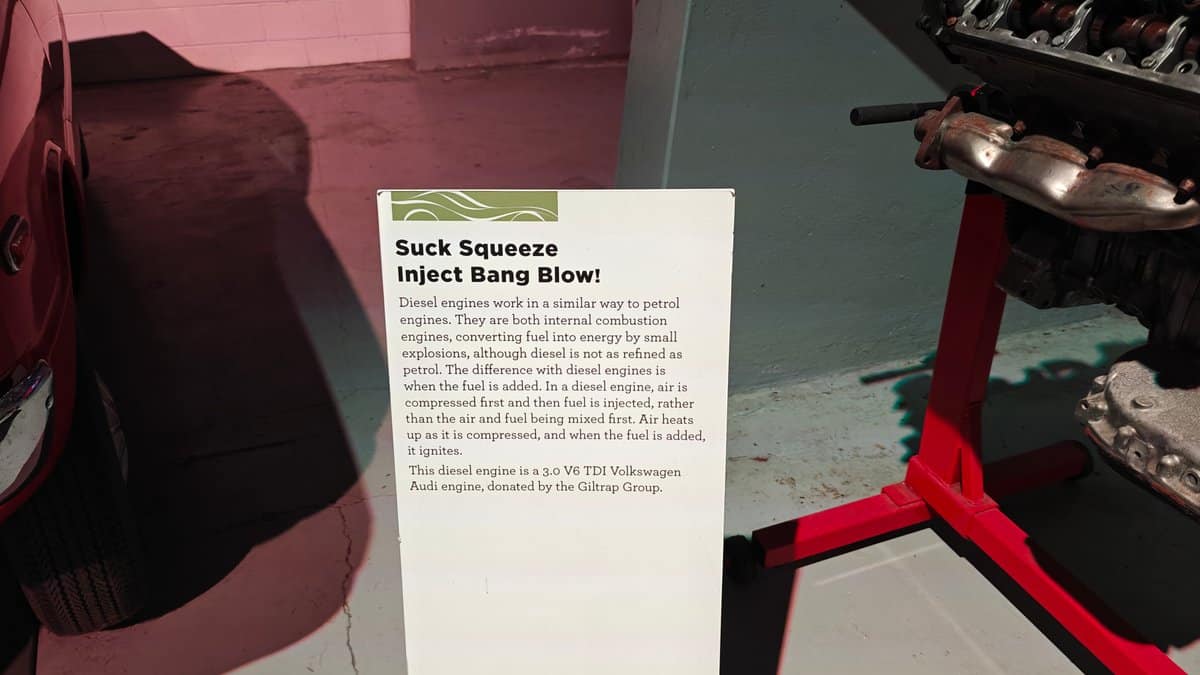
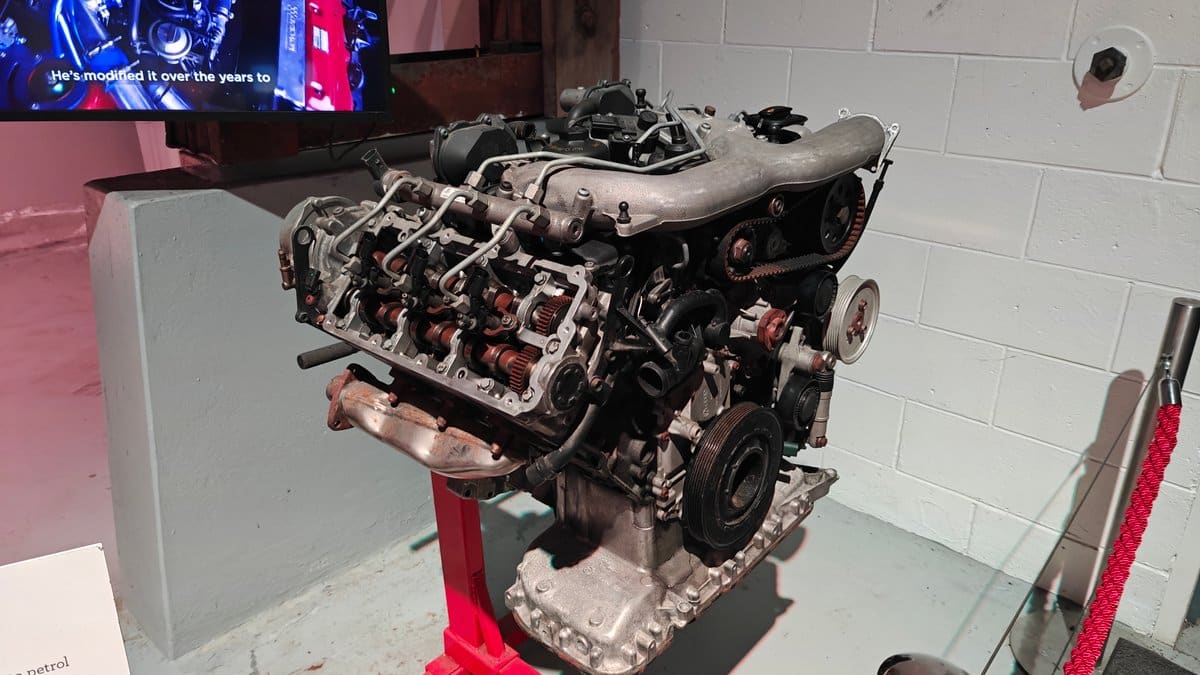
It is a very specific bit of industrial history that has been preserved. The engine displays were surprisingly engaging. There are cutaway models on tablet screens, and panels with titles such as “Suck Squeeze Inject Bang Blow!” that explain the workings of diesel engines.
It’s all made to be easy to understand, even though it could otherwise be pretty technical stuff.
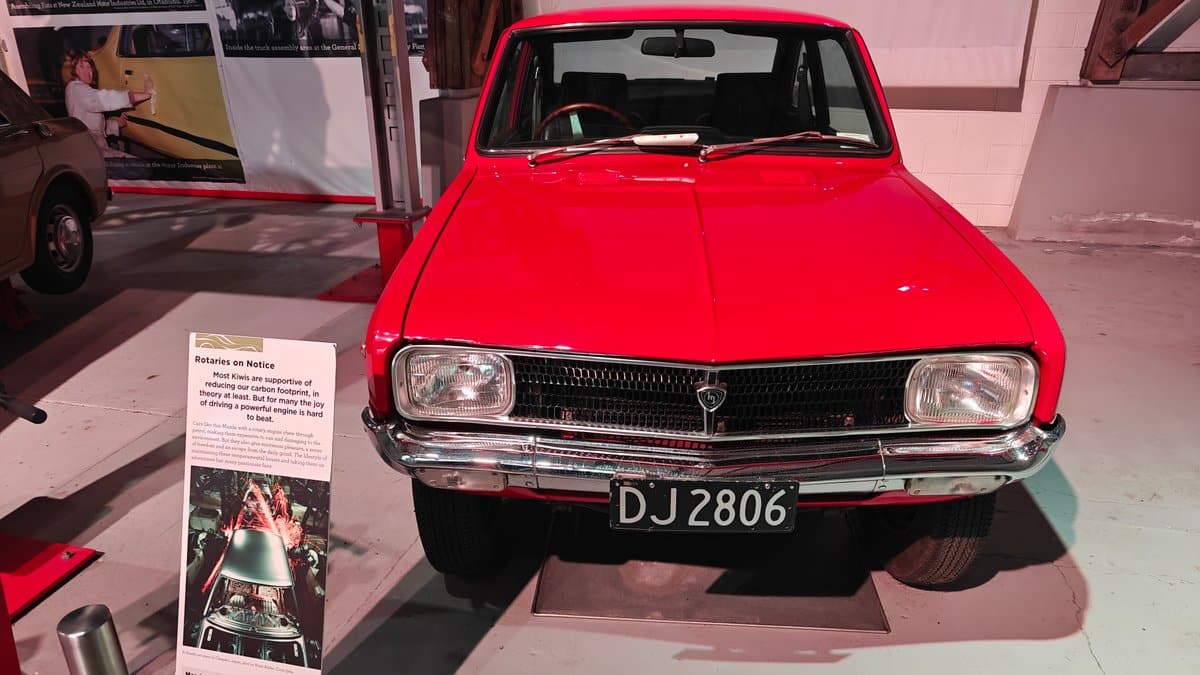
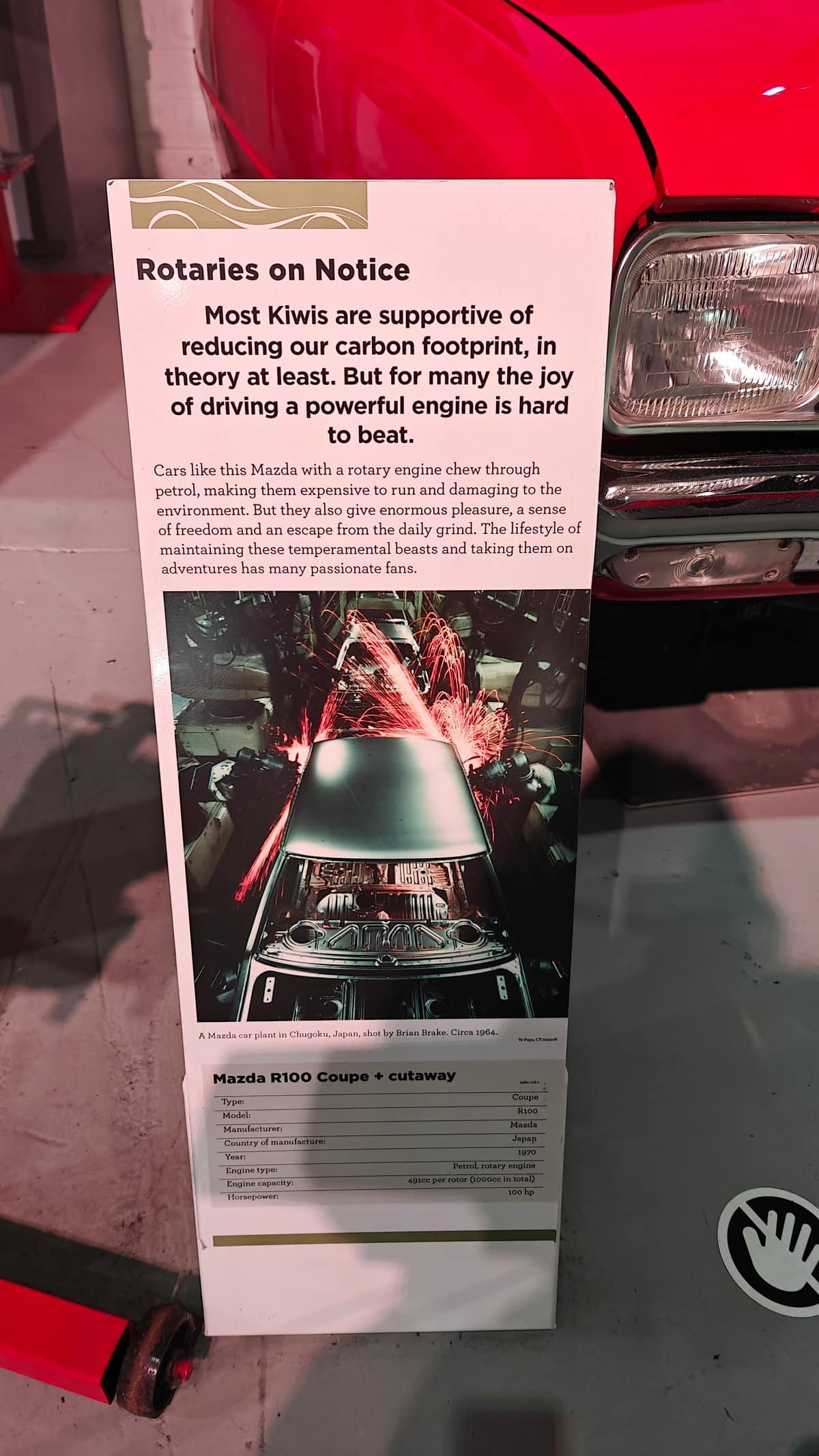
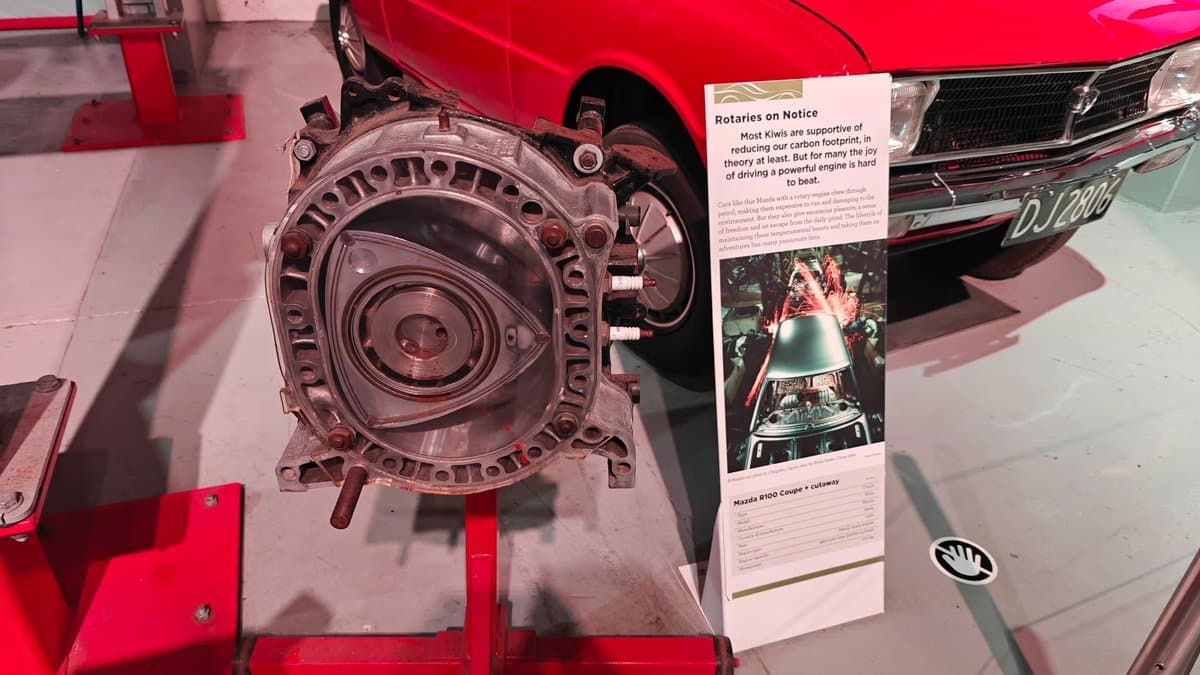
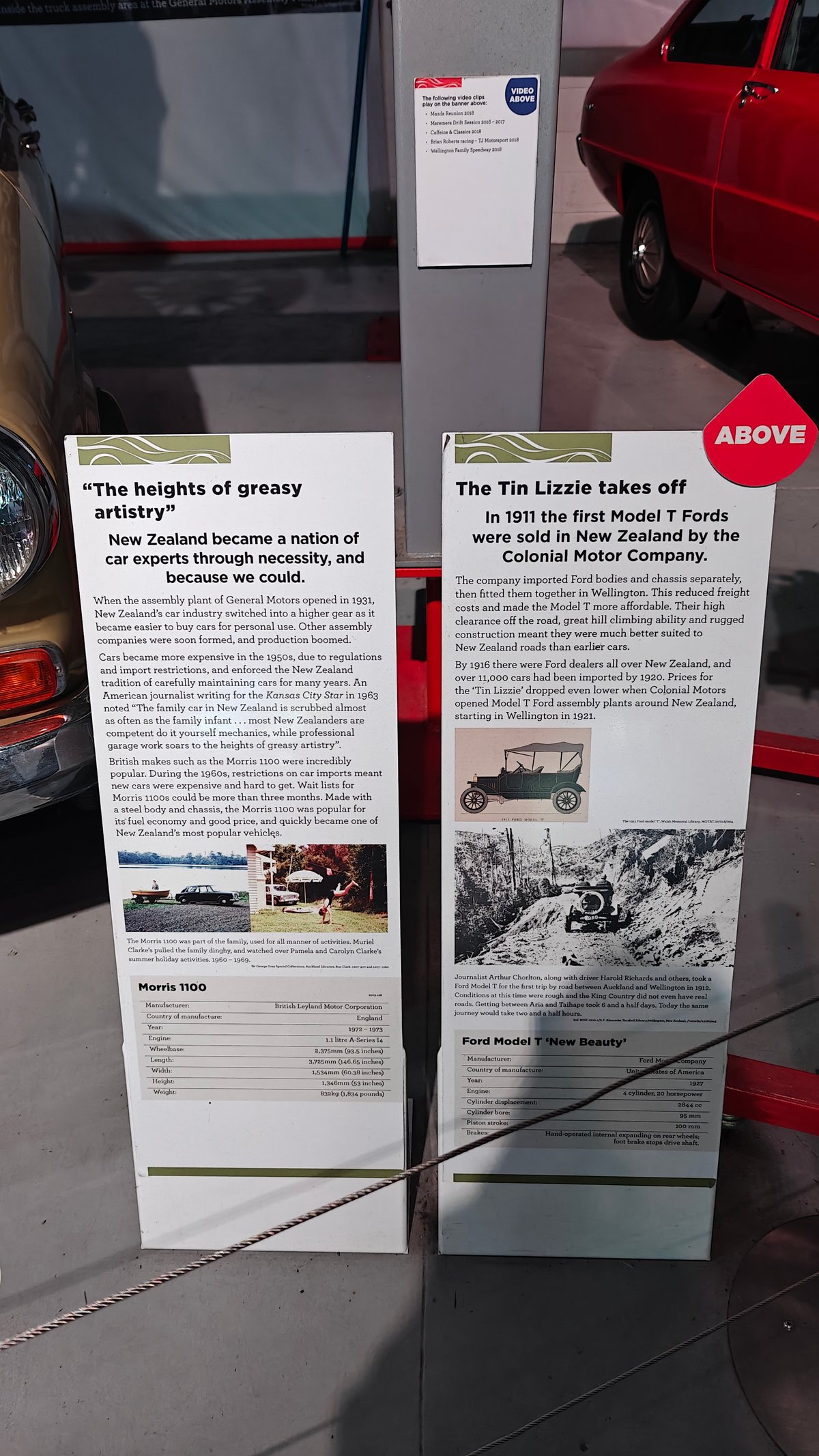
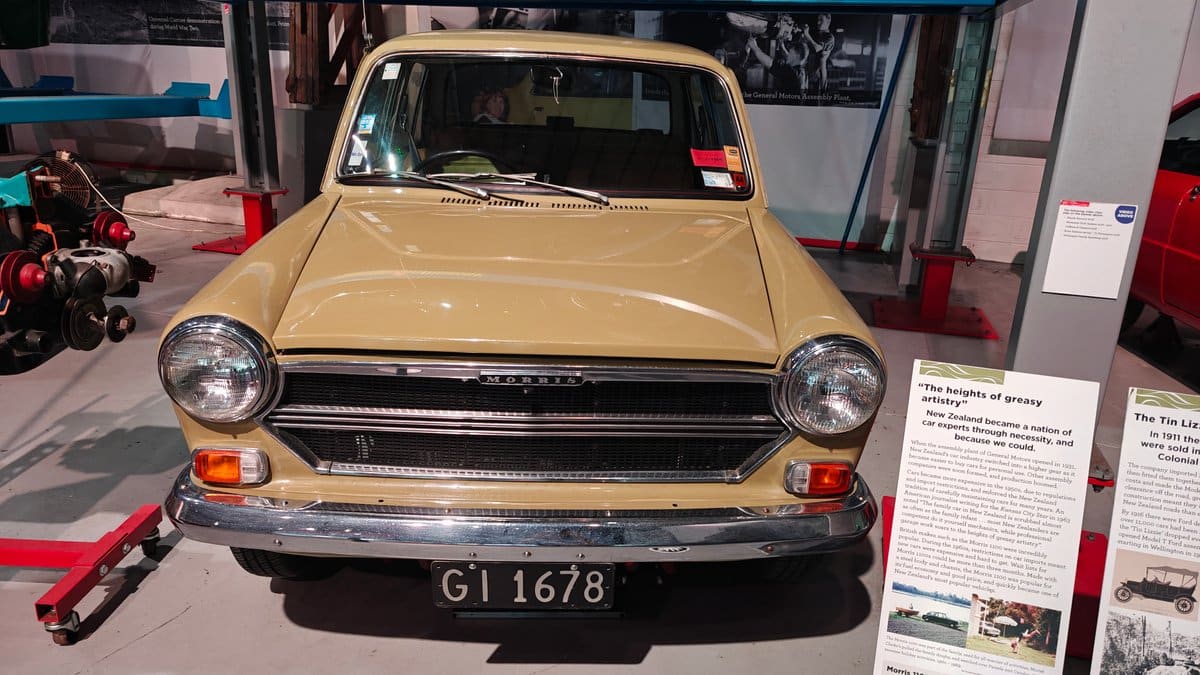
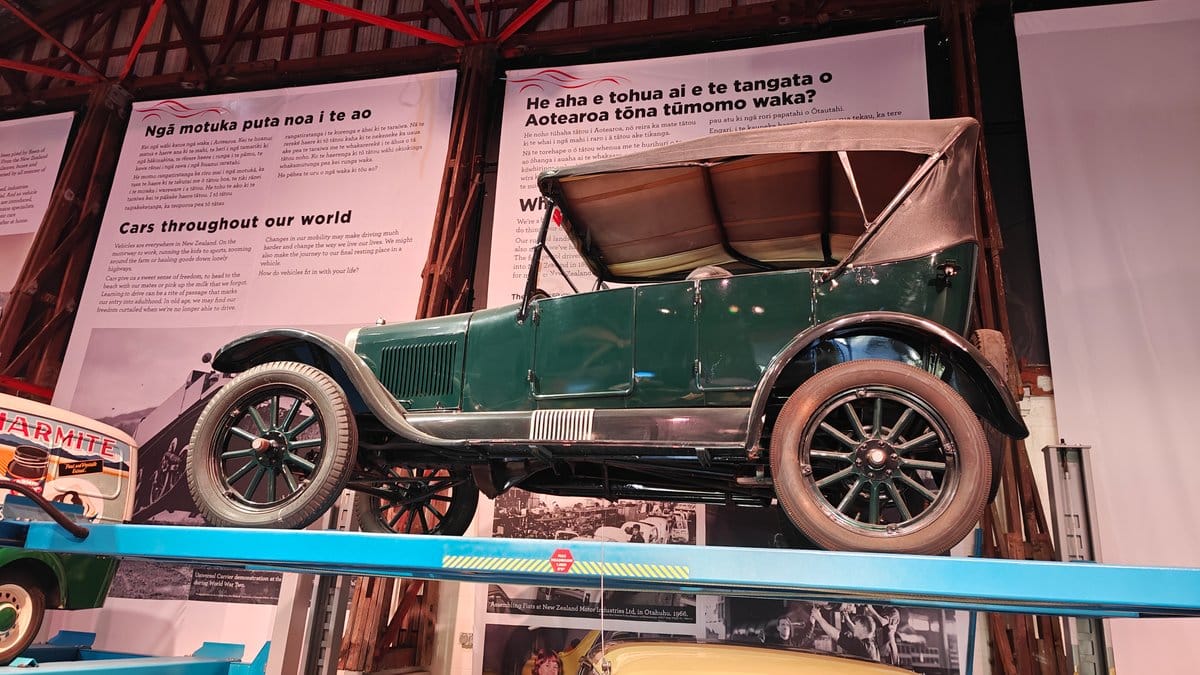
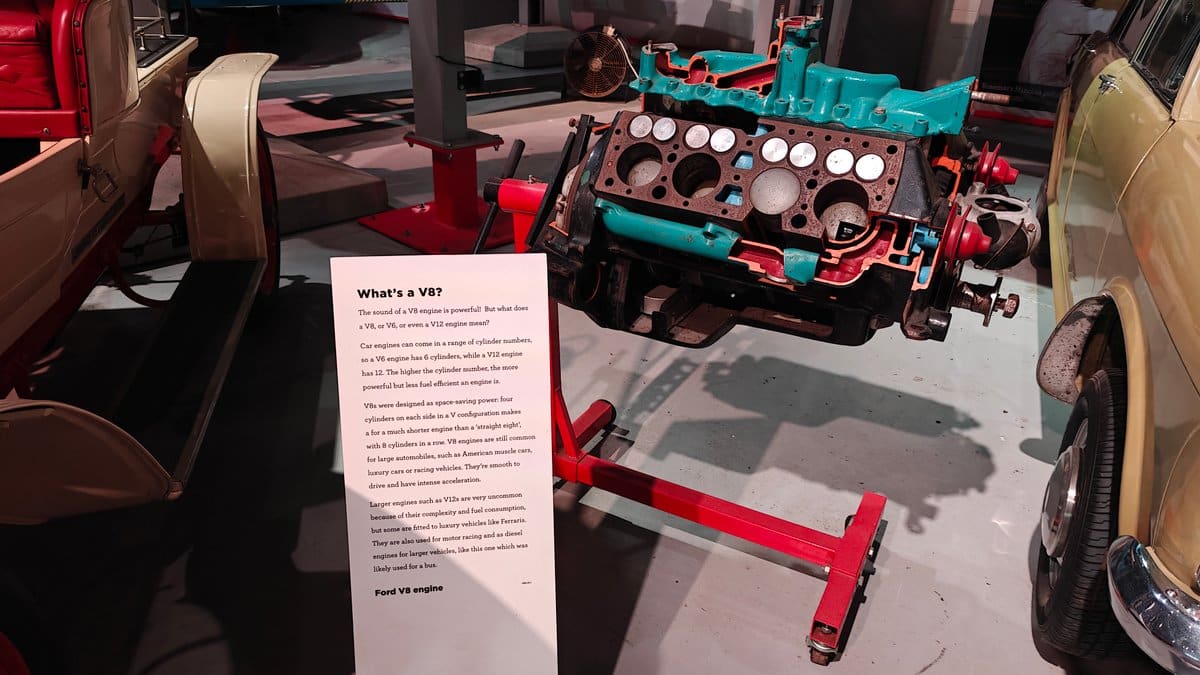
I ended up spending more time here then I’d intended, reading about how the various engine types evolved and just poking around at them. From there, the car collection proper begins, and while they has some early saloons, things get more interesting as you go on. There’s a Mazda rotary engine display that goes into surprisingly detailed depth about what made the Wankel design different; I’m an engineer so that appealed to me.
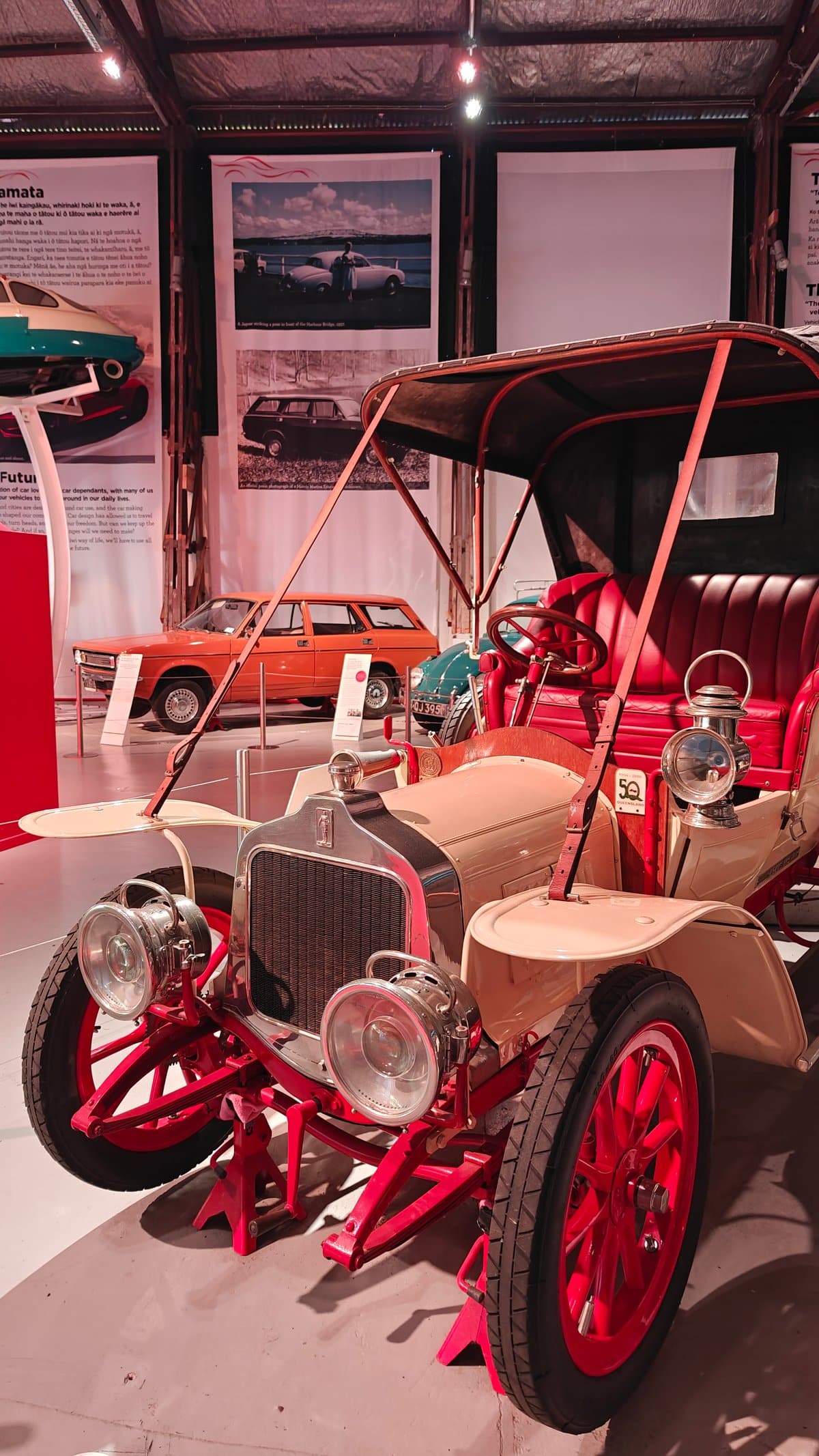
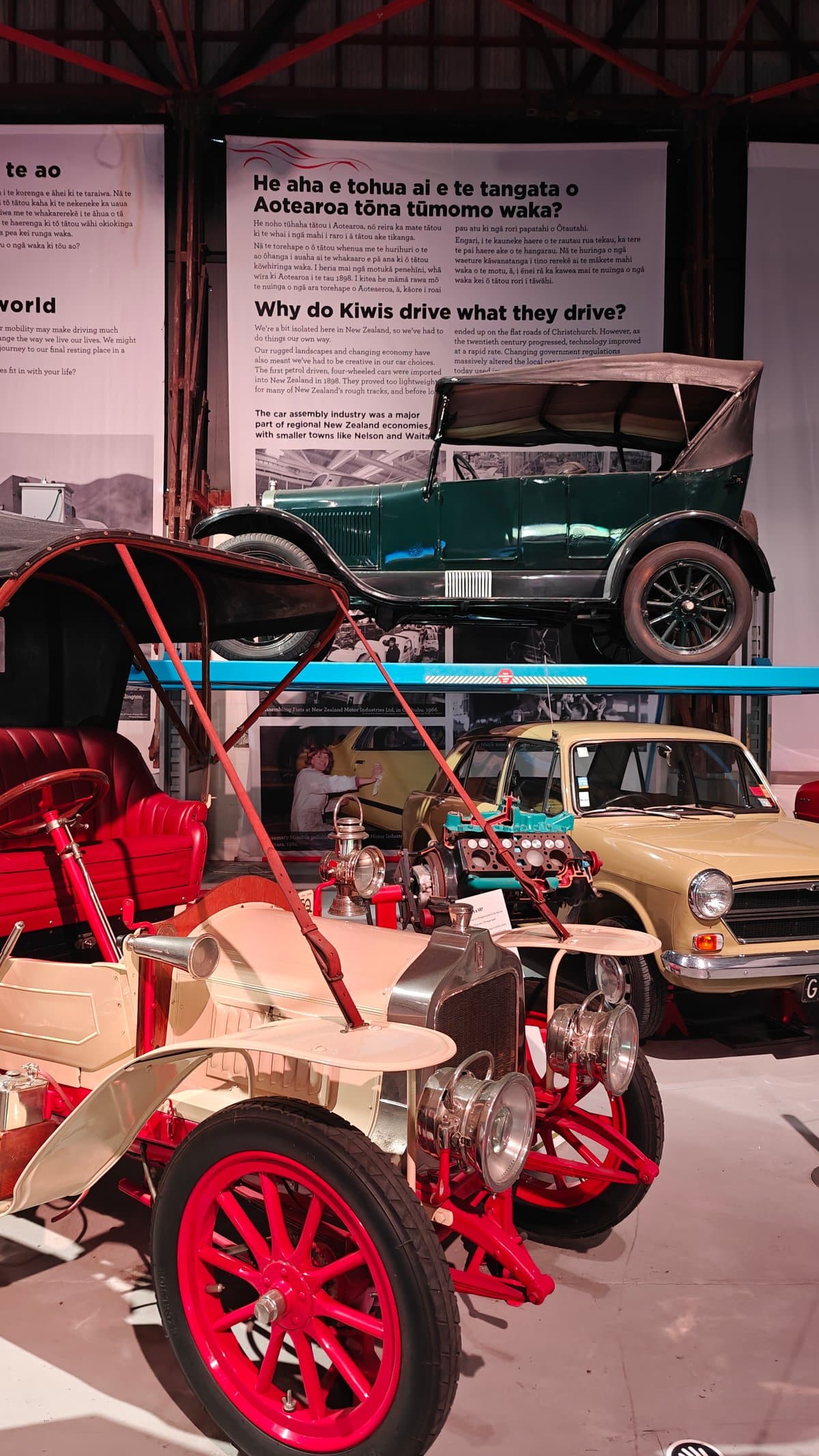
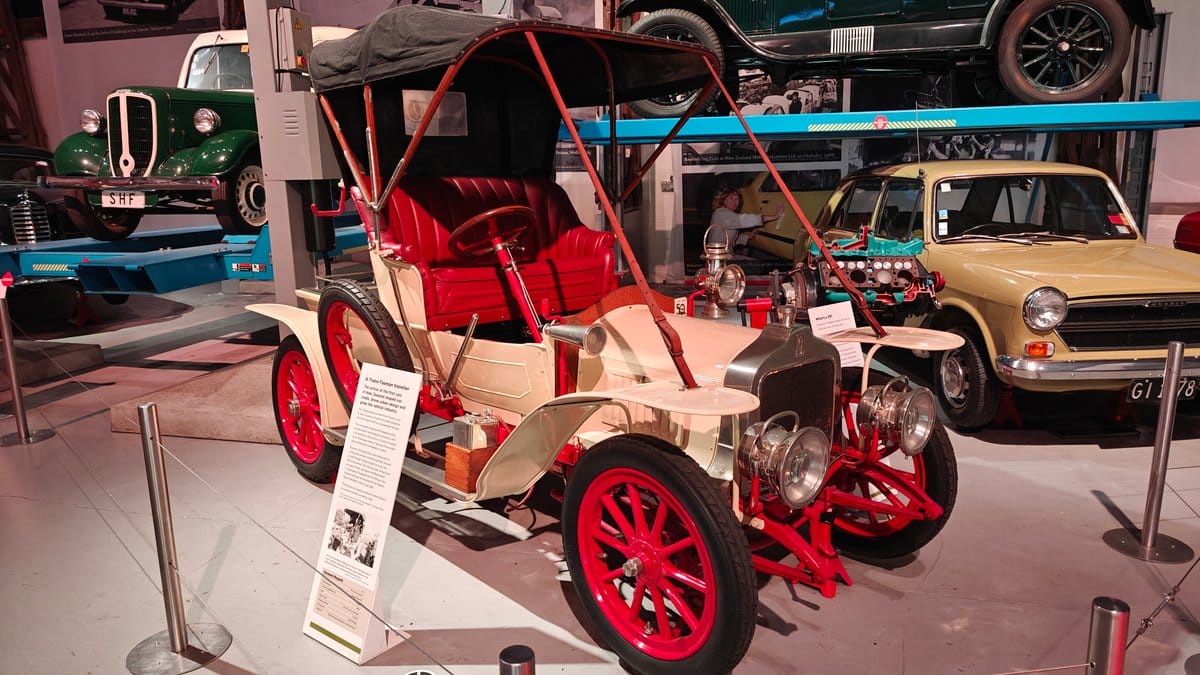
Their cars range from elegantly vintage tourers to plain-as-potatoes family cars from the 60s and 70s, and that combination is part of their charm: this isn’t just shiny classics, it’s social history. In some ways it was more interesting to me that some of the cars are completely stripped back to the chassis where you can really see how they were put together. The interpretive panels also told good stories.
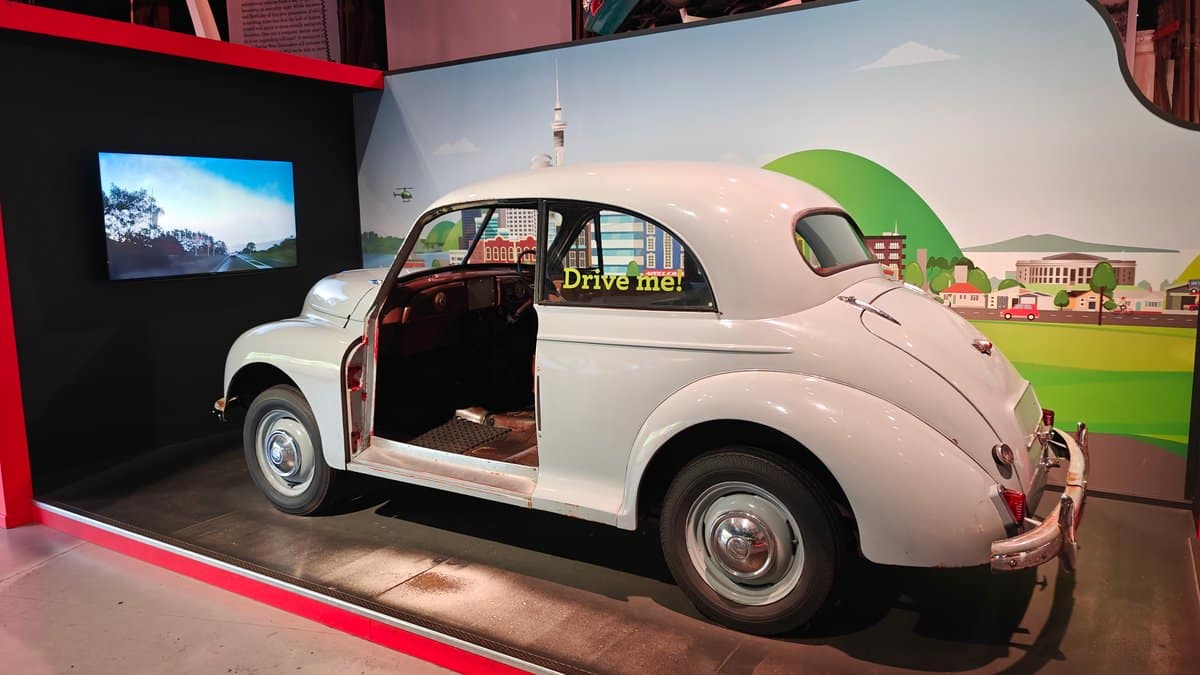
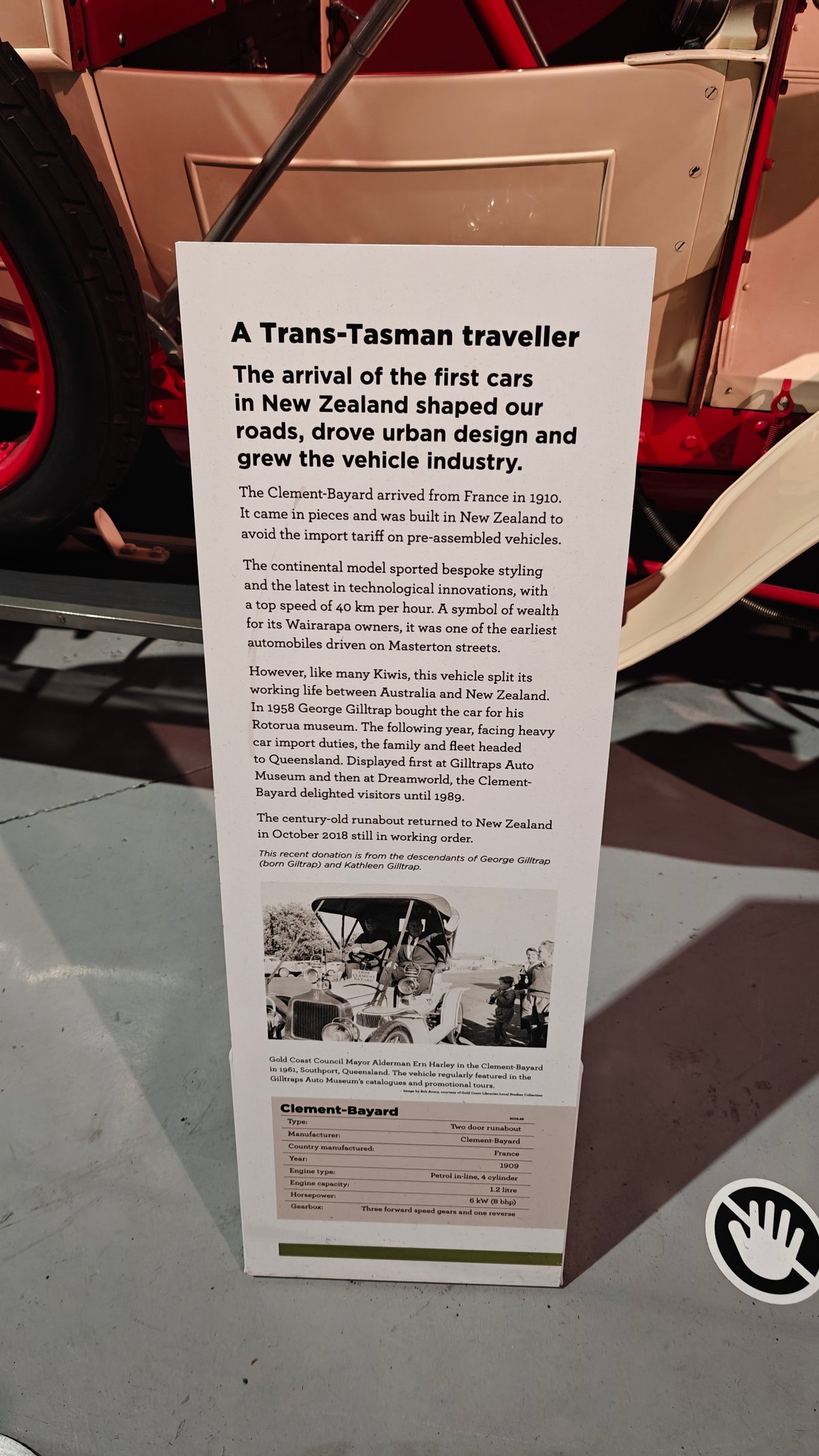
They explained what this car did for a specific commercial purpose or how another car had made the journey across the Tasman. It’s the detail that brings these collections to life. There was also a pale Morris Minor with a “Drive me!”
sign next to it and I wished that I’d visited on a day where they were offering demo rides.
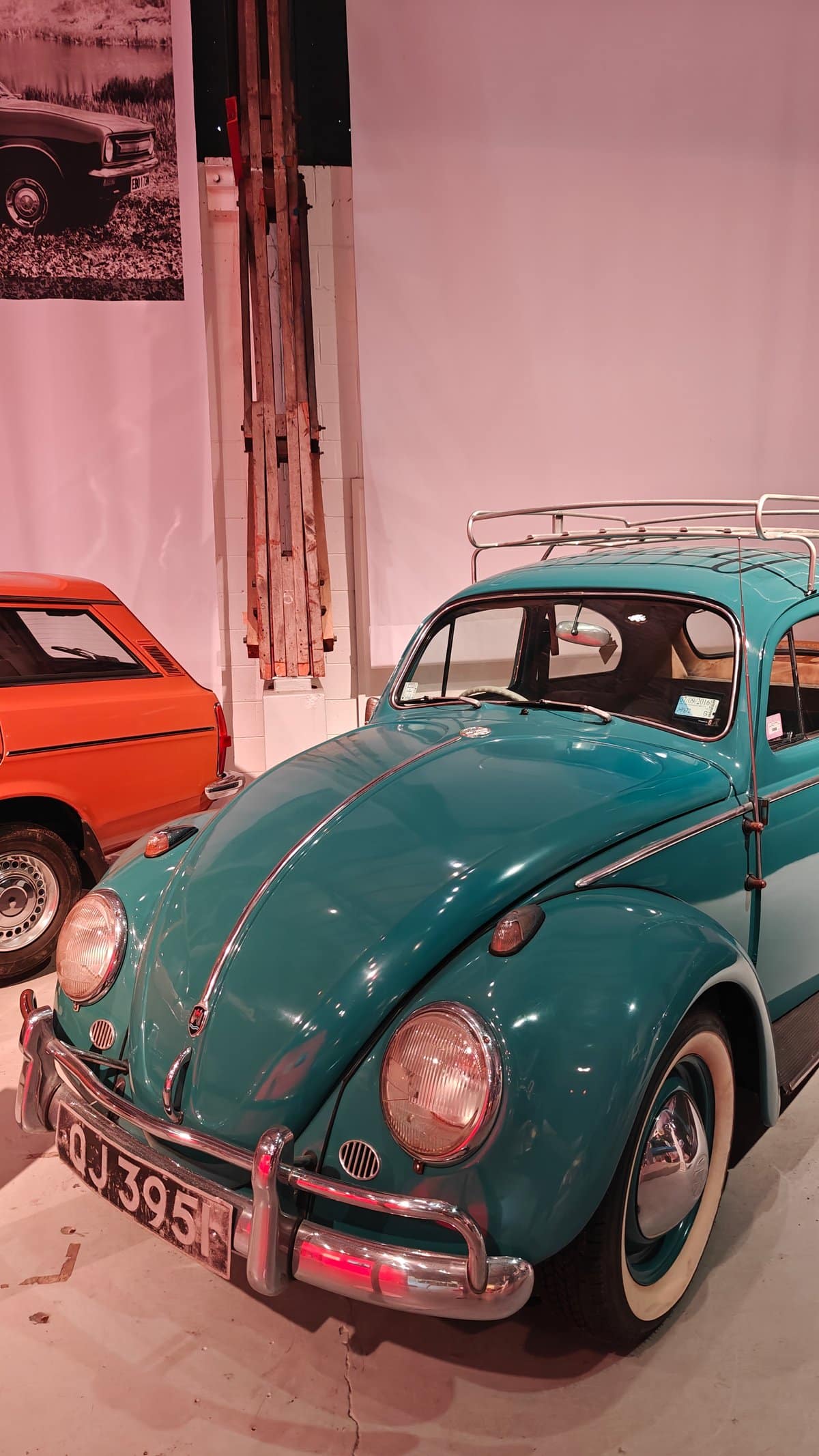
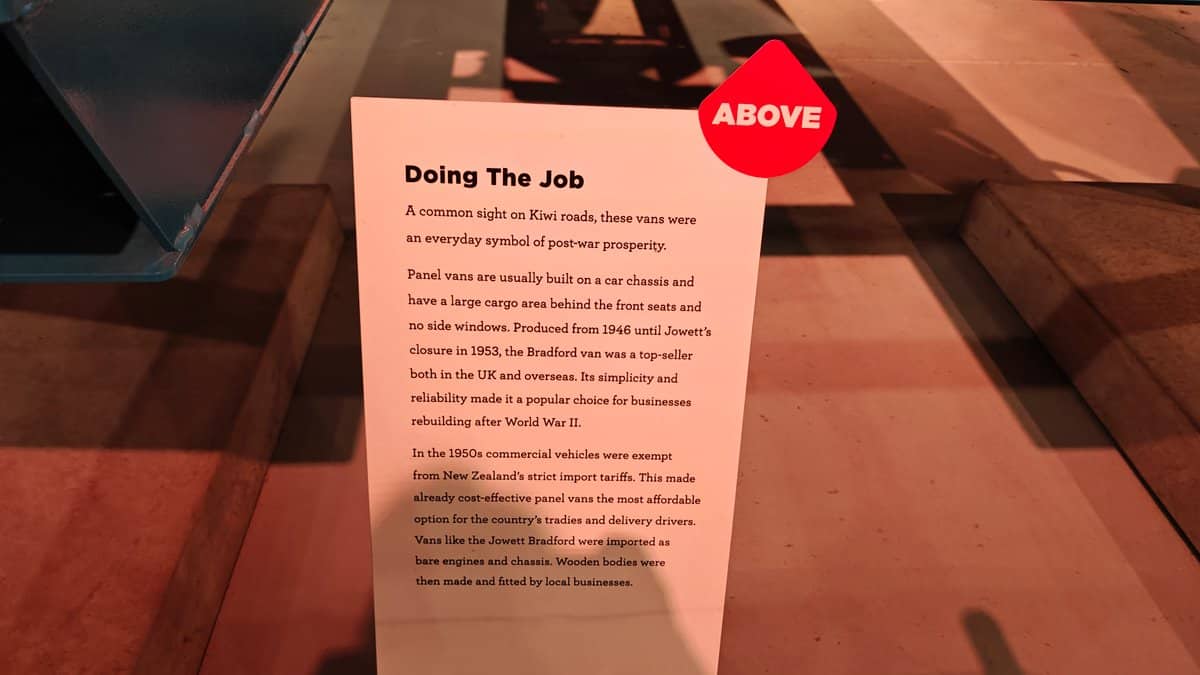
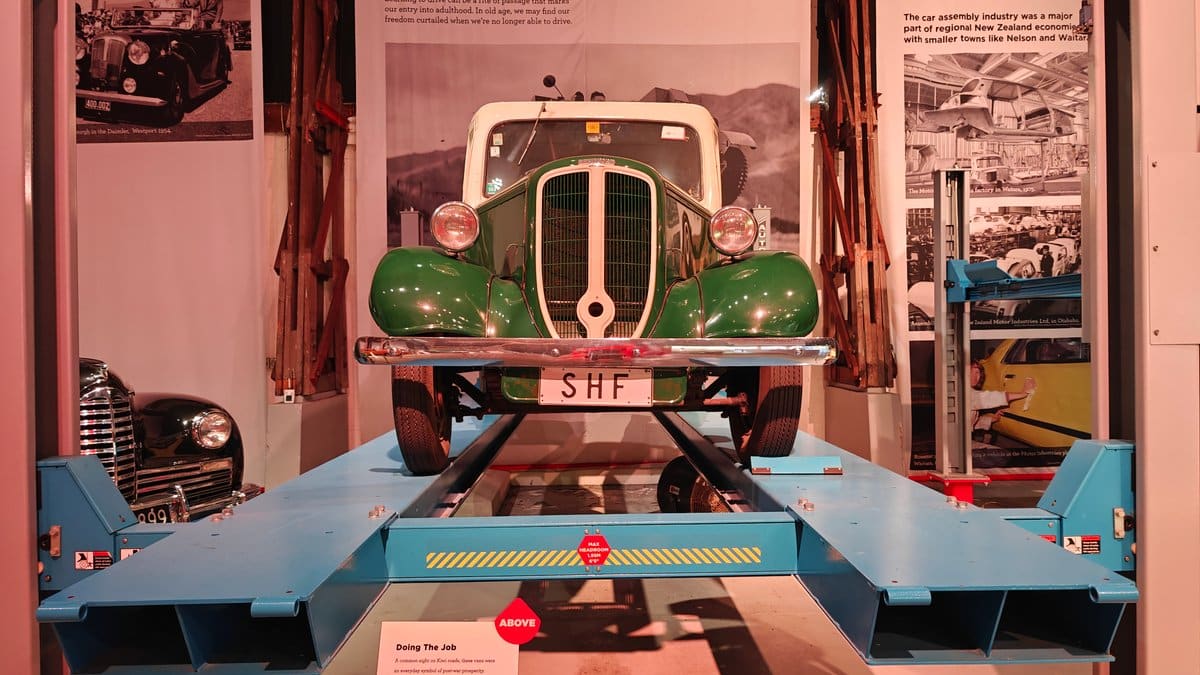
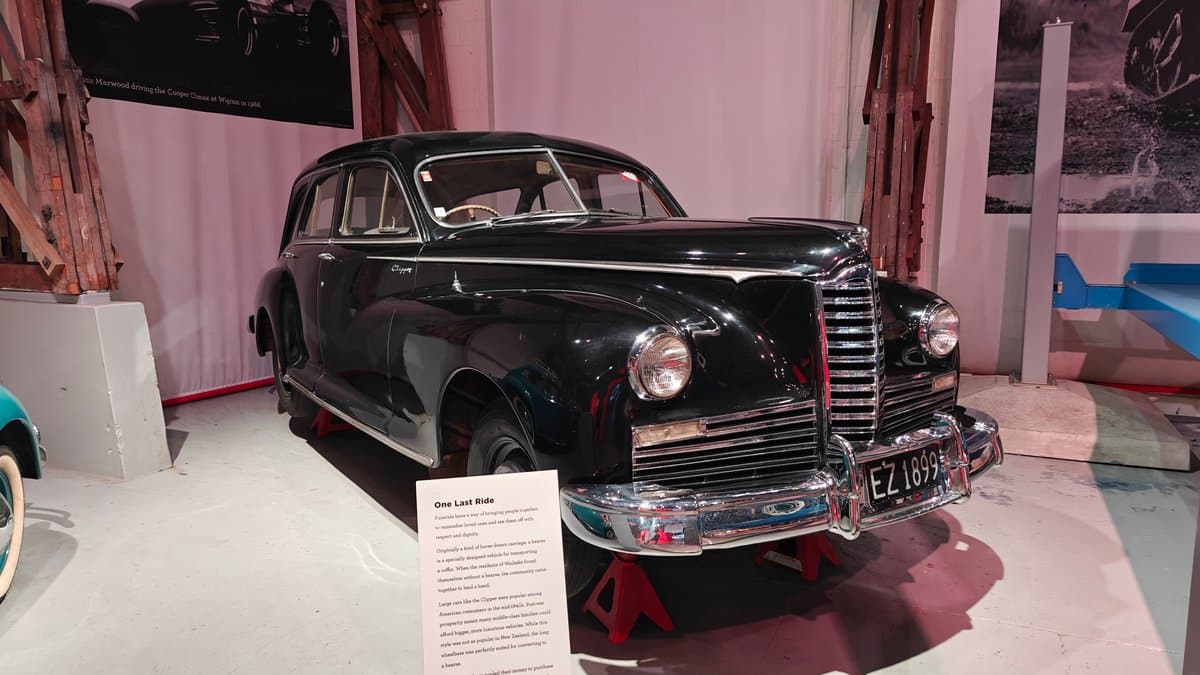
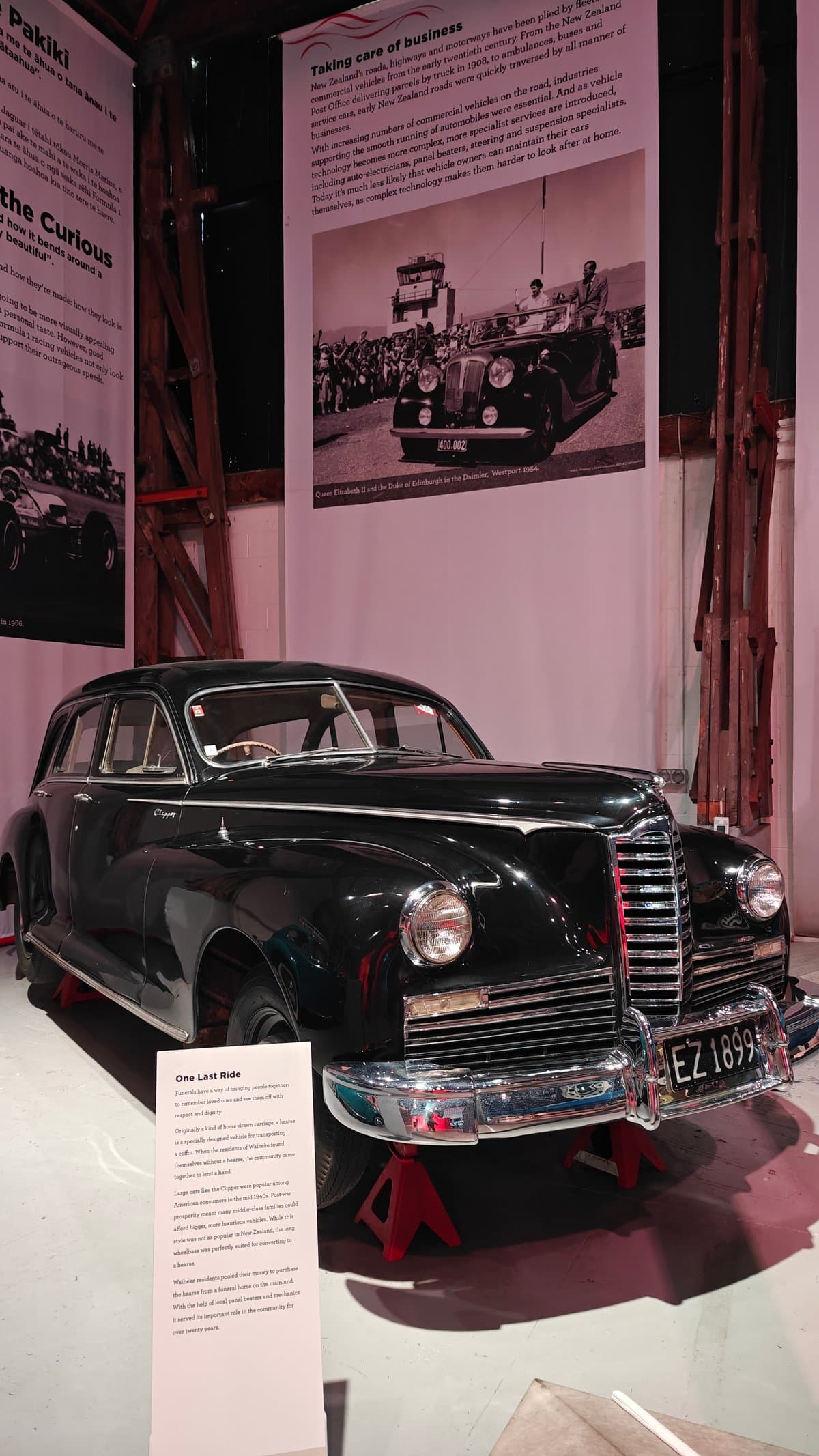
It’s always nice to see something other than speed or luxurius being celebrated. I liked that there was a separate area for the more practical vehicles, like work trucks and delivery vans, and some panels explaining how these fit into people’s daily lives in New Zealand. There were also some vehicles that was raised up on platforms so you could see their undercarriages properly (including one rather elegant hearse from the early 20th century).
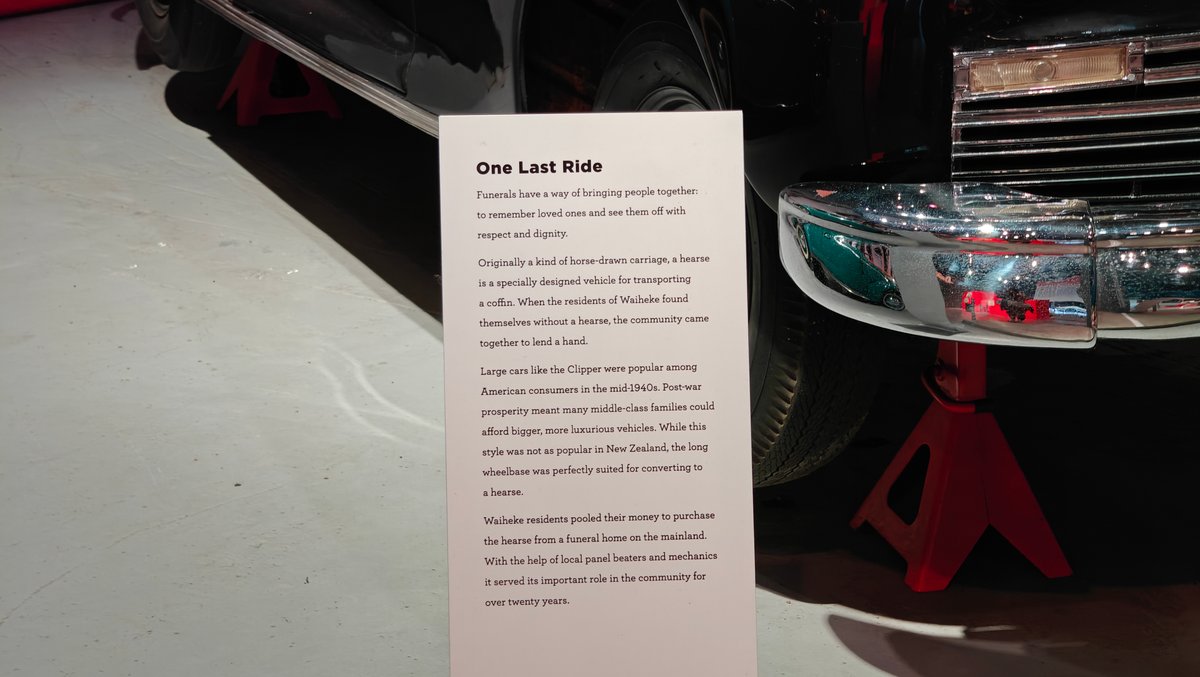
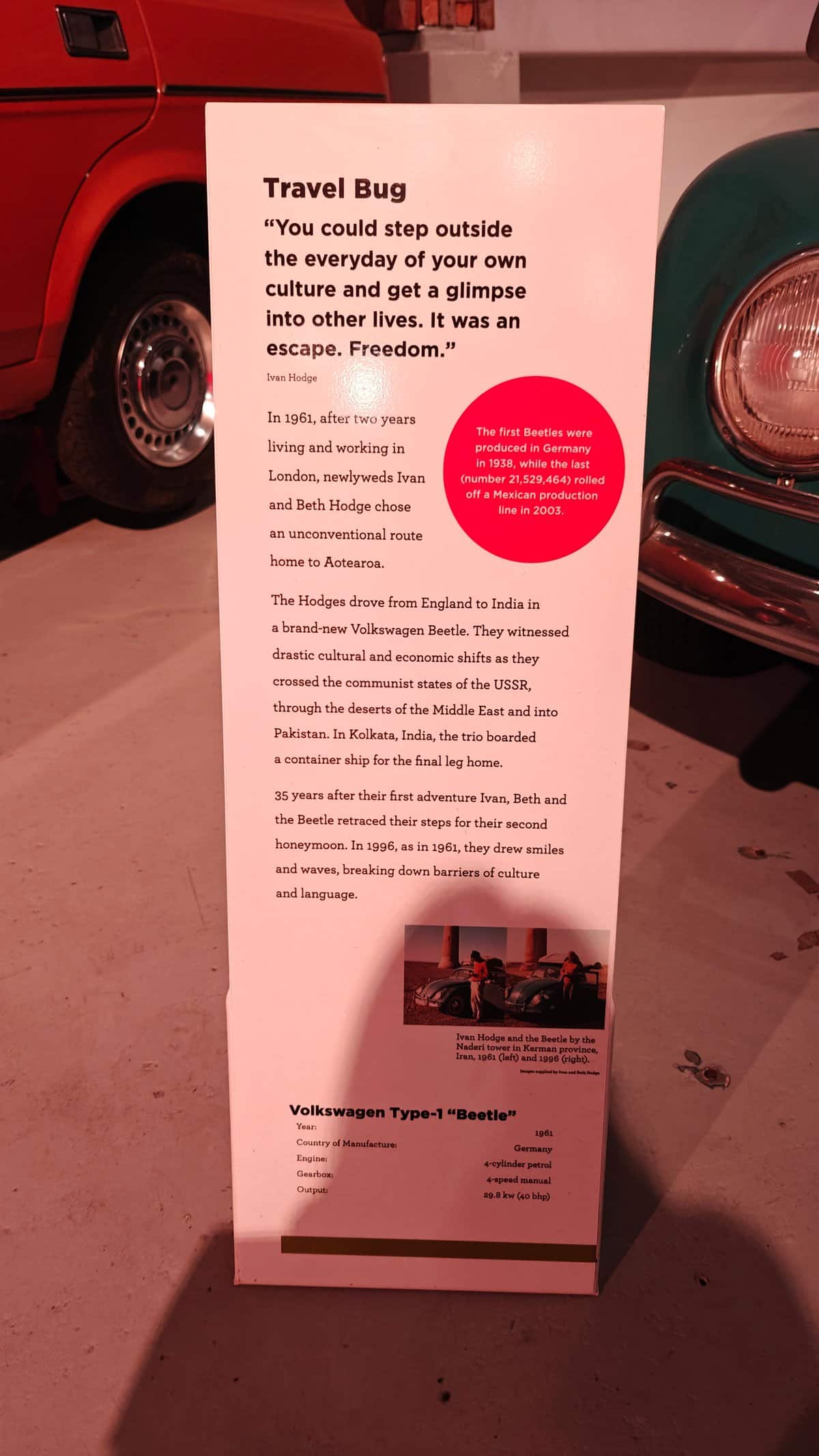
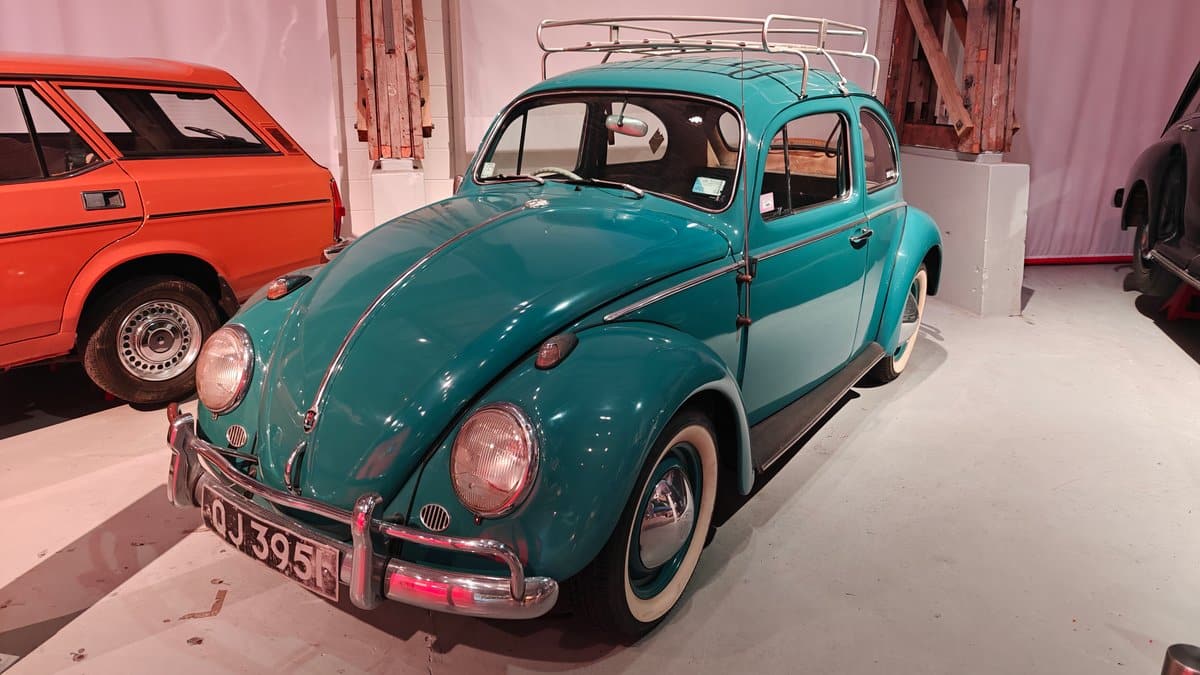
Next to it was a panel called “One Last Ride” discussing the funeral industry in a way that was respectful but still informative. There was also a nice piece on the Volkswagen Beetle and their display of the Type 1‘s rise to international fame. Truth be told, it got me thinking just how tiny they are in real life.
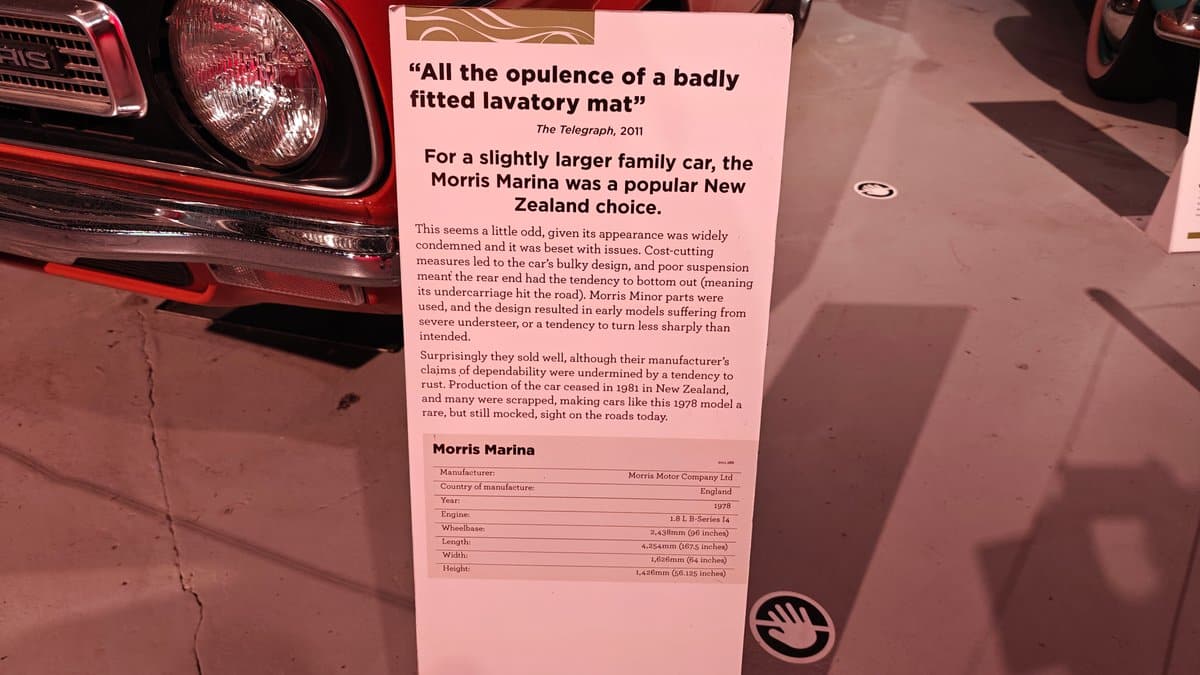


I always imagine them being quite normal sized, but when you stand next to one, you realise just how big cars have become. Next door was an orange Morris Marina estate with a quote on the side regarding opulence… The Marina was notoriously ordinary; the tongue-in-cheek display was great. My favourite exhibit though was likely the cars.
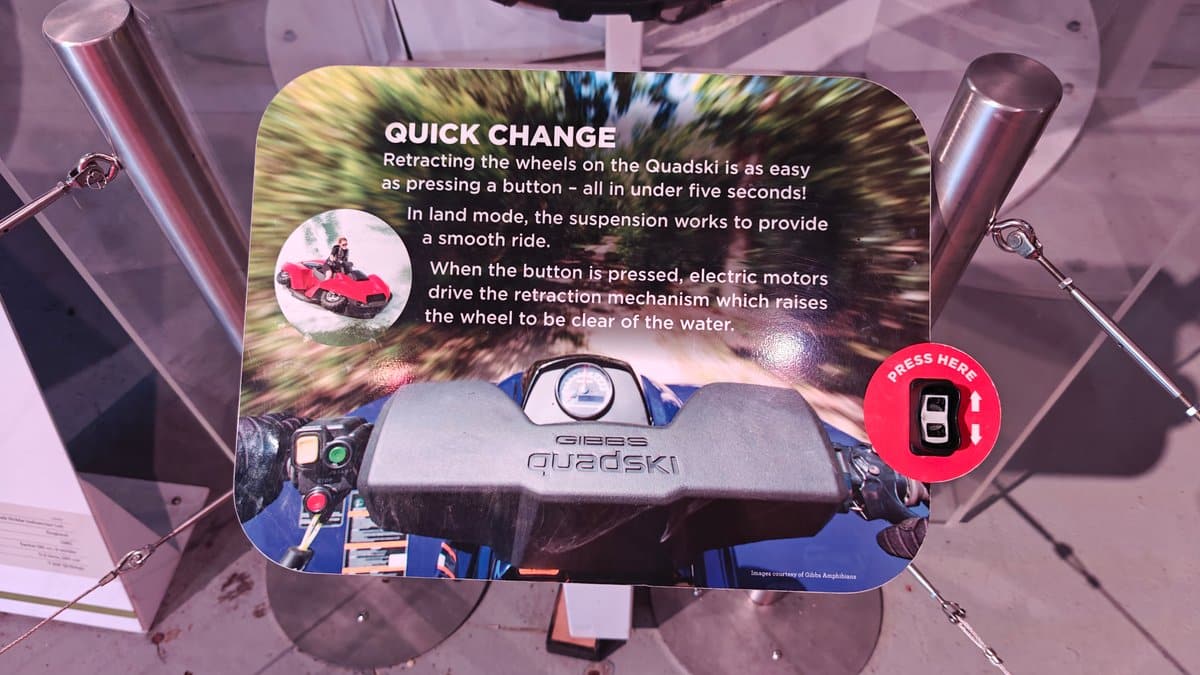
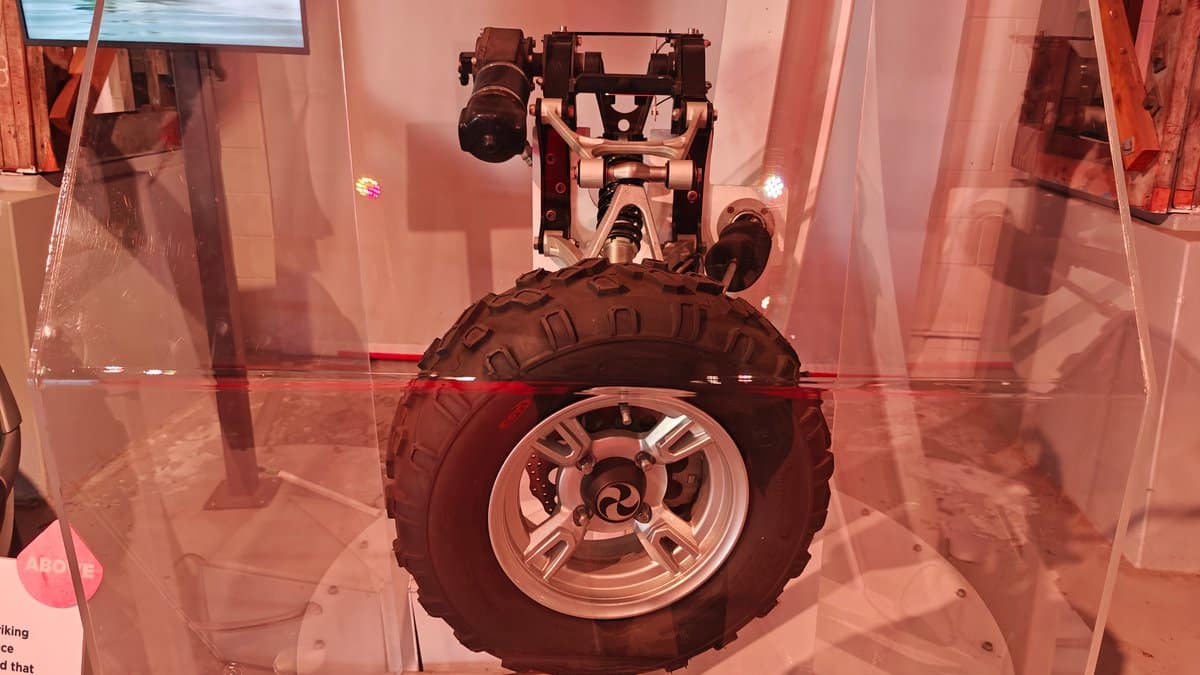
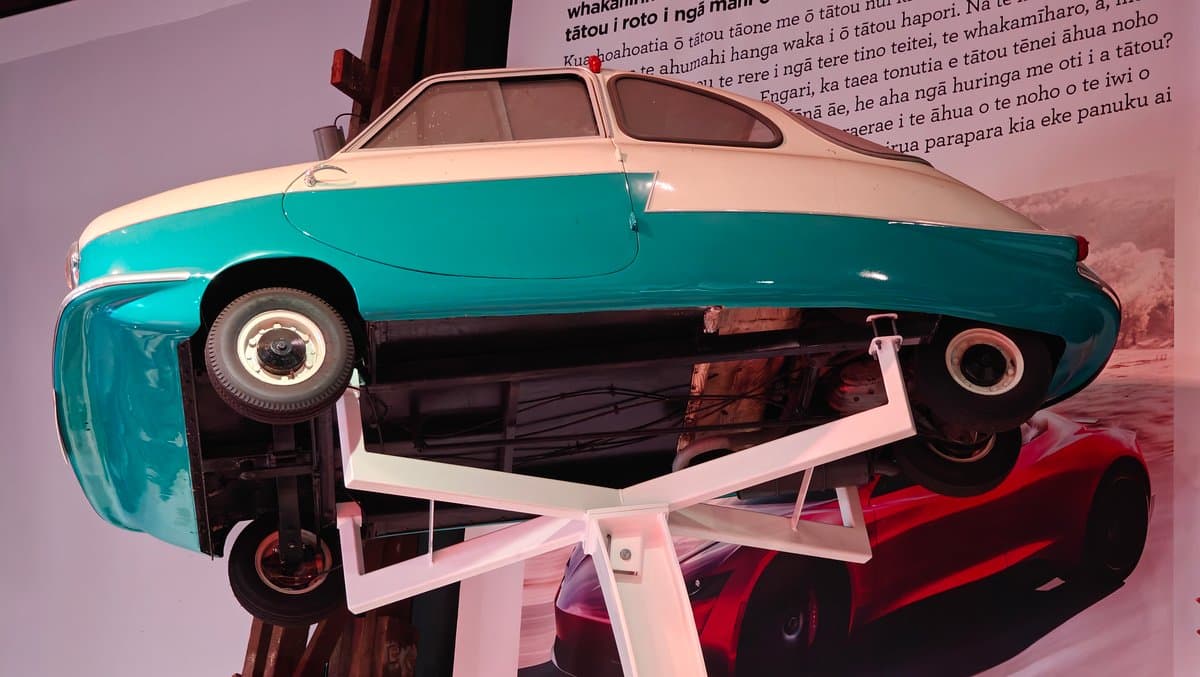
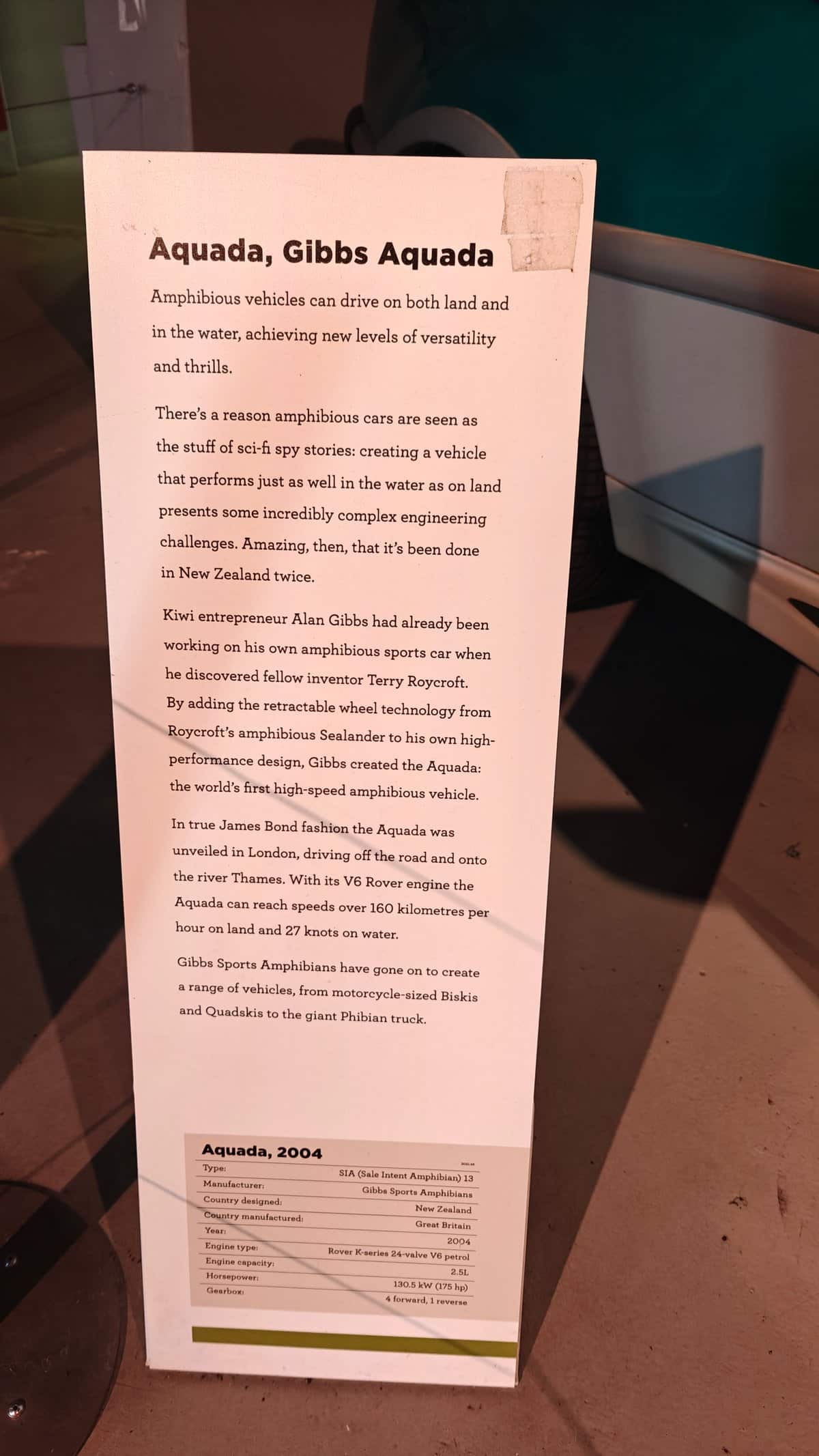
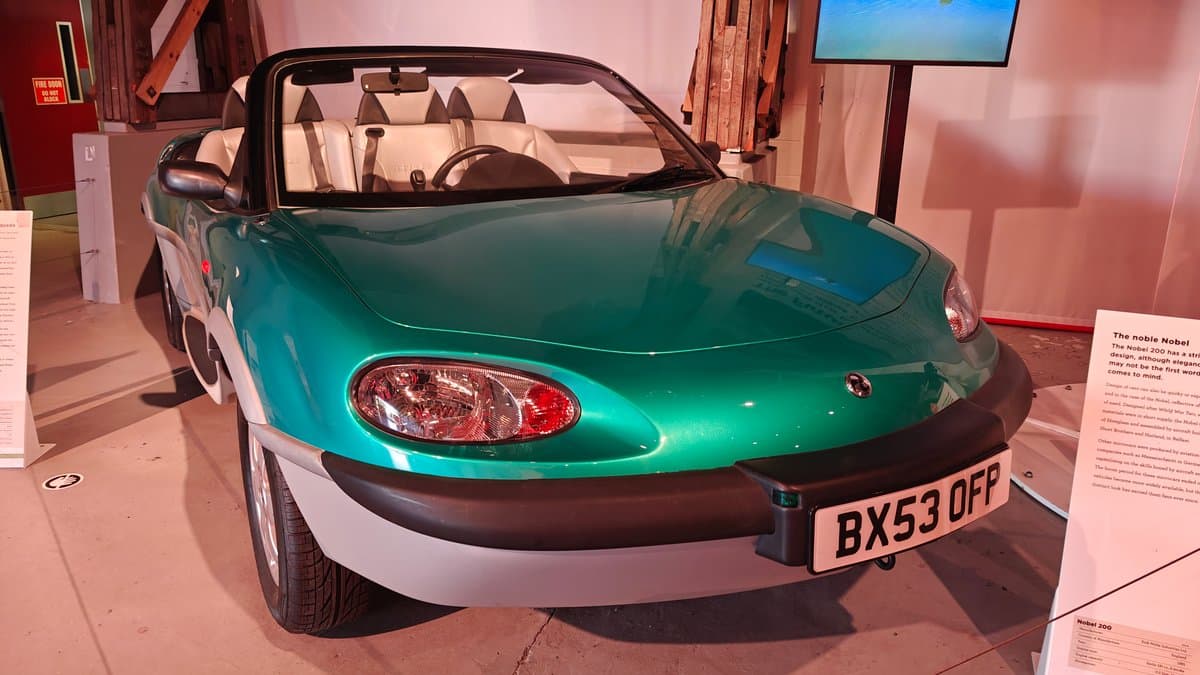
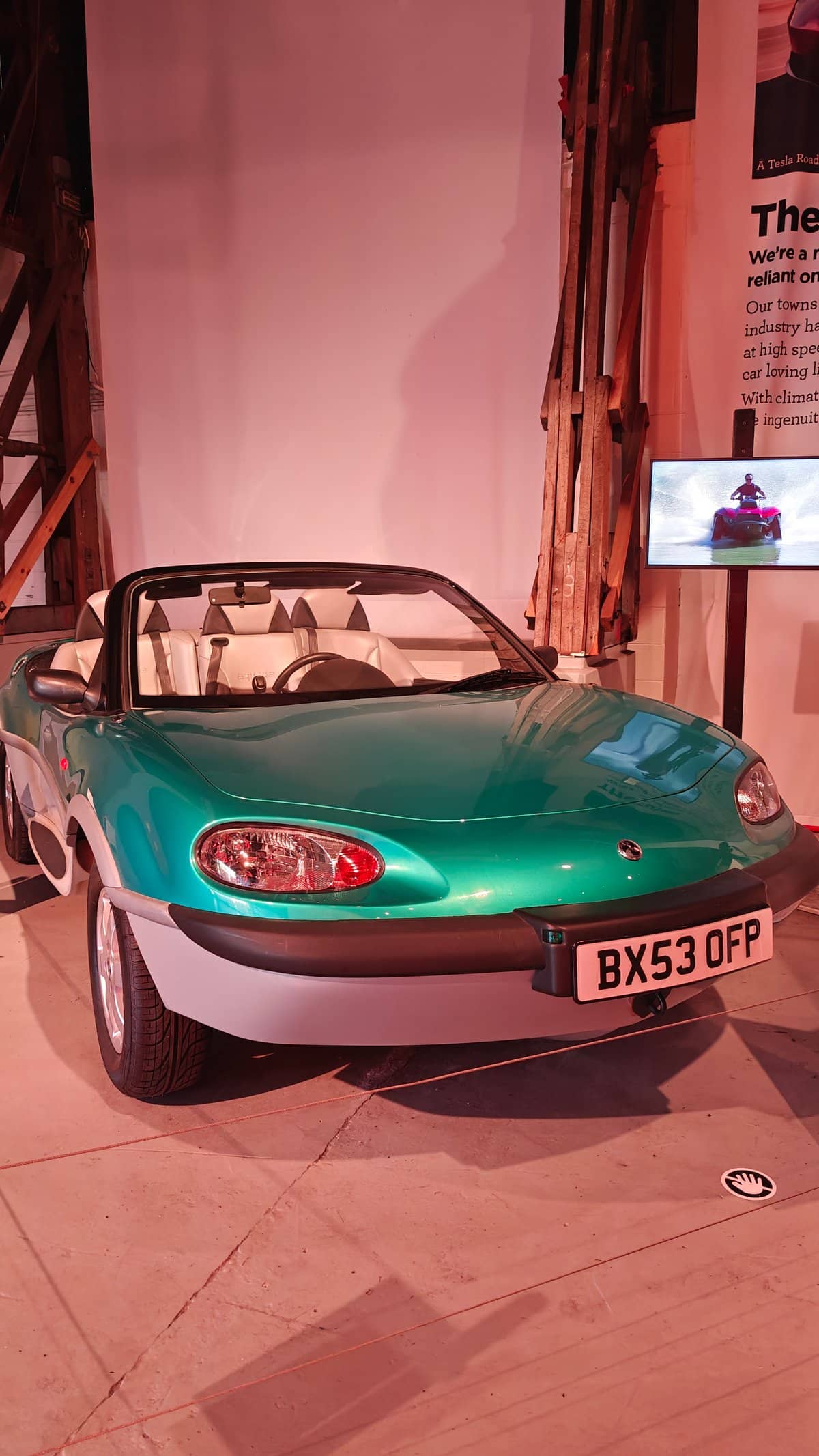
There were some really crazy ones including the Gibbs Aquada, an amphibious car straight out of a Bond movie, and this little microcar, which had been turned upside down to reveal all the workings inside. It was actualy quite smart engineering (even if the entire idea seemed rather insane) as it explained how the wheels fold back in to allow for driving in water.
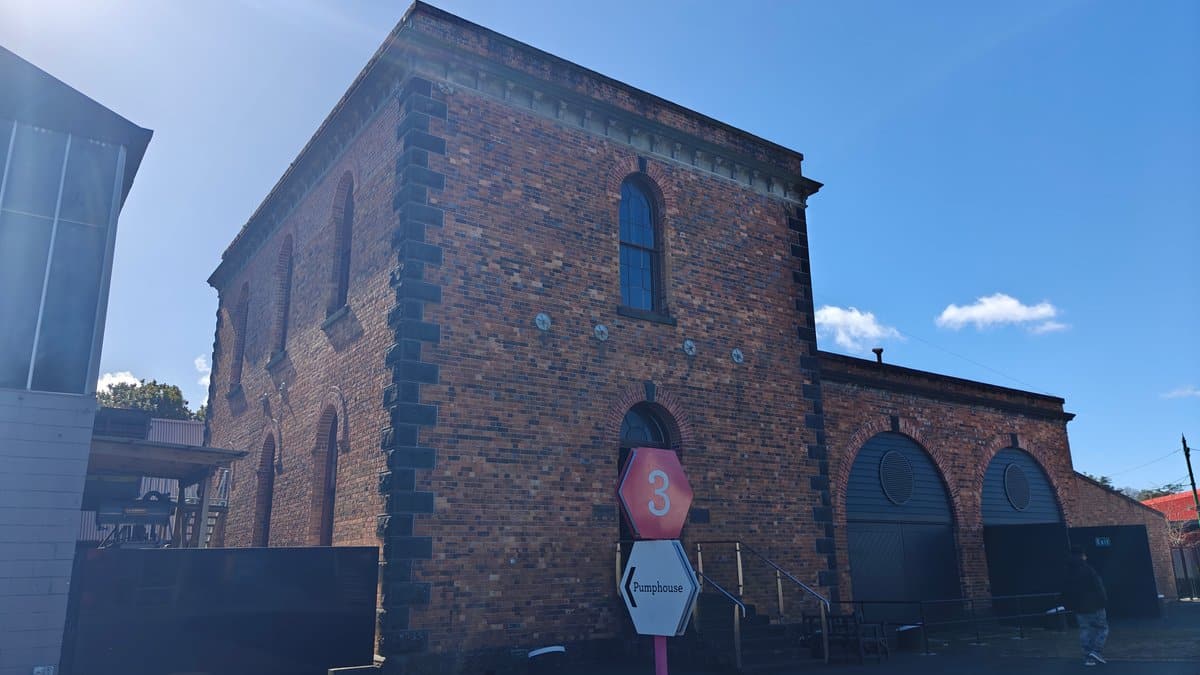
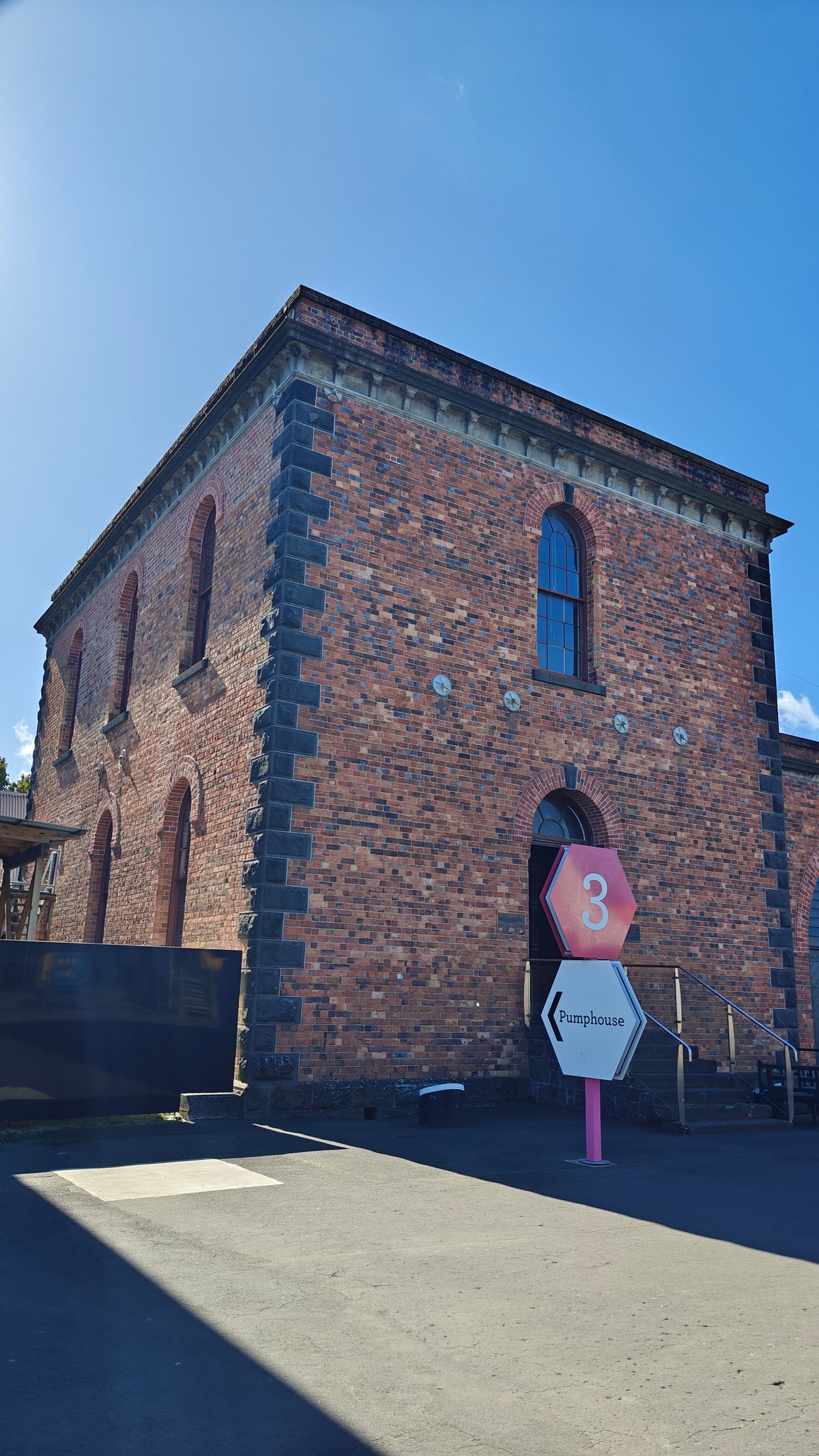
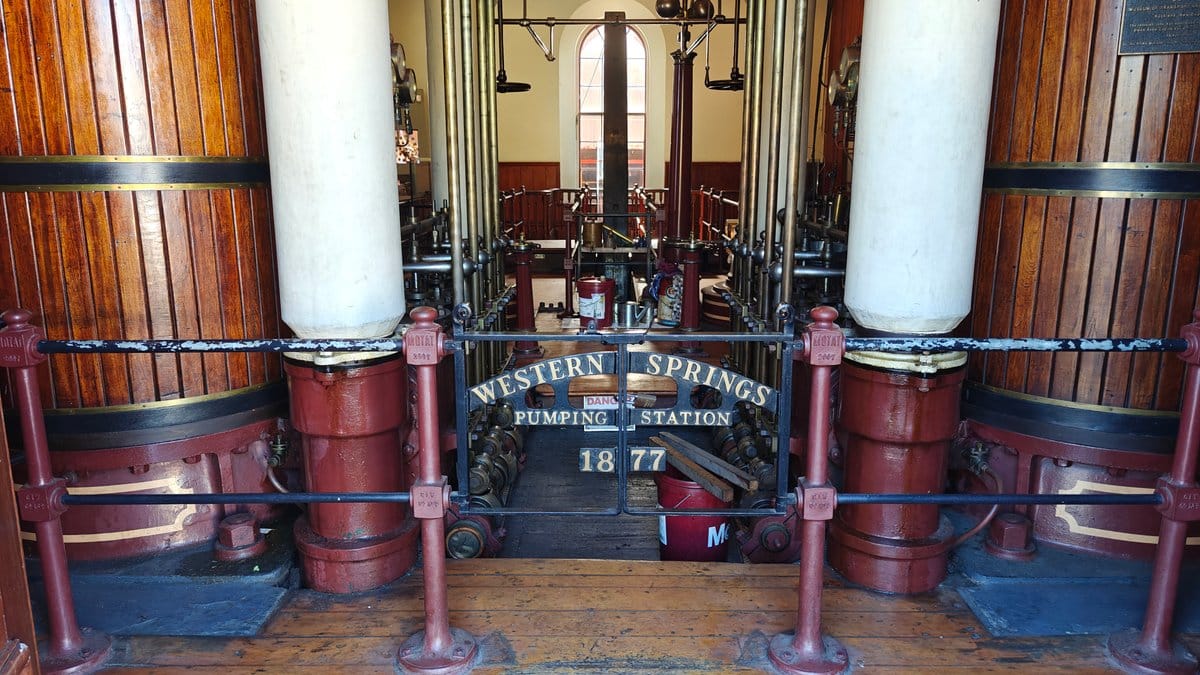
After that we walked across to the Western Springs pump house, which was well worth a look in for itself. It’s a beautiful example of a timber clad building, with its unique arching gabled roof, and walking through it made me feel as if I’d stepped back into Victorian industrial Auckland.
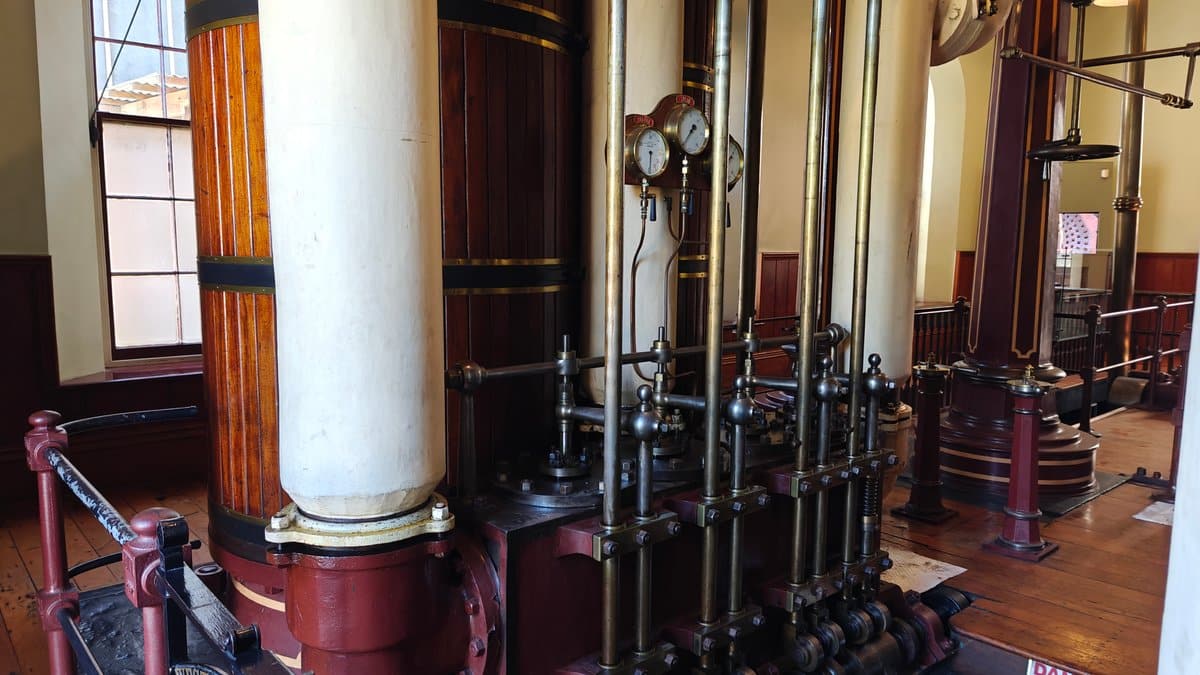
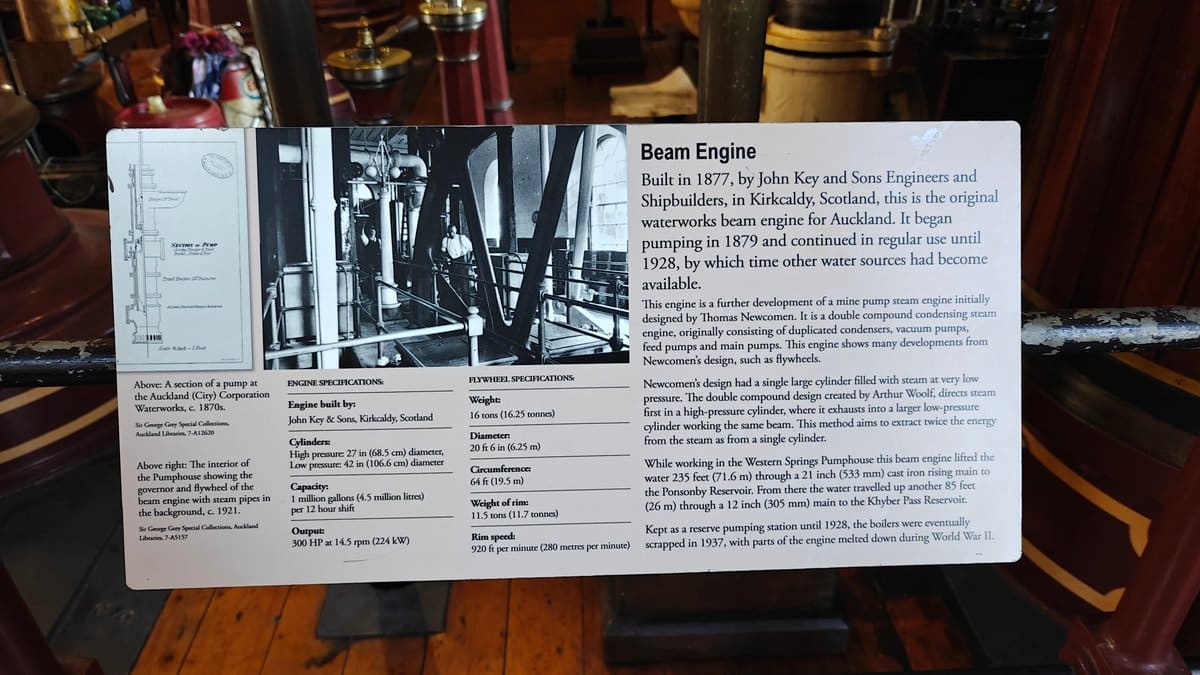
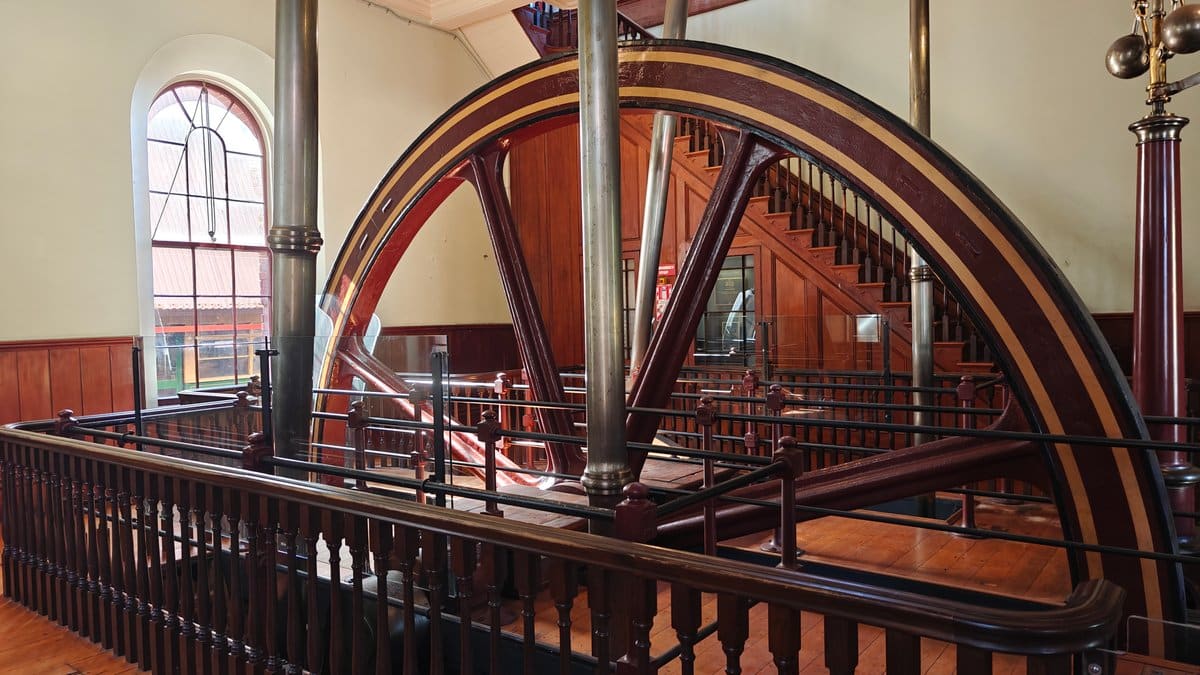
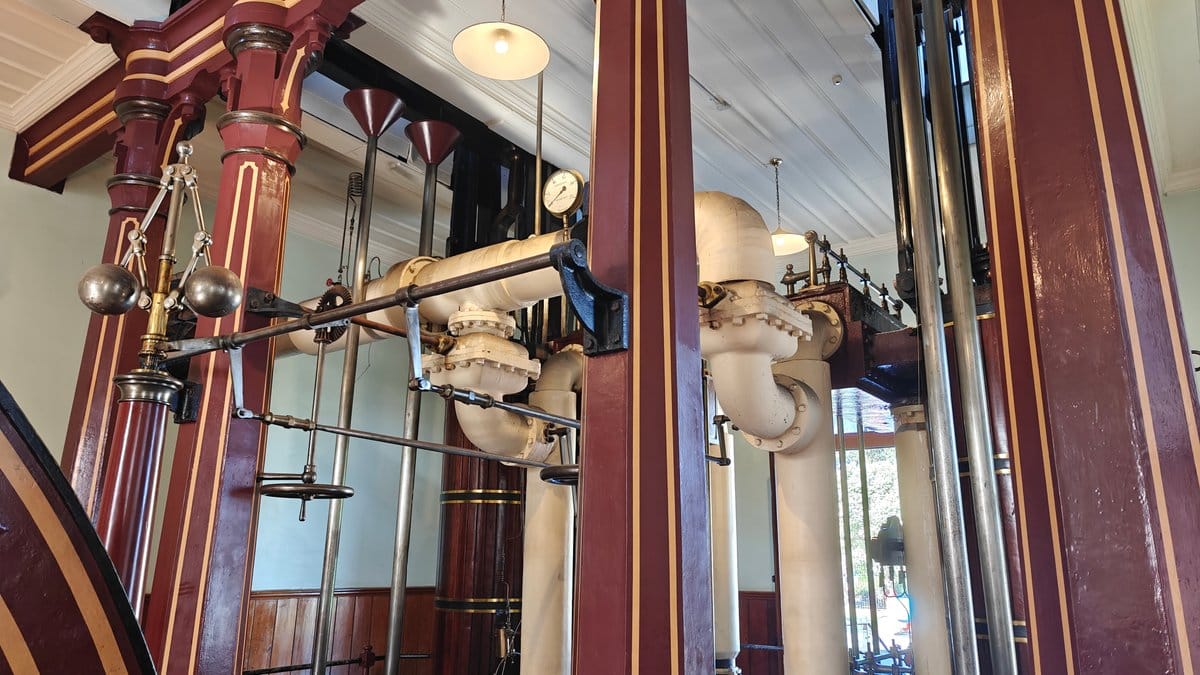
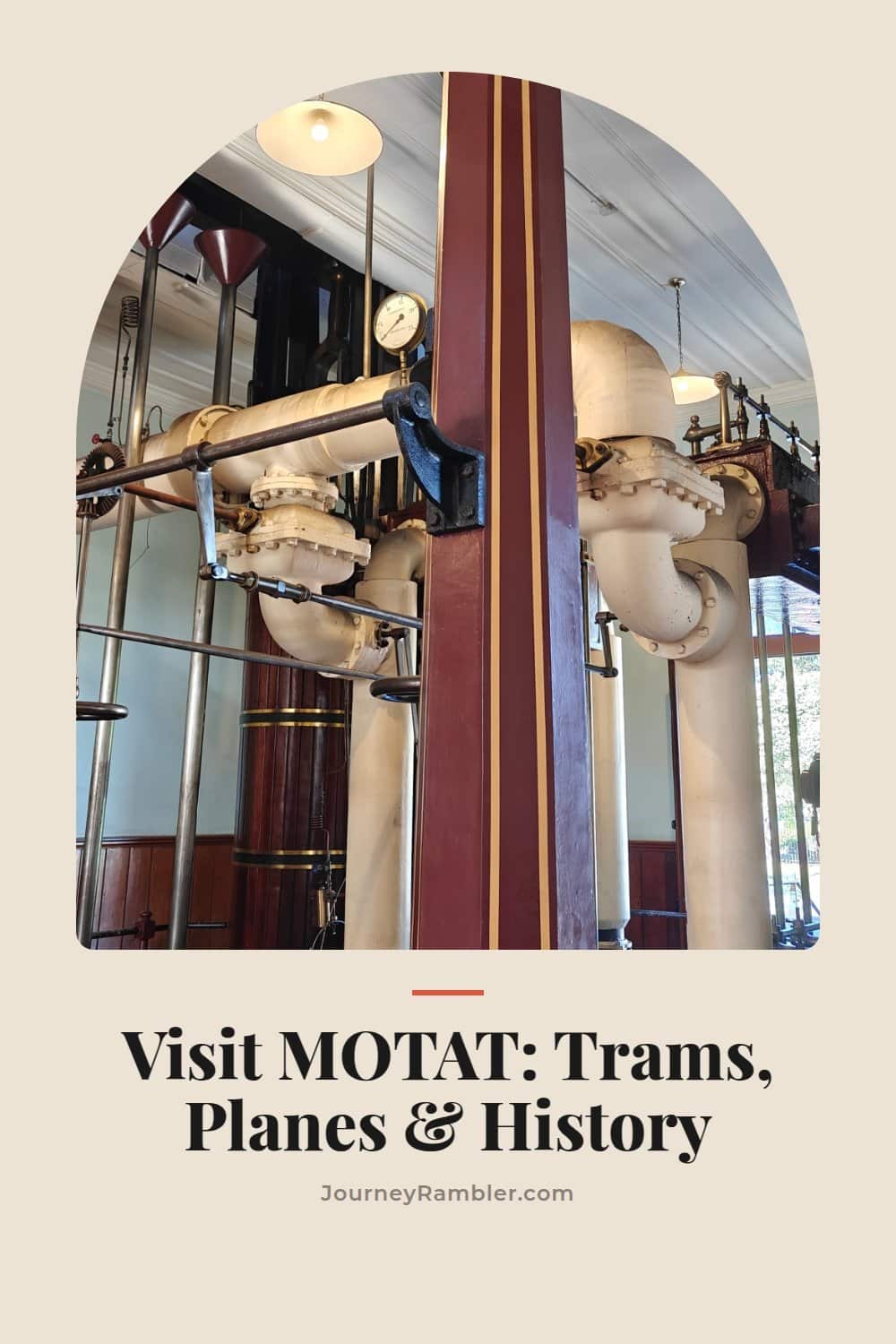
The centrepiece is this beast: the 1877 beam engine. It’s bloody enormous. This thing was pumping water around for the city for decades.
You can see just how big it is by looking at the beam mechanism and the huge flywheel. The whole place is filled with pipes and machines and on steam-up days (which we were sadly not) they even fire it up! Even when it isn’t moving, it’s impressive.
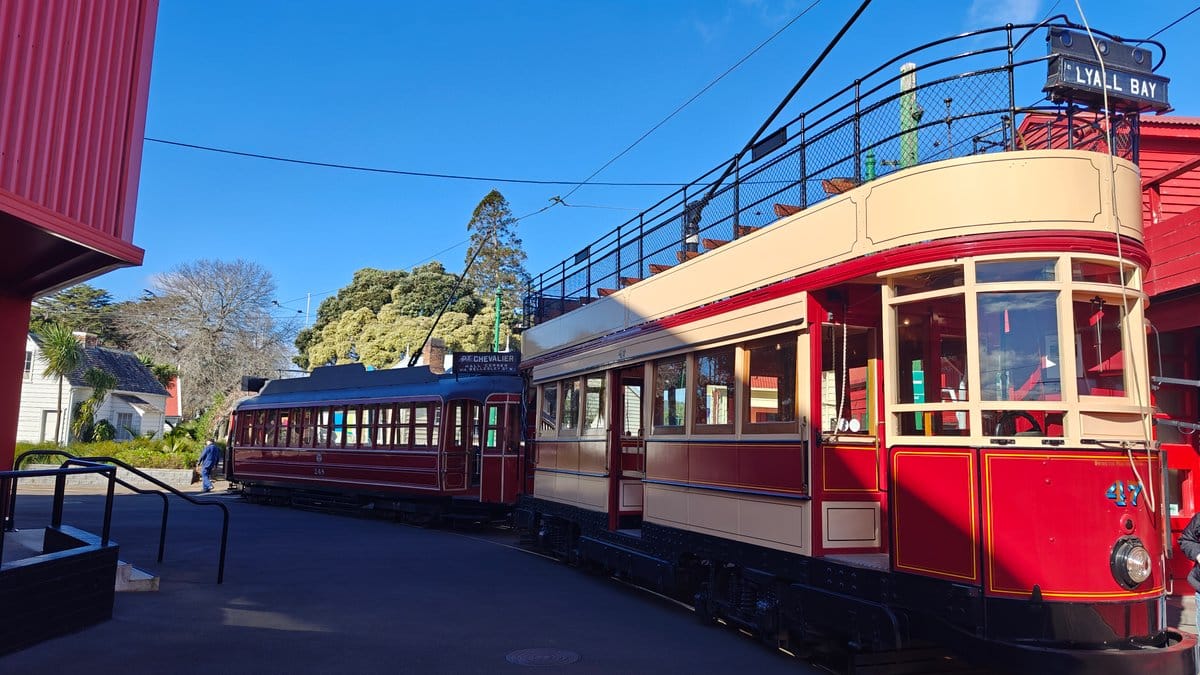
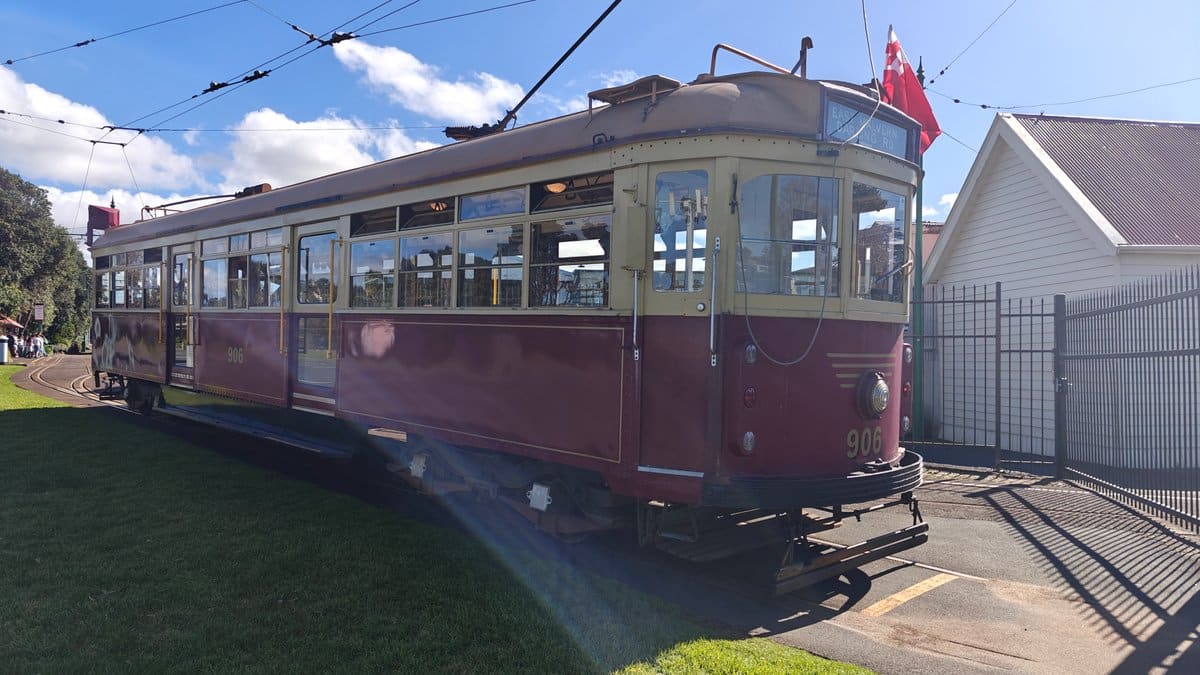
I wanted to return when it was in action so that I could really appreciate the craftsmanship and sheer size of 19th century engineering. Next up was our journey on the heritage tram from one half of MOTAT to the other (the pump house). It only takes about ten minutes as you drive around the grounds in this lovely piece of transport itself.
The tram is on its original track, and the volunteers who man it is obviously passionate about their work.
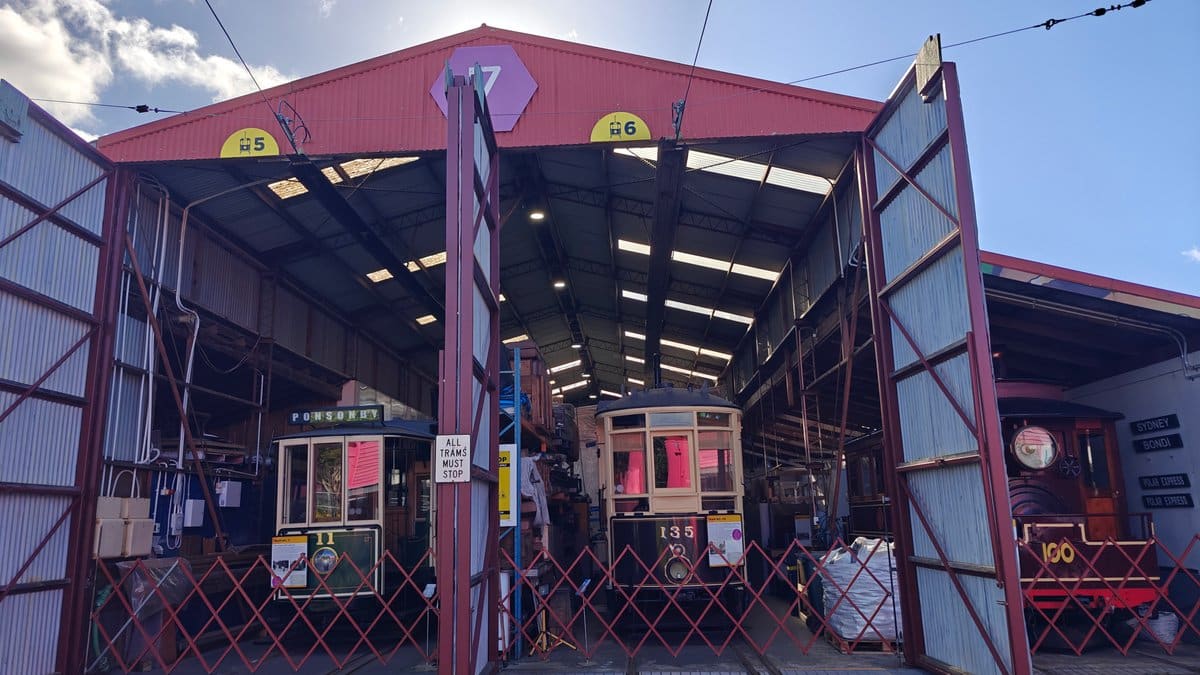
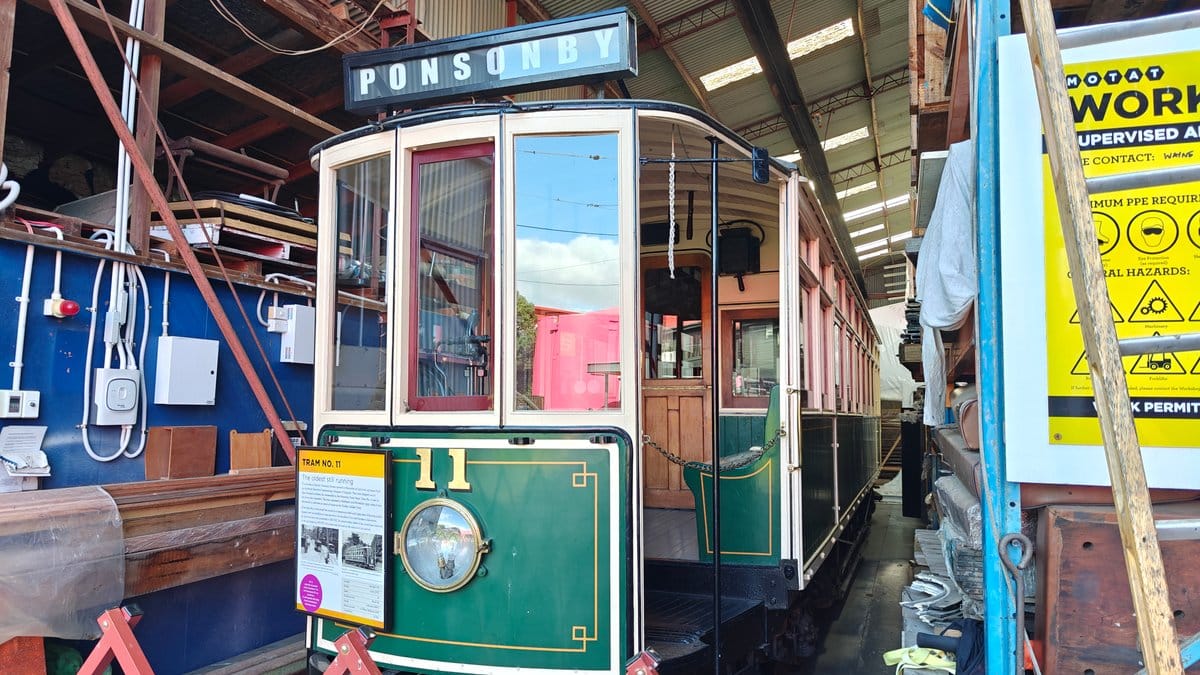
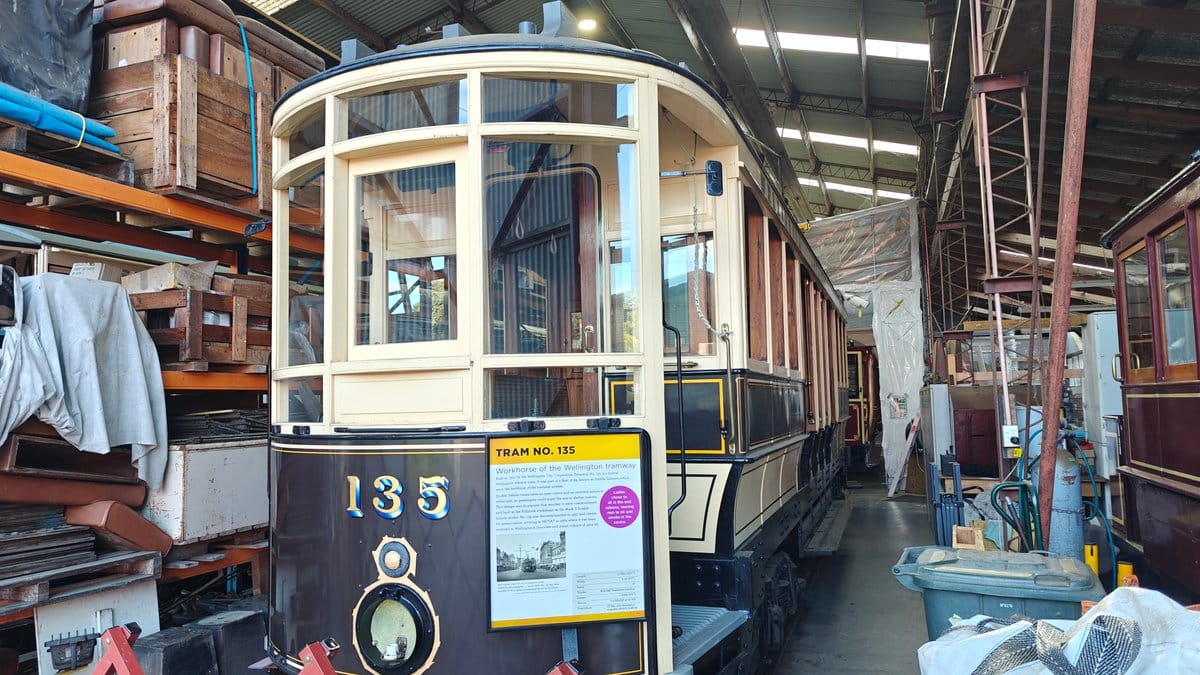
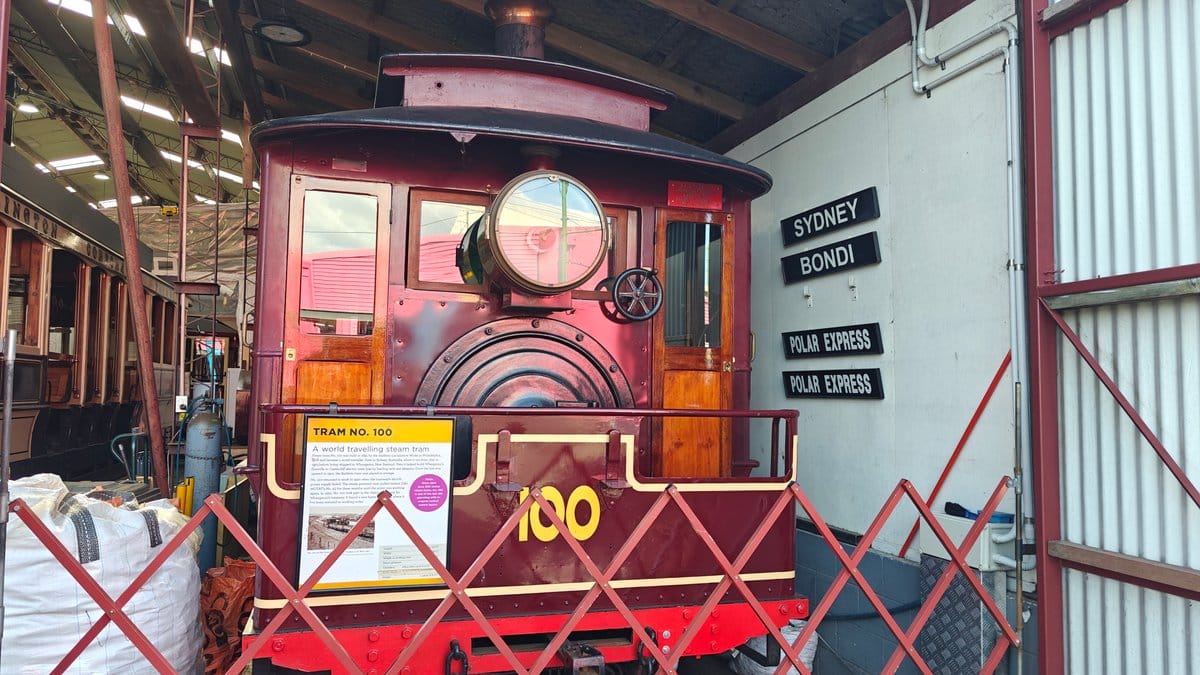
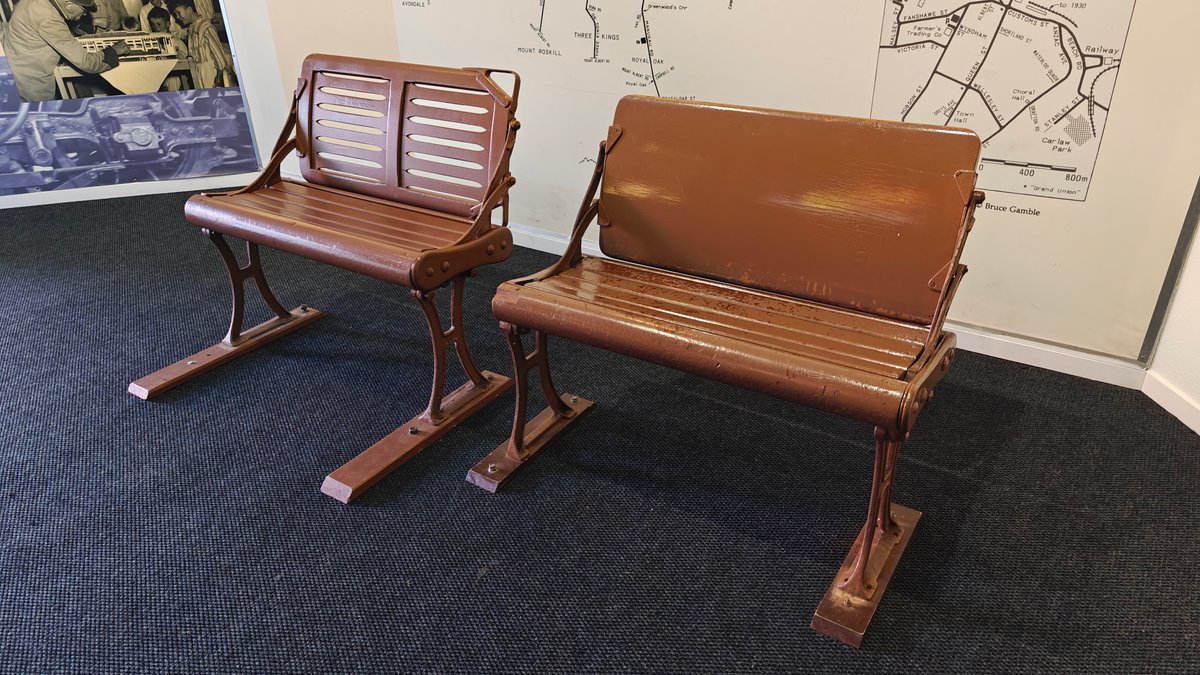
We stopped at the tramway barn where they have some trams being restored, ranging from barely started to practically done. There’s a steam tram, which looks especially handsome in its maroon livery, and Wellington and Ponsonby vehicles too. One of the restored trams had timber bench seats that was gorgeous…
Proper joinery that you just don’t see anymore.
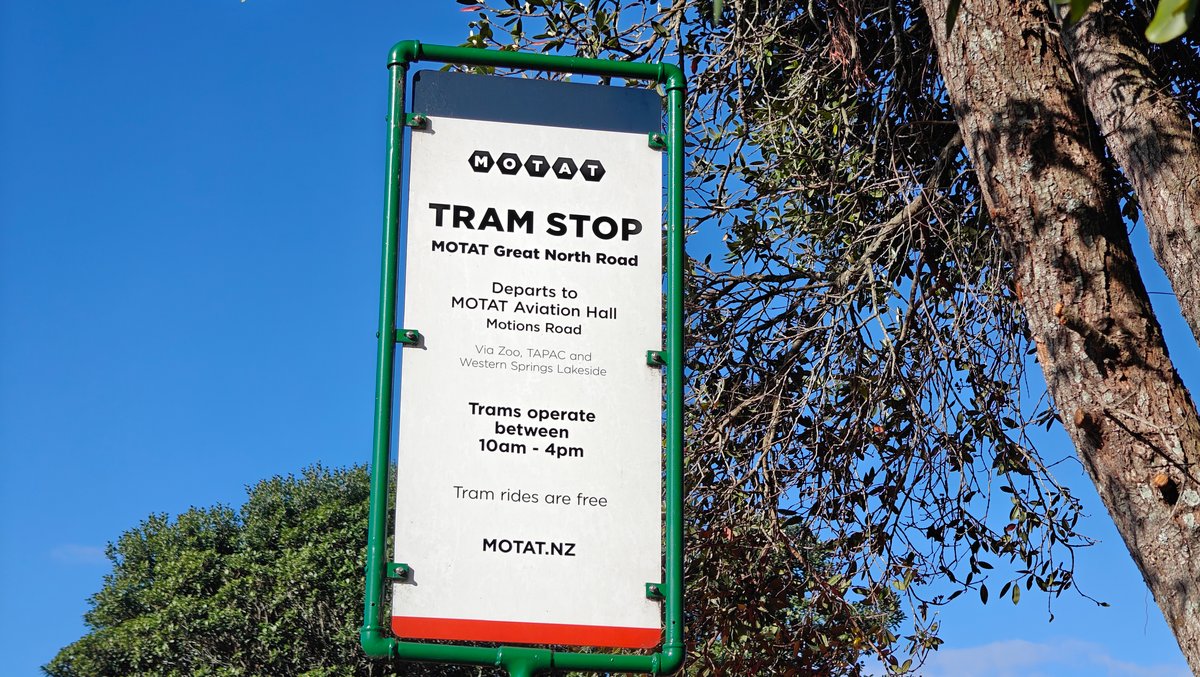
The second site was bigger than I’d expected, so it was useful that there’s a clearly marked tram stop for the Aviation Hall, by this time we were starting to flag a bit.
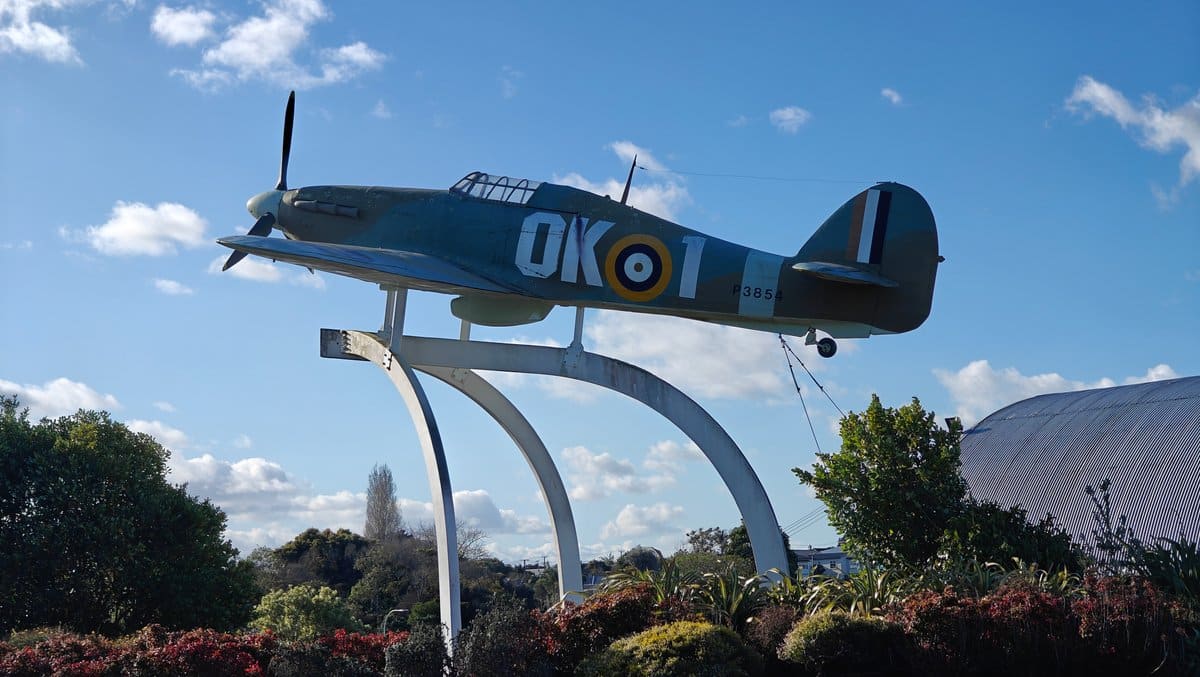
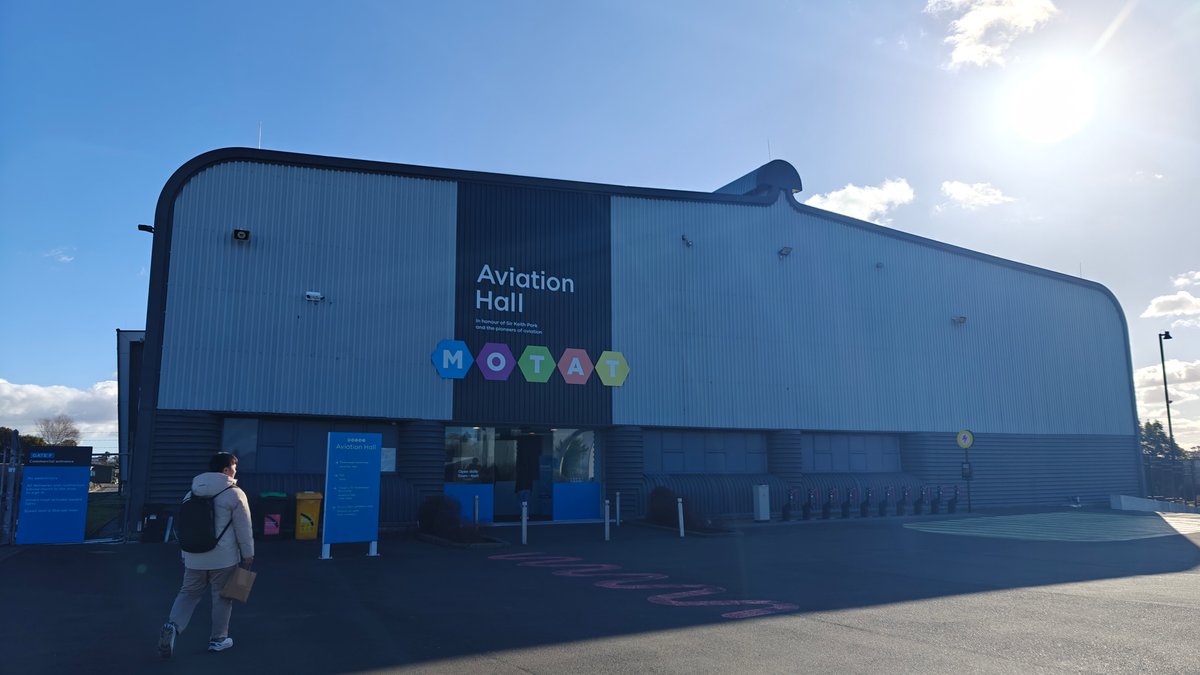
As you approach the Aviation Hall, there’s a Spitfire parked out front, almost like a teaser for what’s to come, and it certainly caught my eye. The hall itself is massive, and I had one of those “oh, right, this is going to be good” moments when I walked through the doors.
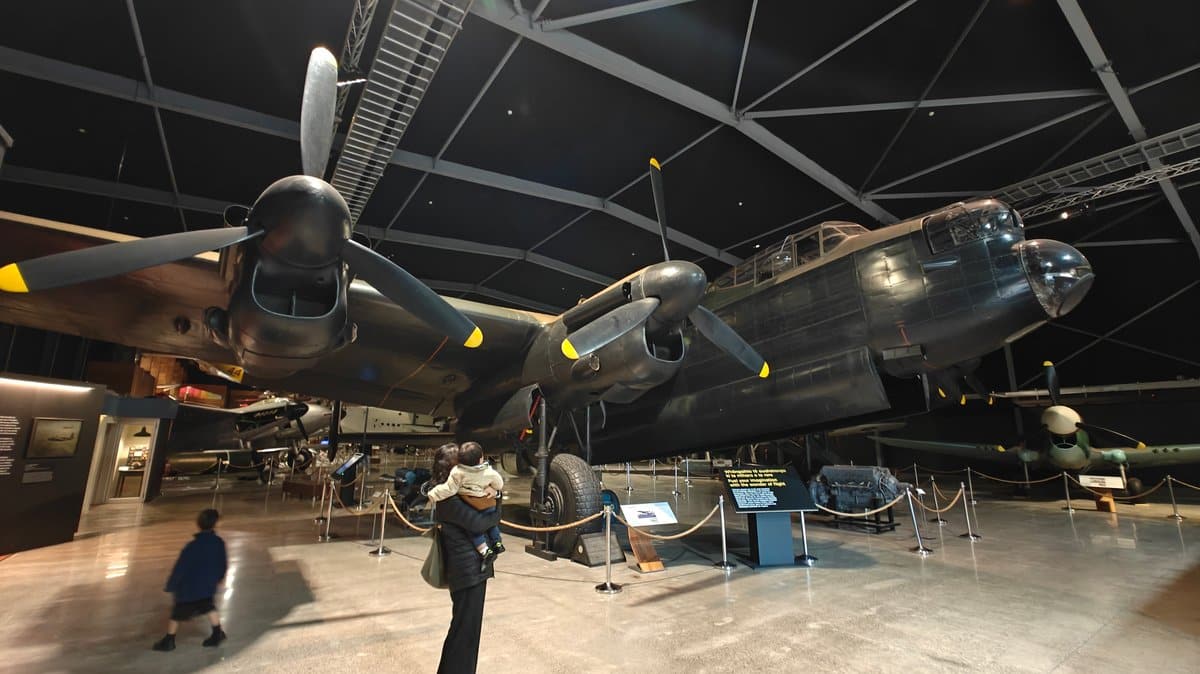
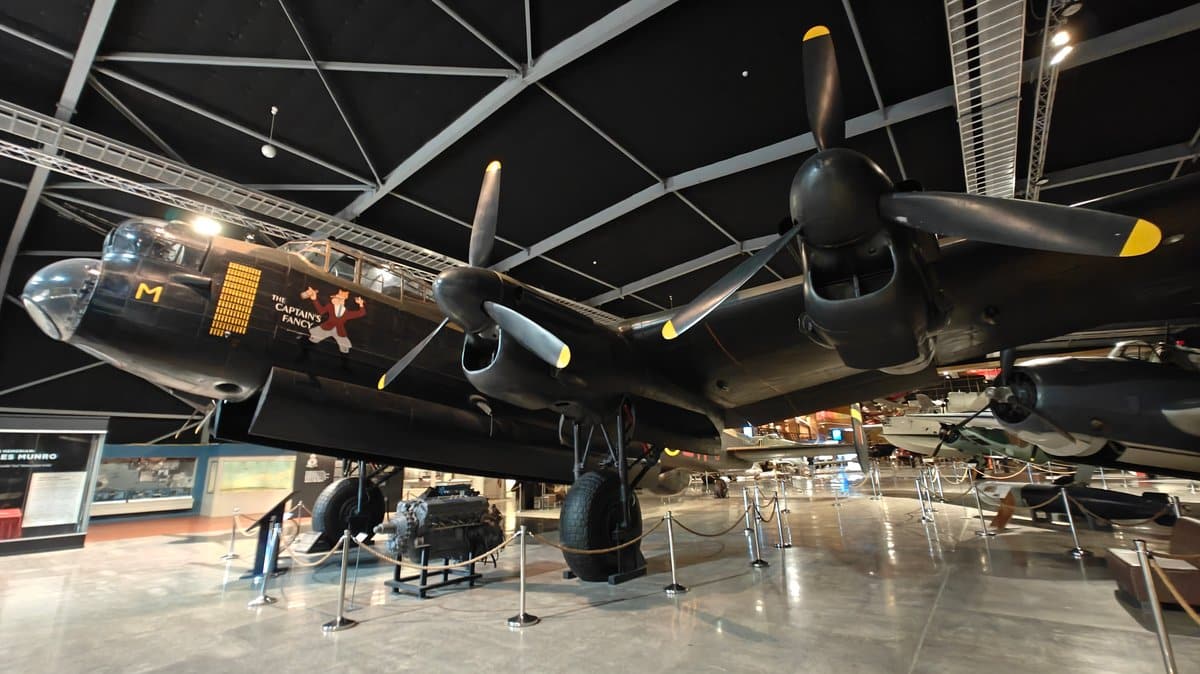
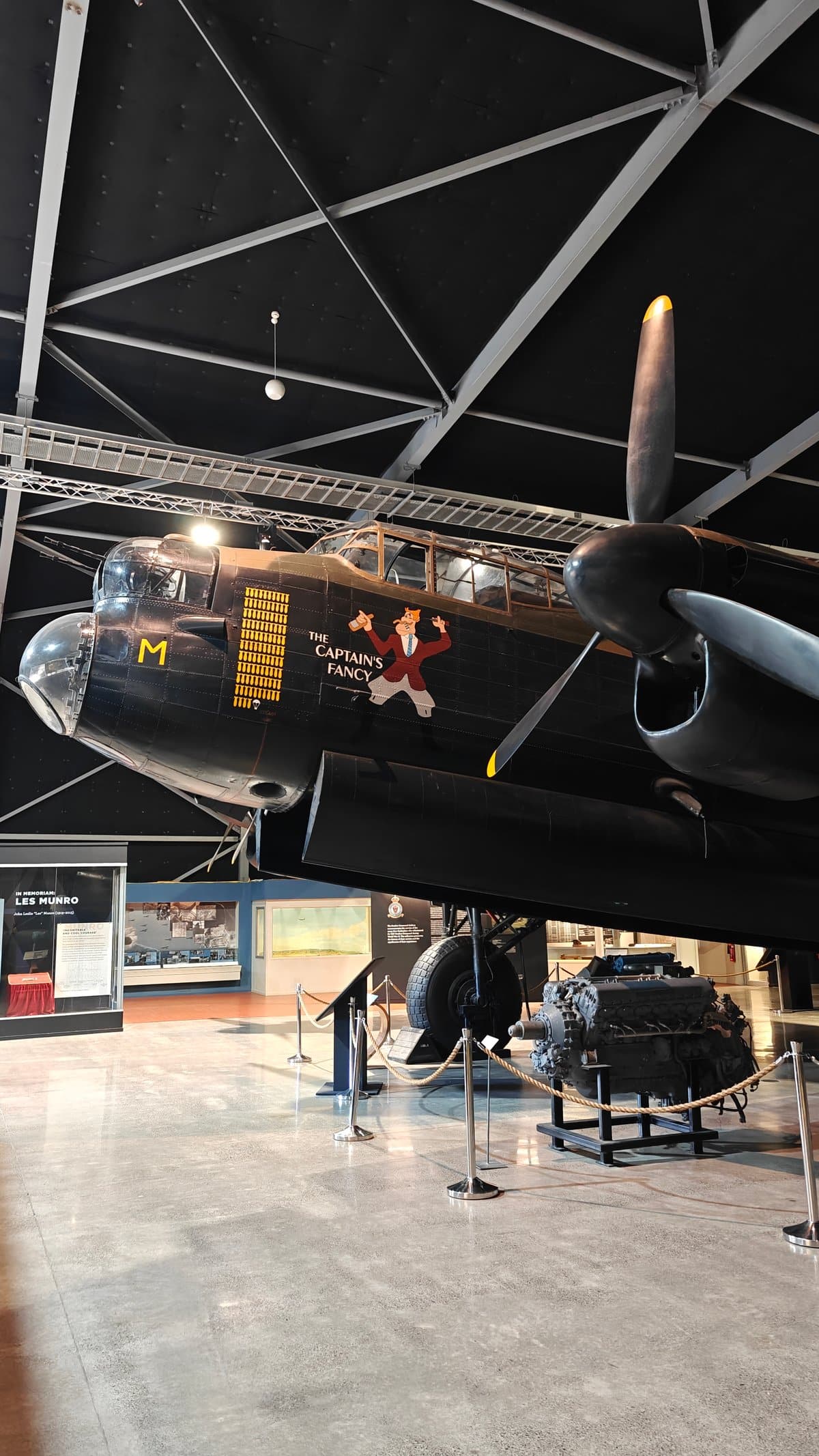
It is dominated by the Lancaster bomber, there isn’t really any other way to describe just how huge these things are until you stand beneath them. The example at MOTAT takes up a huge portion of the hall and has been set up so that you can go inside and get up close to all four engines, the turrets, the nose art, etc. It’s truly awe-inspiring, but it is also a sobering reminder of what these planes was designed to do. And it’s more than that.
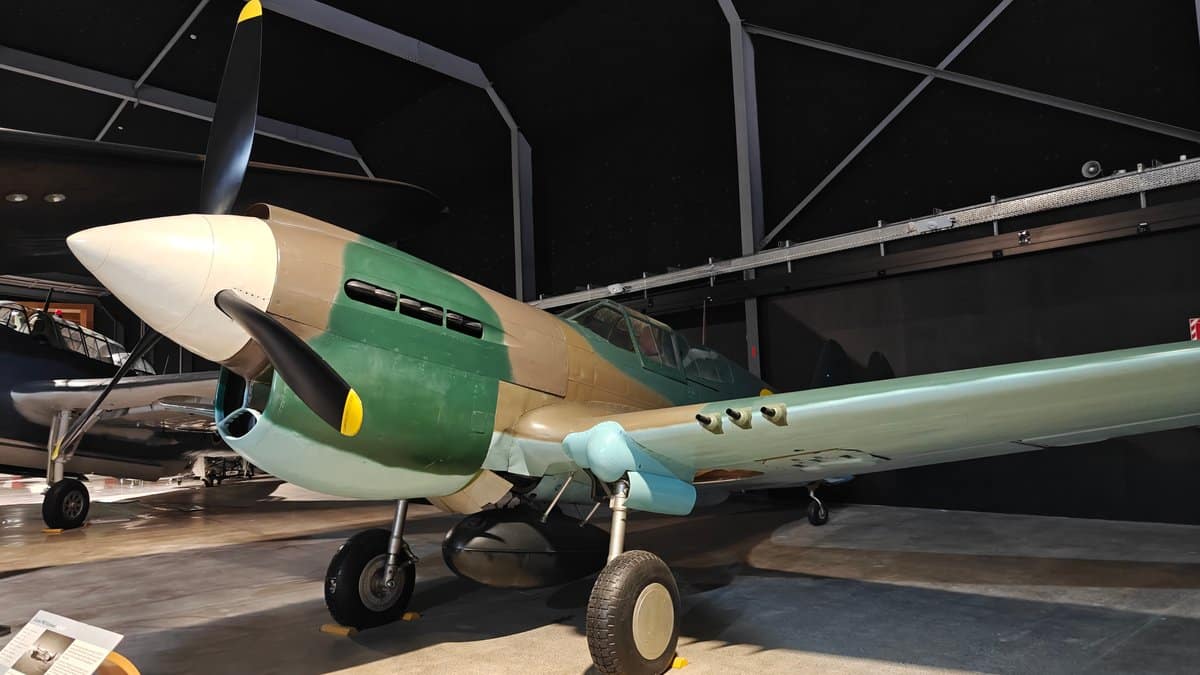
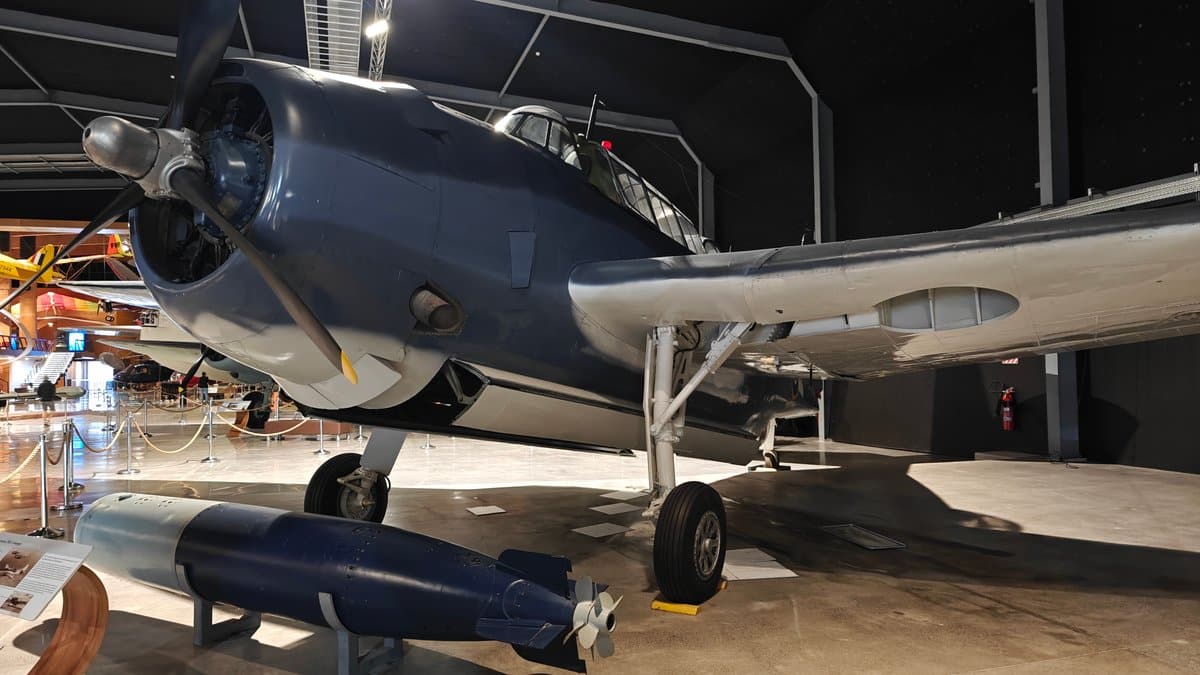
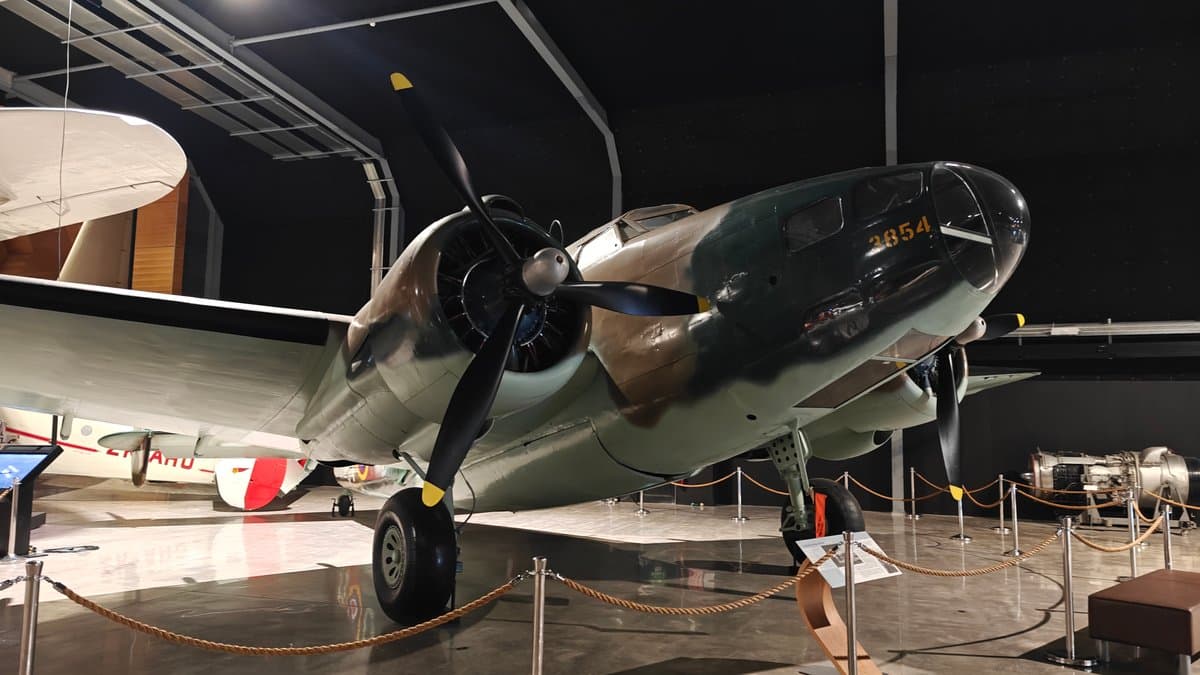
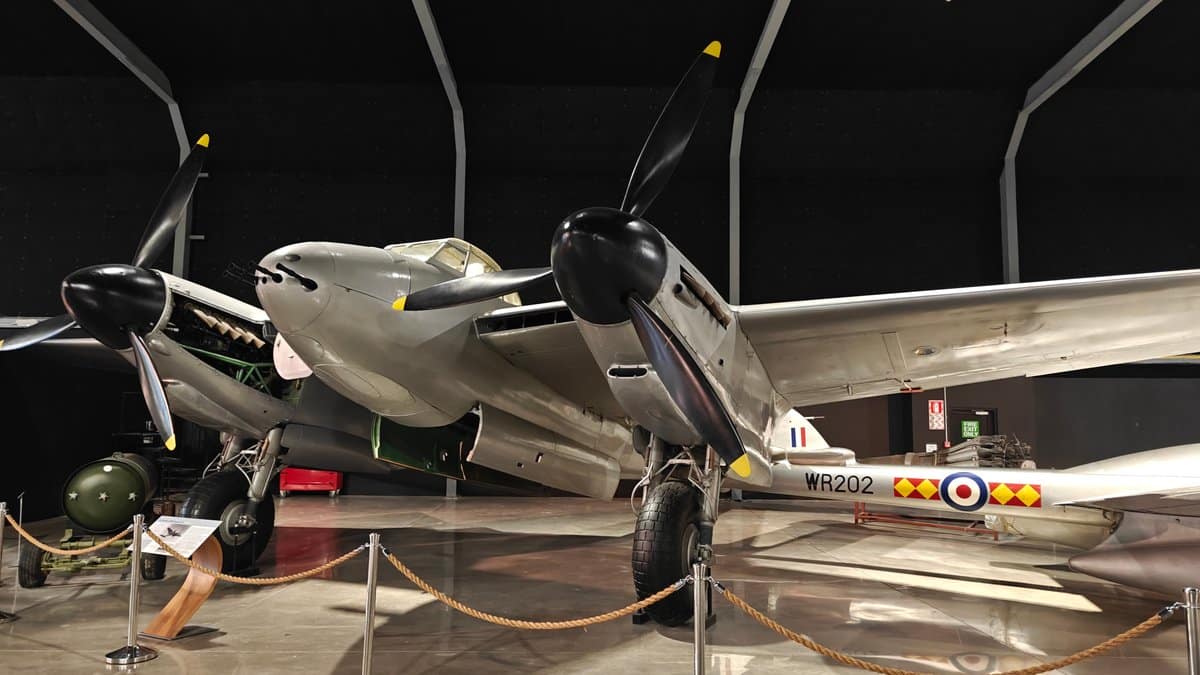
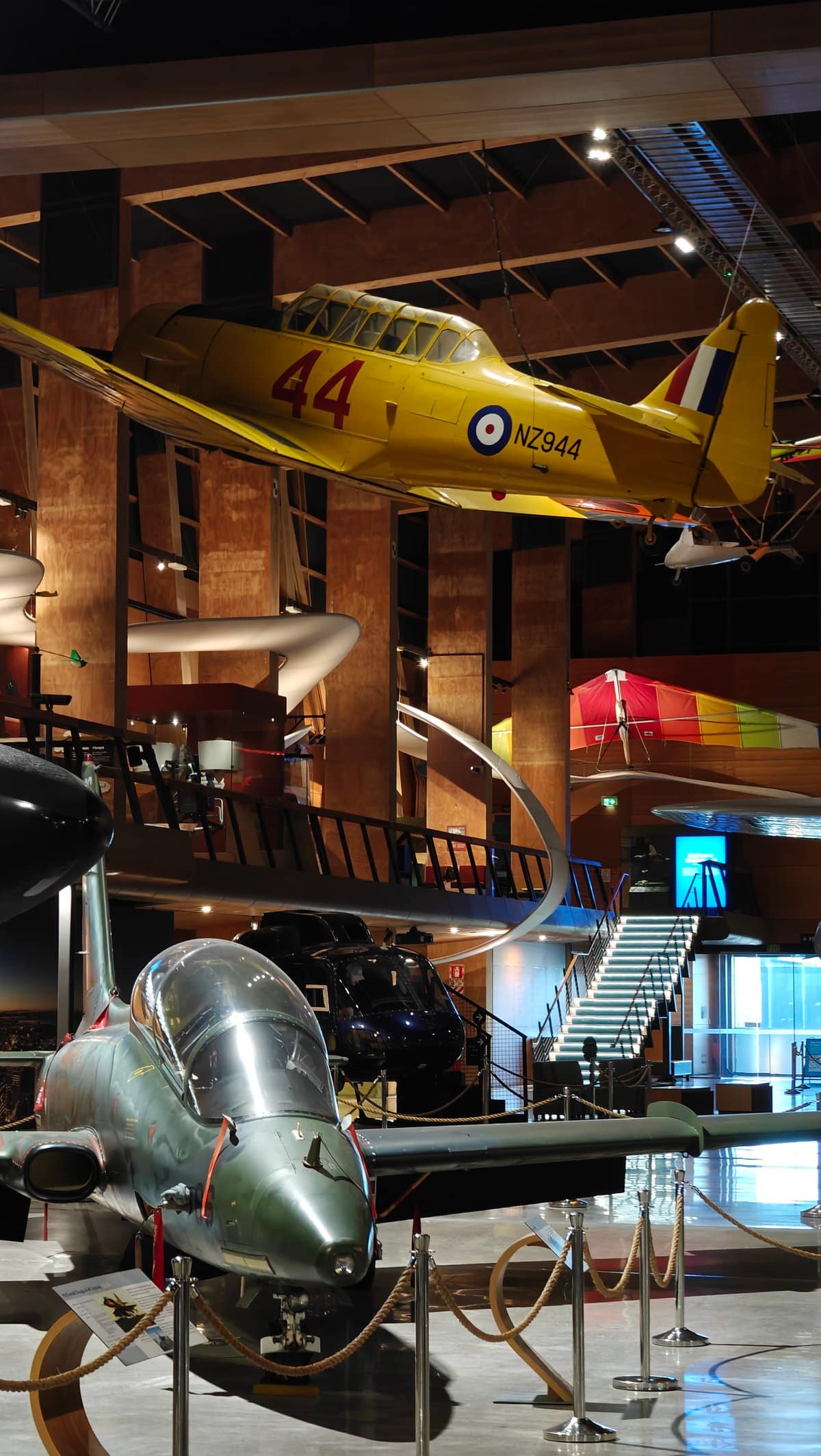
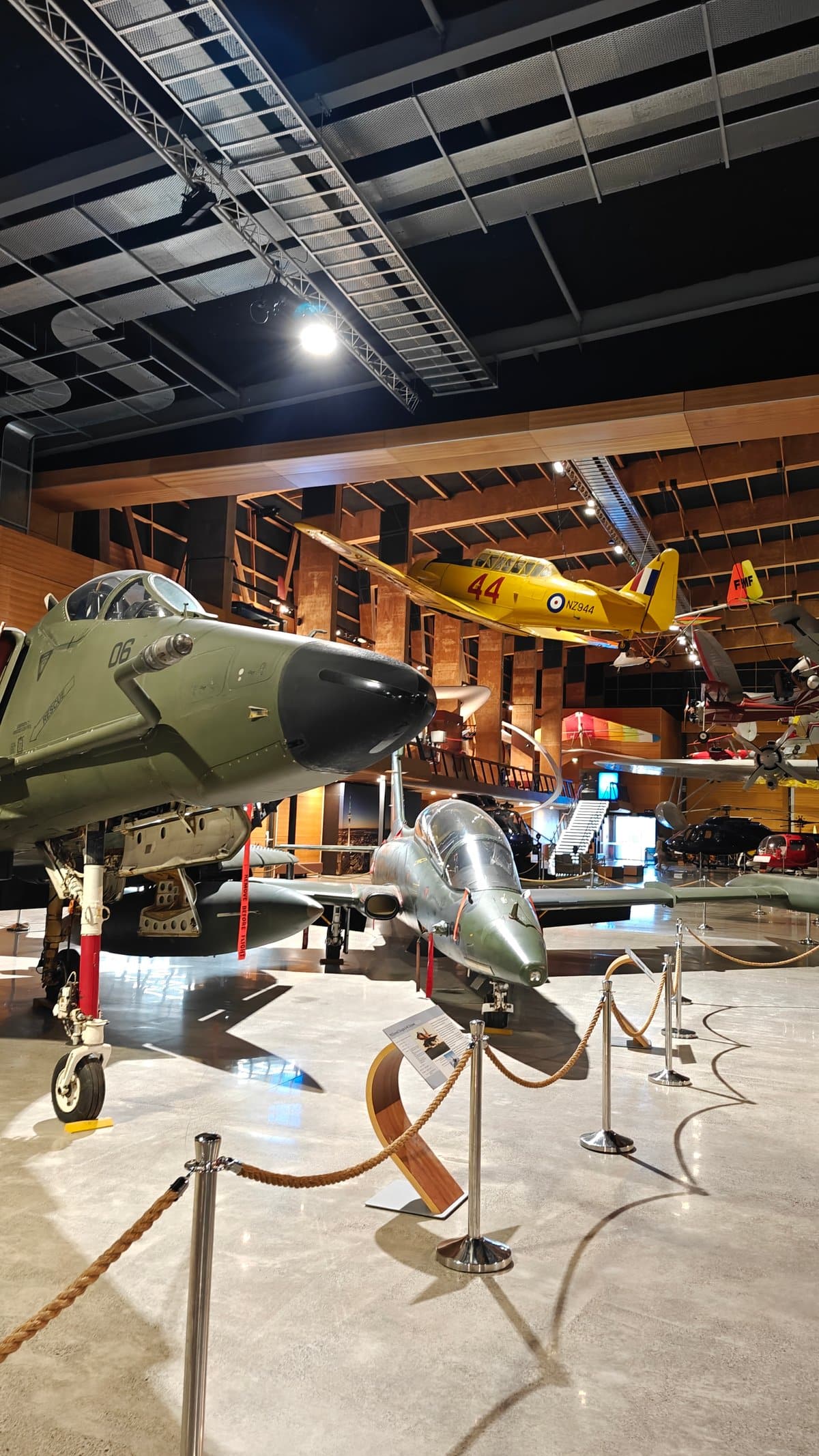
There was an Avenger torpedo bomber, a Kittyhawk fighter, a Mosquito largely built of wood, a Lockheed Hudson, trainers dangling from the ceiling, and aircraft crammed wherever there was room. Even for someone like me who knows little about aviation, it was amazing to see how good they all were and how varied.


In later years came jet fighters such as a twin-boom Vampire and a grey-camouflaged Skyhawk, which also served with the New Zealand air force. They stood out against the older propeller-driven craft as sleek and serious-looking.
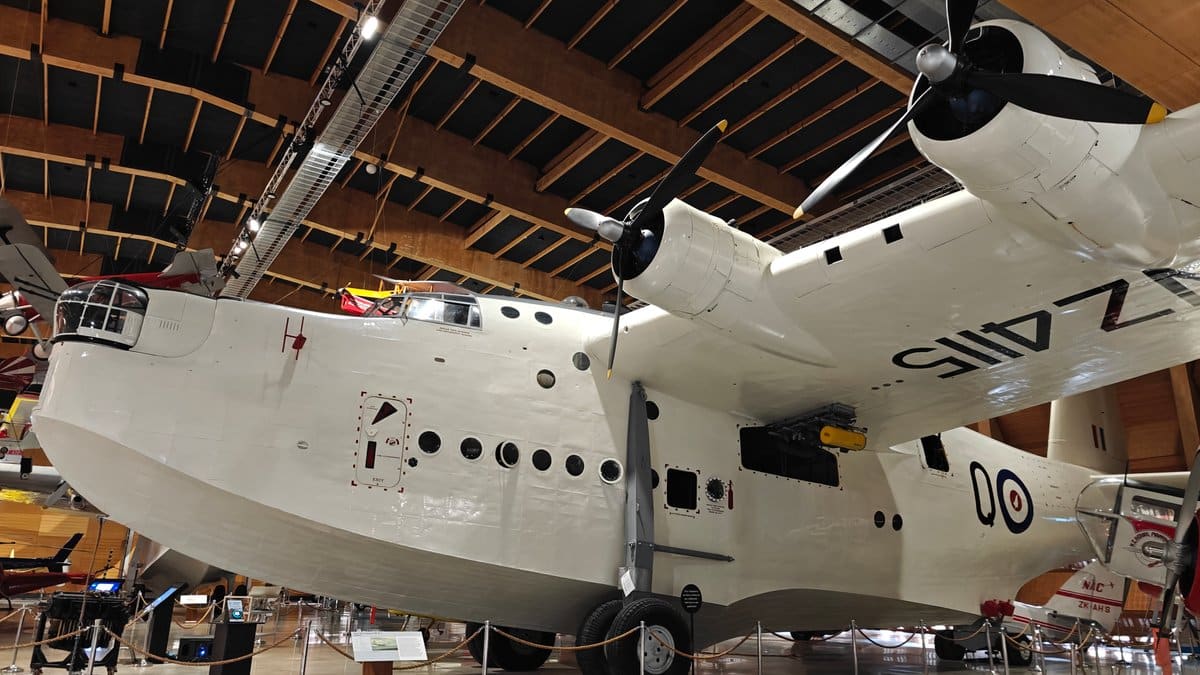
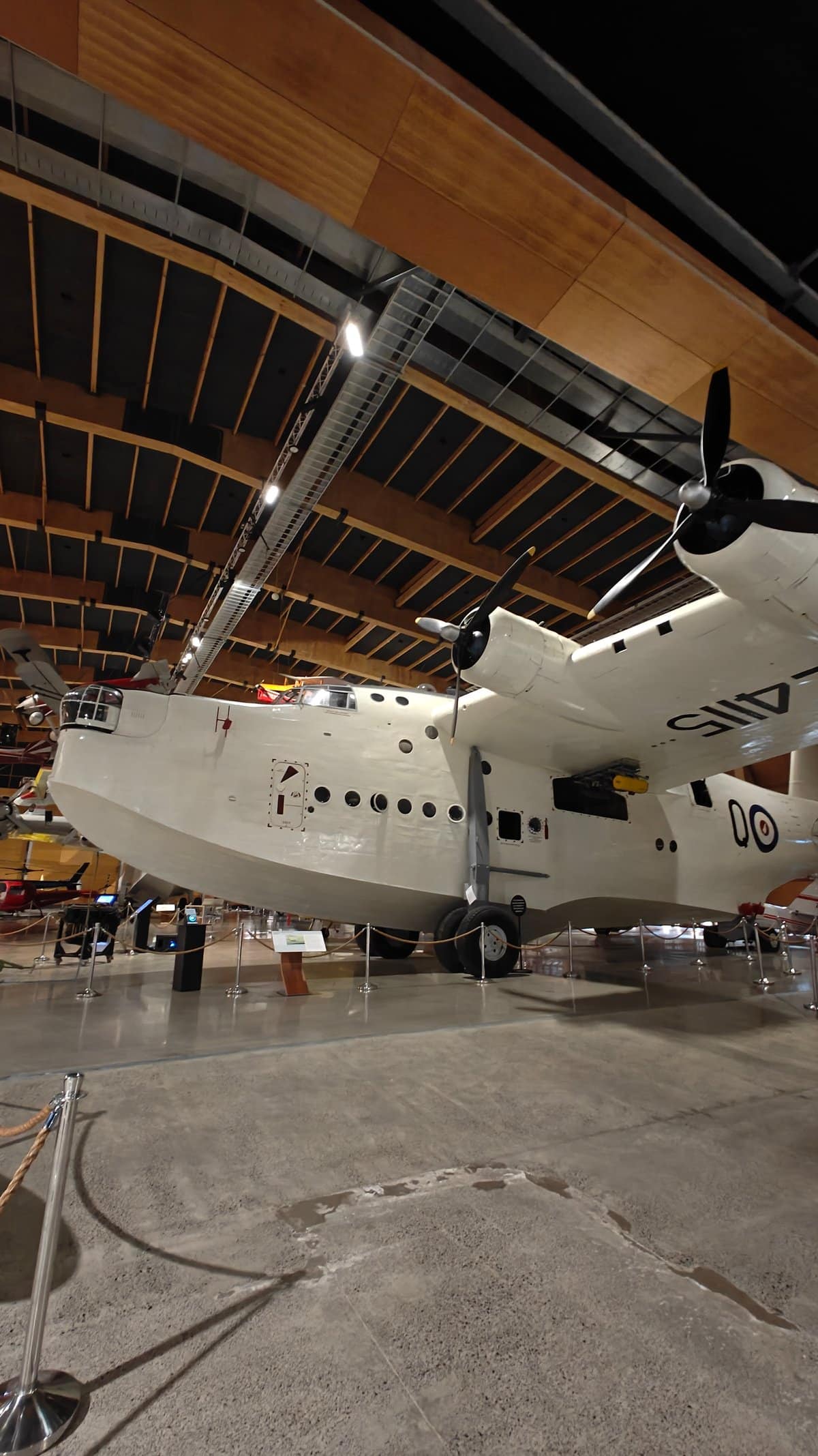
Another stand-out is the Short Sunderland flying boat, an absolute monster of a machine designed to take off and land in the sea, and when you see the hull from underneath it makes you realise just how ambitious and weird that idea was. It’s pretty remarkable what they managed to do with the engineering to get something that size to float.
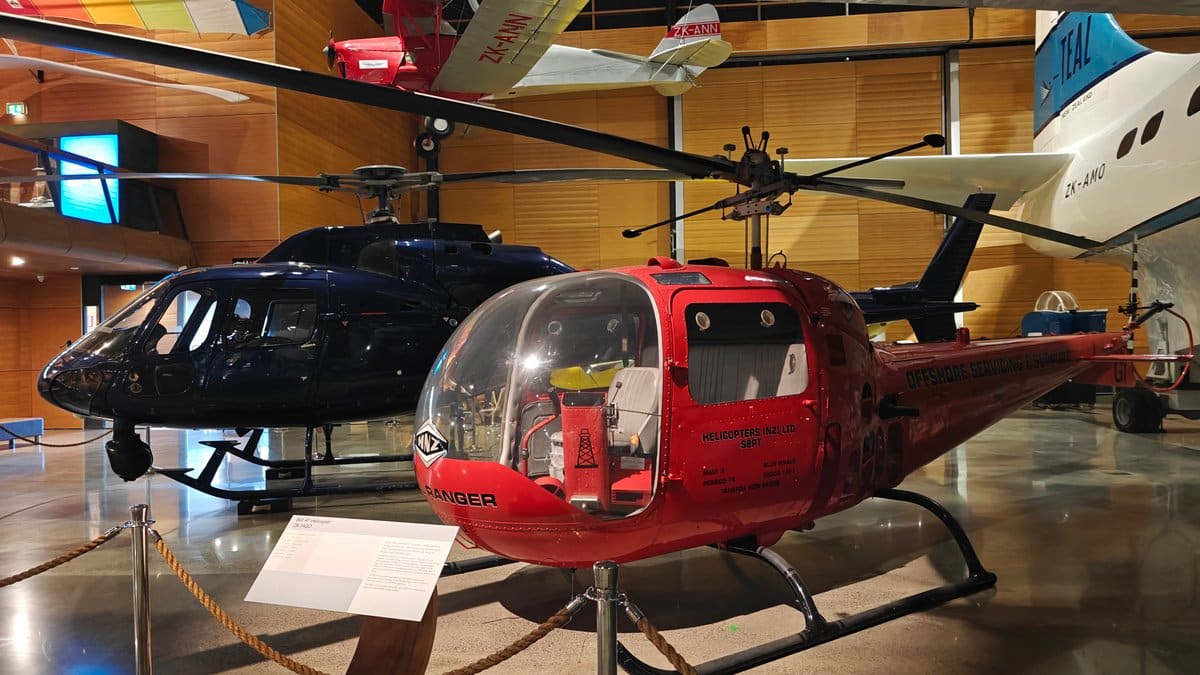
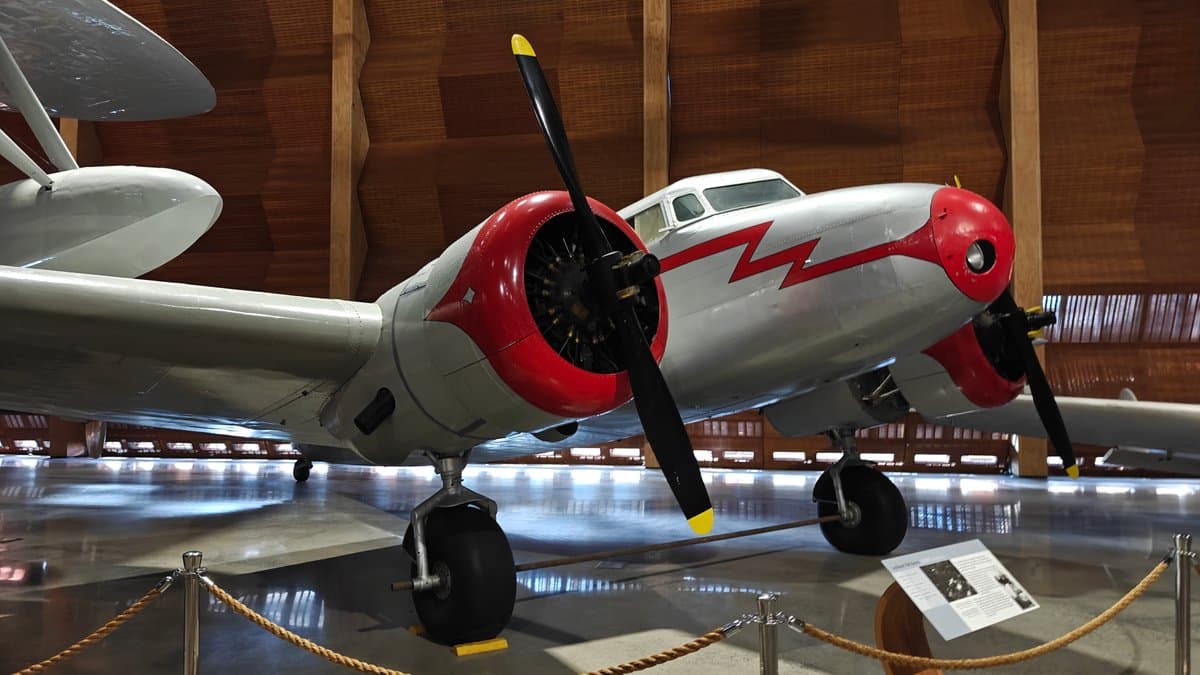
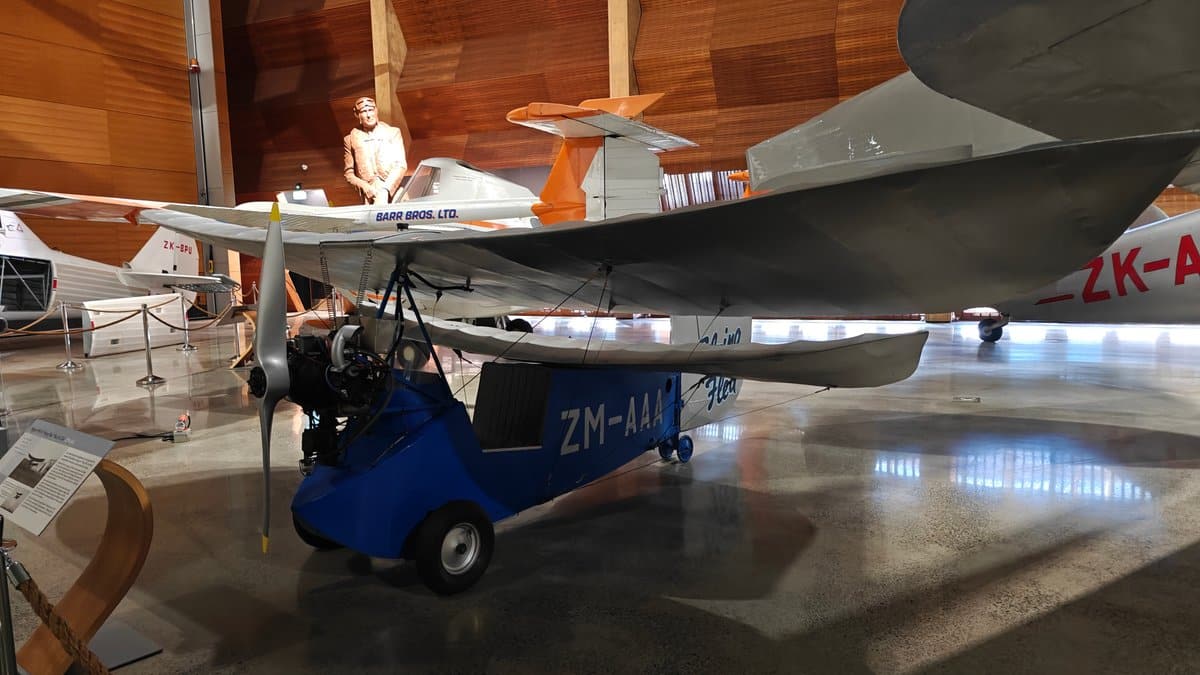
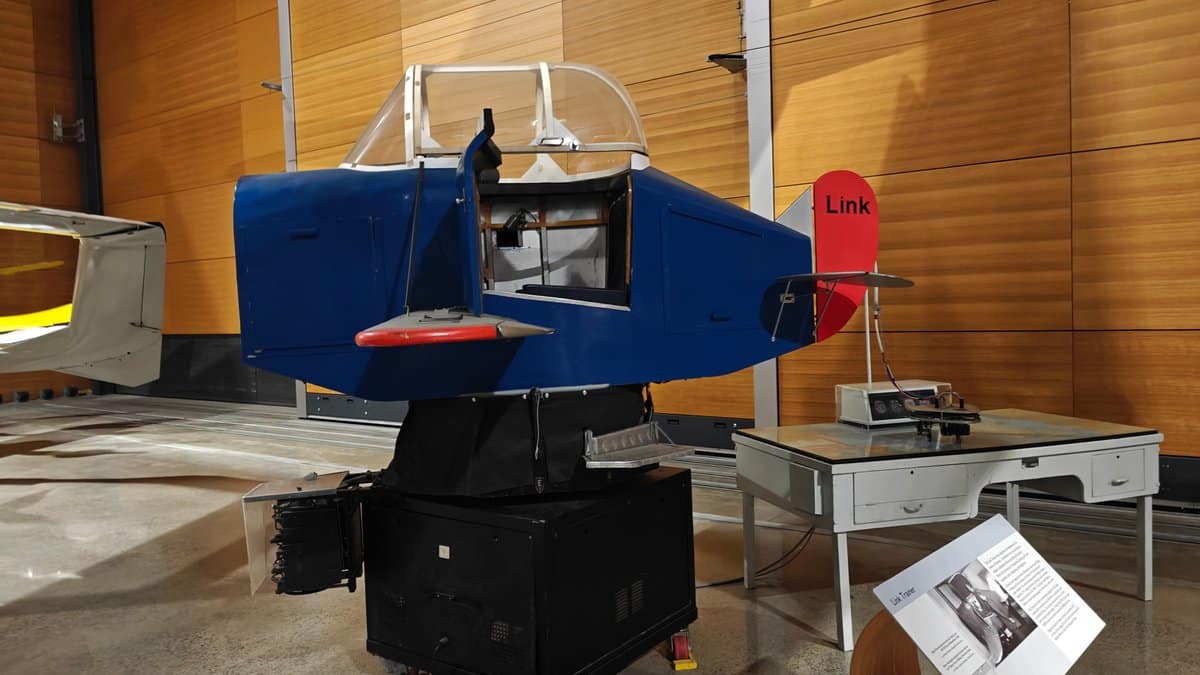
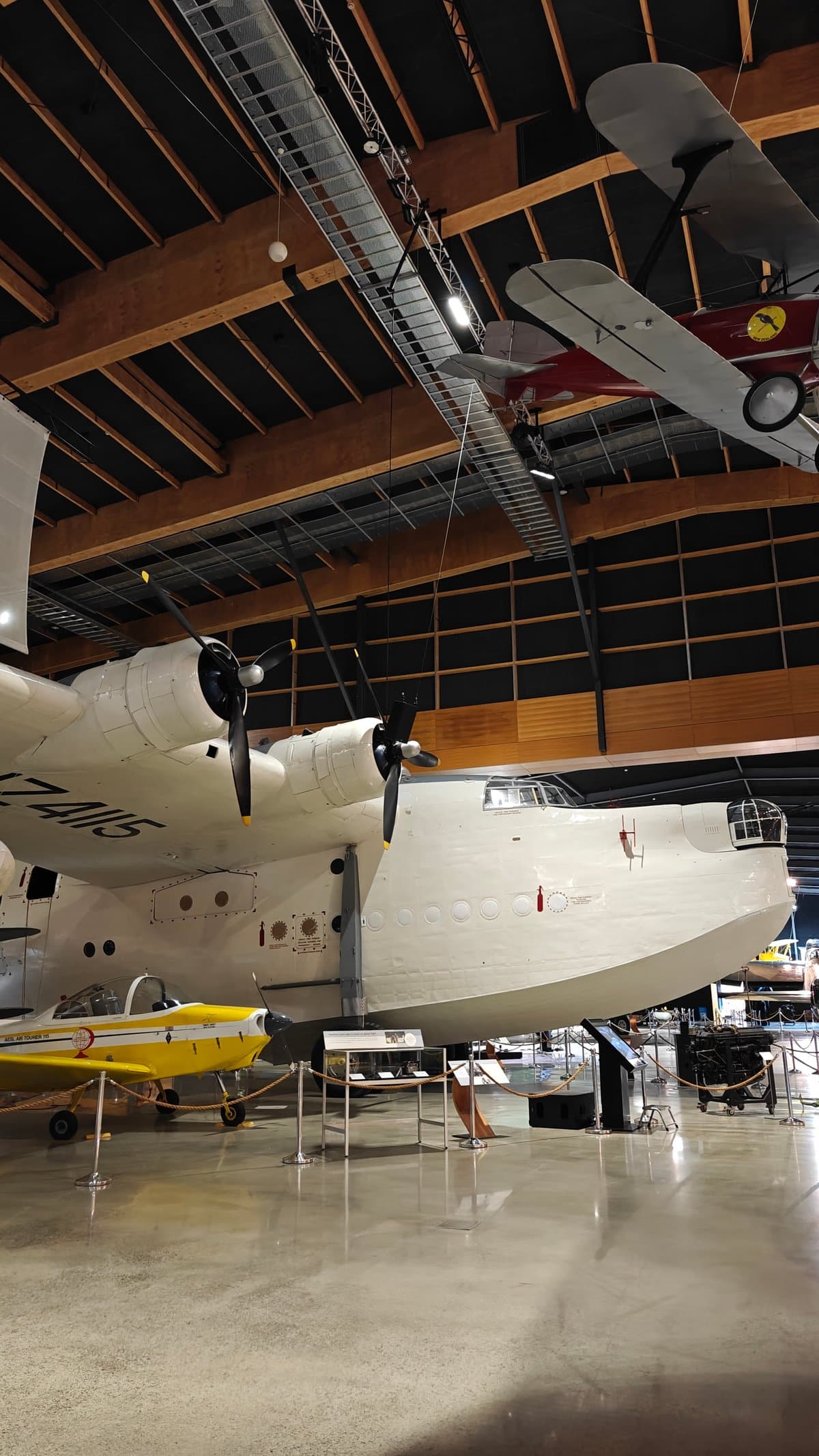
), an old Link Trainer flight simulator, and more. But from all angles, it’s the Sunderland that dominates the room, and we found ourselves continually returning there. It was easy to lose track of time in there, just walking around and reading the placards.
There is so much variety to the planes packed into this space. In short, I walked into MOTAT with low expectations and walked out thoroughly impressed. Their collection is amazing, and they’ve managed to make it approachable while still not dumbing anything down.
There is so much to see here. You can visit the aviation hall, see that awesome beam engine, and explore all the interactive displays on engines. We were exhausted but happy by the end of our visit, and I would totally do it again, next time I’ll try to go on a day when they have the trams or the beam engine running.
If you’ve visited MOTAT, what was your favorite exhibit? Is there anything you think I should be sure to see if I ever go back?