
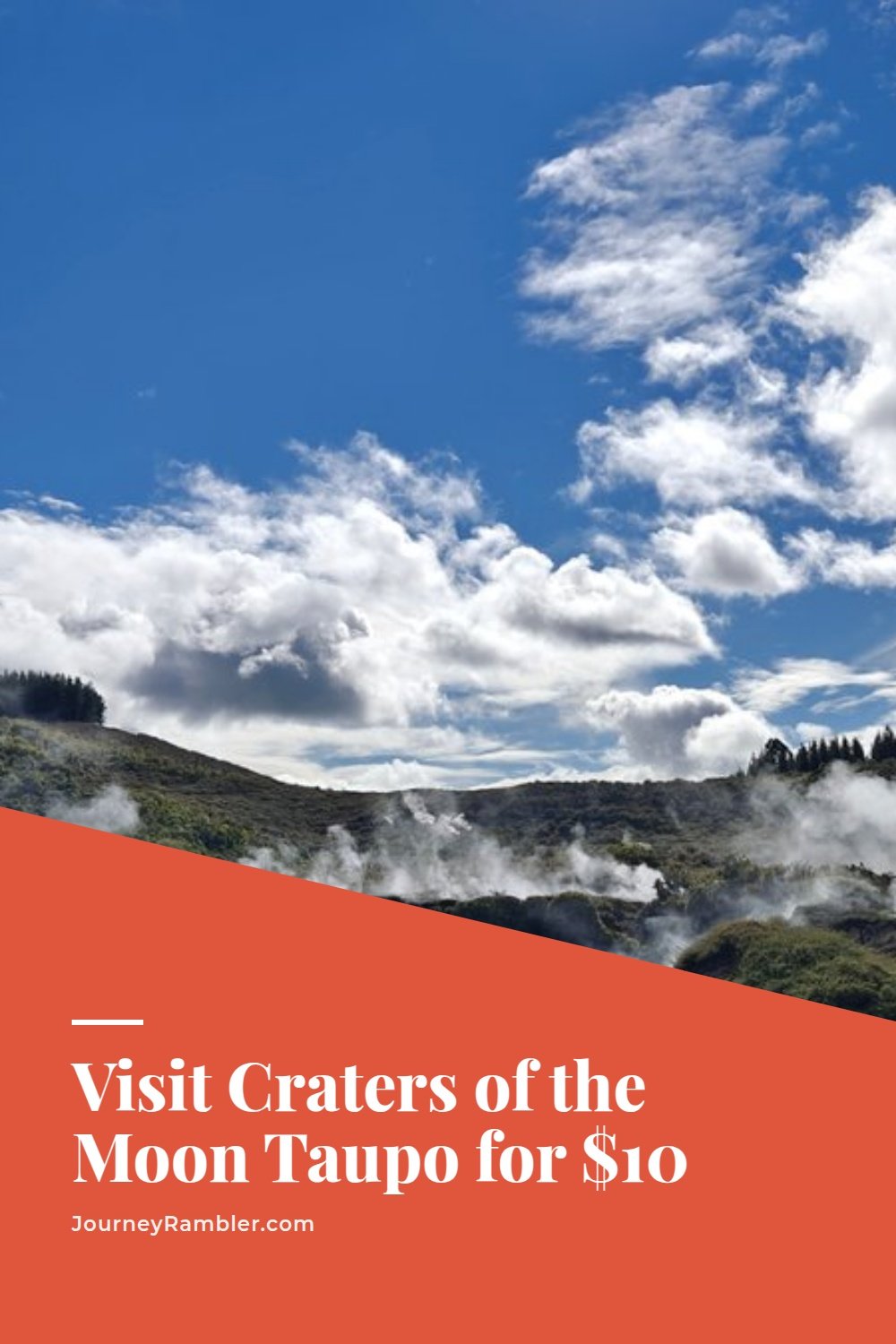
Ten dollars got me an hour on a well-kept loop track around some active geothermal terrain. There were no crowds and no gift shop pressure. Just gravel paths and boardwalks threaded their way between hissing vents and steaming craters that warmed my face from two metres off.
I’d pulled into the car park at Craters of the Moon in Taupo expecting a quick twenty minute wander, maybe a bit of steam and a lookout. It’s not the big ticket, tour-bus place like Rotorua. The Craters of the Moon are run by volunteers and sit quietly up the hill from town.
They do exactly what their name promises. They are a lunar landscape of scrub, sulphur-streaked clay, and cracked ground that somehow manages to cling on in spite of the heat beneath. I stopped to watch steam curling out of cracks I’d missed at first glance, and spent the entire loop reading the interpretation boards.
My Walk on the Hot Track
Craters of the Moon
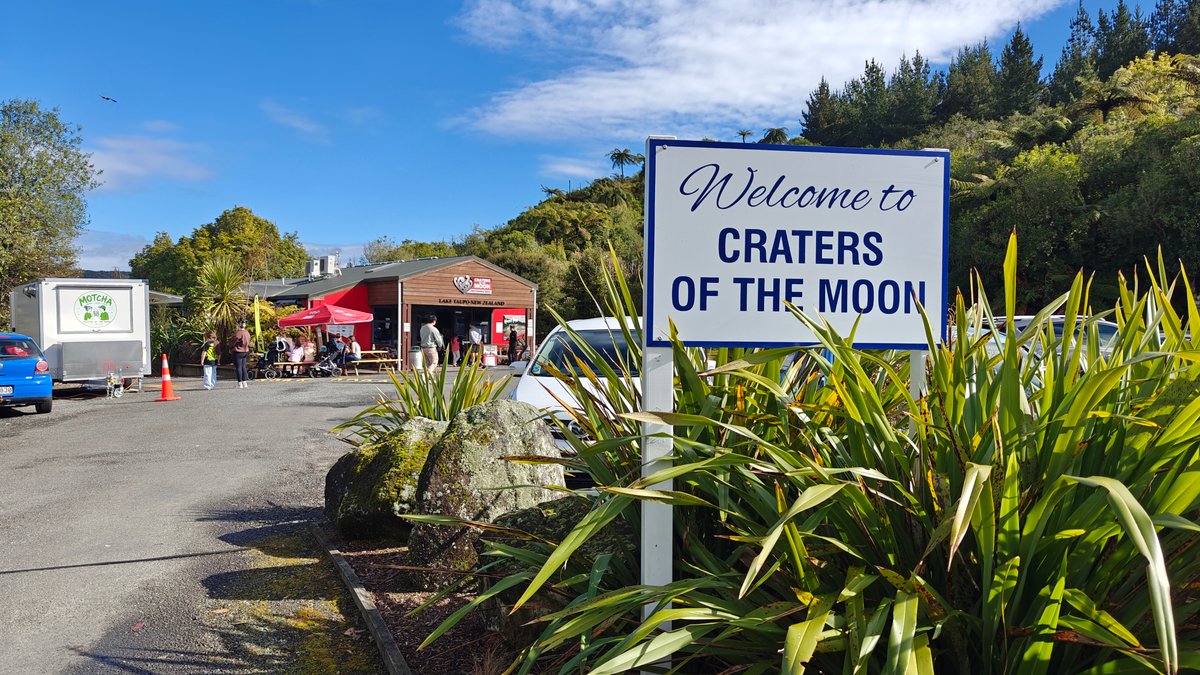
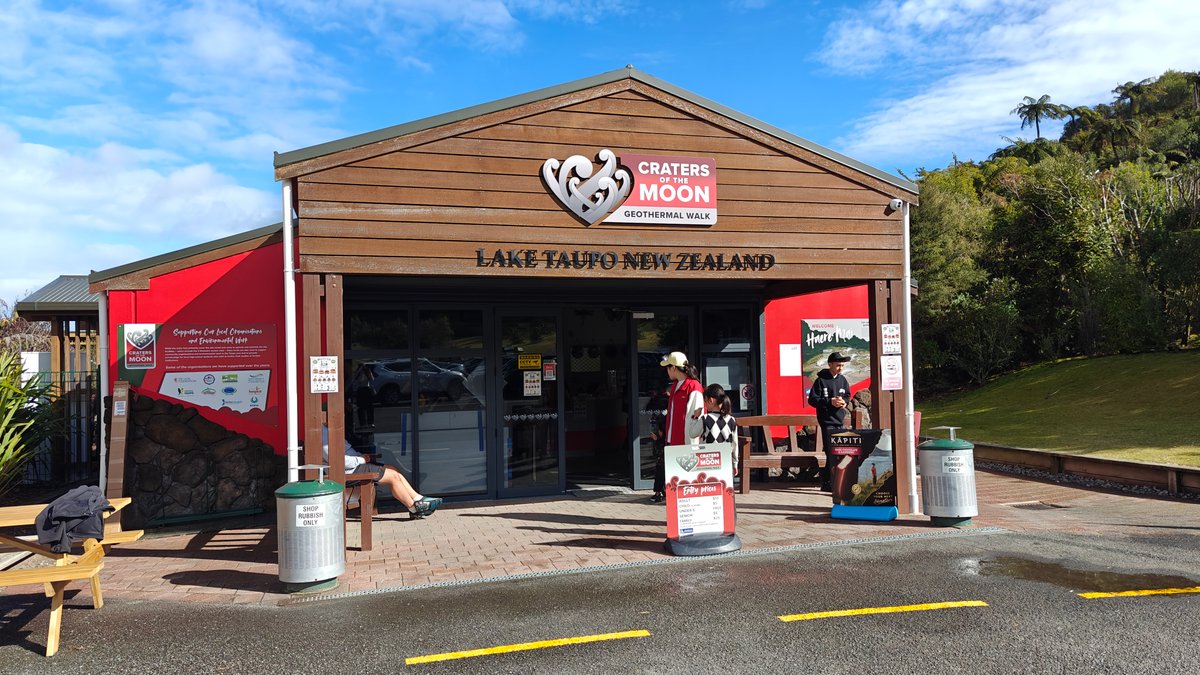
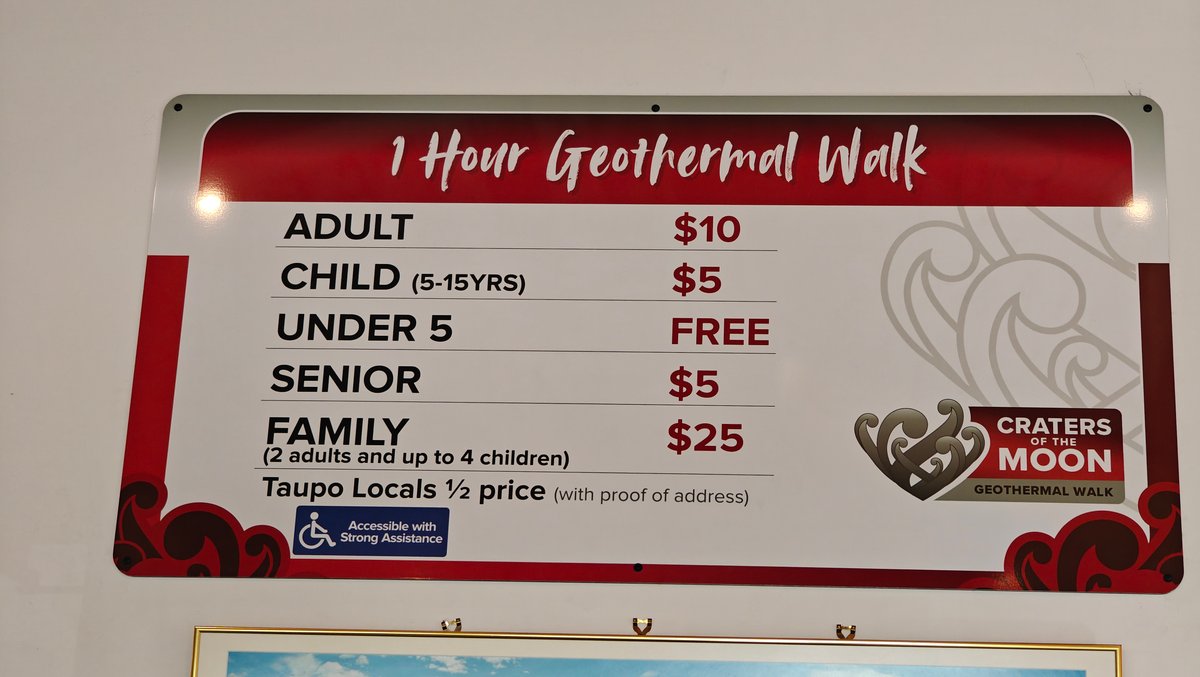
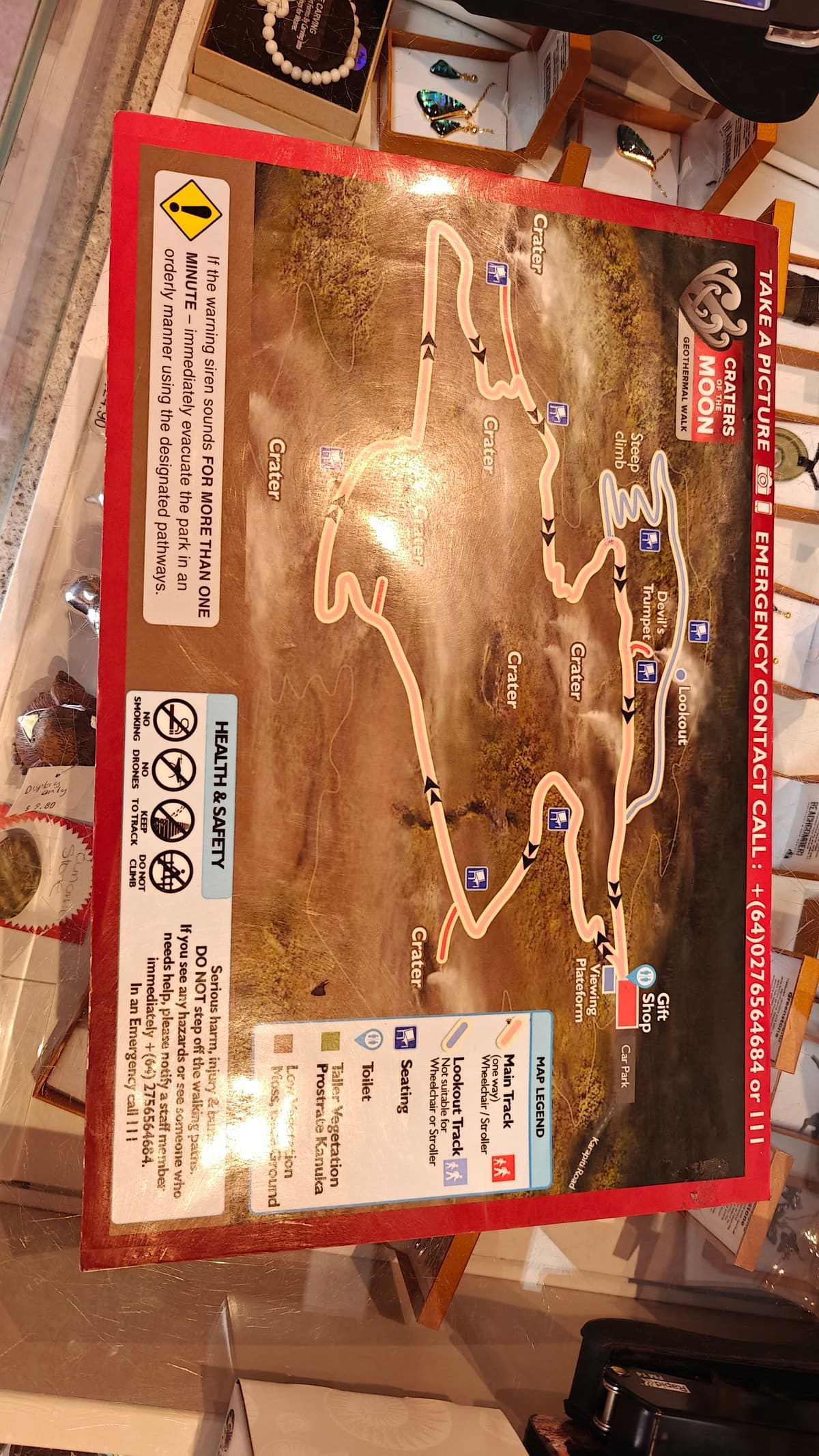
A couple in front of me were debating time constraints; I paid my ten bucks at the timber kiosk and looked at the track map. An hour it says for the loop, which proved about right if you take your time and stop to see thing. A cheery arrow directed me toward the beginning, and in a minute I was on the boardwalk with the first wisps of steam wafting over the tops of my boots.
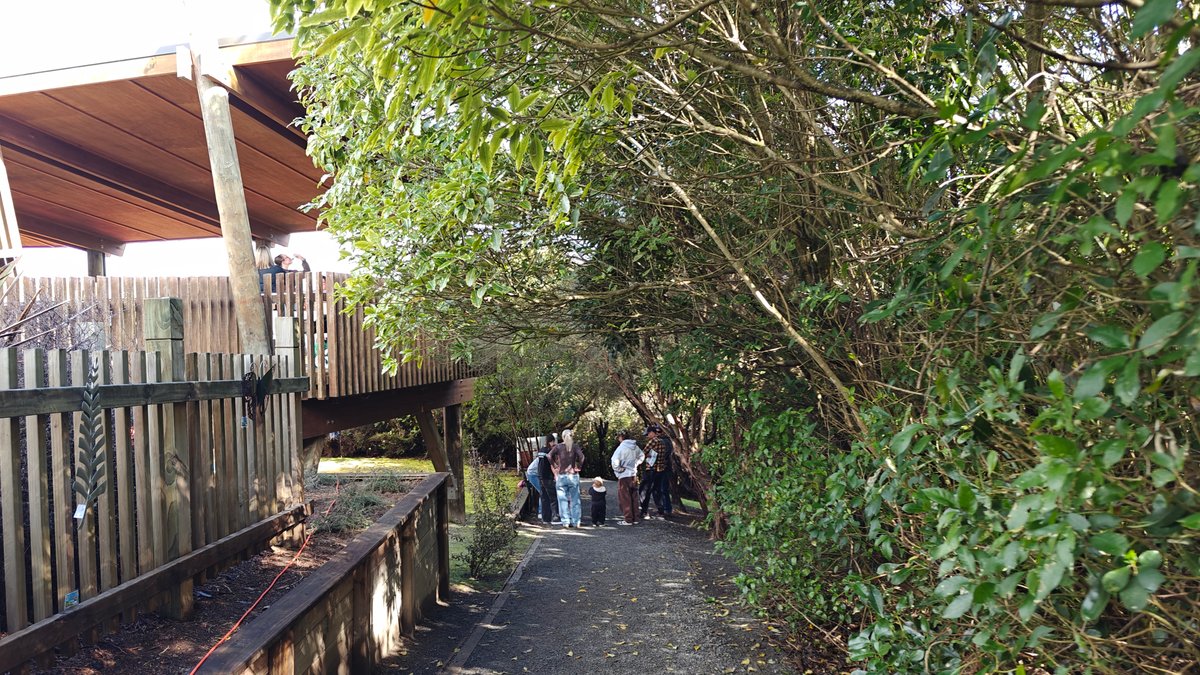
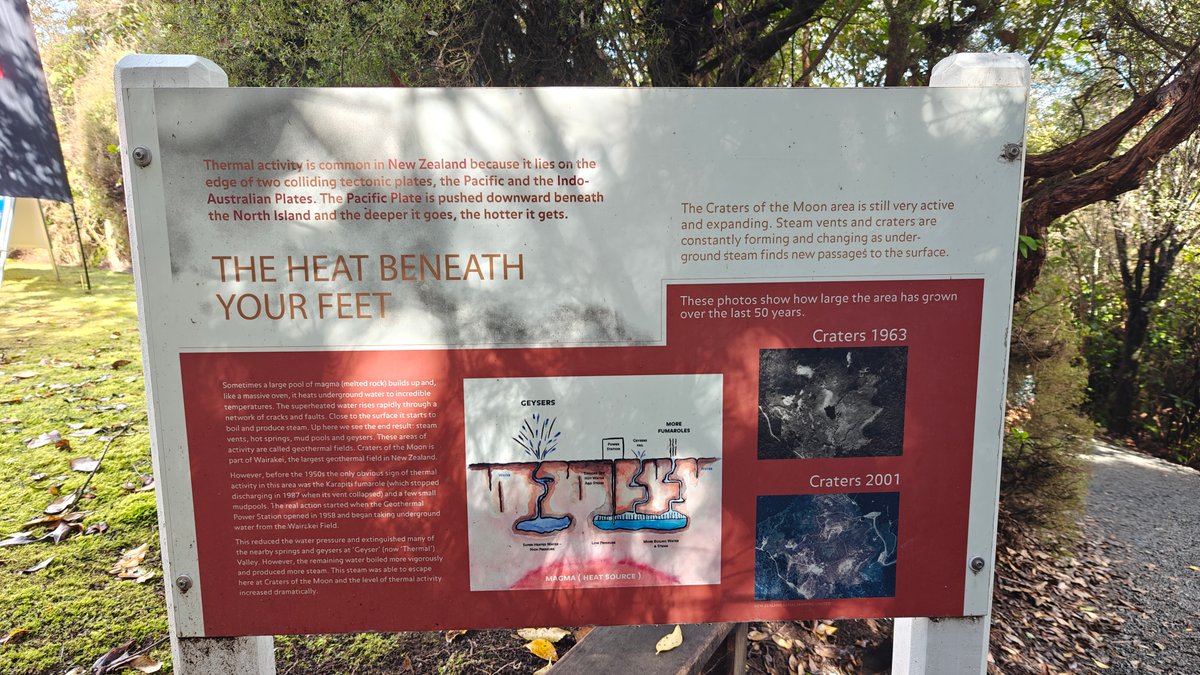
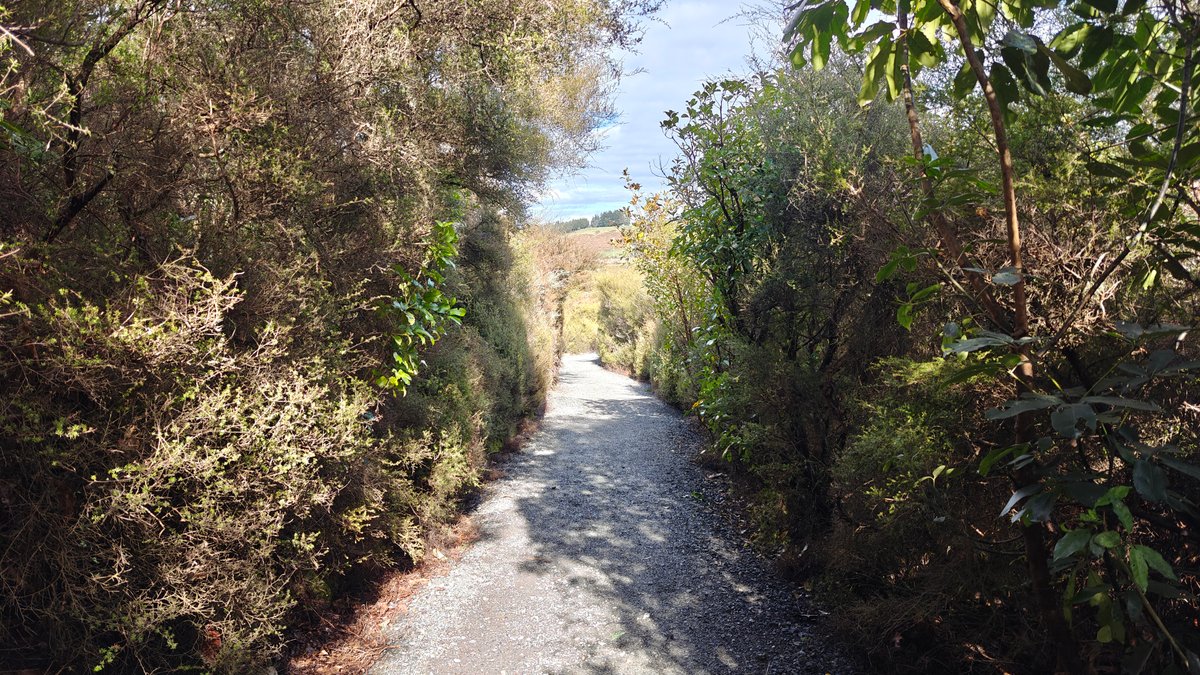
From the interpretation board that explains about the hotness underfoot we headed out, along a path which turned from dirt to gravel as it twisted through thick stands of manuka. The vegetation on either side appeared healthy, except for the areas that were completely empty of anything growing at all. And then I could smell it…
Sulfur, slight but unmistakable.
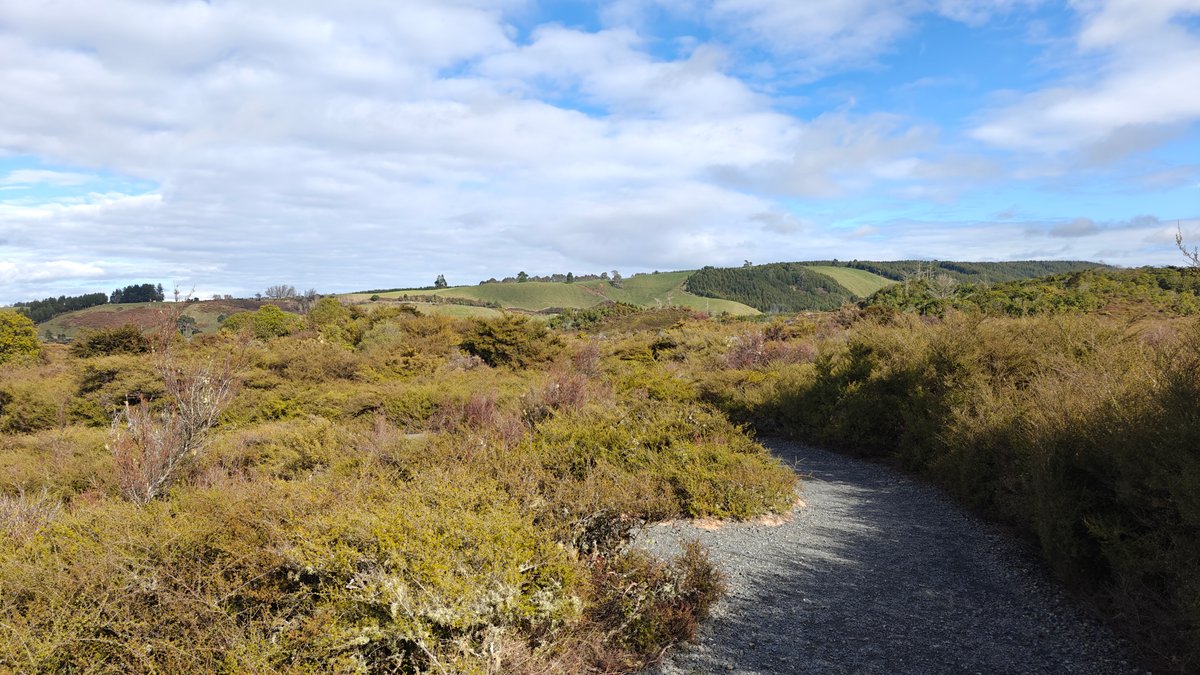
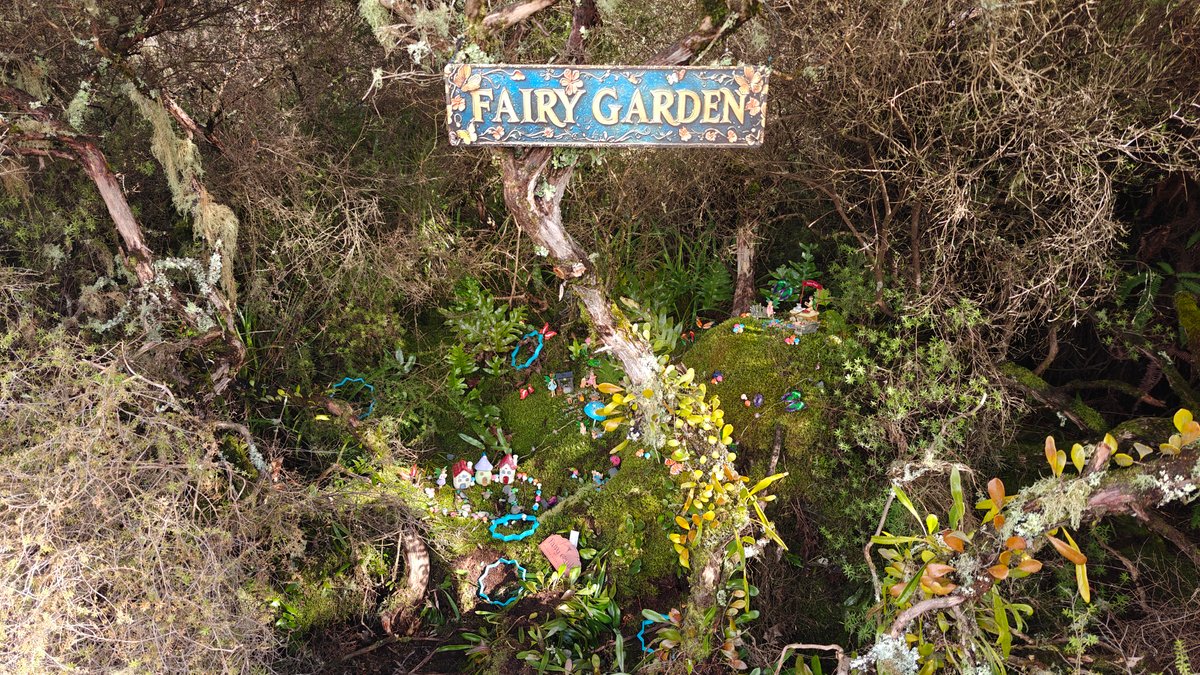
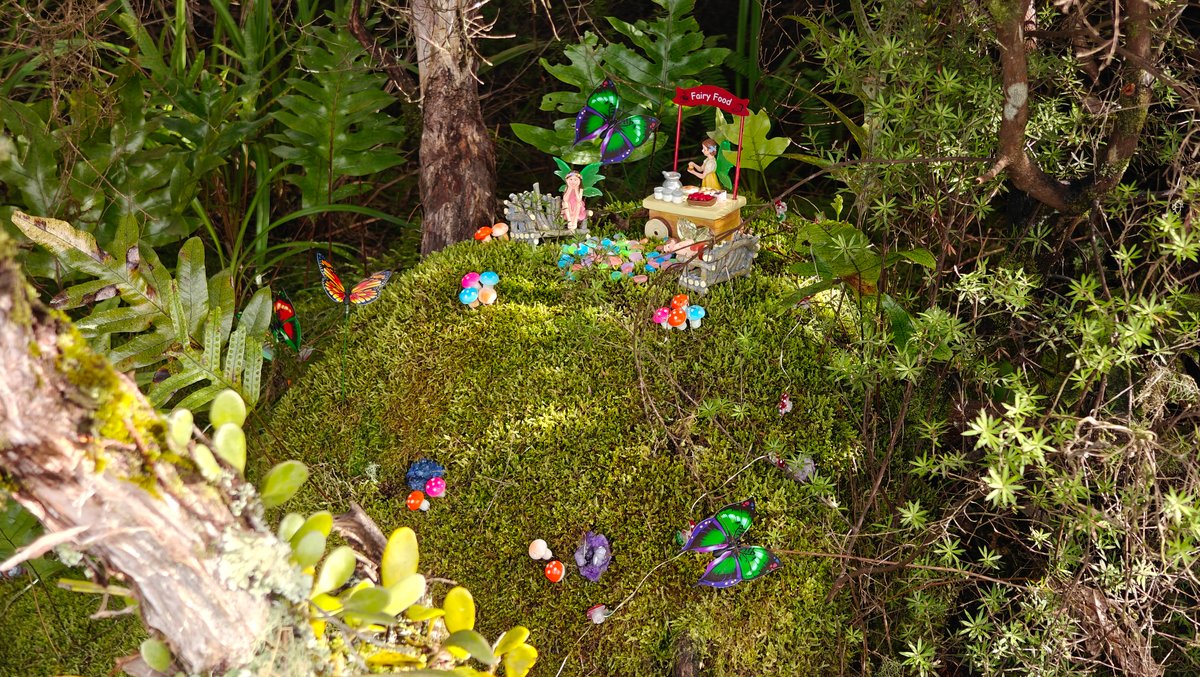
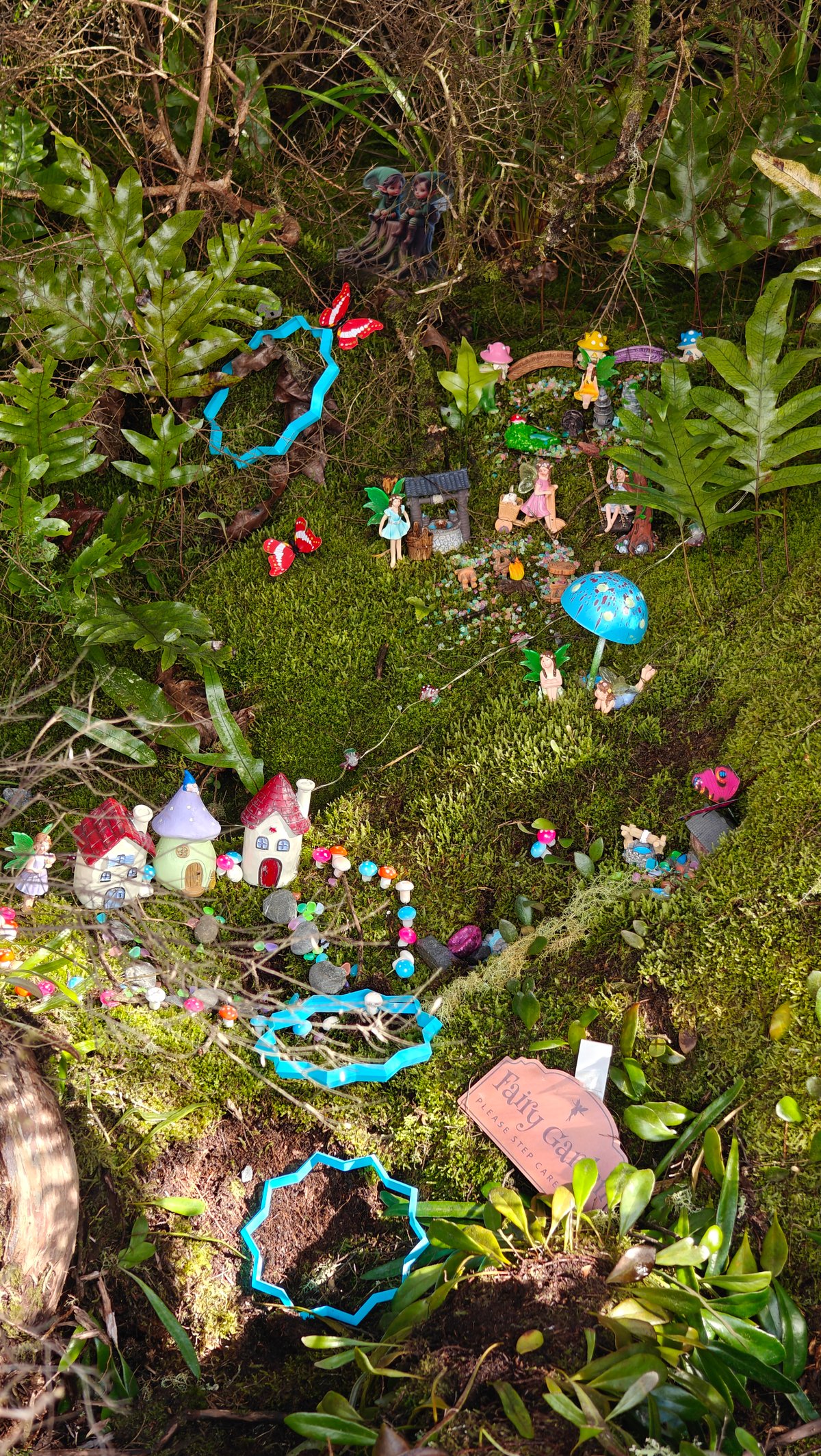
And then it swung wide open to views of distant farmland, only to plunge again into the geothermal area where someone had hidden a miniature fairy garden along the trailside. There were handpainted signs, a meandering pebble pathway, and miniature houses. Oddly at home in an environment otherwise entirely composed of rock and heat.
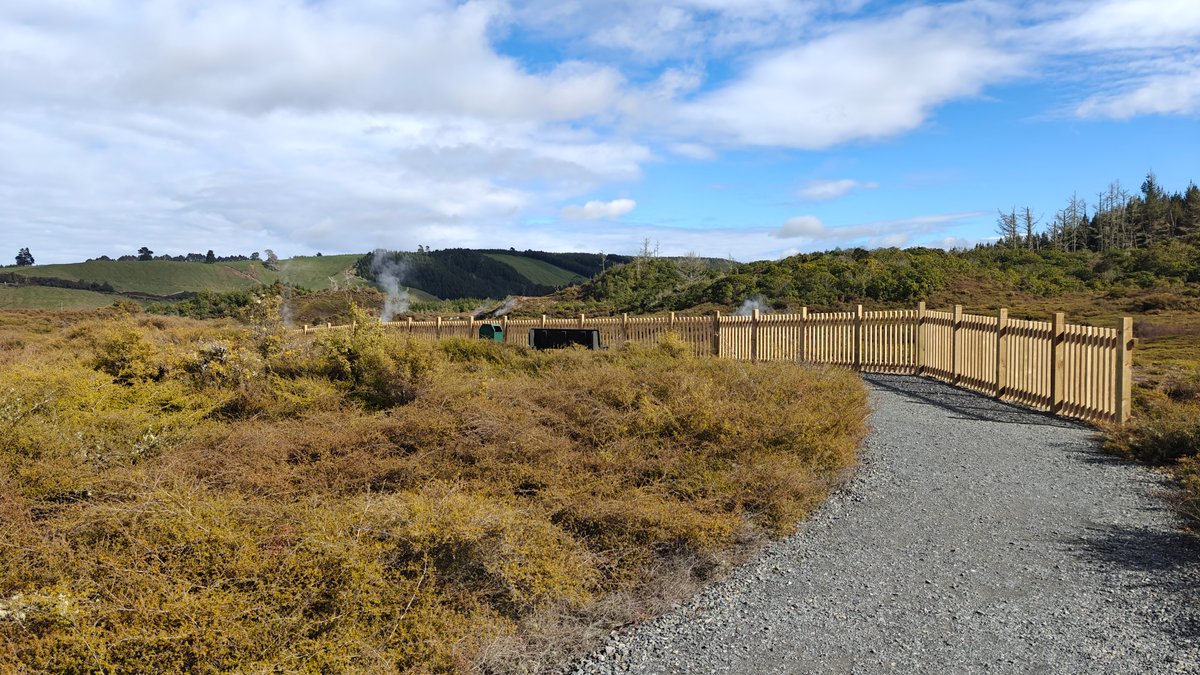
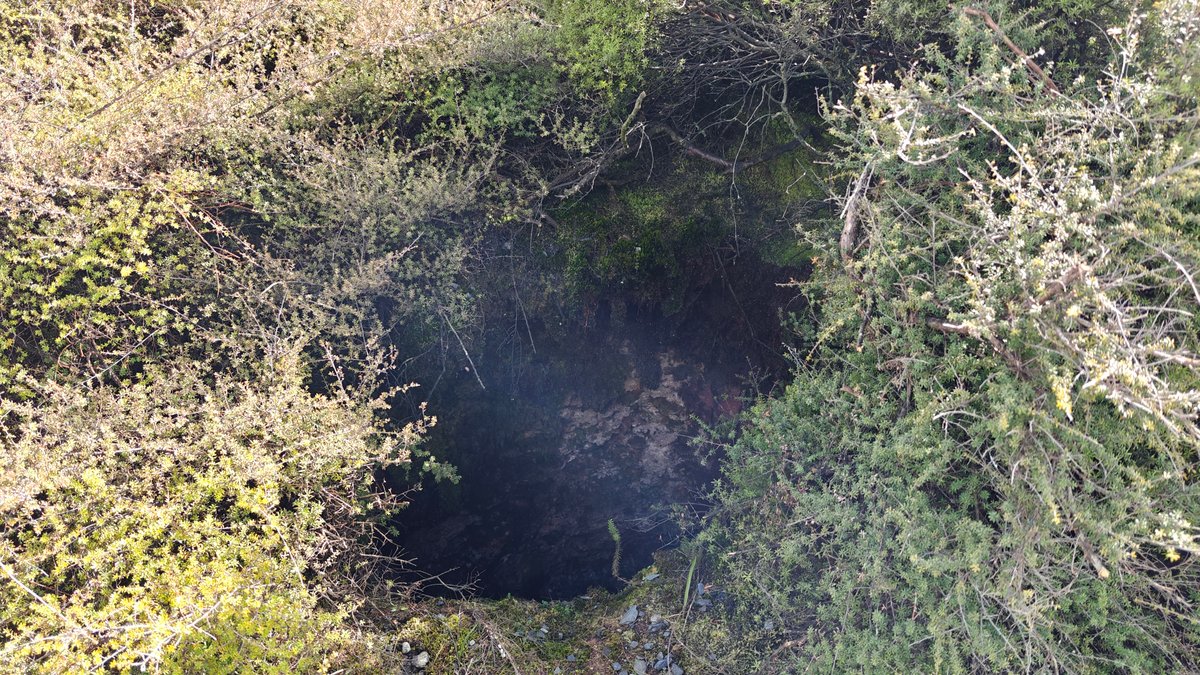
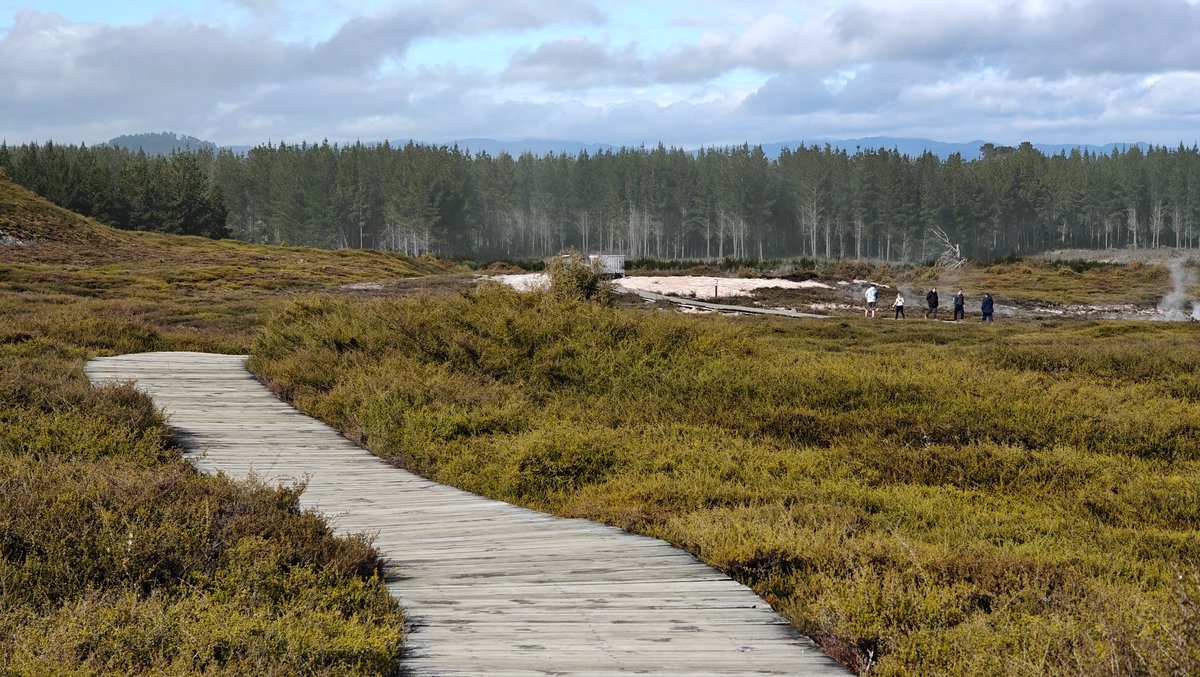
We returned to the boardwalk, where things got really steamy. There were vents hissing along the path, and in certain spots, you could see that the boardwalk was crossing directly above some very hot ground. I held my hand out over a vent and yanked it back quickly, it was properly warm, not just moist air.
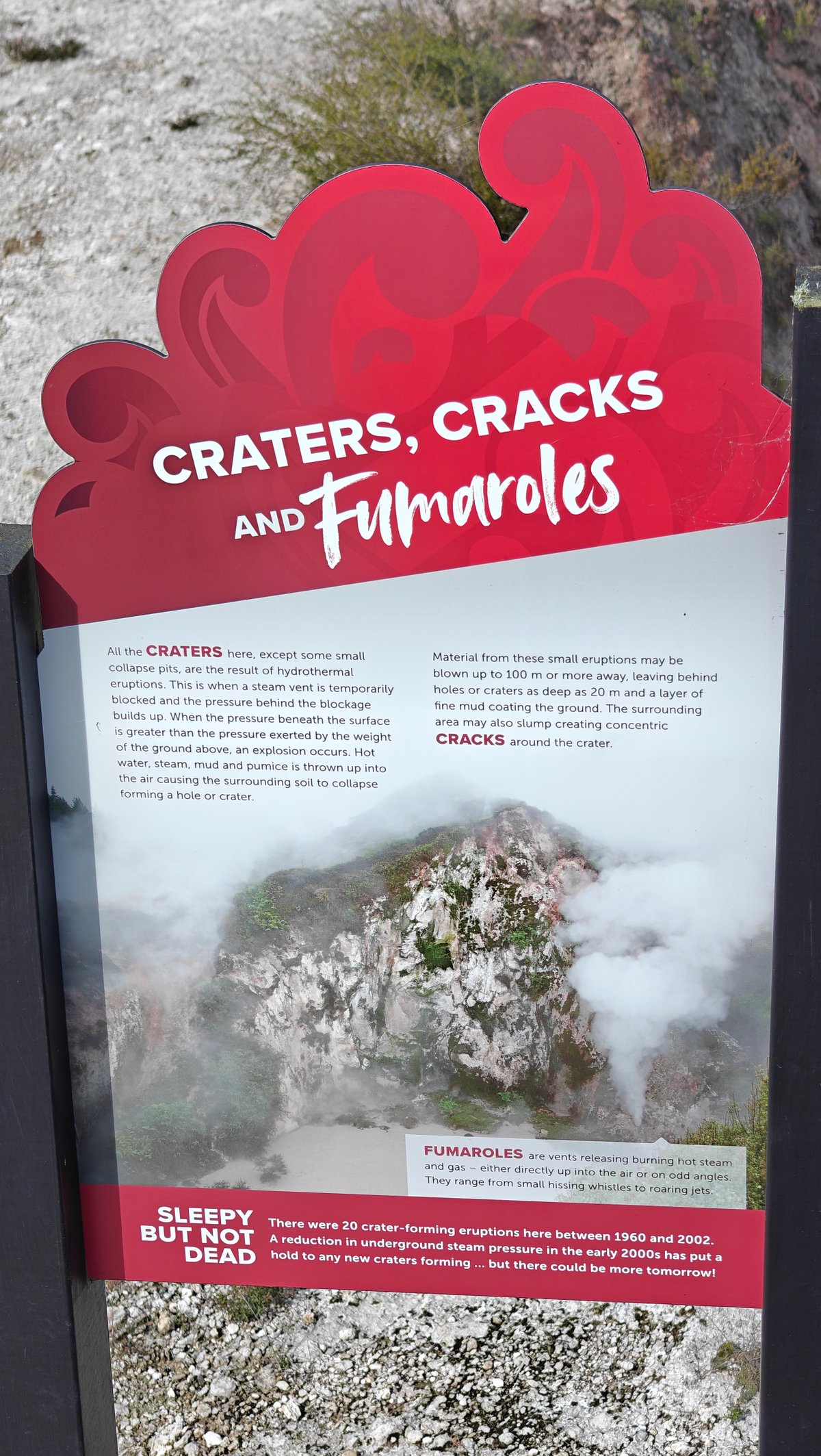
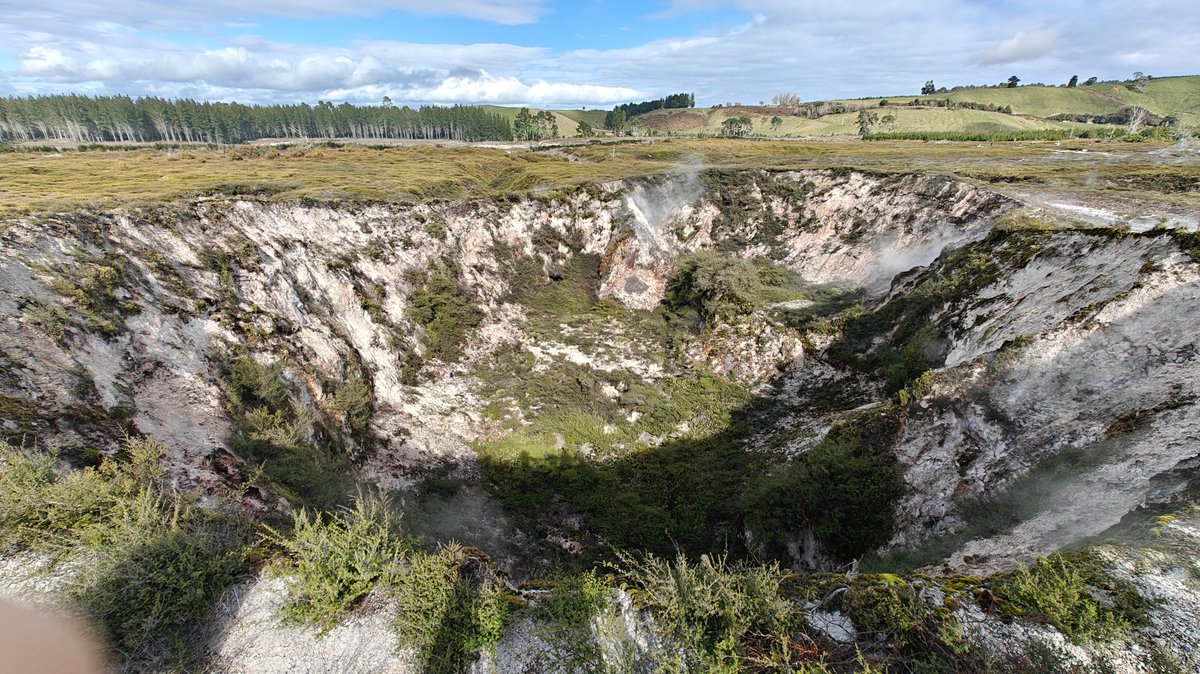
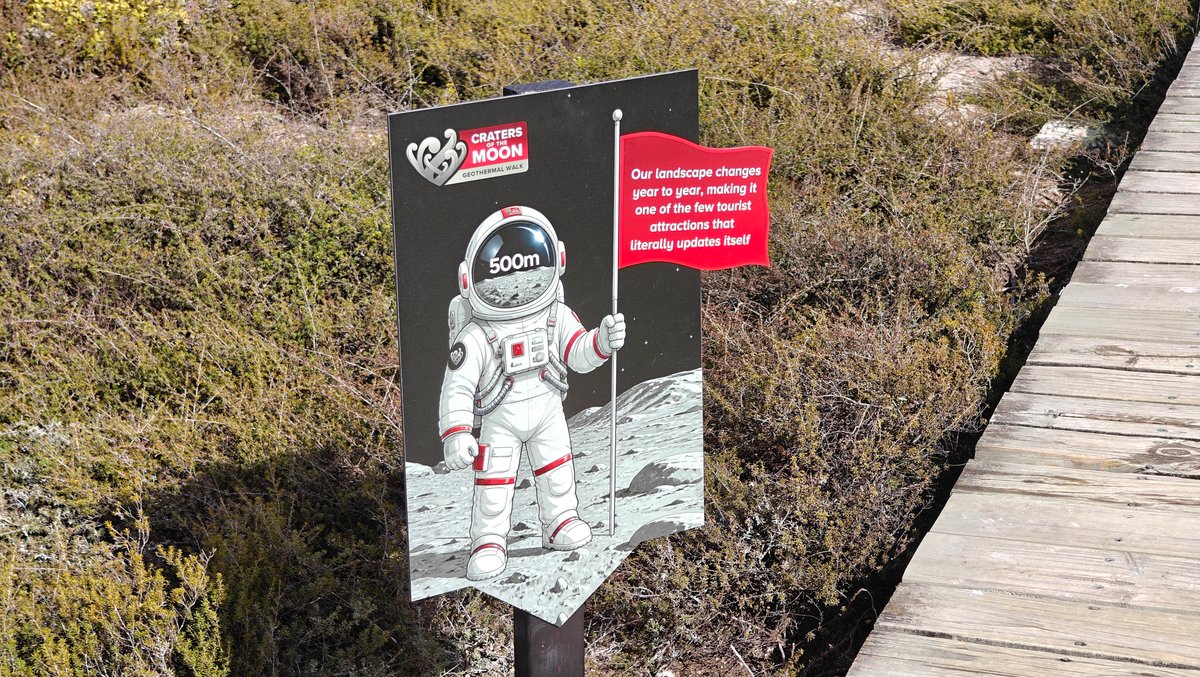
While standing next to a large crater with streaked walls that could have been torn from a geology book, I marveled at it and read the explanation board about the craters, fumaroles and cracks in simple language. The family behind me smile as someone had posted a small astronaut graphic on a post nearby.
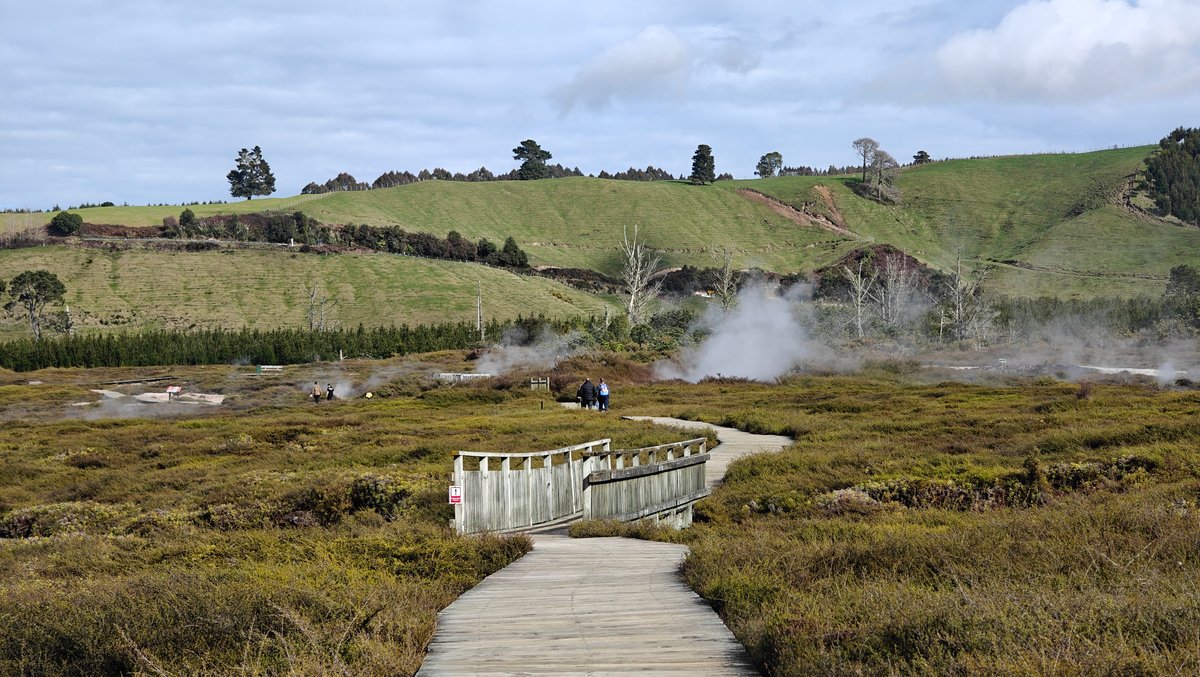
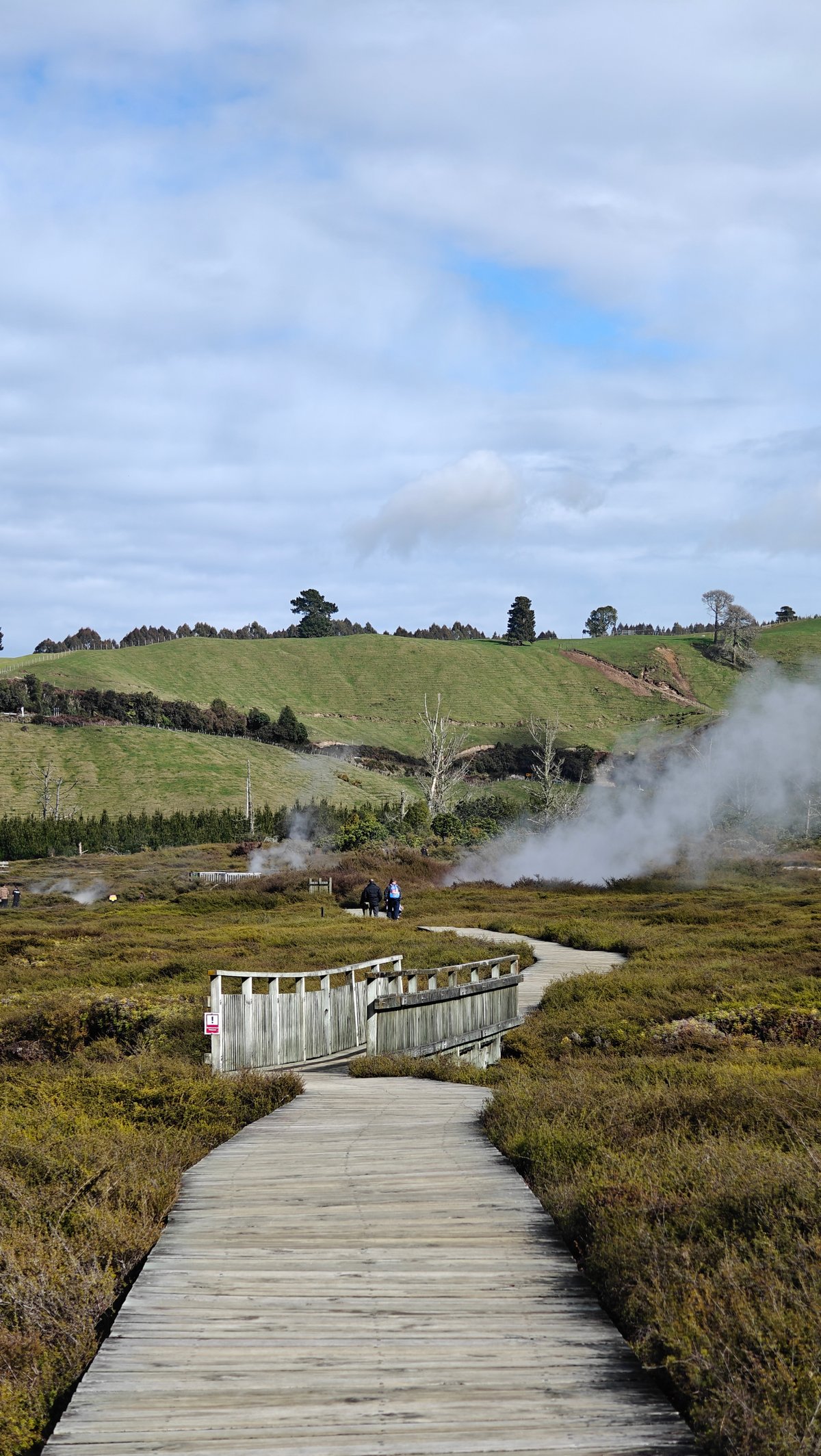
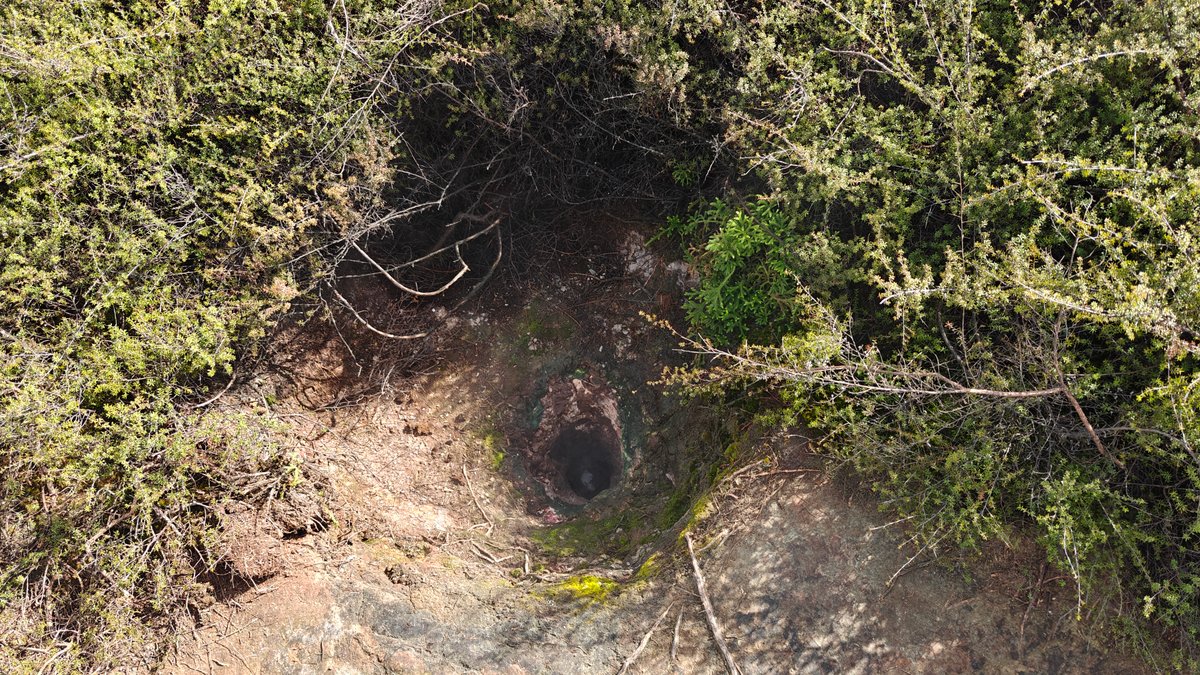
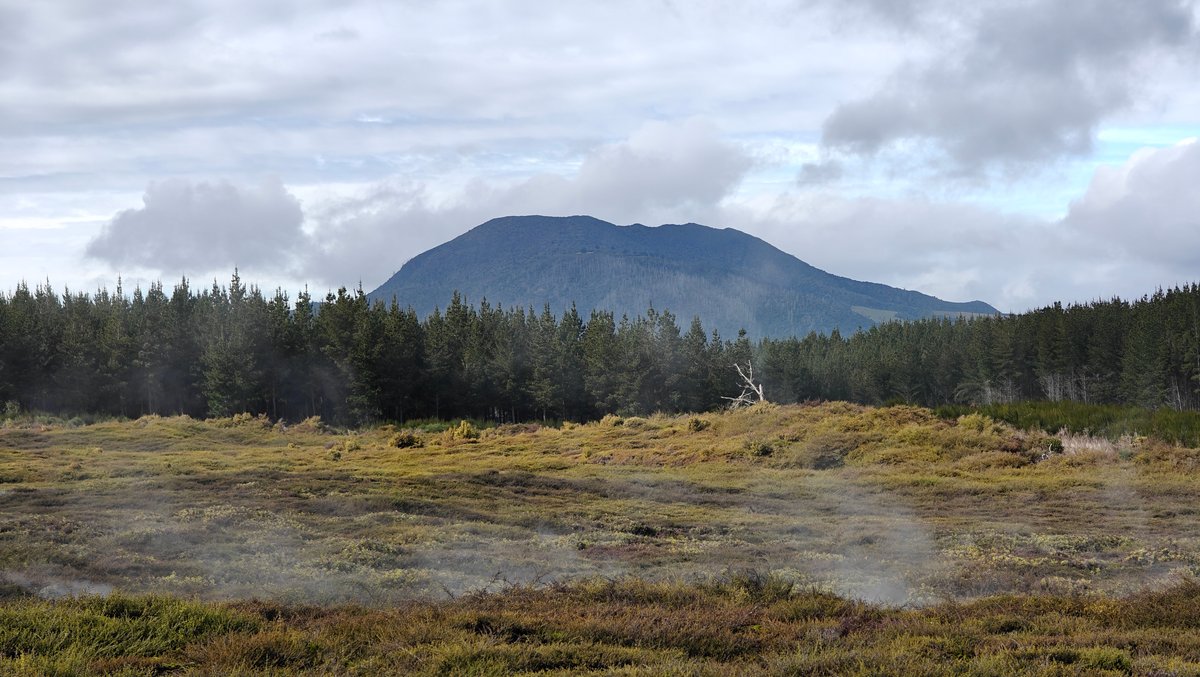
A constant wave of steam billowed up the boardwalk, sometimes from opposite directions at the same time. It wafted over the green fields below. There was always another vent, another plume of steam, every couple of paces, and it remained odd how different this raw geothermal earth was than the neat paddocks around it.
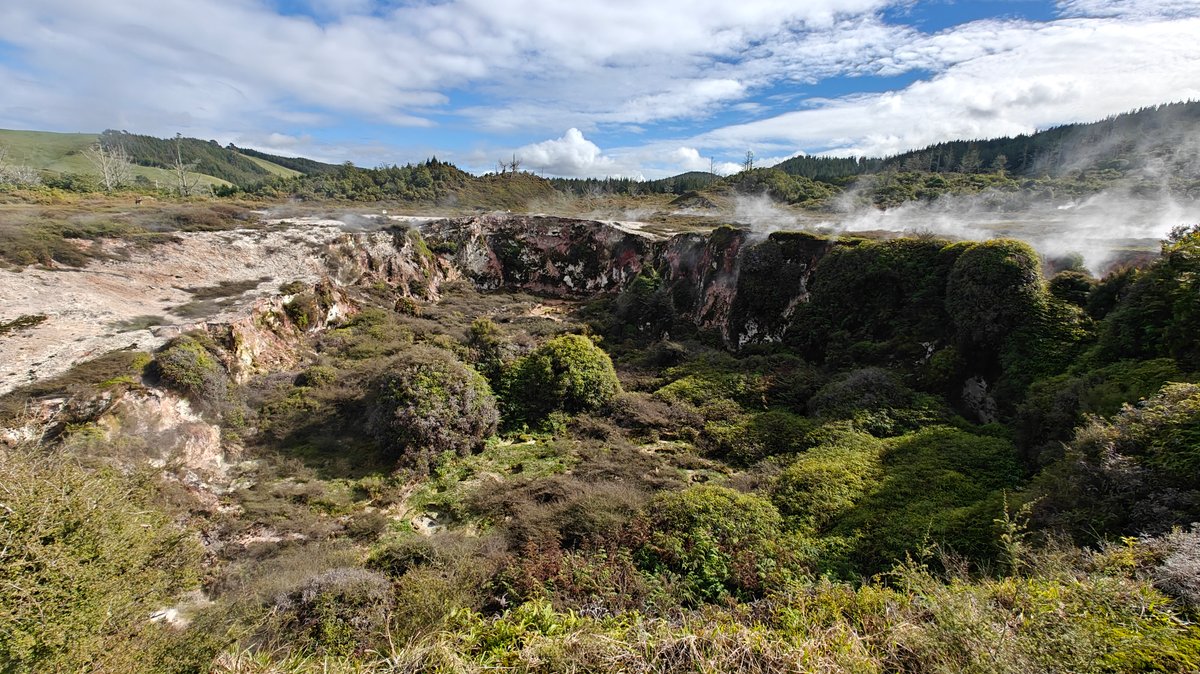
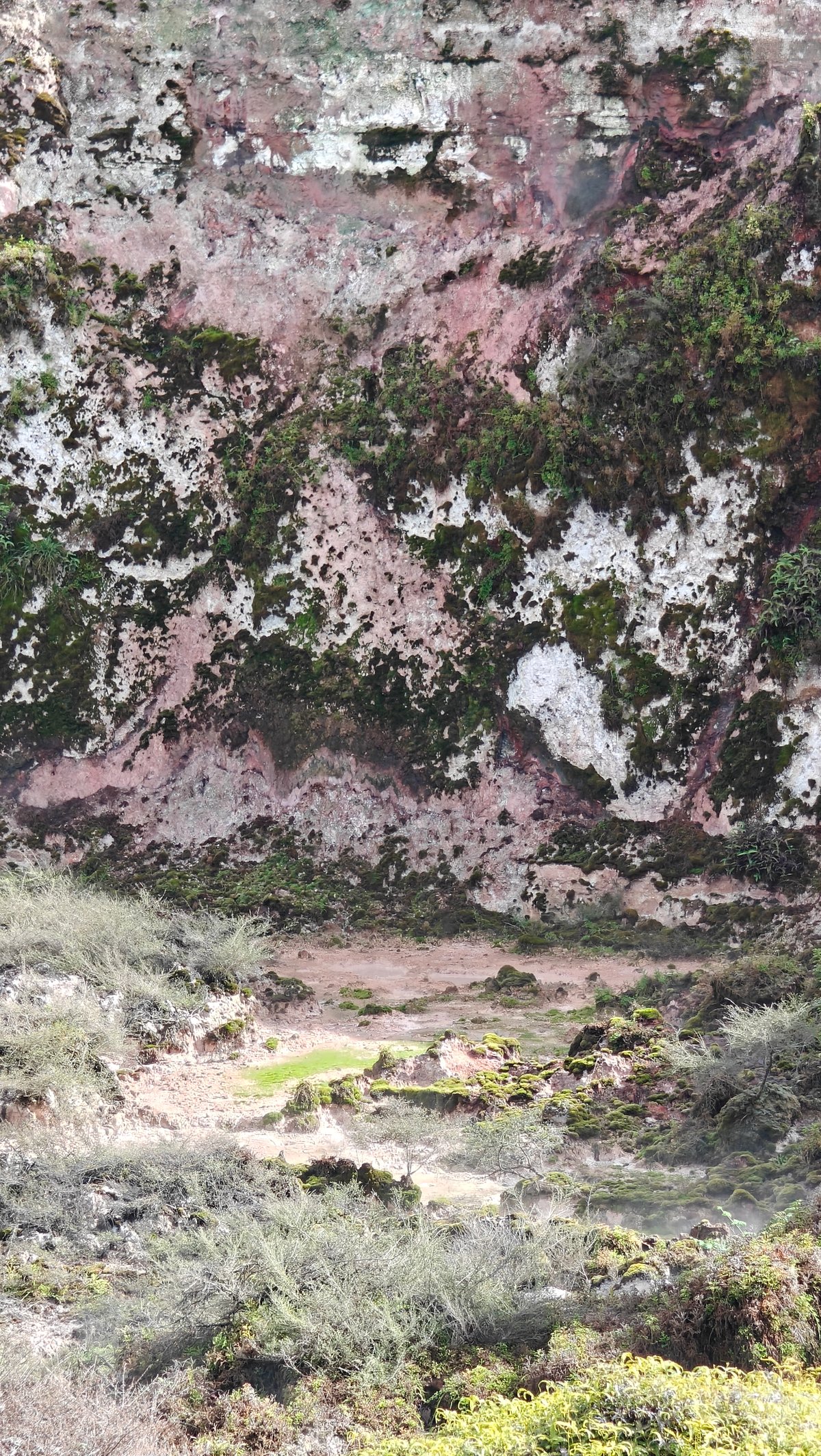
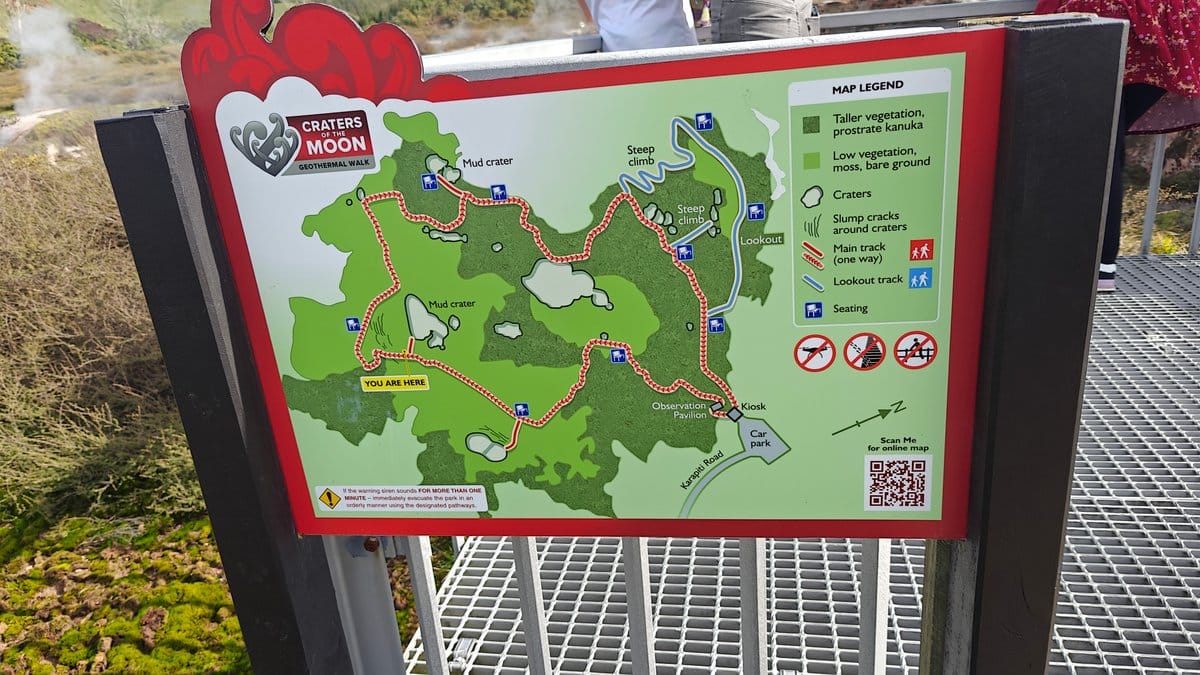
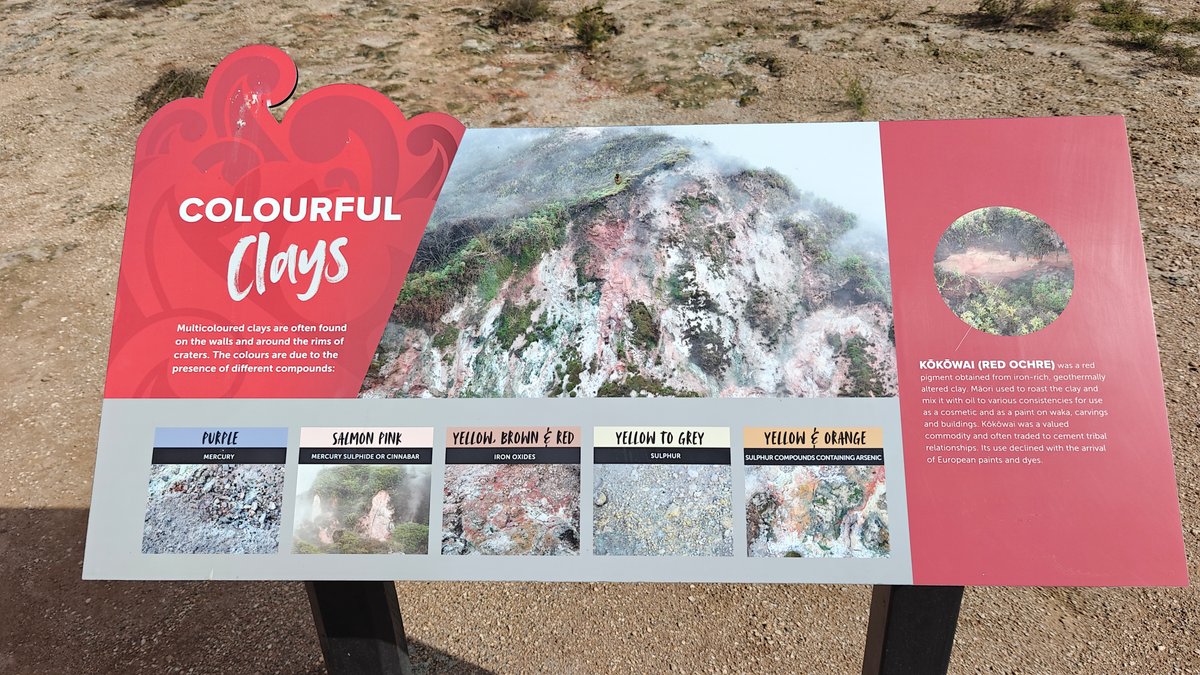
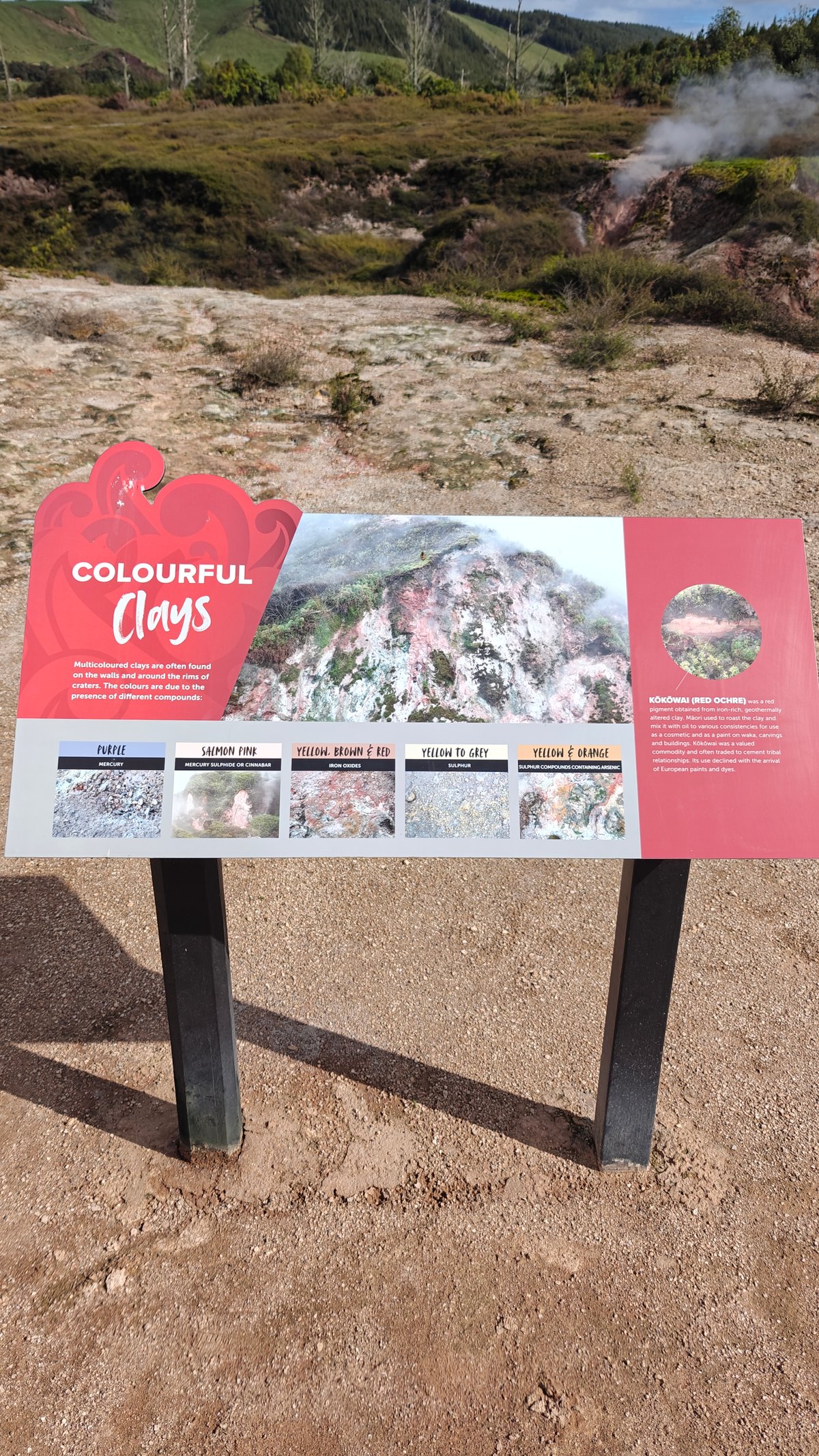
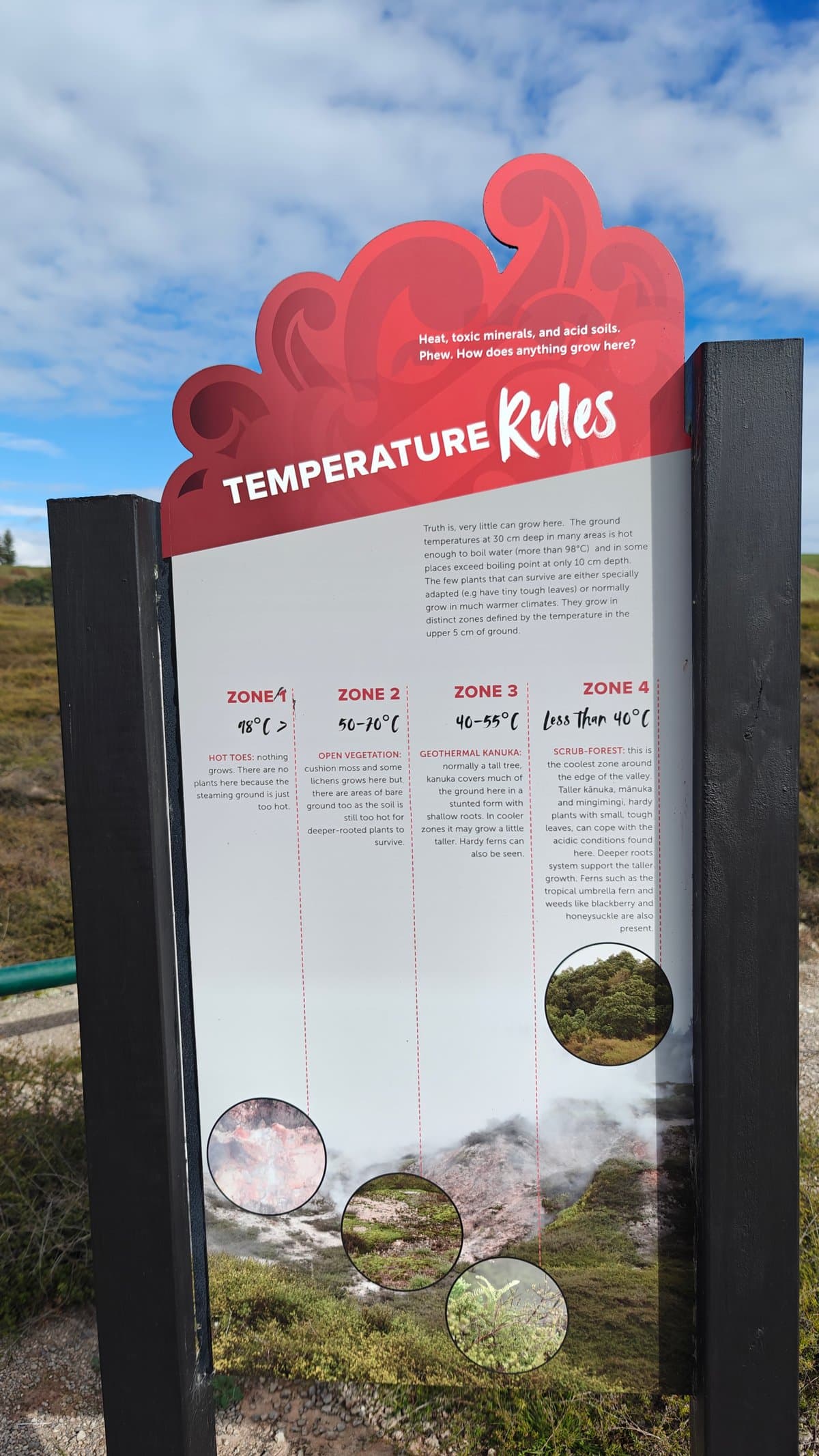
There were bands of different-coloured clay on the crater walls that I would never have guessed at but which the interpretation boards explained reasonably well (dark vs. Pale ground is related to mineral content and temperature. Partly as a result of this, I read more than I typically do when walking around. They explained things clearly.
They also managed to relate what they said to what you can see right there in front of you two metres away.
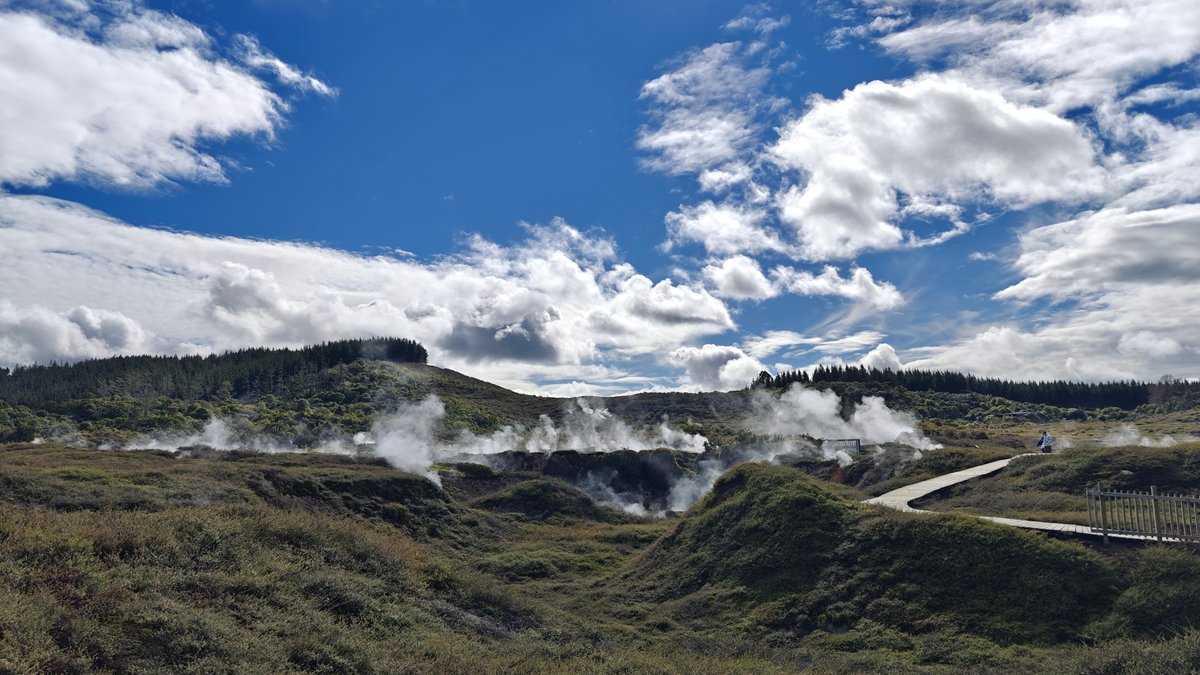
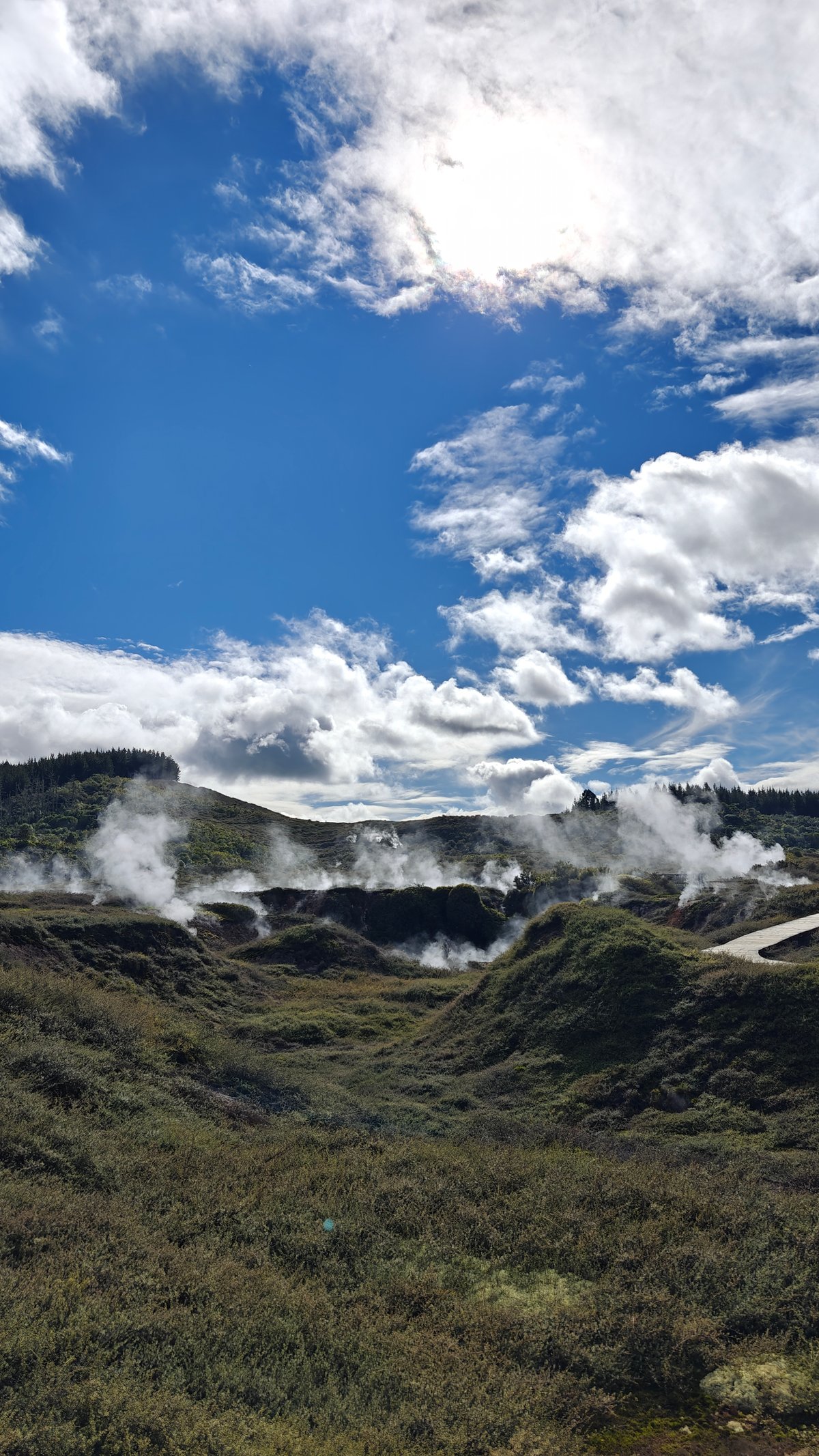
The main crater basin was pouring out a continuous stream of steam; you couldn’t even look in there for several seconds because it was so thick. Then the wind would change direction and clear everything, letting me look directly into the bowl before another gust blew the entire scene back in.
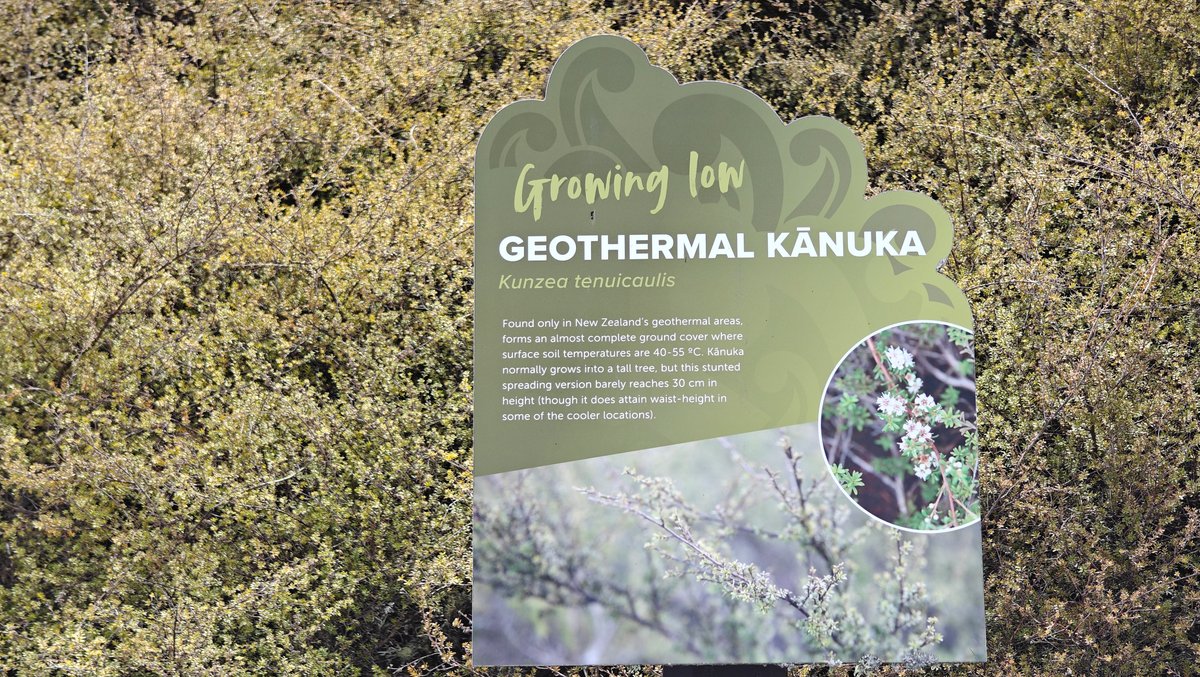
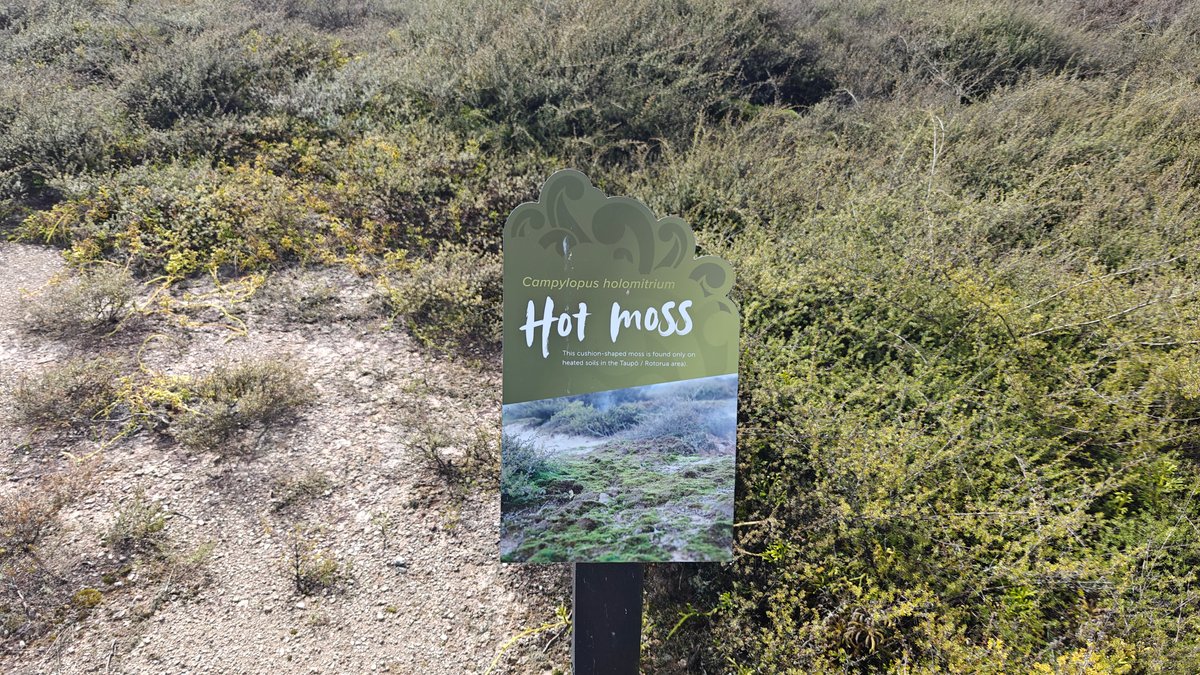
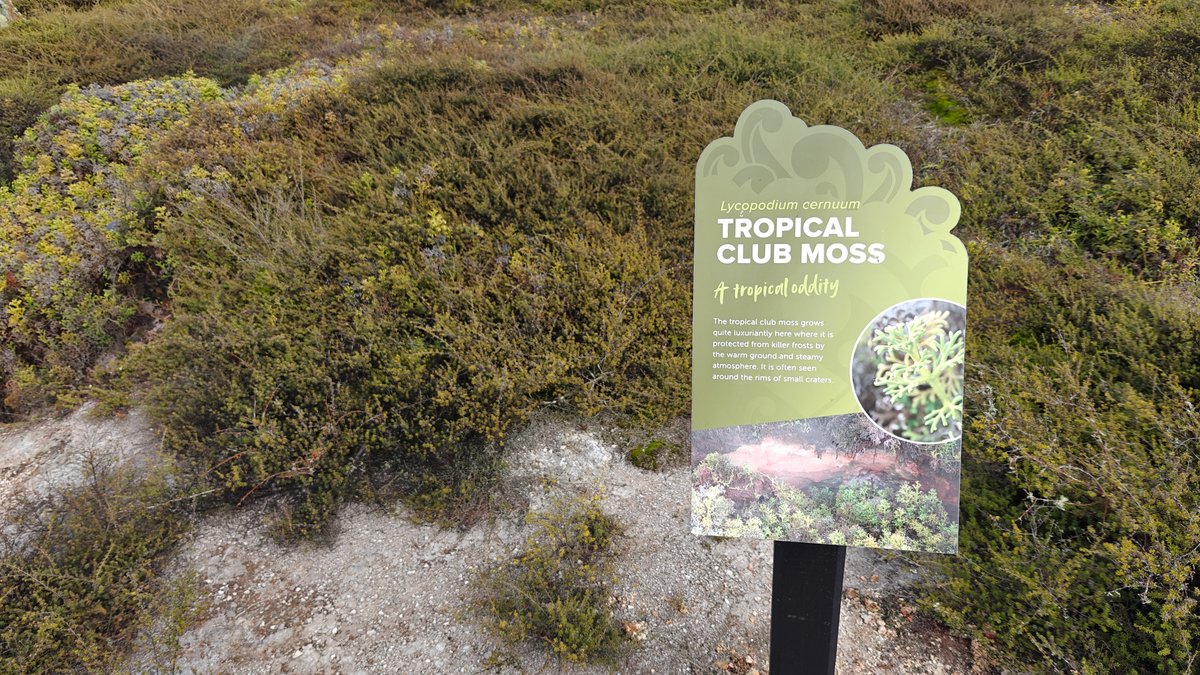
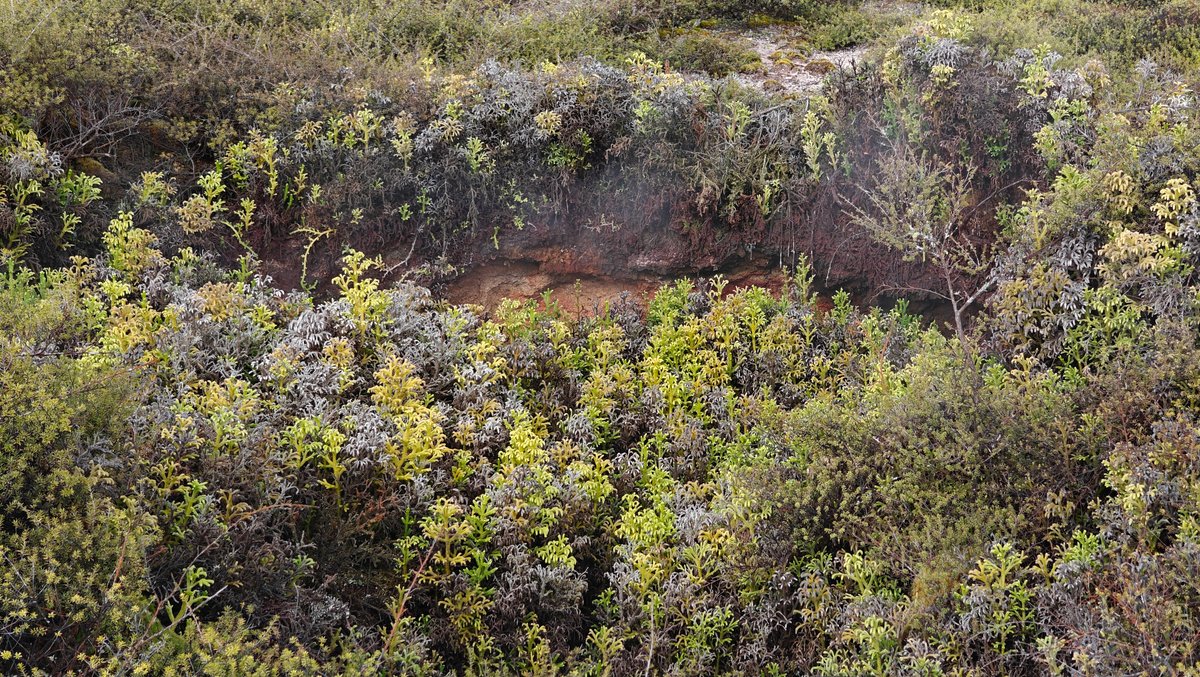
I was far more interested in the vegetation than I’d thought I would be. There were interpretation boards noting the tropical moss that survives here despite warmth killing off virtually all other forms of life. The scrub met bare earth in a sudden line, then shifted a few metres away where something beneath was steaming hotter or colder.
The low-growing kānuka is adapted to the geothermal heat.
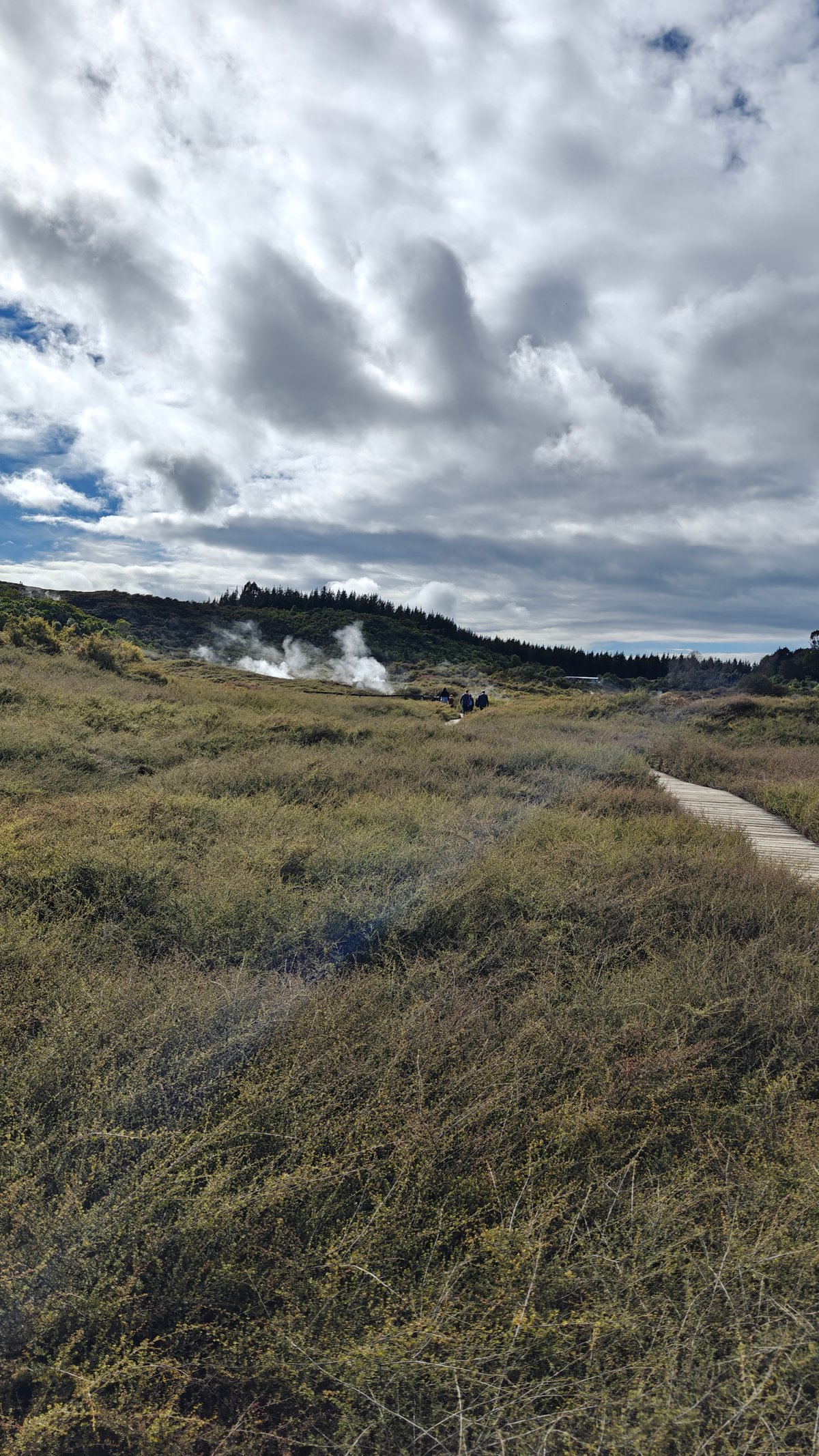
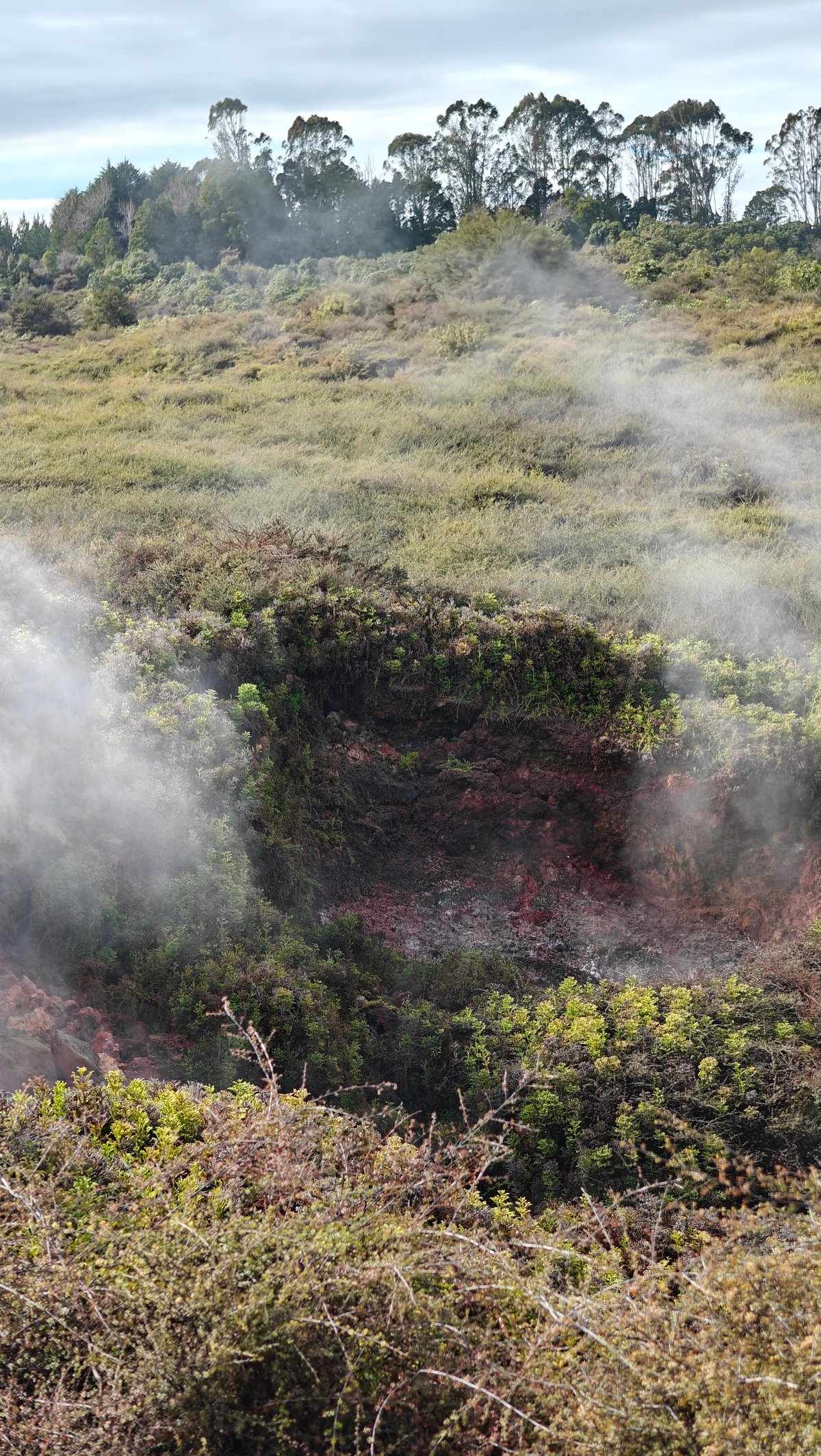
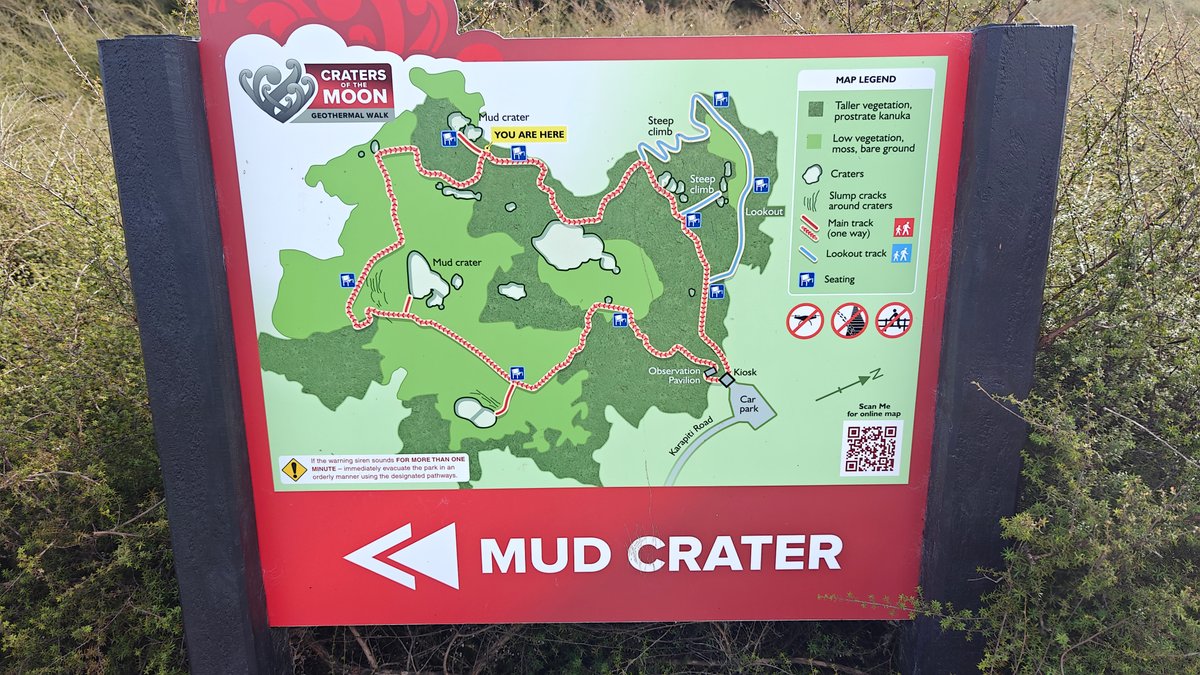
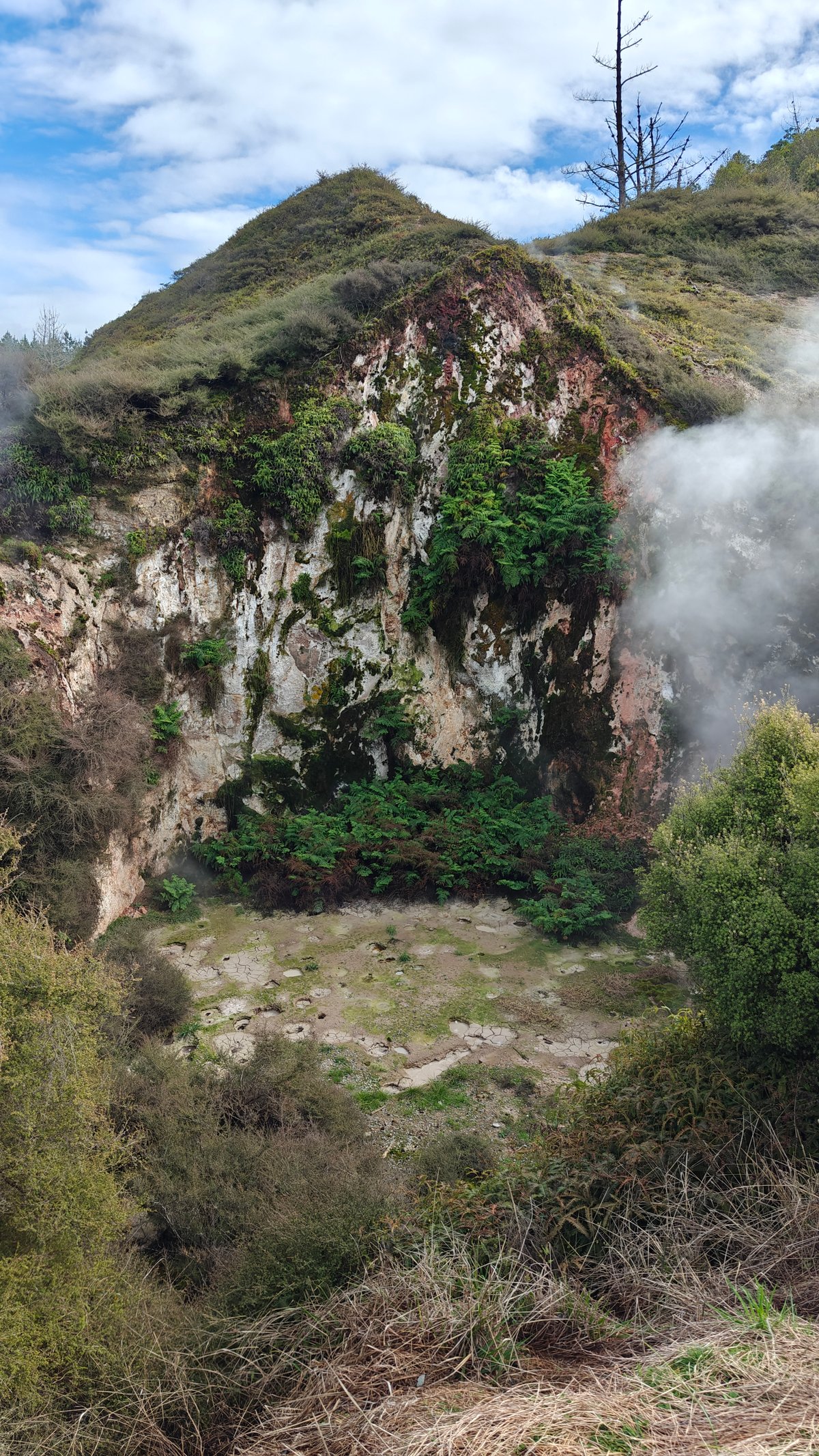
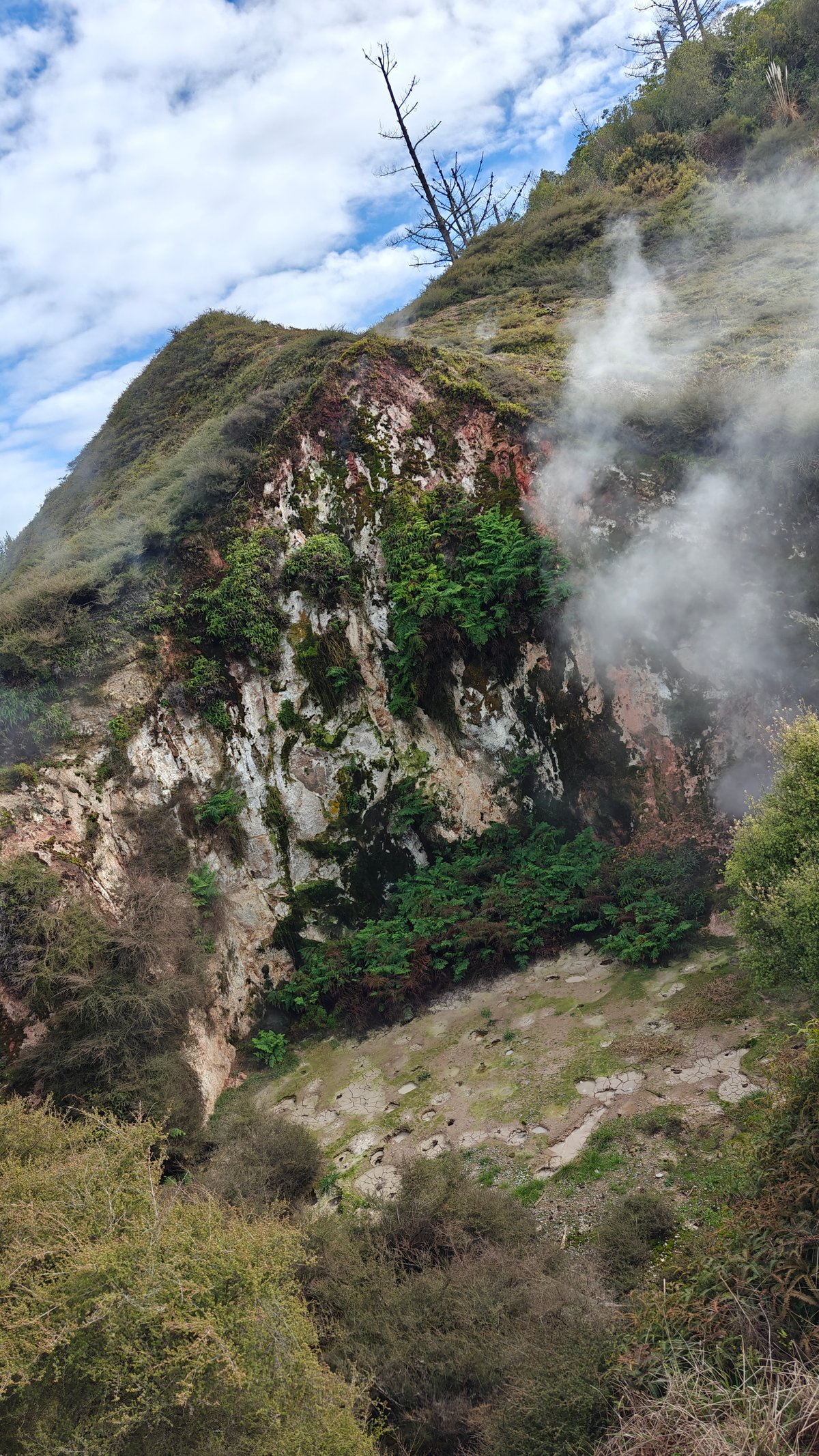
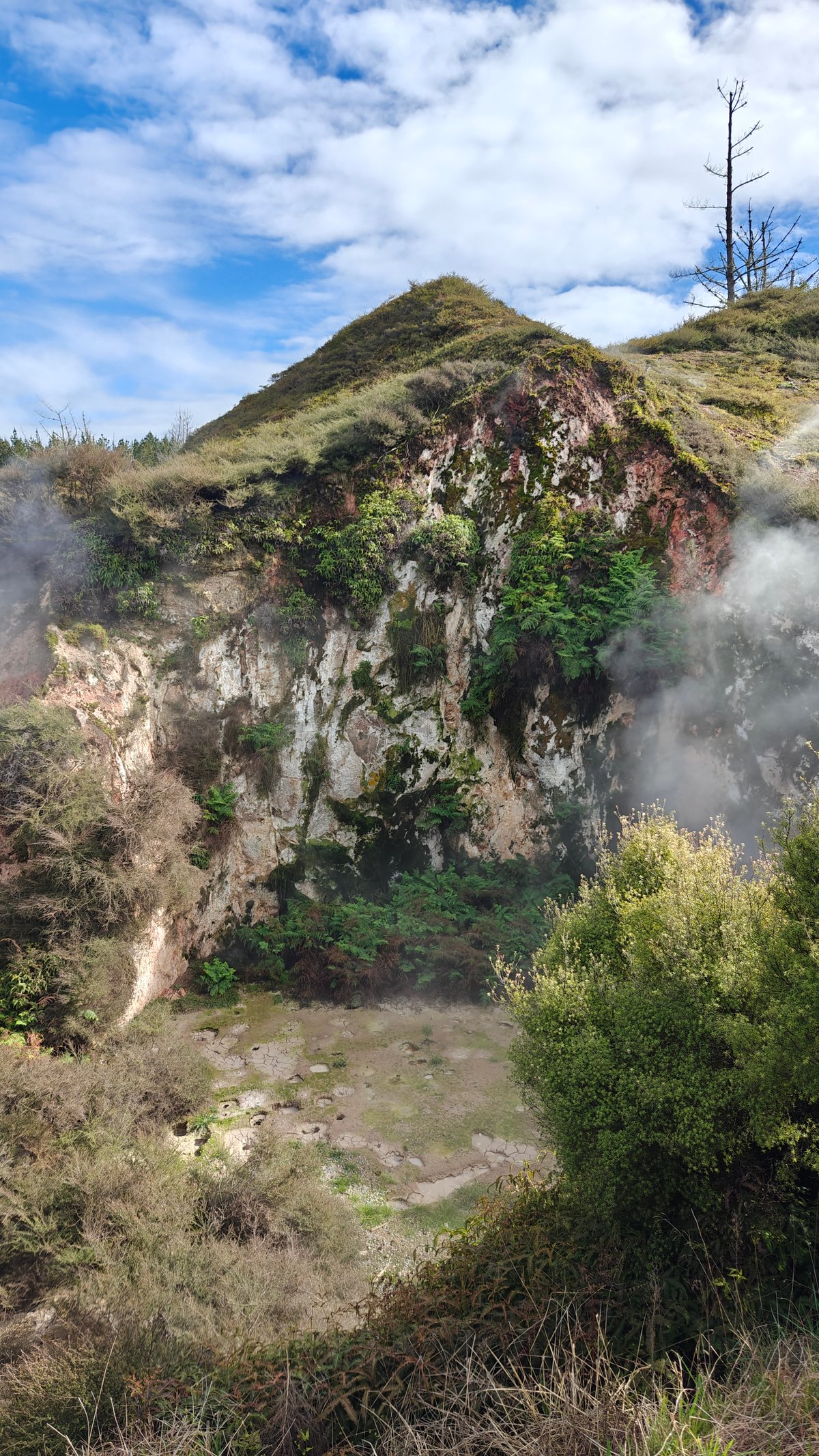
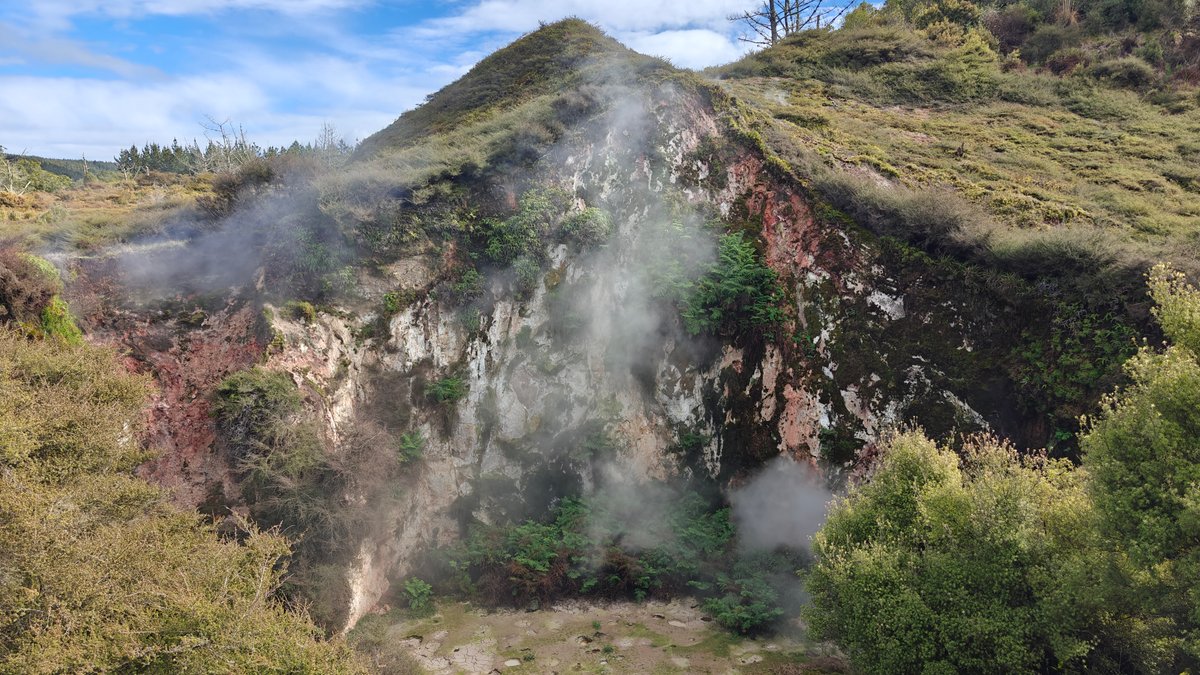
Steamier, cratery, interpretive goodness. After a while, I gave up on counting vents and simply strolled, stopping at the steamiest bits and where the walls of the craters showed fresh cracks. The loop took me back around to viewpoints that I’d seen moments before but from a new angle; it never felt like too much variety, and the trail continued to deliver.
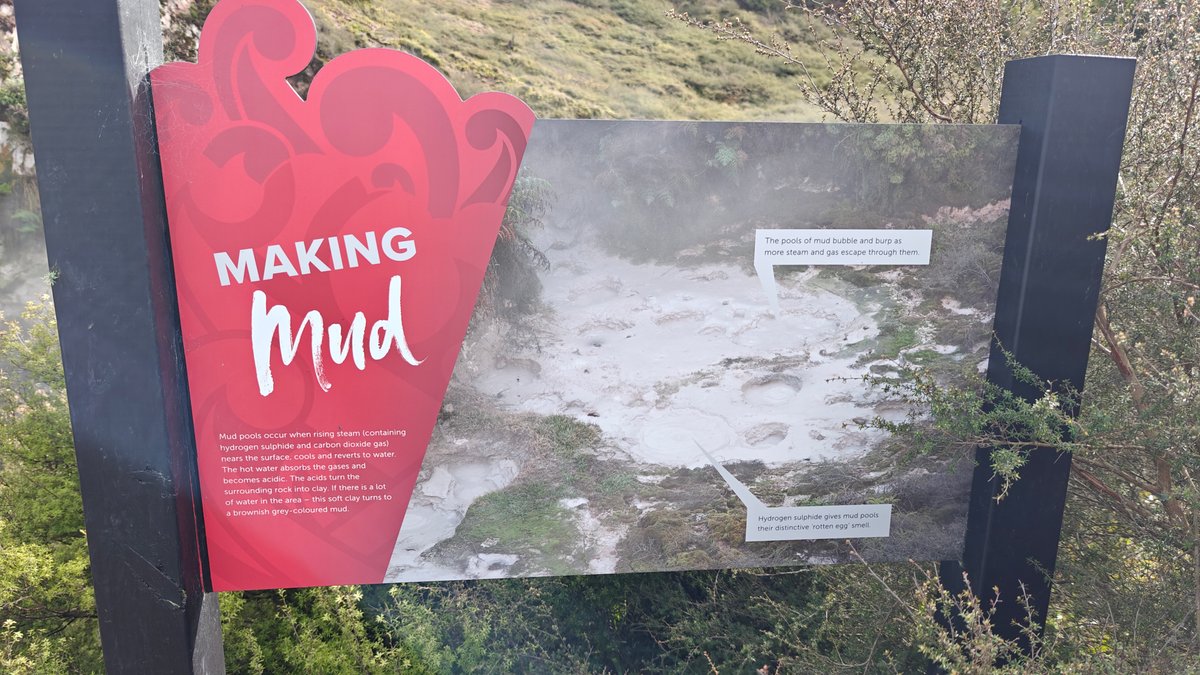
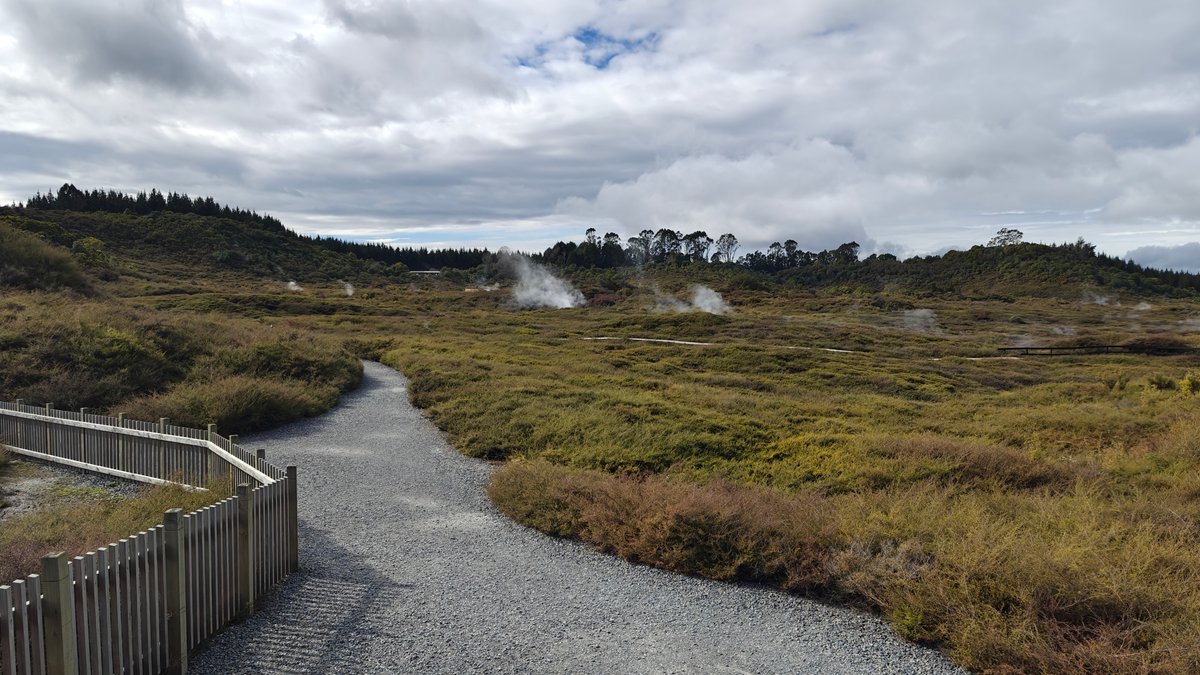
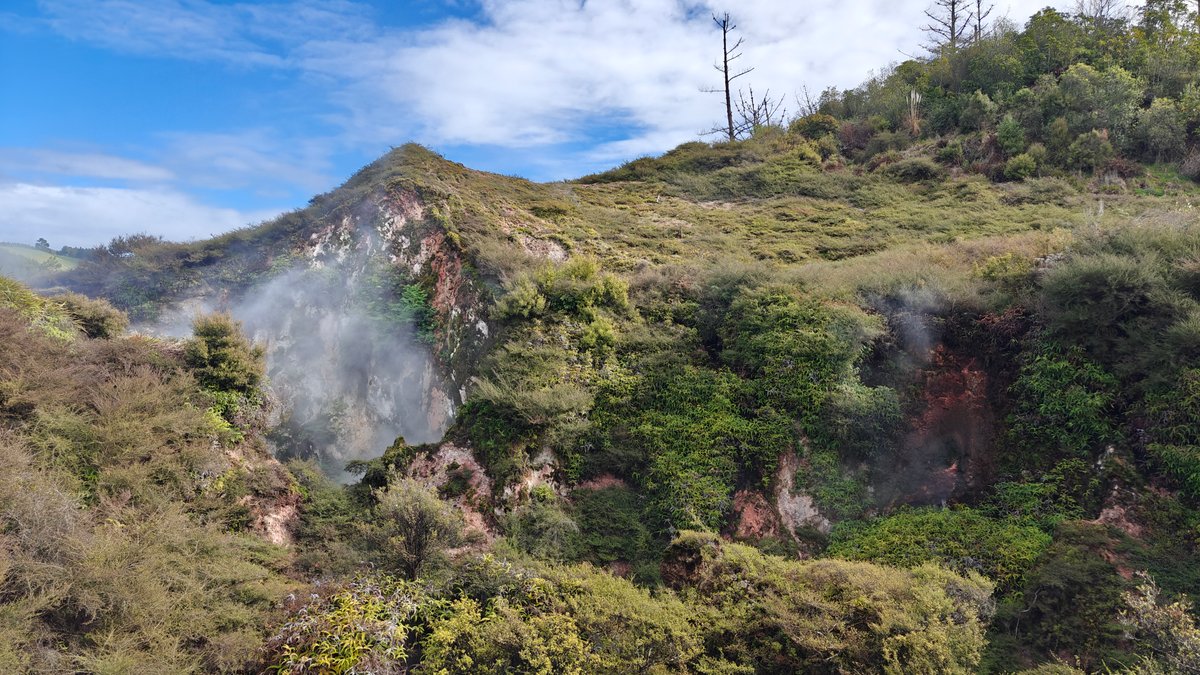
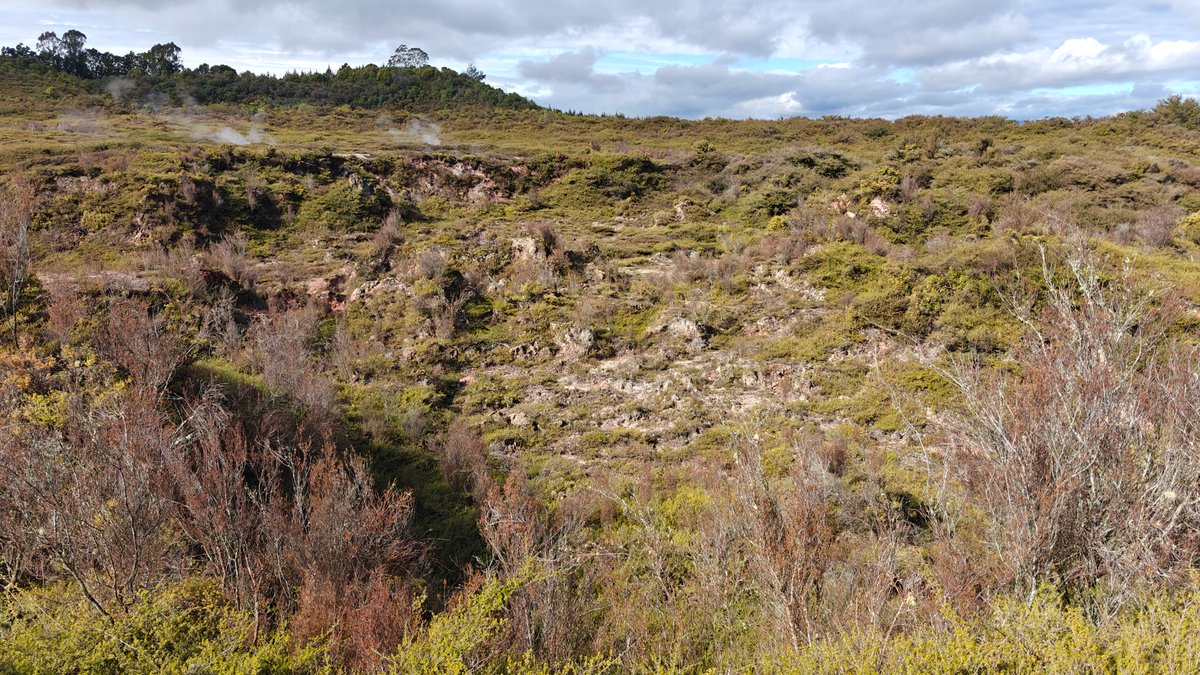
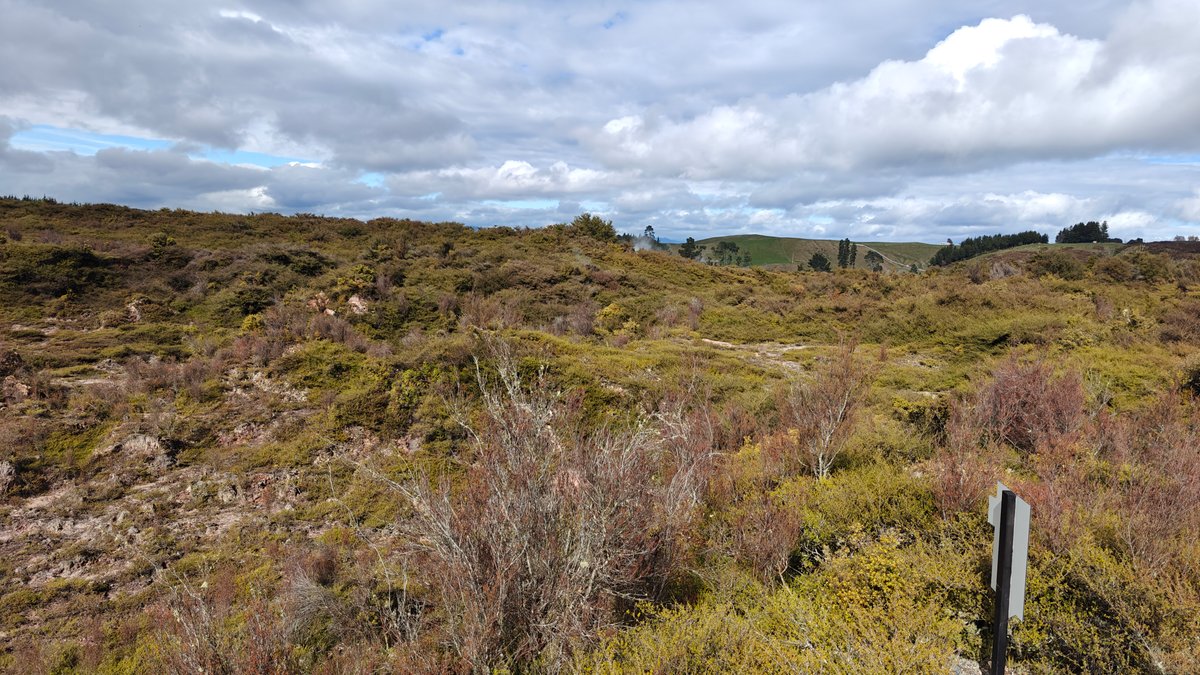
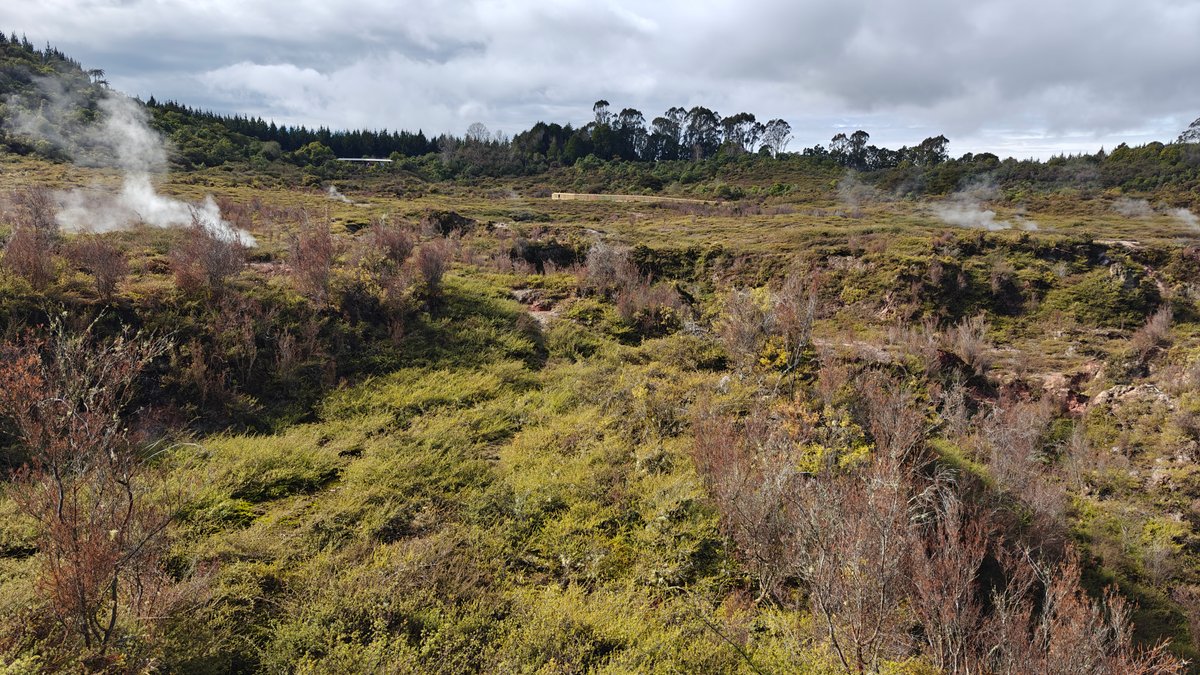
I peered down at the vast crater basin that had been carved out. Scrub struggled to take back over the edges. A board described the process of geothermal mud formation.
Underneath the bank of cloud, steam billowed constantly, and I saw additional vents dotted around the hillside that I’d missed on my approach.
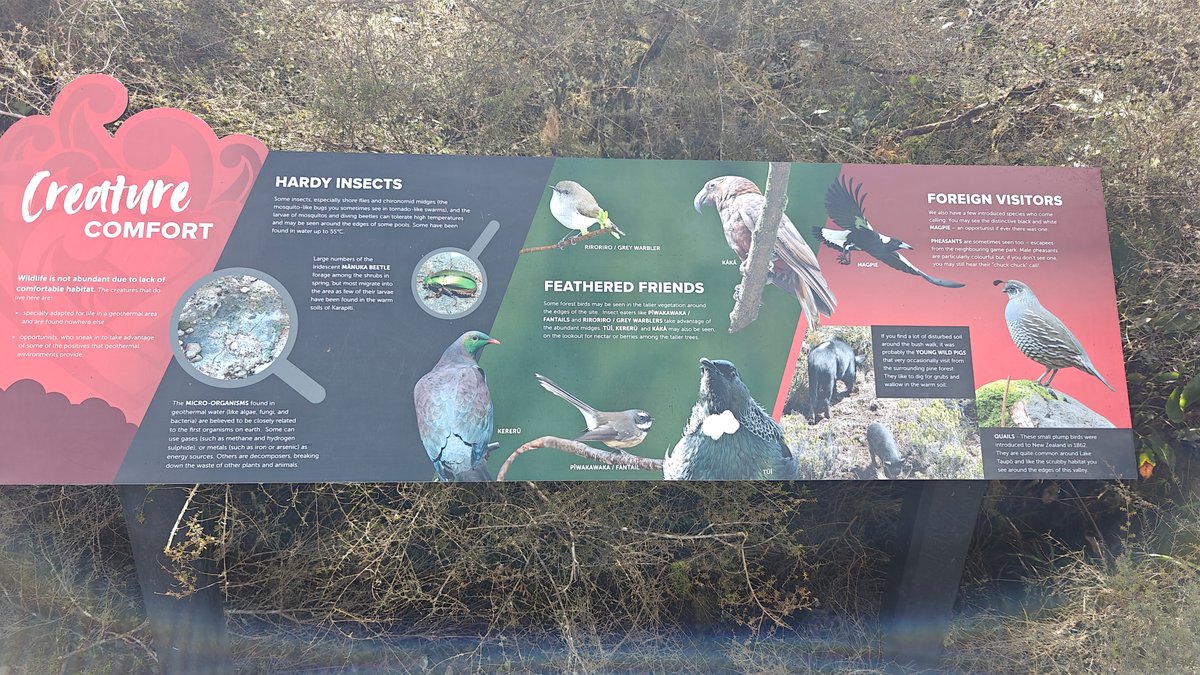
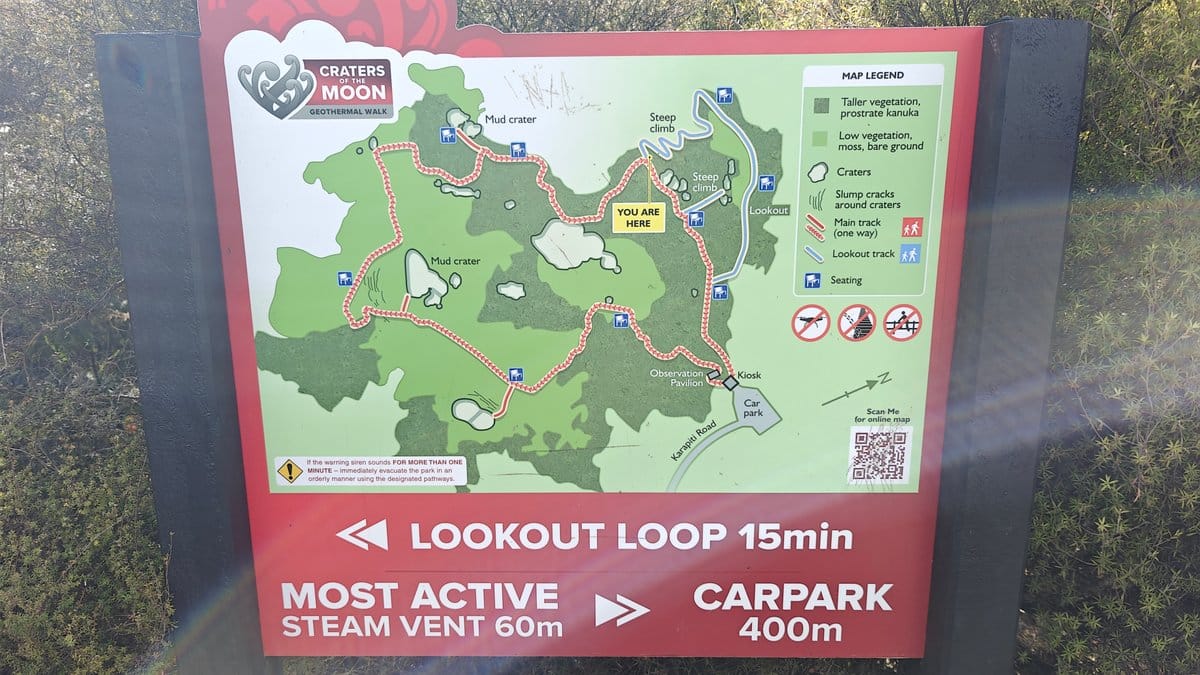
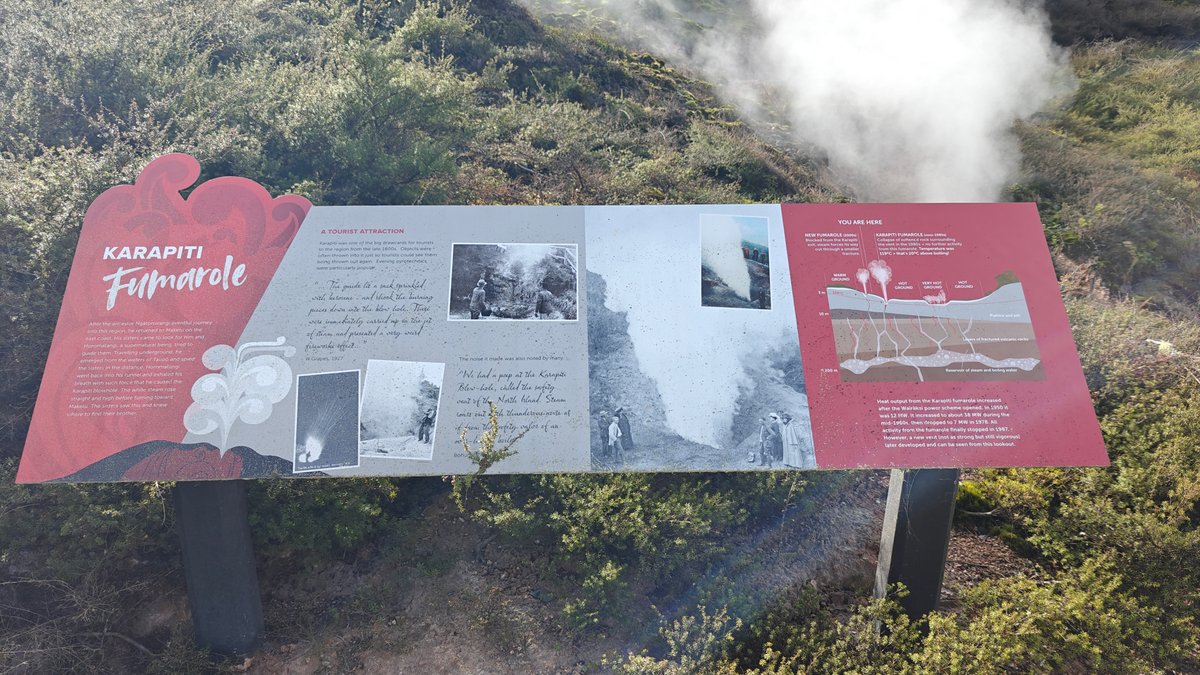
Another board was dedicated to the wildlife that lives through the heat, insects, mostly, and the birds that eat them. There was a sign pointing to the lookout loop, a fifteen-minute side trip, and I went for it. Historic photos of the Karapiti Fumarole in full roar decades ago were posted up top; I could still hear vents hissing somewhere below.
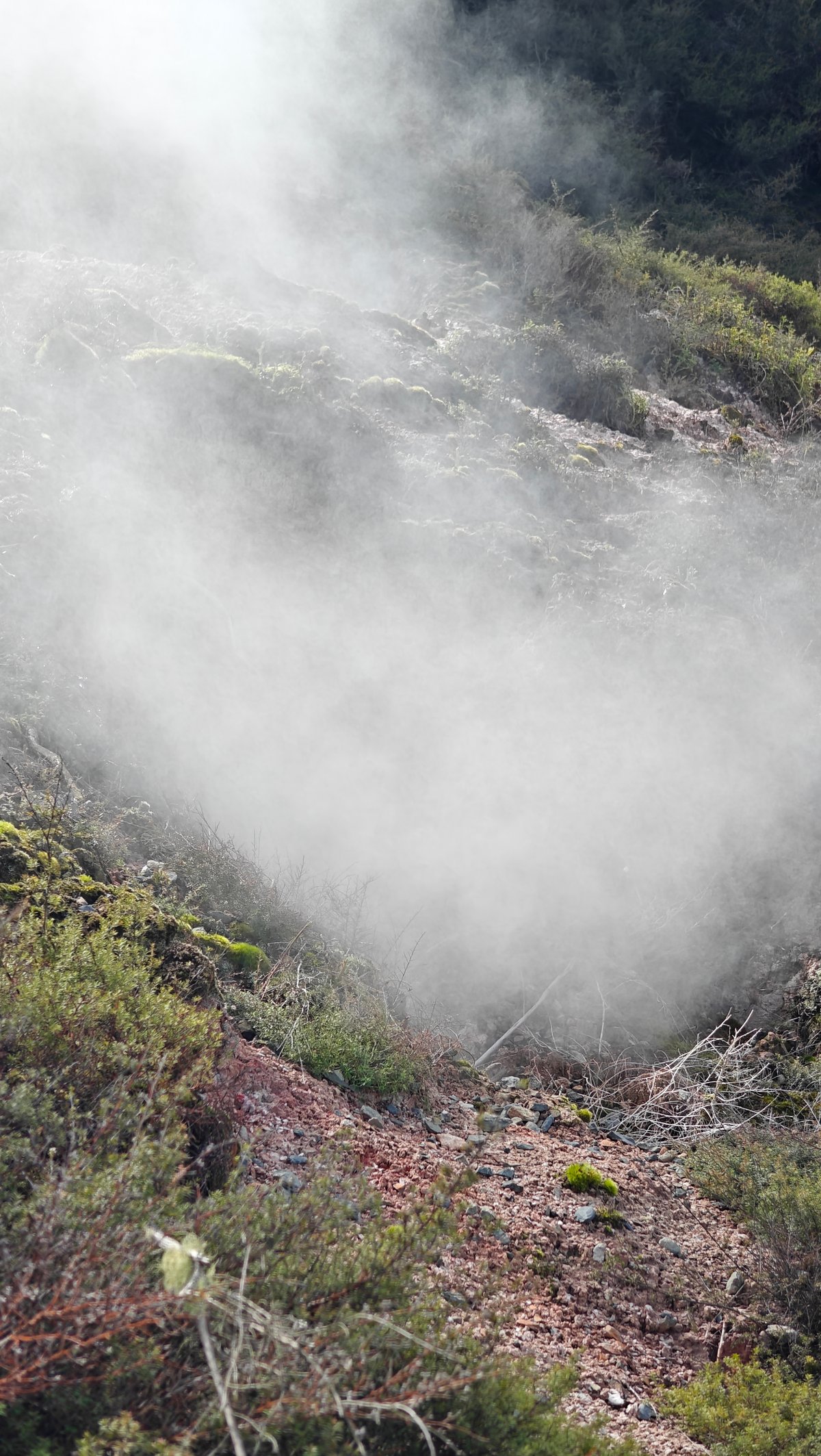
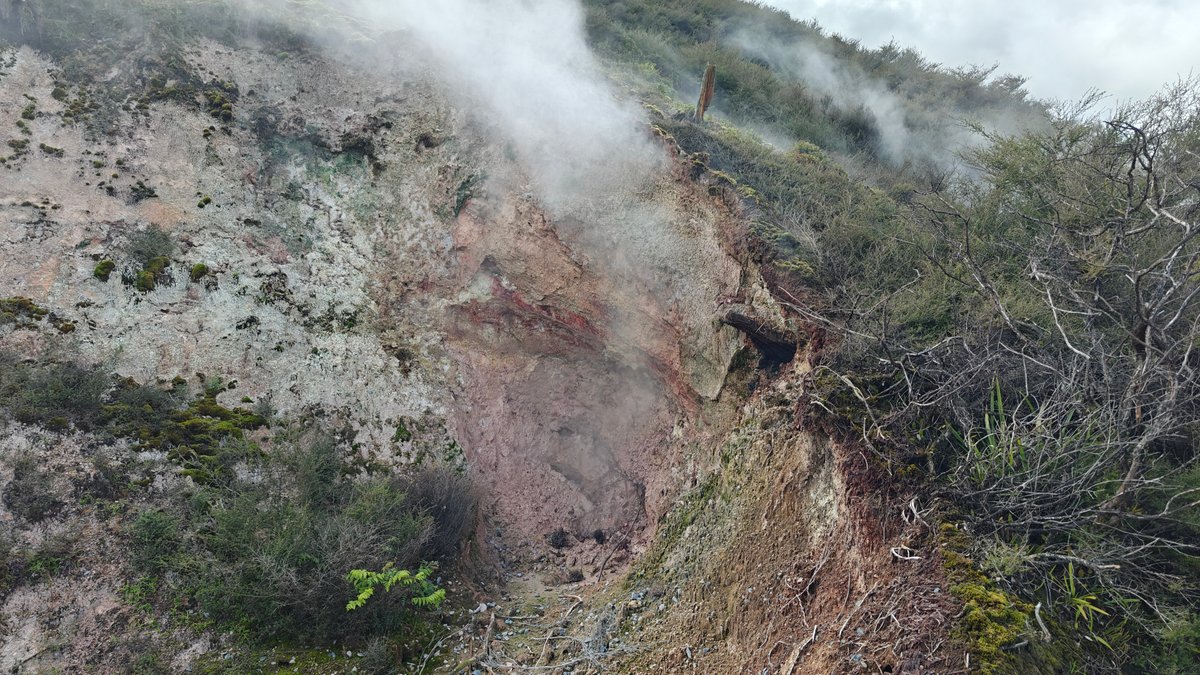
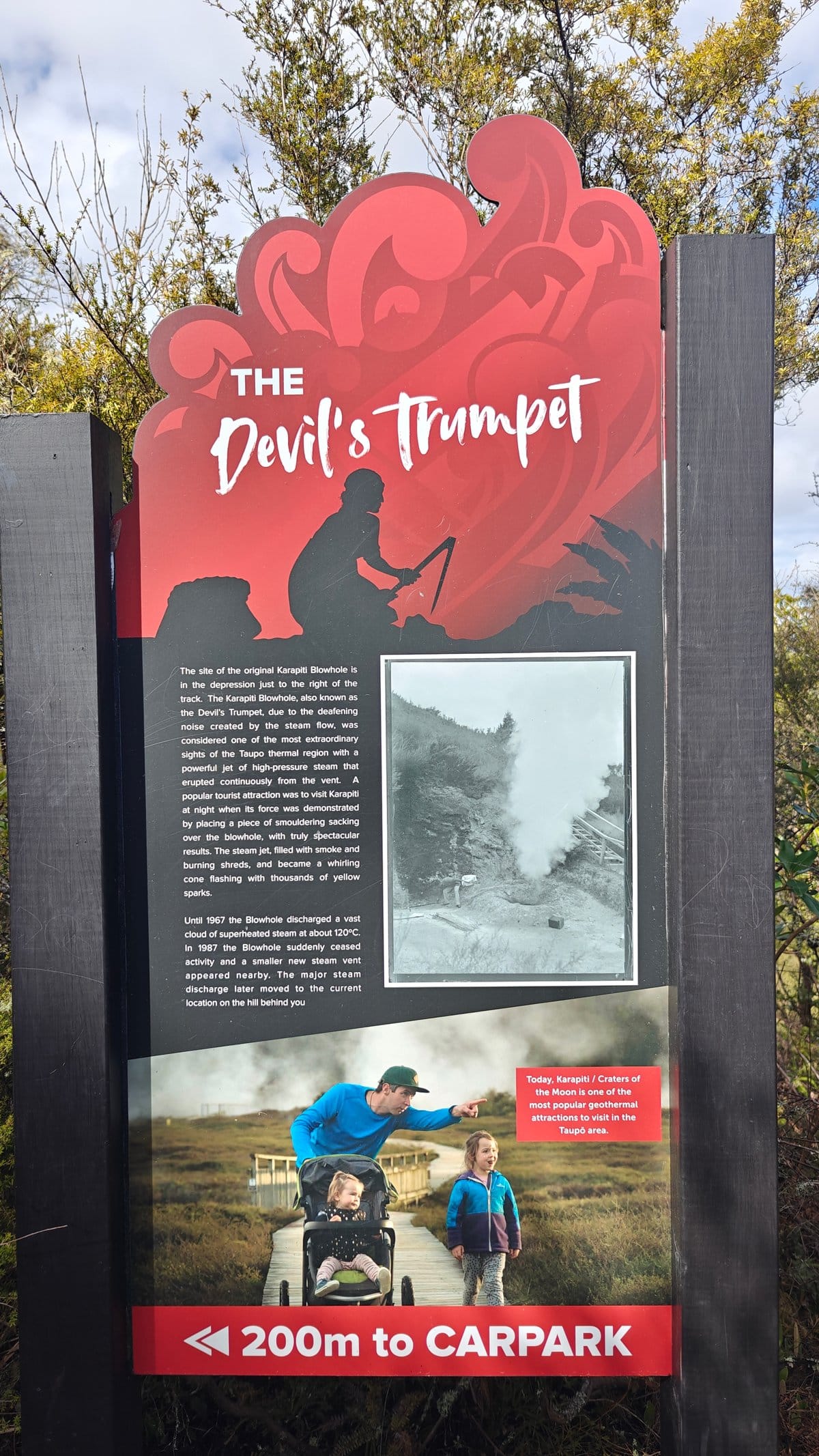
At the end of the trail, we came upon a hillside vent pouring out dense steam and a final interpretation board talking about the Devil’s Trumpet fumarole. I lingered longer than necessary, listening to the hissing steam and watching it billow. Then, I continued on my way down the path back to the kiosk and the car park.
Craters of the Moon was so much better than I anticipated for just one hour and ten dollars. There’s no polish here, there’s no attempt at anything but being what it is (and that’s why it works). Want to visit active geothermal terrain without the crowds?
This is where I’d send you if you’re in Taupo. Do you have a favorite low-key geothermal spot in New Zealand (or have you visited Craters of the Moon)?