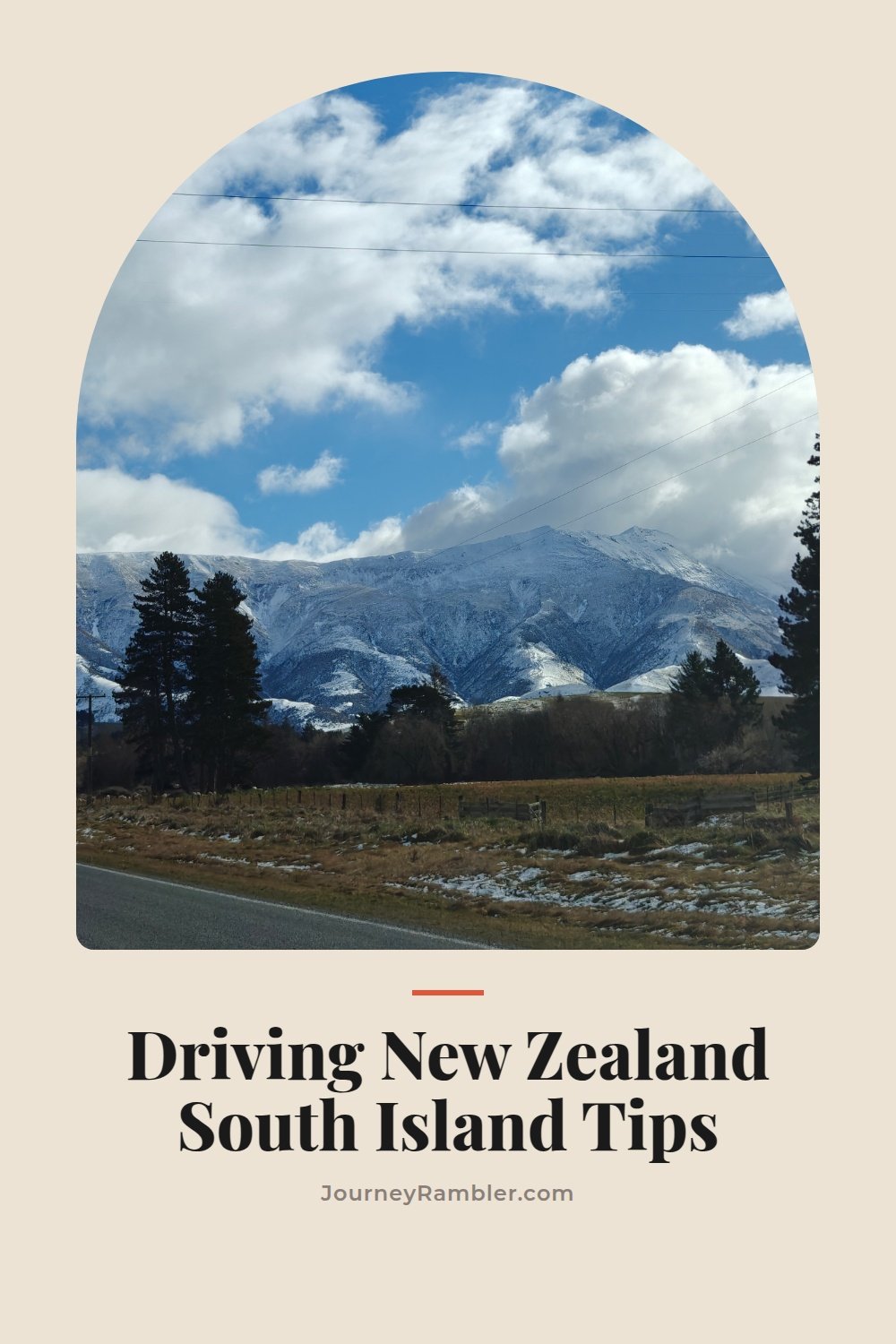
I learned some lessons from my South Island road trip driving in New Zealand. New Zealands South Island is one place you can drive forever; and that’s part of why it’s so memorable. In fact, here are 16 days driving around the South Island.
People had mentioned the road trip was beautiful, but no one told me what it would be like to drive these roads every day. The weather change in an instant. There were hours without cell phone service, and random flocks of sheep appeared.
This post is not a “what to see in each town” or a list of places I visited. It’s the things I learned in the car, behind the wheel, the unexpected, the nuts and bolts of getting there (and that is just as fun), from Christchurch, over to Mount Cook, Lake Tekapo, through Oamaru and Dunedin, over to Wanaka, and then into Queenstown.
I know renting a car was the only realistic way to see that much territory, but I am so glad I rented one.
What I Learned About Driving in New Zealand
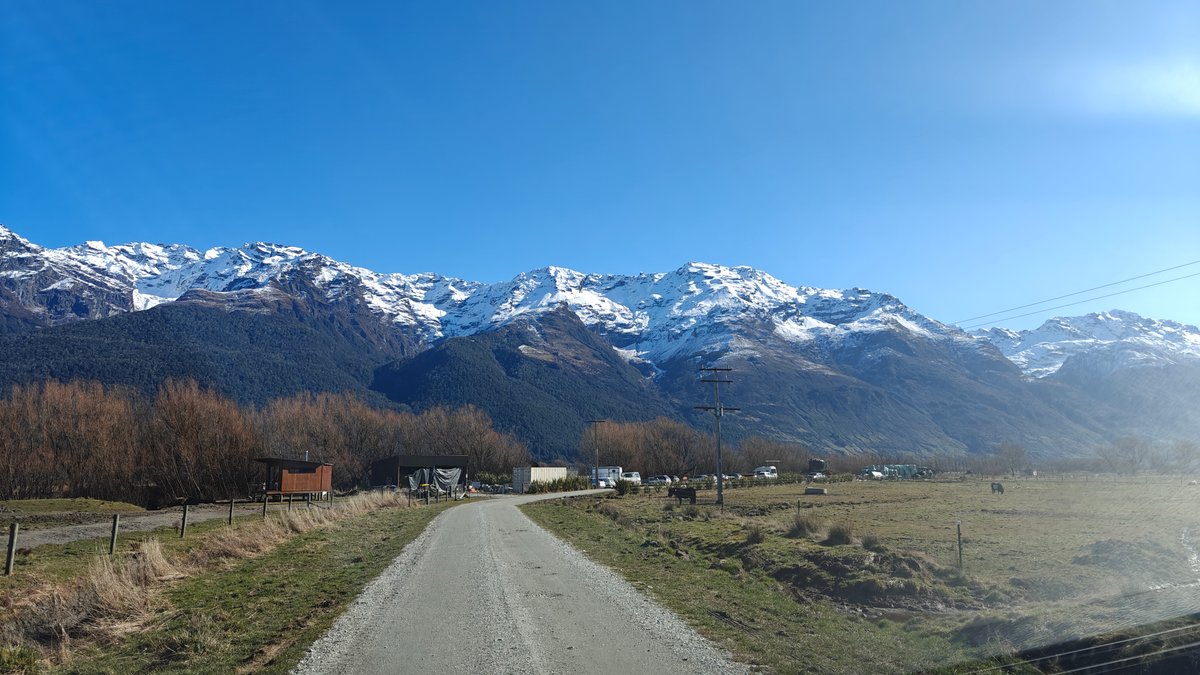
Road Trip View


It was realy nice. However, I had no idea how many hours I’d spend staring down the highway, doing mental math to figure out when I’d arrive. I also didn’t realize how exhausting some of those trip would be.
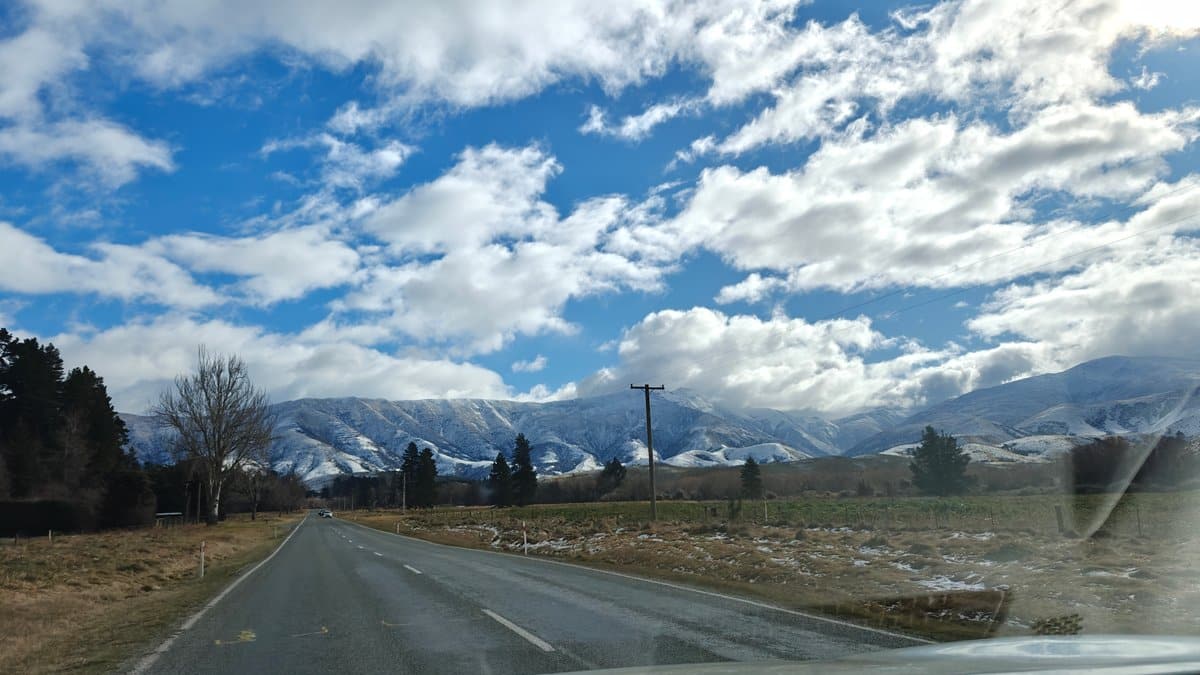
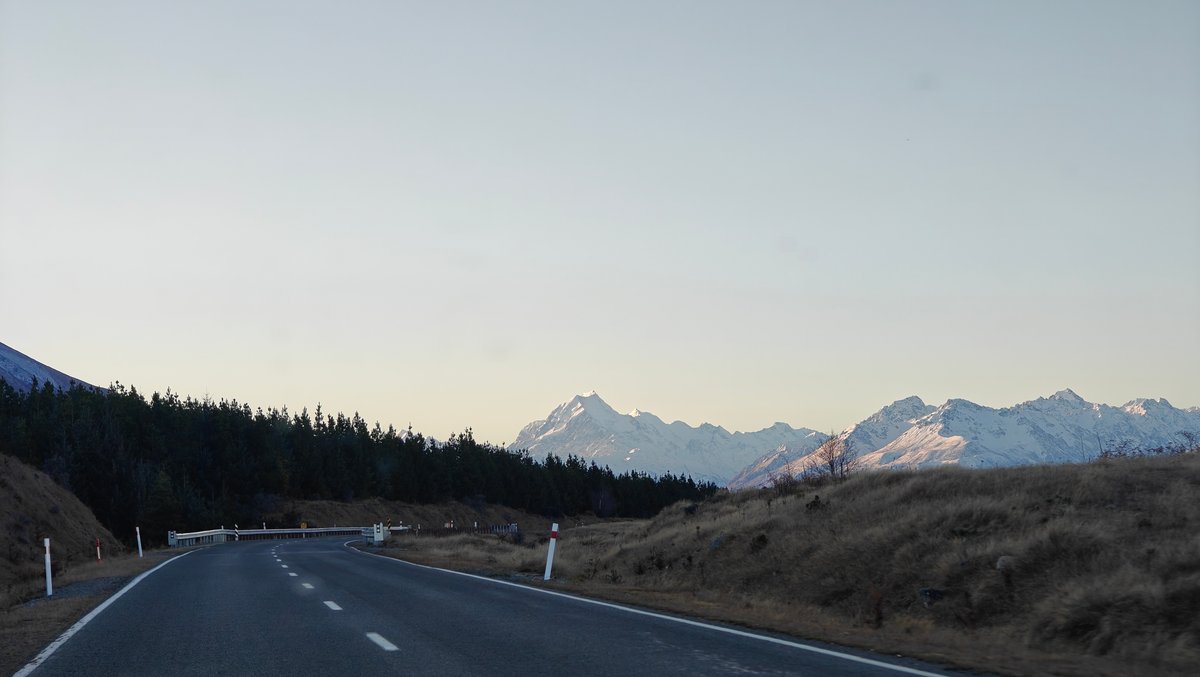
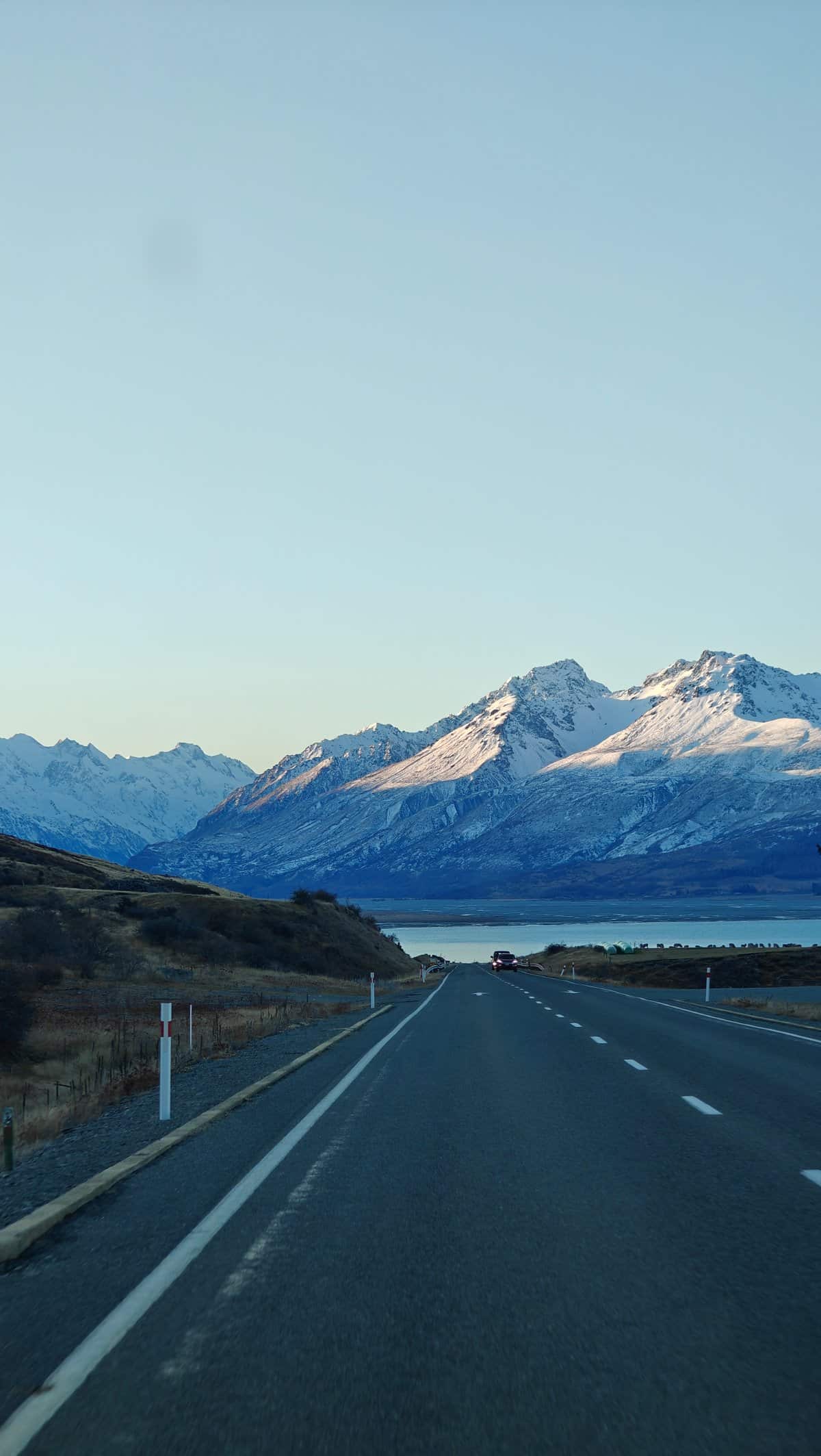
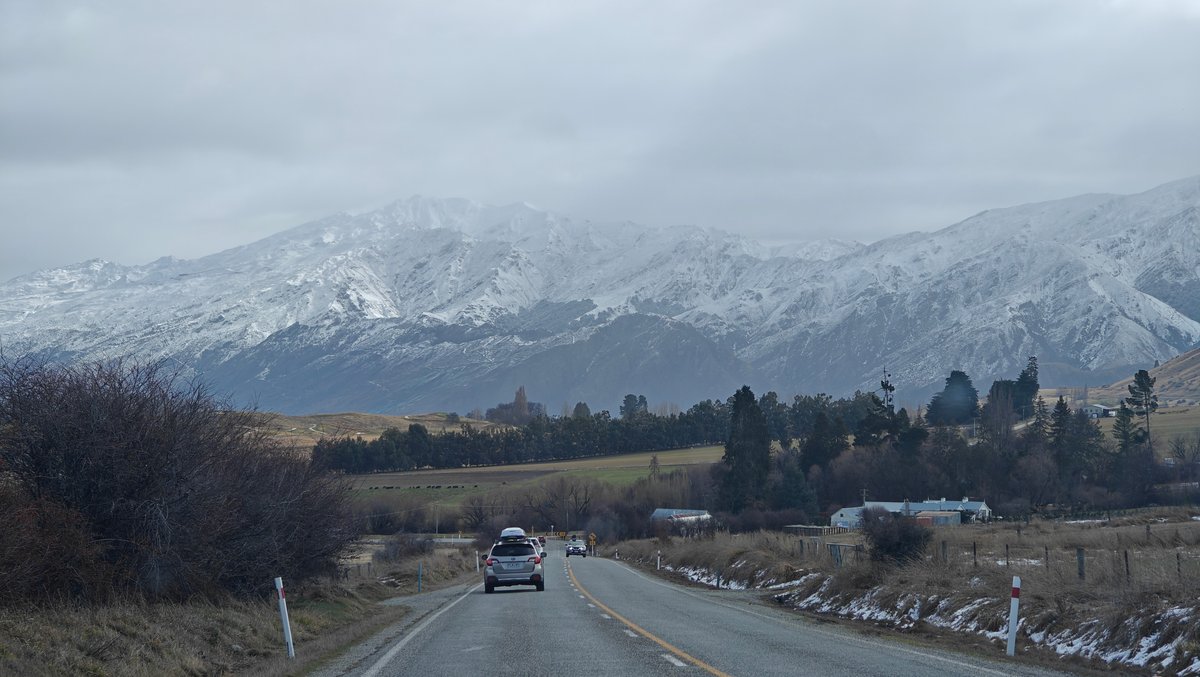
What immediately struck me about New Zealand is its emptiness. Having come from places with seemingly endless traffic, driving for an hour and seeing only five or six other car seemed odd. The highways are mostly two lane (one in each direction) and go on forever.
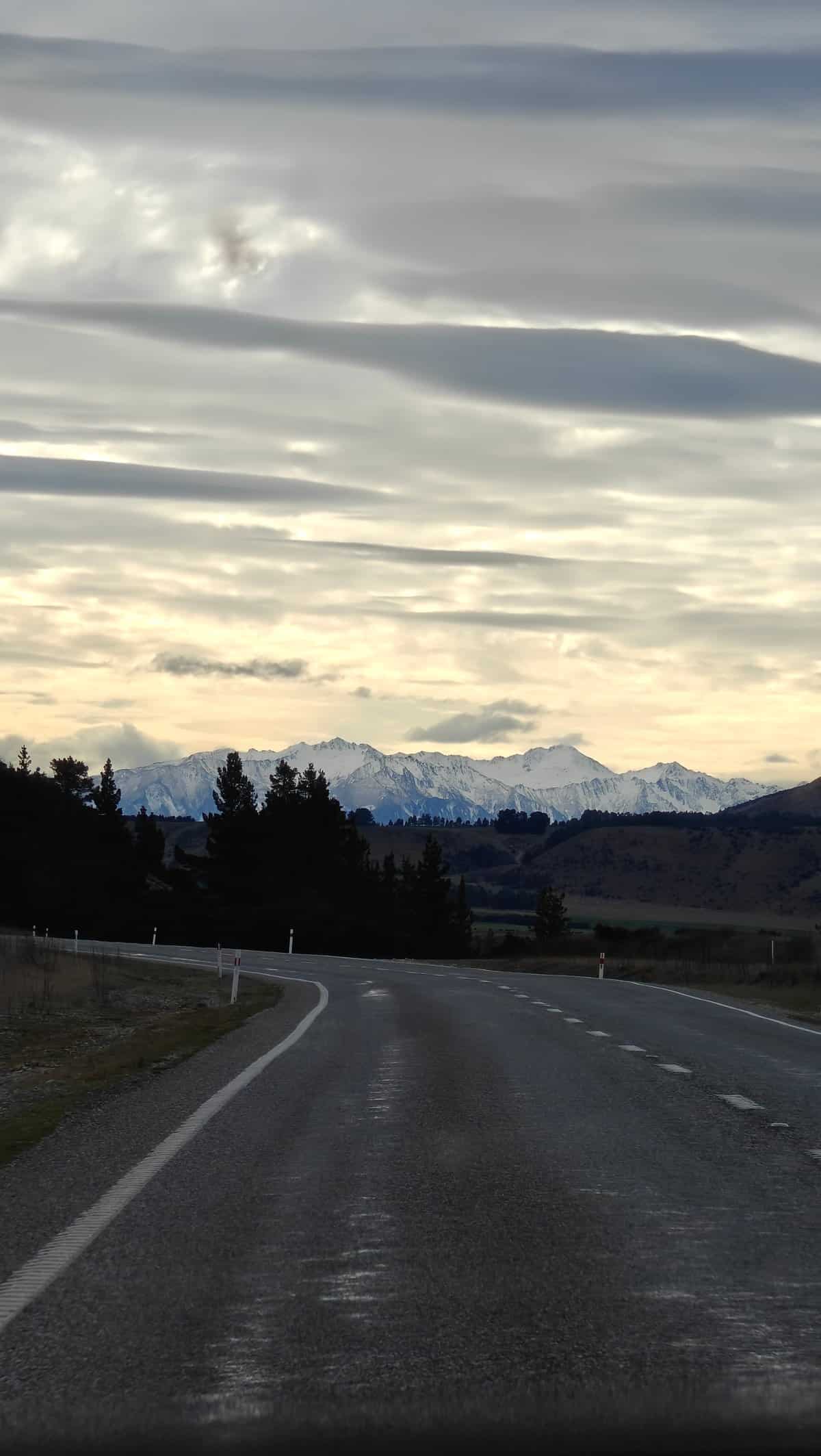
You’ll have these long straightaways with the road pointing right at a mountain range and you feel like you aren’t moving closer to them for ages.
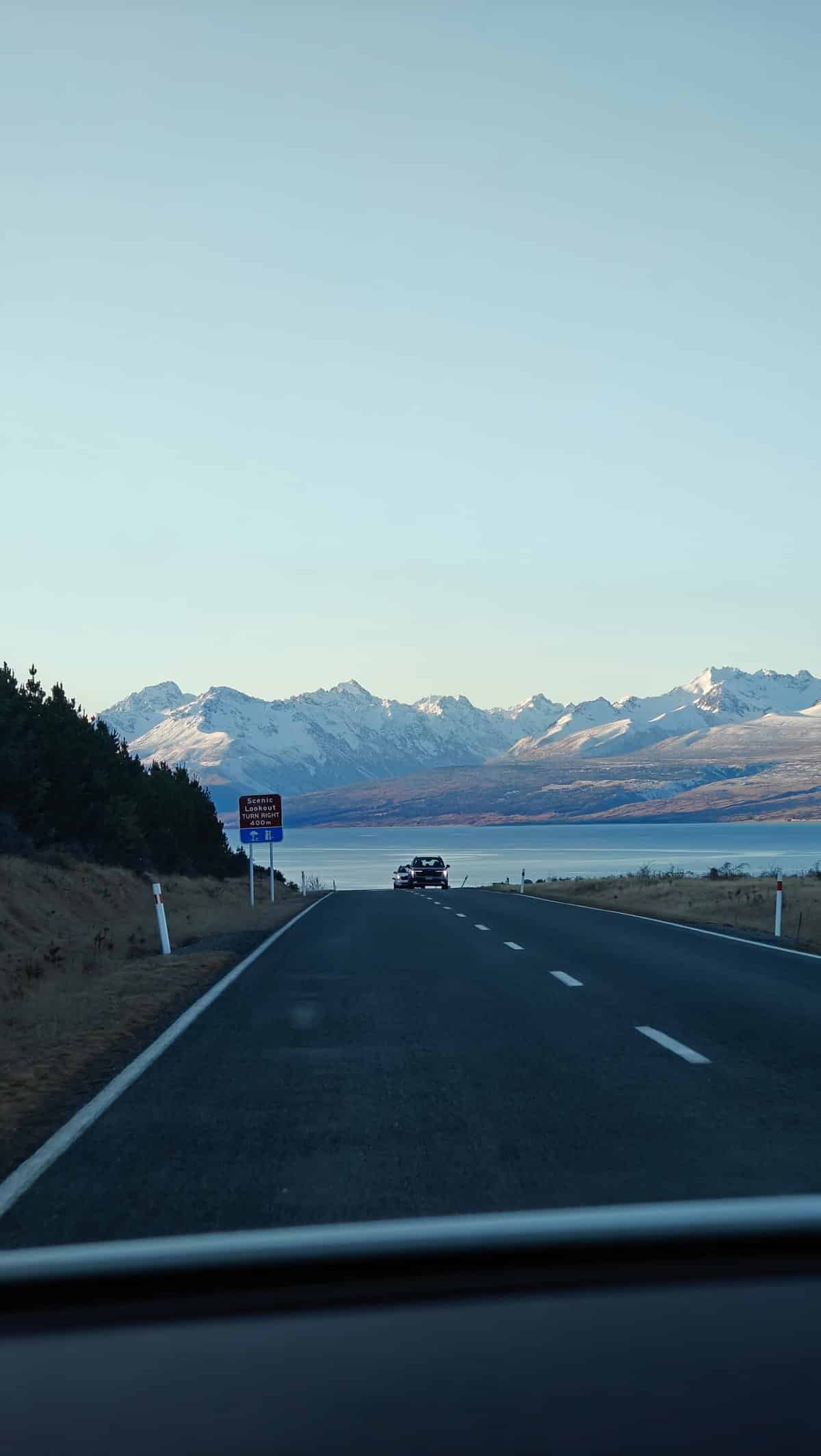
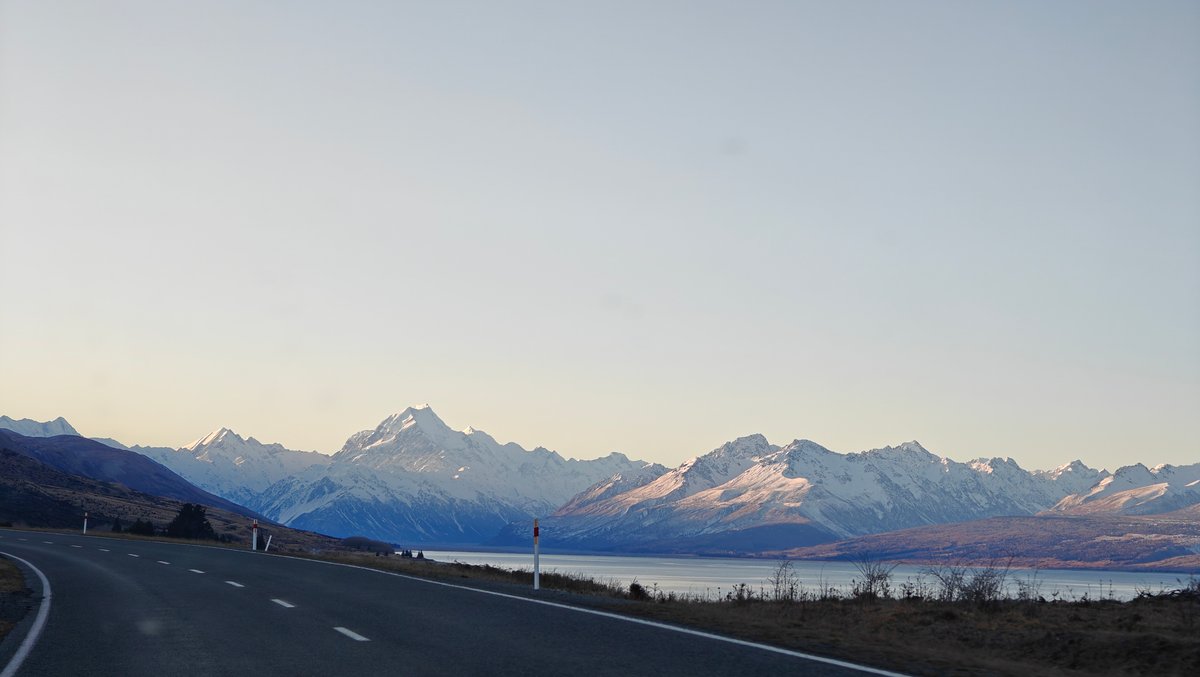
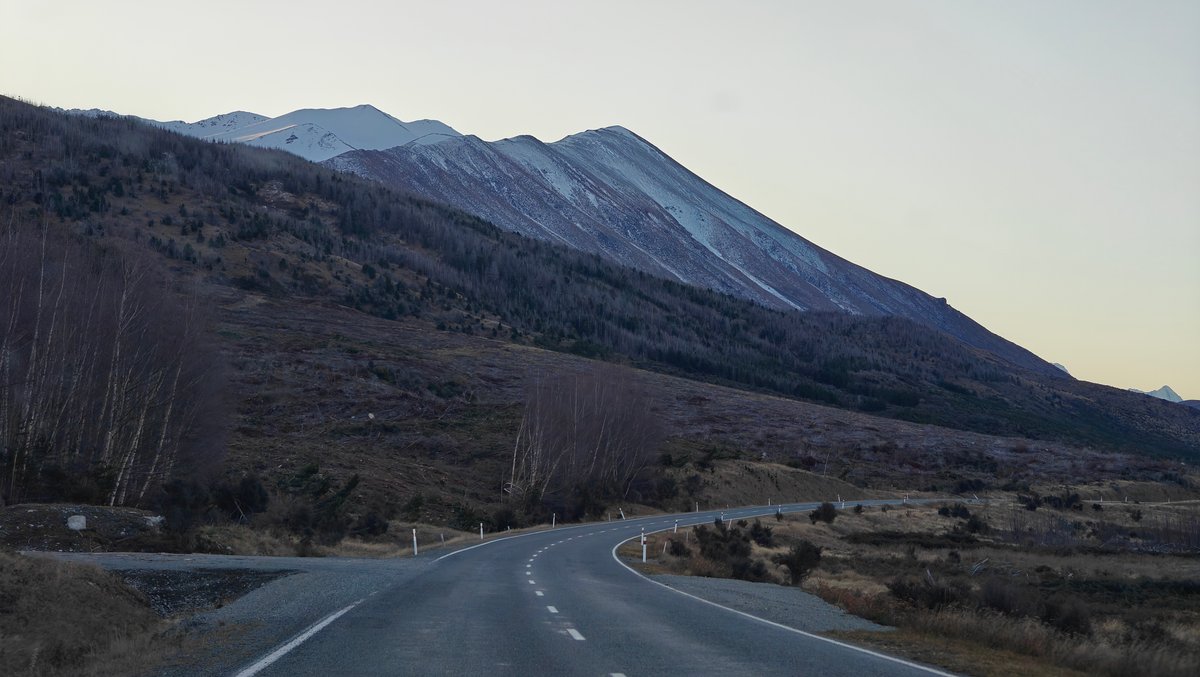
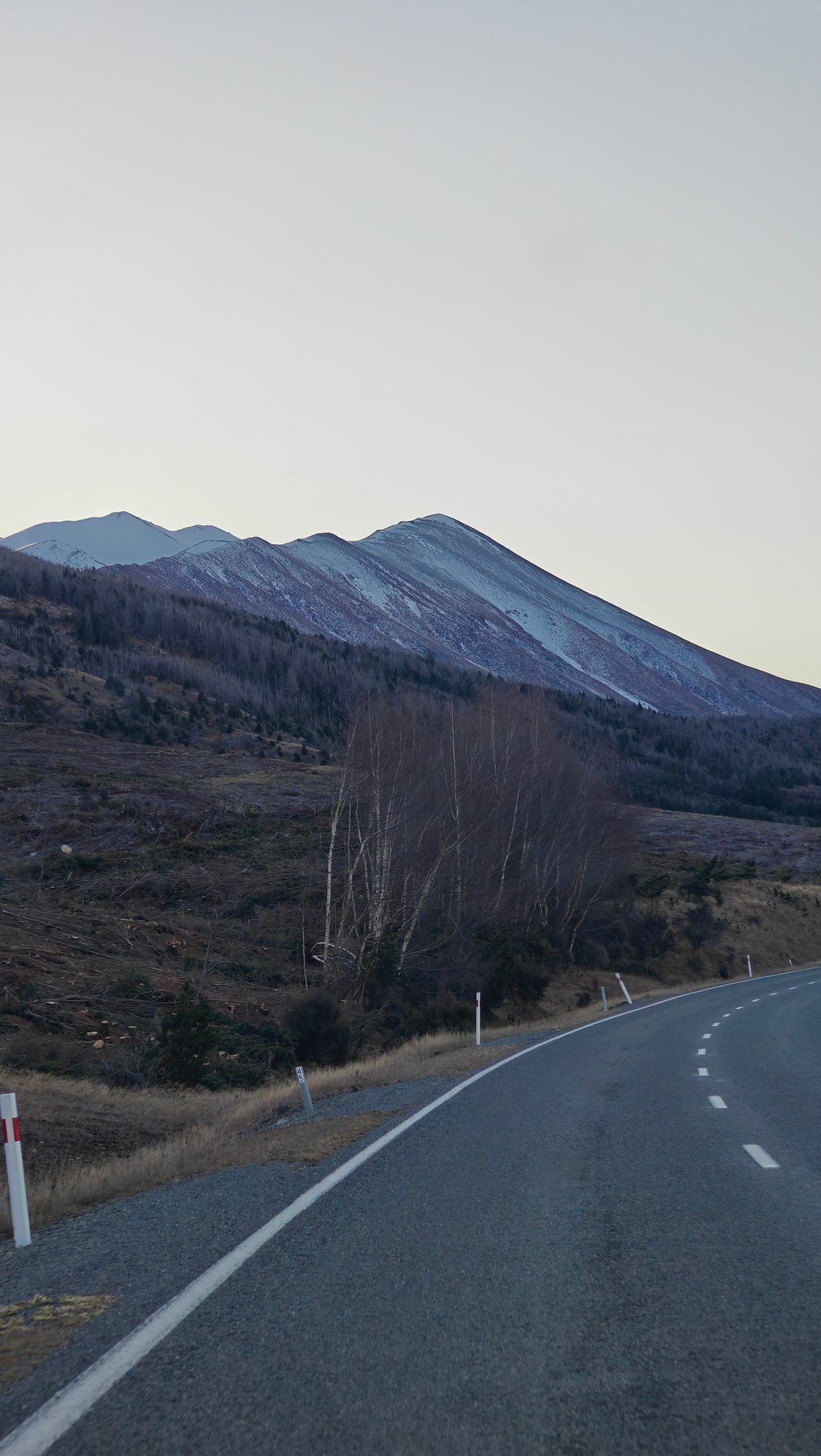
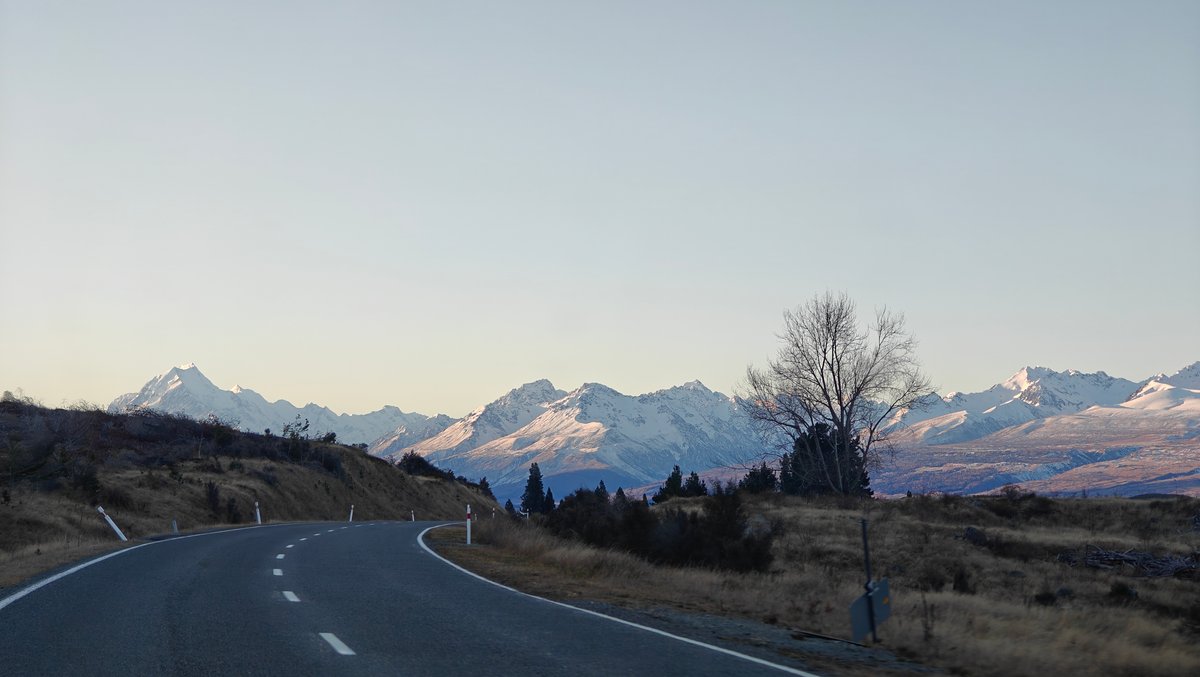
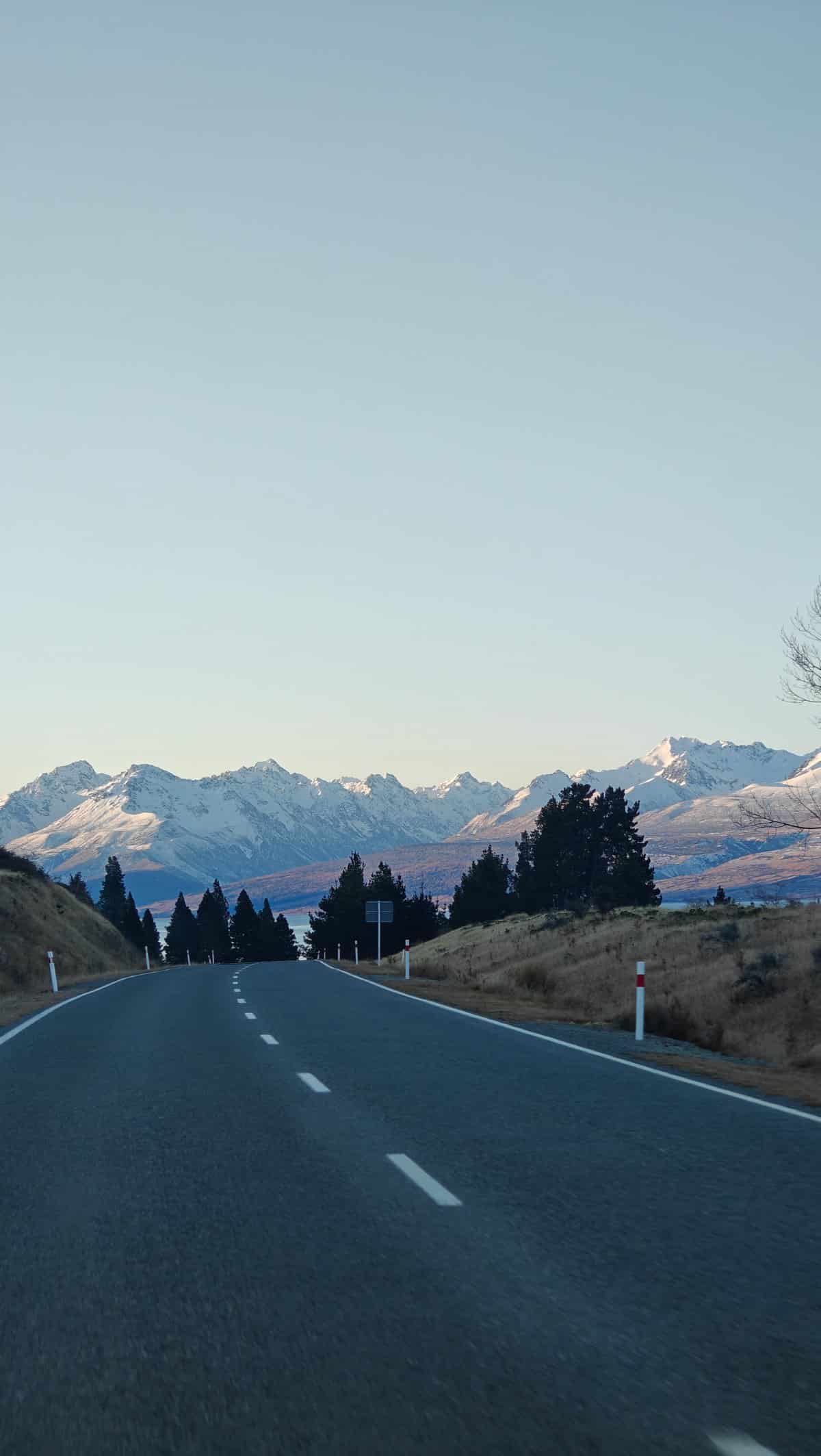
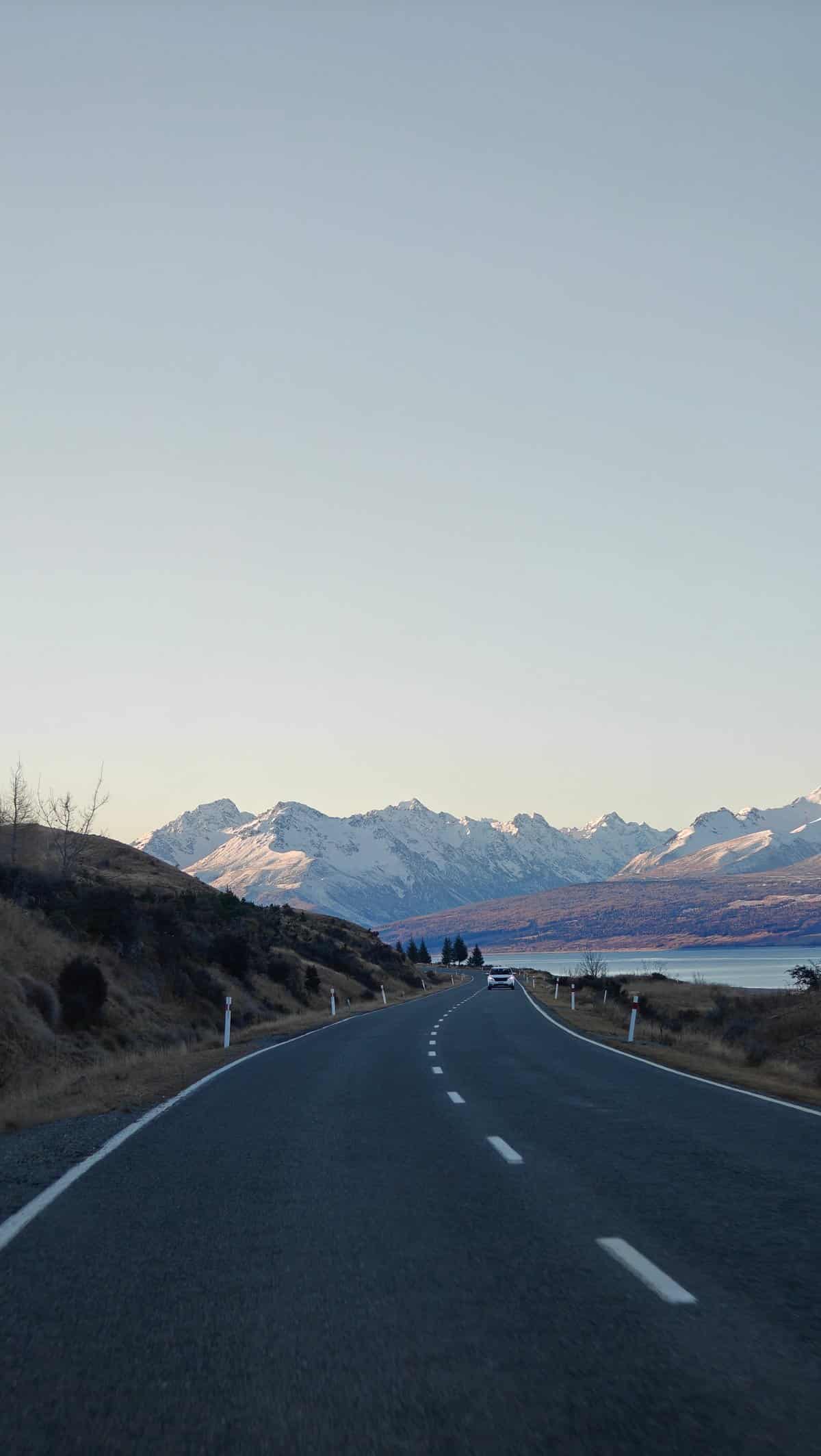
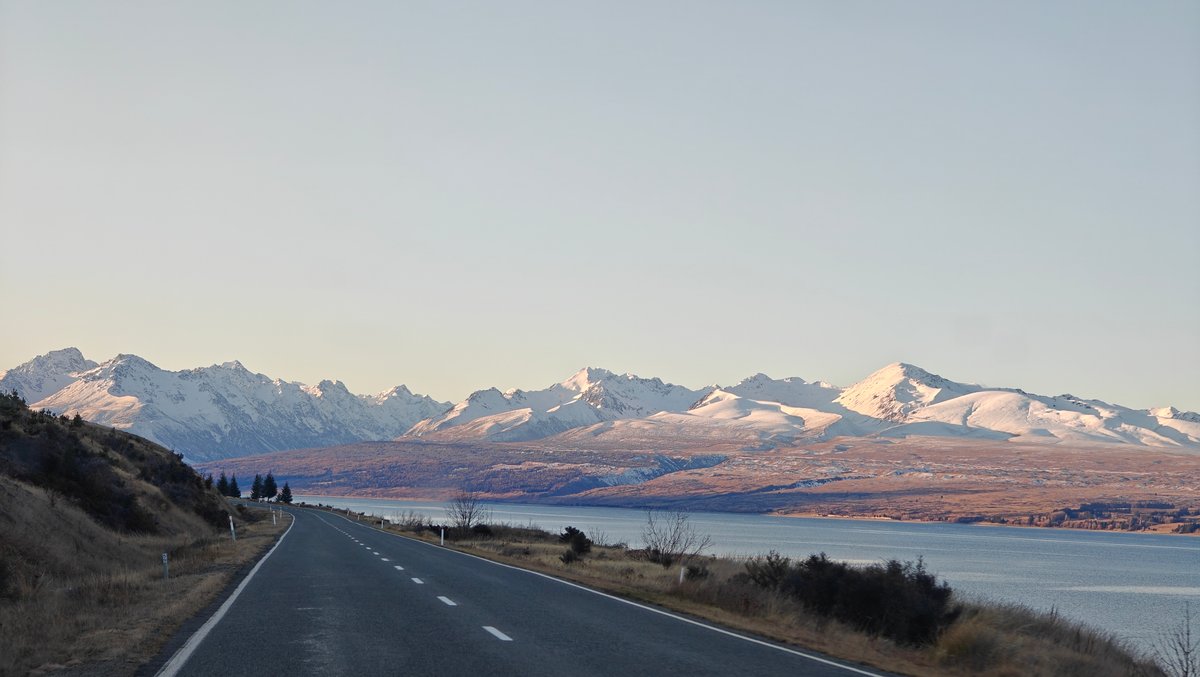
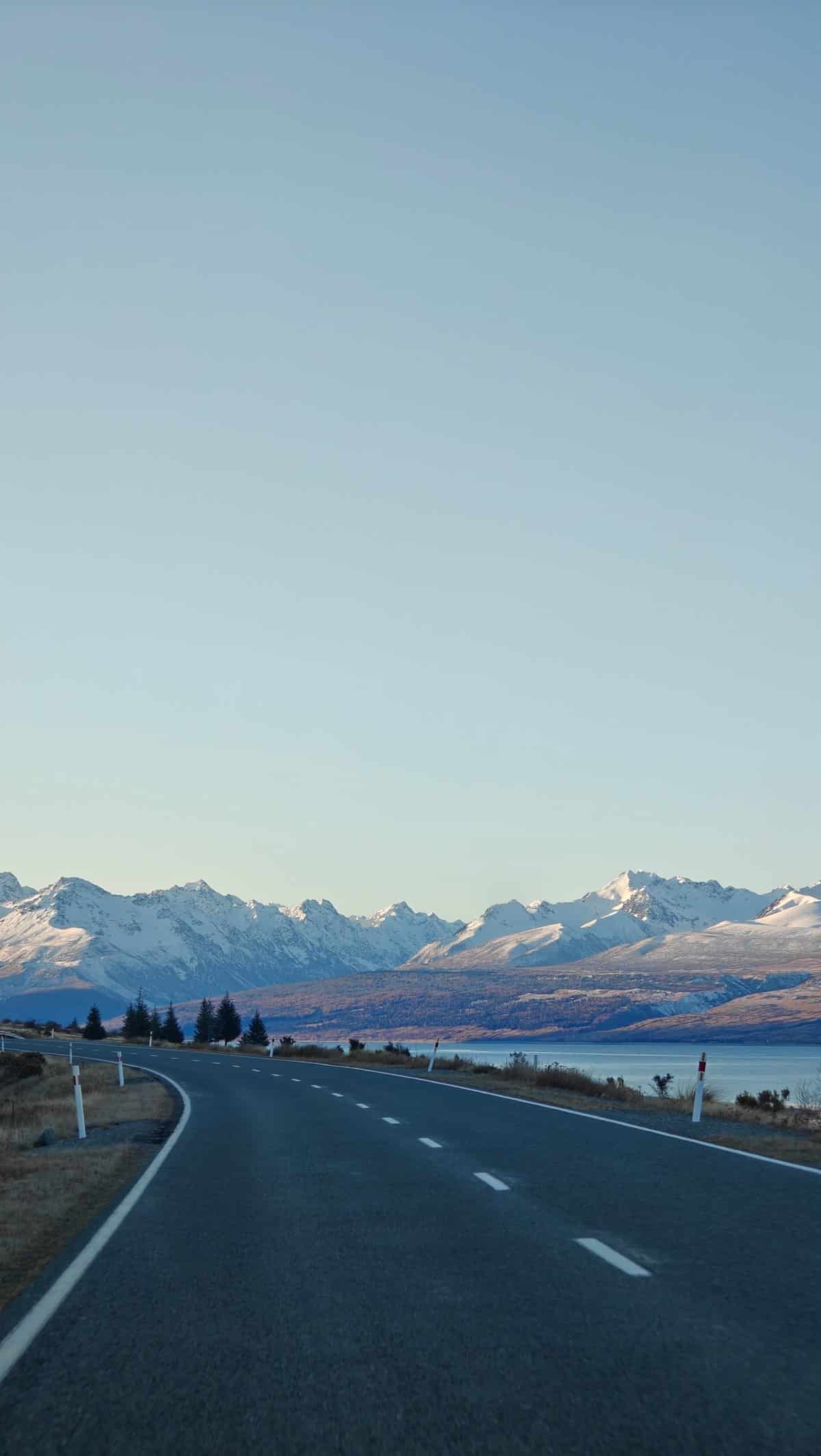
And you’d better fill up your gas tank when you pass a gas station, even if you still have half a tank left, because there were times I drove for over an hour without seeing anything that looked like civilisation. I once drove more than an hour without spotting anything resembling civilization. Honestly, looking out the windows in the car distracted me.
Don’t look at the mountain! Watch the road!
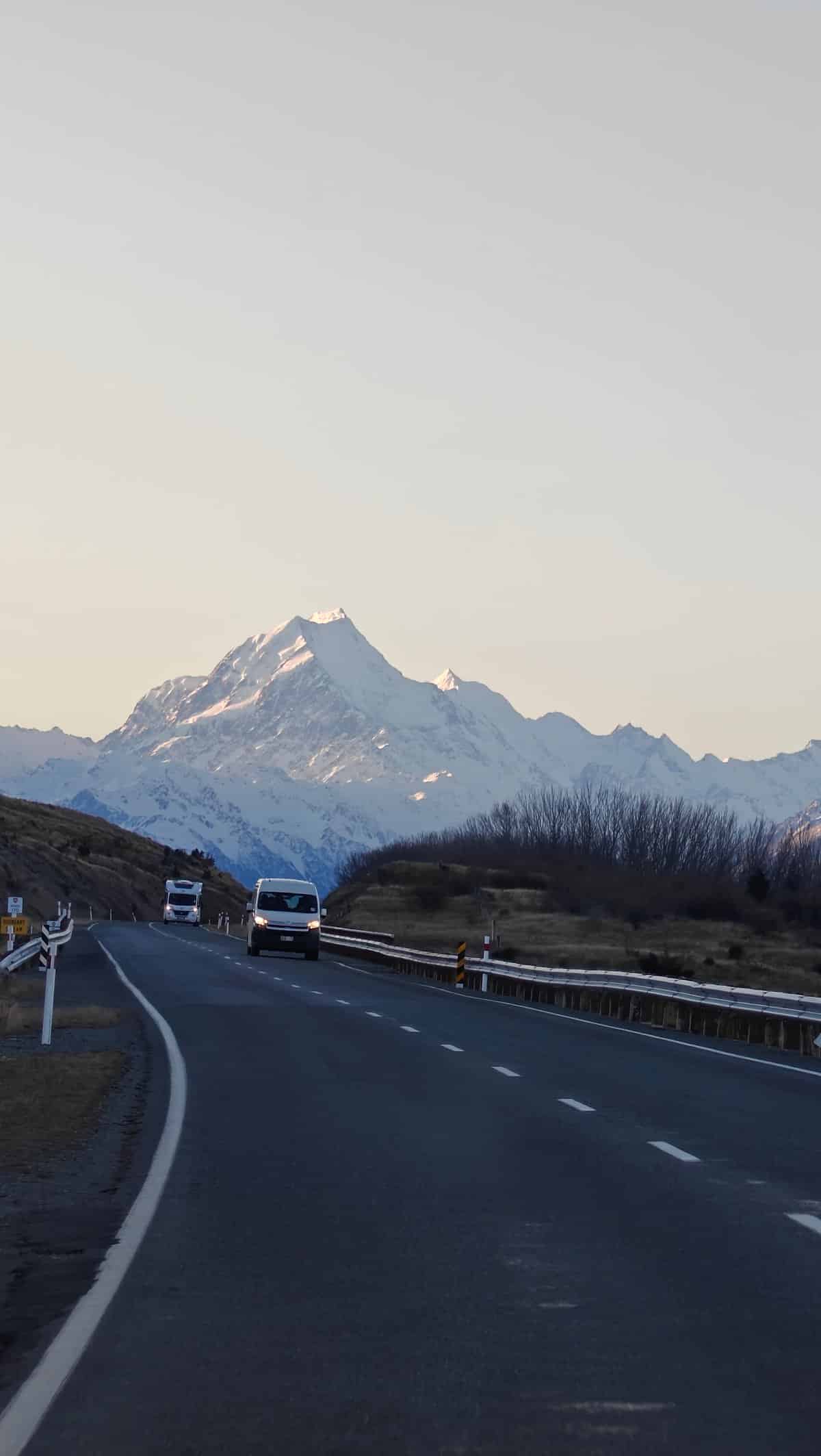
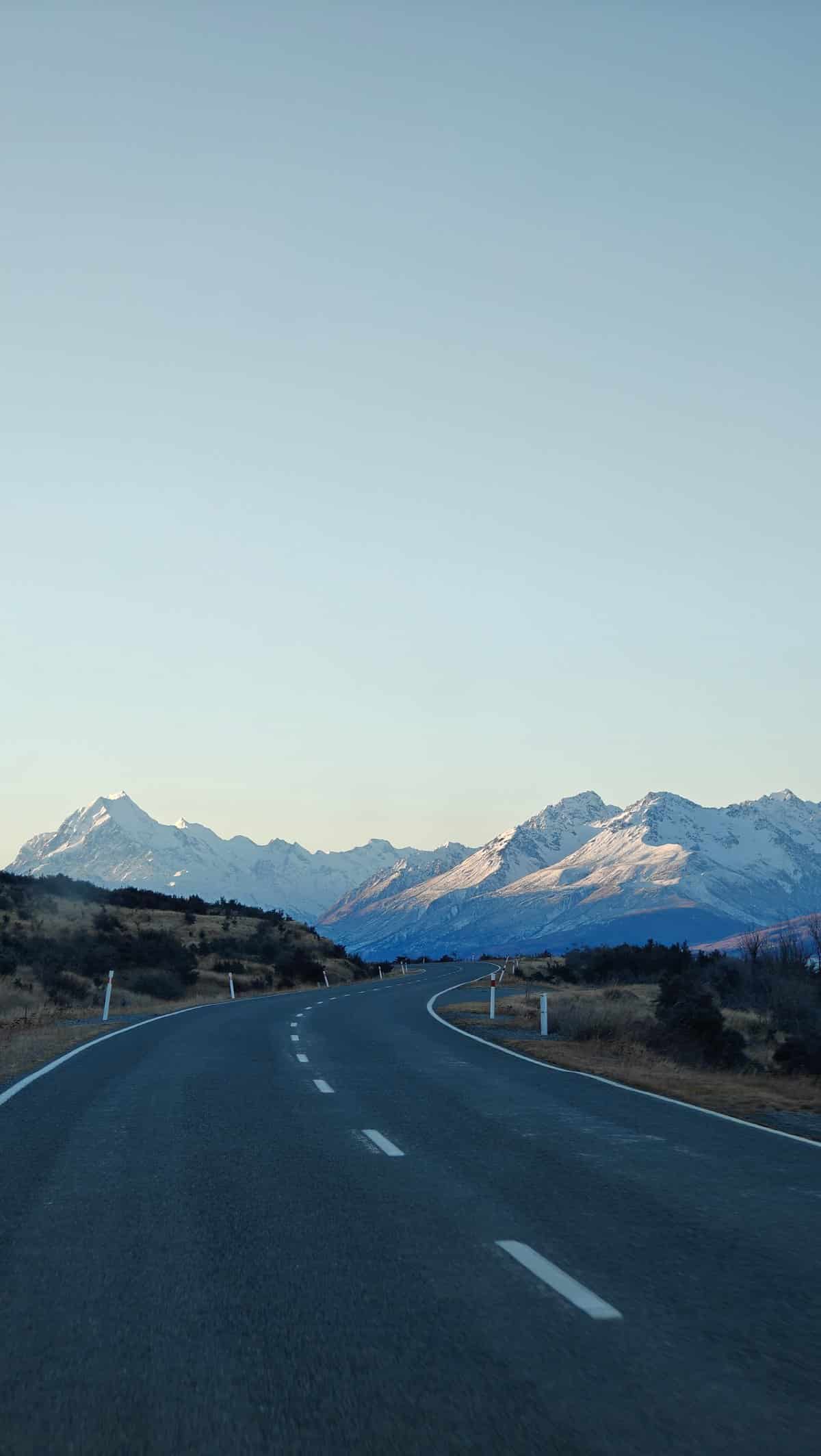
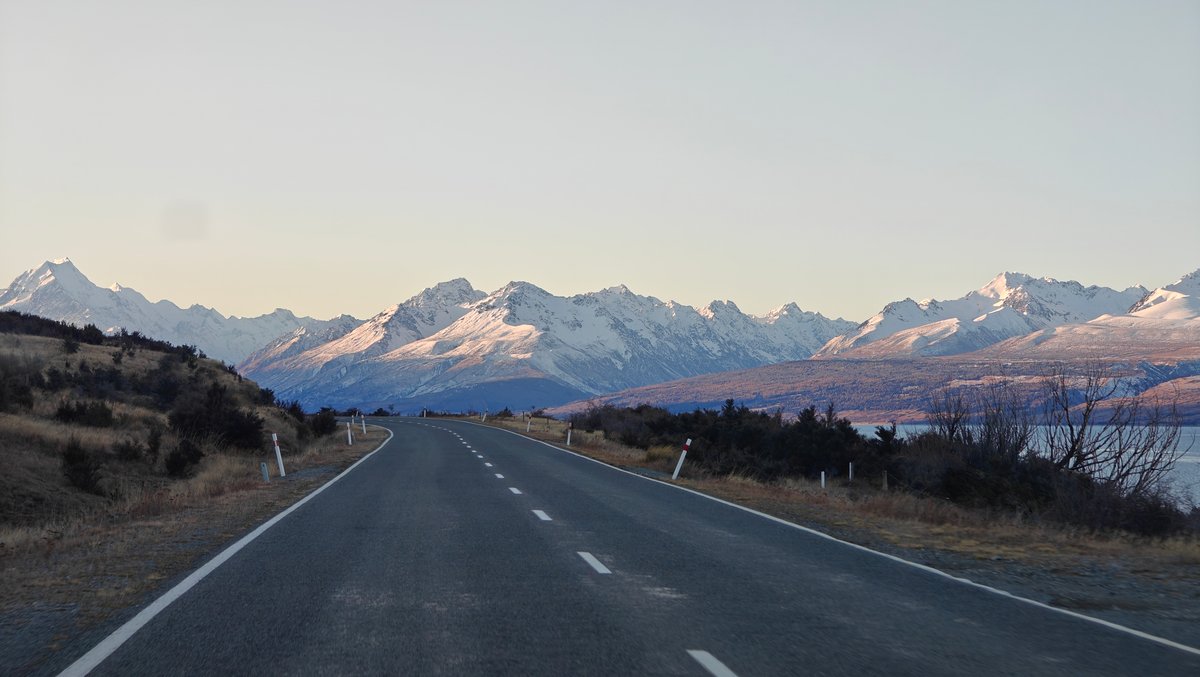
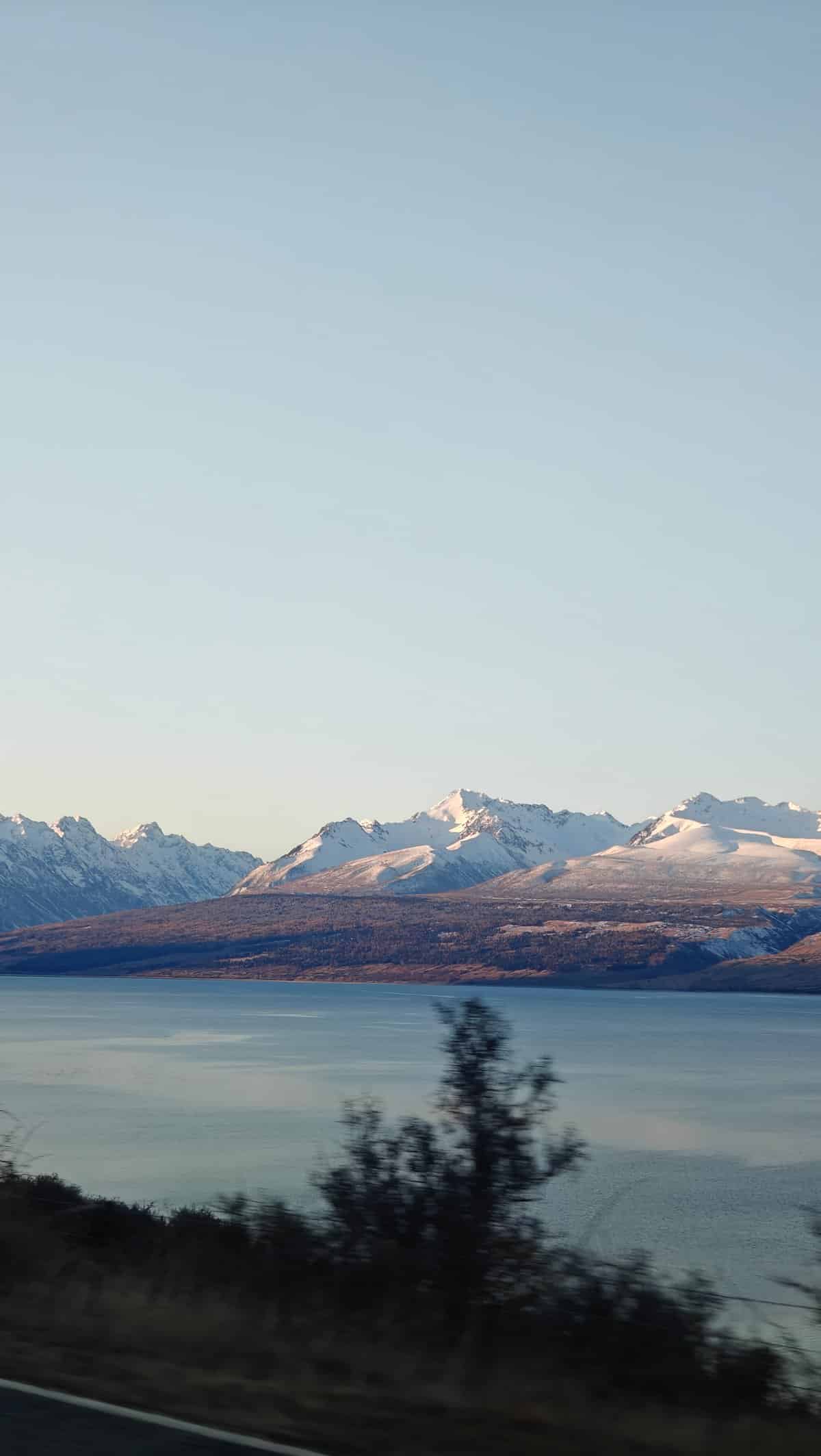
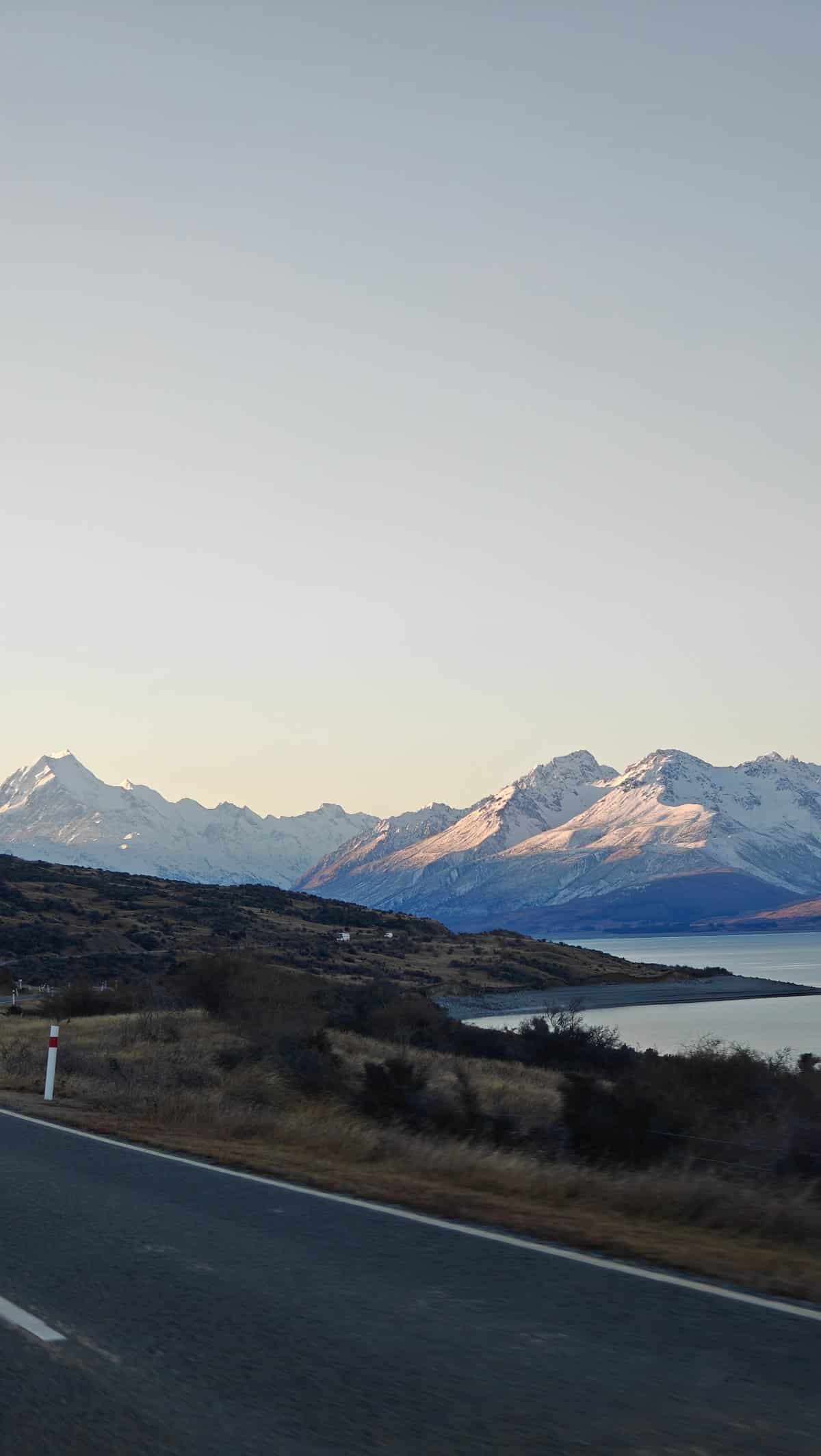
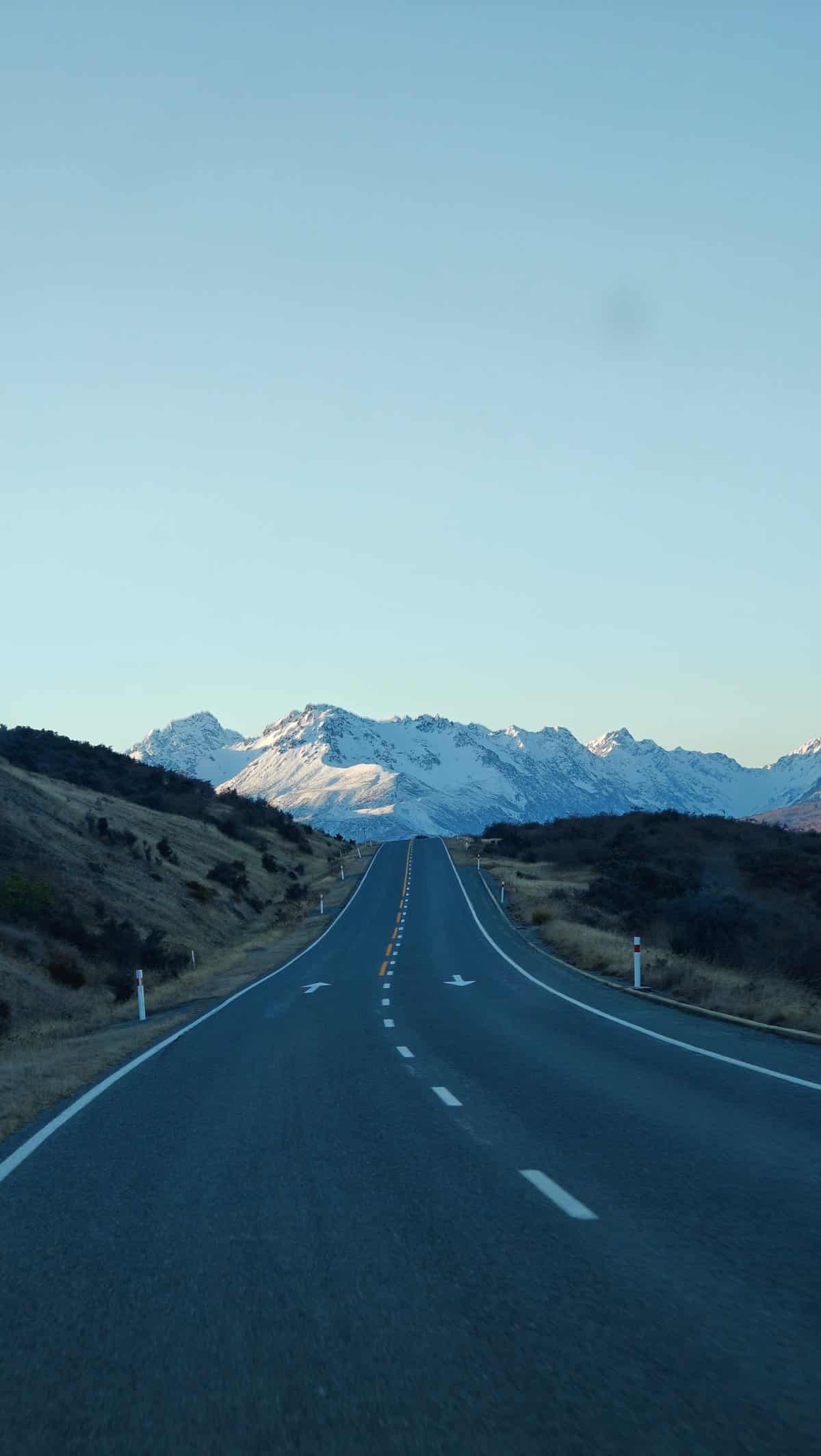
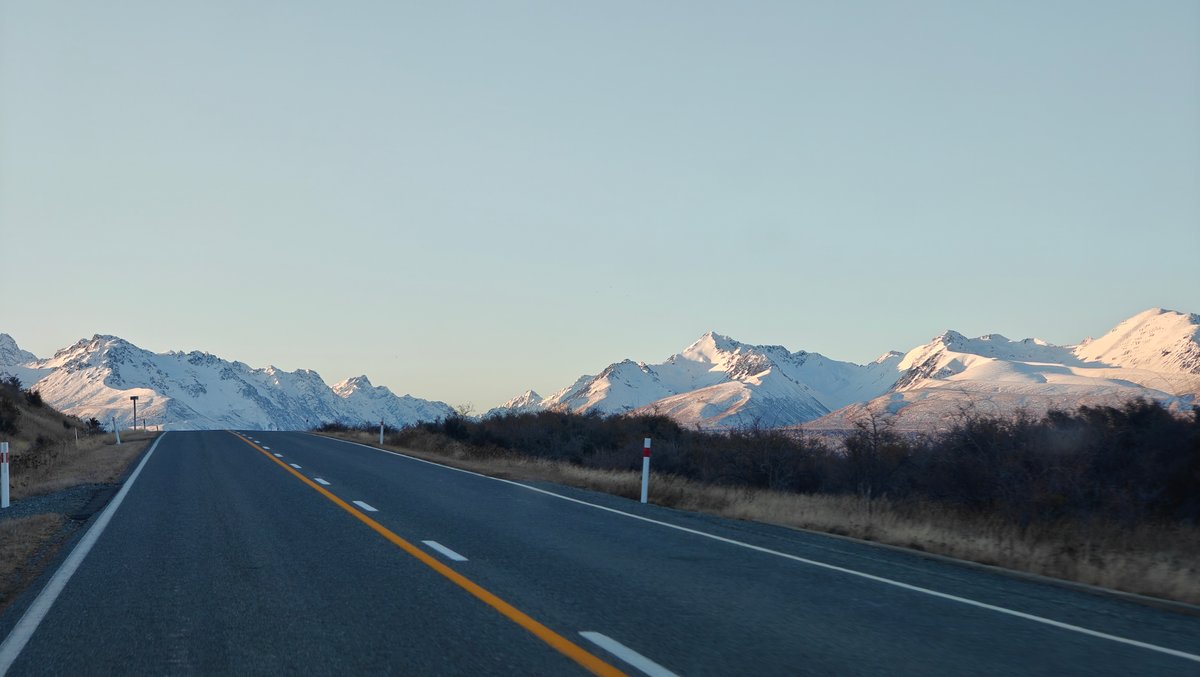
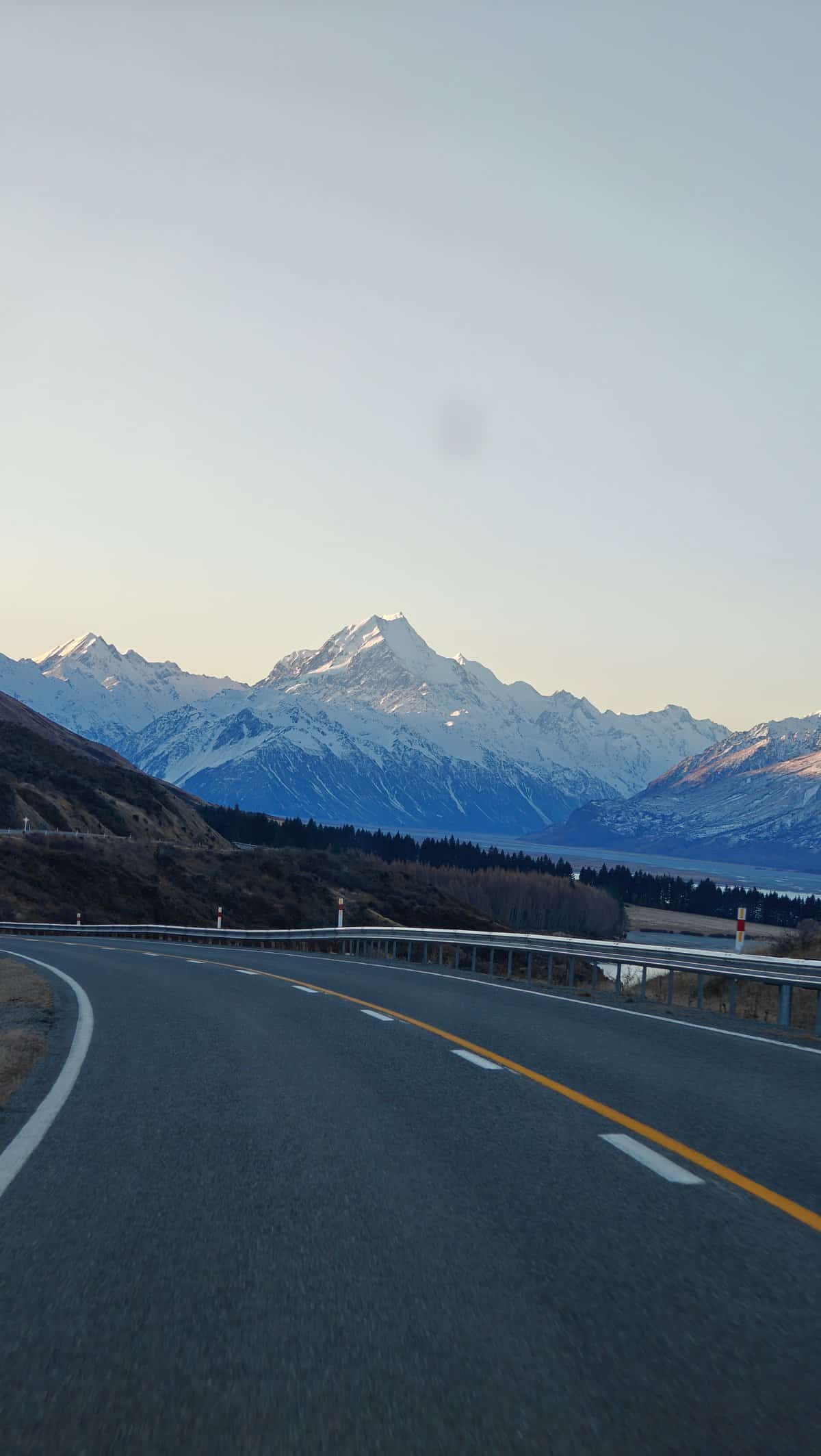
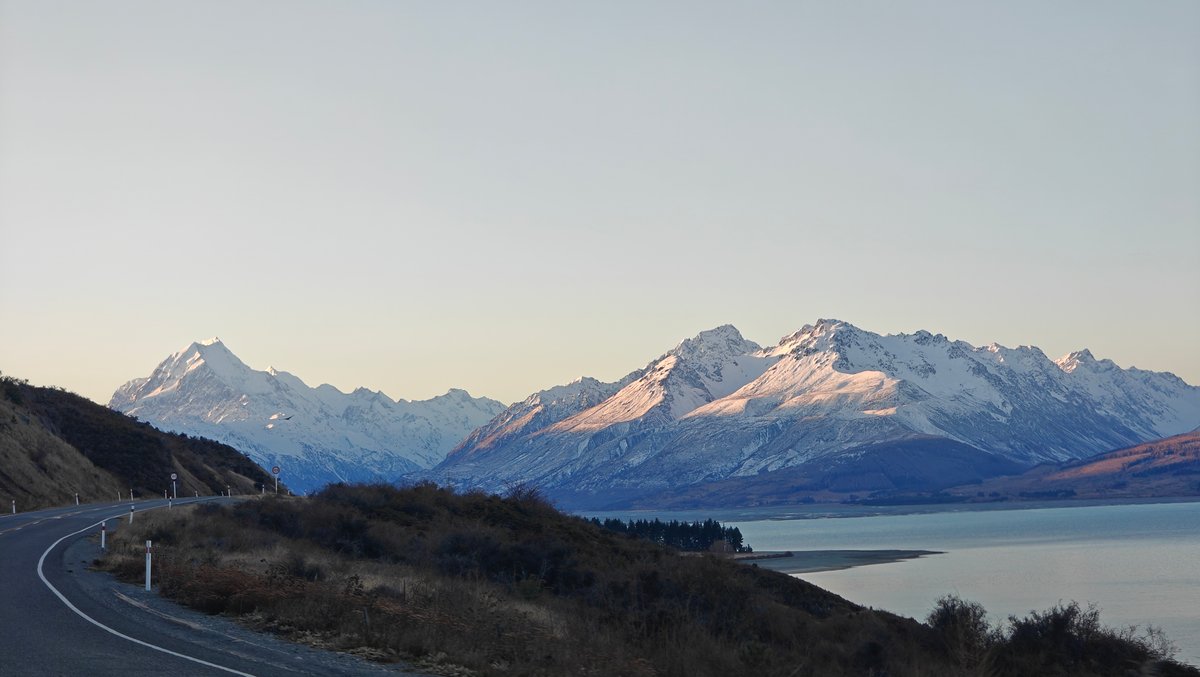
And then I’d round a corner or crest a hill and there would be yet another perfect picture-perfect view of another lake or valley framed by my windscreen. Some of these roads hug those glacial lakes so close and I could hardly resist pulling over every few moments. I stopped a lot (more than perhaps I should of), but I just couldn’t help myself.
The reality is, pictures don’t really capture what it’s like driving through the scenery, watching it all unfold before your eyes. Here is one thing I learned the hard way: Things aren’t always what they seem. A quick trip on the map might take double or even triple the expected time.
This happen once you add in hills, winding roads, and stops along the way. Case in point. I blew off a dinner reservation because I thought it was just an hour away and would be simple.
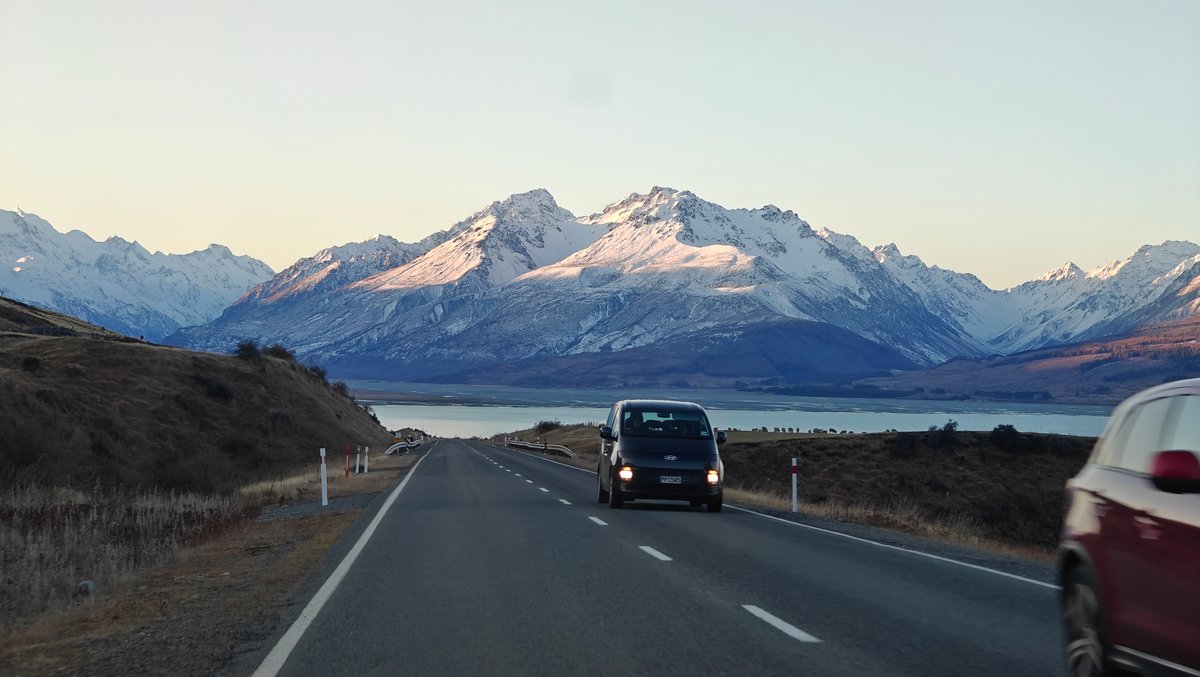

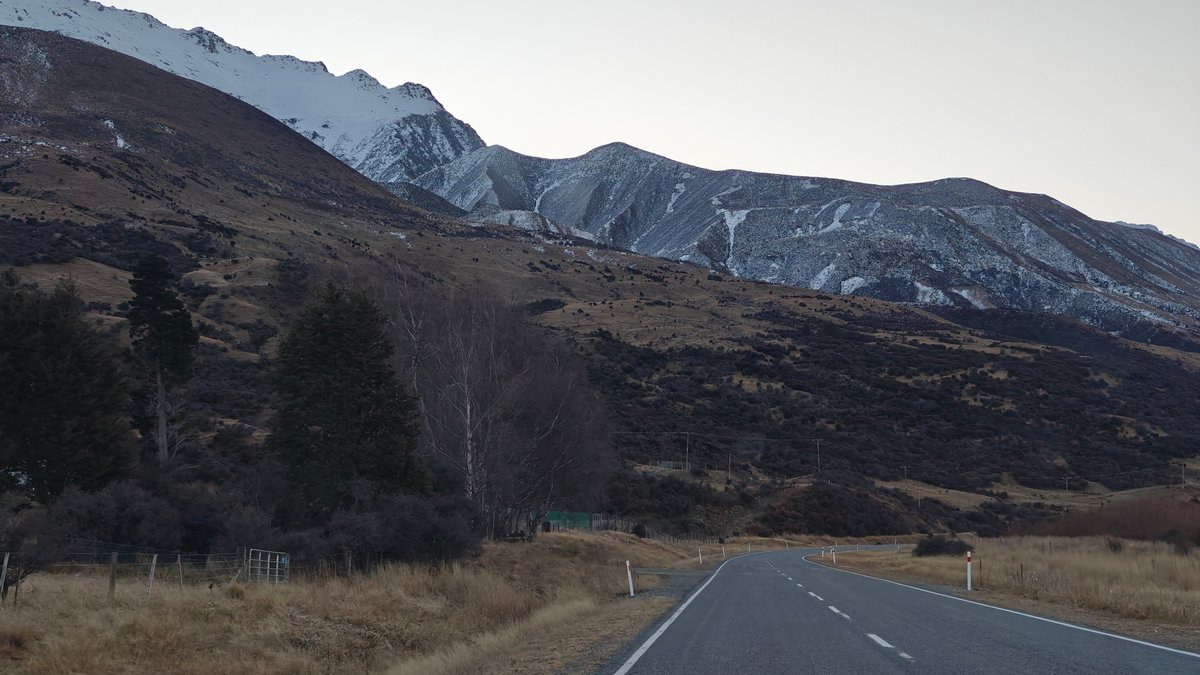
It wasn’t. The roads twist more than expected, and there are lower speed limits any time you’re approaching a tricky section or pass through a small town. After this incident, I began to add at least 30% more time to all my estimates.
Then there is the weather. In one day, I’ve driven through rain, sun, and nearly blizzard-like conditions.
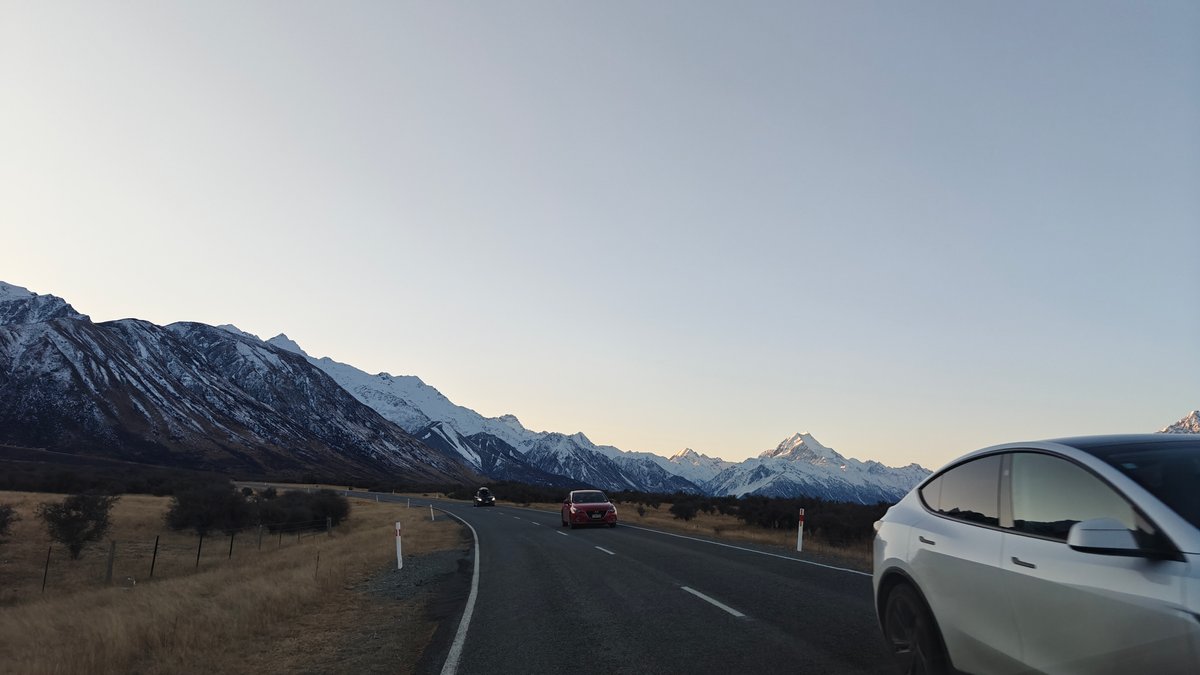
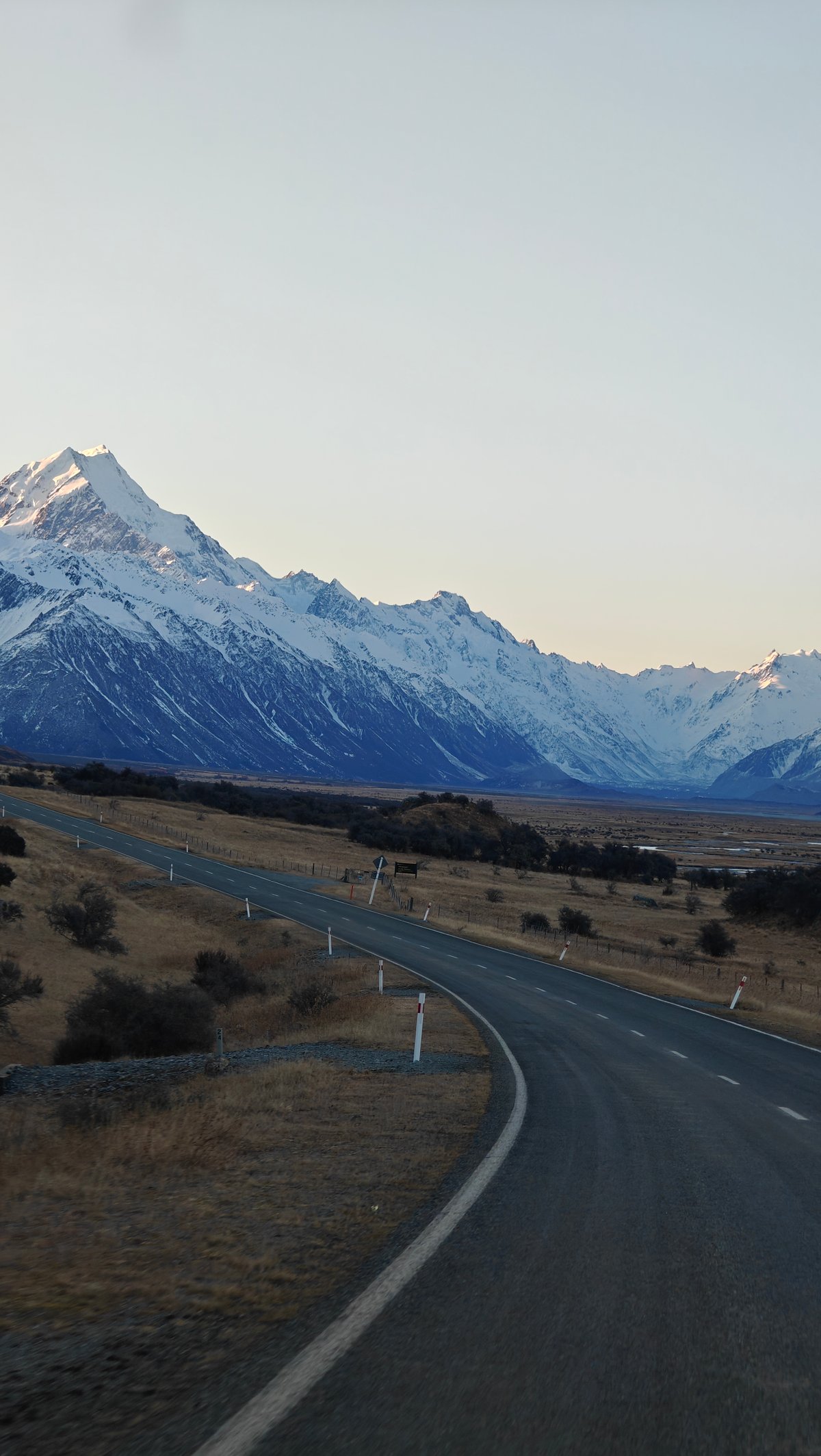
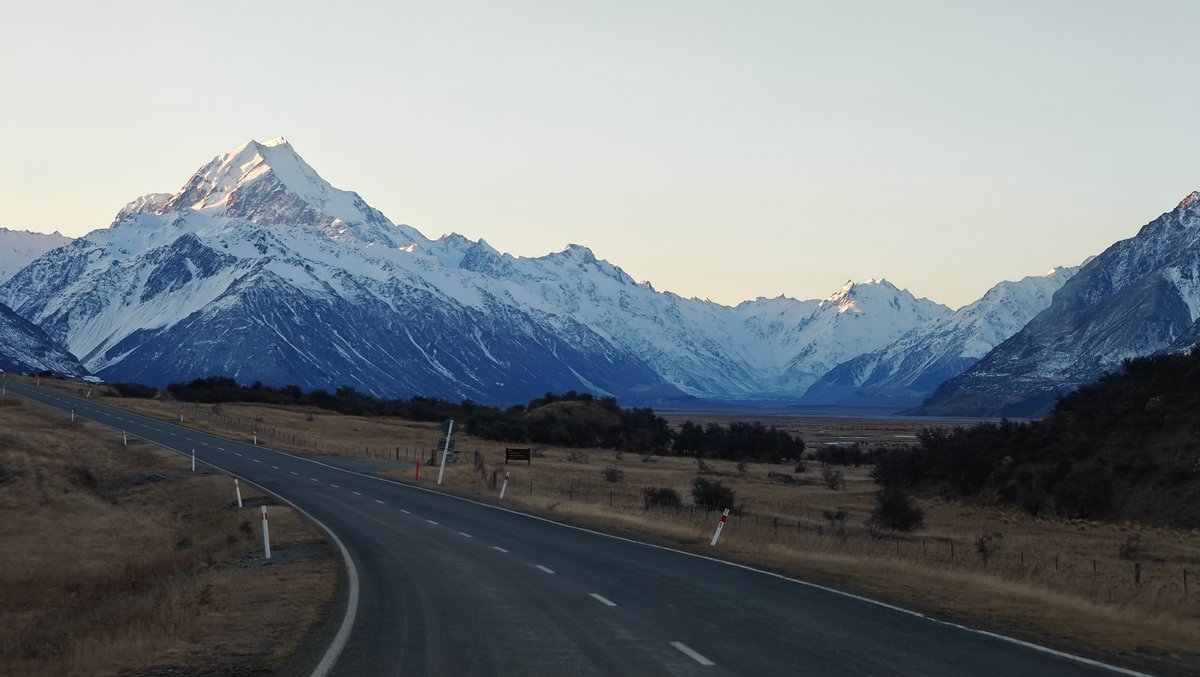

It can change quickly, particularly on the high-country roads. One minute, I’m cruising along in clear skies. The next, I’m hitting fog so thick I can barely see the car in front of me.
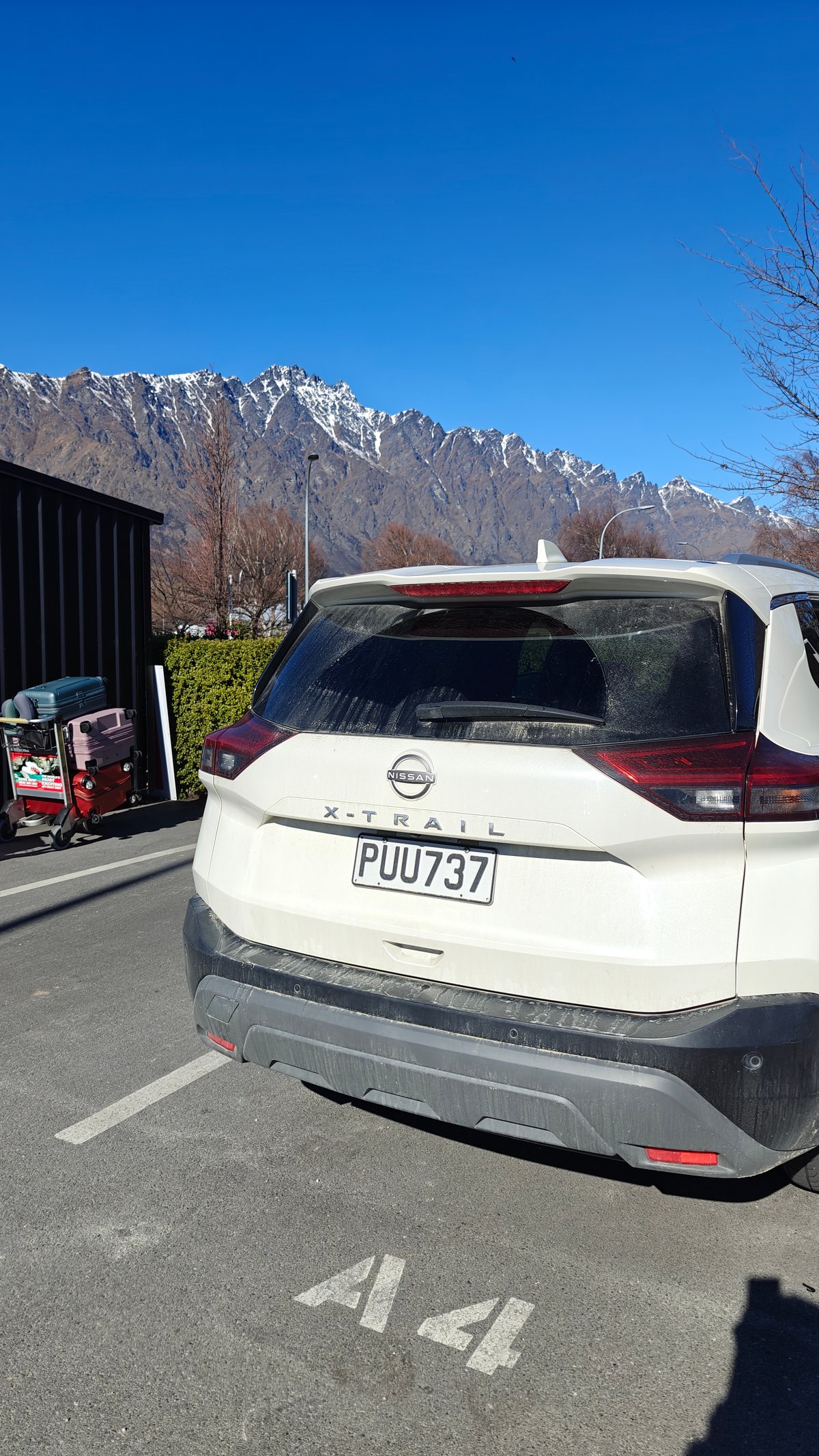
I wish I had looked at the weather report a bit more closely each morning and had stocked up on some proper windscreen wiper fluid. Meanwhile, I’m white-knuckling the steering wheel while the locals pass by in their trucks, totaly unfazed. Renting a Nissan X-Trail was actualy a good decision.
It’s not too big but still spacious for all our gear and got us through the mountains just fine.


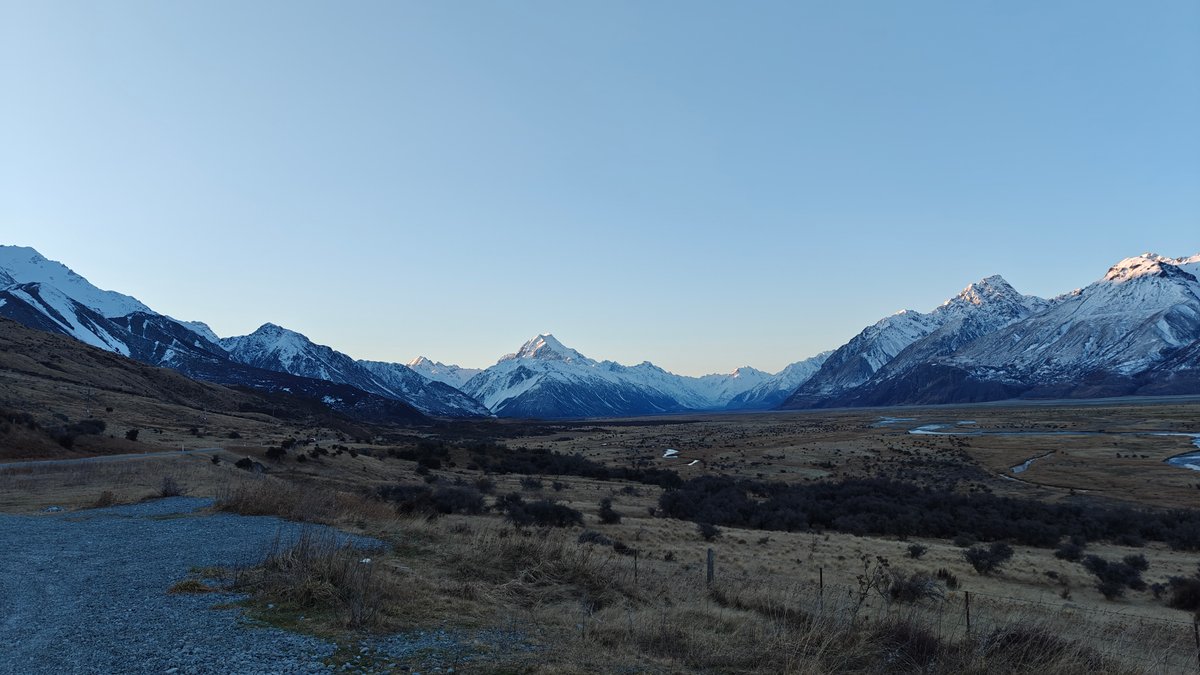
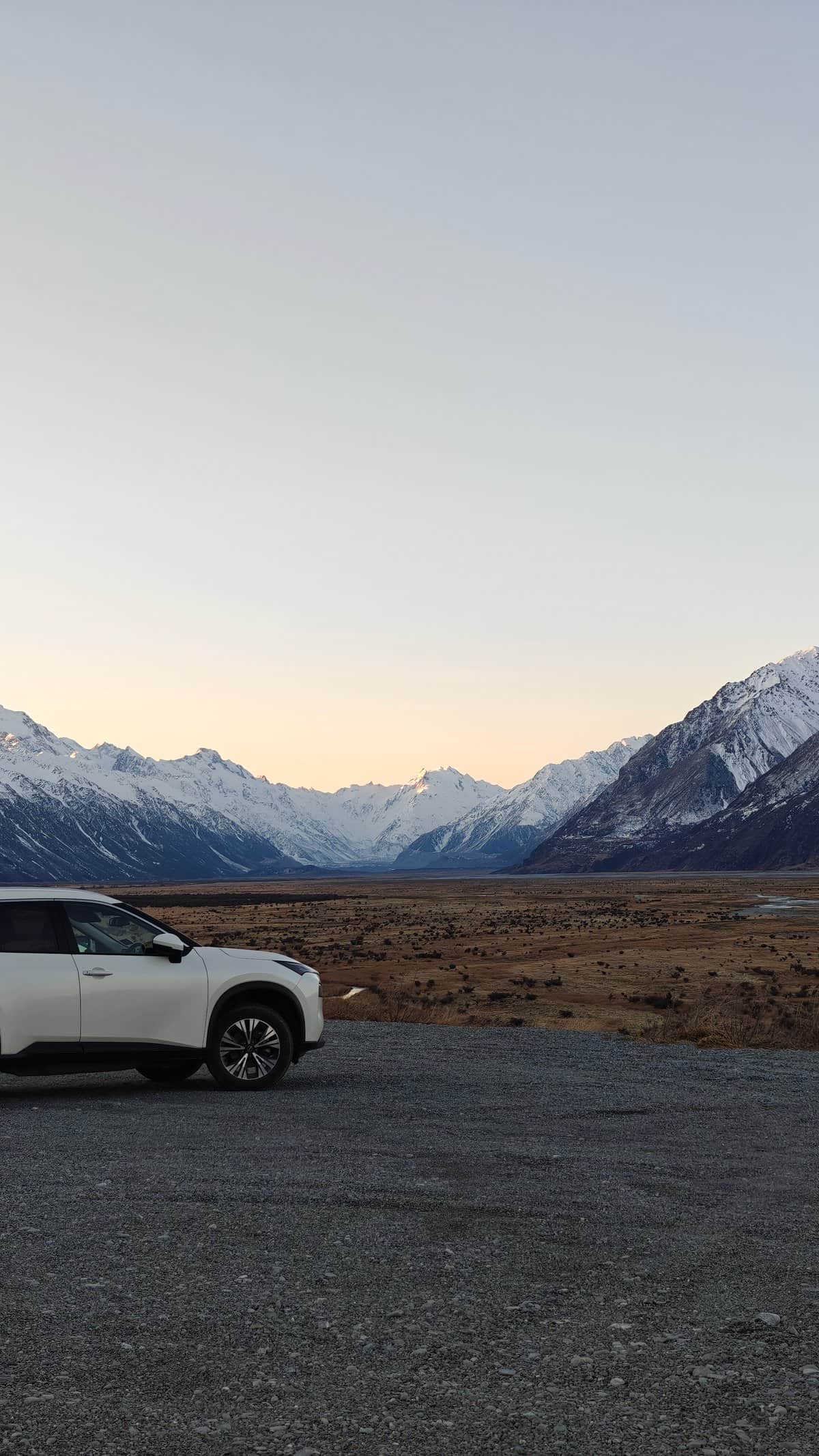

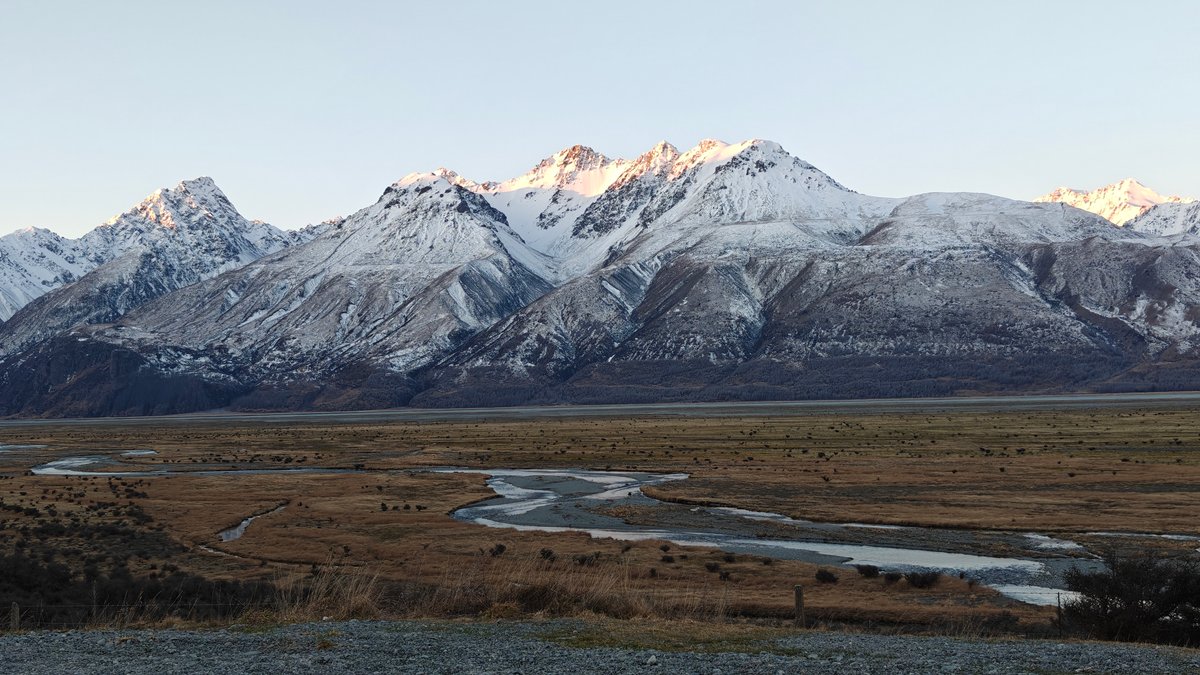
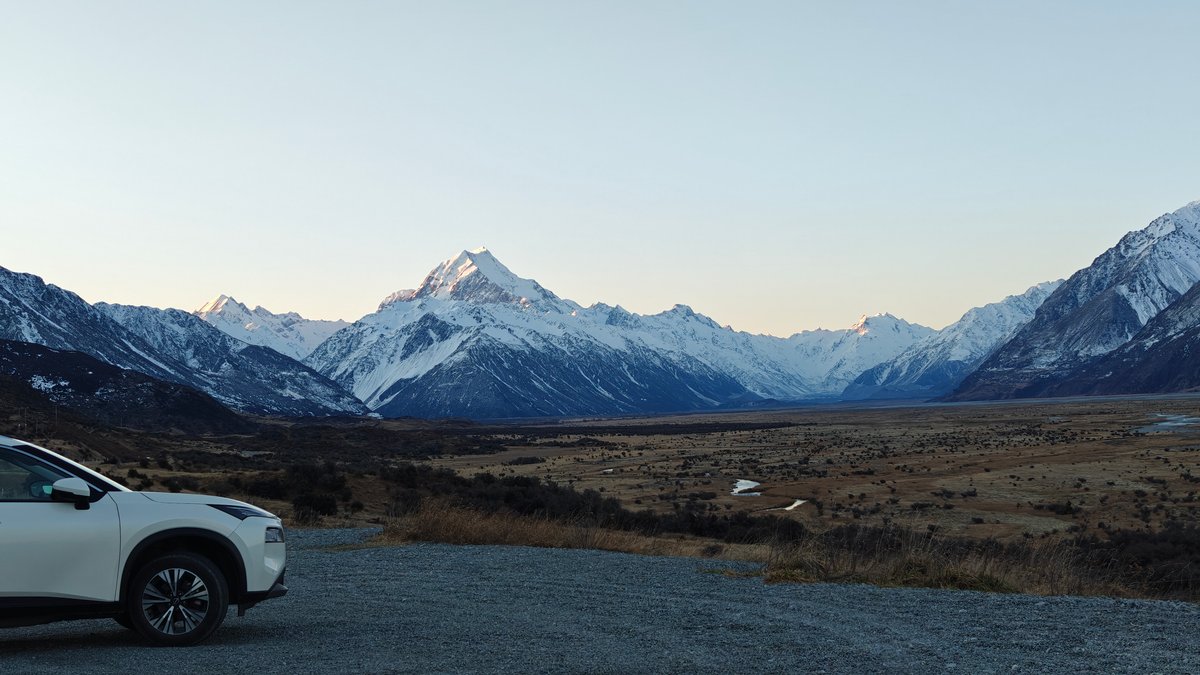
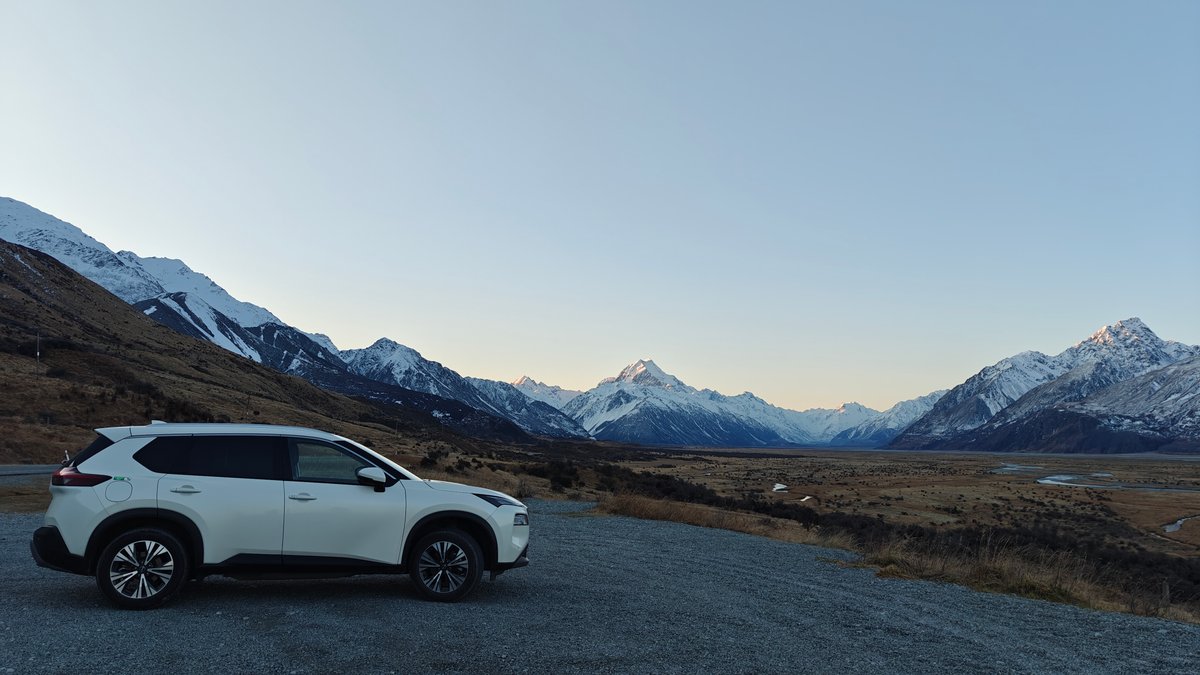
At first, I wasn’t sure if I wanted to rent an SUV, but I am happy that I did. There were a few viewpoints and gravel parking spots that I might not have reached easily with a smaller vehicle. The high ground clearance was nice, and it remained stable (even in strong winds) during the more exposed sections.
The stops at lookout points had become routine. All along the main routes, there were these spots, pullouts, as they’re called, typically just a bit of gravel big enough to park a couple cars.

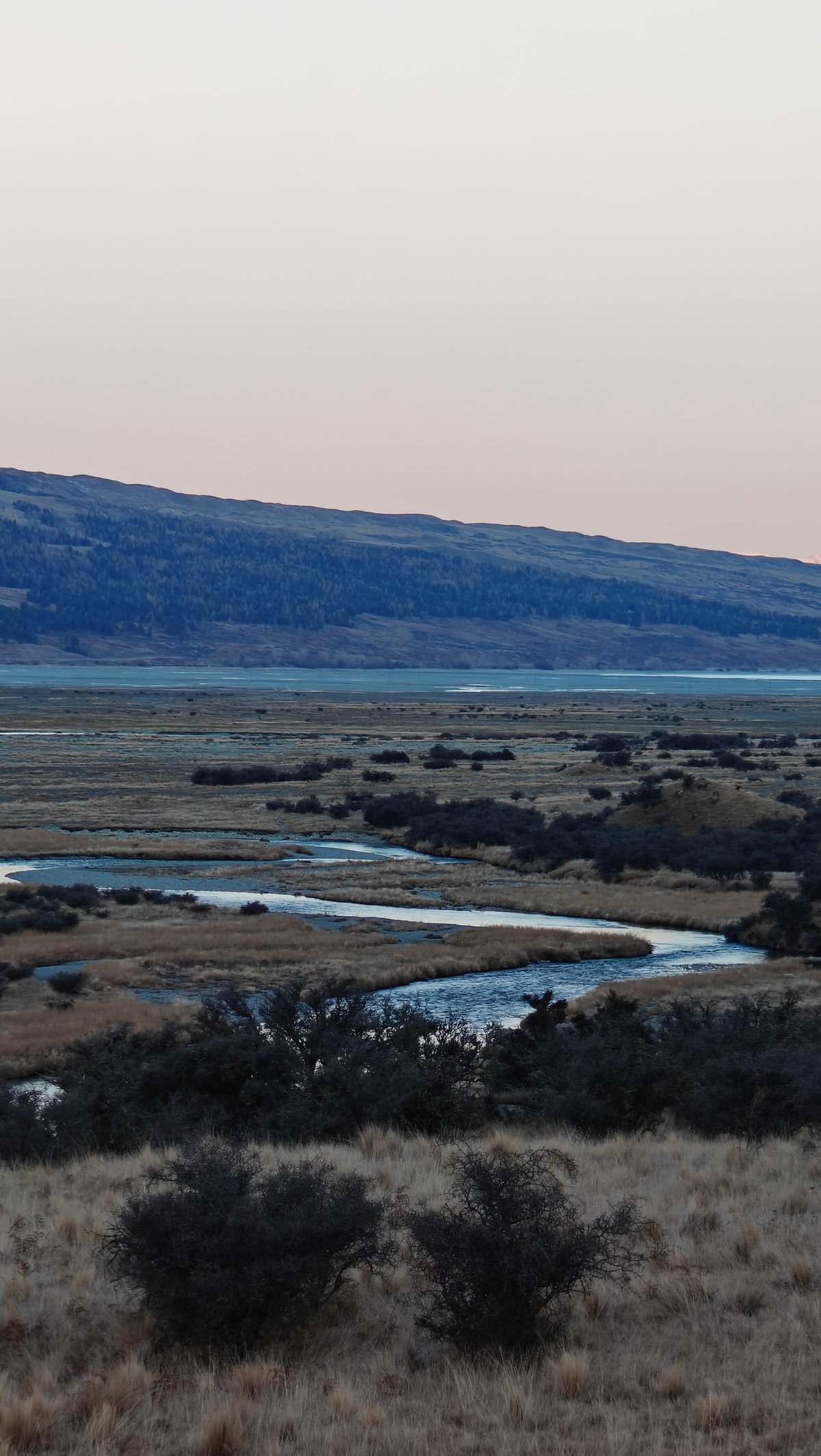
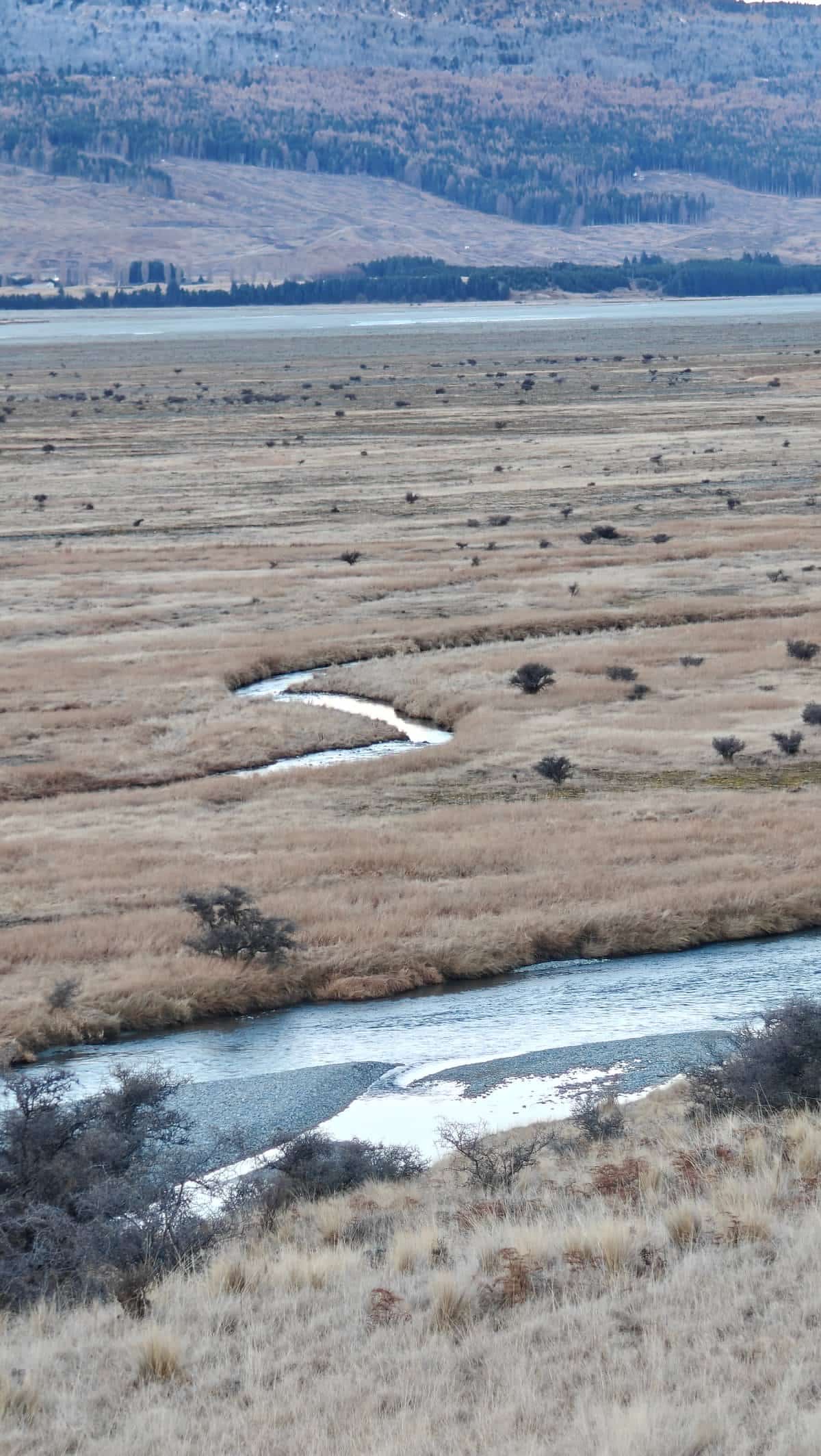


I’d pull up, step out, and look around: most often it’s some kind of mountain range spreading out in every direction or a braided river valley. At first the silence was almost unsettling. There were no voices and not even traffic noise; there was just wind and perhaps the distant rush of a river.
I’d find myself reaching for my phone… Even though there never seemed to be service, out of sheer habit. I hadn’t ever seen anything like those braided rivers before.
They appear as silvery lines running across the broad, level plains from the highway; closer up, they are always changing, cutting new routes through the pebbles. I found one that had fanned out across what must have been kilometres of river bottom, and I simply sat down in one place to watch the water sparkle in the sunlight. It’s the kind of thing that makes you forget you’re supposed to be somewhere.


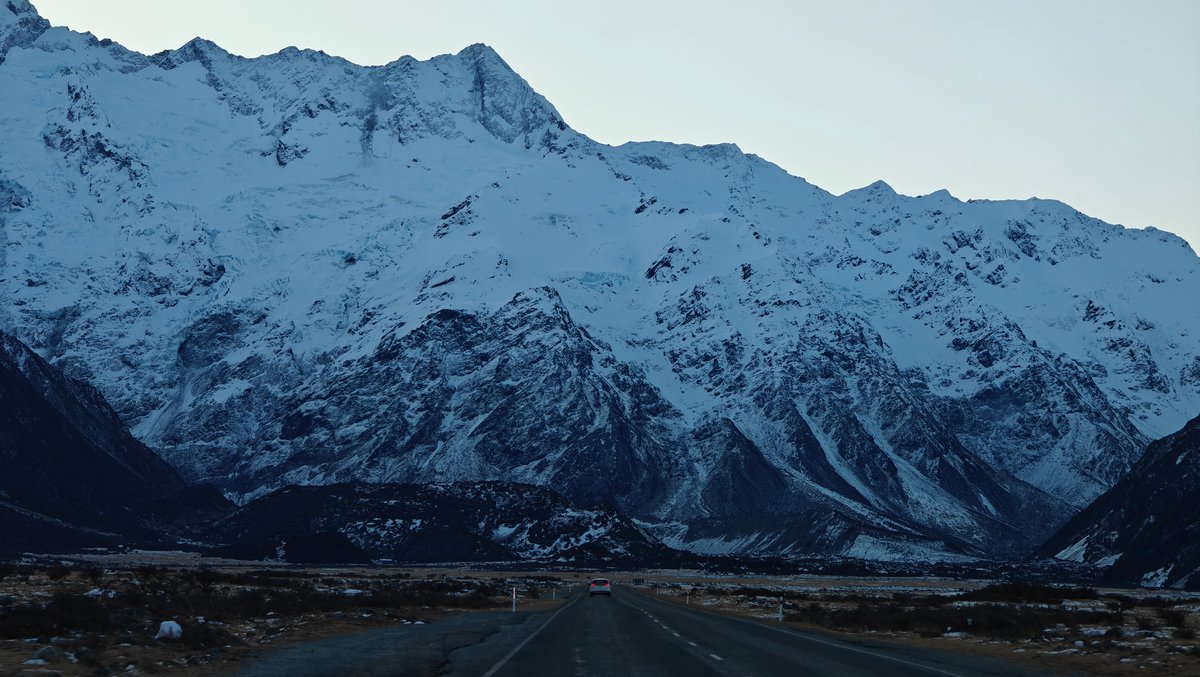

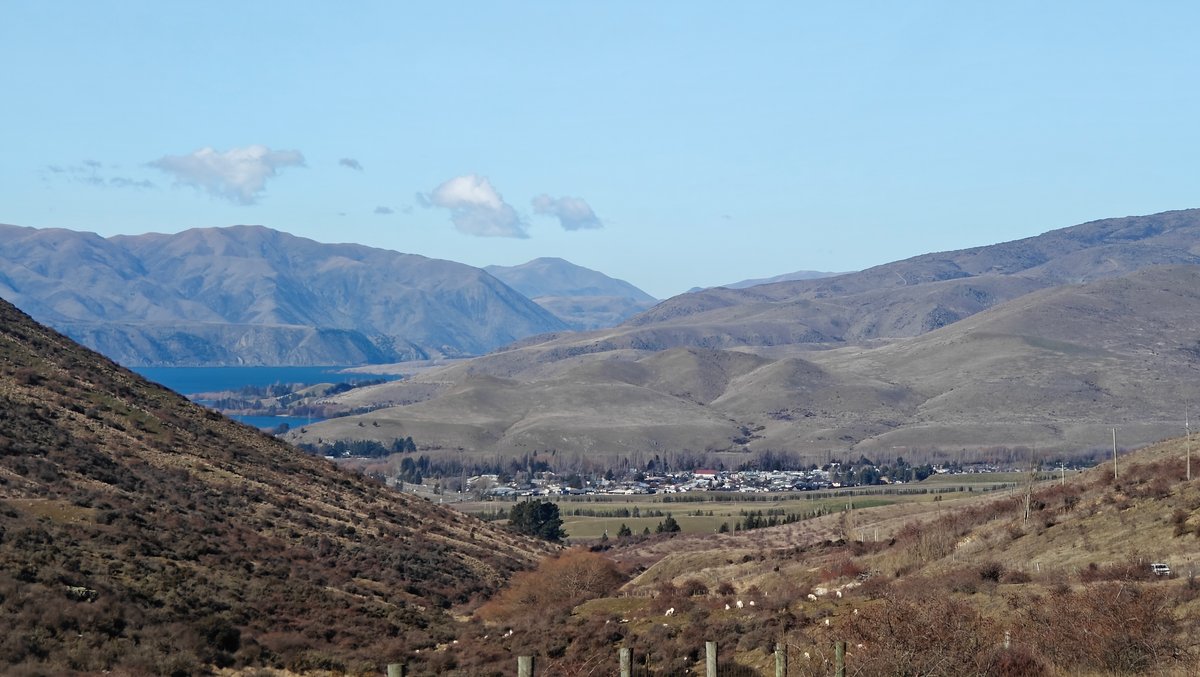

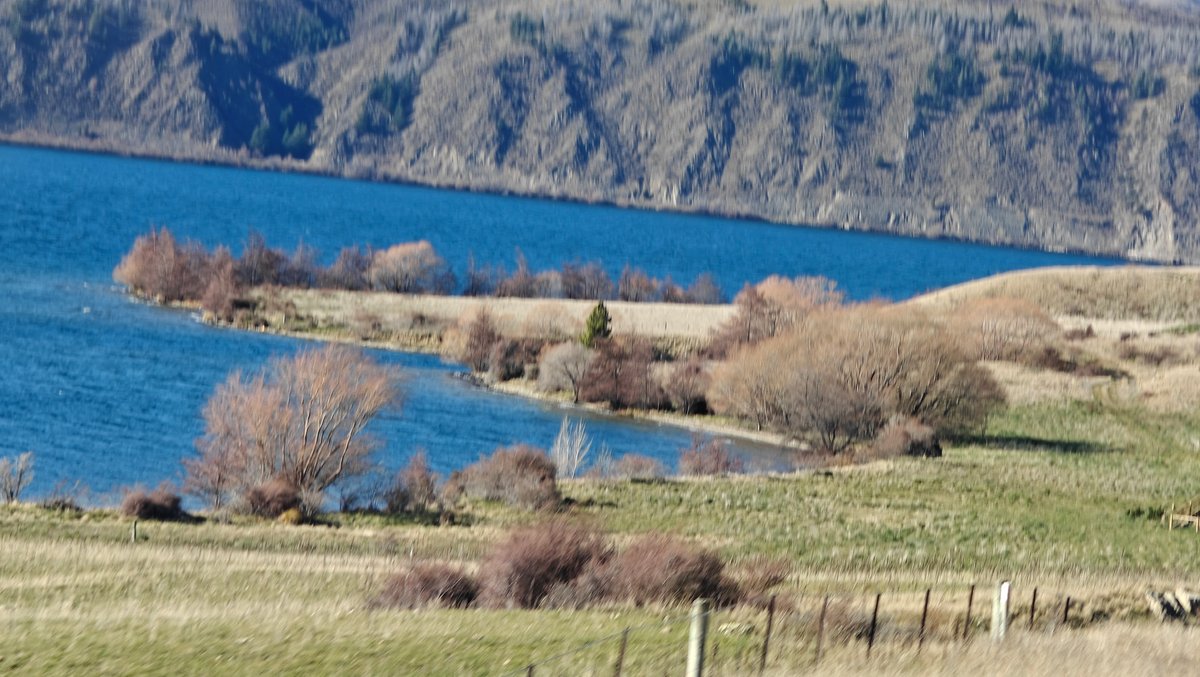
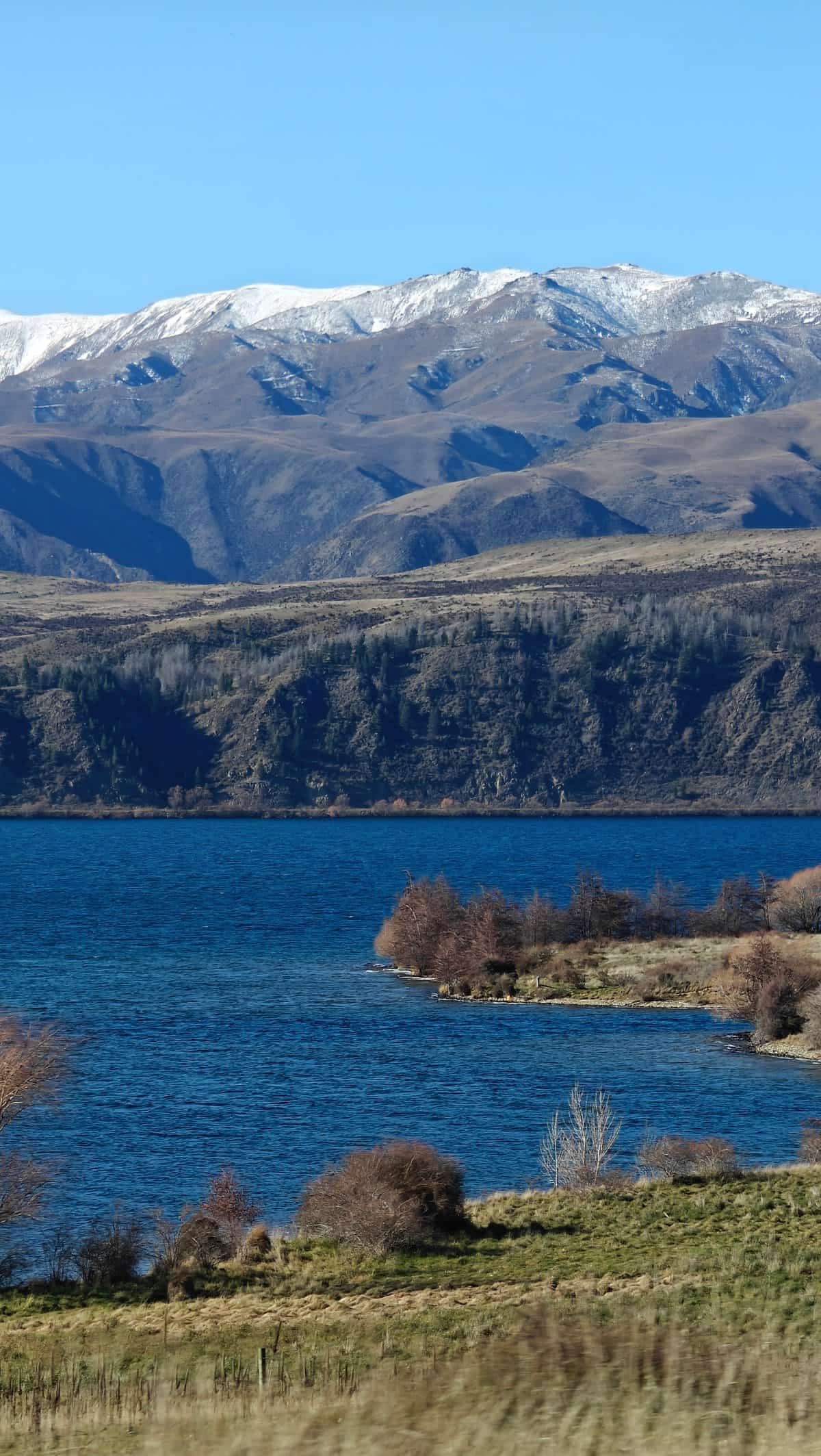
At night, driving around was a mixture of stress and beauty. On one hand, I’d be tearing across the countryside trying to make it to the next town before it went completely dark. On the other hand, the mountains would get this amazing shade, and the light would soften and grow golden.
Once the sun set, it gets really dark and some of those country roads are not lit with street lights. One time I messed up and found myself driving the final half hour in complete darkness, using only my headlights. It was like being blind; I couldn’t see more than a foot off the side of the road, and each time another car came toward me, its headlights blinded me.


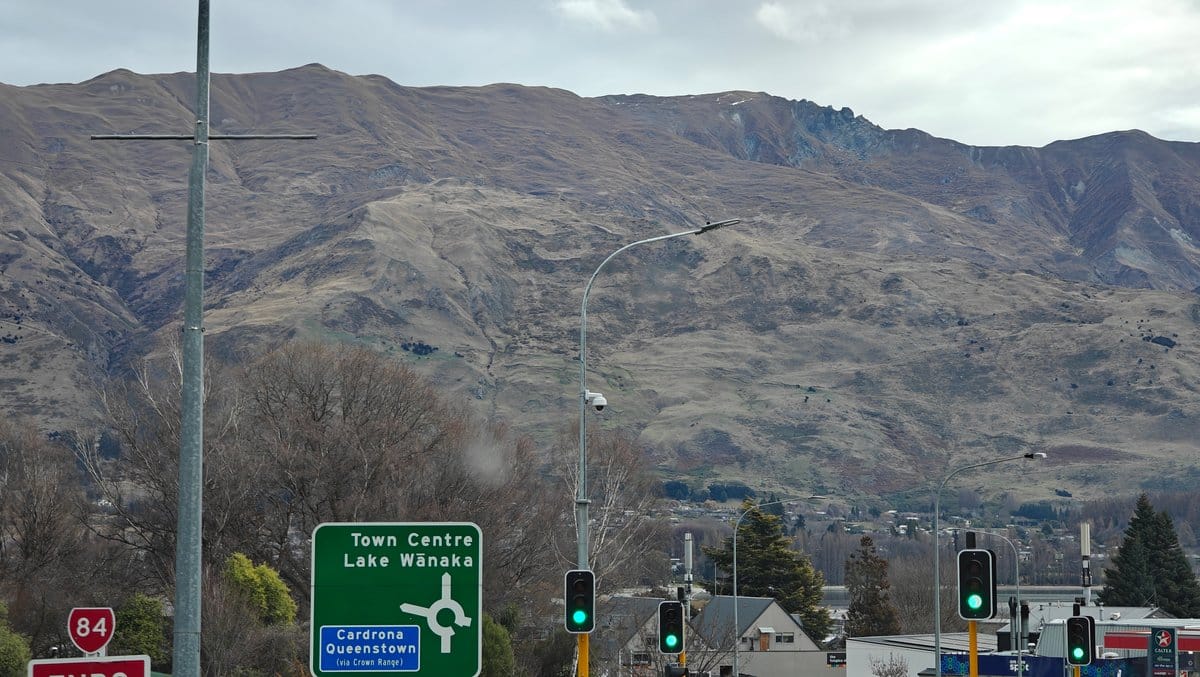
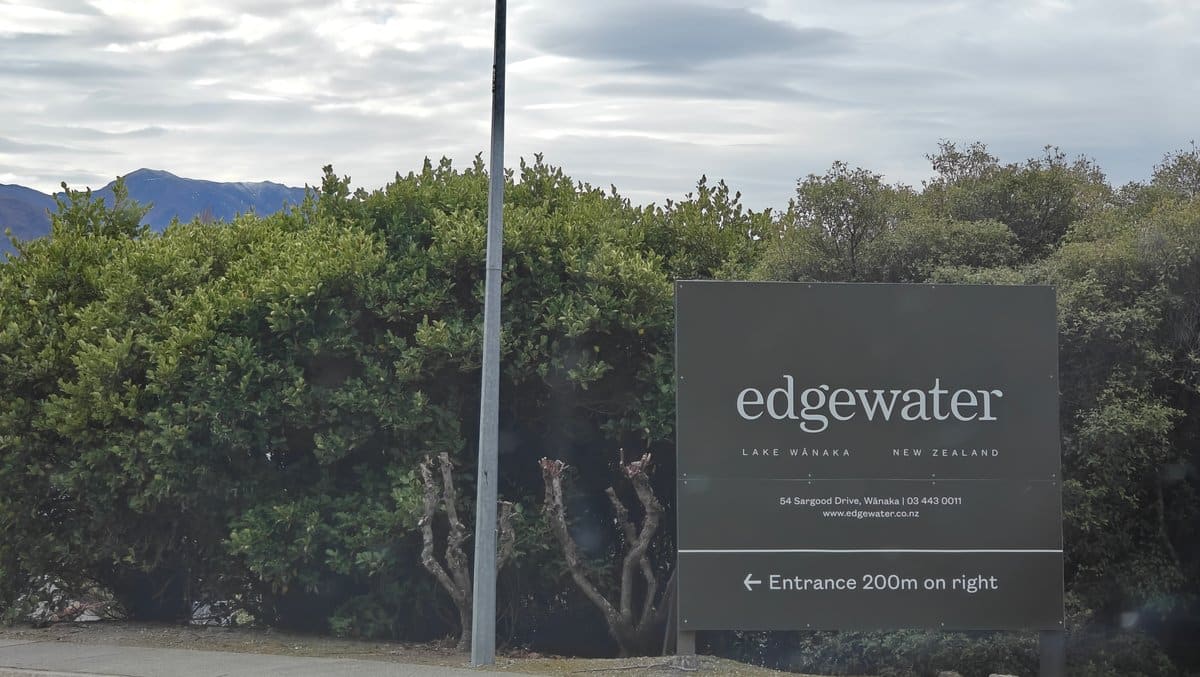
As we went through the towns, navigation was generally pretty simple. However, I found myself looking out for the little signs along the road pointing to the town center or certain lakes.

You can easly pass them over when you are tired and distracted. I’m glad I caught my mistake and saw the sign to Wanaka (otherwise I would have driven right past it). The green signs were a tiny welcome sight, I knew there was a bed, some food, and an end to focusing on the road ahead.
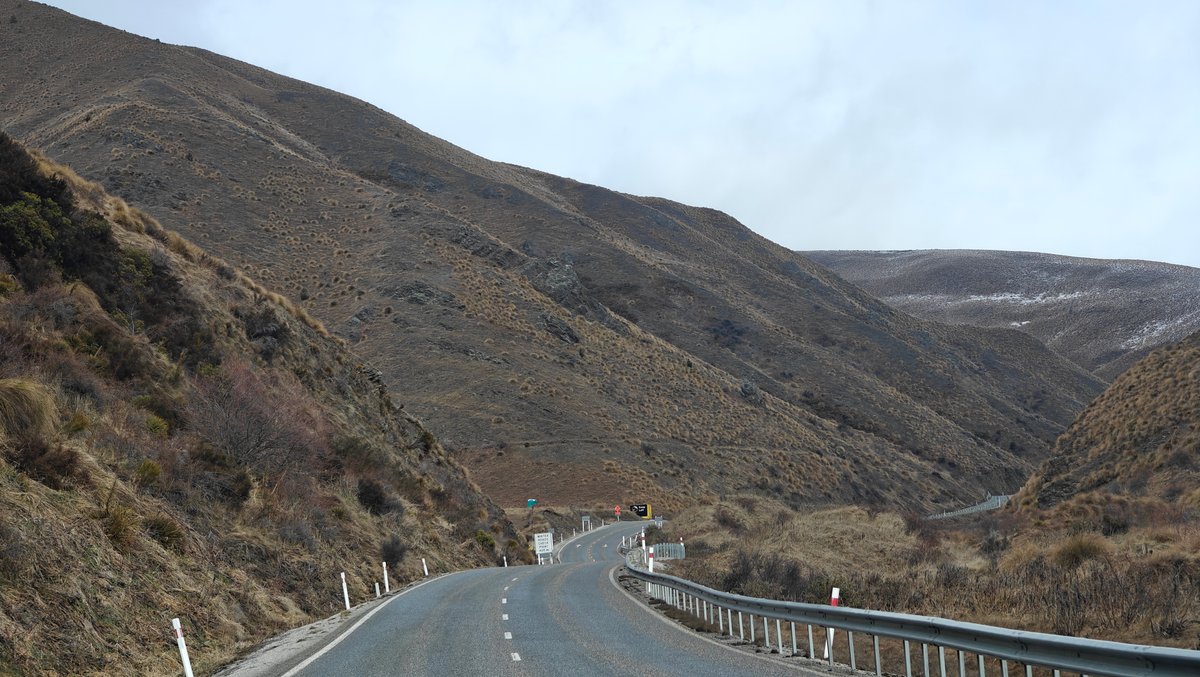
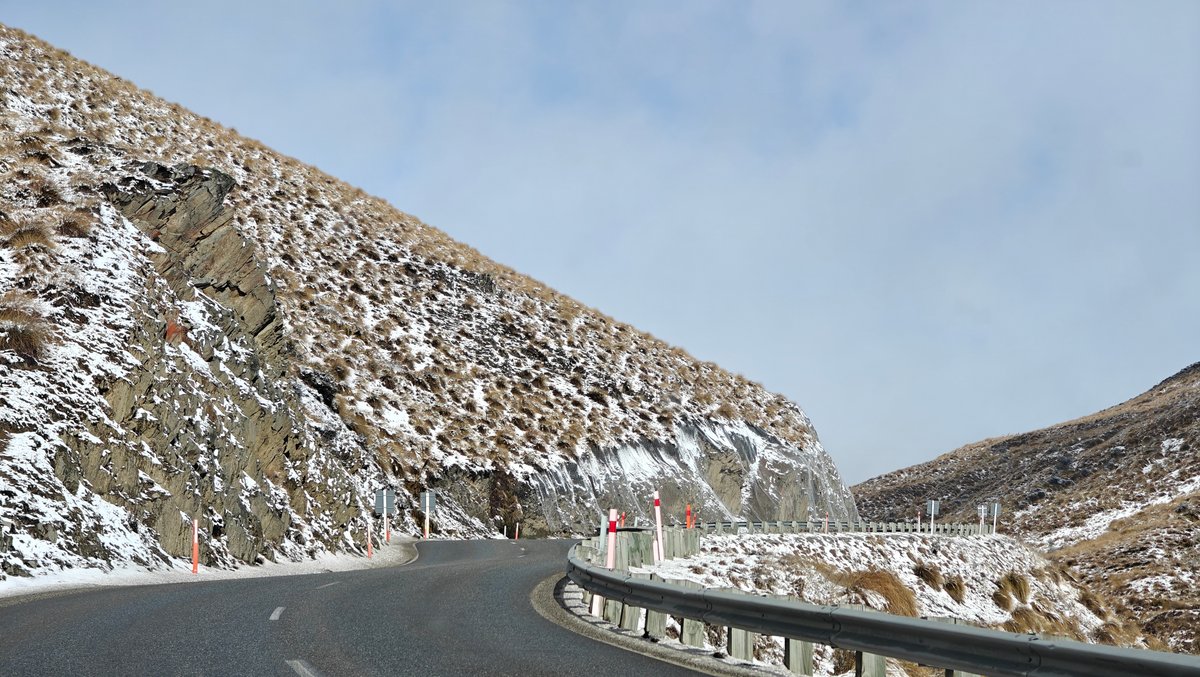
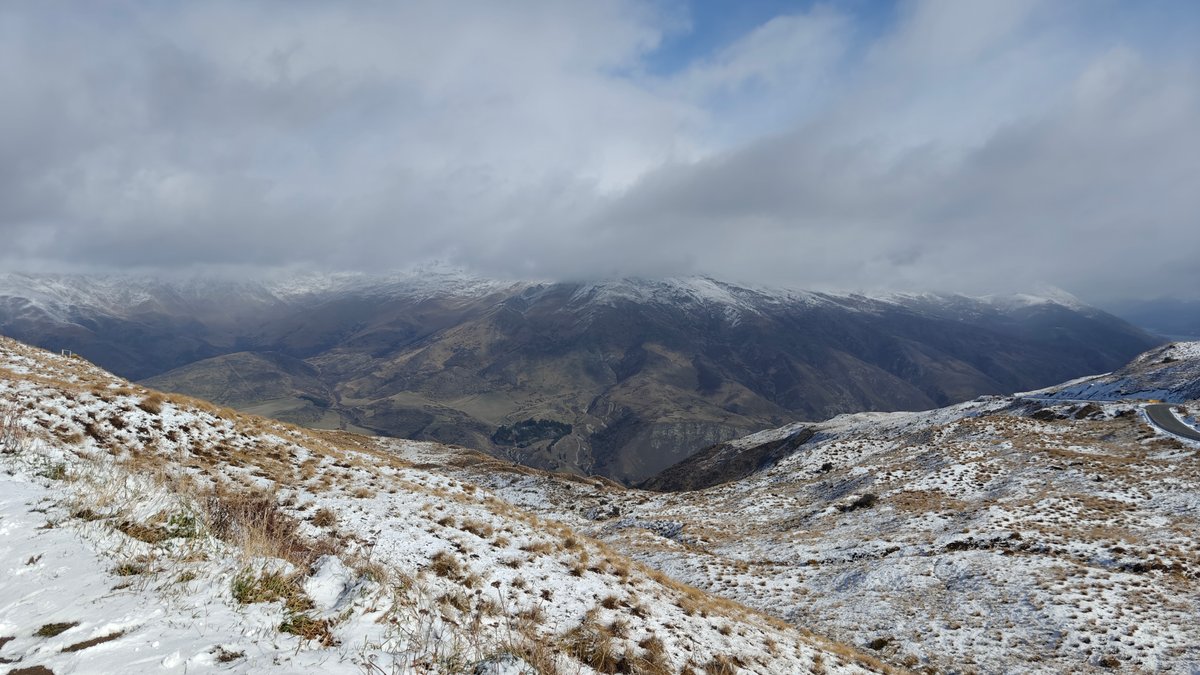
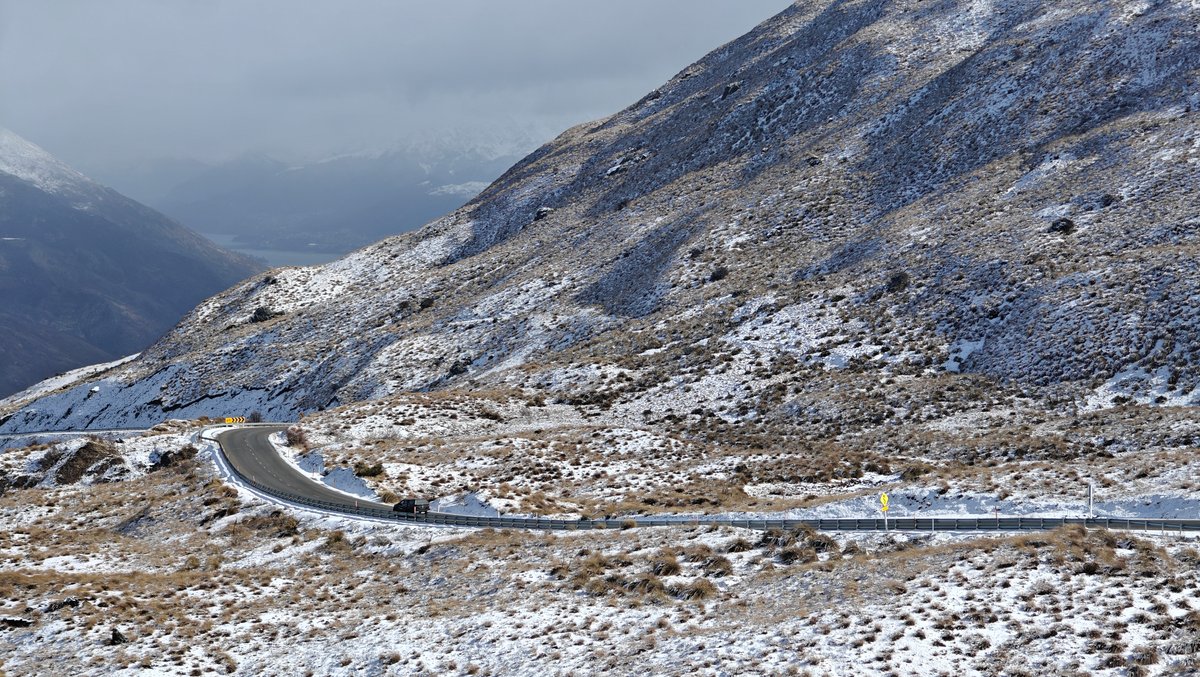
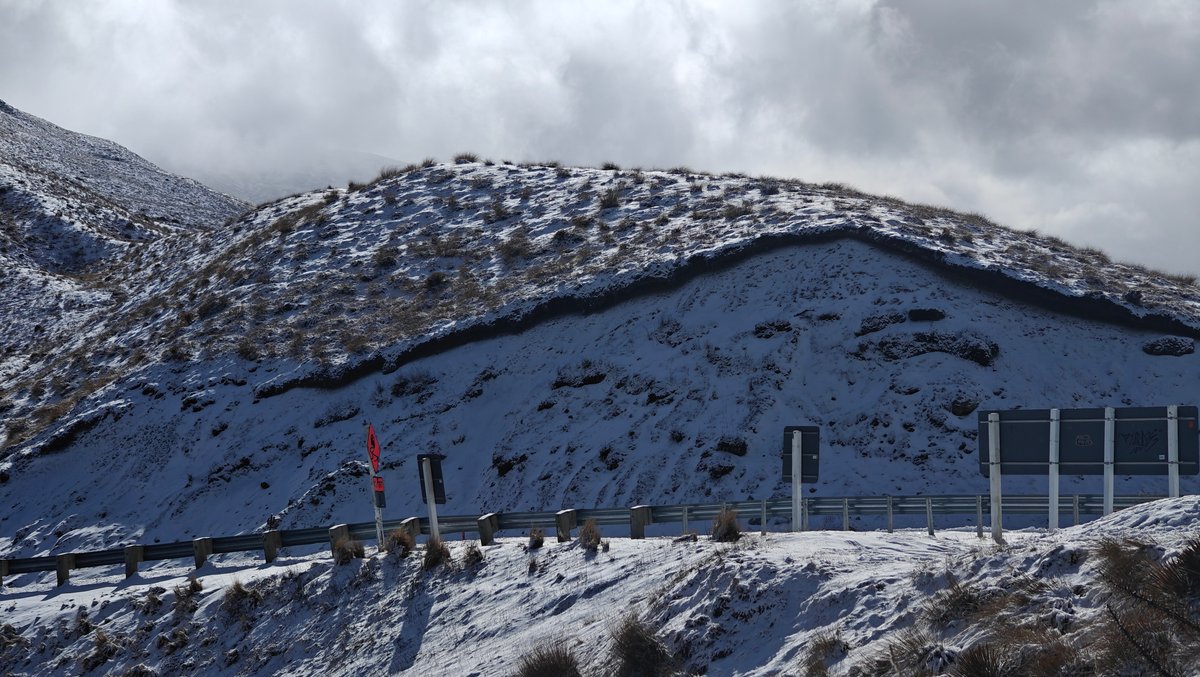
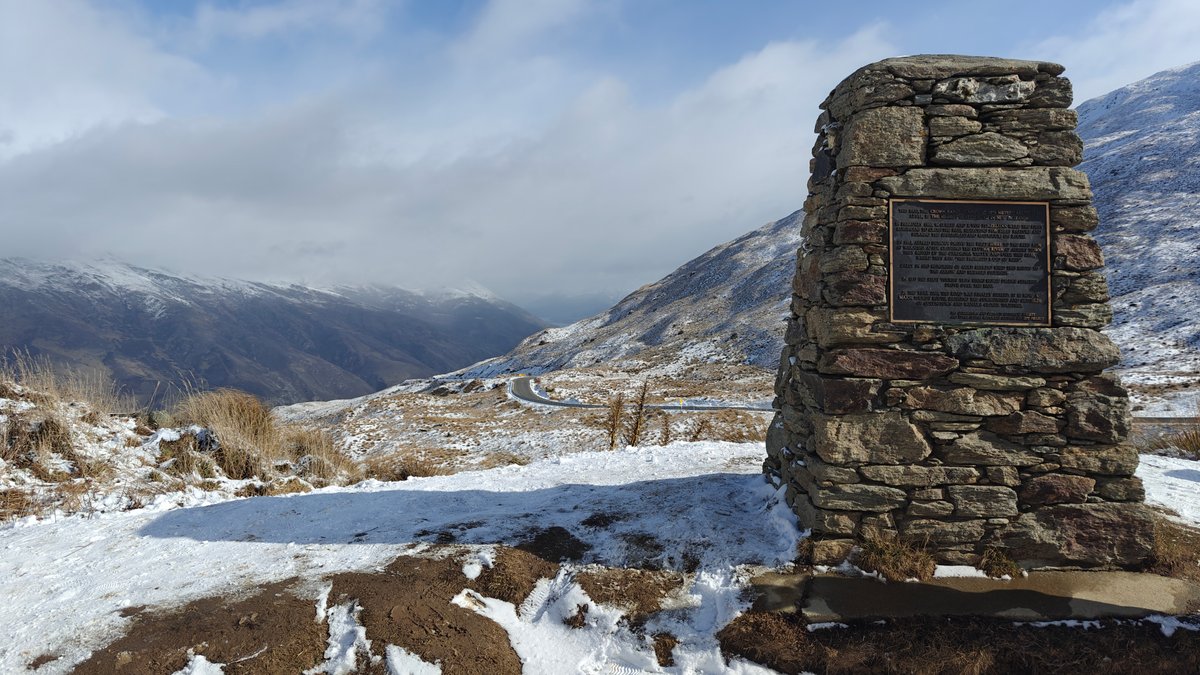
The trickiest drives were the mountain passes. There was snow, steep grades, and switchbacks, all in one. One pass involved driving up a series of hairpin turns.

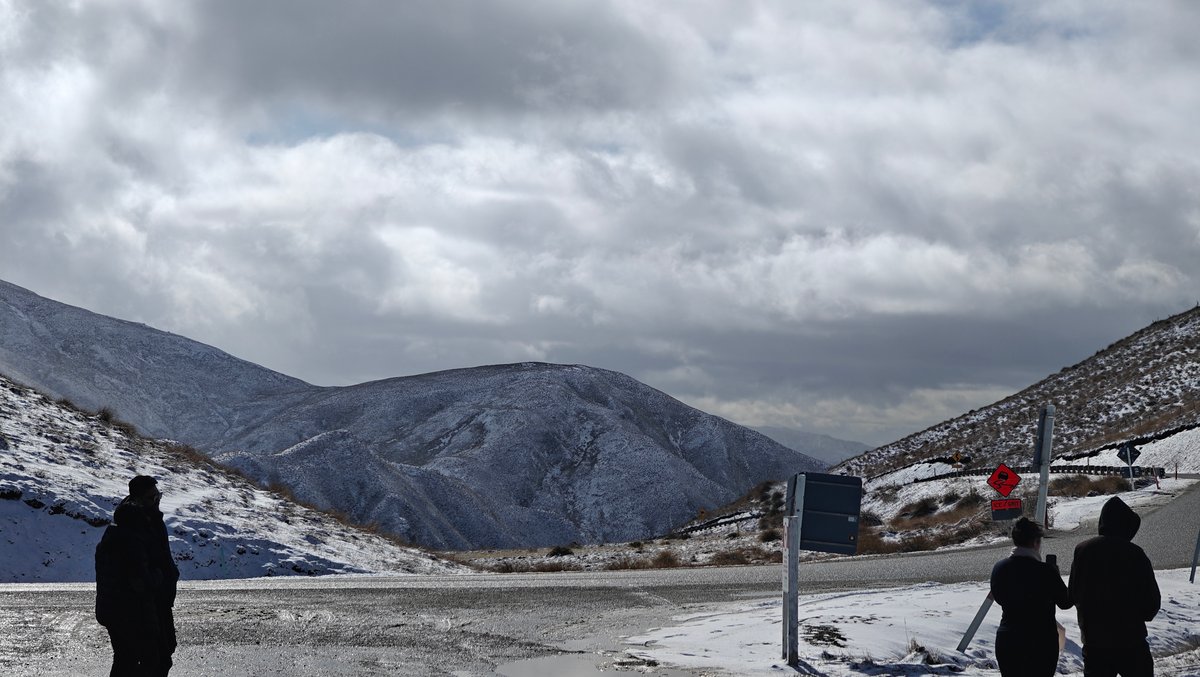
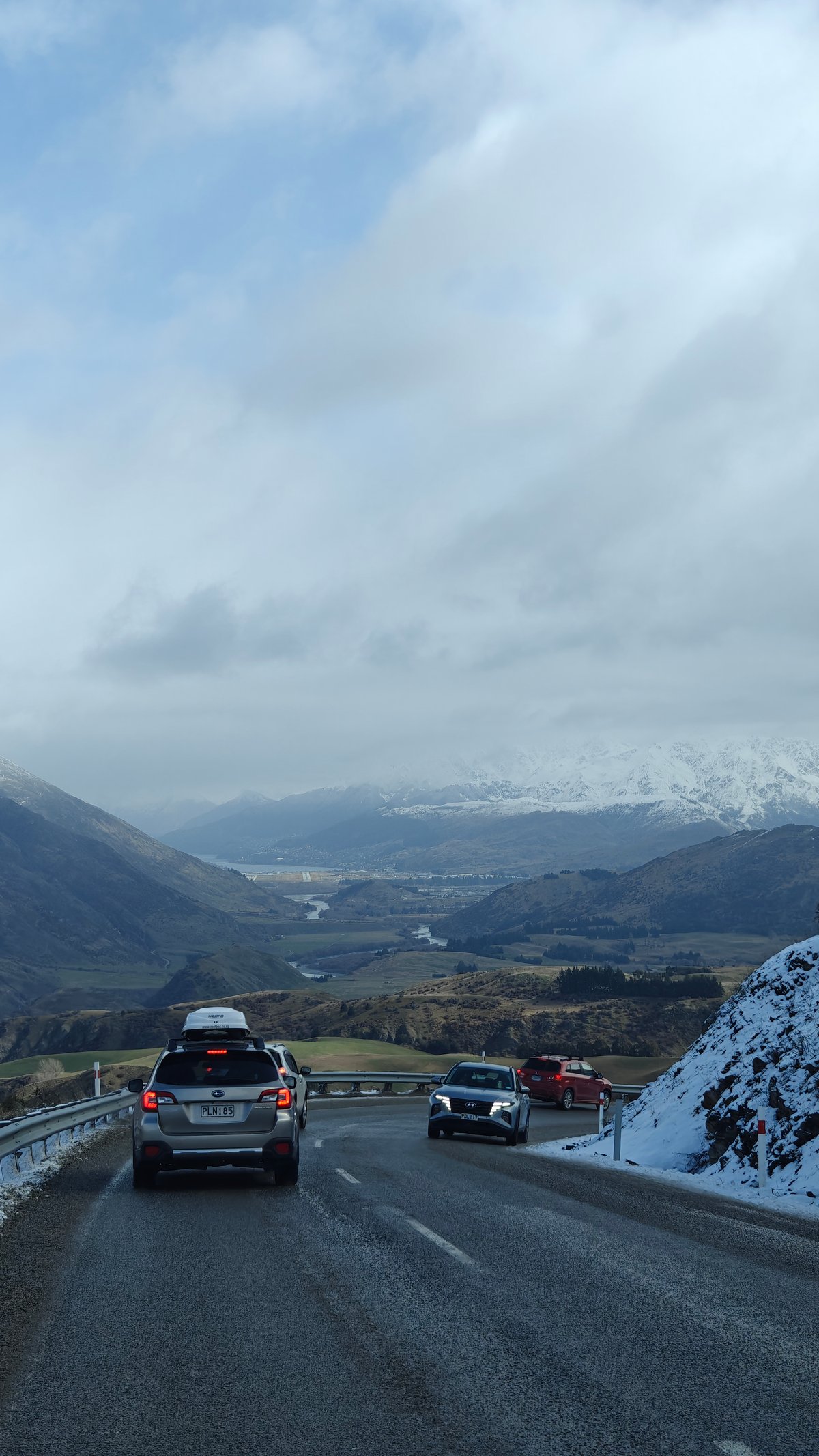
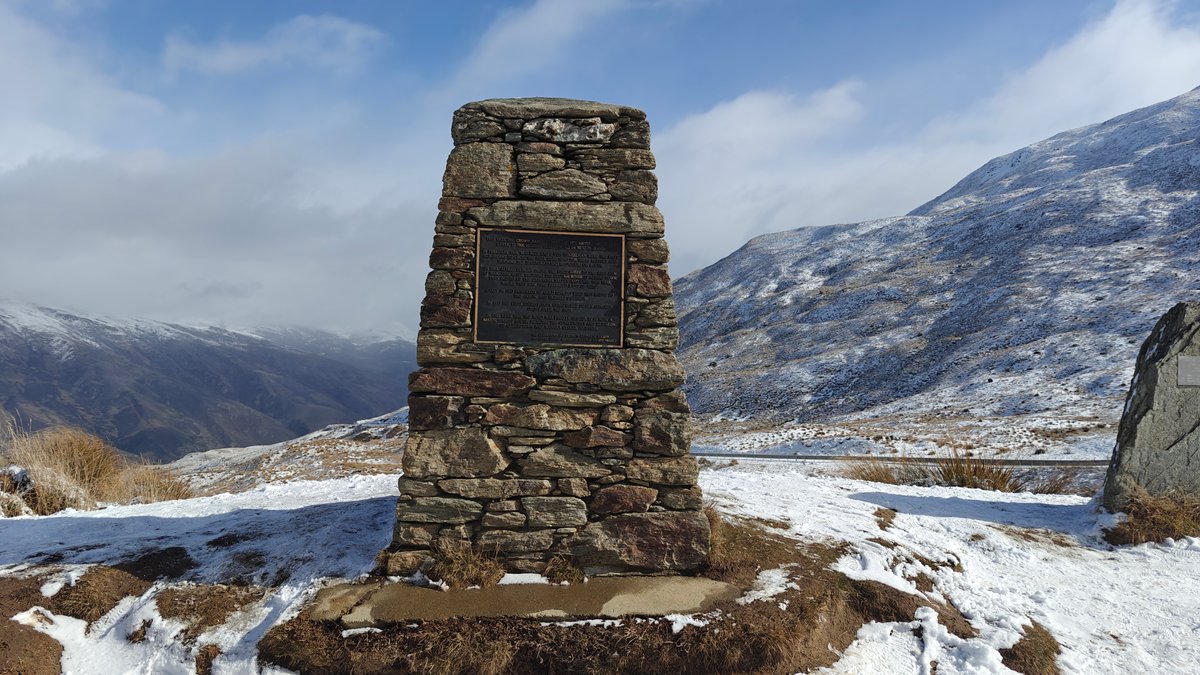
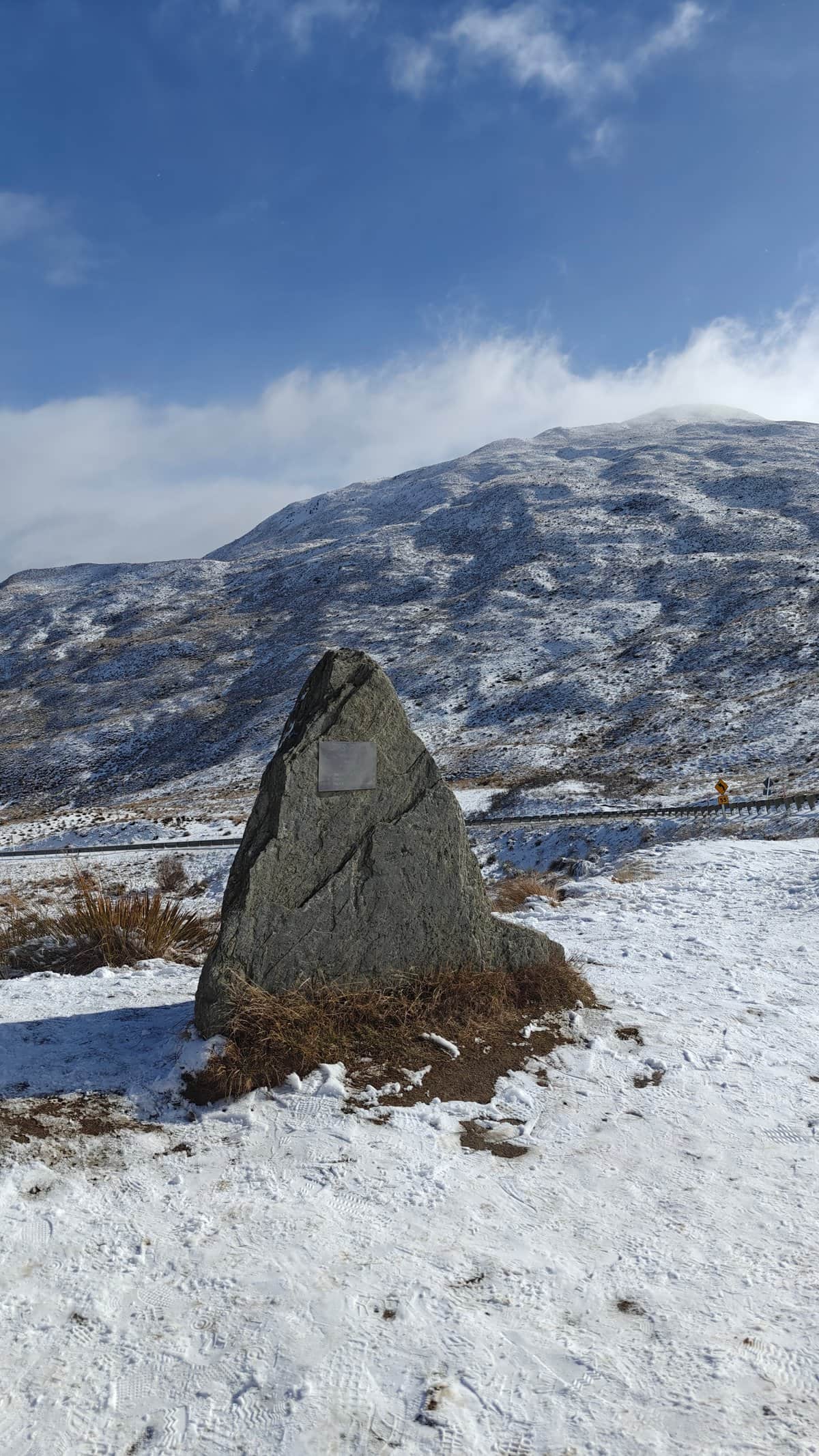
The higher I climbed, the more snow I found lining the side of the road. As I crested the peak, it was all there, a complete blanket of white. A few other travelers were parked along the way, snapping pictures.
At the peak, there was a cairn monument with a plaque detailing the history of the pass. I exited the vehicle, stretched my legs, and let the cool air wash over me. It was a nice reminder to stop when I needed to break, particularly for the longer trips.
After crossing one of those passes coming back down the other side you’d have another lake or valley below you, and the road would straighten out so I’d loosen my death grip on the steering wheel. That always made the crazy ascents worthwhile because then I got to play some tunes, roll down the window for a while, and enjoy the ride.
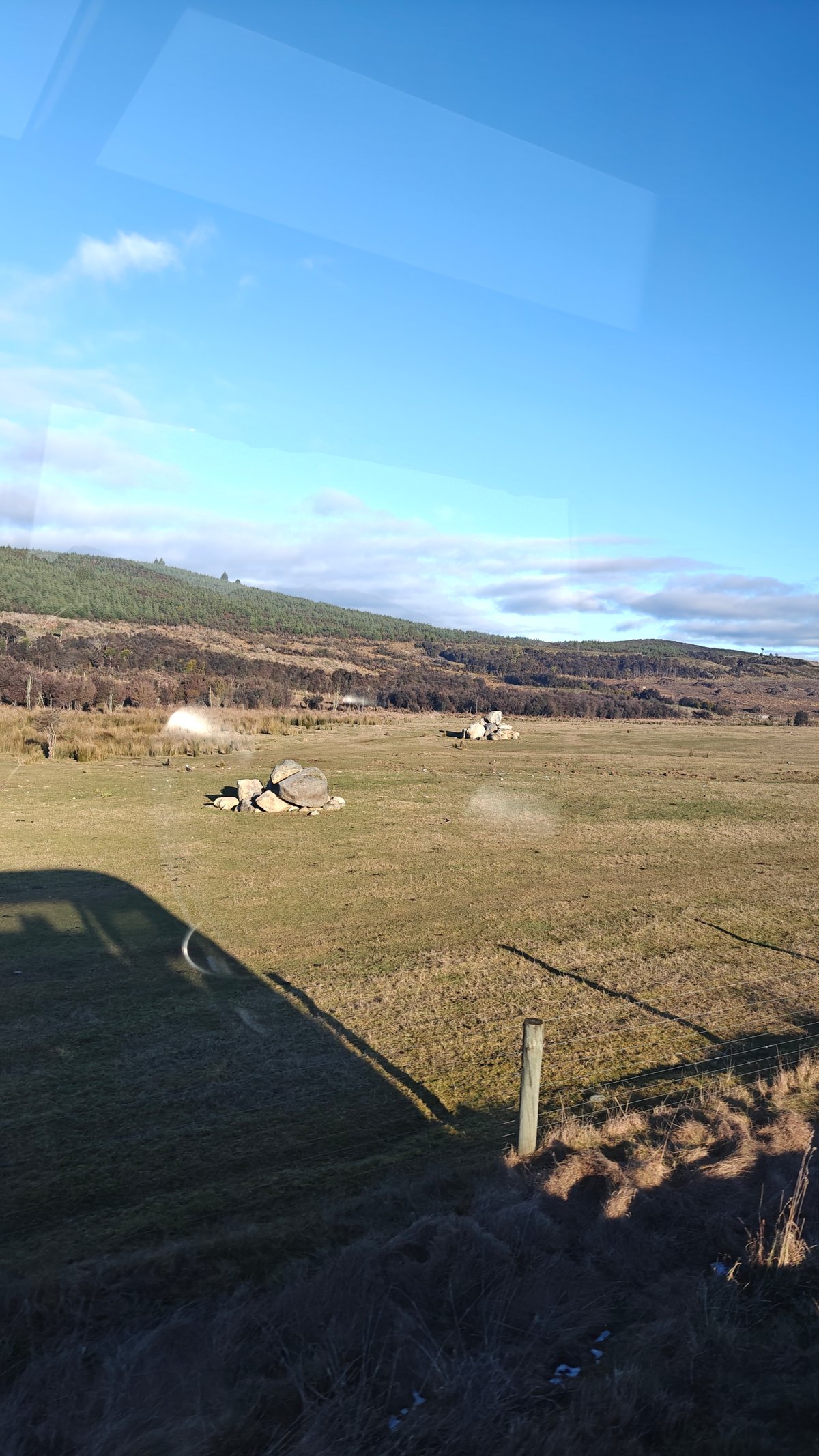
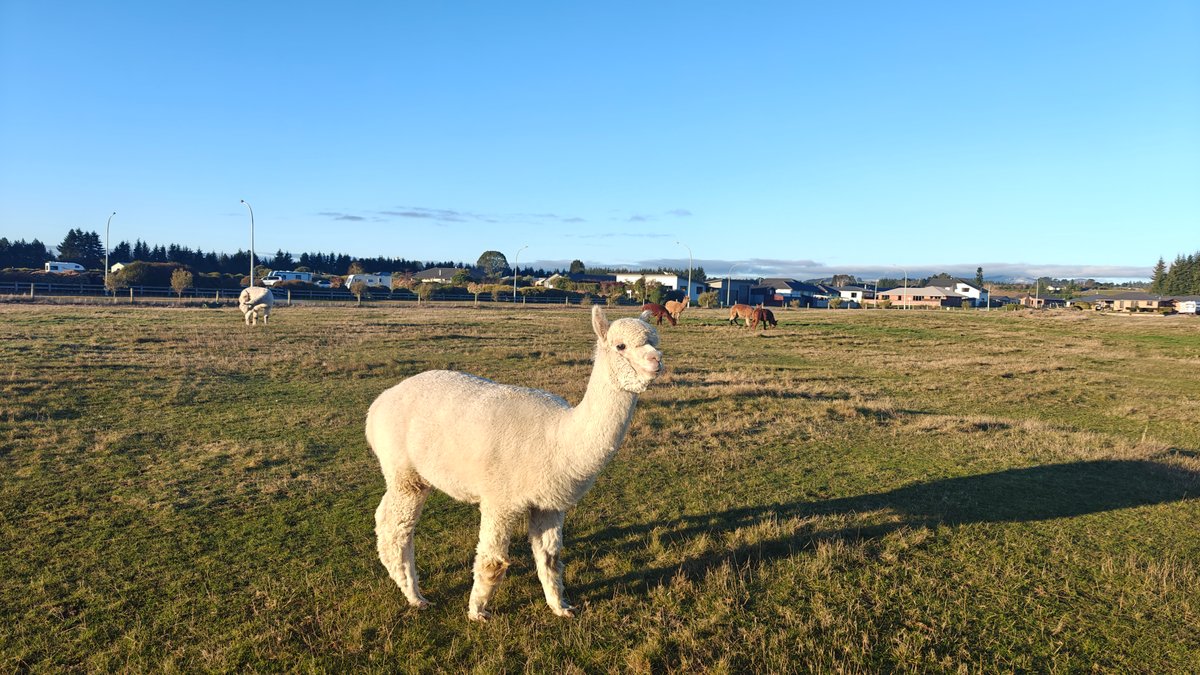
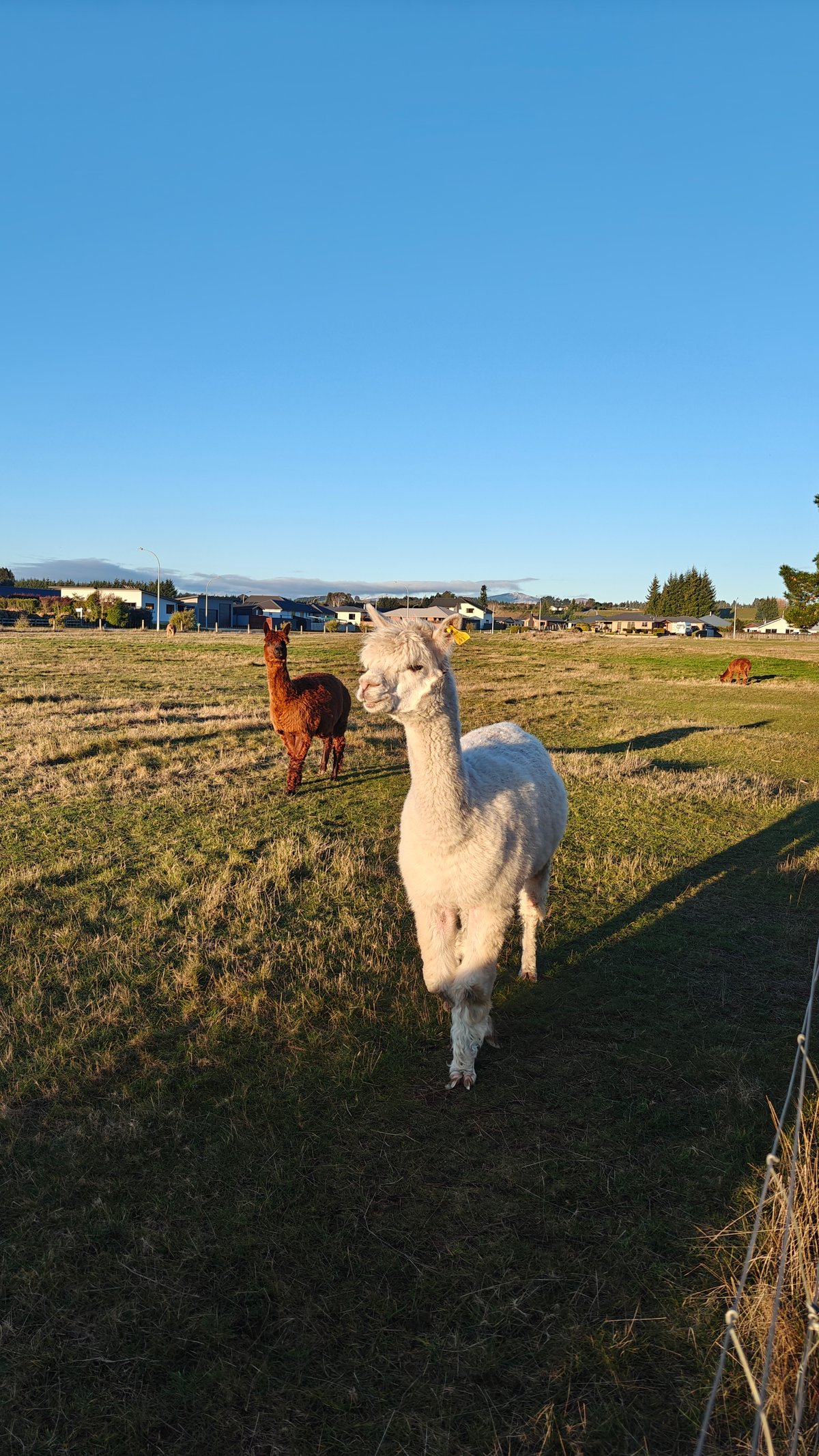
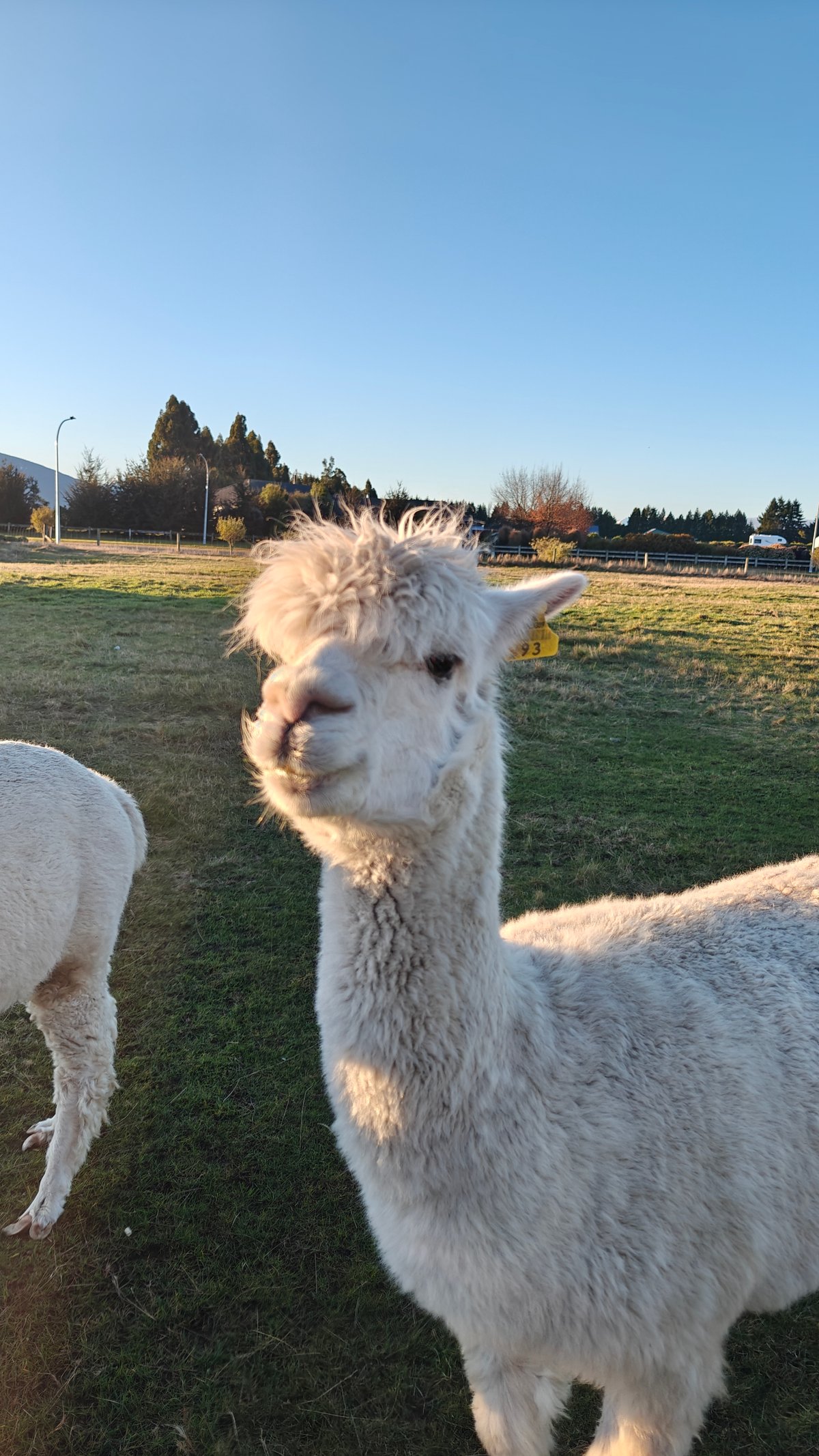
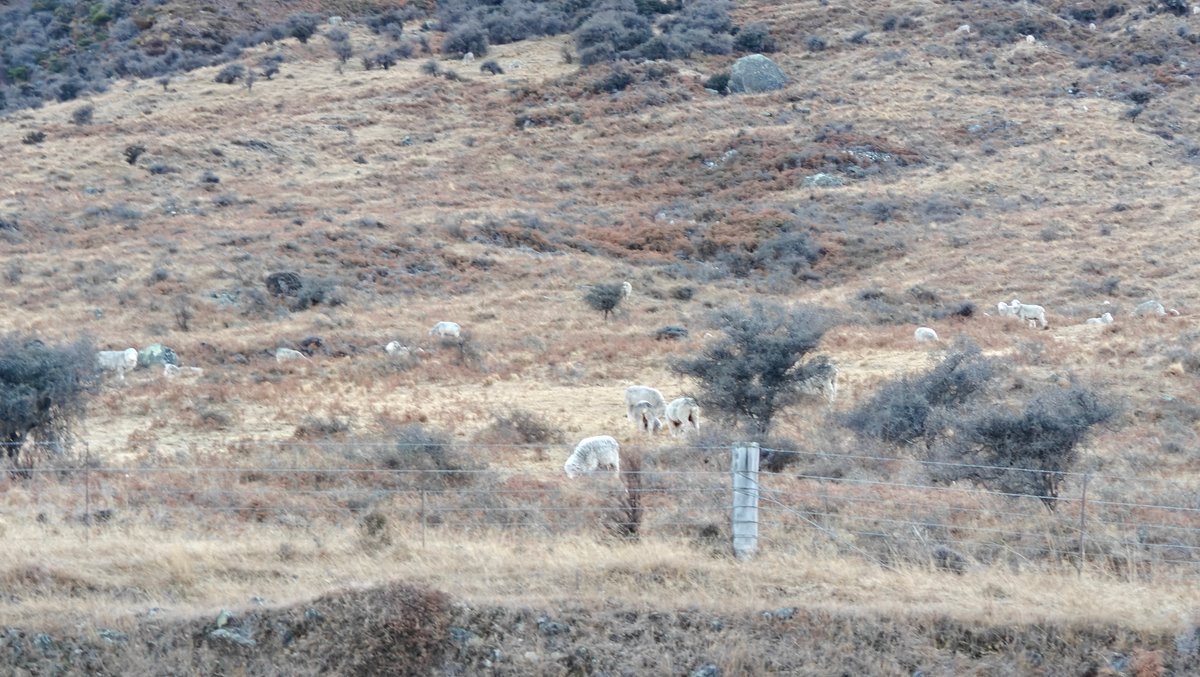
The other surprise hit was the animals on farms. I had no idea there would be so many sheep literally along the roadside; occasionally just walking across the road without a thought. There were also a couple of alpacas I saw wandering around in fields looking at drivers as if they were considering their weight against them.
I stopped to take a photo, and one walked directly up to the fence. They are quite strange creatures… and far fluffier than I imagined.
The drop-off of the rental at the journey’s end was an odd feeling. It had been my home away from home; I’d driven it around unknown streets, and dropping off the keys seemed somehow disappointing. At the depot, they hardly looked at the mileage counter before signing me out.
As I wandered away, I found myself thinking about how far I’d gone and what sights I’d seen from behind the wheel. The little things, like stopping suddenly at some roadside view or waiting for a flock of sheep to cross the street, became the highlights of the experience. In New Zealand, I learned to go slowly, in every sense of the word.
You need to pay attention behind the wheel because the roads require it. But they will repay you if you let yourself slow down enough to pull over and enjoy whatever caught your eye. I returned home with a newfound philosophy on road tripping: make fewer plans, leave more time, and accept that getting lost (or turning off course) happens.
It’s all part of the experience, and in New Zealand, that’s no cliché. So have you visited New Zealand, or do you want to visit? Let me know if you have any tips from your travels there, or which route(s) you drove.