
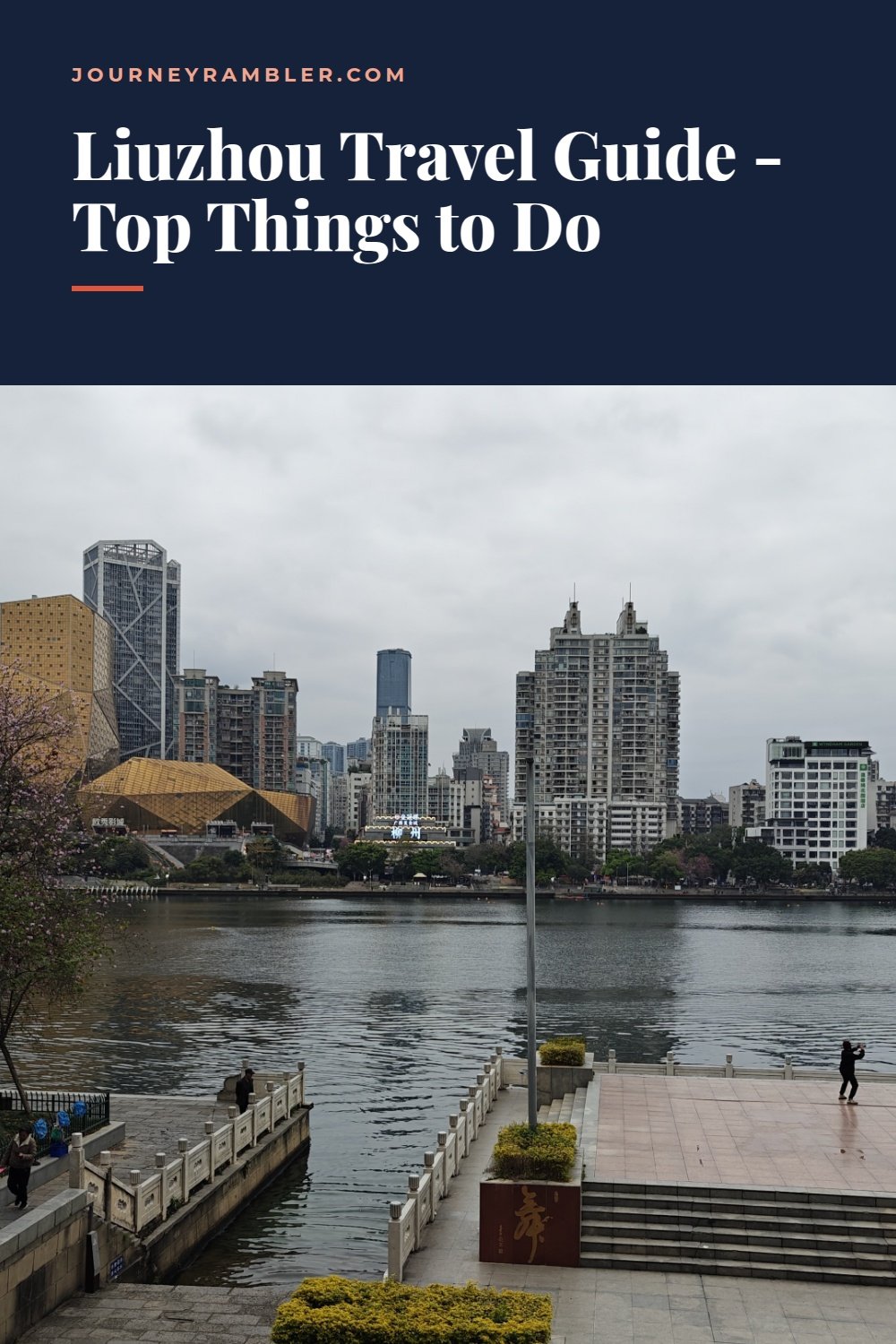
Things to do in Liuzhou, China. Honestly, I had no idea what to expect when I went to spend a few days in Liuzhou. It’s not exactly on the typical tourist trail and, as it turns out, that was part of its appeal.
Dramatic karst peaks pop up all around the edges, and the city sit right on the Liujiang River. There’s a decent mix of real local markets, riverside parks, and a couple of spot that give you a feel for the regional culture without being too touristy or polished. I loved that it all felt liveable, though.
You aren’t ticking off famous landmarks here one after another. It wasn’t like that at all. I stumbled into park that were way bigger and nicer than I expected, wandered around the river, tried street snacks I’d never heard of, and just enjoyed it.
Here’s what I got up to.
My Favorite Places to Visit in Liuzhou
1. Jiangbin Park
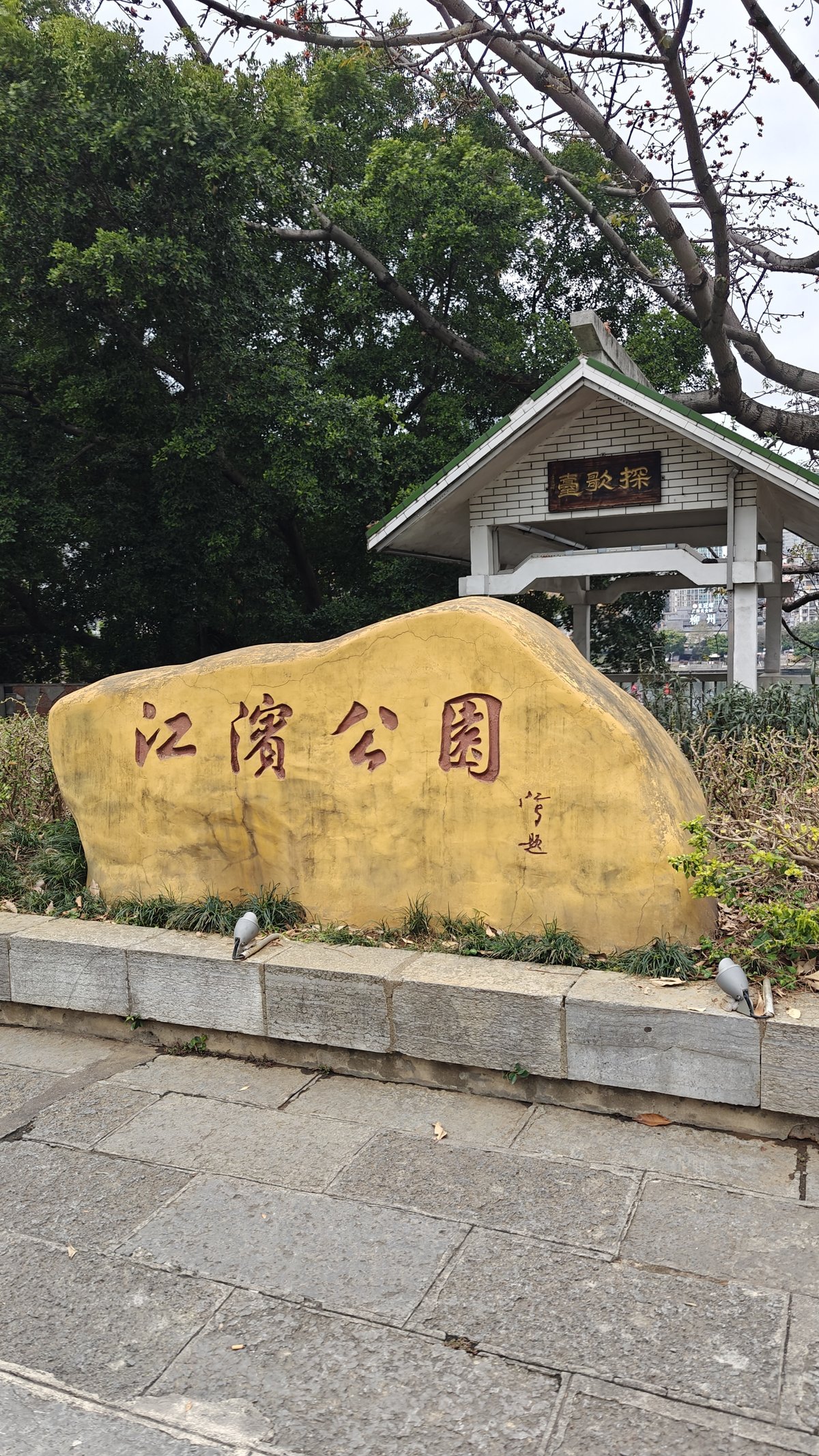
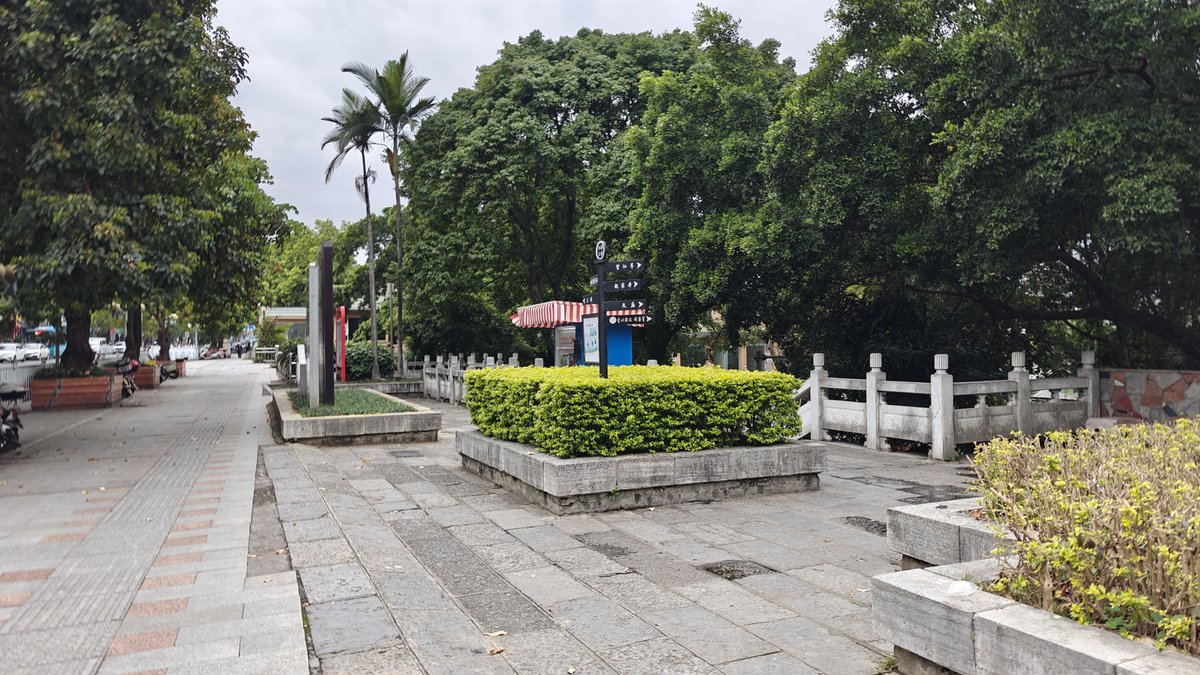
Over a couple of days, I walked around different part of Jiangbin Park, which follows a nice portion of the Liujiang River.
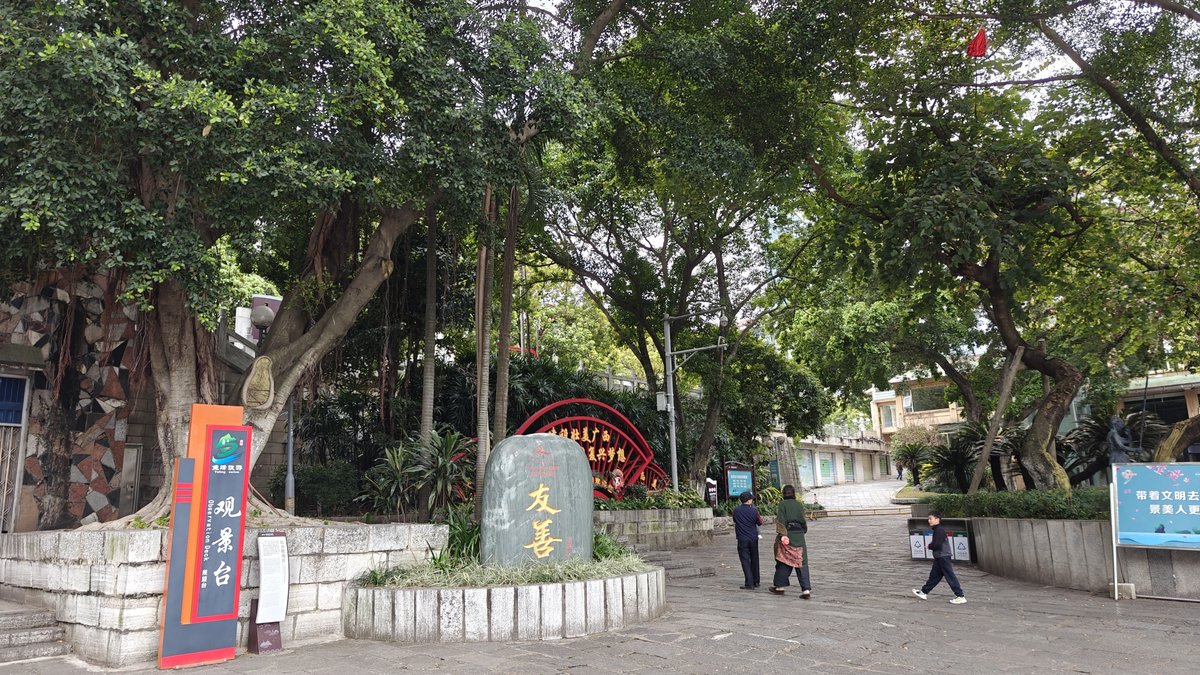
There is the main entrance that feel like an official park, all groomed hedges and paths, then after that it just opens out to be a lot more relaxed.
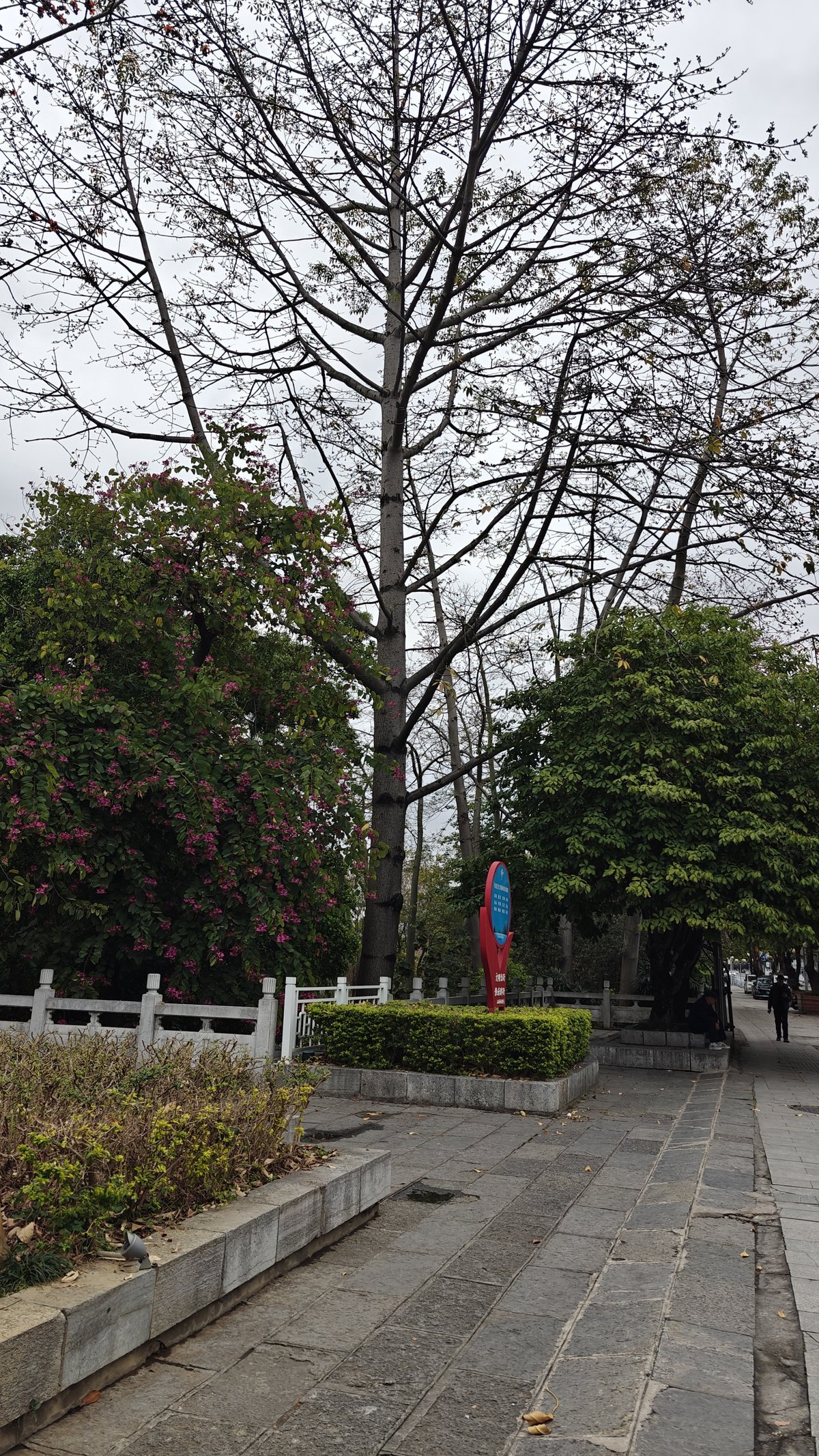
I went on a couple of days when it was still late winter, so the light was that washed-out pale color and the trees were quite bare. But it meant there weren’t as many people (which I imagine would of been the case in warm weather) and it was very quiet to walk around.
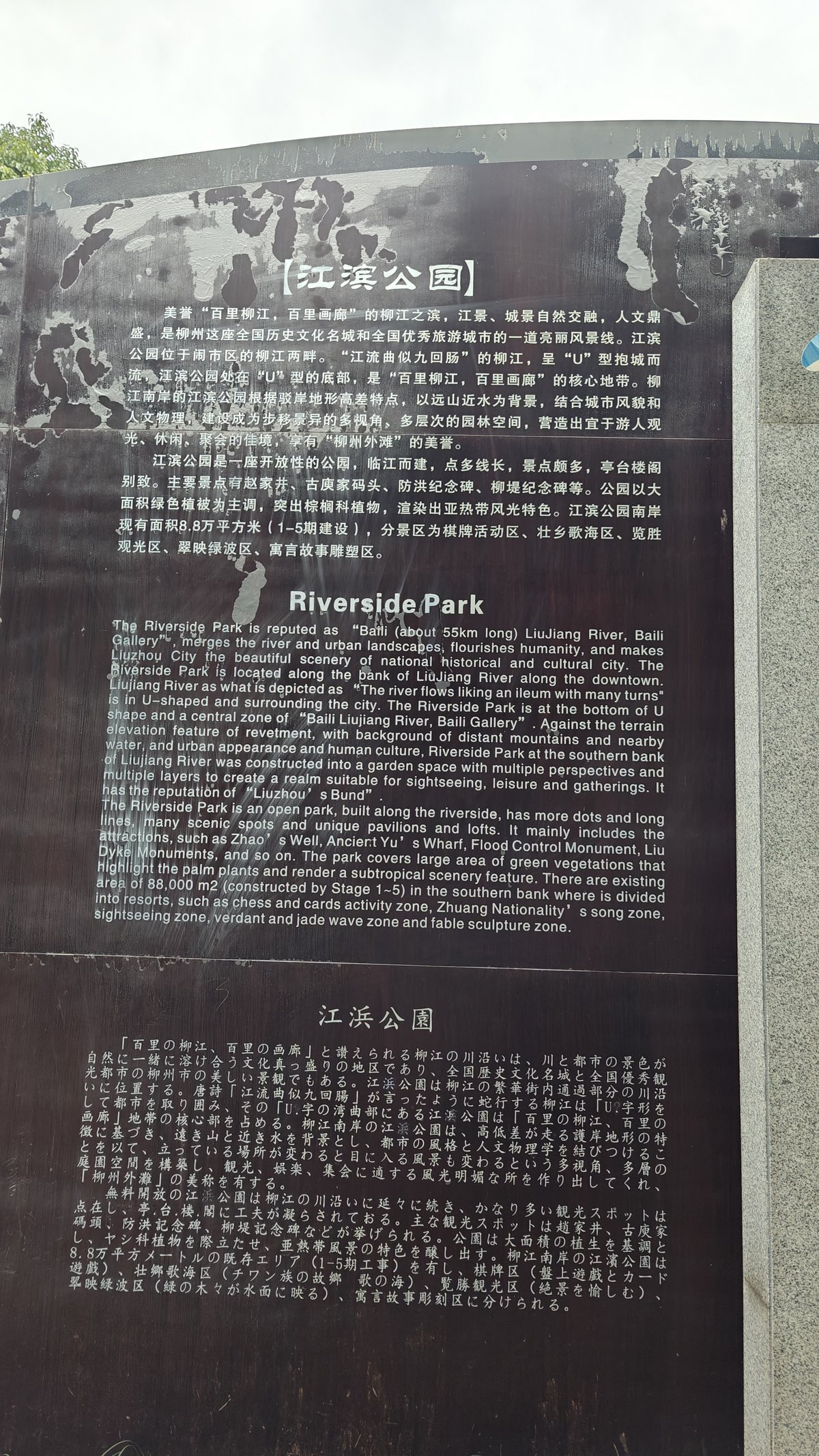
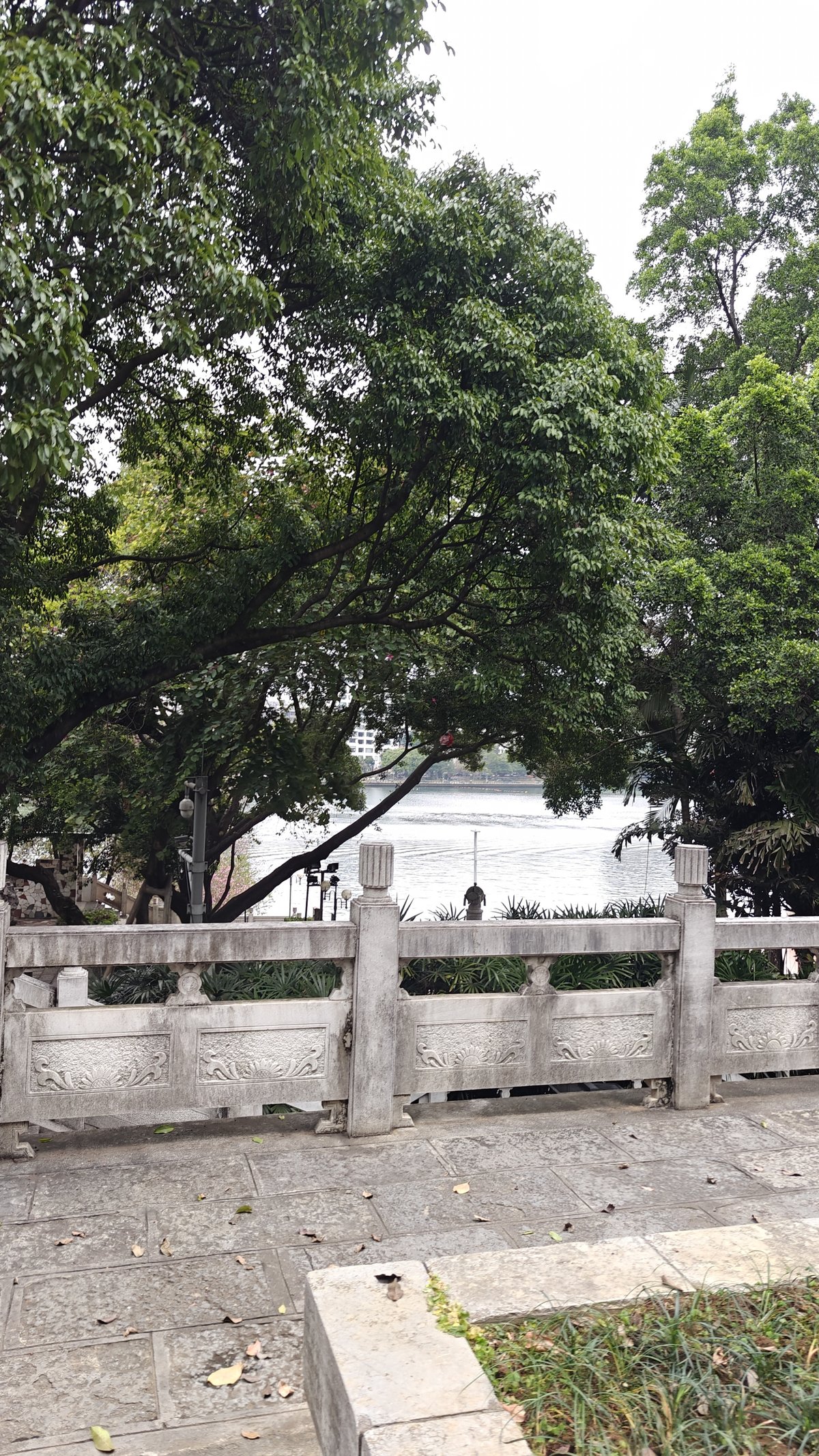
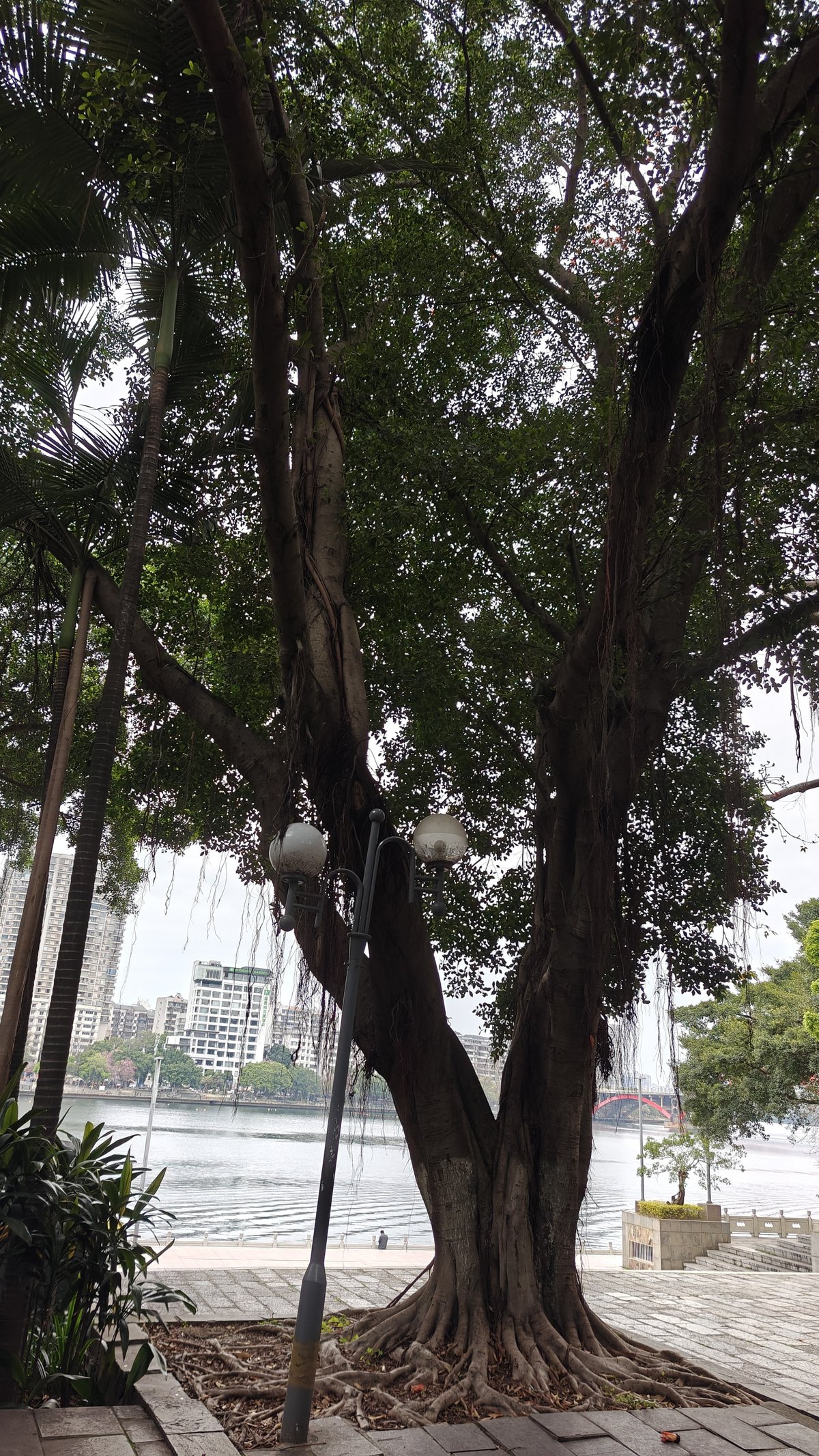
There are also big, ancient-looking (I’m guessing decades) banyan trees and these old, carved stone railings scattered about the park. I sat in the shade of one of the banyans for a bit; The roots seemed to have claimed half the walkway. If you’re into context, there are info boards here and there.
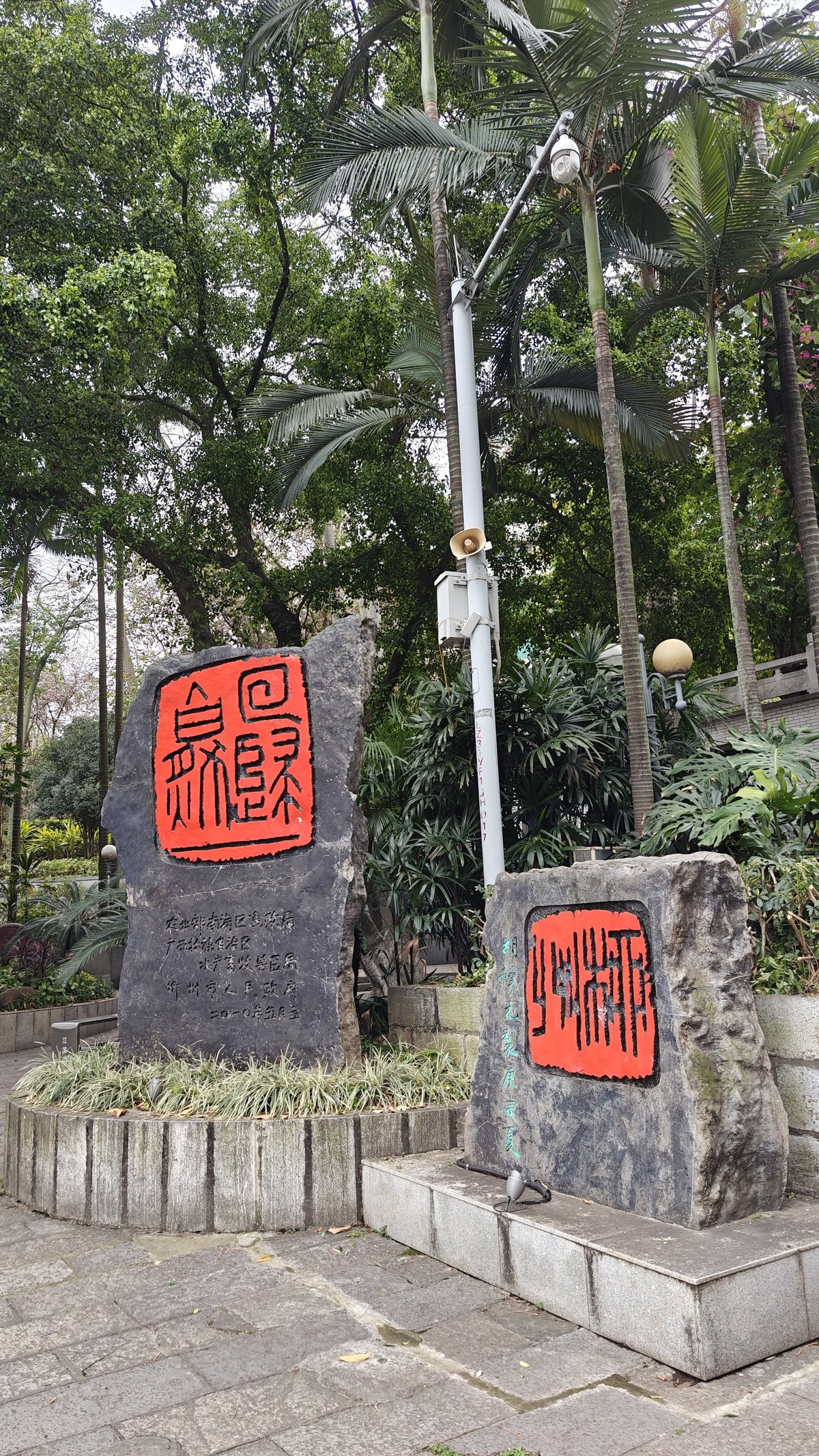
There are also some stone tablets with traditional seals that I assume has historical significance, but I didn’t linger on them for long.
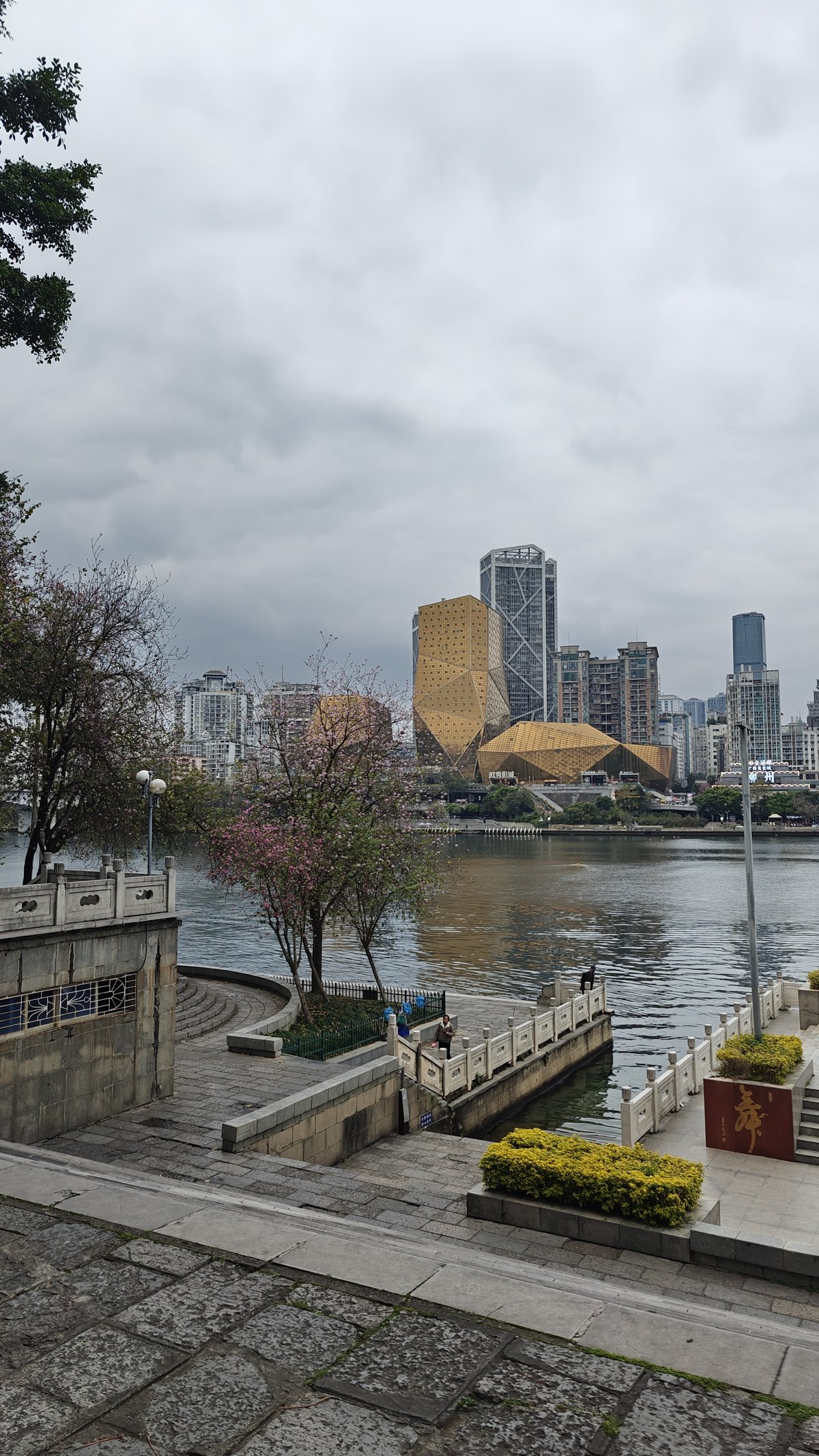
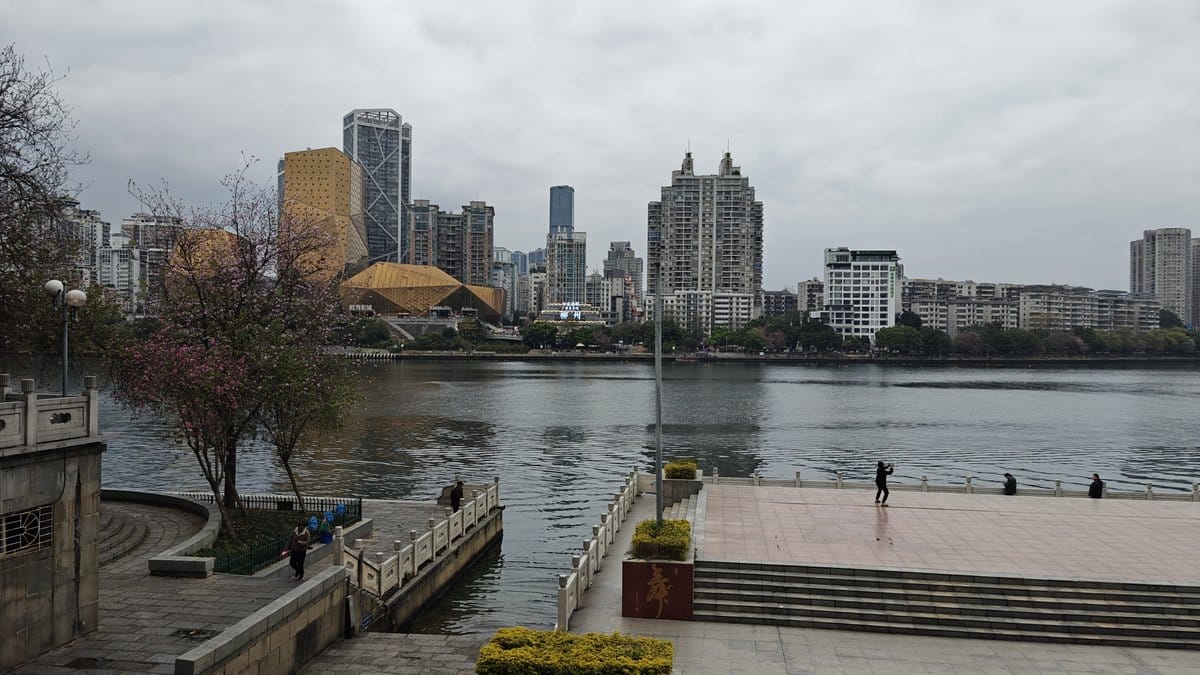
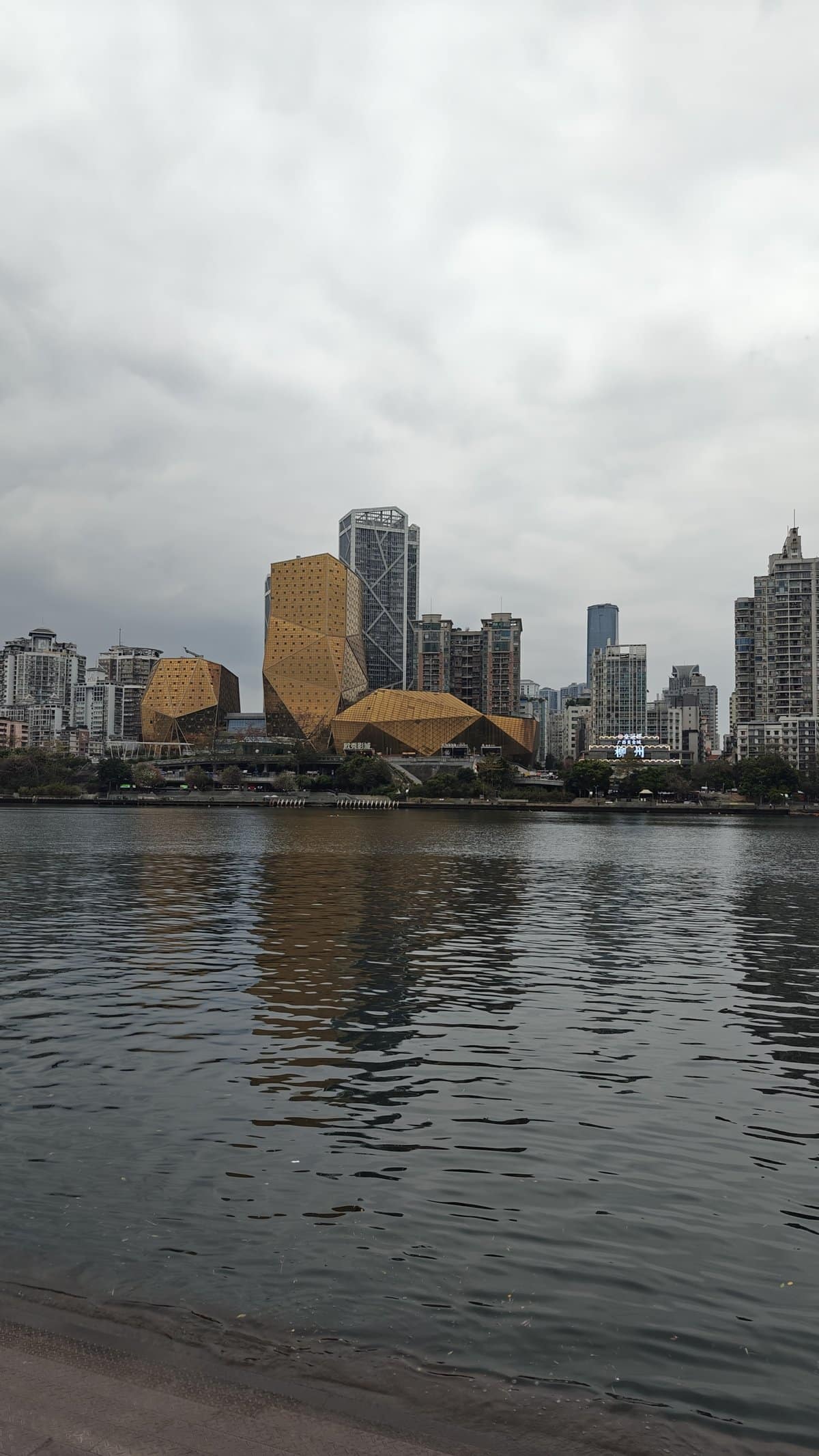
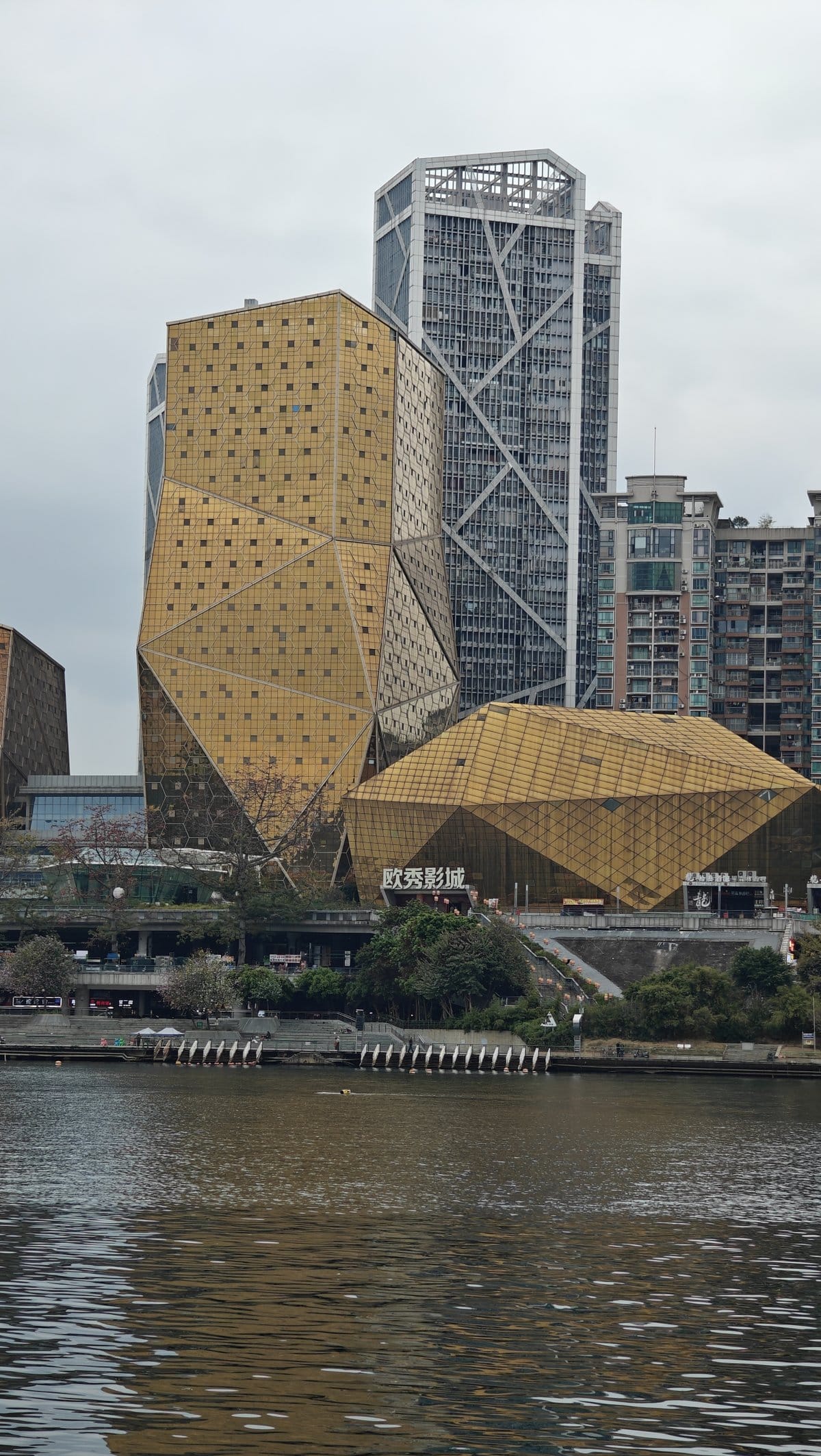
It’s really when you get to the riverside section of the park that it opens up. With the city skyline on one side and the Liujiang on the other, we strolled down the broad promenade. In the afternoon, the light bounces off modern arts center building.
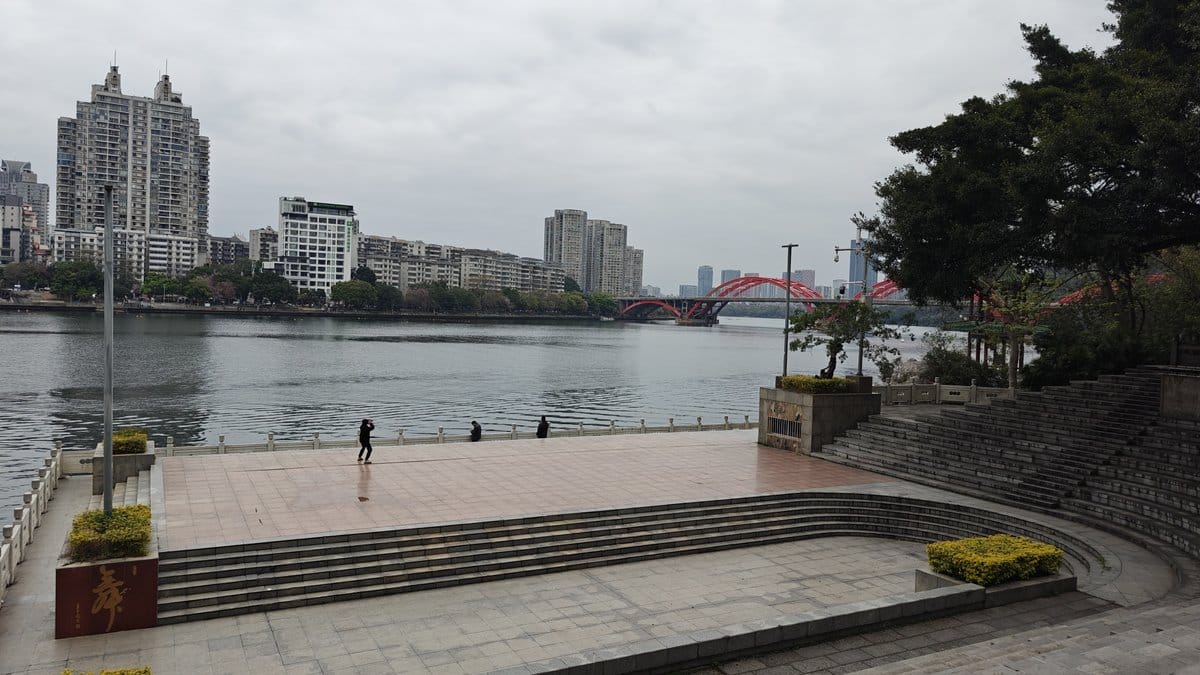
There is an amphitheater area that seemed like it hosted performances, though I didn’t see anything on while I passed. It’s all pretty well-maintained and clean and obviously a favorite place for local joggers or people to sit by the water.

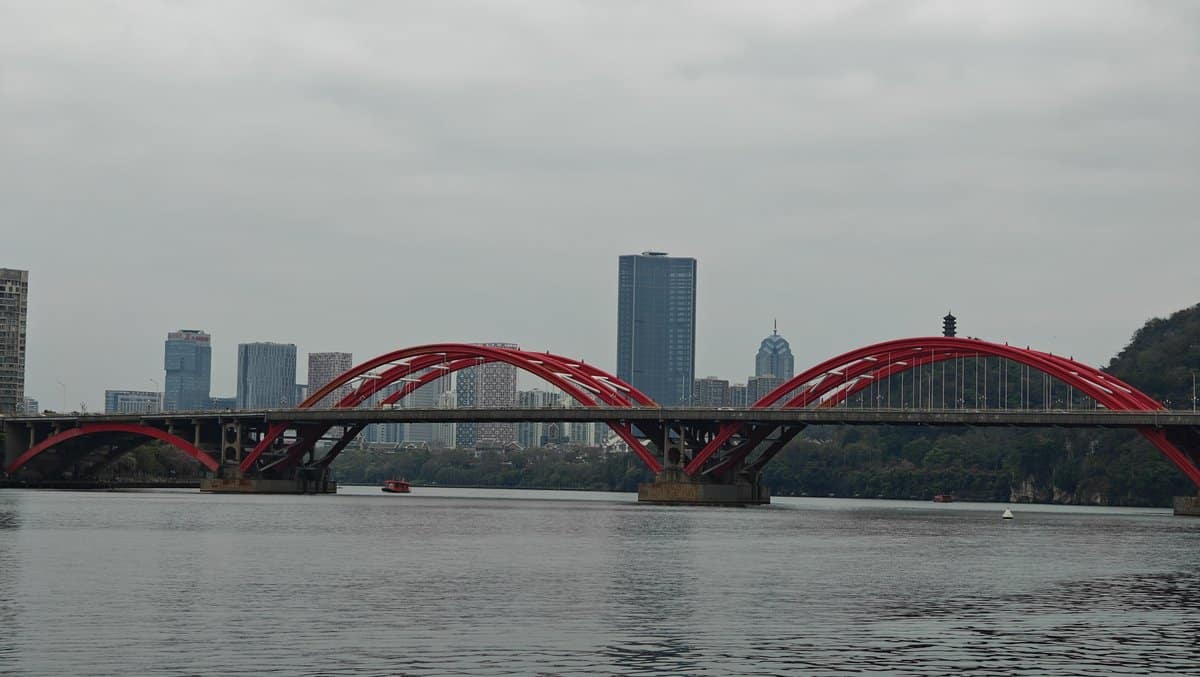
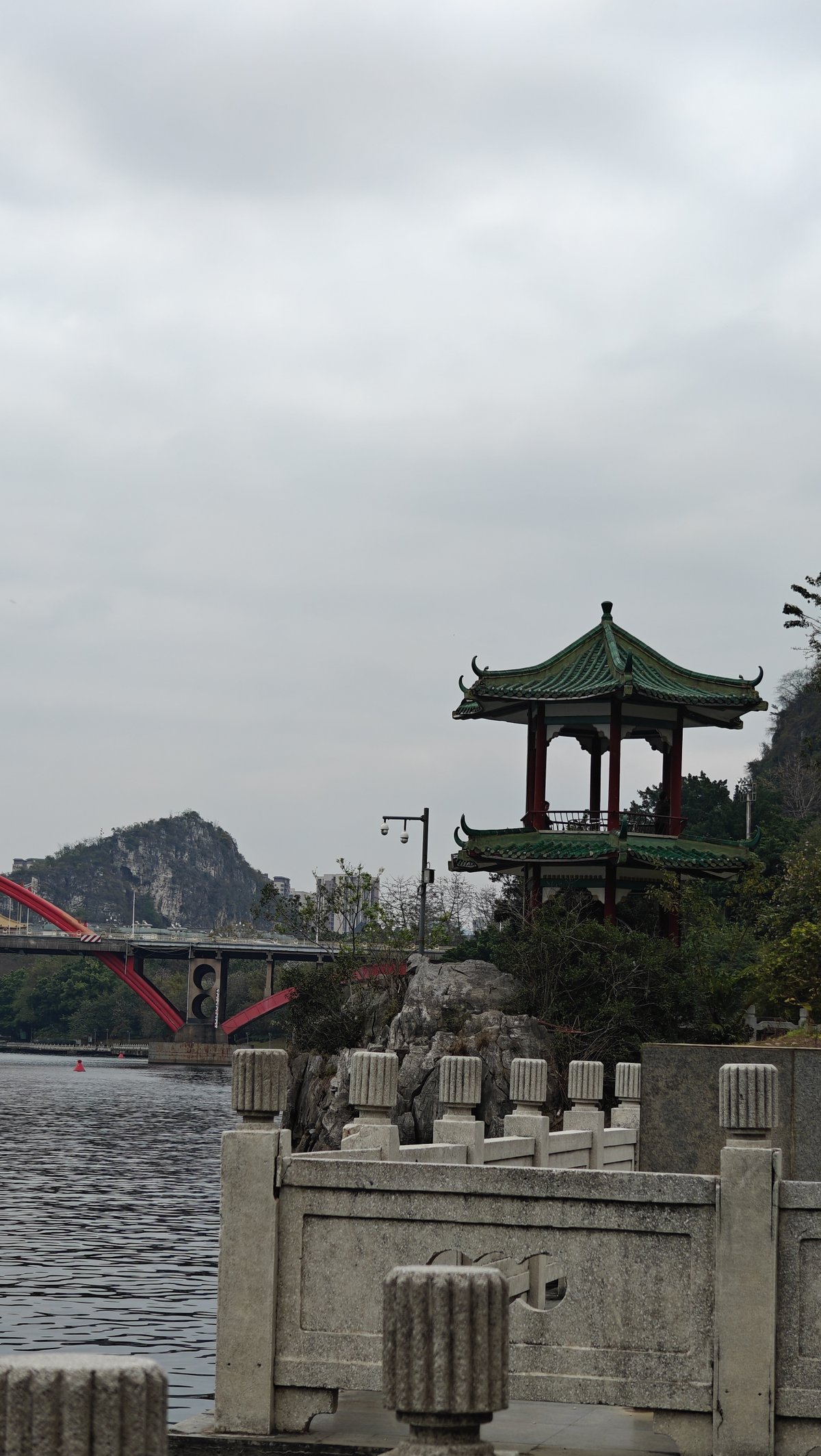
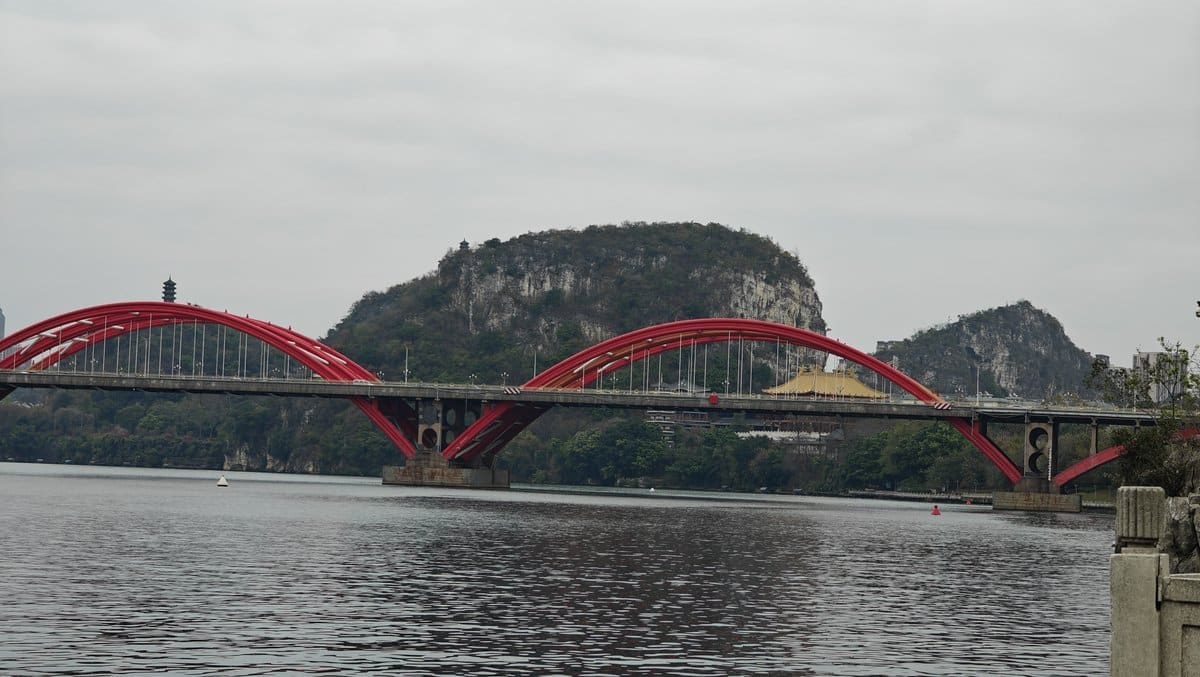
The Wenchang Bridge curves its way across the river in a line of arches, and it’s one of the highlights. If you come at the right angle from within the park, you can also catch a glimpse of the karst peaks rising in the background behind the bridge. They add some extra character to the scene.
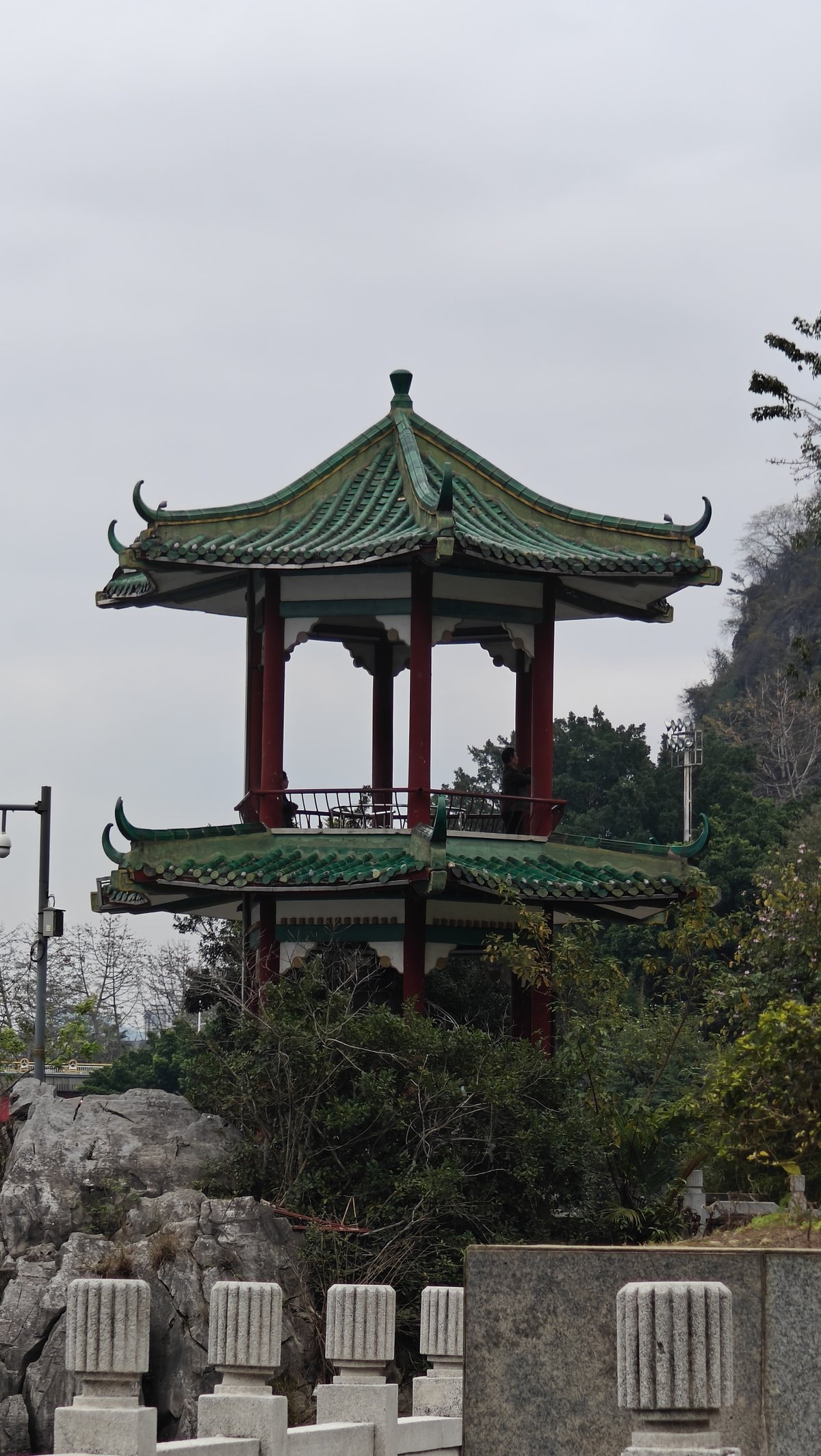
Near the water’s edge there are a couple of pavilions sitting on rocks. Those typical old-school Chinese structures that look great but these days serve mainly as photo spots.
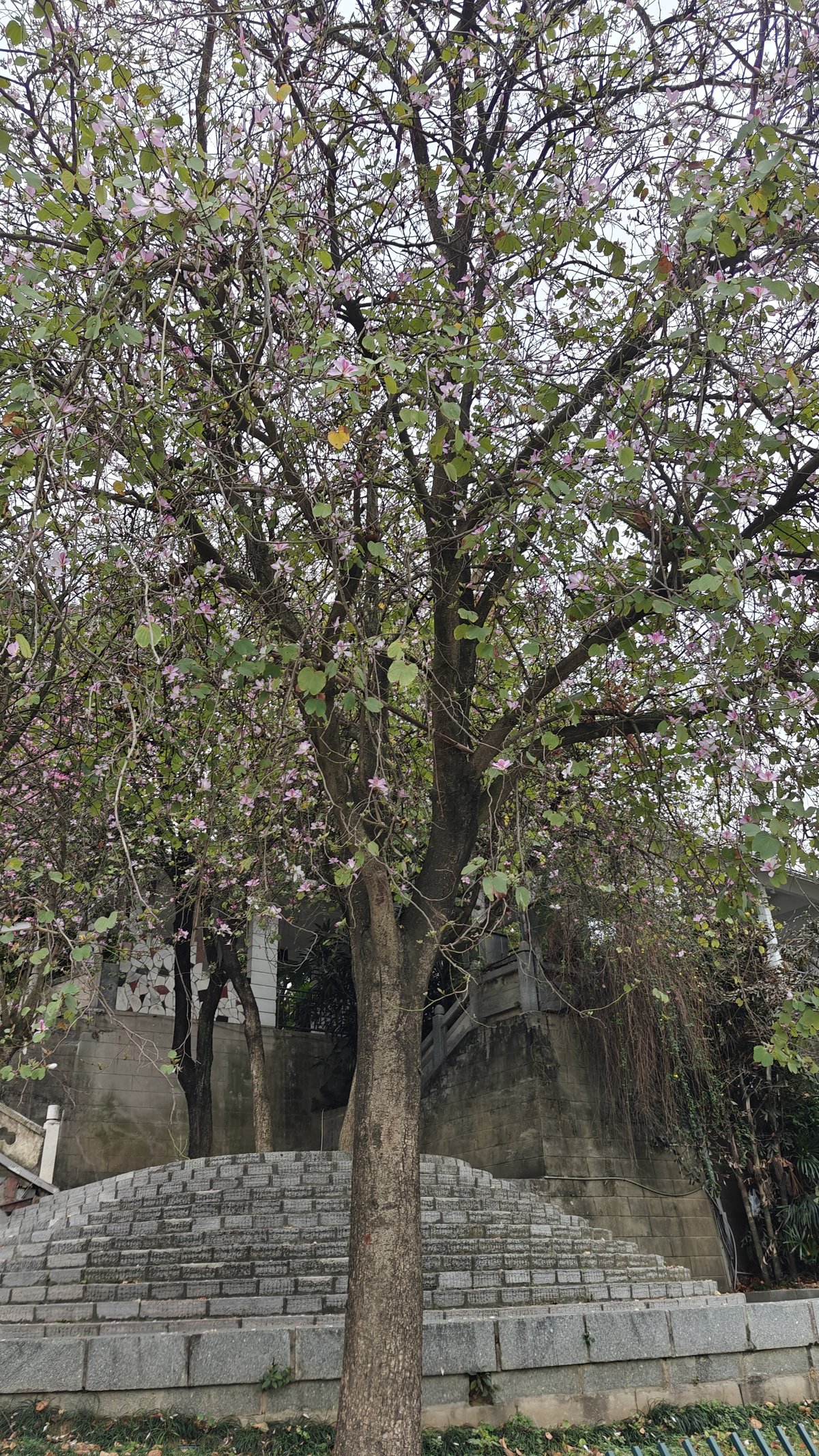
The park must be a very different place in the springtime. As it was, I noticed a few early-blossoming trees starting to bloom, and even with only a sprinkling of blossoms they softened the starkness of the walkways.
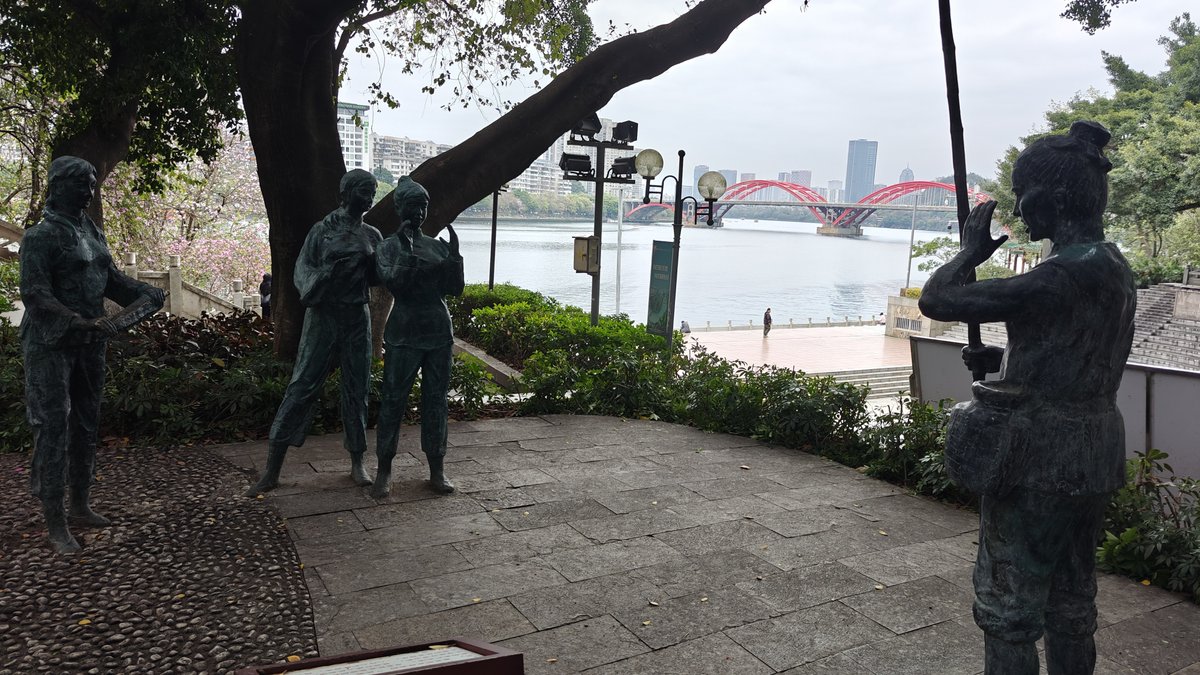
Further along, we encountered a set of bronze statues showing scenes of folk musicians. A nice addition, I think. They are easy to miss unless you know where to look because they is positioned off to the side near one of the walking paths.
2. Longtan Park
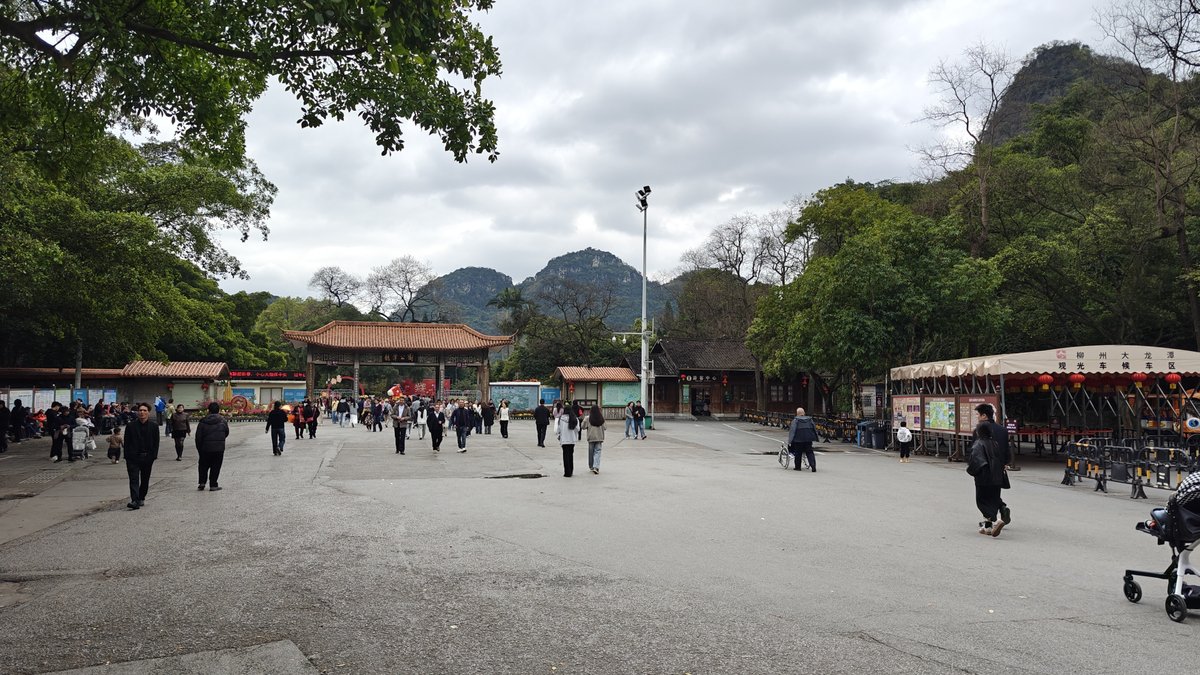
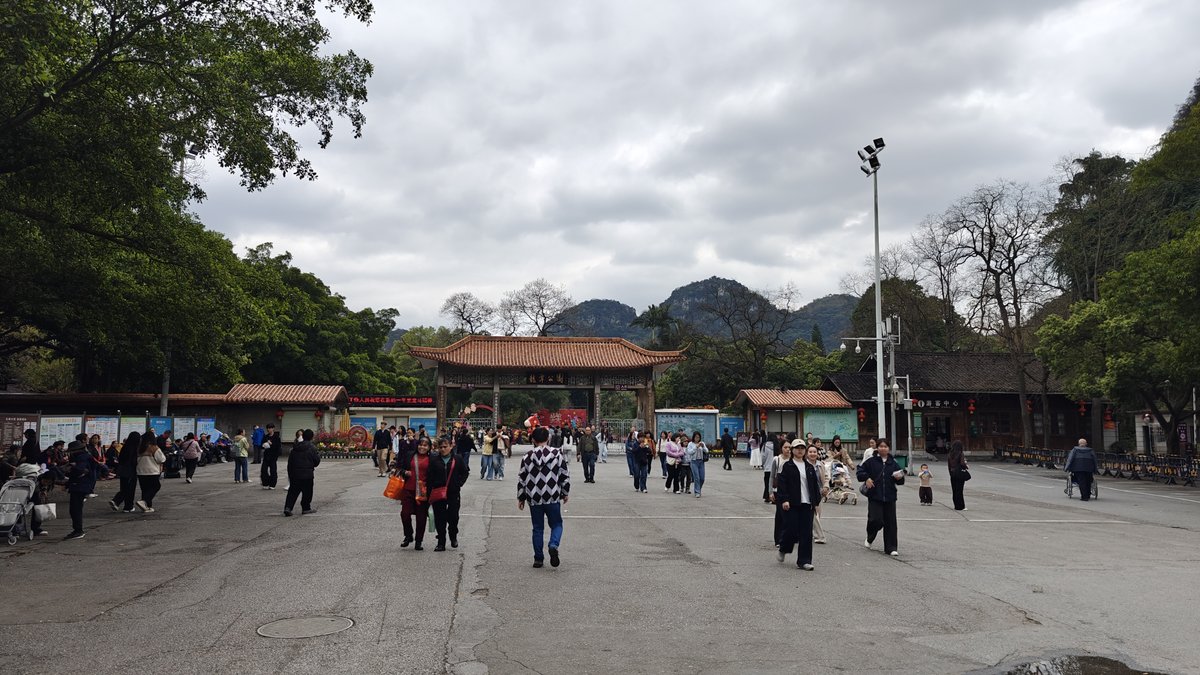
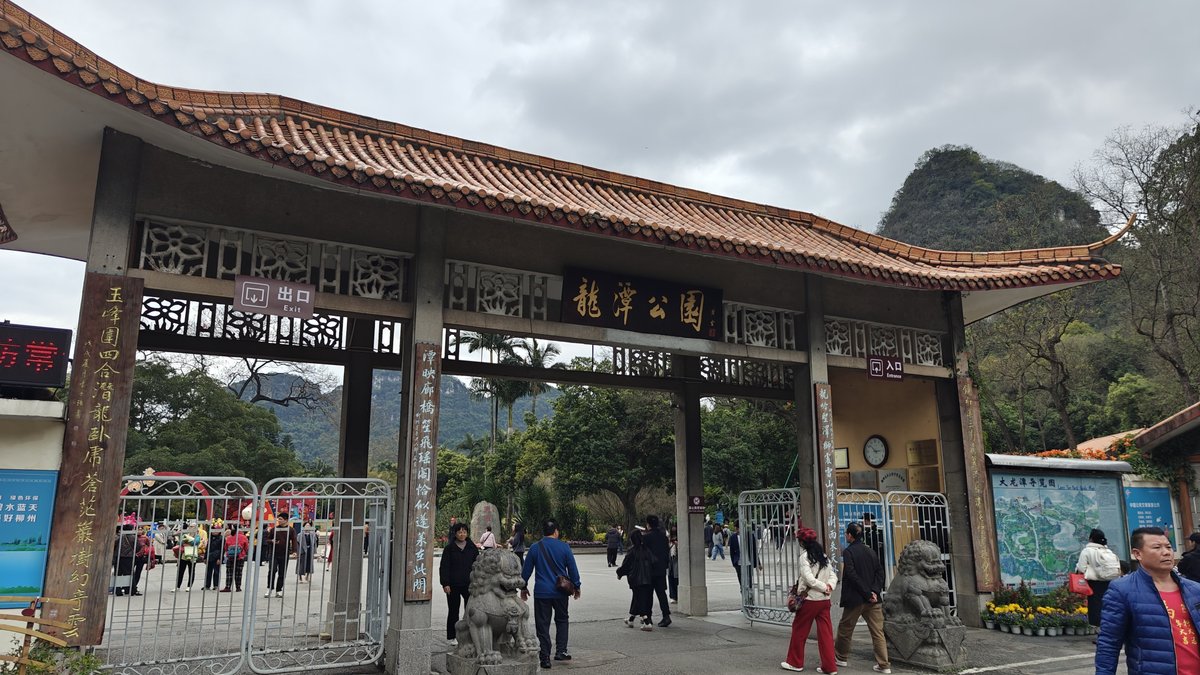
Unlike Jiangbin, Longtan Park is larger in size and feels entirely different.
Its design clearly aims to highlight the karst scenery, traditional pavilions and roofs frame the view right at the entrance. We took one of those golf cart-like vehicle they have for transport around the park (it’s a big area).
You could just walk it but then again, you’d be taking up a large portion of your day.
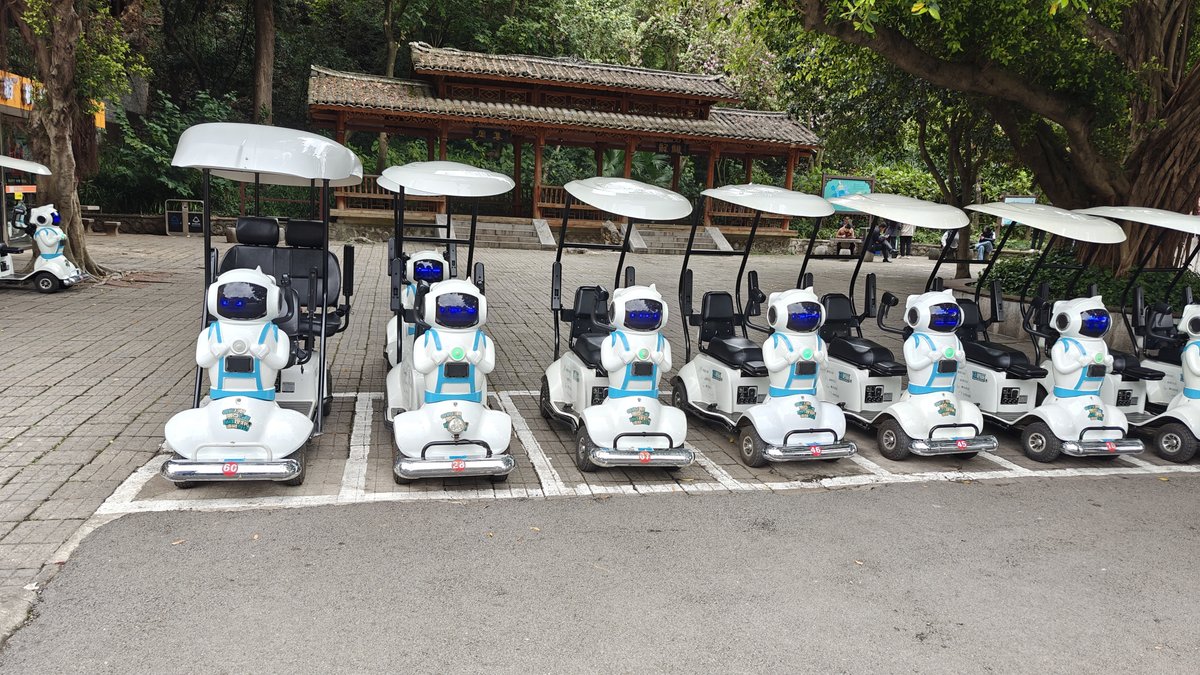
Then there are the carts with umbrellas on top that pick you up by the entrance, line people up, and take you to various locations within the park. While slightly touristy, in the end it made sense because of how far everything is and how hot it is!
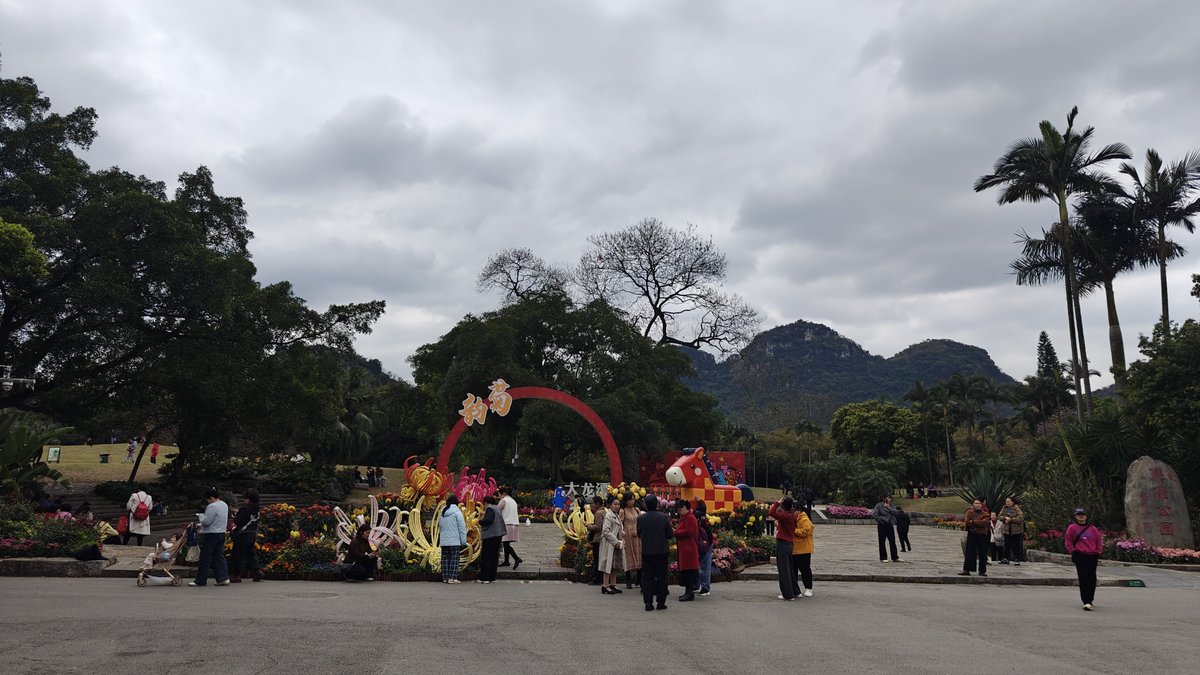
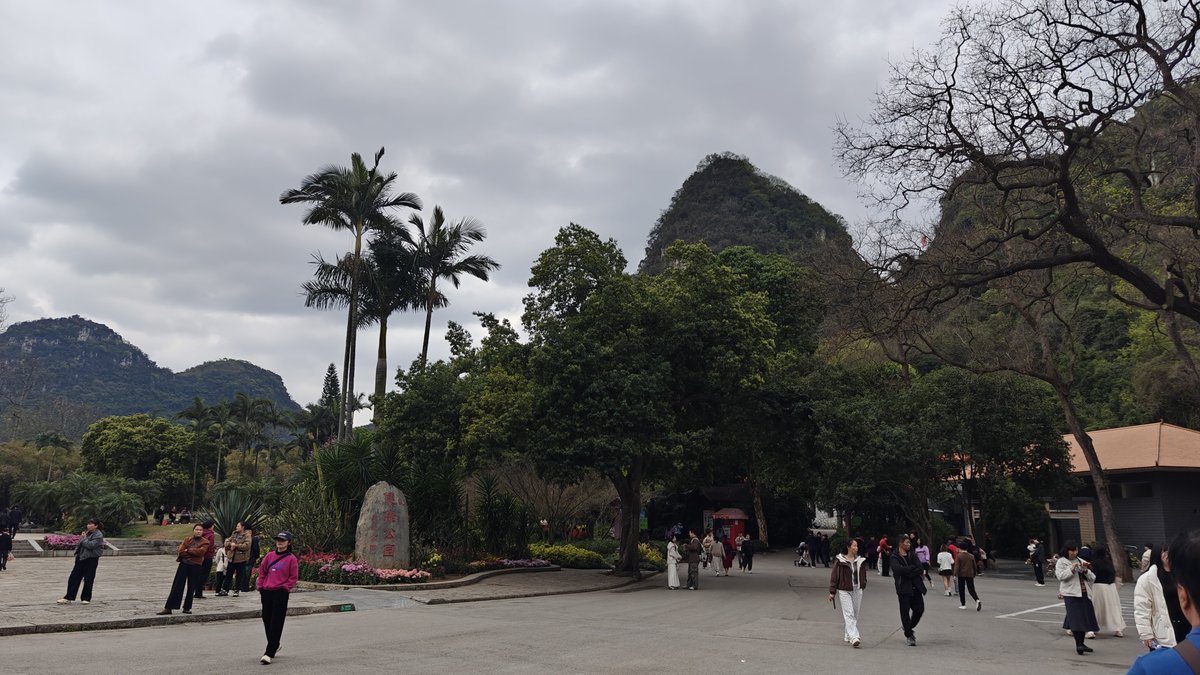
There are a couple of festival areas in the park, all decorated with pretty arches and set-ups as if someone is planning an event there at some point. There wasn’t a festival happening while I visited, but it made for a nice enough setup anyway. There was lots of room to walk around without feeling crowded, and palm trees lined the pathways.
).
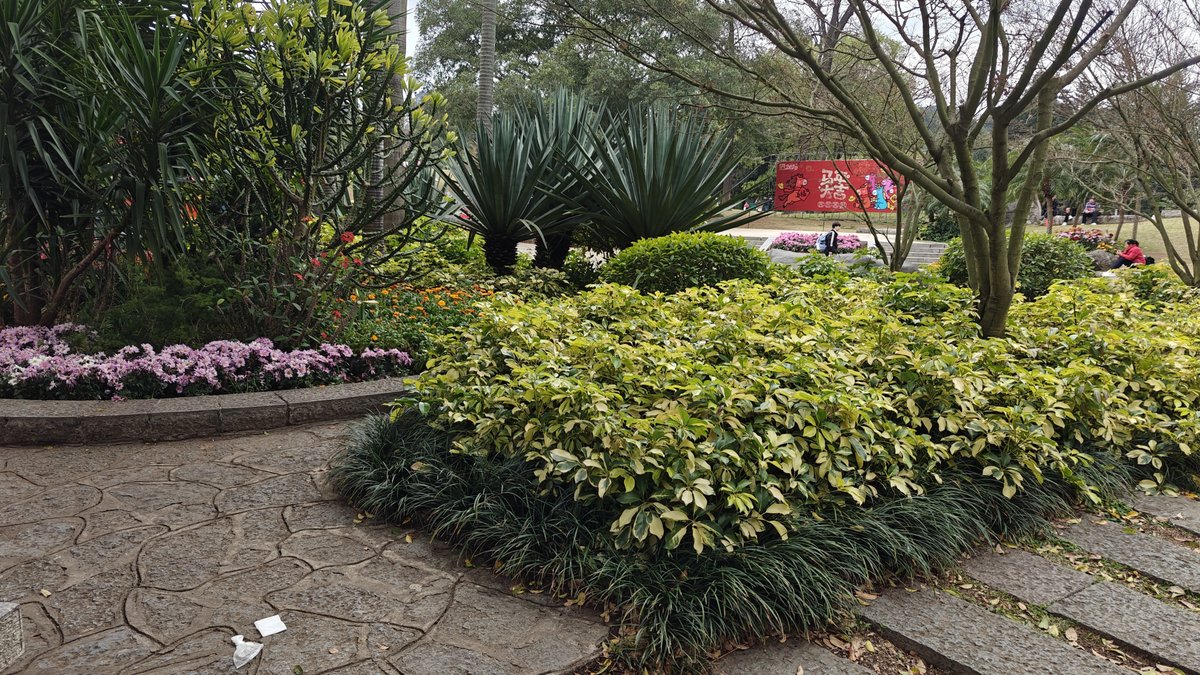
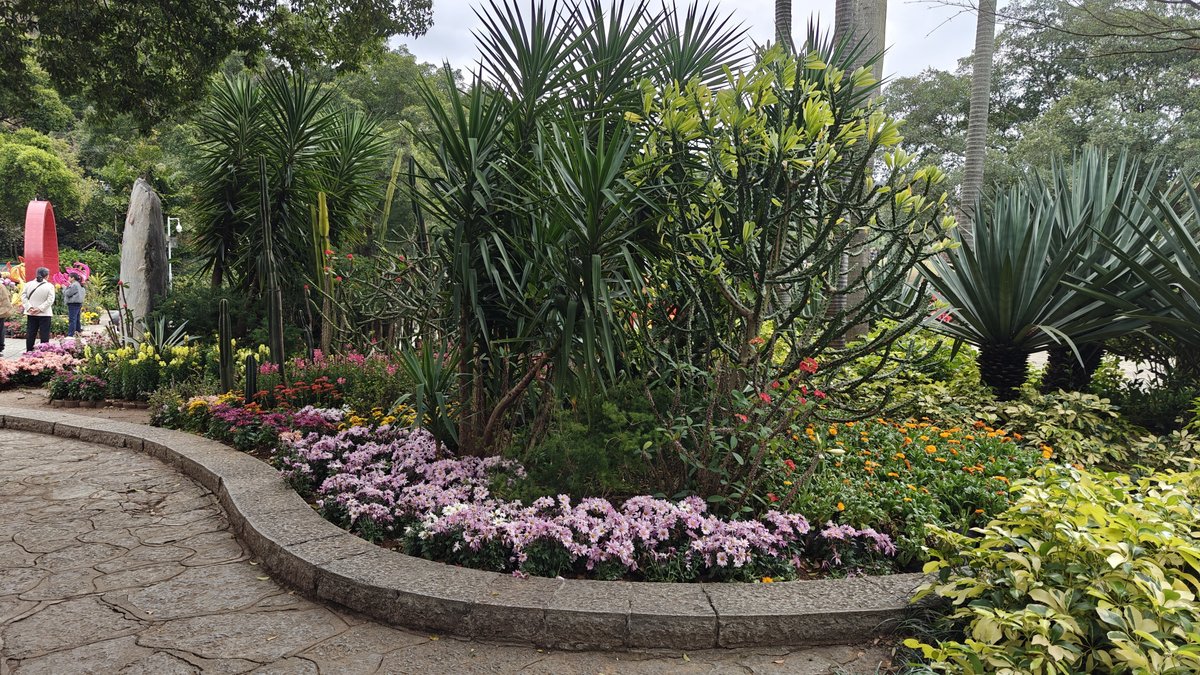
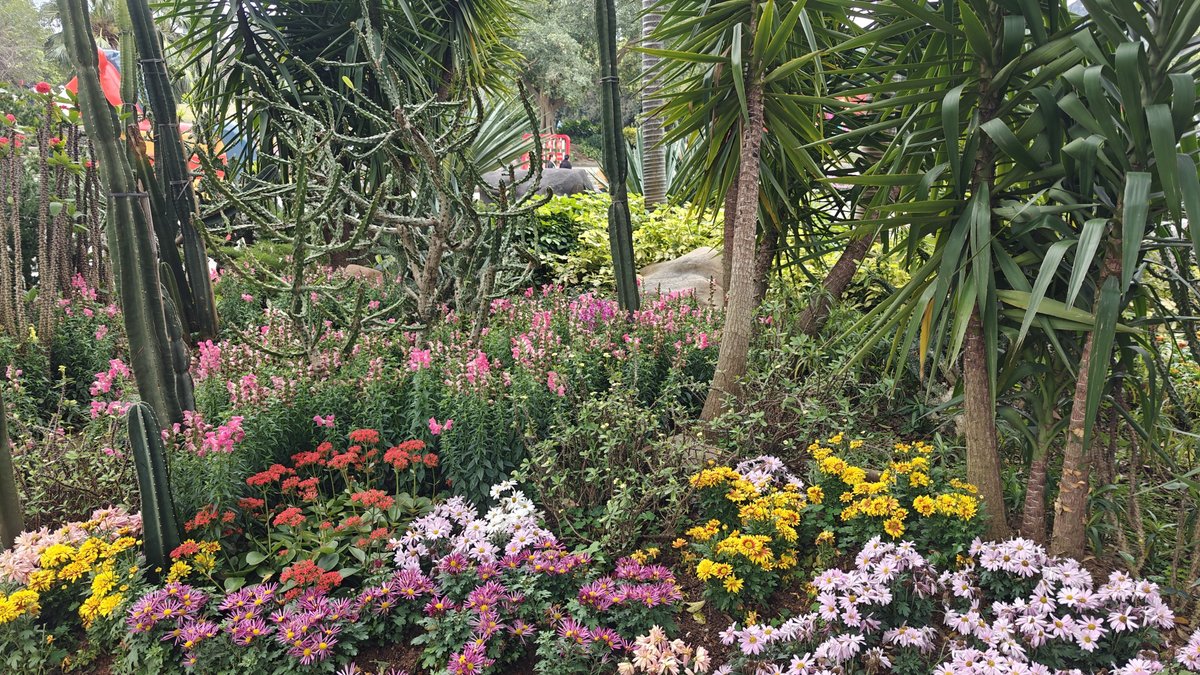
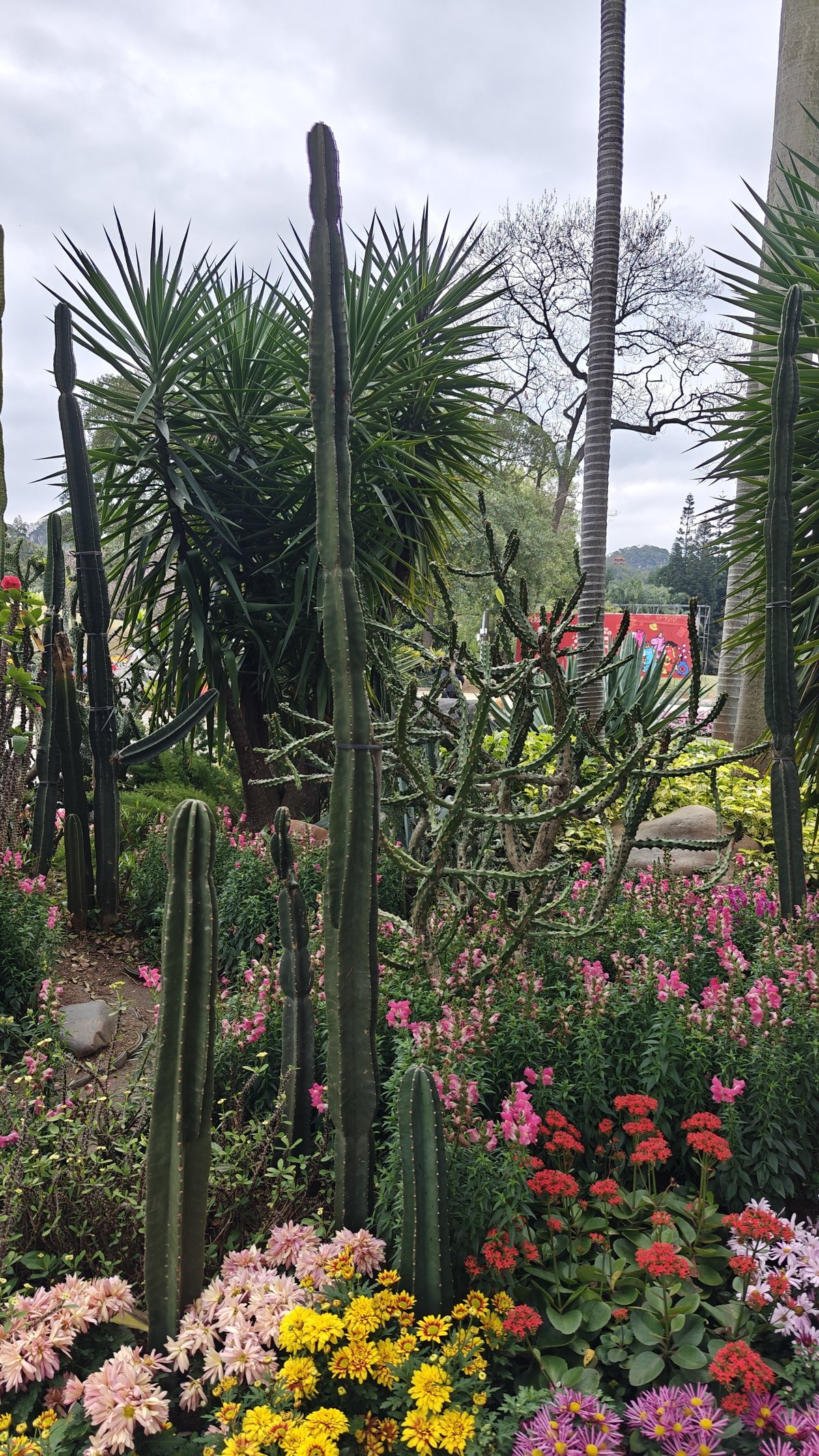
They weren’t really my favorite part of the walk since you kind of have to go through them to reach other portions of the park, but they were all well tended and a welcome respite from the exposed paths.
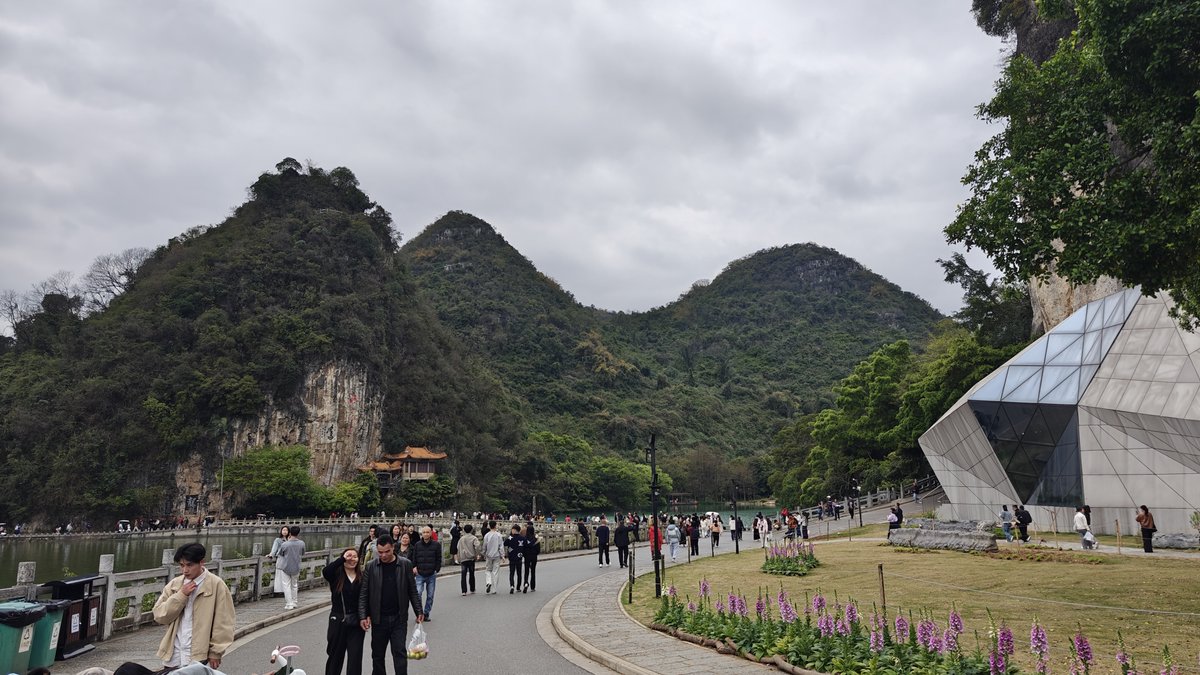
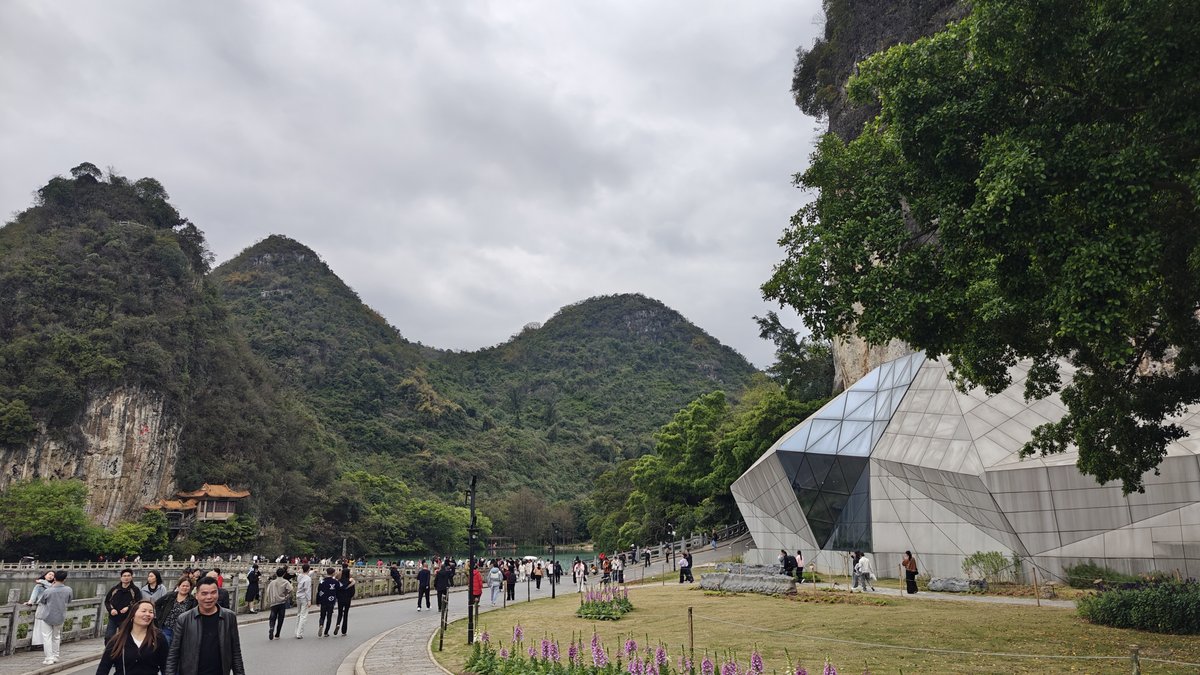
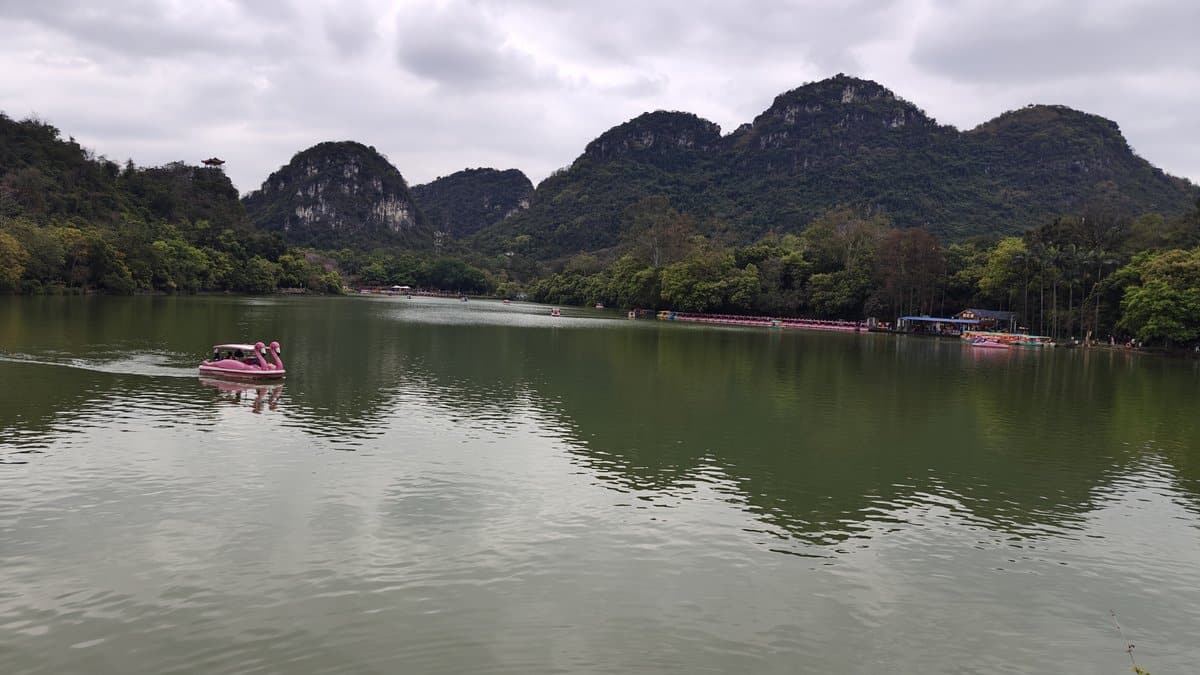
Karst mountains ring the lake, which is really where all the action is. As you walk around, the view changes every minute or two. We strolled for a long time on the lakeshore.
On a calm day, the water reflects the dramatic cliff faces, and they’re sheer and steep. This is the sort of scenery that comes to mind when you think about Guilin, but here it is without the crowds or the tour buses.
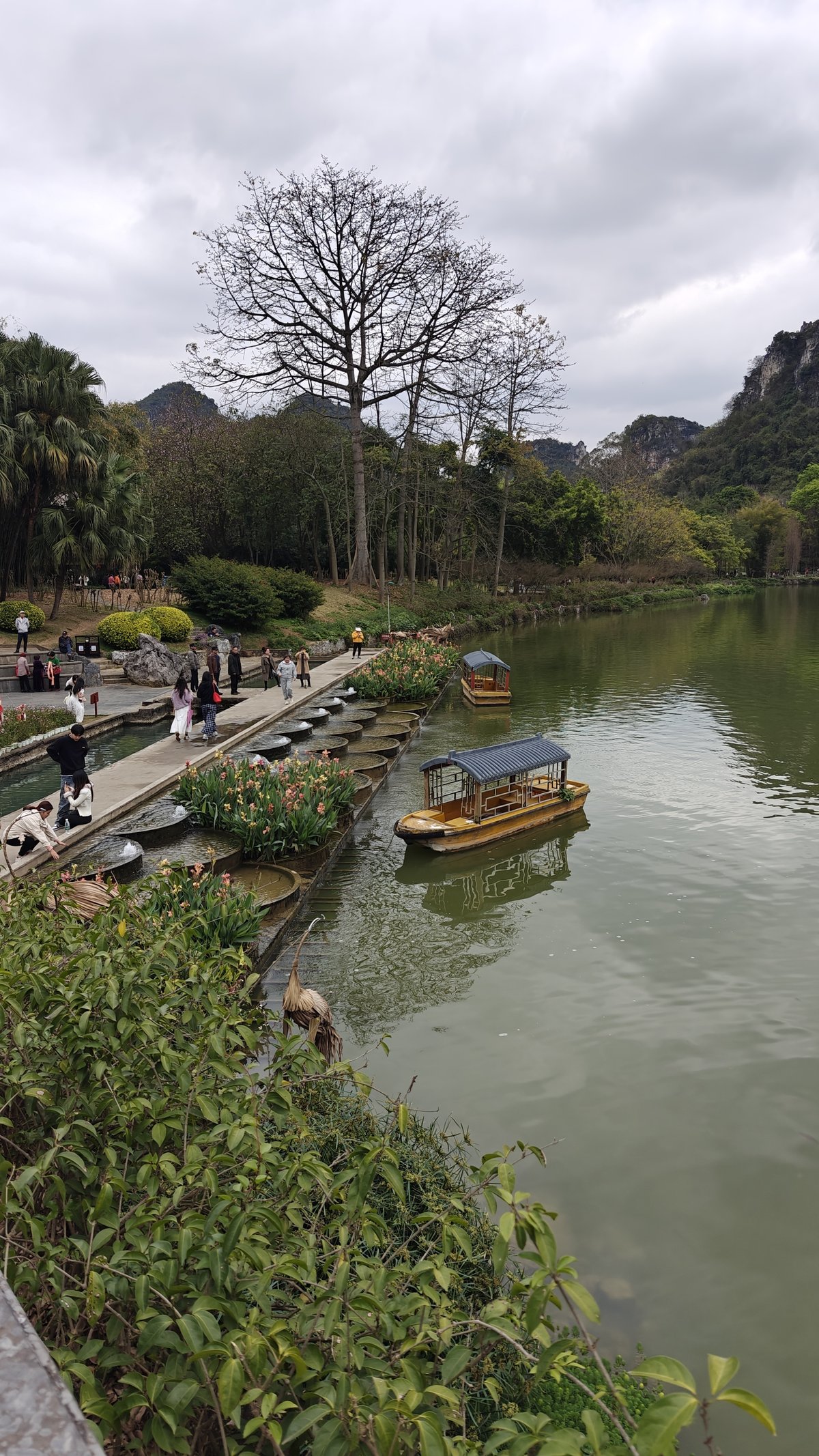
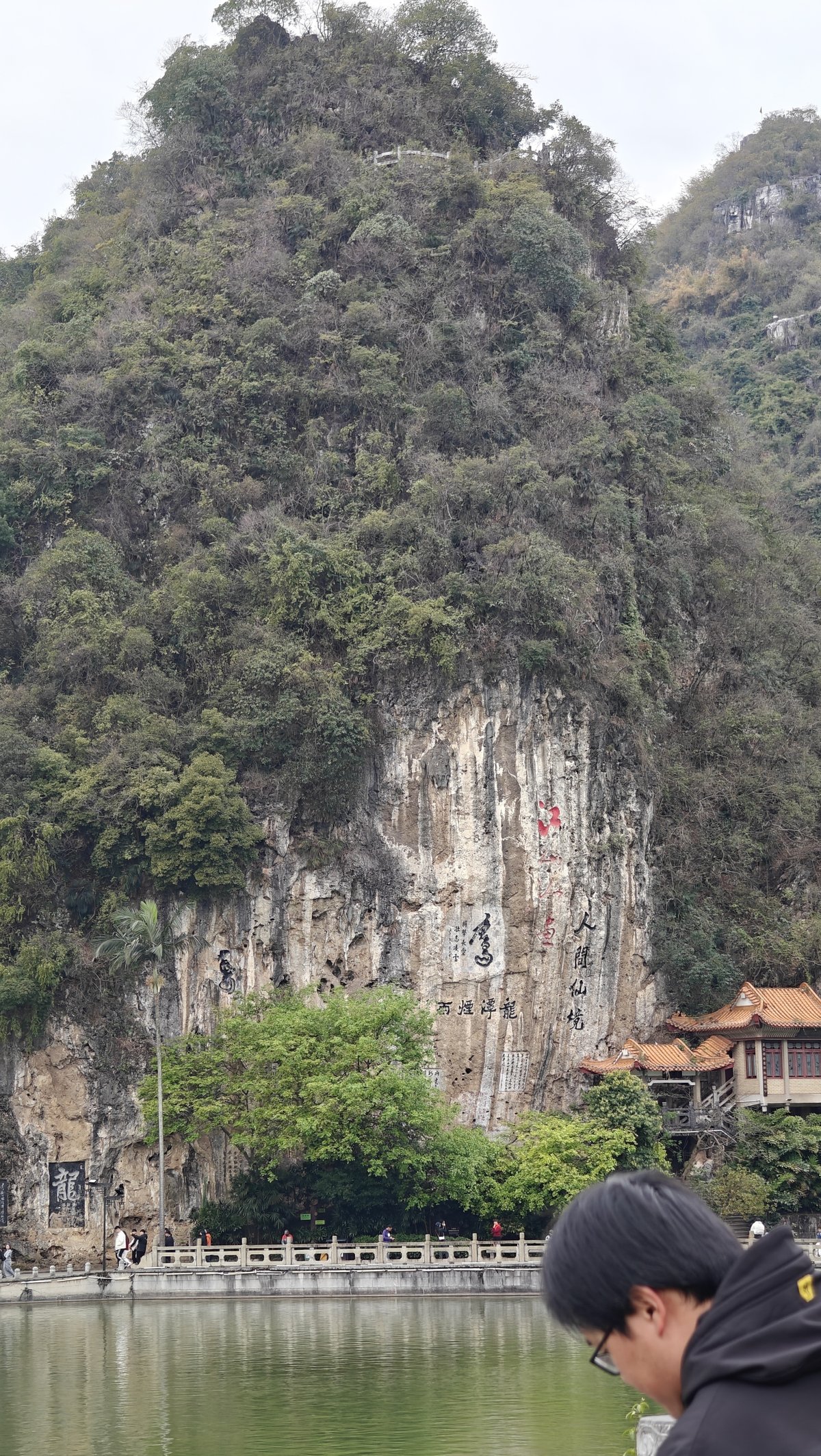
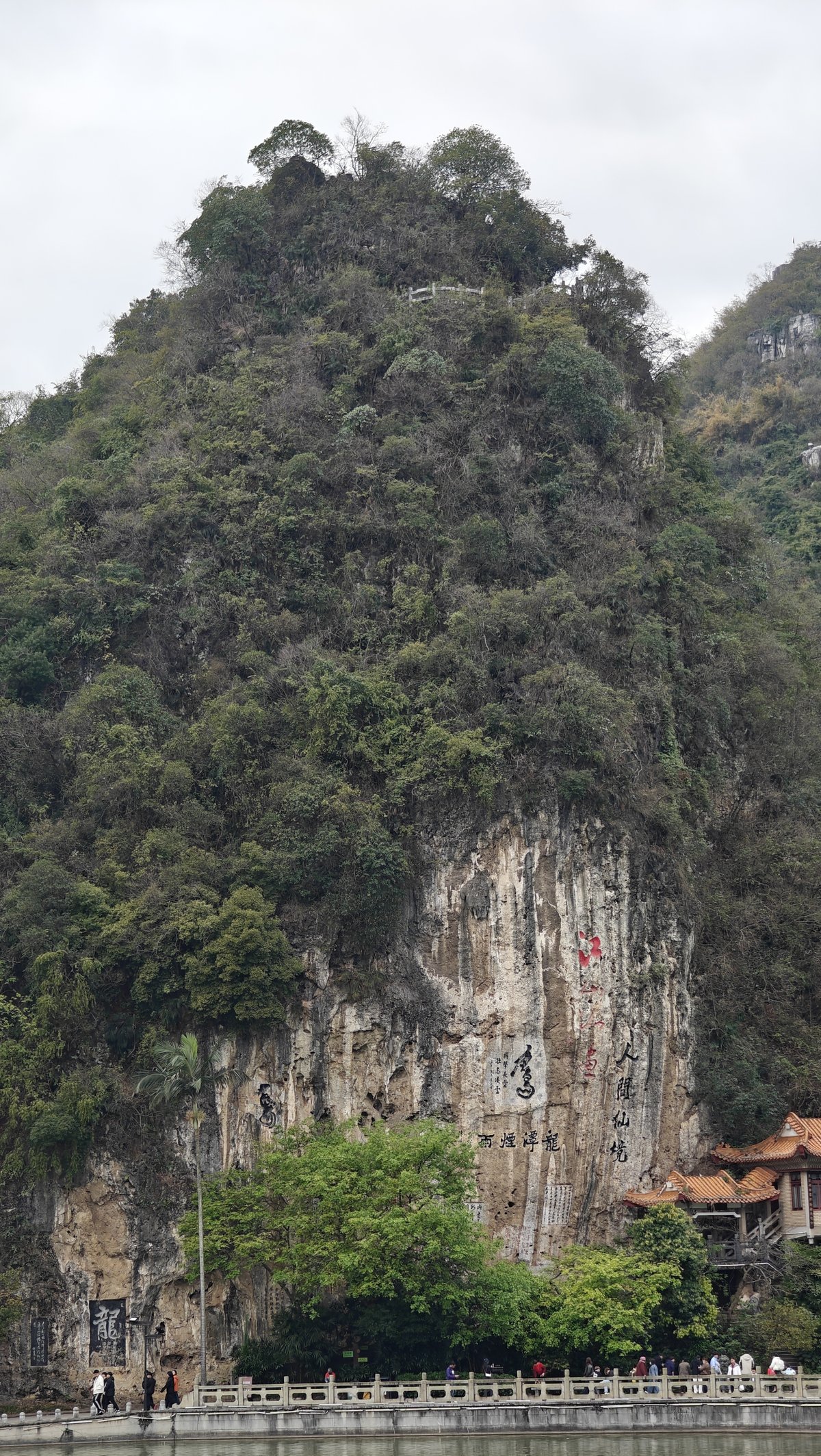
One trail even took me near the bottom of the peaks (it was in a bamboo forest with stepping stones). Another took me straight back up toward the cliff face so you could get a real sense of how big these rocks were. Finally, standing on the water facing one of the high peaks, I got it.
This is what everyone gets all excited about when they talk about this kind of scenery.
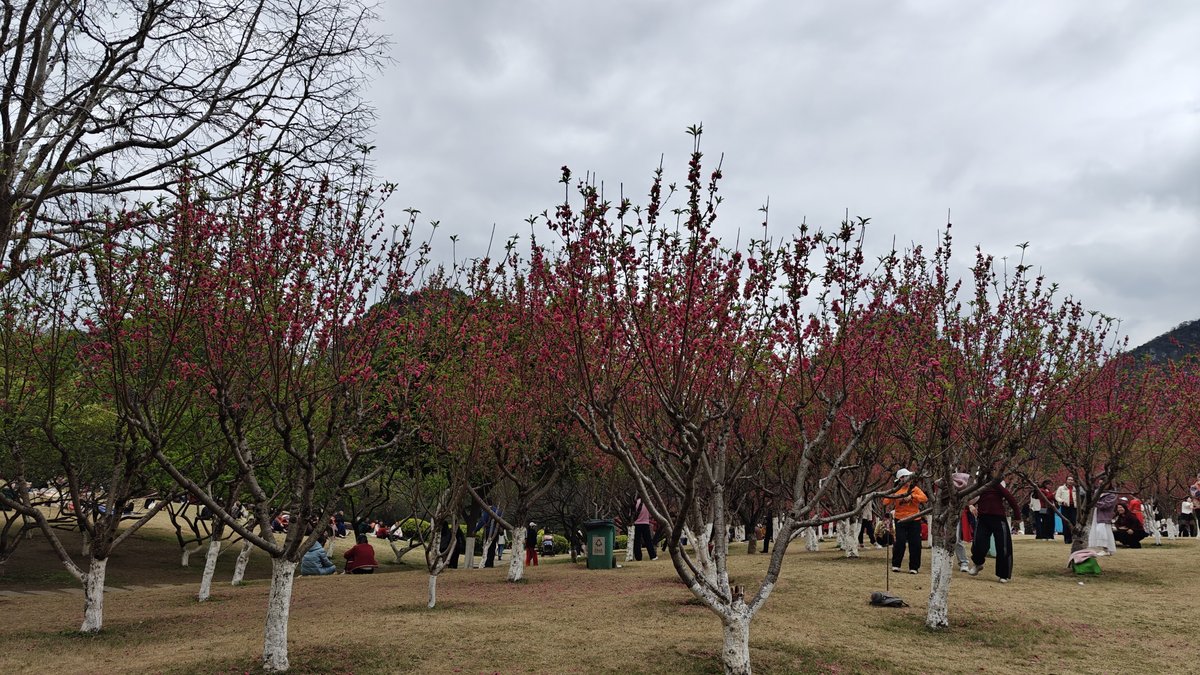
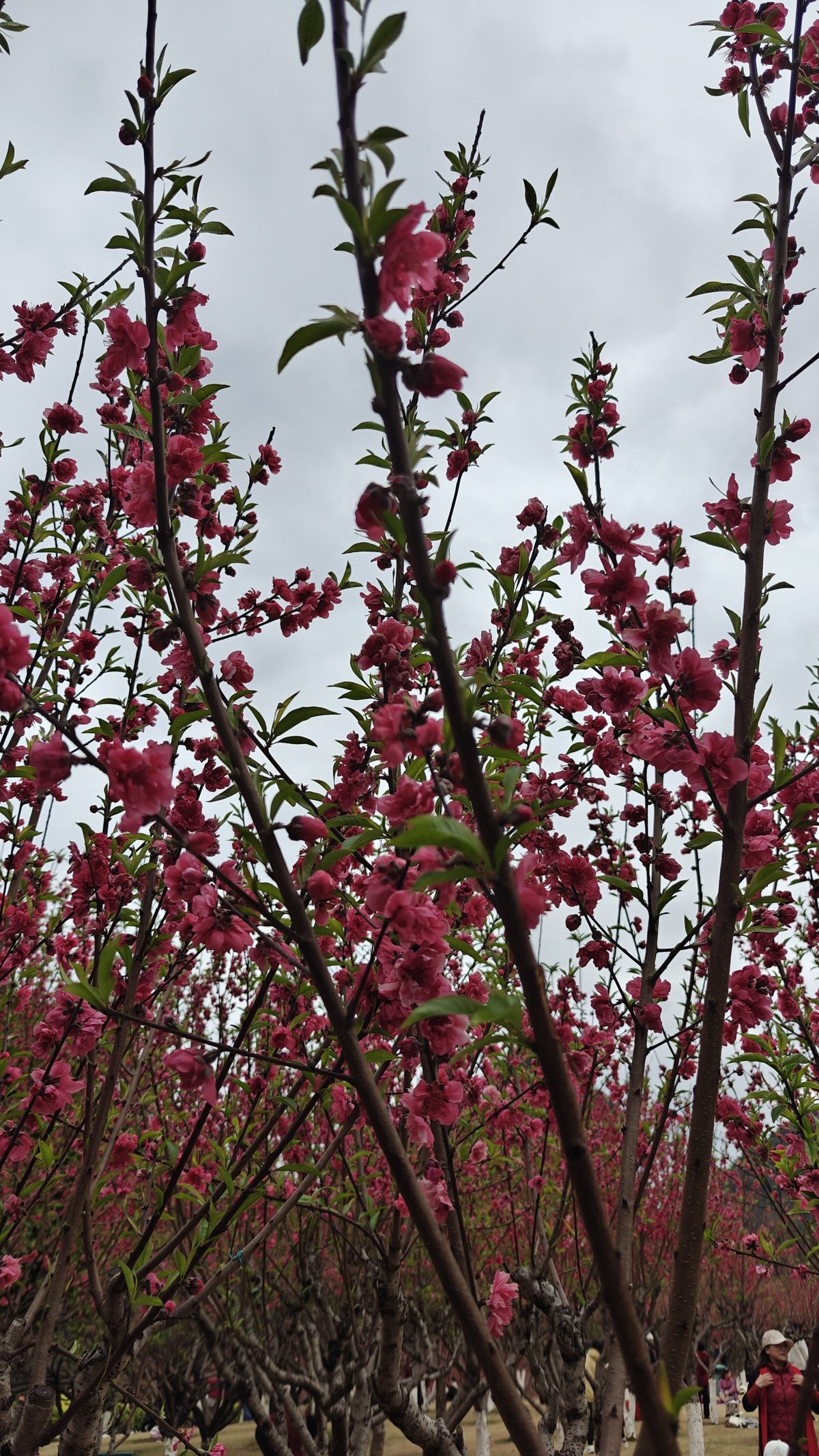
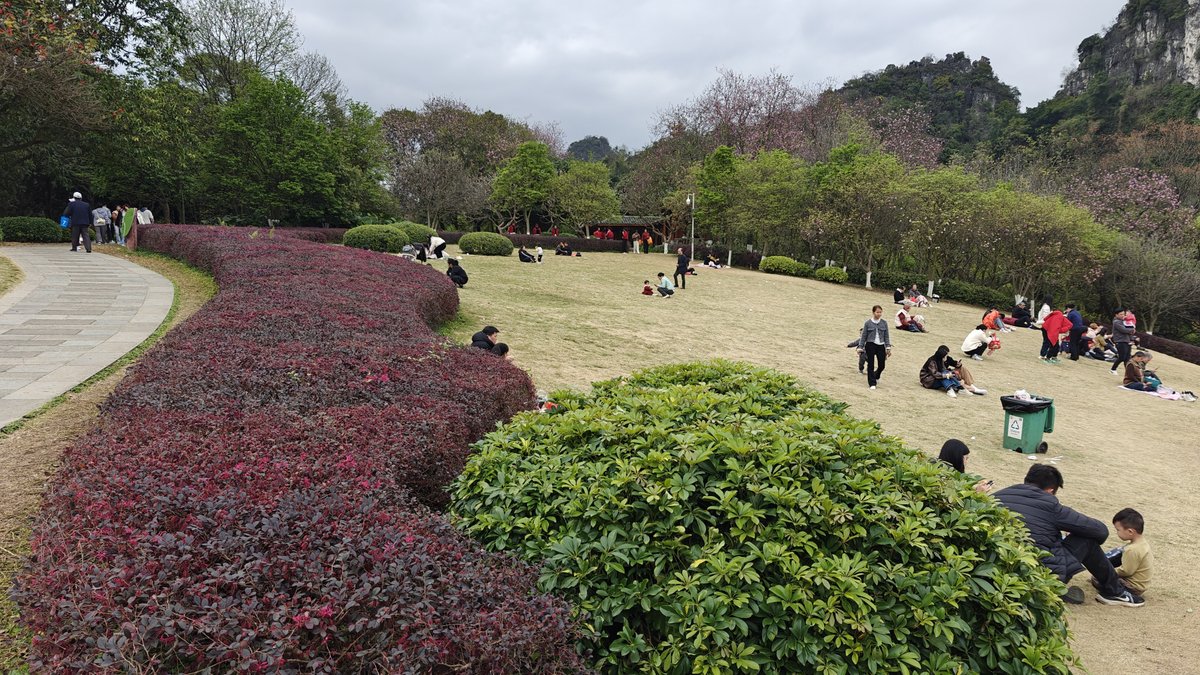
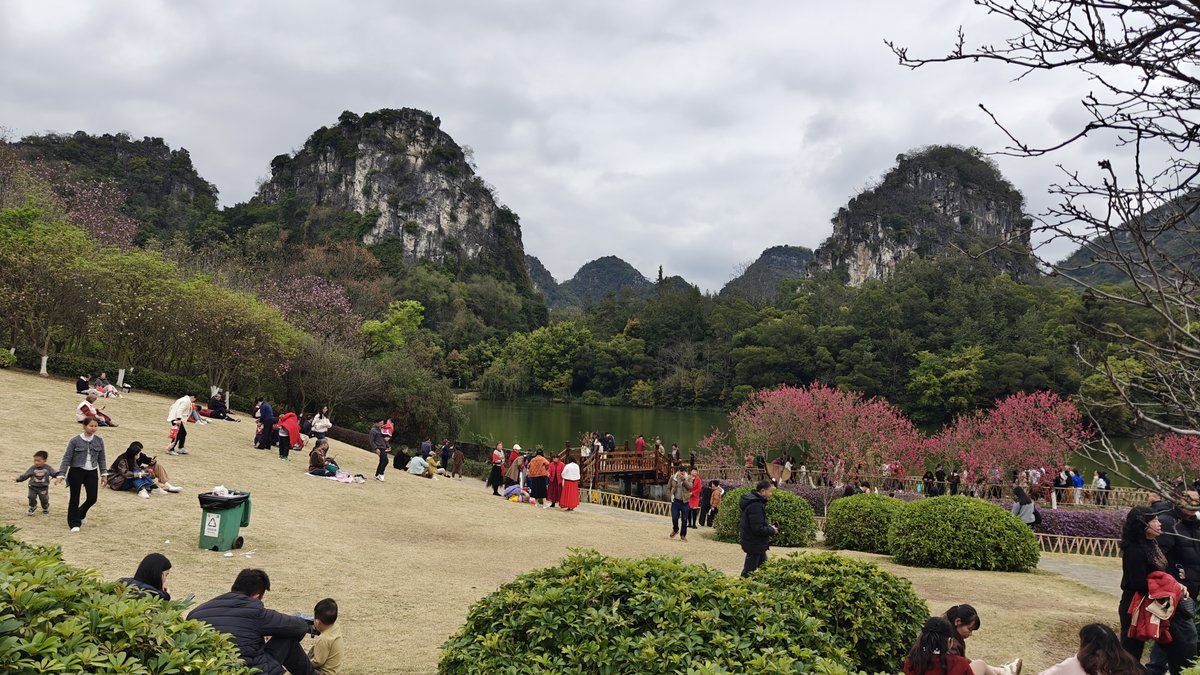
The other part of the park was covered in blooming peach trees when we went there. It’s one of those things that sometimes you go somewhere and the timing is perfect. The orchard was on a hillside, sprawling up the side of a mountain.
A beautiful lake was nearby, with mountains in the background. It was not my typical stop-to-smell-the-flowers kind of day, but it was definitely something worth taking time for.
3. Qingyun Minsheng Market
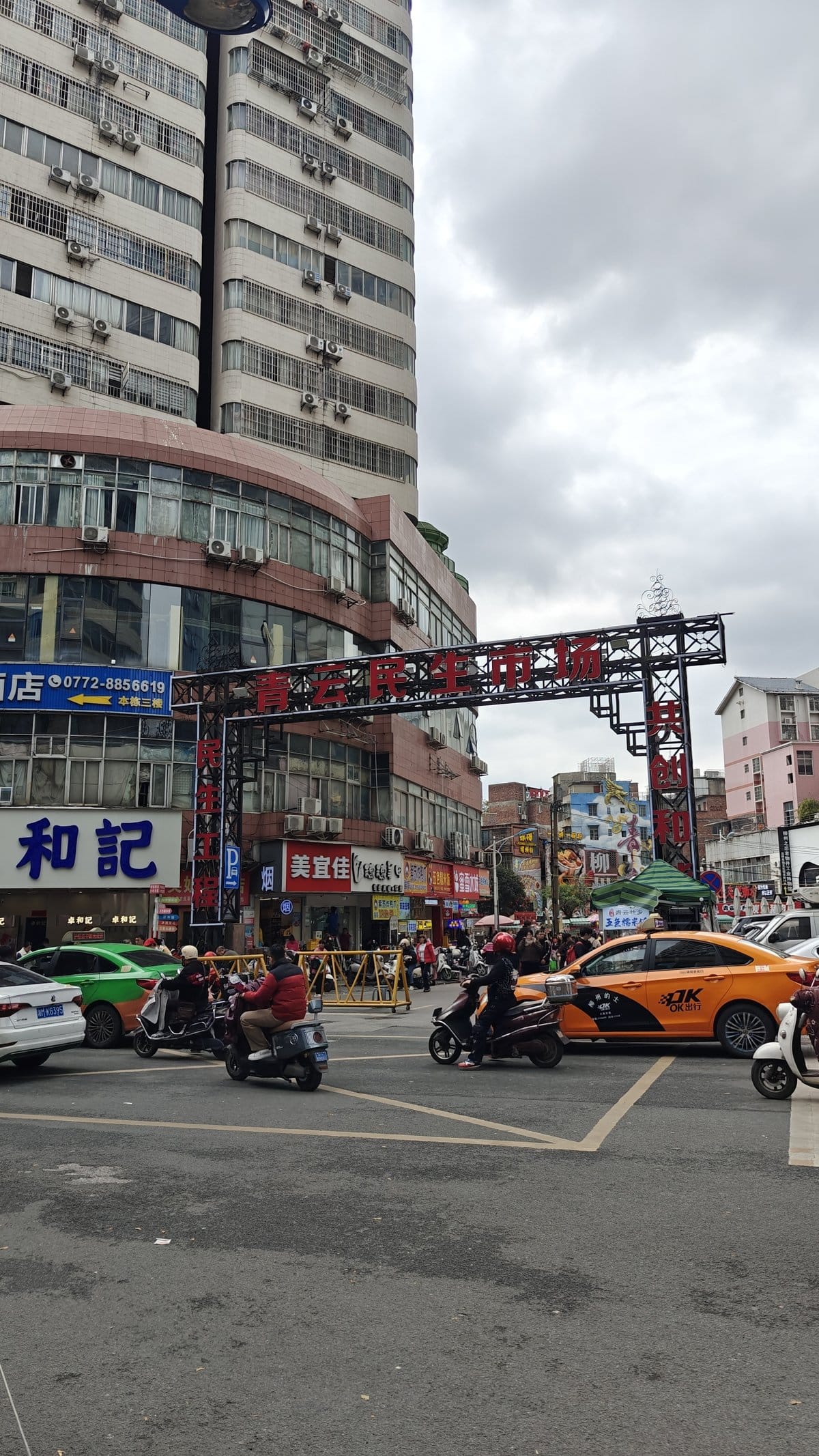
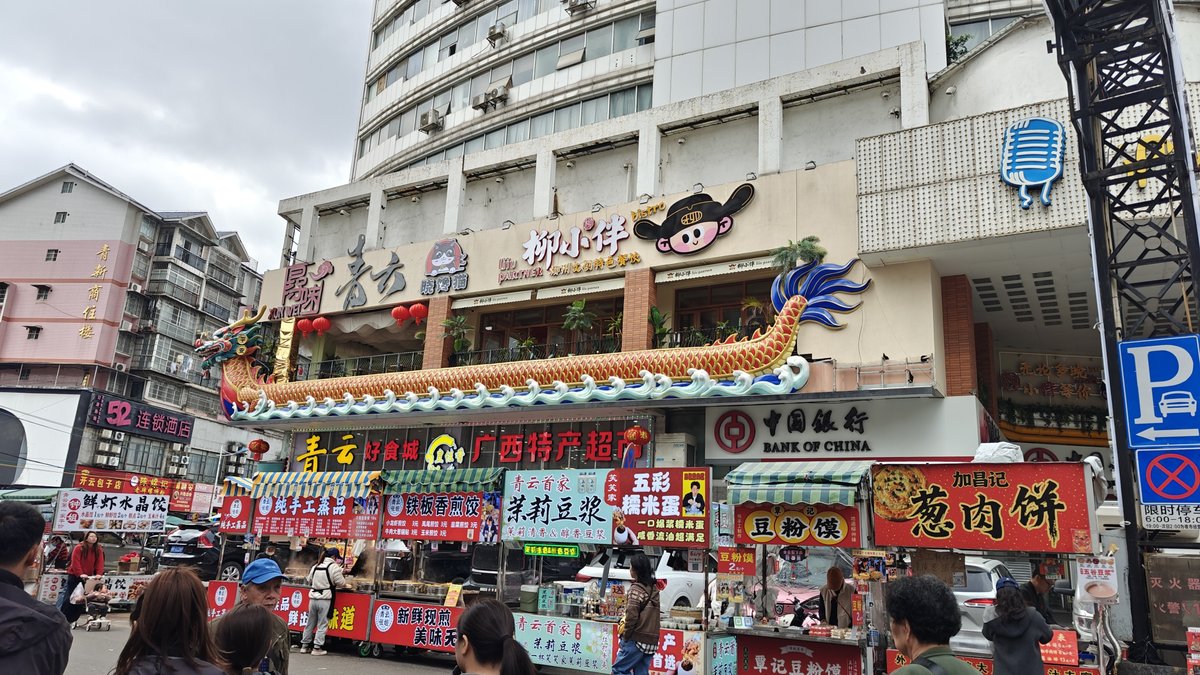
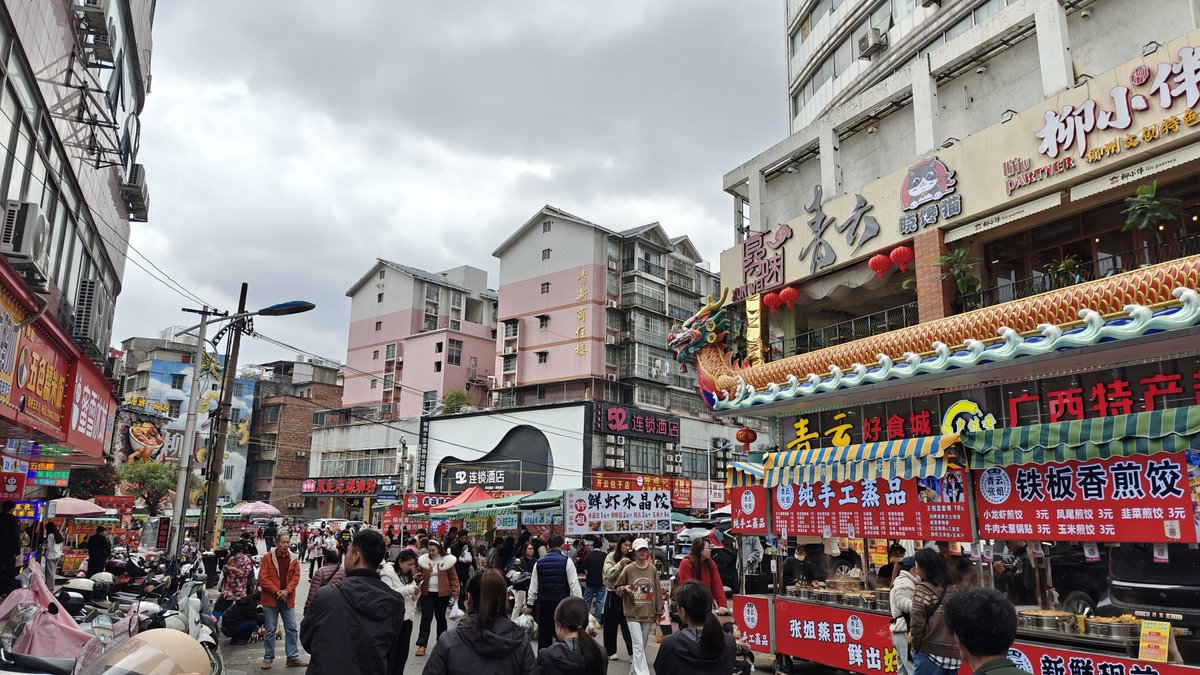
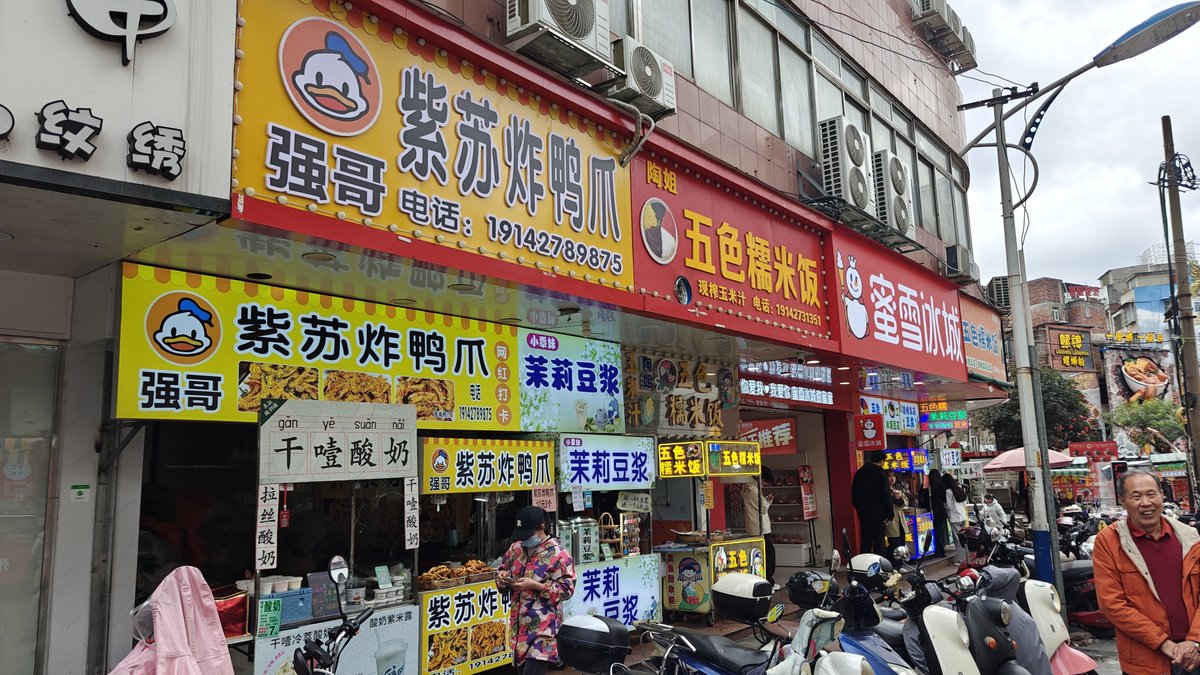
The area in which I ate the most was Qingyun Market. It’s designed to look like a covered market street, with vendors’ stalls on either side and buildings surrounding it. While it now has some themed decorations and murals, giving it a bit of a new look, it remains a functioning market with locals walking through for their snacks and groceries.
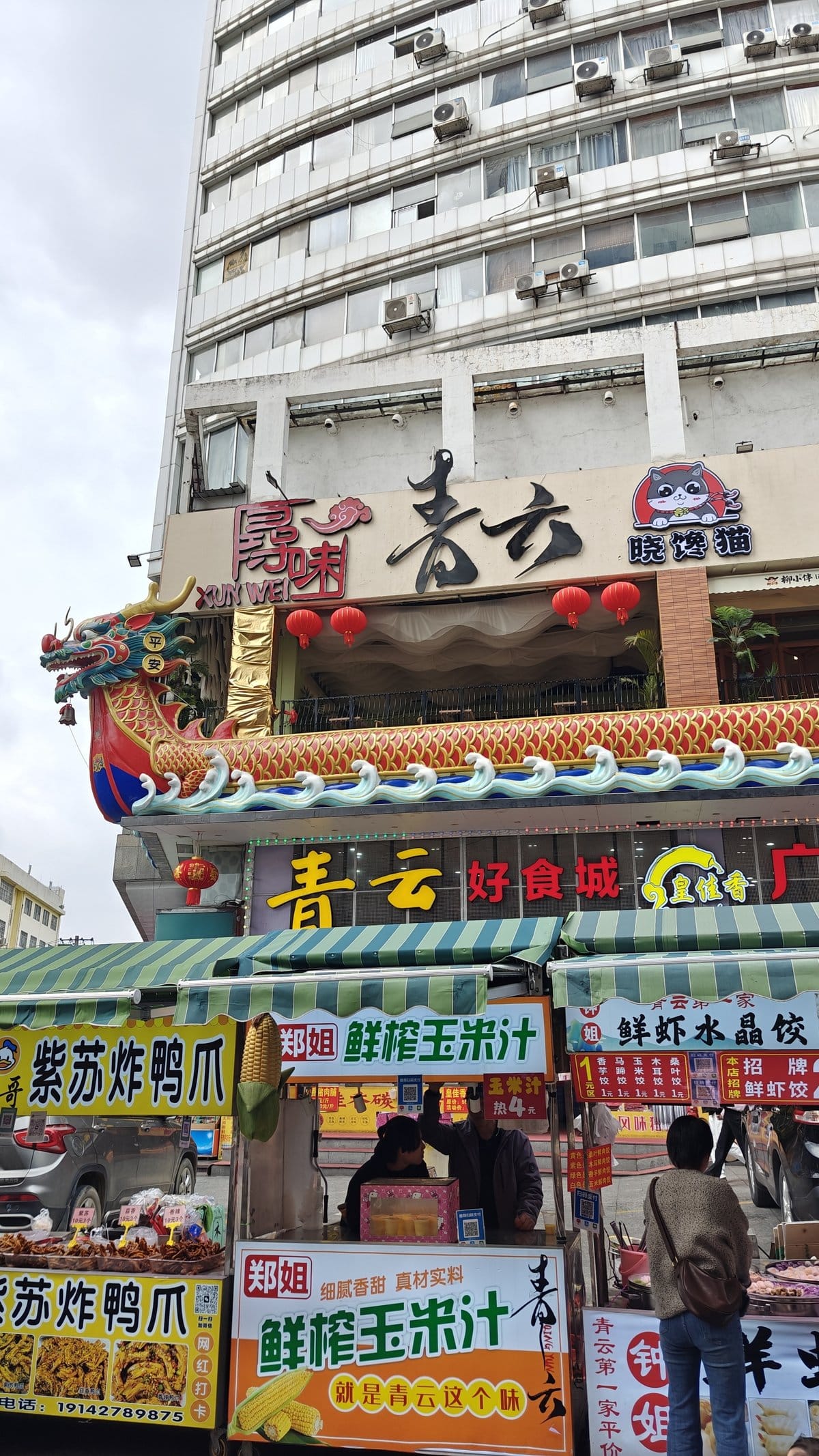
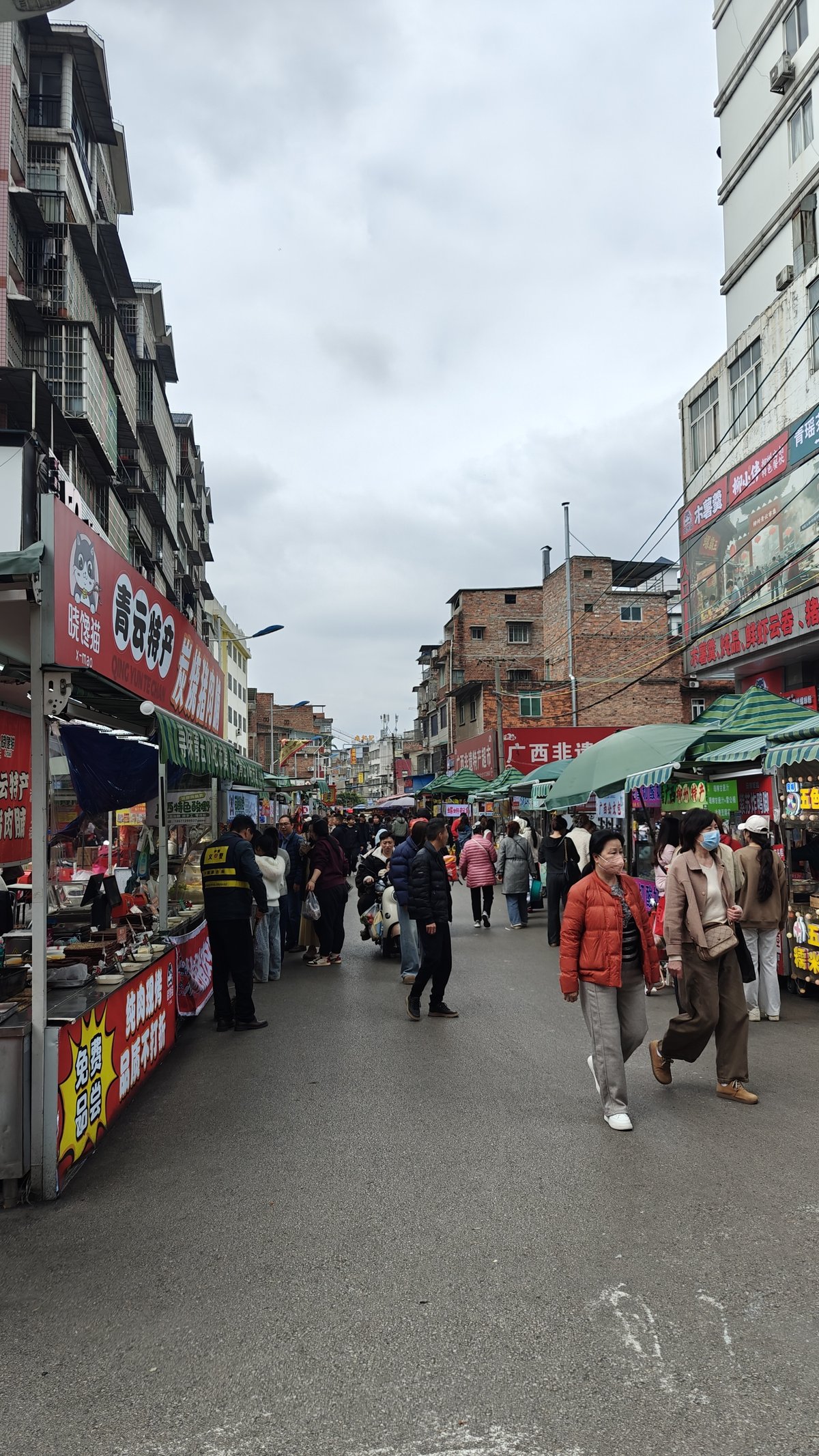
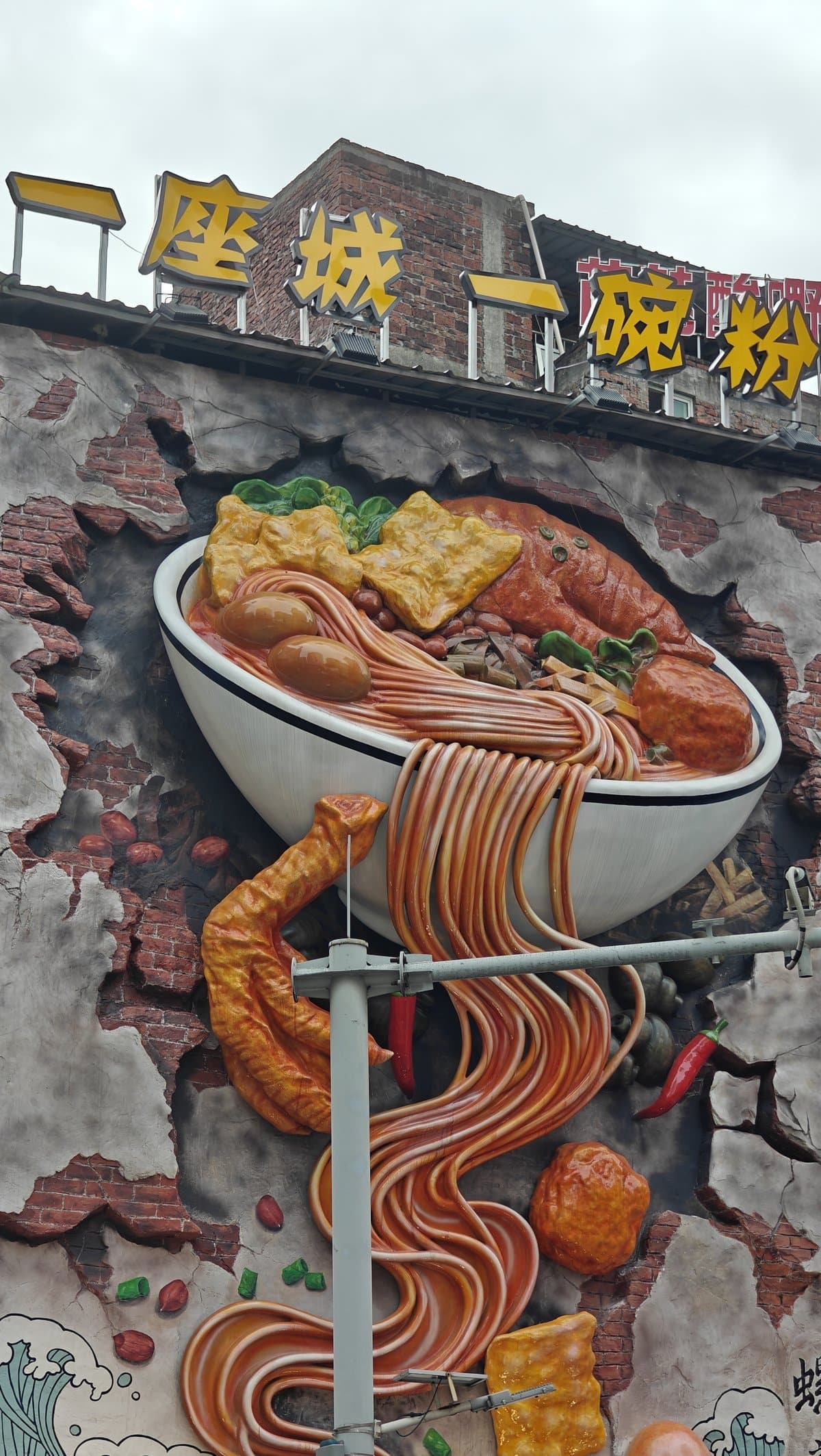
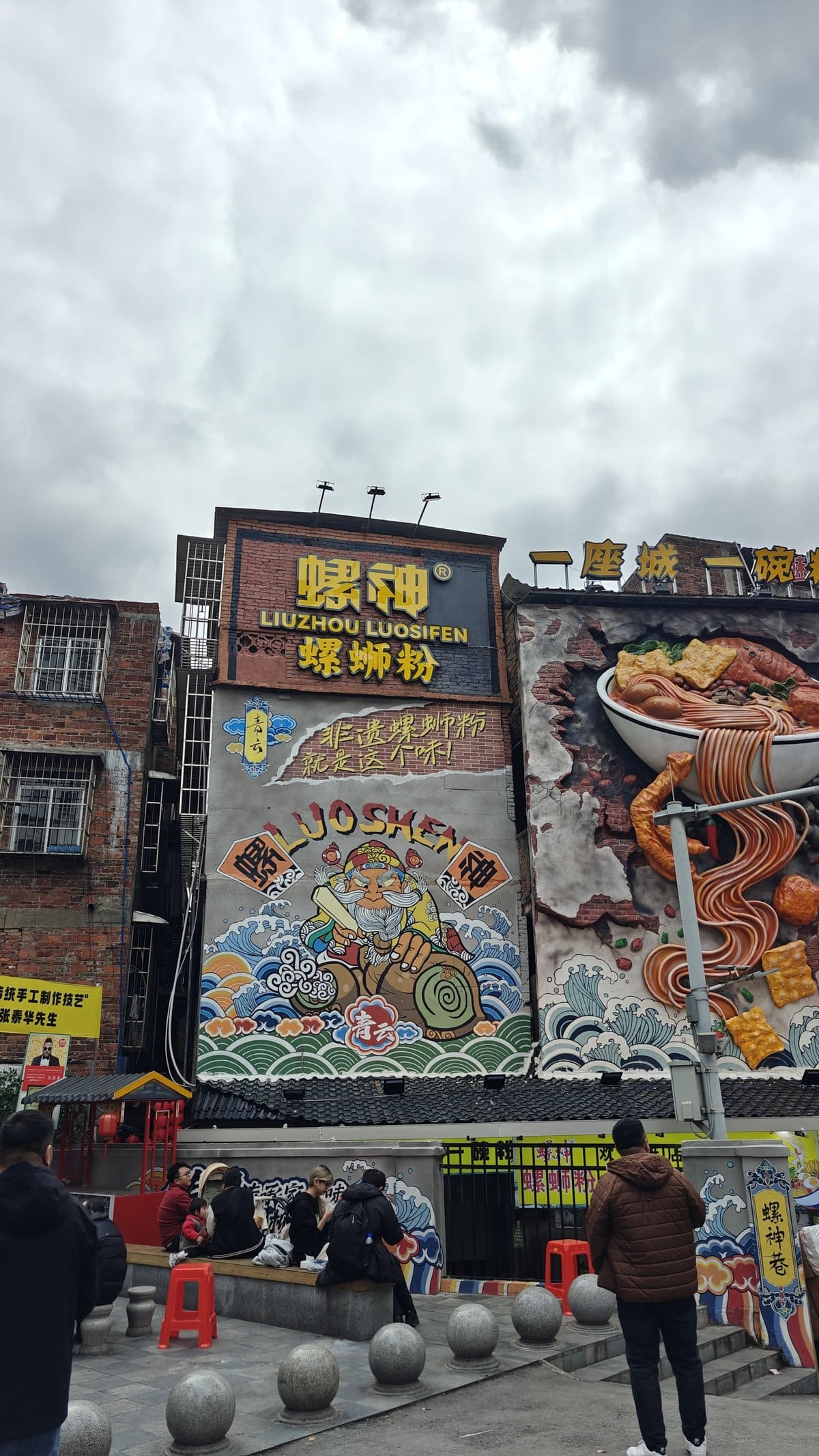
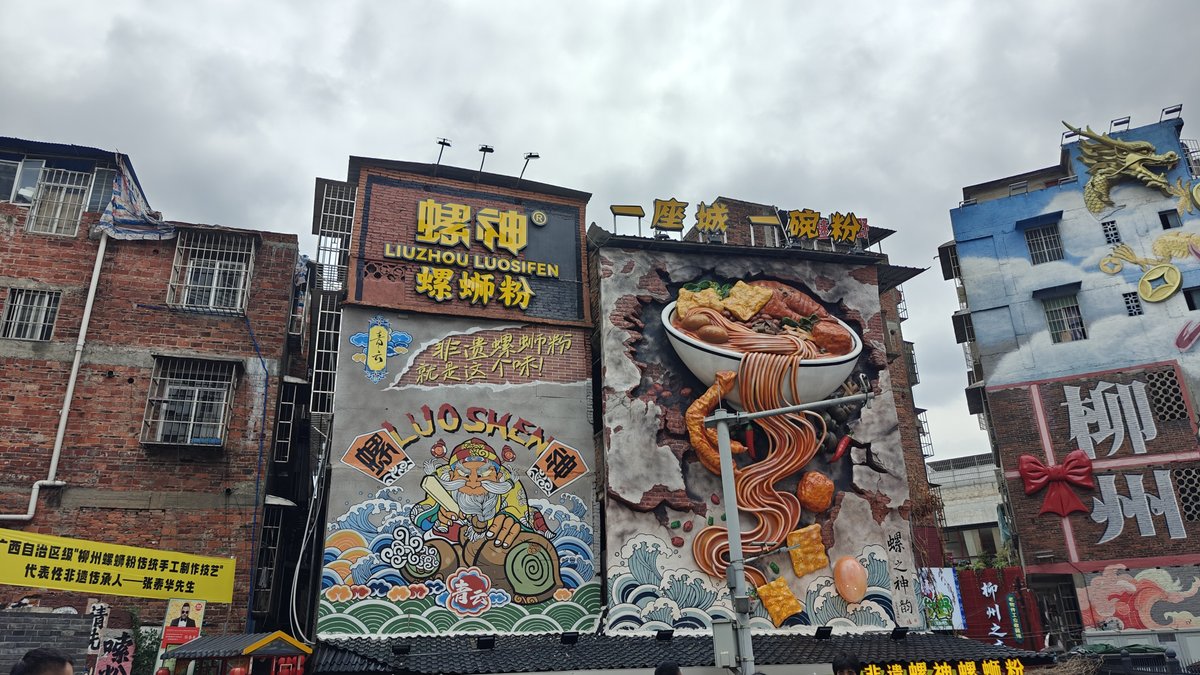
The market is ground zero for luosifen, the snail noodle soup that’s become a cult favourite across China. Liuzhou is famous for it, and there are murals of steaming noodle bowls painted onto the walls, shops whose whole facade is covered in luosifen branding, and vendors who sell fresh bowls to eat right away or packaged ones to take home. I got a bowl at one of the little shops by the entrance and was hit by the smell even before sitting down.
It has fried tofu puffs, peanuts, pickled bamboo shoots, rice noodles, and a spicy, sour broth. It is an intense flavor. I can understand how people either absolutely love it or can’t get past their first bite.
I found myself somewhere in between, but I’m glad I tried it here because it’s made right.
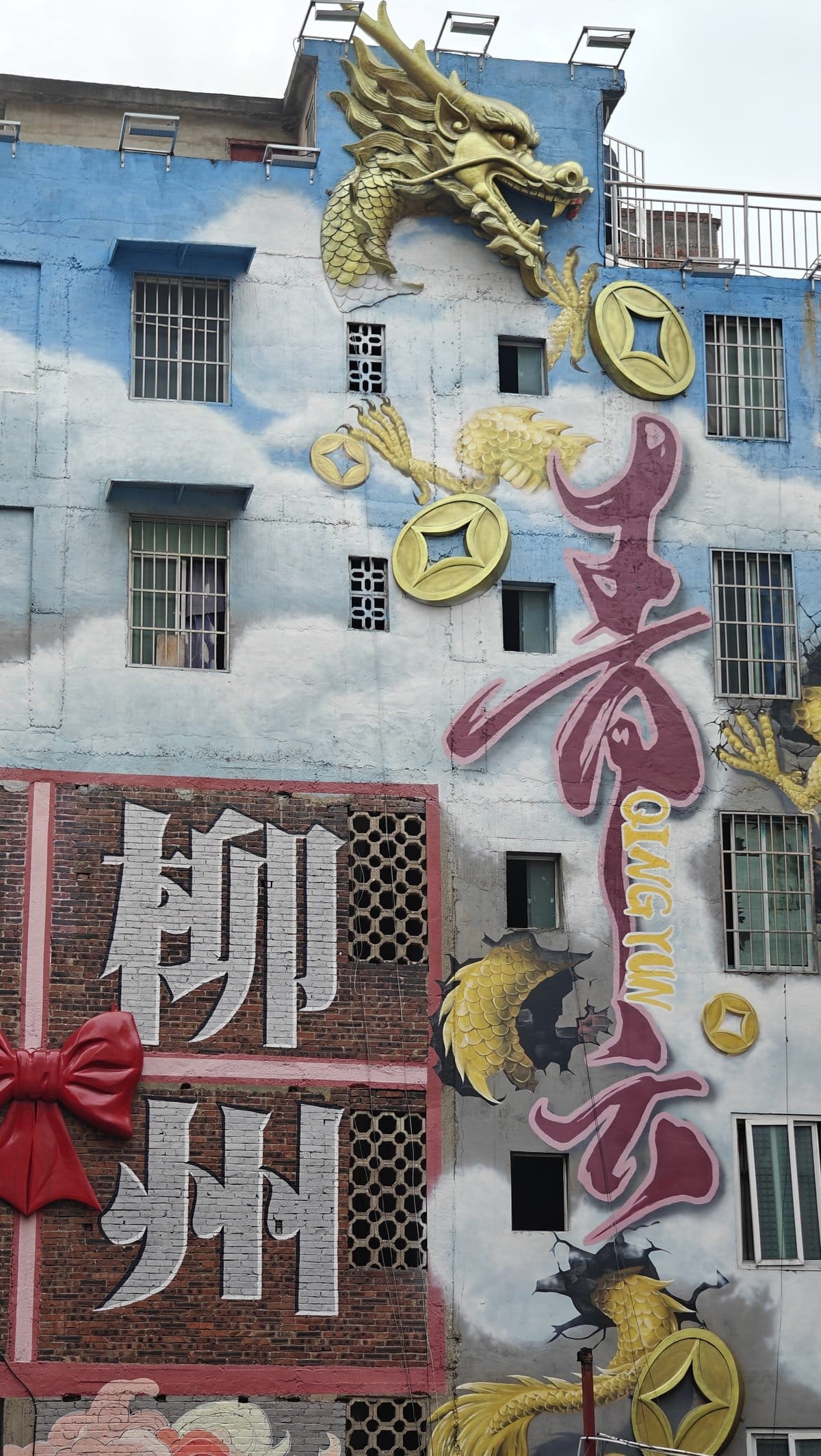
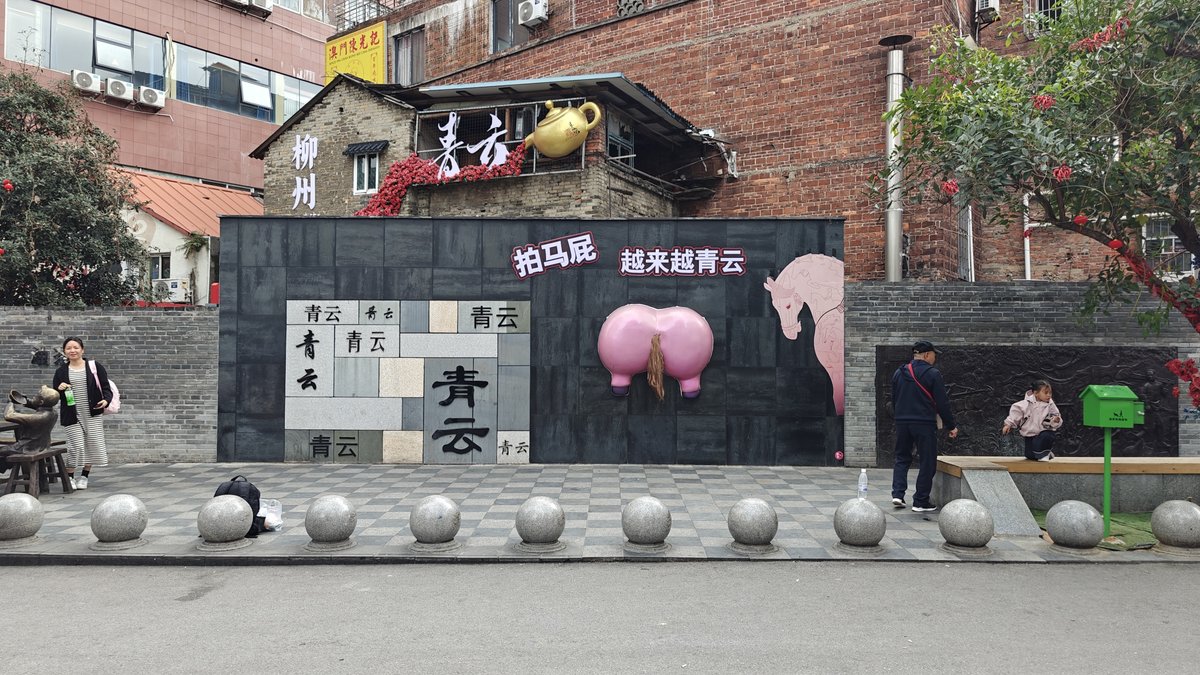
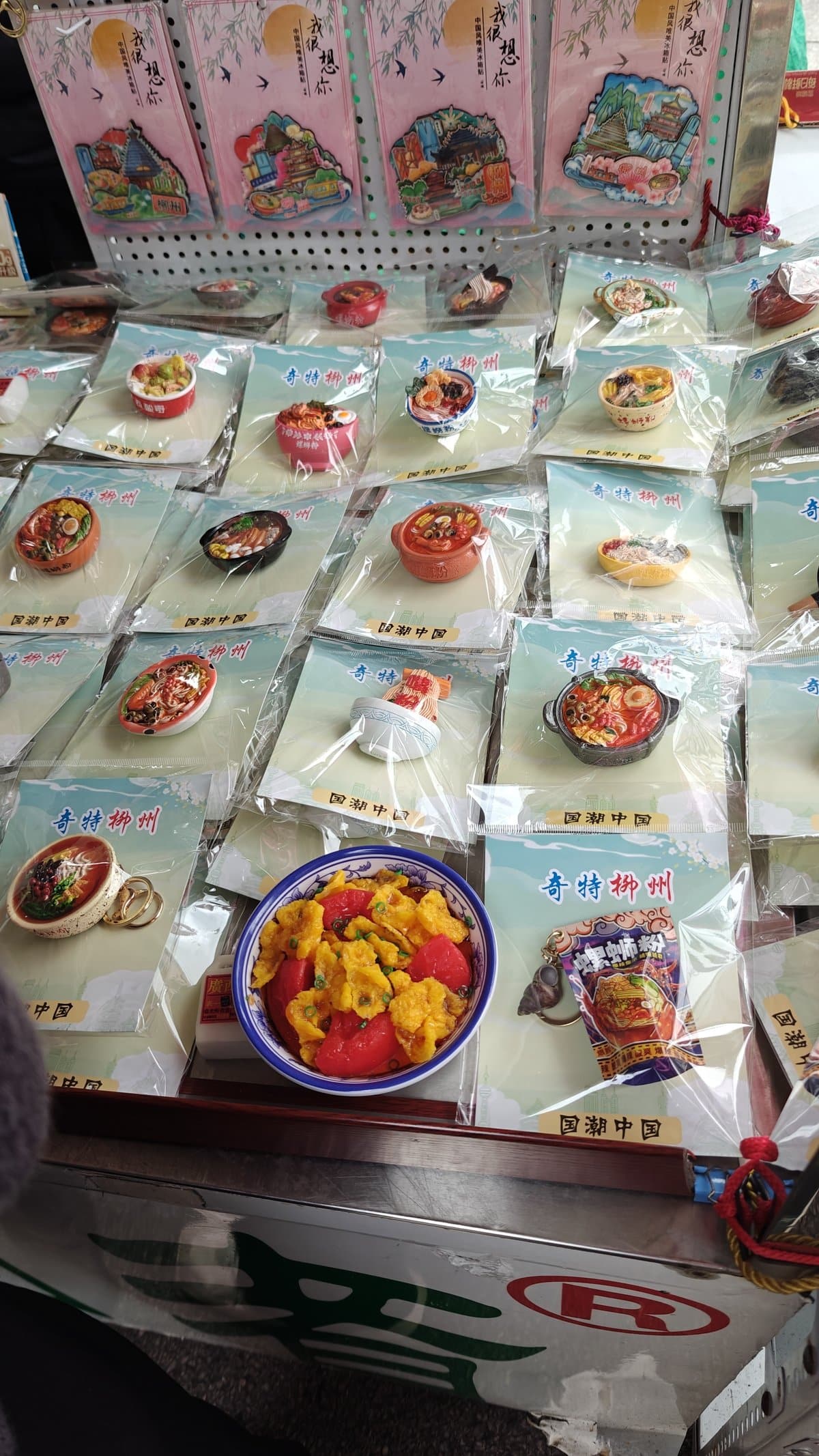
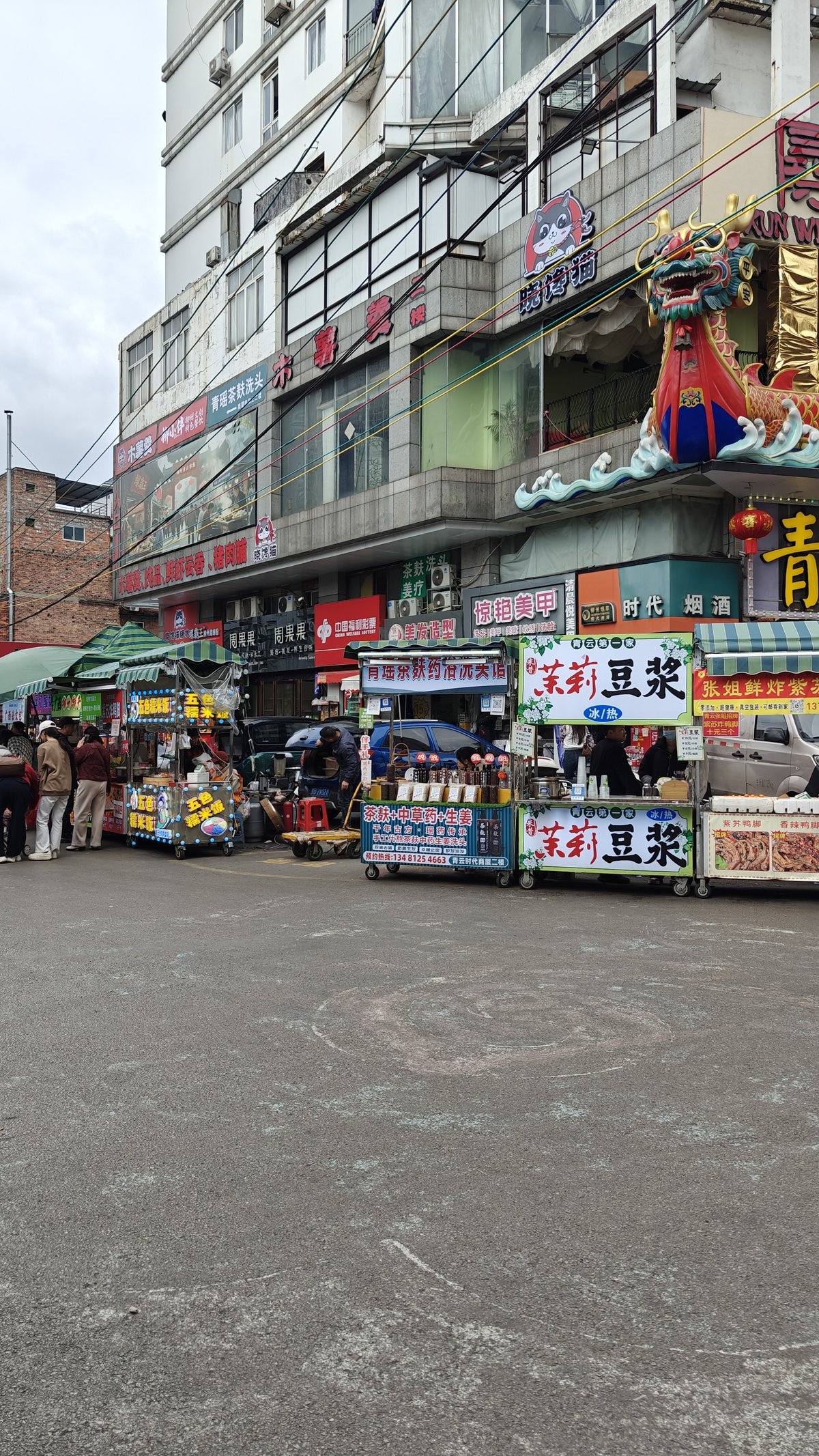
It all gives the market a fun, slightly kitschy feel. Outside there are sculptures and art installations; a golden dragon decorates one storefront, while some cartoon pig artwork is situated near the entry. You’ll also find displays of locally-made products, which make for decent souvenirs (if you’re into that sort of thing).
It’s not subtle, but it adds to the atmosphere.
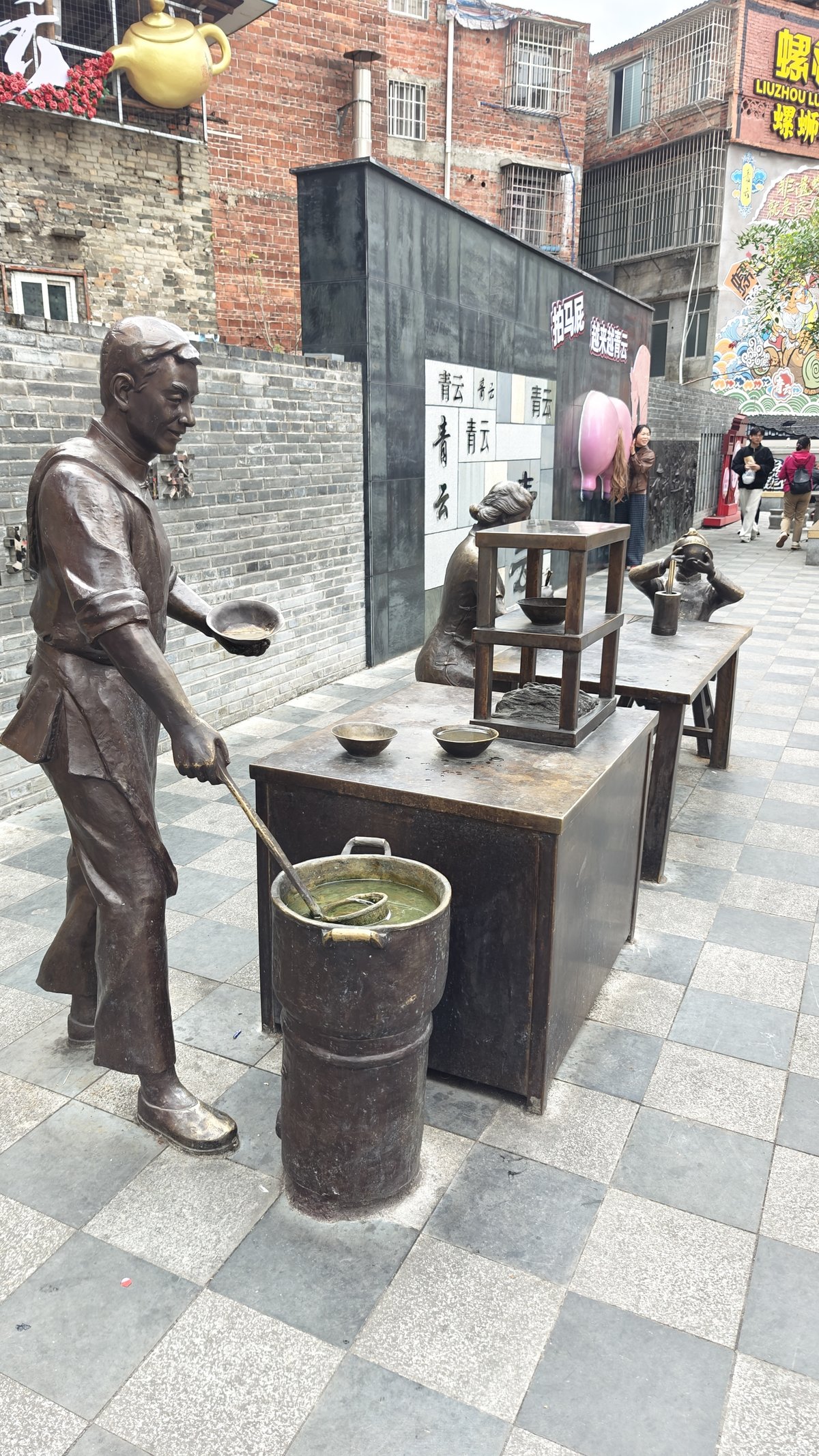
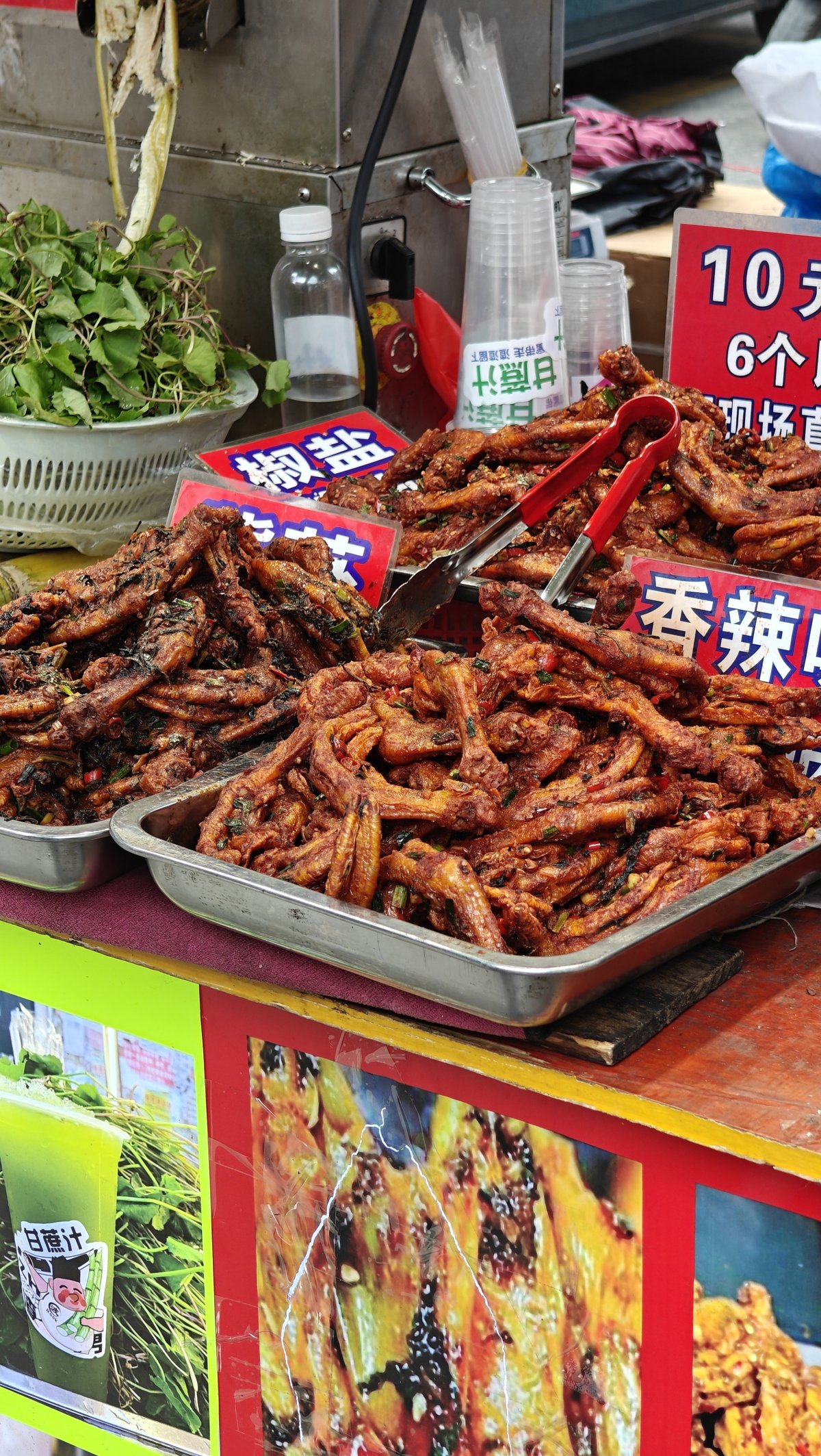
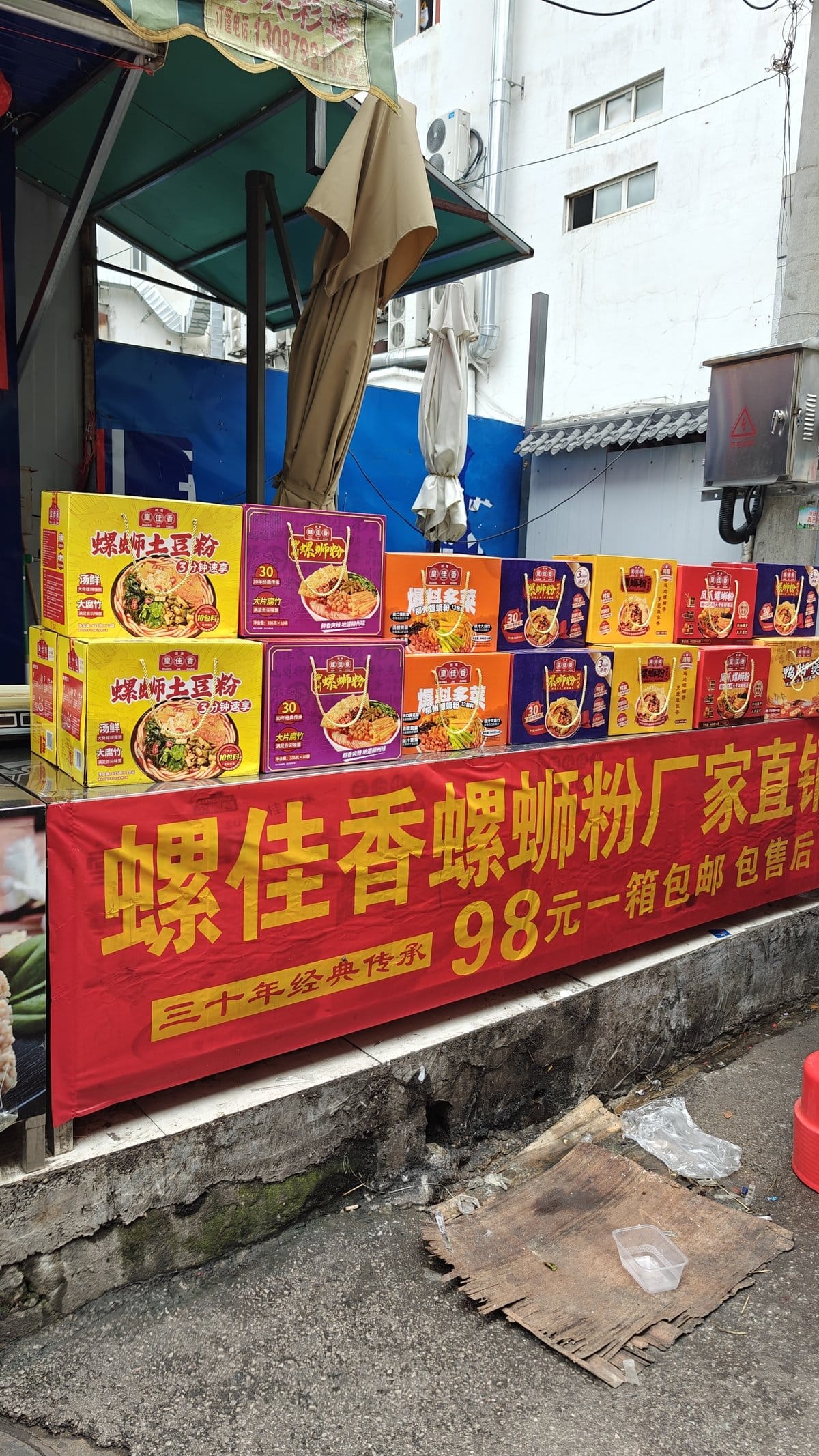
The luosifen aside, though, it offers a good selection of other snacky things worth trying. There are spicy fried skewers, fried duck claws, and piles of packeted snail powder for those wishing to replicate this experience back home. And then there’s the bronze statue of a market vendor, presumably some kind of tribute to the workers that have been keeping it going all these years.
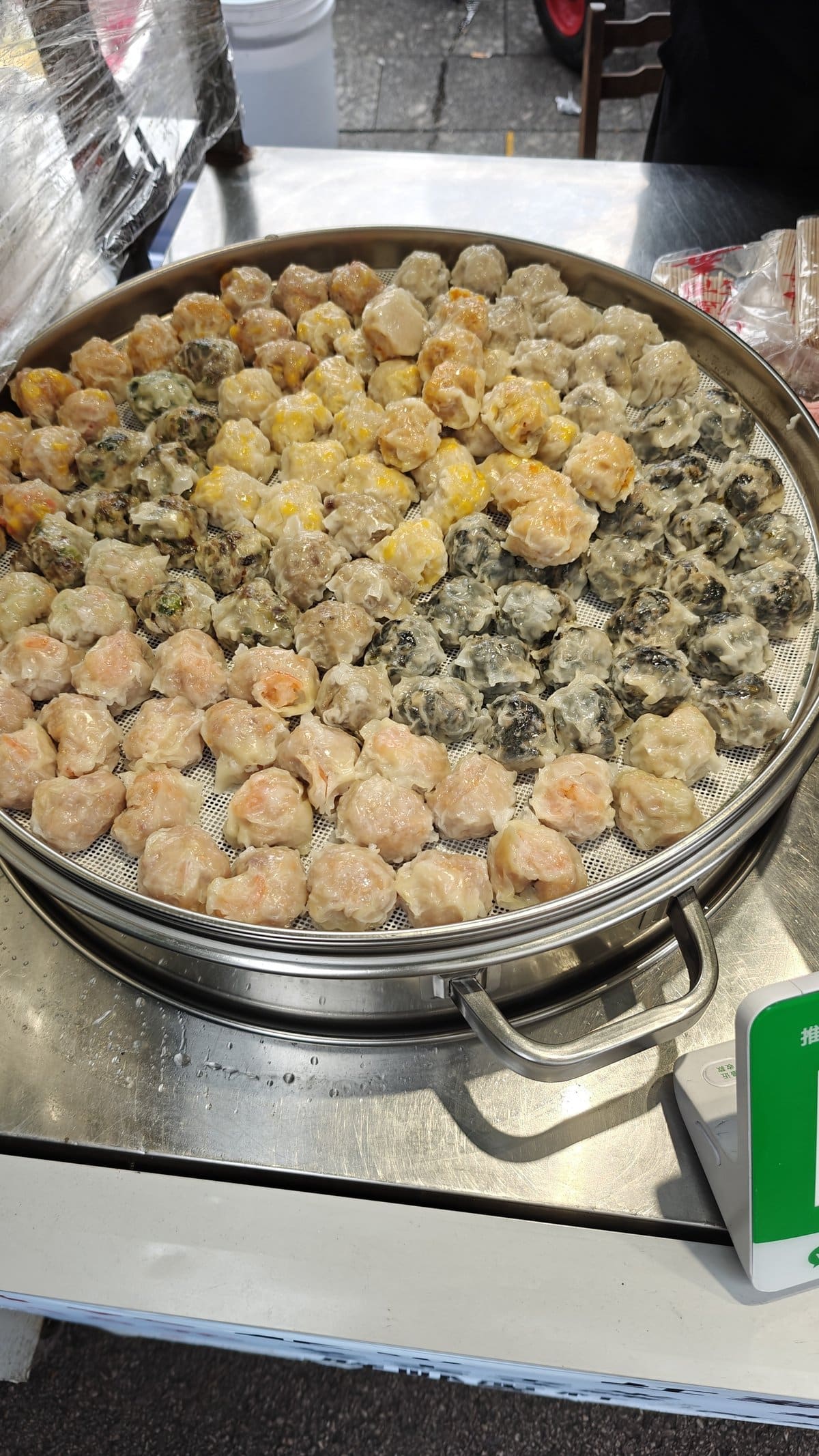
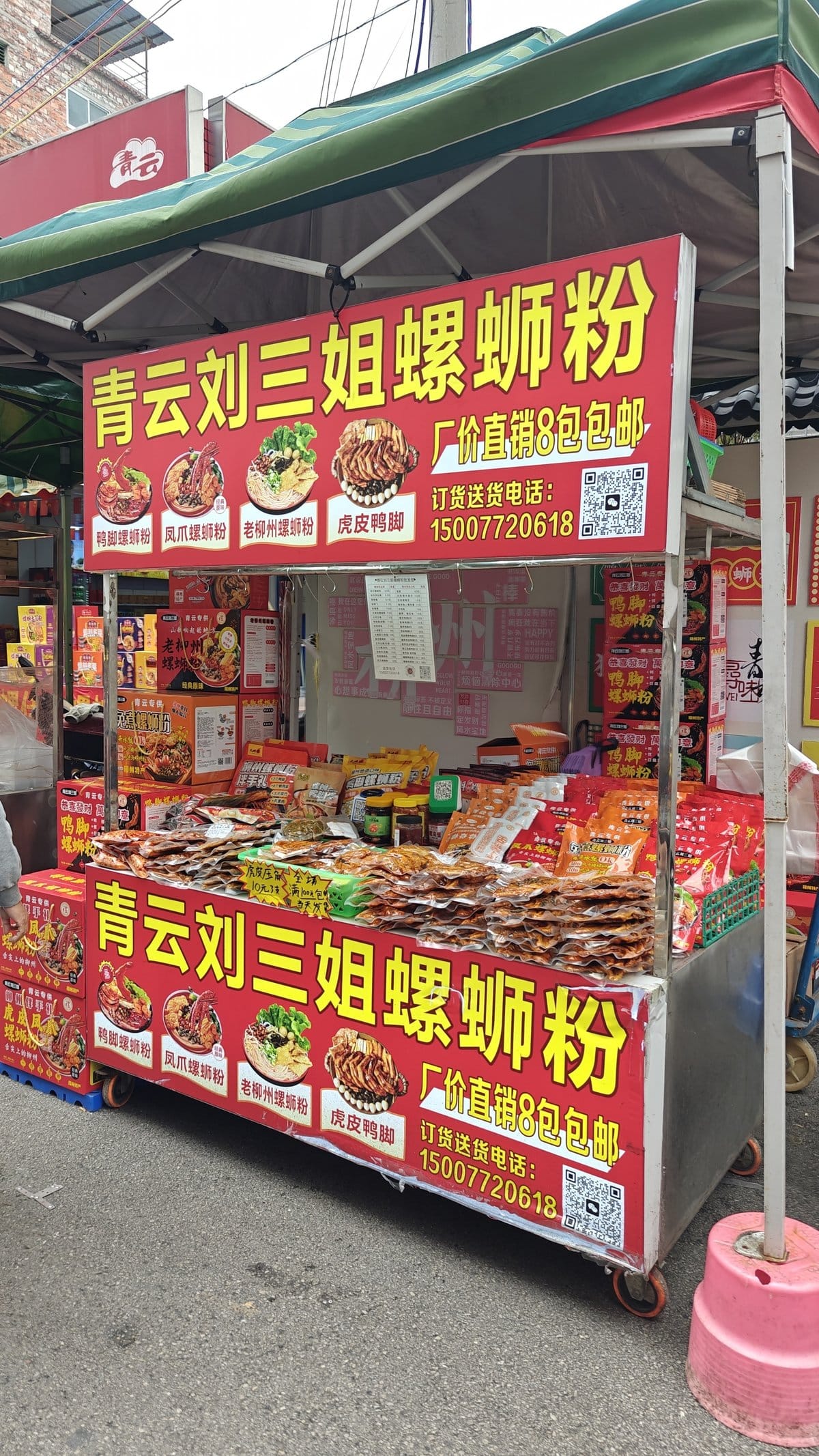
Another staple is dumplings. I saw one stall that had a massive steamer removed from the heat and the dumplings stacked sky-high and still steaming. Right outside of the main market there are even more carts on the street selling fresh luosifen to-go, for when you’re in a rush and need to eat on the move.
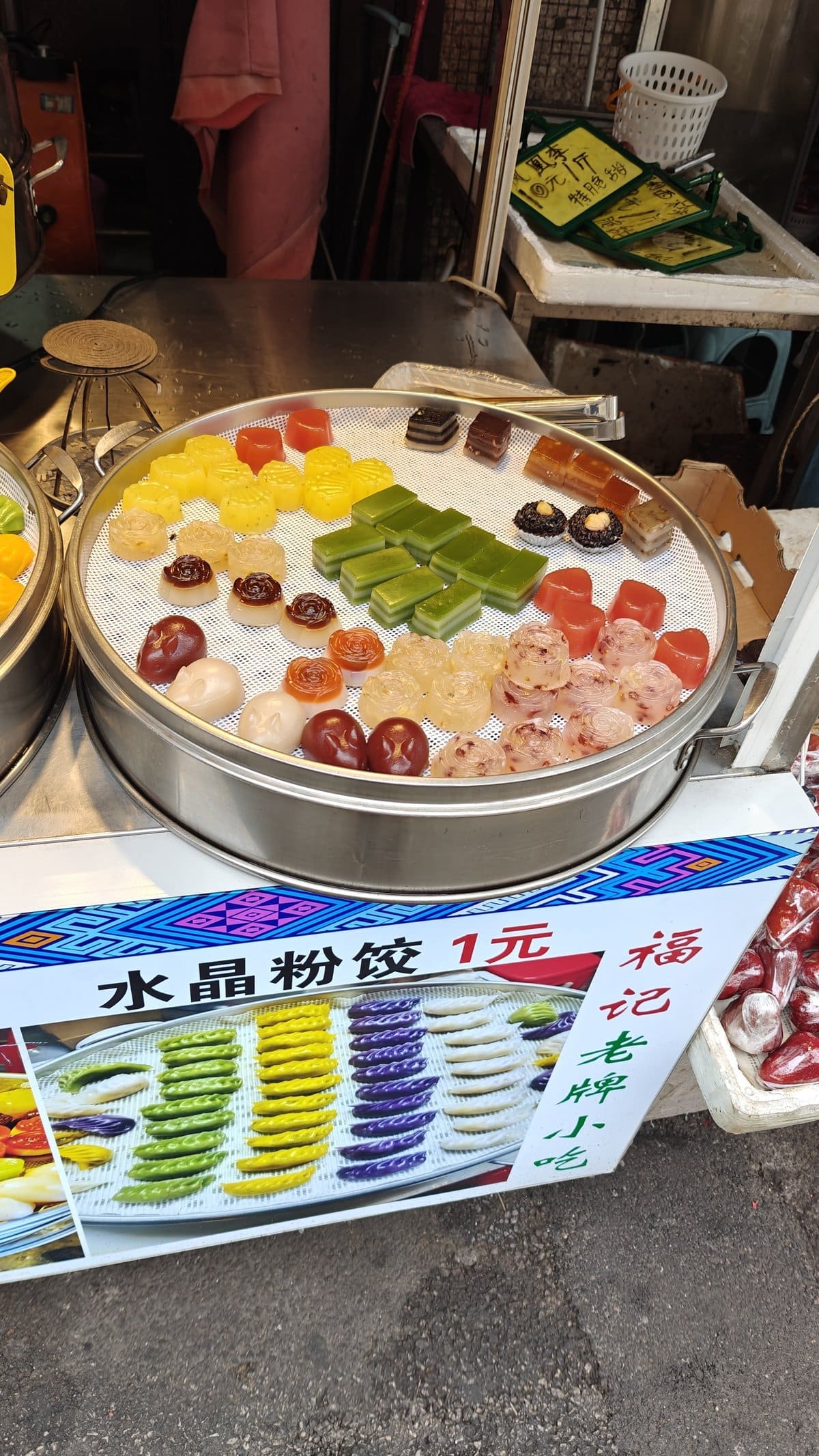
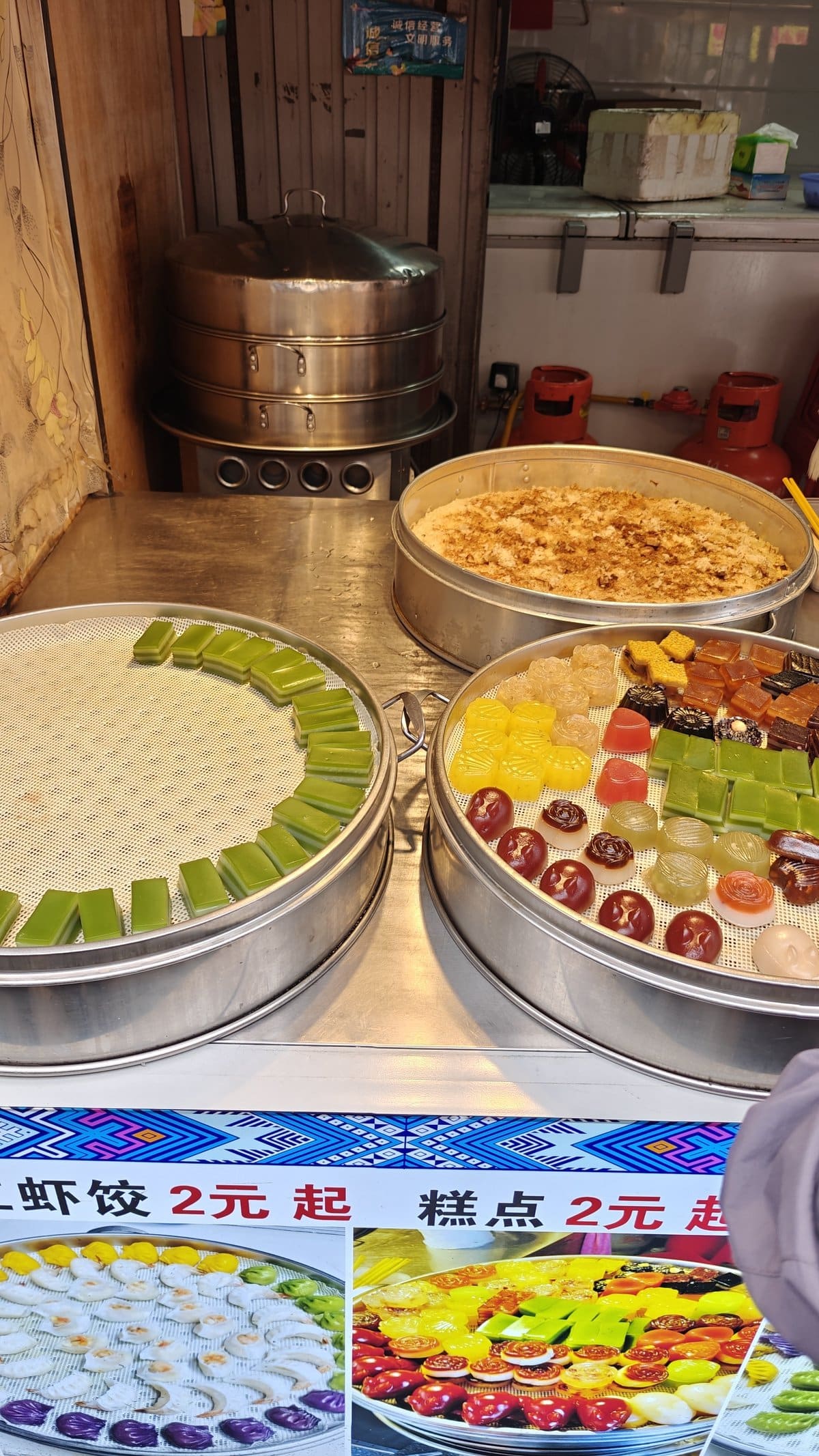
The dim sum stalls is worth checking out for either a light bite or breakfast. They have various types of dumplings and other items that get piled into the steamers. Just point at whatever looks best.
On my second visit there I grabbed a few and they hit the spot perfectly after walking around in the morning.
4. Xiangsi Town
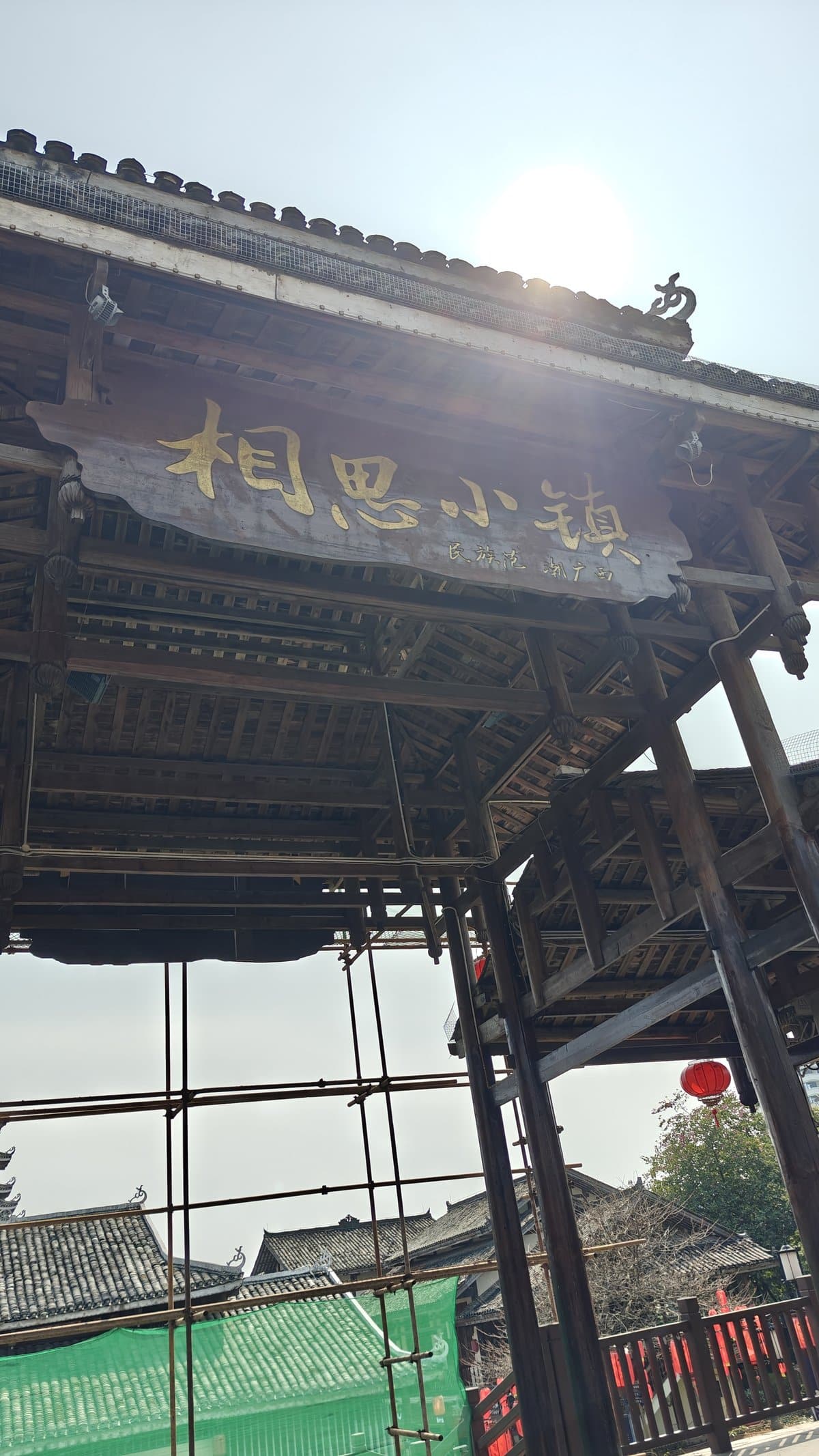
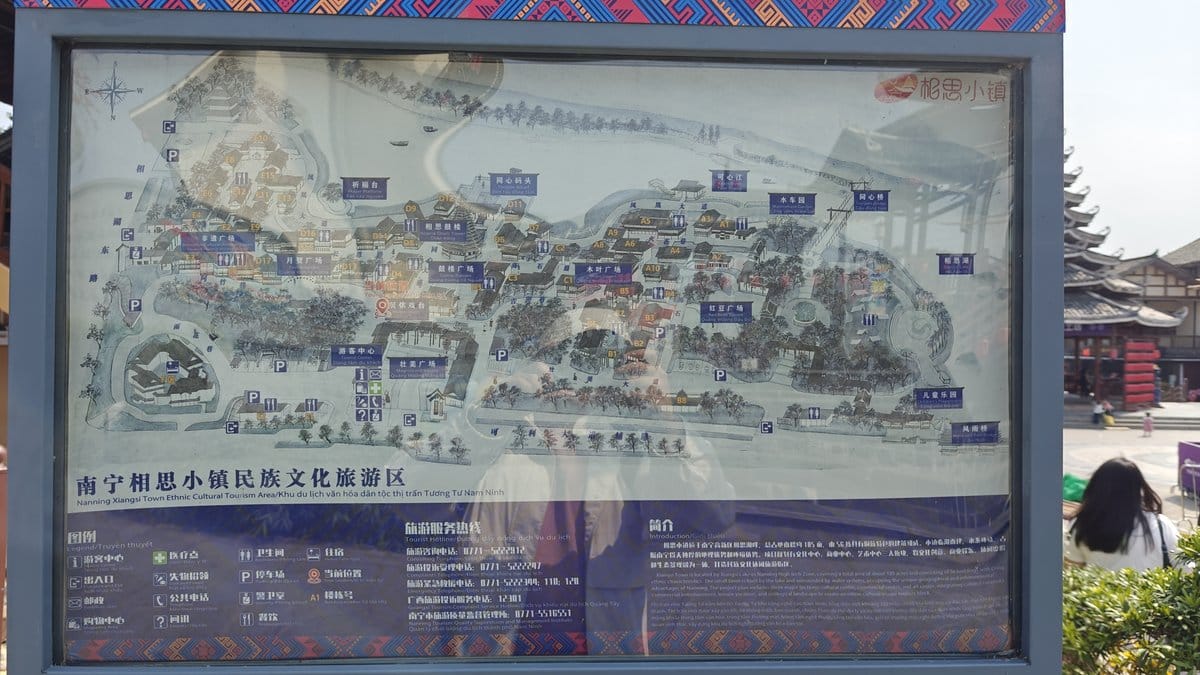
I wasn’t expecting to enjoy Xiangsi Town (a constructed ethnic cultural village for visitors) as much as I did. It was actualy kind of fun. There are traditional gates leading into it and a map board explaining all the areas you can visit.
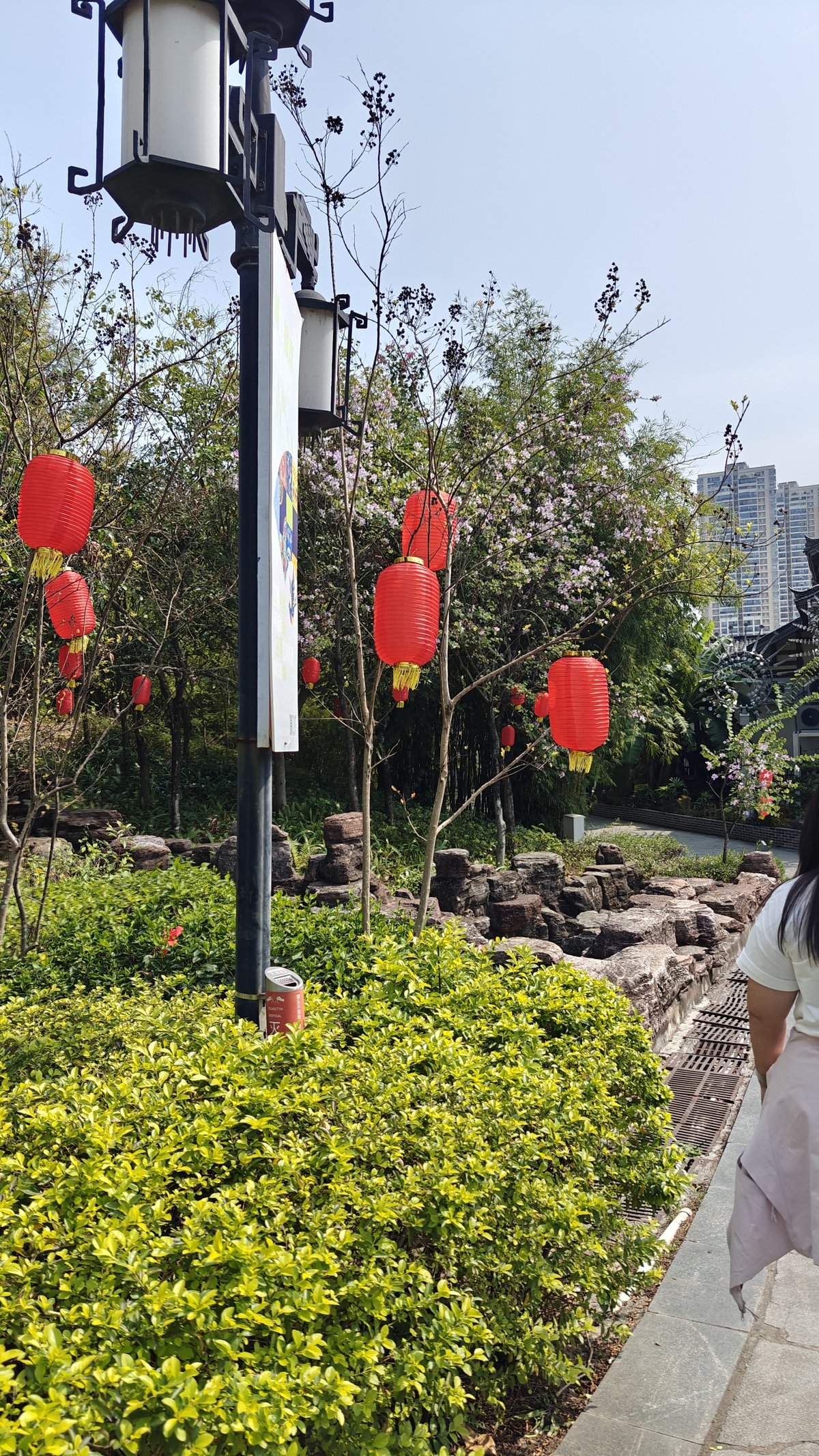
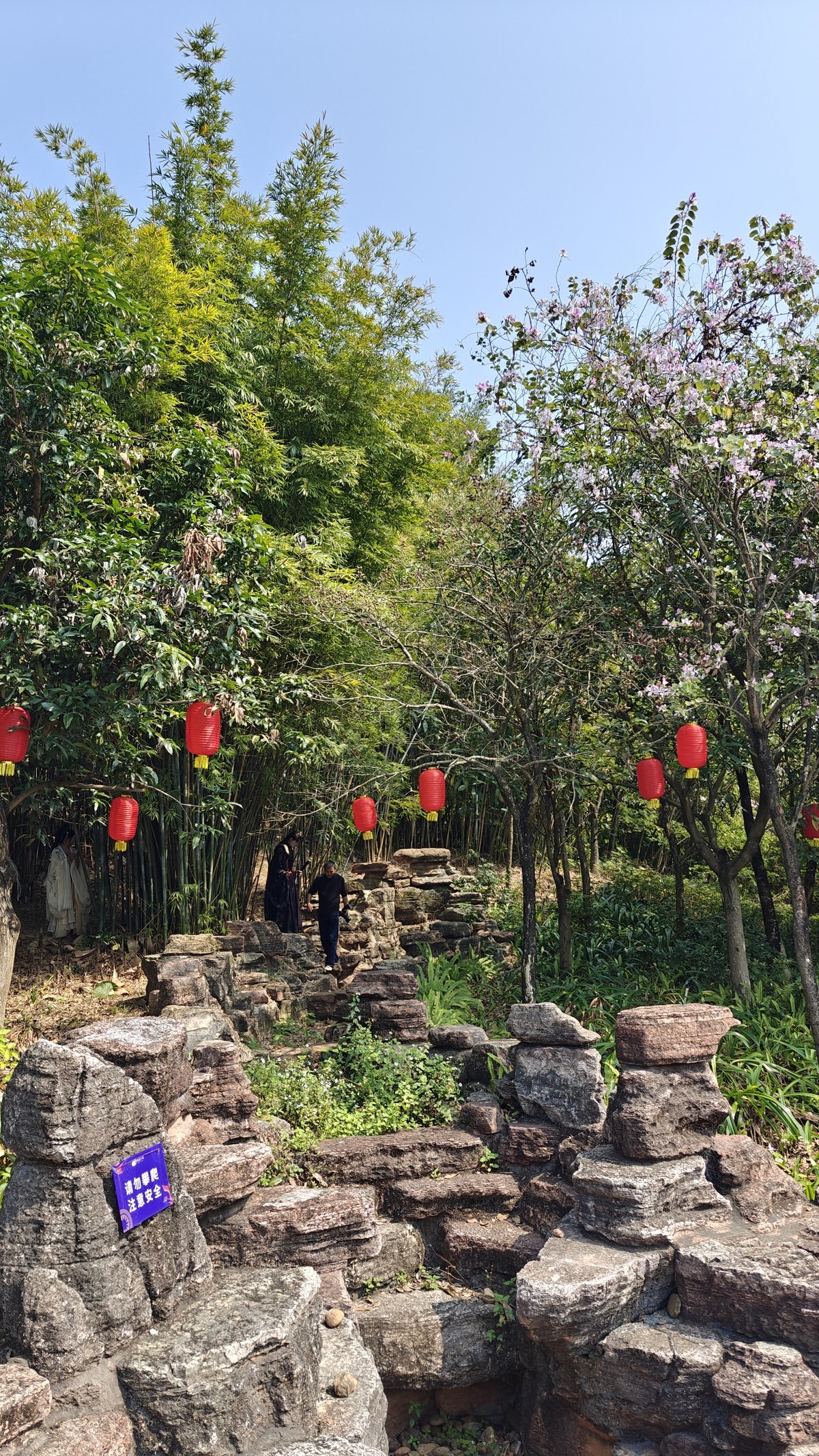
After walking in along some garden paths decorated with red lanterns, things were set up pretty well from there.
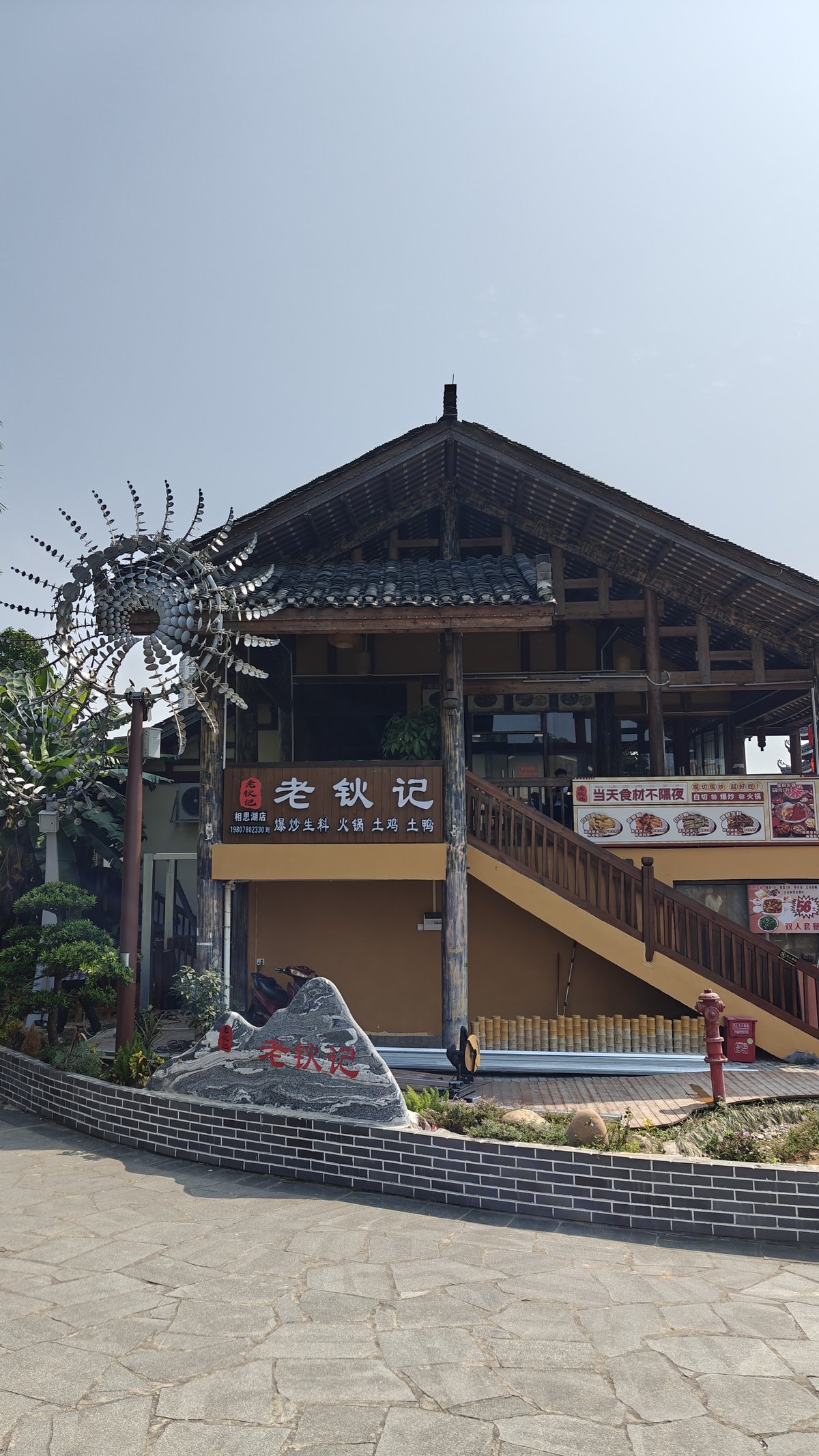
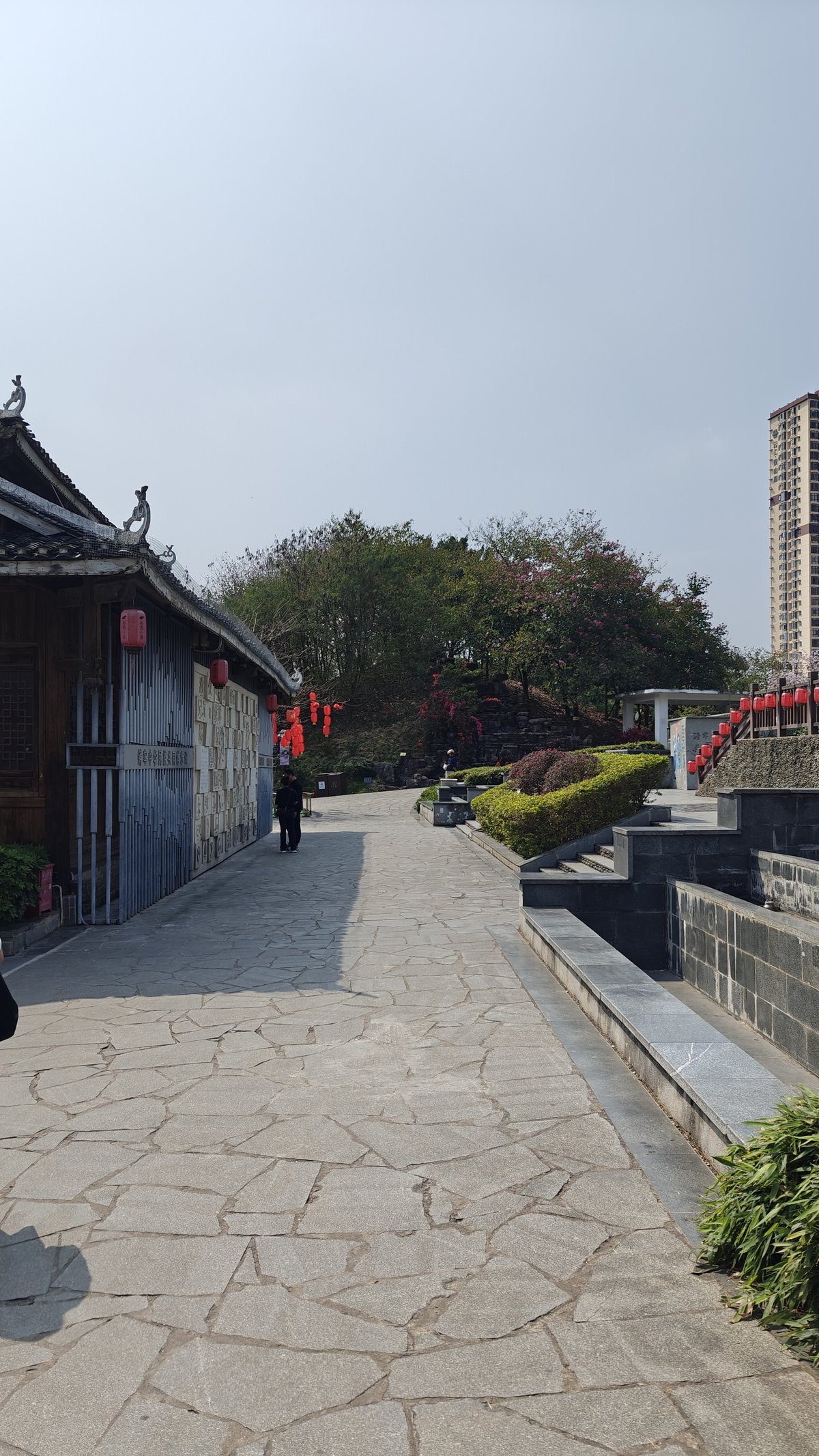
The entire complex is built to look like buildings in Dong and Zhuang culture: made of wood, with stone walkways. They have shops (including one called 老钦记, which looked popular) and restaurants hidden inside them. It all kind of comes off as a bit cheesy, but it’s not a bad-looking theme park.
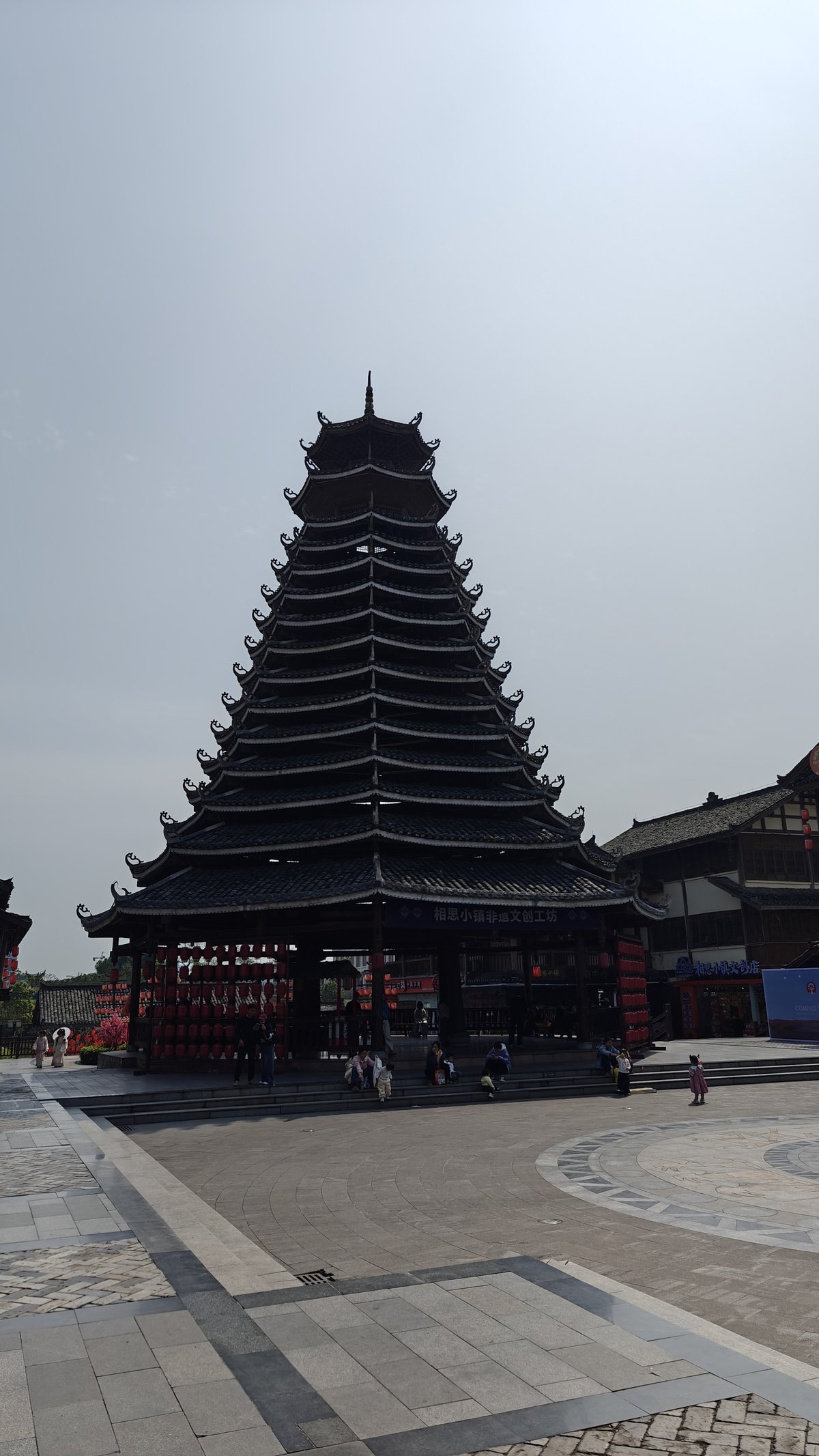
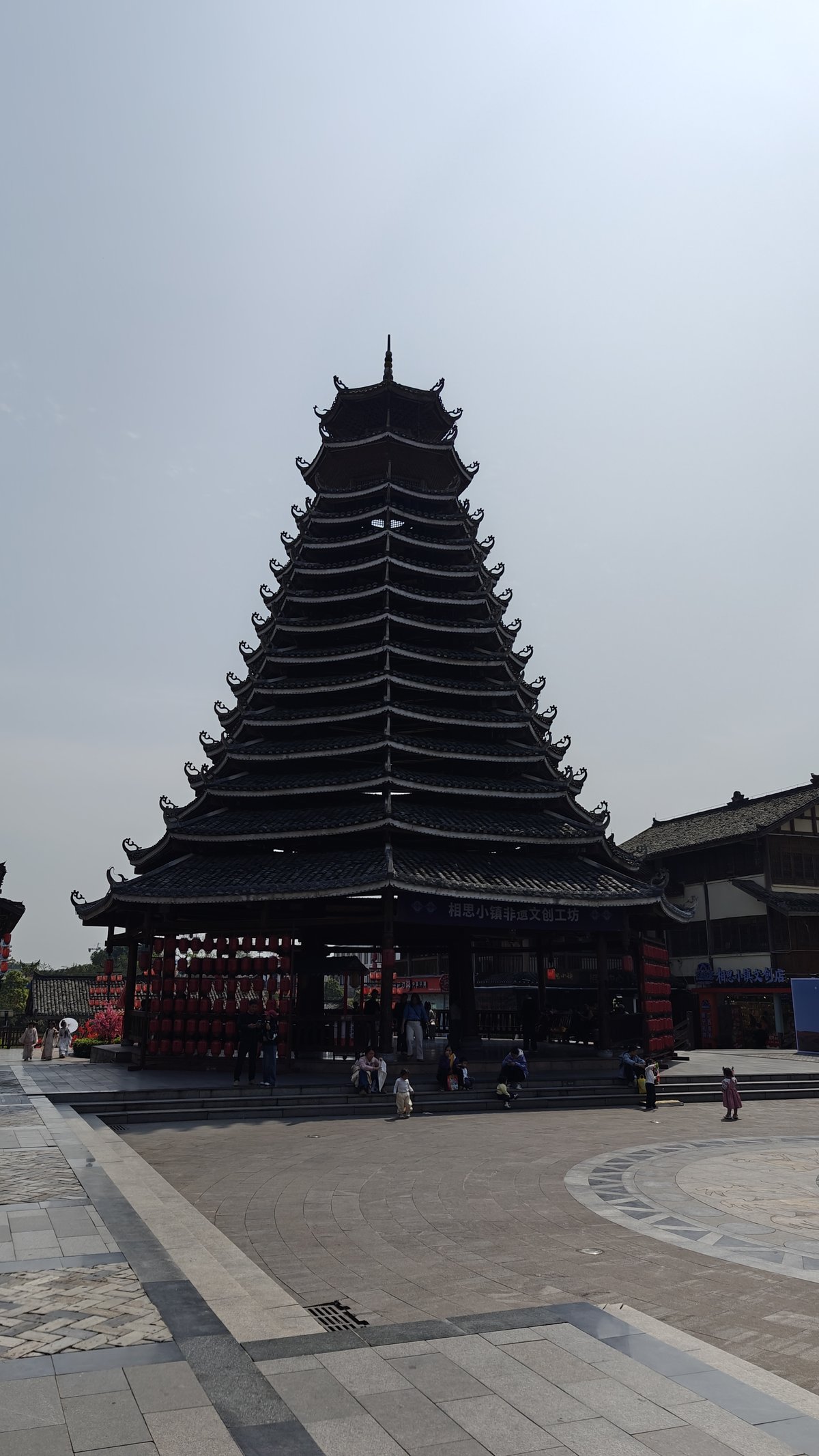
Taking center stage is a huge drum tower that rises above the plaza in the style of the Dong minority. If you look closely at how the tiered walls and wooden beams fit together, it’s well crafted. Around it is an open square filled with people who were simply sitting around waiting for friends or taking a break.
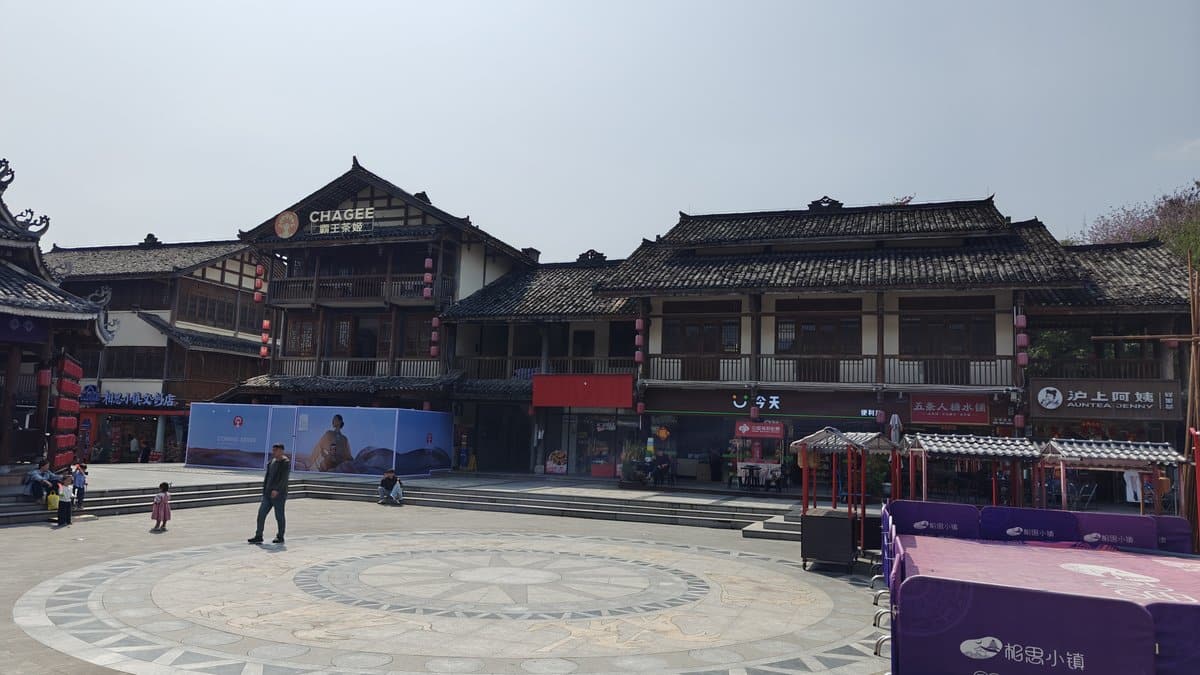
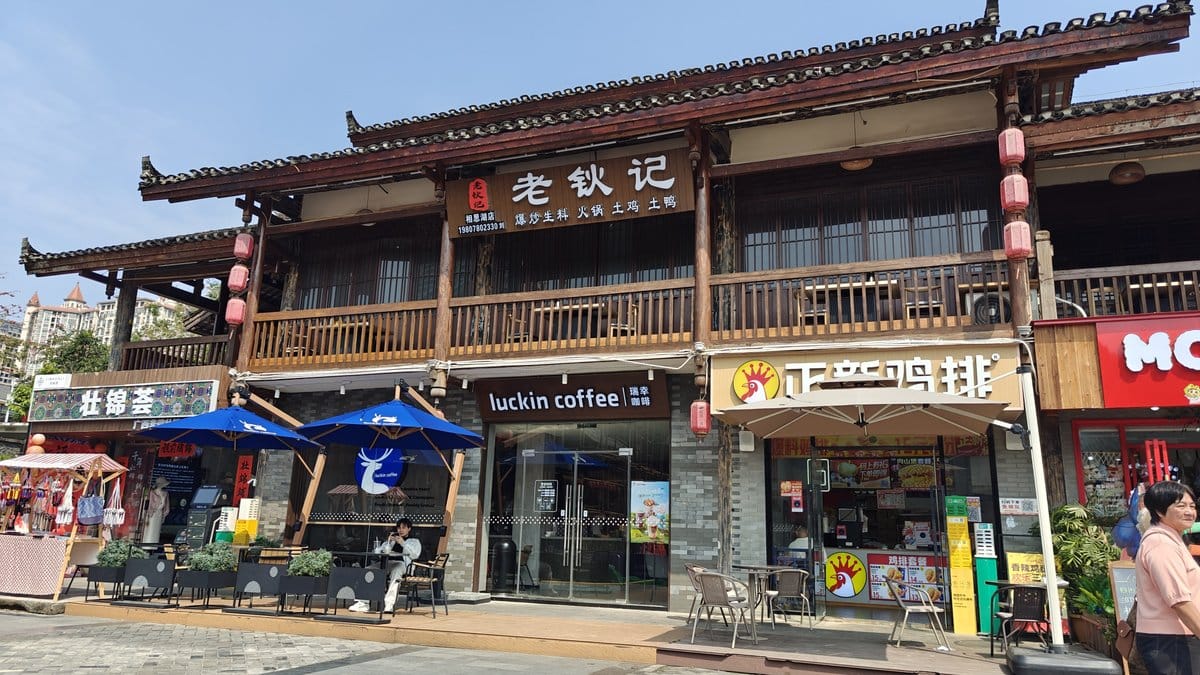
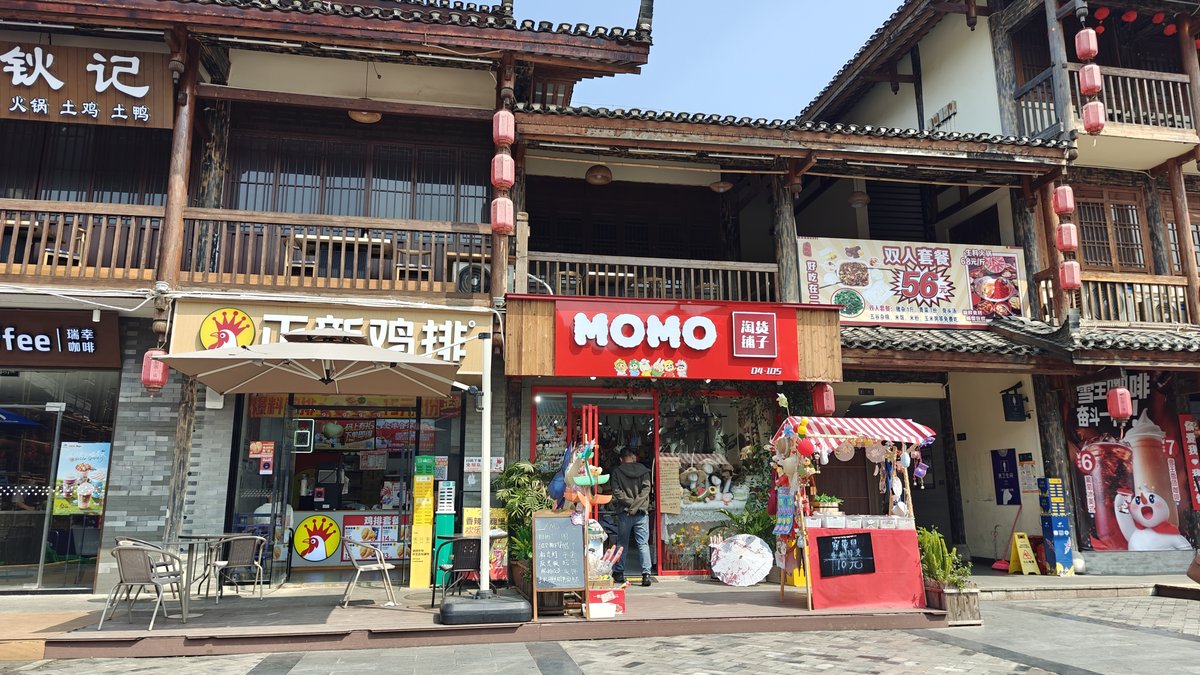
There are both old-fashioned shops and newfangled chain stores around the plaza. There’s a Luckin Coffee, a Miniso, a Chagee tea shop, and a whole slew of fried chicken/dessert joints. It’s an odd combination but, frankly, it made the area seem more real than it would of otherwise felt, given how much historical reenactment was going on here.
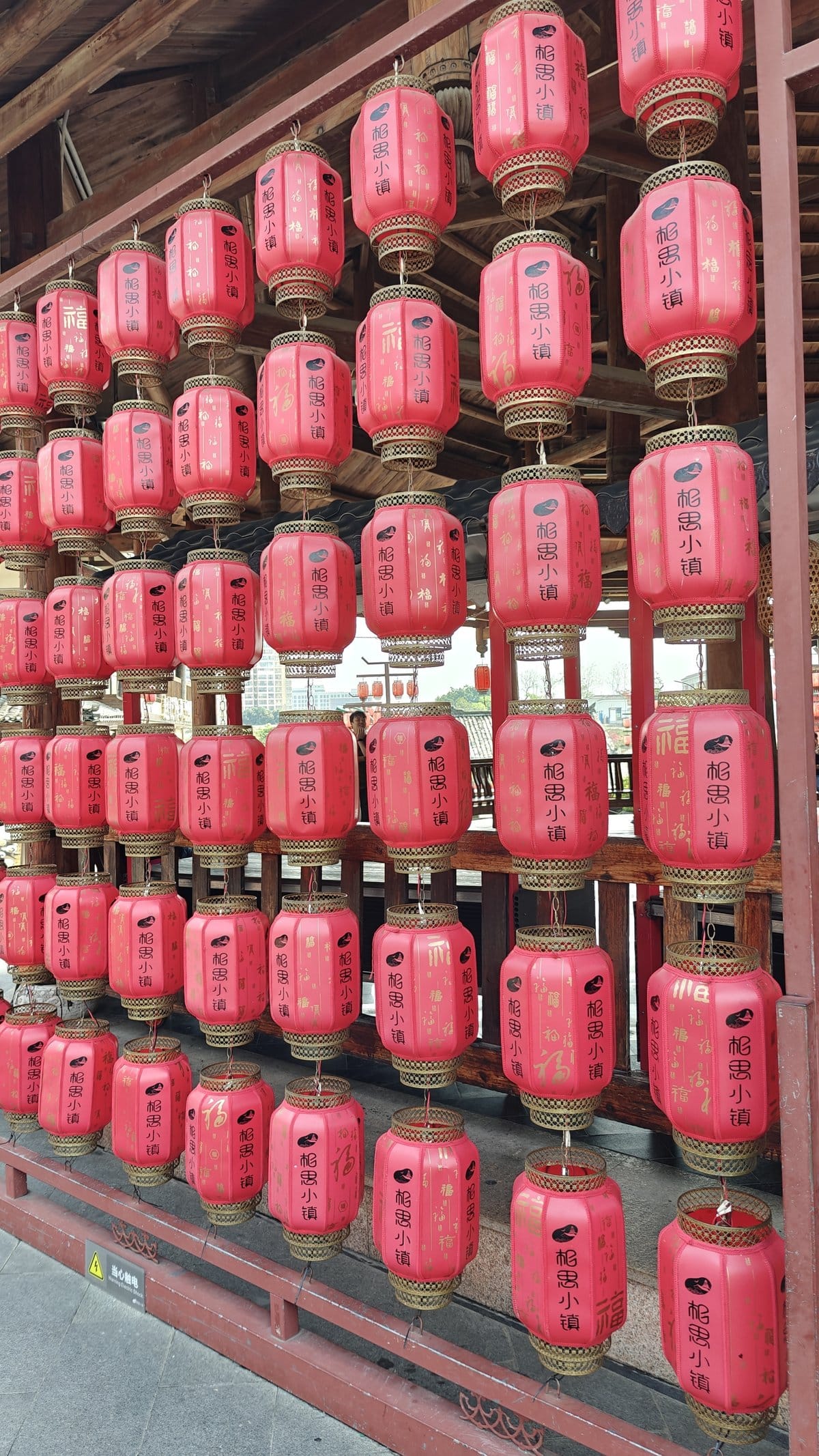
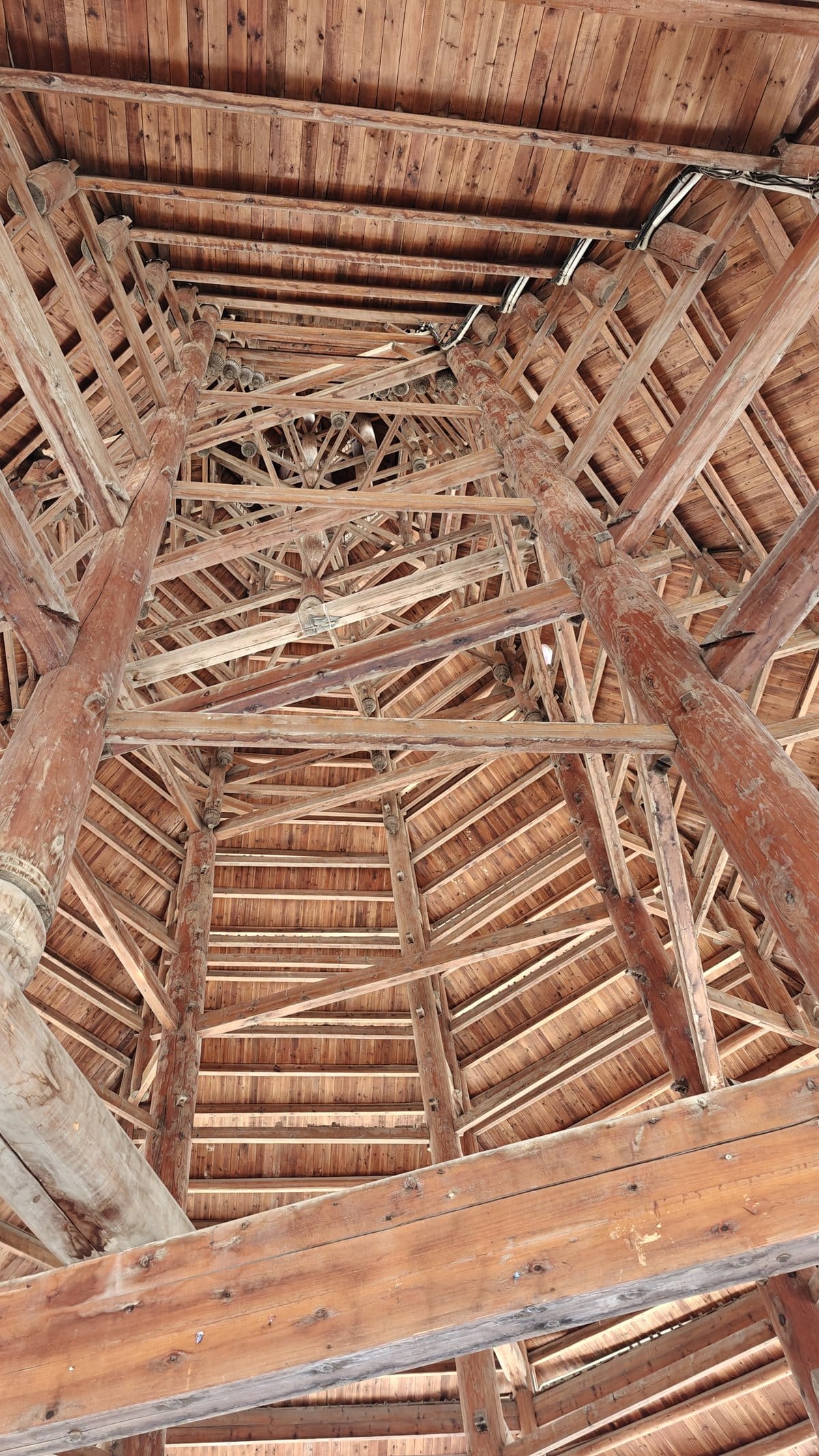
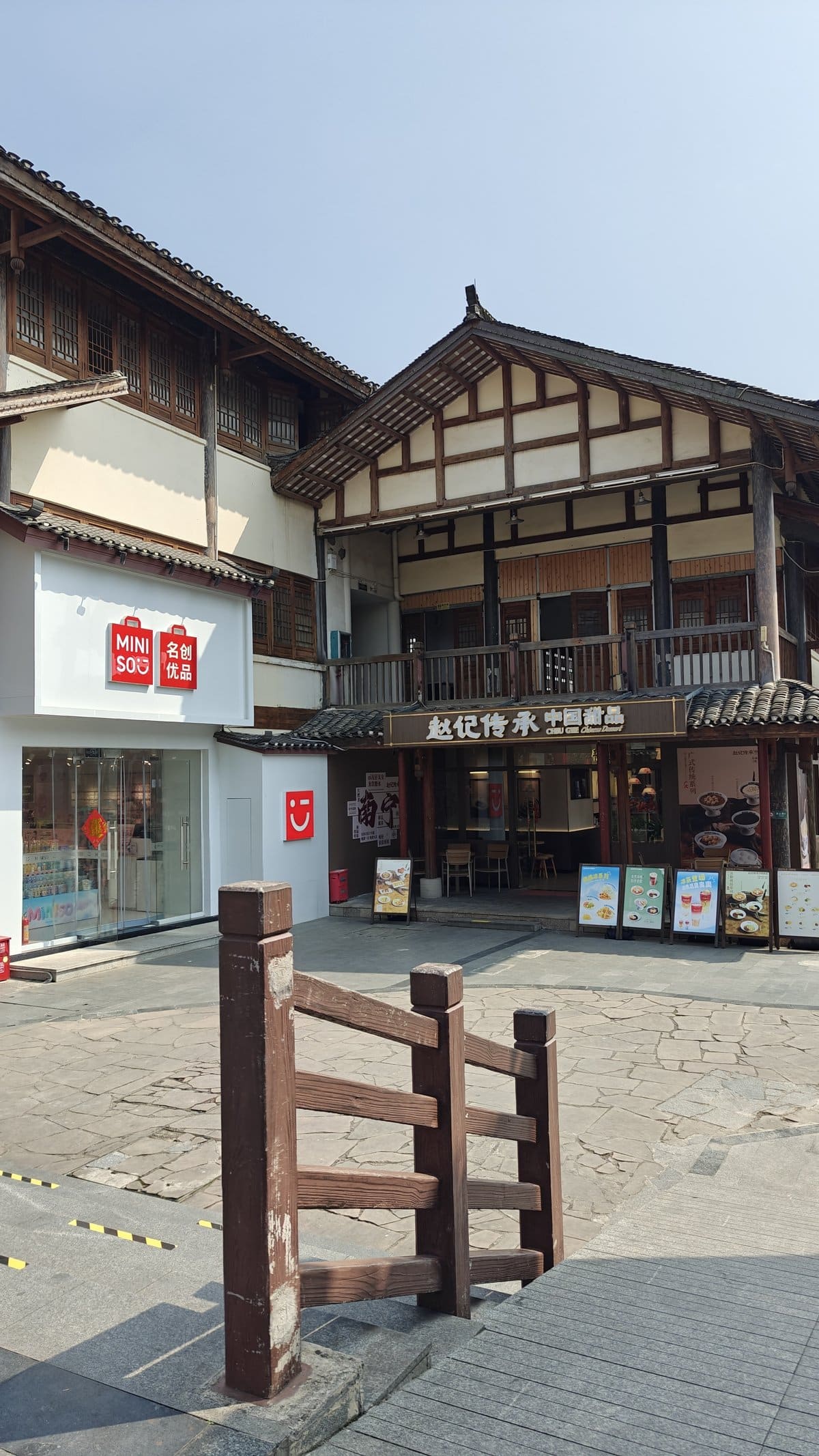
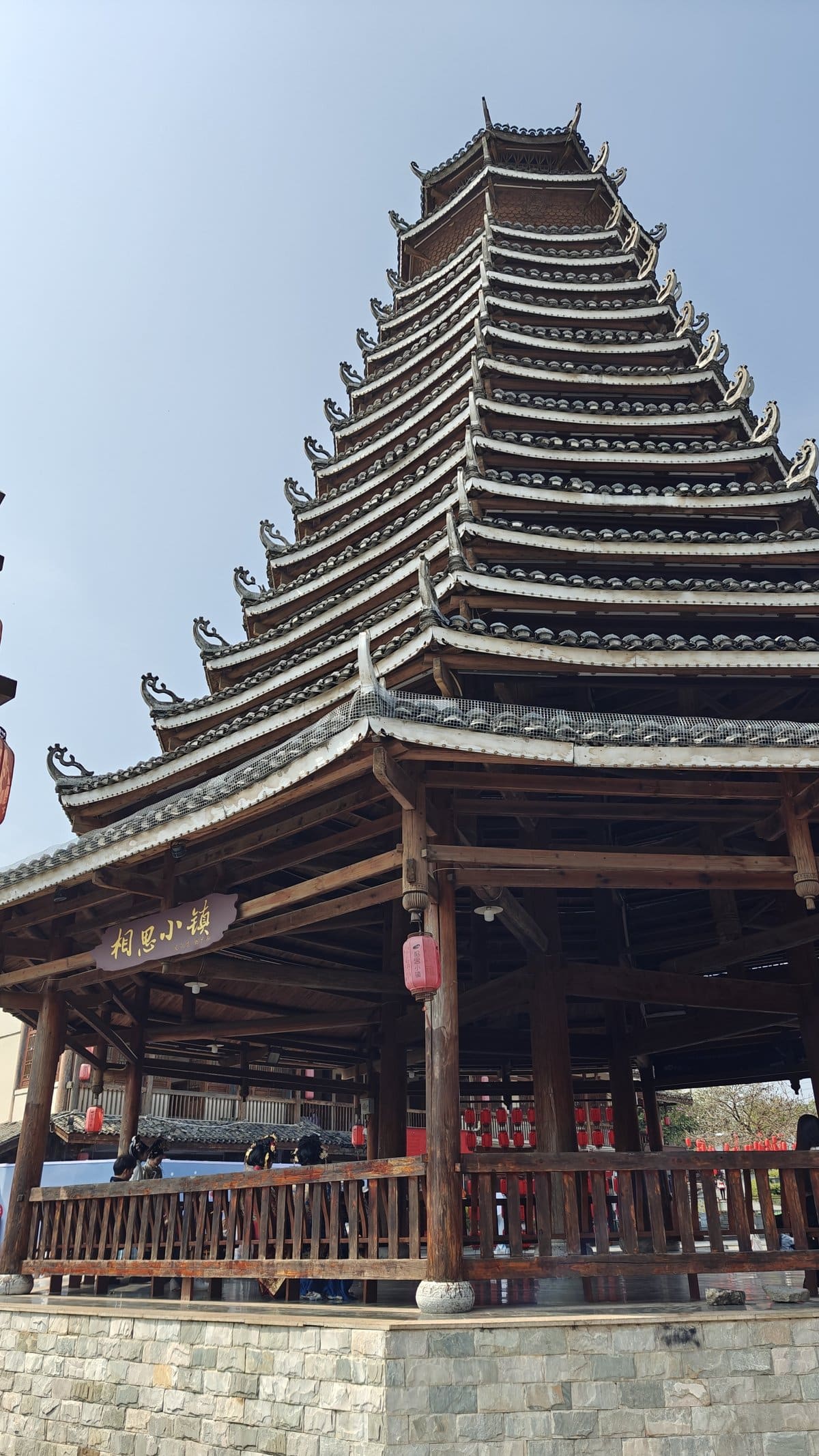
The drum tower also becomes more dramatic at night when shadows play on the beams. I walked around here in the evening, and the whole place changed: It was no longer a shopping area but felt more like a night market, albeit a night market with character. Hundreds of lanterns light up at night too.
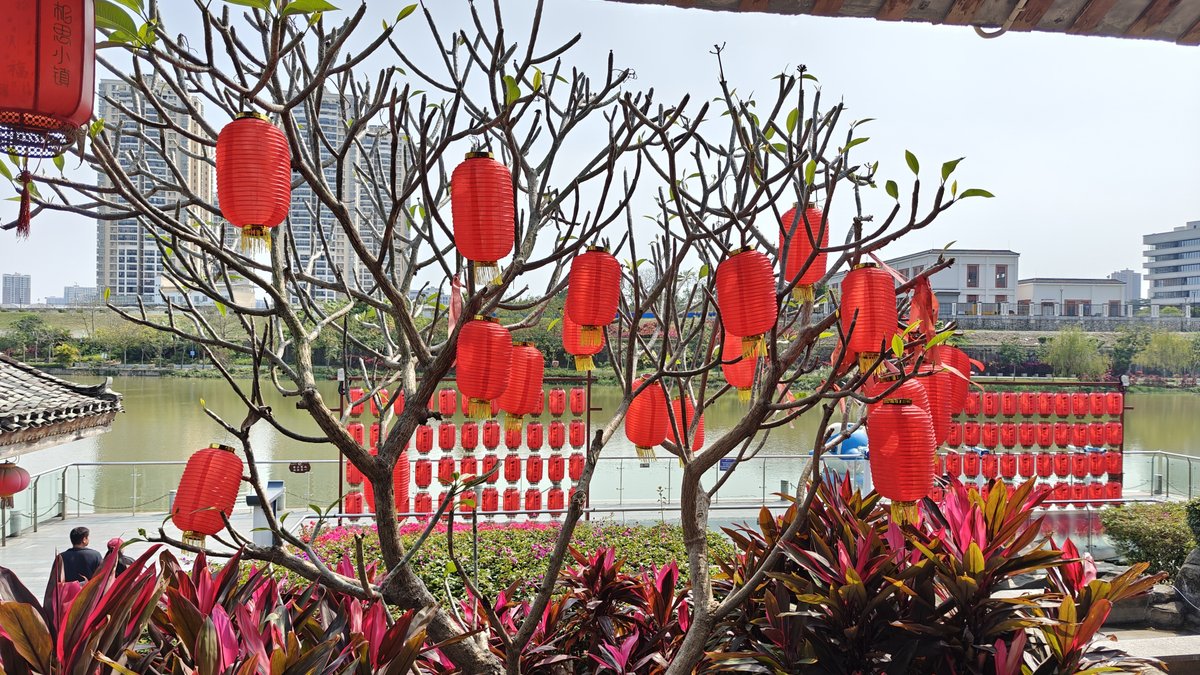
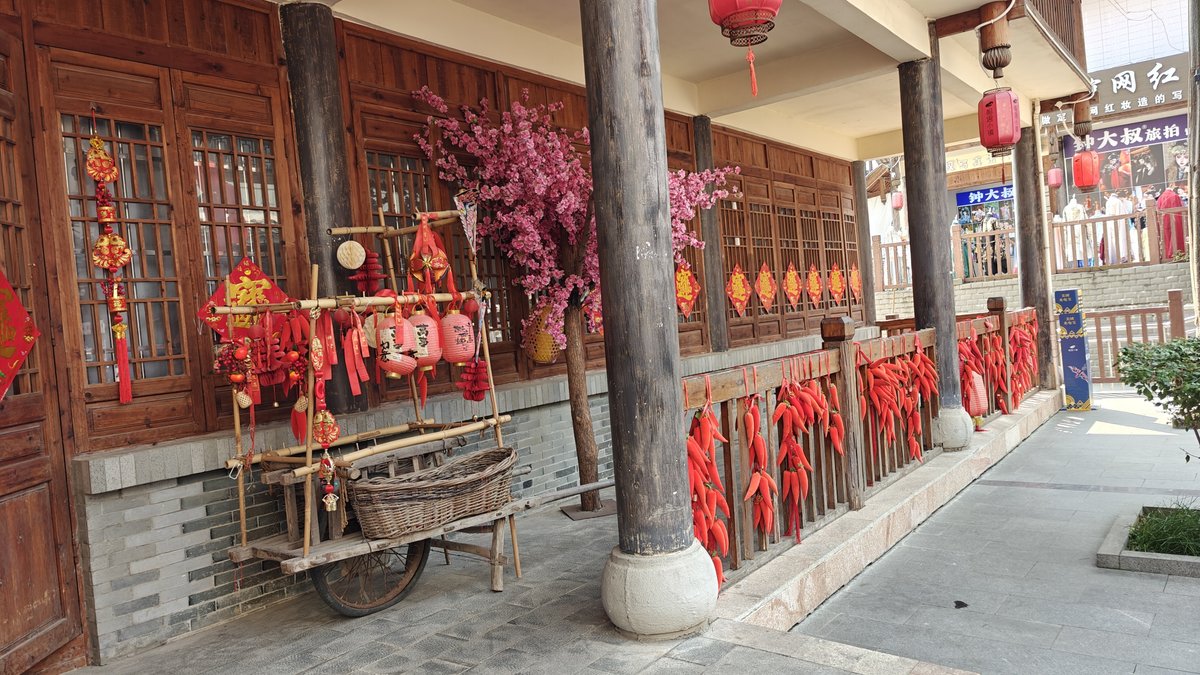
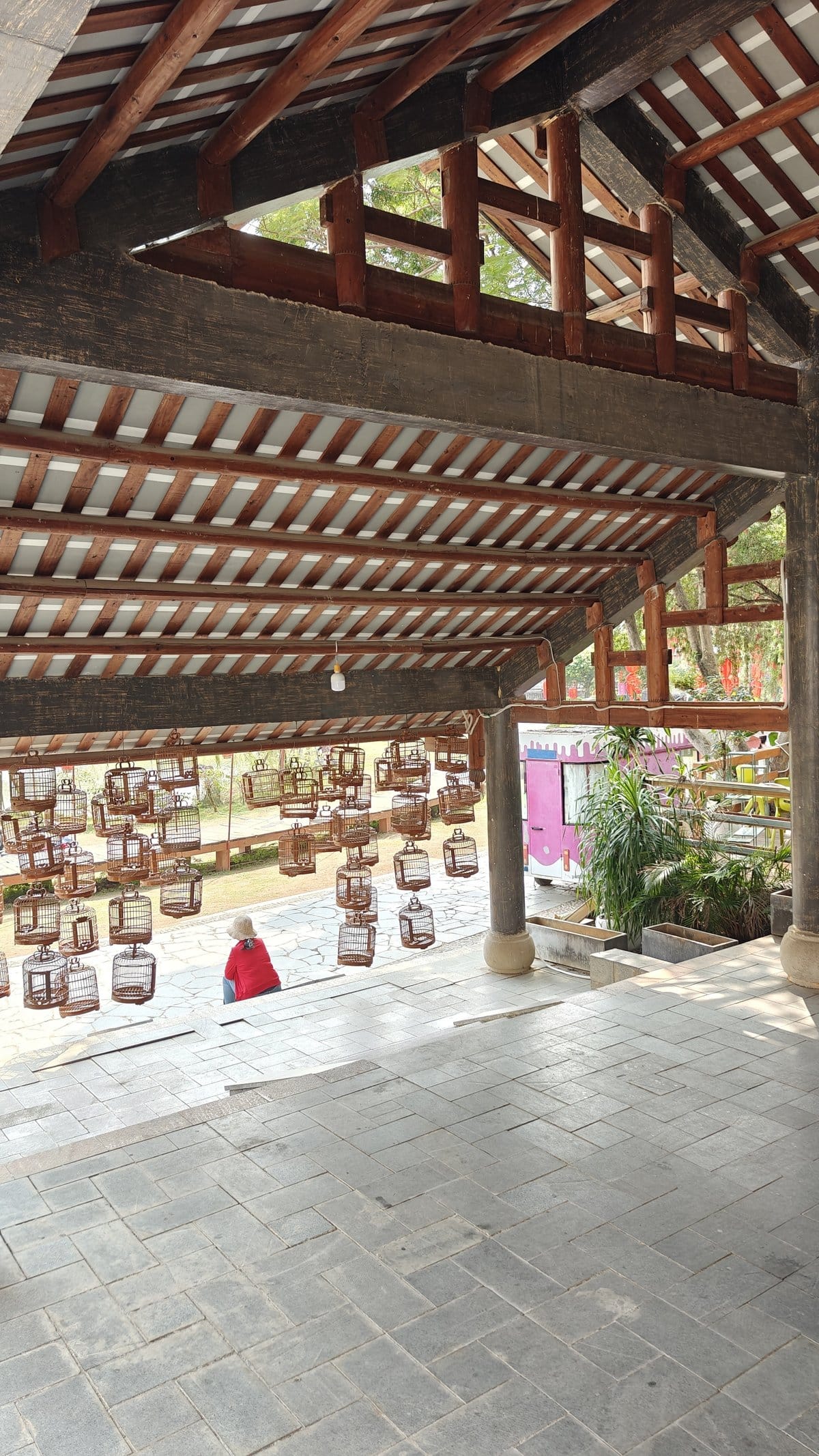
If you pay attention there are little touches sprinkled about. Bamboo bird cages hang from the ceiling, dried chili decorations are strung along corridors, and lanterns reflect on a lakeside path. Not necessary, but they bring texture to the experience.
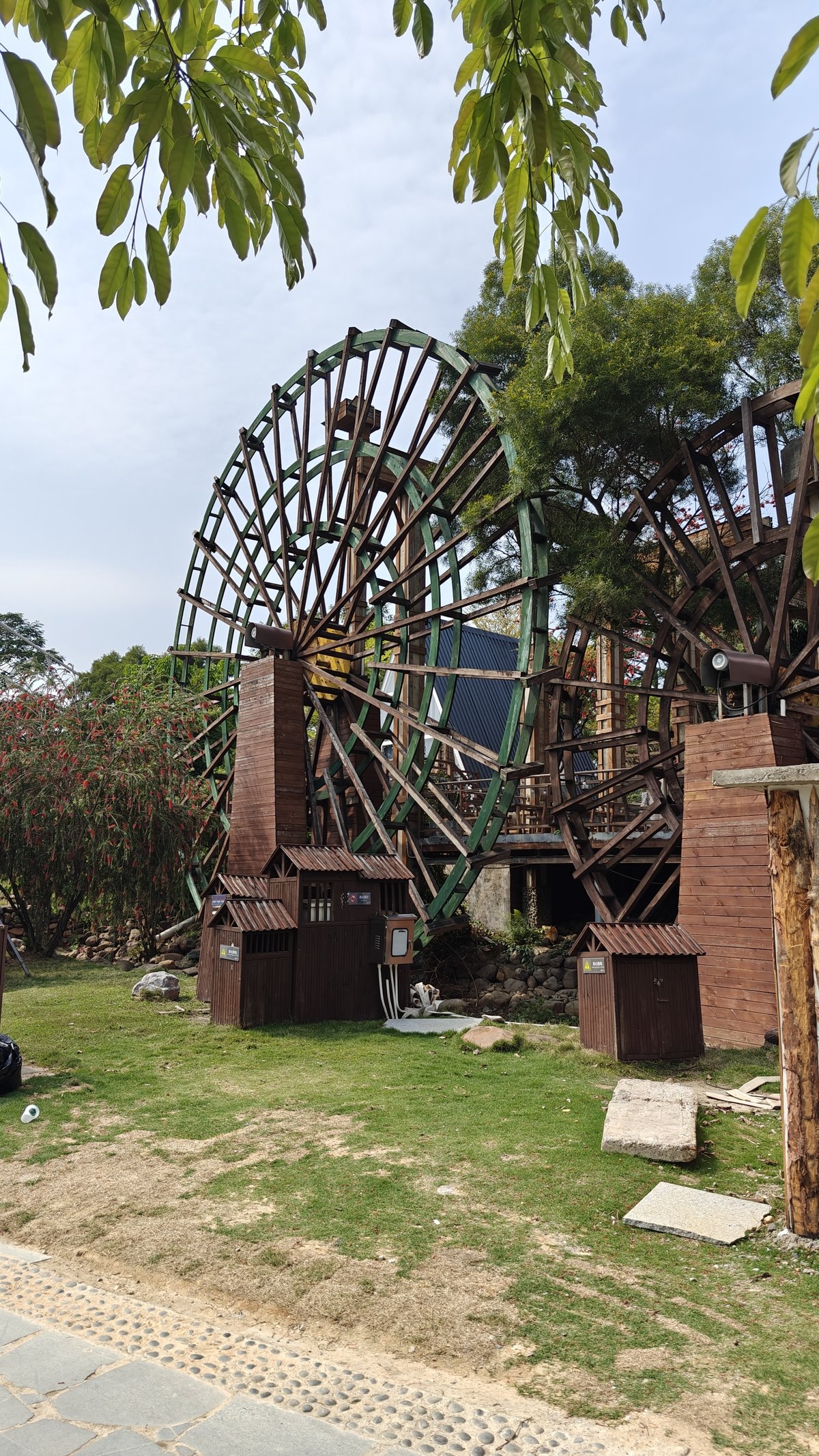
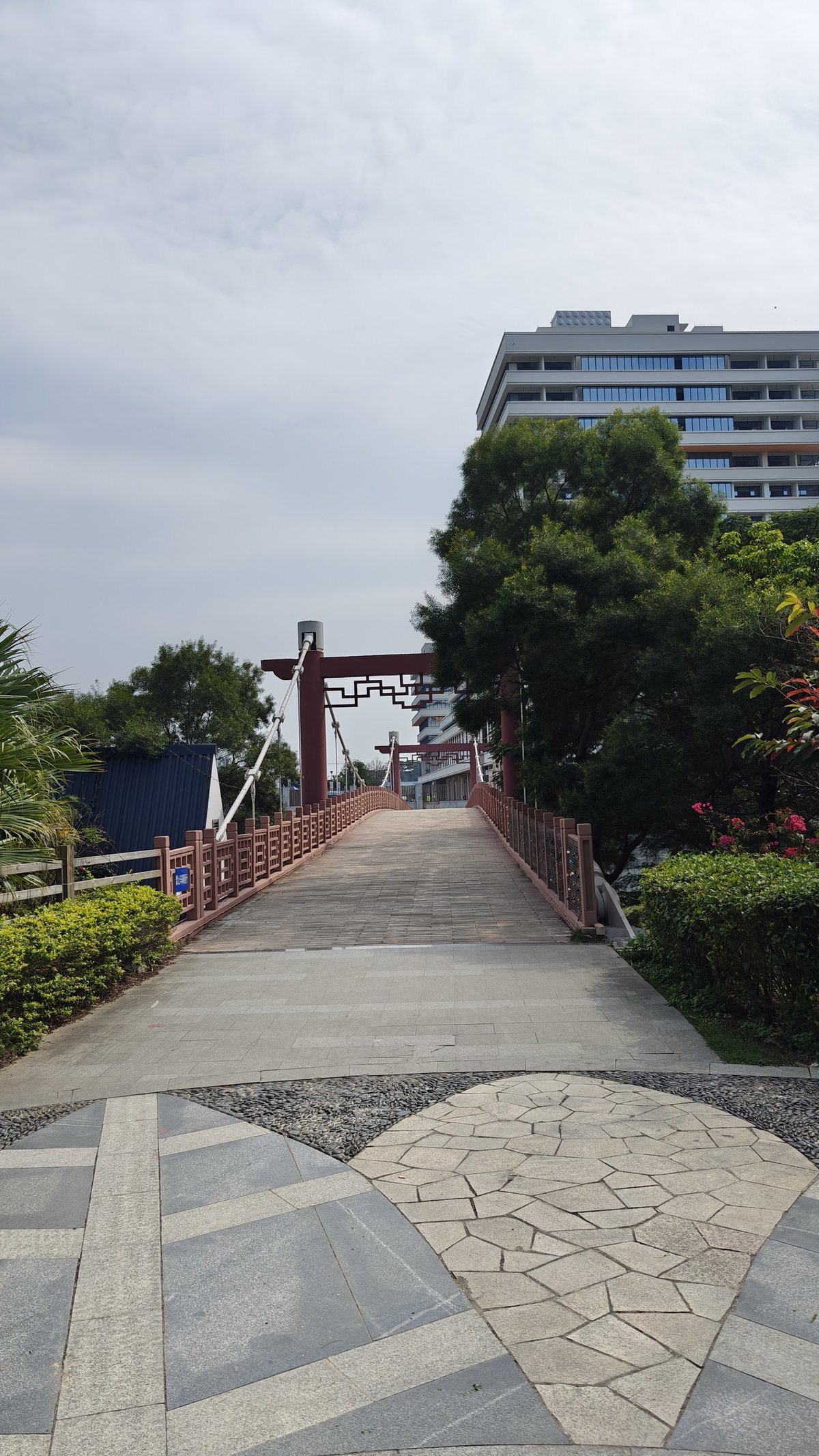
Along the way, we saw a huge wood water wheel and suspension bridge which joins one part of town to another. It’s obviously not practical, as both is more for show than anything. However, they certainly added to the whole feel and provided an excuse to veer off course a little from our intended route.
Will Liuzhou blow your mind? No. But then again, that’s kind of the point. It’s one of those cities where you can take your time, eat well, see some really pretty scenery (without all the tourist hoopla), and just generally hang out for a few days.
The karst peaks mixed in with the river views make it interesting enough to look at without making it feel flat. There are huge parks, and the food is good enough to travel here for alone. I would return, especially if I wanted to use a place as a base to explore other parts of the Guangxi region while avoiding the crowds in Guilin.
Is Liuzhou on your list? Did you visit? What about lesser-known cities appeals to you?