
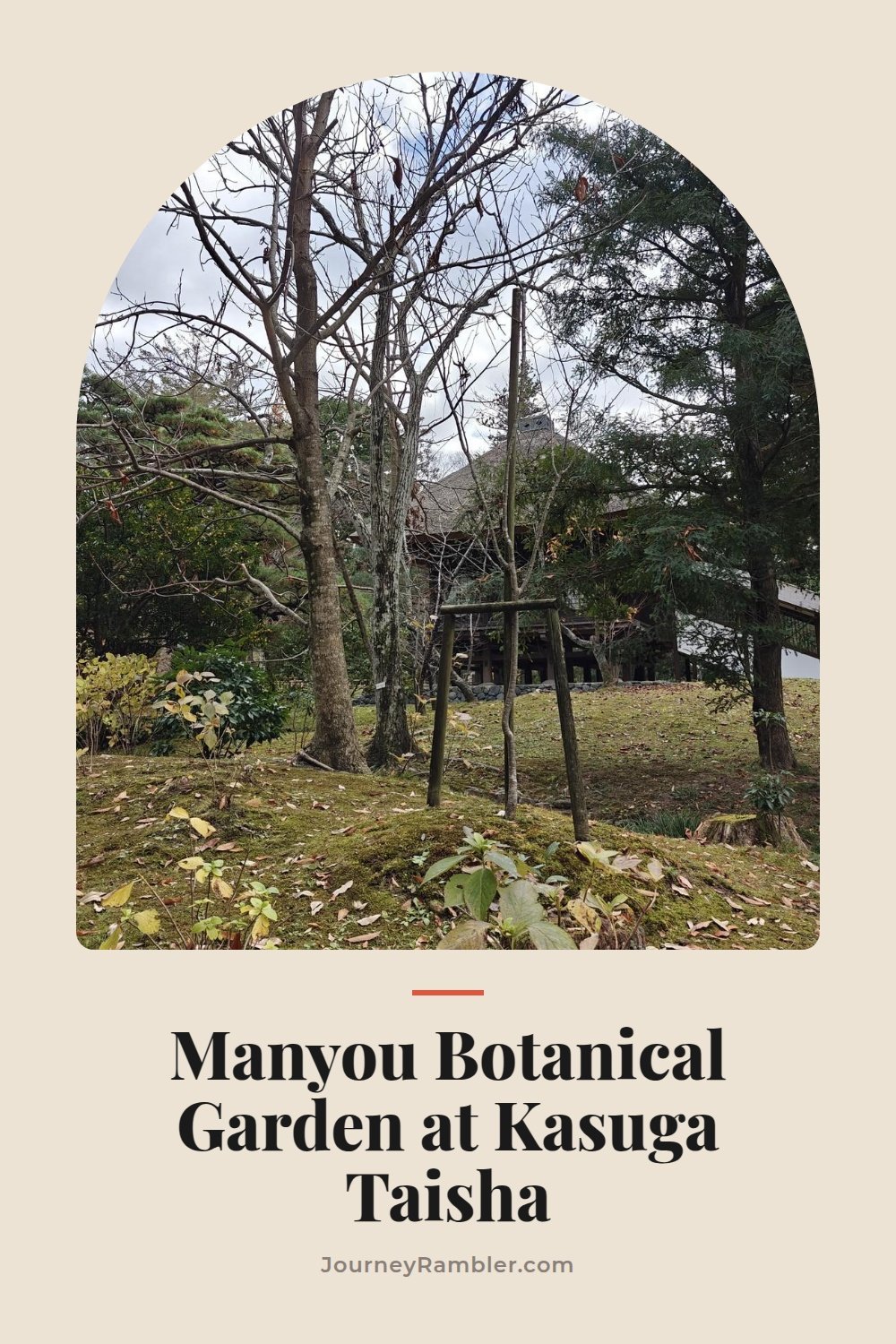
While it might not have the same name recall as Kyoto, Nara does feature plenty of areas like Manyou Botanical Garden that can also be memorable. Located in the Kasugano-cho area, the garden is nestled within Nara Park which also happens to be one of the largest parks in the Kansai region. Perhaps the landmark that’s most associated with the garden though is the nearby Kasuga Taisha, a Shinto shrine dedicated to the four kami that was said to have protected the once powerful Fujiwara clan.
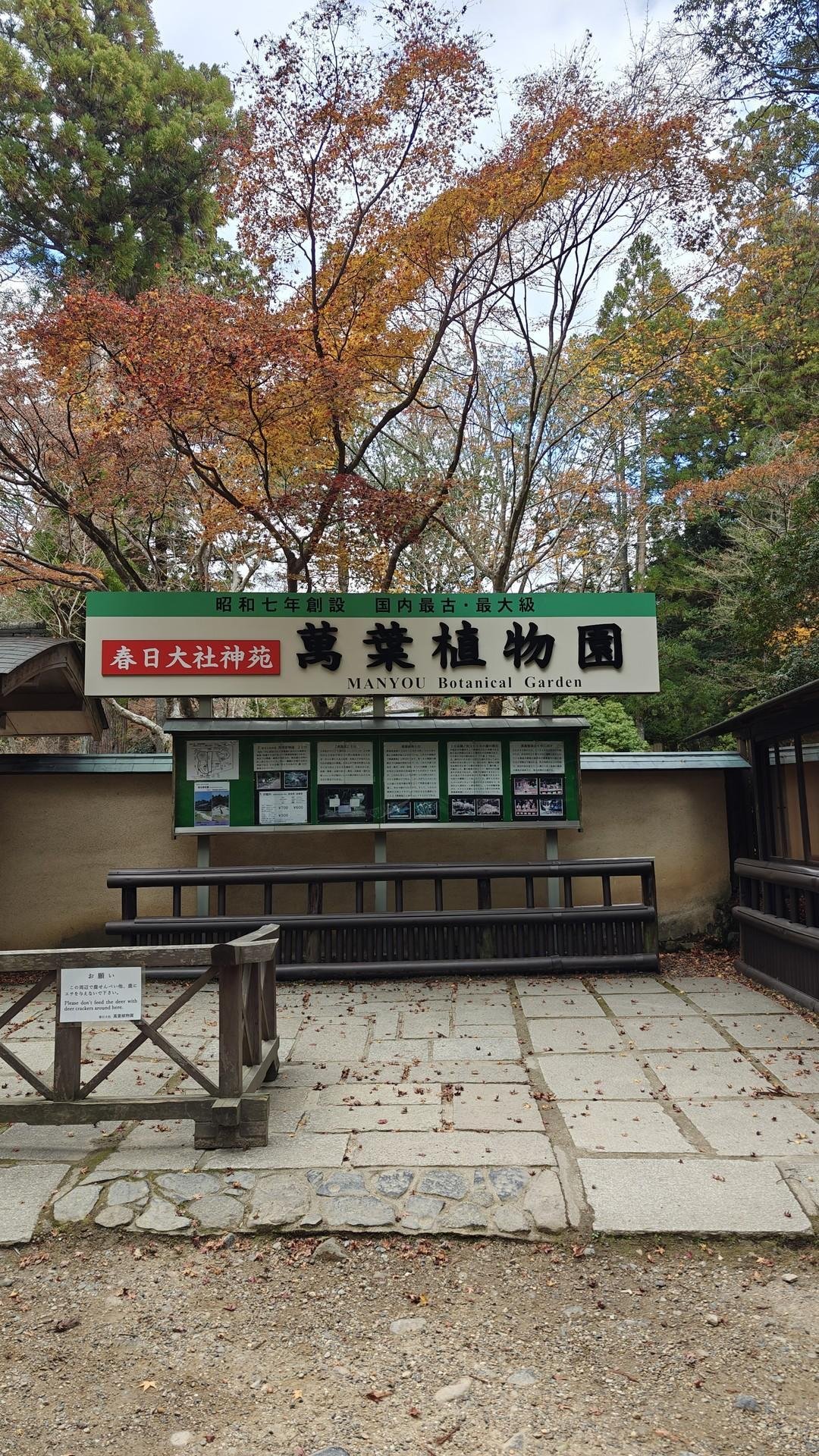
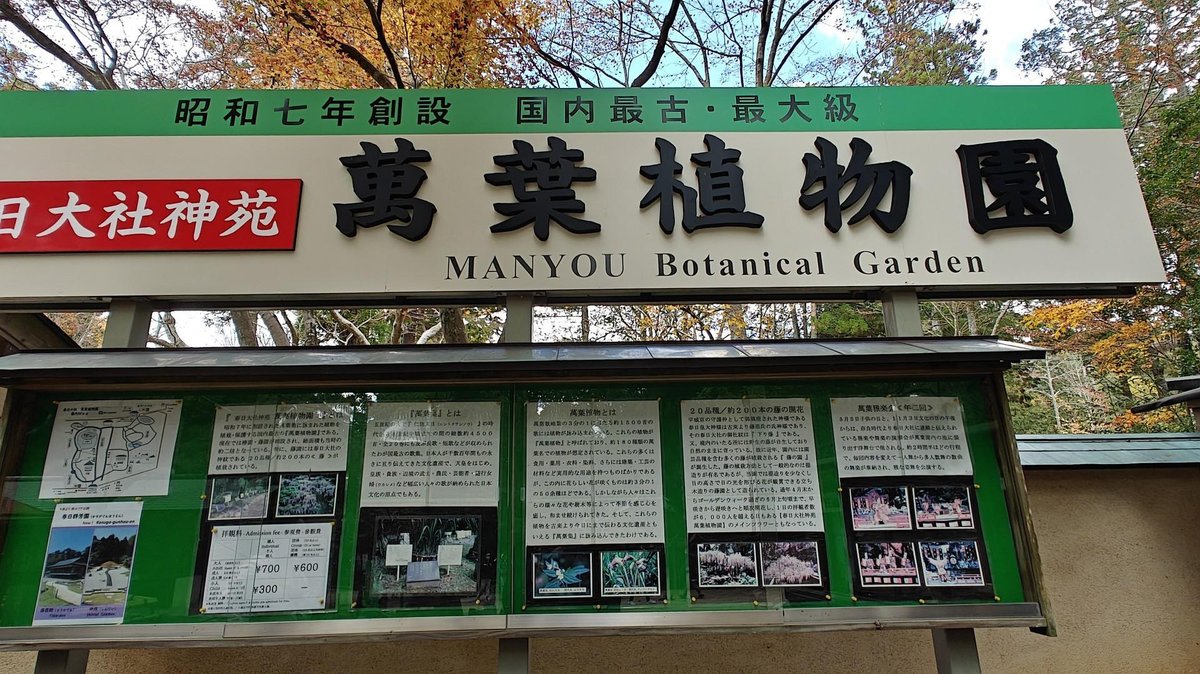
Taking a bus to the Nara-Kasugano Kokusai Iraka-mae bus stop is the most efficient and practical way to get to Manyou Botanical Garden. Once you’re at the bus stop, cross the road and take the path (there are signs indicating that it leads to Kasuga Taisha) south. Take a left at the end of the path and in a short while you should see the sign and bulletin board shown above.
Just to the left of this sign you should then find the entrance to the garden.
Manyou Botanical Garden at Kasuga Taisha
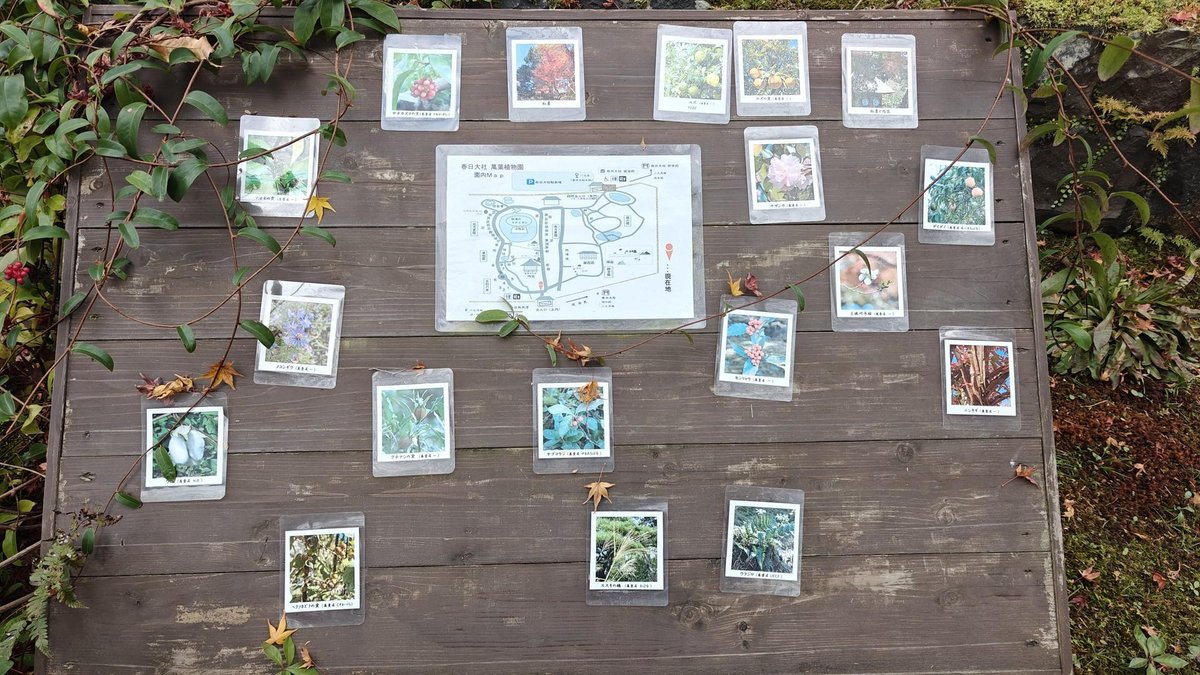
Entrance to Manyou Botanical Garden is relatively affordable at just 500JPY. Once inside, one of the first things you’ll see should be this signboard that has a guide map of the garden that features the location of notable plants that you’ll find here. While Nara Park is quite large, the garden itself is actually quite compact.
This means that it’s relatively easy to get around here and the only reason you’re going to want to take a picture of the guide map is so that you’d have a better idea where the plants are.
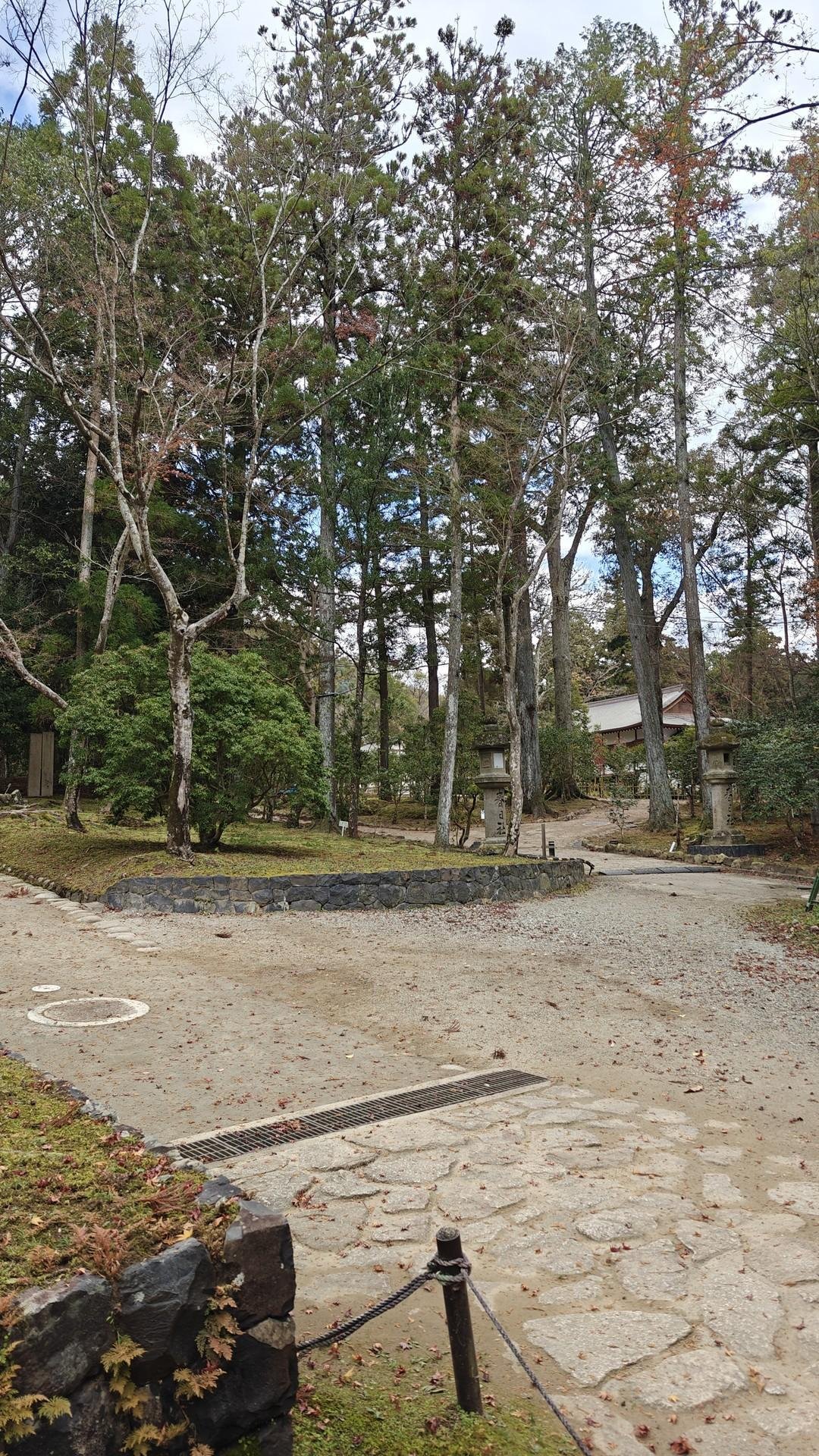
Believe it or not, Manyou isn’t actually the name of the botanical garden but rather it’s actually a type (they’re specifically called Manyou Shokubutsuen). If you’ve been following me lately then it’s kind of like the Zen karesansui gardens that I visited in various temples in Kyoto. The term is taken from Man’yoshu which is the oldest anthology of poetry in Japan and gardens like this feature plants and flowers mentioned in those poems.
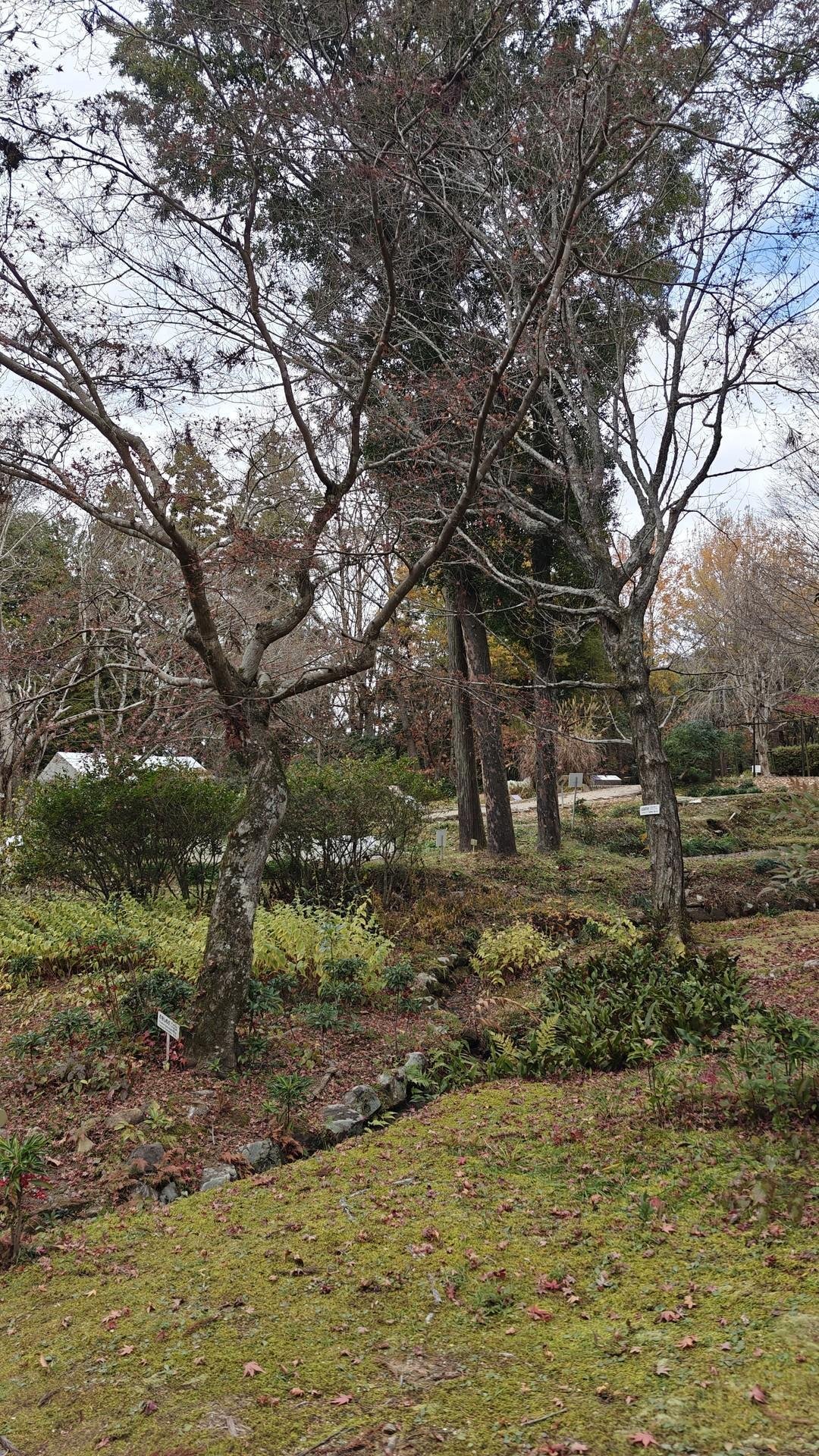
So what makes this specific Manyou Botanical Garden unique then? Well, it’s actually the oldest and quite possibly the most famous garden of its kind. According to the sources I read, it features a whopping 300 species of plants that have been mentioned in the poems of the anthology.
Moreover, this garden (as well as others like it) is said to feature only the plants mentioned in the anthology and nothing else.
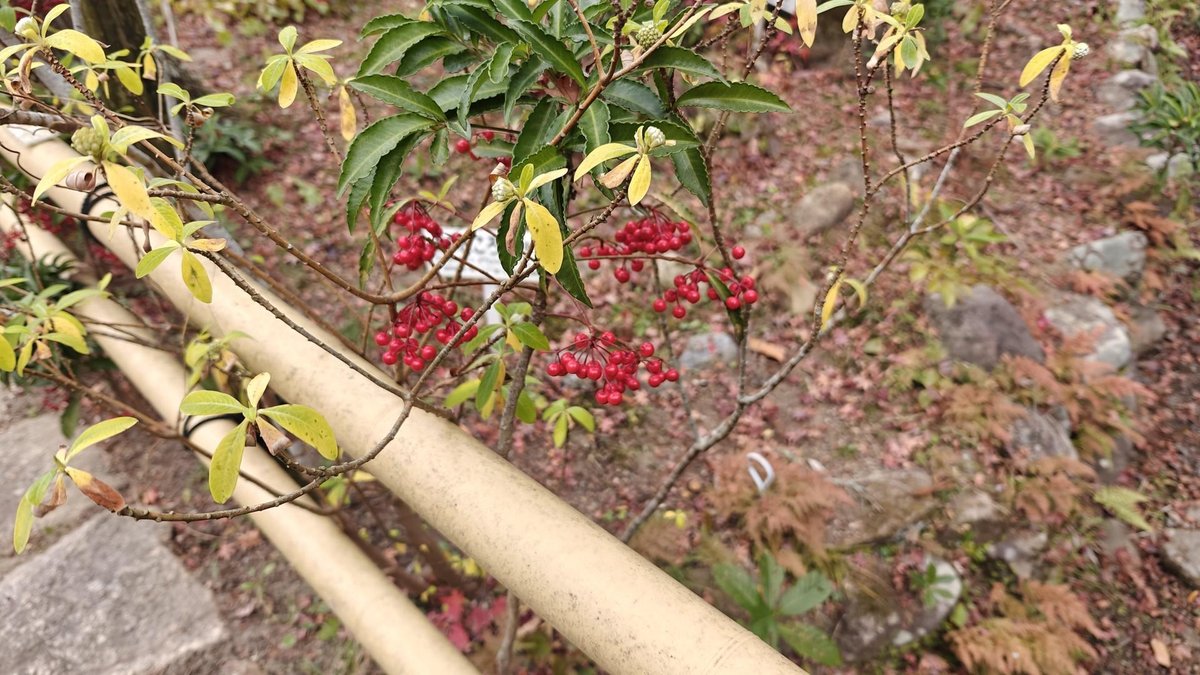
Here you can see a coralberry and it actually has quite a unique story. Now, this plant isn’t specifically named or mentioned in the Man’yoshu but it still gets featured here. I think the reason for this is that there is a poem that does mention red berries and considering coralberry is a native species, it’s understandable why an exception can be made for it.
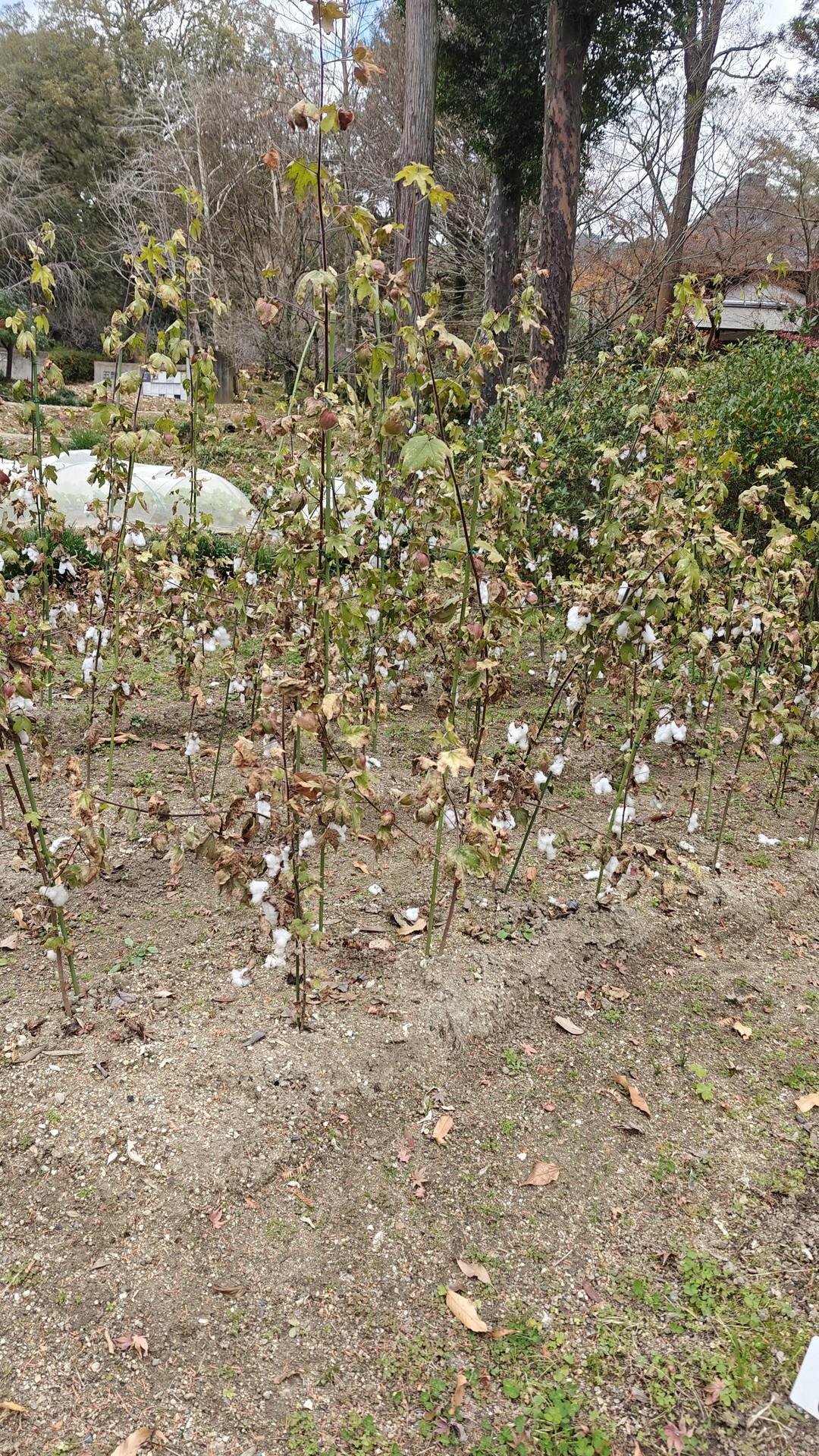
Unlike coralberry, cotton is not a plant that’s native to Japan. So, why is it here then? Simply put, cotton was already known to the Japanese when the Man’yoshu was written in the 8th century.
One of the poems from the anthology actually mentions it as “cotton from shining Tsukushi” (specifically poem no. 0336 by Sami Mansei).
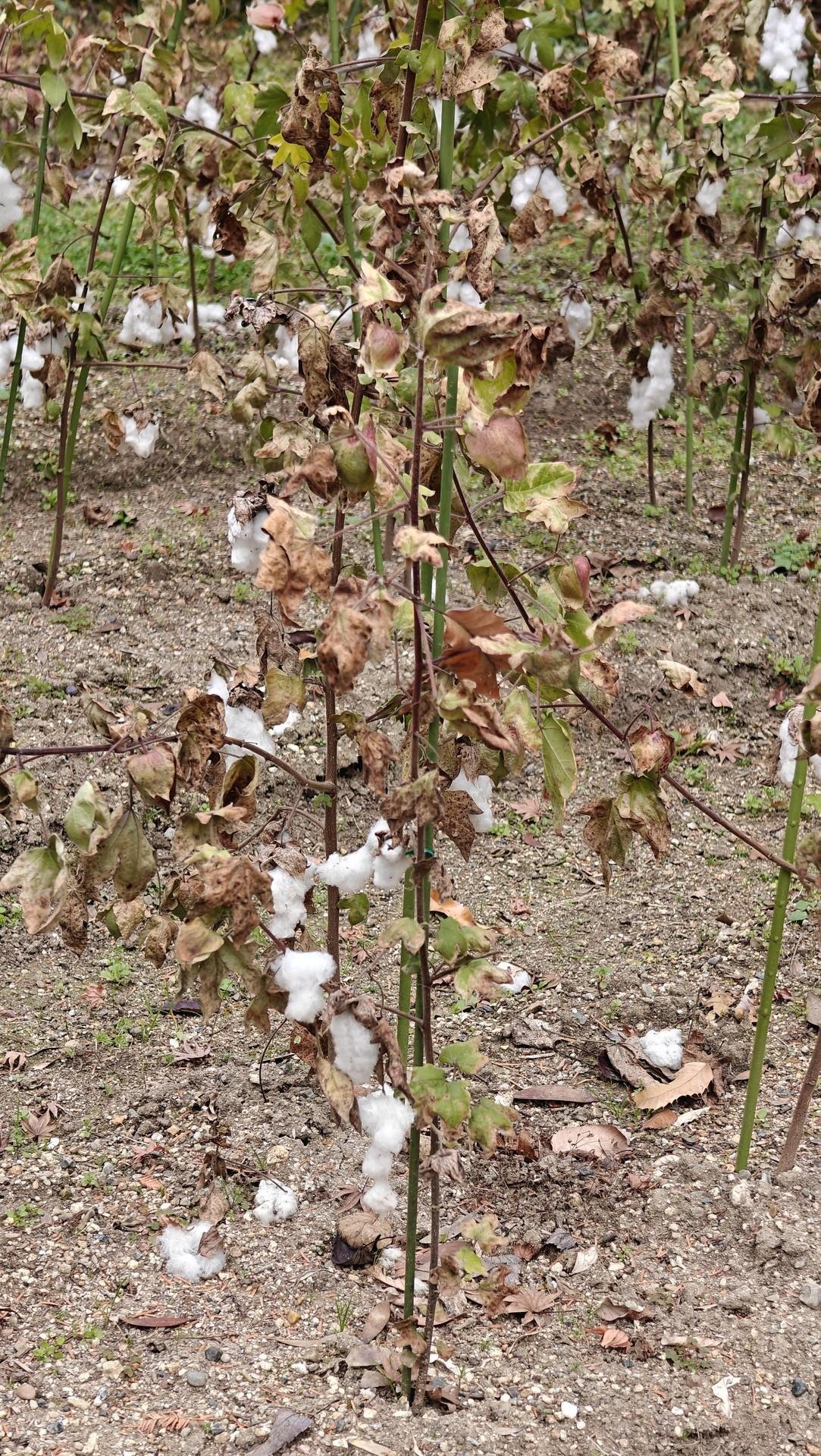
From what I’ve read, Tsukushi (modern-day Kyushu) is said to be where cotton first reached Japan’s shores. I actually checked out the poem (which was a tanka) and the author was describing how cotton looked so warm/comfortable even though he hadn’t even worn it yet. On a side note, it actually took close to a millennia from its mention in the Man’yoshu before cotton took off as a significant commercial crop in Japan.
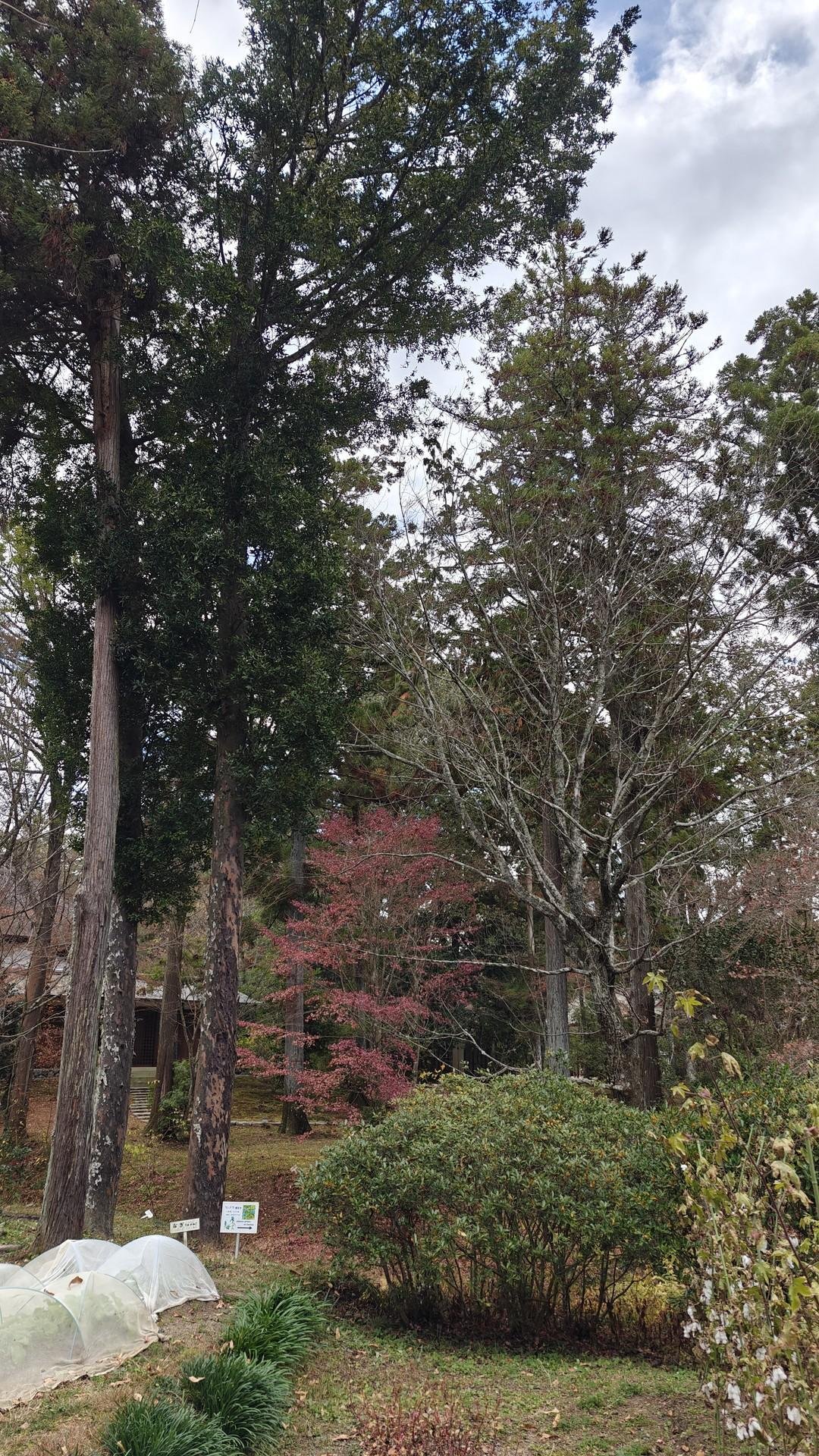
So one thing that I really loved about Kasuga Taisha’s Manyou Botanical Garden is that you can actually observe the plants here up close. I’d become accustomed to observing karesansui from a distance and not being able to interact with its elements. In contrast, there were areas here where visitors were encouraged to get close to the plants to observe them (like this area that contained the cotton plants and Yamasuge/monkey grass).
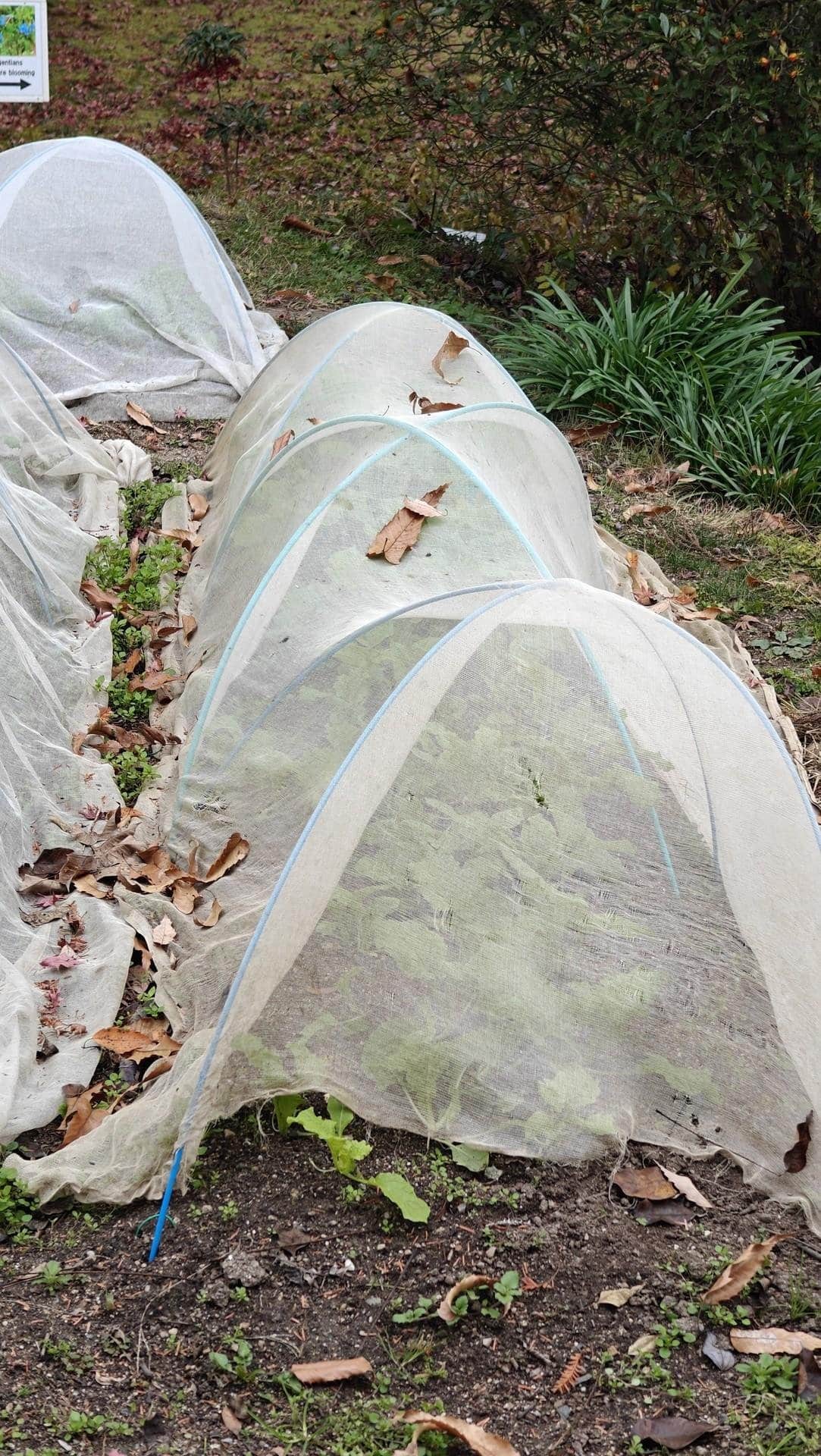
A lot of care actually goes into the plants here at Manyou Botanical Gardens. The ones shown here have garden fleece frost protection since this visit was during the early winter season. As for what these plants are, I honestly couldn’t remember.
I just know that these were in the same area as the monkey grass (which you can actually see in the image above).
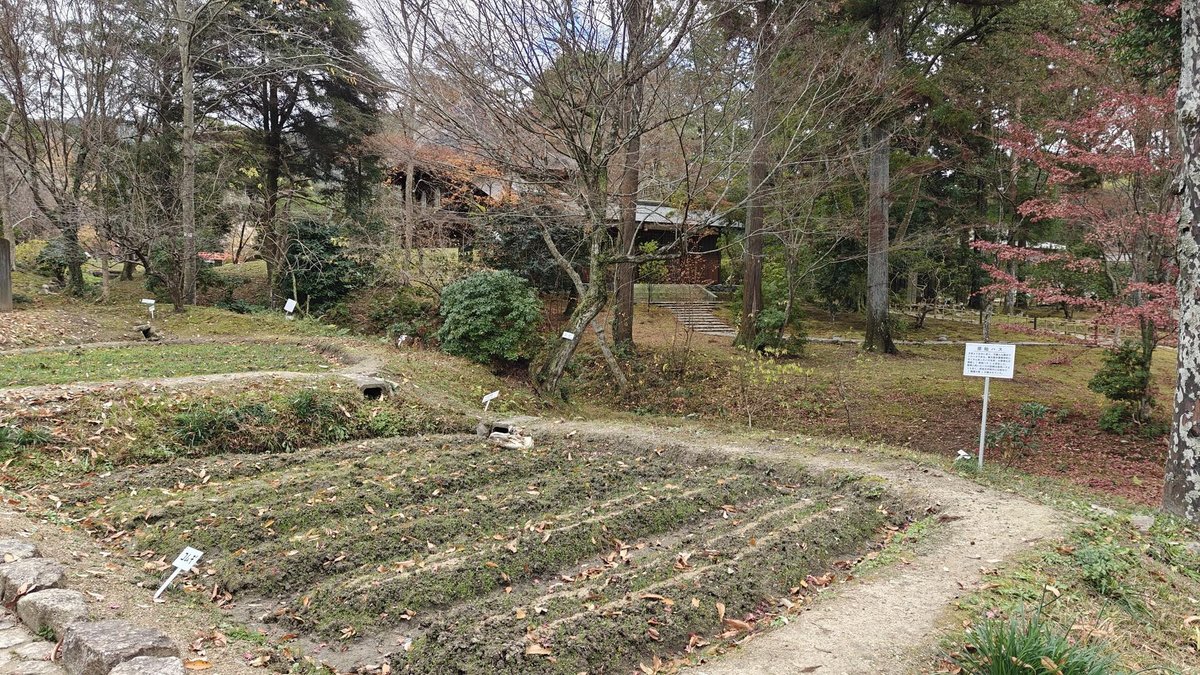
So one thing that you might want to consider when planning a visit here is the time of the year. Ideally, you really want to come here during the spring season as that is when a lot of the plants are in bloom. As you can probably see in the image above, this particular area (known as the Five Grains Village/Garden) is looking bereft of greenery with the plot for wheat not having any plants and the trees surrounding it already having lost their leaves.
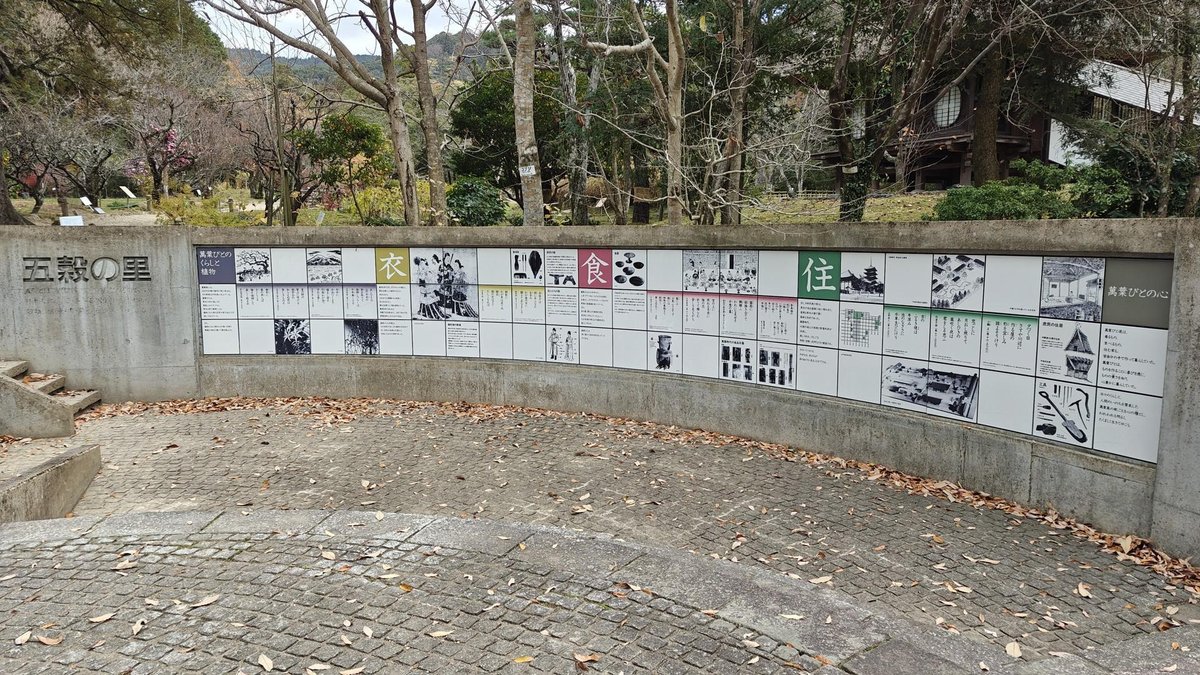
Speaking of the Five Grains Village, here you’ll find the center of the area which features this wall that has its name and some infographics on it. If I’m not mistaken, the infographics talk about the plants and trees that were mentioned in the Man’yoshu and how they were used in garments, cuisine, and architecture of that time period. Of course, these plants and trees can all be found in this area as well (e.g. the cotton plants and plots of wheat from earlier).
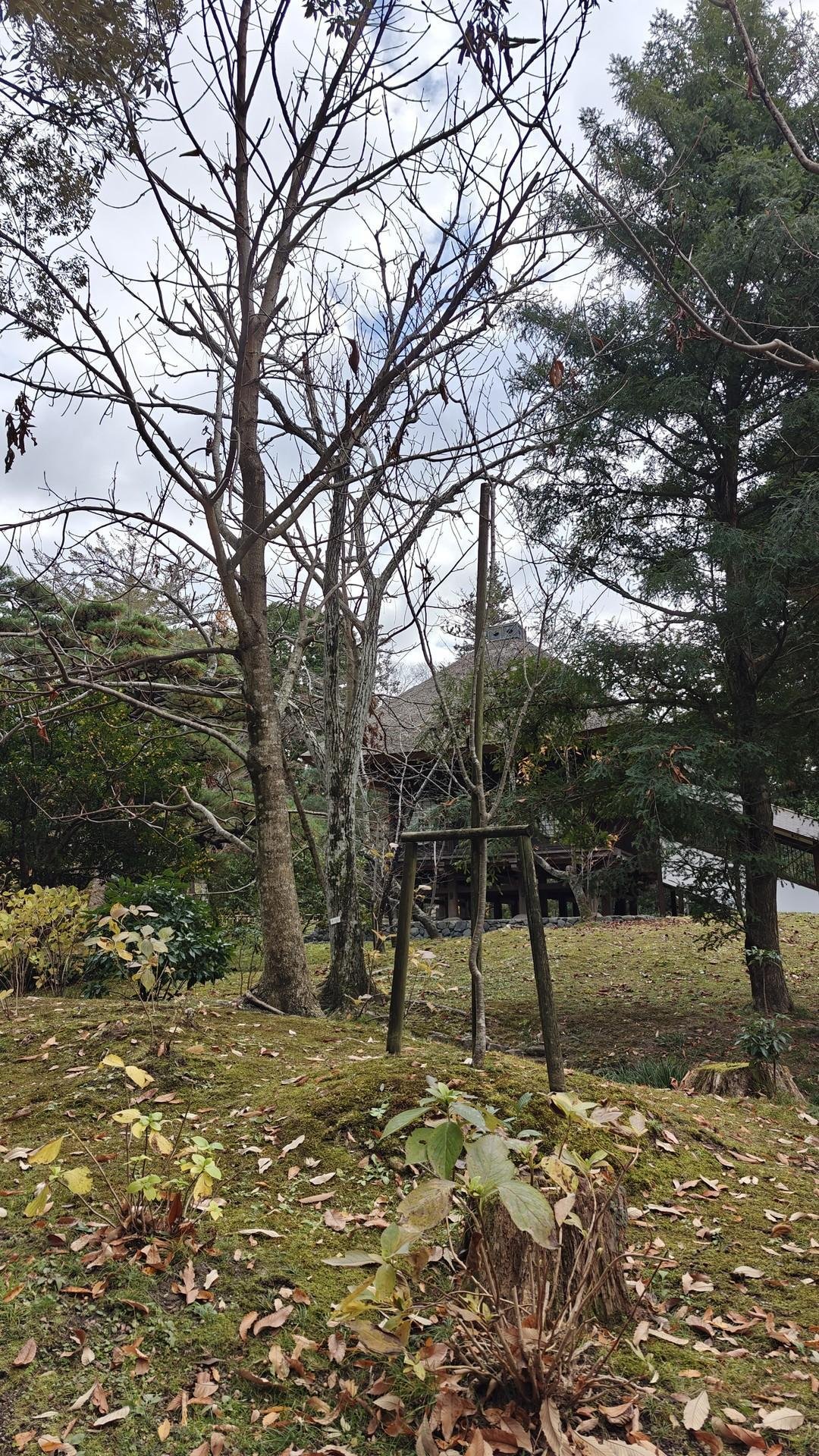
Following the path east, I came across this building that was seemingly nestled in the center of the gardens. I wasn’t quite sure what it was but one thing did stand out for me. The windows on the building were pretty unique because they were circle shaped which is actually quite uncommon in traditional Japanese architecture.
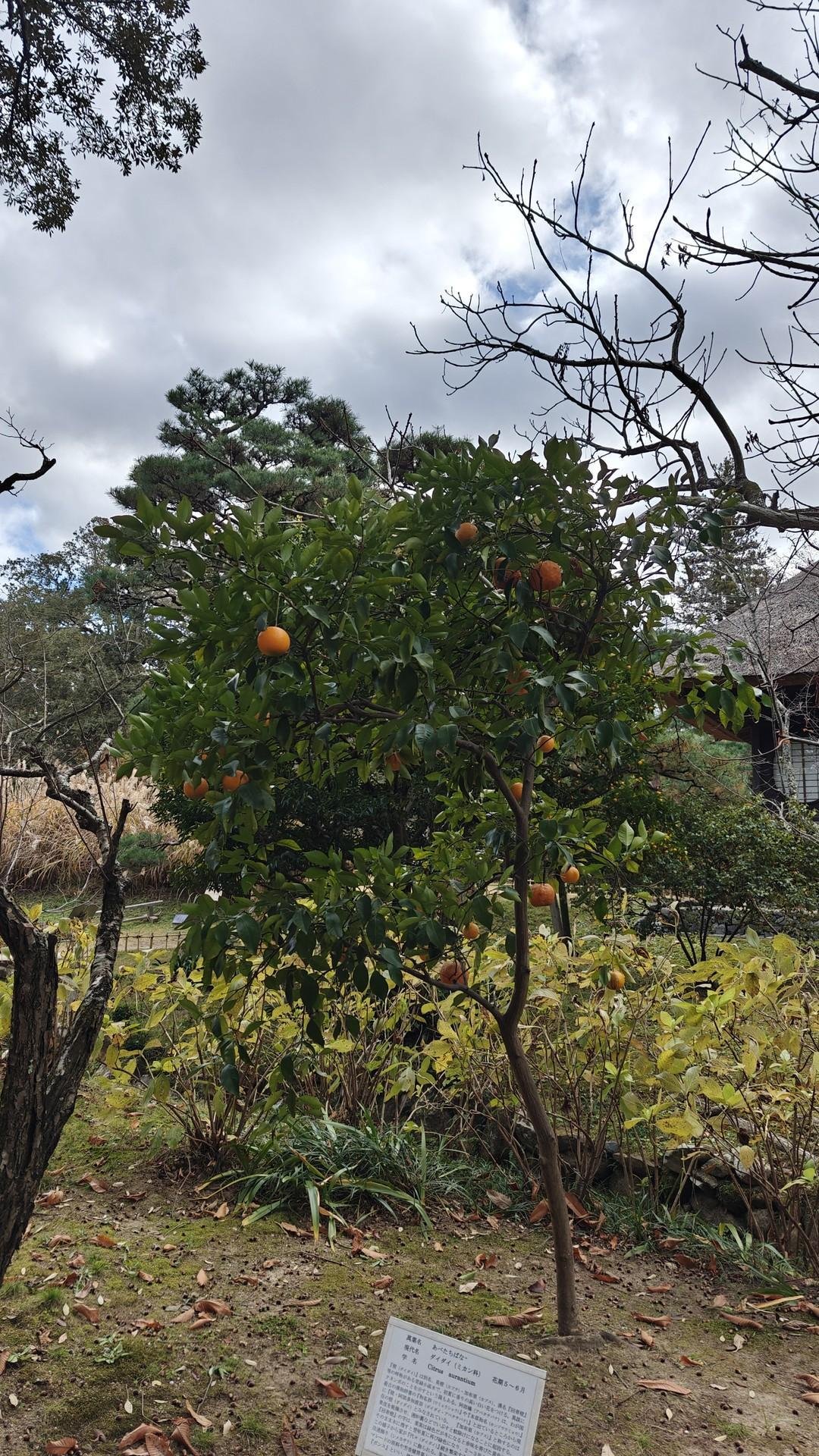
I decided to move closer to the building and along the way I came across this orange tree. To be specific, this is a bitter orange tree or a Daidai. What makes this unlike your typical grocery store orange is that it’s actually sour and acidic with a taste profile that’s more pungent than sweet.
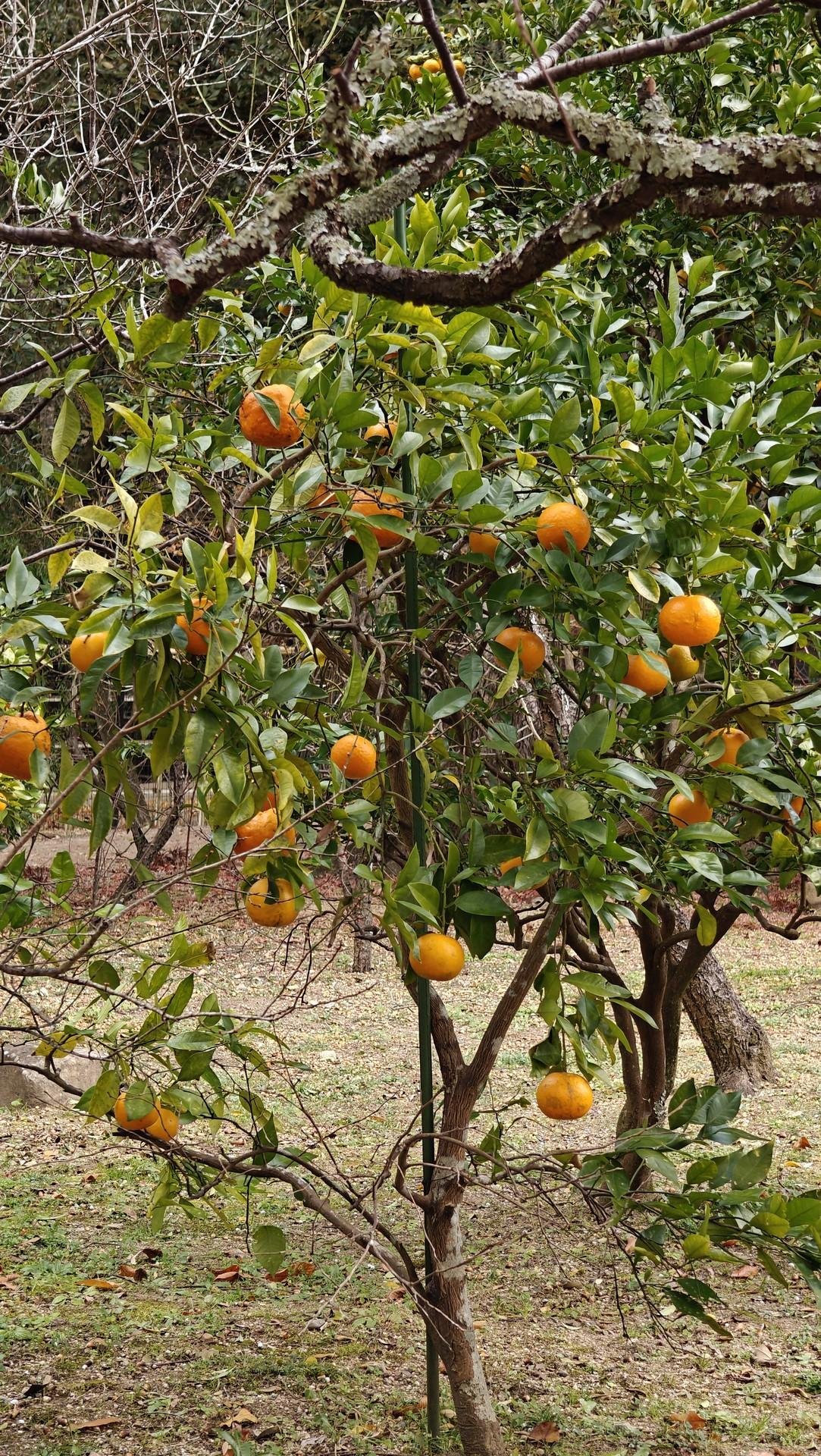
I haven’t really gotten in depth with the Man’yoshu but from what I read, the Daidai isn’t actually directly mentioned in it. Rather, it’s the similar looking Tachibana orange that’s featured prominently in the anthology. As for why they chose the Daidai, I think this has to do with the fact that it’s already cultivated domestically.
On the other hand, the Tachibana orange is semi-wild and is also said to be much rarer (at least from what I read).
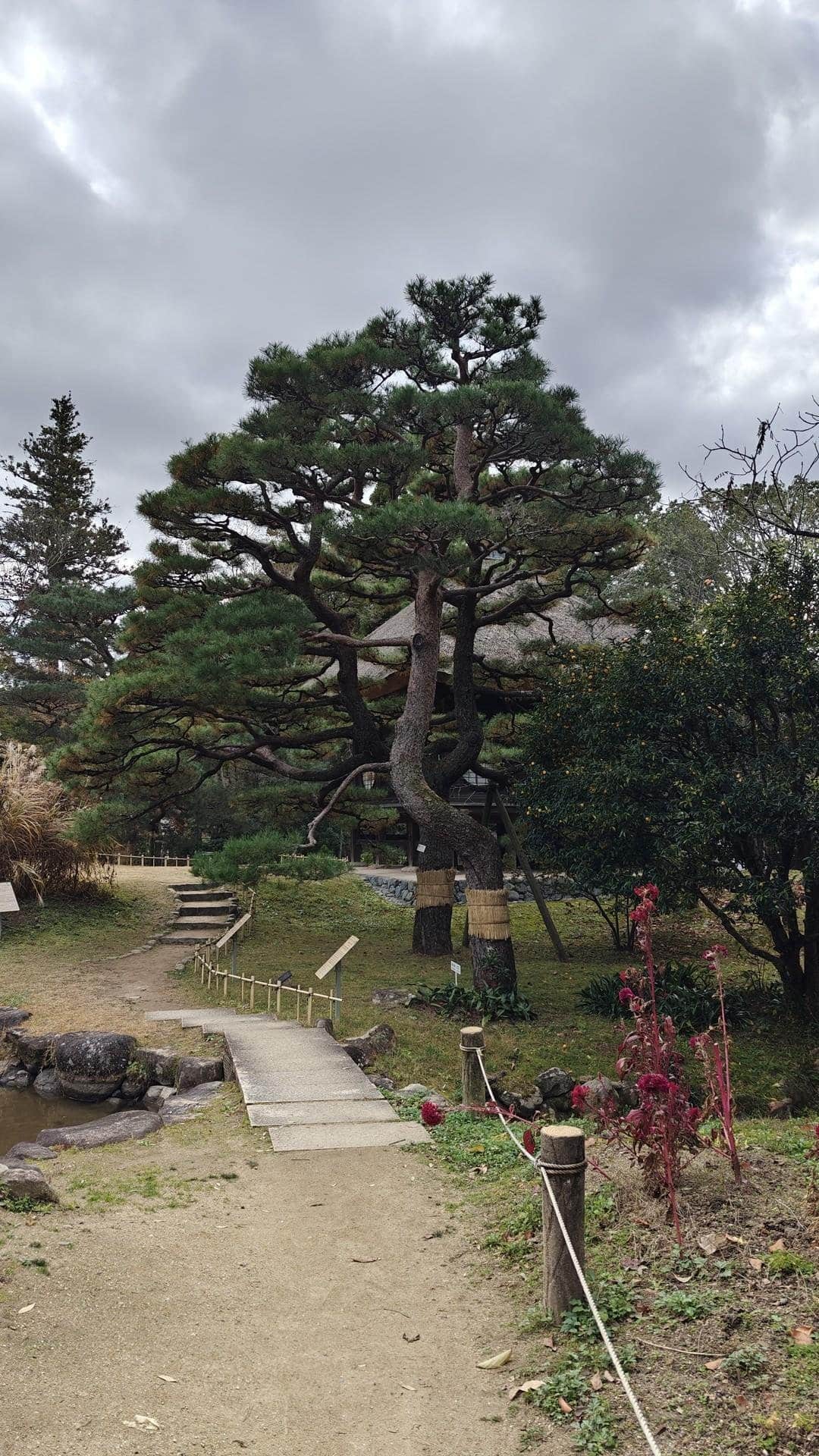
The path I followed eventually led me to the Koi Pond section of the Manyou Botanical Garden. From here, I had a much closer look at the building I was talking about earlier. Up until now, I’m still not sure what the building is called (more on this later) as there really aren’t that many English sources that talk about the garden and its historical/cultural relevance.
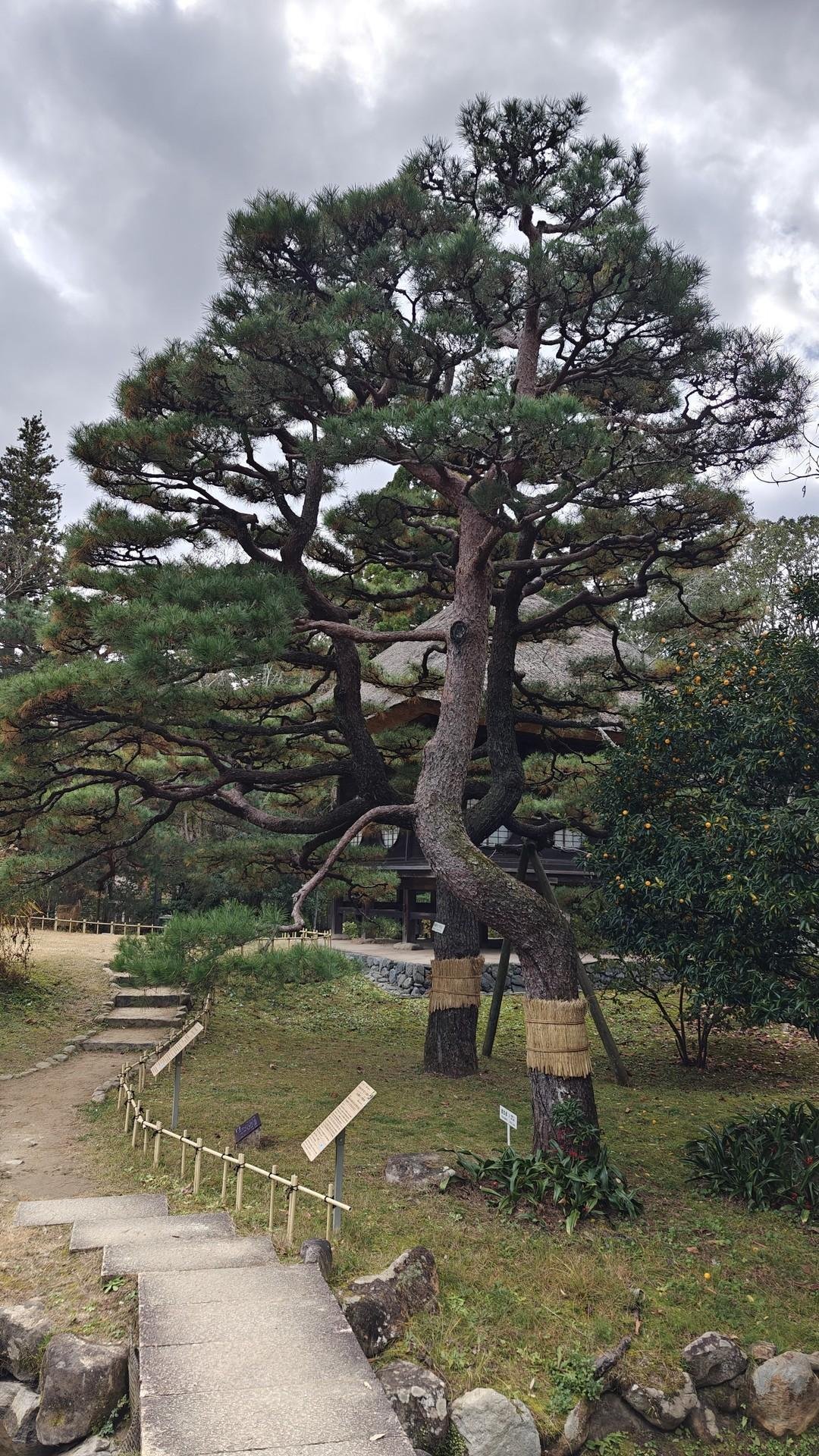
Beside the path leading to the building, you’ll find these pine trees that have part of their trunks covered in Komomaki. These are usually put up on trees to help them weather out the winter months. In the case of these pines, they also serve another purpose.
They actually attract destructive pine moth caterpillars who end up hibernating in the straw rather than on the trees’ trunks.
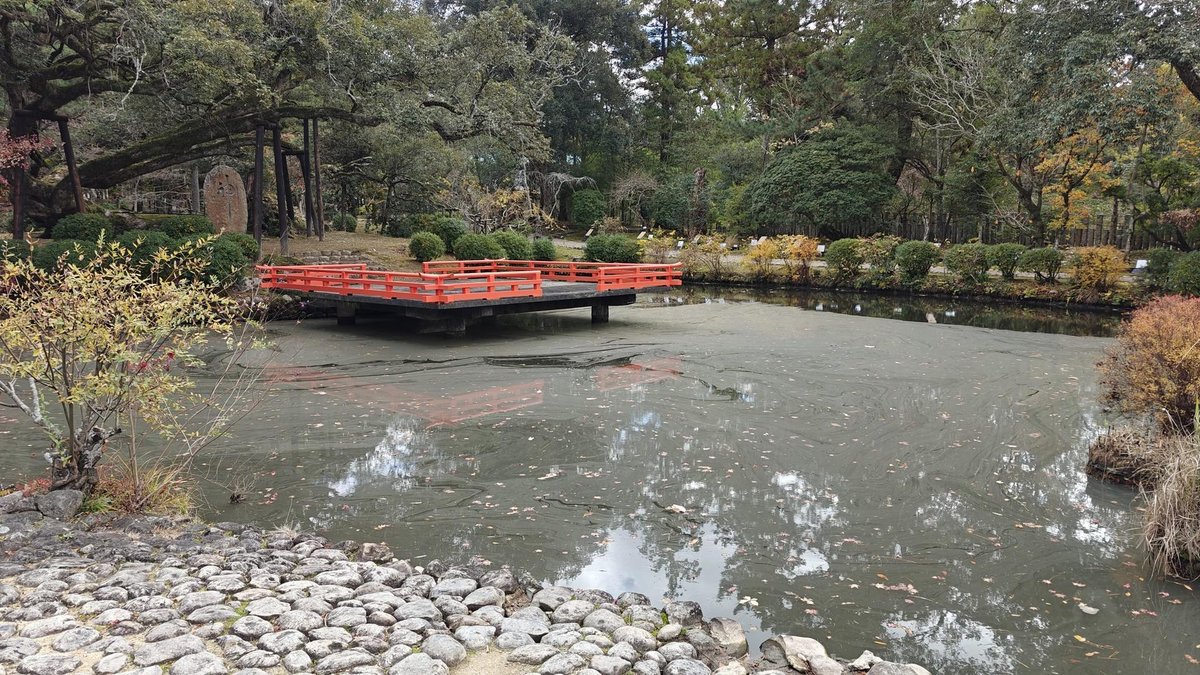
Here you can see the main attraction of this area. Called the Floating Stage, this also has a practical use outside of just being a really nice centerpiece for the pond. It actually sees a lot of use during holidays like Children’s Day as it’s where Gagaku Recitals of the Man’yoshu are held.
The pond during this time of the year isn’t the best though as it had this opaque film on its surface (likely from decomposing plant material).
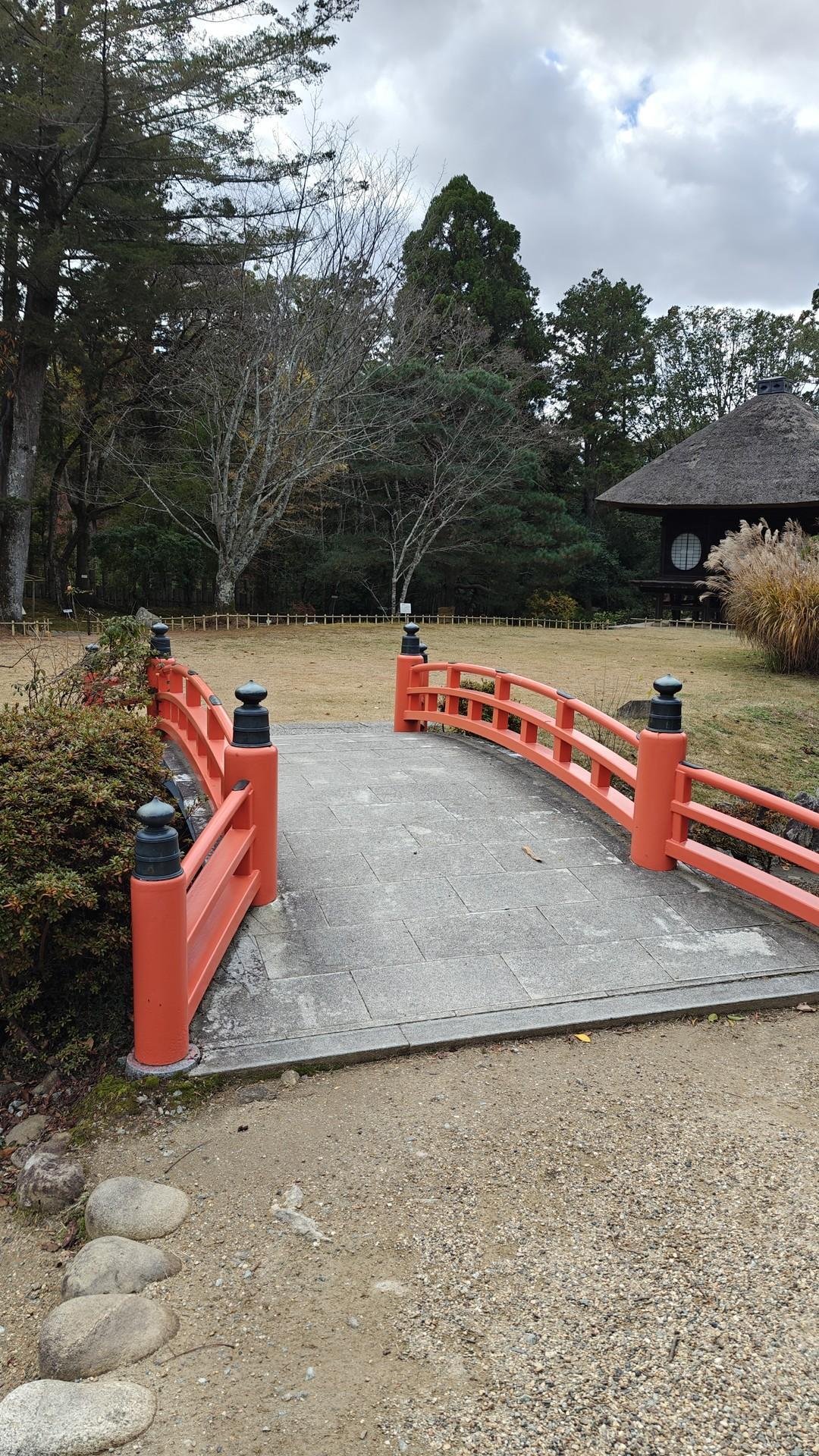
In front of the pond, there’s a traditional garden bridge that has the same vermillion color as the floating stage. Oh, and I almost forgot to mention but there’s also another landmark here just behind the stage called the Ganryu no Ichiigashi. It’s a large oak (you can sort of see it in the previous image) that’s on the same island where the stage is docked.
These along with the pond constitutes the heart of this area which is called the Man’yo-en.
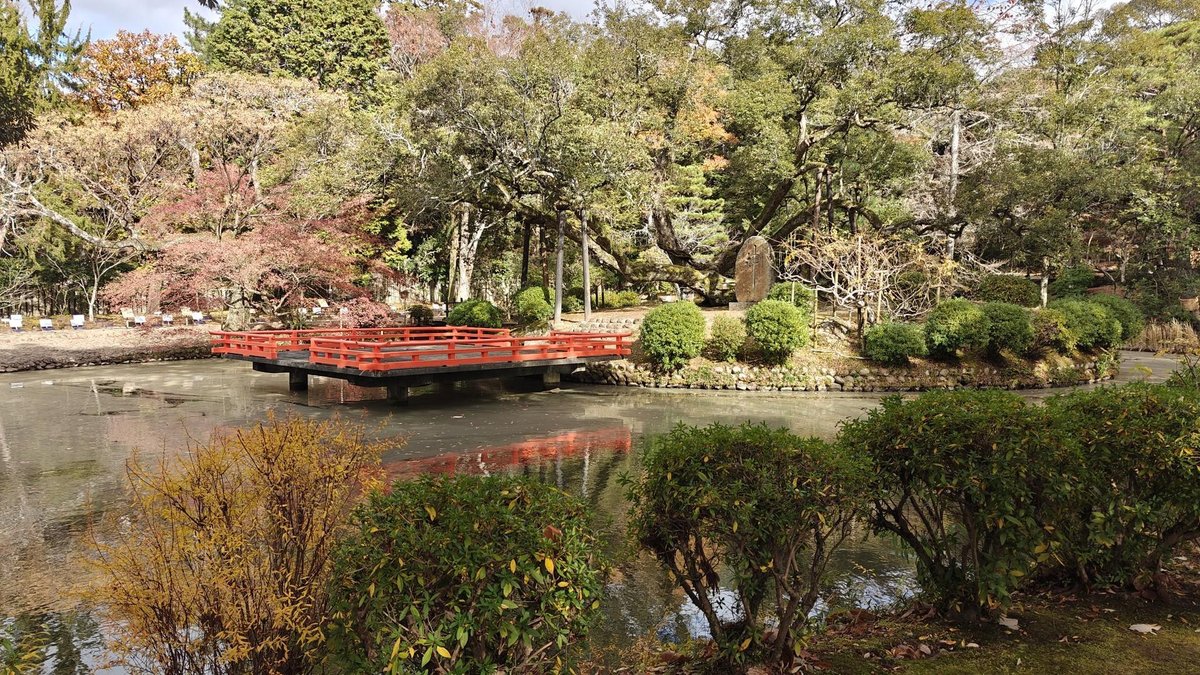
Here you can sort of see the building that I’ve been talking about coming into view. When I was trying to look up the building’s name, the results actually pointed to two names for it. On Google Maps, it’s called the Ensotei House.
Checking other online sources though, I’ve read some that say it’s actually called the Marumado-tei.
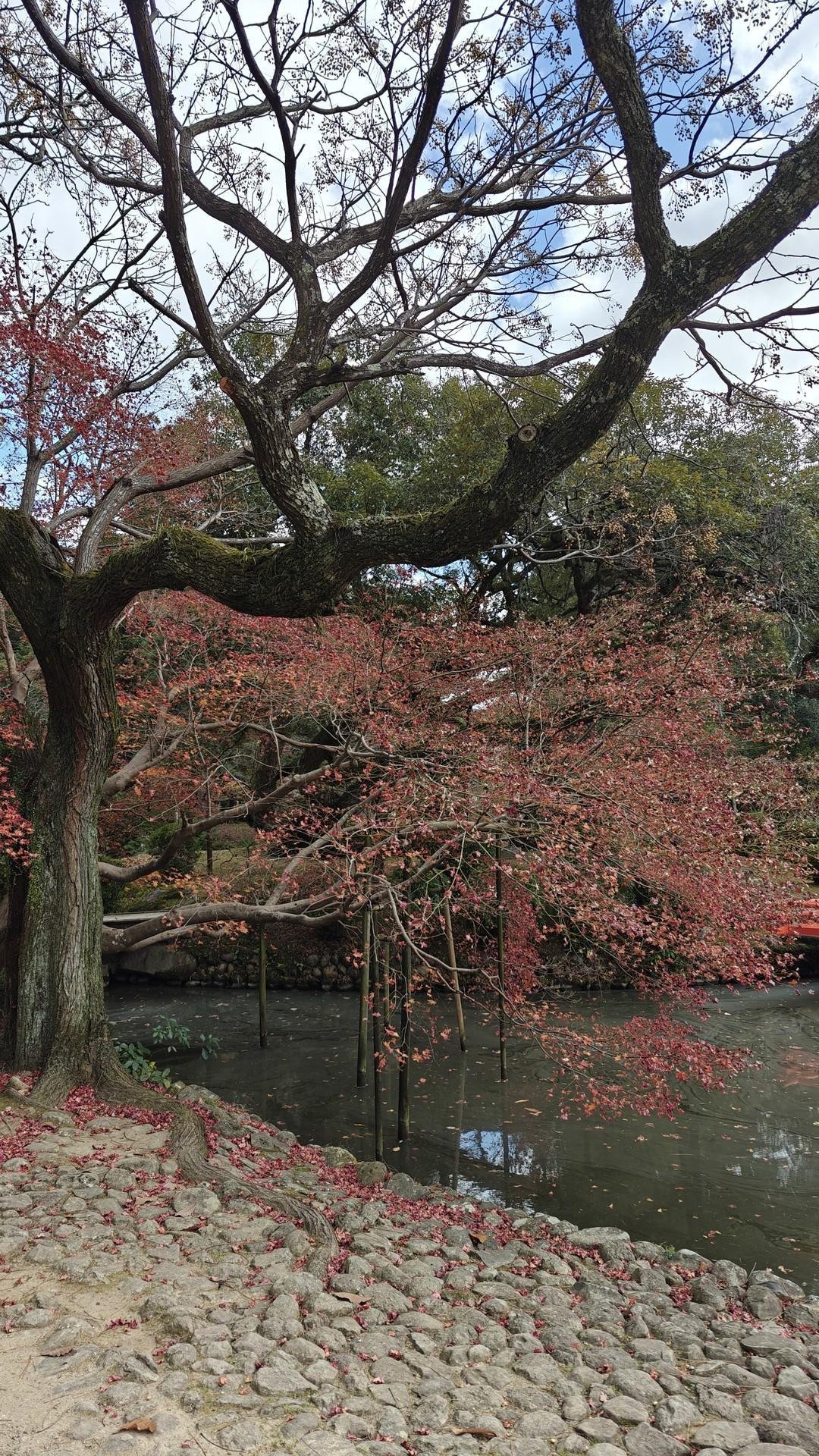
It’s not just the oak and pines that you’ll find near the pond. Shown in the image is a Japanese maple which is referred to in the Man’yoshu as kaede and momiji. It’s not that noticeable but there are actually bamboo supports on the pond that ensure the branches going over it don’t fall down.
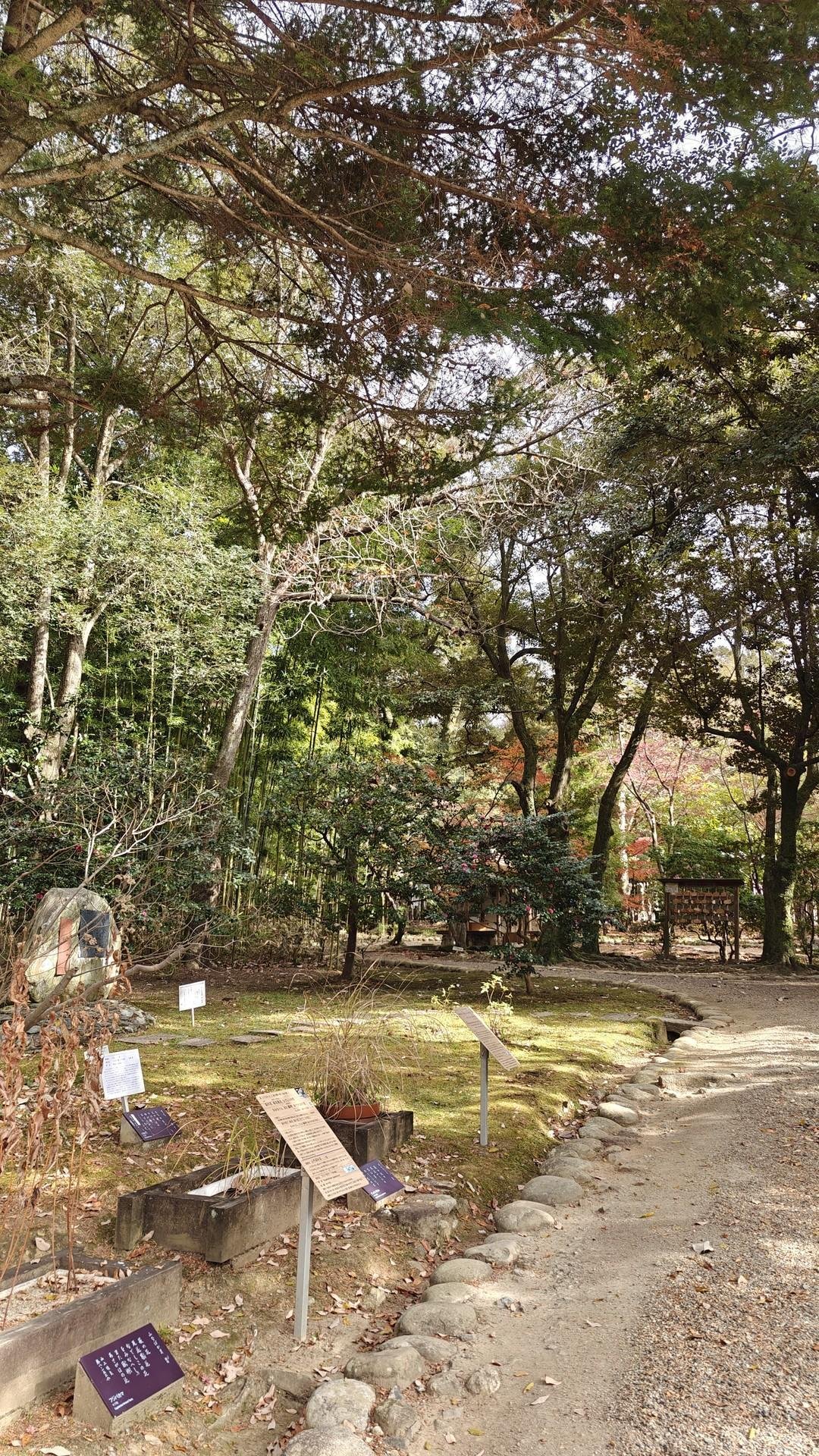
Other than plants, you’ll also find plenty of stone monuments/carvings here in Kasuga Taisha’s Manyou Botanical Garden. In the leftmost section of the image you can sort of see a glimpse of one. Now I don’t quite remember what this one was called but they’re typically named after a notable Japanese poet (similar to the ones you’d find in shrines and temples).
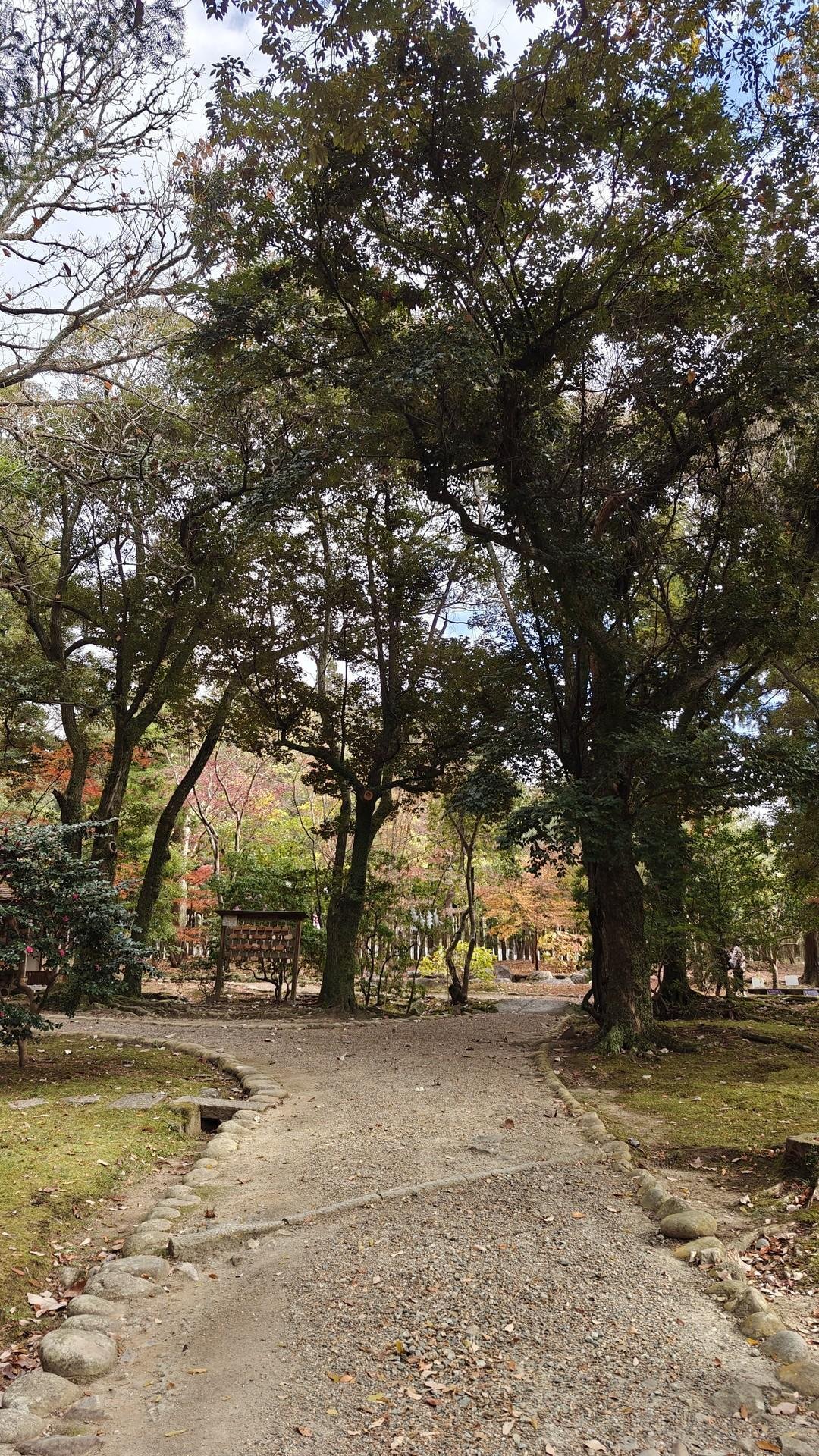
So another reason why you’d want to visit Manyou Botanical Garden in the spring. More specifically, you’d do well to schedule a visit in May. The reason for this is that this is the time when the garden’s wisterias will be in full bloom.
Since my visit was in December, I unfortunately wasn’t able to see these.
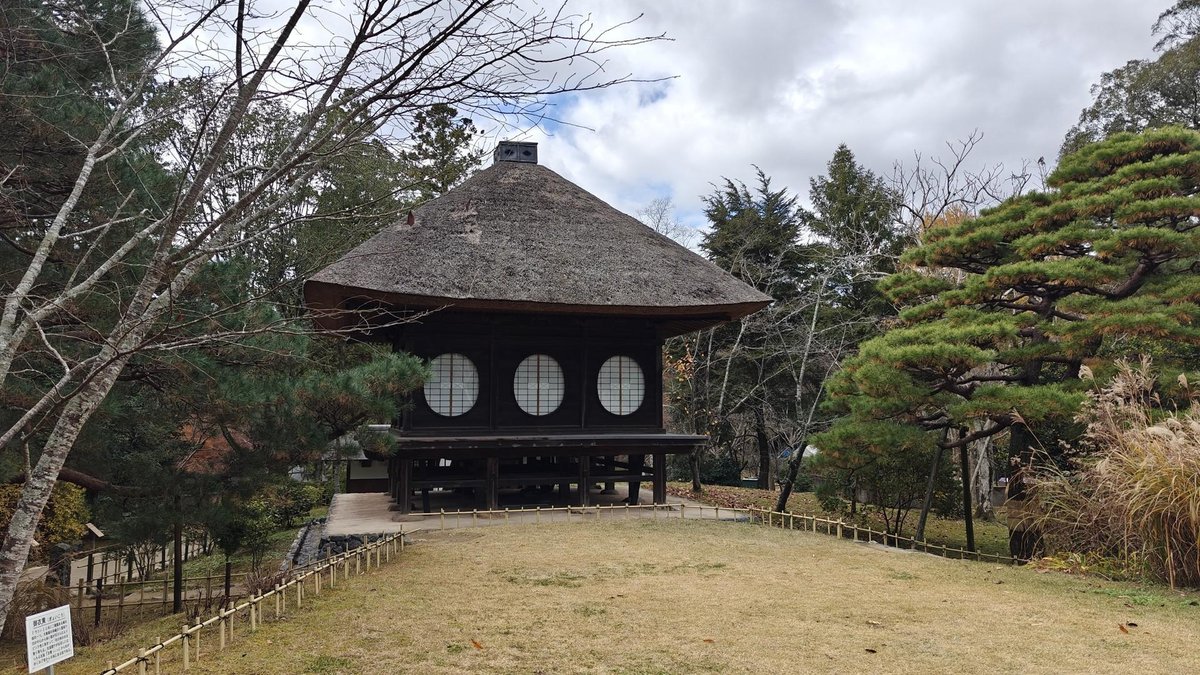
I finally managed to get close to the Marumadotei and it actually is smaller than I initially thought it would be. A huge part of why I thought it was large was its thatched roof. From what I read, this building is a remodel of the treasury of the Kasuga Taisha.
At some point, it became a sutra repository and was eventually relocated here from the main shrine.
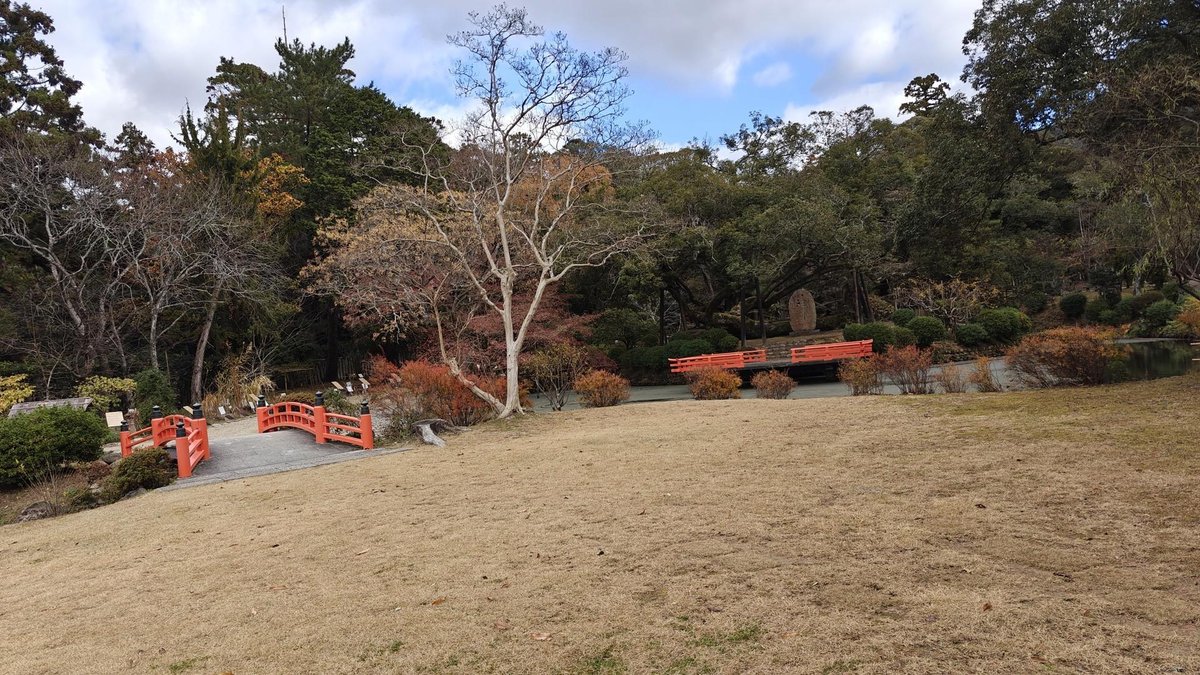
Here you can see the landmarks that constitute the heart of this area of the Manyou Botanical Garden. The viewpoint is from the Marumado-tei area. I’ve actually seen images of these landmarks taken from inside of the building.
Unfortunately, entry to the building is closed off to the general public as it is quite old.
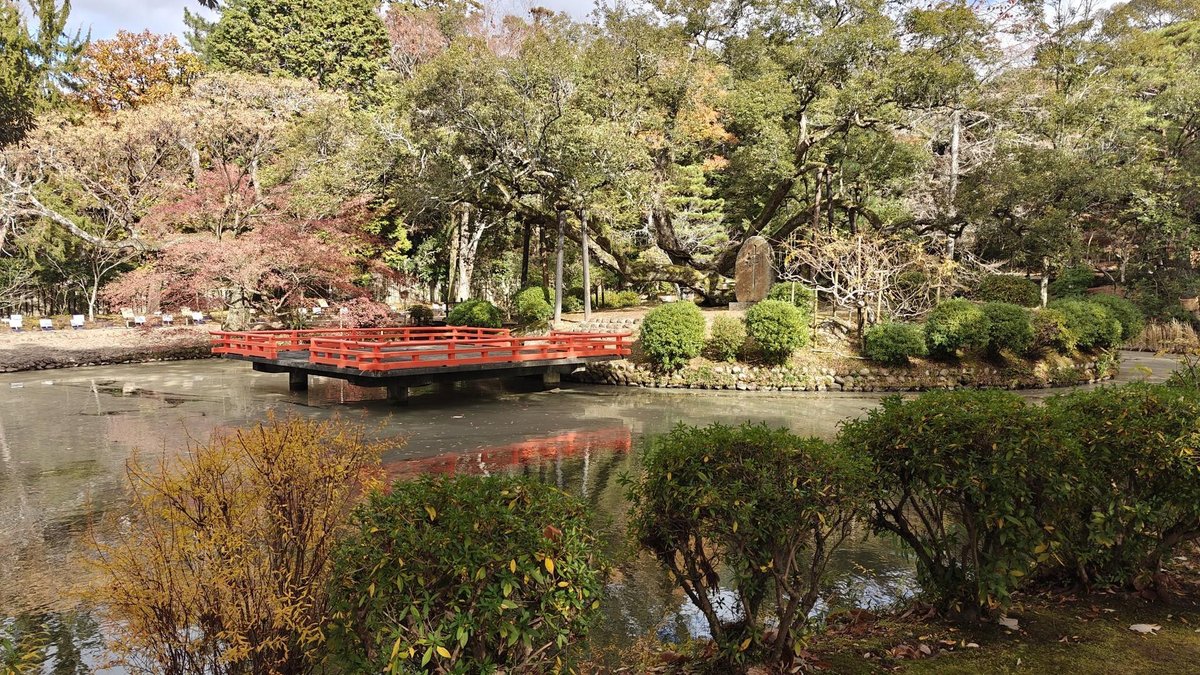
This is the floating stage and the Ganryu no Ichiigashi from another angle. Between the two landmarks is another stone monument. Unfortunately, I’m not quite sure who that is dedicated to as, for some reason, it’s actually quite hard to get information pertaining to the garden and its landmarks online.
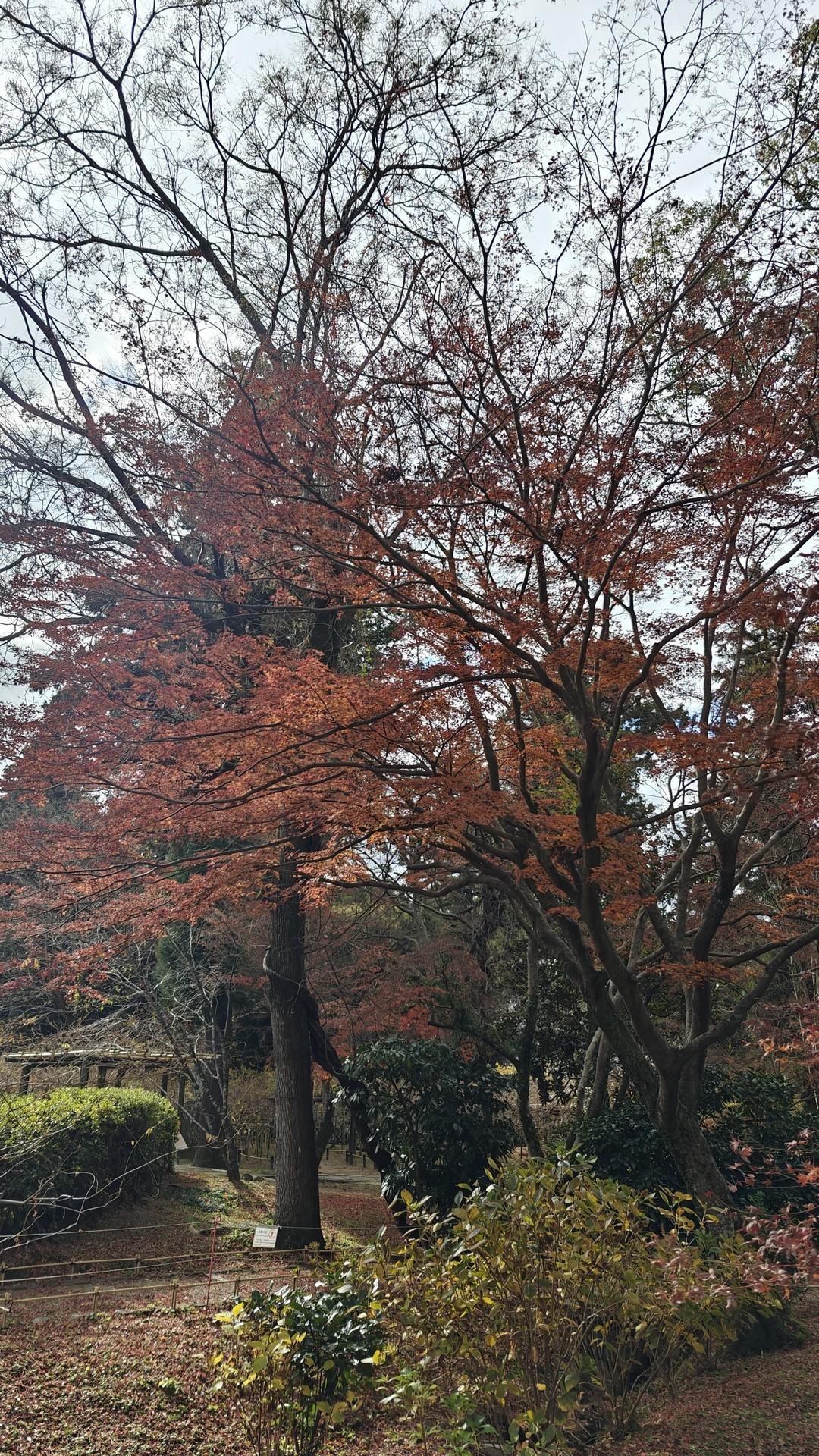
Remember when I said Manyou Botanical Garden is known for its wisteria? Well you can actually see one of the trellises for the vine in the background of this image. Again though, you’d only see the vines blossom during the late spring season.
If you can, I’d seriously consider coming here during that time as you’ll also get to see sakura in bloom (though the wisteria are really the stars of the show here).
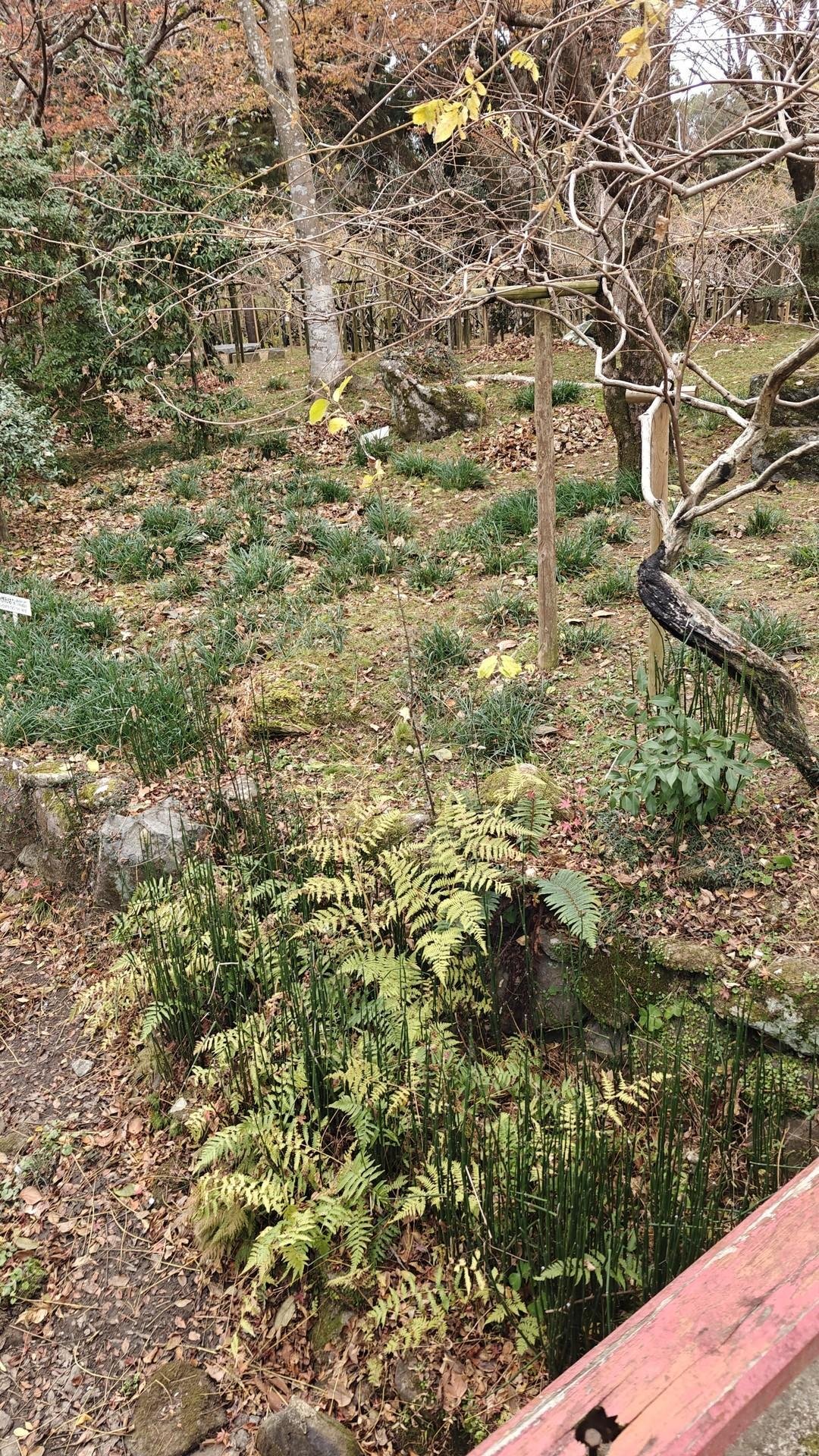
You’ll find another couple of trellises for wisteria in the background of this image. Now if you really can’t come here during the spring season then you might also want to consider a visit during the fall. There are plenty of deciduous trees here that typically have their fall foliage during that time.
It’s not going to be as spectacular as a spring visit but it’s also going to be a lot more peaceful due to their being fewer people around.
And with this, my visit to Kasuga Taisha’s Manyou Botanical Garden came to an end. It was relatively short due to the visit being in early winter. The wisteria that the garden is known for was noticeably absent though there were some trees that still had their fall foliage on.
As I’ve been saying earlier, the ideal time to come here would be in late spring if you really want to get the most out of your visit. Conversely, if you’re just after a serene walk then you’d do well to come here in the fall or early winter as there won’t be that many people around. Now do I think the garden is a must-visit?
I’d say that it is if (and only if) you also visit Nara Park and Kasuga Taisha.
Would you include Manyou Botanical Garden for your Nara visit? We’d like to hear what you think about this beautiful garden found in one of Japan’s ancient capitals down in the comments section!