
My Kobe Animal Kingdom Review: How Long I Spent and What I Actualy Saw I spent about four hours at Kobe Animal Kingdom, and frankly, I wish I had set aside even more time for it. It was nothing like I thought it would be. While there are some typical zoo displays (behind glass), it’s much more like an interactive animal park that let you really walk around the exhibits instead of gazing in from outside the fence.
There are massive greenhouses filled with roaming wildlife, and most of them seemed happy to wander right past you. At one point, I stood alongside a toucan, not something I typically do at your standard zoo. Most surprising to me was how varied it was.
It wasn’t all just the cute popular animals like I had thought (although there are those). In fact, I got to see some creatures I’ve never heard of before, binturongs, pudus, bush dogs (and all my usual favourites too). Here’s a rundown of how the entire place works, what I actualy saw, and a few practical tips for visiting, if you’re planning to go yourself.
What I Saw at Kobe Animal Kingdom
Kobe Animal Kingdom
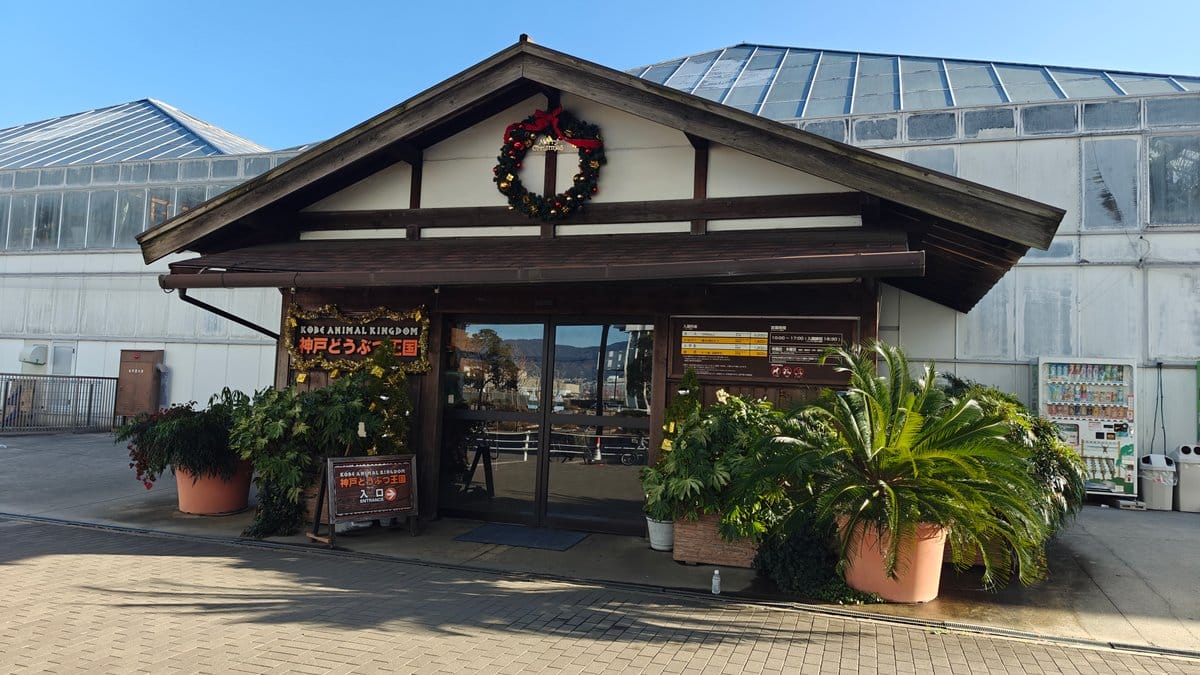

On arrival (mid-morning during the week), I was very glad I’d come at this time as it wasn’t busy at all. The entrance is unpretentious, there are no hidden fees or costs, just price displayed right in front of you: 2,000ish yen for adults. It’s open throughout the year and really what did you expect?
Most of the park is covered by a glass roof.
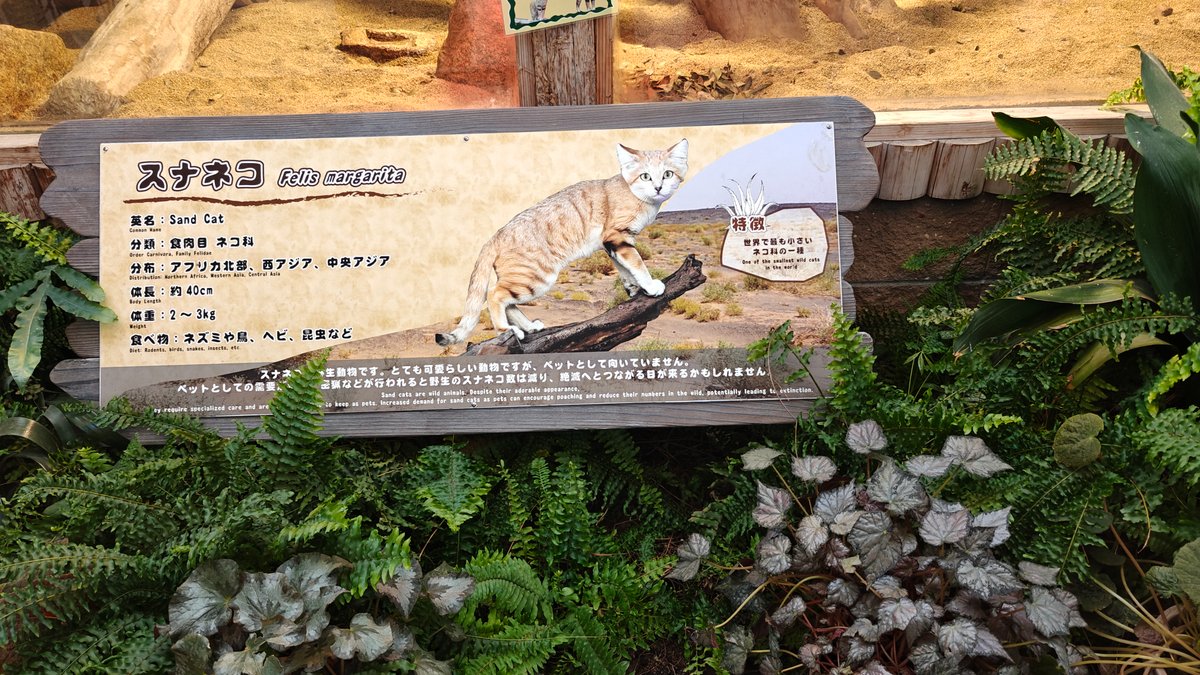
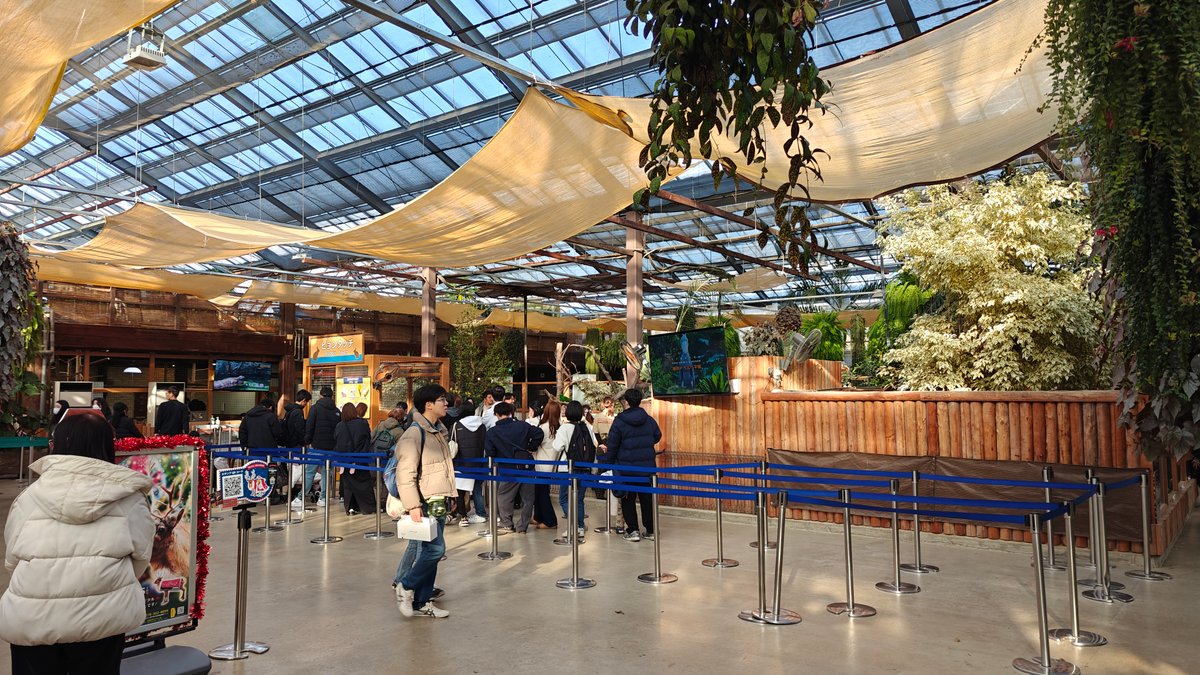

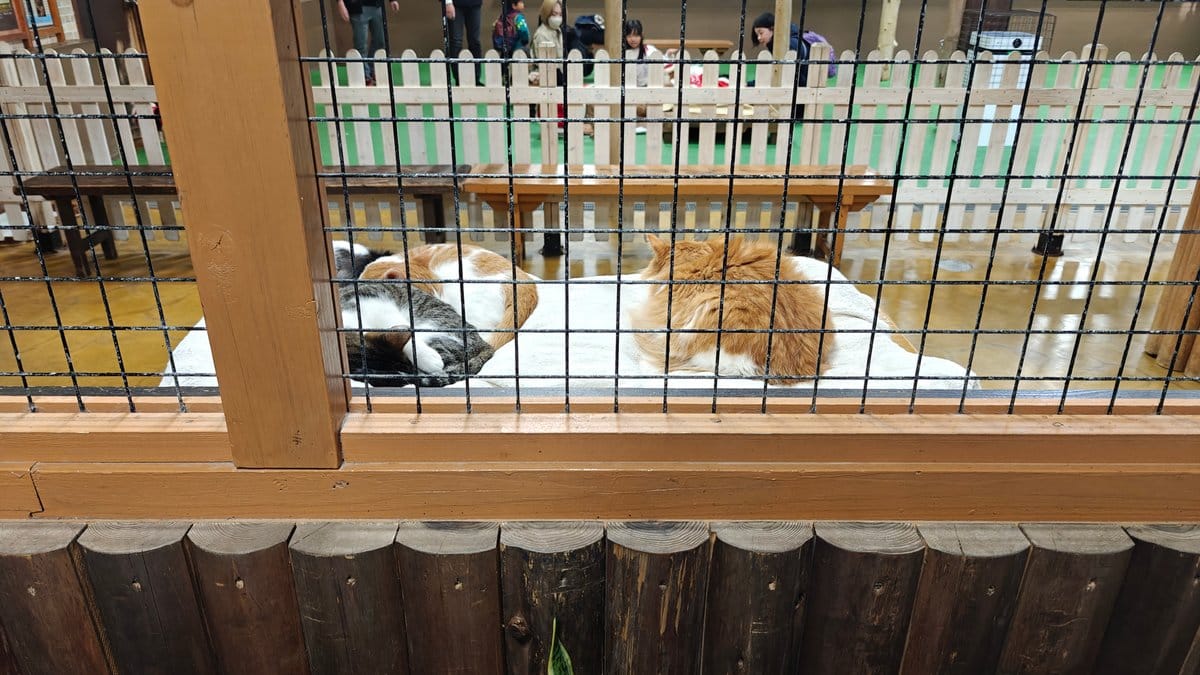
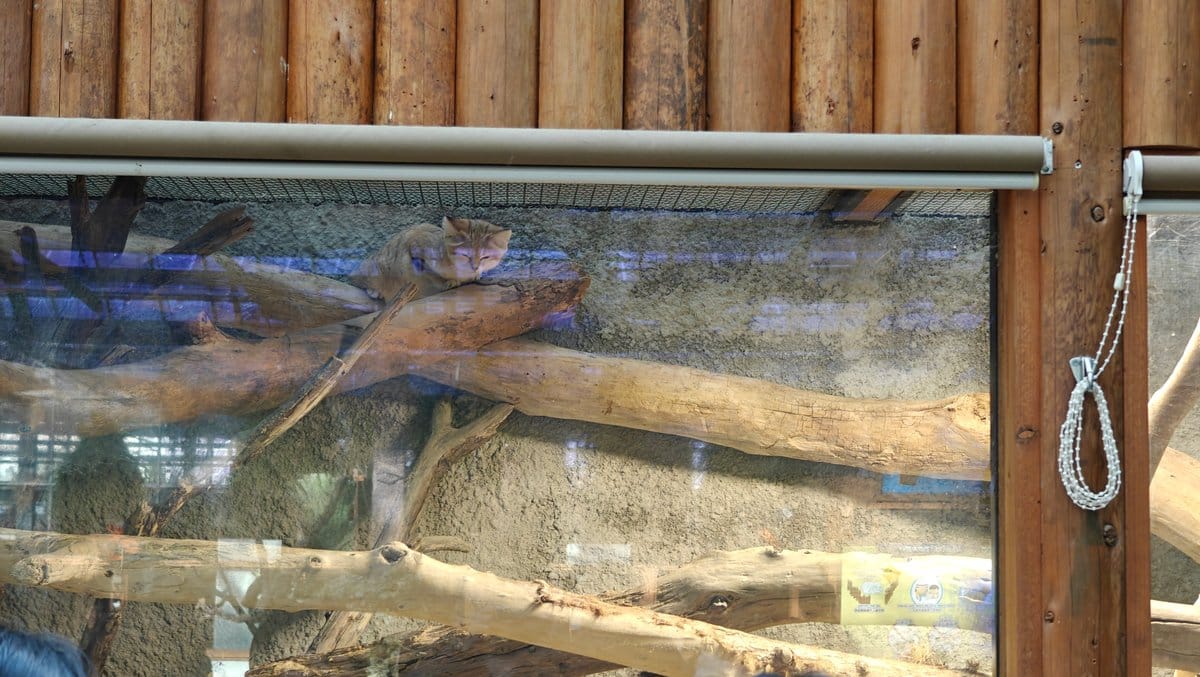
As you stepped through the doors of first greenhouse hall, it didn’t feel like walking into any ordinary zoo building at all. Water features and real gardens are set inside, and natural light floods in overhead. Almost immediately, I saw sand cats: each has its own section within the enclosure, which contains climbing structures as well as cosy beds.
Two were curled up in them… One sleeping on a bit of driftwood, another asleep on a polka-dot cushion; the other was fast asleep on a wood platform. They was much fluffier and smaller than I’d thought.


It opens up to this massive atrium complete with ponds running through it. Paths wound through the area with water and plants on both sides, making it feel more like a botanical garden then an animal exhibit. What I didn’t realize until I rounded a corner was that there are quite a few animals here too.
That’s when I came face to face with the shoebills.


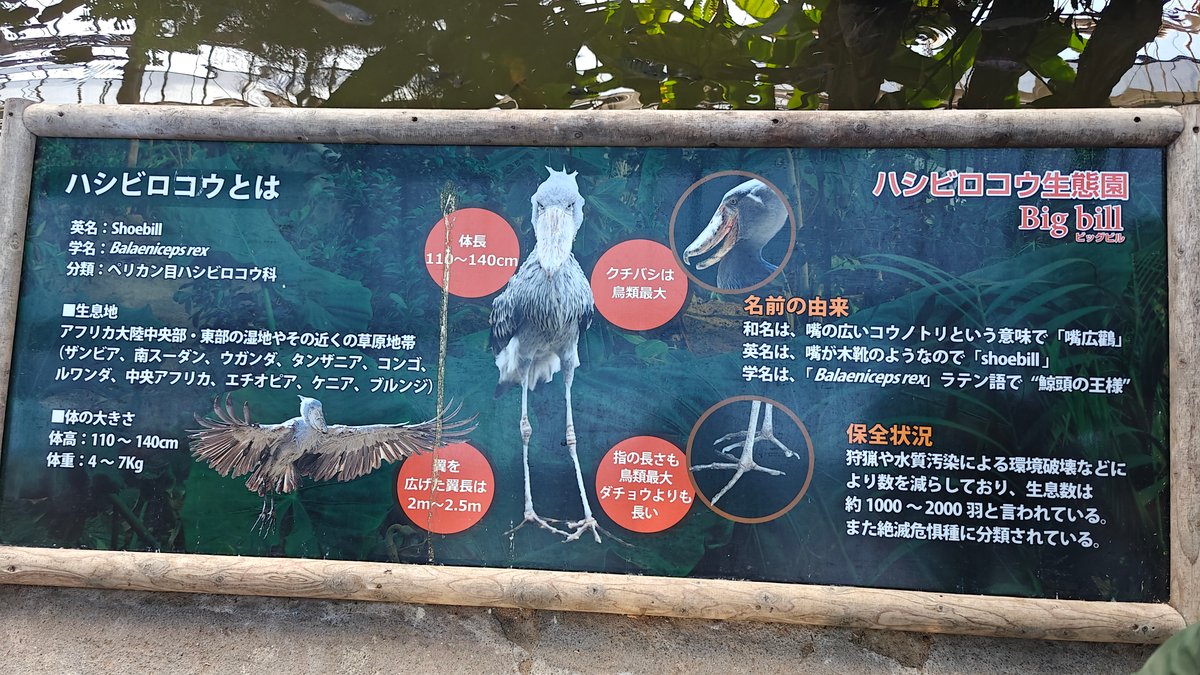
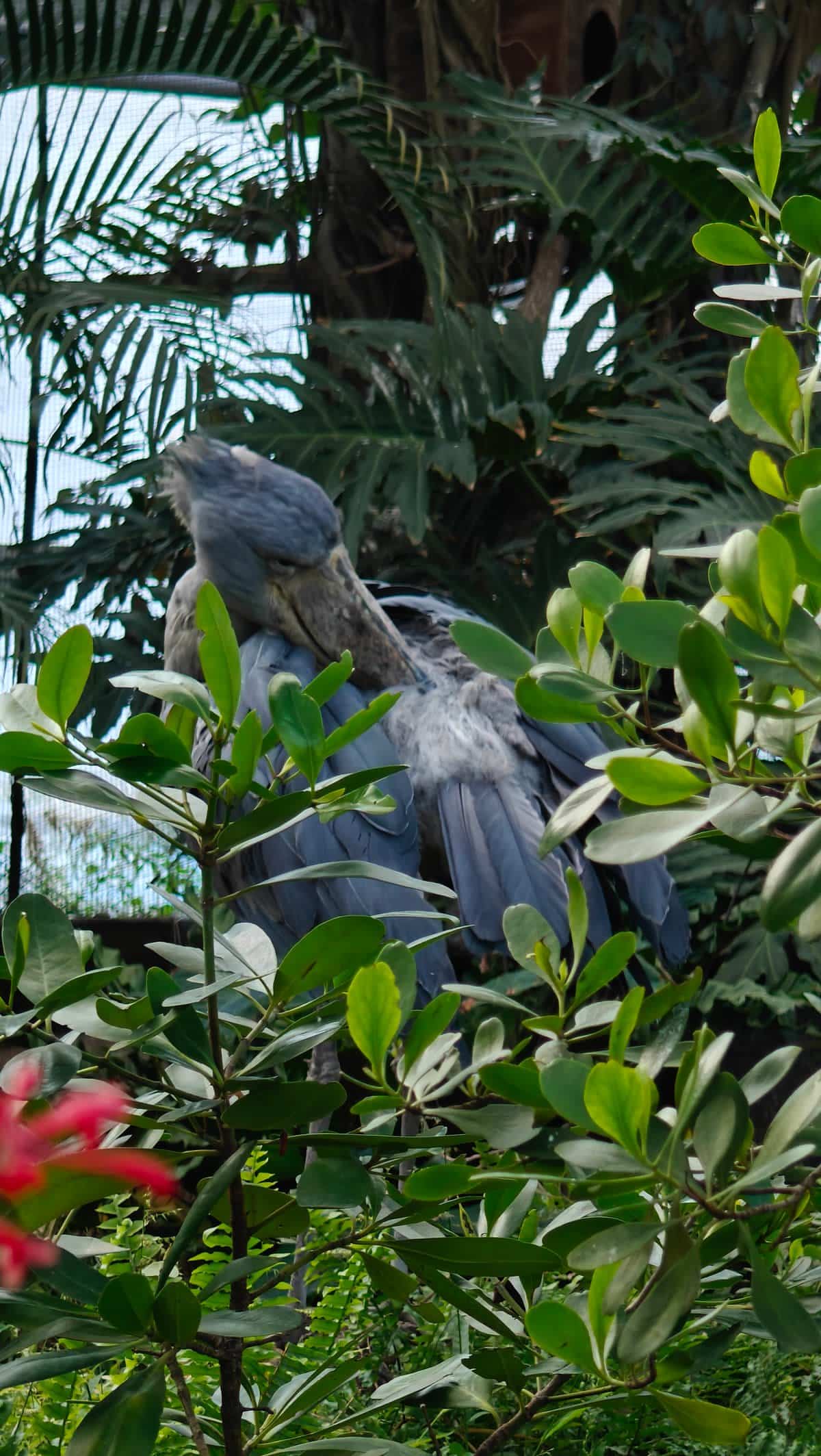
I had actualy never seen a shoebill up close before (and I must say, those bills are huge; you can’t really get a good idea from these photos). This guy sat completely still on his nest mound forever, and finally got near enough to the water for me to be able to see him well. Apparently, as the information panel noted, he stands still when hunting them down (hence his name?
It makes some sense), since throughout all the moments I observed this creature it hardly budged at all. Up close, that giant bill just looks ancient. There is something a bit odd about the overall appearance of the bird.
It is a little unsettling but definitely ancient. I spotted him standing amidst the tropical foliage later, looking like it was no big deal even though he’s huge.
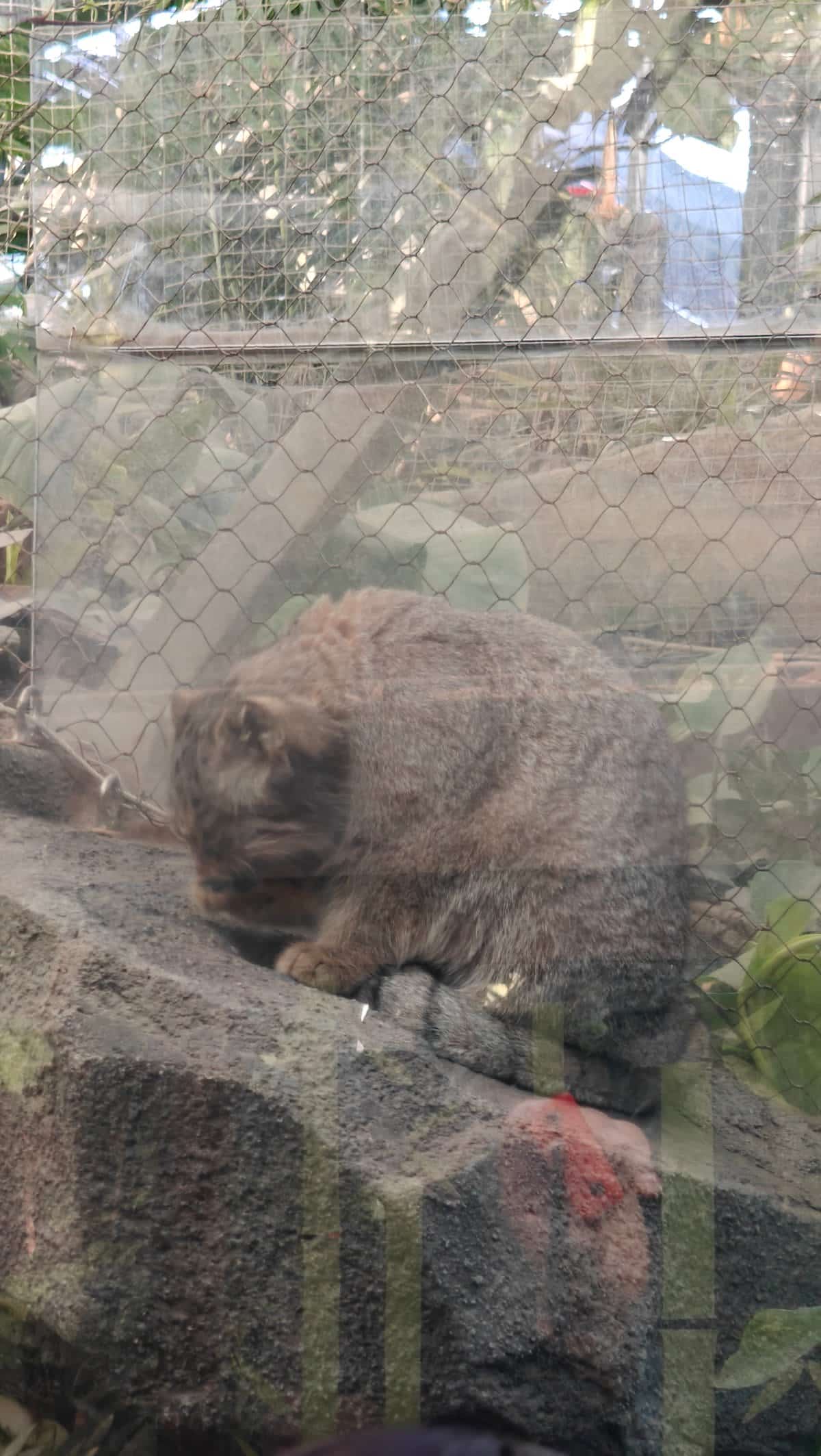
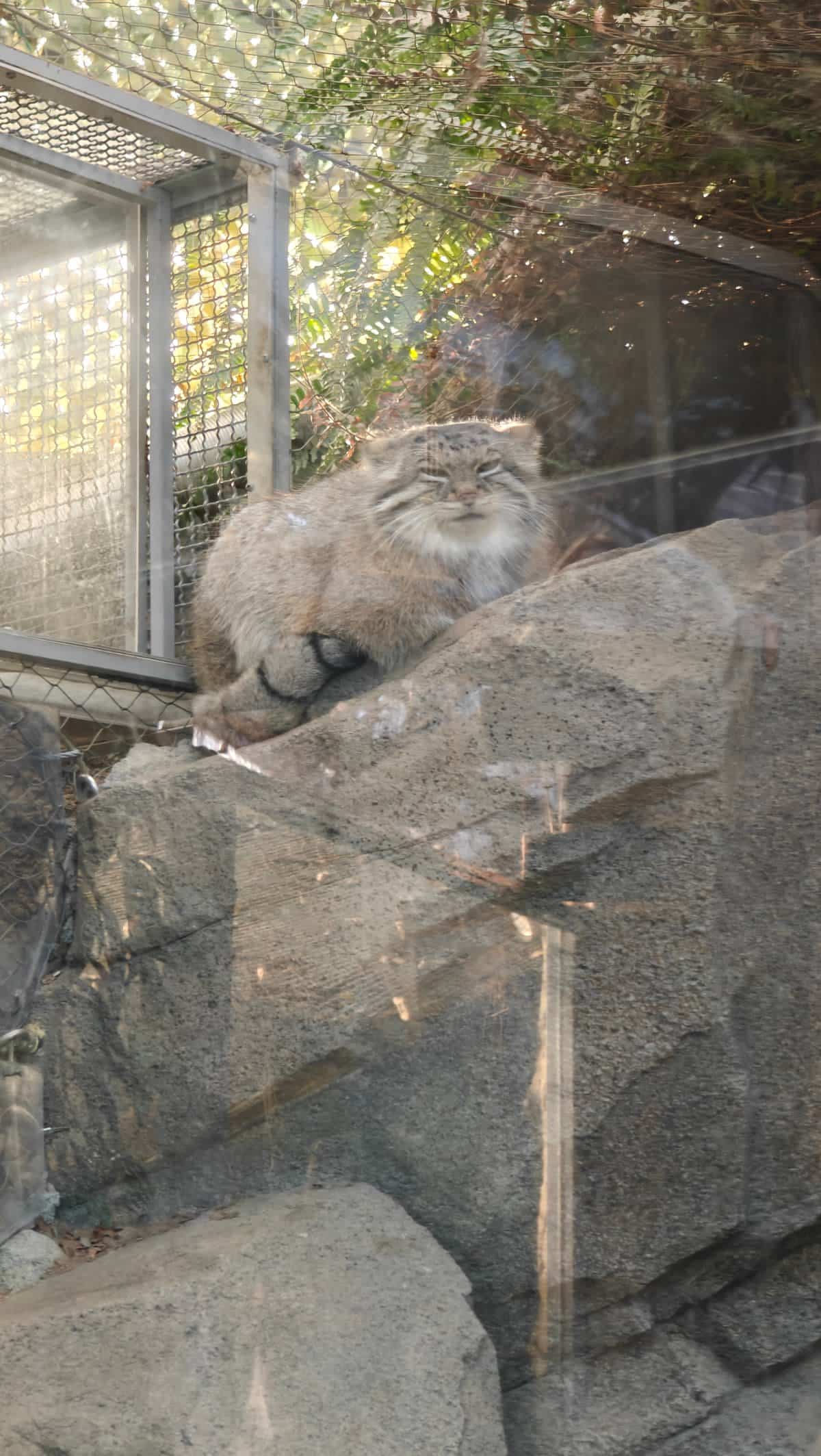

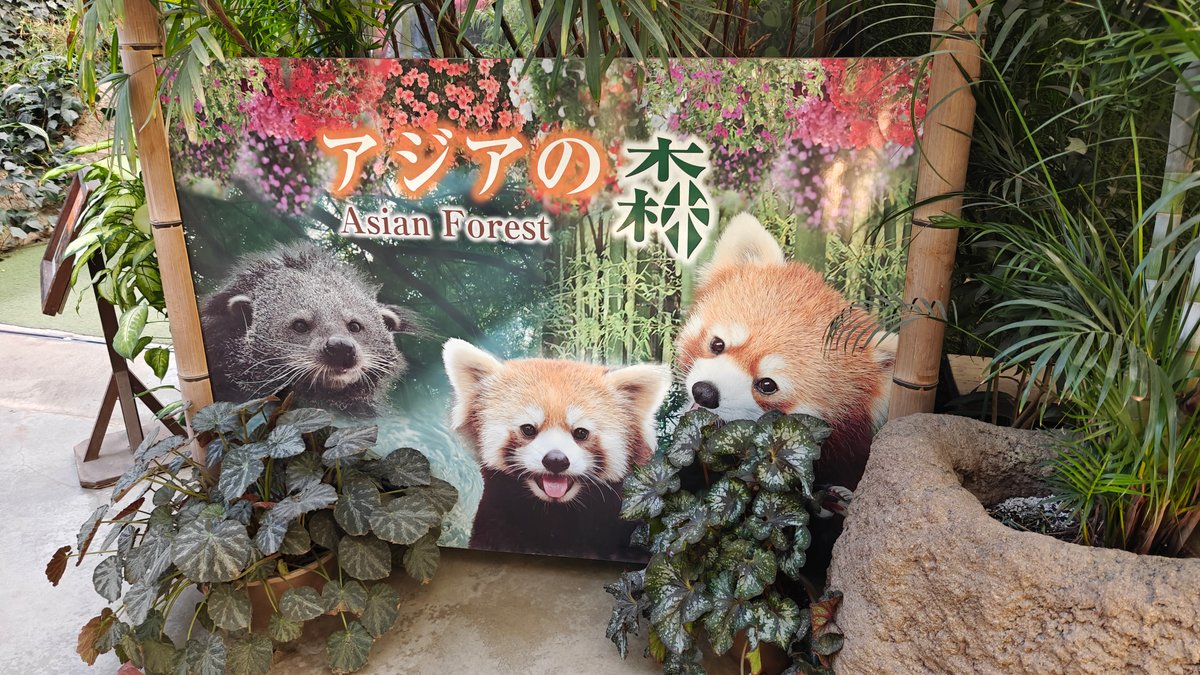
I did get to see some of the animals I hoped to in the Asian Forest section. First off, walking through there I saw the Pallas’s cat all curled up on a rock, and it looked like most grumpy ball of fluff ever. I hung around for a while and finally it stood up so I could really check out its stocky body and flat face.
It was not especially active by day, but just seeing one sitting there was worth it.


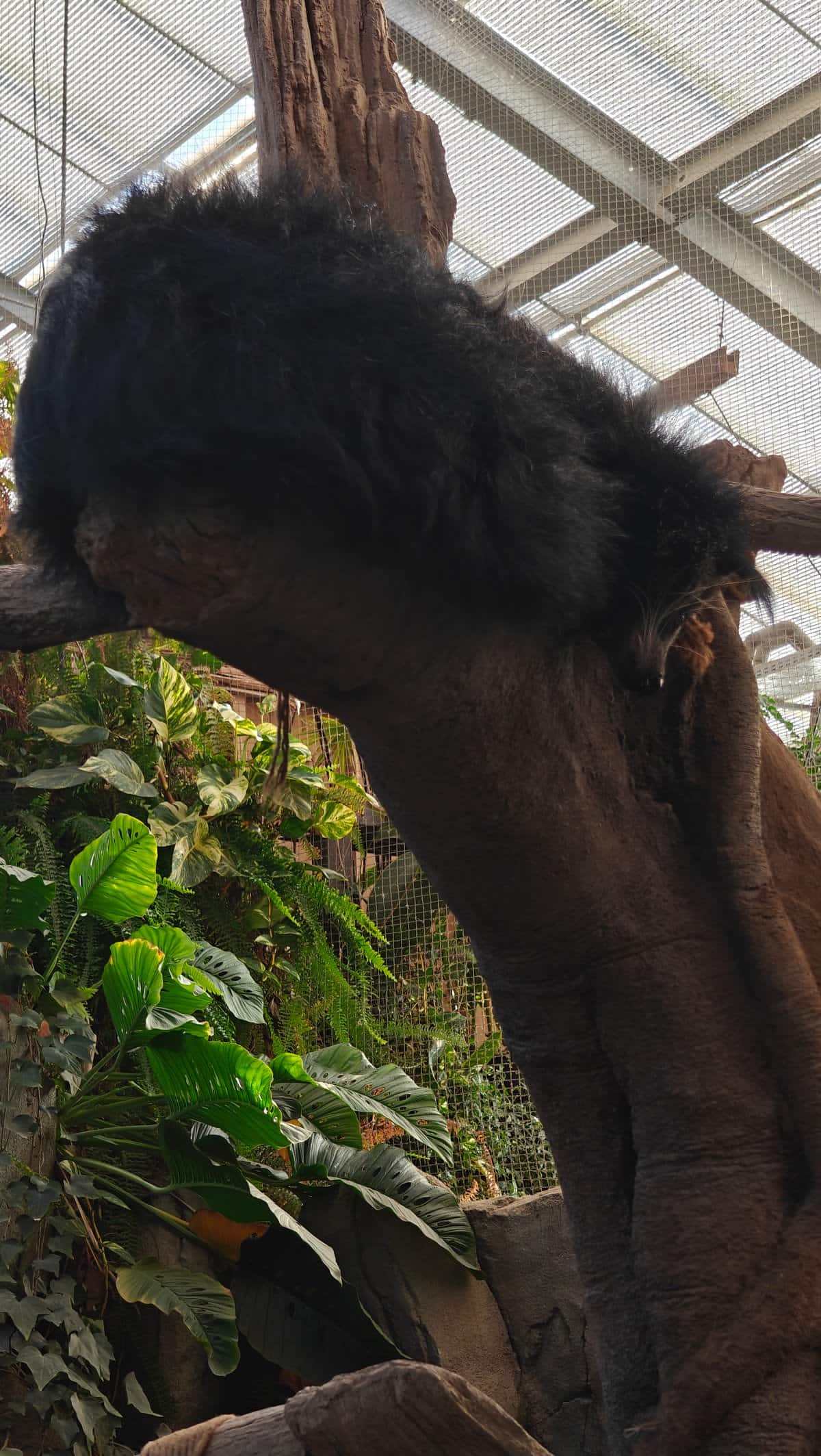

There was some action going on at the red panda enclosure so I spent a good amount of time there. While observing, one climbed a tree trunk, moving between branches with that careful, deliberate way red pandas have. In fact, what I wasn’t expecting is that you could put a red panda in the same area as a binturong, and they gets along just fine.
When I went by, the binturong (who I had no idea existed) was sleeping in a tree fork, but woke up later and began walking across the branches. It’s really an interesting animal. It looks like a cross between several different creatures.
The info sign called them bearcats, which makes sense. I watched one carefully climb down a tree head-first, balancing itself with its grasping tail. It moves very slowly and methodically, trying every branch before putting its full weight onto it.

In another greenhouse hall is a restaurant called the Flower Kitchen, where I got lunch. You sit in the middle of some of the plants, have a table set for you, and look out over one end of the park as you eat. The food was good, not anything special, just casual lunch stuff, but better than what you usually find at a zoo cafeteria due to its surroundings.
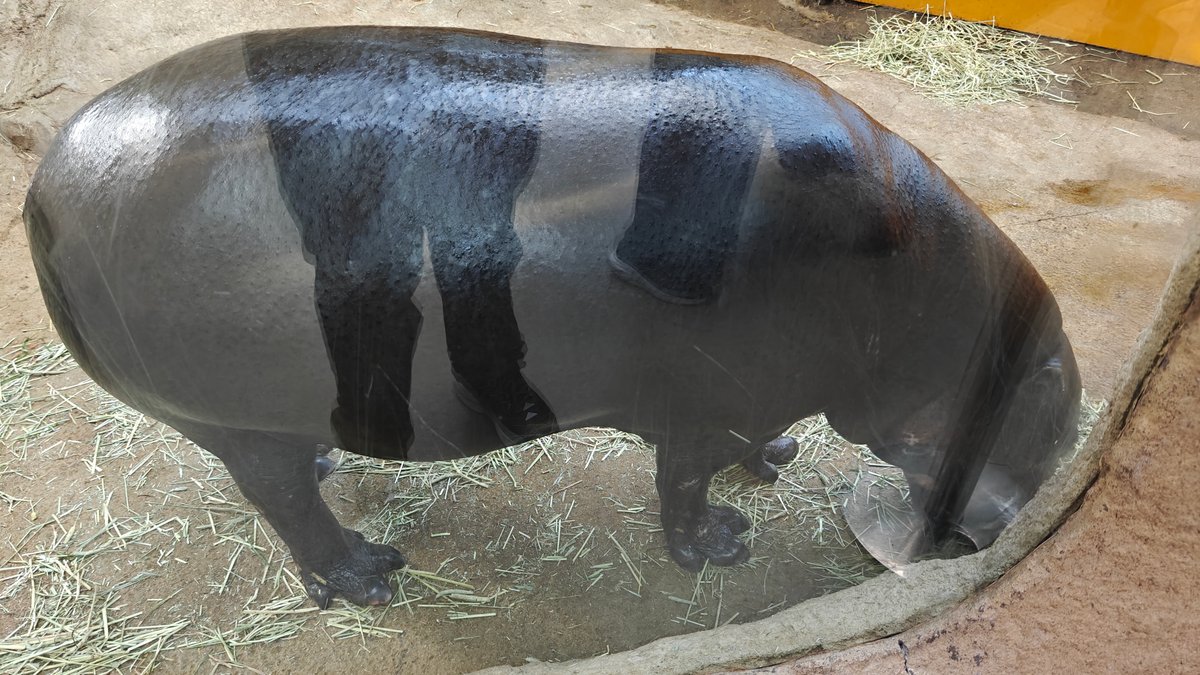

Then I went to the pygmy hippo exhibit. It has some very nice thank-you signs for everyone who helped with the new enclosure. I saw the hippo at the water’s edge, and noticed that they’re not nearly as big as regular hippos.
They’re still pretty big, sure, but you can see the entire animal in one shot without just seeing a huge gray mass.

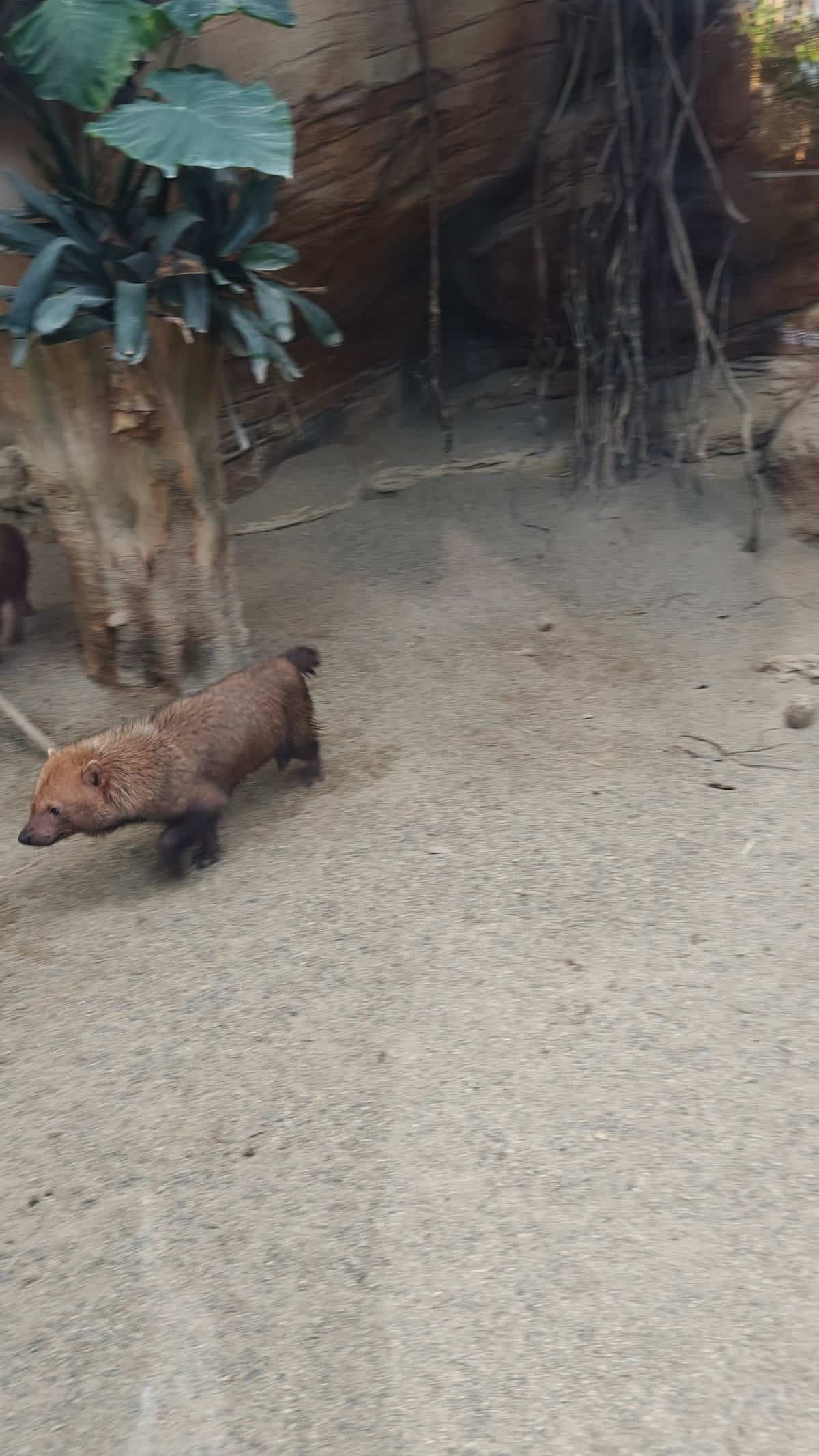
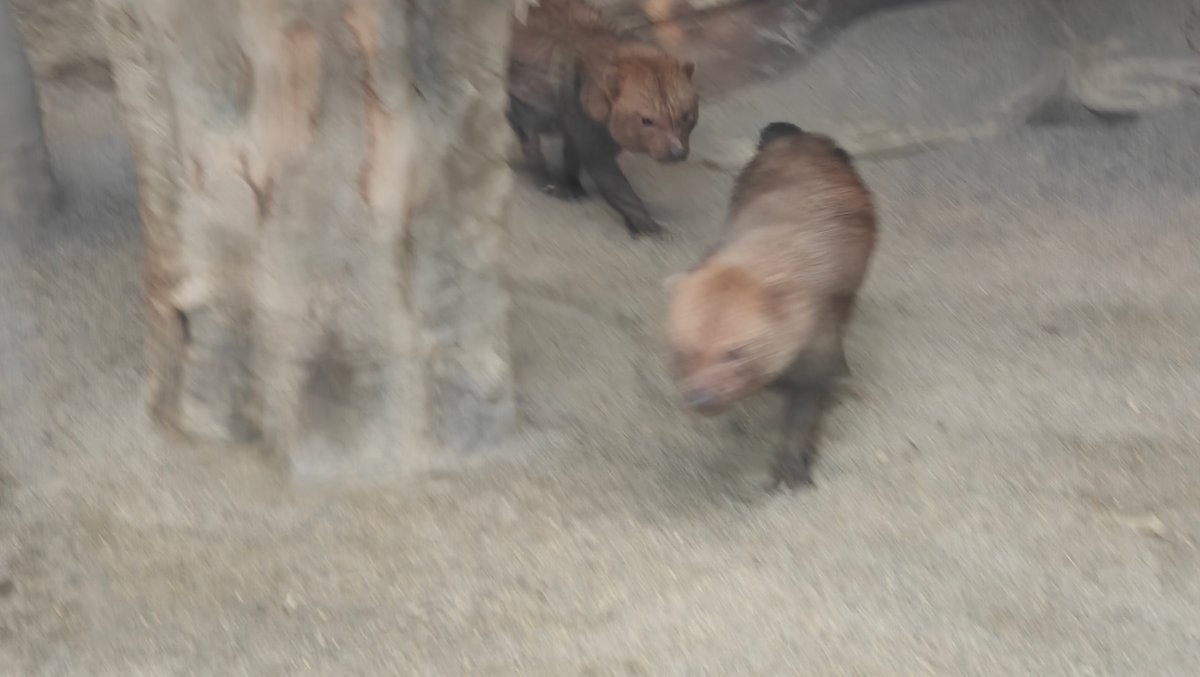

This also included the tropical forest section where I saw some animals for the first time. First up were the bush dogs, which are small, stocky animals that look more like oversized weasels than dogs. One was trotting around its enclosure; another pair was just hanging out next to the wall.
They move with this low, determined sort of gait that isn’t really what you think of when imagining a dog moving. They is oddly proportioned.

Even less expected was the southern pudu. Apparently, these are the world’s smallest deer. This one really made me appreciate that fact when I saw it curled up in its den.
It was tiny, honestly like a small dog, with a compact little body and delicate legs. It was also very well hidden, I’d passed right by it before realizing there was something there.
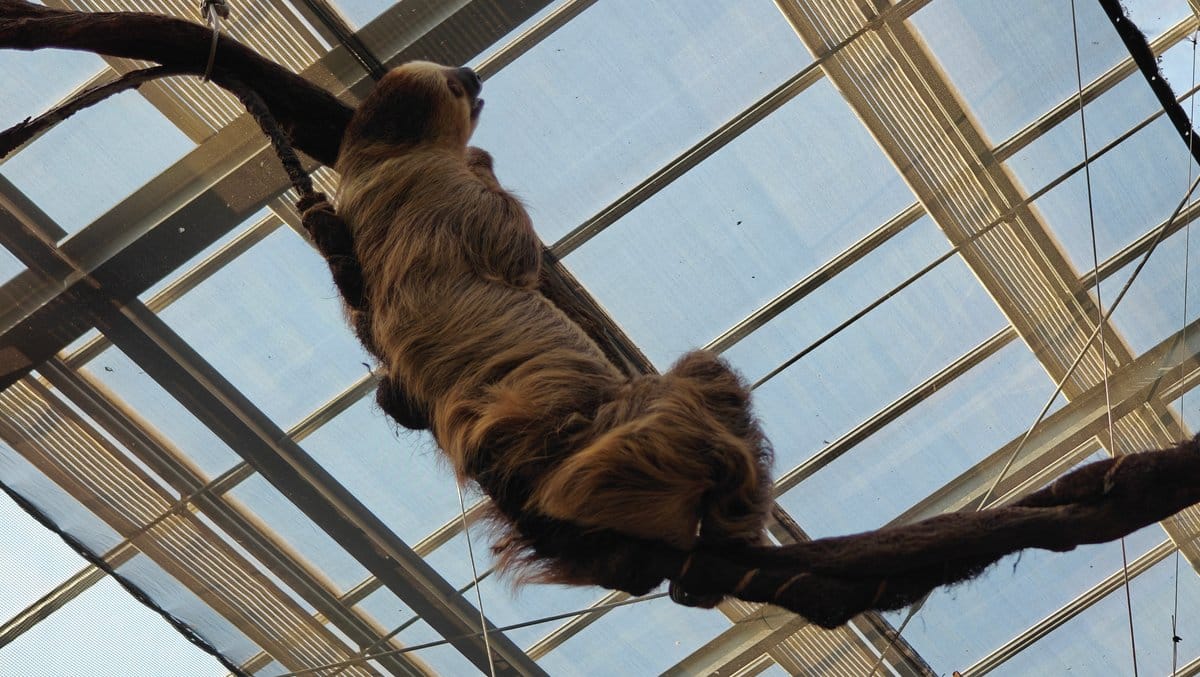

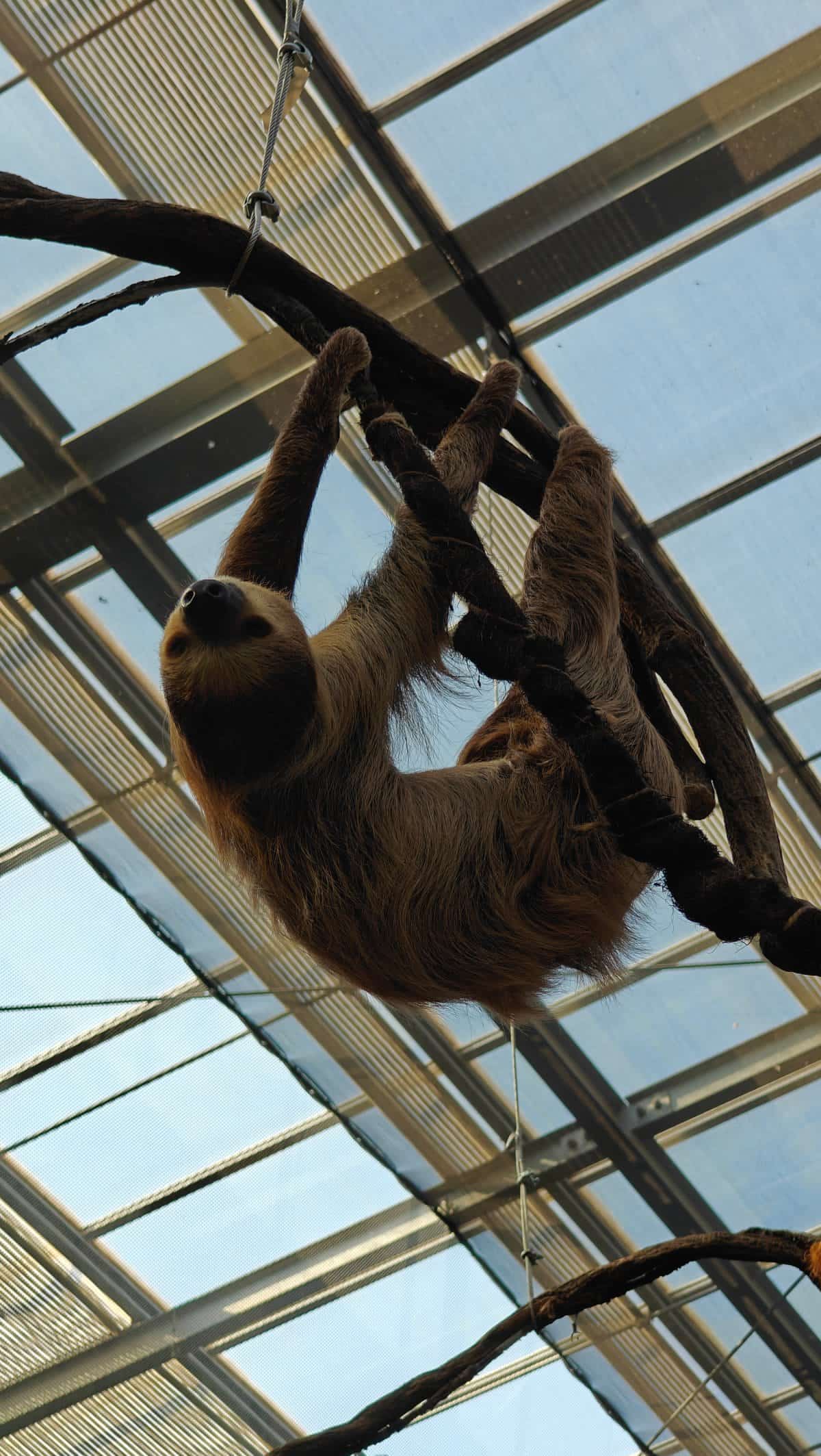
The two-toed sloth was hanging upside-down from its branches doing absolutely nothing, as you would expect. I stared at it for several minutes and it didn’t budge. That is classic sloth behavior.


There are several large walk-through aviaries as well, where you share space with birds such as toucans and Patagonian maras. The maras resemble a miniature deer crossed with a rabbit, and I saw a toucan perched on a wooden perch above them while they hopped around the sandy area below. Two maras rested in tandem on the sand, seemingly very happy with each other, even though people was walking only a couple of feet from them.
It’s set up so that you can get quite close to the animals without any barriers, making everything seem more natural. Continuing down into the tropical aviary, there were macaws on branches, a southern tamandua climbing high in the trees, and various other birds wandering around at ground level.


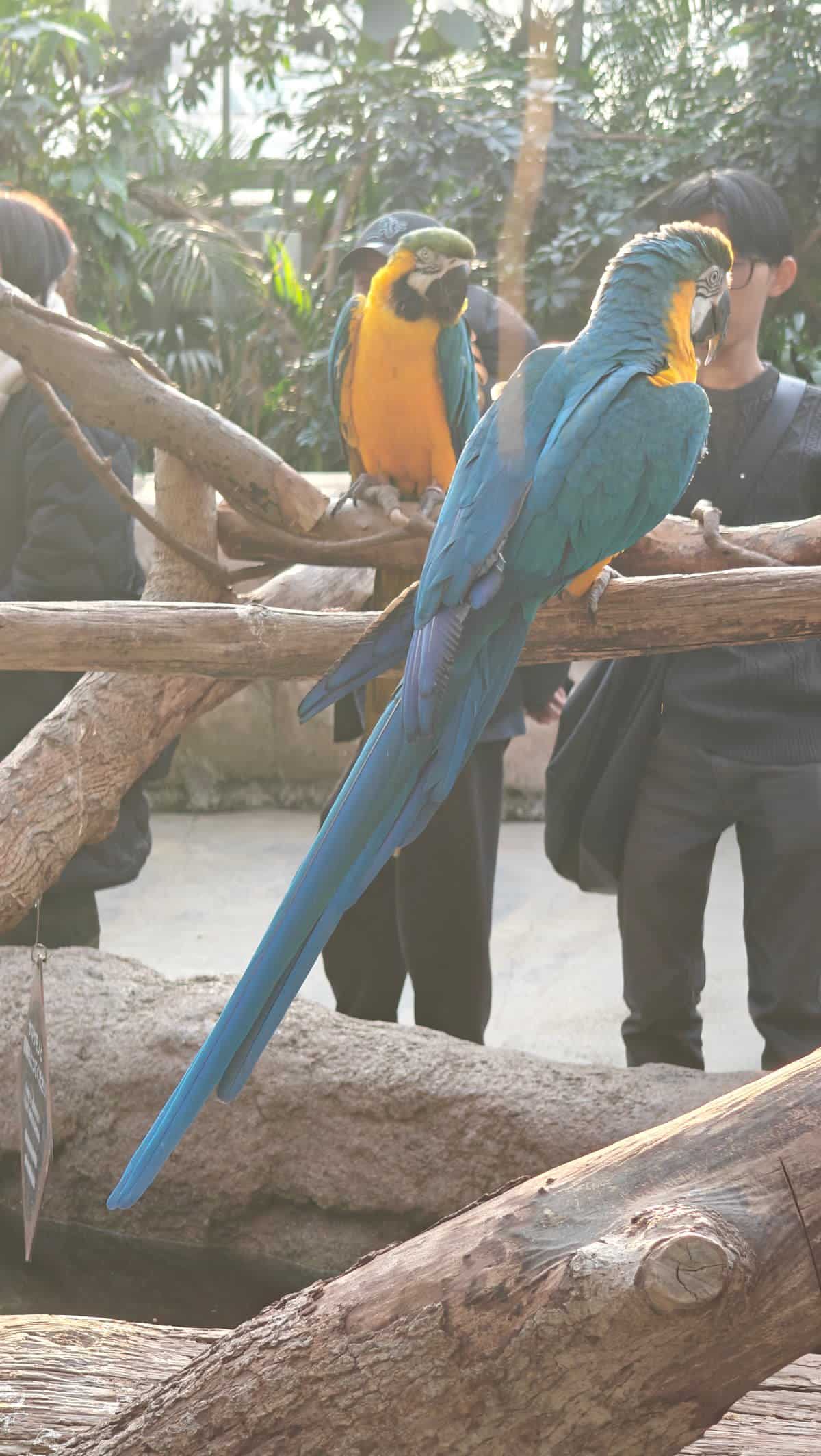
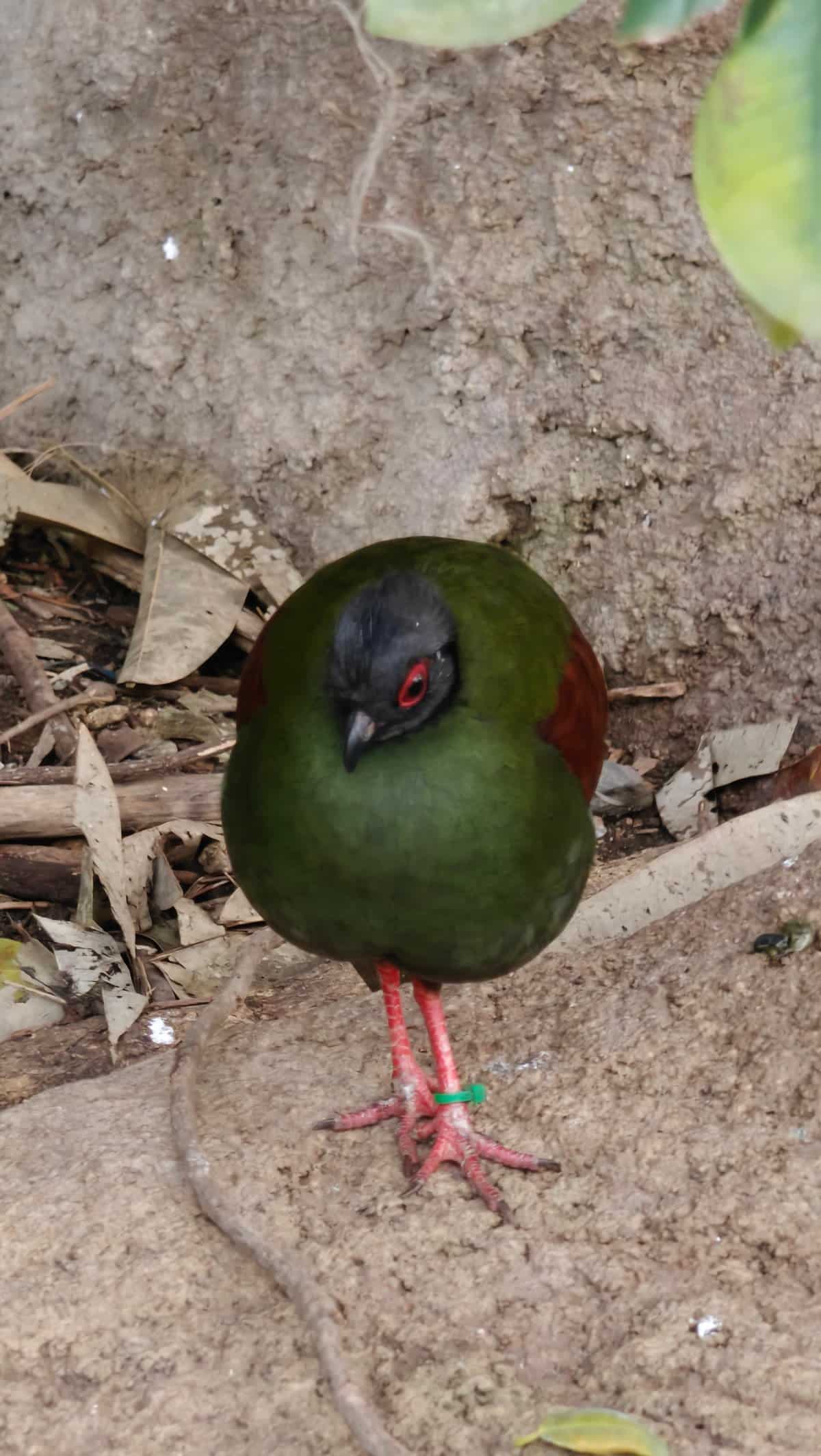


I saw keepers out interacting with some macaws by the walkway. The crested partridges were stunning. The males are very showy, and the females are too, though less so.
I got to watch both male and female in their enclosure. I read the sign identifying the species and then looked up, as a tamandua was just strolling across a branch above me. There were white cockatoos hanging from wrapped-in-rope branches all over the place.
Now, normally I’m not a huge fan of birds, but seeing these guys out and about, and relatively up-close, made for more interesting experience than gazing at caged birds. Then I took a corner and suddenly a giant arapaima was swimming lazily around in an aquarium tank right in front of me. According to the information sign, they grow up to four to five metres long.
He certainly appeared to be heading that direction.
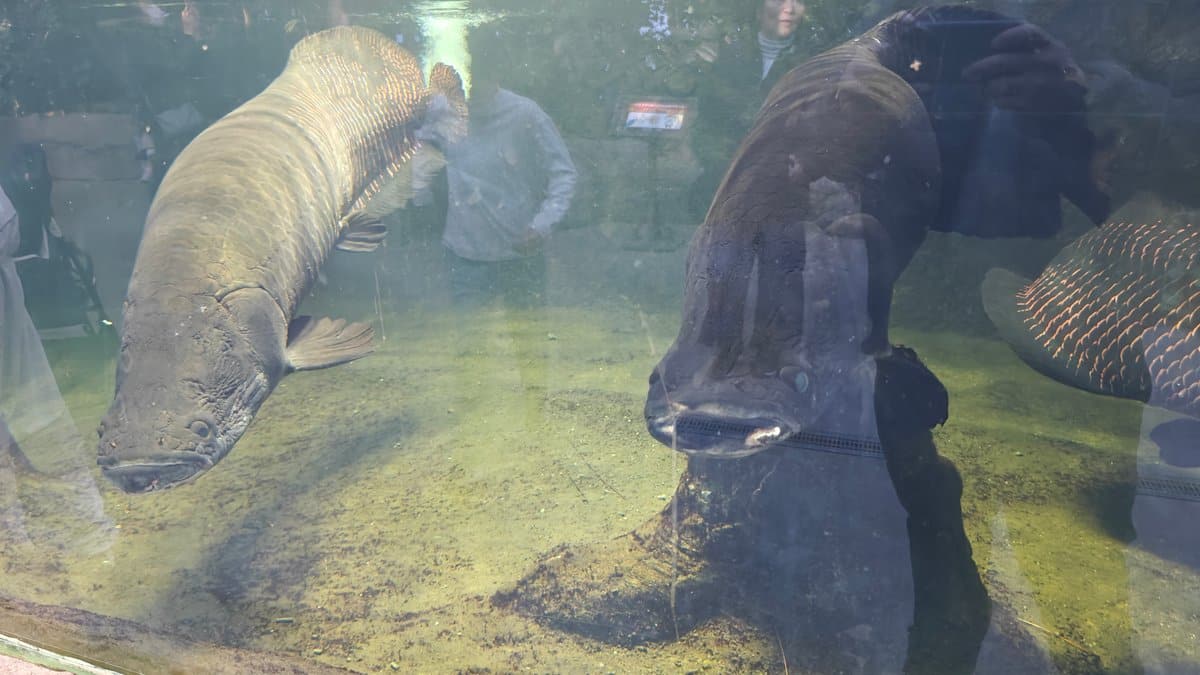

It’s really startling when you see a fish that size up close… He just barely fit into my field of view while he swam by.

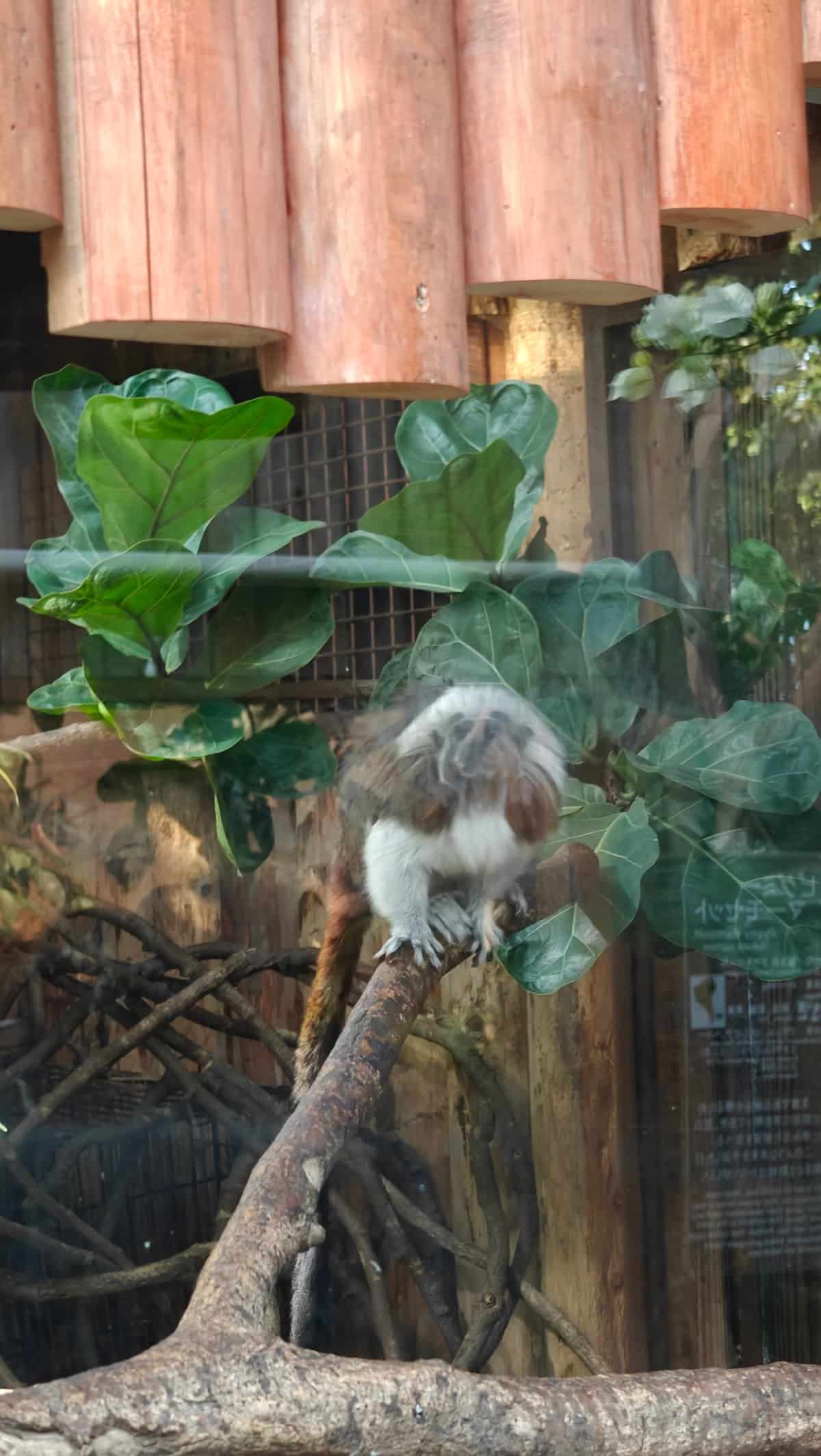
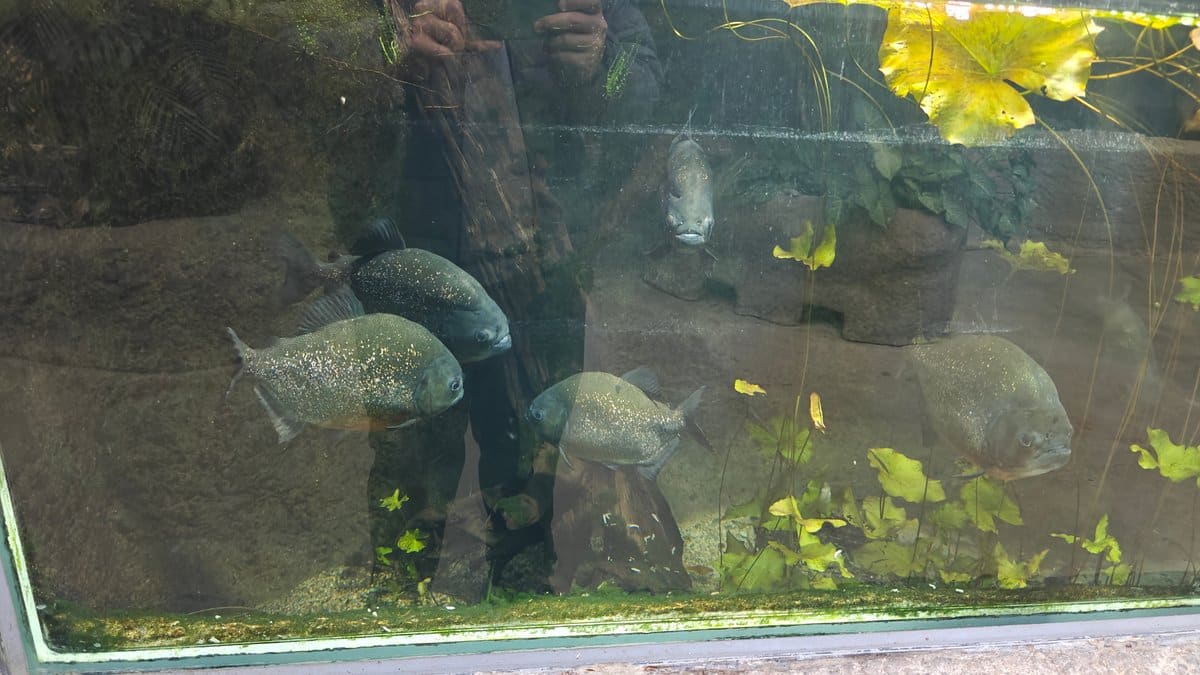

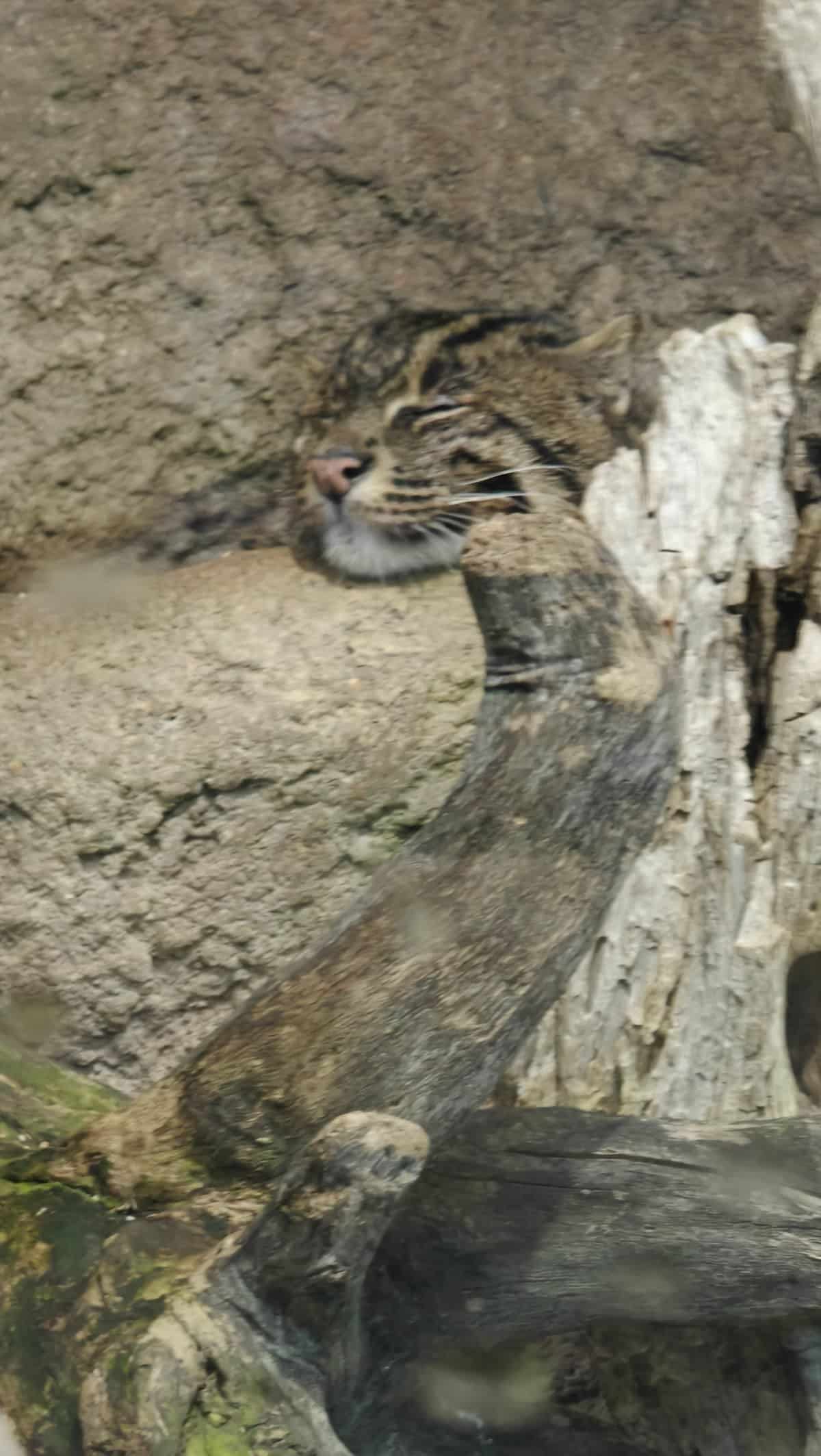

Aquarium tanks and smaller enclosures was scattered in the following section. Up close, a white-breasted toucan was sitting by the path. So close, I could count his feathers.
He was close enough to touch (though I didn’t). A radiated tortoise nibbled lettuce leaves directly in front of the glass. The cotton-top tamarins leapt around inside their enclosure with their characteristic white crests sticking up.
I looked into some of the aquariums that held an alligator snapping turtle and piranhas. Both creatures looked suitably prehistoric and somewhat menacing. In another enclosure, a fishing cat prowled across the driftwood with that special kind of intensity cats possess when they are indeed focused on something.

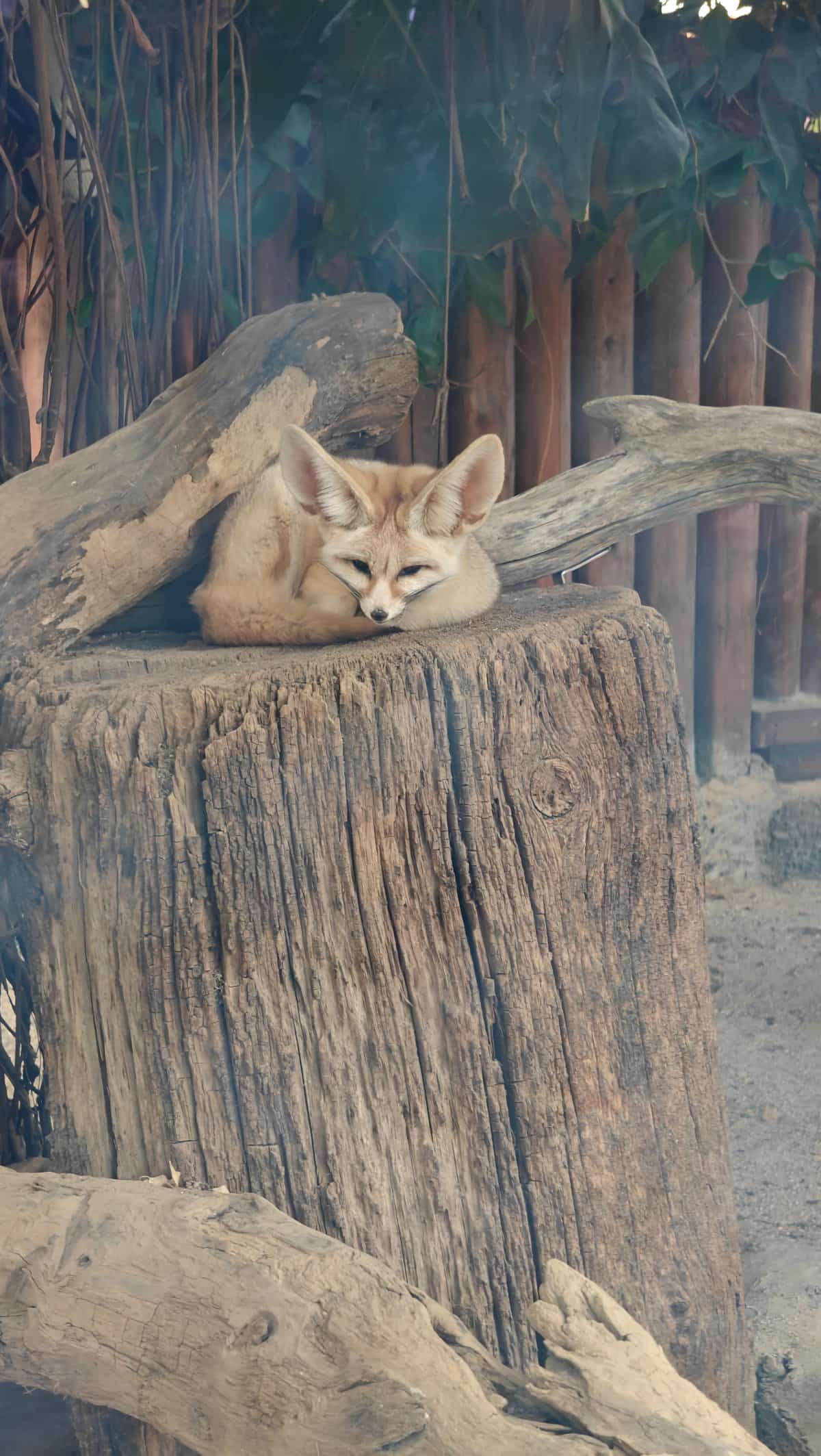
The meerkats was being meerkats. They stood tall on sentry duty, and then they hung out together amid the rocks as a group. As always, they were great fun to watch.
Several visitors was pausing to photograph them.
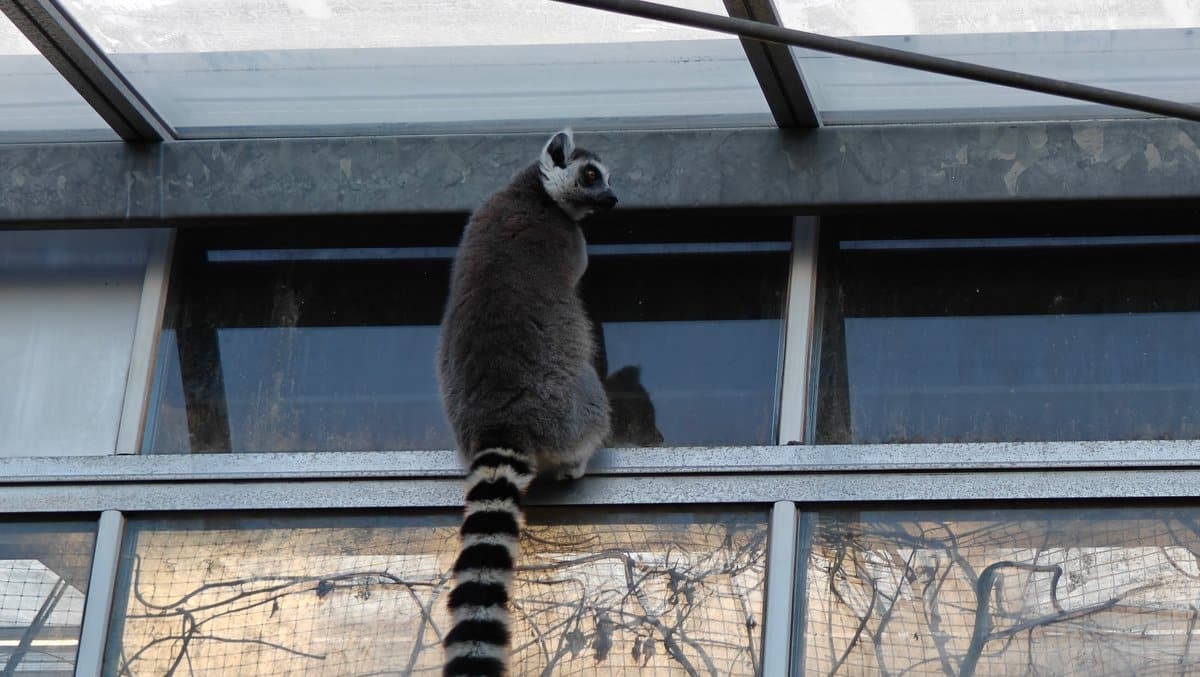


The enormous ears of a fennec fox were twitching now and then as it slept soundly. In a bigger area, ring-tailed lemurs had free range and went about their business… Including one who sat on a window ledge while another walked across a log in front of me.
They were completely unfazed by visitors strolling by.
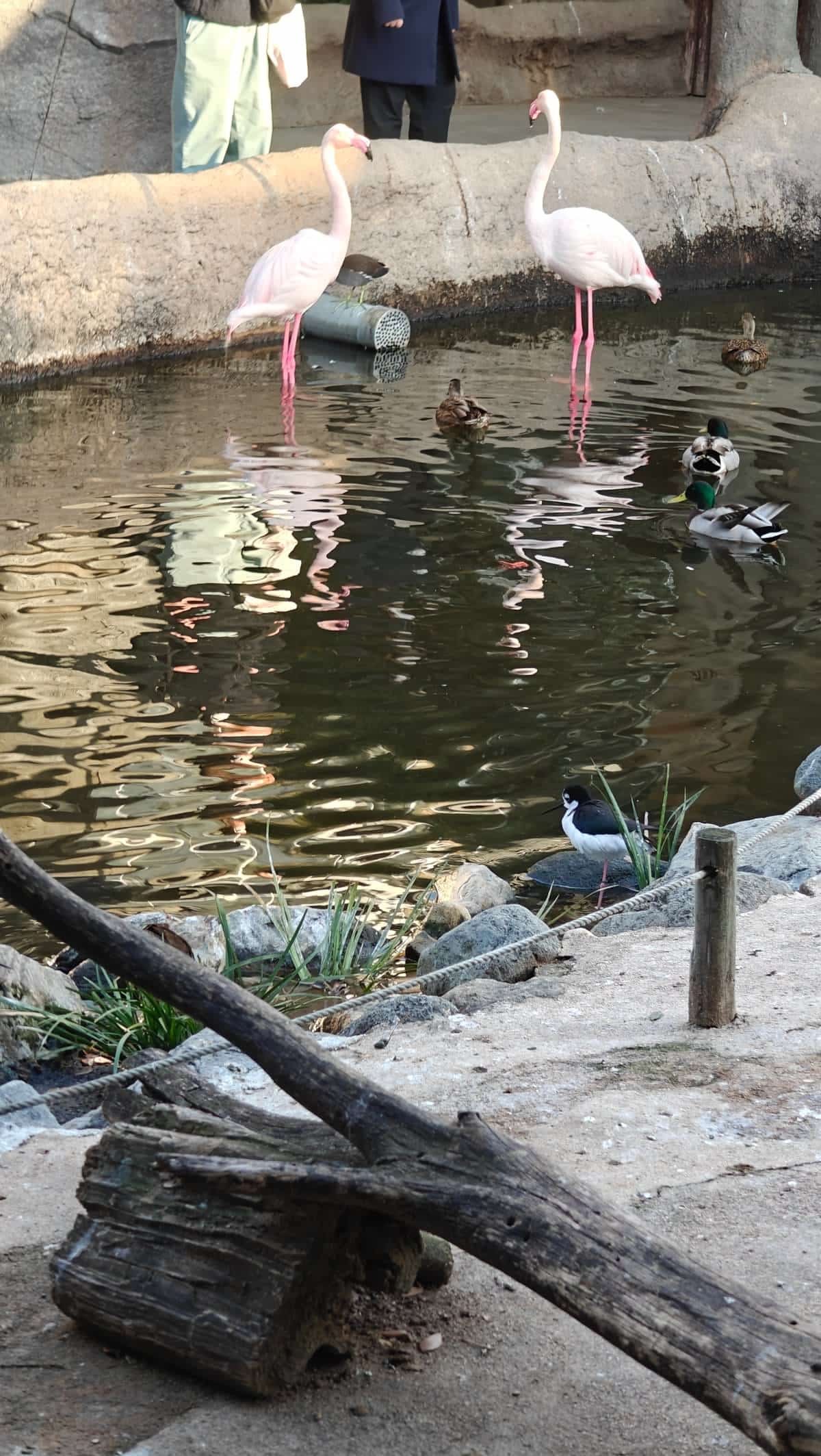

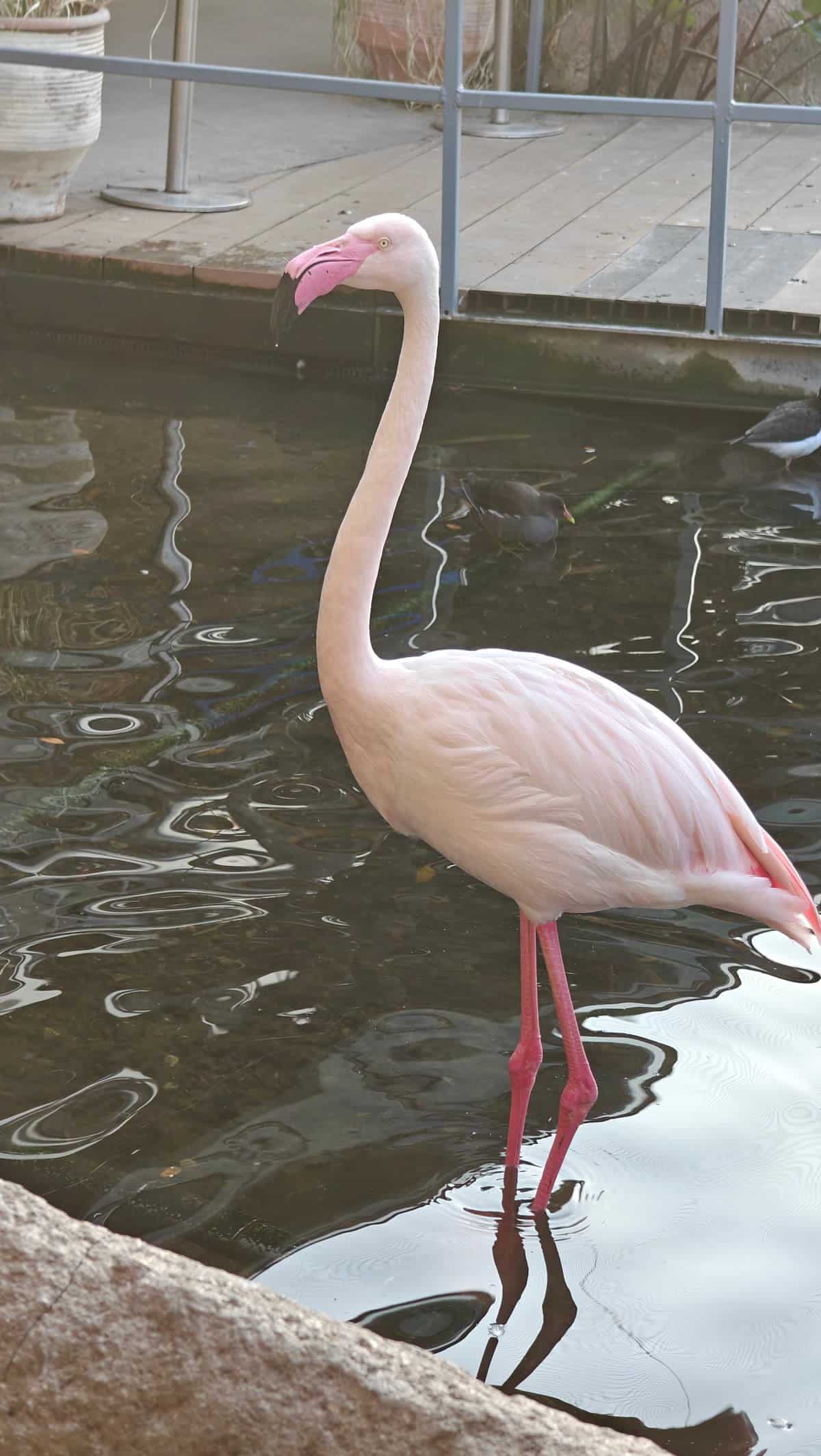

Beyond the greenhouses was outdoor ponds where flamingos waded in the shallows and a great white pelican cleaned itself. There was also an enclosure with a serval lying out on the log ledges. ” It had that kind of cat-alert look.
It was nice to be outside the enclosures again; more flamingos stood about in the water feeding.

At this stage, I picked up a park map so that I could work out where all of my missed bits were. It turns out, there’s more to see here than you’d expect from the entrance, with both outdoor enclosures and indoor zones. After a few hours, I realised that I had not been everywhere that was marked on the map.


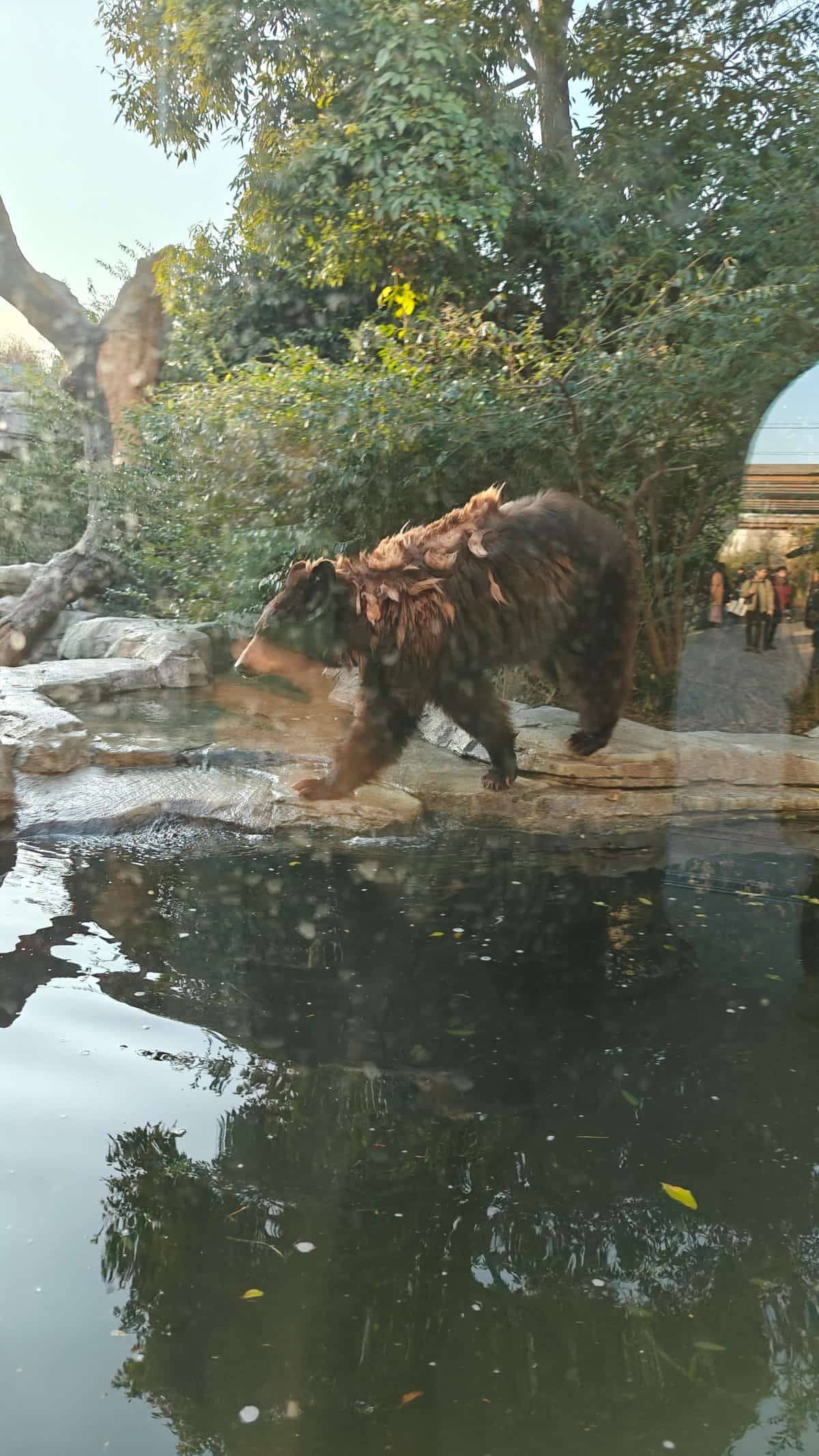


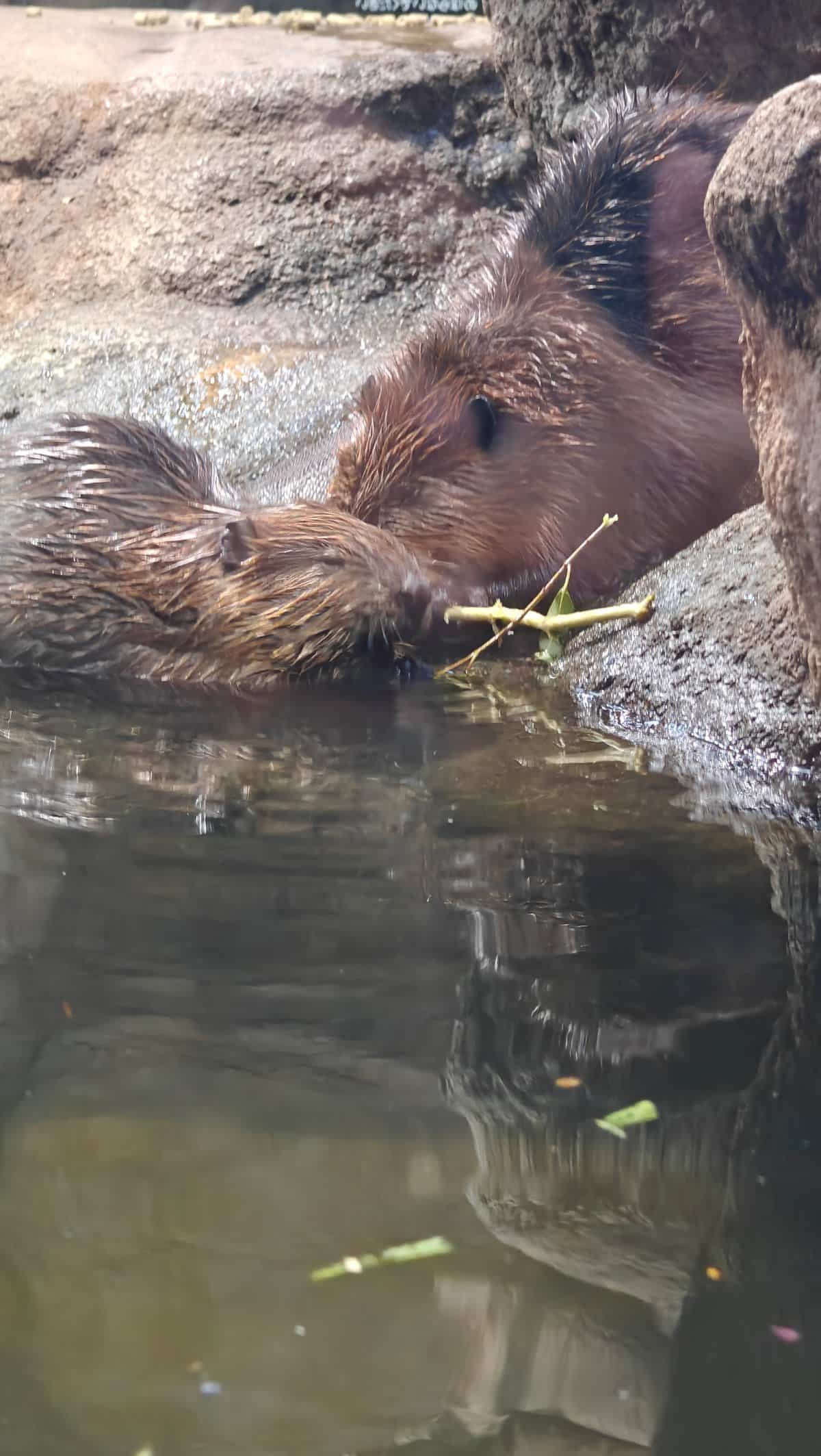
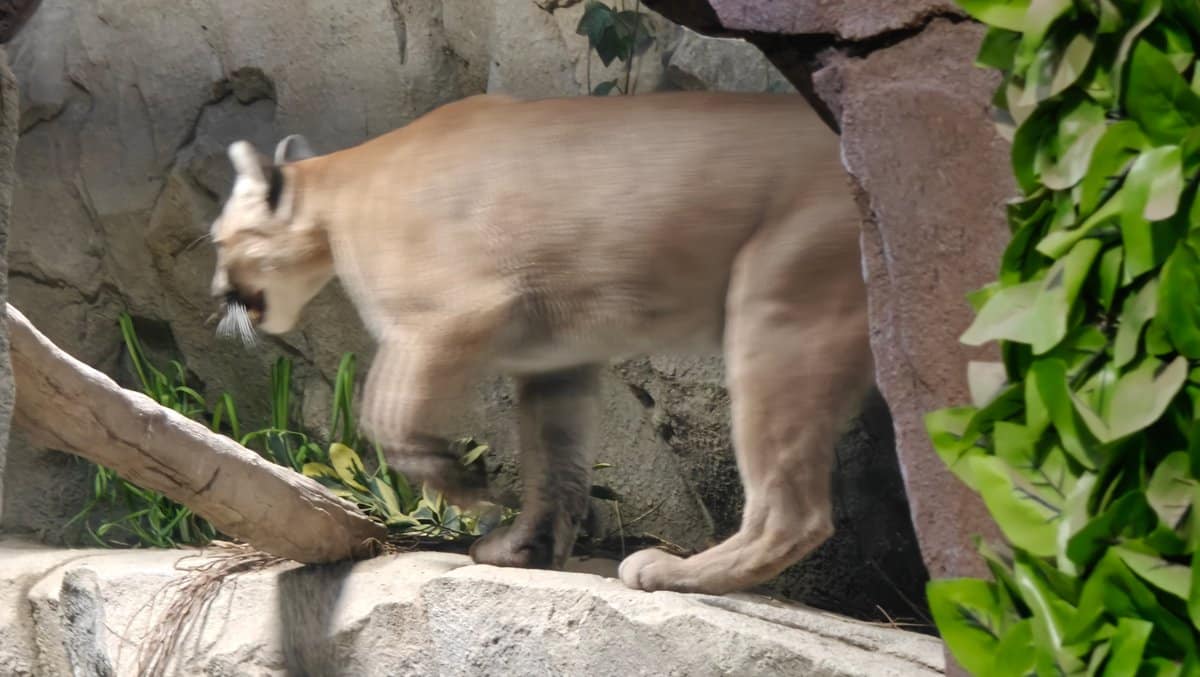

Outdoors was where the bigger animals lived. Penguins zoomed through their pool, quite unlike how they move on dry ground. A Bactrian camel sat next to the railing, so close you could reach out and pet it (assuming you’re into that).
An alpaca peered over the fence as if to say, “Yeah, whatever” (the look alpacas always give you). In another direction, there was an American black bear near the water, a Sumatran tiger sound asleep on one of its ledges, and a couple of timber wolves lying around in their exhibit. In the big cat space, I saw a cougar walking about on the rocks, and an American beaver chewing contentedly on a branch.
These is more classic zoo setups with clear dividing lines between visitors and animals. It is unsurprising when you think about it, given the size of these predators.

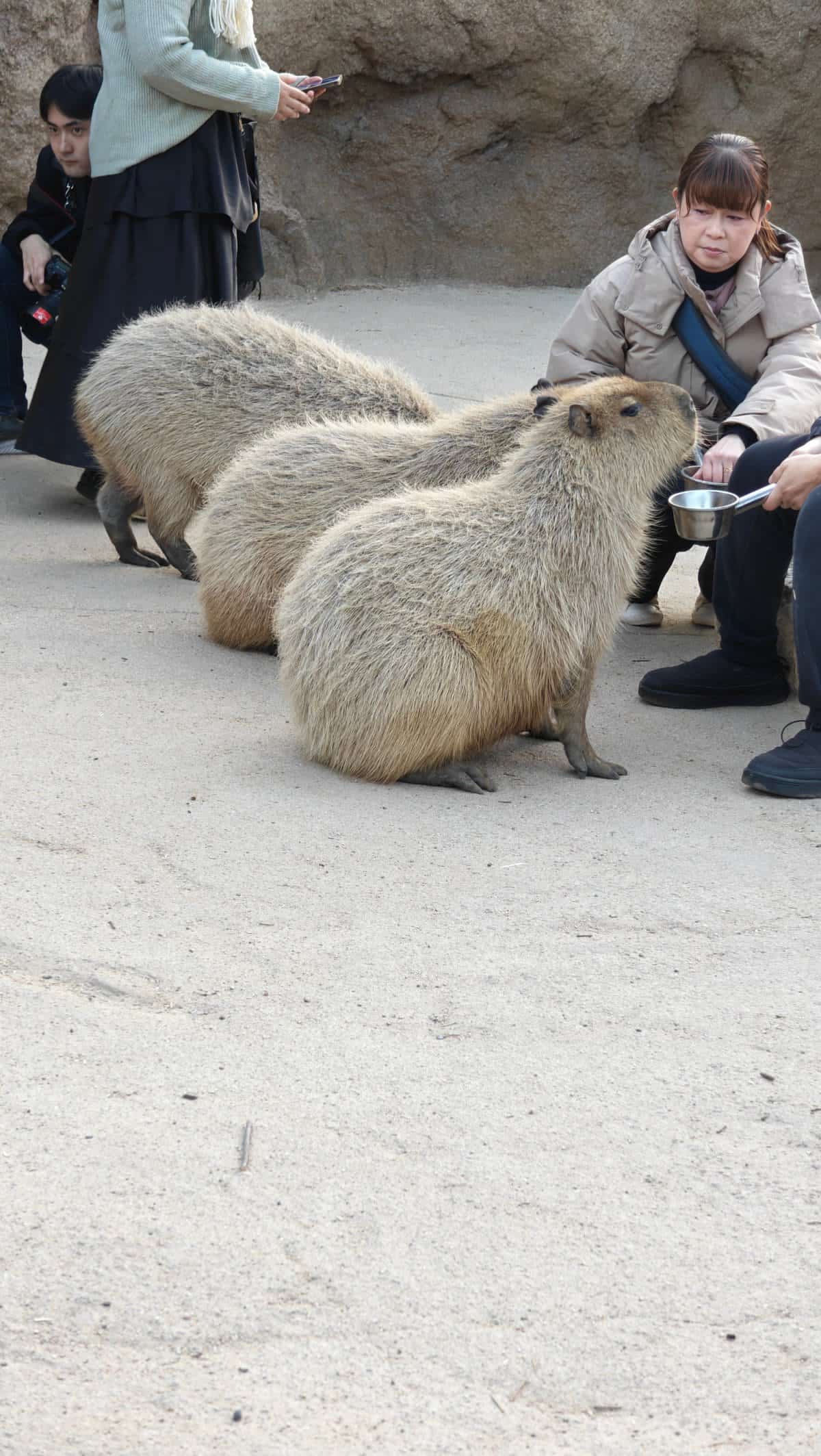

There are also some interactive experiences with animals outdoors. One was a walk-through area where capybaras could nose around people, and the other let visitors feed the camel by hand. I hand-fed several capybaras while watching them, and they were totally unfazed by all of the attention.
And believe me. They didn’t seem that interested in the people as much as they was the food.


South American animals were the last section. A tapir rested in its space, barely moving. Then a giant anteater appeared, walking back and forth behind the bars of its enclosure.
Another one ambled by me with that famous plumed tail dragging behind it. Somehow they makes this gait work. It’s an awkward shuffle but it gets them where they want to go.
After several hours (about four), I left. I would of stayed longer if I had the time! There is a good mix of traditional enclosures and open spaces that you can walk through.
For the most part, the animals seemed to have enough space to roam and hide when they wanted. While not inexpensive, I felt that I definitely got my money’s worth with the set up alone, let alone the range of animals on offer. Worth visiting if you find yourself with half a day in Kobe.
Have you visited Kobe Animal Kingdom? Know of any other animal parks that do the walk-through habitat thing right? Would love to know what your recommendations are.