
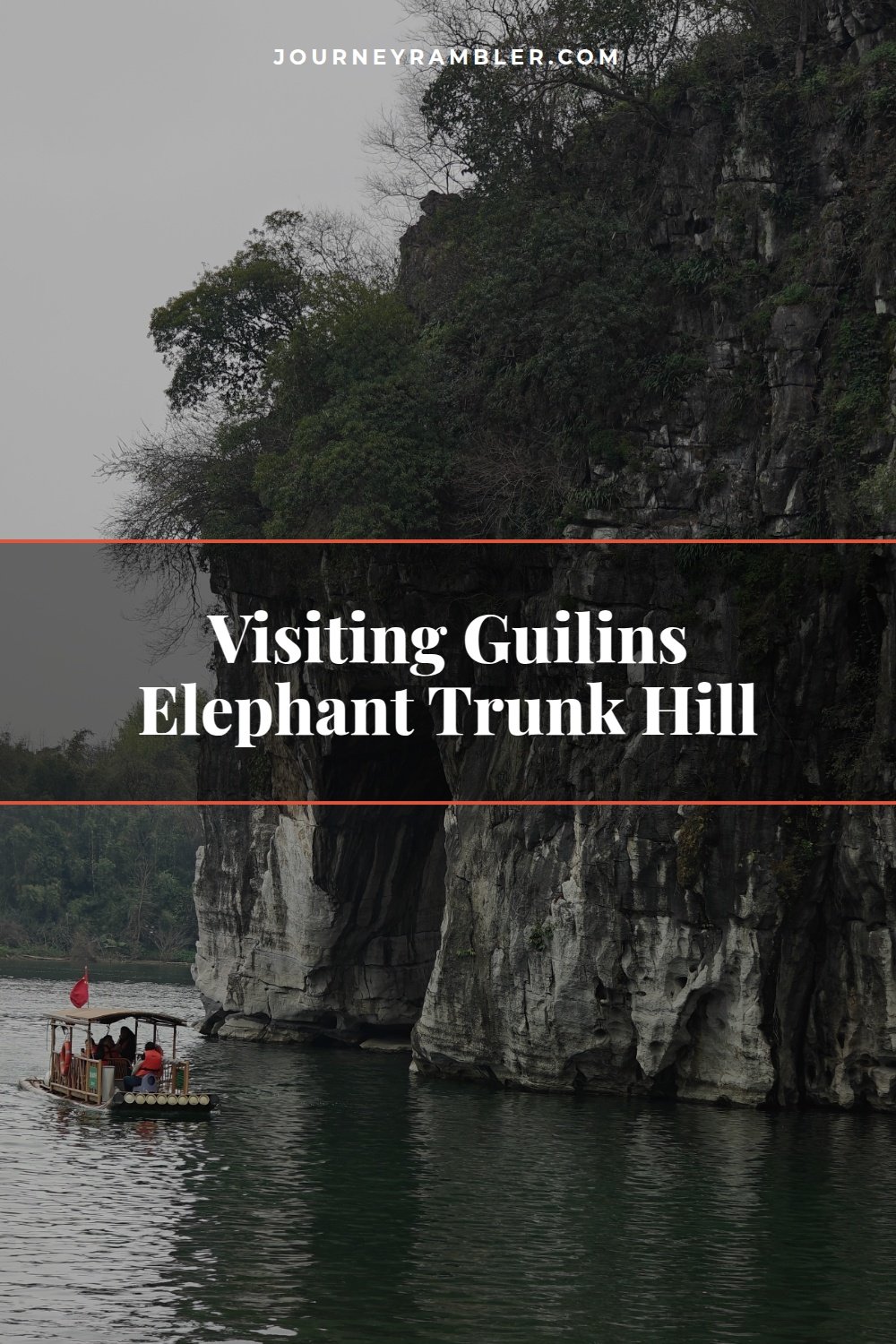
I had to visit: The Elephant Trunk Hill is one of those sites where I’ve seen its image a hundred times and thought: what is this? Why is this all over the internet? It’s just rock that vaguely looks like an elephant.
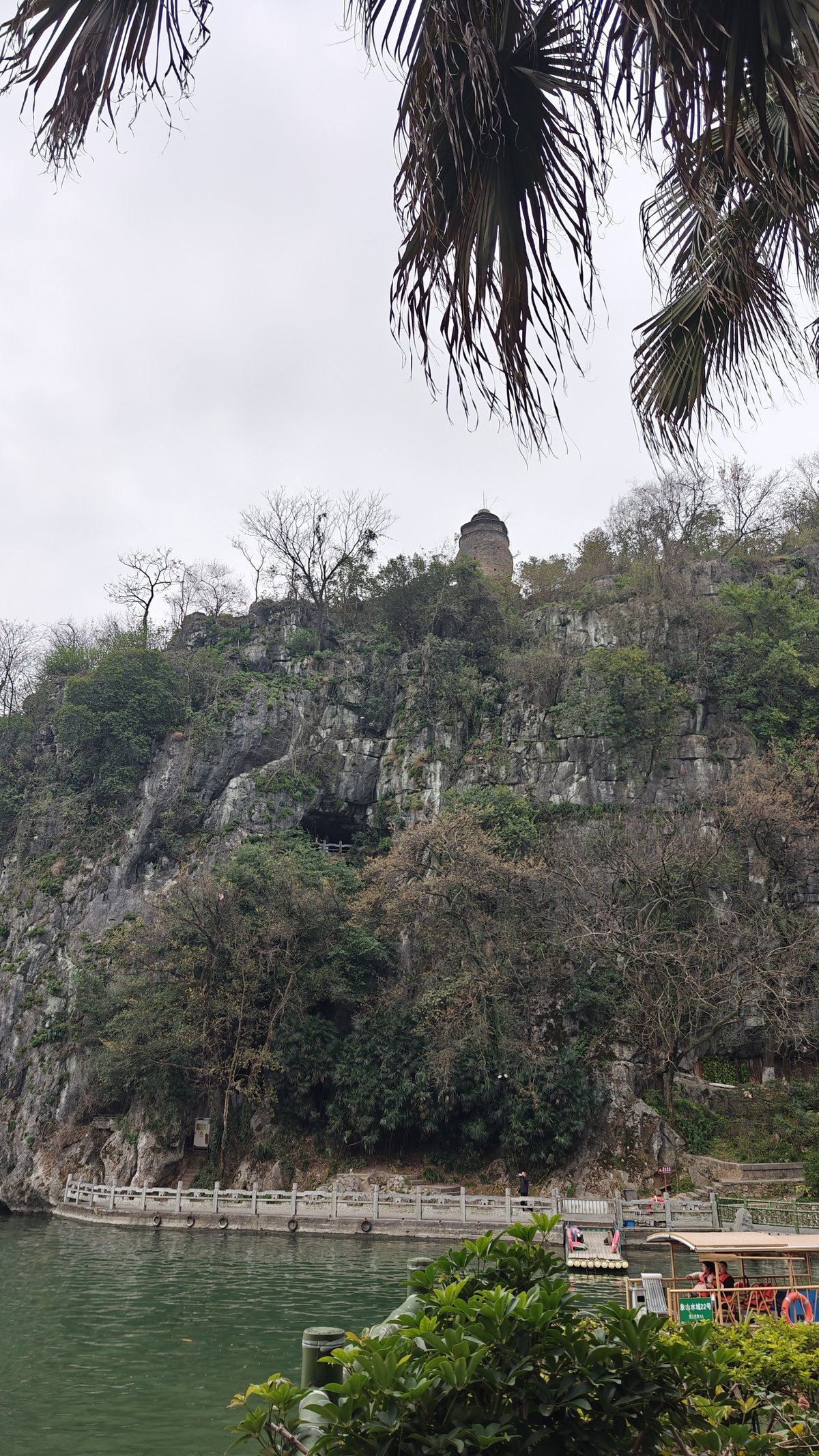
But once I actualy got here and spent a morning exploring the park, spotting pagoda on top of hill, and seeing boat cruise under its fabled arch, I began to understand. A location can become iconic not for being the most stunning sight you’ve ever laid eyes upon, but for somehow capturing essence of a landscape, something familiar and strangely idealized. Though many of the karst formation in Guilin are more dramatic, this hill have become Guilin’s poster child.
Let me take you through how it actualy went down and explain why I think it’s such a perfect picture of Guilin.
My Visit to Elephant Trunk Hill
Elephant Trunk Hill
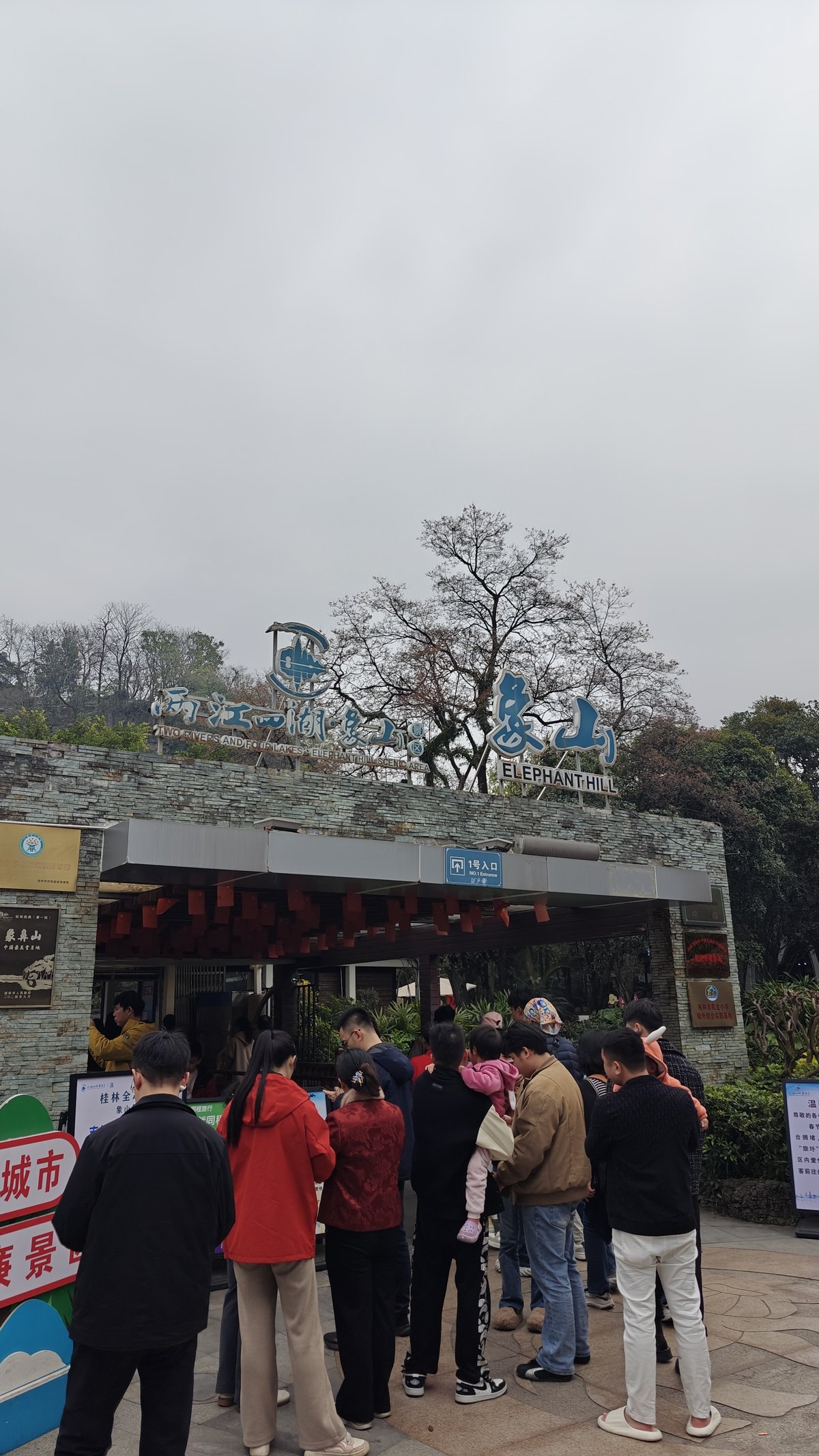
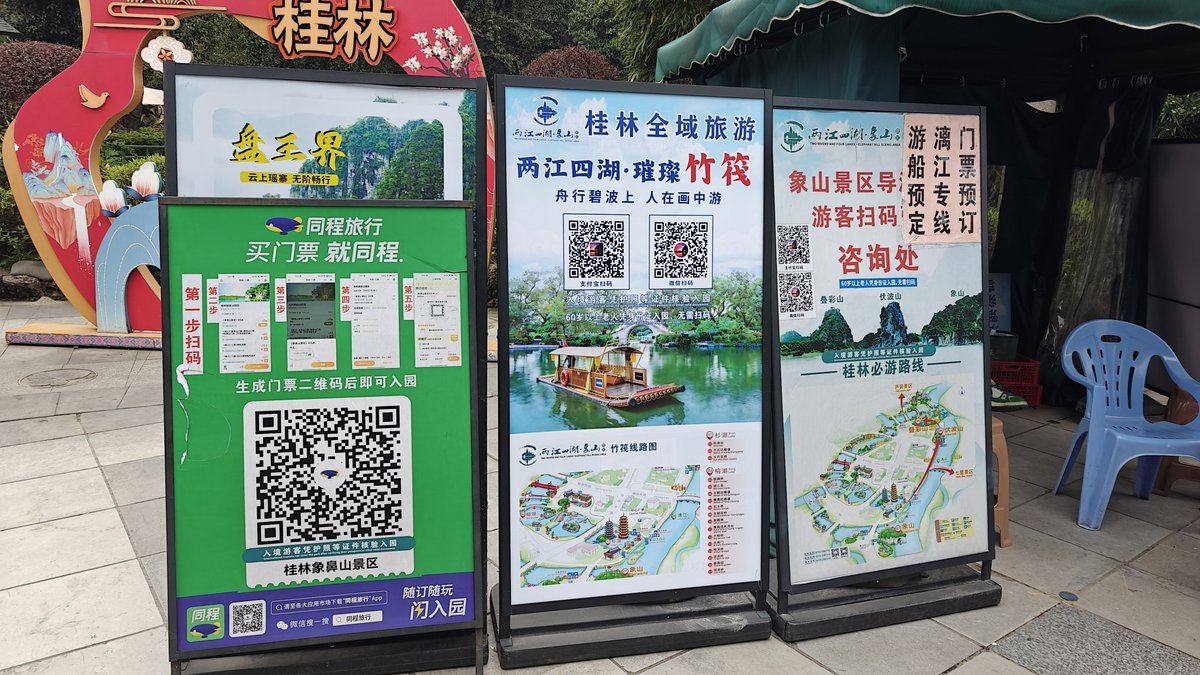
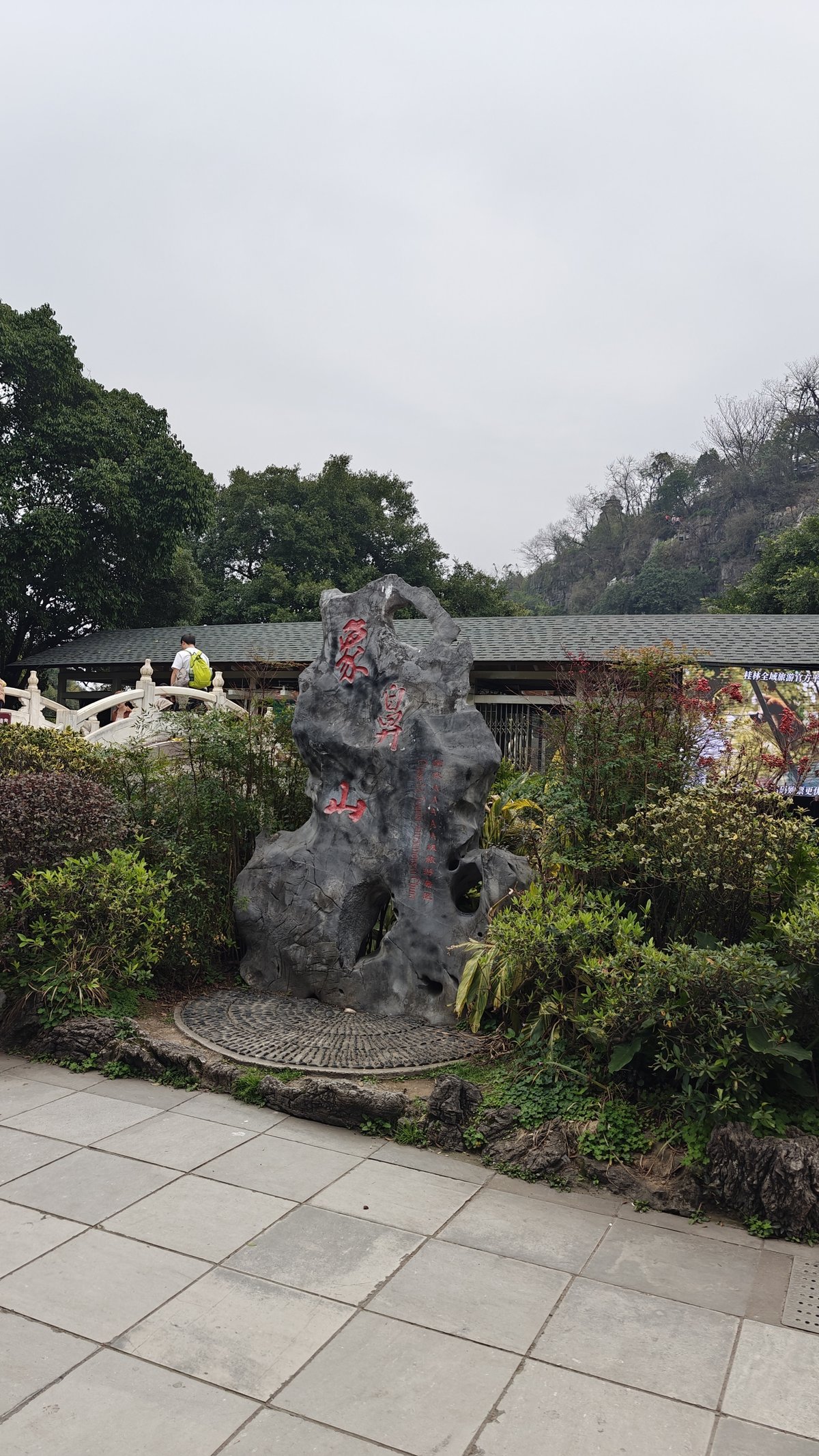
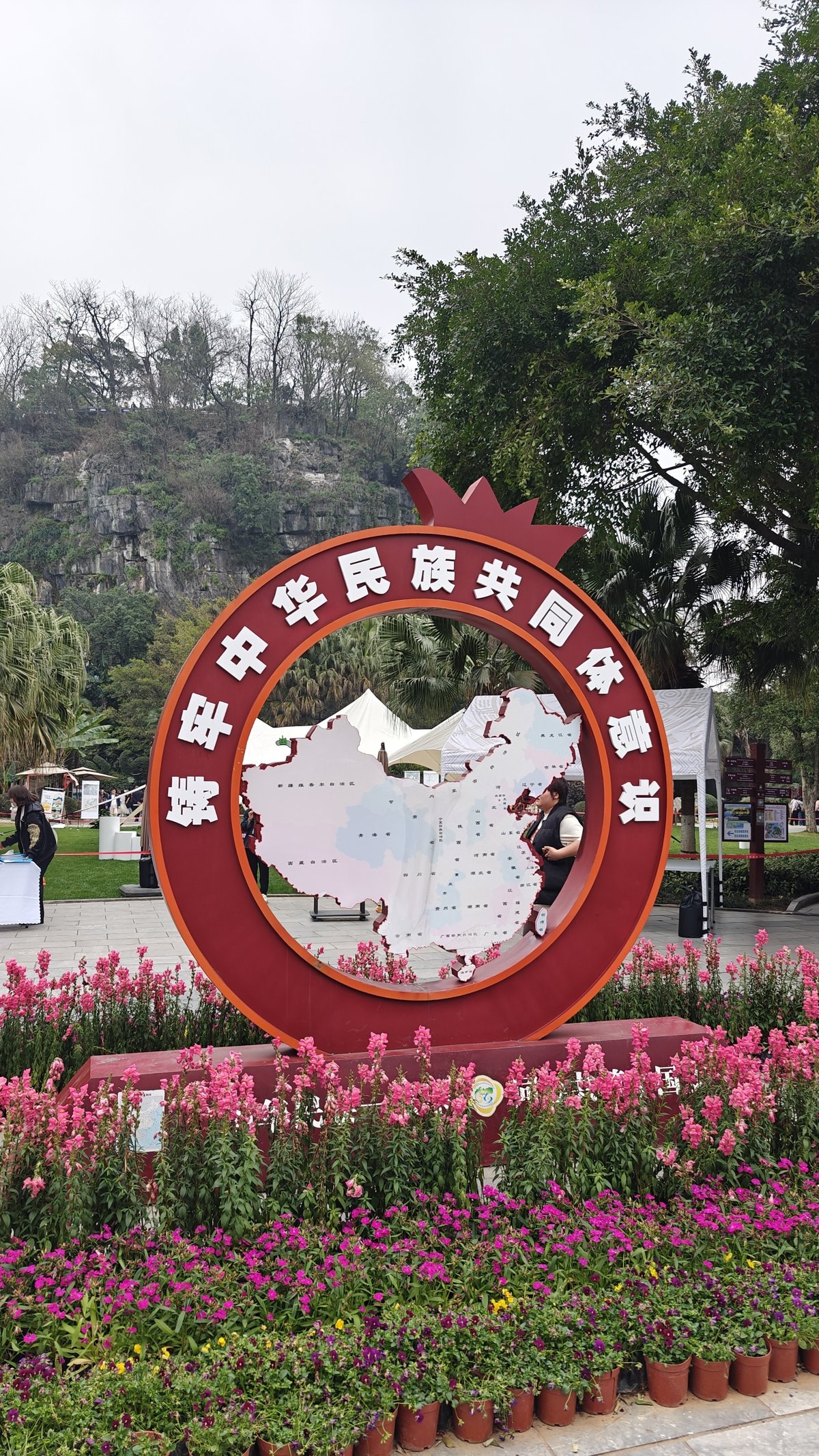
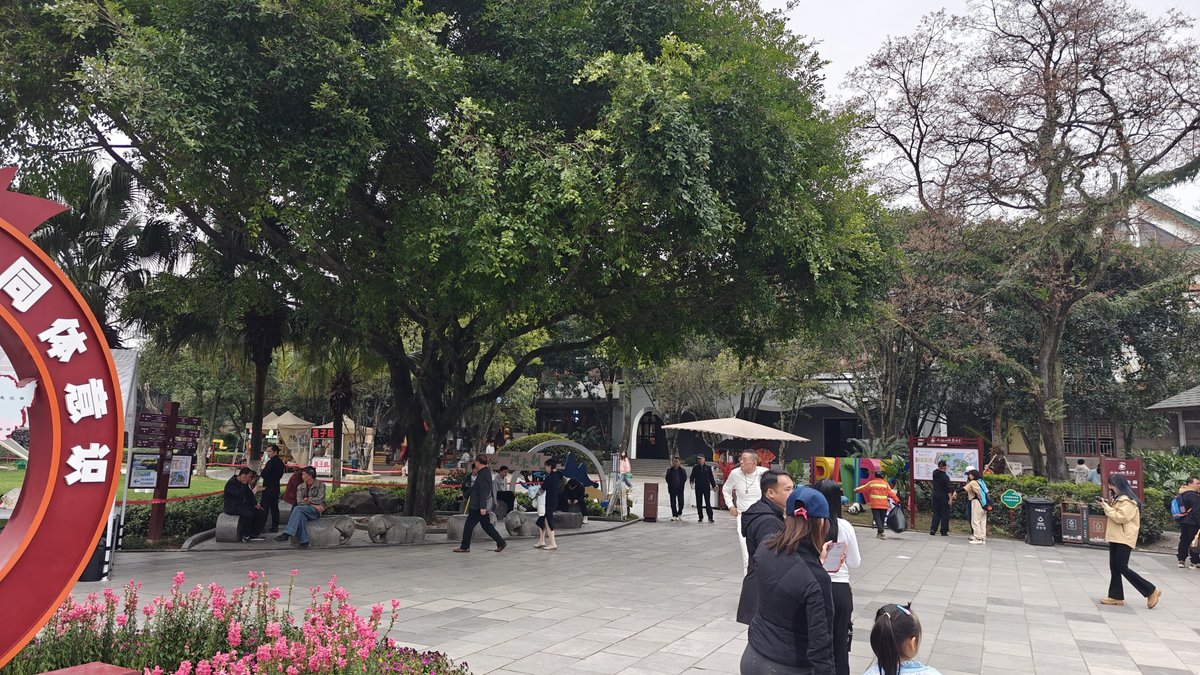
When I pulled into the park entrance mid-morning, I have to admit, it looked just like any other scenic area in China. Fancy rock decorations with writing on them, information boards, an official gate. It was nicely kept, with lots of shady areas under big trees and wide walkways that made it all quite pleasant stroll through.
Even though it was still a weekday, families was already fully immersed in this place, and I knew this would be one of those popular spot.
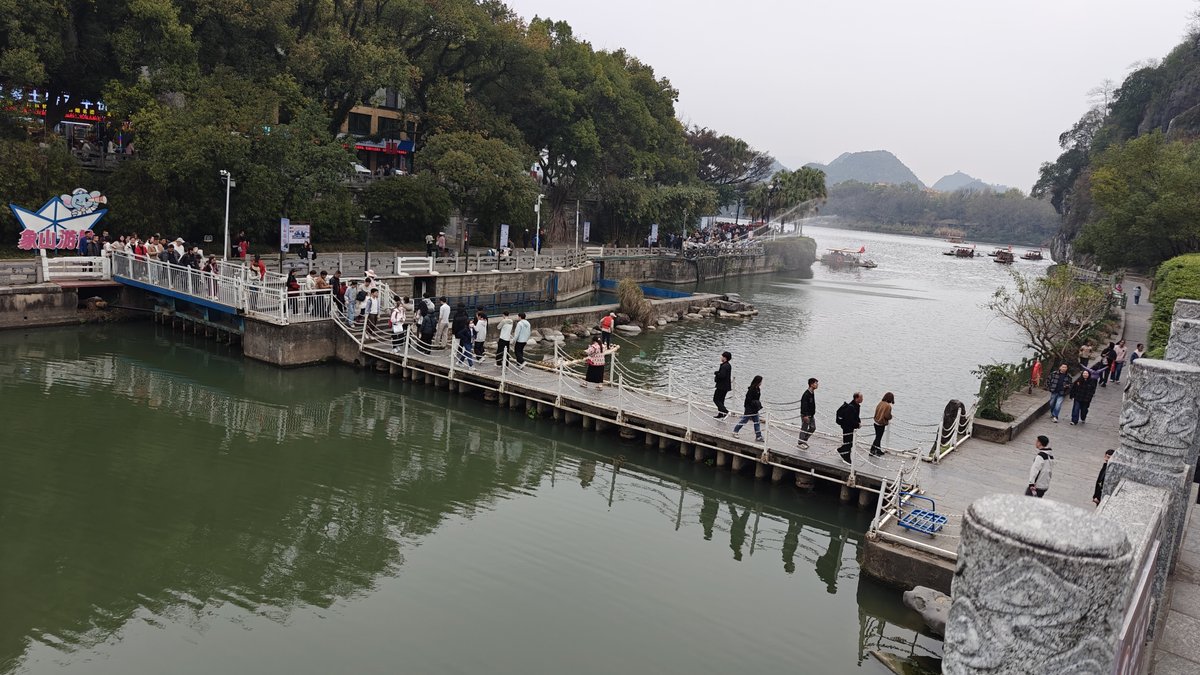
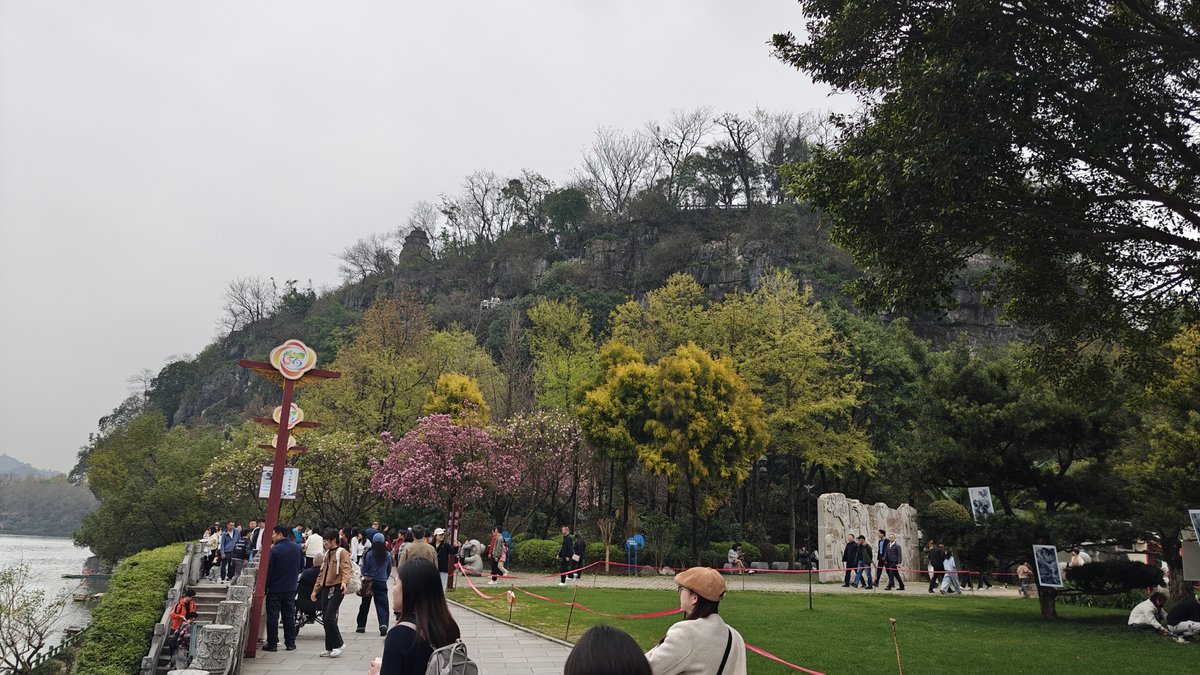
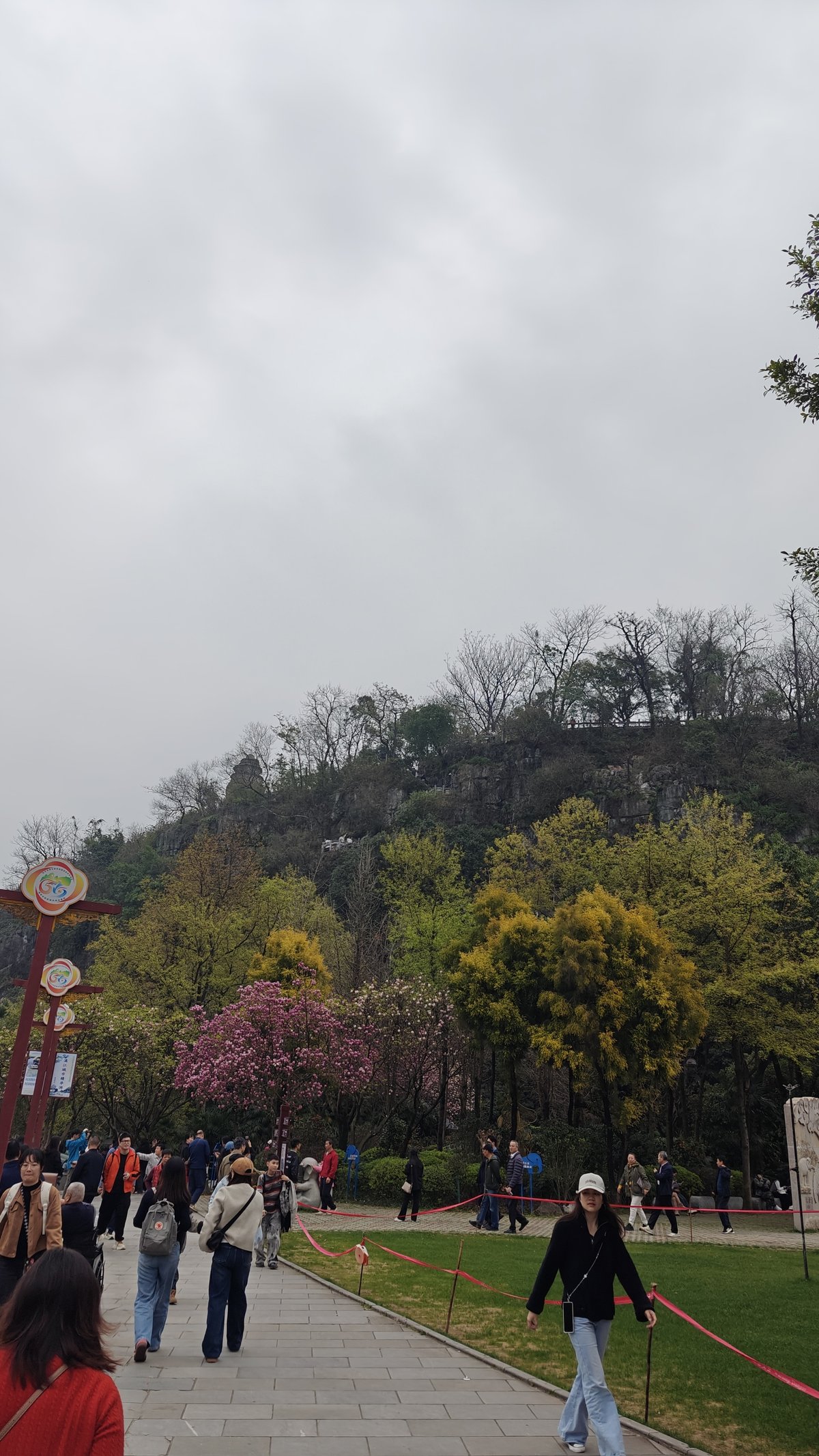
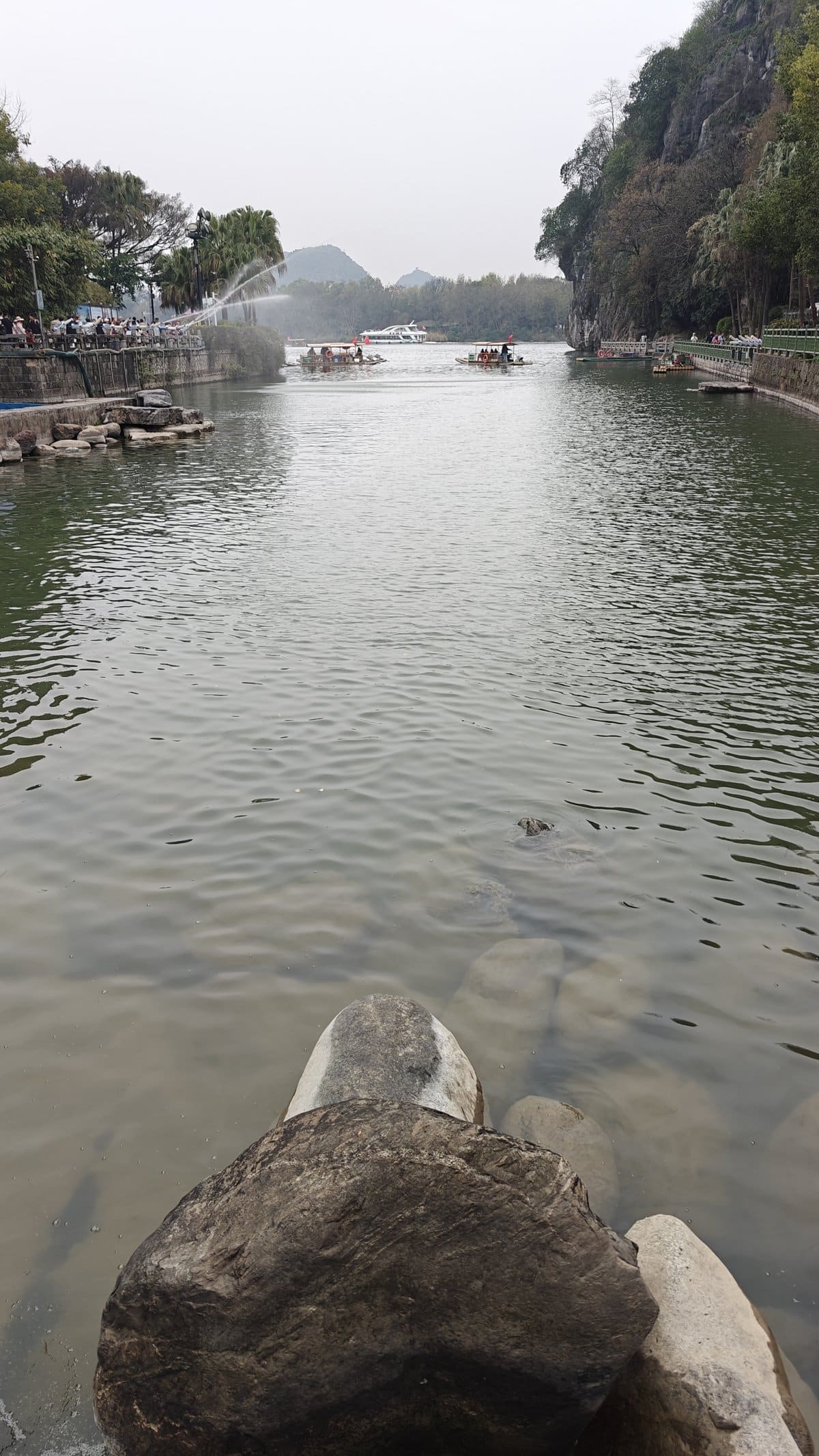
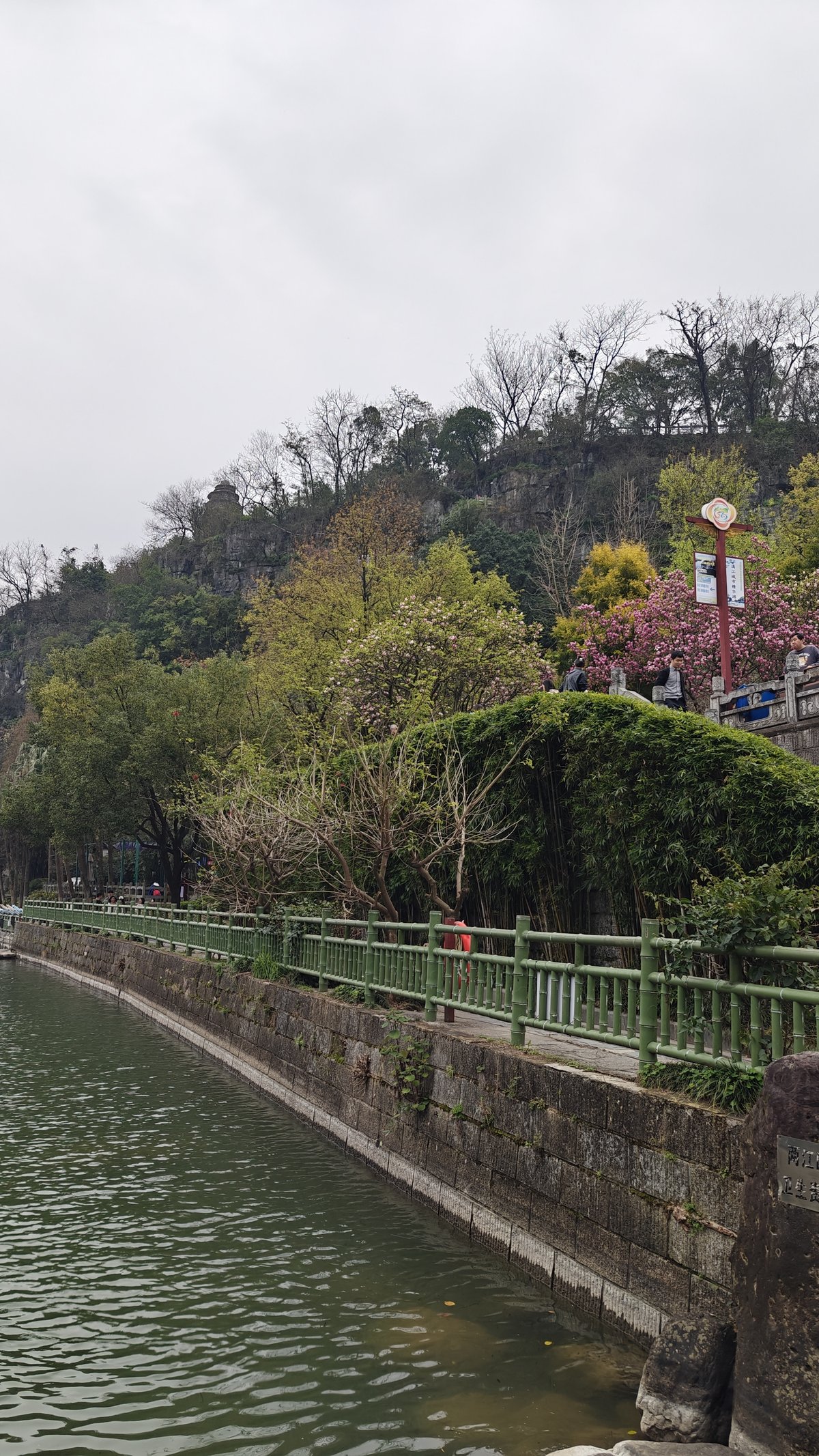
Honestly, my favorite thing about the riverfront walk was just walking it. When I visited, it was spring and all tree were blooming, and it felt like a relaxed, park-y waterfront instead of tourist zoo. I stayed at various spot and watched tour boat float by.
It was quiet on the water, with karst hills looming up across other side.
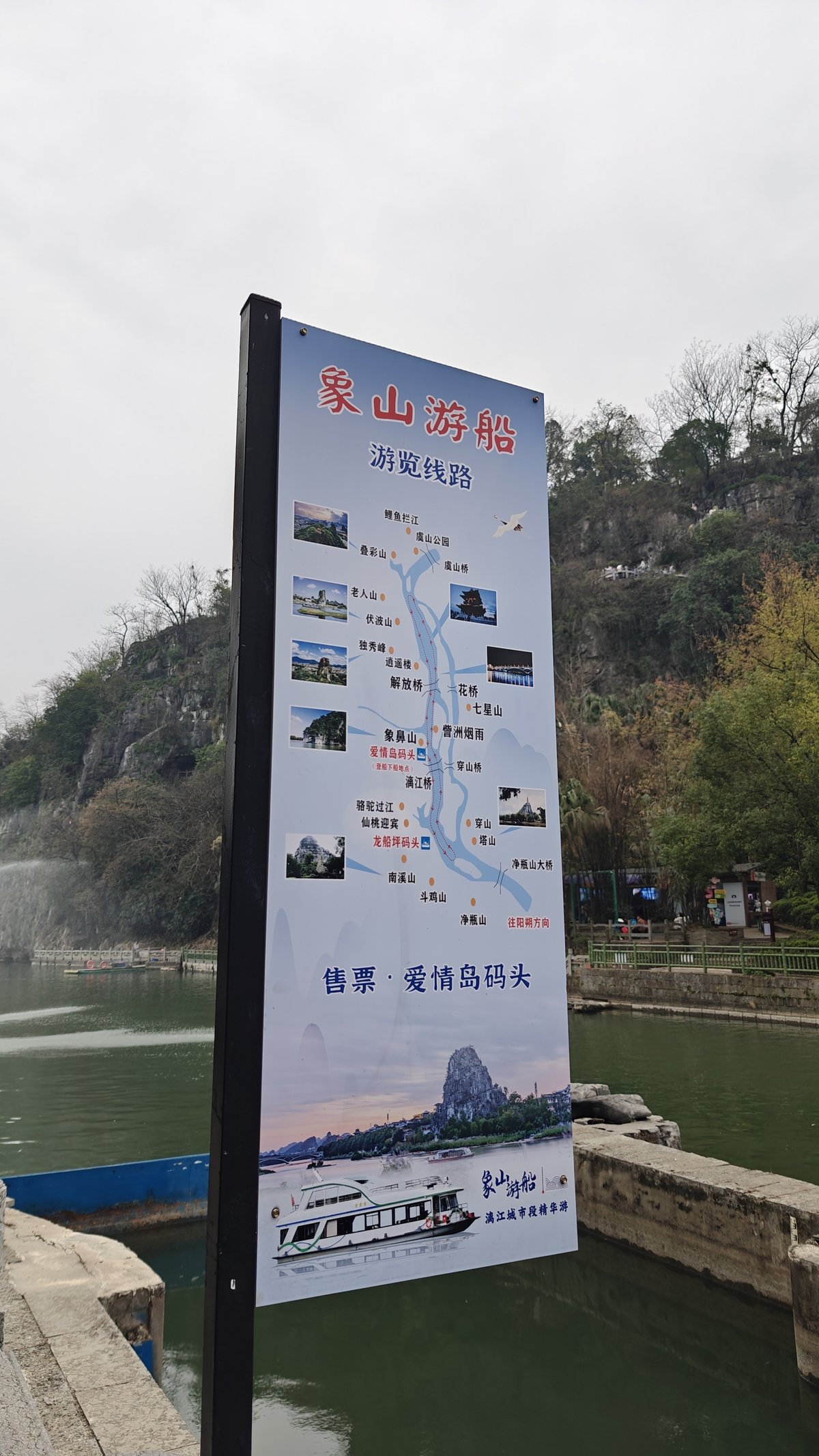
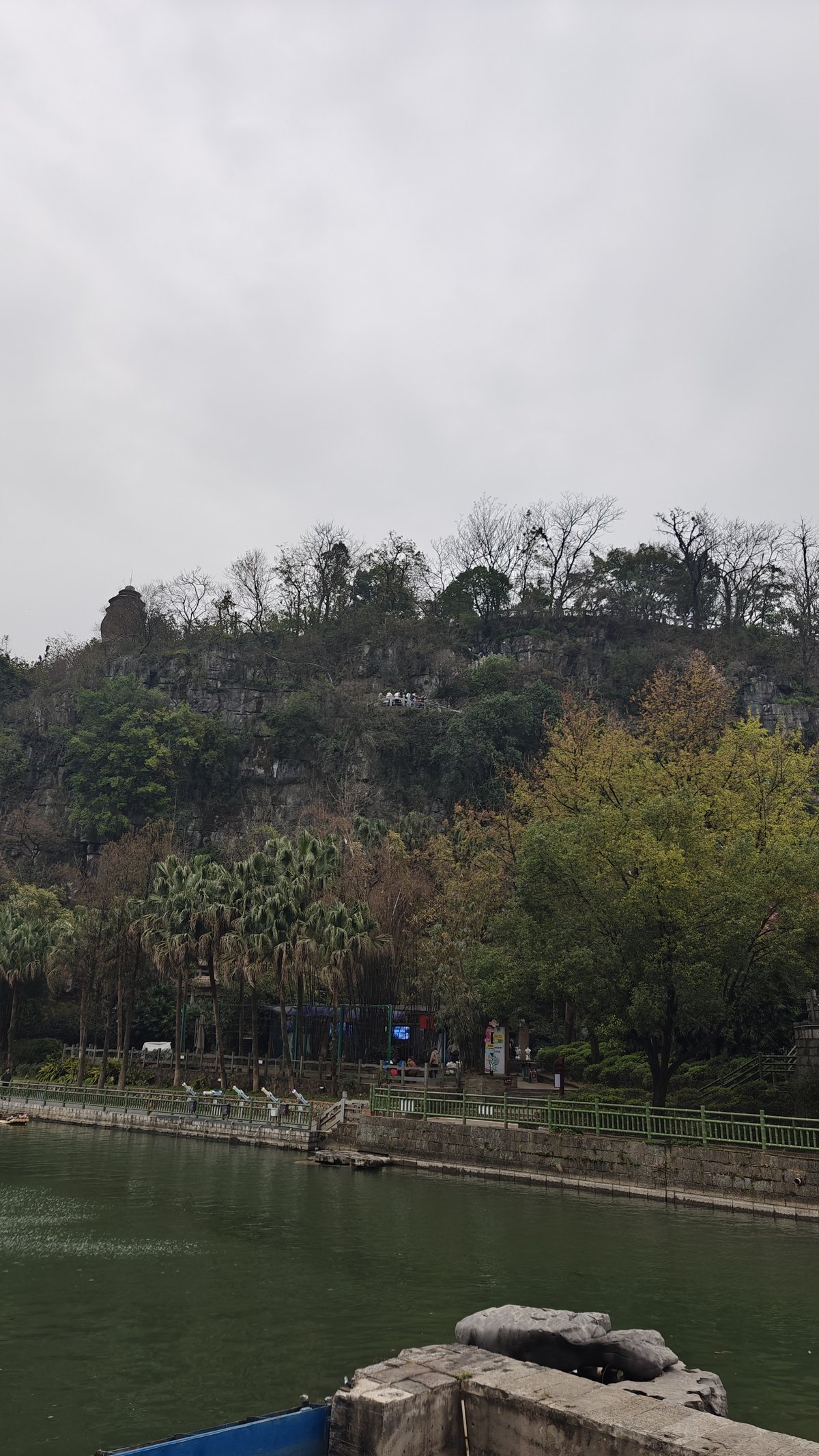
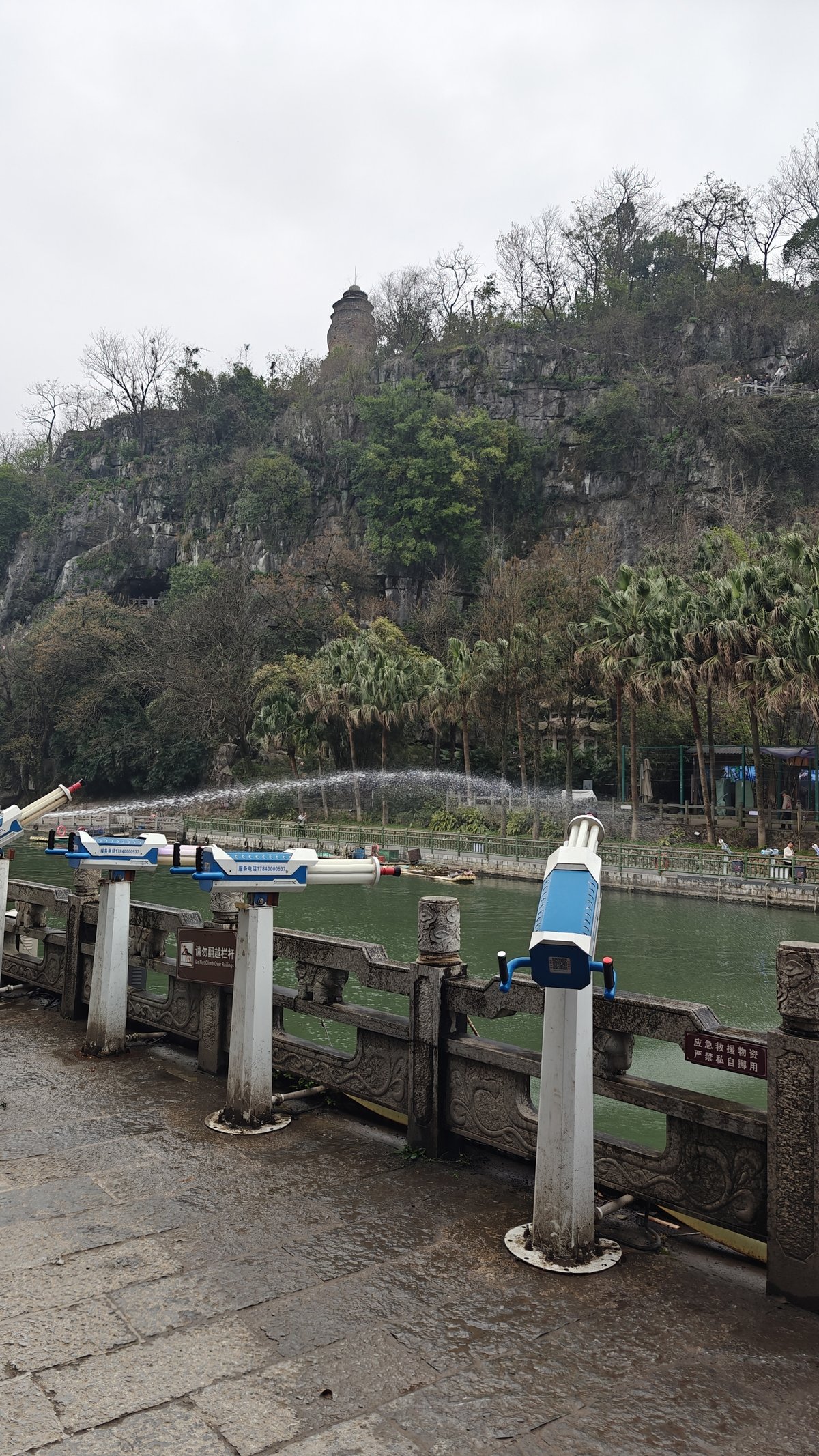
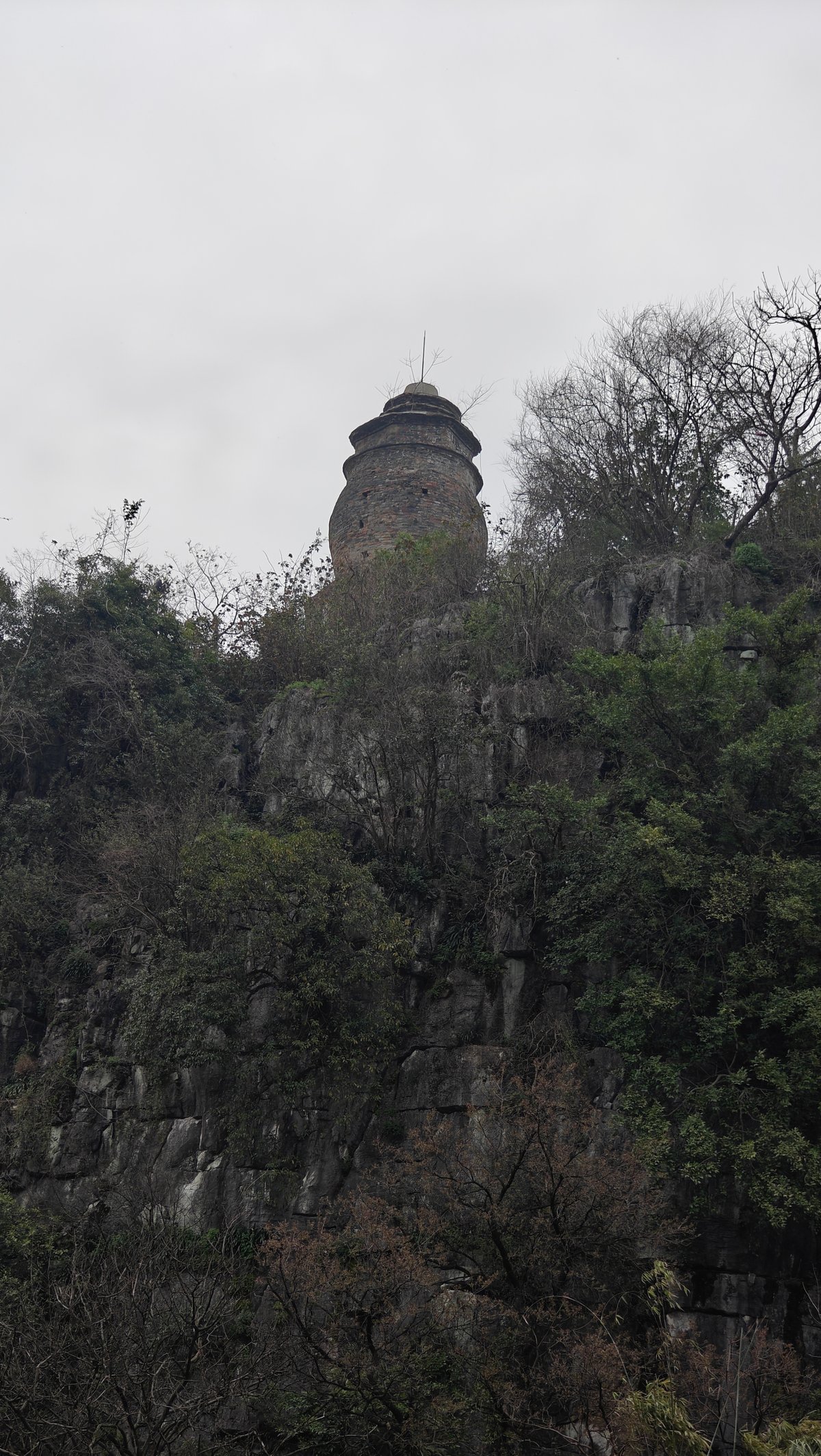
To add to the entire postcard feel of the place, there’s also pagoda sitting atop the hill. As I walked along the trail, I saw it from many different perspectives. At one point someone had install coin-operated binoculars.
I didn’t bother with them, as you could see the formation perfectly fine without them. And then there it was.

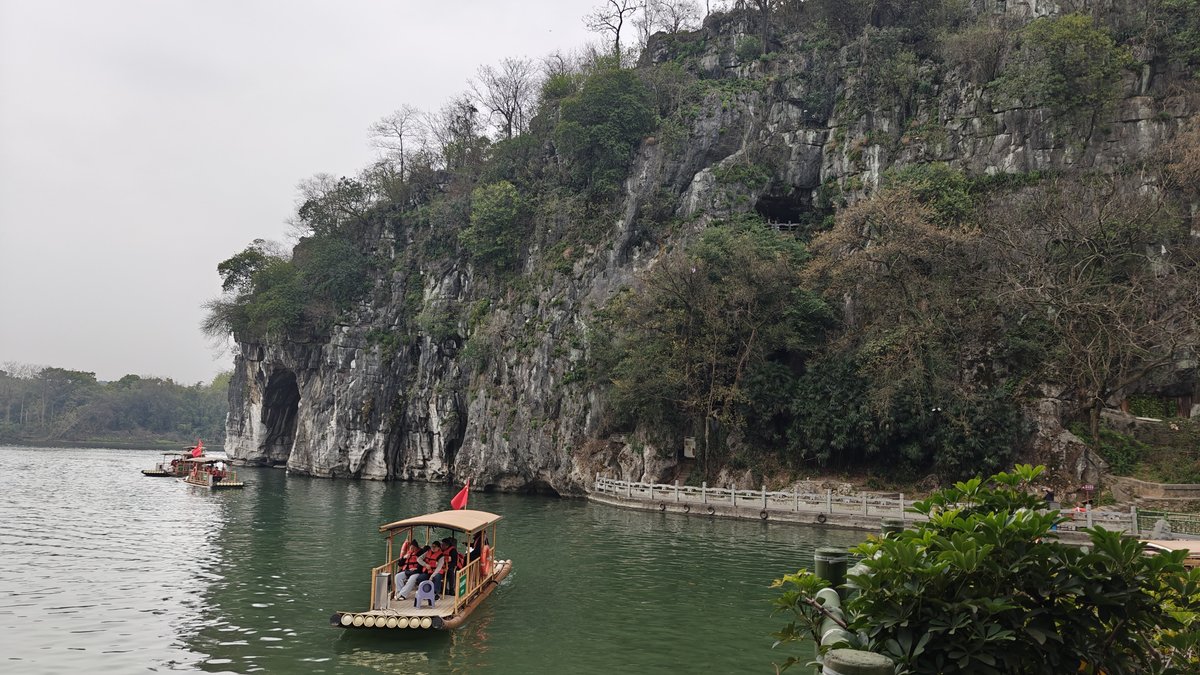
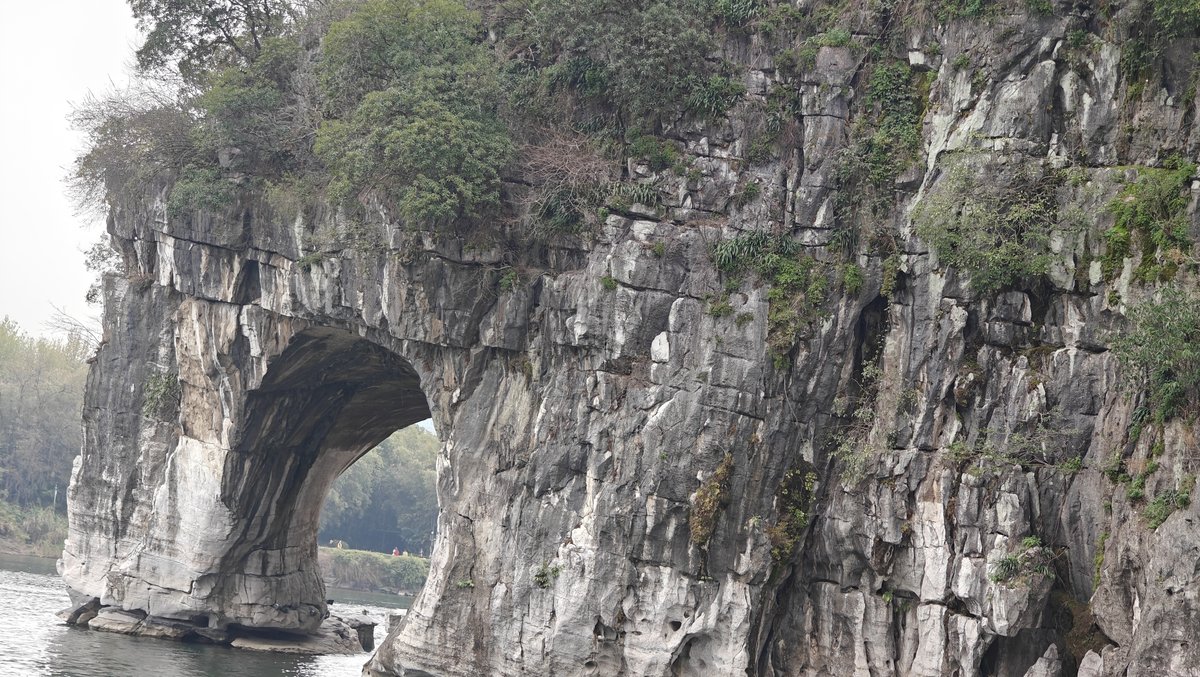
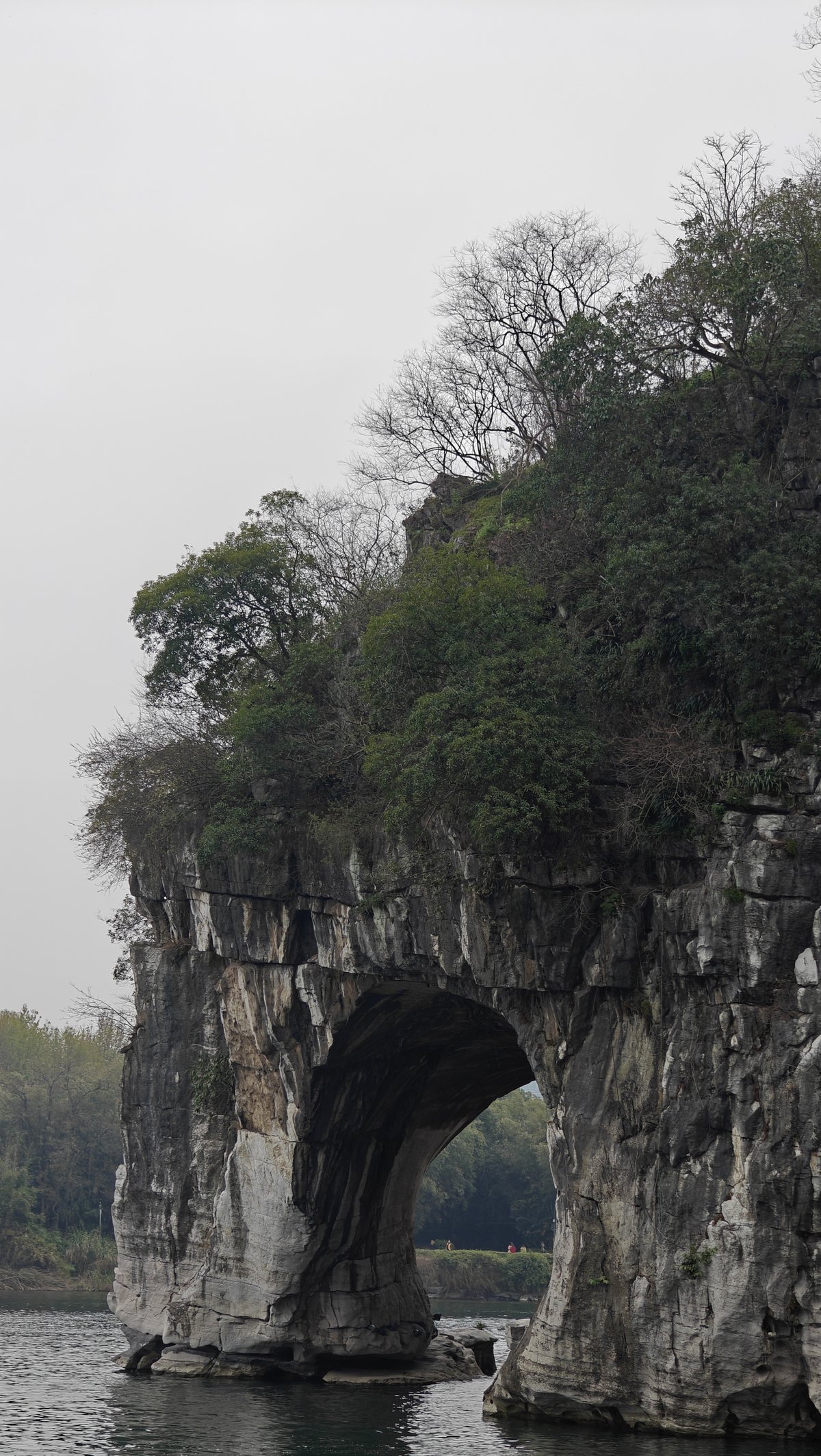
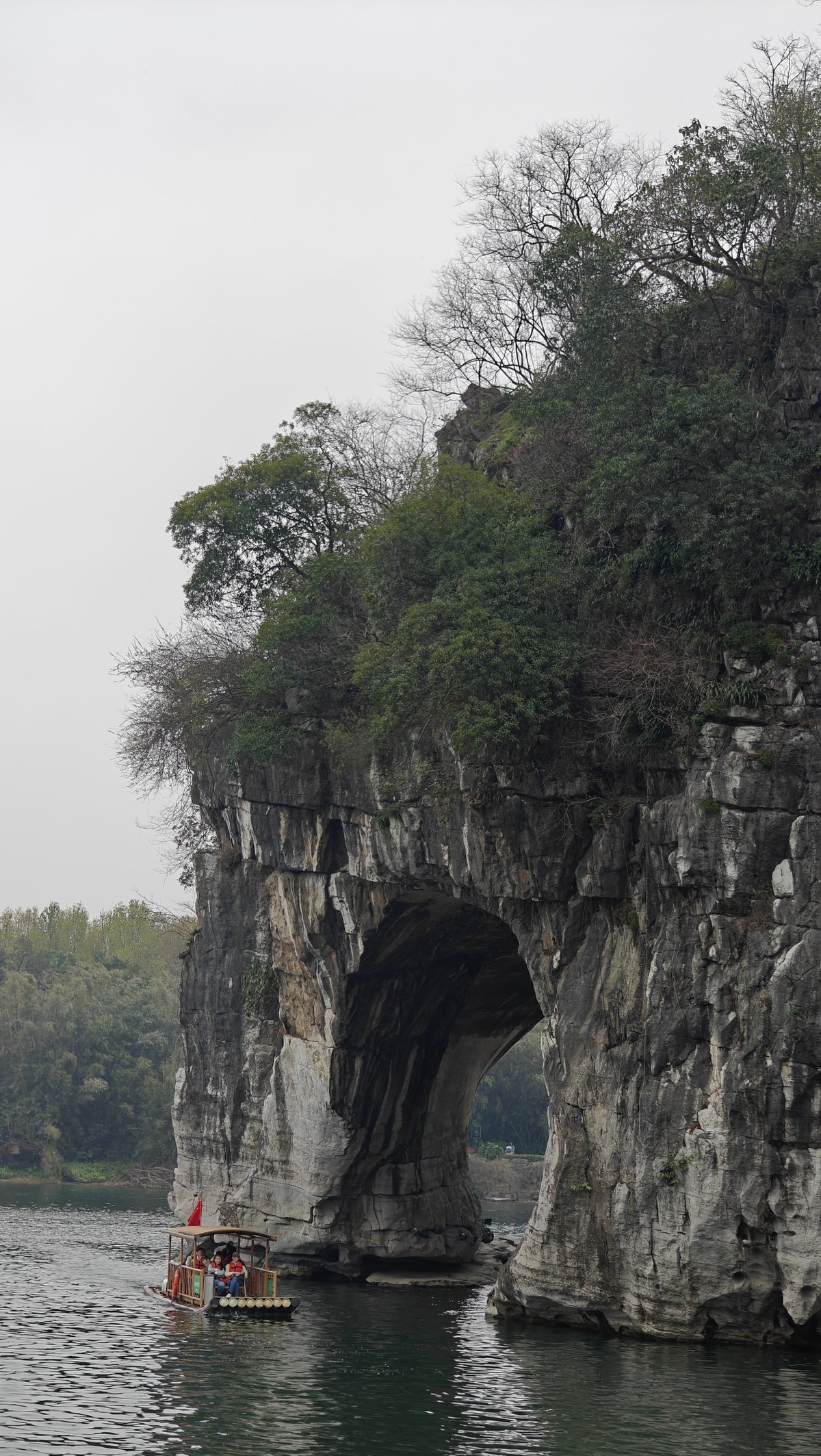
The trunk itself. I mean, when you see it from right angle, you can’t unsee elephant. What’s happening is that Li River has been cutting through limestone here over thousands of years, creating an arch where the trunk connect with water.
From almost every direction, I walked around to various spot and likeness held up. Small boat actually go through this arch, which gives you a sense of how large it is. Watching them navigate their way through was cool.
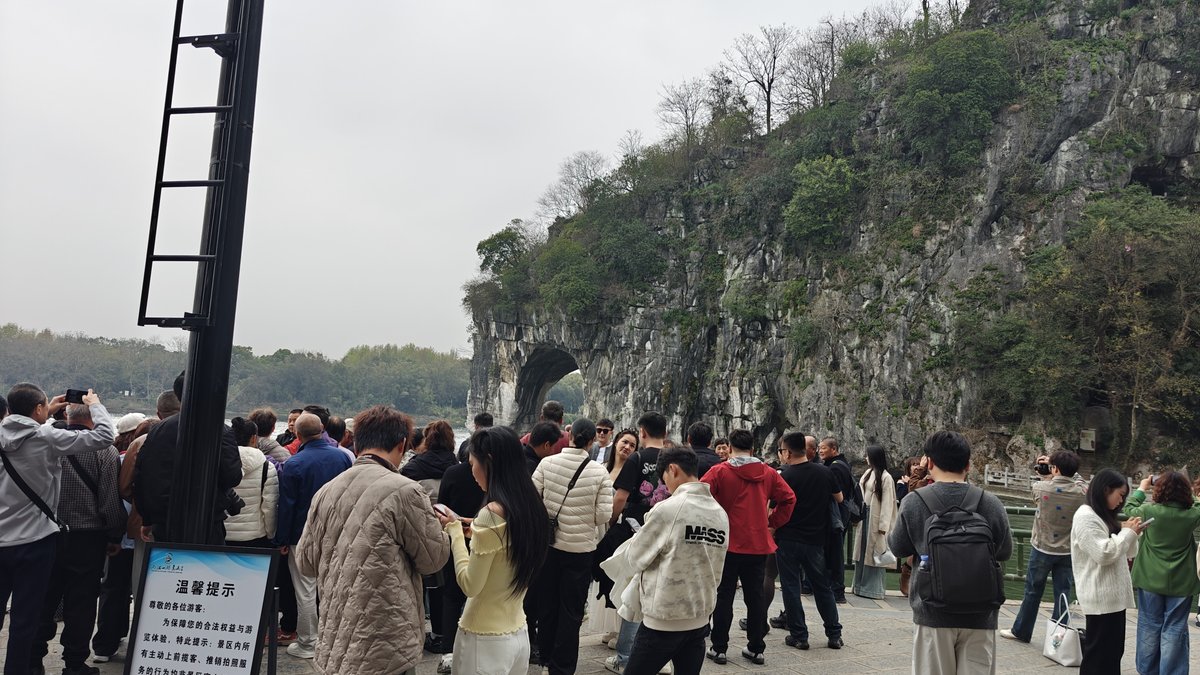
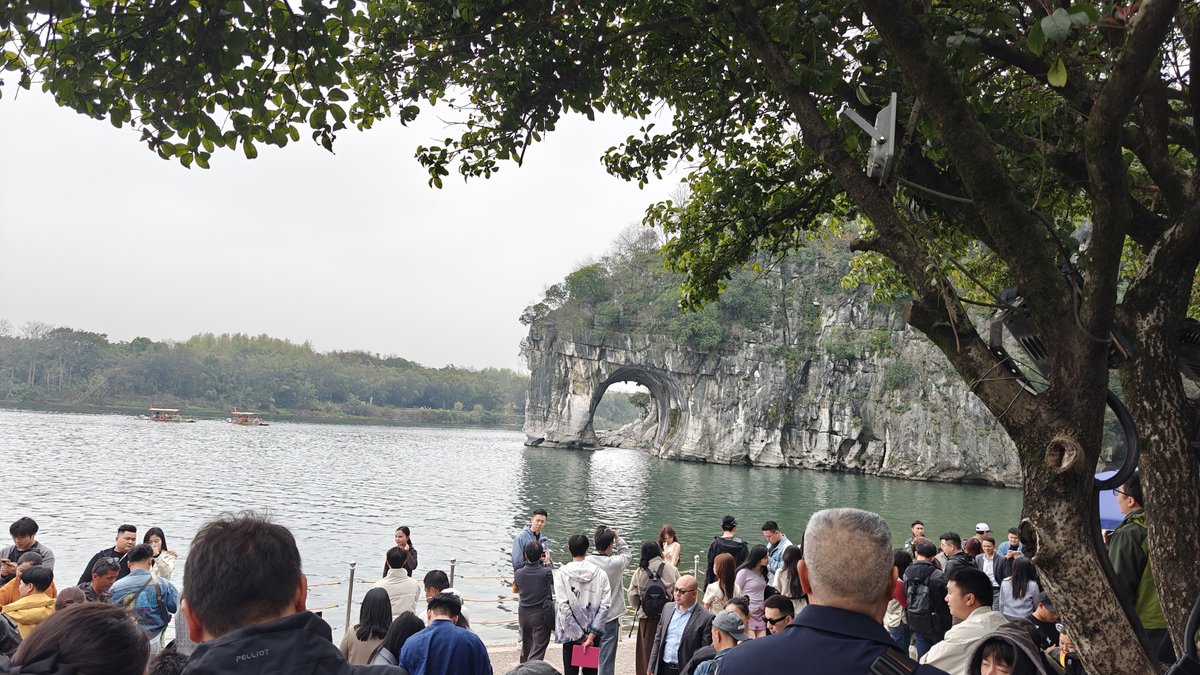
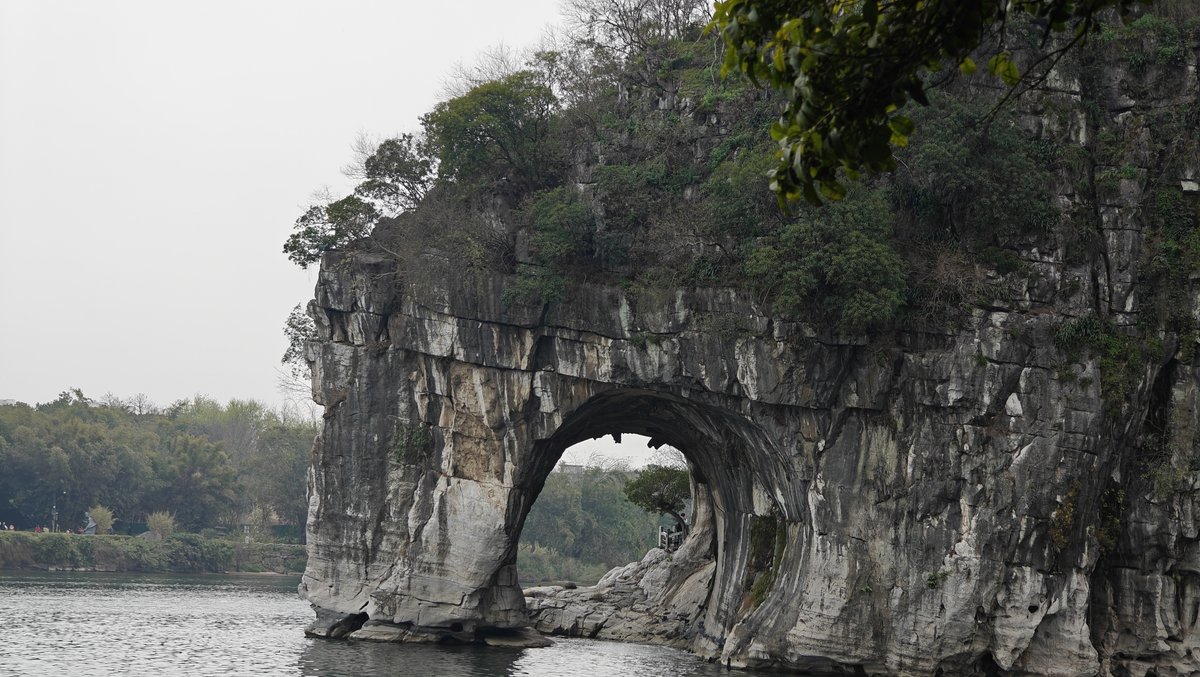
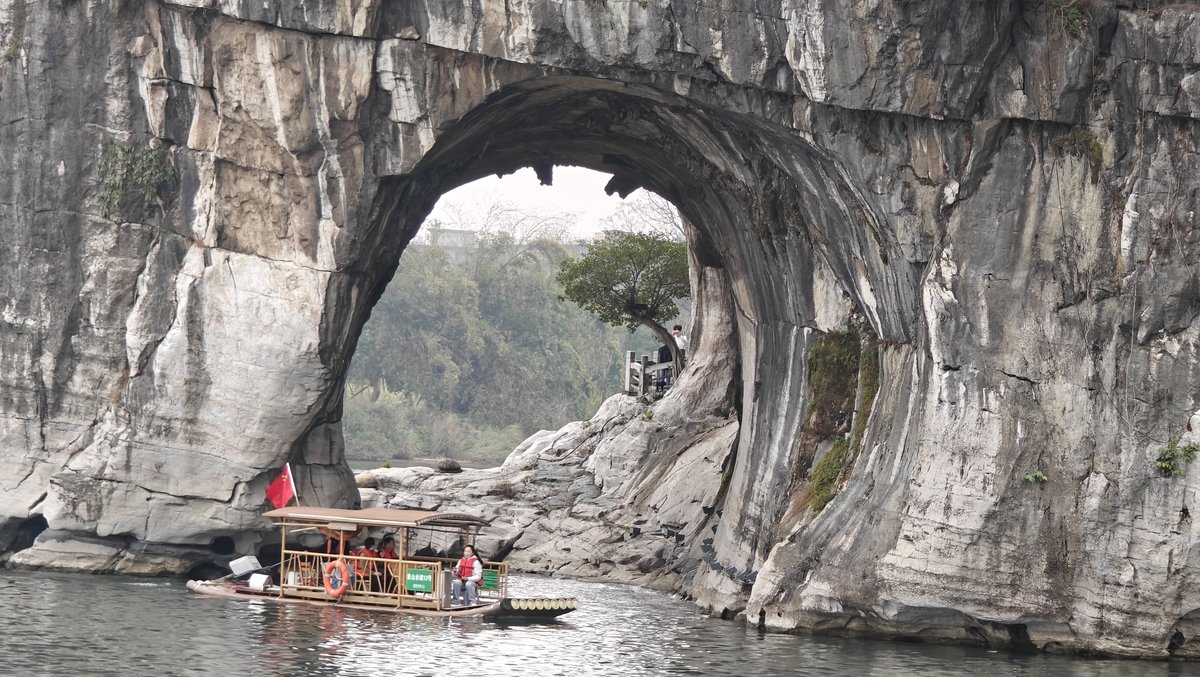
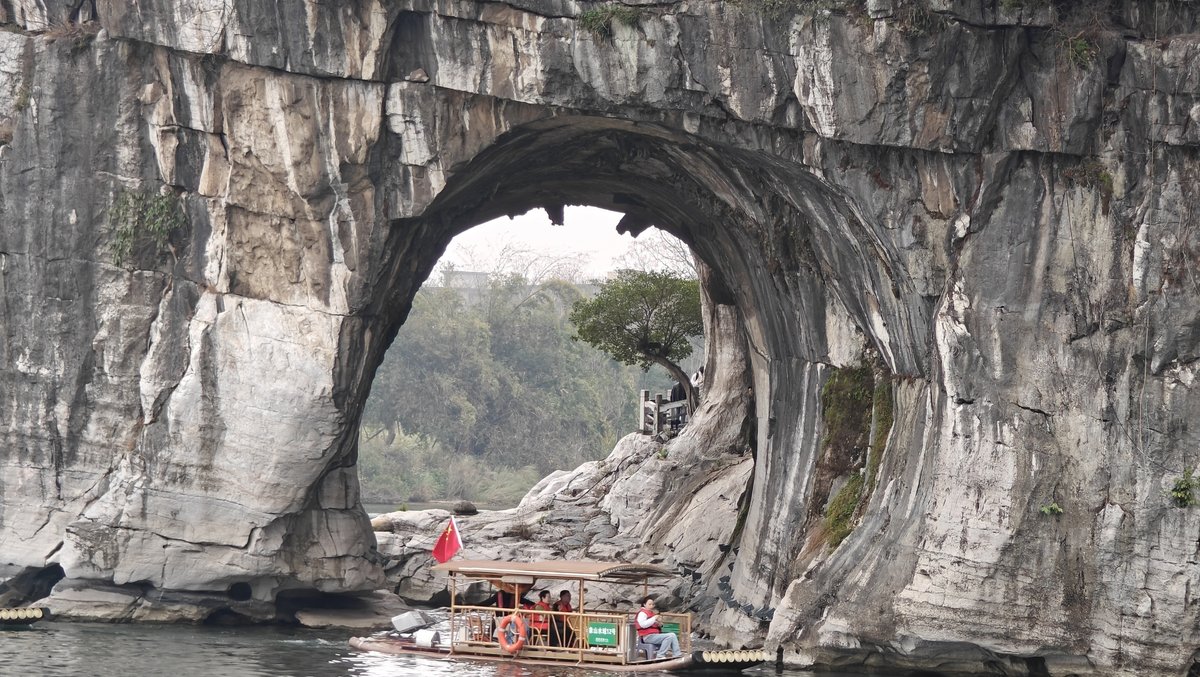
As you might expect, main viewing deck was jam-packed. People were all jockeying for position to get usual straight-on photo of elephant drinking water from the river. Boats would glide in and out of arch, and I watched patiently before getting my turn and snapping some shots myself.
It is such an iconic sight… The elephant look so made-to-order that you half wonder if someone didn’t carve it on purpose.
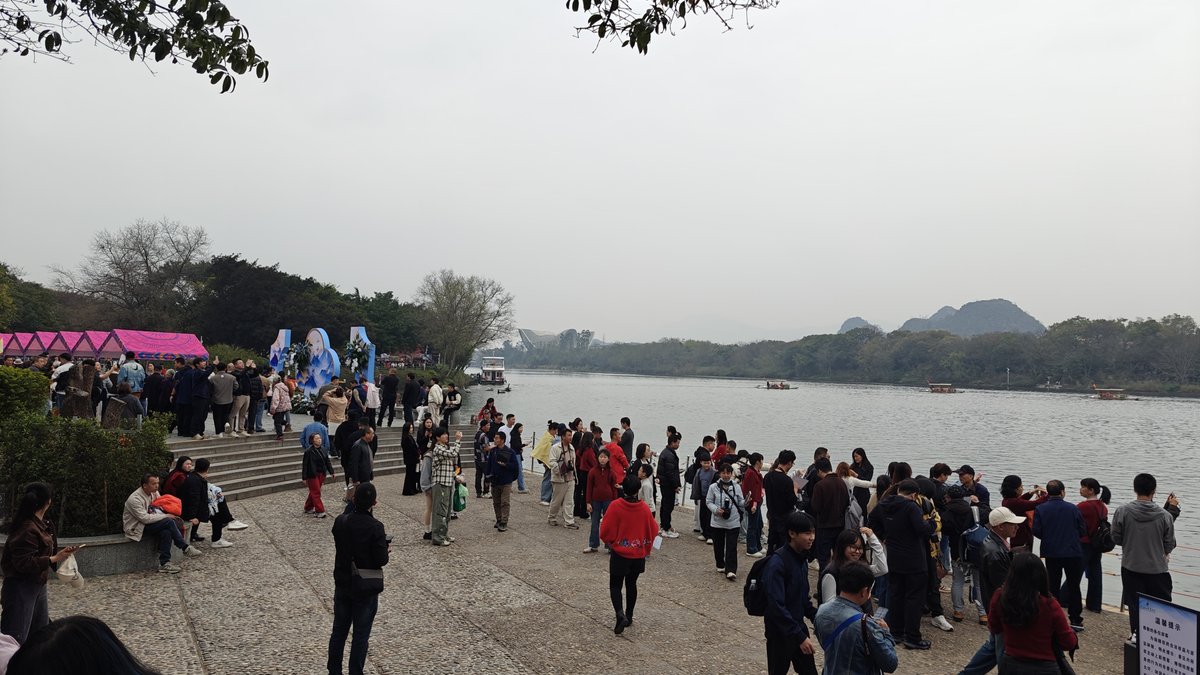
The spot had become appropriately crowded by the time I circled around and rejoined riverside plaza. I just stood there for a while absorbing it all; the river, the constant flow of tourists doing their tourist thing, the karst mountain rising up beyond. This is what happens when you go on vacation.
Why is Elephant Trunk Hill such a well-known sight? It’s because it’s easy to grasp, instantly recognizable, and accessible. Anyone can see it and say “oh yeah, that looks like an elephant,” without needing any knowledge of Chinese history or geology to do so.
It’s got good photography appeal from various angles. It’s located in the middle of the city along the river, and it’s easy to get to. Is it the coolest geological structure I’ve ever laid eyes upon?
No. But its simple charm make it really endearing, and when it come to landmarks, sometimes that’s all it takes for them to stay in your memory. In one clean little picture, you have Guilin: river, karst scenery, a little whimsy. Ever visit a landmark and be baffled as to why it spoke to you?
Drop some comments down below; I’d love to recieve about it.